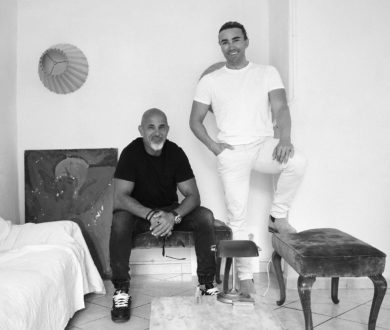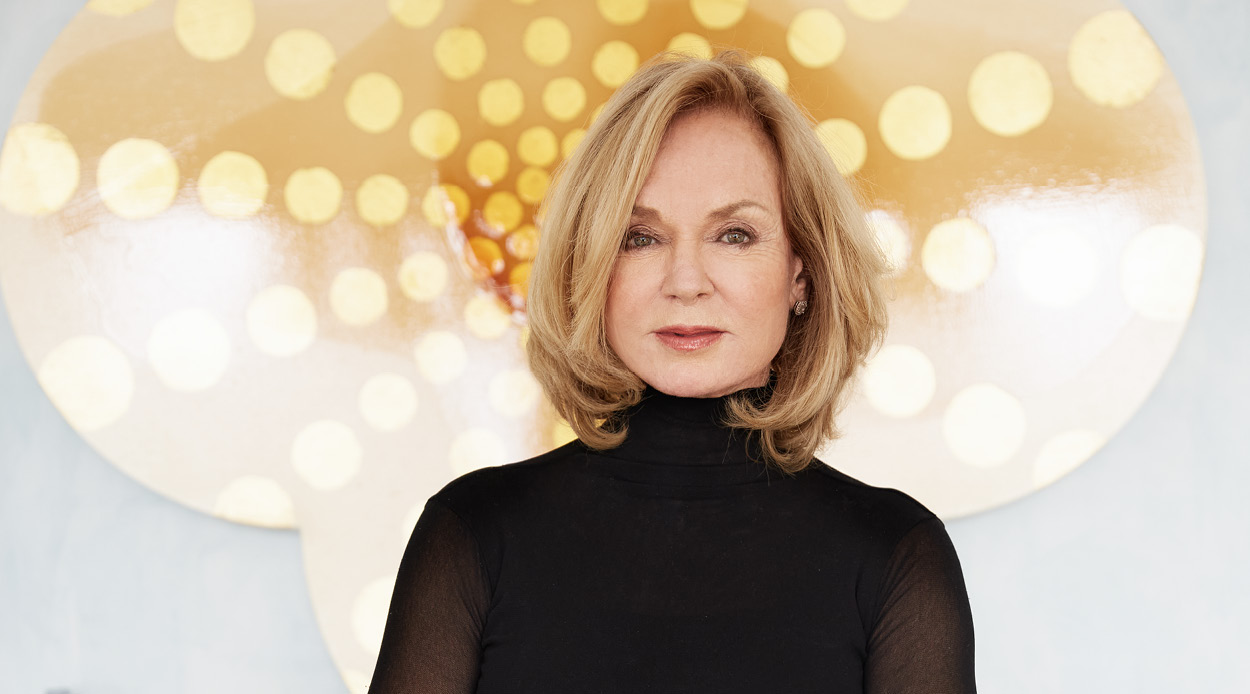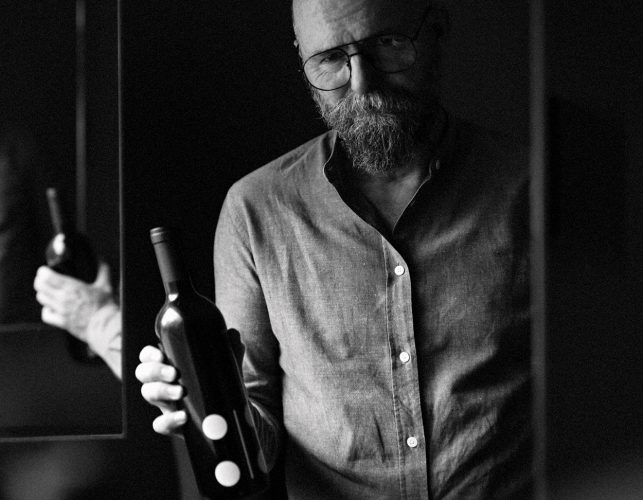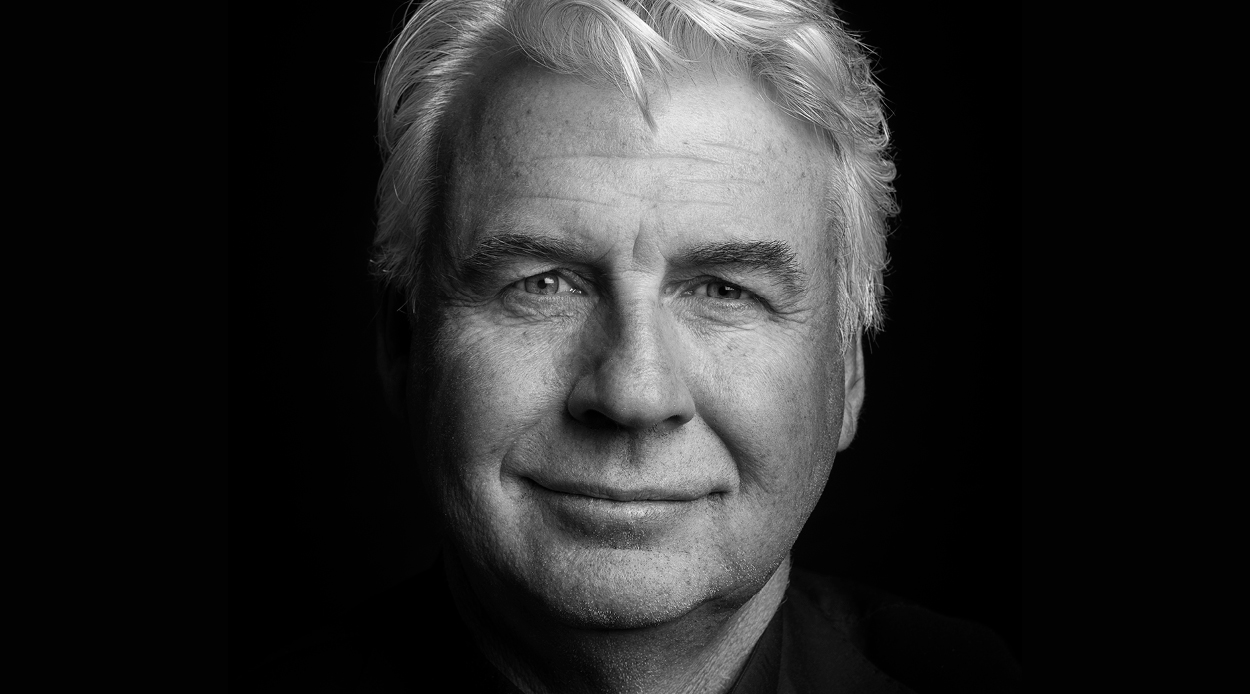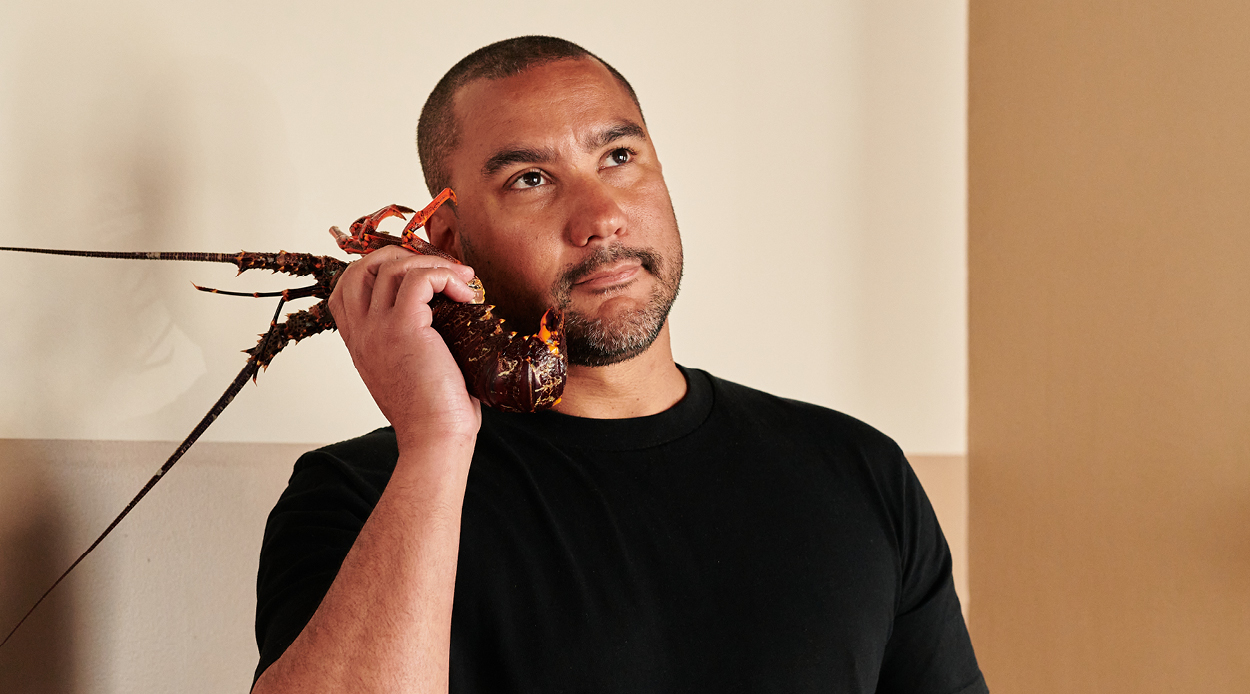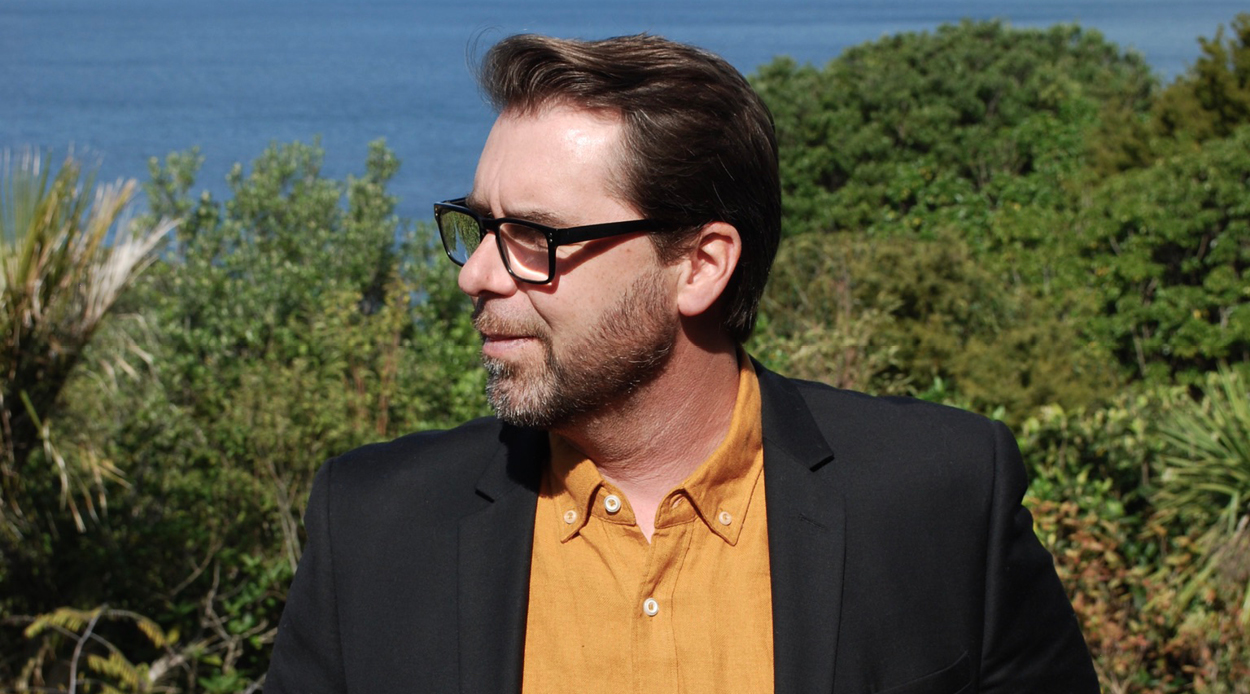

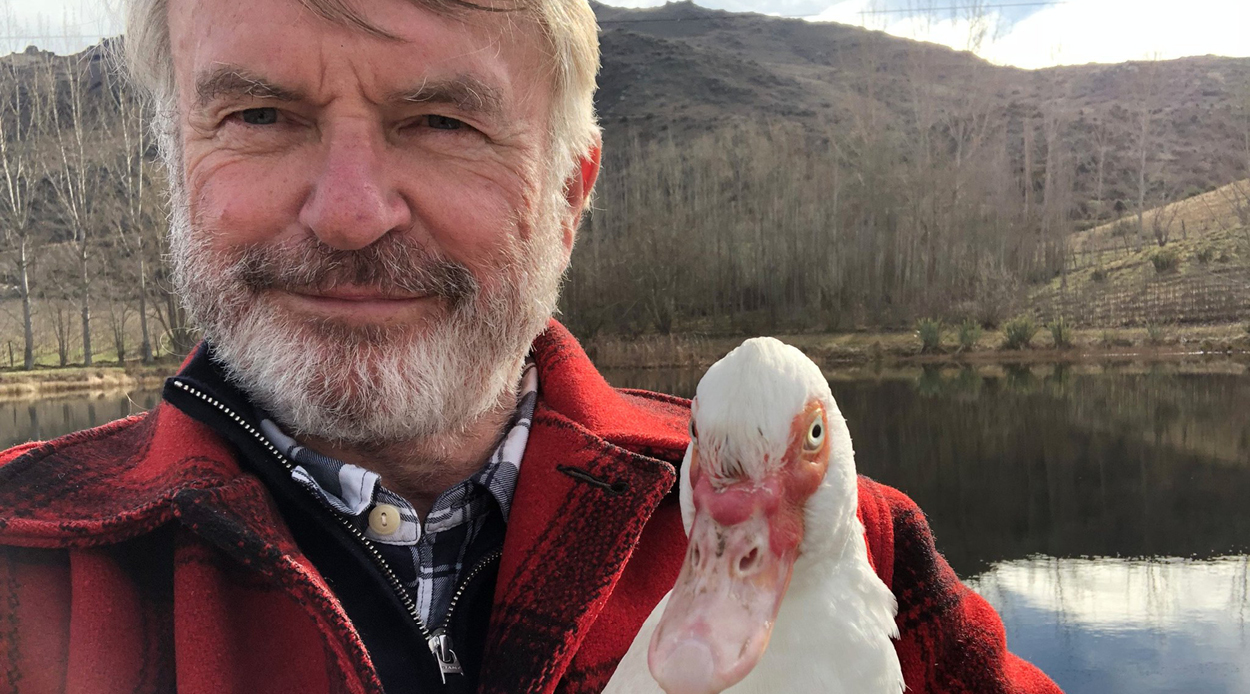
Actor Sam Neill on his process, surreal career moments and the most common misconception about acting

As one of New Zealand’s most renowned silver screen actors, Sam Neill has enjoyed a career paved with iconic films, Hollywood encounters and interesting characters that have made him into a household name. From his big break as Dr Alan Grant alongside Jeff Goldblum and Laura Dern in Steven Spielberg’s 1993 classic, Jurassic Park (a role he is set to reprise with the original cast for Jurassic World: Dominion) to more quirky roles in films like cult comedy Hunt For The Wilderpeople, Neill is, if not a traditional leading man, certainly a relatable one.

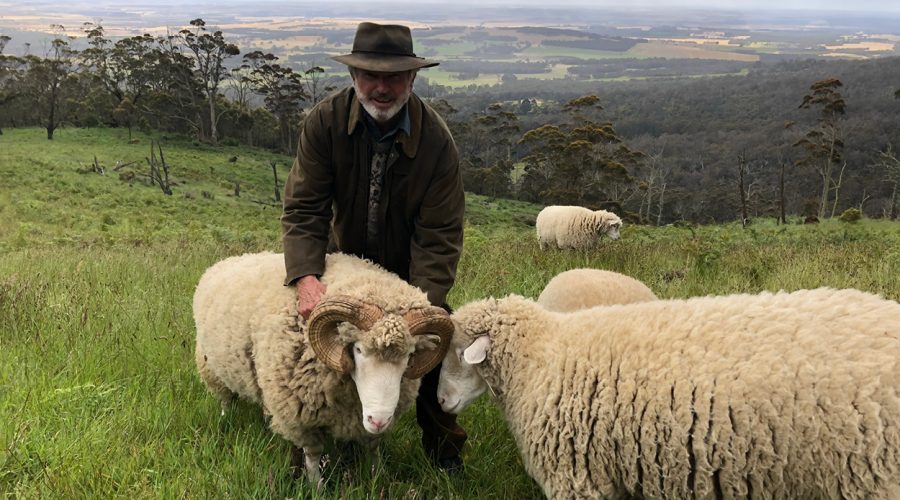
Alongside his acting success, Neill’s second passion is winemaking, something in which he has been deeply invested since establishing his Central Otago vineyard, Two Paddocks, as a modest five-acre Pinot Noir operation in the early ‘90s. Since then, Two Paddocks has grown to incorporate three other vineyards, has produced widely-acclaimed Pinot Noir, and is now focused on cultivating organic, sustainable practices. For Neill, who, when not filming offshore, lives on his farm in Queenstown, caring for the land is paramount. And despite having spent most of 2020 overseas working with some of the biggest names in show business, he always looks forward to coming home.

Here, the down-to-earth actor dishes out some wise words on his process, his passions and who he would love to meet. 

When I was young I was very shy and stuttered. I grew out of the stuttering thing and I think the shyness is gradually evaporating. Anyway, no lasting damage.

I’d like to be known for being kind. I’d like to be remembered for being a gentle spirit. But it’s unlikely I will be remembered for anything at all.

People would be surprised to know that I can still — believe it or not at my advanced age — sprint. Well, you have to when pursued by dinosaurs. All my friends who were good at sport back in the day, are virtually immobile now, and are on their third set of hips. Last laugh for me. 
Life is short. And you need to live it as fully and as meaningfully while you can. I am now becoming of an age when it’s clear there is not a lot of time left on the clock. So I won’t be sitting around daydreaming. There’s still much to be done. 

A common misconception about acting is that actors are narcissists and vain. I’m not sure why, given that most actors I know are riddled with insecurities. This is not surprising given the precarious nature of our work, and most of us live hand to mouth. Every time I finish a job I think “well, that’s it – I will never work again”. Then, to my delight, the phone rings with another opportunity, and I’m never more excited than when I’m off to do another job.

As a father I probably wasn’t the absolute best. I gave it a pretty good shot when I could. I’m pleased to see my children are themselves better parents than I was. I think I grew up with parents who were fond of me but rather distant. It was a sort of British thing. I probably wasn’t that much better. Nevertheless my children seem to be reasonably fond of me to this day, so that will do. I certainly adore them.
I have one close acting friend who I would love to work with. Timothy Spall. I remember seeing him as a neophyte with the Royal Shakespeare Company in 1979 and I’ve never forgotten that performance. I have followed his career ever since and we became friends some 25 years ago. I value his friendship enormously, we’re very close, but no one has ever put us in a film together. Still, you never know.

I admire Jacinda Ardern’s mettle. I am comforted by her empathy and I think she handled the pandemic in an exemplary fashion. She has a tremendous amount of political capital at the moment, and I hope she spends it wisely. Like everywhere New Zealand needs a lot of fixing – social inequity, environmental problems, poor housing, the list is very long. But she and her government can begin to address much of it if they have the will. 

My acting process could be described as a shambles. I am never sure whether it is better to think things out or just wing it. I’ve just worked with Chris Pratt on the Jurassic World movie and I was agog with the extent he’s given to thinking about how to actually be a hero in the movies — something I’ve never actually stopped to consider. However it does seem to also involve quite a bit of hard work — getting fit and buff and looking generally ace. I am not quite sure if I’ve ever had the time or the motivation for that. 

When you make it big in the movies don’t be a prick. Some find this impossible to resist. Don’t have an entourage, don’t be demanding and above all mind your manners. You are not entitled. And remember it can all just evaporate tomorrow. 
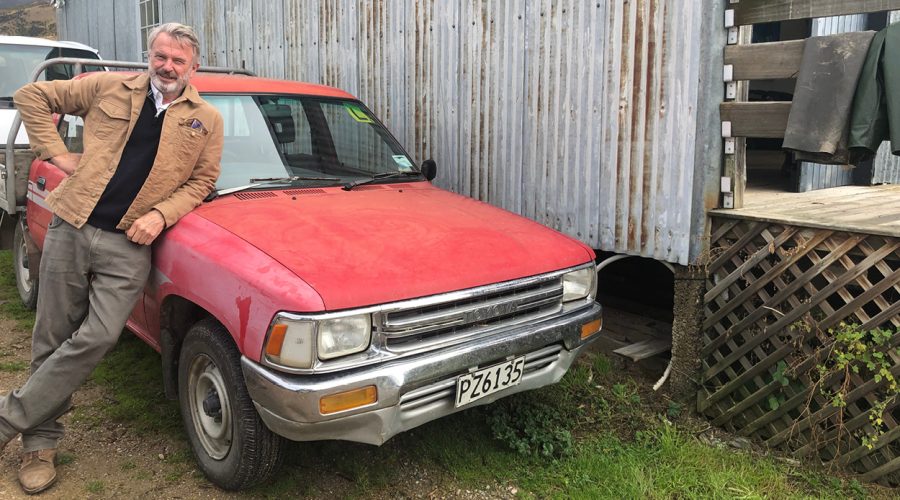
Work and Covid have kept me away from my farm [in Queenstown] since February, and a lot has happened in the interim. We are onto a new vintage, I’ve built a new house and it’s almost summertime already. The first thing I’ll do [when I’m home] is have a swim in the dam. 

I’d love to meet Jeff Bridges. We almost met when we were both working in Richmond, Virginia but it didn’t happen. I really like what he does and how he does it. And now I hear he is battling with cancer so I’d like to wish him well. 

I’m pretty sure that I know what is going to happen next. But if nothing else, 2020 has taught us that absolutely nothing can be taken for granted. Again one must remember the importance of living for the day. Life is not just full of surprises, it’s landmined with shocks and starts.

I’m outraged by the increasing disparity everywhere between the haves and the have nots. When I grew up in New Zealand it was, in all fairness, a pretty monotone kind of place, but it was a sort of benignly socialist country. Nobody had much money. Nobody was in dire poverty. And I think it was a happier place for all that. We all made do. And now so much politics and life as we know it, is driven by avarice. I suspect all this happened about the time of Margaret Thatcher and Milton Friedman, but I am not an historian. Money and greed seem to make the world go round now. The bankers, the Trumps, the Oligarchs — these are the people that seem to dictate how things work. But as the poet said: ‘A Change is Gonna Come’. 
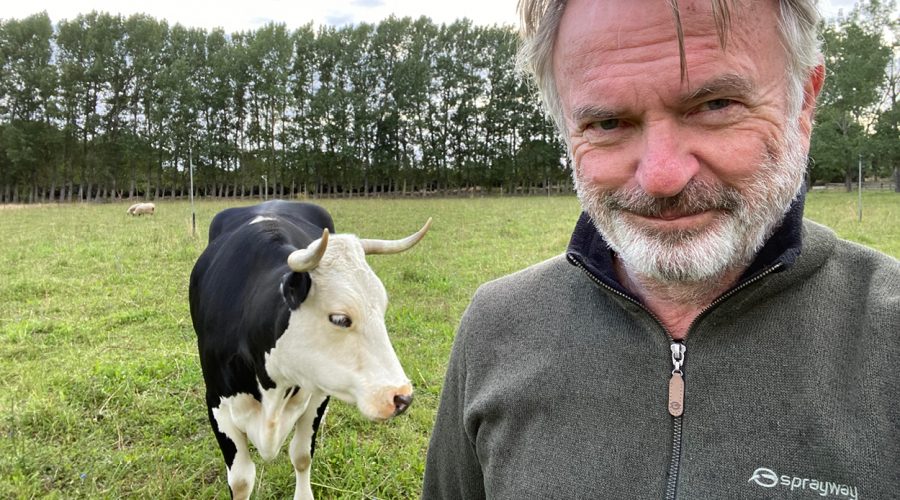
My definition of success is having enough clout to get you a good seat on a plane, but not so much fame that you need a bodyguard beside you on that plane.

The best piece of advice I’ve ever received is “Never wear a brown suit, my boy” [my father].

And the worst; “You need to be a lawyer, you were made for it”. [“Clicks” McClelland – Barrister]. 

Acting is something you either have or you haven’t. You can go to drama school and learn skills most certainly. But rather like being a painter — if you ain’t it, there is just nothing to be done. It is also the most precarious of careers. And you need to get used to constant rejection to survive at all. But it is also about as much fun as you can imagine.

Happiness is elusive. Appreciate it when it turns up. Relish it. To expect to be happy all the time — that is where madness lies. 

My family would describe me as ‘the old fart’.

One of the most surreal moments of my professional life was standing around with Tom Jones, Herbie Hancock and Sting talking rugby in the Hollywood Hills. 

Reuniting with the team for Jurassic World: Dominion was really great fun. And the fact we were all locked up together for five months was even more bonding than before. The ‘new’ cast are great too — Chris, Bryce, Mamoudou, DeWanda and so on: funny as a fight. We had our dark days of uncertainty, but overall it was a blast. 
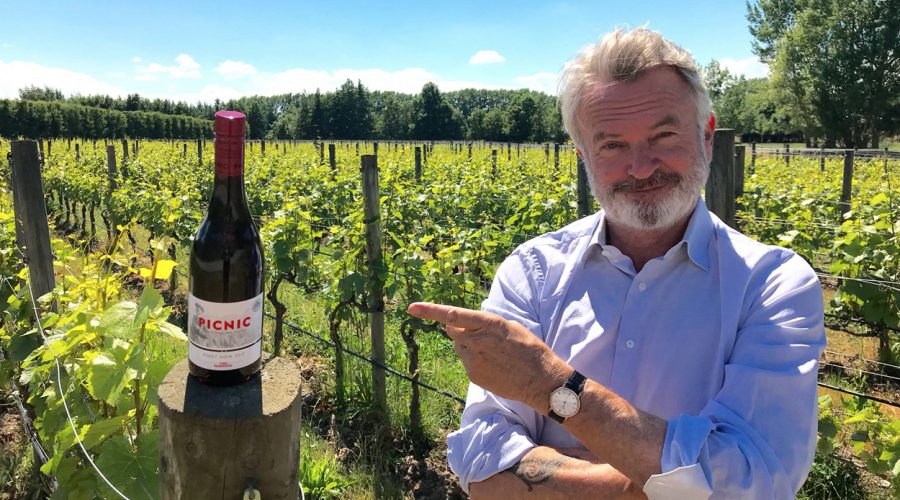
Owning a vineyard is addictive. I now own four, and each one I prize and nurture. And once you start, you just want to make the best wine in the world. We are getting closer every day. 

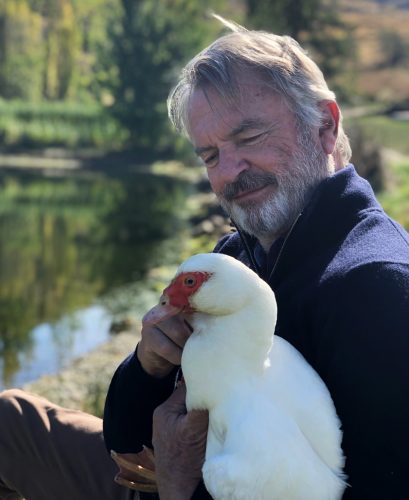
Home is my farm. I like everything about it. I hate doing nothing, and there are always a thousand things to do there. It’s also a beautiful, peaceful place to be. 

I’m most proud of the immense effort we have put into turning everything we do at Two Paddocks organic and sustainable.

The biggest thing I’ve had to overcome in my career is being confused for Hugo Weaving. And maybe not having much of an obvious personality. I am always surprised to come across people with ‘big’ personalities. I much prefer to be the quiet one in the room. 

I look back on my life and think you lucky bastard. I don’t think I had any great talent to speak of but I got some lucky breaks, met some delightful people, worked in countless fascinating countries, had so many wild adventures, made wonderful friends, grew wine of which I am particularly proud, and had some really happy times. I have no idea why I was so fortunate.

At the end of the day we all turn to dust. But not just any old dust. Stardust.

Culture

Wondering what to watch? These new shows should be on your radar
We talk to author Trent Dalton on his dark childhood, finding light between the cracks, and the girl who saved him
The Stars Have Aligned, Babe!
Bistro Gentil.

Denizen’s definitive guide to wining and dining in Wanaka

While Wānaka is famously known for luring visitors near and far to its celebrated adventure scene, those seeking an adrenaline rush will be pleased to know post-action appetites will be well and truly satisfied in this breathtaking alpine town. From cosy cafes and tempting bakeries to iconic pubs and impressive restaurants, Wānaka ticks all our boxes for an epicurean escape.

Bistro Gentil
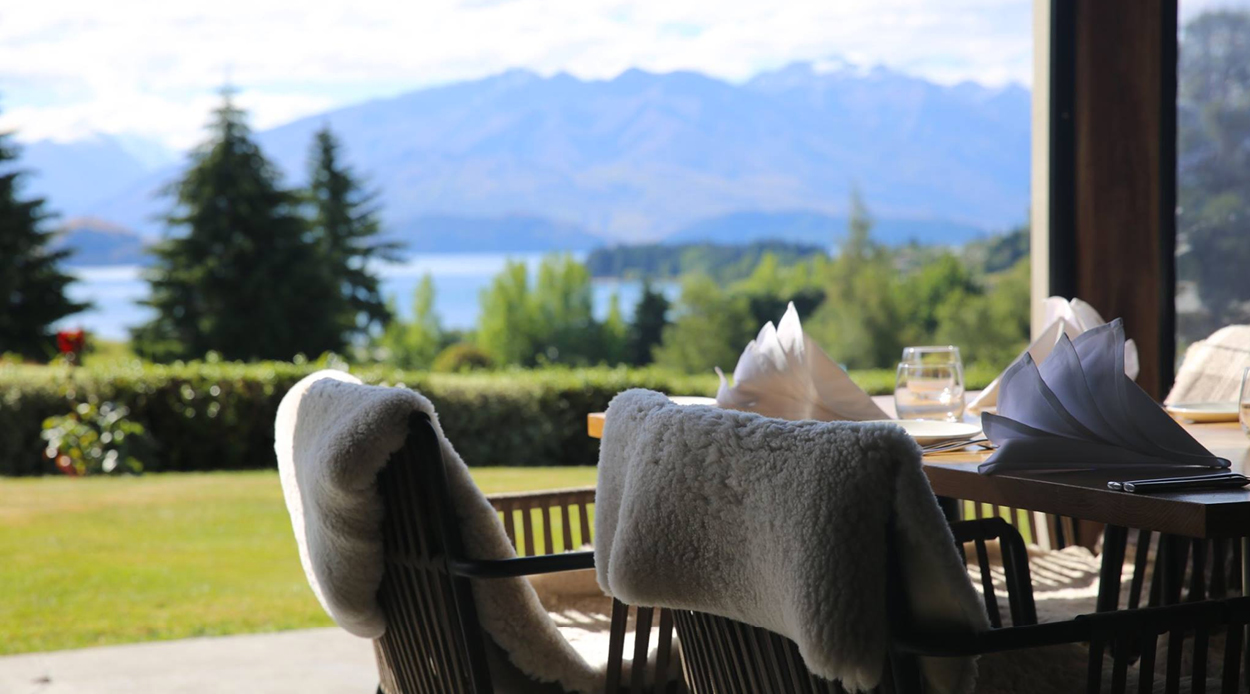
Modern French cuisine takes centre stage at this exquisite bistro bringing indulgent gastronomy to Wānaka. Located in town, the restaurant itself is a tranquil space, surrounded by lavender and boasting views out to the lake. From the kitchen, dishes like French onion soup and beef tartare are expertly prepared, while a five-course ‘Trust The Chef’ tasting menu with wine pairings is available for anyone struggling to make up their mind.

Fedeli
There is a good reason why lines can be expected at this Wānaka institution. Fedeli is known for serving up some of the best-brewed coffee and tastiest cabinet food in town. Come for your morning cuppa, stay for a warming housemade pie or one of Fedeli’s famous cheese scones. 

Scroggin Coffee and Eatery.

Scroggin Coffee and Eatery
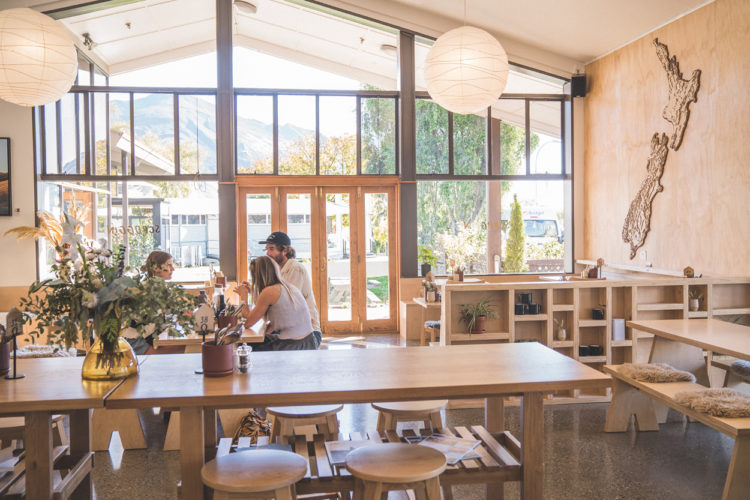
Enjoy hearty, wholesome fare and delicious coffee at this laid-back Wānaka eatery. With a simple, modern interior inspired by the idea of a backcountry hut and a menu that puts unexpected twists on classic brunch dishes (the Herbed Hash is a highlight) Scroggin is serving pre-ski fuel-ups and laid-back afternoon bites. 

Federal Diner
The dine-in component of the aforementioned Fedeli, Federal Diner has been serving Wanaka with tasty fare for over a decade and is a sure bet for breakfast, lunch and dinner with a mixture of classic and contemporary dishes on offer. The company has also just opened FuDog, a modern Asian restaurant, right next door.

Wee Tart
This recently-opened coffee shop and milkbar is wooing Wānaka locals and visitors alike. Centrally located, and with its own cosy courtyard, this welcoming spot serves a wide variety of coffees, milkshakes (made the old-school way), delectable bites from breakfast until lunch and a line-up of alcoholic beverages for a relaxed afternoon tipple. 

Pembroke Patisserie.

Pembroke Patisserie
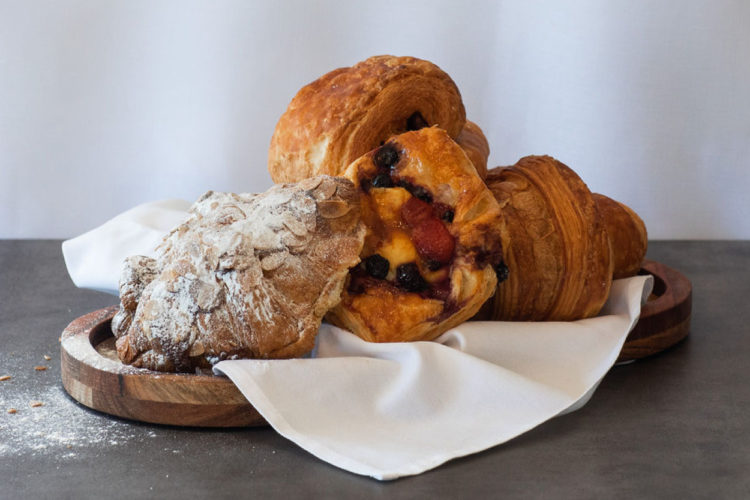
Delicious, artisanal pastries abound at this specialty bakery in Albert Town — a few minutes’ drive from central Wānaka. A classic French patisserie with a modern Kiwi twist, this is the perfect place to pop into for a savoury bite, a freshly-baked baguette or even a cheeky cheese roll-inspired croissant

Big Fig
Committed to using seasonal, locally sourced ingredients, Big Fig has built its reputation on serving slow food, fast, and its modern take on classic Middle-Eastern flavours has made it a hit with both locals and tourists. Tender slow-cooked meats meet tangy dips, spicy meatballs and a raft of vegetarian and vegan dishes in a flavourful menu designed to keep us coming back for more.

Kika.

Kika
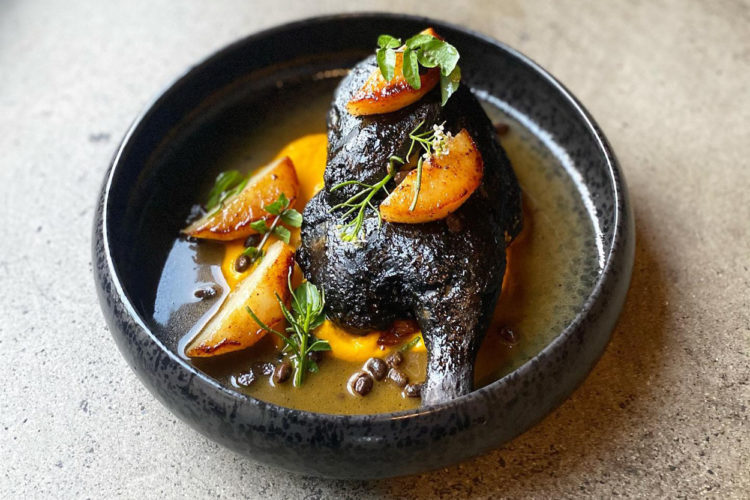
Owned and operated by award-winning chef, James Stapley, Kika delivers flavours from all around the world, from its charming Wānaka location. With hyper-seasonal sharing dishes like Yucatán roasted half chicken and tea smoked duck waffles, designed as the perfect accompaniments to its carefully-curated wine list, Kika has been touted as a must-visit for all New Zealanders, and rightly so. 

Ode
At Ode, local organic produce, ethically-caught seafood and wild shot game meats combine on a menu that heroes modern New Zealand cuisine. With a strong emphasis on ingredients, the dishes served at this restaurant are innovative, progressive and undeniably delicious, and promise to provide a memorable culinary experience. After the tumultuous last year, chef and owner Lucas Parkinson has made the brave call to close the doors to his award-winning restaurant, with the final service occurring on the 29th of August. So, if you want to have the chance to dine at this special eatery, make sure you prioritise booking in before then.
Burrito Craft.

Burrito Craft
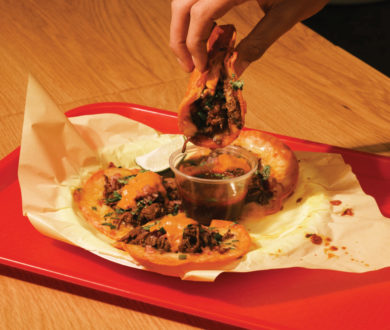
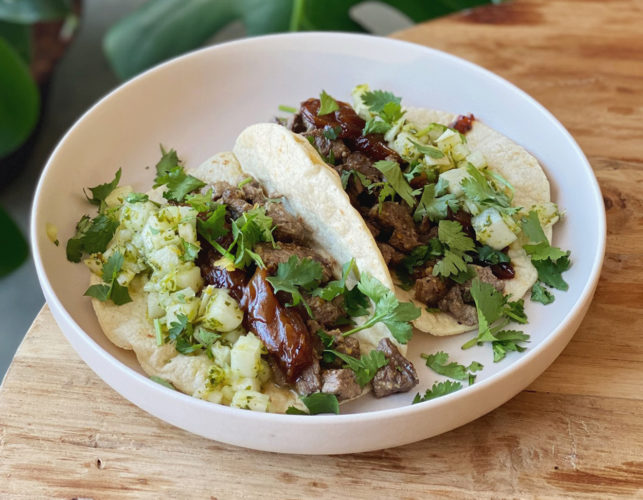
Touted as serving Wānaka’s best tacos, Burrito Craft has grown from its single taco-truck beginnings to now, boasting two trucks on the go and a more permanent location on Brownston Street. Making flavourful Mexican food from the freshest ingredients, it’s no wonder these guys are such a universal hit. 

Urban Grind
A great place to head to at any time of the day, Urban Grind is open from 8am until late into the night. Whether you go for your morning coffee, a satiating lunch or an evening pizza (with a glass of wine, perhaps) this spot is sure to leave you satisfied. 

Francesca’s Italian Kitchen

Francesca’s Italian Kitchen
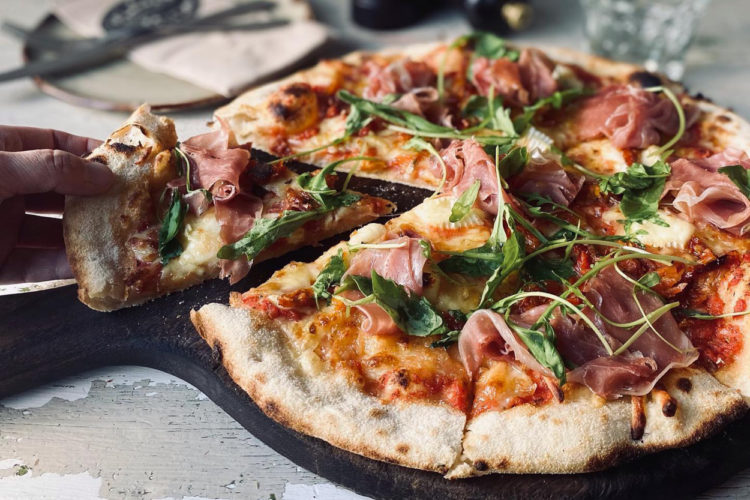
Passionate about providing warm hospitality and classically Italian flavours, this lauded Wānaka restaurant offers a raft of hearty dishes designed to leave you feeling entirely satisfied. From housemade potato gnocchi to quatro formaggi pizza, Francesca’s has become the go-to for a soul-warming meal. 

Cardrona Distillery
Already lauded for its locally produced, carefully-cultivated spirits, Cardrona Distillery (located around 20 minutes from Wānaka) has recently launched its own food offering. Calling on chef Kim Kuruvilla to create an exceptional menu of small seasonal plates, the distillery’s foray into dining is designed to highlight its tantalising, bespoke cocktails and the bountiful produce of the area.

Candrona Hotel.

Cardrona Hotel
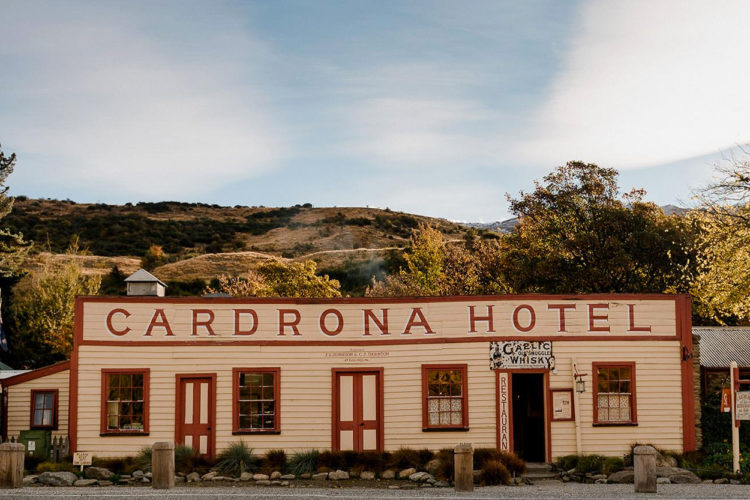
What is a day of skiing at Cardrona without an après mulled wine at the Cardrona Hotel? Universally loved for its delightfully cosy interior, expansive outdoor space and historic nature, this wildly popular spot has long been the perfect place for a post-slope debrief. 

Cork
Located in the heart of Wānaka, this cosy, welcoming wine and spirits bar offers tasty drink options to suit any proclivity. From lauded local drops to a number of international wines, Cork invites everyone to settle in for some live music and a glass or two of the best.
Lipsky & Sons.

Lipsky & Sons
Although also a restaurant, Lipsky & Sons boasts a separate bar known for serving local and international wines, crisp beers-on-tap and a wide variety of tasty cocktails. Enjoy your tipple either in the sunny courtyard outside or curled up by the large fireplace, and indulge in a tasty share plate.

Rhyme and Reason Brewery
Get amongst Rhyme and Reason’s expertly-brewed craft beers at its purpose-built Wānaka beer garden. Beer enthusiasts can pop in for a pint, a tasting paddle or to pick up a take-home bottle, while the brewery’s family and dog-friendly ‘Hoppy Hour’ offers the perfect opportunity to enjoy beer, wine and cider with some friends and family.

Escape

Navigating the Extraordinary: Discover the world’s most exotic boat journeys
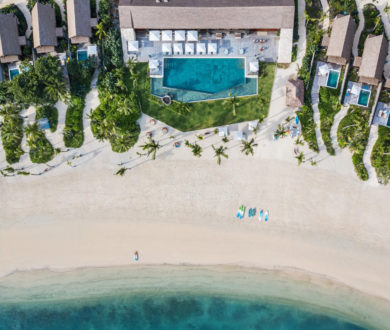
The Fiji resorts where every generation actually wants to holiday together
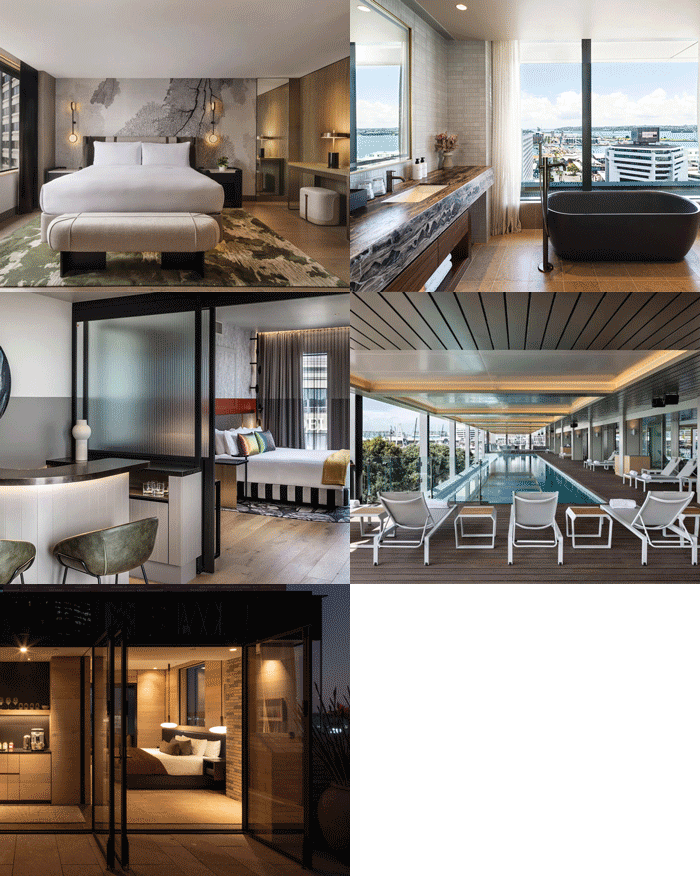
The April school holidays call for a staycation — these are the Auckland hotel suites worth booking

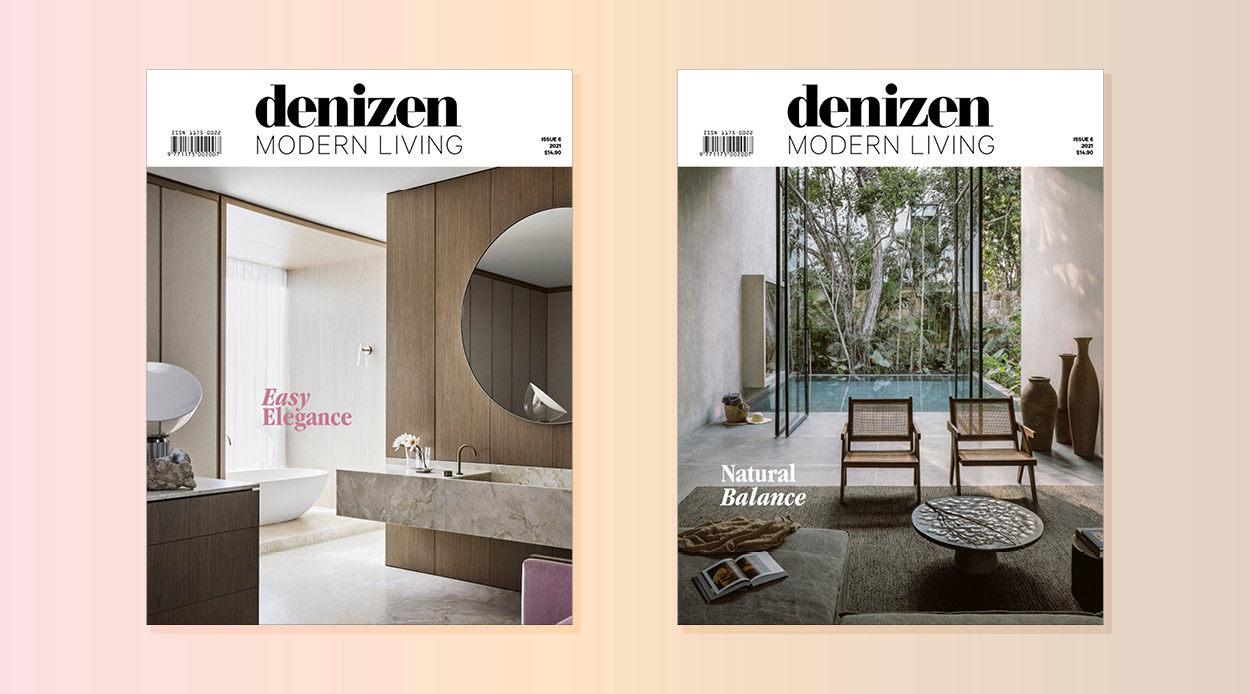
The wait is over: Our annual issue of Denizen Modern Living is finally here

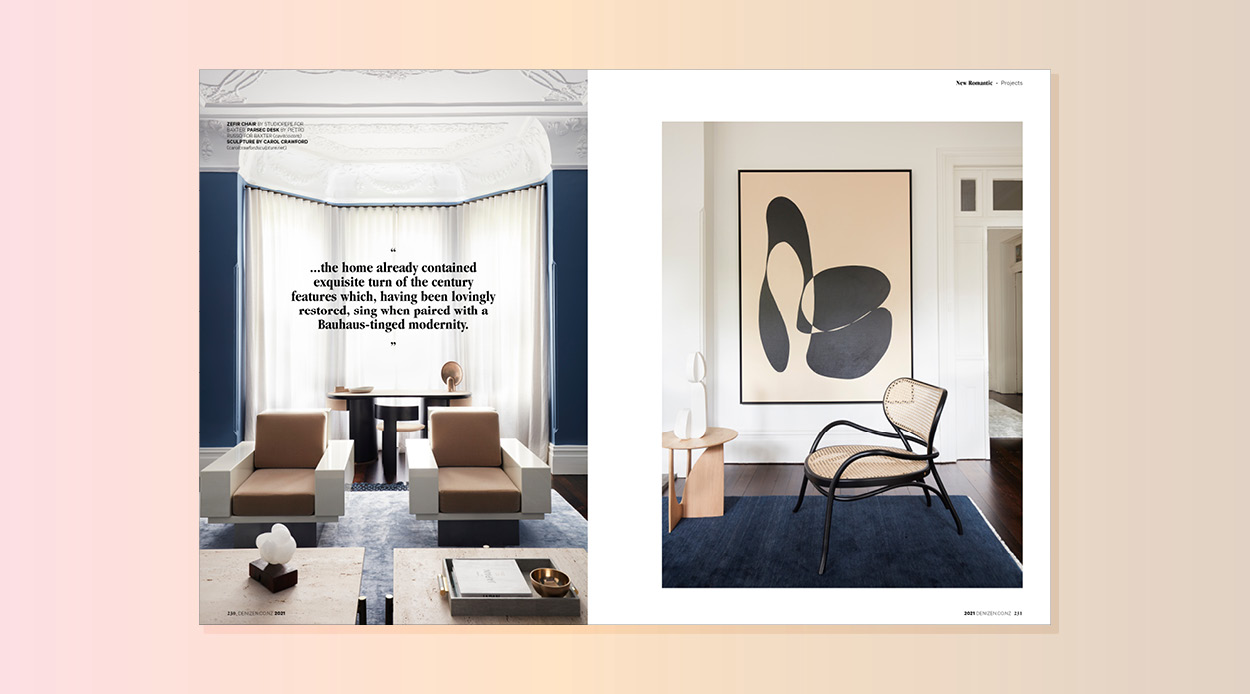
There’s no denying that, in our collective psyche, a reignited passion for the state of our home environment is one of the more positive impacts left by Covid’s lockdowns. Whether it’s our main residential address, or our holiday homes, all have been put under the microscope, after more time at home gave us the opportunity to contemplate whether or not these spaces met our needs, both functionally and aesthetically. 

With the demand on housing higher than it’s ever been, and the number of properties on the market at an all time low, the only solution for many is to remodel, redesign and refit their current abodes — elevating them to an ultimate representation of the inhabitants that live within. 

After 13 years of publishing this magazine, we are often seeking to share the next big theme. In the past this has been an easier task. But today’s homes, as you’ll see in our extensive Projects section, represent ideas that are more than just a passing idea. Instead what reigns supreme is a beautiful symphony of diversity that goes beyond being designated as a ‘trend’. 

Today’s homes are a reflection of the owners that reside within, and in the majority of cases, have involved a symbiotic relationship between architect, designer and homeowner. The result is a truly personal reflection of both the needs and the aesthetic passions of those who ultimately get to call the project home.

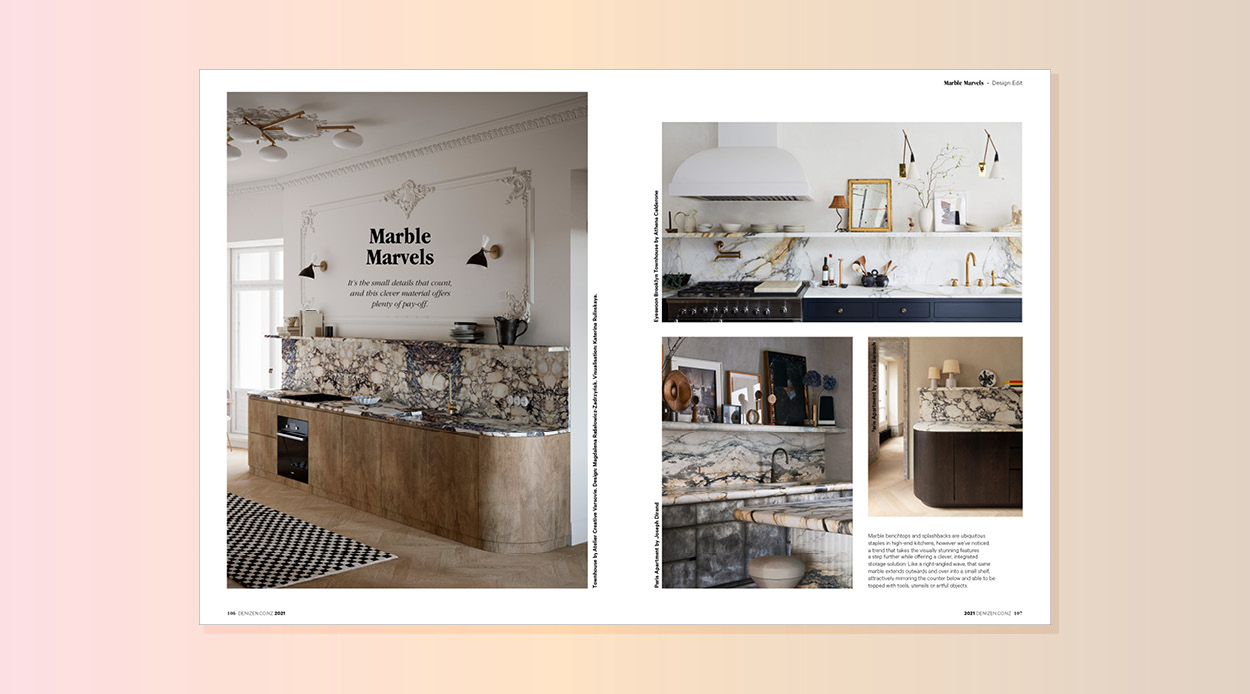
The 2021 issue of Denizen Modern Living delivers an utterly inspiring round-up of both international and local interior design ideas, along with direction on how to implement them locally.

For a limited time, click here to subscribe to Denizen Magazine, and you’ll receive this current issue of Denizen Modern Living for free. Offer expires 31st July 2021.

Design

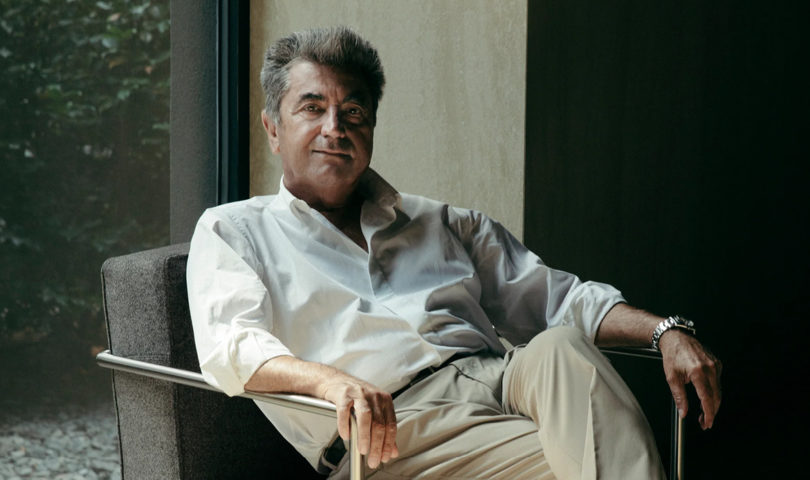
We delve into the life and storied career of architect and designer, Antonio Citterio, via some of his most iconic pieces
Inside the quietly luminous London home redefining contemporary family living
The Milan edit: Soft geometry takes centre stage in the living room
Amisfield.

Denizen’s definitive guide to wining and dining in Arrowtown and Lake Hayes

While Arrowtown may be a short drive away from Queenstown’s main centre, it is common knowledge that the quaint, historic gold mining town is the place to seek out if you are a culinary connoisseur. From ground-breaking, fine dining fare and lauded wine to exquisite Italian; soul-warming baked goods and hidden gems, these are Arrowtown’s must-visit bars, restaurants and daytime eateries.

Amisfield
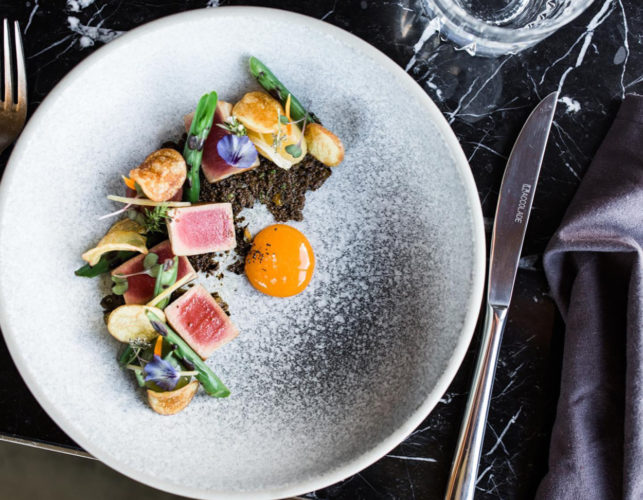
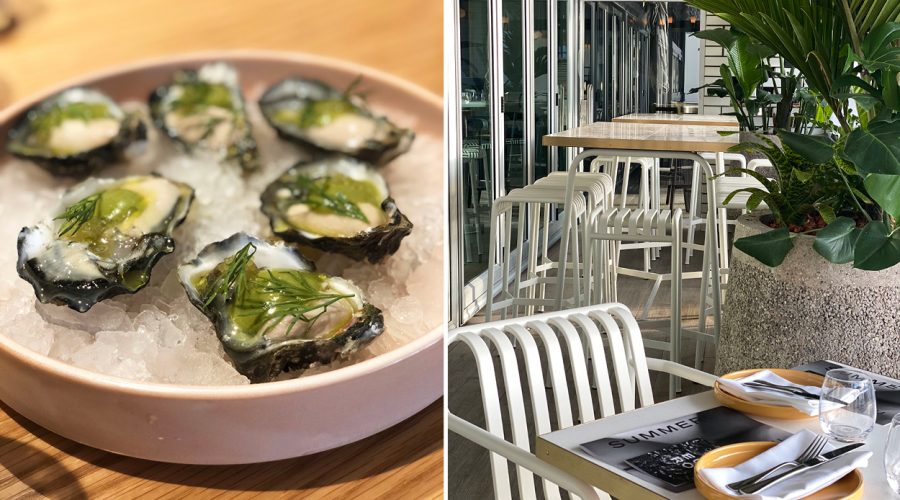
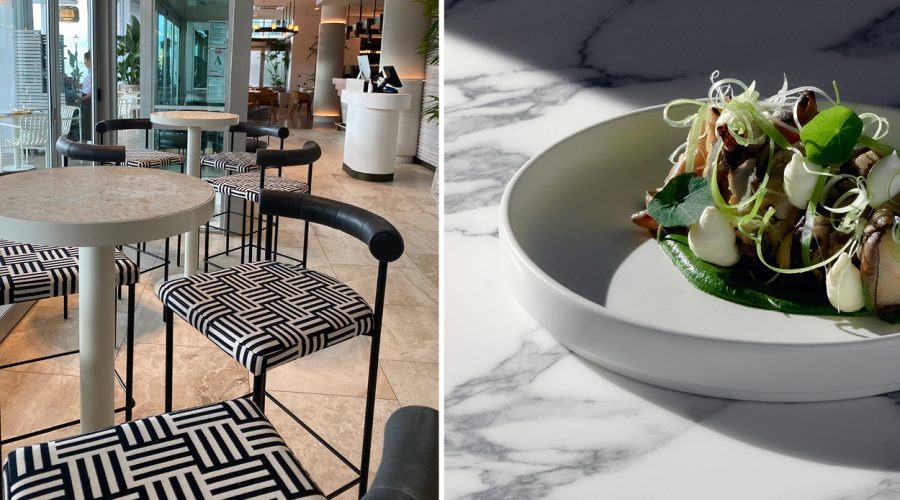
No visit to Queenstown should be made without indulging in the experience that is Executive Chef Vaughan Mabee’s creative and truly exceptional cuisine. Under Mabee’s direction, Amisfield has grown to become a restaurant that has well and truly earned a place as one of the world’s greatest eateries. 

Celebrating the nuances and delicacies of the region, Mabee seeks out the often strange and overlooked edibles from the natural environment to masterfully manifest an ever-changing hyper-seasonal degustation menu that promises to blow both the mind and the senses. 

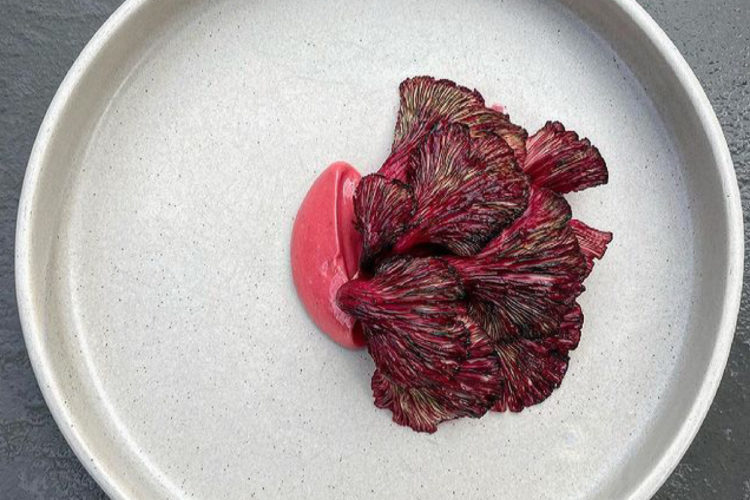
Amisfield’s oyster mushrooms.

Come fully prepared for an exploration into the wild, which will include such exotic, yet utterly delicious dishes as mutton bird hearts, or Mabee’s take on huhu grubs, that are artfully presented within a purposefully constructed tree trunk, and extracted via tweezers as they would be in the wild. Lunch or dinner here is a gastronomic experience like no other, and deserves to take top billing on any dining plans you may have in the region.

This year, Amisfield is also offering a lighter wine bar menu that is part of their newly developed evening bar, that still sings of Mabee’s creativity, yet can be enjoyed with ease alongside any one of the winery’s delicious drops. We can highly recommend the Amisfield Brut with a healthy portion of Bluff oysters or the RKV Reserve Pinot Noir after a hard day on the slopes.

Recently erected outdoor glasshouses, set on the grass, are designed to fit up to six diners and offer a memorable and winter-friendly al fresco experience day or night. 
La Rumbla.
La Rumbla
Delivering sunny Spanish flavours from the heart of Arrowtown, La Rumbla has become a firm favourite among locals and visitors alike. With a tapas-style menu of dishes like Mariscos Fritos, shaved Iberico Jamon de Cebo, patatas bravas, delicious seafood paella and Fiordland octopus, La Rumbla never disappoints with both sensational food and outstanding service. 

Slow Cuts
Dubbed the place where locals love to eat, this Arrowtown favourite is where tender and flavoursome slow-cooked meats, rotisserie chickens, burgers, ribs and other hearty food is served by operators renowned for their friendly service.

Aosta.

Aosta
Led by renowned chef Ben Bayly, Aosta combines the culinary philosophies of Northern Italy with the fresh, local fare of Central Otago and Southland. From its intimate setting to the way it executes complex flavours in a simple, unpretentious way, Aosta is a must-visit. Our tip: the exquisite Kina pappardelle is a must-try.

Akarua Kitchen
Set in the historic ‘Walnut Cottage’ on Arrowtown-Lake Hayes Road, this laid-back eatery is as good for breakfast as it is for lunch, with a menu that showcases the finest ingredients sourced from the region. The Cedarwood Mt Cook Alpine salmon and Central Otago lamb oyster shoulder are exceptionally good, and very hard to share, as the menu suggests. 

The Balcony Bar.

The Balcony Bar at Dorothy Browns
Until now, this has been strictly a locals-only spot. But it’s high time you were made aware of Arrowtown’s new gin bar on the balcony at Dorothy Browns. Enjoy being hosted by the delightful Alice as she fashions you a cocktail made from a top-quality gin of your choice (although you can opt for wine or beer if gin isn’t your thing) and share one of Dorothy’s famous cheese boards or platters. Designed as much for cold nights as it is for long, summer evenings, the balcony has been turned into a super cosy spot with plenty of heaters and blankets and the capability of being screened off from the weather if it turns sour. On Friday evenings, settle into one of the plush booths and have fish and chips delivered by Unwind Cafe & Bar, while on Saturdays expect pizzas provided by Arrowtown’s Terra Mia Italian. Heaven!

Fan Tan.

Fan Tan
East meets west at this tasty, relaxed Arrowtown eatery, perfect for a casual family dinner. From sticky honey popcorn chicken to Peking Duck pancakes to freshly-harvested sashimi, Fan Tan’s menu combines Asian and New Zealand-Pasifika flavours in a series of fusion-style dishes designed for sharing. 

Provisions
Serving up some of the best homemade treats in the region, Provisions is an iconic bakery and cafe in Arrowtown. Our recommendation: do not go past either the freshly-baked sticky buns, or its rendition of the South’s famous cheese rolls. 

Goldie Cafe
Named after Arrowtown’s 1862 gold-rush, Goldie Cafe is the historic town’s cute new coffee spot. Serving up warming cups of Wolf Coffee Roasters java and a concise menu that heroes classic tasty brunch fare, this is
the perfect perch for your morning pick-me-up. 

The Chop Shop.

The Chop Shop
Quirky and different, with food that packs a punch, The Chop Shop is tucked away above Arrowtown’s main street. We would call it a hidden treasure, but almost everyone knows how good it is, which makes waiting for a table expected (but worth it). 

The Winery
With over 1000 wines in stock (from all over the world) and 80 available for tasting, The Winery is a great place to visit if traipsing around the wider Central Otago wine region feels simply too much. Wines can be ordered by the glass or bottle, and are best when enjoyed alongside The Winery’s varied selection of delicious cheese boards and flavoursome tapas. 

Blue Door.

Blue Door
A hidden gem in the heart of Arrowtown, Blue Door offers a cosy, intimate setting in which to enjoy an after-dinner tipple or a drink with friends. With comfortable chairs, a roaring log fire and often, live music providing the perfect après-ski soundtrack, trust us when we say that after a long day on the slopes it will be almost impossible to leave. 

The Fork And Tap
This classic Arrowtown watering hole is as beloved for its charming, historic location as it is for its consistently lively atmosphere, delicious craft beers, wine and menu of tasty, easy-to-share food. Laid-back, approachable and (on a good day) drenched in sun, this is the perfect spot to mingle with the locals and share stories of the day’s adventures.

Smithy’s Smoke House.

Smithy’s Smoke House
What could be better on a crisp winter’s afternoon than sitting near an open fire and indulging in a wood-fired pizza? Smithy’s Smoke House (at Millbrook Resort) offers just that. Here, you can enjoy a decent array of whisky, beer and wine, all while being warmed by the open fire and gazing at the star-studded skies above.

Escape

Navigating the Extraordinary: Discover the world’s most exotic boat journeys
The Fiji resorts where every generation actually wants to holiday together
The April school holidays call for a staycation — these are the Auckland hotel suites worth booking
Virginia Fisher. Photo: Olivia Kirkpatrick.

A masterclass in interior design with Virginia Fisher, the doyenne of NZ design

Ranked as one of the greatest places in the world to visit, New Zealand has long been staking its claim as one of the most appealing holiday destinations for the world’s one-percenter travellers, thanks largely to our iconic luxury lodge scene.

For decades, Huka Lodge, Eichardt’s, Kauri Cliffs, Wharekauhau, Cape Kidnappers, Millbrook and Kinloch Manor — to name just a few — have positioned New Zealand as a destination of both isolated beauty and unique luxury.

Much of this attraction can be attributed to the work of interior designer Virginia Fisher. Since her initial foray into designing lodges some 38 years ago, with the supremely iconic Huka Lodge, Fisher has gone on to develop what is widely considered the New Zealand luxury vernacular. A look and feel that leaves both local and international tourists utterly enamoured and at-one with our very special environment. 

Fisher’s acclaim is also global with significant projects completed internationally including Fiji’s Dolphin Island, Grande Provence in South Africa and a luxury hotel in Dartmouth in the UK. Not one to celebrate or dwell on her achievements, we sat down with the doyenne of New Zealand design to discuss her process, and just what it takes to make a space feel truly memorable.

Kinlock Manor, Taupō.

Nature and nurture
I grew up in a family of home renovators, my father was an engineer, so I would spend hours with him understanding and reading plans. My mother was wonderful with the details and finishes, whether it was paint, wallpaper or carpets. She had an innate ability to create magic, layering the details as she went along.

I think by the age of 10, I was already working alongside them with their various renovation projects, or going to auctions with my mother. So the design process was absorbed by osmosis from a very young age. My parents always included me in their work. 

The path to success is not a straight line
I started my working life as a primary school teacher specialising in art. I was great at art at school, so it seemed like the right progression. But once I escaped New Zealand and travelled overseas, I made my way doing sales jobs. Understanding the sales process from a young age has been integral to every job I do now.

At 26 when I decided I wanted to be an interior designer, I hawked my way around Auckland’s finest stores at the time and secured a job at Cherrywood in the city. Working there was my apprenticeship for my career really. I brought a huge amount of enthusiasm to the job, but also learned the fundamentals of quoting and ordering.

I stopped working when I had my son Ben, and then designed and built our family home in Pakuranga, putting into play all the ideas I had fostered while working at Cherrywood. This really was the beginning of me developing my own interior style.

Alan Pye Cottage, Huka Lodge.

Fake it ‘til you make it 
I did Huka Lodge 38 years ago, it was an enormously big step for me, my first big project. I undertook it with such supreme confidence, which came from the naivety of knowing so little of what could go wrong. I was definitely batting beyond my capabilities, but when a very good friend suggested me to Alex Van Heeren (the then, new owner) as a potential interior designer, a very green 34-year-old took on the job with an abundance of enthusiasm.

It was already an outstanding location, but what was built on it was essentially a series of fibrolite buildings with hideous, orange shag pile carpets. We were told we couldn’t change the footprint, but by sheer accident the bulldozer’s foot slipped and we had to start again. Looking back, I can’t quite believe how little I knew, but how much I achieved.

“Starting out, I wish I knew that this job involves a lot of hard work, but there’s an immense amount of joy in it too. At the beginning, I didn’t know what I didn’t know, and that gave me a great amount of confidence. As you learn more you can limit yourself by being too sensible.”

Be resonant of history 
I like to think I have developed a unique look that embraces the heritage of a site, the people and the area’s history. In most of my jobs I’ve started with the history of the surrounding area.

When I did Wharekauhau, the architectural reference was the early twentieth century, so we used an arts and crafts theme because a successful farmer would have embraced this new style at the time in their homes. Eichardt’s was Victorian, and was owned by a Prussian, so I used subtle references to give it meaning and make it feel an honest reflection of its origins.

Millbrook was once a wheat farm so I integrated that into the design alongside referencing the historical Chinese gold miners settlement in the Arrowtown area, which saw me use a lot of blue and white. I often start with just one object and/ or central colour and things build organically from there.

Eichardt’s Bar, Queenstown.

Hotels should feel like a much better version of home
The charm of Huka Lodge is that it’s like a home, it feels cosy. You could say that one of the main things people say about my work is that it makes them feel relaxed and comfortable. That’s why I like to have my own furniture designed and made. I want things to be special just to that project. I also think it’s extremely important to create depth and layering within a space, creating a signature idea for each project makes it unique and leaves a great lasting impression on guests. 

A suitcase should never be on show 
Probably my biggest claim to fame is that I give all the hotel rooms I design space for a dressing room. I found it absurd when I travelled that no hotel — regardless of the room rate — had a place to put a suitcase. So, as a guest it’s almost expected that the bedroom or living area is to be used for displaying opened suitcases — which in my mind is an aesthetic disaster.

When I first did the interiors at Huka Lodge it was essential that each of the rooms had their own dressing rooms with enough space for two suitcases. This continues to be non-negotiable in all of my projects ever since.

The balance of space is supremely important 
There are a few simple rules that I employ when it comes to ensuring the best use of a space. For example, a bedroom needs to be at least 3.6- to 4-metres wide (any wider and it becomes grotesque) in order to fit quality, king sized beds and bedside tables in.

Bathrooms are also incredibly important. They must have a bathtub, fine fixtures, and the toilets should always be hidden. You should never walk into a bathroom and see the toilet first. It all probably sounds quite simple, but really, it’s incredibly challenging getting just the right amount of space allocated to each room, particularly in hotels where you are trying to get the maximum amount of rooms without compromise.
Owner’s Cottage bathroom, Kauri Cliffs.

Enthusiasm is essential for success
I bring a great sense of joy to my work. I find the ability to sell a new concept, and seeing it come to life, really exciting. Working on hotels, you don’t have unlimited budgets and things need to be practical. Time and experience has allowed me to hone my craft and understand what works, what is actually noticed by guests, and what doesn’t. I am driven by making things simple, easy and pleasurable for guests.
I think the perception is that the interior designer of a hotel just takes what the architect provides and fills in the blanks. This couldn’t be further from the truth. I work with the architect from the outset to specify spaces that are needed (even for the most mundane, yet essential things) to ultimately ensure the most desirable outcome. 

Procrastination is important to my process
There have been so many times that I have needed to make a decision, and I sit on it for days or weeks. And then, something serendipitously happens that helps me to know exactly what to do. So I’ve learned that if I just hold off, the right thing will come in time and it’s always worth waiting for.

Alan Pye Cottage bedroom, Huka Lodge.

New Zealand has a vast and talented pool of artisans  
I am forever astounded by what can be done in New Zealand. I have amazing tradespeople that I collaborate with to make my own designs.

I source and manufacture locally for everything because not only is it supporting the local industry — and there are definitely some incredibly talented artisans here — but you’re never going to get the same outcome if you try and replicate the look offshore.

The international guests who stay at our lodges also adore and appreciate the local aesthetic, they often make contact to source pieces for their own homes. I also wholeheartedly support local importers such as ECC, who have been in the market for so long here, they deserve to have their business supported by New Zealanders. 

“People are surprised to learn that I am very good at camping. My good friend and collaborator, the architect Andrew Patterson invited me to his property, which is essentially a farm with very few facilities. He was so nervous to have me. But I am very practical and I just love it.”

Don’t be a slave to trends
I’d advise anyone renovating an interior to embrace the story of the people who live in the space, make sure that there is age and depth to some things. (Not everything has to be brand new.) Try not to follow trends too slavishly. Look to create balance by layering textures. The best rooms are about embracing the light as much as possible. So if it is dark, be very clever about lighting, it will make all the difference. Light-filled spaces just make you feel so good. 

The ‘insignificant’ details are everything
It’s not all beer and skittles. There are so many fiddly aspects to the work that I do. Are there enough conveniently located power points? Is the lighting working properly? Can you see your face nicely in the mirror without shadowing? These are the essential details that many people don’t even notice when they stay at a lodge for the weekend, but will certainly notice if they’re not done right.

I have a huge bugbear with tiny bedside tables the size of a handkerchief. Where on earth does one put their essentials? I’m forever thinking about these very small details.

In fact, I just looked at a plan where the bed had been placed next to the wall, and you couldn’t see out of the window. Being able to read plans is an essential skill, so you can understand the spaces. And having a really good relationship with the architect where you both work in sync, results in the very best outcome for all. 

Grade Provence, South Africa.

I am not Superwoman
I would be nowhere today if it wasn’t for the immense support of my family, in particular my husband, Steven, who has forever been my biggest cheerleader. For 40 years I’ve been a one woman band. A year and a half ago I hired a very good friend’s daughter. She has all the skills to help me with the business side of things which has been an incredible help.

Leave a legacy
I have had strangers write to me about my work and how much they have been moved by staying at a place I have designed. It’s moments like that, you realise how much people do notice. Which makes my work very rewarding. Really I just want people to enjoy themselves in the lodges I have created. And I love the way a number of the spaces I have done get more polished as they age.

I set out to design things that are timeless, so people can enjoy them forever. With age, I can look back and be proud of how some of my earlier projects such as Huka Lodge and Eichardt’s are still the most loved places for people to stay today. 

Adrenaline runs high with every new project
We just received sign-off for an exciting new project; a 20-room luxury urban lodge right on Queenstown’s lake front which has certainly fired up the adrenaline. I have all these new ideas already that I can’t wait to implement.

Design

We delve into the life and storied career of architect and designer, Antonio Citterio, via some of his most iconic pieces
Inside the quietly luminous London home redefining contemporary family living
The Milan edit: Soft geometry takes centre stage in the living room
Nest Kitchen & Bar.

Denizen’s definitive guide to wining and dining in Queenstown

Queenstown and its surrounding areas are typically evangelised for their sweeping scenery, snow-capped mountains and high octane adventure tourism. And while that all remains a solid drawcard, it’s the area’s hospitality scene that has evolved to the point that it is now globally revered as a destination for its food and wine experiences alone.

Off the back of what has been a particularly challenging period for the region, what better time than now to round up a comprehensive list of the best places to eat, drink and be merry? These are the places you should make sure to check off your list in Queenstown.

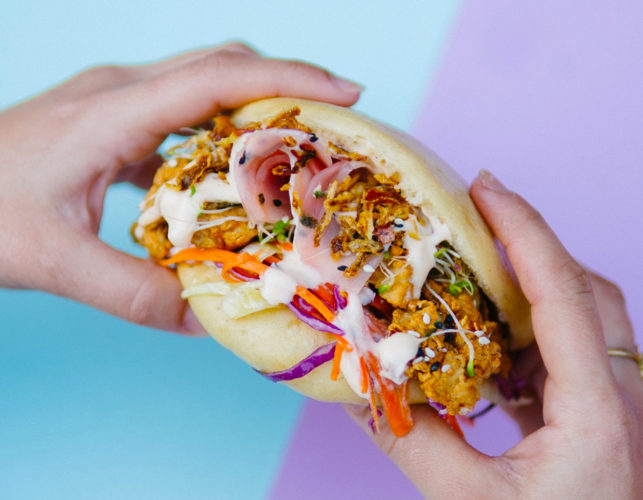
Yonder’s bao.

Yonder
Offering wholesome fare to suit every persuasion, Yonder is the health-focused eatery we can’t get enough of. Perfect for when you feel like food that doesn’t come from a fryer, its menu consists of a range of  dishes free from gluten, dairy, nuts, sugar, and animal products and its stone-cottage setting offers a cute, inviting atmosphere.

Joe’s Garage
While you might have seen various Joe’s Garages dotted around New Zealand, the Queenstown outpost is where it all started. Having quickly built a name for its delicious coffee and hearty, filling food, breakfast at Joe’s never disappoints. For those hitting the slopes, fuel your first tracks with a takeaway bacon and egg bun  — the perfect early-morning bite before heading up the mountain.

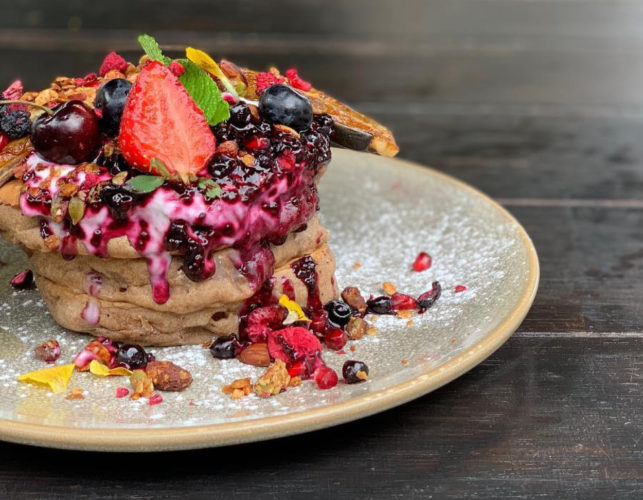
Vudu Larder’s pancakes.

Vudu Larder
Located in the heart of Queenstown with seating overlooking picturesque Lake Wakatipu, Vudu Larder is a wildly popular spot — for good reason. With a menu of fresh take-away or dine-in options that put a tasty twist on classic brunch (think double chocolate pancakes, Eggs Benedict and ‘Fancy Avo’), this bustling, lively spot will get anyone’s day off to a roaring start.

Fergburger
For over 20 years, people have been willing to wait in line, day and night, just to get a taste of Fergburger’s internationally-renowned offering. Known around the globe for making some of the world’s greatest burgers (a message that has long passed between impressed international tourists), it’s Fergburger’s simple, straightforward and no-frills approach that keeps everyone coming back for more. From the double beef-packed ‘Big Al’ to the chicken-filled ‘Cockadoodle Oink,’ these burgers do not mess around.

Hawker & Roll
At this casual spot, expect a range of Malaysian-style street food dishes that combine big, bold flavours with locally-sourced ingredients. Its hero is the Hawker Roll, a dish that sees a variety of mouth-watering Malaysian flavours wrapped in flaky roti canai or a crisp lettuce cup. There are also plenty of vegan, vegetarian and gluten-free options to ensure something for everyone.

Fergbaker.

Fergbaker
Serving some of the best baked goods we’ve ever had, from melt-in-your-mouth flaky croissants and traditional French pastries like mille-fuille, through to an extensive selection of insanely good pies (think classic mince and cheese; steak, field mushroom and blue cheese or lamb, kumara and horopito) and hearty baps, bagels and sandwiches, Fergbaker is the place to go for a seriously satiating bite on the run. 

Balls and Bangles
Fancy breakfast on-the-go in the form of a hot, stuffed brioche bagel with fillings like Kransky sausage, pickles and cheese, bacon, egg or hash brown? Or are you looking for something a little sweeter to kick start your day? Either way, Balls and Bangles is a Queenstown must-visit for its indulgent doughnuts and shakes that are as tasty as they are Instagram-worthy. From hearty fillings to sweet treats teeming with the kinds of sugary delights that would put Charlie and his chocolate factory to shame, this is one spot you don’t want to skip.

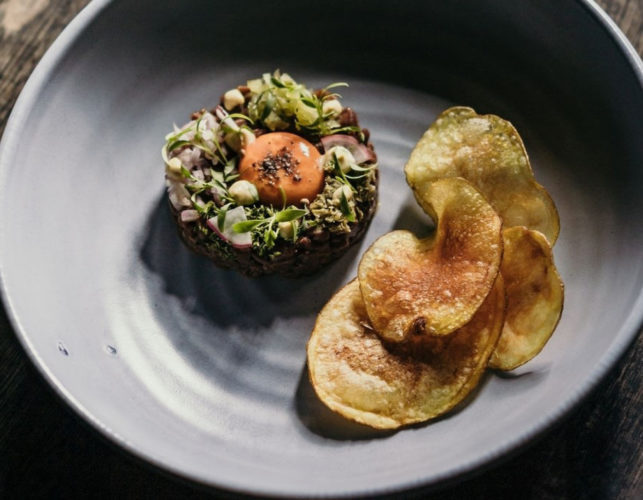
Grass-fed beef steak tartare from Jervois Steak House.

Jervois Steak House
One of the jewels in Nourish Group’s crown, the South Island chapter of Jervois Steak House (JSH), is arguably one of the best restaurants in Queenstown. Offering premium cuts of meat accompanied by soulful sides like truffle mac and cheese and baked candied kumara, JSH is where we keep coming back to for a cosy and delicious dinner. 

The Sherwood
Lauded for its menu that highlights fresh, local ingredients, many foraged from the wider Central Otago region, The Sherwood’s restaurant has become renowned for its delicious, hyper-seasonal fare and dishes inspired by the offerings of the land. Go for the wood-fired flatbread with toppings like spiced-pork sausage or Te Mana lamb, and stay for the chicken oyster skewers, the smoked moki croquettes and the whole flat fish (all made that much better when enjoyed with a bottle of natural wine).  

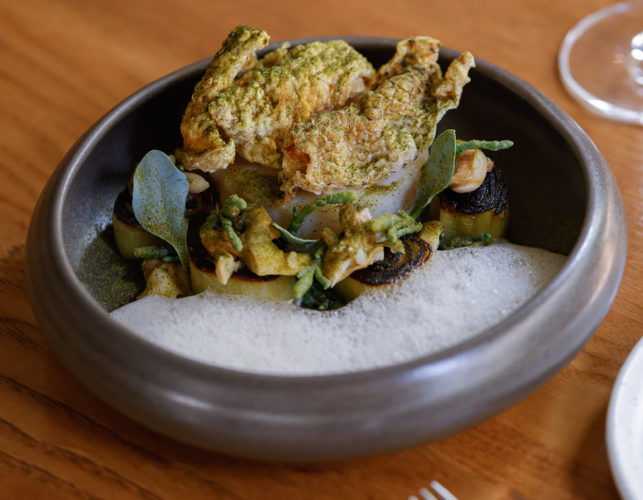
Roasted blue cod from Rātā.

Rātā
With a modern but inviting interior that emits a neighbourhood bistro vibe — similar to something you might find in Sydney — Rātā has become one of Queenstown’s premier foodie destinations. Renowned for its food inspired by New Zealand cuisine, robust, perfectly-balanced flavours and original approach to fine dining, this is the perfect place for an indulgent dinner. 

Ferg’s Bar
Ferg’s Bar — open from 7am serving a decent breakfast menu of West Coast whitebait fritters, coconut rice porridge and eggs on toast — remains open until 2am, catering to the after-dark crowd with an extensive list of wines and cocktails. After 11:30am, breakfast is replaced with a tasty menu of sharing plates which lend themselves perfectly to late night snacks. From charcuterie platters to cheese boards, Ferg’s Bar is great for a tipple and a taste. 

Margo’s Mexican
Fajitas, tacos and mouth-watering Mexican flavours abound at this Central Queenstown eatery. Offering a downright fiesta of bold dishes that take the Mexican food we know and present it with fresh, interesting twists — think Coca Cola BBQ pork ribs, goat barbacua empanadas and Baja-battered cauliflower tacos — this fun, modern spot is exactly where to go for a salt-rimmed margarita and a seriously tasty spread. 

The Lodge Bar.

The Lodge Bar
From its lakefront position alongside the Rodd & Gunn store, The Lodge Bar exudes the ambience of an elevated mountain cabin. With animal hides strewn over plush, fire-warmed armchairs, this restaurant’s exceptional fare and curated wine and cocktail list makes it the perfect place to relax and take in the view.

White + Wong’s
Serving an array of tasty Asian-fusion dishes, this central Queenstown spot is wildly popular. From its flavour-packed menu, where succulent dumplings, warming noodles and flavourful curries collide, to its thirst-quenching cocktails, White + Wong’s is as suited to an easy, date-night meal as it is to a fun, group affair. 

Botswana Butchery.

Botswana Butchery
An undisputed stalwart of the Queenstown dining scene, this restaurant, centrally-located in the historic lake-front Archer’s Cottage, has been delighting customers for over 12 years with its warm, welcoming ambiance and classically decadent food. From its roaring log fires to its expert customer service, this is one place we return to time and time again. 

Madam Woo
If it’s a touch of spice you’re after, or flavours that pack a punch, look no further than Queenstown’s Madam Woo. Serving a range of Malaysian-inspired dishes from tasty beef rendang with Nasi Lemak to five-spiced fried chicken, this laid-back eatery is as good for those who want to dine in, as it is for an easy takeaway. 

Taco Medic.

Taco Medic
Offering a divine collision of Kiwi and Mexican cuisine, Taco Medic’s traditional, hand-pressed masa tortillas shine a light on fresh, local ingredients, and are easy-to eat, filling and packed full of flavour. If you’re after a bite that is super relaxed and good for kids, this is the place to go.

Eichardt’s Bar
Located in the iconic Eichardt’s Private Hotel is the deliciously cosy Eichardt’s Bar. A Queenstown institution, Eichardt’s has been serving après ski drinks for decades. With its crackling fireplace and large sumptuous sofa, this place is not only one of the undeniable gems of Queenstown but is guaranteed to hit the spot, every time. 

Nest Kitchen & Bar.

Nest Kitchen & Bar
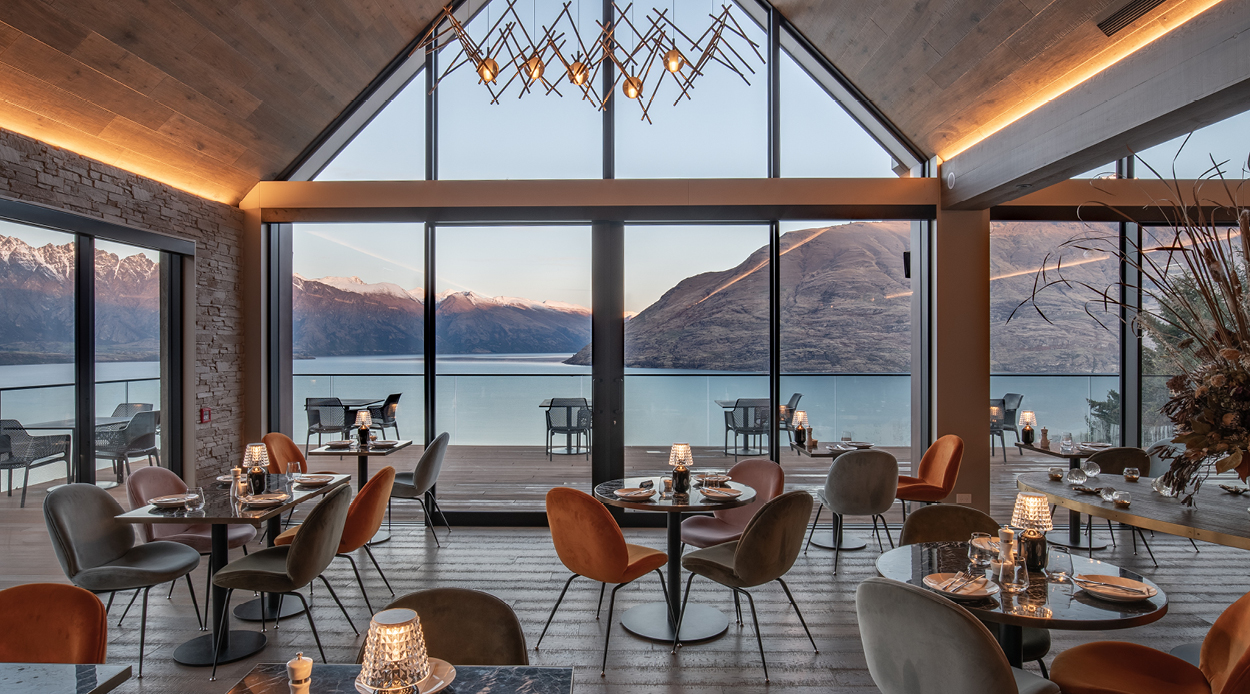
Part of the exquisite Kamana Lakehouse luxury accommodation, Nest Kitchen & Bar can lay claim to one of the most spectacular views in Queenstown. Overlooking Lake Wakatipu, the art-deco-inspired dining room is framed with floor-to-ceiling windows, which means that guests can enjoy a tipple from the Nest’s extensive list of Japanese whisky and local wines, or indulge in one of its modern Mediterranean bites while gazing out across a picture-postcard vista. Our advice: make the most of the view by posting up here to watch the sun go down.

Habana Boutique Rum Bar
The warming, lively properties of rum are heroed at Queenstown’s only dedicated boutique rum bar, Habana. With a menu that comprises over 70 types of rum from all around the world (rum flights are available to anyone who wants to learn more) and an atmosphere that is friendly and colourful, this is a great spot in which to settle for a cocktail or two. Note: if rum isn’t your thing, Habana boasts a raft of beer, wine and other cocktails too. 

Little Blackwood
Perched on the Steamer Wharf overlooking Lake Wakatipu, Little Blackwood is a well-loved classic. Known for serving what has been hailed as Queenstown’s best cocktails, this place also offers a mouthwatering line-up of grazing platters, hearty bites and artisanal pizzas as well as a heated deck, allowing you to take your tipple
al fresco, all year round. 

Escape

Navigating the Extraordinary: Discover the world’s most exotic boat journeys
The Fiji resorts where every generation actually wants to holiday together
The April school holidays call for a staycation — these are the Auckland hotel suites worth booking

Better than Botox? I tried cosmetic acupuncture for the first time, and this is what happened

Long time readers of Denizen magazine will be well aware of my somewhat macabre propensity to subject myself to painful cosmetic procedures, all in the name of youth preservation. But 80 to 120 needles in your face at once? That’s quite possibly a new record, even for me.

With my increasing interest in natural medicines, and a desire for a more natural outcome to facial rejuvenation, the burgeoning trend of facial acupuncture as an alternative therapy seemed worthwhile investigating.

Traditional Chinese Medicine has been around for centuries. More recently, the art of facial massaging using a purposefully shaped piece of jade or rose quartz known as gua sha has grown immensely popular. But the ancient practice of acupuncture for its facial enhancing benefits is relatively new to New Zealand. 

As an acupuncture virgin, I undertook some research. Being from the school of scepticism around natural remedies, I was interested to learn that the practice actually dates as far back as 221 BC in the Qin Dynasty when acupuncture and herbal medicines were provided for emperors and empresses to enhance their natural beauty and delay ageing.

I guess we humans haven’t evolved our penchant for seeking out eternal youth. But in modern times, cosmetic acupuncture hasn’t really become well-known among the general population.

Auckland-based acupuncturist Amy Chen of Origins Acupuncture has been practicing medical acupuncture for five years and has focused more specifically on the cosmetic practice for the past two years, to great success. Chen employs the Miso F.A.C.E technique, which is a Korean medical acupuncture treatment that is designed to naturally enhance and improve the skin’s elasticity and texture.

After our initial consultation, I learned that Chen uses needles that are extremely thin, 0.10 – 0.14mm, making them thinner than our hair (and much thinner than your typical acupuncture needle).

So while they are less painful to insert, it requires a serious degree of technique and training to ensure that each of the 80 to 120 needles she inserts into the face and scalp stimulates the muscle, fascia, acupuncture meridians, muscles along the meridians and the dermal layer of the skin. Thus improving the facial skin’s circulation and elasticity, giving a glow and gentle lift, that over time will result in long-term effective facial enhancements.

“Something to do” I say. A phrase I’ve been known to use on occasions when I’m feeling a tad nervous about what is to follow. Yet what does follow is far less intrusive than I anticipated. As I lay on the bed, Chen goes about inserting needles into the left side of my face, starting behind my ears and into my scalp — areas that I feel an immediate tightening from — followed by a customised-for-my-issues insertion of needles around my eyes, lips, cheeks and jawline.

I must admit, my first experience was a little challenging, purely because of the tightening I experienced. But Amy knows her stuff, and after filling half of my face with needles, she wisely and promptly shows me the results of what the needles have achieved. And I have to be honest, I was pretty gobsmacked.

The symmetry of my face was completely off. The side without needles is down and slightly droopy, with a very prominent nasal labial fold. While the other side, which is still filled with needles, is puffy, free of lines and wrinkles — definitely a vast improvement. 

After all of the needles are inserted, I am left to lie in peace and quiet (or sleep as I have done on one occasion) for 20 minutes while the ancient mastery works its magic. At the end of this time, it’s a relatively swift process to remove the needles. 

Amy recommended a course of four weekly sessions, followed by a monthly maintenance session. At the time of writing I have completed the four weekly sessions, and I can say that I can see a definite improvement in the elasticity and quality of my skin. 

I’d conclude by saying that despite my long term propensity for the likes of Botox and fillers, there is a part of me that is tending towards procedures that result in a more natural outcome. The days of the pillowy lips, overly high cheekbones and waxy over-lasered skin are, I hope, behind us, or at the very least destined to be administered painlessly via phone filters.

Perhaps the ancient Chinese did have a point? I for one am sold on the idea of reducing the amount of rubbish I’m putting into my face and instead opting for a more natural approach.

Wellbeing

The grounding movement may just be one of the simplest and most effective ways to boost your mental and physical health
Eight nourishing foods to support your immunity
The sleep reset: We consult a sleep expert on the 10 steps to follow to start having the best sleep of your life
Russell Bay.

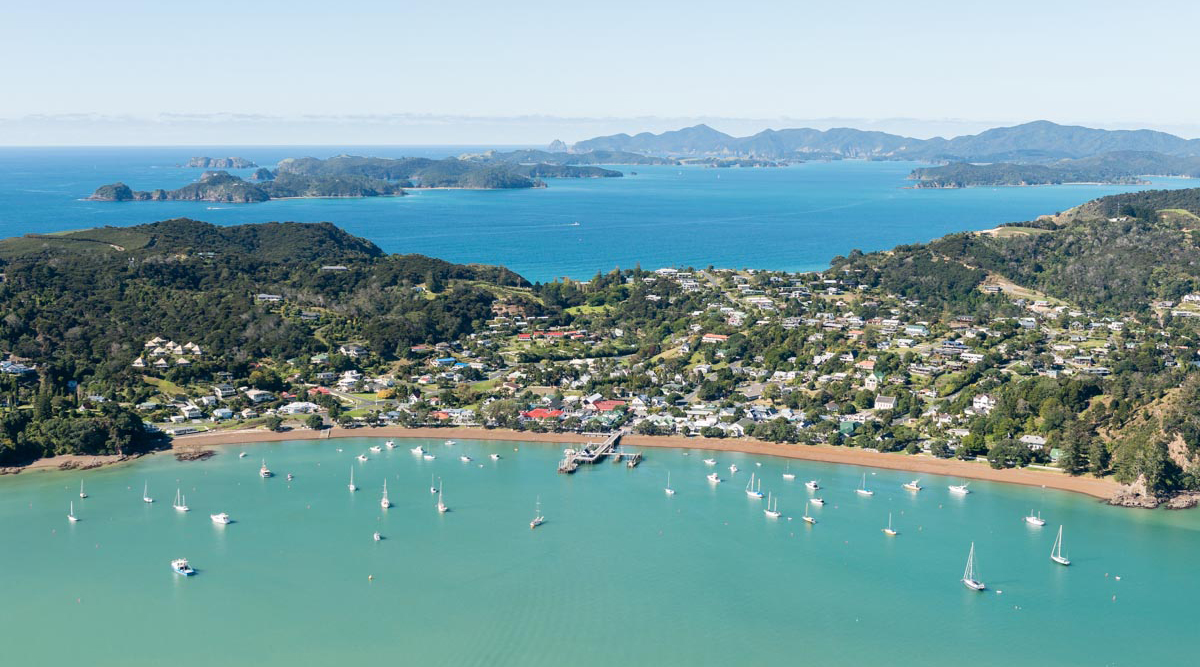
Denizen’s definitive guide to Russell: Where to stay, eat and play in the Bay of Islands

As the saying goes, “don’t leave home until you’ve seen the country”. So, why not set your sights on a weekend getaway to the winterless north? From awe-inspiring accommodation to luxuriate in, to the best places to eat and activities to keep the whole family occupied, consider this your essential Bay of Islands itinerary.

How long does it take to get there?
-Driving — 3 ½ hours from Auckland to Russell via the Opua car ferry.
-Domestic Flight — 40 minutes from Auckland to Kerikeri followed by a 40-minute drive from Kerikeri airport to Russell.
-Helicopter — 1 hour from Auckland to Russell or 10 minutes from Kerikeri airport to Russell.

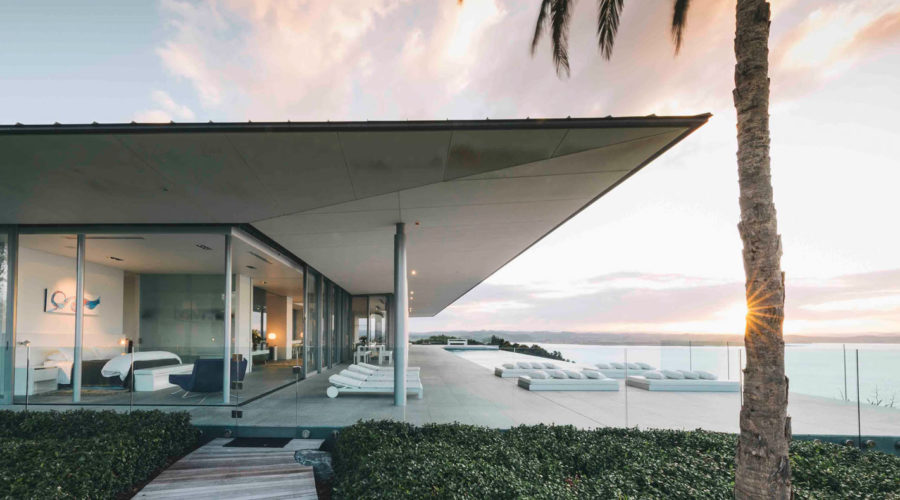
Rahimoana Villa at Eagles Nest.

Where to Stay:
Enjoy the stay of a lifetime at Eagles Nest
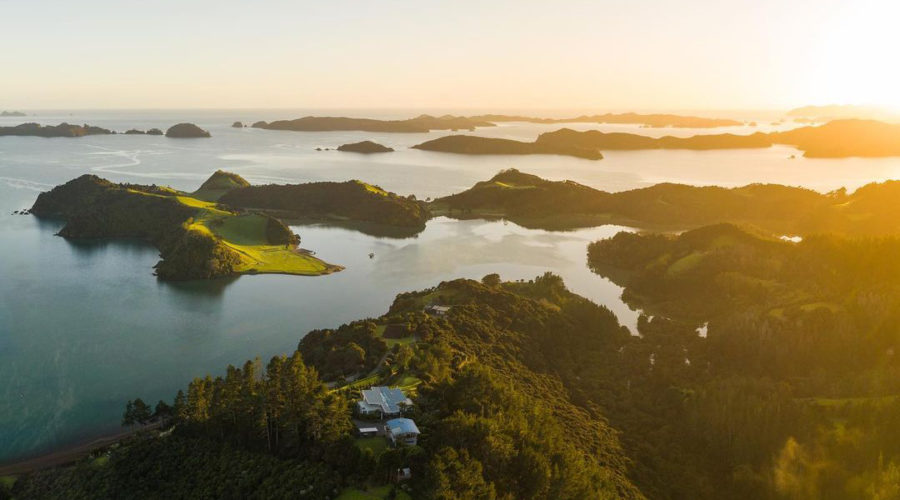
When you can lay claim to having hosted the likes of Bill Clinton, Mick Jagger, Harrison Ford, Demi Moore and Ashton Kutcher, you know you’re obviously doing something right. Northland’s Eagles Nest has long been considered by many as the crowning glory in the bejewelled Bay of Islands. Set among 75-acres of native bush with two private beaches, there is more on offer than just the breath-taking, Instagram famous ‘Rahimoana’, positioned on the property’s most impressive vantage point.

The resort boasts a grand total of five luxurious villas, each with its own one-of-a-kind experience. One of Eagles Nest’s most notable qualities — aside from the awe-inspiring vistas from each and every villa — is the uniquely ‘Kiwi’ level of professionalism that is both friendly and efficient, no doubt a side effect of dealing with the calibre of clientele who demand nothing but the best.

The fact that renting any one of the villas affords guest amenities including a private chef, butler, personal shopper, chauffeur, personal trainer or beauty/massage therapist, arranged on a whim, leaves the sort of impression you don’t typically expect from a weekend away in the far north. So, while we can’t travel further afield, isn’t it time you rallied the troops for a well-deserved escape in our own backyard?

Where to Eat:
The Gables
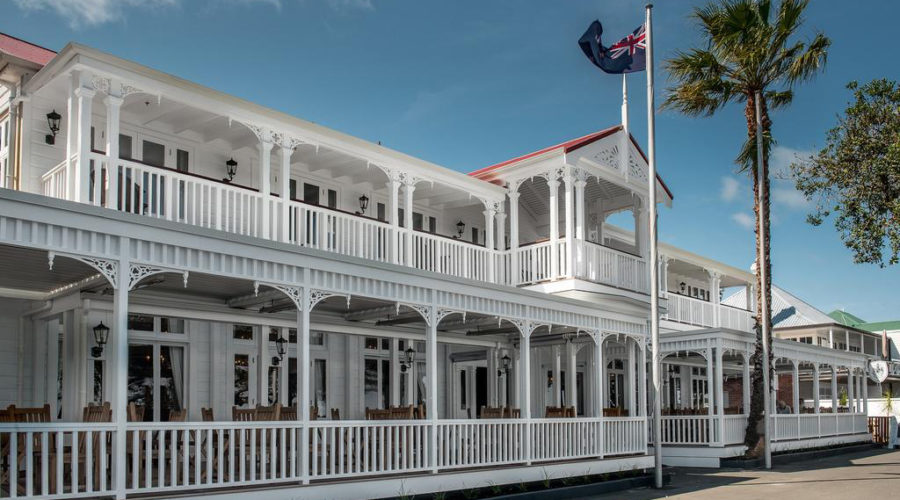
Located on the beach front in Russell, The Gables holds the esteemed title of being New Zealand’s oldest operating restaurant, built from pit-sawn Kauri in 1847 on whalebone foundations. Whether seated inside this historic building or on table on the foreshore, here you’ll enjoy a menu of delicious food that celebrates the region’s bountiful seafood.

The Duke of Marlborough.

The Duke
New Zealand’s oldest legitimate pub, The Duke of Marlborough is something of a legend in Russell. Located directly on the waterfront, The Duke has been peddling great hospitality since 1827.  With a something-for-everyone menu that includes burgers, delicious fish and chips, local tua tuas, cockles, Waikare Inlet oysters to name but a few, lunch or dinner here never disappoints. What’s more the many familiar faces from the Auckland hospo scene who have escaped city life for Russell, make The Duke feel like a home away from home. 

Charlotte’s Kitchen
Sister eatery to The Duke, Charlotte’s sits on the wharf at Paihia. Take a short, charming ferry ride from Russell, on the Happy Ferry and enjoy a range of dishes from pork boa buns, prawn and pork siu mai, slow roasted pork knuckle and wood-fired pizzas that rival anything you’ll find in Auckland.

Hone’s Garden.

Hone’s Garden
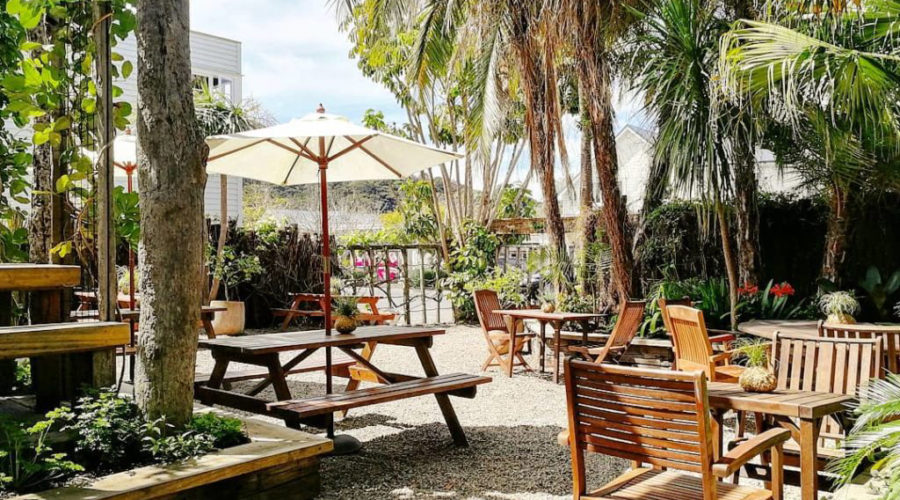
Located in the heart of Russell and ensconced within a flourishing leafy green courtyard, Hone’s Garden always provides a warm welcome. Open from lunch through until dinner, the wood-fired pizzas here are as authentic as you can get. Settle in with a pizza, calzone or fish tacos with local craft beer on tap and a selection of excellent wines from the northland region.

Sage at Paroa Bay Winery
If you’re after something more elevated (literally), we suggest heading to Sage, situated high on the hill overlooking the Bay of Islands. Offering outstanding food with a five-star view, Sage’s mouthwatering menu comprises plenty of fresh, expertly-cooked seafood (crayfish risotto, anyone?), and the likes of organic sirloin or beef eye fillet; pan-roasted Cambridge duck breast; venison loin and more. We highly recommend the paua pie, served with true free-range pork belly, creamed watercress, puff pastry, harakeke flax seeds, pickled puha, and semi-dried heirloom tomato ketchup.

Don’t mind a chardonnay?
Sought-after for its buttery composition, Northland is home to some of the best chardonnays in the country. Our picks are the Omata Estate Marsden Estate or The Landing chardonanny. You’ll likely find them taking pride of place on most menus, however you can also pay a visit to Omata or Marsden estate for wine tastings and purchases to bring home.

Other things to see and do while you’re in the area:
Spot some Dolphins
While the area has many commercial operators offering Dolphin tours, avoid the crowds and charter Carino, the only sailing vessel in the area to carry the necessary permits to view and research dolphins, this is your chance to learn and be inspired by our local wildlife and crew. Aside from dolphins, expect to spot penguins, gannets and a variety of seabirds. It’s a day of fun and adventure with the inquisitive local sea life. www.sailingdolphins.co.nz

Paroa Bay.

Walking and hiking
According to Eagles Nest’s Samantha Duff, hiking tracks and walking trails are one of the most requested activities by all guests. Surrounded by native flora and fauna, there are literally hundreds of hikes available in the region for all capabilities. Samantha suggests getting dropped off by boat onto one of the uninhabited islands for a day of exploring on foot.

Beautiful beaches
With numerous beaches in the area, our picks are either Long Beach (also known as Oneroa), or Tapeka Point, both offer great swimming for children and adults, with large grass areas to sit, if the idea of sand is off-putting.

Forage your own Pipis and Tua Tua
Pipis and Tua Tua are readily available (particularly in winter) at low tide on Long Beach. Foraging for them is a great activity for both young and old. Make sure you flush them with saltwater in a bucket overnight to rid them of sand, before preparing a simple vongole for lunch the next day.

Escape

Navigating the Extraordinary: Discover the world’s most exotic boat journeys
The Fiji resorts where every generation actually wants to holiday together
The April school holidays call for a staycation — these are the Auckland hotel suites worth booking

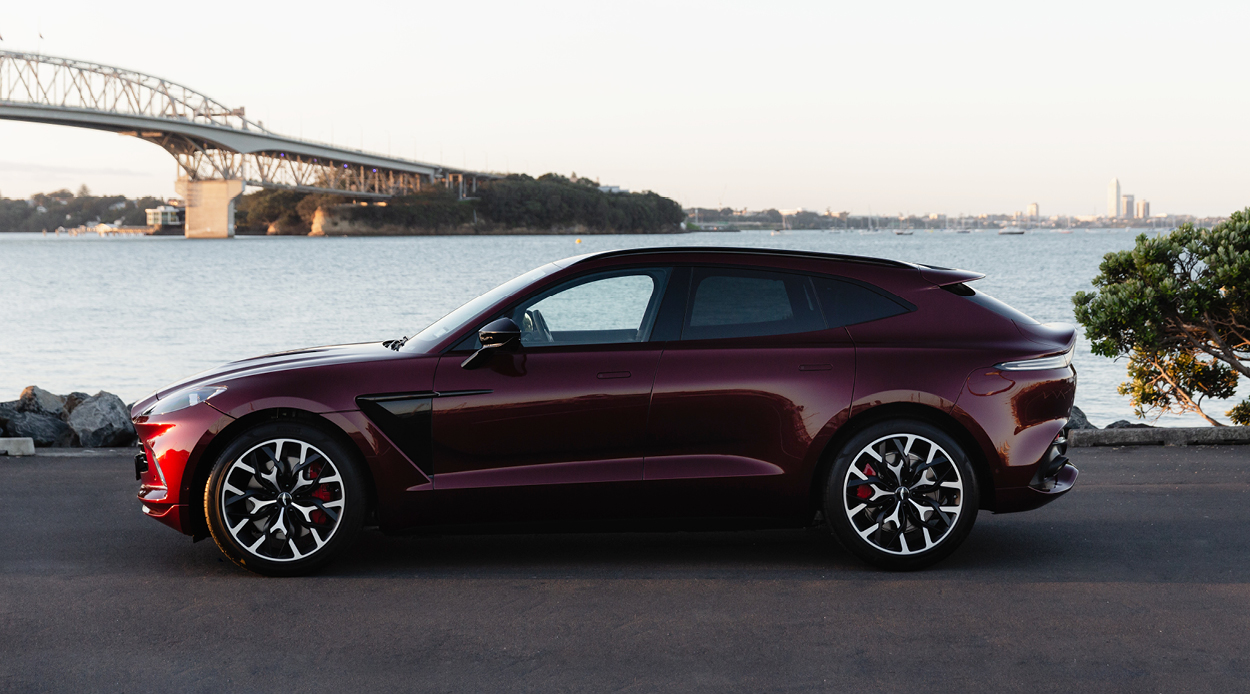
Our editor-in-chief takes Aston Martin’s new DBX for a spin and finds its first foray into the SUV domain delivers thrills and miracles

As a platinum-card-bearing member of the SUV-driving Mum club, I know a thing or two about the benefits of wielding my maniacal, working-mother aggression via the sheer scale of my large and oppressive four-wheel drive.

While we may not admit it to your face, or to our husbands, there’s a strong sense of ownership of the road, the school drive-through, the supermarket car park, and hey, even the children, when you are engulfed within the confines of a large luxury SUV.

And you can call us what you want, but I suggest you drive a few miles in our SUVs, experiencing the politics of the school pick up line or the demands of today’s cotton-wool-padded children, and you too may feel the need to sit a little higher and rev the engines a little louder, just to be heard above the madness.

So, when tasked with the opportunity to drive Aston Martin’s new SUV, the DBX, the first question I had was ‘just how loud and audacious is this thing?’

The British luxury marque has long been the domain of the mid-life “made it” male. And let’s be honest, a certain Mr Bond has only accelerated (pun intended) the appeal, because after all, what man doesn’t want to be Bond… and what woman doesn’t want to share a [dirty] Martini with him? 

After many years in the pipeline, Aston Martin released the DBX (its first foray into SUV territory) last year and if the soaring local sales are anything to go by, they’ve hit the mark right off the bat. This immediate success has likely been down to the fact that frustrated women like myself want something with a bit more dominance on the road (see: school pick up) and male Aston Martin owners want an SUV to sit alongside their sports car. I mean, why not have two Aston Martins in the garage, right?

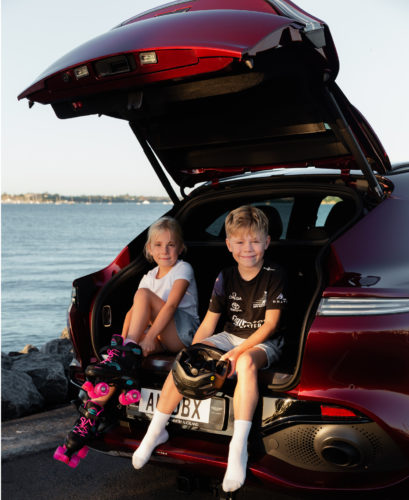
On picking up our new ride, the first thing my children and I notice is the deceivingly small exterior scale of the car. Yet surprisingly the DBX is in fact the same length as my Range Rover Vogue, and what’s more, according to my rear seat passengers, it has much more space for them to store their never-ending school detritus.

Designer Mark Reichman (the man behind the design of all Aston Martins) has done a genius job of creating a luxury SUV that looks and feels very sporty, while retaining the space practicalities that one demands from a car in this category. 

By slightly lowering the bonnet and roof line the car still retains a clear visual connection to the much-admired Aston Martin fleet. Crucially, it’s a big car that looks much smaller than it is, even on vast 22-inch wheels. And that, dear Denizens, is a very clever trick to pull off.

Inside the car, the feeling is that of an English gentleman’s club, complete with hand-stitched leather and discrete dials (offering a stylistic nod to the marque’s Mercedes Benz relationship) that add the kind of opulence one expects from a car of this calibre.

A modern day sense of space and wellbeing is further enhanced by the 64-colour, dual zone ambient lighting. My demanding, back-seat passengers called for “cyan” — apparently my eight-year-old’s favourite colour. What ever happened to blue or green? 

The DBX’s relationship with Mercedes also extends to the engine. With a 543bhp, 4.0-litre twin-turbo V8 engine, this car, when called upon in important situations, such as school pick-up, will blast out a domineering guttural roar, followed by a ‘putt putt’ as the gears lower. And god-damn does it sound good!

Throwing this baby into Sports+ mode employs its nine-speed automatic engine and delivers, quite honestly, the most thrilling and dynamic driving I have ever experienced behind the wheel of an SUV (and lord knows I’ve tried a few). Hitting a very impressive 100kmh in 4.5 seconds certainly aids in getting you swiftly to the front of the after-school queue, while the top speed of 292km/hour, got us home faster than you could say, “sorry officer, I’m just writing a story for some random magazine.”

But back to reality, the Aston Martin DBX is definitely designed for extreme versatility. Had the circumstances arisen, I would have happily taken her off-road and put her through her paces, because from what I understand, the DBX makes easy work of any situation.

For example, she has the ability to wade through 500mm of water unscathed, which makes me think that it would do very well in the slip n’ slide, slushy conditions of the Coronet Peak car park this ski season. 

The sheer breadth of the DBXs abilities is nothing short of impressive, and it definitely passed the Kraus family litmus test of head-turning capabilities — a measurement my children have invented during my years as a luxury car reviewer — according to them, on one day trip alone, we had six separate incidents of people pointing and staring longingly at the car.

Which is, I’m sure, a testament to its handsome good looks and nothing whatsoever to do with the behaviour of the overly enthusiastic driver behind the wheel.

Design

We delve into the life and storied career of architect and designer, Antonio Citterio, via some of his most iconic pieces
Inside the quietly luminous London home redefining contemporary family living
The Milan edit: Soft geometry takes centre stage in the living room

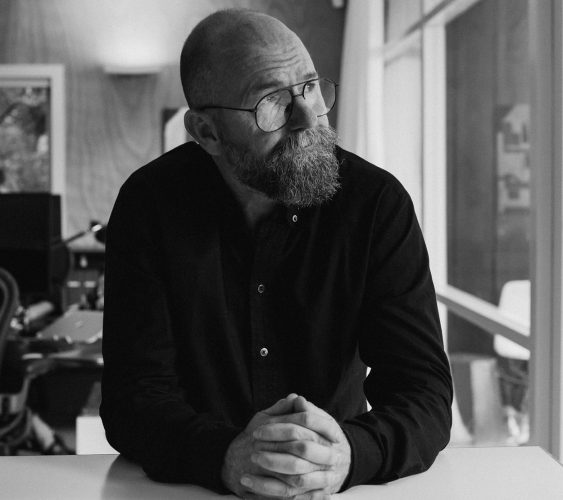
Delivering a masterclass in graphic design, Creative Director Arch MacDonnell shares insights from 25 years of practice

As founding partner and creative director of Inhouse; an Auckland-based boutique graphic design studio established in 1995, Arch MacDonnell is regarded as one of the foremost figures in his field, thanks largely to his lofty collection of awards. Continually recognised both locally and internationally for his work, MacDonnell has served as a judge at the Cannes Lions International Festival of Creativity, and has had his work exhibited at San Francisco’s prestigious Museum of Modern Art.

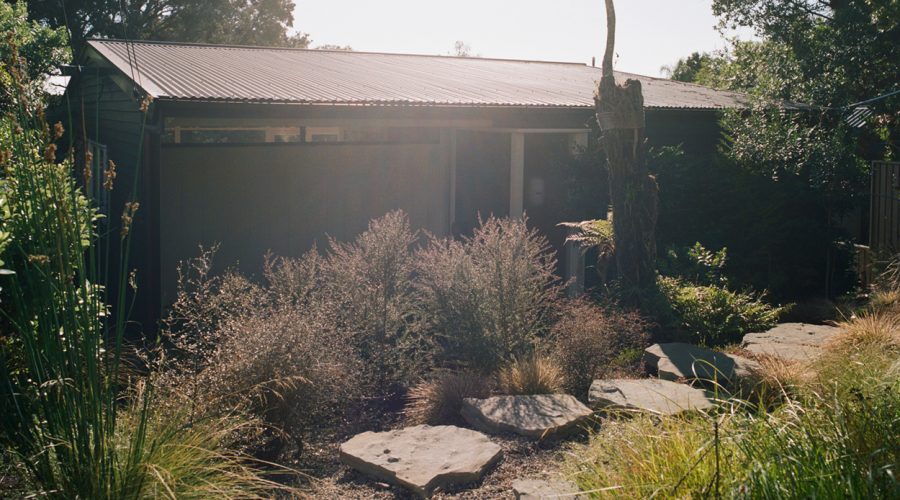
After 20 years of operating from Auckland’s CBD, MacDonnell set up shop in what he describes as a mid-century modern tramping hut. Renovated to his exacting standards and nestled deep within the bush of Birkenhead, with daily visits from neighbourhood kererū, the tranquillity he says, is the panacea to a working life of short-lead stressful deadlines. Here MacDonnell shares insights, observations and enthusiasms from the last twenty-five years of practice.

1. Good work begets good work 
We worked with Pip Cheshire a long time back when it was just Jane (my wife) and I, and he was still part of Jasmax, I remember him casually saying that ‘good work begets good work’. Not a difficult concept to grasp by any means but it had a particular resonance. It was like a little finger in the ribs, probably because we were doing a fair bit of horrible commercial work at that time. I knew he was right, and it was a catalyst for us ditching some clients. Whilst financially risky, it allowed us to focus on the creative work. We had to cut down on paninis and bowl lattés (it was the 90s) but we got to work on the NEW Gallery’s identity.

This work led to more projects with Auckland Art Gallery, dealer galleries and artist monographs. We’ve seen this play out in other fields also, working with the New Zealand Institute of Architects for many years led to opportunities to work with individual architecture practices. Having early success in wine label design means we have a winery client in the mix more often than not. So there was a second lesson — be brave enough to turn work down. While good work begets good work, mediocre work will also attract more of the same.

2. Build a team 
My dad would always say, ‘hire the best people, and the rest takes care of itself’. So building a team with different skill sets to mine — people who are better than me at many things — has always been my strategy. When we first started Inhouse back in ‘95, we did absolutely everything end-to-end on every job, as well as juggling babies and a mortgage. I learnt so much in those first years but feared heading down a creative cul-de-sac.

So we grew and soon discovered that building a team of curious, like-minded people, with the right amount of difference makes the studio an exciting place to turn up to everyday. And the work benefits. There’s more discussion, debate, analysis, and points of view. And the right team can expand what you take on as a studio; design a bespoke typeface; build a website; animate a logo because we have those skill-sets inhouse. I can’t do any of these things in practice but can stay intimately involved with their creation because we’re not always having to outsource them.

Working with my creative partner, Toby Curnow, has allowed the studio to shift gear and take on more significant projects. But we’ve always known we never want to get too big. The limitation of size allows me and Toby to keep involved in the physical nature of making the work — and we like that.

ECC branding by Inhouse Design.

3. Build lasting relationships 
While a lot of our work is project-based, it’s the long-term relationships and collaborations that form the studio’s spine. Working with new clients on a challenging brief, a bit of anxiety and fear comes along for the ride; fear of failure; of mediocrity; of getting paid — all kinds of fruitless worry. With the long term clients, because we’ve been through the design process several times together, there’s way less of that.

There becomes a shorthand way of working, a mutual understanding of the process and the expectations. It also allows you to try stuff you may not have otherwise. We’ve worked with the inimitable Thorburns — Mike and now son Richard at ECC since we rebranded them in 2006, and fifteen years later we’re pushing the original logo around in a new and playful way. That’s pretty cool.

4. Keep it simple
Simplicity; clarity; integrity; honesty, are inherent in our approach to graphic design. We like to take a reductive approach to a task or brief — we like simple, but not simplistic solutions. ‘To distill something to its essence, the essential’ is a modernist ideal that still rings true but we don’t believe there should be a total lack of emotion or sentimentality in the work. We talk a lot about successful work having ‘spirit’ — an enigmatic quality, an energy. 

5. Ask questions 
There’s a joke that we designers like…

Q. How many designers does it take to change a lightbulb?

A. Does it have to be a lightbulb?

As designers, we are hard-wired to find efficient solutions to any given problem or brief. But at the early, investigative phase of the project, it’s best to ask a heap of questions. It’s how we are going to unravel the complex, and try and simplify it. 

John Reynolds’ Blutopia. Book by Arch MacDonell, John Reynolds and Laurence Simmons.

6. Can we find new forms?
It’s a popular misconception that graphic designers just ‘love’ what they do, that it’s all fun and games — like a hobby. This can be true of parts of the process but it’s simply not the case for me. It’s hard work; it takes relentless effort; we are continually tasked with finding a new way at something — to present something that hasn’t been seen before. I’m not sure that’s even entirely possible in today’s world where we overdose on visual communication.

The desire to find new forms is why I enjoy working with John Reynolds. His signature handwriting and energetic mark-marking, rambling and bristling demands to sit centre stage within any given output because it is unquestionably its own thing. The book we made together, Blutopia has unique covers hand-painted by John, so no two are alike, a looping visual schema of over-drawing and painterly play.

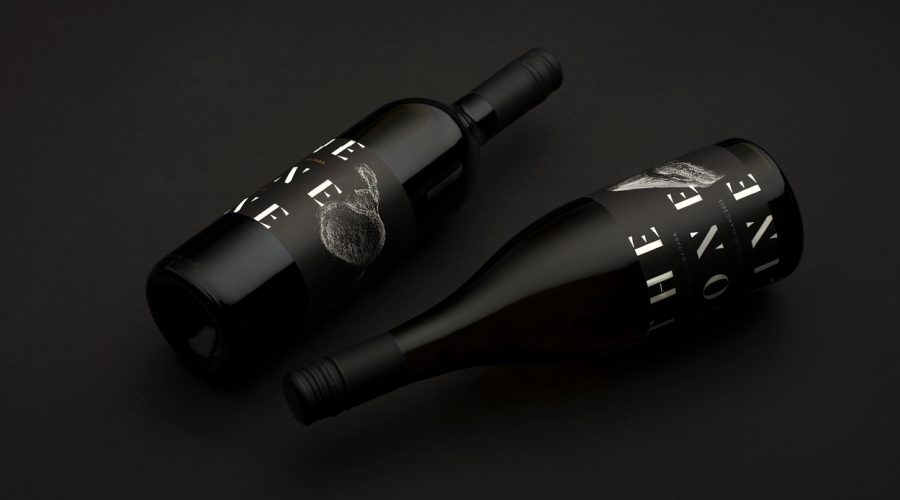
The Boneline by Inhouse Design.

7. Never stop designing 
We’ve been discussing this a lot in the studio lately. The importance of pushing and making changes to the work, even late into the job, is never off the table. One of my favourite Inhouse projects was for a new wine brand in the Waipara Valley. We helped name The Boneline in reference to the nearby K—T Boundary line that defines the extinction of the dinosaurs. Up the valley, it’s Canterbury Gothic; shadowy hills and murky corners. We had a great rapport with the client, a compelling story and had produced some beautiful visual assets. 

All the stars had aligned but late in the process we thought the work could be better. We made a simple but significant change — a dramatic scale shift had an activating effect and everything fell into place. Like it was always meant to be this way.

8. Love print 
We believe the role of print in people’s lives is changing as part of a reaction against being continually online and connected. The increasing need to take time out from screens means the role of print is becoming more valuable. We have more books on the books than ever. While our print work has certainly diminished, there’s almost an obligation to make the work that is printed, a bit special. Corporate stationery is practically obsolete now. The business card is sometimes the only artefact so we like to get all American Psycho on those.

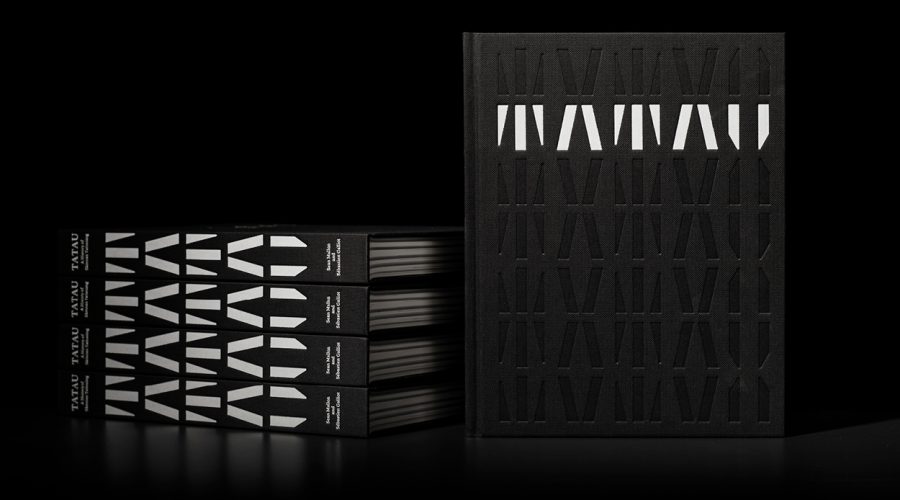
Tatau by Inhouse Design.

9. Make stuff to last 
After a few years working in Wellington advertising agencies, I developed a love for moving type around. It was physical, mechanical work; adjusting type sizes on a bromide camera or Letrasetting a headline. Back then everything went to print and even the artwork itself was a physical thing. With the world becoming increasingly digital, we’ve had to adapt and learn new designing methods for this media. They all present new opportunities but you can’t escape the fact that you’re trapped in the flat visual plane of a screen.

So making things that live in the physical world, like books is really important to us. We love designing books, especially ones that contribute to the understanding of the culture. We love that they tend to stick around and have an ongoing impact. But we also believe that in general, good design lasts, well-designed things tend to be kept and are less likely to be replaced or redesigned. 

10. Help the aged
I spent a lot of my early career typesetting blocks of text in 5-6 pt. Tiny. I loved the way it looked on the page. For this, I now apologise. My defective visual perception i.e. deteriorating eyesight, has afforded me empathy with those who suggested I increase the point size. I was recently revisiting a book I’d designed back in 2006, and you were right — it’s fucking hard to read (sorry). Current design work is now reassuringly readable.

11. Have the right amount of wrong 
Graphic design doesn’t always have to be beautiful. I like work that can appear a little awkward, a little off. Something that makes you look twice. It could have something to do with an odd scale shift, something off-balance, or just a super-fruity typeface.

The Inhouse studio in Birkenhead Point. Photo: Mary Gaudin.

12. Obsess about other stuff 
Being a graphic designer and running a short deadline-driven practice means a lot of time at the studio, and a lot of time on the computer and a lot of fucking emails. So it’s imperative to have some design projects off the computer and unrelated to Inhouse work. Over the last couple of years, I’ve gotten a bit obsessive about designing and planting native gardens.

About three years ago, we returned to our Inhouse roots, relocating from a downtown Britomart warehouse to the leafy suburb of Birkenhead Point. A humble 60’s structure situated high in the canopy of established native bush backing on to Le Roy’s Reserve. I have been re-wilding the back and turning the old front lawn and entrance into a Japanese-inspired native garden. Such pleasure in exchanging fonts for flora, the garden is the slowest design project I’ve undertaken — there will be flower cycles and trees that will display spectacular transformational performance. And creating a little zen-like haven for the studio has acted as an antidote to the studio’s daily demands.

Photo: Dean Foster.

13. Take a look in the mirror 
I have a curious habit of reviewing work in front of the mirror. I’ve done it since university days. I’ll take a mocked-up book cover, bottle of wine, whatever, and assess its reflection. Seeing it in mirror-image somehow highlights imperfections in much the same way that inspecting type kerning by looking at a printout upside down does. You can also observe how your ‘whatever it is’ looks in the hand and whether your bum looks big with it.

Image credit: Jeremy Hooper

Design

We delve into the life and storied career of architect and designer, Antonio Citterio, via some of his most iconic pieces
Inside the quietly luminous London home redefining contemporary family living
The Milan edit: Soft geometry takes centre stage in the living room

We discover an Auckland-first oxygen facial treatment that’s a gamechanger for tired skin

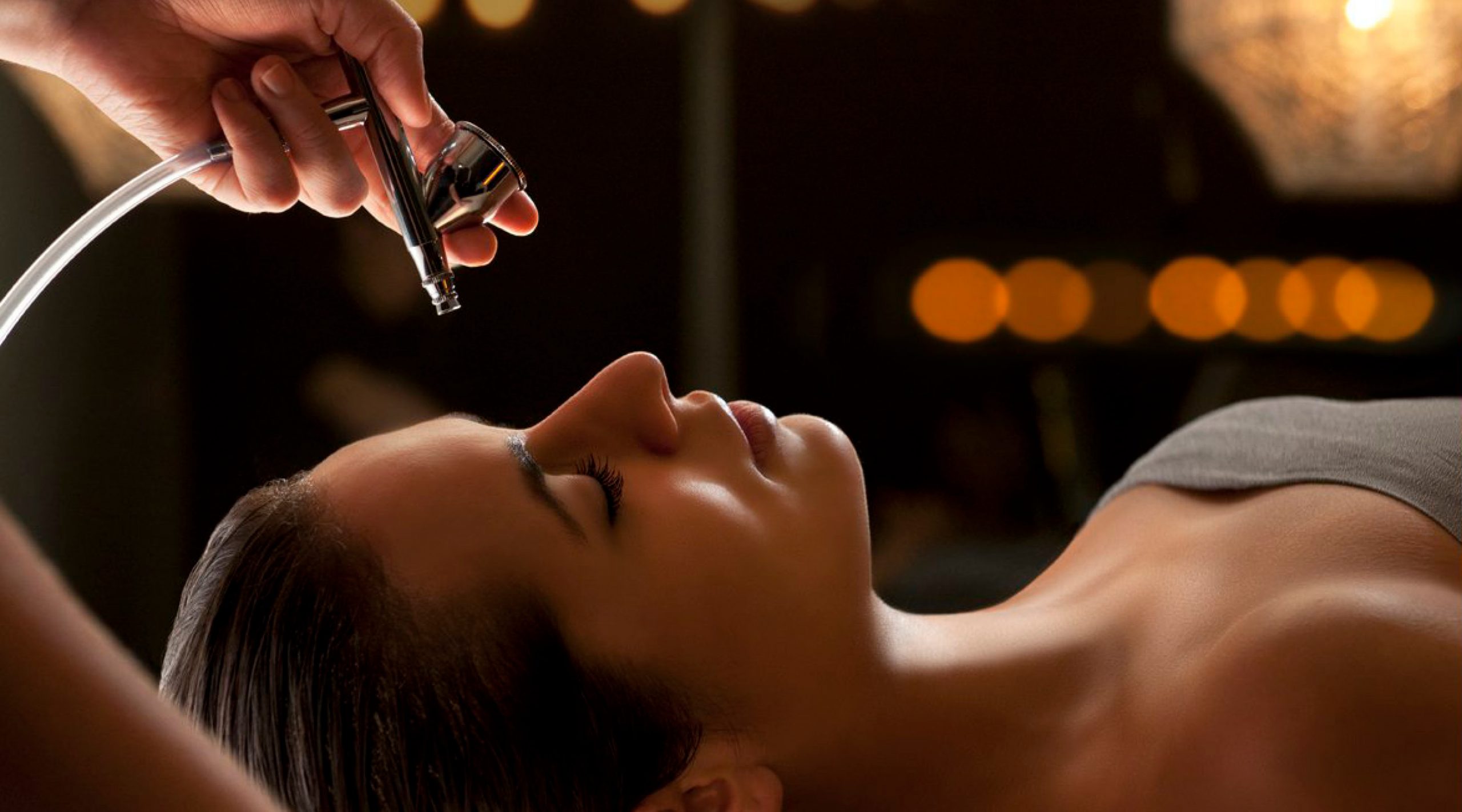
Auckland’s Park Hyatt has many luxurious feathers in its cap, not least is its suitably refined, restorative Spa. With a range of top quality treatments on offer, and some of the most indulgent surroundings ever seen in this city, an afternoon here is the antidote to life in the fast lane. The eponymous Spa’s treatments run the gamut of relaxing to utter restoration, and in an Auckland first, they offer a facial treatment that promises to be a gamechanger for tired, ageing skin.

The Haute Couture Facial employs the highly active algae-derived V-TOX cream from London’s revered facialist Linda Meredith. V-TOX is designed for those who want to see visible results, without undergoing invasive cosmetic procedures.

The facial combines the effectiveness of V-TOX with oxygen. Oxygen was first introduced as a powerful ally in the beauty industry in the 90s and is still considered one of nature’s most powerful healing elements, having been used in the medical industry on various skin conditions for many years.

The Haute Couture facial sees oxygen applied to the face and neck, before a fine layer of V-TOX is applied all over the entire face and neck. The product is then infused into the skin by a continuous steady flow of oxygen. The production of collagen is dependant on the presence of sufficient quantities of oxygen, which is why oxygen therapy plays such an important role in the future of skin care.

The results from a 90-minute facial speak for themselves with skin feeling substantially plumper and smooth. Incredible results can be achieved with a course of six treatments close together, which will see lasting effects that remain for months.

Wellbeing

The grounding movement may just be one of the simplest and most effective ways to boost your mental and physical health
Eight nourishing foods to support your immunity
The sleep reset: We consult a sleep expert on the 10 steps to follow to start having the best sleep of your life

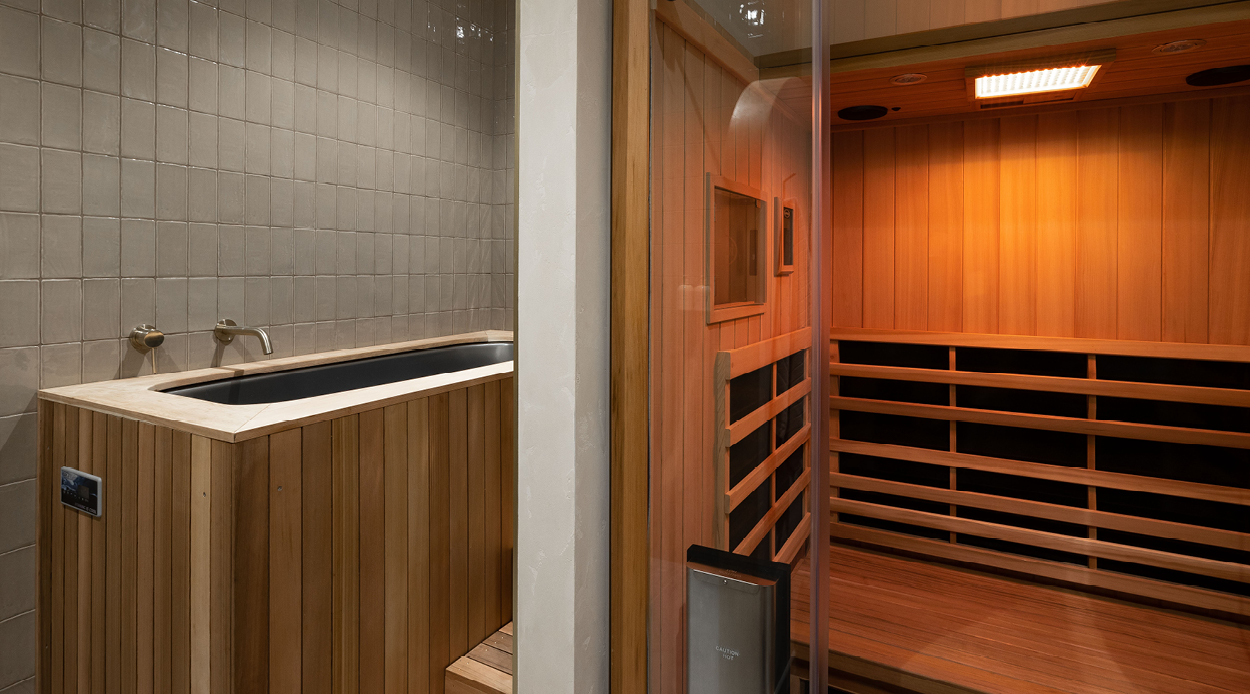
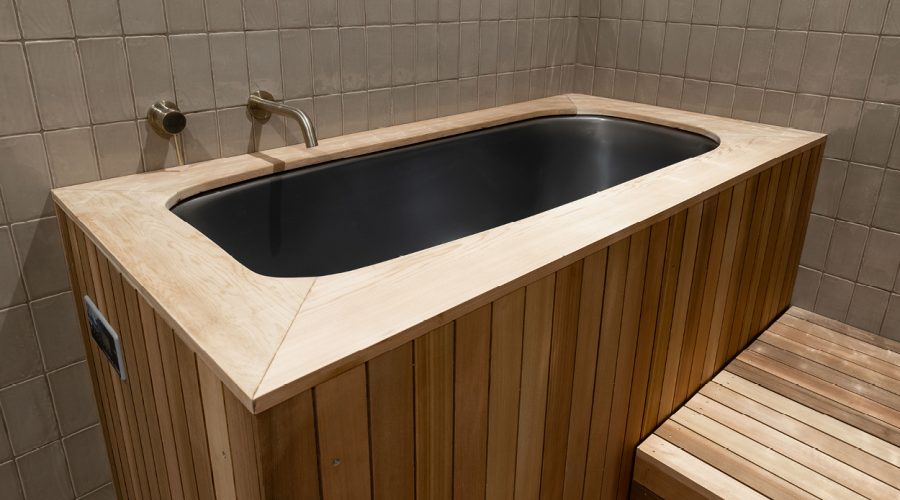
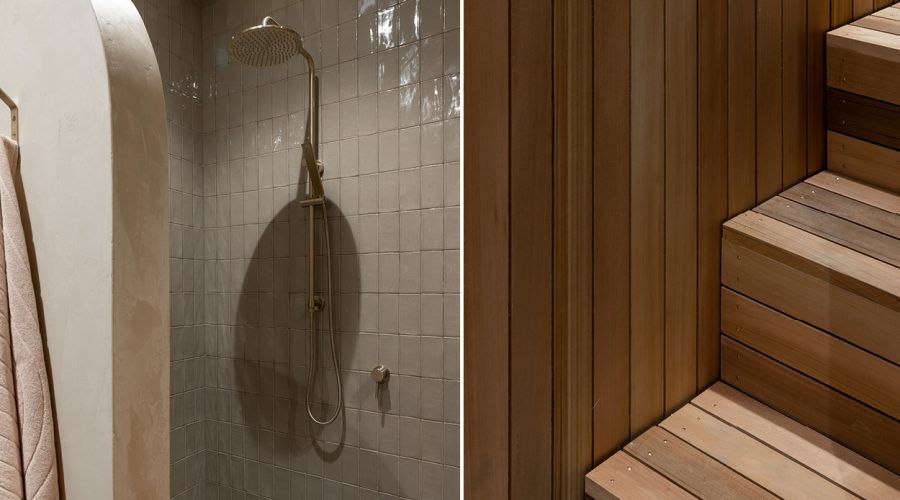
What exactly is contrast therapy? Discover the wellbeing craze that has everyone running hot and cold

The therapeutic use of hot/cold therapy dates back to ancient civilisations where water was used as a medium for transferring heat and cold to the body for the treatment of various ailments. Drawing from the wisdom of early hydrotherapy practices and current scientific research exploring the many benefits of exposing the body to extreme temperatures, Grey Lynn’s wellbeing haven, Hana, has opened the first contrast therapy room in Auckland.

Adding to their offering of infrared saunas and red light therapy, a fourth sauna treatment room has been created which combines an infrared sauna and an ice bath. A session begins with a pleasant 20 minutes of relaxation in the infrared sauna set at an optimal temperature of 70 degrees Celsius, which gradually heats the body from the inside out. The idea is to get as hot as possible before plunging immediately into the cold bath.

Despite visions you may have of ice cubes floating about in the bath, the specialty tub that Hana has installed allows for the temperature to remain at a consistent six degrees Celsius, no ice cubes required. Clients immerse themselves in the bath for a period of 1-4 minutes, depending on their tolerance levels. I lasted a reasonable 2.46 minutes in this first dip.

The transition from hot to cold is then repeated once more by returning to the welcoming warm sauna for a further 20 minutes, followed by one last plunge in the cold bath for up to 4 minutes. Interestingly I found it much easier to last the full 4 minutes on my second immersion. My session then ended with a shower and one incredibly invigorated demeanour.

So why on earth would you expose yourself to such torture you ask? The science behind it is very much a yin and yang approach to wellbeing. As the infrared wavelengths of light from the sauna penetrate into tissues, toxins are dislodged and released through sweating. This heat supports the dilation of blood and lymphatic vessels, encouraging circulation to flow to the periphery whereas immersions in the ice bath constrict these vessels to redirect circulation towards vital organs. The pulsing pump-like action of vessels created by contrast therapy helps flush waste out of the body and reduces inflammation and pain.

Exposing the body to these temperature extremes also triggers the production of heat shock and cold shock proteins, which repair damaged proteins and cells, increase immune system response and speed up muscle recovery. In situations where there is injury to muscles and other tissues, contrast therapy reduces inflammation and alleviates pain. It helps to speed up muscle recovery post-workout as well as combating fatigue after an intense workout.

Furthermore, regular cold immersions also increase metabolism, supporting healthy weight management. The cold shock response induced by ice water immersions has a protective effect on the brain and may reduce the risk of neuro-degenerative diseases such as Alzheimer’s.

So the benefits are pretty compelling, but how often does one need to expose themselves to such extremes for results? According to Hana owner Sara Higgins, “this depends on what you are trying to achieve from the treatment. If it’s for improving general wellbeing, a session a week would be hugely beneficial. If it’s to support an inflammatory condition or speed up muscle recovery post work-out or training, then more regular treatments will be required.”

Wellbeing

The grounding movement may just be one of the simplest and most effective ways to boost your mental and physical health
Eight nourishing foods to support your immunity
The sleep reset: We consult a sleep expert on the 10 steps to follow to start having the best sleep of your life

Been invited on a boat? Follow our simple guide to ensure your first time is not your last

With a packed sailing schedule on the horizon and (hopefully) an invite or two out on the water to look forward to, now is the time to brush up on the dos and don’ts before you step onboard. Cement your status as the perfect guest by familiarising yourself with the eight golden rules of boat etiquette. You’re welcome.

Be grateful
Keep in mind, boats aren’t cheap to buy or maintain. Your host is spending his or her time and money to take you out, so don’t act like a buffoon at a frat party. There’s a certain degree of gauche swagger that some people adopt when stepping onto an impressive boat. Be sure to remember that your hosts have gone to some sort of effort for you, so be appreciative and impressed, this is not the moment to be nonchalant.

Leave the shoes behind 
Yes, they may well be called boat shoes, but they are not likely to see the light of day on board the boat. Be prepared that you will be asked politely to remove your shoes. Therefore, foot maintenance is a must prior to departure. And if your host requests that you wear your stilettos on board, ask to leave immediately.

The Captain is in charge
This point is non-negotiable. While he/she may not always be at the helm, they are most certainly the dictators of the day. If they ask you to move, shut up or turn the music down, do it. On that note, the Captain also chooses the music — end of story.

Sunscreen 
Regardless of whether the sun is shining or not, you will get burnt on the water. Show some respect to the boat’s owners by applying sunscreen before you embark. Sunscreen is notorious for damaging upholstery. On that note, under no circumstances, should one arrive on board with a fresh spray tan. If your tacky tan marks the upholstery, you can kiss your days on the water goodbye.

Don’t be late
There is nothing more disrespectful than arriving late, particularly when there is a race to watch. With speed limitations on Auckland’s Harbour at a 5 knot snail pace, any delays will guarantee your vessel is the last to the course, and therefore misses getting a good view of the on water action.

Bring something
While it’s most likely that the entire day will be catered for, including food and beverages, it is just polite common decency to turn up with a bottle of something decent to thank your host for the trouble and expense they have gone to having you on board.

Pack the right clothing
Some may be surprised to learn that sailing is a high wind stakes sport, not a day of sunbathing and swilling cocktails in a gentle breeze. Come prepared for cold blustery winds, rain and a decent amount of sunshine.

Dropping the kids off at the pool
A sensitive subject for all on board. The best approach here is to ensure you have made all practical efforts to disembark your own personal bodily issues prior to boarding the boat. If this is not the case, be sure to follow the instructions for the boat’s toilet use. While number ones are acceptable and inescapable after plenty of drinking, number twos have been known to cause catastrophic outcomes for all involved. You have been warned.

Culture

Wondering what to watch? These new shows should be on your radar
We talk to author Trent Dalton on his dark childhood, finding light between the cracks, and the girl who saved him
The Stars Have Aligned, Babe!

Jeweller Grant Partridge on 45 years in the family business, his passion for the craft and the question of succession

Few businesses in New Zealand can claim to have as prestigious a history as Partridge Jewellers. Family-operated since the 1800s, with the sixth generation now working in the business, it is a veritable dynasty —a fact that isn’t lost on its current leader, Grant Partridge.

Having worked in the family business since he was 16 years old, Partridge has brought a unique vision to its operations, working tirelessly to establish the Partridge name as inexorably entwined with the highest-quality jewels and jewellery designs in New Zealand. Under Partridge’s leadership, the business has grown in size and significance thanks to its exclusive relationship with some of the world’s most coveted luxury brands.

Here, Partridge discusses jewellery-making today, his father’s advice and the question of succession.

I officially started in the family business in 1976, I was 16 and fresh from high school. But really I started helping out much earlier, I grew up in the business, helping out during school holidays and on weekends.

You can’t help but feel proud to be part of something that has 156 years of history all with one family. I am the fifth generation and have three children who also work in and around the business. I feel so lucky to have been given the opportunity to take over what I see as such a legacy for my family. 

As I get older, the main drive of my place in the business is focused on setting it up for the generations to come so that they can be given the opportunity to have the same fulfilling and passion-filled career like I have had. It is amazing to see how we have taken the knowledge, expertise and craftsmanship of all the generations before us, and modernised them for today. My daughter is a jewellery designer, my son the assistant manager of our Wellington store, while my youngest son, who’s just turned 21, is learning his business skills at KPMG and will hopefully move into the business at some stage too.

People would be surprised to know how passionate I really am about jewellery. I have a long-standing love affair with coloured stones and diamonds. Even after 45 years in the business, I spend my weekends in the office going through all of the individual stones, much like I did when I started out. The pleasure I gain from the stones and the end design is what continues to motivate me today. 

Jewellery making is very rewarding. Imagining the design through to the finished creation is so satisfying, particularly when you see the emotion it brings the eventual recipient. Knowing that we are giving people something they can treasure for a lifetime is an amazing feeling and something I am so fortunate to be part of. At the end of the day, the most rewarding part of the job is the knowledge that each piece means something so different and unique to every person.

I’d like to learn how to slow down. I am so passionate about our business that it totally consumes me, it is my job, my passion as well as the fulfilment of my dreams.

My father always said “Don’t put off until tomorrow something you could do today”, and I really live by this. I carry notebooks filled with To Do lists that I am forever trying to tick off. 

I think that the generations before me would be proud of what the company has become in all aspects of our business, from the craftsmanship we uphold to the brands we carry.

I secured the Rolex agency in 1987 for our Wellington store. Then we opened our Queen Street boutique and secured brands such as Cartier and Patek Philippe. We also became the only Argyle Pink Diamond dealer as well as the exclusive representative for De Beers with their Forevermark brand. The significance of these brands changed the perception of our business immediately. I find the watch industry so inspiring, having the influence of so many international experts in their field helps me with my vision. I definitely have a lot of pride that some of the world’s most exclusive watch brands chose to partner with Partridge Jewellers in New Zealand.

My parents always worked hard. I will be forever grateful for the opportunity to be part of something so much bigger than I ever dreamed of, and something that I will always be able to look back on with pride.

I love browsing through watch and jewellery stores overseas. I have many memories with my own children, making them stop on our family holidays to look at the latest designs in my favourite boutiques. I am sure this is one thing they will remember forever, and no doubt plays into the passion for the craft I am seeing in them as they grow up.

Running a business alone can be daunting, but knowing that I have my entire family of over 85 staff in full support of my decisions is so important to my confidence in leadership.

My father was the most influential person in my life. He was a great role model, a tough taskmaster, a very hard worker and always fair, generous and kind in so many ways.

Coveted

Van Cleef & Arpels’ iconic Perlée collection is spherical, joyful and elegant
Van Cleef & Arpels adds to the Perlée collection with elegant three-row rings
Bvlgari revisits one of its boldest signatures with Gold & Steel

Decorated sailor Brad Butterworth on his stellar career, working for the Swiss and which team he thinks will win the next America’s Cup

Any Kiwi who watched with interest as Sir Peter Blake’s Black Magic won and then defended the America’s Cup in 1995 and 2000 will know who Brad Butterworth is. The same people probably also remember the controversy he and a contingent of his teammates caused when they left Team New Zealand for Switzerland, going on to compete for Alinghi, and taking the America’s Cup from their former team’s hands. But there’s more to Brad Butterworth than what most people know.

Quiet but observant and undeniably shrewd, the four-time America’s Cup winner, Hall of Fame inductee and multiple World Champion is a passionate advocate for sailing, both here and overseas. In fact, having left school early to be a sail-maker at 16, Butterworth’s life has been largely defined by his love for the sport. He’s currently back in New Zealand for the upcoming America’s Cup, having been hired by the Challenger of Record, Prada, to manage relations between the Italians and the Kiwi organisers.

Here, Butterworth talks about how other people see him, Team New Zealand’s chances of winning the America’s Cup and who he’d love to meet.

I think people’s perception of me is that I’m a bit mischievous. But the truth is, regardless of what team or country I’m representing, I really put everything I’ve got into making a success of it.

I’d like to be known for helping to continue to see the sport of sailing thrive here in New Zealand at every level. It’s great to see junior sailing so popular right now, and Covid has had a great impact on getting older sailors back out on the water. I’d love to have some responsibility for continuing this passion for sailing in New Zealanders.

People would be surprised to know that I love the mountains, I love mountain biking especially in the summer in Switzerland.

One of the most important things I have learned is the power of listening first before you talk or respond. People probably think I’m quiet and reserved, but really I’m just taking it all in before I react. I’m never the first to talk in any situation. I think this is a particularly important trait for young people to take on board when dealing with older, wiser people. 

People gave me a lot of grief when I left New Zealand to work with Alinghi, but what no one realises was that I had already spent a huge amount of time training and working internationally with the likes of Dennis Conner, prior to sailing for New Zealand. 

My father taught me to sail on Panmure Basin when I was five years old. At 16 I left school to become a sail-maker. I was really fortunate to go on and work for great sailors like Dennis Conner and others that taught me the skills that helped me later on when I joined the New Zealand team.

My entire family moved to Switzerland in 2001 because of the job I secured with Alinghi. After that we just stayed on, because the kids were settled in school, and we really just have the most amazing life there. But I am still very much personally invested in New Zealand with business, so we return every year over the summer to Waiheke.

When I was young I really had no idea what to do as a career, so I just stuck with the sport that I loved, and it turned into a career, which is a pretty cool thing.

I perform at my best when I work with people I like and respect and that are extremely intelligent. That has been the key to the success of any team I have been part of, whether it was Team New Zealand (1995 to 2000), or the Alinghi team (2003 to 2010), or even now with my involvement with Prada — we always make sure we have plenty of team members that are smarter than us.

I’d love to collaborate with Toto Wolf and his F1 team. I think when there is that much money invested, and it’s all so technical, it would be a wonderful learning experience on how they operate at such an extremely high calibre of teamwork.

I live by a rule of conduct where actuals have to exceed expectations.

Sailing is a sport like no other, that pits man against the elements. It’s utterly intoxicating.

The America’s Cup is hard to win, as it should be for such a trophy. But reducing the conquest or quality of teams by limiting participation through excessive costs (while it might make the conquest easier) is limiting the attraction and achievement.

I’m old fashioned and ultimately I’d love to see an America’s Cup regatta that had boats racing back in the water [as opposed to foiling above the water as they currently do]. 

When I left New Zealand after the 2000 Cup to work for Ernesto Bertarelli’s team Alinghi, it was a really exciting time for me. Starting fresh and being able to work with some of the most incredible people in our field from all over the world was an amazing experience. When you work in that kind of environment you are exposed to so much more. Having the opportunity to learn about business from someone as successful as Bertarelli, through just listening and observing, was so motivating, and something I am incredibly grateful for. 

I’d love to meet Sam Neill. I’ve always thought he’s an amazing New Zealander. I bet he’s got some great stories to share. Also the fact that he owns a vineyard, makes me feel like we would have a lot in common.

People always assume that I’m unapproachable. Because I’m quiet and thinking, I guess I can come across as aloof. But I really do like people.

I am very humbled by the help and support I have received over the years, from family, colleagues and the public, even lately I’ve been humbled by the respect that I have.

I definitely think the Kiwis will win this America’s Cup, those young guys [Peter Burling and Blair Tuke] are really special sailors. 

My family would describe me as mischievous, and fourth in line after the dog. I intend to come back and have the dog’s life. It’s living the dream.

My colleagues would describe me as a team player, who’s maybe a little devious but reliable, I hope. When we were back working with Sir Michael Fay on Black Magic, he got us to all do these psychological tests, I scored extremely highly in the shrewd department, so I think you could say I am very good at finding the twist in order to achieve success.

As I get older I’m definitely becoming more risk orientated. With experience comes an ability to understand the outcomes of taking risks that will pay off. 

I am a hopeless fisherman, but I love it.

Peter Blake’s death at the hands of pirates in Brazil, had a huge impact on me and my mates. He was so influential to so many of us, not everyone got to sail with him, but he was an amazing seaman who taught us all seamanship. He wasn’t into the tactics, but as far as building a team, everyone working with Pete was working for a common goal. He was just such a likeable guy. So to have someone so pivotal in your life die so tragically was hard to deal with. 

I find owning a vineyard [in Martinborough] a real adventure and commitment. We have been so fortunate to have inherited such very good people, so the wine is really special. 

I am humbled by what Kiwis achieve and how we are viewed globally as being very honest, capable and down to earth, I hope as a nation we can continue to uphold our reputation and perception. 

Culture

Wondering what to watch? These new shows should be on your radar
We talk to author Trent Dalton on his dark childhood, finding light between the cracks, and the girl who saved him
The Stars Have Aligned, Babe!

Executive chef Gareth Stewart on kicking off his career at 15, guilty pleasures and key advice

With a career that spans almost 25 years and two continents, Gareth Stewart was always destined for success. With his first big break — landing a job at London’s prestigious Claridge’s Hotel — at the tender age of 18, Stewart went on to work in the kitchen at the Michelin-starred restaurant The Greenhouse in Mayfair.

In 2007 Stewart moved to New Zealand to take the helm at Soul Bar & Bistro before becoming the National Executive Chef for Nourish Group in 2015. Responsible for planning and overseeing the menus at some of the country’s most revered eateries including Jervois Steak House, Andiamo and the newly relaunched Euro, Stewart executes his role with an acute awareness of ever-changing tastes and a unique ability to move with the times.

Here, the acclaimed chef shares his experience working in Michelin-starred kitchens, his love of two-minute noodles and why he finds his work so rewarding.

I realised early on in life (around the age of eight) that I was destined to be a chef. I loved producing food, I loved the fact that you put all these ingredients together, and at the end of it, you got this delicious, tasty treat. By the age of 11, I cooked my first dinner party for adults. My mum took me to a place in Cornwall, that was an old cottage and it had an AGA, which at the time I didn’t even know what it was. I grew up semi vegetarian, so I cooked a pasta dish with cheese sauce and some salad, it was a lot more exotic and tasty than it sounds, and everyone loved it. 

I think there’s probably an inherited trait in me that understands food, my mum’s a great cook, her mother was a home economics teacher, and both of them are really great at baking. My dad’s mother was also an incredible cook who would passionately cook for armies of people. 

The first time I ran my own kitchen, I realised I had to teach myself an awful lot. I was definitely running with a “fake it til you make it” attitude, it actually feels like I’m still doing that in some respects today. I was Head Chef at 21 in London at a restaurant in South Kensington called Cactus Blue. I was working extremely hard, making quite a bit of money and having lots of fun. But I also learnt very quickly that you can’t always be friends with your staff.

Because I started my career working in Michelin-starred kitchens like The Greenhouse (in Mayfair), my focus in the early days was on classical culinary techniques. I think having the understanding of these techniques, whether you use them in their traditional sense or modify them, has been a major factor in my success. I definitely still draw on this knowledge today, and try as much as I can to impart these ideas onto my chefs. 

To be in hospitality you need to be tough and have a hard skin. The first kitchen I worked in was the Queens Hotel in London. I’d left school at 15 and had grown up in a pretty PC household, and all of a sudden I was exposed to some outrageous things. Initially I’d go home really upset because it was just so intense, some of the bad things they were saying. But I learnt it’s not personal, you just have to have a really thick skin.

Ultimately though, this is not the best way to develop staff, encouragement works better, and sitting down with them having a frank conversation. Cooking is incredibly hard, it’s stressful, and you have to learn to be continually creative and precise while you work under pressure. It’s hot, you’re on your feet all day, so if someone is screaming their head off at you it’s not great. But for me, I was never going to lie down and take it, until I got better and moved up the ranks. It was a hierarchical thing back then for sure. Chefs realise now they don’t need to put up with this behaviour, so times have definitely changed for the better.

When I got the call up to lead Nourish Group, I didn’t realise the scale of it. There were nine very diverse eateries, including the iconic Euro restaurant, Crab Shack and Jervois Steak House, it was very overwhelming at the beginning. But after nearly five and half years, we’ve grown and gotten better as we understand our diners better. Eating habits have also changed dramatically, so we’ve had to evolve our menus to suit this new way of eating out.

I absolutely love chefs and the kitchen environment. My passion is chefs, I always want my chefs to do well, so I always make a plan with them, which makes me feel good and makes them feel like they’re recognised. Training staff is one of the most rewarding parts of my job. 

I spend a lot of time doing research. Ideally it’s by travelling, I love Italy, and lately I’ve been obsessed with Los Angeles. The LA food culture is amazing, it’s all based on healthy eating, which is something we’re still not quite into here in NZ, we still get a lot of requests for the meat and veg approach. 

The best advice I could give someone starting out as a chef is to concentrate on working in really good restaurants. Immerse yourself in them. Give yourself at least three years in one place. And read all that you can about great international chefs and food trends, and follow great chefs on Instagram. 

People seem to think that you go into becoming a chef or waiter because you’ve failed at school and life in general. It’s a bloody hard career that is so rewarding, but it deserves much more respect than it gets. We’re not just cooks, we’re craftsmen, accountants, counsellors to our staff, and magicians. It’s a real guessing game working out who’s ordering what, how many people are going to come in, how much fresh produce to order.

If I have to admit a guilty pleasure it would be two-minute noodles, I absolutely love them, but they’re so bad for you. And I’m also a Trekkie [a fan of Star Trek], is that going to ruin my cred?

I would have loved to have met Auguste Escoffier, the French chef, restaurateur and culinary writer who popularised the idea of Haute Cuisine. He wrote a book in 1903 Le Guide Culinaire on the fundamentals of cookery, which was a bible for me in my early career. I would be so interested to see what he would make of food today, the ingredients and the equipment we have to create the magic.

Gastronomy

A new Grey Lynn café has quietly opened on Richmond Road
Denizen’s definitive guide to the best Italian restaurants in Auckland
The Hotel Britomart and kingi celebrates sustainable luxury by launching Zero-Waste Dish of the Week

Jessica McCormack and Emilia Wickstead’s stunning jewellery collab has landed in NZ

Power players on the international jewellery and fashion scenes, Jessica McCormack and Emilia Wickstead have joined forces for a spectacular jewellery collection that honours the duo’s shared New Zealand heritage. Pairing pearls with diamonds, the pieces are an ode to their homeland, with designs anchored in South Pacific motifs, and embodying their shared ethos of bringing classic ideas into a contemporary setting. 

A selection of the stunning pieces has arrived in New Zealand for an exclusive showcase being held at Simon James’ Newmarket store this Saturday the 14th and Sunday the 15th of November only.

Pearl drop earrings anchored by delicate heart diamonds feature alongside more elaborate pearl and diamond chandelier earrings and diamond and pearl ear jackets. Each of the pieces comes beautifully presented within an exclusive Jessica McCormack x Emilia Wickstead velvet case that’s lined with nautical-themed fabric from Wickstead’s spring/summer 2021 collection.

In addition to the new collaboration, the trunkshow also includes a selection of exciting new pieces from Jessica McCormack’s eponymous line of jewellery. A showstopping 2.01 carat emerald cut East-West button back ring, Palm earrings featuring 1.0 carat of diamonds and embellished with emerald leaves, and a selection of pieces from McCormack’s Livewire collection are among some of the eye-catching treasures on show.

From left: Livewire necklace; Signature palm earrings; Emerald cut east-west button back ring
Jessica McCormack x Emilia Wickstead nautical-themed velvet case

With our love for these globally successful expat designers showing no signs of abating, the reception of these uniquely beautiful designs is likely to be extremely enthusiastic, so we suggest viewing this stunning collection this weekend before it flies —literally — out the door.

Jessica McCormack ring

Simon James Store
2 Kent Street,
Newmarket

www.simonjames.co.nz

Coveted

Van Cleef & Arpels’ iconic Perlée collection is spherical, joyful and elegant
Van Cleef & Arpels adds to the Perlée collection with elegant three-row rings
Bvlgari revisits one of its boldest signatures with Gold & Steel

Landscape designer Aaron Bell-Booth on working with Suzanne Turley and why there’s no such thing as a low-maintenance garden

With a landscaping career that spans more than 20 years, 15 of which were spent working alongside the country’s most revered landscape designer, Suzanne Turley, Aaron Bell-Booth has pathed an illustrious career that’s involved working on such prestigious projects as the gardens at Huka Lodge. With a signature style that sees sumptuous layered gardens accented with trees and shrubs that deliver arresting sculptural form, Bell-Booth’s unwavering passion for gardens that are visually captivating, yet functional, has seen his stratospheric rise on the landscape.

I wouldn’t say I have a landscaping style, our designs differ considerably from project to project, we do employ the same principles of design such as balance, texture, proportion, use of form, patterns and repetition. When designing a landscape there are so many considerations we need to observe, for example the architecture, the existing landscape and environment and of course we have to consider the clients’ requirements and aspirations for the site.

Westmere garden by Bell-Booth.

I recently completed a rural property adjacent to a tidal waterway. Although the project is ongoing the completed first stage is establishing beautifully. We had the first season of wildflowers and it met both our expectations. The client has an infectious energy and passion for the property. It’s so important to connect with your clients, I believe we shared the same vision from the get-go.

I unexpectedly find inspiration by revisiting old projects through site visits, photos, sketches and design drawings. I guess it’s a form of self development to reflect on past work, and inspiring to see how elements have transformed and developed with time.

The one thing every garden needs is someone who is invested in it. Not necessarily financially but a garden needs the investment of time and care. Gardens are only as good as the effort put into them.

A recently completed rural property with wild flowers.

I’ve admired the artworks of Claude Monet from a young age. My parents always put special attention into nurturing our interests, and being one of six children I’m sure this was quite a challenge. As a child I will always remember my mother taking me to the Auckland Art Gallery to see the Monet exhibition. Not only was it special to spend time alone with my mum but we both loved his work. The way he captured the light, movement and emotion in the landscape.

Huka Lodge

Huka lodge is one place that I often refer back to for inspiration. Although it has been many years since I have been there, recurring images I’ve seen online, in books and photos of work I was involved in over the years when working for Suzanne Turley Landscapes are still relevant today. The property has so many amazing elements from large established trees in park-like surroundings to blended native & exotic borders. The beautiful gardens seamlessly connect you from one area to the next, pathways through native plantings lead you to the private rooms. It is a truly unique and special place.

I will always admire Suzanne Turley’s landscapes. She is an amazing designer and I was privileged to have spent 15 years working alongside her. I owe a lot of the skills I have today to working with her and her team, executing projects of a very high standard of excellence. I can proudly say that the landscapes we worked on together are some of the best in New Zealand.

The work of Paul Bangay.

Globally I love the work of Paul Bangay and Luciano Giubbilei. They both have a sophisticated eye for form, balance, texture and  materials. The landscapes are strong in composition, I like the simplicity of their approach and the use of repetition to make an impact.

If I wasn’t doing this, I would be doing some form of art. I grew up in a creative family, my father is an exceptional florist, my brother an established motion graphics artist, my siblings and I ran a multi disciplinary studio/ gallery at one stage, so definitely art.

The work of Paul Bangay.

I feel our wetlands are under appreciated by many, they are a unique aspect of our natural environment. Ecologically they are very important, filtrating pollutants, supporting wildlife, and a significant carbon sink.

People would be surprised, and probably disappointed to know that there is no such thing as a low-maintenance garden, however simplistic a garden may be, if they are uncared for they deteriorate quickly.

Design

We delve into the life and storied career of architect and designer, Antonio Citterio, via some of his most iconic pieces
Inside the quietly luminous London home redefining contemporary family living
The Milan edit: Soft geometry takes centre stage in the living room

Masu launches a Sunday yum cha concept that’s worth checking out

I think it would be safe to say that yum cha holds a universally appealing place within our dining culture. The concept of gathering the troops, whether it’s friends, family or both, for a weekend dining experience that is, for some of us culturally different, and others warmly familiar, is exciting. 

Combining our love for both yum cha and Japanese cuisine, Masu has just launched its Sunday yum cha brunch. The new addition is the brainchild of executive chef Nic Watt, who says “I have so many fond memories of yum cha with my kids and my family. There is just something fun about it.”

On Sunday my family and I were lucky enough to try the first service of this weekly Sunday offering. With my young children in tow, both suffering from what can only be described as a Halloween hangover, the idea of sushi and yum cha combined, seemed like the perfect antidote. Because, let’s be honest, we all know how well traditional yum cha goes down on a hangover.

The service starts with a roaming trolley piled high with a delectable array of artfully created sushi, from classic salmon and avocado, to more exotic variants like crab with spicy sauce. What caught my ever-roving eye however, were the bottles of Perrier-Jouët perfectly lined up at the end of the cart. What a great idea! Nothing goes down better with the freshest sashimi than a delectable drop of French Champagne, especially on a Sunday.

The cart service features an array of cold dishes; sushi, nigiri, and sashimi with each dish presented on traditional Kaiten sushi plates. A separate menu of specially created hot dishes does not disappoint either. The restaurant’s signature miso black cod features, along with their delicious lamb cutlets, both at a more palatable price than the evening menu, in-keeping with the yum cha concept of cheap and cheerful. Also on offer is a range of quintessential Japanese family dishes such as the Okonomiyaki pancake, chicken yakisoba noodles, and a firm favourite within my family: black cod croquettes.

As usual with yum cha, it’s hard to not get carried away, snatching plates at every opportunity, but there’s also something inherently light and refreshing about starting with sushi and sashimi that doesn’t leave you feeling overwhelmed. Which was very good news as we spotted the dessert cart heading in our direction, complete with a range of desserts including a fruit custard and an utterly delicious matcha crêpe cake.

Masu’s new brunch experience is available every Sunday from 11am. 

Gastronomy

A new Grey Lynn café has quietly opened on Richmond Road
Denizen’s definitive guide to the best Italian restaurants in Auckland
The Hotel Britomart and kingi celebrates sustainable luxury by launching Zero-Waste Dish of the Week
From left: Euro's interior by Paula Sigley and CTRL Space; Bang bang squid with puffed rice and cashew
Skull Island king prawns with 'nduja butter and lime salt
From left: Smoked jumbo turkey leg with white barbecue sauce; Bang bang squid with puffed rice and cashew; Mānuka smoked beetroot with radicchio

One of Auckland’s most iconic longstanding waterfront eateries undergoes a bold and enticing reinvention

I’m not sure if I should admit this openly, but when the iconic waterfront eatery Euro first opened its doors 21 years ago, I was there. At the time, just prior to the 30th America’s Cup, the new restaurant was widely celebrated as our first foray into becoming a sophisticated, cosmopolitan city by the sea.

Euro was the place to be. It became the gathering place for the city’s movers and shakers; the cultural and business elite all congregated here to share war stories, conquests and failures over languishing long lunches that rolled into dinners. 

Twenty-odd years on, and our city’s hospitality scene has evolved into an entirely different beast. What we eat and the way we eat has completely changed. We can safely say that we have grown into our global status as a cosmopolitan city, and with that comes a more comfortable and relaxed way of enjoying life.

Richard Sigley, of Nourish Group, has been involved in the Euro since its inception and is very familiar with the changing evolution of our city. This experience has lead him to conceive, alongside his wife Paula and Executive Chef Gareth Stewart, a bold and bright new incarnation of Euro that is guaranteed to see it continue its longstanding reign as the waterfront destination of the summer and beyond.

“Euro was my firstborn, so to speak — my first foray onto the dining scene, so it will always hold a special place in my heart,” says Sigley.  “When it opened, it blew everyone away. It was a truly international restaurant that has been consistently good for two decades, but the time is now right for reinvention.”

“Our evolved vision for Euro is for a place where the traditional boundaries between kitchen and dining room are relaxed, where meals become a series of vividly flavored shared dishes rather than rigid three courses, and where the menu responds to its customers’ needs, rather than being prescriptive.” 

Last night, to celebrate my husband’s birthday, I had the pleasure of experiencing Euro 2.0 with my family. Upon arrival it’s abundantly clear that this is an exciting new era for the iconic eatery. The interior, a collaboration between Paula and CTRL Space, is light and bright, with sleek modernist accents such as floors lined with pale pink travertine tiles. The outdoor space emits a club-by-the-sea aesthetic, with high and low tables and comfortable wrap around sofas where one can take in the view of (or spy upon) Prada’s America’s Cup base. 

Local oysters on ice with finger lime and green hot sauce

Inside, something that’s impressive — and a rarity in many of today’s new eateries — are the extremely comfortable seats; perhaps a nod to the old days where one would linger all day and into the evening. 

Euro 2.0 has added a youthful energy that’s apparent everywhere, from friendly and  passionate staff, to a soundtrack of great upbeat music that had our toes tapping under the table. Add to this the seasonally changing collaborations with local artists, that promise to keep things continually fresh and evolving; by integrating both their artworks and taking inspiration from their colour palettes, each quarter the restaurant will transform with an element of surprise and delight.

The first of these artist collaborations features photography from multidisciplinary artist Meighan Ellis, whose imagery also inspired the yellow colour palette that will be utilised throughout the restaurant in summer. Plates, serveware and cocktails also all reflect the hue of each season and will align with future collaborators. 

Charcoal-grilled Wairarapa oyster mushrooms

When it comes to the food, Executive Chef Gareth Stewart has endorsed his excellence with a menu of shared plates which are quite frankly some of the tastiest dishes I have tried in a long time. My entire family, including my young children, devoured the salt and pepper crispy pigs ears with green onion, chilli and a fried egg on top. Not something for everyone, and certainly not something I would expect my five- and seven-year-olds to enjoy, but this dish was so moreish we had to order another. The menu proudly puts equal emphasis on the garden, the ocean and the land, with some utterly impressive vegetarian dishes of a calibre not often seen in restaurants. The charcoal grilled Wairarapa oyster mushrooms with stinging nettle and sour cream were a standout.

Paula and Richard Sigley

Much thought has gone into creating dishes that are both easily shared, and have a level of  layered flavour and texture that elevates them well above what we have come to accept as ‘shared plates’. These are the Rolls-Royce of the category, and surprisingly, most are within the $20-$30 bracket — again something that’s becoming a rarity in this city.

A regularly evolving cocktail menu also embraces the leanings of the artist collaborations. The All England Club, with pink gin, Campari, coconut, lemon and cardamom strawberry soda is set to be the refreshing drink of the summer.

For someone who’s been eating, drinking and commentating on the Auckland food scene for more years than I wish to acknowledge, leaving the new Euro last night, I felt a warm fuzzy sense of both nostalgia and immense pride. Pride that, in a city that has grown exponentially in the past 20 years, we have hospitality operators like Richard and Paula Sigley, who are capable of capturing the cultural Zeitgeist of the moment. Euro 2.0 is destined to be a rousing success. I suggest you try it for yourself, I doubt you will be disappointed.

Gastronomy

A new Grey Lynn café has quietly opened on Richmond Road
Denizen’s definitive guide to the best Italian restaurants in Auckland
The Hotel Britomart and kingi celebrates sustainable luxury by launching Zero-Waste Dish of the Week