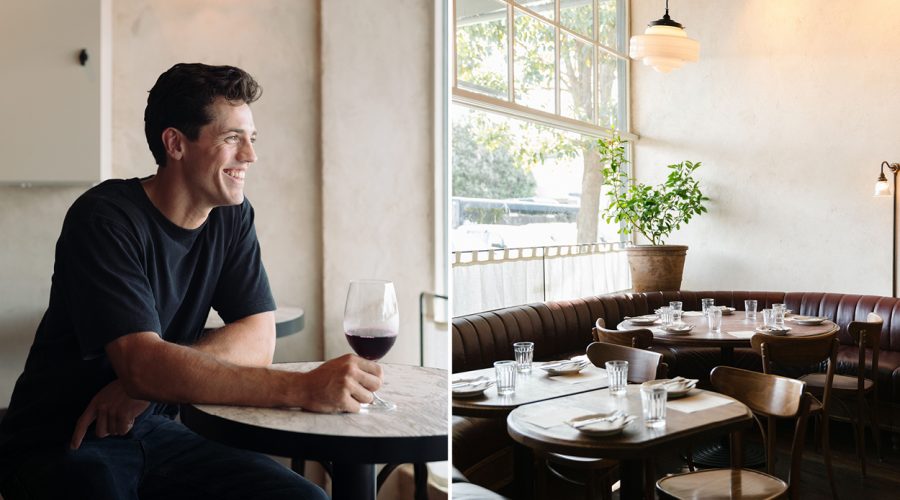

Inside the mind of hospitality trailblazer David Lee — the man behind some of Auckland’s best eateries

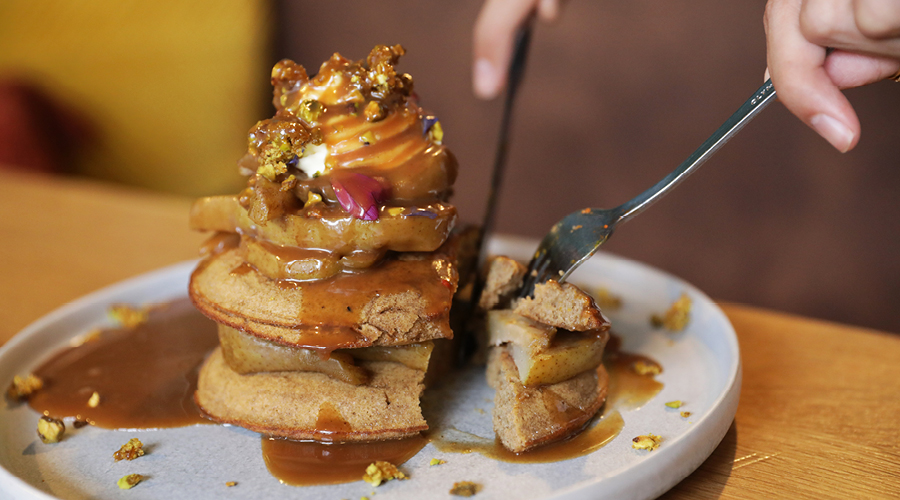
Once upon a time, it was bacon, fried eggs and a cinnamon-dusted cappuccino that reigned as the archetype of cultured cafe dining. Fast forward to today and it’s highly likely your local cafe is serving a fancy rendition of pancakes adorned with toasted marshmallows, almond mascarpone, butterscotch and pink candyfloss, delivered with the same kind of refined service you might find at a restaurant.

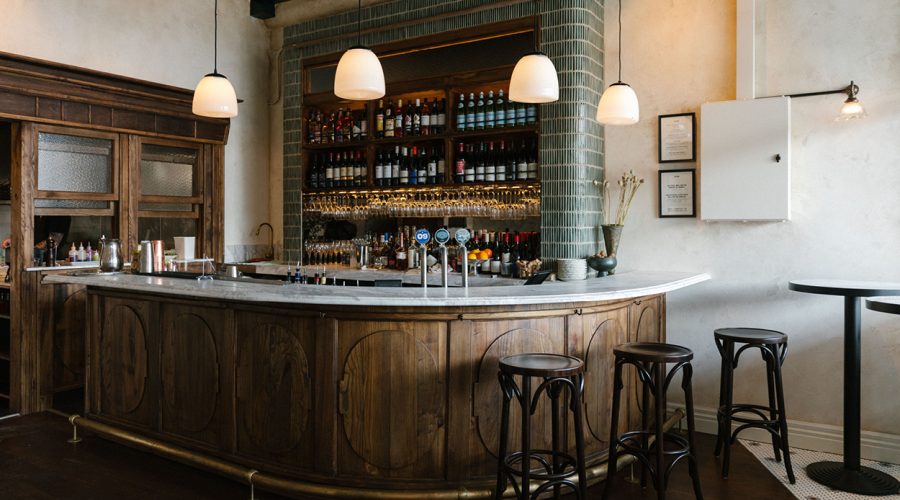
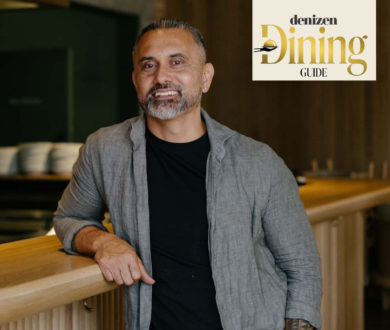
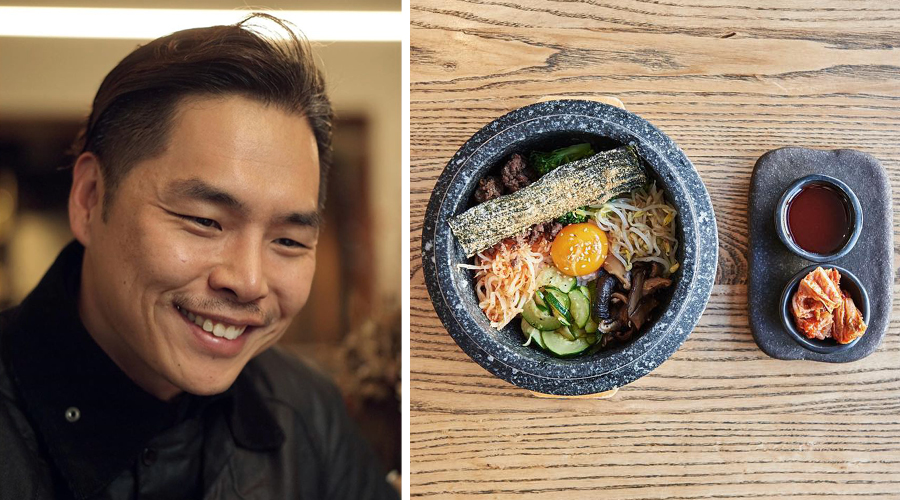
One of the leading figures in elevating our expectations of cafe culture is David Lee. Originally from South Korea, Lee has quickly developed a reputation as one of the best operators in the business, thanks to the success of his eateries, Little King, Dear Jervois, Major Sprout and Simon & Lee. But it’s at his lauded establishment, The Candy Shop in Newmarket, where we meet to discuss his impressive career trajectory. Unsurprisingly, every seat is occupied, and the only way to get a table without being put on a waiting list is to know the owner. Lucky I’m with the right guy.
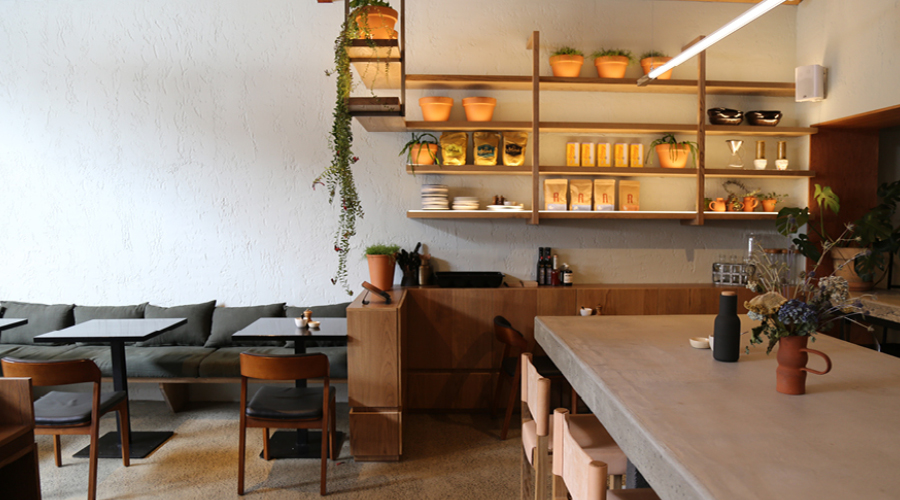
The Candy Shop

It was Lee’s first experience as a regular customer at Cafe on Kohi back in 2006 that inspired his initial foray into the hospitality realm. A cafe he refers to as “a pioneer in the new age of cafes,” Lee recalls how Cafe on Kohi’s team of dedicated staff would take his order at the table (not the counter which was typical of the time), check in on him throughout the meal and continuously keep his glass topped up with (free) sparkling water — on tap no less. Lee had a hunger to learn more about the industry but initially, his language barrier saw him struggle to find a front-of-house job. Instead, he resorted to washing dishes for no paycheck and in return, he tells me, “I was allowed to have a free staff meal every day and I would watch the way the chef cooked and plated the food.” Looking back now, Lee explains how he sees every painstaking hour he spent in the kitchen as invaluable learning that was crucial in establishing his own successful business.

I tell Lee that I consider him one of the most significant game-changers in the Auckland dining scene, a title he immediately but politely hands over to Cafe on Kohi. In slight disbelief, I share my first time at his Herne Bay eatery, Dear Jervois (Lee sold it in 2015) saying how I could imagine that the way I felt then was probably similar to his first time at Kohi. I even remembered the specific chicken soba noodle salad I ordered, which seemed groundbreaking at the time and the fact that the plating of every dish was like a work of art. Back then, when being put on a waitlist for a table at a cafe was relatively unheard of, it was all but expected at Lee’s establishment because it was just that good. Here, Lee chimes in with a disclaimer once again, telling me that actually, Little & Friday had lines out their doors from as early as 2007, which was before he opened his first cafe, Ben Gusto, in Browns Bay in 2008. Another humble attempt by the hospitality guru to shake off the ‘pioneer’ label I was so enthusiastically trying to give him.

It’s clear that being showered in compliments is not Lee’s forte. So instead, I ask him what he learned from his first opening. “A cycle of trial, error and a lot of tears,” is how Lee explains his first two years of cafe ownership. Initially Lee’s incorporation of Korean flavour into his menu — a point of difference that is now a celebrated signature at all of Lee’s eateries — was shunned by customers, with some even questioning his ability to operate in the hospitality realm at all. And although it came with hardships, Lee was driven to prove that he was capable of owning a successful eatery. He persevered and cracked the code on what customers wanted, eventually taking his newfound knowledge to his next venture, Little King in Milford. “I remember the waffles,” I tell him, recalling my experiences at Little King. He cringes saying, “I was unaware that waffles plated in a certain way could go viral… people actually lined up at Little King for them. I was thankful and appreciative, but at the end of the day, they were just waffles.”

After dominating the North Shore, Lee set his sights on the other side of the Harbour Bridge. In 2014, he opened Dear Jervois in Herne Bay and just a year later, Major Sprout on Graham Street. Both eateries garnered Lee immense success and left him with a number of cafe-hopping, foodie fans, who were anticipating the operator’s next move.
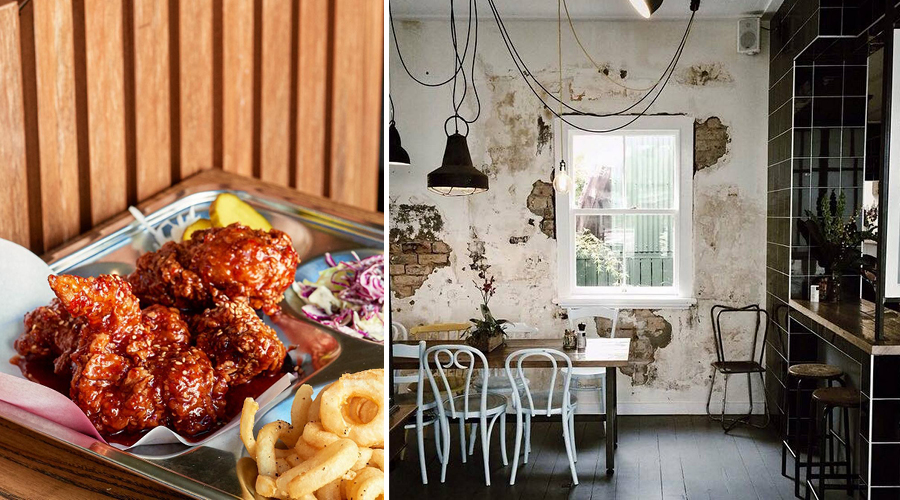
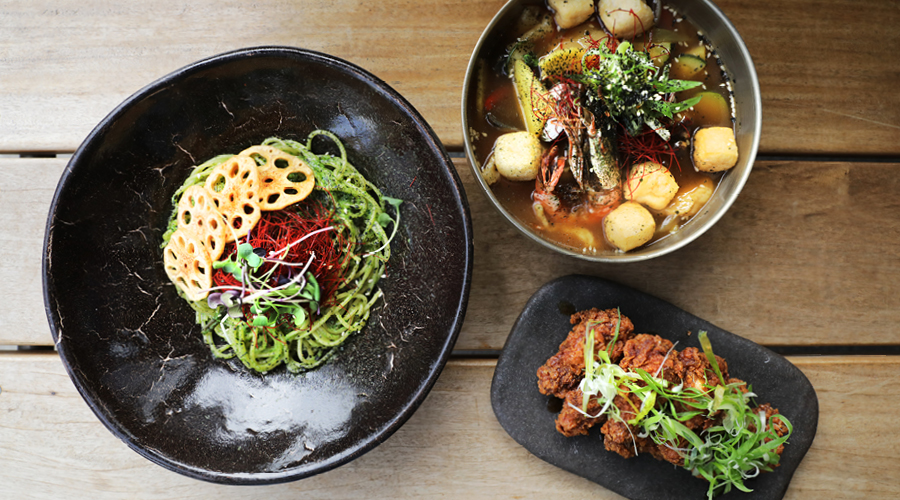
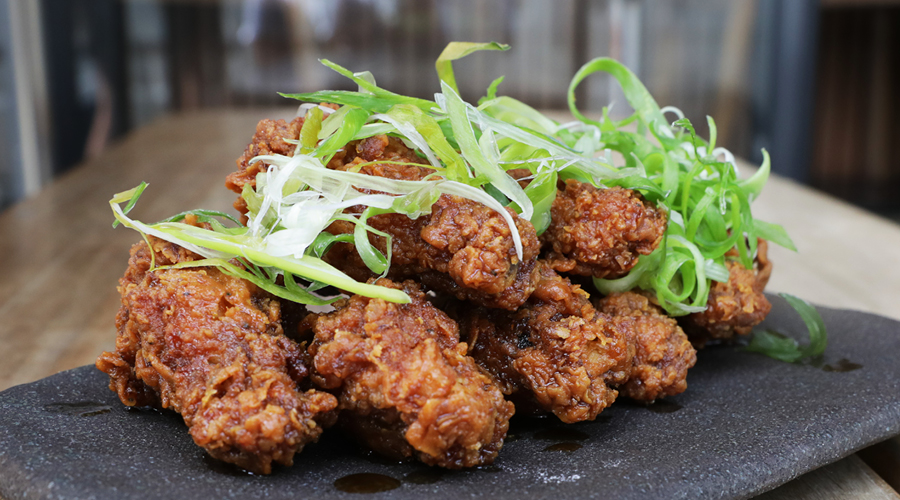
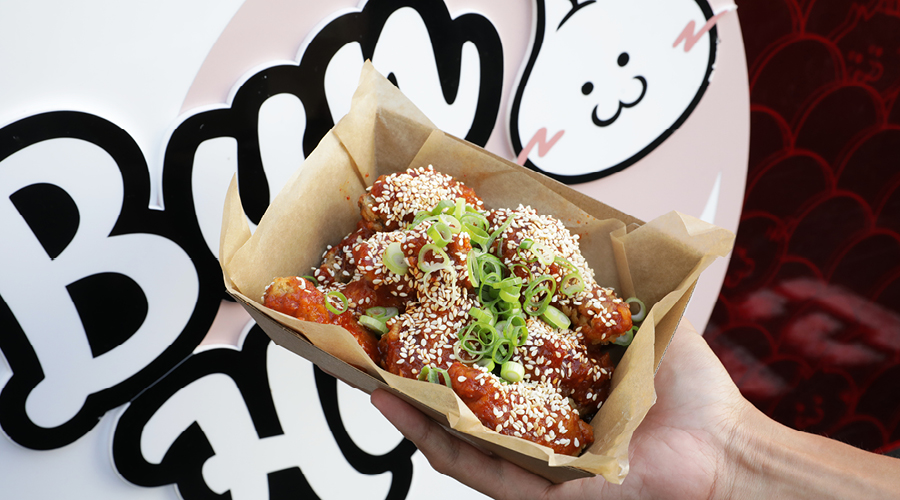
Left: Korean Fried Chicken at Simon & Lee | Right: Dear Jervois

“All my cafes started to feel, to him, like they followed a formula,” Lee tells me, “which wasn’t deliberate.” The work he was doing began to feel predictable and repetitive and he was aware that others could feel it too. In addition to his fizzling passion, another hurdle came Lee’s way — loneliness. “People in hospitality talk about how hard it is to cope with negative feedback and long hours,” he explains, “But loneliness often
goes unmentioned.”

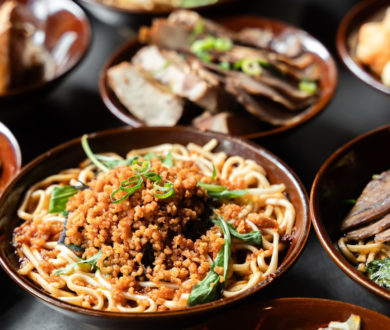
Lee was in need of something new and inventive, something he truly believed in. “I’m Korean, I love being Korean and I love Korean food,” he says, “I wanted to do something for me without worrying about what others wanted, and I was ready to serve Korean food even if Auckland was not ready to receive it — I didn’t care.” So, he began preparing for the opening of his fifth establishment with the help of an old friend, Oliver Simon, who he had previously worked closely with at Dear Jervois. Lee describes Simon as a barista who went beyond simply brewing coffee. He exemplified a passion for hospitality and was always open to learning new things, both traits that Lee had seen in himself at the same age. Together, the duo travelled to South Korea and ate their way around the country. After returning from their inspiring, gastronomic journey, they opened Simon & Lee, an unprecedented all-day eatery that served a raft of crowd-pleasing classics, but that also served the kinds of food that Lee grew up with — Korean fried chicken, bibimbap, pork hock, bulgogi, tteokbokki, the list goes on.
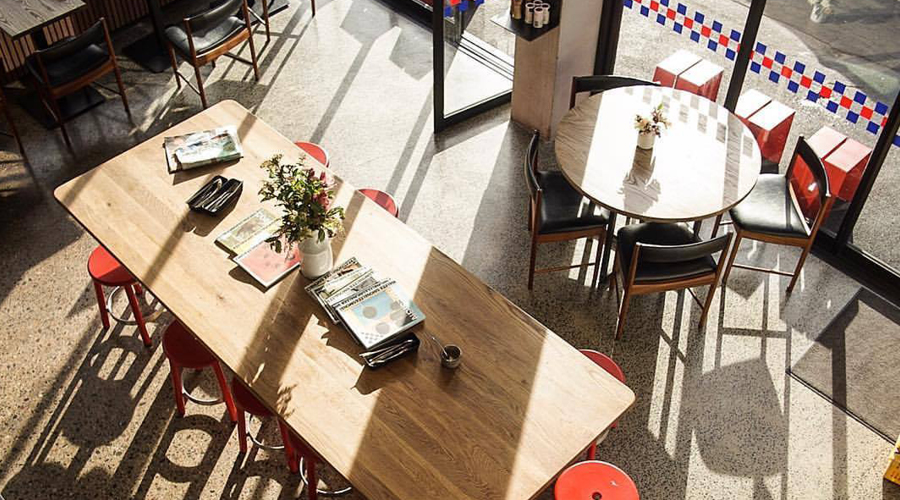
Simon & Lee

I tell Lee that Korean food was finally introduced to Auckland’s mainstream dining scene thanks to him and it’s the first statement that he doesn’t instantly refute. “But it was the realisation that I didn’t have to go through this journey alone that had greater meaning,” he tells me. Lee paved his own path and has had an undeniable impact on the gastronomic culture of our town, but he didn’t do it by himself. Simon & Lee’s unique dishes, like the bulgogi spaghetti and cold buckwheat noodles, were certainly a change from the regular eggs-on-toast cafe fare, but more importantly, Simon & Lee changed Lee’s mindset, making it, as he articulates, the most pivotal project of his career.

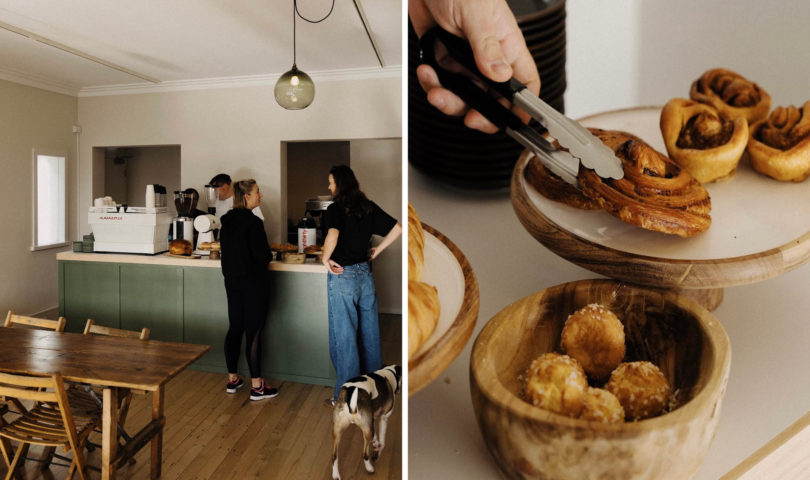
Establishing eateries no longer had to be a one-man show for Lee. Calling on industry experts that included the award-winning barista from Camper Coffee and another Korean cafe owner-operator (formerly of the acclaimed Geeks On Sainsbury) Lee gathered a team of hard-working people around him, each with a vision that resonated with his own. Together, they built the cafe we’re sitting in now, The Candy Shop, a Western-Korean fusion all-day eatery which Lee dubs his proudest work to date. “I don’t have to be ‘that guy’ anymore,” Lee says, “the over-controlling boss who takes a photo of a plate and makes sure each dish that’s sent out of the kitchen looks identical to the picture”. “You used to do that?”, I ask him, incredulous. “Yup”.

The future holds big things for Lee, with two new eateries set to open in Commercial Bay — a modern Korean restaurant, Gochu Got You and a Korean-Western hotdog stand, Good Dog, Bad Dog. It’s no secret that Lee’s usual approach is to sell his prior eateries as he moves on to the next, a strategy he has apparently been criticised for in the past. “People like to talk and say that I’m in it for the money,” Lee says, “but I don’t need money. What I need to do is be there for my wife and two boys, Luca and Liam and I can’t do that if I’m operating six establishments at once, no matter how much I want to.”

But with his newfound support system and trustworthy crew, Lee is positive that he can not only hold onto his Newmarket eatery but can expand it by taking over the space next door. I express my concern for his upcoming workload and inevitable stress, but Lee seems fairly relaxed for someone with the amount he has on his plate. He turns to his team, turns back to me and smiles, “we’ll be alright.”

Gastronomy

A new Grey Lynn café has quietly opened on Richmond Road
Denizen’s definitive guide to the best Italian restaurants in Auckland
The Hotel Britomart and kingi celebrates sustainable luxury by launching Zero-Waste Dish of the Week

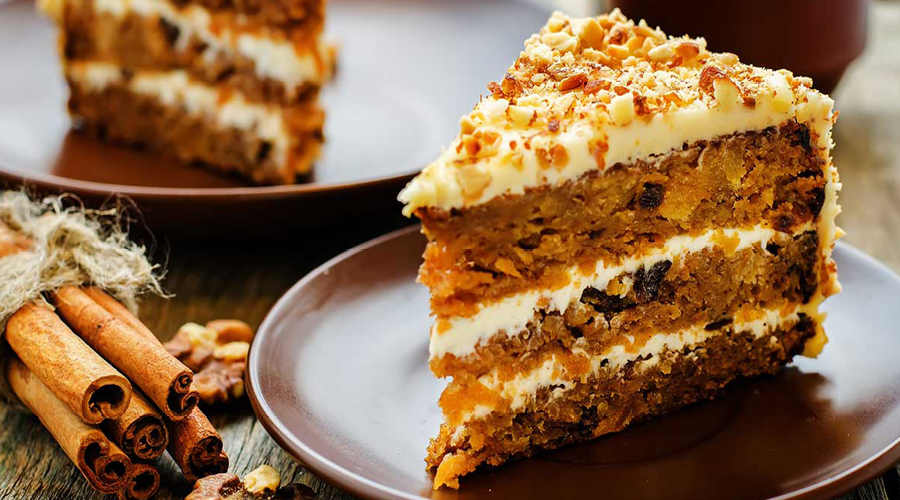
The ultimate triple-layered carrot cake recipe that’s three times the fun

When it comes to carrot cake, it’s all about striking the perfect balance between healthy-tasting and sinfully decadent. It must be moist, sweet and carry a flavour full of spices that linger on the palate. And while vibrant orange carrots and crunchy nuts should be laced throughout, it should never feel overloaded. As far as frosting is concerned, a cream cheese variety is the only type that should top a cake of this kind, and in our opinion, the thicker, the better.

So, with every other baked good already covered, we thought it was time to divulge our own foolproof recipe for what we consider to be the perfect carrot cake. Scrumptious, decadent and a true crowd-pleaser, this is a recipe that is sure to impress everyone in your bubble.

Triple-Layered Carrot Cake
Ingredients

For the cake
450g of grated carrots (peeled)
310g of standard flour
3 tsp of cinnamon
½ tsp of allspice
1 tsp of salt
1 tsp of baking powder
½ tsp of baking soda
200g of light brown sugar
100g of white sugar
3 eggs (room temperature)
240mL of vegetable or canola oil
150g of raisins (optional)
200g of chopped walnuts
1 can of crushed pineapple (225g)

For the cream cheese frosting
225g of Lewis Road Creamery unsalted butter
340g of cream cheese, room temperature (NOT spreadable
1½ tsp of vanilla extract
240g of icing sugar
200g of crushed walnuts

Method
1.
Preheat the oven to 180 ℃ fan-bake. Grease three 8-inch round cake pans and line with baking paper.
2. Grate the carrots finely and set aside.
3. In a large bowl, sift the flour, cinnamon, allspice, salt, baking powder and baking soda and gently stir until combined.
4. Take another large bowl and in it, beat the brown sugar, white sugar, and eggs with an electric mixer on medium speed until just combined.
5. Keep the mixer running and slowly pour in the vegetable or canola oil.
6. Lower the speed of the mixer to medium-low and add the flour mixture a little bit at a time into the wet ingredients. Beat until just incorporated and stop mixing when there is just a small amount of flour visible.
7. If you want to add raisins, now is the time. Be sure to roll them in a tablespoon of flour to keep them from sinking to the bottom of the cake while it’s baking. If not, skip this step.
8. After the raisins (optional), add the grated carrots, walnuts and pineapple to the batter and use a rubber spatula to fold the ingredients together.
9. Divide the cake batter evenly between the prepared pans and smooth the tops with your spatula.
10. Bake the cakes all at once for 25-30 minutes. Insert a toothpick into their centres to check if it comes out clean. If so, they’re ready.
11. Let the cakes partially cool on a wire rack before removing them from their pans and leaving them on the rack to cool completely.
12. While the cakes cool, make the icing. In a large bowl, beat together the butter, cream cheese, and vanilla with an electric mixer on medium-low speed. Once combined, increase the speed to medium-high, until the mixture becomes light and fluffy.
13. Gradually add in the icing sugar, preferably 60g at a time to keep the sugar from flying everywhere. This will also allow the icing to become incredibly smooth.
14. Assemble the cake by stacking them one of top of the other with a layer of icing in between each. Be generous with the icing in order to ensure the stacking is even.
15. Once all three cakes are stacked, add icing to the top and sides and sprinkle the chopped walnuts all over.
16) Refrigerate for at least 40 minutes, so that the icing can set. And note that keeping this cake in the fridge will not make it dry.

Gastronomy

A new Grey Lynn café has quietly opened on Richmond Road
Denizen’s definitive guide to the best Italian restaurants in Auckland
The Hotel Britomart and kingi celebrates sustainable luxury by launching Zero-Waste Dish of the Week
Churros, Recipe courtesy of The Forest Cantina

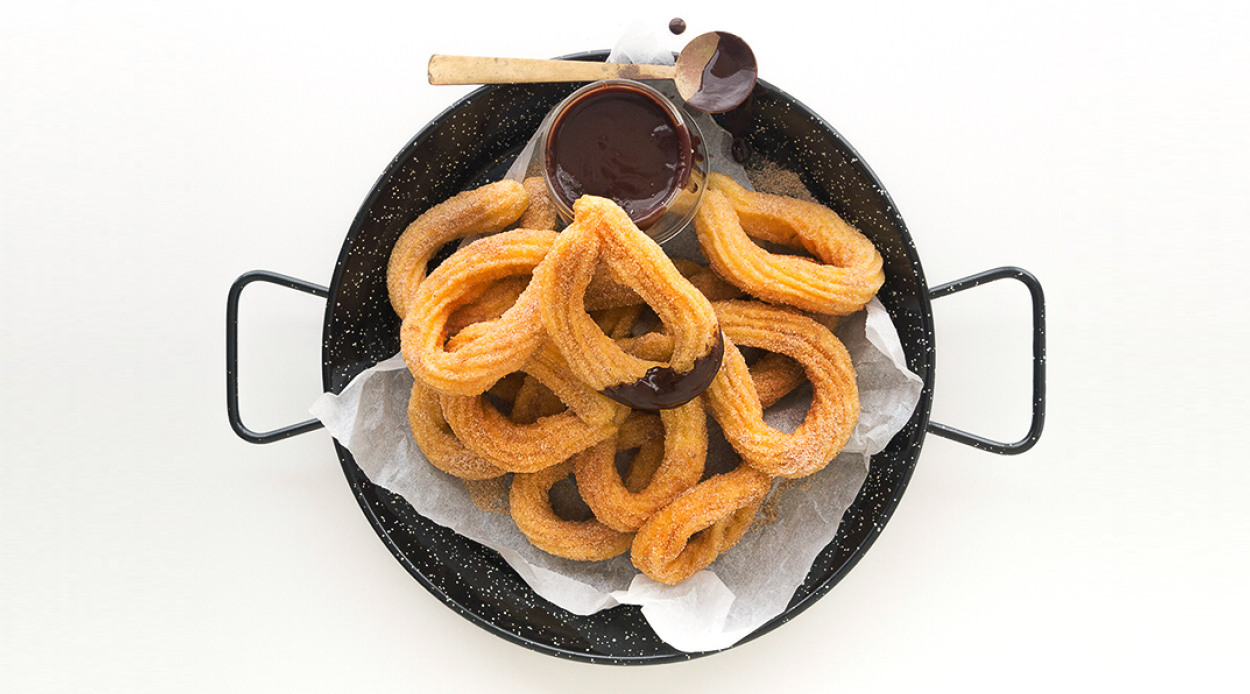
The only recipe you need to create fried, cinnamon sugar-coated churros with chocolate sauce at home

Anyone who says that churros are the same as doughnuts clearly does not know what they’re talking about. From the shape to the texture, churros are a completely different delicacy. They have a crispier outer layer, almost to the point where it could be explained as crunchy and taste the best when made with premium quality ingredients and taken straight out of the deep-fryer. Thanks to this recipe from home-chef and author, Unna Burch’s cookbook — The Forest Cantina and New Zealand’s favourite dairy company — Lewis Road Creamery, everyone can bite into a hot churro at its optimal level of freshness and tastiness.

Ingredients 
For the churros
70g (3 ½ tablespoons / 3oz) Lewis Road Creamery Lightly Salted butter
1 cup water
1 cup flour, sifted 
3 eggs beaten (+ you might need an extra) 
1 litre (4 cups / ¼ gal.) canola oil 
¼ cup fair trade sugar 
1 tablespoon fair trade ground cinnamon 

For the chocolate sauce
100g (3.5oz) milk chocolate 
100g (3.5oz) dark chocolate 
250ml (1 cup) Lewis Road Creamery Single cream
3 tablespoons golden syrup 

Makes approximately 15 long churros (depending on the length you pipe them).

Instructions
Cut the butter into small cubes and add to a small pot with the water. Allow the butter to melt and the water to boil.

Once the water is boiling, add the flour and then lower the heat to medium/low. Quickly stir the flour in for a minute with a wooden spoon and keep stirring until the dough forms a ball and begins to stick to the bottom of the pot.

Remove from the heat and continue to beat for a minute to cool the mixture before adding eggs. Don’t rush this process as adding eggs to the hot dough will cause the eggs to scramble.

Add a pinch of salt to the dough and then the eggs one at a time, beating well after each addition, making sure it’s evenly incorporated. You want the batter to be smooth and slowly drop off the spoon when held at a height. If the dough is stiff and doesn’t drop, add another egg and mix again. Put the batter into a piping bag that has a star tip fitted into the end.

Heat oil in a pot or deep fryer to 170°C (340°F), testing with a candy thermometer if you have one. If you don’t have a thermometer you can test if the oil is ready by dipping the handle of a wooden spoon into the oil. Once the oil starts steadily bubbling around the handle it is ready. While the oil heats up, mix the sugar and cinnamon together in a bowl and set aside.

To make the chocolate sauce, heat the cream in a medium-sized pot until hot but not boiling, and then remove from the heat. Chop the chocolate into small pieces so they melt faster and add to the hot cream with the golden syrup. Leave it to sit for 2 minutes, then whisk to combine so that the sauce is glossy. Pour into a serving dish and set aside.

When the oil is ready, carefully pipe 10cm (4″) lengths of batter into the oil, using a paring knife to cut the end of the batter from the nozzle. Don’t want to overcrowd the oil as it lowers the temperature, limit to piping four at once. To make teardrop shapes like the picture above, pipe a long ‘U’ shape into the oil, then press the two ends together with two knives to join them. This must be done quickly while the batter is soft as they won’t join once they become crisp. Or you can just pipe long sticks, which is easier.

Cook for 3-4 minutes, flipping over once until golden brown. Drain on paper towels to remove excess oil, and while still hot roll in the cinnamon sugar. Repeat the process until all the churros have been made. Serve with the chocolate sauce on the side as a dip.

Gastronomy

A new Grey Lynn café has quietly opened on Richmond Road
Denizen’s definitive guide to the best Italian restaurants in Auckland
The Hotel Britomart and kingi celebrates sustainable luxury by launching Zero-Waste Dish of the Week

Recipe: Denizen’s foolproof guide to baking fine French macarons

French macarons have a hoity-toity reputation for being a finicky dessert, reserved for professional French pastry chefs exclusively. But after much trial and error, we have refined our method for baking these delicious treats down to a fine art. This recipe for Rosewater macarons will see you achieve the perfect balance of a delicate and crispy outer shell and a soft, chewy centre, all while boasting a beautiful mixture of sweetness and nuttiness. Without further ado, here’s our guide to creating the perfect French macarons at home.

Ingredients
Makes approximately 20 macarons
Avoid using cups to measure for this recipe. Scales guarantee more accuracy. 
– 4 large egg whites (room temperature)
– 70g of caster sugar
– 230g pure icing sugar
– 120g of ground almonds
– Pinch of salt
– Pink gel food colouring
– Piping bag (2 large zip-lock bags are also fine)

For the rosewater ganache filling
– 250g of white chocolate buttons
– 100mL of Lewis Road Creamery double cream
– 1 tbsp of rosewater
– Pink gel food colouring

Method
1) Preheat the oven to 150°C fan-baked.
2) Line a baking sheet with baking paper.
3) Blend your almond meal in a blender or food processor for a super fine texture to avoid clumps.
4) Sift the blended almond meal, icing sugar and salt into a medium-sized bowl and set aside. If there are still any large clumps of almond meal remaining, dispose of them.
5) Take a larger bowl for your egg whites and caster sugar, but make sure to crack the eggs in a separate bowl to ensure no shells get into the batter.
6) Begin beating your egg and sugar mixture with an electric mixer, starting off on medium speed and gradually working your way up to a high speed. You’re going to be beating this mixture for slightly over 10 minutes — until you can turn the bowl upside down and the stiff mixture doesn’t move.
7) Add in your gel food colouring. You want to avoid liquid food colouring as the consistency can cause your macarons to become flat. You also want to make sure the colour of your batter is pigmented as it will lighten in the oven. If you’re going for a pale pink, as this recipe suggests, make sure your batter is hot pink. Continue beating for 1 more minute, until the colour is fully incorporated.
8) Take the bowl of ground almonds, icing sugar and salt and sift it again, into the bowl of eggs, caster sugar and colouring.
9) This is the most important step and the one where most people go wrong. It’s crucial to not overmix or undermix your batter and one fold makes a significant difference, so pay close attention. With a rubber spatula, scrape the edges of your bowl and fold your spatula into the centre of the bowl. It should take approximately 40 folds and you want to stop at the point where your batter is smooth yet thick. Every now and then, lift your spatula out of the bowl and if the batter slowly falls off, that’s when to stop. If it’s still stiff enough to hold its form, give it a few more folds and if it’s runny like pancake batter, you have over mixed and you’ll need to start over.
10) When the batter is perfectly mixed, pour it into a piping bag. Try to not fiddle with the batter too much as you could change the texture. Make a small incision at the tip of the bag.
11) Pipe your macarons onto your baking sheet in circles, giving each a diameter of approximately 3cm.
12) Bang your tray of un-baked macarons on the bench to see the circles flatten slightly and to make the air bubbles rise to the surface. This is very important to help prevent the macarons from cracking in the oven.
13) Leave the tray to sit and set for approximately 15 minutes before placing in the oven.
14) Put the tray in the oven for approximately 20 mins. Avoid opening the oven door if you can, as it will impact the macarons’ ability to bake evenly.
15) Once you can effortlessly take the macaron shells off the baking paper with no residue batter left behind, your macarons are ready. Set aside to cool before removing from the tray.
16) To make rosewater ganache, put the white chocolate buttons and cream in a heatproof bowl and set over a saucepan of simmering water. Make sure that the bottom of bowl does not touch the water.
17) When the chocolate has melted, add the rosewater essence and food colouring and stir well. Make sure your pink ganache is lighter than the shells.
18) Set aside for 30-40 minutes or until the ganache has thickened.
19) Place your ganache into a piping bag and pipe onto the cooled shell bases. Place another macaron shell on top.

Enjoy!

Gastronomy

A new Grey Lynn café has quietly opened on Richmond Road
Denizen’s definitive guide to the best Italian restaurants in Auckland
The Hotel Britomart and kingi celebrates sustainable luxury by launching Zero-Waste Dish of the Week
Image Credit: Bon Appetit

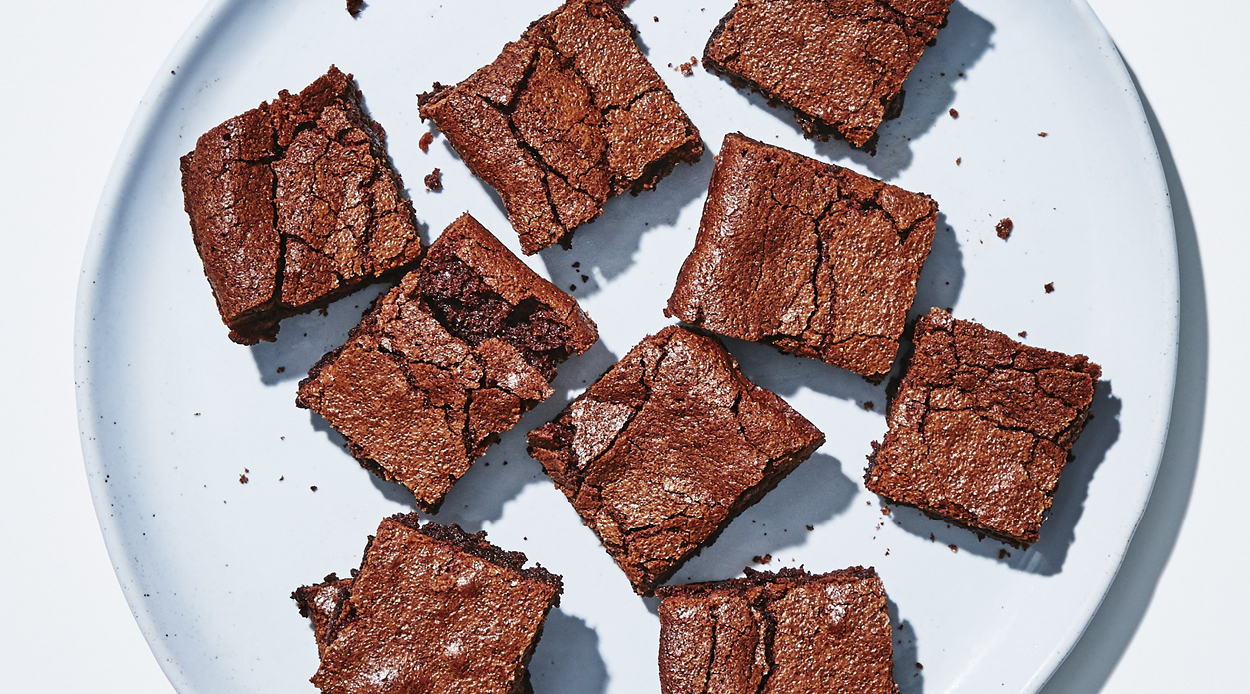
The fudgiest brownies you’ll ever make in your life

Prepare yourself to bake the fudgiest, most decadent brownies you’ll ever taste. But be warned — these morsels are seriously rich, so consume with caution.

Ingredients
Makes approximately 24 brownies
– 225 grams of Lewis Road Creamery unsalted butter
– 1 block of Whittaker’s Dark Chocolate
– 1 block of Whittaker’s Milk Chocolate
– 1 tbsp of instant coffee powder
– 1 cup of cocoa powder (preferably dutch-processed)
– ½ cup of dark brown sugar
– 2 cups of white sugar
– 2 tsp of vanilla extract
– 2 tsp of sea salt
– Sea salt flakes
– 6 eggs (room temperature)
– 1 cup of standard flour

Method
1. Preheat your oven to 180°C fan-baked and line a large baking tray with butter and baking paper before going over the paper with more butter — this will keep the bottom layer of your brownies moist and lend a slight, caramelised flavour.
2. In a heat-proof bowl, combine ¾ of the Whittaker’s dark chocolate block (broken into pieces), ¼ cup of cocoa powder and the instant coffee. Set aside.
3. Take a saucepan and melt your butter over a medium heat, until it starts to simmer. Be careful not to burn it.
4. Once the butter reaches a simmering point, pour it over the bowl of chocolate, cocoa powder and instant coffee and let the hot butter soften the chocolate for a few minutes. When the chocolate looks slightly melted, take a fork or small whisk and mix all the ingredients together until they form a ganache. Set aside.
5. As the ganache cools, take a large mixing bowl and beat the white sugar, brown sugar and eggs for as long as 15 minutes. Incorporating as much air as possible will result in a soft, moist brownie.
6. When your egg and sugar mixture looks like thick pancake batter, add in your vanilla extract and beat for 2 more minutes.
7. Now take your ganache and pour that into the egg, sugar and vanilla mixture and keep mixing until it’s fully incorporated.
8. In a separate bowl, sift the flour, salt and the remaining ¾ cup of your cocoa powder and then slowly incorporate this into your wet mixture. It’s important to add the flour mixture gradually in order to achieve a more even and thoroughly mixed batter.
9. Mix until the flour has been entirely incorporated.
10. Before you pour the batter into the pre-prepared pan, take the remaining ¼ block of Whittaker’s Dark chocolate and the entire block of Creamy Milk chocolate and chop them into chunks. Take these chunks and spread them on the base of your pan.
11. Evenly distribute the batter over the top of the chocolate chunks and evenly across the pan before putting it in the oven.
12. After 20 minutes, take the brownies out and sprinkle sea salt flakes over the top, before putting them back in the oven for another 25 minutes.
13. After being in the oven for a total of 45 minutes, take the brownies out and let them cool completely. Ignore the technique of sticking a toothpick in to see if they’re ready — these brownies are so fudgy that the toothpick will never come out clean.
14. When the brownies have completely cooled, get a knife and cut them into squares. Keep a paper towel on hand to wipe your knife after each cut as the fudgy batter will stick.

Enjoy!

Gastronomy

A new Grey Lynn café has quietly opened on Richmond Road
Denizen’s definitive guide to the best Italian restaurants in Auckland
The Hotel Britomart and kingi celebrates sustainable luxury by launching Zero-Waste Dish of the Week

It’s the RTD on everyone’s lips but just who is behind Part Time Rangers?

Brothers Oliver, 24, and William Deane, 21, can attribute the success of their premixed alcoholic beverage company, Part Time Rangers, to a number of things: business acumen, youthful risk-taking and, perhaps above all else, compassion and kindness.

Last summer my friend handed me an RTD, which I naturally rejected. In my opinion, RTDs are a sure fire recipe for dehydration and disaster the following morning. She pointed to the label on the box, which read “less than 1g of sugar.” I grew curious. The packaging also stated “10%,” representing the percentage of profit donated to global animal conservation initiatives. I took a modest sip, was pleasantly surprised at the freshness and claimed the can as mine.

“Good right? It’s by Ollie and his little brother,” she tells me. Oliver Deane, the rambunctious rebel from my high school and his little brother had started a company Part Time Rangers together? Impressive. 

As the summer went by, clutching a can with the white rhino became commonplace at parties. Part Time Rangers landed a partnership with music festival Rhythm & Vines, knocking out its previous beverage partner of almost a decade. In spring 2019 alone they raised more than $25,000 in donations, which would provide 1,000 metres of elephant-proof fencing and the removal of 15,000 litres of rubbish from New Zealand’s coastlines. In addition they signed a $70,000 pledge to relocate the 100th rhino, along with launching Shark Watch, a group that preserves marine life and ocean sustainability.

Oliver and William at the Part Time Rangers HQ in Auckland

What may seem like a swift road to success dates back five years, when the brothers went on a trip to Ethiopia as a part of one of the many humanitarian projects operated by their parents. After some emotionally intense weeks volunteering at schools, Oliver, William and their two older brothers, went on a safari in Tanzania — the Deane family’s idea of a stress-relieving holiday.

“All of us loved rhinos as kids, and we were really looking forward to seeing them in the flesh,” Oliver, says. However, during the two weeks, the family only saw one rhinoceros. “Our driver, who was an ex-ranger, explained that there was a huge poaching crisis across the entire continent of Africa.”

Fast forward to 2017, and the youngest Deane, William, was set to begin his studies at Wellington’s Victoria University. Before hitting the books, he was preparing for the rituals and traditions of university culture, from toga parties to joining his older brother, Oliver for Re-O-week in Dunedin. “I grew tired of sugary drinks and the bloating from all the beers, so I found this drink recipe online which was just gin, lemon and water and I drank just that for the entire week.”

Hangover-free and with waistlines still intact, the brothers quickly took a liking to the concoction, and after “one of those conversations after a couple of drinks,” they suggested starting a company together. Like most of these conversations, it was forgotten the following morning, or so they thought. 

Part Time Rangers Great White Shark RTD (White Rum, Apple, Lime and Sparkling Water)

William returned to Wellington to begin his International Business and Marketing degree, while Oliver was completing his final year of Marketing and Human Geography. One of William’s assignments required him to write a business plan and he decided to weave legitimate commercial ideas into that almost-forgotten conversation about a business start up. Meanwhile, Dunedin-based Oliver was given a case study to improve a beverage business. “One of my ideas was to have different beers to support different charities within New Zealand. It was as if we had each other’s
missing pieces.”

The brothers knew they had a great idea, but with no assets, the next stage was to find funding. They pitched their business plan to BNZ for a loan where the bank demanded to see cash flow, a more elaborate business plan and a separate marketing plan, to which the brothers responded with one word — “What?” 

Oliver and William at the Part Time Rangers HQ in Auckland

Oliver and William sought advice from various industry professionals and were introduced to Dave Anderson by their father. The former Head of Finance at Goodman Fielder, and CFO of Icebreaker, has witnessed the growth of businesses from start-up stage to empire-level. He is currently Part Time Rangers’ official mentor, and according to Oliver and William, the most valuable asset to the business.

Anderson was crucial to gaining their initial $50,000 loan. “People who think that they know everything, they’re just not going to get anywhere,” Oliver says. “You have to always be open to receiving advice, even if you’re not going to take action on it, as you’re never going to know everything.” 

Social media, however, was an area within the brothers’ complete control, “We post online as ourselves, how we talk. It’s how we communicate with our market and we will never give that up,” Oliver says. “With marketing and society, it is constantly changing. You’re working with people who were and still are very smart people and did well in marketing maybe over a decade ago. But the culture and strategy is so fast-moving, we don’t know if their knowledge even applies anymore.”

So which advice qualifies as ‘gems’. “Sometimes, all you can do is trust your gut, which sounds cliché, but it’s true,” Oliver says. He recalls an encounter before launching Part Time Rangers, “I won’t name names, but he was someone quite high-up in the drinks industry. He said it was a terrible idea and not to go through with it. He finished by telling us that the bigger alcohol companies were going to ruin us, take us out, that we’re too small, that we’ve got no money — all those things were right, except for the fact that he didn’t understand the brand proposition, the changing market and consumer demands, and how they wanted not only healthier alternatives, but also to give back to the world.”

So is a social cause a key driver for success in this new age of entrepreneurship? While the brothers admit it’s an increasing trend, they don’t think it’s necessary, “unless it’s genuinely something you’re passionate about.” That passion has kept the brothers going. “Imagine this,” William says. “You’re driving around town in an old Subaru Legacy for your first production run, with a boot full of White Rhinos, getting told to piss off by one person after the other. Then one kind human lets you in, and now you have the pressure to prove yourself. Once you’ve proven yourself to one, that one snowballs into hundreds.”

Oliver picks up the thread. “When you start a business, everything goes back into the business. Seriously, you don’t see much in return until you’re an established business down the line.” Success isn’t reflected in numbers for the brothers, well at least not yet. “I’ll tell you what the benefits are; you have a whole lot of fun, you learn a lot and we get to work with some of the coolest charities in the world. That, alone, is one of the coolest things to do.” 

Oliver and William Deane

As of now, the brothers are enjoying their youth, and being child-and-mortgage-free, at a time in their lives where they can take risks and be spirited in more ways than one. When I ask the brothers about their future plans, Oliver responds, “Our plan is to be open and flexible. If you have a three-year plan, you’re f-cked. Shit changes every two months and you have to adapt to change.”

The brothers share some final words of advice for other young and hopeful entrepreneurs. “You’re young, why not give it a crack? If you screw it up, you don’t have anyone relying on you and there’s not much to lose. What’s the worst that could happen? If it doesn’t work out well, you just go out and find another job.” It’s an honest and refreshing reminder that youth itself can offer as much of an advantage as experience. Part Time Rangers, full time enthusiasts.

Gastronomy

A new Grey Lynn café has quietly opened on Richmond Road
Denizen’s definitive guide to the best Italian restaurants in Auckland
The Hotel Britomart and kingi celebrates sustainable luxury by launching Zero-Waste Dish of the Week

Meet the freshest face of Auckland dining, Hugo Baird

Triumph in the hospitality industry is an accomplishment yearned for by many and achieved by few. Hugo Baird, 29, has both a successful café, Honey Bones and the recently launched Grey Lynn osteria and wine bar Lilian in his repertoire. But the hospitality guru’s accomplishments have not been without challenges.

Left: Hugo Baird. Right: Lilian

Prior to opening Honey Bones, Baird was at Herne Bay institution Five Loaves. “Were you cooking?” I ask, to which he corrects me “No, I was a dishy.” He was only 15-years-old and his time there was nothing more than a means to earn some extra cash. The stint was short and sweet as he was essentially fired — “I was too dusty every Sunday, but I’m still good mates with Michael (the owner). I don’t think he ever saw me and thought that I’d be this deep into hospo.”

Baird now looks at all of his staff, from the dishwashers to the front of house, as equally capable of owning an establishment. There’s a certain inspiration in that fact that he has no qualifications, having dropped out of high school before his final year. 

After dabbling in different career paths, from building to a year as a wine salesman, 19-year-old Baird and his friend and now business partner, Willy Gresson, packed their bags for Sydney. Baird found himself working as a bartender at Manly pub, The Steyne, for 18 months. It was his “first real hospitality experience.” Returning home, Baird was set on pursuing hospitality further, in the hopes of opening his own bar someday. “When I was selling wine, Johnny de Monchy who is the General Manager of Britomart Hospitality Group, told me that I needed to work in lots of bars in order to own one. And I thought he was right.” Cue his next move, Depot. 

Although Depot wasn’t strictly a bar, “it only took me one shift to become hooked. There’s something special that I can’t explain in words about working at a restaurant where there’s good food and a great atmosphere.” Baird describes owner and chef Al Brown as a man of passion, and remains inspired by his approach to dining. Baird went on to assist Warren Ford in the opening of Depot’s neighbour — Federal Delicatessen. “By this point, I knew that I wanted to open a place of my own and working at The Fed during its opening stages seemed beneficial because I thought it’d show me the ropes. It taught me that nothing in hospo goes smoothly or as planned, but that’s ok.”
For the following two years, Baird saved hard and learnt to be “a squib when it came to money.” Saving money became such a priority that he took it too seriously sometimes. To save the one dollar bus fare, Baird would walk 40 minutes to and from work, even if he finished as late as 2am.

With $15,000 in the bank and an opportunity to take over a small space in Grey Lynn, Baird bid farewell to Brown’s empire to start his own at the age of 24. He gave the Crummer Road café a refit and a new name. In 2015, Crumb was born and it dominated Baird’s next 12 months. “I treated Crumb so seriously, it was like my little baby.”

Following an intense year of all hands on deck and not even one full weekend off work, a buyer took the reins and Baird left both Crumb and New Zealand behind, on his first long-haul flight to Europe with three other friends.

Returning from four months of travels Baird had no desire to return to hospitality but at his brother’s wedding on Waiheke Island he faced endless questions about his future plans. Friends and family kept asking him why he wasn’t pursuing what he was good at: owning a café. He ferried back to Auckland on Monday, looked at Trade Me and clicked on the first listing he saw, which became Honey Bones.

Despite its solid bones, he describes the Honey Bones renovation as a nightmare. He faced sloped floors, wonky walls, and above all, the realisation that the café was located in a sleepy corner of Grey Lynn. A wave of uncertainty and insecurity hit him hard.

“I started freaking out, thinking that nobody would come,” he says. “But I was too far in to turn back.” Honey Bones opened in June 2017 and was busy throughout the year until Baird and his team took a break over the holidays. When three chefs said that they wouldn’t be returning, he had “no option of panicking,” appointing himself Head Chef for the next 35 days. The silver lining was the inevitable evolution of the menu. Baird drew inspiration from his love of Middle-Eastern cuisine with dishes such as Cilbir Eggs and Istanbul Scramble helping Honey Bones stake its claim as one of Auckland’s best cafés. 

The bar at Lilian

Baird has taken his learnings on to his first restaurant Lilian, insisting on having a chef as a co-owner. “If you’re the only one with skin in the game, you’re the only one who cares enough to prevent certain things from happening. You get a restaurant, great. You employ a chef, he makes a great menu, everyone’s loving it. The chef decides to leave, the food is not as good, it’s game over.” 

The business is not for everyone and Baird warns young hopefuls who have dreams of their own café or restaurant, “it’s not that fun. It’s hard work and you’ve got to be willing to give up your life.”

Baird recently ate his way around New York City, fuelling a growing vision for a pizza restaurant, that will bring something new to the Auckland dining scene.

“I thrive off customers telling me that my restaurant transported them to another city,” he says. “It’s those moments which make all the hard work, missing out on a lot of my youth, the stress of managing people, all worthwhile.” 

Image credit: Photos of Hugo: Josh Griggs. Interior photos: Jono Parker

Gastronomy

A new Grey Lynn café has quietly opened on Richmond Road
Denizen’s definitive guide to the best Italian restaurants in Auckland
The Hotel Britomart and kingi celebrates sustainable luxury by launching Zero-Waste Dish of the Week

The only recipe you need to make perfect chocolate chip cookies

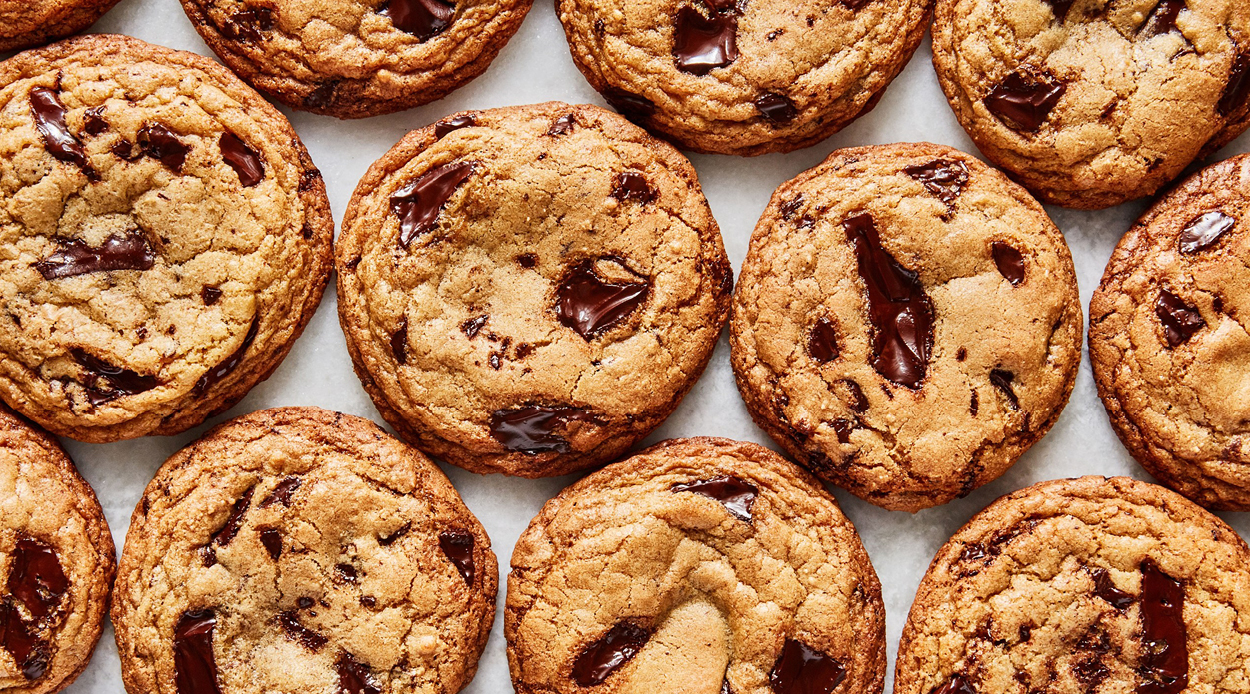
In my world, a perfect cookie is one that has golden, crisp edges, a soft, gooey and chewy centre and is filled with enough chocolate chunks to complement each bite. The cookie must be flat, but not thin like a pancake and last (but certainly not least), it must be moist enough to hold its own without a glass of milk on the side, which should only be used for dunking to enhance the flavour of the cookie — not hide its dry texture.

Although a chocolate chip cookie might seem like baking basics 101 to some, a lot of you would be surprised at how many variables exist around the making of this treat — tiny details that can change the end result dramatically. Making the perfect cookie is a complex process and so it is after much trial and error, and years of refining and perfecting that I share my recipe with you. Without further ado, here is how to make the ultimate chocolate chip cookie.

Ingredients
1 cup of Lewis Road Creamery unsalted butter, melted (230g)
1 cup of white sugar (200g)
1 ½ cups of brown sugar, packed tightly (330g)
2 tsp of pink Himalayan salt
1 egg
2 tsp of pure Vanilla extract
½ cup of buttermilk
2 ½ cups of standard flour (310g)
1 teaspoon baking soda
1 block of Whittaker’s Creamy Milk Chocolate
1 block of Whittaker’s Dark Chocolate
Sea salt flakes
Makes approximately 24 cookies

Method
1. Start by melting your butter in a saucepan and wait for it to slightly brown. The subtle burnt flavour will make your cookies taste like butterscotch toffee and allow more depth in flavour. Remove from heat and allow the butter to cool back down to room temperature.
2. In a large mixing bowl, whisk together the white sugar, brown sugar, pink Himalayan salt and cooled butter until the mixture turns foamy. The brown sugar is key to making a soft and chewy cookie.
3. Add in the egg, vanilla and buttermilk and mix until it forms a creamy consistency. The addition of buttermilk will make your cookies incredibly moist and gooey.
4. Sift the flour and baking soda into the wet mixture and make sure you don’t overmix the dough. Overmixing your dough will make the cookies slightly tough as the gluten in the flour develops.
5. Chop up your chocolate into rough chunks and incorporate that into the batter. Cut your chunks into shards, so they distribute all throughout the cookie like a rippled effect instead of a few chips sprinkled on top.
6. Take some cling wrap, place it over the top of the bowl and put the dough in the fridge for at least 24 hours. Refrigerating the dough will allow the flavours to develop.
7. When the batter has been chilled, preheat the oven to 180°C, fan baked and line your baking tin with paper.
8. Take an ice cream scoop and scoop the dough onto the pan, spacing each scoop by at least 10cm. These cookies spread and you don’t want them to stick together.
9. With cookies, it’s almost impossible to give an exact time to take them out of the oven. They take a little longer than 10 mins, but just keep an eye on them and when the edges have turned golden, you know they’re ready.
10. While the cookies cool down, take a pinch of sea salt flakes and sprinkle them over the cookies. Sea salt flakes will add a crackling effect to the texture of your cookie while enhancing its flavours.

Gastronomy

A new Grey Lynn café has quietly opened on Richmond Road
Denizen’s definitive guide to the best Italian restaurants in Auckland
The Hotel Britomart and kingi celebrates sustainable luxury by launching Zero-Waste Dish of the Week
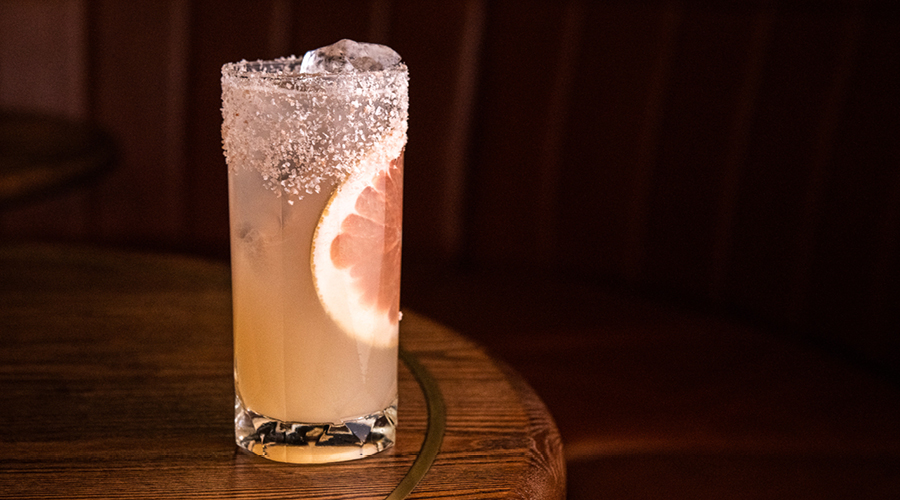
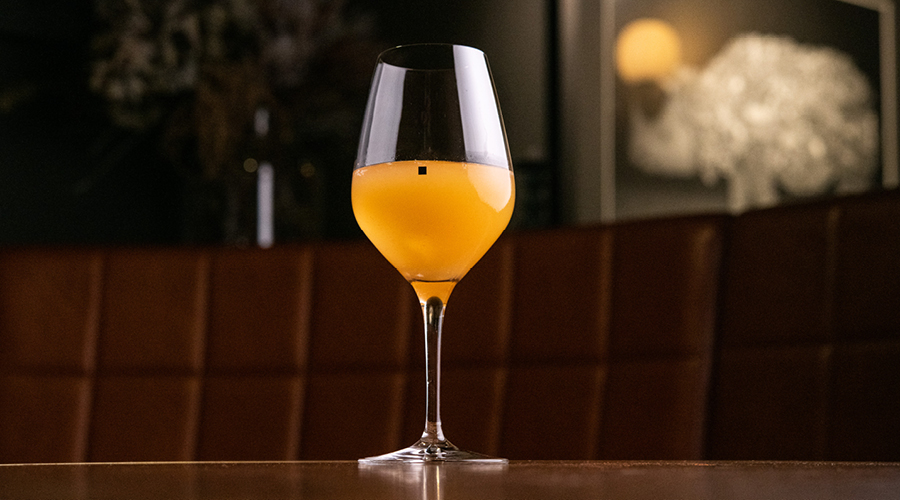
‘Temperance’ Virgin Grapefruit Collins
Bellini
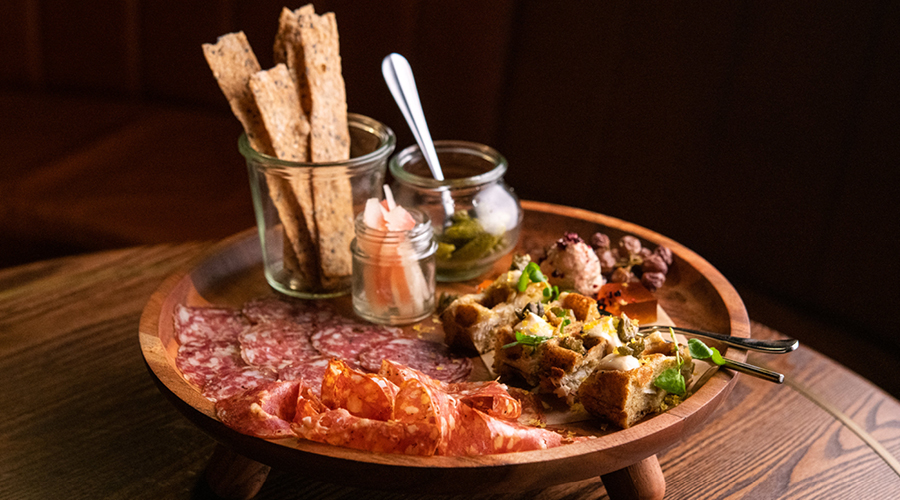
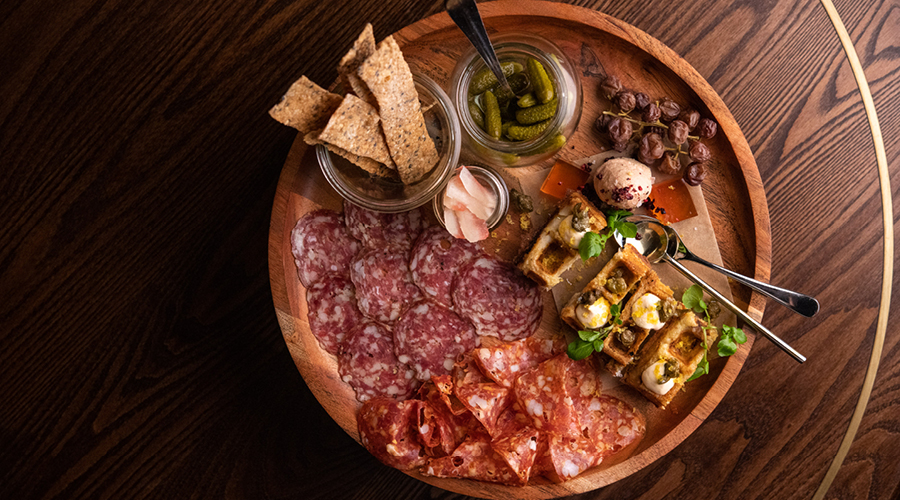
Grazing Board

Treat yourself to an afternoon at Little Culprit with our giveaway

Considering the high population of busy corporates thirsting for a drink when the clock hits 5pm, finding a bar within the CBD once required a spreadsheet and a great deal of hope. Then Little Culprit came on to the scene with its one-of-a-kind concoctions and food offerings that go beyond the usual bar fare, quickly becoming the go-to spot for inner-city locals. 

Owners and operators, Kyle Street and Jordan MacDonald are renowned for their limitless imaginations when it comes to gastronomy. Pork-stuffed roast duck and whipped bone marrow butter at their contemporary restaurant, Culprit are just some of the creations that have helped cultivate the pair’s reputation as fearless chefs.

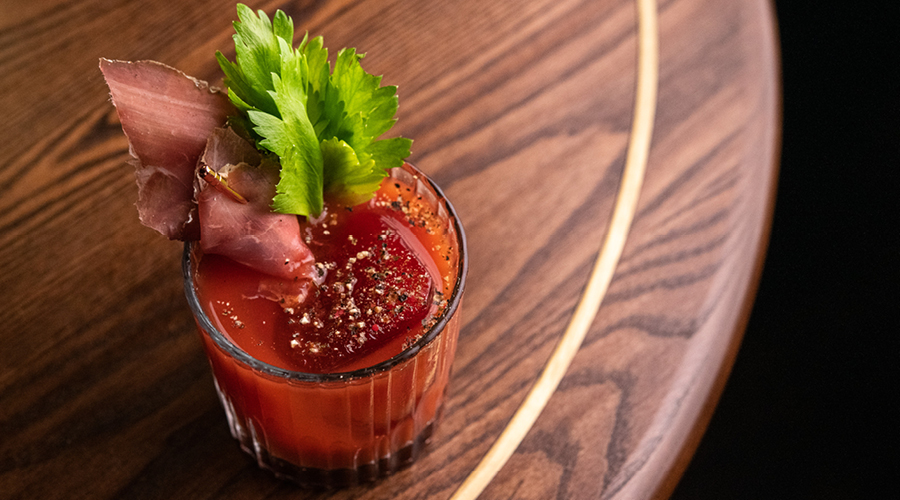
Bloody Mary with Culatello ham

Right across the street from Culprit sits Little Culprit, the elevated bar and wine lounge further validating their edgy reputation, while proving that their creativity extends from food into the realm of beverages. The latest daytime cocktail menu (available from Tuesday — Friday, 12pm until 4pm) features never-seen-before libations, including a Bloody Mary adorned with Culatello ham and a Bellini with lacto-fermented peaches — perfect for weekday power meetings. 

Grazing Board

In celebration of the new daytime offerings, Street and MacDonald have included a Daytime Graze board featuring premium cold cuts of meat, Culprit’s iconic creamy chicken liver parfait and a new smoked fish savoury waffle. This is part of our giveaway, along with eight cocktails for you and three friends.

*This competition is closed.*

Make sure to keep an eye on Little Culprit’s social media for any updates and changes on opening hours.

Little Culprit

Cnr Wyndham & Queen St,
Auckland CBD

www.littleculprit.co.nz

Gastronomy

A new Grey Lynn café has quietly opened on Richmond Road
Denizen’s definitive guide to the best Italian restaurants in Auckland
The Hotel Britomart and kingi celebrates sustainable luxury by launching Zero-Waste Dish of the Week

License to thrill: The Working Style way to dressing like James Bond

Just because Daniel Craig’s latest outing as James Bond in No Time To Die has been postponed until November there’s no excuse for putting off a super-spy wardrobe upgrade.

In Casino Royale and Skyfall the athletic Craig has redefined dapper dressing by tapping into the key ingredients for a modern man’s wardrobe. It’s these essential pieces, elevated by an understanding of feel-me fabrics, that enduring New Zealand label Working Style delivers with the precision of a trained assassin.

Here are four ways to impress M or any letter of the alphabet this season.

The Aviator

It’s only fair that Bond would favour a jacket worn by RAF pilots during the Battle of Britain. If Bond’s word is not enough, the classic shearling jacket has found its way into the wardrobes of Marlon Brando, Steve McQueen and David Beckham. Team it with chinos or jeans for a casual look during the day or shake things up, martini-style, at night by giving your dinner jacket and wearing it with tailored trousers and a turtleneck.

The Tuxedo

Touted as the uniform of 007, the tuxedo is the signature look that Bond is renowned for. Equally prioritising functionality and fashion, Working Style’s Charcoal embodies the prestigious qualities of a classic tux. Boasting an overall formal silhouette, the fine details such as subtle flares that slightly accentuate the waist, allowing more dimension and character to the aesthetic and pairs with a white button-up and black bowtie. 

The Polo Shirt

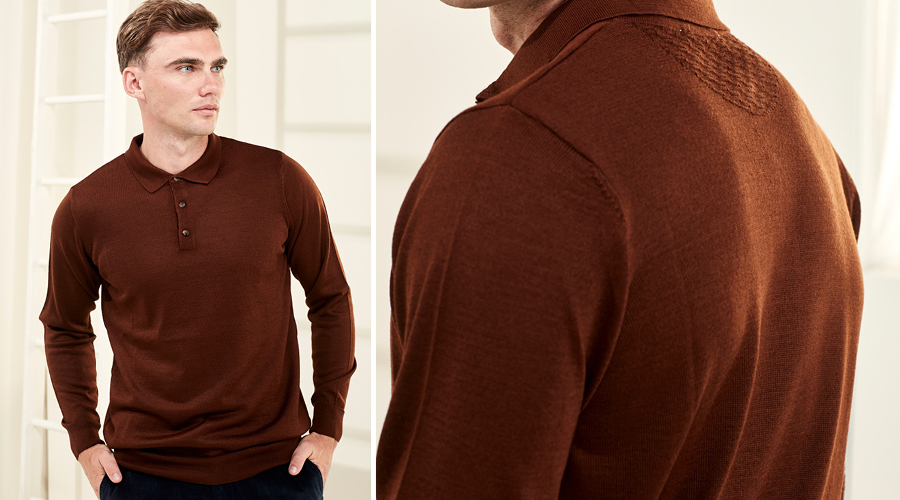
Long Sleeve Knitted Polo

The iconic Riviera Polo Shirt was originally designed in the 50s for the heat of the French Riviera due to its unique and breathable fabric structure. Re-tailored in 2006 for Daniel Craig as James Bond in Casino Royale, it is now a modern classic and Working Style 2020 AW features a Long Sleeve Knitted Polo that’s minimalistic and compatible to any outfit and occasion.

The Corduroy Suit

Following the release of the trailer to No Time to Die, viewers couldn’t help but notice Bond’s new approach to fashion. Instead of his usual sleek singular toned suits, he was seen wearing the velvety and soft corduroy. Some could translate this as feminine, whereas Bond’s suit designer Massimo Alba calls it the look of the man of today. Working Style AW20’s Cord suit captures the delicate qualities of the fabric and contrasts the softness with a stronger silhouette of powerful shoulders, bringing a touch of edge to any outfit.

Coveted

Van Cleef & Arpels’ iconic Perlée collection is spherical, joyful and elegant
Van Cleef & Arpels adds to the Perlée collection with elegant three-row rings
Bvlgari revisits one of its boldest signatures with Gold & Steel

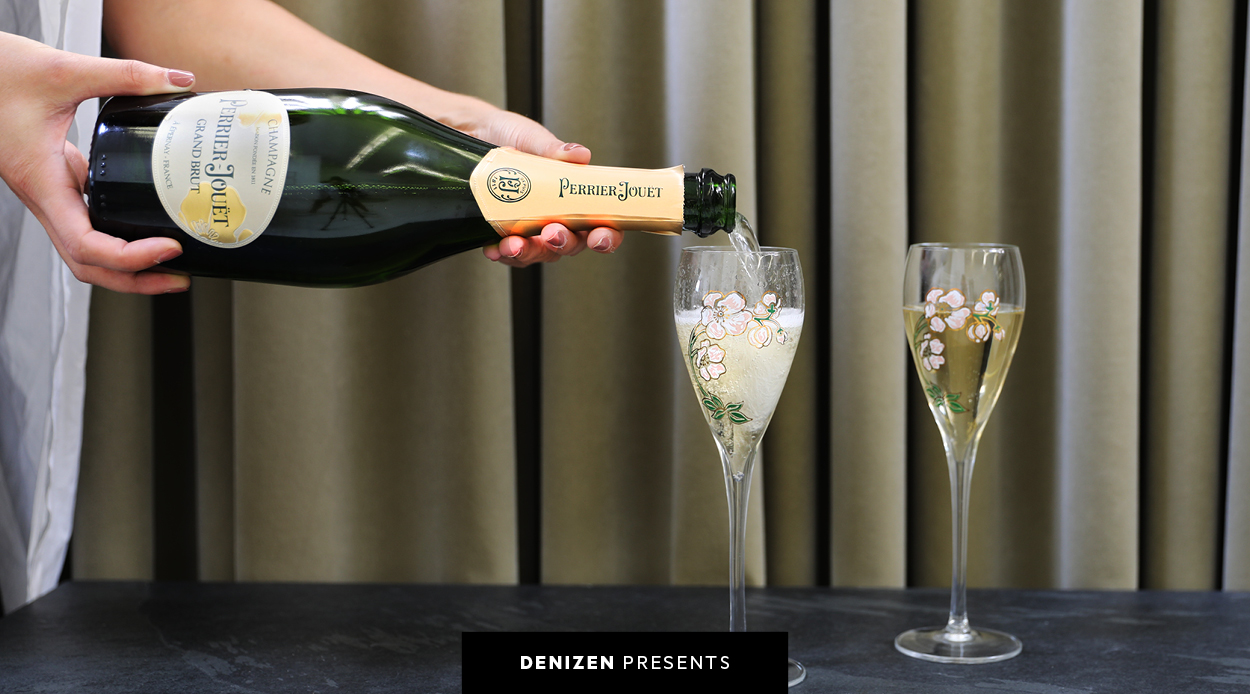
Raise a glass to Maison Perrier-Jouët’s new elegant identity and design

Maison Perrier-Jouët’s classic, non-vintage collection — Perrier-Jouët Blanc de Blancs, Perrier-Jouët Grand Brut and Perrier-Jouët Blason Rosé— have long been seen as the flagbearers of the legacy of this iconic French brand, whose respected lineage began over 200 years ago. The distinctive bottles have become synonymous with the quality of the product that sparkles out of them. Now it has been revealed that their timeless trifecta has undergone some equally sparkling identity updates. 

Tapping into the world’s growing appreciation for the importance and utter beauty of Nature, the floral Anemone motif created by Art Nouveau master, Emile Gallé is naturally present on the new bottle and has been redesigned in a more generous and modern form to reflect the House’s vibrant, extravagant interpretation of nature. Each of the three classics boast a differing, carefully-curated colour palette, offering a more lavish and resplendent look, to capture the vibrant sense of the Maison’s connection with Art Nouveau.

Further, through a redesign of the bottle shape which is in the same vein as its inaugural 1955 Blason de France prestige cuvée—a bottle which ignored the trends of the day to find its own unique style— the House’s independent spirit is again on show. This latest innovation offers an echo of the traditional form, prior to the introduction of the modern silhouette in the mid-19th Century. With the elegance of its slender outline, no band to spoil the smooth flow of the neck, and a curvature which is redolent of softy-rounded shoulders, the new Perrier-Jouëtt bottles evoke a 1930’s type of grace and smooth fluidity. The whole redesign echoes the Maison’s unassailable heritage of femininity and extravagance.

To celebrate the aesthetic pleasure of this design update, we’ll be raising a glass of the effervescent drop at the Urban Polo this coming Saturday.  For a chance for one lucky Denizen to win a double Polo pass and, naturally, to join us on the VIP Champagne Lawn, click here to enter.

*This competition is now closed. Congratulations to Ella Darby*

Gastronomy

A new Grey Lynn café has quietly opened on Richmond Road
Denizen’s definitive guide to the best Italian restaurants in Auckland
The Hotel Britomart and kingi celebrates sustainable luxury by launching Zero-Waste Dish of the Week
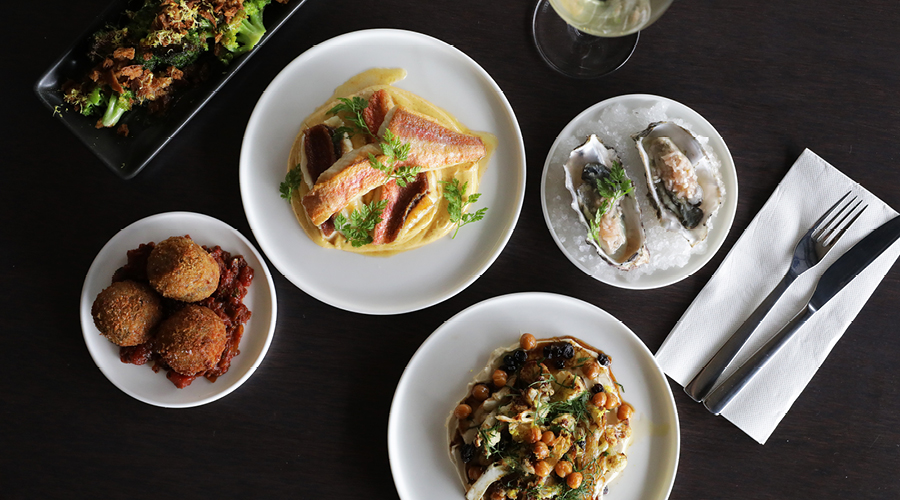
From left to right: Broccoli with miso bagna cauda, porcini and mozzarella arancino, pan fried gurnard with brown butter hollandaise, roast cauliflower with tahini and pomegranate and oysters with yuzu kosho mignonette

Meet Beau — the neighbourhood wine bar on Ponsonby Road

Any self-proclaimed fried chicken fanatic remembers Freaky. The CBD hole-in-the-wall served some of the tastiest fried chicken and mac and cheese in town, so it was a shock when owners, Diva Giles and Logan Birch shut its doors for good last year. Little did we know that bigger and better plans were afoot. 

Giles explains Freaky as the warm-up to Auckland’s hospitality scene. From working at Auckland’s institution, Prego, before spending a few years in London where their love for food and hosp only grew stronger, the pair’s ultimate goal was to open a wine bar and Freaky was the perfect stepping stone to Beau.  

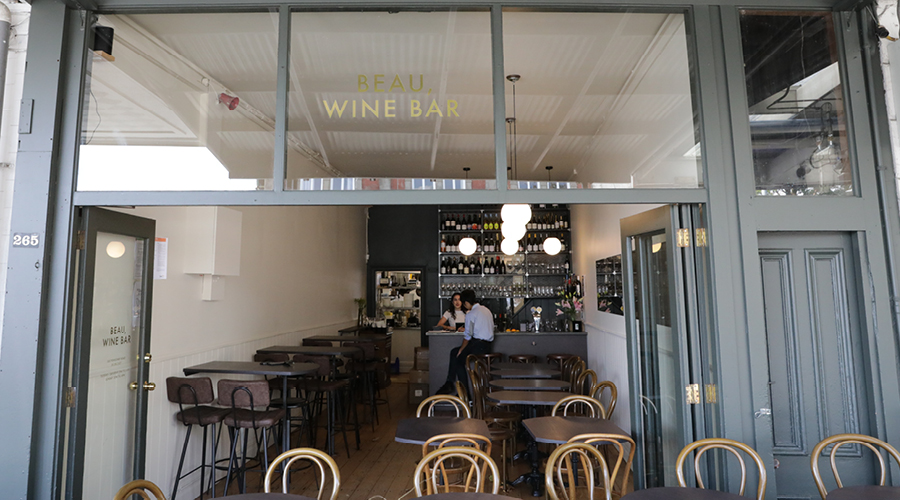
Beau Wine Bar

Situated on the more relaxed end of Ponsonby Road and named by Giles’ 4-year-old niece, who also named Freaky, the menu here is far more than fried chicken and mac and cheese. Divided into three sections: Something To Pick At, Smaller Plates and Larger Plates, ordering is an effortless process. 

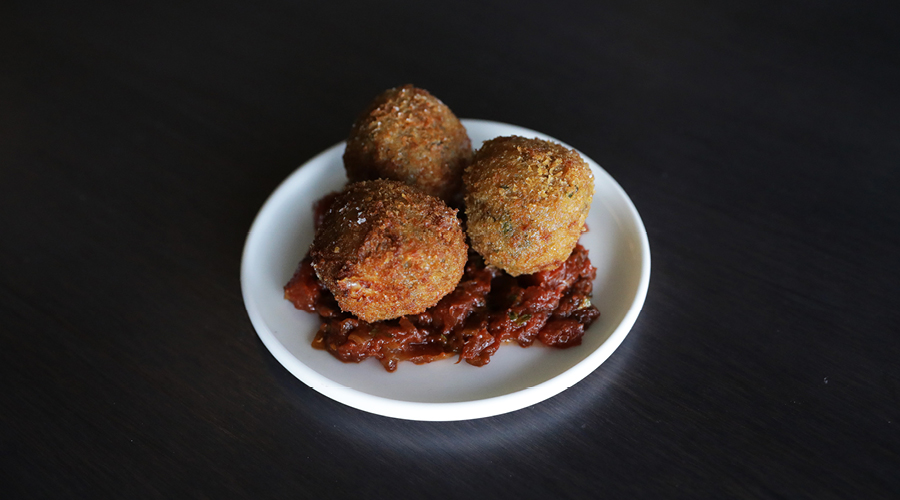
The porcini and mozzarella arancino balls are sold individually but we can guarantee that you will be ordering more. Served on a bed of deliciously tangy tomato, the fried balls deliver a mouthwatering golden crisp along with vibrant mushroom flavours. 

Porcini and mozzarella arancino

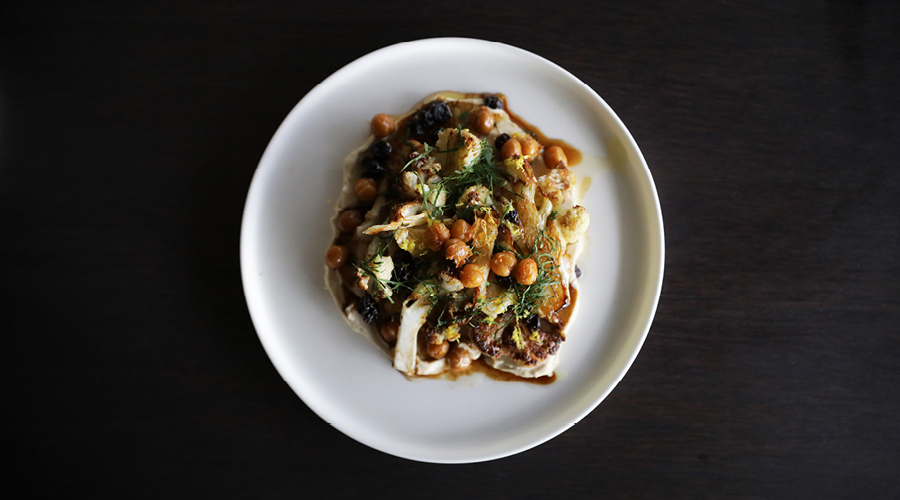
From the Smaller Plates broccoli with a garlicky miso bagna cauda was served sprinkled with a deliciously salty sourdough crumb, otherwise referred to as ‘poor man’s Parmesan’. From the standout Larger Plates, we had the pan-fried gurnard, served with the dreamiest brown butter hollandaise sauce, so tasty that we had to refrain from picking up the plate and wiping it clean. The roast cauliflower arrived on a layer of tahini and sweet pomegranate that skilfully contrasted the savoury flavours of the smoky floret.  

Roast cauliflower, tahini and pomegranate

Other dishes on the menu include European classics, such as burrata with heirloom tomatoes and basil, beef tartare with fresh horseradish and addictive spiced almonds. 

For Freaky fans who have followed Giles and Logan since the beginning, you’ll be glad to know that the fried chicken and mac and cheese remain.   

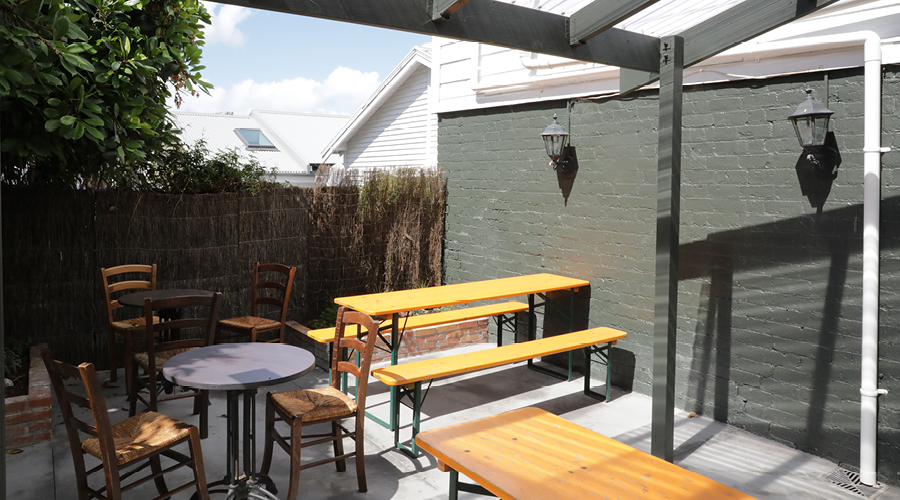
A wide range of low-intervention wines grace the shelves of the bar and classic cocktails like Aperol Spritz and Negroni are on offer. Although its title as a ‘wine bar’ gives the impression of cosiness, Beau has an impressive capacity with a main dining area that seats up to 30 patrons, an area out the back that has a capacity of 25 and a private dining area in-the-works upstairs for parties and events. 

Outdoor area

Wine bars have experienced a sudden rise in Auckland with Céleste, Clay and Lilian, all opening within the space of barely six months, joining the neighbouring Annabel’s. We would be lying if we said that tensions and expectations were non-existent when word about Beau began to circulate around town but after our visit it was clear that there’s always room for great establishments like this one to elevate our dining scene.

Opening hours
Tuesday — Saturday: 3pm until late
Sunday: 12pm until 4pm
Monday: Closed

Beau Wine Bar

265 Ponsonby Road,
Ponsonby

www.instagram.com/beauwinebar

Gastronomy

A new Grey Lynn café has quietly opened on Richmond Road
Denizen’s definitive guide to the best Italian restaurants in Auckland
The Hotel Britomart and kingi celebrates sustainable luxury by launching Zero-Waste Dish of the Week
Fermented chilli scramble

This cafe might just have cracked the best chilli scrambled eggs in town

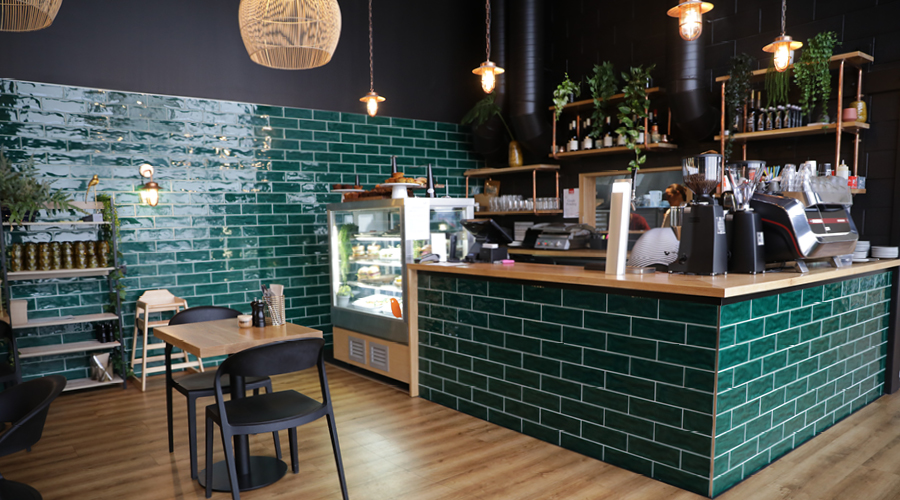
In the pulsating heart of Mount Wellington’s industrial area, Wren Café is causing murmurs thanks in part to its warm, inviting ambience, and delicious offerings. The 70-seater space is set up with a pleasing indoor-outdoor flow, and includes a boardroom meeting area upstairs, all of which creates the feel of a welcoming community space, rather than strictly a café. 

Wren Café

The owners Gina and Clinton Henry, who are behind Grangers and Marina Cantina and also Parnell’s iconic Domain & Ayr, recognised the dearth of eateries within the Mount Wellington area and decided to make the neighbourhood food offerings their new priority. From 7 in the morning, their trained barista churns out fresh cups of steaming coffee, using Toasted Coffee Roaster’s beans, for the area’s local office workers. Meanwhile, head chef Nikki Kant is the kitchen maestro in charge of creating flavoursome, nutritious fare. 

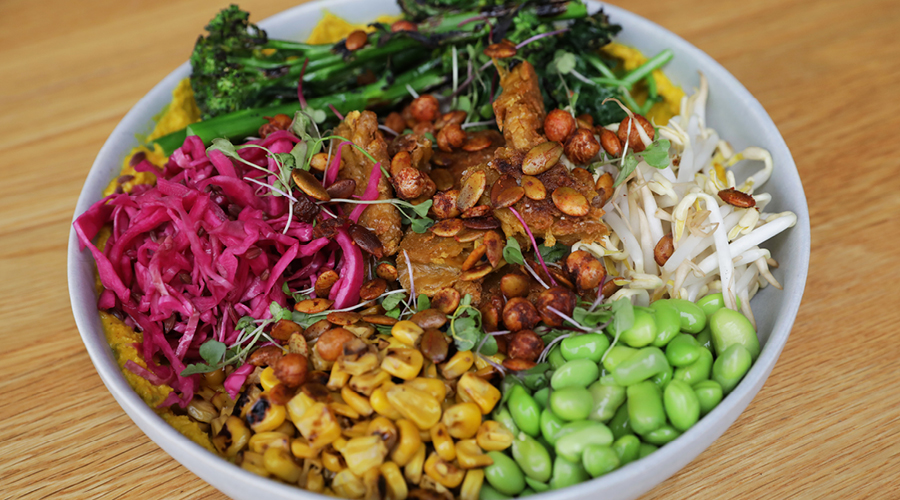
The menu covers a wide range of personal tastes as well as catering to varied dietary requirements. For those seeking healthier alternatives or vegan options, the Vegan Sunfed Bowl is so tasty that even a meat fanatic would find nutrition to satisfy and sustain in this dish. The bowl is jam-packed full of colourful broccolini, baby kale, mung beans, charred sweetcorn and pickled cabbage, to name a few of the nutrient-dense ingredients. The chicken-free Sunfed Chicken is the star of this show, adding a healthy vegan protein to a life-giving bowl of immune-strengthening health. 

Vegan Sunfed Bowl

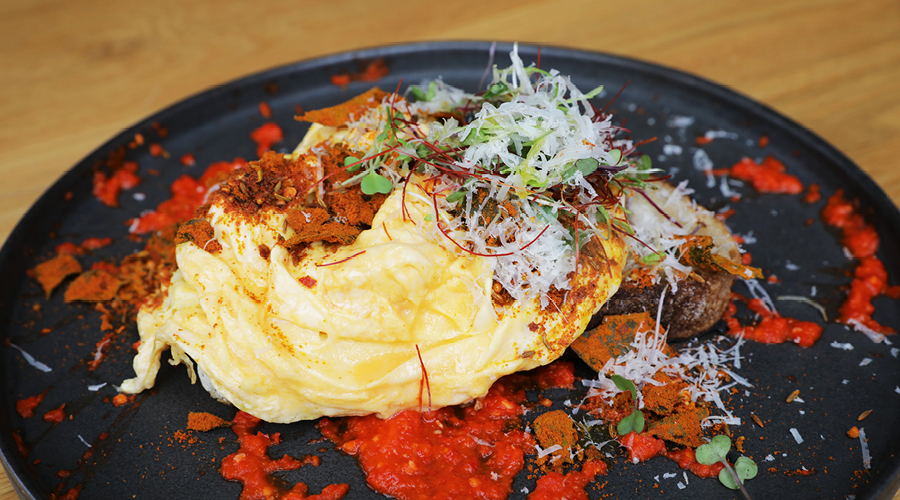
When it comes to picking favourites, it’s the Fermented Chilli Scramble that has won us over. The crispy slice of sourdough is topped with fluffy scrambled eggs that are beautifully seasoned and then flecked with parmesan, coriander, chilli floss, and fried curry leaves. The sauce has a pungent flavour of aroma-rich lemongrass, giving a zestiness which contrasts nicely with the creaminess of the egg scramble. 

Cardamom and Ginger pancakes

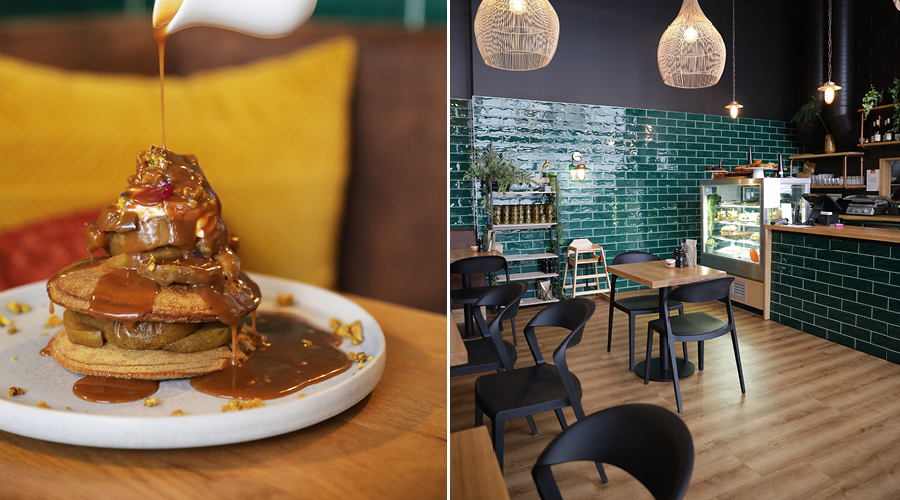
If you’re a sweet-tooth don’t fret, as anyone familiar with the Clintons’ previous creation, 20-minute Pancake, at Parnell’s Domain & Ayr, will not be surprised to find Wren is home to some prize pancakes with playful panache. The two thick and perfectly-aerated Cardamom Ginger Pancakes, for example, are layered with poached pears, and topped with mascarpone, hazelnut praline and decadent butterscotch caramel. 

Cardamom and Ginger pancakes

Along with the fine food comes some imbibing with finesse. Wren is a fully-licenced café, offering Asahi beer on tap, which would make a perfect pairing with the Crispy Buttermilk Fried Chicken Burger. This is what we will most definitely be ordering on our next, highly-anticipated visit. 

Opening hours
Monday — Friday: 7am until 3pm
Saturday & Sunday: 8am until 3pm

Wren Café

46 Lunn Ave,
Mt Wellington

www.instagram.com/wrencafenz

Gastronomy

A new Grey Lynn café has quietly opened on Richmond Road
Denizen’s definitive guide to the best Italian restaurants in Auckland
The Hotel Britomart and kingi celebrates sustainable luxury by launching Zero-Waste Dish of the Week

Simon & Lee has a new fried chicken flavour that you need to try right now

Ever since Simon & Lee opened its doors in 2017, this Parnell café has catapulted its unstoppable way into the top rankings of Auckland eateries. The Korean Fried Chicken Platter, for example, made major waves in local eating given that it offered such original differences from the more usual daytime delicacies like eggs benedict and granola. 

Wasabi-soy chicken nibbles

Now keen to up their game yet again, Simon & Lee has recently launched a wasabi-soy-flavoured marinade to its fried chicken offerings, along with brand new dishes on its innovative menu. And innovation really is the keyword here, there are several new dishes that we have never tasted at any other establishment.

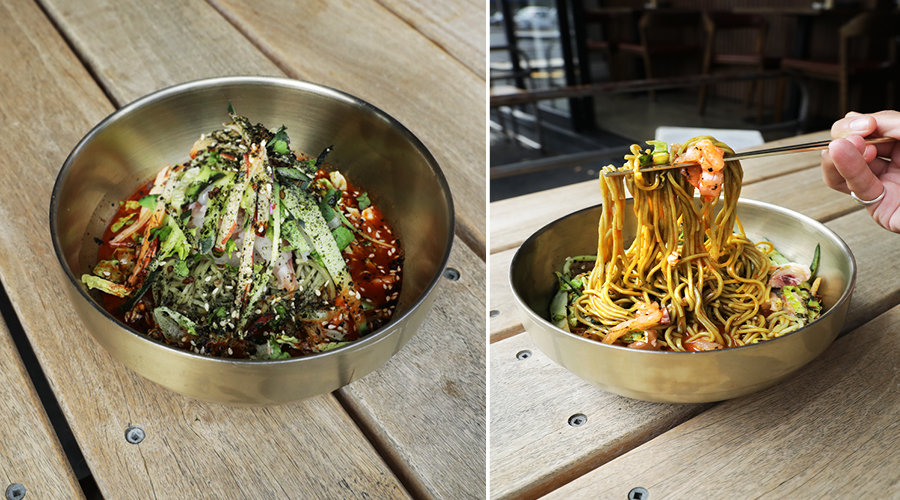
Sashimi soba

The Sashimi Soba marries soba noodles with slices of fresh sashimi in a refreshingly cool broth made from Korean gochujang chilli paste. On top, slices of apple add a perfectly contradictory sour sweetness to the spicy broth, offset by crispy cos lettuce and a sprinkling of aromatic sesame seeds and nori flakes, all of which create a symphony of ultimate umami flavour. Yet despite this strong hit of flavour, the whole bowl will leave you feeling light, as the soba noodles are easier to digest than most. 

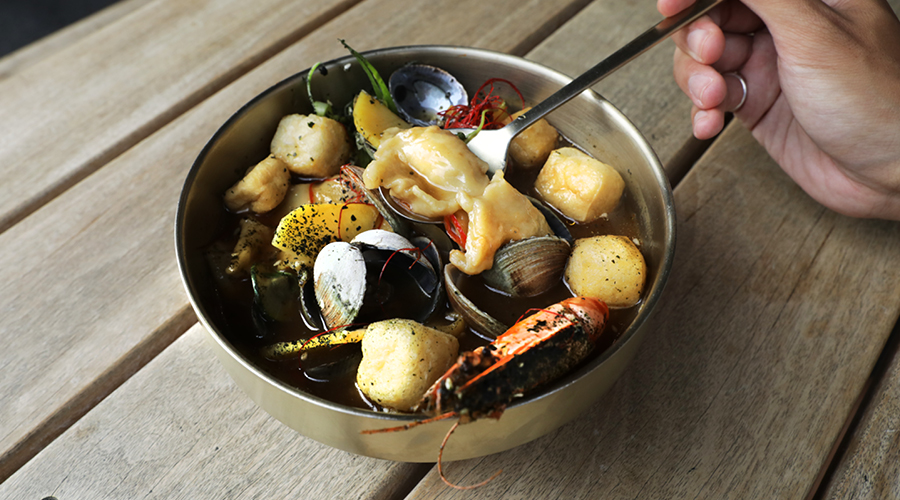
Sujebi

Catering to the cooling autumn weather, the chefs at Simon & Lee have added a warm-up dish to the new menu. Introducing the Sujebi, a traditional Korean delicacy, with hand-torn pieces of thick noodles swimming in a fragrant fish soup. Infused with juicy clams, chilli and sesame oil, the soup is delicious, nutritious and somehow comforting with its slices of zucchini, onion, potato and fried tofu adding heartiness to the dish. 

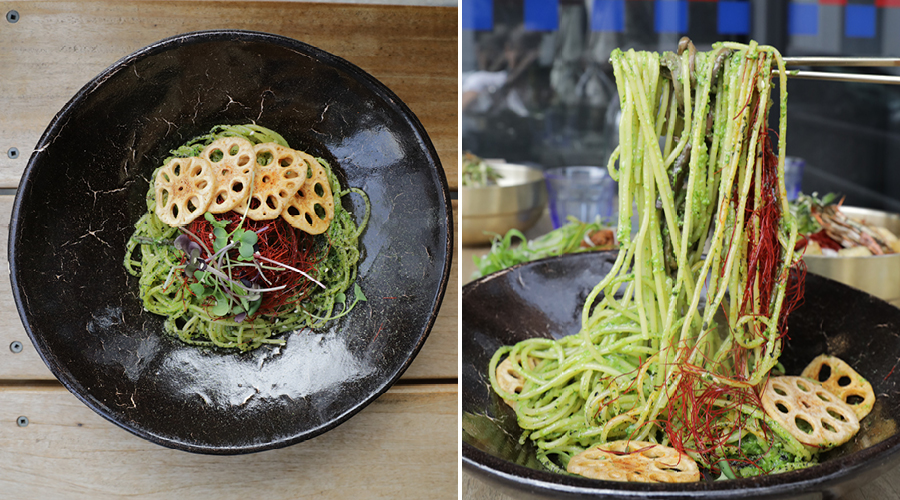
Hulk Spaghetti

Our favourite was, hands-down, the Hulk Spaghetti. The perfectly cooked spaghetti noodles were paired with Korean aster, a wild vegetable common in Korean cuisine, and doused in a decadent spinach purée thickened with a cream base. The crispy lotus root added a heavenly crunch, while the chilli threads laced throughout the spaghetti offered a playful kick of spice. Finished with nori flakes and a drizzle of sesame oil, this is a masterful pasta and yet another prize dish that will help Simon & Lee’s appreciative clientele keep this Parnell highlight in the upper echelon of Auckland’s finest eateries.

Simon & Lee

115 St Georges Bay Road,
Parnell

www.simonandlee.com

Gastronomy

A new Grey Lynn café has quietly opened on Richmond Road
Denizen’s definitive guide to the best Italian restaurants in Auckland
The Hotel Britomart and kingi celebrates sustainable luxury by launching Zero-Waste Dish of the Week

We delve into the rules of table etiquette from around the world

The basic rules of table etiquette differ according to different cultures and some can be the complete opposite of what we’ve been trained to accept in New Zealand. To save you from risking unintentional offence, here are some useful tips to keep in mind when dining with friends or family from a culture that is different from your own.

Leave food on the plate in China
The pressure to finish the food in front of you is non-existent in Chinese culture. In fact, the left-overs on your plate after a long feast are a sign to your hosts that they have generously fed you. They can assume you are leaving the table in a happy, well-satiated and appreciative state of being.

Slurp your noodles in East Asia
Although it’s true that slurping your food is perfectly acceptable in certain parts of Eastern Asia, as a custom it has been slightly exaggerated.  While slurping can be evidence of enjoyment, it doesn’t necessarily mean that the louder the slurp, the better the manners.

Your age determines your table rank in South Korea
If you’re the youngest person at the table in South Korea, prepare for some additional tasks added to your dining experience as it’s your responsibility to serve your elders, keep their water glasses topped up, and clean up after they’ve finished. Perhaps even more importantly, eating before your elders is considered completely unacceptable. 

Use of the left hand for eating is forbidden in the Middle East
It doesn’t matter if you’re a lefty or righty, using your left hand to eat is considered unclean in both the Middle East and certain parts of Africa. This rule even applies when handing over important documents. The origins of this custom come from the association of the left hand with other bodily functions, so it’s a ruling that’s based around an idea of hygiene.

No using your hands, at all, in Chile
Surely delicacies such as pizza, burgers and tacos have to be picked up by hand? Not in Chile. There, even fries require utensils. It’s an unequivocal, hands-down rule in Chile that fingers are simply off-limits when it comes to food. 

The spoon rules the fork in Thailand
In Thailand, the spoon replaces the knife and is also the utensil for eating. The fork’s only purpose is to help place the food on to the spoon. Knives are viewed as unnecessary because dishes should be prepared in bite-size pieces, but if you ever need your Thai food to be smaller, you can use the edge of your spoon to cut it. 

Cut the cheese mindfully in France
We Kiwis love a good cheese board, but we have much to learn when it comes to cutting cheese correctly. Cheese should be cut according to its shape. A good rule of thumb is to share the rind and then just follow the basic geometry, instead of mindlessly attacking it from any angle to slice your share. 

Never ask for extra cheese in Italy
If the waiter fails to ask if you want extra cheese, that’s because extra cheese is considered unnecessary. In Italy, the rule is that the chef is always correct. There’s a high chance of unwittingly causing offence to the maestros in the Italian kitchen if you ask to modify your order. So the rule is, just take what you can get and share your gratitude! 

Gastronomy

A new Grey Lynn café has quietly opened on Richmond Road
Denizen’s definitive guide to the best Italian restaurants in Auckland
The Hotel Britomart and kingi celebrates sustainable luxury by launching Zero-Waste Dish of the Week
Grilled cheese doughnuts

Quirky food pairings that prove cheese makes everything better

Cheese is a delicacy to savour. Whether drizzled over a bed of corn chips or folded into a grilled sandwich or scattered on a slice of pizza, we support the notion that says the cheesier, the better. To put the versatility of cheese to the ultimate test, we decided to matchmake cheese with some unusual pairings. To our surprise, cheese really does make everything taste better. 

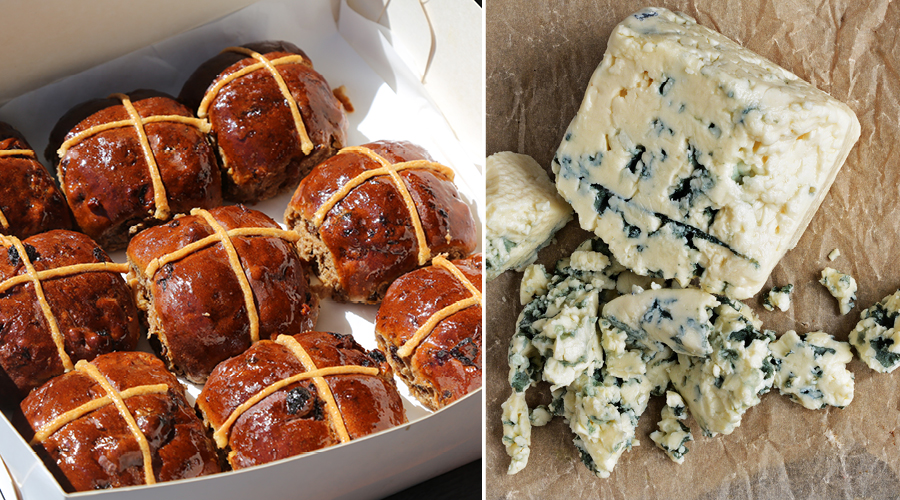
Blue cheese and hot cross buns
The season of hot cross buns has arrived and as any loyal Denizen reader knows, we take this delicacy very seriously. We’ve tried most of the offerings of spiced buns which lurk deliciously in the bakeries of Auckland. We’ve also trialled all sorts of accompaniments, from basic butter to decadent Nutella. But by far the most shocking attempted combination has been with blue cheese. Slice the bun in half to toast, then line each side with a thin layer of honey. Sprinkle some blue cheese, and taste the trance-like combination of the pungent creaminess, the natural sweetness and the spicy aroma of the blue veins.

Blue cheese and hot cross buns

Gruyere cheese and lemon tart
Tart, slightly sour, subtly sweet, and refreshing to the palate, while remaining decadent and delicious — there really are many reasons to celebrate the lemon tart. Now you can try enhancing the flavour by mixing in some gruyere cheese. With the slight sweetness of the famous Swiss cheese, the traditional French dessert is given a well-balanced makeover, while also adding some richness to the texture of this timeless tart.  

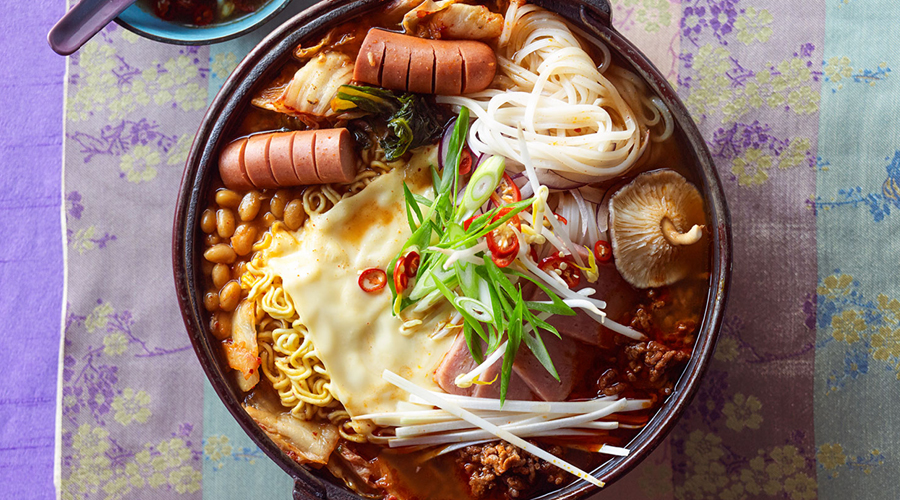
Cheddar cheese and Shin Ramyun
Cheap, fast and delicious, despite its lack of nutritional value, Shin Ramyun is a godsend for any university student. But regular consumption of the same type of instant noodle will be wearying on the palette, so we suggest you switch things up with a slice or two of the humble American cheddar cheese. After you finish cooking the contents of the pack, simply place the slices on top of the steaming mound of noodles, allow the cheese to melt, and savour the creamy balance it gives to the spice, while also thickening and enriching the broth.

Cheddar cheese and Shin Ramyun

Comté cheese and caramelised bananas
Ever since we first tasted the King Kong bagel from Best Ugly, we’ve been obsessed with the pairing of caramelised bananas and cream cheese, whipped together and then slathered onto a chocolate bagel. Instead of the light cream cheese, we went for the nuttier and earthier French comté cheese. Tinder could not have come up with a more perfect match up- and taste wise it becomes a marriage made in foodie heaven, especially with the melting of the cheese over the fructose-rich caramelised banana. 

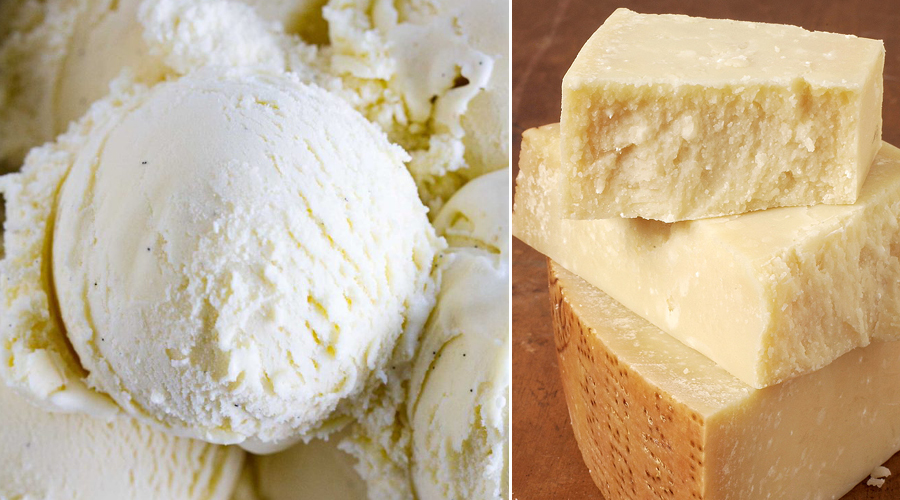
Pecorino Romano cheese on vanilla ice cream
Defending the honour and flavour of the frozen delight that’s sometimes described as bland or even boring, grated Pecorino Romano cheese offers both hard and salty aspects to vanilla ice cream. This combination will elevate your cooling scoop to hot new heights. Made from sheep’s milk, this Italian cheese is creamy, yet sharp in flavour. While it melts into the ice cream, it still offers a saltiness which resonates with salted caramel. 

Pecorino Romano cheese on vanilla ice cream

Mozzarella cheese with Japanese curry
Japanese curry is arguably the most underrated of the many delicacies in the curry universe. It boasts a flavour profile that’s closer to a peppery gravy, rather than being thick, rich or heavily spiced. Enter shredded mozzarella cheese to add some punchy extra decadence and creaminess to the gravy-like consistency, as well as saltiness to balance the strong notes of black pepper. 

Cheddar cheese with glazed doughnuts
Have you ever sliced your glazed doughnut in half, added cheddar cheese, and grilled it in a sandwich press? Not surprising if you haven’t, as this stretches the limits of indulgence, but we hope to tempt you to try it. The outer glaze of the doughnut slightly caramelises, the cheese melts into ooey-gooey goodness, and the whole creation becomes the epitome of a flavoursome sweet and savoury balancing act.

Gastronomy

A new Grey Lynn café has quietly opened on Richmond Road
Denizen’s definitive guide to the best Italian restaurants in Auckland
The Hotel Britomart and kingi celebrates sustainable luxury by launching Zero-Waste Dish of the Week

The P.E Nation x H&M collab is landing and it’s as sustainable as it is stylish

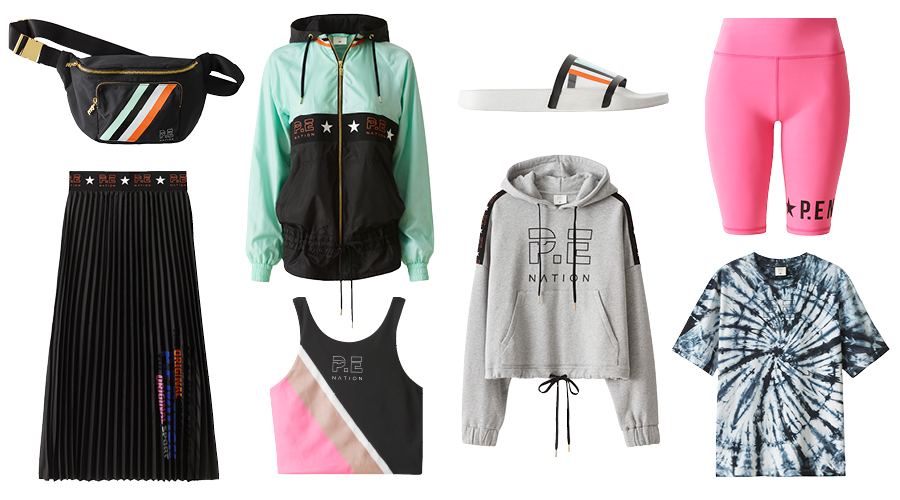
The renowned Sydney-based athleisure brand, P.E Nation has joined forces with the global fashion brand, H&M for a more sustainable and affordable collection of activewear. From t-shirts and skirts to undergarments and swimwear, the entire line is showcasing sustainable fabrics which include organic cotton and recycled polyester, all while prioritising functionality, flexibility and of course, style, just as highly.

P.E Nation is widely regarded as the crème de la crème of activewear, due to the founders, Pip Edwards and Claire Tregoning’s vision of multifaceted clothing that marries sportswear with street style. Created for the modern woman who juggles a dynamic lifestyle to comfortably conquer their goals on the daily, P.E Nation is taking sport-chic to new heights after collaborating with the team at H&M. 

“With H&M, we wanted to create an original P.E feel with a fresh new colour palette that uses recycled, organic or other sustainable fabrications. We reimagined P.E signature silhouettes and remixed them with new fabrications, neon and unexpected trims. We went for the best-selling athleisure pieces and threw in some fashion tees and skirts, plus accessories, to complete the P.E Nation woman”, says Edwards.

From top left corner (clockwise): Electric Eye Bag Small, Ultimate Jacket, Ultimate Slides, Ultimate Bike Shorts, Pivot Tee (Tie Dye), Flex It Hoodie, Pivot Bralette and Electric Eye Skirt

Featuring the likes of vibrant tie-dye t-shirts, contrasted by figure-flattering bicycle shorts, preppy pleated skirts, large eye-catching logos and fine zip detailing, this collection isn’t only comfortable, but incredibly sartorially-led. Silhouettes and trims have also been reimagined, making mixing and matching an effortless task, so more women can go about their day, looking and feeling good. 

The P.E Nation x H&M collaboration will be available in selected H&M stores from March 5.

Coveted

Van Cleef & Arpels’ iconic Perlée collection is spherical, joyful and elegant
Van Cleef & Arpels adds to the Perlée collection with elegant three-row rings
Bvlgari revisits one of its boldest signatures with Gold & Steel

A new espresso bar has opened in the heart of Remuera

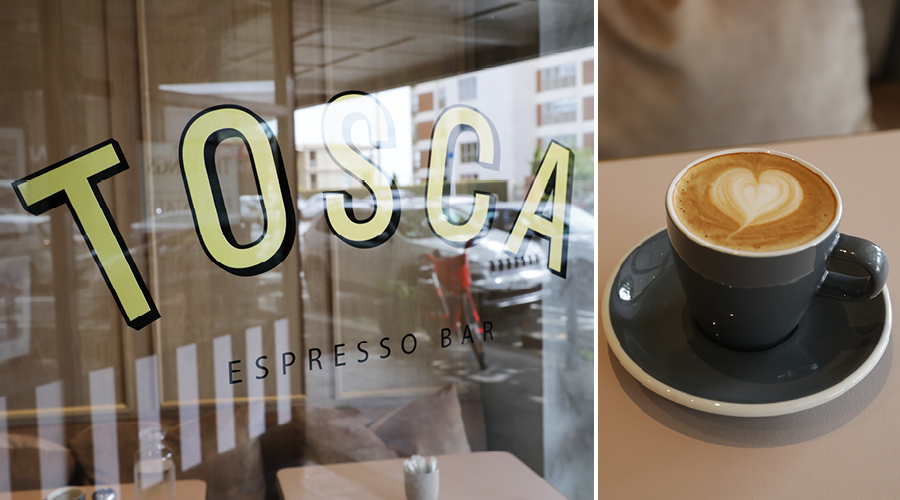
Remuera is home to a brand new espresso bar, Tosca and it’s set to be a firm local favourite. The cosy 10-seater space might be small in scale, but you’d be surprised at how many tricks this humble little shop has up its sleeves, including the likes of cold-pressed organic juices, Webster’s organic loose leaf tea and cabinet sandos and treats. Not to mention, bespoke playlists designed especially for the space by Jaimie Webster Haines from ZootMusic

Coffee takes centre stage at Tosca, using Atomic Coffee Roasters beans and a varied selection of milk such as coconut, soy, almond, oat and even macadamia. For those who need an extra morning kick, opt for the Awaken juice, which comprises tangelo, orange, green apple, lemon and beetroot.

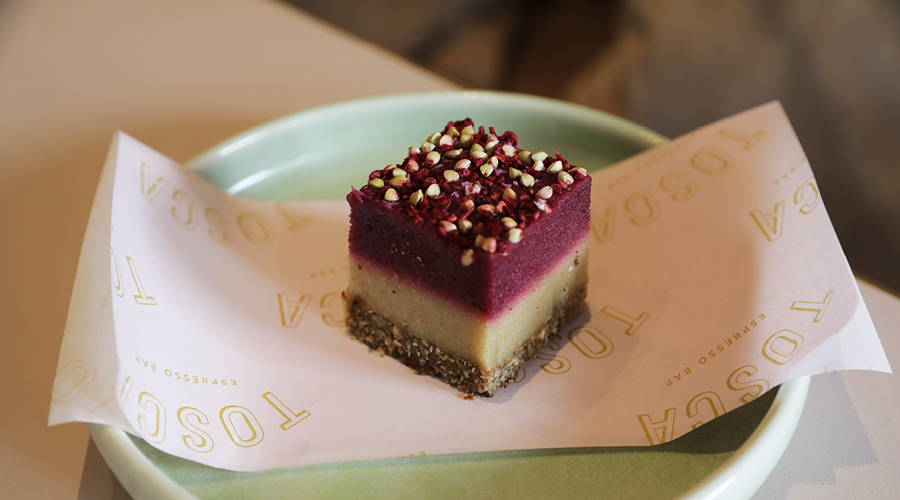
Vegan slices from Real Rad Food alongside sandwiches and wraps that have been made fresh, every morning fill the cabinets, making Tosca the perfect spot for Remuera locals who are on-the-go and need a quick, yet quality fix. 

Opening hours:
Monday — Friday: 7am until 4pm
Saturday: 8am until 3pm
Sunday: Closed

Tosca

405 Remuera Road,
Remuera

www.instagram.com/tosca_remuera

Gastronomy

A new Grey Lynn café has quietly opened on Richmond Road
Denizen’s definitive guide to the best Italian restaurants in Auckland
The Hotel Britomart and kingi celebrates sustainable luxury by launching Zero-Waste Dish of the Week
Fireman Steve

Heralding a new era — meet Bun Hun, the solo comeback of Judge Bao

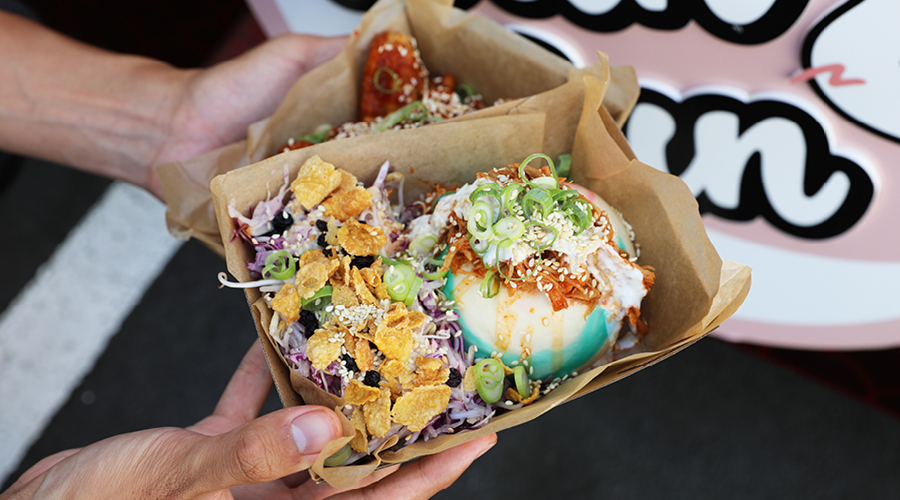
The traditional Chinese bao was taken to a peak of creativity by the vision of Judge Bao’s owners and operators, Jamie Johnston and Debbie Orr. The duo understandably gained a loyal customer base willing to follow them from one food festival to the next, and it was a sad day when the partnership announced their dissolution and business closure last year. The food truck scene just has not been the same since. 

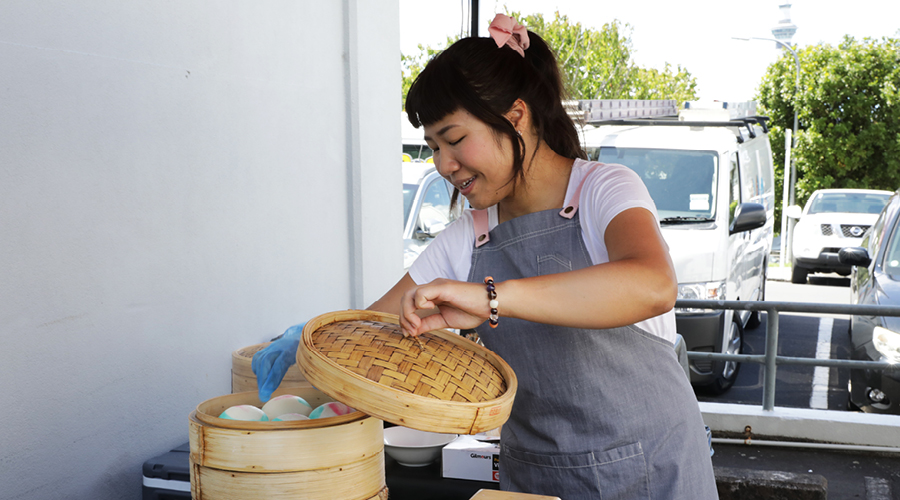
Debbie Orr

Johnston moved on to maestro the kitchen at Onehunga’s Everybody Eats as executive chef, while Orr has now made the wise decision to return to the food truck scene. This time around, she’s trucking solo. Doing what she does best, Orr continues to hand-make her steamed buns, but under the new name — Bun Hun. After a mouth-wateringly good comeback at February’s Laneway Festival 2020, the word about BunHun has begun to spread and the queueing is once again becoming the norm.

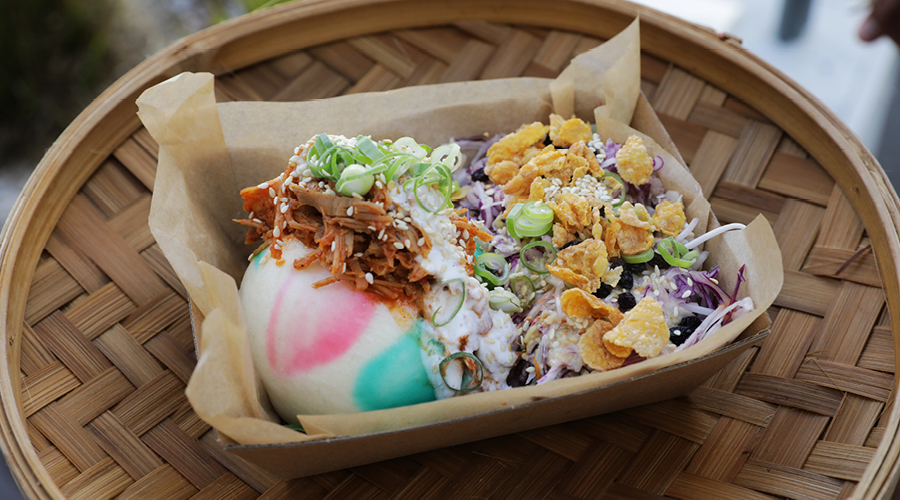
With her own secret and faultless recipe from her Judge Bao era, Orr’s plush and pillowy steamed baos are officially back, but with enhancements and enchantments. We could not be happier. Fellow former food truck operator, Steve Ko of Coreano, has shared the recipe for his spicy pork with Orr, which she has tweaked by swapping out the grilled meat for a tender three-hour braised pork. Orr has acknowledged Steve in the new bao title: The Fireman Steve. The drizzle of creamy yoghurt sauce, spring onions and aromatic sesame over the spicy pork are beautifully enhanced when paired with a side salad, for a contrast of leafy freshness with the scintillating spice. 

Fireman Steve

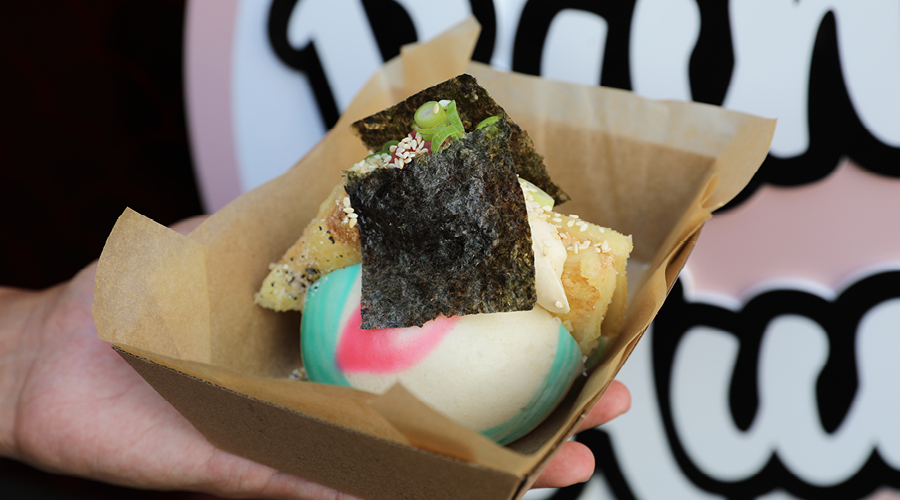
Ensuring everyone can share in her creations, Orr has included a vegan-friendly option on her menu. The Agedashi Tofu Bao seasons two slices of crispy deep-fried tofu with kombu and shiitake powder, to create a powerful and memorable umami flavour. The bao is lined with a murmur of mushed edamame peas, a delight of daikon and a saucy suggestion of vegan miso mayonnaise.

Agedashi Tofu

The beauty of BunHun is that baos are not the only delicacies to be found. With the option of swapping out the bun for a bed of fluffy jasmine rice or the Korean Fried Chicken that uses the same spicy sauce as The Fireman Steve, this is a food stall that lives and breathes the idea of something for everyone.

Korean Fried Chicken

Bun Hun is currently touring Auckland, stopping at our seasonal and sensational food events and festivals. By following the Bun Hun Instagram page, you will have regular location updates. When you’re lucky enough to have Debbie Orr truck her treats near your area, make sure you try the bao at its new and delicious peak.

Gastronomy

A new Grey Lynn café has quietly opened on Richmond Road
Denizen’s definitive guide to the best Italian restaurants in Auckland
The Hotel Britomart and kingi celebrates sustainable luxury by launching Zero-Waste Dish of the Week

The classic white shirt can flatter the silhouette of every woman, so here’s how to nail the timeless staple 

The world of fashion flips and flirts with one trend after another, yet there are some select items that remain above the fray and offer an eternal style go-to. The crisp white shirt is one of those rare enigmas and is therefore essential to every woman’s wardrobe. Not only does it pair perfectly with almost anything, but it also serves an array of different purposes, depending on how you wear it.

This sartorial delight is simple but never basic. As part of its versatility, it offers either a sense of serenity, or a suggestion of power, to the overall aesthetic of the outfit. Let’s look deeper at some of the many ways you can play with these two faces of the timeless white shirt staple. 

The Classic

From left to right — Nili Lotan Tegan Shirt from Workshop, The Row Amos point-collar-poplin shirt from Matches Fashion and Viktoria and Woods Minister Shirt from Superette

Sporting a prominent collar and puffed sleeves, the classic white shirt can be casual, or help to dress up an outfit. With top buttons undone and sleeves elegantly rolled up, over a casual denim blue jean, your look attains the ultimate in smart-casual confidence. For more formal attire, button it to the top with chic retro-cool, keep your cuffs crisp and allow the strong silhouette do the talking.

Sleek and Refined

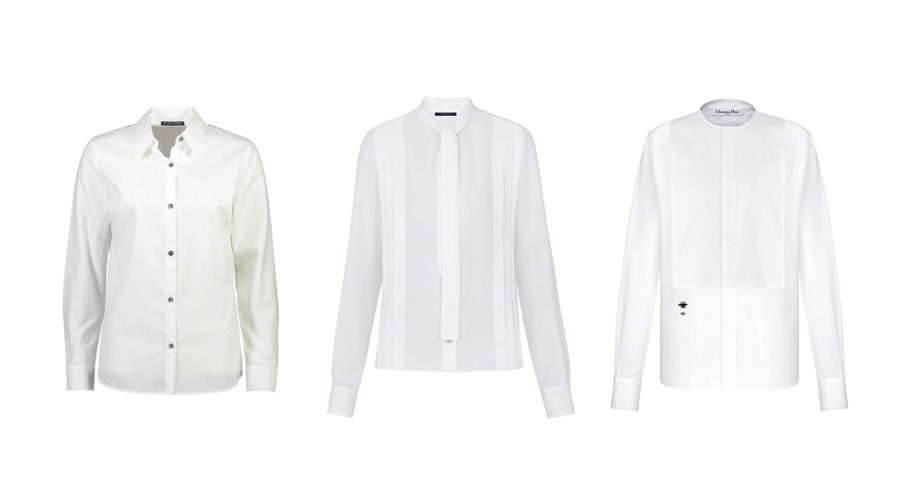
From left to right — Helen Cherry Valencia shirt from Workshop, Long-sleeved Pleated Shirt with Lavaliere from Louis Vuitton and cotton blouse from Dior

Straying from the formality of the highly-tailored white shirt, is the look that is more relaxed but still full of subtle sizzle. The shoulders are smoothed out, there’s less emphasis on symmetrical collars, and the style has a modern edge that dares the conventions to keep up. This design pairs especially well with fitted, tapered pants.

Feminine Flair

From left to right — Ga Man shirt from Georgia Alice, Peplum poplin shirt from Gucci and Egyptian poplin shirt from Prada

Highlighting the artistic curve of the hips, while bringing in the stitching to create a flattering, more pinched-in visual line around the waist, these white shirts emphasise the beauty of the feminine shape. Tucked in or not, this shirt enhances both skirt and pants. The slim-fitting arms contrast with the classic collars and put your inner preppiness beyond doubt. 

Coveted

Van Cleef & Arpels’ iconic Perlée collection is spherical, joyful and elegant
Van Cleef & Arpels adds to the Perlée collection with elegant three-row rings
Bvlgari revisits one of its boldest signatures with Gold & Steel