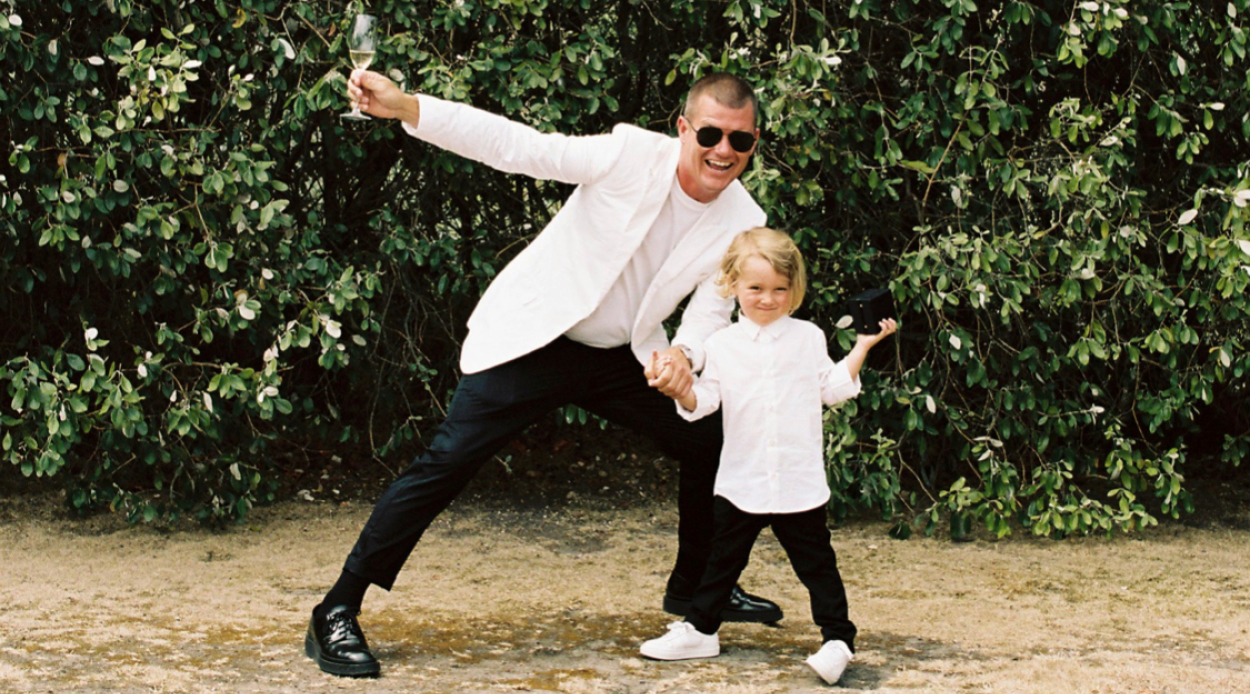


Everybody Eats founder Nicholas Loosley (2018) creates restaurants with a social cause

This year we are taking a hiatus from Denizen’s eagerly-anticipated annual celebration of Heroes. We look forward to paying proper tribute to influential New Zealanders when the battle against Covid-19 is over. In the meantime we look back at the inspiring stories of the trailblazers we have honoured in the past and continue to proudly call Heroes. Meet hero Nicholas Loosley.

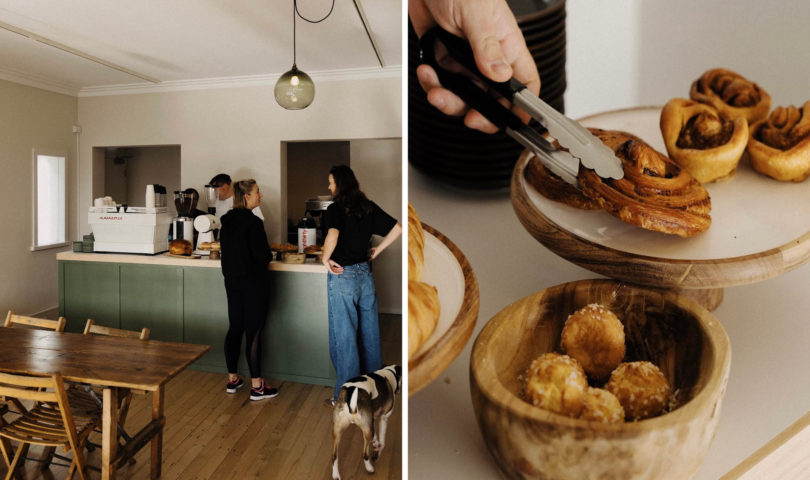
Nick Loosley is the founder of Everybody Eats, a pop-up dining initiative established in response to New Zealand’s issues with food poverty and food waste. Nick completed his master’s degree in Green Economics at Schumacher University in England and as part of his studies, undertook action research at Jamie Oliver’s Ministry of Food and The Real Junk Food Project. Becoming educated in the issue of food waste as well as witnessing various ‘pay-as-you-feel’ restaurants servicing the community using food directed for landfill, he endeavoured to bring the concept here and has done so incredibly successfully. The Everybody Eats pop-up takes place every Monday at St Kevins Arcade in Auckland City and is run by a constant rotation of volunteer staff who turn food that has been ‘rescued’ from supermarkets and establishments around Auckland into impressive three-course meals. Everybody is welcome and attendees can pay whatever they can for the food — even if that’s nothing.
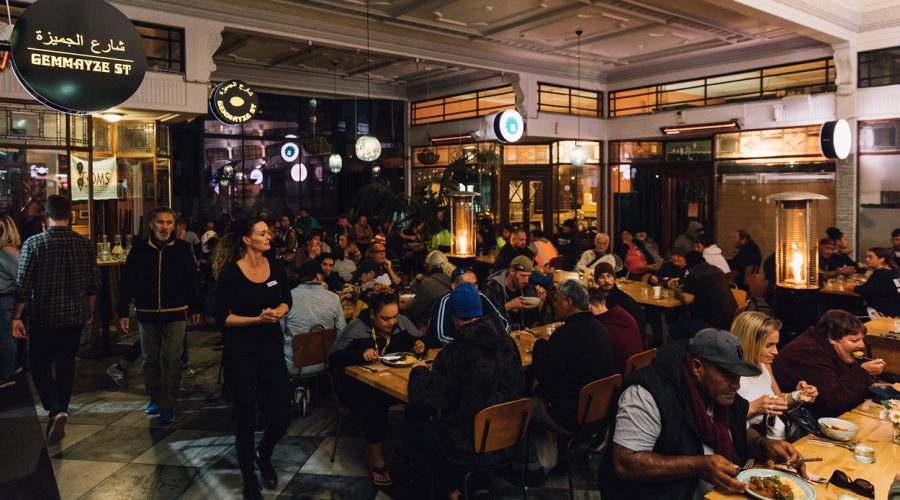
The act of sharing a meal is a time-honoured and sacred custom, designed to bring people together. From The Last Supper to the Sunday roast, there is something deeply primal about connecting with someone over good food and it is this school of thought that drives Nick Loosley in his quest to put meals in front of those who often go without. “Needing to eat” he explains, quoting a pertinent journalistic piece on the importance of cooking, “makes us animals; the way we satisfy that need, makes us human.” In searching for solutions to society’s issues around waste and poverty, Loosley is seeking to facilitate human connection in the hope that it will lead to greater social change. The popularity of his recent venture, a non-profit dining concept,  Everybody Eats, is proving that this could be just what we need. 

While completing his Masters in Green Economics at Schumacher University in England, Loosley noticed the positive effects of the University’s ritual of stopping three times a day for students and teachers to share a meal. It was a phenomenon that spurred him to write his dissertation on the crucial importance of cooking together — a practice that has been in steady decline in the Western world thanks to our throw-away attitudes built on excess and impatience. Undertaking action research at supper clubs, community dinners, cooking schools (like Jamie Oliver’s Ministry of Food), and places serving food that would otherwise be thrown away, Loosley was struck by the massive amounts of waste being cycled through the system. It was this realisation that became his main focus. 

Launching his social enterprise in June last year, the huge impact Everybody Eats has already had belies the short amount of time it has been operating. In New Zealand, the dichotomy between the amount of food we throw away and the number of people going hungry every day is a shocking one. Around one third of our produce ends up as landfill fodder contributing to global warming, while many New Zealanders live below the poverty line, where the idea of nutrition is relegated to an afterthought. Articulating the problem as “one of the worst food poverty issues in the developed world”, Loosley has established Everybody Eats as this country’s first pay-as-you-feel system. A model that has been used widely (and successfully) in the UK, it works on the premise that anyone can enjoy a hearty meal and pay whatever they can for it — even if that’s nothing. 

With a mission to feed ‘bellies not bins’ (as the tagline reads) in the “most inclusive way possible”, Loosley started the Everybody Eats pop-up restaurant at Gemmayze Street in St Kevin’s Arcade on Karangahape Road. Powered by volunteer waitstaff and a number of prolific Auckland chefs including Ben Bayly (formerly of The Grove) and Samir Allen (of Gemmayze Street) lending their time and skills to the cause, the concept now feeds around 250 people every Monday, with an accessible, nutritious dinner made using leftover food sourced from Kiwi Harvest and New World Eastridge. Loosley outlines the ratio of those in need of a meal to those who can afford to contribute as 75 percent to 25 percent, with his first challenge being whether or not the concept could sustain itself financially. Citing the average koha as around $15, the pop-up is left with about $600-$800 each night. A portion of this, Loosley chooses to donate back to Gemmayze St for the use of their space, while $100 is used for the additional ingredients needed to serve complete meals, and the rest put towards buying key pieces of equipment. Initially intended as a three-month project, Everybody Eats’ popularity has seen it operating for much longer — and it’s due to more than just the nourishing fare. 

Seeing Loosley in his element on a bustling Monday night is to watch someone deeply passionate about the work they do and it’s a feeling that seems to permeate everyone present. When asked why they come to Everybody Eats, many diners comment on how good the food is, but more than that, they comment on the people, the service and Nick himself. A regular volunteer, Vernon Sorenson, emphasises what an honour it is to be part of Loosley’s vision. “He’s no teka” he says, explaining “teka in Māori means ‘bullshit’”. Contemplative and consistently well-spoken, Loosley doesn’t seem the type to often let his guard down, but when one attendee grabs his hand to tell him how much the pop-up has helped him, and how he so appreciates what Loosley does, it offers an unfiltered moment. Receiving his accolade with humble mutterings, the warm handshakes, affable smiles and sense of kinship between the two men is a poignant example of the “magic” that Loosley credits for making Everybody Eats so unique and so important. 

For Loosley, Everybody Eats goes beyond feeding those in need, to posit food as the great democratiser. He’s seen people who have lived on the streets for decades, sitting barefoot, opposite affluent lawyers and prominent business people, engaging in in stimulating conversation over a warm meal. And while there is a definite need for the free food, many of the Gemmayze Street pop-up regulars keep coming back because they are treated like humans — with respect and warmth. Loosley is facilitating a moment in time where two people from entirely different circumstances, upbringings and beliefs can meet as equals; where the lawyer and the homeless man are peers — and when he talks about his journey, it is this idea that causes him to make his case with such fervour. “Food” he outlines “is the most powerful tool we have for bringing people together” and he’s right. It taps into something fundamental about what makes us human and it’s an issue that we can all connect to — not just those who have studied the problems around it. 

Ensuring his sights remain set on the big picture, Loosley is now looking to the future. Seeking to meet the huge demand his idea has garnered, he has launched a crowdfunding campaign through PledgeMe, with the goal of establishing permanent, pay-as-you-feel restaurants across the country. Revealing that he has already had interest from parties in Christchurch, Wellington, Hawke’s Bay and Palmerston North, Loosley’s aim of creating a “national movement” is more than just a pipe dream. Needing to raise around $120,000 (at time of writing he has raised $87,000) the campaign will be running until early June and the money will be used to set up permanent premises, purchase the equipment needed, and pay a few, necessary full-time staff. It is a move that could usher in a new era of social awareness.

Without inciting significant change in societal attitudes towards food waste, the environment and the homeless, Everybody Eats would be merely patching over the deeper issues at play. But by looking to do more than simply offer free food, Loosley is pushing for open mindedness, shining a light on what’s going on in our own backyards and encouraging equality through the small ritual of breaking bread. When all is said and done, everybody has to eat — it’s just better when we do it together.

Image credit: Jono Parker

Culture

Wondering what to watch? These new shows should be on your radar
We talk to author Trent Dalton on his dark childhood, finding light between the cracks, and the girl who saved him
The Stars Have Aligned, Babe!

Denizen Heroes over the years

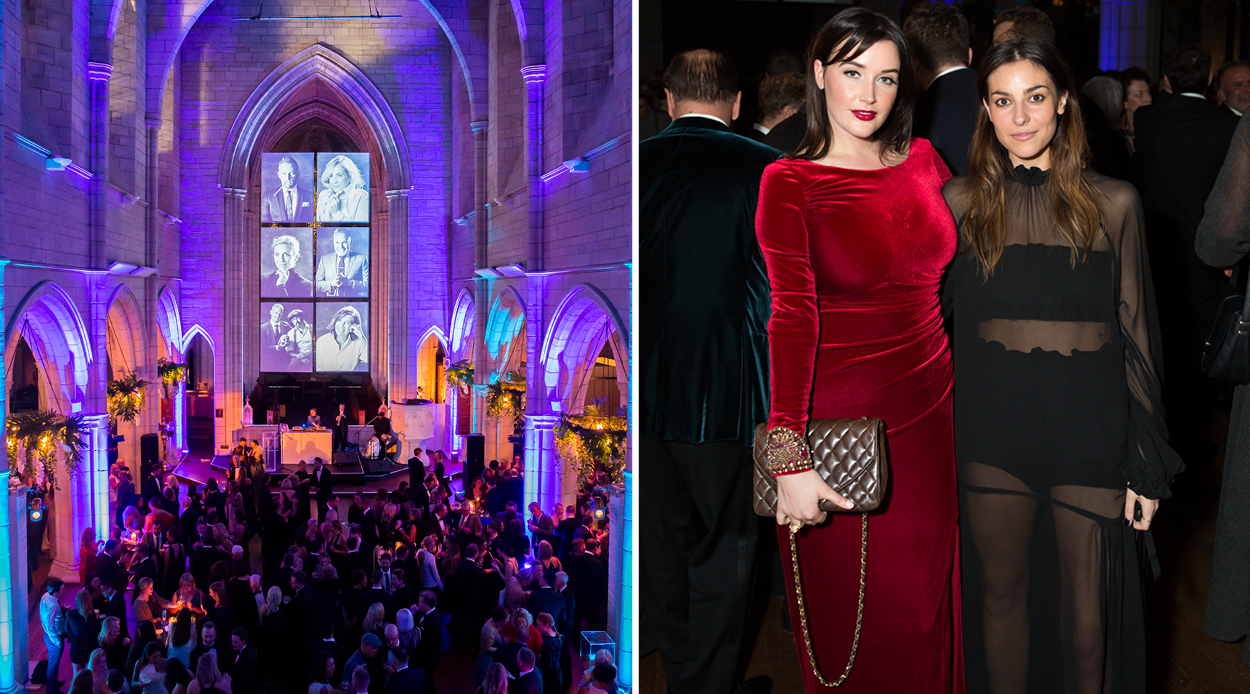
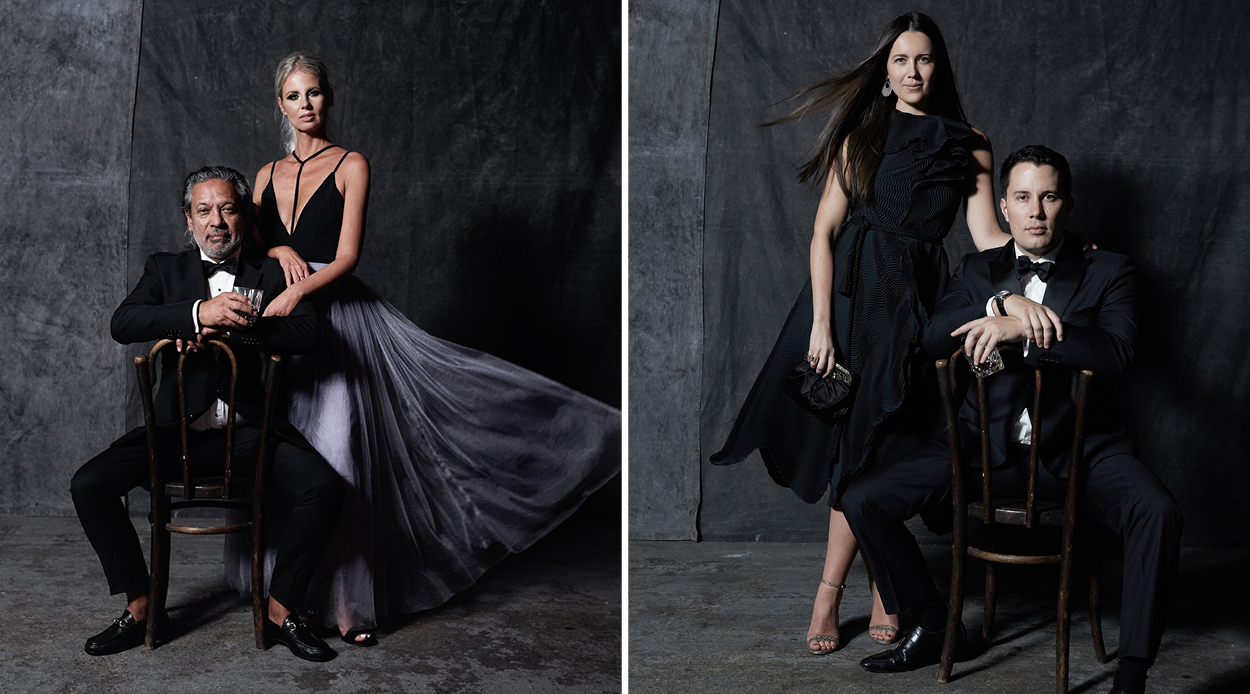
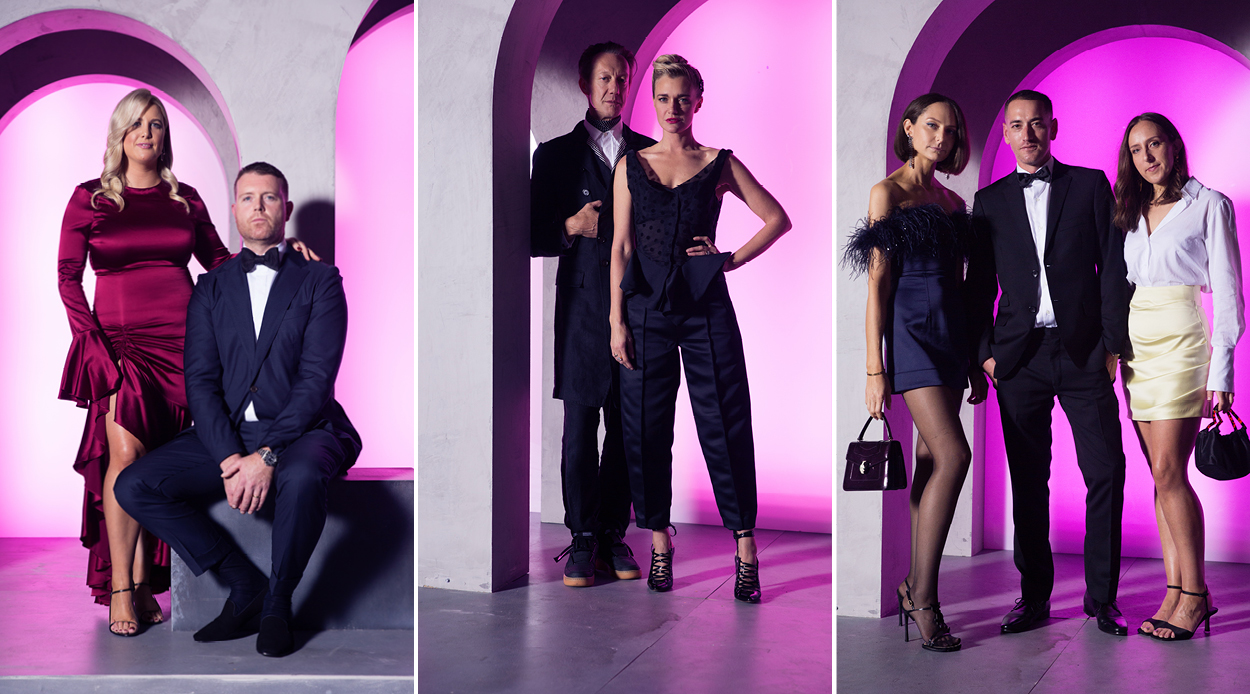
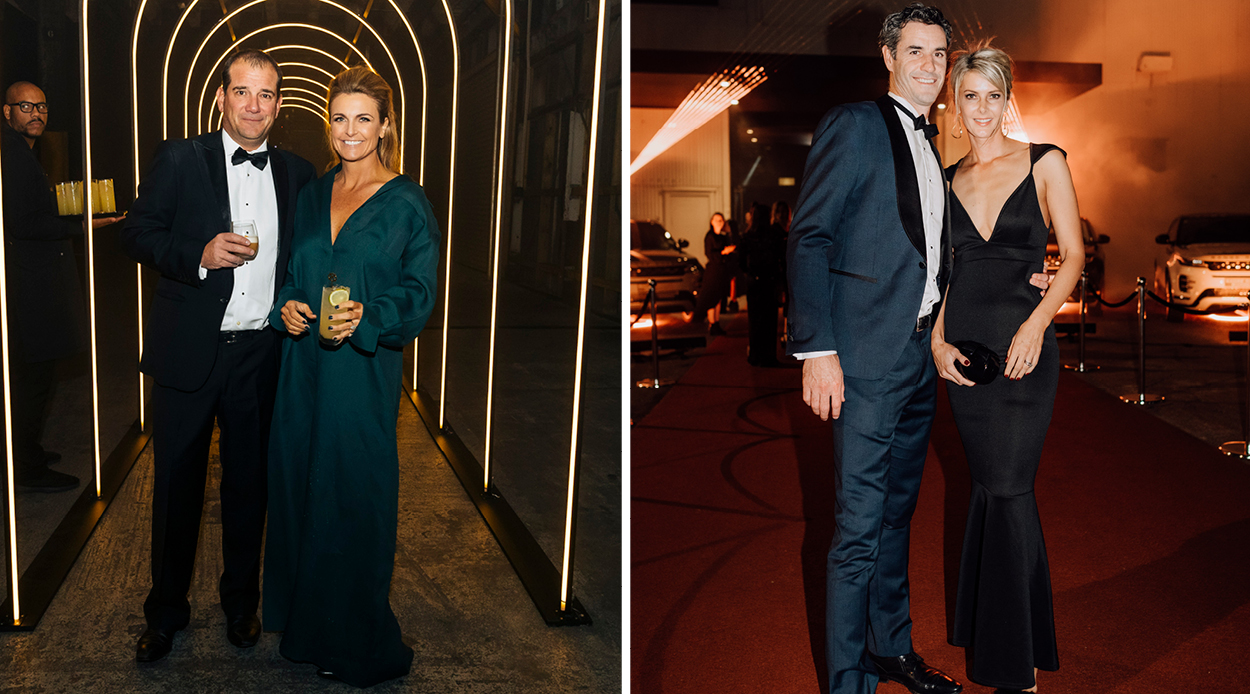
Five years ago today, we launched our first Denizen Heroes Gala. Designed as a celebration that honoured the efforts of outstanding individuals who are dedicated to enhancing the lives of others, the Heroes event has gone on to become the most anticipated social event of the year.

With the current circumstances preventing this year’s event, the next best thing is take a walk down memory lane and remind ourselves of the fantastic nights that have gone before.

It’s our hope that in 2021, we can reignite the night and celebrate the very best of our country with a renewed Denizen Heroes Gala, that’s more enticing than ever.

To view the photo galleries from each year go here:

2016
Party Pictures

2017
Party Pictures – Part 1 & Part 2
Video

2018
Photo Studio
Party Pictures
Video

2019
Photo Studio
Party Pictures Part 1, Part 2 & Part 3
Video

Culture

Wondering what to watch? These new shows should be on your radar
We talk to author Trent Dalton on his dark childhood, finding light between the cracks, and the girl who saved him
The Stars Have Aligned, Babe!

Royal favourite Emilia Wickstead designs clothes for women of the world

“Ultimately, my job is to make people, when they’re wearing my clothes, feel put together and confident and feel like they can achieve anything,” Emilia Wickstead tells me. The designer is explaining the mandate that drives her eponymous fashion label, and it’s giving me a distinct sense of her democratic nature. Worn by the likes of Michelle Obama, Amal Clooney, Alexa Chung, Celine Dion, Amy Adams, Kate Middleton and our very own Prime Minister, and a regular fixture on almost every red carpet of note, Emilia Wickstead is a label carrying some serious clout. But for its New Zealand-born designer, the reward comes from a more grounded place. “You put your heart and soul into dressing someone for the red carpet, so it is amazing,” she says, “but when you see someone on the street wearing your dress or your blouse… and women of all ages, shapes and sizes, you also feel incredibly proud of that too. There’s really not one type of woman I dress — that’s what I’m most proud of.” Acknowledging that Wickstead’s designs transcend one type of woman is one way to underpin her appeal. But for me, broadening that statement feels more accurate: her clothes are universal.

Born in New Zealand, and still, as she tells me, strongly connected to her Kiwi roots (despite basing her business in London), Wickstead’s passion for creating garments really started, as these things often do, with her mum. “My mum was a seamstress,” she explains, “so being a small girl in her workshop and watching her make clothes was definitely a source of early inspiration.” Also articulating how a passion for art was passed down to her from her father — something Wickstead still carries with her to this day — creativity it seems, was ingrained in her DNA. 

But it was moving to Milan at age 14, a place Wickstead says was, “not only a central hub for art but also for fashion design,” that set the young creative on a tangible path within the industry in which she’s now a leader. “It was a place that stimulated my imagination,” she tells me, which is hardly surprising considering the close proximity she would have had to some of the most iconic fashion houses in the world. A Central Saint Martins alumni, Wickstead also credits the practical experience she was afforded through her degree as being vital in formulating a vision for where she wanted to sit in the larger context of the industry.

After stints working for the likes of Proenza Schouler and American Vogue, she settled in London at age 24, establishing an atelier in her name and committing, as she continues to do, to creating clothes for the modern woman. “I started my business so young,” Wickstead tells me, laughing, “so at the start, I really had no idea what I was doing.” It’s difficult to look back and imagine Wickstead as a struggling, twenty-something from the context of her enormous success now. But as she tells me, with refreshing honesty, “it took probably about nine years to really feel in a good place.” 

To simply call Wickstead’s collections ‘good,’ however, would be to do them a grave disservice. With an aesthetic grounded in her ability to deftly meld hyper-femininity with a unique combination of whimsy and strength, Wickstead’s pieces hold court in the modern context, while possessing an indescribable edge that renders them entirely timeless. 

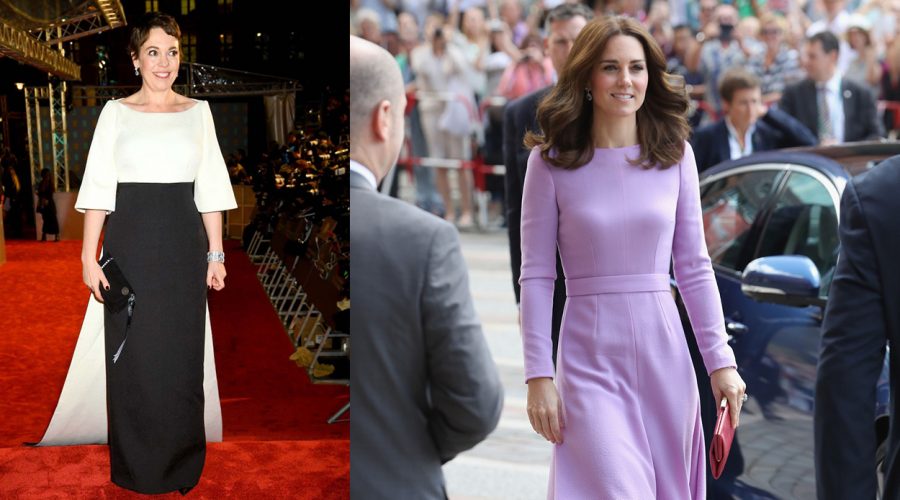
Left: Olivia Coleman wearing Emilia Wickstead | Right: Kate Middleton wearing Emilia Wickstead

“Fashion,” she tells me, “offers an opportunity to revive history, to revive its stories in a new and exciting way.” Citing Christian Dior and Diana Vreeland as two of her idols, Wickstead draws inspiration from a vast and varied wellspring of creative sources including architecture, photography and film, explaining, “I often go to the library to watch old salon shows.” She seems to revel in a kind of old-world aesthetic, which comes through in her refined silhouettes and flattering fabrics. “What I love about that aesthetic,” she tells me, “is the sense of preciousness that you feel for everything within it — the reverence for craftsmanship and the time that was poured into its creation.” 

Everything Wickstead touches carries this sense of craftsmanship, via her perceptive, intelligent approach and artisanal delivery. For Pre-Fall 19, for instance, the designer returned to her roots and used the floral backdrop of Auckland’s Winter Gardens to frame pieces that were both inherently wearable and executed with a romantic, couture-like discipline. For Fall 19, she was inspired by Mary Corleone of The Godfather trilogy and created a collection that balanced more masculine motifs (oversized coats, herringbone checks) with a nipped waist here or a décolletage-baring neckline there. It was described as ‘a wardrobe for life,’ which to me, captures the essence of how the designer wishes to see her work realised — in a more holistic and less piece-by-piece way.

“If you’re passionate about fashion,” Wickstead says, “then it’s about putting a look together and thinking… how do I describe it…” she trails off. “Finished?” I suggest. “Exactly,” she replies. “When people dress up, when their outfit feels finished, you can see the confidence in them because of the way those clothes make them feel.”

Hers is an attitude of curating clothing that will last a lifetime, as well as embracing a kind of understated luxury that, being from New Zealand, is surely something that was embedded in her psyche long ago. It is an interesting phenomenon that Kiwis seem to be able, no matter how brightly their star shines on the world stage, to maintain a level of modesty that’s based on an ethos of treating everyone on an equal footing. Wickstead has this in spades. “My childhood in New Zealand very much informed my attitude and approach towards work and entrepreneurship,” she says, underlining how that inherent Kiwi propensity to “roll up our sleeves, work hard and give things a go,” never left her, regardless of having lived most of her adult life overseas. It’s served her well. “Being from New Zealand has given me a great sense of perspective,” she says, “and it’s stood me in good stead when it comes to running a business.” 

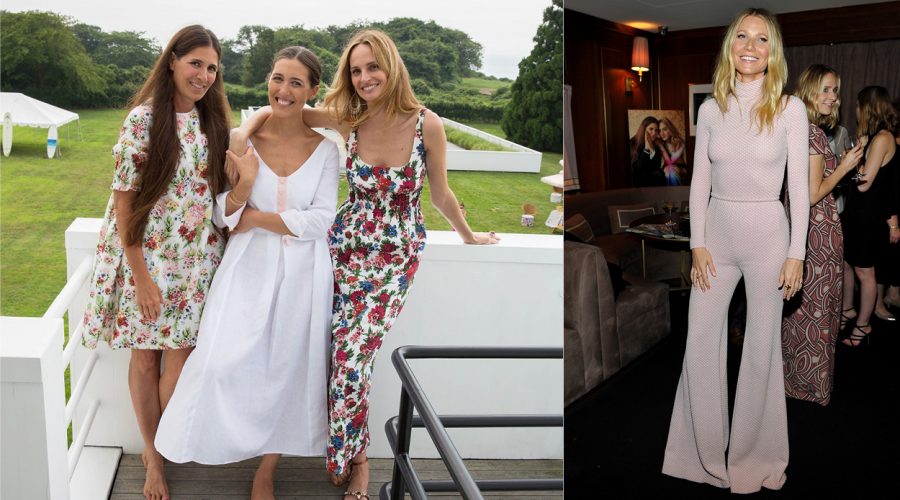
Left: Emilia Wickstead with celebrity stylist Elizabeth Saltzman and Lauren Santo Domingo | Right: Gwyneth Paltrow in Emilia Wickstead

As an homage to her country of origin, Wickstead recently created a capsule collection for Woolmark (the global authority on Merino wool which, every year, bestows an AU$200,000 prize on an up-and-coming fashion designer), for which she drew heavily on her New Zealand identity. Describing it as “an absolute passion project,” Wickstead articulated that her vision going into the collection was to “share something of our country with the world.” As such, she decided to photograph the pieces on a line-up of impressive Kiwi women, including the first female Judge to be appointed to the High Court, Dame Silvia Cartwright, the decorated shot putter Dame Valerie Adams, the first Māori woman in New Zealand to gain a doctorate, Ngahuia Te Awekotuku and the first female president of New Zealand Federated Farmers, Katie Milne.

It felt like a love letter from Wickstead to the kind of women she admired growing up, strong women like her mum, who inspired her to go forth and join the ranks as a New Zealander making a significant mark on the world. This collection aptly named ‘Ordinary Yet Extraordinary Women’ also saw Wickstead team up with Smart Works, a British charity that helps women struggling with unemployment prepare for job interviews, a cause close to Wickstead’s heart. “Clothing can make you feel absolutely incredible, or not,” she says, “it gives you pride and is so important to the way you see yourself.” As such, a portion of the collection will be donated to Smart Works, marking yet another way that Wickstead is a woman, working for women. 

For me, Wickstead embodies heroism in her unwavering drive, her commitment to creating collections for the people who wear them (as opposed to the prevailing and often fickle trends), and her ability to remain grounded in the face of extraordinary success. Having attracted various private and venture level funding in the past, her label (still independently owned) has gone from strength to strength, and now viably competes with the kinds of brands she would have grown up idolising in Milan. There is no doubt she’s being closely watched by fashion’s major conglomerates (including the likes of LVMH and Kering) as a potential, future acquisition, following in the footsteps of other independent fashion success stories such as Alexander McQueen, Stella McCartney and Marc Jacobs.

But despite her entrepreneurial accomplishments and the fact that her brand has become an undisputed go-to for those in the spotlight, Wickstead is a designer for whom an unerring work ethic and attitude of perseverance (both attributes that she credits to her Kiwi upbringing), will ensure that complacency is never on the cards. “I think the best advice I could give,” Wickstead tells me, “is to just keep going. It will only happen when you’re 100 per cent committed to your message and your vision.” Asked to describe The Emilia Wickstead Woman, the designer gave this summary: “she’s multi-dimensional, modern, confident, assertive and driven” — as much a description of Wickstead herself as it is of the women she dresses.

Image credit: Phill Taylor

Coveted

Van Cleef & Arpels’ iconic Perlée collection is spherical, joyful and elegant
Van Cleef & Arpels adds to the Perlée collection with elegant three-row rings
Bvlgari revisits one of its boldest signatures with Gold & Steel

Young or old, we have some excellent ways to enjoy your freedom this weekend

It’s time to reclaim that TGIF feeling by planning a weekend packed with activities to remind you of the fun you can have outside the house. We have rounded up a range of activities to make children forget about cabin fever and some adult indulgences that signal a successful Saturday and Sunday. Here are our weekend wonders.

Hobsonville Point
The easiest place to sip and exercise physical distancing is the Little Creatures Brewery, just a 20 minute drive from Auckland at Hobsonville Point. The 1500 square metre converted aircraft hangar opened last year after a $20 million investment from the owners, offering a selection of the popular hoppy beers that originated in Perth, Australia. Head brewer Udo van Deventer is producing around 60 50-litre kegs a week of the Catalina Bay Lager, so don’t expect to go thirsty. There’s also a hearty winter menu packed with pizzas, burgers and beef cheek sliders to allow you to settle in.
If you’re after a slightly more refined experience, start your day at Fabric with a Coconut and Vanilla Chia Pudding or finish it with Venison Loin in a Pedro Ximinez jus because at any time the riverside setting is simply spectacular. Let your worries wash away as you soak in the natural beauty. The indoors aren’t bad either with Wills Bond & Co, along with Chesire architects, having tastefully transformed the former RNZAF building in a soothing neutral palette with oak furnishings and a luxurious marble bar.

Snowplanet
Touching down on Snowplanet in Silverdale will give you a taste of travelling further afield with their 8000 square metres of indoor snow activities. Whether you’re a first-time snowboarder in need of lessons or an experienced skier keen to fine tune your black diamond form, the Terrain Park will be your domain to master. The Winter Wonderland has also reopened for children with additional health measures in place so that pint-sized visitors can safely explore the family-friendly alpine village or even try tobogganing.

The Grounds
Taking the family to a cool eatery is usually fraught with the risk of upsetting fellow diners with the vociferous demands of little ones in need of a Peppa Pig fix. On the flip side many kid-friendly places sacrifice adult aesthetics for wipe-down convenience. Fortunately, top chefs Ben Bayly (who might seem familiar from his MKR days) and Mike “The Russian” Tartura have found the perfect balance at Henderson drawcard The Grounds. The menu runs the gamut of grown up tastes (think roasted Te Mana lamb rump with charred cauliflower) as well as simple offerings for small ones (hot dogs or dumplings) and there’s a hi-tech playground and plenty of room to keep them occupied until the arrival of dessert has them acting like angels.

Saint Alice at Viaduct Harbour
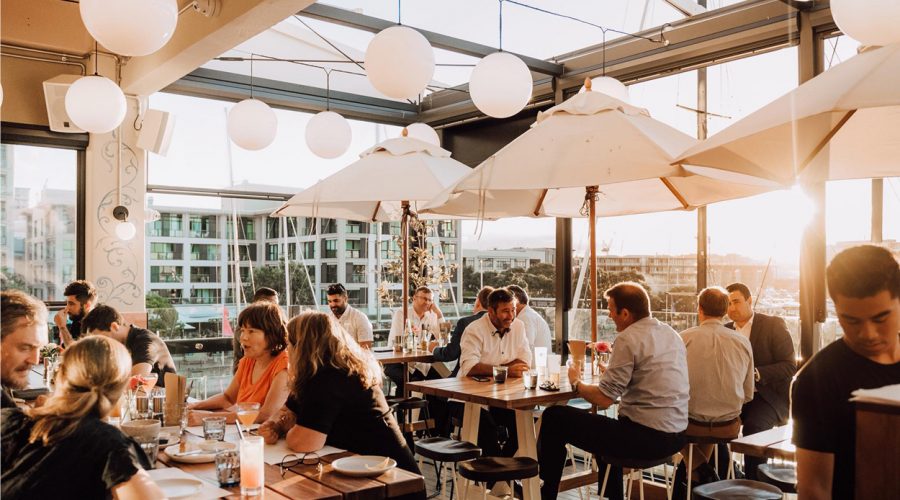
Conceived by the team who opened next-door’s wildly popular bar and brewery, Dr Rudi’s Rooftop Brew Co. (Callum O’Brien, Kristian Lloydd and Andrew Roborgh) Saint Alice continues to cross the boundaries between laid-back eatery, brasserie and bar. Visit to check out the recent update to the fresh fit-out along with a new menu, packed with wood fired pizzas, fried chicken and sharing platters worth enjoying along with a cocktail as you take in the spectacular view.

Holey Moley at Viaduct Harbour 
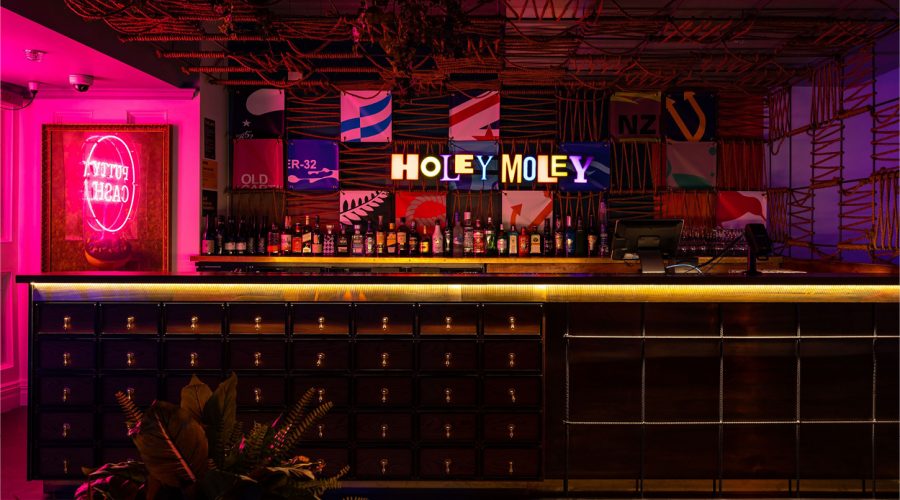
A healthy dose of mini-golf nostalgia, given a contemporary update with cocktails and an Instagram-friendly neon fit-out, will revitalise your social media profile beyond home workouts and filtered shots of you on the sofa in sweatpants. To introduce their social distancing friendly approach, Holey Moley has launched a Sip & Swing 90-minute session, which includes unlimited mini-golf and a selection of food and drink for $50. If everyone stops worrying about the score, you know you’re having a good time.

Yum cha at Grand Harbour
One of the first yum cha restaurants to open in Auckland, Grand Harbour has been drawing everyone from the faintly hungover to happy families to Viaduct Harbour for 20 years. If you’re feeling brave enjoy the world class oysters with salted egg sauce or delight in the simpler wonders of the buttery egg tarts. Side note: it’s also one style of brunch where it’s 100 per cent acceptable to order from the alcohol menu. 

Jo Bros Burgers at French Bay
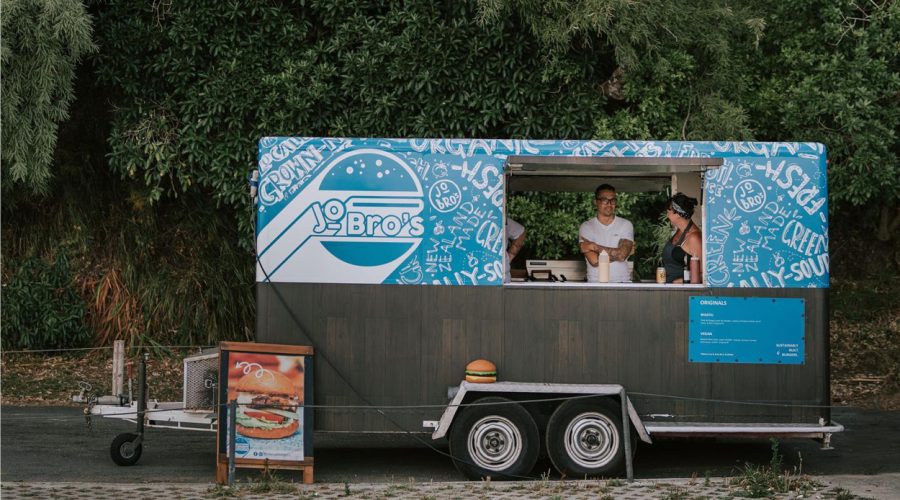
JoBros Burgers call themselves a “classic, no-fuss burger joint,” but we believe that to be an understatement. From this 80s caravan chefs Josh Barlow and Brody Jenkins, who first met in the kitchen of fine dining institution The Grove, produce addictive burgers worth hitting the road for. All the ingredients are sustainably sourced from New Zealand, and the artisan buns are handmade with spray-free flour. JoBros offers two different beef patties — Taupo beef and wagyu — both of which are served with a slice of cheddar cheese and the creamy, rich JoBros Original sauce to create the ultimate finger-licking burger experience. 
Fri–Sat, 5pm–9pm, 7 Bernleigh Tce, West Harbour.

Sugar at the Chelsea Sugar Factory
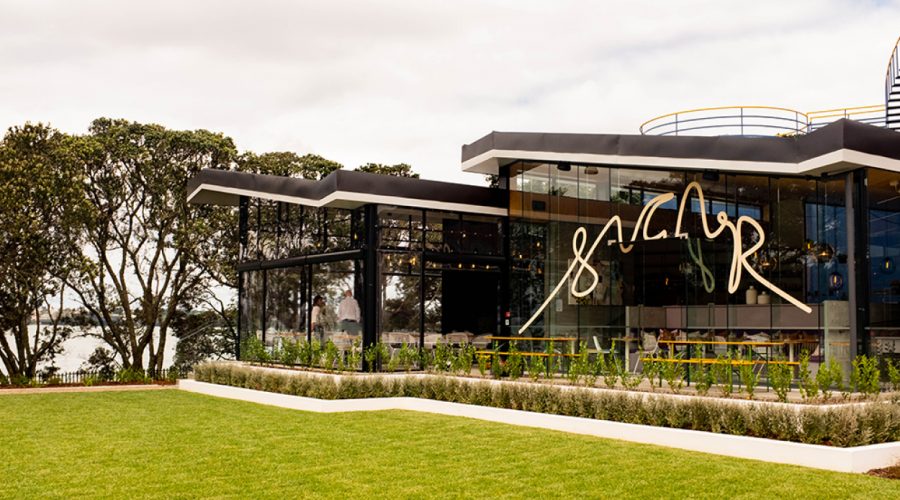
Located in Birkenhead’s Chelsea Sugar Factory, Sugar is a soft, welcoming space with a menu that combines savoury favourites with a number of sweet treats from dessert stars Fran Mazza and Aaron Carson (of Winona Forever, Major Tom et al.) The high tea offering is a highlight, comprising a tasty array of sweet and savoury finger food, served with a side of champagne. The nearby adventure playground should offer enough challenges to work off any sugar highs.

Waterview Reserve Skate Park and BMX track
If any adrenalin junkies have been left climbing the walls of your home during lockdown, unleash them on the concrete dips and hills of this epic figure of eight track, complete with arrows to make sure that you’re heading in the right direction on the pump track style loop.

Culture

Wondering what to watch? These new shows should be on your radar
We talk to author Trent Dalton on his dark childhood, finding light between the cracks, and the girl who saved him
The Stars Have Aligned, Babe!

Ensure your office is safely soaped with this essential giveaway

As we return to working in offices, dining at our favourite restaurants and rubbing shoulders rather the elbows with loved ones, there is one habit from our isolation lives that should remain – regular hand washing. While the outbreak of Covid-19 sent slick hand sanitiser sales soaring, it’s regular soap that stops the spread of the virus most effectively.

“Washing hands with soap and warm to hot water is still the most effective way to get rid of germs,” says Pablo Kraus, Ecostore’s Managing Director. “And despite what you may think, this doesn’t need to mean reaching for a nasty chemical-laden product. Ecostore handwash is just as effective at killing germs, while being kind to the environment and your skin at the same time.”

To accommodate more frequent hand lathering from responsible people, Ecostore has released two newly designed, larger sized hand wash bottles, with a 425ml pump pack and an 850ml refill. The upsized range includes Mint & Manuka Honey, Vanilla & Coconut, Lemongrass and Ultra Sensitive.

“It’s important to wash our hands more regularly than usual; before we leave the house, when we come home, before meals, after using the bathroom, or after touching any shared surface outside our homes,” Kraus says. “Hand sanitiser definitely has its place for those moments when we can’t get to a basin to wash our hands, but it’s important to stress that hand sanitiser does not remove bacteria like hand wash does. Hand sanitiser simply neutralises the bacteria, but leaves it on your hands, allowing it to resurge later.” 

“So stick to hand washing as often as you can, for at least 20 seconds, then rinse with water and dry hands thoroughly. And remember it doesn’t need to be with Hand Wash – any Ecostore bar soap, body wash or even dish liquid will do the job.”

To celebrate the launch of Ecostore’s newly designed hand wash bottles, we have four back to business packs to giveaway for your home or office. Each pack includes six 450ml hand wash bottles and one 850ml refill. Prize will be drawn on Friday 29th May with the winners notified by email.

To enter go here.

*This competition is now closed*

Wellbeing

The grounding movement may just be one of the simplest and most effective ways to boost your mental and physical health
Eight nourishing foods to support your immunity
The sleep reset: We consult a sleep expert on the 10 steps to follow to start having the best sleep of your life

Jeweller Jessica McCormack designs iconic pieces for some of the world’s biggest names


This year we are taking a hiatus from Denizen’s eagerly-anticipated annual celebration of Heroes. We look forward to paying proper tribute to influential New Zealanders when the battle against Covid-19 is over. In the meantime we look at back at the inspiring stories of the trailblazers we have honoured in the past and continue to proudly call Heroes. Meet hero Jessica McCormack.

There is something transcendent about Jessica McCormack jewellery. While it thrives in its contemporary context, there is an unmistakable air of elusive, old-world appeal. This is jewellery for the modern woman, and yet, in many ways it feels like an ode to women of the past, seeming to exist both as a product of its time and at odds with the concept of time altogether. When it comes down to it, it’s a reflection of its creator. A woman who not only balances practicality and glamour with enviable ease, but in whom the idea of preservation — whether it be of a craft, of an object, or of an attitude — was instilled at a young age. With her unique sensibilities, Jessica McCormack is resurrecting historical craftsmanship to redefine the genre of fine jewellery as we know it and is putting New Zealand on the map in the process.

McCormack’s obsession with the artistry behind fine jewellery started after moving from her native New Zealand to London to work in the Sotheby’s jewellery department. “I was exposed to Russian crown jewels, 1920s Cartier, Lalique,” she tells me, explaining how it opened her eyes to a world into which she had never had access growing up in Christchurch. This hands-on experience combined with a potent blend of work ethic, inherent creativity and good timing, propelled McCormack into the beginnings of her career. But it wasn’t a cut-and-dried path. “I didn’t set out to do this,” she explains. “It was just very incremental, very intuitive and very much about going with my gut and working really, really hard.” 

While McCormack was building her first collection, she worked for a diamond wholesaler, gaining an education in gem grading and how best to work with precious stones. One of the first pieces McCormack ever created sold to Rihanna, and while at the time it might have felt like a fortuitous beginning, looking back now, it was an early indication of the kind of success her label would eventually achieve. 

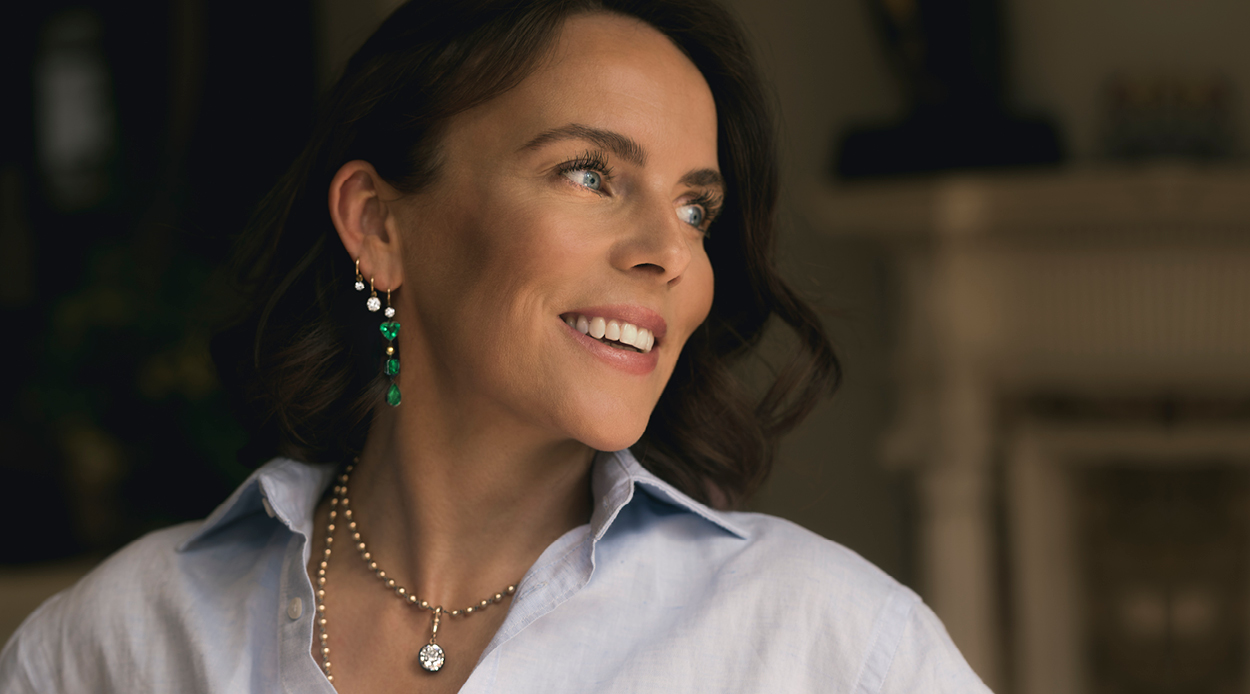
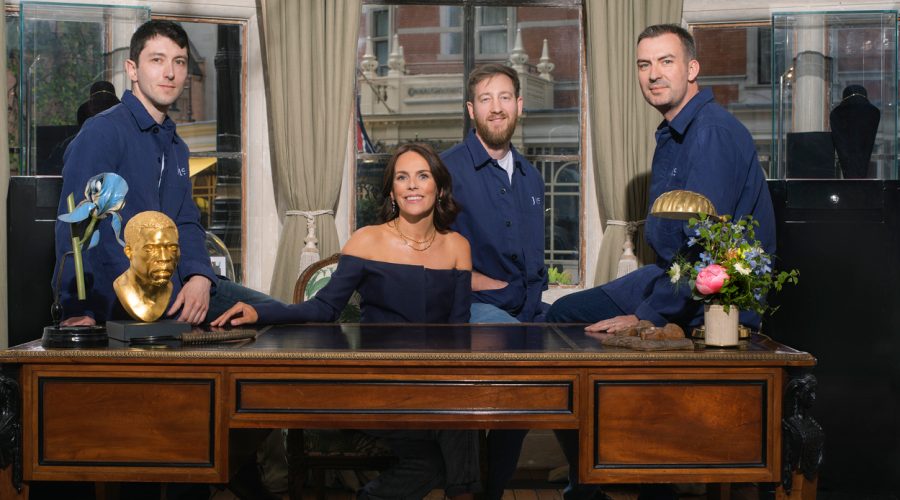
Jessica McCormack in the Mayfair townhouse that houses her shop and workshop, surrounded by three of her specially-trained jewellers

Speaking with McCormack, what strikes me first is her unaffected manner. Despite having created what is the undisputed ‘it’ label in women’s high-end jewellery, she doesn’t put on airs, nor does she seem to possess so much as a hint of the haughtiness often associated with those in her industry. While her business might have been born and bred in London’s lofty Mayfair, she still embodies that quintessential, entrepreneurial Kiwi spirit that keeps her grounded, and ensures an ethos of quality remains at the heart of her success.

It’s almost impossible to trawl Instagram without bumping into at least one of McCormack’s designs, usually adorning the décolletage of some Hollywood star or other. Her client list includes the likes of Madonna, Rosie Huntington-Whiteley, Liv Tyler, Victoria Beckham and Meghan Markle. McCormack’s delicate but striking aesthetic was made distinctive from the beginning, thanks to her decision to revive the traditional Georgian setting. “What I feel it does, is soften the diamond,” she says, explaining it as a more pared-back, refined look. “Diamonds can be super twee and a little bit ageing and harsh,” she says, and although I tend to agree, McCormack’s collections tell a totally different story.

Dispelling the classic claw settings, and instead, encasing her diamonds in a button shape (usually in yellow gold, white gold or oxidised silver), the resulting pieces allow the wearer the unprecedented ability to don their finery at any time of the day — without it ever feeling out of place. “I love the idea that you can wake up in the morning and have your diamonds on with your pyjamas, and then wear them to the gym, and then go to work and afterwards go out for dinner and drink tequila and dance on tables,” McCormack laughs, crediting her unique, “360-degree, holistic way of wearing diamonds,” as part of the reason why her collections have found such a wide and willing audience. “My clients range from 16 to 93,” McCormack tells me, describing a beautiful bracelet she had recently completed for a nonagenarian. Her ability to take something as classical and as typically untouchable as the diamond, remove it from its historical context and reimagine it as something modern and versatile is what has given her pieces such universal appeal. And in many ways, it’s a testament to her upbringing.

Left: Rosie Huntington-Whitely in Jessica McCormack jewellery

McCormack’s late father was an antiques collector and dealer, although she tells me he really had a great many interests. “He was so entrepreneurial,” she says, “he was always doing a million different things whether it was art or antiques or car racing.” Explaining how he was constantly taking her to auctions or antique shops up and down the South Island as a young girl. McCormack credits her dad’s eclectic, collector’s attitude with teaching her how to make something thrive outside its natural environment, by recognising its potential in another. And what her father would do with art and antiques, McCormack now does with diamonds. “My whole thing,” she explains, “is taking something that’s old and beautiful and building it into something that’s modern, relevant, usable, workable and well-designed.” Alongside her revival of the Georgian setting, McCormack draws inspiration from the likes of Art-Deco and The Bauhaus, as well as traditional New Zealand motifs like the Koru. “I’m working on some bigger pieces that will look at more high jewellery with the Koru shape,” she tells me, “by adding Art-Deco-inspired, baguette diamonds to it.” In another nod to her heritage, McCormack reveals that she has just had a number of Pounamu hearts carved for her on the West Coast of New Zealand, as she looks to incorporate the deeper cultural significance of the greenstone into a number of very special, new pieces.

 It’s this ethos of embracing and promoting the symbols of her upbringing that is resulting in McCormack drawing attention to the beauty and rich history of her home country. When Meghan Markle wore McCormack’s Tattoo Pendant, for instance, the world’s fashion media started talking about the art of ‘Tā Moko’ and the richness of New Zealand culture. “McCormack’s designs pay tribute to New Zealand and the people who live there,” wrote Amy Mackelden, for Harper’s Bazaar. And it’s true. By her drawing on her own heritage, McCormack is shining a light on our collective one.

It comes back to the idea that, for McCormack, jewellery is as much about telling a story as it is about the craft. Her heart-shaped diamonds talk of love in a charmingly obvious way; her spiralling, Koru pieces speak of family lineage; her Ball n Chain collection is underwritten with the complications of modern womanhood and its need for versatility. “It’s about collection, curation, craft and cult,” the businesswoman explains, outlining her “four C’s,” and telling me how important it is to keep building upon collections in order to create your own story. Jewellery, she tells me, is a lifetime pursuit. “It’s never throw-away, and I think it’s so nice to be able to keep the soul and the energy of a piece while being able to add another layer.” Exemplifying this ethos is her Party Jacket collection, designed to breathe new life into existing rings by enhancing them with specifically-designed, add-on pieces. Even McCormack’s atelier in London is about telling a story. The over 5,000-square-foot townhouse is the site of her store and her workshop (she now has six specially-trained jewellers working for the brand) and is filled with beautiful textural details, walls of books, various decorative objects and art (three of her paintings from the house, she tells me, had recently been loaned to the Tate Modern) that imbues her jewellery with a meaning beyond its aesthetic appeal. “With jewellery,” she tells me, “it’s about the whole experience.”

As important as building a collection that tells a story, McCormack says, is the idea of handing precious jewellery down. “One of my most treasured pieces is a gold Hei-tiki my dad gave me when I was younger,” she tells me, “with garnet eyes.” That jewellery is timeless is not a groundbreaking concept. The custom of passing down pieces from one generation to the next has been going on since time immemorial, but McCormack is giving it a new face. Recently creating a line of antique-inspired custom jewellery boxes, the designer is encouraging her customers to preserve and grow their collections so that they become a kind of personal snapshot. A line up of cross-generational pieces that McCormack likes to think will hopefully still be in existence in a few hundred years. It’s an idea she’s been expressing since her first collection, Messenger of the Gods. Inspired by Greek mythology — specifically Hermes and his winged sandals — it saw McCormack launch her brand with an idea of where she would like it to ultimately end up: passed down through generations after the fashion of folklore.

For now, though, McCormack says her focus is on continuing to build her brand alongside her business partners Rachel Diamond (“Yes,” McCormack says, “she actually married a man named Diamond”) of the famous Oppenheimer diamond dynasty and Michael Rosenfeld — both coming from places of huge expertise in the industry, which makes their partnership and investment something McCormack says is invaluable. “I feel like I’m out of the growing pains stage and now I can look at expansion,” McCormack says, “I’d love to open somewhere in New Zealand.” Despite the designer following this by saying it isn’t something on the cards in the near future, we can take solace in the fact that her jewellery is stocked in Auckland at Simon James Design (the furniture designer is her brother-in-law) — the only place in the world outside her Mayfair store that McCormack’s coveted pieces can be purchased. 

That McCormack’s brand will continue to grow, I have no doubt. Her father, beyond instilling in her an appreciation for antiques, encouraged in his daughter an infallible work ethic, something the businesswoman still carries with her today. “As my dad always said,’” McCormack explains, “it doesn’t really matter what you’re doing, as long as you do it to the best of your ability and apply yourself.” It’s something she tells me she wants to pass down to her three children — now aged two, three and four — saying “I just want them to have that similar, New Zealand, no-nonsense work ethic, which I think is everything.” 

Recently, one of McCormack’s rings was included in a major sale entitled ‘In Bloom,’ at Sotheby’s New York, where it sat alongside incredible pieces from the likes of Cartier and Van Cleef & Arpels. To me, it felt like a full-circle moment for the designer, whose career has seen her go from working in auction houses to being included in the pages of their catalogues. Having created a business that is making serious waves in an industry populated by long-established, historical houses (not typically an easy space to break into for newcomers), Jessica McCormack with her practical attitude, creative approach and ability to see the bigger picture, has established herself as an entrepreneurial force to be reckoned with, and someone whose work will speak for her long after she stops creating it.

Image credit: Casey Moore

Coveted

Van Cleef & Arpels’ iconic Perlée collection is spherical, joyful and elegant
Van Cleef & Arpels adds to the Perlée collection with elegant three-row rings
Bvlgari revisits one of its boldest signatures with Gold & Steel

Denizen’s commitment to magazine publishing

Over the past eight weeks the Denizen team have been fully committed to producing engaging editorial content that has kept local businesses at the forefront of people’s minds. Our increase in online content has resulted in our website traffic doubling over this period, our social media following increasing substantially, and we’ve welcomed more subscribers to our Denizen Weekly newsletter. All of which puts Denizen in a fantastic position to continue with both our online and magazine publishing.

For decades magazines have been widely loved for their ability to chronicle the times. This current period of uncertainty is no different. Right now exists an extraordinary opportunity as journalists to document the feeling of the time, and to share stories of how collectively our local brands are pivoting to respond to what the future holds.

It’s also no secret that currently Denizen is one of the only credible magazines remaining in the NZ marketplace, so we feel a strong responsibility to uphold the concept of quality magazine publishing at this time.

In our twelve strong years of independent publishing, we have carved out our own niche by creating content that informs, entertains and inspires through unique and innovative storytelling. If any media business is qualified to successfully navigate the road ahead, it is Denizen. 

Our forthcoming Winter issue will share stories of how our local Denizens are pivoting to respond to what the future holds. We’ll profile the movers, shakers and the innovators who are seizing this rare opportunity to evolve and embrace our new way of life.

As readers and supporters, we thank you again for your ongoing encouragement, we’re positive that together we can create a brighter future for us all.

Our winter issue will be released on 30th June 2020.

For any advertising enquiries please email: [email protected]

Coveted

Van Cleef & Arpels’ iconic Perlée collection is spherical, joyful and elegant
Van Cleef & Arpels adds to the Perlée collection with elegant three-row rings
Bvlgari revisits one of its boldest signatures with Gold & Steel

This incredible Sydney home is a masterclass in precision and balance

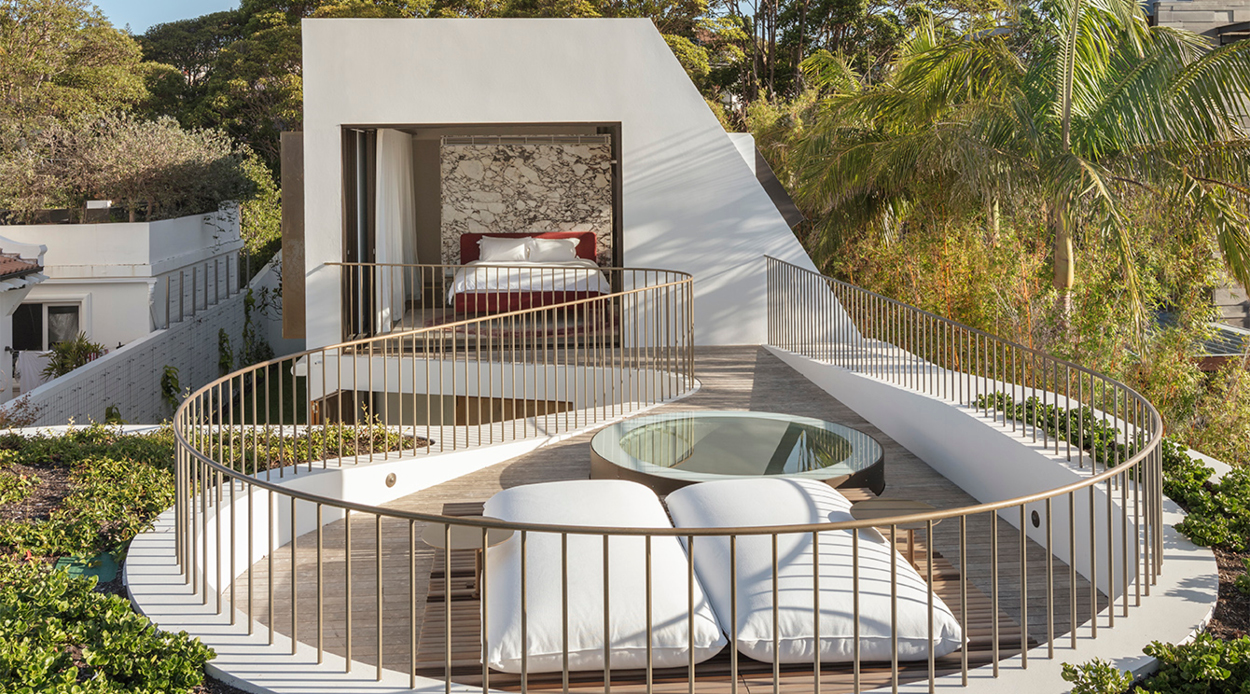
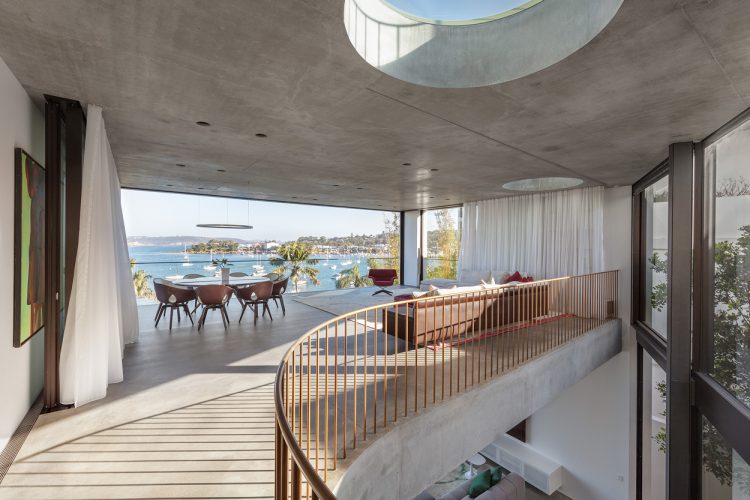
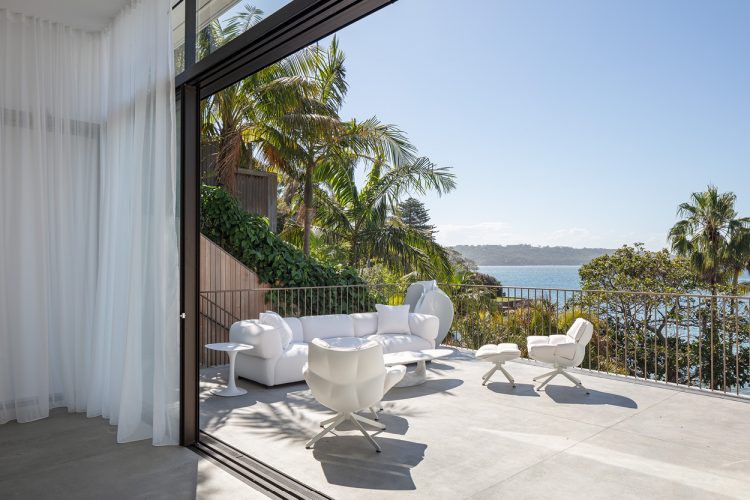
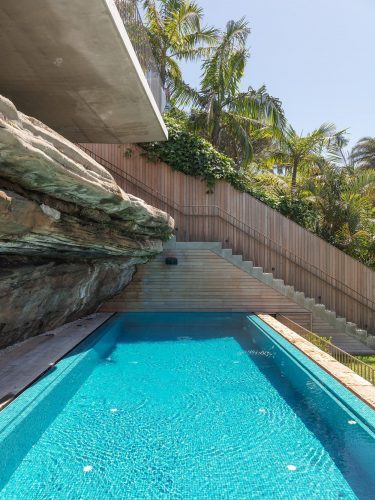
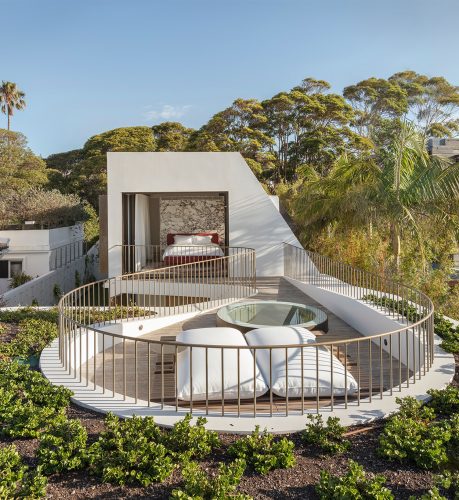
Sitting stoically on the foreshore of Sydney’s harbour, in one of the city’s most sought-after suburbs, this impeccably realised home is a study in contrast. Designed by Matthew Woodward Architecture, the house is a vision of contemporary architecture and is at once in sync and at odds with its natural environment.

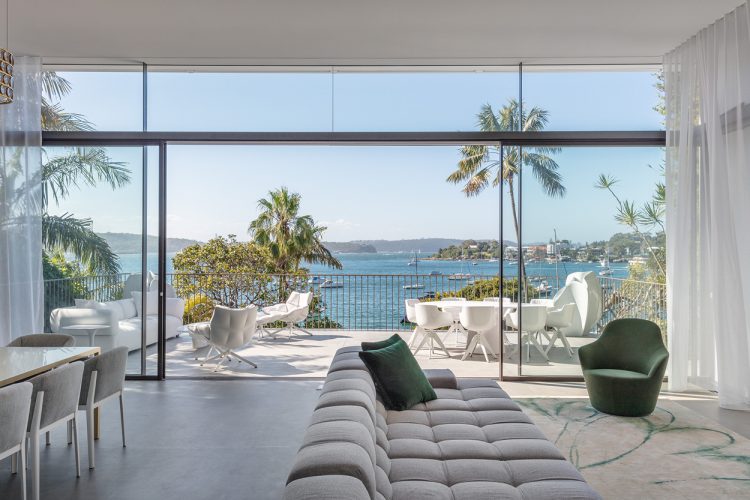
The first thing you notice about The Kutti Beach House is its lightness. It boasts a number of large windows and skylights, which is something you’d want too if your home had the same breathtaking outlook. And despite the fact that most of the property is rendered in monochromatic concrete and white, the subtle touches of wood and the copper tones of the heavy doors and feature windows give the sense that everything in this house has a purpose. The pared back colour scheme allows the abundance of natural beauty surrounding the home a frame through which to shine, while the undulating architecture acts as a homage to the expansive body of water spreading out from the back of the property.

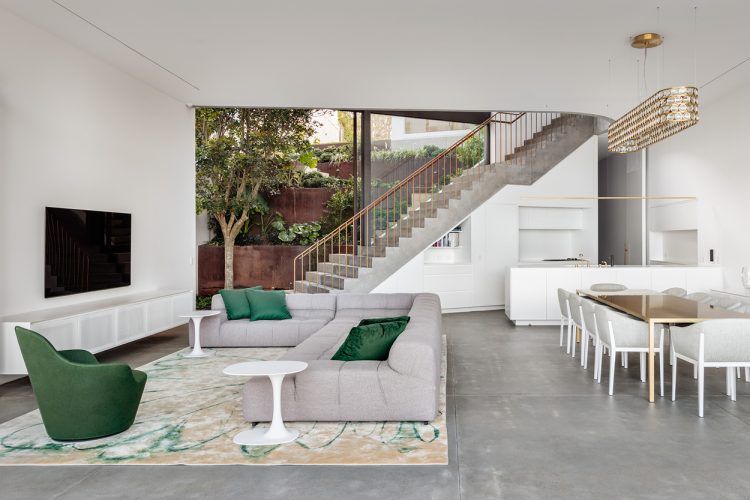
B&B Italia Tufty Time sofa from Matisse and the B&B Italia Harbor armchair from Matisse
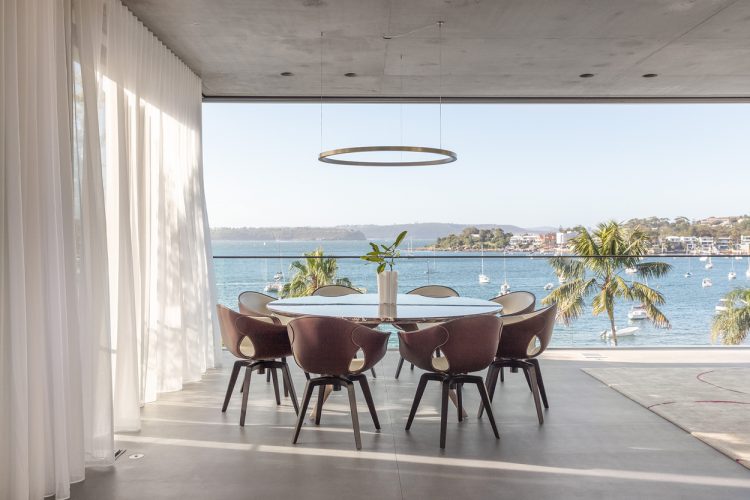
Poltrona Frau Ginger dining chairs from Studio Italia

It is a perfect juxtaposition. A meeting of nature with all the modern conveniences of the contemporary (and technologically advanced) home. But neither feel the need to cancel the other out. They acknowledge each other’s presence and equal importance to the homeowners’ experience — and that’s why it works so brilliantly.

B&B Italia Tufty Time sofa from Matisse and the B&B Italia Harbor armchair from Matisse
B&B Italia Husk outdoor armchairs from Matisse

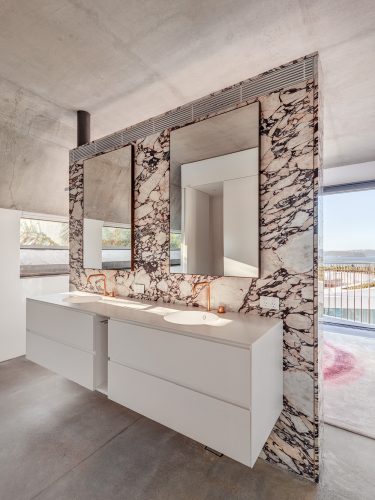
Between the simple furnishings, considered touches (like the dividing wall of mottled marble in the bathroom) and the unique structure and layout, this home offers a profound sense of calm and order — everything feels in its rightful place. A testament to the expertise of those involved in the property’s construction, there was the potential with a site like this to try and achieve too much — to try and make it too many things (rather than focusing on only a few crucial elements). Luckily, that wasn’t the case and so we are left to admire the impressive handiwork. It’s in achieving this kind of equilibrium  —between the modern home and its environment — that the future of architecture lies.

Design

We delve into the life and storied career of architect and designer, Antonio Citterio, via some of his most iconic pieces
Inside the quietly luminous London home redefining contemporary family living
The Milan edit: Soft geometry takes centre stage in the living room

Cookbooks are taking over the coffee table and these are the ones you need right now

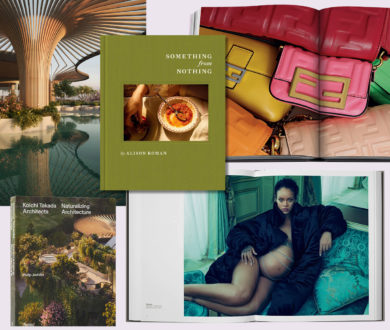
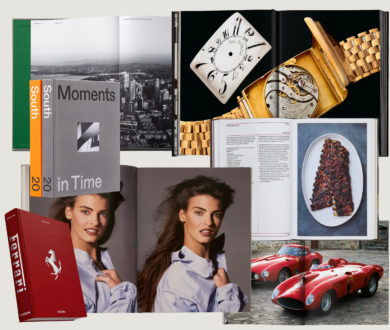
The coffee table book holds a special place in our hearts for its weighty presence, stylised pages and the way it looks when it’s stacked with others of its kind on a designer coffee table. Equally, the cookbook has also long been a staple on our shelves, beloved for the delicious recipes its pages contain — dishes that are brought out on special occasions and memorable dinners. Both breeds are widely cherished, but where the coffee table variety once reigned as the glossy, gift-appropriate show pony (very visible, rarely read), and the cookbook its antithesis (dog-eared, stained and stashed in a corner somewhere), it would seem a new chapter is opening for the latter — and it’s looking set to usurp its polished counterpart.

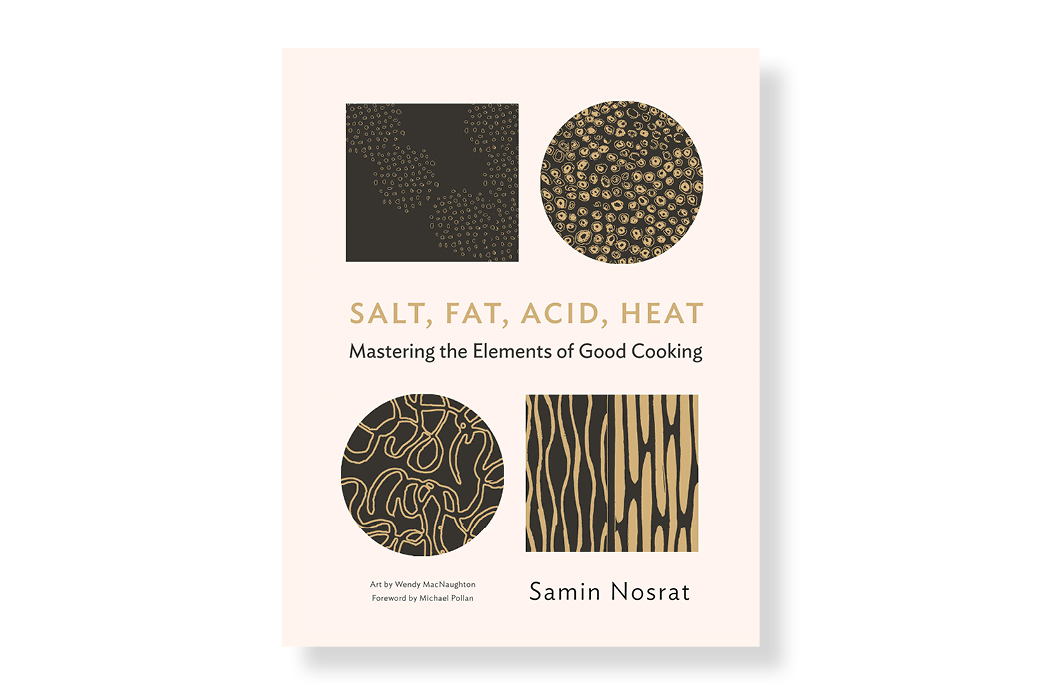
Over the break, I bought and read Salt, Fat, Acid and Heat, a ‘cookbook’ by Iranian-American Chef Samin Nosrat. It presented what I felt was a new age for the genre. Designed to be read cover to cover, it walked me through the four principles in its title, as the author made the point that anyone, no matter what their experience, had the capacity to make consistently delicious food if they just knew how to treat the four titular elements in their cooking. It was a total revelation. And beyond its informative content, it was presented in such a way that it would look right at home on any designer coffee table (which is where it lives in my home).

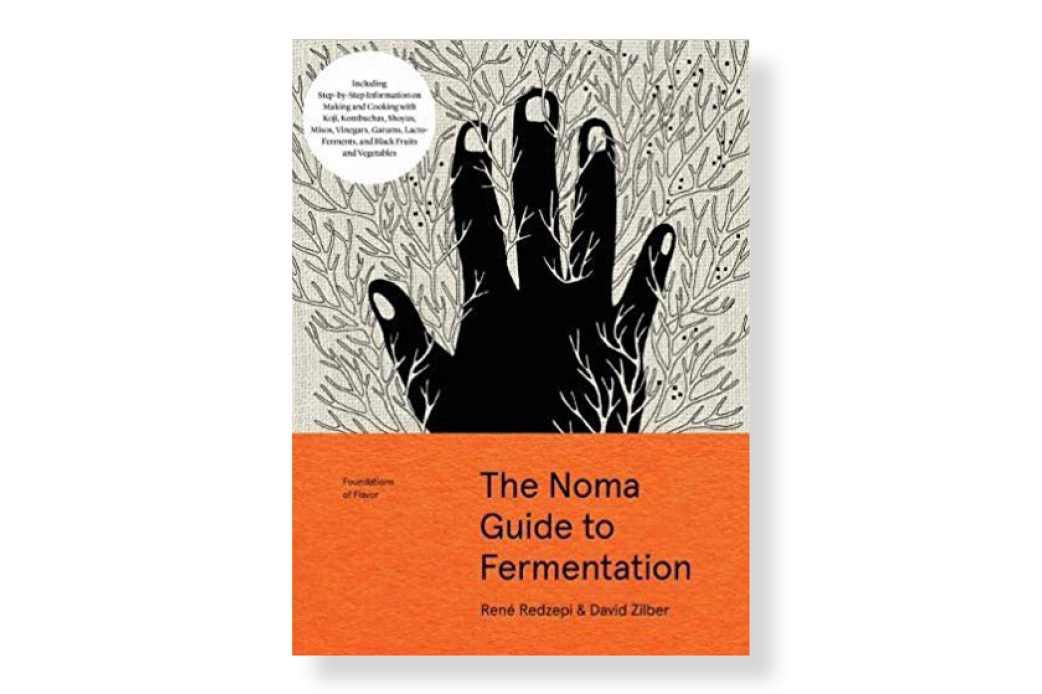
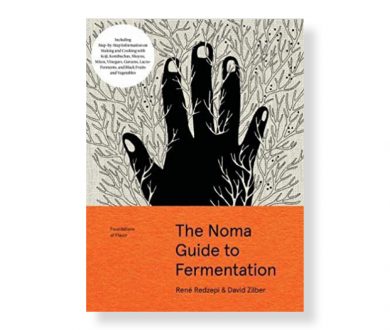
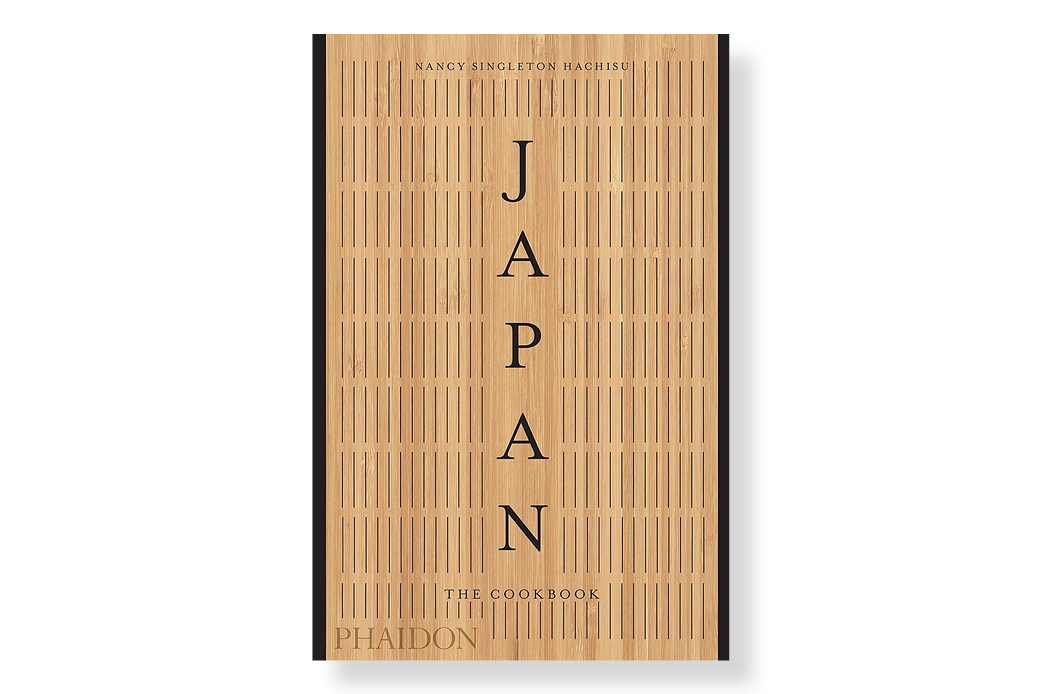
It made me think about the kinds of books I had been drawn to of late. A tome from Phaidon called JAPAN, presenting itself as the definitive guide to Japanese cuisine, the delightfully unexpected From Crook to Cook, a cookbook from renowned rapper Snoop Dogg, the beautifully laid out but hefty book from René Redzepi and David Zilber, The Noma Guide To Fermentationamong others that all shared a common theme: food.

Call it a turn to practicality or a sudden desire to up skill, but it seemed that I wasn’t alone in my fascination with beautiful cookbooks. There appears to be now, more than ever, a breed of recipe book that combines practical culinary knowledge with alluring design and a beautifully artistic cover that grants it passage out of the kitchen and into a more visible space. Maybe people want to be seen as more than just collectors of fashion tomes and art bibles. Perhaps they seek recognition as culinary sophisticates as much as cultural ones. I put much of the blame for this shift on Netflix. Never before have we had access to such a wave of cooking shows, each seemingly more artistic and appealing than the last, and I think that these creative cookbooks are answering our desire to introduce some of that sensual magic into our own homes.

That said, I felt it high time we rounded up some of the cookbooks that were capturing our attention for far more than just their food.

← GO BACK

SEE ALL SLIDES |

Salt, Fat, Acid, Heat

Salt, Fat, Acid, Heat

Salt, Fat, Acid, Heat

Salt, Fat, Acid, Heat

Available from The Women’s Bookshop

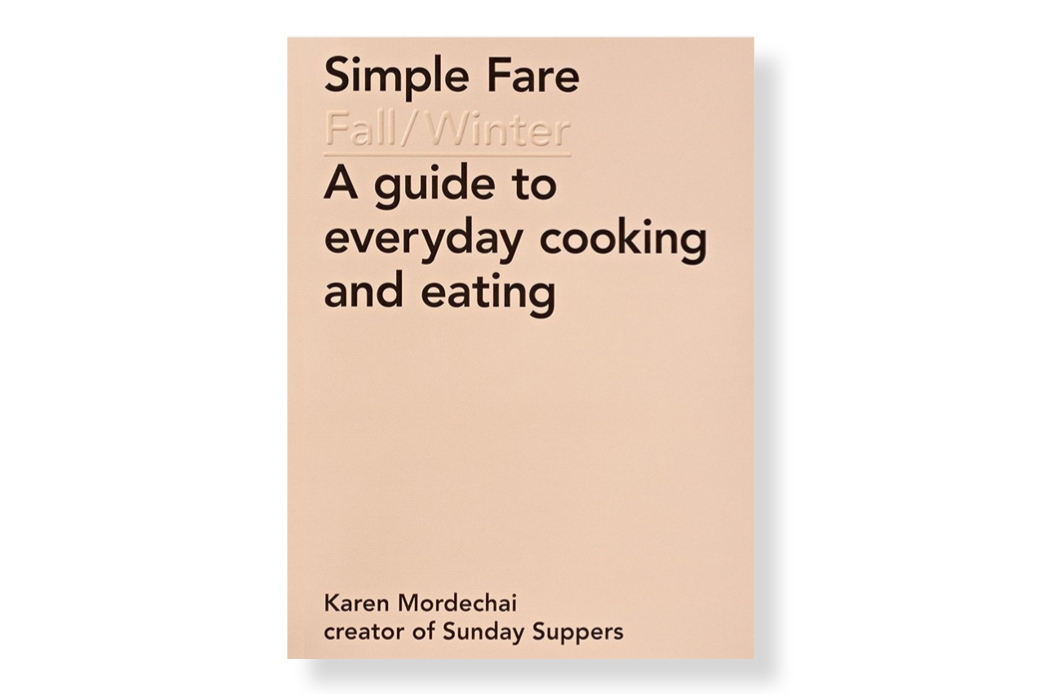
Simple Fare: A guide to everyday cooking and eating

Simple Fare: A guide to everyday cooking and eating

Simple Fare: A guide to everyday cooking and eating

Simple Fare: A guide to everyday cooking and eating

Available from Superette

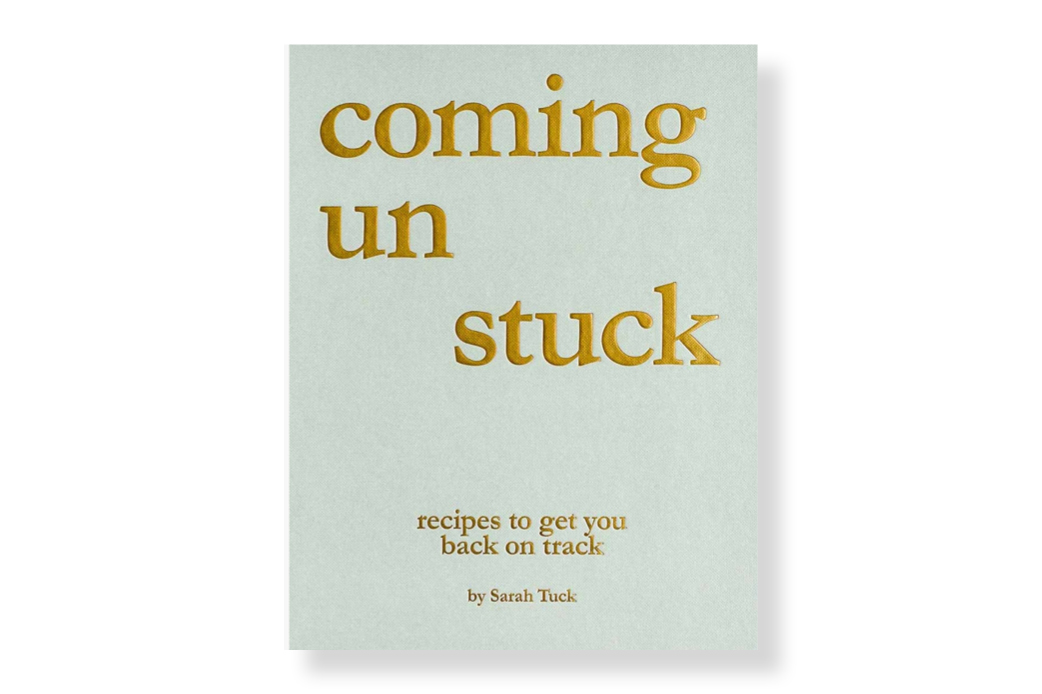
Coming Unstuck

Coming Unstuck

Coming Unstuck

Coming Unstuck

Available from here

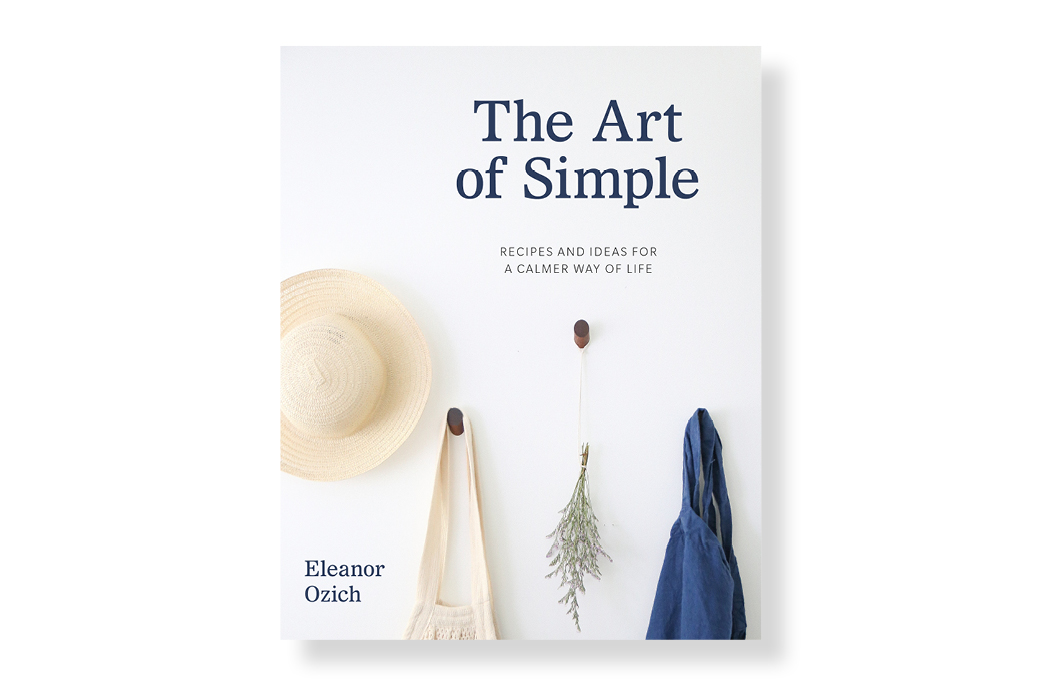
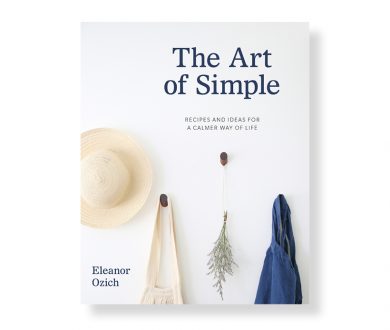
The Art of Simple

The Art of Simple

The Art of Simple

The Art of Simple

Available from Penguin Books

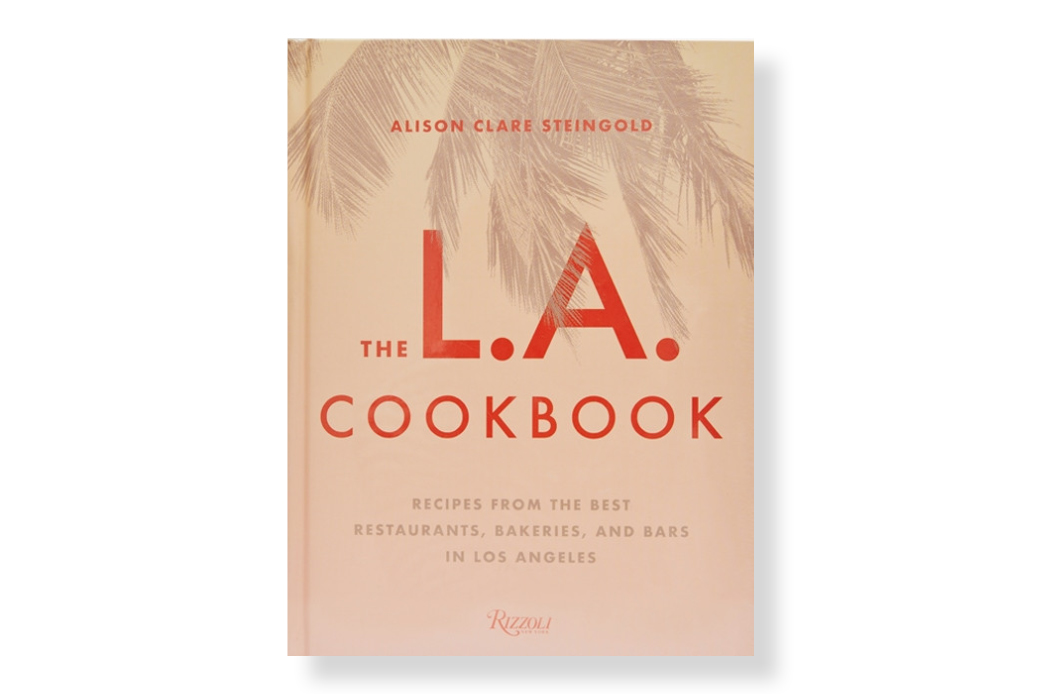
The L.A. Cookbook

The L.A. Cookbook

The L.A. Cookbook

The L.A. Cookbook

Available from Superette

The Noma Guide to Fermentation

The Noma Guide to Fermentation

The Noma Guide to Fermentation

The Noma Guide to Fermentation

Available from The Women’s Bookshop

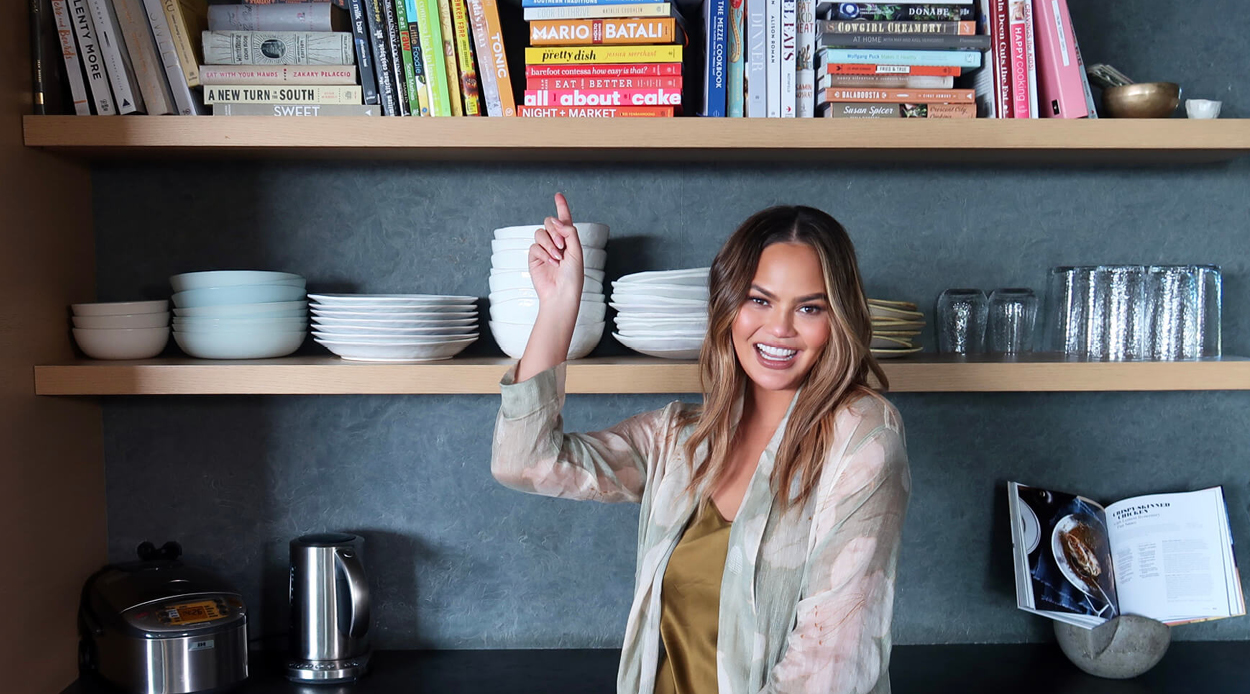
Cravings by Chrissy Teigen

Cravings by Chrissy Teigen

Cravings by Chrissy Teigen

Cravings by Chrissy Teigen

Available from Penguin Books

Japan: The Cookbook

Japan: The Cookbook

Japan: The Cookbook

Japan: The Cookbook

Available from Novel

From Crook to Cook by Snoop Dogg

From Crook to Cook by Snoop Dogg

From Crook to Cook by Snoop Dogg

From Crook to Cook by Snoop Dogg

Available from Superette

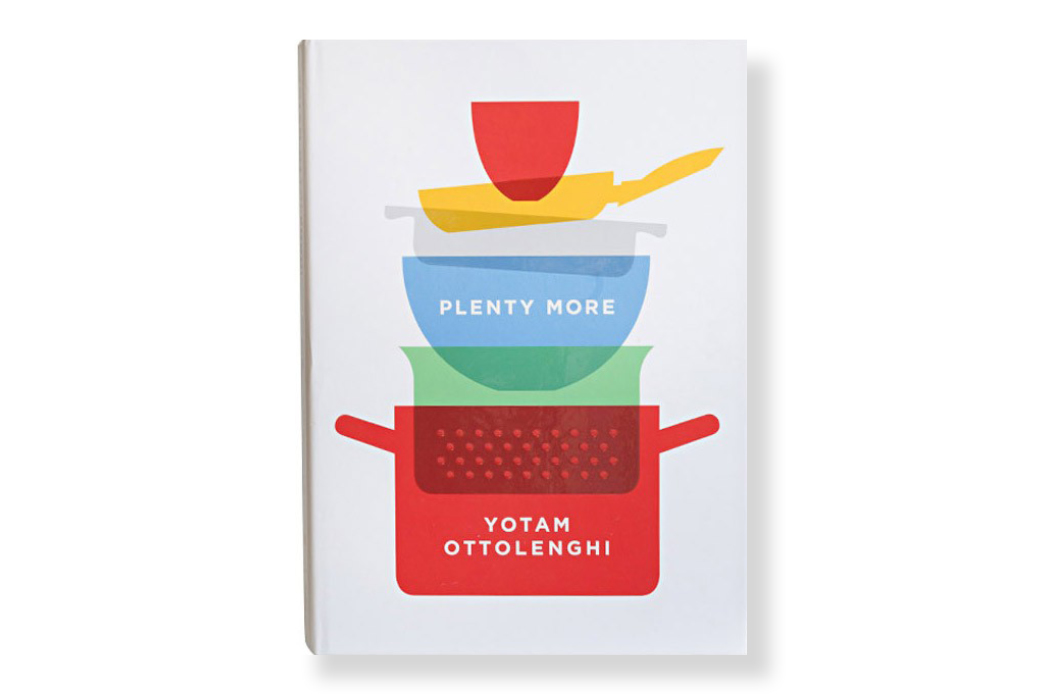
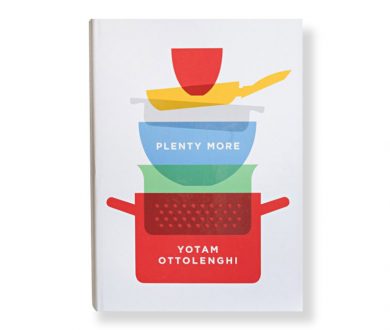
Plenty More

Plenty More

Plenty More

Plenty More

Available from Penguin Books

Culture

Wondering what to watch? These new shows should be on your radar
We talk to author Trent Dalton on his dark childhood, finding light between the cracks, and the girl who saved him
The Stars Have Aligned, Babe!

Explore the raw elegance of this ultra sophisticated Italian apartment

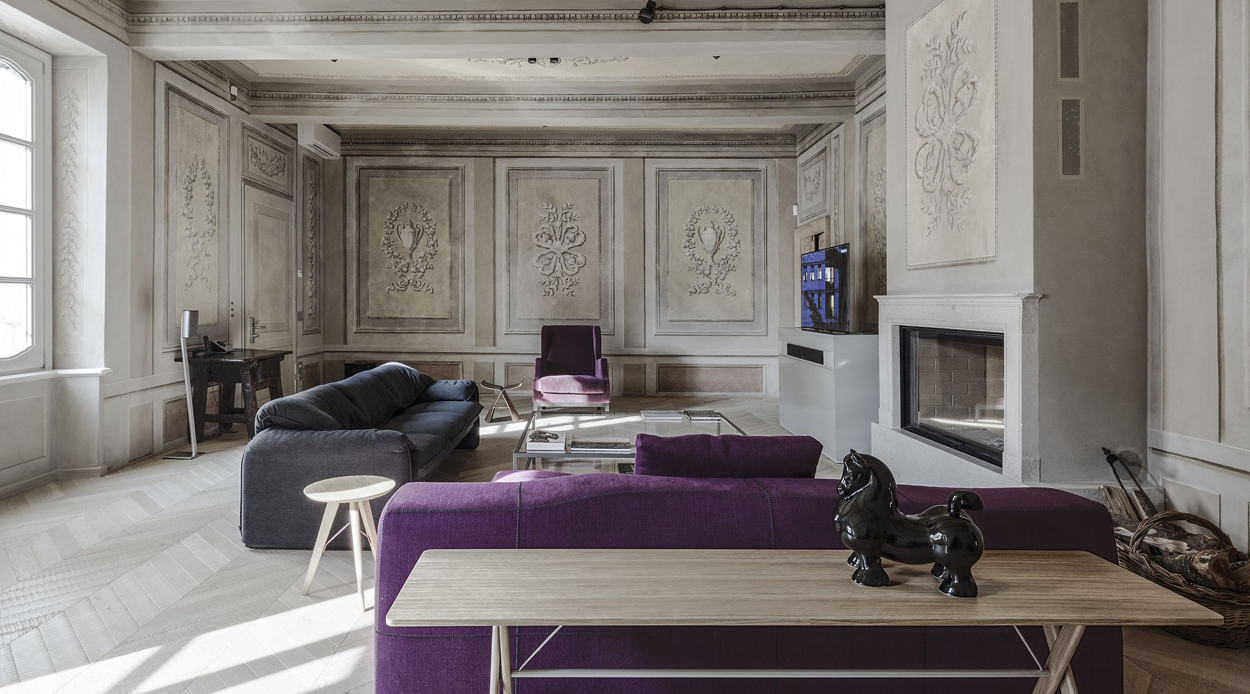
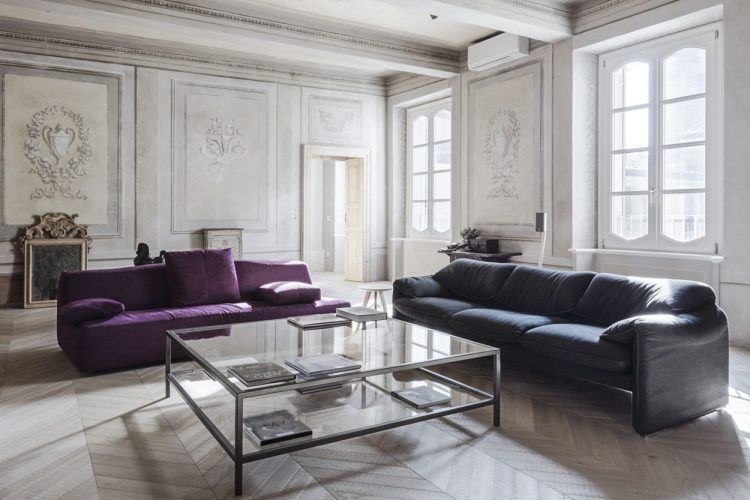
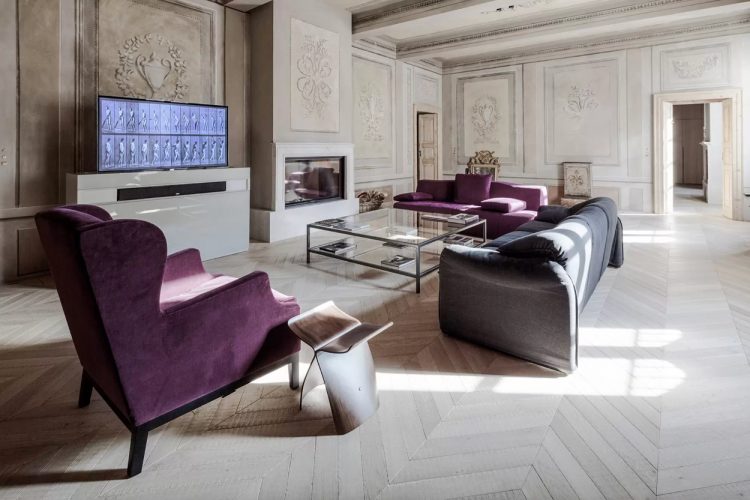
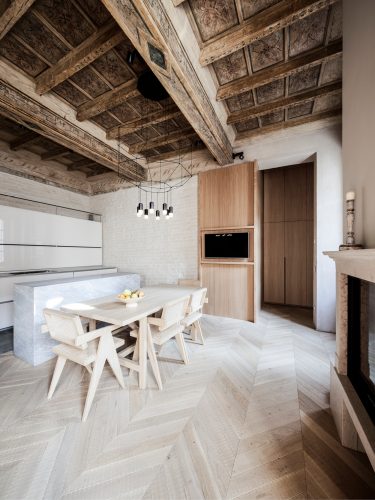
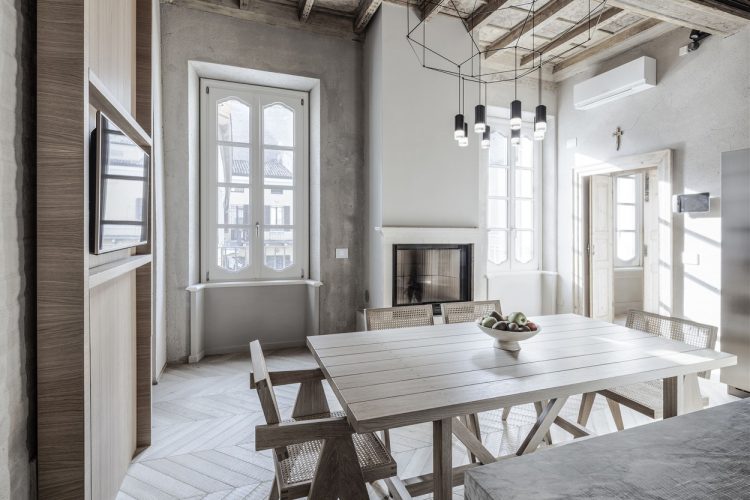
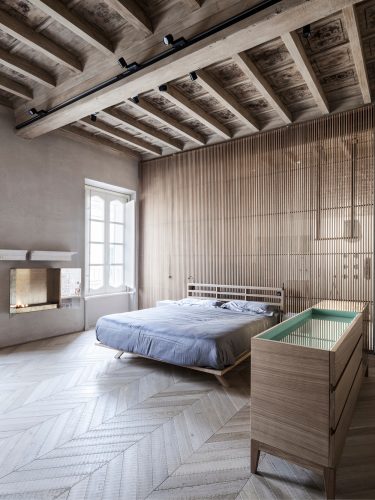
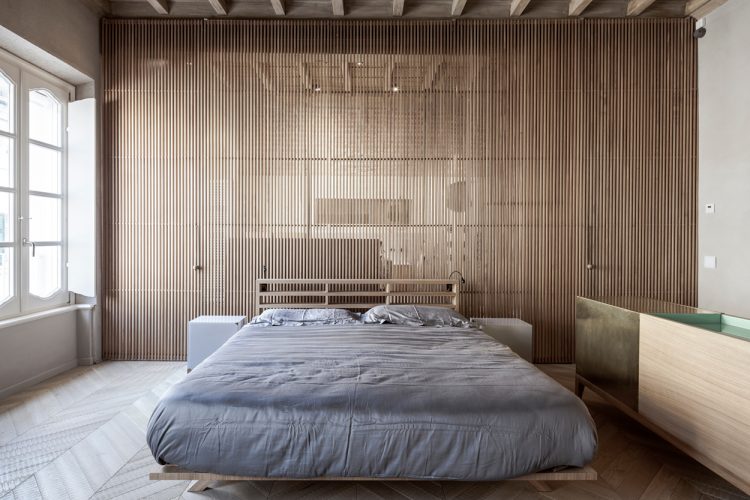
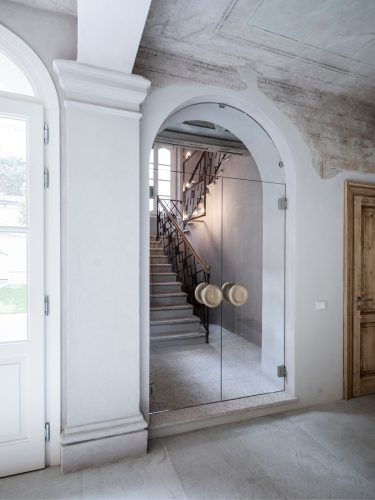
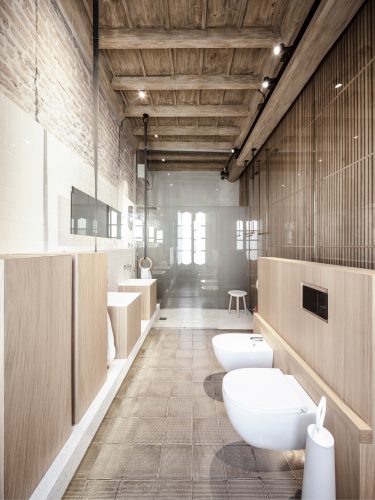
Our recent fixation with Italian do-ups brings us to a recently renovated apartment complex in Mantua. Located within is the raw, yet highly sophisticated Casa RJ. Italian architecture firm Archiplan Studio masterminded the refurbishment of the luxury apartment, calling upon an experimental and highly variable use of unexpected materials — blonde parquetry flooring, dusty exposed brick, nude slatting on the walls, bare ceilings, white plaster walls, Pierre Jeanneret inspired rattan chairs and brushed metallics. The muted colour palette is interrupted only by a few bold furnishings in the opulent living room — a space that embodies the apartments rich and opulent history. Explore the interior below.

Maralunga 40-maxi sofa by Vico Magistretti for Cassina from Matisse
Wireflow 0301 hanging lamp by Arik Levy for Vibia from ECC

Design

We delve into the life and storied career of architect and designer, Antonio Citterio, via some of his most iconic pieces
Inside the quietly luminous London home redefining contemporary family living
The Milan edit: Soft geometry takes centre stage in the living room

The podcasts to listen to if you want to be better with money

She’s On The Money
Sharing expert tips in a millennial-skewed manner, Victoria Devine makes the pursuit of financial freedom accessible and fun. Each episode addresses the ins and outs of modern money management, in a way that makes you feel like they were literally tailored to you. Favourites so far include A rookie’s guide to investing, Shake that tax for me, Ahh, Afterpay and my personal favourite, If you like piña coladas (and being fiscally conservative).

Money Diaries
Refinery29’s finance-focused podcast is popular for the honesty with which it addresses salary and spending. With each episode focused around a different woman explaining in detail her salary, take-home pay and monthly expenses it’s a fascinating insight into how other people allocate their personal funds and what we can all do to mitigate common mistakes.

Listen Money Matters
‘Not your Father’s boring finance show,’ this podcast deals with matters of the wallet in an engaging, truthful way. Discussions are down-to-earth, funny and deliver actionable advice that reaches through to people who often switch off when finance advice is being dished out (guilty). Interesting episodes so far include, How to Monetize a Blog Quickly, The Smart Way to Buy Property and Marie Kondo Your Finances so They Spark Joy Too.

The Pineapple Project
Hosted by Aussie comedian Claire Hooper, this ABC-produced podcast series looks at the fundamentals of money and career — season 1 dedicated to the former, season 2 to the latter. For the purposes of this article, we’ll focus on the first, but both are worth a listen. Hooper delves into things like the life-changing magic of a budget, the psychology of money and how to demolish debt — all in a distinctly funny and straight-forward way.

Culture

Wondering what to watch? These new shows should be on your radar
We talk to author Trent Dalton on his dark childhood, finding light between the cracks, and the girl who saved him
The Stars Have Aligned, Babe!
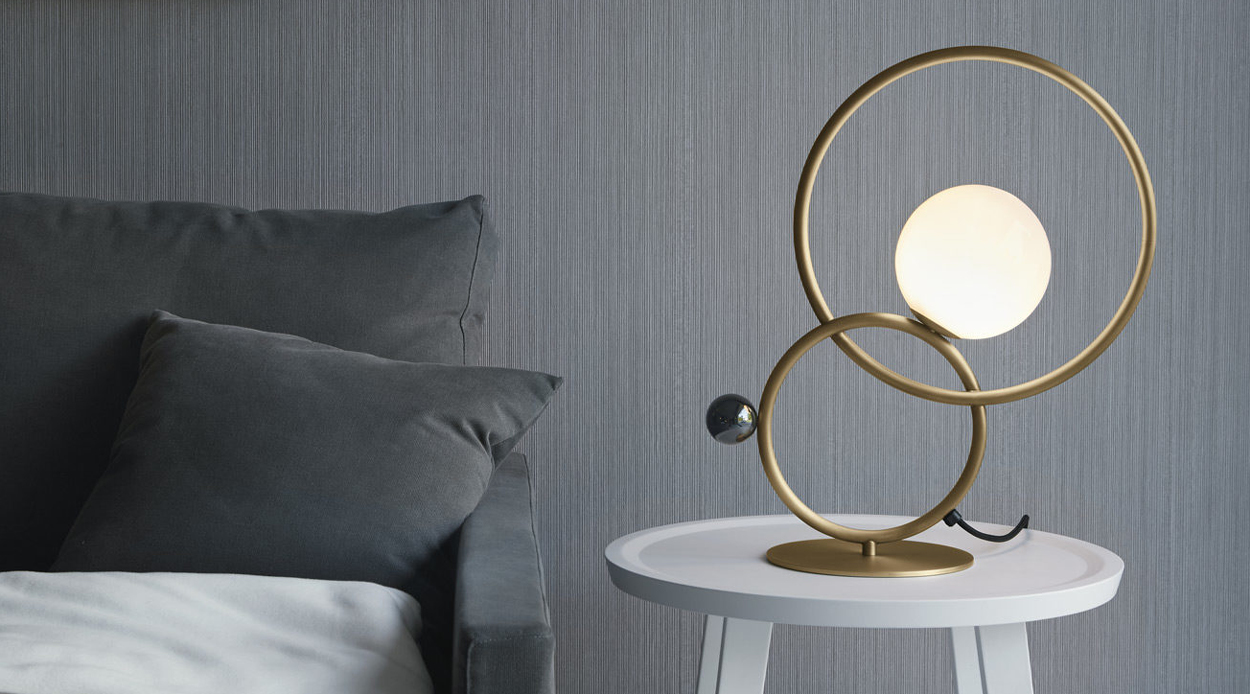
Zoe Table Lamp

The lighting design brand you need to get yourself acquainted with: VeniceM

Seen as more of an embellishment to a room than an essential furnishing, it’s lighting fixtures that get acknowledged last when it comes to curating the ideal interior space. But some brands are making a case for propelling them into the spotlight — take iconic light design studio VeniceM, for example. Hand-made and inherently unique, each individual piece crafted by VeniceM is a work of art in itself, and so it’s no wonder that the local design aficionados Designers’ Collection are championing the brand’s swoon-worthy wares.

The brand, founded by Melissa Lunardi and Massimo Tonetto in 2013, is the definition of adept Italian craftsmanship. The vast array of lighting —  which covers everything from table lamps, handmade chandeliers and floor lamps to pendants and sconces — has been created with such meticulous attention to detail that the finished products are always truly one-of-a-kind. The brand specialises in custom work, too, for those that are yearning for something particularly unique.

Spear Chandelier

Take the attention-grabbing Spear Chandelier (shown above), for example. The strict geometry ventures into the abstract with direct and indirect LED lights, commandeering the attention of anyone who is within its vicinity. The Urban Lightline Suspension, shown below, is an example of how VeniceM can just as expertly nail the tradition with a twist, combining organic Italian Murano glass trihedrons with a refined dark brass structure.

Urban Lightline Suspension

VeniceM continues to lead the charge when it comes to experimentation and unique creativity, cementing them as the reigning purveyors of exquisite lighting fixtures that really go the extra mile.

Design

We delve into the life and storied career of architect and designer, Antonio Citterio, via some of his most iconic pieces
Inside the quietly luminous London home redefining contemporary family living
The Milan edit: Soft geometry takes centre stage in the living room
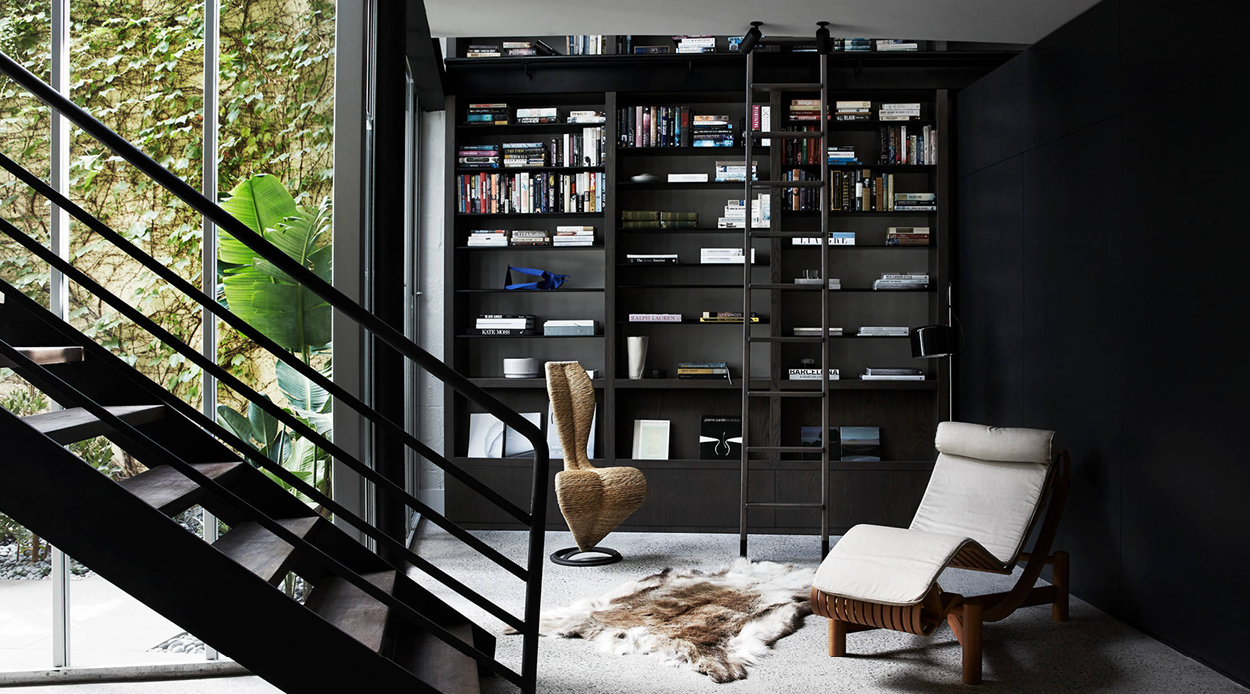
Fitzroy Home by Fiona Lynch

Transform your home into a literary haven with these stunning bookcase ideas

Despite the unrelenting onslaught of technology with tablets and smart phones, we continue to find ourselves yearning for a literary retreat, a place to devour a quality paperback and revel in the warming nostalgia of flicking through a magazine. An intimate home library can be refined and elegant, like the one above, created by Fiona Lynch for a home in Fitzroy, Melbourne, or cosy and informal with a mish-mash of battered and beloved novellas. Just as much a visual feast as the array of eye-catching covers that adorn them, imaginative bookcases can make an interesting focal point. Elevate your home library with these inspired options.

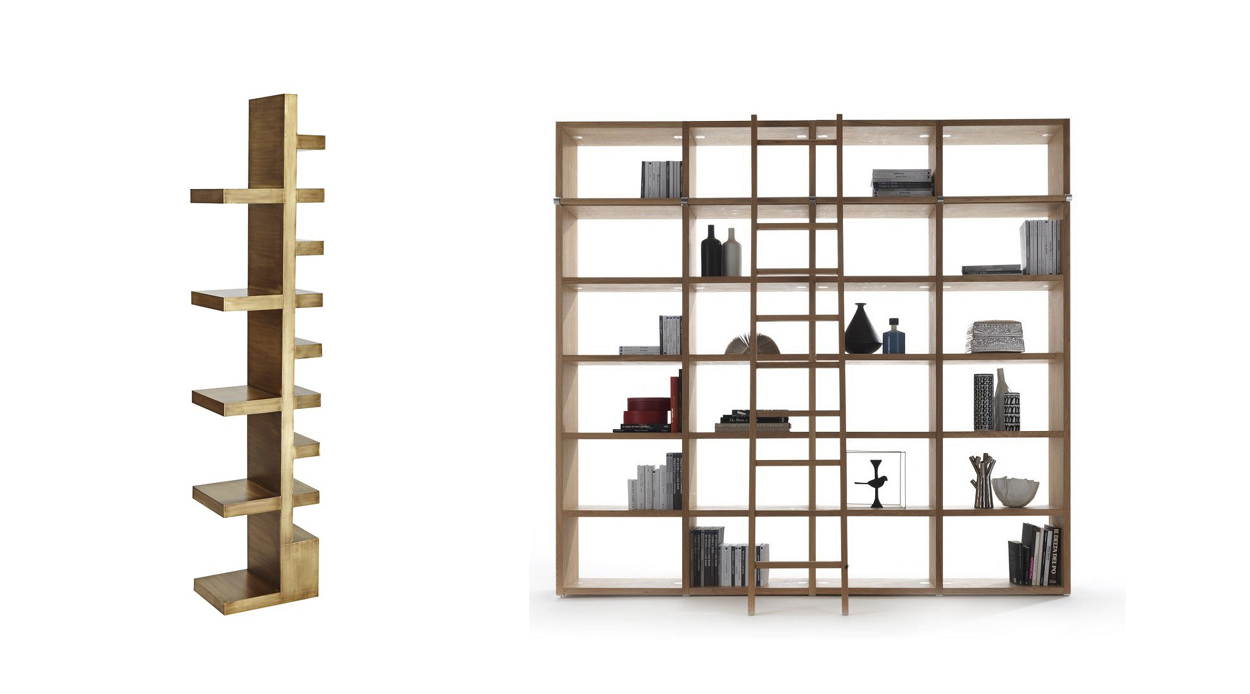
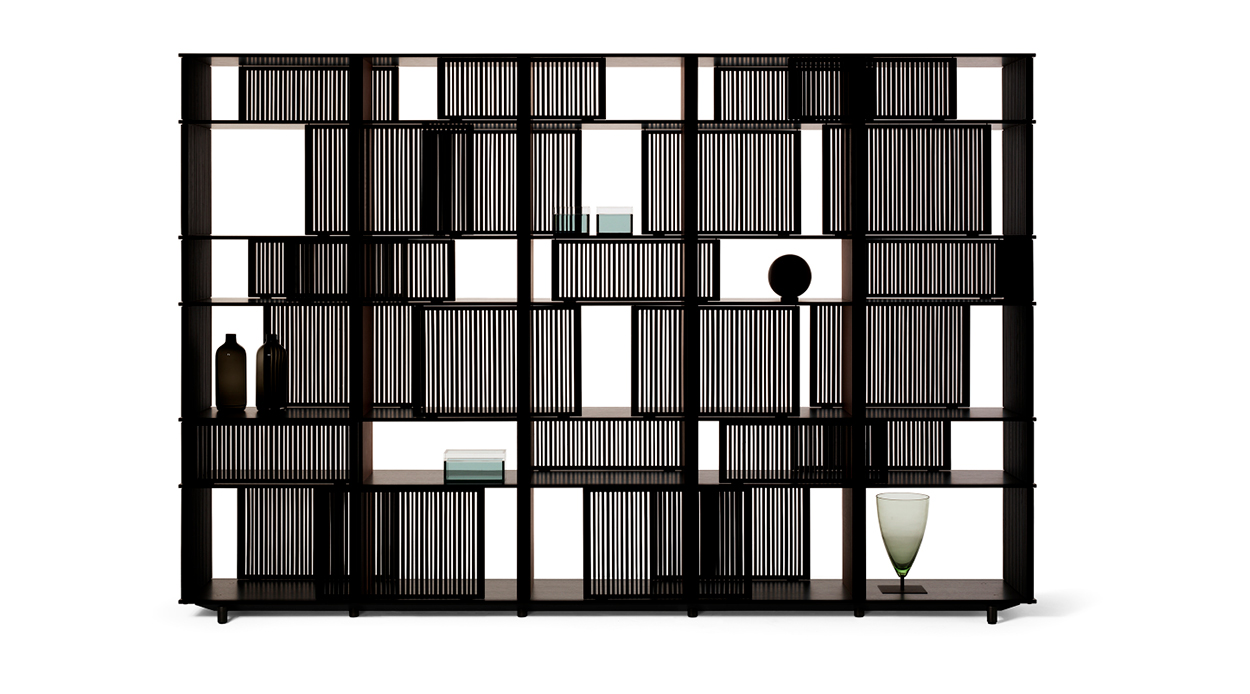
Mass bookshelf by Tom Dixon from ECC and the Wallstreet bookcase by Riva from Matisse
Lloyd bookcase by Jean-Marie Massaud for Poltrona Frau from Studio Italia
Nureyev book carousel by Roderick Vos from Linteloo from ECC and the Carlotta bookcase by Antonio Citterio for Flexform from Studio Italia

Design

We delve into the life and storied career of architect and designer, Antonio Citterio, via some of his most iconic pieces
Inside the quietly luminous London home redefining contemporary family living
The Milan edit: Soft geometry takes centre stage in the living room

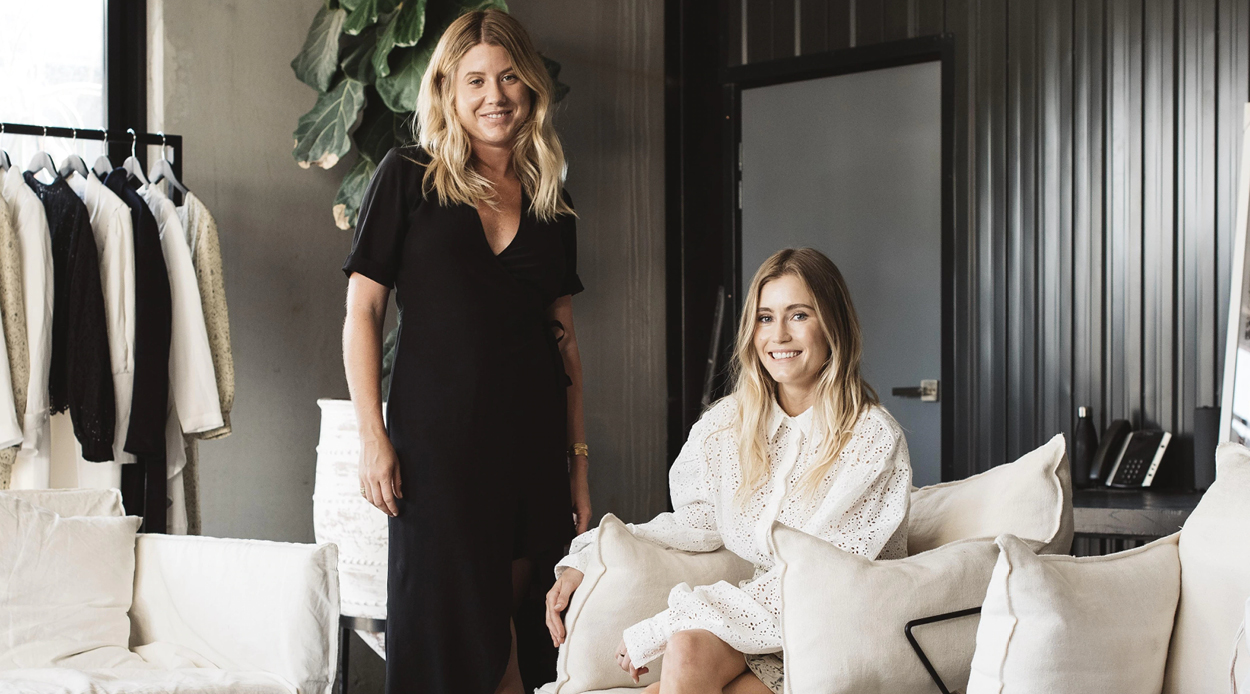
Nikki Campbell and Sophie Coote, founders of Sir The Label, on Ayers Rock and painting

Best friends Nikki Campbell and Sophie Coote do everything together, having founded Sir The Label, a favourite for its feminine dresses, worn by the likes of Olivia Munn, Kate Hudson and Michelle Williams, the dynamic blonde duo also live together near bustling Bondi Beach in Sydney. Taking a break from designing their next collection (you can shop the most recent one at Superette), we asked Coote and Campbell to join forces and share what’s keeping them motivated.

Sir the Label AW20 with Georgia Fowler

Our personal style can be defined as: Relaxed, classic and minimal. 

The last thing we bought and loved was: New Levi’s jeans, ready for chunky sweaters and denim all winter.

An unforgettable place we visited was: Ayers Rock, we went in February and stayed at Longitude 131. We had the most amazing and magical experience right here in Australia.

Next place we’d like to go to: South West Australia. We have friends living in Yallingup and would love to explore further. We are focusing on seeing what we can here at home.

An object we would never part with is: A Matcha whisk. It’s an everyday essential!

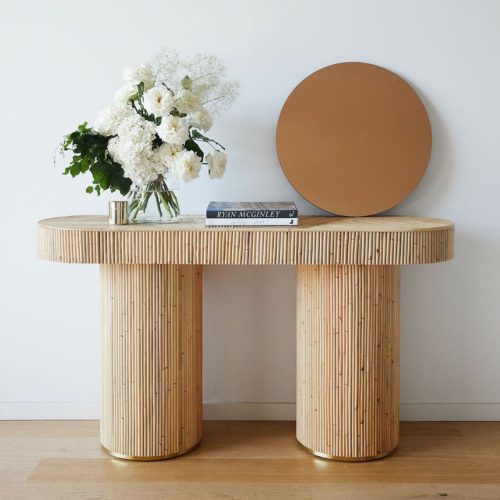
On our wish list is: A Sarah Ellison console for home at the moment, we are really focusing on our home space this year.

Halston Console by Sarah Ellison

Our favourite app is: At the moment, Nike Run Club. Let’s see how long that lasts.

An indulgence we would never forgo is: Chocolate. Dark chocolate gojis are a favourite at the moment.

If we had to limit my shopping to one neighbourhood in one city, it would be: Paris. From the vintage markets to amazing boutiques, it is our favourite place in the world to shop.

Our style icons are: Julie Pelipas, Princess Diana, Lauren Hutton. Just to name a few…

The best book we’ve read in the last year is: How to Do Nothing by Jenny Odell. It seems timely but turned out being so much more than just the title. We highly recommend it.

We can’t miss an episode of: Normal People, we only started the series two days ago and cannot stop.

In our fridge you’ll always find: Olives, Chilli, Taramasalata, Carrots, Eggs and Chocolate. The essentials.

Our favourite room in our house is: Dining room, it looks out over the ocean and is filled with all our favourite art.

We recently discovered: Painting. We have been getting very creative in quarantine and rekindled our love for painting. 

The one artist whose work we would collect is (if price is not an issue): Let’s dream big. Atelier Brancusi.

The last meal out we had that truly impressed us was: We had a long lunch at Bert’s [Paddington, Sydney]. The food, the wine, the sunshine, the people! Cannot wait to go back.

The podcasts we listen to are: The Daily, daily! And anything Goop.

The beauty product we can’t live without is: Our skincare routine, we both visit Solstice Skin here in Bondi regularly and absolutely can’t live without Hayley and her products.

The best gift we ever received was: A surprise trip to Bedarra Island in QLD with our closest friends. They all surprised us at the airport, and we had 3 days on a remote island with no Wi-Fi. Definitely one to remember.

The last music we downloaded was: Our Stay at Home with SIR playlist on Spotify. 

We have a collection of: Books!! Fiction, Non-fiction, travel, photography, art – it’s never ending.

Coveted

Van Cleef & Arpels’ iconic Perlée collection is spherical, joyful and elegant
Van Cleef & Arpels adds to the Perlée collection with elegant three-row rings
Bvlgari revisits one of its boldest signatures with Gold & Steel
North Bondi Residence by Tobias Partners

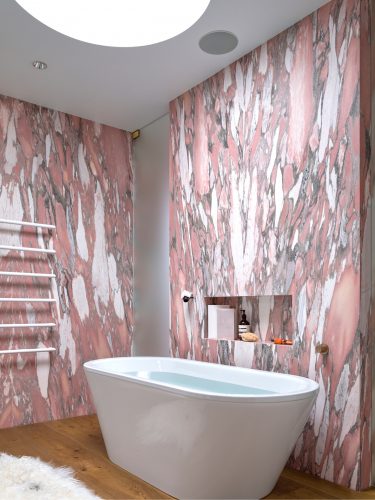
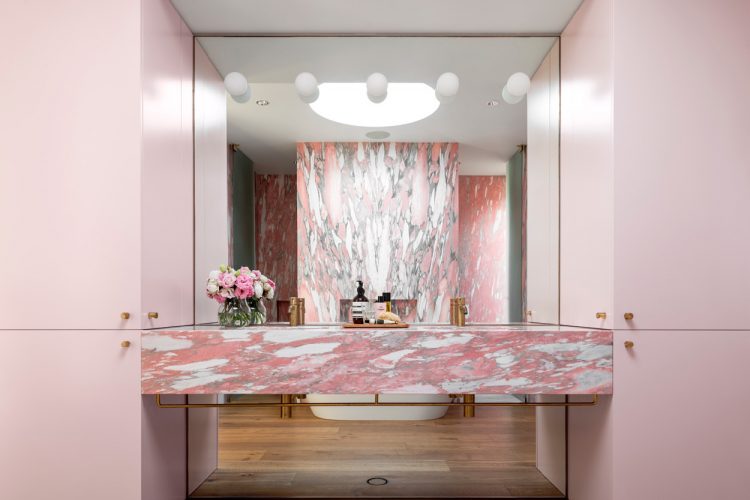
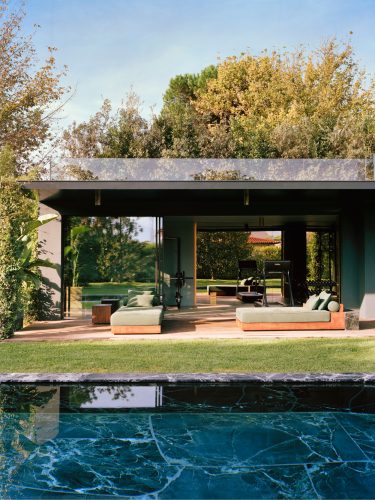
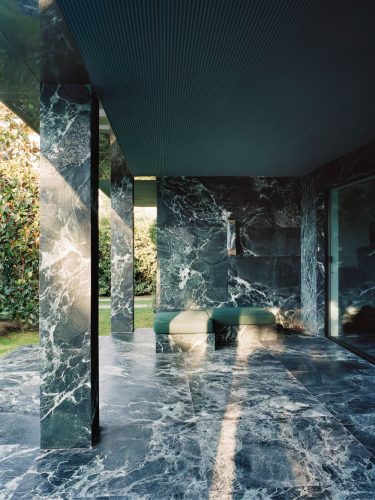
Visually compelling reasons why you need coloured marble in your home

While Carrara marble has long been the stone of choice for its clean palette and versatility, a new breed of colourful slabs is encouraging us to indulge in something a bit more playful.

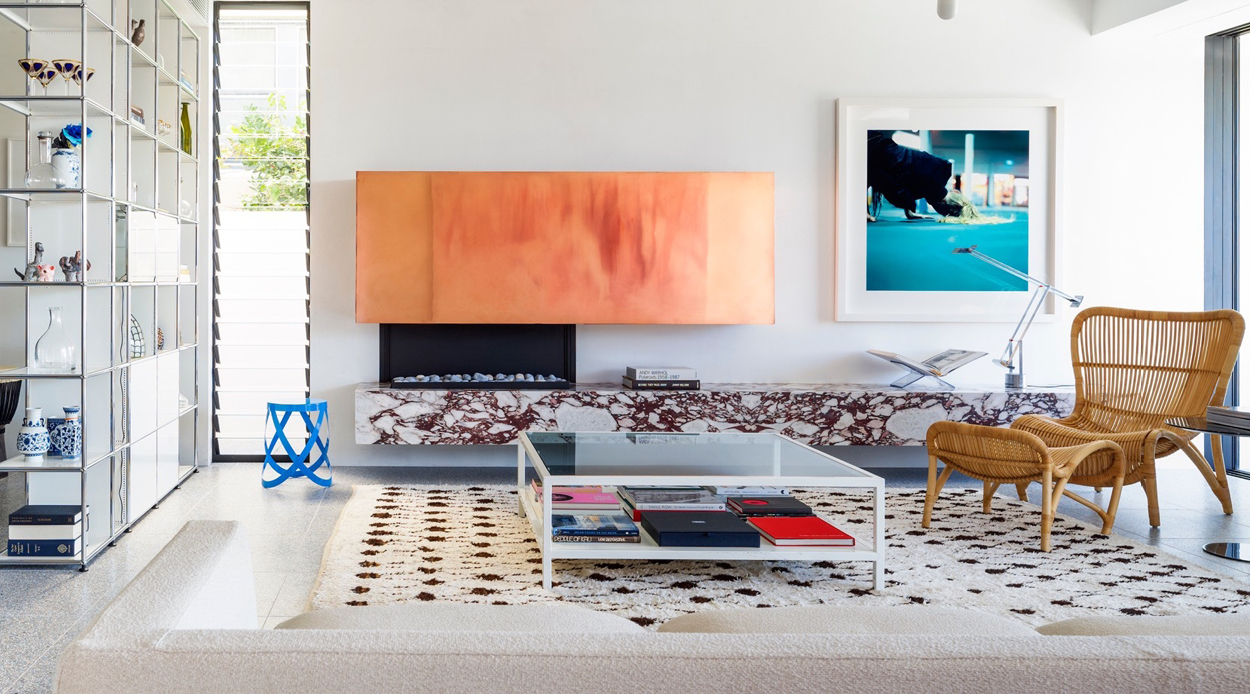
In the vibrant Bondi beach home by Tobias Partners, pictured above, the desire to avoid any interior design clichés of being ‘by the sea’ led to an unlikely mixture of terrazzo flooring flanked by a red and white stone plinth in the living room. Its clever application lent the space an air of sophistication while maintaining a relaxed, laid-back feel.

North Bondi Residence by Tobias Partners

In the bathroom of the same project, candy floss coloured floor-to-ceiling marble walls provide a show-stopping backdrop while rendering the washroom simultaneously bold and feminine.

Art Deco Revival by Vincenzo De Cotiis Architects

Graduating out of the powder room to places where a saturated marble can be an unexpected touch, such as the continuous use of jade granite that sees a kitchen island blend into the flooring in De Cotiis Architects’ Marble House, this robust new movement is proving that unusual marble hues really have no bounds.

Design

We delve into the life and storied career of architect and designer, Antonio Citterio, via some of his most iconic pieces
Inside the quietly luminous London home redefining contemporary family living
The Milan edit: Soft geometry takes centre stage in the living room
38.88% True: a PĀNiA! miniature, 2019, at Mokopōpaki Auckland. Photo: Arekahānara

Meet the underground art scene in Auckland that you’ve probably never heard about

A number of young artists in New Zealand are eschewing the ‘institution’ to pave intriguing pathways of their own. Together the small galleries they and their peers run are cultivating an intriguing art scene. We spoke with the creators behind three such galleries and discovered a trove of creative potential that had been right under our noses the whole time.

Sosâge
43C Dryden Street, Grey Lynn
“I feel like the Auckland art scene is this massive sandwich and we’re just the little filler,” Léa Charron tells me, analogising where she and her new artist-run space fit into the wider landscape of art in this city. “We’re not the bread, we’re not the meat, we’re the nice little sauce that brings it all together.”

I’m meeting the artist and co-curator Nick Jamieson, for a drink to ask them more about Sosâge, the space Léa opened in Grey Lynn. But it was she who posed the first question, asking — an antipodean-inflection offsetting her native French accent — “how did you hear about us?”

Sosâge had been on my radar since I had driven past the space a month or so before. Occupying a small spot on Grey Lynn’s Dryden Street, the gallery maintains a neutral palette in line with something one might expect from an art space. But don’t let its white walls fool you. Sosâge’s offering is different from the norm.

Sosâge

Starting with its unexpected location, somewhere Léa calls, “between the city and suburbia,” the beautiful rows of villas seem to stand in contrast to Sosâge’s experimental windows and rowdy openings. This was something Léa admits she was worried about at first, telling me how events at Sosâge would spill out onto the street. “Actually, the whole neighbourhood has been so supportive,” she tells me, “dropping in to see shows or just to say hi… some people have even bought pieces.” But for both Léa and Nick, selling art (while celebrated when it does happen) is not what necessarily drives them. “Sosâge is a space where things can happen,” Léa tells me, “it blurs the boundaries of a typical gallery space because people can just come in and say ‘hey, I’m an artist can I talk to you,’ and there’s a lot more flexibility around what can be done and the type of art we can show.” Nick agrees, before adding, “it was really important for us that even in the early days we disrupted the proposal system… there is such a huge disconnect between making ‘good’ academic art and making art that commercial galleries will sell, and I think that Sosâge is working to bridge that gap.”

Léa and Nick have a goal to give the art often overlooked by commercial galleries a chance. As Nick tells me, “lots of hyper-academic people make amazing art but they don’t really get shown,” following up by divulging that a bulk of the proposals they’ve received are from people who fit this mould. 

Together, Léa and Nick will look through the proposals they are sent and try to decide the kinds of artists and shows that will work for the gallery’s programming. “Bouncing off each other is really helpful,” Nick says, “because our tastes are worlds apart.” Léa laughs, “it’s true.” Where Nick’s work is mostly clean, graphic and often digital, Léa’s is grounded in sculpture. Nick explains how the artist who was about to exhibit at Sosâge (Claudia Dunes), presented one of the first occasions that he and Léa had almost immediately and unanimously agreed.

In order to exhibit at Sosâge, Léa explains that it’s more about connecting with not only her vision but the overall vibe of the space, as well as bringing something different to the table. Passion and drive override saleability as the central criteria. “It’s totally about removing the barrier,” Léa says, “you don’t have to have 100 shows under your belt, you don’t have to have big people talking about your work, all you need is to be able to show that you actually care about what you’re doing.”

Nick agrees, “some people have a scattergun approach to sending out proposals, and while they’re good for context, we’ve found that actually meeting people is where the business is done.” And when the pair say that they’re open to having anything in the space, they mean it. “We’ve had performance, weird ceramic sculptures, music video releases, a fashion launch,” Léa says, laughing, “honestly you can do whatever the fuck you want, but for me, it’s more about why you’re doing it, and more specifically why you want to do it at Sosâge.” For Léa, the work she finds compelling is, in her words, “something a little bit challenging, bizarre or highly conceptual.”

That said, running a small gallery demands almost constant attention when it comes to remaining afloat, and no matter what the exhibition is, bills still have to be paid. “Is funding available?” I ask, to which Léa acknowledges that Creative New Zealand (the body responsible for funding a number of creative pursuits in this country) is overwhelmed by the volume of applications they receive. “It’s still very, very hard to get to the point where organisations like CNZ will recognise and believe in you,” Léa says, before Nick chimes in, “you have to prove yourself first and put on shows that impress them… it’s that paradox about being able to fund something long enough on your own and then seek funding… but the question is always, will you make it that far?”

Hearing Léa’s and Nick’s plans for the future of Sosâge, however, I feel confident that it will continue to build. For Nick, this includes establishing a solid public programme around the gallery. “I keep coming back to what Serpentine Galleries do in the UK,” Nick says, “they run amazing programmes and will pair shows with academic events and podcasts and videos… they get incredible people from outside the art world in to speak, like lawyers and scientists,” Léa enthusiastically agrees, “scientists! That’s the dream.” She continues, “I also think the online gallery idea is really cool because it would allow us to accommodate different kinds of art that only exist digitally… it also doesn’t require artists to produce anything that creates waste, which is an idea I’m drawn to.” 

For these two, it’s the marriage of art and education that will carry the concept of Sosâge into the future. “That’s culture, you know?” Léa says, “being able to educate people through art towards different avenues and ways of thinking.” Nick concurs, “when you put them together, you can really reach an audience… yeah, that’s what we want.”

Mercy Pictures
6B Little High Street, Auckland CBD
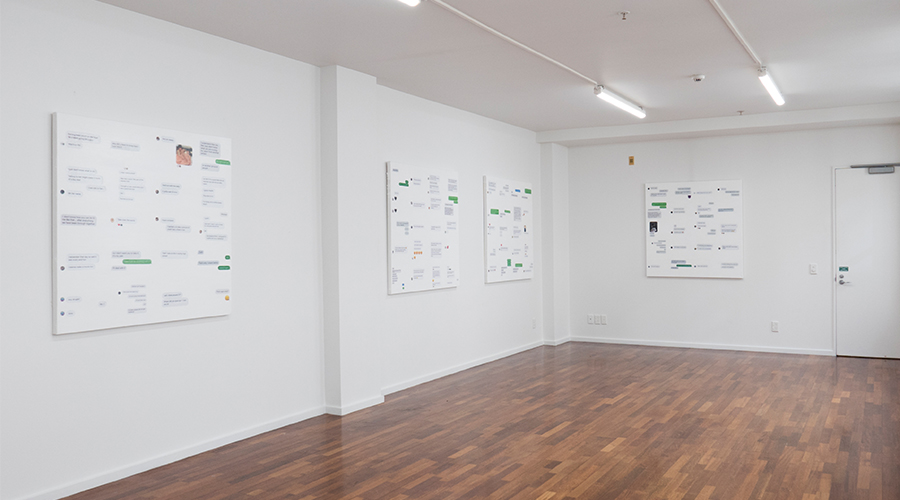
The first thing I noted, walking into Mercy Pictures (after catching my breath from the six flights of stairs it took me to get there) was the lightness of the space. “You know, there is an elevator,” Jerome Ngan-Kee says, leading me into the gallery he started with partner Teghan Burt. On the walls hung pieces that Teghan explained as part of her Touching Each Other exhibition — canvases on which iPhone message threads had been blown up — casting the white-walled space in a stark, modern light. 

“The way it kind of works in Auckland at the moment,” Jerome says, after I ask what inspired the duo to start their own gallery, “is that if you want to keep doing shows, you have to do them yourself.” It was after attending Elam together (The University of Auckland’s School of Fine Arts) and spending a number of years running other galleries that Jerome and Teghan decided to start Mercy Pictures, armed with a shared desire to create opportunities for themselves and their peers in what they saw as a small market. “As opposed to just sitting back and waiting for someone to give you a show,” Jerome continues, “you’ve got to help yourself. It’s just a more robust way to engage in art.” I ask whether the perceived lack of opportunity is simply a question of size, New Zealand is, after all, a small country. “It’s just one of those banal truths,” says Jerome, “it is small, and with that size comes inevitable limitations.” Regardless, this doesn’t seem to be slowing the pair down. 

“The thing is,” ventures Jerome, “when you’re a young person making art, people often say ‘oh that’s a nice thing that you’re doing,” he cocks his head, imitating the kind of patronising expression he has probably encountered a number of times. “So when we started Mercy,” Teghan pipes up, “we wanted to do something that was perhaps a little more serious.”

Teghan Burt, Touching Each Other, 2019 at Mercy Pictures

It’s a strategy that’s paying off. In 2018, Mercy Pictures hosted artist Amalia Ulman for her first solo exhibition in New Zealand. Ulman is the artist, if you remember, who made her name staging a piece of performance art on Instagram, where she adopted the persona of an aspiring ‘influencer’ on a quest for superficial perfection. Excellences & Perfections, as it was called, was eventually included in a group show at the Tate Modern, making Ulman the first ‘social media artist’ to be shown at a major institution. 

Speaking about the artists they approach for shows, Teghan tells me that most of them do it “for the love of art,” which is also a nice summary of what seems to be this duo’s primary aim. “We’re not really driven by commercial imperatives,” Jerome tells me, “I mean the money would be nice but it’s not our main focus.” At the start of this year Mercy Pictures also held a group show curated by artist Rob McKenzie, that featured 22 artists from New York, “some of them were pretty massive,” Teghan tells me, like Bernadette Van-Huy — a big player in the New York art scene since founding Bernadette Corporation in the nineties.

But while the underlying imperative of Mercy Pictures is to share a love of art, I’m reminded not to underestimate how serious these two are, as Jerome explains their presence at the SPRING1883 art fair in Sydney. “The main way we fund Mercy Pictures is through selling art,” Jerome tells me, “as well as lump sum donations from patrons.” He articulates that Mercy Pictures is more like a dealer gallery than it is an artist-run space — the latter, a moniker they don’t feel aptly sums up what they’re trying to achieve. “We’ve both already run a number of artist-run spaces,” Teghan says with a laugh, “and so we wanted to move on to something different.” 
This really comes back to the idea of being young and finding it difficult to get people to take you at your ability, not your age. “I feel like in other cultural spheres, young people seem to be empowered,” Jerome says, “but in art, I think a lot of young people don’t feel that.” For Jerome and Teghan, this comes down to the need for more education (at institutions like Elam) about the varied options available to young artists in the industry. “When I started at university, “Teghan tells me, “the head of Elam gave a speech where he said, ‘there are 100 of you, and only one of you will be an artist’… which might be the statistics… but if you go into the industry with that attitude then it just becomes like a luck of the draw thing.”



This narrow view is something that Jerome and Teghan wish would change. “Art can exist in a bit of an idealistic sphere,” Jerome says, “but people need to think about it practically too.” He goes on, “you can create art however you want and there are a number of things you can do to make it exist and survive,” explaining how, while there are, of course, struggles around creating opportunities, “you just have to be persistent.”

Persistence, it seems, has paid off for Jerome and Teghan. As Mercy Pictures continues to steadily build a reputation for itself in Auckland, the pair’s vision is to keep things steady and hopefully figure out how to turn the gallery into a proper, full-time job for them both. 

Until then, people can still visit the light-filled, loft gallery on Little High Street if they’re looking to broaden their horizons. “It’s hard to know what people think,” says Jerome, “but I hope they view this as a good thing for Auckland.” Teghan adds, “people overseas say they like our programming, so that’s cool.”

Mokopōpaki
454 Karangahape Road, Auckland CBD
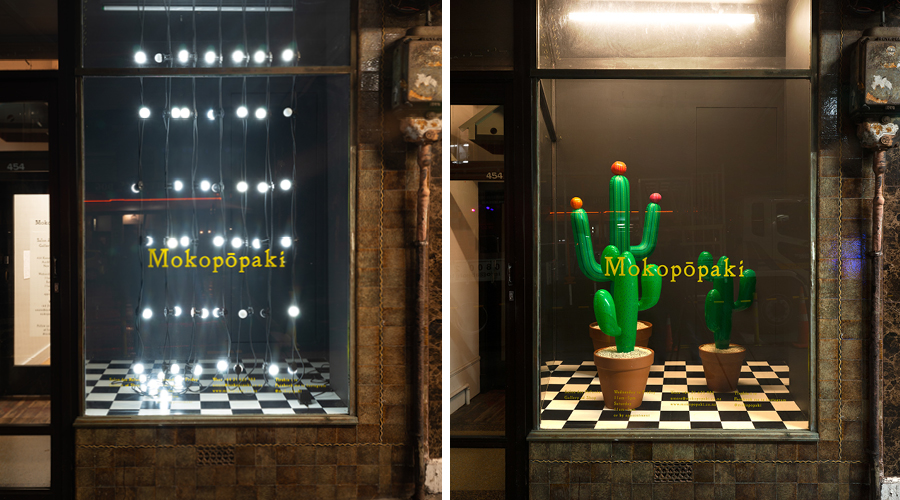
Tucked into Karangahape Road’s Ladies Mile, is a gallery making waves that belie its physical size. Mokopōpaki is, as its Associate Director and ‘Keeper of the House,’ Jacob Raniera tells me, “a commercial, dealer gallery” (as opposed to an artist-run space), something he deems necessary to be able to be successful and survive. And yet, walking into the space it feels devoid of the often stark commerciality that can come with the territory of being included in that breed. 

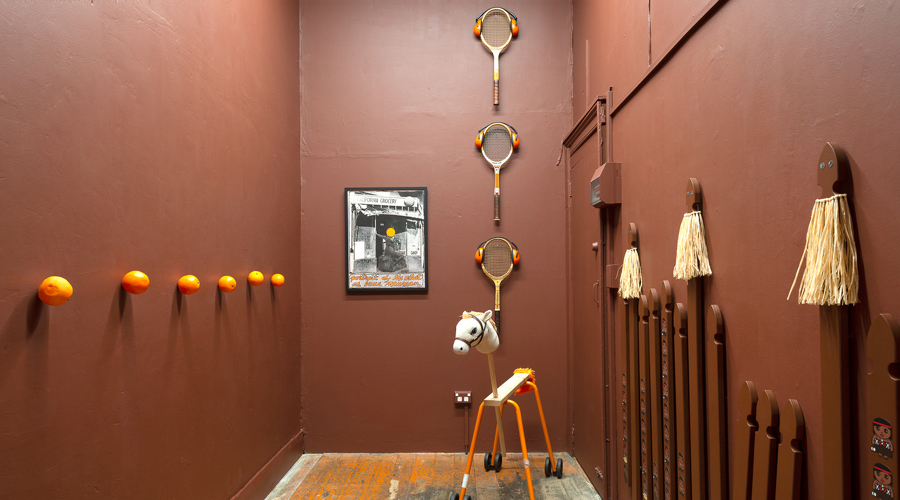
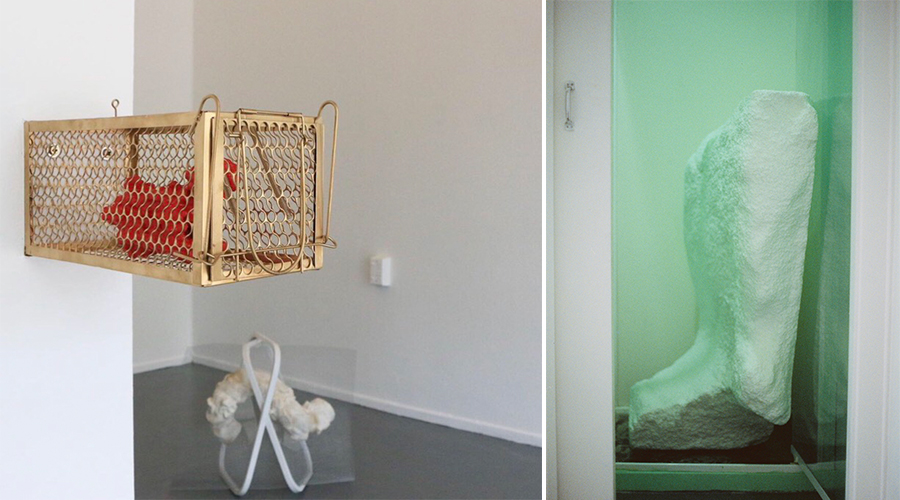
Left: Roman Mitch, Last Night, 2019. Right: PĀNiA!, Indian Country, 2019. Courtesy of the artists and Mokopopaki Auckland. Photos: Arekahanara

Mokopōpaki is inherently warm. It consists of only two rooms, set in a long, narrow space, and is not a place where you’ll find clean white walls or echo-y voids. “For us, changing the background that the art was to be seen on, changed how we looked at the art in the first place,” Jacob tells me, “the brown walls in the Brown Room… suggest both an actual and metaphoric shift in perspective.” Even the floors we’re standing on, he explains, are subject to artistic consideration, with artist Billy Apple removing the original vinyl flooring two years ago as part of his work Brown Room Subtraction. There is even an enclosed shower in one corner of the Brown Room, that Jacob says couldn’t be removed when they took over the space and as such, has been embraced as an active part of the exhibition experience.

The gallery is, as Jacob articulates, “an inclusive space with Māori ideas and values at its centre,” going on to explain, “we are a critical group or whānau who want to make ‘art for people’ accessible… we apply Māori approaches to exhibition-making and the production of artwork.” The artwork is cross-generational, experimental and is displayed in a way that makes it feel tangible to me, drawing me in with its presentation that is both raw and thoughtful.

 “One of our main aims is to create an environment where everyone feels welcome and invited in,” Jacob says, which is exactly the effect the gallery has as I admire the various pieces that make up HĀTEPE, an exhibition organised by Roman Mitch. Jacob, walking me through the exhibition, points out various pieces that were made by artists’ family members — Te Kōkako and Te Kererū Māui, a pair of dolls that had been sent over from the UK by Jacob’s cousin Te Maari; woven tāniko by Dianne Rereina Potaka-Wade that was a gift to her daughter; an intriguing installation calledDecision-Making Bucket by Roman’s six-year-old son, Marcel Tautahi.

For Jacob, the idea of family lies at the heart of Mokopōpaki. “It is named after my Māori grandfather,” Jacob explains of the gallery’s unique moniker. “Pōpaki means ‘clear, fine night’… which may mean that my grandfather was named in celebration of a child or mokopuna born on a clear, fine night.” He goes on to explain how the Mokopōpaki logo also draws on abstract symbols borrowed from a Māori lunar calendar, underlining how “the light of the moon informs all that we do at Mokopōpaki… it’s our way of referencing, not only another logic or Māori-centric way of the world, but also demonstrates our commitment to women and women artists.”

In line with the way Mokopōpaki aims to ask questions and tell stories, Jacob explains how the gallery doesn’t accept random proposals, adopting a more collaborative approach to programming. “We want to show work that not only responds to the space,” he says, “but that also, in some way considers the core values that are at our centre.” Citing artists willing to embrace the unknown and explore experimental concepts as the kind that work well at Mokopōpaki, Jacob underlines why this gallery has established a reputation for what he calls, “promoting the wild card.”

Mokopōpaki has also collaborated with Te Tuhi, a contemporary art gallery in Pakuranga to present a series of works by local, anonymous artist PĀNiA!. It included her Pakuranga Customs House/Attitude Arrival Lounge, at which visitors were offered the opportunity to have their own, replica New Zealand ‘PĀNiA! Passport’ that was filled with their photo (quickly taken on a phone and printed on a portable printer) and stamped with the names of iconic international galleries — MoMA, Guggenheim, Tate Modern et al. 

Just before I left Mokopōpaki, Jacob offered to issue me with my own ‘PĀNiA! Passport’, snapping a photo of me in front of Tiffany Thornley’s quilted piece, From the scraps of patriarchy I made myself anew and asking me to sign it before stamping it with the aforementioned insignia. Now, it sits on my desk, a daily reminder of the way that, as Jacob articulates, Mokopōpaki is seeking to take its unique, creative vision to the world.

Culture

Wondering what to watch? These new shows should be on your radar
We talk to author Trent Dalton on his dark childhood, finding light between the cracks, and the girl who saved him
The Stars Have Aligned, Babe!

This chocolate frozen banana bites recipe will be your go-to snack hack

If, like us, you find yourself craving a snack come 3pm (ok, 11am), you’ll know how hard it is to steer clear of the sweet treats. A few nuts and seeds suddenly turns into some fruit, chips, half a block of chocolate — hell, why stop there, we’ll start the clean eating tomorrow. It’s difficult, to say the least. So, to help those of you who also have no willpower, or would just like a healthy snack alternative, here’s a little frozen dark chocolate banana bite recipe. The trick lies in just having a couple.

Ingredients
1 block of dark chocolate (we love Whittaker’s Fair Trade Dark Ghana)
4 almost ripe bananas

Optional
Crushed nuts (such as peanuts)
Peanut butter

Method
Break up the chocolate block into pieces and melt in the microwave or a bain-marie, being careful not to let it burn. While melting, slice bananas into 2cm thick slices. Remove the chocolate from the heat. Now, you can choose to make mini banana sandwiches with peanut butter (see pic above) or leave as single pieces. Take a toothpick and dip each banana slice into the chocolate (we like to cover ours completely), then, either sprinkle with crushed nuts or just place onto a baking paper-covered tray and pop into the freezer. Once frozen (about an hour) empty into a zip lock bag and return to the freezer. Be a legend and take them to work for your colleagues to enjoy. Or give them to the kids, they’ll be playground royalty that day.

Gastronomy

A new Grey Lynn café has quietly opened on Richmond Road
Denizen’s definitive guide to the best Italian restaurants in Auckland
The Hotel Britomart and kingi celebrates sustainable luxury by launching Zero-Waste Dish of the Week

An unmistakable beach retreat with a minimalist finish and maximum appeal

If you arrived at one of interior designer Mim Fanning’s most recent projects blindfolded, when the mask finally slipped you would easily be able to identify your location to the authorities, but with the attention to detail in this brilliant beach house, would you really want to be found?

Perched moments from the rocky beach of Sorrento in Victoria, Fanning focused on subtle ways of referencing the raw elements of the outdoors by taking a minimalist route, where tactile furnishings and textured finishes enliven the restrained backdrop. 

The generous living space, expansive dining table and substantial kitchen island, all emerged from Fanning’s long experience creating beach retreats and showcase homes in Australia. Her business Mim Design is celebrating 20 years of operation, with a strong clientele that return for her relaxed and refined approach.

“We are finding our clients also want to focus strongly on the family ‘hub’,” Fanning said in a recent interview. “Creating spaces that keep the family together, whether around a large open fire or centralised dining space; gone are the days where rumpus and theatre rooms have been added. It is all about family time and socialising together in one space.”

The flow between the inside and outdoors is regulated by sliding glazed walls, with the symmetry acknowledging the mid century styles at work throughout the home. With incredible views, inside and out, there’s no need for a blindfold ever again,

Design

We delve into the life and storied career of architect and designer, Antonio Citterio, via some of his most iconic pieces
Inside the quietly luminous London home redefining contemporary family living
The Milan edit: Soft geometry takes centre stage in the living room

Designer Alice McCall on black diamonds and Zoë Kravitz

At this time of years designer Alice McCall would usually be busy putting together a knockout show for Australian Fashion Week but with the event on hiatus we asked her to reveal her inspirations and influences. A career that started with styling in London rapidly progressed to her launching her own label in Australia in 2004, which veers from sharp-edged street cool to Valley of the Dolls excess. Available at Superette, McCall’s latest collection offer dashes of disco glamour. We shimmied her out from beneath the mirror ball to get these answers.

My personal style can be defined by:  My personal style is very eclectic and driven by my emotional mood of the day. Sometimes I will be an eighties power woman, sometimes I will have a Stevie Nicks seventies Woodstock vibe. The art of creative self-expression through dress is something I have always loved and is very important to me in my aesthetic and in my designs. It is the footprint of the brand’s DNA, being very eclectic and quite diverse. 

The last thing I bought and loved was: Fantastic Valentino and Balenciaga sunglasses and a pair of Musier Paris Mary Jane platforms, which are very nineties Kate Moss style. 

An unforgettable place I visited was: When I was around 16 years old, I visited the centre of Australia to Uluru. I would love to go back there again one day. 

Next place I’d like to go to: South America.

An object I would never part with is: First I would say my children but they aren’t objects. It would have to be my crystal collection. They are energetic and spiritual objects.

On my wish list is: I am a big vintage shopper. Vintage pieces are always on my wish list. But at the moment I have my eye on a pair of Paris Texas snake skin boots.

The last thing I added to my wardrobe was: Amazing vintage pieces from Rose Bowl markets [Pasadena, US]. 

My favourite app is: I hate to state the obvious but it is Instagram. It allows me to directly connect with creatives that I want to collaborate with. 

An indulgence I would never forgo is: Freedom, for me it is so important to have that unbounded creative freedom and it is something I never want to let go of.  

If I had to limit my shopping to one neighbourhood in one city it would be: Brooklyn and Manhattan. 

My style icon is: It changes regularly, but I’ll forever love Francoise Hardy, Lisa Bonet and Brigitte Bardot. 

Francoise Hardy, Lisa Bonet and Brigitte Bardot

The best book I’ve read in the last year is: A book on psychedelics. How to Change Your Mind by Michael Pollan. 

I can’t miss an episode of: I have recently started watching Zoë Kravitz on High Fidelity. It is an easy watch and she is so effortlessly cool. 

In my fridge you’ll always find: Sparkling water and fresh veggies. 

My favourite room in my house is: My bedroom, it is almost like a Parisian apartment. My bedroom and bathroom are all in one. I have the view of the ocean and it is the perfect place to meditate and unwind, it’s my sanctuary. 

The people I rely on for my wellbeing are: Most definitely I rely on my children and my sisters. 

The one artist whose work I would collect is (if price is not an issue): Francis Bacon. 

Francis Bacon, Three Studies for a Crucifixion, 1962, 78 x 57 inches (198.1 x 144.8 cm) each, Oil with sand on canvas, three panels

I recently discovered: Facebook marketplace, a fantastic place for vintage furniture finds. 

My favourite website is: I love Farfetch, we are stocked on it, but they have a really good balance between high end brands and new cutting edge international brands. 

The last meal out, I had that truly impressed me was: Pace in LA. It has understated Italian American food. 

The best gift I ever received was: My children and black diamonds. 

The beauty product I can’t live without is: I love a blush from M.A.C, particularly their Mineralize Blush and the Studio Sculpt SPF 15 Foundation. 

The podcasts I listen to are: Russel Brand and anything he recommends, he always has guests on his show that are motivational and esoteric. 

The last music I downloaded was: David Bowie, The Man Who Sold The World. I love that Nirvana covered this – it’s equally as good. 

If I wasn’t doing what I am, I would be: A child psychologist.

I have a collection of: Crystals and killer designer heels.

Coveted

Van Cleef & Arpels’ iconic Perlée collection is spherical, joyful and elegant
Van Cleef & Arpels adds to the Perlée collection with elegant three-row rings
Bvlgari revisits one of its boldest signatures with Gold & Steel

Luxury realtor and artist Andrew Wall on design inspirations, artists to admire and what paradise looks like

Alongside his father Graham and brother Ollie, Andrew Wall has sold many of New Zealand’s most prestigious properties through their family business Wall Real Estate. His unerring eye for design is also applied to his work as an artist. Here, the fan of unbridled creativity and supporter of local talent shares a few of his favourite things.

My personal style can be defined by: Monochromatic simplicity. Black tees, jeans and sneakers primarily.

The last thing I bought and loved was: The Toio lamp by Achille and Pier Giacomo Castiglioni for Flos, from ECC. It’s such a fun idea, taking a headlamp from an American car, supported by a fishing rod stem. Hilarious.

The Toio lamp by Achille and Pier Giacomo Castiglioni for Flos

An unforgettable place I visited was: DIA Beacon. My idea of paradise.

Next place I’d like to go to: Marfa, Texas.

Donald Judd, 15 untitled works in concrete, 1980-1984. Permanent collection, the Chinati Foundation, Marfa, Texas.

The last thing I added to my wardrobe was: Cashmere from Doran and Doran.

If I had to limit my shopping to one neighbourhood in one city it would be: The golden triangle of Milano.

My favourite app is: Shazam.

An object I would never part with is: My Jonathan Zawada table.

Marble table by Australian designer Jonathan Zawada

The design that inspires me is: Peter Zumthor. The buildings, person and books.

An indulgence I would never forgo is: Fine red wine.

I can’t miss an episode of: Wild Kratts — my son Teddy’s favourite cartoon. (We’ve seen them all, at least 10 times over).

In my fridge you’ll always find: Antipodes sparkling water, Whittaker’s dark chocolate and Pals Vodka Hawke’s Bay Lime and Soda.

The last meal out I had that truly impressed me was: Azabu – so, so good.

On my wish list is: A Yona Lee, from Michael Lett.

Yona Lee, Lamp in Transit, 2019

My favourite room in my house is: Wherever the best art is at the time.

I recently discovered: Solitude is a great equaliser and it’s fun working with what you’ve got.

The people I rely on for my wellbeing are: My business partners, Graham and Ollie, my family…My greatest joy is definitely my beautiful boy Teddy.

My style icon is: Marcello Mastroianni.

Marcello Mastroianni

The best book I’ve read in the last year is: Herzog and DeMeuron : Natural History.

My favourite website is: wallrealestate.co.nz and scrapwall.com (lol PLUG).

A gadget I can’t do without is: Is a wristwatch a gadget?

The podcasts I listen to are: Stones Throw Records, Simon Pound’s Business is Boring and old self improvement stuff

The best gift I ever received was: Luke Jacomb glass work.

The one artist whose work I would collect is (if price is not an issue): Glass work from Larry Bell, if I had the space, or Roni Horn. One of her glass ‘tablets’ would be amazing.

Larry Bell, Pacific Red II, 2017

The grooming product I can’t live without is: All Aesop.

The last music I downloaded was: Four Tet.

If I wasn’t doing what I am, I would be: A raconteur.

I have a collection of: New Zealand art of our generation.

Design

We delve into the life and storied career of architect and designer, Antonio Citterio, via some of his most iconic pieces
Inside the quietly luminous London home redefining contemporary family living
The Milan edit: Soft geometry takes centre stage in the living room