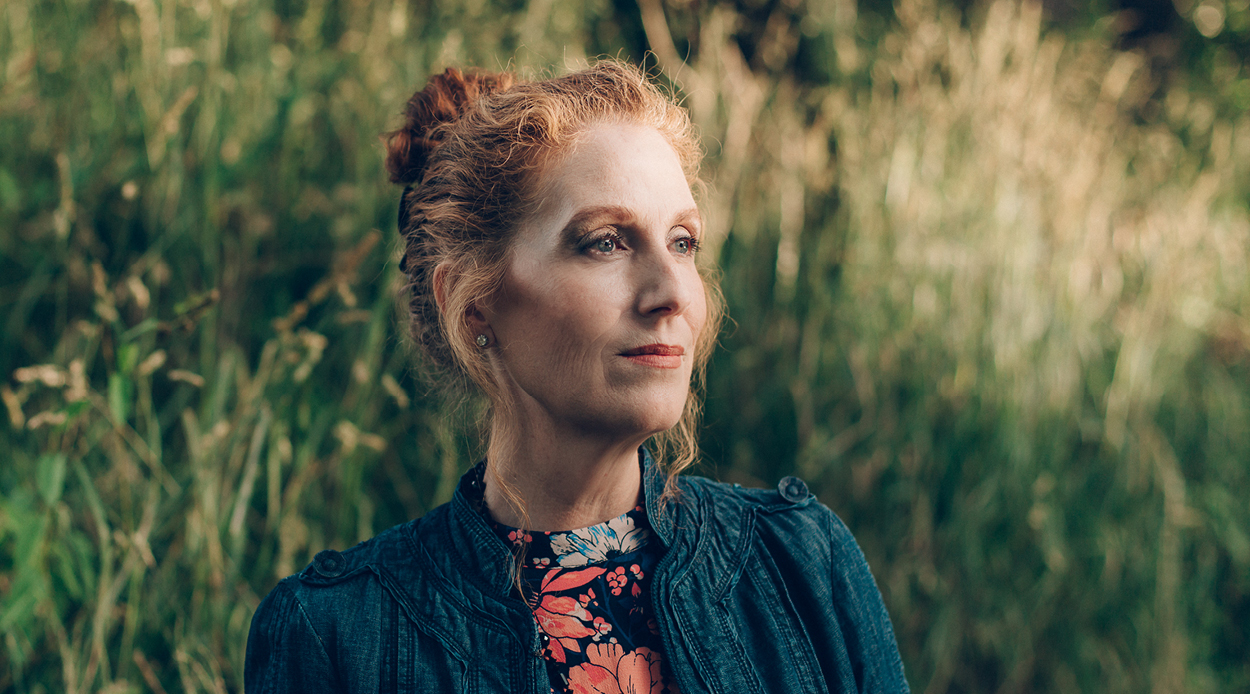


Founder and CEO of both Tahi & Kaeā Skincare, Suzan Craig is the eco-entrepreneur you need to know

Having been raised surrounded by the profound effects of conservation in practice, Suzan Craig has dedicated the last 20 years of her life to regeneration and biodiversity. Purchasing a beautiful piece of land on a remote part of Northland’s coastline just under two decades ago, Craig embarked on the painstaking process of restoring it to its biodiverse origins, proving in the process the immense impact that just one person with a bold idea can have on our precious environment. Called Tahi, Craig’s land is now home to a breathtaking array of native plants and animal species (thanks to the half-a-million native trees she has reintroduced) and stands as a beacon of biodiversity that its steward hopes will offer a blueprint for similar projects here and around the world. At Tahi, Craig not only offers tours, luxury eco-stays and educational programmes but she also has a thriving mānuka honey business and has recently launched a powerful natural skincare line, expertly formulated using botanical ingredients. Here, we sit down with the Switzerland-based New Zealander to talk about her incredible commitment to conservation, and why we need systemic change if we are to build a truly sustainable future and safeguard our environment for generations.

It has been said that a society grows great when old men plant trees in whose shade they shall never sit. Well, I don’t know about old men, but I recently met a woman who proves why this ancient proverb still rings true, and why its sentiment is now, more important than ever.

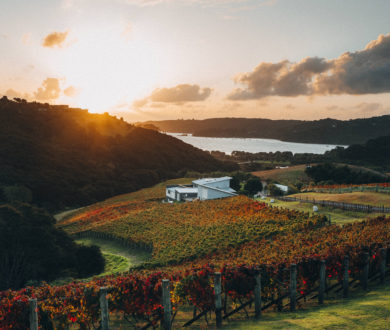
But Suzan Craig has done more than plant trees. Almost twenty years ago, the Switzerland-based New Zealander purchased a remote piece of land by the water near Whangarei that, in her words, was nothing more than a “dilapidated cattle farm.” Armed with a bold, ambitious vision and a passion for conservation, she transformed the 780-acre site into Tahi, spending years painstakingly restoring the ecosystems and bringing its rich, natural biodiversity back to life. Here, not only has Craig planted nearly half a million native trees, but she and her team have reintroduced 15 wetlands, and now, Tahi is home to 72 native species (from fewer than 20), attracts more bird species than most national parks in New Zealand and has a thriving, on-site mānuka honey business (exported around the world and available in stores like Harrods and Selfridges). It has also become one of the biggest employers in the region, establishing itself as a significant and respected part of its Northland community and draws people from around the country and all over the world to its exquisite nature sanctuary. If all that wasn’t enough, Craig also recently launched her first skincare line, Kaeā, a collection of expertly-formulated, clinically proven products that harness the power of active, botanical ingredients, (some of which are sourced from Tahi itself).

And while Tahi is already a multi-faceted business, is sustainable on a number of levels and is award-winning for its conservation efforts, if Craig is to see her ultimate vision realised, then Tahi’s immediate work will have far bigger implications than what we can see and experience now. She wants to plant the kinds of trees in whose shade we can collectively take refuge for decades (for generations, really). And she wants others to understand why embracing a long term vision is so crucial, particularly when it comes to biodiversity, climate change and the idea of planting trees as a widespread strategy for saving our environment. 

But first, a look back to where it all began. Suzan Craig was raised surrounded by conservation in practice. After all, her father is Dr. John Craig (ONZM), a prominent conservation biologist and landscape ecologist who was one of the instigators and central figures of the Tiritiri Matangi Island restoration project. In 1974, a group affectionately called the ‘spade brigade’ launched the Supporters of Tiritiri Matangi, which saw them plant more than 280,000 trees on the small island off the coast of Auckland. They also mapped out an action plan to create a world-class wildlife sanctuary that would inspire new generations of conservationists. It was groundbreaking, and as word of its work spread, so
too did the number of people volunteering to be a part of its story.
Soon, the restorative effects started showing and now, the Island is a richly-diverse destination that is carefully cared for and full of rare native species. It was an ahead-of-its-time example of why biodiverse ecosystems are so important, and created something of a blueprint for how to reintroduce them successfully. 

As a young girl, watching the Tiritiri Matangi project come to life, Craig was afforded a front row seat to the immense impact that strategic conservation could have on even just a small ecosystem. “I saw what regeneration could do,” she tells me, “and the huge power of one tree.” And when she eventually went off to work in commodities trading overseas (creating a revolutionary system for risk management), conservation remained close to her heart. “It had always been there,” she explains, “so when I was fortunate enough to be able to buy a piece of land back home, it was with restoration in mind. I wanted to slowly restore the ecosystems, and that’s what we have done at Tahi.” 

“… there is currently no financial incentive comparable to pine for land-owners to regenerate or restore their land to its natural biodiversity, which ironically, is exactly what is needed if we’re to create an environment that is truly sustainable ”

Now, Tahi has been a work in progress for almost 20 years, and while its achievements to date are significant, its nature is ever-evolving. (The reality of any conservation project and certainly the case for Tiritiri Matangi which is still enacting new Biodiversity Plans and introducing new species.) For Craig, moving from the fast pace of the trading floor to the glacial pace of life as an ‘ecopreneur’ was certainly a shock but also, she tells me, hugely rewarding. It’s a mindset shift that we should all be thinking about when considering any work that impacts the environment. “With regeneration, you have to really plan 10, 20, 30 years into the future,” Craig explains, “it can take up to five years for the soil to heal so that it can facilitate and nurture native plants and species.” She continues, “Now, at Tahi, to see the incredible bird life returning and the fish flourishing in the sea that borders the land has been so inspiring… It offers a massive sense of hope I think, because what we have done here could be done globally, and while that seems like a really big, ambitious idea which it is, if you look at where we started and where we are now, it’s achievable. If we can influence a few people beyond our borders then we’ve succeeded.”

To look at Tahi as a model of conservation within the context of the carbon credit system propelling New Zealand’s pine plantations, is interesting. The idea of planting trees to save the environment is a familiar concept but there is far more nuance to the issue than most people understand. For starters, while there is a huge push at government level to plant trees that will sequester carbon (both here and around the world), most if not all of the financial incentives are tied in with carbon credits, and here, the most economically viable crops to plant are pinus radiatus — a non-native species that, long term, offer very little to our natural ecosystem. Even so, crops are being planted across New Zealand every day because they are cheap to grow and easy to manage. 

Unfortunately, there is currently no financial incentive comparable to pine for land-owners to regenerate or restore their land to its natural biodiversity, which ironically, is exactly what is needed if we’re to create an environment that is truly sustainable for decades to come. If you analyse biodiversity as a prospect on paper, the numbers just don’t stack up. (Which unfortunately isn’t at all representative of its huge value off paper — in the real world.) And, as carbon credit value drops (which some experts predict will happen around 2040) there will need to be another solution in place for long term environmental and economic sustainability — a call that biodiverse regeneration is perfectly equipped to answer, if only it could get the support it needs from the top. New Zealand’s move to permanent pine plantations, which can deliver huge financial windfalls for land-owners all in the name of environmental regeneration, is an issue for our future, and is something about which Craig feels passionately. 
“We need to start placing economic value where the real value is,” she explains. “Biodiverse, native forests not only give more back to the environment over time, but they support native species to thrive, which has a measurable impact on our lives, too… but it takes a lot of time and money to manage, so the change here has to be systemic.” Craig argues that if New Zealand could just back biodiversity in a big way through our Emissions Trading Scheme (ETS) then perhaps the significant set-up and maintenance costs of regenerating a biodiverse forest could be subsidised. And if Tahi is anything to go by, not only does biodiversity benefit the land, it cultivates a community and delivers jobs to people, too. It just takes a bit of innovative, creative thinking. “New Zealand is playing the short term when we could be leading in this space,” Craig emphasises. “We need some more bold, brave people to showcase what is possible and to demonstrate that there is actually a viable financial model here, if you go deeper.” 

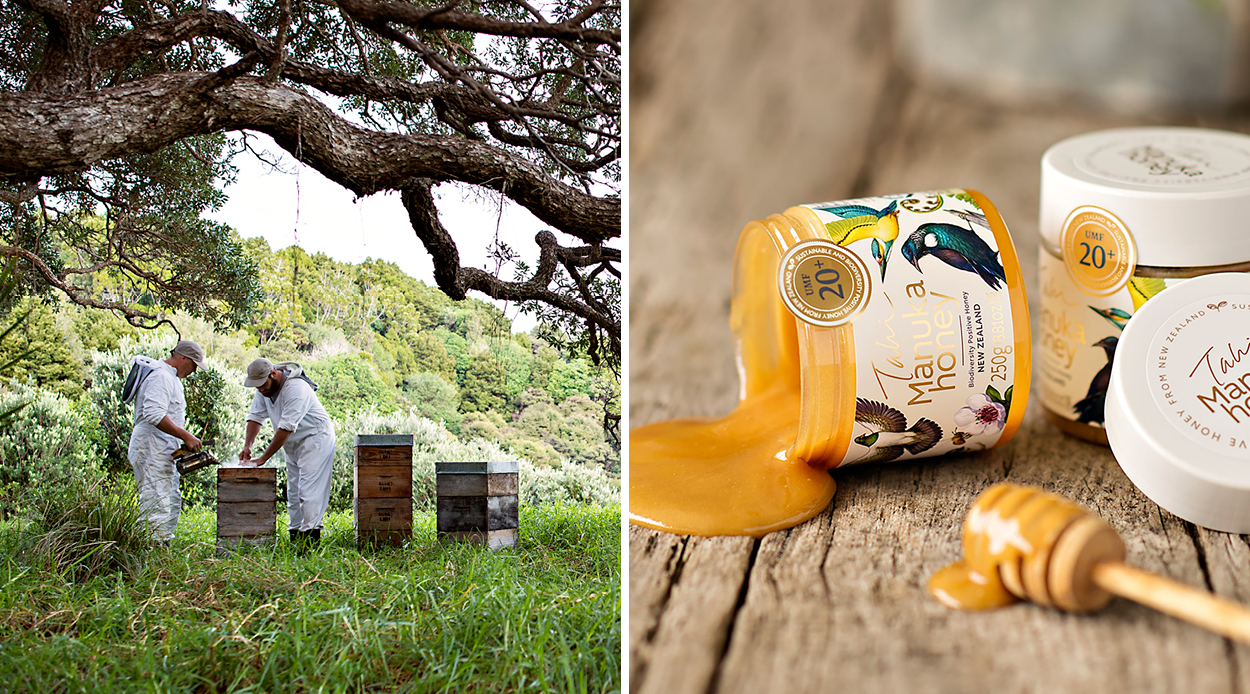
This message is something that Craig is focused on expanding on through her work at Tahi. Not only via direct advocacy, but by creating the conditions in which people can learn more, including offering walks and tours of Tahi, luxury eco-stay accommodation on the property and running programmes for children in schools. Beyond New Zealand, Craig’s message of sustainability has been taken to the world via her premium Tahi mānuka honey products, and more recently, her new skincare line too. “That’s why I have the birds on our packaging for both,” Craig reveals, “not only are birds the single biggest indicator of biodiversity, but they are the symbol that takes our message to the world.” 

For anyone unfamiliar, Tahi mānuka honey is exceptional. This biodiverse-positive honey is kept as close to the raw product as possible, harvested using only ethical bee-keeping practices and undergoing no overheating or pasteurising to ensure its potent properties can deliver a full spectrum of benefits. Every jar is fully traceable, and is free from GMO and GE with no added water, sugar and certainly no chemicals. As pure and authentic as mānuka honey can get, it is the perfect vehicle for Craig to spread
Tahi’s message, a physical representation of the integrity with which she stewards her land. 

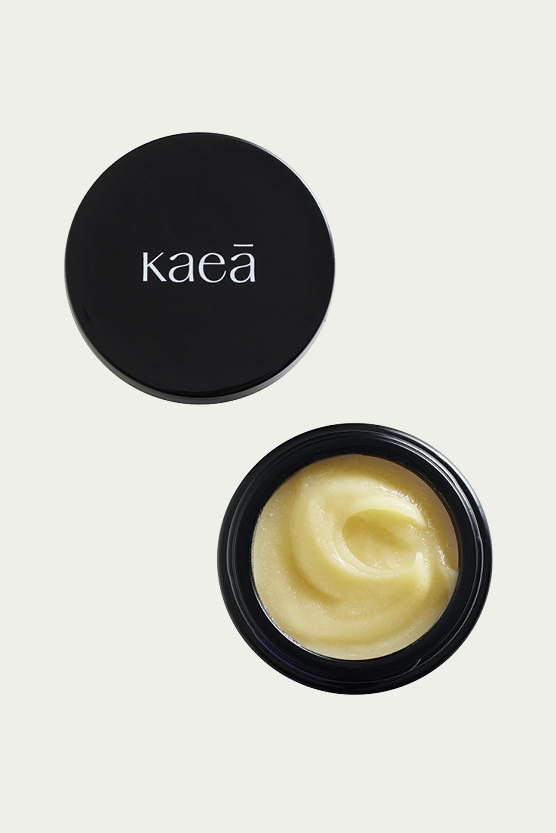
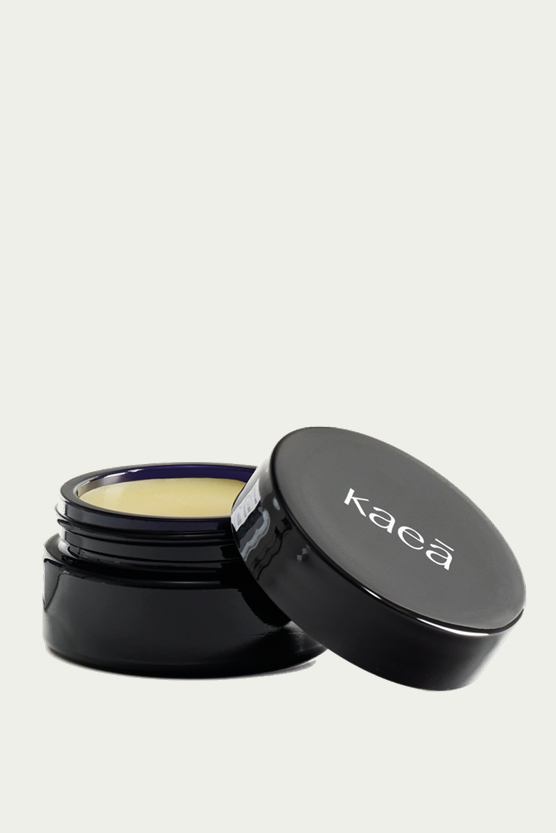
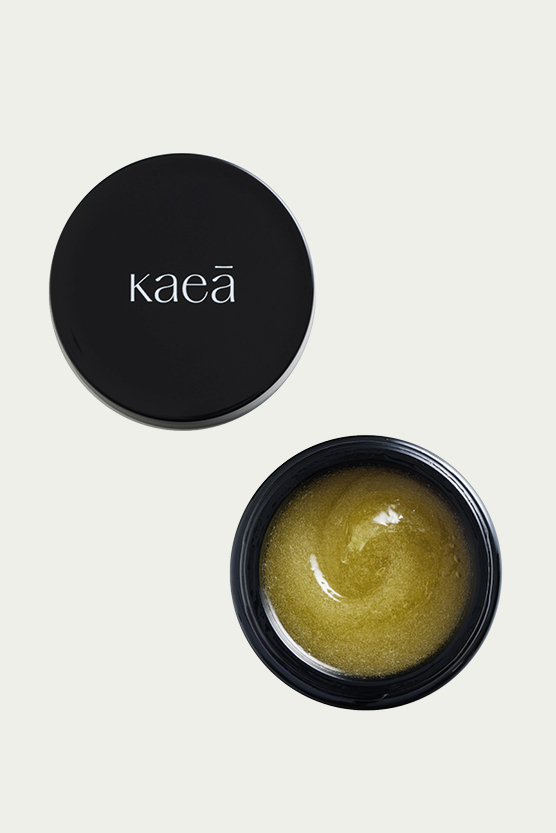
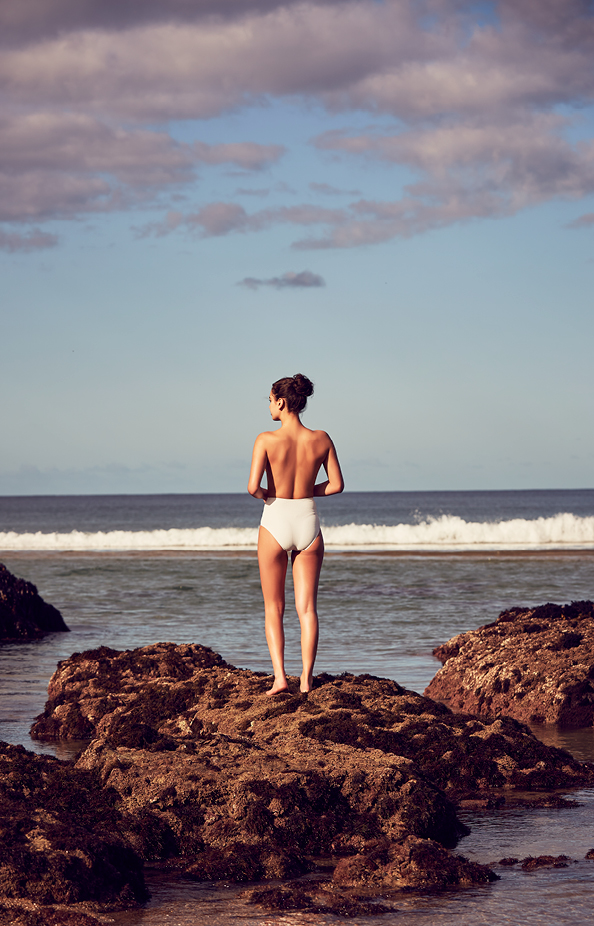
Similarly, Craig’s newly-launched skincare line Kaeā has been a true labour of love, offering something unique in what is fast-becoming a highly-saturated but sought-after space. Kaeā’s products are potent and multipurpose, and with only four in the line at the moment, are easy to add into any routine or tailor to individual skin types. But it wasn’t a straightforward road to launch, with Craig explaining how she had to approach the process meticulously and in collaboration with global experts at every stage. 

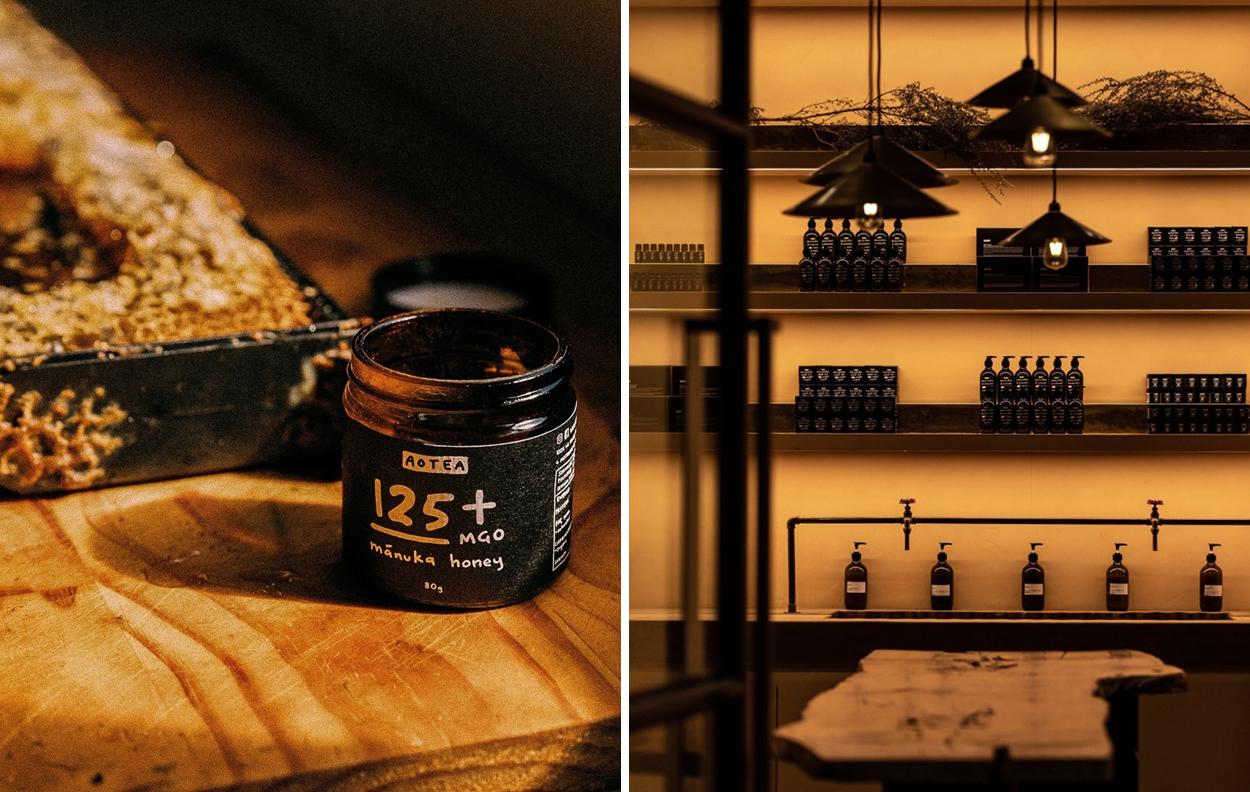
“I was suffering from terrible rosacea,” Craig reveals, “and I had gone through this really long journey of trying every cream and nothing worked, so I was about to go on prescription medication when I thought that I would try some of our Tahi mānuka honey. It made a huge difference.” Knowing she couldn’t very well wear honey on her face every day, Craig decided to create a minimalistic, natural skincare line that harnessed the makuna’s healing and protective powers, calling on world-renowned formulator Daniele Ryman to help her bring her vision to life. “I had very clear, non-negotiable baselines,” she explains, “which were to take the purest, most powerful botanical ingredients and turn them into high-performance products using waterless formulations and no additives.” 
The Rejuvenator
from Kaeā
The Vitaliser
from Kaeā
The Rescuer
from Kaeā
The Cleanser
from Kaeā

The whole process took five years. But not only was Craig able to meet the high standards she set for herself, she managed to get all of Kaeā’s products clinically tested and proven, and now, has a skincare line that is making waves both here and overseas. “We were recently picked up by a new spa in Switzerland,” she tells me, of the luxurious new space at the Villars Palace Hotel. In fact, Craig says, the hotel team loved the line so much that they put Kaeā in their official spa name — a testament to the way she has balanced efficacy with luxury in each of her products. 

Importantly, Craig reinvests 100 percent of all profits made from her honey and Kaeā, back into Tahi. That has always been her pledge. Because ultimately, what she is advocating for through her various eco-ventures,  is an approach to sustainability free from the green-washed buzzwords that have been so widely and casually co-opted by corporations. To her, true sustainability is as much about caring for people as it is about caring for the land. You can’t have one without the other. It’s an idea that only really works when its environmental schemes run in parallel with economic considerations; and when communities can be created and cultures cultivated around it. Because in order to get buy-in from people at every level, sustainability needs to be more than just a badge or a byline. It has to feel real, tangible and lasting. Suzan Craig knows this better than most. 

“Tahi is a micro example, but we’re expanding” she explains, “and now we are looking at ways we take the rigorous methodology they use in forestry, for example, and apply it to a biodiverse context.” She continues, “eventually I’m hoping that Tahi can be made fully financially sustainable, so that it doesn’t require any one person to support the restoration and regeneration, it becomes a whole ecosystem within an ecosystem — the community, the financial model and the actual land, and that ultimately, our version of sustainability becomes a financial model that can be replicated here and around the world.” 

It’s an ambitious goal indeed. But what Craig is aiming for is something that will benefit all of us, and our children, and their children. She is reimagining the model of regeneration, and hopefully building something that will shift the dial on our approach to sustainability, collectively and systemically. Beyond the honey, beyond the skincare, it’s a message of very real hope for the future, and that’s something we can all get behind.


Wellbeing

The sleep reset: We consult a sleep expert on the 10 steps to follow to start having the best sleep of your life
Bouncing back: What jumping around for 10 minutes every morning has done for me
The next-generation toxin promising speed, subtlety and rare staying power

See how the designers of Jervois Road Apartments utilised Fisher & Paykel to create a subtle, sophisticated finish

In a bid to optimise the space, functionality and sleek appearance of the Jervois Road Apartments, the architects at Monk Mackenzie turned to Fisher & Paykel for solutions that ticked all the boxes. 

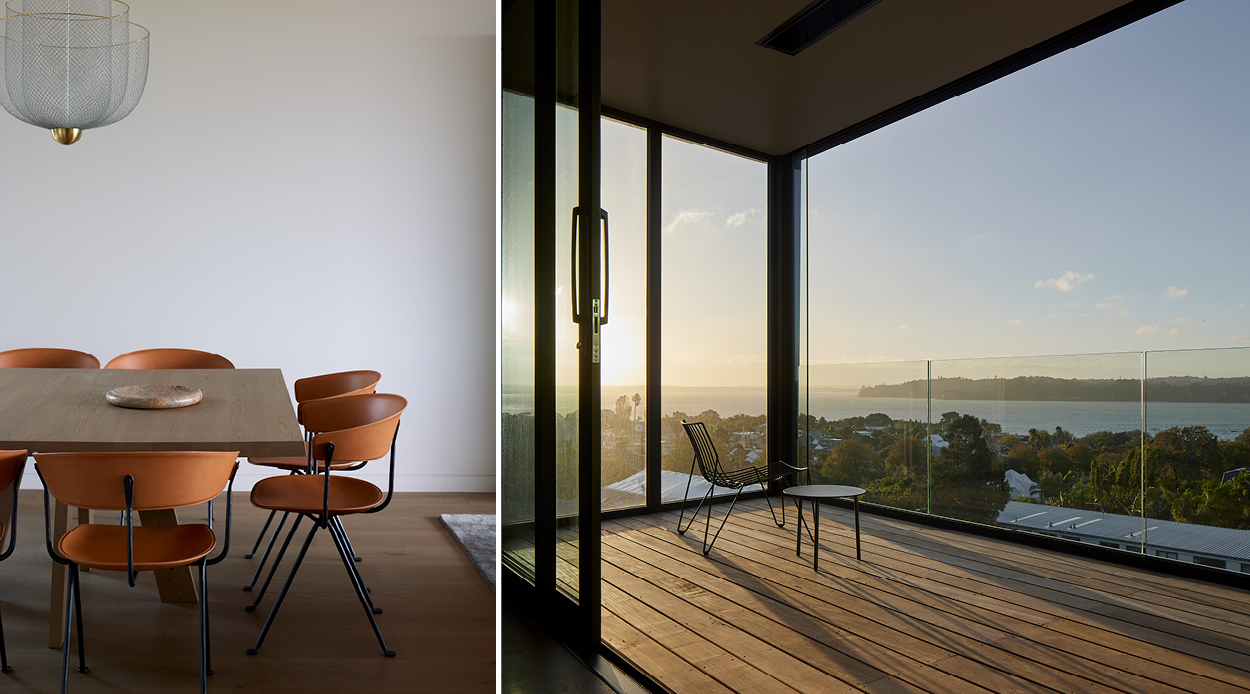
In designing the impressive Jervois Road Apartments (named after the street on which they stand) architecture firm Monk Mackenzie wanted to create something that felt luxurious and private, reimagining the idea of the typical city dwelling to optimise space for its residents, and to offer something that felt unique and elevated.

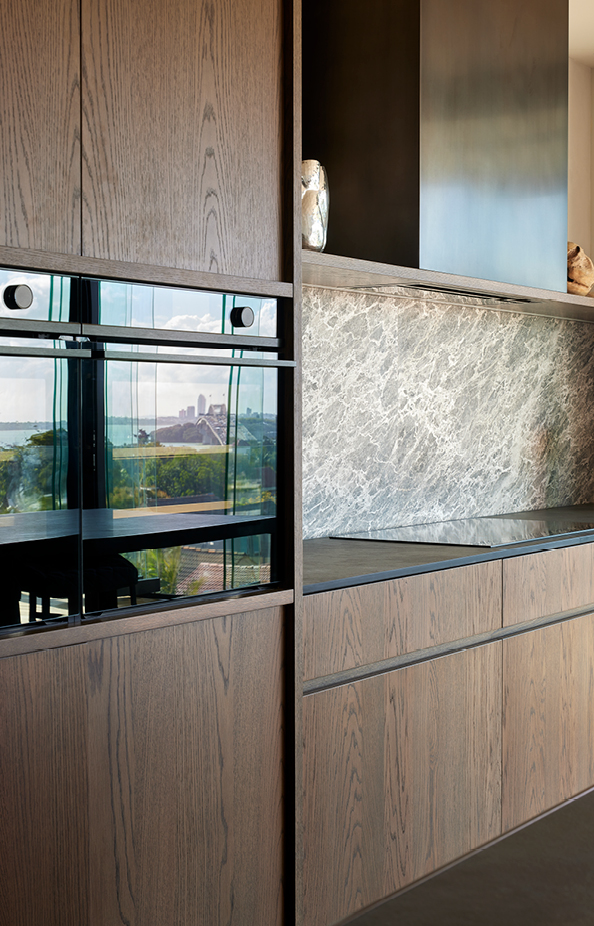
Combination Steam Oven, Minimal Oven, Rangehood and Induction Cooktop
Minimal Oven
from Fisher & Paykel
Minimal Steam Oven
from Fisher & Paykel
Minimal Induction Cooktop
from Fisher & Paykel
Integrated Rangehood
from Fisher & Paykel

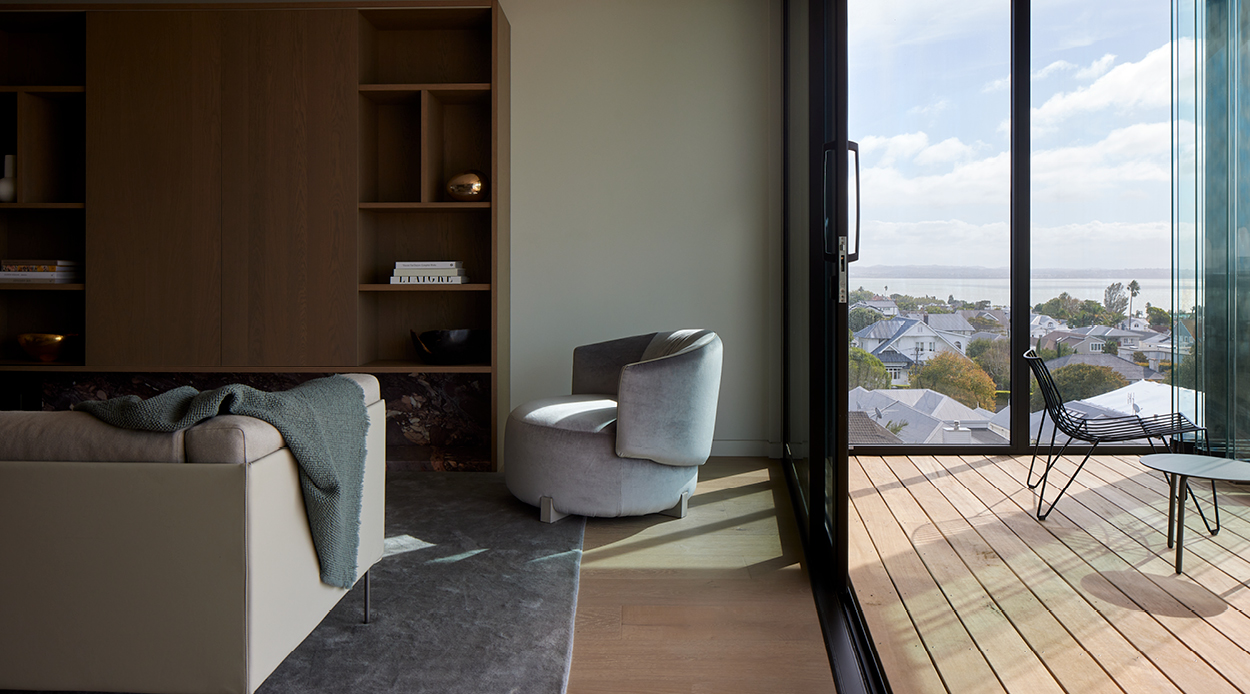
From the undulating metal-screen facade that gives the building a strong but graceful presence on the street, to the ways in which the architects managed to maximise the sea-views for residents from the back of the building, Jervois Road is a masterclass in how we should be answering the call for higher-density housing solutions, in a way that both maintains the beauty of our city’s suburbs and keeps residents connected to nature.

In each apartment, the team at Monk Mackenzie had to strategically explore how they could offer luxury, privacy and highly-bespoke interiors that were beautiful but still practical and fit for purpose. Thinking about the ways in which the contemporary apartment-dweller in Auckland might live, they created spaces that feel warm and homely, but that are also inherently low-maintenence and filled with essential, modern amenities that have been designed to keep a household running smoothly.

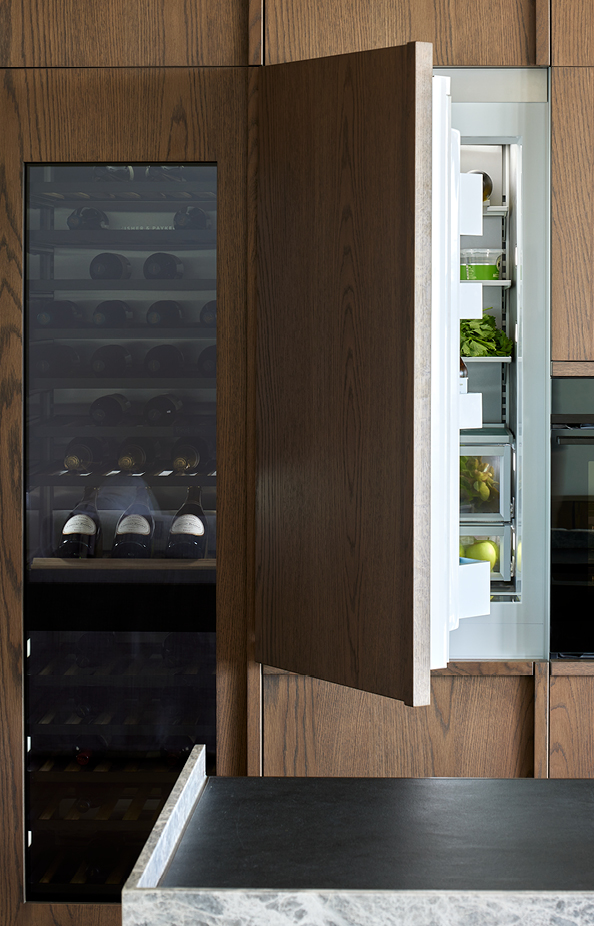
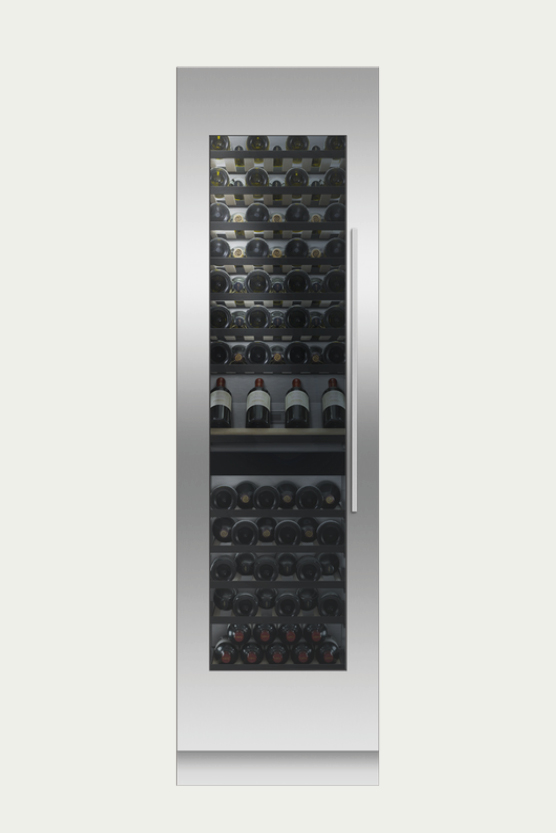
Column Wine Cabinet and Refrigerator Freezer
Integrated Wine Cabinet
from Fisher & Paykel
Integrated Refrigerator
from Fisher & Paykel
Integrated Dishwasher
from Fisher & Paykel

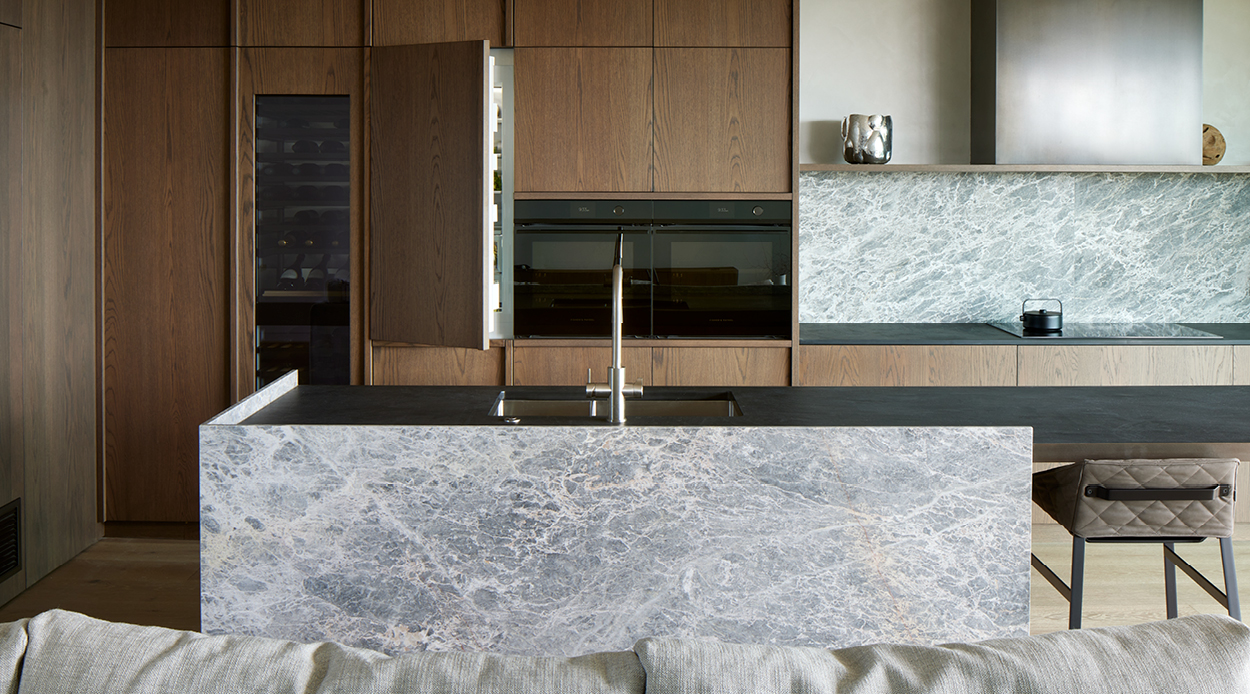
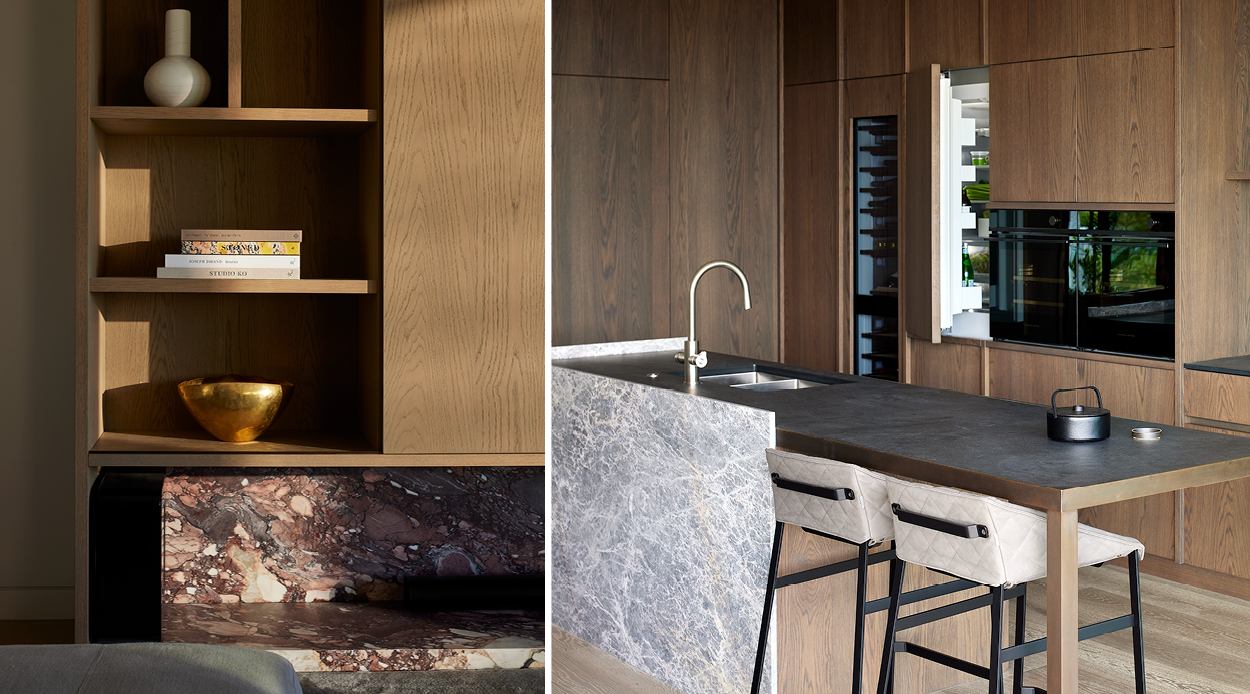
The best example of this idea is in the kitchen, where the designers opted for a suite of integrated Fisher & Paykel appliances, as much for their renowned functionality as for their minimal, sleek appearance. The Minimal Combination Steam Oven, for instance, has been mounted on the wall in a genius move that makes it more accessible than ever. That, combined with its subtle glass frontage with very few buttons or colour allows it to almost disappear, highlighted only when in use. It’s a similar idea with the Rangehood and the Induction Cooktop, alongside an Refrigerator Freezer and Wine Cabinet are totally hidden from view, tucked into the kitchen’s dark oak cabinetry. And for anyone who hates bending down to load the dishwasher, two Fisher & Paykel Integrated Dishdrawers have been placed either side of the sink, taking the hassle out of washing up. 

From its striking material palette to its sumptuous furnishings to its practical considerations, the Jervois Road development offers the perfect solution to city-fringe living, and truly elevates the apartment like never before.


fisherpaykel.com

Interiors — Amelia Holmes
Developer — Artifact Property

Design

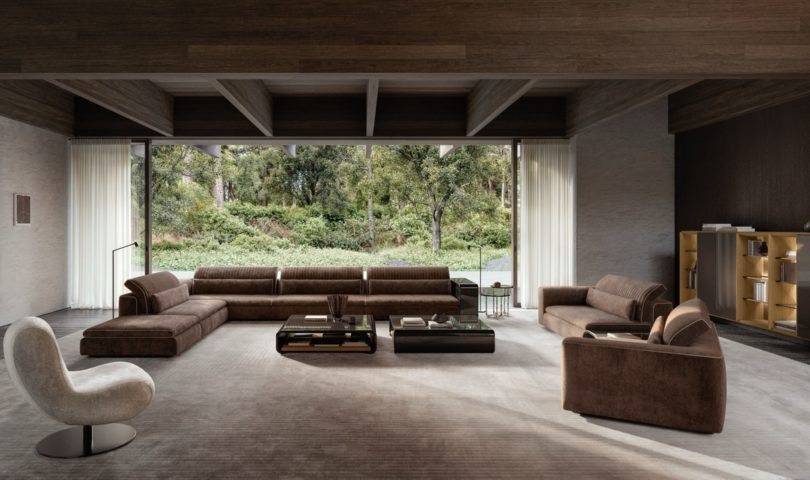
The Milan edit: Soft geometry takes centre stage in the living room
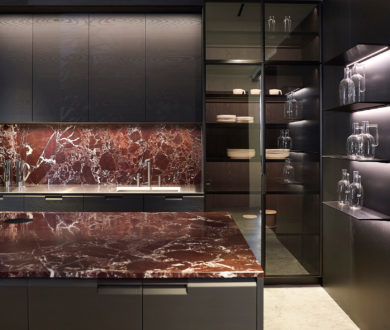
Contemporary design and considered functionality collide in this kitchen
Salone del Mobile 2026: The design brands & ideas defining Milan

Celebrate Winter Solstice with an evening of live jazz, mulled wine and divine desserts at Faraday’s Bar

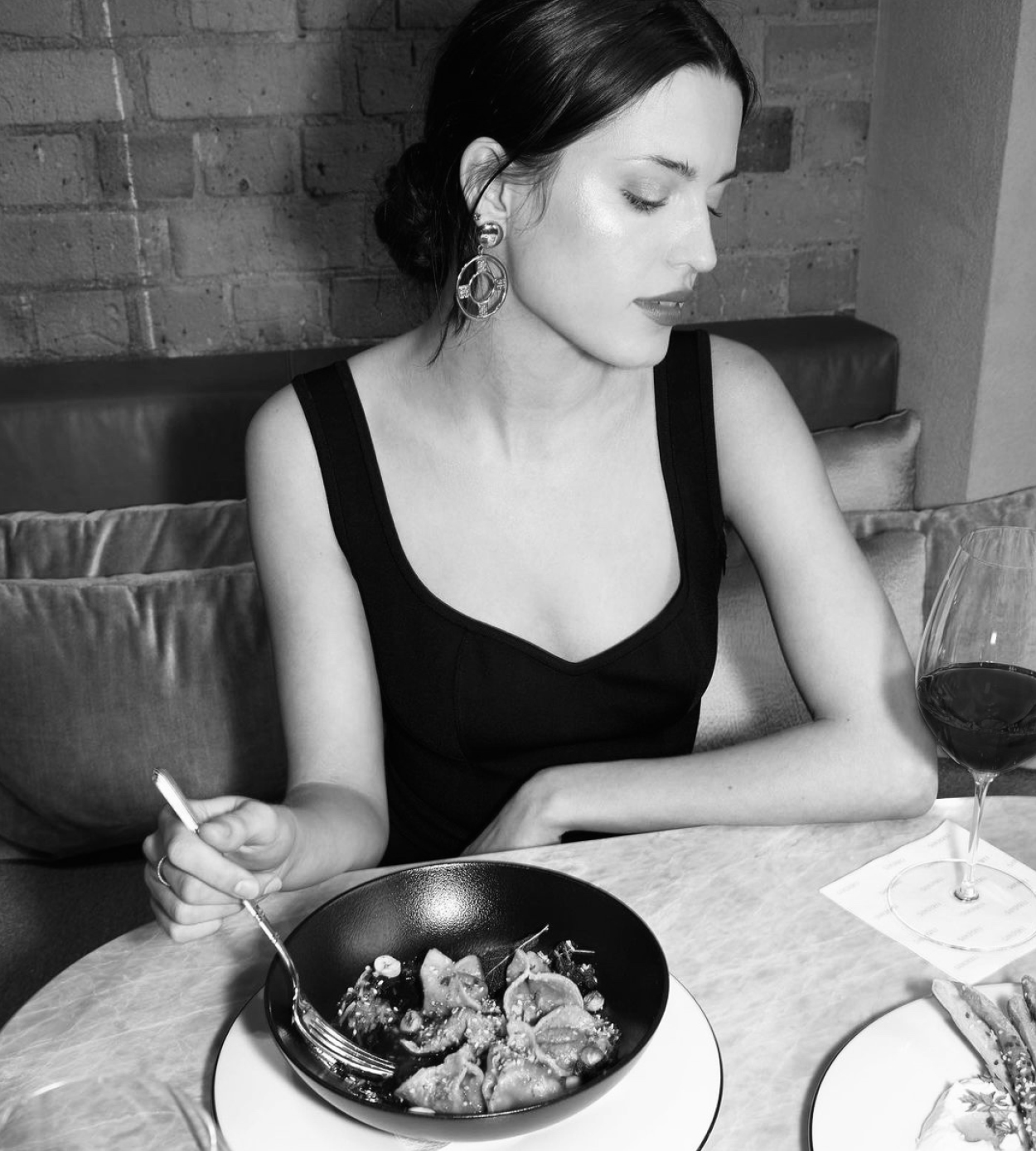
As the winter solstice approaches, there is an undeniable allure in embracing the longest night of the year. It’s something that many local hospitality stalwarts have recognised, with a raft of new menus and memorable events creeping onto the calendar. Few are as enticing, however, as the offering at Faraday’s Bar, a cosy-yet-chic experience that embraces the beauty of the winter season.

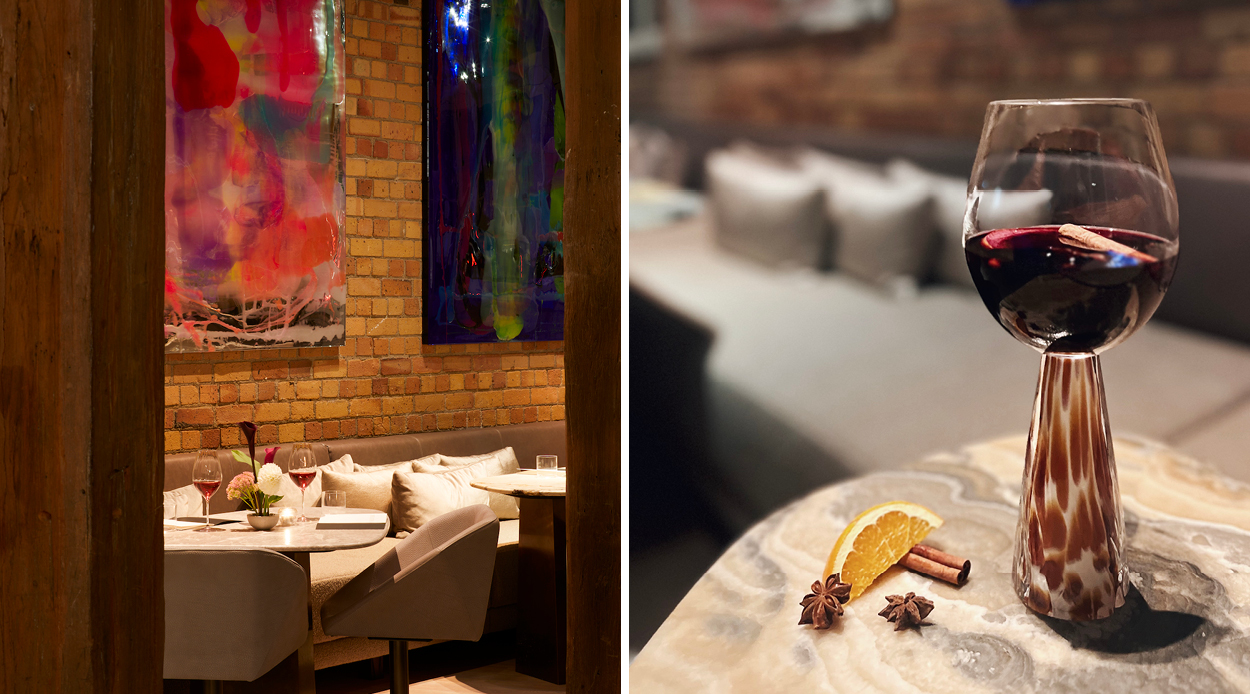
This Thursday, Faraday’s Bar will mark winter solstice with an enchanting evening of live jazz, mulled wine, and an exquisite one-night-only winter dessert. Hosted in the heavenly Cheshire Architects-designed space, the luxury emporium offers exactly the kind of cosy comfort we seek on wintry nights like these.

Of course, Faraday’s Bar’s usual menu will be on offer for the evening, too, with a selection of delicious bites that includes wood-fired bread and whipped Goats Cheese with honeycomb and truffle oil and a crowd-pleasing Market Fish Crudo with avocado and roast pineapple. Those seeking a heartier meal can indulge in such, courtesy of the curated menu by renowned Chef, Anthony Price (of Private Fine Dining). Our favourite dish to order this winter is the Peppered Venison Tataki, served with Tsuyu dressing, truffle frites and chives. Those ordering far enough in advance can also enjoy a selection of Price’s Tamaki Boxes and the seriously sumptuous Hibachi Grilled Scotch Fillet — a must-order from the menu.

Faradays Winter Solstice

For anyone looking to really treat themselves on the longest night of the year, Faraday’s Bar is offering a couple of solstice specials, including a warm and perfectly-spiced mulled wine and a limited-edition winter tartlet. Here, delicate layers of pear and frangipane are balanced with vanilla and cinnamon in a masterclass of pastry craftsmanship that is so good, we wouldn’t blame anyone if they were to order more than one.

The Winter Solstice Menu at Faraday’s Bar will be exclusively available this Thursday, the 22nd of June, between 5pm and 10pm. Bookings are essential for this delectable affair, to ensure yourself the best seat in the house (and access to all the mulled wine you desire).

Gastronomy

The Hotel Britomart and kingi celebrates sustainable luxury by launching Zero-Waste Dish of the Week
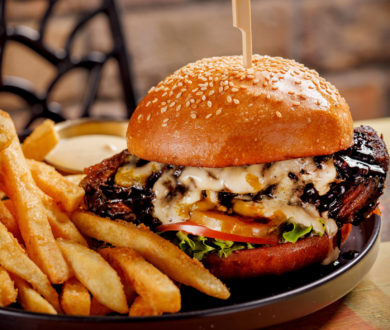
PonsonBurger is back for its third year, and these are the burgers worth trying
Bravo Go is redefining takeaway dining

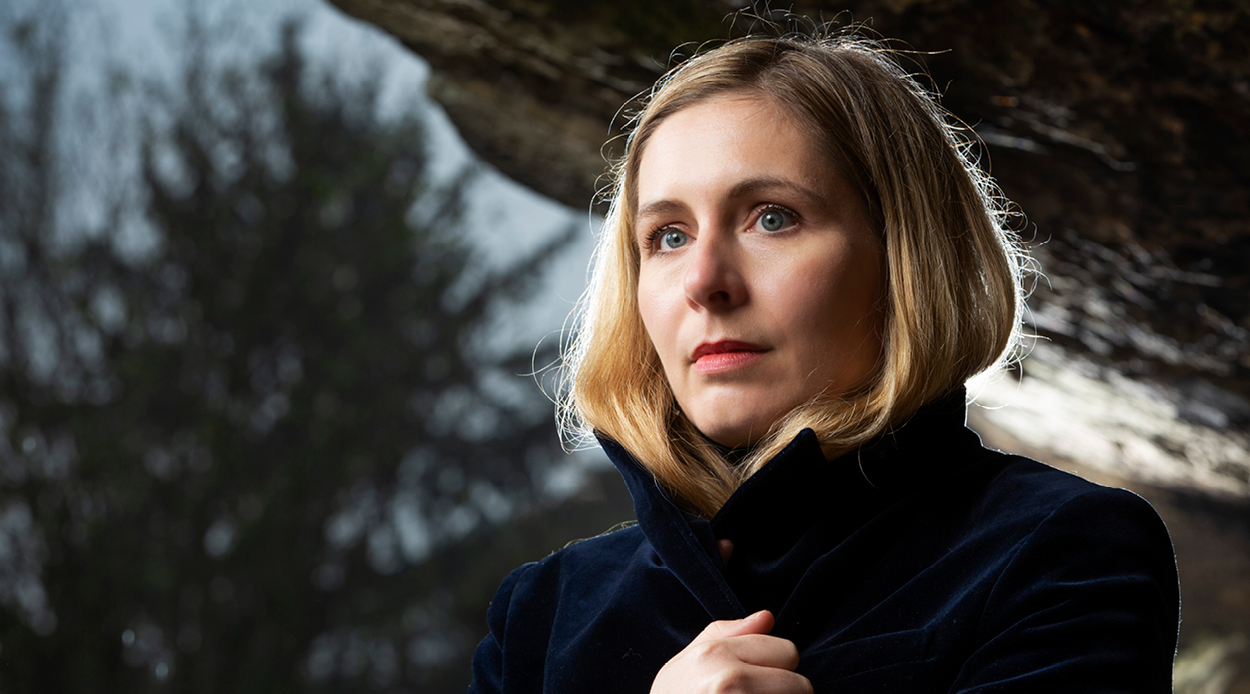
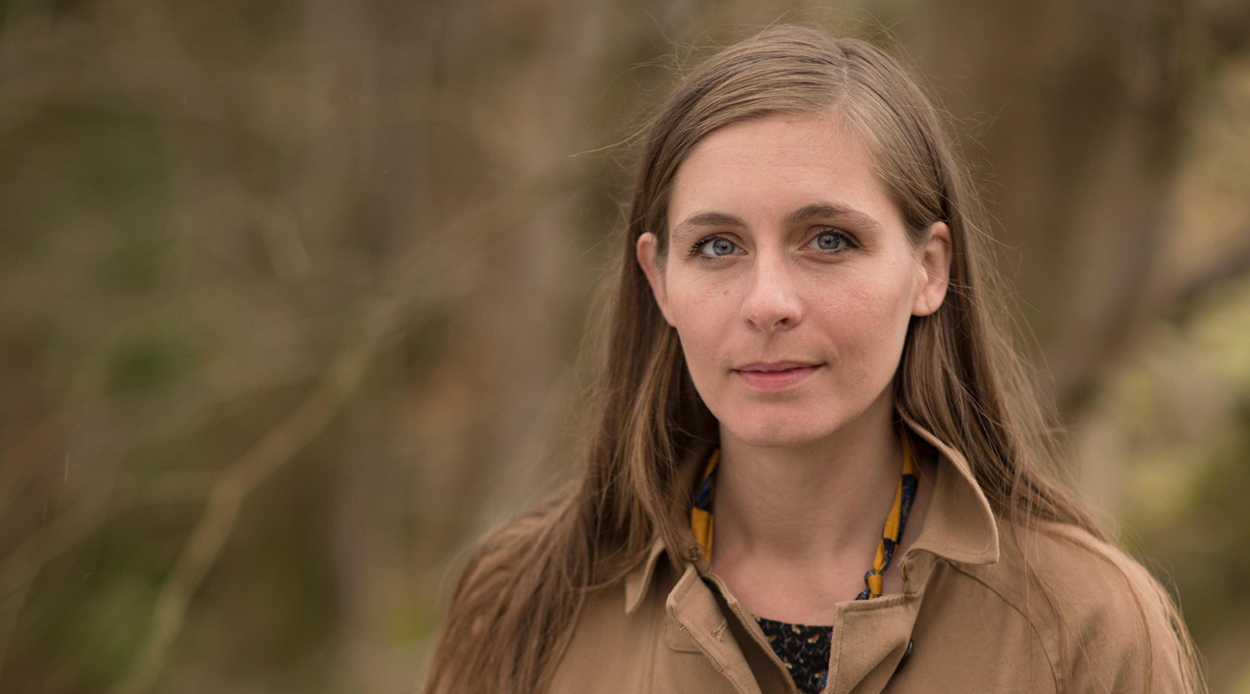
Booker Prize-winning author Eleanor Catton on her newest release, performance pressure and staying true to herself

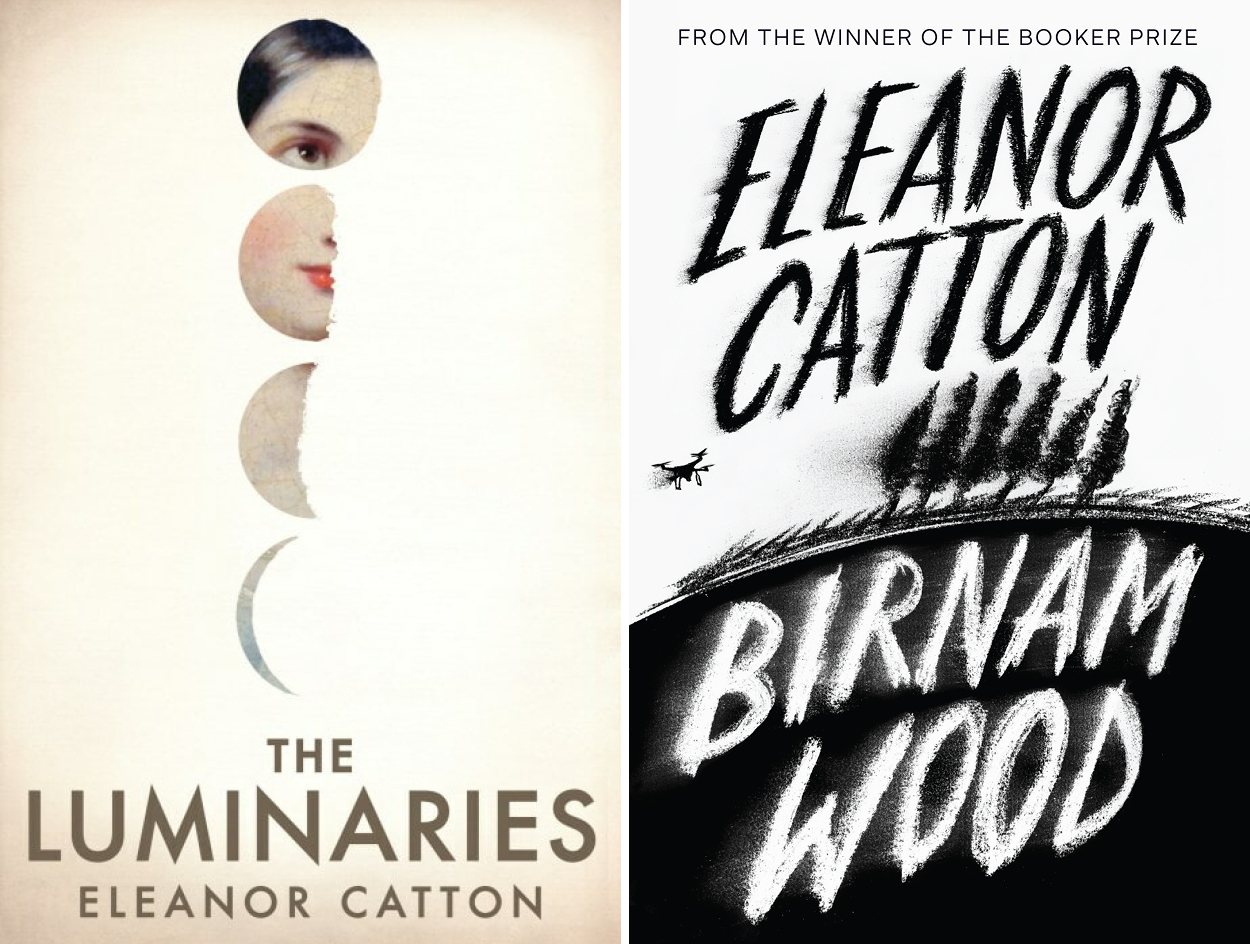
A decade in the making, esteemed New Zealand author Eleanor Catton has finally released Birnam Wood, the much-anticipated follow-up to her Booker Prize-winning The Luminaries, a famously lengthy but brilliant read. Having returned home for an appearance at the Auckland Writers Festival, we sat down with the lauded writer to discuss her craft, the pressures she felt for her third release, and how remaining firm in her ideals is perhaps her most tremendous talent of all.

The first thing that strikes me about Eleanor Catton is her humility. For anyone, not least a writer, speaking to a Booker Prize-winning author on her latest work is anxiety-inducing, especially when the book is one that fans around the world have waited close to a decade for. On this, it should be said that the pressure of trying to top such critical acclaim isn’t easily accomplished, nor is it an imaginable feat for most. Yet within the first few pages of Birnam Wood, it is evident that Catton has taken this in her stride.

If you have not yet acquainted yourself with the novel, it delves into the world of a guerrilla gardening group known as Birnam Wood (a Macbeth reference), whose members covertly plant crops in forgotten corners of society. Their founder, Mira, discovers an abandoned farm after a landslide and seizes it as an opportunity for their long-term success, only to encounter a formidable obstacle in the form of an American billionaire Robert Lemoine, who supposedly seeks to construct his end-of-times bunker on the same land. The result is a seriously gripping tale that intimately explores themes of trust, ideology and the primal human urge to ensure our own survival.

Calm and candid in her explanation of the book’s ideals, Catton cements her status as someone who is incredibly thoughtful and inquisitive about the world around her. She is never quick to jump to an answer, always considering exactly what she wants to say before speaking. This is perhaps symbolic of her greater craft; she tells me that regardless of the project, one of the first things she will always sit down to do is a wealth of research. In essence, to make great writing, she immerses herself in the work of others. The idea of this is humbling; most of us live with the belief that the words of writers seemingly flow onto the page from a place of divine inspiration. But as Catton shares, her take on the process couldn’t be more meticulous or planned.

The Luminaries and Birnam Wood both by Eleanor Catton

The grittier parts of our conversation aren’t around the technicalities of her work, however. Instead, we speak to ideas of success and determination and how one rises to a challenge they never really signed up to face. In Catton’s case, the challenge of penning the next novel off the back of such a successful predecessor. She tells me she actually enjoyed the pressure of it. The truth is, she is fascinating, her tenacity and almost intimidating intelligence underlying her gentle and cautious manner. In a sense, her story is about this challenge, and becoming more certain of herself in that. It’s about having the ability to listen, respond to her audiences, and evolve her craft with time. And to remain loyal to her authentic voice, which isn’t easy.

Catton isn’t one to stray from making damning statements, either (striking a familiar chord with those who can remember her previous successes). After all, Birnam Wood is a hugely political novel — but not in the agenda-setting manner one might expect. Instead, it argues the case that everything in life is political, and that, like it or not, all the decisions we make are political in one way or another. “I didn’t want to write a book that advanced a particular point of view,” she justifies. The result is a social and political satire, offering obvious and necessary commentary on our current state of affairs. Catton describes these as “the dangers of self rationalisation, self blindness, those human problems that underlie any political position.” In a way, this would almost be hilarious (and at times, we shared a few laughs over my interpretation of certain characters), if only the outcome wasn’t so tragic.

“Having a great faith in human beings is necessary… Writing is just one of the ways we express ourselves. We learn, we imagine, we dream, and we show that we’re capable of change.”

“I knew that I wanted to write something that negotiates these contemporary questions of how we deal with this unforeseeable future suddenly rushing at us very fast.” The author explains her reasoning for Birnam Wood, although she finds it hard to trace its exact origin. “It’s always quite difficult to pinpoint the exact moment where an idea becomes reality because quite often it comes in the collisions between two different intentions or notions.” Birnam Wood’s characters, for those yet to read, are headstrong about their beliefs, with a kind of stubbornness that is sure to lead to their inevitable demise. She speaks about characters like they’re mutual friends we both have, laying the blame on Tony purely because his bullheadedness “pissed the collective off”. It really is a greater commentary on something that Catton describes as a growing concern of the last decade, especially with the exponential rise of social media. “This terrifying slide towards certainty,” she calls it. Suggesting it would undoubtedly be a good thing if we were to be more open and accepting of the views of others.

We also explore what it means to Catton to be a successful New Zealander while leaving her home country behind (she now permanently resides in the United Kingdom) and how her lineage got her to where she is. But also, how in being removed from it, she can see the story more clearly, both on and off the page. She encourages readers to think about what’s been going on in our country when it comes to the battle between conservation and capitalism. After all, she says, New Zealand occupies a very particular space in people’s minds. Even if they never visit, or never intend to, knowing that countries like ours exist in the world offers a strange sense of solace that would be rare to find elsewhere. “Wilderness of the mind”, Catton calls it — a quote imparted by her uncle, a park ranger in America, where the landscape (environmentally and politically) is vastly different. She tells me how audiences overseas are surprised to learn that New Zealand isn’t entirely the ‘clean, green’ nation that our tourism slogans project. She tells me how surprised and how dismayed people are, that things like mining on national parks and offering billionaires citizenship to build bunkers have ever been on the table. “In a lot of ways, New Zealand occupies this space in the global imagination that is really important to think of as beautiful and benign and preserved and pristine, and all these staggering adjectives.” She tells me how people recoil when they learn about the states of our rivers and lakes, and our government being so welcoming to the influence (and money) of foreign billionaires, much akin to Birnam Wood’s deplorable antagonist. “That’s a form of complicity in global injustice and environmental degradation that New Zealand has been going at very enthusiastically for quite a long time,” she says, and I can’t say that I disagree.

Much of Catton’s story, right now, is about rising to the challenge when it feels like, to some extent the world wants you to fail. The author and I don’t talk about Tall Poppy Syndrome explicitly, but it hangs in the air of our conversation (a subject that often arises when discussing Kiwis who have achieved considerable success). Instead, she tells me of the joy she found in the post-award challenge. How she had used the last decade since the Booker (of which she was the youngest winner ever, at 28 — the very age I turn next month) to lean into a greater curiosity of the technical craft and the criticism it sometimes brought. This next book was about something very different; it was about engaging the reader. “I decided early on that I wanted this to be a book for the readers and not for the critical establishment,” she explains. “I wanted a book that was fun, unashamedly genre, with men in SUVs and guns, and all the trappings of the thriller.” Likely an emotional response, she believes, to feeling unmoored by how amazing the acknowledgement of her Booker-winning debut was, but also how extreme; to go from relative anonymity to being read around the world. “It’s endlessly interesting as a writer to see your book travel and talk to people in different cultures,” she says. “But at the same time, it made my head spin. I found it very alienating.”

It really needs to be said; this latest book deserves the notoriety it is receiving. To me, a fervent reader, the execution felt like perfect harmony between technical excellence and page-turning material, and it made sense that her process doesn’t begin with pen and paper but with screeds of research and that initial seed of truth, the idea that she hopes to impart on the reader. It’s a rarity, but in this instance, Catton knew the title of this work from inception and she always knew the outcome of the book too. Anyone familiar with Macbeth will see the similarities; “It was always taught that Macbeth was a play about ambition,” she explains. “But when I reread it, I thought, it’s not about ambition at all. It’s a story about how dangerous it can be to think the future is something that is fixed.” From here, the notion of satire and the seed of truth seemed to flourish of its own accord. “I’ve come to have great faith in the structural truth of dramatic action,” she explains. “The fact that stories need to escalate as they go along, I don’t think that’s accident or convention. It says something that’s very true about human nature and about the way that actions and consequences work.” To achieve the desired result, she believes writers need to approach the form with enough faith, and it will end up getting at something accessible to the reader because it’s fundamentally true. And in this instance, readers are left probing their own preconceptions of action and character. “You’re not what you say you are, you are what you do,” she imparts. That is the crux of her latest work.

Her ability to translate these kinds of grandiose ideas and concepts onto the page in innovative and enrapturing ways culminates in the kind of work most writers aim to create at least once in their career. A book that keeps the reader up past midnight and into the wee hours, desperate to discover what happens on the next page. To do this in Birnam Wood, among many other technical devices, Catton abolished the idea of chapters and instead only presented parts, which meant there were only two natural breaks in the text. I found it somewhat like theatre, which she explains to me as another nod to the book’s initial Shakespearean inspiration. 

“I decided early on that I wanted this to be a book for the readers and not for the critical establishment,” she explains… “It’s endlessly interesting as a writer to see your book travel and talk to people in different cultures, but at the same time, it made my head spin. I found it very alienating.”

Recently, Catton was named one of literary magazine Granta’s Best Young British Novelists, a title that we’re desperate to contest, always wanting to lay claim to her as our own. Having lived in Cambridge, England since 2019 (her husband, poet Steven Toussaint began his PhD there pre-Covid), for Catton, the antipodes offers endless inspiration. Now, she explains, as she is delving more into the screenwriting realm, having access to London’s rich theatrical world on her doorstep has made the process so much more robust and fulfilling. It’s quite different to writing a book, as one could imagine, where in writing for the screen, Catton describes herself as “a gun for hire”. (A definite departure from the more self-indulgent process of novels.) It also brings the idea of ownership into play, as screenwriting doesn’t offer the same degree of accolade as the medium on which she built her reputation. “I’ve found that it’s loosened me up as a fiction writer,” she tells me. “I’ve been able to think in more broad strokes, especially in terms of character arcs and shapes a bit more.” To a degree, this influenced Birnam Wood, although the complexities of the characters and overlapping themes would be difficult to translate to the screen. That said, it’s not something that she rules out either.

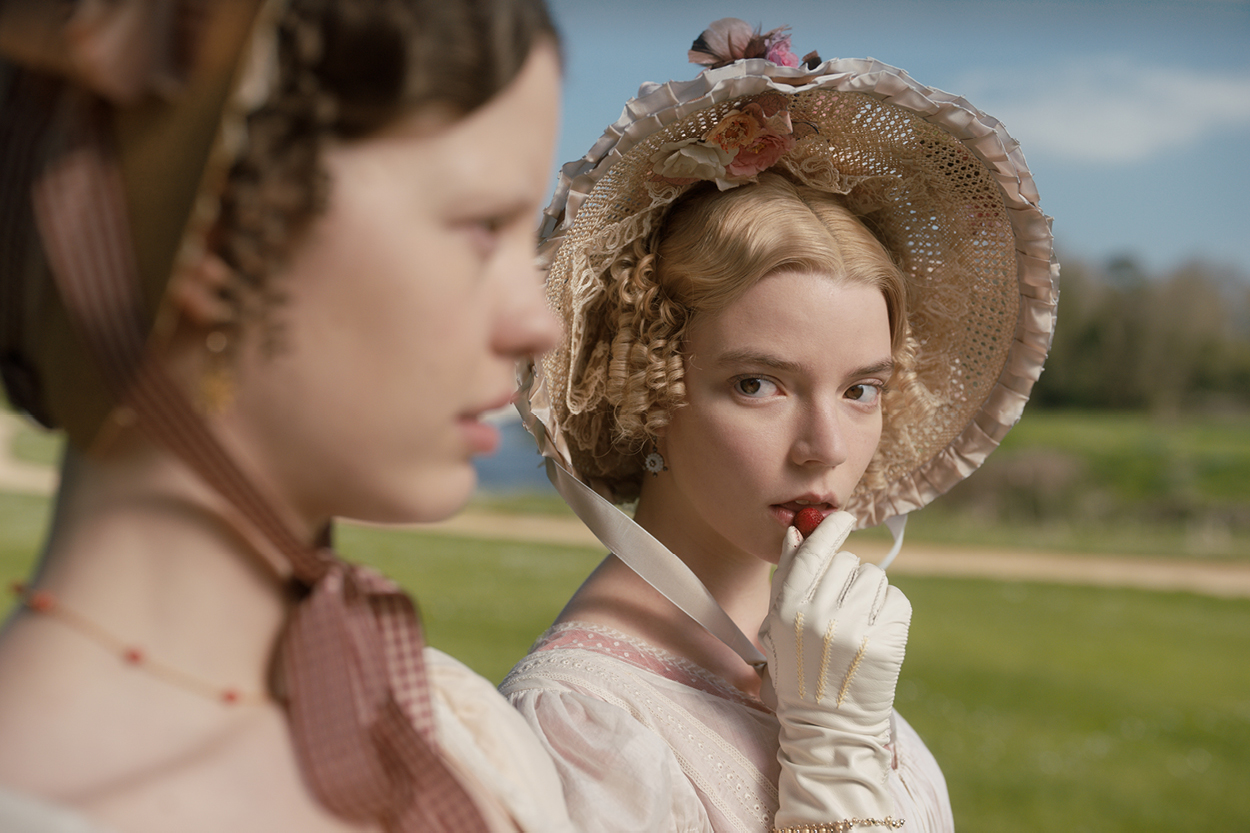
For Catton, her life now exists on both the screen and page. Recently having penned the screenplay for Emma (directed by Autumn de Wilde and starring Anya Taylor Joy), a piece that she explains was her most revisited (purely because of the endless premieres and previews — the author makes a point not to re-read her work unless she has to), it is evident that Catton’s tremendous talent transcends the literary realm in which she got her start.

Still from Eleanor Catton’s Emma, directed by Autumn de Wilde and starring Anya Taylor Joy

Although Birnam Wood is still fresh, I, like many, am eager to know what notch the writer will be adding to her belt next. A few films, she tells me, are in different stages of development — some of them hailing from a pre-Covid era; although the details that she can share are hazy. “I still can’t talk about them, but I feel they’ve been part of my life for a long time now.” Familiar with the follow-through, she is already working on her next novel, a further foray into thriller territory, more psychological than satirical. (“You have to deliver. You can’t say that something’s a thriller and not make it thrilling.”) But we shouldn’t expect to see it on shelves anytime soon. If I’ve learned only one thing, it is that Catton is nothing if not meticulous. Her processes are well-versed, where research exists as the axis of her craft as she continues to build on her already impressive legacy (although she finds the notion of a legacy difficult to grapple with). “Now that it [Birnam Wood] is my third book, I can start seeing points of commonality, and I can start tracing my own preoccupations in a way that’s interesting and surprising to me,” Catton offers. Each novel, although unrelated, feels like an extension of the last, in a way that she uses her discerning eye to continuously respond to and evolve her craft, and the world around her, creating the kind of writing that endures.

As the two of us share tales, and our very real fears for what at times feels like a dying world, where things like art and literature may seem frivolous, Catton reminds me that not only are they essential, but that they address our very being. “It’s what makes us human,” she suggests. “We have this incredible ability as human beings to imagine and to project ourselves into situations that we’ve invented, or that we’ve imagined, or that have existed, but we’re not physically present. It’s only through doing that, that we’ve become such an interesting and sophisticated global civilisation. I think to continue to do that is critical, because if we forget our humanity, then we will forget why the earth is worth saving.” It, of course, goes back to her inherent belief that everything is political, and when she phrases it in such a way, the notion makes even more sense than before. “Having a great faith in human beings is necessary,” she goes on to explain. “Writing is just one of the ways we express ourselves. We learn, we imagine, we dream, and we show that we’re capable of change.” And with that, it strikes me that perhaps our future is less ill-fated than I thought.

Culture

Wondering what to watch? These new shows should be on your radar
We talk to author Trent Dalton on his dark childhood, finding light between the cracks, and the girl who saved him
The Stars Have Aligned, Babe!
Left to right: INCA, Aigo and Ockhee

Craving some heat? Here’s where to find the best spicy food in Auckland this winter

Over the cooler months, our cravings turn to the warming sensation of spicy foods. That fire-cracking quality that ignites both our bellies and our seasonal discourse. Whether it’s a delicate flirtation or a full-throttle pursuit of flaming tastebuds, this is Auckland’s best spicy food that promises to bring some pep to our winter step. 

Best Spicy Food Auckland
Left to right: Gochujang Chicken from Gochu & Spicy Potato Gnocchi from Bar Magda

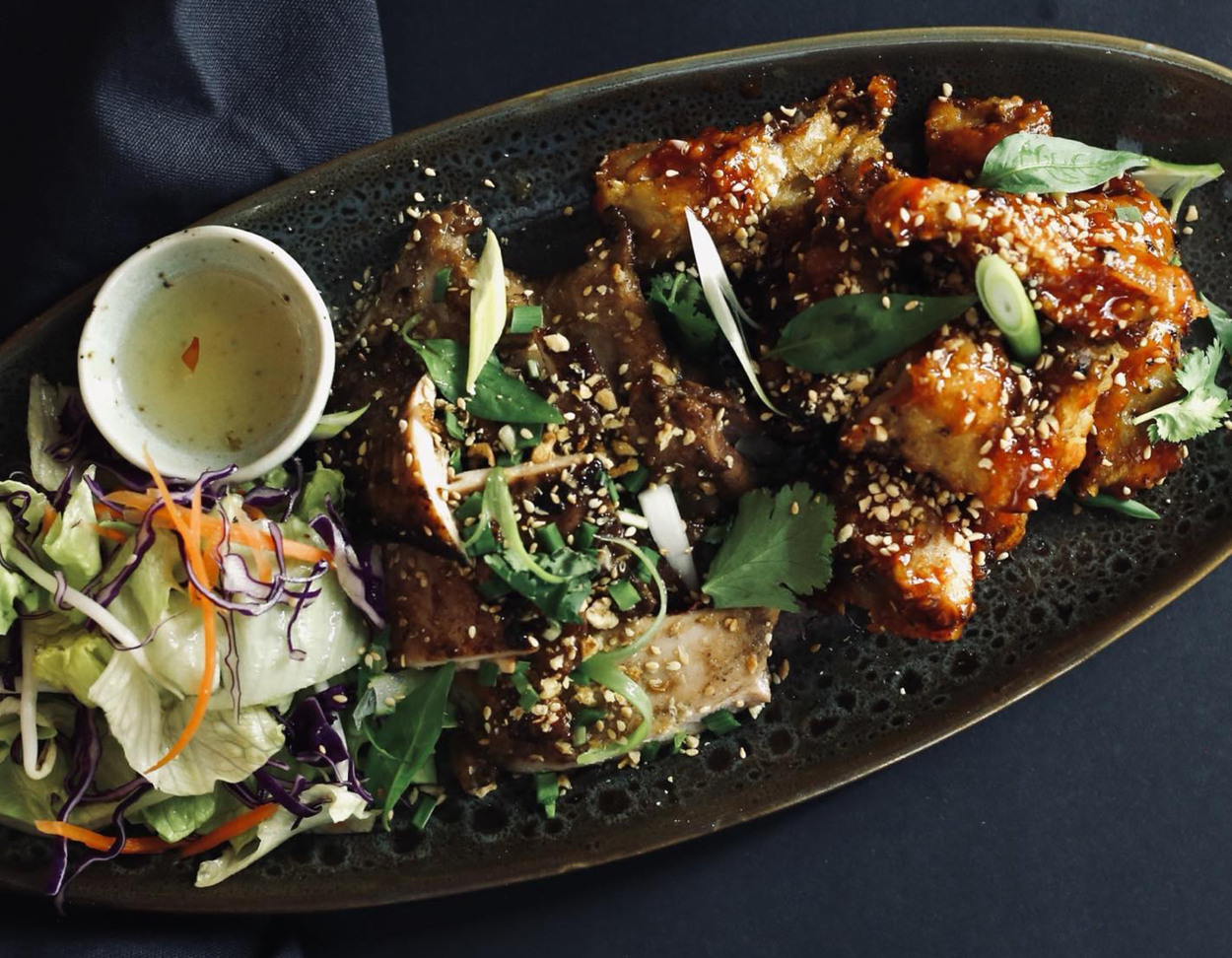
Gochujang Chicken from Gochu
This Commercial Bay eatery has become well-loved for its consistently delicious Korean food, and those familiar with the spot will know that the Gochujang Chicken makes for essential ordering. Served sizzling with a creamy comte sauce, this dish feels like a warm embrace for cold days.
21 Queen Street, Auckland CBD

Spicy Potato Gnocchi from Bar Magda
When we seek out fusion cuisine, this is exactly the kind of dish we find ourselves looking for. This new addition to Bar Magda’s winter menu showcases spiced gnocchi and is the ultimate winter comfort dish. Here, spiced potato gnocchi is served with oyster mushrooms, pickled carrots and scallions, plus healthy helpings of scrambled egg hollandaise and mee goreng sauce, which results in a dish that is both innovative and utterly delicious.
25b Cross Street, Auckland CBD

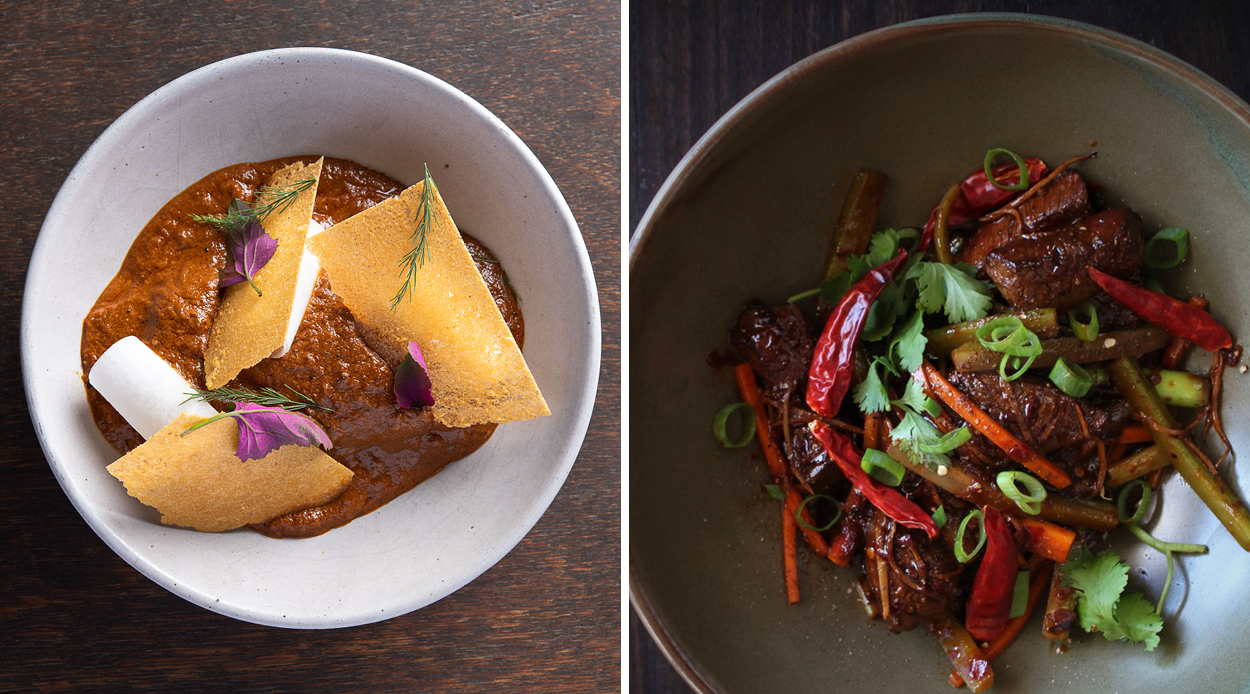
Left to right: Beef Short Rib, Laal Maas and Pickled Daikon from Cassia & Wok-Seared Eye Fillet with Doubanjiang & Dried Chillies from Ghost Street

Beef Short Rib, Laal Maas and Pickled Daikon from Cassia
Showcasing his culinary brilliance, Sid Sahrawat’s curried beef short rib, draws inspiration from a traditional Rajasthani dish called Laal Maas, which translates to red meat curry. The sauce itself has lashings of chilli, and is served atop a bed of tender, slow-cooked meat. Find this indulgent dish at Cassia’s brand new SkyCity location.
90 Federal Street, Auckland CBD

Wok-Seared Eye Fillet with Doubanjiang & Dried Chillies from Ghost Street
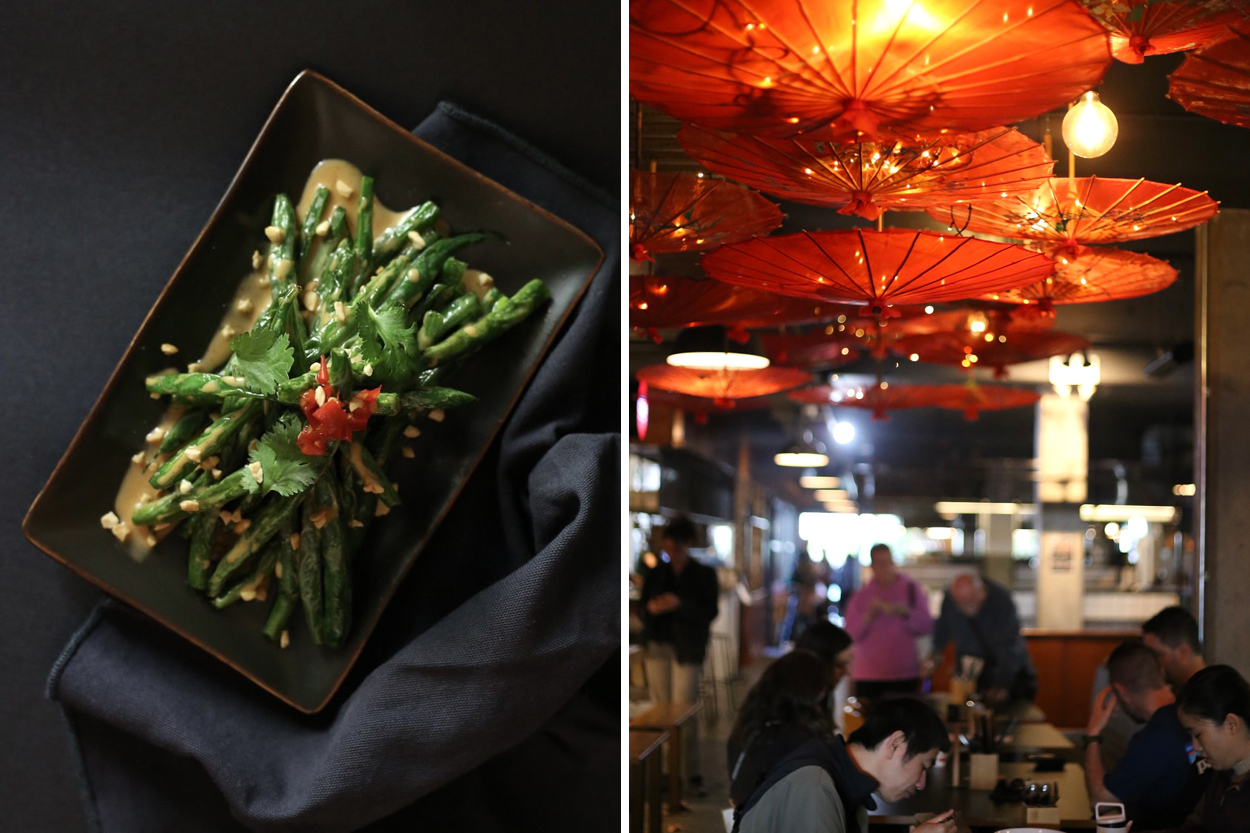
With a menu centred around Beijing’s famous food street, it’s easy to find something with a bit of spice at this subterranean eatery. One of our favourites is the perfectly tender wok-seared eye fillet paired with a hot Chinese bean sauce, ginger and celery, finished with dried chillies for an extra layer of heat.
Basement level, Tuawhiti Lane, 27 Galway Street, Britomart

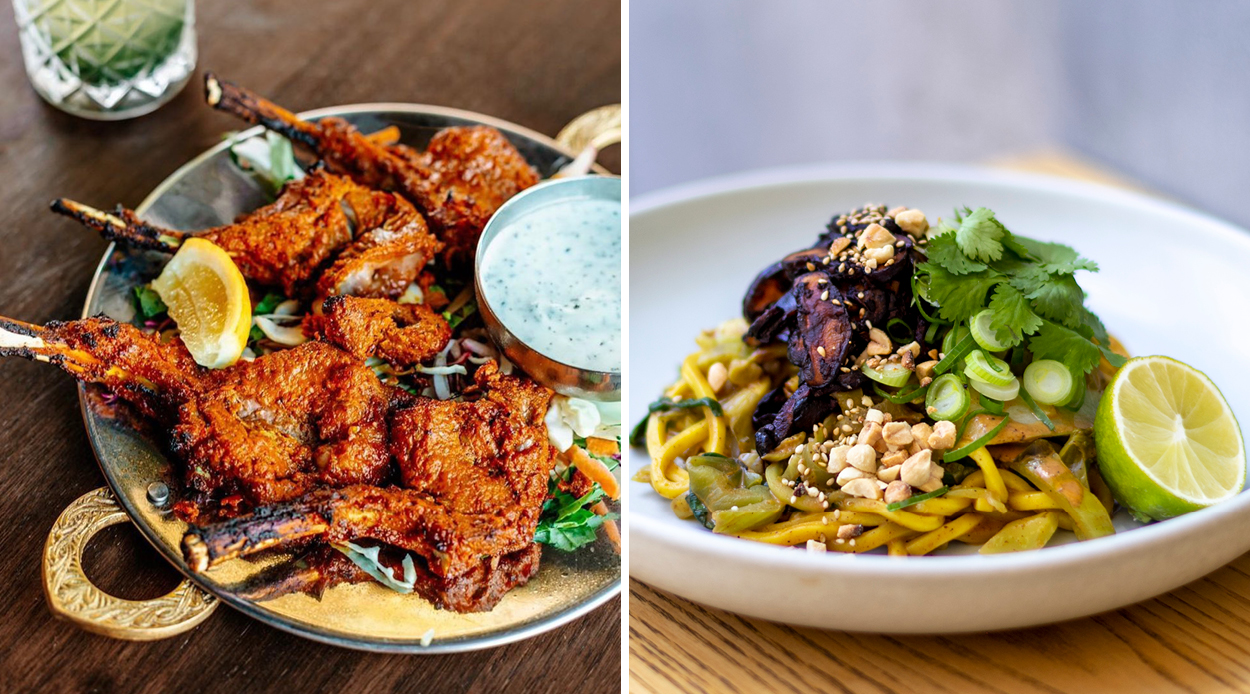
Left to right: Lamb Chops from Mumbaiwala & Spicy Sichuan Noodles from Hello Beasty

Spicy Sichuan Noodles from Hello Beasty
Hello Beasty’s Spicy Sichuan Noodles offer an elevated take on a truly authentic dish. Here, the noodles come in two iterations; a classic with mustard greens, crispy pork mince, sesame, chilli, roasted peanuts and black vinegar, or vegetarian, with shiitake, choy sum, bok choy, sesame, black vinegar, coriander, spring onion and roasted peanuts — the latter being our preference when we’re craving something a little more virtuous.
95-97 Customs Street West, Auckland CBD

Lamb Chops from Mumbaiwala
After marinating overnight in lime juice, warm dark spices, ginger and garlic, Mumbaiwala’s Lamb Chops are a seriously fragrant and flavoursome iteration of a Kiwi classic. Fired in the tandoor grill, and leaning into the gamey nature of lamb, the chops make an idyllic sharing dish, pairing perfectly with one of the eatery’s famous curries.
252 Ponsonby Road, Ponsonby

Best Spicy Food Auckland
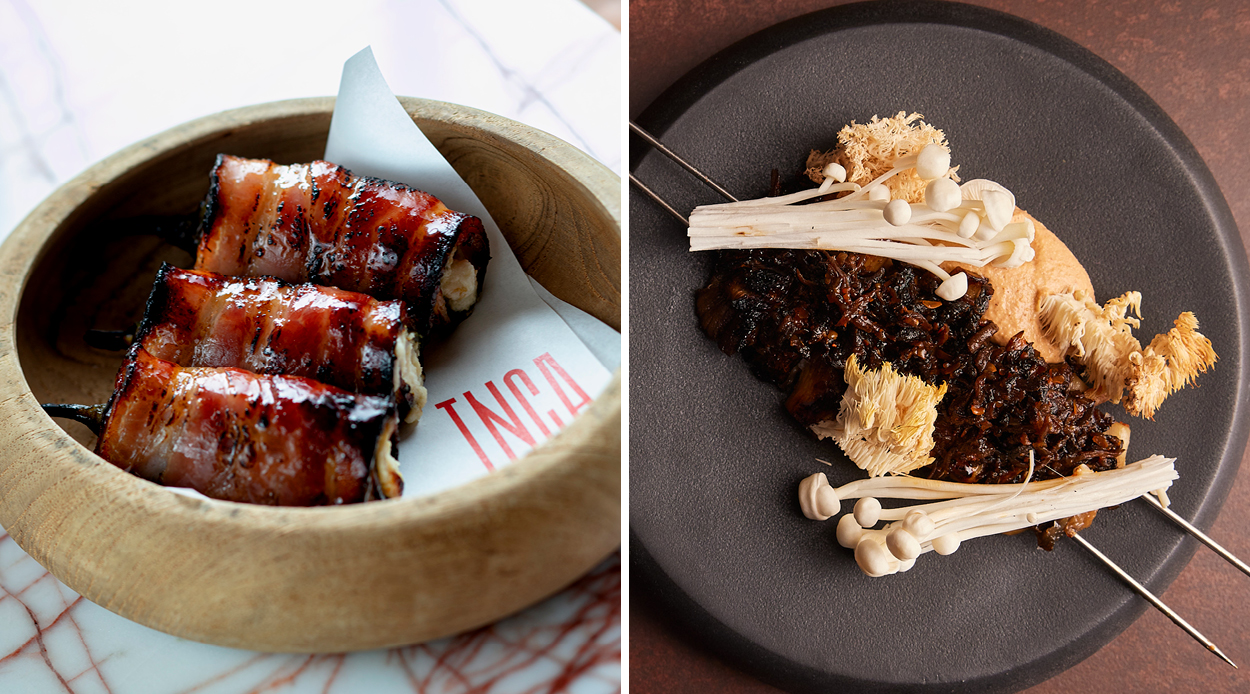
Left to right: BBQ Jalapeño Poppers, Goats Cheese, Bacon from Inca & Bush Honey & Oyster Mushrooms, Ghost Chilli & Macadamias from Kol

BBQ Jalapeño Poppers, Goats Cheese, Bacon & Bush Honey from Inca
A dish that restaurateur Nic Watt proudly calls “a total crowd pleaser” and “uniquely INCA”, these poppers turn up the heat in all the right ways. Here, the spicy peppers are stuffed with a welcome helping of goats cheese, before being wrapped in bacon, then crisped to a tee, and drizzled with bush honey. A certain kind of trans-seasonal, melt-in-your-mouth delight.
9 Richmond Road, Grey Lynn

Oyster Mushrooms, Ghost Chilli & Macadamias from Kol
Since opening late last year, Kol has cemented itself as the local authority on modern and inspired Indian cuisine. With ample dishes that are always guaranteed to bring the heat, we think an underrated star of the menu is the Oyster Mushrooms. A dish grounded in simplicity, it finds its heat from the addition of ghost chilli (certified as the world’s hottest pepper), and a creamy balance thanks to fresh macadamia.
23 Ponsonby Road, Grey Lynn

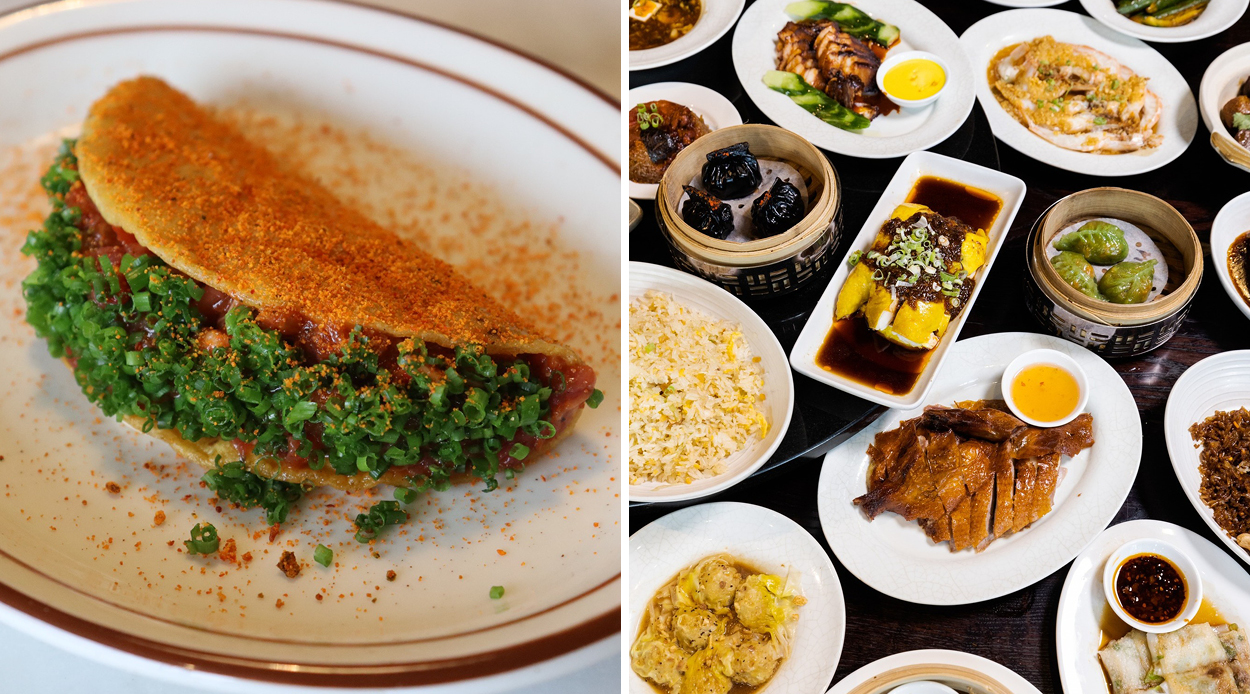
Left to right: Beef Tartare Taco from Ragtag & Yum Cha from Huami

Beef Tartare Taco from Ragtag
Leave it to the innovative minds at Ragtag to conjure up a Beef Tartare Taco; a departure from the restaurant’s signature duck fat tortillas. Encased in a hard-shell taco, the spicy meat is a perfect complement to the crunchy texture of the shell and offers a texture and flavour sensation. It is a testament to the versatility and creativity of the Ragtag team, and proves that true culinary innovation often lies in the unexpected.
162 Garnet Road, Westmere

Yum Cha from Huami
Not strictly a singular dish, but rather a collision of warming (and oftentimes spicy) plates, Huami’s Yum Cha feels necessary for winter days like these. You’ll want to round up quite a crowd, as we suggest ordering at a very minimum: the marinated bang-bang chicken and spicy peanut sauce, the wok-fried radish cakes and xo chilli sauce, the beef ball and satay spicy sauce and the deep-fried seven-spice squid & salt and pepper — all catering to a deeply human desire to connect over food.
SkyCity 87 Federal Street, Auckland CBD

Best Spicy Food Auckland
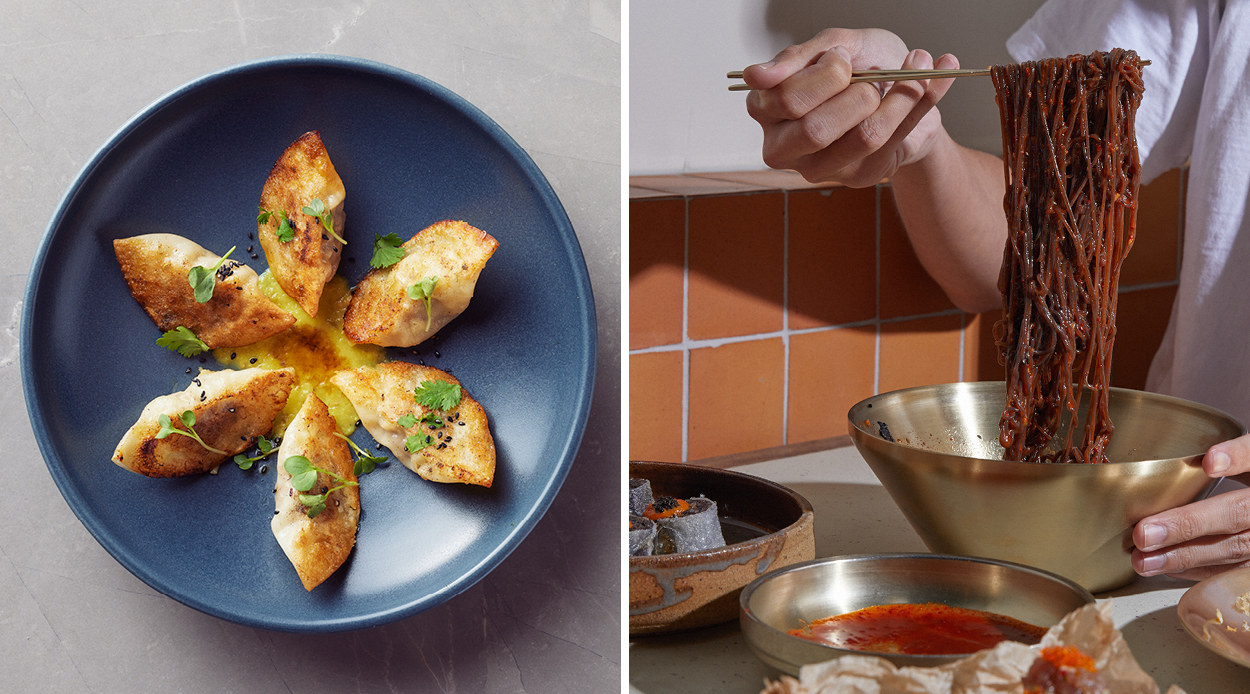
Left to right: Spicy Pork Gyoza from Azabu Ponsonby & Bibim Naengmyeon from Aigo

Spicy Pork Gyoza from Azabu Ponsonby
These spicy little morsels are an unsung hero of the stalwart’s menu; the kind of dish that is often overlooked, but packs a seriously flavoursome punch. Here, dumplings are stuffed with a healthy helping of succulent pork and spices, before being fried to crispy perfection. The heat comes from Sichuan pepper and aji amarillo, the latter encapsulating the Peruvian influence that
Azabu is renowned for.
26 Ponsonby Road, Grey Lynn

Bibim Naengmyeon from Aigo
Aigo’s Bibim Naengmyeon offers nothing of fusion trends that engulf contemporary cuisine. This dish (available at both the original Ponsonby and new Newmarket locations) is the epitome of authenticity, representing the traditional Korean food culture in all its glory. The cold buckwheat noodles, served with a flavourful broth and an array of toppings, are a refreshing delight that is typically enjoyed alongside Korean BBQ. The addition of a skewer of succulent pork elevates the dish to new heights, reminding us that there is something timeless and comforting about the foods that have been passed down through generations.
168 Ponsonby Road, Ponsonby & 2/8 Osborne Street, Newmarket

Left to right: Crispy Eggplant, Korean Soya from Tokki & Chilli Glaze & Steak Tartare from Omni

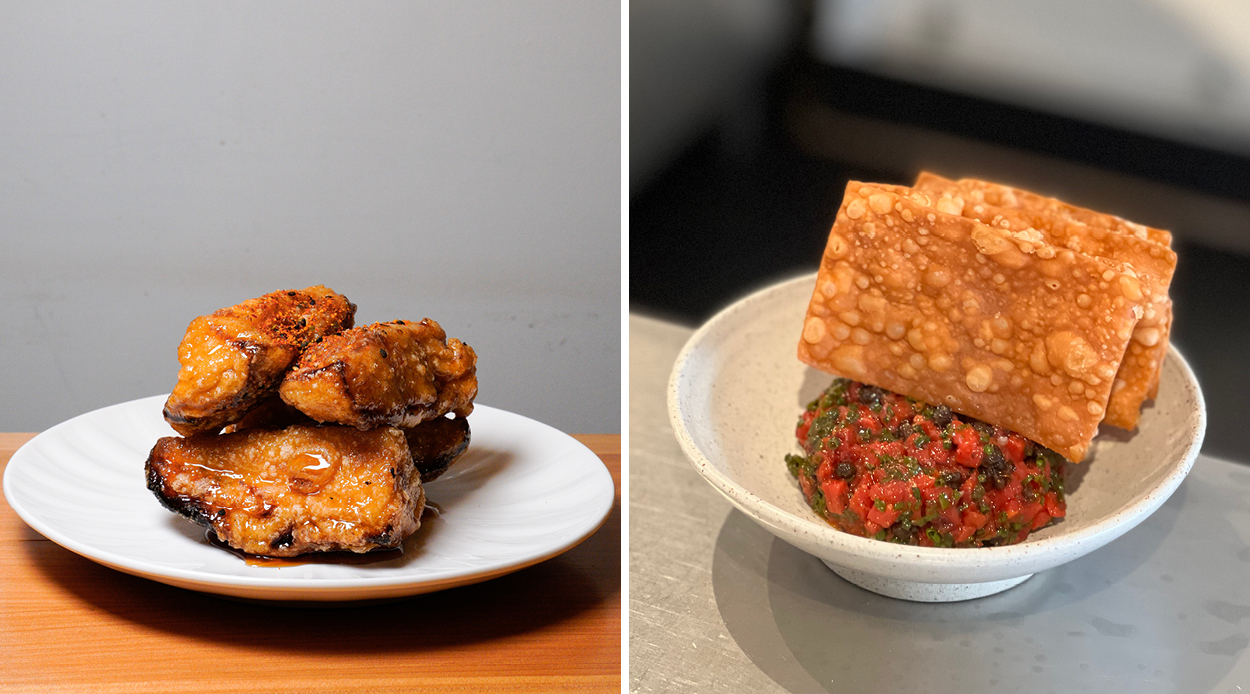
Crispy Eggplant, Korean Soya & Chilli Glaze from Tokki
This is the kind of dish that has all the hallmarks of a winter warmer. Gently spiced to appease the masses, under the crunchy layers lies soft, melt-in-your-mouth eggplant, of which every bite should be savoured. The Korean soya and chilli glaze adds just the right touch of heat and sweet, and although the intention is for this dish to be shared, it’s not unusual to want an entire serving to yourself.
87 Kitchener Road, Milford

Steak Tartare from Omni
The crown jewel of this perennially chic eatery’s offering is the Beef Tartare, which finds its heat from the welcome addition of ‘nduja. Although sometimes a polarising dish, when served with ample capers, fresh herbs and crispy wonton skins as only Omni could do it, we’d be hard-pressed to find any flaws.
359 Dominion Road, Mount Eden

Rest of the Best

Cheap & Cheerful Eats

Dak Gang Jeong from Ockhee
Packing a gochujang-spiked punch of flavour, Ockhee’s Korean fried chicken is not to be missed, with spice fans sure to love the mouthwatering, spicy soy and sesame glazed chicken; trust us, it brings the heat. We recommend pairing it with the Chun Sa Chae noodle salad for a deliciously fresh contrast.
171 Ponsonby Road, Ponsonby 

Best Spicy Food Auckland
Left to right: Dak Gang Jeong from Ockhee & Dumplings in Spicy Sauce from Eden Noodles

Dumplings in Spicy Sauce from Eden Noodles
This Dominion Road outpost is notorious for its noodles, but we’ve also heard that the chefs here handcraft upwards of 3000 dumplings every day. When drowned in the restaurant’s signature spicy sauce, it’s easy to see why. And while one could suggest a side of the cucumber salad for a cooling effect should you seek it, this similarly spiced dish only amps up the heat.
105 Dominion Road, Mount Eden

The OG Sandwich from Peach’s Hot Chicken
Specialising in authentic Nashville hot chicken, Peach’s Hot Chicken is so popular that the former food truck transitioned to a restaurant in East Auckland’s Panmure. Choose your spice level (ranging from mild to Holy Cluck — described as a religious experience) and enjoy it served between two buttery brioche buns with homemade pickles and creamy aioli.
2 Queens Road, Panmure 

Left to right: The OG Sandwich from Peach’s Hot Chicken & Boneless Chilli Chicken from Spicy House

Boneless Chilli Chicken from Spicy House
Let’s be honest; anything from Balmoral’s Spicy House is sure to satisfy any and all spice cravings. However, the chilli fried chicken served here has made quite a name for itself, and after you taste it, you’ll understand the hype. Seasoned with a copious amount of chilli it has been so perfectly cooked that one taste will have you addicted for life — seriously.
557 Dominion Road, Mount Eden

Gastronomy

The Hotel Britomart and kingi celebrates sustainable luxury by launching Zero-Waste Dish of the Week
PonsonBurger is back for its third year, and these are the burgers worth trying
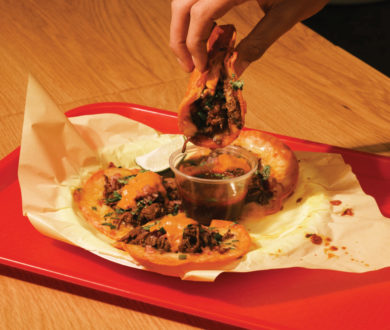
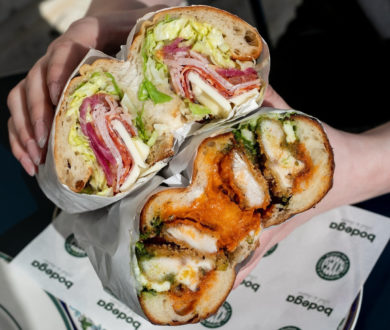
Bravo Go is redefining takeaway dining

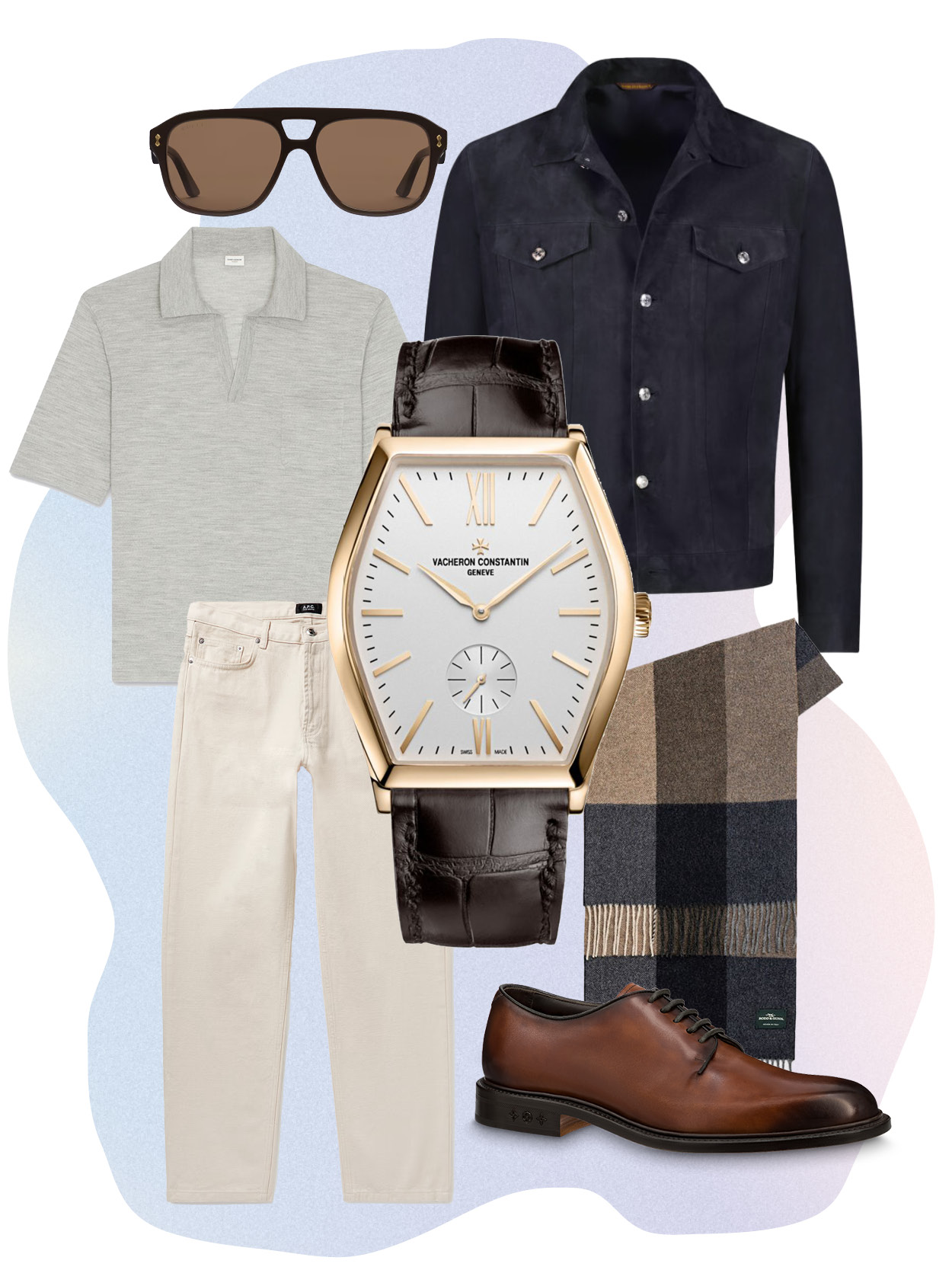
Denizen Style Guide: How to wear your watch like a fashion editor

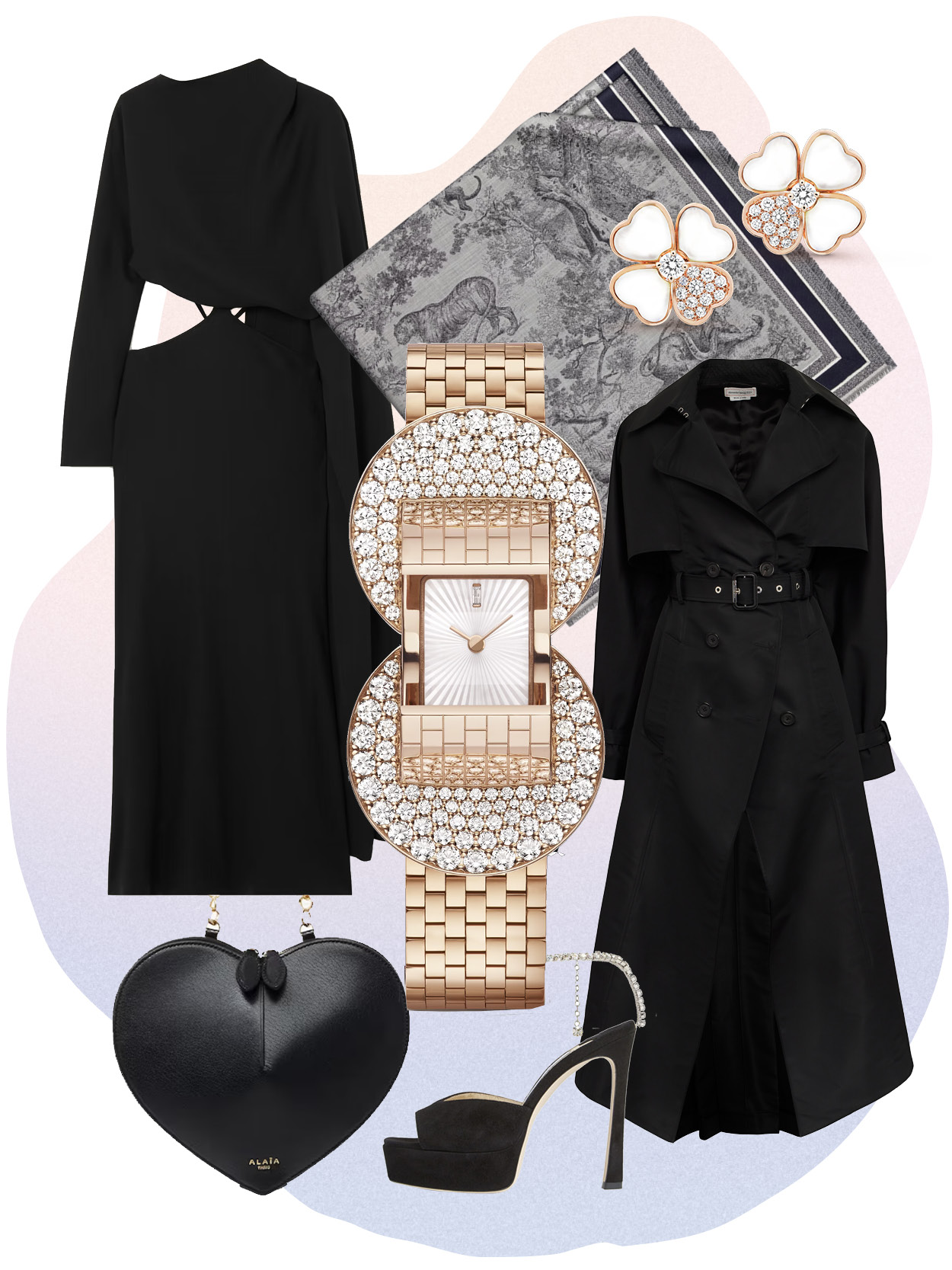
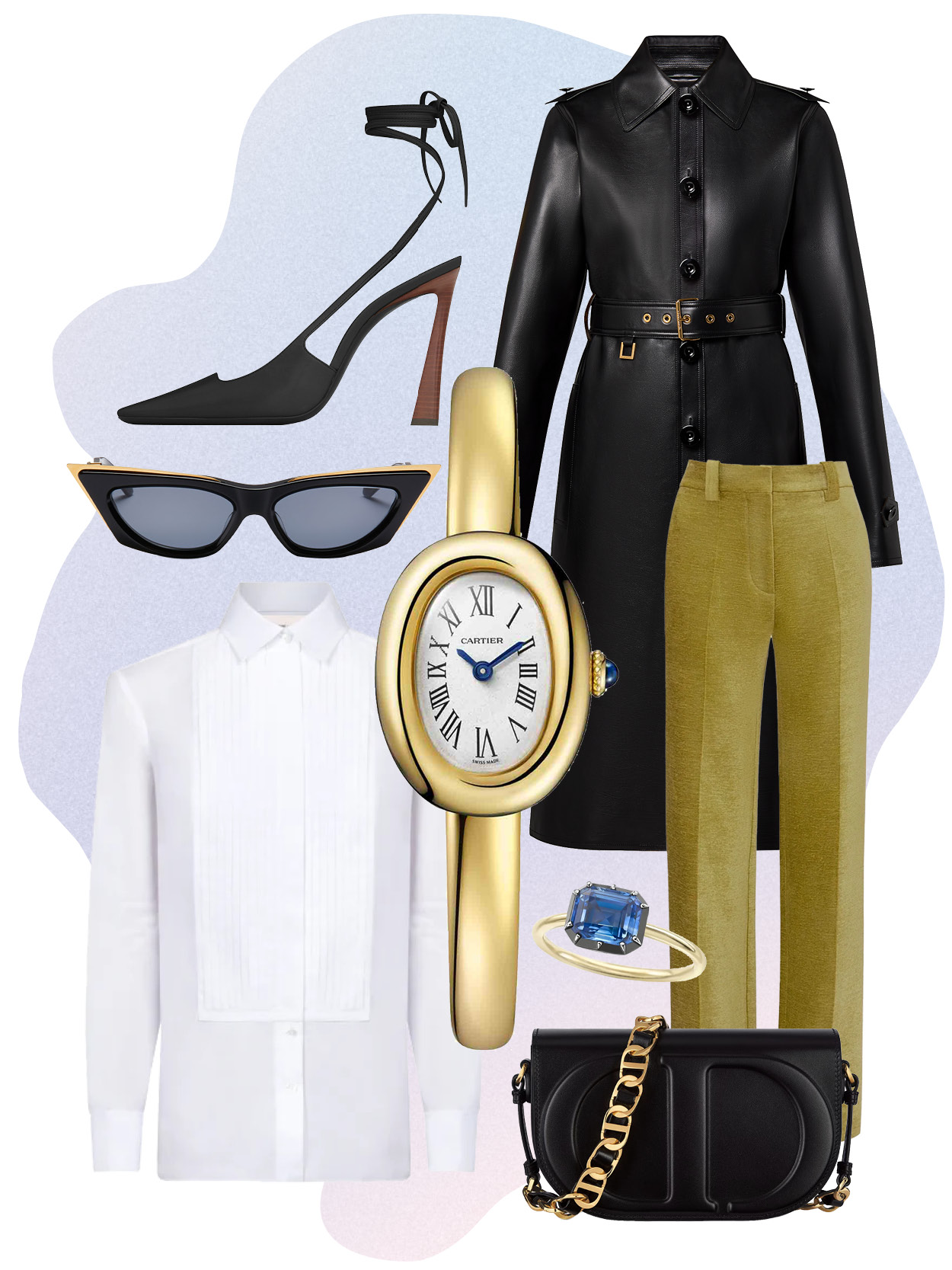
A showstopping watch can be the inspiration for any fashion-forward outfit if you know how to build your look around it. Whether you err on the side of sleek minimalism and quiet luxury or are unafraid to make a sartorial splash, here’s how to unleash your inner fashion visionary and elevate your look based on a series of our favourite, most covetable timepieces.

Everyday Elegance

Smart Casual

Sartorial Statement

After-Dark Accessory

Classic with a Twist

Coveted

Van Cleef & Arpels adds to the Perlée collection with elegant three-row rings
Bvlgari revisits one of its boldest signatures with Gold & Steel
All tied up: The bow-detail handbag trend taking over this season
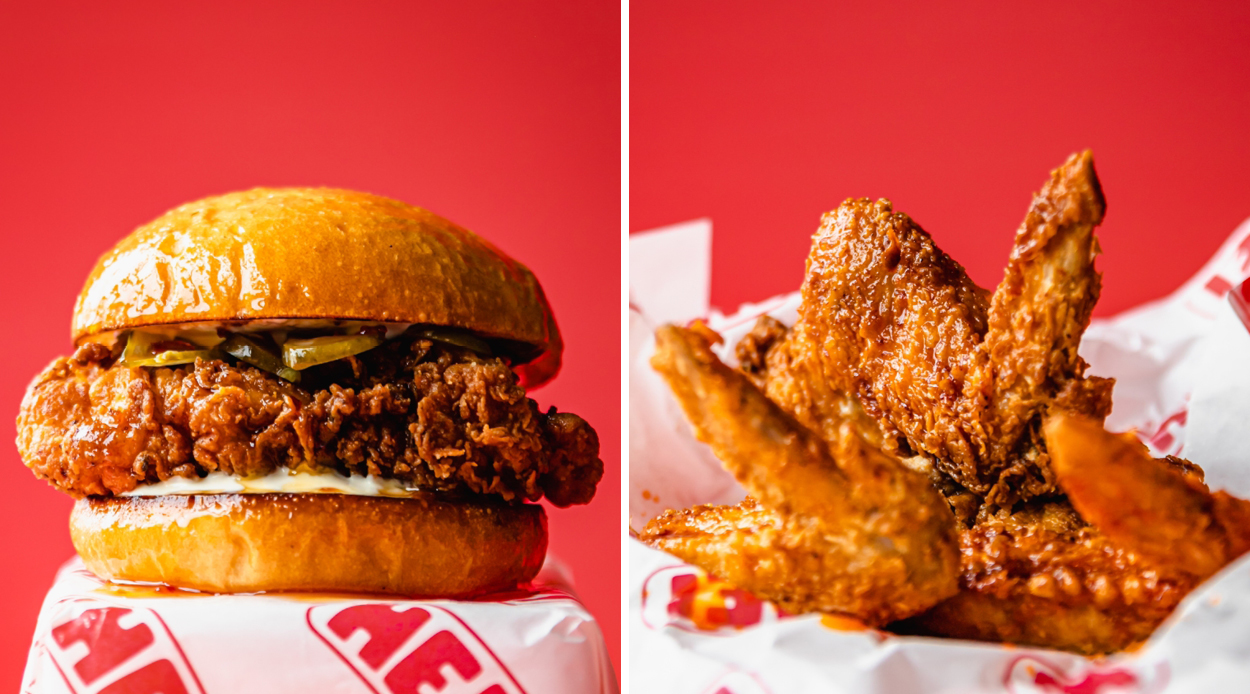
Left: Heihei Burger Right: Hothot Burger

Meet Hei Hei, the delicious new fried chicken spot from the team behind Passa Passa

“Two Italians doing fried chicken might sound kind of weird,” Antonio Suelzu tells me of his new venture, Hei Hei. “We just want to be loyal to the product. We’re focussing on all the good things about food — using the right product in a simple way.”

With that philosophy in mind, Suelzu and his friend Daniele Pinto (who you may know from his other blossoming venture, Passa Passa) have spent quite some time envisioning what they wanted their new fried-chicken shop, Hei Hei, to be. And, through their wide net of hospitality connections, they caught wind of a new, elevated food court opening in Papakura, an area they were excited to venture into because of its rapidly-growing community. Suelzu tells me that Papakura’s population has grown 47 percent in the last three years, with 70,000 people now calling the South Auckland suburb home.

Hei Hei Fried Chicken
Left: Kura Burger. Right: Fried Chicken Wings.

Opening today, Hei Hei is the culmination of the duo’s vision. A place where the offering is simple but undeniably delicious — and fried chicken informs every meal. Hot chicken wings and southern-style sides join a concise burger menu. Suelzu suggests that the Kura is poised to be a favourite among locals, given its namesake, where a southern fried chicken thigh is smothered in Habanero hot honey and mayo and topped with pickles. Diners are given autonomy too, where one can choose just how hot their chicken comes, from ‘naked’, for those who are a little timid when it comes to spice, all the way through to ‘flaming hot’, for which little explanation is needed.

Hei Hei’s sides menu offers plenty of fries alongside a seriously indulgent mac and cheese made with aged cheddar, edam and parmesan. I suggested that some in their native Italy might consider the latter offering blasphemous, but the chef disagreed. “I mean, we’re Italians; we love pasta and cheese,” he laughs. 

Hei Hei will eventually be joined at the new locale by six other food vendors and crowd-favourite The Beer Spot nearby. For now, the destination will be open six days a week, for lunch and dinner (although tonight’s service starts at 4pm), but that will likely expand with popularity. With the rain poised to settle in for the weekend, a trip south of the city should absolutely be on your agenda — and this new spot is sure to satisfy any and all comfort-food cravings. 

Opening Hours:
Tuesday — Sunday, 12pm until 9pm

Hei Hei

20 Broadway,
Papakura, South Auckland

www.instagram.com/hei.hei.nz

Gastronomy

The Hotel Britomart and kingi celebrates sustainable luxury by launching Zero-Waste Dish of the Week
PonsonBurger is back for its third year, and these are the burgers worth trying
Bravo Go is redefining takeaway dining

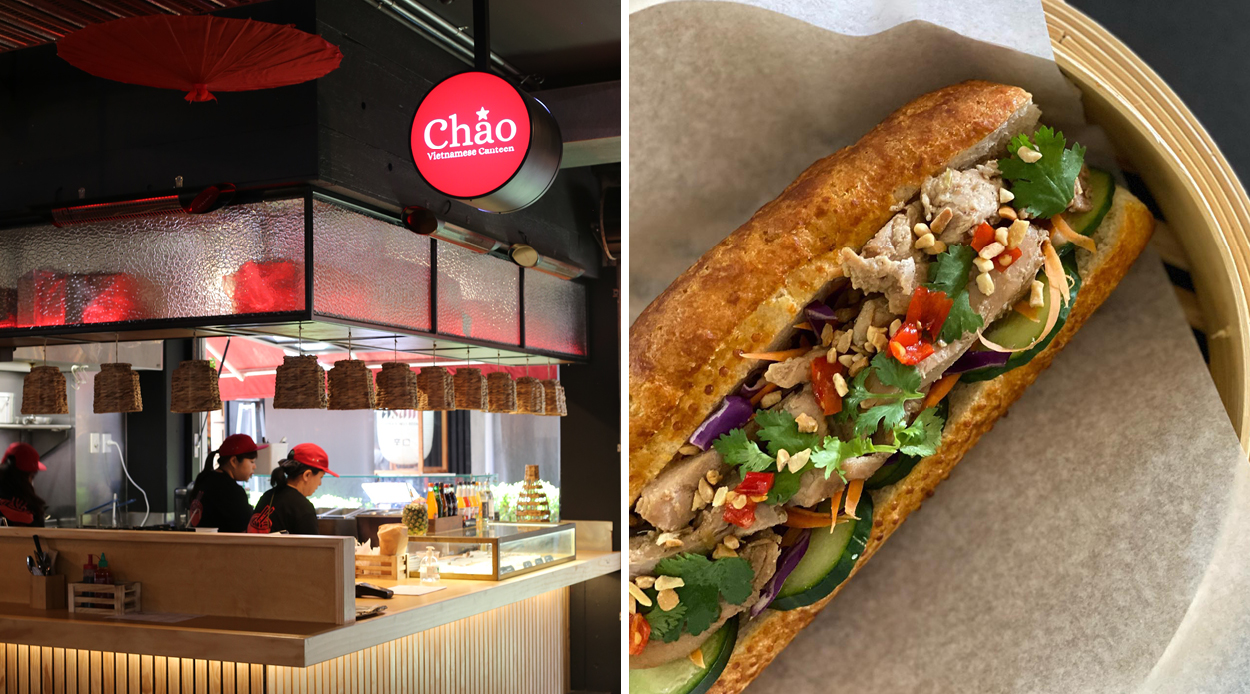
Chao Canteen brings its flavoursome Vietnamese fare to Ponsonby Central

There is something truly irresistible about a spot that combines mouthwatering food with a laid-back, unpretentious vibe. The kind of place you could justify dining at more than once a week (if you wanted to) and leave feeling totally satisfied every time. Well, the newest addition to Ponsonby Central’s diverse stable of eateries is offering just that, as Chao Vietnamese Canteen brings its utterly flavoursome fare to Ponsonby’s discerning locals.

Having opened his first Chao Canteen in Mission Bay three years ago, Owner Ben Huh (also the driving force behind The Kimchi Project on Lorne Street) explains that the original concept was born from his love of fresh, Vietnamese cuisine. Huh together with his friend and business partner Isaac Yim, combined their passions and skills to create something that reimagined the casual Vietnamese eatery as we knew it. For Huh, the opportunity with Chao was to take what he loved about traditional Vietnamese food and fuse it with other Asian flavours, from Korean barbecue to Sichuan Chinese (a formula that had already proven popular at The Kimchi Project).

Chao Canteen

The result is a menu of moreish, Asian-fusion dishes with a definitively Vietnamese twist, each one born from hours of work undertaken by Huh and his chefs, who extensively researched ways that they could improve on Vietnamese staples, soups and sauces. A thorough and meticulous process, he tells me.

One of the highlights of Chao Canteen’s tasty offering is its pho, with a broth that, Huh explains, is made by simmering 20 whole chickens, massive beef briskets and an array of herbs for half a day. “It’s something we’re incredibly proud of,” he says. Elsewhere, the meats in dishes like the Banh Mi, the BBQ Pork Rice and the 2-Ways Chicken have been specially marinated using the Korean barbecue method, which renders them particularly tender and bursting with flavour. Chao also offers housemade Asian sodas like Yuzuade and Green Plumade alongside its popular Pineapple Slush — made from and served in whole pineapples.

Chao Canteen

Now, with its second outpost open in Ponsonby Central, Chao Canteen’s flavoursome fare is available to a fresh group of discerning diners, who are sure to welcome this new spot with open arms. Ultimately, even if you head along to Chao for its casual atmosphere and laid-back vibe, you’ll stay for the exceptional food. As Huh says, “Once you try our food, you’ll be hooked… it’s an experience you won’t soon forget.”

Gastronomy

The Hotel Britomart and kingi celebrates sustainable luxury by launching Zero-Waste Dish of the Week
PonsonBurger is back for its third year, and these are the burgers worth trying
Bravo Go is redefining takeaway dining

Celebrating 60 years of iconic jewellery, Ole Lynggaard Copenhagen proves the power of family ties and timeless design

When Charlotte Lynggaard, Creative Director of esteemed Danish jewellery house Ole Lynggaard Copenhagen, says it is a family company, she means it. Started by her father Ole in 1963 (who remains as founder and designer) Charlotte is joined by her brother, Soren, CEO, and daughter Sofia, who began working within the family business in recent years. Charlotte’s mother Karin remains Ole’s most beloved muse. 

Charlotte Lynggaard, Creative Director of Ole Lynggaard Copenhagen

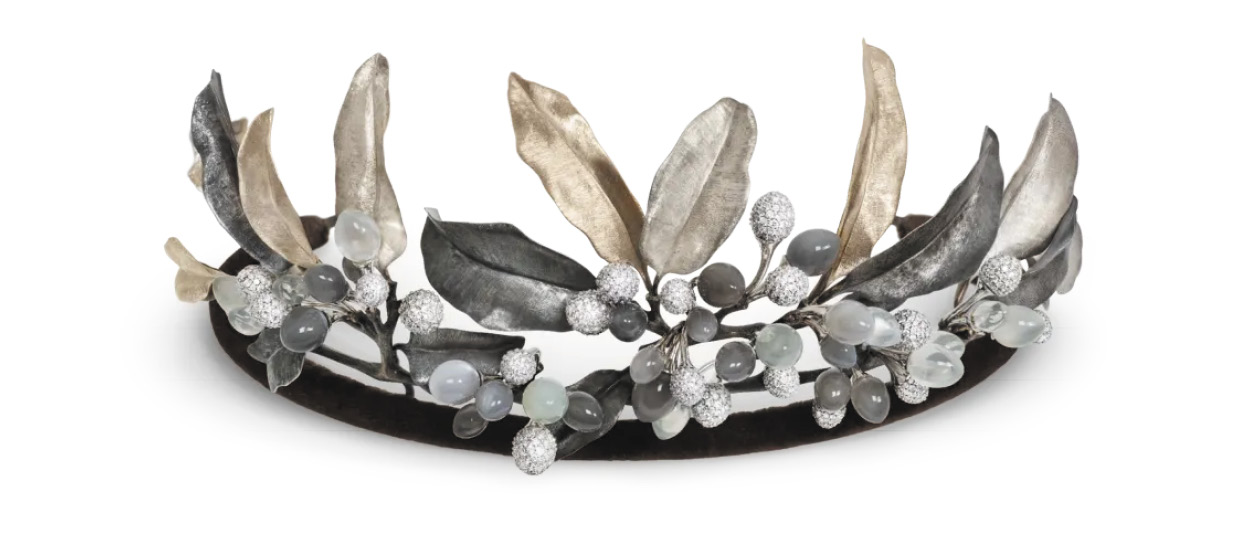
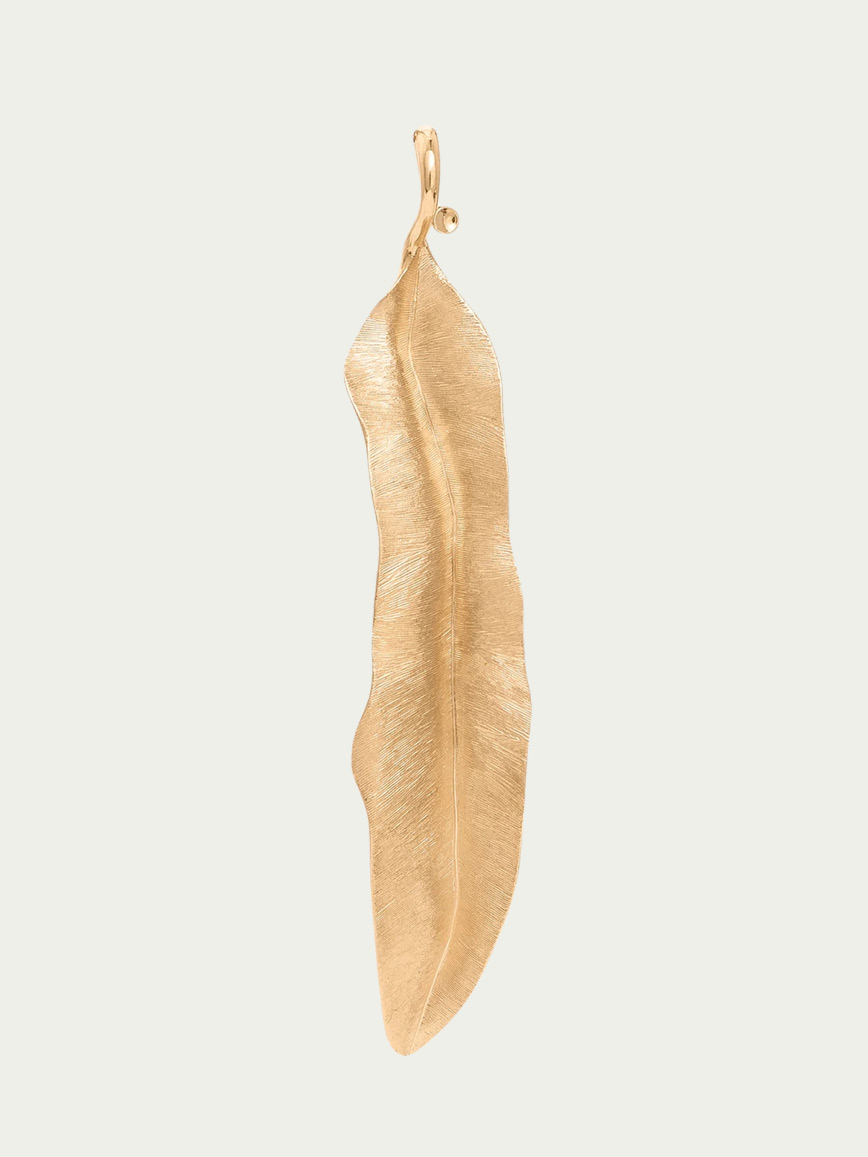
Now celebrating 60 years of history, Ole Lynggaard Copenhagen has plenty to toast (Skal!). While they’ve been an official purveyor to the Danish Royal court for over thirty years, Ole himself started working with the Danish Royal family a good twenty years earlier. A tiara created for an exhibition at the royal palace in Copenhagen in 2009 has been worn by Crown Princess Mary many times. The Midnight Tiara, of foliate design, sports leaves of silver and gold, and countless buds made from moonstones and diamond-set gold. It’s the inspiration for the brand’s Leaves collection, an array of beautifully textured, highly naturalistic pieces that range from simple silver pendants to large hoop earrings in 18K gold set with fine diamond spines, curled to look like dried leaves.

The Midnight Tiara

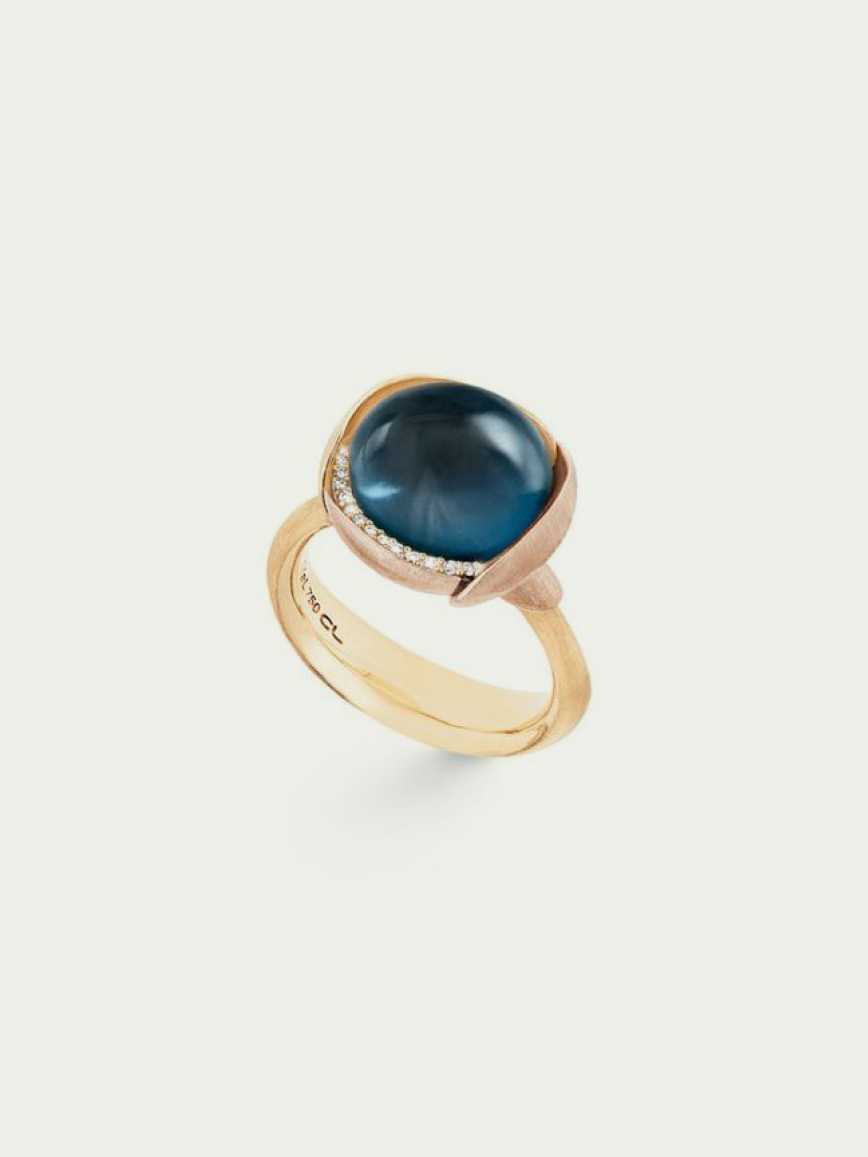
Perhaps better known for its simpler gemstone pieces, the brand has a tendency towards some of the lesser-known stones available. Blush moonstone, peachy and glowing, rutile quartz — a clear stone shot through with golden needles — serpentine, a lush, green stone, and soft, pink rose quartz all feature across collections, while a double ring within the Boho range often combines two, distinct stones together to spectacular effect; dark green malachite with bright orange coral, for example, or multicoloured opal with sky blue turquoise. 

“I’m very inspired by nature. That’s where I find my peace. I go on long walks. As a jeweller, you’re always working, looking for details, always alert.” 

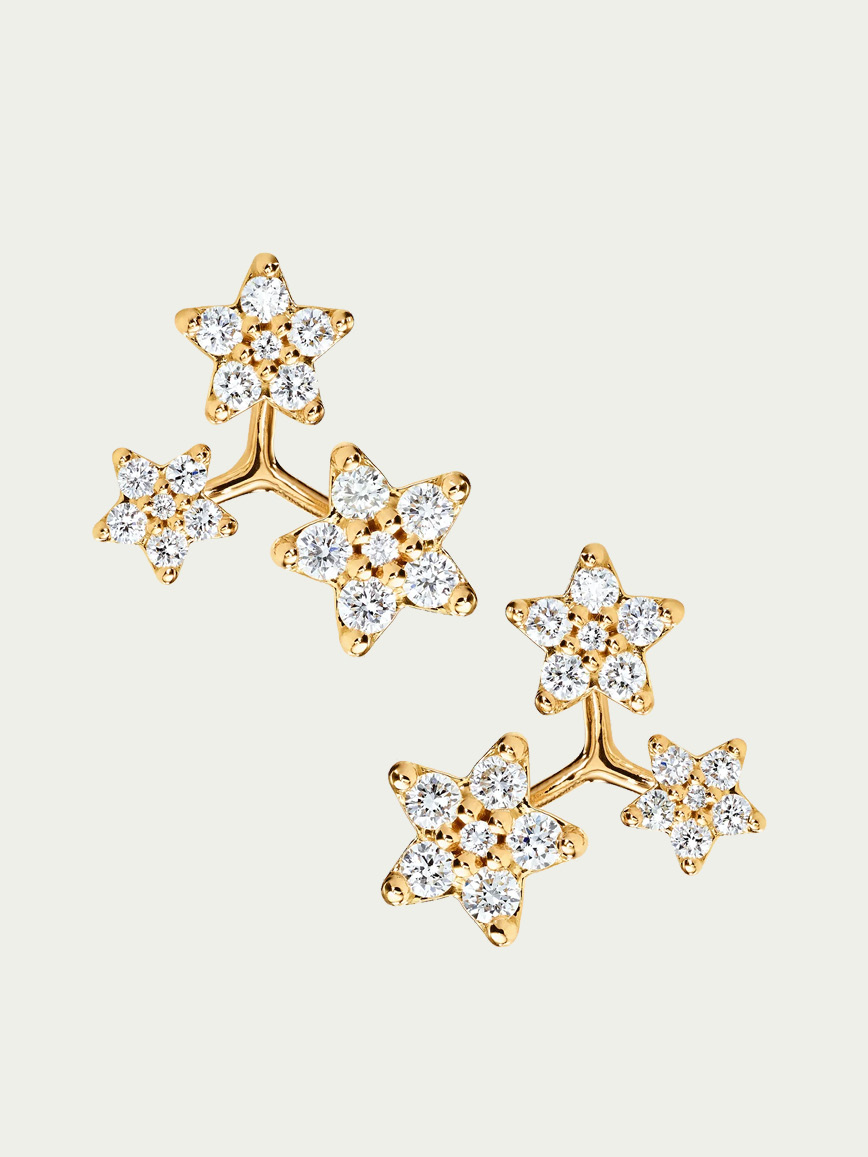
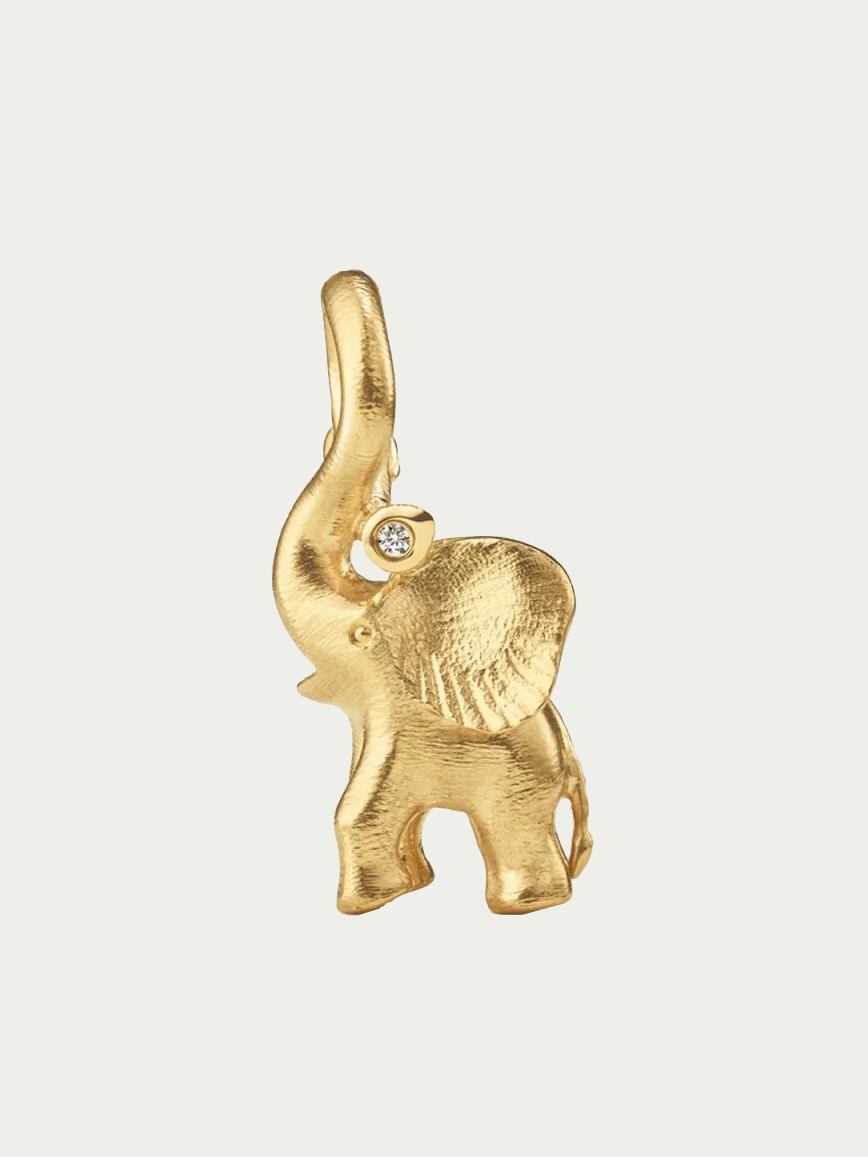
When it’s not flowers and leaves inspiring them, inspiration for collections still comes from nature. An elephant, its trunk raised as though showering himself with diamonds, comes in an array of pendants, brooches and charms, while the Snake collection ranges from a Medusa ring featuring an entire tangle of serpents with diamond-studded heads, to a fully diamond-set double snake choker. Elsewhere, there are entire constellations of stars rendered as earrings, acorn pendants carved from falcon’s eye, a dark variety of quartz, tiny silver egg pendants that open, and colourful handwoven rope bracelets with precious gold clasps. 

Ole Lynggaard Shooting Star Stud Earrings from Partridge
Ole Lynggaard Elephant Pendant from Partridge
Ole Lynggaard
Leaves Pendant from Partridge
Ole Lynggaard
Lotus Ring from Partridge

“When creating a new piece, we model, sketch, try things out in the workshop,” Charlotte said in a recent Instagram video. “It’s a very long process, months or years to come up with a new collection. I’m very inspired by nature. That’s where I find my peace. I go on long walks. As a jeweller, you’re always working, looking for details, always alert.” 

Celebrations for the anniversary will continue throughout the year, including special pieces, couture dresses, exhibitions, and people gathering from all over the world. But the ethos remains the same. “We want to continue doing what we do, keep it in the family, and have fun.”

Coveted

Van Cleef & Arpels adds to the Perlée collection with elegant three-row rings
Bvlgari revisits one of its boldest signatures with Gold & Steel
All tied up: The bow-detail handbag trend taking over this season
23.3.23 by Jake Walker, 2023, $7,000 Acrylic, acrylic gesso on polycotton canvas 760 x 1220mm. From SPA_CE Napier (thisisspace.co.nz)

Art Market: Update your interior with a piece of captivating art

When considering how best to give your interiors an upgrade, never underestimate the power of an exquisite piece of art. Here, we have rounded up a selection of refined masterpieces that will challenge your perspective and elevate your surroundings, and that are destined to remain as interesting additions to your home for years to come.

← GO BACK

SEE ALL SLIDES |

Nebula by Kāryn Taylor, 2022

Nebula by Kāryn Taylor, 2022

Nebula by Kāryn Taylor, 2022

Nebula by Kāryn Taylor, 2022

$4,200
Cast acrylic, edition of 3 400 x 400 x 40mm
Available from Sanderson Contemporary

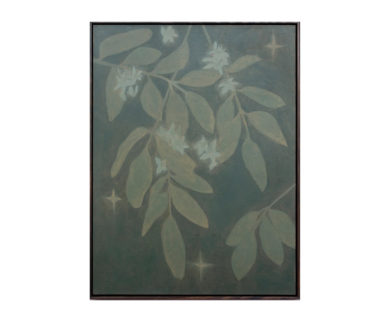
Showers in the Dark by Briana Jamieson, 2022

Showers in the Dark by Briana Jamieson, 2022

Showers in the Dark by Briana Jamieson, 2022

Showers in the Dark by Briana Jamieson, 2022

$4,950
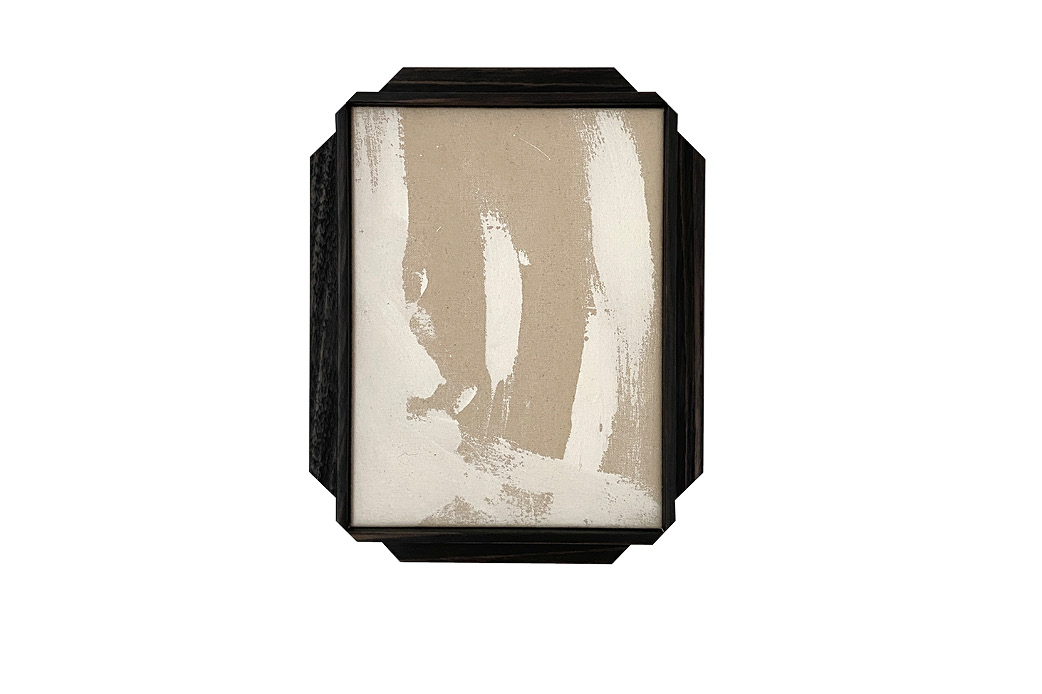
Oil on Board, framed in Dyed Tasmanian Oak 825 x 625mm
Available from Kaukau

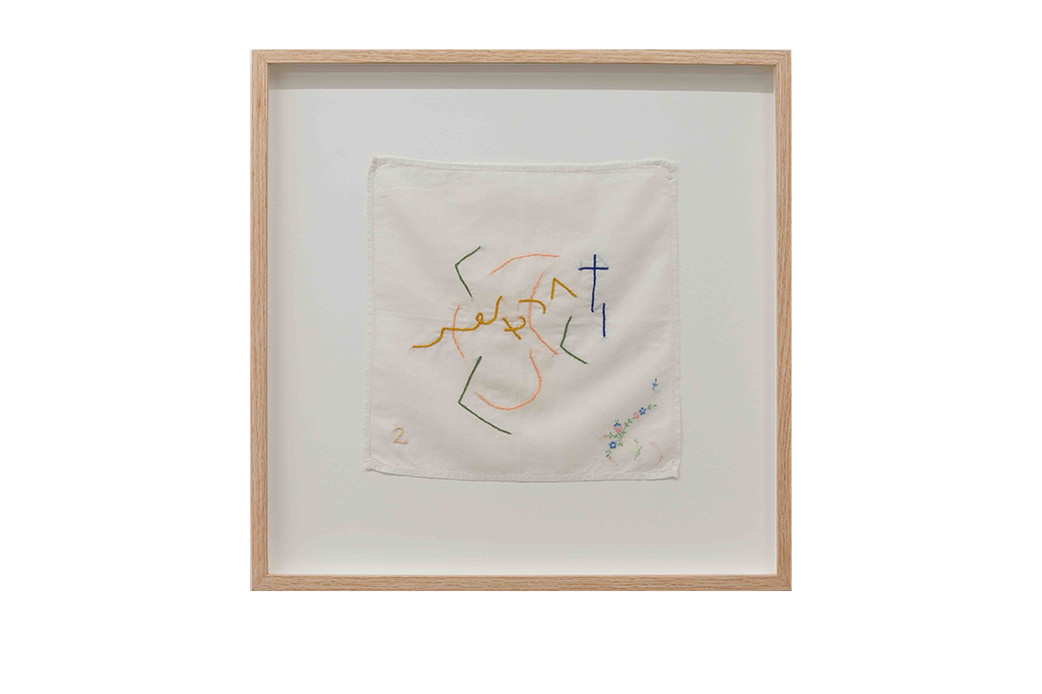
Lesson 1 by Areez Katki, 2020

Lesson 1 by Areez Katki, 2020

Lesson 1 by Areez Katki, 2020

Lesson 1 by Areez Katki, 2020

$2,250
Embroidery on gifted vintage muslin handkerchief 420 x 420mm, framed
Available from Tim Melville

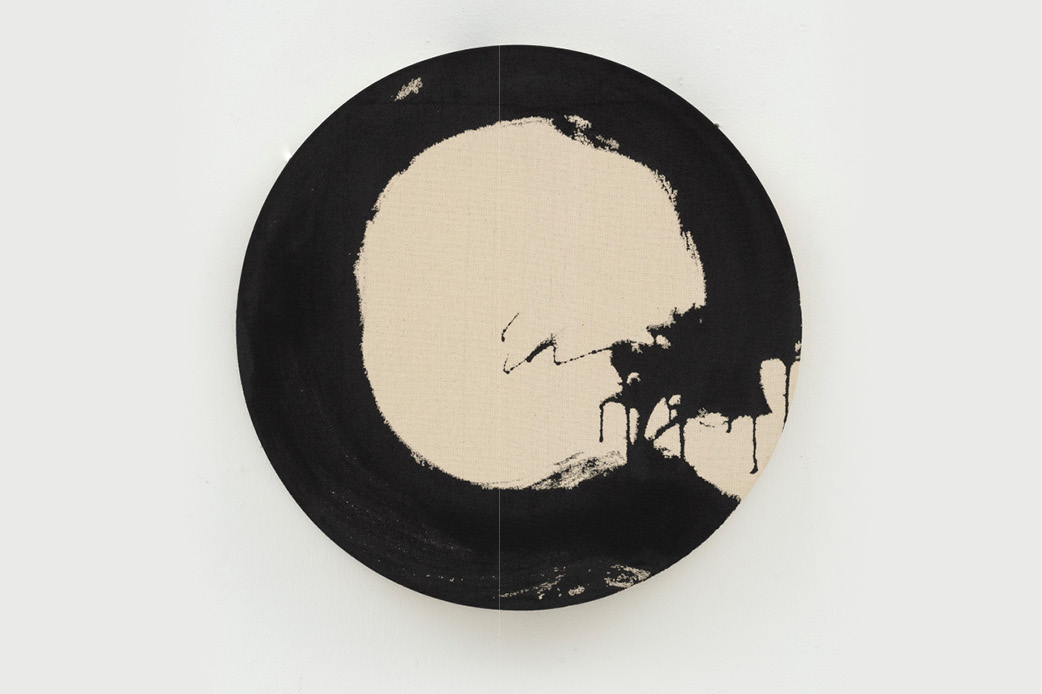
To Turn a Somersault  on a Needle's Point  by Max Gimblett, 2022

To Turn a Somersault  on a Needle's Point by Max Gimblett, 2022

To Turn a Somersault  on a Needle's Point  by Max Gimblett, 2022

To Turn a Somersault  on a Needle's Point by Max Gimblett, 2022

$20,000
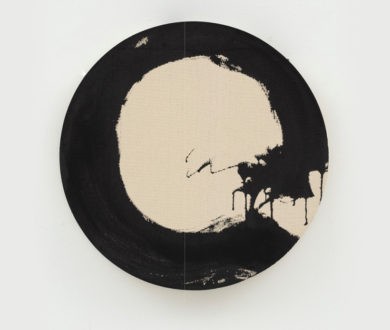
Acrylic on canvas, 508 x 508mm
Available from Gow Langsford Gallery

Tomorrow is my first day by Tom Mackie, 2023

Tomorrow is my first day by Tom Mackie, 2023

Tomorrow is my first day by Tom Mackie, 2023

Tomorrow is my first day by Tom Mackie, 2023

$2,500
Acrylic on canvas, 355 x 280mm
Available from SPA_CE Napier

As the Senior Manager of Supercheap Auto Parts in Mayfield at the end of a hard day Ronald ‘Ronnie' loved a swim...by Dale Frank, 2021

As the Senior Manager of Supercheap Auto Parts in Mayfield at the end of a hard day Ronald ‘Ronnie' loved a swim...by Dale Frank, 2021

As the Senior Manager of Supercheap Auto Parts in Mayfield at the end of a hard day Ronald ‘Ronnie' loved a swim...by Dale Frank, 2021

As the Senior Manager of Supercheap Auto Parts in Mayfield at the end of a hard day Ronald ‘Ronnie' loved a swim...by Dale Frank, 2021

POA
Colour Pigments in easycast, epoxyglass, on iridescent perspex
Available from Gow Langsford Gallery


You May Find Yourself  by Josephine Cachemaille, 2023

You May Find Yourself by Josephine Cachemaille, 2023

You May Find Yourself  by Josephine Cachemaille, 2023

You May Find Yourself by Josephine Cachemaille, 2023

$1,100
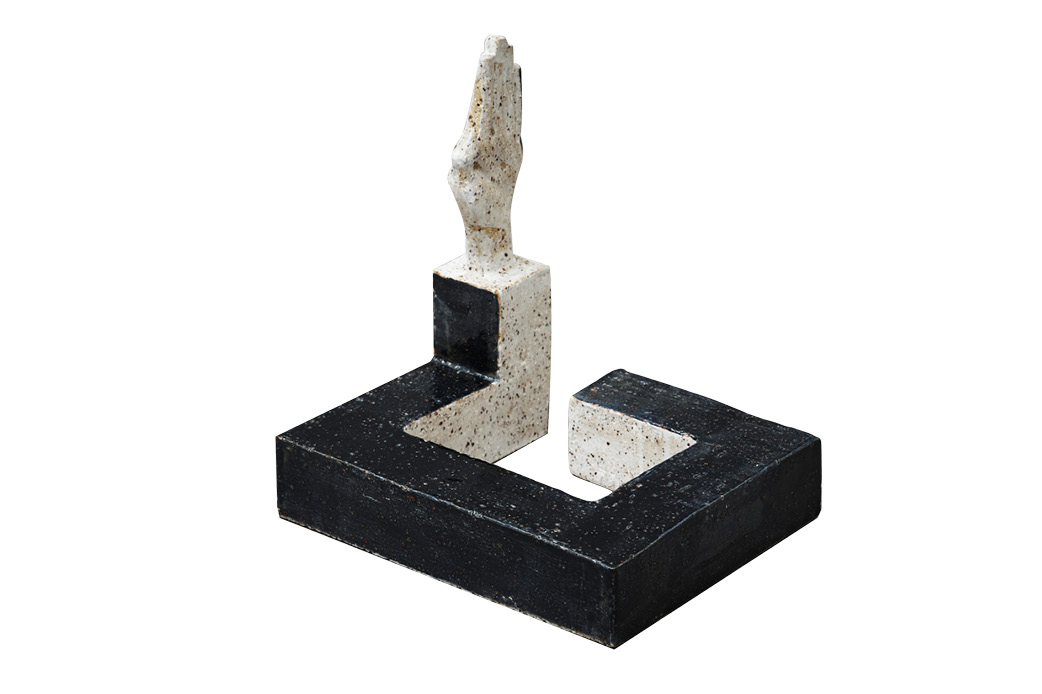
Glazed clay, 190 x 170 x 140mm
Available from Sanderson Contemporary

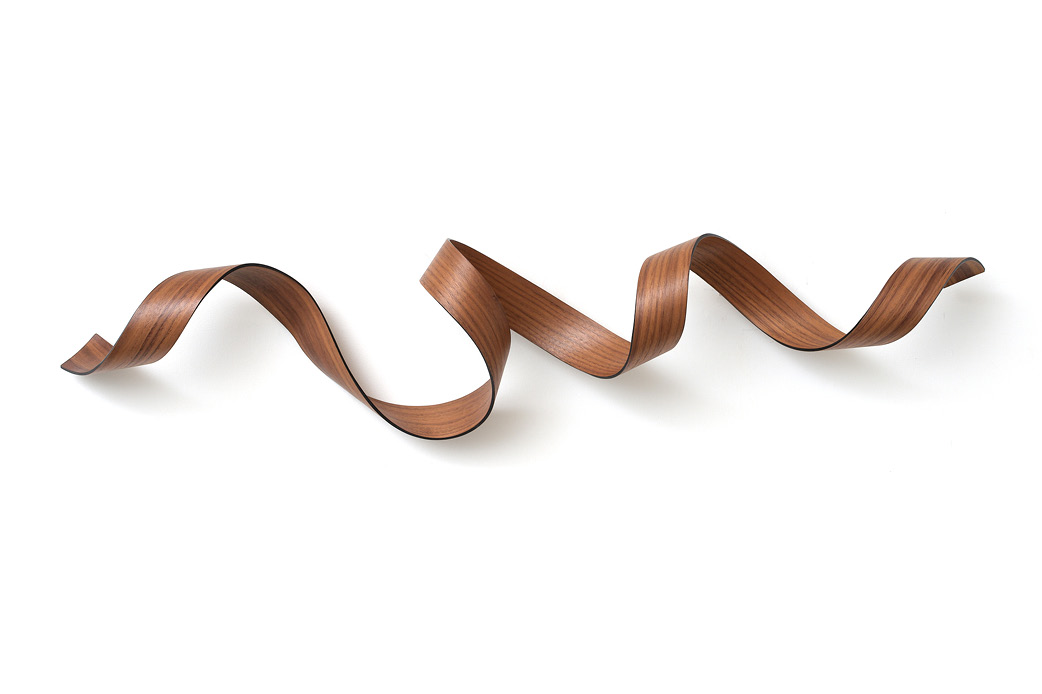
Fluid XI  by Ray Haydon, 2022

Fluid XI by Ray Haydon, 2022

Fluid XI  by Ray Haydon, 2022

Fluid XI by Ray Haydon, 2022

$10,500
Carbon fibre, resin, walnut veneer 300 x 1250 x 300mm
Available from Sanderson Contemporary

 Ichneutica Maya  by Liam Gerrard, 2023

 Ichneutica Maya by Liam Gerrard, 2023

 Ichneutica Maya  by Liam Gerrard, 2023

 Ichneutica Maya by Liam Gerrard, 2023

$4,950
Charcoal and pastel on paper, 570 x 565mm, framed
Available from Sanderson Contemporary

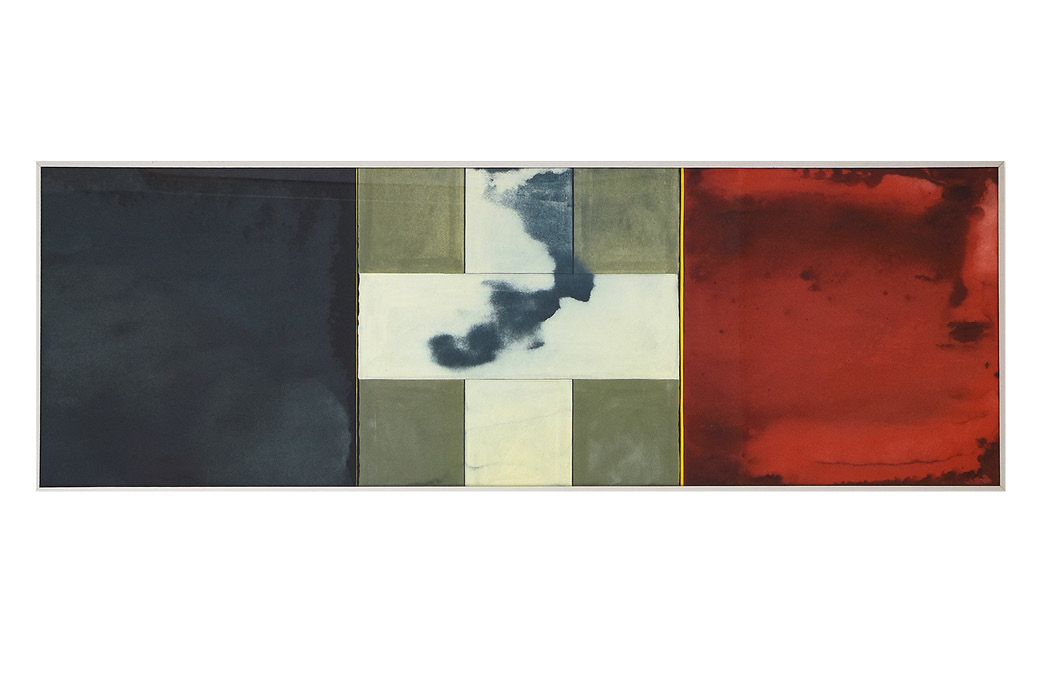
Vertical Untitled No. 7 by Geoff Thornley, 1972

Vertical Untitled No. 7 by Geoff Thornley, 1972

Vertical Untitled No. 7 by Geoff Thornley, 1972

Vertical Untitled No. 7 by Geoff Thornley, 1972

$70,000
Mixed water based media on paper, 2150 x 730mm
Available from Gow Langsford Gallery

LIFE by Mickey Smith, 2022

LIFE by Mickey Smith, 2022

LIFE by Mickey Smith, 2022

LIFE by Mickey Smith, 2022

$5,750
Archival pigment print on Hahnemühle Photo Rag
Edition 6 of 10, 1200 x 800mm, framed
Available from Sanderson Contemporary

Culture

Wondering what to watch? These new shows should be on your radar
We talk to author Trent Dalton on his dark childhood, finding light between the cracks, and the girl who saved him
The Stars Have Aligned, Babe!

Denizen’s definitive guide to the best massage in town

Finding time for a self-care appointment within the swirling jumble of modern life can be a challenge. When one finally does, one wants to know that the chosen booking will be worth the calendar space. This is especially true for massages — the disappointment of receiving a limp, oily rubdown when sore muscles are crying out for some attention, is real. Here, we have compiled the best massages in Auckland for a variety of specific requirements, including some of the most expert local massage therapists to administer them, to make sure you leave your appointment feeling serene and ache-free.

Best massage for fans of deep-tissue techniques
Traditional Thai Massage at Golden Fingers Thai Massage, Kingsland 
With two branches in Auckland, Golden Fingers is the place to go if you need some realigning. The full treatment menu is comprehensive, however it’s the traditional Thai massage we go for — an oil-free, active and firm style designed to improve flexibility and relieve tension. The recipient will usually lie on floor mats, with the therapist moving around them, using their hands, feet, knees and elbows to manipulate the client’s body. Focusing on muscle stretching, deep compression and overall flexibility, you can expect an increased range of motion and an energy boost. We recommend Ollie for a consistently good massage.

East Day Spa.

Best relaxation massage
Balinese Massage at East Day Spa, CBD
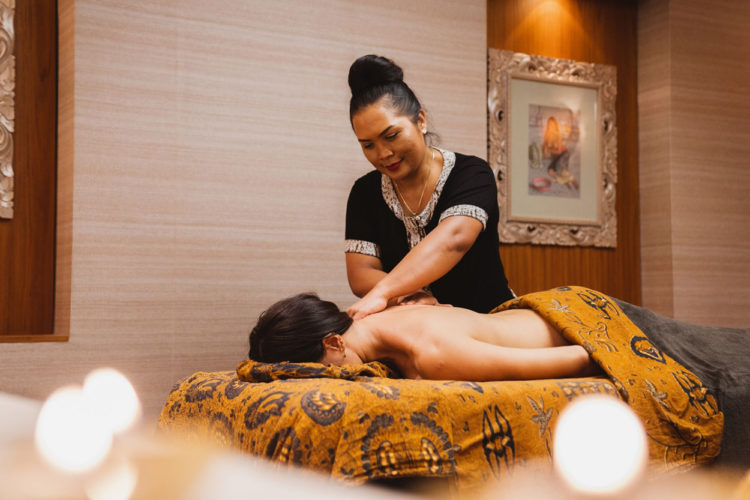
Why mess with a classic? Snuggle up and zone out in one of East Day Spa’s cosy therapy rooms, letting a sense of calm and relaxation overtake you. East’s signature Balinese massage will take you on a journey, offering a healing ritual to relax and restore. This is designed to be a full body service, with medium pressure (although you can customise it), gentle stretches and acupressure. We’d recommend booking in with Mercy Portin — her forté in Balinese massage as well as vast experience across all massage disciplines will leave you feeling both relaxed and healed. Finish it all off with a trip to one of the new heat therapy zones, designed to extend the longevity of your treatment.

Best massage for a sculpted physique
The Sheila Perez Method at My Beauty Room, Grey Lynn
If you’re feeling puffy and sluggish, this is the treatment to try. Vinegar Lane salon My Beauty Room, run by experienced beauty therapist Nicky Watkins, is the only New Zealand location to offer The Sheila Perez Method. Aiming to detoxify the body, eliminate accumulated fluid, activate the immune system, combat cellulite and stimulate bowel function, this highly effective treatment combines lymphatic draining with lipo-sculpting massage for incredible results that can be seen during the first session. 

Best holistic offering
Tonic Room, Kingsland
In this modern world many of us have a tightly-wound assemblage of woes that, more often than not, all feed into one another. Treating the causes rather than the symptoms is central to Tonic Room’s philosophy, where many of the therapists are trained in multiple areas including naturopathy, massage therapy, herbal medicine, holistic nutrition and more. Book in for a naturopathic consultation to address fatigue and low energy, digestive complaints, hormone imbalances, skin and immunity issues, then follow with one of Natalie’s divine massages (the holistic comprises 60-minutes of massage and 30-minutes of reiki) for a sense of wellbeing that goes further than skin deep.

Spring Spa.

Best for prenatal 
Prenatal Massage at Spring Spa, Ponsonby
The ‘pregnancy glow’ myth has long been perpetuated as something that pregnant women radiate, all the time. But when you’re past the excitement of the first trimester and the cute, settling-in stage of the second, the inevitable discomfort of the third can leave you wondering where the hell your ‘glow’ has gone, and was it even there in the first place? Luckily, there are treatments available that will not only have you feeling glowy again, but will alleviate some of the aches and pains that pregnancy blesses you with. For the best prenatal massage, put your trust in Spring Spa, where you can settle into one of the calm, dimly-lit rooms (on your side, of course) with a pillow between your legs, and let the expert masseuses work their magic on your tired back. We recommend making frequent use of this service before your wee one arrives and the game changes again. For this service, ensure you book in with Rinun — one of Spring’s most beloved masseurs.

Best lymphatic drainage massage
Yunity Massage, Herne Bay
Encouraging the lymph flow around the body offers a hoard of benefits, including the elimination of toxins, swelling reduction and relief for a swathe of conditions such as chronic sinusitis, migraines, stress, whiplash — even stroke recovery and tennis elbow. Catherine Chu at Yunity Massage is booked out months in advance for her neuromuscular therapy and manual lymphatic drainage massages, thanks to her knowledge and passion for helping clients to feel their absolute best, inside and out.

Wellbeing

The sleep reset: We consult a sleep expert on the 10 steps to follow to start having the best sleep of your life
Bouncing back: What jumping around for 10 minutes every morning has done for me
The next-generation toxin promising speed, subtlety and rare staying power
The Glass House
Amalfi Coast Yacht Charter
Veuve Clicquot's Cellar in the Sea
Airelles Le Grand Controle
Frank Sinatra Estate
The Lindis
Anders Mountain Suites

Celebrating a milestone? These incredible experiences and destinations will see you make lifelong memories

With travel off the cards for the last few years, there seems no better way to celebrate a milestone than to escape to a faraway land with your nearest and dearest in tow. Whether it’s a journey of utter indulgence, a cultural expedition or a mountainous escape, the destinations that we have rounded up here promise the kinds of unparalleled experiences that will see you make lifelong memories.

Anders Mountain Suites

for lovers of the great outdoors

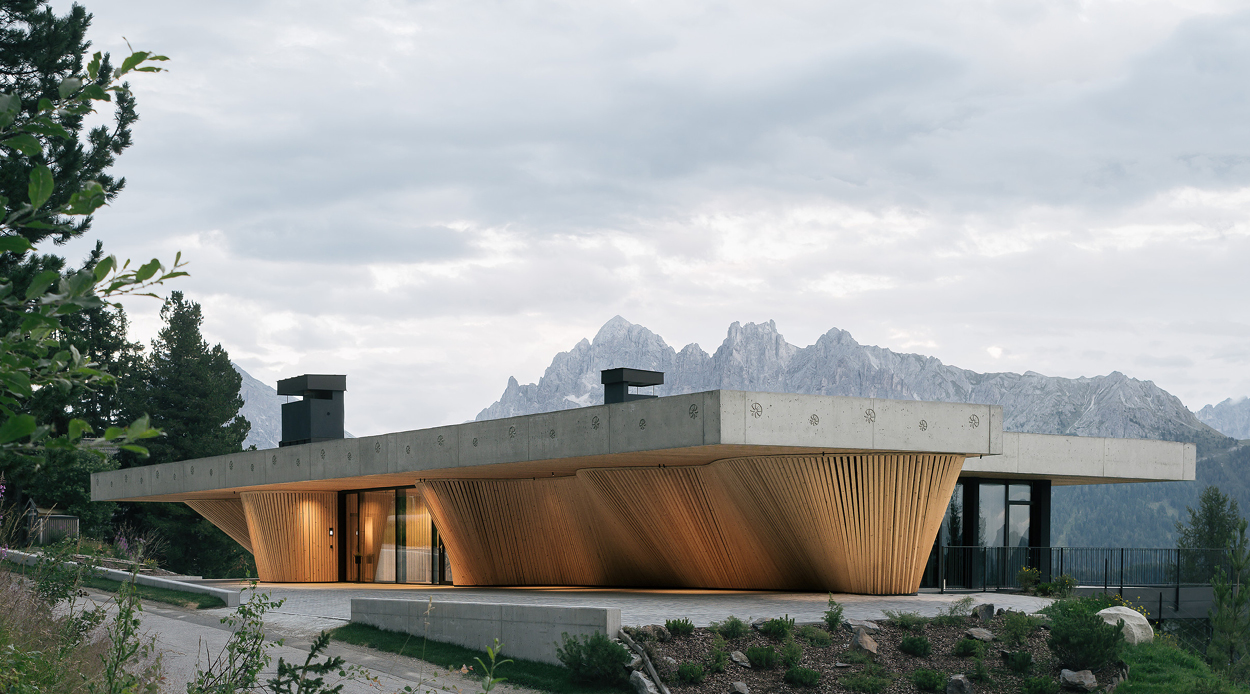
In the heart of the South Tyrol mountains in the Italian Dolomites, Anders Mountain Suites is a remarkable example of architecture and design in perfect harmony with nature. With milestones in mind, this is more than just a place to stay; it’s an immersive experience. Adventure-loving guests can enjoy a broad range of activities, from hiking to mountain biking and skiing, to rejuvenating wellness facilities, and sumptuous treatments in their suites. It exemplifies the kind of destination that can, and should, act as a home base. A divine execution of a mountain retreat where, after long days exploring, there is time for rest, relaxation and taking stock in good company.
The retreat’s opulent design is a stunning contrast to the traditional hotel architecture of the region, with its solid cement roof and natural brushed spruce wood construction.
And the suites themselves are perfectly pared-back luxury, at the end of an adventure-packed day offering guests cosy and elegant living spaces that offer breathtaking views of the Dolomites through floor-to-ceiling windows. The hotel’s guest living room, restaurant and bar offer divine breakfasts and dinners made from locally sourced ingredients, providing an intimate and unique dining experience worthy of a celebration. Blending urban architecture with natural beauty, this destination finds luxury in simplicity.

anders-suites.com


In Good Company

Architect Martin Gruber has masterfully transformed the former Hotel Aurora into a design retreat with seven two-storey suites, offering a unique experience for guests seeking refuge from the hustle and bustle of modern life. Anders Mountain Suites can be booked for intimate and romantic getaways, but for a truly memorable affair, exclusive use of the property is encouraged.

The Lindis — Exclusive Use

For a local celebration

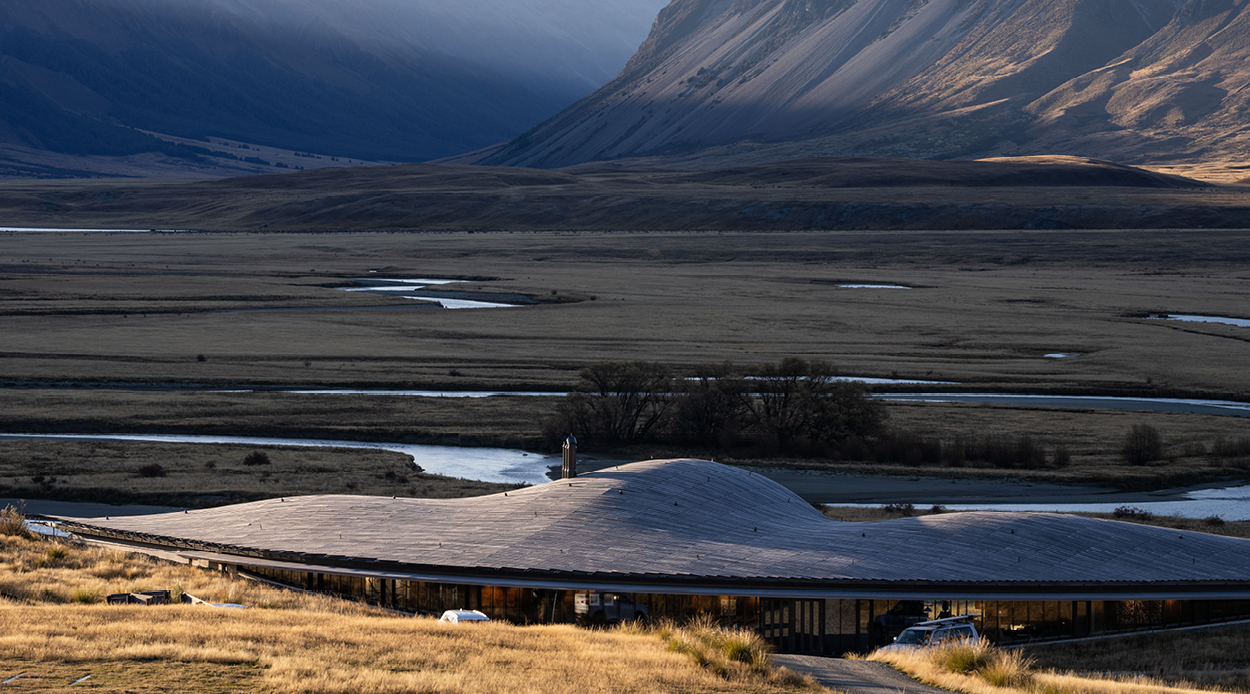
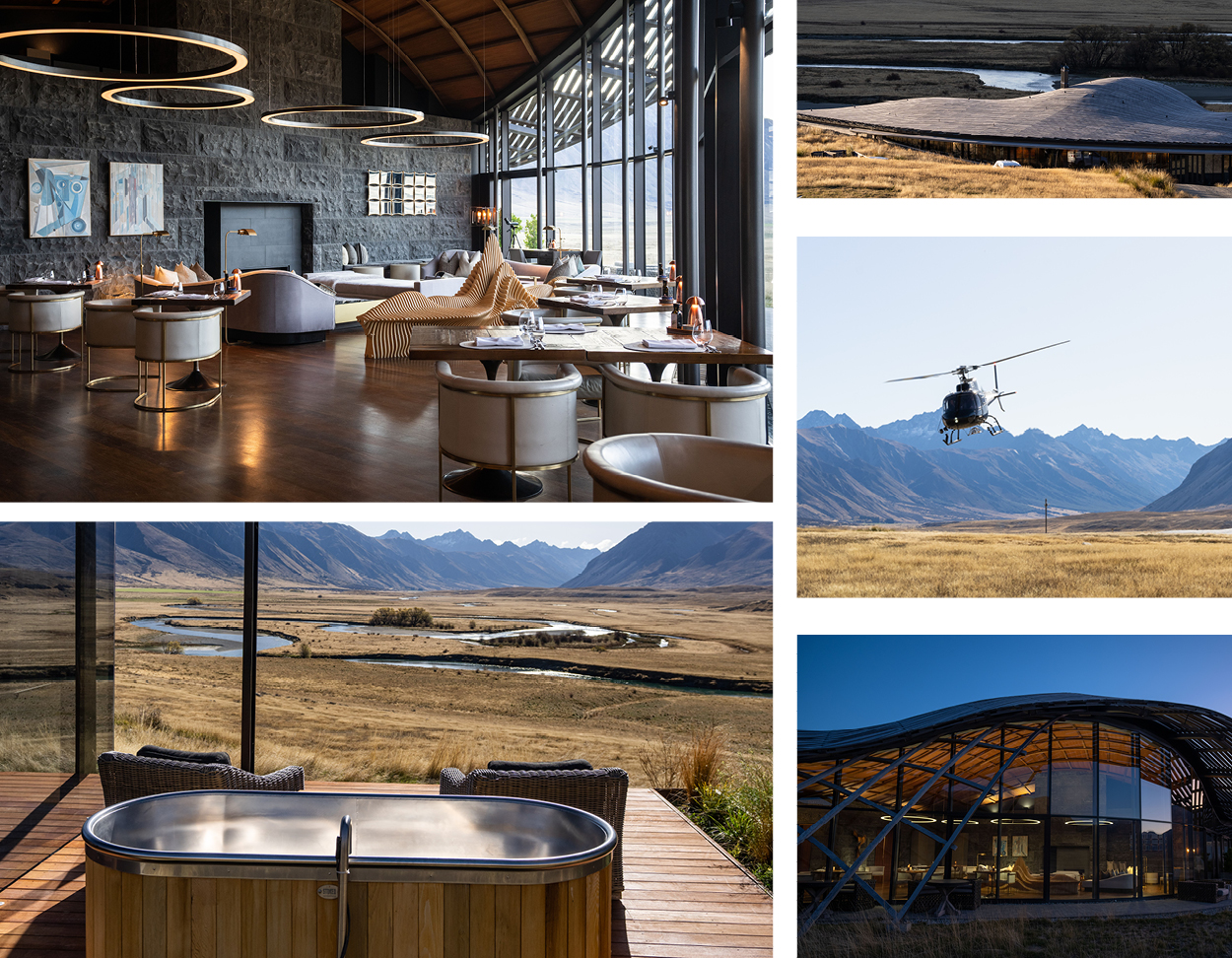
When you just want to get away from it all, and celebrate in the lap of luxury with your closest cohort, the peaceful privacy of an opulent lodge is the perfect solution. Nestled in one of New Zealand’s most isolated landscapes — The Ahuriri Valley — The Lindis is a spectacular destination for friends and family, and can be booked out exclusively. Offering your party (of up to 16 adults and five children) an unparalleled experience, this exceptional lodge balances off-the-grid isolation with all the modern, luxury amenities and service one might expect from a place of this calibre. From its state-of-the-art kitchen, helmed by a dedicated chef who cleverly harnesses an array of cuisine fit for any kind of celebration, to the veritable smorgasbord of leisurely pursuits that allow guests to take in the beauty of the region (including bespoke heli-adventures, backcountry and fly fishing, e-biking, horse trekking and buggy tours), The Lindis affords its guests unprecedented access to breathtaking nature and at night, stargazing at some of the clearest night skies you’ll ever see. Here, the beauty of The Lindis’ setting is matched only by the warm, welcoming nature of its team’s hospitality, who make a private stay here the ultimate celebration, right on
our doorstep. 

thelindisgroup.com


a private escape

The Lindis Exclusive Use package includes two generously proportioned Master Suites, three modern and luxurious lodge suites and three unique glass pods. All meals are included and you and your guests will have the private use of the entire lodge during your stay.

Frank Sinatra Estate

for the rat pack

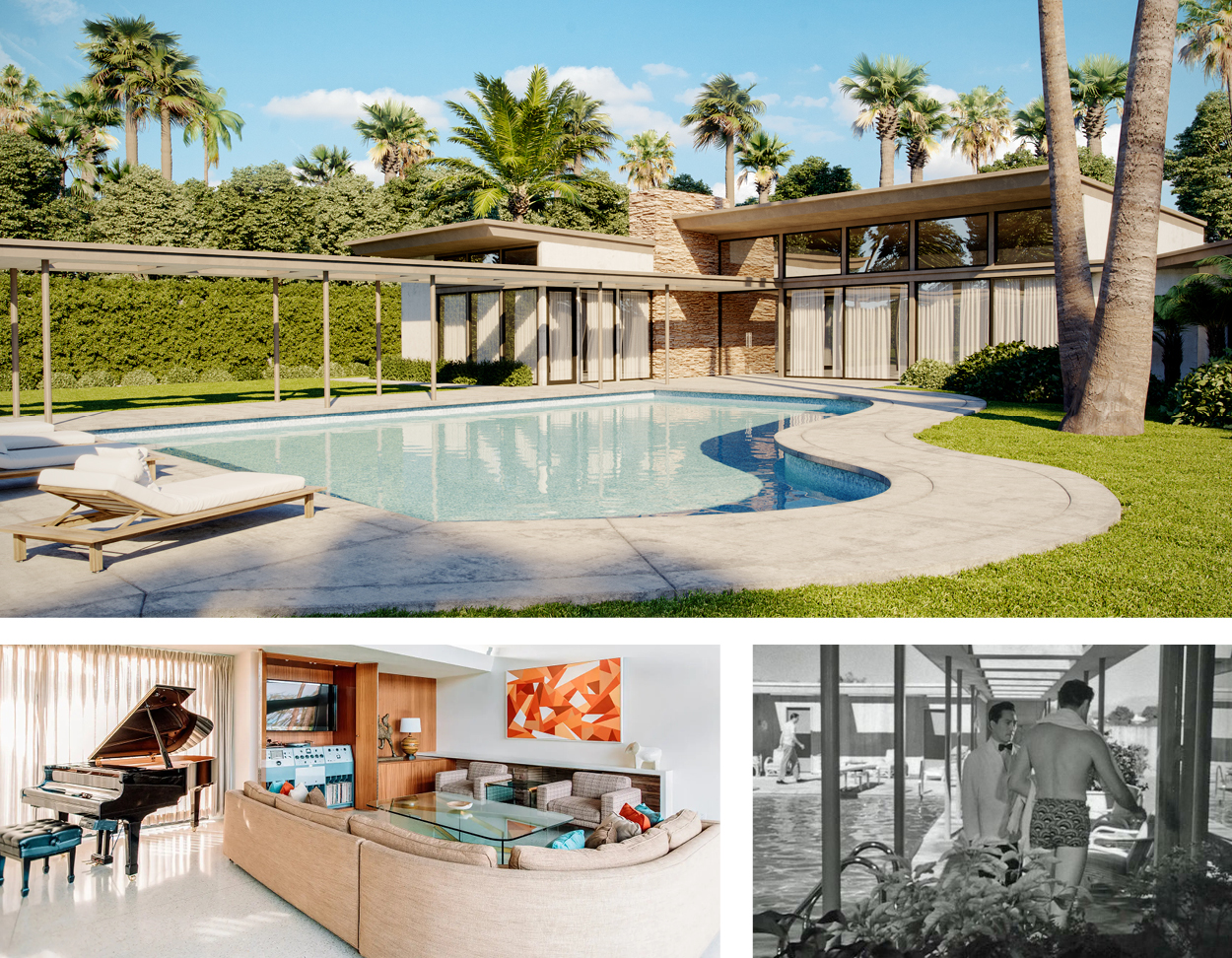
In the Palm Springs dessert, surrounded by dusty earth, is Twin Palms, a historic mid-century mansion originally commissioned by the inimitable Frank Sinatra. The destination itself is a living reminder of the iconic Rat Pack days, where parties were grand and raucous and every celebration felt like a milestone. Now, an exclusive adventure awaits, where you can (and should) answer the call to assemble your own Rat Pack — only those capable of delivering an outrageous time need apply. Here, let the celebrations kick off with rousing sing-a-longs gathered around the grand piano, peppered with refreshing dips in the iconic piano-shaped pool, and tantalising libations served from the wet bar to ensure the good times keep rolling long into the night. Built by legendary architect E. Stewart Williams, this sprawling estate exudes old Hollywood charm with luxurious and unparalleled style. From the moment you step through the door, you’ll be transported to a bygone era of sophistication and elegance. The floor-to-ceiling windows bathe the interior in natural light, casting a warm glow over the vintage audio systems, St. Charles cabinets and stone floor tiles. The furnishings, hand-picked to respect the original style, are a tribute to the rust-coloured hues and warm woods typical of the era, making it a discerning destination for any design lover, too.

sinatrahouse.com


Seasons In The Sun

Twin Palms is not just a destination, it is a milestone in and of itself and luckily, is available to book for weddings, private events and dinner parties, retreats and exclusive vacations, so you can live like Frank did.

Airelles Le Grand Contrôle

For the Royal treatment

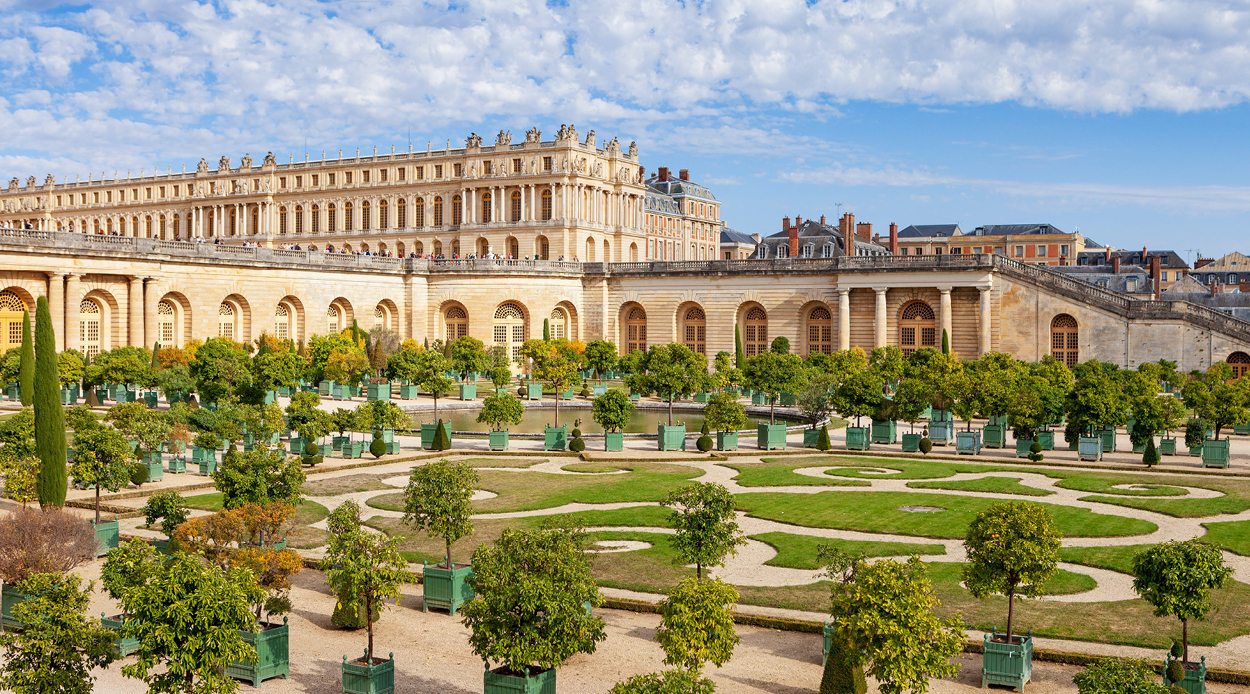
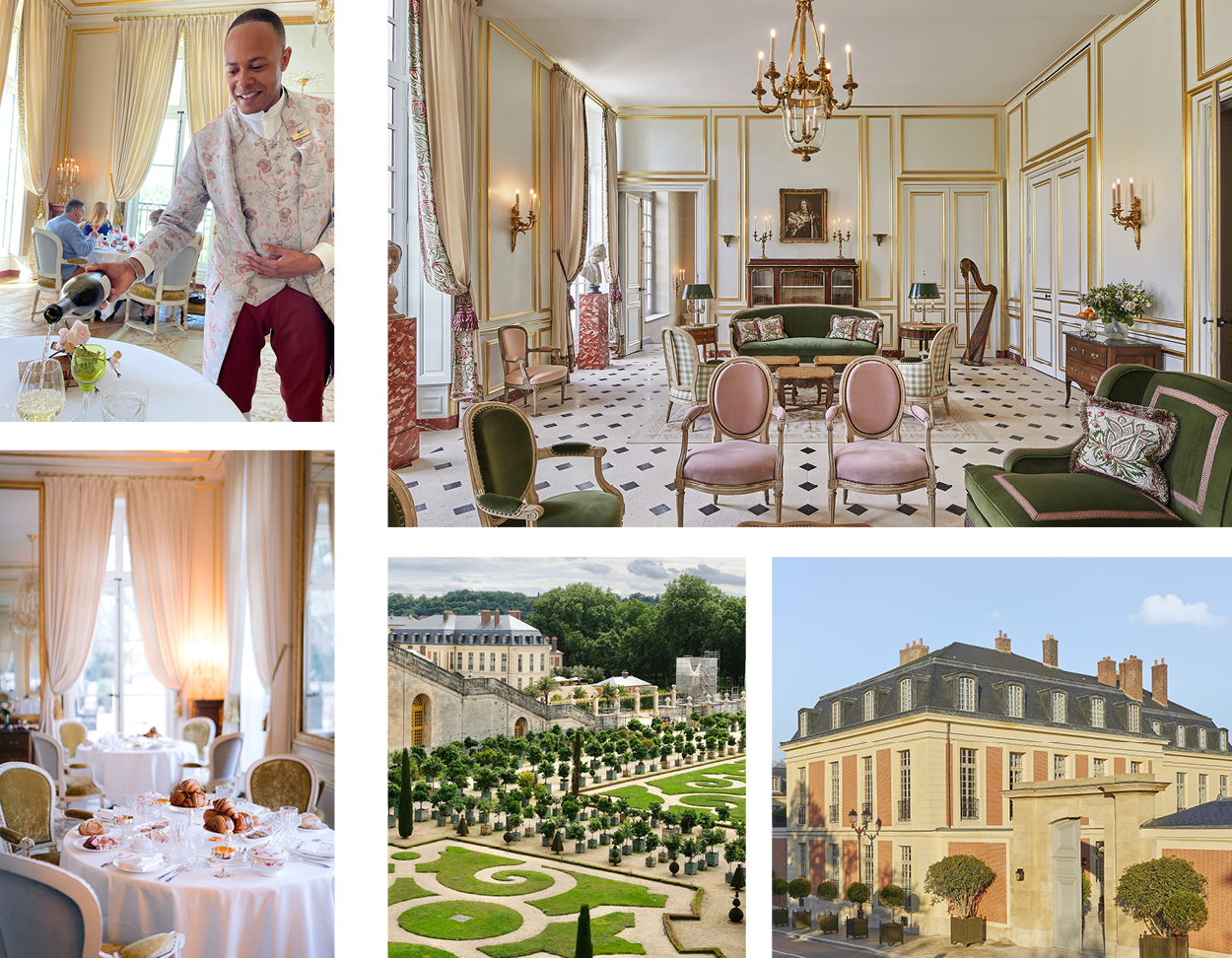
When the right occasion calls, why not take inspiration from the decadence of Marie Antoinette, and head to Airelles Château de Versailles, Le Grand Contrôle? The undisputed queen of French hotels and arguably the most fitting destination for those who deem themselves royal in nature, this is perfect for a once-in-a-lifetime birthday or even, perhaps, a hens party. Set adjacent to the Palace of Versailles, the hotel provides the sort of luxurious experience inspired by Louis XIV’s tastes. Exclusive after-hours access to the palace offers a true glimpse into the iconic monarch’s lifestyle, while a dinner masterminded by Alain Ducasse and served by liveried footmen adds to the momentous experience. Designed by renowned architect Jules Hardouin-Mansart in 1681, the hotel’s Baroque interiors remain faithful to the original aesthetic, with silk-brocade fabrics, four-poster beds and Ladurée macrons in every room. Guests can pamper themselves in Marie Antoinette’s signature almond milk with orange blossom or request the Valmont Sun King treatment at the spa.

Anyone staying here might start their day with a feast of traditional fare like eggs and Comte cheese, or a jog around the fountains, or even a horseback ride like French royalty. And as the crowds disperse, your party can stroll through the palace grounds and take in the serene atmosphere, gazing at the Grand Canal under the moonlight. Far more than simply a hotel, this destination should be reserved for those moments in life where only the royal treatment will do.

airelles.com


A Fashionable Adventure

Nestled in the palatial saloon lies an exquisite experience. Your party can book a rendezvous with an 18th-Century ensemble straight from the set of Sofia Coppola’s cinematic masterpiece, Marie Antoinette. The attire, comprising a rib-crushing corset, petticoat and tricorn hat will transport guests back in time. A professional photographer can also be employed to capture the moment. After all, the picturesque grounds offer the perfect backdrop for a spellbinding photoshoot — the kind that could never be replicated.

Veuve Clicquot’s Cellar in the Sea

For lovers of bubbles

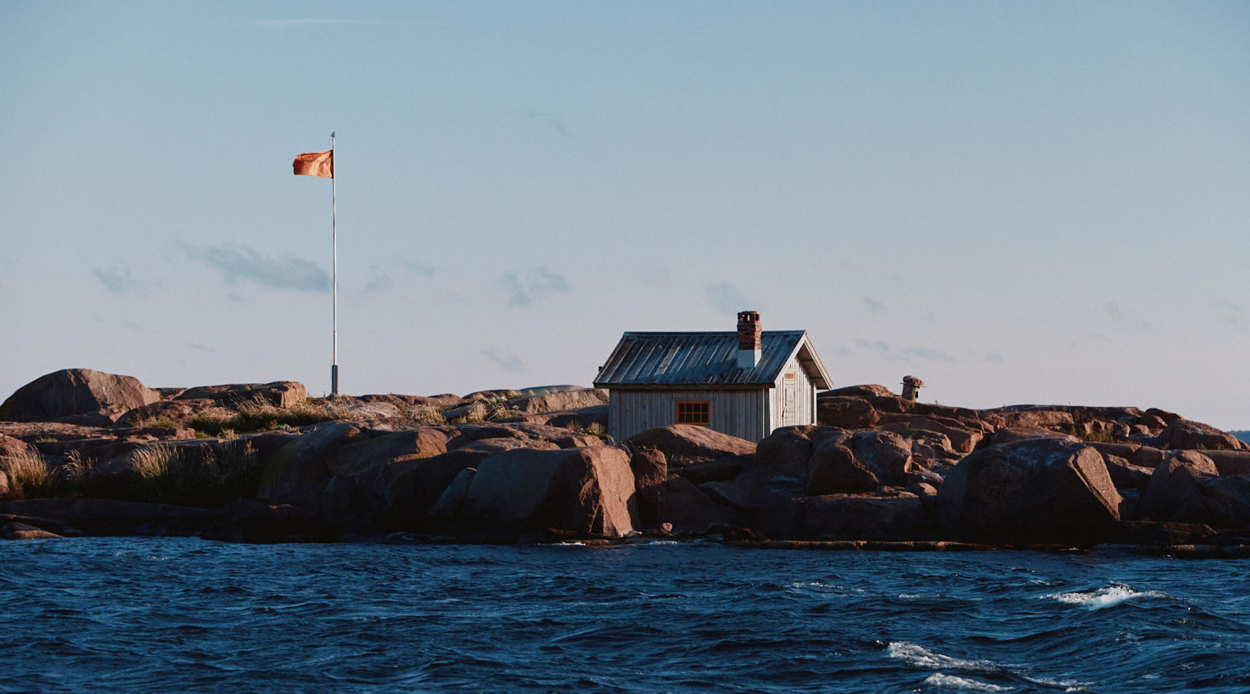
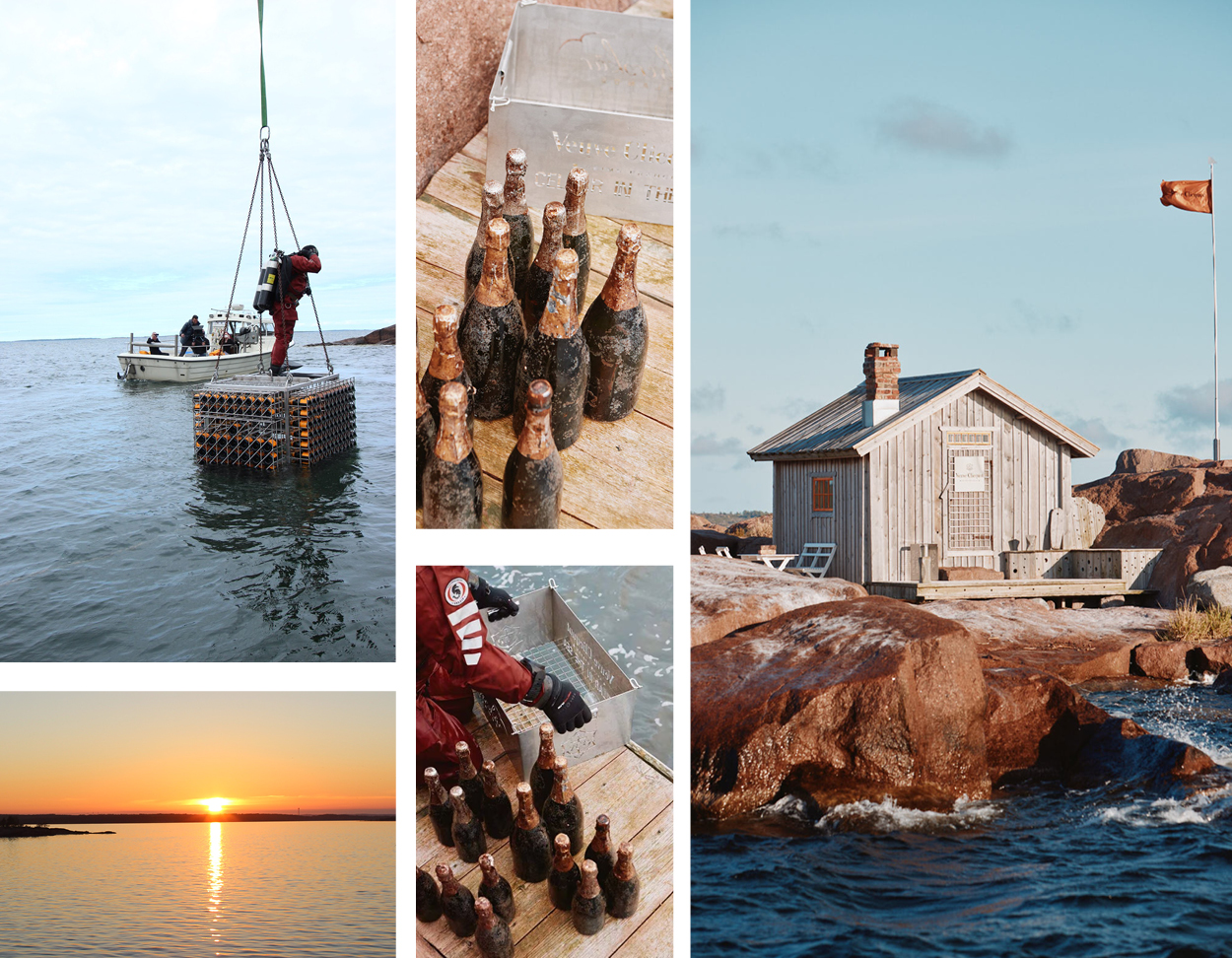
Embark on an unforgettable journey with Maison Veuve Clicquot’s Cellar in the Sea, a one-of-a-kind experience that will take your party on a voyage unlike any other. Beginning in the historic French city of Reims — the home of Champagne — this exclusive journey will lead you to the picturesque Åland Islands set in the Baltic Sea, where you’ll discover the sunken treasure of a 180-year-old shipwrecked Champagne shipment. The Cellar in the Sea is an ambitious oenological experiment that has captured the imagination of Champagne connoisseurs worldwide. During this bucket-list-worthy trip, you’ll get to witness firsthand the incredible craftsmanship of Veuve Clicquot, the revered Champagne house with more than 250 years of history.

Here, your seafaring friends will indulge in the finest gastronomic and oenological delights. They’ll also have the opportunity to meet the divers who discovered the precious bottles and explore the Åland Vault, where they remain submerged (experienced divers will have the opportunity to descend to the underwater cellar). As part of this exclusive journey, guests will celebrate the Midsommar Festival on Silverskar Island, where the sun doesn’t set during the summer solstice, an indisputable once-in-a-lifetime adventure for sure.

veuveclicquot.com


Book with Haste

This unique opportunity is available only between the 22nd and 25th of June, 2023, and can be booked directly through Veuve Clicquot’s partner travel agency. See Veuve Clicquot’s website for details. 

The Glass House by Philip Johnson

For the design enthusiast

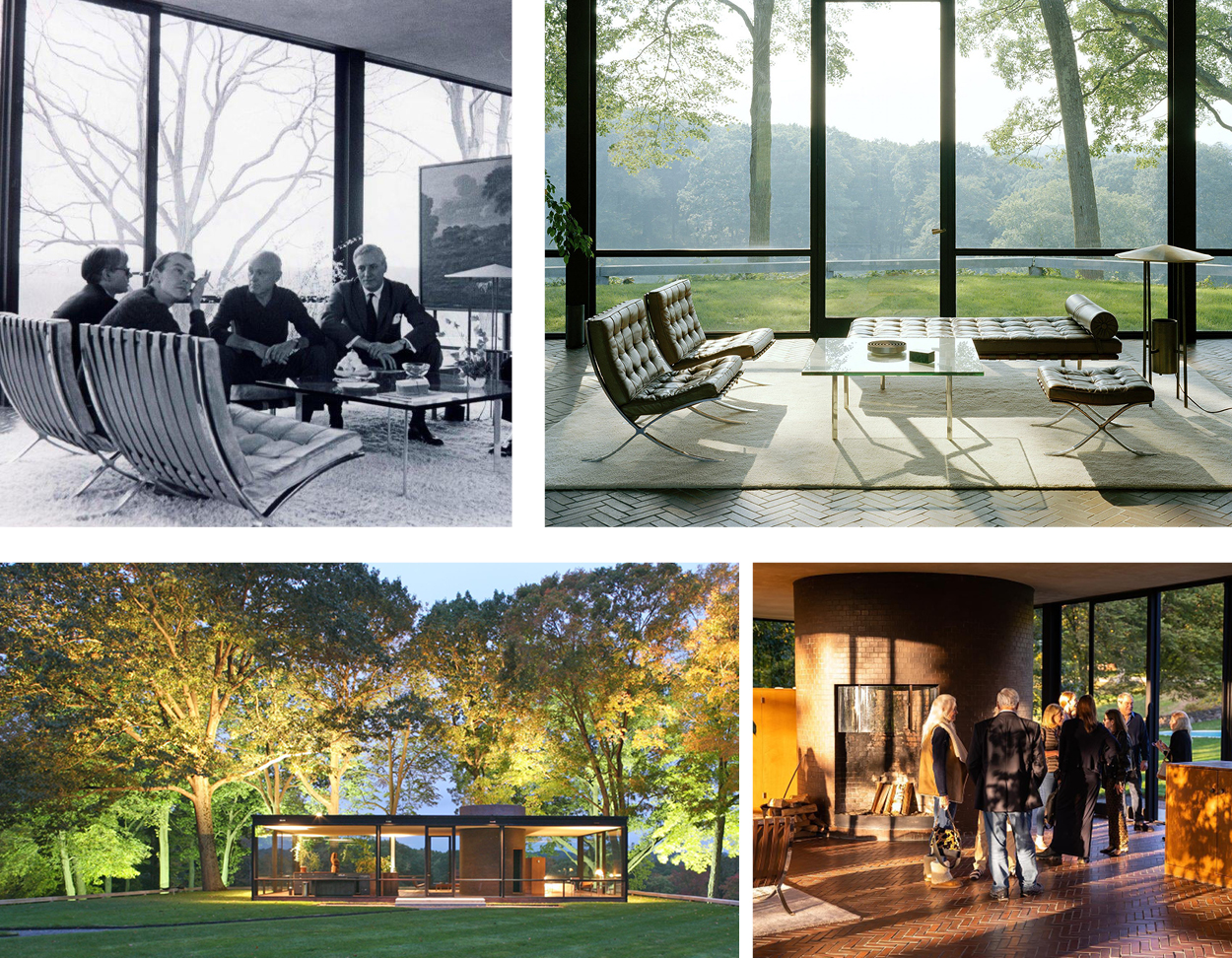
Built into Connecticut’s famous wooded setting, The Glass House is an architectural icon. Designed by the renowned architect Philip Johnson in 1949, the design has been credited with ushering in the International Style into residential American architecture, and has long been lauded for its innovative use of materials and seamless integration into its landscape.

While this will be no news to enthusiasts (with the structure having achieved icon status in most circles), the opportunity to host your momentous occasions here makes it all the more endearing. Should you find yourself with something special to celebrate, you can rent out this bastion of modern architecture for a private event, which can be entirely customised to suit your needs and includes a tour of the five Johnson-designed structures on the property, including its library and the impressive collection of art. Or, if you want to truly celebrate in style, you can book The Glass House exclusively for an overnight stay, in which you will have the entire property to yourself — the ultimate immersive experience. 

Anchored by a main pavilion, perched on a verdant hill that seems to float above the earth, The Glass House is surrounded by a number of architecturally-striking buildings, alongside a series of sculptures. In fact, the house itself is just the beginning of what design-lovers can discover here. It is the aforementioned icon status that makes this destination so appealing. And as such, we envisage it the kind of coveted address for intimate elopements and other equally important occasions.

theglasshouse.org


Take a Tour

Even if a private event or weekend stay isn’t on the cards for you, you can still pay The Glass House a visit. With the 2023 season now open, there are a variety of tours available throughout the week, depending on how long you want to spend exploring the architecture and grounds. Tickets can be purchased online.

Amalfi Coast Yacht Charter

for the Ocean adventure

The eternally stunning and always romantic Amalfi Coast makes for an ideal destination for a celebration that will remain etched in your memory forever. And with milestones in mind, the only justifiable way to take in this breathtaking UNESCO World Heritage site is on board a luxurious superyacht.

Indulge in the ultimate getaway with your nearest and dearest and experience bespoke service and gourmet cuisine every moment of your stay onboard. Wake up to mesmerising views of the Tyrrhenian Sea before diving into the warm clear blue waters for a refreshing swim. Visit the charming towns of Positano and Amalfi for a spot of lunch, before heading back on board for a bottle of Champagne on the deck. Or head to the island of Capri for an utterly decadent Italian evening.

This opulent charter experience marries stunning natural surroundings with artistic heritage and exquisite cuisine, culminating in one of the most memorable experiences of a lifetime. Whether you wish to follow in the footsteps of ancient travellers and famous artists or simply bask in this idyllic region’s elegant surrounds and eternal sunshine, a voyage along the Amalfi Coast will make any special anniversary or milestone moment one to be cherished. 

To facilitate these enduring memories, local charter service 37South are the undeniable experts on the Amalfi region and all it has to offer from a boating perspective, thanks to their access to some of the world’s most magnificent charter vessels. 

37southyachts.com


Sail Away

Local brokerage 37South works closely with a curated fleet of superyachts to charter from the South Pacific, to more far-flung destinations. Here, you can make the mode of travel as much a part of the holiday as the final destination.

Escape

Navigating the Extraordinary: Discover the world’s most exotic boat journeys
The Fiji resorts where every generation actually wants to holiday together
The April school holidays call for a staycation — these are the Auckland hotel suites worth booking

To celebrate 50 years of the iconic Togo, Ligne Roset has released two, new limited-edition pieces that you’ll want to get your hands on

In the world of luxury design, some creations transcend time, embodying the perfect blend of beauty and innovation. Ligne Roset’s Togo sofa is one such icon, a design piece as popular today as it was when it was first unveiled in 1973. This year, the Togo celebrates its illustrious 50th anniversary and we are reminded of how this masterpiece of comfort and style has become synonymous with sophistication, making an unmistakable mark on the tapestry of furniture design, and likely to continue to do so for another half-century yet.

Fifty years ago, visionary French designer Michel Ducaroy unveiled the Togo sofa, an instant revelation that has since been canonised as a masterpiece of avant-garde design. Born from Ducaroy’s desire to redefine the very essence of comfort, the Togo exemplified the idea of a more relaxed, less bourgeois life, liberated from the lifestyle and design conventions of the 1960s. It was also an early example of how innovative materials like foam and polyester quilting were harnessed to usher in a new era of creativity for designers like Ducaroy. 

With its low, inviting profile and ergonomically designed cushions, the Togo boasts a captivating silhouette, offering an organic, cocoon-like embrace that entices anyone to sit back, put their feet up and indulge in pure comfort. Its recognisable design comes together via multiple, foam-padded sections that curve effortlessly around the contours of the body, and can be made in a vast array of exclusive fabrics and colours (from contemporary to eclectic) in a fusing of form and function that made the Togo one of the first pieces to prove how the two could coexist successfully. 

Impeccable craftsmanship lies at the heart of the Togo’s timeless appeal. Every part of this piece is handcrafted by expert artisans in Ligne Roset’s esteemed workshops in Briord, a small village in the Bugey region which nestles in the foothills of the Jura mountains. The overall effect is one of exceptional quality and durability. Thanks to its premium upholstery fabrics and resilient foam, the Togo’s longevity is as much a testament to its structural durability (and versatility) as it is to its sleek, aesthetic prowess. It exemplifies the incredible artistry at play in design, and the staying power of pieces that have been made to last. 

Now, even as Ligne Roset commemorates Togo’s remarkable 50th anniversary, the influence of this piece shows no signs of waning, and to mark this milestone in style, Ligne Roset has unveiled two new, limited-edition Togo styles that promises to deliver a much-needed dose of personality and colour to our interiors.

Atom by Raf Simons for Kvadrat

The first of the two new Togo iterations has been rendered in an exclusive fabric, Atom dreamed up by renowned Belgian fashion designer Raf Simons for Kvadrat. Available in three colourways, birch, labradorite and confetti and only being produced in a limited run of 878 copies worldwide, the speckled fabric is a vibrant, dynamic bouclé that was inspired by the exquisite, pointillism landscapes in expressionist paintings and it gives the Togo a distinctly artistic and tactile presence, drawing the eye in an understated but undeniable way.

The second of the two anniversary editions sees the Togo rendered in another special covering, La Toile du Peintre by Pierre Frey, which is a reinterpretation of a work by painter Heather Chontos and features a striking pattern in vibrant colours. Chontos is known for her impulsive approach and work that fuses intense hues with powerful movement. Her unique artistic process involves using unconventional tools to produce long lines and saturated tones.

Ligne Roset Togo 50 Years
La Toile du Peintre by Pierre Frey

Both of these special, limited-edition Togo chairs sit, fittingly, at the intersection of design, fashion, art and craftsmanship and speak to the ways in which this piece has been breathing life into all different types of living rooms, and enhancing a variety of interior styles since its inception.

The 50th anniversary Togo in La Toile du Peintre is now on display at Ligne Roset Auckland. Available in various configurations, it invites design lovers to introduce a touch of that intangible Togo magic to their homes. That said, with only limited stocks available, and this particular iteration only able to be ordered until the end of the year, we suggest making haste if you want to own a little piece of Togo’s illustrious history for yourself. 

For fifty years, Ligne Roset’s has been dedicated to merging artistry and design, and with this latest milestone, it is cementing its indelible legacy — one that, we expect, will continue to grow and evolve for generations to come. 

ligne.nz

Design

The Milan edit: Soft geometry takes centre stage in the living room
Contemporary design and considered functionality collide in this kitchen
Salone del Mobile 2026: The design brands & ideas defining Milan

Author Catherine Chidgey on writer’s block, winning another literary prize, and releasing her latest novel, Pet

New Zealand certainly has no shortage of literary excellence. Our writers have long been prolific and forward-thinking, garnering a level of international recognition that asserts our nation as more than just a breeding ground for sporting prodigies. Catherine Chidgey is one such talent, a two-time Acorn Prize for Fiction winner (the country’s richest literary prize), thanks to the roaring recent success of her magpie-narrated novel, The Axeman’s Carnival.

In the wake of this acclaim, she has just this month released Pet — a nail-biting read that sees the Ngāruawāhia-based author foray into psychological thriller territory for the first time. Never one to shy away from a challenge, or take a daunting risk in her work, she explains, Chidgey’s impressive catalogue only continues to expand (with the next book already well on its way). Perhaps a sign that for this author, the best is yet to come.

Did you expect this kind of response and success when you wrote The Axeman’s Carnival?
No, I didn’t. I didn’t know how it would go down with readers because it was a real change of direction for me. I’d written two novels set in Nazi Germany, and then hey, here’s another book and it’s told by a talking bird. So it was a real shift, and it felt like a risk to have a magpie as the voice of the book. It was a real creative risk. But then I love taking risks with my writing, I would get very bored if I wasn’t pushing myself and challenging myself to do something new with every book.

It would be daunting — putting yourself and your whole craft out there, right? You create something you love, and then you put it out to the world, which can be a critical place.
Once you’ve seen your baby off to the first day of school, anybody can pick on them on the playground. You just have to develop a bit of a thick skin to be able to take that and not let it get to you, and not let it stop you from writing.

What is the feeling like, knowing that a large group out there is reading your book and supporting your work?
It is a strange feeling. Usually, for years, you’re working away on a book, shut in a room by yourself. It’s very solitary and very private. Then the book is released, and all of a sudden you do an about-face. You have to be very public about it. I like both sides of that aspect of the job. By nature, I’m an introvert. There is something magical about just sitting there and creating this entire world. and these three-dimensional characters that are all grown inside your head. There’s something magical about that process. But then there’s something equally magical about sharing it with readers, and hearing their take on this thing that you’ve created, and hearing how they engage with it. I love that side of it, too. 

A couple of weeks ago, I was flying home from Featherston Booktown. I was sitting on the plane and looking across the aisle, and the woman just right across the aisle from me was reading my novel Remote Sympathy. And that’s the best. I thought for the whole flight, “Do I say something? What if she’s really not enjoying it very much?” As we touched down I said to her, “I like your taste in novels.” And fortunately, she did say how much she was enjoying it, so I outed myself. That was a really lovely moment to see it out there in the wild.

Catherine_Chidgey

On that note, can you tell me more about your latest novel, Pet — what’s been your inspiration?
Pet is set in mainly in 1984, in a New Zealand Catholic Primary School. And I used my own experience as a jumping-off point. In particular, I use the memory of this very glamorous, charismatic teacher, who came to that school when I was 11. She was just this glowing figure, very magnetic, she looked like Olivia Newton John, and we all wanted to be her. She was someone who seemed quite different from our mothers, and she felt like an example of who we could be. We were 11, on the cusp of leaving childhood behind and learning what it meant to be a woman. And here was this figure who seemed like everything we wanted to be. 

She played favourites, too (a lasting theme of the novel). She had ‘pets’, and the process of selecting a pet often seemed quite random; she would chop and change, and you never knew why. She would invite select girls round to her house, and they would listen to records and make fudge, and she drove a sports car. She just seemed otherworldly and magical. We all wanted to be the ones who had the light of her favour fall on us. The memory of her has stayed with me over the decades, and I think it was inevitable that she would find her way into my writing in some way. 

And obviously, this character has just served as the inspiration for a dark, fictional tale?
Absolutely. For whatever reason, when I was finishing up with The Axeman’s Carnival, the memory of that time presented itself to me again, and so I took that as a jumping-off point to write quite a dark little tale. And that side of the story is fictional. I moved away from the real-life memory of that figure to tell something quite dark and twisted. To write a psychological thriller, really, is another change of direction for me. And I loved it. I loved creating suspense and creating a feeling of unease that creeps up on both the narrator. The story is told by a 12-year-old girl, Justine, who comes into the orbit of this charismatic figure, Ms Price, her teacher. I loved that the sense of unease crept up on Justine, but also at the same time creeps up on the reader, so that both Justine and the reader are never quite sure who they should believe or what is actually happening. So a lot of the story is concerned with memory and an unreliable memory.

Many people might not have had a chance to read Pet yet, so I won’t pry too much, but I was wondering, did you always plan that twist to come?
It did feel like a high-wire act that I needed to both reveal certain pieces of information to the reader and also withhold certain things or introduce doubt in the reader’s mind. I suppose I wanted that. That nagging sense of doubt remains even after they’ve closed the book. And it does for me, too — it is a book about betrayal and guilt.

Winning the Prize for Fiction for the second time, how does this feeling differ from the first?
I don’t know if it does differ. The nerves are still through the roof because you have no inkling before that’s announced publicly whether you’ve won or not. I do find that very stressful. And I know the other writers did, too. I’ve been shortlisted three times now — and I’ve won twice and not won once, so I’ve experienced both sides of it. It’s enormously nerve-wracking and stressful to be sitting there in the audience and waiting until they announce the Fiction Prize, which is at the very end of the night, waiting to see if they call your name or not. I don’t think that I will ever feel less nervous about that if I’m lucky enough to be shortlisted again. 

Do you ever get writing fatigue? Or writer’s block?
I do. I had a period of 13 years where I didn’t publish between my third and fourth novels. And that was because various life things were happening during that time as well, which made it difficult, but I seem to be on quite a roll now. After that period of drought, I started publishing again, and I’ve published several books in fairly quick succession. It is a joy to have been able to do that, but I’m also deeply suspicious that one day, it will all just dry up again and disappear. I think that’s why I’m cracking the whip as hard as I am because I feel I’ve got to make the most of this really fertile period. I’m 53 now, and the clock is ticking, and I’ve only got maybe a couple more decades of productive writing years, and there are loads of stories that I want to tell.

What is your writing philosophy? What do you set out to accomplish?
I write to satisfy myself, first of all, to create something that I feel is as finely crafted as I can make it and that has a certain beauty on a sentence-by-sentence level. Yes, I think a writer needs to pay attention to the plot, but for me, it’s also as important to have beautifully crafted language; that is the thing that’s driving that plot along. I pay great attention to the musicality of my writing. And I always read it aloud over and over to make sure that every syllable is landing the way that I wanted it to.

Beyond that, if it is pleasing to me, then hopefully, it will also be pleasing to my readers and entertain them and provide a haven for them in difficult times, or speak to them in some way about the human condition.

Is there any writing that’s inspiring you at the moment, either in New Zealand or more broadly?
I’m just reading a novel called Great Circle by Maggie Shipstead, which is a doorstopper of a book. But it’s hugely imaginative and risky. So it’s the story of a fictional 1950s Aviatrix pilot who takes it upon herself to circumnavigate the globe from north to south, which has never been done before. And it’s not a spoiler to say that she goes missing. It’s retracing her story with lots of different tangents and side stories it takes you on an adventure in the same way that she was attempting to go on this huge journey. I’m really loving getting my teeth into that. It’s a very ambitious novel, and I think it’s speaking to me because I like to take those creative risks with my own writing.

The whole process of writing a book seems very daunting. How do you begin?
Usually, it begins with a voice. (Not the idea for the book — the idea sort of has its own genesis. The actual writing begins with voice.) Phrases just keep circulating in your mind and won’t leave you alone. And it is a physical feeling. It’s like there’s something lodged in my chest that I have to get out of me and onto the page in order to feel any kind of peace. And you live with that sense of urgency for two or three years. When you’re writing a book, that feeling that there’s something inside you that just needs to find its way out.

How do you come up with fresh ideas and new ways of approaching things?
I guess just trying not to tell a story that’s already been told before, or tell the story in a way that’s already been told before. For instance, The Wish Child [set in Nazi Germany], is told by a very unexpected voice. And when you do find out, towards the end of the book, who that voice is, I’ve heard from lots of readers that it’s a very moving revelation and is a real turning point in that story. There are lots of novels out there about World War Two, and I knew it was well-trodden ground before I started telling that story. But being able to tell it from a different angle was something that was important to me and was what kept it fresh for me.

Was that type of reveal something that you had always envisaged when you started the book?
Yeah. When I finally settled on that narrative (that was one that took 13 years to write), everything fell into place. And I knew that that reveal would be the climax of the story.

And what is next for you? Do you have any other books that are already itching to get out?
I do have a pretty decent draft of the next book, which is something different again. It’s set in a version of the UK in 1979, and it’s called The Book of Guilt. I’ve just got some feedback from Sue Orr and Elizabeth Knox on that and am tidying it up, and then we’ll send it off to my agent and see what happens.

On that note, what do you hope your legacy will be?
I hope my legacy is the books themselves. I hope that they continue to be read. There are a lot of books that are absolutely beloved when they come out that, over the decades, pull away from public attention. I would hope that my books might stand the test of time and would still be read when I’m no longer around.

Pet, by Catherine Chidgey, is available now. Published by Te Herenga Waka University Press.

Culture

Wondering what to watch? These new shows should be on your radar
We talk to author Trent Dalton on his dark childhood, finding light between the cracks, and the girl who saved him
The Stars Have Aligned, Babe!

Introducing Flaminia, the exquisite Italian bathware brand arriving at Robertson this week

For those ready to take their bathroom space to new heights, the latest brand to arrive on our shores offers a raft of new inspiration. Flaminia, the Italian brand renowned for its premium ceramic bathroom fixtures, lands at Robertson Bathware tomorrow. And trust us when we say: it is offering much more than your average bathroom upgrade.

For almost 70 years, Flaminia has been setting trends and pushing boundaries alongside the crème de la crème of designers. Thanks to the artistic direction of Giulio Cappellini, they have redefined the bathroom experience by crafting unique, high-quality pieces that exude innovation and Italian craftsmanship. And as such, it’s no wonder that Flaminia has become a symbol of prestige in the world of bathware.

Flaminia

Collaborating with renowned designers like Roberto Palomba and Giulio Cappellini, Flaminia has earned its reputation as one of the most prestigious brands in the world — exemplifying refined Italian craftsmanship. Here, innovation is not just a buzzword — it’s a way of life. With a visionary approach, the company pushes the boundaries of bathroom design, crafting pieces that redefine the concept of luxury. Whether their pieces exude sleek minimalist lines our bold and daring forms Flaminia’s focus on colour, and more specifically, on harnessing chromatic research in such a way that hasn’t really been seen in the bathroom before, results in pieces that are unique, eye-catching and tonal. Here, Flaminia approaches colour not as a mere decorative finish, but as an inherent and crucial part of the design, something that is considered and cultivated through every step of the brand’s creative process.

Ultimately, the pieces in Flaminia collections epitomise cool, effortlessly blending modern aesthetics with timeless appeal. From minimalist masterpieces to bold statements, Flaminia caters to a variety of tastes without losing the essence of its vision and as such, is a brand to which we can turn no matter how specific our space.

But Flaminia isn’t just about looks; this brand is known for prioritising quality and functionality. Every piece is crafted with meticulous attention to detail, using the finest materials and advanced manufacturing techniques. It is rare to find a brand in this space that marries such a striking, visual appeal with quality that truly stands the test of time.

Flaminia

Ultimately, Flaminia epitomises cool, effortlessly blending modern aesthetics with timeless appeal and wrapping all of it up in something that serves a practical purpose. From minimalist masterpieces to bold statements, Flaminia caters to a variety of tastes without losing the essence of its vision and as such, is a brand to which we can turn no matter how specific our space.

Design

The Milan edit: Soft geometry takes centre stage in the living room
Contemporary design and considered functionality collide in this kitchen
Salone del Mobile 2026: The design brands & ideas defining Milan
Elsa Pataky wears Bulgari Serpenti Viper earrings, Serpenti Viper rings, (bulgari.com), Valentino dress (valentino.com).

We sit down with our impressive cover star Elsa Pataky, to talk movies, motherhood and making her own way

Known for her modelling and acting careers (spanning Europe, North America and Australia), a series of ventures into health and wellness entrepreneurialism (including the book Strong: How to Eat, Move and Live with Strength and Vitality and fitness app Centr), and of course, for being married to Thor, Elsa Pataky is far more than just the sum of those parts. But there is a depth to her that belies her perfect bone structure and effortlessly tousled hair. In fact, behind Pataky’s pretty, petite facade is a woman who is tough, intelligent and boasts an admirably strong sense of self. Fearless and fiercely protective of her family, Pataky harbours a zest and enthusiasm for life that has allowed her to take its various challenges and use them to propel her forward. And despite being born and raised in Spain, she carries herself with the kind of simple elegance and easy manner that makes her immediately at-home in her antipodean context (her husband, Chris Hemsworth, is Australian and they have settled in Byron Bay). That, coupled with her disarming honesty and particular ability to speak from the heart, makes for a compelling character. Sitting down with Pataky in her beachside hometown, we discussed the dichotomy of having it all, the process of building an independent career, and the importance of loyalty in life and all its most crucial parts.
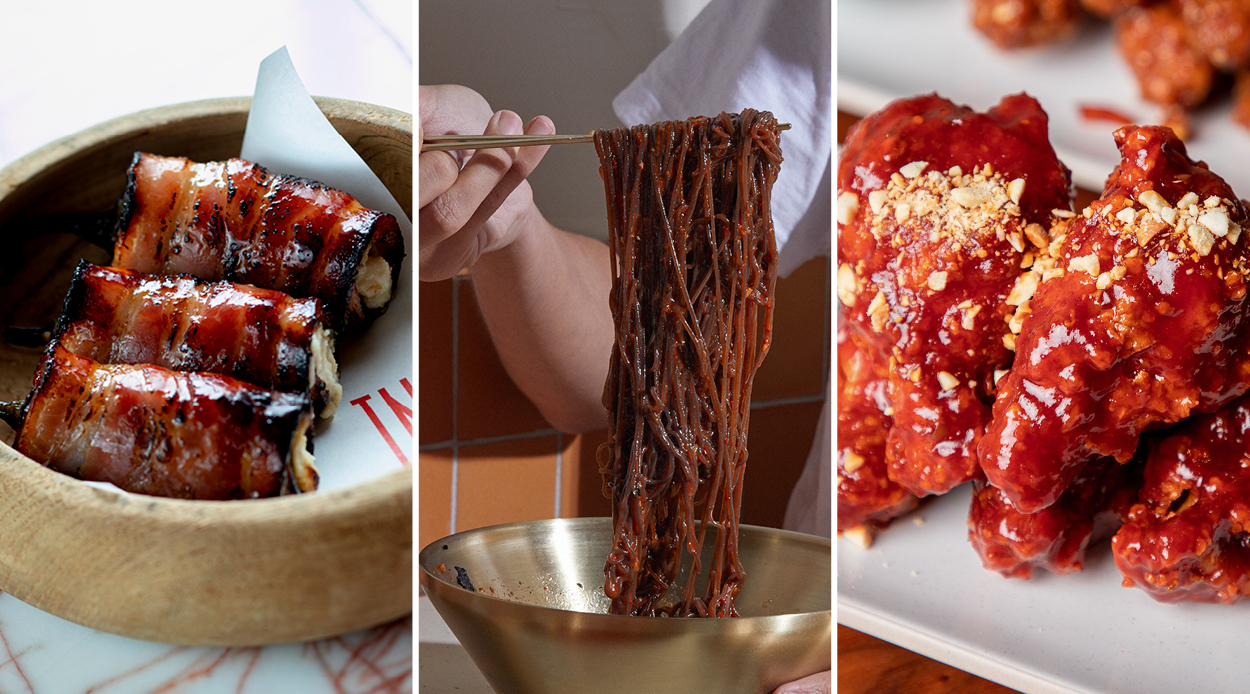
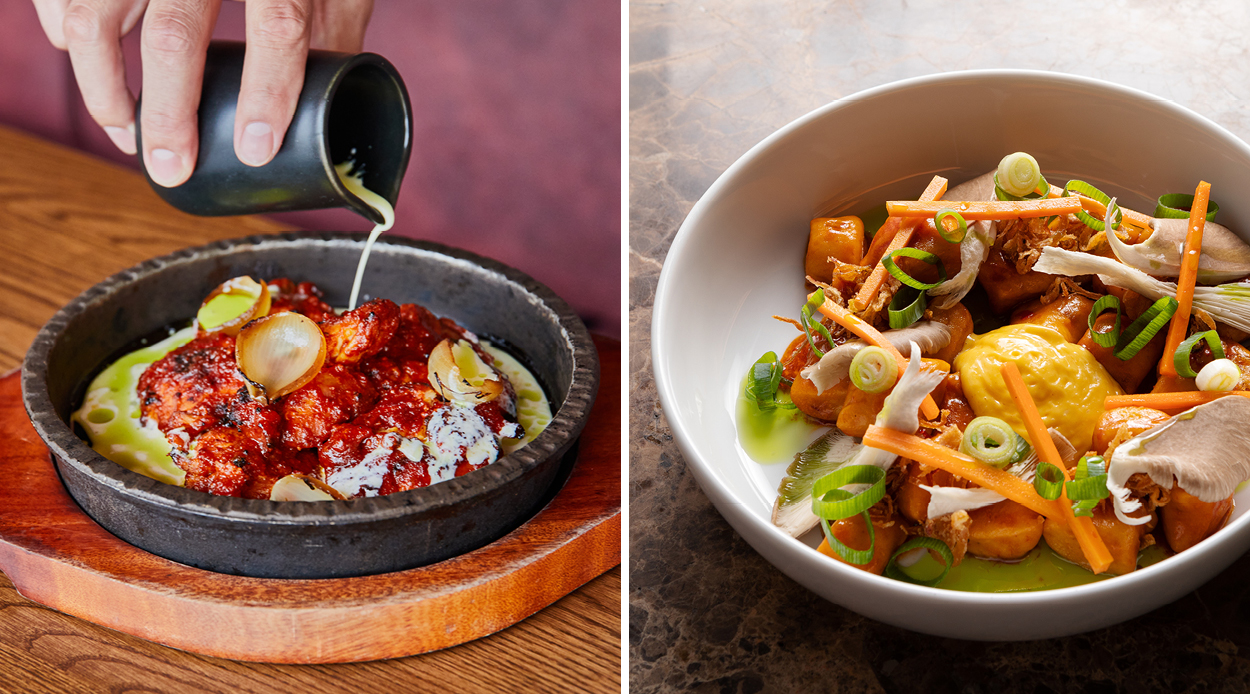
Elsa wears Serpenti Viper earrings, Serpenti Viper rings, Serpenti Spiga watch with malachite face from Bulgari. Loewe shirt from Faradays.

I’ve always been a bit of a tomboy,” Elsa Pataky admits, her green eyes twinkling. “At school I wanted to do what the boys were doing, and do it better. If they climbed high, I wanted to climb higher,” she continues, with a laugh, while I try to picture Pataky as a scruffy, scrappy teenager. It’s an image that feels a far cry from the perfectly-preened, sun-kissed blonde, adorned in exquisite Bulgari diamonds on the set of our cover shoot. But what I came to understand over the course of our conversation is that, underlying Pataky’s famously photogenic face is the steely determination of a woman who has spent her life making bold choices, embracing tough lessons and remaining steadfastly true to herself. “I have always felt really driven to chase my dreams,” she tells me, “and I do believe that everything is possible, if you are willing to go through the struggle.”

For Pataky, who was born and raised in Madrid and spent her childhood in a densely urban environment, the idea of becoming an actor carried the promise of travel and of immersing herself in other cultures. It speaks to Pataky’s inherent curiosity that her willingness to embrace the various twists and turns of life saw her kick off her film career in first France and then Italy — both places where she had to learn the local languages from scratch. “I didn’t know any French or Italian when I got those jobs,” she tells me, “but I knew I could do it so I threw myself into it and never looked back.” Pataky now speaks five languages, including English, which she reveals was the one she found most difficult to master. “Even now when I do movies in English I have to work twice as hard with a dialect coach to prepare,” she explains, which when you look at her recent work (like last year’s epic action flick Interceptor for Netflix) adds a whole other dimension to what I can imagine is already a gruelling preparation process. 

Elsa wears Serpenti Viper necklace, Serpenti Viper earrings, Serpenti Viper bracelets, Serpenti Tubogas watch with black dial from Bulgari, Long tunic from Christian Dior.

Alongside the language barrier throwing a major spanner in the works for Pataky’s English projects, she explains how her determination to be as physically involved as possible for her roles has led to a number of injuries in the past. Taking up the mantle of ‘action star’ in your 40s will do that. “I always wanted to do action movies when I was young,” she reveals (citing Indiana Jones as an early idol), “but now it’s like, I’m taking all these hits and falling on the floor over and over again and I have a knee injury that I have to get surgery on… but I’m happy to pay the price. If this is my time, it’s my time and I’ll do what it takes.” 

“Underlying Pataky’s famously photogenic face is the steely determination of a woman who has spent her life making bold choices, embracing tough lessons and remaining steadfastly true to herself.”

As we talked, I saw more than once Pataky’s steely determination bubble up to the surface. She did Interceptor to show her daughter, India, that it wasn’t just Dad who could be the superhero (proving beyond all doubt that she could more than hold her own in that particular boys club). And while it certainly didn’t sound like a walk in the park, it was a project that thrust her back into the spotlight with a bang (literally) and underlined how her willingness to step outside her comfort zone was a strategy that ultimately paid dividends. 

After her time as an actor in Europe, she moved to New York and then Los Angeles, where she won her green card in the lottery and took it as a sign to stay (at least for a while). Her stint in America saw her involved in a slew of major projects, including Snakes on a Plane, and a number of films in the now-iconic franchise, Fast & Furious, as central character Elena.

Elsa wears Serpenti Spiga watch with malachite face, Serpenti necklace, Serpenti bracelet, Serpenti ring from Bulgari, Alaïa dress from Faradays.

Eventually, after connecting with an up-and-coming Australian actor by the name of Chris Hemsworth (and getting married in a romantic, spur-of-the-moment ceremony on a family trip to Bali after being together less than a year) Pataky was faced with another major change — moving to Australia to raise a family. “When Chris brought up the idea of moving to Australia, I just said why not?” she tells me with a grin. “And now I feel really connected here… I’ve kind of been adopted,” she says laughing, “I love the people and the culture and I love how there are so many incredible places that I can go and just be by myself to connect with nature… it’s something I’ve always been drawn to.” 

Home for Pataky and Hemsworth is a beautiful piece of land just outside Byron Bay, overlooking the ocean. There, they have created a haven for themselves and their children where Pataky has the space to pursue her passion for riding horses (something her daughter shares in too), and she can give her family the kind of barefoot-in-nature childhood that she craved growing up. “It was important for us to move away from LA,” she says. “I wanted to give my kids something different, where they could be around animals and a farm and grow up in a more peaceful, calm energy… living outside all the noise gives you a different perspective.” 

Elsa wears Serpenti Viper earrings, Serpenti Viper bracelet, Serpenti Viper necklace from Bulgari, Cardigan, bralette and shorts from Valentino.

The move to Byron Bay also signalled a shift in Pataky’s career as she stepped back from work to focus on her three children. It required her to grapple with the classic dilemma that so many women face as they weigh up successful careers with raising kids — in theory, a simple balance but in reality, often fraught with guilt and complex questions of identity. “Nobody tells you what it is really going to be like once you have kids,” Pataky explains, “and for me, I found it really hard because I thought I could do it all, but when I was working on films I couldn’t be there 100 percent for my family, so Chris and I decided that he would focus on work for a while and I would focus on the kids.” She pauses, “I know that not everyone can have one parent at home, so I really made the most of it, and I did love it… you know, I hope that one day my children will look back and think about how I was always there to get them from school… but now as they grow more independent, I know it is time for me to start exploring other projects.” 

“She did Interceptor to show her daughter, India, that it wasn’t just Dad who could be the superhero (proving beyond all doubt that she could more than hold her own in that particular boys club).” 

As such, Pataky is once again focused on cultivating her career in the industry she has long been passionate about. And, having already made waves for her aforementioned foray into action, I wondered what was next. Alongside holding a supporting role in the upcoming film adaptation of Carmen, in which she will appear with Paul Mescal and newcomer Melissa Barrera (and will also, apparently, sing and dance), Pataky tells me that there are a number of projects in the works, although she still likes to take her time when choosing which jobs to commit to. “I want to feel that connection the moment I read the story or script,” she explains, “it starts with that… and then I want to be moved by the character.” She pauses, “I also want to do work that my kids will be proud of.” 

Elsa wears Serpenti Viper necklace, Serpenti Viper ring from Bulgari, Alaïa hooded bodysuit from Faradays.

Touching on her husband’s recent hiatus from acting, she explains that the two of them also want to start focusing on producing their own projects as they return​​ to work, with Pataky hinting at a book she has been writing that she would eventually like to turn into a film. 

Beyond the work itself, in anything she does, there is an underlying integrity that seems to inform the way Pataky makes her most important decisions. Her values are steadfast, and she has long sought to instil in her children the same ideals that have kept her grounded in her own life. “Respect is a huge one,” she says, “I want my kids to understand the importance of respect for others, for themselves and for the world around them,” emphasising how, through her advocacy work with various environmental causes, she ensures that her children are clued up about the perils our natural world is facing. She encourages them to take action in their own ways, for the sake of their futures. After all, Pataky isn’t one to sugar-coat the realities of the world, carefully walking the line between protecting her children and teaching them the importance of squaring up to challenges with courage and grace. 

Elsa wears Serpenti Viper earrings, Serpenti Viper necklace, Serpenti ring from Bulgari, Alaïa hooded bodysuit from Faradays, shorts from Valentino.

“I also think that the idea of loyalty, to me, is so important,” she continues, “being loyal to yourself and to the things you are passionate about, and being loyal to the people you love.” For Pataky, despite having already achieved what many can only dream of, there remains a sense that the best is yet to come. And while we might not know exactly where her path will lead next, what we do know is that she certainly has the passion and determination to get there — whatever it takes.

Styling by Claire Sullivan-Kraus. Makeup by Sarah Tammer. Hair by Brad Mullins.

Coveted

Van Cleef & Arpels adds to the Perlée collection with elegant three-row rings
Bvlgari revisits one of its boldest signatures with Gold & Steel
All tied up: The bow-detail handbag trend taking over this season

Ode to an Icon: How The Gucci Bamboo 1947 handbag has stood the test of time

With a long and storied history, the origin of the Gucci Bamboo 1947 dates back to Italy’s post-war era when traditional raw materials were scarce. As a solution, Guccio Gucci, the founder of the House, challenged the aesthetic rules of the time by using lightweight and durable bamboo for the handle of a purse. The bamboo top handle required a highly technical process to be brought to life, involving the selection of unblemished bamboo pieces, hand-shaping, multiple layers of lacquer, and even baking to achieve its shiny golden-brown finish. The meticulous process also meant that every Gucci Bamboo handle was unique.

The current version of this iconic bag remains true to its heritage while responding to the more varied needs of its contemporary clientele. It features interchangeable leather and web straps (making it a highly versatile accessory suitable for myriad occasions) and is available in both timeless colour palettes as well as seasonal variations and enriched by more special evening styles and precious leather iterations.

Having solidified its place in fashion history, the Gucci Bamboo 1947 is more than deserving of its current resurgence in popularity. It is also prominently featured in Gucci Cosmos, a major exhibition of the House’s most iconic designs from its 102-year history, currently on display at Shanghai’s West Bund Art Centre until the 25th of June, 2023. Curated by Maria Luisa Frisa and designed by Es Devlin, the exhibition features a special installation for the Bamboo 1947 that has been replicated for window displays at select Gucci boutiques around the world.

 “Gucci Bamboo 1947 represents the enduring bond between a woman and her handbag, the House’s innovative approach to craftsmanship and luxury, and the iconography of Gucci’s design evolution.”

Ultimately, the Gucci Bamboo 1947 represents the enduring bond between a woman and her handbag, the House’s innovative approach to craftsmanship and luxury, and the iconography of Gucci’s design evolution.

Bamboo 1947 is available exclusively at the Queen Street flagship store.

Coveted

Van Cleef & Arpels adds to the Perlée collection with elegant three-row rings
Bvlgari revisits one of its boldest signatures with Gold & Steel
All tied up: The bow-detail handbag trend taking over this season

Your first look at Everyday Coffee, Sandringham’s cool new cafe and bagel shop

When done right, few destinations surpass a neighbourhood coffee shop. It facilitates a certain kind of community vibe, where the baristas know your name and your order, and the coffee always adds a pep to your step (and that’s not just the caffeine). This is the vision that Sarah and Janusz Choromanski had when they moved home after 13 years in Melbourne. There, they owned a hole-in-the-wall spot and once they were home, wanted to create something similar here. Work began on Everyday Coffee some months ago, and when the signs went up, we were immediately curious. Now open with a stunning new fit-out and serving seriously good coffee, this Morningside spot is everything we hoped it would be.

“Our vision for the space was to create a place that we wanted to be in, a place that was open and welcoming to everyone,” the couple tells me. The focus was always going to be on the simple things; good coffee, food and music — a low-key operation. Janusz, a qualified architect and director of Native Design Workshop, used this philosophy as the prompt for the space. “During the design phase, there was constant discussion around ‘bringing people into our own home’,” he shares. “We both love natural, raw materials, so it was an exercise in keeping it all as honest as possible — a simple space that was warm and inviting, that used locally sourced or recycled materials wherever possible.”

Everyday Coffee

Because of the last tenet, every element of the space has a story. The recycled Matai wood has been salvaged from local houses and a school hall, and the stools from an old pasta joint in Melbourne that the couple loved and brought with them when they moved home. The steelwork was made by hand and left raw because, as Janusz says, steel is beautiful. (I agree.) And due to the space’s positioning and its fortuitous windows that capture the morning light over Mount Eden, an expansive window leaner was always going to be part of the picture. This approach speaks to what makes the space so beautiful. It’s easy on the eye, but the loving hand that has built Everyday is so apparent too.

And while good design is always essential, most would argue that the offering is almost more important. Here, expertly-brewed coffee currently takes precedence; baristas serve fresh Allpress coffee, and an everchanging filter coffee is currently being sourced from El Parche in Melbourne and El Descanso in Auckland. Alongside a counter of Daily Bread pastries and doughnuts, as of Monday, Everyday will begin its full bagel service (having had a taste ourselves, we can attest to the fact that these are seriously good).
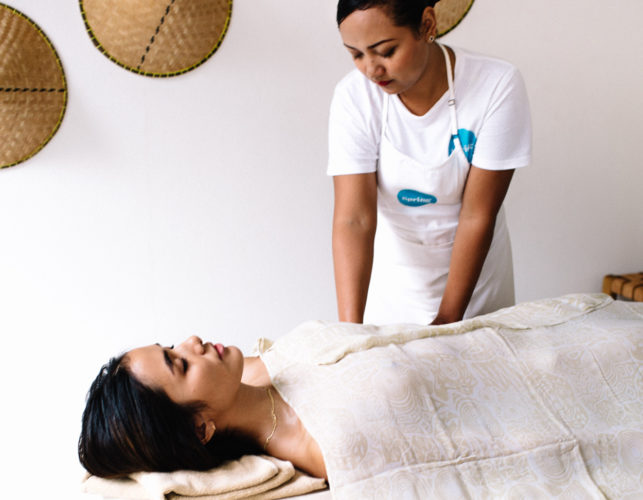
Everyday Coffee

“For us, being of Polynesian and Eastern European descent, we want people to be fed,” they explain. “We want to serve bagels that warm you up and leave you full afterwards — we aren’t too interested in making them pretty and neat. Ours are more deli-style, where the flavours are right, and they feel a little heavy in the hand.” Fillings range from classic salmon lox and ham and cheese to Stan’s Deluxe (named after Janusz’s Polish father), a classic pastrami, cream cheese, pickle and sauerkraut with mustard, and Pisupo (corned beef), which the couple tells me is an island take on a Rueben.

As Morningside locals themselves, the vision of making Everyday Coffee a community space is more than just an idea. They plan to make the cafe available in the evenings for various groups and collectives to use, and the vision is to expand into a wine bar in the future (all going to plan), with a glorious courtyard open all day too.

Everyday Coffee

While coffee shops are a dime a dozen, I can hand-on-heart say this one has been well and truly worth the wait. The collective effort from the couple on the design front doesn’t go unnoticed — it’s laid back, chic, and, most importantly, approachable. (The kind of coffee shop where you’re not ashamed to ask for your sometimes embarrassing order.) Locals have already flocked here like a moth to a flame, and I’d seriously suggest that anyone further afield should consider a visit this weekend too.

Opening Hours:
Monday — Friday, 7am until 3pm
Saturday — Sunday, 8am until 3pm

Everyday Coffee

163 Sandringham Road,
Sandringham, Auckland Central

www.instagram.com/everyday.coffee.nz

Gastronomy

The Hotel Britomart and kingi celebrates sustainable luxury by launching Zero-Waste Dish of the Week
PonsonBurger is back for its third year, and these are the burgers worth trying
Bravo Go is redefining takeaway dining

Discover your next page-turner and support local at one of these exceptional independent booksellers

A good book will transport you to other worlds, but a good bookstore will take you to whole new galaxies. With the pandemic driving many destinations to close, and a rather unpleasant recession looming, there is no better time to get behind Auckland’s independent booksellers, who continue to fight the good fight for exceptional fiction and who undertake the crucial work of championing New Zealand authors and talent.

Despite the sad, recent closure of Dominion Books, there is still an abundance of options for voracious readers in Auckland. Here are the best local booksellers — both in-person and online — as decided by the bibliophiles among us.
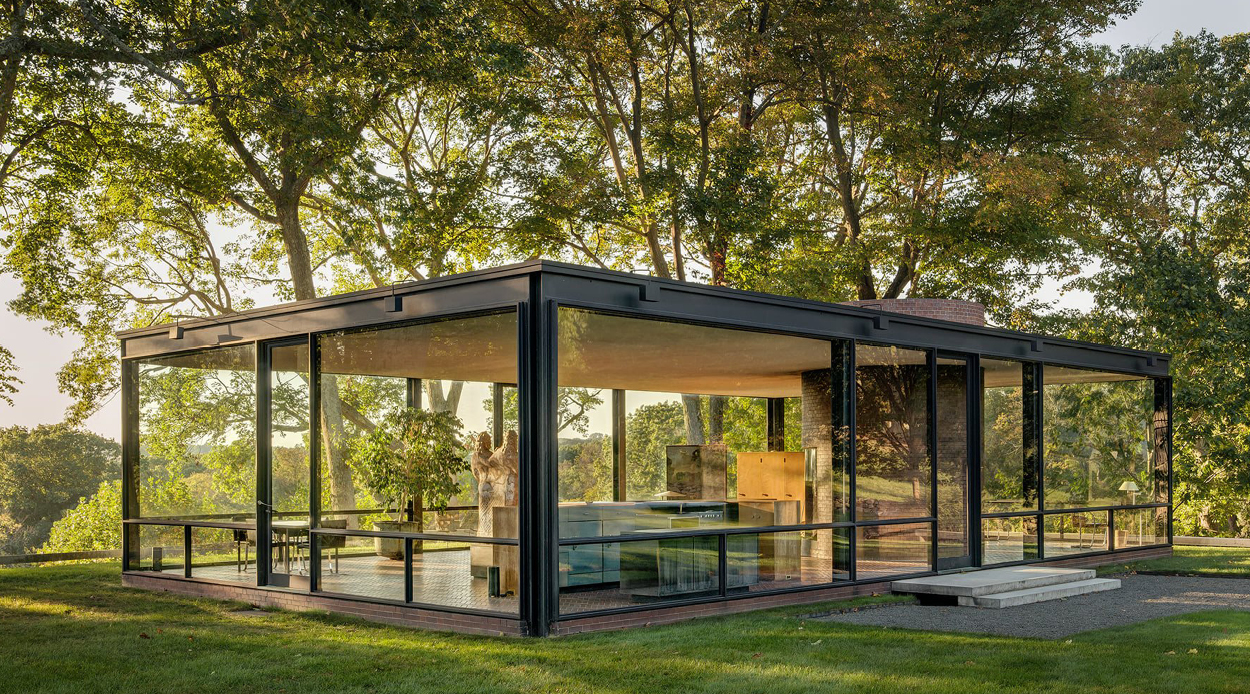

The Best In-Person Bookshops

Left to right: The Little Book Shop & Lamplight Books

The Little Book Shop, Remuera
One of the latest independent bookshops to open is this hidden gem, nestled in the recently redeveloped Mews Precinct at 415 Remuera Road. Run by a team of passionate bookworms who have created a cosy, literary haven in which to find insight, inspiration, escapism, comfort, amusement or joy (or anything else, for that matter) The Little Book Shop offers a thoughtful curation of books covering a vast array of topics. It is also a beautifully-appointed and well-organised store, where visitors can expect a warm and welcoming atmosphere — perfect for perusing the latest titles.

Lamplight Books, Parnell
One of the better things to come out of the pandemic was the opening of this gorgeous, independent bookstore on Parnell Road. Launched by friends Melanie O’Laughlin and Courtney Smith, Lamplight boasts an exquisite fit-out by Buster Caldwell of Wonder Group, in which the store’s considered and curated titles — which span new releases, best-sellers, all of the classics, Te Ao Māori titles and so much more, as well as offering a special focus on art, architecture and design — have been given a sleek, contemporary backdrop against which to be displayed. This is the kind of bookshop in which we could happily browse for hours.

Unity Books, Auckland CBD
A hive of activity on High Street, Unity Books is one of the many characterful businesses that makes Auckland a cherished place to live. At last count, it was home to almost 30,000 titles, and the staff will always go the extra mile to find a book for its patrons. “Really, this bookshop is a national treasure,” says Susanna Andrew, who has worked on-and-off at the store for 26 years. “It enriches the life of the city and I couldn’t imagine Auckland without it. It’s like everyone has a stake in this bookshop. The customers and the staff, the writers and the publishers. Everyone wants it to exist and wants it to succeed and this has a lot to do with the extraordinary generosity and tenacity of the owner Jo McColl who treats the business like a living entity, like a garden. And it is abundant.”

Time Out Bookstore, Mt Eden
The team at Time Out Bookstore in Mount Eden like to think of it as a “third place” — a welcoming space for bibliophiles to come together. “We aim to curate a haven of books that customers do not know they want yet and have a team of passionate readers that love recommending staff picks,” says long-time manager Jenna Todd. “When we talk about and share books, we give them life! This creates connections between people and there’s nothing better than that.”

Novel

Novel, Herne Bay
Over three decades at the helm of the Herne Bay institution, Novel, Andrew Maben has collected the most sought-after publishers and coveted coffee table books — often exclusively. According to Maben: “A book must look good, of course, but the content has to match the cover… the best ones are like works of art.”

The Green Dolphin Bookshop, Karangahape Road
At this cool community hub, find a selection of second-hand books in excellent condition (many of which feel almost brand new). From the dedicated Penguin tray (in which you can find a huge selection of those orange-covered classics) to the sprawling fiction wall, regularly updated with contemporary best-sellers and renowned must-reads, this Pitt Street stop in is well worth a visit.

The Women’s Bookshop, Ponsonby
Despite its moniker, this bookshop is one that truly services all. Founded with the intention of promoting women’s writing and catering to women’s diverse interests (from a feminist slant), this store has stood the test of time since its opening in 1989. The current offering is expansive, with all the books you’re looking for, and a decent list of others that will probe your thinking further. Extra brownie points for the staff who add personalised notecards to the front of their favourite books, giving you a little extra insight before embarking on your next read.

Dorothy Butler Children’s Bookshop, Ponsonby
With an earnest understanding of the importance of reading on young minds, Dorothy Butler Children’s Bookshop brings these inspiring reads to the forefront. Specialising in literature all the way up until teens, this bookstore offers one of the largest collections of children’s reading in the country.

Hard to Find Books, Eden Terrace
Hard To Find Books essentially is what it says on the tin; your first port of call for any reads you’re still seeking. Operating both in person (our Auckland store is based in Eden Terrace) and online, with a seriously impressive catalogue based in Dunedin, there is a collective 280,000 books — give or take a few. An astonishing feat when you think about it.

Dear Reader, Grey Lynn
Embodying all the makings of a cute wee neighbourhood bookstore, Dear Reader is a divine outpost among the Grey Lynn shops. The inventory is constantly revolving, and as with most, the independent model allows them to order books they truly know and love.

The Open Book, Ponsonby
Another excellent place to go if seeking out second-hand books of superior quality, this iconic bookshop has long drawn bibliophiles to Ponsonby Road. Set in an unmissable, character-filled villa that overlooks the suburb’s bustling strip, this cosy shop offers a huge variety of genres, from vintage to contemporary, mathematics to music, curiosities to cookbooks and all types of fiction, but is organised so that finding what you like is always a straightforward task.

The Booklover

The Booklover, Milford
This sweet little independent store is just another reason why we love Milford right now. The staff all pitch in with some weighty book reviews of their current favourite reads, and the book subscriptions serve up a constant raft of reading inspiration.

Matakana Village Books, Matakana & Online
Anyone who has dropped into this store in passing will attest that it is well worthy of a visit to Matakana alone. Found in the Matakana Village Market, this store hosts a seriously impressive collection of stunning coffee table books, which really sets it apart from the rest. For those who can’t wait, the online store caters to every creed.

Jason Books, Auckland CBD
This inner-city haunt prides itself on being an independently-owned bookstore specialising in secondhand collections. Here, you’ll find coveted titles alongside lesser-known contemporary paperbacks, with a curated selection of rare and collectable books — a must-explore for any lover of literature.

Paradox Books, Devonport
Open now for some 25 years, this cosy Devonport shop is one of the City’s foremost independent bookstores. With comfy couches and a fire to keep you warm, it’s the ideal spot to visit on a cool winters day, as you browse a few books and contemplate staying a while.

The Best Online Bookshops

Bookety Book Books, Online
Making good literature more accessible in the most remote locations, Bookety Book Books is a modern answer to the traditional brick-and-mortar store. The venture operates solely online, limiting overheads and ensuring prices on even the most coveted titles stay low. It has a seriously great catalogue, and the tailored 6- and 12-month book subscriptions make for an excellent gift.

Good Books, Online
With their palpable outpost in Wellington, we’re endlessly grateful for the online efforts of this truly brilliant bookstore. Bringing together a brain’s trust of authors and other essential creatives, Good Books embodies everything good about bookstores. Because the store is small, you’ll find a curated edit of books — and only ones that the owners actually believe are good.

Volume, Online
Starting as a small independent bookstore in Nelson, you’d be hardpressed to find anyone more knowledgable about books than Stella Chrysostomou and Thomas Koed. Now exclusively online, Volume offers serious depth and breadth on its shelves, and truly personal recommendations (from the owners to their customers, who’s tastes they come to know intimately) that you can always trust.

Minerva, Online
This Wellington-based boutique bookstore specialises in design and textile-centric texts. You’ll often find our editors frequenting its online store in search of new fashion digests, coffee table tomes and some delicious cookbooks for good measure. While few things can replace the joy of an in-person visit to Minerva, its online store comes close.

Culture

Wondering what to watch? These new shows should be on your radar
We talk to author Trent Dalton on his dark childhood, finding light between the cracks, and the girl who saved him
The Stars Have Aligned, Babe!
Left to right: Elle & Riley, Hamish Coleman's exhibition & Doe Donuts

From new exhibitions to delicious dining: Five reasons to visit Commercial Bay this weekend

Wondering how to spend your days this weekend? Why not pay Commercial Bay a visit? At this sprawling downtown precinct, cultural events, exceptional shopping and unparalleled dining experiences are all a mere hop, skip and jump from one another, meaning that you could start your day at a stunning exhibition before spending a few hours perusing through various luxury fashion boutiques (and maybe picking up some beautiful new winter cashmere) before finally ending your day at one of Auckland’s best restaurants. Here, we round up five very compelling reasons to pay Commercial Bay a visit right now.

Wax and Wane – Hamish Coleman

Experience Hamish Coleman’s new exhibition Wax and Wane at Season

Known to explore portraiture’s relationship with abstraction in his work, Wellington-based painter Hamish Coleman has taken over the beautiful Season gallery in Commercial Bay with an exhibition, Wax and Wane. Here, Coleman’s new works emphasise the interplay between brightness and obscurity, light and shadow and see the artist draw on traditions of painting and lens-based art to produce an utterly exquisite, almost haunting series that ponders the complex relationships between lived experience, memory, and imagination. Wax and Wane is on now until the 17th of June, and is one exhibition you don’t want to miss.

Elle & Riley

Shop Elle & Riley’s new collection

What better time of year than right now to pick up some new cashmere pieces to stand you in good stead for the chilly season ahead? Luckily, local purveyors of exceptional, luxurious cashmere Elle & Riley have an exquisite new collection that has recently landed in its Commercial Bay store, offering everything we need for padding out our winter wardrobes. From simple layering pieces to chunky knitwear and all of it in a colour palette of warm neutrals with a few soft pops of colour (a light blue here, a baby pink there), there really is something to suit everyone.

Doe Donuts

Drop into Doe Donuts’ cute new spot

If you haven’t already, pay Commercial Bay’s foodie hub, Harbour Eats, a visit this weekend and discover Doe Donuts’ very cute new outpost. Found at the entrance to Harbour Eats, this kiosk-style shop fits the Doe Donuts vision perfectly, with a hot-pink-and-white awning that feels almost Barbie-like, it’s cutesy, cool, and, most importantly, hard to miss. Here, you can indulge in all of Doe’s seriously delicious doughnut flavours, like its signature vanilla glazes and cinnamon sugars, as well as the far more decadent, ever-changing filled doughnuts, which are individually handmade daily and are available from lunchtime.

Origine

Book a table at Origine and take in the beauty of Auckland Harbour

Park up at one of the tables in Origine’s stunning dining room and indulge in a delicious lunch or dinner while taking in some of the best views of the Waitematā Harbour in the city. With a comprehensive menu of mouthwatering French fare, Origine truly has something for everyone. That said, we think that one should never pass up the chance to try something authentically French while dining here (after all, that is the core culinary philosophy at the heart of this restaurant). Origine’s Vol-au-vents starter is one such dish. It sees tasty little delicate pastry bites filled with fresh mushrooms and topped with juicy Burgundian snails, then finished off with the crème de la crème of French cheeses, an 18-month-aged Comté. Delicious.

Aotea

Pick up some premium mānuka honey at Aotea

While the immune-boosting and anti-bacterial benefits of high-quality mānuka honey are widely known, not all iterations are created equal. One of our favourite places at which to stock up on this winter essential is Aotea, with a beautiful shop in Commercial Bay that sells jars of its 125+, 300+ and 500+ MGO mānuka honey, all of which has been meticulously cultivated and left raw and untreated (as nature intended) so that we can reap the full benefits. Such fans are we of this product, in fact, that we recently included Aotea’s mānuka honey as one of our crucial products for staying healthy through winter. As a bonus, this season’s batch of honey can be shopped with a 20% discount at Aotea’s concept store and online.

Culture

Wondering what to watch? These new shows should be on your radar
We talk to author Trent Dalton on his dark childhood, finding light between the cracks, and the girl who saved him
The Stars Have Aligned, Babe!