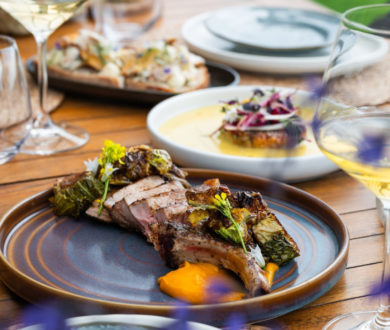


James Kenny.

Meet James Kenny, the rising star Kiwi chef combining international techniques with local flavour

“What’s great about Kiwis, is that we are nomads by nature.” While chef James Kenny is talking about the general population, it’s tempting to surmise he’s referring to himself personally, given the global path his cooking journey has taken him on.

Boasting an impressive array of experience at both local eateries and internationally renowned restaurants, Kenny heads up the food and beverage offering at Alberts, Auckland’s aspirational workspaces and private tenants’ club.

With the flagship restaurant launching imminently in Albert Street’s West Plaza and other restaurants planned to open later this year, the aim is to draw on globally-inspired styles while remaining heavily influenced by both New Zealand’s seasonal availability and the creativity of the team.

Originally from Papatoetoe, Kenny’s career has spanned training in Paris, chef roles in Greece, London and Denmark. Back in New Zealand, Kenny was executive chef at Cornwall Park Bistro and helped establish and run Auckland’s Gerome restaurant in Parnell — inspired by his experiences working on the Greek island of Zakynthos. 

“My cooking philosophy has, and always will be, to keep it simple,” explains Kenny. “To cook with care and finesse, and to have respect and understanding for the ingredients I am using.”

Kenny heads up the food and beverage offering at Alberts, with other restaurants planned to open later this year.

In April of 2020, forever searching to hone his craft, Kenny travelled to Denmark to learn about modern Scandanavian culinary techniques, including fermentation and preservation. Working as an intern at Rene Redzepi’s globally renowned Noma restaurant and a chef de partie at celebrated organic eatery The Pescatarian, he was exposed to an abundance of new methods.

“Denmark was an eye-opening experience,” says Kenny. “Nothing was wasted — broccoli stems, sliced and pickled for the summer months ahead; rosehips made into preserved jellies; seaweed made into kombucha. Anything that wasn’t usable was mulched in-house and used for the vege patches. True sustainability.”

Speaking on our food scene here at home, Kenny loves the global outlook of many Kiwis. “Travelling to all corners of the globe, honing our skills to return home to share with others… This is reflected by our food scene. International cuisine of a high calibre on every corner. It’s really inspiring as a chef.”

The most underrated ingredient in Kenny’s opinion? “Lemon. As important a seasoning as salt, in my opinion. Adding the element of acidity lifts a dish to a new level.” And as for overrated… “It’s got to be chocolate.”

When he’s not on the clock creating delicious plates for diners to enjoy, Kenny says he’s “a sucker for the Yum Cha at Grand Harbour. Always heaving, a buzzing atmosphere, and you can eat ’til you drop. Anywhere that has crispy duck on a trolley has to be good.”

All in all, the chef is moving forward with eyes cast firmly on the horizon. “I’m excited, perhaps a little apprehensive, but mostly excited to see what becomes of this new world we are entering,” he shares. “What we eat and how we eat it. How the dining scene changes to accommodate this, and where I can make my mark.”


Gastronomy

Where Industry Insiders Eat: Akihiro Nakamura
Our Editor-in-Chief shares her thoughts on the Michelin announcement
The 2026 Guide to New Zealand’s best out-of-town restaurants for a Long Weekend away
Stavanger house by Alex Nerovnya.
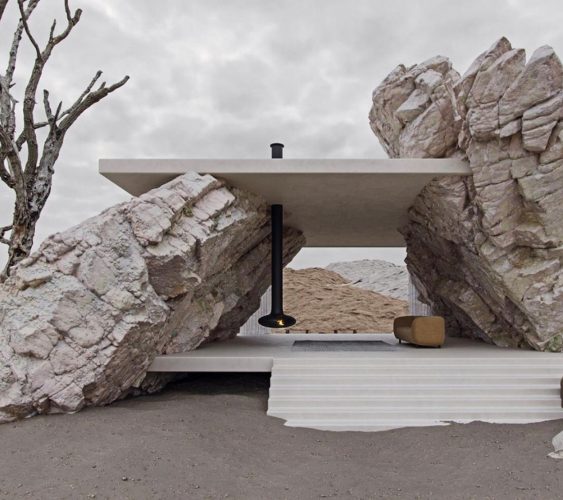
Cliff house by The Line Visualization.
Overgrown Environments by Paul Milinski.

Combining fantasy and architecture, this dreamy digital render art is transporting us to another place

At a time when people around the world are desperately seeking escape, a new breed of visual architects are calling our attention to a fascinating subculture brewing in the bosom of design — render art. 

Seeing digital design become an artform in and of itself, the proliferation of new-wave renders has given designers an avenue of creative expression unbridled by the usual constraints of budgets or clients. The resulting images present as a collection of utopian fever dreams, where technicolour landscapes and dreamy interiors meet impossible architecture, often so meticulously realised that unless you look at it for long enough, it appears very real. 

Villa Saraceni by Charlotte Taylor in collaboration with Riccardo Fornoni of Cream Atelier.
Stavanger House by Alex Nerovnya.
Sauvage by Nelson de Araújo Design.

Proponents of this niche discipline — really a hybrid of art and design — universally credit the current global circumstances for its increasing popularity. The digital architecture movement is all about creating fictional, evocative spaces that, particularly now, fulfil our desire for a change of scenery or to experience something foreign. It is a movement that requires its audience, as much as its artists, to open their imaginations to the wider realms of possibility, and in turn, is designed to encourage creativity in the onlooker as well. Of course, the visually stimulating nature of this trend means that Instagram has proven a fertile breeding ground, which also helps. 

Dreamscapes & Artificial Architecture by Charlotte Taylor.
Imagined Architectural Space by Alexis Christodoulou.

Notable practitioners include Charlotte Taylor, a designer and creative director whose work fuses fantasy with reality in such a deceptively subtle way that it twists your perspective entirely; Alexis Christodoulou, whose passion for digital design began with childhood video games and whose sophisticated, surrealist aesthetic has won him a legion of fans; and Paul Milinski, another creative director who creates whimsical, tonal worlds that make you wonder whether he is actually depicting a conceivable future. 

Their work, among that of many, many others is coming to the rescue for those of us who want something lighter to dream about — and for that we are thankful.

Design

Inside a harbourfront penthouse where sculptural design takes the lead
Inside the Marais apartment-gallery where hospitality becomes architecture
Italians in Residence: Molteni&C opens its first New Zealand flagship

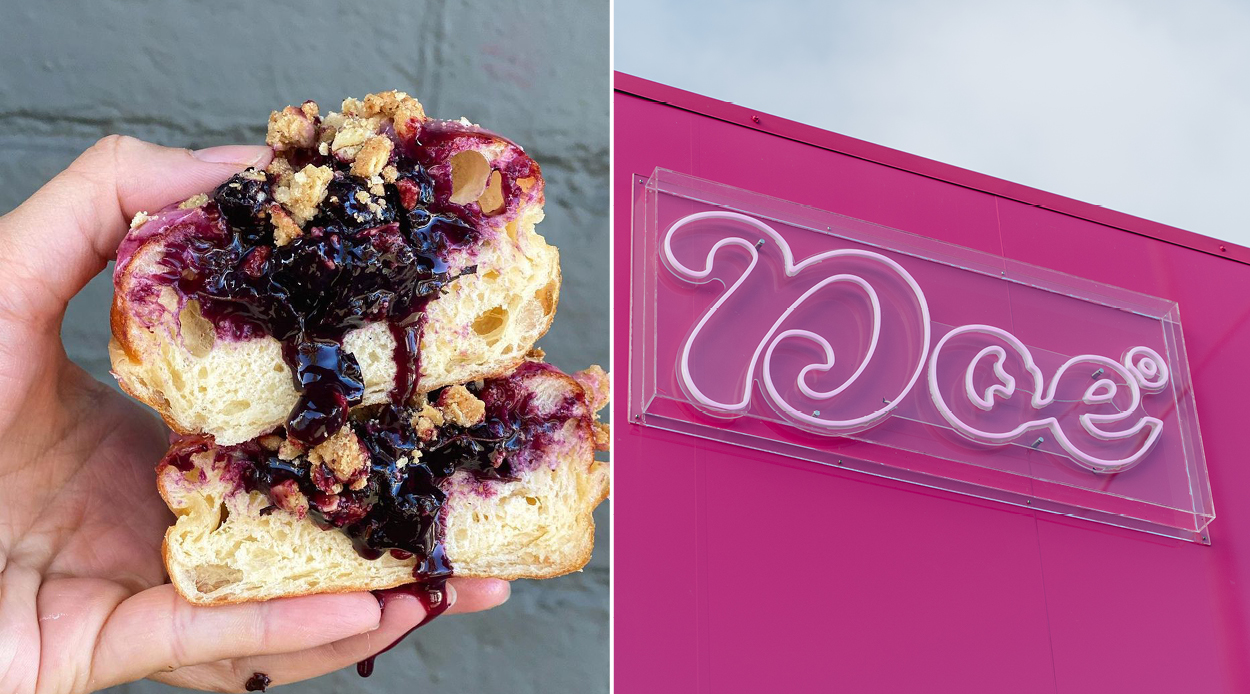
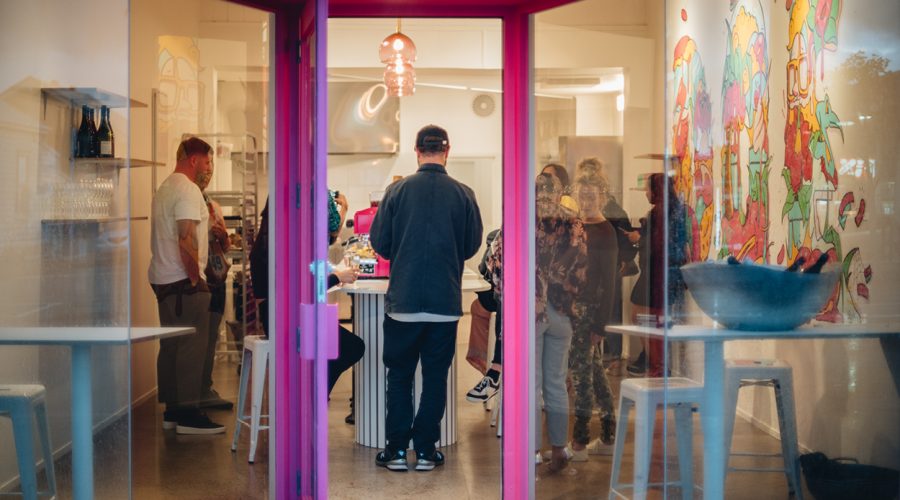
Doe Donuts opens its first brick-and-mortar store, serving seriously decadent handmade doughnuts

Grey Lynn just got that much sweeter thanks to the newly-opened Doe Donuts store, brightening up the neighbourhood in all its bright fuchsia glory. 

Founded by Grace Tauber and Shenine Dube, and previously only sold online and at pop-up markets, these sought-after sweet treats were born after the long-time friends lived overseas and craved a taste of home — specifically, of Cook Island doughnuts. 

They began experimenting in their home kitchen, tweaking the recipe to make it slightly lighter and adding various fillings. Upon returning home in 2016 the duo founded Doe Donuts and, since then, have grown an enthusiastic following for their irresistible flavours and high quality approach.

All Doe Donuts are handmade every day by Tauber and Dube themselves, using premium ingredients with no unnecessary additives or emulsifiers. Drop into the new store and you’ll find delicious and decadent flavours like Black Forest, Peanut Butter Brownie, Crème Brûlée and more. Allpress coffee is on hand to wash down each bite, and the walls feature a cool wall decal by local graphic artist Haser.

While Doe Donuts is still an e-commerce business, one from which you can pre-order online for pick-up or delivery, the new retail venture gives us all the opportunity to satiate a doughnut craving immediately (and is great for those who like to decide with their eyes on the prize).

From what we’ve seen on their social media, the founders’ creations are selling like… well, doughnuts, so we suggest if you are keen to get your hands on one, you get in early. 

Opening hours:
Wednesday to Friday: 7:30AM — Sold out
Saturday: 8:30AM — Sold out
Closed Monday, Tuesday & Wednesday

Doe Donuts
356 Great North Road,
Grey Lynn

Gastronomy

Where Industry Insiders Eat: Akihiro Nakamura
Our Editor-in-Chief shares her thoughts on the Michelin announcement
The 2026 Guide to New Zealand’s best out-of-town restaurants for a Long Weekend away

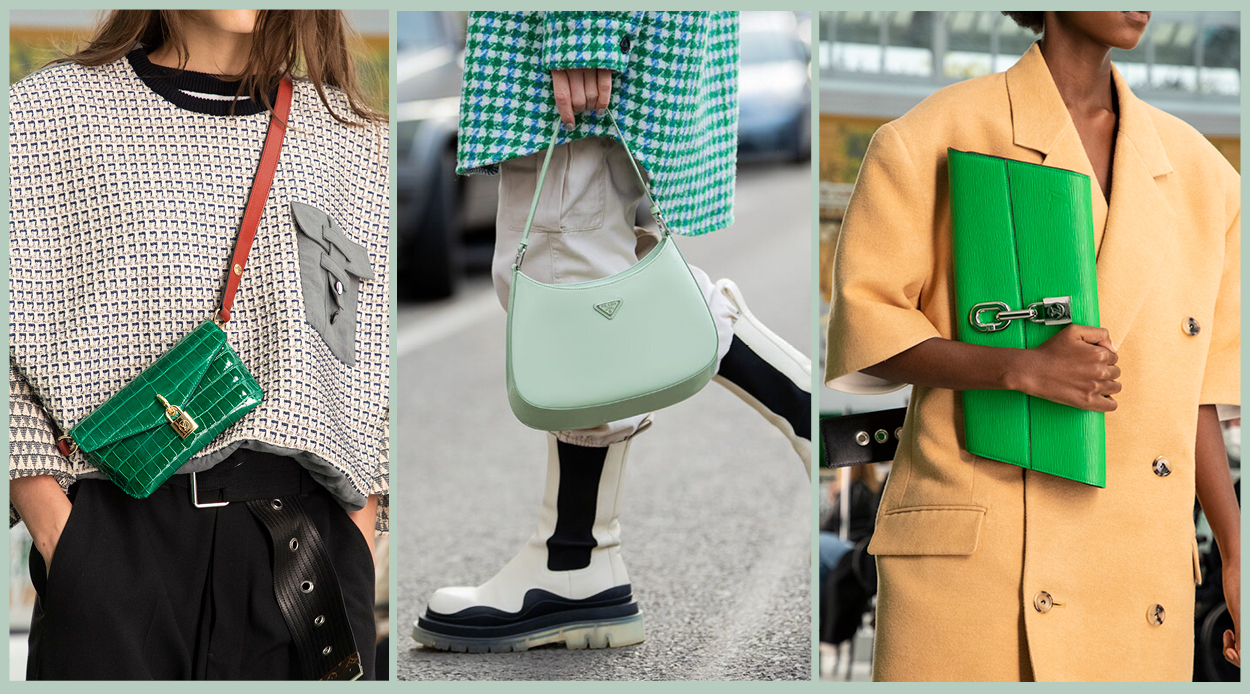
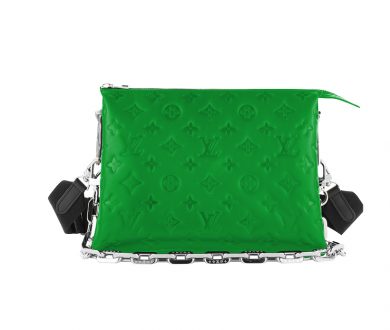
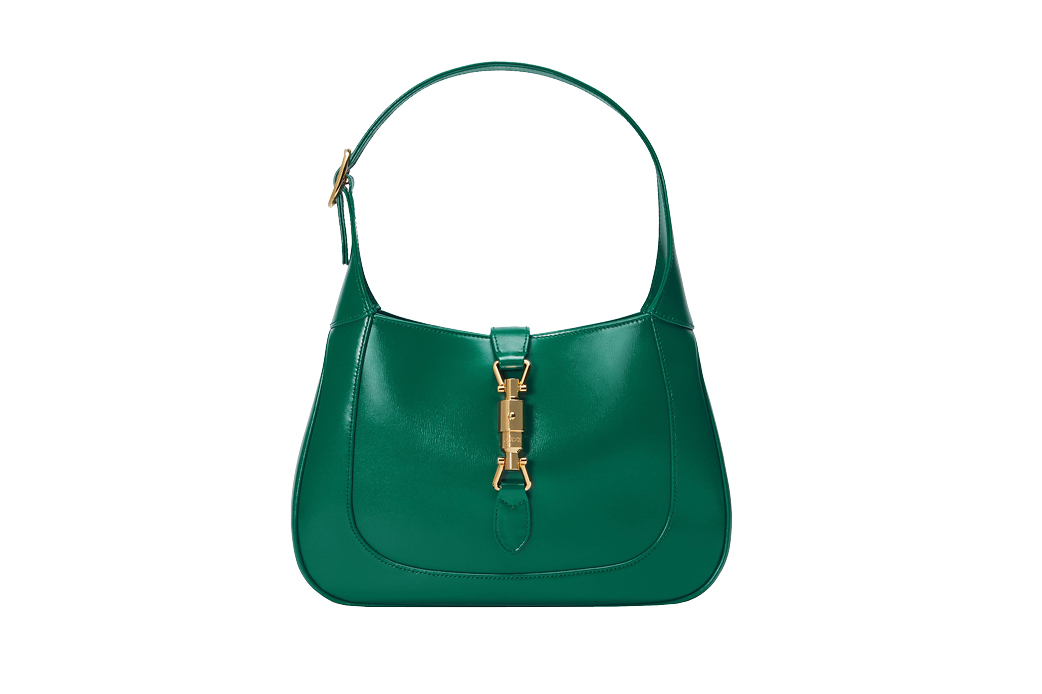
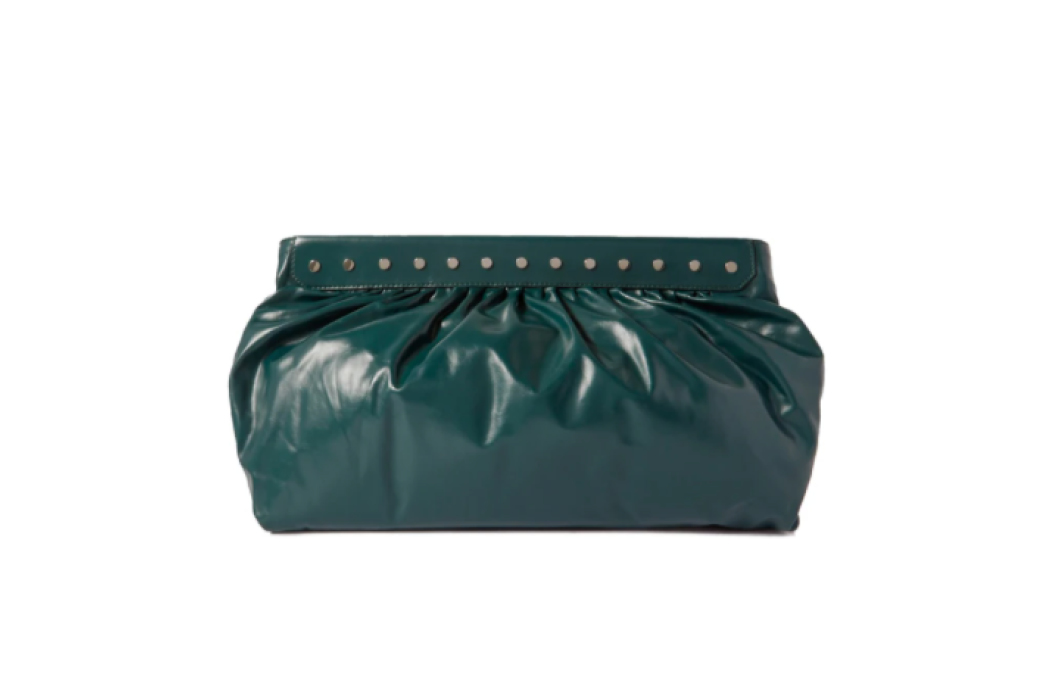
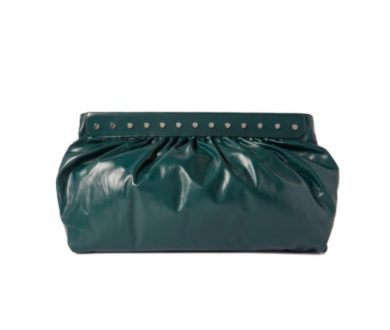
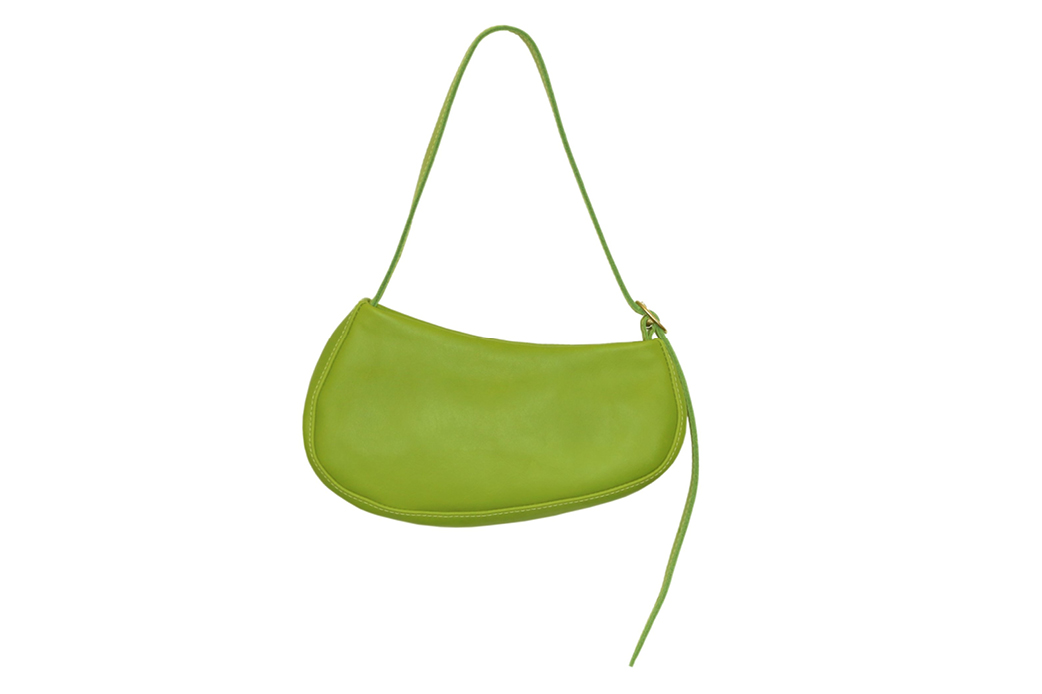
Meet the attention-grabbing bags that will leave everyone else green with envy

Rendered in shades of emerald, mint, moss and jade, these attention-grabbing bags will leave everyone green-eyed. A versatile yet statement-making shade, a green bag will complement all manner of tones within an ensemble — black, earthy tones like brown, and neutrals like taupe and cream. It is also brilliant when purposefully contrasted with colours like peach, purple and navy blue.

The likes of Gucci, Prada, Dior and many more have released their own, signature version of a green bag, so all that’s left to decide is whether you prefer a vibrant jewel-like shade, or a softer pastel. Either way, it’s time to go green.

← GO BACK

SEE ALL SLIDES |

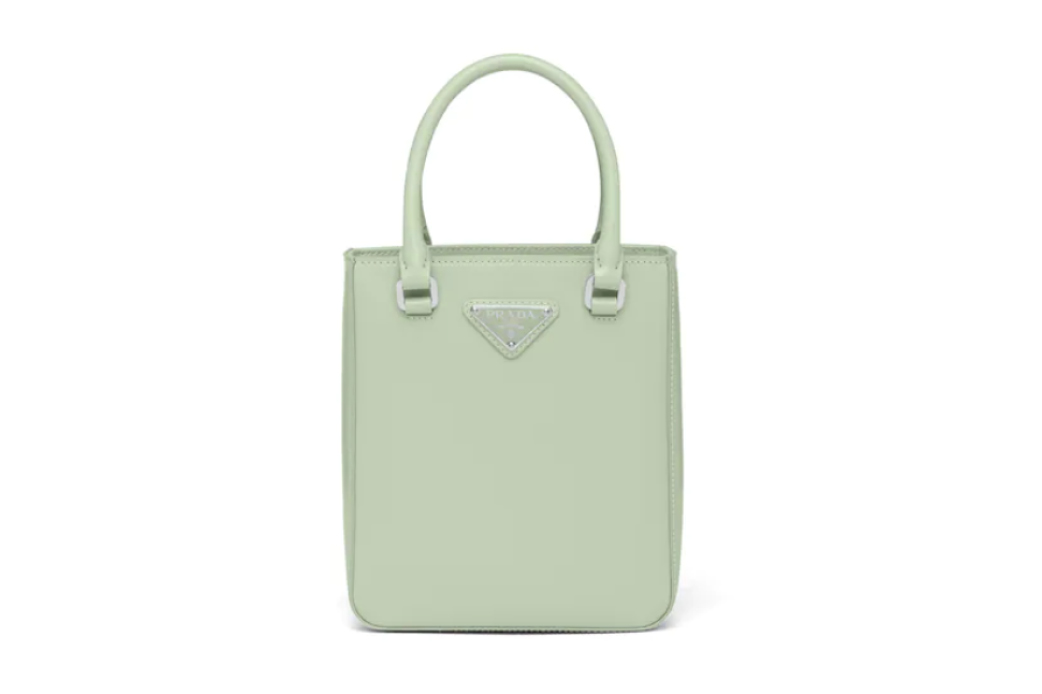
Prada Brushed Leather Tote

Prada Brushed Leather Tote

Prada Brushed Leather Tote

Prada Brushed Leather Tote

Available from Prada

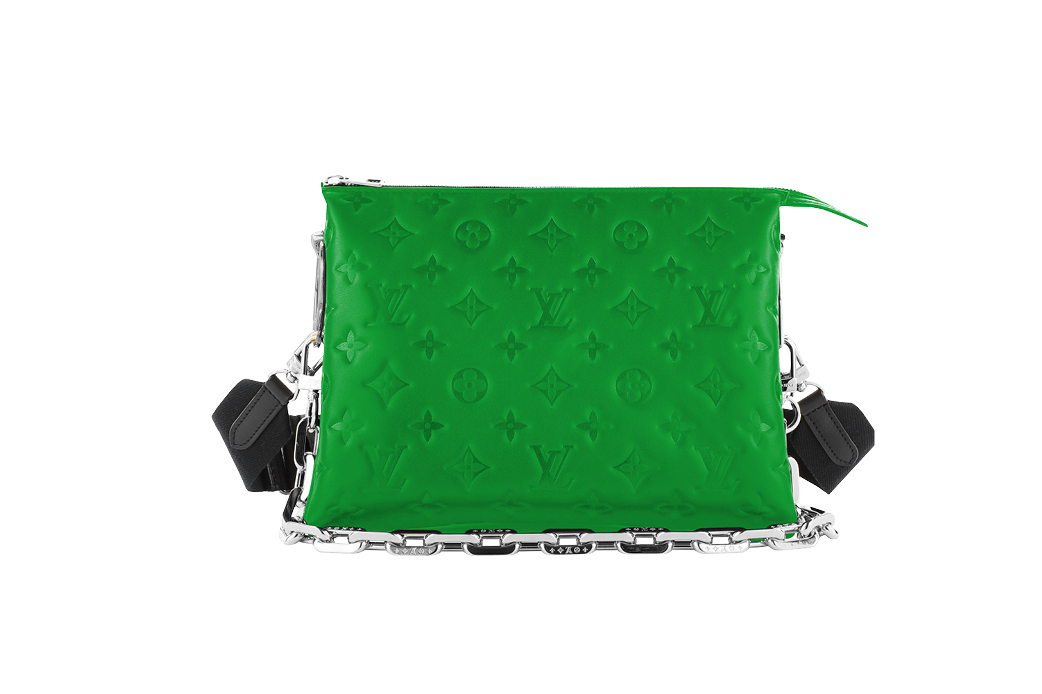
Louis Vuitton Coussin Bag

Louis Vuitton Coussin Bag

Louis Vuitton Coussin Bag

Louis Vuitton Coussin Bag

Available from Louis Vuitton

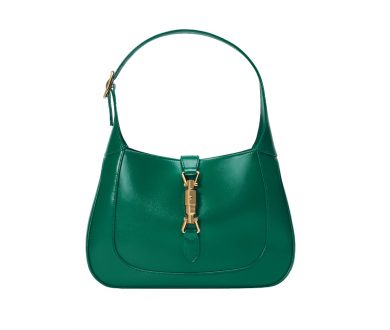
Gucci Jackie 1961 Hobo Bag

Gucci Jackie 1961 Hobo Bag

Gucci Jackie 1961 Hobo Bag

Gucci Jackie 1961 Hobo Bag

Available from Gucci

Dior Caro Bag

Dior Caro Bag

Dior Caro Bag

Dior Caro Bag

Available from Dior

Isabel Marant Luz Pillow Pouch

Isabel Marant Luz Pillow Pouch

Isabel Marant Luz Pillow Pouch

Isabel Marant Luz Pillow Pouch

Available from Workshop

Georgia Jay Bean Baguette Bag

Georgia Jay Bean Baguette Bag

Georgia Jay Bean Baguette Bag

Georgia Jay Bean Baguette Bag

Available from Georgia Jay

Coveted

Gucci’s new High Jewellery Collection celebrates nature, craftsmanship and house heritage
Tiffany & Co.’s Paradise Birds chapter brings Blue Book 2026 to life
The luxury skiwear concierge taking the hassle out of ski holidays
Bower Manly Apartments by Mim Design & Koichi Takada. Photo: Tom Ferguson.

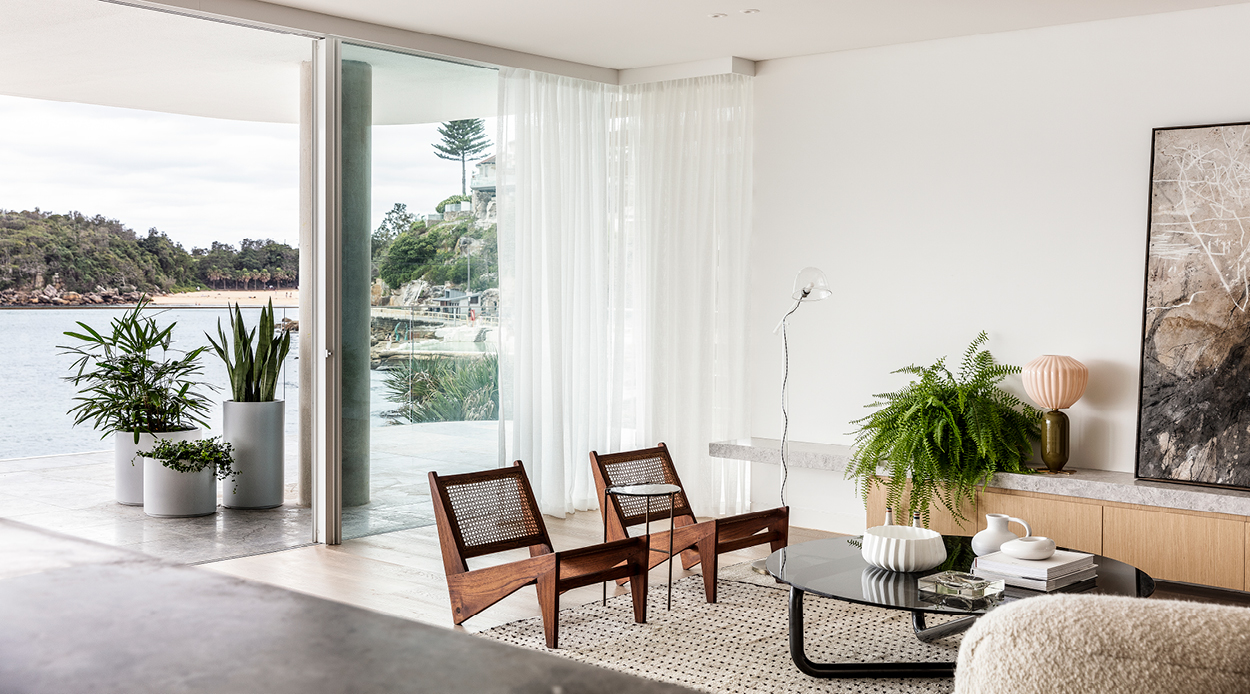
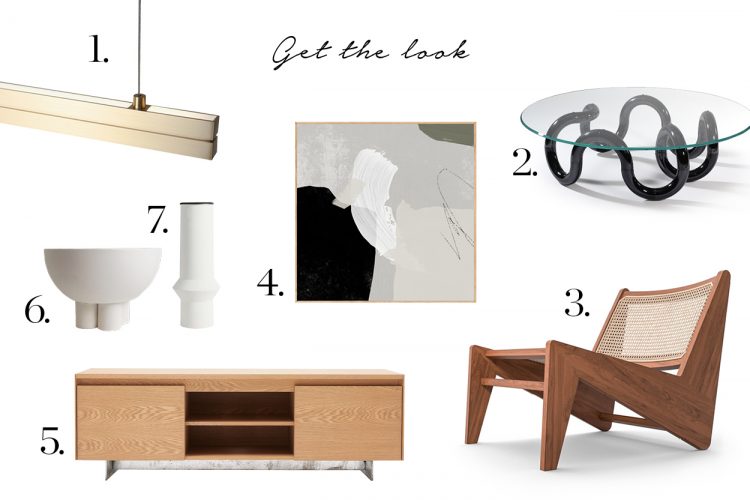
Add a coastal feel to your home with cool pieces that take laid-back living to a refined new level

Whether your home overlooks a body of water or not, you can still capture that refined, laid-back coastal feel by embracing the right textures and tones. Pair raw materials like timber and rattan with sumptuous, tactile fabrics and neutral, earthy tones. Add a few dynamic touches to bring everything to life and most importantly, don’t overdo it. Keeping things understated is the cornerstone of this look. 

1. Dual Lateral Light from Powersurge; 2. Reflex Aenigma Coffee Table from Sarsfield Brooke; 3. Cassina Kangaroo Chair from Matisse; 4. Abstract 7 Wall Art from Coco Republic; 5. Index Entertainment Unit from Tim Webber; 6. Alentes Pillar Bowl from ECC; 7. Cala Vase from Coco Republic.

Design

Inside a harbourfront penthouse where sculptural design takes the lead
Inside the Marais apartment-gallery where hospitality becomes architecture
Italians in Residence: Molteni&C opens its first New Zealand flagship

Keeping us up-to-date on world issues and important stories, meet the people behind the ‘Shit You Should Care About’ Instagram

If the events of the last year have taught us anything about the way information is cultivated, disseminated and analysed, it’s that social media plays a central role in how most of us consume and comprehend news. Those with a following have used their platforms to highlight the issues about which they care, while on the flip side, other platforms have launched in order to specifically address various issues — and have amassed followings as a result. Shit You Should Care About (SYSCA) is one — and a notable one at that.

An Instagram account that was started in 2018 by university students in Wellington, Lucy Blakiston, Ruby Edwards and Olivia Mercer, SYSCA was born from the idea to create something that made important news, political and cultural happenings and Zeitgeist-y shifts feel accessible to the masses. “We are just a bunch of non-experts helping people give a shit — about literally anything,” one of SYSCA’s founders explains. And if their numbers are an indication of anything, it’s that a lot of people really do give a shit. 

With 2.9 million followers — including the likes of Ariana Grande and Bella Hadid — Shit You Should Care About has developed a strong voice via its easy-to-digest posts on everything from Black Lives Matter to feminism to Covid-19 and even information on mental health, tech news, Māori affairs and funny, topical memes. In essence, it takes complex issues around almost anything and repackages them for the shorter attention spans of a social media audience.

“I think that part of our popularity is our Kiwi sense of humour,” says Lucy when asked about SYSCA’s attentive, global audience. “It’s really been a combination of people being in lockdown and being more immersed in social media than ever before, plus the strong resurgence of movements like Black Lives Matter, alongside a host of celebrities re-sharing our posts.” 

But with great followings comes great responsibility. As the SYSCA founders explain, deciding what to post comes with a lot of pressure. “Imposter syndrome has been a huge hurdle,” they say, “like who gave us the right to do this job?” Choosing which issues to highlight comes down to trusting their gut. “We still act and post the same way we did on day one,” Lucy explains. “We don’t let others tell us how to use the platform that we love, we don’t spend too much time in the comments, and we make sure that we are being as transparent and as reliable as possible.”

And while posting everything going on in the world would be impossible, where SYSCA has succeeded, is in recognising the positive potential of social media when it is harnessed as a forum for like-minded, passionate people who want to be active participants in their communities. 

As SYSCA’s reach continues to grow (the girls also launched a podcast, The Shit Show, last year), the future seems promising. The trio indicates that monetising SYSCA is on the agenda, as they look to make what has become a full-time side-hustle, a sustainable business for all of them. As Olivia says, “SYSCA has become a living, breathing, growing organism in and of itself, and right now, we’re just directing it, but I think it will become clearer, with some time, what exactly we want to turn it into.” One to watch indeed.

Culture

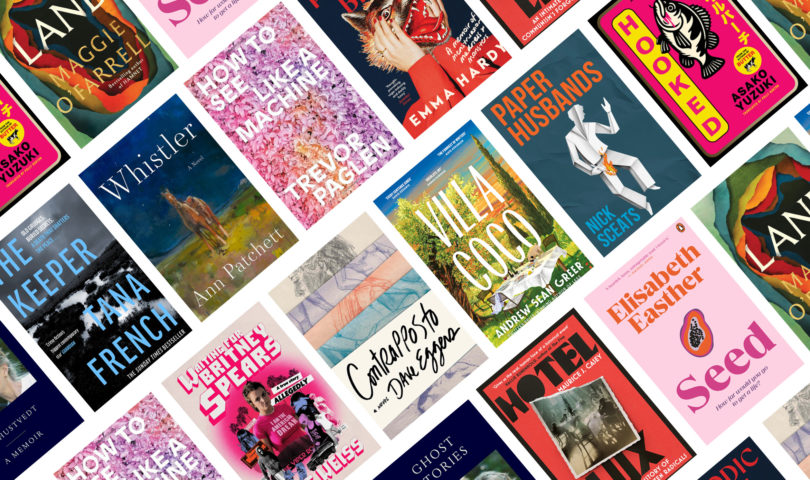
The books worth escaping into this winter
Your guide to the best events and experiences this July
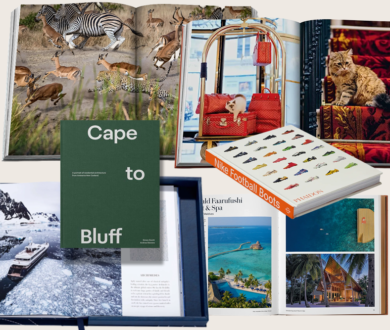
From architecture to adventure: The coffee table books worth collecting now
Elle + Riley Autumn/Winter 2021.
Elle + Riley's matching cashmere sets.
Elle + Riley's matching cashmere set.

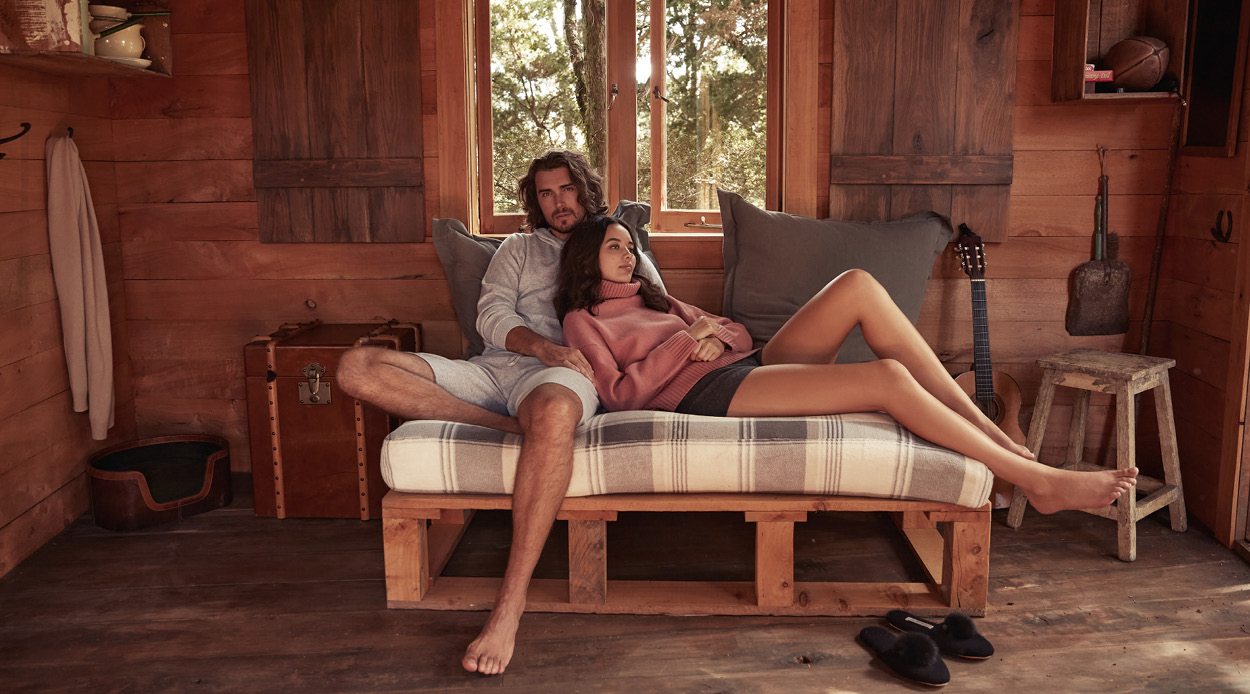
Elle + Riley’s highly-anticipated cosy new collection

New Zealand brand Elle + Riley has built its reputation on creating the kind of impossibly soft cashmere that we simply cannot pass up come winter. Matching simple silhouettes with tones that suit any wardrobe, Elle + Riley has ensured that its pieces not only last us through the chilly season but remain layering essentials all year round.

For its new Autumn Winter range, Elle + Riley drew on the experiences of 2020 to create men’s and women’s pieces that played into the idea of slowing down, with the brand’s founders returning to their Matakana roots to design a collection that feels considered and timeless.

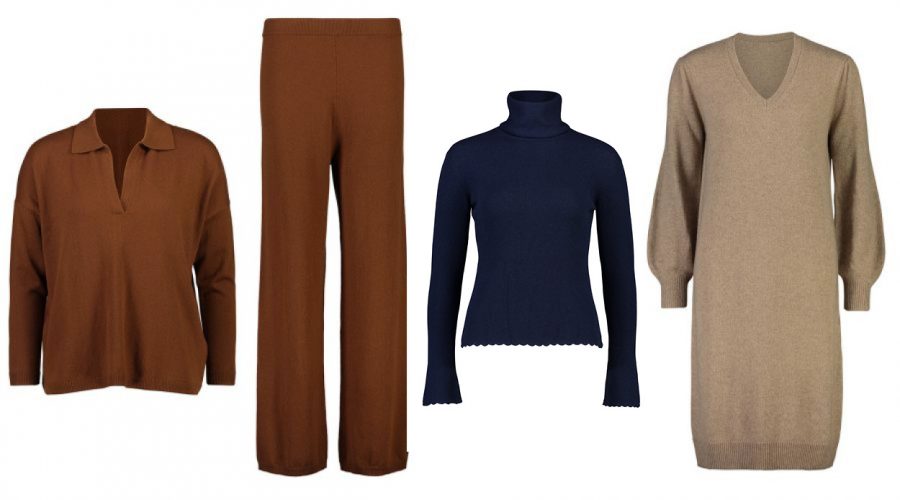
Left to right: the Pia polo in Cedar, the Ryan pants in Cedar, the Arielle sweater in Ink, the Britta dress in Oak, all from Elle + Riley.

Alongside its much-loved palette of soft creams, greys and sandy tones, the brand introduced a raft of soothing, gentle colours designed to bring us back to nature and cultivate a sense of calm in our wardrobes. From Cedar, an earthy, woody tone to Pine, a grounding shade of natural green to Manuka, a warm, uplifting honey to Rose, a soft blush reminiscent of some of our favourite long-lasting flowers, the new-season colours are introducing a depth and dimension that has been missing from our winter knitwear.

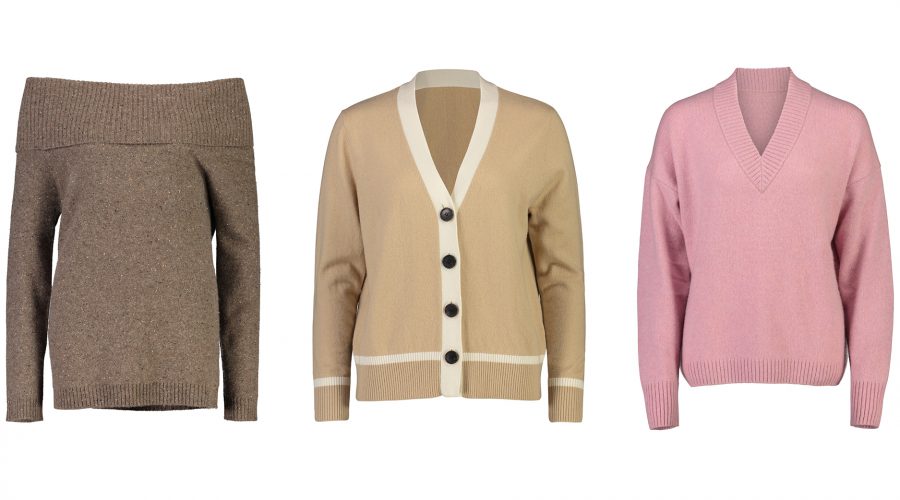
Left to right: the Constance off-the-shoulder knit in Kauri, the Cruz cardigan in Manuka, the Nikita sweater in Rose all from Elle + Riley.

Coveted

Gucci’s new High Jewellery Collection celebrates nature, craftsmanship and house heritage
Tiffany & Co.’s Paradise Birds chapter brings Blue Book 2026 to life
The luxury skiwear concierge taking the hassle out of ski holidays
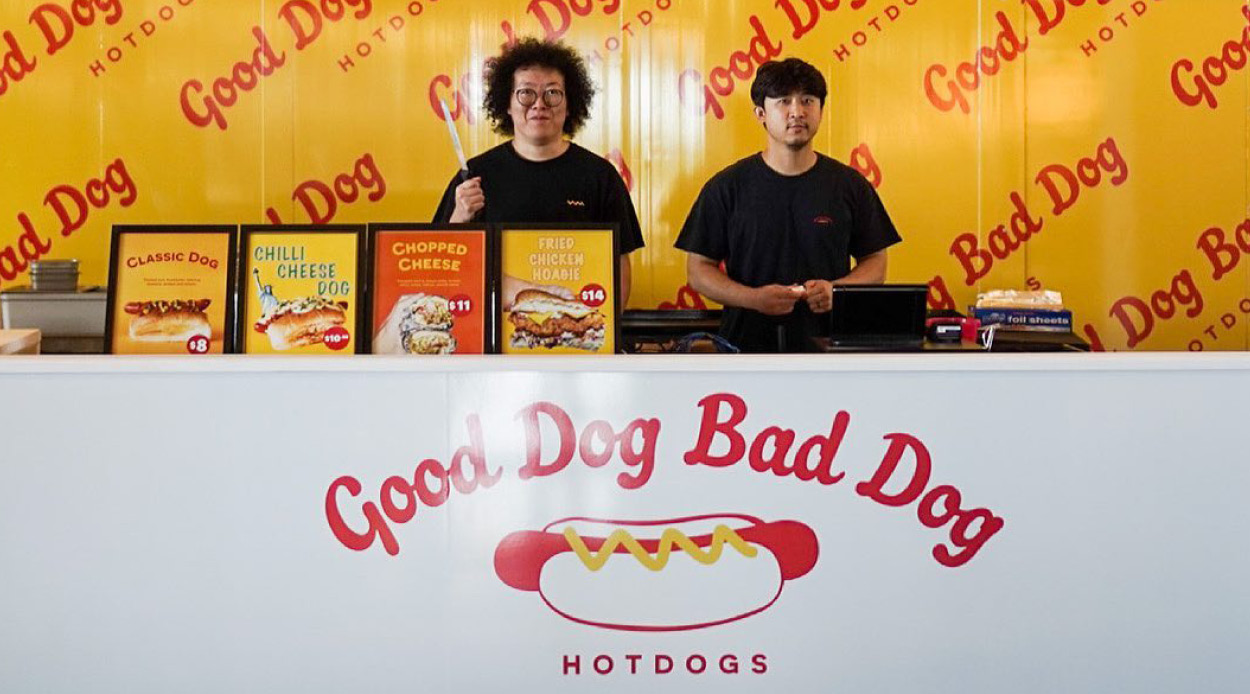
Chilli Cheese Dog.
Good Dog Bad Dog Flat Bush.
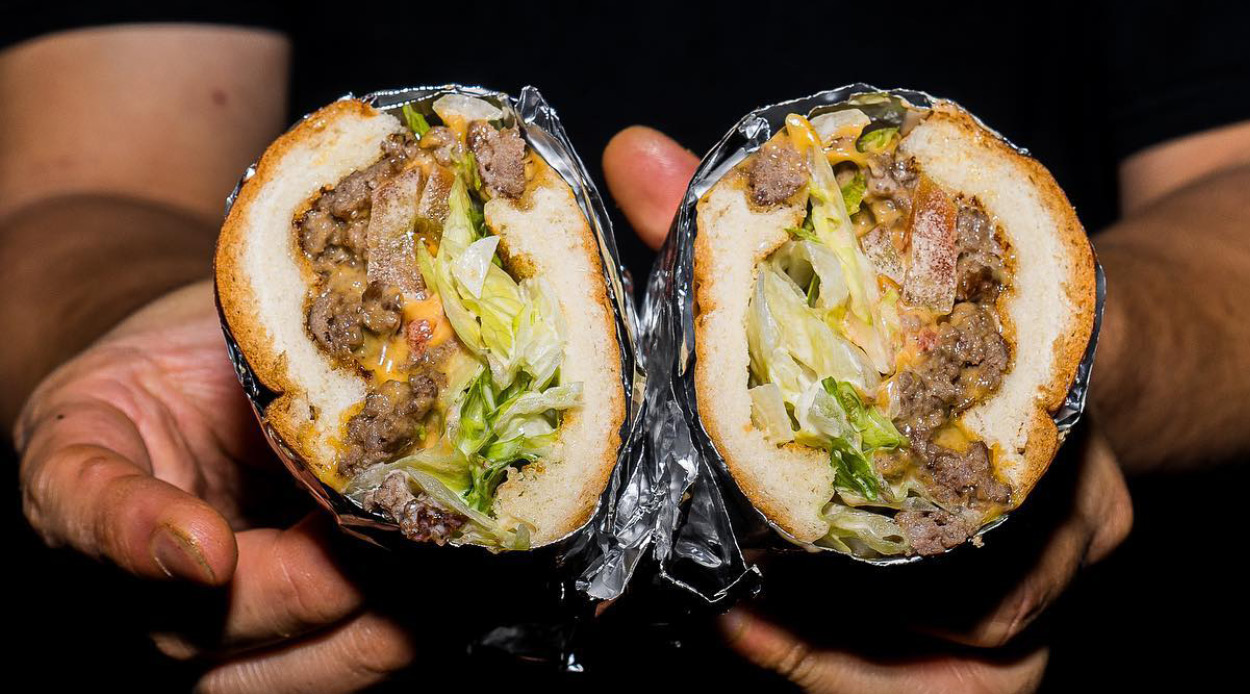
Chopped Cheese.

PSA: Auckland’s tastiest hot dog shop has an irresistible outpost in Flat Bush

It’s always exciting when a popular hospitality purveyor extends their reach out of the central city. Known for some of the best and beefiest (sometimes literally) hot dogs in town, Good Dog Bad Dog currently has a pop-up running in Ormiston Town Centre in new south-east suburb Ormiston.

Located 5kms from Manukau City Centre, Ormiston Town Centre is abuzz with several well-known Auckland food outlets including Bird on a Wire and Daruma Ramen, and now Good Dog Bad Dog has joined the offering — their pop-up will lead the way for a permanent store, currently being built.

From left: Classic Dog; Chicken Hoagie.

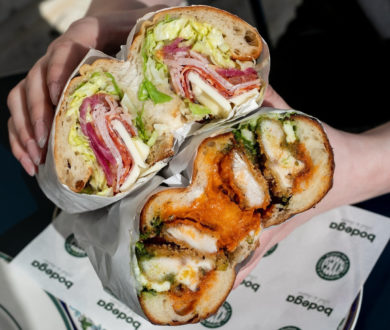
Co-founded by David Lee and Oliver Simon, who are also the masterminds behind Commercial Bay eatery Gochu (chef Jason Kim also heads up that eatery), Good Dog Bad Dog has been roaringly popular for its unapologetically decadent ‘dogs. At the Ormiston pop-up, you’ll find a slightly more concise menu that includes their Classic Dog along with the Chopped Cheese, a hamburger-like concoction in a hotdog bun; Chilli Cheese Dog — combining a traditional frankfurter sausage with a house-made chilli mix and cheese topping — and crumbed Chicken Hoagie. Add fluffy potato tots or fries for sides, and you’re away laughing.

“We decided to go to Flat Bush/Ormiston as yum food like ours isn’t as freely available outside of the central suburbs,” says co-founder Simon. “It’s always pretty easy to get into a central Auckland mindset when you live and work in central, and often forget that the majority of Auckland doesn’t live in the CBD!”

Good Dog Bad Dog
Ormiston Town Centre
240 Ormiston Road,
Ormiston 2019

www.gooddogbaddog.co.nz

Gastronomy

Where Industry Insiders Eat: Akihiro Nakamura
Our Editor-in-Chief shares her thoughts on the Michelin announcement
The 2026 Guide to New Zealand’s best out-of-town restaurants for a Long Weekend away

Jeuneora has just released a range of premium skincare and it’s set to take over our bathroom cabinet

For the last five years, Jeuneora has created some of the best marine collagen and plant-based supplements around, building its reputation on offering beauty and wellness solutions that work via an inside-out approach (keep your gut healthy, and the rest will follow.) And while its powders will continue to help our various gut-based issues, now, the female-founded, New Zealand-based company is looking to further expand its reach into the beauty space by launching a comprehensive range of premium skincare, starting with what it is calling The Essential Seven.

The result of two years of planning, Jeuneora’s new skincare range is set to meet the high expectations of its savvy customers, with fun, luxurious and multi-tasking formulas that combine the latest ingredients to be simultaneously gentle and undeniably effective. Designed to support our skin’s natural microbiome, the dermatologist-approved Jeuneora range is not only suitable for all skin types but harnesses a number of carefully-chosen key ingredients that support the barrier of the dermis without corrupting its integrity or microflora. The range doesn’t claim to be 100% natural, rather the formulations use the power of nature with a helping hand from science to create a high efficacy range. The products are all New Zealand-made, vegan, cruelty-free and entirely devoid of nasties (meaning no parabens, petroleum, phthalates, palm oil, formaldehyde, SLS, SLES, TEA or DEA).

The Jeuneora Skincare range is made up of the MeltTheDay gentle gel cleanser, OhMyDays foaming cloud cleanser, #TBT age-defying serum, ThemGenes daily resculpting serum, GoLightly plump & protect day cream, GoNightly overnight repair cream and SuperSuper face oil. Each has its own area of expertise, ranging from cleansers that promise to remove the sins of the day to serums that swear to leave our skin bright and glowing to creams packed with powerful antioxidants for reducing signs of ageing, or supercharged with ultra-hydrating ingredients to leave our faces feeling impossibly soft. If you ask us, the SuperSuper face oil looks like it will be one of The Essential Seven’s hero products for its lightweight formula, and broad, multi-purpose use.

While the formulas themselves are impressive enough alone, Jeuneora has really hit a home run with its packaging — a cute, shelfie-worthy affair with sleek, soft-touch bottles and eye-catching colours. Importantly, Jeuneora’s packaging incorporates 20 percent post-consumer recycled plastic and the brand has ensured that every item is 100% recyclable through its free-to-use TerraCycle recycling scheme.

Officially available from today, this bold new range couldn’t have come at a better time. After all, whose skin doesn’t need a bit of extra TLC over the harsh winter months?

Wellbeing

A cleaner way to clean: Why we’ve been thinking about stain removal all wrong
A leading Auckland cosmetic doctor explains filtered perfection vs real results
Is the 20,000-step day actually worth it in 2026?
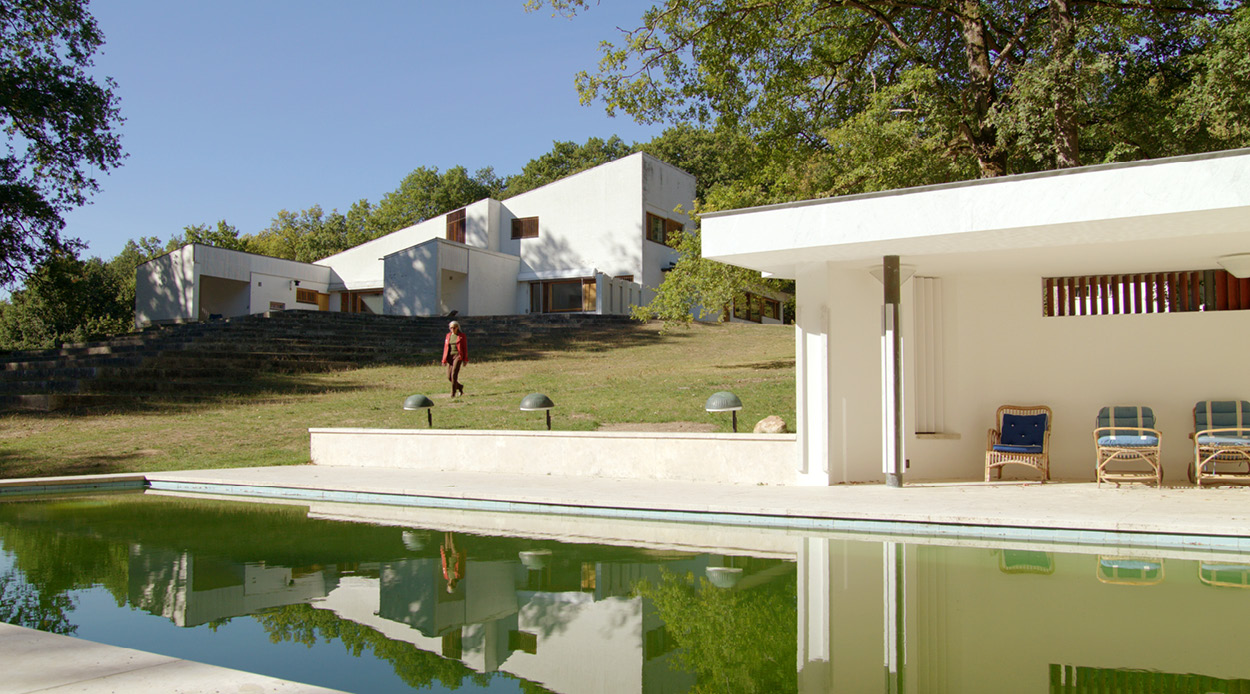
Aalto, 2020.

These are the films you simply must see at this year’s annual Resene Architecture + Design Film Festival

As ardent fans of architecture and design, we’re very excited at the prospect of the 10th annual Resene Architecture + Design Film Festival, which kicks off in Auckland this week at Rialto Cinemas.

Launching on Thursday, 6th of May, the festival’s line-up offers an inspiring array of films about architects that have left a legacy and lasting impact on contemporary design including Alvar Aalto, Mario Botta and Alfred Frey.

A particular focus on women in architecture shines this year with films that highlight the pioneering work and visions of designers like Charlotte Perriand, and others who have completely shaped movements like Bauhaus only to have history forget them.

Starting in Auckland, the festival then moves down to Wellington, Christchurch and Dunedin, and while the entire lineup looks worthy of booking, here are our picks of the bunch.

Where Architects Live, 2014
Humans are a curious, voyeuristic bunch and any glimpse into the personal preferences of the world’s tastemakers is fascinating. Where Architects Live gives insight into the daily lives of eight leading designers, including Mario Bellini, David Chipperfield and the late Zaha Hadid, and into their homes. Combining more than 30 video contributions, this intimate look into the houses of architects all around the world from Tokyo to Berlin, Mumbai to Milan, showcases the multitudes of how we choose to live.

Aalto, 2020
One of the greatest modern architects of our time, Finnish designer Alvar Aalto’s work spanned architecture, furniture, textiles and glassware, as well as sculptures and paintings. It was characteristic of Aalto to treat each building as a complete work of art — right down to the furniture and light fittings. This film explores the formative relationships Aalto had over his lifetime with two remarkable women; his first wife, Aino, and second wife Elissa, shedding light on the impact they had on his work as equal architects and visionary designers in their own right.

Perriand chaise longue, 1929.

Charlotte Perriand, Pioneer in the Art of Living, 2019
A founder of the Modernist movement, French architect and designer Charlotte Perriand ranks among the great creative geniuses of the 20th Century — yet, compared to her male contemporaries like Le Corbusier, her 75-year career is relatively unknown. This documentary explores her trajectory from her own perspective, an extraordinary woman who pushed the boundaries of modern design.

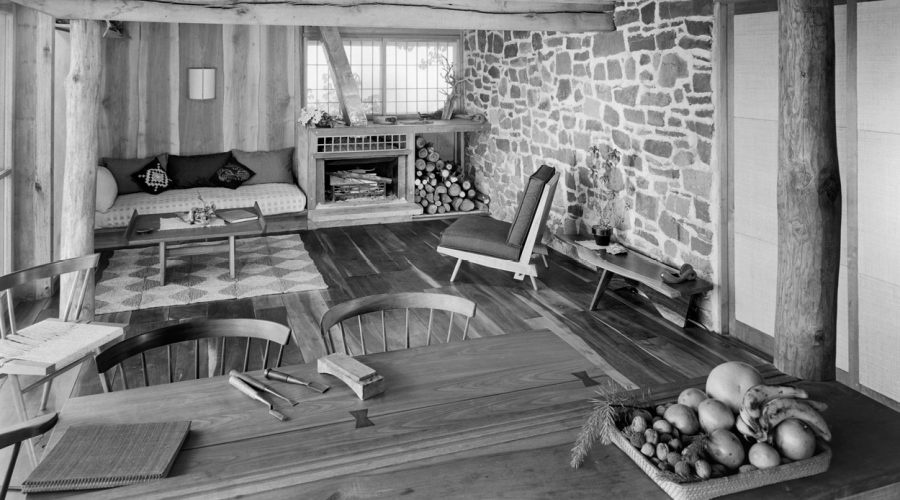
Nakashima House, New Hope, Pennsylvania. Photo: Ezra Stoller.

George Nakashima: Woodworker, 2020
If beautifully made furniture is what gets you going, this documentary is one for you. It explores the lasting legacy of iconic Japanese-American furniture maker George Nakashima, who changed woodworking by embracing the ‘imperfections’ and natural character of nature.

The Gardener, 2016
Not forgetting that a building’s surroundings are often just as important as the architecture and interiors themselves, this film profiles renowned horticulturalist Francis Cabot and his signature creation, the gardens of Les Quatre Vents in Quebec. One of the world’s foremost private gardens, it was created over 75 years and three generations and is an enchanting masterpiece of the 21st Century. Green thumbs, you’ll love this.

The Resene Architecture + Design Film Festival is showing at Rialto Cinemas in Auckland from Thursday, 6th of May — Wednesday, 19th of May
Find the full programme here.

Culture

The books worth escaping into this winter
Your guide to the best events and experiences this July
From architecture to adventure: The coffee table books worth collecting now