


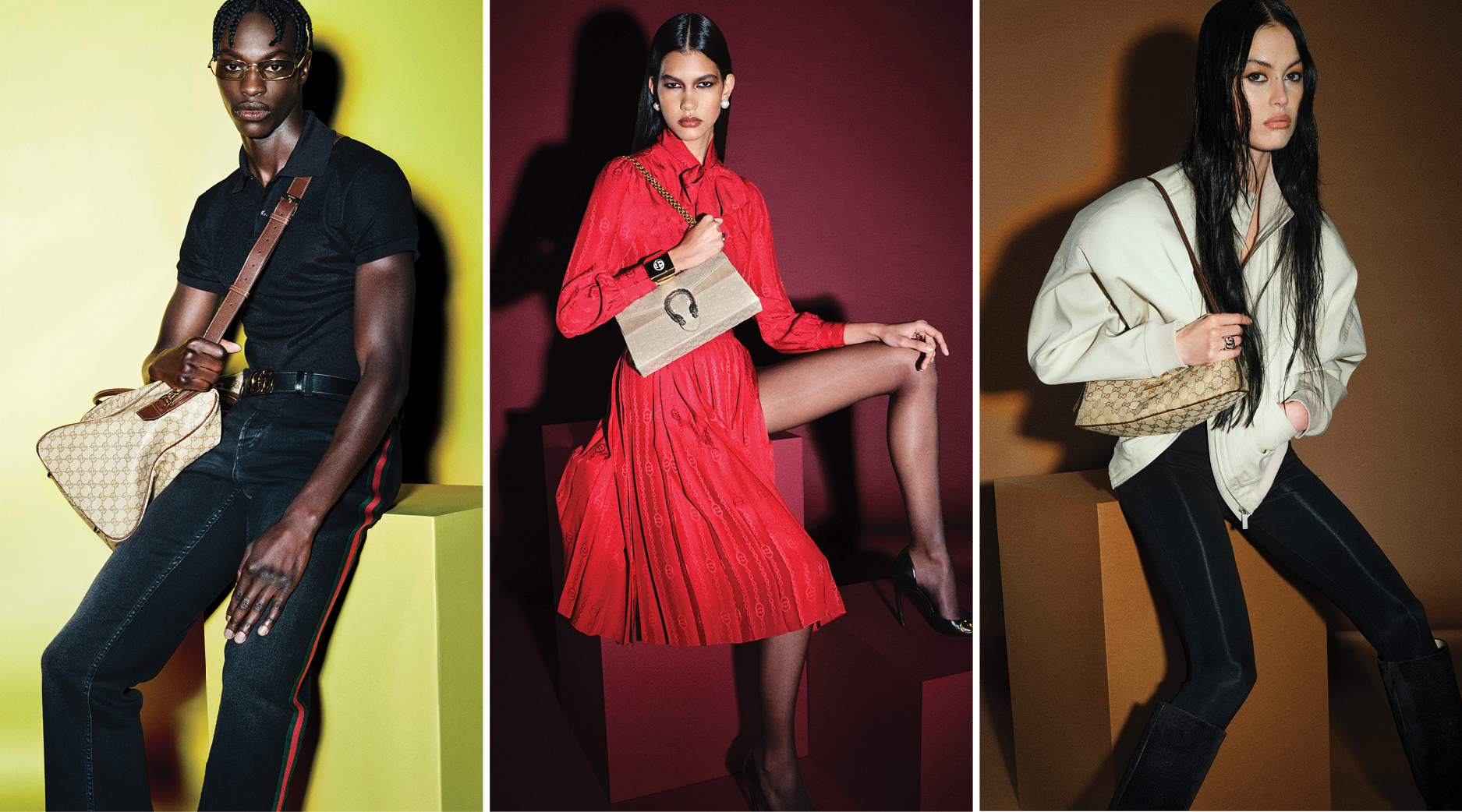
There is a particular kind of nerve it takes to photograph eighty-four looks yourself and call the result a near-lookbook. Not a campaign in the operatic sense the fashion industry has conditioned us to expect, with its cinematic conceits and celebrity casting and auteur-signposting at every turn. Just eighty-four images. Eighty-four individuals. A collective, Gucci calls them, and the word does more work than it first appears to.
Generation Gucci, which arrived out of Milan this week, is Demna’s opening statement as the House’s artistic director, and it reads less like a manifesto than a mission brief. The designer, whose tenure at Balenciaga reshaped luxury’s relationship to irony and spectacle, has arrived in Florence with what can only be described as a deliberate exhalation. There is no shock here. No provocation for its own sake. Instead, there is an almost obsessive attention to what a Gucci garment has always been asked to do, which is to carry the weight of a century of Italian craftsmanship without appearing to carry anything at all.
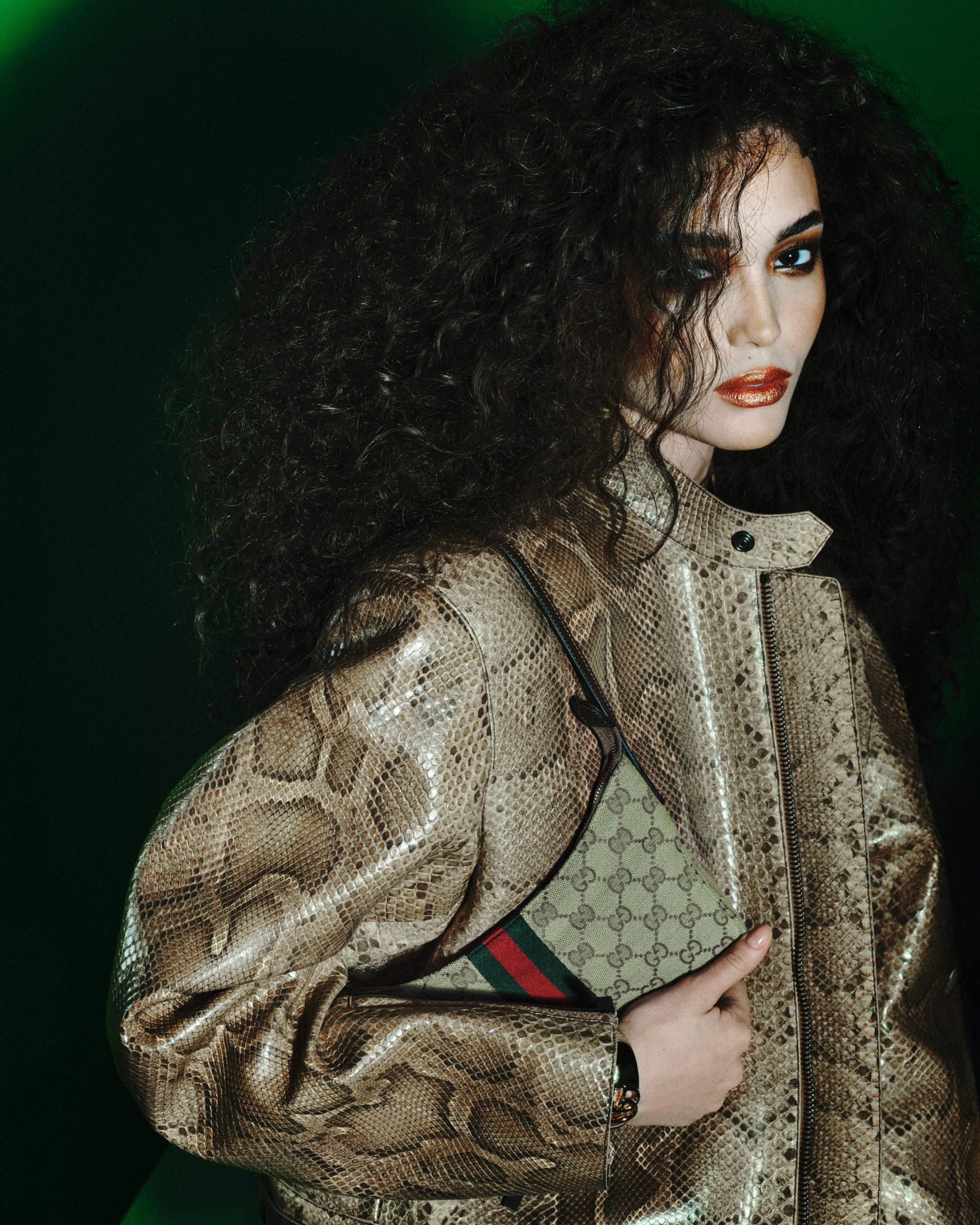
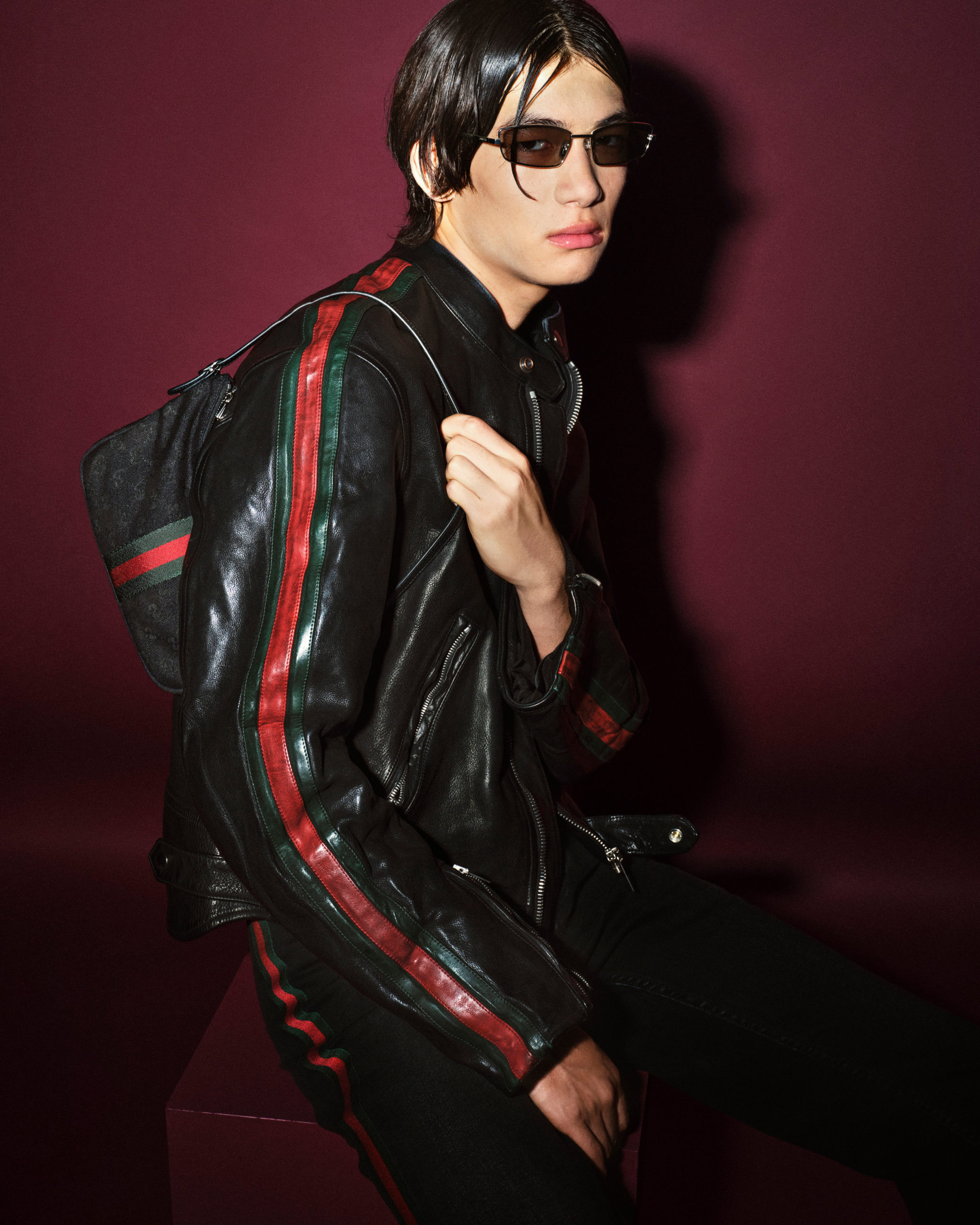
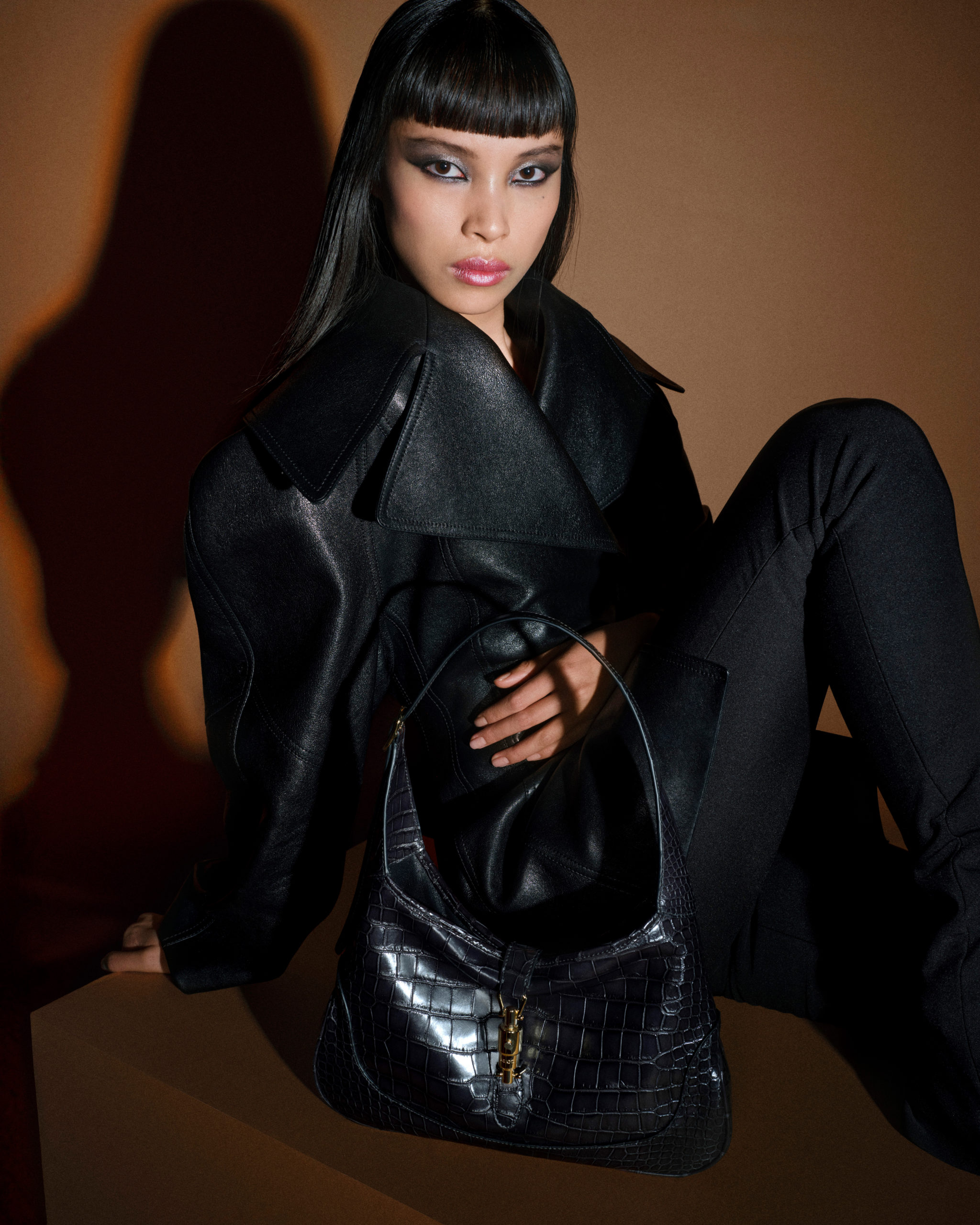
The collection draws from across the House’s decades, but the editing is where Demna’s intelligence becomes visible. Two-piece suits with slim-fit trousers feel lifted out of a specific Gucci memory and dropped into the present without translation. Head-to-toe leather and suede appear in the womenswear as an argument for tactility. Textured coats are introduced with what the House calls lightness, and the word, repeated across the collection notes, begins to function as a thesis. Lightness as the discipline of leaving things out. Lightness as a rebuke to the heaviness luxury has accumulated in recent seasons.
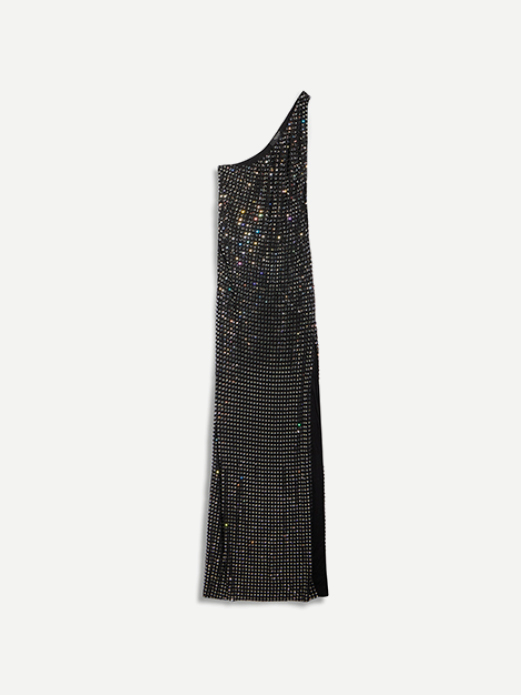
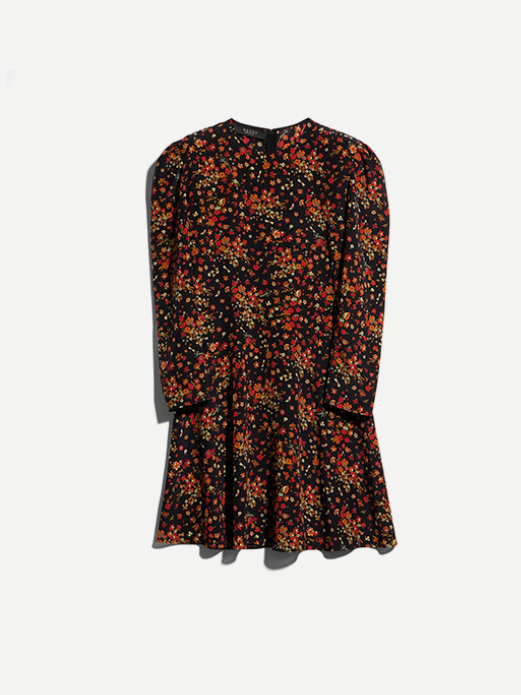
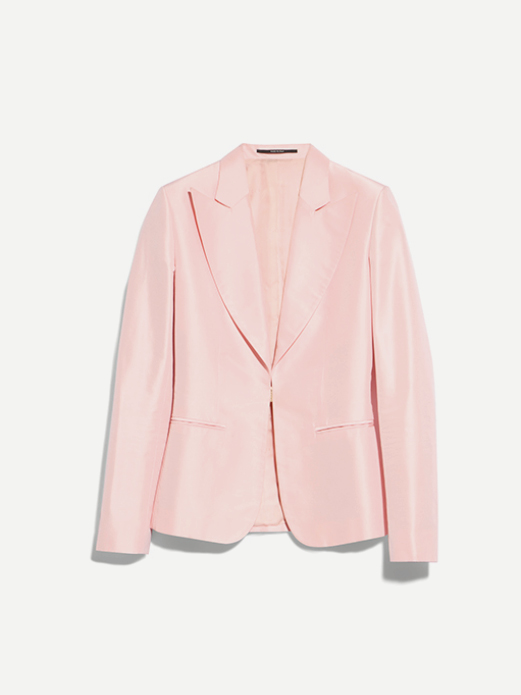
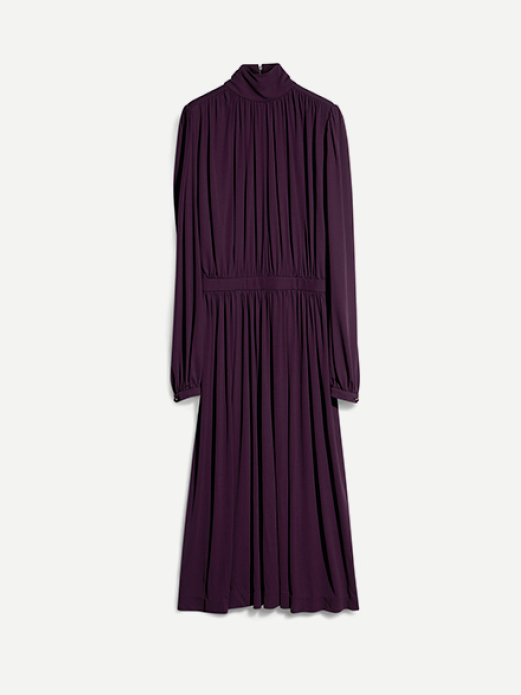
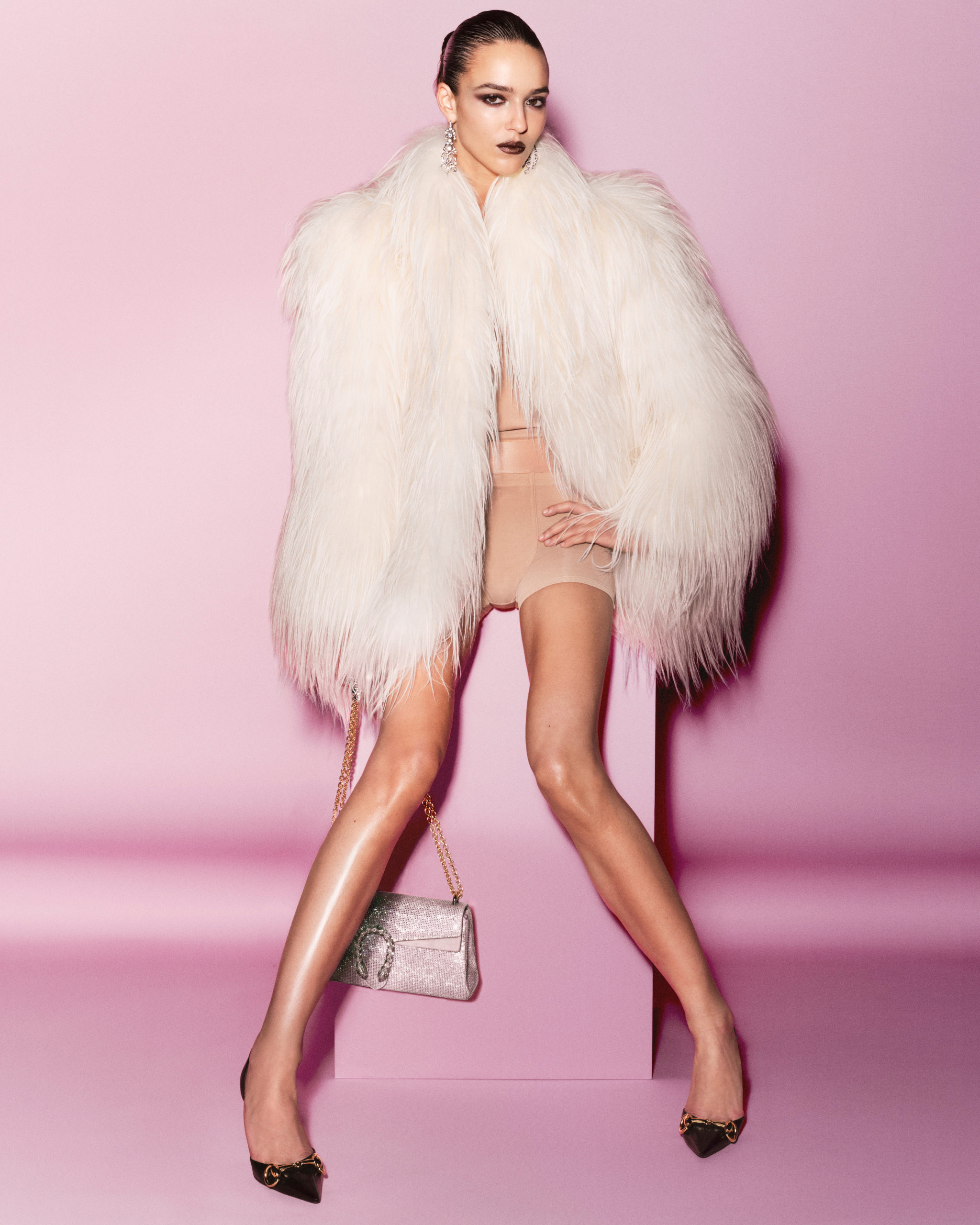
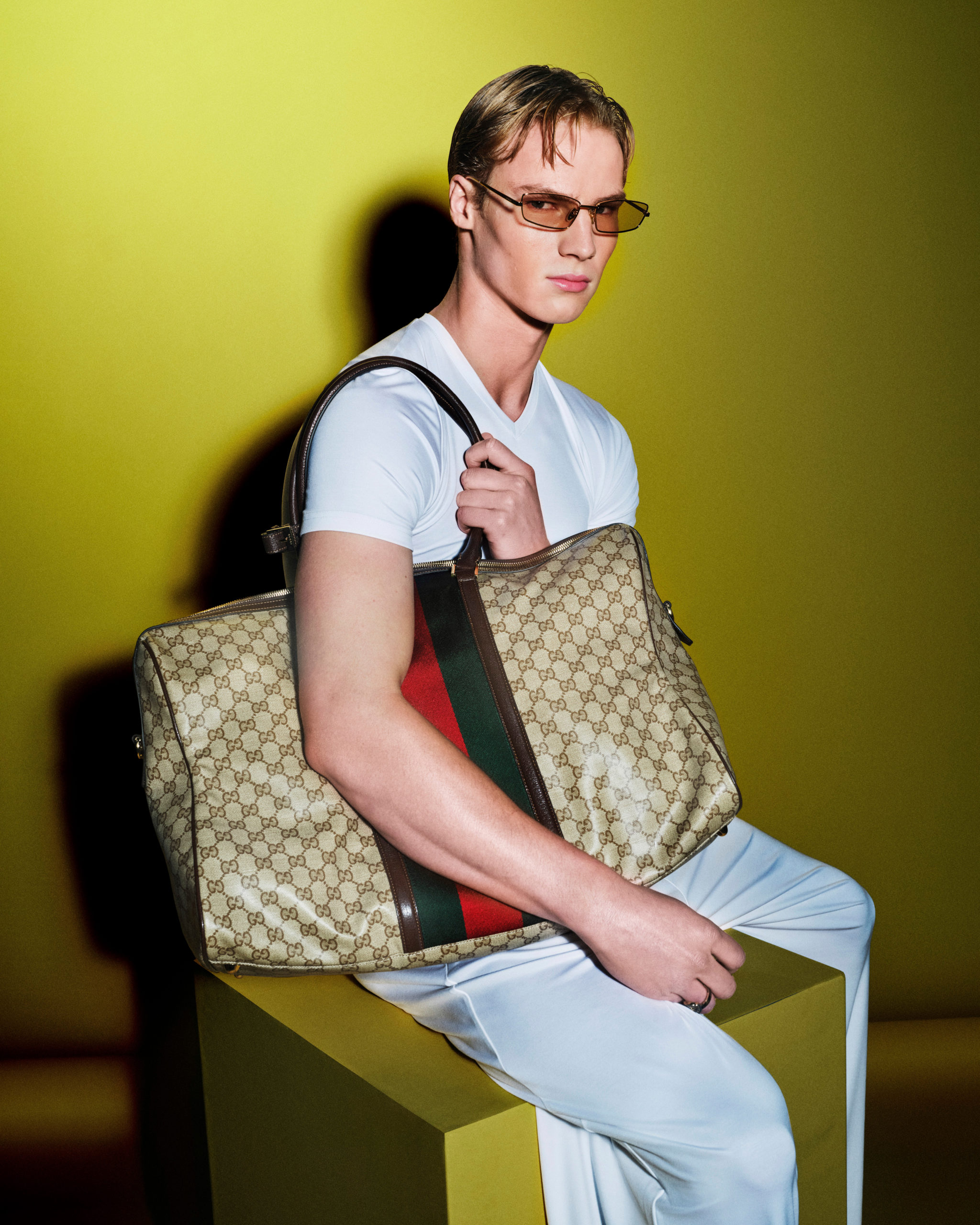
The party wardrobe, with its underwear-inspired pieces layered beneath silk blousons and its minimal gowns in fluid jersey and chiffon, nods to the Gucci that once defined the cultural imagination of going out. But it does so without the maximalism that has become the House’s shorthand. Valigeria-inspired ballerinas, now offered in men’s sizes, and streamlined loafers built with the unstructured lightness of dancing shoes, suggest a wardrobe designed for movement rather than for posture.
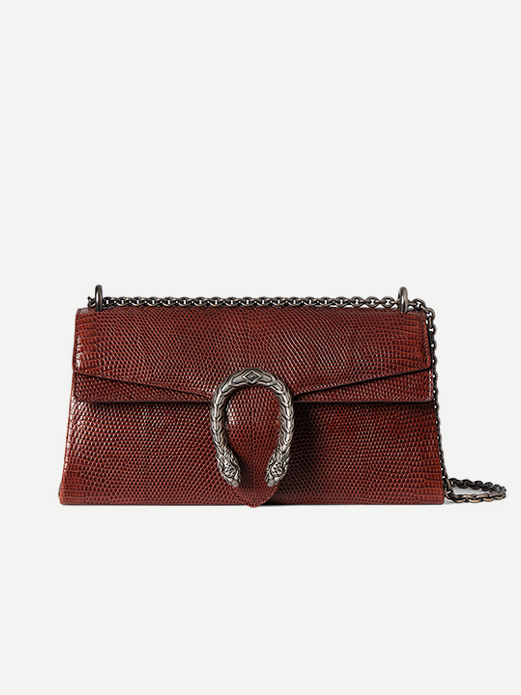
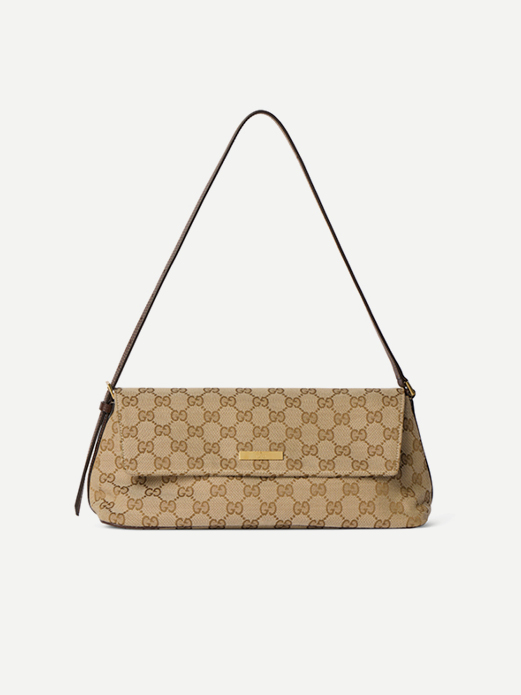
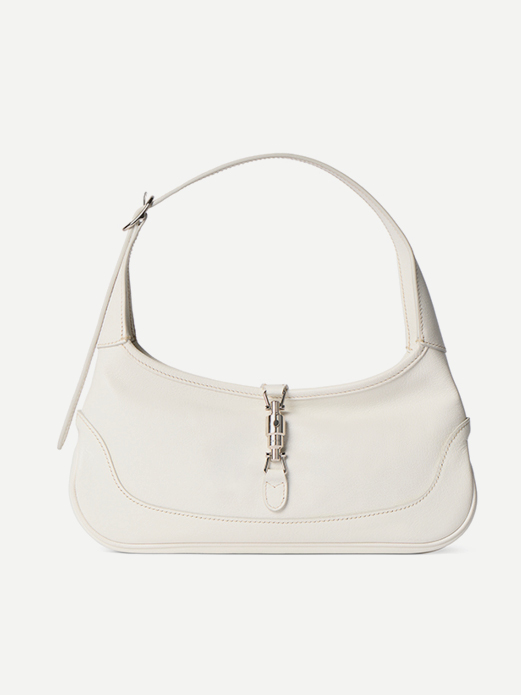
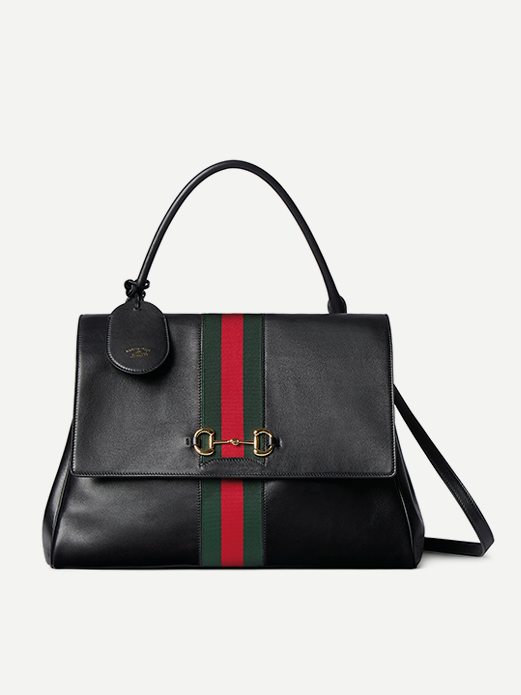
Then there are the accessories, which is where any serious Gucci conversation eventually lands. The Jackie 1961 returns in new proportions. The Dionysus sharpens into something more angular, more architectural. The Lunetta Phone+ arrives as a piece of genuine contemporary design. And the Paparazzo, the collection’s clearest thesis object, gathers the Web stripe and the Horsebit hardware into a single bag that the House describes, with a small, wry confidence, as defining Gucciness itself.
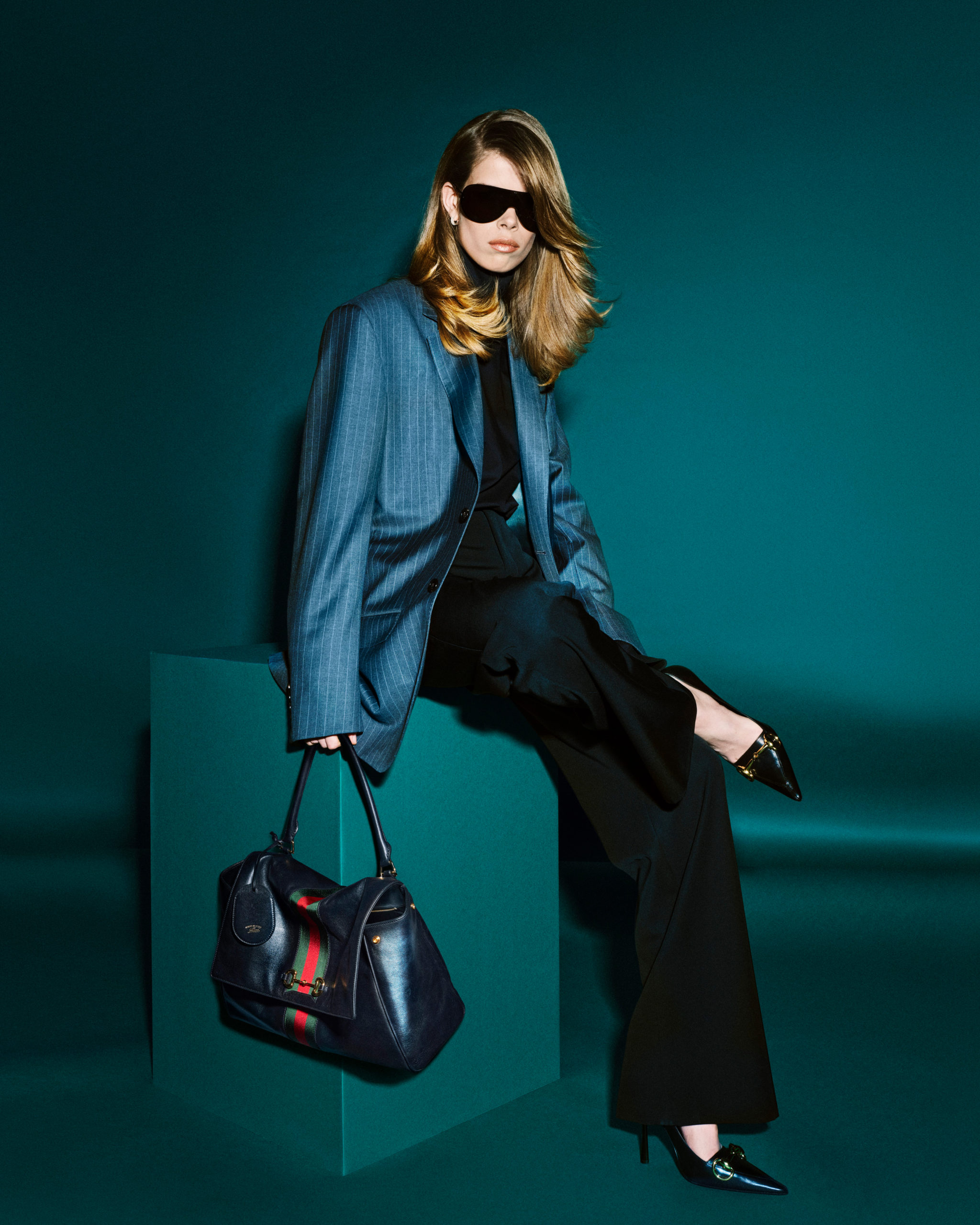
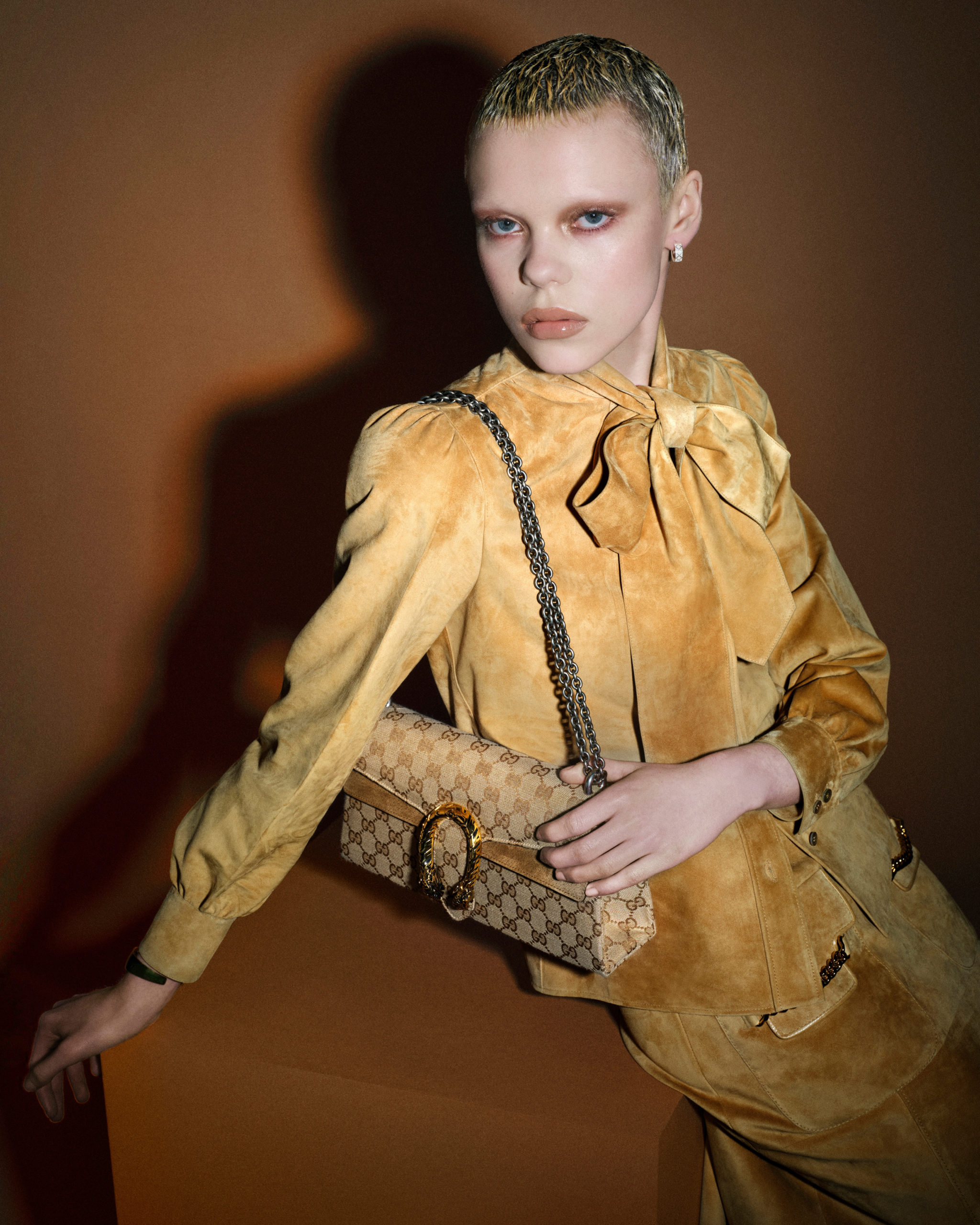
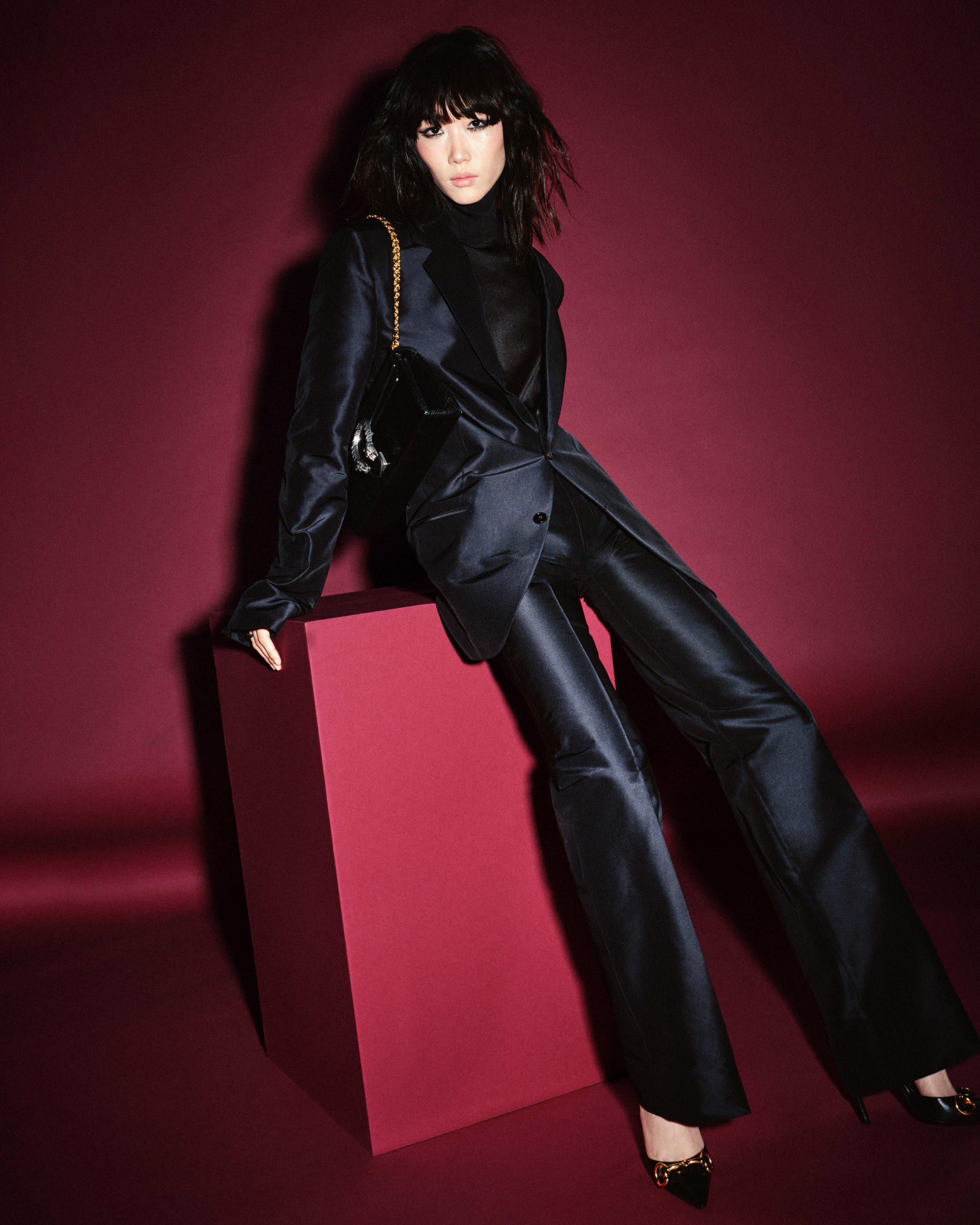
That neologism is worth pausing on. Gucciness is not Gucci. It is the distillation, the thing a Gucci object possesses that lets it belong equally to a morning coffee and an evening out. It is the kind of word a designer uses when he is trying to name something he intends to keep.
In a season where so much luxury still confuses volume for relevance, there is something almost radical about a campaign that simply shows you eighty-four looks and trusts you to understand.