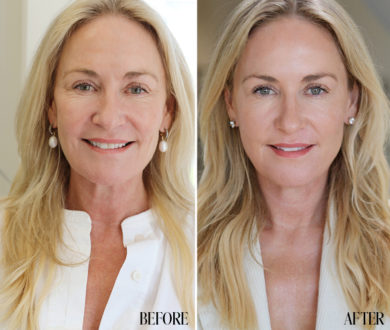



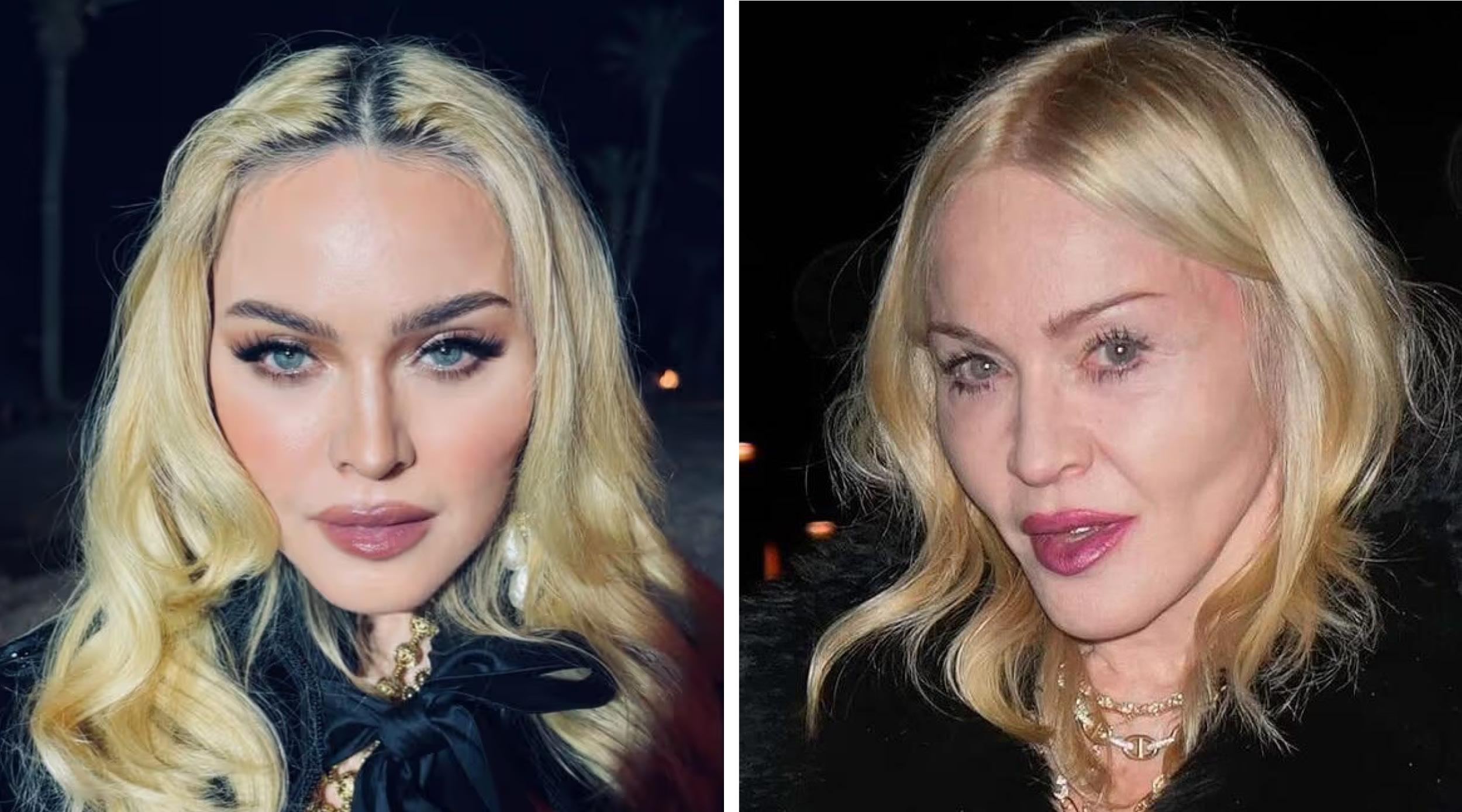
Perfection, if you were to believe what you see online, has finally become attainable, having once belonged to Renaissance painters, Hollywood lighting directors and the rare individuals born with the right genetics. Yet today, achieving perfection is accessible to us all thanks to photo filters that remove pores and wrinkles, sharpen jawlines, and widen eyes, removing any pre-existing anatomical or skin imperfections, all for the praise and admiration of the online world. But with the evidence of any imperfections removed and published, how does one then show face in the real world?
In recent years, there has been a substantial increase in hyper-perfect influencers distorting traditional beauty ideals. This new visual language has created a complicated brief. Dr Ellen Selkon at Clinic 42 sees patients arriving with references shaped by AI-generated faces and hyper-edited influencers, images in which symmetry, smoothness and proportion are pushed so far beyond natural human possibility that reality begins to look like a faulty version. The mirror was already difficult enough.
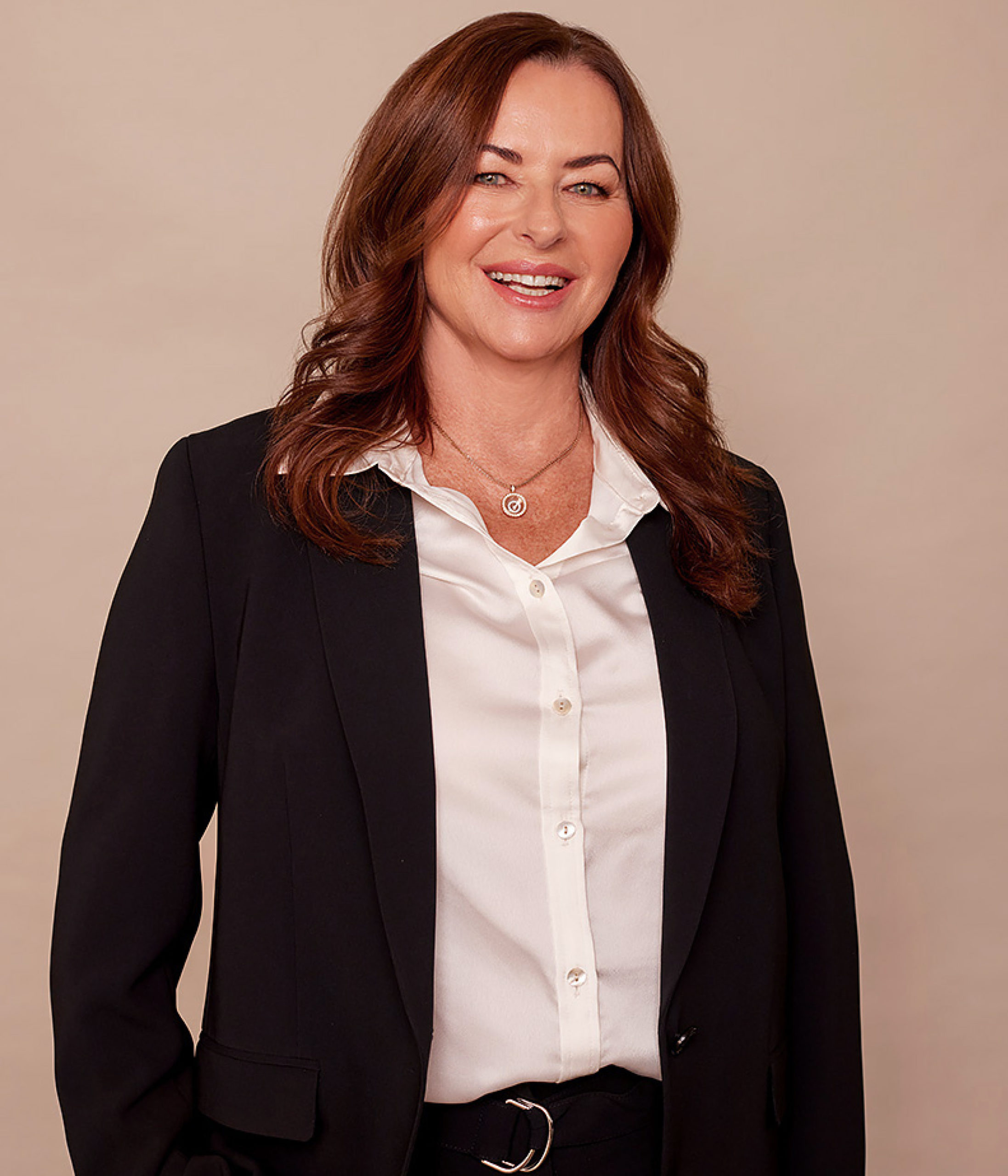
The best approach to these unachievable ideals involves a detailed consultation in which Dr Ellen Selkon sees her role not merely as administering a treatment, but as interpreting, educating, and, when required, gently reminding patients of the fantasy. Rather than dismissing the influence of social media or treating filtered images as frivolous, she and the medical team use them as a starting point, asking what a patient is actually drawn to, before explaining which elements can be translated into reallife, which cannot, and why the distinction matters.
Because faces, inconveniently for AI filters, actually move. They laugh, frown, animate and exist under all manner of lighting conditions. The most successful aesthetic work must therefore consider the whole face, not as a static image, but as living architecture, with its own structure, proportions, skin quality, expression and emotional cadence. During a Clinic 42 consultation, there is time to carefully assess each angle, looking at how features relate to one another, how the skin behaves, and how any intervention might support the face rather than overwrite it.
This is where medical training matters. At Clinic 42, the initial consultation with one of its doctors includes a review of any underlying medical conditions, essential groundwork that ensures treatments are tailored not only to a patient’s goals, but to their physiology.
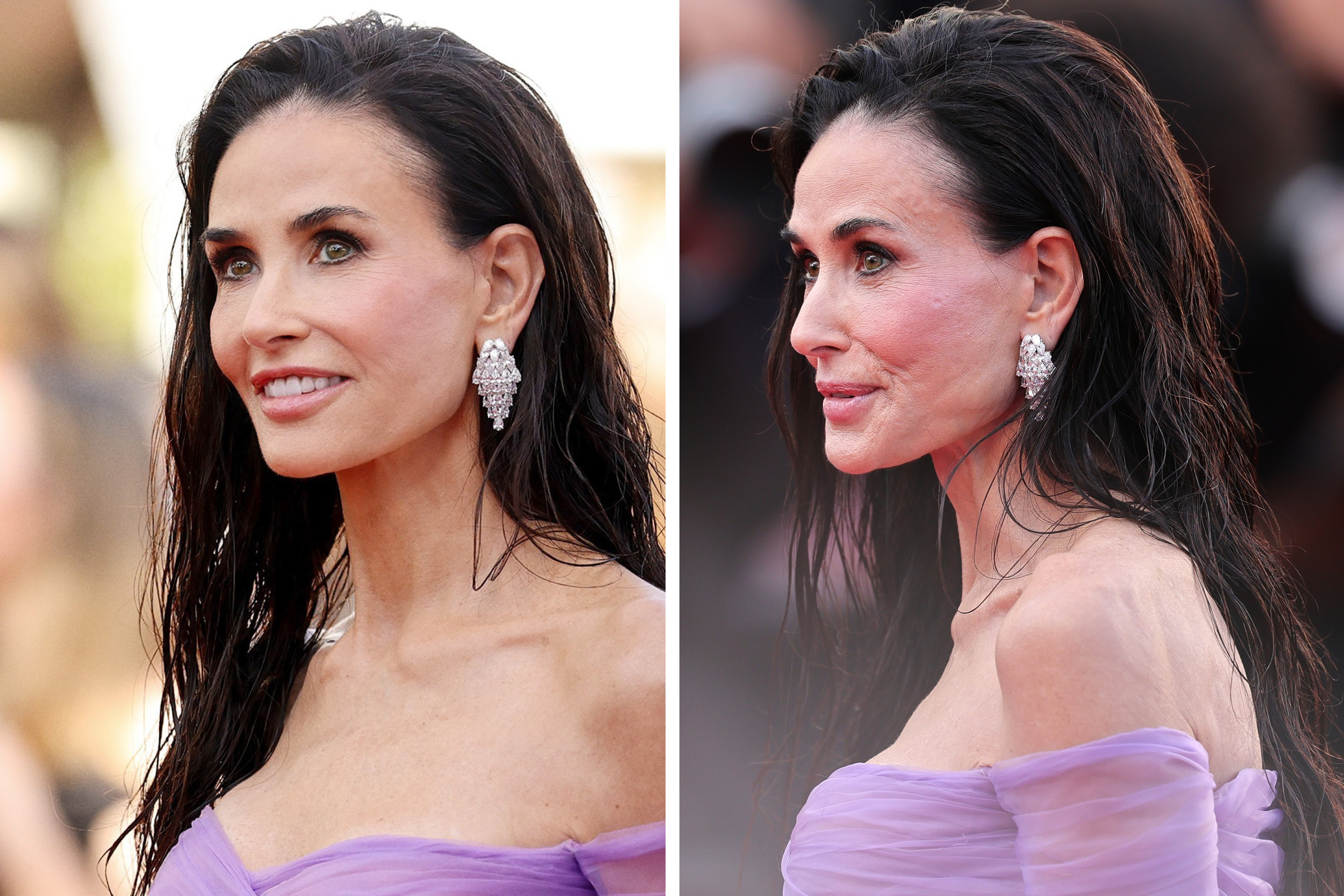
In a culture newly fluent in tweakment terminology, from baby Botox and polynucleotides to laser stacking, skin tightening and the ever-expanding glossary of glowmaxxing, jawchitecture and other crimes against language, it can be tempting to treat aesthetic medicine as a menu. The wiser approach is clinical, not conversational. What works beautifully for one face may look laboured on another, while a treatment that promises a fashionable result may be entirely wrong for a patient’s anatomy, medical history or long-term skin health.
In some cases, an injectable treatment may not be the right first step at all. Dr Selkon may recommend alternative modalities or non-injectable options that better support the patient’s goals without compromising safety.
The point, in the end, is to make expectations sharper, smarter and more useful. Digital perfection is instant, flat and unrealistic; true aesthetic confidence is more nuanced, built around the face
a person actually has. At Clinic 42, the ambition is not to chase the homogenised face of the internet, but to enhance individuality with discretion, expertise and restraint, allowing results to remain expressive, believable and quietly enduring.
Which may be the most modern luxury of all: not looking filtered, not looking fixed, and certainly not looking like everyone else. Instead, looking unmistakably, intelligently and beautifully like yourself.