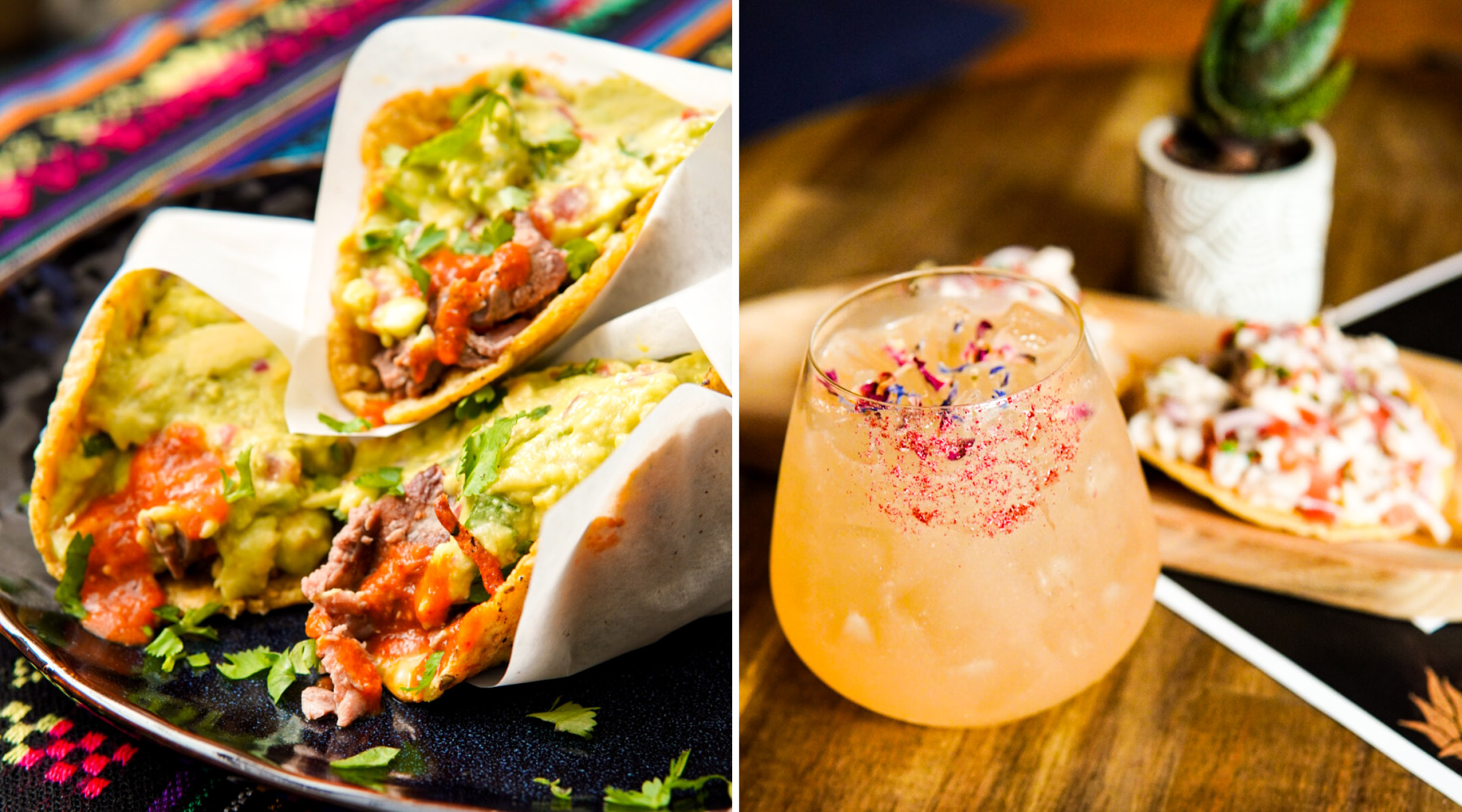
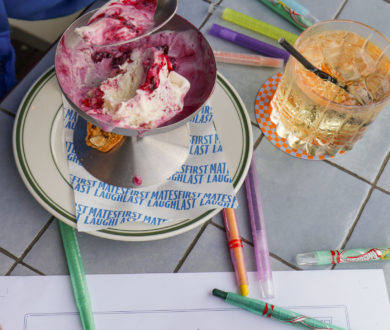
Hidden within the colourful surrounds of St Kevins Arcade is a restaurant that has quietly developed a devoted following among Auckland diners.
Sagrado Cantina has been serving its take on traditional Mexican cuisine from Karangahape Road since opening its permanent home in 2025, although founders Andrea and Jorge first introduced many Aucklanders to their food through the city’s night markets a year earlier. Born and raised in Mexico, the pair have called New Zealand home for almost a decade, and what began as a way to share the dishes they grew up eating has since evolved into one of K’ Road’s most compelling dining destinations.
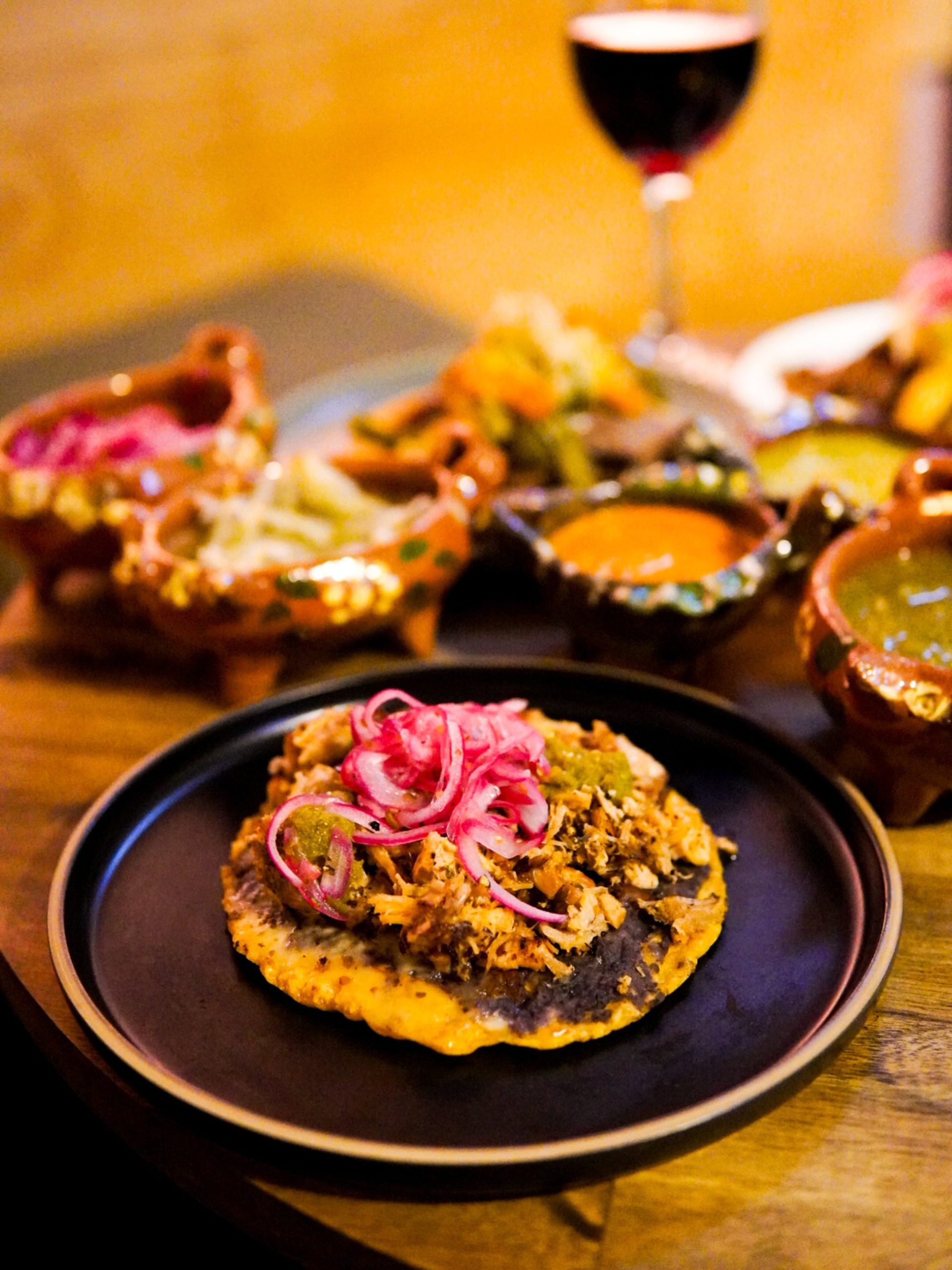
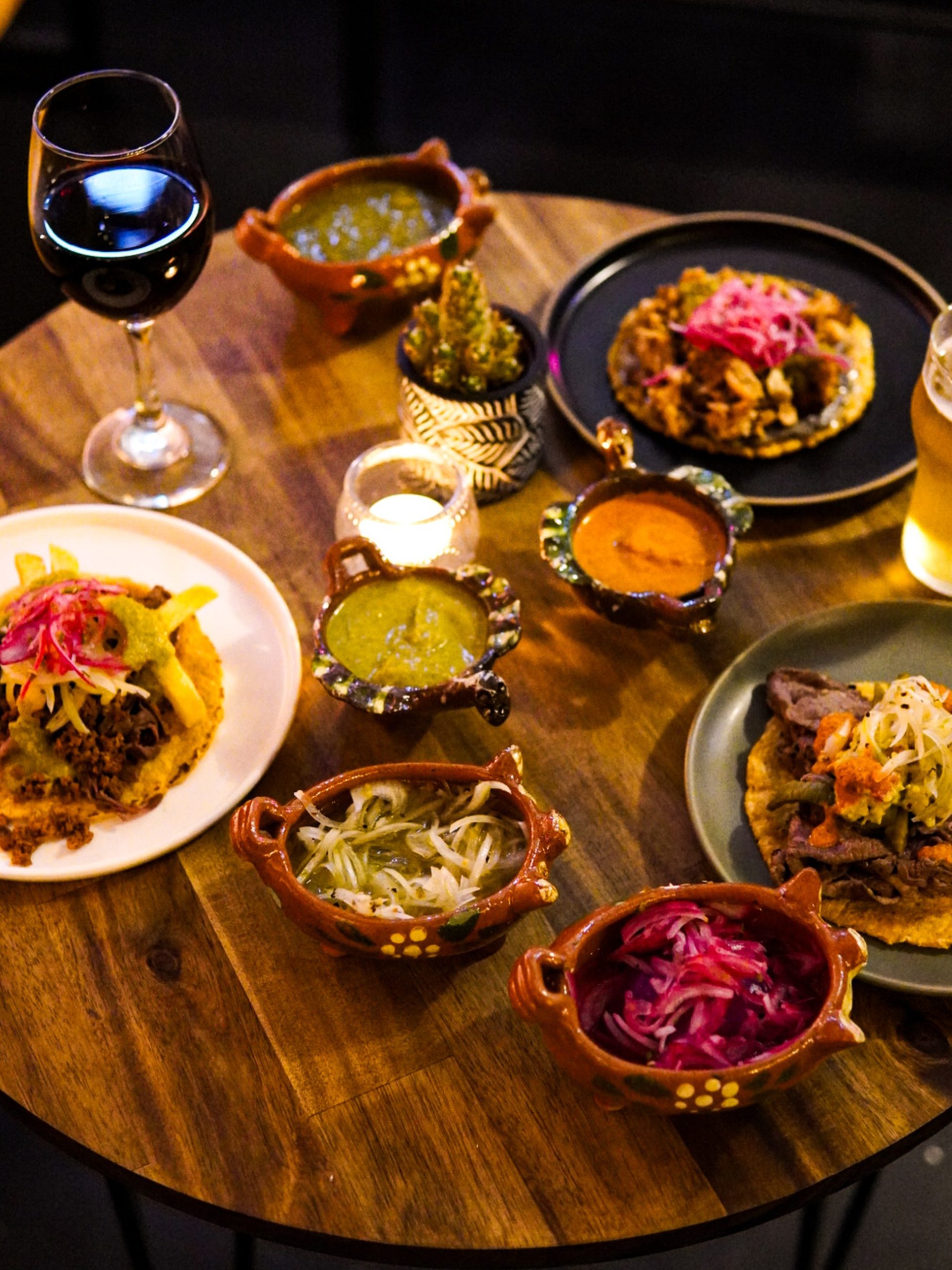
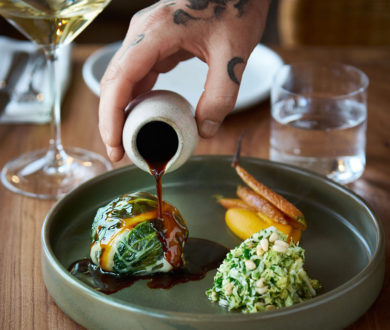
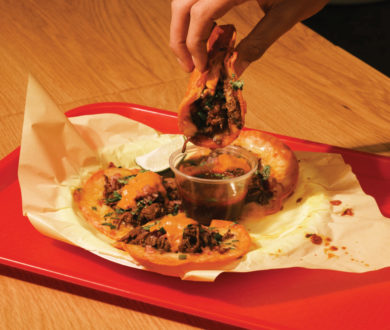
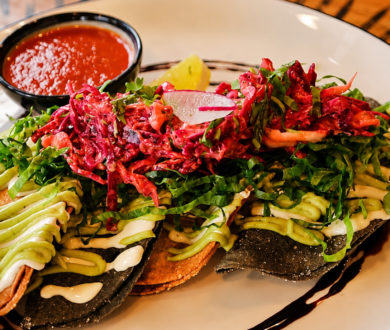
At the heart of Sagrado’s offering are its signature tacos, built on fresh nixtamal masa with each tortilla pressed and cooked to order. The Lamb Birria Taco remains one of the restaurant’s most popular dishes, pairing slow-cooked New Zealand lamb with traditional Mexican chillies and spices, while the Carnitas Taco has been a favourite since the market days. Elsewhere, the kitchen’s Mole Negro, which takes five days to prepare from scratch, speaks to the time, care and heritage behind many of the dishes served here, while the recently introduced Migas Tepito, a classic Mexico City dish, has quickly found a following of its own.
cochinita taco with beans in a hand pressed tortilla
The setting feels perfectly at home within St Kevins Arcade. Colourful tables, Mexican artwork, music and an open kitchen create a lively, welcoming atmosphere, while the adjoining mezcal bar, Deza, offers a moodier setting for those looking to linger a little longer.
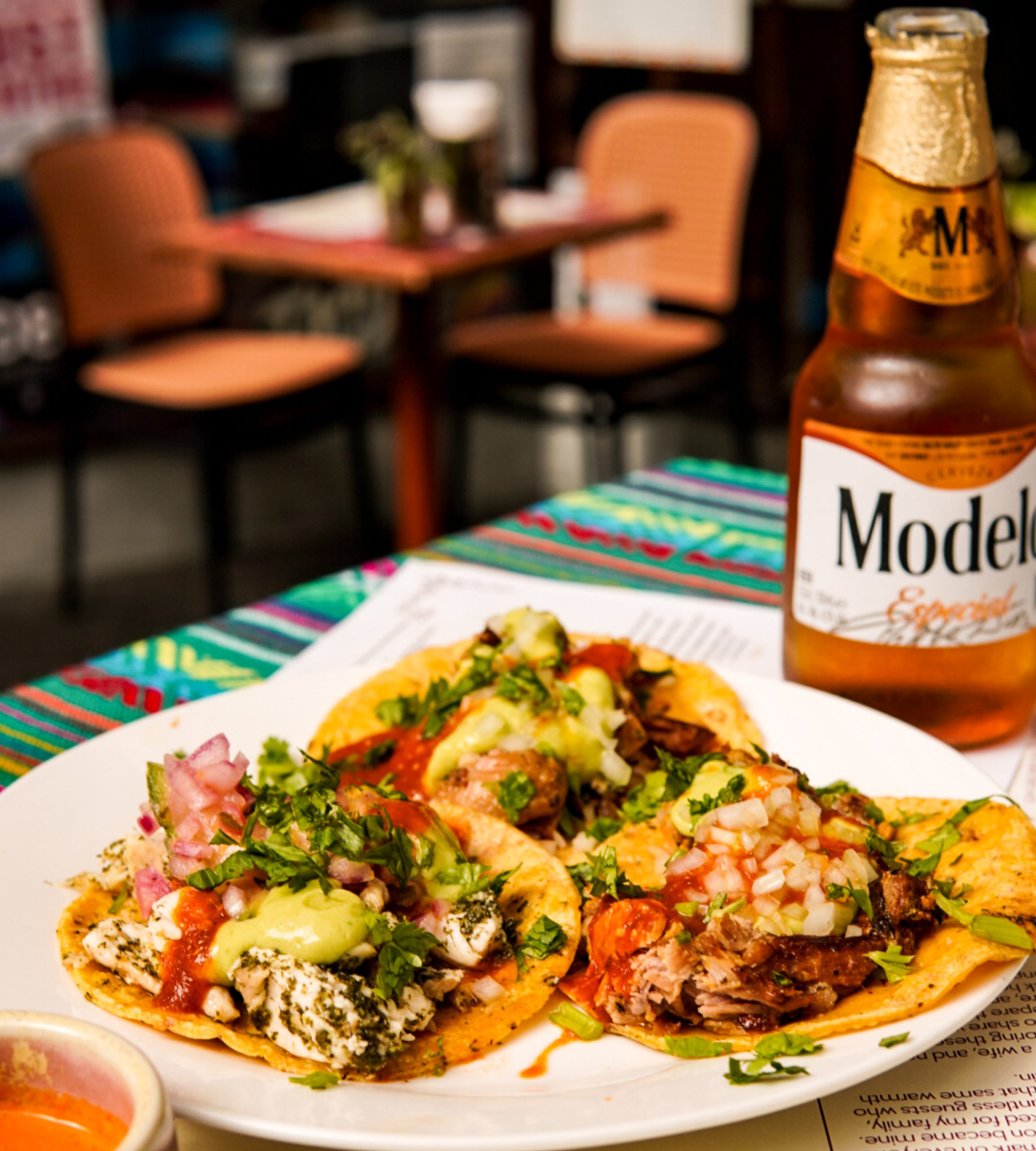
assorted tacos chicken, brisket suadero and pork belly carnitas
Named after the Spanish word for sacred, Sagrado reflects the role food plays within Mexican culture as a centrepiece of family life, celebration and connection. It is a philosophy that extends beyond the menu, shaping an experience that feels every bit as welcoming as the food is memorable.
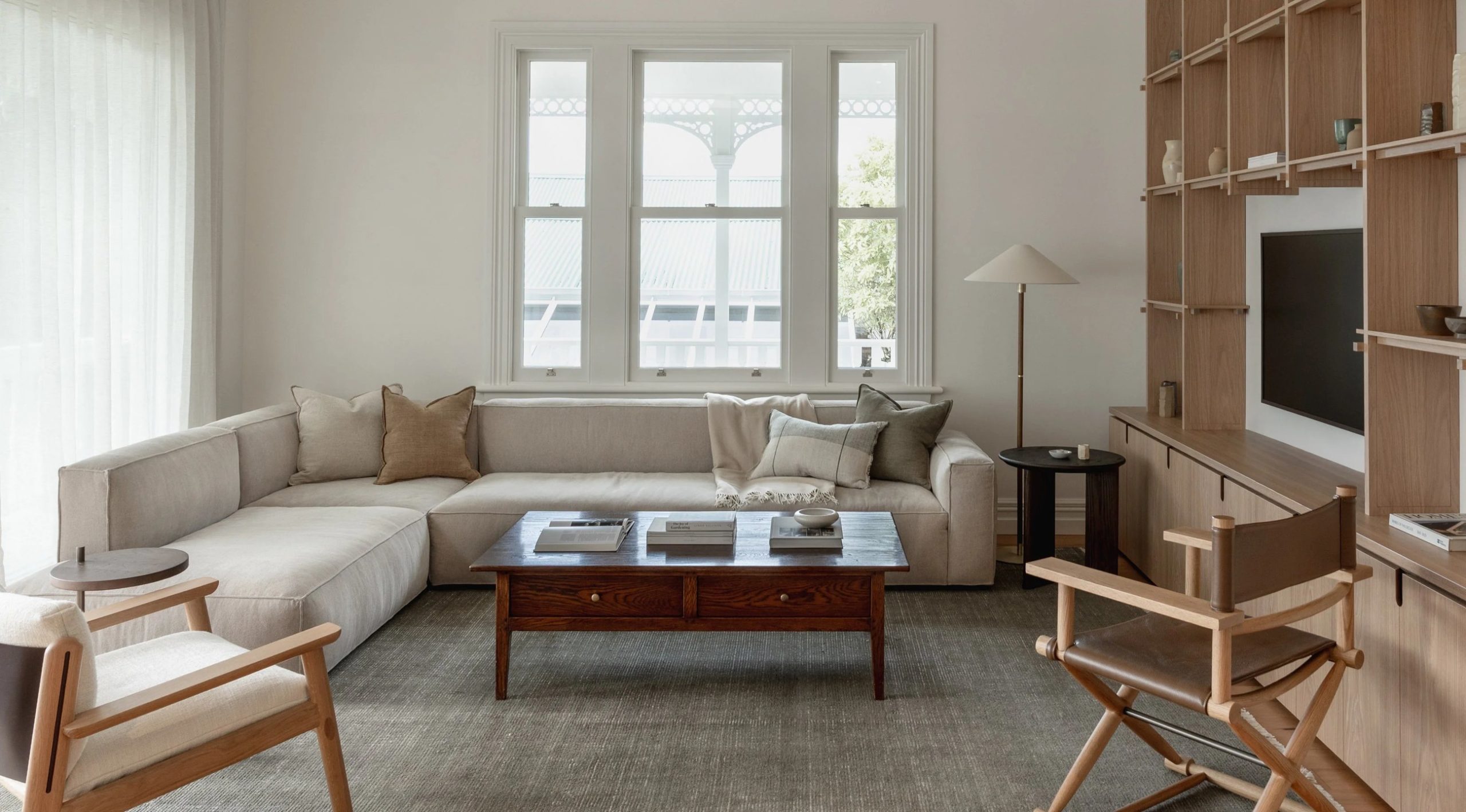
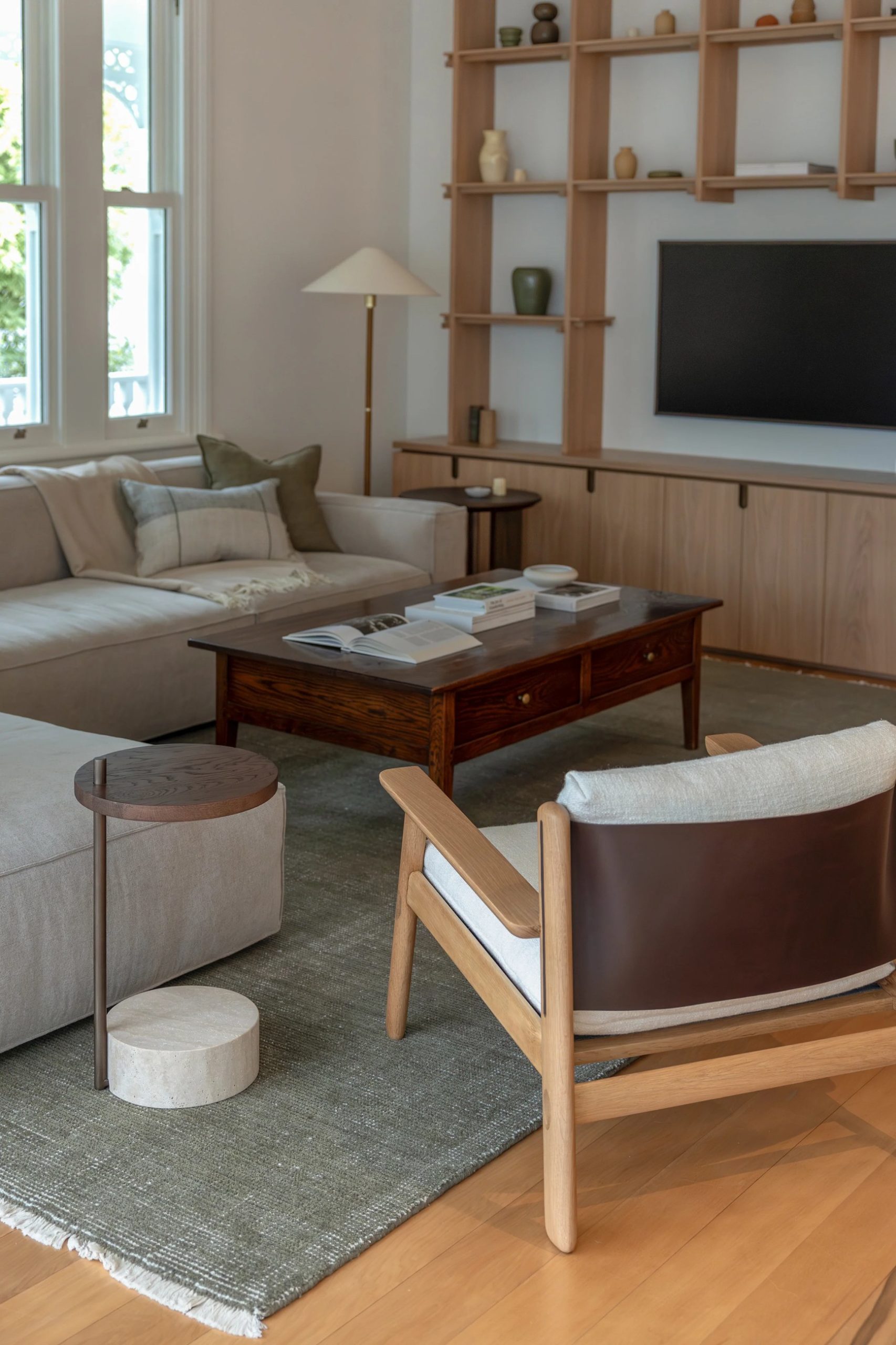
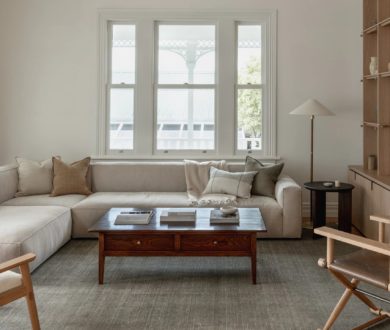
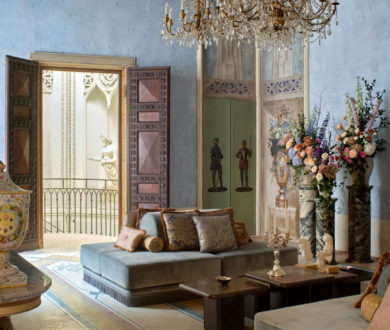
Tasked with completing the final layer of a character villa extension, Ritual Interiors — the Auckland studio led by spatial designer Claire Hammond — set out to thread personality through the home’s architectural bones, conjuring a space that feels as though it has always been there. The living room was reimagined as a calm, tactile retreat; one that holds heritage and the homeowner’s own narrative in the same breath. At its heart sits a bespoke shelving unit, conceived to house and quietly celebrate a treasured pottery collection, its structured joinery tempered by considered, layered furnishings.
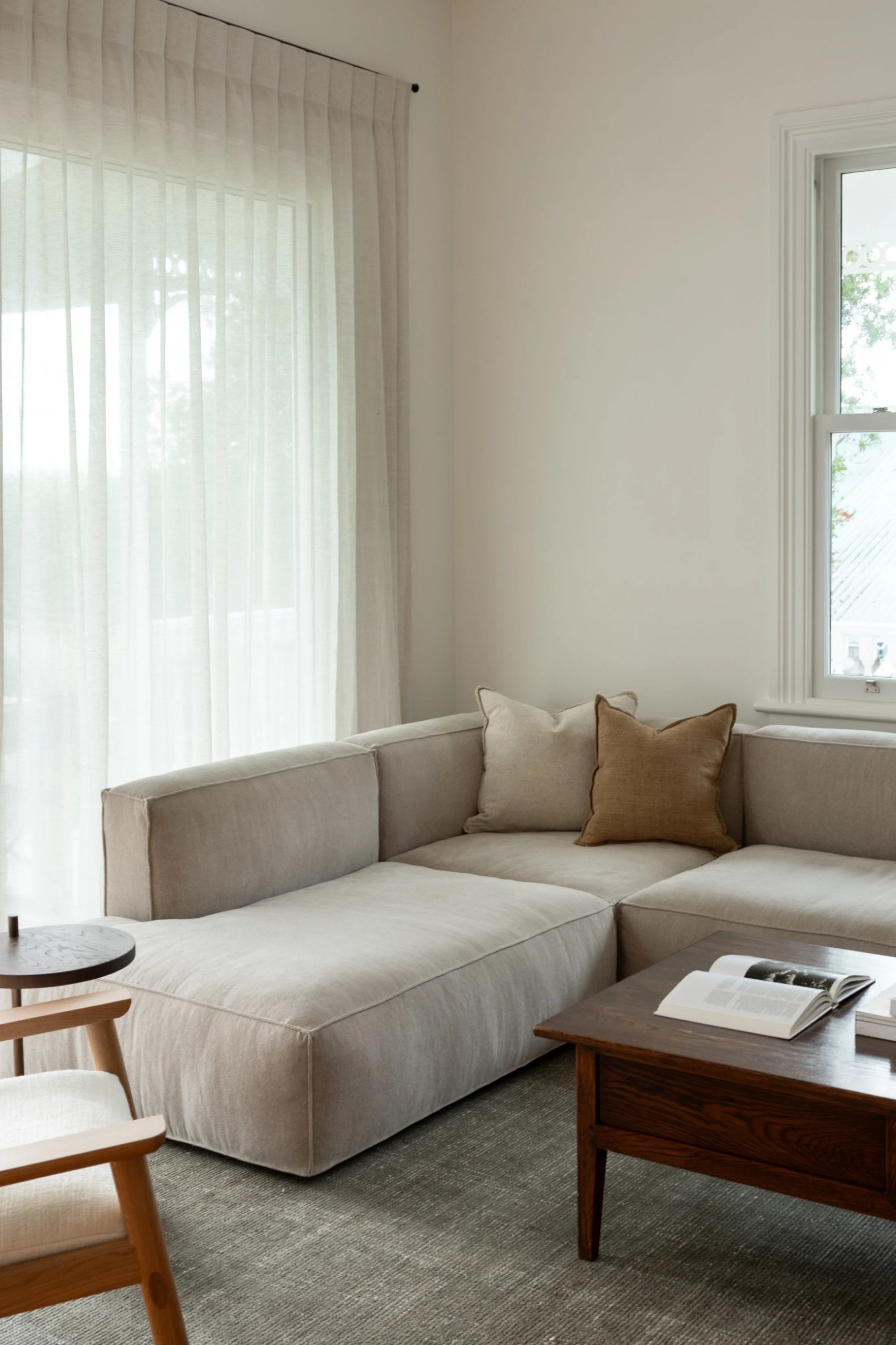
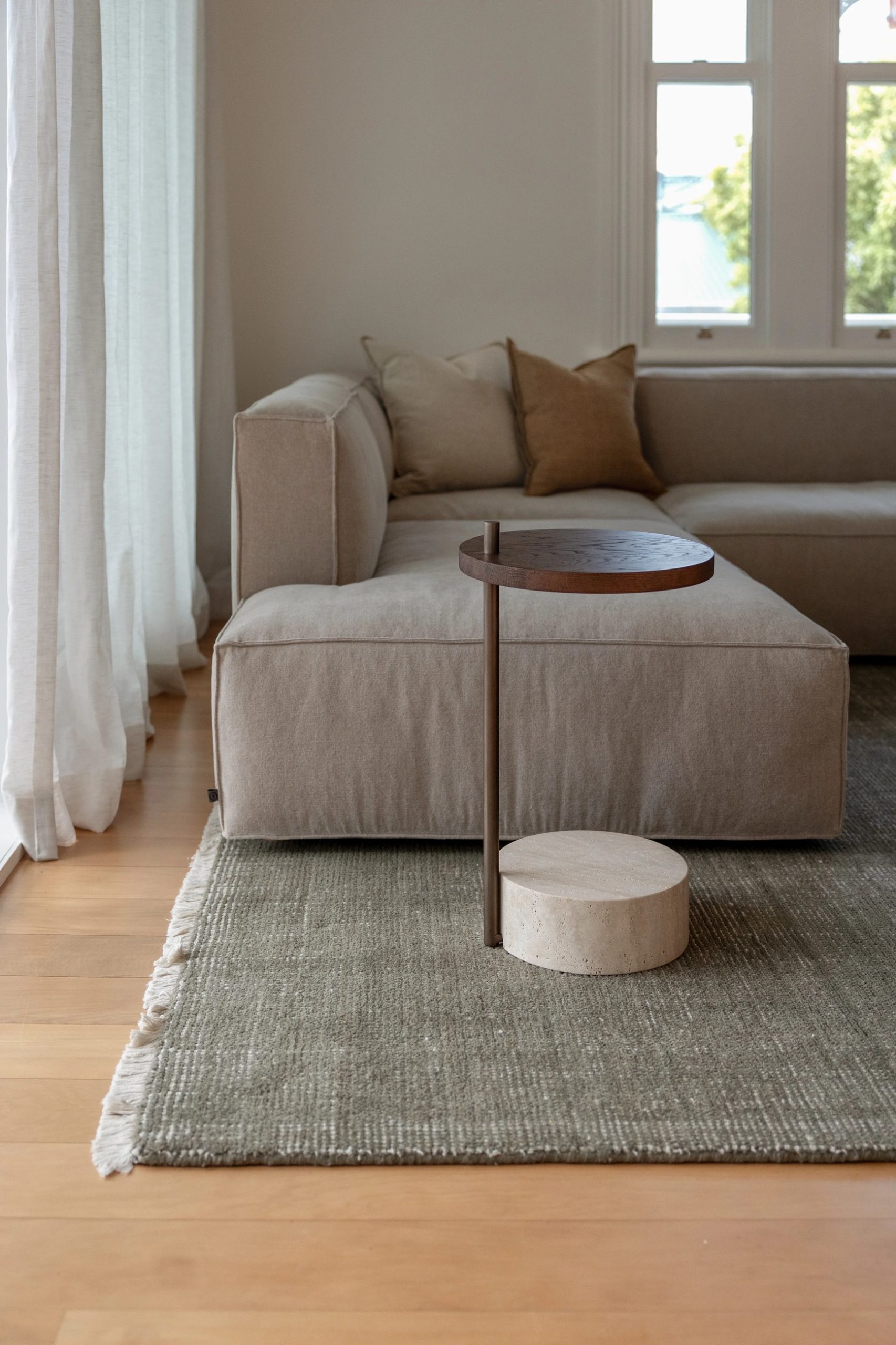
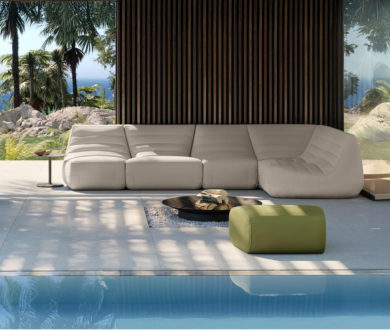
To bring the room to its resolution, Ritual Interiors turned to Dawson & Co. Anchoring the space, the Baker Modular Sofa lends an effortless softness and an easy, lounging architecture — its generous feather filling built for the long hours. Nearby, the Wren Lounge Chair by Tolv, designed by Cameron Foggo, offers a moment of refined repose; its hand-sanded oak frame and visible tenon joins a quiet nod to the golden era of Danish woodworking. Between them, the sculptural Society Side Table by Natadora sits like an objet — cylindrical forms in oak, steel and marble stacked with such restraint that the materials are left to speak for themselves, grounding the room with a sense of intention.
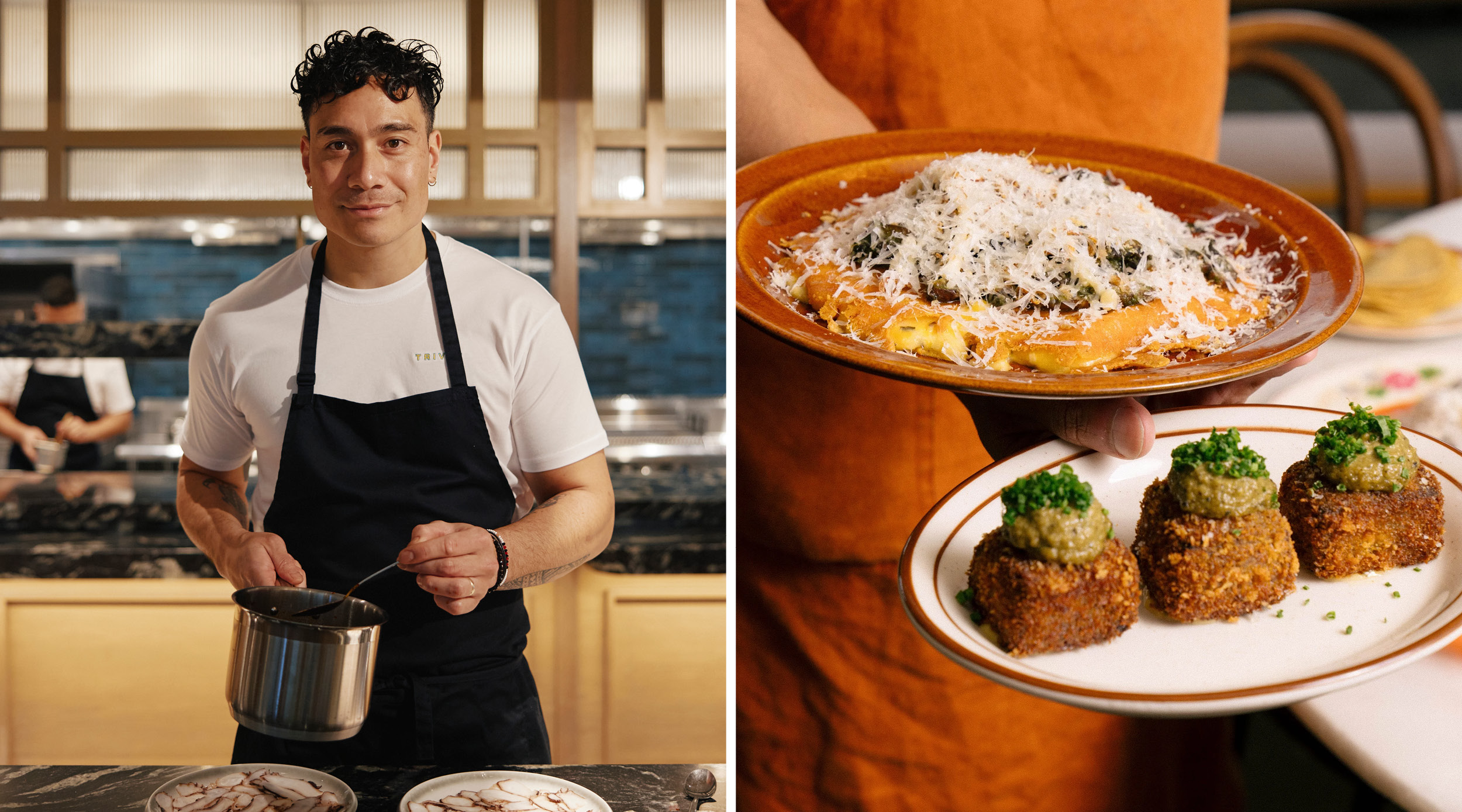
Uelese Mua, known to most simply as Wallace, leads the kitchen at JW Marriott Auckland as Executive Chef, overseeing a large-scale operation where precision, consistency and leadership are non-negotiable. It is a role that sits at the intersection of luxury hospitality and high-performance kitchens, requiring not only technical skill but the ability to orchestrate teams, suppliers and service at a level where little can be left to chance. From hotel dining to events and in-room service, the scope is expansive, demanding a chef who understands both the detail on the plate and the broader mechanics behind it.
Wallace’s path into hospitality was far from preordained. As a teenager, he was introduced to a hotel job organised by his sister, initially working in housekeeping before moving into the kitchen as a dishwasher. At the time, it was simply a way to fund rugby tours. But the kitchen had its own gravitational pull. Under the guidance of working chefs, he began learning knife skills and basic preparation, quickly realising that the environment suited him. What began as a practical job soon revealed itself as something more compelling.
His early career saw him progress through kitchens, including Occidental Belgian Beer Café, where he first found his footing in a professional restaurant environment. A formative period working alongside chef Gavin Doyle at SOUL Bar & Bistro helped refine both his technical ability and work ethic, instilling the discipline required to operate at a high level. Time spent living and working in Marseille further expanded his perspective, immersing him in French culinary culture and sharpening his understanding of flavour, balance and restraint.
Back in New Zealand, roles at FISH Restaurant, Euro and Kingi shaped Wallace’s leadership style, particularly his focus on building strong, supportive kitchen teams. For him, hospitality is as much about people as it is about food. Creating an environment where chefs can learn, grow and perform under pressure remains central to his approach.
What drives Wallace is not only the craft of cooking, but the connection it creates. A well-executed dish is only part of the equation. Behind every service sits a complex network of chefs, suppliers and producers, each playing a role in delivering the final experience. It is a system that demands coordination, resilience and respect for every moving part. Under Wallace’s leadership, that system runs with quiet precision.
After Hours — Uelese (Wallace) Mua
Executive Chef, JW Marriott Auckland
When I do get the chance to step away from the kitchen, I tend to keep things simple. I’m drawn to places where the food is honest, and the atmosphere is relaxed, somewhere you can sit for a few hours, enjoy a good meal and not feel rushed. Spicy House has always been a favourite, and more recently, I’ve been spending time at Gogo Music Café, partly because my son loves watching the chefs cook on the hibachi grills.
After a long day in the kitchen, nothing really beats an ice-cold lager. It’s simple, but it hits the mark every time. And I’ll often make a trip to Murray’s Pies for what I consider some of the best pies in the city.
For atmosphere, I still find myself returning to Occidental Belgian Beer Café. Sitting out on Vulcan Lane has a way of transporting you; it feels a world away from the city. And for something more familiar, Char Grill is often where you’ll find my team and I after a long shift, whether we’re celebrating, commiserating or simply unwinding.
I also love the spirit of Ragtag; it’s the kind of place I could see myself opening. Big enough to have a bit of energy, but intimate enough to stay connected to the food and the people every day.
Lighting has moved well beyond its supporting role and now operates as one of the most decisive elements in how a space is read, shaping atmosphere with the same authority as architecture, while quietly dictating how everything else is experienced.
This was evident in the approach taken by Tom Dixon, who chose to inhabit Mua Mua, a 12-room micro hotel within the historic Mulino Estate originally designed in 1929 by Chiodi and Gio Ponti, using it not simply as a backdrop but as a fully realised environment in which his collections could exist as part of daily life rather than isolated in a display. Each room revealed a different layer of the collection, where Flare pendants in borosilicate glass introduced a soft, diffused glow against reflective metallic finishes, while Whirl Copper brought a sense of movement through its spiralling geometry, and the Bell Portable, finished in high-gloss burgundy, demonstrated a more refined control of light through improved dimming and adjustable temperature, all of which contributed to a setting that felt lived in rather than staged.
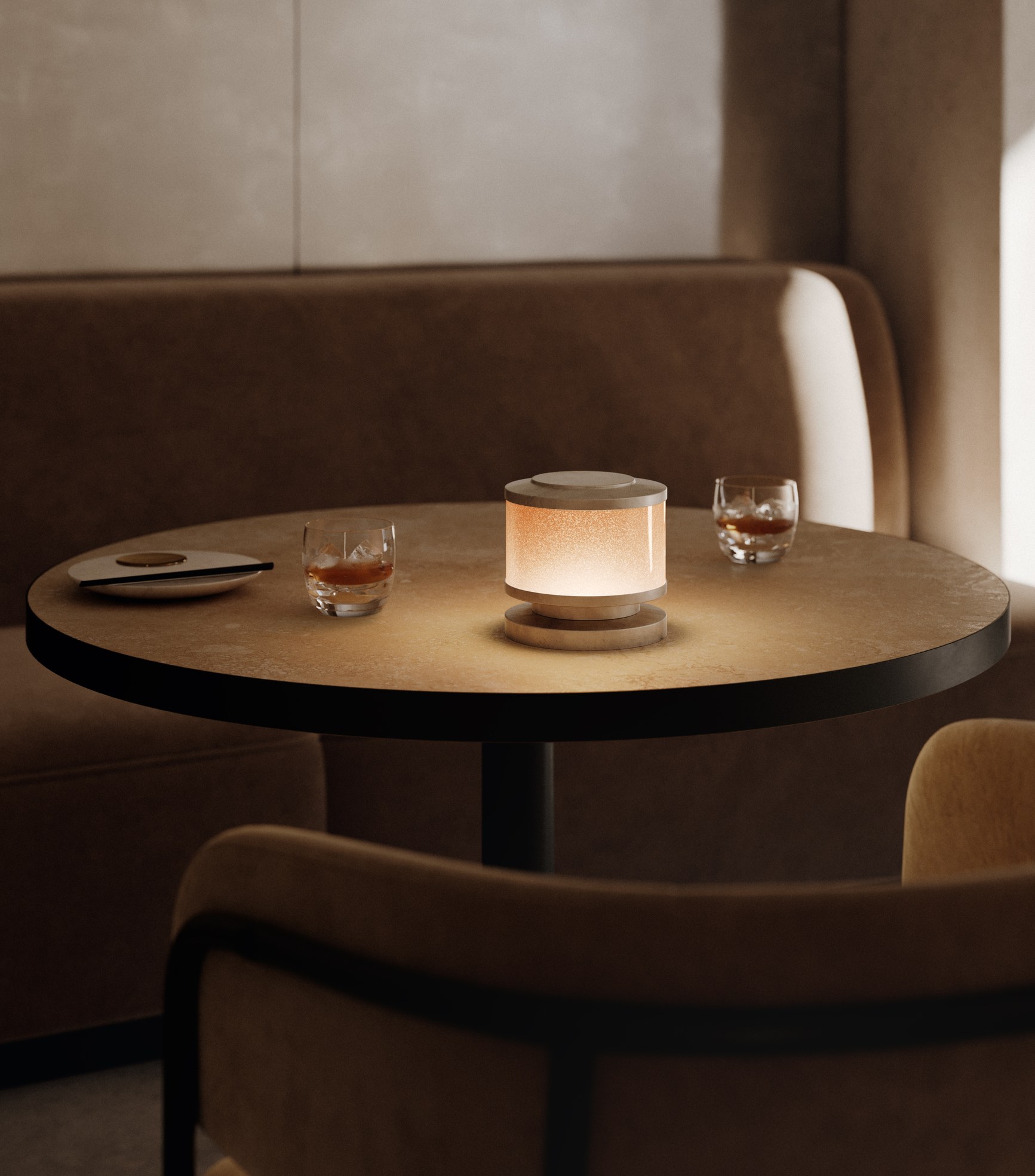
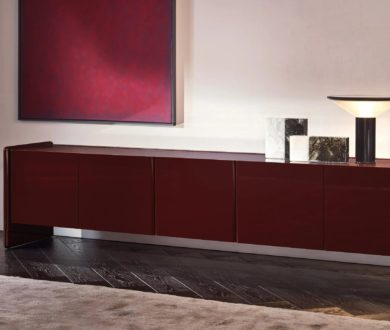
Stylos table lamp by VeniceM, available locally from Dawson & Co.
Within the Durini Design District, VeniceM approached lighting from a more material perspective, presenting “Unseen Stylos” as a study in form and composition, where cylindrical diffusers in satin antique blown glass, rendered in white, caramel, and soft pink, are combined with turned metal inserts to create a sequence that unfolds gradually across ceiling, wall, and floor applications. The effect is less about singular objects and more about continuity, with light diffused in a way that feels considered and quietly atmospheric, grounded in the traditions of Murano craftsmanship while pushing toward something more contemporary.
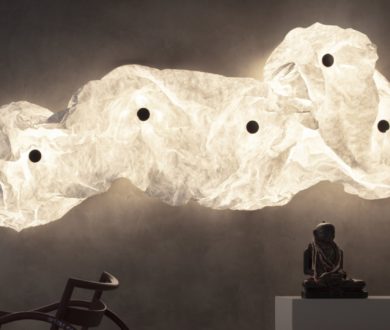
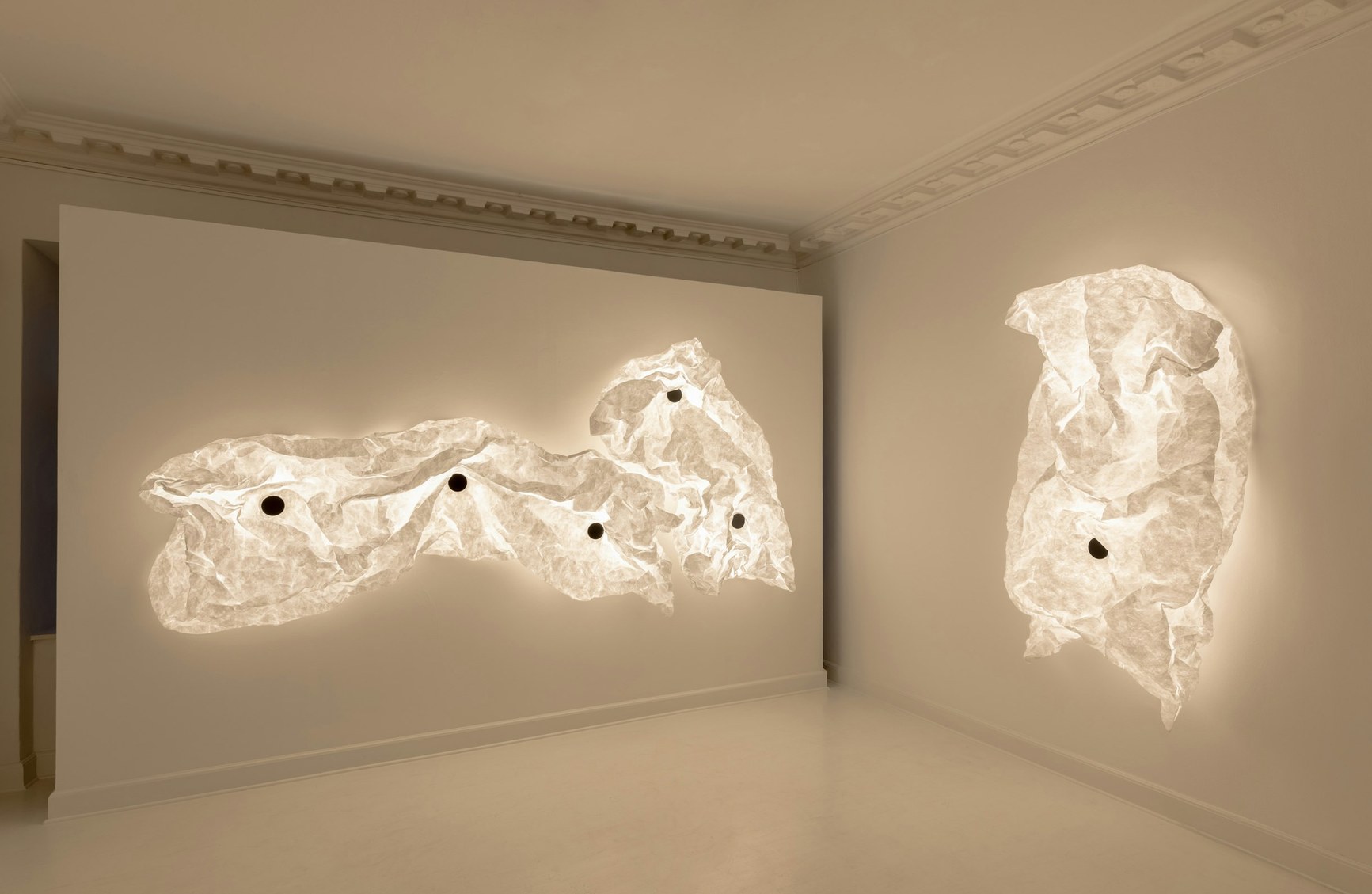
A more tactile and experimental direction emerged through Flos, which presented its collaboration with Erwan Bouroullec in the form of the Maap wall lamp, a sculptural, mouldable piece that invites direct interaction, allowing the form to be shaped by hand rather than fixed in place. The surface responds to touch, bending and shifting to create a light that feels less like a static object and more like a material intervention, reinforcing the idea that lighting can be as responsive and expressive as the environments it inhabits.
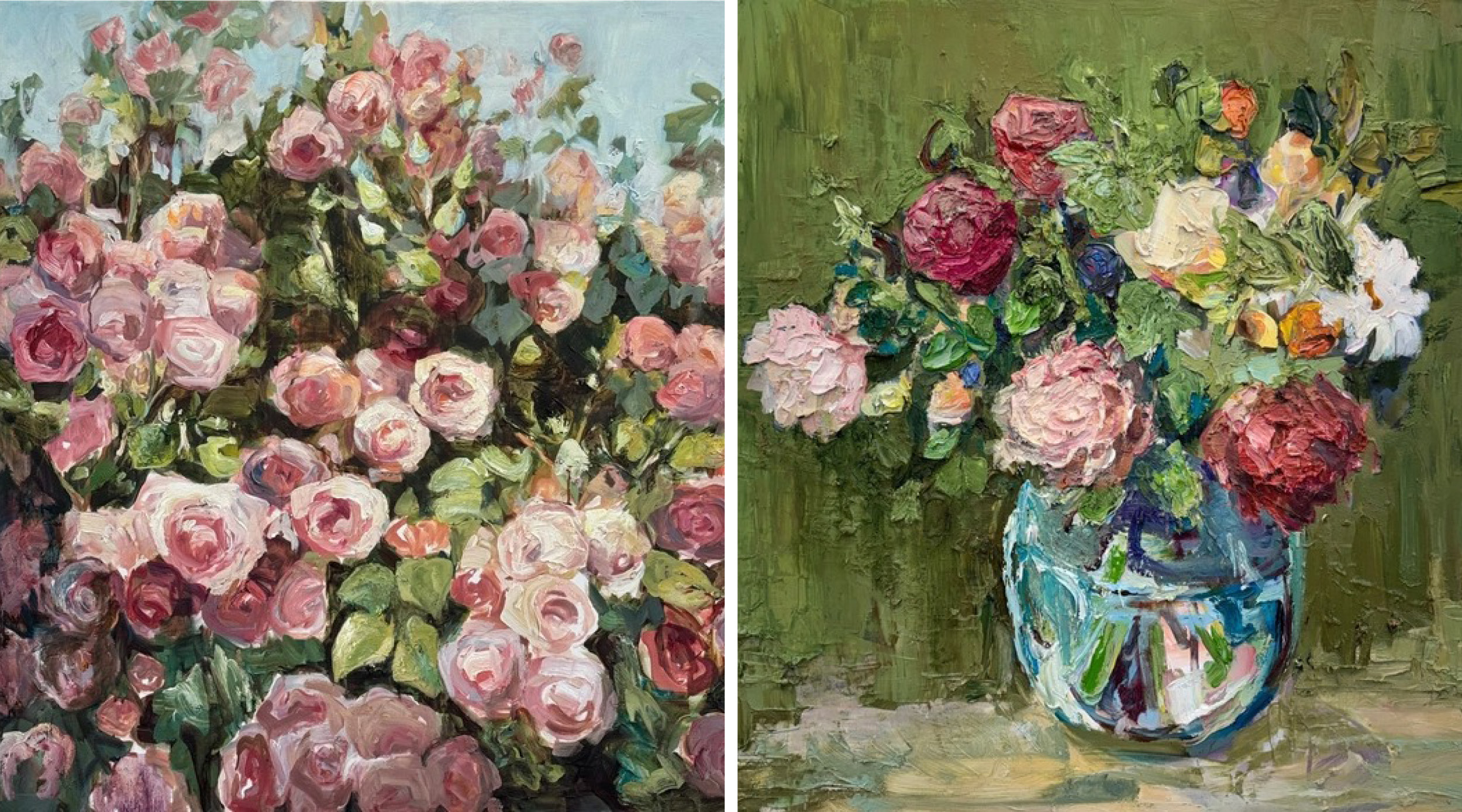
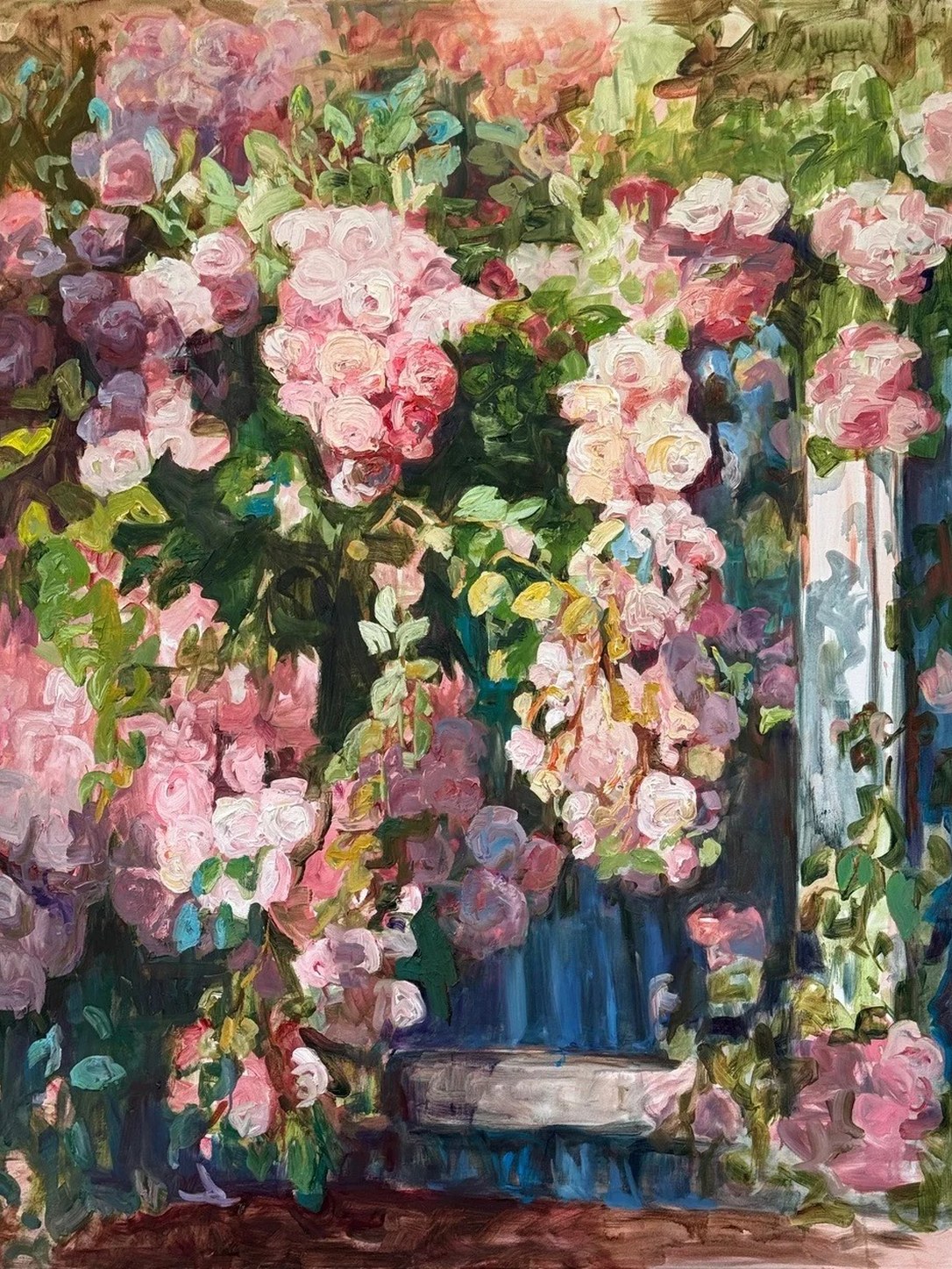
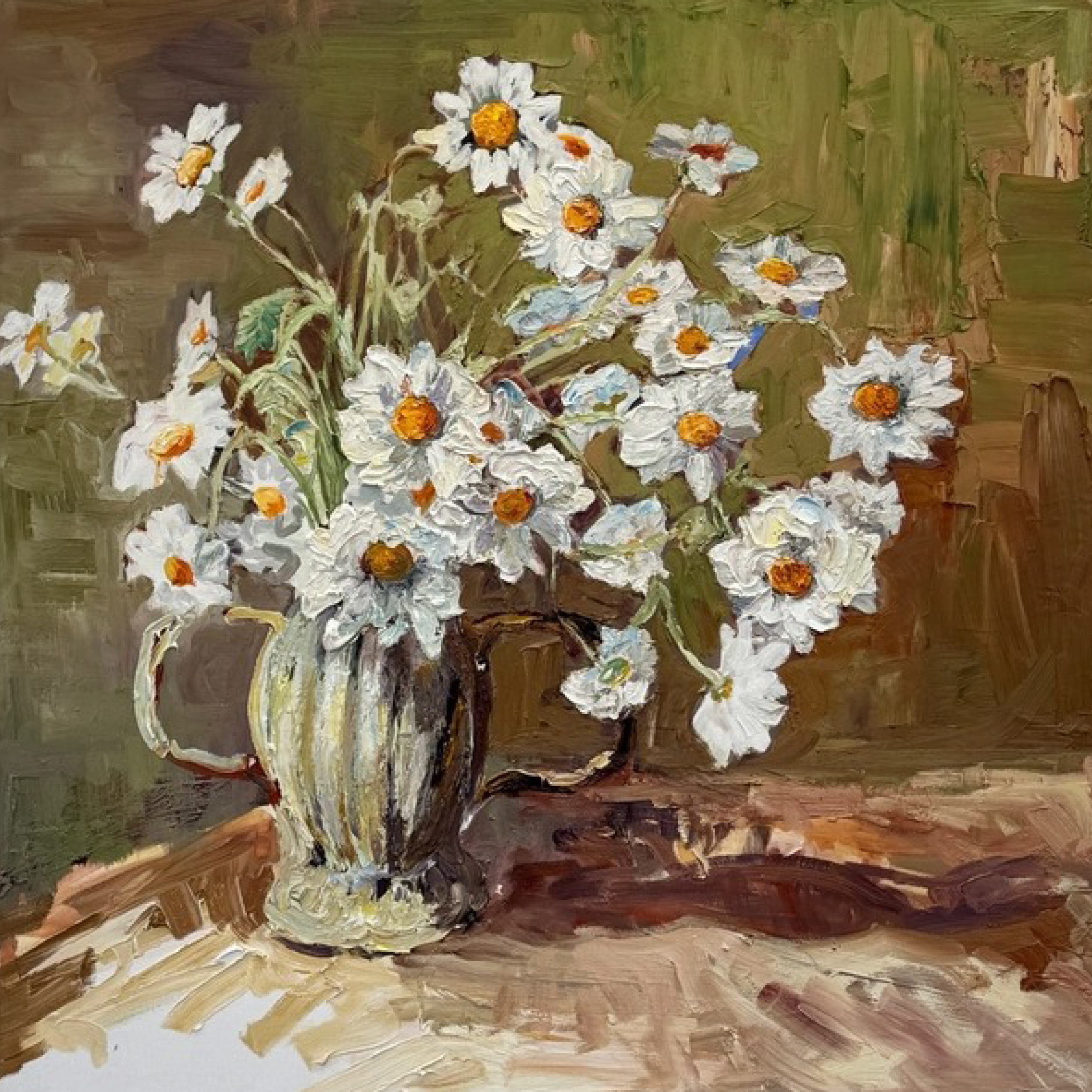
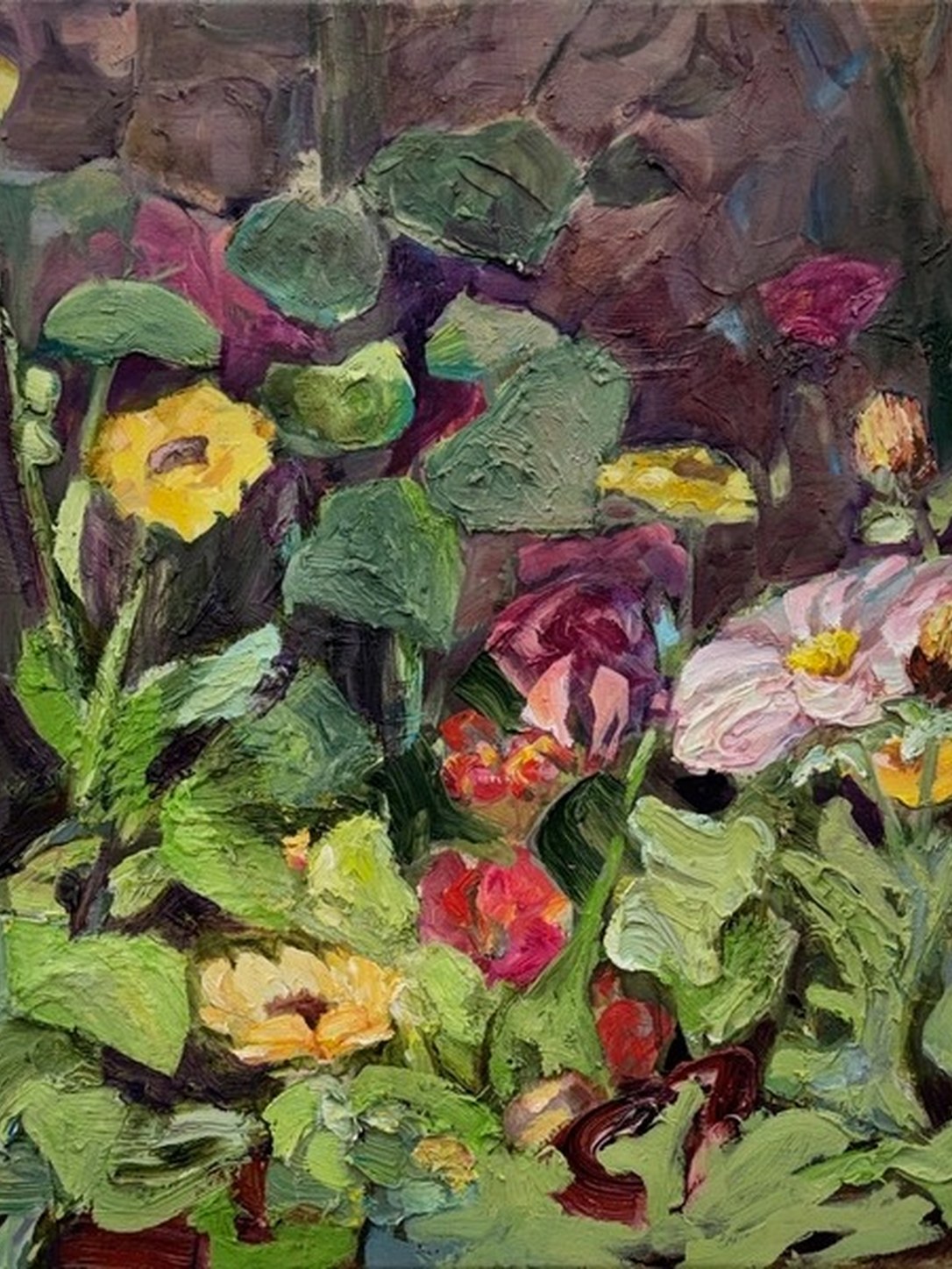
As winter settles across much of the country, Sanderson’s latest exhibition offers a timely reminder of the restorative power of nature. Opening this week, Labour of Love presents a new body of work by Wanaka-based painter Katherine Throne, whose richly textured canvases draw directly from the flourishing garden that surrounds her Otago studio.
Bursting with colour, movement and painterly energy, the exhibition explores the relationship between cultivation and creation, with Throne finding equal inspiration in the hours spent tending her garden as she does in the time spent at her easel. The resulting works feel deeply personal, reflecting a practice shaped by patience, persistence and an enduring fascination with the natural world.
Central to the exhibition is the concept of biophilia, a theory that suggests humans possess an innate desire to connect with nature. For Throne, that connection is evident in every brushstroke. Whether capturing abundant still-life arrangements or intimate glimpses of blooms gathered from her picking garden, the artist translates the rhythms of the seasons into compositions that feel both immediate and immersive.
What distinguishes these works is their remarkable physicality. Thick passages of oil paint sit alongside flatter, more delicate marks, creating surfaces that are almost sculptural in quality. Colour is applied generously, texture becomes part of the subject itself, and each canvas retains a vivid sense of the artist’s hand, lending the collection a vitality that mirrors the unruly beauty of the garden from which it emerged.
Running from 24th June until 19th July, Labour of Love is a celebration of observation, effort and the quiet rewards that come from nurturing something over time. At a moment when much of the garden lies dormant, Throne’s paintings offer a vibrant reminder that growth continues, even beneath the surface.
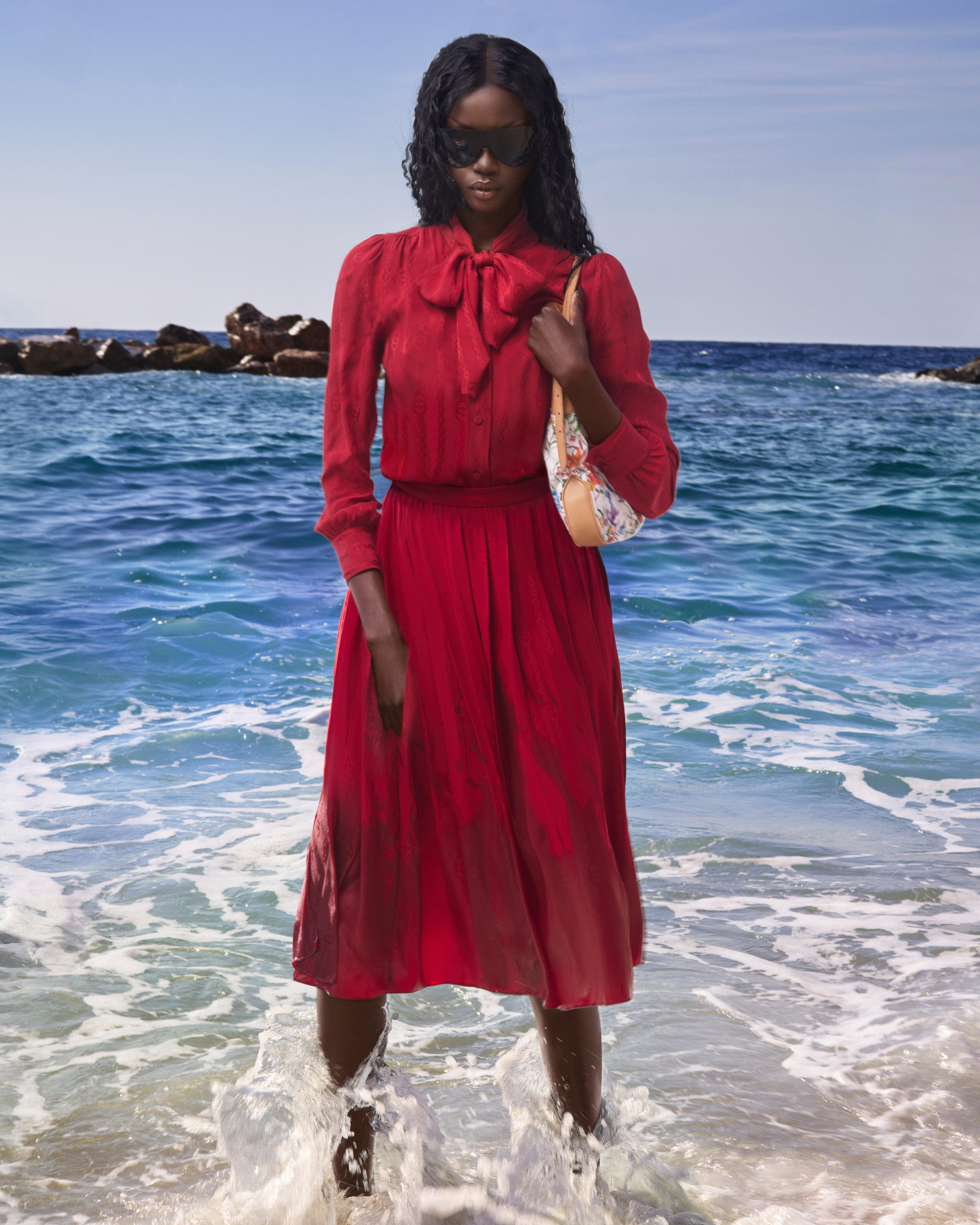
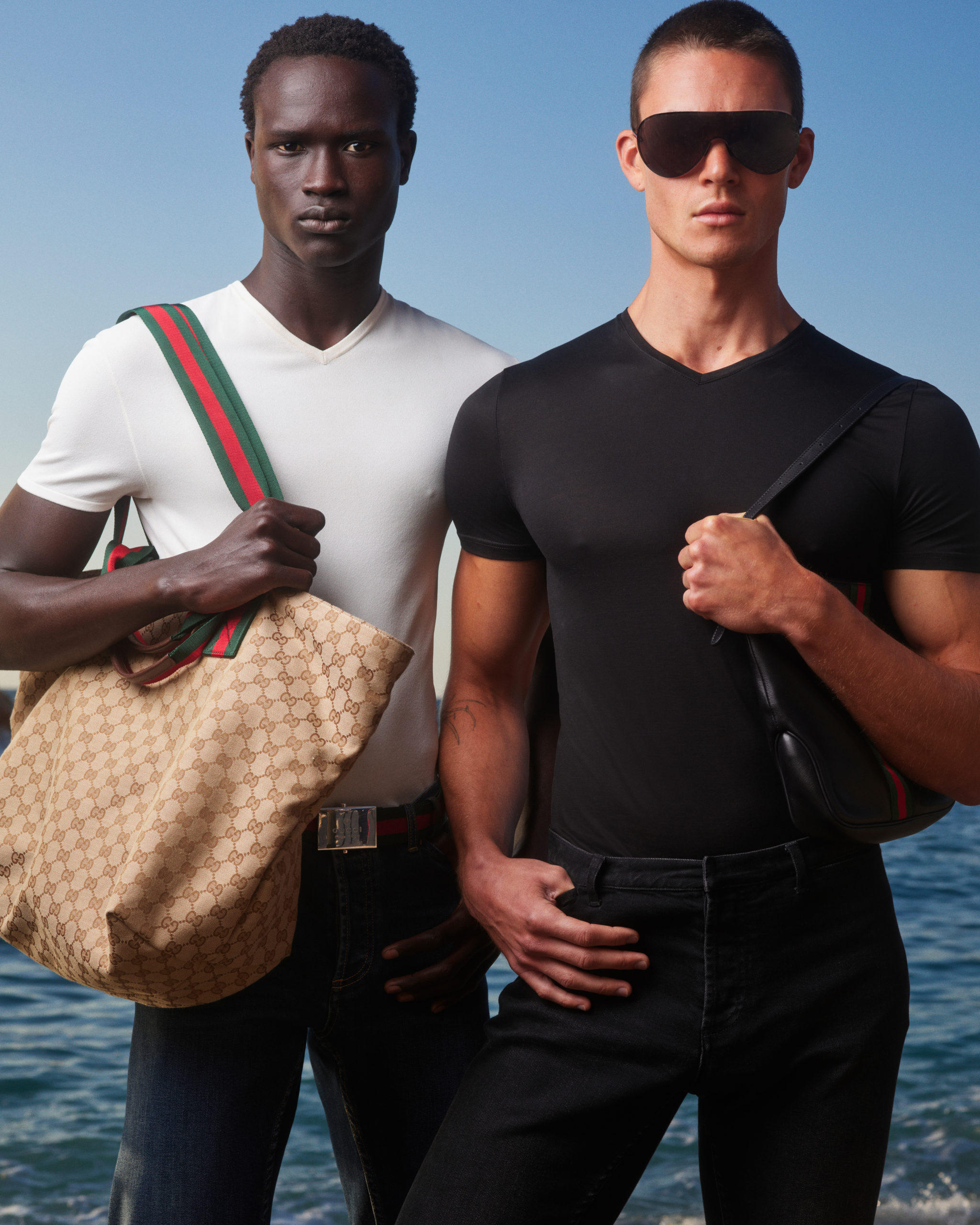
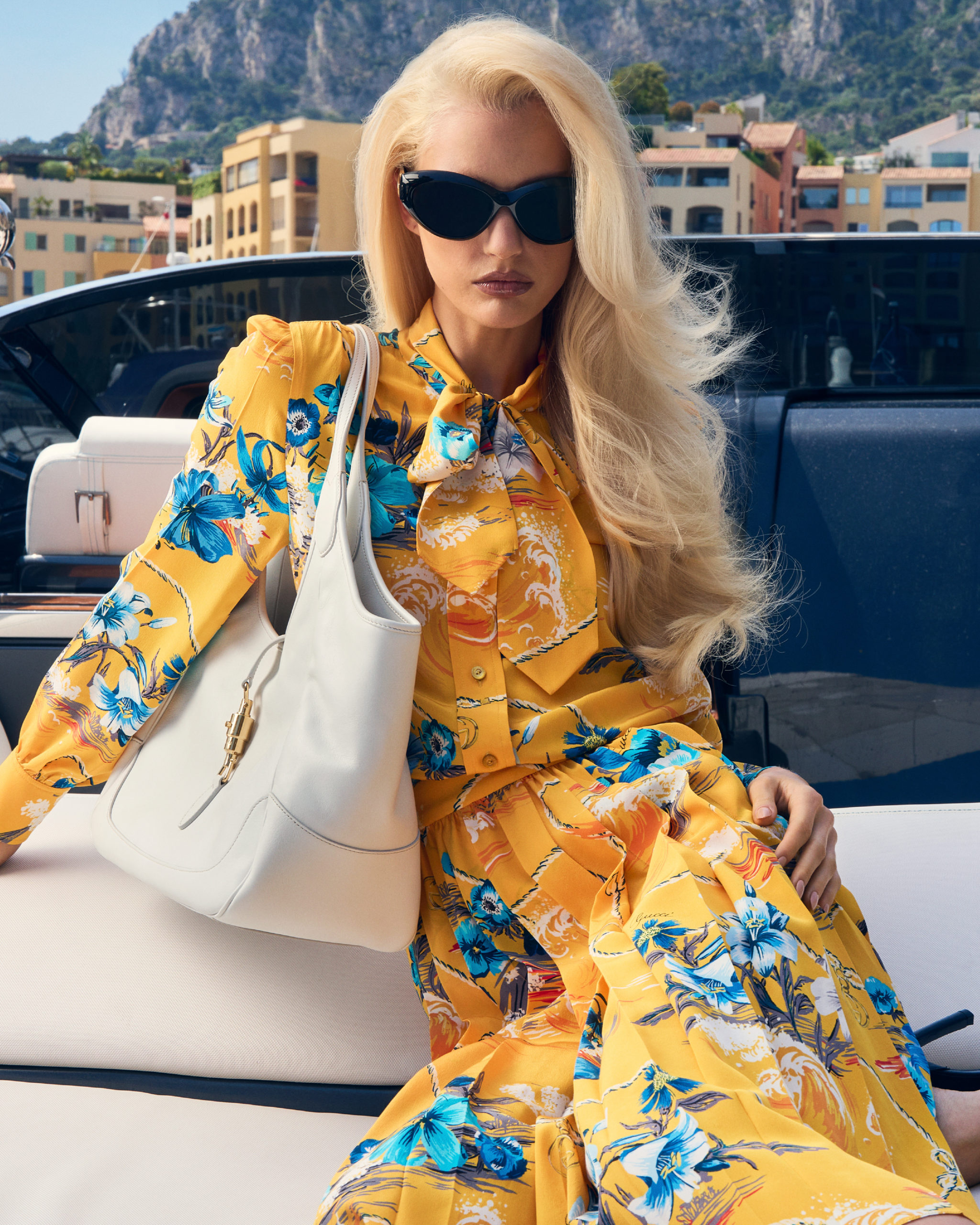
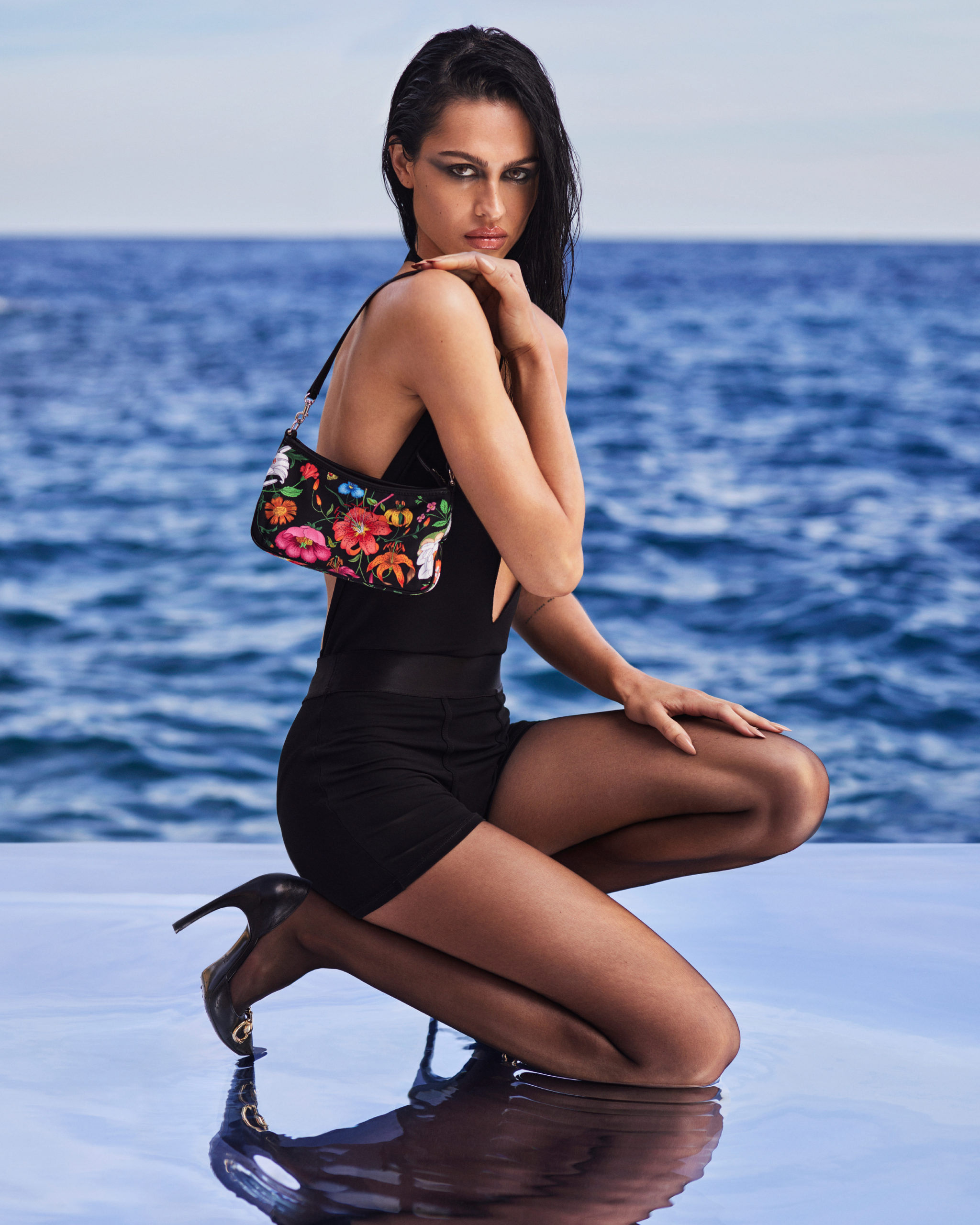
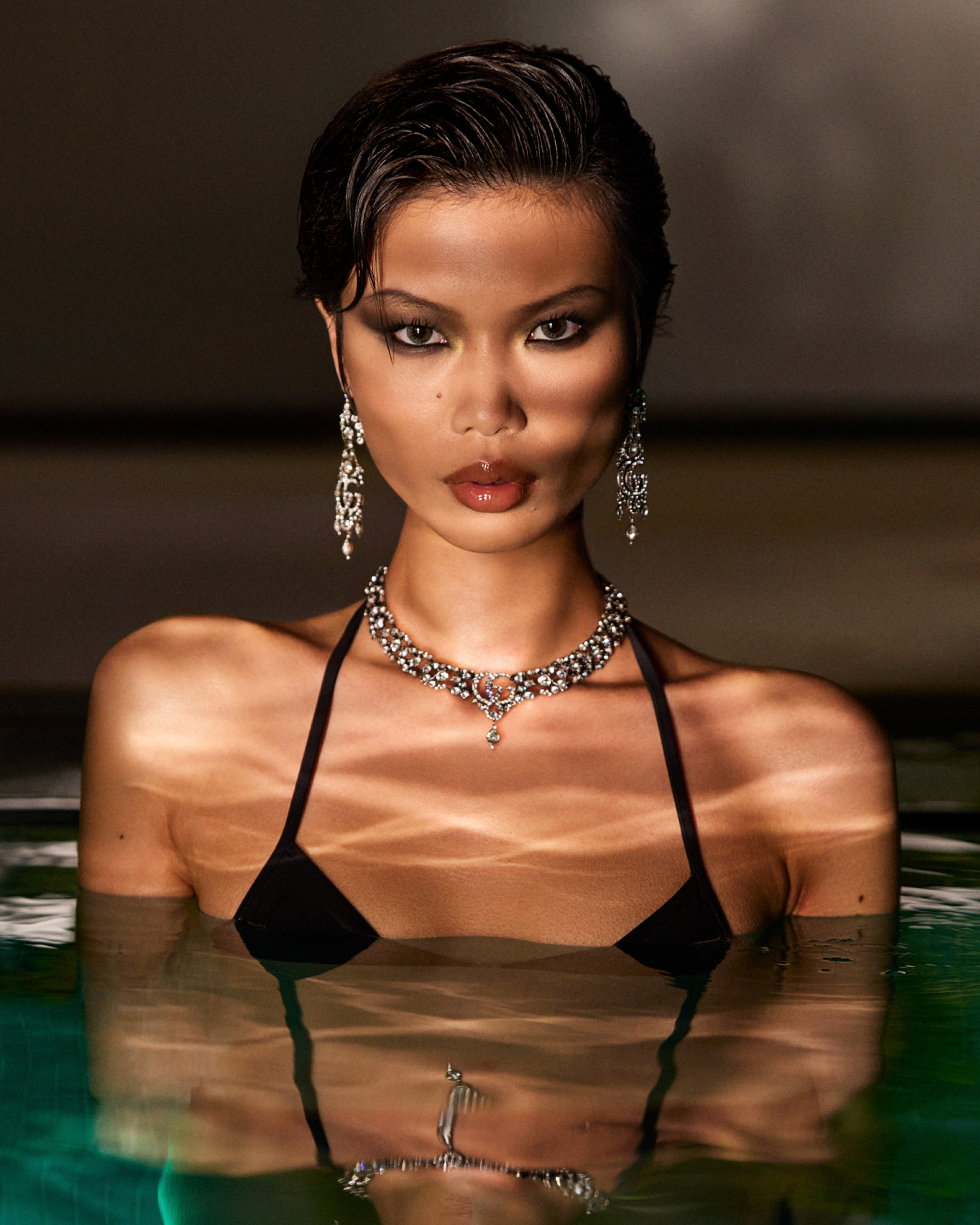
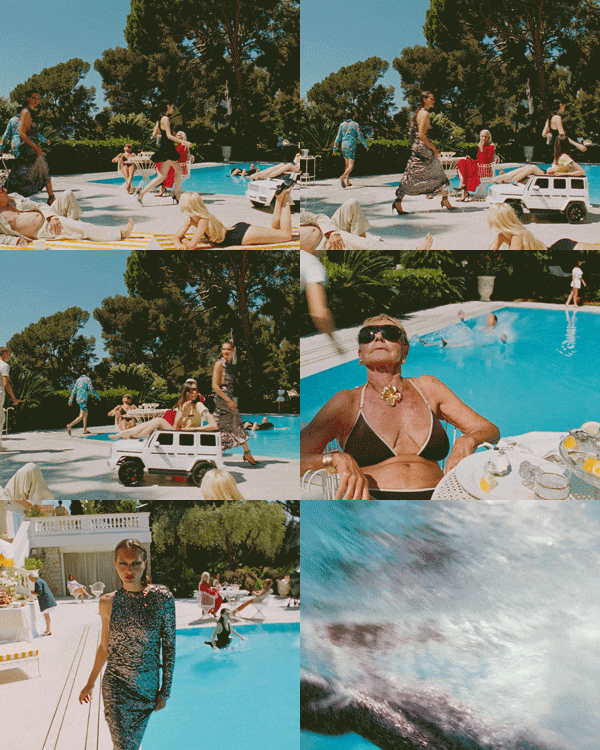
Monte Carlo provides the backdrop for Gucci’s latest campaign, although backdrop feels too passive a description for a place whose influence has shaped the visual language of luxury for generations, where grand hotels overlook the Mediterranean, polished teak decks line the harbour, and an unmistakable sense of anticipation lingers in the air long after the yachts have departed the marina. Captured through a series of sunlit moments that move between pools, open water and the city’s celebrated coastline, the campaign follows Tian Xi Wei, Amelia Gray, Anok Yai, Elisabetta Dessy, Emma Koch, Kayako Higuchi, Felix Friedman, Ibrahima Kane and Samuel Watson as they navigate a season defined by movement, spontaneity and the pleasure of remaining open to possibility.
Rather than constructing a fixed narrative, Gucci embraces the appeal of uncertainty, allowing each image to suggest a destination yet to be reached, a reservation yet to be confirmed or an afternoon that unfolds according to instinct rather than schedule, creating a mood that feels entirely aligned with Monaco’s enduring reputation as one of fashion’s most captivating summer enclaves. The city has long attracted designers, photographers, actors and aristocrats who recognised its unique ability to balance refinement with ease, and that atmosphere remains central to the campaign’s appeal, infusing every frame with a sense of freedom that feels both contemporary and unmistakably glamorous.
The collection moves confidently through these changing settings, with womenswear balancing structured tailoring against fluid silhouettes animated by the House’s Flora motif, while menswear introduces relaxed separates and versatile denim designed for days that begin beside the water and continue well after sunset. There is a natural practicality to the wardrobe, although every piece remains grounded in the polished sophistication that has defined Gucci throughout its modern evolution.
Accessories assume a particularly important role within the campaign, accompanying their wearers through each chapter of the journey while reinforcing the collection’s emphasis on versatility and elegance. The Gucci Jackie, Venice and Gossip handbags appear as essential companions for summer travel, while the Mercato in white leather, alongside GG Monogram duffles and totes, reflects the enduring appeal of beautifully crafted luggage designed for both function and style. The Gucci Madison and Melrose shoulder bags continue that conversation, their compact proportions and signature monogram construction allowing them to transition effortlessly between daytime engagements and evening occasions.
At the heart of the campaign sits Flora, a motif whose significance extends far beyond decoration and whose story remains deeply connected to Monaco itself. This year marks sixty years since Vittorio Accornero created the original Flora design at the request of Rodolfo Gucci for Princess Grace of Monaco, producing a composition of extraordinary complexity that featured 37 colours arranged within a richly detailed botanical illustration first presented as a silk scarf. Few designs have maintained such enduring relevance across six decades, yet Flora continues to resonate because its artistry transcends seasonal trends, carrying with it a sense of beauty that remains as compelling today as it was upon its introduction.
That connection to Princess Grace lends particular resonance to a campaign set within Monaco, where her influence continues to shape the city’s cultural identity and where fashion remains intertwined with the glamour that has distinguished the principality throughout the twentieth and twenty-first centuries. Gucci’s decision to return to this setting feels especially considered at a moment when heritage carries greatest value when presented through a contemporary lens, allowing historical references to enrich the narrative without overwhelming it.
As the collection arrives online, in Gucci boutiques worldwide and across the House’s resort destinations in Forte dei Marmi, Porto Cervo, Capri, Ibiza, Mykonos, Formentera, Saint-Tropez and Cannes, the campaign captures a version of summer defined by curiosity, elegance and the promise of discovery, with Monaco providing the perfect stage for a story that remains perpetually in motion.
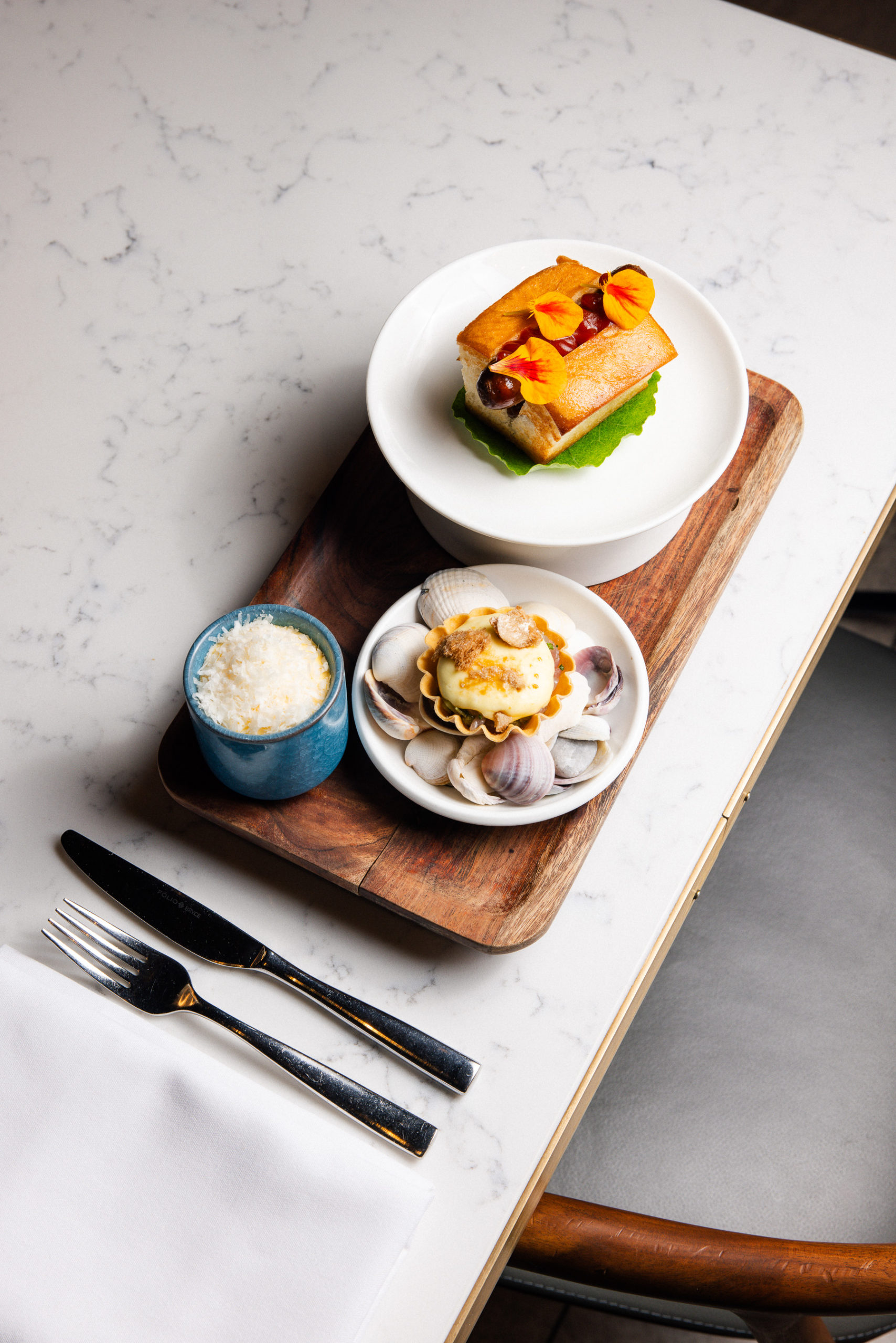
Each winter, SkyCity’s DELISH campaign returns with the kind of dining programme that shifts Auckland’s attention firmly towards the table, and this year’s edition feels particularly considered, drawing together a series of chef-led menus and nostalgic dishes that place memory, comfort and familiarity at the centre of the experience rather than spectacle alone.
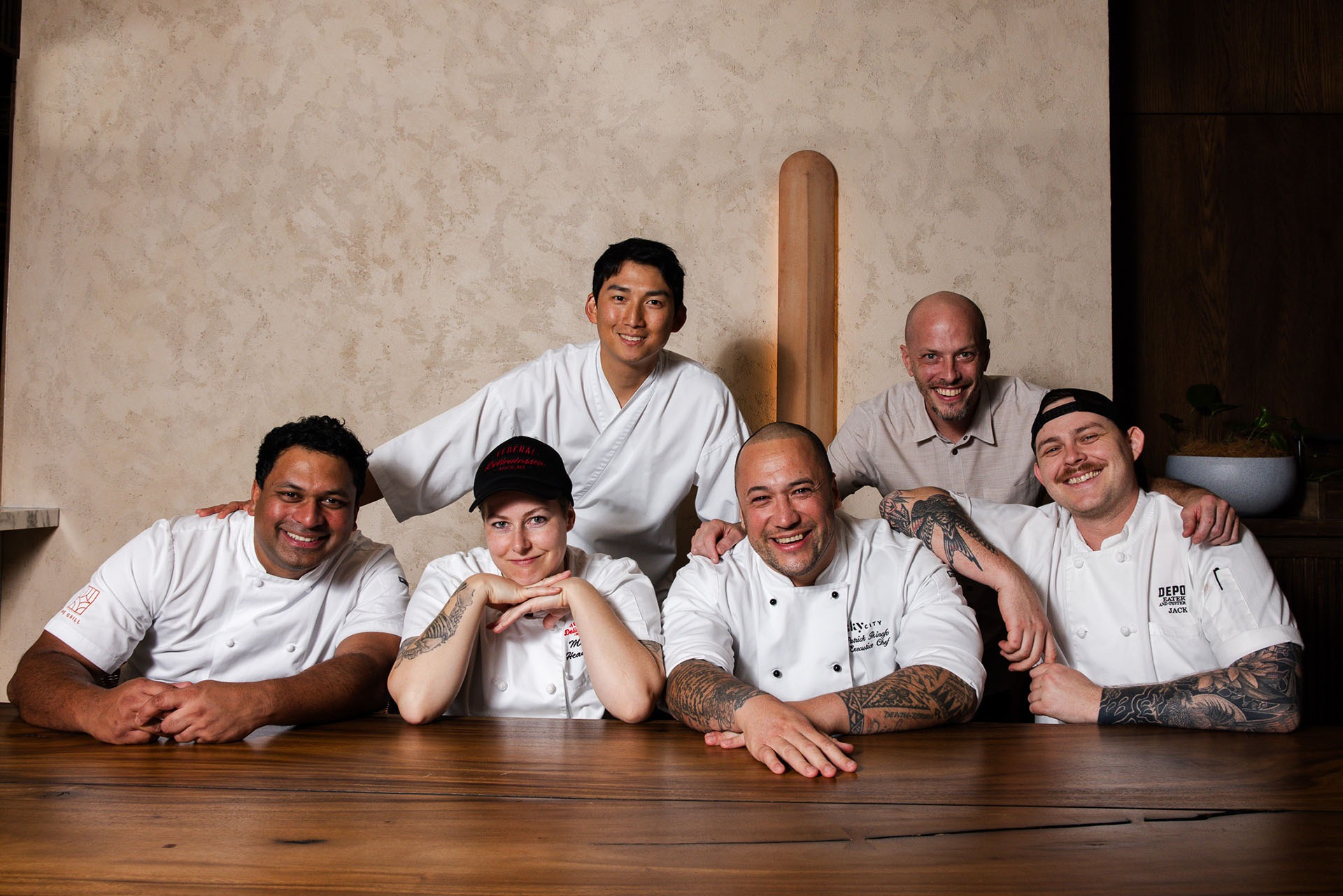
left to right: Lesley Chandra, Megan Cruickshank, Jun Bae, Patrick Ikinofo, Tommy Hope, Jack Stott
Running from 26th May until 31st July across SkyCity’s signature restaurants, DELISH 2026 revolves around the idea that the most memorable dishes are rarely the most elaborate, but rather the plates that become embedded within personal histories, revisited repeatedly and remembered long after the meal itself has finished. It is this sentiment that shapes A Chef’s Story: Plates That Shape The Table, where chefs across Depot, MASU, Metita, Fed Deli and The Grill revisit the kinds of dishes that defined their own relationship with food, reworking them through the lens of their respective kitchens.
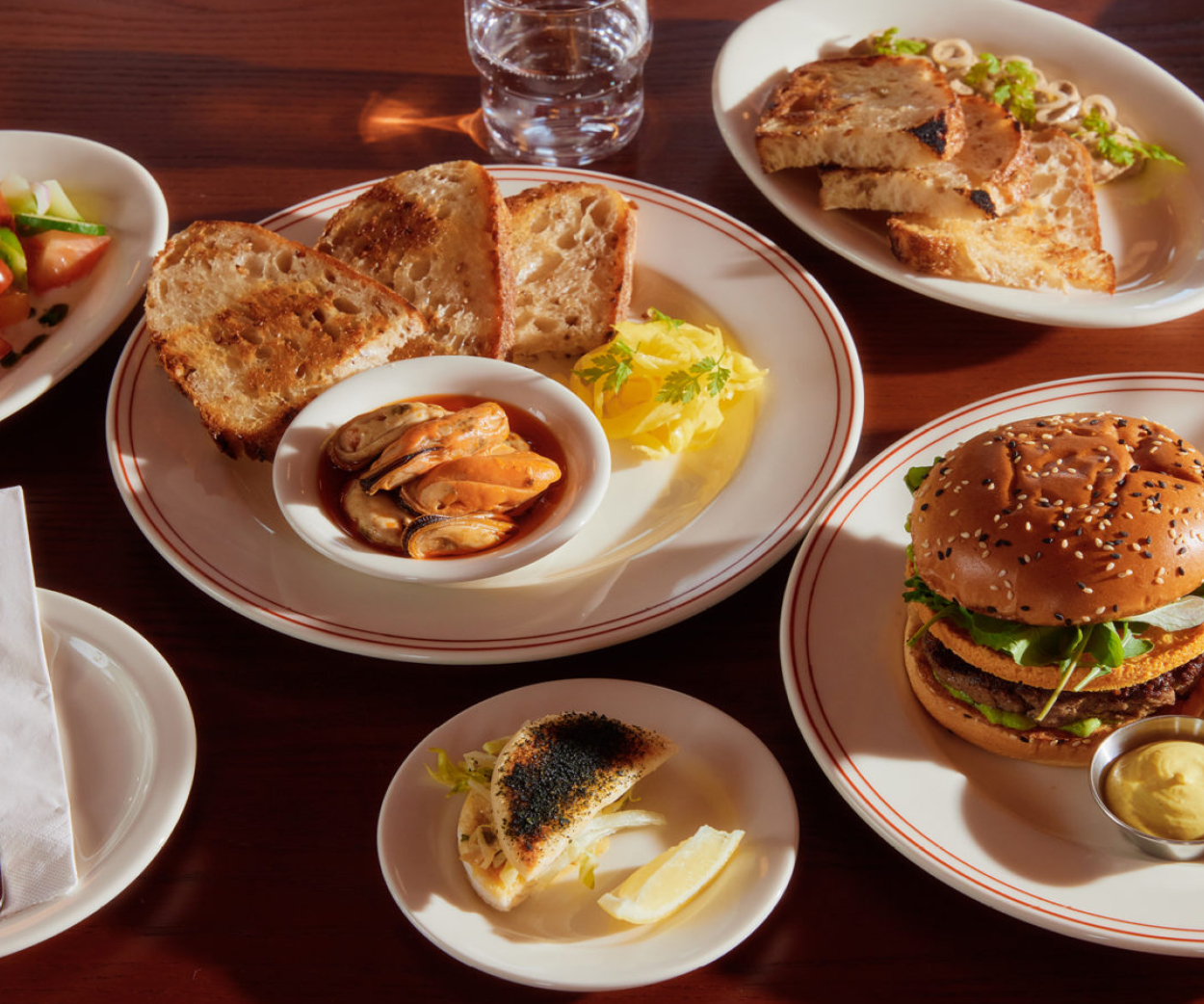
The Grill’s Childhood Bites: steak & cheese pie, Bunnings snag
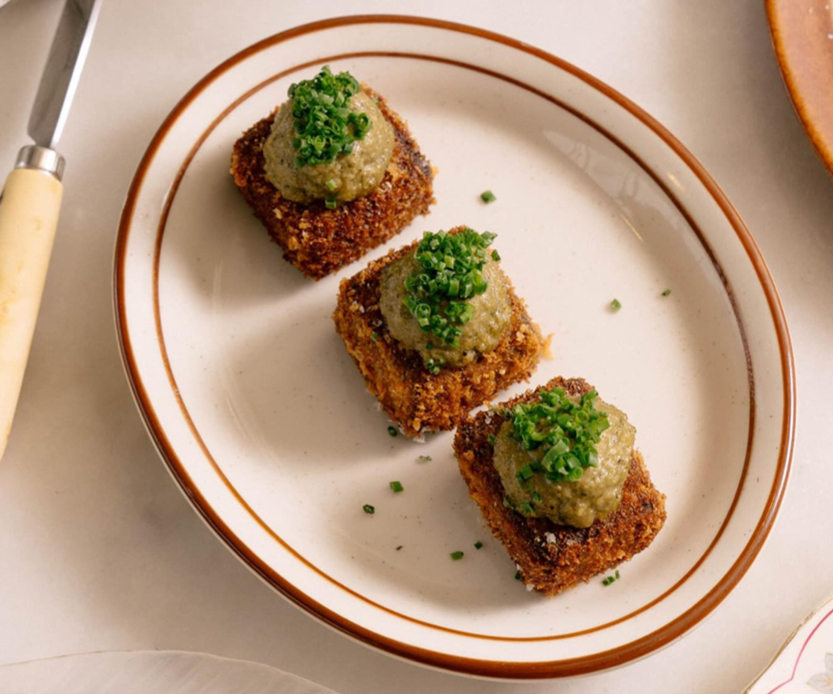
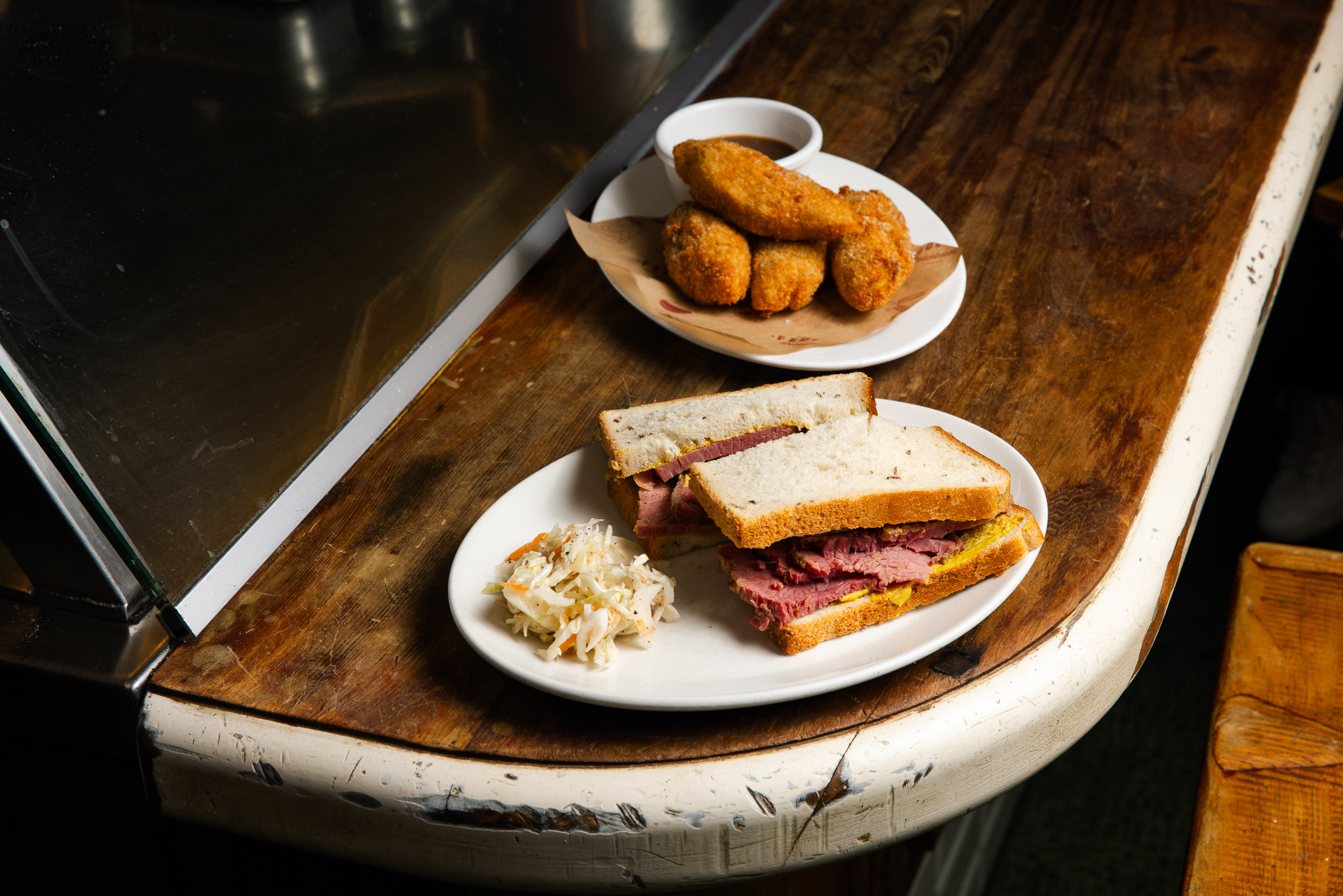
Fed Deli’s Potato Croquettes: smoked cheddar, mozzarella and onion croquets with chipotle mayo and house gravy
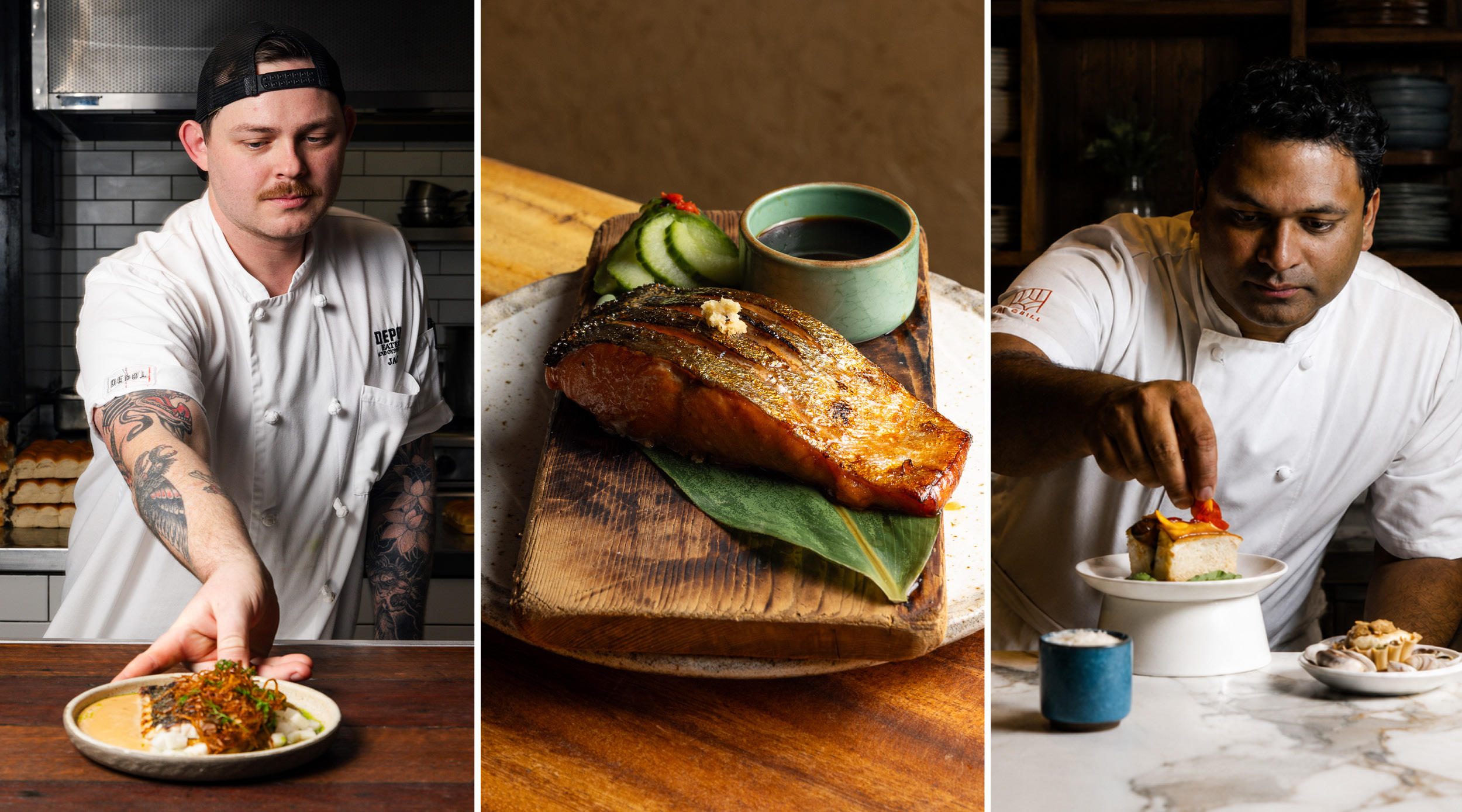
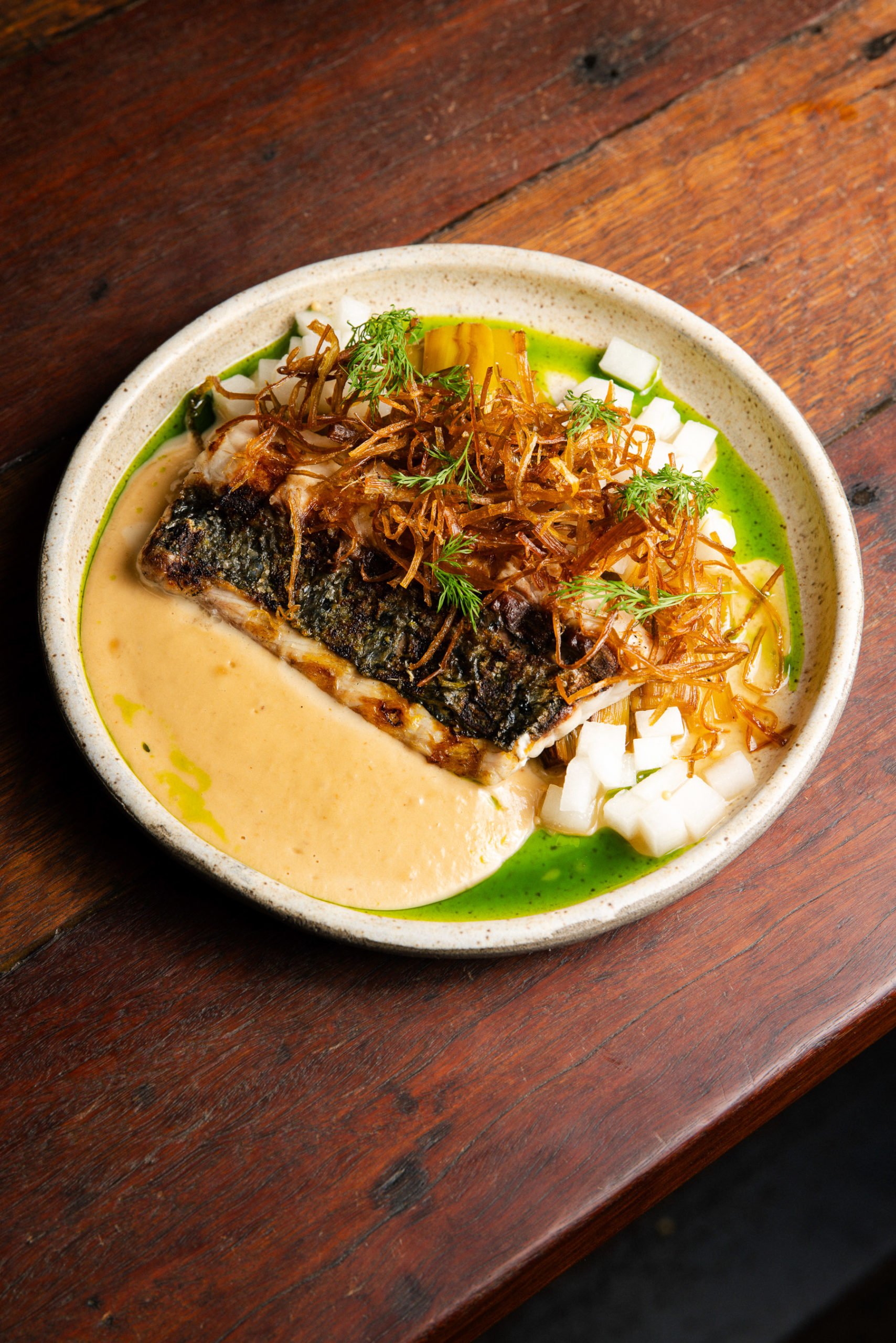
At Depot Eatery & Oyster Bar, Jack Stott turns to grilled kahawai with braised leeks, pickled daikon and miso coconut sauce, while Fed Deli’s Megan Cruickshank revisits the comfort of the classic deli counter through smoked cheddar, mozzarella and onion croquettes served with chipotle mayo and house gravy, alongside her take on the corned beef sandwich. Over at The Grill, Lesley Chandra reimagines classic childhood staples, from steak and cheese pie to fish and chips and the unmistakable Bunnings sausage, approached with the refinement expected of the restaurant without losing the humour or familiarity that makes the dishes so recognisable.
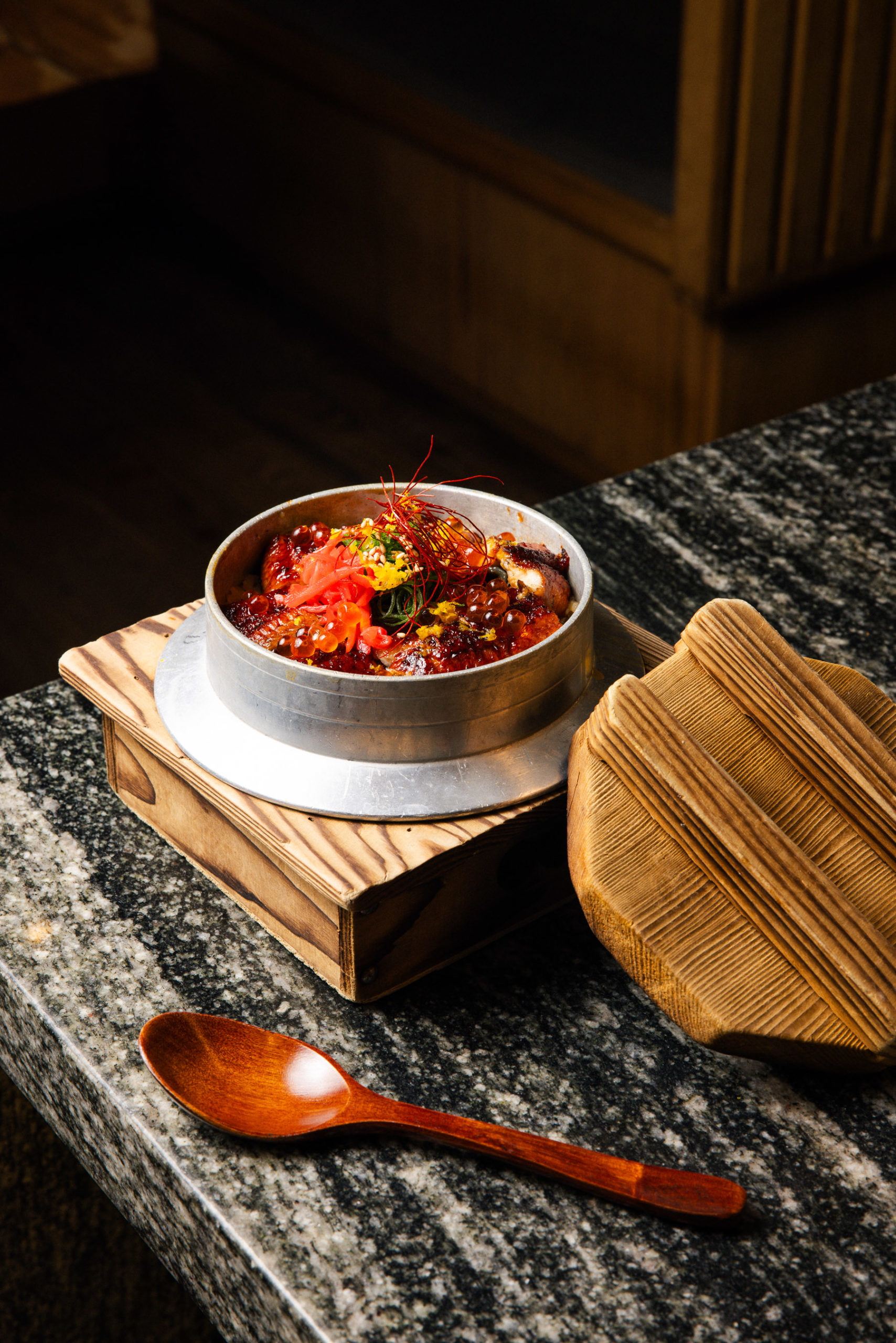
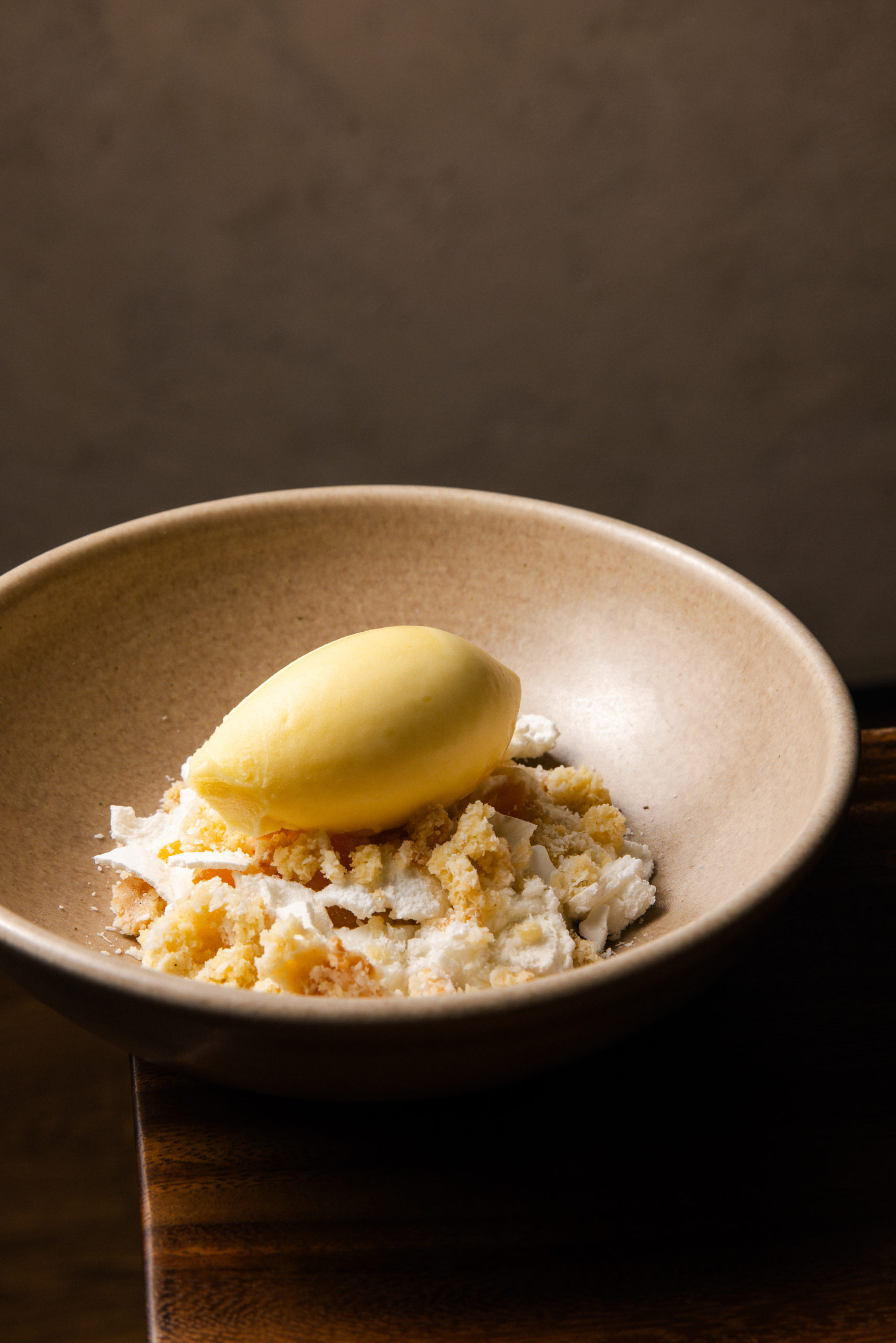
Elsewhere, MASU by Nic Watt’s Jun Bae presents an elegant unagi no kamameshi featuring tare-marinated eel, NZ yuzu and Mt Cook salmon ikura, while Metita chef Tommy Hope closes the experience with Pudini Niu, a coconut rice pudding layered with mango and kalamansi sorbet that feels distinctly rooted within Pasifika flavour traditions.
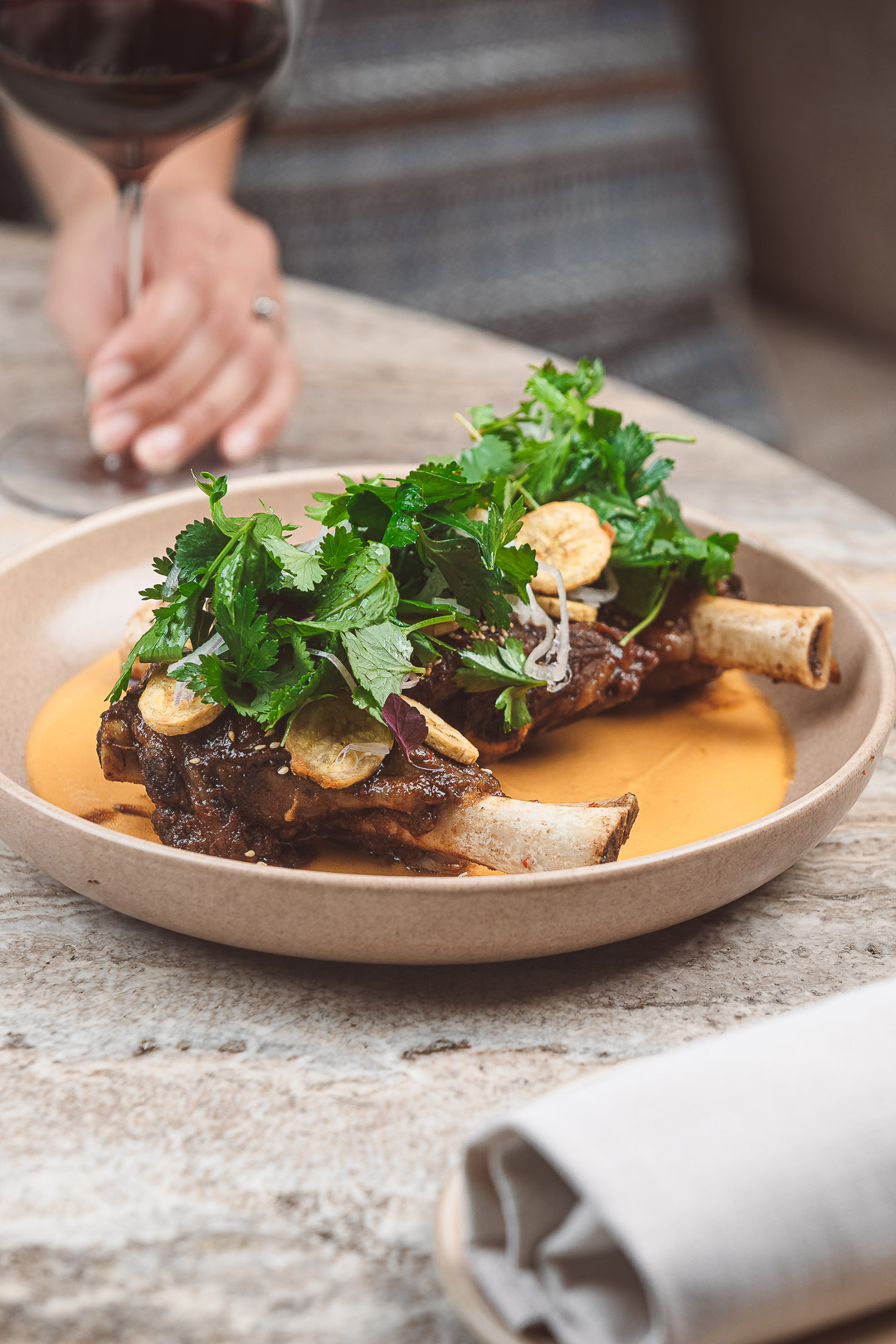
Metita’s slow-braised lamb shanks
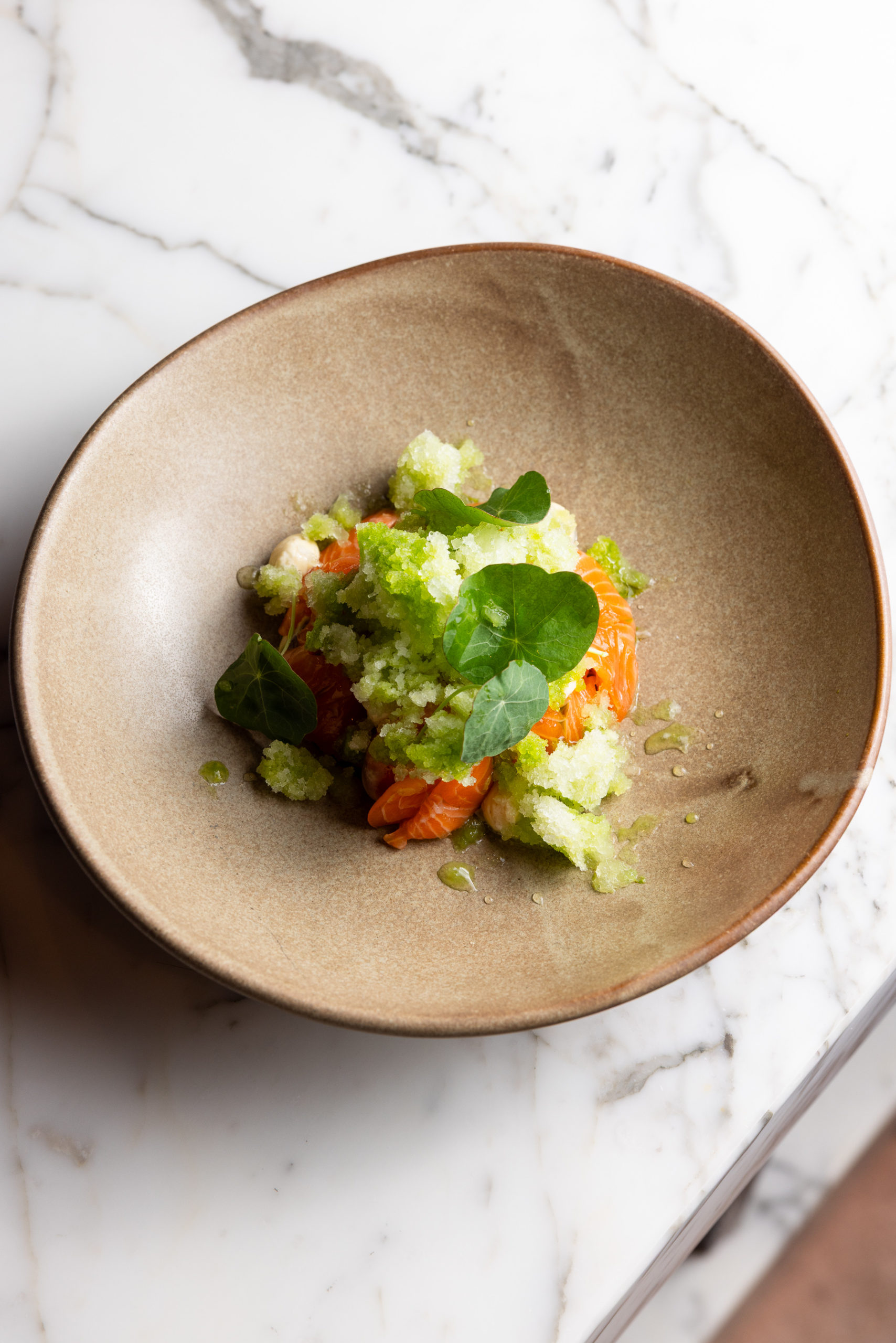
The Grill’s Mt Cook salmon with mandarin granita
Alongside the individual dishes, DELISH also introduces a series of seasonal set menus designed to showcase each restaurant more expansively, from MASU’s Shomi Menu, which moves through chirashi nori tacos, robata grilled beef fillet and king salmon, to The Grill’s winter menu of Mt Cook salmon with mandarin granita and slow-cooked beef cheek with black garlic. At Metita, a three-course sharing menu centred around Pacific flavours, spanning natural oysters, oka, braised lamb shanks and steamed snapper, offers one of the strongest reasons yet to settle in for a long midweek dinner.
MASU Shomi Menu — $108pp, available daily from 5pm The Grill Seasonal Menu — $85pp, available daily from 5pm Metita Seasonal Sharing Menu — available Tuesday–Thursday, 5–6pm
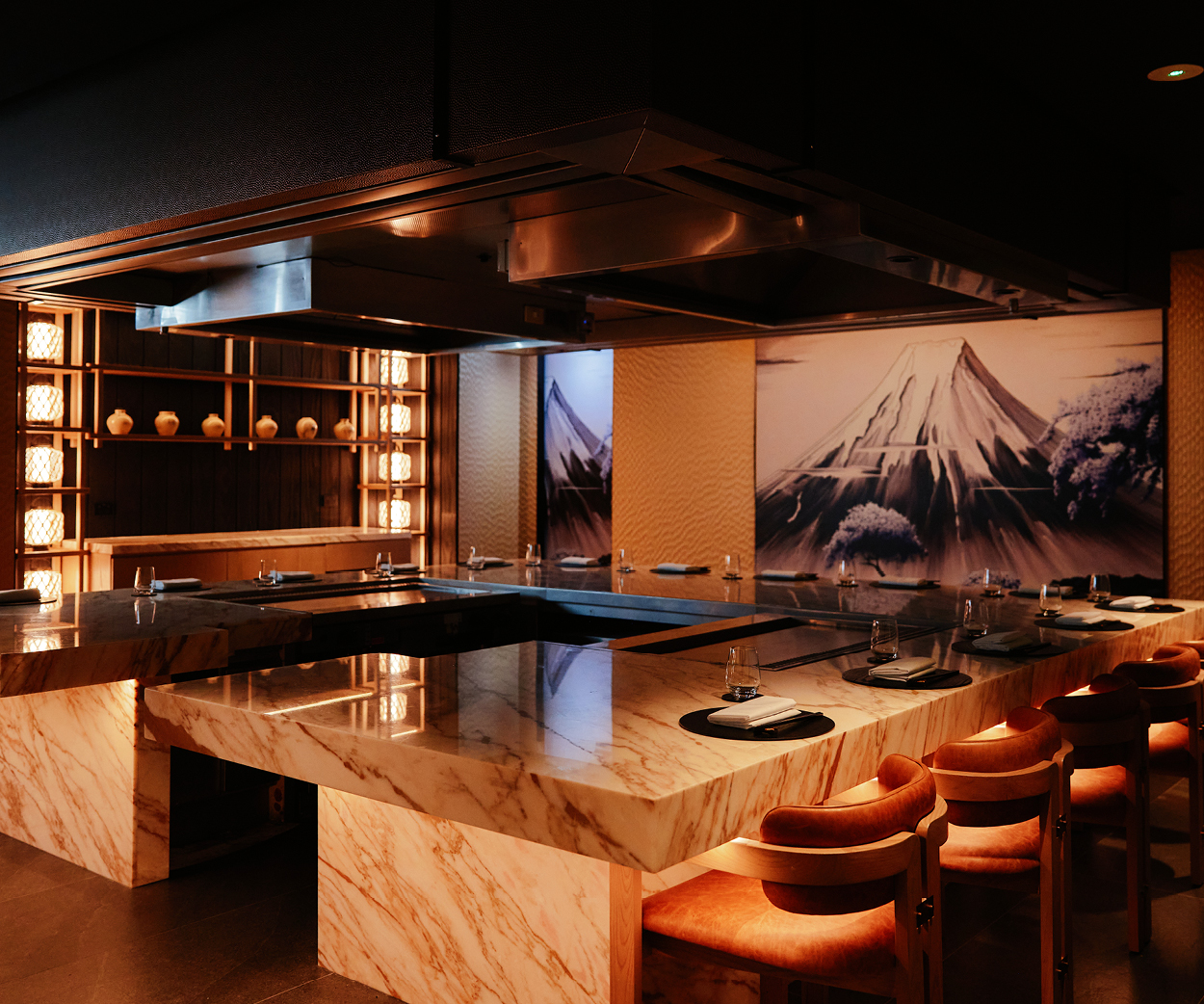
Beyond the set menus, DELISH also sees the return of MASU’s popular Counter Dining Series across four Thursdays in June, where guests are seated directly at the robata counter for an immersive five-course dinner hosted by Nic Watt himself. Long considered one of the campaign’s standout experiences, the evening brings together fire, precision and theatre in a way that feels uniquely suited to MASU’s open kitchen energy. The Counter Dining Series runs 4th, 11th, 18th and 25th June, priced at $138pp.
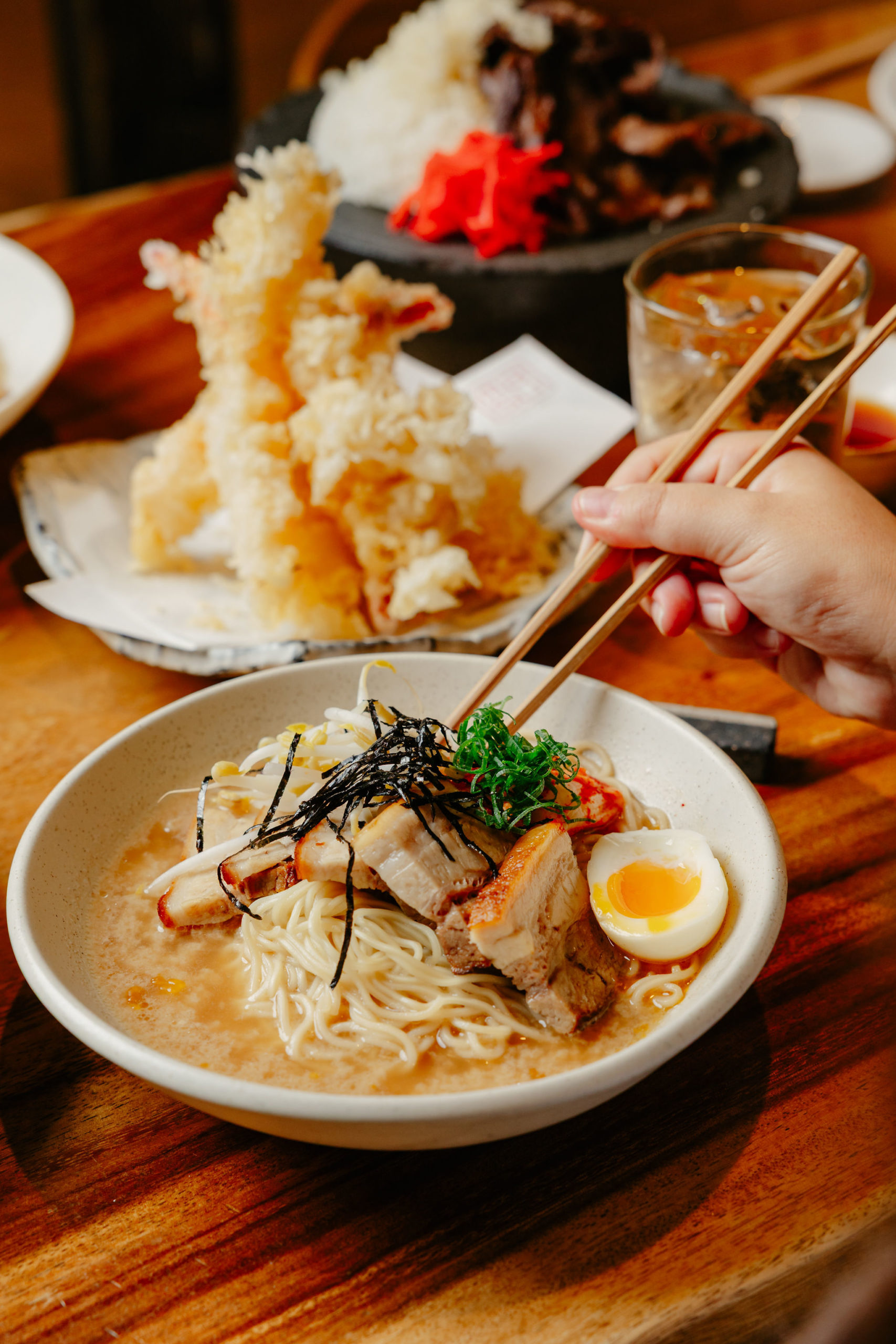
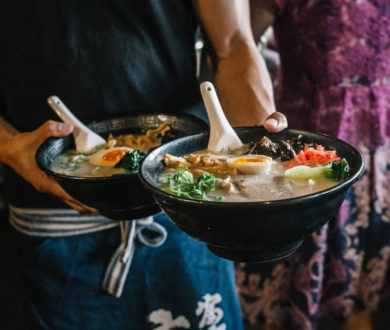
Masu’s Ramen
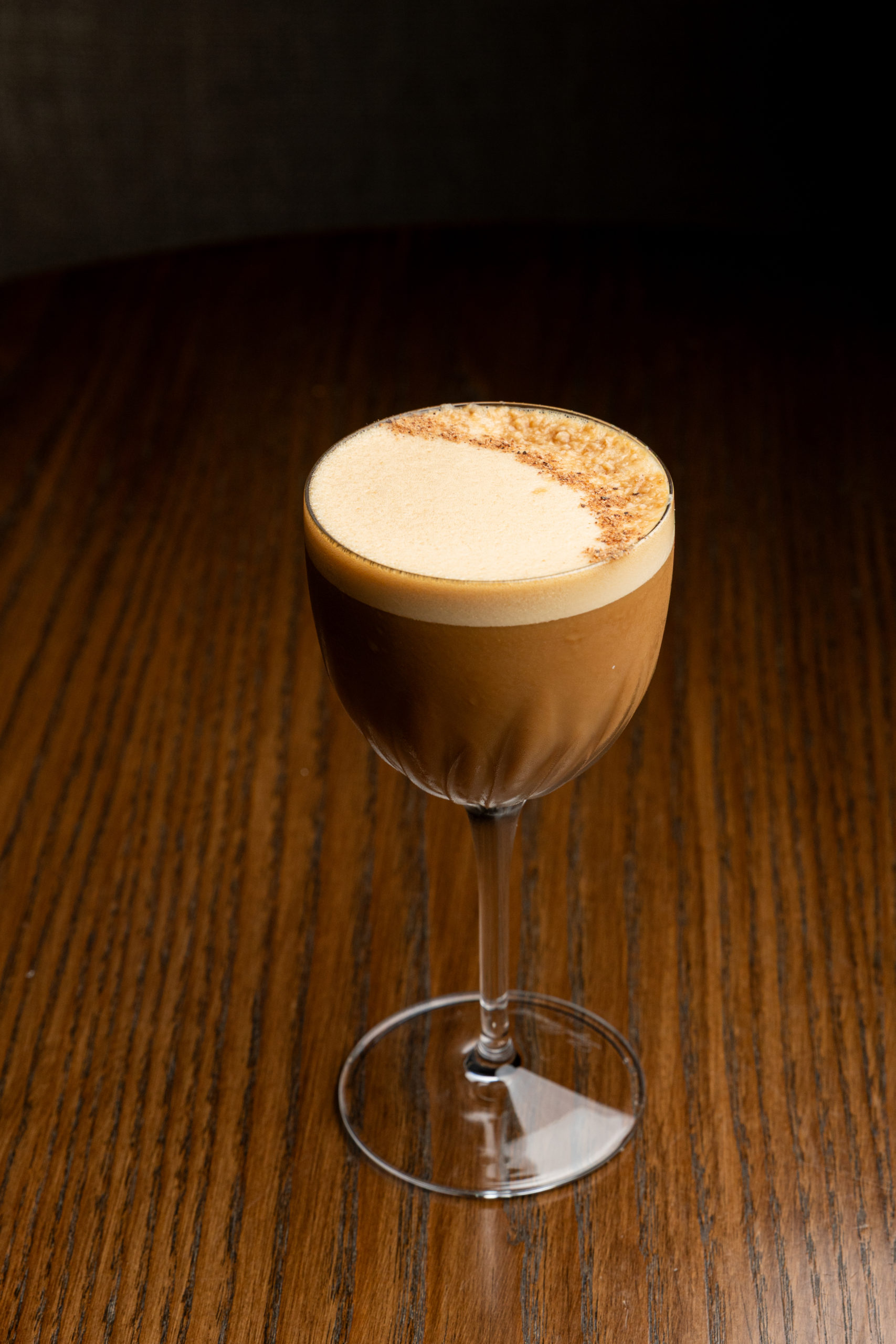
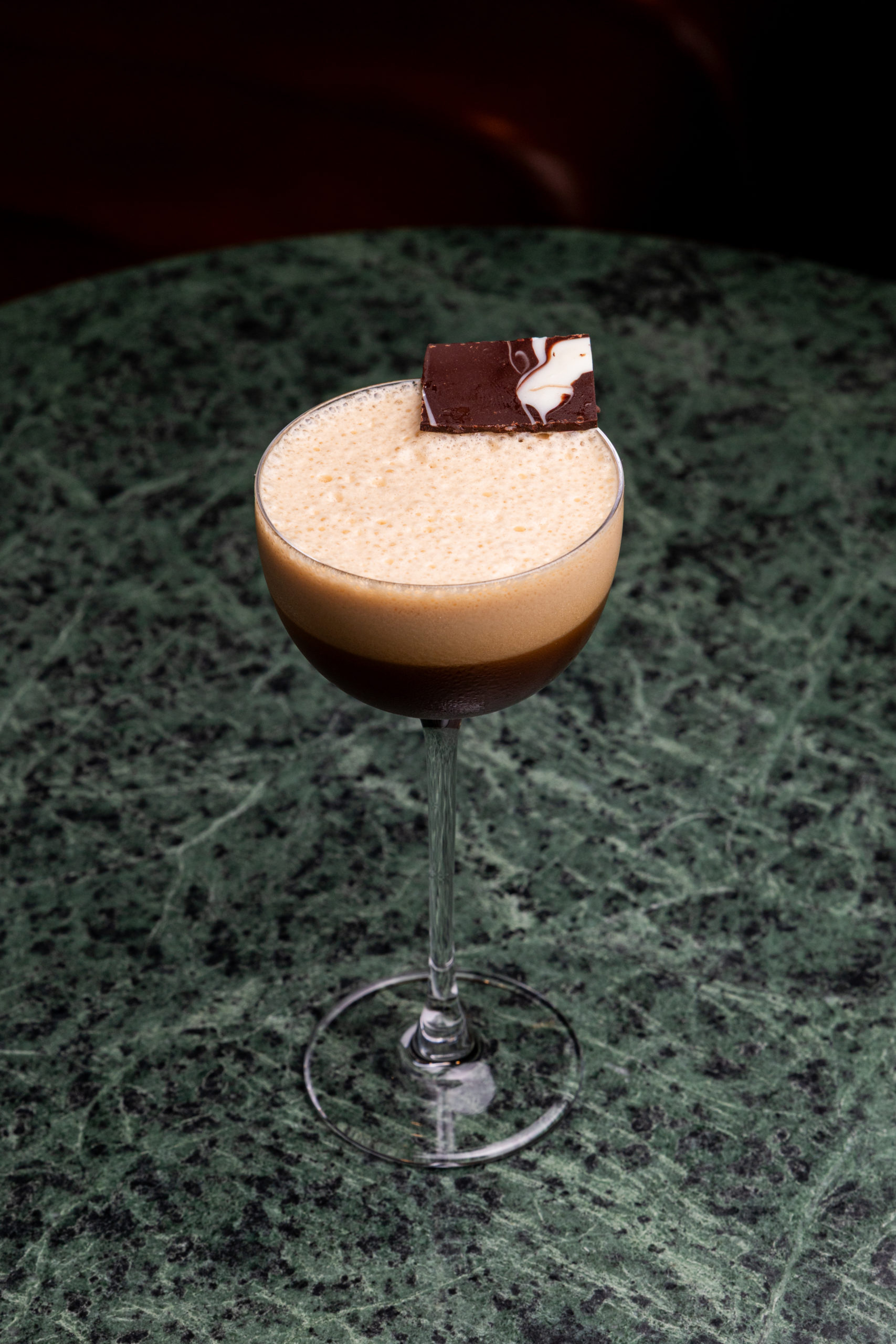
For those looking for something slightly more casual, MASU’s new midweek ramen lunches arrive just in time for the colder months, with a line-up that includes sesame miso ramen with wagyu shabushabu beef, char siu pork belly ramen and a spicy ramen topped with crab soup dumplings, available Wednesday to Friday from midday. Across the precinct, espresso martinis also take on a starring role this season, with every venue offering an $18 classic alongside signature interpretations unique to each restaurant, from Depot’s Ferrero Rocher-inspired version to SkyBar’s tiramisu espresso martini.
Metita’s Espresso Martini
The Grill’s Espresso Martini
DELISH runs from 26th May until 31st July across SkyCity’s dining precinct.
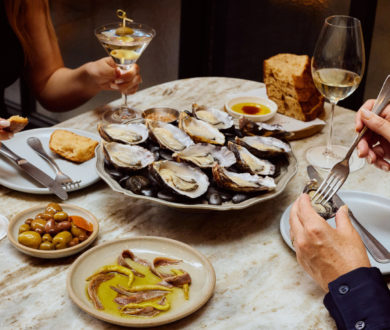
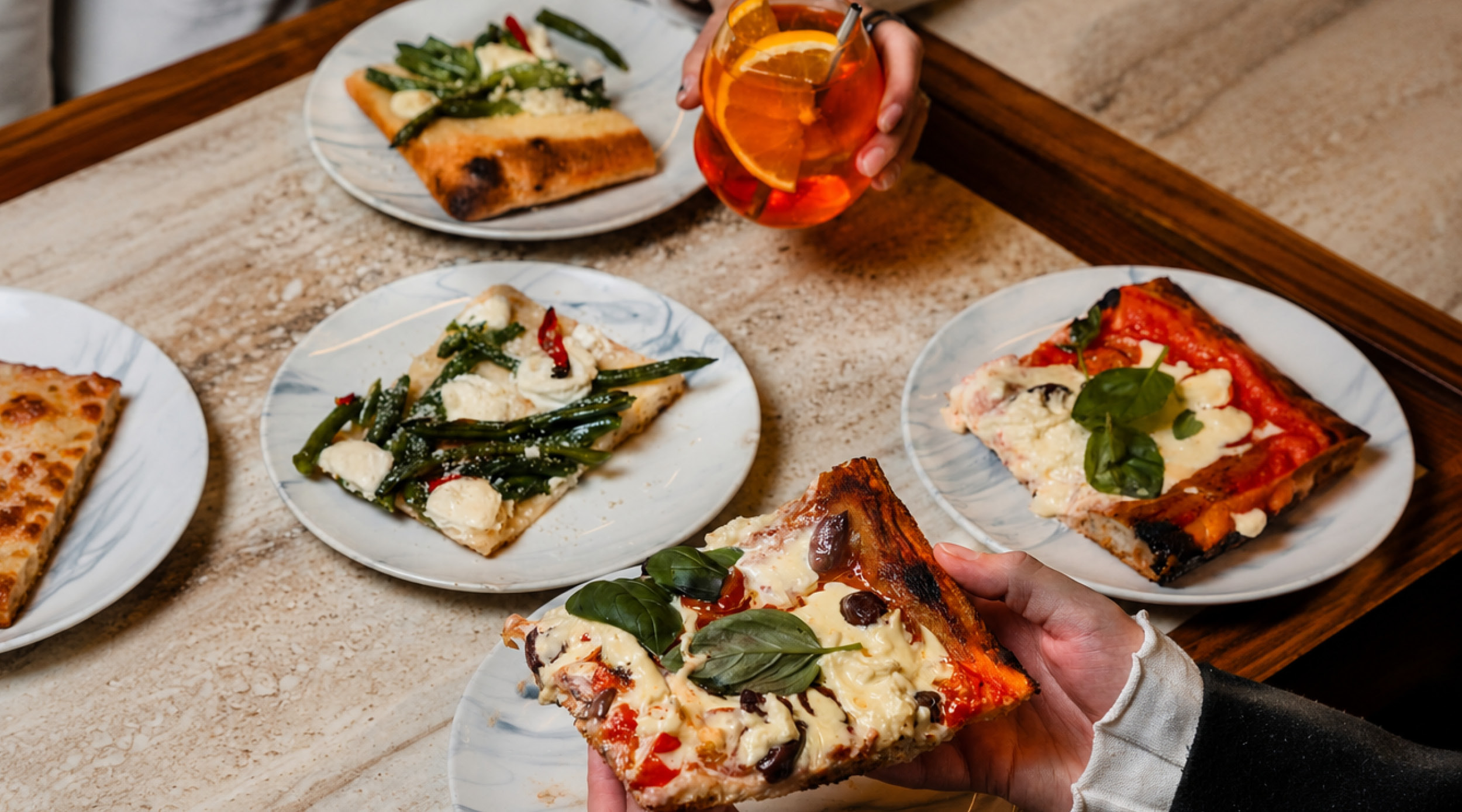
Inspired by the neighbourhood bakeries of Rome, where locals gather throughout the day for pizza, baked pasta and aperitivo, Mulleti has opened in Ponsonby Central with a format that feels both refreshingly simple and deeply rooted in tradition.
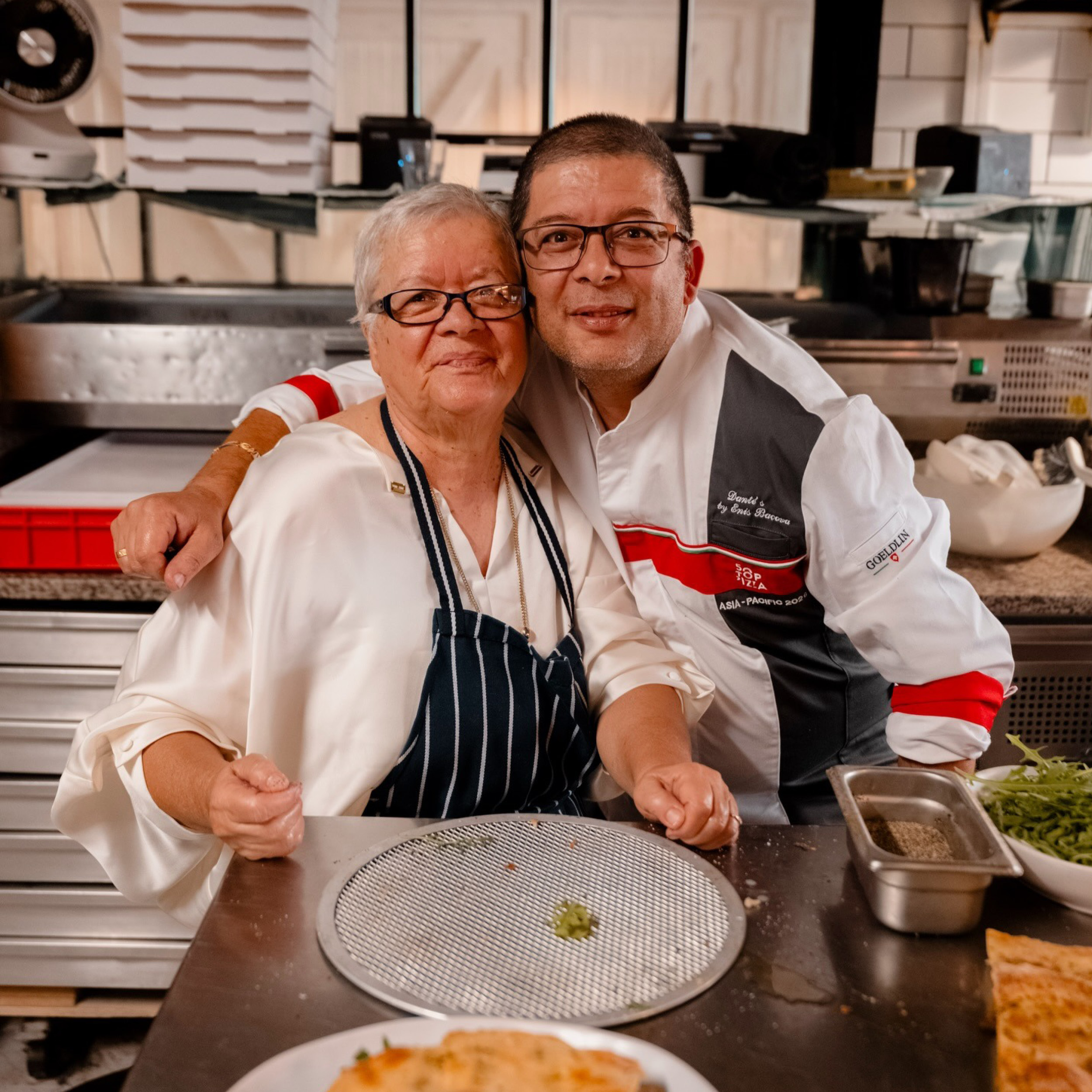
For Enis, whose 14-year journey at Dante’s helped establish the venue as one of New Zealand’s most recognised pizzerias, the opening marks the latest chapter in a career dedicated to Italian food culture. Yet while Rome provided much of the inspiration for the concept, the heart of Mulleti lies much closer to home.
Enis Baçova and his mother
Carrying the subtitle Nonna’s Kitchen, Mulleti is a tribute to the Baçova family’s matriarch, whose warmth, generosity and love of cooking shaped both siblings long before hospitality became their profession. Together, Enis and Riljeta set out to create a place that captures the spirit of a traditional Roman forno while retaining the familiarity and comfort of a family kitchen, resulting in a venue that feels both distinctly Italian and deeply personal.
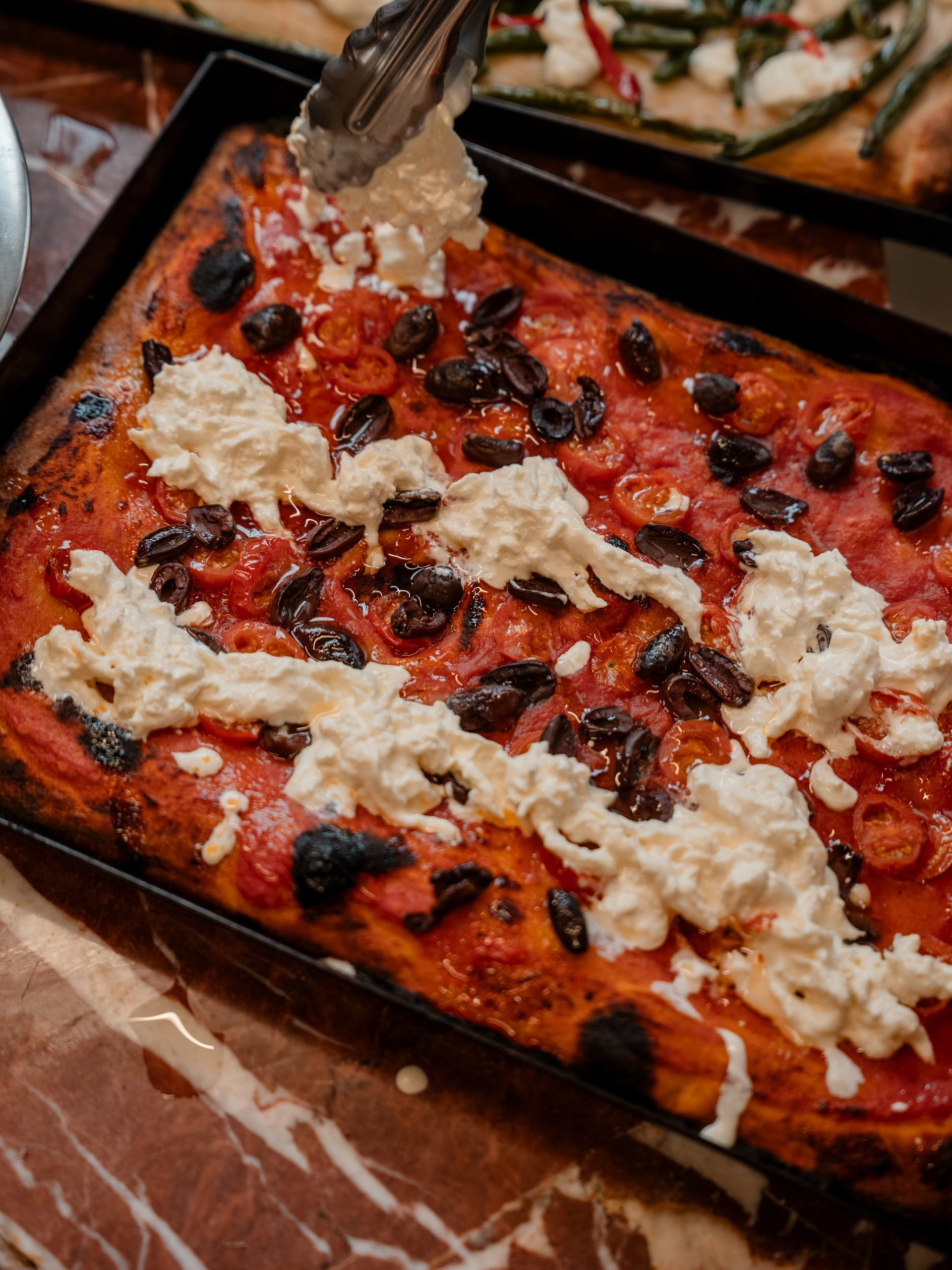
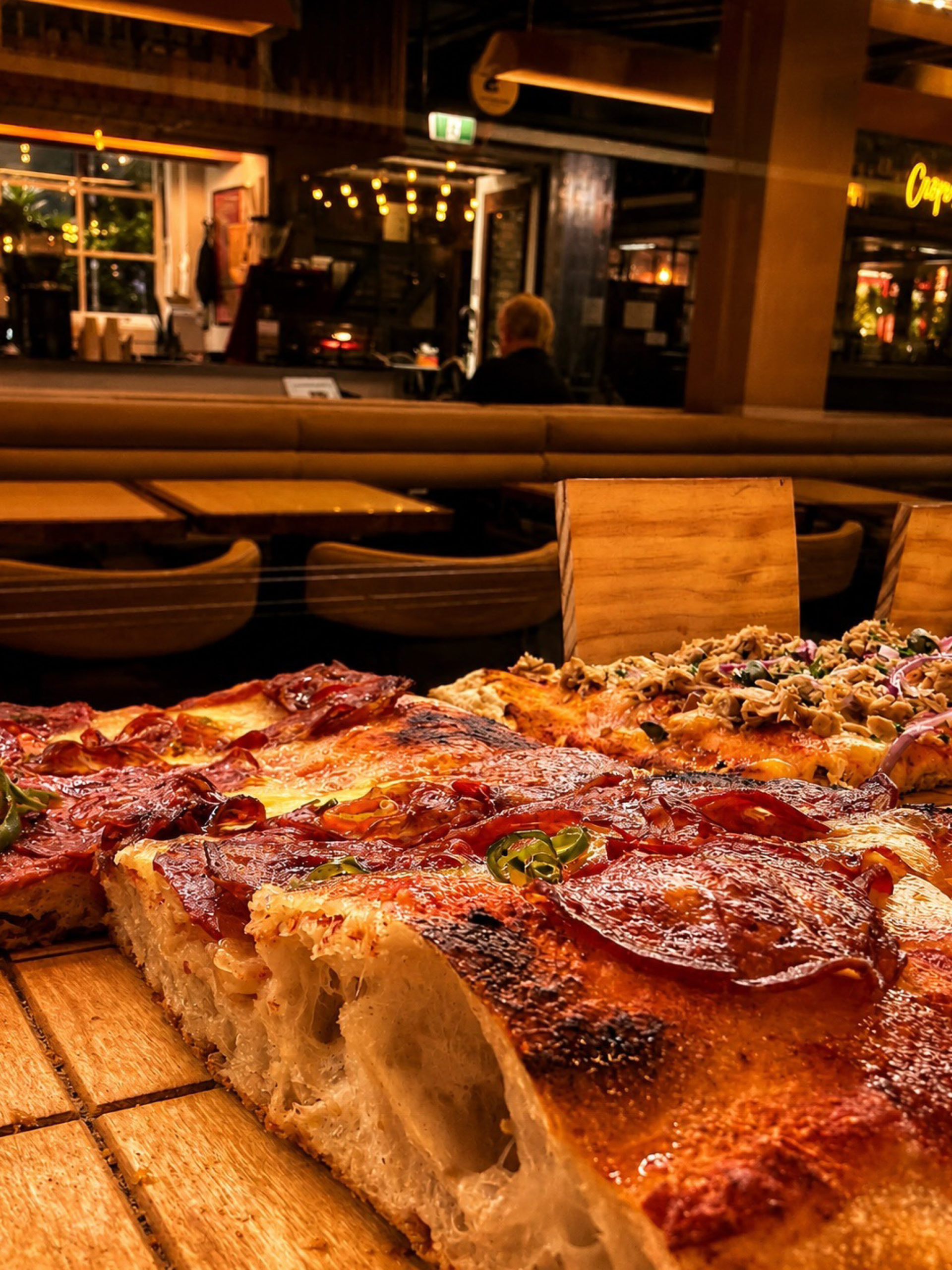
At the centre of the offering is pizza sold by weight, a traditional Roman approach that allows guests to choose exactly how much they would like before it is cut, weighed and served. The format encourages exploration, whether that means sampling several flavours in a single visit or sharing a selection among friends gathered around the table. Alongside the pizza sits a menu of pala romana sandwiches, supplì, frittatine, pasta al forno and classic Italian desserts, with combinations ranging from mortadella, burrata and pistachio to mushroom, stracchino and truffle, alongside rotating baked pasta dishes inspired by traditional Italian home cooking.
The space itself draws on the neighbourhood bakeries of Rome, where displays of pizza, fritti and baked pasta create an immediate sense of abundance and invite guests to discover something new. Warm, informal and intentionally uncomplicated, Mulleti has been designed to accommodate everything from a quick lunch or takeaway dinner to a lingering aperitivo before the evening begins.
That aperitivo culture sits at the core of the experience Enis hopes to share. A moment to pause, gather and enjoy good food in good company, it reflects the rituals that continue to define daily life across Italy and the values that inspired Mulleti from the beginning. Beneath the Roman influences and years spent refining his craft sits a simple ambition: to share a little of Nonna’s table with the wider neighbourhood.
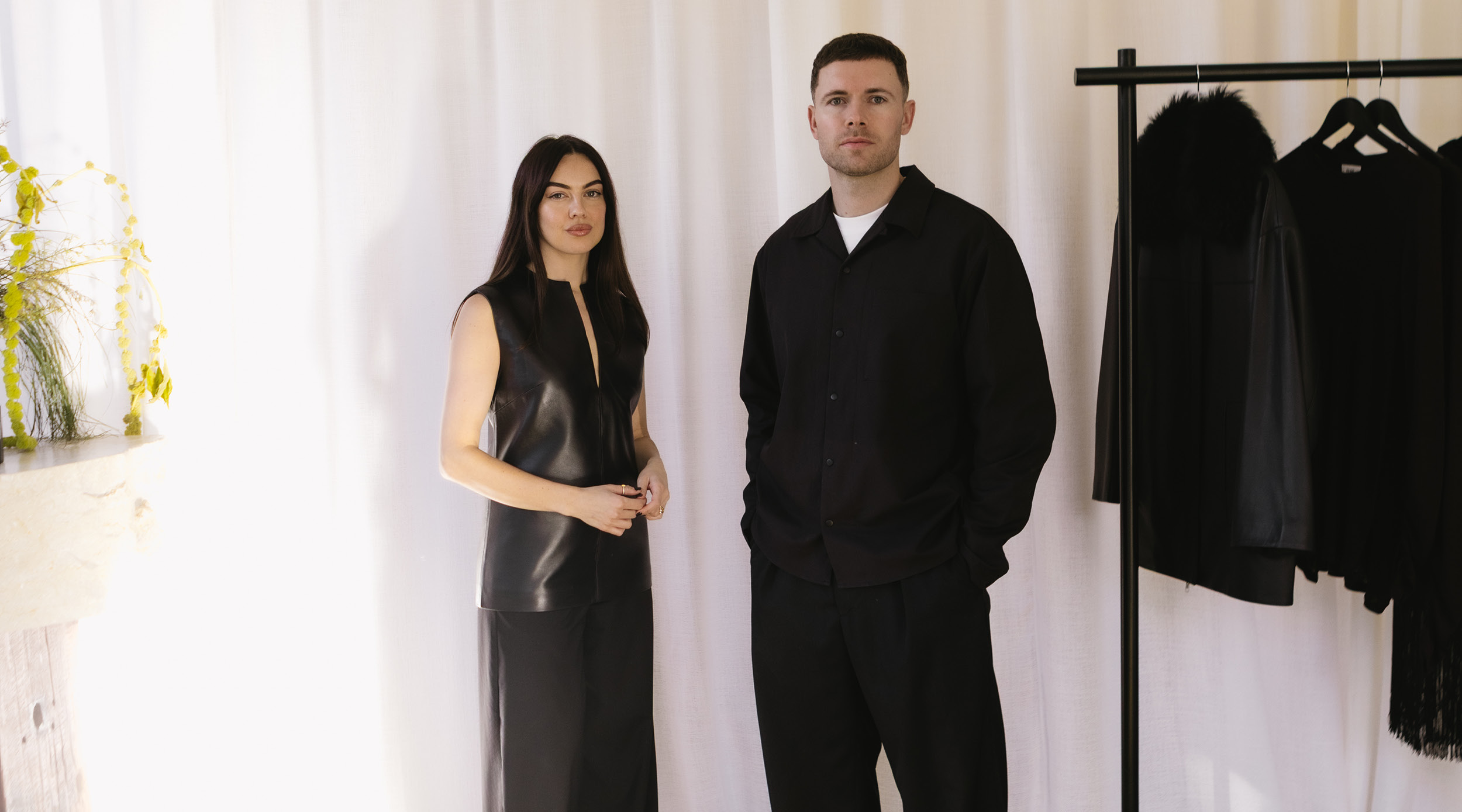
Fresh from announcing its continued international expansion, REBE has opened the doors to its first permanent showroom in Ponsonby, establishing a dedicated home for the New Zealand womenswear label as it enters an exciting new phase of growth.
Located at 12 Fitzroy Street, the new space serves as both a showroom and a studio, offering customers a more intimate connection to the brand while functioning as the creative and operational heart of the business. Designed to feel more personal than traditional retail, visitors are invited to explore the latest collections, meet the team and gain a glimpse into what is happening behind the scenes.
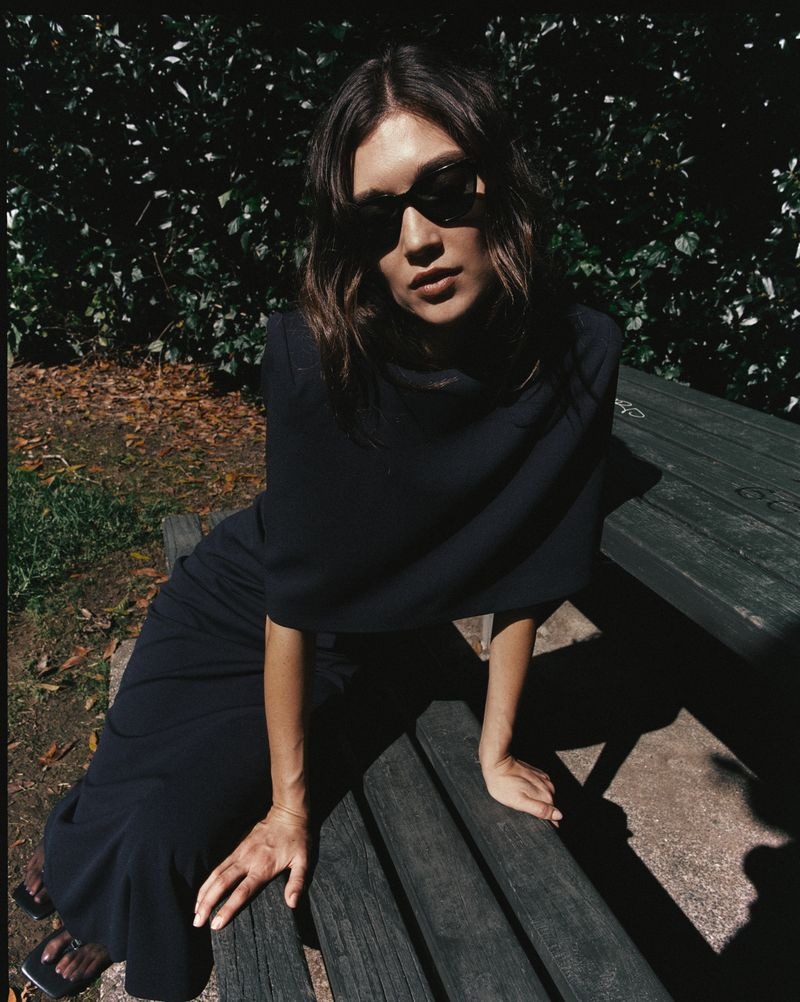
REBE Pre-Fall ’26 collection
REBE Pre-Fall ’26 collection
The opening coincides with the arrival of REBE’s new Pre-Fall ’26 collection, which reflects a continued evolution of the brand’s design language through stronger silhouettes, elevated fabrications and a growing confidence in its distinctive point of view. Structured outerwear, sculptural tops and elevated separates sit at the core of the collection, continuing the label’s focus on timeless pieces designed to endure beyond a single season.
The showroom also marks a new chapter for the business, with Harry Healy stepping into a formal leadership role overseeing strategy, operations and growth, while founder Rebe Healy continues to lead the brand’s creative direction. Alongside the opening, REBE has announced a partnership with Australian sales agency Catinella and confirmed plans to show in Paris from Resort 2027, signalling a significant step forward for the New Zealand label as it continues to expand its international footprint.
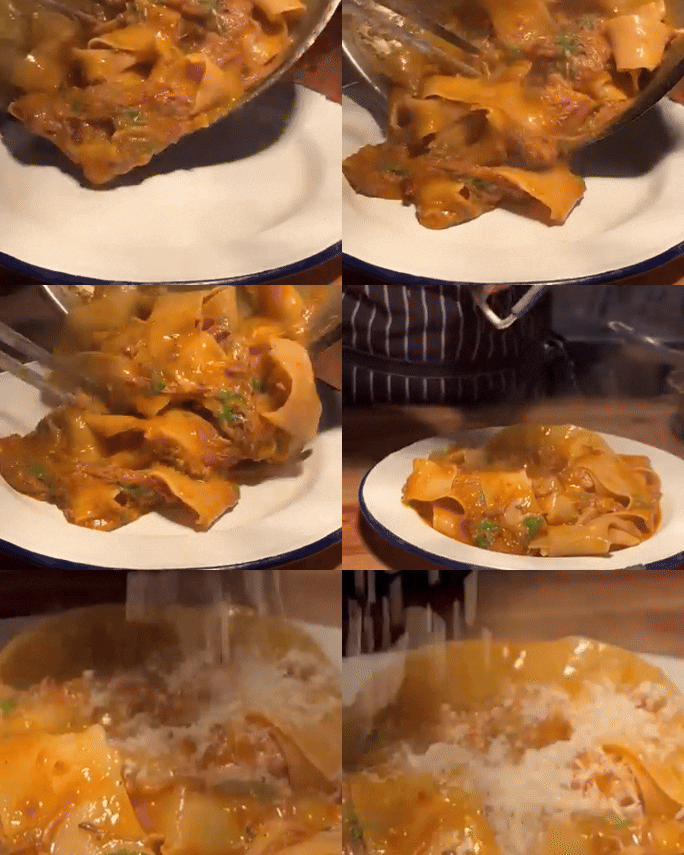
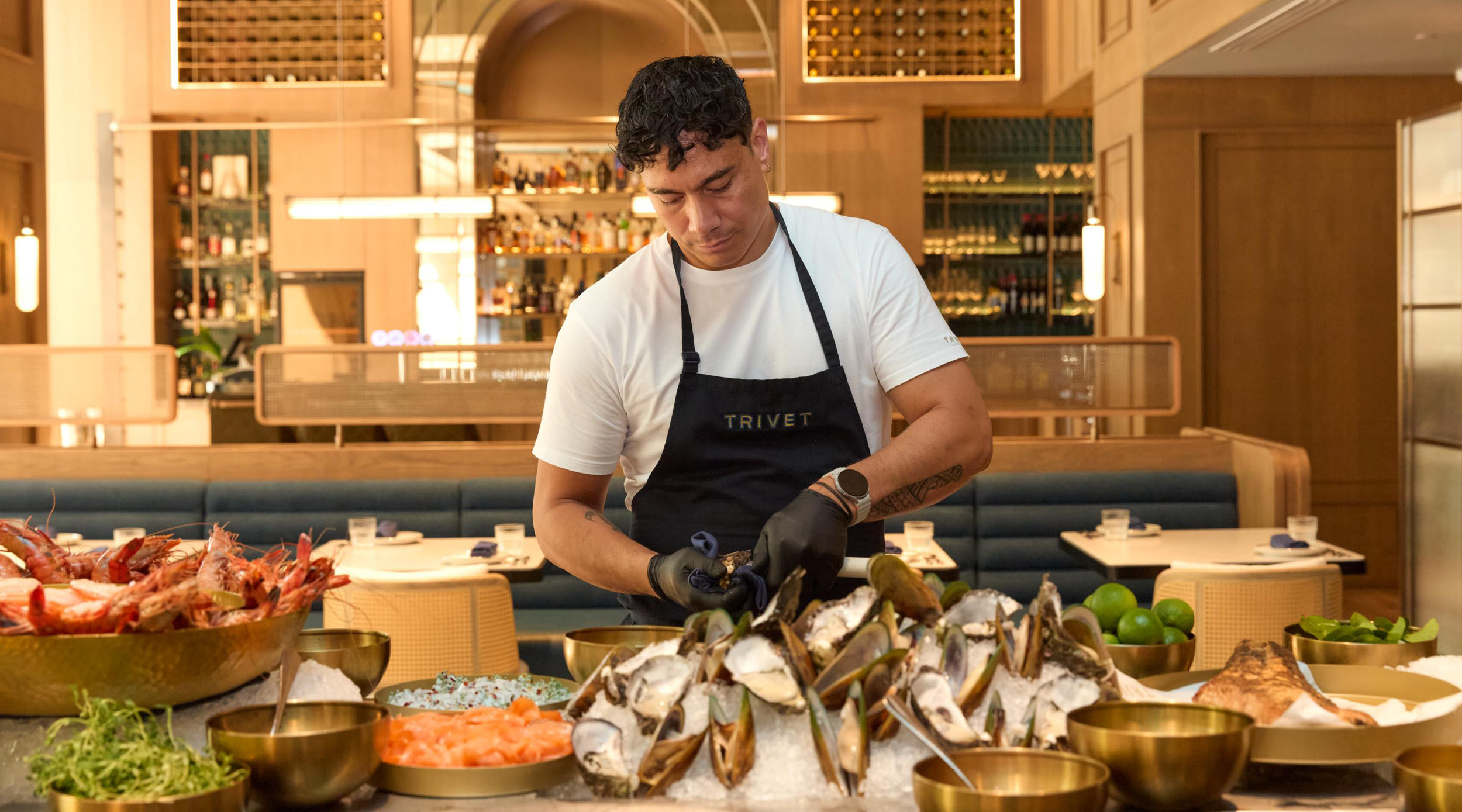
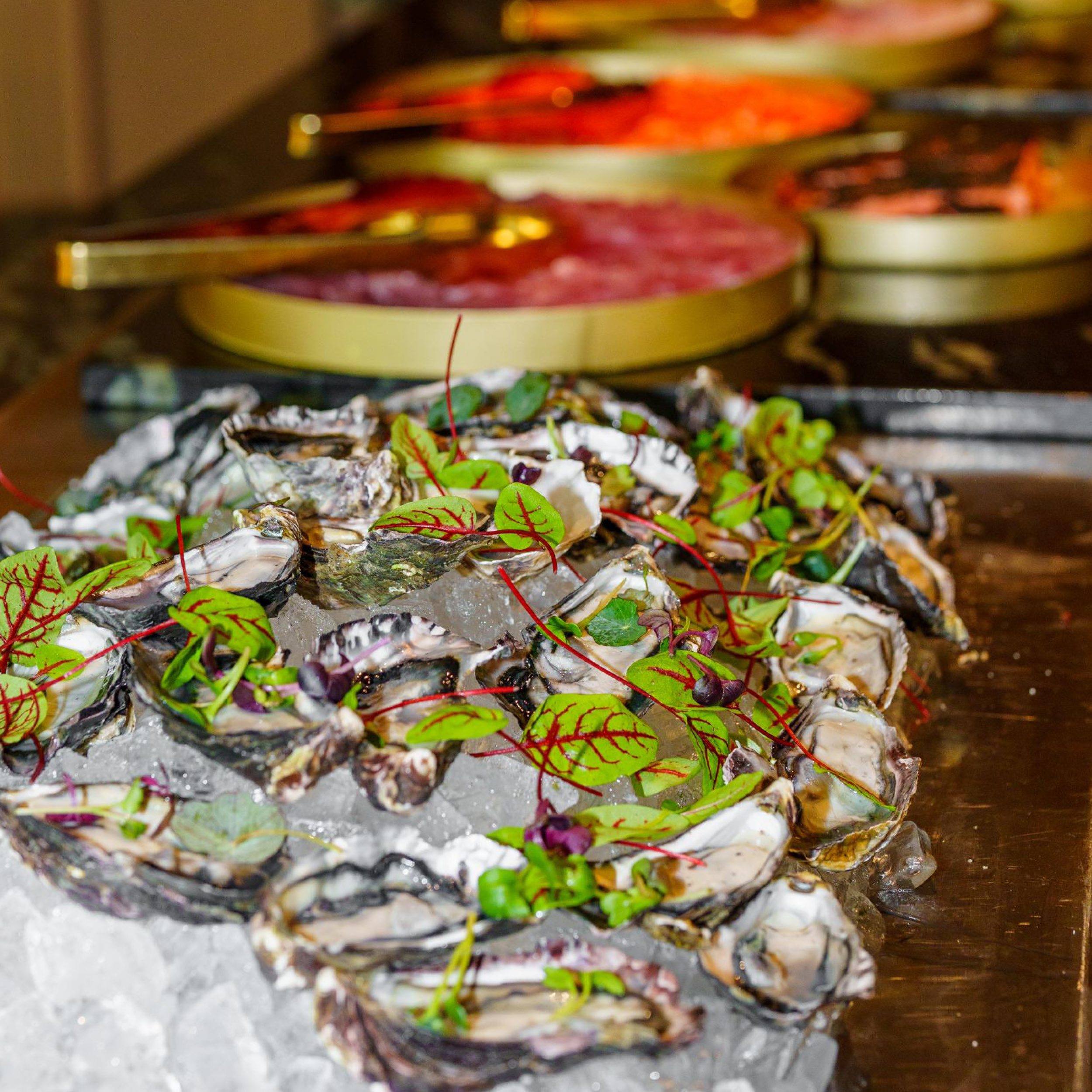
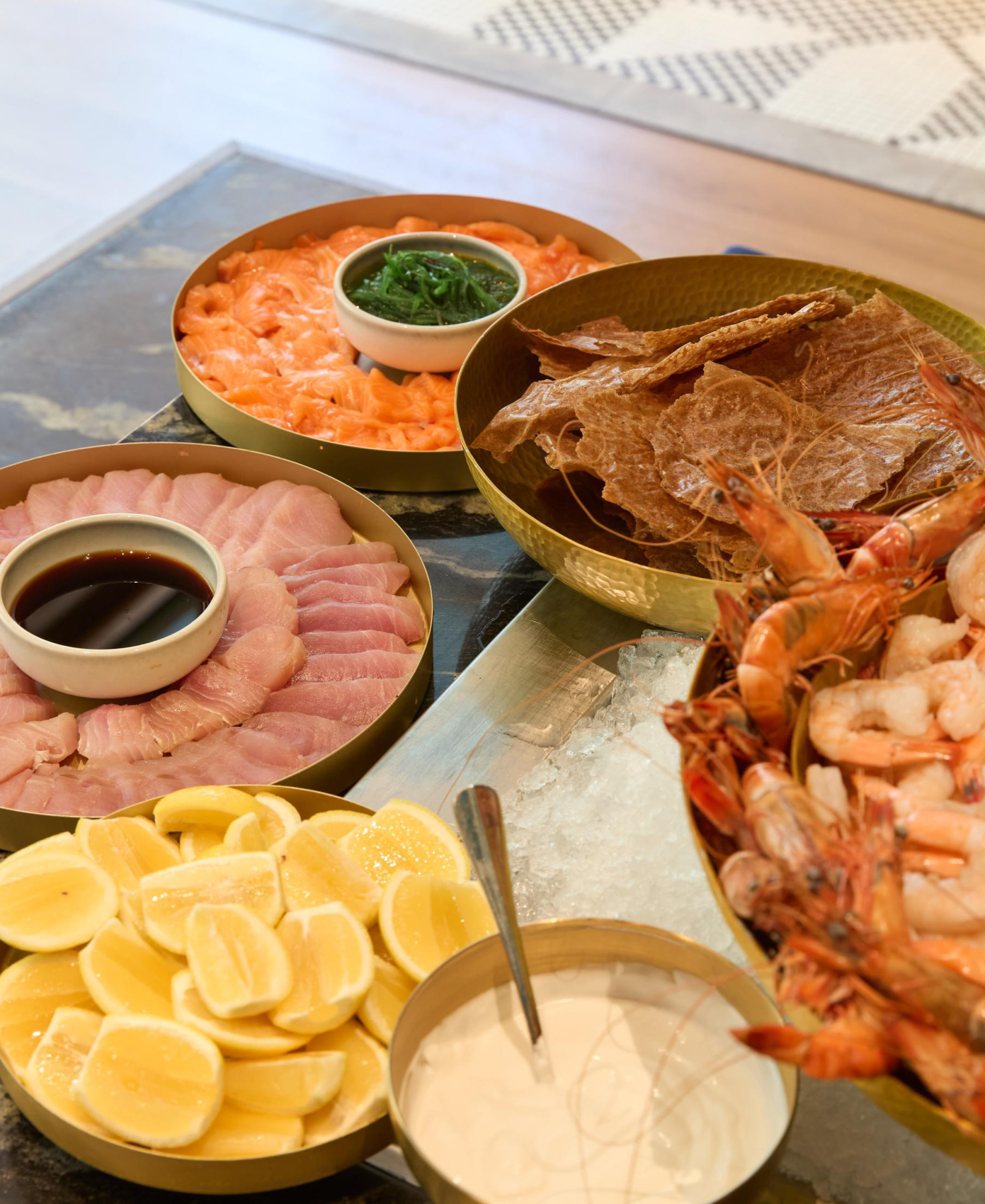
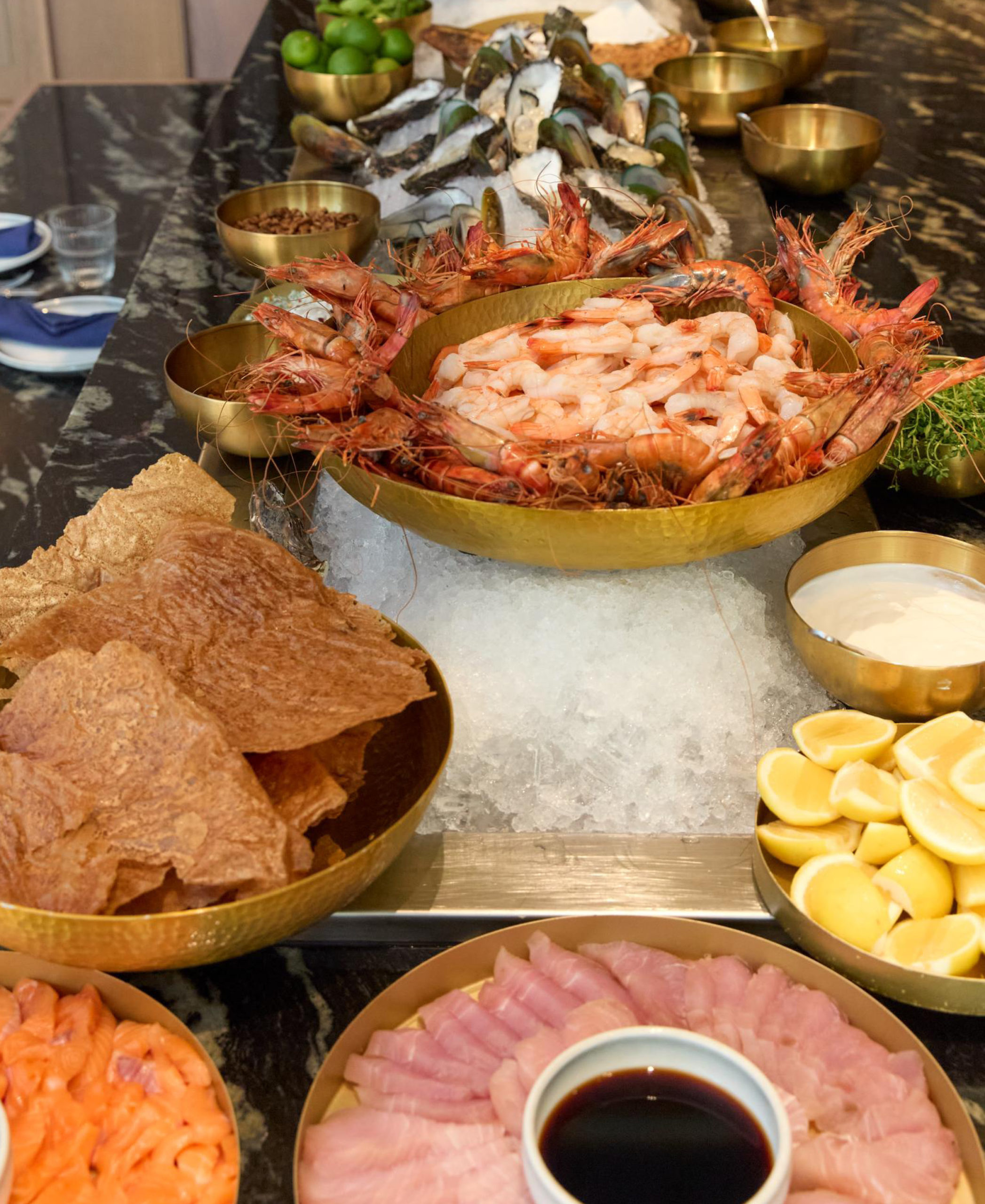
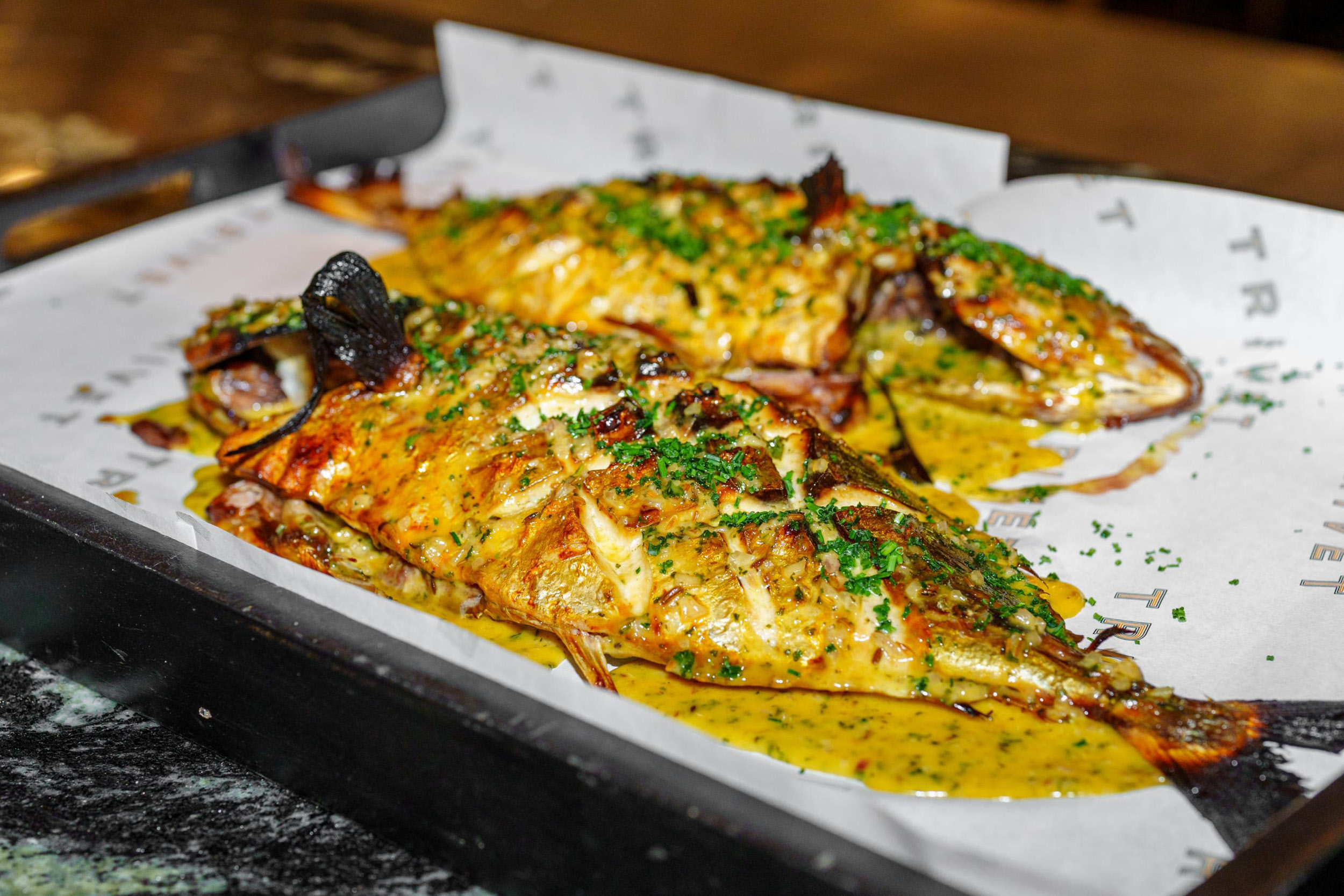
For weekends when you want to gather friends or family without the rigmarole of hosting, cooking, and cleaning up, Trivet’s weekend lunches require very little effort for a large, indulgent reward. The restaurant, located within Auckland’s JW Marrit hotel, serves a Kai Moana Pasifika Buffet, a generous shared feast that celebrates the flavours of Aotearoa and the Pacific with abundance.
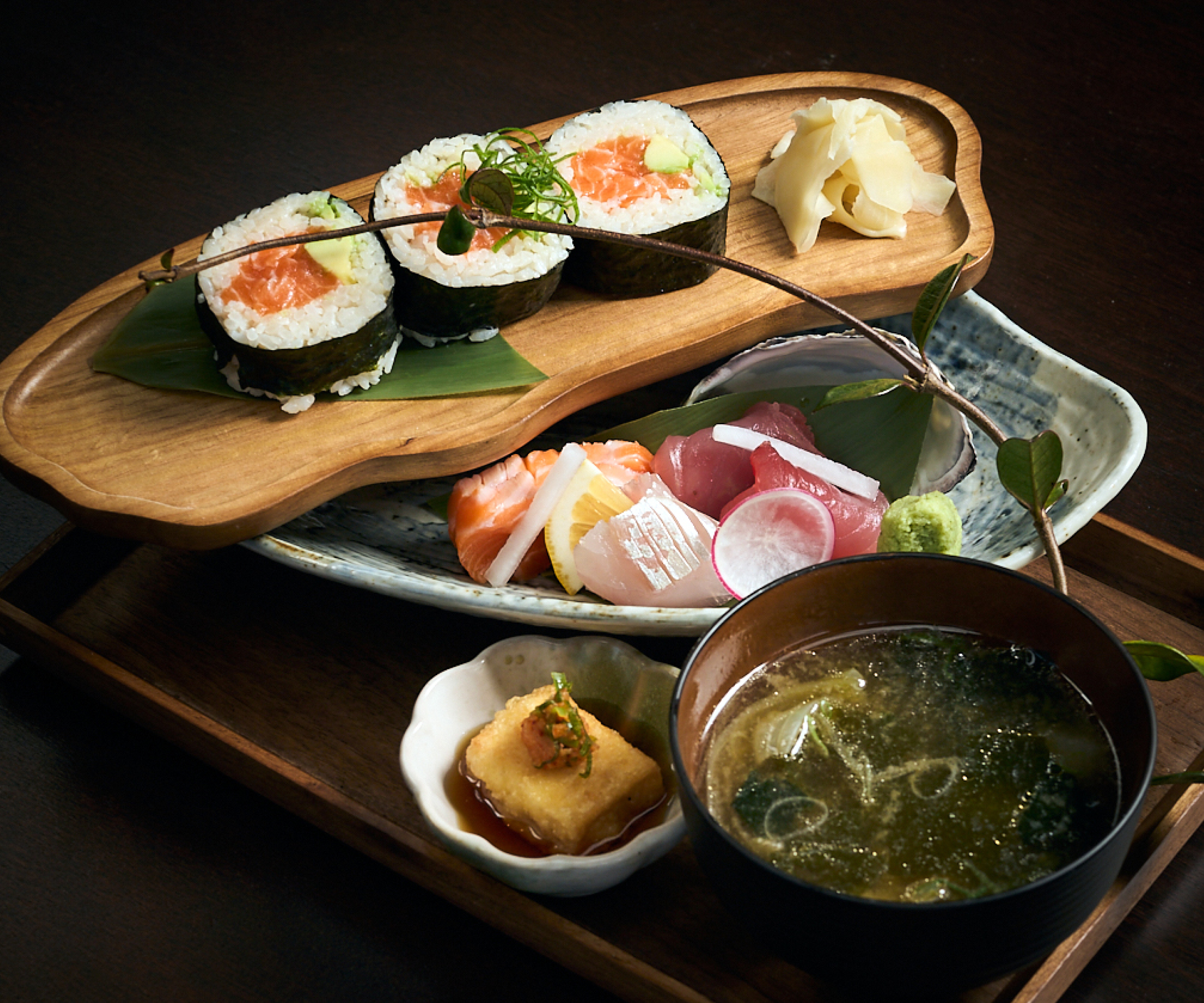
Served every Saturday and Sunday from 12.30 pm, the feast is designed as a long lunch rather than a quick grazing session, built around the kind of food best shared and returned to. The offering moves from a fresh seafood raw bar to umu-style meats, seafood favourites, Kiwiana classics and Pasifika-inspired dishes, bringing together familiar comfort and island generosity in a way that feels both relaxed and celebratory.
Among the highlights are Trevally Oka, Tiger Prawns, local steamed Mussels and traditional Palusami, alongside roasted lamb leg, kūmara, chop suey and dishes made for second helpings. To finish, a house-made dessert bar keeps the sense of occasion firmly intact, because restraint, on the weekend, has always been a suspicious virtue.
For families, it is particularly ideal. Children aged five and under dine for free, while those aged six to 12 receive 50 per cent off, making Trivet’s Kai Moana Pasifika weekends an easy answer for those looking to gather over food that feels generous in spirit as well as scale.
At $95 per person, this is a weekend gathering that’s abundant, flavourful and designed for lingering longer. Book here.
For more exclusive access to what the city has to offer, engaging content, excellent imagery and thought provoking commentary on the life that surrounds you, subscribe to Denizen magazine now.