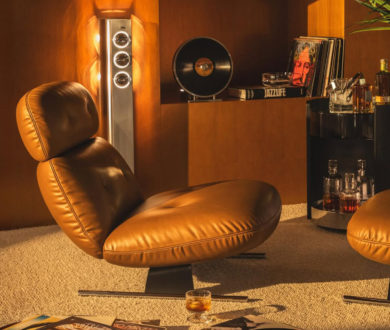
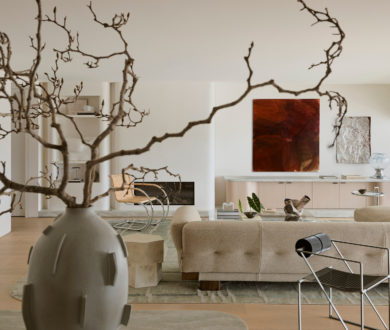
Since Cavit & Co was established 30 years ago, its founder Debbie Cavit has curated an inspiring collection of international interior brands with her discerning eye. The result is a longstanding showroom of superb style, with designs that can make your day-to-day that much more enjoyable if you take a piece home with you.
To celebrate its 30th anniversary this August, Cavit & Co is offering 30 percent off its premium furniture and accessories, which we know will be loved for many more years to come.
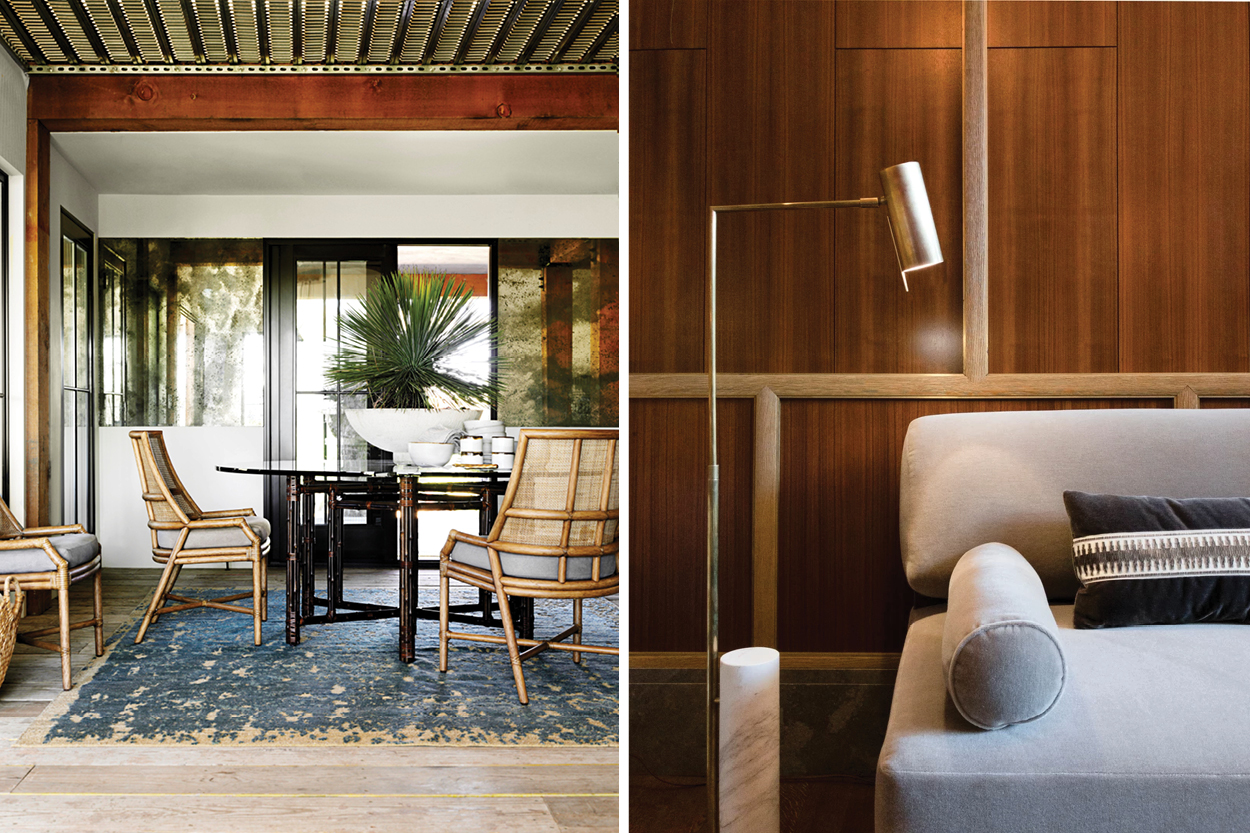
From left: McGuire Hayes Dining Chair, Kelly Wearstler Alma Floor Lamp.
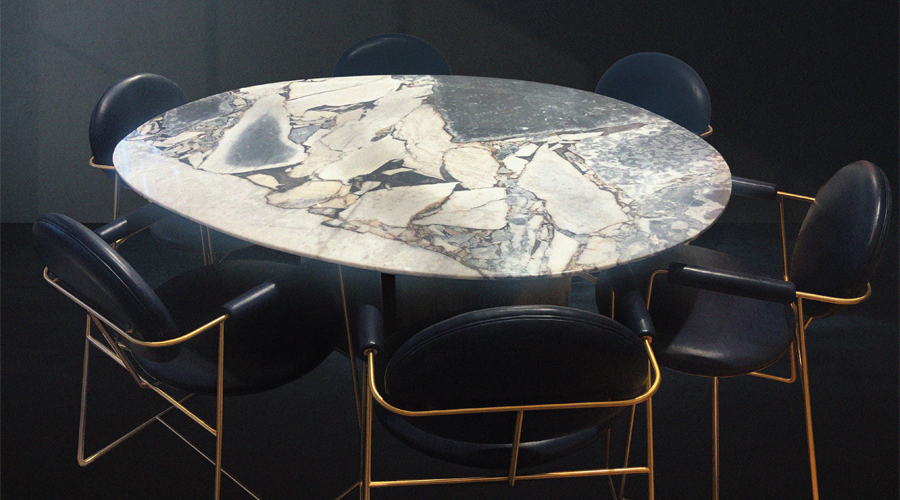
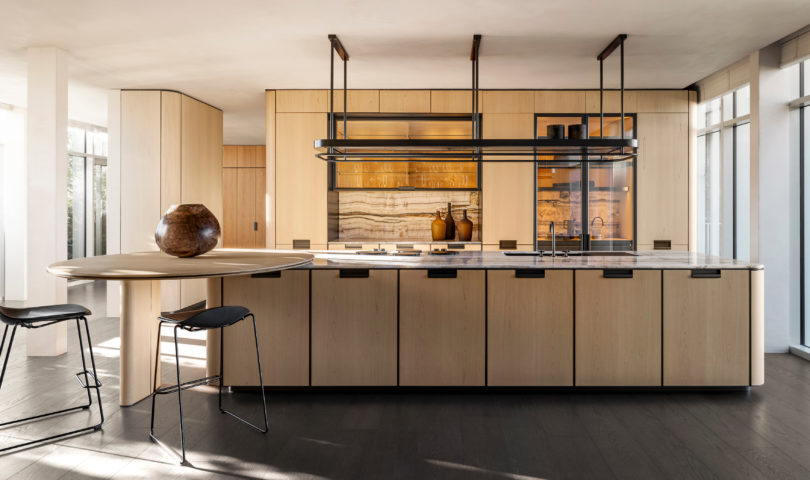
For furniture finds, we have our eye on Baxter’s marble-topped tables which are made in Como to bring a traditional quality to contemporary forms. Meanwhile US legacy brand Baker brings sophistication and functionality together with its considered category.
In time for spring, and summers to come, McGuire’s Californian-casual style creations will add a sense of ease and elegance to your place — especially its refined rattan lounge chairs.
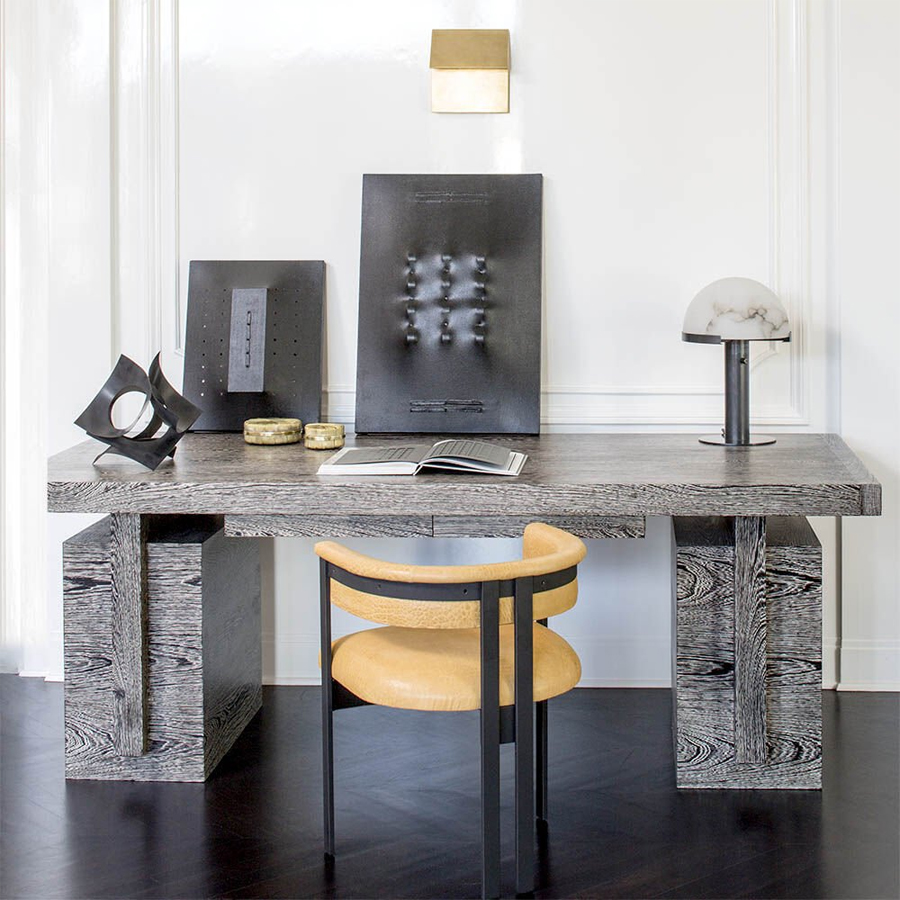
Kelly Wearstler Elevado Desk.
Design wunderkind Kelly Wearstler’s eponymous brand is also part of the company-wide sale. Her Elevado Desk is a standout. The architectural silhouette in cathedral grain wenge wood includes delicate, linen lined drawers with wooden glides, so you can be your most productive and polished yet.
For décor additions, we have our eye on Guaxs’ hand-carved glass sculptural objects, which are often double glazed for the most intriguing effect.
The Cavit & Co aesthetic has always transcended the boundary between classical and contemporary styles. Overlooking trends for a true sense of style, these sale finds will continue to dazzle and delight.
Sale opening hours: Monday to Friday: 9.30am—5pm Saturday: 10am—4pm Sale lasts until Saturday the 28th of August.
Not every friendship translates to a fruitful business relationship but in the case of Doe Donut founders (and high school best friends) Grace Tauber and Shenine Dube, their shared history has been a recipe for success.
From living in Australia where they came up with an idea for a new spin on Cook Island doughnuts, to regular market pop-ups and now to their own standalone store in Grey Lynn, the duo has passionately guided Doe Donuts to where it is now, with a steady stream of doughnut devotees ensuring their fresh-baked-daily selection always sells out.
“Doe is an edible collaboration of our identity, with many of our recipes stemming from nostalgic Kiwiana and heartwarming Pasifika memories,” they say.
Tauber and Dube took a moment out of their busy baking schedule to share more of an insight into their day-to-day, and some local foodie recommendations beyond their heavenly doughy creations.
Something we wish we’d known starting out is: There is no how-to manual on how to start a business. You throw yourself in the deep end and fake it ’til you make it! Totally rewarding, of course. Oh, and that when you work full-time in hospo, particularly as a baker, you can forget about ever having nice nails again.
A common misconception about what we do is: We are a huge business with automated machinery and a whole team of workers behind us. People don’t realise that it’s always just been the two of us utilising a small space, rolling and hand-cutting doughnuts at the crack of dawn (and we have only just recently hired two new employees).
If we could only eat one Doe Donut flavour for the rest of our life, it would be: Apple pie or banoffee pie. The combination of flavours in the apple pie are a match made in heaven. The banana custard used in our banoffee doughnuts (which we make using real bananas) is legit our kryptonite.
Our most popular flavour is: Caramilk or Boston cream.
A flavour we would like to release next is: Rocky road.
An ingredient we would never use is: Persimmon. The worst fruit of all time. Although we like to think we’re an incredibly open-minded duo and would give most things a chance.
The most farfetched doughnut request we’ve had is: A taro milk tea flavoured doughnut.
Doe Donuts Caramilk flavour.
In our fridge, you’ll always find: Without a doubt, Best Foods mayo, McClure’s pickles and cheese.
The best coffee in Auckland can be found: At Doe Donuts, of course! Allpress and Allgood oat milk flatties are our speciality.
Number one for a special meal is: Depot and Andiamo.
And for a cheap and cheerful: Bunga Raya and Lucky Gs. Favourite spot for a drink is: Hotel Ponsonby or the Morningside Tavern.
Preferred way to wind down: Totally varies for us between wine and good company amongst friends to lying in bed watching Tik Tok till we fall asleep. It really depends on our mood.
Being in business with your best friend is: A surreal, crazy, exciting and amazing experience. Can you just imagine the everyday banter we have? It’s business on another level. Outside of Doe Donuts, we are passionate about: Sleep. We are incredibly passionate about sleep. Also, music. All genres, and live music.
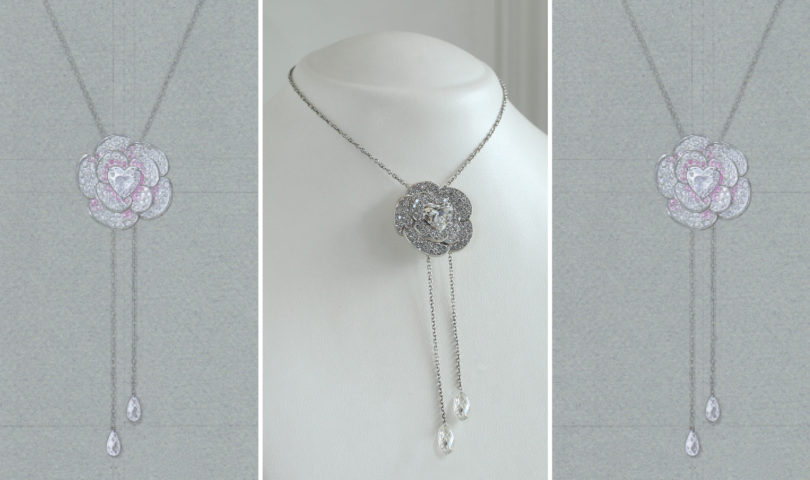
The days of wearing one bracelet or a single, simple necklace are being overtaken by a rising propensity to combine accessories in an eye-catching stack. Far from being a flashy endeavour, this style of adornment is designed to lend an added dimension to some of your favourite pieces, as well as ensuring that you get far more wear out of them than you usually would.
Pair fine bracelets with chunky styles and complete the stack with your favourite watch. To inspire your own combinations, we have lined up some of our favourites.
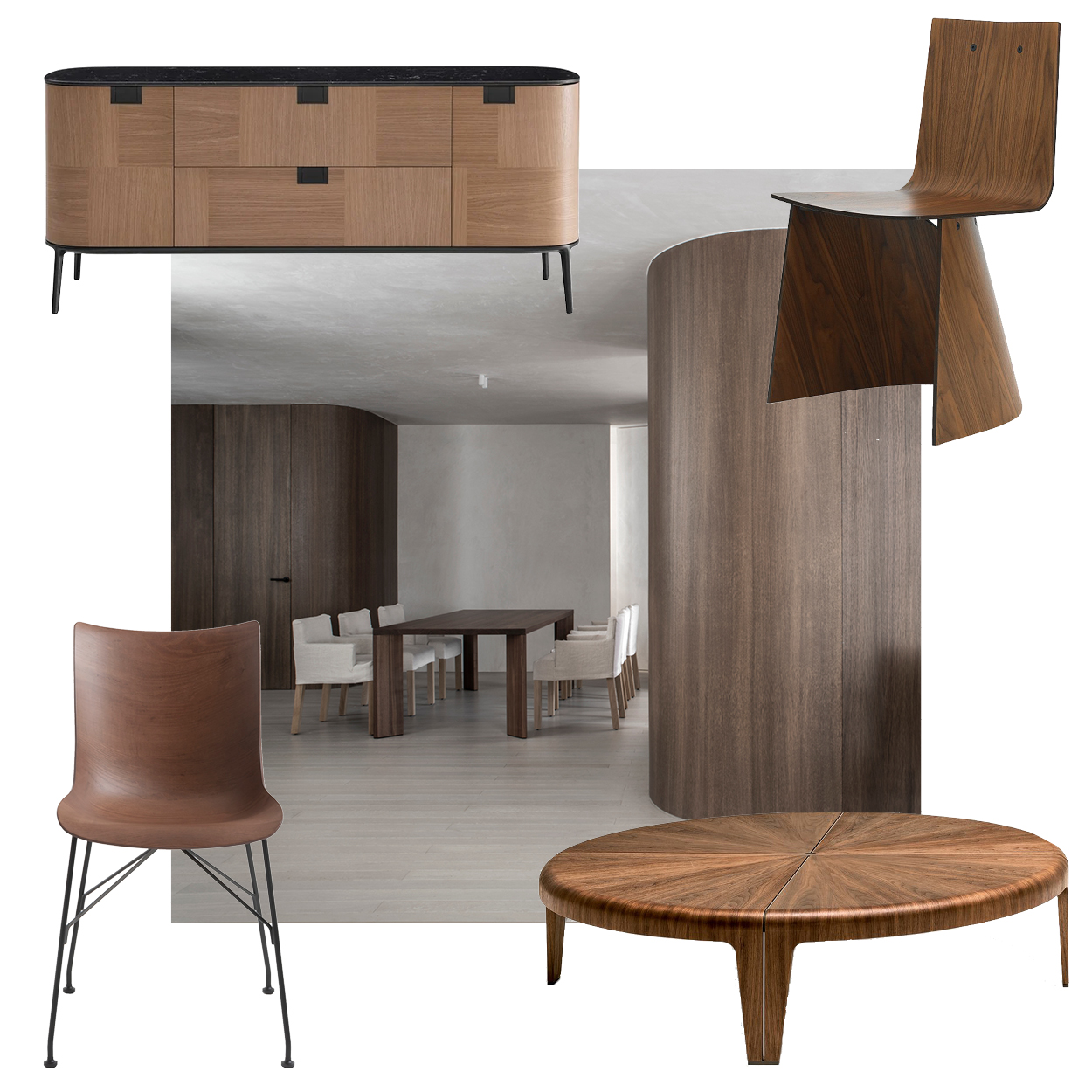
Techniques for bending and curving wood require a hefty dose of skill, and when executed to the finest degree they further elevate the organic look and feel of a piece of wooden furniture. The superb Ottawa Sideboard (pictured above) designed by Karim Rashid from BoConcept utilises both linear and undulating lines, for a fluid yet functional storage solution that emphasises characterful craftsmanship. For more inspiration, peruse our carefully curated wishlist of pieces below.
From left: Tesaurus storage by Antonio Citterio for Maxalto from Matisse; Venus chair by Konstantin Grcic for Classicon from Matisse; Round coffee table by Carlo Colombo for Giorgetti from ECC; Q/Wood armchair by Philippe Starck for Kartell from Backhouse. Pictured centre: Roma by OOAA Arquitectura.
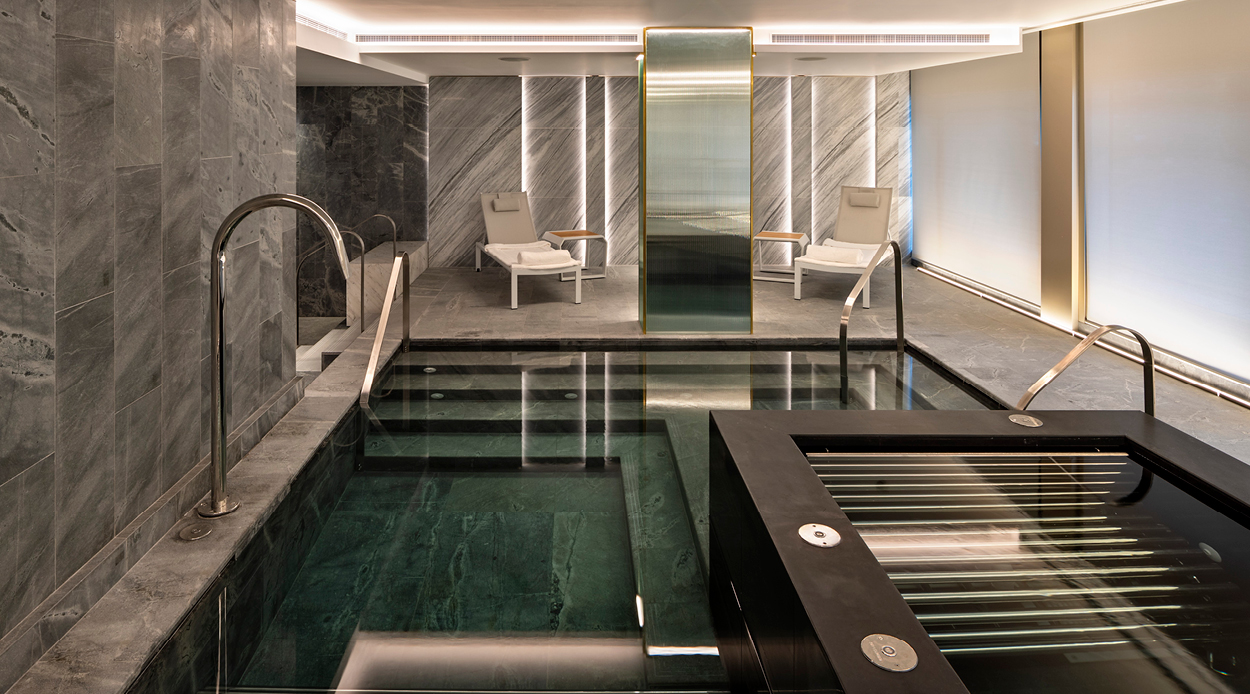
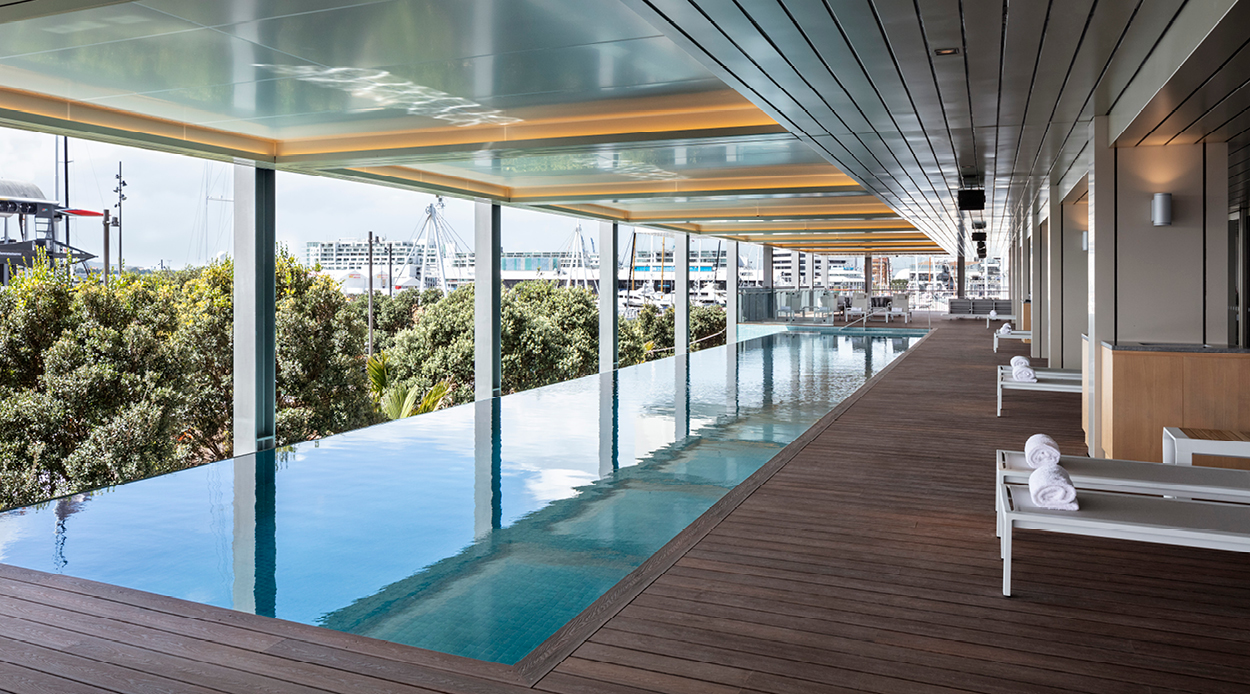
Imagine having a peaceful oasis available, ready and waiting to help you escape the frantic pace of day-to-day life. That is exactly what you’ll be privy to at The Spa at Park Hyatt Auckland, where exclusive spa and fitness membership programmes offer access to all of its state-of-the-art amenities.
Your exercise regime would no doubt be much more enjoyable to stick to with Park Hyatt’s fitness membership. This package’s benefits and inclusions include access to the fitness centre, 25-metre infinity pool and hydrotherapy area between 6:30 am and 9:30 pm. You’ll also enjoy a host of gifts and discounts including a $150 gift certificate, 25 percent discount on Spa treatments, 20 percent discount on Spa retail items, a 10 percent discount at the hotel’s eateries Onemata, The Living Room, Captain’s Bar and The Pantry — plus, a welcome gift pack on arrival.
Parking (or lack thereof) won’t get in the way of a good workout, with complimentary valet parking (subject to availability) for up to 3 hours when using the fitness centre.
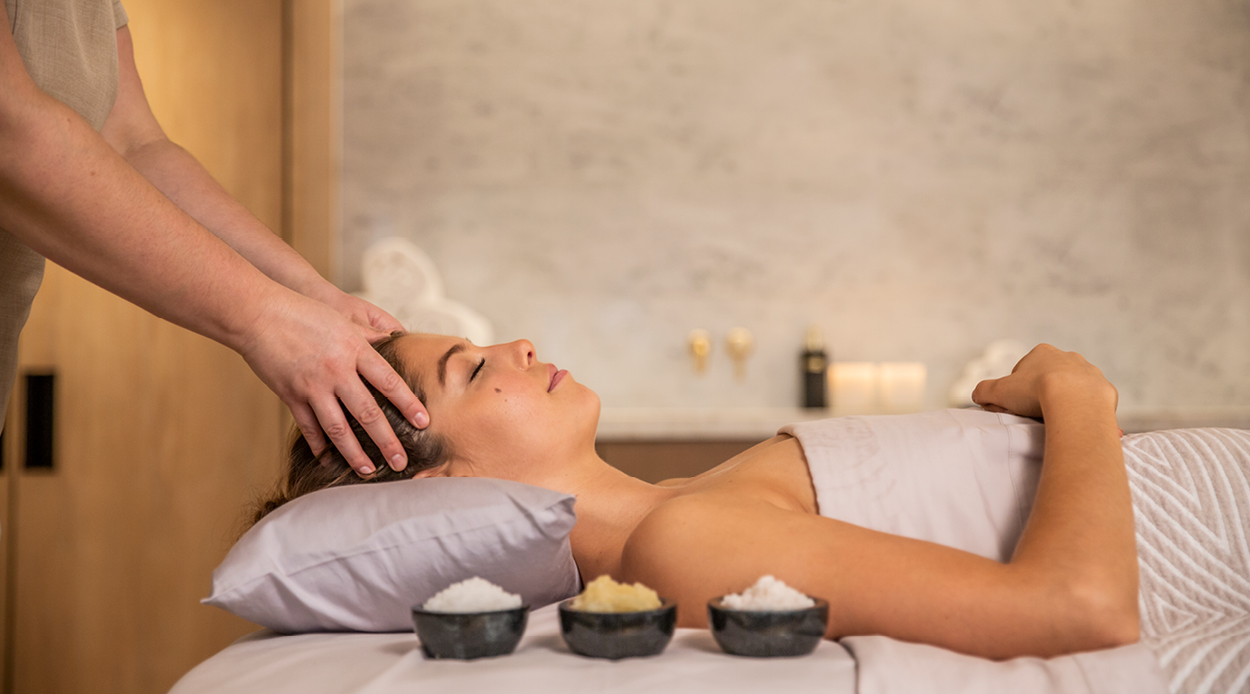
If regular pampering is more up your alley, a membership to The Spa will keep your skin sparkling and your muscles relaxed in a more permanent way than just an occasional appointment. Access the hydrotherapy facilities, infinity pool and the fitness centre when you’ve booked in for 60-minutes and above, plus you’ll receive a $150 gift certificate, and the same discounts as the fitness membership on treatments, retail items and the restaurants. Tranquillity on tap? Sounds heavenly to us.
Pricing: Spa Membership Minimum 12-month contract $150 sign-up fee $600 yearly fee per person
Fitness Centre Membership Minimum 3-month contract $150 sign-up fee $410 per month individually $700 per month for a couples’ membership
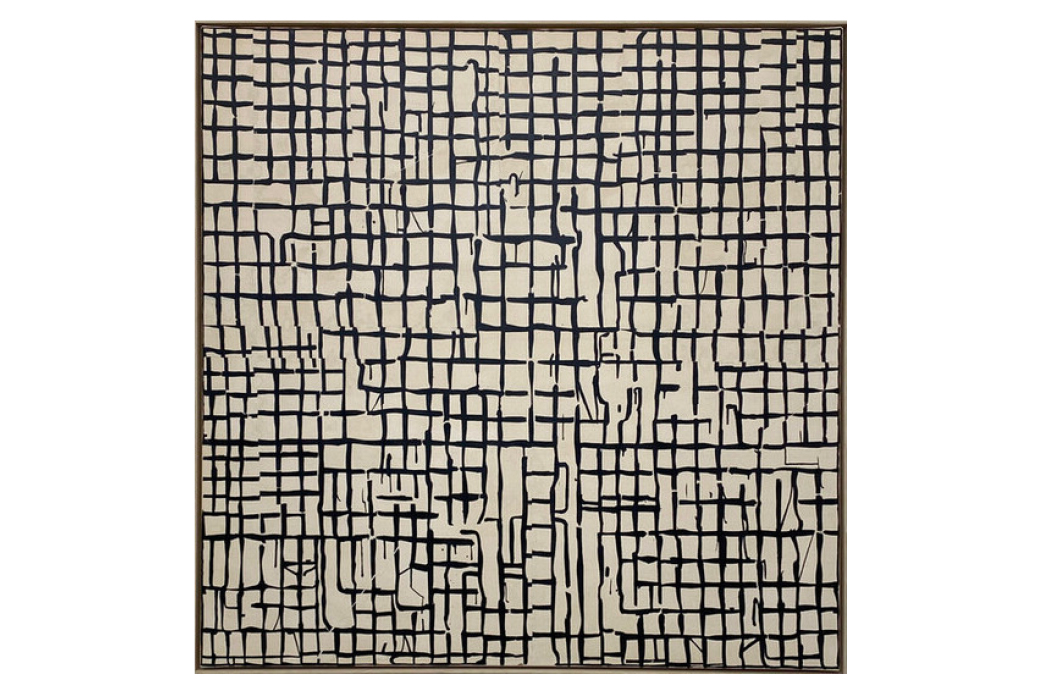
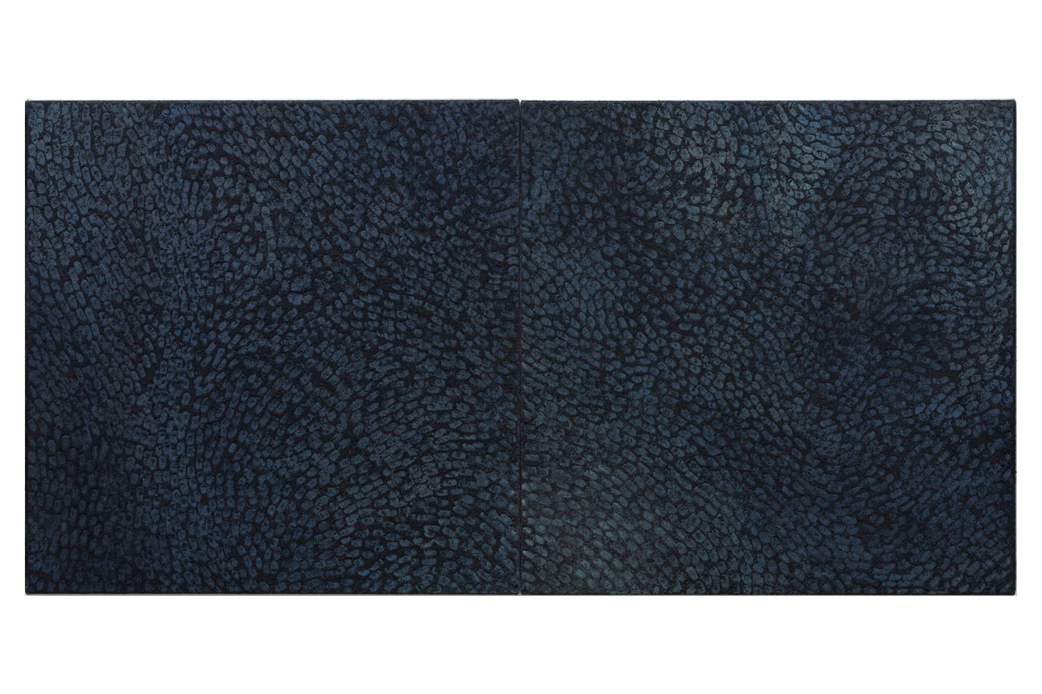
Perusing gallery walls is one of our favourite pastimes. Challenge your perspective and elevate your surroundings with this selection of refined masterpieces.
← GO BACK
SEE ALL SLIDES |
Into The Drop Zone by Lara Merrett
Into The Drop Zone by Lara Merrett
2018
Acrylic and ink on linen and canvas
183 x 174cm
Available from Sumer Contemporary
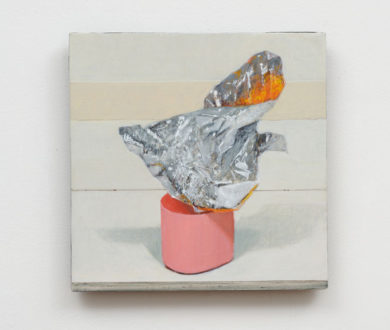
Mary-Jo Rapini (NDE) 2003 by Peter Stichbury
Mary-Jo Rapini (NDE) 2003 by Peter Stichbury
2021
Oil on linen
1600 x 600mm
Available from Michael Lett
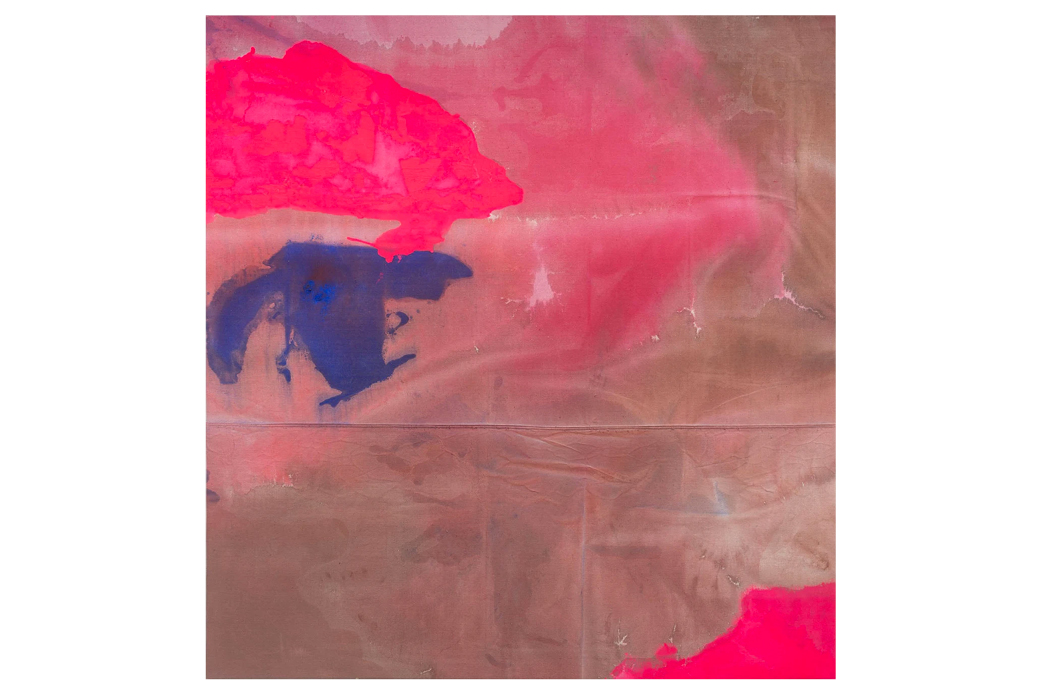
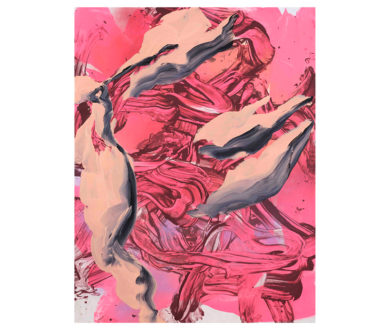
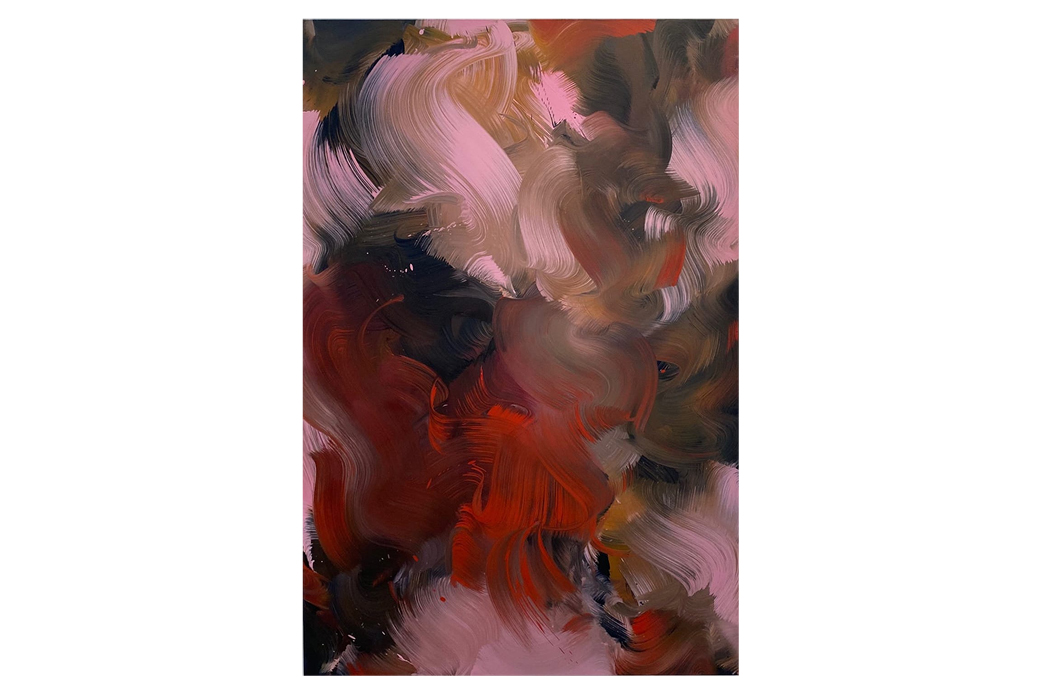
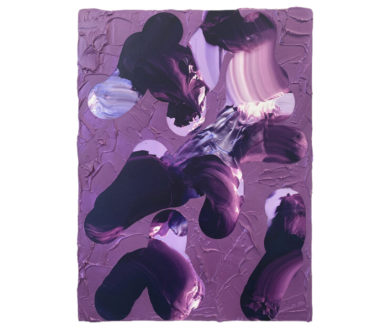
Flare by Judy Millar
Flare by Judy Millar
2021
Acrylic and oil on canvas
2100 x 1600
Available from Gow Langsford
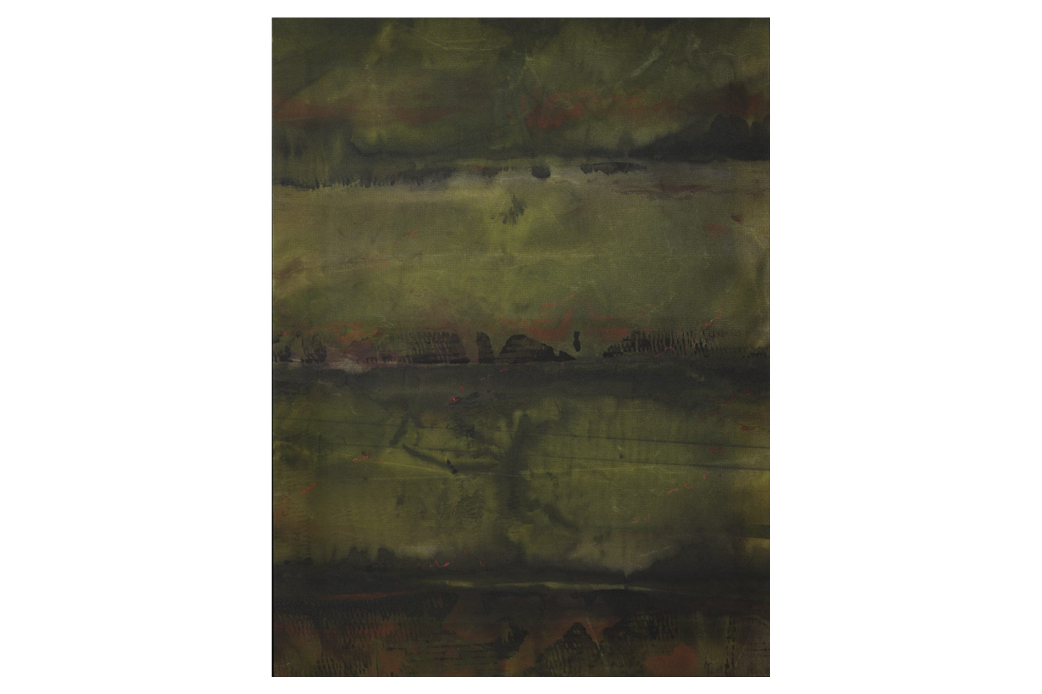
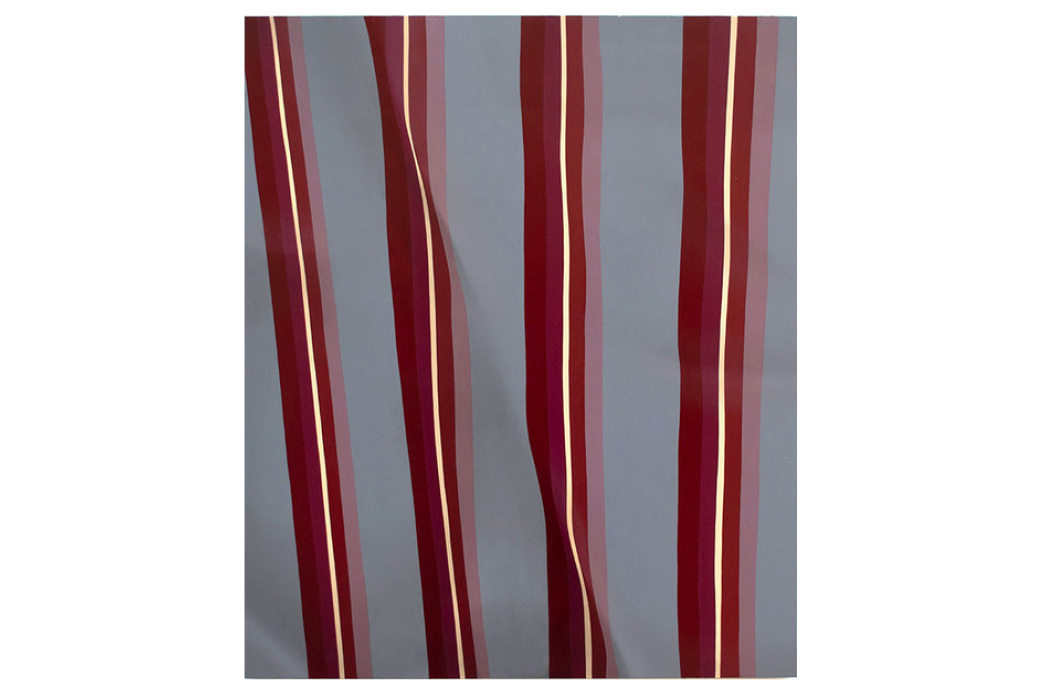
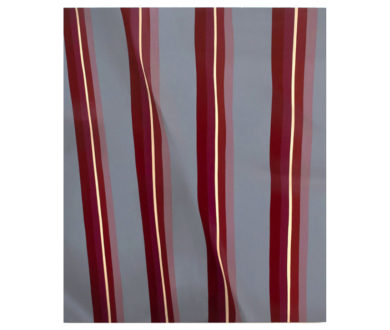
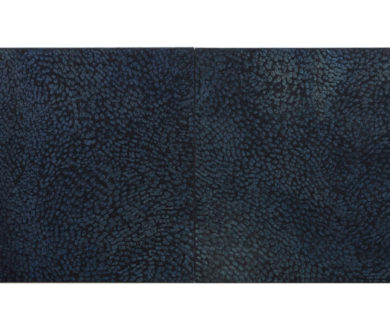
Poet Streets by Matt Arbuckle
Poet Streets by Matt Arbuckle
2020
Acrylic and oil stick on knitted polyester voile
820 x 620 mm
Available from Two Rooms Gallery
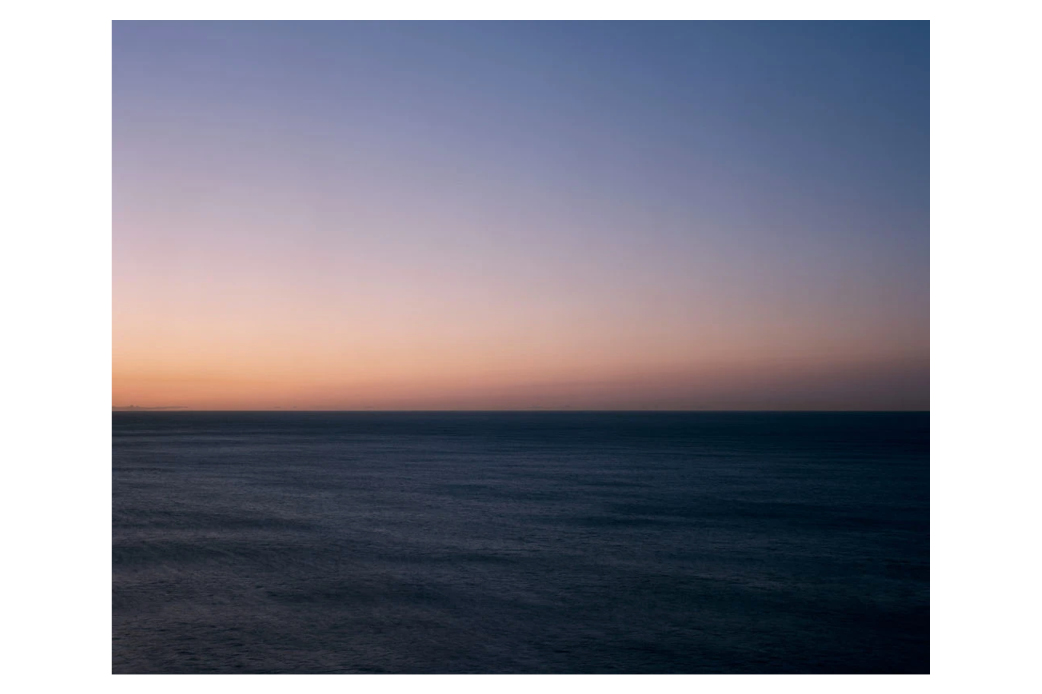
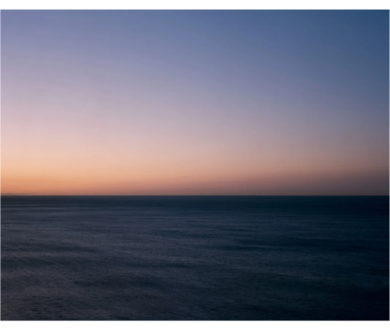
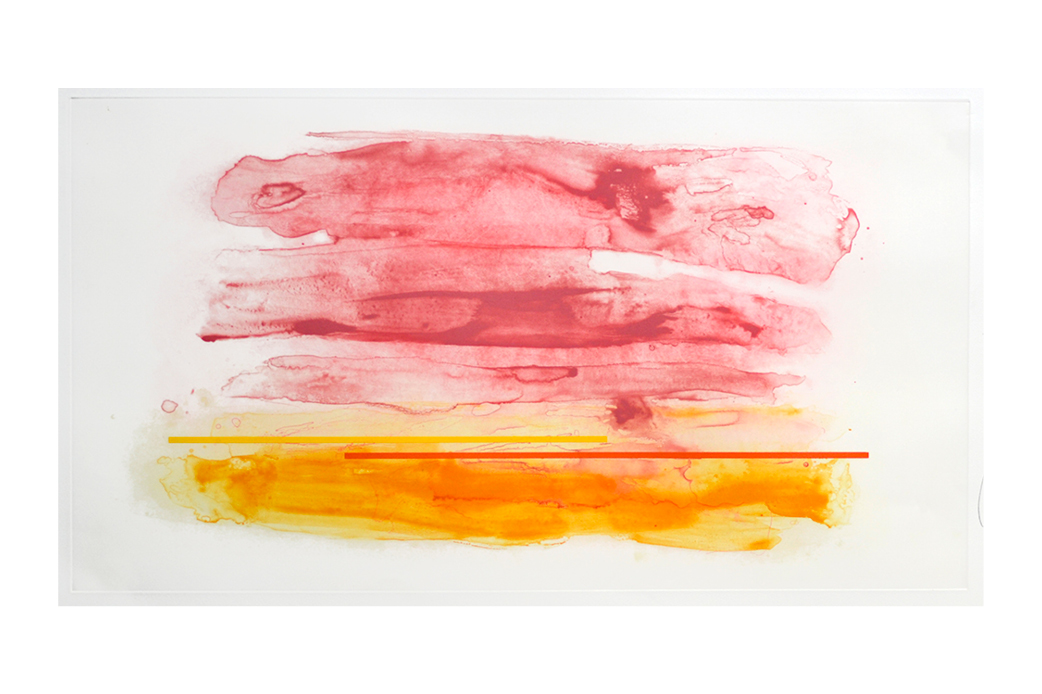
Seascape #22 (Orange Dawn) by Harry Culy
Seascape #22 (Orange Dawn) by Harry Culy
2014
Archival pigment print framed with art glass
812.8 x 1016mm
Available from Parlour Projects
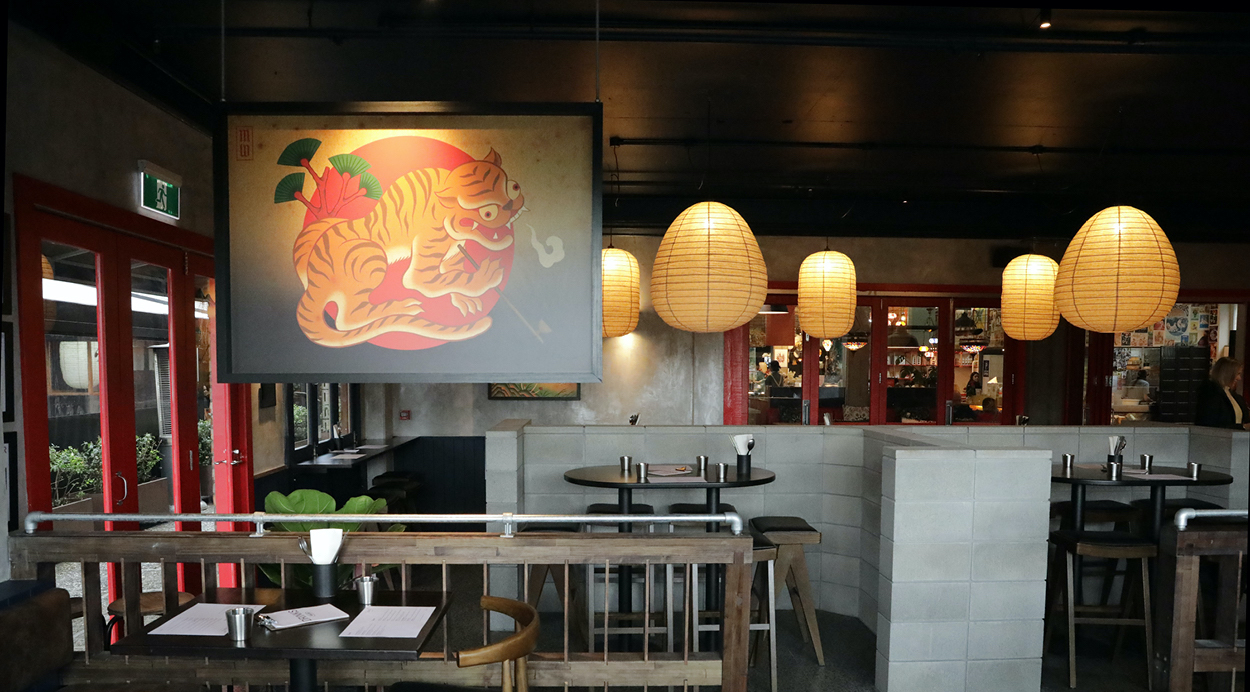
With a name meaning ‘let’s go’ in Korean, Gaja has us ready to say the same to all our nearest and dearest after eating there only once. The charming 50-seater eatery is a brand new addition to Ponsonby Central’s hospitality stable, and specialises in flavourful modern Korean fare that appeals for both daytime and after dark consumption.
Gaja’s artworks were commissioned by local artist Marcus Watson.
Run by Managing Directors TJ Pak and Josh Humberstone, Pak says he and his team are keen to get Aucklanders familiar with the concept of ‘suljibs’ — a Korean word that directly translates to ‘alcohol house’ or ‘bar’ — and the culture within them that is based on the sharing of food dishes and soju.
While, in the West, some of us might be most acquainted with the sweet, flavoured soju that accompanies a night on the karaoke mic, traditionally the type of soju enjoyed with meals is much cleaner in taste — more like sake. There are several etiquettes around enjoying food and soju as a group, and at Gaja they’ll be explaining this culture to diners in order for people to understand it and therefore get even more enjoyment out of it.
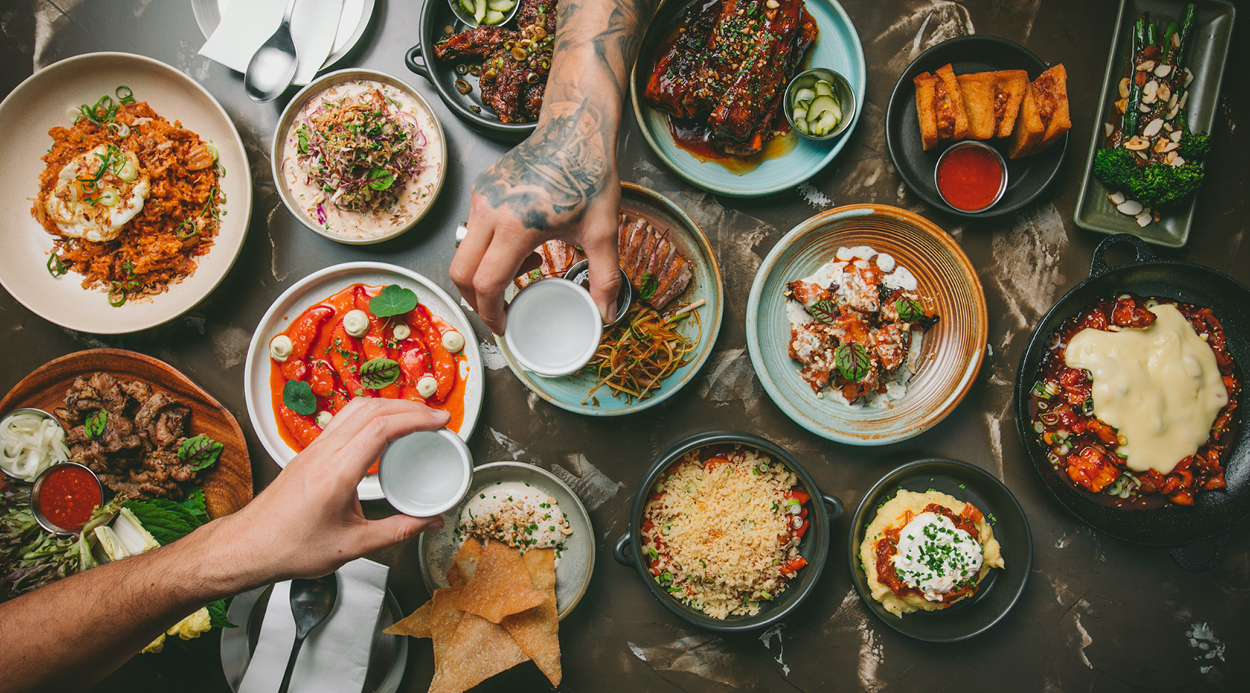
Since our visit, we’ve learned that soju should always be shared — not sipped from the bottle or poured for yourself. Lift up your cup with both hands when someone is pouring soju for you, and you should down your first shot in one. This last point left a pleasant warm feeling spreading through the chest, which helped the food go down that much better.
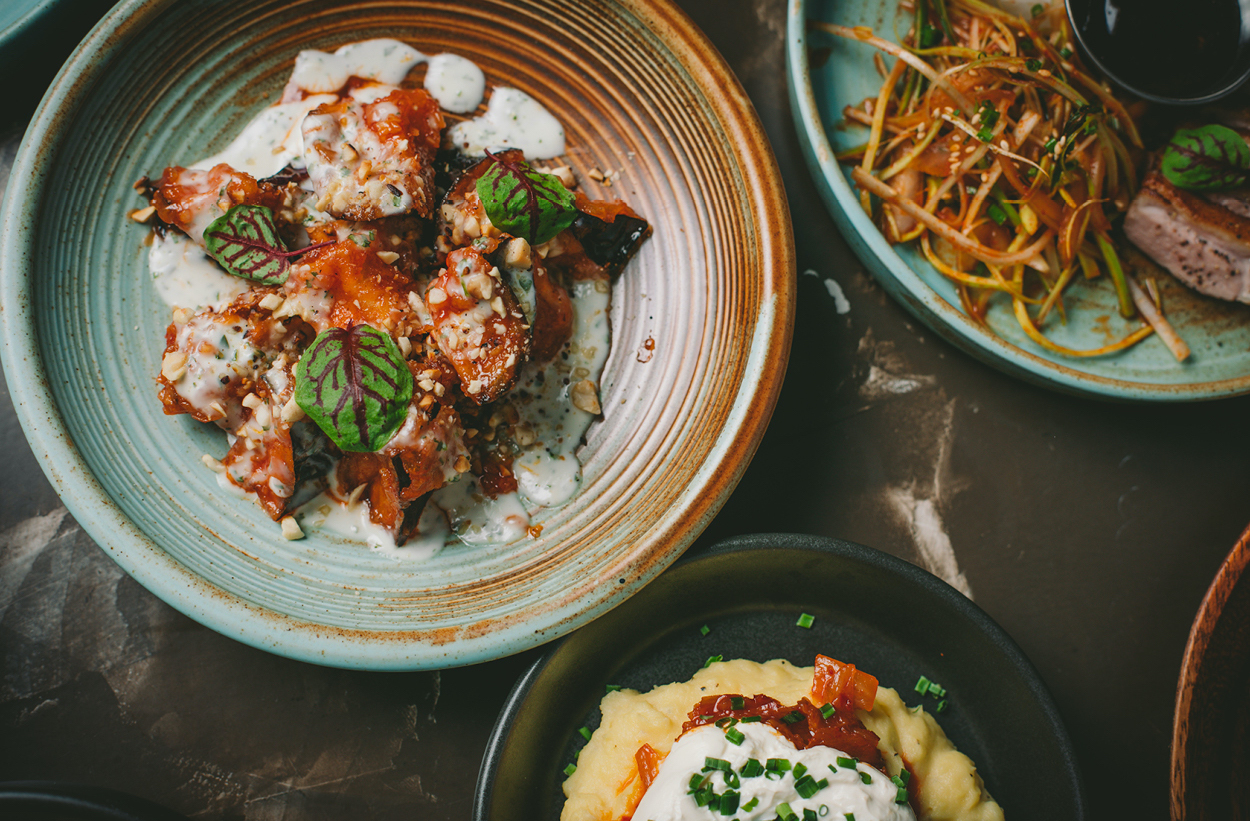
Top left: Gang Jeong Eggplant.
Speaking of food, Gaja’s is delicious, with chefs Riley Min and Tako Yang harnessing the fundamental Korean bases of spicy, fermented gochujang, soybeans and soy sauce to create a menu that mixes dishes of traditional Korean origin with Western twists, and Western dishes with Korean tweaks.
While the lunch menu comprises a selection of bowl-based ‘dupbab’ dishes for a quick bite (these are made with various tasty proteins served over rice), the rest of the offering is designed to share. ‘Gang Jeong’ eggplant is a highlight; pieces of eggplant that have been cooked until impossibly soft in the middle, deep-fried so they’re crispy on the outside with a sticky gochujang glaze and yoghurt sauce.
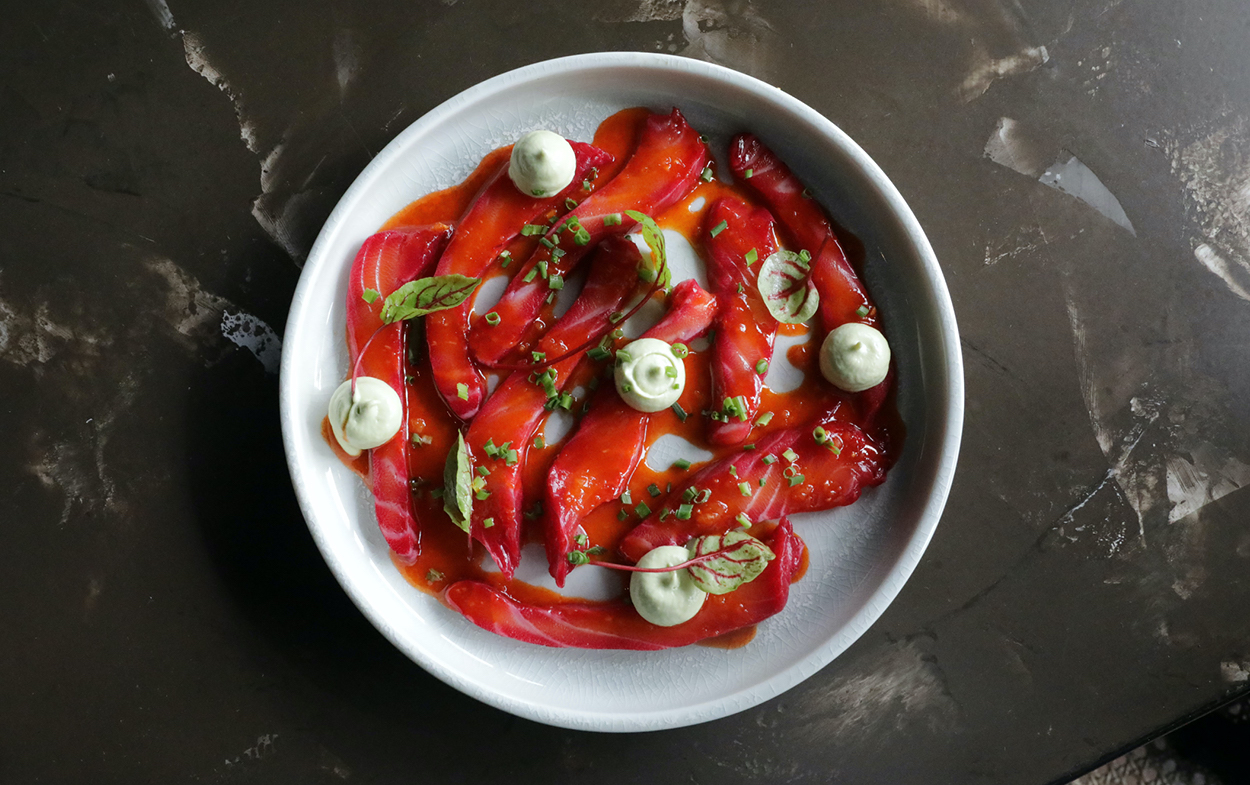
Gaja’s fried chicken employs the same, deliciously sticky flavours, only meat-ified, and the ‘Sunset’ salmon is a fresh plate of cured king salmon with various pairings that is both a joy to look at and to eat.
Gaja’s Sunset Salmon, cured overnight in Hwayo soju, orange and beetroot, severed with smoked cho-gochujang, avocado creme and chives.
The Kimchi fried rice, a traditional Korean favourite, is comforting, salty, savoury and hard to stop eating once you start. Topped with a fried egg, it’s a great side to any of the other dishes. We also loved the Ddukbokki — described as ‘the closest you’ll get to Korean pasta’, addictively chewy rice tubes that resemble elongated gnocchi are served in a thick gochujang sauce, infused with bone marrow and finished with a topping of tempura crumbs and green onions.
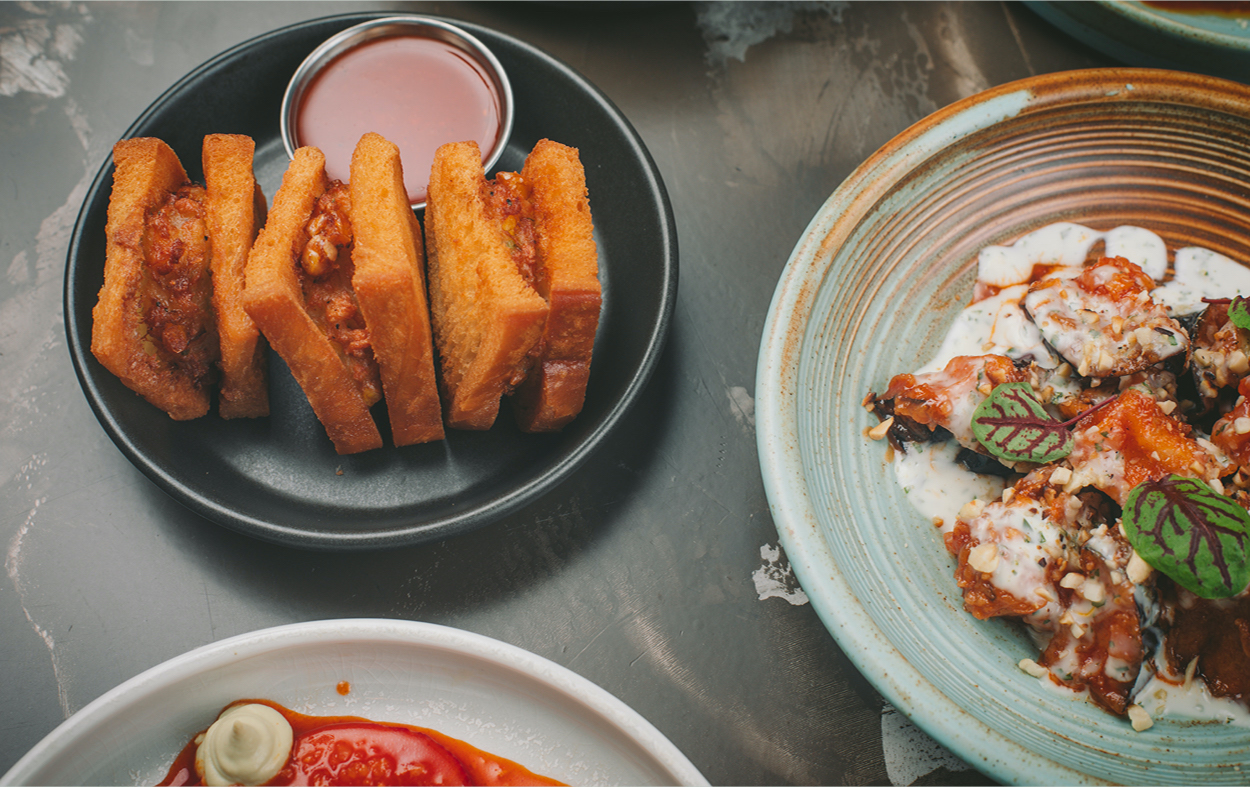
We gobbled up Gaja’s Korean take on prawn toast, with a juicy prawn and corn filling sandwiched in miniature fried toasties, served alongside a sweet and slightly spicy dipping sauce.
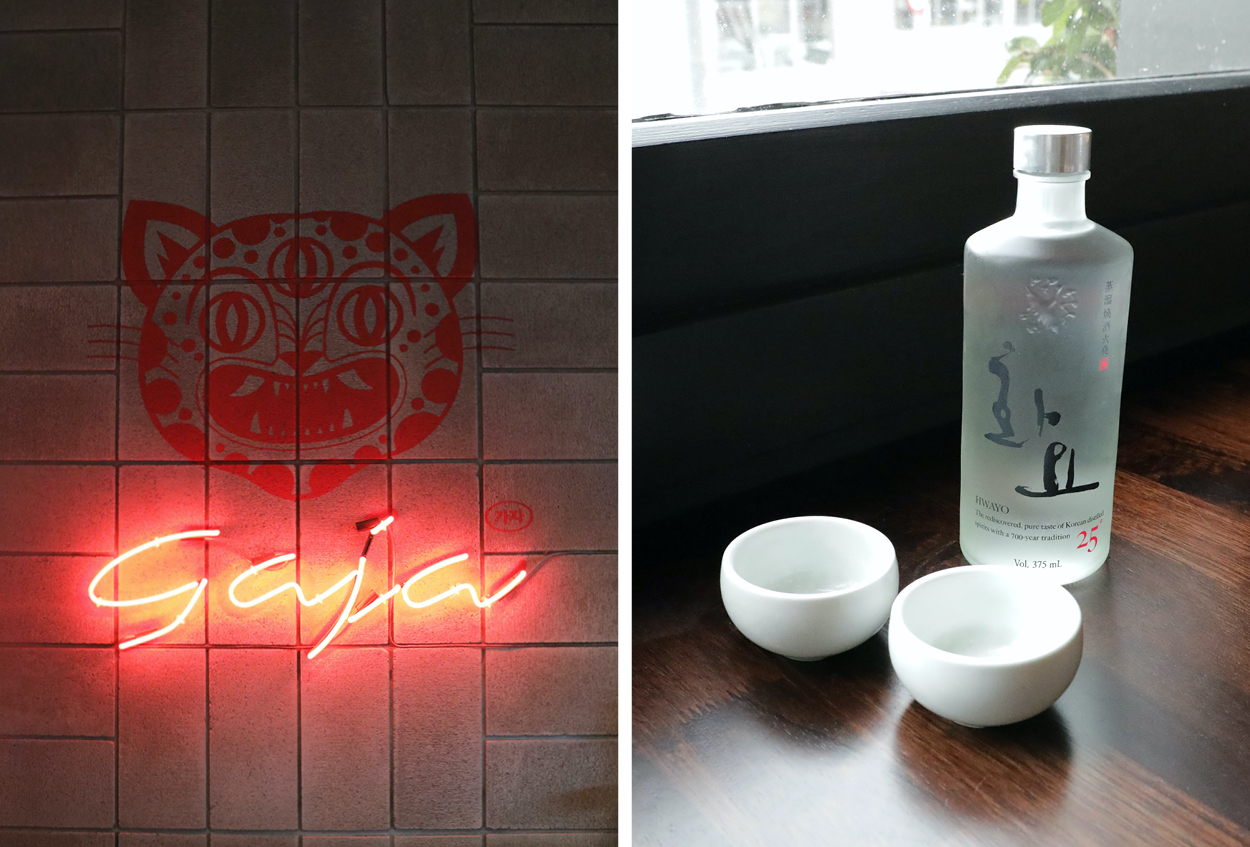
Right: Premium Hwayo soju is the perfect accompaniment to a meal at Gaja.
From small snacks to medium and larger dishes, there is plenty on offer for carnivores and vegetarians alike. Drinks-wise, as well as wine and beer, and a selection of sojus (including non-flavoured, flavoured and premium varieties) there is a selection of cocktails, most of which harness the same fusion vibe of the food. The signature ‘Hwaju’ cocktail is a fruity yet sour concoction of cherry soju, dark rum, pineapple, lemon, cranberry, cherry bitters and egg white, while an ‘Espressoju Martini’ sees premium Hwayo 41 soju added to the traditional coffee-based recipe. The ‘Seoul Spritz’ also sounds intriguing, a refreshing mix of gin, prosecco, blueberry soju and soda.
With the Ponsonby Central complex and surrounding area currently undergoing substantial reinvigoration, it’s set to become even more of a dining destination than it already is. With its lighthearted yet thoughtful offering, Gaja is set to be leading the pack.
Top left: the Menbosha prawn toast.
Is there a new opening you believe should be on our radar? Let us know at [email protected]
With the swarm of skincare options on the market, our daily routines can become a little cosmetically confused. Taking time to create a tailored routine takes the guesswork out of your skincare, so all you need to do is apply, and appraise the results.
Codage Paris Skincare has developed the holy trinity of skincare steps — Prepare, Act, Protect — for a stunning complexion. It’s about finding the right ritual for your skin and adding one last step — Repeat.
Codage Paris’ daily skincare guide (below) will help you regain and maintain that dewy, healthy glow long term.
Prepare Always double cleanse daily and exfoliate once a week.
We suggest the light texture of the Codage Paris Cleansing Cream, rich in organic shea butter and coconut oil, Moringa extract and apricot seed oil for the mornings. The uniquely silky Cleansing Balm melts into an oil and then works into a milk emulsion to nourish, soothe and detoxify in the evening.
The Peeling Lotion is a weekly toner, packed with highly concentrated AHA hydroxy acids and new generation PHA acids to resurface, hydrate and regenerate all in one. Perfect for all skin types, all you need is a quick swipe over the skin, once a week to keep the skin looking slick.
Act Serums are the skin transformers, so you cannot miss this step. Always apply before moisturiser.
Serum No. 3 – Radiance & Energy is an elixir of powerful hydrators, antioxidants and Botox-like proteins, perfect for restoring brightness to the dullest, complexions.
The hero product of Codage Paris, Skin Recovery, targets stem cells to strengthen and regenerate skin, soothe redness, soften, and reduce blemishes. It’s anti-aging and first-aid for skin all-in-one.
Protect When it comes to protecting creams, focus on the eye area and the face separately.
The Day Cream provides highly concentrated, Codage Nutri-Elements to balance oil and moisture levels in the skin — offering the most radiant day-to-day protection. Packed with a vegan viper venom-mimicking peptide, the Botox-like effects are paired with exotic plum extracts to offer plump, hydrated, youthful skin.
Because the skin around the eyes is different to the face, The Eye Contour Cream is a velvety-smooth emulsion, especially formulated to intensely moisturise the eye contour without weighing it down. Dark circles are deflated, puffiness is kept at bay, and contours are lifted and fine lines smoothed for noticeably brighter eyes.
To reinvigorate your skincare regime, we’re giving one lucky Denizen the chance to win the ultimate Codage Paris skincare experience. The winner will receive a one-on-one consultation to tailor the perfect routine for their skin, including $500 worth of Codage Paris products thanks to Spring Store.
When your chosen thirst quencher is beer, the pouring process is of equal importance as the brewing one. In honour of World Beer Day on Friday 6th August, we consulted the savoir-fairest of them all, Peroni Nastro Azzurro, to verse ourselves in the five steps to a ‘Perfect Pour’. Follow them all to ensure that each and every Peroni is enjoyed at its best — prego.
1. The Vessel If possible, use pre-chilled, clean glassware — the former will help keep the beer crisp and cool while the latter will ensure the beer’s flavour profile isn’t tainted by any cleaning products. It might be obvious but it’s often overlooked. (Ideally, you’ll have a Peroni glass on hand with a shape that enhances the bubble effect and, therefore, the overall taste.)
2. No Contact For hygiene reasons, never touch the glass or the beer with the top of the bottle. The outside of it may not be clean and you could transfer dirt into the glass, spoiling its taste and appearance. No one wants that.
3. The Pour When the glass is half full, slowly straighten it to an upright position. This will ensure that the beer retains the perfect carbonation, enabling you to deliver the desired 3cm head.
4. The Head Allowing the beer to settle with a head of dense foam will help to enhance the subtle, delicate volatiles (substances generated by the yeast that evaporate at low temperatures). Volatiles are responsible for the beer’s fruity and hoppy characteristics and having a decent head acts as a net for them, as well as augmenting its aroma.
5. Leave a Little … in the vessel. You might have noticed that Peroni’s glasses hold a lesser volume than the bottle. This is so imbibers can keep their beer cool by topping it up with the colder product from the bottle.
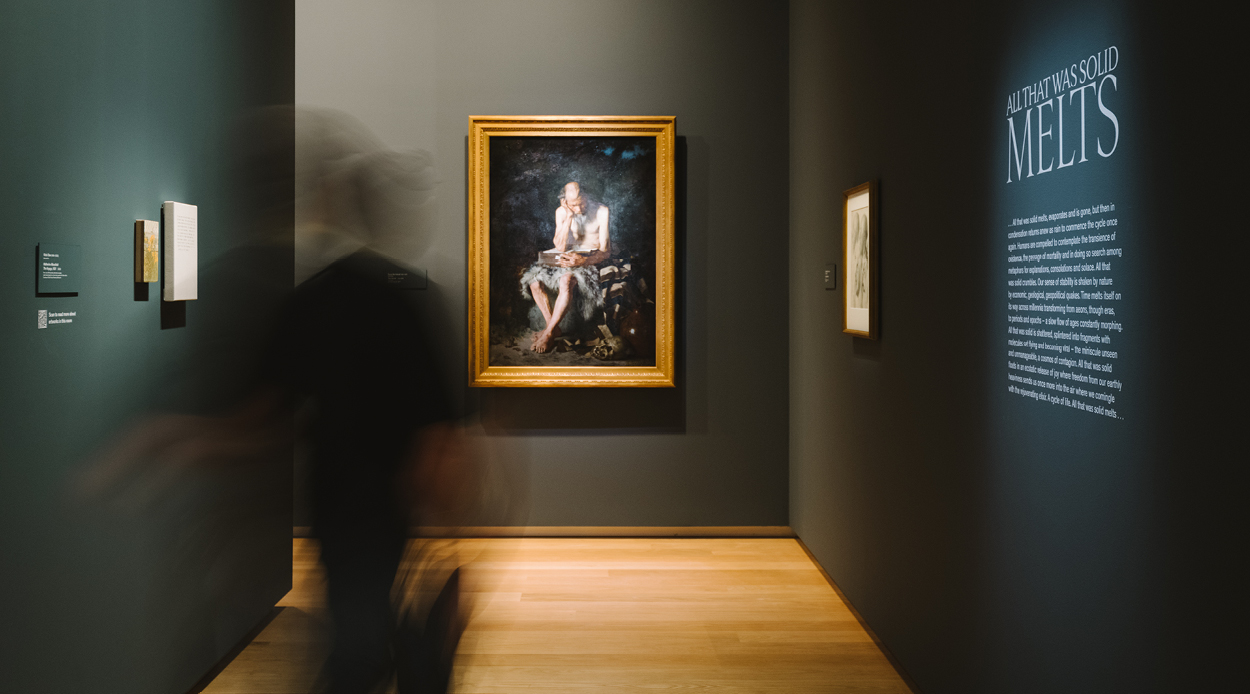
After a year when many of us felt much of what we thought was certain sliding away, a superb exhibition at Auckland Art Gallery Toi o Tāmaki reminds us that we’re not alone. Featuring a mixture of works by leading contemporary and historical artists, All That Was Solid Melts was conceptualised during 2020 as a much-needed balm of solace and cultural beauty amidst the collective tumult.
It was led by curator Juliana Engberg, an award-winning and internationally acclaimed art expert with a reputation for overseeing groundbreaking, engaging events and exhibitions. As Auckland Art Gallery’s Senior Curator Global Contemporary, her work is valued for its authentic approach and her holistic understanding of site, context and history coming into play with not only art, but events that captivate the public.
From left: Curator Juliana Engberg; ‘All That Was Solid Melts’, (installation view), Auckland Art Gallery Toi o Tāmaki, 2021
“Throughout history, there have been many times of difficulty and, as a collective, we find ways to get through them — albeit not without deep loss and grief,” says Engbeg. “Art, in particular, can be a way to help regenerate. Within disaster also sits the future, and we wanted to reflect that in All That Was Solid Melts.”
Explaining that the exhibition is simultaneously historical, modern and contemporary, she says: “The selection of work segues between styles, eras and epochs and indicates a wide expanse of time that makes it feel lush and sensuous.”
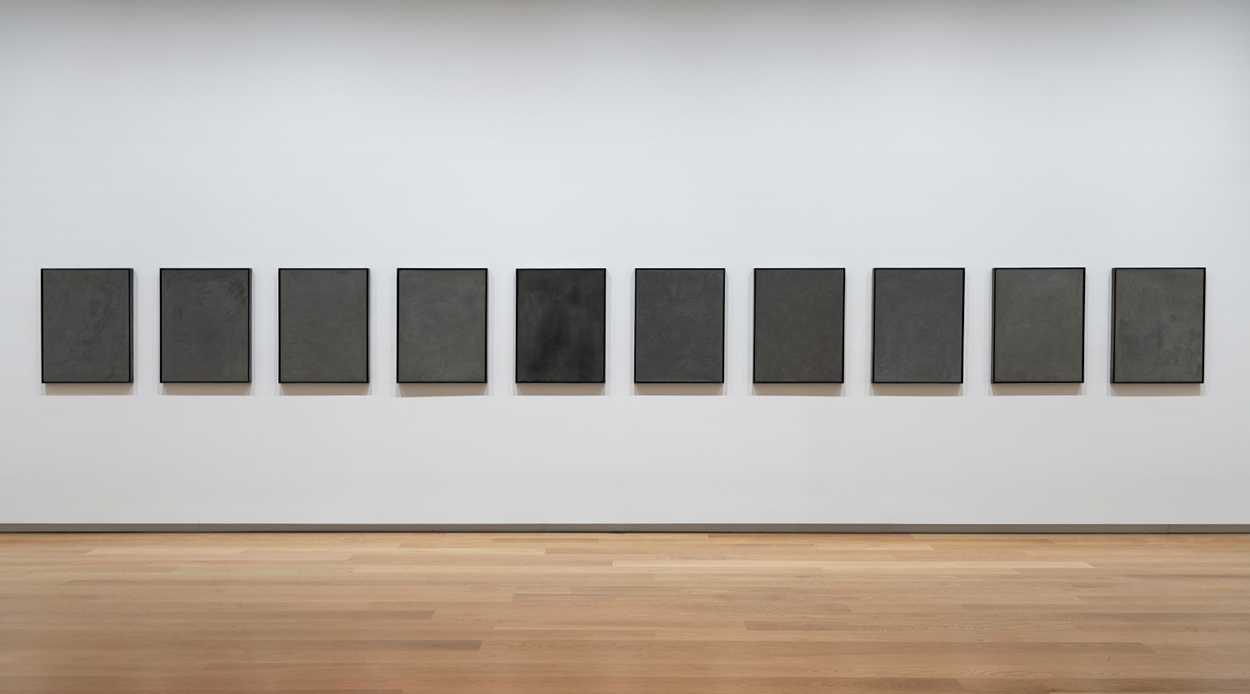
Leading contemporary artists included are Douglas Gordon, whose photographic work ‘Private Passions’ begins the exhibition; British visual artist Tacita Dean, with her inventive film ‘JG’ showing on loop; Katie Paterson’s ‘Fossil Necklace’, comprising 170 spherical beads carved from fossilised material strung on a single strand; Pierre Huyghe and his surreal, unsettling and thought-provoking film ‘(Untitled) Human Mask’ — and many more.
Sophie Anderson, After the Earthquake, 1884, (installation detail), Auckland Art Gallery Toi o Tāmaki, gift of Viscount Leverhulme, 1924
These are interspersed with historical works such as Sophie Anderson’s 1884 oil painting ‘After the Earthquake’, Juan de Juanes’ ‘Saint Sebastian’ from the 16th century, and Giovanni Battista Piranesi’s 18th century engravings, ‘Visions of Architectural Downfall’.
Viewed as an assemblage, these artworks take the viewer on a visual journey, demonstrating how art can help us make sense of things in times of strife and face the future with renewed resilience.
All That Was Solid Melts is currently closed, but will reopen once restrictions are lifted, showing until Sunday the 10th of October 2021.
For more exclusive access to what the city has to offer, engaging content, excellent imagery and thought provoking commentary on the life that surrounds you, subscribe to Denizen magazine now.