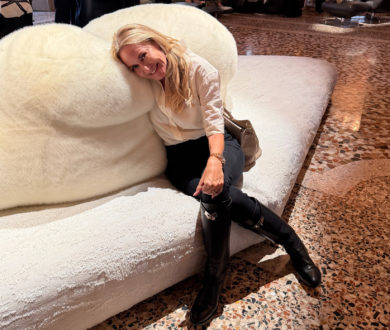
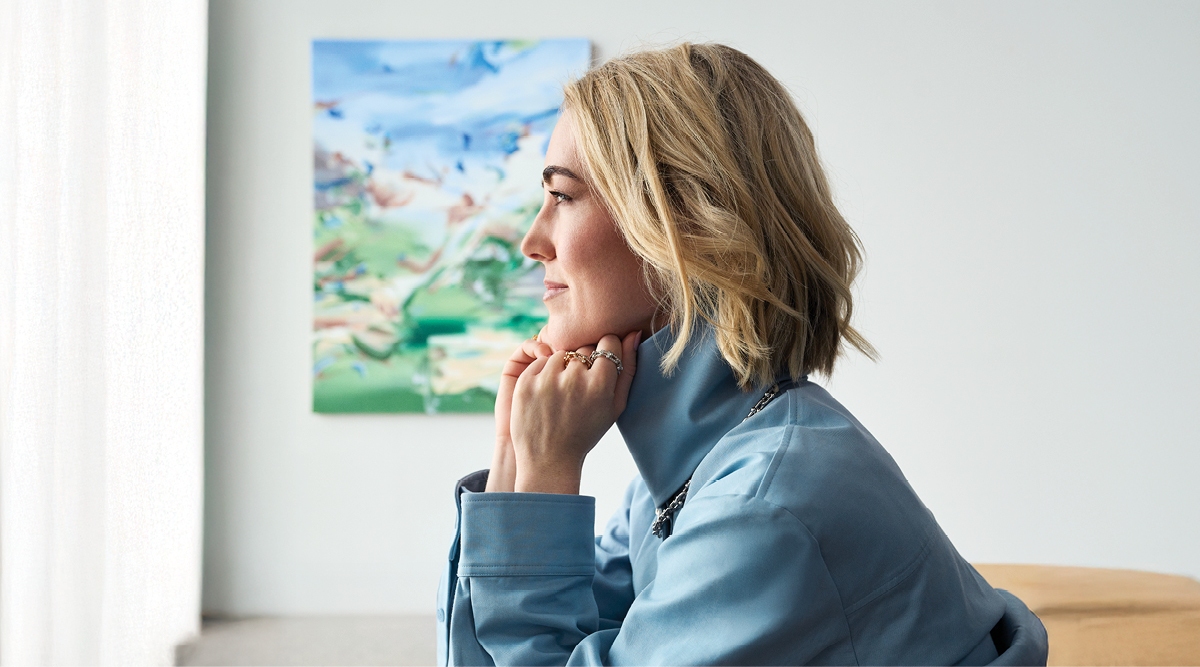
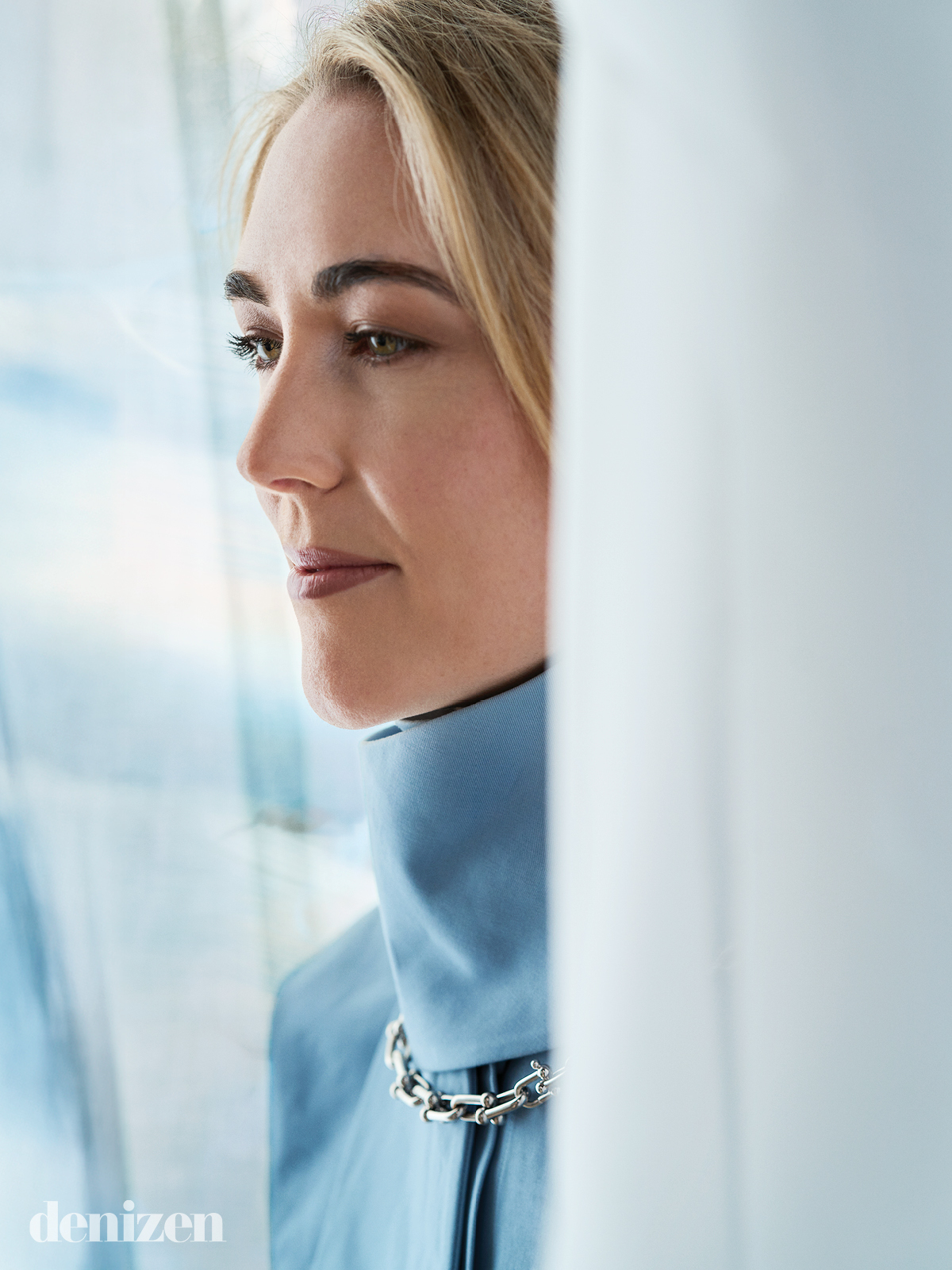
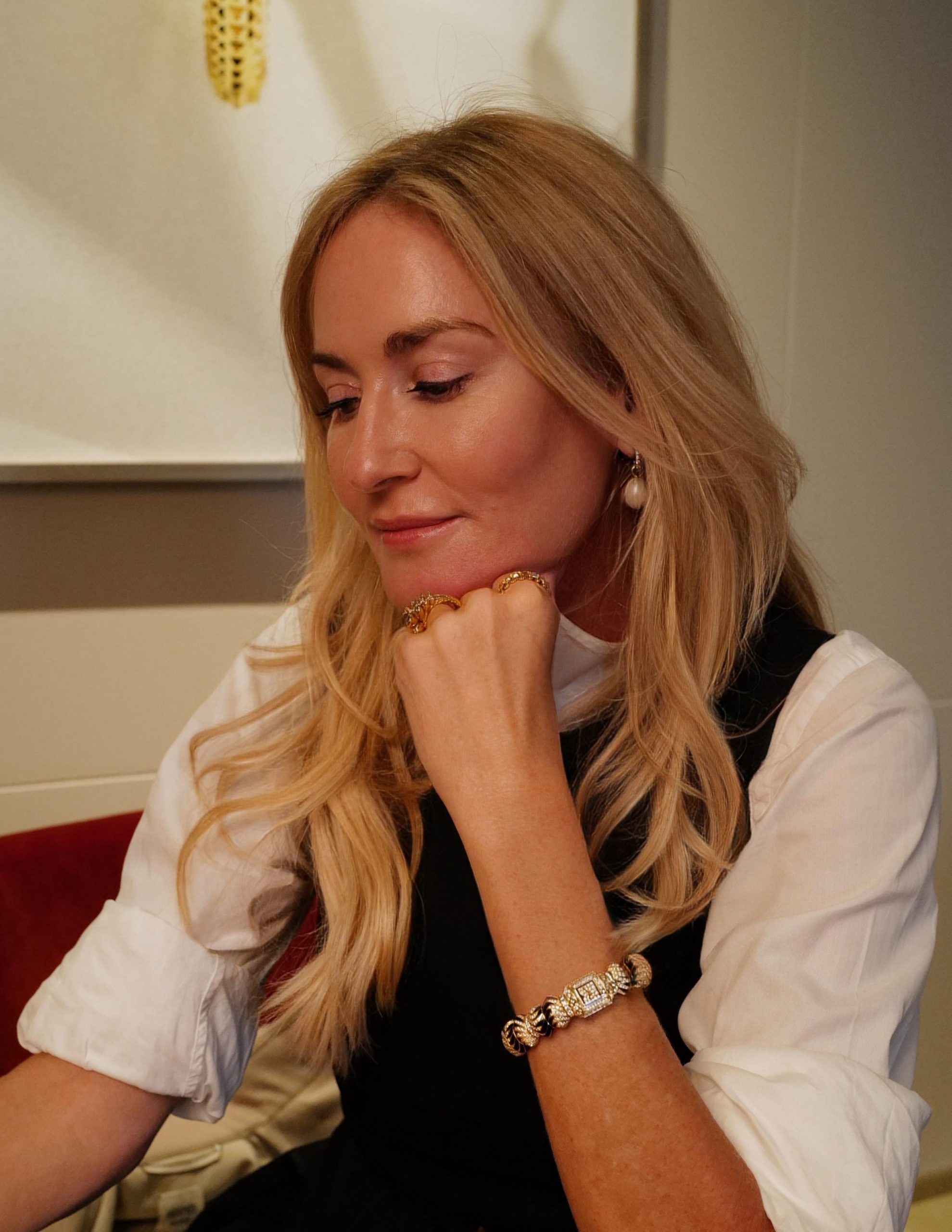
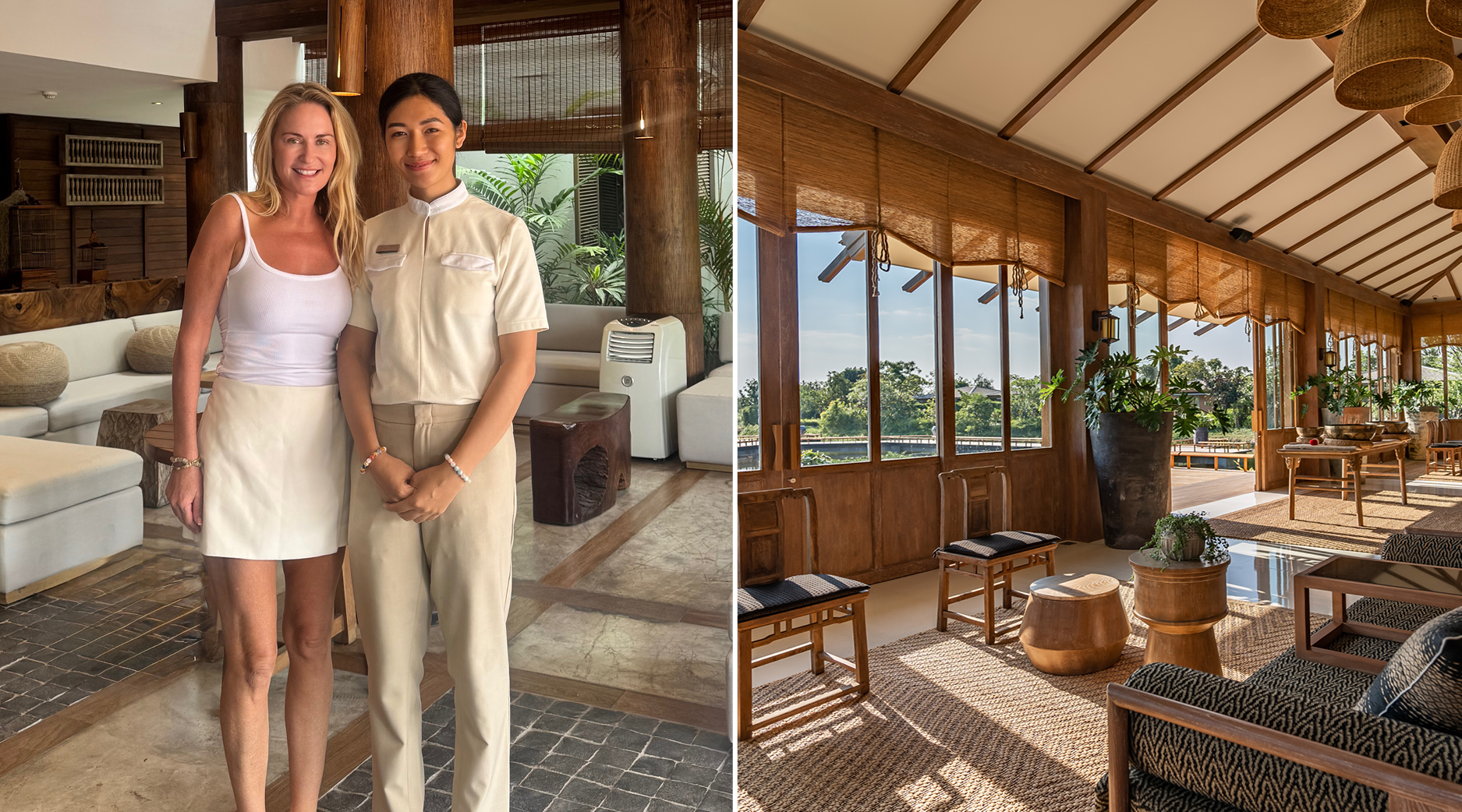
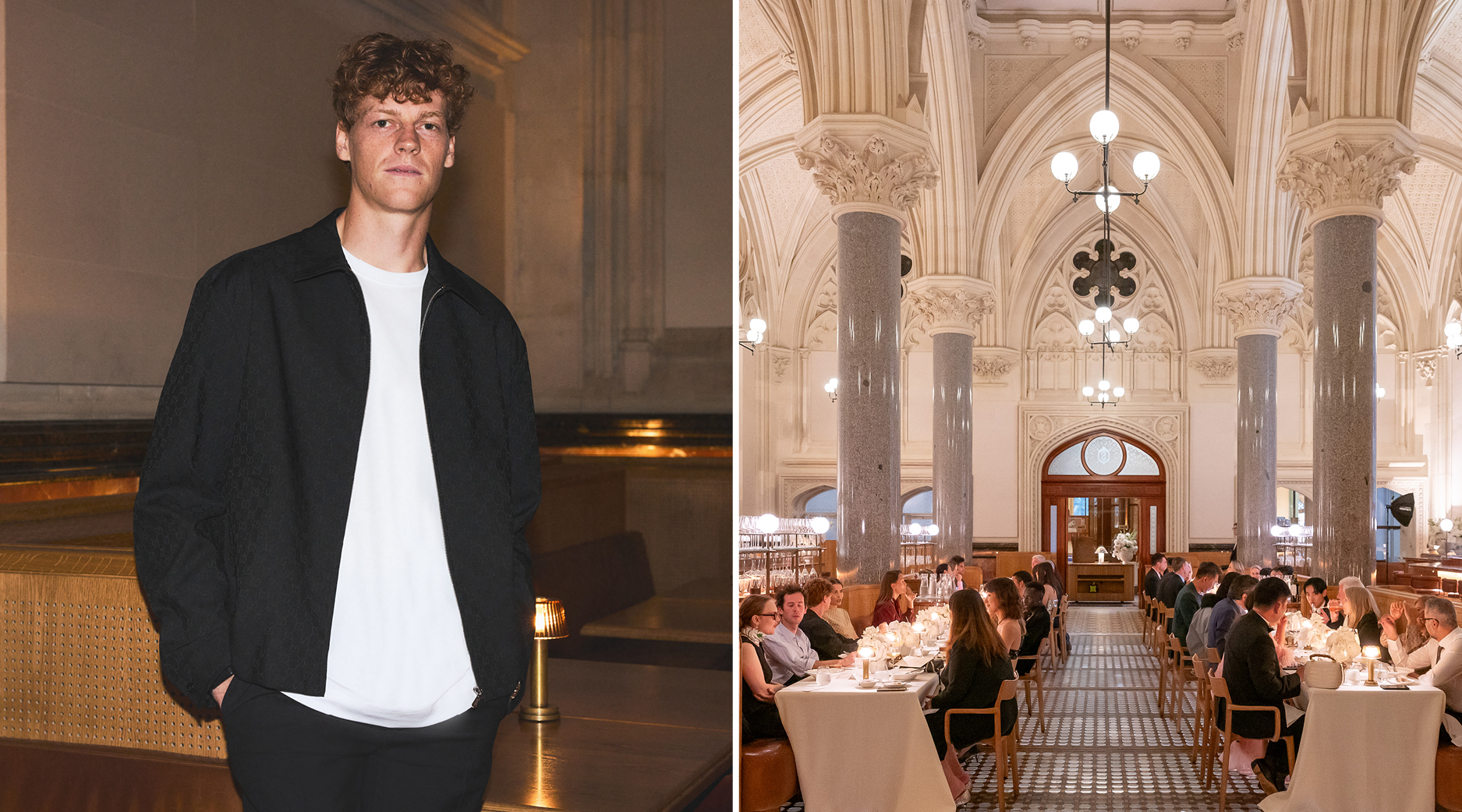
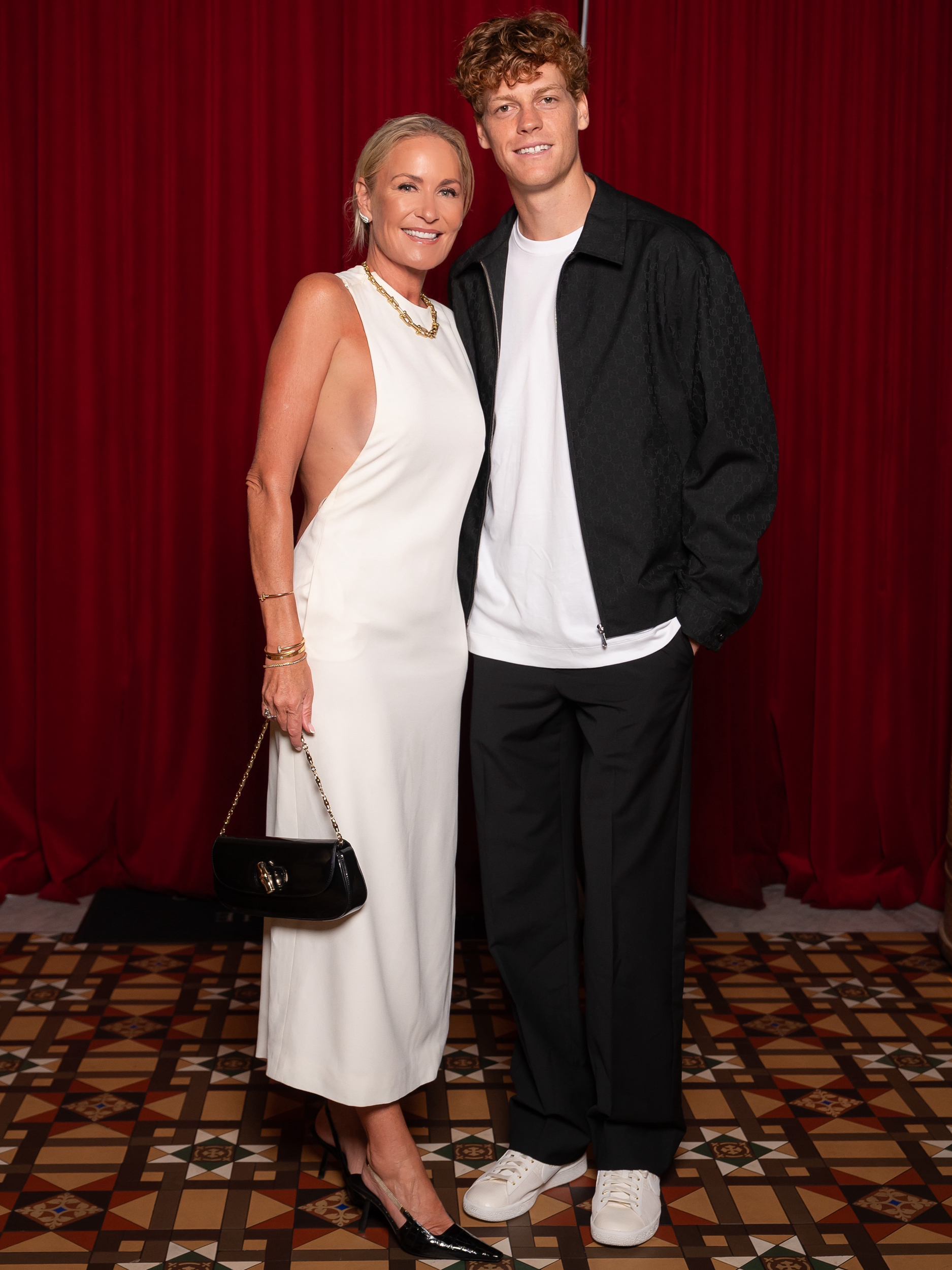
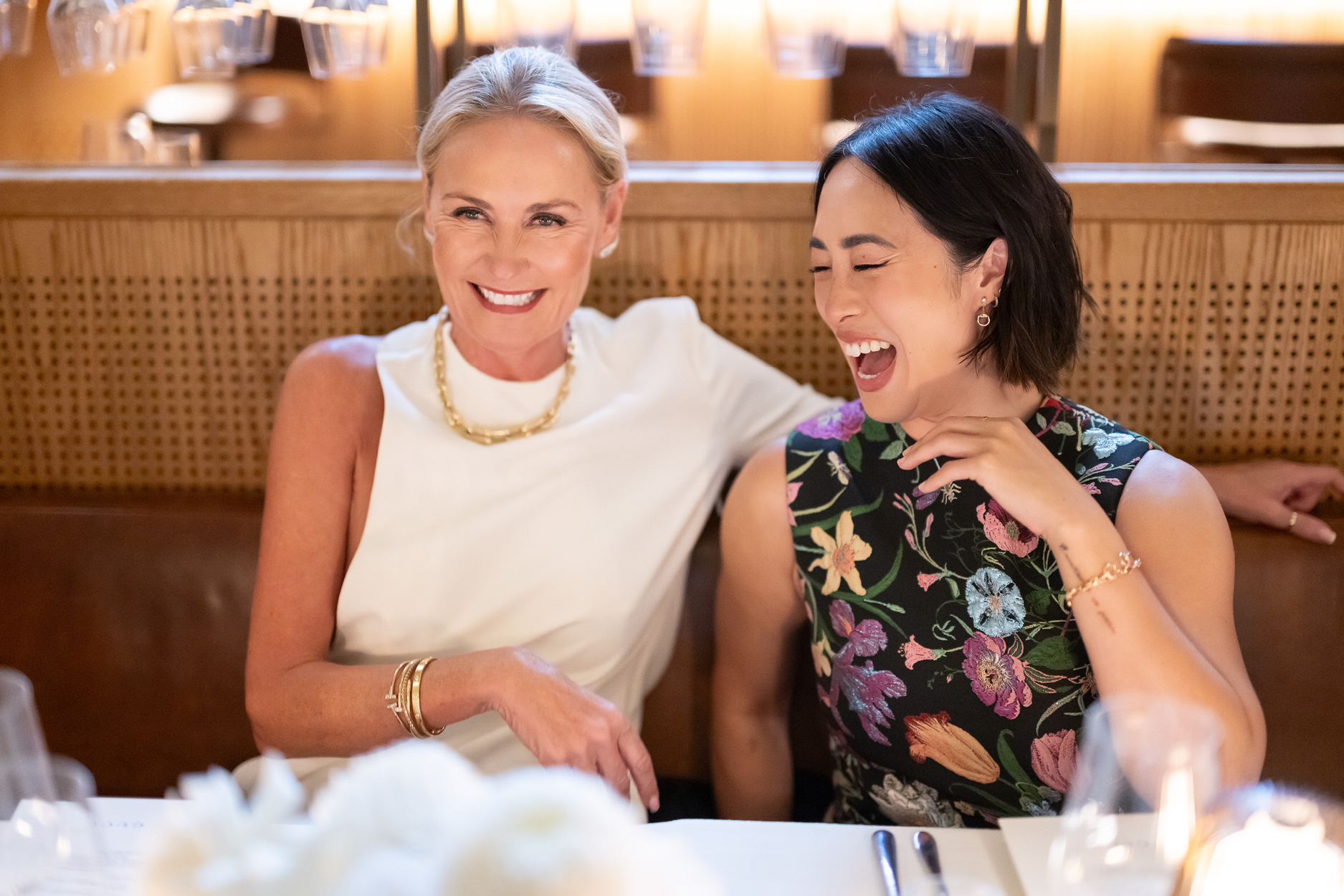
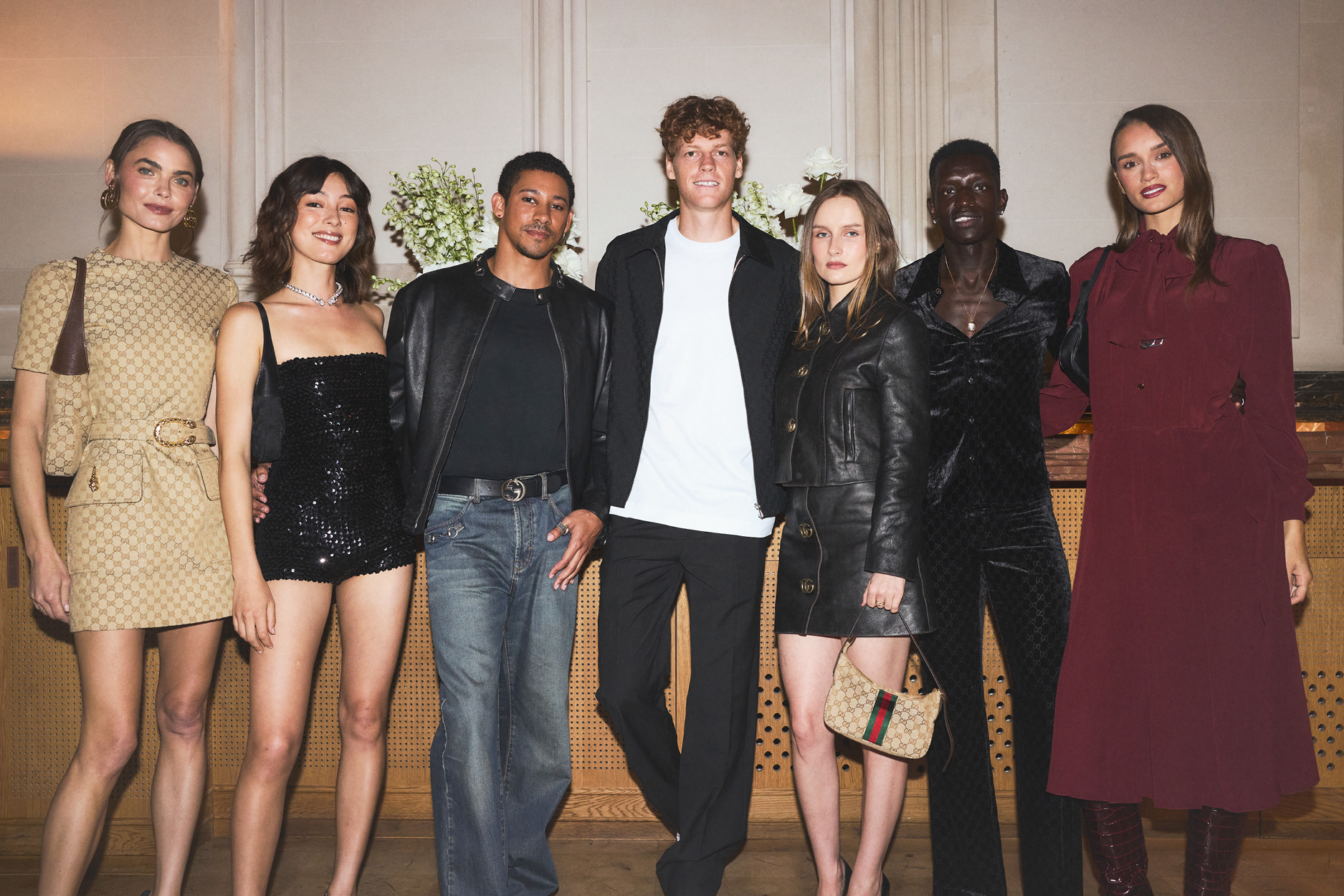
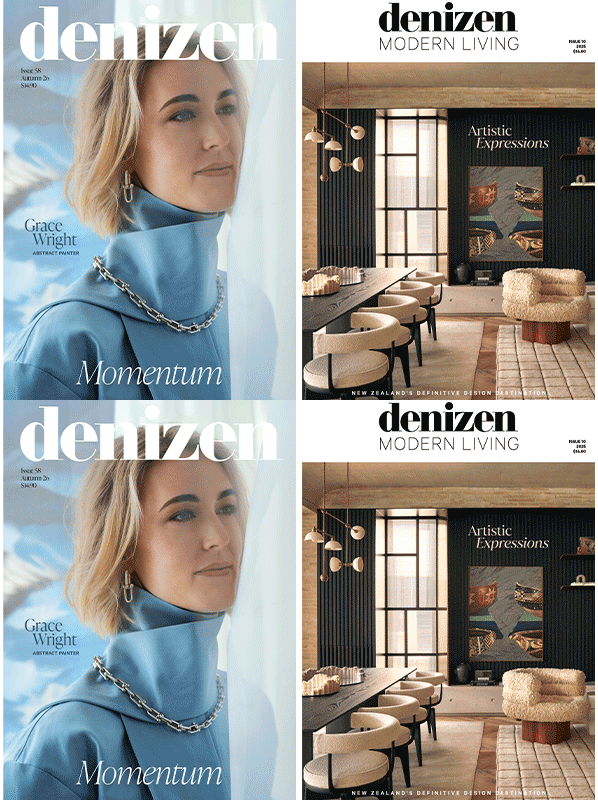
Having published and edited some of the most influential lifestyle magazines both in New Zealand and in New York, it’s little wonder Claire has an excellent ability to create inspiring editorial content. As Denizen’s Editor-in-chief, she is firmly placed at New Zealand’s authority on the art of living well. In addition to The Denizen (website and magazine), Claire also publishes and edits New Zealand’s leading design magazine and website Design Folio, and is widely regarded as an authoritative figure in the design community.
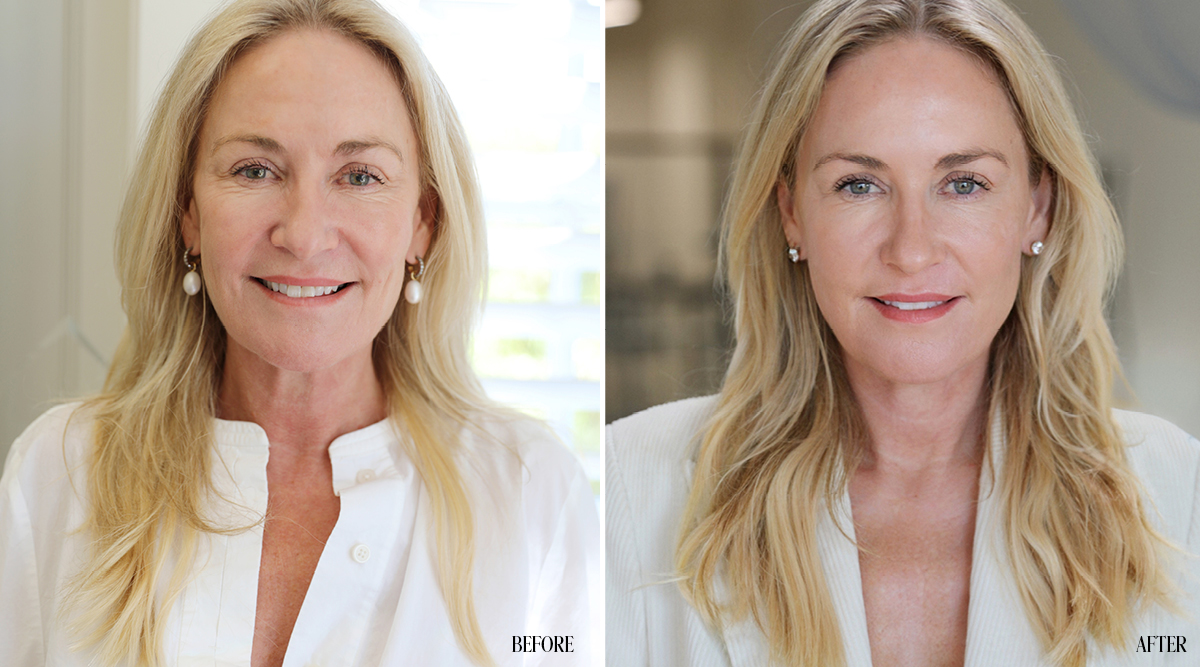
At my age and stage, Botox is neither scandalous nor aspirational. It is maintenance, filed somewhere between the dental hygienist and reformer Pilates sessions. I was somewhat of a late bloomer. I only started in my thirties, when the lines on my forehead were no longer hypothetical and charmingly expressive; instead, they began to resemble a permanent look of administrative concern.
For years, traditional toxins behaved impeccably. A few discreet injections and, within the week, my brow would relax into something less prosecutorial. Then, rather inconveniently, it stopped cooperating. I found myself waiting for the familiar smoothing effect, only to discover that my forehead had decided to retain full authorship of its lines. The explanation, as it turns out, is simple enough. With repeated use, the body can become less responsive. In essence, mine had grown bored with the whole arrangement.
“Within 24 hours, there was a very discernible softening. By the end of the second day, the furrow that had begun to look like a personal trademark had eased considerably.”
I suspect I have not helped matters. A disciplined exercise regime, a metabolism that operates like a competitive sport, and a devotion to sauna and cold plunge therapy mean my body is highly efficient at processing anything that dares enter it. On the rare occasions the toxin did take hold, it clung on with the conviction of a New Year’s resolution. The results grew increasingly fleeting, and the regularity of administration rather less charming. Naturally, I responded with my usual time-poor complacency. I ignored it until an important international engagement loomed, then booked a last-minute appointment, boarded long-haul flights, hoping that by the time I landed in the northern hemisphere, I would look marginally less furrowed. Instead, I often arrived exactly as I had departed. Crossing time zones, it seems, does not count as aesthetic renewal.
A cautionary note for the enthusiastic. Botox is not a pension plan for your face. It does not guarantee immunity from gravity or habitually raised eyebrows. Used too often, it can simply lose its edge. Experience, as ever, is the sternest consultant. So when I heard about Relfydess, Galderma’s new relabotulinumtoxinA neuromodulator, designed for faster onset and refined precision and results lasting four to six months, I was intrigued. It works in the same fundamental way as its predecessors, temporarily blocking nerve signals to reduce muscle contraction and soften moderate to severe lines. The difference lies in its formulation, designed for longevity and a quicker visible effect, often within one to two days.
Under the stealth expertise of Clinic 42’s Dr Ellen Selkon, widely regarded as one of this country’s leading authorities on skin and longevity treatments and, crucially, someone who understands the difference between looking well rested, not embalmed. She targeted the usual suspects: my forehead creases and the increasingly present crow’s feet.
Within 24 hours, there was a very discernible softening. By the end of the second day, the furrow that had begun to look like a personal trademark had eased considerably. What it did not do was render me expressionless. I can still raise an eyebrow in disbelief and frown at a dubious pitch from a public relations agency, both important attributes at this stage of my career. It is too early to declare undying loyalty, but if the promised four to six months materialise, this may well be the evolution I have been waiting for. At this point in life, I prefer convenience and long-term efficacy over looking permanently vexed. If a new-generation toxin can deliver, it earns a place in this modern woman’s maintenance portfolio.
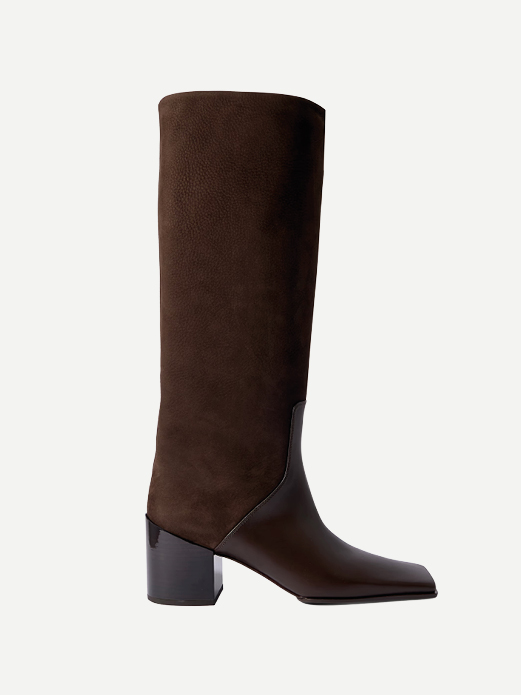
After two weeks traversing trade fairs across Europe, fuelled largely by Champagne, Aperol Spritzes, late-night dining on carb-laden room service orders, and questionable long-haul flight decisions involving cognac before sleeping, I returned home feeling considerably more plump and inflated than when I had left. My ankles had swollen, my rings felt tighter, and a prized new pair of knee-high riding boots had become almost impossible to remove without heavy-handed assistance.
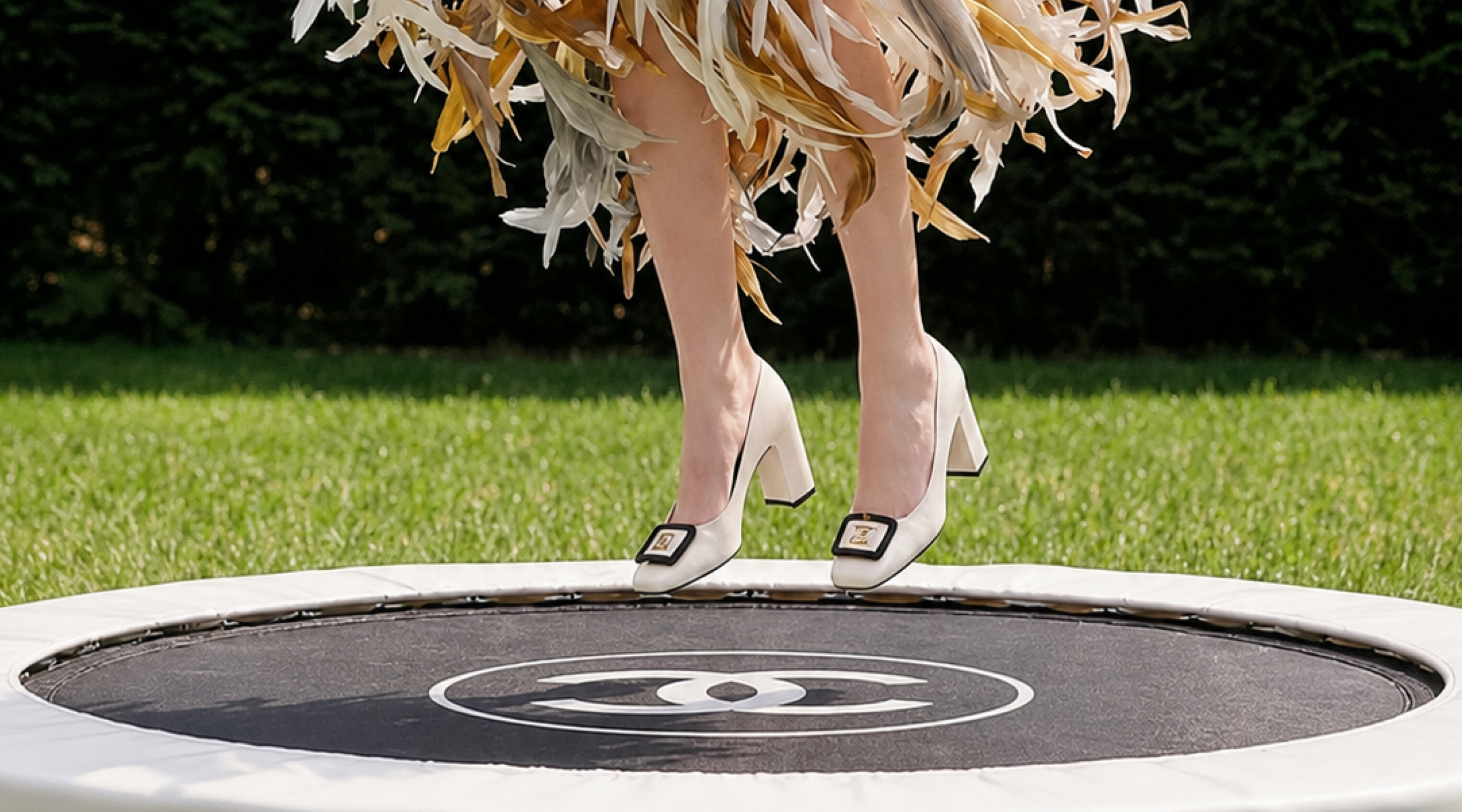
If you’re doomscolling anything in the health and wellbeing realm, you’ve no doubt had the algorithm intervene with a plethora of men and women enthusiastically bouncing around their bedrooms in the name of “lymphatic jumping”, a rhythmic practice said to support circulation, reduce bloating and improve energy.
While on the outset it may look like just another short-lived viral ‘get fit quick’ scheme, the idea has substance, drawing inspiration from ancient Chinese movement, including Qigong and Daoyin, practices developed as part of Yangsheng, or the art of “nourishing life”, where breath and fluid movement are used to support vitality and wellbeing. What we’re all seeing in our feeds is a condensed version of these philosophies, with ten accessible minutes of bouncing each morning.
Unlike the circulatory system, the lymphatic system has no central pump and instead relies on movement and muscular contraction to move fluid through the body. Which is why these gentle bouncing movements may help stimulate circulation and lymphatic flow through rhythmic pressure changes and muscle activation.
With nothing to lose, and eternally short on time, for the past two weeks, I’ve started every morning with ten minutes of lymphatic jumping immediately after my sauna and cold plunge routine. Admittedly, five minutes submerged in six-degree water has your body jumping around anyway. So it’s a win-win for me. The best part is that there is no equipment required, just gentle jumps, swinging arms, relaxed breathing and an increasing sense that your nervous system is waking up.
It’s pretty silly to think that the older we get, the less we do the things we loved to do as children. The joyful act of jumping around and swinging your arms about is playful and uncomplicated. And there’s no doubt it’s not something I’d be keen to do publicly, or even in front of my children, the hilarity that would ensue would be too much to bear. This is a private practice.
I have also read that the ideal scenario is to do it outside, on the grass (because grounding is also a thing), under the morning sun, to fire up the circadian rhythm and get the party started. Though weather and the proximity to others may make that challenging on some days.
So, what do I make of this newfound, clearly silly-looking ritual? I’m into… it for now. For one thing, it’s quite fun; it’s not difficult, my body feels lighter, my torso possibly tighter, and there is a distinct improvement in my attitude about the day ahead. My boots are also finally made for walking.
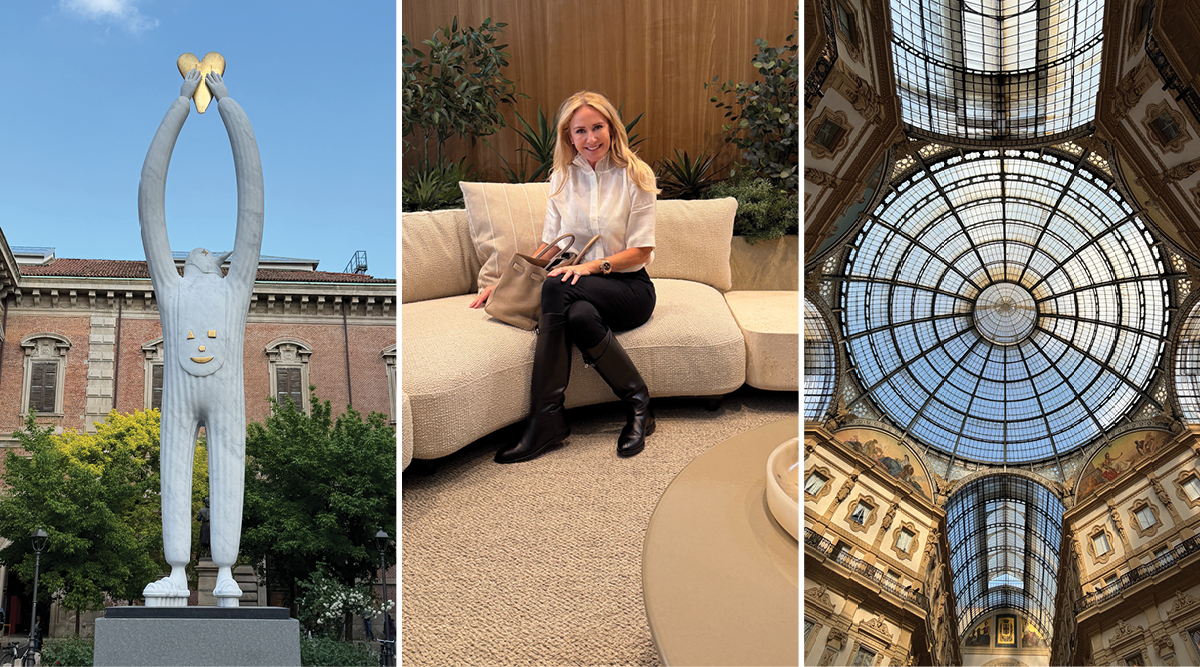
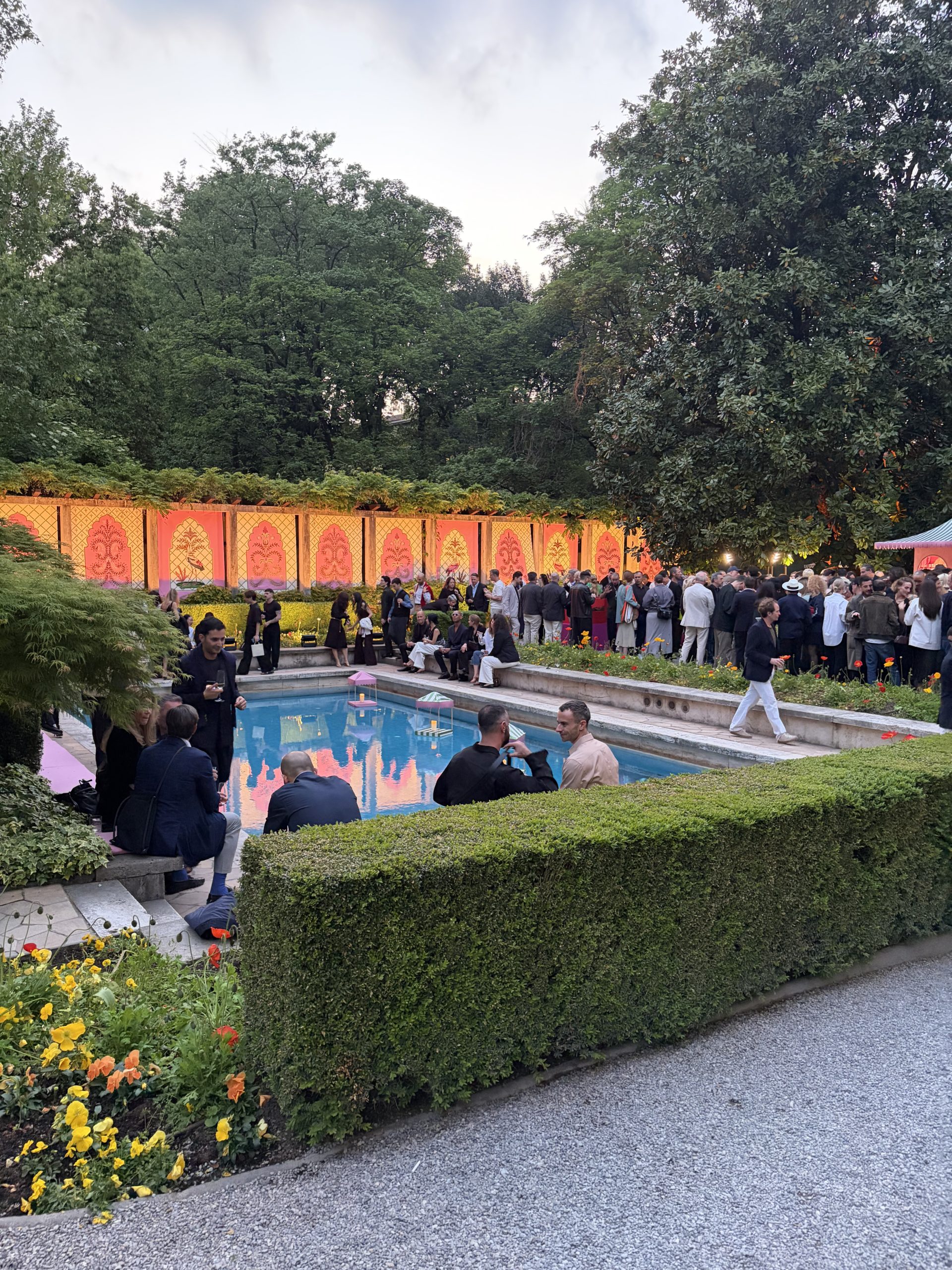
Having finally returned to Milan for Salone del Mobile after a brief hiatus, I was immediately reminded that there is still a world where creativity, craftsmanship, and human ingenuity genuinely matter. The scale of what’s on show across all corners of the city remains almost impossible to comprehend until you’re back in it again. Moving among the presentations, historic palazzos, hidden courtyards, and engaging in fascinating conversations about the art of the craft, Milan remains as inspiring and motivating as it was when I first started attending more than 20 years ago.
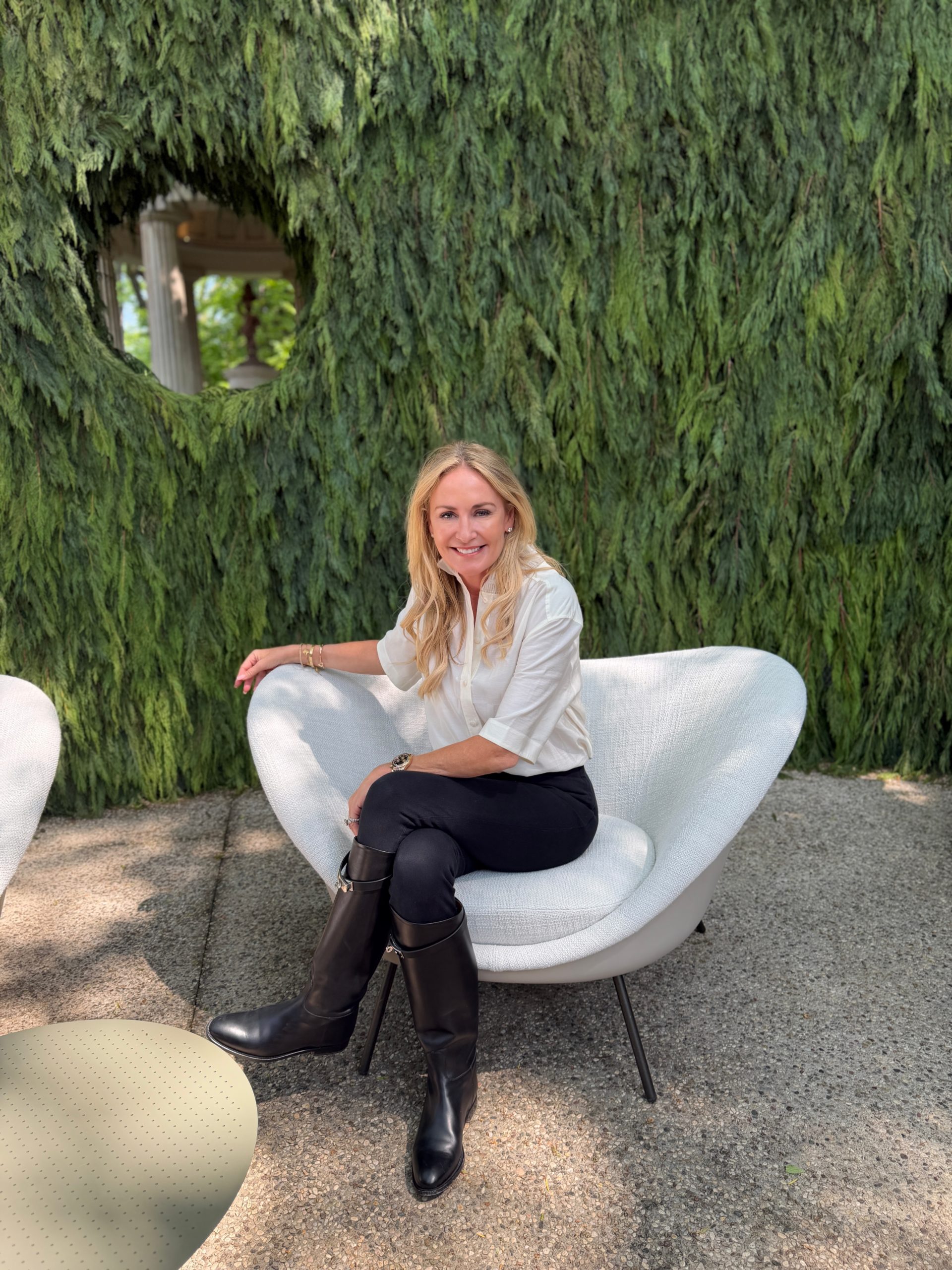
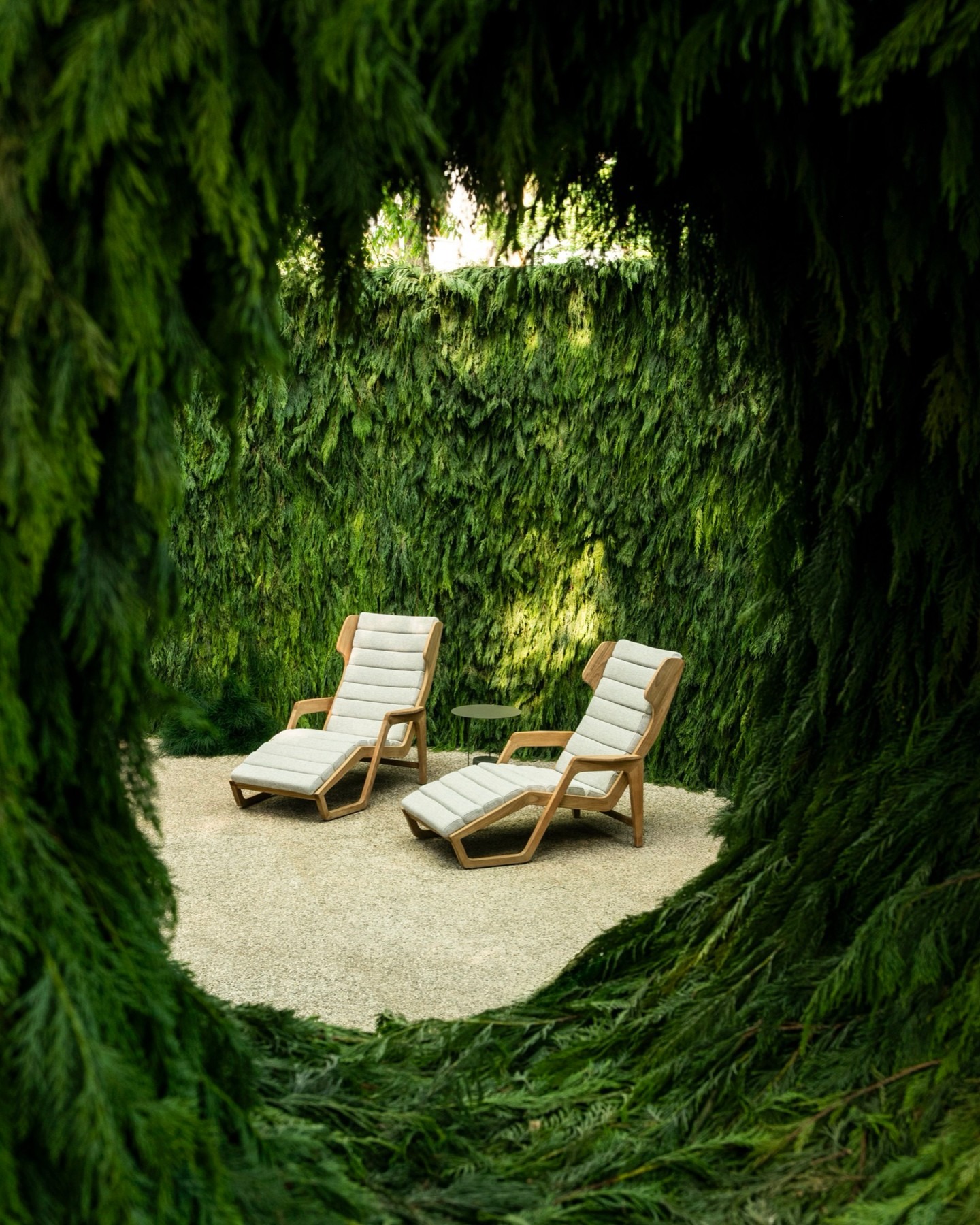
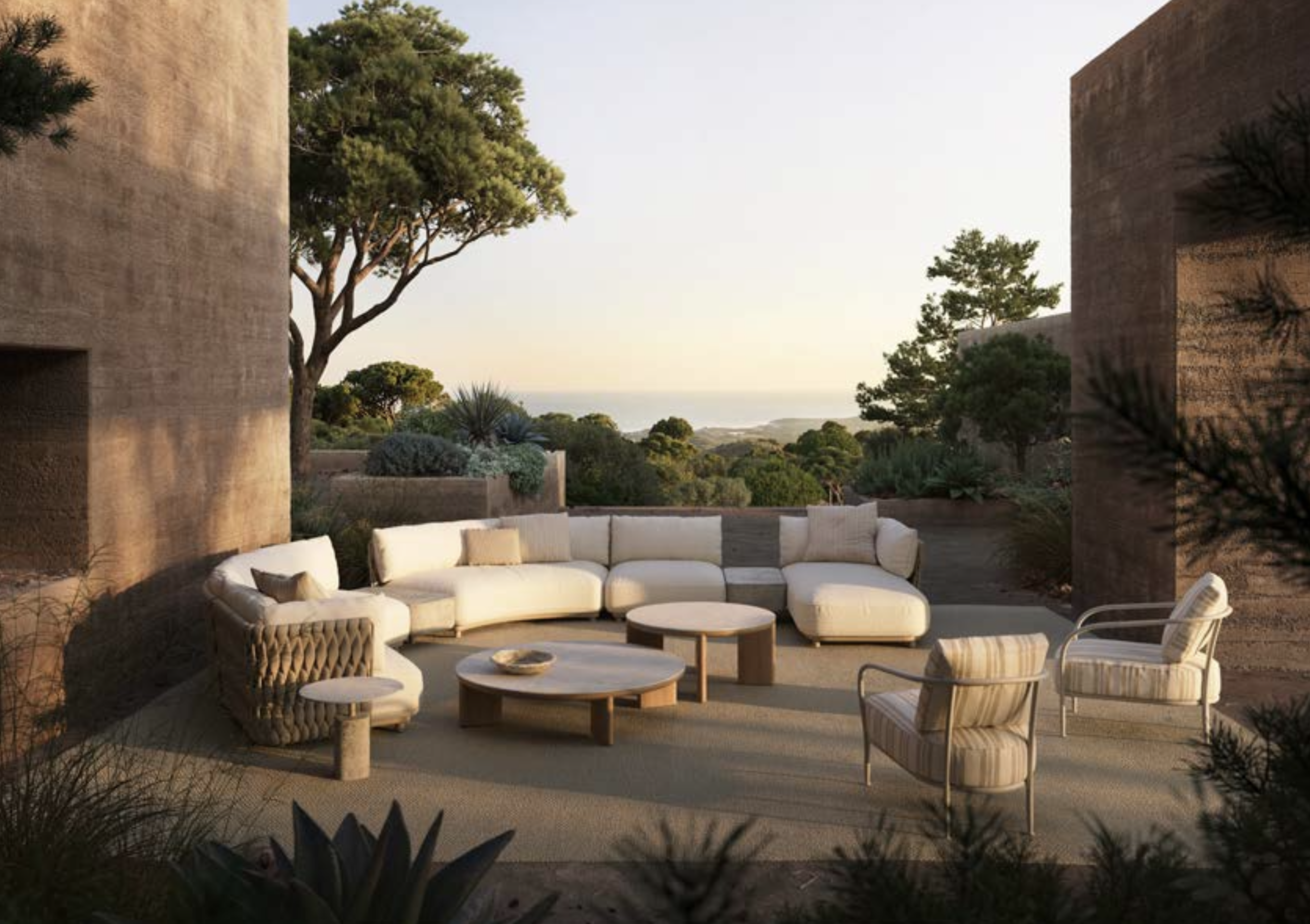
Molteni&C D.154.2 Outdoor Lounge Chair from Dawson & Co.
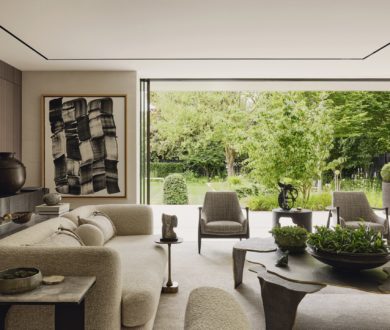
While so much of modern life accelerates towards artificial intelligence and frictionless digital interaction, Milan unashamedly moved firmly in the opposite direction, with a clear focus on tactility, craftsmanship, and permanence. A celebration of texture, materiality, and objects designed to age gracefully rather than expire alongside the next software update.
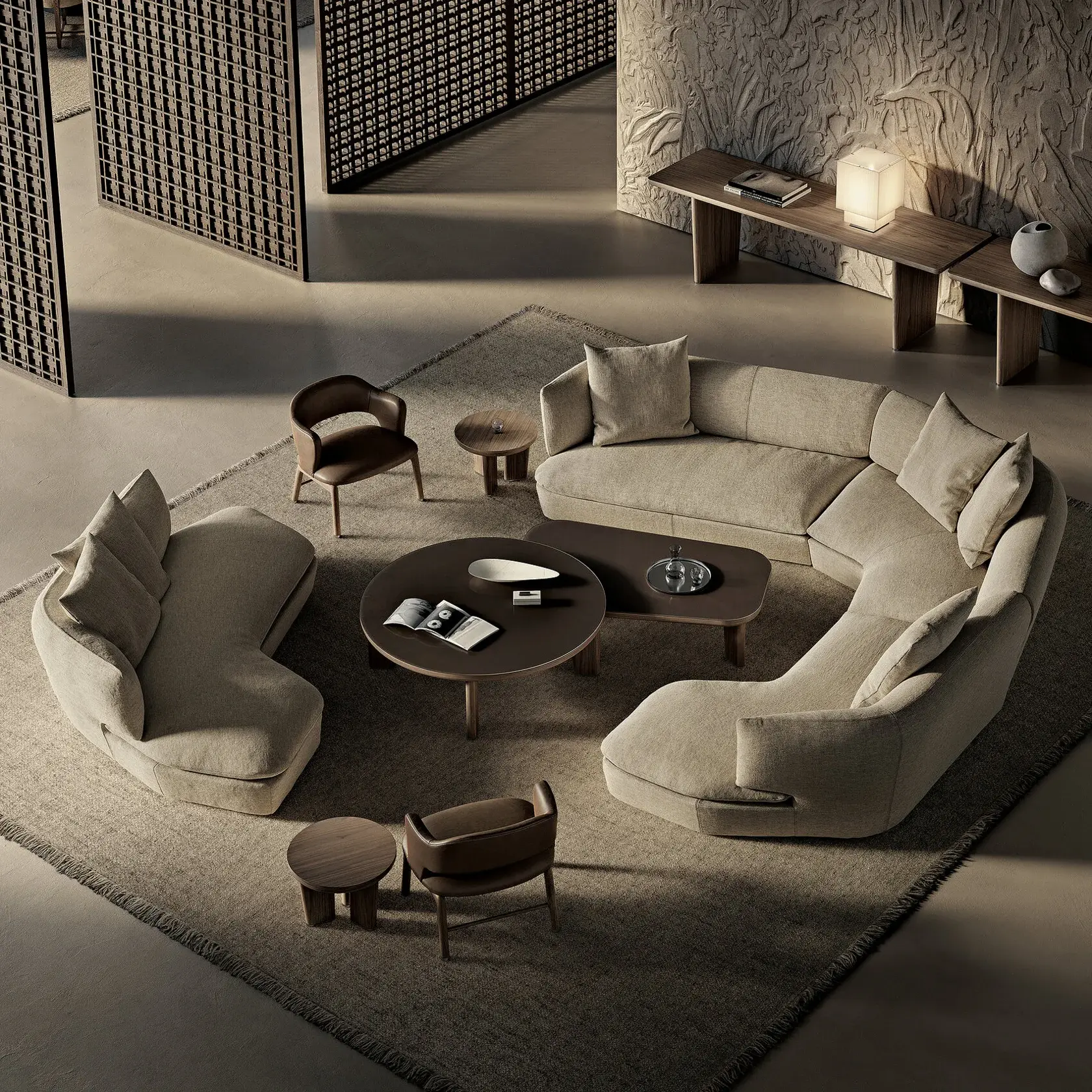
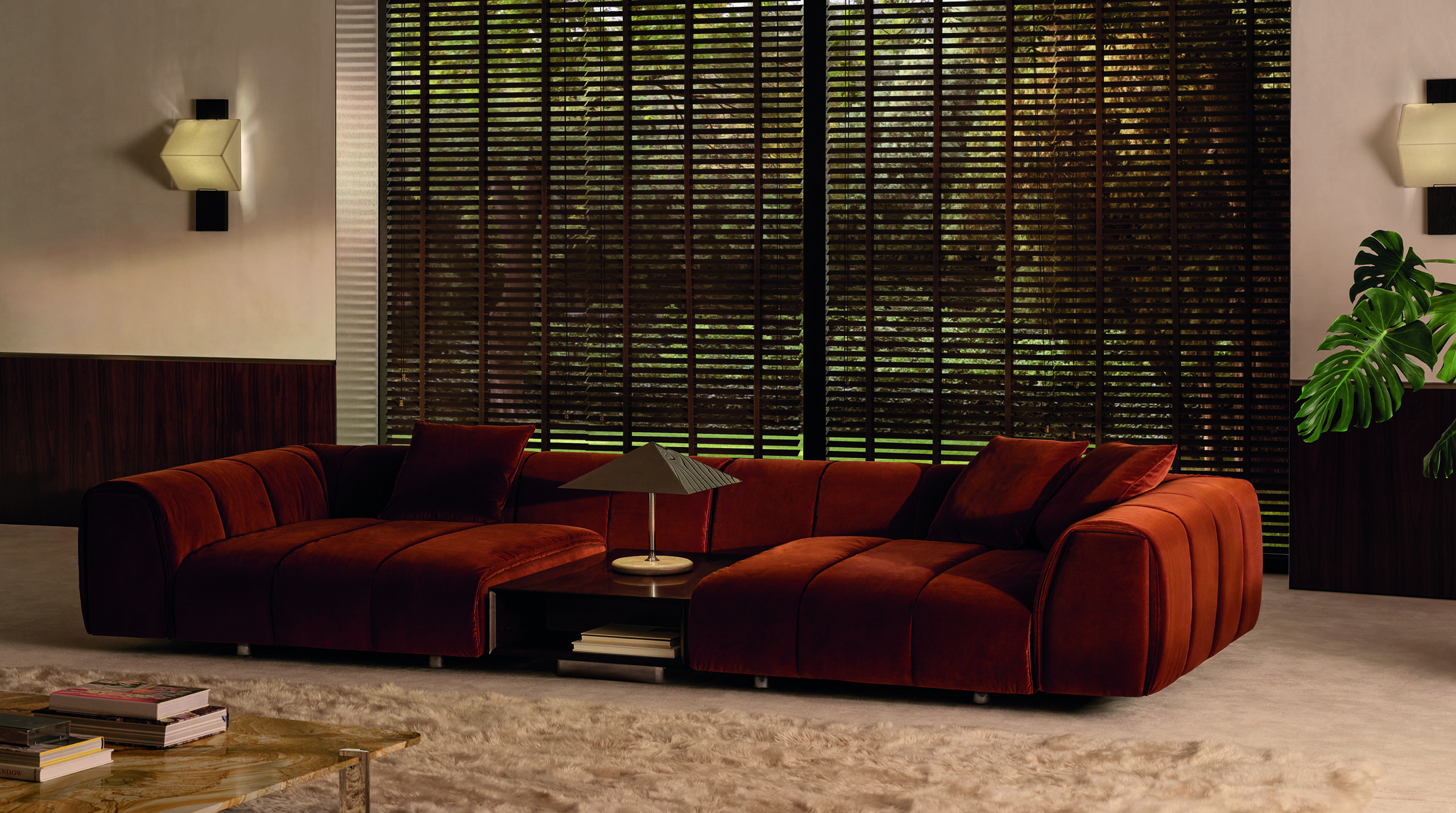
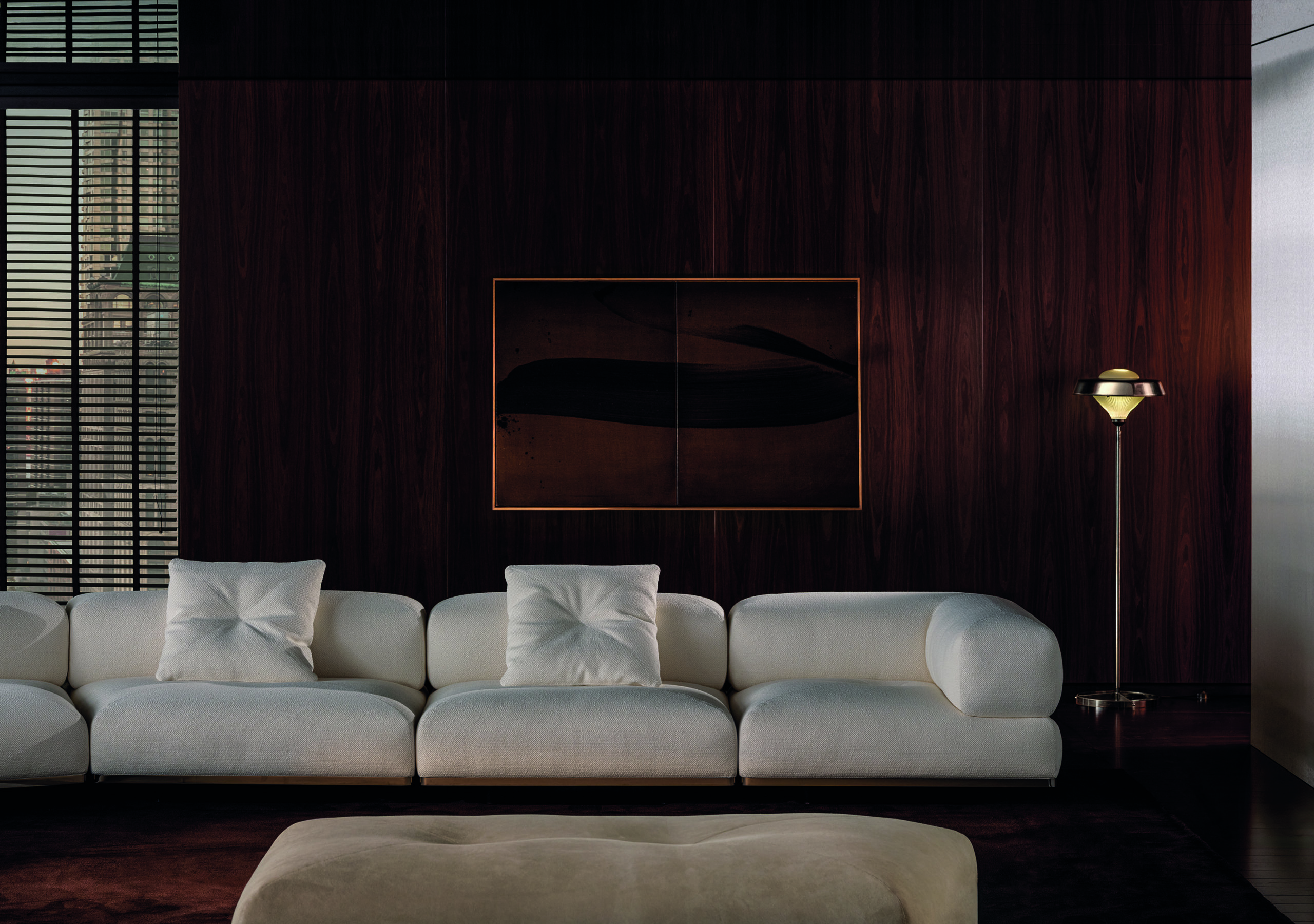
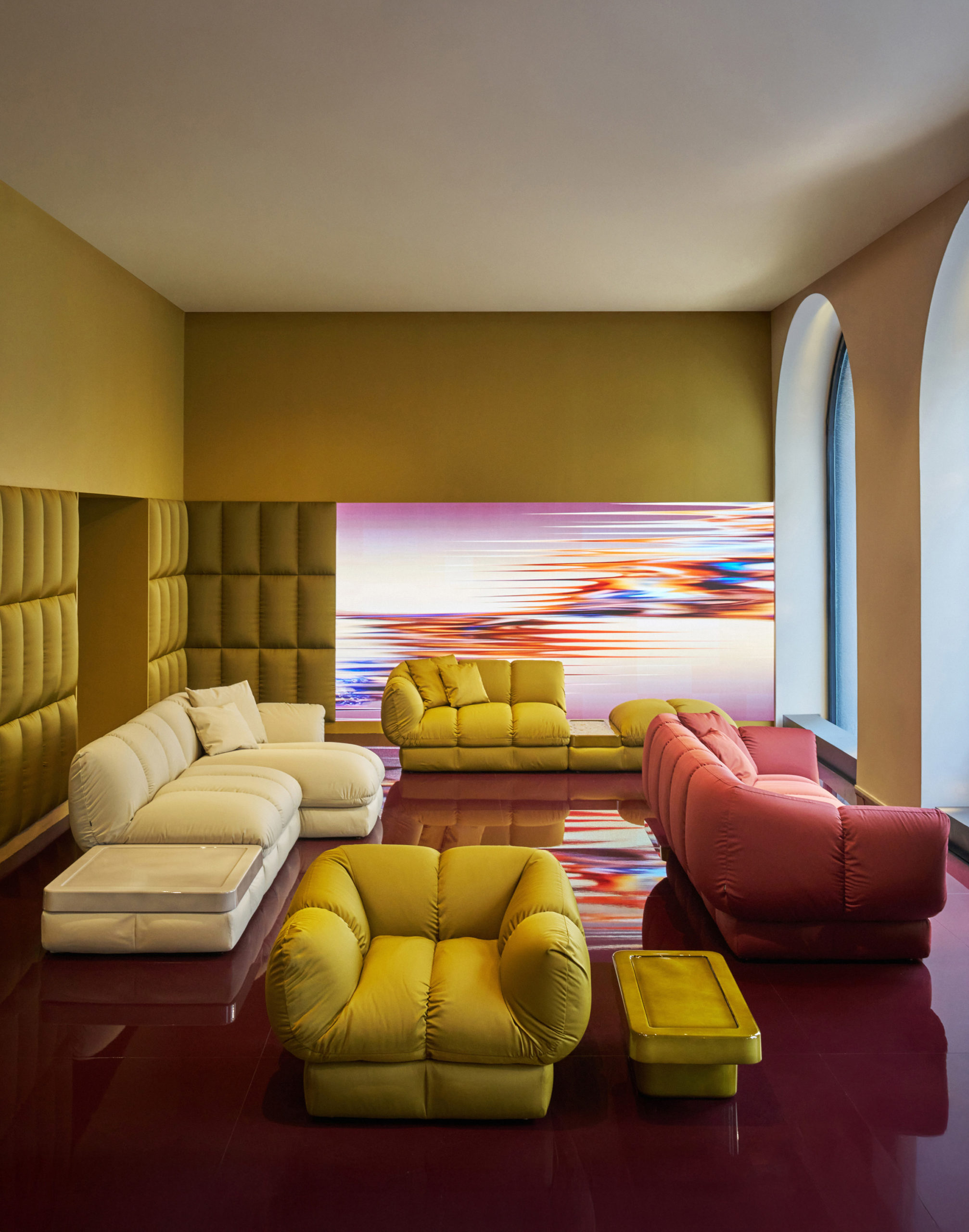
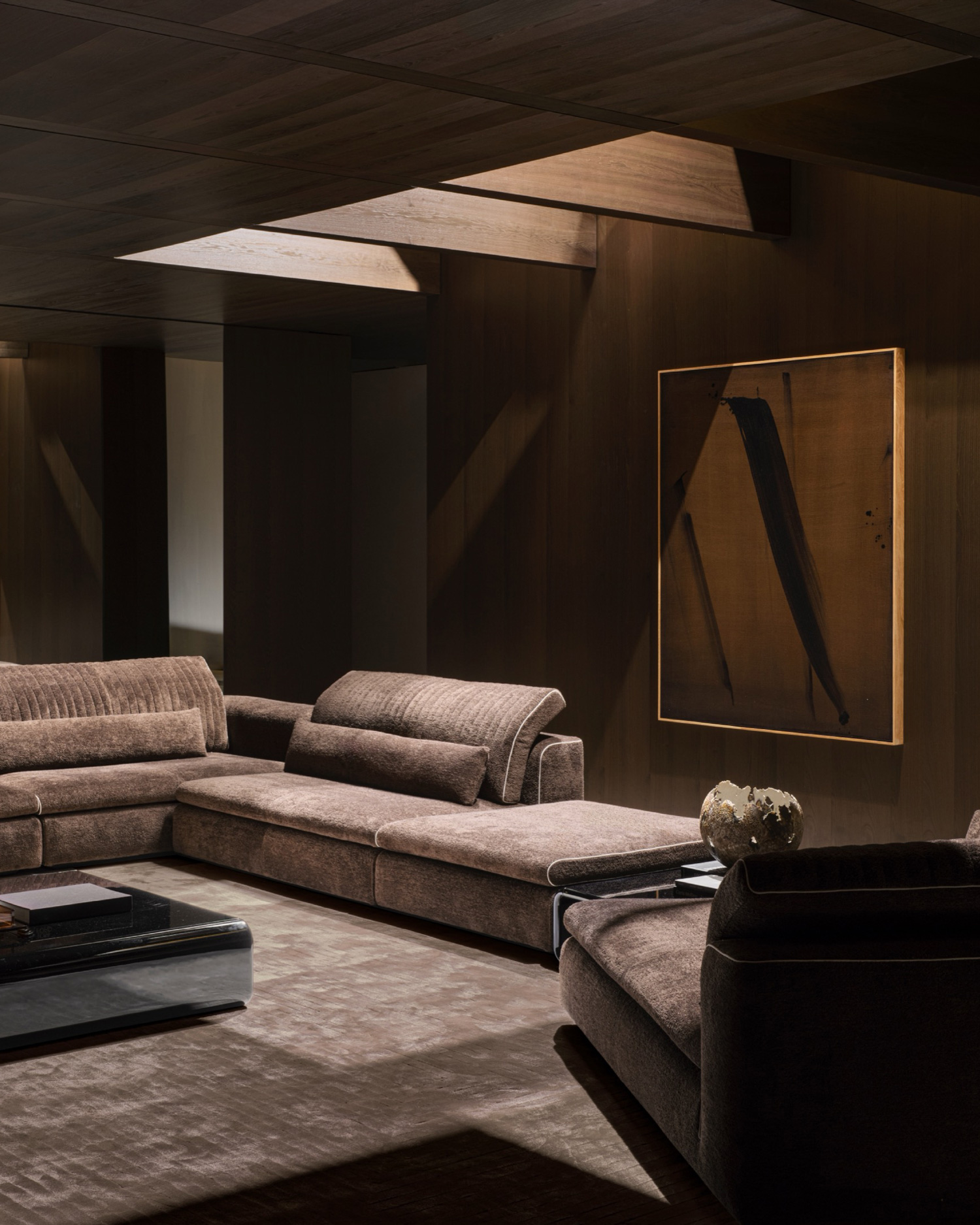
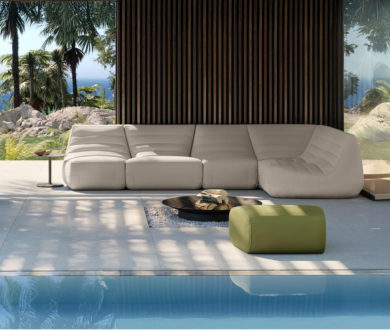
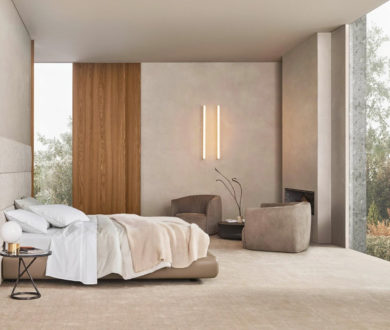
Whether it was a response to the current global state of affairs, I cannot confirm, but the idea of comfort dominated. Sofas are softer and deeper than ever before, and, more interestingly, more curvaceous in a way that feels connected. Antonio Citterio’s Quincy sectional sofa for Flexform captured this concept beautifully, while Minotti’s new Ruffle, Orion, and Softcase systems explored sculptural modularity with a far more human sensibility. At Cassina, Patricia Urquiola’s Ardys sofa channelled the comfort of a duvet so convincingly that it was genuinely difficult for me to leave its confines.
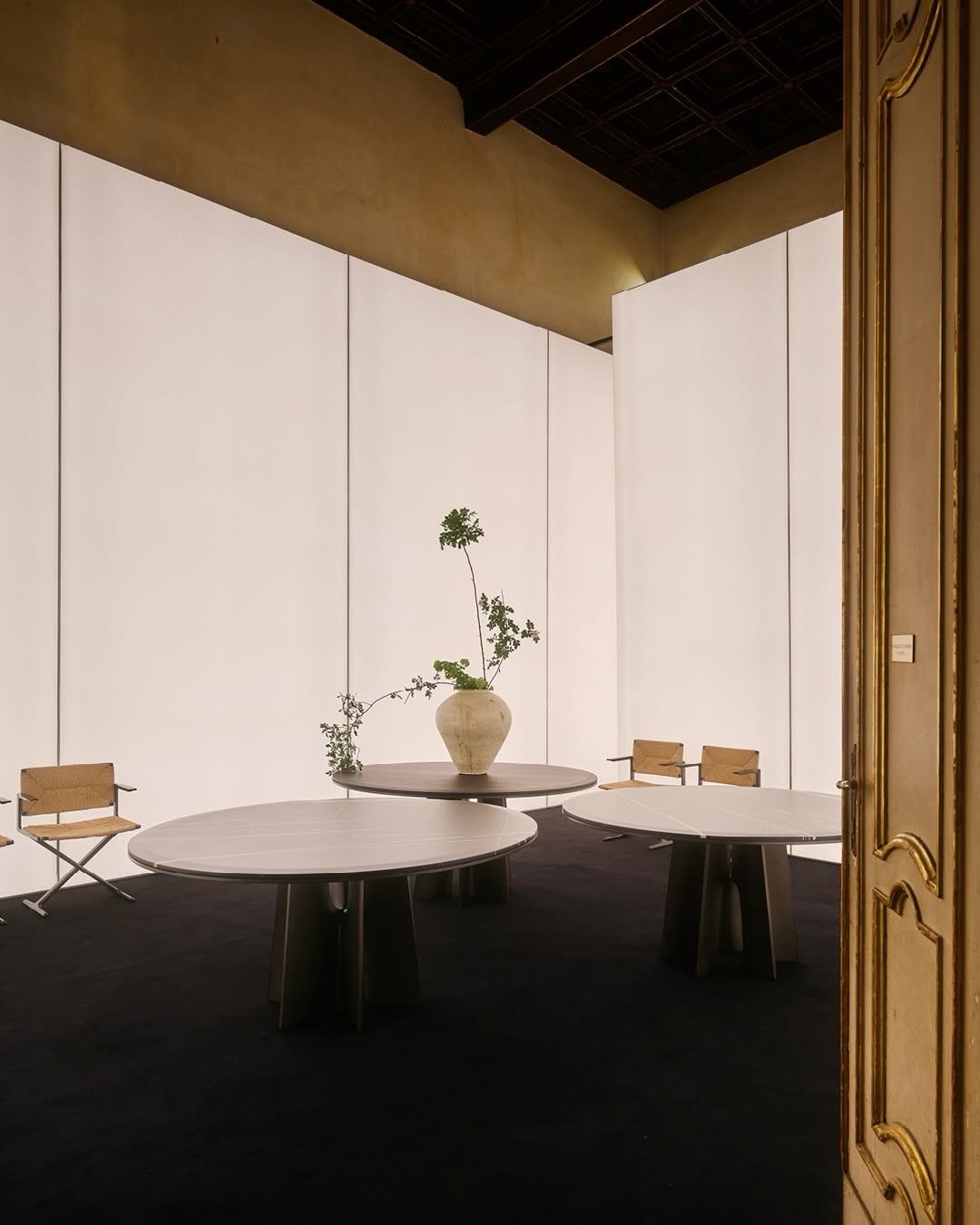
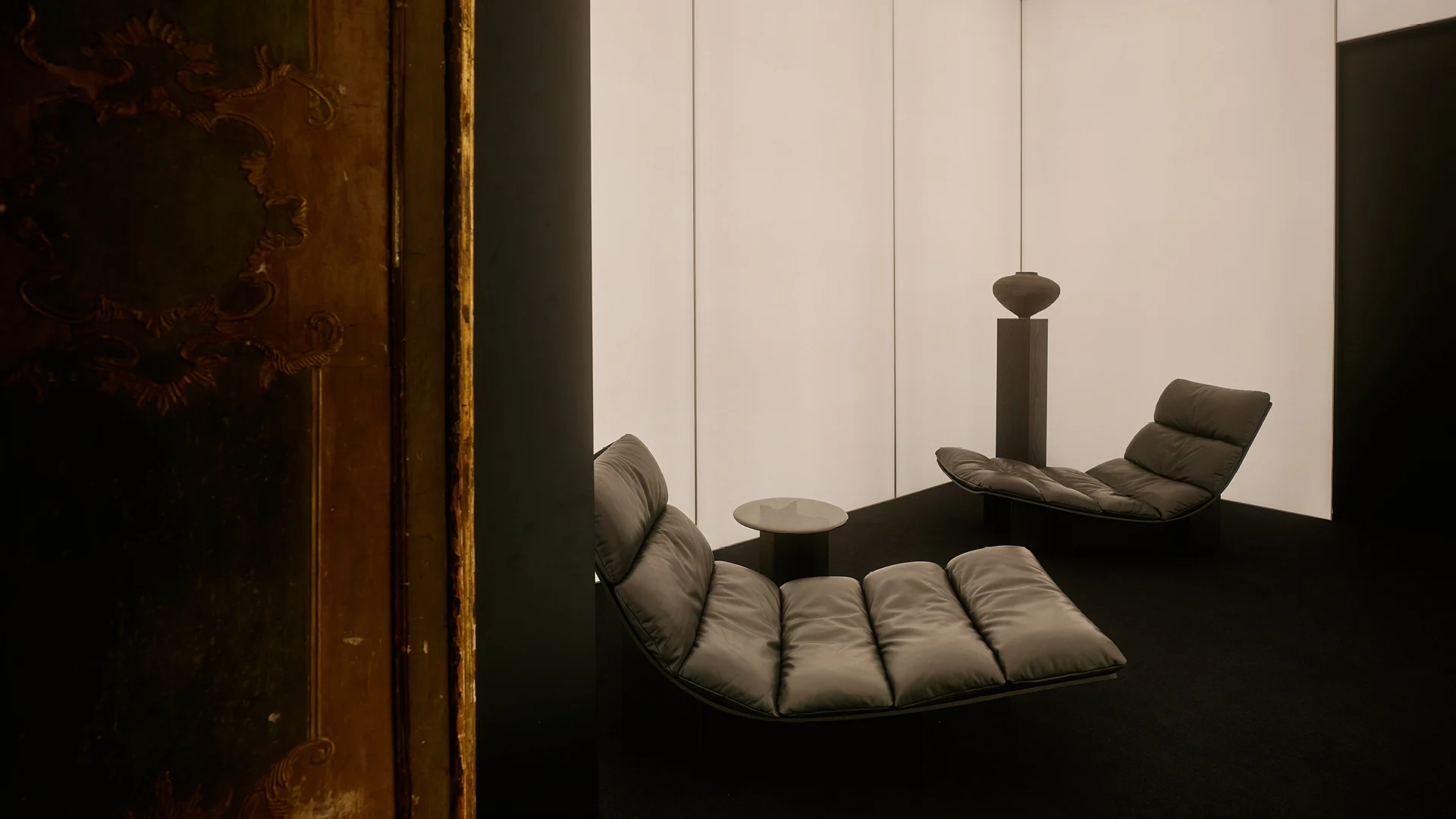
Elsewhere, dining tables evolved into sculptural statements, with Jean-Marie Massaud’s Vortice table for Poliformbringing renewed attention to the architectural importance of what sits beneath the surface. While Poliform’s Alfred armchair, Attimo chaise lounge, and shell-inspired Shore outdoor collection reinforced the growing desire for softer, more relaxed forms that blur the line between indoors and out.
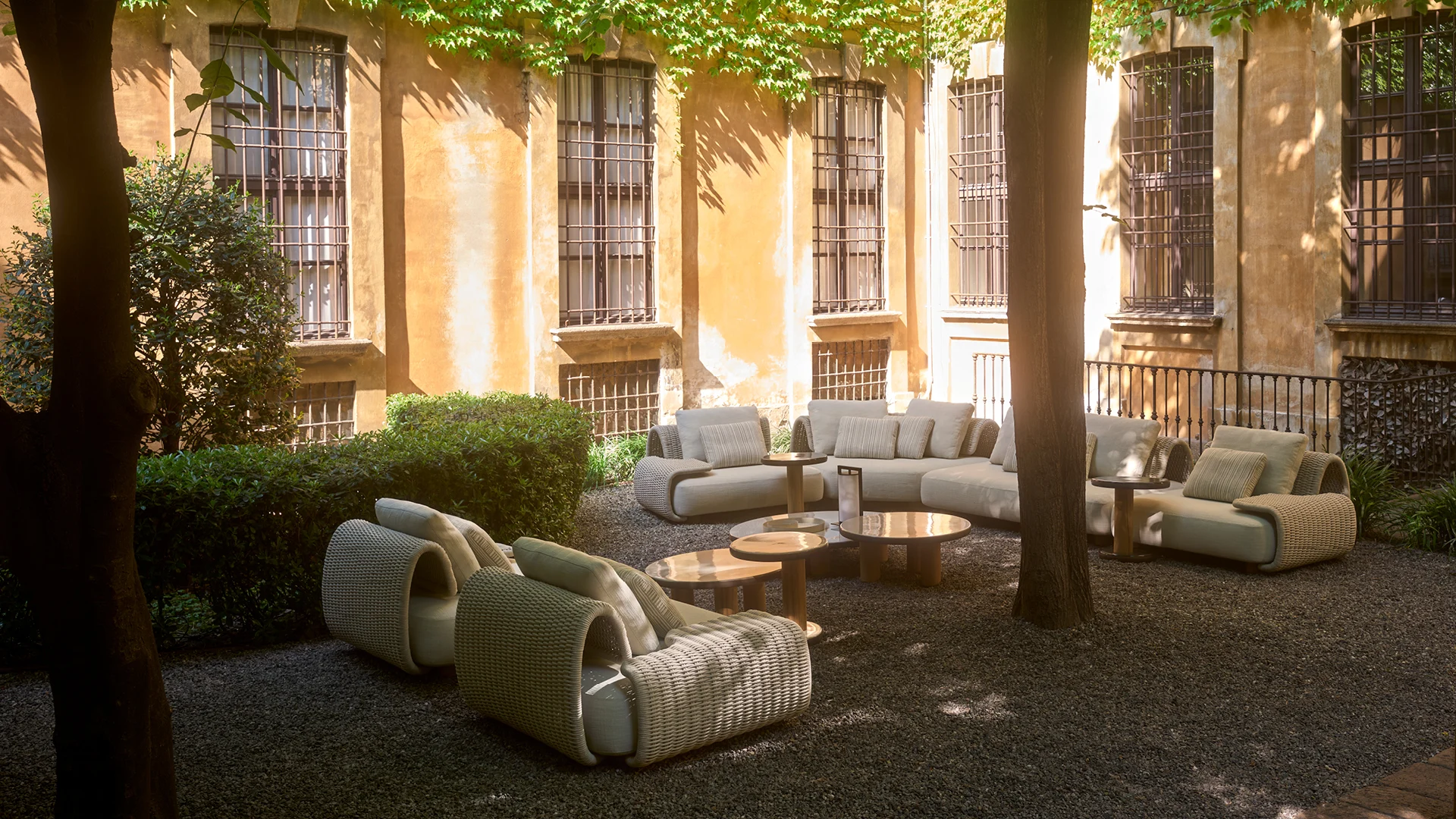
Poliform Shore outdoor collection from Studio Italia
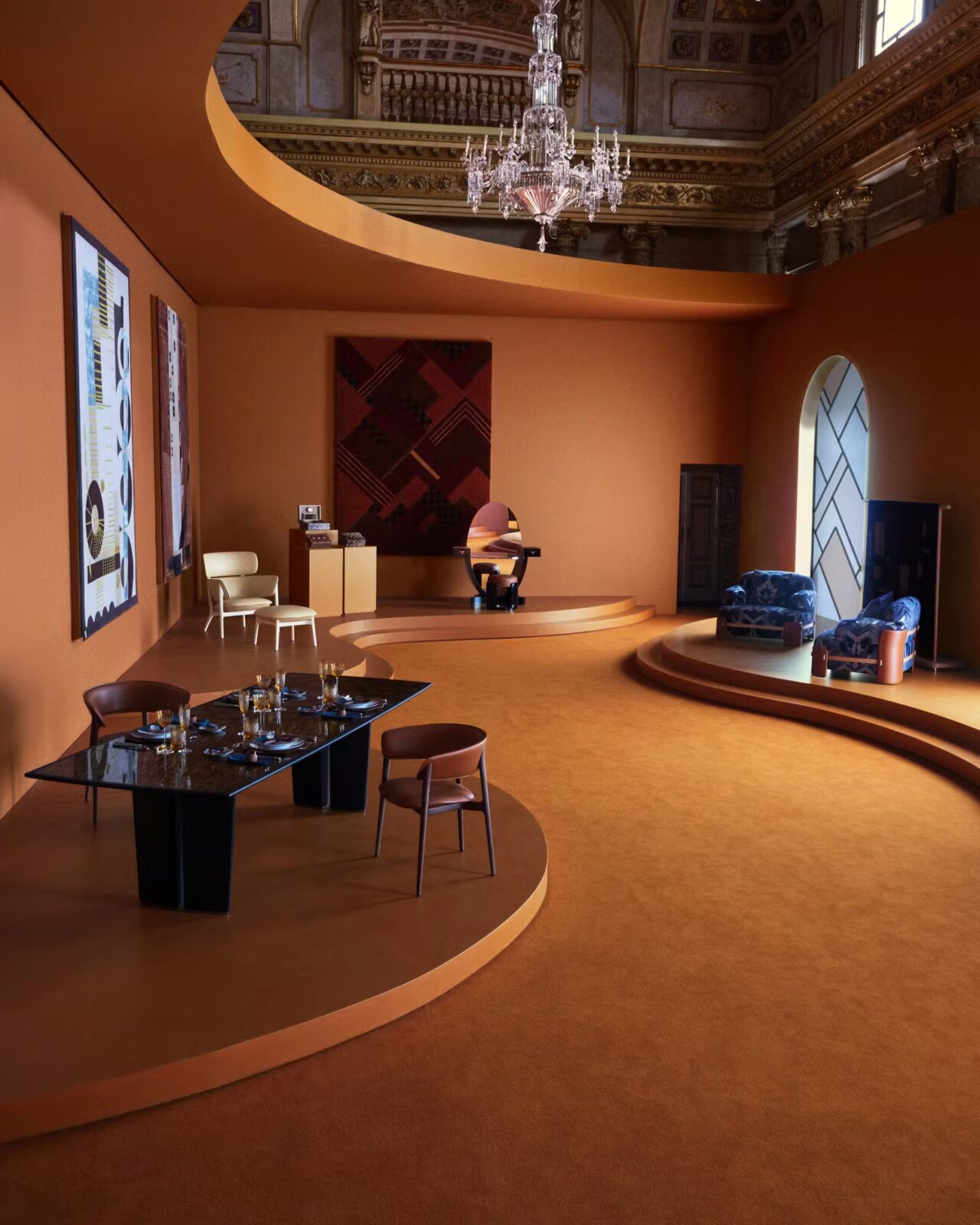
There was an impressive show from Molteni&C, where Vincent Van Duysen transformed the brand’s grand palazzo into a complete vision of contemporary living, spanning curved kitchens, inviting seating, refined bathrooms, and wardrobes complete with hidden watch-winding compartments.
Molteni&C D.150.5 Outdoor Lounge Chair from Dawson & Co.
Molteni&C Julian modular sofa system from Dawson & Co.
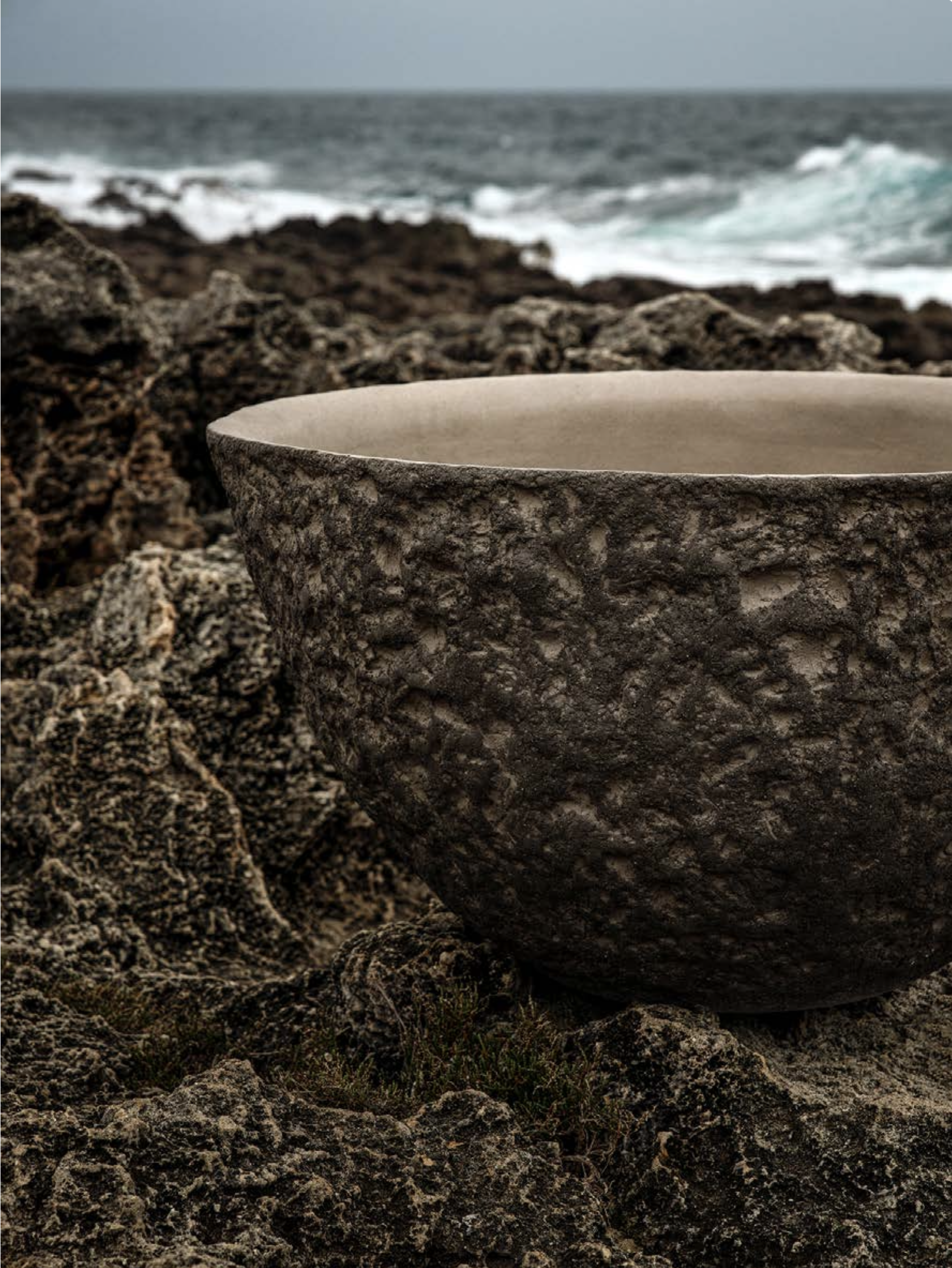
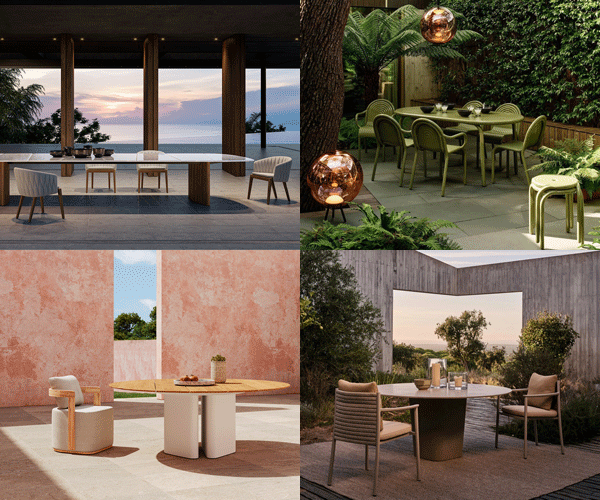
Outdoor living also continued its evolution into something genuinely sophisticated. Tribù’s beautifully resolved collections sat seamlessly alongside Domani’s handcrafted pots, together reinforcing the idea that exterior spaces now deserve exactly the same design consideration as those indoors.
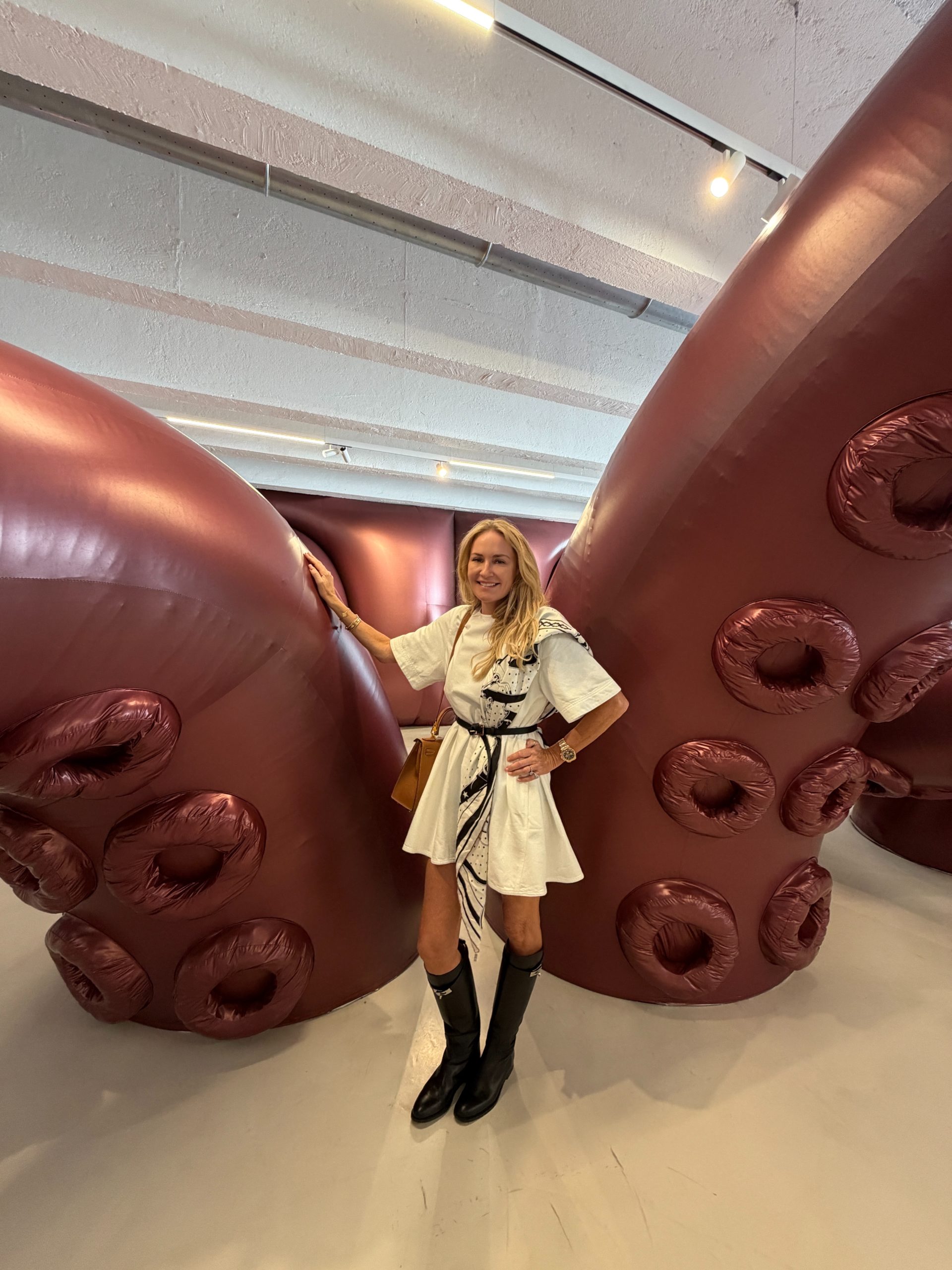
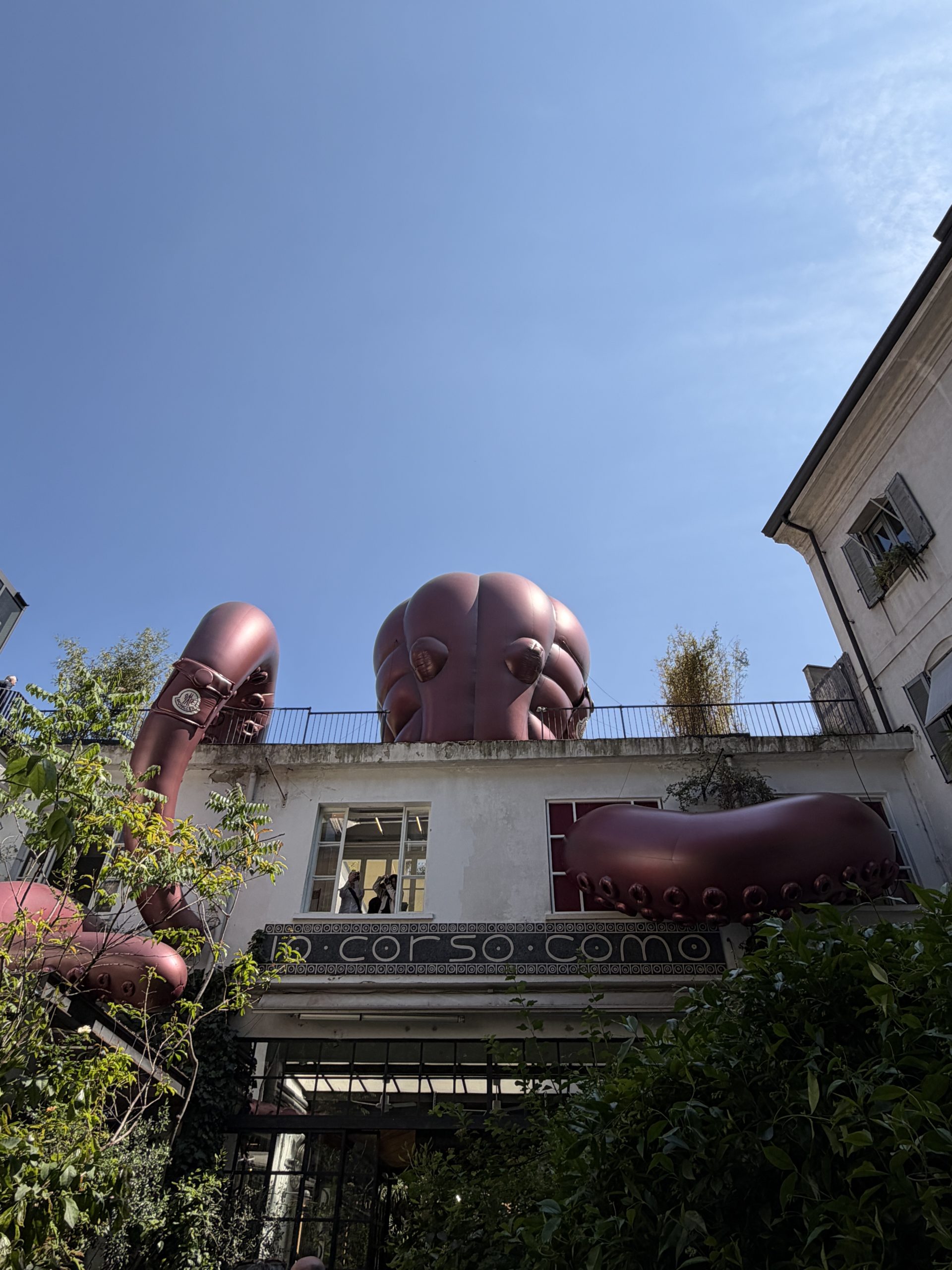
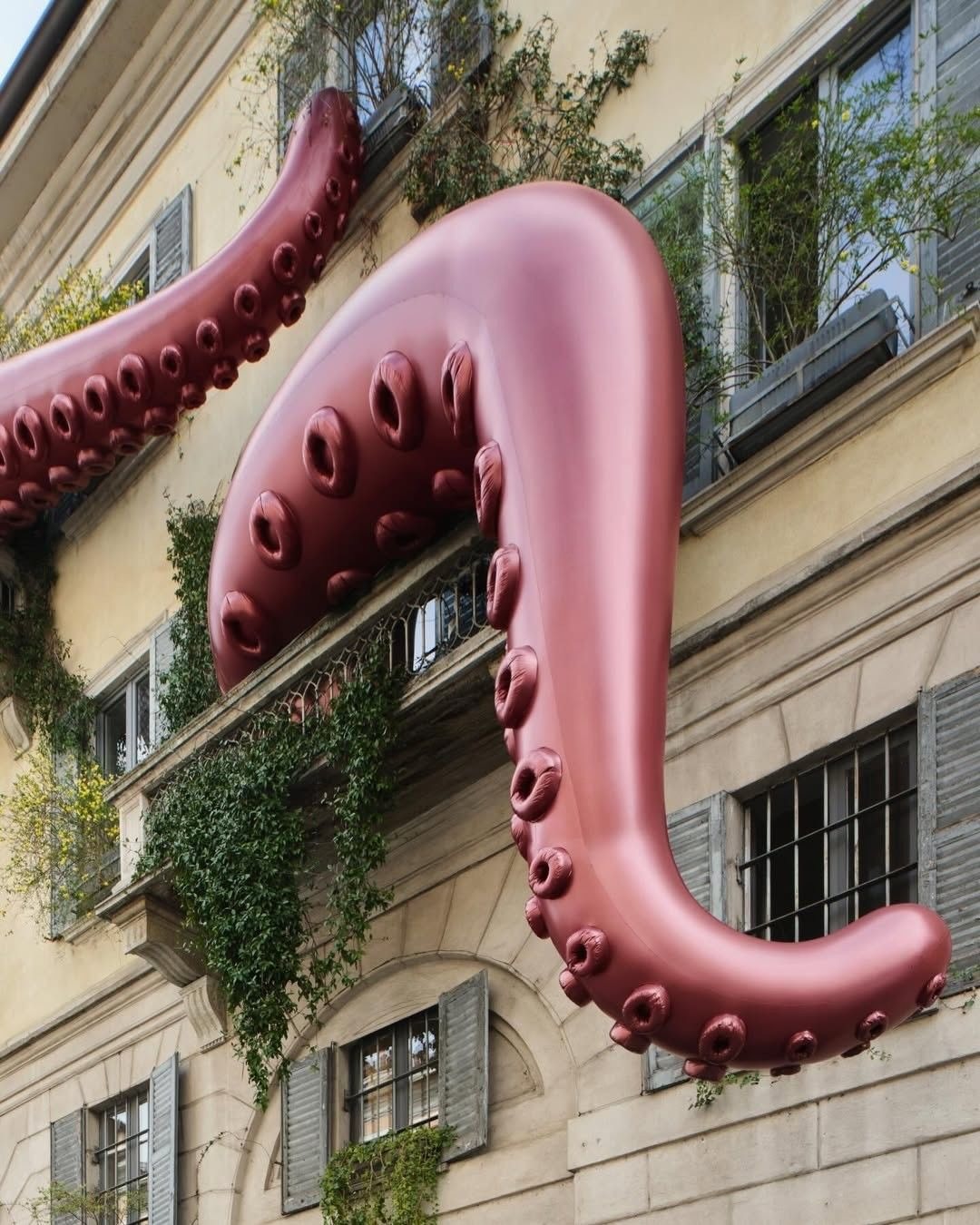
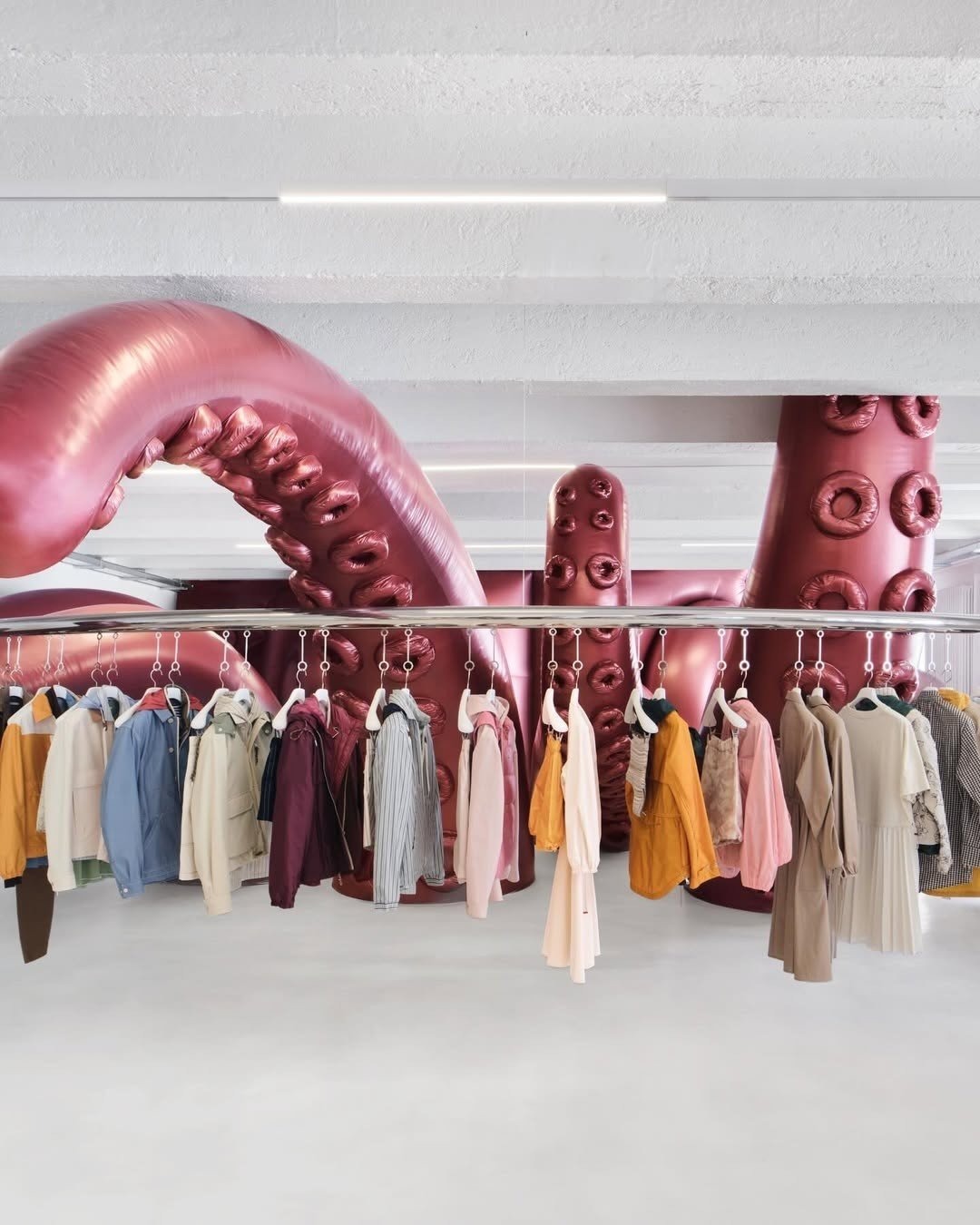
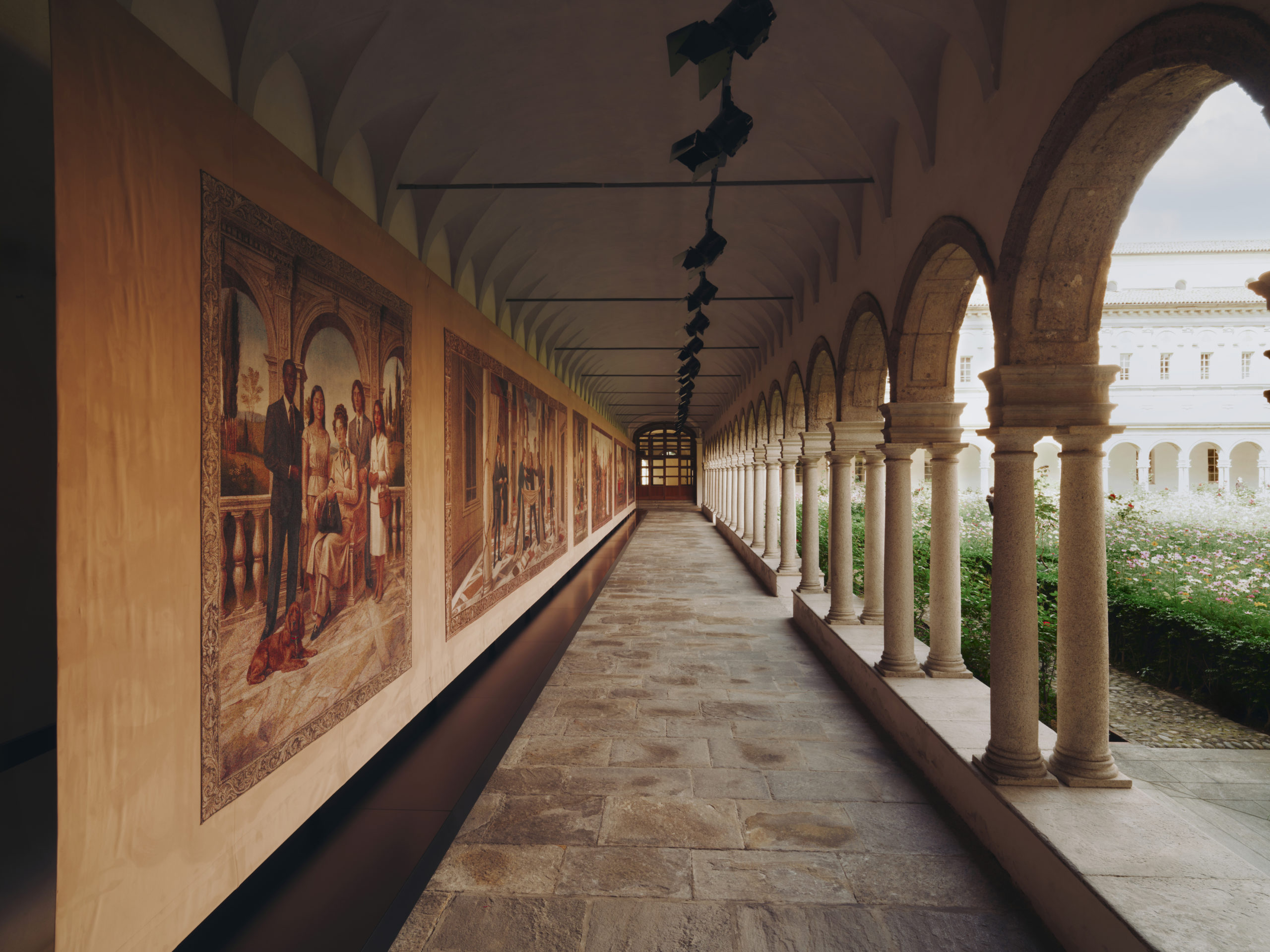
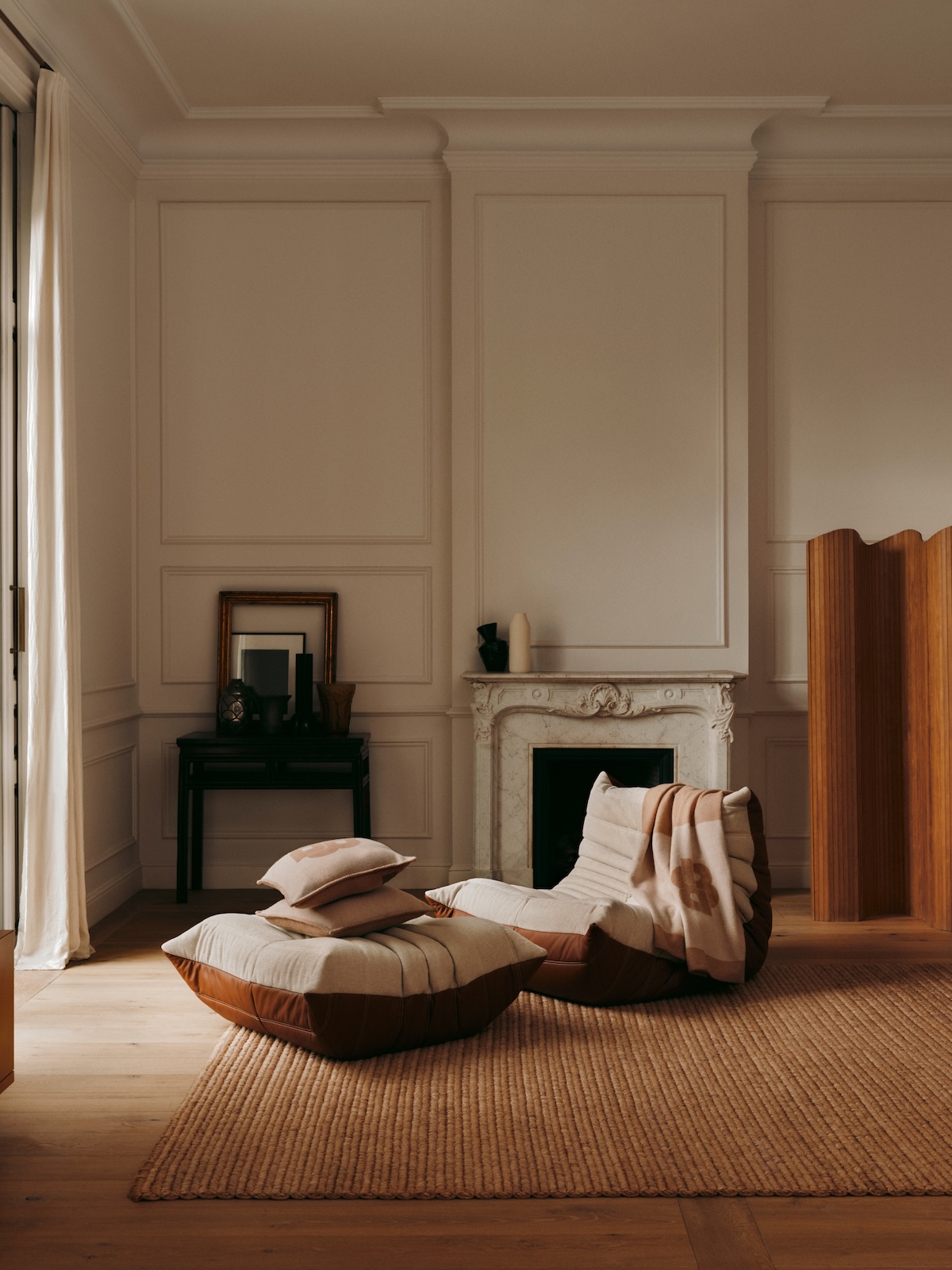
Fashion houses continued their takeover of the design world. Moncler’s giant inflatable octopus wrapped itself across the iconic concept store, 10 Corso Como, with surreal brilliance, while Louis Vuitton’s Objets Nomades, Hermès Home, and PradaFrames each proved that the smartest luxury brands understand design extends far beyond fashion alone. Hugo Boss translated its tailoring language into Ligne Roset’sfamed Togo, bringing the precision and softness of suiting to contemporary living, while the GucciMemoria exhibition, curated by Demna at the Chiostri di San Simpliciano, reinterpreted the house’s history through theatrical installations, tapestries, and interactive displays.
What stayed with me most this year was the overwhelming sense that people are craving substance, craft and originality again. Beautiful things designed and made by humans with both intention and meaning. And that was a truly wonderful thing it was to see.
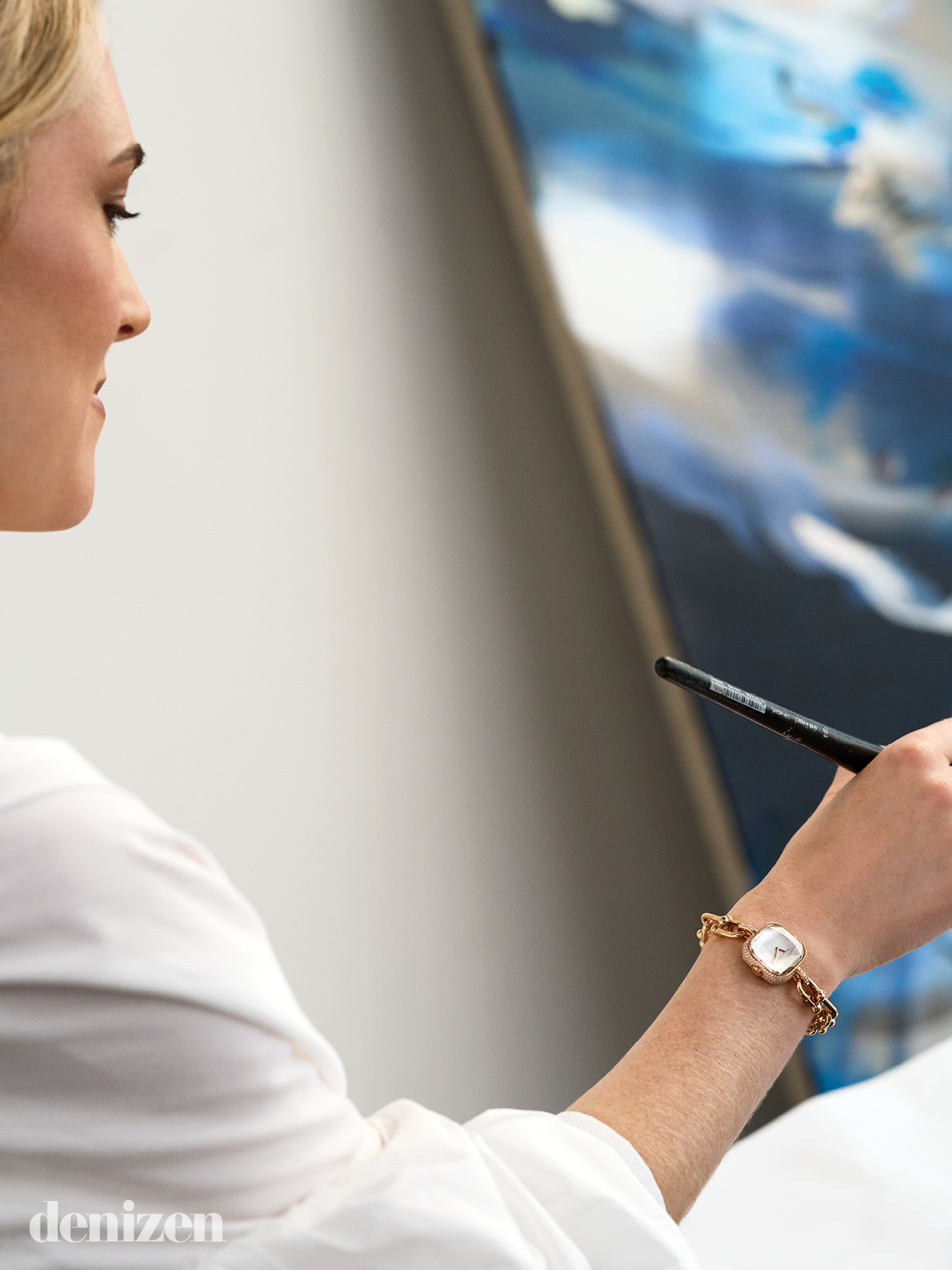
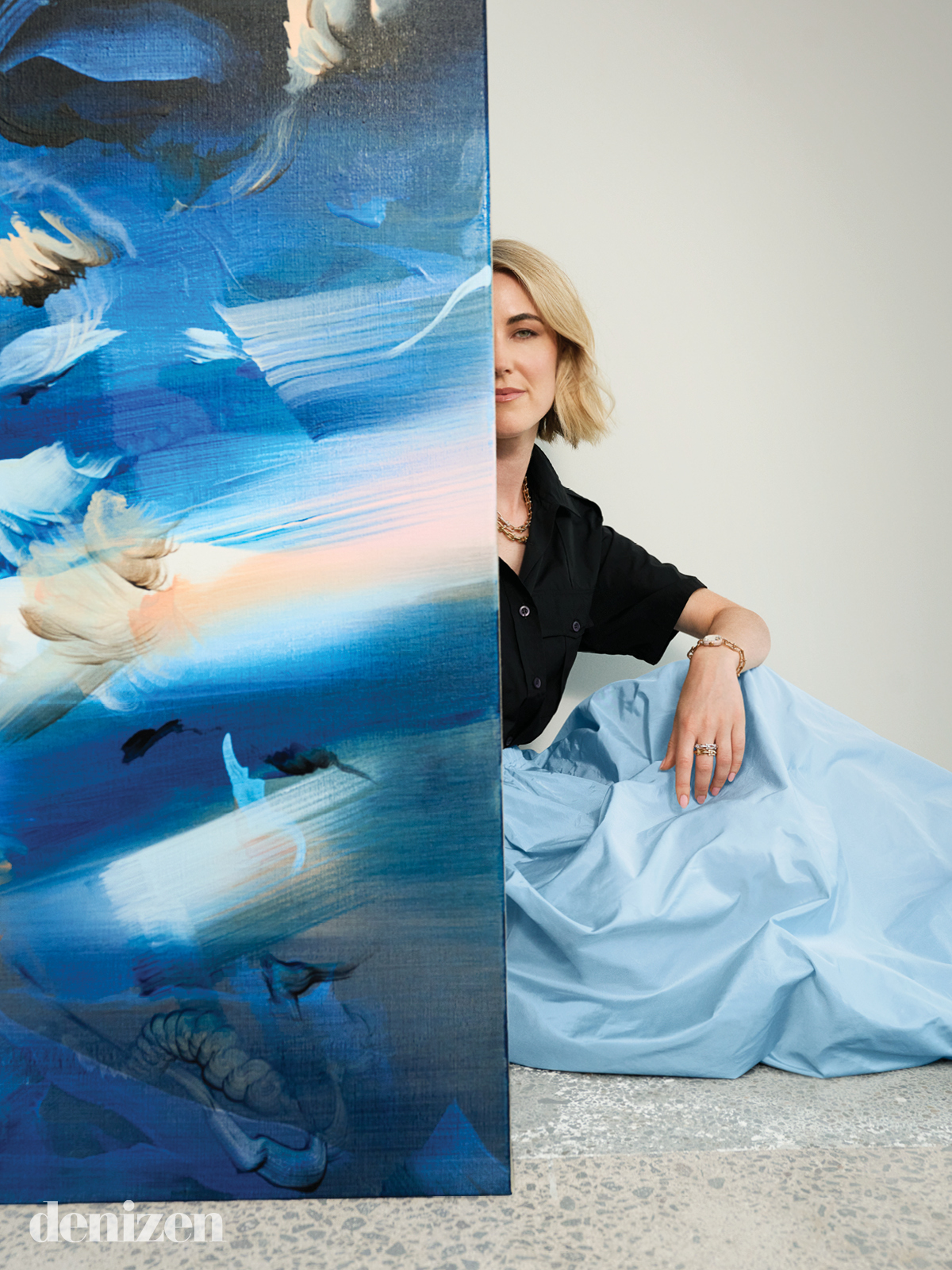
Grace Wright paints what cannot easily be seen. The Auckland-based abstract artist is less interested in depicting the visible world than in revealing the forces that shape it. “I’ve always been drawn to what sits beneath the visible,” she says. “The atmosphere of something. The energy you feel before you understand it.” For Wright, painting is not simply an act of creation but a process of translation, where instinct, movement and thought converge until something previously intangible gathers itself into form.
Her canvases unfurl through sweeping, coiling gestures that echo the cyclical rhythms she observes in nature and the body. “The tension between intention and intuition is where the painting emerges,” Wright explains. “My brushstrokes reflect what I see as the rhythmic nature of the world.” Drawing on ideas from philosophy, physics, and art history, Wright’s work attempts to visualise the invisible frameworks that hold the universe together. “Most of what shapes our reality can’t actually be seen,” she says. “I’m trying to paint those underlying structures rather than a picture of the world itself.”
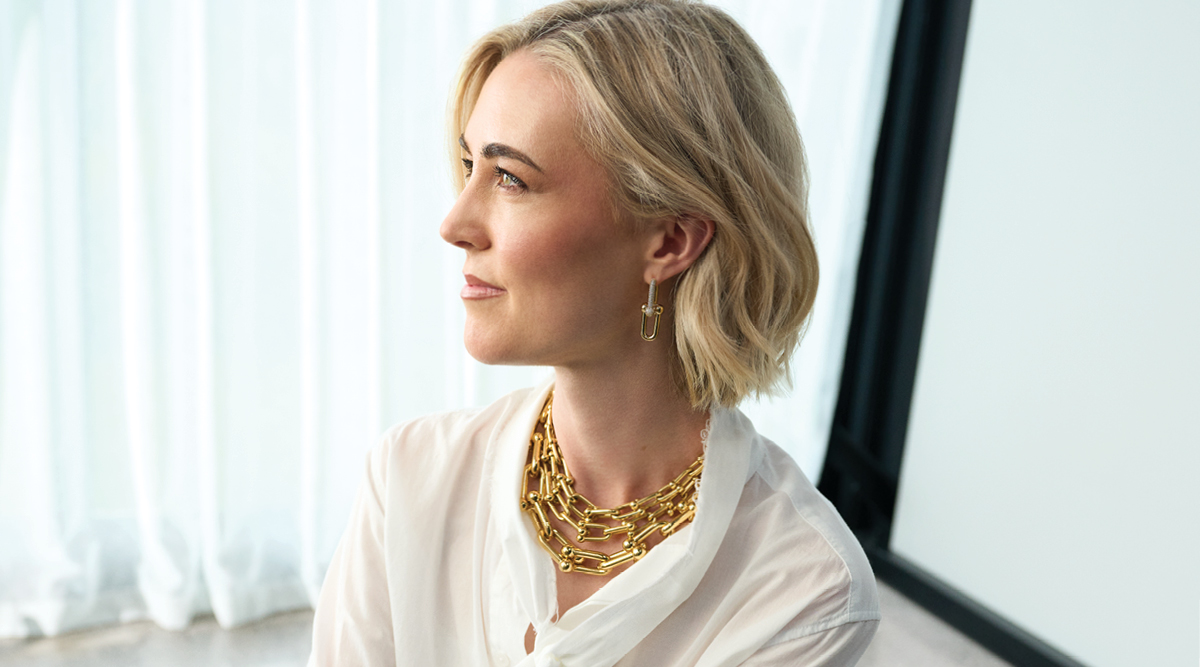
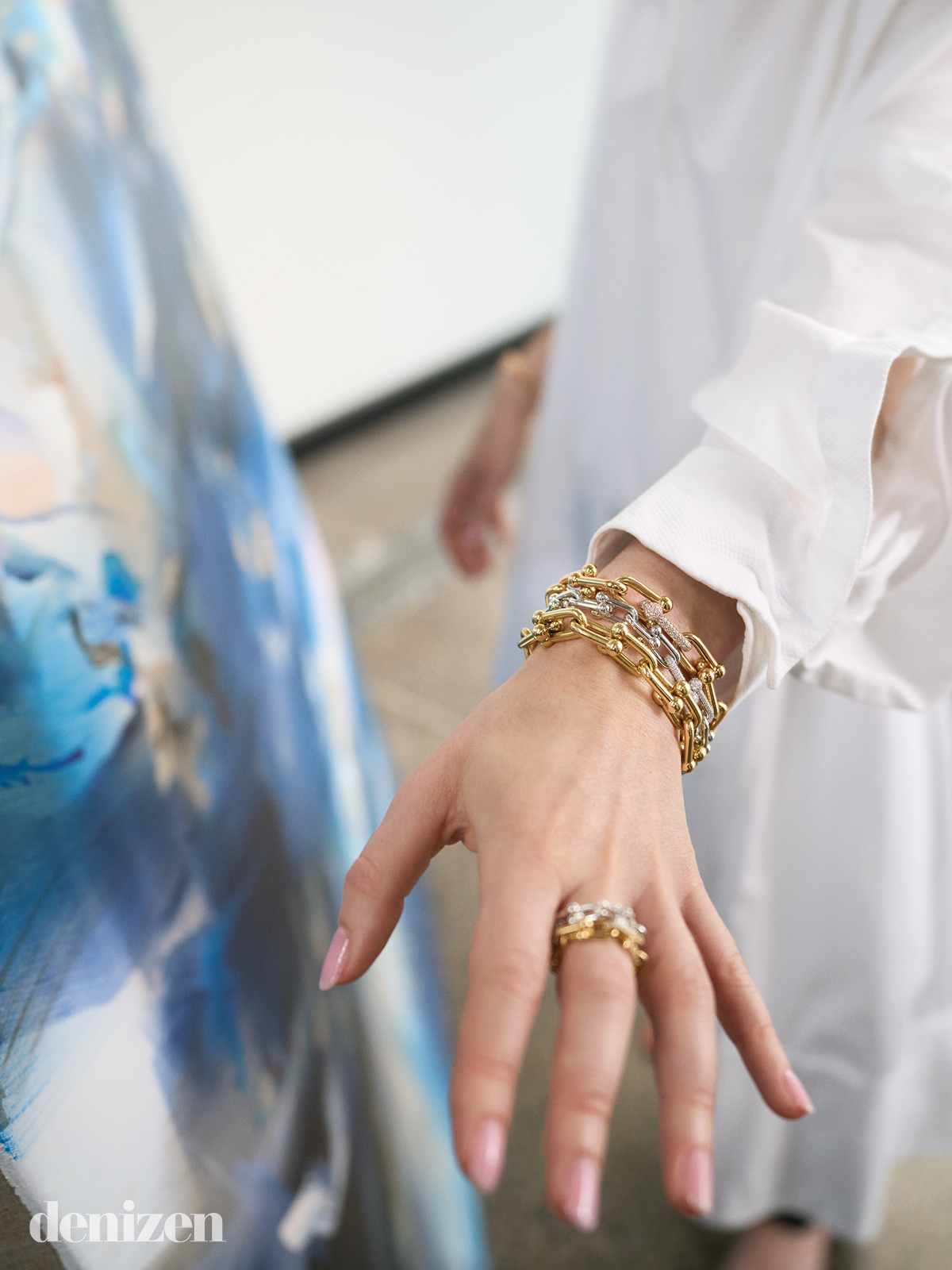
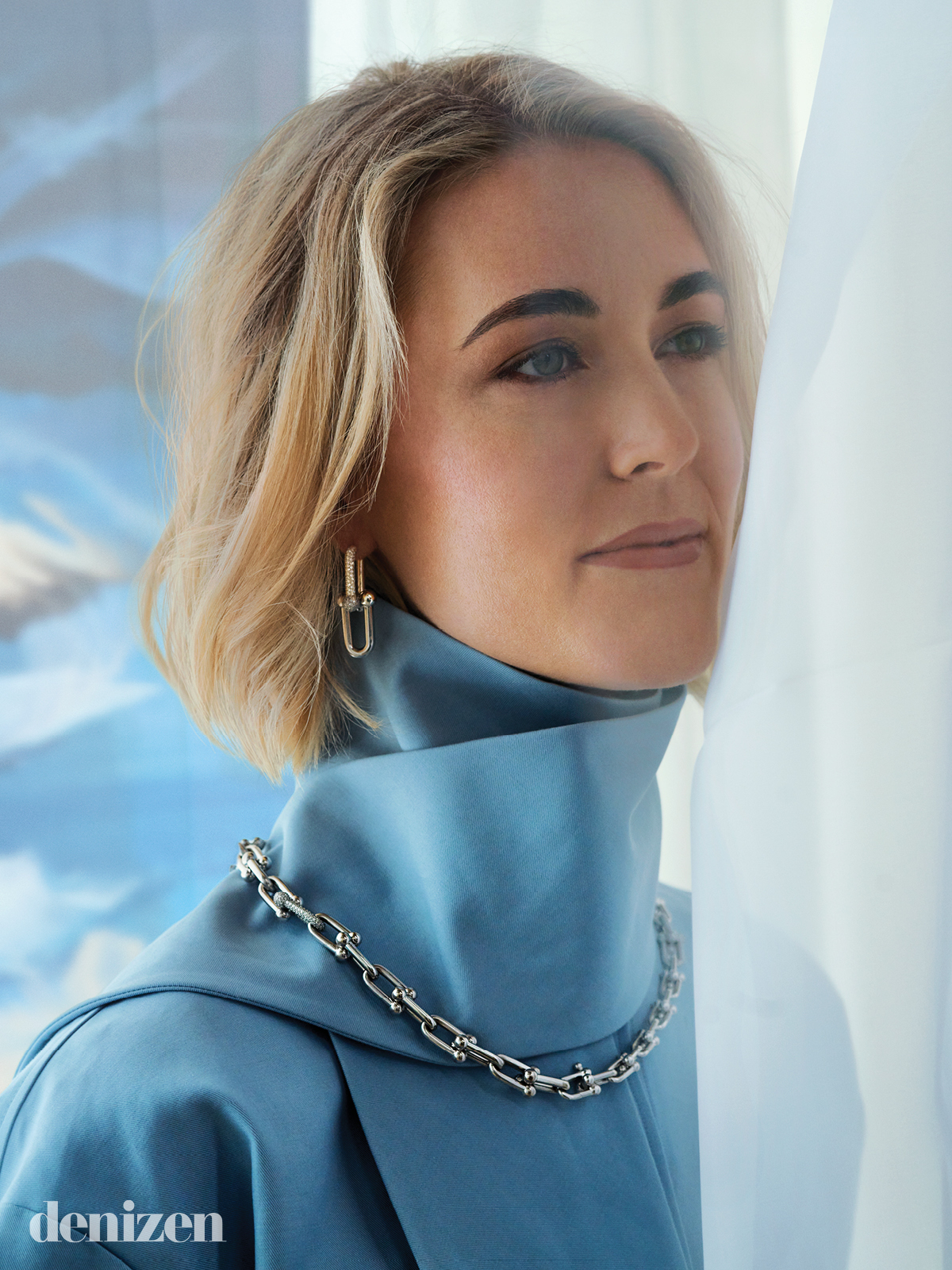
This philosophy finds a natural counterpart in the HardWear by Tiffany Collection. Known for its bold, architectural links, the collection embodies strength expressed through structure, where each element relies on the next to create something enduring. Wright sees a familiar rhythm in its form. “When I look at the HardWear by Tiffany pieces, I see that same logic,” she says. “Each link connected, dependent, building strength through relationship. A rhythm made structural.”
Throughout Wright’s practice there is a fascination with permanence, with how tension can be held without fracturing. It is an idea that extends beyond the canvas. “I’m interested in permanence held in form,” she reflects. “In tension that doesn’t break. In clarity that doesn’t need excess.” The HardWear by Tiffany collection carries a similar sensibility, jewellery that feels both deliberate and enduring. “To me, HardWear embodies resilience,” Wright says. “A deliberate architecture that feels grounded and strong.”
For Wright, the most compelling moments in painting occur just before everything settles into place. “After the mounting chaos, the moment gravity shifts before the fall,” she says thoughtfully. “That suspended space is where the painting lives.” It is a moment of alignment where instinct and discipline finally meet.
In that sense, the connection between Wright’s practice and HardWear by Tiffany feels almost inevitable. Both are built on strength expressed through form, on rhythm translated into structure, and on the quiet power of elements working together to create something lasting.
“That suspended space,” Wright says simply, “is where everything aligns.”
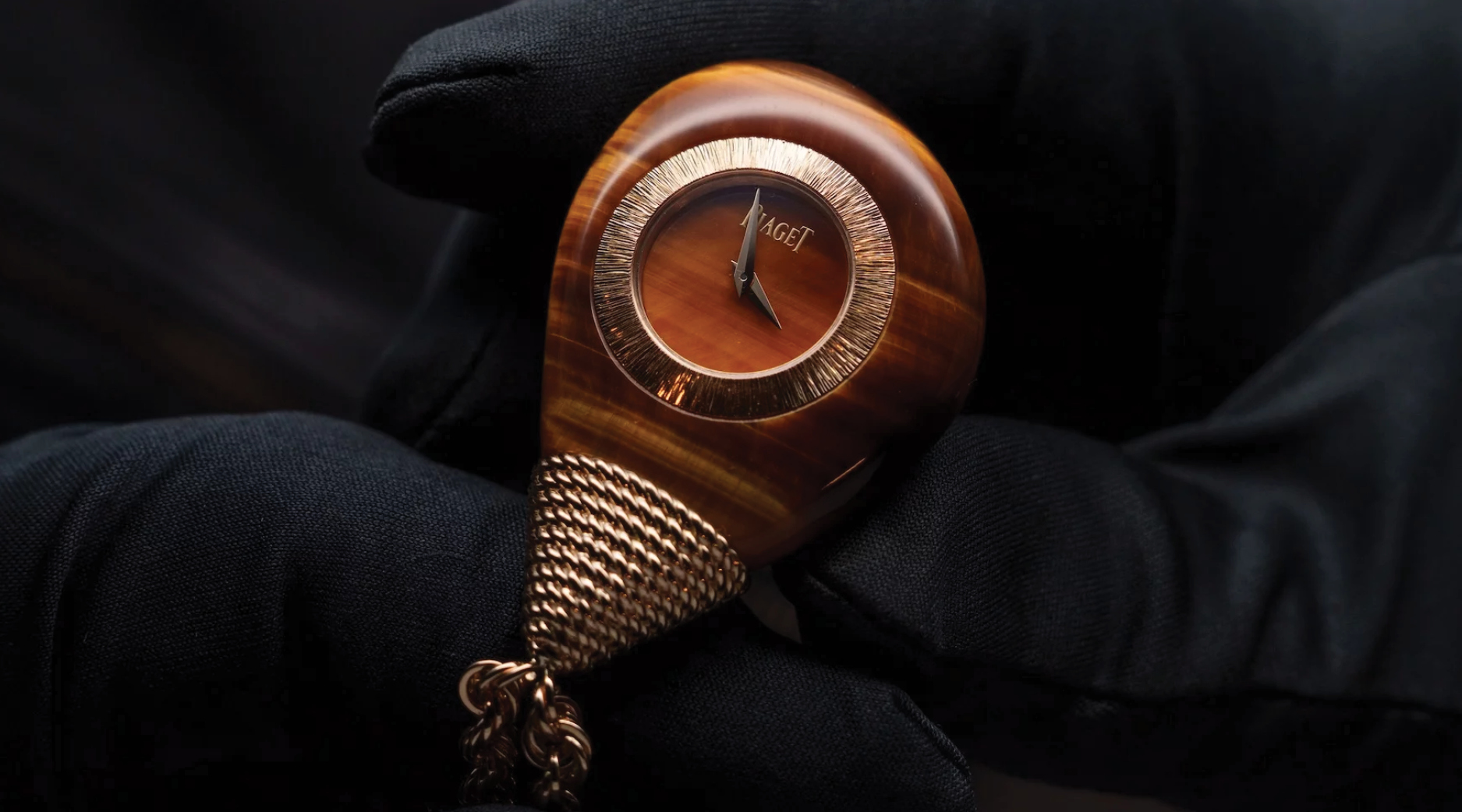
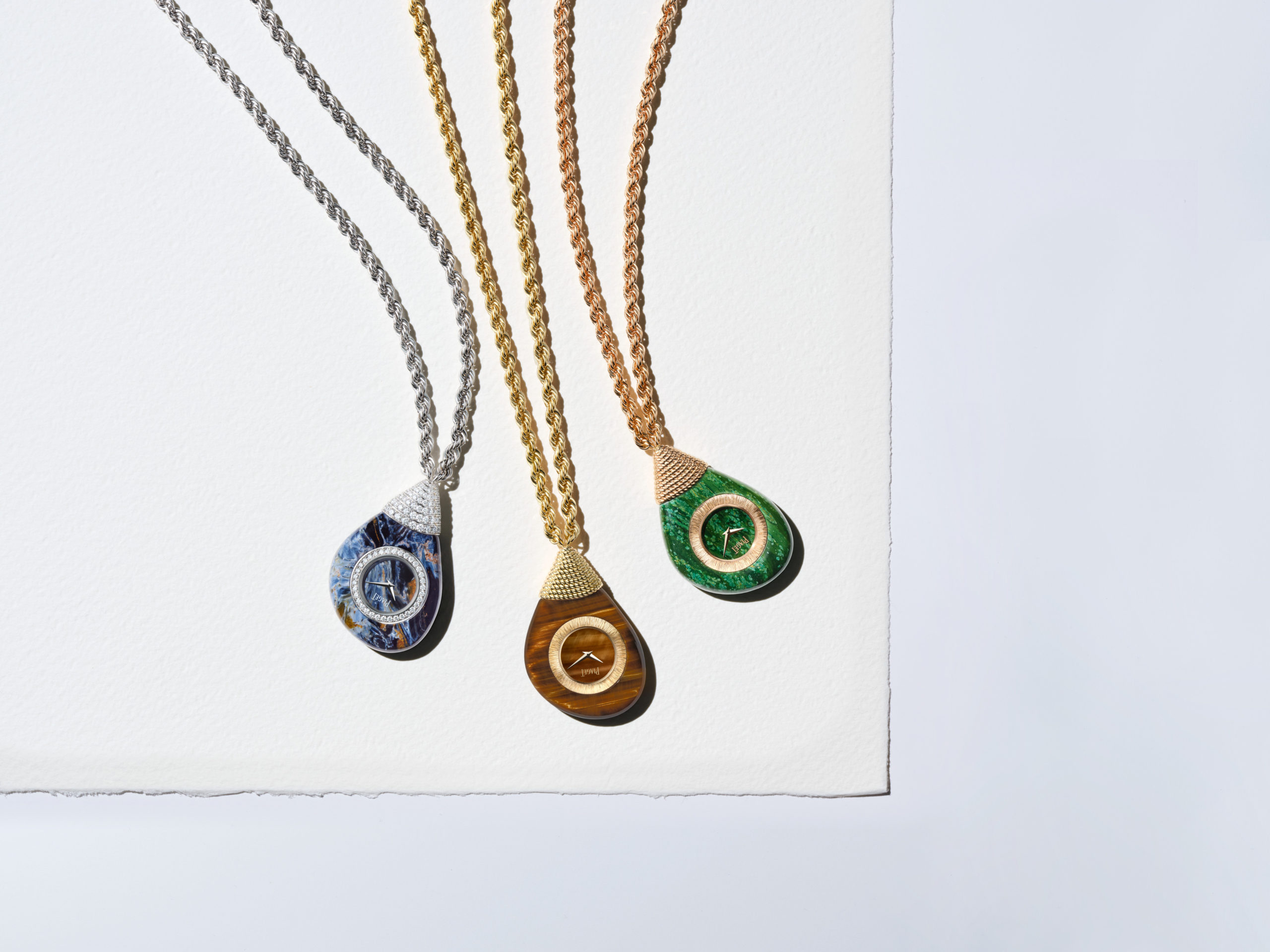
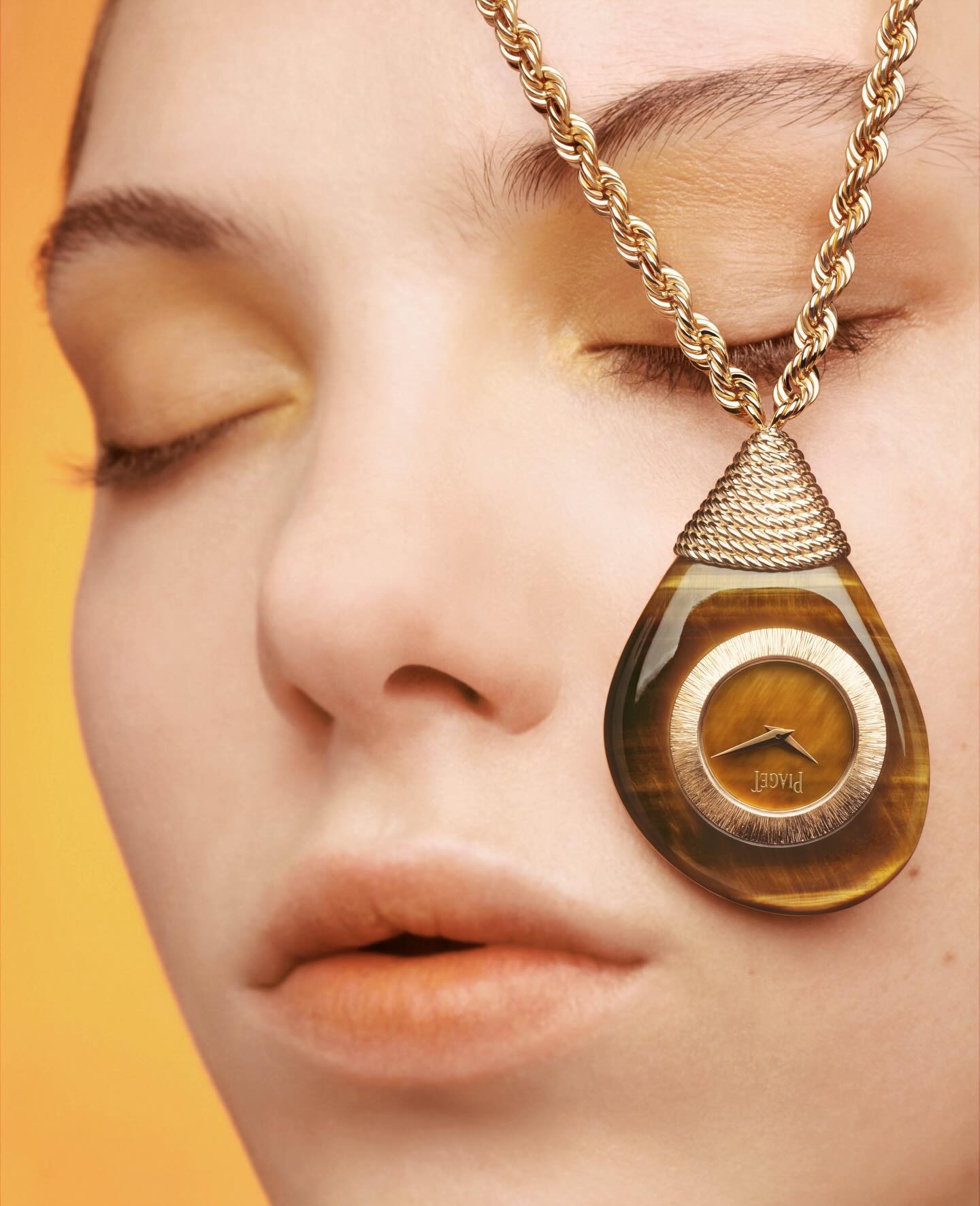
There is a particular kind of design confidence required to hollow out a single piece of semiprecious stone, insert a watch movement, smooth the surface back over, and present the result as a pendant watch on a gold chain. It assumes that the stone is the object, the movement is incidental, and the person wearing it understands the difference between a timepiece and a talisman. This is, and has always been, very Piaget. The Swinging Pebbles collection revisits the spirit of the Maison’s 1969 ‘21st Century Collection’, where watches swung from long gold chains and Yves Piaget’s conviction that jewellery and watchmaking were the same discipline in different materials went largely unchallenged. Seeing the three new pieces in Geneva, that conviction feels as current as ever.
Piaget creative director Stéphanie Sivrière found the inspiration in the archives: a kimono pocket watch from the early 1970s, made for the Japanese market, sculpted from malachite and described, accurately, as bold, flamboyant and singular. The challenge with the Swinging Pebbles was achieving what Sivrière calls seamlessness: a watch that does not look like a watch with a stone on it, but a stone from which a watch has always been inherent. Each piece is sculpted from a single block, hollowed for the movement’s insertion, then smoothed over so the join disappears. In person, the effect is quietly astonishing.
Tiger’s eye, with its warm bronze chatoyance. Verdite, a rare South African stone in deep forest green. Pietersite, with its turbulent blue-grey and gold inclusions, is sometimes called the tempest stone. Three pieces that wear as jewellery, keep time as watches, and belong primarily to the tradition of Piaget treating both as the same thing.
Piaget is available in New Zealand through Partridge
Abstract art has always lived on the edge of explanation, where instinct overtakes literal depiction, and the subconscious begins to steer the brush. When artists such as Hilma af Klint and Wassily Kandinsky turned away from representation in the early 20th century, they believed the painter could act as a conduit for something deeper than conscious thought. A century later, Auckland artist Grace Wright advances that lineage through a practice that feels both intuitive and rigorously controlled. Her canvases unfurl through coiling gestures and layered colour that echo the elements of Baroque painting and the rhythms of the natural world. Wright describes painting as an act of listening rather than imposing, allowing the work to surface through her, where instinct meets discipline, and the previously intangible gathers itself into poetic painted form.
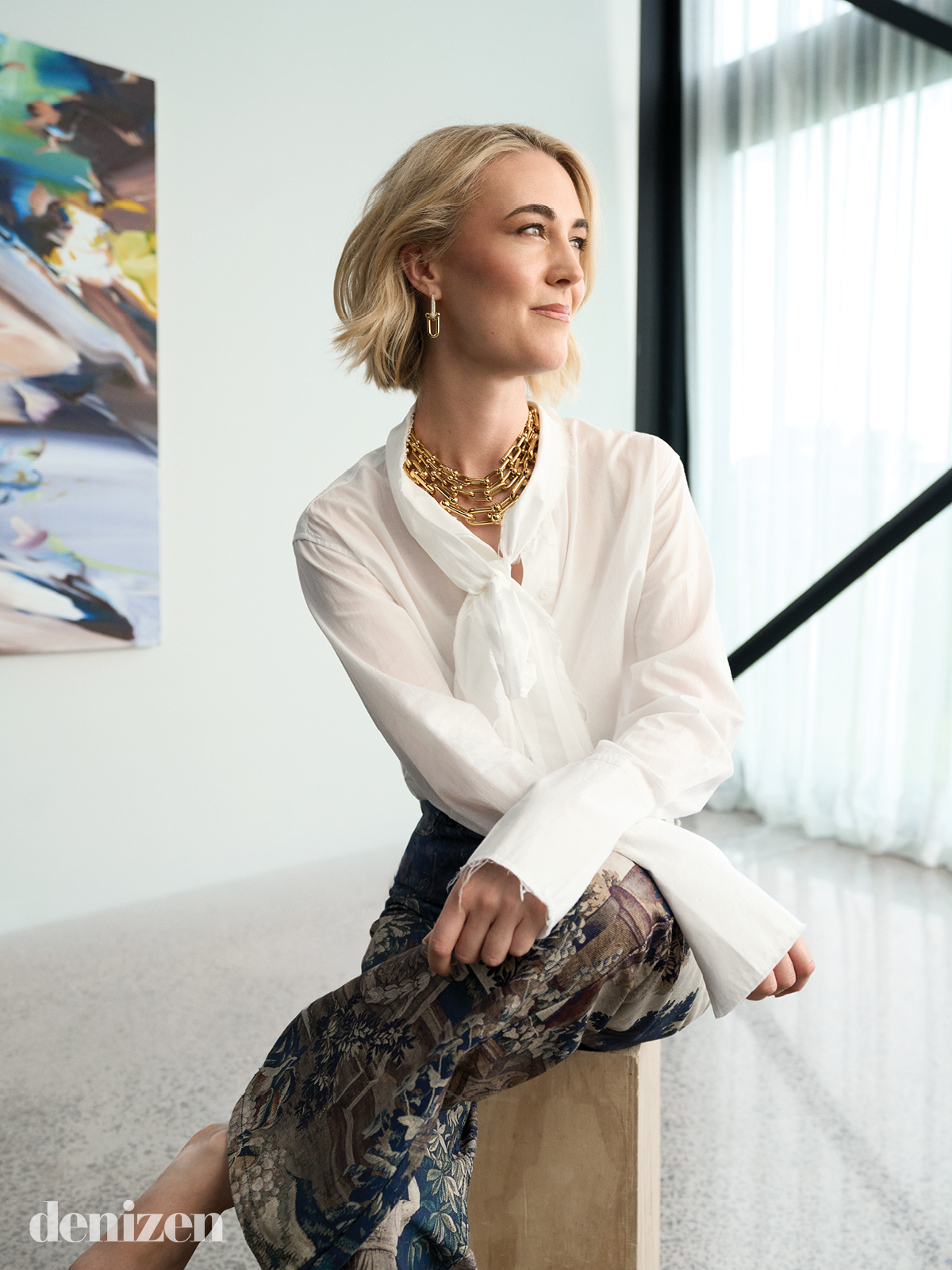
Grace wears HardWear by Tiffany Collection in 18k Yellow, Rose and White Gold with Pavé Diamonds. Courtney Zheng Linus raw edge cotton voile tie shirt and Verdure tapestry print jeans
Grace Wright does not speak of her painting as if she were inventing something. She speaks as if she is discovering it. The distinction is subtle but important. For Wright, the canvas is not a surface waiting to be filled with ideas. It is a place where something already forming begins to reveal itself. The artist’s role is not to impose meaning but to remain open, attentive, and disciplined enough for the work to arrive. She describes it with a quiet certainty that feels rare in an era where artistic identity is often framed through personality. “In the best paintings,” she says, “I feel like I’m almost channelling something. The work comes through me. My role is to create the conditions where that can happen.”
Those conditions are not mystical. They are carefully cultivated through rhythm, repetition and focus. Wright speaks about entering the studio with the same clarity an athlete might use to describe stepping onto a field of play. The creative state she seeks is not accidental. It is something she has learned to access deliberately. “You get good at going into the studio and switching that state on,” she explains. “Professional athletes do the same thing. They know how to move into a high-performance mindset rather than waiting for inspiration.” Yet within that disciplined approach, there remains space for something less controllable. The strongest works, she believes, emerge when the artist allows the painting to guide its own evolution. “Sometimes it feels like the work is calling me,” she says. “Like it’s saying, hurry up, get to the studio.”
Rhythm sits at the centre of how Wright enters that state. Before painting became the primary language of her practice, she spent years immersed in music, studying piano, playing bass guitar and composing orchestral arrangements during her school years. Those experiences shaped how she understands structure and movement. “When I listen to orchestral music now, I can hear how the different parts move together,” she says. “You’ve got these melodies and rhythms layering over one another to create an atmosphere. That’s very similar to how the paintings develop.” The connection is not metaphorical. Music accompanies sessions in her studio. Wright gravitates towards cinematic scores whose expansive emotional landscapes shape the tempo of her work. Pieces from films such as Interstellar or Oppenheimer create an atmosphere in which gestures begin to unfold almost choreographically. “The music changes how I move,” she says. “Sometimes the brush turns slowly, and the gesture unwinds across the canvas. Other times, the movements are faster.”
“Even when I step back and then move forward again, I’m still inside that rhythm.” What appears on the canvas carries the imprint of those movements. Wright often loads two colours onto a brush at once, allowing the pigments to twist and fold across the surface as the gesture unfolds. The result is a mark that feels dimensional and alive, almost bodily in its form. Yet the paintings do not emerge in a single dramatic burst. They grow gradually through a process of layering and returning. Wright tends to work in intense, focused sessions before stepping away to allow the surface to settle. “After a session, I’ll often lay the canvas flat and let it dry,” she says. “Then I come back to it again a couple of days later.” To prepare for a show, pieces develop simultaneously. While one painting rests, another moves forward, and gradually the studio fills with canvases occupying different stages of evolution.
“Having a base for my practice in Europe enables me to see these historic paintings in the real and to continue pushing the boundaries of my practice through experimentation.”
As a body of work accumulates, relationships begin to form between the paintings, Wright sees them less as isolated pieces and more as a network of energies interacting across the room. “There’s incredible momentum when you’re working on a whole show,” she says. “The works start feeding off each other.” She describes the arrangement as a kind of constellation, each canvas occupying its own position within a larger system. Some paintings lean toward complexity and density, while others remain deliberately restrained. Some carry tension while others release it. Together, they establish the exhibition’s atmosphere, much as individual instruments contribute to a larger composition. “They still all have their own identity,” she says. “They feel like separate entities once they’re finished.”
That sense of independence is central to how Wright understands authorship. She does not see the paintings as autobiographical reflections. Instead, she speaks about them as works that exist beyond the artist who made them. “Even when I was at art school, I always felt the work was separate from me,” she says. “There’s me, and then there’s the painting. I’m more like the guardian of it.” The idea removes a certain pressure from the act of making. Rather than forcing the work toward a predetermined outcome, Wright remains attentive to what is already emerging on the surface. It’s a dance between intention and intuition. “On the one hand, I’m letting the painting guide what comes next, and on the other I’m stepping back and making decisions from a more conscious place”. Understanding when a painting is finished comes almost instinctively. “I know it’s done when the energy starts circulating through it on its own,” she says. “It feels like it has its own gravity.”
Alongside this physical process runs a philosophical curiosity that has deepened throughout Wright’s career. She has long been drawn to the intersection of spirituality and science, particularly the language physicists use when describing forces that cannot be directly observed. The appeal lies not in mastering scientific theory but in the imaginative reach of the ideas themselves. “I love the way some scientists write about trying to understand something that is still unknowable,” she says. “They’re trying to imagine the unimaginable.” These ideas formed the basis for her 2025 exhibition Grand Illusions at Auckland-based gallery Gow Langsford, which has represented Wright since 2020. Drawing upon her fascination with physics, these large immersive works were neither literal representations of the natural world nor entirely invented. They were attempts to visualise structures that sit beneath visible reality. “I was trying to describe something you can’t quite see,” she says. “Like what a quantum field would look like, or time slowing down around a planet. ”
This interest in physics is a natural extension of Wright’s fascination with the spiritual potential of abstract painting, which she explored during her Master of Fine Arts at Elam School of Fine Arts in 2018 and 2019. Her graduating thesis explored how abstraction was an ideal vehicle for embodying a spiritual experience, both for the audience and the artist. Yet while this sense of connection was important for many artists in the early 20th century, regardless of gender, it was often used to discredit the work of women artists. “Working at a large scale allows me to push against that, much like Hilma [af Klint] did. In history, large paintings were often the domain of men. I’m inspired by the feeling you get when you stand in front of a work that totally immerses you; it’s a spiritual sense in which you’re catapulted into the present and aware of your body in space. My work is an attempt to recreate that sense of monumentality but to do so as a female body.”
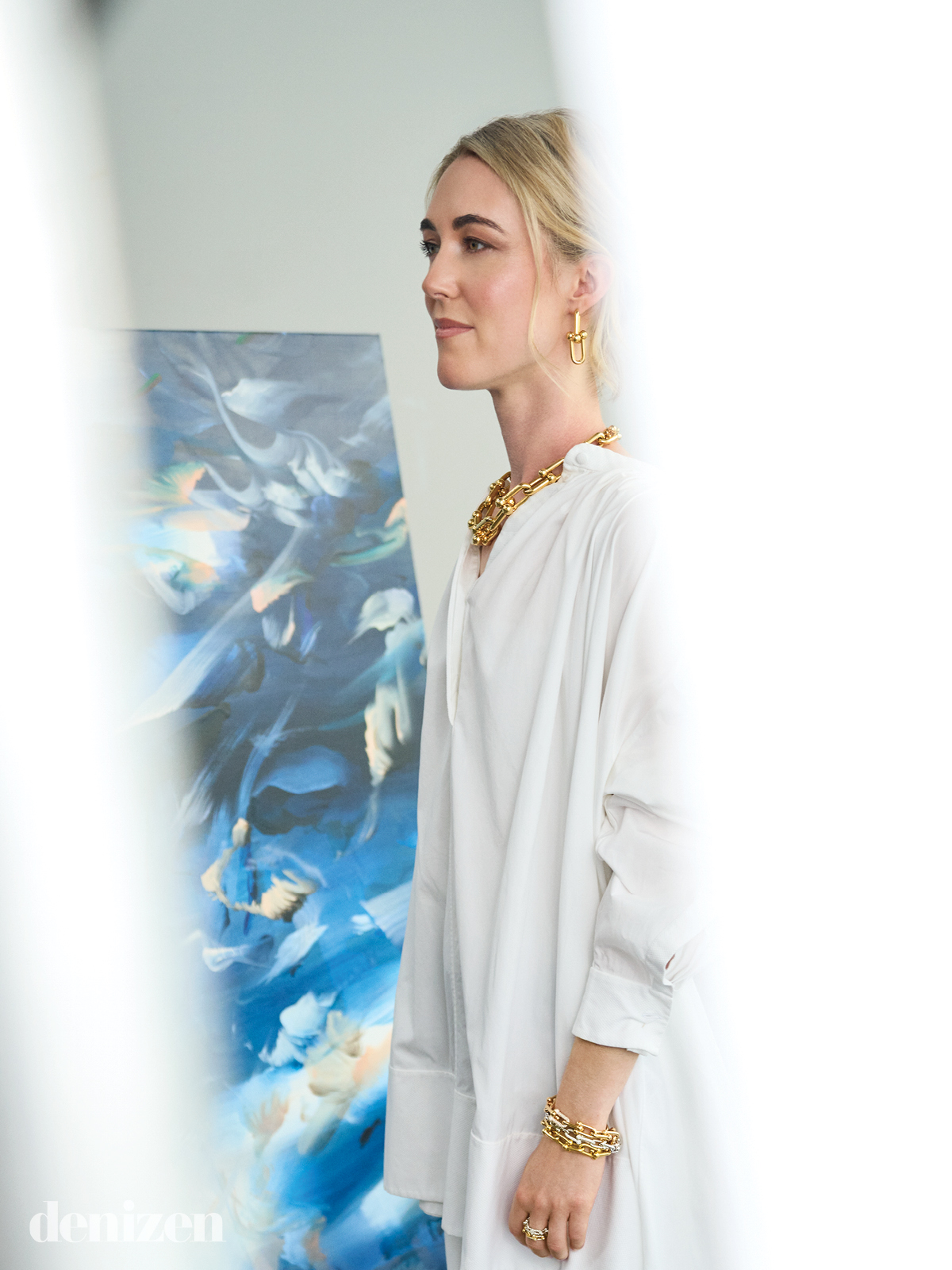
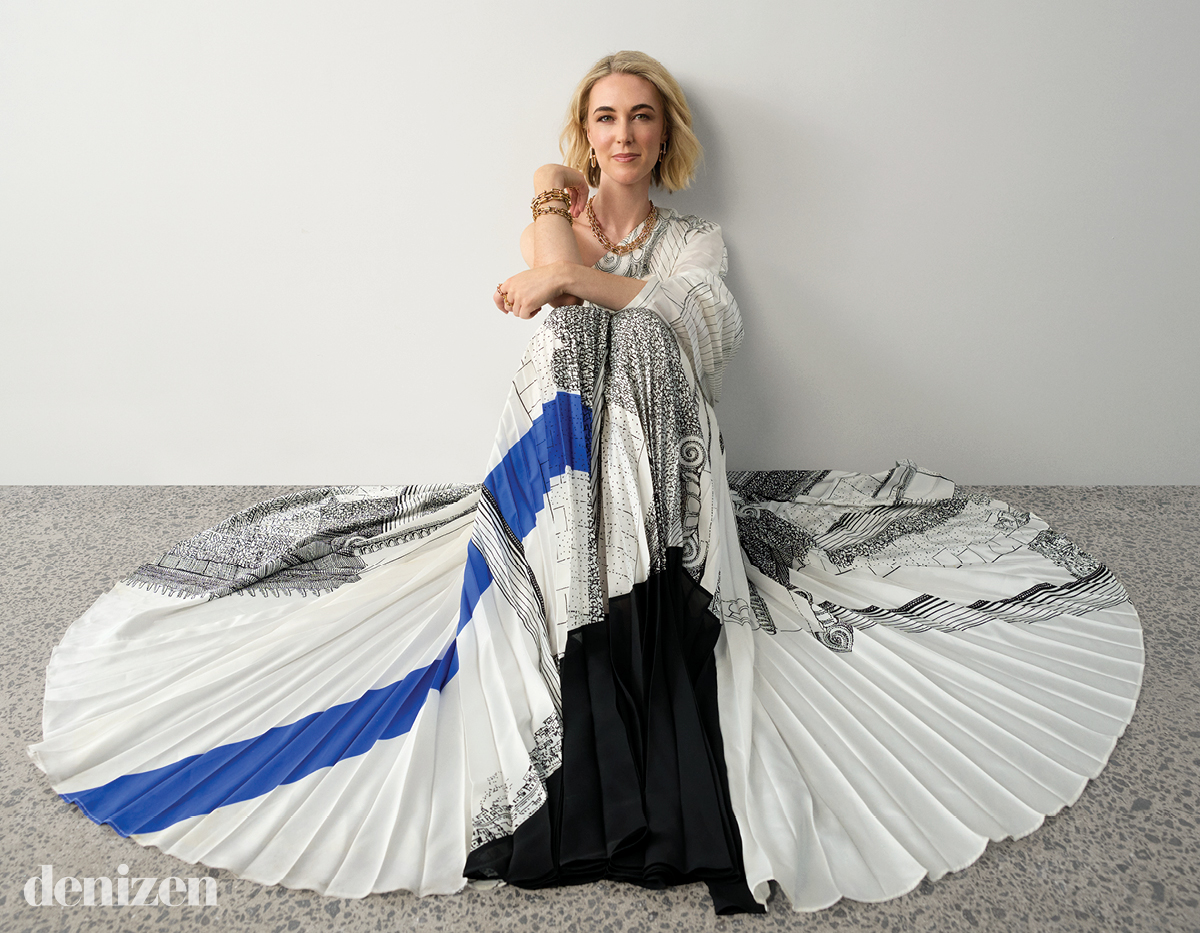
Grace wears HardWear by Tiffany Collection in 18k Yellow, Rose and White Gold with Pavé Diamonds. Scanlan Theodore Double Cotton Cravat shirt
Her time working in Paris has sharpened that sense of inquiry. For several years, Wright has spent extended periods living and painting in the city, often returning for two-month stints. The change of environment has gradually shaped how she thinks about time, history and artistic continuity. “Paris has this extraordinary layering of culture,” she says. “You’re surrounded by centuries of art, architecture and philosophy.” The city’s atmosphere encourages a slower, more reflective rhythm. It is also an opportunity to experiment. “During my Master of Fine Arts, I experimented with oil paints, which suddenly opened this historical atmosphere in the work that I’ve been playing with ever since.” Drawing upon the formal components of Baroque painting, such as chiaroscuro lighting and strong diagonal forces, allows Wright to create an immediate sense of drama and tension in her work without referencing actual bodies or landscapes. “Having a base for my practice in Europe enables me to see these historic paintings in the real and to continue pushing the boundaries of my practice through experimentation” Museums become part of daily life. A morning in the studio might be followed by an afternoon standing before works created hundreds of years ago. “Those paintings are still completely alive,” she says. “They were made centuries ago, but you’re experiencing them now.” The thought has stayed with her. Painting possesses a strange temporal quality. The gesture made by an artist centuries earlier remains physically present in the paint surface, waiting to be encountered again.
“I was trying to describe something you can’t quite see. Like what a quantum field would look like, or time slowing down around a planet.”
If Paris reveals the density of human history, Antarctica offered Wright a glimpse of something even more expansive. She travelled there recently, drawn by the starkness of a landscape almost entirely untouched by human intervention. The experience left a lasting impression. “It gives you a sense of the truth of nature,” she says quietly. “You realise how small human life actually is.” Antarctica exists outside the rhythms of civilisation. Wildlife moves through the environment with an ease that highlights the fragility of human presence. What struck Wright most was the altered sense of time. In the dry polar climate, objects remain visible far longer than they would elsewhere. Decay slows almost to a standstill. “You might see something that’s been there for decades,” she says. “Time feels compressed there. The past is still present.”
That realisation fed directly into her thinking about painting and duration. Wright often returns to a concept borrowed loosely from physics, the suggestion that time may not exist in the fundamental equations governing the universe. Painting behaves in a way that is strangely similar. The moment of creation may lie in the past, but the work itself remains active in the present. “When you stand in front of a painting from the 1500s, you’re seeing it now,” she says. “So the idea of time collapses.” The paint surface carries the gestures of the artist’s hand across centuries. But the encounter and the impression it leaves recur each time someone stands before it, regardless of the passage of time.
“I’m inspired by the feeling you get when you stand in front of a work that totally immerses you; it’s a spiritual sense in which you’re catapulted into the present and aware of your body in space.”
It is this quality that shapes how Wright imagines the future life of her own work. She does not frame the question in terms of legacy or recognition. Instead, she returns to the simple fact that paintings continue to exist long after the circumstances of their creation have faded. She likes the idea that someone centuries from now might encounter one of her canvases and respond to it through the lens of their own time. “I would love to think that in two hundred years someone might stand in front of one of my paintings and experience it in a way that feels relevant to them,” she says. “The interpretation might be completely different from how we understand it now.” The cultural context will inevitably change. Yet the painting remains present, still carrying the energy embedded within it when the work was first made. “That’s what happens when we look at historical paintings,” she says. “They were created in another era, but they still can resonate with us now.”
Grace wears HardWear by Tiffany Collection in 18k Yellow, Rose and White Gold with Pavé Diamonds. Scanlan Theodore Double Cotton Cravat shirt
For Wright, that continuing presence is the most compelling aspect of painting as a medium. It transforms the act into something that extends far beyond the moment it was created. The gestures laid down today may continue speaking long after the artist herself is gone. Each painting becomes a point of contact between different moments in history, allowing viewers to bring their own experiences and interpretations into the work. “The meaning can evolve,” she says. “What matters is that the painting still feels alive.”
That sense of aliveness is ultimately what Wright seeks each time she enters the studio. The process begins with colour, movement and rhythm, but gradually something else emerges. Layers accumulate, gestures settle, the atmosphere deepens. At a certain point, the work begins to stand on its own terms. The painting no longer needs guidance. It carries its own momentum. When that moment arrives, Wright steps back and lets it go. The canvas leaves the studio and begins its life in the world, encountering viewers who will see it through entirely different lenses. The artist begins the process, but the work continues long after she has finished. “I’m just the guardian of it,” Wright reflects thoughtfully. “The painting exists beyond me.”
Grace Wright is represented by Gow Langsford. Her work will be on view at the Aotearoa Art Fair, 30 April – 3 May 2026, Viaduct Events Centre, Auckland.
Photography — Veronika Sola | Styling — Claire Sullivan-Kraus | Creative Direction — Anna Saveleva | Videography — Kevin Ku | Hair & Makeup — Emily Zganiacz
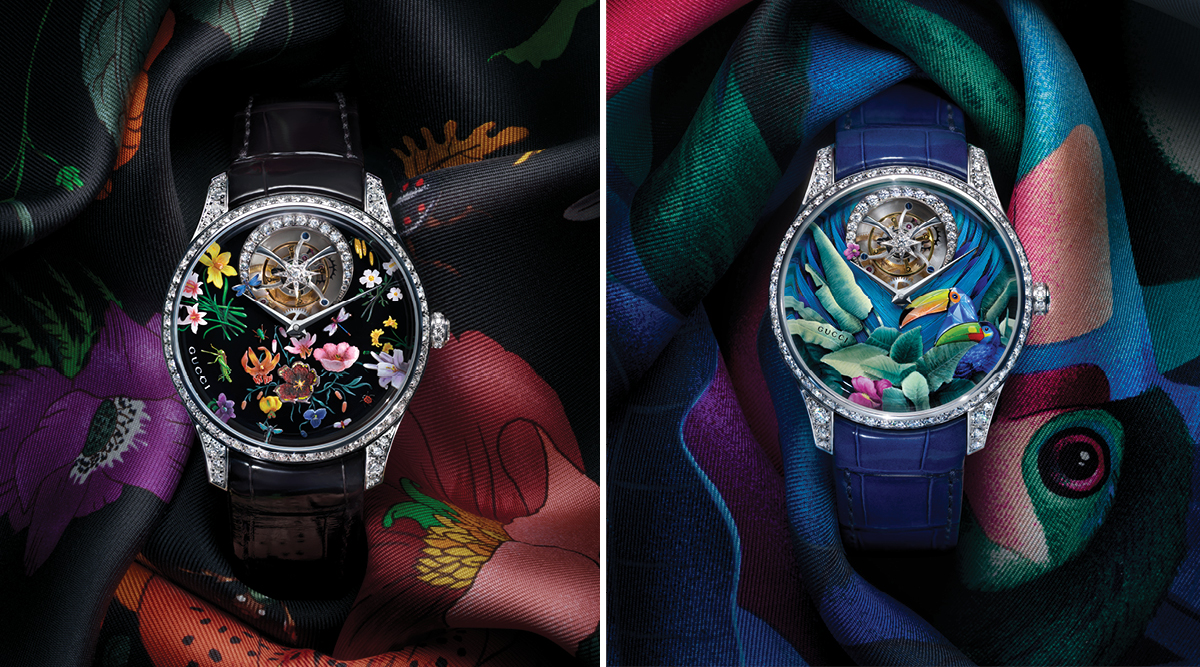
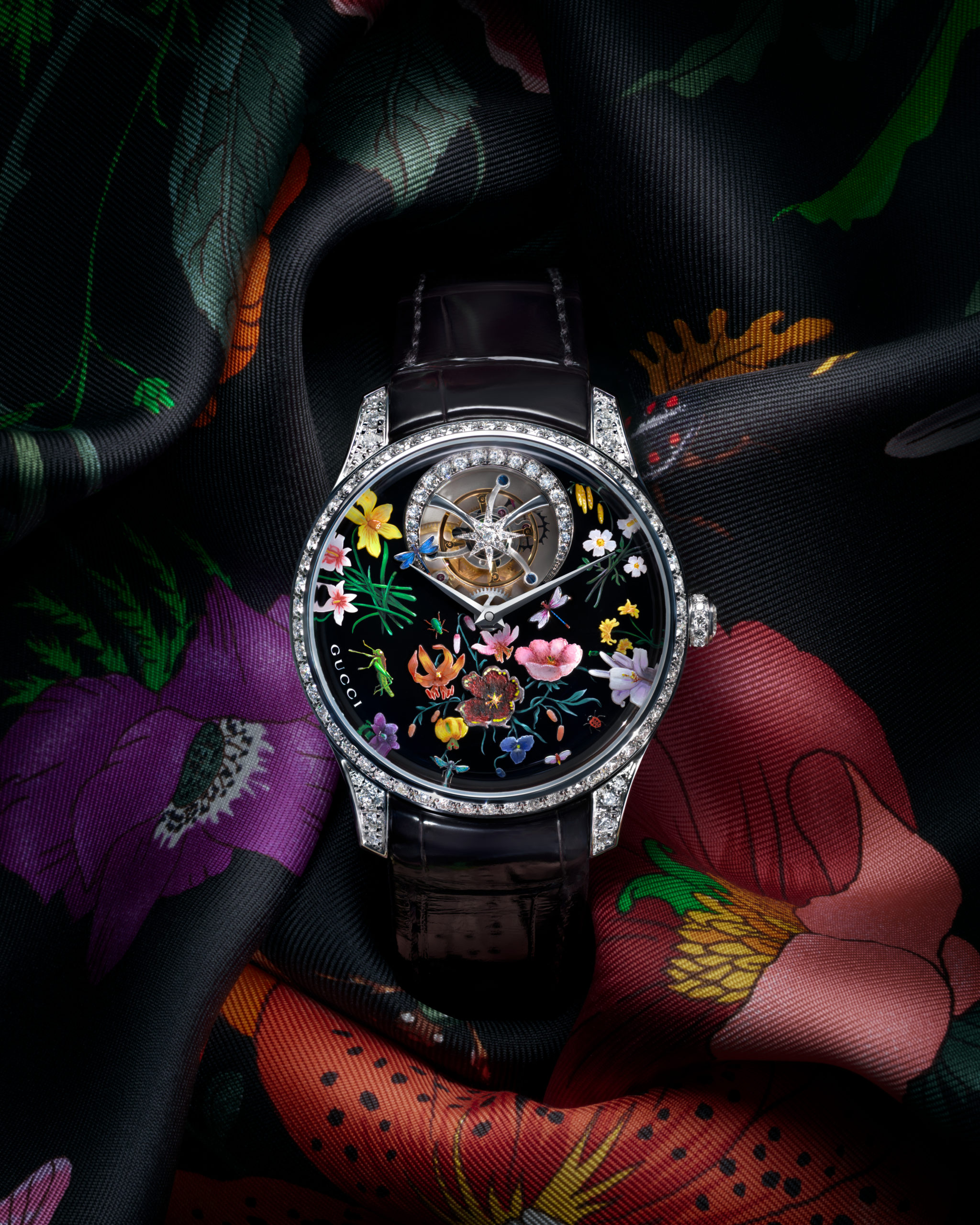
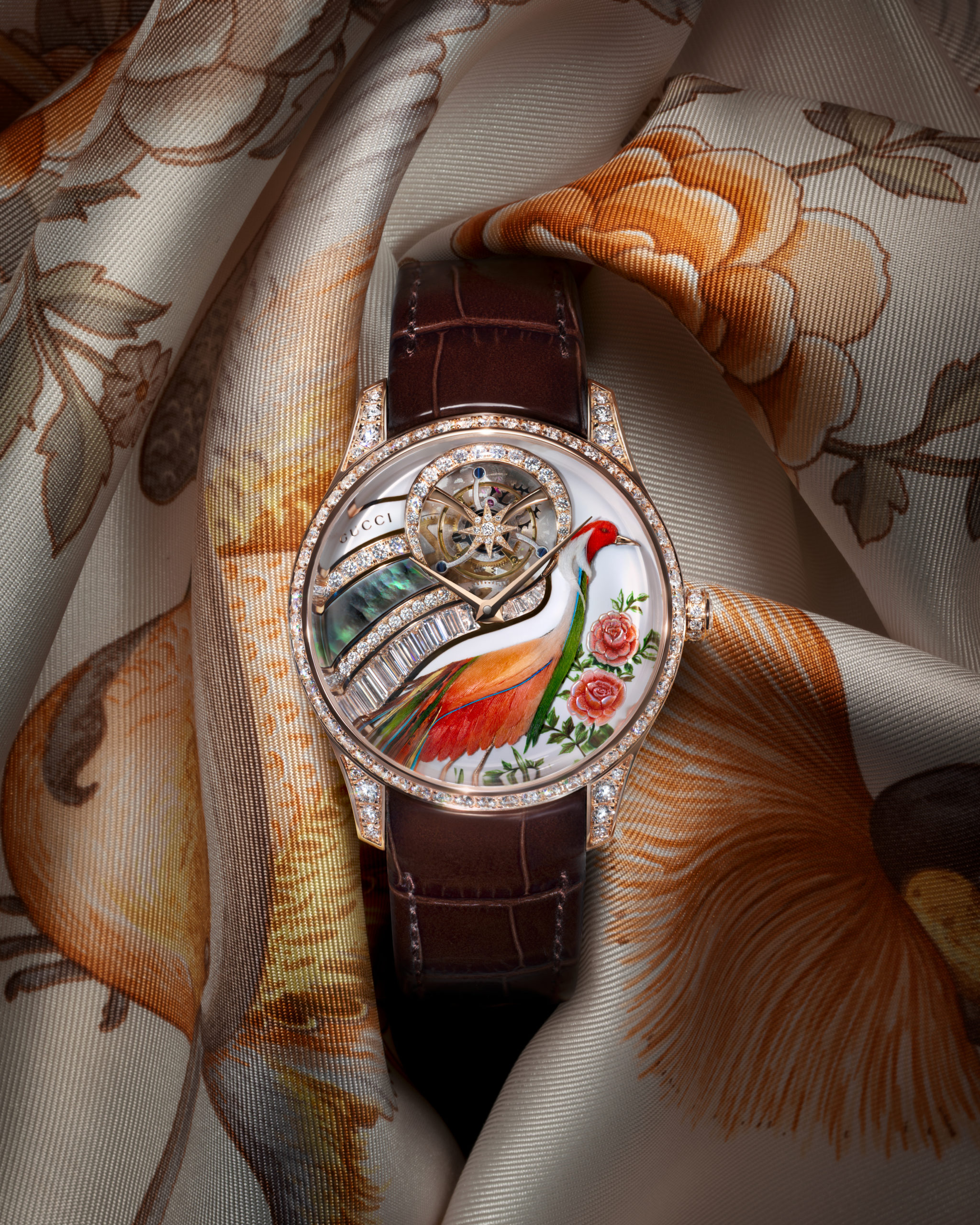
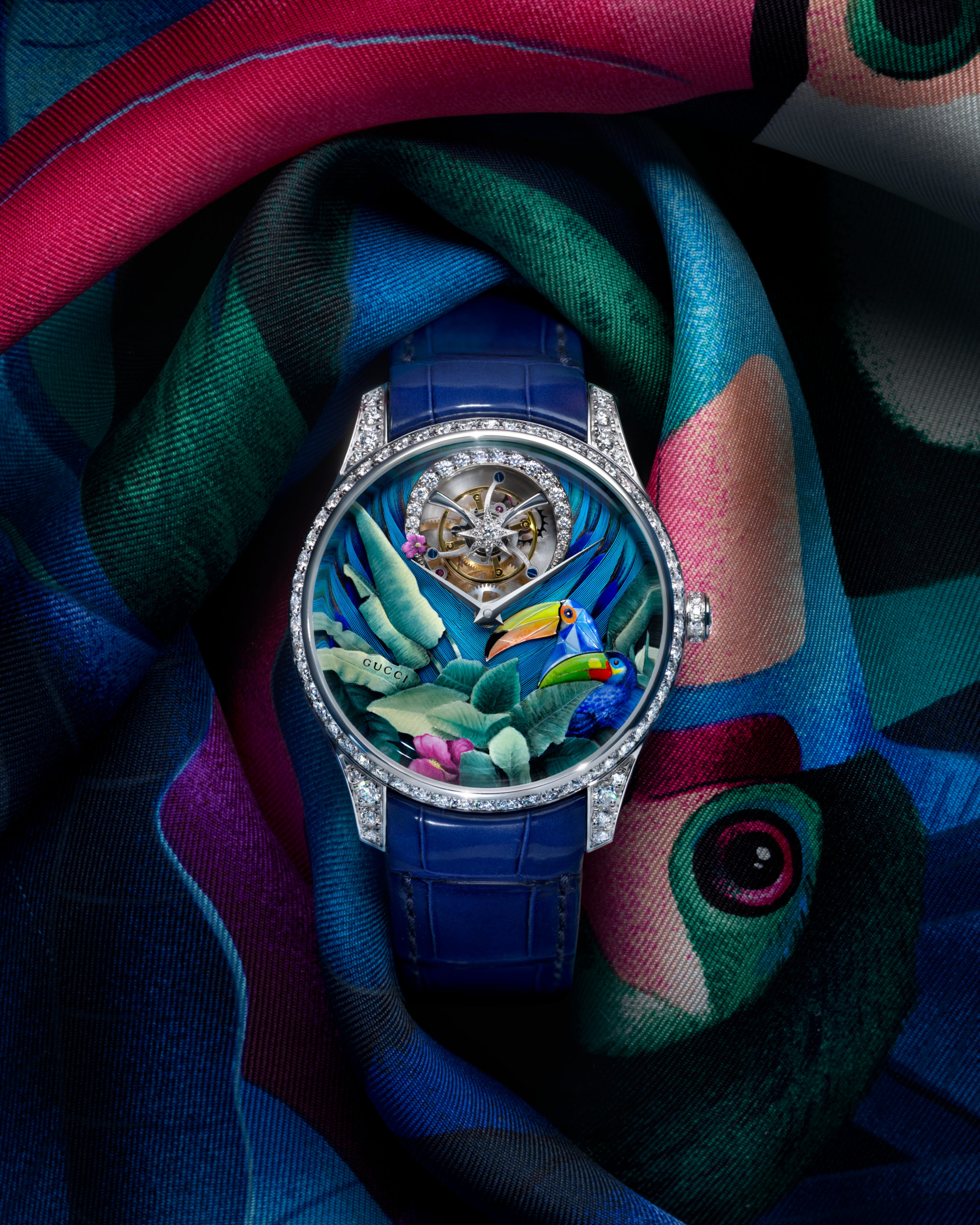
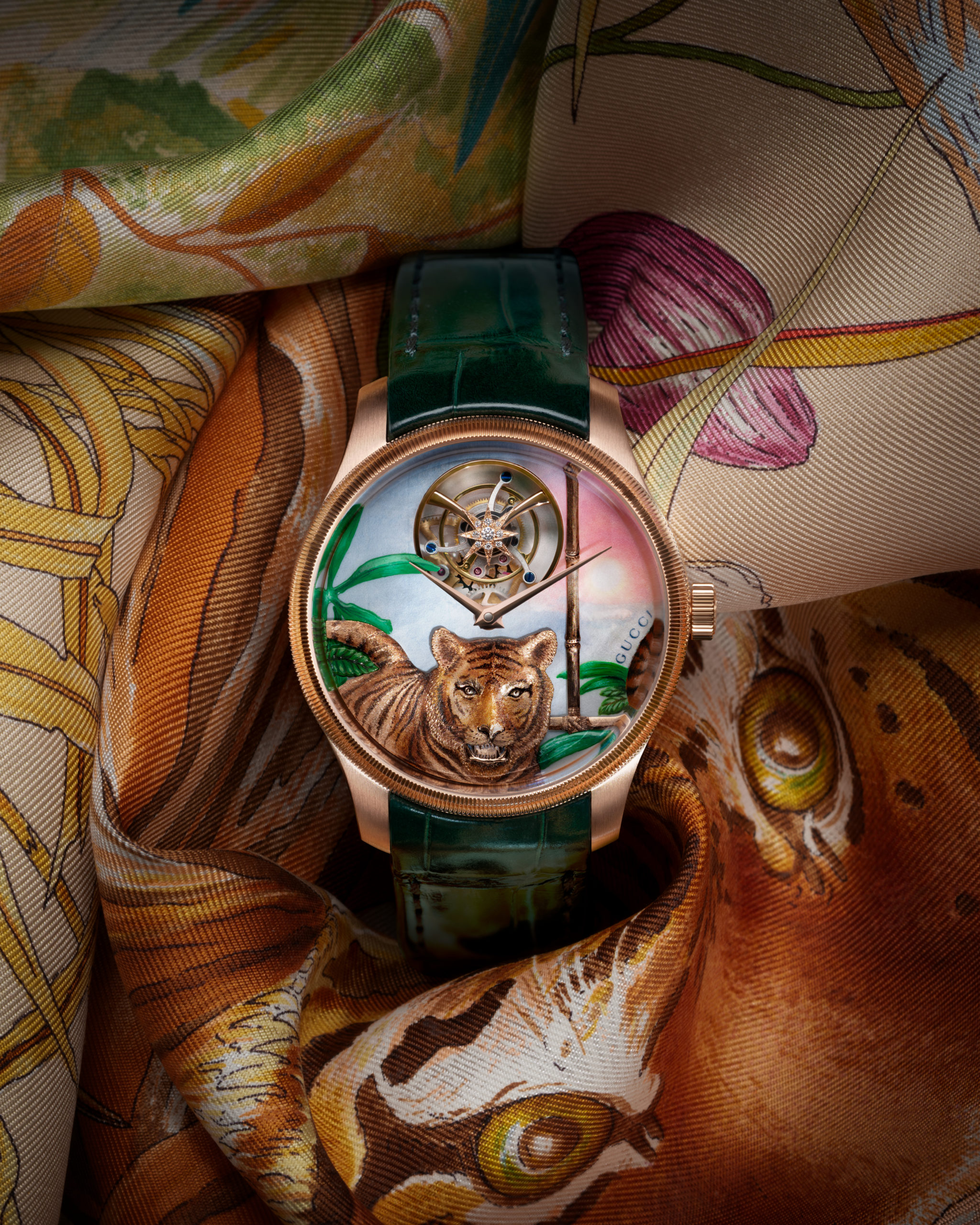
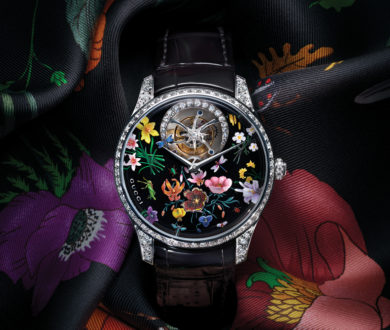
Gucci occupies an unusual position in watchmaking. It is, first and always, a fashion house, which means a portion of its watch output will inevitably be read through that lens: beautiful objects designed primarily for brand recognition and wrist presence, elegant without demanding the kind of close technical attention that keeps serious collectors awake. But to spend too long on that observation would be to miss the point of Gucci’s 2026 collection, because the Métiers d’Art pieces exist in a different register. This is where the house’s archive, some of the most exquisite artisanal techniques in the industry, and a French feather artist named Nelly Saunier converge on four 40mm white and rose gold tourbillons that are, without qualification, among the most extraordinary watches I saw in Geneva this year.
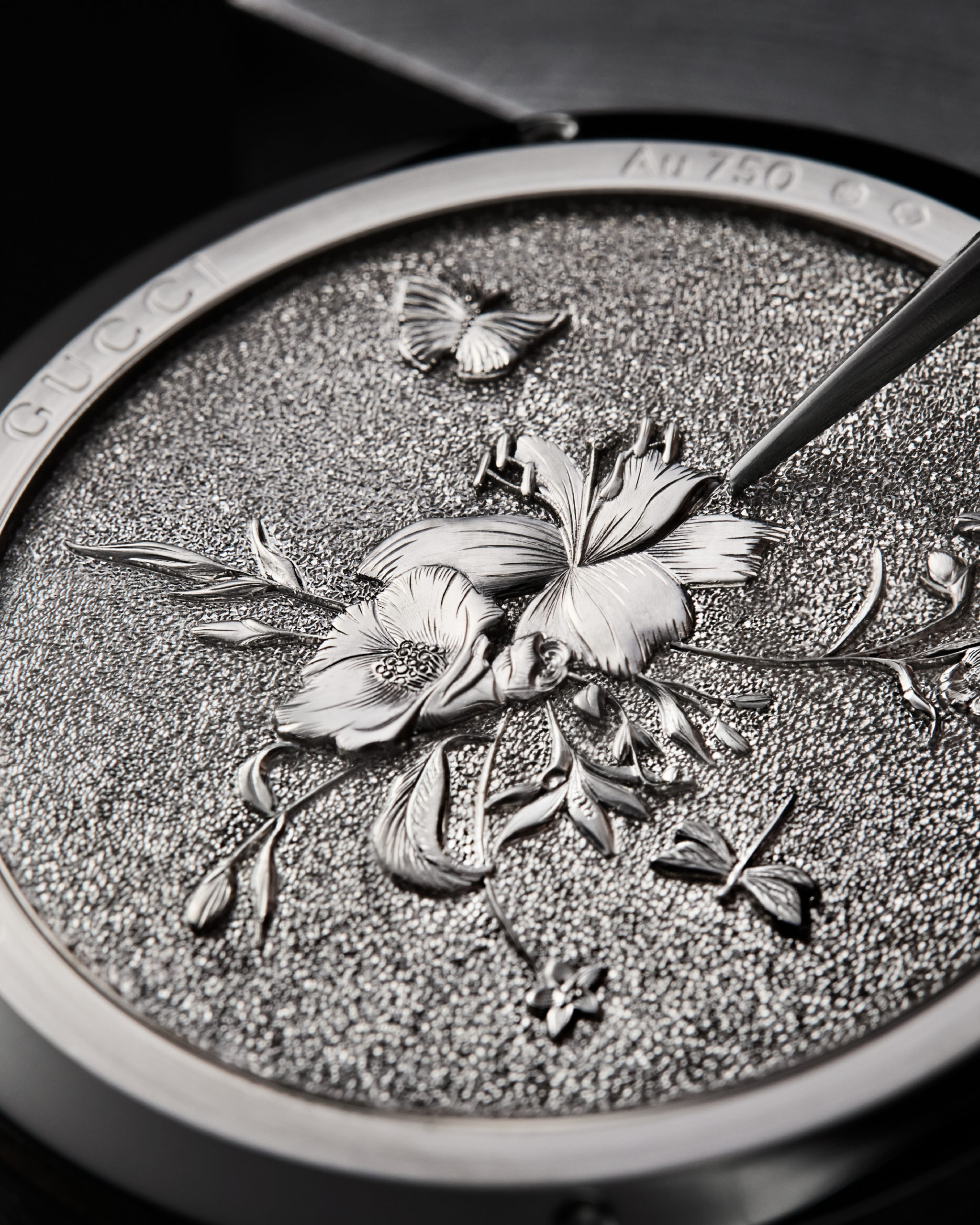
Vittorio Accornero created the Flora print for Gucci in 1966, originally as a silk scarf for Grace Kelly. Sixty years later, it becomes the subject of a white gold tourbillon featuring micro-painting, hand engraving, and individually set minerals to recreate its fluid botanicals on an onyx dial base. Pink opal, blood jasper and mother-of-pearl are each inlaid separately, refined by laser and finished by hand. The case carries miniature white gold creatures, a grasshopper and a dragonfly, rendered with fine engraving and micro-painting at a scale that makes you pause and think about the people who do this work, and what their eyesight is like by Friday afternoon. Viewing it in person at Gucci’s offsite presentation at The Woodward Hotel, the exacting detail has to be seen. A diamond-set case, a diamond-set tourbillon at twelve, and sixty years of history compressed into something you can wear on your wrist.
The second Métiers d’Art piece takes an archival scarf design from the early 1980s. A rose gold case, diamonds, a white grand feu enamel dial, and at the centre, a crane outlined in rose gold and brought into three dimensions by Nelly Saunier, the French feather artist who works exclusively with feathers gathered during natural moulting, each one selected by hand for hue, texture and reflective quality. The gradient Saunier achieves here, moving from the body of the bird outward through the composition, can only be appreciated in person. Flowing channels of diamonds and baguette cuts alternate with mother-of-pearl. Blooming flowers, engraved and micro-painted, complete the upper register.
The third piece in the Métiers d’Art series revisits an archival print from the 1980s in a white gold and diamond case, and it is perhaps the most quietly intricate of the four. Saunier’s feathers form a tonal blue and aquamarine gradient across the dial, a composition that shifts as the light moves across it. The toucans are cut from mother-of-pearl and hand-painted on both faces, a detail that only the maker and the collector who thinks to turn the piece in the light will ever fully appreciate. Green foliage surrounds them in hand-engraved mother-of-pearl. At twelve, the tourbillon carries a fuchsia-pink flower in micro-painted mother-of-pearl, an unexpected accent that lifts the composition.
The fourth Métiers d’Art watch draws on Gucci’s Animalia scarf prints from the late 1970s, placing a hand-painted rose gold tiger against a mother-of-pearl dial, where micro-painting evokes a blazing sun dissolving into haze beneath the surface. The natural iridescence of the mother-of-pearl becomes part of the composition rather than a neutral background, and the effect in person is more alive than any of my photographs or videos have managed to convey. A hand-engraved bamboo accent in rose gold, a callback to the house’s archive, and a diamond-set star on the tourbillon at twelve. The most structurally unified of the four, with every element returning to a Gucci reference, and the one I found myself returning to most.
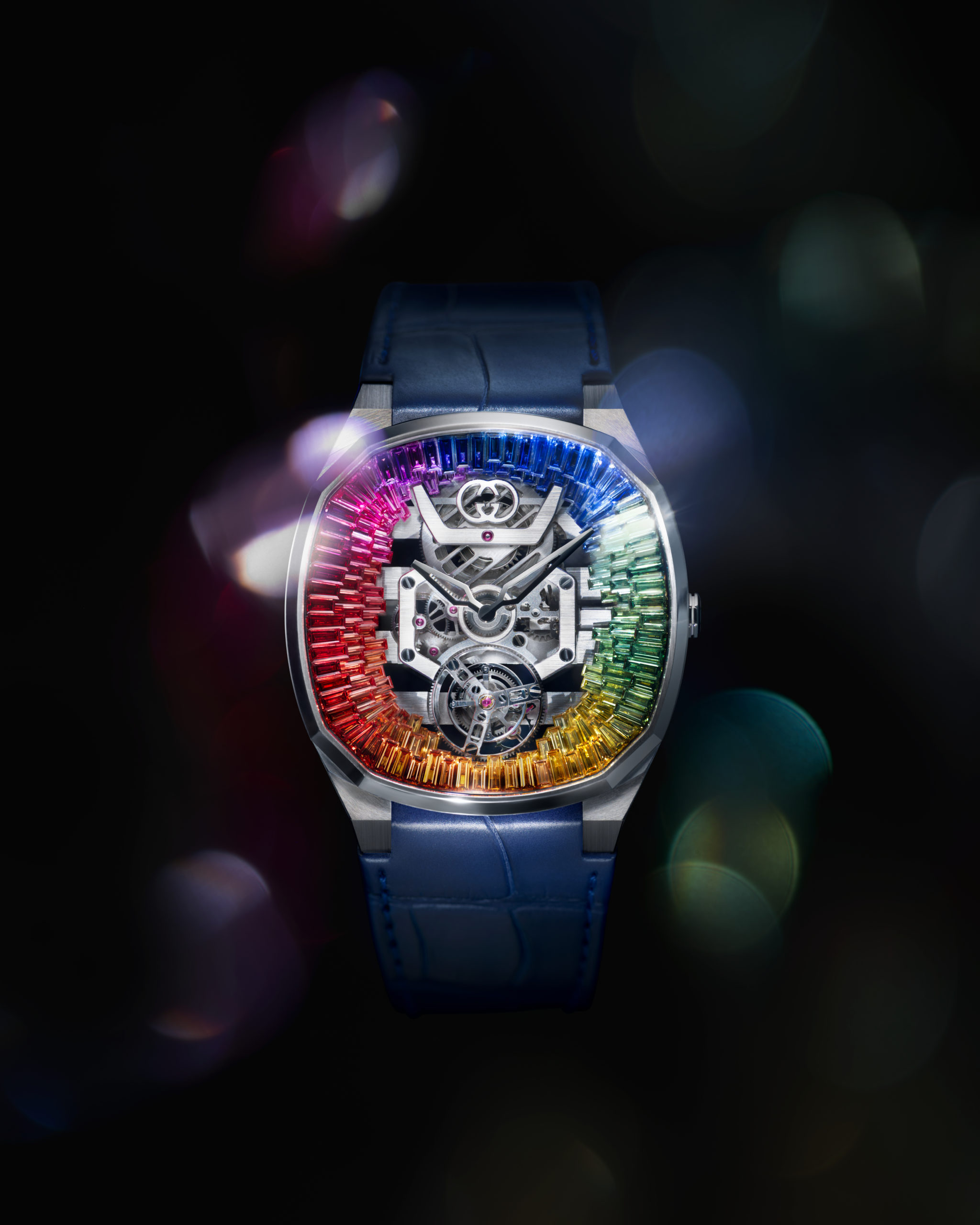
Previous iterations of the 25H have always carried horological credibility thanks to its amphitheatre silhouette, the ultra-thin 8.4mm case, and a skeletonised movement that treats the mechanics as decoration rather than concealing them. The 2026 version retains all of that and adds the drama of rainbow-coloured baguette sapphires, each selected for shade and set by hand in graduated tones around the open-work dial. The result intensifies what was already a watch with something to prove. Completed by a blue alligator strap, this is a timepiece for someone who appreciates both colour and complication.
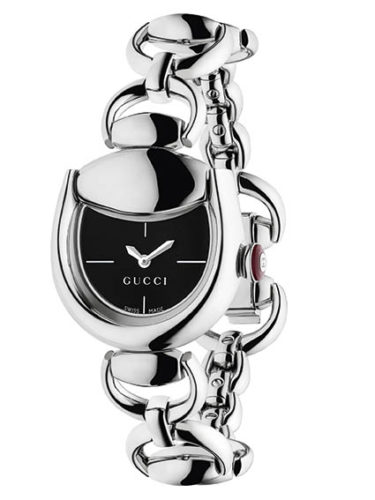
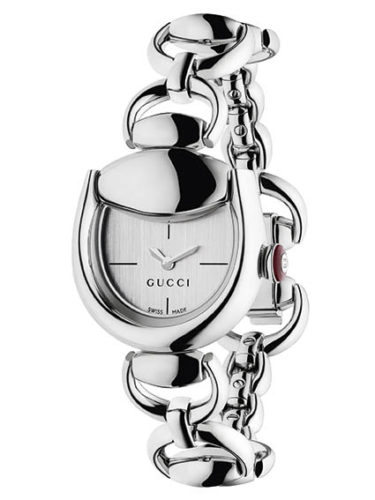
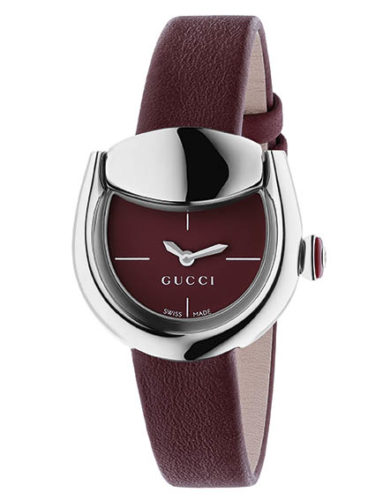
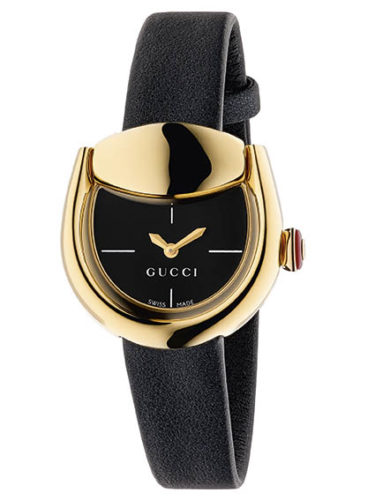
There is a particular confidence required to bring back an icon. Not the confidence of novelty, but of knowing something was right the first time. The Horsebit has been in Gucci’s vocabulary since the late 1940s, and its return in 2026 across five variants, including sculptural chain bracelets in polished steel that wear as much like jewellery as timepieces, feels earned rather than opportunistic. The burgundy leather and powder pink iterations are exactly what they should be, and the chain variants in particular are tactile and substantial in a way that photographs simply do not capture.
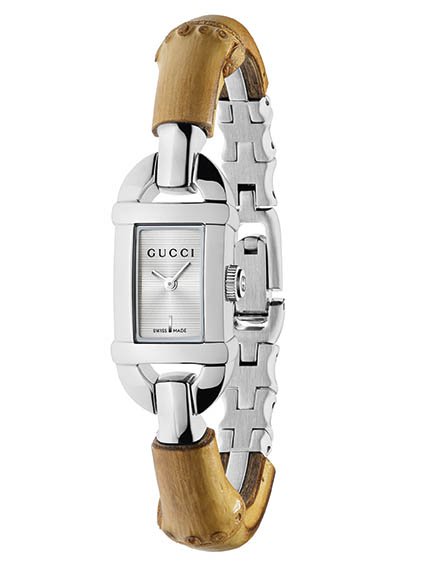
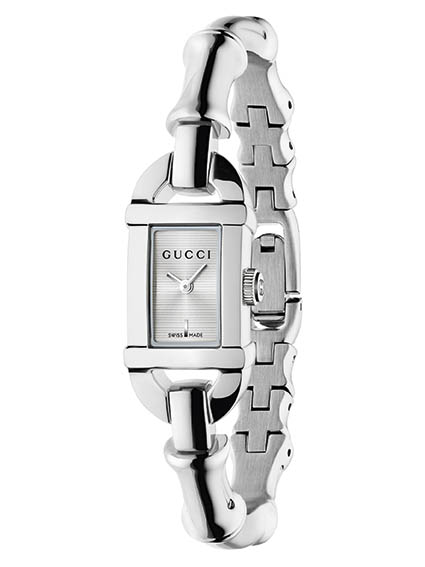
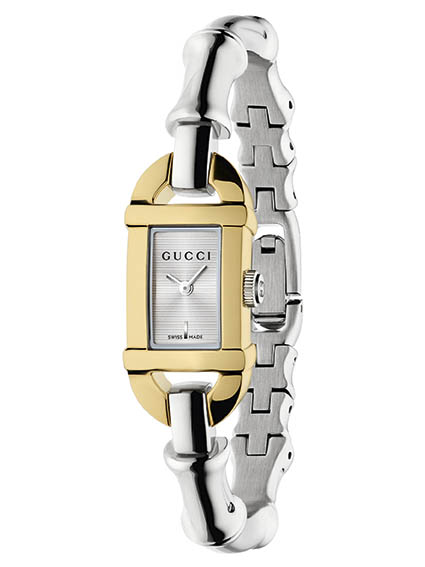
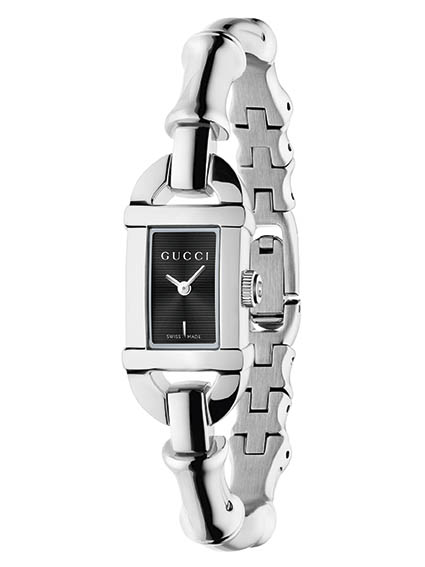
The Bamboo, available in 22 x 17mm in four versions, follows the same logic. The wooden bracelet variant has a material warmth that only comes from a house that understands craft. These are not reissues. A restatement.
Excuse the pun, but given these times, we once again find ourselves in a situation where attending this year’s Watches and Wonders event in Geneva was, for me at least, all about timing. In the 11th hour, I decided not to let the machinations of the world get in the way of telling a good story. Especially if it was to be a story as old as time.
The first thing that grabs me about Geneva is the light. Low and bright across the lake, Mont Blanc fills the horizon in a way that makes everything below it feel precisely located and, at the same time, very small. It is an appropriate backdrop for an industry that has spent centuries insisting that time is not something to be measured carelessly.
I have followed fine watchmaking for years from a comfortable editorial distance, admiring the craft, understanding the codes, writing about the pieces. But there is a difference between knowing about something and standing inside it, and at Watches and Wonders 2026, surrounded by sixty-six of the world’s most significant watchmakers presenting their newest work with the kind of conviction that borders on devotion, that difference became very clear.
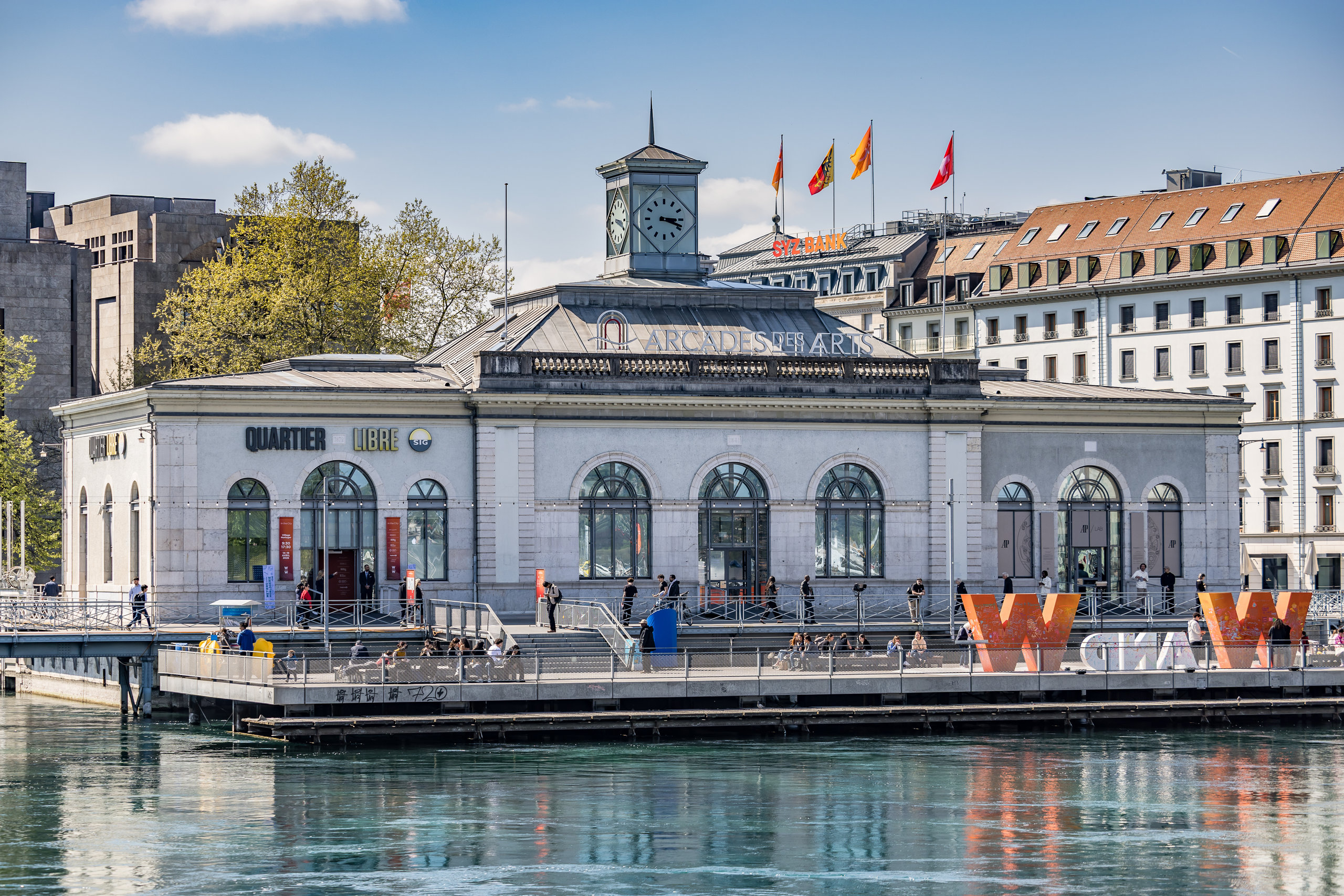
The fair takes place at Palexpo, a sprawling convention centre on the edge of the city, but the city itself is the context. Geneva has been the centre of the watchmaking world for centuries. Its expertise was shaped, in part, by the arrival of Protestant craftsmen from France who brought their skills in miniature mechanics and found, in this particular city on this particular lake, the conditions to become, over the following generations, synonymous with time measurement. Walk the old town now, and the watchmakers’ quarter still exists in its original geography. The workshops are there. The knowledge is still being passed hand to hand. Switzerland’s watch industry is the country’s third-largest export sector, behind chemicals and machinery, worth CHF 25.5 billion (roughly $55 billion NZD) in 2025. This is not heritage. It is a functioning, significant economy.
What Watches and Wonders has become is, in some ways, a reflection of that seriousness. Once a deliberately closed event for the trade, it now sells public tickets, and last year more than 23,000 people attended the public days, a 21 per cent increase on the year before. There is a conversation to be had about what opens and closes when the doors open wider, but having attended for the first time, I found myself firmly on the side of accessibility. What is on display here is too remarkable to be kept behind a trade badge.
Sixty-six brands. Hundreds of new timepieces. The task of making sense of it is genuinely formidable, and the first day is largely an exercise in recalibrating your sense of scale. The attendees themselves are a study in quiet authority: collectors who travel for this alone, independent watchmakers in conversation with the heads of maisons they admire, journalists who have been doing this for thirty years, standing next to a new generation of enthusiasts who arrived via Instagram and stayed for the movements. The enthusiasm, on all sides, is real.
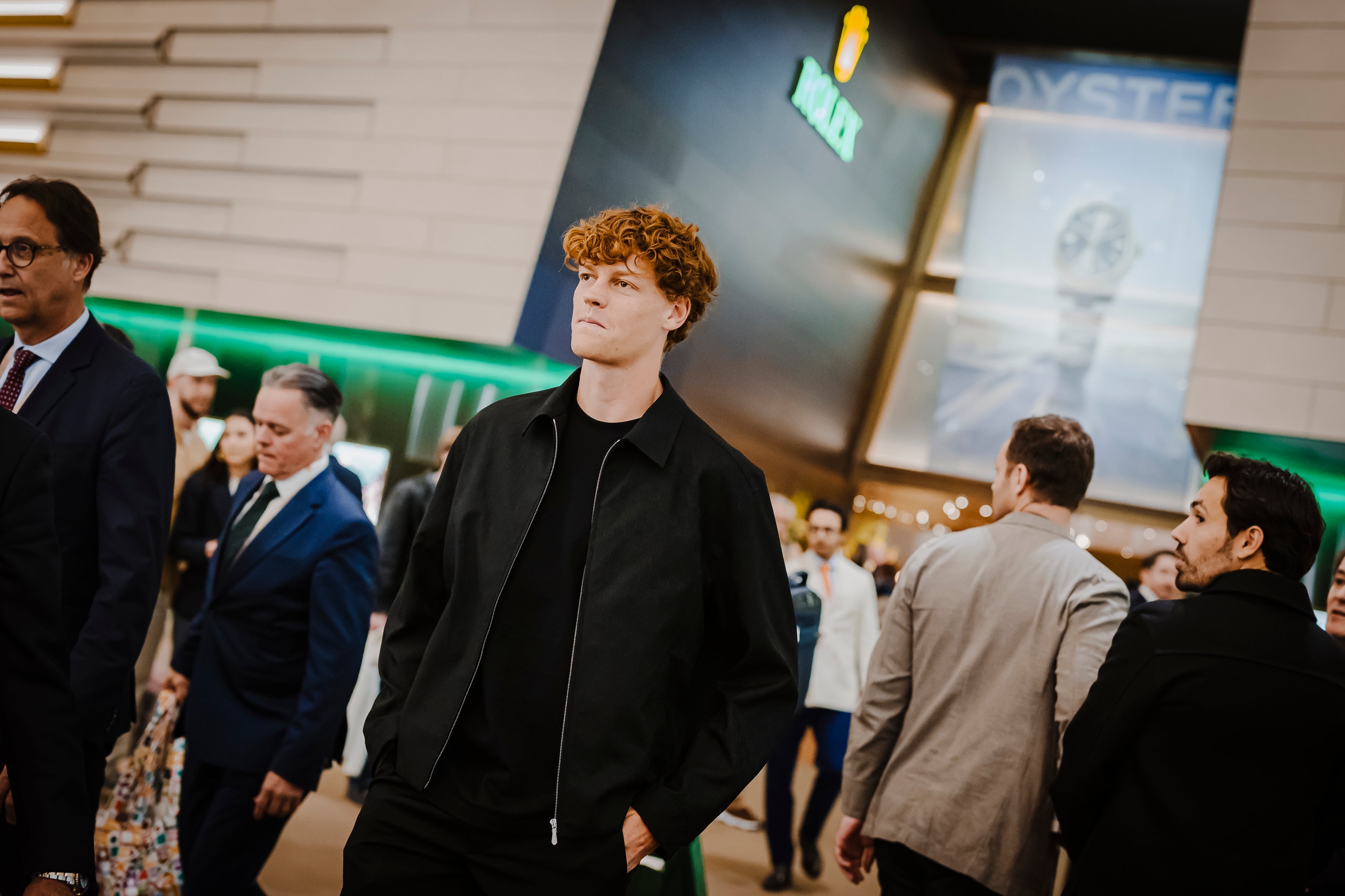
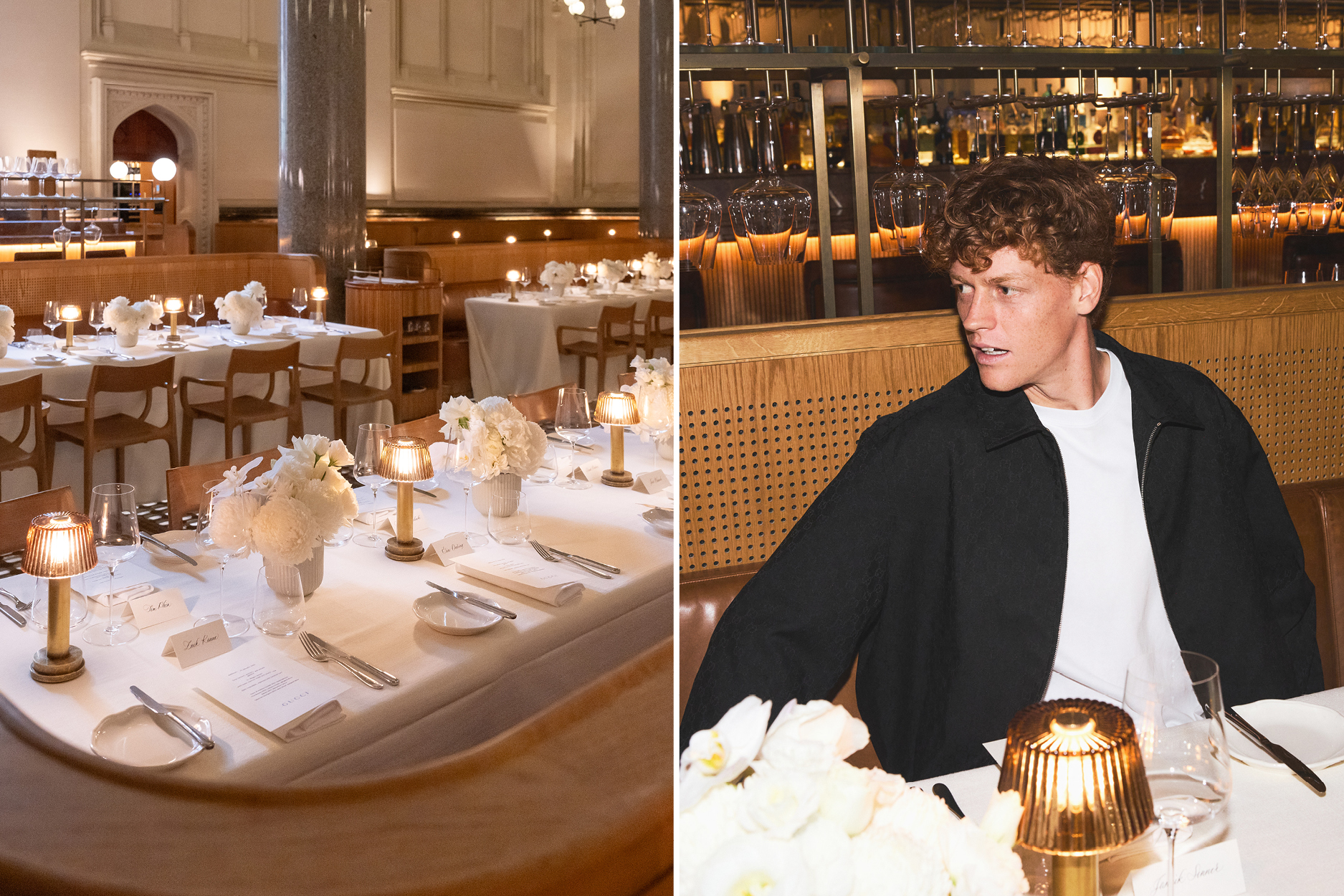
Jannik Sinner at Watches and Wonders 2026
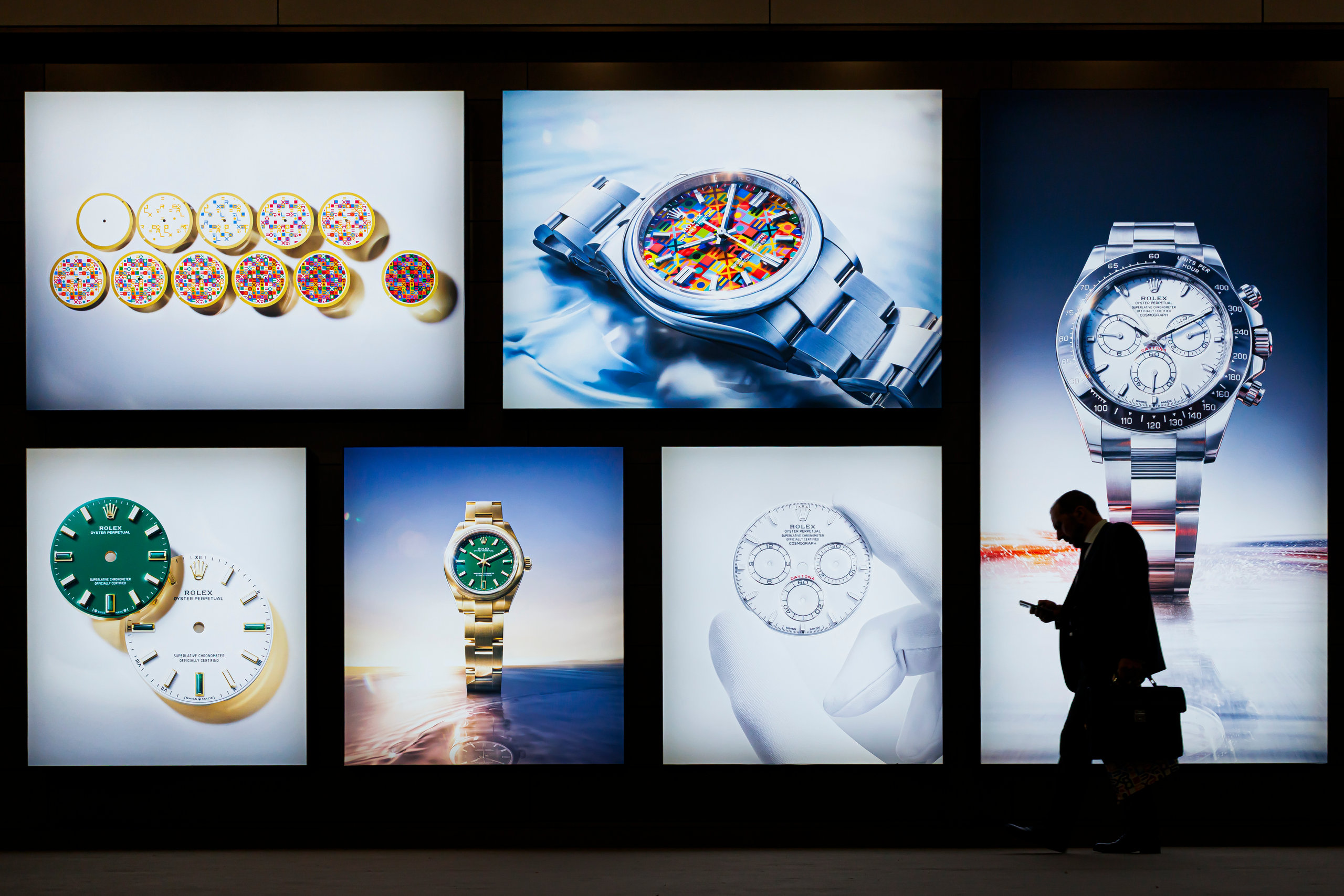
Rolex at Watches and Wonders 2026
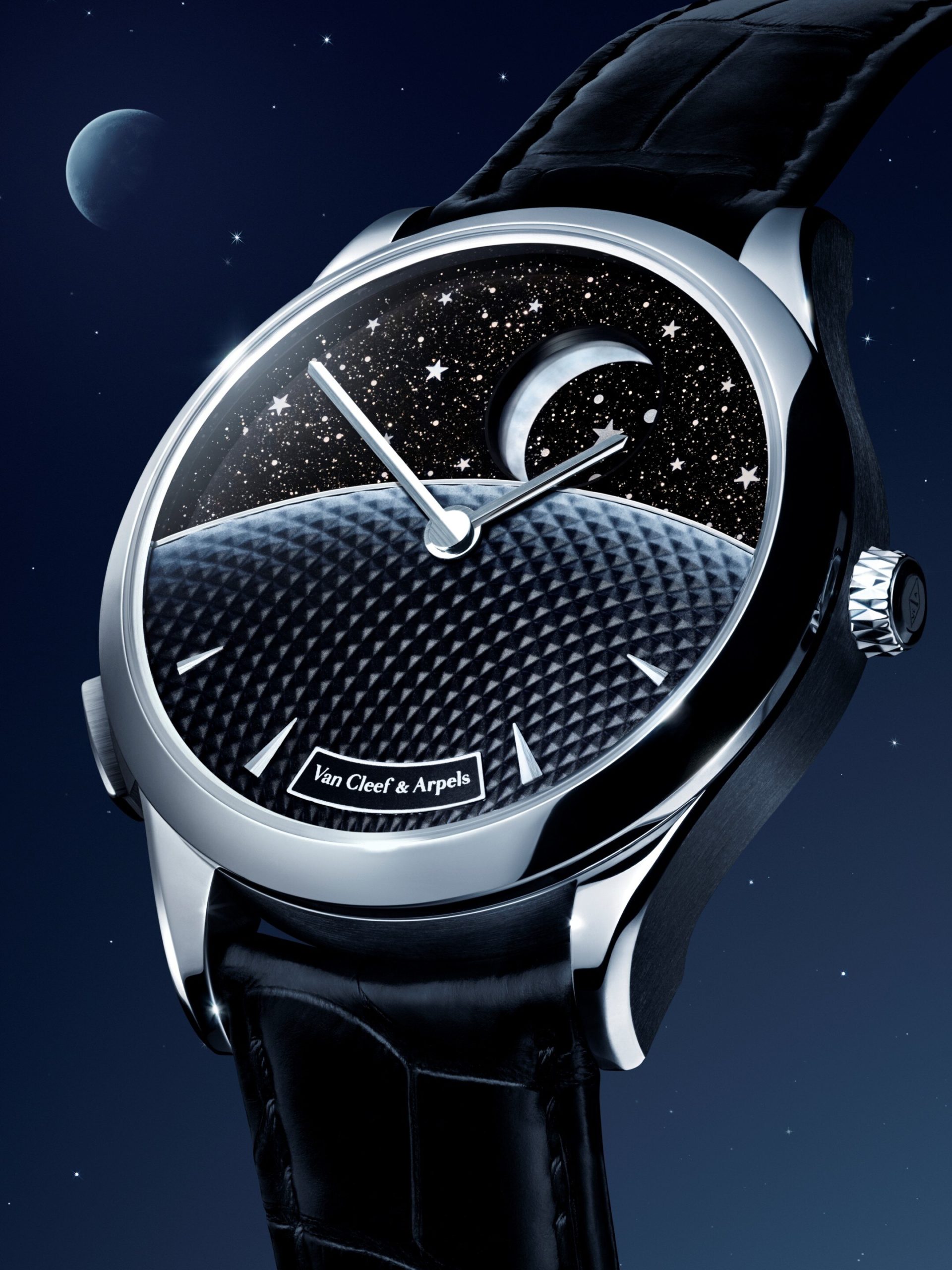
Rolex arrives with centenary authority. One hundred years of the Oyster, marked not with nostalgia but with two off-catalogue Exceptional Watches and a new proprietary gold alloy that sits between yellow and rose and commits to neither, the kind of material problem the industry has been circling for years. Van Cleef & Arpels brings a moonphase four years in development, a dual-timezone watch with an enamel dial that shifts colour with the light depending on the angle of the sun, and a pair of miniature-painted watches telling a celestial love story that dates back to the Han dynasty. Sitting with Rainer Bernard, the maison’s watchmaking research and development director, the word “poetry” resolves itself from metaphor into technical instruction.
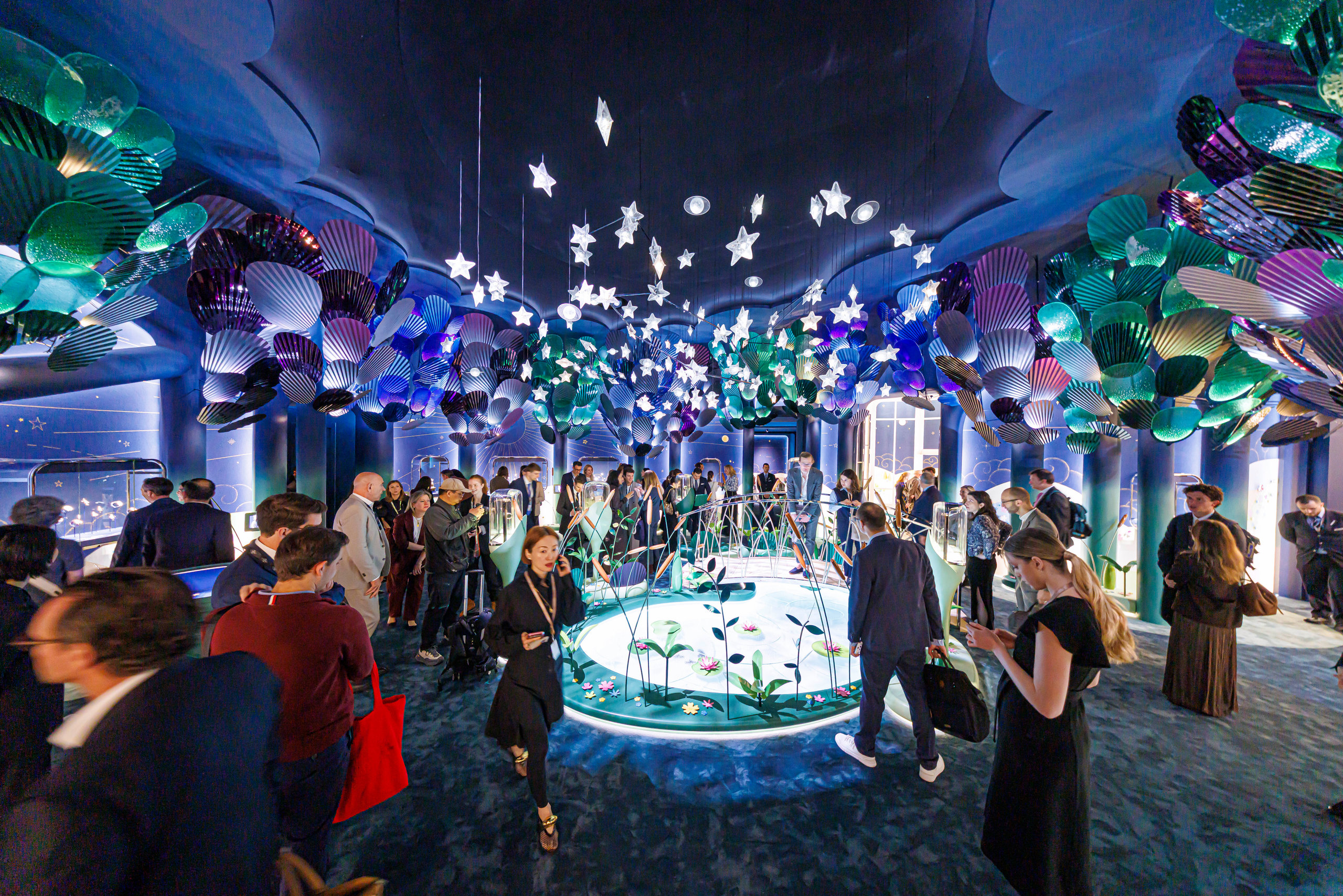
Van Cleef & Arpels pavilion at Watches and Wonders 2026Van Cleef & Arpels at Watches and Wonders 2026
Van Cleef & Arpels pavilion at Watches and Wonders 2026
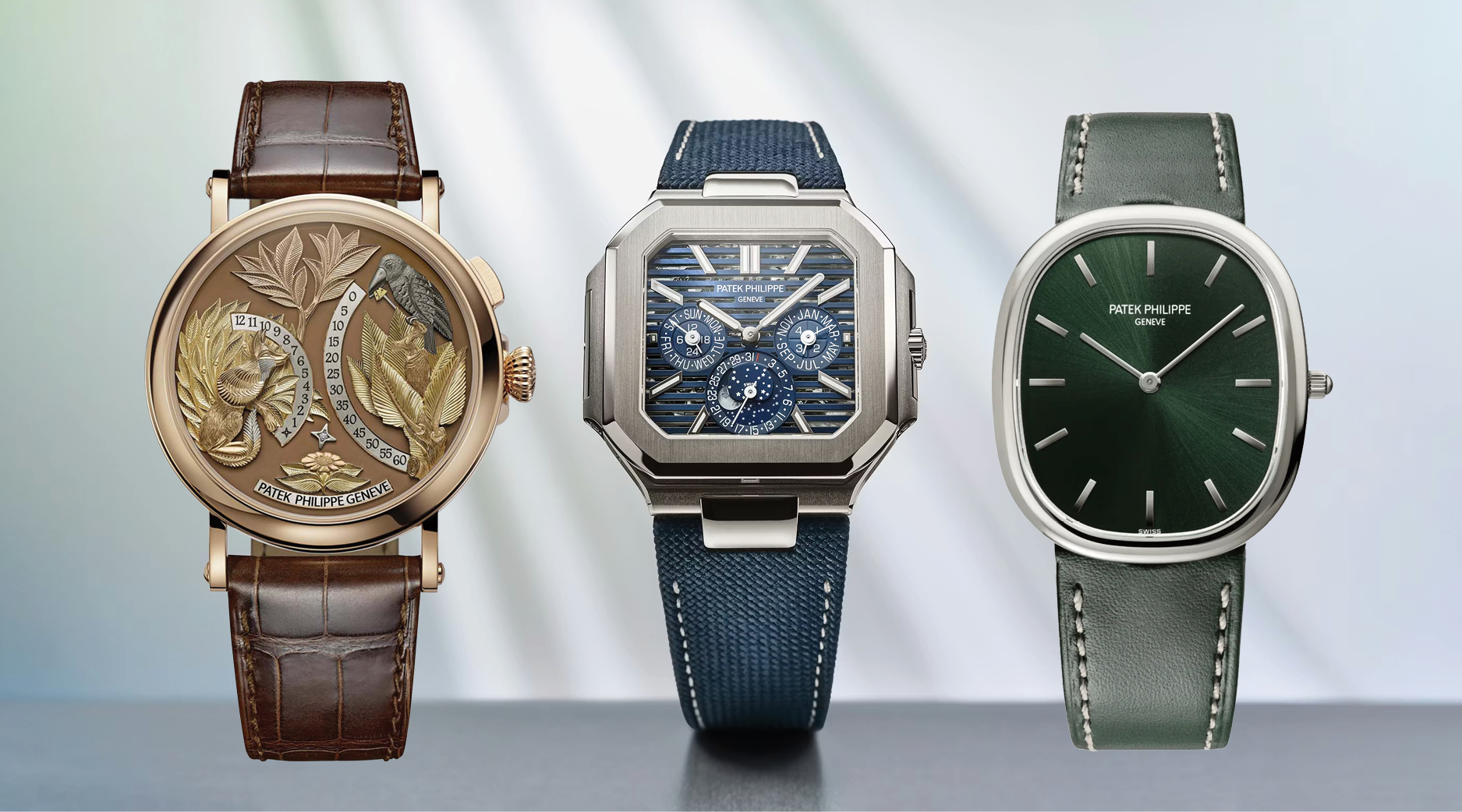
Patek Philippe presents twenty new models and, for the first time in the brand’s modern history, an automaton wristwatch: a La Fontaine fable animated on demand beneath a rose gold case, drawn from a 1958 pocket watch held in the Patek museum. Cartier skeletonises the Crash, brings the Roadster back after two decades, and presents a Santos-Dumont with a dial of volcanic obsidian, sliced to 0.3mm, no two pieces identical. Bvlgari reduces the Octo Finissimo to 37mm, which required building an entirely new movement from scratch, every component reconsidered from the beginning, except two. Gucci brings feather artist Nelly Saunier to four tourbillons built from archival scarf prints, and the result stops conversation. Piaget sculpts pendant watches from single blocks of tiger’s eye, verdite, and pietersite, resolving horology and jewellery, as Piaget has always maintained they should be, into a single object.
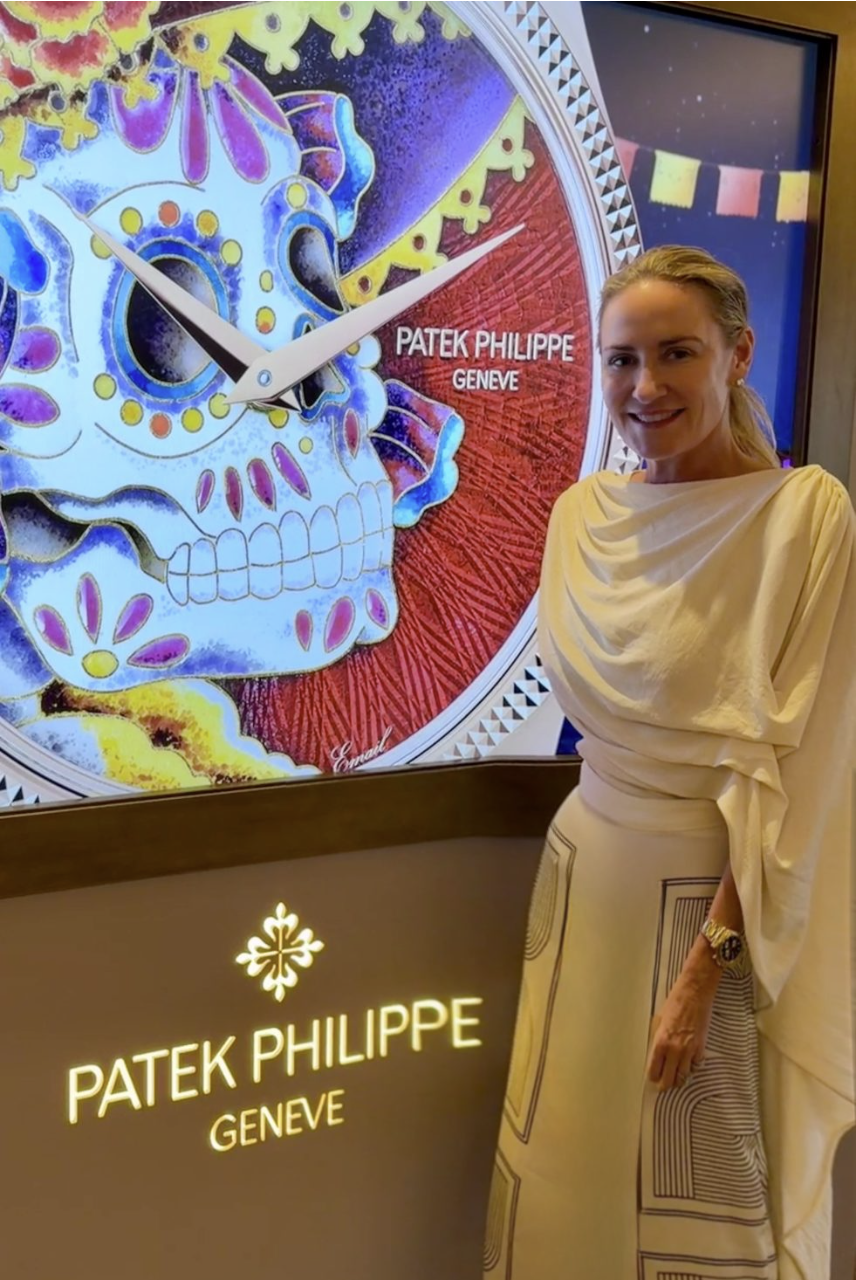
Claire Sullivan-Kraus at the Patek Philippe pavilion at Watches and Wonders 2026
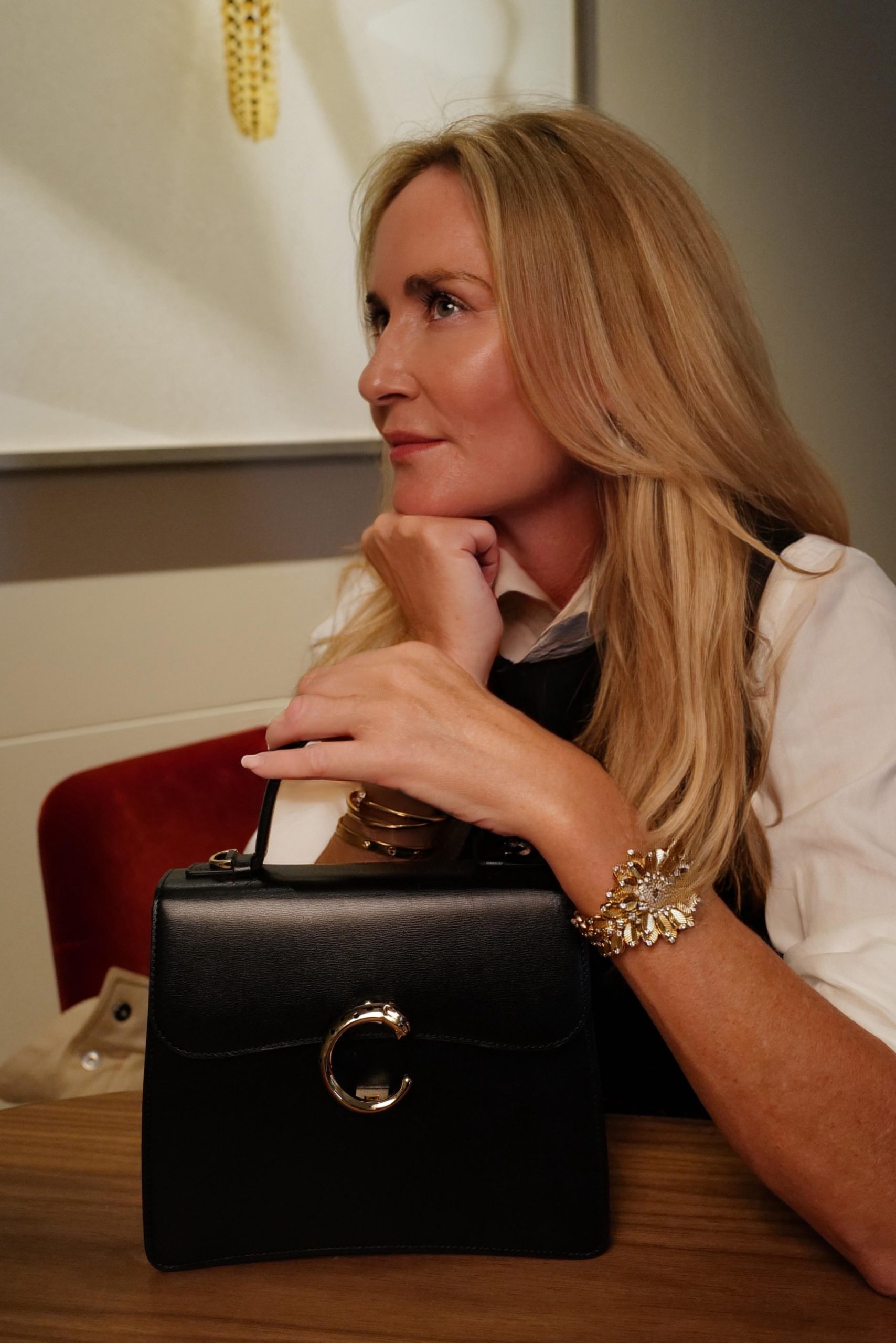
Claire Sullivan-Kraus at the Cartier pavilion at Watches and Wonders 2026
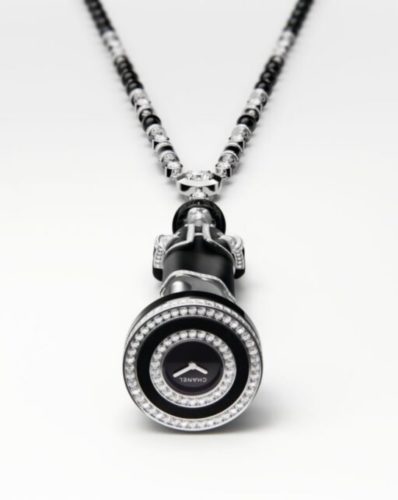
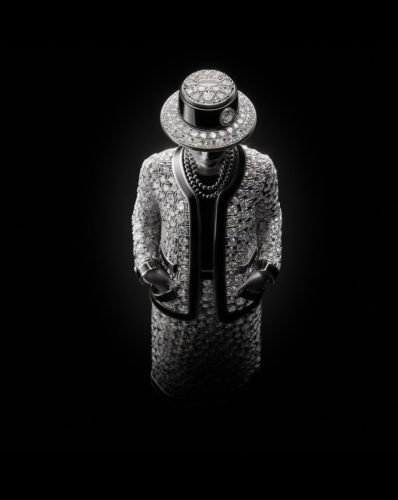
Beyond the headline names, the fair rewards attention and patience. Audemars Piguet, in the context of Geneva, carries a particular gravity. The Royal Oak’s architectural language continues to evolve, justifying its status as one of the most consequential watch designs of the last century. Vacheron Constantin, founded in 1755 and in unbroken production ever since, brings work that wears its technical depth lightly. The pieces are beautiful in the way that centuries of accumulated knowledge produce: not decoratively beautiful, but correctly so. IWC brings a Portugieser that demonstrates, without fanfare, why the clean dial’s rigorous proportions remain one of watchmaking’s most durable propositions. Hermès does what Hermès does. The pieces are witty, specific, and unmistakably themselves, a kind of confidence that requires no announcement. Panerai occupies its own distinct territory, Italian design sensibility in conversation with Swiss movement-making, large and legible and purposeful, a different argument entirely for what a watch should be and for whom. Tudor continues building a compelling case that serious horology need not carry a serious premium. And Chanel, which the traditionalists have never quite known what to do with, brings pieces that make the category argument more interesting than many of its heritage competitors.
Chanel at Watches and Wonders 2026
Chanel at Watches and Wonders 2026
Usher at Watches and Wonders 2026
Hermès at Watches and Wonders 2026
Tudor at Watches and Wonders 2026
What the fair clarifies, across the whole, is not what a watch costs or what it can do. It is what watchmaking means, specifically here, in this city, in this country, where the craft is not a niche pursuit but an integrated part of how Switzerland understands itself. The 60,000 people employed in the Swiss watch industry are not producing souvenirs. They are maintaining a body of knowledge that, in the era of the smartwatch, has chosen to define itself by everything a smartwatch cannot do. The hand-finish. The mechanical memory. The object that asks nothing of you except your attention, and that offers in return a kind of permanence that belongs to a category all its own.
In a world where time is displayed in the corner of every screen, the sustained conviction required to track a lunar cycle to 29 hours, 16 minutes and 27 seconds, or to animate a 17th-century fable in a case 40mm across, or to develop a new gold alloy from the ground up because the existing ones are not quite right, is not an anachronism. It is a refusal to accept that convenience is the only metric worth optimising for.
Watches and Wonders is, in the end, a fair for people who believe that some things are worth doing slowly, with great care, and with full awareness that the person who buys the finished object will eventually pass it to someone who was not yet born when the movement was designed. Having seen it in its rightful home, with the Alps on the horizon and centuries of craft in every cabinet, I find it not only admirable but quietly necessary.
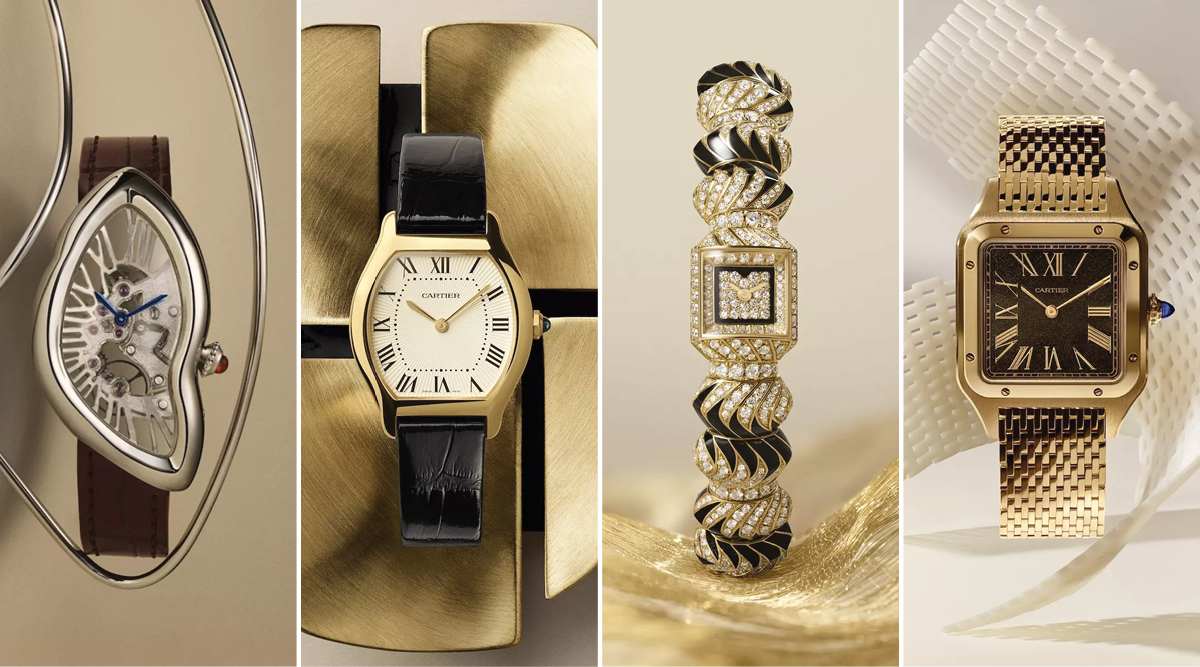
Few maisons arrive at Watches and Wonders with the kind of authority Cartier commands. The shapes alone, the Crash, the Santos, the Tortue, the Baignoire, the Roadster, are among the most recognised silhouettes in the history of watchmaking, and in 2026 Cartier does something impressive with that inheritance. Rather than resting on it, they interrogate it. Every canonical form returns, but each one has been taken apart, reconsidered, and rebuilt with fresh conviction. The shape theme running through this year’s collection is not a retrospective exercise. It is a confident statement of intent, and wearing several of these pieces in Geneva, it lands exactly as intended.
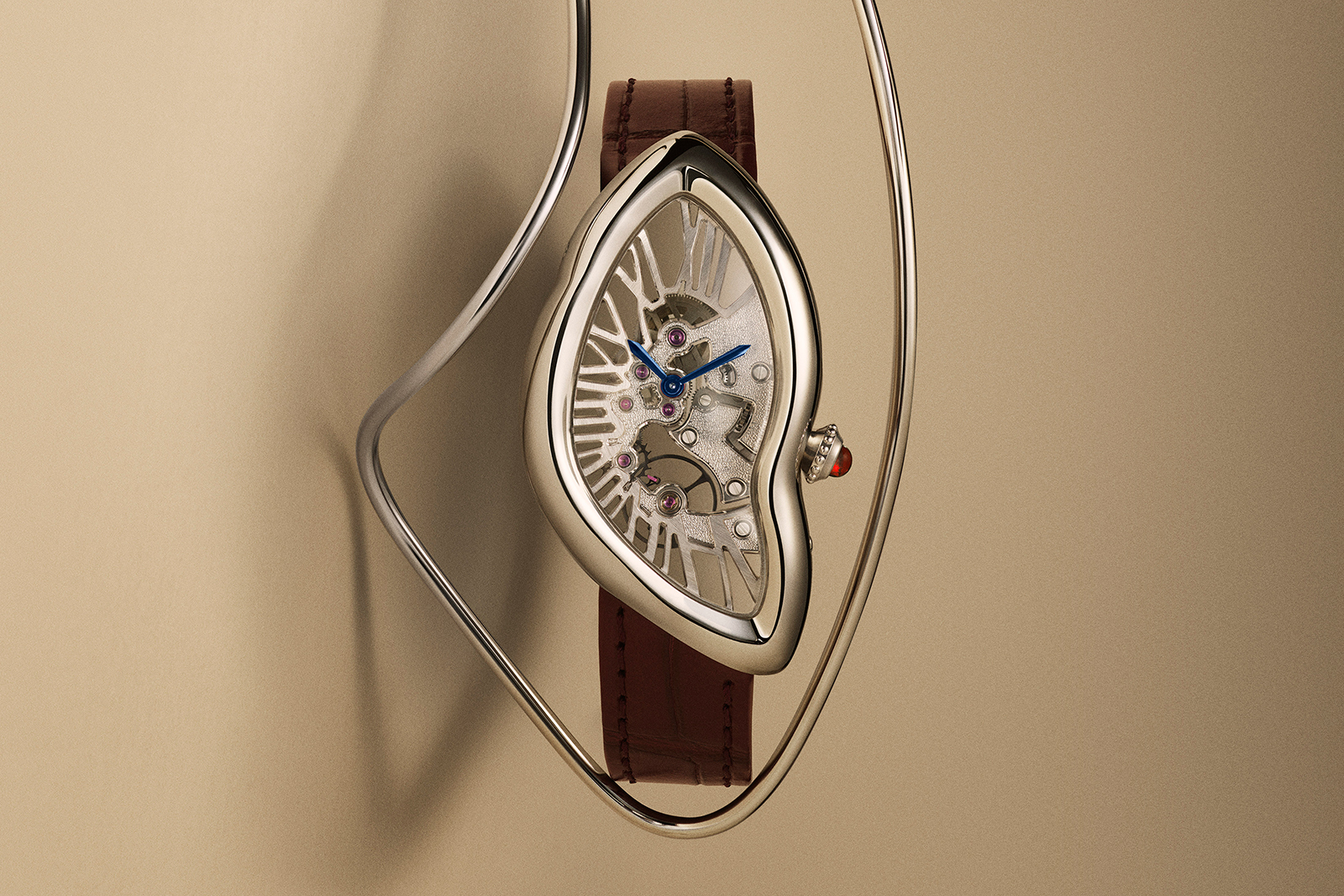
The Crash has been winning auctions and unsettling people in the best possible way since 1967, when a fire-damaged Baguette watch allegedly inspired its distorted case. The origin story may be partly apocryphal. The watch is real, and in skeleton form for the Privé Les Opus tenth edition, it becomes something that stretches the definition of what a dial can even be. The Manufacture 1967 MC movement is visible through the case, its bridges hand-hammered into the forms of Roman numerals, 142 components arranged within a shape that offers them none of the usual spatial courtesies. Platinum throughout, with burgundy on the strap, dial details and the ruby cabochon crown, a detail shared across all three Les Opus pieces this year. Limited to 150. The most technically involved Privé release to date, and the one everyone in Geneva was talking about. The tenth edition also returns the Tank Normale and the Tortue Chronographe Monopoussoir in platinum with the same burgundy accent, completing a trio that reads as a deliberate survey of Cartier’s formal vocabulary.
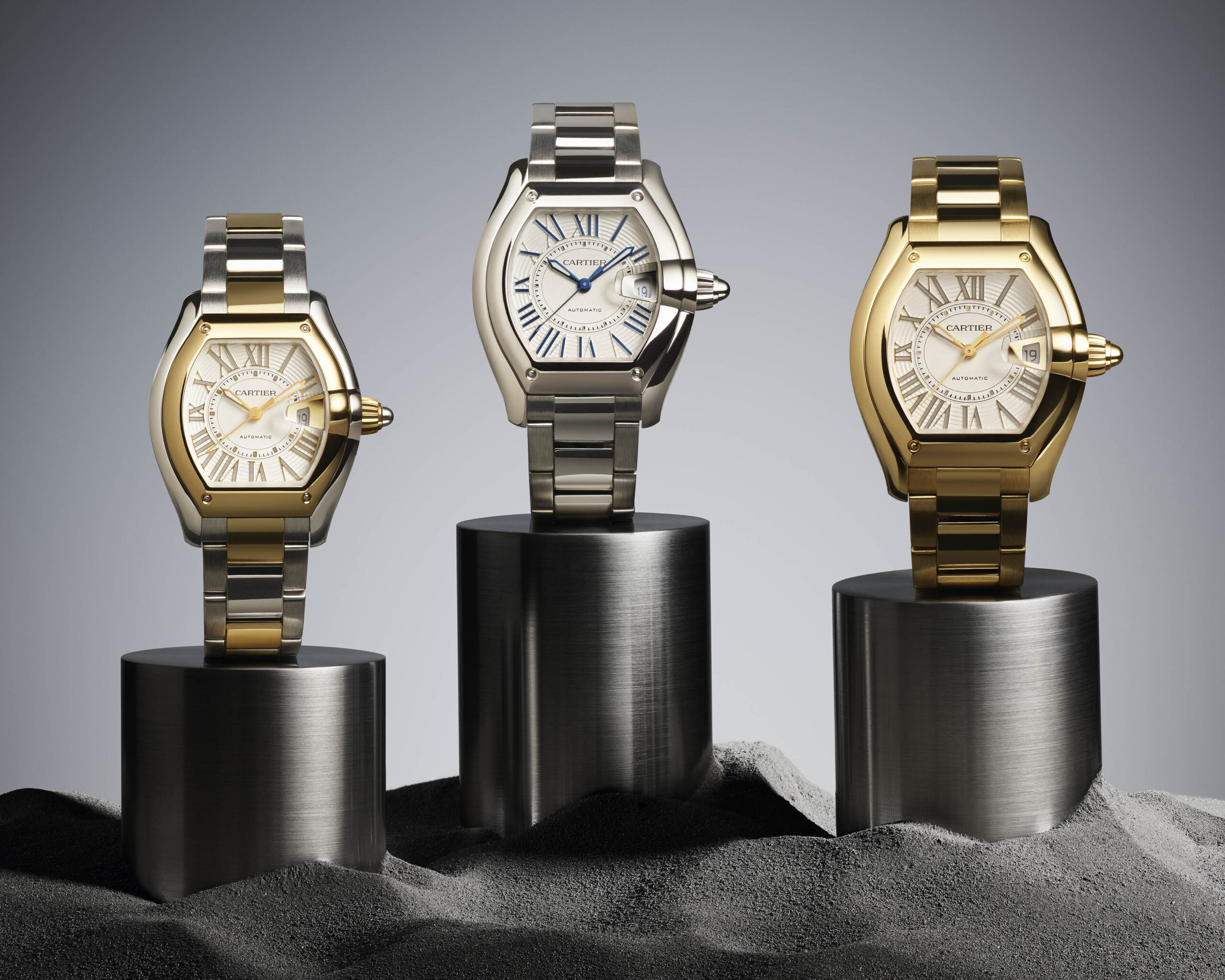
The Roadster was introduced in 2002 and left the catalogue without much ceremony. Its return in 2026 is more triumphant. As someone with a longstanding appreciation for a well-proportioned dial, this is the piece from the Cartier presentation I could wear every day. The trapezoidal case, the large tactile conical crown, the speedometer-inspired striated dial: all present and better than I remembered. Proportions, finishes and ergonomics reworked by over 100 artisans, available in steel, yellow gold and two-tone. A watch that spent two decades away and came back with its point of view intact.
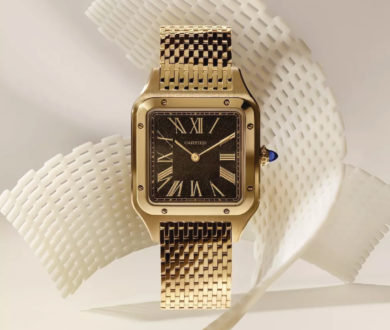
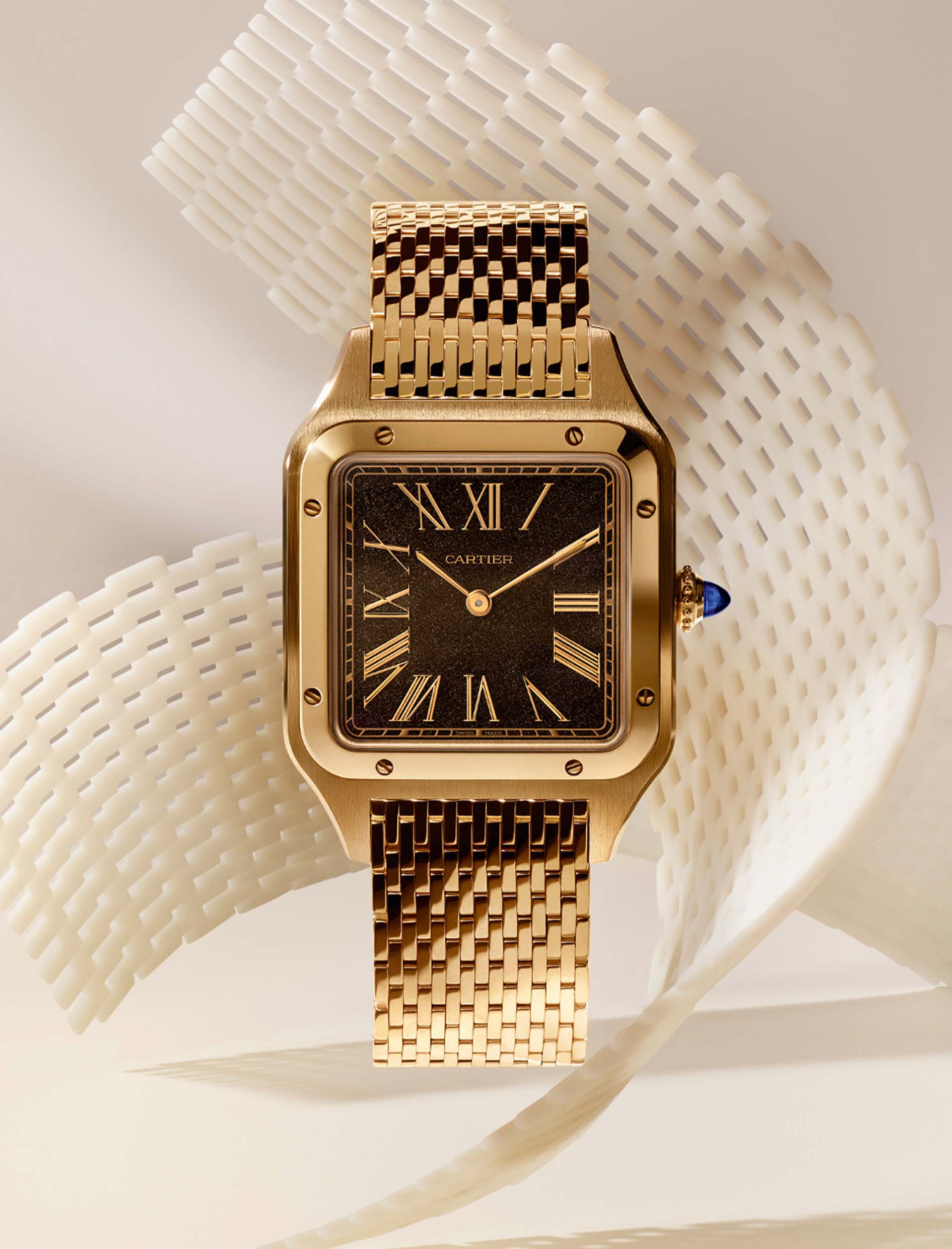
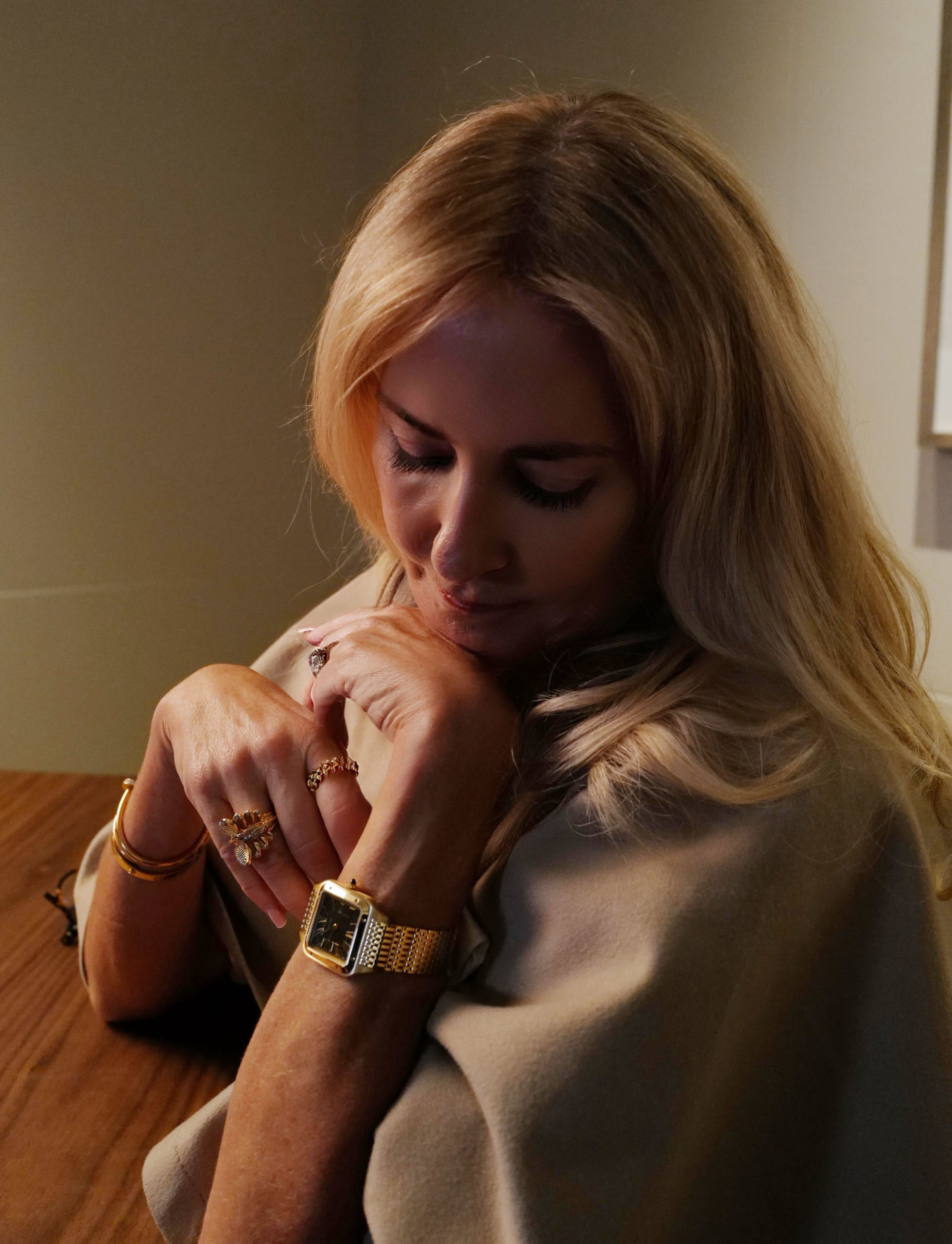
The dial is the reason to stop. Polished obsidian from Mexico, sliced to 0.3mm, trapping tiny air bubbles as it forms, each one giving the surface a unique iridescent quality that shifts through different shades depending on the light falling across it. No two dials are identical, which feels appropriate for a watch this considered. The fine-mesh bracelet, with 394 individual links referencing Cartier’s flexible gold bracelets of the 1920s, adds an elegance that carries the whole piece. One of those releases that photographs well but rewards the in-person encounter more.
The Santos de Cartier Chronograph scales to 47.5 x 39.8mm with a reworked dial in alternating satin and sunray finishes, three subdials with gold or rhodium rings, and the automatic 1904-CH MC movement. Available in steel, two-tone and yellow gold, each with a second strap and both SmartLink and QuickSwitch systems. More instrument than icon, and the revised proportions make that distinction sharper.
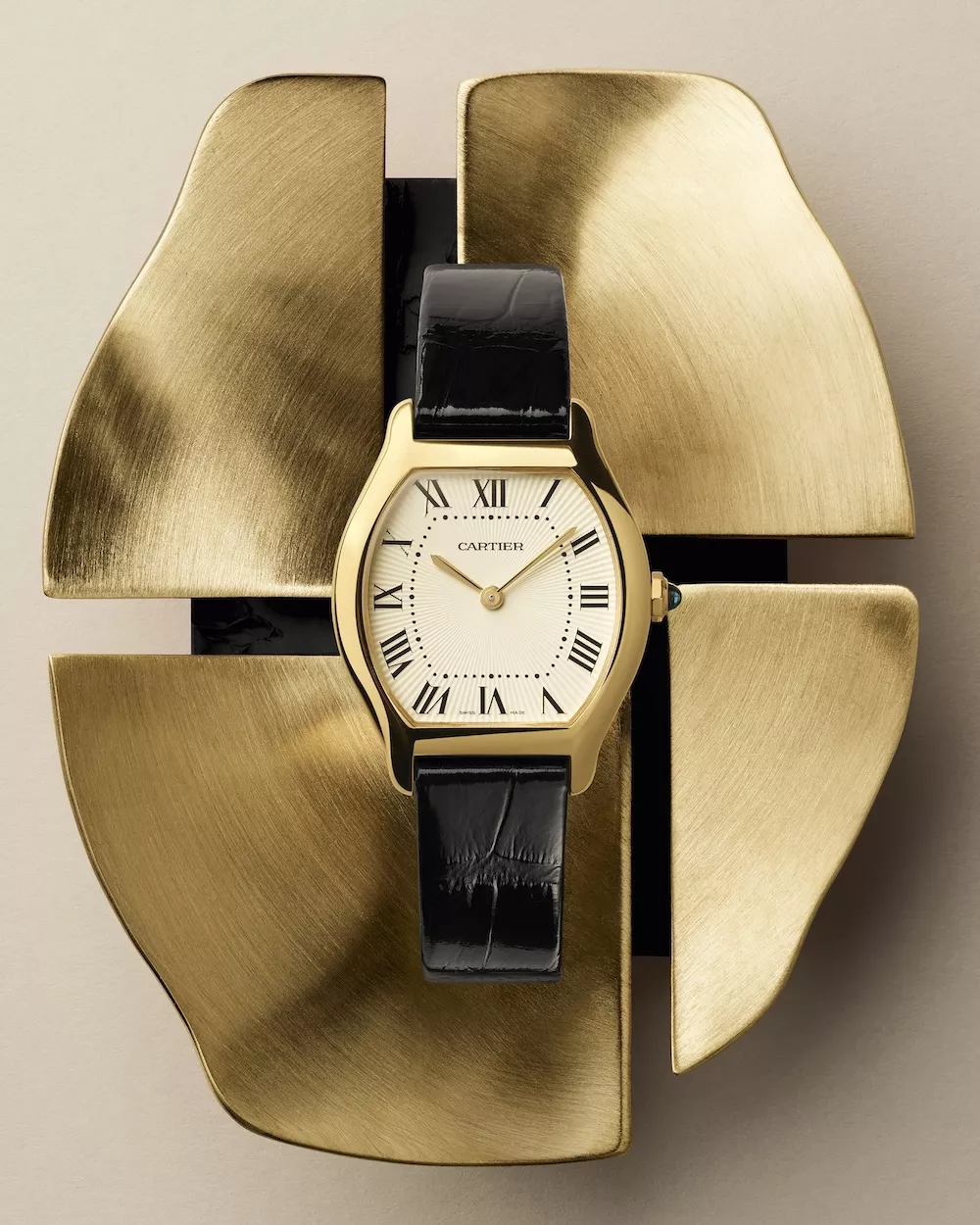
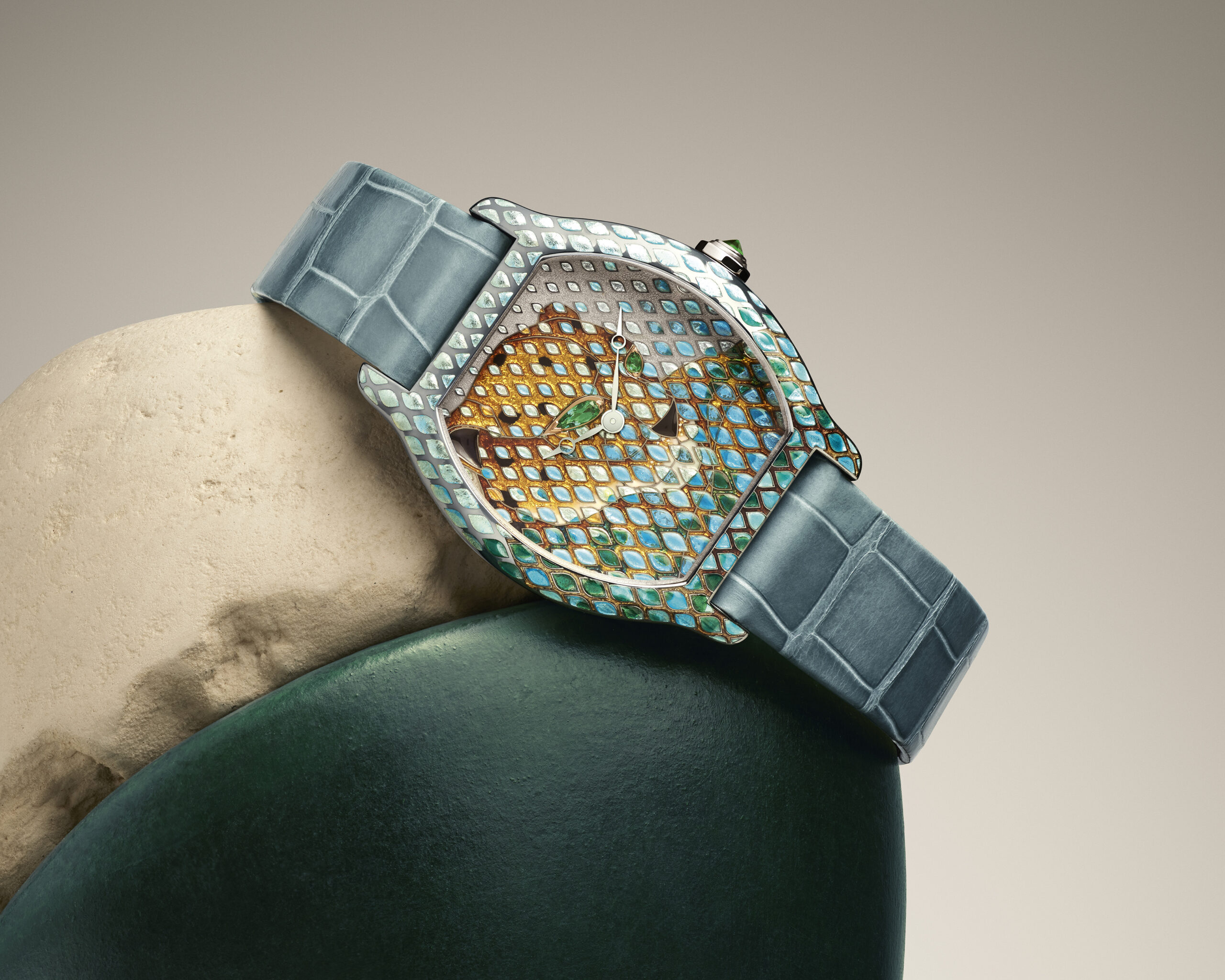
The Tortue needs no introduction. The 2026 version arrives with softened and enlarged proportions, the traditional guilloché dial replaced by an embossed relief motif, and the rail track simplified to a row of dots drawn from an archive piece from 1922. Five versions across yellow, white and rose gold. A platinum model with 46 baguette-cut stones on the bezel. And the Tortue Panthère Métiers d’Art in champlevé enamel, extending the panther motif from dial to case middle, limited to 100 pieces in each of white and yellow gold. The connoisseur’s choice, as it has always been, and the Panthère edition in particular, is not one to overlook.
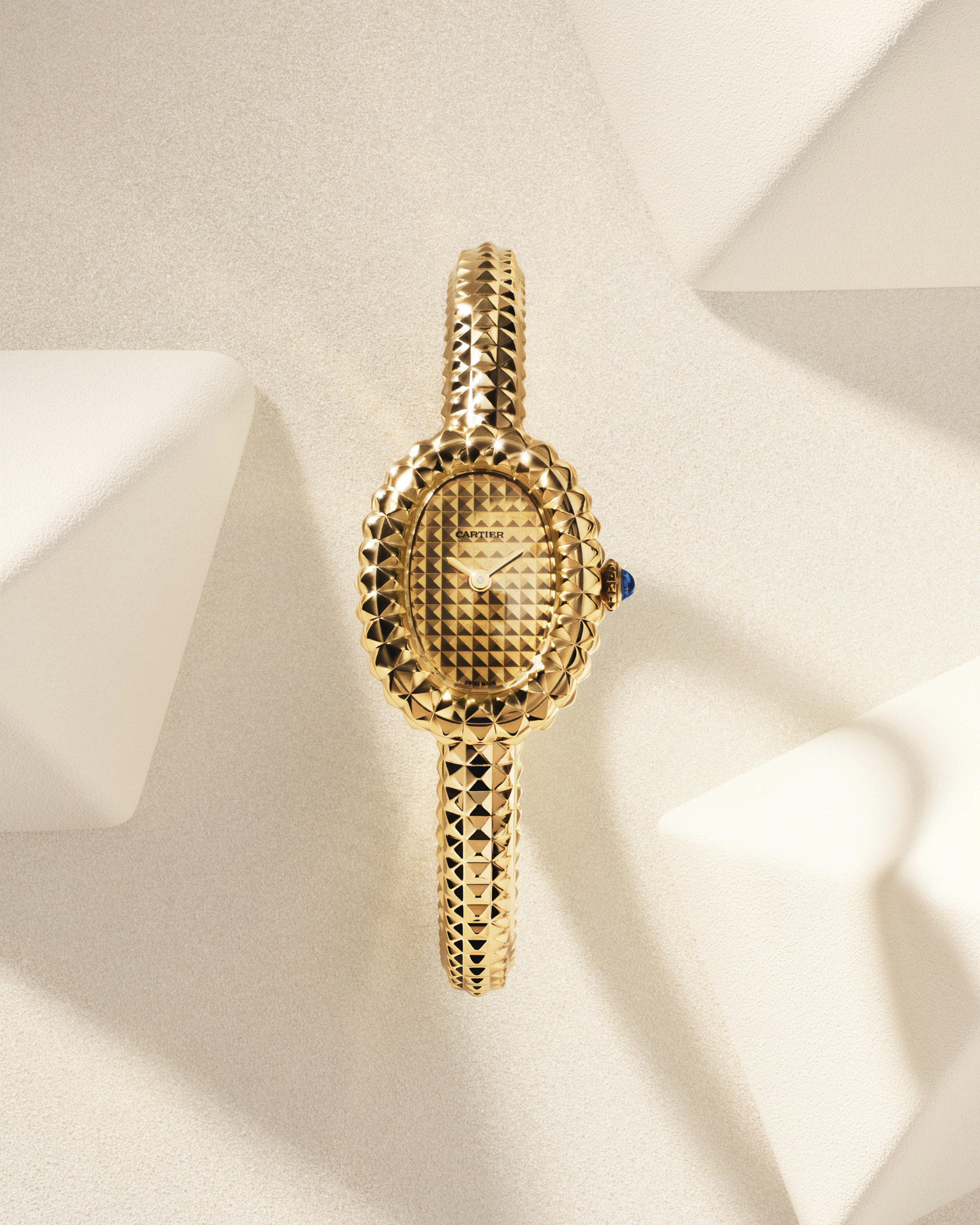
The Baignoire has long been a personal favourite, and the 2026 iteration is the one I have been waiting for. The Clou de Paris hobnail motif, pressed across the case, bracelet, and dial, adds a graphic, geometric dimension that makes it impossible to ignore on the wrist, catching the light in a way that feels new for this watch while remaining unmistakably Cartier. In person, it is tactile and compelling in equal measure. A must-have addition to the collection, and one I suspect will be difficult to get your hands on quickly.
Claire Sullivan-Kraus wearing Cartier Myst de Cartier watch
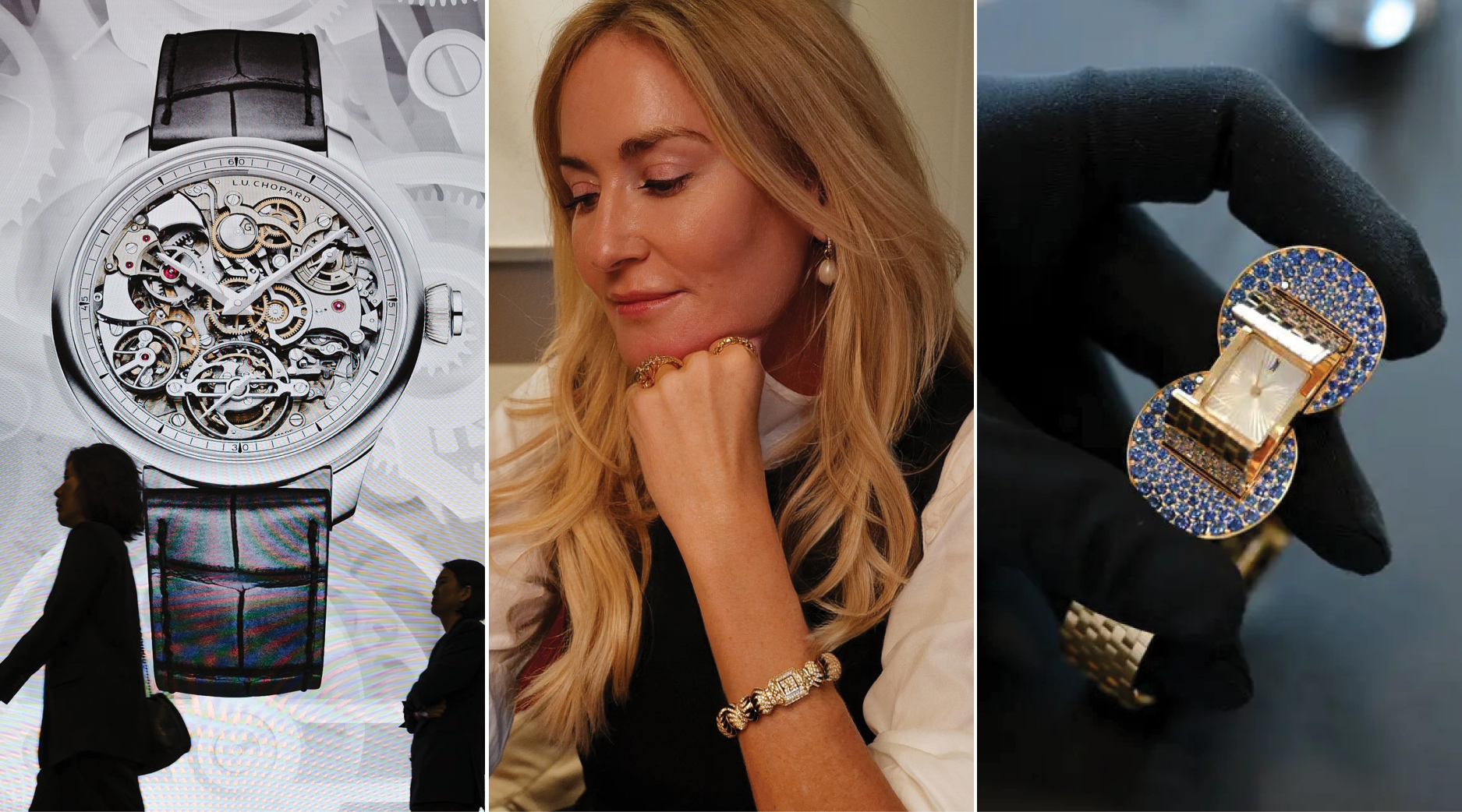
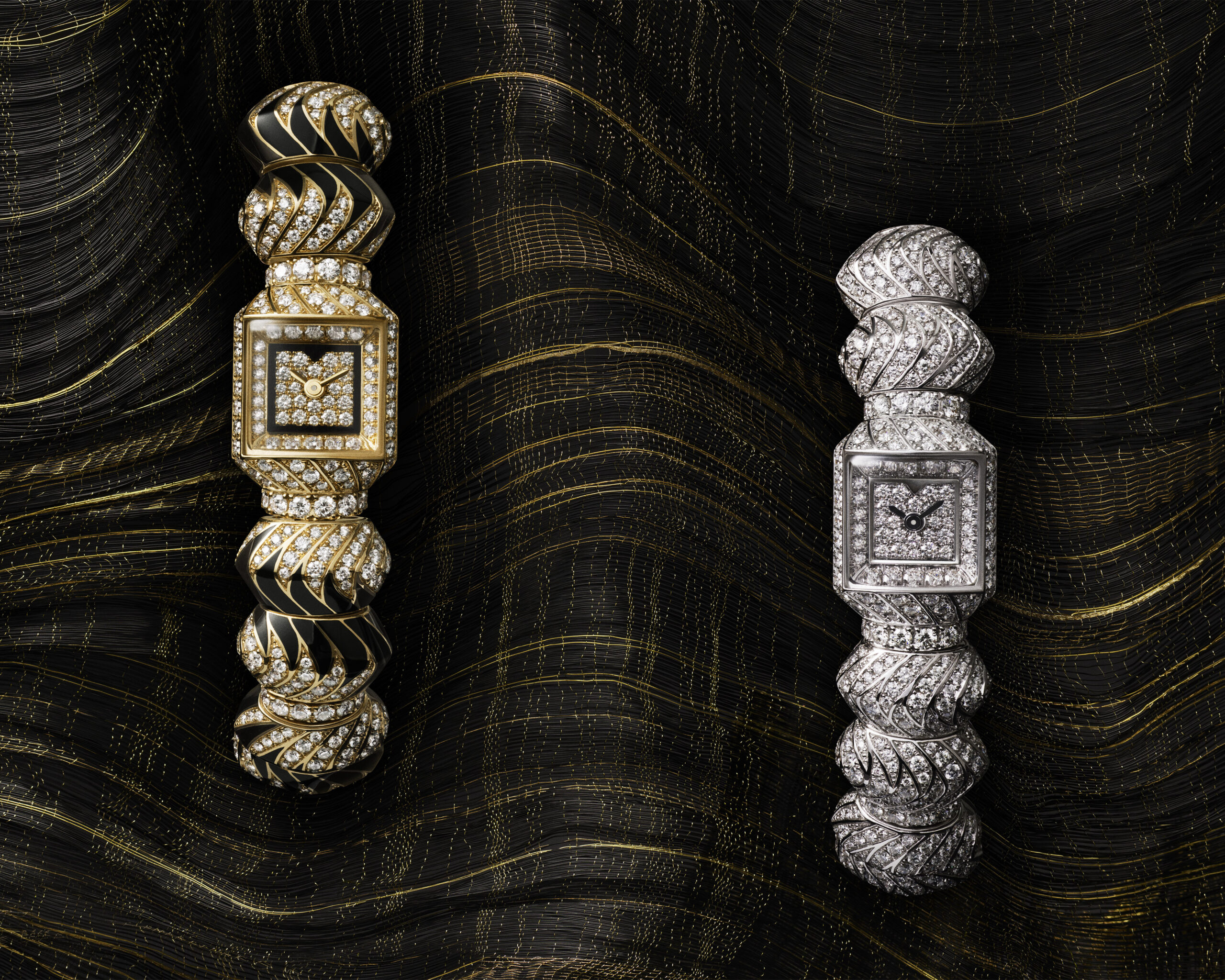
For moments when time should not really matter. The Myst de Cartier does not fasten. It slides over the wrist, structured as a flexible bracelet of alternating talisman modules with a square case sitting quietly at the centre. On the yellow gold version, 634 brilliant-cut diamonds are paired with hand-painted black lacquer, applied individually at the Maison des Métiers d’Art in Switzerland, and 30 hours of gem-setting produce a depth that has to be seen to be understood. The white gold version features the same architecture, set with 986 diamonds. Everyone deserves a piece of jewellery that also happens to tell the time, and this is Cartier’s most elegant argument for it.
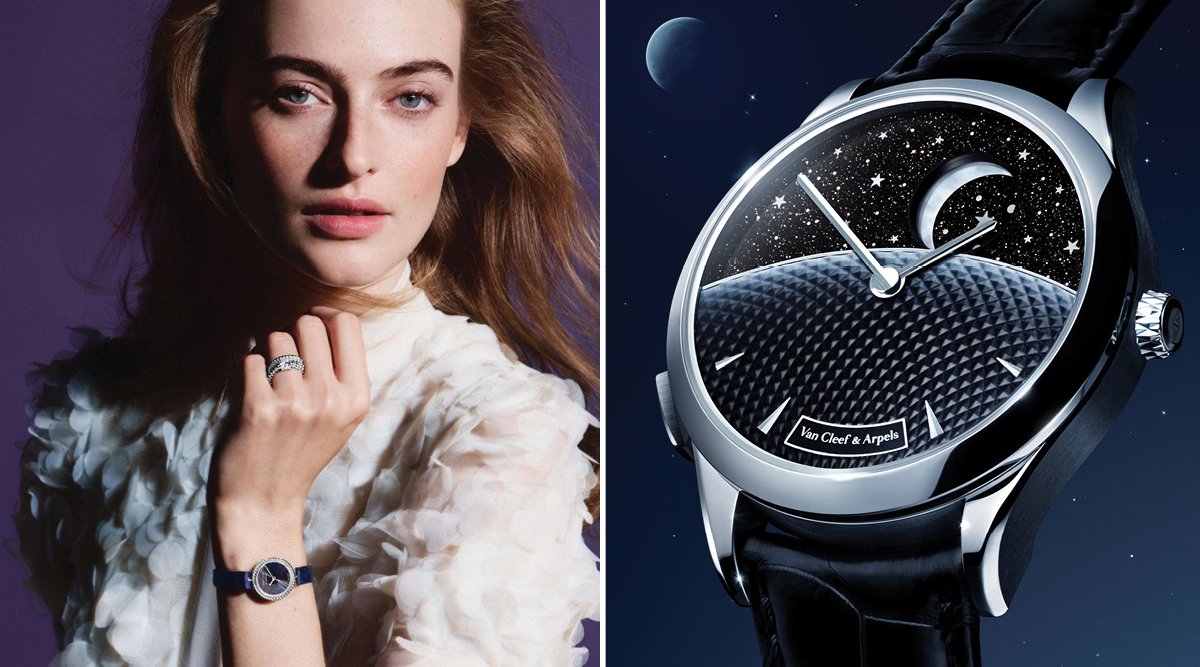
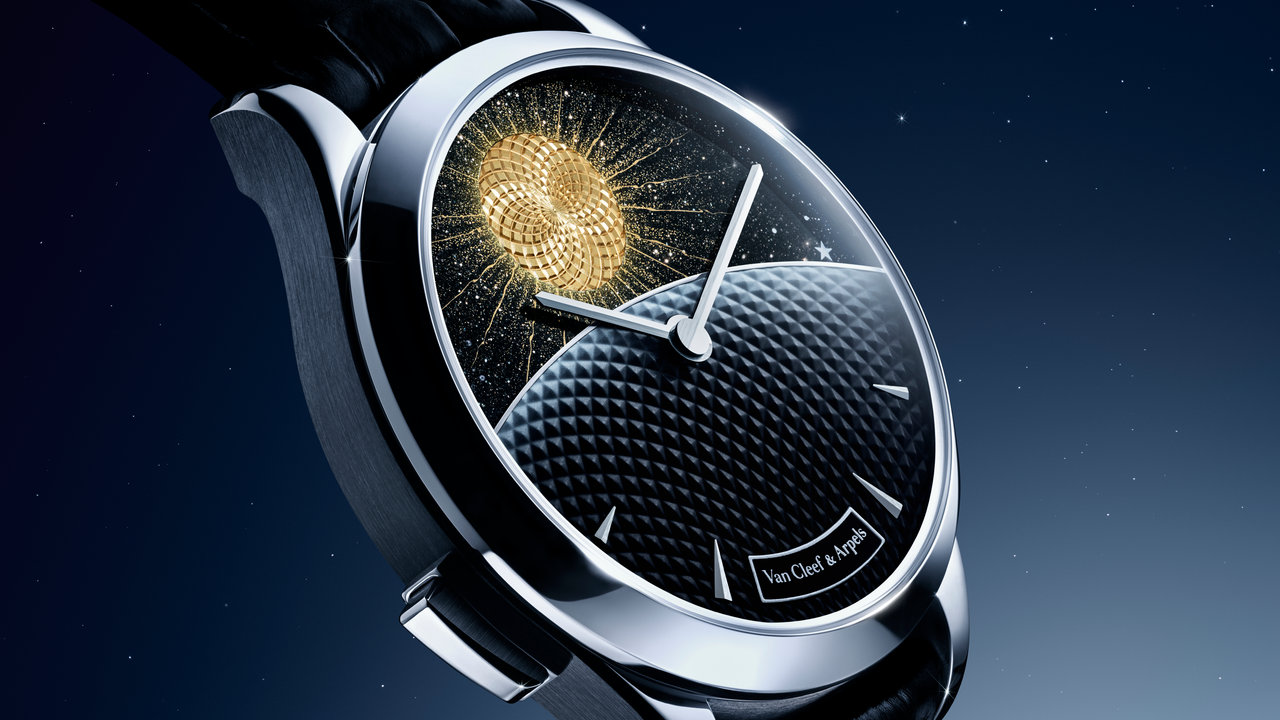
There is a school of watchmaking that concerns itself primarily with precision, legibility and the elegant management of mechanical complexity. Van Cleef & Arpels is aware of this school and has chosen, with characteristic grace, to attend another. Since 1929, when the maison fitted a pocket watch with a moonphase complication simply because the moon deserved the attention, the approach has been consistent: time is not merely measured here, it is interpreted. It is made to feel like something. In 2026, with a new astronomical complication four years in the making, a dual-timezone movement whose dial shifts colour with the light, and a pair of extraordinary watches that tell a legend of celestial love, Van Cleef & Arpels does what it has always done: make time feel worth keeping.
There are watch brands that make complications, and then there is Van Cleef & Arpels, which spends four years developing a single piece because the sky deserved to be rendered properly. Sitting with Rainer Bernard, the maison’s watchmaking research and development director, I begin to understand that this is not hyperbole.
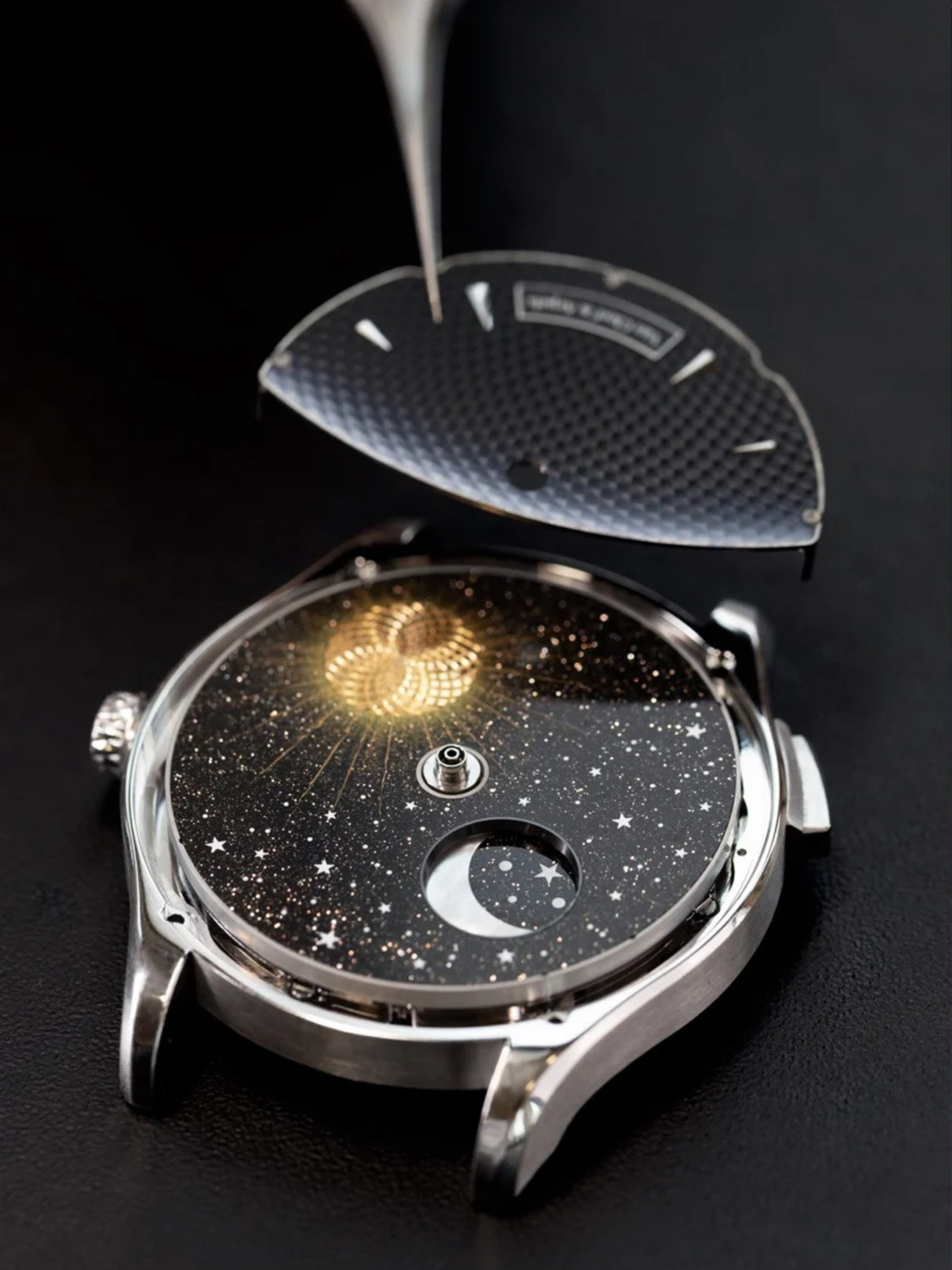
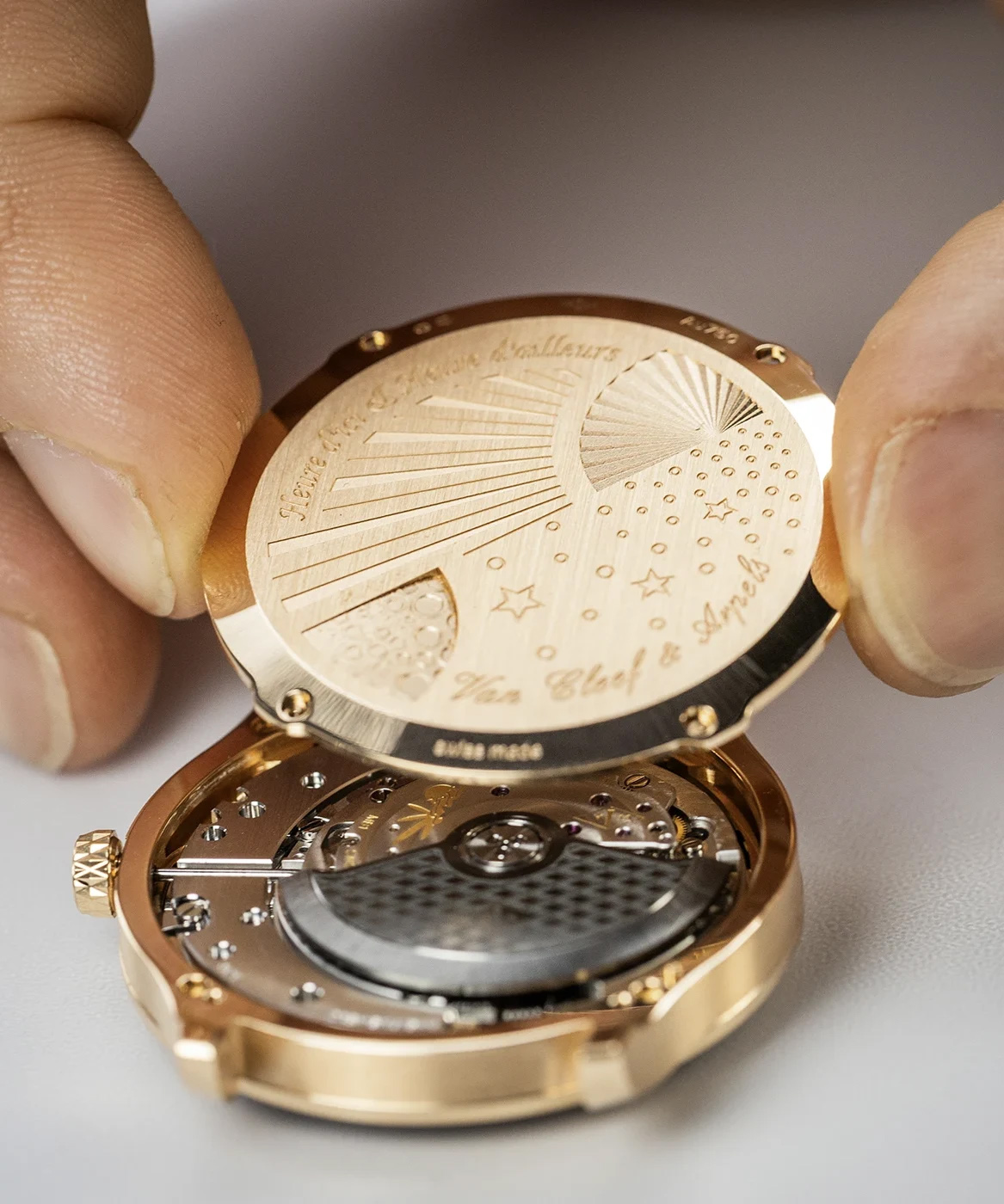
The Midnight Jour Nuit Phase de Lune arrives in a 42mm white gold case carrying two complications in layered conversation. A 24-hour Jour/Nuit disc animates the passage of sun and moon across a sky of black Murano aventurine glass, a material the Innovation Department developed over considerable time to achieve a specific quality: depth of colour and a bronze-toned shimmer that actually evokes a clear night rather than merely gesturing at one. Beneath it, a true astronomical moonphase tracks the lunar cycle to 29 hours, 16 minutes and 27 seconds, following the moon’s actual 29.5-day cycle rather than offering a poetic approximation of it. When the moon retreats below the guilloché mother-of-pearl horizon, a button on the case rim triggers a full 360-degree dial rotation over ten seconds, bringing it back into view against a field of acrylic-traced stars. The engineering challenge Bernard describes is precise: the discs continue rotating through the animation sequence, so accuracy had to be maintained in motion, not just at rest. The caseback, engraved with the moon’s topography and set with a miniature enamel Earth above the oscillating weight, is a detail most wearers will rarely see. Van Cleef & Arpels made it anyway.
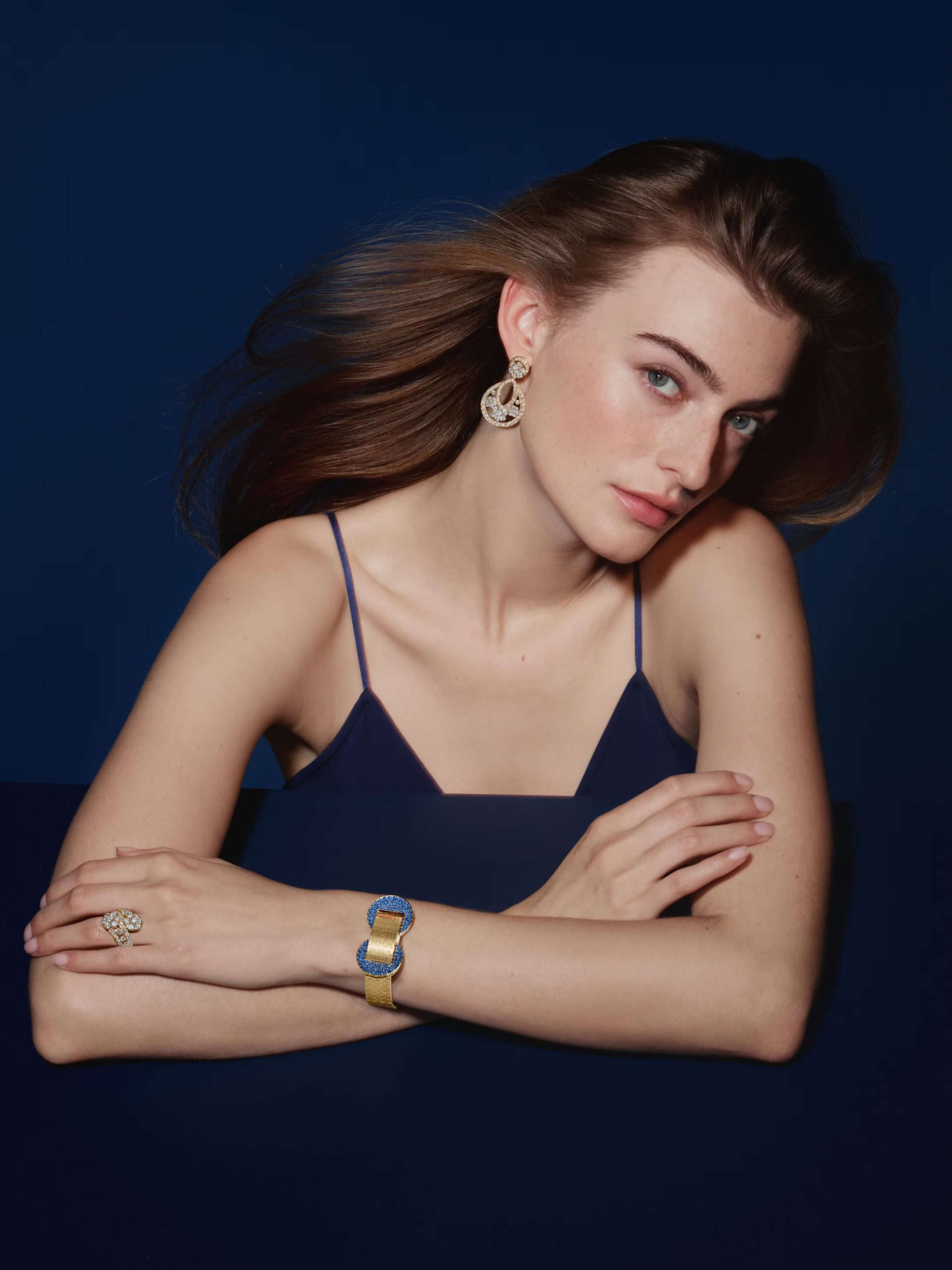
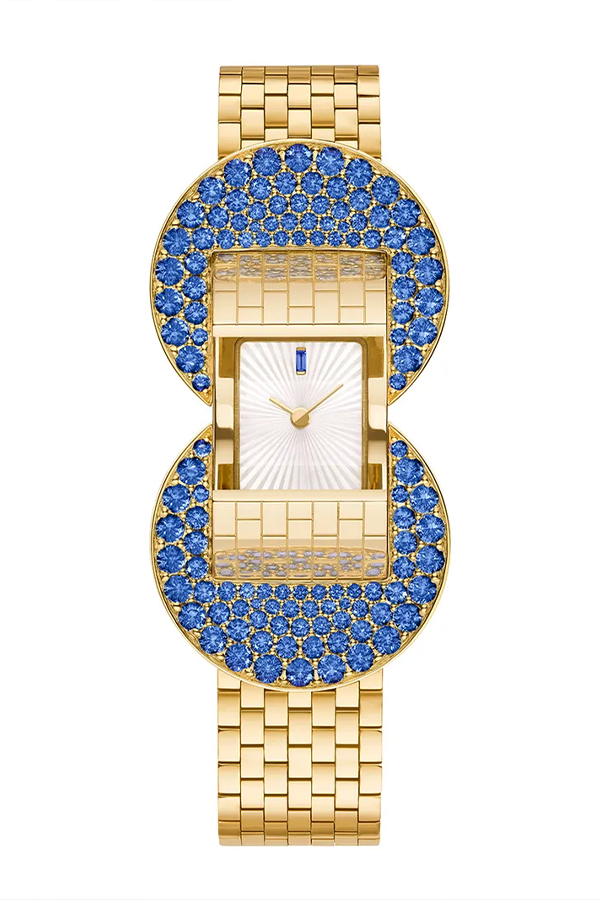
In 1934, Van Cleef & Arpels introduced the Ludo bracelet, its articulated links recalling the structure of a couture belt, its very existence an argument that jewellery and horology need not occupy separate drawers. It was an early exercise in trompe-l’oeil, that distinctly French pleasure of making one thing appear to be another, and it became foundational to everything the maison would go on to do.
The Ludo Secret carries that lineage into 2026 with the same logic intact. The watch is there, but it does not announce itself. The time is concealed beneath a cover that reveals the dial only when you choose to look, which means the bracelet presents first as jewellery and second as a timepiece, in that order, by design. There is something very Van Cleef about employing craft not to impress, but to enchant. What will not remain a secret, however, is my desire to have my own Ludo timepiece.
The most romantic complication in watchmaking has always been the dual timezone. Not because of the mechanics, though the mechanics here are considerable, but because of what it implies: that there is someone, somewhere else, whose time matters as much as your own.
Van Cleef & Arpels understands this. The Midnight Heure d’ici & Heure d’ailleurs, home time and time elsewhere, houses a fully redeveloped automatic movement with a 65-hour power reserve in a 38mm rose gold case, displaying jumping hours and retrograde minutes for two simultaneous time zones. Both hour displays and the retrograde minute hand synchronise in a single coordinated sweep, so when the hand returns from 60 to zero, the hours advance together. The mechanism alone would be enough. But then there is the dial.
The enamel workshop in Geneva spent months arriving at a colour that replicates the dichroism of precious stones, specifically rubies, which shift between warm and cool depending on the quality and angle of light falling on them. Applied over a mirror-polished gold ground, the resulting amber-brown enamel moves through the day with you. It looks different at breakfast than it does at dinner, and different in a candlelit room than in the afternoon sun. This is not an accident. It is centuries of enamel technique deployed in the service of something that feels quietly alive.
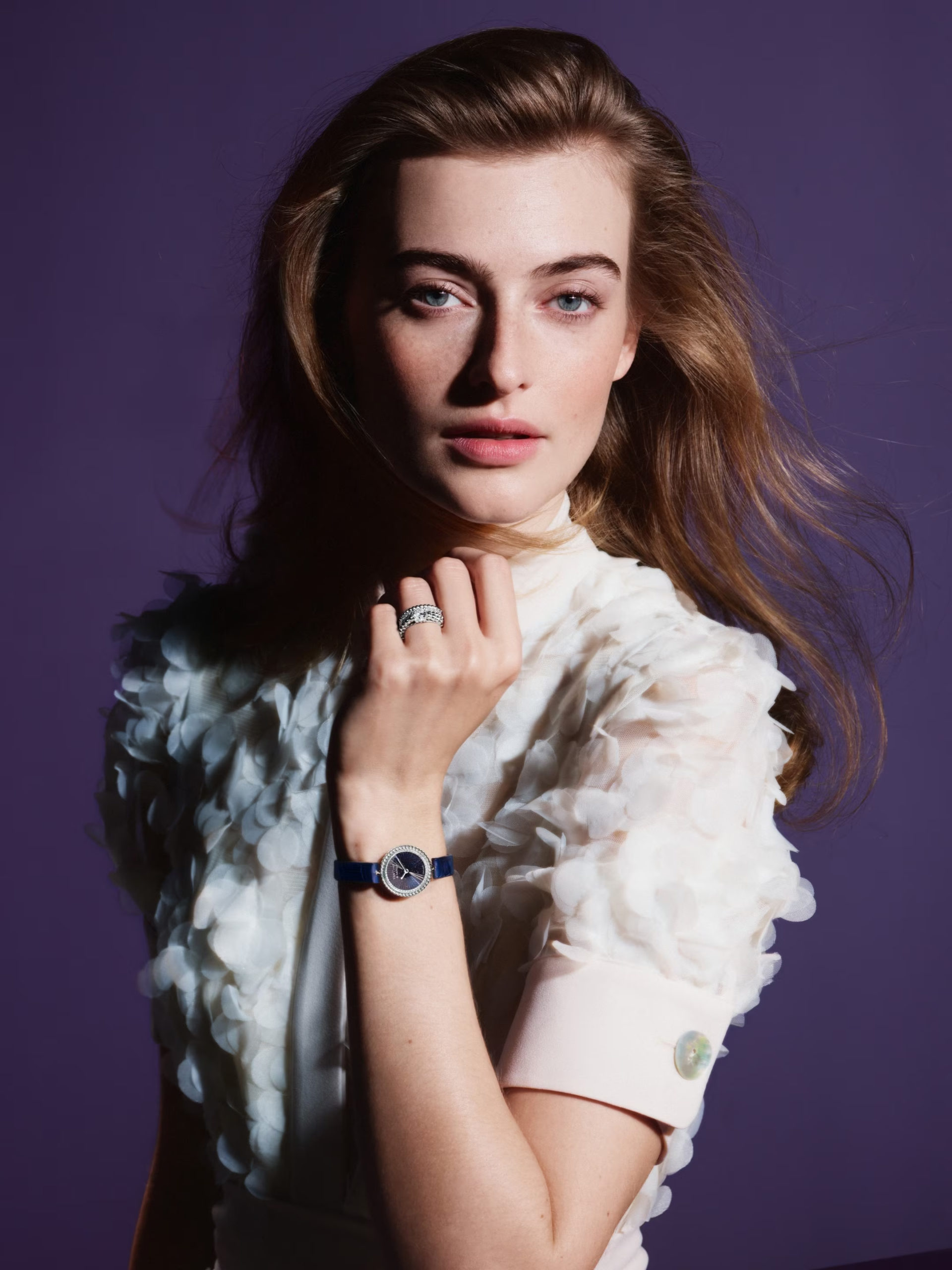
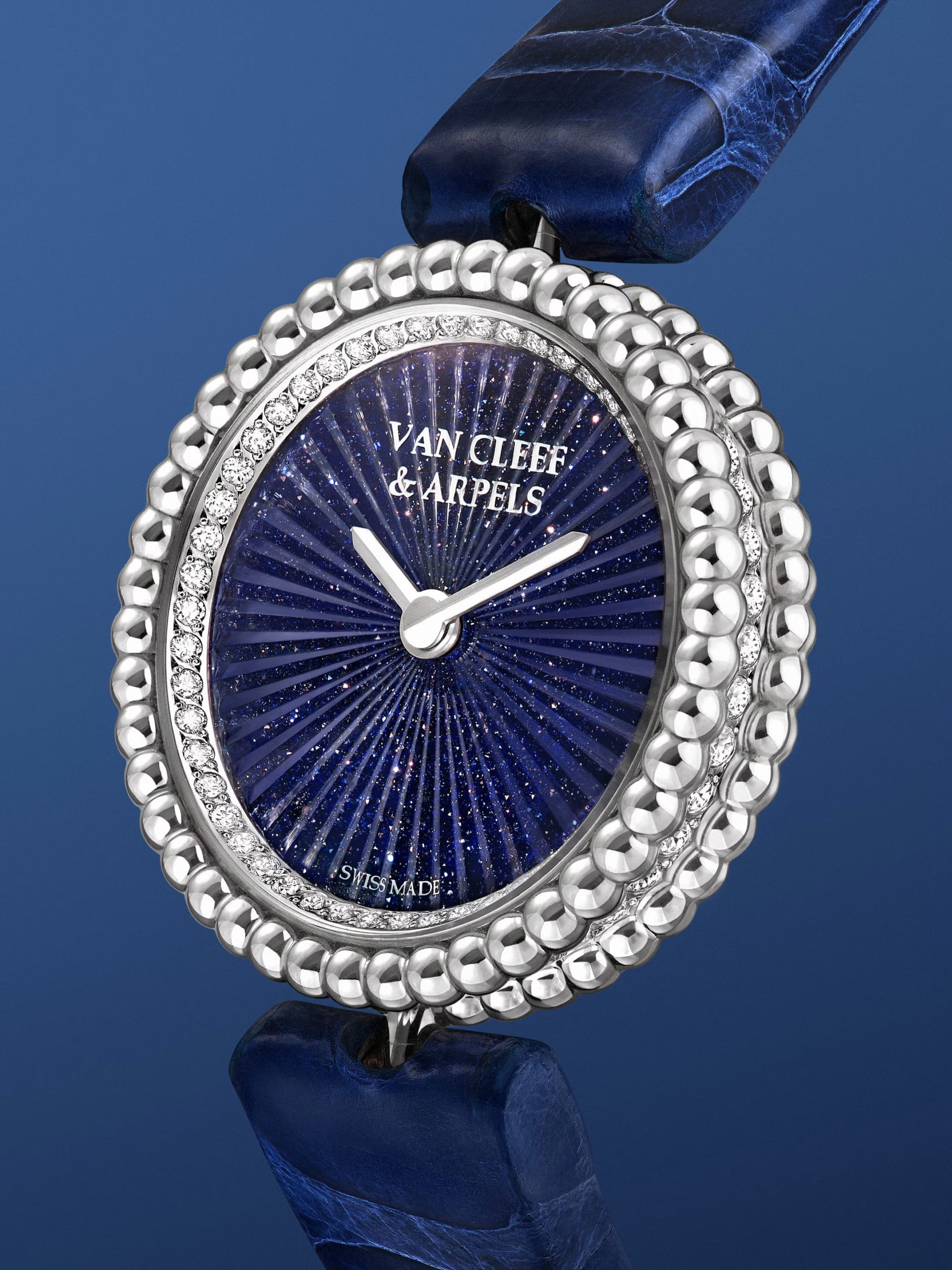
Some details in fine jewellery achieve something rare: they become inseparable from the object they adorn, so that removing them would not simplify the design but dissolve it. The beaded border of the Perlée collection is one such detail. Precise, tactile, immediately recognisable, it has governed this line from the beginning, and it remains, in white gold, as precise and recognisable as it has always been in yellow.
The newest addition to the Perlée family arrives with the same logic intact. Watchmaking precision framed within jewellery logic, wristwear that does not ask you to choose between the two. For those who believe a watch should feel, when clasped, like something that will outlast them.
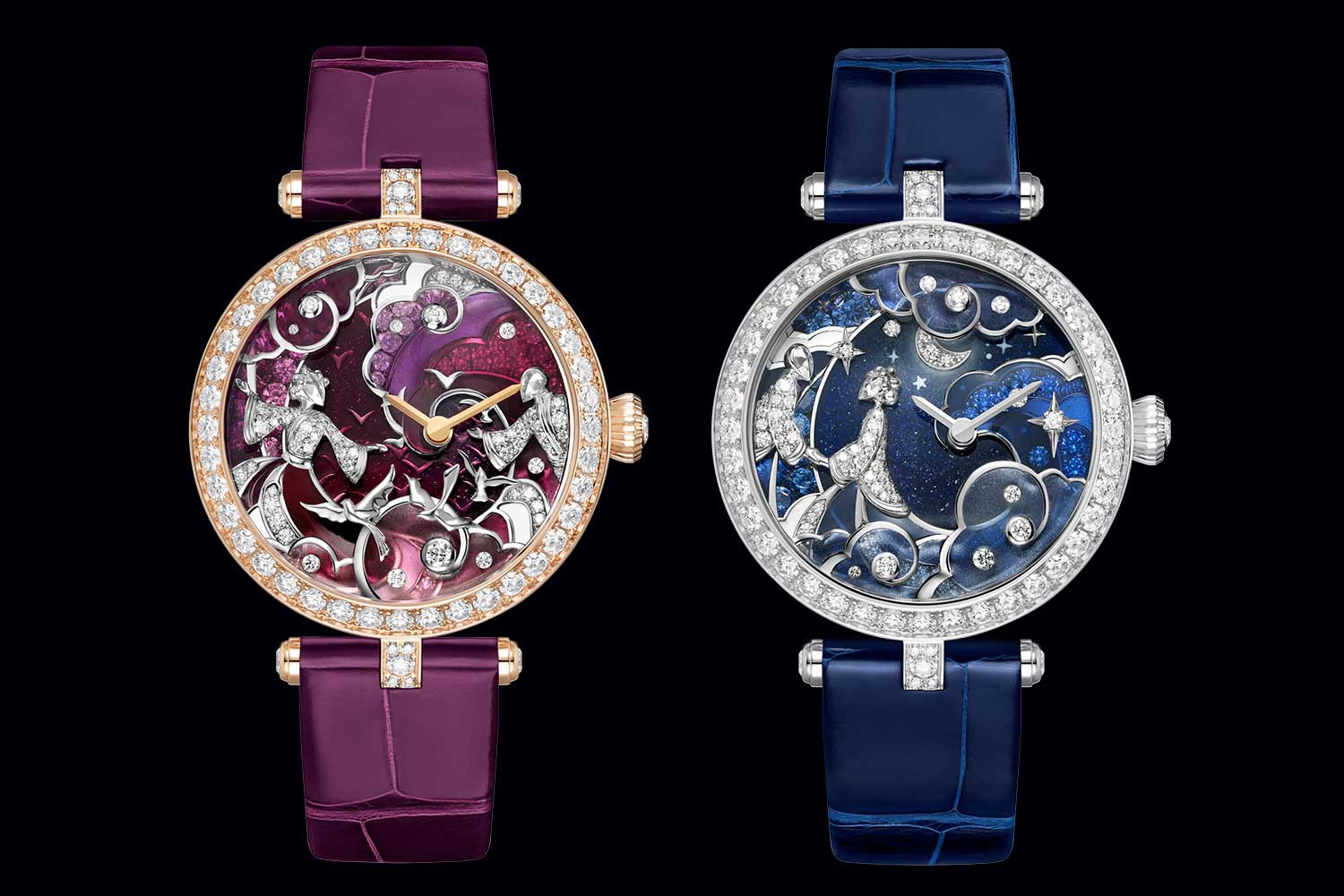
The legend of Vega and Altair is one of the oldest love stories in the world. Two stars, separated by the Milky Way, are permitted to meet just once a year on the seventh night of the seventh lunar month. The birds form a bridge. The lovers cross it. Then they part again. It has endured for centuries because the longing at its centre is entirely human, and because no one has ever improved on the image of two points of light, separated by the whole of the sky, waiting.
Van Cleef & Arpels presents the story as a complementary pair within the Extraordinary Dials collection, and the choice of medium is the point. Miniature painting and enamel, techniques that themselves trace back centuries, are deployed at a scale that requires a magnifying glass to fully appreciate. Lady Rencontre Céleste holds the wistful anticipation of the encounter. Lady Retrouvailles Célestes holds the rapture of reunion. Together they form a single narrative, each watch enriched by the existence of the other. This is the kind of commission the maison’s artisans were made for, and you can feel, looking at them, that they knew it.
Van Cleef & Arpels is available at its boutique on Queen Street, Auckland.
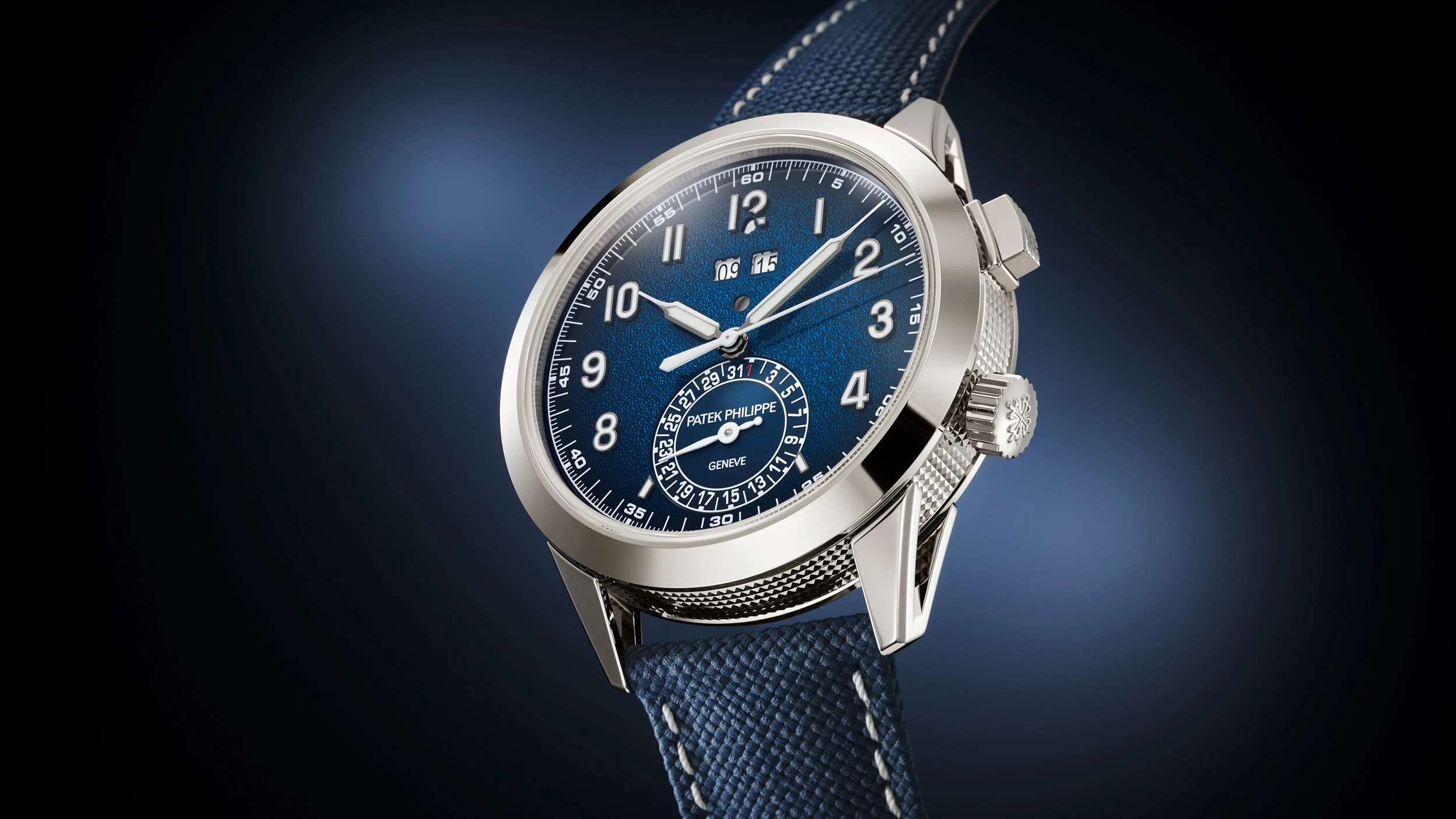
Twenty new models are not an unusual number for Patek Philippe. What is unusual is the concentration of ambition across them. A wristwatch that tells you when the sun rises and sets, correcting itself automatically when the clocks change. The brand’s first automaton wristwatch in modern history. A Nautilus turning fifty and returning, for the occasion, to the purity of its original time-only display. Walking through Patek’s presentation in Geneva, the range of it is what stays with you. From the deeply arcane to the beautifully inevitable, and everything between.
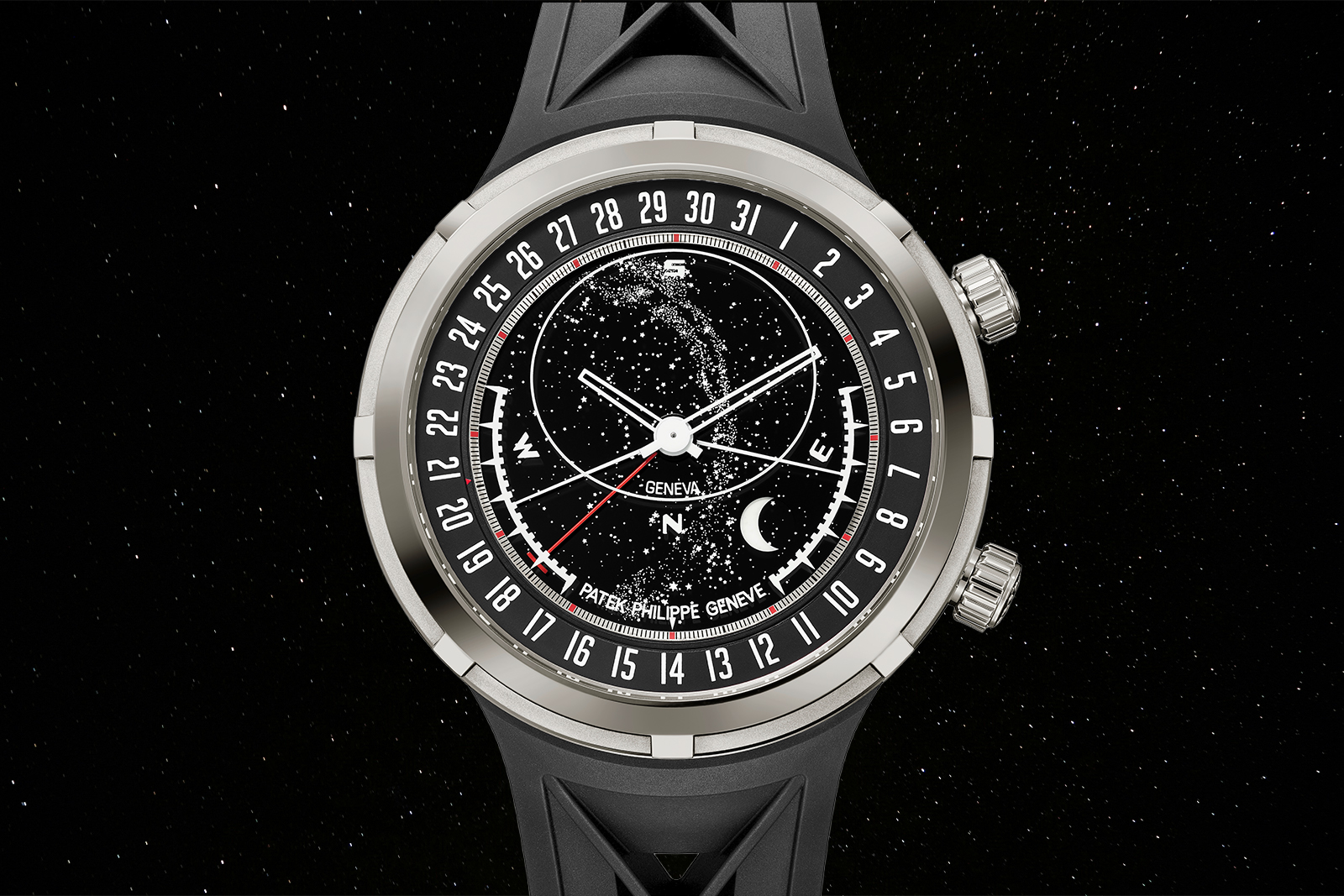
A wristwatch that displays the times of sunrise and sunset for Geneva, with a patented movement that corrects both indications automatically when the clocks change. In a 47mm white gold case charting the night sky above the city, it stops you mid-stride. A complication that is, in the most literal sense, about how the day begins and ends. Patek’s most poetic technical statement in years.
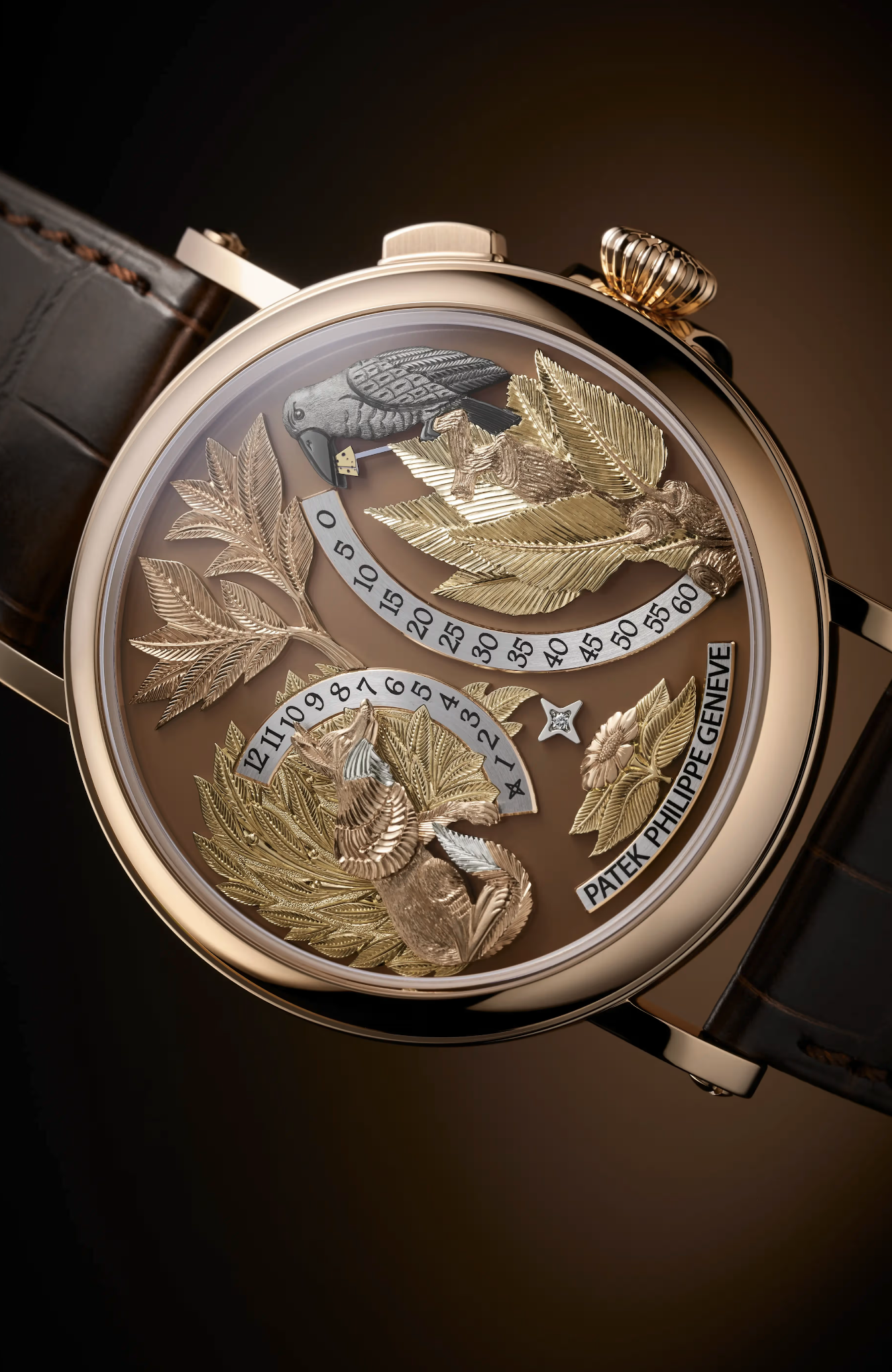
Drawn from La Fontaine’s fable of a crow flattered into dropping his cheese by a fox of considerable cunning, and from a 1958 pocket watch held in the Patek Philippe Museum, this is the brand’s first automaton wristwatch in modern history. Hours and minutes are displayed on demand, the scene animating beneath a rich brown opaline dial in a rose gold case. A fable about the consequences of vanity, rendered as one of the most covetable objects in the room.
The Cubitus has moved quickly from introduction to institution, which is a particular Patek skill. The perpetual calendar gives the collection its first grand complication, in platinum, with an open-worked blue dial that reveals the skeletonised movement beneath through characteristic horizontal pierced strips. The mechanics become the decoration. In a perpetual calendar, that is the right choice.
Alarm complications are technically demanding, practical, and rarely given the aesthetic attention they deserve. The 5322G addresses all three. White gold, 41mm, a hobnail-guilloché caseband paired with a textured lacquer dial, and a movement that allows the alarm to be set for any point in a full 24-hour cycle. It sounds like a hammer on a classic gong. Useful, beautifully made, and characteristically understated about both.
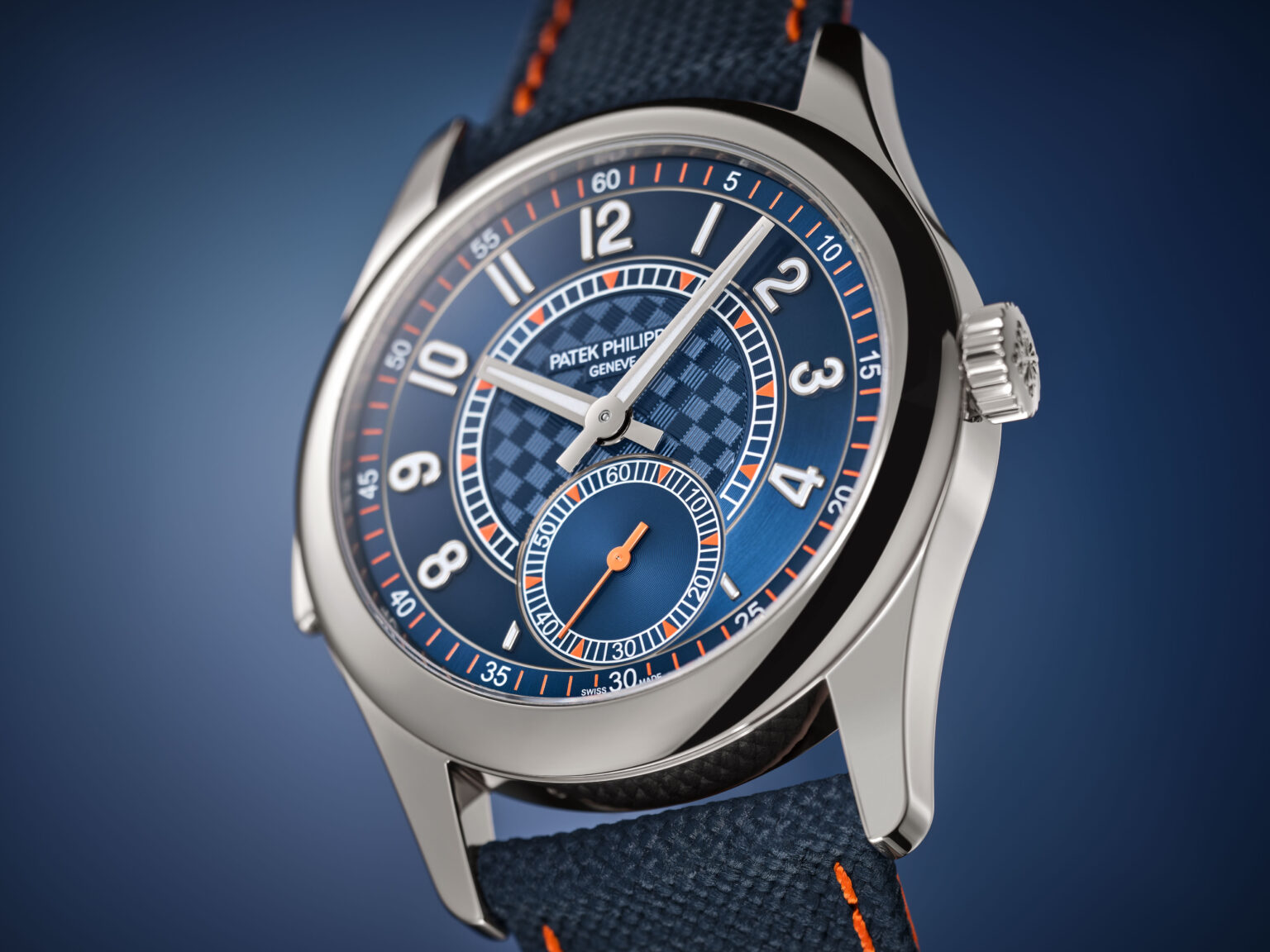
One of the thinnest minute repeaters Patek has produced, in a modern Calatrava case. White gold, a navy-blue dial with an embossed carbon motif, and a self-winding movement. The Calatrava has always been the vehicle for Patek’s most elegantly resolved ideas. A thin minute repeater is exactly the kind of idea it suits.
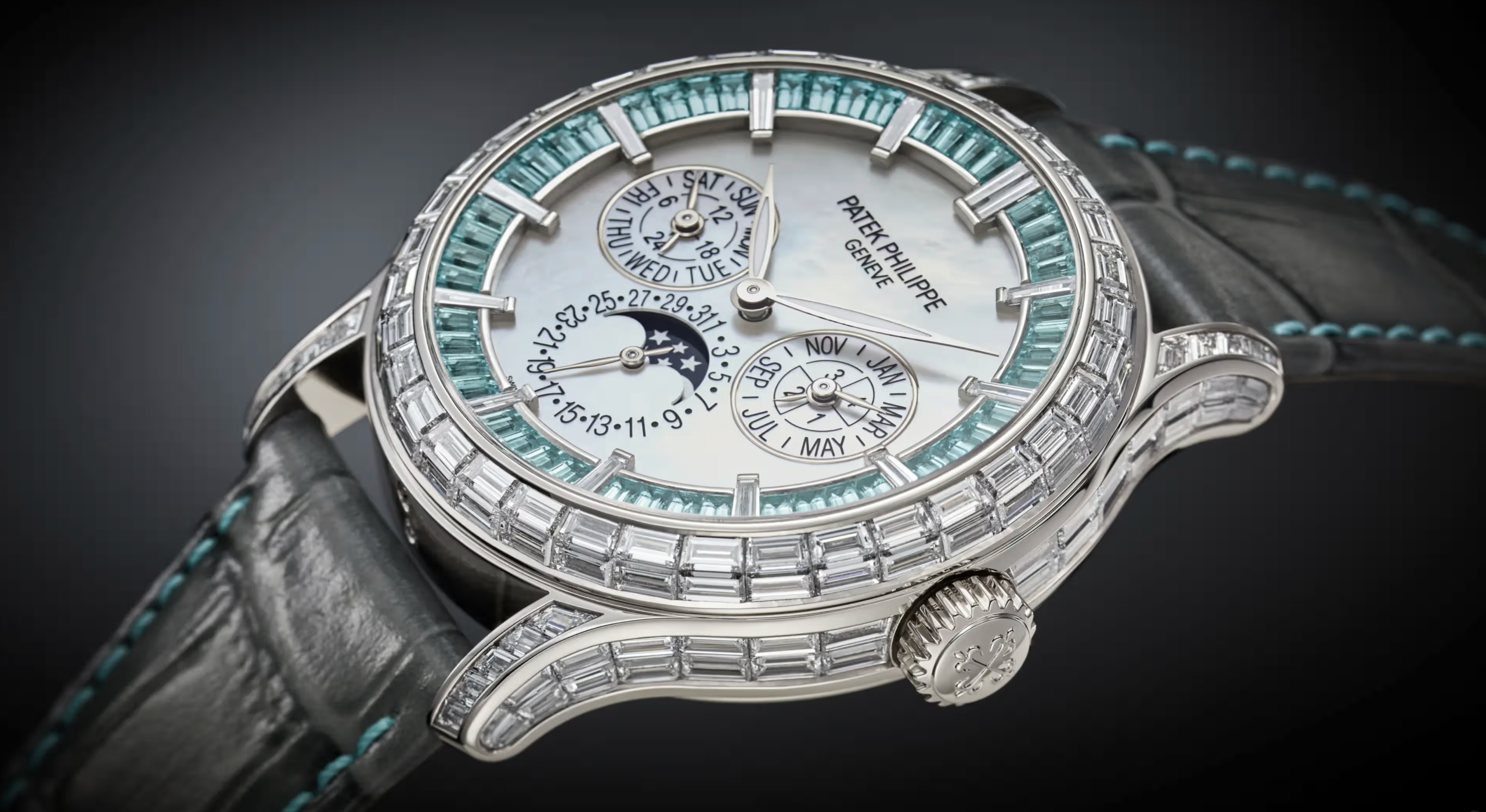
Eight pieces. The production limit is not a marketing decision. Paraiba tourmalines, with their extraordinary neon blue-green colour caused by copper traces in the beryl, are scarce, and the number of stones required for this dial sets the ceiling. Platinum case, Balinese mother-of-pearl dial, perpetual calendar and minute repeater complications beneath. The most rarefied piece in the 2026 collection, and the one for which the word rarefied is, for once, literally accurate.
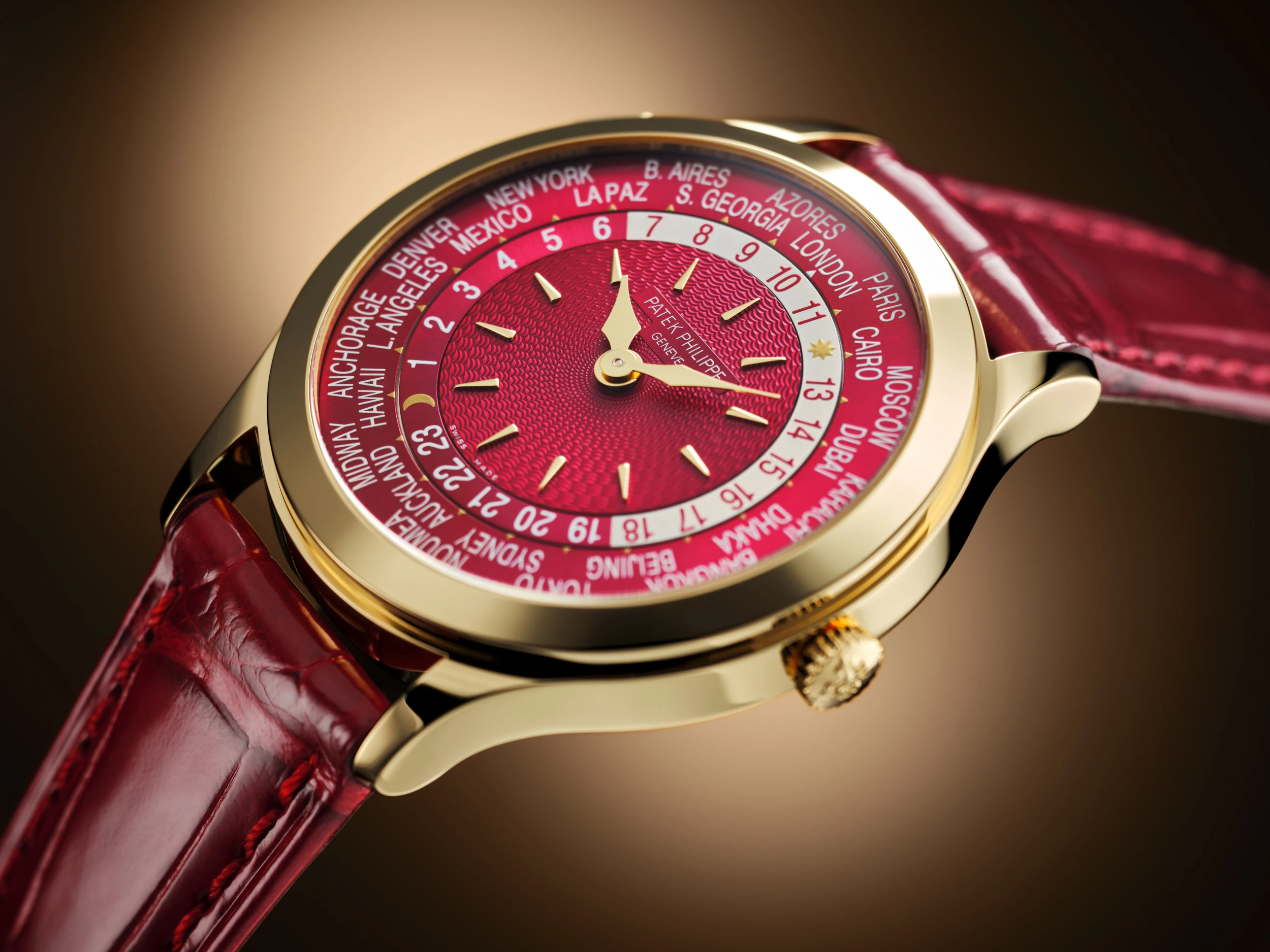
Yellow gold, carmine-red lacquer dial, every time zone readable simultaneously, updated with one button push. A watch that is useful, confident, and entirely aware that carmine red and yellow gold is not a combination that asks permission.
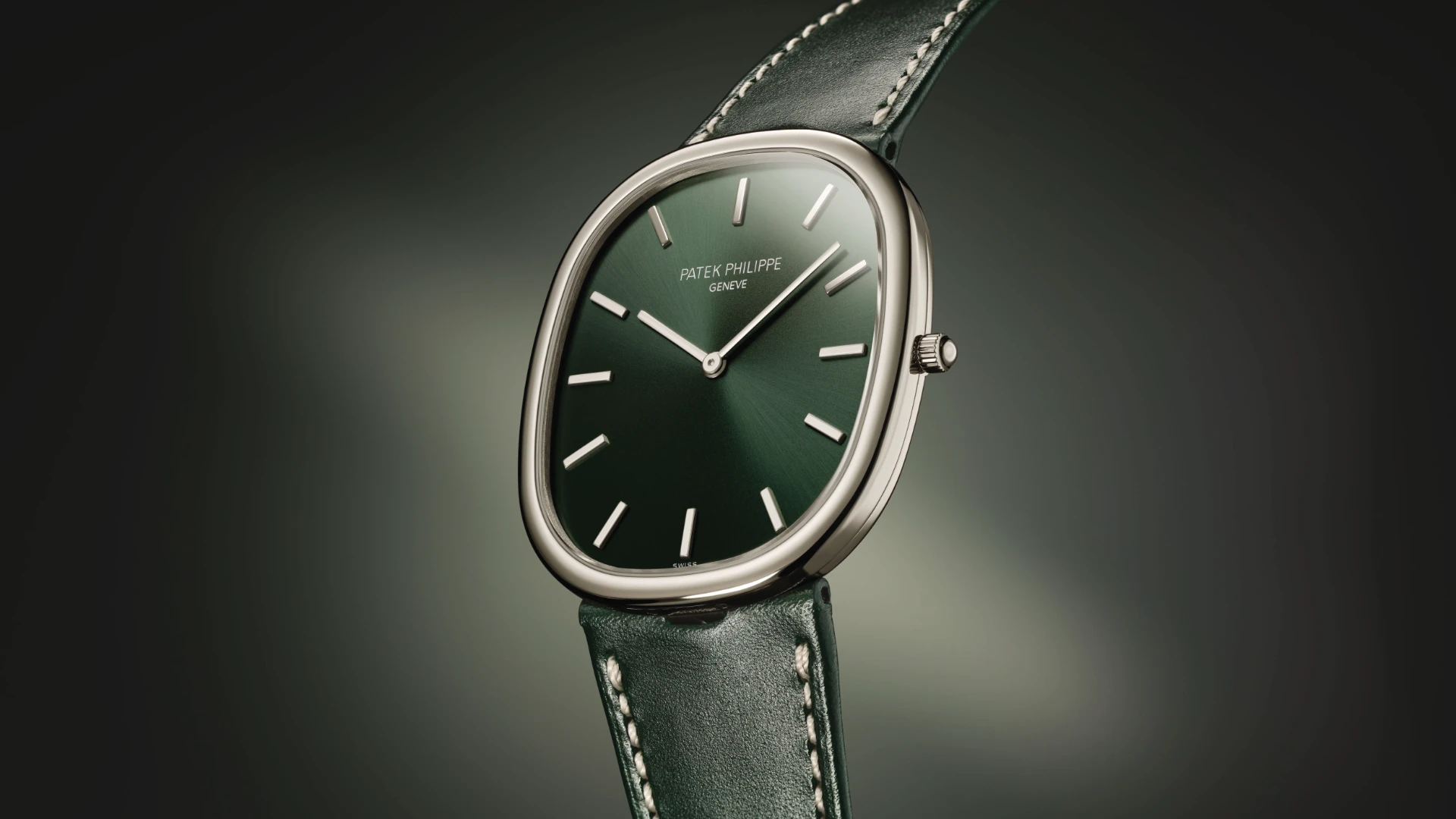
The Golden Ellipse’s oval case has been proportioned according to the golden ratio since 1968, which explains why it still looks correct from any angle. Both the Jumbo and medium versions return in olive-green sunburst dials, on ultra-thin movements that place them among the flattest watches in the collection. Never the loudest watch in the room, but most often the one people remember.
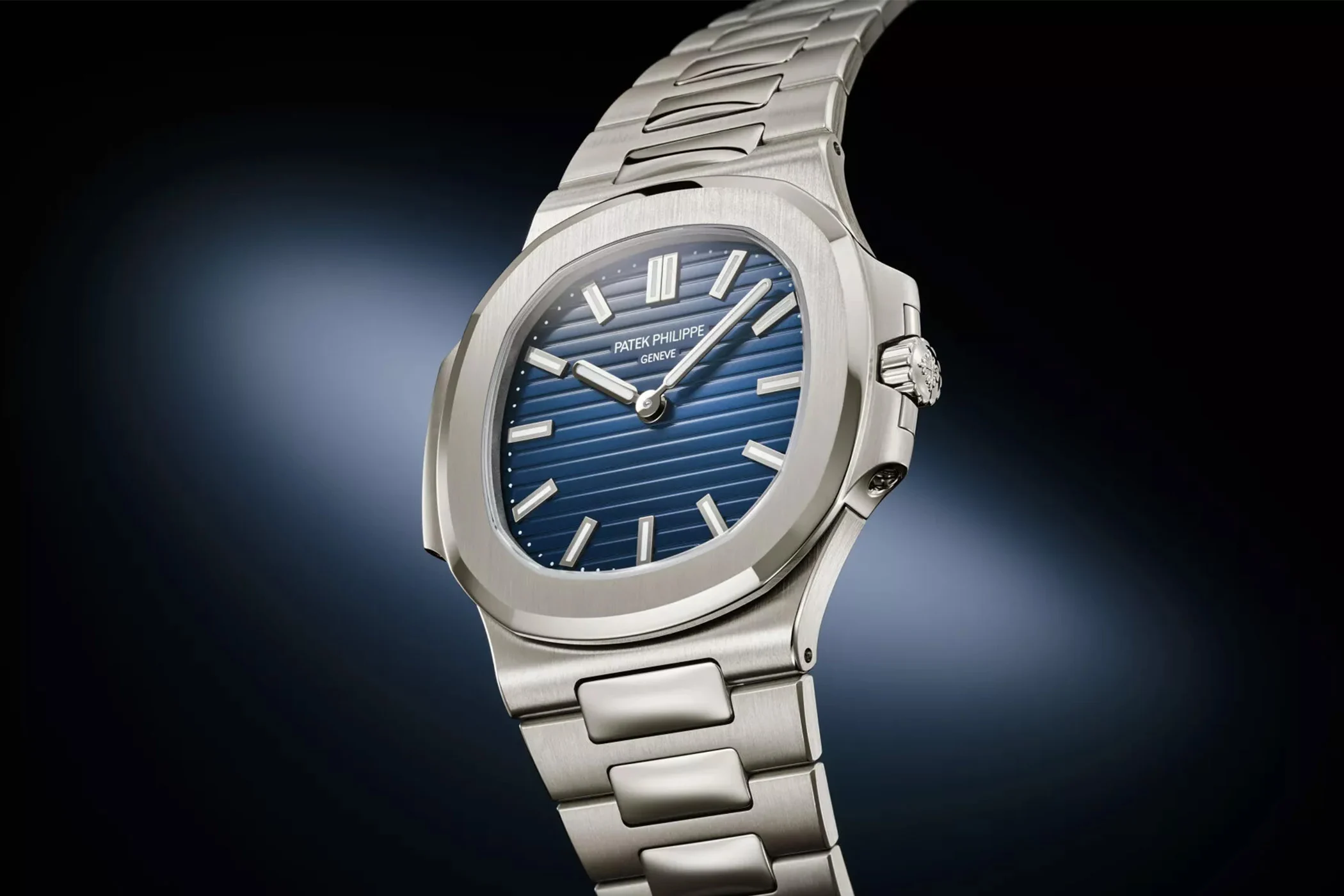
Gerald Genta designed the Nautilus in 1976 with the porthole as his departure point, and changed the industry’s understanding of what sports and luxury could mean together. Fifty years on, four limited pieces mark the anniversary by returning to the time-only display of the original, removing seconds and date to draw the eye back to the dial and the proportions that made the Nautilus what it is. Two large white gold models, a slightly smaller platinum version, and a white gold desk clock that is equal parts playful and historically minded. Fifty years, and the Nautilus still does not need to explain itself.
Patek Philippe is available exclusively in New Zealand through Partridge
Bvlgari has always operated by its own logic. Where the Swiss tradition prizes restraint and horological gravitas, Rome brings colour, audacity, and a jewellery maker’s instinct for the dramatic. Walking through their space at Watches and Wonders 2026, that logic is immediately apparent. The star of the show this year is a smaller Octo Finissimo that required an entirely new movement. The supporting cast: an ultra-thin tourbillon in platinum and a Serpenti dripping in coloured stones.
Since its introduction in 2014, the Octo Finissimo has been one of the most architecturally considered watches of the modern era. It has also apparently been a touch too large for some wrists, yet I say this as someone who greatly admires a larger watch. Fabrizio Buonamassa Stigliani, Bvlgari’s product creation executive director, is candid about it. After three or four years of hearing “I love it, but it’s too big,” the 37mm has been a welcome arrival.
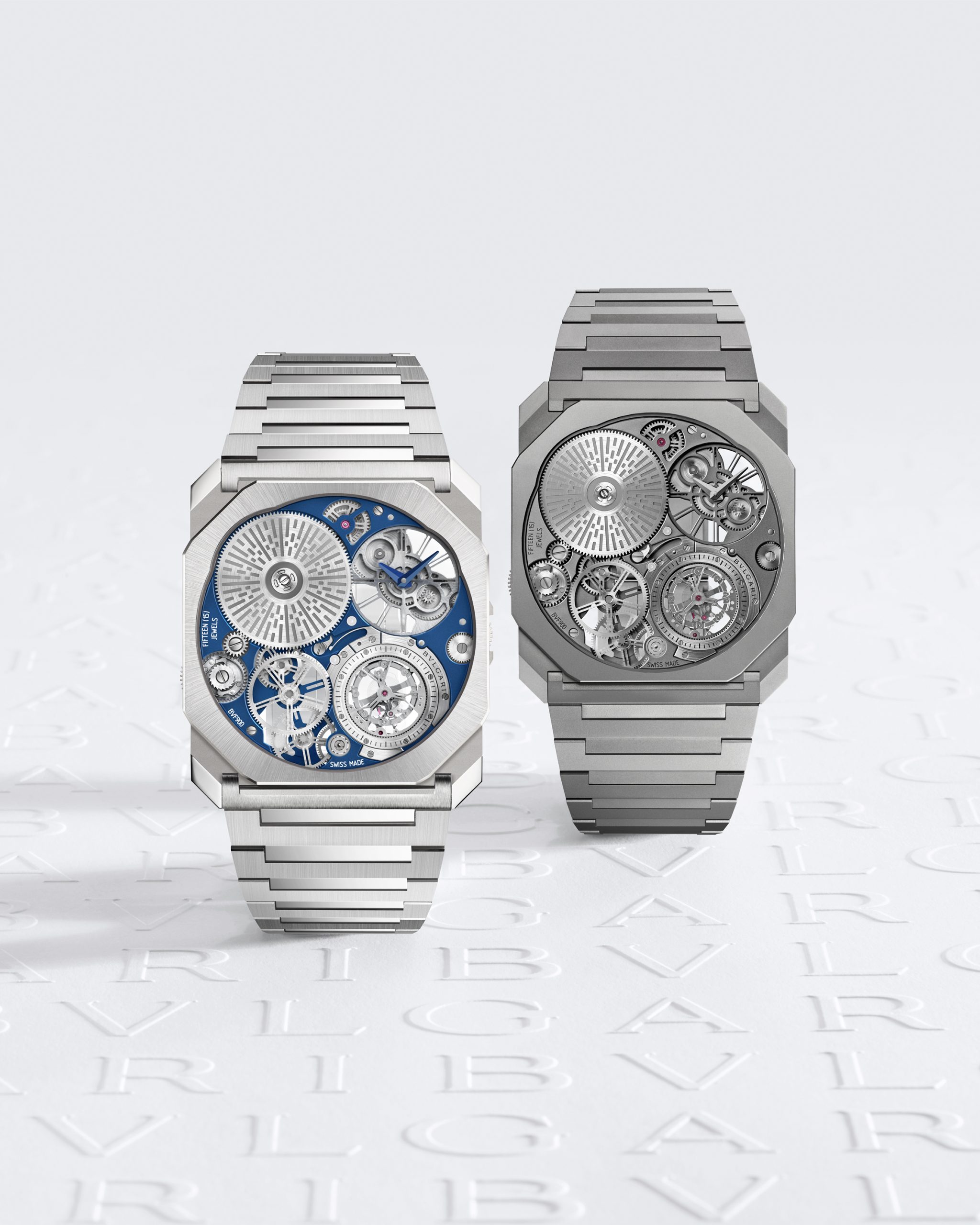
What is rarely understood is the complexity required to get there. Reducing a watch’s size is not a matter of scaling a CAD file. The existing movement does not simply fit within a smaller case, which meant developing an entirely new one from the ground up. The calibre BVF 100 is the result: an ultra-thin automatic movement measuring 2.35mm in height with a 72-hour power reserve. Only two components were carried over from the original: the platinum rotor and the balance wheel. Everything else was re-engineered from the beginning.
The bracelet has been reworked, too, composed of two components with a new push-button clasp that improves both comfort and proportionality. Viewing it alongside its larger sibling was strangely confusing. Visually, the Octo Finissimo 37 reads the same, with the same geometry, faceting unchanged, identity uncompromised. But it’s clear the slightly smaller face means there is now an Octo for every wrist.
The Octo Finissimo Ultra Tourbillon is already among the more remarkable objects in contemporary horology. At 1.85mm total thickness, it is proof that a tourbillon need not announce itself through additional bulk, that the most demanding complication in watchmaking can be achieved with discipline rather than drama. Seeing it in platinum at Geneva, it becomes something else: cooler in tone, denser in presence, and more explicitly a serious collector’s acquisition. The Ultra in platinum is not a new idea executed differently. It is the same extraordinary idea elevated by a single material choice into something rarer, quieter, and harder to set aside.
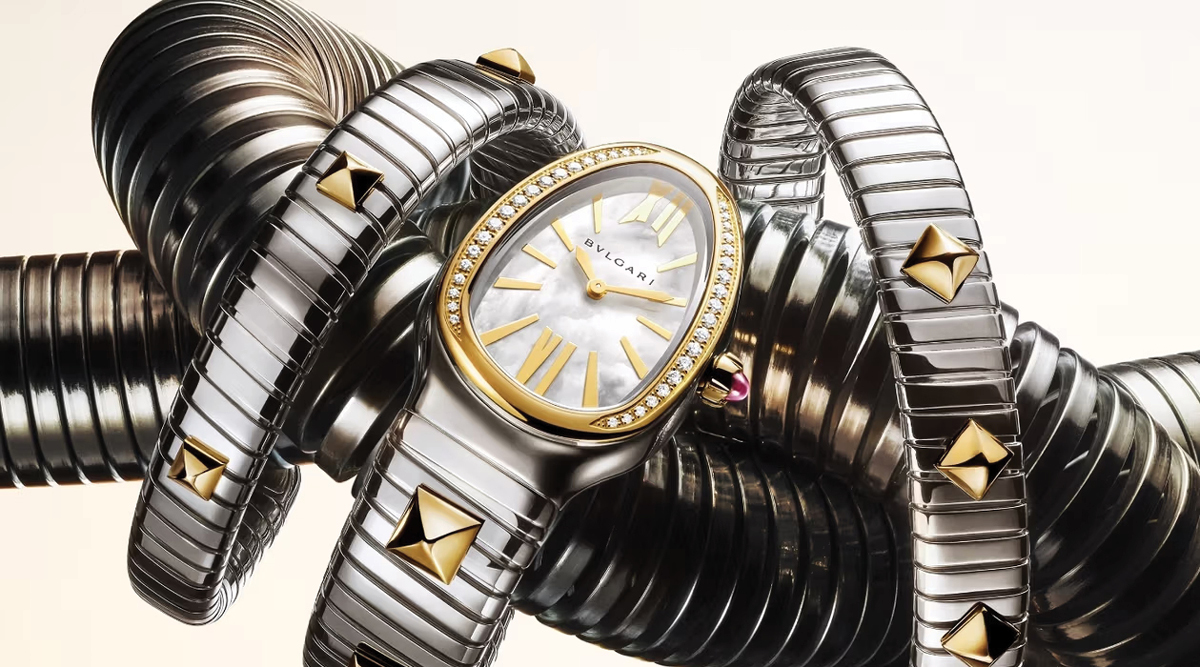
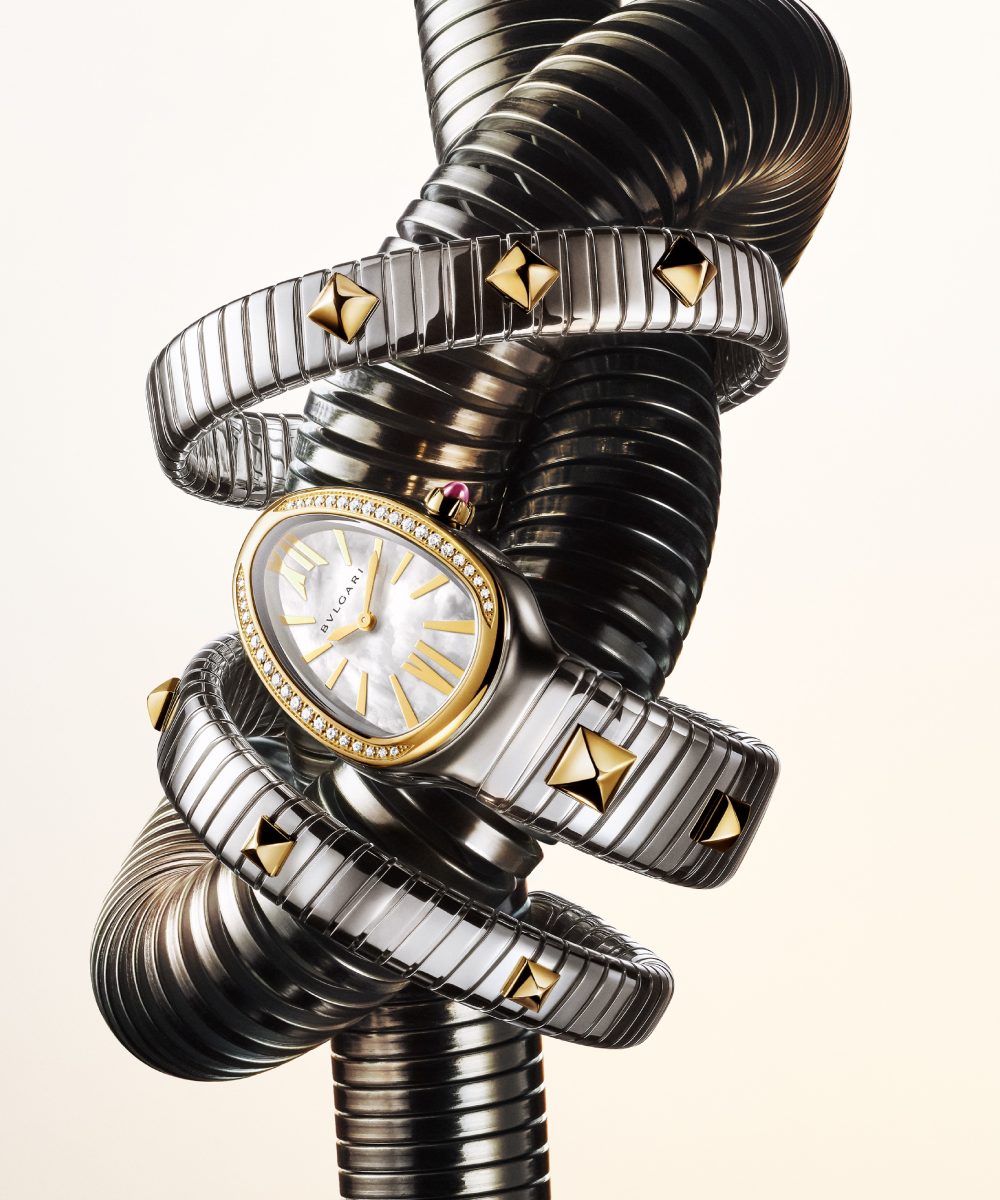
The Tubogas technique has been central to Bvlgari since the 1940s, a signature method of wrapping gold wire into fluid, flexible structures without solder, requiring a precision that makes the finished piece feel almost implausibly effortless. The Serpenti has been coiling around wrists for nearly as long. The Studs Capsule introduces a third element: the graphic, blunt language of stud hardware, industrial in character and deliberately at odds with the sinuous links surrounding it. In person, the tension between the two reads beautifully. Gold and steel in considered conversation, jewellery and industrial design finding, against reasonable expectation, common ground. The kind of piece only Bvlgari would think to make, and only Bvlgari would make look this easy.
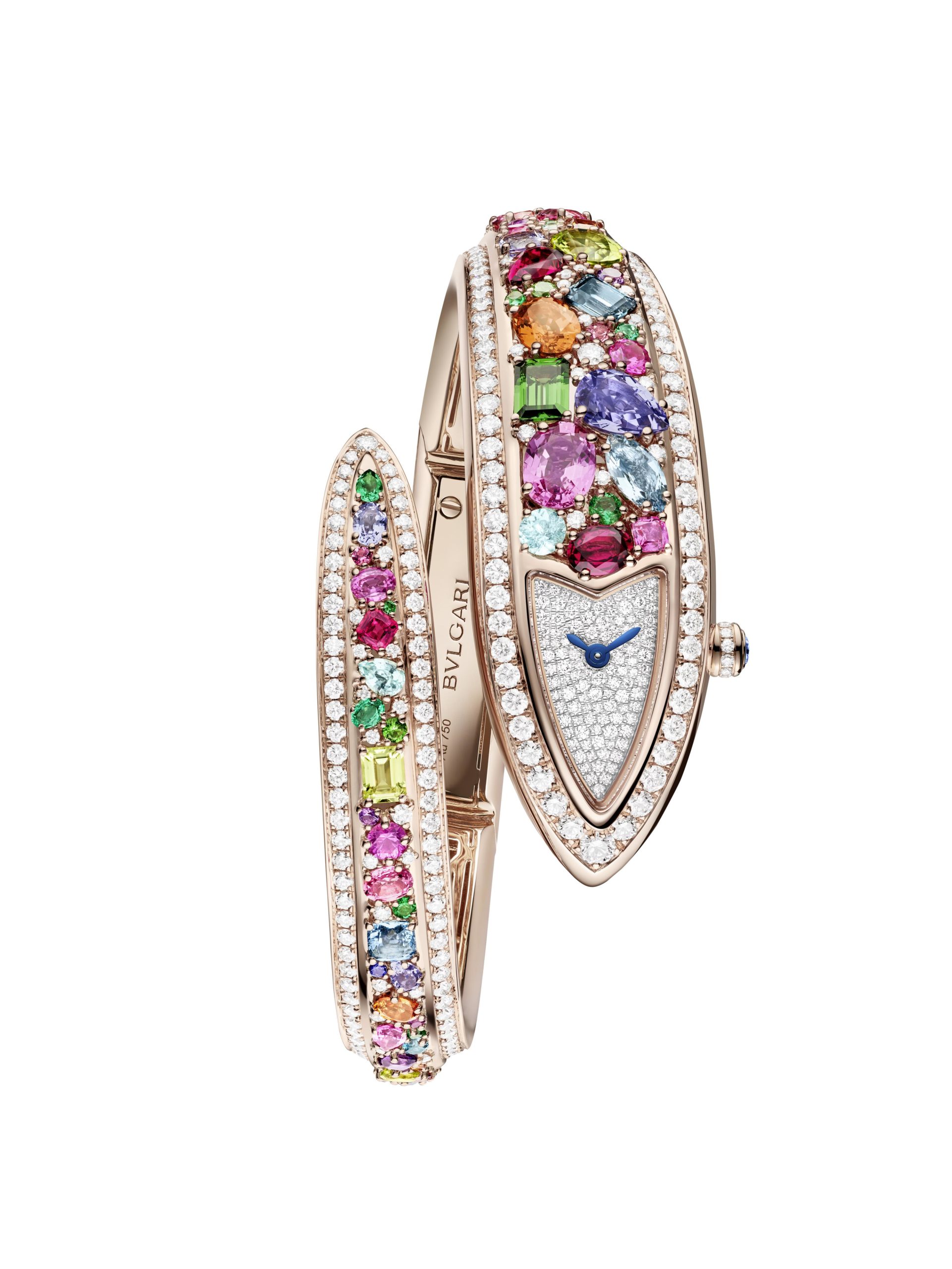
If the Octo Finissimo represents Bvlgari at its most architecturally precise, the Serpenti Aeterna is the maison at its most unapologetically itself. Pavé-set from head to tail in coloured gemstones, it plays with colour, light and texture with the confidence of a house that has been perfecting this craft since before most watch brands existed. It was one of those pieces at the fair that turned heads, and rightly so. The Serpenti has been reinventing itself since its introduction. This is perhaps its most vivid chapter yet. It earns the phrase joie de vivre in the way that only genuine craft can: not by claiming it, but by making it impossible not to feel.
In 1926, Rolex introduced the Oyster, the world’s first waterproof wristwatch, and changed watchmaking forever. In 1927, Mercedes Gleitze became the first British woman to swim the English Channel, wearing a Rolex on her wrist. When she emerged from the water, to the surprise of everyone, the watch was still running, not a minute behind, no leakage of any kind. Hans Wilsdorf, who had founded Rolex in 1905 and patented the Oyster case the previous year, ran an advertisement the following day. “World’s best by every test.” At that point in watchmaking history, a sealed, waterproof wristwatch was not a refinement. It was a revolution.
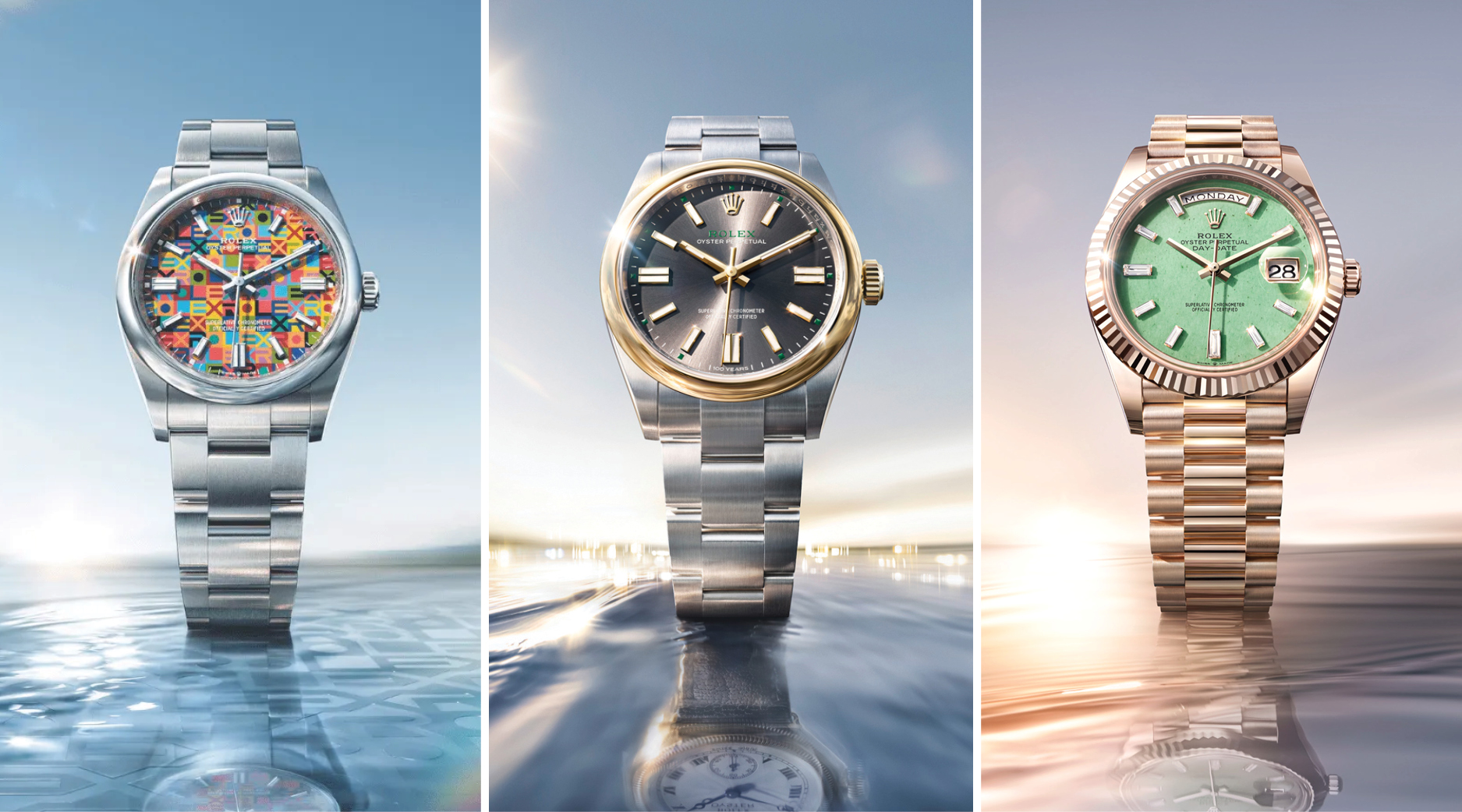
One hundred years on, Rolex’s presentation at Watches and Wonders 2026 does not announce how defining it’s been through fanfare or nostalgia. Instead, Rolex shows what’s next. New alloys, new dial techniques and a reengineered complication revived. Yet, threaded through everything are small declarative details that, for Rolex, are unusually direct. A crown engraved “100.” Six o’clock reading “100 years” where “Swiss Made” used to be. The brand that has never felt the need to state anything twice is choosing this moment to claim it.
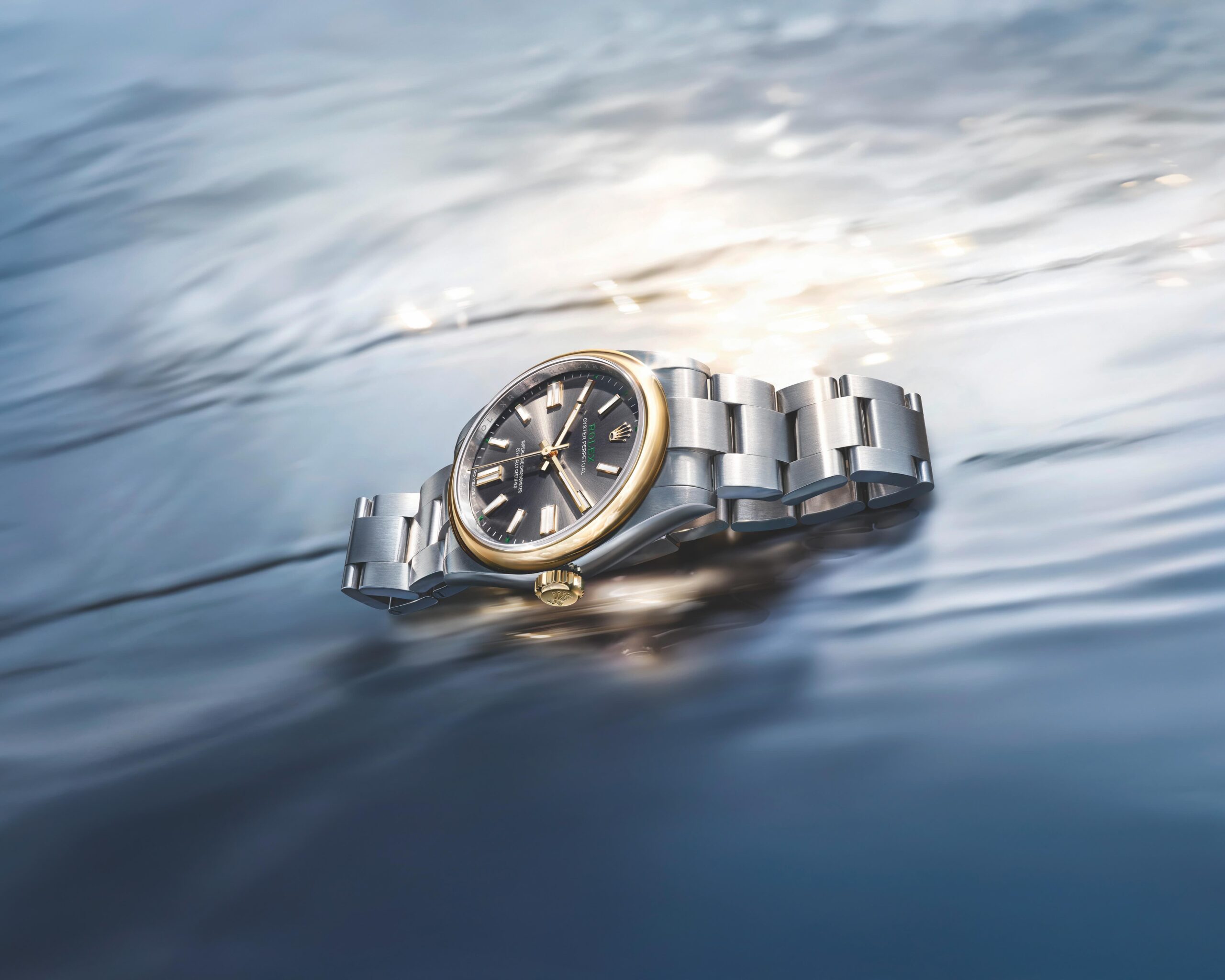
The two-tone Oyster has been missing from Rolex’s most elemental watch design for some time. Having gifted one of the earlier iterations to my husband as a wedding gift, it’s a watch that has been much admired. So the release of this new iteration in steel and yellow gold, with a slate dial featuring a flash of Rolex green on the minute track, the words “100 years” at six o’clock where a standard marking has sat for decades, and a crown engraved to match, has made quite the noise. It will be.
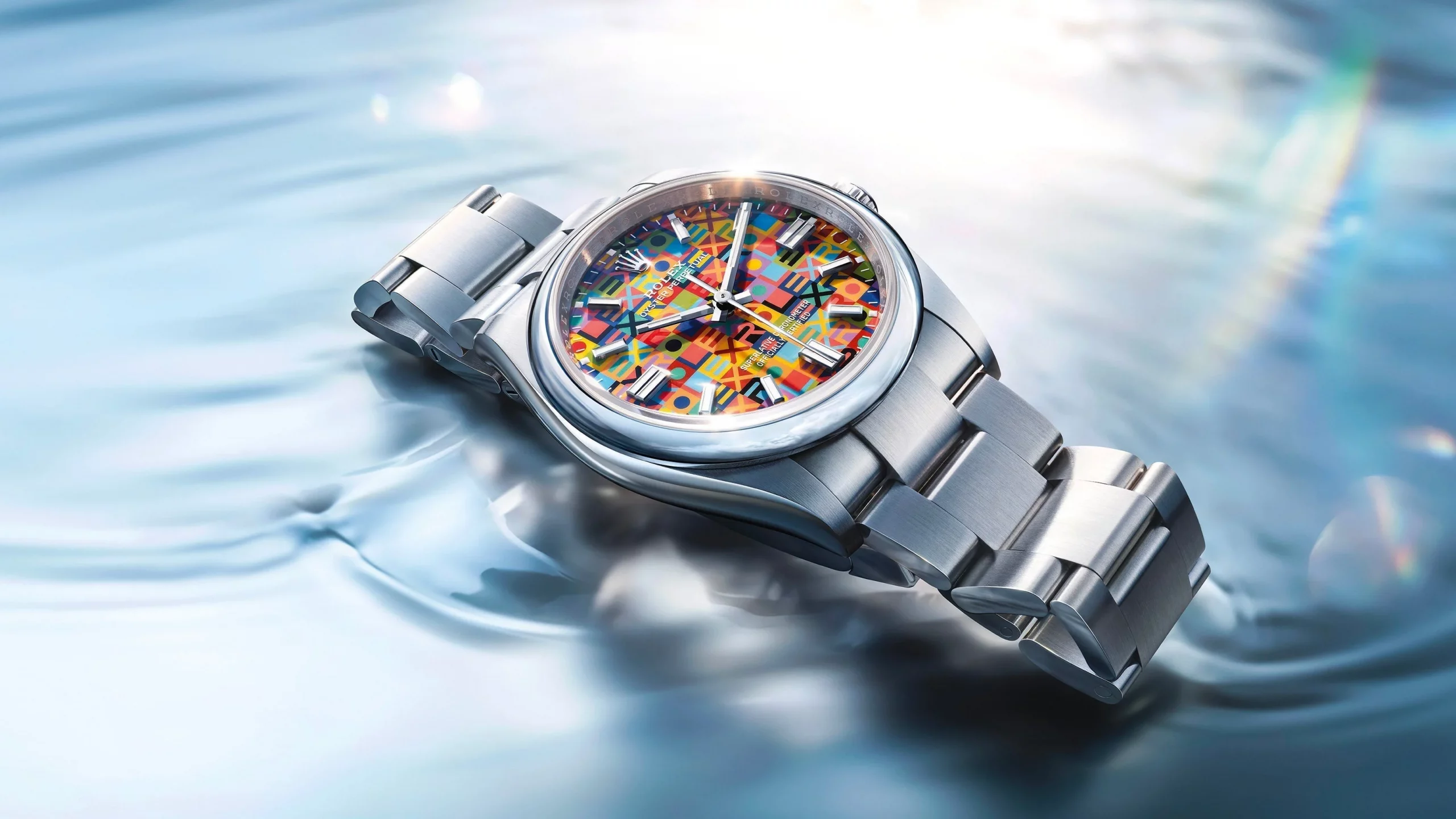
Rolex discontinued its previous celebratory dial last year, which, in retrospect, was simply a way to make room for something better. The replacement is a multicoloured dial featuring a dense, graphic pattern of the Rolex name, repeating across the surface in 10 contrasting colours, each applied individually. This graphic pattern served as Rolex’s key identity at the Fair, with buyers and journalists carrying the brand’s vibrant bags everywhere, emblazoned with the new graphic insignia. The Jubilee dial represents a rare moment for Rolex to be playful, a little bold, and deliberate about it.
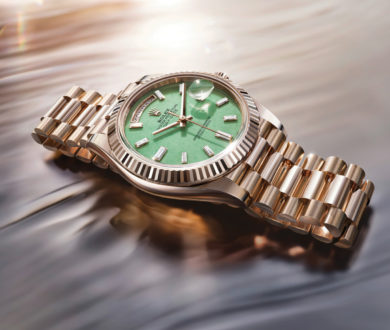
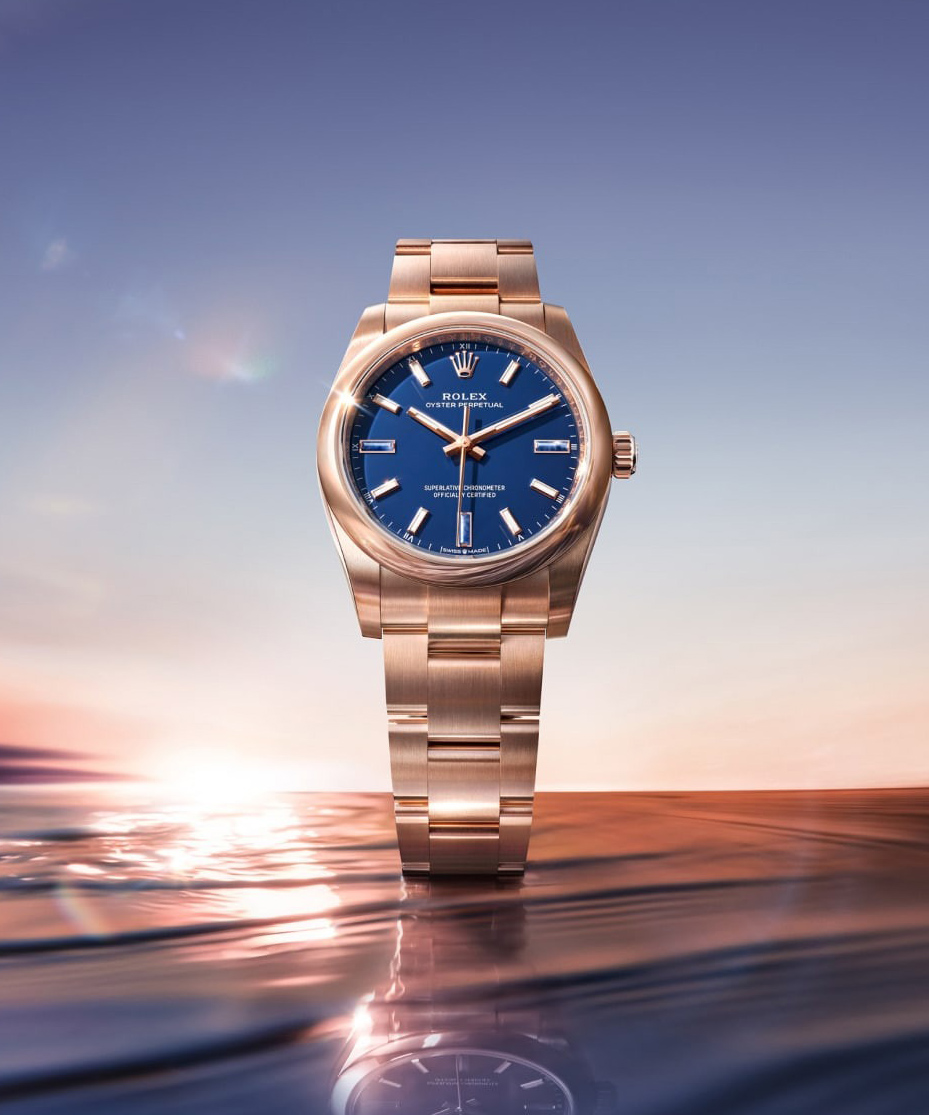
Solid gold has not appeared in the Rolex Oyster catalogue since 2001, which makes its return here feel like more than a routine update. The smaller of the two comes in yellow gold with a deep, luminous green dial. Its counterpart comes in Rolex’s proprietary warm-toned Everose gold, paired with a blue lacquer dial. Both have bracelets with a satin finish that tempers the gold into something wearable rather than declarative. Then there’s the extra detail of natural stone markers at three, six and nine o’clock, appearing in this collection for the first time. Small, considered, and new to this line.
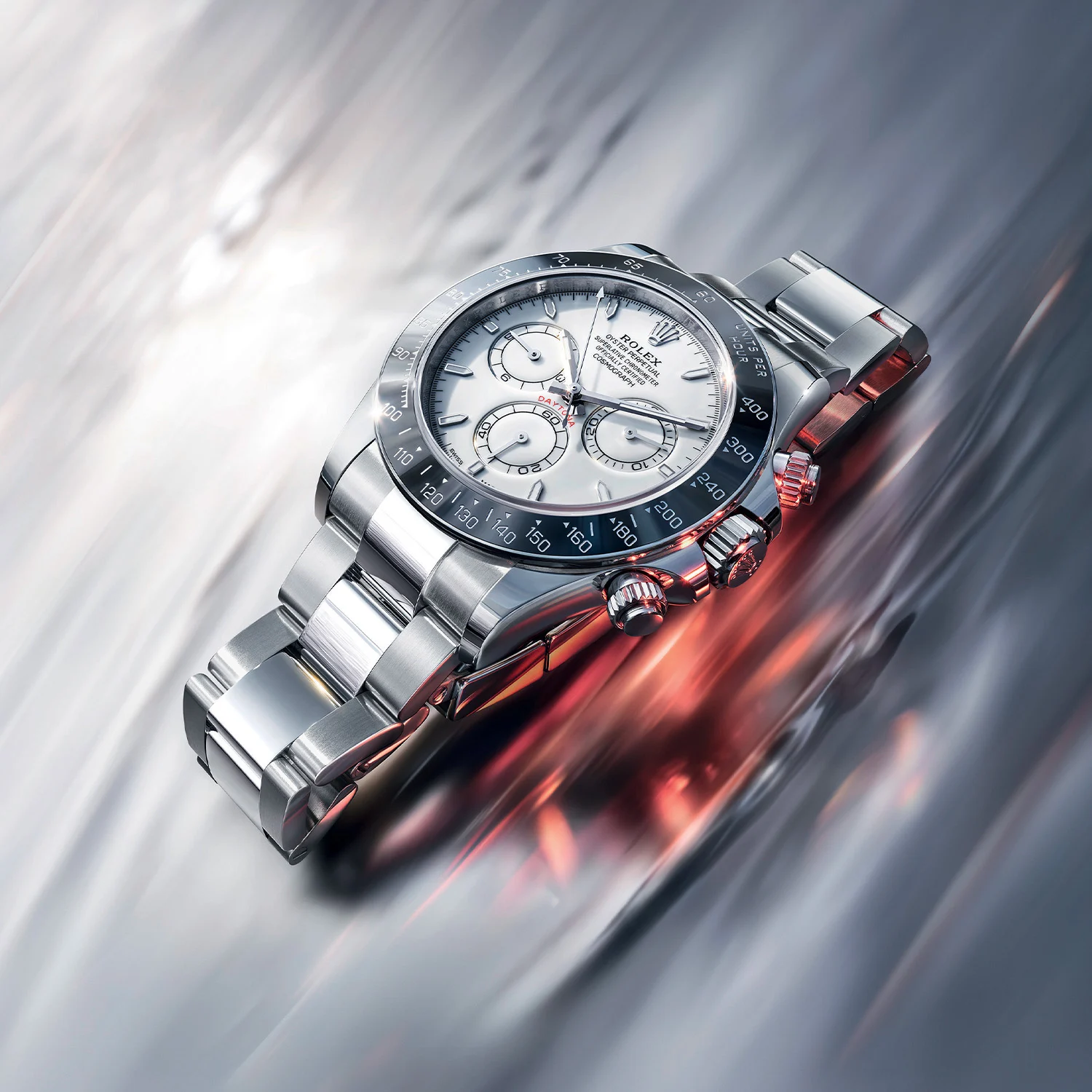
Rolex calls this one of its two Exceptional Watches for the year, and it was the one everyone wanted to hold at the touch-and-try events in their Geneva salon. As a long-term devotee and wearer of the Everose Daytona, I was curious to see if I would feel the need for an upgrade. The unusual combination of an enamel dial on a steel watch with a platinum bezel works beautifully. The white enamel dial is produced through an artisanal, labour-intensive firing process that Rolex has historically avoided, while the steel case is paired with a platinum bezel and a transparent caseback that opens onto the movement via a sapphire crystal. Everything about it sets it apart, and it will be hard to get your hands on.
One of Rolex’s most ambitious watches disappeared from sale eighteen months ago, discontinued to much surprise. But it’s obvious now that there was more going on behind the scenes. The new Yacht-Master II is a substantially different proposition. The dial is cleaner and more legible, and the overall aesthetic is closer to the current Rolex vocabulary. More significantly, the new mechanism makes this a highly specialised professional watch designed to assist sailors during the critical starting sequence of a regatta. The watch features a programmable countdown function with mechanical memory, allowing sailors to synchronise with race-start signals, typically set to 10 minutes. The mechanism governing the regatta countdown function has been rethought, moving from a bezel-based system to one operated via the pushers on the case. Beautiful and meaningfully better, for those who use it as intended.
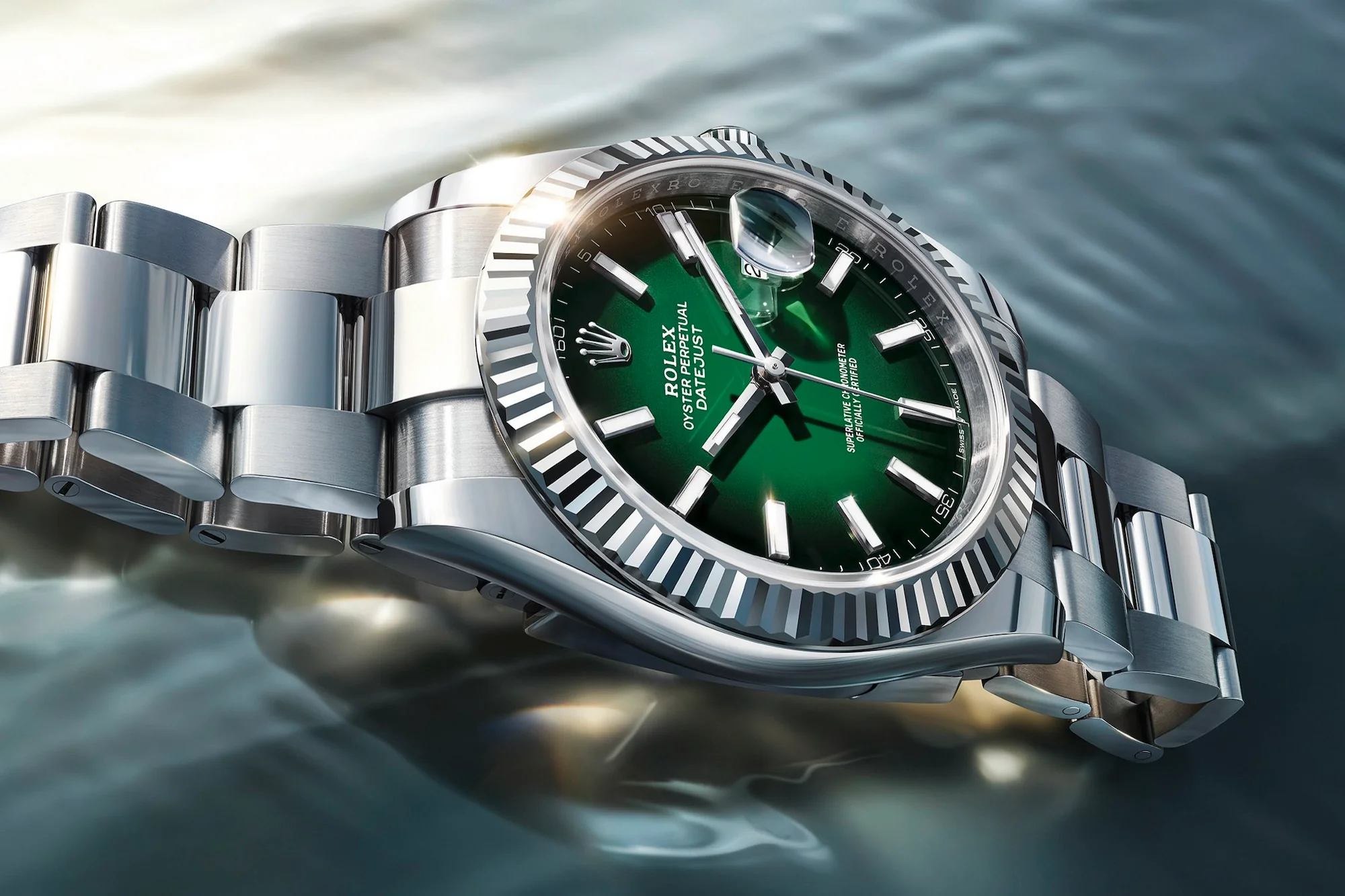
This new Datejust arrives in a configuration that quietly breaks from its own precedent. The dial moves from a deep green at the centre to near-black at the edge, a gradient achieved by two separate lacquer applications. But what makes it interesting is what surrounds it: no diamonds, no gold bezel, just steel. Previous versions of this kind of dial in the Datejust family have always arrived dressed to impress. This iteration doesn’t feel the need. And standing next to its predecessors in Geneva, it held its own with more ease than expected.
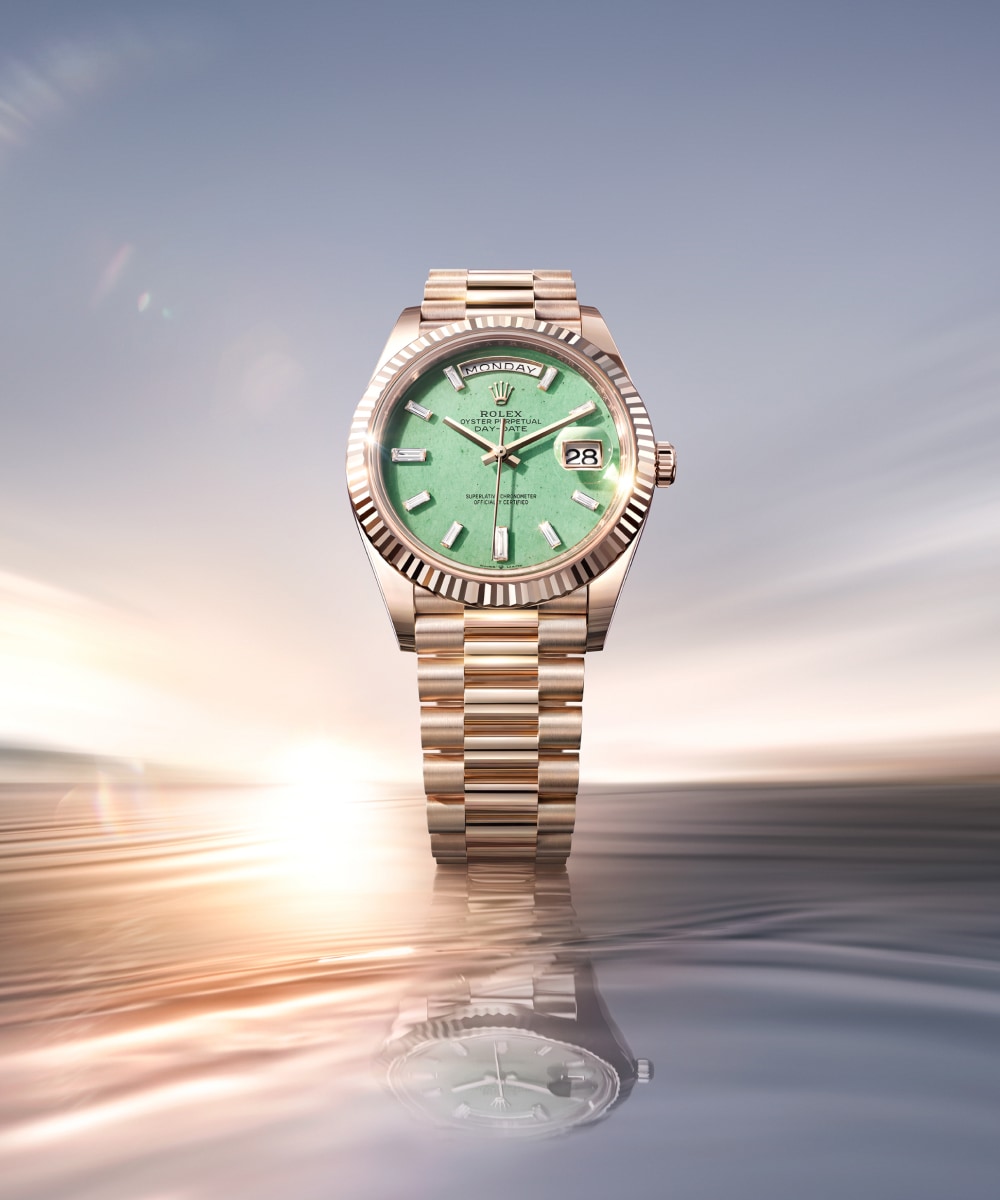
The second Exceptional Watch of the year introduces something the industry has been attempting to solve for some time: a precious metal that carries the warmth of gold without its more assertive qualities. Jubilee Gold is Rolex’s answer, a new alloy developed entirely in-house that produces a tone sitting somewhere between yellow and rose, and softer than either. The result is a watch that has the presence of fine jewellery without announcing itself across a room. Paired with a pale green aventurine dial and diamond indices for its debut, it is also, like the Daytona, not widely available. The centenary’s quietest and, one suspects, most enduring statement.
I recently spent time in a bubble. Not the charming, champagne-adjacent sort, but something far more engineered. Bubble butts, bulbous lips, and gravity-defying boobs still hold their ground in certain corners of Dubai. My daughter and I spent our mornings at the luxury hotel’s buffet, marvelling at the biomechanics of pneumatically enhanced women navigating the coffee, croissants, and their own proportions with immense dexterity and determination. It turns out it is exactly as difficult as one might expect to sip your morning brew, while perched sideways on a chair clearly not designed with such ambitions in mind. Then factor in the visual obstruction of a surgically enhanced décolletage, and what lies beneath, on the table, is largely theoretical.
I’m not here to deny enhancement. Each to their own, and frankly, I respect the commitment. But what struck me was the timing. In 2026, when the rest of the much-emulated world of influence appears to be quietly deflating both face and form, this felt like stepping into a parody of extreme excess. Elsewhere, the dial is being turned down. Here, it remains firmly stuck on inflate.
The evolution of surgical enhancement (though I’m unsure Darwin would consider it as such) has gone through many phases. The 80s gave rise to the statement boob job. Rock-solid silicone implants, unapologetically spherical, perched high with all the subtlety of a pair of bowling balls. Nipples pointed skyward with military precision, and the gap between each breast was cavernous enough to hold a beer can, though one suspects that was not the brief, but perhaps an inside joke with male surgeons at the time. These were not breasts that moved with you. They arrived first and demanded the room’s full attention.
“Plastic surgeons are reporting a retreat from the exaggerated hourglass in favour of an athletic, quietly toned physique that suggests movement, strength, and a life lived beyond the mirror.”
Then came a softening. Saline stepped in, bringing with it the promise of movement, or at least the illusion of it. By the 90s and early 2000s, the narrative shifted towards restoration. Volume, yes, but with plausible deniability. The idea that one might enhance without announcing it across a crowded room.
Naturally, we got bored. Attention shifted to the lips, and things escalated quickly. The trout pout era gave way to something glossier, plumper, and far more lucrative. Enter the Kardashian-Jenner industrial complex, where facial proportions became both aspiration and business model. Kylie’s lips, in particular, sold millions of her own Lip Kits under the persuasive premise that a swipe of gloss was the magic to her monolithic lips. Restraint has never been particularly viral, so we dutifully bought in, chasing the illusion in tubes, and then, only once her empire was firmly established, the bank accounts flush with cash, came the rather casual admission that her signature volume owed more to surgical enhancement, after being teased as a young girl for having thin lips. What was pitched as a corrective tweak quickly escalated into an arms race of volume, doing little to stem the tide or calm our dysmorphia.
And then, the BBL. I remember Brazil two decades ago, a celebration of curves that felt organic, even joyful. What we see now is something else entirely. Today’s versions appear to protrude from the hips and connect to waists so small as to be structurally impossible. My daughter and I had our own close encounter in a Paris hotel corridor, spotting a particularly fresh example in the wild. Mild intrigue quickly turned into full physical immersion when we realised we were all heading into the same impossibly small lift. What followed can only be described as a spatial negotiation. Pressed into mirrored walls, pinned by what my daughter now refers to as “the bagels”, we endured the slowest lift ride in recorded history. I attempted a strained “bonjour” midway through, as if we weren’t all acutely aware of the situation. The laughter that followed our release was worth every second of captivity.
And yet, beneath these lingering pockets of excess, the broader mood has shifted decisively towards something far more considered, and notably, healthier. Plastic surgeons are reporting a retreat from the exaggerated hourglass in favour of an athletic, quietly toned physique that suggests movement, strength, and a life lived beyond the mirror. Faces are softer, silhouettes more believable, and for the first time in years, beauty is beginning to look less engineered and more like the byproduct of genuine wellbeing.
Which brings me back to that breakfast in Dubai. A tableau of a beauty ideal that, for now, refuses to yield. And perhaps that is the point. Trends do not disappear neatly. They linger in pockets, holding their shape long after the rest of the world has moved on.
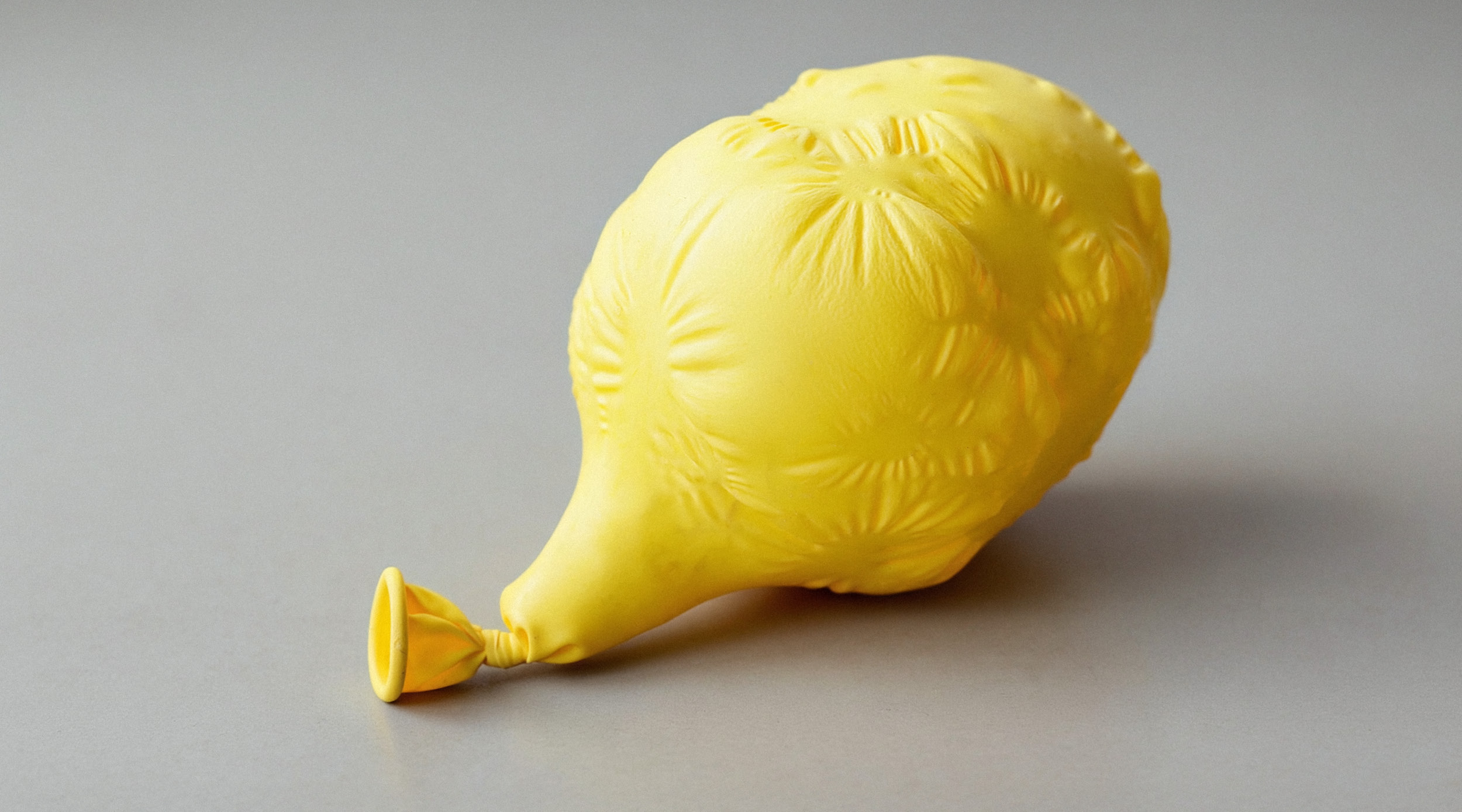
But make no mistake. The air is coming out. Slowly, selectively, and with a certain sense of relief.
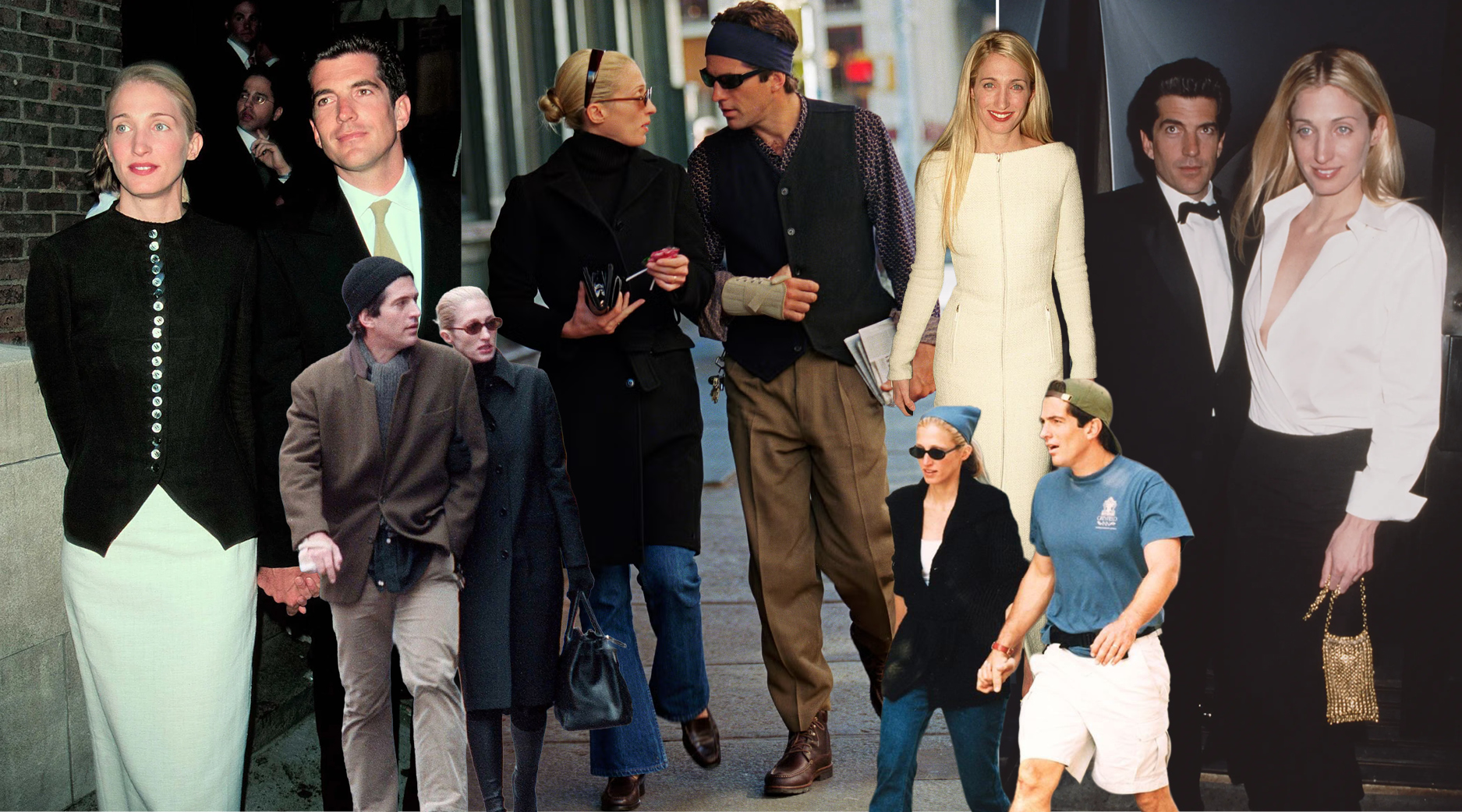
There is something slightly confronting about watching an era you actually lived through being reissued as mythology. When a film or television series suddenly declares the late nineties and early 2000s the pinnacle of enduring style, I feel both nostalgic and faintly amused. At the time, it was not iconic. It was simply our uniform.
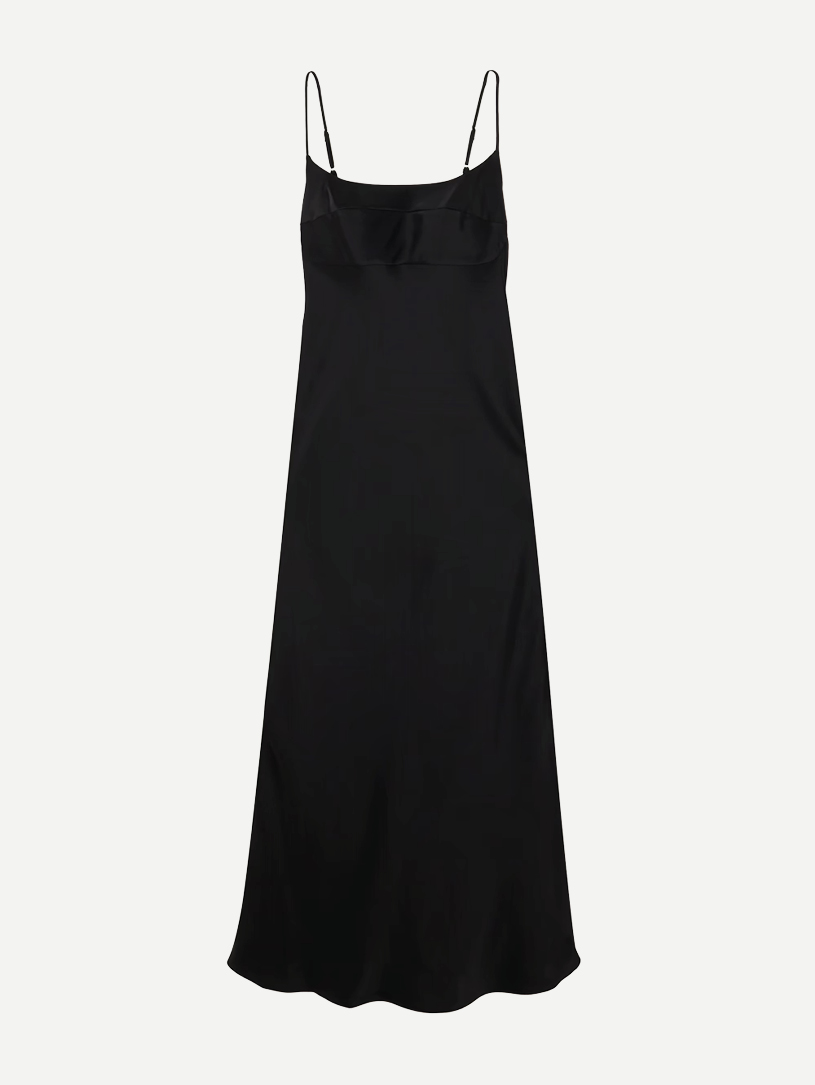
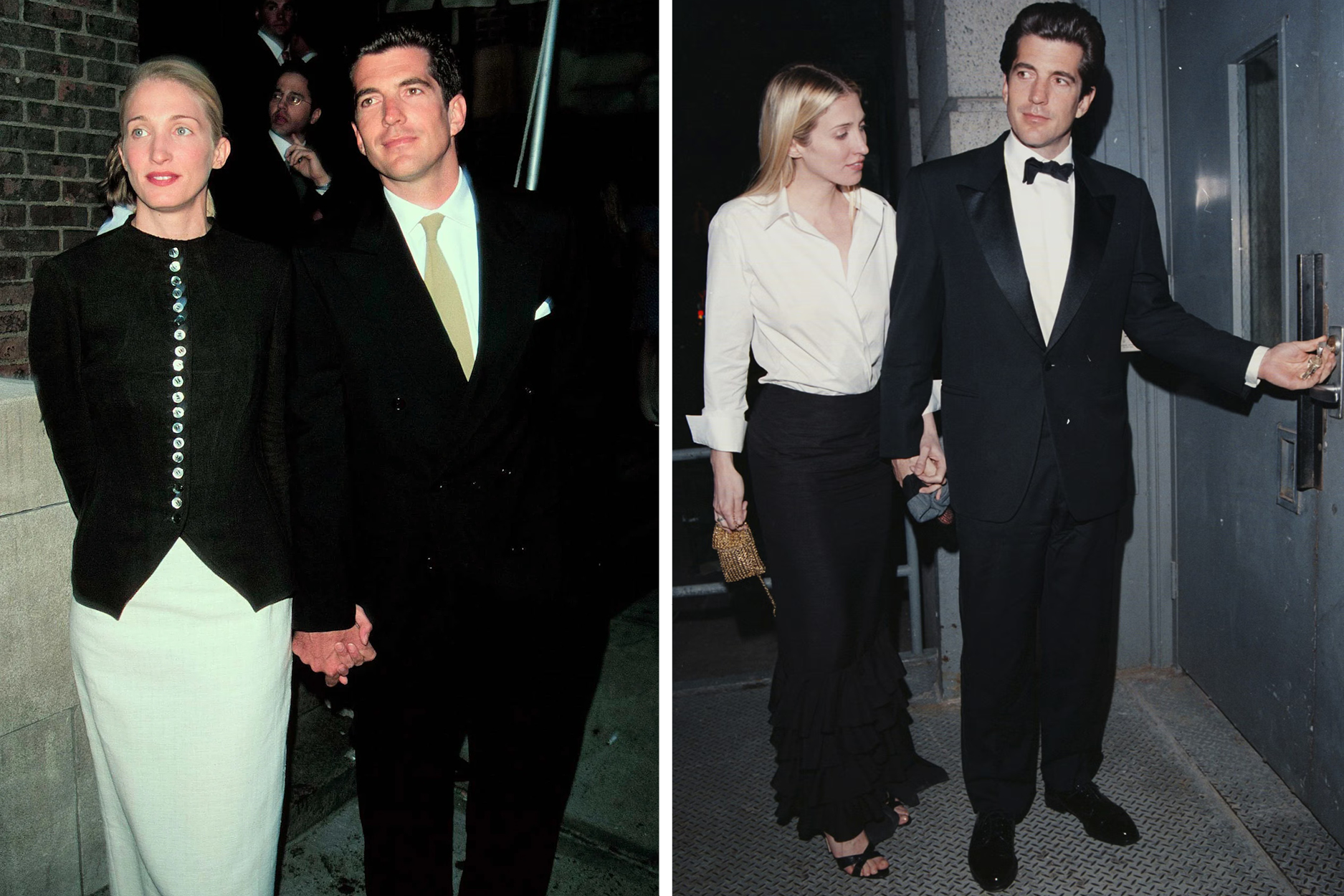
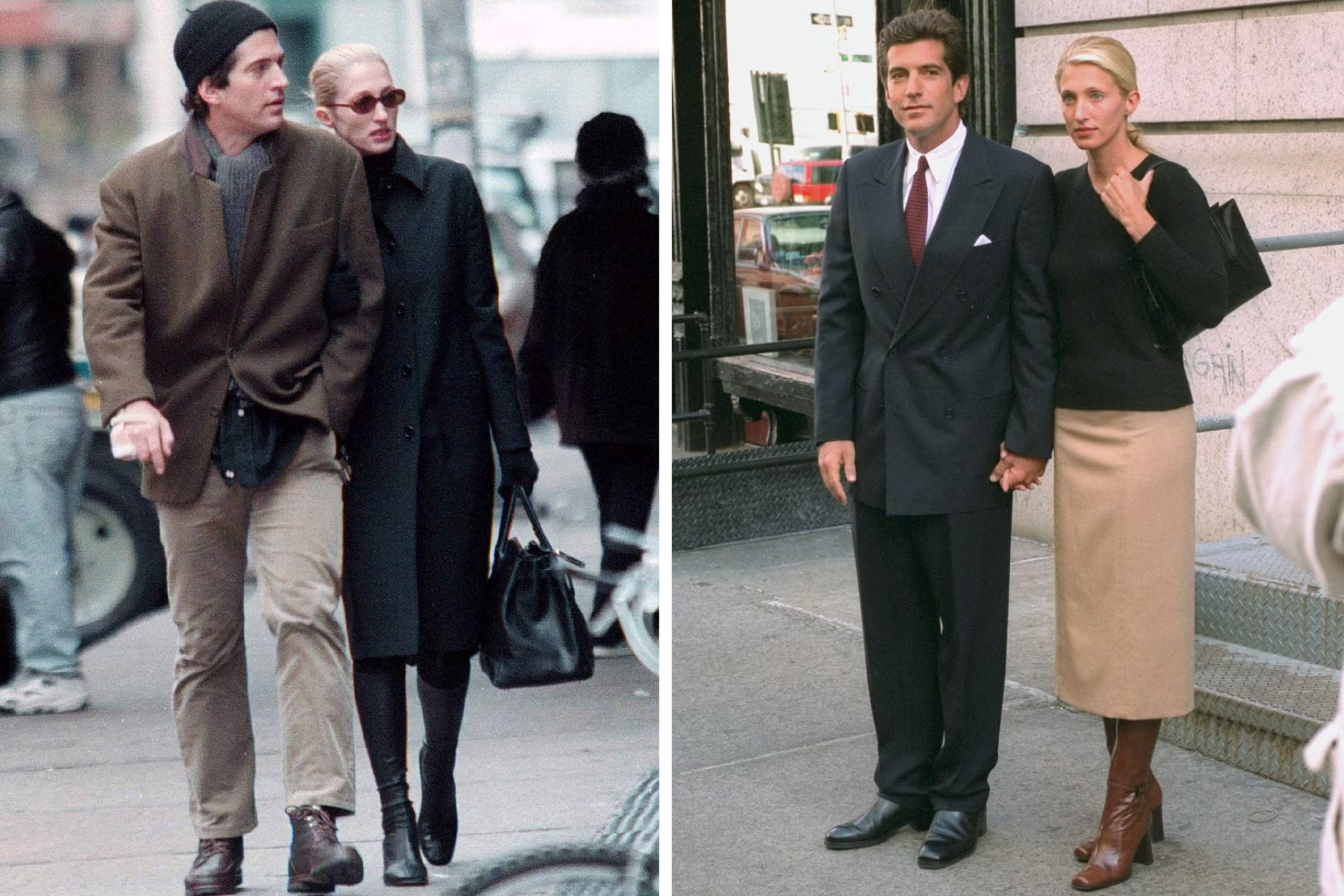
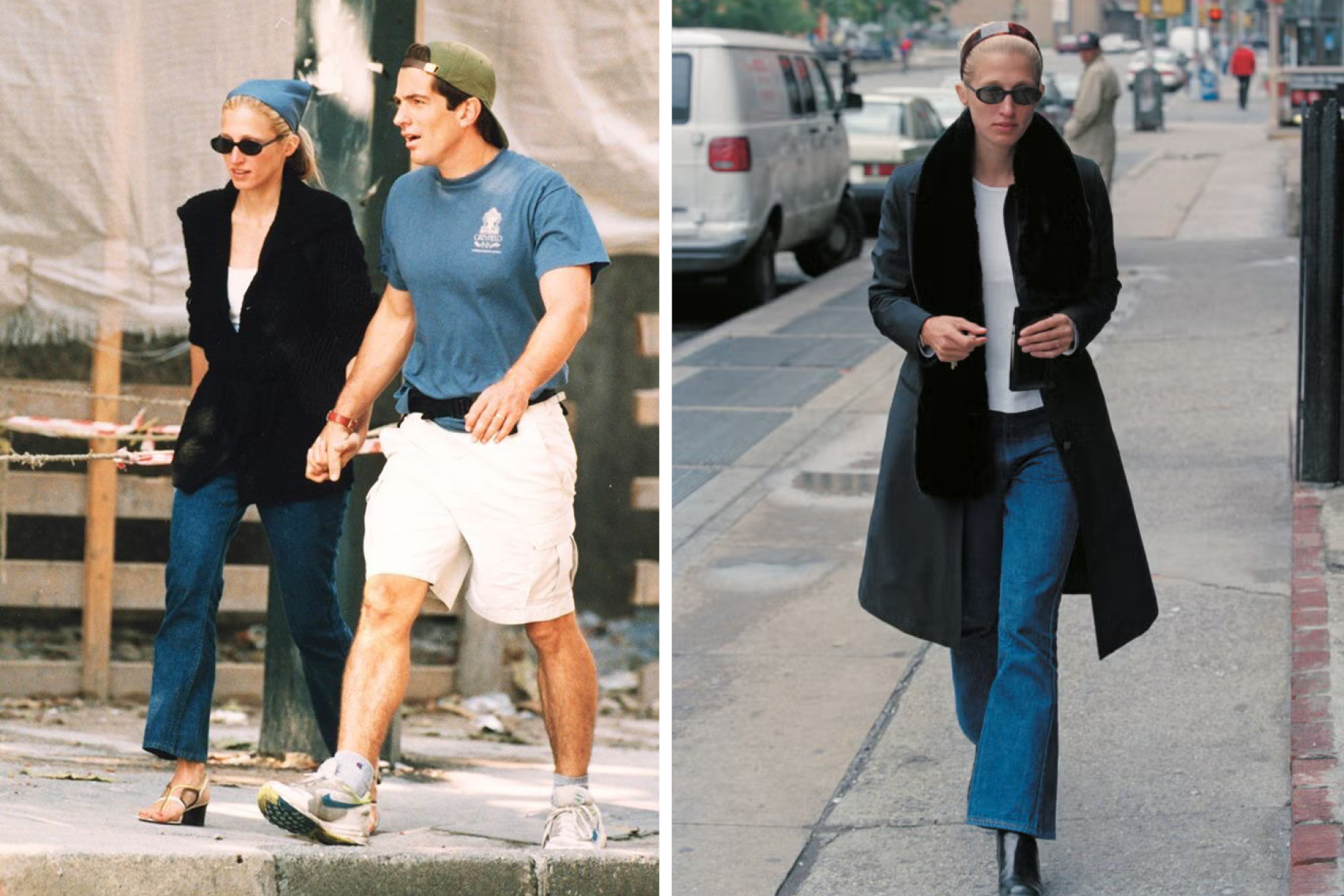
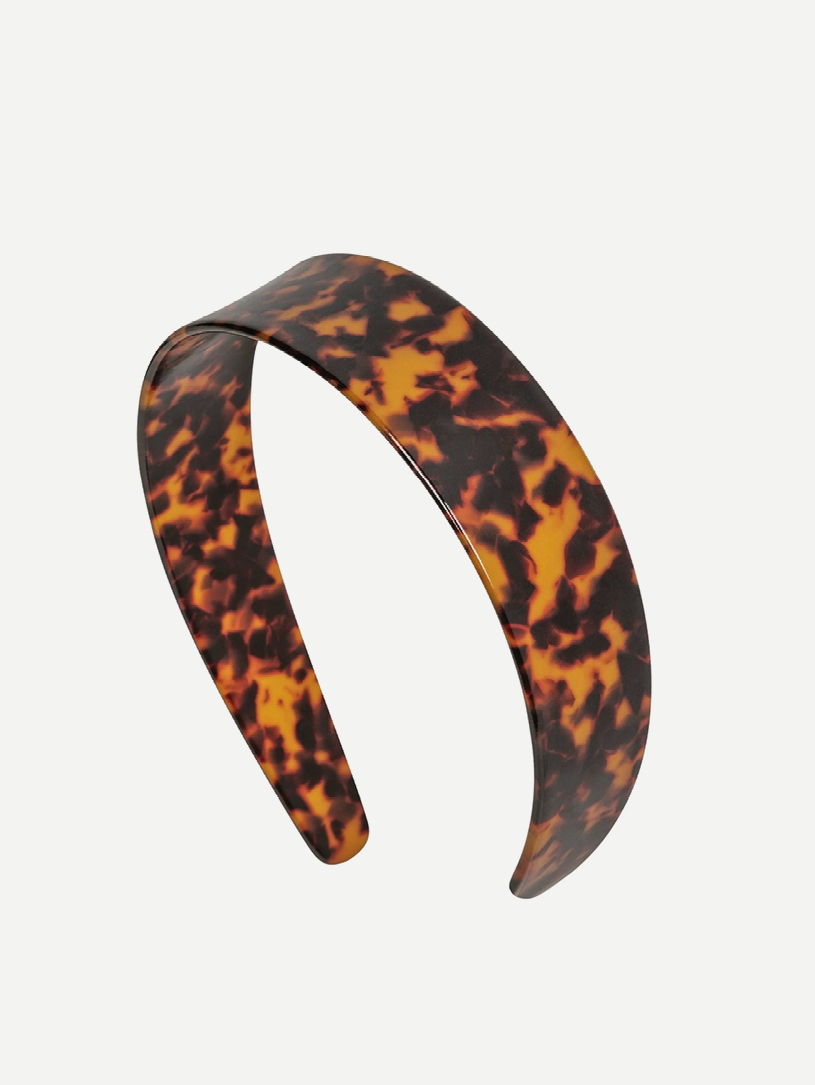
With the release of Ryan Murphy’s new series Love Story, revisiting the romance and tragedy of John F. Kennedy Jr. and Carolyn Bessette-Kennedy, a new generation is discovering what many of us witnessed in real time. Grainy paparazzi images are now treated as sacred fashion artefacts. Silk slips are selling out again. Headbands are back. The mood boards are relentless.
Carolyn remains perhaps the most mysterious modern style muse. There exists less than a minute of her voice on tape, yet she has become almost deified within fashion circles. Thrust into the spotlight when she married JFK Jr, despite her clear preference for privacy, she was photographed endlessly until their tragic deaths in 1999. Those images, walking through Tribeca in loafers, stepping out in a bias-cut slip, hair pulled back, now circulate as shorthand for cool.
As a young woman, I was living in New York during that exact period. I moved within the fashion and magazine world that orbited downtown Manhattan, and they were simply part of the city’s rhythm. Carolyn’s role in PR at Calvin Klein placed her closer to my professional periphery than John, though he was a magazine publisher. But she was in the industry. Which somehow made her influence more potent.
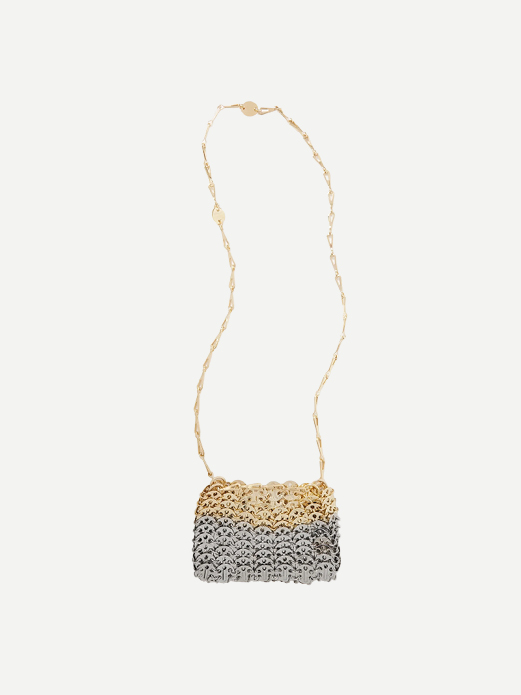
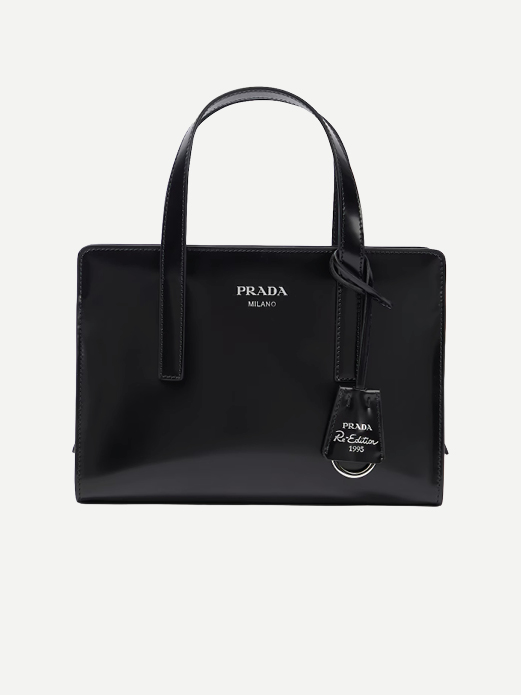
1969 Skyline Nano chainmail shoulder bag from RABANNE
There was awe around her, yes. But also sympathy. She had not auditioned for global fascination. She had fallen in love with an American icon and found herself under an unforgiving lens.
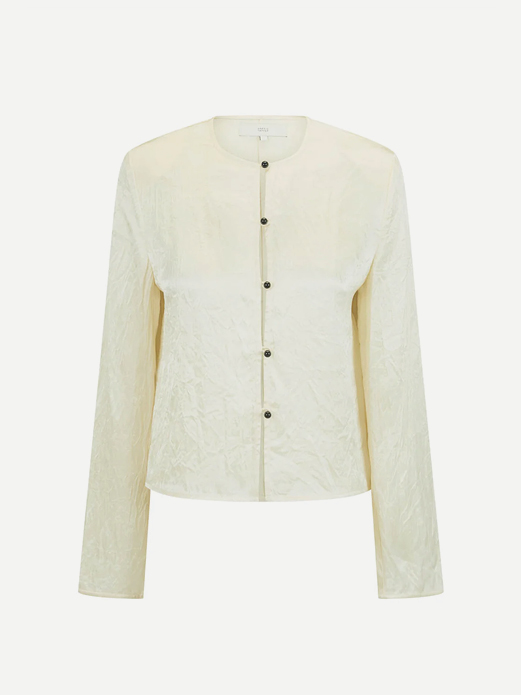
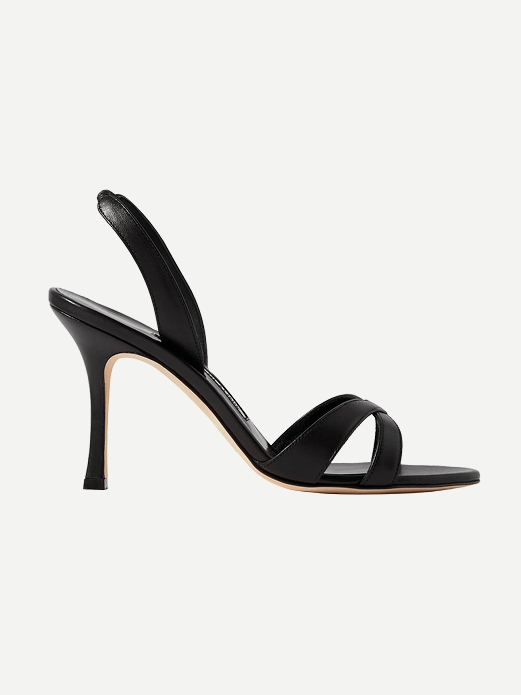
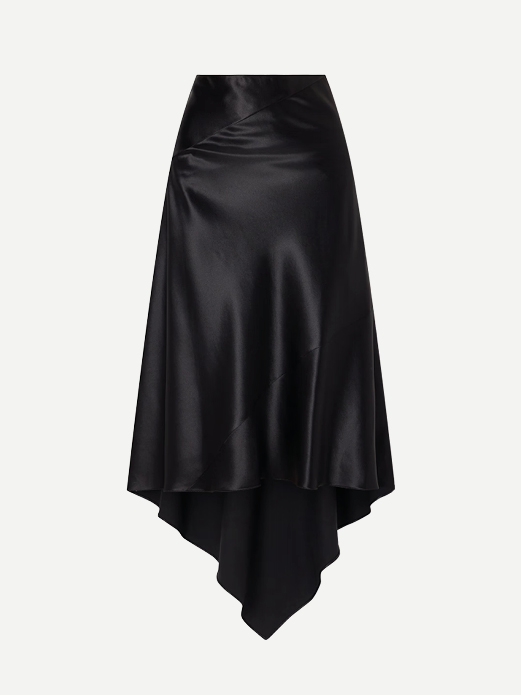
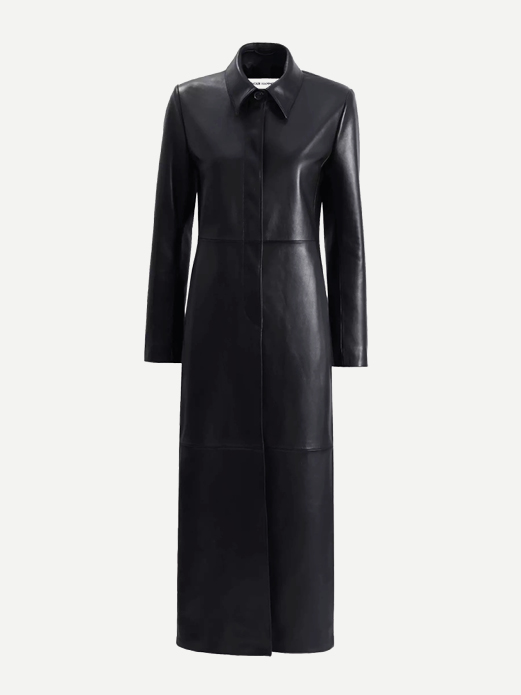
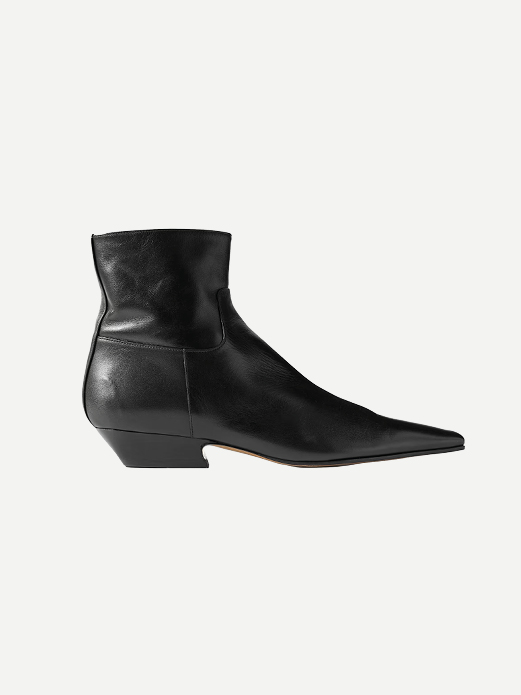
The truth is, her wardrobe was not dramatically different from ours. Straight-leg jeans. A crisp knit. Chanel ballet flats. Prada loafers. Silk slips cut on the bias. Clean coats. Neutral palettes. It was not revolutionary in a theatrical sense. But it marked a shift. A progression from early nineties heroin chic into something more refined and grounded. Less fragility, more polish. Minimalism with confidence.
Today, commentators call it quiet luxury. Some even suggest she invented it. And while names like Audrey Hepburn or Jacqueline Kennedy Onassis may have longer historical arcs, Carolyn’s influence feels startlingly modern. Her tailoring, her proportions, her refusal to overwork a look, it all reads as relevant in 2026. Perhaps that is why it has endured.
I still own pieces from that era. They still work. Because when style is anchored in quality, proportion and restraint, it does not expire.
I remember with painful clarity the days after their plane disappeared. The waiting. The collective hope that they had simply diverted to escape the weather. The slow, devastating acceptance when they had not.
The tragedy cemented their place in cultural memory. But what truly lingers is the restraint. The fact that they did not try too hard. They did not need to.
Their looks were unfussy, consistent, and assured. And that, more than any trend cycle, is what defines enduring class. For those of us who lived it, it was never a costume. It was simply New York.
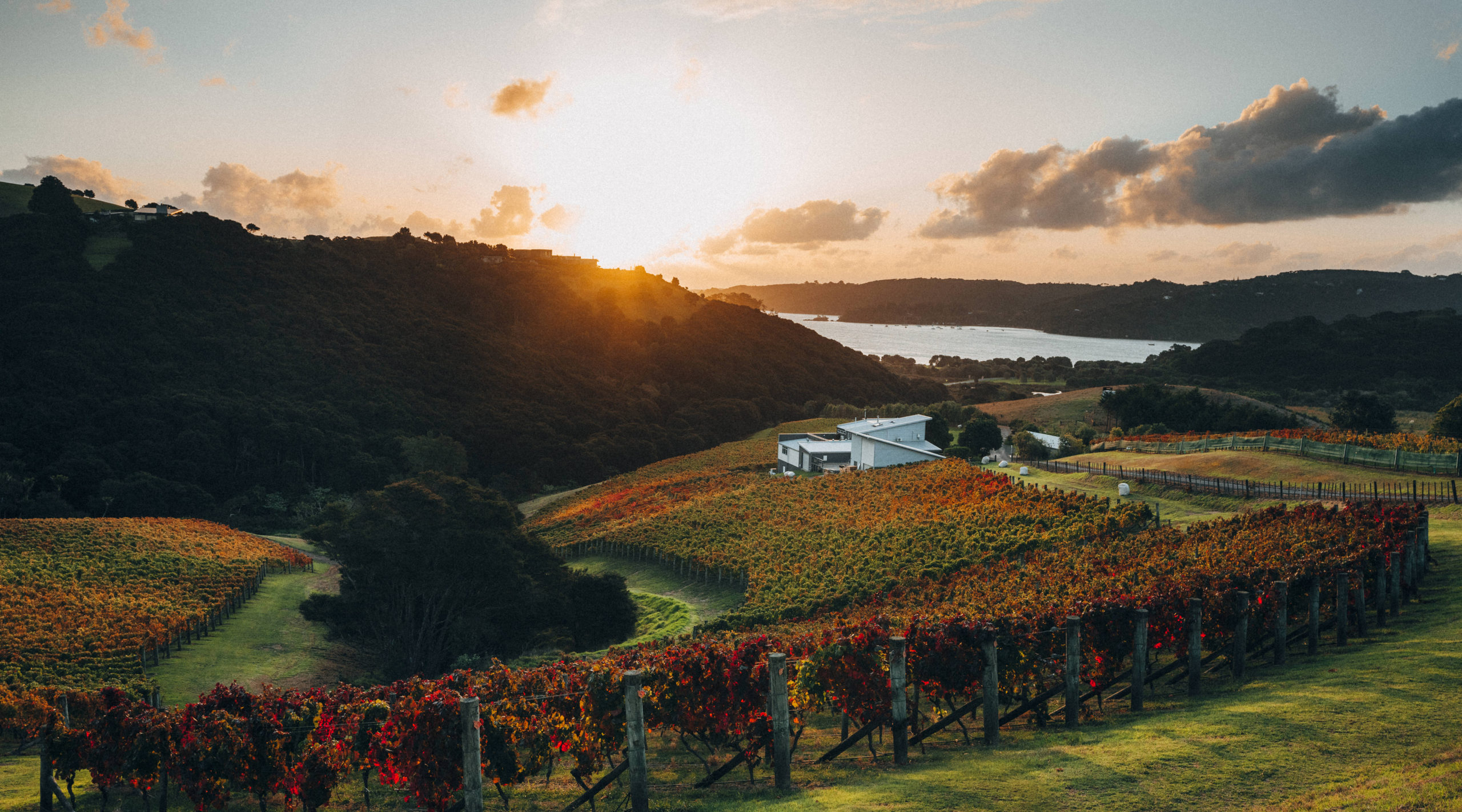
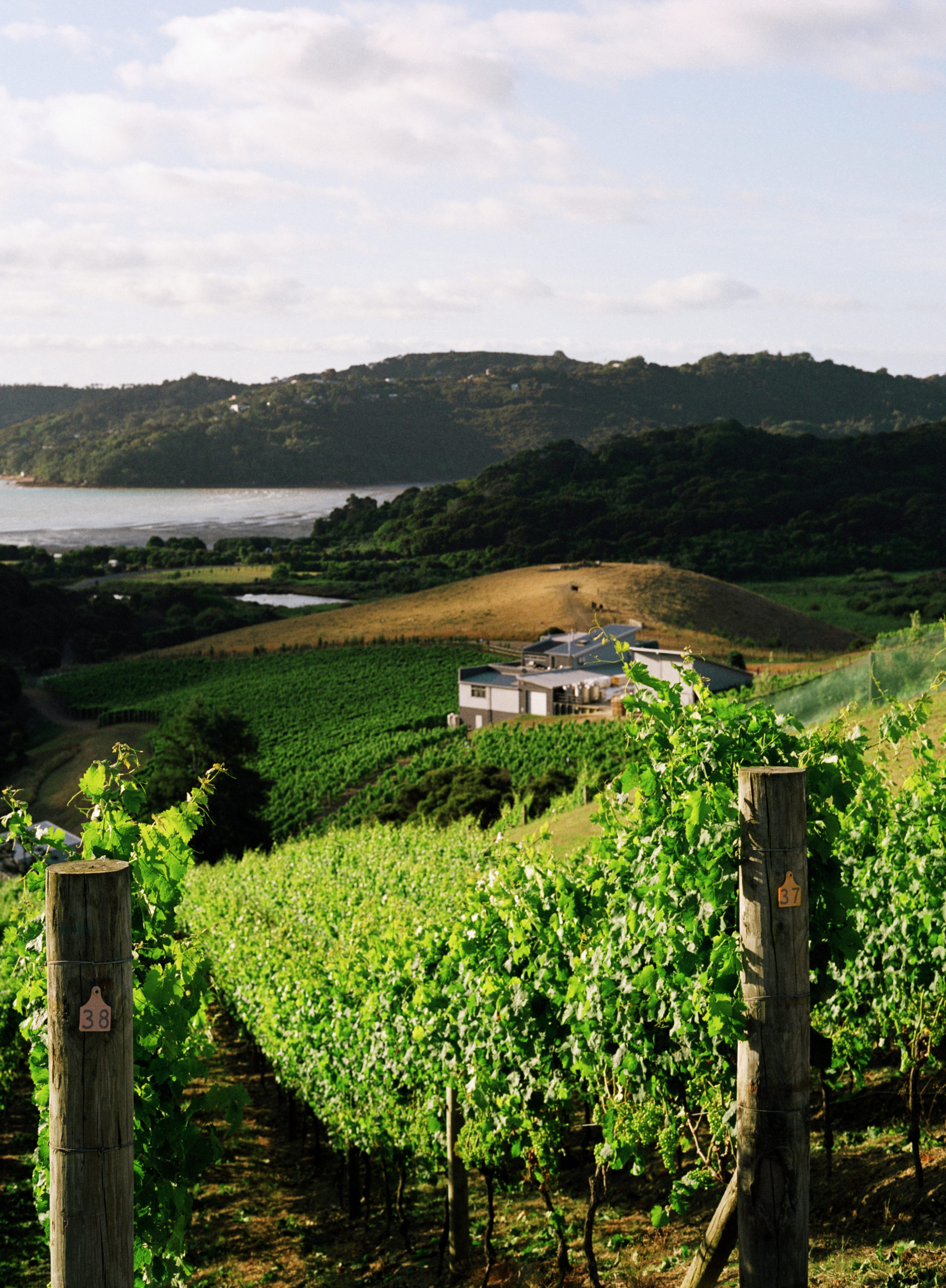
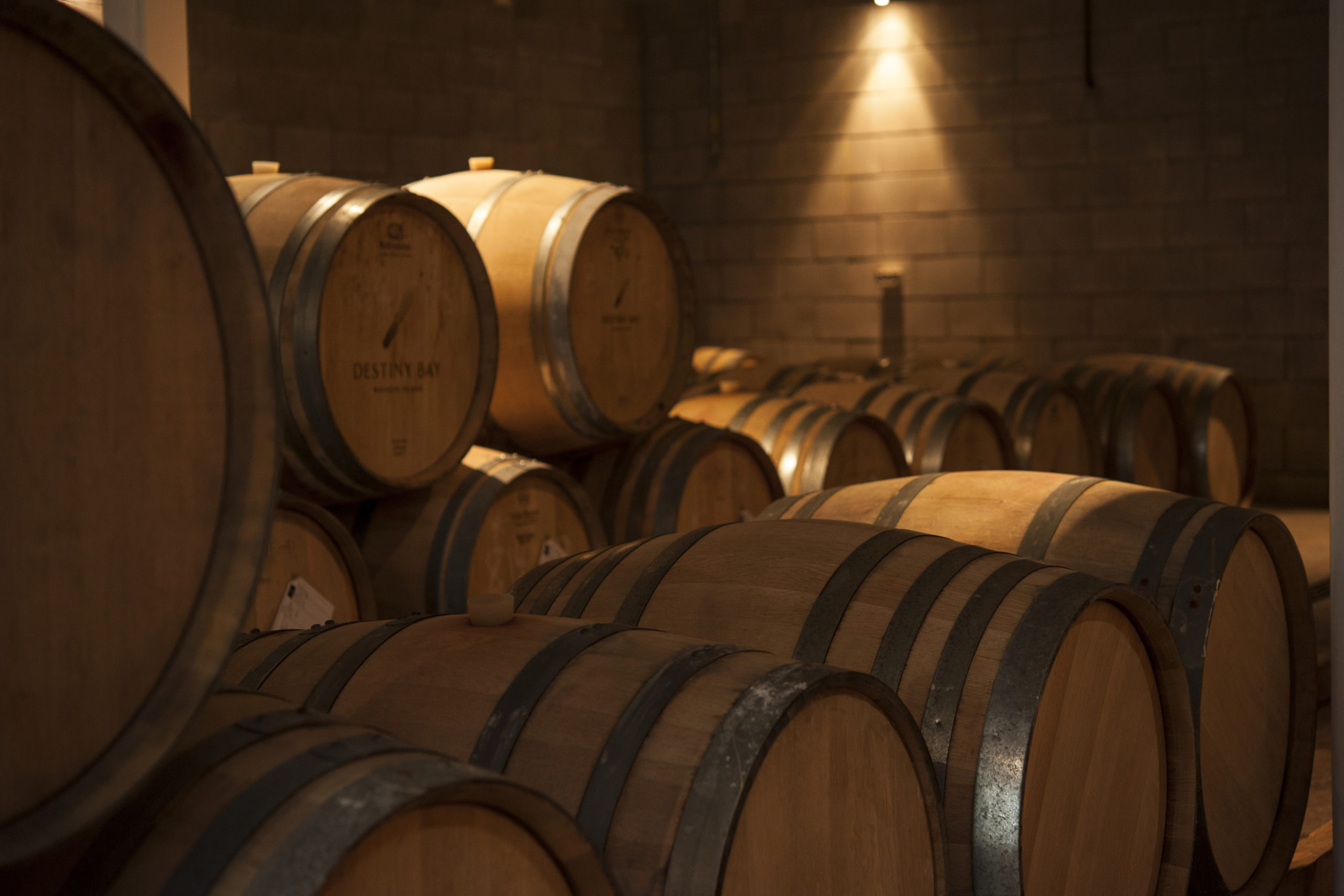
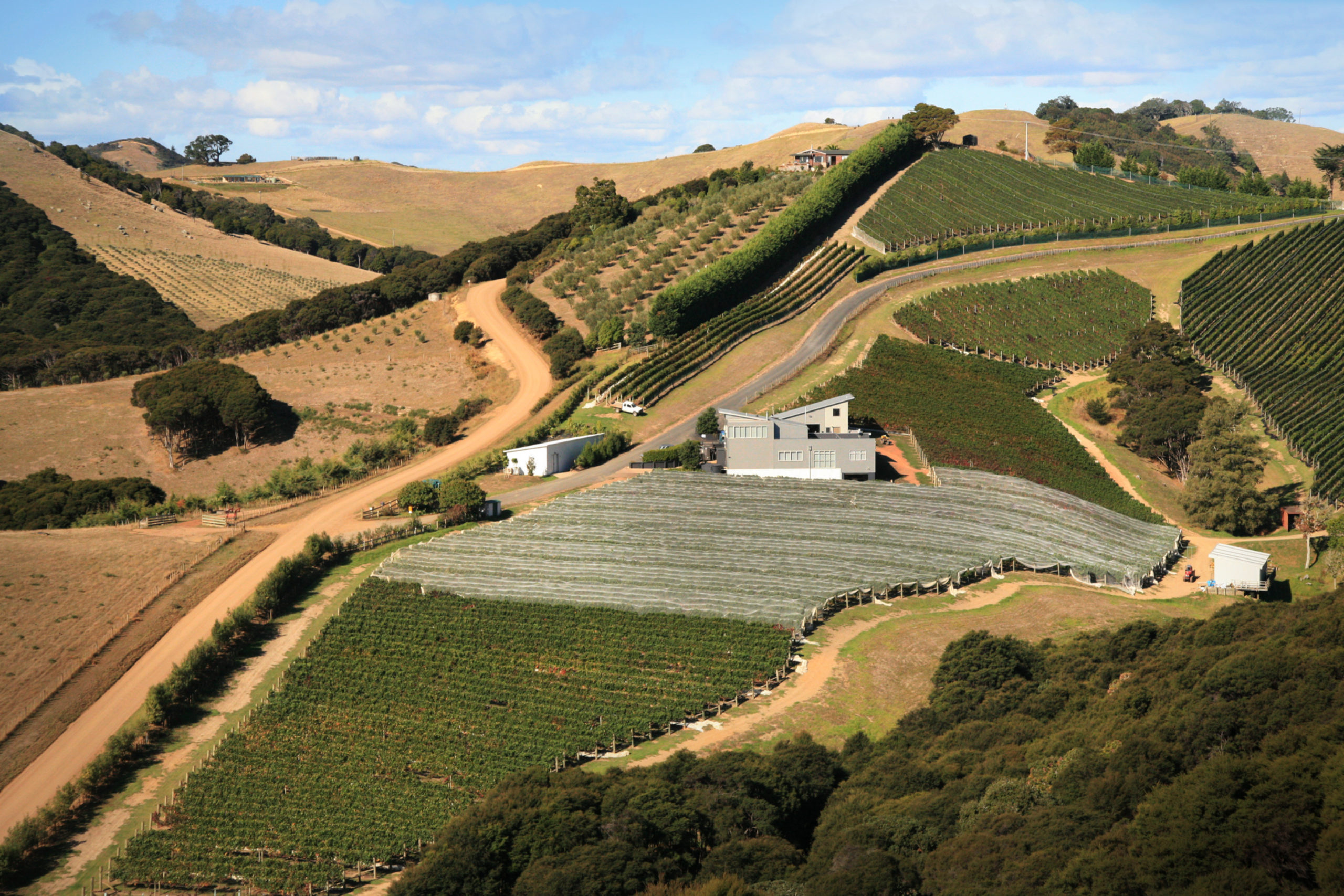
Stand at the crest of Destiny Bay’s vineyard, and the logic of the place reveals itself slowly. The valley curves inward in a north-facing amphitheatre, a natural bowl that gathers heat and holds it. Vines run down slopes too steep for comfort, let alone convenience. Beyond them, the Hauraki Gulf catches the light. Nothing about it feels accidental. It is beautiful, certainly, but beauty is incidental, as Mike Spratt describes it: “When we say this little valley is distinctive, that’s a factual statement, not a marketing statement,” he says. “It’s basically a geological miracle.”
New Zealand’s global wine identity was built on Sauvignon Blanc and Pinot Noir. Cabernet Sauvignon was never meant to be the headline act. Yet here, on five hectares of sloping Waiheke terrain, sits a producer whose Cabernet-led blends have quietly entered the upper echelon of the world’s fine wines. In the Real Review rankings, Destiny Bay was named New Zealand’s top winery in 2021 and has held second place every year since. Mike Spratt notes the consistency with a hint of competitive pride. “If the past five years were a regatta, we’d be sitting in first place on nine points, with Felton Road second on thirteen and Craggy Range third on twenty-two.” It is the sort of statistic that says as much about sustained excellence as it does about ambition. The wines have also found their way into the cellars of serious collectors around the world, including Hollywood devotees such as Tommy Lee Jones, Eva Longoria and Matthew Fox. This is not a cellar door curiosity. It is a serious house of wine.
If there were any doubt about positioning, the events of 2023 provided an unexpected footnote. A high-end heist at a prominent Auckland wine shop saw 56 bottles stolen, many of them international icons. Only one New Zealand wine made the cut: Destiny Bay’s Magna Praemia 2015. “Whoever commissioned that theft knew exactly what they wanted,” Mike says. “They were stealing extremely valuable, expensive wines, to order.” In a single detail, the winery’s standing was reframed. This was not provincial pride. It was a highly valuable global currency.
The Spratts did not arrive on Waiheke with an ambition to rewrite New Zealand’s red wine narrative. Mike and his wife Ann had effectively retired when they first visited the island in the late 1990s. The plan was to build a house. The land below was grazing country. The idea of planting vines was closer to a hobby than a vocation. A consultation with viticulturist Dr David Jordan shifted the tone. The verdict was decisive. The site was not merely suitable. It was exceptional.
Mike Spratt
“The role that fate or destiny played was really 25 years ago,” Mike says. “It is an impossible place that meets improbable people.” He does not romanticise their credentials. He is a psychologist by training. Sean, his son and now the estate’s winemaker and managing director, brings an analytical mind and, as Mike calls it, “an extraordinary palate.” Ann anchors the operation. “We were not vintners,” Mike says. “We were completely improbable as people who would do this.” The name Destiny Bay was less a branding exercise than an acknowledgement. They had found something rare without setting out to do so.
Waiheke, he points out, is not an extension of Marlborough or Central Otago. “Waiheke Island, it turns out, is not at all like the rest of New Zealand when it comes to a viticulture region,” he says. “The two rarest wine varieties produced on the island are Sauvignon Blanc and Pinot Noir.” The island’s maritime climate is warmer and drier, almost a separate country in viticultural terms. But it’s Destiny Bay’s valley that stands out most within that context.
“This one valley that we discovered quite accidentally, had both the soil, site and climate… that had the potential to do something that couldn’t be done anywhere else… in the world.”
Many assume Waiheke’s success is rooted in volcanic romance. Mike is quick to dismantle that notion. “Most of Waiheke is not volcanic soil,” he explains. Instead, the island sits largely on sedimentary clay derived from greywacke and argillite, soils that are notably poor in nutrients. For vines, that apparent disadvantage is precisely the point. “It’s basically sedimentary clay with topsoil on top,” he says. The scarcity forces the vines to struggle, concentrating flavour and structure in the fruit rather than encouraging easy abundance. The island’s geological story traces back to the ancient formation of Zealandia, but within that wider narrative, this particular amphitheatre presents an unusual convergence of soil composition, orientation and microclimate. “It just happens that this one valley that we discovered quite accidentally has both the soil, site and climate,” Mike reflects, “that had the potential to do something that couldn’t be done anywhere else on Waiheke and, more impressively, anywhere in the world.”
The decision to focus on Bordeaux varietals in a country celebrated for aromatic whites was not contrarian for its own sake. It was logical. The site favoured Cabernet Sauvignon and its classical companions. Destiny Bay grows the five traditional Bordeaux varieties, with Cabernet dominant. Three blends are produced, stylistically distinct yet all drawn from the same vineyard fruit. “They all come from the exact same fruit,” Mike explains. He reaches for a metaphor that feels apt. “You can have a beautiful piece of music by a single instrument, but it’s not going to sound the same as a symphony.” Destiny Bay’s wines are built like an orchestration, layered and deliberate, Cabernet-led but shaped by Merlot, Cabernet Franc, Malbec and Petit Verdot.
For all the science underpinning the process, what’s more important is the sensory aspect. “The most important decisions we make are when we pick, how long we macerate and which fractions go into each blend,” he says, “those are all driven by taste.” Science ensures consistency and eliminates fault. The palate determines the final form.
The intellectual backbone of Destiny Bay lies in its understanding of grape maturity. Around their fifth or sixth vintage, before they had sold a single bottle, Mike, Ann and Sean began questioning the unusually advanced fruit development they were seeing. “We were like, how come we’re able to get these levels?” he recalls. What many people think of simply as ripeness, he explains, is far more complex than sugar. “A grape probably has over a thousand different chemical compounds in it, and they don’t all mature at the same rate.” Sugar converts to alcohol, but the compounds that shape aroma, structure, tannin and texture must reach harmony as well. The aim is phenolic ripeness, the moment when every element of the grape has come into balance, and the fruit is capable of producing a wine of depth, structure and longevity.
Climate change has complicated that alignment across the world’s established wine-growing regions. Late-season heat drives sugar accumulation while other compounds lag, forcing winemakers into compromise. “It’s very hard to do that in the world right now,” Mike says. Destiny Bay’s amphitheatre appears to mitigate that tension. “We stumbled into this site that allows us to get the fruit completely right.” Then he distils their philosophy to its essence. “Our mission is basically not to mess that up.”
The vineyard itself demands labour and precision. There is no truly flat ground. Slopes reach angles that challenge machinery and reward careful tending. Harvesting is done by hand. Blocks and sub-blocks are picked at different moments as each reaches maturity. By the time the fruit arrives in the barrel hall, it has been separated into numerous components. Free run, first press, second press, third press, each offering nuance. Blending is not guesswork; it is a deliberate composition informed by palate and experience. Science ensures cleanliness and consistency. “The most important decisions you make in a vineyard are when you harvest the fruit,” Mike says, “and how long you let it macerate.” Those calls are driven by taste, not science.
Scarcity in the case of Destiny is not marketing theatrics; it’s reality: the average yearly production hovers around 18,000 bottles, roughly 1,500 cases. In both 2017 and 2023, production was abandoned altogether. “Mother nature didn’t just rain on us,” Mike says of those seasons. “She tried to drown us.” In a category where reputation depends on restraint, the willingness to forgo release reinforces credibility and scarcity even further.
Destiny Bay’s commercial model aligns with its positioning. Much of its allocation flows through an exclusive Patron Club, offering access to current releases and a library of past vintages. Mike refers to the estate as a Veblen good, a term from economic theory describing luxury products for which demand increases with price. “Sometimes its lack of broad awareness adds to its mystique and its attractiveness,” he says. In this context, obscurity is not failure. It is filtration.
Despite their significant international recognition, Mike insists New Zealand remains central to their following. “More than half of our patrons are New Zealanders,” he says. The estate’s reputation among well-connected collectors has grown organically. Word travels efficiently within that world. The absence of broad marketing has not impeded demand.
Their integrity and values also extend beyond viticulture. Destiny Bay’s decision to remove foil capsules from its bottles is emblematic of its refusal to indulge unnecessary ornamentation. “A capsule serves no purpose other than for cosmetic appeal,” Mike says. Tin mining, particularly in parts of Indonesia, carries environmental and labour costs that the Spratts found untenable. “There are children as young as 12 years old doing this.” For a purely decorative addition, the justification did not hold. The bottles now remain unadorned at the neck, a quiet signal that ethics can coexist with prestige.
Throughout our conversation, what resonates most is the Spratt family’s sense of stewardship rather than ownership. Mike ponders the estate’s future in centuries rather than vintages, imagines it two hundred years hence, and thinks about who will carry it forward. “We’re the founders,” he says, “but there’s a legacy here that will continue.” In wine terms, twenty-five years is infancy. Yet Destiny Bay has already entered a global dialogue typically reserved for estates with far longer histories.
When I mention how proud he must feel, Mike resists the urge to be grandiose. “I’d really like to say we’re brilliant winemakers,” he says, “the fact is, we’re not.” What they are, he insists, is meticulous, intelligent enough to recognise what the land offers and disciplined enough not to compromise it. They discovered a site capable of producing fruit of unusual completeness. Their task has been to honour it.
What stands out is the beauty of how some of the most compelling luxury stories can, in fact, materialise organically. They are unforced by commerce, evolve quietly, are shaped by geology, and are guarded by people who understand restraint. And when they happen on a tiny island in a tiny country like New Zealand, the argument feels even more resolved. Destiny Bay did not set out to challenge Bordeaux or Napa. It set out to respect a valley that favoured the grape as nowhere had done prior. The global acclaim that followed is something to be proud of, and we are grateful to the Spratts as custodians of this geological paradise. The future, if Mike is correct, will belong to those who continue to listen to the land.
To join Destiny Bay’s exclusive Patron Club, apply via the link here.
There’s a particular clarity that emerges when an architect of Arthur Casas’ calibre turns the lens inward. For nearly 35 years, the São Paulo-based designer lived in a 1940s house in the Pacaembu neighbourhood, originally designed by the revered Brazilian modernist Vilanova Artigas. Leaving that behind for a 300-square-metre apartment of his own making wasn’t simply a change of address. It was a philosophical shift, a deliberate move toward a more urban, contemporary mode of living.
Casas is no stranger to ambition. His body of work spans residential, hospitality, and commercial projects across the globe, each distinguished by spatial generosity, material honesty, and a quiet rigour that resists trend. But the Praça Henrique Monteiro project in São Paulo, a mixed-use complex he designed to house a hotel, restaurant, boulangerie, jazz club, and residences, represents something altogether more personal. It’s an entire urban organism conceived under a single architectural language, and Casas lives at its heart.
Arthur Casas
“I couldn’t design my apartment without also designing the other components of the building, including the tower, restaurant, and bar,” he explains. “For me, it’s essential to maintain this unified language.” It’s a statement that reveals much about his approach. Where many architects compartmentalise, Casas insists on coherence. The idea that a building’s lobby, its dining room, and its most private bedroom should all speak the same language.
His own apartment, then, functions less as a showpiece and more as a proof of concept. The layout eliminates redundancy in favour of fluid circulation. Natural materials and visual neutrality provide a restrained backdrop for a deeply personal collection of art and design, with works by Mira Schendel, Carlito Carvalhosa, and Anna Maria Maiolino sitting alongside his own furniture designs and ceramics featuring collaborations with Ai Weiwei. “Designing for myself is very easy,” he says. “I’m the best client for myself because I know what I like and how I live.”
What makes the project so compelling isn’t the specifics of the floorplan but the rare opportunity it affords: an architect inhabiting his own work at full scale, testing his convictions daily. For Casas, the Praça isn’t a finished object. It’s a living experiment, one in constant adaptation, in how architecture conceived holistically can shape not just a single home but an entire way of life.
Contrary to what many might assume, I had never stayed at a health retreat until recently. Not because I was avoiding introspection or terrified of lying still while someone read my aura. If anything, the idea has always appealed. The truth is, time has always been my rarest currency. Between the demands of running a business and raising a family, I simply couldn’t justify taking a week purely for myself. The guilt would have been overwhelming.
I’ve always maintained a fairly robust wellness routine. I exercise regularly, eat well, practice contrast therapy, and consume my fair share of supplements that promise everything from improved sleep to enhanced emotional resilience. And yet, the fatigue has begun to take hold. My mind never truly switches off, even when my body begs for it. My spirit, once resilient, feels weighed down by the relentlessness of modern life. I needed a reset. Not a holiday, not a pool lounger with a margarita, but something more profound.
Rakxa is located in Bangkok’s serene ‘green lung’
A business trip to Bangkok created the opening. If I were already travelling, perhaps I could take five days for myself without the familiar wave of guilt. I had heard murmurs about Rakxa Wellness, a retreat combining medical precision with traditional healing in an environment designed to restore rather than merely distract. It sounded like exactly the intervention I needed.
Rakxa is set within Bang Krachao, Bangkok’s famed green lung. Only a short drive from the city, yet worlds removed. The retreat sits among lush vegetation where the loudest sounds are birdsong and the occasional hum of longtail boats on the river. Arriving feels like stepping into a softer dimension. At the entrance pavilion, a singing bowl chimes to mark the start of my stay. It is subtle but symbolic, a cue to exhale.
My villa, framed by leafy palms, created a sense of quiet luxury that felt restorative from the outset. It took only a few moments to realise how long I had been operating at a pace that left no room for stillness.
My first meeting was with my Wellness Advisor, who asked me quite bravely about my lifestyle, stress levels, sleep patterns, and emotional state. The sort of questions that make you realise you cannot remember, or just refuse to acknowledge the current state of your wellbeing. After a series of medical tests, including blood tests and body-composition scans, I was given a personalised programme that combined traditional healing with modern longevity medicine. The findings were insightful, but what impressed me most was the integrative approach. Rakxa treats the whole person, not the isolated symptoms, and every practitioner works collaboratively to create a programme that addresses both the physical and the emotional.
Modern longevity practices, including hyperbaric and red light therapy, are available
My schedule for the week was full, but each treatment had a distinct purpose. Appointments with Thai, Ayurvedic and Chinese medicine doctors, fitness assessments, holistic treatments, massages, cryotherapy, infrared light sessions and sound therapy. It sounds busy, but the pace left no time to think about anything outside myself or to be present, which quickly became something I leaned into. I’m used to busy schedules, focusing on everything and everyone else; this time, the schedule was to focus inward, on me.
The first major emotional breakthrough arrived courtesy of Rakxa’s Ayurvedic doctor. A serene woman with a disarming intuition, she began our pranayama session with simple breathwork. Her presence alone was grounding. As she guided me through breathwork, she spoke gently about how emotions become lodged in the body. The simplicity of her observation struck something deep. Tears came before I had time to resist them. It was unexpected but hugely relieving. It felt as though someone had finally tapped a valve I had held tightly shut.
Traditional Thai therapy Ya Pao
The next day, the Thai doctor introduced me to Ya Pao. In this traditional therapy, a herbal paste is applied to the abdomen and briefly ignited to stimulate circulation and support digestion. Flames flickered in the dim room as she worked with calm precision. It sounds dramatic, yet the sensation was warm and comforting. My stomach gurgled approvingly, as if releasing something long held. I immediately booked a second session.
“Rakxa reminded me that healing does not mean escaping your life… It requires an appreciation for the nervous system that carries us through the world.”
The Chinese medicine doctor examined my tongue before performing acupuncture, using moxibustion to heat the needles and strengthen my energy. At the Gaya fitness centre, I underwent a functional assessment that revealed an unexpected imbalance in the strength of my right and left legs. It was a small discovery that I will take back home to my Pilates instructor.
Sound bowl therapy
Sound bowl therapy quickly became a highlight of my week. In the first session, the vibrations felt intrusive, as though every layer of tension was resisting the invitation to soften. By the fifth session, the sounds were almost silent, as they resonated more deeply. Finally I had learned to settle into the calmness, and in turn had let the vibrations work their magic within me.
Hydrotherapy facilities
Between treatments, I travelled by bicycle along shaded paths through the property. Rakxa’s three wellness zones each hold a distinct energy. Jai is a serene retreat offering traditional therapies and hydrothermal facilities. Gaya is a modern fitness facility that focuses on movement and rehabilitation. VitalLife offers longevity-focused medicine in partnership with Bumrungrad International Hospital. Together, they create a seamless ecosystem of care where every practitioner communicates, shares notes, and updates your schedule to accommodate new or to repeat treatment protocols.
The gastromonic offerings were delicious
The cuisine is a pivotal part of the experience. Guided by both doctors and the chef nutritionist, the menu is tailored to support your needs. I requested only Thai dishes, and the kitchen exceeded every expectation. Each meal was a beautifully composed three-course sequence, free from sugar and dairy yet full of vibrancy and flavour. Prebiotic kombucha arrived before every meal, a signature ritual that became something I looked forward to.
By the third day, something shifted. My sleep deepened. My mind quietened. The constant background buzz of tension began to loosen. I felt a lightness I had not realised I was missing. It wasn’t dramatic, but quietly powerful.
One afternoon, after acupuncture, I sat beside the lake while the sun moved across the sky. For the first time in months, I wasn’t thinking ahead or problem-solving. I was simply present. It was such a gentle feeling, and yet one that felt revolutionary.
Rakxa reminded me that healing does not require escaping your life. It requires returning to it differently with more compassion, more boundaries, and an appreciation for the nervous system that carries us through the world. Strength, I realised, is not found in constantly pushing forward. Sometimes it is found in stepping back.
When I left, I knew I would return. Not as an indulgence, but as maintenance. A way to recalibrate each year before life becomes too loud again.
I arrived depleted and left restored. Lighter, clearer, more anchored. Five days at Rakxa did what I had not managed to do for myself in years. It reminded me how to begin again.
As a child, I would religiously consult the daily newspaper before school to find my horoscope. It was a ritual I relied upon to keep me grounded. Astrology, even then, offered a symbolic language rather than a scientific one, a way of making sense of life’s contradictions, patterns, and moods. By linking human experience to a broader cosmic rhythm, it suggested we were part of something larger, more connected, and perhaps a little more considered.
That fascination never really goes away. It simply matures. Astrology has always been there, quietly advising from the courts of Roman emperors through to our Instagram feeds today. Its modern resurgence feels less about prediction and more about reflection. A framework people increasingly use to understand emotional patterns, relationship dynamics, career instincts, and personal psychology, often alongside therapy rather than instead of it.
Which is why the return of Zodiaque at Van Cleef & Arpels bracelets and necklaces taps directly into this moment, offering jewellery that feels intimate rather than ornamental. These are not trend pieces, but subtle expressions of identity, worn close to the skin. Astrology has slipped from niche fascination to cultural shorthand. Birth charts are dinner table conversation, zodiac signs a language of self-understanding. These are not pieces designed to declare belief. They sit firmly in the realm of personal codes, jewellery chosen with intention, worn quietly, noticed only by those who understand, translating astrology into modern heirlooms designed to be worn every day.
What makes these pieces feel so relevant now is their restraint. Crafted in a variety of golds, some featuring unique stones, each is refined and quietly luminous. One side depicts the Western zodiac sign in sculptural relief; the other shows its symbol and dates in Roman numerals. Decorative yet discreet, symbolic without being overt, they speak to a desire for jewellery that feels considered rather than performative.
The craftsmanship only deepens that appeal. Each medal is produced using the age-old technique of stamping, requiring up to eight strikes depending on the complexity of the sign. After shaping, the gold is meticulously reworked by hand to achieve a delicate patina, allowing polished three-dimensional motifs to glow against a subtly textured surface. It is a reminder that true luxury is rarely loud. Instead, it reveals itself through touch, movement, and the quiet assurance of something exceptionally well crafted.
Layered beneath it all is history. Zodiac jewellery has appeared in the Maison’s collections since the 1950s, first as gold medals and charms designed to bring good fortune. Over the decades, these celestial symbols have evolved through jewellery and watchmaking, from the bold silhouettes of the 1970s to the poetic astronomy timepieces of more recent years. The new Zodiaque collection feels like a distillation of that lineage, refined for modern life, wearable, personal, and timeless.
Seen through that lens, the Zodiaque pieces become more than jewellery. They feel like a curated lifestyle signal; thoughtful, personal, quietly expressive. If the stars really do shape who we are, could a zodiac medal be the most elegant way to honour that story, and perhaps the most subtle personal endorsement of your own unique personality?
My husband is a rare human; it takes a lot for me to rattle him, but somehow, this year, I’ve already managed to annoy him just a little. In the middle of our summer family holiday, an invitation arrived from Gucci to an intimate dinner in Melbourne with their Global Brand Ambassador and World No. 2 tennis player, Jannik Sinner, on the eve of the Australian Open. My husband’s love for tennis runs deep, and his admiration for the ‘new guard’ is even deeper, so negotiating my extraction from the family holiday was likely to provoke some hostility.
After a series of logistical gymnastics and marital promises, I arrived in Melbourne, still very much in a holiday state of mind. An hour later, walking into the beautiful heritage building that houses the bar and eatery, Reine & La Rue, on Melbourne’s Collins Street, I was quickly reminded of how lucky I am to be afforded such incredible opportunities.
Claire Sullivan-Kraus and Jannik Sinner
Within 10 minutes of arriving, I was introduced to the man of the evening. Sinner is tall, though not quite as towering as he appears on court, smooth and utterly charming. For a 24-year-old, he’s incredibly comfortable conversing; our discussions went far and wide, from his tennis rivalries and his friendship with World No. 1, c. Rivalries and respect, and how the two coexist. Carlos, he said, is absolutely still an opponent, friendship notwithstanding. It has to be that way. Having just got off a long-haul flight from the northern hemisphere, we moved on to travel, the universal misery of airports, regardless of where you are sitting on the plane, and, for Sinner, his increasing recognisability, creating chaos with eager fans. The upside, it turns out, is that when tournament schedules overlap, he and Carlos now share a private jet. A practical solution, if ever there was one.
Claire Sullivan-Kraus and Melissa Leong
With a life of constant travel, I was curious whether he had a girlfriend — yes, he does — but he admitted to the challenges of maintaining a relationship while competing at his level of tennis. I offered some unsolicited advice about relationships being all about timing, and him having plenty of time on his side.
We then discussed the uniqueness of tennis, the mental load of the sport, and how much of it is about reading people rather than simply hitting balls. Patterns, habits, instincts. “It’s like chess,” I said. He agreed.
The draw for the Australian Open was being announced the following morning, so I asked if he felt nervous. In what I was beginning to recognise as classic Sinner behaviour, he shrugged it off. “It’s not nerves”, he said, “it’s information”. Once you know who you’re playing, you can work out your strategy. Each opponent brings a different style, a different nuance. The key is outsmarting them while staying true to your own game. I asked about the risk of an early exit, because tennis has a habit of humbling even the best. He laughed. “No problemo.” And with only the semi-finals remaining, things are looking great for an Australian Open final match against his friend and foe, Carlos Alcaraz.
For dinner, Sinner had swapped his tournament uniform for a head-to-toe Gucci look that felt perfectly aligned with him: crisp, controlled, and quietly bold. The kind of elegance that doesn’t announce itself. Fashion is its own discipline, after all; another form of preparation. And this season, Gucci’s mood is unmistakably shifting under Demna, sharper, more referential, more charged, as was apparent upon the bright talent that also joined us for dinner; all wearing the newly released La Familia Collection, now available in boutiques. It’s most definitely a bright new chapter for Gucci, and seeing Sinner wear it, you could feel the point being made: performance and style don’t have to live in different rooms.
Then came the delicious postscript. The announcement that World No. 1 women’s tennis player Aryna Sabalenka, too, is joining the Gucci family is a power move that’s a perfect alignment. Gucci has officially arrived at centre court.
For more exclusive access to what the city has to offer, engaging content, excellent imagery and thought provoking commentary on the life that surrounds you, subscribe to Denizen magazine now.