



In 1926, Rolex introduced the Oyster, the world’s first waterproof wristwatch, and changed watchmaking forever. In 1927, Mercedes Gleitze became the first British woman to swim the English Channel, wearing a Rolex on her wrist. When she emerged from the water, to the surprise of everyone, the watch was still running, not a minute behind, no leakage of any kind. Hans Wilsdorf, who had founded Rolex in 1905 and patented the Oyster case the previous year, ran an advertisement the following day. “World’s best by every test.” At that point in watchmaking history, a sealed, waterproof wristwatch was not a refinement. It was a revolution.
One hundred years on, Rolex’s presentation at Watches and Wonders 2026 does not announce how defining it’s been through fanfare or nostalgia. Instead, Rolex shows what’s next. New alloys, new dial techniques and a reengineered complication revived. Yet, threaded through everything are small declarative details that, for Rolex, are unusually direct. A crown engraved “100.” Six o’clock reading “100 years” where “Swiss Made” used to be. The brand that has never felt the need to state anything twice is choosing this moment to claim it.
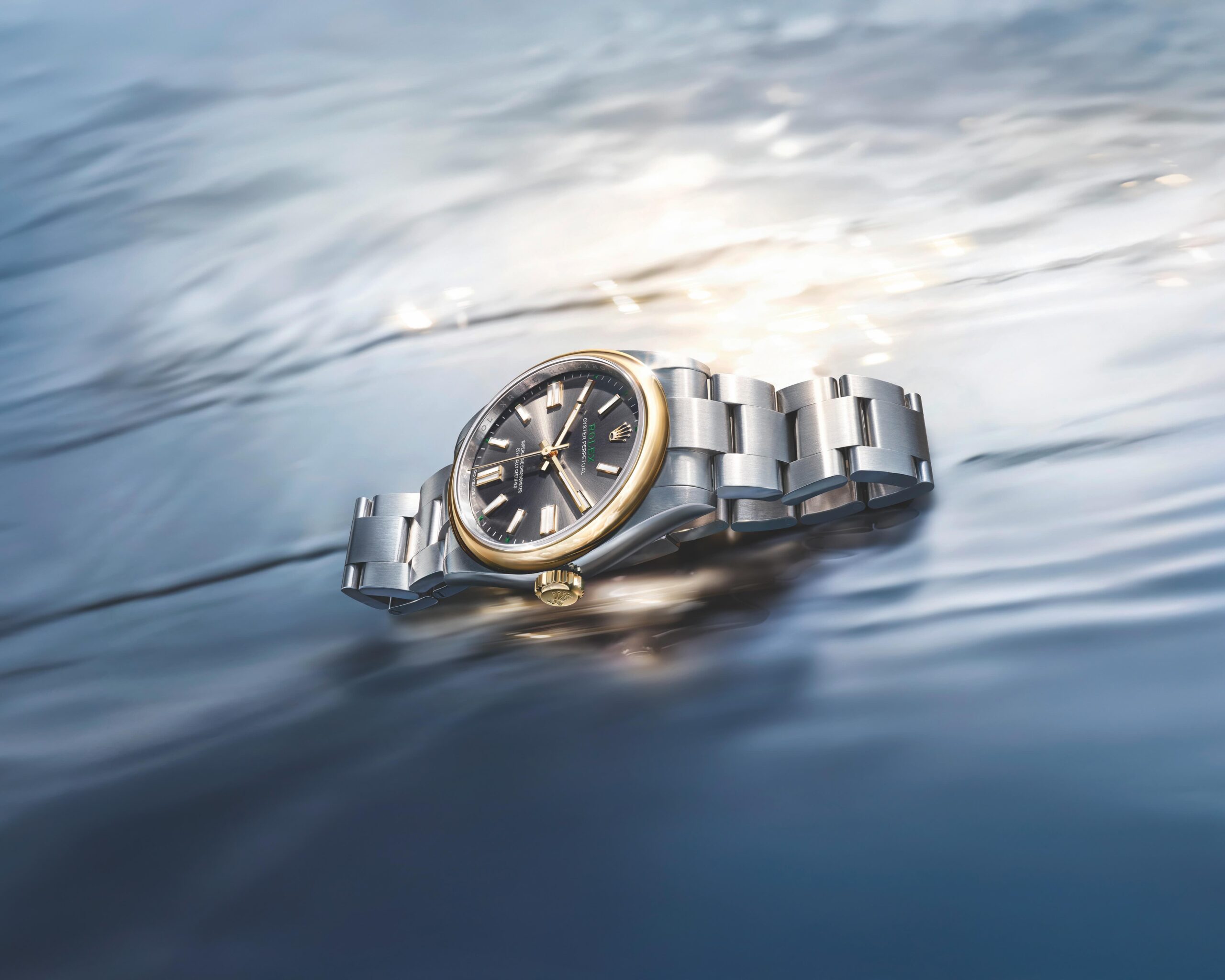
The Oyster Perpetual 41
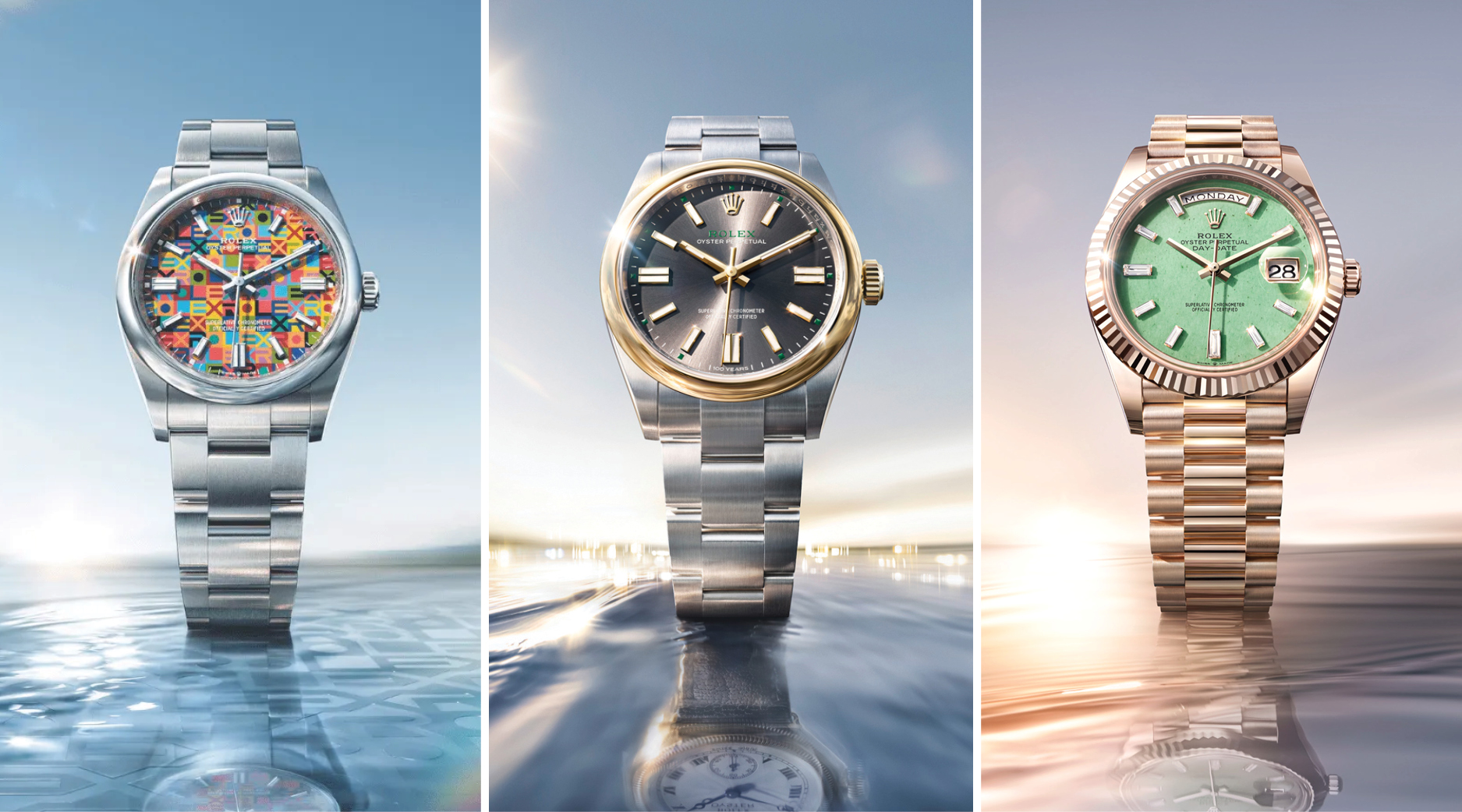
The two-tone Oyster has been missing from Rolex’s most elemental watch design for some time. Having gifted one of the earlier iterations to my husband as a wedding gift, it’s a watch that has been much admired. So the release of this new iteration in steel and yellow gold, with a slate dial featuring a flash of Rolex green on the minute track, the words “100 years” at six o’clock where a standard marking has sat for decades, and a crown engraved to match, has made quite the noise. It will be.
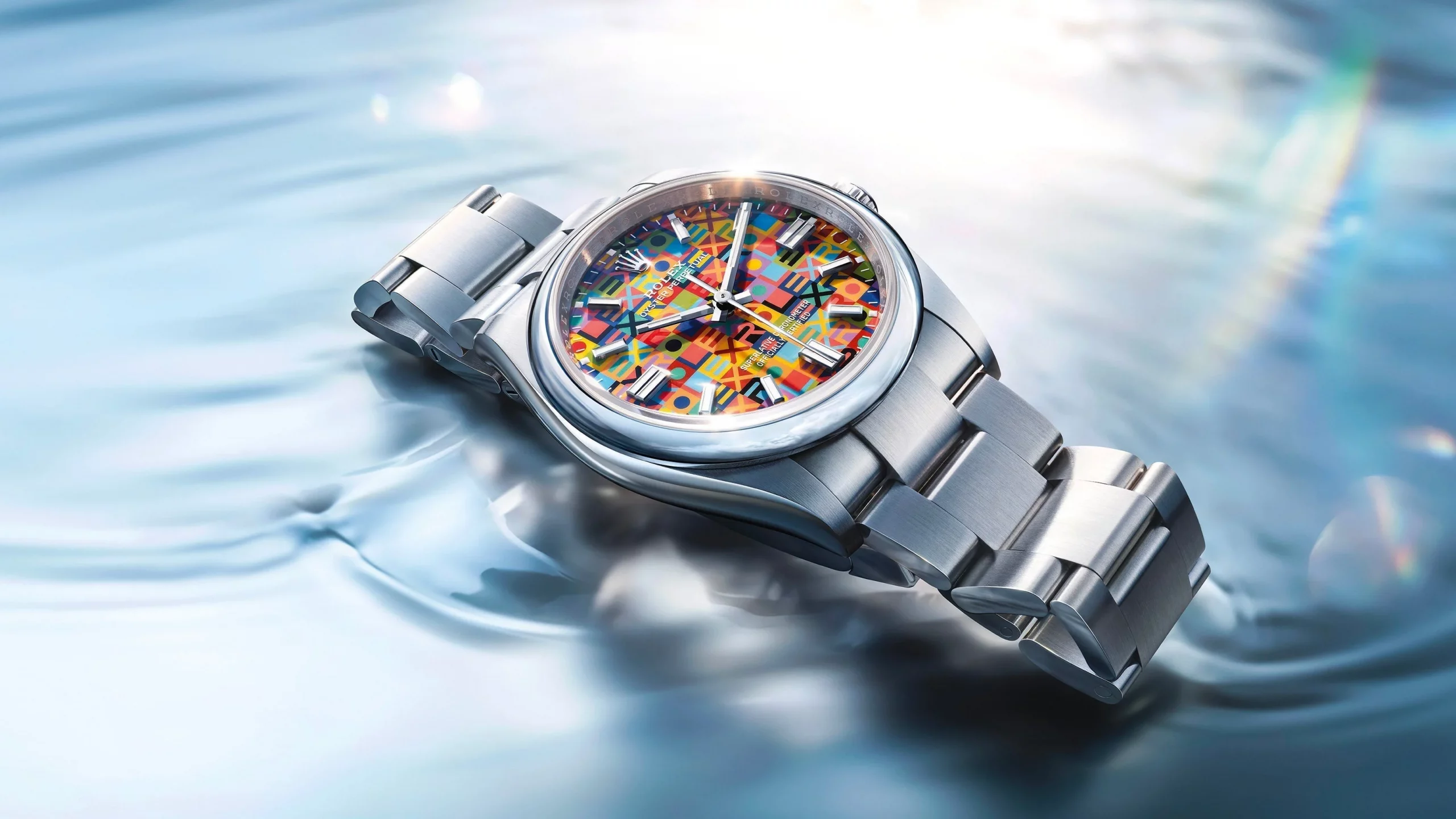
Oyster Perpetual 36, Jubilee Dial
Rolex discontinued its previous celebratory dial last year, which, in retrospect, was simply a way to make room for something better. The replacement is a multicoloured dial featuring a dense, graphic pattern of the Rolex name, repeating across the surface in 10 contrasting colours, each applied individually. This graphic pattern served as Rolex’s key identity at the Fair, with buyers and journalists carrying the brand’s vibrant bags everywhere, emblazoned with the new graphic insignia. The Jubilee dial represents a rare moment for Rolex to be playful, a little bold, and deliberate about it.
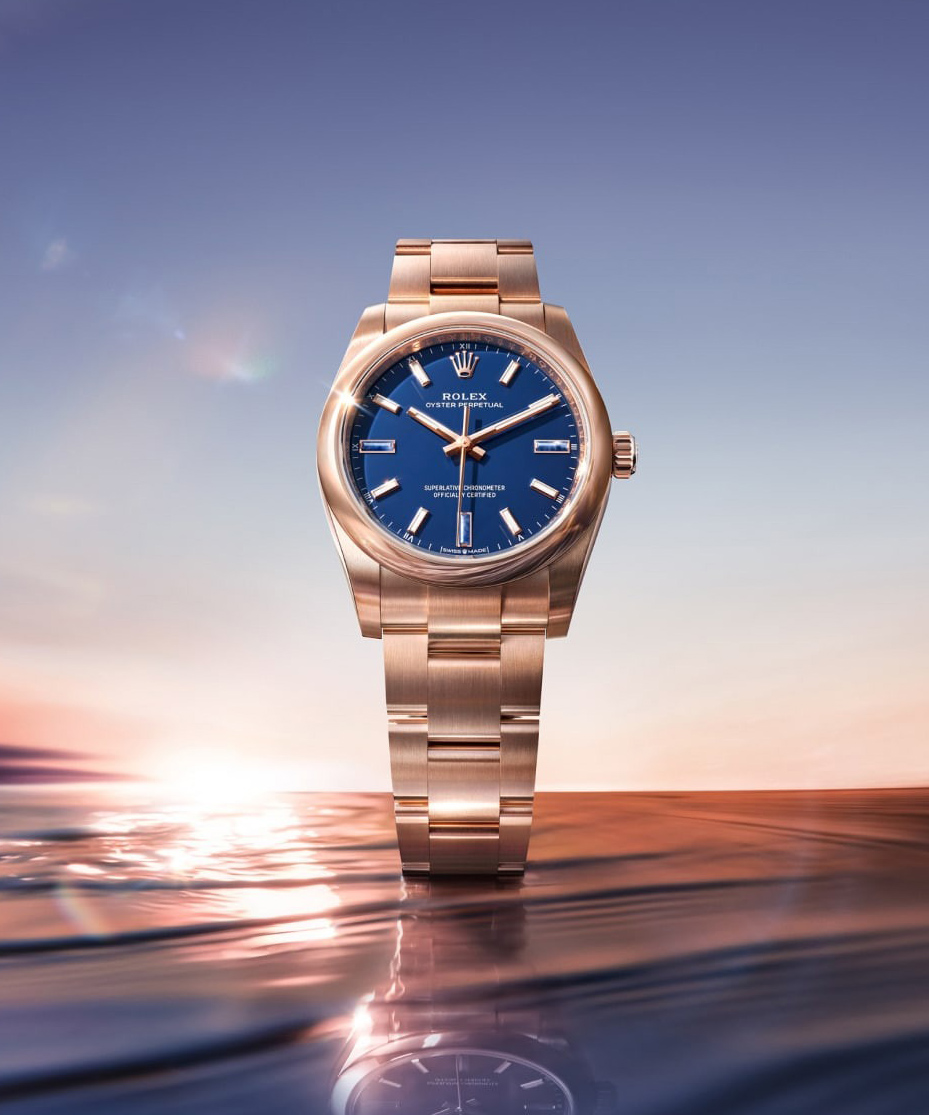
Oyster Perpetual 28 and 34
Solid gold has not appeared in the Rolex Oyster catalogue since 2001, which makes its return here feel like more than a routine update. The smaller of the two comes in yellow gold with a deep, luminous green dial. Its counterpart comes in Rolex’s proprietary warm-toned Everose gold, paired with a blue lacquer dial. Both have bracelets with a satin finish that tempers the gold into something wearable rather than declarative. Then there’s the extra detail of natural stone markers at three, six and nine o’clock, appearing in this collection for the first time. Small, considered, and new to this line.
Cosmograph Daytona
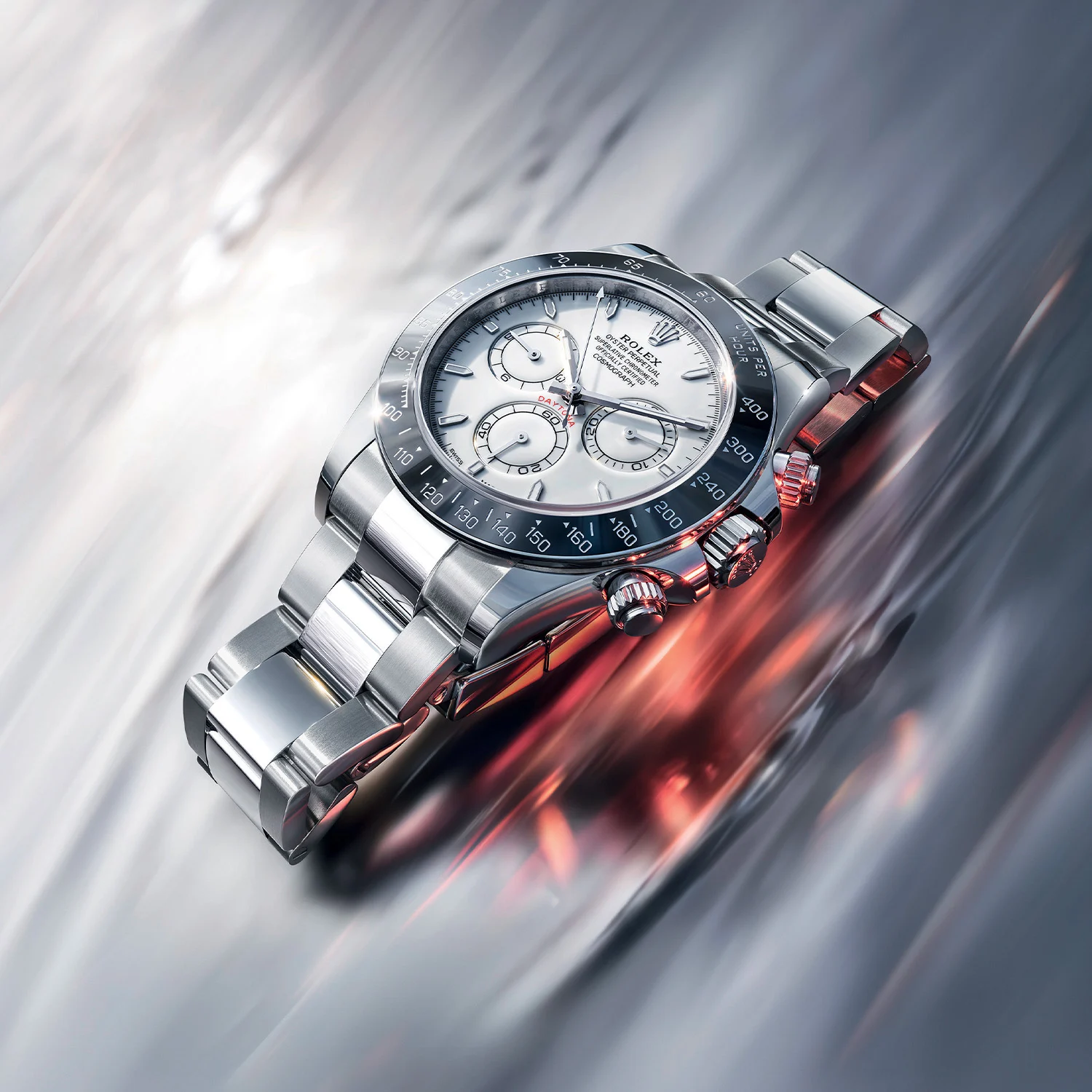
Rolex calls this one of its two Exceptional Watches for the year, and it was the one everyone wanted to hold at the touch-and-try events in their Geneva salon. As a long-term devotee and wearer of the Everose Daytona, I was curious to see if I would feel the need for an upgrade. The unusual combination of an enamel dial on a steel watch with a platinum bezel works beautifully. The white enamel dial is produced through an artisanal, labour-intensive firing process that Rolex has historically avoided, while the steel case is paired with a platinum bezel and a transparent caseback that opens onto the movement via a sapphire crystal. Everything about it sets it apart, and it will be hard to get your hands on.


Yacht-Master II
One of Rolex’s most ambitious watches disappeared from sale eighteen months ago, discontinued to much surprise. But it’s obvious now that there was more going on behind the scenes. The new Yacht-Master II is a substantially different proposition. The dial is cleaner and more legible, and the overall aesthetic is closer to the current Rolex vocabulary. More significantly, the new mechanism makes this a highly specialised professional watch designed to assist sailors during the critical starting sequence of a regatta. The watch features a programmable countdown function with mechanical memory, allowing sailors to synchronise with race-start signals, typically set to 10 minutes. The mechanism governing the regatta countdown function has been rethought, moving from a bezel-based system to one operated via the pushers on the case. Beautiful and meaningfully better, for those who use it as intended.
Datejust 41
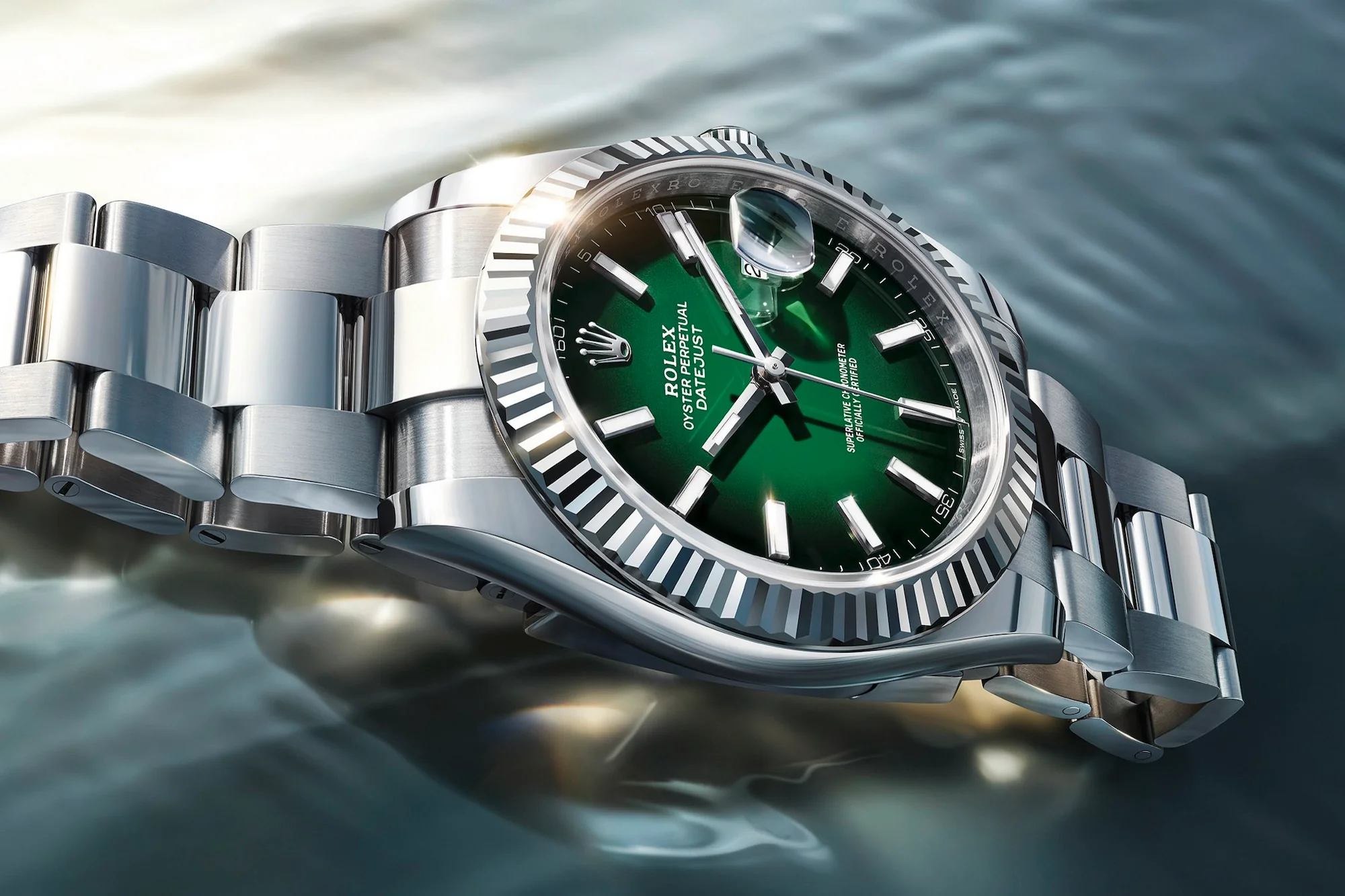
This new Datejust arrives in a configuration that quietly breaks from its own precedent. The dial moves from a deep green at the centre to near-black at the edge, a gradient achieved by two separate lacquer applications. But what makes it interesting is what surrounds it: no diamonds, no gold bezel, just steel. Previous versions of this kind of dial in the Datejust family have always arrived dressed to impress. This iteration doesn’t feel the need. And standing next to its predecessors in Geneva, it held its own with more ease than expected.
Day-Date 40
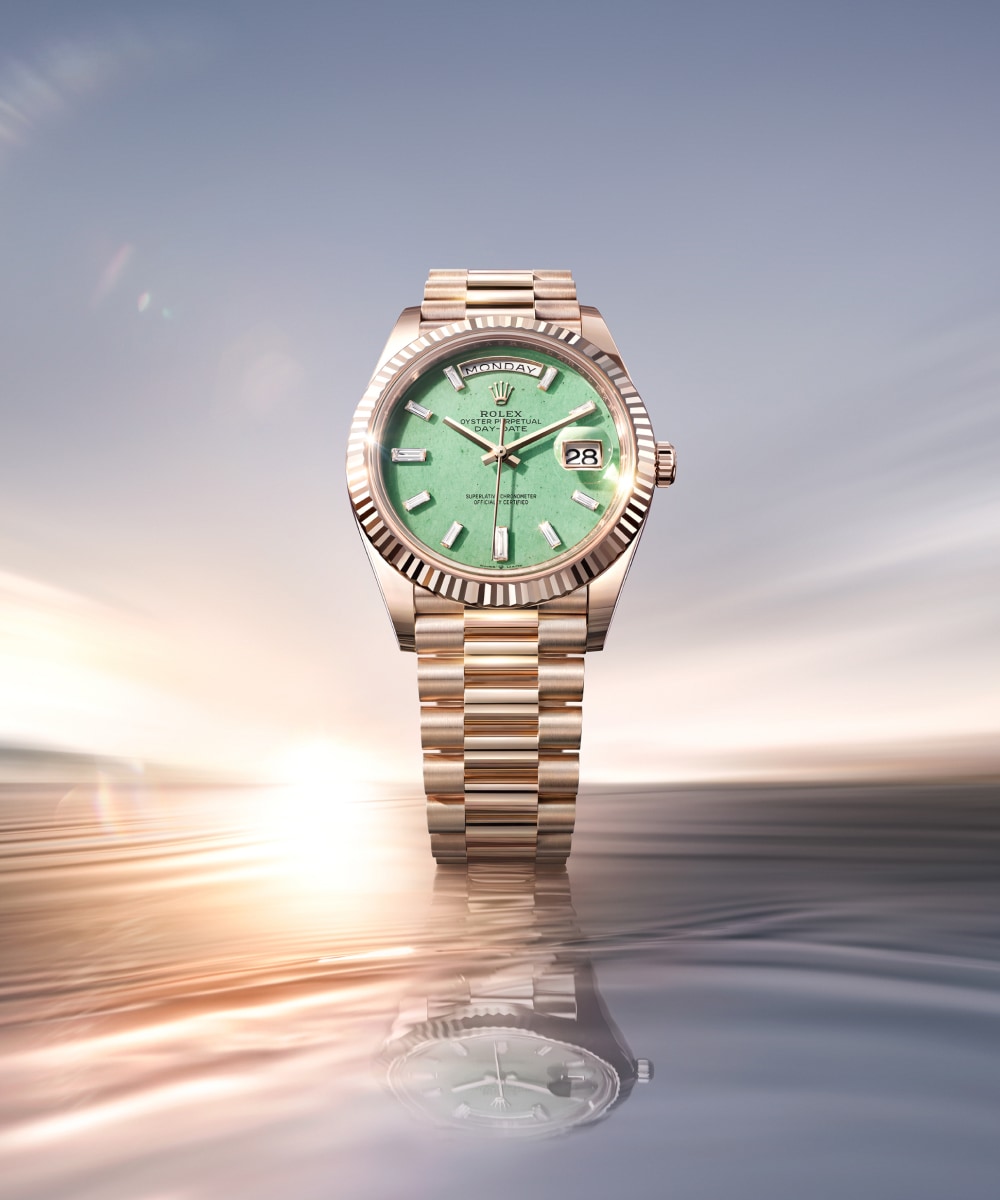
The second Exceptional Watch of the year introduces something the industry has been attempting to solve for some time: a precious metal that carries the warmth of gold without its more assertive qualities. Jubilee Gold is Rolex’s answer, a new alloy developed entirely in-house that produces a tone sitting somewhere between yellow and rose, and softer than either. The result is a watch that has the presence of fine jewellery without announcing itself across a room. Paired with a pale green aventurine dial and diamond indices for its debut, it is also, like the Daytona, not widely available. The centenary’s quietest and, one suspects, most enduring statement.
Rolex is available in New Zealand through Partridge Jewellers