

Meet the designer behind Georgia Alice, who started a global business on a whim

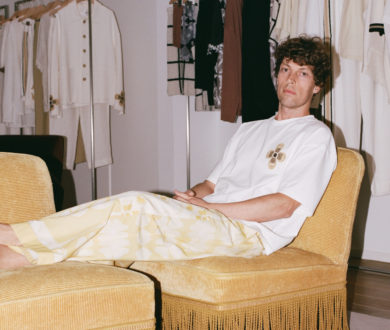
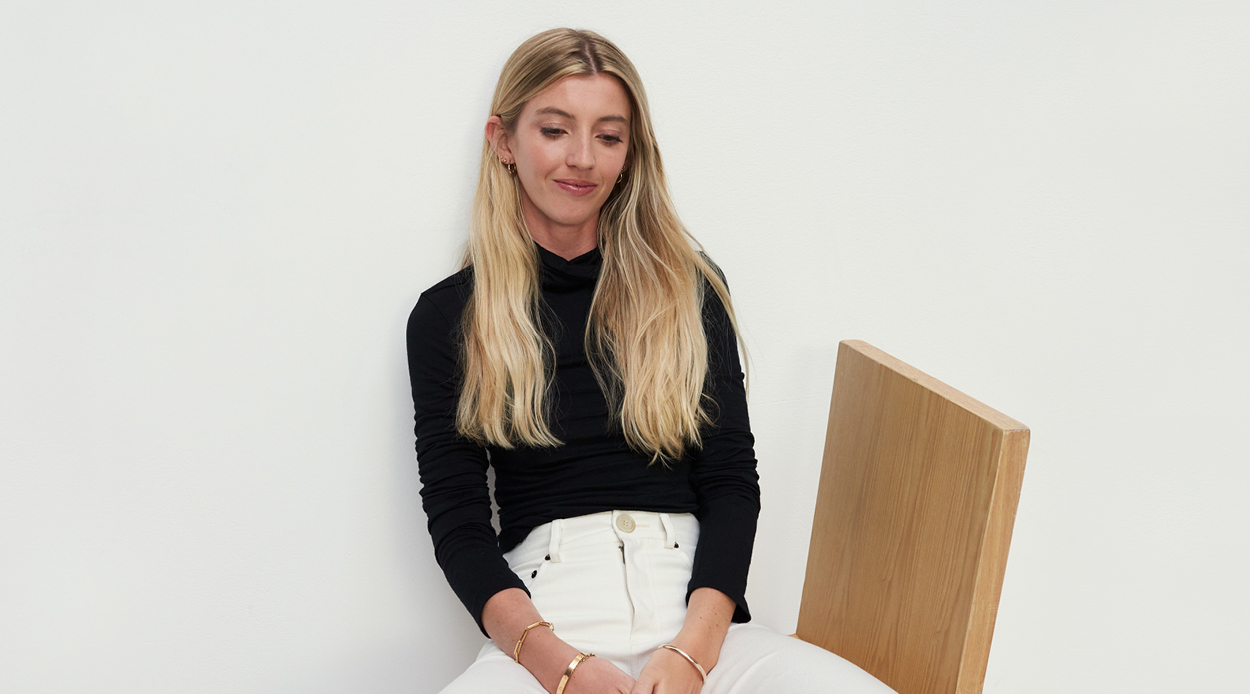
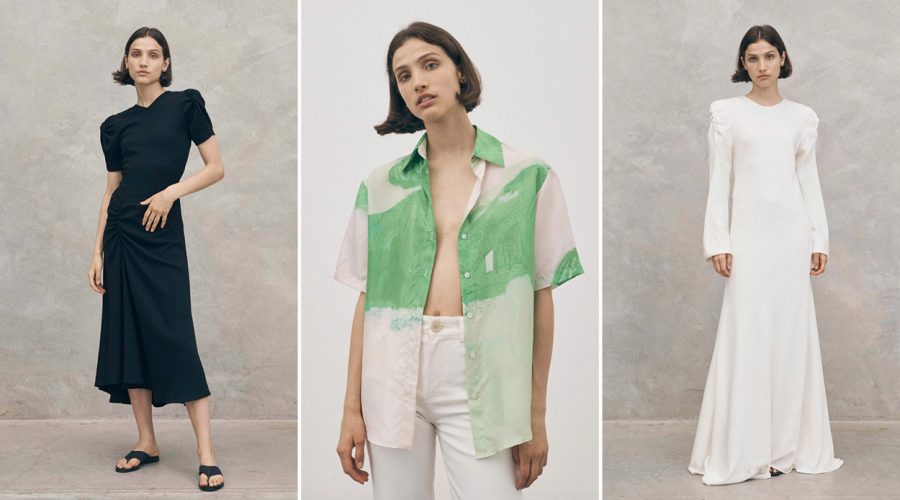
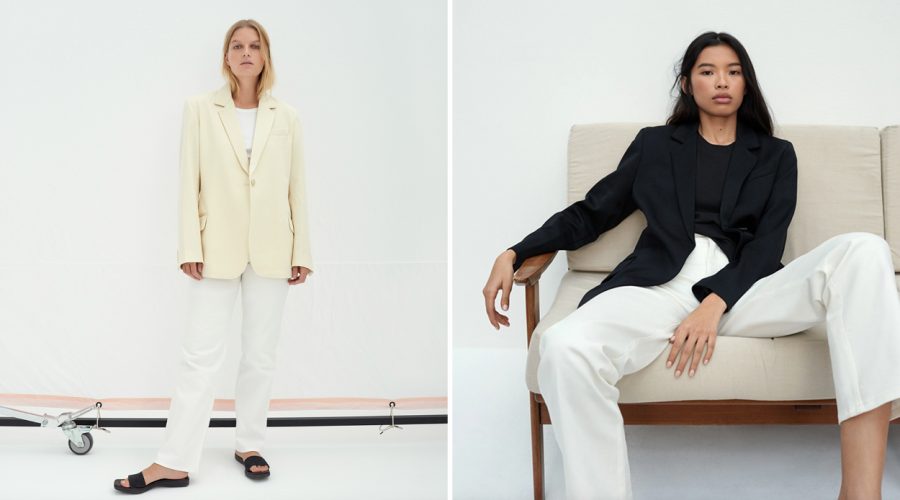
From ballet to the business of fashion, Georgia Currie is dancing rings around the competition with her label Georgia Alice. An eye for statement sleeves, on-trend ruching and a considered palette have propelled her onto the racks of Selfridges in London, Lane Crawford in China and Moda Operandi. Here Currie takes us through her lost twenties, the troubles of staging shows and why she won’t be opening a store in New Zealand anytime soon.
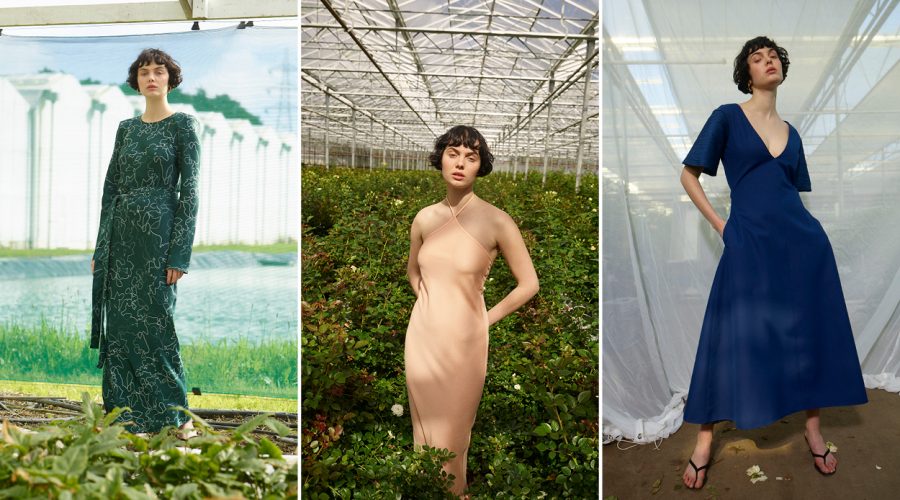
Georgia Alice Cruise Resort 20

How did Georgia Alice get started? I studied fashion design. I was really interested in it. I had lived in Sydney prior to coming back to New Zealand and studying and I had always seen myself leaving again. I had actually done classical ballet for 13 years in Sydney but when that didn’t work out I was around 18 years old and I needed to come back.
I feel like there’s a romanticism with classical ballet that can be translated into fashion. You’re creating a world for people to be a part of. I never really had the plan of launching a brand. It came about because I was in love with a boy and he suggested that I start a brand, seeing as I had studied it. It was very much a whim, just following love really. In my final year of fashion design I entered the Westpac Young Designers competition and won, which gave me a spotlight, a really good launch pad.
You have to be determined and resilient which I feel I am naturally. I mean, I knew no one in the industry here… so I’ve just managed to build Georgia Alice with a mixture of luck and really, really hard work. 

Rosie Huntington-Whiteley wearing Georgia Alice

Tell me about the financial side of starting and maintaining a label. I won $5,000 from the Westpac award. I also have a business partner, a family member, who is a 50 per cent shareholder in my label. He gave me $20,000 to start Georgia Alice and over the last eight years he’s contributed $160,000, which has seen me through some tough points. I did Australian Fashion Week and the budget was blown out by bad management. I owed around $80,000 and there were people calling me saying that they weren’t going to light the show if I didn’t pay them $10,000 by the next day. It was really intense.
I’m now at a point, eight years along, where I’ve paid that money back and I’m trying to become the sole owner of my company. So you can have investment and that’s really wonderful, but you do reach a point where it becomes quite complex. 

What are your core values? My core values change depending on what’s going on in my external life. Having a baby this year, you know that flipped everything. It became less about the stuff I was so concerned with in my label.
My business was secondary to my happiness and my life. It’s my job, yes, but everything else is more important. I mean obviously there’s this very weird intense bond between me and Georgia Alice but it’s not the same intoxicating relationship that it used to be. Where I would care about it at an almost unhealthy level.
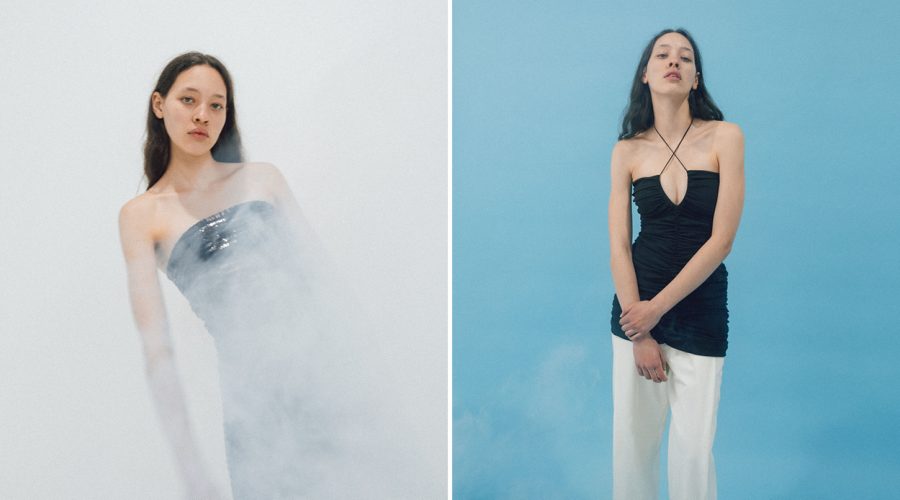
Georgia Alice Cruise Resort 20

What are the biggest challenges? I think that it challenges you mentally, emotionally, financially and, in terms of your work-life balance, there’s a massive amount of compromise. Honestly, I haven’t really had a twenties. I’m 30 now and I feel like my thirties are my time, to go on holiday and to find inspiration, instead of just being in this constant rigmarole. 
It’s like Georgia Alice was my first child. I made a very conscious decision in the last year when I knew Earl was on his way, that I would not put my stress onto him and I wouldn’t bring it home anymore. I’ve had a couple of slip-ups this year but that’s where things like meditation and exercise are actually so important for grounding me. Because it’s never actually that bad. 

Georgia Fowler wearing Georgia Alice

How did getting picked up by international retailers change your business? It took a lot of time. The first season I went to Paris, I didn’t pick up a single store. And then I did that huge push where I did Australian Fashion Week… and it was around then that I picked up Lane Crawford and Net-a-Porter. Which completely changed my business because the orders that they place are so large and there were sell-through agreements that we had to meet.
We were playing with the big boys. So you know it changed the dynamic but it also meant that we had more cash and more press. It takes time and you have to be patient and you have to remember why you’re doing it. 

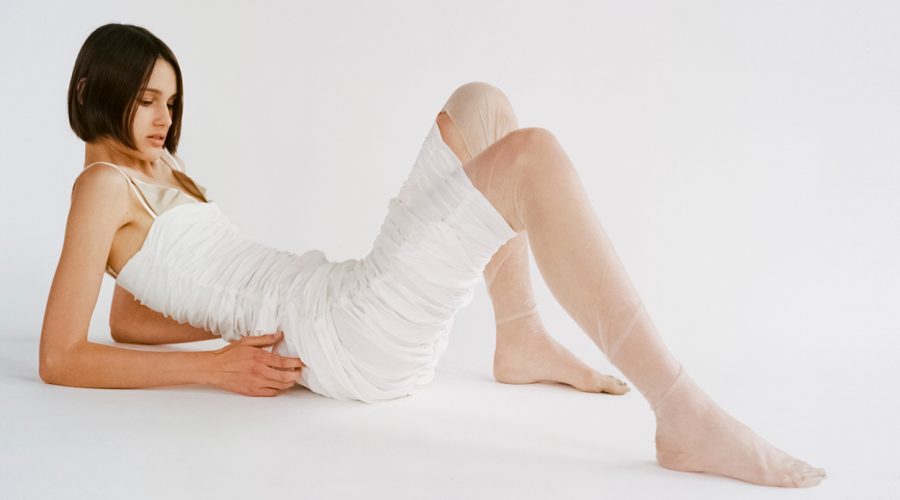
Georgia Alice Cruise Resort 20

What do your customers want now? I’ve almost stopped worrying about that. Now I’m asking, what makes me happy? I’m reducing the size of my collections. I don’t believe that people need many garments a year. And the other massive thing is quality. If something is not the best quality, I’m not putting it in the collection.
We’ve started working with pattern cutters in London and Paris and we’re potentially shifting all of our manufacturing to Europe. So I’m stepping it up, reducing my collection, lifting my price point and only producing product that feels like luxury. I don’t want to be in the trenches anymore.

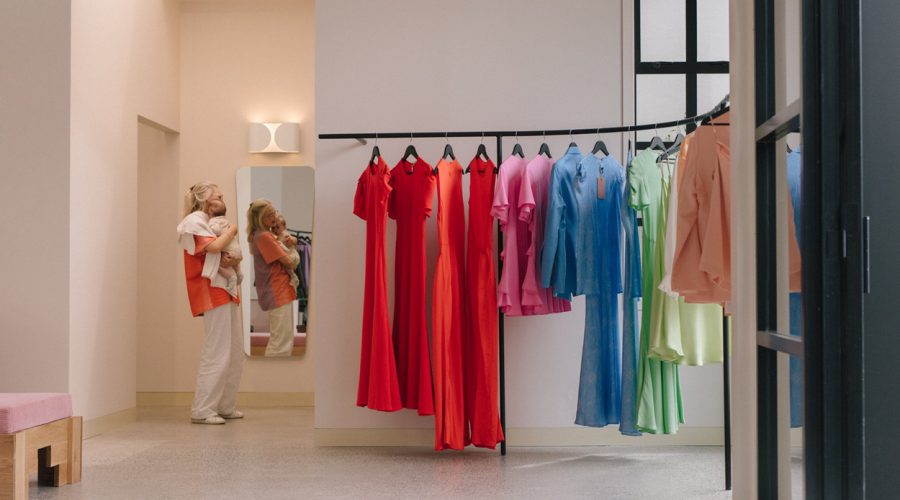
Will we see a Georgia Alice store? Nope. I have too many other things that I want to execute. It’s not a priority. We have a beautiful set of VIPs in New Zealand who come into Georgia Alice and who we have close relationships with, but in terms of New Zealand as our main market, it isn’t. So to open a store here for Georgia Alice wouldn’t make sense.
And to open something overseas you just need capital. I’m not willing to go out and get more investment right now. I want to get 100 per cent ownership of my company. That’s the next step. 

Georgia Alice Cruise Resort 20

Have you noticed that your business has been affected by the arrival of big stores like Zara and H&M into NZ? I don’t understand how you can sell garments so cheaply, without someone being abused. And I think it’s gross. I don’t think it’s probably affected our businesses because the women who buy into our clothing are so different. 

What’s next? For me, it would be formulating a life for myself and my family where it’s a real dream life. Living partly in New Zealand, partly in Europe. Being a creative director and owning my company 100 per cent and not having to be relied upon so heavily in this business. Getting to a point where I can just step away a bit.
That’s the whole point of having a business, to be able to create a thing that you are not tied to, alongside other little rewards. It’s sort of like, I’ve created a thing, built it to a place where it runs itself and now, I am in Europe with my son and my lover. 

Coveted

Tiffany & Co.’s Paradise Birds chapter brings Blue Book 2026 to life
The luxury skiwear concierge taking the hassle out of ski holidays
The jewellery designed for movement, ease and everyday elegance
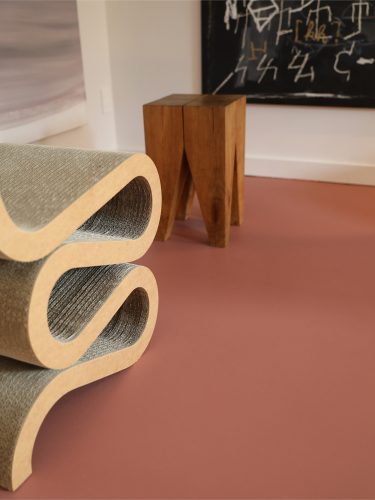
The floor of Paris and Henry Mitchell-Temple's home is painted in a custom-made Resene colour

These inspired projects are positioning painted floors as the ultimate modern design detail

When it comes to injecting a touch of colour into the home or office, usually it’s the classic feature wall that’s touted as the answer. But perhaps we have reached peak feature wall. Maybe, in order to express our individual creativity in a more unique way, we need to start thinking about other ways to introduce various shades into a space.
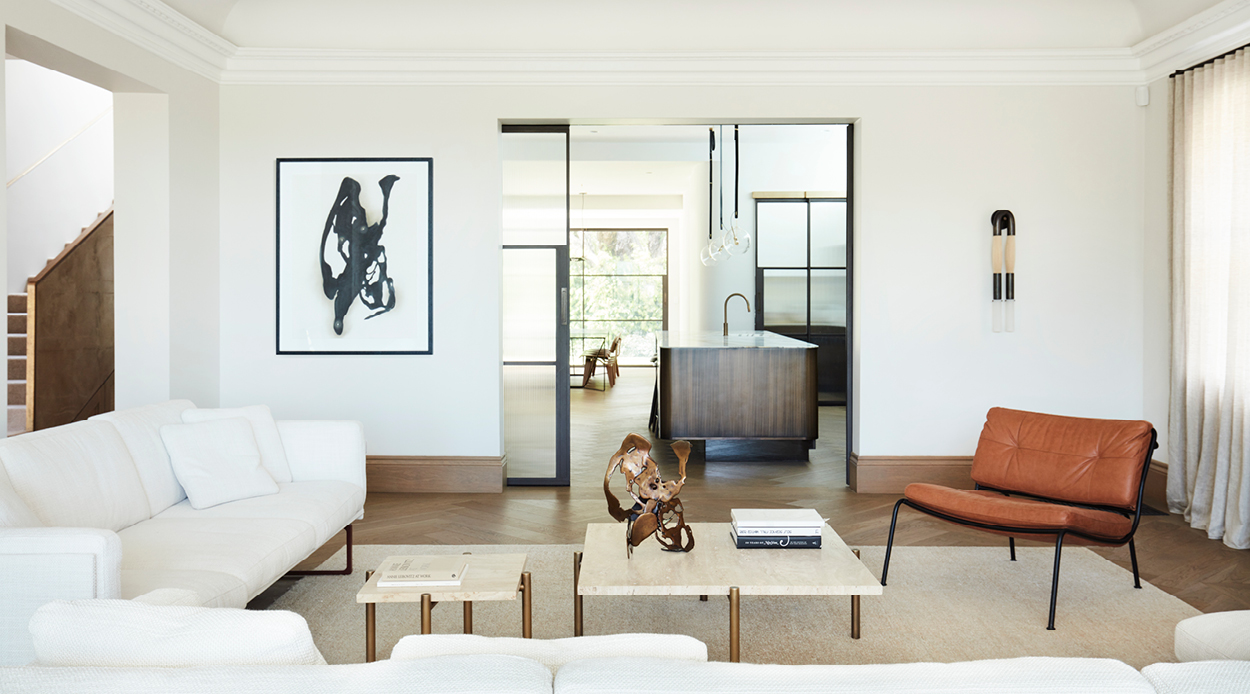
The floor of Paris and Henry Mitchell-Temple’s home is painted in a custom-made Resene colour

Enter, the painted floor. Taking the central tenets of the feature wall and flipping them horizontally, the painted floor is a decidedly cool way to add another dimension to your space, whether white and bright or rendered in a colour that speaks to your personality.
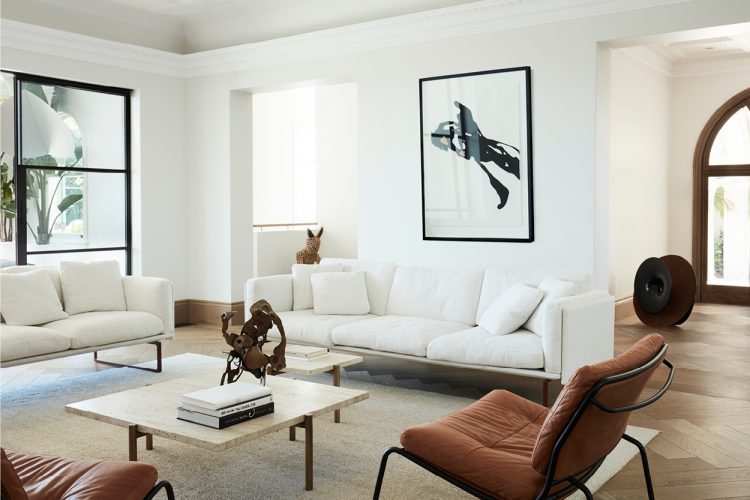
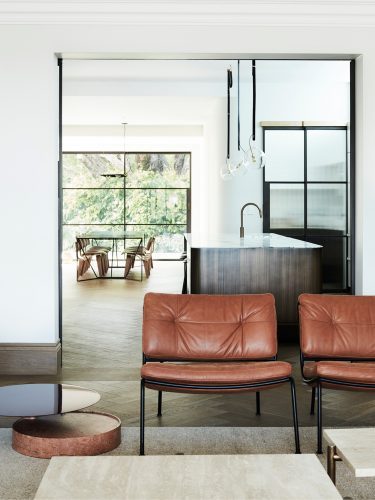
The floor of Paris and Henry Mitchell-Temple’s home is painted in a custom-made Resene colour

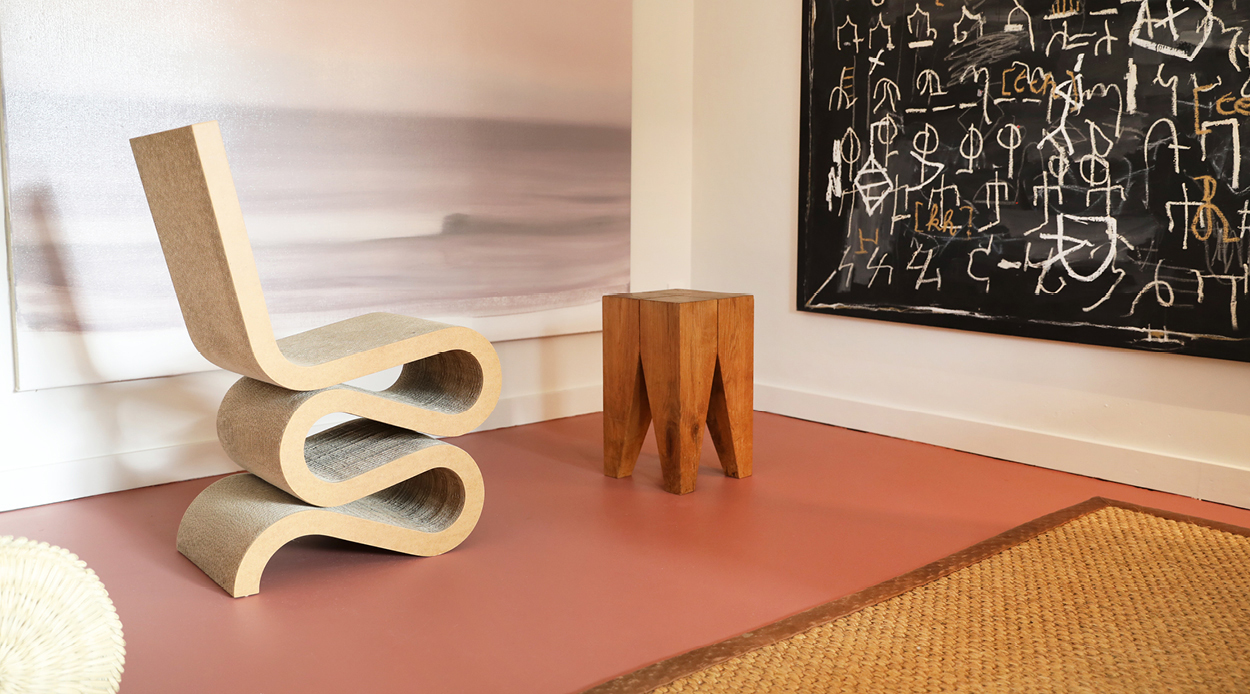
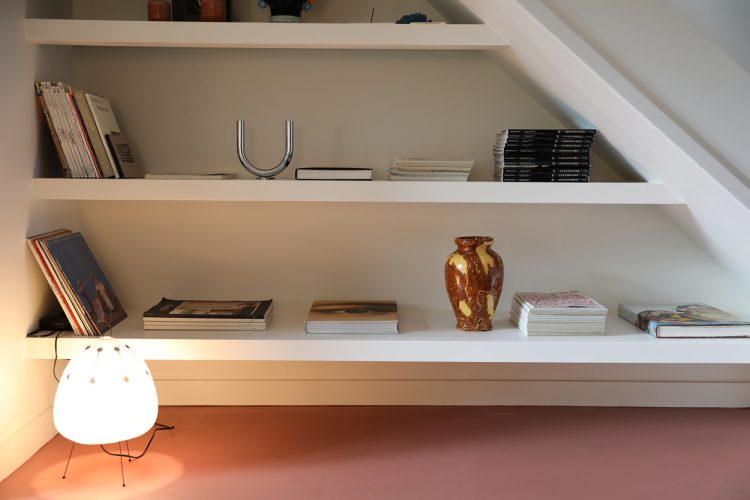
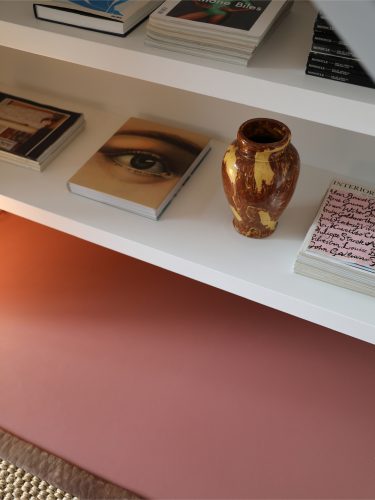
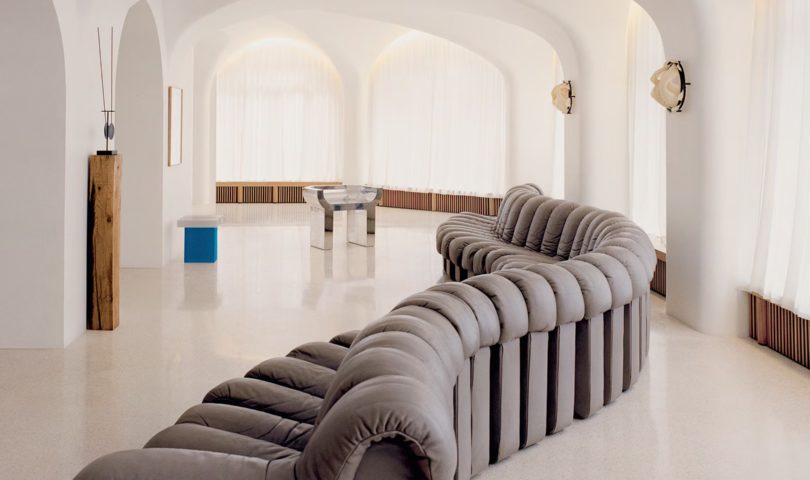
Looking at the floor Paris and Henry Mitchell-Temple (the former a fashion designer, the latter the co-owner of Annabel’s Wine Bar) chose for the lower-level of their home, it’s easy to make a case for the trend. Rendered in a beautiful custom-made Resene hue, the floor offers an artistic base for the couple’s creative, sculptural decor and eye-catching art.

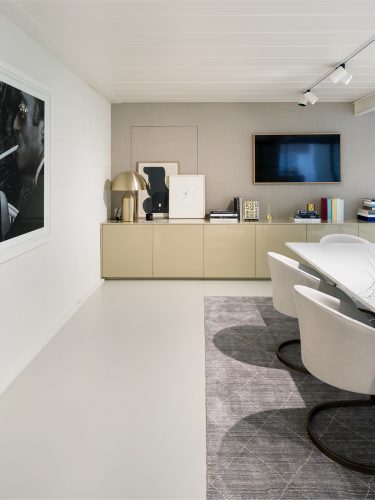
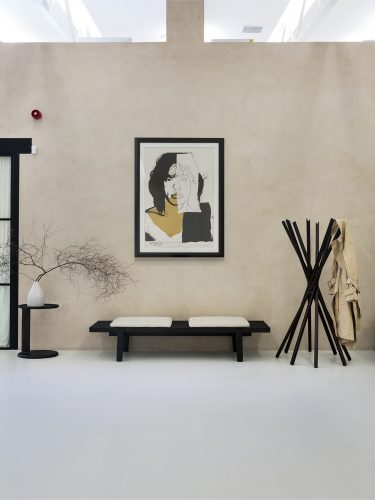
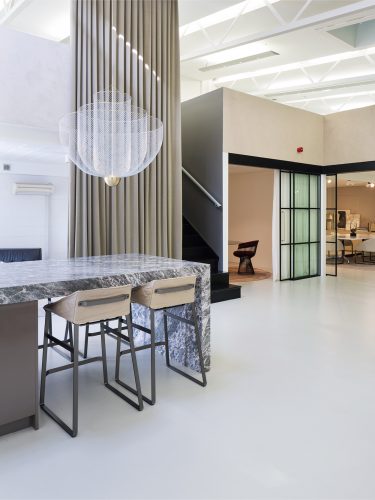
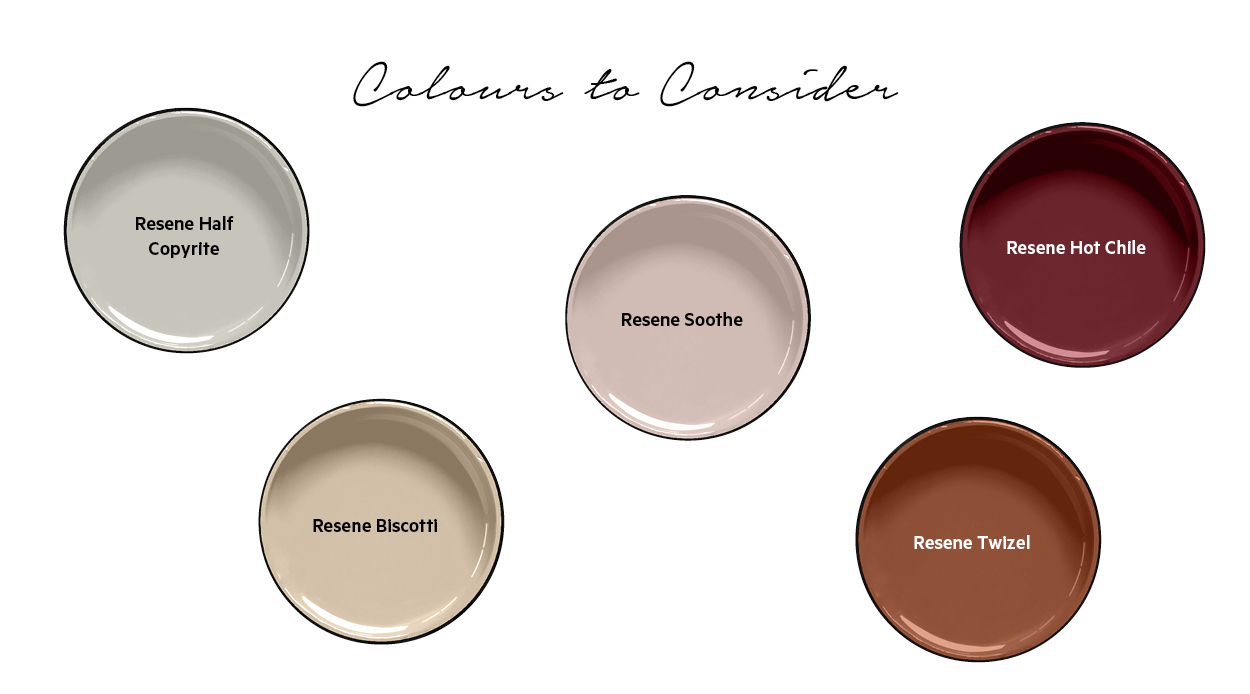
The floor in Denizen HQ was painted in Resene Half Copyrite. Photo: Simon Wilson

In Denizen HQ, on the other hand, the floors have been painted in the crisp, white tone of Resene Half Copyrite. Neutral and clean, it gives our office the effect of a blank canvas on which we can leave our own, indelible mark. It also works to cultivate a calm space for all the brainpower we exert during the day.

The floor in Denizen HQ was painted in Resene Half Copyrite. Photo: Simon Wilson

So whether you’re ready to commit to bold flooring, or would rather dabble in a more subtle tone, the painted floor trend is one we are happily on board with and Resene has the vast and varied colour spectrum to suit any taste.

Design

Inside the Marais apartment-gallery where hospitality becomes architecture
Italians in Residence: Molteni&C opens its first New Zealand flagship
How new furniture brought fresh life to this Auckland character villa

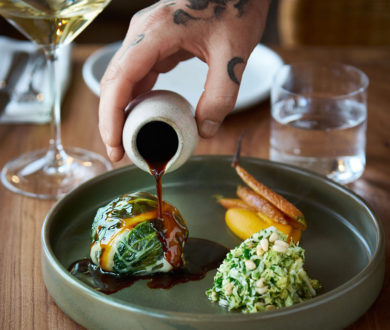
Try this Linguine with Fennel Cream recipe from Gucci and taste true Italian style

If you’ve ever faced a sample sale you know that fashion and food aren’t always friends but all levels of taste combine at the magnificent, Michelin-starred Gucci Osteria in Florence.
“I thought of this recipe that uses fennel as a basic ingredient because it is a seasonal vegetable and because of all the stories and curiosities surrounding this vegetable,” chef Karime Lopez says. “In Greek and Roman history, in fact, fennel was considered a symbol of strength and vigour and they believe it brought luck.”
“Some treatises on Ancient Rome reported how Roman gladiators added fennel to their dishes to be successful in the arena… This is also the reason why – for the Gucci Osteria menu – we called this dish ‘Lucky Fennel.’”

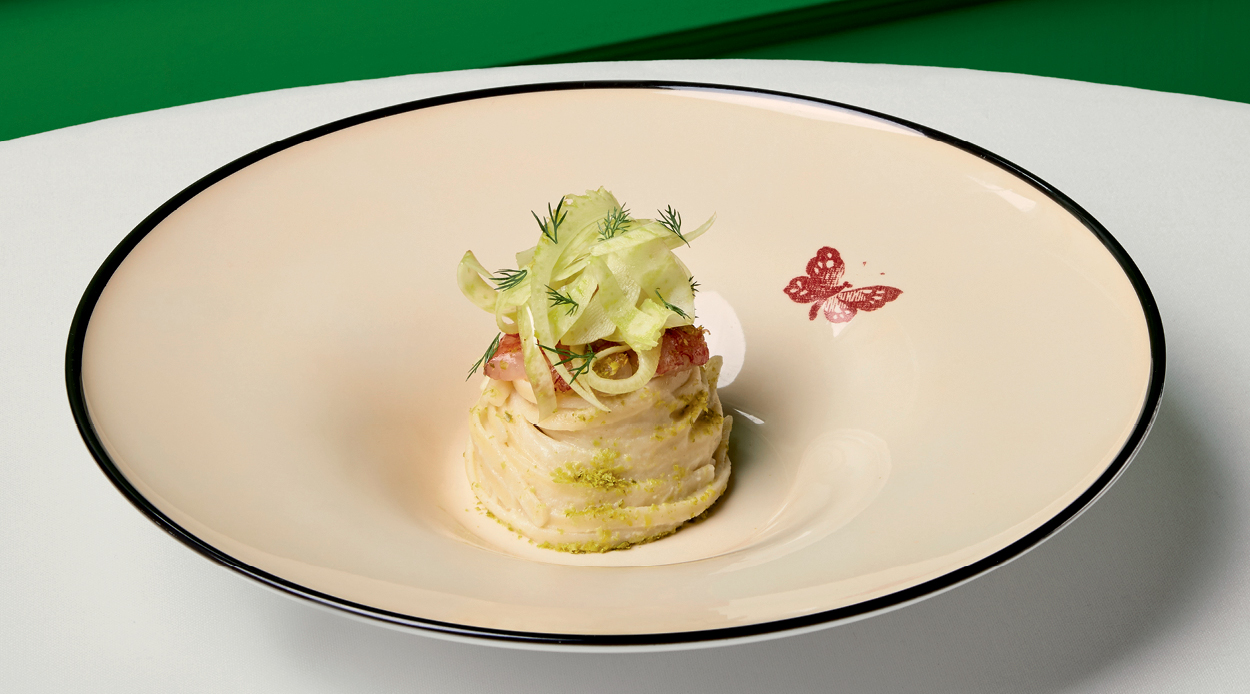
Lucky Fennel (Linguine with Fennel Cream)
Serves  2 

Ingredients 
4 Fennel,  for the cream 
2 Fennel, sliced 
2 Red prawns
200g Wild Fennel
20 Pistachios
1 Lemon  
Lemon oil 
400g Seed oil
Extra Virgin olive oil
Salt
100g Linguine (Pasta)

Method
For the Cream
1. Wash and cut the fennel coarsely, steam them at 90ºC for 2 hours
2. Drain the fennel once cooked and whisk them with Evo oil and salt until creamy
3. Pass the cream in the chinois strainer with fine mesh

For the Wild Fennel Oil
1. Whisk 400g of seed oil with 200g of wild fennel
2. Then heat the oil in a saucepan and bring it to a temperature of 80ºC 
3. Filter the oil in a sac à poche  (piping bag) and then filter it with the chinois strainer with fine mesh

For the Pistachios
1. Toast the pistachios in the oven at 190 ºC for 4 minutes
2. Grate them with a microplane

For the dish
1. Cook the linguine pasta in abundant salted water for about 5 minutes
2. Drain the linguine and finish cooking in the pan for 3 minutes, adding the fennel cream and the lemon oil to make them creamy 
3. Season the raw and finely sliced ​​fennel with the wild fennel oil
4. Season the prawns with Evo oil and the lemon peel and cut them into 6 pieces each

To serve
Spread the grated pistachios on the base of the plate, and lay a nest of linguine on top, developing it in height. Add 6 pieces of prawn, other pistachio powder and finely sliced ​​fennel. Garnish the dish with wild fennel leaves.

Gastronomy

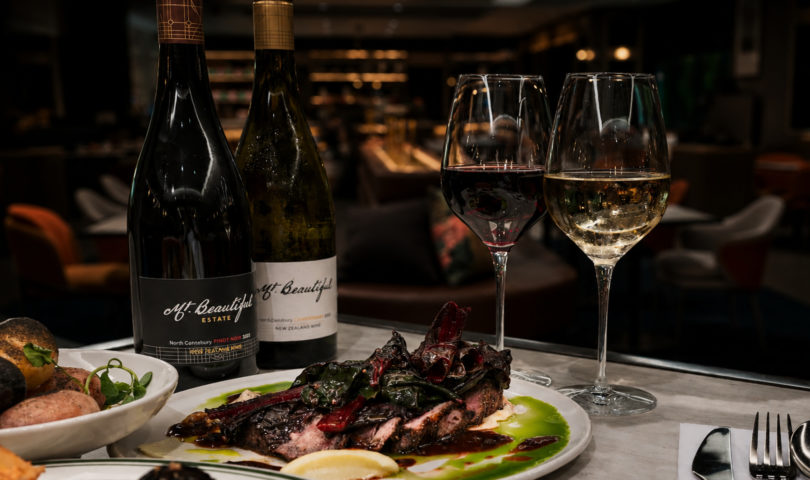
Ember and Mt Beautiful are hosting a one-night winemaker’s dinner worth booking now
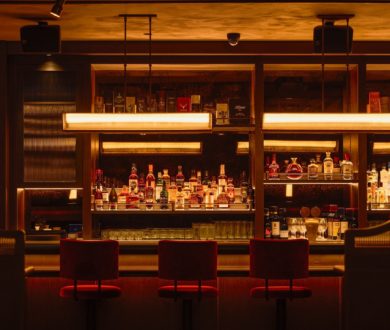
New Auckland bar The Halligan opens at Hotel Indigo
SOUL is shaking up Dry July with a menu of non-alcoholic cocktails

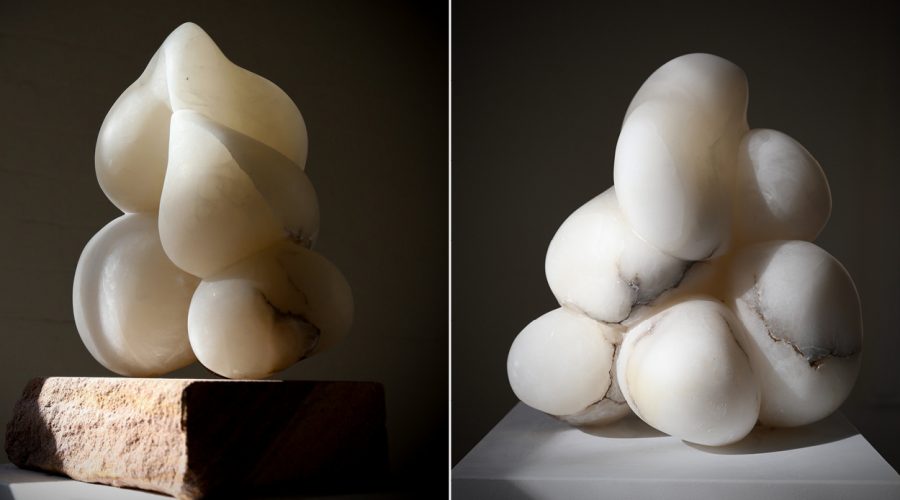
Meet Carol Crawford, the Sydney-based sculpturist catching our eye

Born in Sydney, Carol Crawford’s interest in art and sculpture was piqued on frequent visits to galleries with her parents, “I was always a doodler and a maker of things,” she says, “oh, and a chronic day-dreamer.”

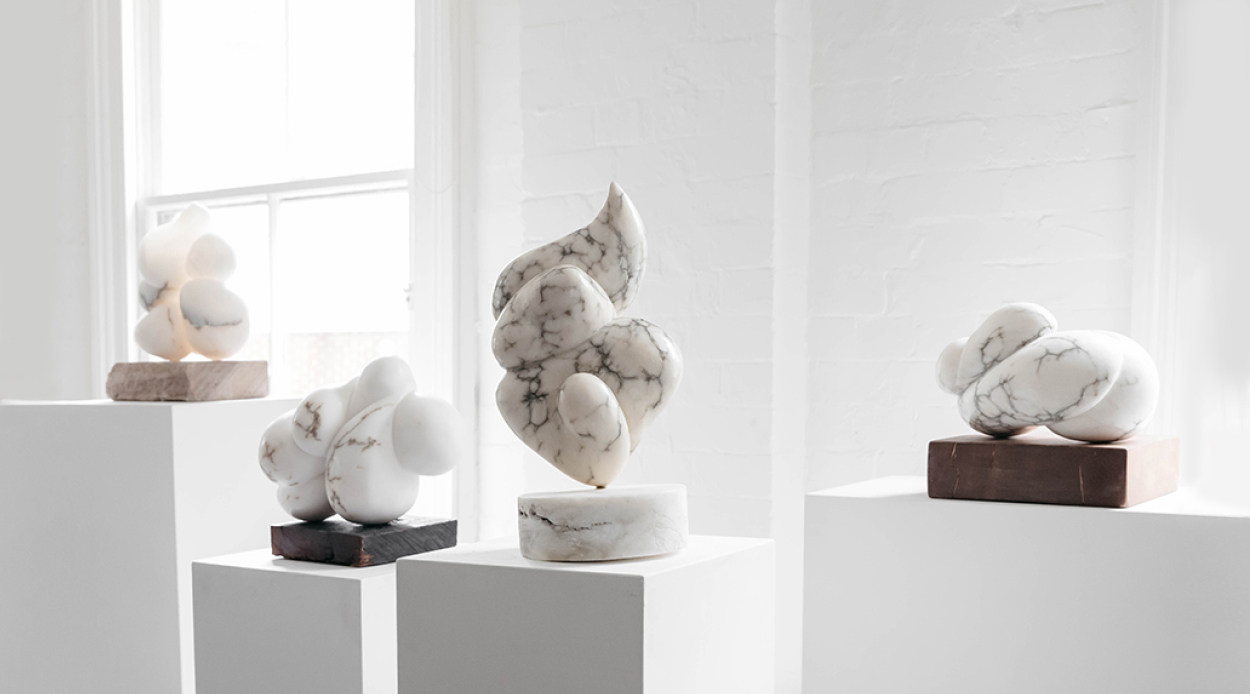
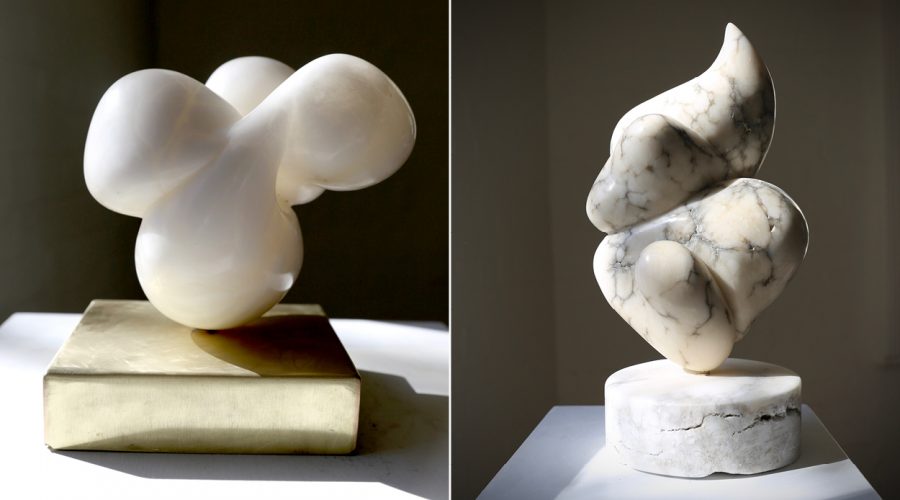
For anyone unfamiliar with Crawford’s work, her sculptures have gained quite a following among fashion and design insiders. Featured in esteemed publications like Harper’s Bazaar and Vogue for the unique shapes she creates out of stone, Crawford manages to take a solid material and transform it into curved, interlocking forms that would typically lend themselves to a more fluid medium.

But for Crawford, the artistic process is less about forcing her stone to shed its straight lines and corners and yield to her tools, and more about working with its natural properties. She explains, “the sculptures evolve organically as a conversation between myself and the stone.” Going on to say, “I feel I am merely the medium, and the result is what was always meant to be.” 

As a result, no two sculptures by Crawford are the same. And when you see them in a space, you feel the individual energy the artist has imbued in each — every one different but joined by the motif of rounded movement. Having just returned from a residency in Berlin and with a number of interesting projects on the horizon, Crawford is the creative we have our eyes on right now.

Culture

Your guide to the best events and experiences this July
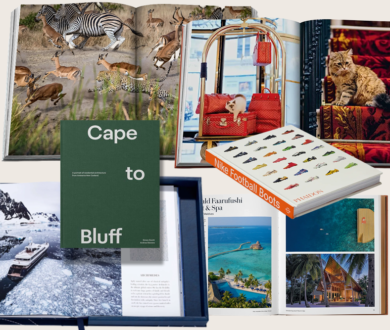
From architecture to adventure: The coffee table books worth collecting now
Labour of love: Katherine Throne’s botanical paintings arrive at Sanderson

The inspiring biographies team Denizen is reading during the lockdown

There is no doubt that we are living in extraordinary times but immersing ourselves in the lives of others can show that remarkable things happen to people everyday. From sports stars to the First Lady, women on the run to society queens, here are the lives the Denizen team is looking into.

Claire Sullivan-Kraus – founder and editor-in-chief

Will by Will Self
It may be a dark journey into heroin-not-so-chic but I do love Will Self’s writing. It’s set during the eighties when the writer threatened his brilliant future with destructive behaviour. 

Damien Woolnough – editor

Among The Porcupines by Carol Matthau
The wife of actor Walter Matthau led a life worthy of a film. When her mother married an aviation millionaire she went from rags to riches living on Fifth Avenue and becoming best friends with Gloria Vanderbilt and Oona Chaplin. With doll-like looks and a sharp tongue, Matthau moved through high society, the literary worlds of Truman Capote and her two-time husband William Saroyan and eventually Hollywood.

Unorthodox The Scandalous Rejection of My Hasidic Roots by Deborah Feldman
I devoured the Netflix series faster than Tiger King so Feldman’s book is my next step into the confronting world of ultra-organised religion. Feldman’s brave search for Freedom offers a glimpse into other worlds while shining a light on our own.

Fliss Grennell – advertising manager

The Girl With Seven Names by David John and Lee Hyeon-seo
The thrilling story of one woman’s escape from totalitarian North Korea and her battle to be reunited with her family. 

Fran King – art director

Everything I Know About Love by Dolly Alderton
Apart from incredibly snappy writing, this is worth the read alone if it stops you from throwing a Rod Stewart-themed party. Just don’t do it.

Arabella Nelson – digital manager

Open by Andre Agassi
An absolute classic that looks at the tennis champion’s battles with drugs and rivals. It’s hard to believe that when he started playing, he hated the game.

Becoming by Michelle Obama
The most memorable First Lady of the modern era, Michelle Obama is also one of the most inspiring. Her rise to the top as a lawyer and in public service puts this Obama front and centre, where she belongs.

Culture

Your guide to the best events and experiences this July
From architecture to adventure: The coffee table books worth collecting now
Labour of love: Katherine Throne’s botanical paintings arrive at Sanderson

How skincare brand Aotea is putting its best face forward at Commercial Bay

The eagerly-awaited Commercial Bay development is set to return Auckland’s city centre to its historical roots by showcasing the best of New Zealand creativity to the world. Skincare brand Aotea well and truly fits the bill with its ethical approach, focused on giving to customers and the community of Great Barrier Island.

Meet the maker, Aotea founder Tama Toki, as he shares his vision and explains why he joined the Commercial Bay community.

Wellbeing

A leading Auckland cosmetic doctor explains filtered perfection vs real results
Is the 20,000-step day actually worth it in 2026?
A cleaner way to clean: Why we’ve been thinking about stain removal all wrong
Living Divani's Frog chair by Piero Lissoni from Studio Italia, Cassina's Otto sofa from Matisse, Apparatus' horsehair sconce light from ECC, Ink and charcoal drawing and bronze sculpture by Camie Lyons

See inside the exquisite residence of fashion designer, Camilla Freeman-Topper

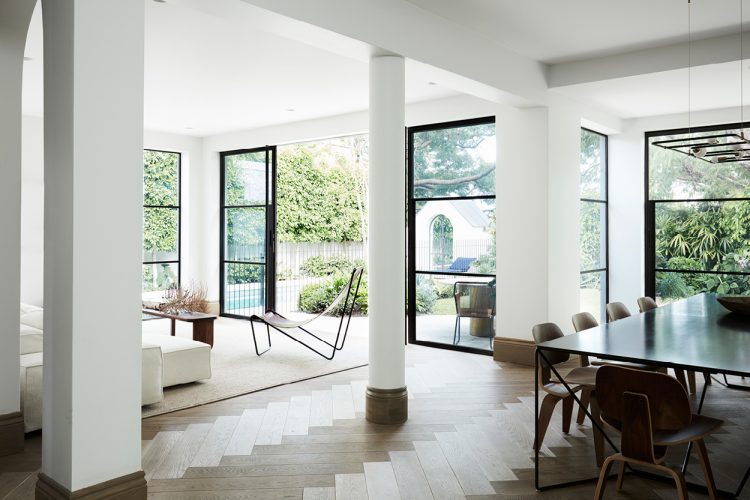
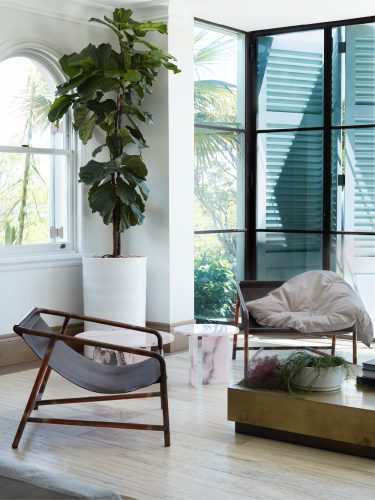
Appointing a home that balances the demands of a modern family with refined design sensibilities is no mean feat. After all, the chaotic reality of life with young children can often leave little time for anything more than simply getting through the day. But in this sophisticated Sydney residence, the creative minds at Luigi Rosselli Architects and Alwill Interiors managed to achieve a sense of elevated elegance without making the spaces feel sacrosanct or untouchable. While luxury certainly remains central to the identity of this home, it still retains a sense of warm comfort and is rendered inviting and liveable thanks to a shrewd use of natural light, a generous allocation of negative space that gives way to art and a base palette that is calm, considered and undeniably cool.

Cassina’s Otto sofa from Matisse, Living Divani’s Frog chair by Piero Lissoni from Studio Italia
Baxter’s Rimini chaise longues and Panama bold modular sofa from Cavit & Co

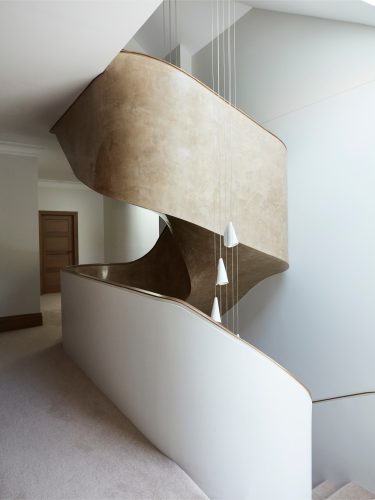
Working alongside the homeowner, Camilla Freeman-Topper (of fashion label Camilla & Marc), architects Jane McNeill and Luigi Rosselli approached the project by first acknowledging the heritage of the original Peppertree villa. Perched on the crest of Sydney’s Bellevue Hill, the grande dame evoked 1920s classicism with its entry loggia, impressive fireplaces and generously proportioned rooms — all elements deemed important to retain while pursuing the central aim of improving the flow from room to room and opening the home up to its garden. A practical, basement garage was added, as was an attic space, which gave rise to a magnificent new stairwell, conceived as a way to keep the additional levels connected to the rest of the house.

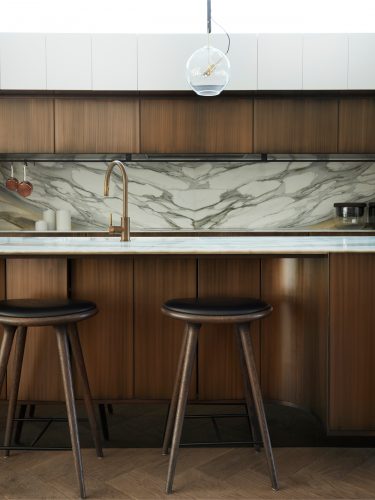
Viabizzuno’s Sole Suspension lamps by Neri & Hu and Matter Made’s bar stools
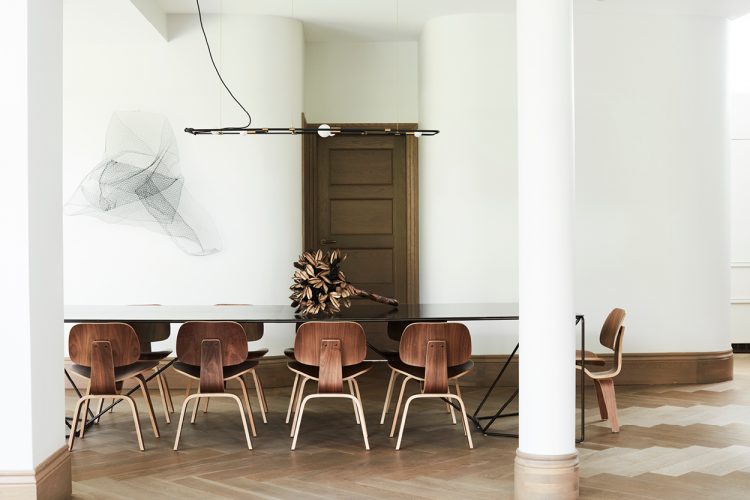
Eames moulded plywood lounge chairs from Matisse
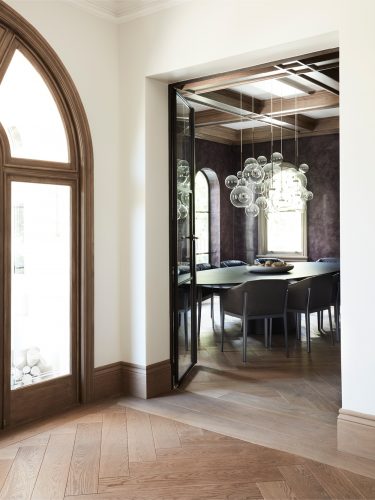
Giopato & Coombes’ Bolle Zigzag Chandelier from ECC, Cassina’s Contone leather chairs from Matisse and Emmemobili’s UFO oval table from ECC.
The Bocci 21.7 Alabaster ceramic pendant by Omer Arbel from ECC

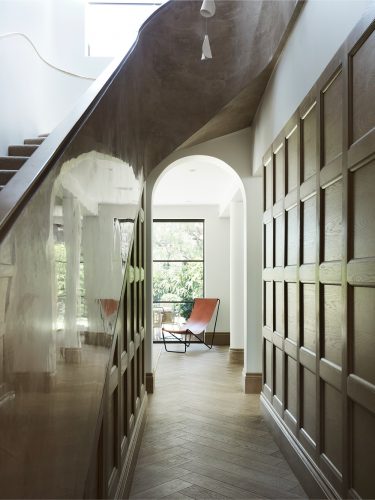
The stairwell, solid and sculptural with a structure reminiscent of a ribbon suspended in space, acts as a beguiling central focus. Looking up at its repetitive curves, one is offered a break from the motif of linearity present in the other elements of the home, like the parquet timber floors, minimalist straight-line light fixtures and steel-framed windows.

Roda Harp armchairs from ECC

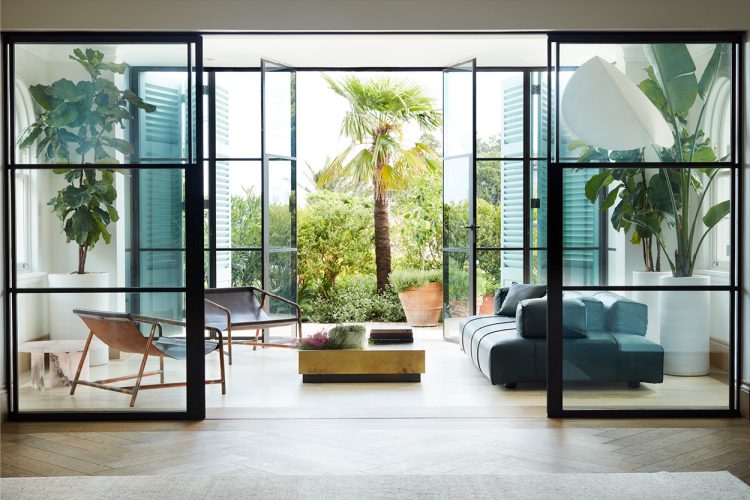
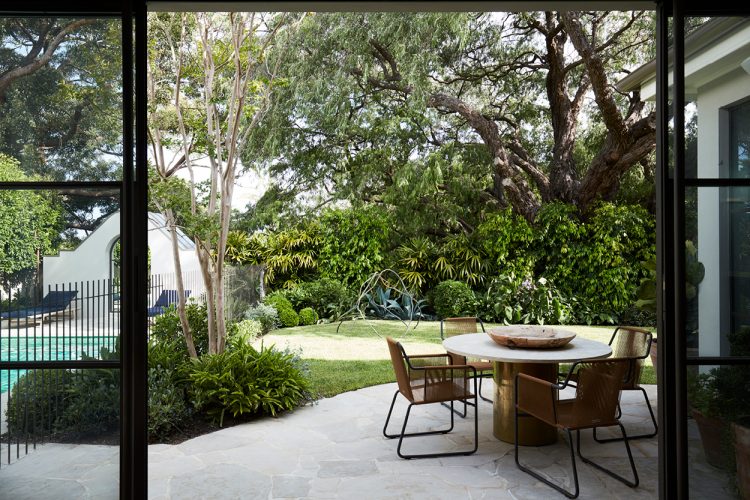
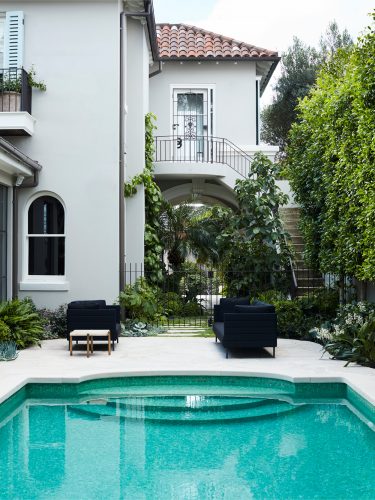
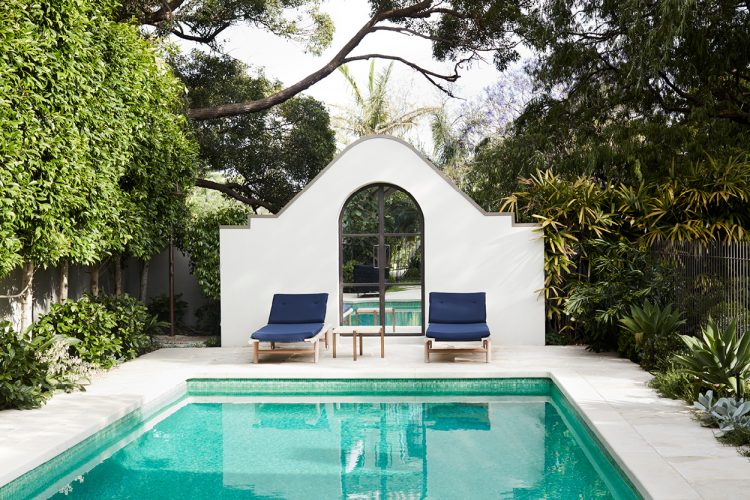
Enlarging the ground floor windows and framing them in black steel was crucial to the plan of connecting the residence to its garden. Designed by Myles Baldwin, the outdoor space that surrounds the villa (which includes a new swimming pool) is lush, verdant and realised with an organic, wild quality that shuns the over-manicured landscaping of old. It’s a balanced approach and one that is carried from the garden to the home’s interior. 

Giopato & Coombes’ Soffio wall lights from ECC and Baxter’s Rimini Garden daybed and Oddo mirror from Cavit & Co.

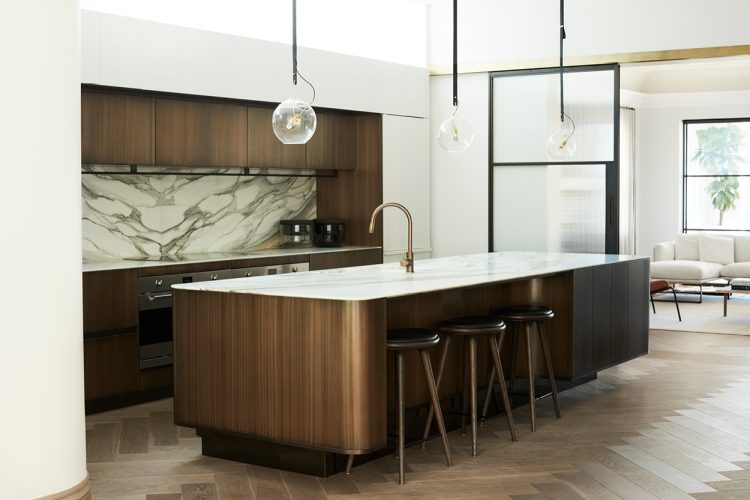
Inside, exquisite detailing and tactile materials like marble accents, Stucco Lucido, brass metalwork, Onyx inlaid flooring and resin-based wall claddings are employed purposefully, to offer, amidst the modern touches and architectural accessories, the kind of breathing space a creative mind might need.

There seems to be more impact in what is not there, where Interior Designer Romaine Alwill has deftly employed a framework of furnishings (mixing classic and custom-made pieces) and art in a purposely sparse way — leaving it up to the owner to fill the spaces in between with the bustling of daily life.

Poltrona Frau Ming’s Heart Armchair from Studio Italia

In the garden, a pepper tree still stands, a reminder of the villa’s historic origins that, despite being given a more contemporary look, are still very much present in its character. While sculpting it to suit its modern context, the creatives behind this villa (including the client herself) constructed spaces that exemplify how rich materials and structural furnishings can, when combined cleverly with minimalist principles, result in a home that addresses the needs of the modern family with undeniable finesse. 

Design

Inside the Marais apartment-gallery where hospitality becomes architecture
Italians in Residence: Molteni&C opens its first New Zealand flagship
How new furniture brought fresh life to this Auckland character villa
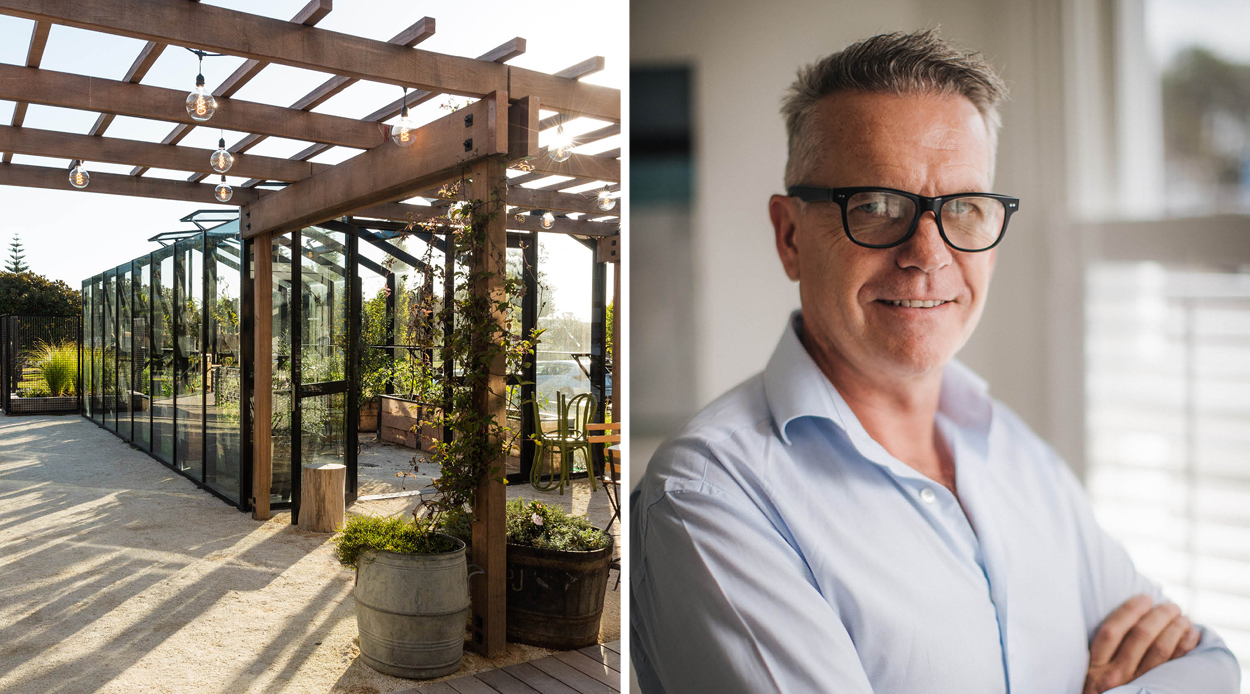
Left: Goodside precinct at Smales Farm, Right: Paul Izzard

How Paul Izzard changed the hospitality scene for the better

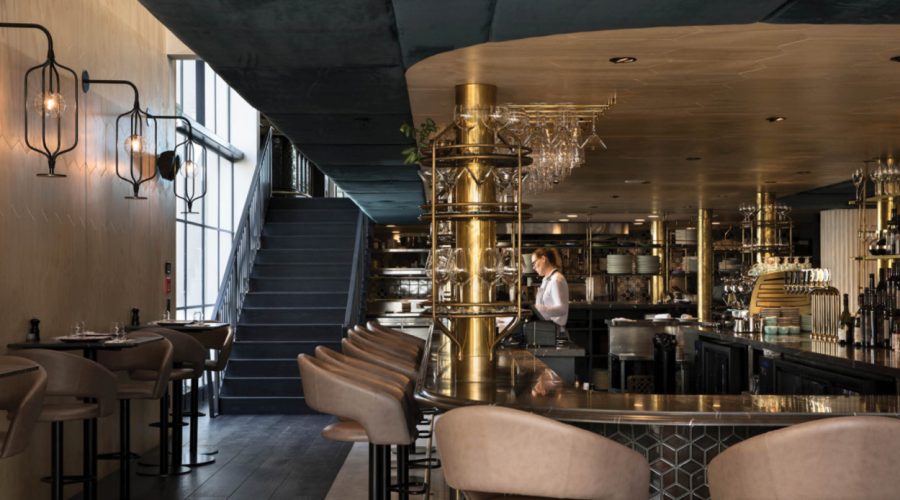
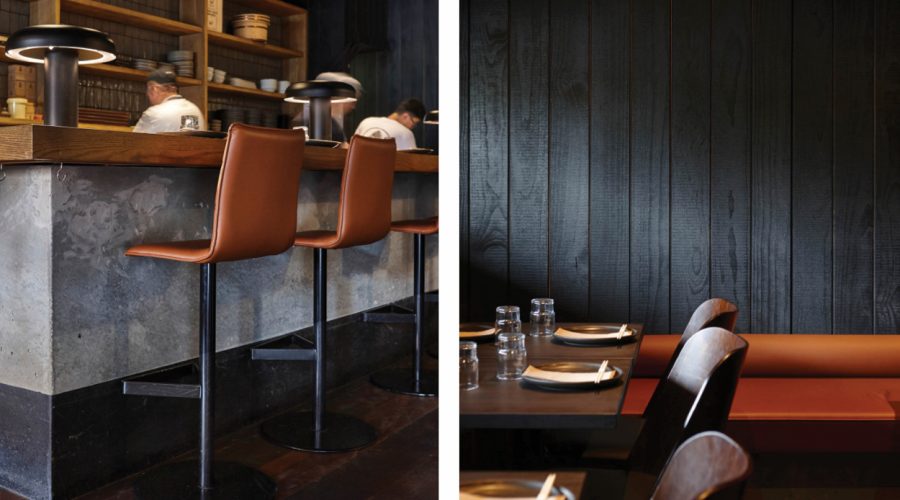
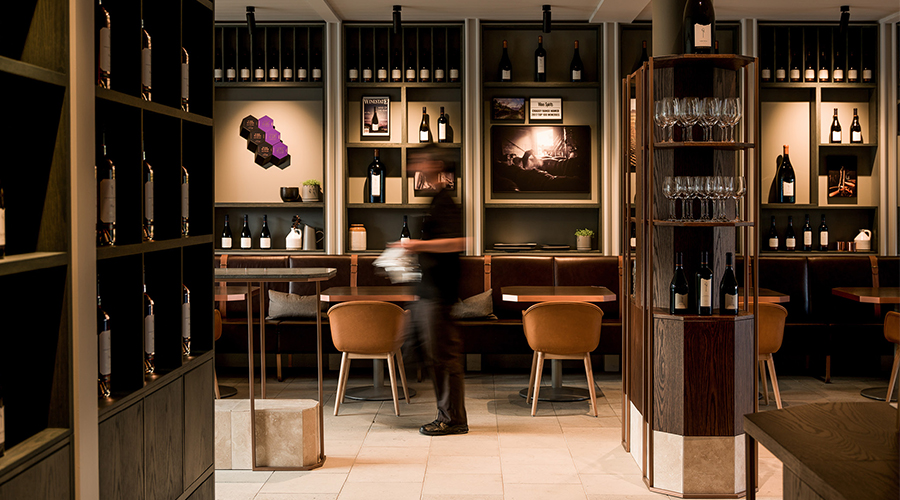
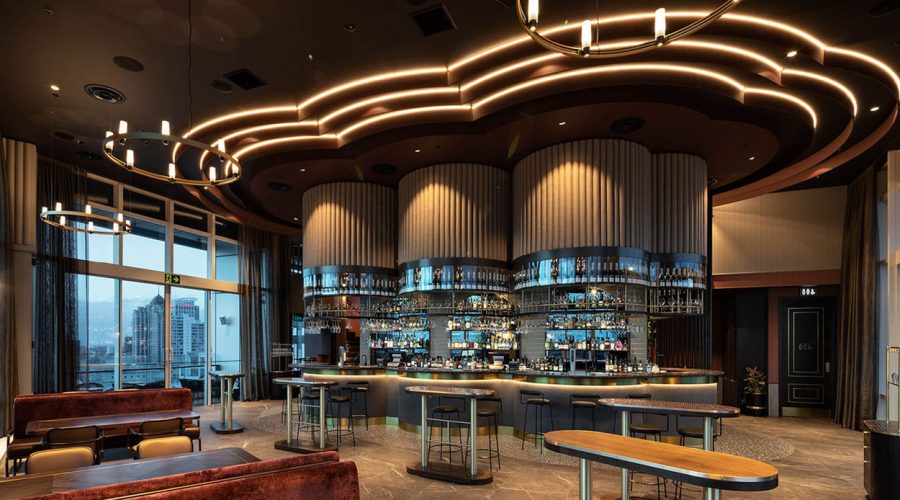
Counting the likes of Azabu, Auckland Fish Market, Cassia, Gerome, Goodside, The Jefferson and Giraffe as clients (among many others), it’s fair to say that interior designer, Paul Izzard has made an indelible mark on Auckland’s hospitality scene. The spaces he creates are warm and inviting, but also manage to conjure up imaginative, innovative ways for owner-operators to keep their businesses running seamlessly while facilitating a lively, laid-back ambience for diners. His work has taken the standard of restaurant interiors in Auckland to bold new heights, and as he tells us here, it’s all about the experience.

What are the most significant ways the hospitality industry has progressed in the last few years? Hospitality and other commercial sectors have had to adapt to offer more experienced-based services. Restaurants and retail can no longer rely solely on food and service, they need to offer something more interesting. Whether it’s creating a space for live music in a restaurant or putting a bar in a retail store, when competition is coming from the likes of Uber Eats, operators need to get people off the couch and into their restaurants, and the main way to do this is by offering unprecedented experiences.

Gerome

How does your experience with hospitality spaces inform the other work you do? We actually have a lot of residential clients who choose to use our services because of our restaurant expertise. If they like entertaining, for instance, we can build them an incredible at-home bar. Or if they love cooking, we focus on creating a kitchen that goes beyond the standard residential setup.

What is your main aim when conceiving a restaurant interior? Essentially, it’s about taking the core values of a restaurant and translating them into something unique. If it’s a gin cocktail bar, for example, we’ll think about how we can create the most interesting and engaging bar for customers — maybe it has a stage in the middle of it for music performances, or maybe there’s a bookable section for a cocktail degustation. There are so many options.

What do hospitality operators who come to you want from their spaces? Well, of course, they want them to be full all day! Breaking that down though, the spaces need to be rendered in a way that maximises their potential and meets the needs of both the operator and the customers, and keeps them coming back for more. From the operators’ perspective, having a good back-of-house and front-of-house flow is important to reducing staff requirements and costs, increasing overall performance and maximising seating capacity. One thing we offer our clients is not only good aesthetic design but an intimate understanding of hospitality operations, which vastly improves the outcome.

Azabu

What are the biggest interior trends in the industry right now? The push for better experiences is seeing a growing desire for single venues that house multiple operators. Two recent examples that we have worked on are Auckland Fish Market and Goodside precinct at Smales Farm, both hosting collections of small eateries with communal seating and a central bar. This set up creates an experience in itself, where customers are afforded more choice from one venue, and those dining at the same table can eat from different places. The communal courtyard space also makes it easy to host things like live music events and cooking displays that create an exciting, carnival-like experience. This doesn’t mean we shouldn’t be opening large restaurants anymore, it just means that the restaurant model of old needs to start thinking about how it can offer a similar, multi-faceted, engaging experience.

Craggy Range

Is there anything you wish people would stop doing in fit-outs? Using school chairs! Uncomfortable seating is an absolute no-no. Despite the fact that setting up a restaurant can incur some pretty significant costs, a design will be ruined if the budget doesn’t stretch far enough to emphasise the comfort of the customers. 

The Churchill

What are some of the biggest challenges you face when designing for hospitality? There are so many challenges in this space — from budget to room restraints to lead times and local authority controls, but these can all be overcome with a good design process. Luckily, it’s one we have down to a fine art, having completed over 300 venues.

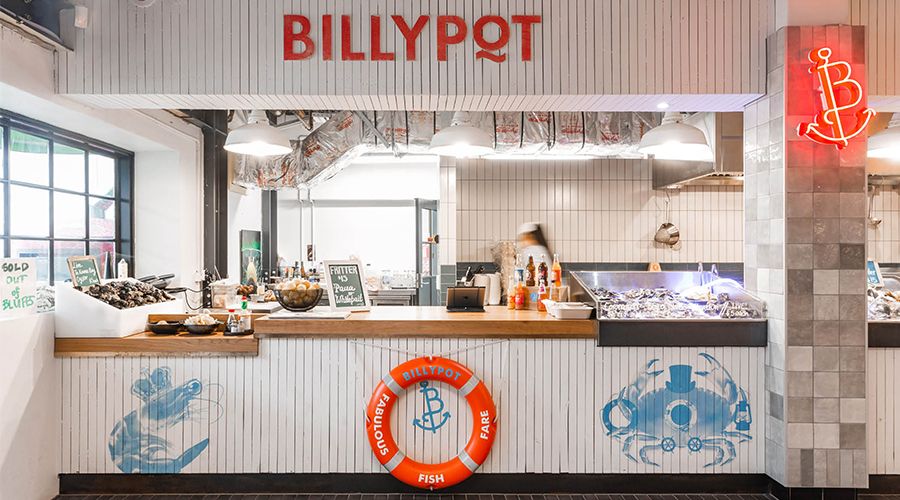
Billypot

What do you enjoy most about doing this kind of work? Many things. One of course, is the fact that everyone can relate to what we deliver, and everyone gets to enjoy the results. Seeing people enjoying themselves in spaces that we’ve had a hand in creating is something that brings us great pleasure.

What is unique about working with hospitality owner/operators in New Zealand? One of the huge advantages New Zealand has, is that we’re a small country, so we’re lucky to be close to our provenance. We can trace where our meat comes from, we know the name of the guy who caught our fish, and can speak to the hands behind our furniture. What we create carries a sense of integrity and authenticity. At Izzard, we approach all of our designs from this place (we don’t do ‘fake’) and we’re fortunate that our fantastic clients are on the same page.

Cassia

Where do you see the future of the hospitality space going? We will definitely see more multiple-venue situations, with far more choice. Recently we have been working on Harbour Eats at the new Commercial Bay development in downtown Auckland, which will see 40-or-so food venues combined under one roof. There is also a growing opportunity for smaller, more artisanal restaurants, bars and eateries as they’re cheaper to get up and running. This, of course, is better for the customer who will be afforded more vibrant and exciting choices than ever before. Burgeoning environmental concerns will see issues around sustainability continue to grow in importance, which relates back to the unparalleled provenance that hospitality operators can tap into in New Zealand. But essentially what I’m expecting is more entertainment built into the inherent design of a hospitality space, which will see us waving goodbye to stuffy boring dining rooms and will hopefully, give the customer a real reason to get out and enjoy themselves!

Gastronomy

Ember and Mt Beautiful are hosting a one-night winemaker’s dinner worth booking now
New Auckland bar The Halligan opens at Hotel Indigo
SOUL is shaking up Dry July with a menu of non-alcoholic cocktails
Ligne Roset Pumpkin armchair and Fogia Tabula table

With its sophisticated play on light and contemporary interiors, this coastal home leaves its ’80s past behind

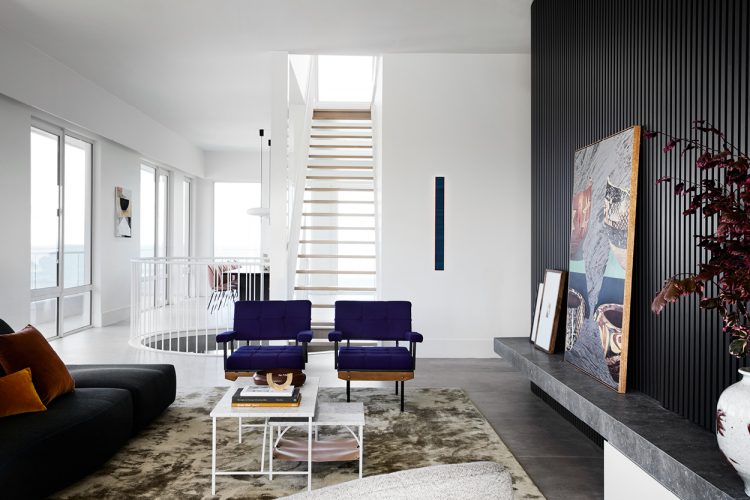
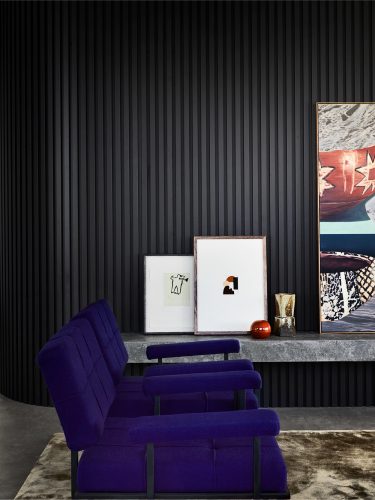
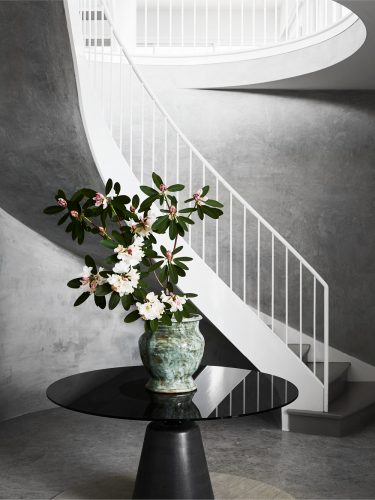
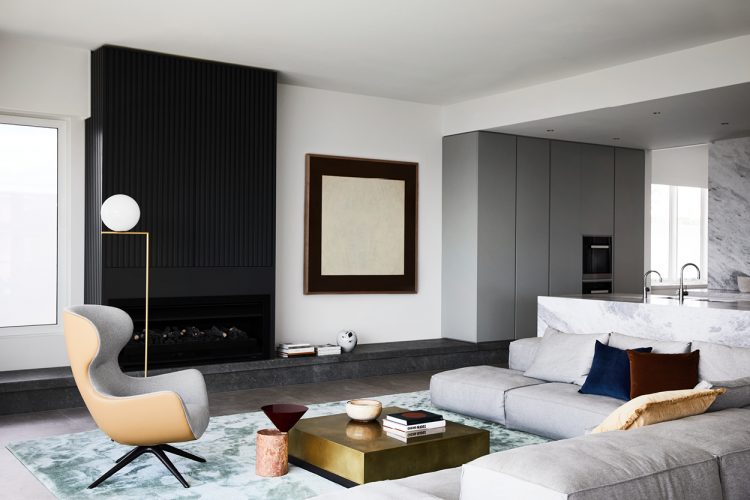
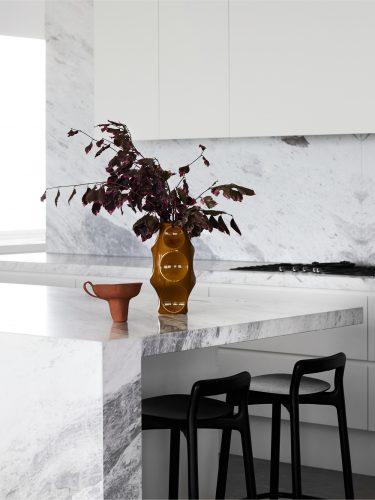
An eighties style house on Melbourne’s coastal strip The Esplanade has been given the 2020 treatment by Golden. The four bedroom, five bathroom received a glamorous makeover with Andorra Limestone flooring and a soothing palette of greys and charcoal providing a serene backdrop to bursts of colour from carefully curated furnishings. With the existing eighties-statement staircase replaced by a sculptural vertical balustrade and curved concrete, and light flooding the living spaces thanks to strategic skylights, the result is organic in texture and flow, leaving the past far behind.

MDF Italia Rock table from Matisse
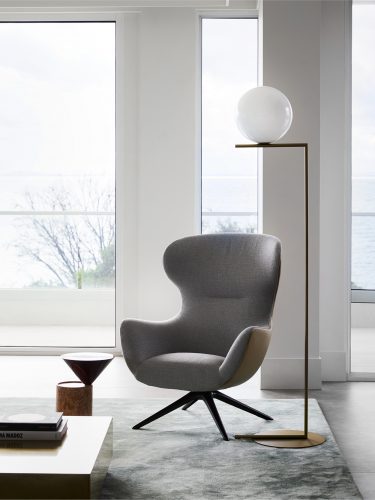
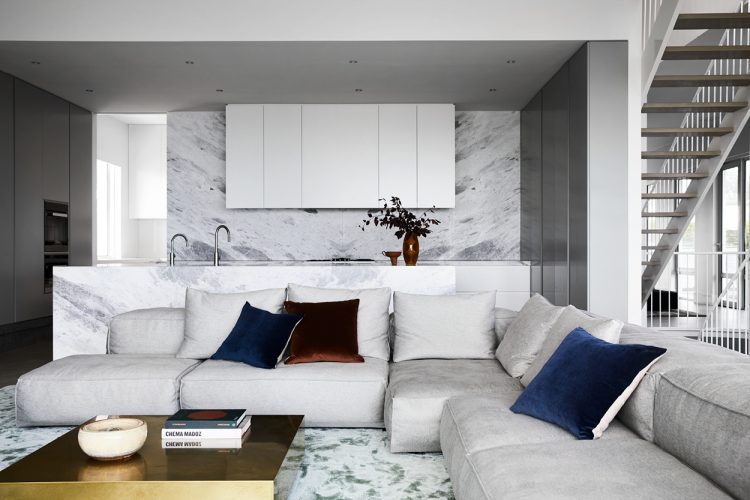
Poliform Mad Joker armchair from Studio Italia, Living Divani NeoWall sofa from Studio Italia, Floss IC F2 floor lamp from ECC, Baxter Loren table from Cavit & Co.
Poliform Mad Joker armchair from Studio Italia, Floss IC F2 floor lamp from ECC
Living Divani NeoWall sofa from Studio Italia, Baxter Loren table from Cavit & Co.
Gubi Beetle Chair from Cult Design
Mattiazzi Branca stool from Simon James Design
Oluce Atollo table lamp from ECC, Massproductions Crown armchair from Simon James Design.
Living Divani Chemise sofa from Studio Italia
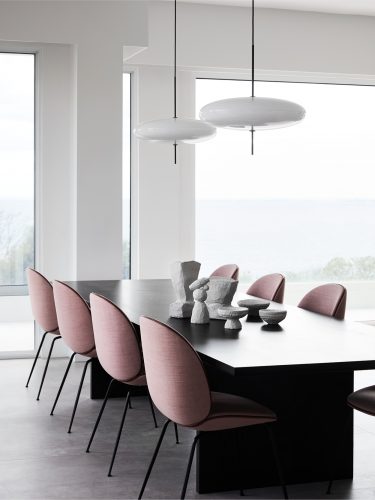
Flos IC Pendant from ECC, Baxter Nepal chair from Cavit & Co.
Flos IC Pendant from ECC
Kettal Landscape dining table from Studio Italia, Kettal Net dining chair from Studio Italia, Kettal boma sofa from Studio Italia and Kettal Mesh coffee and side table from Studio Italia
Kettal boma sofa from Studio Italia, Kettal Mesh side table from Studio Italia


Interior Design: Golden
Art Direction: Marsha Golemac
Photography: Sharyn Cairns

Clockwise: VeniceM Urban Floor Light 1 from Designers’ Collection, MIDJ of Italy Maya barstool from Sarsfield Brooke, Santa & Cole HeadHat Metalllic pendant from ECC, Tim Webber series sofa from Tim Webber Design.

Design

Inside the Marais apartment-gallery where hospitality becomes architecture
Italians in Residence: Molteni&C opens its first New Zealand flagship
How new furniture brought fresh life to this Auckland character villa

How Maggie Marilyn’s designer went from hating fashion to conquering the world

Designer Maggie Hewitt’s streamlined and sustainable approach to femininity catapulted her to the fashion frontlines straight out of design school, when her first Maggie Marilyn collection for Net-a-porter sold out in 72 hours. In the following four years her star has continued to rise at home in New Zealand and internationally, with the launch of a capsule range called Somewhere and dreams of conquering California. So just how do you become the Southern Hemisphere’s answer to Stella McCartney?

Maggie Marilyn Somewhere Capsule Range

How did Maggie Marilyn start?
I studied fashion and I think I always knew I wanted to have my own business or my own brand, so I went through university thinking that but when I reached the end of my degree I actually hated fashion. Hated it.
I didn’t even really want to be in the industry and I felt pretty overwhelmed. I felt like I was going to let my family down because I had done this degree that I didn’t really want to use. I went to a university where sustainability was a really big part of our curriculum, so I learnt about the really horrific side of fashion and I think the more I knew, the more I couldn’t turn a blind eye. I took some time off and then realised that I still loved fashion in the sense of wanting to wear beautiful clothing. That tugged at my heartstrings.
So I started thinking about where I was going to buy clothing that wasn’t vintage, where I felt comfortable buying into the brand. And at the time there really was only the likes of Stella McCartney and Gabriela Hearst, but they were at quite a luxury price point, so I saw a need for someone to create a conscious brand at an accessible price point.
That started me on my journey — very naively I might add. In many ways I think it was good to start a brand with very little idea about how hard it would be.

Maggie Marilyn Spring 2020 Ready-to-Wear Collection

What are the core values of Maggie Marilyn?
Our values of sustainability and wanting to make a difference in the world get me out of bed in the morning. It’s not the idea that I can make another beautiful dress, though empowering our customers to feel their best is important. But in those really tough times, what has kept me going is the positive effect that we could one day have on the industry, even worldwide. Sometimes I think that maybe, in five years, we won’t actually be known as a fashion brand but as something different.

What have been some of the biggest challenges you’ve had to face?
I’m such a big advocate for talking about the challenges because people don’t talk about them as much and it can feel really isolating for an emerging designer to have to go through those challenges on their own, thinking that no one else faces them. It can look like everyone’s really successful from Instagram! But I feel like everyone goes through the same things and has those times where they are crying in the shower.

Maggie Marilyn Fall 2020 Ready-to-Wear Collection

What’s it like working with the big guns like Net-a-porter?
You can’t underestimate the platform that something like Net-a-Porter can give you. It’s huge. And I can’t underplay what that did for my brand but it shouldn’t be the end goal, because ultimately, they’re in it for themselves.
Wholesale definitely plays a huge part in the industry. It will always play a part in my business. We’ve learnt the hard way because we had some big retailers from the very beginning, so I didn’t get a chance to learn with smaller boutiques about how to navigate certain situations. I had to learn with the big guys who don’t really care about you sitting in New Zealand.
Over the last 12 months we’ve learned that we really want to own that relationship with our customer. We want to know who that girl is, what she wants, and how we can be a part of that. We were also hearing how much people wanted to buy into the values of our brand, but couldn’t afford to.
Going forward we’ll work with the wholesalers that help to amplify our story, and our mission, because they give great marketing leverage. Then it’s really about driving revenue and growth through our direct-to-consumer.

Maggie Marilyn Somewhere Capsule Range

What is the state of fashion production in NZ?
You walk into the factories and there are no young people working. We’ve actually just launched an apprenticeship programme for the workshop, so we can teach them skills like how to pattern-make and become sample machinists. We’re trying to invest back into the industry because for me, I eventually want to create jewellery, shoes, handbags and swimwear, and we probably won’t be able to make those things here until we’re big enough to invest in the technology. For our ready-to-wear ranges, part of the enjoyment I get from creating them is the relationships we have with our makers. 

Maggie Marilyn Showroom in Newmarket, Auckland

Will we see a Maggie Marilyn store?
We definitely want to do bricks and mortar but our first standalone store wouldn’t be in New Zealand — there’s just not enough people here. I have this dream of living in LA so I’m set on Melrose for our first store. I don’t know how it’s going to happen and I have no idea how we’re going to get there but that’s on the vision board.

What’s next?
In the next few years we’ll aim to have a head office in New York, so the aim is to get the right talent so we can move our offices overseas. We look to brands like Patagonia as massive companies that are changing the world — so that’s where my ambitions are.

Coveted

Tiffany & Co.’s Paradise Birds chapter brings Blue Book 2026 to life
The luxury skiwear concierge taking the hassle out of ski holidays
The jewellery designed for movement, ease and everyday elegance