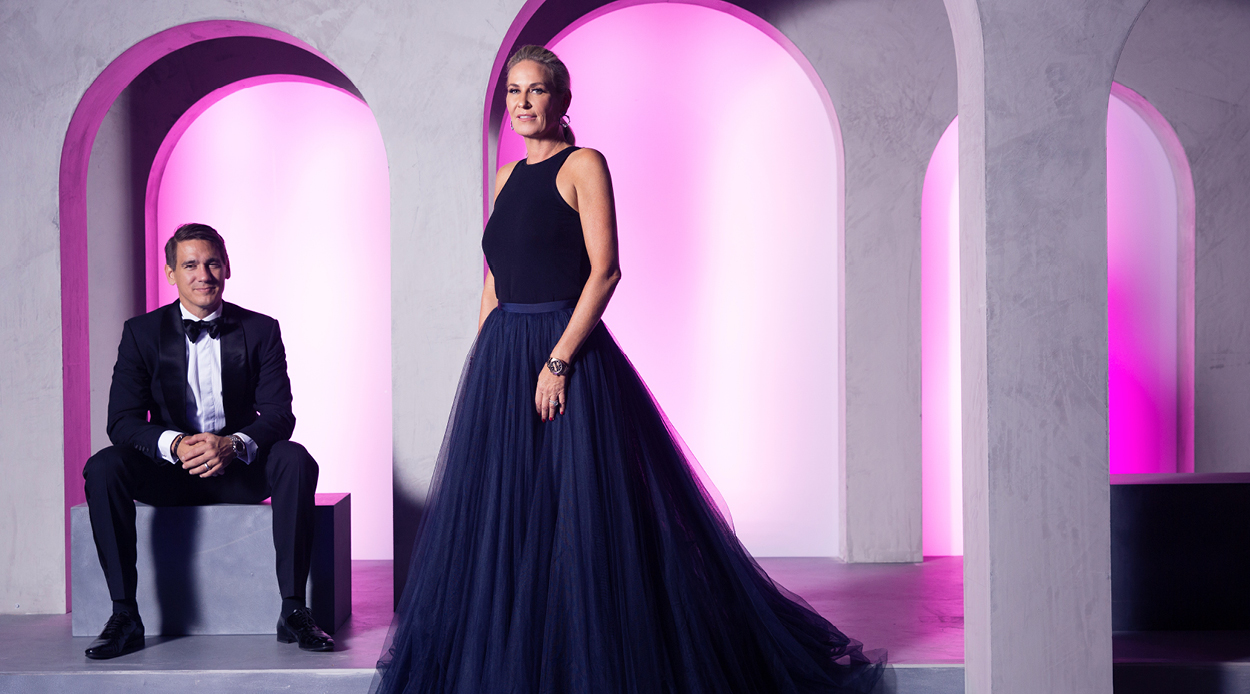
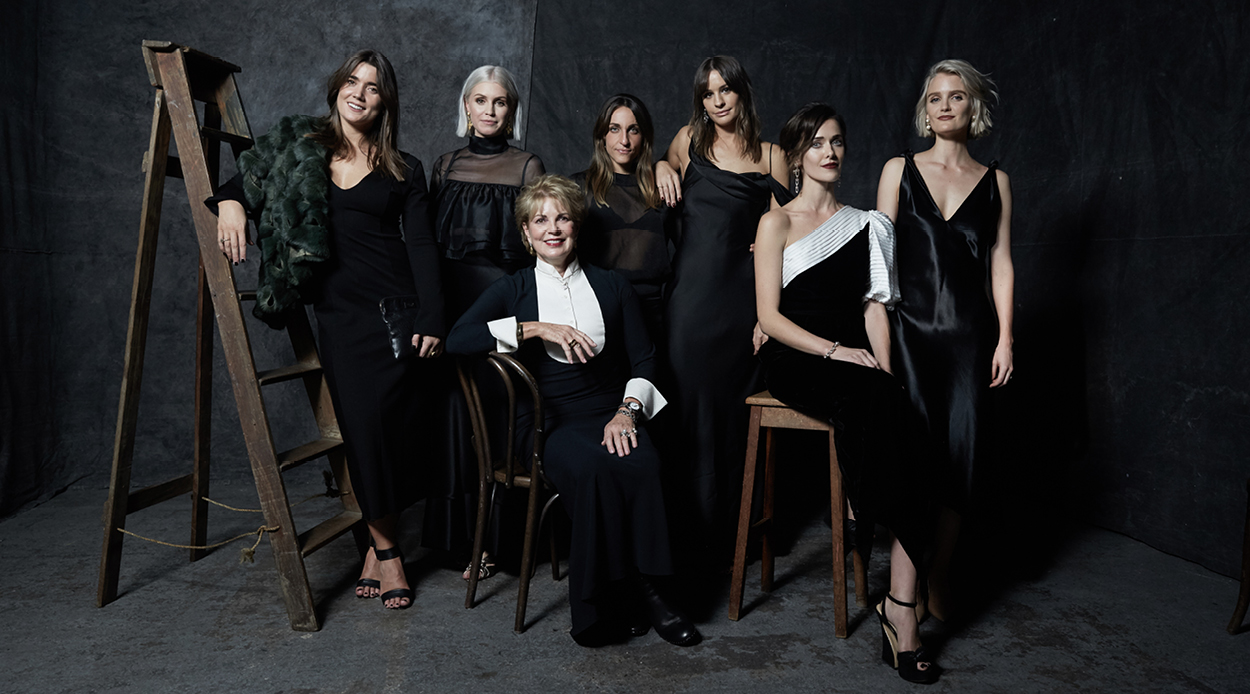
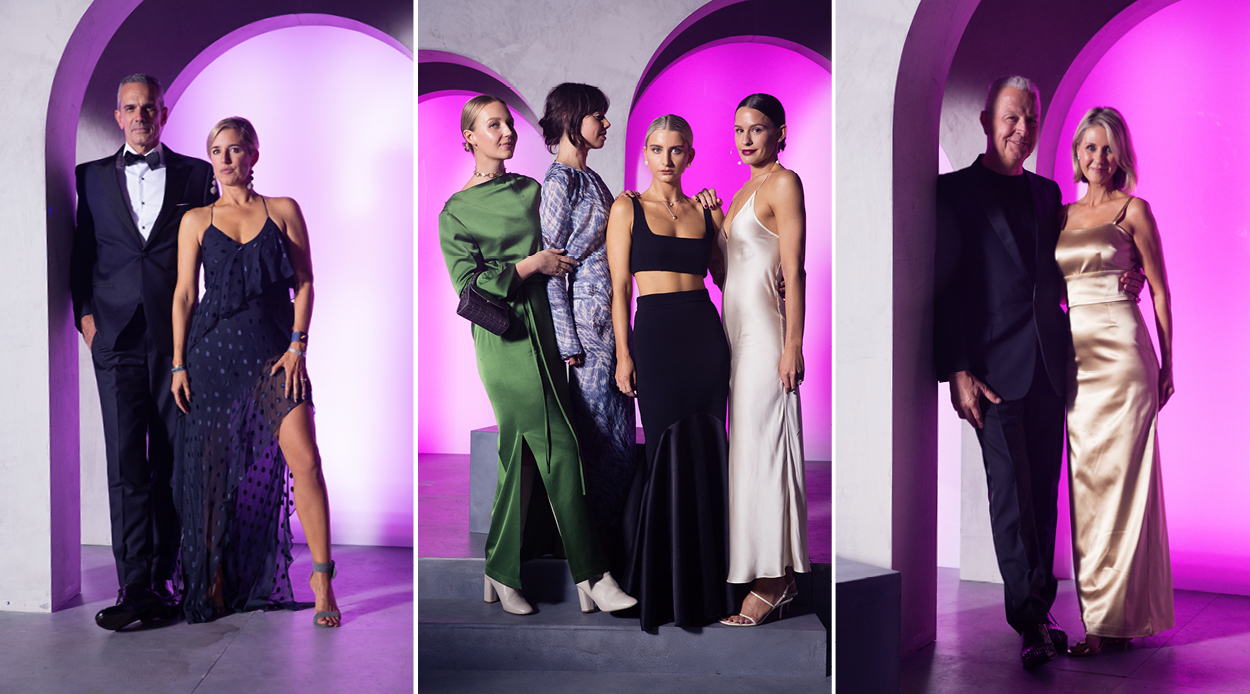
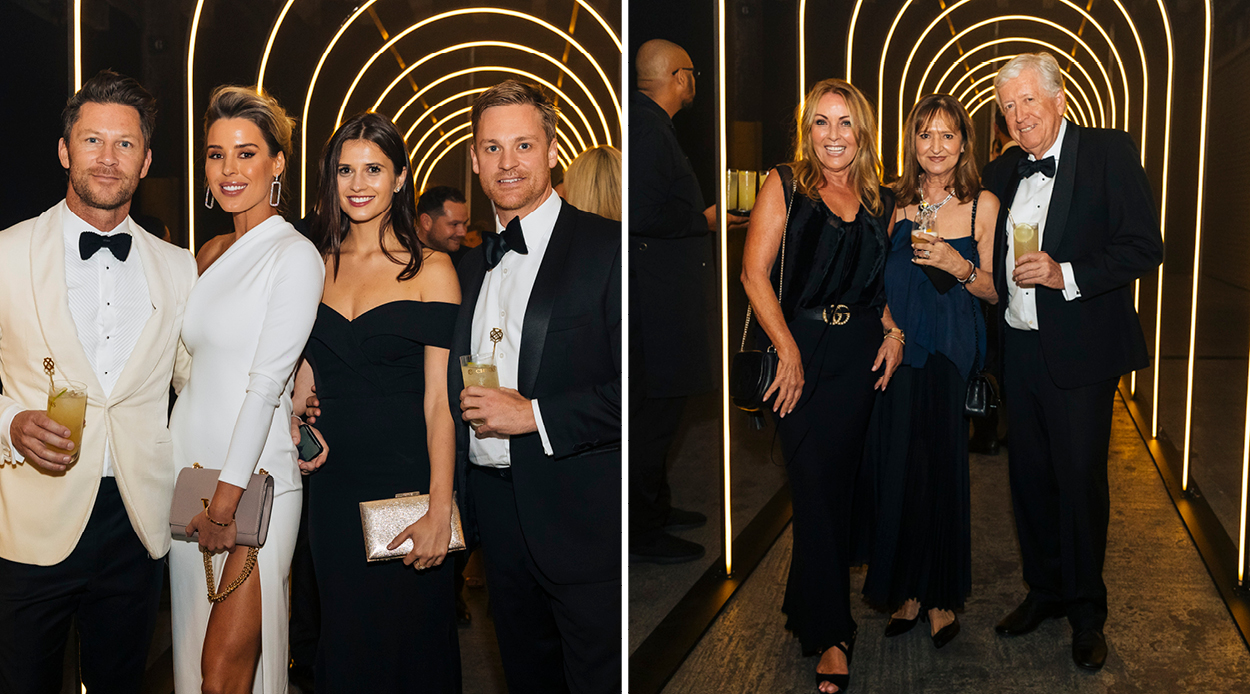
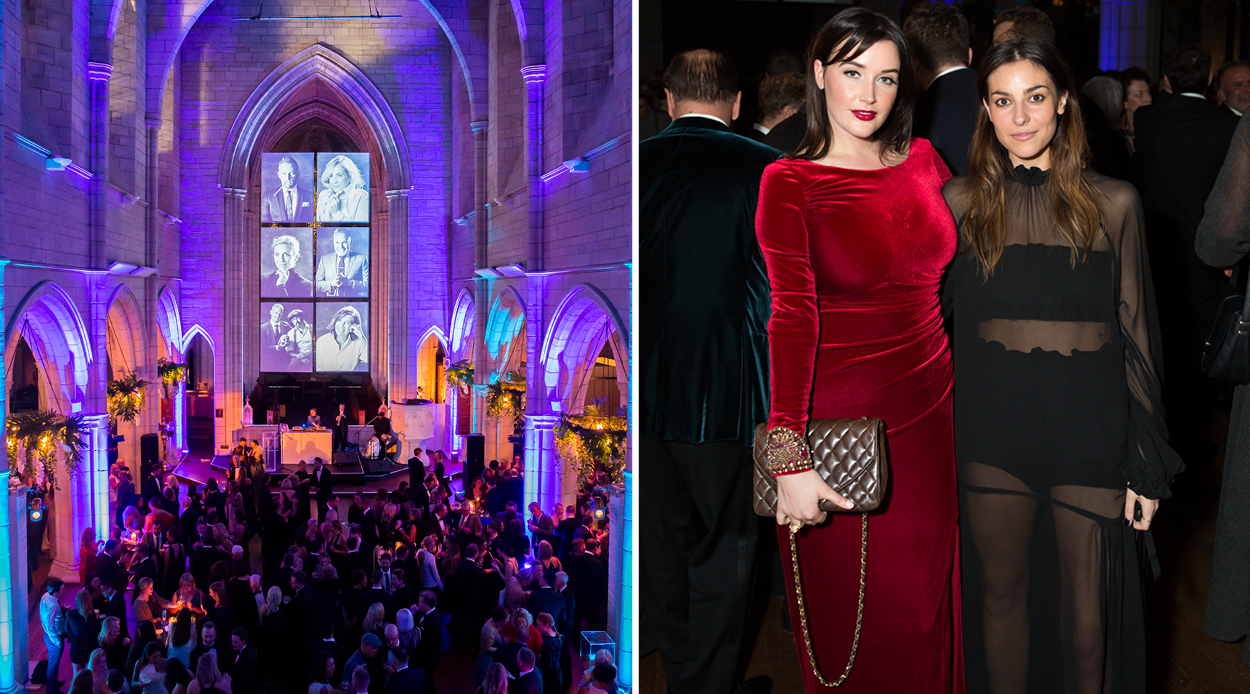
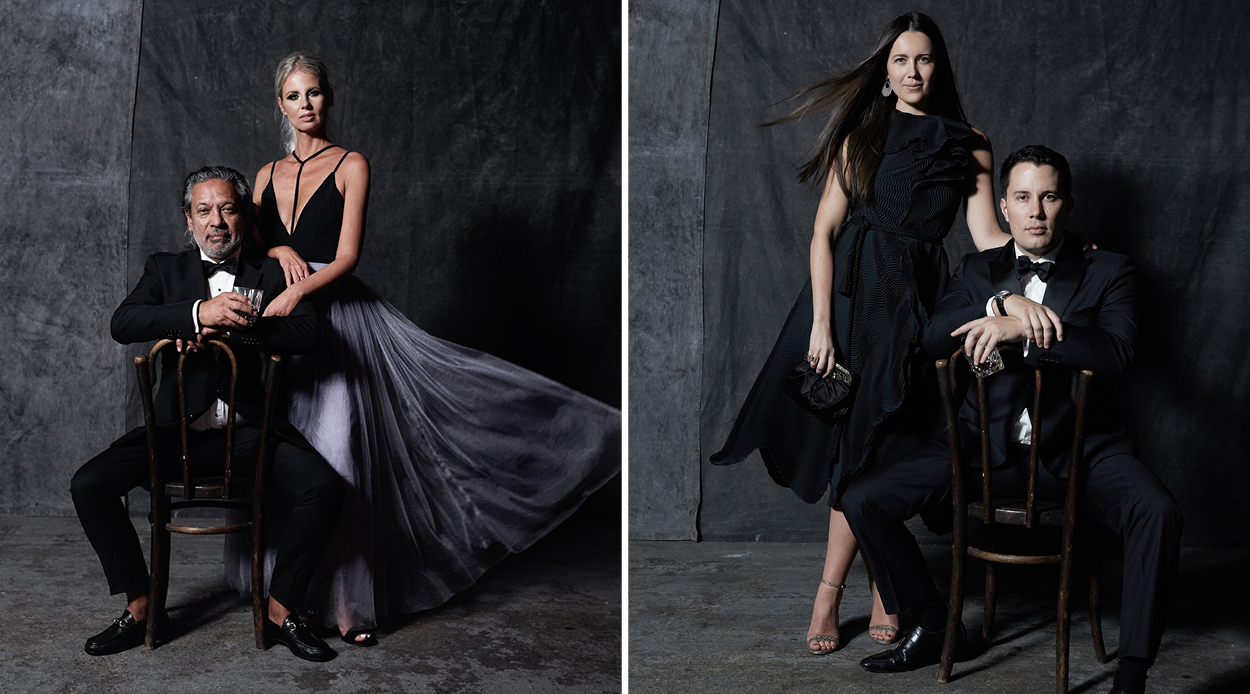
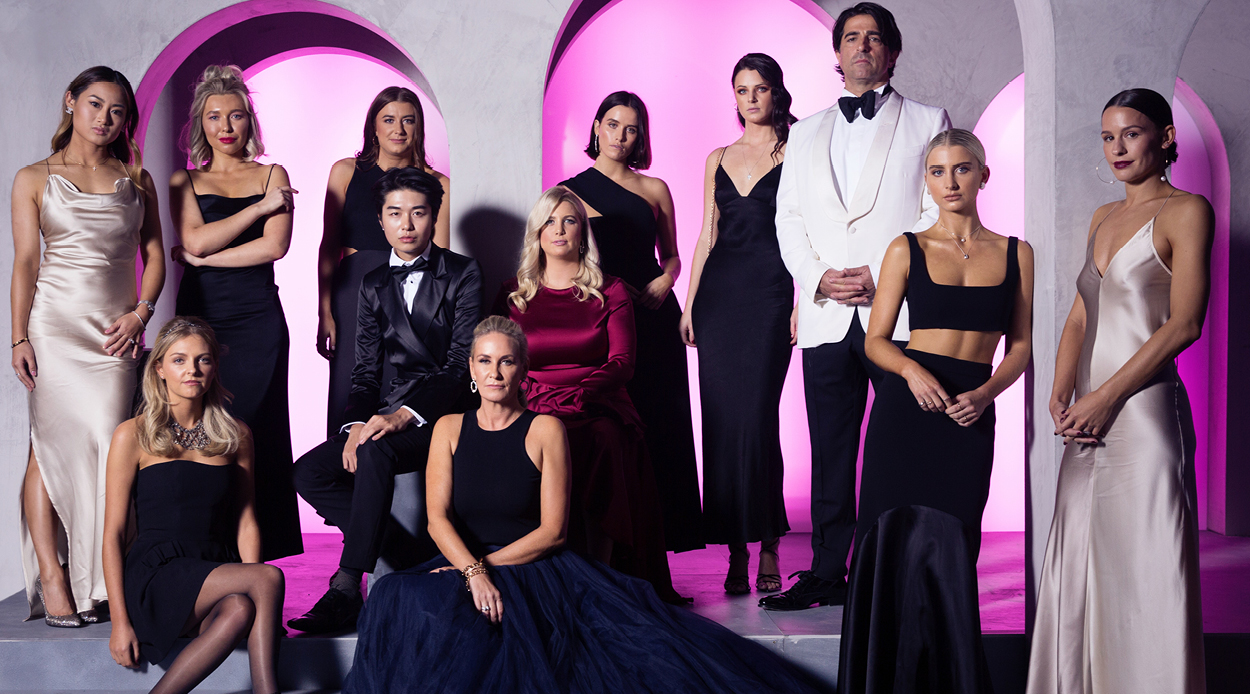
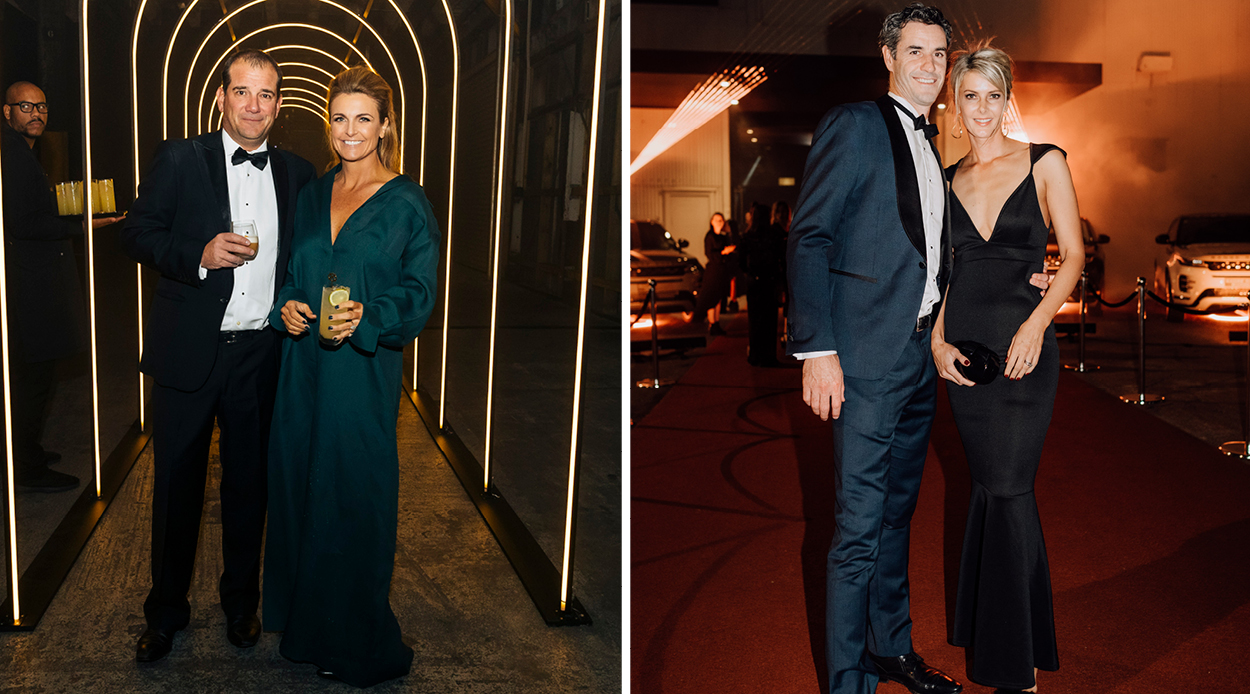
Five years ago today, we launched our first Denizen Heroes Gala. Designed as a celebration that honoured the efforts of outstanding individuals who are dedicated to enhancing the lives of others, the Heroes event has gone on to become the most anticipated social event of the year.
With the current circumstances preventing this year’s event, the next best thing is take a walk down memory lane and remind ourselves of the fantastic nights that have gone before.
It’s our hope that in 2021, we can reignite the night and celebrate the very best of our country with a renewed Denizen Heroes Gala, that’s more enticing than ever.
To view the photo galleries from each year go here:
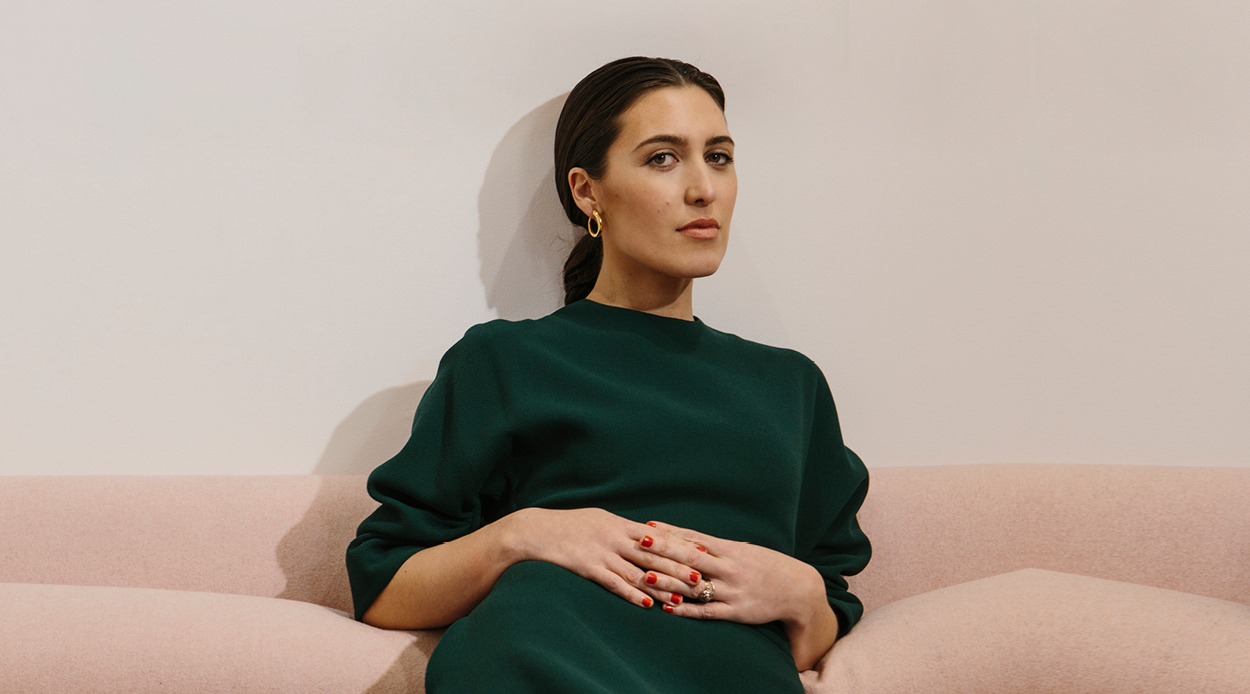
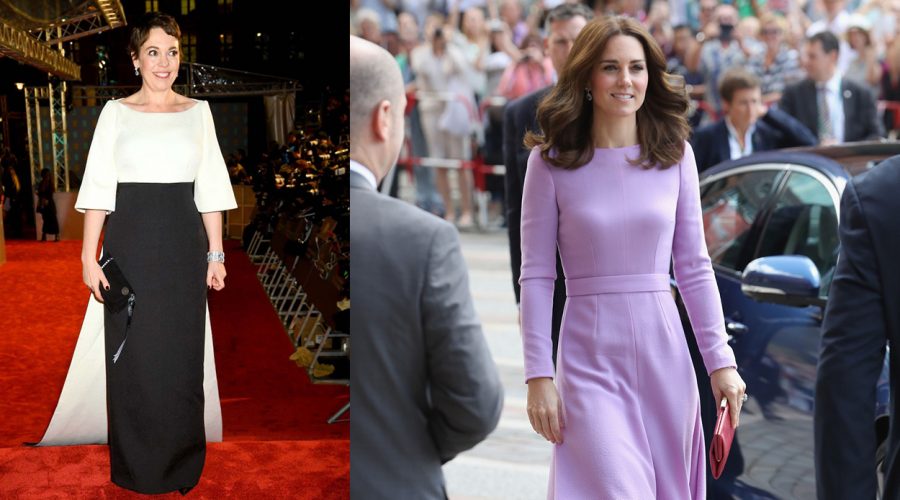
“Ultimately, my job is to make people, when they’re wearing my clothes, feel put together and confident and feel like they can achieve anything,” Emilia Wickstead tells me. The designer is explaining the mandate that drives her eponymous fashion label, and it’s giving me a distinct sense of her democratic nature. Worn by the likes of Michelle Obama, Amal Clooney, Alexa Chung, Celine Dion, Amy Adams, Kate Middleton and our very own Prime Minister, and a regular fixture on almost every red carpet of note, Emilia Wickstead is a label carrying some serious clout. But for its New Zealand-born designer, the reward comes from a more grounded place. “You put your heart and soul into dressing someone for the red carpet, so it is amazing,” she says, “but when you see someone on the street wearing your dress or your blouse… and women of all ages, shapes and sizes, you also feel incredibly proud of that too. There’s really not one type of woman I dress — that’s what I’m most proud of.” Acknowledging that Wickstead’s designs transcend one type of woman is one way to underpin her appeal. But for me, broadening that statement feels more accurate: her clothes are universal.
Born in New Zealand, and still, as she tells me, strongly connected to her Kiwi roots (despite basing her business in London), Wickstead’s passion for creating garments really started, as these things often do, with her mum. “My mum was a seamstress,” she explains, “so being a small girl in her workshop and watching her make clothes was definitely a source of early inspiration.” Also articulating how a passion for art was passed down to her from her father — something Wickstead still carries with her to this day — creativity it seems, was ingrained in her DNA.
But it was moving to Milan at age 14, a place Wickstead says was, “not only a central hub for art but also for fashion design,” that set the young creative on a tangible path within the industry in which she’s now a leader. “It was a place that stimulated my imagination,” she tells me, which is hardly surprising considering the close proximity she would have had to some of the most iconic fashion houses in the world. A Central Saint Martins alumni, Wickstead also credits the practical experience she was afforded through her degree as being vital in formulating a vision for where she wanted to sit in the larger context of the industry.
After stints working for the likes of Proenza Schouler and American Vogue, she settled in London at age 24, establishing an atelier in her name and committing, as she continues to do, to creating clothes for the modern woman. “I started my business so young,” Wickstead tells me, laughing, “so at the start, I really had no idea what I was doing.” It’s difficult to look back and imagine Wickstead as a struggling, twenty-something from the context of her enormous success now. But as she tells me, with refreshing honesty, “it took probably about nine years to really feel in a good place.”
To simply call Wickstead’s collections ‘good,’ however, would be to do them a grave disservice. With an aesthetic grounded in her ability to deftly meld hyper-femininity with a unique combination of whimsy and strength, Wickstead’s pieces hold court in the modern context, while possessing an indescribable edge that renders them entirely timeless.
“Fashion,” she tells me, “offers an opportunity to revive history, to revive its stories in a new and exciting way.” Citing Christian Dior and Diana Vreeland as two of her idols, Wickstead draws inspiration from a vast and varied wellspring of creative sources including architecture, photography and film, explaining, “I often go to the library to watch old salon shows.” She seems to revel in a kind of old-world aesthetic, which comes through in her refined silhouettes and flattering fabrics. “What I love about that aesthetic,” she tells me, “is the sense of preciousness that you feel for everything within it — the reverence for craftsmanship and the time that was poured into its creation.”
Everything Wickstead touches carries this sense of craftsmanship, via her perceptive, intelligent approach and artisanal delivery. For Pre-Fall 19, for instance, the designer returned to her roots and used the floral backdrop of Auckland’s Winter Gardens to frame pieces that were both inherently wearable and executed with a romantic, couture-like discipline. For Fall 19, she was inspired by Mary Corleone of The Godfather trilogy and created a collection that balanced more masculine motifs (oversized coats, herringbone checks) with a nipped waist here or a décolletage-baring neckline there. It was described as ‘a wardrobe for life,’ which to me, captures the essence of how the designer wishes to see her work realised — in a more holistic and less piece-by-piece way.
“If you’re passionate about fashion,” Wickstead says, “then it’s about putting a look together and thinking… how do I describe it…” she trails off. “Finished?” I suggest. “Exactly,” she replies. “When people dress up, when their outfit feels finished, you can see the confidence in them because of the way those clothes make them feel.”
Hers is an attitude of curating clothing that will last a lifetime, as well as embracing a kind of understated luxury that, being from New Zealand, is surely something that was embedded in her psyche long ago. It is an interesting phenomenon that Kiwis seem to be able, no matter how brightly their star shines on the world stage, to maintain a level of modesty that’s based on an ethos of treating everyone on an equal footing. Wickstead has this in spades. “My childhood in New Zealand very much informed my attitude and approach towards work and entrepreneurship,” she says, underlining how that inherent Kiwi propensity to “roll up our sleeves, work hard and give things a go,” never left her, regardless of having lived most of her adult life overseas. It’s served her well. “Being from New Zealand has given me a great sense of perspective,” she says, “and it’s stood me in good stead when it comes to running a business.”
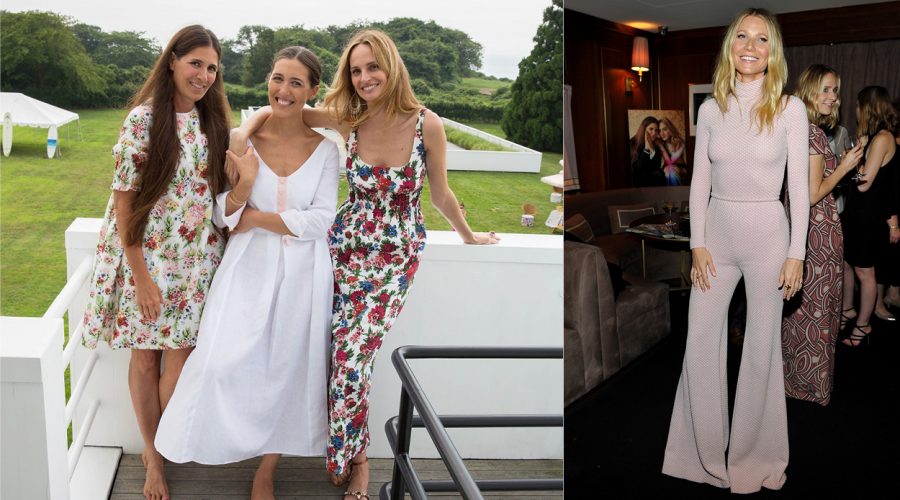
Left: Emilia Wickstead with celebrity stylist Elizabeth Saltzman and Lauren Santo Domingo | Right: Gwyneth Paltrow in Emilia Wickstead
As an homage to her country of origin, Wickstead recently created a capsule collection for Woolmark (the global authority on Merino wool which, every year, bestows an AU$200,000 prize on an up-and-coming fashion designer), for which she drew heavily on her New Zealand identity. Describing it as “an absolute passion project,” Wickstead articulated that her vision going into the collection was to “share something of our country with the world.” As such, she decided to photograph the pieces on a line-up of impressive Kiwi women, including the first female Judge to be appointed to the High Court, Dame Silvia Cartwright, the decorated shot putter Dame Valerie Adams, the first Māori woman in New Zealand to gain a doctorate, Ngahuia Te Awekotuku and the first female president of New Zealand Federated Farmers, Katie Milne.
It felt like a love letter from Wickstead to the kind of women she admired growing up, strong women like her mum, who inspired her to go forth and join the ranks as a New Zealander making a significant mark on the world. This collection aptly named ‘Ordinary Yet Extraordinary Women’ also saw Wickstead team up with Smart Works, a British charity that helps women struggling with unemployment prepare for job interviews, a cause close to Wickstead’s heart. “Clothing can make you feel absolutely incredible, or not,” she says, “it gives you pride and is so important to the way you see yourself.” As such, a portion of the collection will be donated to Smart Works, marking yet another way that Wickstead is a woman, working for women.
For me, Wickstead embodies heroism in her unwavering drive, her commitment to creating collections for the people who wear them (as opposed to the prevailing and often fickle trends), and her ability to remain grounded in the face of extraordinary success. Having attracted various private and venture level funding in the past, her label (still independently owned) has gone from strength to strength, and now viably competes with the kinds of brands she would have grown up idolising in Milan. There is no doubt she’s being closely watched by fashion’s major conglomerates (including the likes of LVMH and Kering) as a potential, future acquisition, following in the footsteps of other independent fashion success stories such as Alexander McQueen, Stella McCartney and Marc Jacobs.
But despite her entrepreneurial accomplishments and the fact that her brand has become an undisputed go-to for those in the spotlight, Wickstead is a designer for whom an unerring work ethic and attitude of perseverance (both attributes that she credits to her Kiwi upbringing), will ensure that complacency is never on the cards. “I think the best advice I could give,” Wickstead tells me, “is to just keep going. It will only happen when you’re 100 per cent committed to your message and your vision.” Asked to describe The Emilia Wickstead Woman, the designer gave this summary: “she’s multi-dimensional, modern, confident, assertive and driven” — as much a description of Wickstead herself as it is of the women she dresses.
It’s time to reclaim that TGIF feeling by planning a weekend packed with activities to remind you of the fun you can have outside the house. We have rounded up a range of activities to make children forget about cabin fever and some adult indulgences that signal a successful Saturday and Sunday. Here are our weekend wonders.
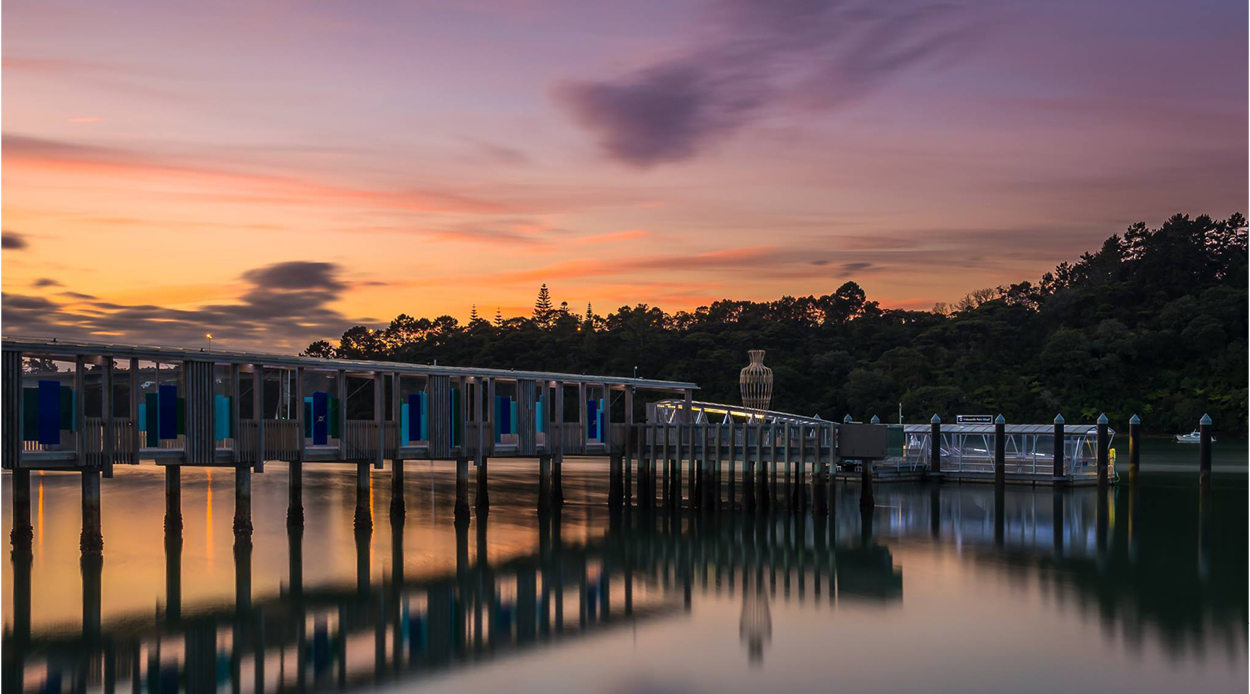
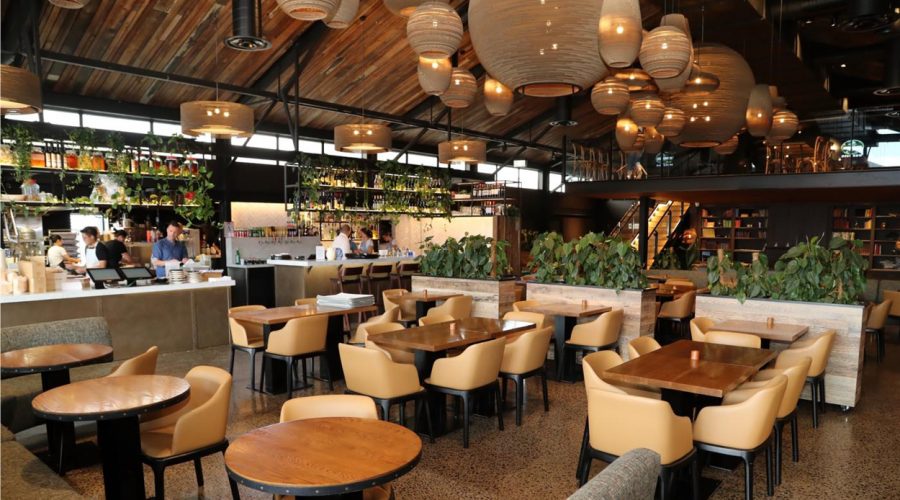
Hobsonville Point The easiest place to sip and exercise physical distancing is the Little Creatures Brewery, just a 20 minute drive from Auckland at Hobsonville Point. The 1500 square metre converted aircraft hangar opened last year after a $20 million investment from the owners, offering a selection of the popular hoppy beers that originated in Perth, Australia. Head brewer Udo van Deventer is producing around 60 50-litre kegs a week of the Catalina Bay Lager, so don’t expect to go thirsty. There’s also a hearty winter menu packed with pizzas, burgers and beef cheek sliders to allow you to settle in. If you’re after a slightly more refined experience, start your day at Fabric with a Coconut and Vanilla Chia Pudding or finish it with Venison Loin in a Pedro Ximinez jus because at any time the riverside setting is simply spectacular. Let your worries wash away as you soak in the natural beauty. The indoors aren’t bad either with Wills Bond & Co, along with Chesire architects, having tastefully transformed the former RNZAF building in a soothing neutral palette with oak furnishings and a luxurious marble bar.
Snowplanet Touching down on Snowplanet in Silverdale will give you a taste of travelling further afield with their 8000 square metres of indoor snow activities. Whether you’re a first-time snowboarder in need of lessons or an experienced skier keen to fine tune your black diamond form, the Terrain Park will be your domain to master. The Winter Wonderland has also reopened for children with additional health measures in place so that pint-sized visitors can safely explore the family-friendly alpine village or even try tobogganing.
The Grounds Taking the family to a cool eatery is usually fraught with the risk of upsetting fellow diners with the vociferous demands of little ones in need of a Peppa Pig fix. On the flip side many kid-friendly places sacrifice adult aesthetics for wipe-down convenience. Fortunately, top chefs Ben Bayly (who might seem familiar from his MKR days) and Mike “The Russian” Tartura have found the perfect balance at Henderson drawcard The Grounds. The menu runs the gamut of grown up tastes (think roasted Te Mana lamb rump with charred cauliflower) as well as simple offerings for small ones (hot dogs or dumplings) and there’s a hi-tech playground and plenty of room to keep them occupied until the arrival of dessert has them acting like angels.
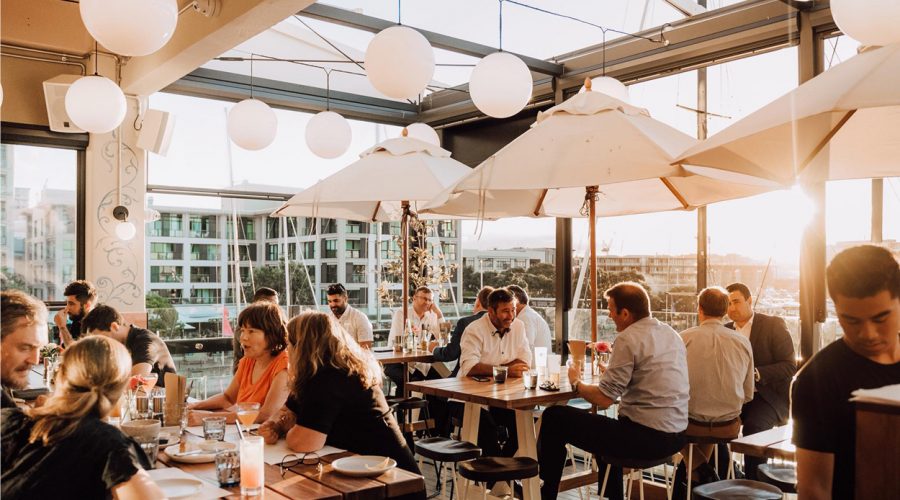
Saint Alice at Viaduct Harbour Conceived by the team who opened next-door’s wildly popular bar and brewery, Dr Rudi’s Rooftop Brew Co. (Callum O’Brien, Kristian Lloydd and Andrew Roborgh) Saint Alice continues to cross the boundaries between laid-back eatery, brasserie and bar. Visit to check out the recent update to the fresh fit-out along with a new menu, packed with wood fired pizzas, fried chicken and sharing platters worth enjoying along with a cocktail as you take in the spectacular view.
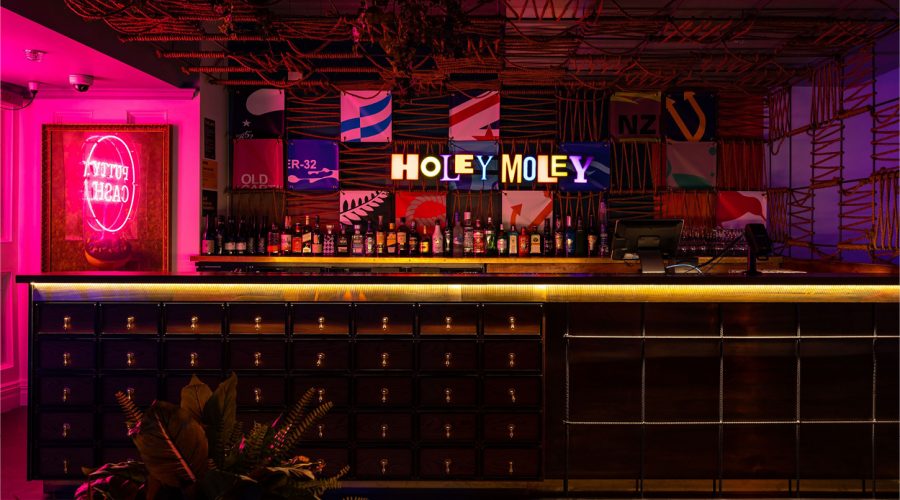
Holey Moley at Viaduct Harbour A healthy dose of mini-golf nostalgia, given a contemporary update with cocktails and an Instagram-friendly neon fit-out, will revitalise your social media profile beyond home workouts and filtered shots of you on the sofa in sweatpants. To introduce their social distancing friendly approach, Holey Moley has launched a Sip & Swing 90-minute session, which includes unlimited mini-golf and a selection of food and drink for $50. If everyone stops worrying about the score, you know you’re having a good time.
Yum cha at Grand Harbour One of the first yum cha restaurants to open in Auckland, Grand Harbour has been drawing everyone from the faintly hungover to happy families to Viaduct Harbour for 20 years. If you’re feeling brave enjoy the world class oysters with salted egg sauce or delight in the simpler wonders of the buttery egg tarts. Side note: it’s also one style of brunch where it’s 100 per cent acceptable to order from the alcohol menu.
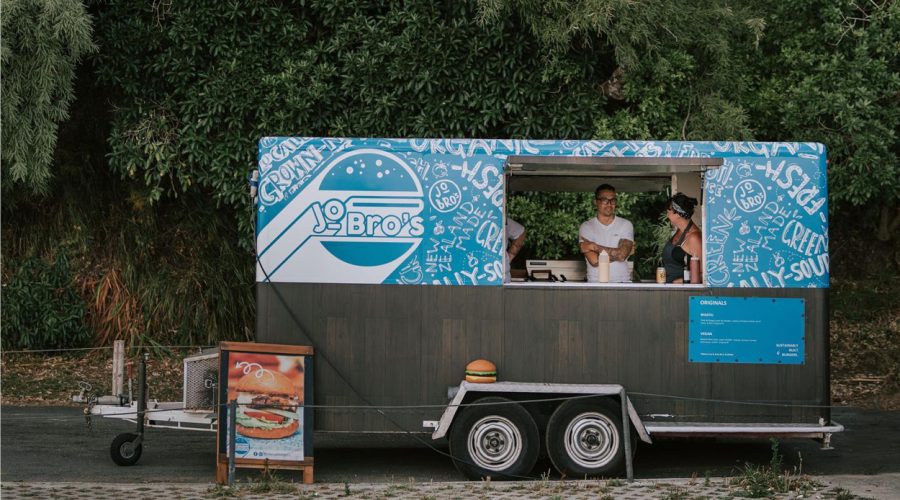
Jo Bros Burgers at French Bay JoBrosBurgers call themselves a “classic, no-fuss burger joint,” but we believe that to be an understatement. From this 80s caravan chefs Josh Barlow and Brody Jenkins, who first met in the kitchen of fine dining institution The Grove, produce addictive burgers worth hitting the road for. All the ingredients are sustainably sourced from New Zealand, and the artisan buns are handmade with spray-free flour. JoBros offers two different beef patties — Taupo beef and wagyu — both of which are served with a slice of cheddar cheese and the creamy, rich JoBros Original sauce to create the ultimate finger-licking burger experience. Fri–Sat, 5pm–9pm, 7 Bernleigh Tce, West Harbour.
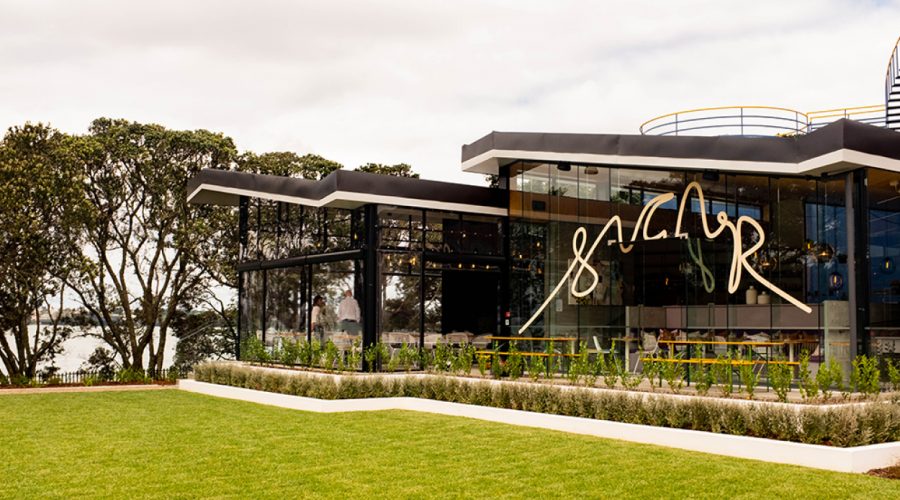
Sugar at the Chelsea Sugar Factory Located in Birkenhead’s Chelsea Sugar Factory, Sugar is a soft, welcoming space with a menu that combines savoury favourites with a number of sweet treats from dessert stars Fran Mazza and Aaron Carson (of Winona Forever, Major Tom et al.) The high tea offering is a highlight, comprising a tasty array of sweet and savoury finger food, served with a side of champagne. The nearby adventure playground should offer enough challenges to work off any sugar highs.
Waterview Reserve Skate Park and BMX track If any adrenalin junkies have been left climbing the walls of your home during lockdown, unleash them on the concrete dips and hills of this epic figure of eight track, complete with arrows to make sure that you’re heading in the right direction on the pump track style loop.
As we return to working in offices, dining at our favourite restaurants and rubbing shoulders rather the elbows with loved ones, there is one habit from our isolation lives that should remain – regular hand washing. While the outbreak of Covid-19 sent slick hand sanitiser sales soaring, it’s regular soap that stops the spread of the virus most effectively.
“Washing hands with soap and warm to hot water is still the most effective way to get rid of germs,” says Pablo Kraus, Ecostore’s Managing Director. “And despite what you may think, this doesn’t need to mean reaching for a nasty chemical-laden product. Ecostore handwash is just as effective at killing germs, while being kind to the environment and your skin at the same time.”
To accommodate more frequent hand lathering from responsible people, Ecostore has released two newly designed, larger sized hand wash bottles, with a 425ml pump pack and an 850ml refill. The upsized range includes Mint & Manuka Honey, Vanilla & Coconut, Lemongrass and Ultra Sensitive.
“It’s important to wash our hands more regularly than usual; before we leave the house, when we come home, before meals, after using the bathroom, or after touching any shared surface outside our homes,” Kraus says. “Hand sanitiser definitely has its place for those moments when we can’t get to a basin to wash our hands, but it’s important to stress that hand sanitiser does not remove bacteria like hand wash does. Hand sanitiser simply neutralises the bacteria, but leaves it on your hands, allowing it to resurge later.”
“So stick to hand washing as often as you can, for at least 20 seconds, then rinse with water and dry hands thoroughly. And remember it doesn’t need to be with Hand Wash – any Ecostore bar soap, body wash or even dish liquid will do the job.”
To celebrate the launch of Ecostore’s newly designed hand wash bottles, we have four back to business packs to giveaway for your home or office. Each pack includes six 450ml hand wash bottles and one 850ml refill. Prize will be drawn on Friday 29th May with the winners notified by email.
This year we are taking a hiatus from Denizen’s eagerly-anticipated annual celebration of Heroes. We look forward to paying proper tribute to influential New Zealanders when the battle against Covid-19 is over. In the meantime we look at back at the inspiring stories of the trailblazers we have honoured in the past and continue to proudly call Heroes. Meet hero Jessica McCormack.
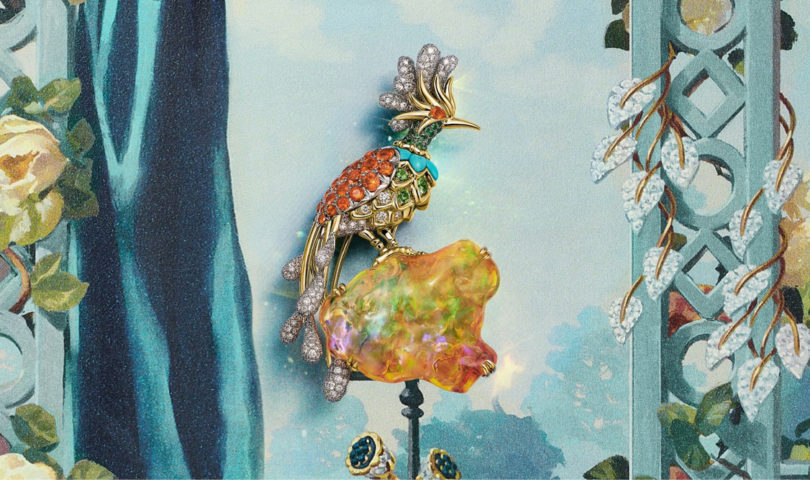
There is something transcendent about Jessica McCormack jewellery. While it thrives in its contemporary context, there is an unmistakable air of elusive, old-world appeal. This is jewellery for the modern woman, and yet, in many ways it feels like an ode to women of the past, seeming to exist both as a product of its time and at odds with the concept of time altogether. When it comes down to it, it’s a reflection of its creator. A woman who not only balances practicality and glamour with enviable ease, but in whom the idea of preservation — whether it be of a craft, of an object, or of an attitude — was instilled at a young age. With her unique sensibilities, Jessica McCormack is resurrecting historical craftsmanship to redefine the genre of fine jewellery as we know it and is putting New Zealand on the map in the process.
McCormack’s obsession with the artistry behind fine jewellery started after moving from her native New Zealand to London to work in the Sotheby’s jewellery department. “I was exposed to Russian crown jewels, 1920s Cartier, Lalique,” she tells me, explaining how it opened her eyes to a world into which she had never had access growing up in Christchurch. This hands-on experience combined with a potent blend of work ethic, inherent creativity and good timing, propelled McCormack into the beginnings of her career. But it wasn’t a cut-and-dried path. “I didn’t set out to do this,” she explains. “It was just very incremental, very intuitive and very much about going with my gut and working really, really hard.”
While McCormack was building her first collection, she worked for a diamond wholesaler, gaining an education in gem grading and how best to work with precious stones. One of the first pieces McCormack ever created sold to Rihanna, and while at the time it might have felt like a fortuitous beginning, looking back now, it was an early indication of the kind of success her label would eventually achieve.
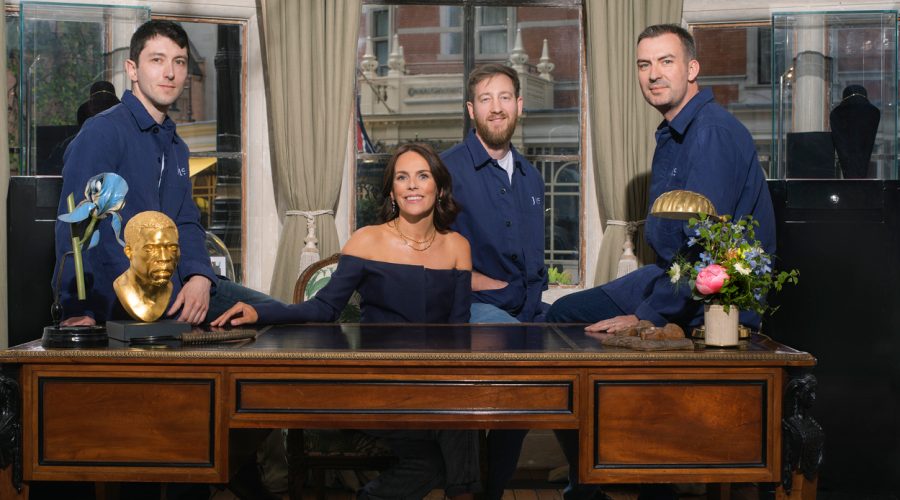
Jessica McCormack in the Mayfair townhouse that houses her shop and workshop, surrounded by three of her specially-trained jewellers
Speaking with McCormack, what strikes me first is her unaffected manner. Despite having created what is the undisputed ‘it’ label in women’s high-end jewellery, she doesn’t put on airs, nor does she seem to possess so much as a hint of the haughtiness often associated with those in her industry. While her business might have been born and bred in London’s lofty Mayfair, she still embodies that quintessential, entrepreneurial Kiwi spirit that keeps her grounded, and ensures an ethos of quality remains at the heart of her success.
It’s almost impossible to trawl Instagram without bumping into at least one of McCormack’s designs, usually adorning the décolletage of some Hollywood star or other. Her client list includes the likes of Madonna, Rosie Huntington-Whiteley, Liv Tyler, Victoria Beckham and Meghan Markle. McCormack’s delicate but striking aesthetic was made distinctive from the beginning, thanks to her decision to revive the traditional Georgian setting. “What I feel it does, is soften the diamond,” she says, explaining it as a more pared-back, refined look. “Diamonds can be super twee and a little bit ageing and harsh,” she says, and although I tend to agree, McCormack’s collections tell a totally different story.
Dispelling the classic claw settings, and instead, encasing her diamonds in a button shape (usually in yellow gold, white gold or oxidised silver), the resulting pieces allow the wearer the unprecedented ability to don their finery at any time of the day — without it ever feeling out of place. “I love the idea that you can wake up in the morning and have your diamonds on with your pyjamas, and then wear them to the gym, and then go to work and afterwards go out for dinner and drink tequila and dance on tables,” McCormack laughs, crediting her unique, “360-degree, holistic way of wearing diamonds,” as part of the reason why her collections have found such a wide and willing audience. “My clients range from 16 to 93,” McCormack tells me, describing a beautiful bracelet she had recently completed for a nonagenarian. Her ability to take something as classical and as typically untouchable as the diamond, remove it from its historical context and reimagine it as something modern and versatile is what has given her pieces such universal appeal. And in many ways, it’s a testament to her upbringing.
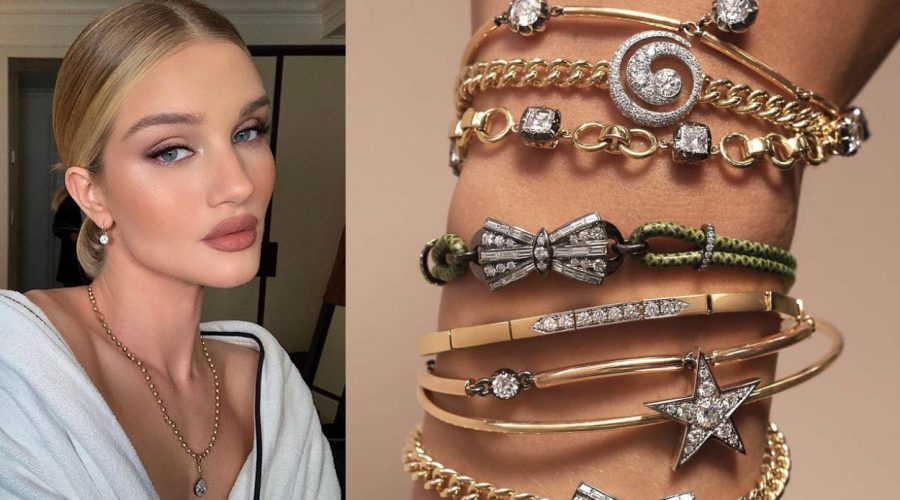
Left: Rosie Huntington-Whitely in Jessica McCormack jewellery
McCormack’s late father was an antiques collector and dealer, although she tells me he really had a great many interests. “He was so entrepreneurial,” she says, “he was always doing a million different things whether it was art or antiques or car racing.” Explaining how he was constantly taking her to auctions or antique shops up and down the South Island as a young girl. McCormack credits her dad’s eclectic, collector’s attitude with teaching her how to make something thrive outside its natural environment, by recognising its potential in another. And what her father would do with art and antiques, McCormack now does with diamonds. “My whole thing,” she explains, “is taking something that’s old and beautiful and building it into something that’s modern, relevant, usable, workable and well-designed.” Alongside her revival of the Georgian setting, McCormack draws inspiration from the likes of Art-Deco and The Bauhaus, as well as traditional New Zealand motifs like the Koru. “I’m working on some bigger pieces that will look at more high jewellery with the Koru shape,” she tells me, “by adding Art-Deco-inspired, baguette diamonds to it.” In another nod to her heritage, McCormack reveals that she has just had a number of Pounamu hearts carved for her on the West Coast of New Zealand, as she looks to incorporate the deeper cultural significance of the greenstone into a number of very special, new pieces.
It’s this ethos of embracing and promoting the symbols of her upbringing that is resulting in McCormack drawing attention to the beauty and rich history of her home country. When Meghan Markle wore McCormack’s Tattoo Pendant, for instance, the world’s fashion media started talking about the art of ‘Tā Moko’ and the richness of New Zealand culture. “McCormack’s designs pay tribute to New Zealand and the people who live there,” wrote Amy Mackelden, for Harper’s Bazaar. And it’s true. By her drawing on her own heritage, McCormack is shining a light on our collective one.
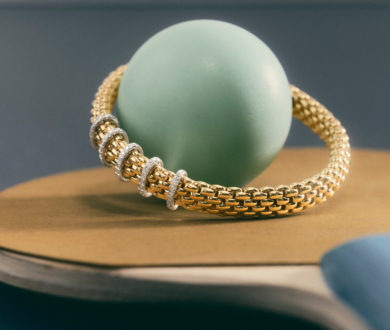
It comes back to the idea that, for McCormack, jewellery is as much about telling a story as it is about the craft. Her heart-shaped diamonds talk of love in a charmingly obvious way; her spiralling, Koru pieces speak of family lineage; her Ball n Chain collection is underwritten with the complications of modern womanhood and its need for versatility. “It’s about collection, curation, craft and cult,” the businesswoman explains, outlining her “four C’s,” and telling me how important it is to keep building upon collections in order to create your own story. Jewellery, she tells me, is a lifetime pursuit. “It’s never throw-away, and I think it’s so nice to be able to keep the soul and the energy of a piece while being able to add another layer.” Exemplifying this ethos is her Party Jacket collection, designed to breathe new life into existing rings by enhancing them with specifically-designed, add-on pieces. Even McCormack’s atelier in London is about telling a story. The over 5,000-square-foot townhouse is the site of her store and her workshop (she now has six specially-trained jewellers working for the brand) and is filled with beautiful textural details, walls of books, various decorative objects and art (three of her paintings from the house, she tells me, had recently been loaned to the Tate Modern) that imbues her jewellery with a meaning beyond its aesthetic appeal. “With jewellery,” she tells me, “it’s about the whole experience.”
As important as building a collection that tells a story, McCormack says, is the idea of handing precious jewellery down. “One of my most treasured pieces is a gold Hei-tiki my dad gave me when I was younger,” she tells me, “with garnet eyes.” That jewellery is timeless is not a groundbreaking concept. The custom of passing down pieces from one generation to the next has been going on since time immemorial, but McCormack is giving it a new face. Recently creating a line of antique-inspired custom jewellery boxes, the designer is encouraging her customers to preserve and grow their collections so that they become a kind of personal snapshot. A line up of cross-generational pieces that McCormack likes to think will hopefully still be in existence in a few hundred years. It’s an idea she’s been expressing since her first collection, Messenger of the Gods. Inspired by Greek mythology — specifically Hermes and his winged sandals — it saw McCormack launch her brand with an idea of where she would like it to ultimately end up: passed down through generations after the fashion of folklore.
For now, though, McCormack says her focus is on continuing to build her brand alongside her business partners Rachel Diamond (“Yes,” McCormack says, “she actually married a man named Diamond”) of the famous Oppenheimer diamond dynasty and Michael Rosenfeld — both coming from places of huge expertise in the industry, which makes their partnership and investment something McCormack says is invaluable. “I feel like I’m out of the growing pains stage and now I can look at expansion,” McCormack says, “I’d love to open somewhere in New Zealand.” Despite the designer following this by saying it isn’t something on the cards in the near future, we can take solace in the fact that her jewellery is stocked in Auckland at Simon James Design (the furniture designer is her brother-in-law) — the only place in the world outside her Mayfair store that McCormack’s coveted pieces can be purchased.
That McCormack’s brand will continue to grow, I have no doubt. Her father, beyond instilling in her an appreciation for antiques, encouraged in his daughter an infallible work ethic, something the businesswoman still carries with her today. “As my dad always said,’” McCormack explains, “it doesn’t really matter what you’re doing, as long as you do it to the best of your ability and apply yourself.” It’s something she tells me she wants to pass down to her three children — now aged two, three and four — saying “I just want them to have that similar, New Zealand, no-nonsense work ethic, which I think is everything.”
Recently, one of McCormack’s rings was included in a major sale entitled ‘In Bloom,’ at Sotheby’s New York, where it sat alongside incredible pieces from the likes of Cartier and Van Cleef & Arpels. To me, it felt like a full-circle moment for the designer, whose career has seen her go from working in auction houses to being included in the pages of their catalogues. Having created a business that is making serious waves in an industry populated by long-established, historical houses (not typically an easy space to break into for newcomers), Jessica McCormack with her practical attitude, creative approach and ability to see the bigger picture, has established herself as an entrepreneurial force to be reckoned with, and someone whose work will speak for her long after she stops creating it.
Over the past eight weeks the Denizen team have been fully committed to producing engaging editorial content that has kept local businesses at the forefront of people’s minds. Our increase in online content has resulted in our website traffic doubling over this period, our social media following increasing substantially, and we’ve welcomed more subscribers to our Denizen Weekly newsletter. All of which puts Denizen in a fantastic position to continue with both our online and magazine publishing.
For decades magazines have been widely loved for their ability to chronicle the times. This current period of uncertainty is no different. Right now exists an extraordinary opportunity as journalists to document the feeling of the time, and to share stories of how collectively our local brands are pivoting to respond to what the future holds.
It’s also no secret that currently Denizen is one of the only credible magazines remaining in the NZ marketplace, so we feel a strong responsibility to uphold the concept of quality magazine publishing at this time.
In our twelve strong years of independent publishing, we have carved out our own niche by creating content that informs, entertains and inspires through unique and innovative storytelling. If any media business is qualified to successfully navigate the road ahead, it is Denizen.
Our forthcoming Winter issue will share stories of how our local Denizens are pivoting to respond to what the future holds. We’ll profile the movers, shakers and the innovators who are seizing this rare opportunity to evolve and embrace our new way of life.
As readers and supporters, we thank you again for your ongoing encouragement, we’re positive that together we can create a brighter future for us all.
Our winter issue will be released on 30th June 2020.
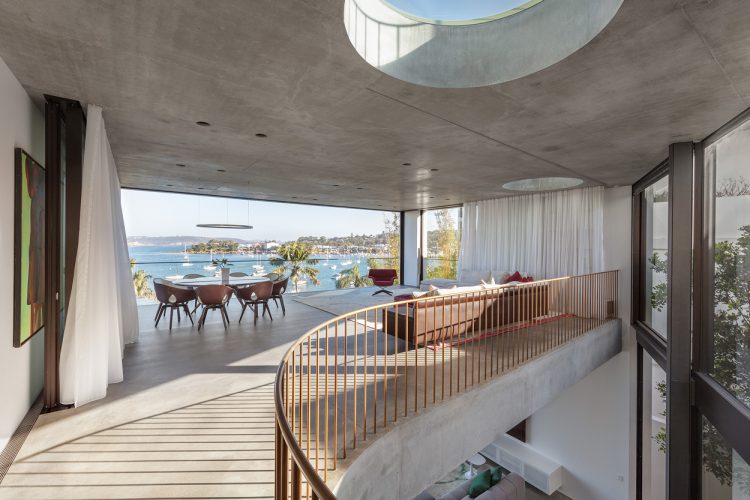
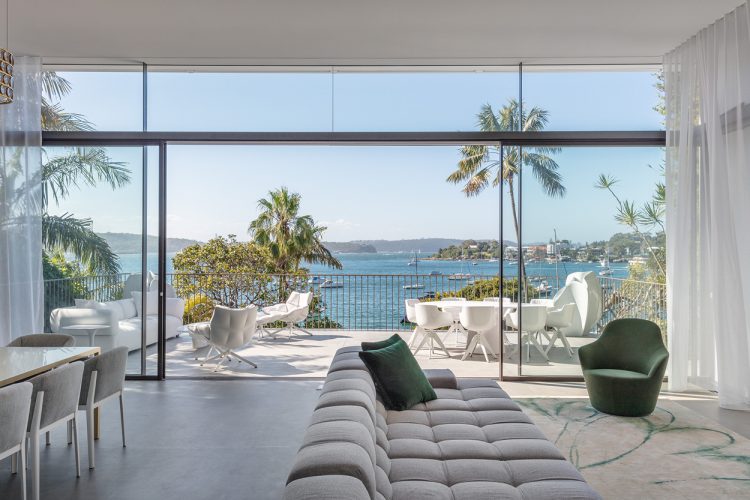
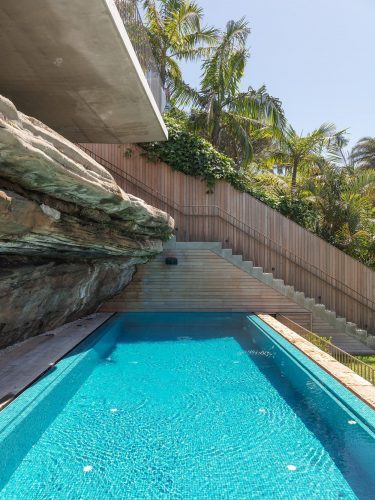
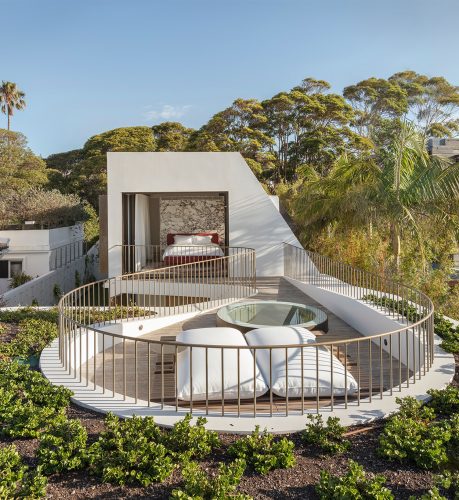
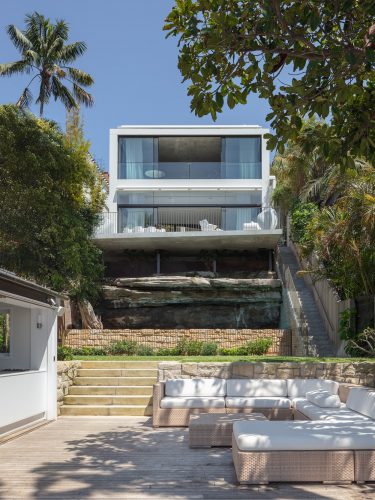
Sitting stoically on the foreshore of Sydney’s harbour, in one of the city’s most sought-after suburbs, this impeccably realised home is a study in contrast. Designed by Matthew Woodward Architecture, the house is a vision of contemporary architecture and is at once in sync and at odds with its natural environment.
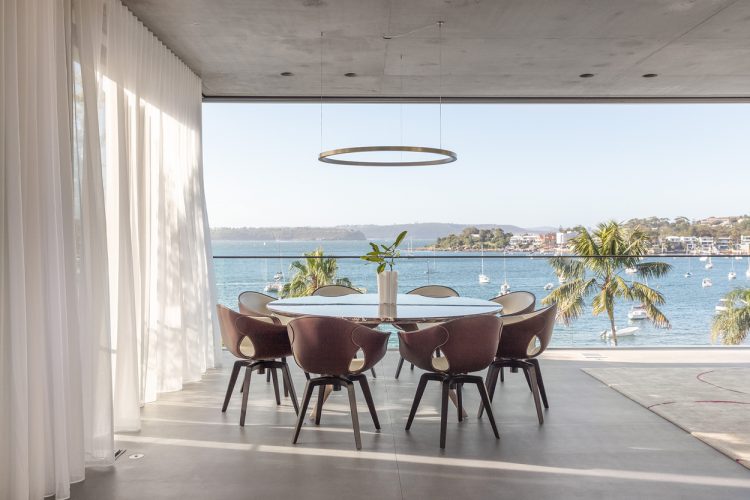
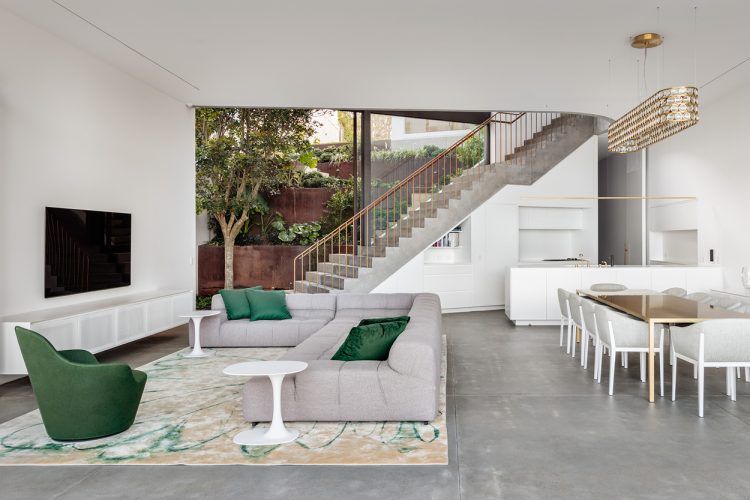
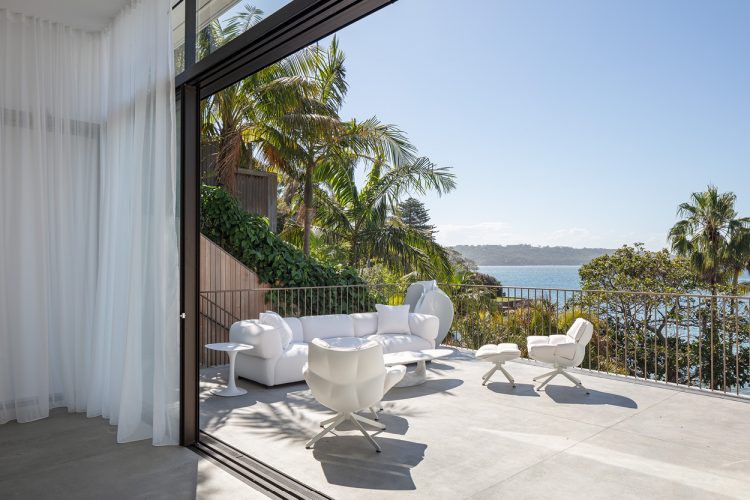
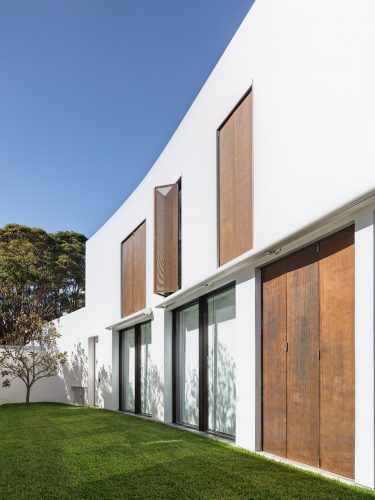
The first thing you notice about The Kutti Beach House is its lightness. It boasts a number of large windows and skylights, which is something you’d want too if your home had the same breathtaking outlook. And despite the fact that most of the property is rendered in monochromatic concrete and white, the subtle touches of wood and the copper tones of the heavy doors and feature windows give the sense that everything in this house has a purpose. The pared back colour scheme allows the abundance of natural beauty surrounding the home a frame through which to shine, while the undulating architecture acts as a homage to the expansive body of water spreading out from the back of the property.
B&B Italia Tufty Time sofa from Matisse and the B&B Italia Harbor armchair from Matisse
Poltrona Frau Ginger dining chairs from Studio Italia
It is a perfect juxtaposition. A meeting of nature with all the modern conveniences of the contemporary (and technologically advanced) home. But neither feel the need to cancel the other out. They acknowledge each other’s presence and equal importance to the homeowners’ experience — and that’s why it works so brilliantly.
B&B Italia Tufty Time sofa from Matisse and the B&B Italia Harbor armchair from Matisse
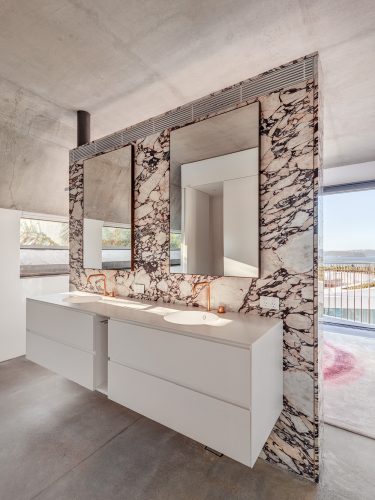
Between the simple furnishings, considered touches (like the dividing wall of mottled marble in the bathroom) and the unique structure and layout, this home offers a profound sense of calm and order — everything feels in its rightful place. A testament to the expertise of those involved in the property’s construction, there was the potential with a site like this to try and achieve too much — to try and make it too many things (rather than focusing on only a few crucial elements). Luckily, that wasn’t the case and so we are left to admire the impressive handiwork. It’s in achieving this kind of equilibrium —between the modern home and its environment — that the future of architecture lies.
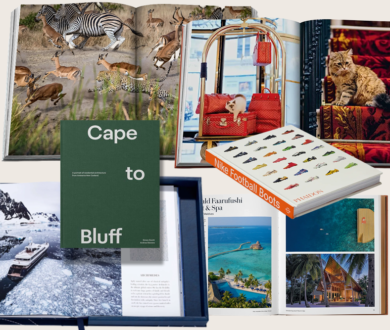
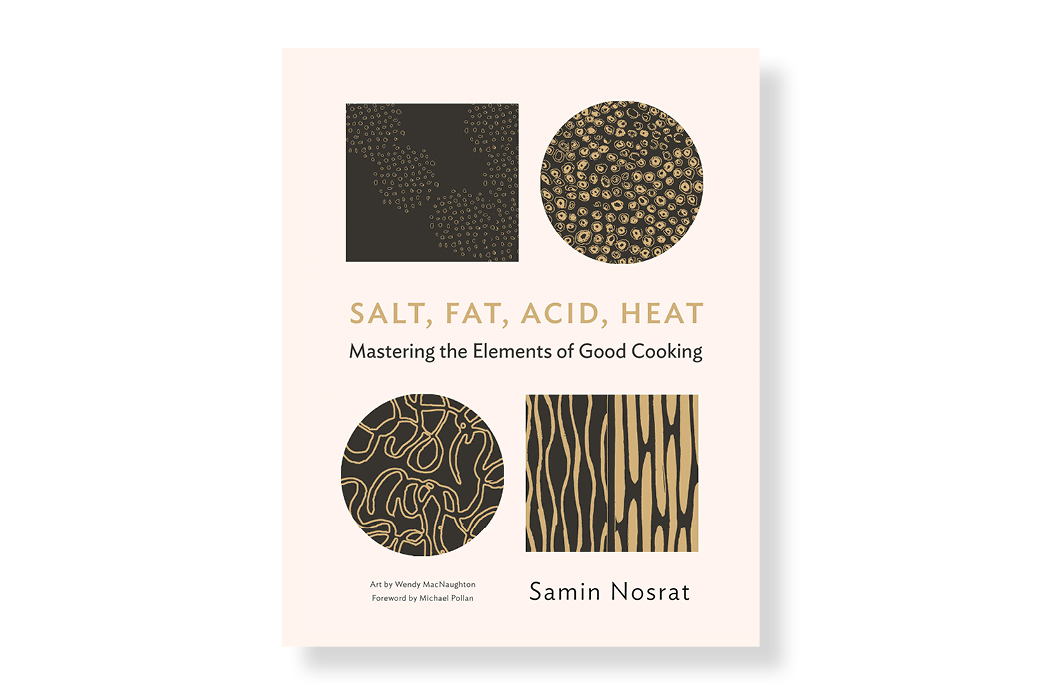
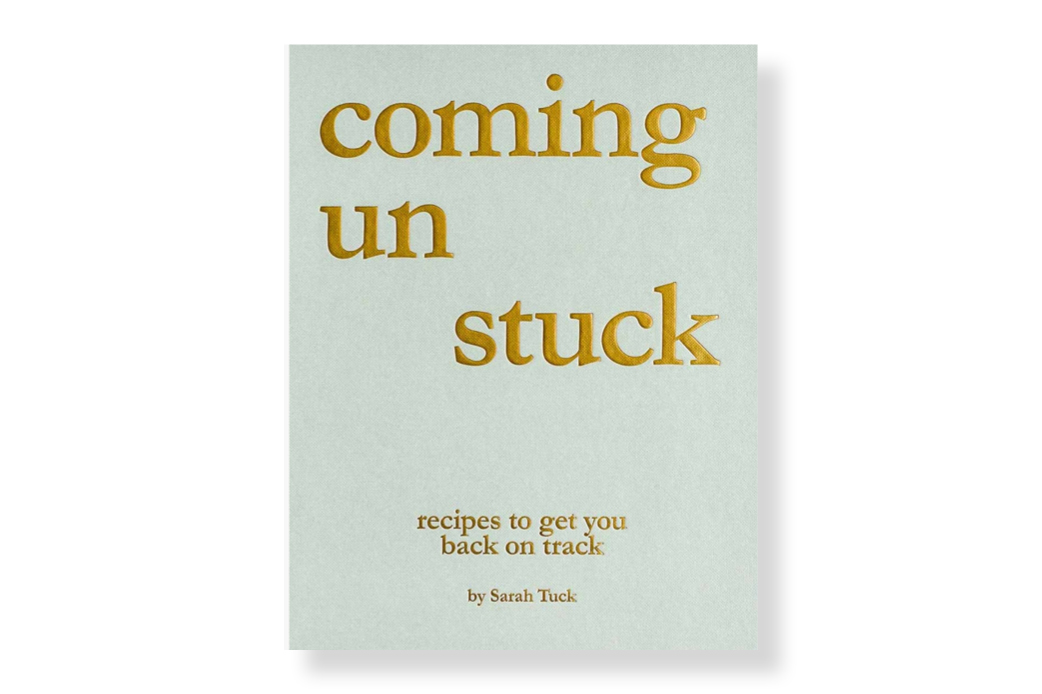
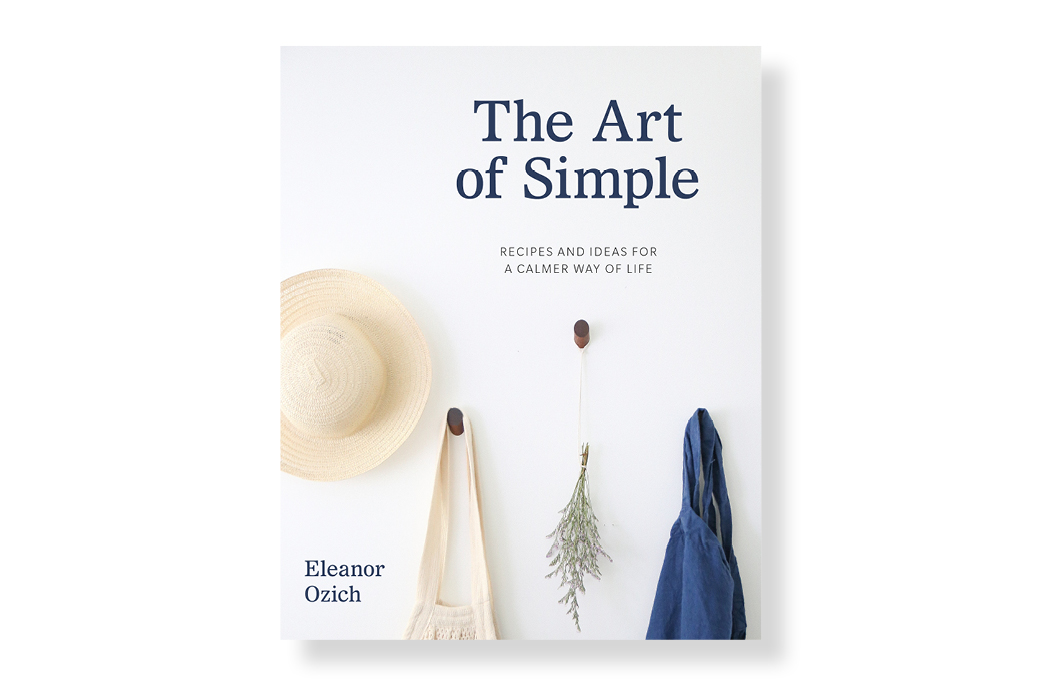
The coffee table book holds a special place in our hearts for its weighty presence, stylised pages and the way it looks when it’s stacked with others of its kind on a designer coffee table. Equally, the cookbook has also long been a staple on our shelves, beloved for the delicious recipes its pages contain — dishes that are brought out on special occasions and memorable dinners. Both breeds are widely cherished, but where the coffee table variety once reigned as the glossy, gift-appropriate show pony (very visible, rarely read), and the cookbook its antithesis (dog-eared, stained and stashed in a corner somewhere), it would seem a new chapter is opening for the latter — and it’s looking set to usurp its polished counterpart.
Over the break, I bought and read Salt, Fat, Acid and Heat, a ‘cookbook’ by Iranian-American Chef Samin Nosrat. It presented what I felt was a new age for the genre. Designed to be read cover to cover, it walked me through the four principles in its title, as the author made the point that anyone, no matter what their experience, had the capacity to make consistently delicious food if they just knew how to treat the four titular elements in their cooking. It was a total revelation. And beyond its informative content, it was presented in such a way that it would look right at home on any designer coffee table (which is where it lives in my home).
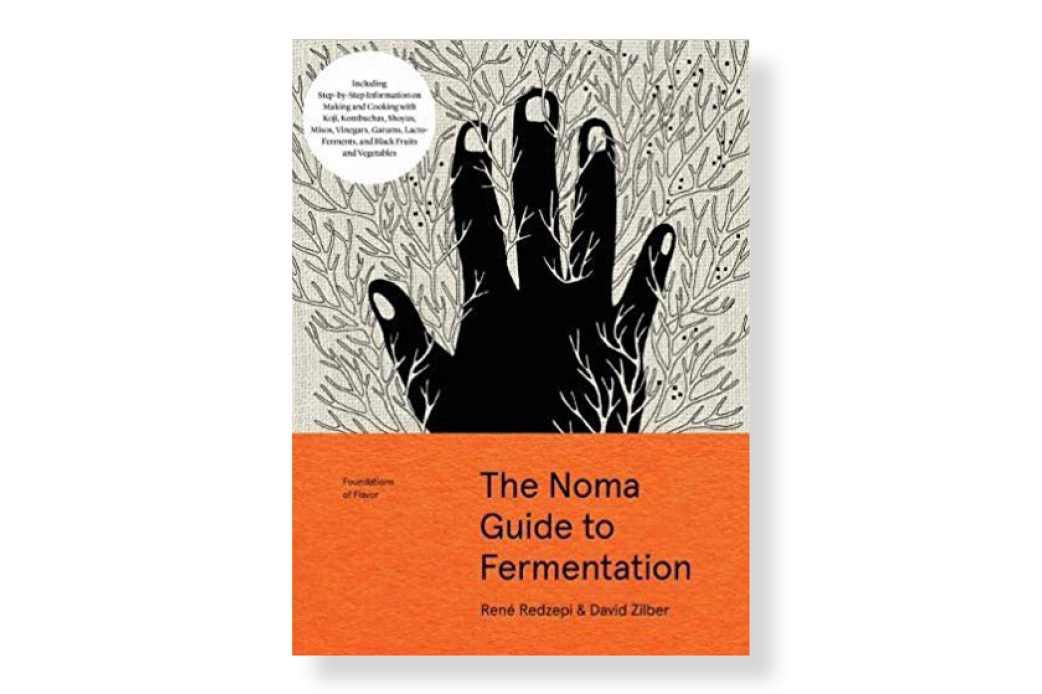
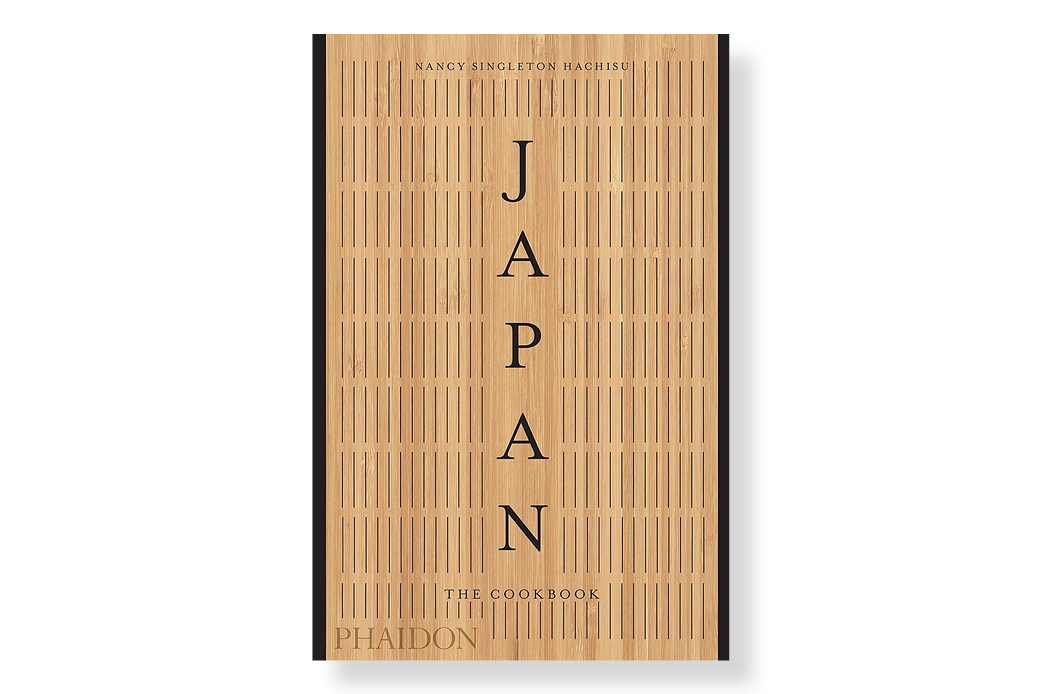
It made me think about the kinds of books I had been drawn to of late. A tome from Phaidon called JAPAN, presenting itself as the definitive guide to Japanese cuisine, the delightfully unexpected From Crook to Cook, a cookbook from renowned rapper Snoop Dogg, the beautifully laid out but hefty book from René Redzepi and David Zilber, The Noma Guide To Fermentation, among others that all shared a common theme: food.
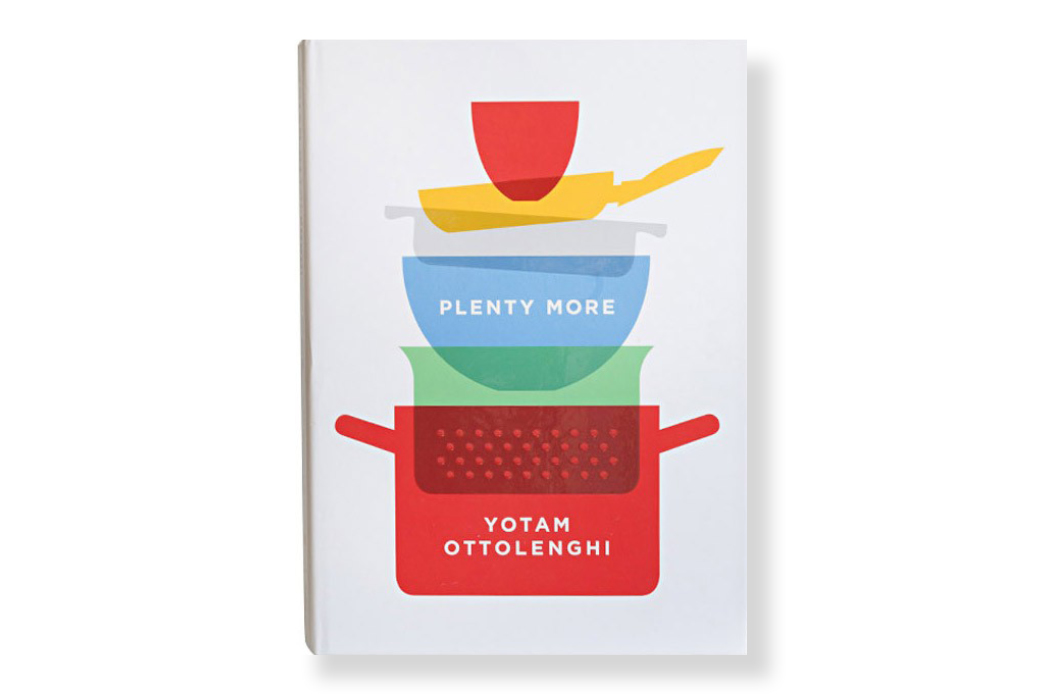
Call it a turn to practicality or a sudden desire to up skill, but it seemed that I wasn’t alone in my fascination with beautiful cookbooks. There appears to be now, more than ever, a breed of recipe book that combines practical culinary knowledge with alluring design and a beautifully artistic cover that grants it passage out of the kitchen and into a more visible space. Maybe people want to be seen as more than just collectors of fashion tomes and art bibles. Perhaps they seek recognition as culinary sophisticates as much as cultural ones. I put much of the blame for this shift on Netflix. Never before have we had access to such a wave of cooking shows, each seemingly more artistic and appealing than the last, and I think that these creative cookbooks are answering our desire to introduce some of that sensual magic into our own homes.
That said, I felt it high time we rounded up some of the cookbooks that were capturing our attention for far more than just their food.
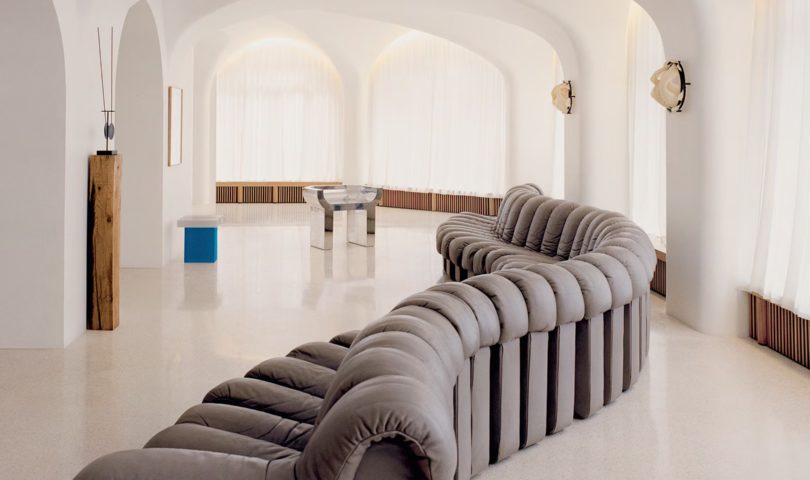
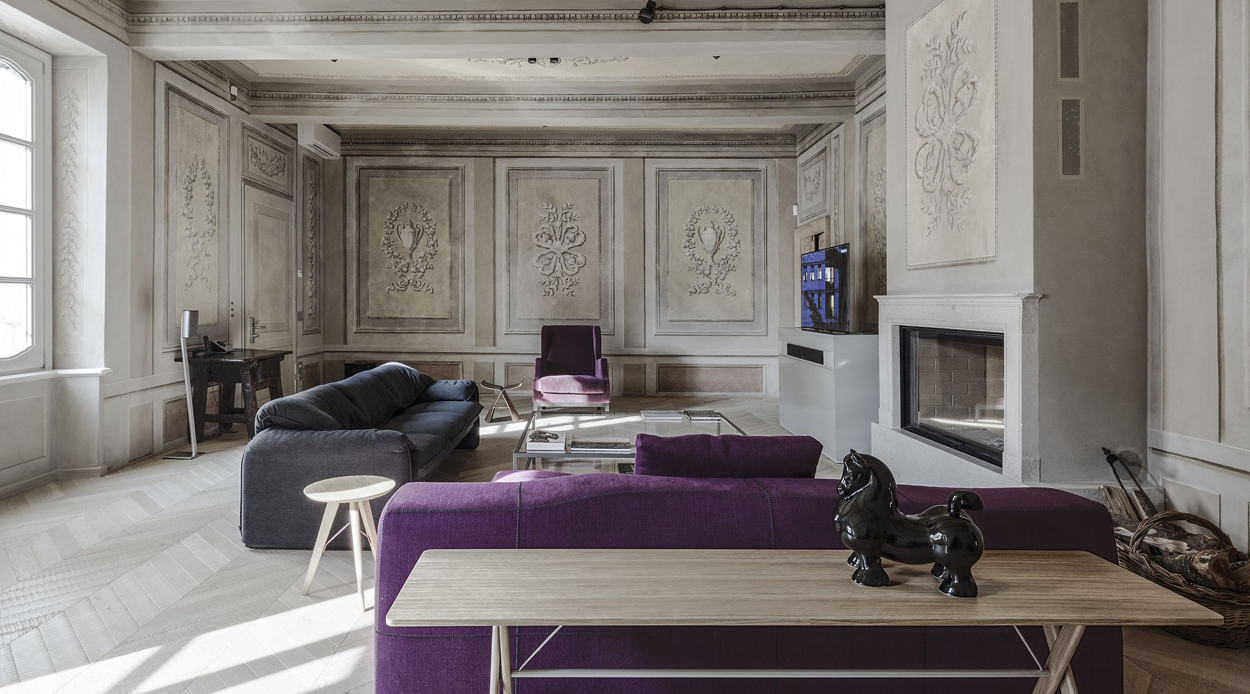
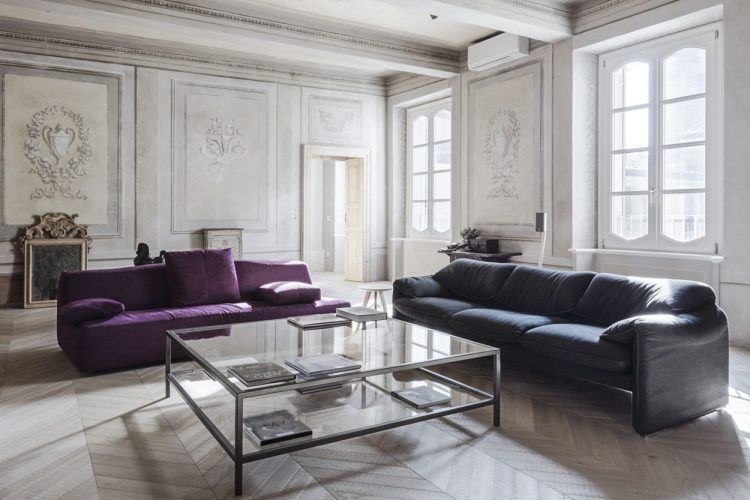
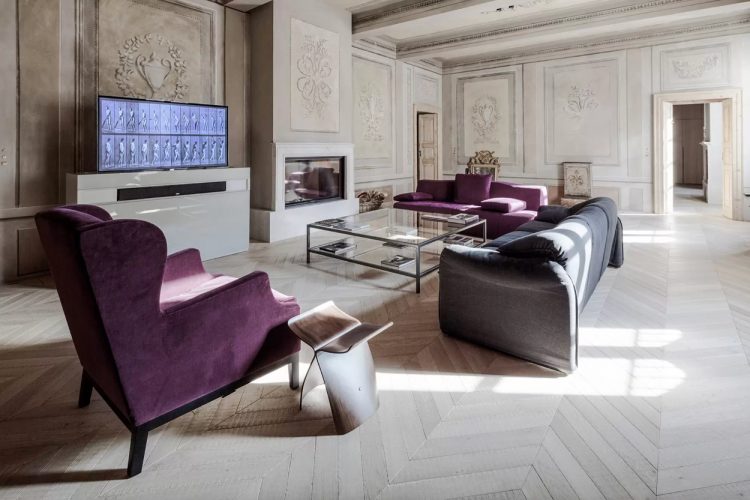
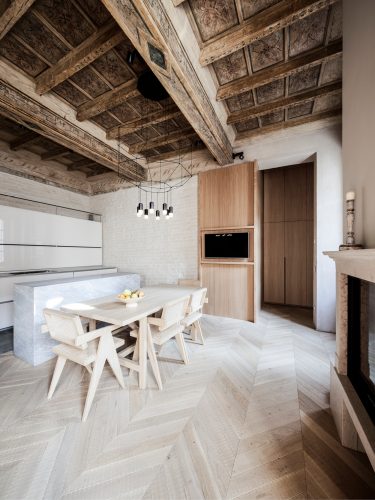
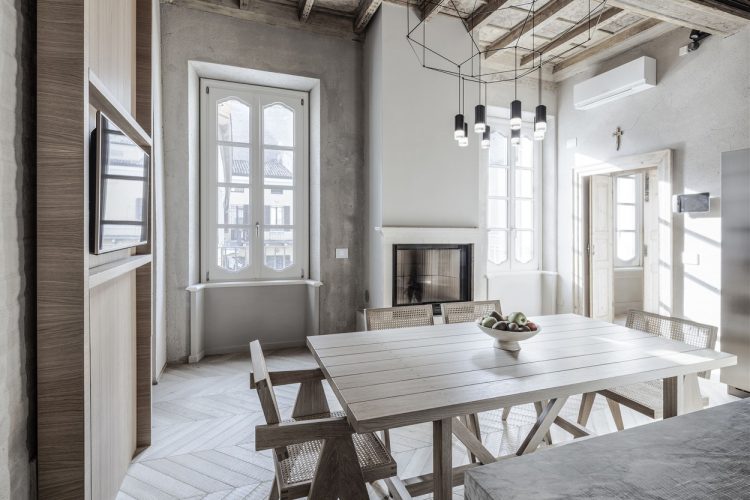
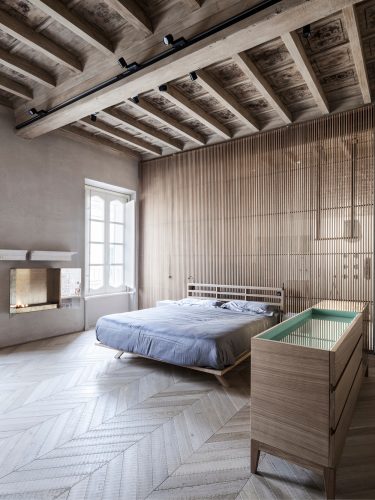
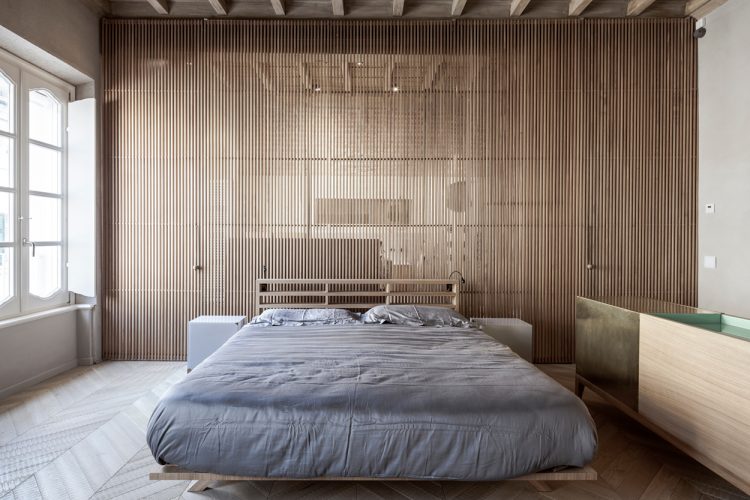
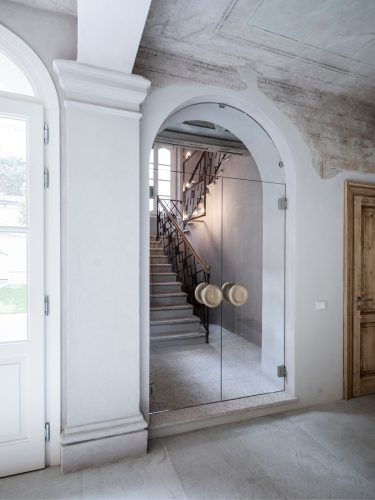
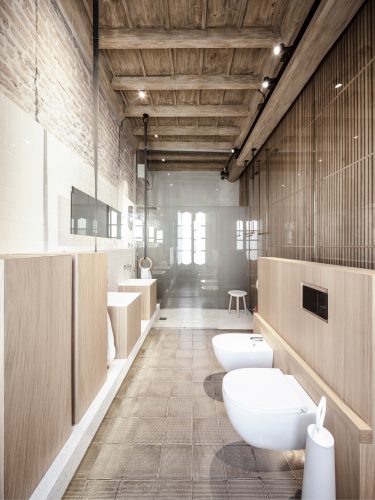
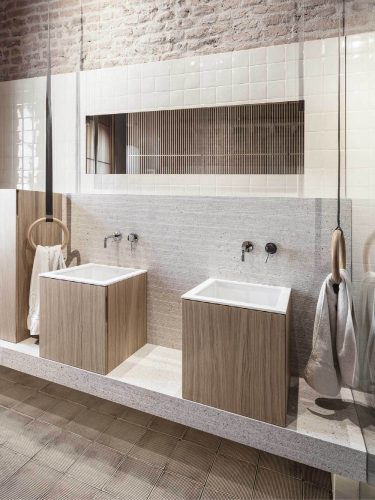
Our recent fixation with Italian do-ups brings us to a recently renovated apartment complex in Mantua. Located within is the raw, yet highly sophisticated Casa RJ. Italian architecture firm Archiplan Studio masterminded the refurbishment of the luxury apartment, calling upon an experimental and highly variable use of unexpected materials — blonde parquetry flooring, dusty exposed brick, nude slatting on the walls, bare ceilings, white plaster walls, Pierre Jeanneret inspired rattan chairs and brushed metallics. The muted colour palette is interrupted only by a few bold furnishings in the opulent living room — a space that embodies the apartments rich and opulent history. Explore the interior below.
Maralunga 40-maxi sofa by Vico Magistretti for Cassina from Matisse
Maralunga 40-maxi sofa by Vico Magistretti for Cassina from Matisse
Wireflow 0301 hanging lamp by Arik Levy for Vibia from ECC
Wireflow 0301 hanging lamp by Arik Levy for Vibia from ECC
She’s On The Money Sharing expert tips in a millennial-skewed manner, Victoria Devine makes the pursuit of financial freedom accessible and fun. Each episode addresses the ins and outs of modern money management, in a way that makes you feel like they were literally tailored to you. Favourites so far include A rookie’s guide to investing, Shake that tax for me, Ahh, Afterpay and my personal favourite, If you like piña coladas (and being fiscally conservative).
Money Diaries Refinery29’s finance-focused podcast is popular for the honesty with which it addresses salary and spending. With each episode focused around a different woman explaining in detail her salary, take-home pay and monthly expenses it’s a fascinating insight into how other people allocate their personal funds and what we can all do to mitigate common mistakes.
Listen Money Matters ‘Not your Father’s boring finance show,’ this podcast deals with matters of the wallet in an engaging, truthful way. Discussions are down-to-earth, funny and deliver actionable advice that reaches through to people who often switch off when finance advice is being dished out (guilty). Interesting episodes so far include, How to Monetize a Blog Quickly, The Smart Way to Buy Property and Marie Kondo Your Finances so They Spark Joy Too.
The Pineapple Project Hosted by Aussie comedian Claire Hooper, this ABC-produced podcast series looks at the fundamentals of money and career — season 1 dedicated to the former, season 2 to the latter. For the purposes of this article, we’ll focus on the first, but both are worth a listen. Hooper delves into things like the life-changing magic of a budget, the psychology of money and how to demolish debt — all in a distinctly funny and straight-forward way.
For more exclusive access to what the city has to offer, engaging content, excellent imagery and thought provoking commentary on the life that surrounds you, subscribe to Denizen magazine now.