While Prada’s last runway show in February was attended by the usual audience of hundreds, for her final collection as the sole creative director of her fashion house, Miuccia Prada staged a presentation in livestream format.
Swapping a singular perspective for the a varied viewpoint, Prada tapped five global creatives to showcase the spring/summer 2021 collection in a short film titled ‘The Show That Never Happened’.
American filmmaker, writer, director, actor and musician Terence Nance; London-based Polish photographer Joanna Piotrowska; American artist Martine Syms, and photographers Juergen Teller and Willy Vanderperre each created a chapter of the film capturing a facet of the new release.
This mirrors the collection itself, comprising five related yet evolving chapters.
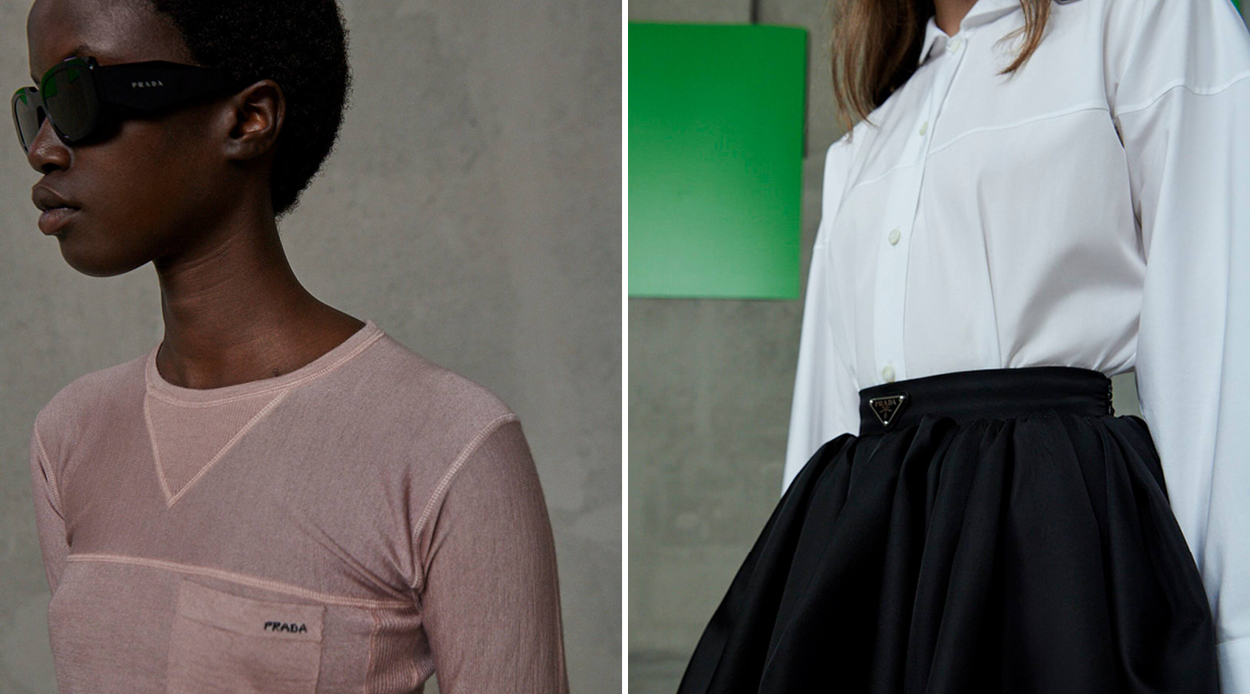
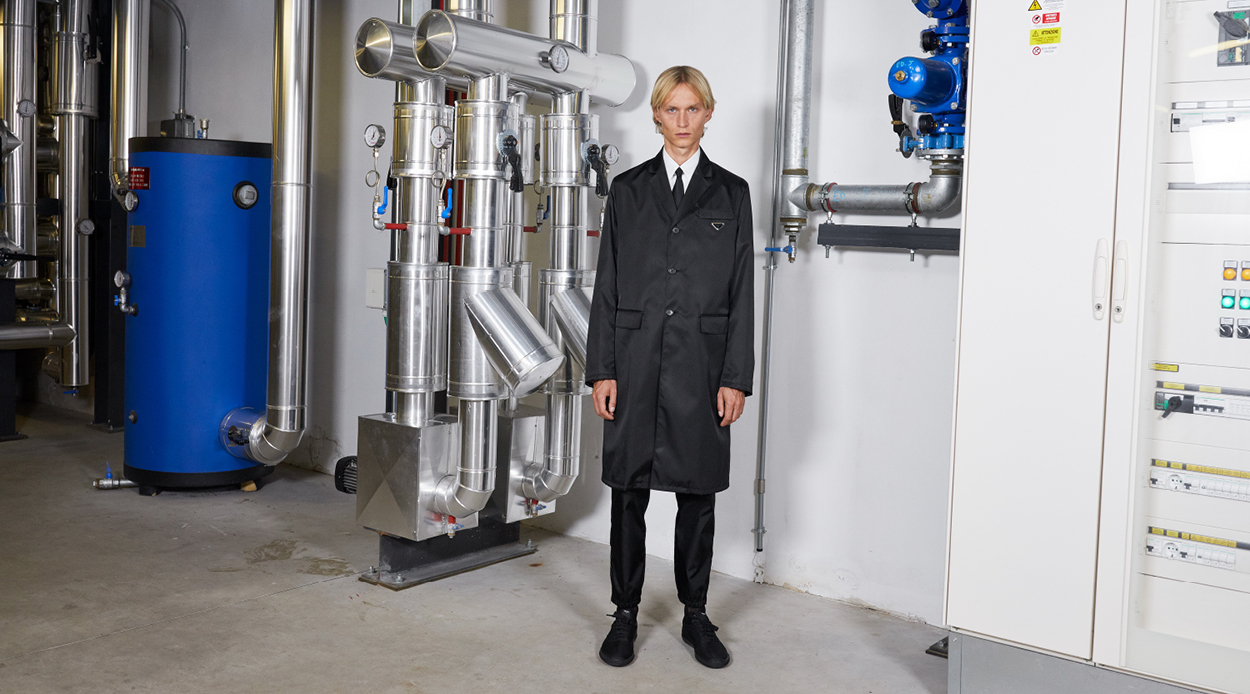
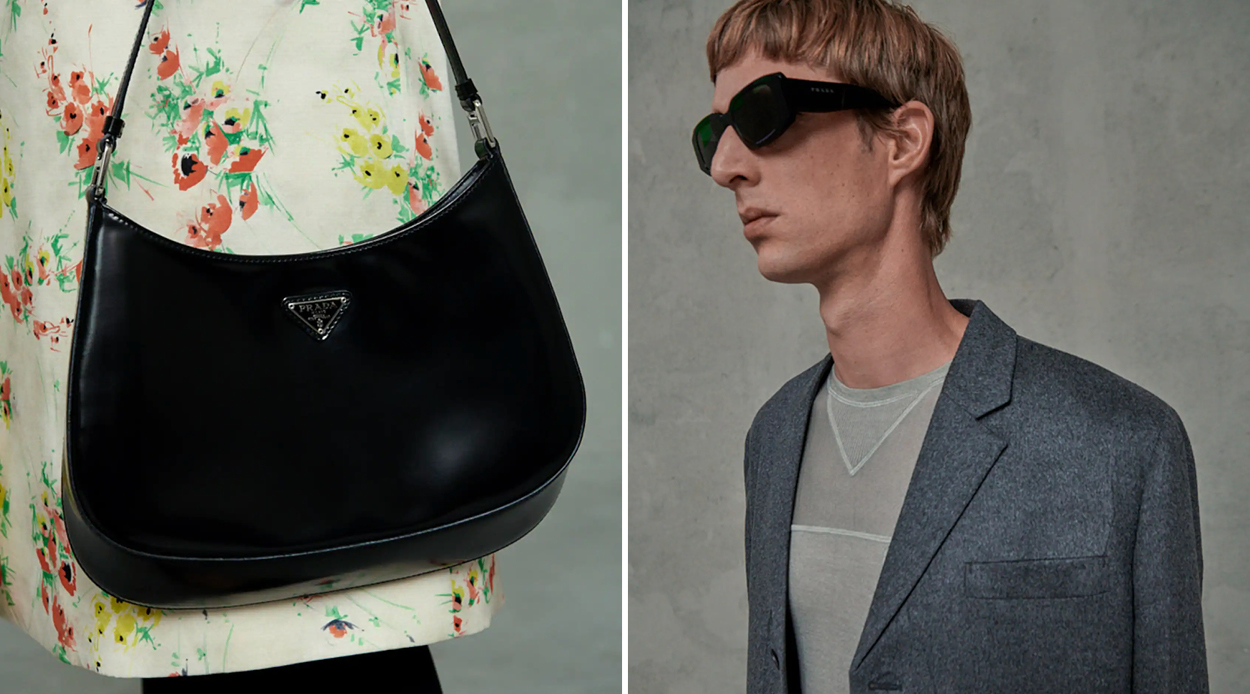
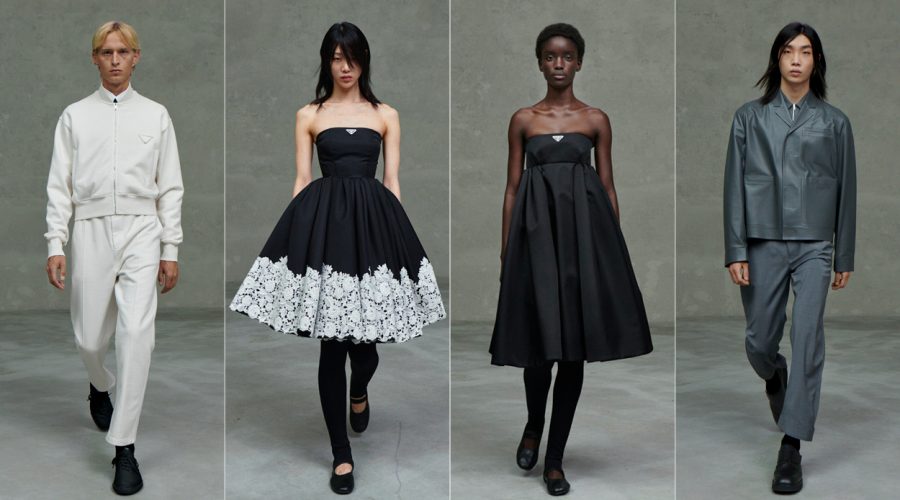
Tailored suits and overcoats precede sportswear-inspired ensembles, followed by shirting, dresses, and skirts. Leather separates, knitwear and silk add texture, tech-centric layers presented in the form of Prada’s nylon pieces and the final looks were more undergarments than anything else.
The connecting thread for Prada spring/summer 21 is simplicity and an emphasis on clean lines, fabricated in tones of black, white, grey and blush.
Celebrating the stripping-back of adornment as a radical act, the collection goes back to its roots — as photographer Vanderperre described, “A look into the past with the future ahead.”
“Attention is drawn back to clothes – simple clothes, with a use and a value, a longevity and a place within people’s lives,” wrote the fashion house in the collection release. “As times become increasingly complex, clothes become straightforward, unostentatious, machines for living and tools for action and activity.”
When it was announced in February that Raf Simons would be joining the brand as co-creative director, the news sent ripples through the industry. Yet, no one could have predicted how much everything was going to change.
This season’s resort, couture and menswear collections in Paris and Milan have all been showcased virtually, however Paris Fashion Week has asserted that the September women’s ready-to-wear collections will show as normal — in front of an audience.
The viability of this remains to be seen, with resurgence of the virus a very real threat and the entire fashion industry shaken regardless.
The future of fashion shows aside, Mrs. Prada’s last solo collection before Simons comes on board pays homage to the DNA of her brand, reminding us all of power of simplicity.
Anyone that’s dined at Pasture knows how singularly special and memorable it is. Since 2016, chef and owner Ed Verner’s six-seat Parnell restaurant has pushed the boundaries of a dining experience, demonstrating just how exciting local produce and ingredients can be.
Now, Verner’s exploring his capabilities even further with a new project, Boxer, set to open on July 22. An 11-seat space at the front of Pasture, Boxer is a drinks-focused, chef-run venue — bar doesn’t seem to quite encapsulate the offering, but for ease and lack of a better word, the category is most appropriate for now.
Ed Verner. Photo: Matt Quérée
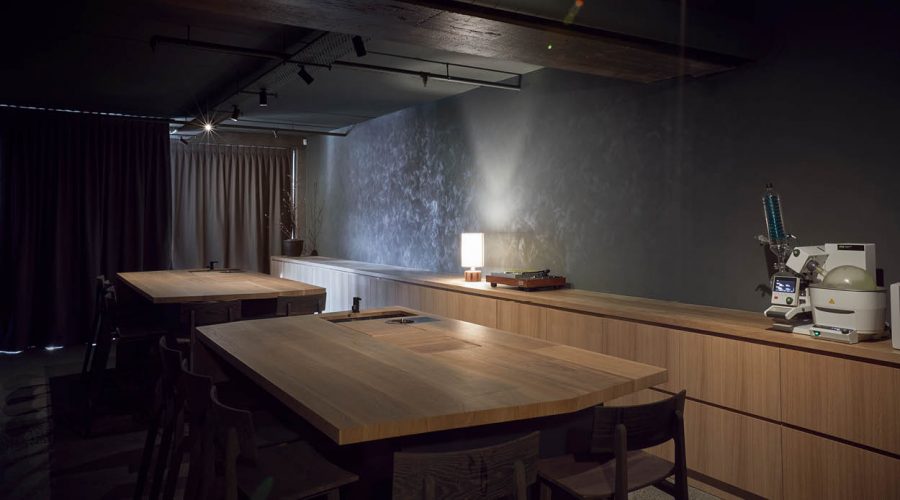
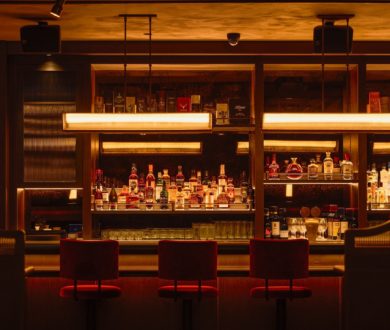
He’s opening it in collaboration with Hillary Eaton, a writer with a similarly forensic and deep-running love for all things gastronomy. Along with Nat Cheshire of Cheshire Architects, they have created a serene, charcoal-walled space that takes several cues from Japanese minimalism.
Centred by two impressive and seamless blonde wood islands by Blanc Industries, it’s a cocooning and considered environment for people to experience drinks (and, no doubt, food) they’ve never tasted before in a new way.
“The inspiration for the bar itself stems from my love for drinks at Pasture,” explains Verner. “It slowly built up over the years, and it became as important to me as the food menu.”
In search of a new challenge and a new vehicle for the drinks he was enjoying creating, the restaurateur took over the room at the front of his restaurant in November last year, which will also now serve as the new entrance to Pasture.
“This is really a progression for me. I’ve matured, my taste has changed, my knowledge is better, and this is the result.”
The space features blonde wood islands by Blanc Industries. Photo: Matt Quérée
Touted as a guided experience requiring would-be visitors to reserve a place on one of the ebonised wooden seats (although the duo says they anticipate having space for walk-ins), the Boxer offering will consist of a three-drink and a five-drink set menu. The option to book a one hour time-slot and order a la carte will also be available.
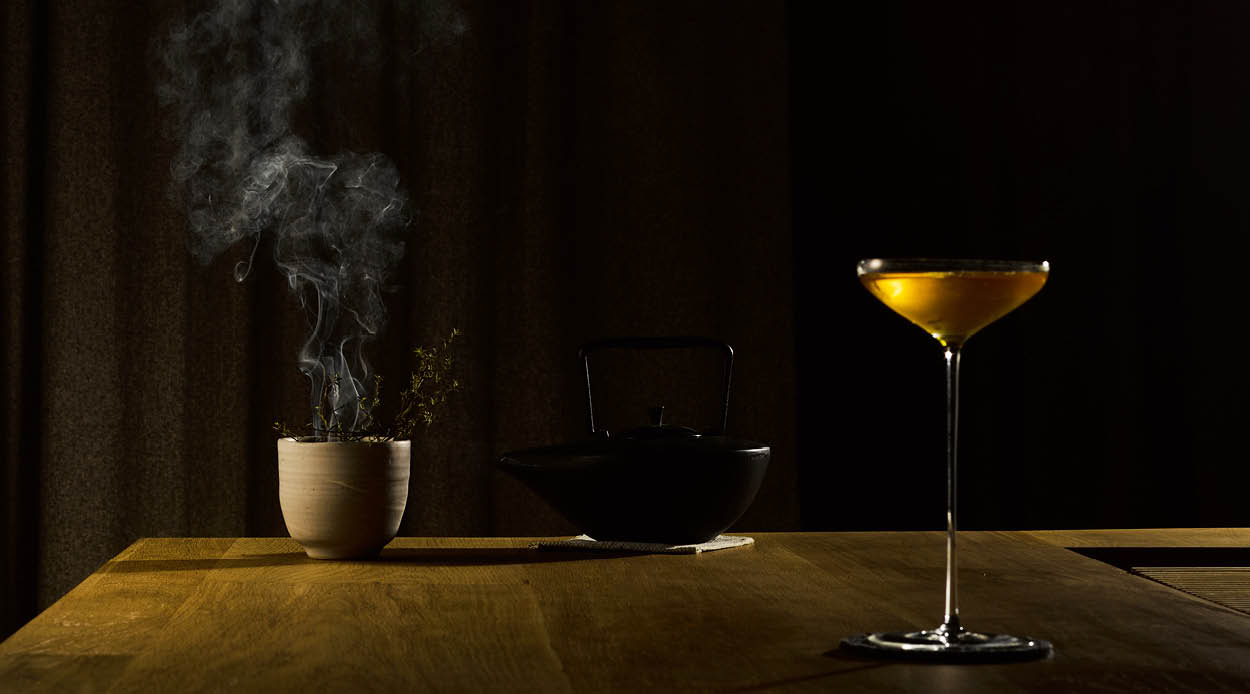
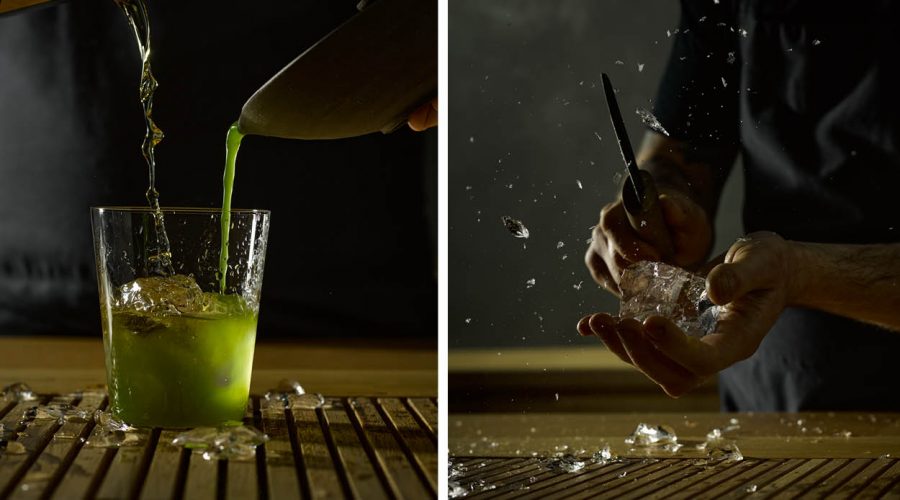
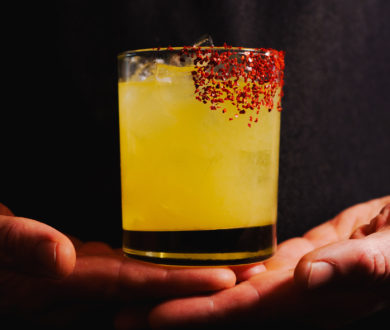
There will be a curation of wine, beer and champagne, and in particular we’re excited about the cocktail selection. All made with Boxer’s own in-house base spirit, or in exclusive collaboration with local distilleries, they’re completely unique to the venue.
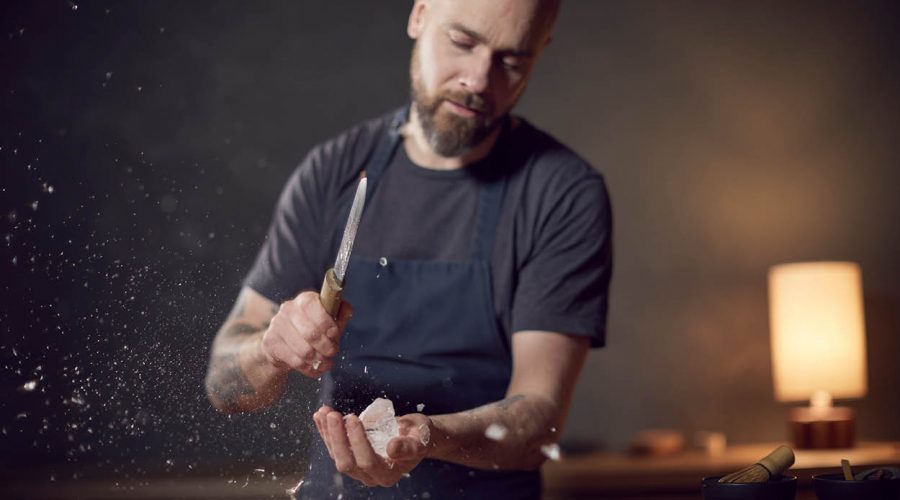
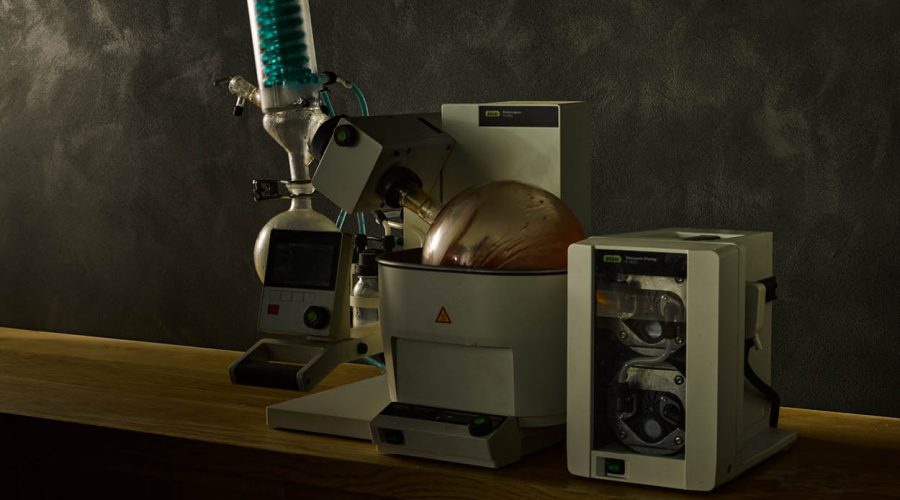
Verner has been using a device called a rotary evaporator for over a year to push the boundaries of drinks-making, inhabiting the role of a sort of culinary chemist. Traditionally used in laboratories to extract solvents from lab samples, at Boxer it’s used to extract the aroma of ingredients, and redistill under vacuum pressure creating flavoured distillates.
The cocktail menu will include a variety of intriguing beverages in innovative combinations like apricot sour beer (a Garage Project exclusive) combined with matcha and clarified banana; a saffron, tomato and coriander cocktail; and smoked pineapple, lavender and elderflower kombucha.
Verner uses a rotary evaporator device to create unique distilled beverages. Photo: Fraser Chatham
“We will also be serving non-alcoholic versions of the three and five cocktail menu,” says Eaton. “We hope to create a bar experience that’s just as exciting for those who don’t want to drink alcohol.”
The site will also include an off-licence, meaning people can stop by and take something interesting home, even if they aren’t sitting down for a drink.
Verner’s particular take on ‘bar food’ will be available to complement the beverages. Patrons shouldn’t expect a full meal, as drinks are the focus, however the food is anything but an afterthought with a particular emphasis on fresh seafood from the on-site tank.
A chef will prepare snacks for those perched at the blonde wood islands right in front of them; the likes of fresh and aged sashimi, wagyu tartare brushed in aged wagyu fat and house made tofu skin with hazelnut oil will be satisfying morsels to enjoy alongside the drinks. An eel yakitori dish takes several days of preparation before it ends up as the perfect bite; more proof that effort to consume doesn’t negate effort to make.
Cocktails will be made with Boxer’s own in-house base spirit. Photos: Fraser Chatham
While Pasture confines itself to only local ingredients and produce, Boxer will expand its horizons to include high-end imported ingredients like caviar, and premium champagne for the drinks list.
Every detail in the bar has been thoughtfully crafted; from the hand-carved chopsticks to the seamless joinery throughout the wood and temperature-controlled fridges for optimum serving temperature.
Verner and Eaton are both clear that they want the space and experience to be fun, too, with an emphasis on music and the in-house record selection, modelled on a Japanese ‘listening’ bar.
“It’s a place where you can enjoy loud fun music, but also something that’s had four weeks of thought and fermentation put into a drink,” says Eaton.
As someone who’s travelled the world and seen more than most in the way of culinary offerings through her job as a food, drinks and lifestyle writer, Eaton is confident that people visiting Boxer will find things that are nowhere else, and this is what makes it special.
“I think people want to go out and have a nice time, have something different and feel like even something as simple as a drink with your friend is celebratory,” she says, “because it is celebratory now — now we all know what it’s like without it!”
In recent years, fluffy eyebrows have been a huge focus in beauty and now the latest innovation is brow lamination.
Touted as the ‘new microblading’, brow lamination is less invasive and promises to give the illusion of fuller and permanently well-groomed brows. So, what is it?
Reportedly originating in Russia, brow lamination is essentially a perm for your eyebrows and is designed to reshape brows into a desired shape, holding them there for between six and eight weeks.
Annie Bargiacchi, who works from her Mt Eden home under the moniker Annie’s Beauty Room, says the treatment is perfect for those with unruly or thinning brows who are looking to add volume and a more defined arch — “or just wanting a fuller, fluffier brow.”
The lamination procedure is non-invasive and involves a process similar to a lash lift. First, a solution is brushed through the eyebrow hairs and left on for twenty minutes to make them softer and more malleable. They are then brushed into the desired shape and place, and a setting or ‘laminating’ lotion is applied to keep the strands in position.
If you have thin or sparse brows, lamination helps arrange the hairs in such a way that fills in the gaps, hence the thickening effect. For those naturally blessed with a full shape, lamination is a great way to keep them tidy and groomed. “The treatment has been super popular among those of us who want the ‘I woke up like this’ look,” says Bargiacchi. “It’s one less thing to worry about in the morning and it means you no longer have to brush your brows into place every day.”
The after care is simple too; Bargiacchi simply recommends not getting your brows wet for 24-hours following the treatment, including saunas, spas and intense exercise. “Using a good quality brow serum always helps too,” she says.
So, if you’re looking to show your face-framers some love with a non-invasive and natural procedure, we recommend giving brow lamination a try.
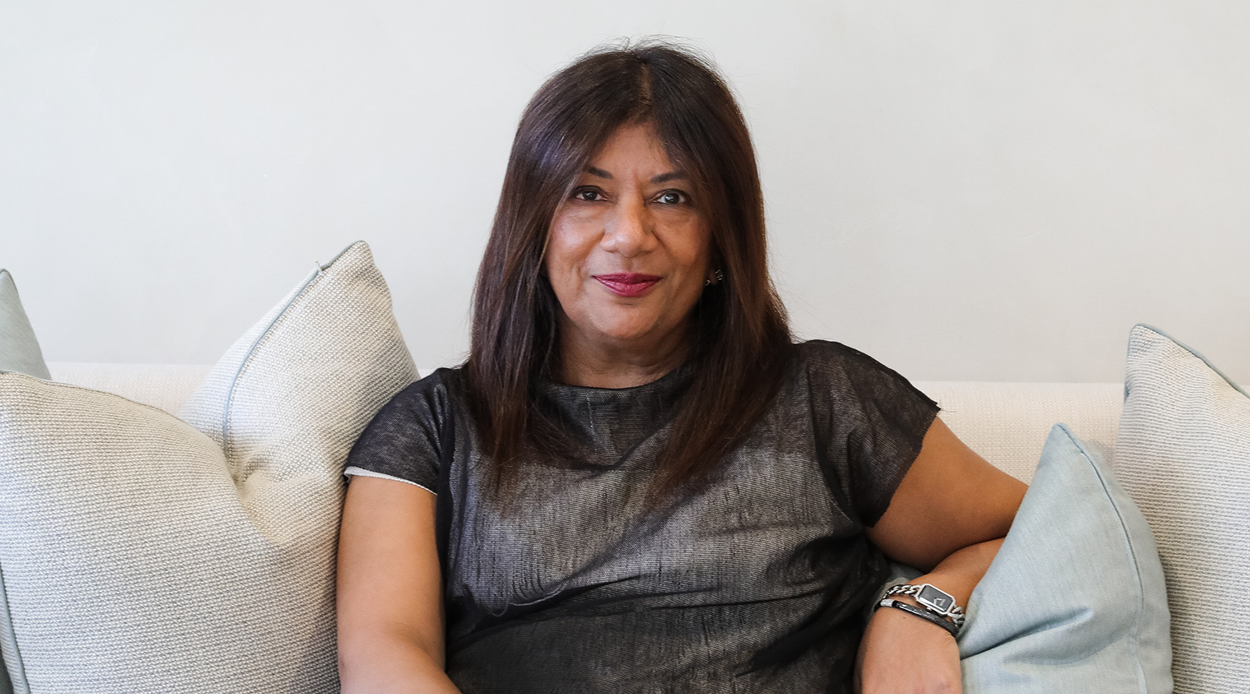
There’s nothing quite like walking into one of Ina Bajaj’s spas after a long day. Offering a moment’s respite from the outside world, her East Day Spa and Spring Spa locations have brought world-class health and wellbeing experiences to New Zealand, and solidified Bajaj as a pioneer in her field.
Inherently entrepreneurial, Bajaj, who divides her time between Auckland and Bali, started her business in 2002 and has carefully presided over its steady growth. Now, her empire comprises nine locations across New Zealand and Indonesia, and continues to make sustainable strides forward.
Proving that success in the beauty and wellness industry requires resilience, a thick skin and sharp emotional instinct, Bajaj matches her business acumen with a desire to understand and empower the people who work for her, an approach that feels as holistic as the treatments her spas provide.
Here, she talks about her brush with hospitality, the lessons she has learned and why we should all have a catch phrase.
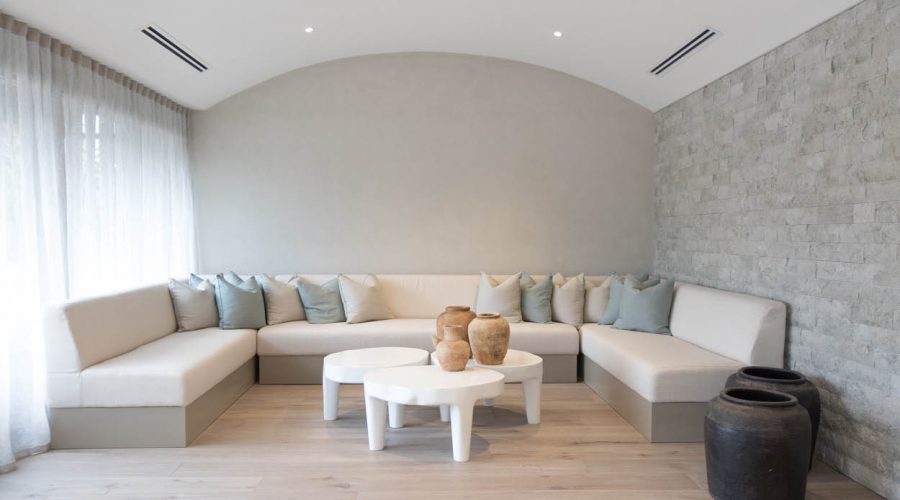
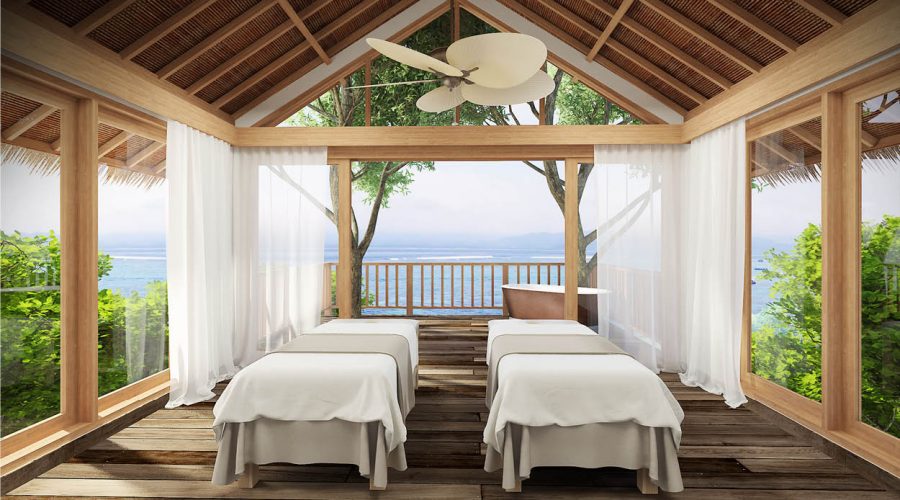
Spring Spa Ponsonby
“I am an emotional entrepreneur so I work from gut instinct. Reason and information only produce conclusions. Emotion produces action. I never micromanage, and prefer to hire people that are far more capable than I, immersing them in the running of the company. I am there for guidance and direction, and I encourage my team to figure things out themselves. This enables them to unleash their minds.
Never forget the people who support you, especially in difficult times. Advice I always come back to.
Inspiration comes fromtravel. I was born in Kenya, a country of spectacular scenery. Growing up in the African savannah and being surrounded by many different cultures, travelling and experiencing more of the world became a need. I find I am most drawn to destinations that embrace nature, which actually inspired our latest and most ambitious project, an eco-friendly spa retreat in Nusa Lembongan just off the island of Bali.
I am blessed to call three countries which are naturally spectacular home: Kenya, New Zealand and Indonesia. I would love to visit the gorillas in Rwanda or Uganda. I’m a huge fan of Jane Goodall and Diane Fossey and the work they have done in this field.
I ran a restaurant for a decade and during my international trips, I used to frequent spas in Asia and fell in love with the industry. It was 2002 and New Zealand really didn’t have any Asian-influenced spas. A trip to New York was the catalyst to the pivot (most overused word of 2020) where I realised I was living to work, not working to live. Three months after returning from New York I was out of restaurants and starting my path towards wellness. It’s been nearly two decades and my passion for this industry has not waned one bit.
An entrepreneur’s mind is on-call 24/7. Many people don’t realise the commitment, sacrifices and dedication required to run a successful business. All entrepreneurs, no matter how big or small their companies are, deserve to be applauded.
I am very proud of my business’ evolution. Creating these brands and nurturing them to become leaders in their field (in both the countries we are based) has been so rewarding.
Success to me is growth. We started with four staff in 2002 and now, we have over 250 employees at nine locations across two countries.
I wake up at 5:30am every morning, when I’m in Bali, and take my dogs for a quick sunrise walk on the beach. At 6.00am, I catch up with the New Zealand team as they are four hours ahead. 7.00am usually comprises a swim with my religious mantras playing — prayers while exercising. At 8:00am I’ll have breakfast and get dressed, before heading into the office around 9:00am.
Motivation comes from passion. I work with people I like, I work in an industry I love and I only select locations I’m obsessed with. It’s really that simple.
When I relax, I look for mindless pleasure. I’m a Netflix binger, but nothing heavy. Shows like Money Heist and Elite that aren’t too serious. No documentaries. I really don’t want to be educated when I relax. I’m also a fan of Bollywood movies, which offer total escapism.
Self-indulgence is necessary sometimes. My go-to guilty pleasure is always Dom Pérignon and Beluga on an Emirates flight.
Resilience is crucial in business. Resilient entrepreneurs are fighters not victims.
A render Bajaj’s latest project, an eco-friendly spa retreat in Nusa Lembongan
I need to know when to switch off and focus on increasing my physical activity. One thing lockdown taught me was that without distractions my performance was at its peak, as was my time diverted to non-work related activity. On a daily basis I was walking around 15,000 steps and swimming 50 lengths.
In a crisis, I always call my friend and COO, Lara Springhall. We have worked together for 14 years and traversed through a generation. Lara began her spa journey at 19 and me at 40.
If I had a catch phrase it would be, ‘when everyone zigs, I zag.’
I am in control of how I respond to and work with constraints. Lockdown showed me that resilience is a learned muscle and it’s taken a lot of it to get through what has certainly been the most challenging time of my professional life.
We only know the value of wellness when our health is at risk. Covid-19 has brought this message to the forefront. So, the global wellness economy, currently worth US4.5 trillion dollars, will see continued growth. The disconnect that people are experiencing (as a result of distancing) is having an impact on physical and mental wellbeing. The virus is a wake-up call to remind us how precious good health and wellbeing is, and by nurturing our bodies we strengthen our physical, mental and spiritual immunity. Spas, beauty and hair salons help people feel good about themselves and, with travel restrictions in place, will provide the necessary escapism for the winter ahead.
True luxury is about embracing time. In the face of a pandemic, immunity can be your biggest weapon and prevention is the core of wellness so support your immune system by investing in you. Time is the best gift you can give yourself.”
You might laugh at the simplicity of it all, but there’s more to wearing a hoodie than simply ‘wearing a hoodie’ when you are a fully grown human. The following rules are crucial for avoiding that 90s Slipknot fan vibe.
1. Wash it It might seem obvious, but a gentle reminder that this isn’t your old Kmart faithful from intermediate school will hopefully ensure you don’t wear it like the pre-pubescent teen you once were. You’re above that now — we hope.
2. Wear it with proper pants Pair with tailored pants to achieve a look that says ‘social media is my life’ but also ‘I reallydon’t care about it’. Accessorise with ironic eye-rolls and nerdy specs for an outfit that’s confusing in a cool way.
3. Avoid offensive graphics This is no time to dig out the novelty hoodie you bought for a laugh before a boys trip. It’s not that funny. Go for cool logos or keep it super simple. There’s nothing like a tone-deaf sweater to help you not make friends.
4. Pair it with a coat Wear your new hoodie underneath a trench or overcoat to add structure; bonus points if your coat is patterned for added contrast.
5. Keep it in context Don’t, for the love of God, think that it’s fine to chuck a hoodie over everything. This isn’t a free-for-all. Having a shirt collar visible underneath a hoodie is way less ‘daddy’ and way more ‘dad’ (big difference).
6. Know your limitations If you’ve tried to make a hoodie work to no avail, you won’t be any less of a hero if you call it quits. The street-meets-formal look is an acquired taste, and it doesn’t suit everyone. There’s no point in disregarding your own unique style to partake in a trend. In short, stick to your guns.
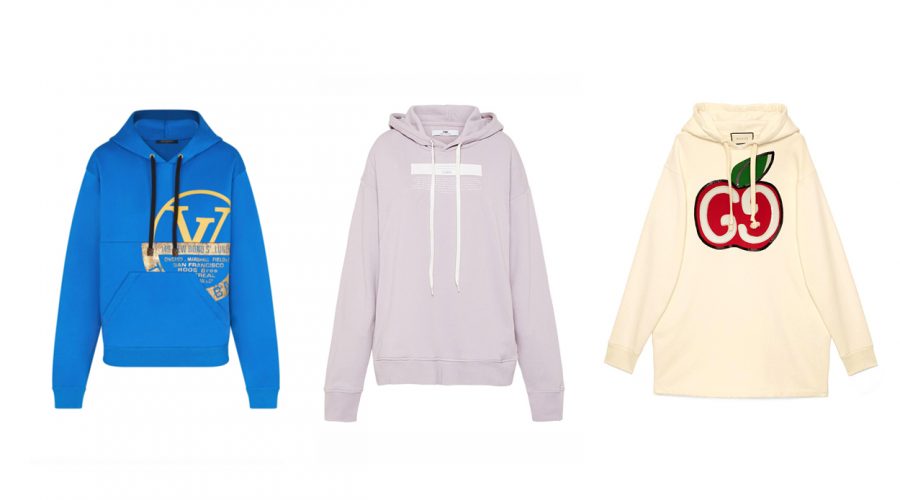
From left: World stamp sweatshirt from Louis Vuitton; C&M Sadie hoodie from Superette; Hooded dress with GG apple print from Gucci
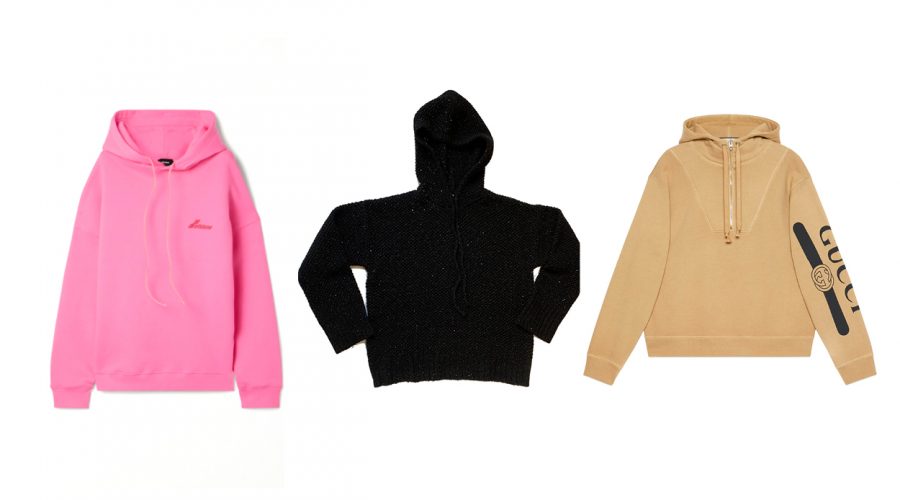
From left: We11done oversized hoodie from Net-a-Porter; Autumn cashmere sequin hoodie from Muse Boutique; Printed logo sweatshirt from Gucci
From left: Classic hoodie from Checks Downtown; M Red Box pullover hoodie from Superette; Workshop Denim pullover hoodie from Workshop; Printed hoodie from Prada;
Let’s face it, after months in lockdown pretending we had a grasp on the intricacies of culinary mastery, our collective sigh of relief that we could leave the cooking to the experts was heard as soon as we could dine out again.
We will always find joy and satisfaction in ordering the dishes that never let us down, from tried-and-true favourites to more recent delicious additions.
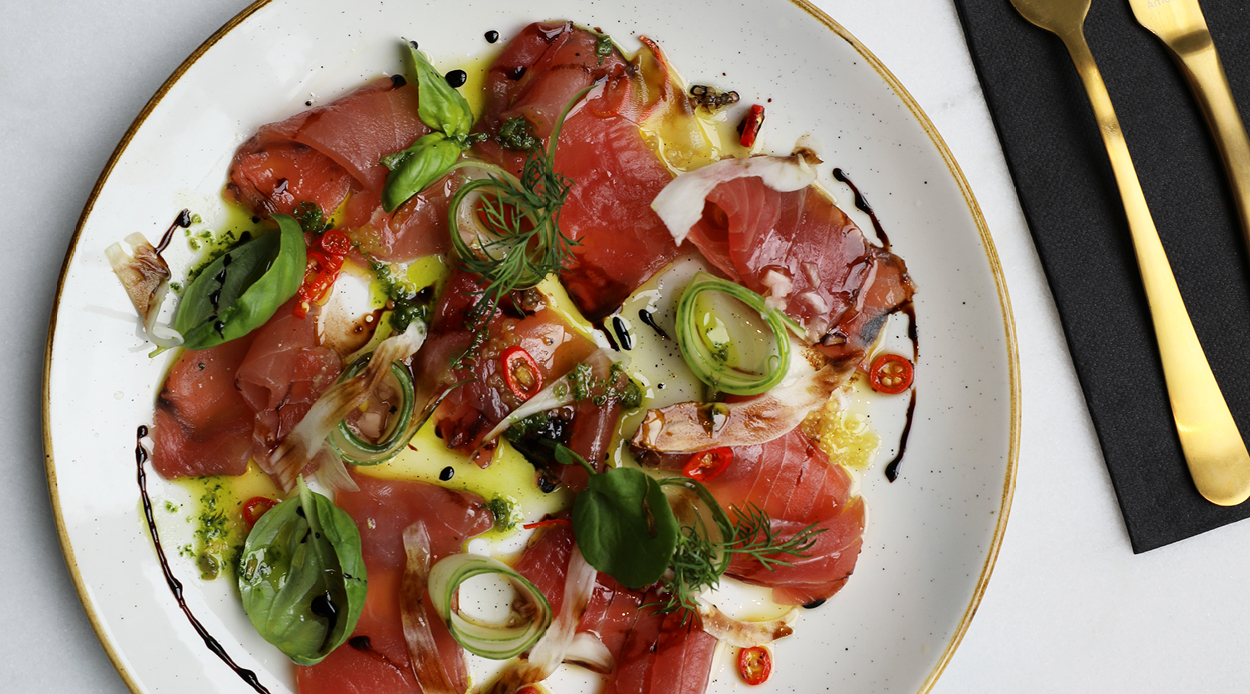
Crudo from L’Americano Raw market fish combines with finger lime caviar, pickled cucumber and fresh chilli for a beautiful fresh crudo, harmoniously finished with aged balsamic vinegar and extra virgin olive oil.
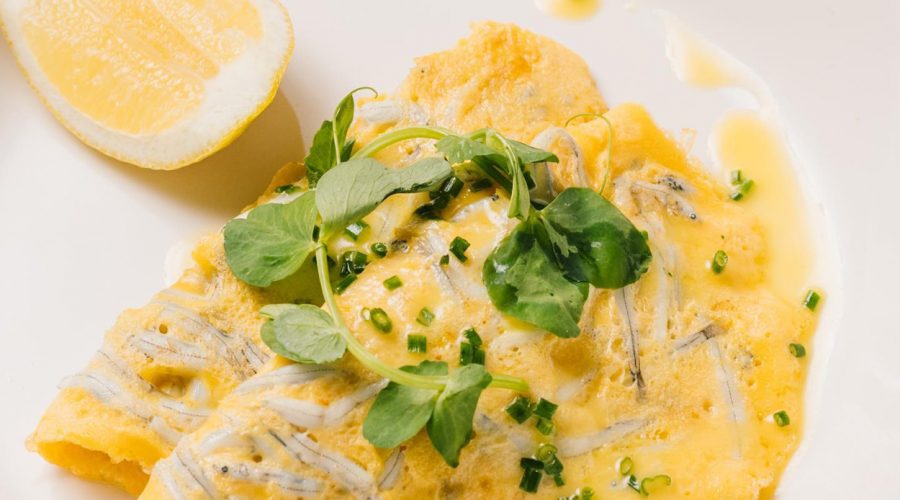
West Coast Whitebait Fritter with Lemon Butterfrom Soul Bar & Bistro We’ll never tire of Soul’s famous, delicate whitebait cooked to just-done perfection. But what really makes this dish sing is the deceptively simple lemon butter sauce.
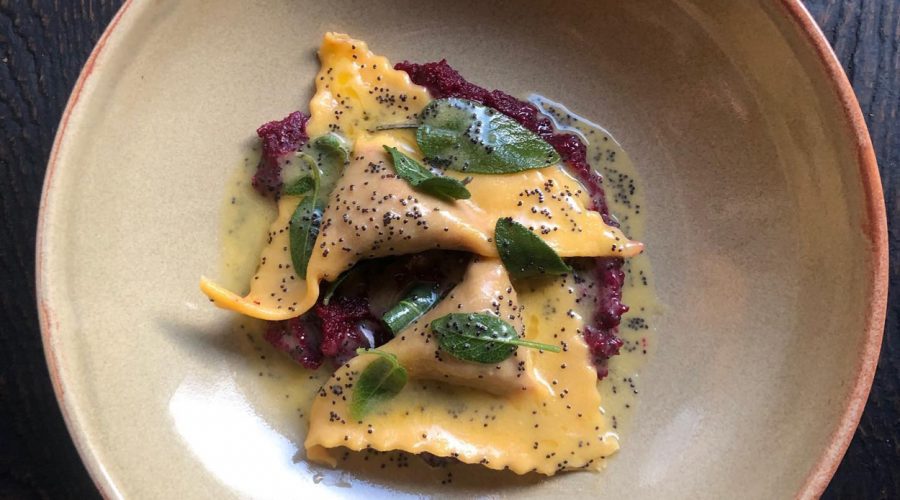
Ravioli from Cotto From the pasta experts, a new highlight on Cotto’s winter menu, is delectable ravioli. The parcels are stuffed with smoked ricotta and puréed beetroot, finished with brown sage butter, poppy seeds, balsamic and parmesan.
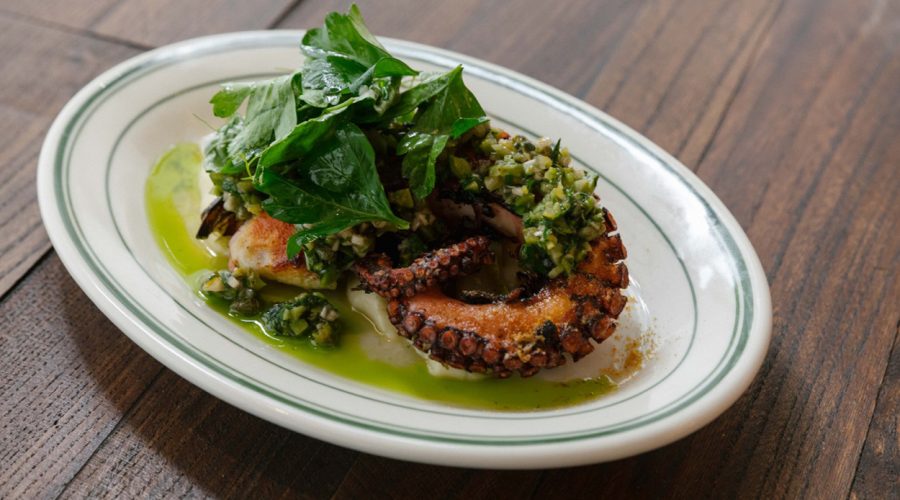
Woodfired Octopusfrom Lilian This special dish lets whole octopus tentacles shine. Braised then finished over the wood fired grill, they’re served on a celeriac purée with olive and preserved lemon gremolata, finished with a small herb salad, basil oil and grated bottarga (salted fish roe).
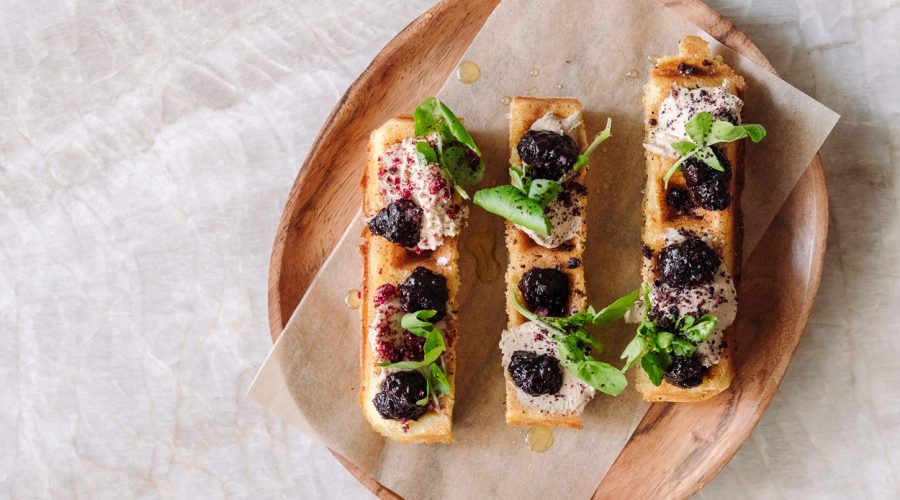
Chicken Liver Parfait Wafflefrom Little Culprit The best bar snack in town comes from intimate inner-city bar Little Culprit. Its ingenious savoury waffle pairs creamy chicken liver parfait with tart cherry relish and dried blackberry — the perfect accompaniment to its excellent cocktails.
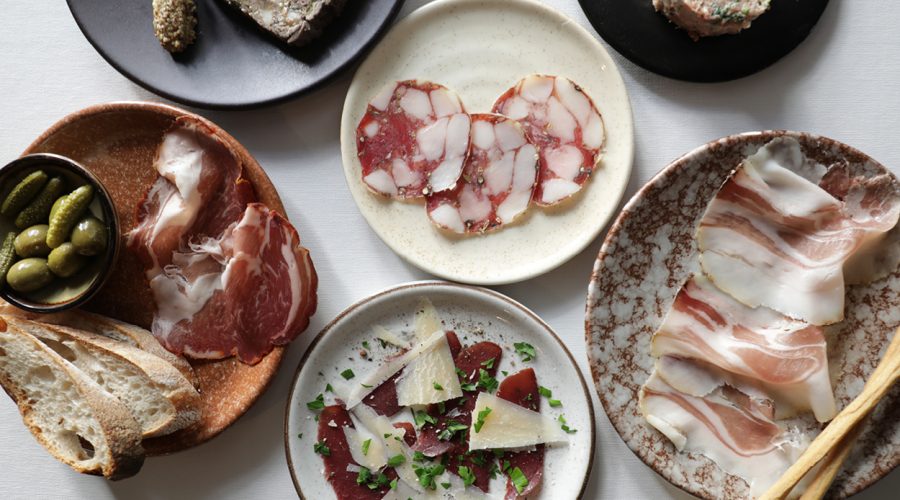
Charcuteriefrom Cazador It’s common knowledge that Cazador’s deli charcuterie selection is unparalleled. The current offering includes boar and pistachio salami, heritage pork pancetta with pimenton, game terrine, duck parfait with red onion marmalade, all served with house made pickles, preserves, bread and crackers.
They say good things take time, and this philosophy is exemplified at new Waiheke Island daytime eatery Akitō. A verb that means to do things slowly in te reo Māori, when applied in this context Akitō fits with owners Shantala Tengblad and Simon McNeish’s approach to cooking and their food practices.
“When something is prepared with time, it’s prepared with love and attention,” they say, and this manifests at Akitō partially through utilising techniques like pickling, preserving and fermentation.
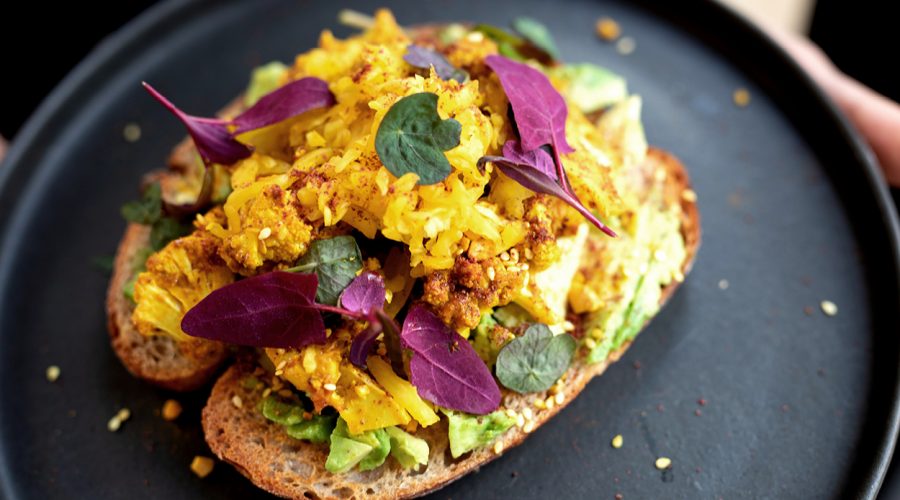
Spiced cauliflower with smashed avocado on sourdough
While the menu isn’t strictly vegan, Tengblad and McNeish have categorised their Oneroa-based cafe as ‘plant-focused’, meaning fresh produce and vegetables are championed with an emphasis on free range animal products when they’re used. This is in dishes such as the Akitō omelette with mushrooms, kale, kasundi & mozzarella, or the Harissa beans with haloumi, pickled onions, folded eggs and toasted sourdough.
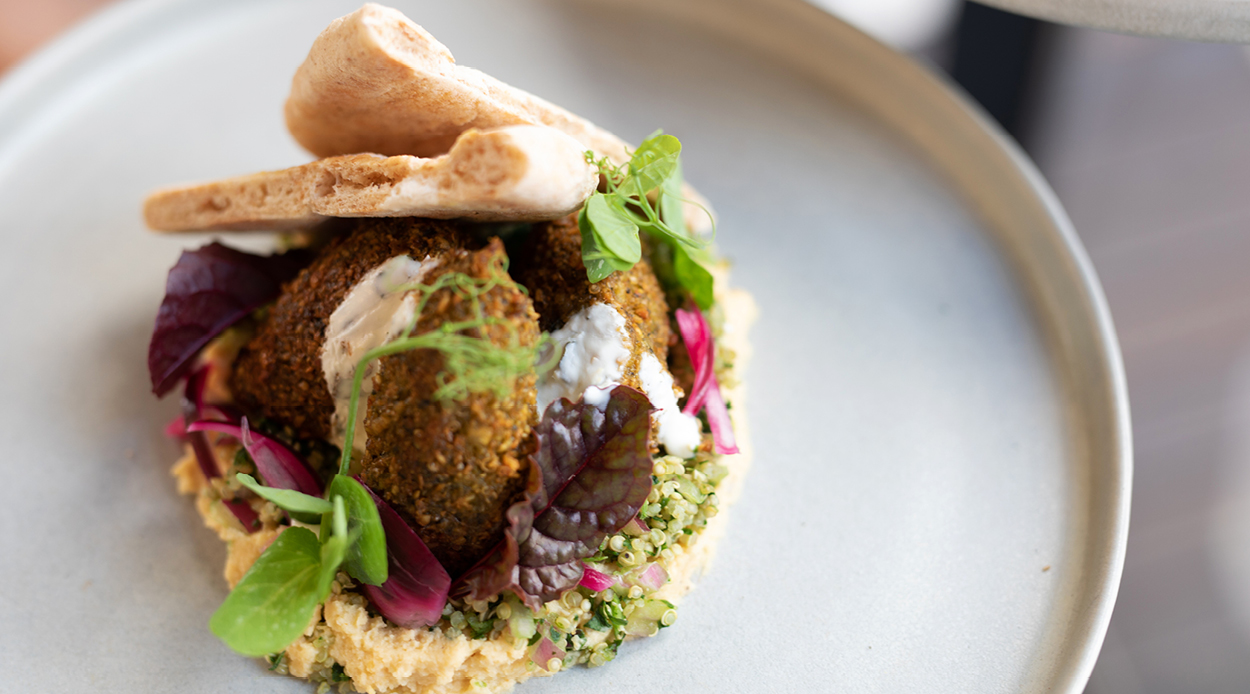
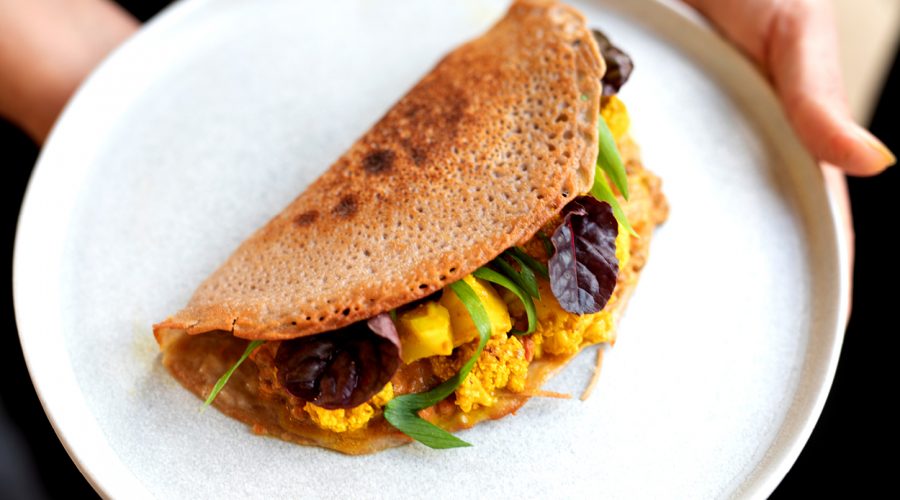
Elsewhere on the menu, diners will find unique and inventive twists on typical brunch and lunch fare — we’re particularly drawn to the turmeric spiced cauliflower pared with smashed avocado, dukkah, sauerkraut, sumac and lime on sourdough; and a jackfruit dahl with roast vegetables, coconut black rice, coriander & buckwheat dosa.
Jackfruit dahl with roast vegetables on a buckwheat dosa
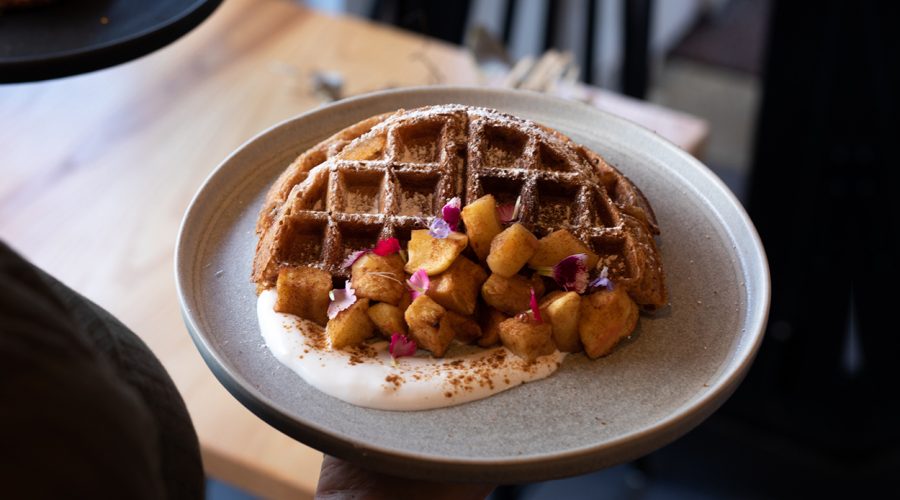
Waffles also make an appearance, in the form of a gluten-free gingerbread variety with spiced apple, maple ginger syrup and coconut yoghurt, and Flight Coffee is on hand to provide a caffeine hit, while a selection of appealing vegan smoothies are made in-house.
Gluten-free gingerbread waffles
Above and beyond the food itself, Tengblad and McNeish are aiming to take a re-generative direction with Akitō, prioritising circular practices with minimal food-waste and eschewing the use of plastic wherever possible.
With this holistic viewpoint, a distinctive menu and prime location, Akitō is an enticing new addition to Waiheke Island’s varied dining offering.
Opening hours: Monday — Sunday: 8:00am to 3:00pm
Akitō
153 Ocean View Road, Oneroa,
Waiheke Island 1081
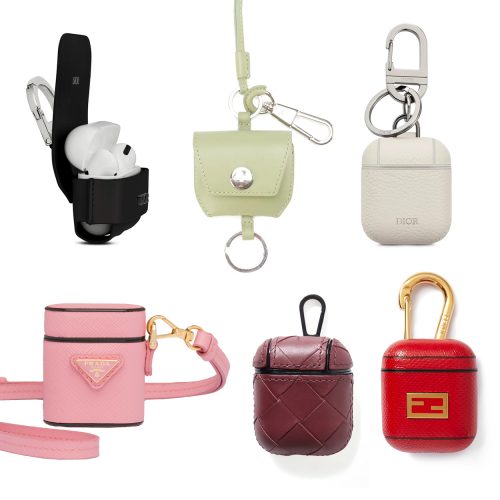
Enough to convert even the most ardent supporter of headphones to the AirPod phenomenon, these petite, designer cases from the likes of Dior and Prada are the tiny tech-ccessories you need.
Clockwise from bottom left: Saffiano leather AirPods case from Prada; Black smooth calfskin case from Dior; 3.1 Phillip Lim AirPod Pro holder from Farfetch; Off-White grained calfskin case from Dior; Fendi snake AirPods case from Net-a-Porter; Bottega Veneta Intrecciato leather AirPods case from Net-a-Porter.
As Black Lives Matter throws the visceral reality of historic racism into a starkly honest light, we’re taking the time to listen to the voices better-versed by experience. Those of us not directly impacted by the inter-generational trauma that began hundreds of years ago, now have a responsibility. We need to listen to the stories of those still suffering the systemic hangovers of institutions that were built on prejudice. And we need to be open to learning. Here, New Zealand artist Jade Townsend (Ngāti Kahungunu, Liverpudlian) asks us all to consider how we will keep the fires of change alive, long after rally-cries become quiet.
“Pantone colour code 15-1460 TN is arguably the closest colour to Finding Nemo’s orange-striped-skin, according to various online forums. Forums where māmās are looking for paint for children’s bedroom furniture and where I was searching for paint for my body. I wanted to test a theory – that my son would love me more if my skin was the colour of his beloved movie friend. I believe children see skin colour just as they see every other hue in nature.
However, we are told they do not; that it is their naivety and inability to scope danger that makes them vulnerable enough to befriend a stranger or in other words: make friends with everybody. Then, something happens along the way to adulthood and we find ourselves herded into narrow fields of like-minded parents and friends who are academically-, spiritually- and economically-aligned with us. And in our fields, most people are of the same colour. In our fields, we feel safe and supported, so we build fences and close the gate to ensure that nothing changes.
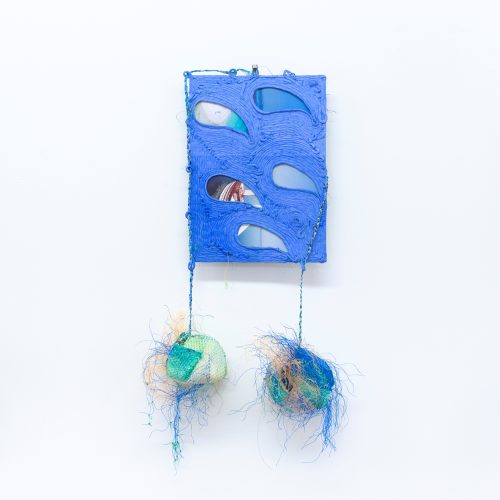
Arriving home. Made from fishing rope, washing line rope, postcards found in Ibiza, glass beads from China, cotton thread from Germany and acrylic paint from America. Made in Ferry Landing (NZ). Photo: Ryan McCauley. Courtesy of the artist and Page Galleries
I recently attended a Black Lives Matter rally in support of anti-racism, where I listened as a group of fascinating teenage girls stood on the steps of Auckland’s Aotea Square and spoke with a conviction beyond their years. “We are Ngā Hinepūkōrero and we are a spoken word group that talks to Māori injustice as well as other political issues going on in our communities”. This particular march ended a week of big news, both in New Zealand and overseas, including the New Zealand Police Commissioner cancelling the gun trial; the removal of the Hamilton statue; George Floyd’s tangi in the United States; and the ongoing, grim toll of Covid-19.
There has been no time to heal yet we are beginning to reflect. Hearing the young activists sharing their connection to the trauma of oppressive colonial and racist tactics experienced by their families, which continue to deny them the opportunity to exist equally in their native country, I felt emotional. The poetry of Manaia, Matariki and Arihia paralleled their battle between the worlds of Māori and Pākehā by switching between English and Te Reo Māori, and it spoke to the same dichotomy in me.
Ko Jade Townsend toku ingoa, I am a visual artist working at the intersection of my Māori and Pākehā heritage. It’s a non-fixed duality that ebbs and flows with contradictory cultural forces every day. My spirit – my wairua – connects to many seemingly disparate fields. From Aramoho, Whanganui, where I was raised as a child, to Huyton, Liverpool in the United Kingdom, where I lived as a teenager.
They are half a world away from each other but share the same reputation and statistics of any low socio-demographic and ethnic minority area. Through art, I record my experiences of looking inside and peering out from the cracks in these societal backyards: exploring unity-by-way-of-materiality to become collage, painting and textiles.
The final speaker at the protest was Will ‘Ilolahia, a founding member of the Polynesian Panthers. “I have been doing this for 25 years,” he declared, closing the kōrero on a sobering note, as we picked up our placards and marched to the US Consulate. His lifelong commitment to something that, for many, felt like a newfound call to action, made me think.
Photo: Ollie Trenchard for Visceral World
I knew the members of Ngā Hinepūkōrero would be still doing this work in 25 years but would I? What would happen when I grew richer, older, more gentrified: would I give up brunch at my favourite cafe on a Sunday for issues that wouldn’t directly improve my life? It’s something I am genuinely worried about, because the cafes in Ponsonby were full on June 14, 2020. The streets of Auckland city centre were not. Not full enough in my opinion – I thought there were more us.
When I joined the rally on Queen Street and became part of a bigger body of movement, I immediately understood that my work did not end there. That I wanted to talk about my experience with those who were not present, those who might need me to light the fire for change in them and keep it going. The Māori term to describe this action is ‘ahi kā’ – ‘keep the fire burning.’ It is an old term for occupation and a contemporary expression for the health of our relationships or conceptual ideas; they don’t keep going on their own.
I know Pākehā are fundamentally open to doing their bit by seeking out opportunities to re-learn the pre-European history of Aotearoa, to learn Te Reo Māori, to ensure there is diversity in the workplace and to reacquaint themselves with Te Tiriti o Waitangi. These gestures are important and vital and they benefit the change-makers first — knowledge and learning does that. But what then?
My work leads me to consider the origin of things – materials, concepts, language and genealogy. This knowledge allows me access to a culture of which I am not a denizen. My whanau, which includes my husband Adam and my two-year-old son, Hayes-Anaru, has recently settled in Takapuna after years living overseas. While researching the history of our new home, I read about how the land of Ihumātao would feed the growing number of multicultural bellies arriving on the North Shore.
It was a sacred site where Māori transferred ancient gardening knowledge into the modern techniques for new crops from the 1840s onwards. Māori have many words for soil and the early Māori gardeners could differentiate its qualities simply by holding it in their hands. It was this land and this knowledge that sustained the lives of all of our ancestors, but developers now want to build the fences there.
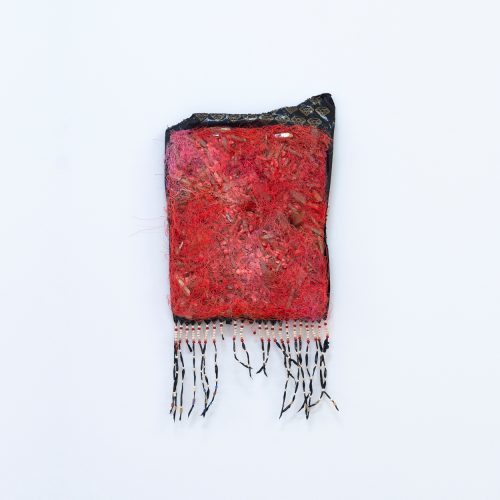
Swim, between the flags. Made from fishing rope found on Phuket’s Banana beach, aquarium decorations from Bali, beads from London, Erica van Zon (NZ) and Bangkok, a plastic shopping bag from Beijing, cotton thread from India and acrylic paint from America. Made in Phuket. Photo: Ryan McCauley. Courtesy of the artist and Page Galleries
A perfect landscape, to me, is border-less and boundaryless. The wonder of seemingly disparate entities existing side-by-side. In my work, acrylic rope meets pearls, plastic bags are embellished with shiny glass beads and expensive silk is dipped in house paint. I think about displaying these experiments in museums, galleries, on the marae and in the whare to prove that there are other ways to be together that haven’t even been explored enough.
One observation I have yet to make art about, is that of the relationship between the rubber tree and the pineapple. The rubber tree fertilises the soil in such a specific way that it creates the perfect conditions for the pineapple plant to grow. In turn, the pineapple plant does the same for soil around the rubber tree. In between each tree grows a pineapple; both plants thriving separately but alongside one another in a symbiotic relationship.
So, when you next gather with your friends and whanau to share kai, ask yourself who is at your table? Who is not? Let us start a journey into cultivation to recognise the synergies and reveal the spaces between our nature that we are still to grow into. Let us feed the belly of our people from our own ancient gardens once more. Naku te rourou nau te rourou ka ora ai te iwi. With your basket and my basket the people will live.”
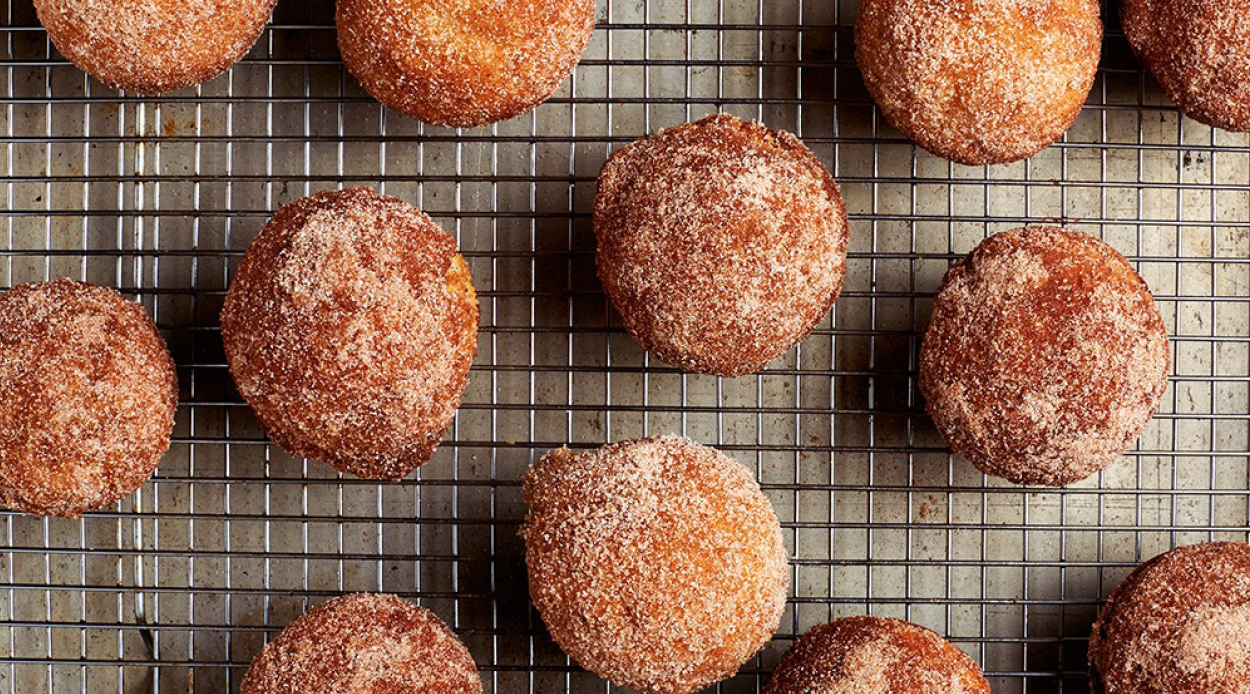
From time to time, on our travels around the World Wide Web, we stumble on gems that stop us in our tracks. This is one such track-stopper. Bestowed on us by the foodies in the know at Bon Appétit, you ain’t lived until you’ve had one (or one dozen) Dirt Bombs. The churlish name aside (which we’ve yet to uncover the origin of but will continue investigating), these cinnamon sugar doughnuts disguised as muffins are easy to whip up in the weekend sans vats of oil, and are best devoured in private.
Ingredients(Makes 12 muffins)
Nonstick vegetable oil spray
2¼ cups all-purpose flour
2 teaspoons baking powder
1 teaspoon kosher salt
½ teaspoon ground nutmeg
½ cup (1 stick) unsalted butter, room temperature
¾ cup sugar
1 large egg
1 cup whole milk
Topping
½ cup sugar
1 teaspoon ground cinnamon
6 tablespoons (¾ stick) unsalted butter, melted
Method 1. Preheat oven to 190°C. Coat a standard 12-cup muffin pan with nonstick spray.
2. Whisk flour, baking powder, salt, and nutmeg in a medium bowl; set aside.
3. Using an electric mixer, beat butter and sugar in a large bowl until light and fluffy, about four minutes.
4. Beat in egg.
5. With mixer on low speed, add dry ingredients in three additions alternating with milk in two additions, beginning and ending with dry ingredients.
6. Divide batter among muffin cups and bake, rotating pan halfway through, until a tester inserted into centre comes out clean, 30–35 minutes.
7. Let cool for five minutes in pan, then transfer to a wire rack.
8. Mix sugar and cinnamon in a medium bowl.
9. Working one at a time, dip tops of muffins in melted butter, then cinnamon sugar.
For more exclusive access to what the city has to offer, engaging content, excellent imagery and thought provoking commentary on the life that surrounds you, subscribe to Denizen magazine now.