Perfection, if you were to believe what you see online, has finally become attainable, having once belonged to Renaissance painters, Hollywood lighting directors and the rare individuals born with the right genetics. Yet today, achieving perfection is accessible to us all thanks to photo filters that remove pores and wrinkles, sharpen jawlines, and widen eyes, removing any pre-existing anatomical or skin imperfections, all for the praise and admiration of the online world. But with the evidence of any imperfections removed and published, how does one then show face in the real world?
In recent years, there has been a substantial increase in hyper-perfect influencers distorting traditional beauty ideals. This new visual language has created a complicated brief. Dr Ellen Selkon at Clinic 42 sees patients arriving with references shaped by AI-generated faces and hyper-edited influencers, images in which symmetry, smoothness and proportion are pushed so far beyond natural human possibility that reality begins to look like a faulty version. The mirror was already difficult enough.
Dr Ellen Selkon
The best approach to these unachievable ideals involves a detailed consultation in which Dr Ellen Selkon sees her role not merely as administering a treatment, but as interpreting, educating, and, when required, gently reminding patients of the fantasy. Rather than dismissing the influence of social media or treating filtered images as frivolous, she and the medical team use them as a starting point, asking what a patient is actually drawn to, before explaining which elements can be translated into reallife, which cannot, and why the distinction matters.
Because faces, inconveniently for AI filters, actually move. They laugh, frown, animate and exist under all manner of lighting conditions. The most successful aesthetic work must therefore consider the whole face, not as a static image, but as living architecture, with its own structure, proportions, skin quality, expression and emotional cadence. During a Clinic 42 consultation, there is time to carefully assess each angle, looking at how features relate to one another, how the skin behaves, and how any intervention might support the face rather than overwrite it.
This is where medical training matters. At Clinic 42, the initial consultation with one of its doctors includes a review of any underlying medical conditions, essential groundwork that ensures treatments are tailored not only to a patient’s goals, but to their physiology.
In a culture newly fluent in tweakment terminology, from baby Botox and polynucleotides to laser stacking, skin tightening and the ever-expanding glossary of glowmaxxing, jawchitecture and other crimes against language, it can be tempting to treat aesthetic medicine as a menu. The wiser approach is clinical, not conversational. What works beautifully for one face may look laboured on another, while a treatment that promises a fashionable result may be entirely wrong for a patient’s anatomy, medical history or long-term skin health.
In some cases, an injectable treatment may not be the right first step at all. Dr Selkon may recommend alternative modalities or non-injectable options that better support the patient’s goals without compromising safety.
The point, in the end, is to make expectations sharper, smarter and more useful. Digital perfection is instant, flat and unrealistic; true aesthetic confidence is more nuanced, built around the face a person actually has. At Clinic 42, the ambition is not to chase the homogenised face of the internet, but to enhance individuality with discretion, expertise and restraint, allowing results to remain expressive, believable and quietly enduring.
Which may be the most modern luxury of all: not looking filtered, not looking fixed, and certainly not looking like everyone else. Instead, looking unmistakably, intelligently and beautifully like yourself.
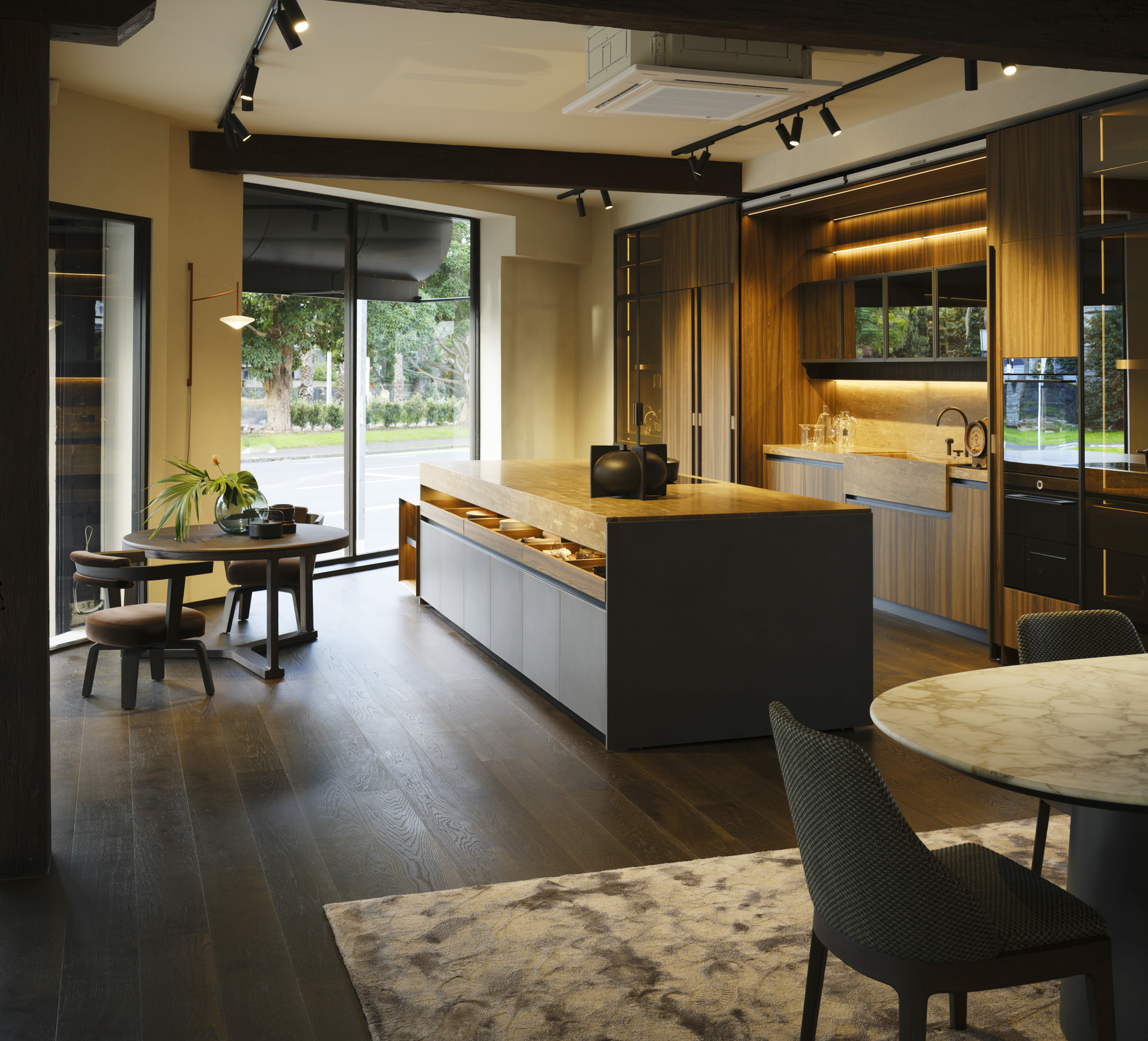
Few things clarify the distance between knowing a brand and understanding it quite like standing inside a room that has been fully resolved. With the opening of Molteni&C‘s first dedicated New Zealand flagship in Parnell, that understanding becomes available here for the first time, in a space where the Italian house’s ninety-year commitment to architectural furniture can be read not from a catalogue but from the room itself.
The 450-square-metre space at 99 The Strand in Parnell, brought to Auckland by long-term local representative Dawson & Co, opens with a heritage vignette of Gio Ponti and Aldo Rossi pieces positioned near the entrance. It is a thoughtful beginning to Molteni’s world. Ponti spent his career arguing that architecture, furniture and interiors were one language, not three, and Creative Director Vincent Van Duysen, who marks a decade leading Molteni&C’s creative vision in 2026, has built his tenure on precisely the same conviction.
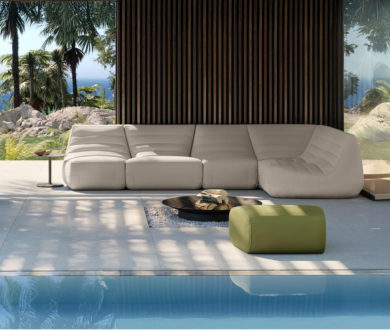
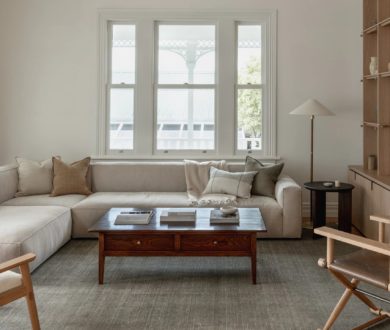
The first sequence of rooms represents this philosophy fully. A living room furnished with Christophe Delcourt’s generous Emile sofa and Tobia Scarpa’s Monk chair creates a feeling that evokes the residential cohesiveness the brand is renowned for. The rooms then lead into a kitchen and dining environment anchored by Van Duysen’s own VVD Kitchen.
Spend a moment with the dining tables; the details on the underside, invisible from across the room, reveal the degree to which Molteni&C’s designs extend beyond what is visible. It’s this level of quality and detail that can only be understood in person.
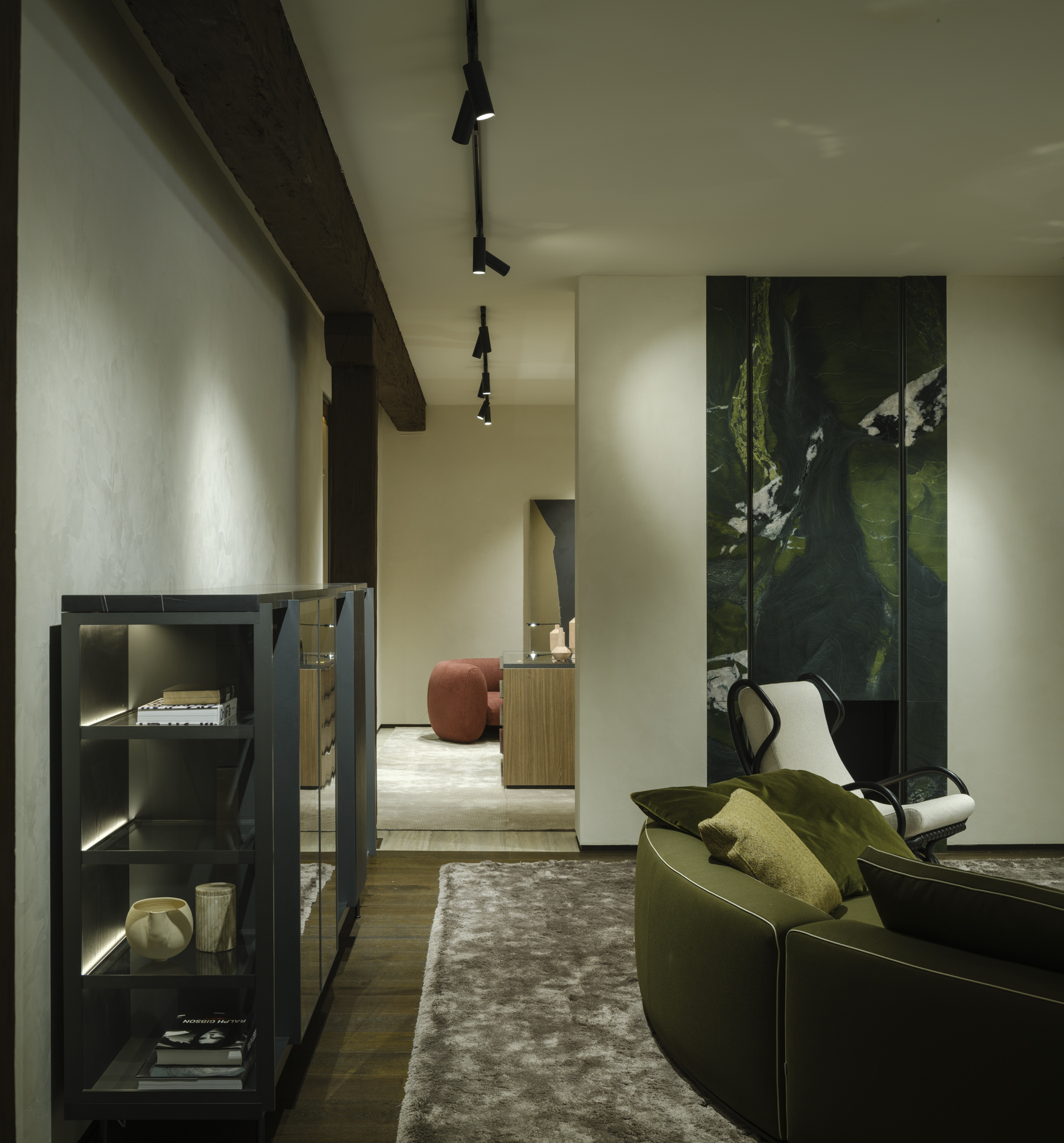
A sitting room centred on Van Duysen’s Marteen sofa, configured in a back-to-back arrangement that creates two facing conversation settings without enclosing either, acts as the pivot into the second living area. The logic here is spatial rather than decorative: furniture as architecture, defining how a room is experienced rather than simply filling it.
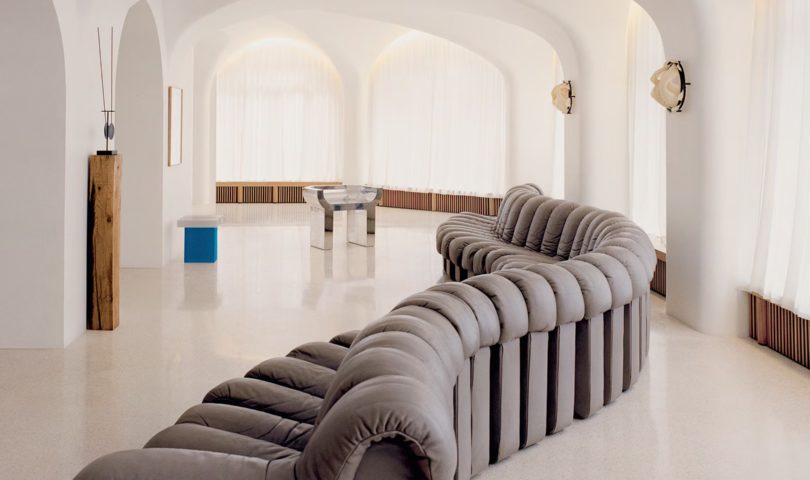
The third and most materially arresting sequence opens with a second living room where a fireplace clad in Green Avocatus Quartzite commands immediate attention. The stone, with its deep veining and extraordinary chromatic depth, reappears in the dining environment earlier in the journey, a thread of continuity that is not by accident. Van Duysen’s Augusto round sofa anchors the room with the kind of sculptural generosity that must be seen in person to be truly appreciated.
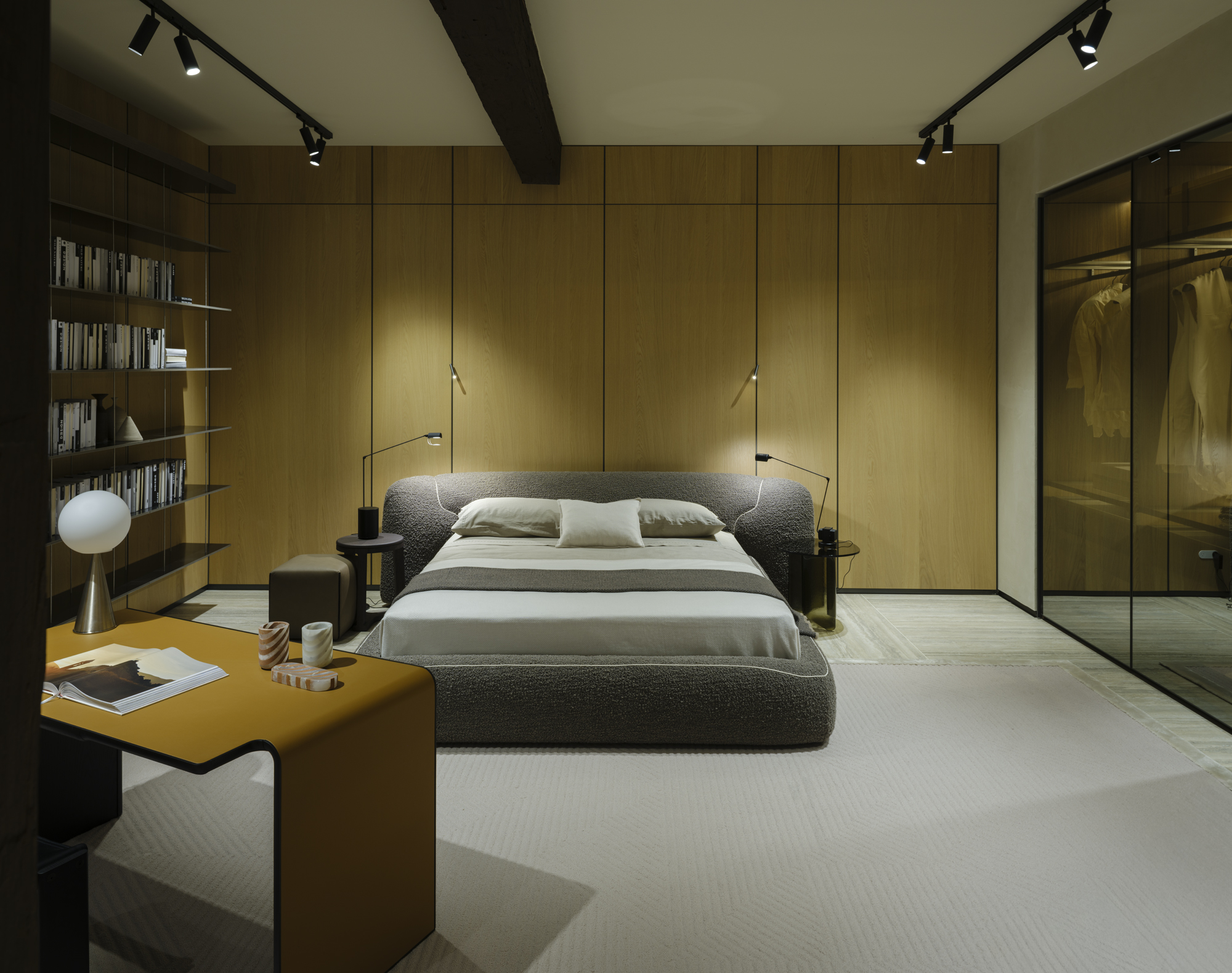
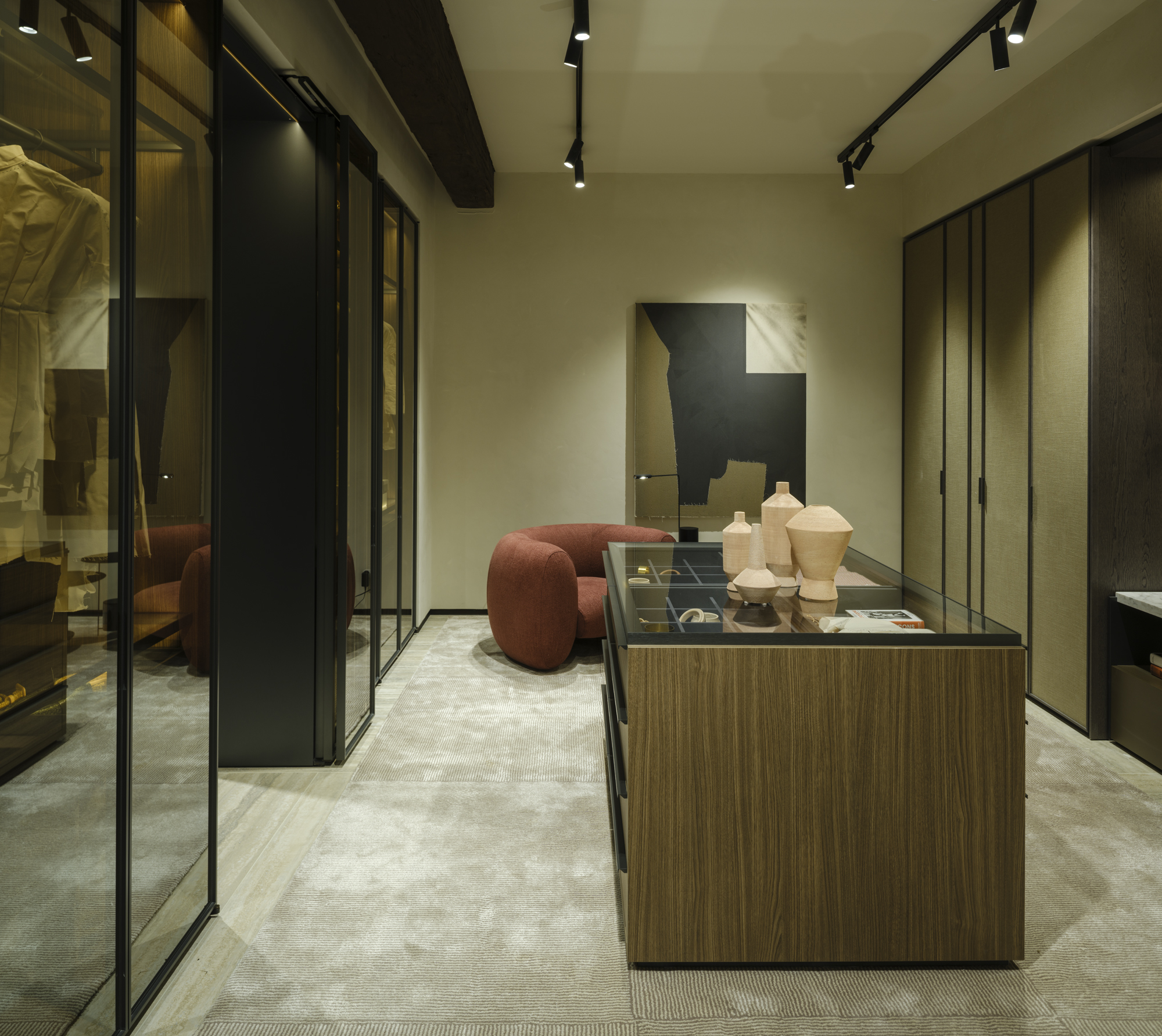
From here, the space moves into a bedroom of a deliberately quieter mood, layered with tactile materials and soft light, before opening into two wardrobe environments that represent the most revelatory part of the journey. Molteni&C’s Gliss Master system is presented here in two distinct configurations, each with its own character and seating arrangement that reframes the wardrobe entirely, less a place of utility than a private room within a room, somewhere to begin and end the day with intention. The first, anchored by Naoto Fukasawa’s Cinnamon lounge chair, presents the system in a composition of glass-fronted cabinetry and panelled doors finished to a standard that rewards close inspection, where the distinction between open display and concealed storage becomes an aesthetic decision rather than a practical one. The second configuration, deeper and more architectural in character, is built around Van Duysen’s Gliss Master Island, its surfaces finished with the same precision applied to every other element in the space. What distinguishes both environments is the interior architecture of the drawers and compartments themselves: velvet-lined trays configured for earrings, watches, and folded silks; dedicated shoe drawers with recessed display; glass lids that make the contents part of the composition. Every finish is selectable, every configuration is personal, and the cumulative effect is of a wardrobe designed with the same seriousness brought to a kitchen or a living room, which is, of course, exactly the point.
Custom travertine tiles, produced exclusively for the Auckland space, run throughout. Their warmth and natural variation carry the interior without announcing themselves. The Molteni&C flagship is open now at 99 The Strand, Parnell. Visits by appointment are recommended.
While the likes of Prego have long been the go-to for those with kids in tow, there are actually a number of eateries around Auckland that offer the kinds of environments and menus that the whole family can enjoy. Here, we round up the ones to enjoy these school holidays.
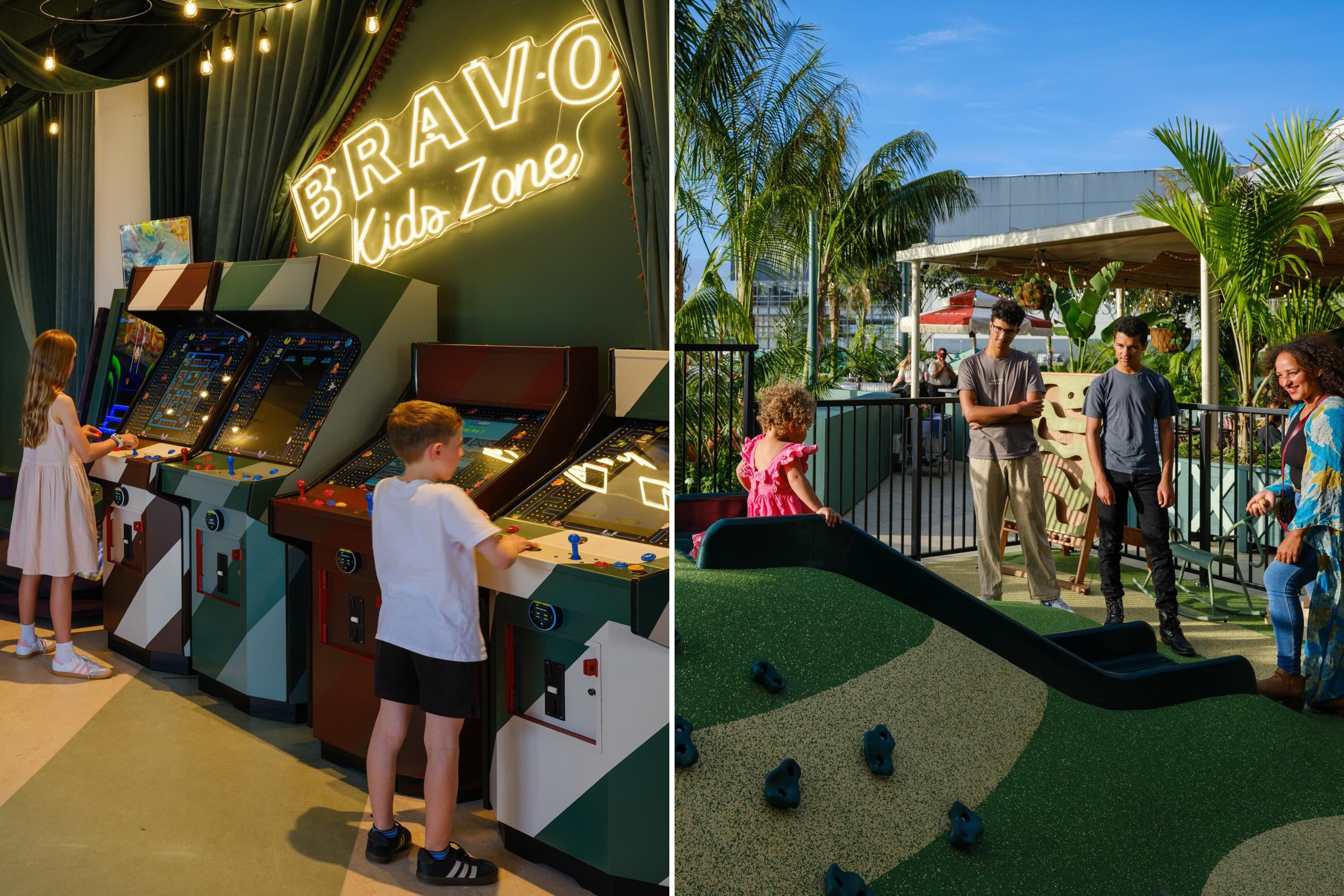
Bravo at Cracker Bay takes the stress out of family dining, pairing a menu designed for all ages with a dedicated games room that keeps little ones happily entertained. It means parents can settle in, enjoy a leisurely meal and linger a little longer, making it an easy choice for everything from weekend lunches to family dinners.
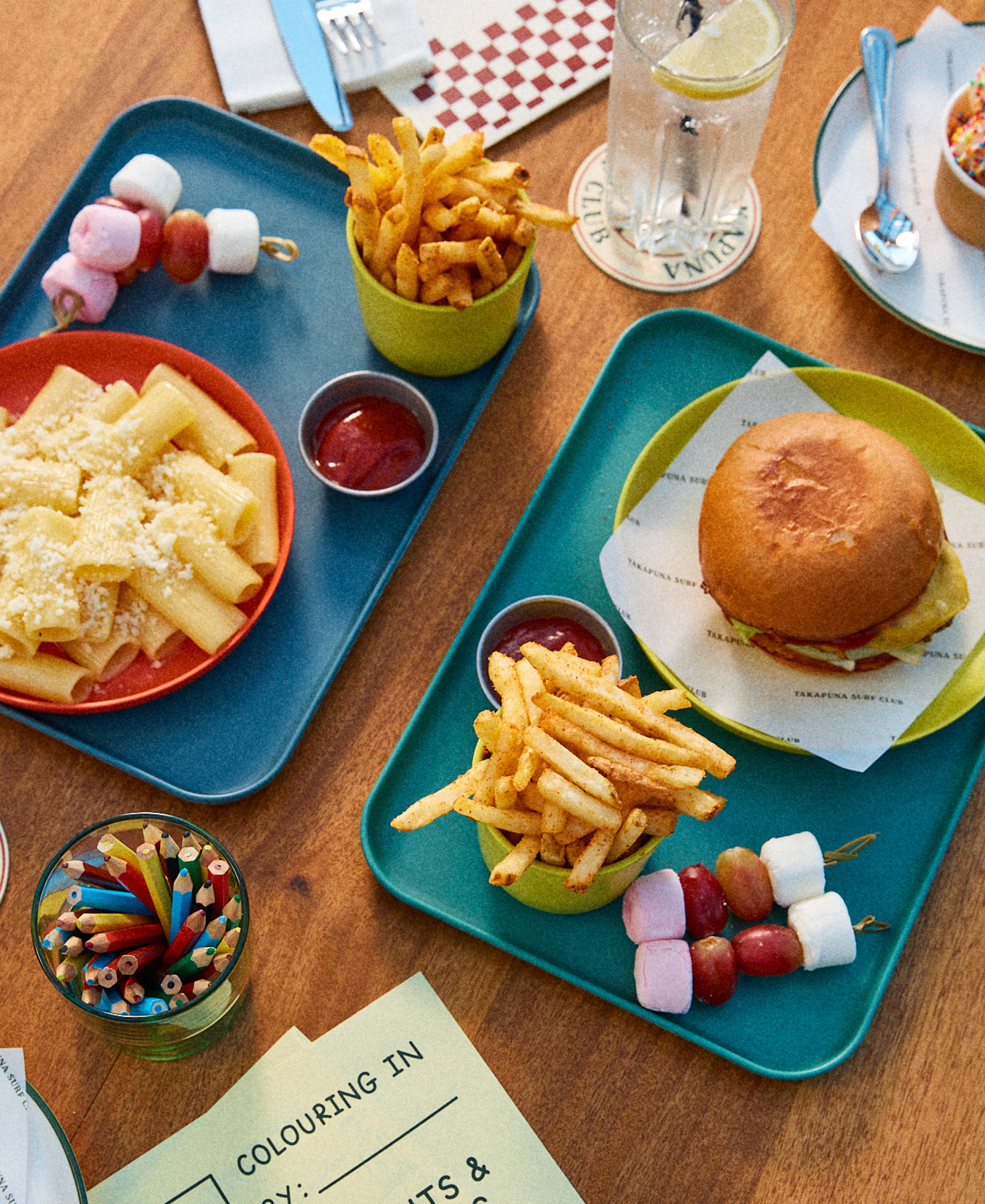
New Zealand’s answer to the laid-back yet convivial surf clubs Australia is famed for, this new all-day spot has fast become a go-to for North Shore locals and visitors alike. And, with an epic, dedicated offering for the kids, a sweeping dining room, and a games space (not to mention it’s proximity to the park), this lively locale is a perfect place to swing by with the littles for a bite.
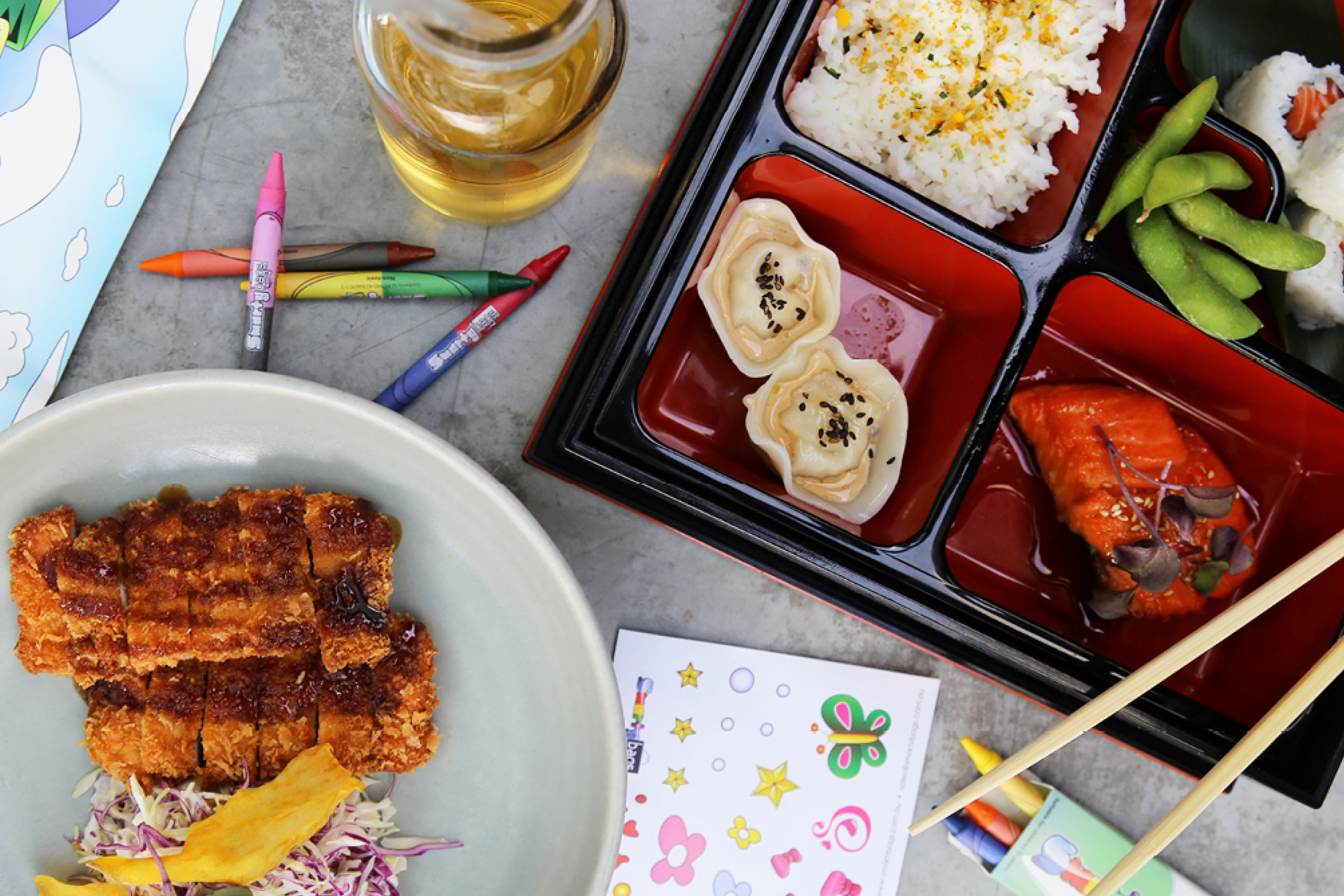
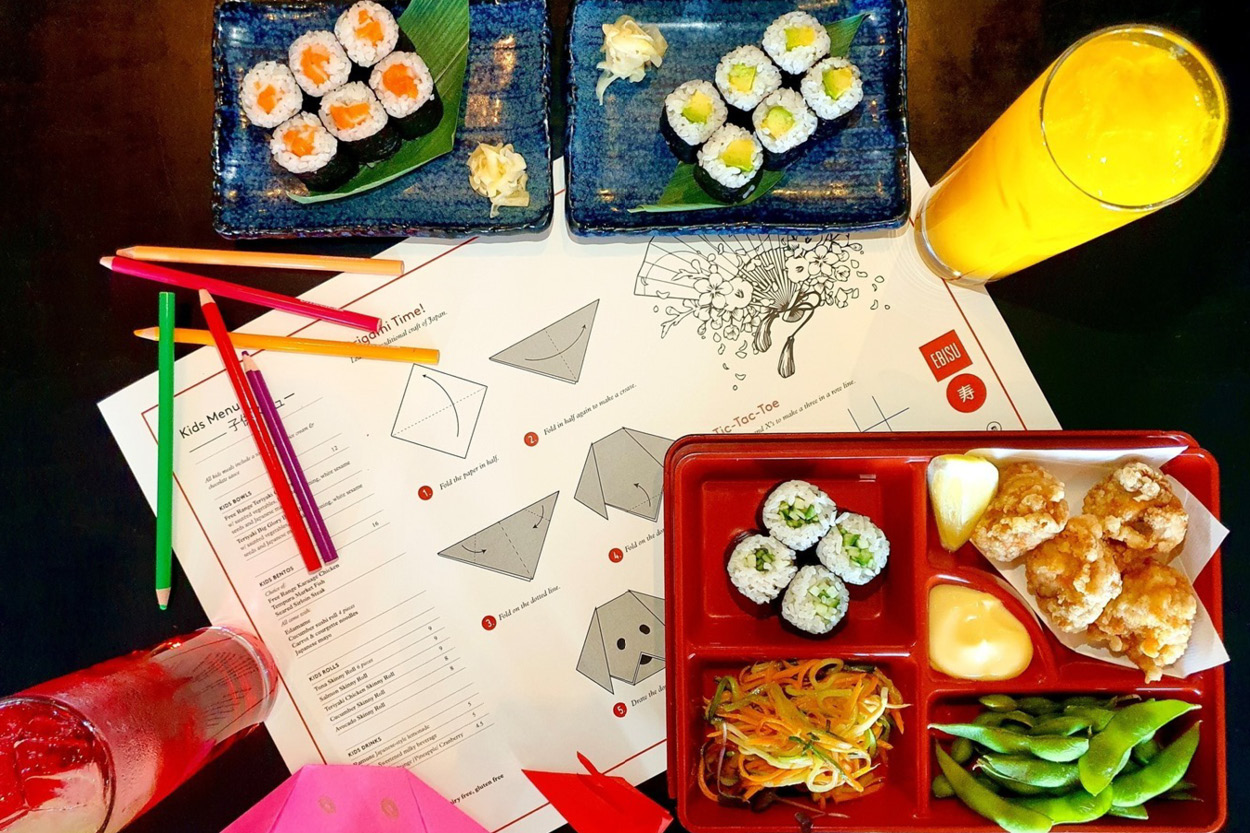
With a menu dedicated to kids 12 years and under, this stalwart Japanese destination with locations in Ponsonby and Misson Bay is right on the money. Once the little ones have chosen between six pieces of sushi, a bento box, or something from the menu for ‘bigger kids’ like chicken karaage, they get a little pack full of coloured pencils, paper and chopstick joiners (which help teach kids how to use them properly). Did we mention they also throw in a scoop of vanilla ice cream with chocolate sauce on the house?
Bright, relaxed and made for sharing, Dos Donkeys is an easy family favourite. Throughout the school holidays, little ones can enjoy a $5 cheese quesadilla, making lunch or dinner in the city all the more appealing.
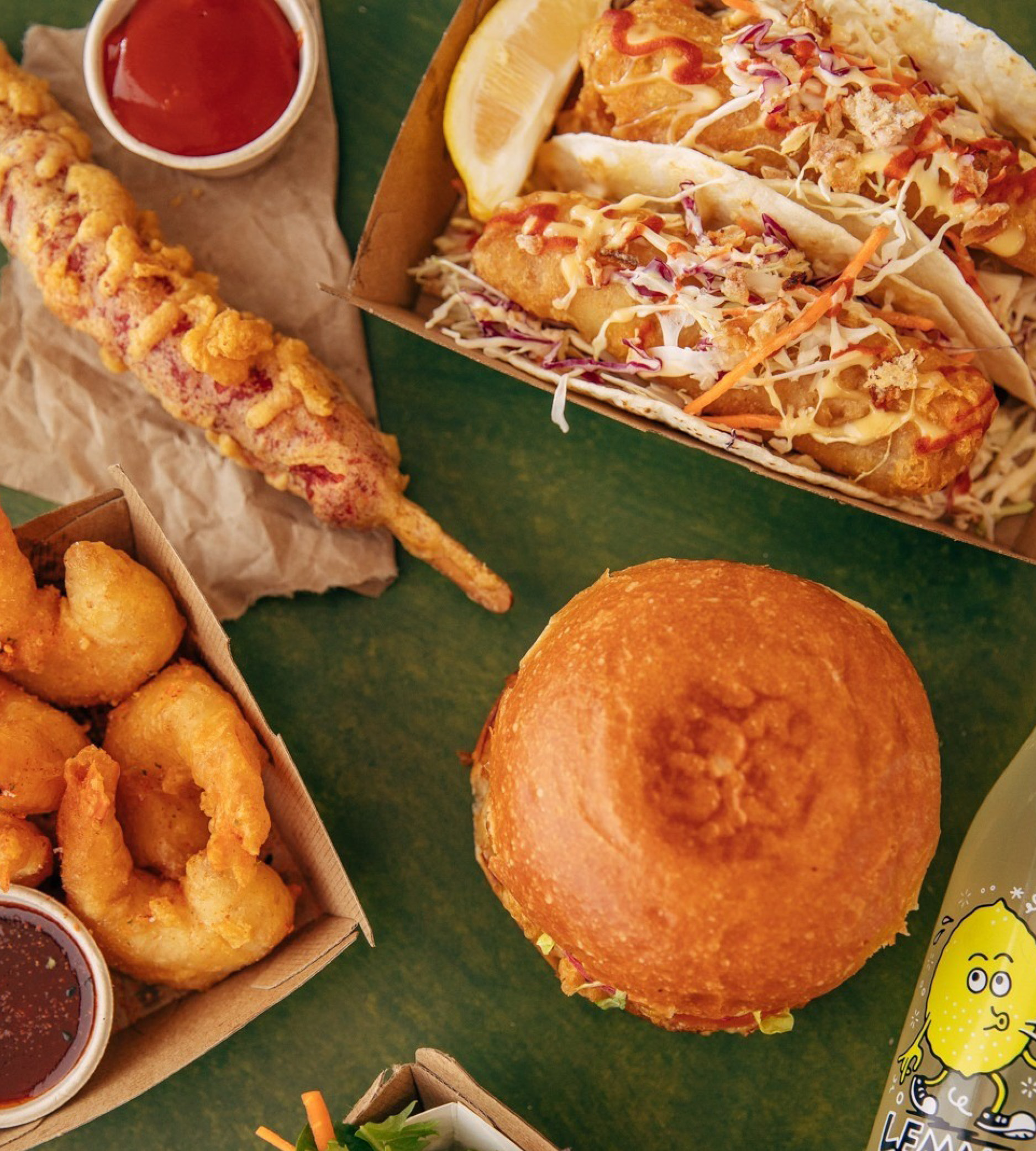
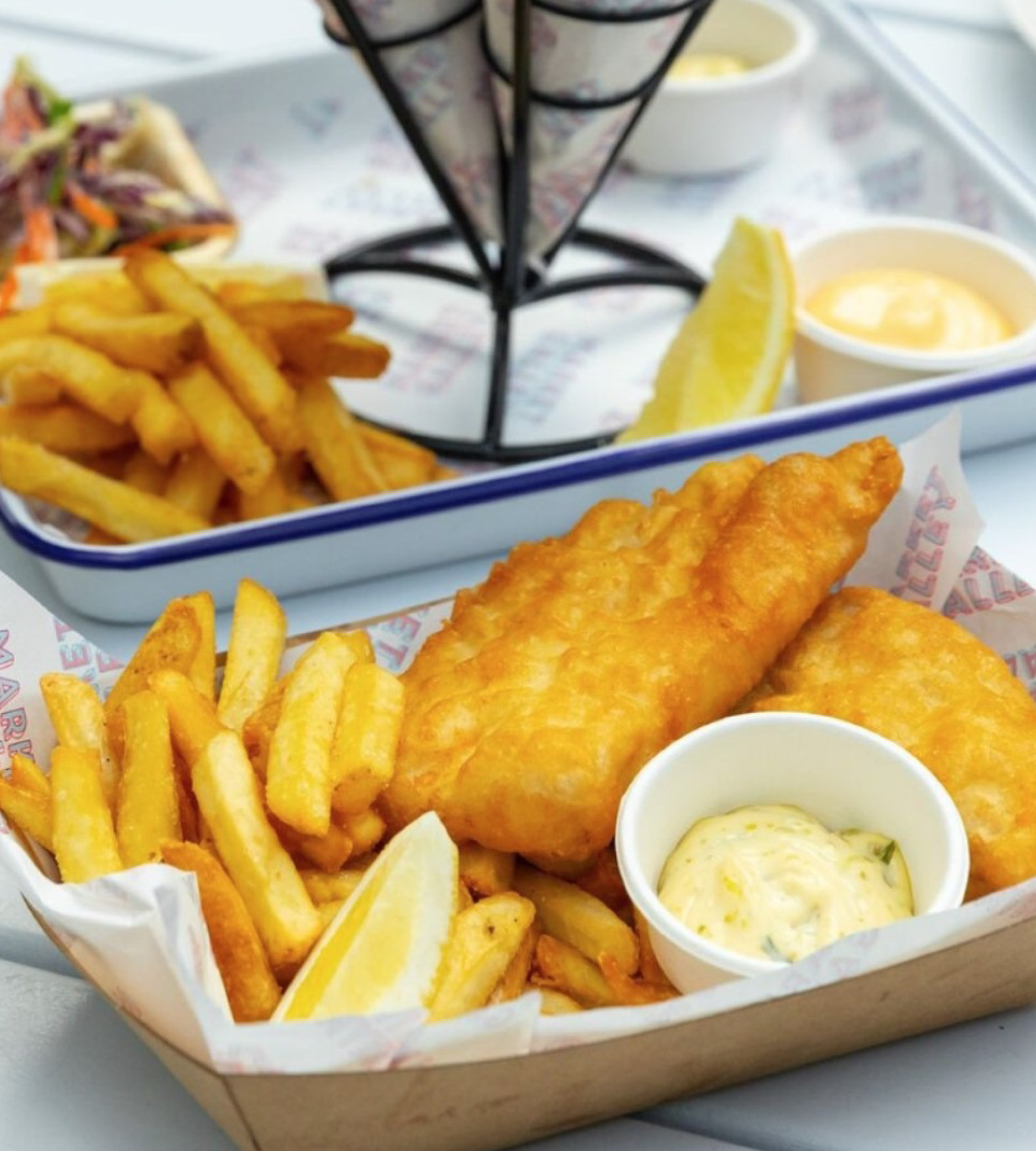
There’s nothing quite like a parcel of fish & chips to capture a kid’s attention, and there is perhaps no one doing it better than Herne Bay’s Fishsmith. You can grab a kids fish & chips or hot dog & chips for just over a tenner, or go old school and fill a parcel for the family to rip into together — parking up out front to dig in, or heading to one of the nearby parks or beaches for dinner al fresco. Just don’t forget your coats.
A meal at Chu’s comes with a sweet little bonus these school holidays. Throughout July, children dining with their families will receive a complimentary ice cream, with a choice of Melona or Screw Bar to finish on a nostalgic note.
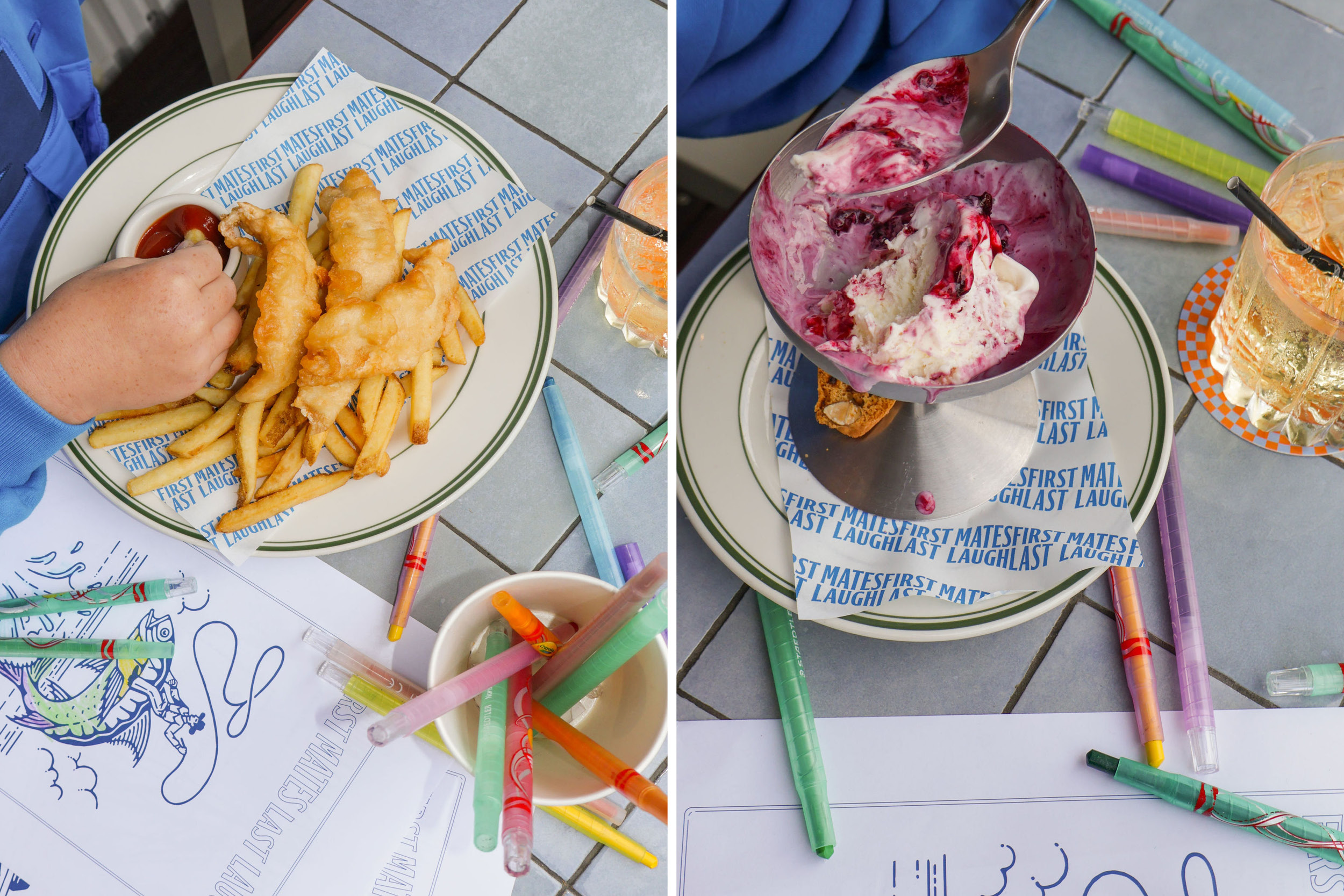
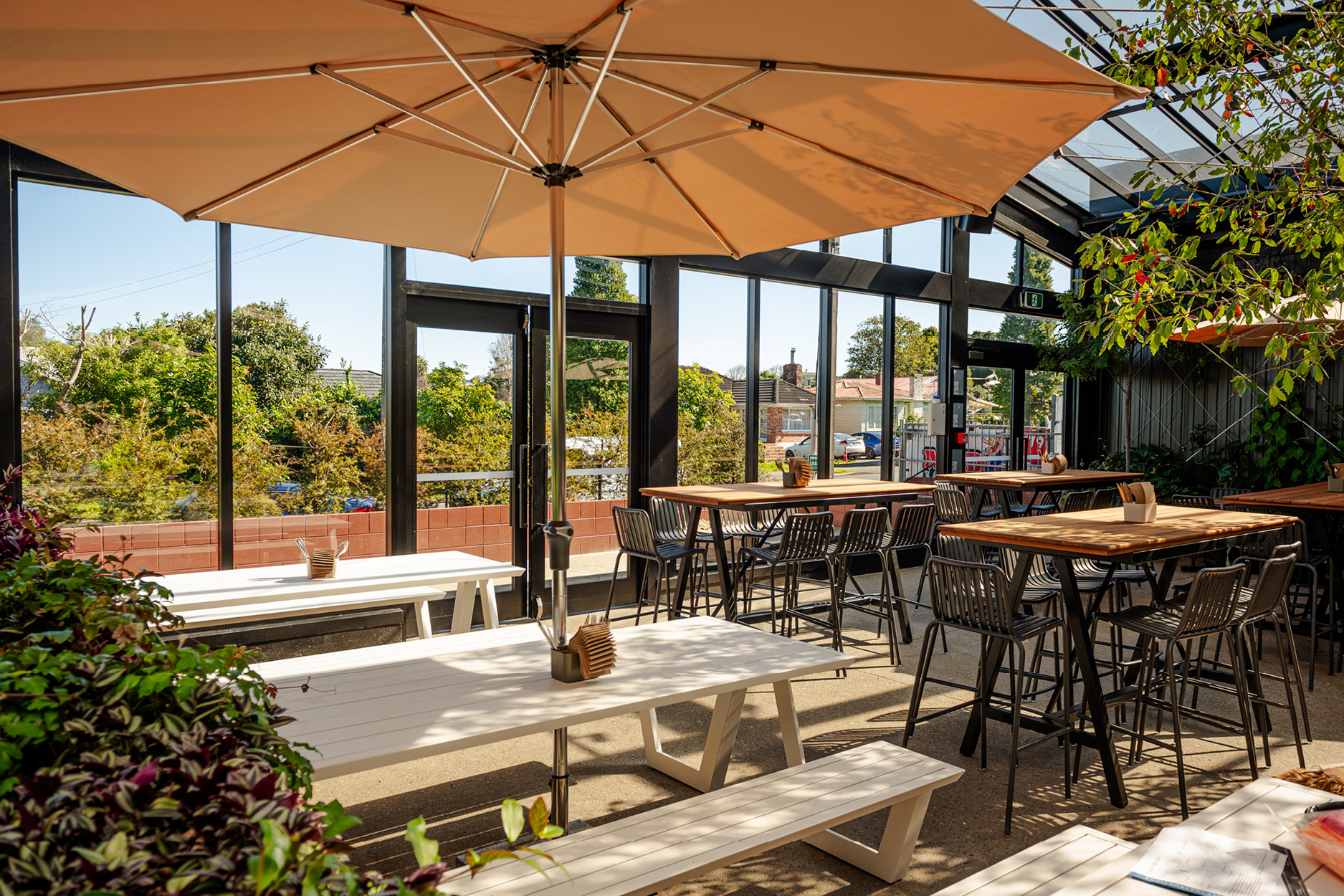
Taking up one of the city’s most coveted positions, First Mates, Last Laugh is a delightful place to drink and dine, with a number of outdoor seating options, and plenty on offer for the kids (including direct access to Westhaven Promenade for scooter races). Nab one of the cosy booths under shade tents, or settle in on the front deck, and grab the littles a tasty bowl of French fries or a treat from the ice cream bar (or both), and settle in to watch the world go by.
Neighbourhood café by day, wine bar by night, Blue is centred on thoughtful, authentic hospitality, and fostering meaningful connections with the community. All of which makes it the perfect spot to head to with the kids come the weekend. Make for the room out the back, where you’ll find communal tables and kids toys galore (not to mention a more than welcoming atmosphere), making Blue the perfect spot to settle in for a beautiful cup of coffee and a free (!) fluffy for littles ones, best accompanied with something tasty from the cabinet.
Birkenhead locals will already be well-versed in the spoils of chic Italian eatery Osteria Uno, serving simple, seasonal fare where fresh, handcrafted pasta is the star of the show. But it’s perhaps lesser-know that they offer a delightful kids menu too, with three plain but tasty pastas conceived for little palettes, as well as a special kiddo’s dessert. There’s also one of the best wine lists in town on offer for thirsty parents — win, win.
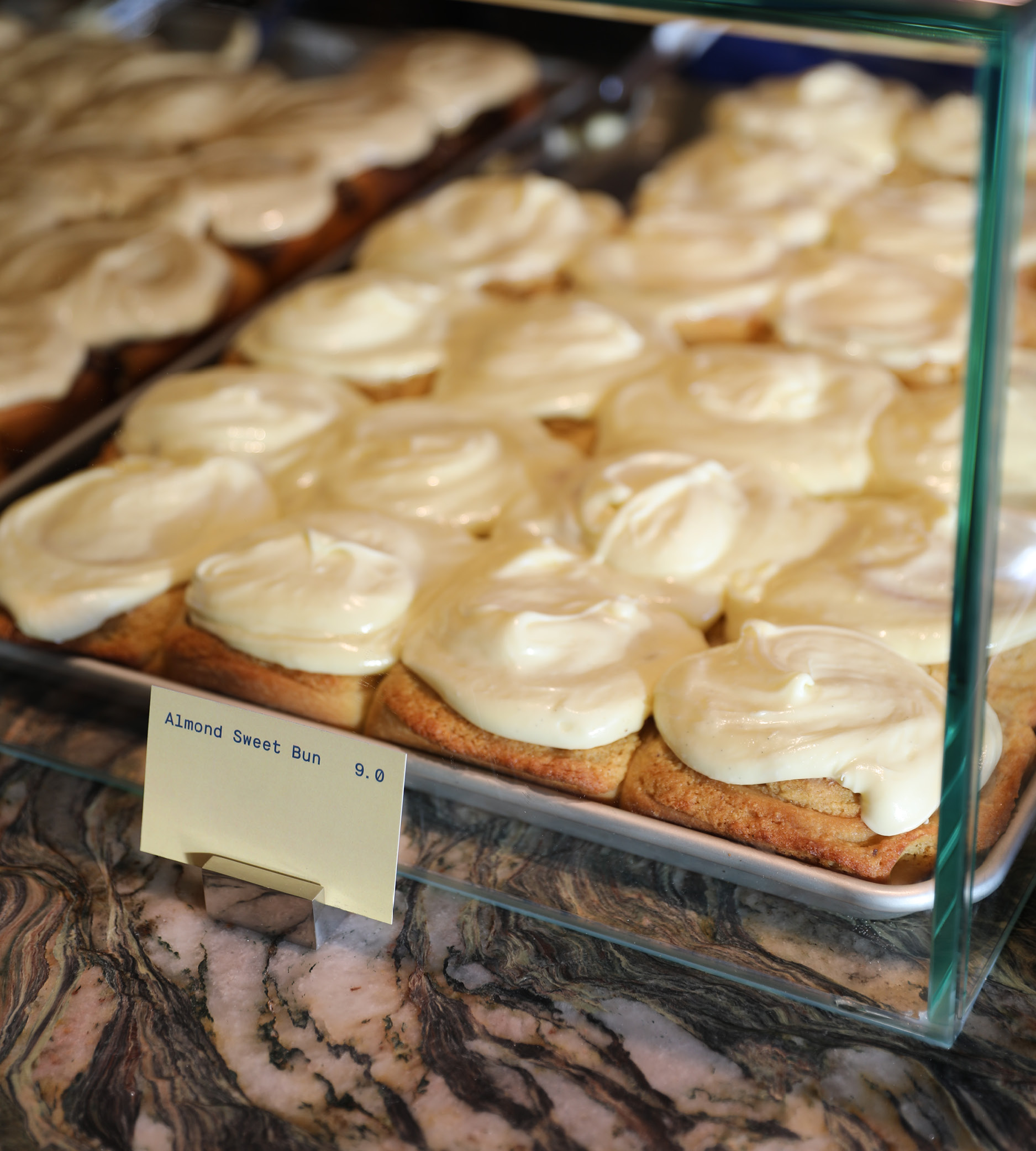
Sweet buns, fluffies, some of the best scones in the city… need we say more? Mother in Grey Lynn is as alluring for kids as it is for their charges, with plenty of offer for both. The fit-out is sleek yet kid-friendly, there’s plenty to look at (particularly with a glass-fronted pastry room), and there’s plenty of space out front, not to mention Mother’s easy, community vibe (and of course, exceptionally delicious baked good). If you can find a seat, this is the place to be.
Farina reopened its doors last year after a short closure and refresh, much to the delight of the eatery’s loyal legions — including mini gastronomes who look forward to the delightful fare on Farina’s Bambini menu. Here you’ll find perhaps one of the tastiest kid’s menus in town, with a host of pastas, pizzettas, and desserts sure to delight even the most discerning of mini diners.
Devonport’s newly reimagined institution, Stone Oven, is a great spot to head to with the kids for a tasty brunch. The space has a real laid-back vibe to it, and there is plenty on the menu to satisfy both mini diners and their more discerning counterparts, running the gamut from pancakes with apple crumble to classic avo on toast. There’s even a ‘Kids Brekkie’ on offer, with scrambled eggs, fresh fruit and a hash brown — sure to go down a treat. The berry smoothie is always a hit, too.
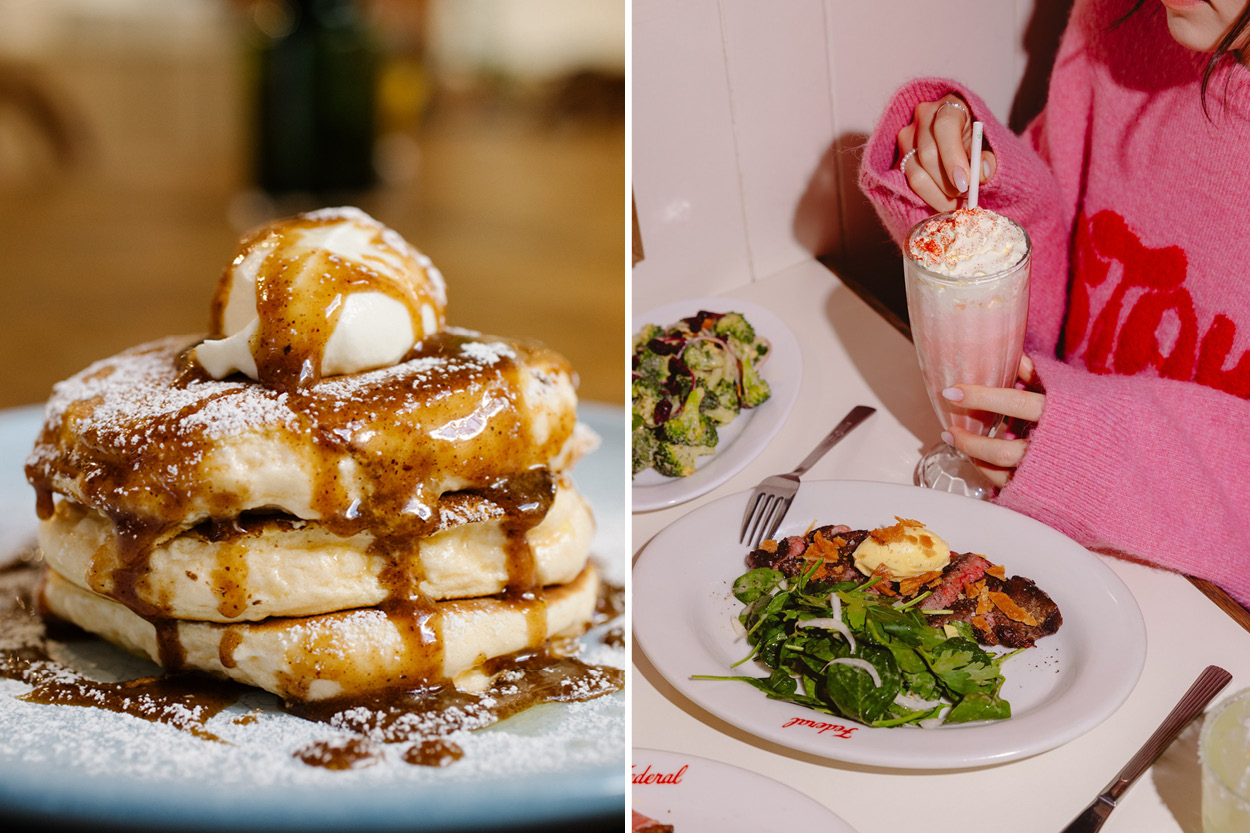
This CBD stalwart is Auckland’s answer to the classic New York deli. Here, food is simple, flavourful and utterly indulgent, and guarantees to offer a satiating meal at every sitting. Any Aucklander worth their salt will have a go-to order here (more than likely the chicken salad sandwich with chicken skin crackling, iceberg, and dipping gravy), but it just so happens The Fed also caters incredibly well to mini discerning diners too. The ‘Lil Feds’ menu features a number of tasty delights, from a basket of fish and chips to a mini version of the famed chicken sammy and more.
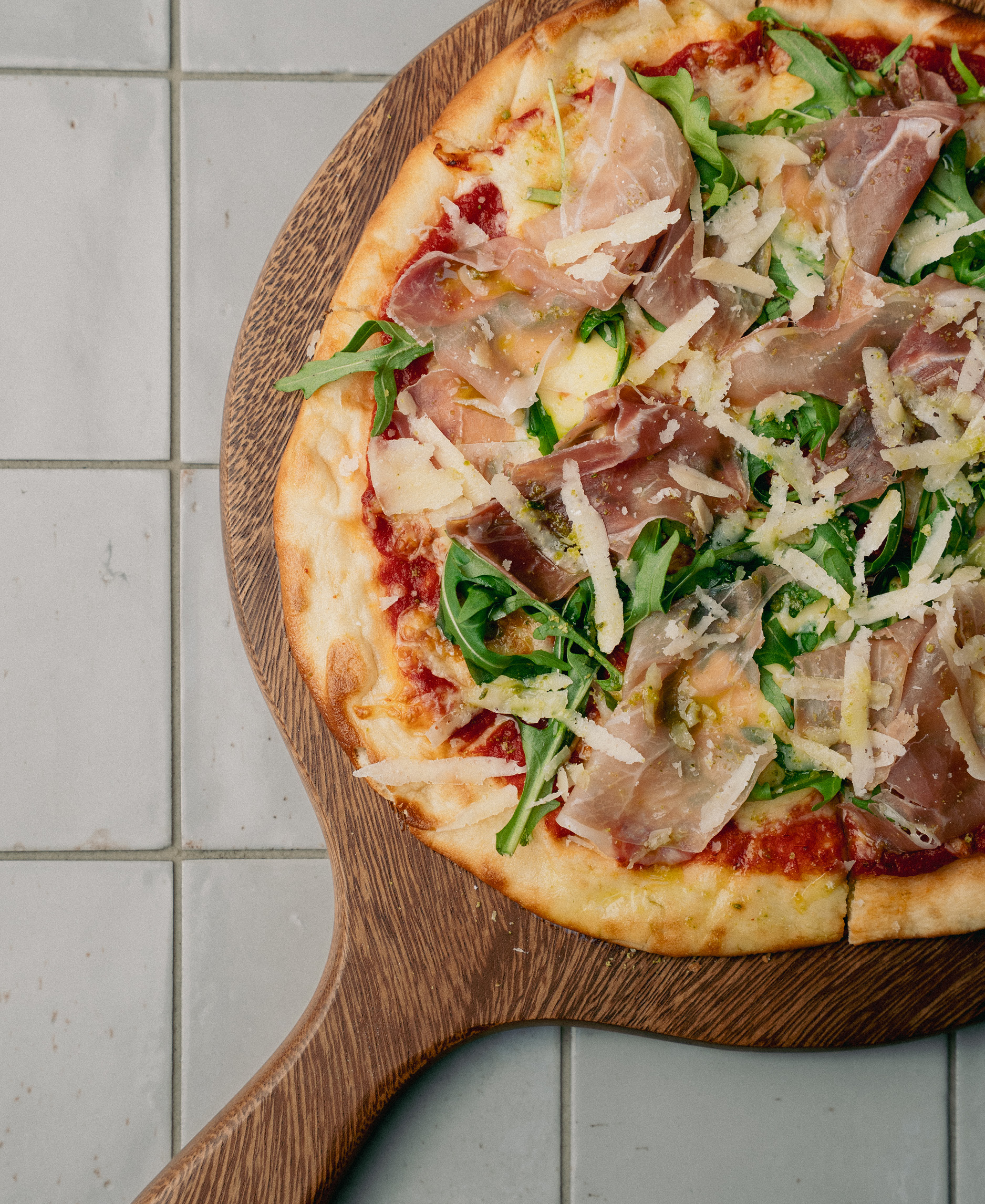
Long lunching at Parnell’s NSP need not be reserved for the grown-ups, with this Italian institution’s ‘Bambini’ menu offering plenty to satisfy smaller appetites. Find a thoughtful selection of tasty pizzas, pasta and chicken cotoletta complete with shoestring fries and seasonal veg. For dessert, the Nutella pizza is a must-try. The best part? For only $25, kids can choose a secondi, dolce and a drink. Bellissimo.
Having just opened its doors in the heart of St Heliers (right across from the beach), Water Boy is already fast making a name for itself as an ideal spot to park up with the littles for a well-deserved beverage (for the adults) and a bite for the kids. With a dedicated kids’ menu and plenty of delicious options for the rest of us, not to mention its covetable location — a stone’s throw from the playground and beach, this is a spot worth adding to your regular rota.
Get ’em started on the good stuff at a young age with Baduzzi’s kids menu. Featuring dishes like handmade buttered pasta with herbs and parmesan, delicious lamb meatballs braised in tomato sauce, and chicken schnitzel with marinara sauce and fried egg, just as much care goes into this menu as the main one, and it shows.
This sprawling neighbourhood gastropub recently opened its doors in Onehunga, much to the delight of locals, and is already proving the area’s most buzzing destination. The perfect spot for kids (with an outdoor sand pit, arcade games, an enclosed courtyard, and plenty to offer on the food front) its an ideal perch for a catch-up with friends knowing the kids will be well fed and suitably entertained. The little’s menu spans the usual suspects, from fish and chips to pizza, while the rest of us will find options for any taste and proclivity, from a Sunday roast with all of the trimmings to pub classics and more elevated salads and mains.
It’s hardly surprising that Prego would make this list. For decades this delicious stalwart has been rated one of the best places to go for a family-friendly affair. There, you’ll find a dedicated menu of child-friendly Italian classics, all served with a scoop of ice cream to keep bellies well and truly satisfied.
Famed for its pasta, this Britomart restaurant is perfect for an early dinner. The standard menu has some great options for kids such as the bran loaf at breakfast and the chargrilled chicken for lunch. However, these are far from the only options — the kitchen will endeavour to make anything from the menu work for younger diners. Whether that be with smaller portions, the addition of chicken or the removal of any ingredient, Amano is here to keep kids happy.
Every kid loves fish and chips, so why not take them to the ultimate seafood destination? At Auckland Fish Market you can order from a variety of different purveyors serving everything from sushi to lobster fried rice. Following your family feast, head on over to Silo Park for a stroll while the children have their fun on the playground.
Esarn Rocket has quickly risen through the ranks as one of the tastiest Thai eateries in Auckland — beloved for their authentic take and unbelievably flavoursome dishes. But, it’s perhaps lesser-known that this Westmere hotspot is also a wonderful place to take the kids. The warm and friendly team is more than happy to cater to younger palates, whipping up chicken fried rice or noodles (sans spice) that go down an absolute treat — keeping the kids distracted while their charges tuck into a spicy curry and glass of something delicious.
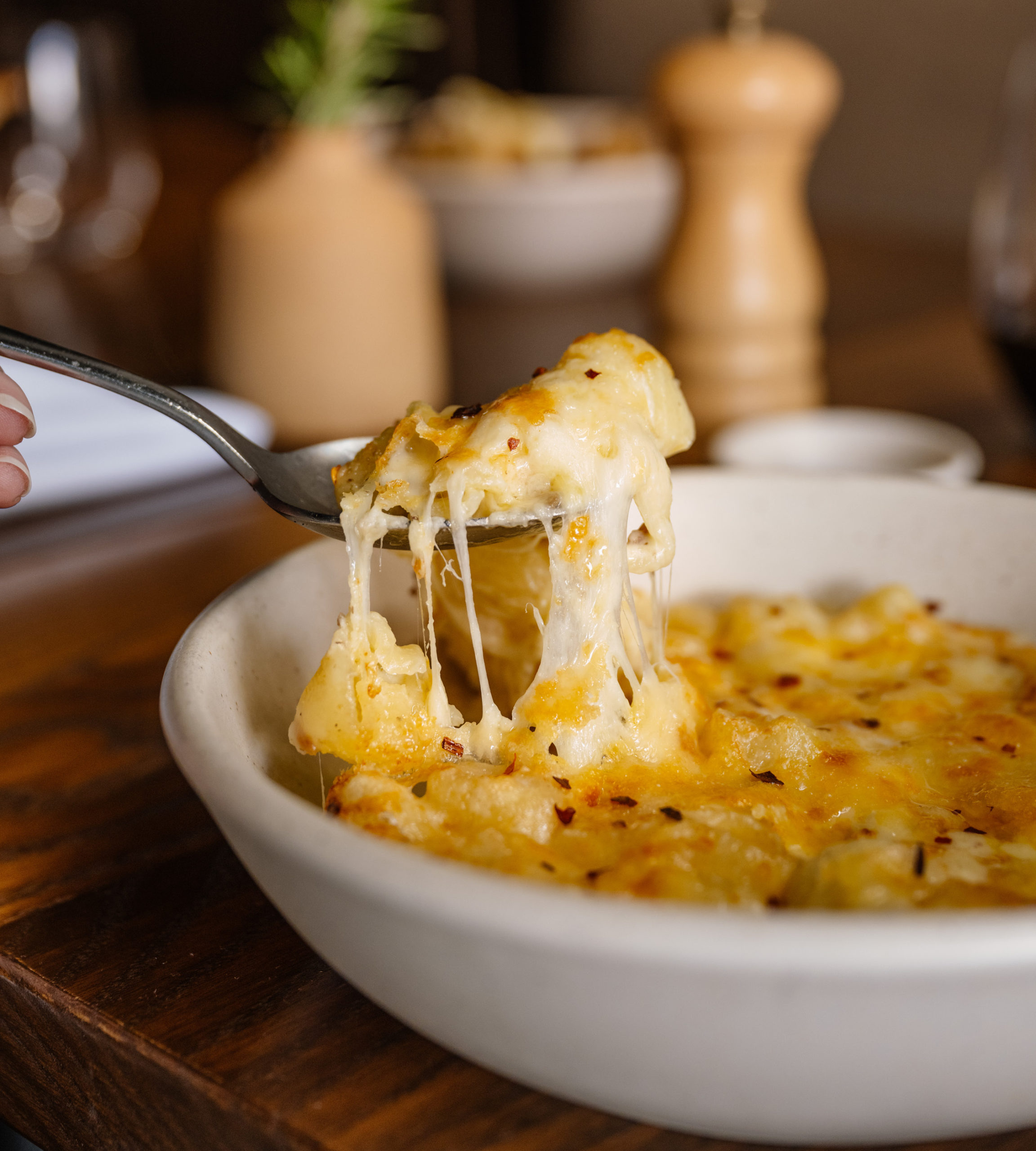
Neighbourhood eatery Andiamo is all about looking after locals, so it’s no surprise they are pros when it comes to catering to children. Here, you’ll be pleased to find a selection of slightly-tweaked versions of its famous spaghetti, calamari, mac and cheese and meatballs ready to satisfy young palates. What more could you want?
Take the whanau out to Riverhead or Clevedon for a meal at Hallertau that caters to just about everyone, young and old. The kid’s menu comes with the likes of wood-fired pizza, delicious chicken burgers, pasta, panko crumbed fish, and a variety of sweet treats (including a build-your-own-sundae situation), with something sure to fill the hungriest of tummies.
They’re short on a kids’ menu, but not on flavour — something you’re never too young to get acquainted with in our books. The steamed pork and prawn dumplings are an excellent option to share with littles, as is the peking duck with pancakes. When paired with a side of the wok-charred broccoli, you’ve got yourself an easy, tasty and fuss-free dinner.
The perfect place to enjoy the beauty of Waiheke Island with the whole family, Man O’ War is a great place to park up with the kids for a casual bite. This idyllic spot is located on the Eastern side of the island and boasts a sprawling lawn right next to a beautiful beach. Whether you pack a picnic to enjoy with some glasses of Man O’ War’s exceptional wine (parents only, of course), or indulge in some delicious food at the restaurant, the setting of this vineyard is unparalleled and allows plenty of space for little ones to run around.
Boasting a special menu dedicated to their littlest diners, where all meals come with a scoop of vanilla ice cream with chocolate sauce, Ebisu is the perfect place to go for family night out. And while the kids are tucking into a teriyaki chicken or salmon bowl, a delicious bento or sushi roll, parents can be enjoying Ebisu’s famous Japanese fare in peace. Win-win, we think.
Enjoy a raft of delicious food, wine and beers within The Heke’s sprawling gardens. This relaxed destination is super family friendly (and even dog friendly too, we’re told), where the chefs prepare everything over glowing coals and the craft distillery and brewery on-site will ensure that parents can enjoy a libation or two while their kids enjoy the activities on the lawn. Offering a mud kitchen, a sandpit, cornhole games, climbing structures and a (very fun) bouncy platform, as well as live music and a menu of classics for the whole family to enjoy, The Heke is well worth an afternoon visit.
Those heading South for the holidays would do well to make for Ayrburn — the spectacular dining destination on the outskirts of Arrowtown boasting a number of exceptional venues perfect for kids and their charges alike. The Dell is the destination’s social lawn and a more than perfect spot to park up with kids for the afternoon, soaking in the peaceful setting. The kids can grab a gelato from The Dairy nearby, a destination filled with whimsical sweet treats, or a casual bite from The Bakehouse, while parents can keep their glasses full at one of the other exceptional spots within the precinct.
Another Westmere gem, Beabea’s has firmly cemented itself as a weekend staple for local families. Whether it’s a hot pie after football, a buttery croissant and fluffy for the littlest ones, or a nostalgic pink bun that doubles as the ultimate treat, this charming spot strikes just the right balance. Add to that some of the best coffee in the city, and it’s easy to see why Beabea’s has become a beloved ritual for so many. If it’s not already on your radar, it should be.
Satisfy the kids’ sweet cravings in the most epic way at Sugar at Chelsea Bay’s factory. Even the fussiest eaters won’t be able to resist French toast with fried brioche and maple, or the range of tempting cabinet treats. With an interactive zone, outdoor playground and plenty of space to run around and exert every bit of energy, there’s no need to fear the sugar high.
Waterfront restaurants have a rhythm. Their location, combined with sunshine and cocktails, can ultimately result in guests lingering longer to make the most of the experience. At Bravo at Cracker Bay, Barbara Pittams is the one keeping that idea moving smoothly. As Venue Manager of one of Auckland’s largest new dining destinations, she oversees a venue that shifts constantly throughout the day, from long lunches to packed evening services, each corner of the restaurant and outdoor terraces carrying its own atmosphere and pace.
Her career in hospitality began more than two decades ago after relocating to Melbourne following what she describes as a major life moment. Initially intending only to travel, Pittams instead found herself seduced by Melbourne’s restaurant and bar culture, eventually discovering her footing behind the bar at Monties, where hospitality quickly evolved from a job into a vocation. The city’s fast-paced dining scene would go on to shape much of her career, particularly managing large-scale venues along Southbank and the Yarra River, experiences that sharpened both her operational confidence and her appetite for the theatre of service.
Today, many of those learnings inform her work at Bravo at Cracker Bay, where the scale and complexity of the venue demand both precision and personality. Pittams credits hospitality figure Kieran Turnbull as a long-standing mentor whose leadership and approach to the industry continue to influence her own. What she loves most, however, is the unpredictability of restaurant life itself. No two days are ever quite the same, and amid the pace, pressure and organised chaos, it is the friendships forged on the floor that continue to anchor her to the industry.
After Hours — Barbara Pittams
Venue Manager, Bravo at Cracker Bay
When I do get the chance to switch off, I can’t go past good Italian food. Bossi is my regular go-to, and I always order the gnocchi. It’s comforting, unfussy and exactly the kind of meal I crave after a busy service.
One dish I keep returning for is the duck liver parfait at Origine. Rich, indulgent and impossible to resist.
In terms of scale and overall experience, Ayrburn remains one of the most impressive hospitality destinations in the country. The ambition behind it, the atmosphere, and the way the precinct has been brought together is very special. Closer to home, sitting on the terrace couches at Bravo at Cracker Bay is my favourite spot, looking at the view, soaking up the sun and watching people do the same, basking the afternoon away.
Winter settles into its stride in July, bringing with it one of Auckland’s richest cultural calendars. From Matariki celebrations and immersive light installations to landmark exhibitions, live music and reasons to escape south, here’s everything worth booking, seeing and doing this month.
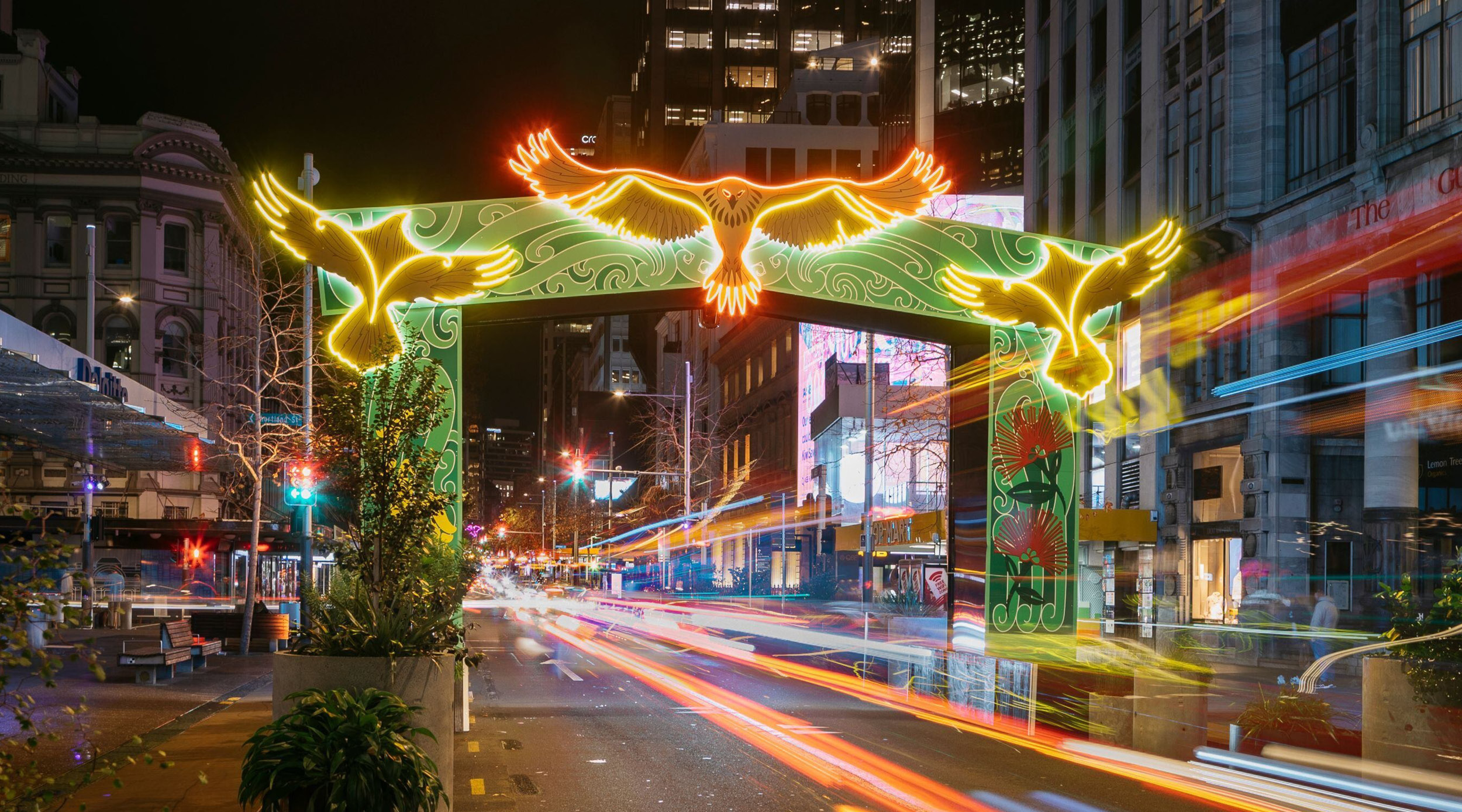
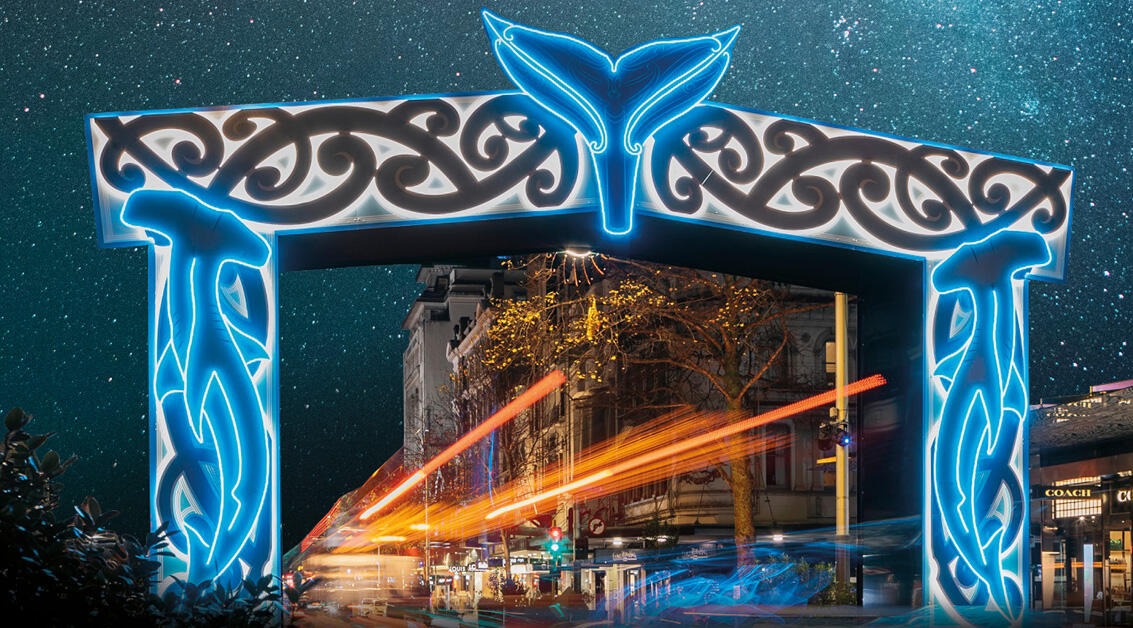
July is defined by Matariki, and nowhere celebrates it quite like Auckland. This year’s programme spans more than 100 events across the city, from waterfront light installations and immersive public art to twilight markets, live performances and cultural experiences. Whether you’re wandering the illuminated trails of Tūrama Te Wehenga Moana or exploring the city’s many celebrations, the festival offers countless ways to celebrate the Māori New Year while reflecting on the past and looking ahead.
One of this year’s standout Matariki events, Ngā Reo o te Rangi brings together waiata, storytelling, kapa haka and mātauranga Māori for an evening celebrating remembrance, renewal and connection. It’s a powerful addition to Auckland’s Matariki programme and well worth booking ahead.
School holiday outings don’t come much more memorable than this. For just over two weeks, Auckland Zoo is extending its opening hours for Dinosaur Nights & Lights, transforming its Dinosaur Discovery Track into an illuminated after-dark experience. Wander among towering animatronic dinosaurs brought to life with dramatic lighting, refuel with hot food and drinks from Korimako Café, or embrace the fun with the Silent Dino Disco. It’s one of those rare family-friendly events that feels just as enjoyable for adults as it does for children, but you’ll need to book ahead, with timed entries and no door sales available.
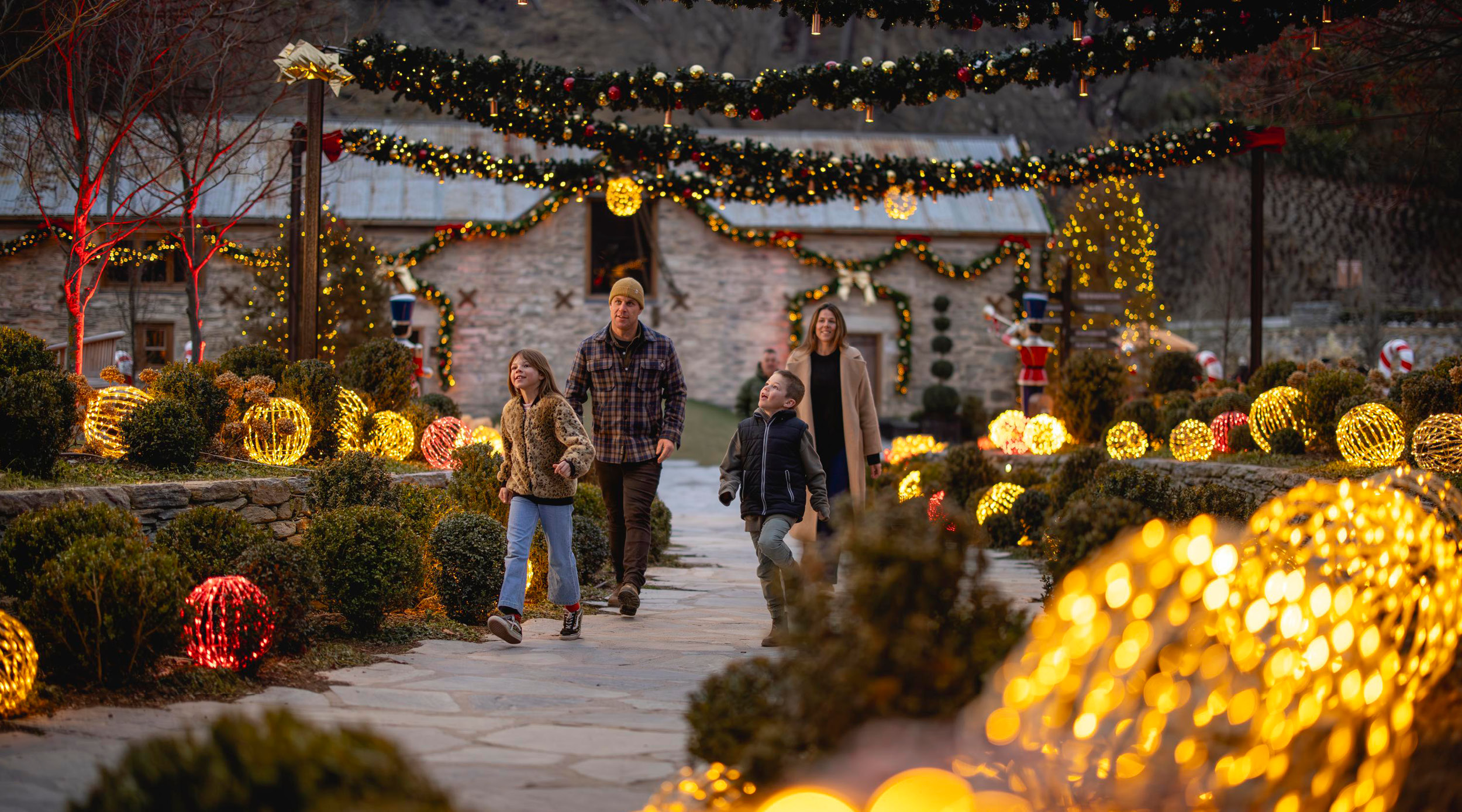
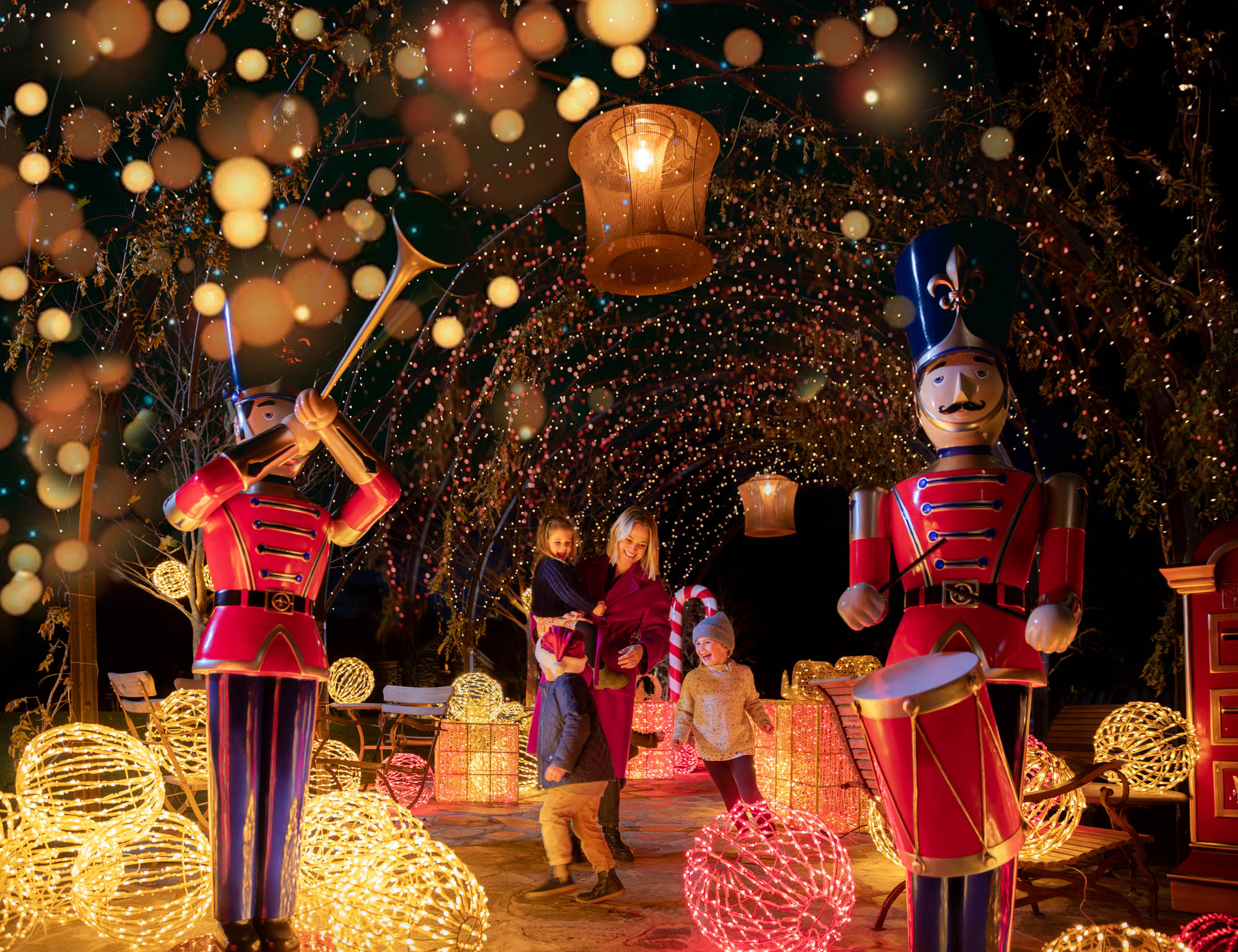
If you’re heading south this winter, make sure Ayrburn is on the itinerary. The precinct’s annual Winter Wonderland returns with ice skating, curling, live music, fireside dining and plenty of seasonal festivities, transforming the heritage destination into one of Queenstown’s most magical winter experiences. This year also sees the return of the elegant Winter Wonderland Gala, an evening of exceptional dining, entertainment and celebration that offers the perfect excuse to turn a winter escape into something even more memorable.
Where:Sanderson Contemporary, Newmarket When: Now –19th July
Wanaka-based painter Katherine Throne returns to Sanderson with Labour of Love, a vibrant new body of work inspired by the flourishing garden surrounding her Otago studio. Rich in colour, texture and painterly energy, the exhibition explores the relationship between cultivation and creativity, offering a timely reminder of nature’s restorative power in the depths of winter.
One of the simplest pleasures of winter, Winter Light Cathedral returns to Aotea Square, inviting visitors to wander through an immersive light installation that transforms the public square after dark. Free to experience and beautifully atmospheric, it’s an easy addition to an evening in the city, whether you’re heading to dinner or catching a show nearby.
Where: Viaduct Events Centre When: 31st July–2nd August
Whether you’re an avid collector or simply looking for something that catches your eye, the Auckland Art Show remains one of the city’s most rewarding cultural weekends. Bringing together hundreds of artists and thousands of original works, it’s an excellent opportunity to discover emerging talent, meet the makers and perhaps leave with something destined for your walls.
Following last year’s sold-out tour, Sir Dave Dobbyn returns to The Civic for one special evening, revisiting the songs that have become part of the soundtrack to generations of Kiwi lives. Expect everything from beloved classics to deeper cuts, performed by one of New Zealand’s most enduring musical voices. If tickets have sold out, it’s worth checking a verified resale platform closer to the date, as additional tickets can occasionally become available.
Where: Multiple Auckland venues When: From 29th July
Returning at the end of the month, the New Zealand International Film Festival once again brings an exceptional programme of local and international cinema to Auckland. From acclaimed documentaries to award-winning dramas, it’s the perfect excuse to swap a night on the sofa for the big screen.
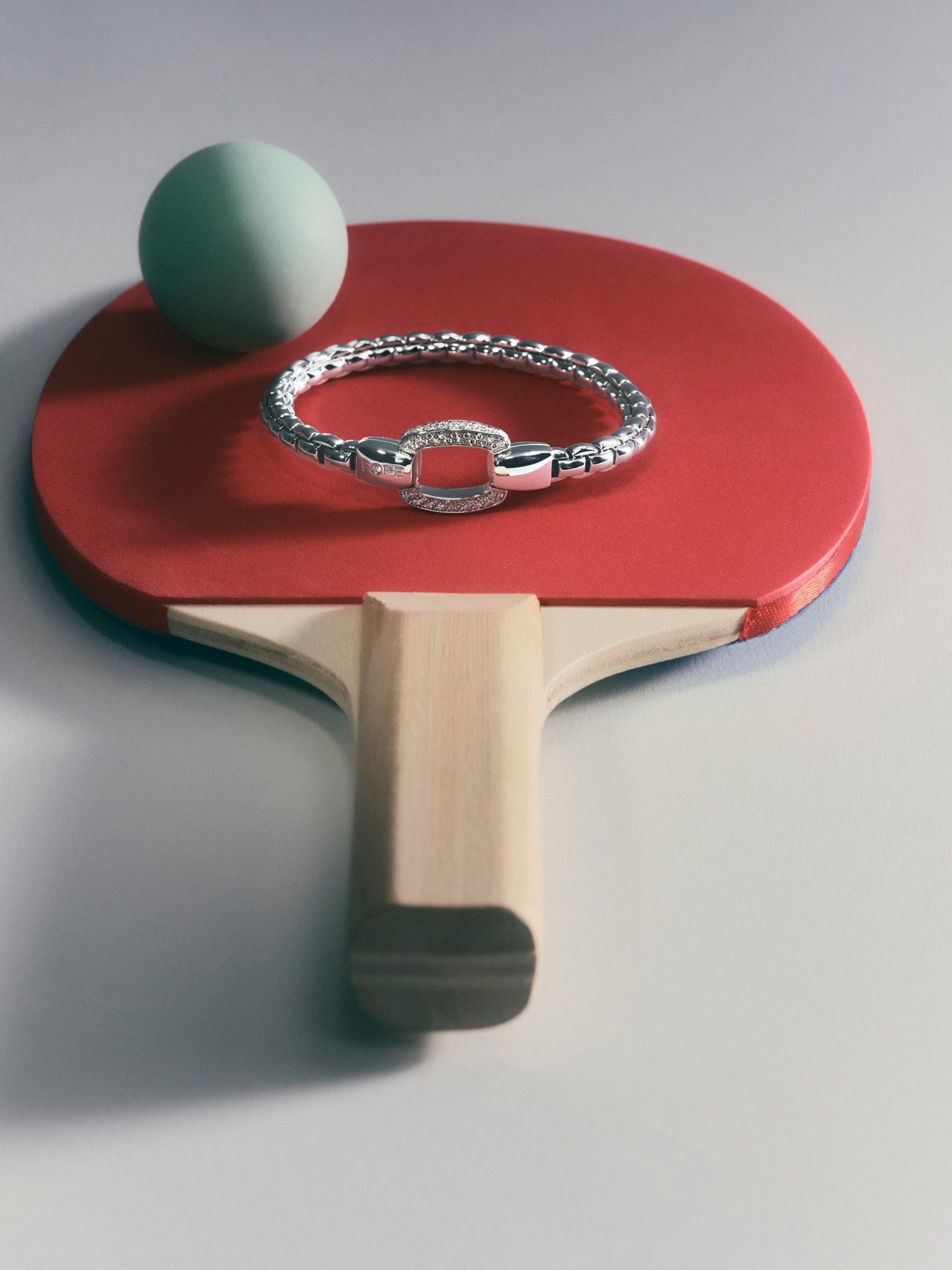
Effortlessness, not spectacle, sits at the centre of FOPE’s jewellery. In a category still too often seduced by ceremony, the maison has conceived a language of gold jewellery that moves with the body and slips comfortably into daily life.
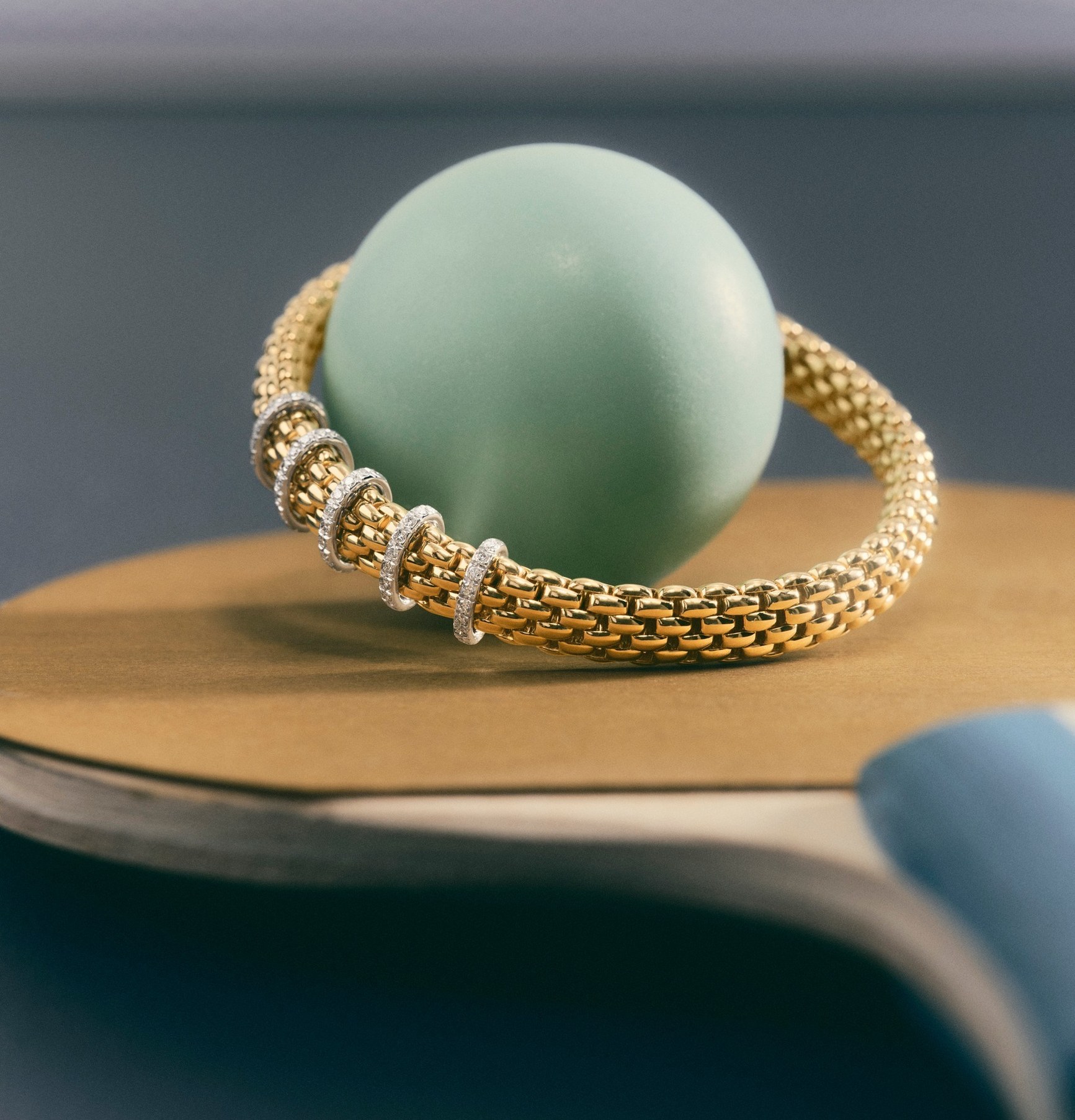
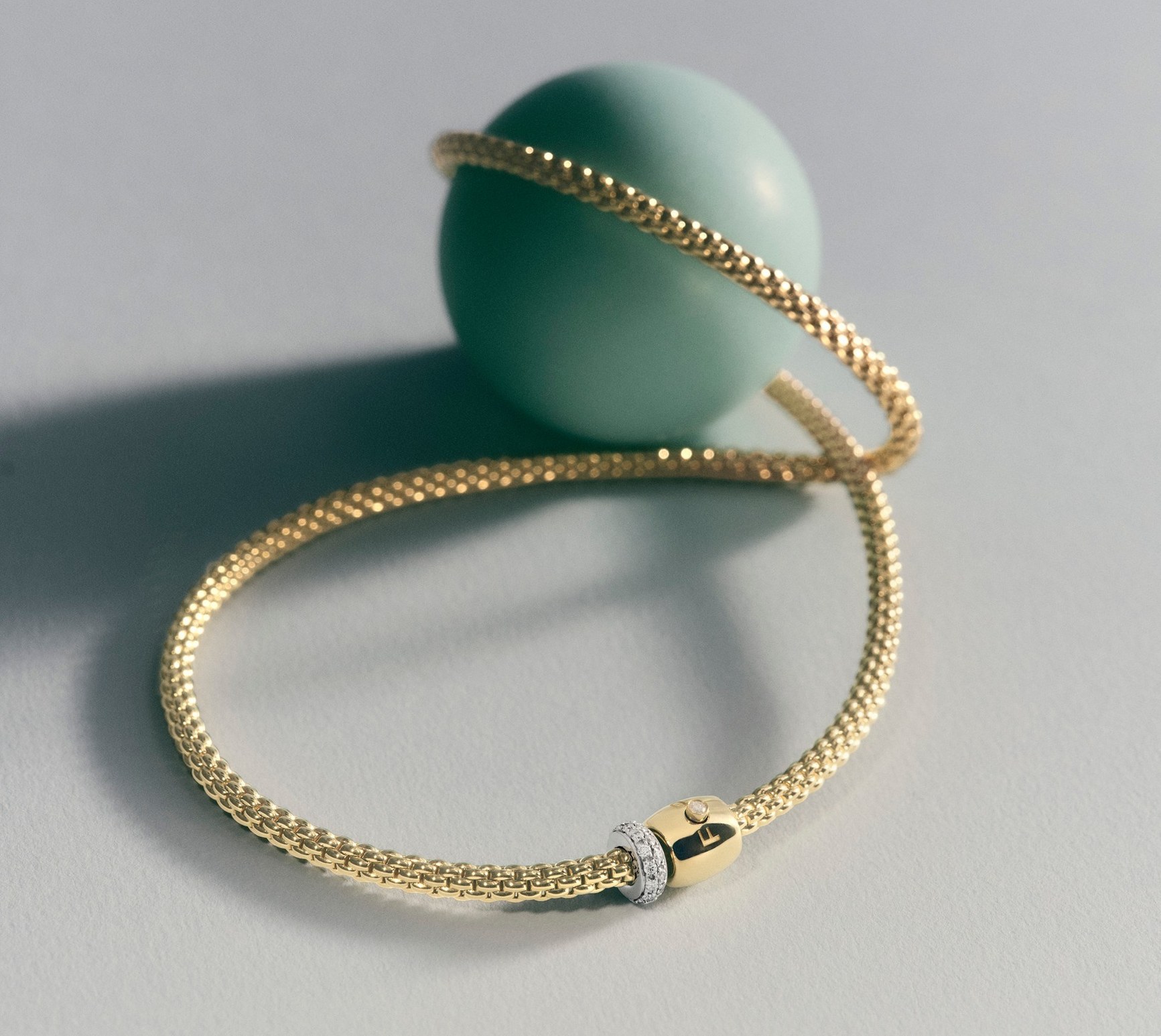
Founded in Vicenza in 1929, the family-owned maison has spent four generations refining the relationship between craftsmanship and movement. At the centre of that evolution sits Flex’it, FOPE’s patented system of concealed 18-carat gold springs set between the links of supple gold mesh, allowing bracelets and rings to stretch naturally without clasps, hinges or awkward interruptions to the line. It is the sort of engineering that seems insignificant until worn. No issues with fiddly fastenings, no silhouette ruined by attachments, just jewellery that behaves with grace.
This philosophy applies across the collections, including Vendôme, where a yellow-gold bracelet set with five pavé rondelles expresses a restraint that never tips into the obvious. The Vendôme Flex’it ring, with three diamond-set rondelles bridging woven gold, gives the hand structure without heaviness.
FOPE Vendôme Yellow Gold Bracelet with Five Pavé Rondelles from Partridge
The Eka collection sees a polished white-gold bracelet finished with a pavé-set rondelle engraved with the FOPE insignia, which catches light with quiet precision. While the Eka pavé hoop earrings offer a geometric form that feels balanced and architectural rather than overly decorative.
FOPE Prima Yellow Gold necklace with Pavé Rondelle available from Partridge
Italian jewellery, at its best, has always carried an instinctive design elegance, as though jewelled refinement were simply part of daily life rather than requiring an occasion to wear it. FOPE understands this completely. And those who wear it do too.
The number keeps climbing, from 10,000 to 12,000 to the new ceiling currently doing the rounds on TikTok. But the question isn’t how many steps. It’s what your body is doing while you take them, and where in Auckland you’d want to be doing it as the leaves turn.
Somewhere between the original 10,000-step myth (a 1960s Japanese marketing campaign for a pedometer called the Manpo-kei, never a clinical recommendation) and the current ceiling of 20,000 steps a day being championed by every second wellness account, the goalposts moved. They are still moving. Open Instagram on any given Tuesday and you will find someone in a matching set, AirPods in, captioning their pre-work loop with a number that would have, until recently, qualified as a half-marathon.
The hot girl walk, a phrase that began as a TikTok in-joke and somehow calcified into a wellness category, is now its own genre. Two hours, podcast on, iced matcha in hand, ideally with a view. The aesthetic has matured; the mileage has not. What started as a gentle middle-finger to gym culture is now being rebranded as a performance discipline, complete with Garmin screenshots and recovery scores. Which raises a question worth asking before you lace up: when does a daily walk stop being good for you and start being something else entirely?
What the science actually says
The 10,000-step figure was never grounded in research. The studies catching up to it now are far more interesting, and far less prescriptive. Large-scale meta-analyses have consistently found that the steepest health gains occur somewhere between 7,000 and 8,000 steps a day, with mortality risk continuing to drop until around 10,000 to 12,000, then plateauing. After that, the curve flattens. Walking more is not actively harmful, but the additional cardiovascular benefit is marginal.
Which is to say: the leap from 10,000 to 20,000 is largely a leap in time spent, not in measurable health return. For an average stride, 20,000 steps is roughly 14 to 16 kilometres, between two and three hours of walking. That is a meaningful chunk of any day. Whether it is the best use of those hours depends entirely on what else your body needs.
“The 10,000-step figure was never grounded in research. It came from a 1960s pedometer campaign.”
The question worth asking is the one most step-count enthusiasts skip entirely: what problem are you actually trying to solve? If your goal is cardiovascular health, glucose stability, and stress regulation, the data is clear that you do not need to walk for three hours a day to get there. If your goal is body composition, walking alone will not build the muscle mass that becomes increasingly precious from your mid-thirties onward. If your goal is mental clarity and a meditative pause in your day, then the question becomes less about the step count and more about what the walk is replacing. A good thing, until it starts replacing a strength session, a proper meal, or a full night’s sleep.
What the trackers are telling you (and what they’re not)
Fitness tracking has matured considerably. The current generation of wearables, the Oura Ring 4, the Whoop 5.0, the latest Garmin and Apple Watch iterations, measure far more than steps. Heart rate variability, resting heart rate, sleep architecture, stress load, training readiness: the data set is comprehensive enough that a step count, in isolation, looks almost quaint. The smarter question your tracker is now equipped to answer is not how far you walked, but at what cost.
If your readiness score is dropping, your resting heart rate is climbing, and your HRV is suppressed, the additional 8,000 steps you are grinding out every evening may be the reason. Walking is restorative, until volume tips it into another stressor stacked on top of work, parenting, and a 6am reformer class. The metric that matters more than steps, for most people, is whether the walking is leaving you energised or quietly draining the battery.
So, should you do it?
The honest answer, in the Denizen tradition of being unimpressed by absolutes: it depends entirely on you. For an under-active office worker whose default is 4,000 steps a day, building toward 10,000 is genuinely transformative. For someone already strength training four times a week and sleeping seven and a half hours a night, adding two-hour daily walks may yield diminishing returns, or worse, undermine recovery. The 20,000-step ceiling is not a target. It is a number that looks impressive on a screenshot.
If you want a working principle: aim for 8,000 to 12,000 steps as a baseline, prioritise sleep and resistance training above mileage, and use longer walks (the genuine hot girl walk territory) as a deliberate ritual rather than a daily obligation. Two long, considered walks a week in beautiful surroundings will do more for your nervous system than seven joyless laps of the block trying to hit a number.
Where to walk in Auckland this Autumn
The weekend is where the walk earns its keep. Midweek mileage is maintenance; Saturday and Sunday are where a route becomes a ritual, a long lunch becomes the destination, and the hour you spend outdoors does the quiet work of reorienting you for the week ahead. Autumn is the season that rewards this best. The light shifts amber, the humidity finally breaks, and the trees that don’t exist in our largely evergreen landscape (the imported oaks, planes, liquidambars and elms) spend a few short weeks doing their best impression of a New England postcard. Four routes worth rerouting your weekend for.
The waterfront, Wynyard Quarter to Mission Bay. The flat, uninterrupted stretch from Wynyard around past the Viaduct, along Quay Street, through the Tamaki Drive curve to Mission Bay is Auckland’s most reliable walking corridor, and the one the whole city seems to have on its Saturday shortlist. Roughly 12 kilometres return if you go the full distance, with the harbour on one side and a steady sequence of coffee stops on the other. Best done early, when the light catches the water and the joggers haven’t yet outnumbered the walkers. Stop at Hello Beasty for a long lunch if you’ve earned it, and let the walk home sort out the wine.
Curran Street to Silo Park. Auckland’s Saturday-morning power route, and deservedly so. Start at Curran Street, pick up the Westhaven Marina promenade, and follow it past row after row of masts (there is something genuinely settling about the sound of rigging against aluminium in autumn light) all the way around to Silo Park. Roughly seven to eight kilometres return, flat enough to keep the pace honest and scenic enough to forgive the crowd. Break midway at Bravo at Cracker Bay for a coffee with a view of the boats, or save your appetite for the way home and finish at First Mates, Last Laugh, which at golden hour is arguably the best reward in the city.
The Domain, in full autumn dress. Auckland’s oldest park is at its most cinematic on a Sunday morning in April and May, when the deciduous canopy around the Wintergardens turns through every shade of copper and half the city seems to be out with a dog or a paper. The loop from the museum down through the formal gardens, past the duck pond and back via the sports fields is around four kilometres of gentle undulation. Enough to feel like a proper walk without swallowing the morning. The Wintergardens themselves are worth the detour: the cool house in particular feels like another country in autumn. Follow it with brunch at one of Parnell’s better tables and the weekend has effectively structured itself.
Cornwall Park, when the leaves are turning. There is no better weekend walk in Auckland in autumn than the avenue of plane trees along Pohutukawa Drive at Cornwall Park. The trees, planted in deliberate ranks, drop their leaves in a window of maybe three weeks in late April and early May. A gold-and-rust corridor that feels engineered for the camera roll but earns its reputation honestly. Loop up to the One Tree Hill summit for the view, down through the working farm (sheep, unfazed, make a strong case for the simple life), and finish at the Cornwall Park Cafe for the kind of Sunday lunch that closes the week properly. Around five to seven kilometres depending on your route, and the closest Auckland gets to a genuine seasonal moment.
The point
The 20,000-step trend, like most wellness trends, is a useful provocation wrapped around a misleading conclusion. Walking is one of the most powerful things you can do for your body, your brain, and your relationship with the city you live in. Doing twice as much of it does not make it twice as good. What makes it good is the same thing that makes any health practice good: the right dose, in the right context, doing a job your body actually needs done.
Find the route that makes you want to leave the house. Wear the tracker if it helps you stay honest, ignore it if it doesn’t. The number on the screen is not the point. The hour you spent under the plane trees is.
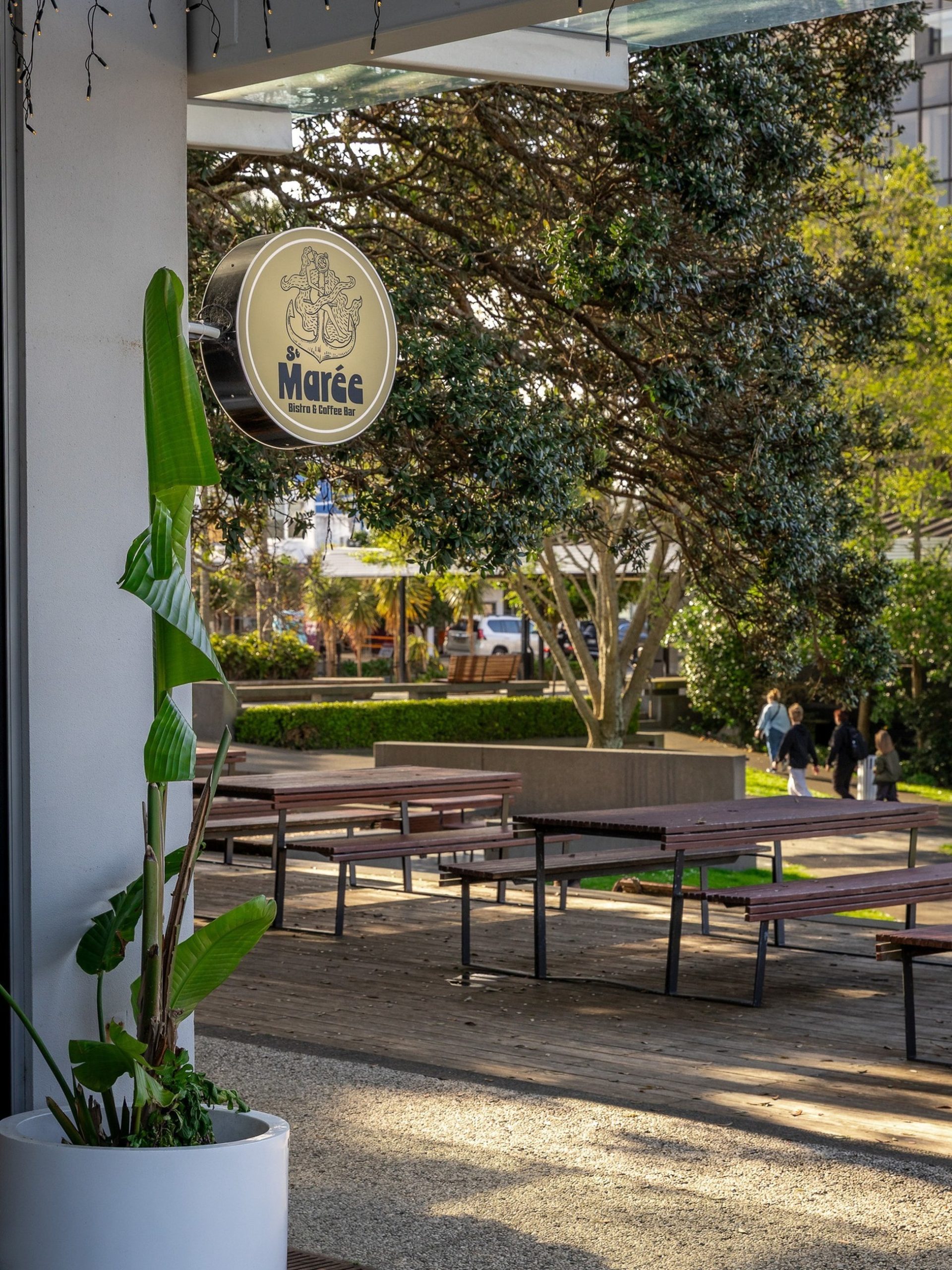
Positioned between Takapuna Beach and Hurstmere Road, St Marée has become a go-to for locals seeking everything from a morning coffee to a leisurely dinner. Reflecting the easy rhythm of its coastal surroundings, the restaurant’s all-day offering moves seamlessly from breakfast through to evening dining.
St Marée
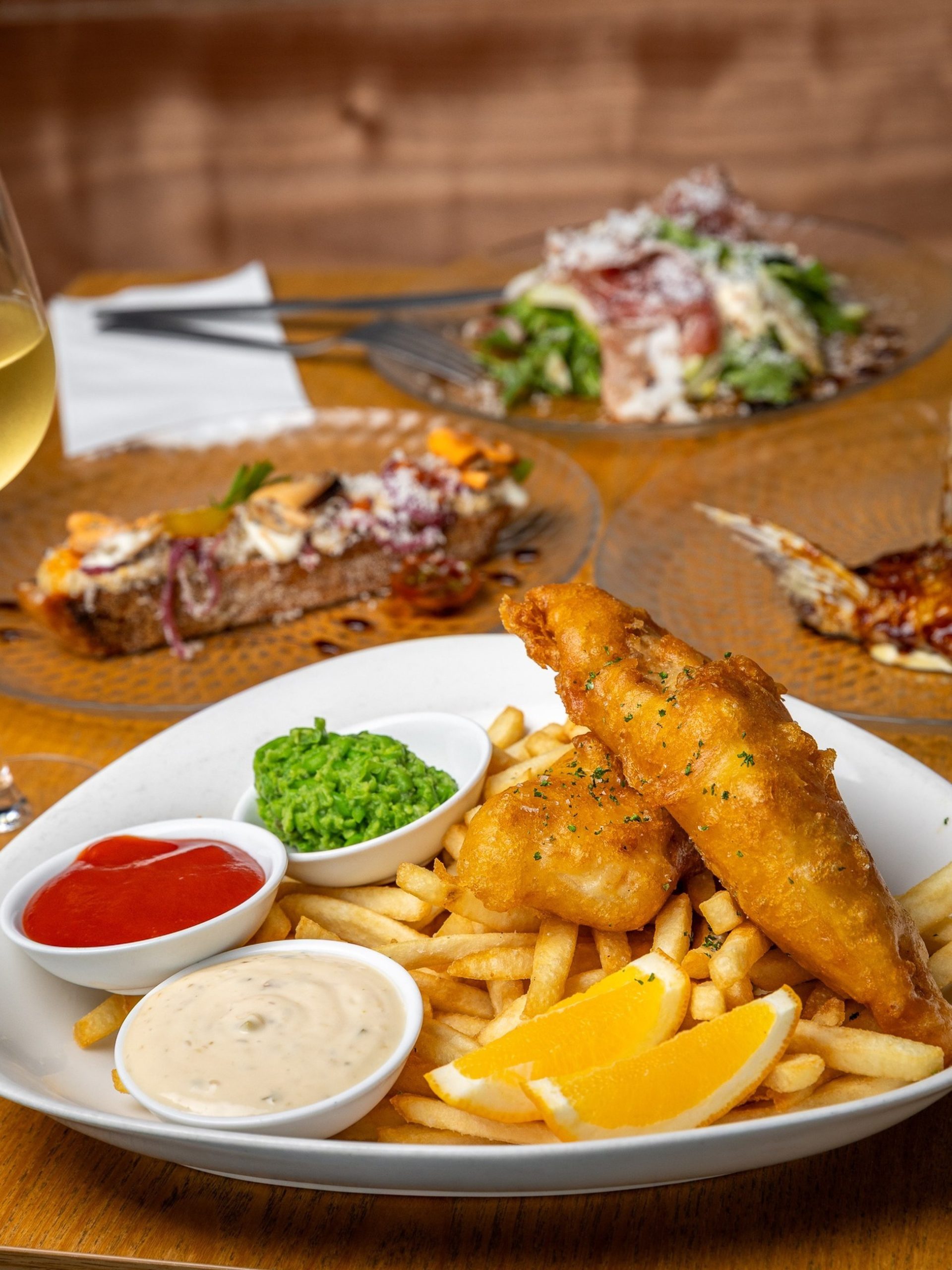
Express Lunch Menu: Classic Fish & Chips
Formerly Catch 21, the venue was reimagined by owner Robin Lee, who transformed the space with a renewed focus on sophisticated all-day dining while retaining the strong coffee culture and welcoming atmosphere that first earned it a loyal local following. The result is a restaurant that feels equally suited to a post-swim breakfast, a long lunch with friends or an unhurried dinner after a day by the water.
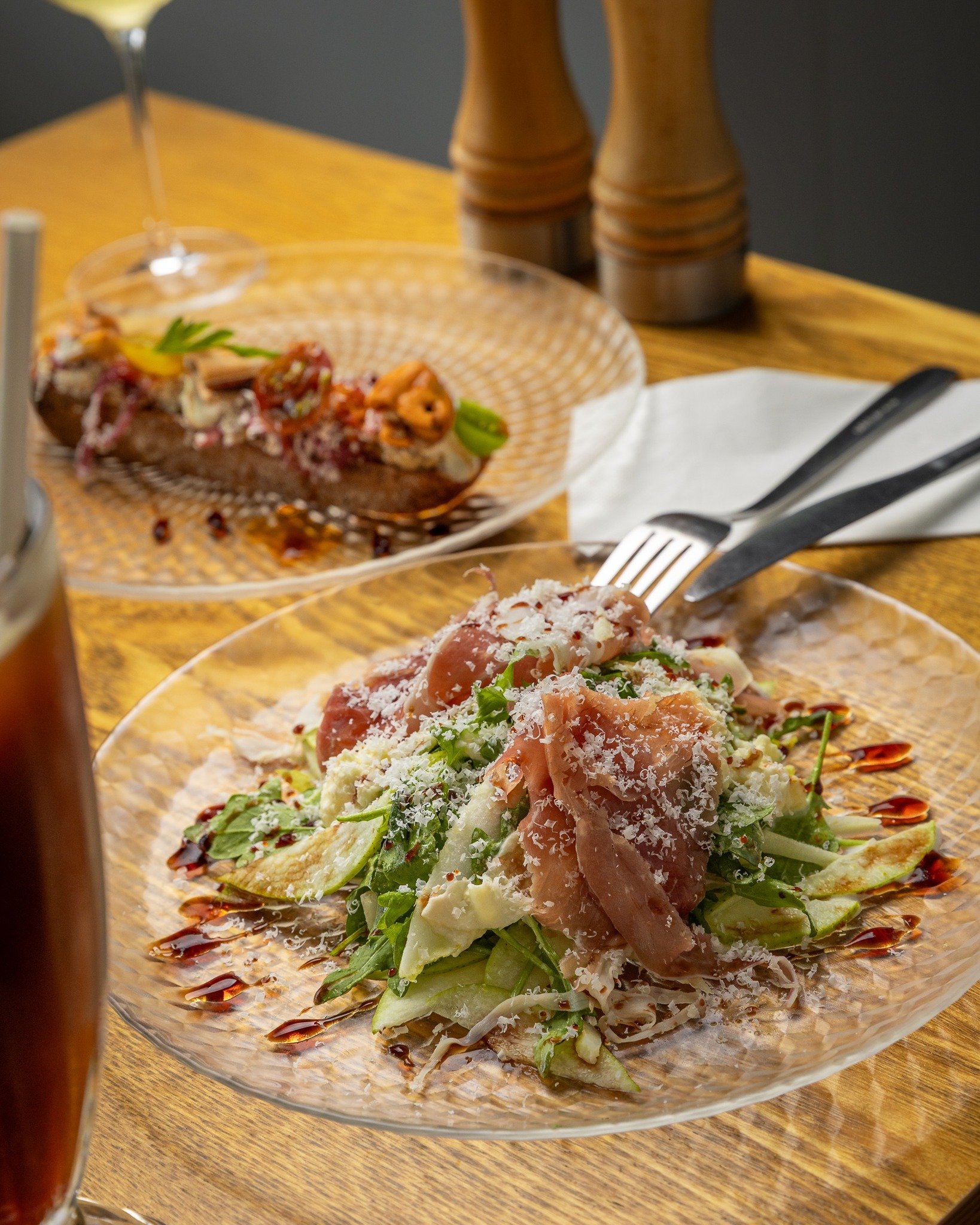
A seafood feast worth savouring, every dish a celebration of the ocean.
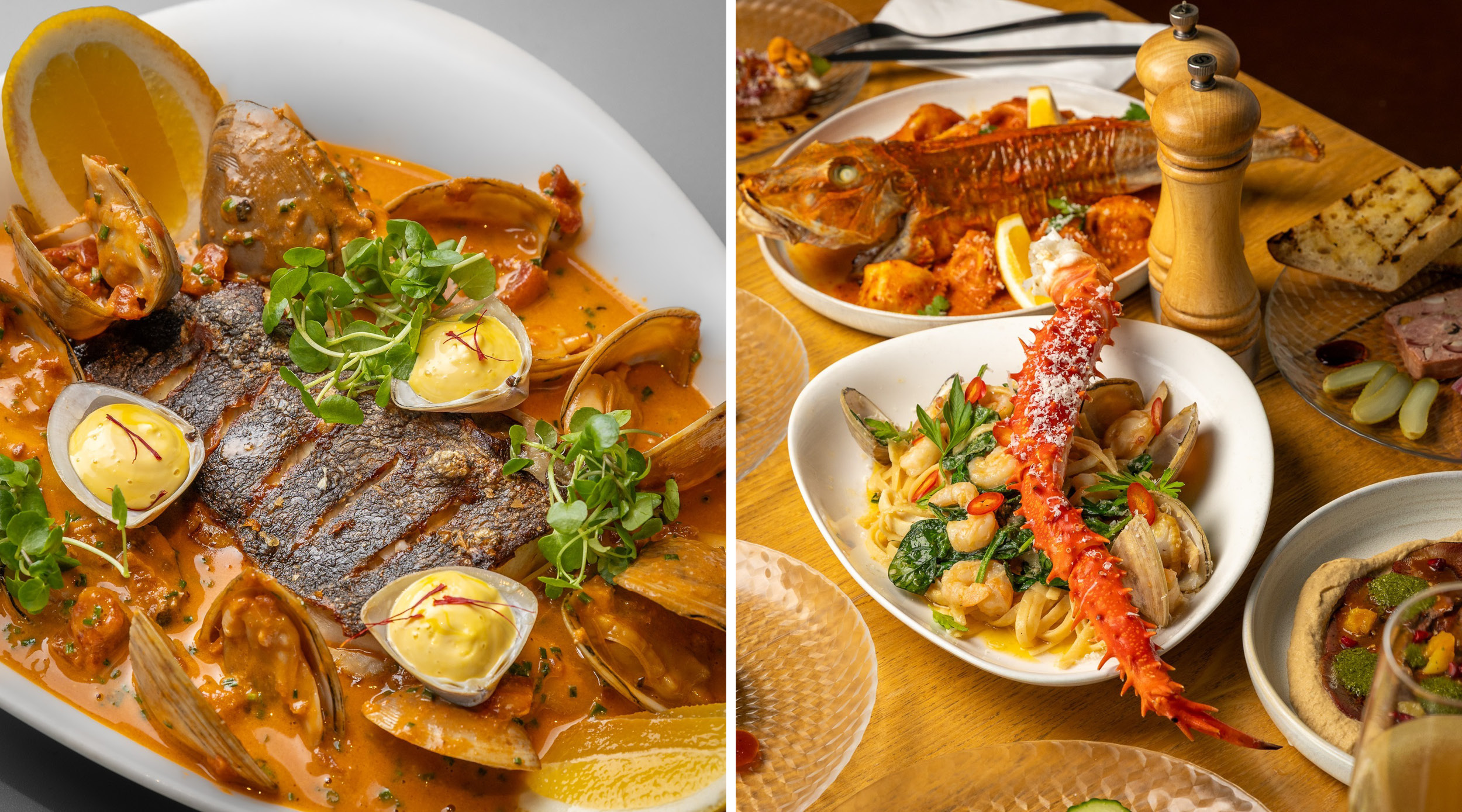
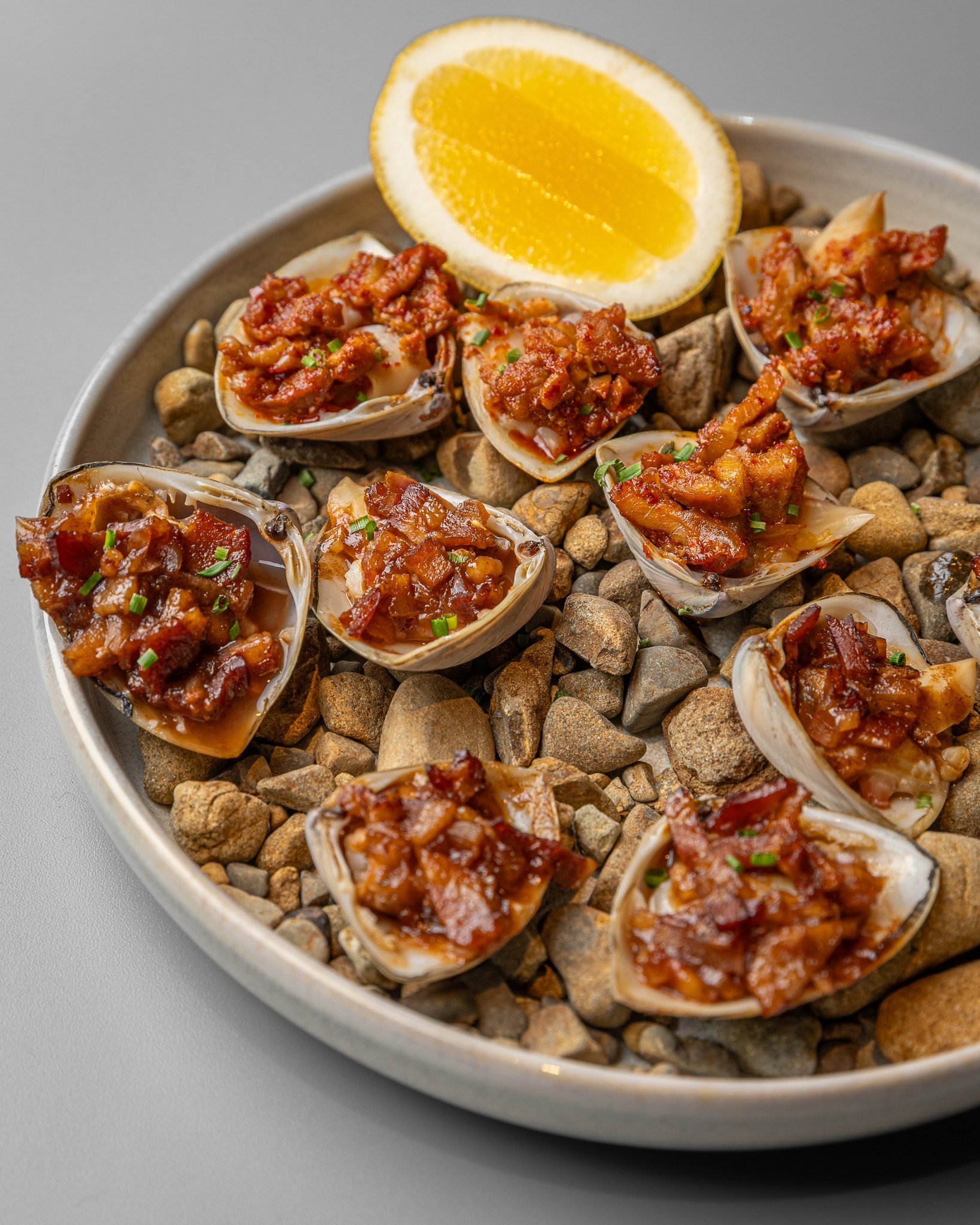
Cloudy Bay Clams served Kilpatrick style
Taking its name from the French word for “tide”, St Marée draws inspiration from the ever-changing rhythms of the ocean, a connection reflected throughout both the interiors and menu. Natural timber finishes, polished concrete floors and soft blue accents create a calm, contemporary setting, while the restaurant’s seafood-led offering places seasonal ingredients at the forefront. While seafood remains a defining feature, the menu extends well beyond it. Signature dishes include the much-loved Surf and turf, Seafood Linguine with an Antarctic King Crab Leg, house-made smoked cheese ravioli and a generous seafood pasta filled with the catch of the day.
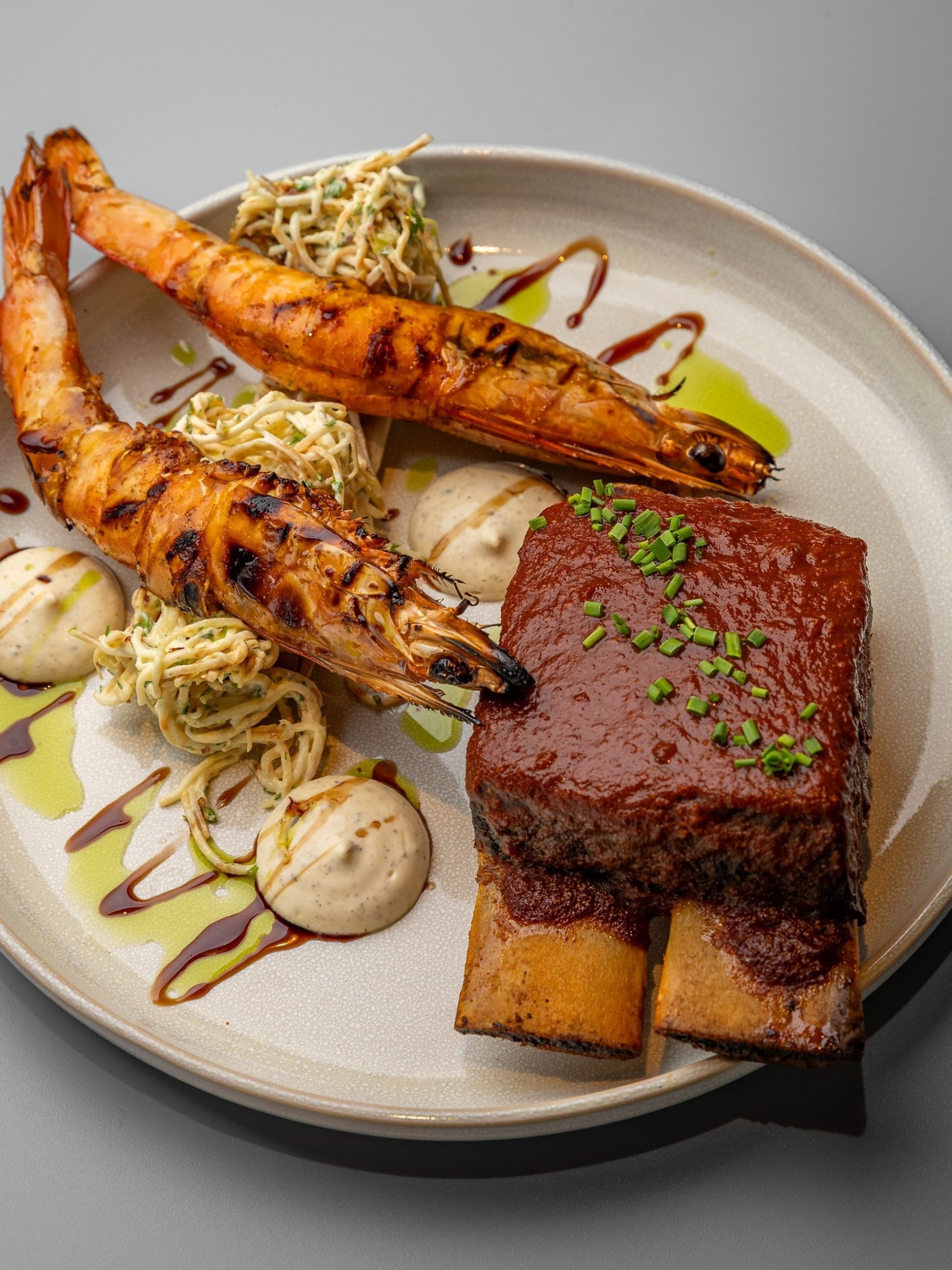
Surf & Turf, Glazed Wagyu Beef Short Ribs, grilled king prawns, celeriac remoulade and truffle aioli
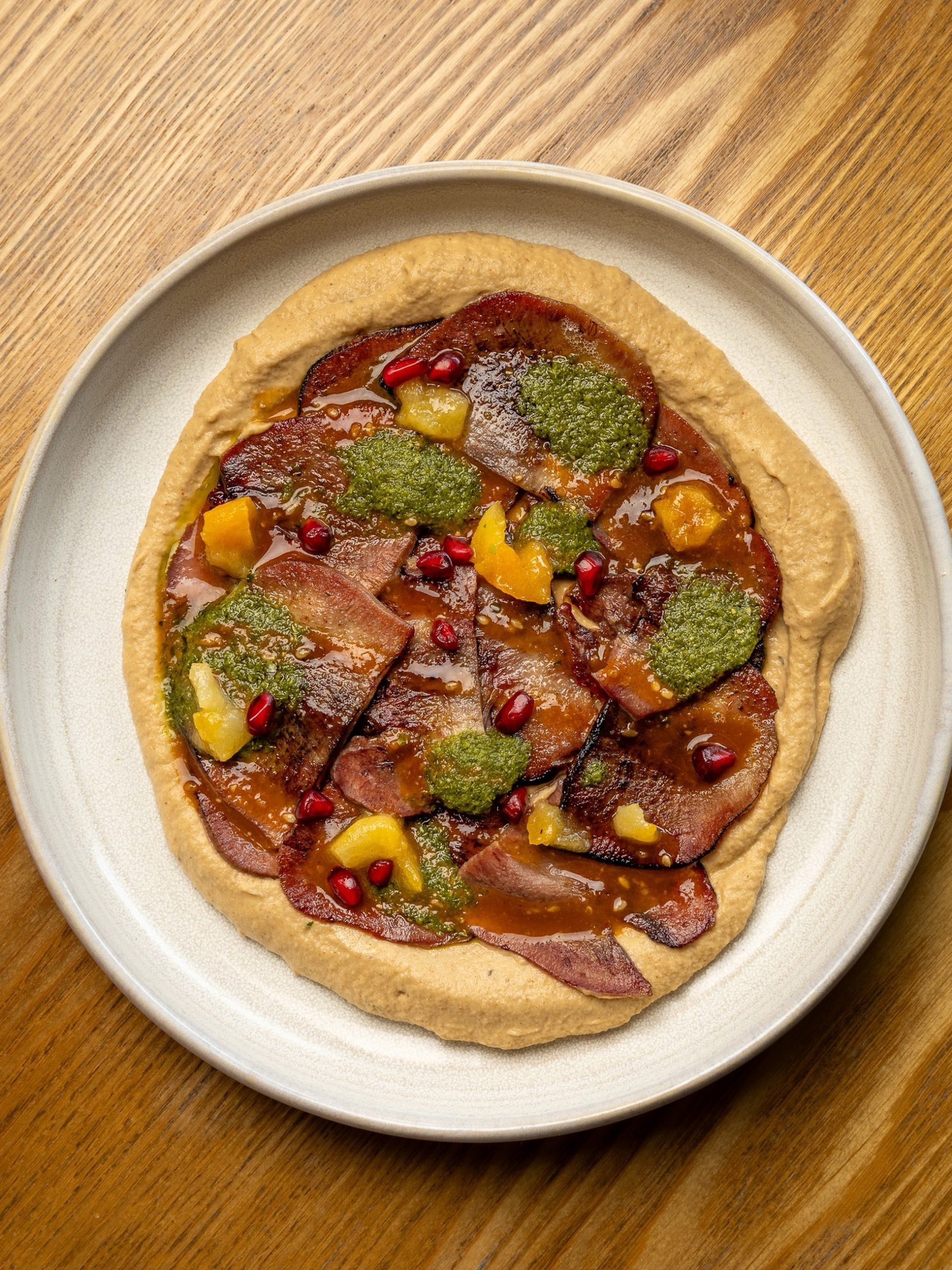
Chargrilled Beef Tongue with eggplant purée, salsa verde, pickled apricot, and pomegranate seeds
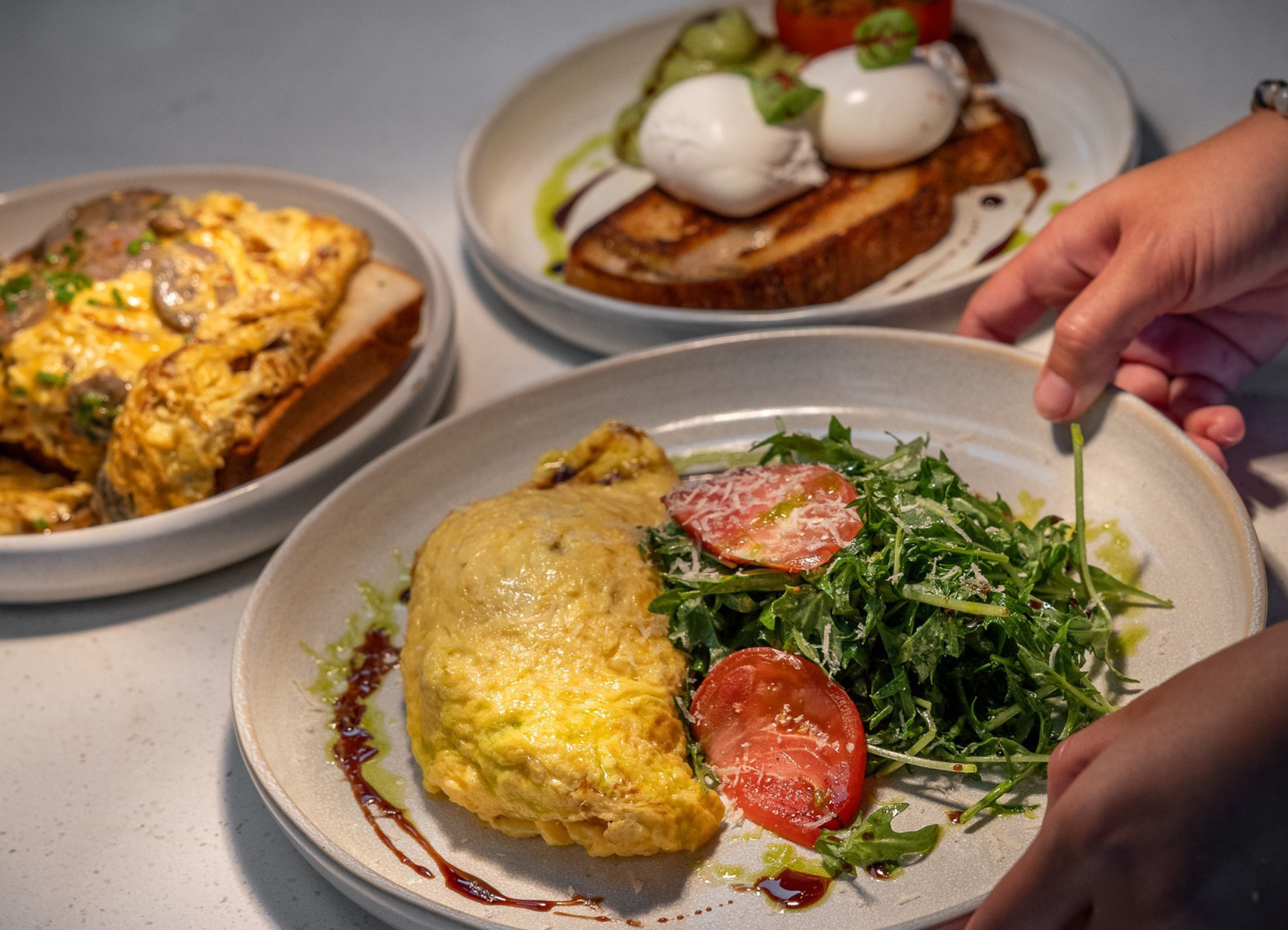
Free-Range Three Eggs Omelettes with truffle oil and parmesan
Earlier in the day, regulars arrive for excellent coffee, shakshuka, wagyu mince on toast and the aptly named Huge Breakfast, which has become something of a local favourite. Meanwhile, the Express Lunch, which includes a snack, main and drink for $23.80 per person, offers a compelling reason to step away from the office and make the most of Takapuna’s beachside setting. With its relaxed atmosphere, thoughtful menu and enviable location just moments from the beach, St Marée captures the best of Takapuna dining. Whether stopping in for a quick coffee, a lingering lunch or dinner with friends, it is the kind of place that lends itself to repeat visits.
Amano is set for a fresh charge with a new Executive Chef, Dino, who, after a long tenure, is stepping up to take creative authority at one of the city’s most loved eateries. Having joined Amano in 2018 and held the Head Chef position since 2020, Chef Dino understands the nuances of a restaurant whose reputation for excellent Italian fare relies on both consistency of food and service.
His promotion follows the departure of Andrew Hanson, whose eight years as Executive Chef helped establish Amano as one of New Zealand’s most admired restaurants, although the strength of this transition also lies in the calibre of the chef now taking command.
Chef Dino has already shaped much of what regulars recognise as Amano’s signature rhythm, having developed dishes alongside Hanson and the wider kitchen team, within a produce-led Italian framework that rewards restraint and seasonality. His Whipped Parmesan, named one of Auckland’s Iconic Eats for 2026, is a reflection of his talent. Explaining the dish, Dio says, “My appreciation for Parmigiano cheese began with its complex profile; few ingredients can deliver such a nutty, savoury, and rich flavour on their own. I wanted to find a way to use it as a foundation for a dish rather than just a garnish. This led me to create the Parmesan spread, which showcases the cheese in a new form while preserving its distinctive taste. The result is a dish where the Parmesan is the highlight, served with warm bread and seasonal accompaniments.”
That same creativity will drive his future ambitions for Amano, as Chef Dino brings his own take to a restaurant that does not need reinvention but requires a chef capable of carrying the momentum without compromising the qualities that have made Amano the destination it is today. “Andrew has been a huge part of the Amano story,” says Lucien Law, founder of Savor Group. “He helped make it one of the best restaurants in the country, and a real measure of a leader is the strength of the team they leave behind. Andrew did that. Chef Dino is ready to take the next step because of it.”
Law is equally clear about what comes next: “Amano is in exactly the right hands. Chef Dino knows this kitchen, he’s earned the trust of the team and our regulars, and he’s the right person to carry it forward.”
Under Chef Dino, Amano enters an exciting, energised era, guided by a chef who is ready for the next chapter.
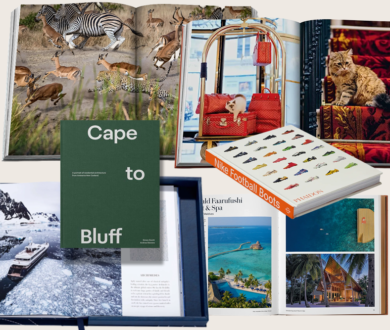
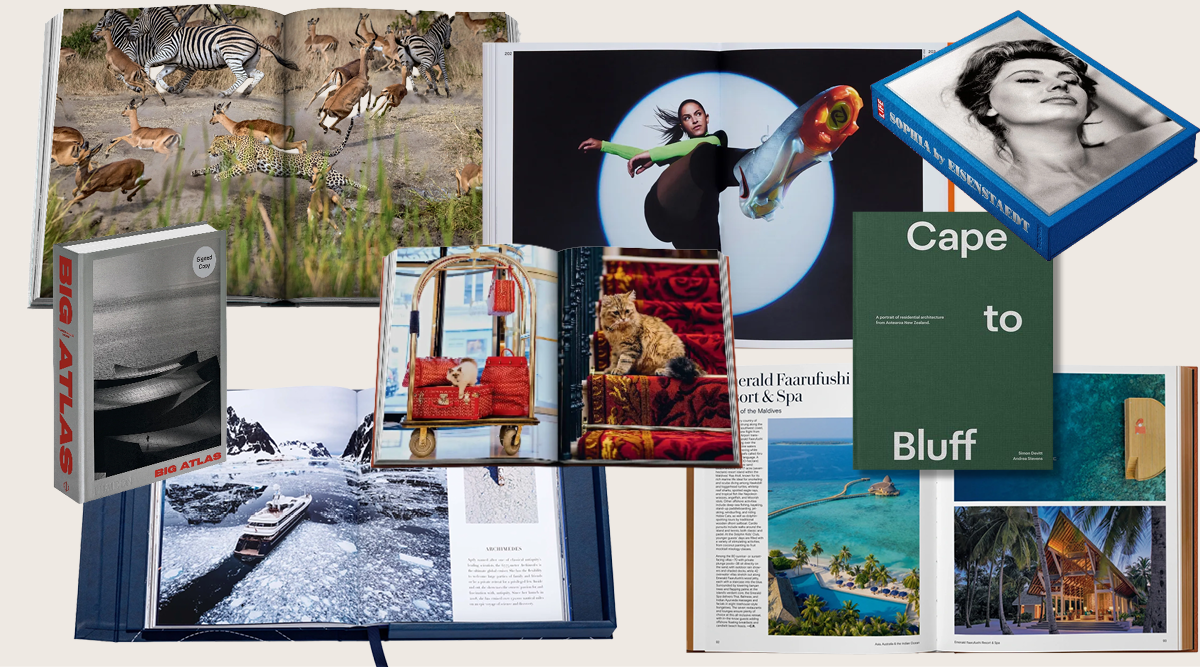
More than decorative objects, the finest coffee table books have a way of transporting us elsewhere. Whether documenting remarkable architecture, extraordinary journeys, iconic photography or culinary craftsmanship, they invite moments of discovery while bringing character to the spaces they inhabit. These are the titles currently commanding our attention.
The Varty family’s legendary Londolozi reserve in South Africa’s Sabi Sand has shaped the global understanding of responsible, luxury wildlife conservation. This visually spectacular Assouline volume chronicles the reserve’s extraordinary story, from early cattle farm to the most celebrated safari destination on the continent, through decades of extraordinary wildlife photography, personal memoir and a philosophy of treading lightly that changed what a safari could mean.
A meticulously curated love letter to the world’s most extraordinary hotels, compiled by cultural writer and editor Spencer Bailey with the authority of someone who understands what makes a great hotel. From storied European grand dames to discreet island retreats, each property is rendered in sumptuous photography alongside essays that illuminate the particular genius of place. An endlessly satisfying volume for those who consider a hotel room a destination in itself.
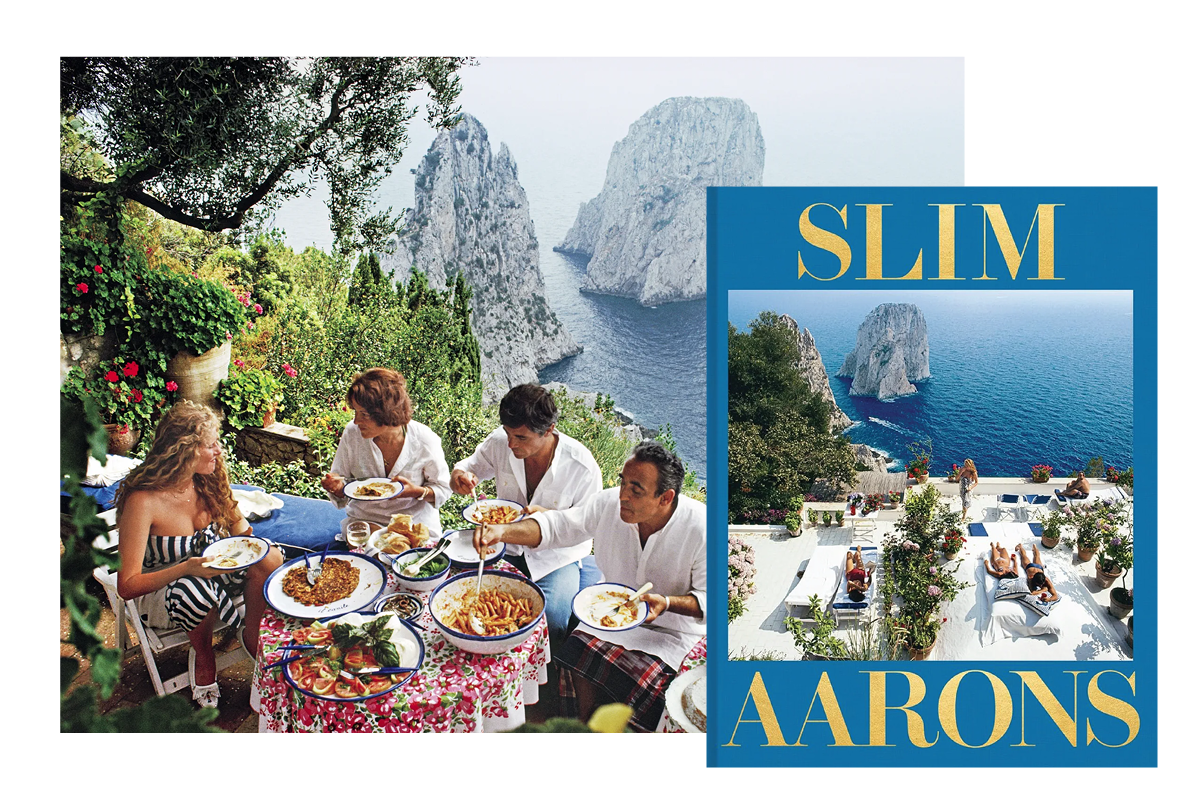
Few photographers have so completely captured a particular stratum of pleasure-seeking humanity as Slim Aarons, whose poolside images of the idle privileged remain the defining visual record of mid-century leisure. This essential collection gathers his most iconic images, Acapulco cliffs, Palm Springs pools, Italian terraces, in one gloriously oversized volume. Beautiful, knowing and faintly melancholy in the way only images of pure happiness can be.
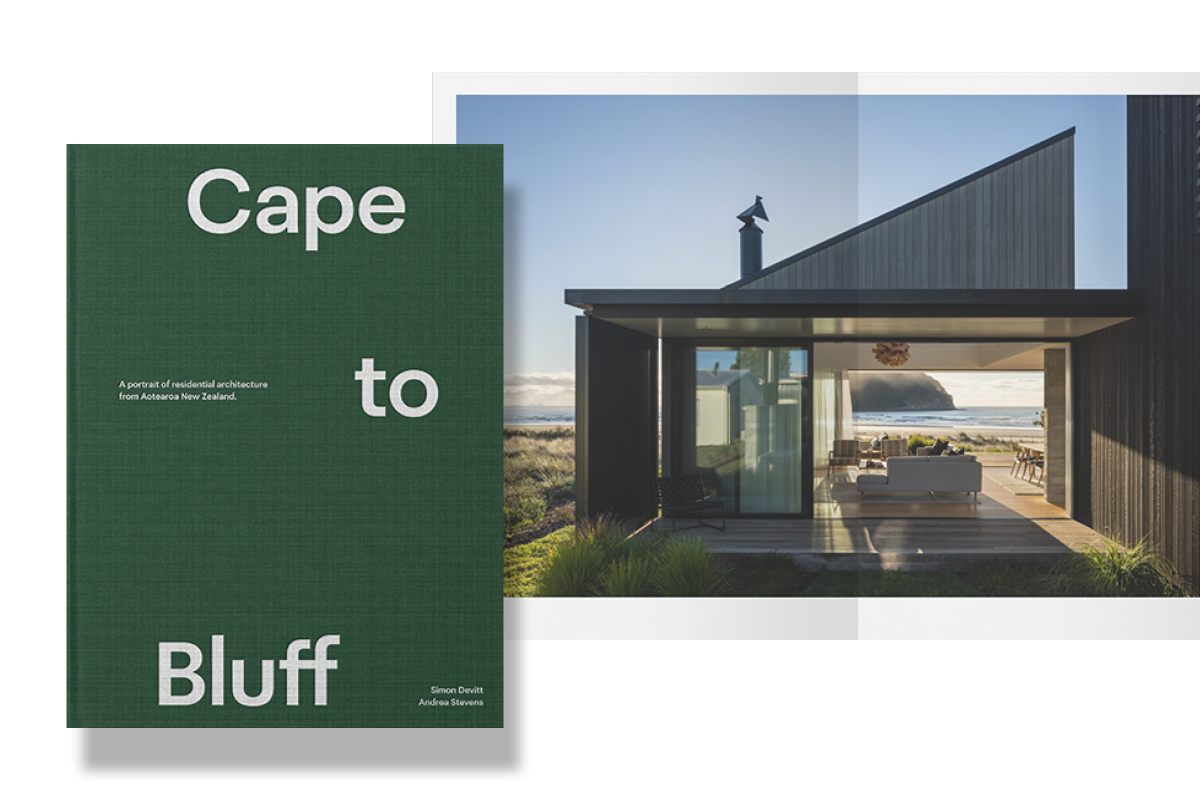
by Simon Devitt, Andrea Stevens, Luke Scott and Sarah Gladwell
The second volume in Simon Devitt’s celebrated residential architecture series returns in 2026, gathering thirty exceptional New Zealand homes that respond to the land they sit on, from alpine to coast, rural to city. Devitt’s photography, paired with Andrea Stevens’ considered writing and the design hands of Luke Scott and Sarah Gladwell, makes for a slow walk through Aotearoa rather than a glossy parade. Each house is allowed to belong to its place, its weather, its people. A handsome 368-page hardcover that treats architecture as something rooted rather than staged. Essential for anyone interested in how New Zealanders shape, and are shaped by, the landscapes they live in.
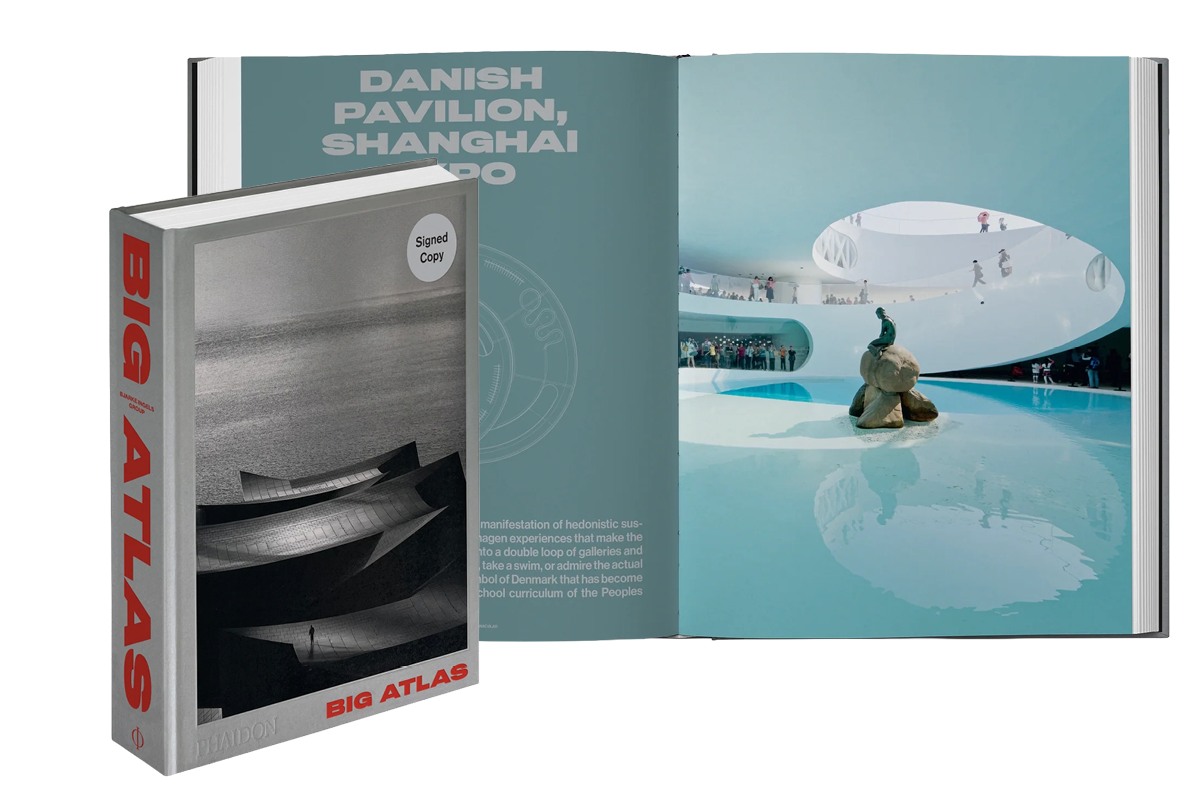
Bjarke Ingels Group’s extraordinary monograph arrives in atlas form, an appropriately grand format for a studio whose ambitions have reshaped skylines from Copenhagen to New York and beyond. BIG Atlas maps more than two decades of built and unbuilt projects, tracing the studio’s restless intelligence and its conviction that architecture can be both rigorously functional and genuinely joyful. Indispensable for those who follow contemporary architecture with serious attention.
Few architects of the last half-century have shaped the built world as profoundly as Norman Foster, and this monumental Taschen volume does his practice proper justice. Spanning six decades of work across the Willis Faber building, the Millau Viaduct, the Reichstag and Hearst Tower, Works assembles the definitive visual and intellectual record of a career defined by the belief that great design can transform how people live, work and move through the world.
A deceptively modest title concealing something genuinely encyclopaedic: a deep, richly researched investigation into one of the world’s most elemental and pleasurable ingredients. From cultured European butters to clarified ghee and the geography of great dairy, The Butter Book is the kind of book that changes how you shop and cook. Beautiful food photography, serious recipe-writing and a level of obsessive attention that makes it a natural companion for anyone who cooks with genuine curiosity.
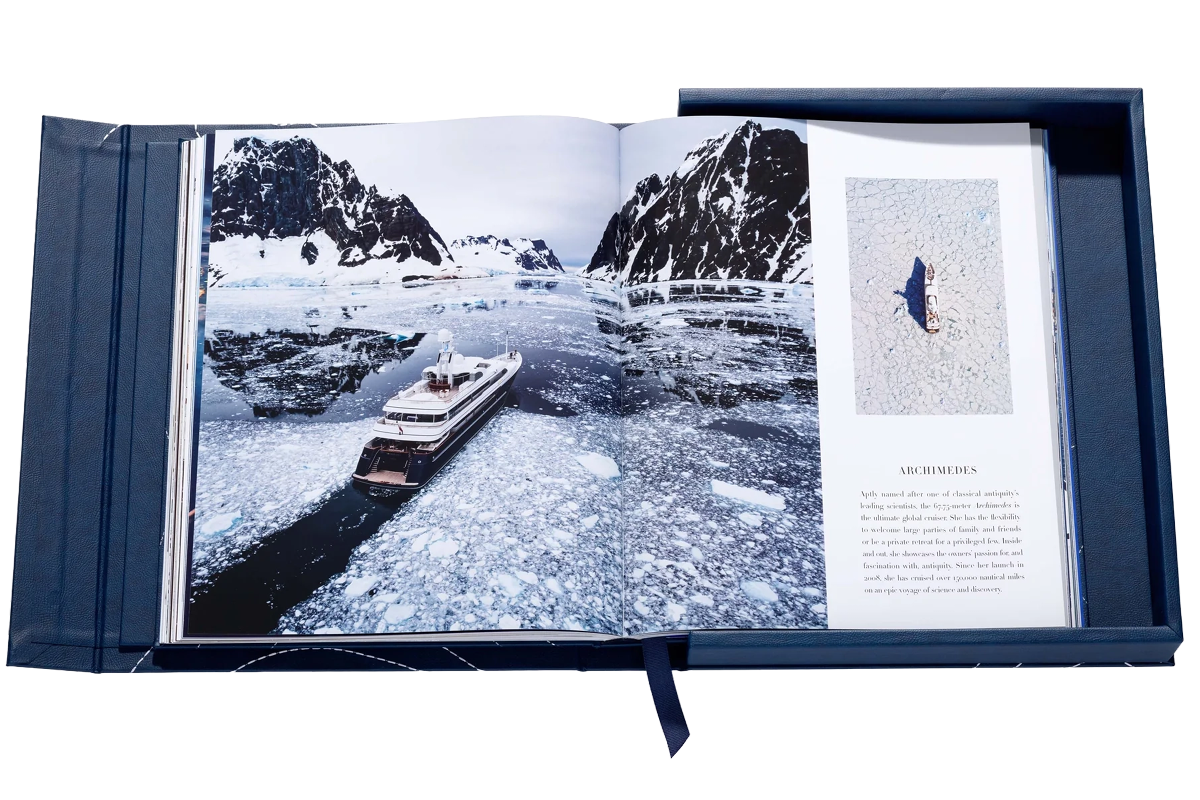
For more than seventy years, the Dutch yards of Feadship have produced the world’s most exquisitely engineered superyachts: vessels where naval architecture, craftsmanship and technology converge at a level available to almost no one and fascinating to everyone. This handsome Assouline volume chronicles the company’s remarkable history through archival and contemporary photography, tracing a lineage of custom-built masterpieces that represent the absolute pinnacle of life on the water.
A beautifully produced survey of contemporary artists working at the intersection of colour theory, light and optical experience, Rainbow Dreams traces the influence of the Light and Space movement through to the luminous installations and paintings that characterise so much vital art being made today. Artists including James Turrell, Olafur Elíasson and a new generation of colour-obsessed practitioners are gathered in a volume as visually arresting as the work it documents.
Assouline’s latest Ultimate edition, Basquiat: The World of Jean-Michel, is less a book than an object of desire. Housed in a canvas clamshell that nods to the artist’s own raw materiality, it gathers 200-plus works alongside reflections from Lenny Kravitz, George Condo, Peter Brant and the late bell hooks. Six thematic chapters trace Basquiat’s crowns, heads and downtown mythology, a fitting tribute to an icon whose legacy refuses to fade.
Alfred Eisenstaedt’s intimate photographic study of Sophia Loren stands as one of the great unsung achievements in celebrity portraiture, a body of images that captures the actress not as icon but as a person of remarkable intelligence, warmth and physical presence. Drawn from sessions spanning decades, the photographs reveal a rapport between subject and photographer that produces images of startling ease and authenticity. A book for anyone who finds the relationship between camera and subject genuinely fascinating.
A forensic and visually spectacular survey of five decades of Nike football footwear, tracing the design evolution, material innovation and cultural influence of boots worn from World Cup finals to training pitches worldwide. Phaidon brings its characteristic rigour to an object most people have worn without really seeing, revealing a design history as compelling as any in fashion or industrial design. Essential reading for those who understand that sports equipment at its best is design at its most demanding.
Assouline turns its attention to the cat, specifically the cat as cultural object, muse and impeccable aesthetic foil. Chic Cats gathers images of felines in the company of artists, designers, editors and style figures across the twentieth century, revealing just how persistently the cat has occupied the elegant interior and the creative life. Knowing, beautiful and considerably more intelligent than it first appears. Much like its subject matter.
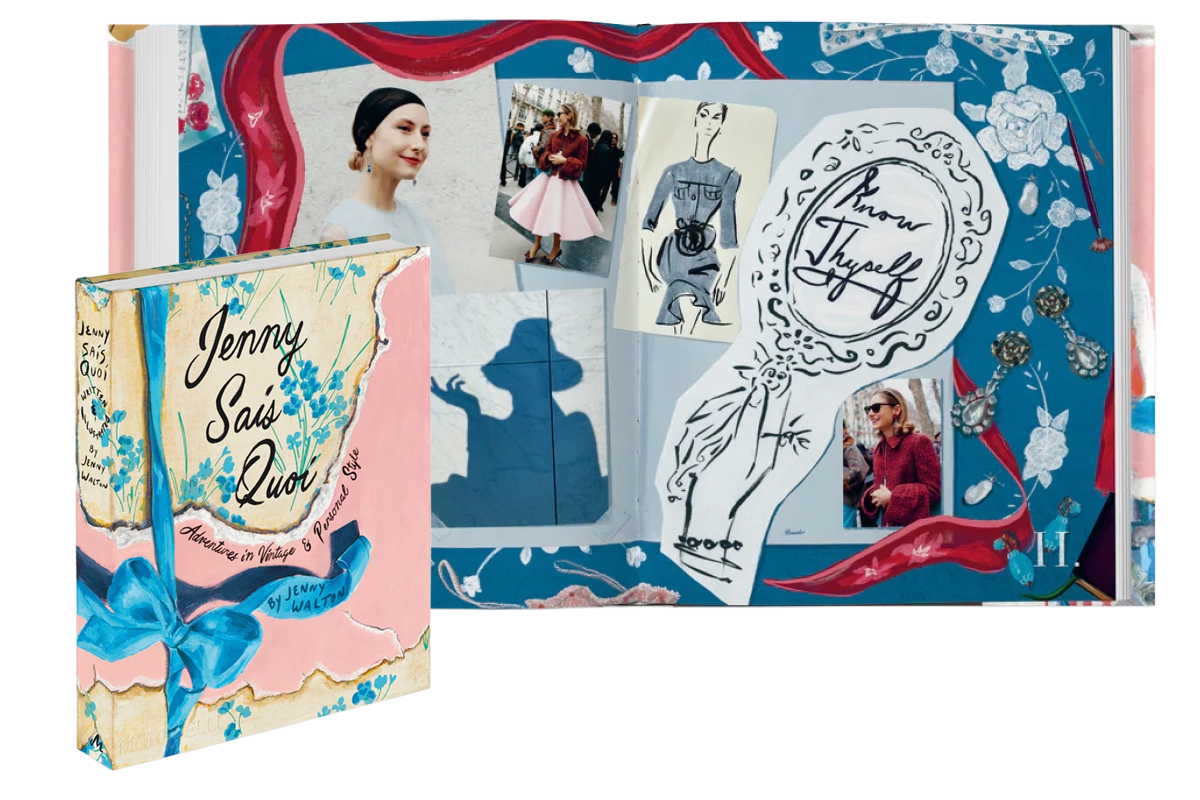
Street style photographer turned subject, Jenny Walton brings her richly layered visual sensibility to a book about the pleasures of dressing with intention and historical awareness. Adventures in Vintage & Personal Style is part wardrobe memoir, part love letter to the charity shop and auction house, part argument for wearing what you love rather than what you’re told. Warm, funny and genuinely useful. The rare style book that reads as an invitation rather than a prescription.
For more exclusive access to what the city has to offer, engaging content, excellent imagery and thought provoking commentary on the life that surrounds you, subscribe to Denizen magazine now.