
Photography by Jeremy Hooper

Life in the luxury lane with the new Maserati Levante 350 GranSport

Picture this: It’s a fairly ordinary Friday morning, and as far as my routine goes, it’s business as usual. Well, with one minor difference. This Friday, when I pull up to my client meetings, I’m behind the wheel of the new 2020 Maserati Levante 350 GranSport — and I have to say, it feels good. 

Before you start thinking that I must have won Lotto, let me set the record straight. It was, in fact, because I had selflessly volunteered my test-driving services in the name of quality journalism, that I found myself in the driver’s seat of an SUV that was proving most of my assumptions about its kind very wrong. 

Leaving my first meeting that day, I pulled into the flow of traffic with an air of confidence, the signature Maserati purr from the pneumatic valves of the exhaust system daring people to stare as I glided elegantly past (and pretending not to notice when they did).
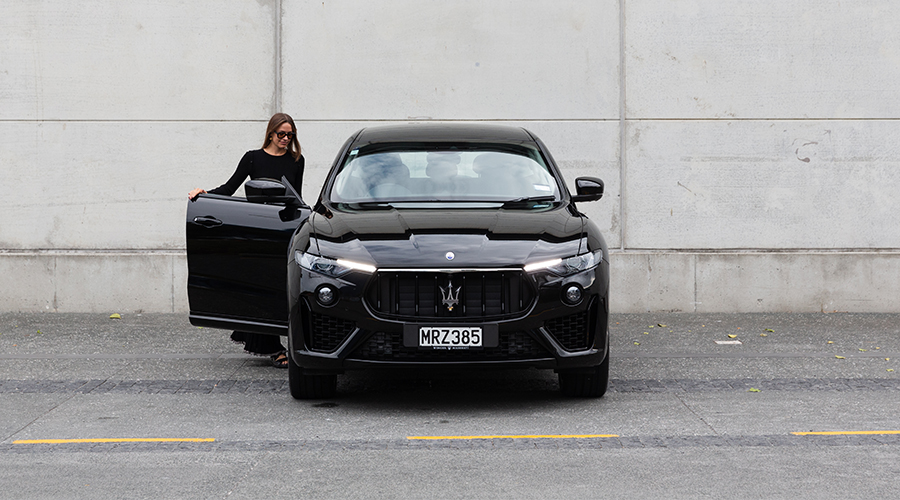
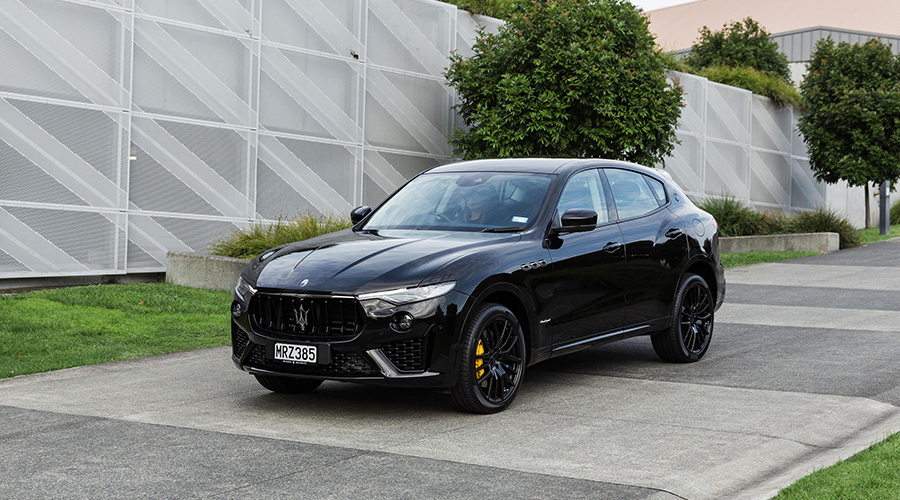
Even when idle, the Levante 350 GranSport has a certain ‘I’m loud and I’m proud’ character, call it a testament to the marque’s Italian pedigree and its commitment to an aesthetic of refined luxury. With a design comprising sleek, clean lines that run from a magnificent front grill all the way down to a perfectly-formed rear, the body of this car is so well-shaped, it would make the Kardashians jealous. It has that new-car smell that makes you feel like you’ve made it, an infotainment system so vast that you’ll end up sitting in your driveway for hours simply trying to make a decision (but with wealth comes options, right?) and hand-stitched leather so soft and carefully-detailed that a drive to the shops will feel like stepping into an Italian fashion atelier. With its trademark Maserati tridents embossed on all of the headrests, this car is Italian by name and Italian by nature. 

Deciding it was time to put the Levante 350 GranSport through its paces (because what kind of test-driver would I be if I simply judged the car on its looks alone) I headed West, choosing the infamous winding road out to Piha as the ultimate testing ground. Once on the motorway, I switched into Sport Mode, and dropped down a gear, which really gave her a chance to open up. She handled it very, very well. And although I knew that under the perfect curves of her bonnet sat a Ferrari-built Twin Turbo V6 engine, I was still somewhat surprised that a car of that size could handle my Formula 1 aspirations with such grace and effortlessness. We got up to 100km/h in just six quick seconds, but despite being tempted, I decided to hold back from pushing her to reach her top speed of 251km/h. I didn’t want the team at Maserati to have to cough up for a speeding ticket on my watch. 

Piha proved a good choice. Part of the beauty of the Levante 350 GranSport, is that it was designed to allow the driver to feel every twist and turn, with suspension that enhances ride comfort and handling. I truly felt like I was on a racetrack, even if I wasn’t driving at eye-watering speeds. The fact that she’s a high-performance SUV that handles like a sports car, really made me feel like I was getting the best of both worlds. The standard features in the Levante 350 GranSport include front and rear parking sensors, blind-spot alert, rear camera, keyless entry and dual-zone climate control, all the bells and whistles that will take you from A to B in total comfort and style.

Our time together was short and sweet, and saying farewell to my weekend whip was not easy. I was faced with a brutal reality check when I stood, like an idiot, at the driver’s door of my basic run-around expecting keyless entry, before suddenly realising I had to actually find my keys and press the unlock button. The dream was over, so there was only one thing left to do: buy a Lotto ticket.


Coveted

Tiffany & Co.’s Paradise Birds chapter brings Blue Book 2026 to life
The luxury skiwear concierge taking the hassle out of ski holidays
The jewellery designed for movement, ease and everyday elegance

Crack the transeasonal dress code with cool cashmere

It’s the Goldilocks time of year when it’s not too warm and not too cold but finding something that’s just right is an Everest-sized struggle. Make life easier by setting your default transeasonal setting to cashmere with pieces that offer immediate comfort as temperatures begin to drop and clouds gather.

Since Katie Holmes stepped out in a cashmere bra, the finest of fabrics have been infiltrating wardrobes in unexpected ways, taking cashmere well beyond the standard v-neck sweaters. Here are the key pieces from cashmere whisperers Elle + Riley that will stop you staring into the autumnal abyss of your wardrobe, wondering what to wear.

The Camisole
A cashmere bra is not for everyone but a camisole taps into the underwear as outerwear trend without worrying about the condition of your abs. The sleeveless design makes it perfect for layering beneath leather jackets, with the soft texture offering a creative contrast with tough outerwear. 

The Polo Workhorse
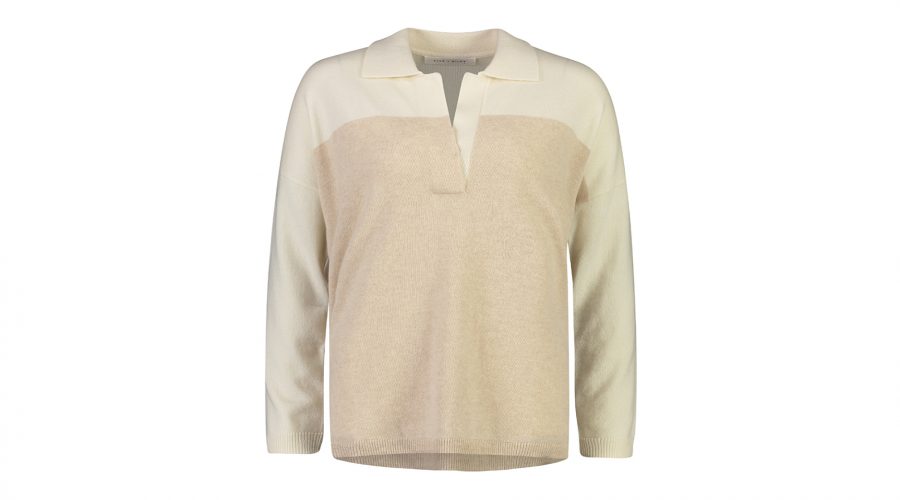
Everyone needs that one piece that they can throw on and feel polished enough to face down judgmental baristas or the school run style police. A cashmere polo elevates simple denim to a suitable level of sophistication.
Don’t let the New Zealand-designed light knit fool you, with cashmere offering greater insulation properties than wool.

The Cardigan
Blame your childhood science teacher for spoiling the idea of cardigans but worn the right way, this button-up can turn up more than your body heat. In moderate temperatures the cardigan is optimal outerwear, offering a streamlined silhouette but come winter it serves double duty beneath structured jackets.
The Stylish Sweatpant
Thanks to cashmere the concept of a stylish sweatpant is no longer an oxymoron, with styles now worthy of gracing your designer sofa as you watch Netflix and actually chill on a Sunday.

Cashmere sweatpants are also perfect for travelling, looking so much better than the pyjamas provided at the pointy end of the plane. If you do spill some of your turmeric latte while relaxing remember that cashmere, like most of us, responds best to gentle hand-washing. 

www.elleandriley.com

Coveted

Tiffany & Co.’s Paradise Birds chapter brings Blue Book 2026 to life
The luxury skiwear concierge taking the hassle out of ski holidays
The jewellery designed for movement, ease and everyday elegance

The planet-friendly water bottles you should be using for your next fun run

Last Sunday saw 34,380 people take part in the annual Round the Bays event, and an incredible amount of money raised for numerous charities because of it. The triumphs, however, have since been overshadowed by the ensuing furore caused by the mountains of plastic waste left behind, with most rubbish bins left overflowing with Pump-branded plastic bottles.

The plastic water bottle has become one of the most visual symbols of our throwaway culture. Often found scattered on beaches or crushed underfoot at events, the single-use water bottle is normally made from petrochemical-based plastics and as such, is almost impossible to dispose of naturally.

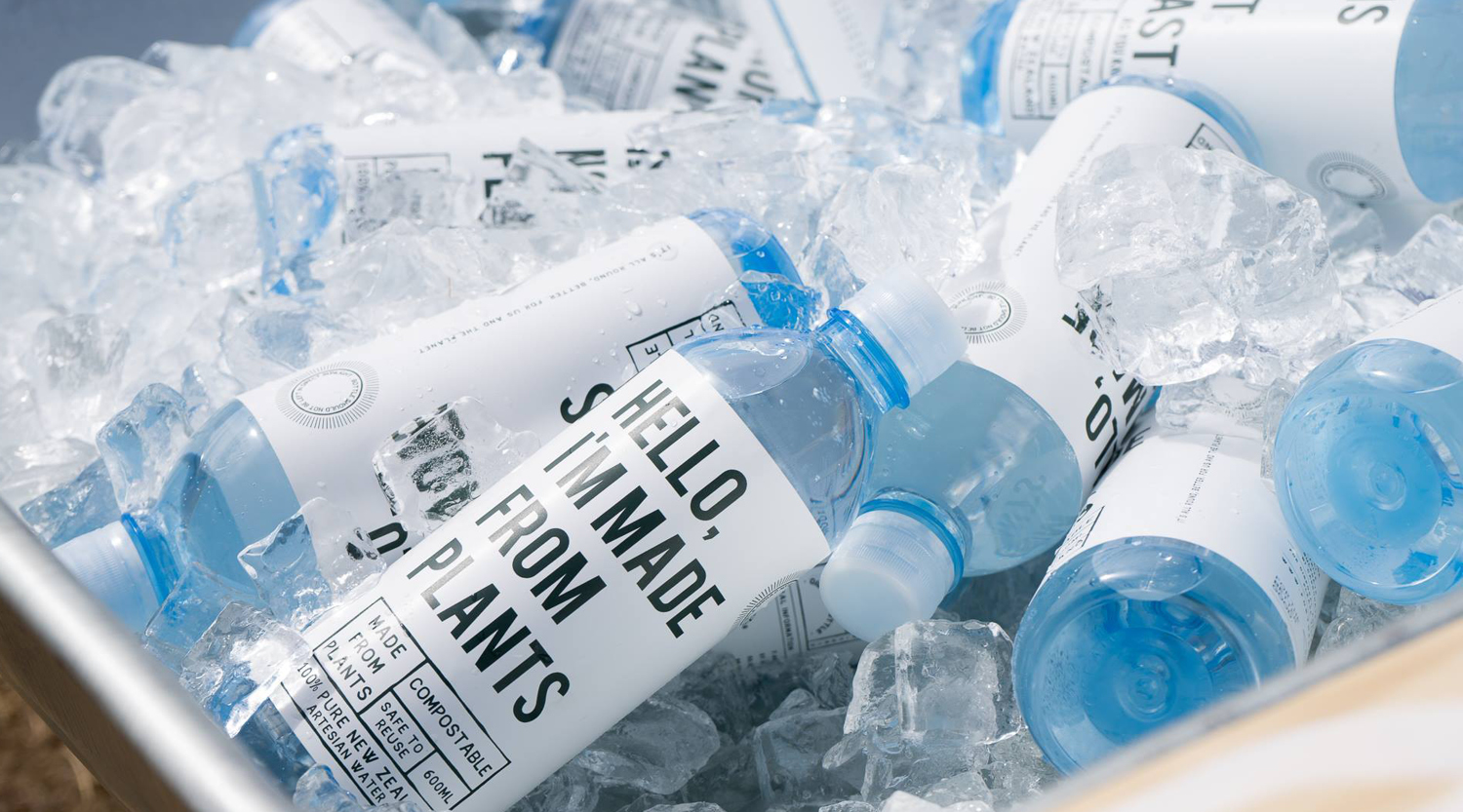
Looking to make the plastic water bottle a thing of the past, Jayden Klinac established For The Better Good, a company with an ethos of regeneration and an objective to operate in harmony with nature. The premise is relatively simple: to create a water bottle that is not only safe to reuse an infinite number of times but is also made from something that can break down without harming the environment. The ‘Better Bottle,’ Klinac’s plant-based alternative boasts a 78 per cent smaller carbon footprint than its regular counterpart, is made entirely from naturally-occurring starch (making it certified compostable), and is filled with pure, New Zealand spring water.

Furthermore, Klinac has, in order to encourage people to embrace a circular system, set up a number of refill stations around the country (over 200 now), as well as initiating specific collection schemes for bottles that are no longer wanted. More recently, Klinac tells us, the company has set up three of its own composting sites in Queenstown, Wellington and Auckland alongside contracting another private site in Christchurch, each with its own “environmental experiment” attached to it. The Wellington site, for example, will compost tonnes of food waste as well as For The Better Good’s bottles.

Klinac also explains how the site’s surplus land is being set up for organic gardening where the compost will be used to regenerate the soil and grow food that will be donated to a charity called WELLfed. For The Better Good has even launched a programme whereby for every box of water bought, a tree will be planted in a bid to keep business growth in line with that of the environment.

The young eco-entrepreneur has created a business for the modern era. One that recognises how environmentalism is no longer a niche pursuit and how it must be inducted into the mainstream if we are to safeguard our environment for the future.

Culture

Your guide to the best events and experiences this July
From architecture to adventure: The coffee table books worth collecting now
Labour of love: Katherine Throne’s botanical paintings arrive at Sanderson
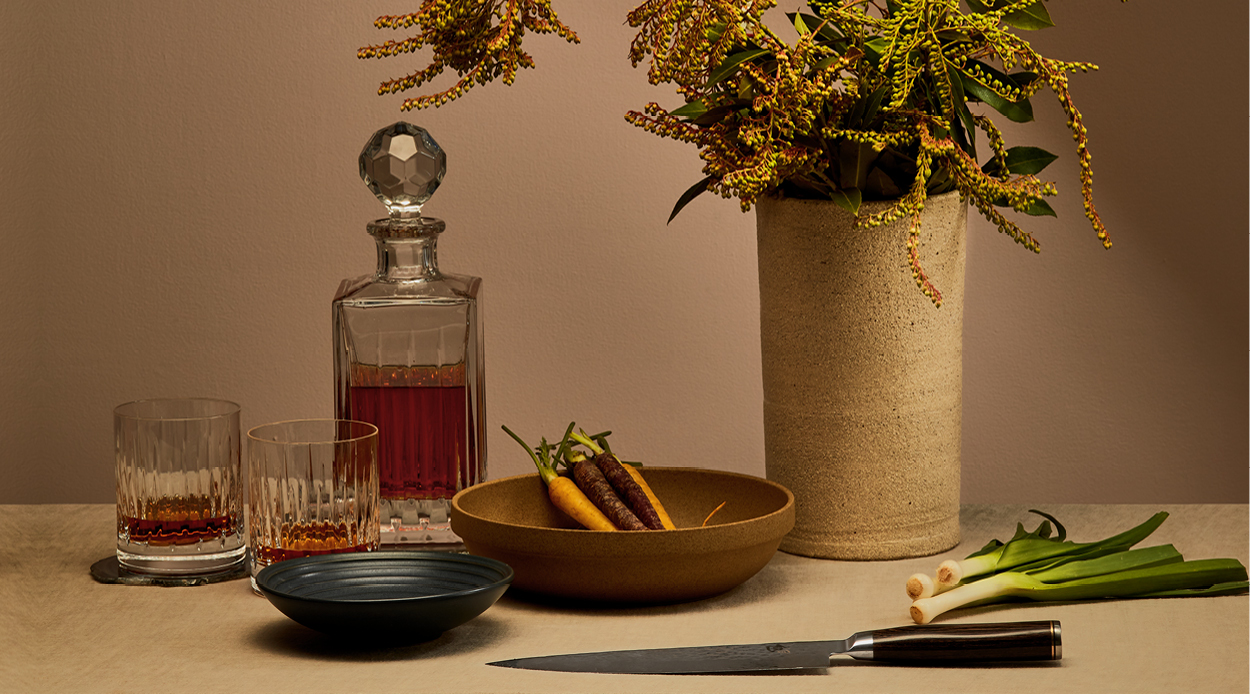
Hasami Porcelain natural bowl and Margi Nuttall vase (simonjames.co.nz), Shun Premier Santoku knife, Denby Studio Blue ridged bowl and Reed & Barton Soho bar set (thestudio.co.nz), Superette Home Agate coaster (superette.co.nz), Florals by La Femme Fleur (lafemmefleur.co.nz).

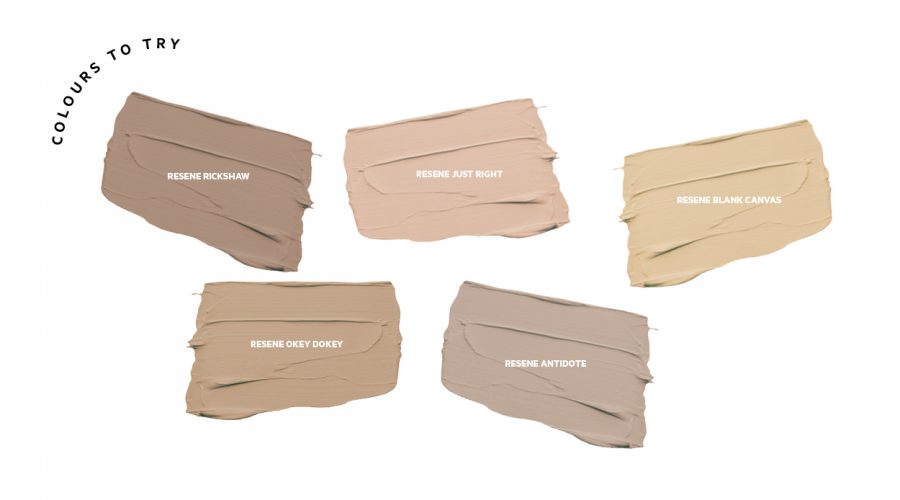
Resene is encouraging us to embrace the middleground of the tonal spectrum this season

This season, neutral colours like Resene Antidote, Resene Just Right and Resene Okey Dokey are offering simple ways to cultivate a warm ambiance in your home. And while the highly saturated hues that have been popular previously are sure to make a statement, these tones are designed to dissolve seamlessly into the background, their effects felt in a far more subtle, gradual way.

From neutral beige notes to swathes of dusty blush, Resene’s vast and varied range of colours in this category will help to create spaces that feel modern and chic, and act as the perfect backdrop for any upcoming get-togethers or social events you might be planning for the end of the year.

Image credit: Styling: Margie Cooney, Art Direction: Fran King

Design

Inside the Marais apartment-gallery where hospitality becomes architecture
Italians in Residence: Molteni&C opens its first New Zealand flagship
How new furniture brought fresh life to this Auckland character villa

We sit down with the developers behind Auckland CBD’s luxury apartment complex, Seascape

For a long time, the New Zealand dream centred around owning a piece of land and carrying on the tradition of a classic, nuclear family home. But times and circumstances are changing, and for some Kiwis, a new dream is calling for a shift in perspective.

Luxury apartment developments have been steadily gaining a foothold in Auckland, heralding the rise of a lifestyle one might expect to find overseas. Leading this charge is Seascape. The downtown Auckland residential development promising to not only offer an unprecedented standard of living, but also, to instigate growth and encourage development in Auckland’s cityscape. 

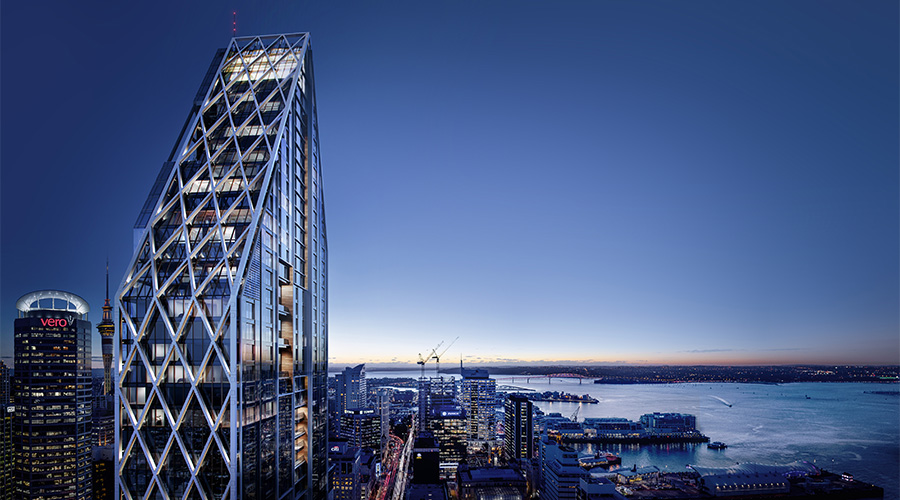
Located on Customs Street East, Seascape will (when completed) stand at 187-metres, making it Auckland’s tallest residential building. Its impressive Peddle Thorp-designed structure is set to be unlike anything this city has ever seen. While its grand lattice megaframe and asymmetric apex will redefine the Auckland skyline just as much as the spaces behind it will reimagine what the future of living in Auckland will look like.

Wanting to delve a little deeper into what this growth in apartment living actually means, I sat down with Tashunka Bolton of Shundi (the developers behind Seascape). “The future is up,” he tells me, “and because one-third of New Zealand’s land is protected, securing land is becoming a constraint, especially when Auckland’s population is expected to grow to around 2 million people by 2033.” This idea of population growth is the cornerstone of why a development like Seascape is so important right now. According to Statistics New Zealand, it is estimated that by 2043 more than 40 percent of New Zealand’s population will be living in Auckland. And as such, we seem to be reaching the cultural impasse through which every nascent world city must go. Grappling with our new identity as a burgeoning modern metropolis there are a number of entities, including Seascape, trying to find and deliver solutions that are both practical and appealing.

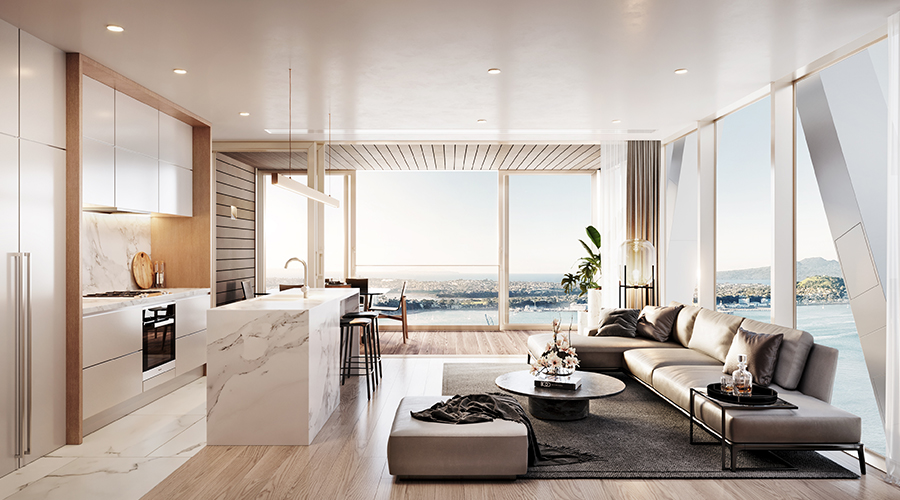
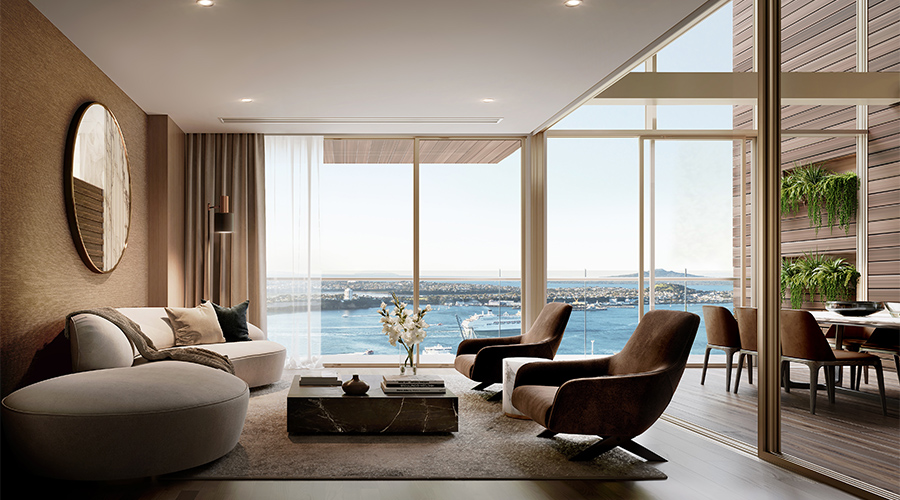
But beyond population, Seascape is, as Bolton explains, redefining traditional expectations of living in an apartment. “When people think of apartments, most people think shoebox,” Bolton tells me, taking me over to the 3D model of Seascape, “but we thought about what Kiwis actually wanted in their homes.” Pointing out the wide balconies on the model, and speaking to the impressive indoor-outdoor flow created by the sliding glass doors that separated them from the living spaces, Bolton tells me, “Kiwis like open space, integration of floorplan, natural light and high ceilings, so we made sure that all our standard apartments had a stud height of 2.7 metres, and that all of our apartments were north-facing.”

These two key features, combined with the versatile configurations offered by Seascape — including studios, one bedrooms, duplexes and three bedrooms — promise a lifestyle that guarantees its residents the best of both worlds. On the one hand, Seascape’s location opposite Britomart means being only a few strides away from some of Auckland’s most luxurious retail stores, a raft of delicious restaurants and bars and of course, many of the city’s largest office buildings. But on the other, Seascape’s sophisticated design and careful attention to detail means that it can still afford its residents a level of flexibility and space not associated with the apartment of old.

And while the idea of convenience has historically driven older generations to downsize — something Bolton tells me he still sees a lot of with Seascape — there is now an emerging group of Millennials who value convenience and prestige, and for whom a house with a white picket fence is no longer a priority. “They’re more travel-oriented and work-focused,” Bolton says, explaining the younger people who have shown interest in Seascape. “They’re also more socially driven,” he continues, “and when social lives play a more important role, the convenience of an apartment in the CBD means that not only are they closer to their work places and not having to waste time on commuting, but that they can leave their front door and walk to meet friends for a drink at some of the best bars and restaurants in Auckland.”

This new breed of apartment-dweller exemplifies how Auckland is changing. “People are more focused on enjoying life,” Bolton articulates, “and when they don’t have to worry about maintaining their property or keeping grounds in check, it makes sense that a development like Seascape has been so well-received.”  

More than its luxurious interiors and world-class amenities (promising a number of on-site restaurants, bars, fitness facilities and retail stores), Seascape is set to elevate the benchmark for what residential developments in Auckland look like. As Bolton explains, “if you think about the skylines of cities around the world and compare them to ours, at the moment, we don’t really stack up.” For Bolton and Shundi Developers then, Seascape is as much about giving Auckland City a facelift as it is about offering a new kind of lifestyle to its residents. “We want to lead Auckland into a new era,” Bolton says, “where other developers that come into this city will want their buildings to stand up next to Seascape as the gold standard.” 

Seascape display suite
81 Customs Street East
Auckland CBD

0800 81 83 85

www.seascapeauckland.co.nz

Design

Inside the Marais apartment-gallery where hospitality becomes architecture
Italians in Residence: Molteni&C opens its first New Zealand flagship
How new furniture brought fresh life to this Auckland character villa

Sophisticated but unique, this home exemplifies the new contemporary aesthetic

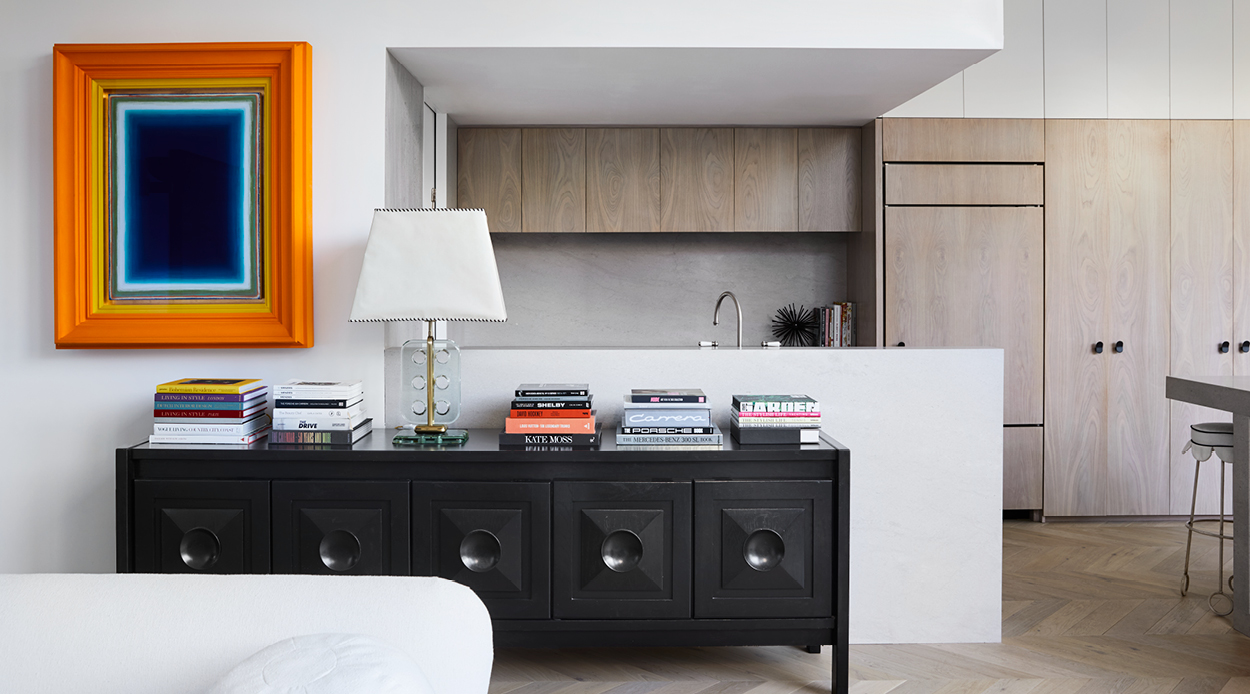
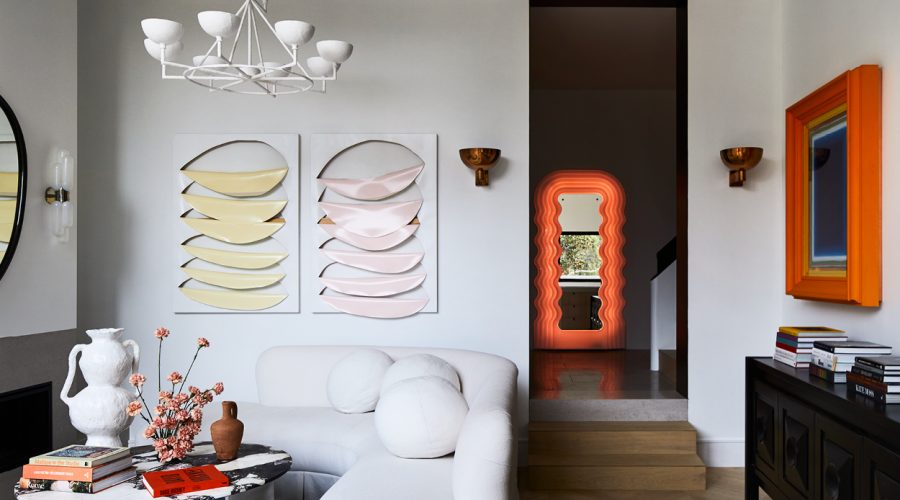
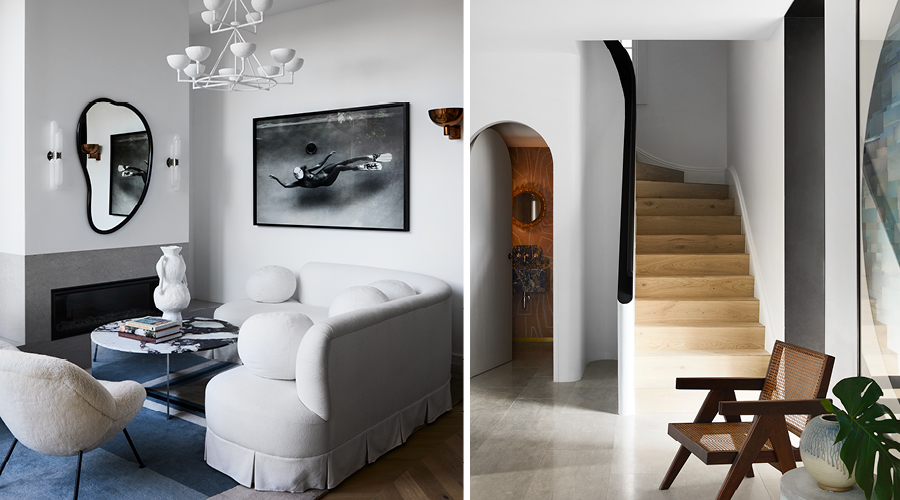
Interior designer, Tamsin Johnson is particularly skilled at marrying typically-contrasting ideas in the homes she furnishes, so that they end up warm, welcoming and above all, individual. Part of this comes down to the eye she has for unique, standout pieces, as well as the way she tempers her quirky edge with a persistent, underlying sophistication. This Edgecliff Road home in Sydney’s Eastern suburbs showcases Johnson’s skills in full flight. Its pared-back foundations — light timber floors, white walls and travertine — have been layered with jewel-like tones and sumptuous textures, so that the monochromatic base is given dimension and imbued with feeling.

It exemplifies the way mid-20th-Century design is staking its claim in the contemporary home — the sculptural notes and kooky tones that defined the original aesthetic reimagined as a kind of new-school ‘kitsch’ (minus the cringe). From the graphic touches (on the downstairs bathroom wallpaper, for example) to the full-length Ultrafragola mirror — the original of which was designed by Ettore Sottsass in 1970 — there is a pervasive nod to bygone eras that weaves its way through the whole home, evoking a sense of nostalgia that draws you in and takes you back.

What makes this house so good, however, is the way Johnson doesn’t let design get in the way of creating liveable spaces. And given that this was a project for a family with young children, the home had to be practical. As such, the beauty of it really lies in the clever way Johnson has accessorised — focusing on simple accents done well, and aiming for maximum impact.

Design

Inside the Marais apartment-gallery where hospitality becomes architecture
Italians in Residence: Molteni&C opens its first New Zealand flagship
How new furniture brought fresh life to this Auckland character villa

Bucket list: 9 incredible restaurants you need to try before you die

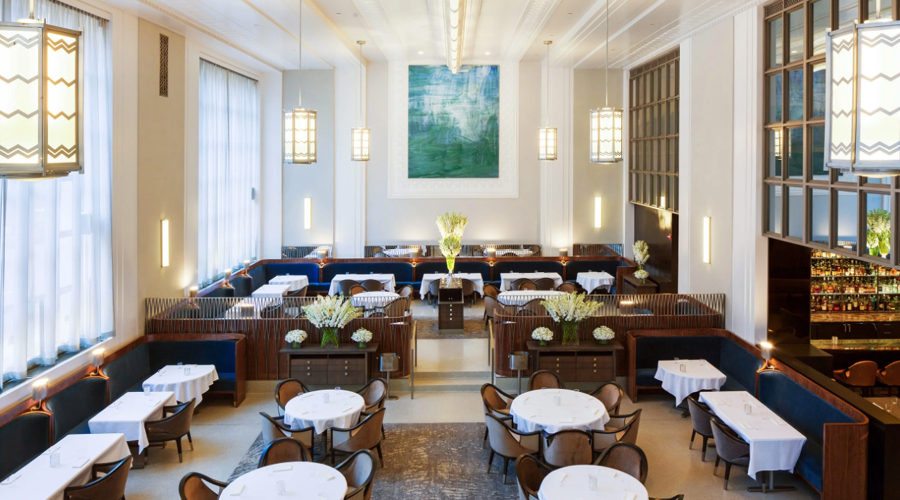
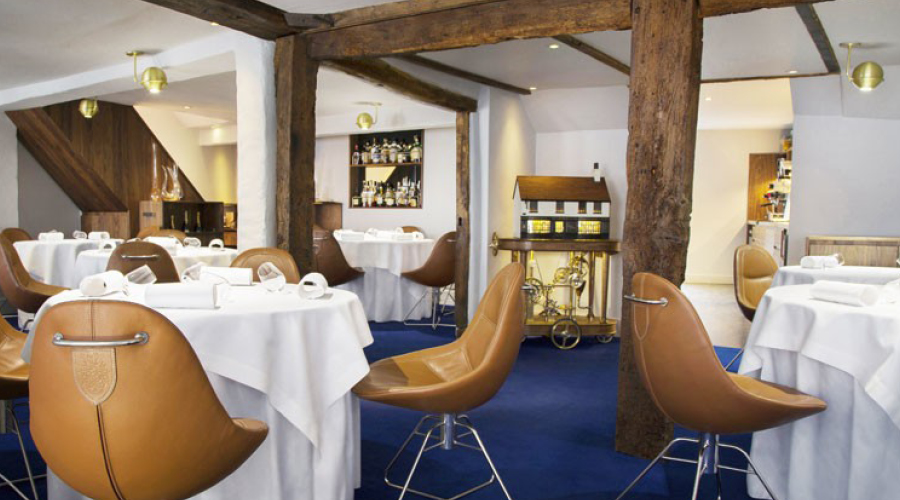
Eleven Madison Park, New York
With three Michelin stars and incredible views over Madison Square Park, this fine-dining stalwart is a New York institution and now, having recently undergone a full renovation, is better than ever before.

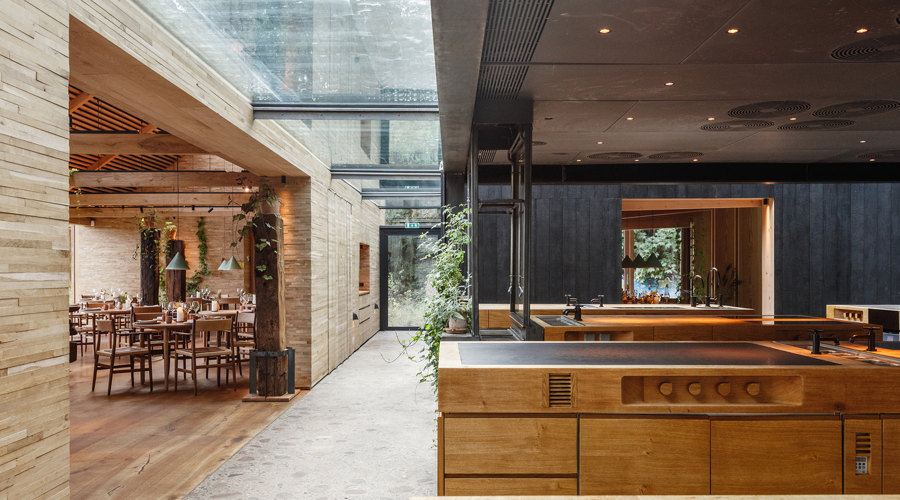
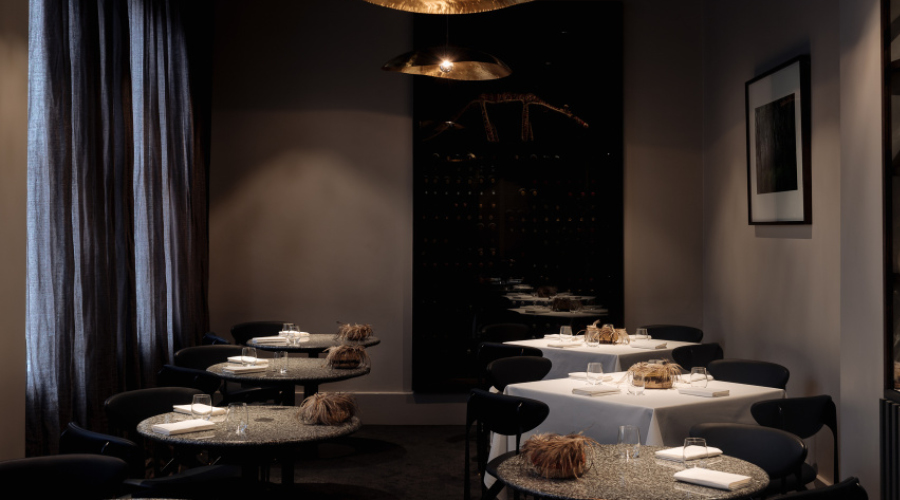
NOMA 2.0, Copenhagen
From renowned chef René Redzepi, Noma 2.0 is the continuation of his original restaurant that revolutionised Scandinavian cuisine. Its hyper-seasonal menu is constantly changing, which means that no two visits will ever be the same. 

Sukiyabashi Jiro, Tokyo
Widely touted as the best sushi restaurant in the world, this understated spot in Ginza, Tokyo has seen the likes of Former US President Barack Obama perch up at its bar, eagerly awaiting sushi master Jiro Ono’s offering. 

Mugaritz, San Sebastián
It’s been around for over 20 years, but age has not wearied Mugaritz. This innovative, avant-garde establishment is still regularly named among the world’s best for its ever-changing, 20 to 30-course menus that challenge conventional thought and offer a creative dining experience unlike anything else. 

The Fat Duck, Berkshire
Putting the term ‘molecular gastronomy’ firmly in the modern lexicon, Heston Blumenthal’s iconic restaurant pioneered innovative culinary movements like multi-sensory cooking, food pairing and flavour encapsulation and continues to be one of the most influential restaurants in the world.

Sketch, London
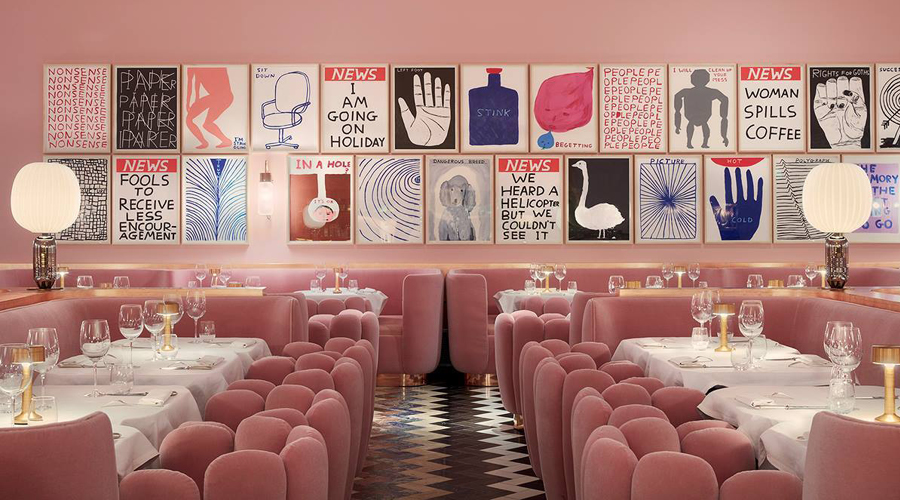
If you haven’t yet been to Sketch, you’ll have likely seen it on Instagram. Housed in a historic Georgian townhouse, it features multiple dining rooms and bars, (although The Gallery with its powder-pink scheme is the most recognisable), and offers a diverse range of spectacular food options. 

Alinea, Chicago
A touch of nostalgia is what makes the dishes at Alinea stand out from the fine-dining fare one might expect. Head Chef and Owner, Grant Achatz has established himself as a pioneer in modern, creative gastronomy, and continues to delight and bewilder his diners with dishes that elicit real emotion.

Attica, Melbourne
Named in the world’s best restaurants since 2010, this innovative fine-dining institution (ironically started and run by Kiwi Ben Shewry) is a testament to antipodean tastes and serves its outstanding dishes in a disarmingly casual and approachable way. 

Central, Lima
Showcasing Peru’s biodiversity, Central’s menu is designed to take diners on a journey through the country’s various landscapes. Head Chef and Owner, Virgilio Martínez Véliz experiments with little-known and underused indigenous ingredients, integrating them into his dishes in a seamless and fascinating way.

Gastronomy

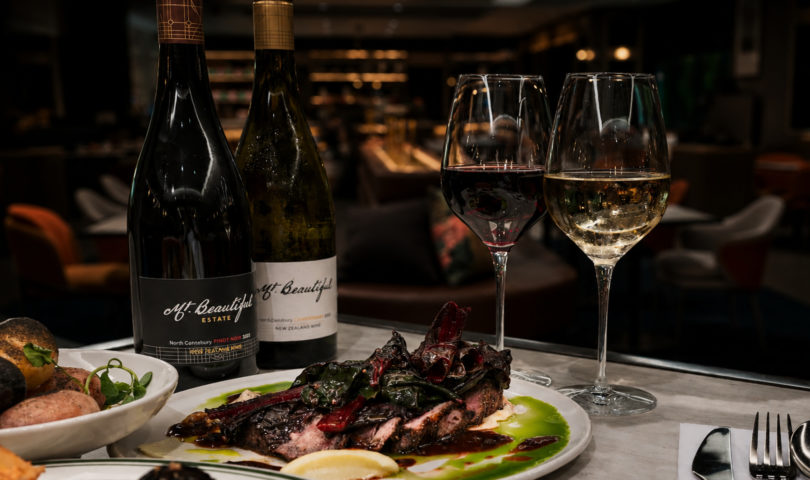
Ember and Mt Beautiful are hosting a one-night winemaker’s dinner worth booking now
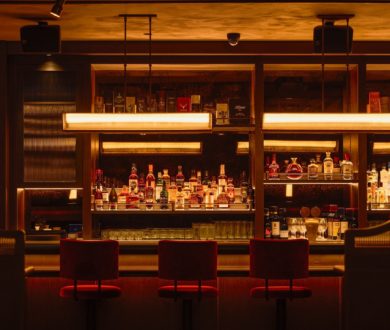
New Auckland bar The Halligan opens at Hotel Indigo
SOUL is shaking up Dry July with a menu of non-alcoholic cocktails

Countdown to the new decade: 15 quickfire predictions for 2020

A degree of reminiscing is expected on the last day of the year, but today also affords us an opportunity to think about the future and all of the exciting things 2020 has in store. What will we be wearing? Eating? Saying? Watching? Who will we become as we head into the new decade?

And while here at Denizen, we don’t purport to be able to tell the future, we have rounded up some quickfire predictions about things that we think could become big in 2020. From fashion to wellness to food, these are the trends we’re predicting for next year… what do you think?

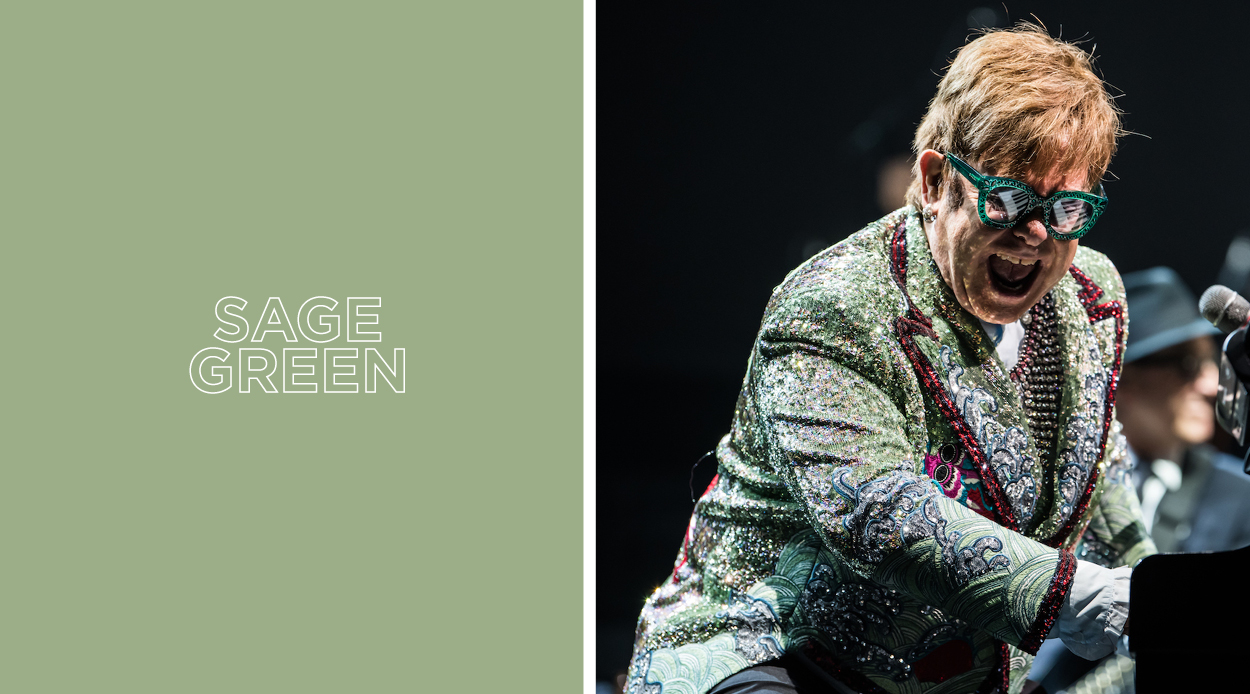
1.The Colour: Sage green

2. The Fashion Trend: Seasonless dressing

3. The News Story: US Politics

4. The Beauty Look: No makeup

5. The Hairstyle: Extreme bob

6. The Label: Christopher John Rogers

7. The Winner: Tokyo Olympics

8. The Loser: Facebook

9. The Fitness Fad: HIIT Yoga

10. The Wellness Movement: Restorative biohacking

11. The Headline: Climate Change

12. The Streaming Service: Apple TV+

13. The Gig: Elton John

14. The Film: Christopher Nolan’s Tenet

15. The Food Trend: Eat Local

Culture

Your guide to the best events and experiences this July
From architecture to adventure: The coffee table books worth collecting now
Labour of love: Katherine Throne’s botanical paintings arrive at Sanderson

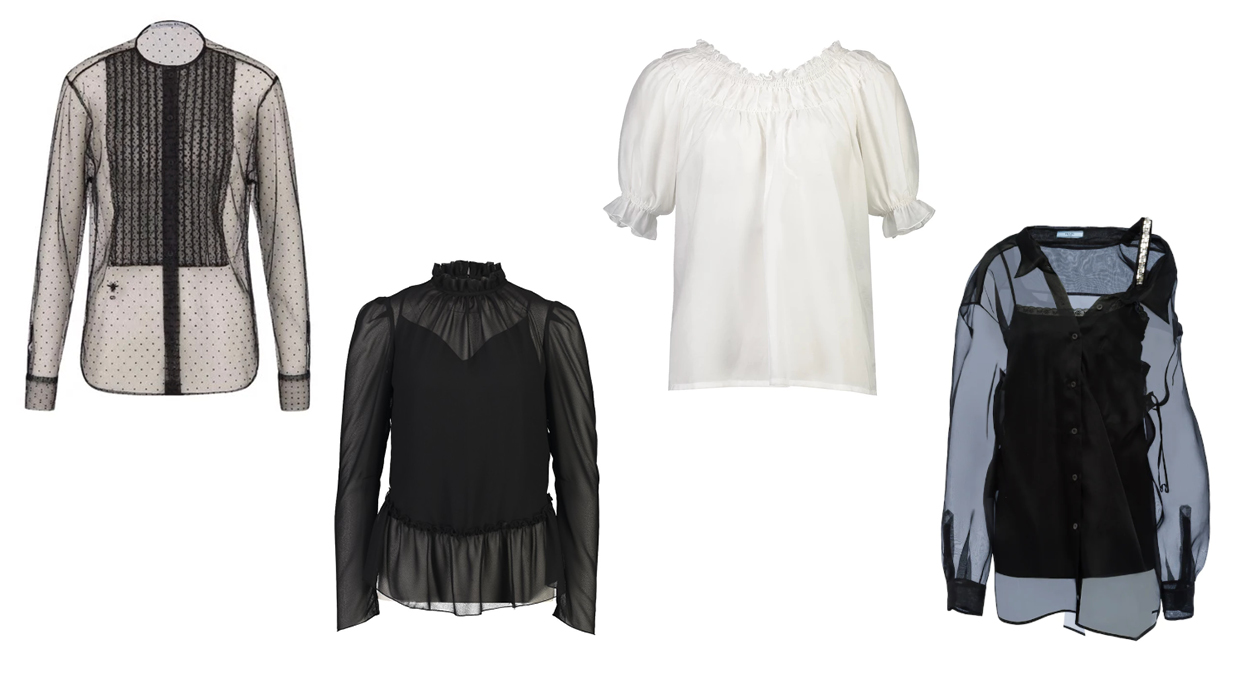
Dare to bare in the new season trend that reveals just the right amount

Advocating for various states of undress, the translucent trend remains stronger than ever this season, seeing a number of tasteful twists on ‘nearly-naked’ take centre stage.

There are some of the pieces we’re adding to our wishlist.

Coveted

Tiffany & Co.’s Paradise Birds chapter brings Blue Book 2026 to life
The luxury skiwear concierge taking the hassle out of ski holidays
The jewellery designed for movement, ease and everyday elegance
Parasol & Swing

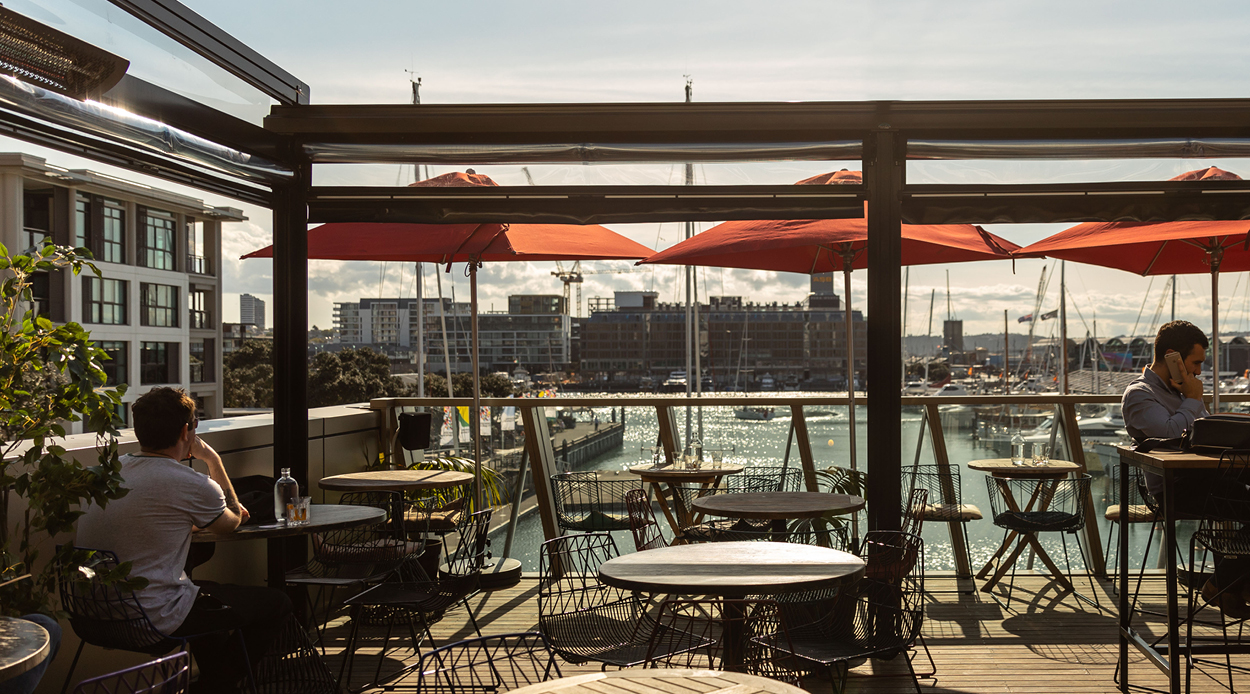
Soak up the last rays of the day at these sensational sundowner spots

Dr Rudi’s
Offering an incredible view across the waters of Viaduct Harbour, this rooftop bar (and bowling alley) has been a summertime favourite since it opened. Pick a scenic spot on the deck and enjoy the sunset with a crisp Dr Rudi’s brew in hand. 

Parasol & Swing
Another Viaduct Harbour spot that promises to have you soaking up every minute of the golden hour. Indulge in one of Parasol & Swing’s signature cocktails, like the Tiki-Birds of Paradise, and you’ll be setting yourself up for a perfect evening. 

Andiamo
Sunset can be enjoyed from places other than just a rooftop. Herne Bay’s favourite restaurant, Andiamo is perfectly positioned to soak up the last few moments of sun as it kisses the horizon, bathing its outdoor tables in a warm pink and golden glow. 

Soul Bar & Bistro
If looking out onto the sun-speckled water isn’t blissful enough, Soul Bar & Bistro elevates the fantasy further with its (now iconic) ceiling of beautiful blooming florals. This waterfront institution is sublime and makes for an idyllic date-night spot.

The Churchill
As the highest rooftop bar in Auckland, The Churchill offers unparalleled views across the Auckland City skyline and is a luxurious place to park up for a sunset tipple. With its vast selection of Champagne and gin, this is an elevated experience in more ways than one.


Gastronomy

Ember and Mt Beautiful are hosting a one-night winemaker’s dinner worth booking now
New Auckland bar The Halligan opens at Hotel Indigo
SOUL is shaking up Dry July with a menu of non-alcoholic cocktails