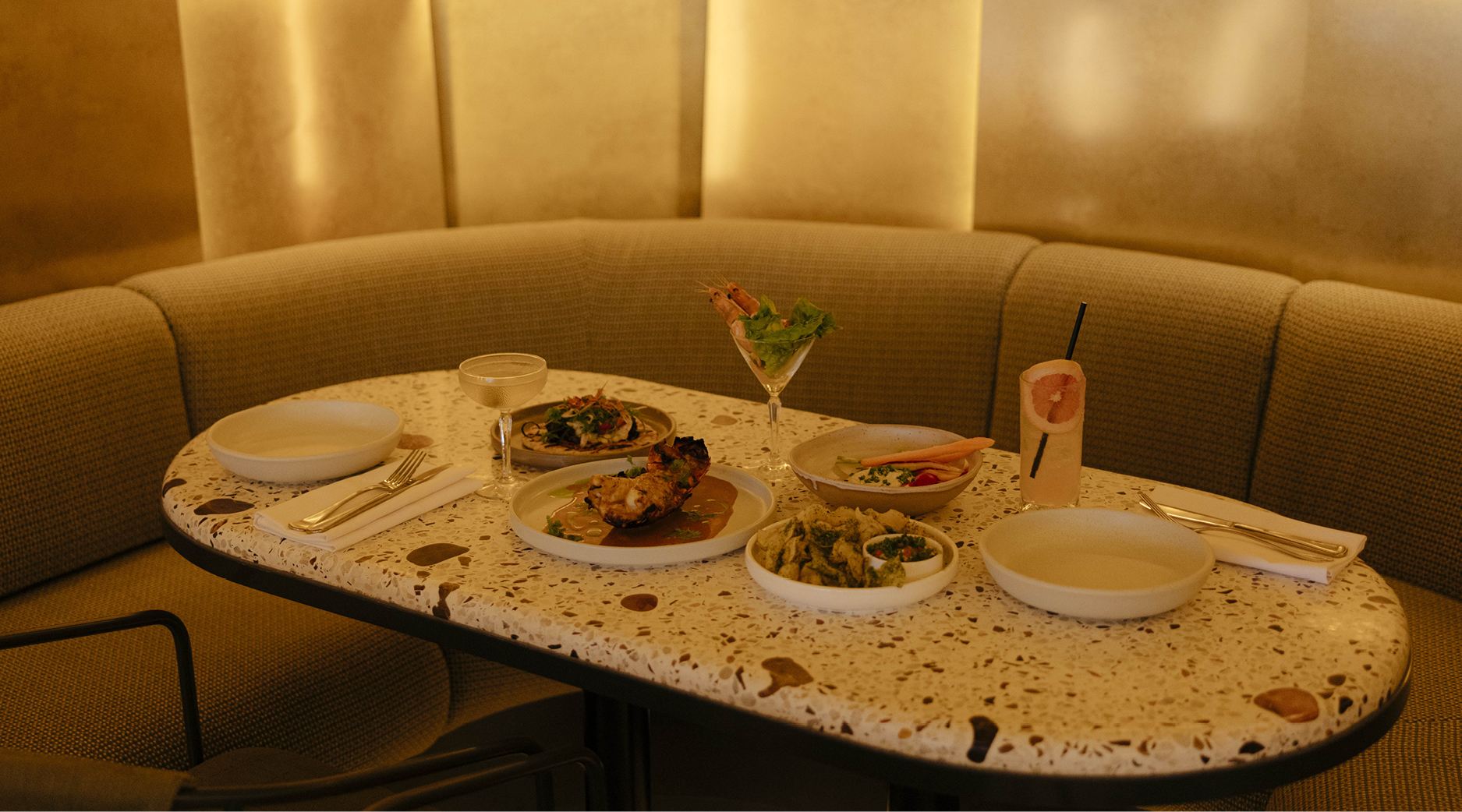
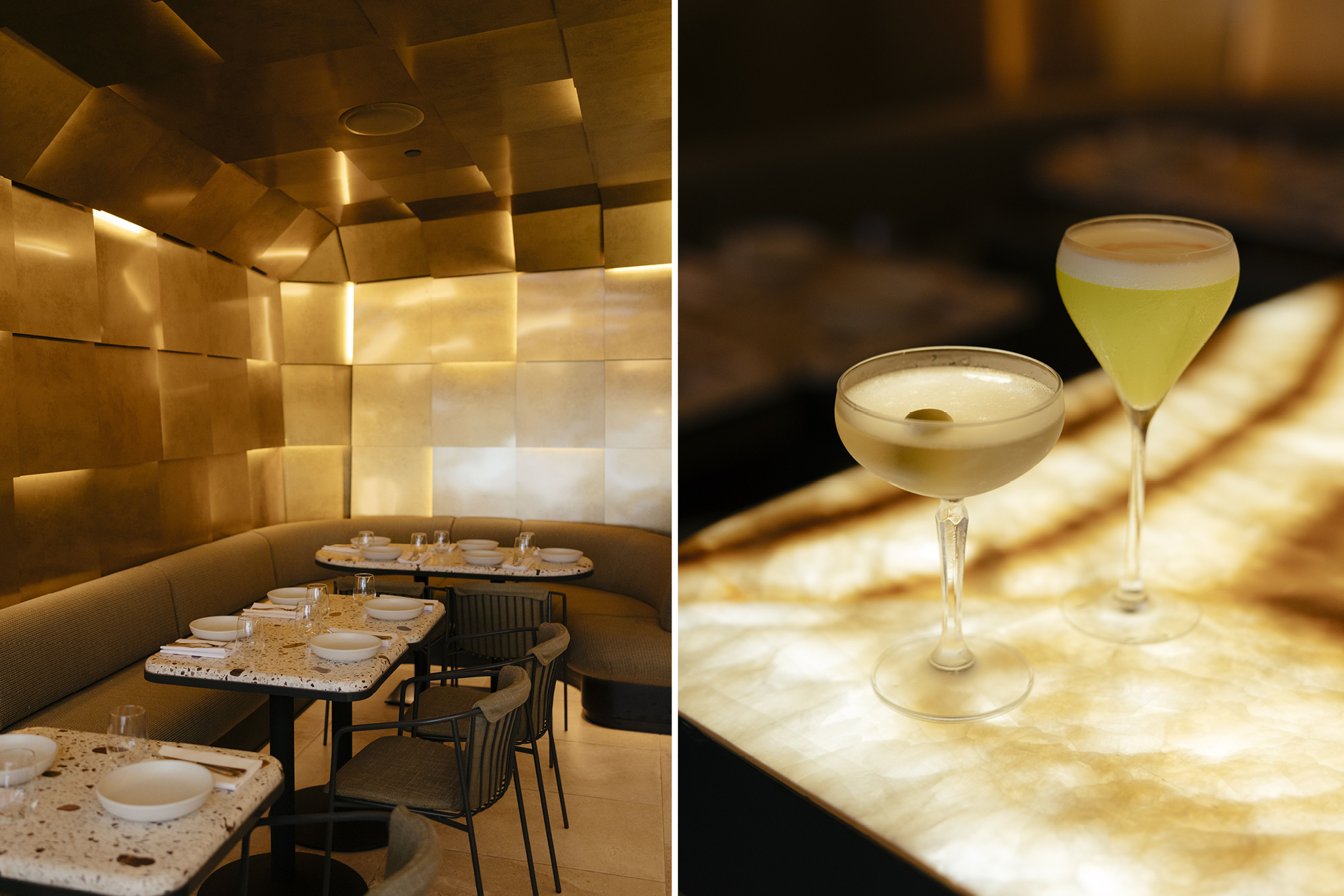
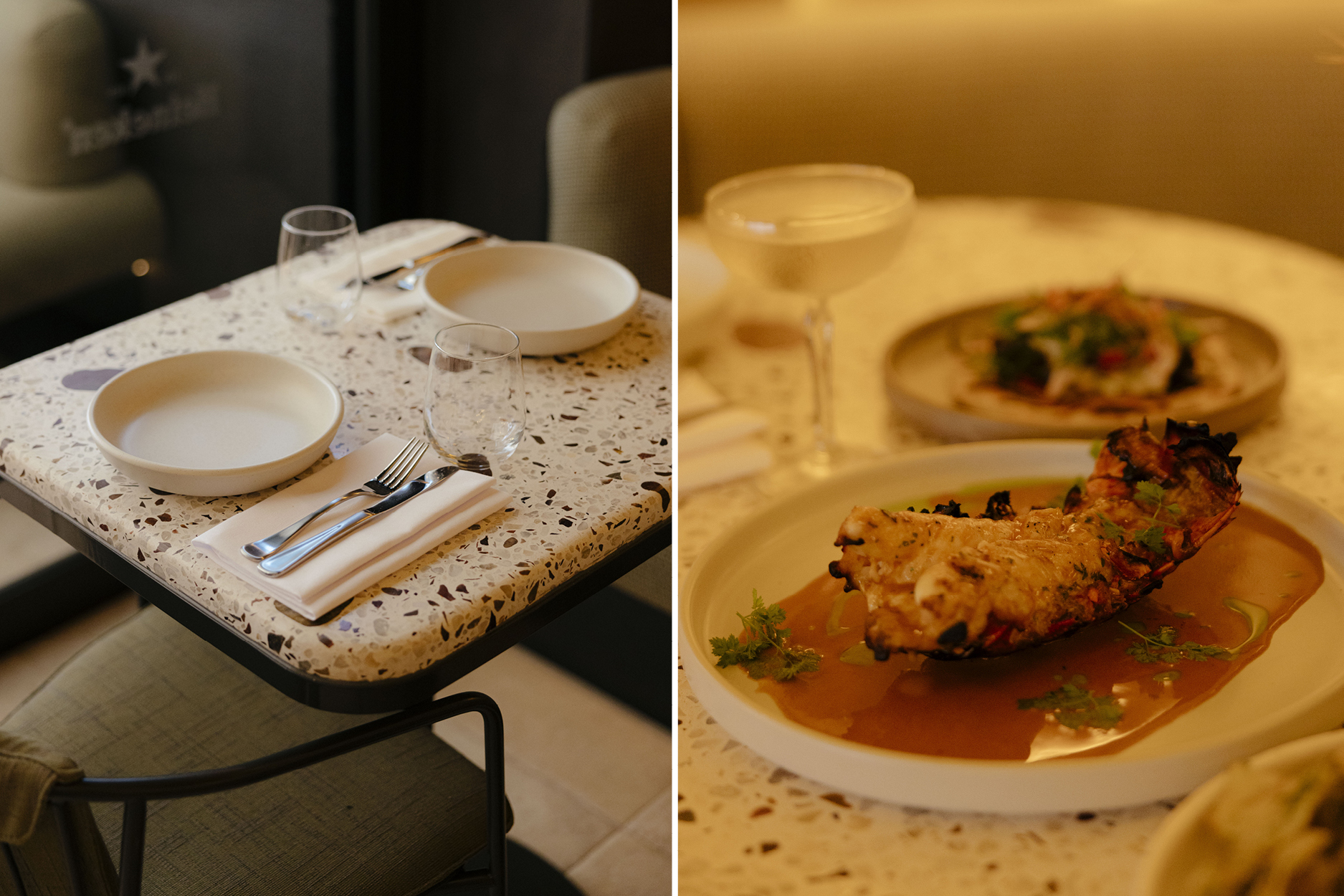
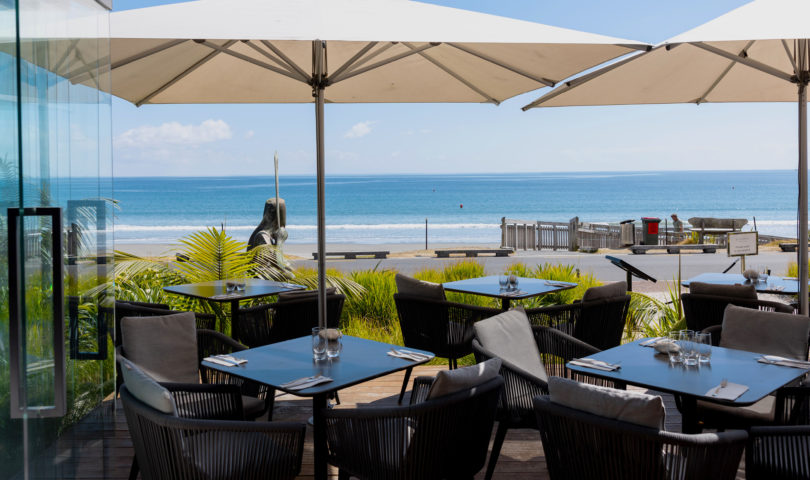
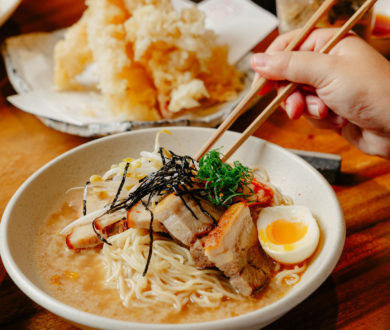
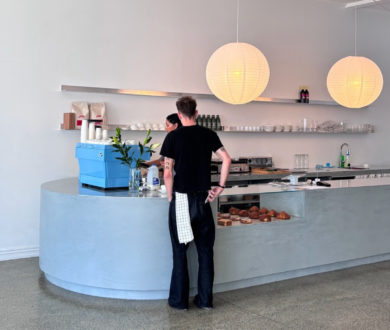
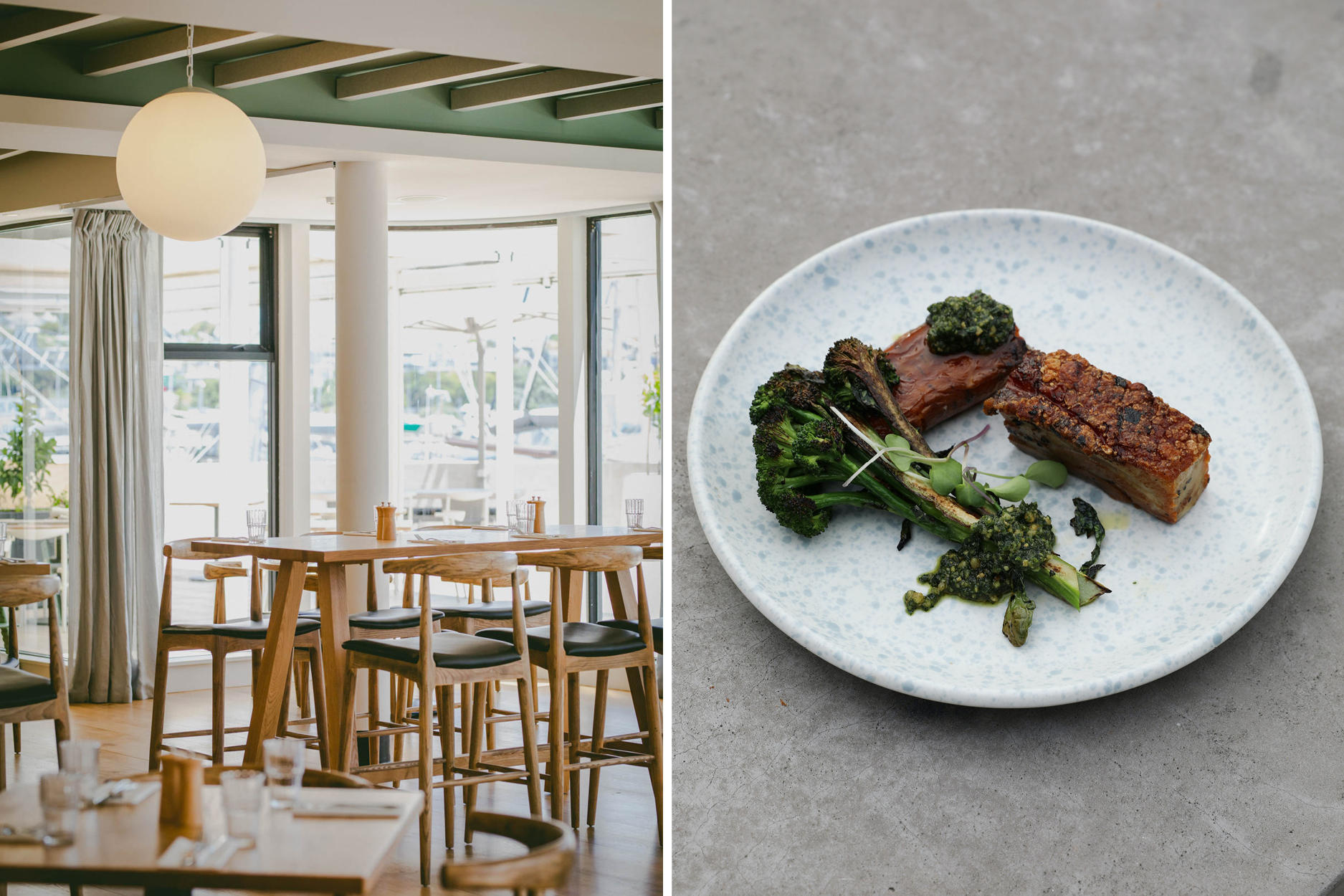
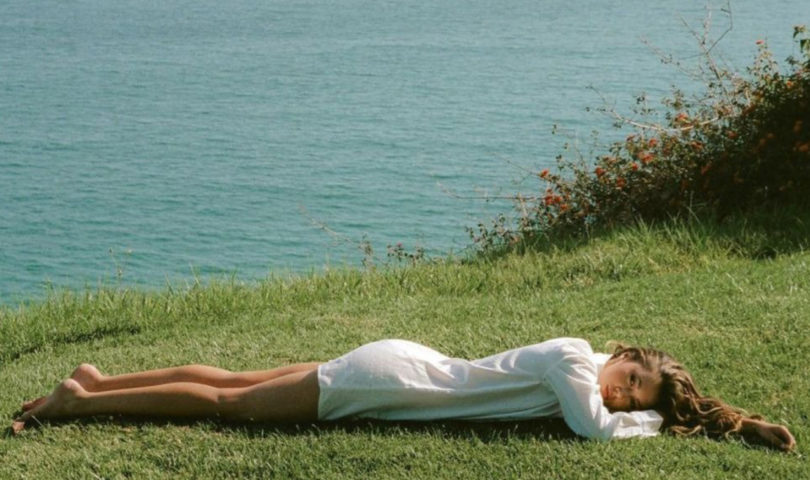
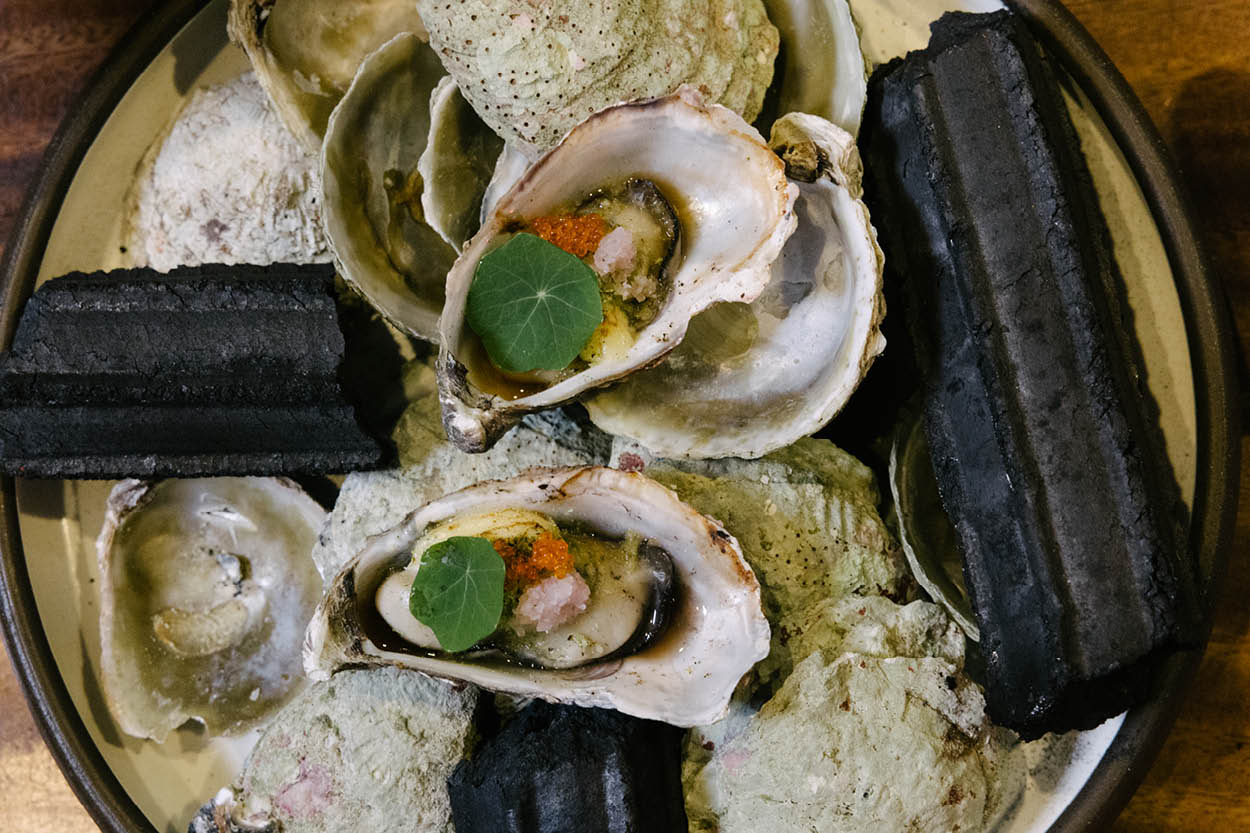
An intimate, exquisitely-appointed new oyster bar and restaurant has just opened in the space alongside Viaduct Harbour’s Oyster & Chop, quickly establishing itself as the perfect spot for an easy drink or a bite with friends. Versatile and atmospheric, this sleek new dining destination is called The Terrace, and while it has been designed to complement the existing Oyster & Chop offering (although with a more approachable feel) what diners will discover on visiting The Terrace is delicious drinks, a seafood-centric menu that showcases the oyster in all its glory, and a vibe that is both elevated and welcoming.
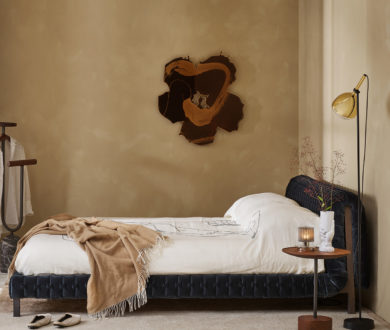
The interiors, anchored by a large open terrace, were designed by the experts at Jack McKinney Architects, who utilised a mixture of iridescent details with raw, organic textiles and shapes that, when viewed together, almost give the impression of an oyster itself. (The common with the precious, the smooth with the textural).
Here, the space is small and carefully considered, where casual tables are available to walk-ins seeking a pre-dinner drink, satiating meal or late-night bite with a bit of buzz. And while The Terrace’s Manager, Richard Pepper tells me that there will be music and atmosphere aplenty, he also explains that it is the perfect place to go if you just want to enjoy a laid-back evening, catching up with your dining companion.
The Terrace’s kitchen is in good hands too, skilfully helmed by William Dang (formerly of Mekong Baby, One Tree Grill and Culprit) with Alfie Ingham (formerly of Hugo’s Bistro) in the role of consultant chef. On the menu, inspired by classic British and European ‘oyster bars’, fresh seafood takes centre stage, where small plates like whipped Hapuka roe, smoked fish rillettes and a King Prawn cocktail collide with larger options like grilled crayfish tail, or for those who want some turf with their surf, a 600g bone-in New York strip steak.
There is (of course) a comprehensive oyster offering here, available prepared in a variety of ways, alongside a Sturia Oscietra Caviar service, served with potato chips, chives and creme fraiche. And if you have a hankering for some afternoon oysters, The Terrace will be putting on an unmissable oyster happy hour from 3pm until 6pm (Wednesday to Sunday).
The beverage offering at The Terrace is also notable, where the focus is very much on New Zealand varietals, alongside a comprehensive collection of Champagne and a back bar boasting more than 40 New Zealand gins. These is also an impressive cocktail list here, which runs the gamut from classic concoctions to more modern, unique tipples, each designed to complement the seafood-focused menu.
So, whether you’ve been looking for a new place for date night, or are simply seeking to switch things up from your regular, look no further than The Terrace. Delivering on its designs to be suave and sophisticated in a decidedly accessible and casual way, this new Viaduct Harbour destination offers good food and great drinks, and deserves to be firmly on your radar.
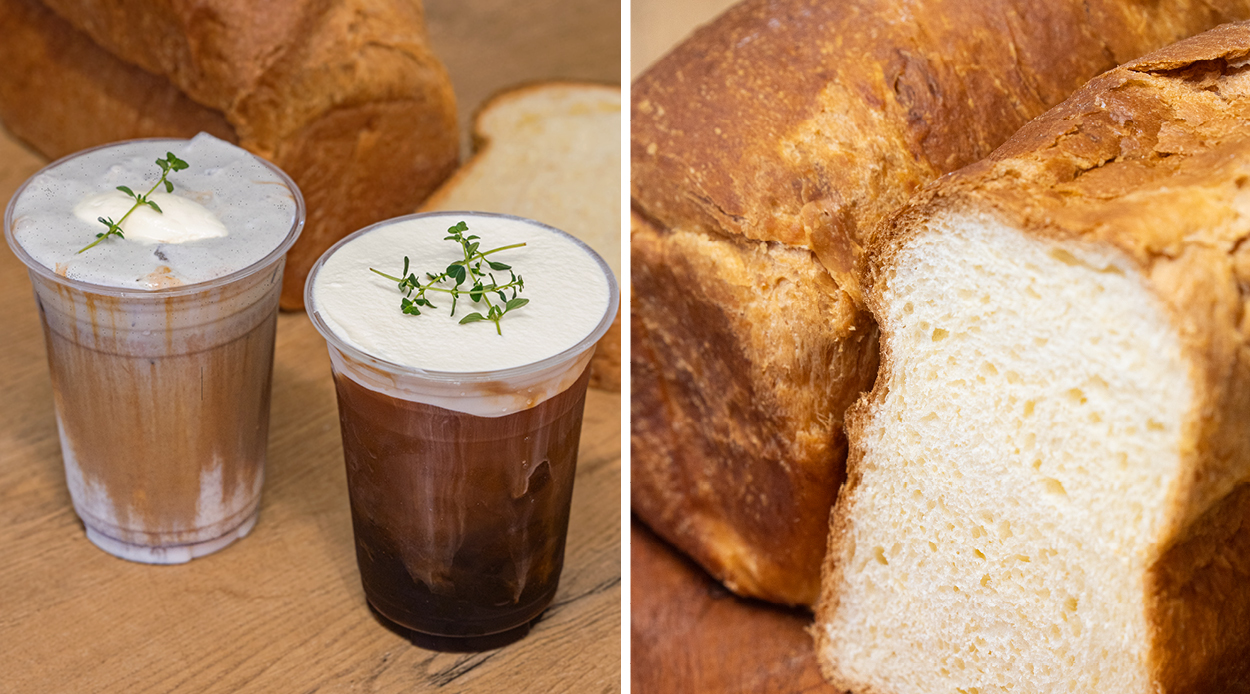
Toastie, the latest hole-in-the-wall in Auckland’s CBD, is doing something innovative and delicious with its unique Asian-inspired menu — one that has been flying under the radar, until now. The founders, brothers Blues and Harry Shim, who have travelled and lived throughout Asia, fell in love with each country’s distinctive breakfast culture. This passion for coffee and toasties inspired them to create Toastie, a concept that pulls from a variety of unique breakfast cultures to offer its own, distinct (and very delicious) menu.
The Shims are hospitality veterans who have worked in both back- and front-of-house roles, served countless cups of coffee and mixed cocktails, and even done marketing for other local businesses. But it eventually came time for them to combine their vast experience with their shared love for Asian street food, and channel it into creating something of their own. And so, Toastie was born, and eventually took shape in a shipping container in the heart of the CBD.
Left to Right: Sesame & Sea Salt Travel Signature Drinks
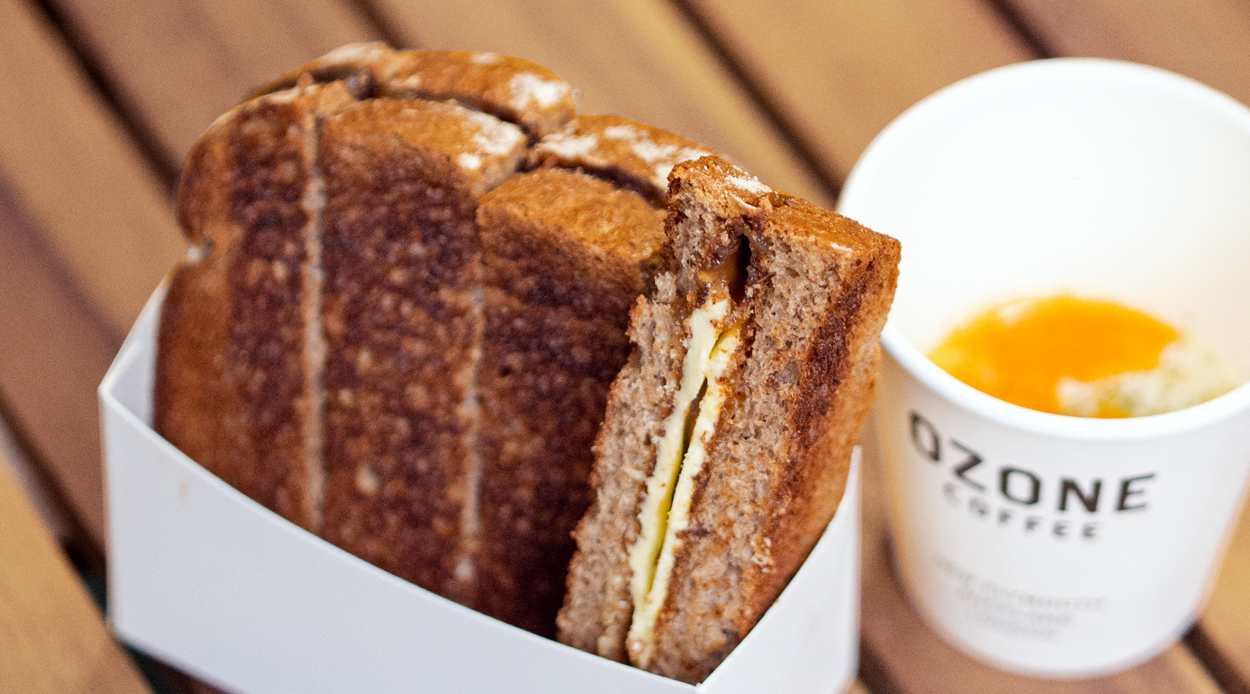
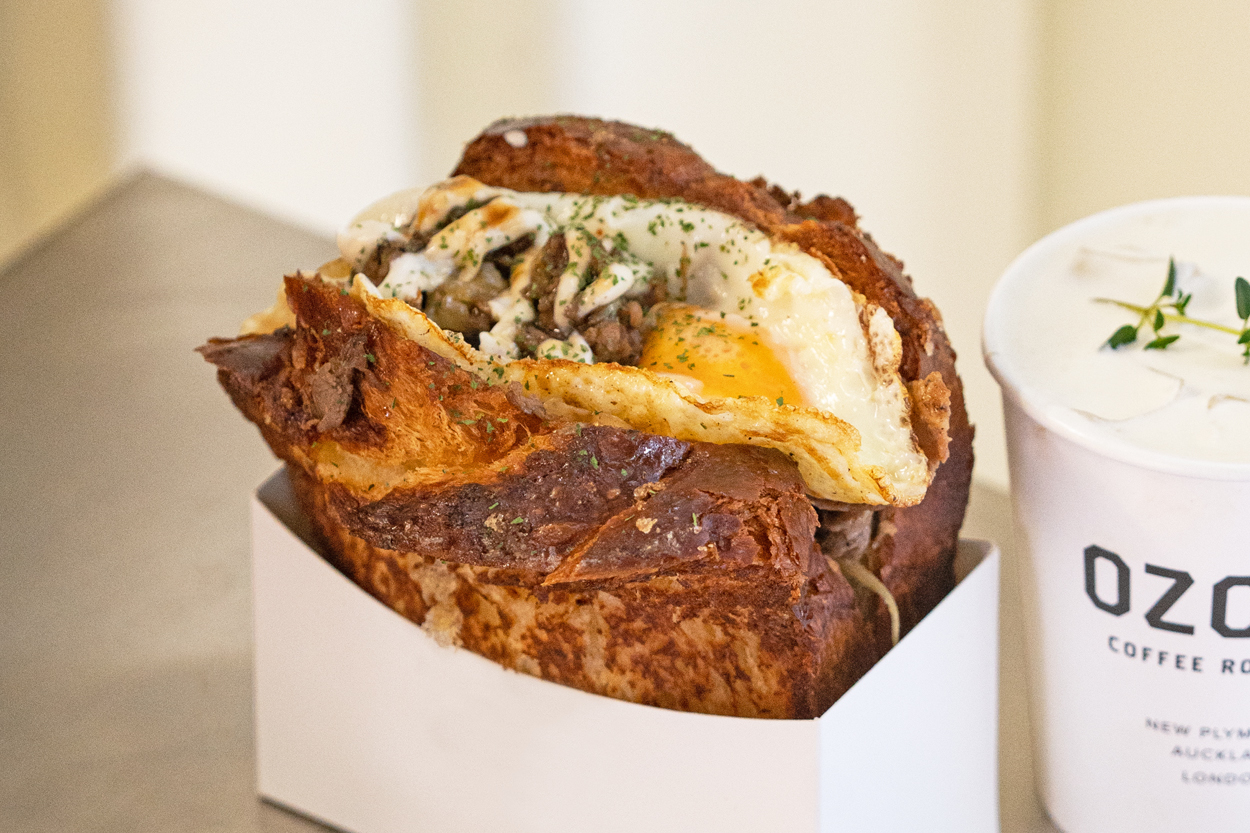
The commitment of its founders to offering truly authentic flavours sets Toastie apart from other breakfast spots. The restaurant uses only the best ingredients and bread from local bakeries to ensure that each of its signature toasties taste as close to the intended inspiration as possible. The menu features a range of mouth-watering toasties that pay homage to different Asian countries, including Kaya Toast, Sweet Travel and Egg Drop Toast. Toastie has also teamed up with Ozone to offer the latter’s renowned Empire Blend coffee, and we have it on good authority that diners can expect to find more traditional, Vietnamese-filtered coffee on the menu soon too.
Essentially, Toastie is designed to transport diners to the bustling atmosphere of an Asian street food stall, its cosy interiors and warm, bustling vibe reminiscent of something you might find on the streets of any Asian city, and its bursting-with-flavour food offering something totally unique on our dining scene.
Bulgogi Toast
Open every day, Toastie is very conveniently located on the corner of Elliot and Victoria Streets. As such, the Shim brothers hope that Toastie will become a go-to spot for people seeking something delicious to break up their day, a place in the City where they can grab a coffee or a delicious bite to eat, and return to their day refreshed and satiated.
Opening Hours: Monday — Friday, 8am until 4pm Saturday & Sunday, 10am until 4pm
The culturally-aware cohort in this City will have likely already nabbed their tickets for Auckland Theatre Company’s season of Witi’s Wahine this May. But, in an endeavour to enhance the theatrical experience and put kai Māori back on the map, Peter Gordon’s Homeland has announced the introduction of a set menu to run in conjunction with (and complementary to) the season, and the combination of the both leaves a lasting impression.
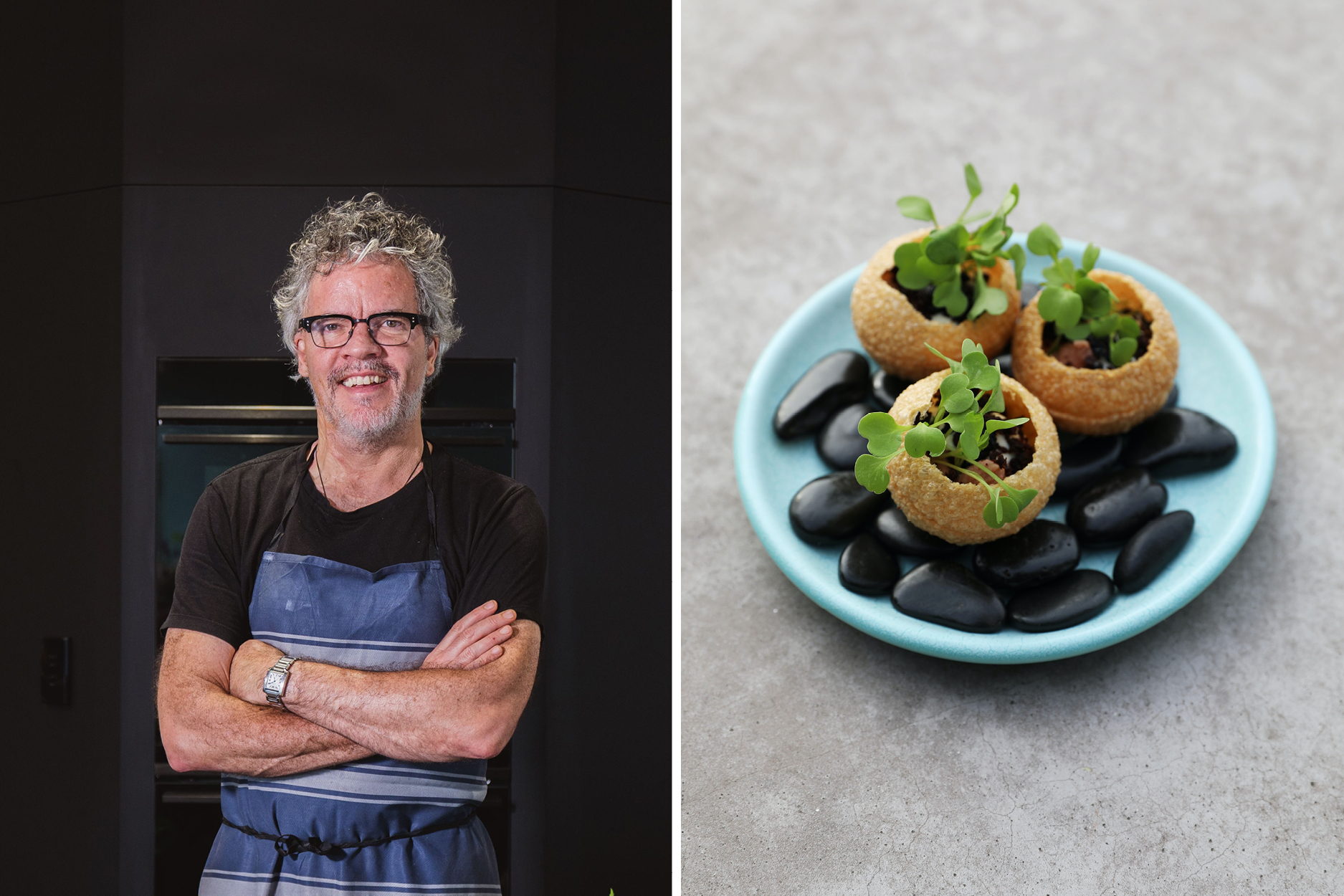
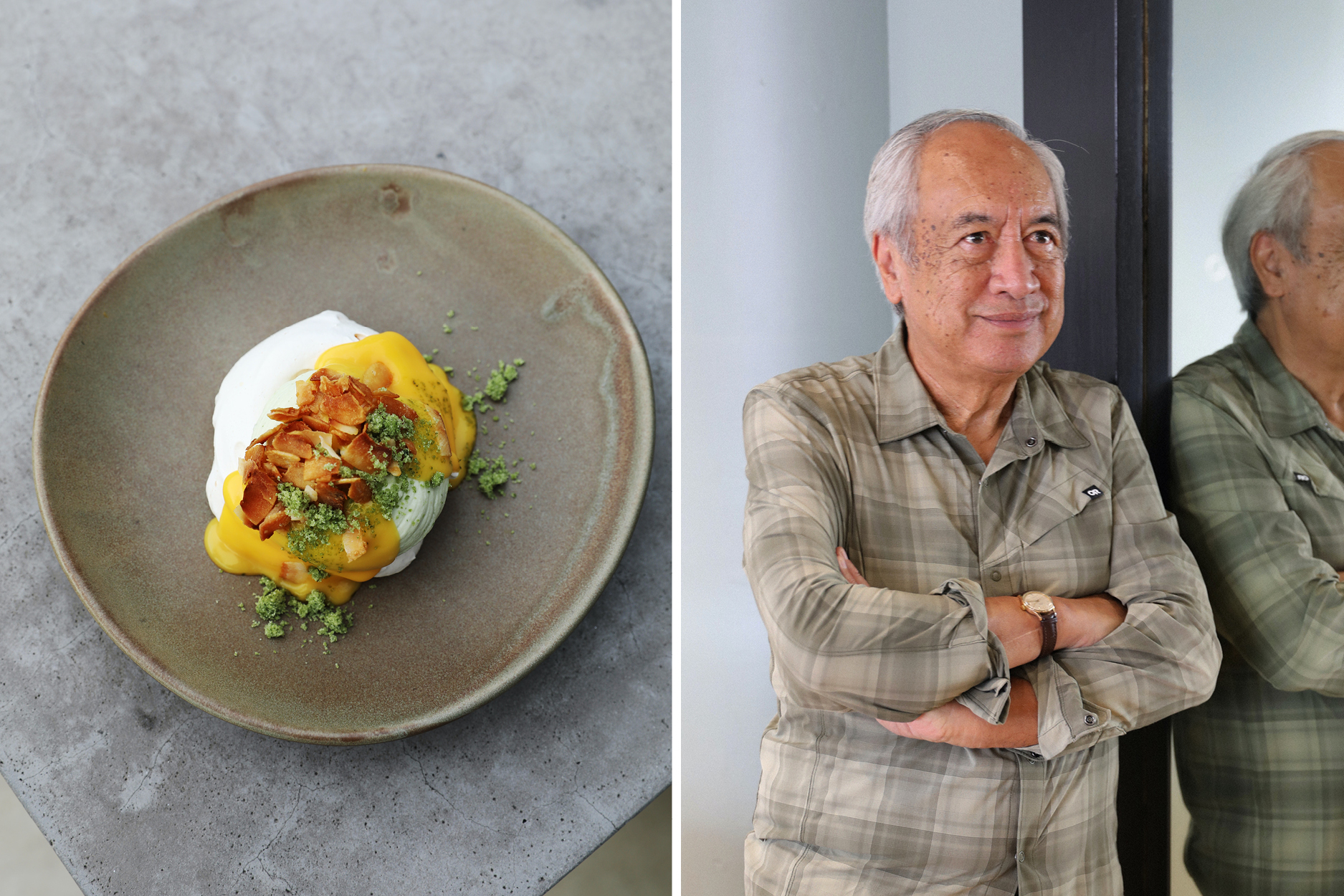
Left: Peter Gordon. Right: Pani puri with smoked kūmara yuzu hummus, olives and garlic labneh.
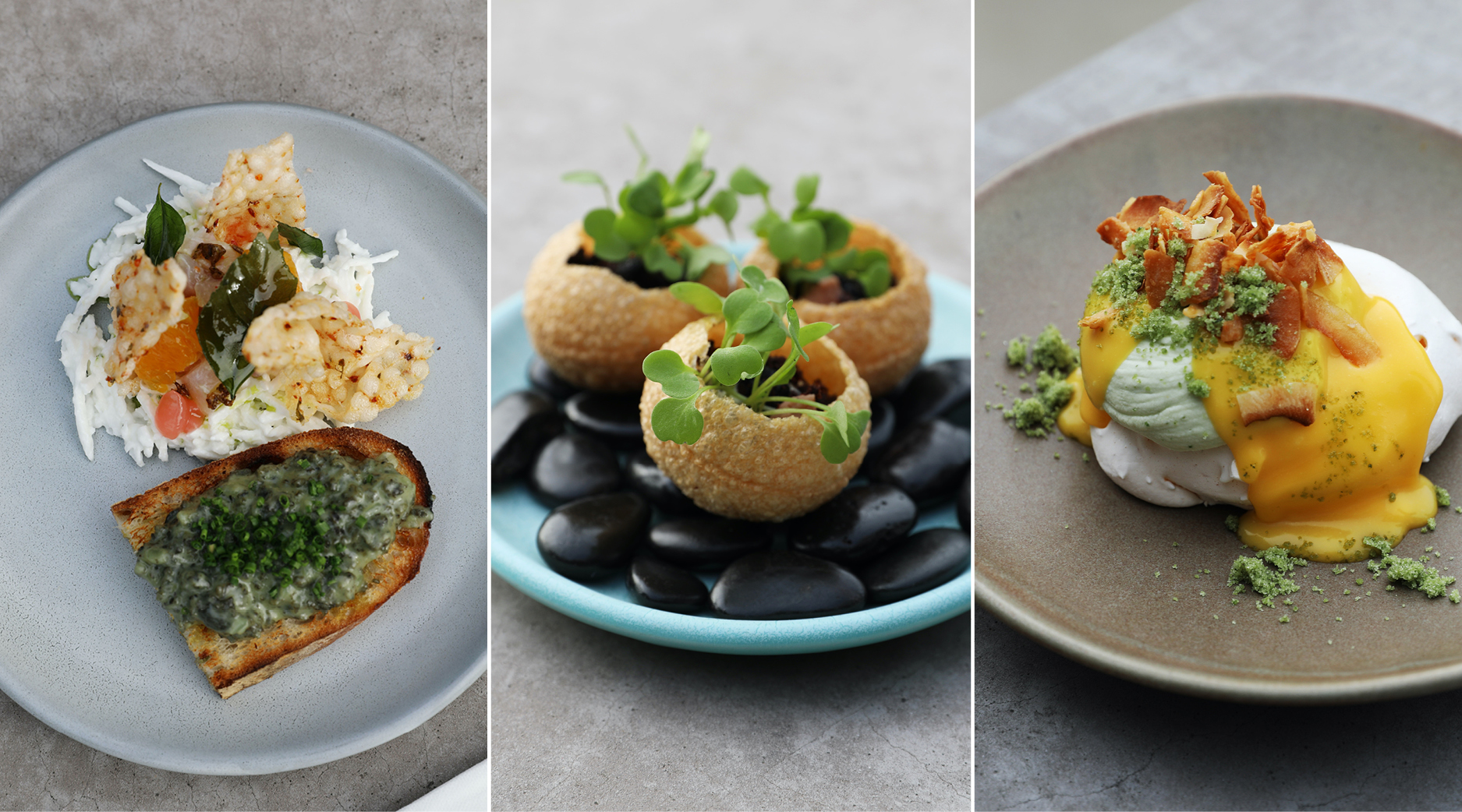
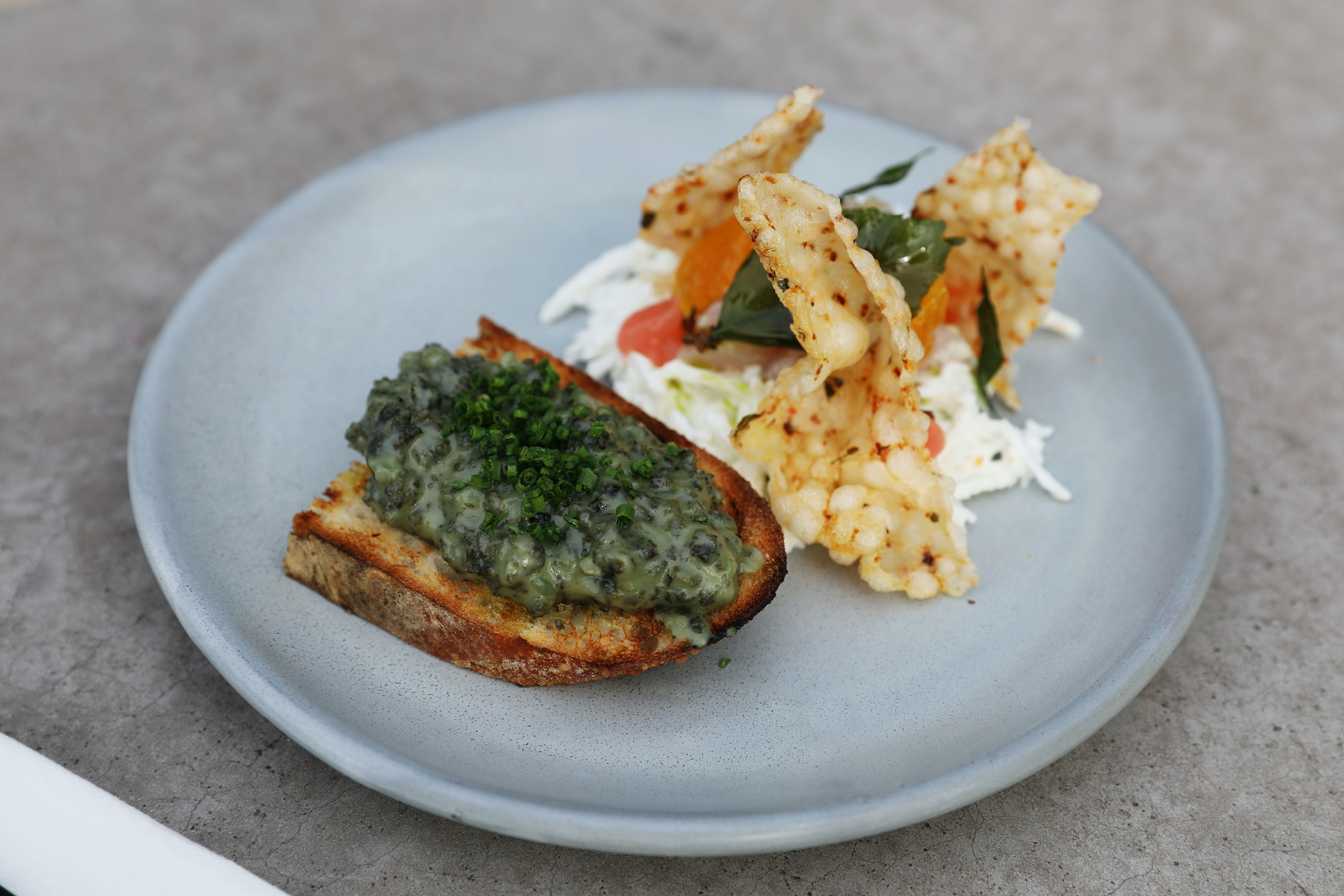
At Homeland, throughout the month of May, guests will be treated to a pre-show menu (even for those not actually attending the performance). This consists of a three-course meal, for which Gordon has drawn on traditional Māori culinary customs, alongside being inspired by some of his own restaurant’s signature dishes, to create some very welcome, new additions. The dining experience begins with an utterly moreish mini creamed pāua on toast, and a local take on Ika Mata, with mini raw fish, coconut, chilli jelly and sago crisp, while the main features hāngi pork belly (cooked all the way in Bethells Beach), wood roast kūmara, kawakawa hazelnut pesto and a necessary helping of greens. For dessert, Gordon’s mother’s secret pavlova recipe takes centre stage, served with kawakawa mascarpone, passionfruit curd and coconut crisps — one of the most delicious iterations of this dish we’ve ever tried.
Creamed pāua on toast with mini raw fish, coconut, chilli jelly and sago crisp.
Additionally, Witi’s Wāhine ticket holders to the show are treated to a special appetiser of pani puri with smoked kūmara yuzu hummus, olives and garlic labneh. It’s a menu that rings true to the Homeland ethos of embodying a ‘food embassy’ for New Zealand and the Pacific, harnessing some of our most delicious local produce, embracing traditional kai Māori cooking methods, and of course, adding a cheeky, modern spin on it, somewhat reminiscent of the kind of writing for which Witi Ihimaera himself has become so renowned.
Few New Zealand literary figures are as notable as Ihimaera, who has dedicated his career to telling stories guided by Māori women. In this Auckland Theatre Company production, Nancy Brunning’s story comes to life — a love song to the matriarchs of Ihimaera’s beloved works, and reflecting a celebrated version of our history too. The show itself, which acts almost as an anthology of the famed writer’s most powerful heroines, has taken on a new life of its own since the late Brunning penned it.
Left: Pavlova with kawakawa mascarpone, passionfruit curd and coconut crisps. Right: Witi Ihimaera.
Really, we are very lucky to have such a profound collision of culture and culinary excellence right on our doorsteps — one that celebrates our country’s rich and harrowed history, and presents it with the kind of joy we think is worth savouring. Bookings for Homeland’s special dinner are essential and can be made through the restaurant’s website here. Show tickets can be purchased from Auckland Theatre Company, here.
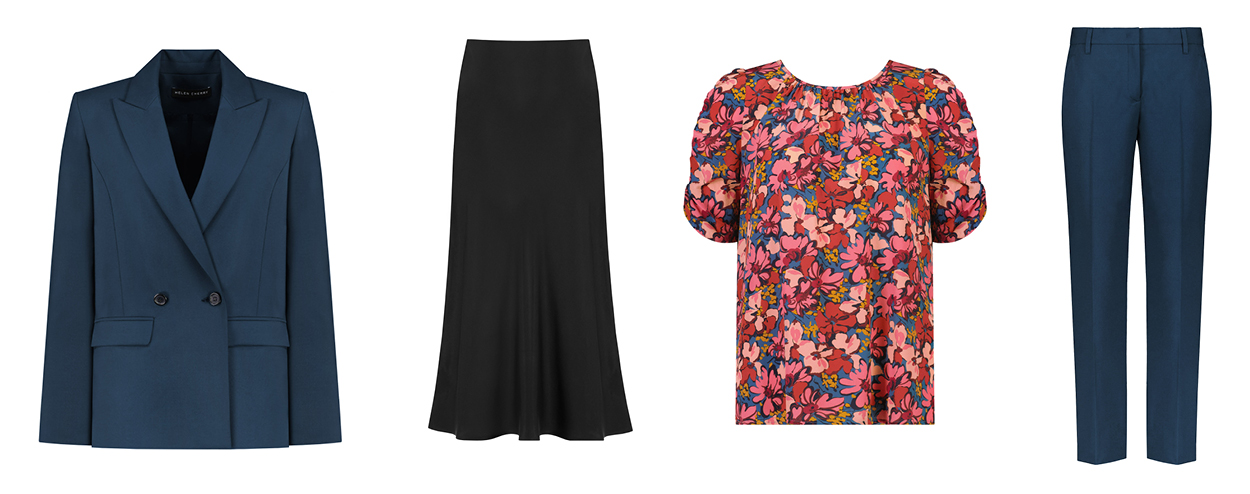
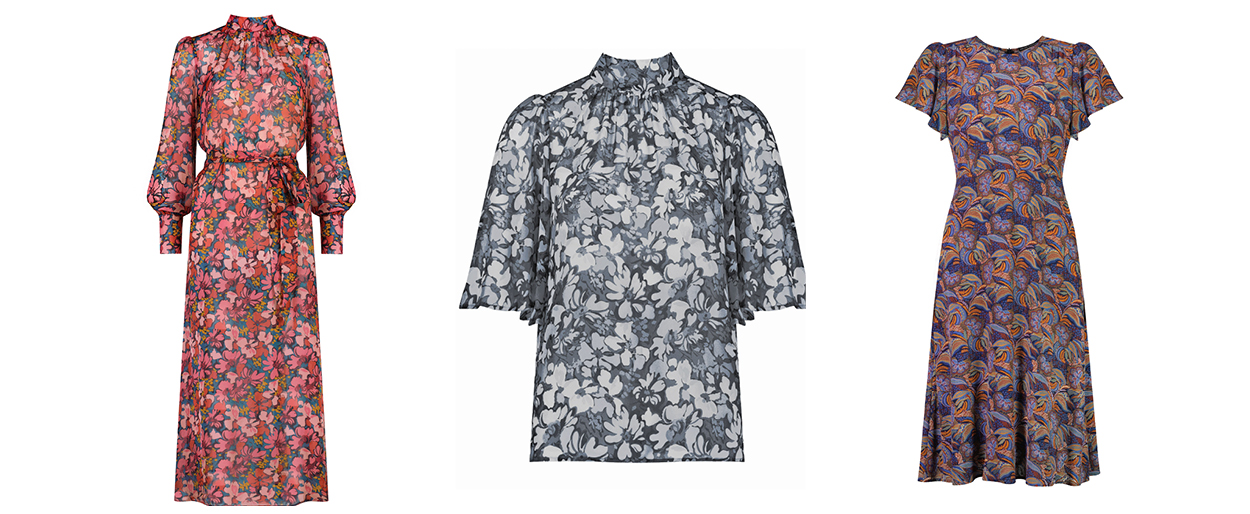
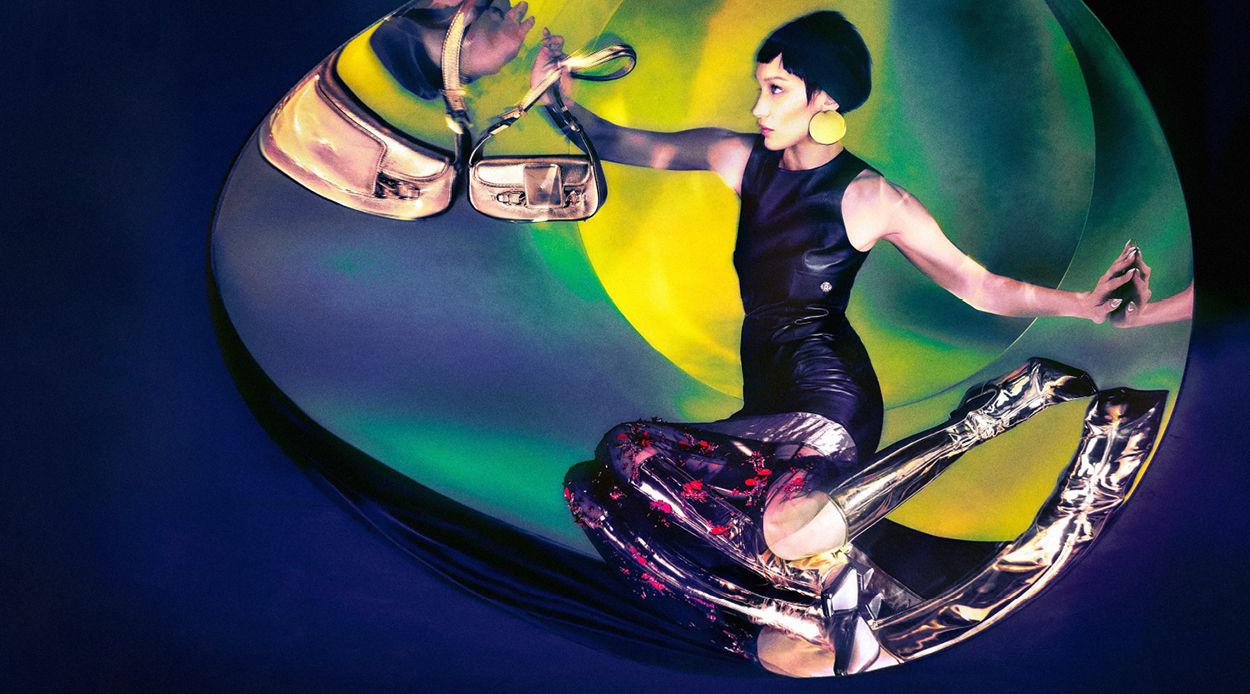
The idea of timeless elegance has long been a cornerstone of any Helen Cherry collection. After all, the revered designer has cultivated a reputation for her foundational pieces, luxurious prints and looks that could take their wearer from the desk to dinner with nothing more than the swapping out of a shoe or a jacket. Now, with the unveiling of Helen Cherry’s new Autumn-Winter ’23 collection, we are being given a masterclass in sleek, sartorial sophistication, as the designer offers a raft of beautiful new silhouettes to sit alongside (and enhance) her more recognisable ones. As well as a series of new-season floral silk pieces that promise to deliver some necessary colour to winter dressing.
To look first at the new AW23 pieces that speak to Helen Cherry’s classic aesthetic, the designer is offering new takes on her covetable suiting, which includes chic blazers (like the double-breasted Rae blazer) with corresponding waistcoats and (of course) new iterations of the designer’s iconic suit trousers (like the Keaton) and cigarette trousers. Here, traditional three-piece tailoring has been reworked for the modern woman and is sure to feel right at home in any contemporary setting.
Elsewhere, Cherry has posited flattering, bias-cut skirts and effortless slip dresses as foundational essentials for any seasonal uniform, with the key idea being versatile, sleek pieces designed to deliver a chic edge. A series of new shapes and silhouettes also enter the fold, including the new Dakota sleeveless jacket, Margot mini and Devon trousers, all of which clearly build on Helen Cherry’s timeless legacy.
From the strong suiting to the exceptional floral silks to the use of new fabrics and finishes (like chalk stripe flannel), Helen Cherry’s new AW23 collection is a study in refined elegance and is the first place we will be looking when cultivating our winter wardrobes.
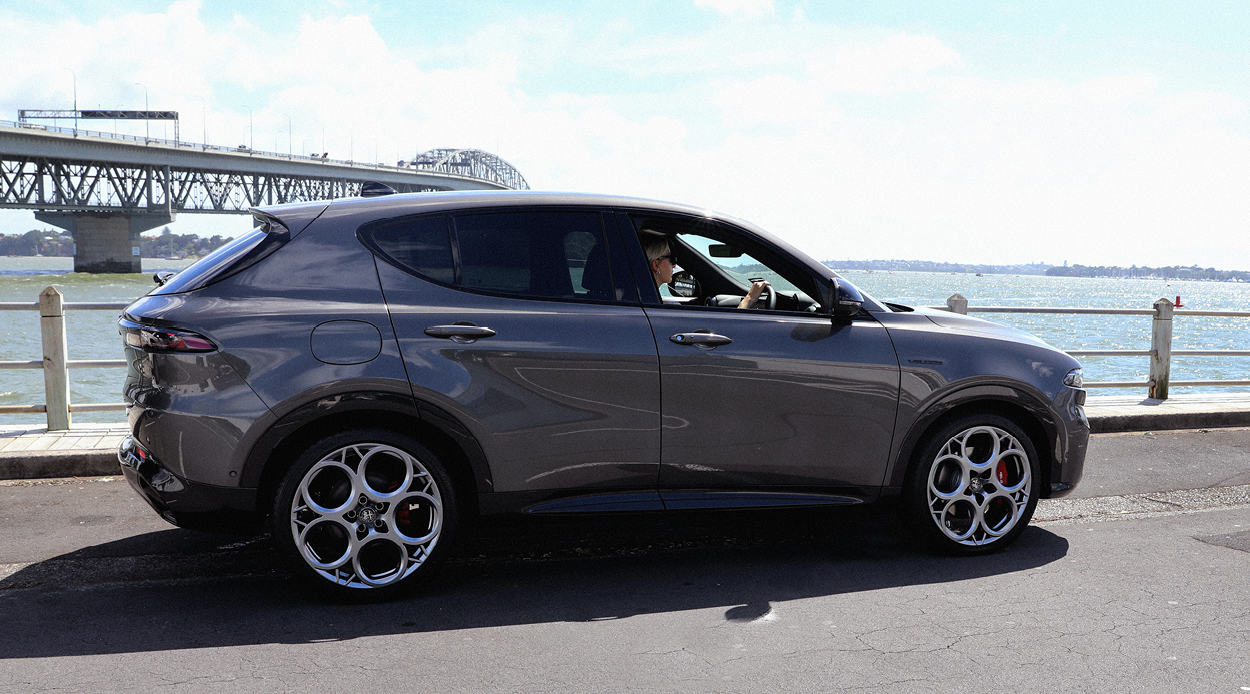
If you know me, you’ll know my propensity for impractical cars. What can I say? I love a set of 90s wheels. And while I have had some great times with my beloved vehicles (including sticking by them through all the mechanical and petrol bills that I justify as the price of owning a piece of history), after a week spent behind the wheel of Alfa Romeo’s newest model, I wondered whether it might be time to change my attitude.
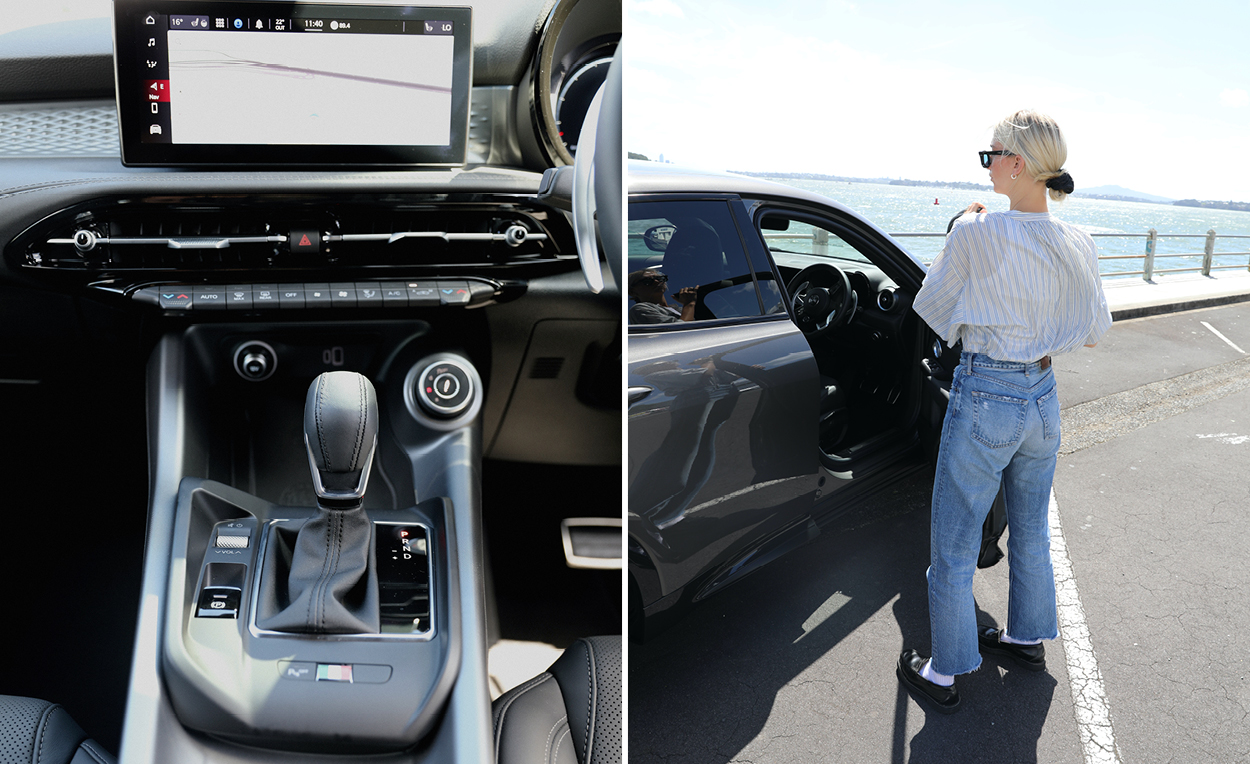
The Alfa Romeo Tonale Veloce is a compact SUV that sets a bold new standard in software and technological innovation. It also offers driver-centric comfort and control that makes you feel like you’re at-one with the car from the first acceleration. I immediately connected with the smooth curvature of the vehicle’s exterior and the practical but polished vibe I felt surrounded by just sitting in the driver’s seat. From the dark palette to the sleek, backlit dash to the perforated Alcantara and leatherette seats, Alfa Romeo’s typically elegant design elements have been reinterpreted through a more modern, functional lens. And while the Tonale still proudly boasts the distinctive Alfa Romeo front grill, there is so much more going on under the surface that demonstrates how this respected marque is entering an exciting new era.
Technology also plays a huge role in the more traditionally practical features like the Tonale’s 360-degree cameras with parking assist and dynamic lines. Honestly, this took all the pressure of parallel parking on Ponsonby Road. (I didn’t even break a sweat.) There is also lane control and speed control systems, autonomous emergency braking, driver attention assist and Level 2 autonomous driving — which works to maintain the correct position of the car on the road with minimal driver intervention. Here, there is a level of personalisation that goes beyond the norm. Everything about the Tonale feels easily customisable, with information about the car or the traffic conditions accessible in real time, and all of the internal systems working together to optimise every journey (no matter how far you might be travelling).
The drive is customisable too (to a degree, of course). To get technical for a second, the Alfa Romeo Tonale debuts in a front-wheel drive, 160-horsepower Hybrid version with it’s intelligent suspension system — the ‘Dual Stage Valve Suspension’ — allowing me to adapt to various road conditions in seconds with comfort and sport modes available at the turn of a dial. Whatever version you go for, all of the Tonale iterations offer best-in-class steering that reimagines the way an SUV can be navigated on the road (something I particularly noticed while driving it around the city). It was a thrill to watch my Tonale transform from everyday runabout to sporty beast with barely a pause, and made longer drives on Auckland’s motorways far more interesting and dynamic. Here, I realised, part of the appeal is the way in which the Tonale combines the practicality of a compact SUV with the sexiness of an Italian sports car, a unique combination that the clever minds at Alfa Romeo managed to get exactly right.
In the short time I had with this car, I found a previously untapped appreciation for the convenience of modern technology and was shocked by how quickly I became dependent on it. Not only is this car small enough to manoeuvre around a busy city like Auckland with a toddler in tow, but it felt like a true extension of me, its innovative systems geared towards improving my driving experience and making my life as effortless as possible. And in this modern age, when everything else can feel overly complicated and unsure, a car that makes things easy is just what I need.
Every so often, our go-to playlists need a good old shake-up, and given how difficult it can be to wade through the multitude of new content in search of the best, we’ve decided to do it for you. From Miley Cyrus’ return to Lewis Capaldi’s stunning second album, to a raft of new podcasts that run the gamut of captivating content, we have rounded up a curation of everything to listen to at the moment.
New Albums
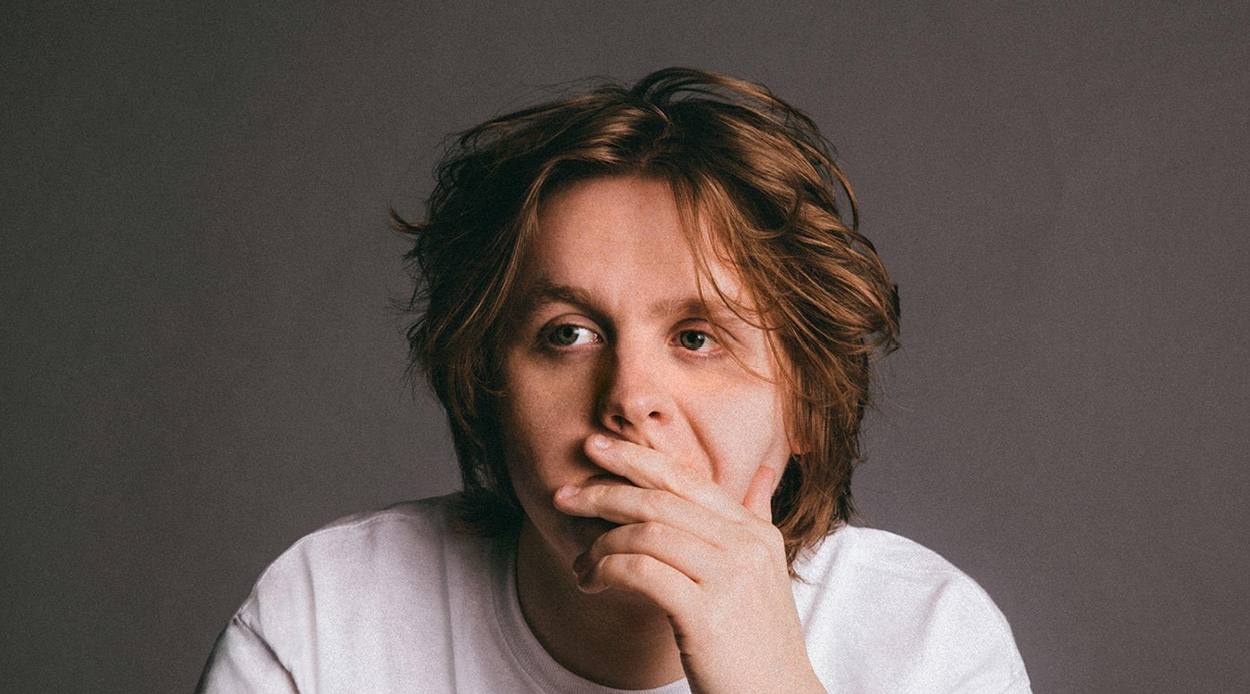
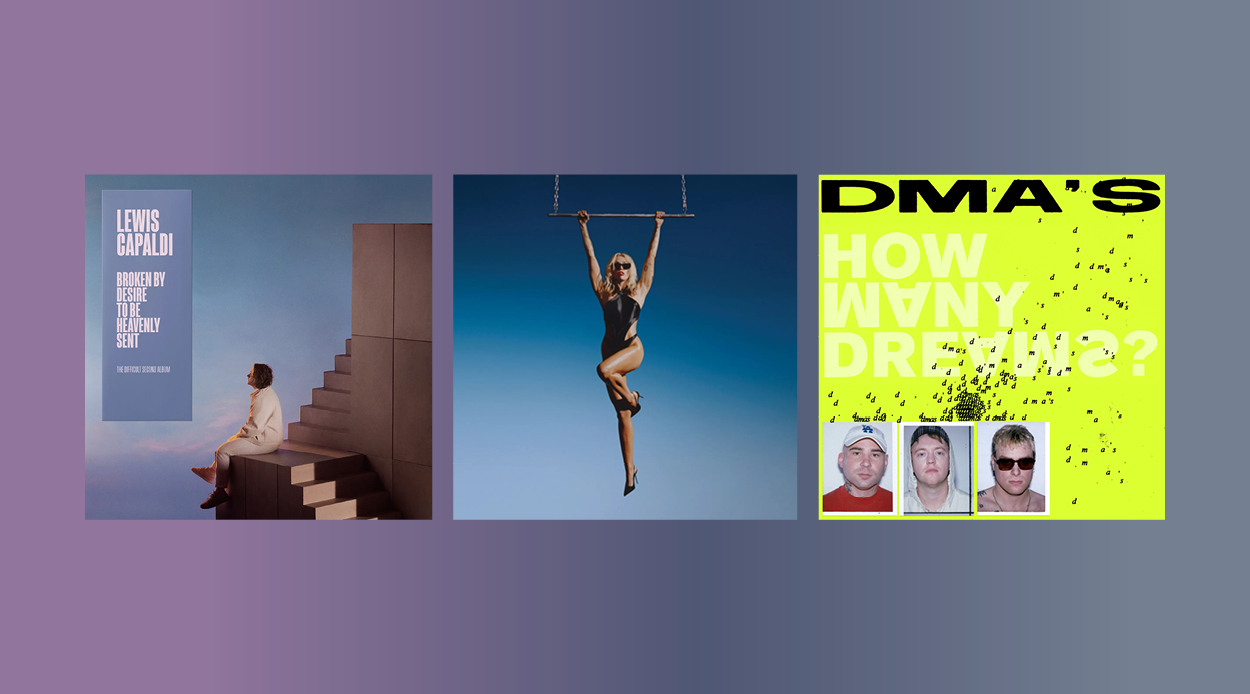
Lewis Capaldi Broken By Desire To Be Heavenly Sent Following up the incredible success from his debut, Divinely Uninspired To A Hellish Extent, Lewis Capaldi’s second album has kept the production minimal, allowing the Scottish crooner’s voice to take centre stage. Capaldi is adored by millions of fans for his hilarious social media persona, although his new songs are poised to be the antithesis of his personality; sad, swoony and poetic. Essential listening for heartbreaks, dinner parties and everything in between. Song to start with: Pointless
Miley Cyrus Endless Summer Vacation Already hailed as the new break-up anthem, thanks to the expertly petty music video for ‘Flowers’ (filmed in the location her ex-husband Liam Hemsworth rented for an affair), this much-awaited album feels like the evolution of Cyrus that we’ve spent the last decade waiting for. Song to start with: Flowers
DMA’s How Many Dreams? The last album from Australian rock outfit DMA’s came in 2020 — but with the last few years of chaos under their belt, most of it spent in the UK (where the trio are now based), How Many Dreams? offers a totally new perspective on their sound as we’ve come to know it, while still paying homage to their roots. Song to start with: Fading Like A Picture
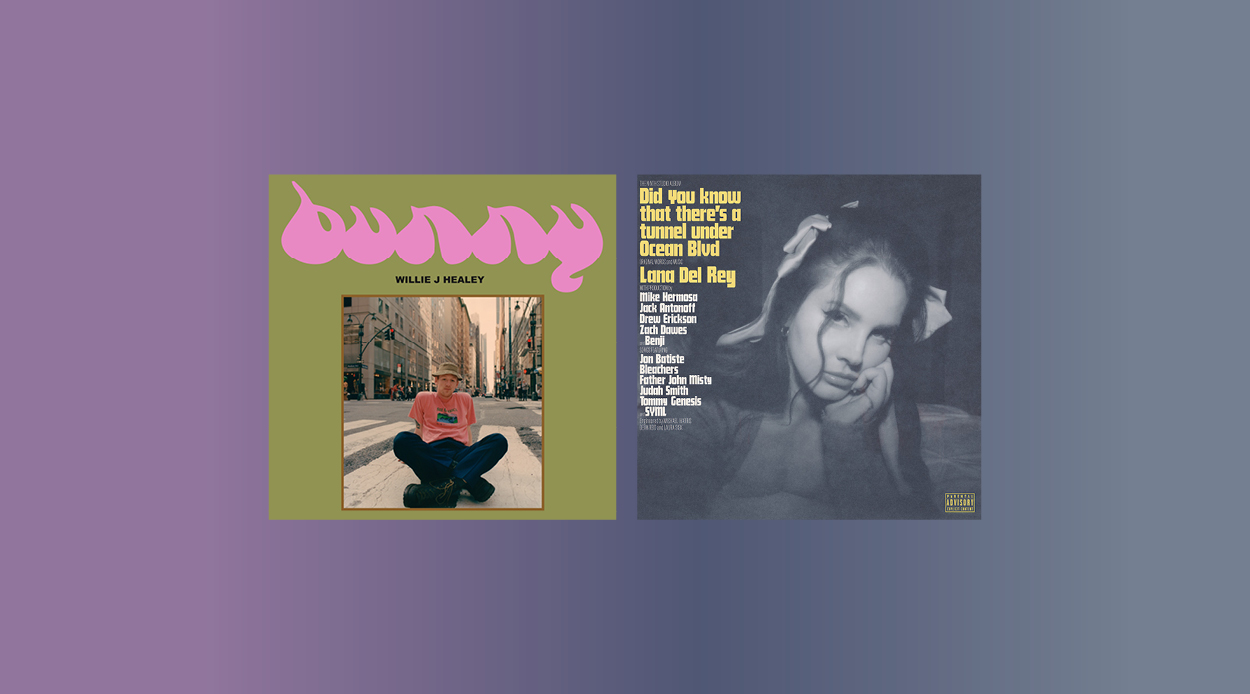
Lana Del Rey Did You Know That There’s a Tunnel Under Ocean Blvd After releasing her exquisite title track late last year, Lana Del Rey’s melancholic talents return with this latest release, featuring the likes of Father John Misty, Jon Batiste and Tommy Genesis. Grab the tissues, because this one’s another signature heartbreaker. Song to start with: A&W
Willie J Healey Bunny This genre-bending third studio album from English singer-songwriter Willie J Healey sees the artist drawing inspiration from funk, soul and R&B. Featuring his recent single, ‘Dreams,’ this release is essential listening for anyone wanting more of the artist’s fresh, inspired sound. Having opened for Florence + The Machine on the early stages of their current tour, it’s safe to say that the career trajectory for this breakthrough artist is only looking up. Song to start with: Sure Feels Good
New Podcasts
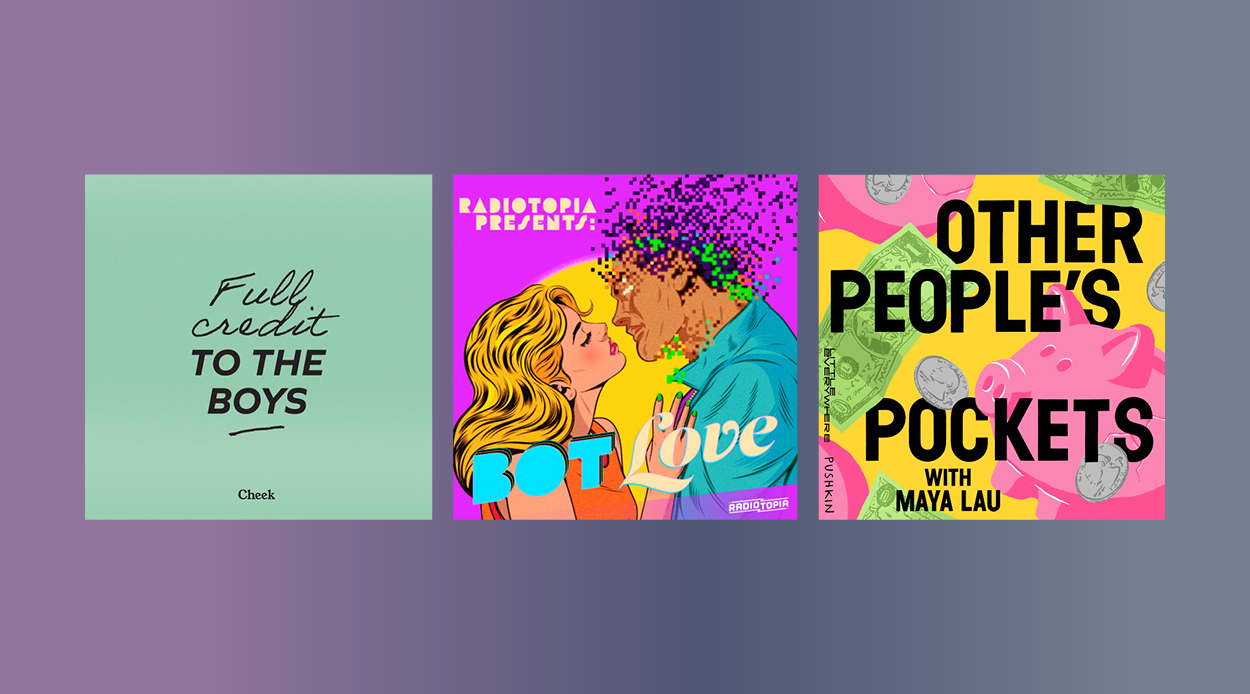
Full Credit To The Boys As we endeavour to make the world a kinder place in which to talk about mental health for men, normalising these conversations is essential. Lifting the lid on mental health, masculinity, and other vital subjects, this is a podcast that feels akin to a good therapy session.
Bot Love As AI becomes increasingly prevalent in our daily lives, how we define our associations with it will constantly be pushed to new places. In this series, hosts Anna Oakes and Diego Senior explore stories from those who develop meaningful, and sometimes romantic relationships with bots.
Other People’s Pockets Few people speak about money — it’s still a great social taboo. But with hopes to disintegrate that, Other People’s Pockets talks about other people’s money, for anyone seeking new spending habits, a self-esteem boost, or those who are just a little nosy, too.
The Louis Theroux Podcast This inquisitive podcast comes from the undisputed documentary king himself, whose curious nature has already cemented him as one of the greatest thinkers of our generation. With a series of in-depth and free-wheeling conversations, Theroux lifts the veil on notable tastemakers across the globe.
The Last of Us Podcast While the HBO show itself has been holding viewers captive since its release over summer, this podcast offers an insiders look at each episode, furthering our obsession with this post-apocalyptic watch. This is a must for anyone who has ever felt so immersed in a show that they simply can’t shake it.
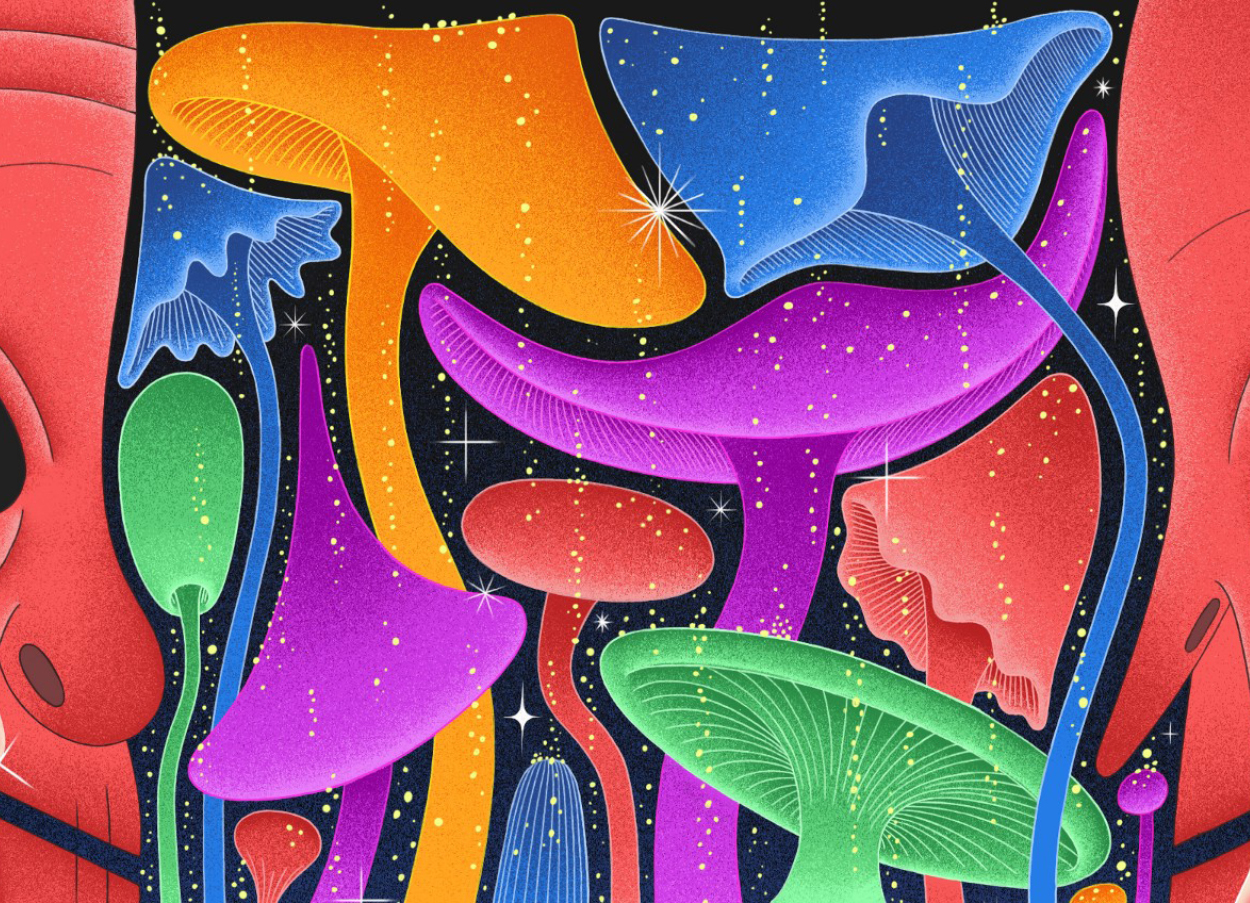
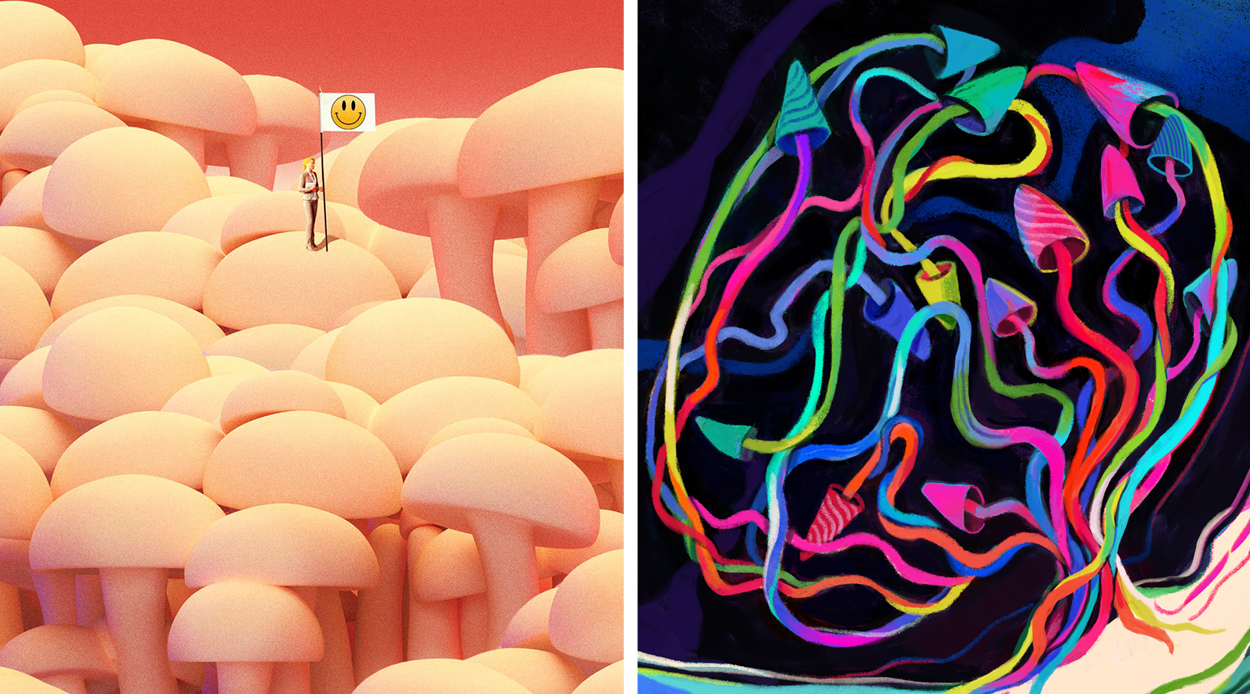
Few of us are strangers to the connotations of hallucinogens — drugs grounded in a Woodstock-esque vision of the late 60s. Unfortunately, it is a prejudice that has stuck. Yet since the turn of the 20th Century, we’ve been growing a collective awareness of their application in therapeutic use, with Australia recently announcing changes to laws that allow the use of hallucinogens in therapeutic sessions (administered by a psychiatrist), becoming the first country in the world to do so. As such, many in the field are now predicting New Zealand will follow suit, ushering in a new era of drug-induced psychedelic therapy. From this vantage point, the prospect of change is finally promising.
In understanding the therapeutic application of illegal psychedelics, it is easiest to define what it is not. It is not decriminalising or legalising a drug for recreational use, and it won’t be made any more widely available on the streets than it currently is (which, if you’re curious, is actually a lot). It is not to be confused with microdosing either — which shouldn’t be discredited as it still has a relevant role to play in therapeutic use too.
Microdosing, in theory, is concerned with small, regulated doses over a sustained period, allowing the user to tap into their inner creative self, a lessened sense of self-judgement and anxiety, and an unbridled sense of freedom, supposedly. Its use has also been critical in aiding recovery from some mental health conditions (although not those that can be triggered by drug usage, such as schizophrenia and bipolar disorder). Done right, it’s subtle. There are no clichéd visualisations and hallucinations. For most, it just makes approaching the challenges of daily life a little more manageable.
Therapeutic application, in contrast, argues the case for macrodosing. The goal here is to succumb to a trip in all manners imaginable. Experts will often argue that it is the trip, rather than the drug itself, which triggers the most profound shifts. In disconnecting with reality, even only momentarily, there is room for ego dissolution and that is where, I’m told, the most profound, lasting shifts happen. It is this return to our primal human nature, best likened to a rebirth in many senses, that prompts a greater sense of freedom, a connection to a higher purpose and an intrinsic understanding of the world. Some have described it as a religious experience.
What’s In A Trip?
For those who have yet to experience a trip, there are a few things one can compare it to, and very rarely is it ever the same. One obvious factor is the stimulant you’re taking; as LSD (acid) differs from the kind of trip one would anticipate with psilocybin (the compound in magic mushrooms). Even then, the experience of tripping itself is difficult to articulate, other than to say that it alters perception and is extremely transformative. Many find the world becomes a kaleidoscope of colours and patterns, and ordinary objects take on new and profound meaning. Time feels like it stretches and warps, and the self dissolves into a sense of oneness with everything. It’s almost as if the world as you know it begins to melt away.
The experience can be both beautiful and terrifying, as the mind is opened to new possibilities and perceptions that were previously unimaginable. It is a journey into the unknown, a leap of faith that requires surrender to the moment and trust in one’s self. Ultimately, the trip is a reminder that reality is not fixed, but rather a fluid and ever-changing state of being that is ripe for exploration and discovery. And so, with that same goal, therapeutic use hopes to remove the connotations of a trip as something associated with recreational drugs.
It is less so about the experience as a social one (despite it often being anything but) and more so about recognising the benefits of a clinically-induced trip as a legitimate approach to psychotherapy treatments. In another sense, it’s a rebuttal to the ‘War on Drugs’, which has seen the adoption of these treatments sidelined due to ongoing misinformation and political agendas. Through seemingly endless studies, psychedelics like LSD and magic mushrooms have been found to alleviate symptoms of anxiety, depression, alcoholism, and PTSD by shifting patients’ perspectives and fostering a greater sense of connection, both to themselves, and to the world.
Additionally, these drugs offer potential for increased creativity, empathy and compassion, as well as inducing a profound sense of wonder and spiritual growth. The experience of a drug trip can help to break down limiting thought patterns and create new perspectives. It can also enhance creativity and problem-solving abilities. By opening up the mind to new perspectives and experiences, these hallucinogens hold the potential to unlock the power of the human psyche and provide a deeper appreciation for life, making them perhaps the best-suited solution to treatment-resistant mental health disorders.
But coming back to the age-old adage of any drug use — safety measures are paramount (one should be warned against an urge to order DMT on the dark web and simply hope for the best). When losing inhibition and control, the environment is so integral, as is the actual makeup of what you’re taking. In-clinic therapeutic use is widely regarded as the best way to easily monitor an individual and regulate the substances taken, so that benefits can be experienced as they were meant to. The concept is almost trivial in theory, but in Australia, it is poised to change the landscape entirely.
Late last year, the Therapeutic Goods Administration (TGA) gave the green light to psychedelics for therapeutic purposes, a groundbreaking decision that makes Australia the first country to do so. The use of hallucinogens MDMA and psilocybin will be closely controlled by psychiatrists, and will only be prescribed for certain mental health conditions such as post-traumatic stress disorder and treatment-resistant depression.
A recognition of the limitations of current treatments for these conditions and the potential benefits that these drugs could bring, mark a significant moment in the evolution of medicine, and one that will undoubtedly provoke controversy and debate.
While the number of eligible patients remains unclear, psychiatrists must be approved by a human research ethics committee and the TGA’s authorised prescriber scheme to be able to use these medicinal psychedelics. These drugs can only be obtained via importation under a TGA licence for the time being. Nevertheless, the CSIRO is teaming up with Australian firms to develop new psychedelic medications and improved manufacturing techniques for local production. To guide the use of these medicines, a series of psychotherapy procedures, protocols and training plans will be formulated in the weeks and months to come. And while specific patient treatment protocols are still in the works, psychotherapy is deemed the most crucial part of the treatment — meaning it’s not an opportunity for a quick fix (you can’t just hop on a plane to Sydney for a legalised trip), but rather an essential part of a lengthy process.
Psychedelic Therapy in New Zealand: Hallucinogens On Home Soil
Currently in New Zealand, hallucinogenic use remains illegal in every sense — despite many groundbreaking studies on psychedelic therapy being conducted through leading researchers at our universities. Dr Suresh Muthukumaraswamy is one such researcher, whose recent study through the University of Auckland considers the impacts of LSD (otherwise known as acid) on mood and function. In 2020, over a period of six weeks, he monitored a test group microdosing the drug, and noted an overall improvement in mood across the board. This time, he hopes to observe the effects on those with an already lowered mood, (namely treatment- resistant major depressive disorder), and examine whether it has an antidepressant effect. Being in the realm of research, the study is able to side- step the recreational legalities and access quality, tested LSD, but not without seemingly endless red tape, background checks and rigorous protocols. It is an arduous task in the name of increasing our understanding of science, and as we’ve found in the case of Australia, it is still challenging for practitioners to get their hands on, even when it is legal. But with the rising rate of mental health conditions, this kind of research is paramount.
“There are a lot of patients out there with mental health issues and patients with depression who either don’t like the medicines that they’re on, or the medicines that they get prescribed don’t work for them. So they need more options, that’s become pretty clear,” Dr Muthukumaraswamy reasons. But concerns surrounding legalities still remain locally, and there is a certain degree of cognitive dissonance that exists within the realm of recreational hallucinogens. When talking about the therapeutic benefits, or even simply considering the substances as party drugs, the societal implications are often thrown by the wayside, with little regard to the people they impact the most.
Let me be very clear — anyone found in the possession of these substances (magic mushrooms and LSD [acid] are both currently Class A) can lead to six months incarceration, and/or up to a $1000 fine. Anyone involved in the production of these can face life imprisonment (which in New Zealand, carries a maximum term of 17 years). MDMA, the other hallucinogen legalised in Australia for therapeutic use, carries a slightly smaller sentence as a Class B drug. So while it is essential we mention the benefits of these psychedelics, it is also vital to note that under the 1975 Misuse of Drugs Act (legislation that many experts believe to be outdated) usage is still a serious offence, no matter how earnest your intentions. Without legislation created for therapeutic use, it is likely the supplier will face the shortfall for the freedoms of others.
On Innovation & Investment
With decriminalisation and legalisation only predicted to further boom in the way of hallucinogenics, an opportunity to remain ahead of the curve presents itself. There is room for innovation on a mass scale, in the way of direct-to-consumer products (albeit slightly more hopeful) like Layer, a concept for an edibles subscription service delivering sweets and teas laced with tried and tested doses of psychedelics intended for microdosing. Thinking more largely, room exists within the medical field too. As Stephen Bright, director of Psychedelic Research in Science and Medicine told The Sydney Morning Herald, “there are no products available, and aside from myself and a handful of colleagues, there’s no one trained to provide the treatment.” Those with an eye for innovation should recognise the immense need for supply — as while regulations remain a challenge, a time will soon come when these services will be in high demand.
As The Wall Street Journal indicates, one of the next financial sub-sectors to boom is psychedelic medicine, where Venture Capital firms like Empath Ventures are investing exclusively in start-ups that sit within this realm — and those that are predicted to bring profit to the budding market. Founder Brom Rector likens it to crypto, the industry in which he found his success, telling WSJ, “psychedelics is similar to crypto in the sense that it is a crazy big sort of bold new investment thing.” Like any industry, it is a guaranteed risk, but one that only stands to evolve and expand exponentially in the coming years.
In the twilight of the twentieth century, this new chapter has been written in the realm of therapeutic medicine. Yet until now, it has only existed as a realm of discovery and research, and so the changes to legislation over the Tasman are poised to usher in a new era of psychedelic therapy for New Zealand — one for which, the many struggling with treatment-resistant depression, anxiety, PTSD and even alcoholism have spent their lives waiting. It is a considered (and supervised) use that can be used for deep and lasting transformation, and hopefully, will see decades of stereotypes passed over in the pursuit of healing humankind.
Few things hold us captive like good Italian food, especially as it leans into this more comfort-seeking time of year. A slow-cooked ragu atop a bowl of homemade pasta — it’s hard to find an offering better. This is a notion to which Chef Tarik Tnaja, wholeheartedly subscribes, having this month set up his permanent food truck, Lil Ragu, on the main street of Takapuna.
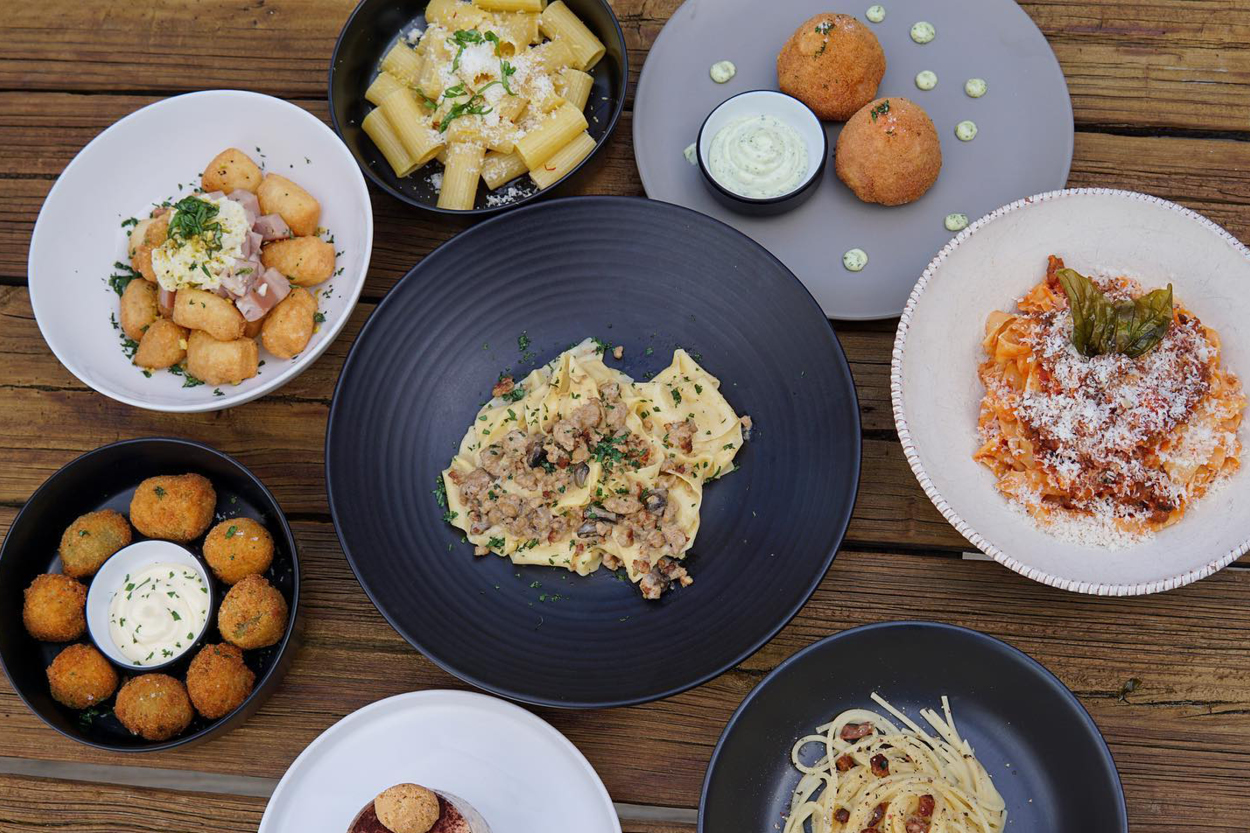
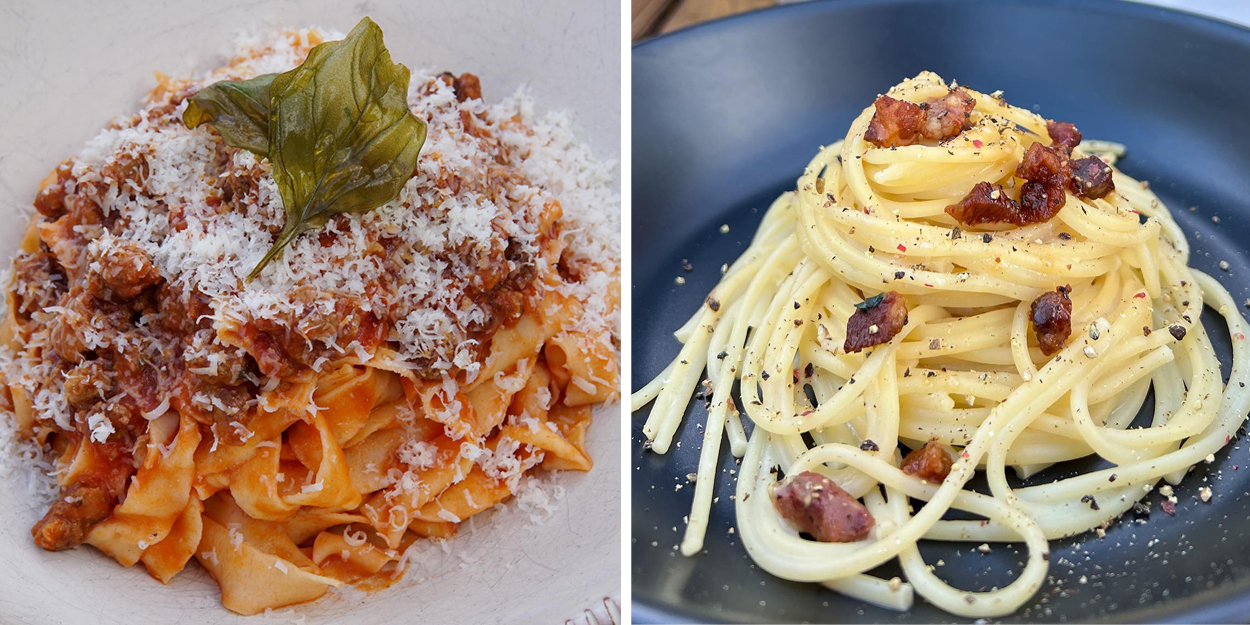
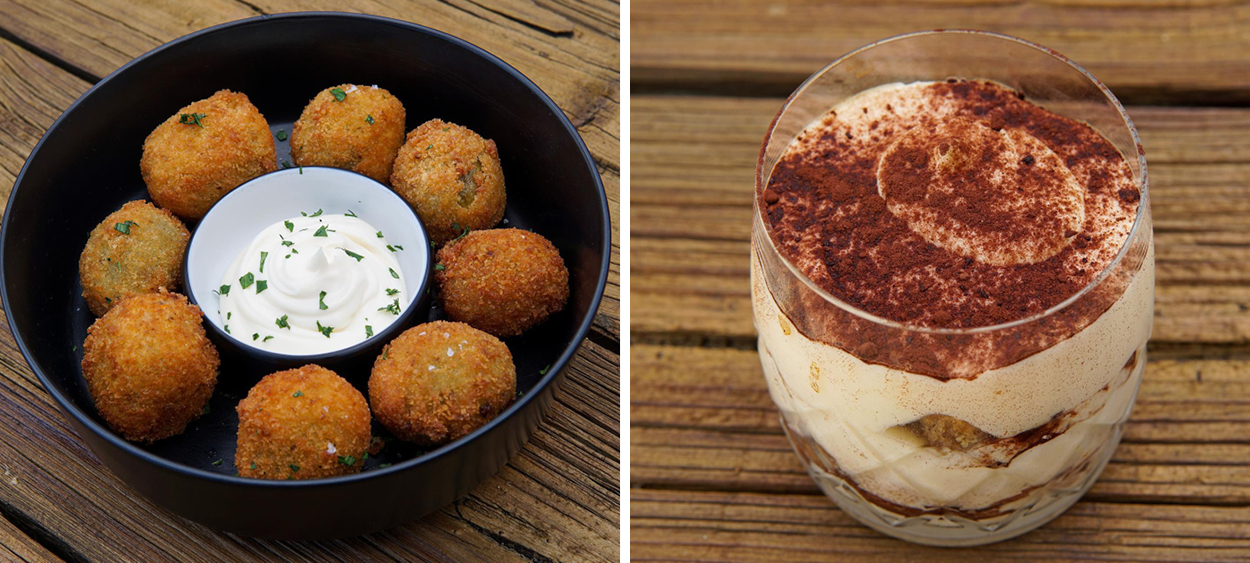
Left to right: Oliva Ascolana, Gnocco Fritto, Rigatoni, Arancini, Tagliatelle, Spaghetti, Tiramisú and Pappardelle.
Having always intended to open an intimate operation where he can focus solely on cooking authentic food reminiscent of growing up in Italy, Lil Ragu feels like divine intervention. Tnaja has called Auckland home for eight years, where he has worked in all facets of our local hospitality scene, and this next evolution of his craft might be his most delicious offering yet.
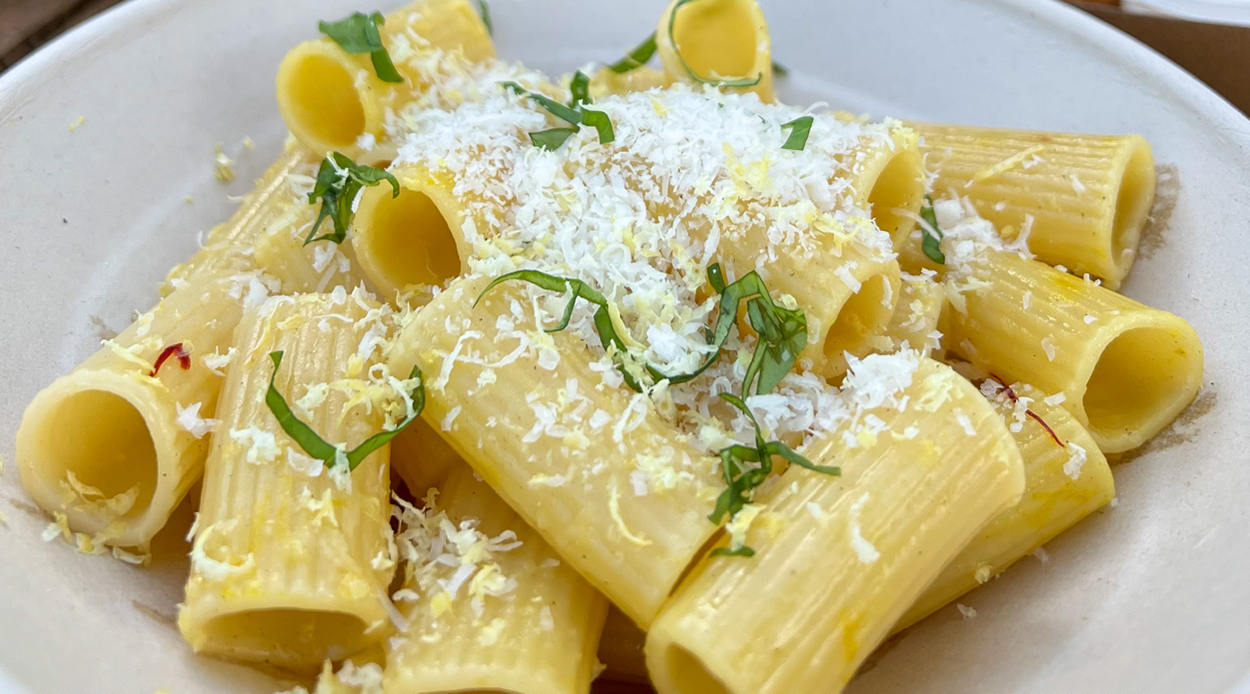
Here, the focus is pasta, “just like Nonna makes it”, he tells me. Fresh pappardelle, tagliatelle, bucatino and rigatoni all grace the menu; some come smothered in a three-hour slow-cooked ragu, others doused in cacio e pepe, with guanciale added atop for good measure. One might describe Lil Ragu as fuss-free food, but Tnaja suggests that the details (like handmaking the pasta-sans-machine and focussing on the best ingredients) are what make it so distinctive.
Left: Tagliatelle with Slow Cooked Bolognese Ragù. Right: Spaghetti with Cacio e Pepe, Guanciale.
Next week will also see the welcome addition of antipasti. Oliva Ascolana, a dish of fried olives stuffed with ragu, is one he hopes to introduce from his hometown, something he tells me that is hard to come by in these parts. Elsewhere, the Gnoccho Fritto will form a moreish helping of deep-fried pizza dough, mortadella, stracciatella, pistachio and olive oil — one that I’m most eager to try. Lil Ragu’s arancini is made of a beetroot risotto, stuffed with ossobuco and mozzarella aplenty, and of course, necessary Tiramisu makes an appearance too. The latter of which Tnaja tells me is a firm crowd favourite, alongside the Tagliatelle & Ragu.
Left: Oliva Ascolana, Pork and Beef Stuffed Deep Fried Olives. Right: Tiramisú, Savoiardi Biscuits, Disaronno Liqueur, Coffee.
With a vision to make Lil Ragu an intimate, mobile restaurant, one that he can drive to summer events at the drop of a hat, finding a home at its Takapuna address has been equally important. And so, Lil Ragu embodies everything we seek in an Italian food purveyor; authenticity, rich indulgence, and a pocket-friendly price point that one could only find in this concept. Hallmarks of a humble yet heavenly dinner, we think.
Opening Hours: Tuesday until Saturday, 12pm — 3pm & 5:30pm — late
She has set and broken world records (including having the most viewed YouTube music video in 24 hours), has garnered a whopping 67.9 million followers on Instagram, and together with her Blackpink bandmates, has taken K-pop to the world like no other artist before. But for New Zealander, Rosanne Chaeyoung Park (or Rosé, as she is known mononymously) global superstardom has merely been a byproduct of her determination to do what she loves: make music that means something. Now, despite being in the midst of her second world tour with Blackpink and with a hugely-successful solo debut under her belt, Rosé is only just starting to find her voice — and there are a lot of people listening.
Just like Pavlova, the lamington and Russell Crowe, Blackpink star Rosé (Rosanne Chaeyoung Park) is a New Zealand icon, despite our friends across the Tasman claiming her as their own. Born in Auckland before moving to Melbourne at the age of seven, Rosé has often highlighted the duality of her Korean upbringing down-under as something that gave her an edge when embarking on a career in Korea’s storied music industry. Over the last seven years, Rosé has risen (alongside the other members of her girl group Blackpink) to become a bona fide global superstar, and consequently, is one of our most successful pop-culture exports.
Rosé wears Victoria Alternating Graduated necklace, Tiffany Lock bracelets and ring all from Tiffany & Co.
It all began when Rosé’s father encouraged his 16-year-old daughter to audition for YG Entertainment. The K-pop kingmakers from South Korea had travelled to Melbourne in search of the next big thing, and in Rosé, they found it. Two months later, she left her life and school behind to enter YG Entertainment’s notoriously gruelling trainee programme in Seoul — where those admitted were expected to undergo physically and mentally demanding classes in dance, singing and language, often with only one day off every fortnight. “I had never imagined being away from my family,” Rosé explained in the Netflix documentary Blackpink: Light Up the Sky. “I had never spent more than two weeks away from home.” But it was her father’s encouragement to take a risk while she was young (lest she regret it later) that propelled her to step into the unknown.
“Sometimes I miss my trainee days,” Rosé says in the documentary, sitting in the centre of a low-lit studio, strumming her guitar. “Back then, we were surrounded by music all the time,” she continues, “but these days we have a lot of work so I actually have to make time for this… that’s why I always do it at night, when I should be sleeping.” For anyone unfamiliar, the particular type of music performed by Rosé with her girl group Blackpink (formed during her trainee days at YG) is K-pop (or Korean pop) — a genre distinguished by its formulaic approach and maximalist visual and sonic qualities. It is a subset of pop beloved for its high-energy performers, slick videos, meticulous choreography and songs that marry elements of American pop with R&B, hip-hop and electronic dance music, often in a single track. A typical K-pop song offers a sound so crisp and layered and fantastical that it can border on the absurd — but once you start listening, it is hard to stop.
“That potent superstar-next-door combination has been the propeller behind Rosé’s eye-watering rise as well as her musical evolution. And while her notoriety will continue to grow, it’s clear that Rosé will always keep the important things close”.
For Rosé, the road to superstardom was swift and significant. Blackpink debuted with YG Entertainment in 2016 and quickly saw Rosé, along with her bandmates Jennie, Jisoo and Lisa, become vehicles for taking K-pop to the Western world in a way that had never been done before. To lend some context around just how famous this group and its members are, and how impactful their music has been, Blackpink was the first Korean group to reach one billion views and 20 million subscribers on YouTube. (Although this year it smashed that record to become the first group to reach 75 million subscribers.) It was also the first K-pop girl group to perform at Coachella and has released singles with the likes of Selena Gomez, Dua Lipa and Lady Gaga. In 2020, it claimed three Guinness World Records for the astronomical YouTube views on its ‘How You Like That’ music video, and later that year, was the first female K-pop group to win a MTV Video Music Award. In October 2022, it became the first K-pop girl group to take the number one spot on the Billboard 200 chart with its new album Born Pink, and at a similar time, was named Spotify’s most-streamed girl group of all time. Later this year, Blackpink will become the first Asian act ever to headline Coachella — the festival that, so many years before, had thrust its members into the global spotlight.
While the wider K-pop machine has spent years spitting out a number of influential group and solo acts, it wasn’t really until Blackpink that its appeal spread beyond the borders of Korea. As Jon Caramanica wrote recently for The New York Times, “The smorgasbord of Blackpink… was at least in part a reaction to an earlier wave of girl groups that helped establish K-pop’s ambitions and scale, but whose dalliances with Western influence were more glancing.”
Jennie, Lisa, Jisoo and Rosé of BLACKPINK performing onstage during Coachella Valley Music and Arts Festival in 2023.
Blackpink’s popularity grew, in part, thanks to the proliferation of social media at the time the group launched, but it was also due to Blackpink’s specific members, both individually and for the synergistic way they worked together. Blackpink presents a more modern take on the classic ‘girl group’ trope, where instead of ‘scary,’ or ‘sporty,’ or ‘posh,’ it is split into ‘vocalists’, ‘rappers’ and ‘dancers’ to harness the strengths of each member. Almost more importantly, each girl has a specific image to portray off stage as well, with prolific K-pop journalist Tamar Herman articulating on The New York Times’ podcast, Popcast, how K-pop groups have almost become fashion influencers first, performers second.
Rosé, for instance, has long been an ambassador for Tiffany & Co., regularly fronting the brand’s campaigns for collections like HardWear and Lock. For this brand in particular, the popstar’s bold personality and modern elegance were the perfect combination to represent its message, while for Rosé, Tiffany & Co. was a brand she had worn (and loved) since high school. “To be part of such an iconic brand that has been a part of my life for a long time makes it that much more special to me,” she says. The partnership is a heady collision of Rosé’s contemporary culture with Tiffany & Co.’s historic gravitas — and has aided in propelling the former towards becoming a household name around the world.
Here, the idea of the girl group has been repackaged to not only meet the demands of modern audiences but to capitalise on the contemporary commercial landscape, too. Blackpink’s specific discography of pristine melodies and addictive hooks, paired with the appeal of each member, has not only garnered them legions of dedicated fans (known as ‘blinks’), but has cultivated careers for each that go much further than music alone.
That said, for Rosé, who presents as the more quiet, creative type among her Blackpink cohort, the music has always been her first love. Talking to Haeryun Kang for Rolling Stone last year, the pop star said, “It starts with my love for music; that’s what makes me happy… I love to just sit and sing…it’s something that calms me down.” In the aforementioned Netflix documentary, there is a sequence in which Rosé is in the studio with Blackpink’s longtime producer, Teddy Park, trying to record some of her own tracks. “When it comes to writing songs,” Park says, “Rosé has certain stories in mind that she’s shy about sharing… its super personal to her, it’s like her diary.” In fact, much has been written about Rosé’s propensity for shyness and embarrassment when it comes to putting herself out there musically. “I’ve always been so afraid of getting in the studio or writing something,” Rosé admits, “[but] I really have a lot of respect for the music so I don’t want to be another girl who just sings and tells people that I write music. That’s the last thing I want to be.”
Rosé wears Victoria Alternating Graduated necklace, Tiffany Lock bracelets and ring all from Tiffany & Co.
Making good on her dream to have her musical vision realised, Rosé embarked on a solo endeavour in 2021 (commonplace for those in K-pop groups), a project she says was born out of the time she spent in lockdown. “I used that time to get to know myself better,” she admitted to Rolling Stone, “[I asked] how do I deal with myself in a room that is quiet?” The result was R, Rosé’s debut single album that broke two Guinness World Records immediately after its release. It marked a clear musical departure for the K-pop star and an opportunity for her to shed the fast-paced, glossy sound of Blackpink and embrace a more vulnerable subject matter and subdued timbre. “I’ve gone through many things in my life,” Rosé explained on her YouTube channel at the time of the release, “through that… I realised that the most important thing in music is to portray my life experiences and stories and find my voice… music, to me, is comfort.”
The breakaway song from that album, ‘On the Ground’ saw Rosé contemplate the follies of chasing fame including forgetting about what was really important, and broke the record as the most-viewed K-pop music video over a 24-hour period. “Everyone wants to be more successful… We all have dreams within ourselves, right? Rosé said on her YouTube channel at the time. “[But] maybe what we’ve been chasing isn’t necessarily up here at the top… maybe what we truly need is already in our hands, back here on the ground.”
Because for all the chart-topping tracks, the world records, stadium shows and fanatical fandom, Rosé seems to find her centre by returning to her antipodean roots. As Gladys Lai wrote last year in Vogue Australia, “Rosé… herself speaks with a groundedness that makes you wonder if she’s even aware of her astronomic celebrity.” Indeed, from the perspective of those of us who live in this part of the world, Rosé’s obscurity-to-icon success story has joined that mythical canon of antipodeans punching above their weight; a time-honoured narrative that references our down-under propensity to temper megafame with a humble attitude.
“Rosé is bricolage,” Lai continued in her piece, “[she is] an Auckland-born pianist, a Melbourne local and an international megastar.” That potent superstar-next-door combination has been the propeller behind Rosé’s eye-watering rise as well as her musical evolution. And while her notoriety will continue to grow, it’s clear that Rosé will always keep the important things close. “At the end of the day, you gotta sit down and remember that everything we need is… hanging out with the people we love, doing the things we love,” she said, in the final moments of her Rolling Stone interview. “Music can be big and that’s very exciting; we love that because it creates a movement and we can gather people together… But then [we have to ask] how did we get here?”
The announcement that MASU by Nic Watt, the Japanese robata restaurant and bar in Auckland’s SkyCity, is soon to be open seven days a week for dinner may seem like just another blip on the radar of the City’s dining scene. But for those in the know, the restaurant’s newly-launched seasonal Tokusen menu really is something, making these extended hours all the more enticing.
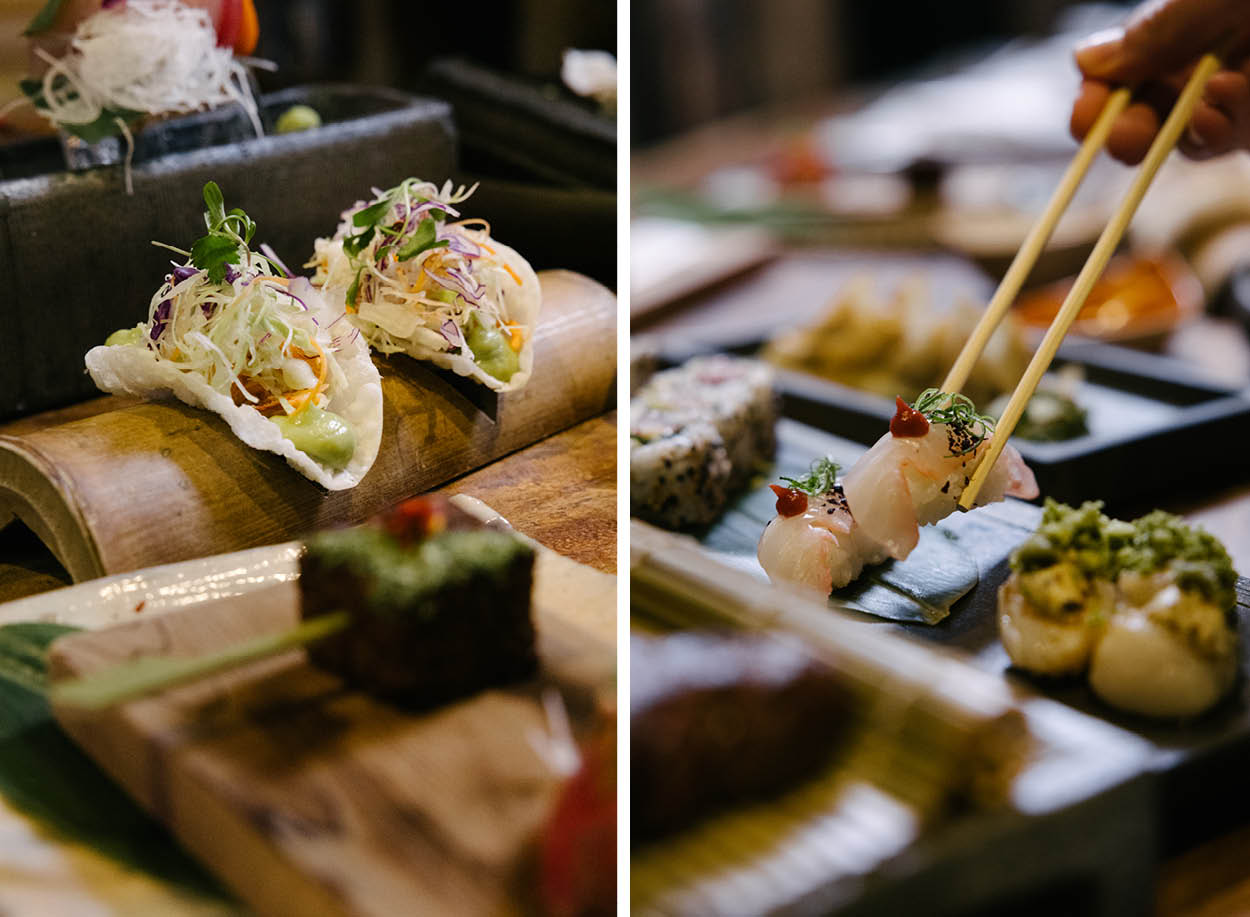
Left: se ebi no taco – Crayfish spicy miso taco. Right: Tai nigiri – Snapper nigiri, shiso salt, lemon balm, ume
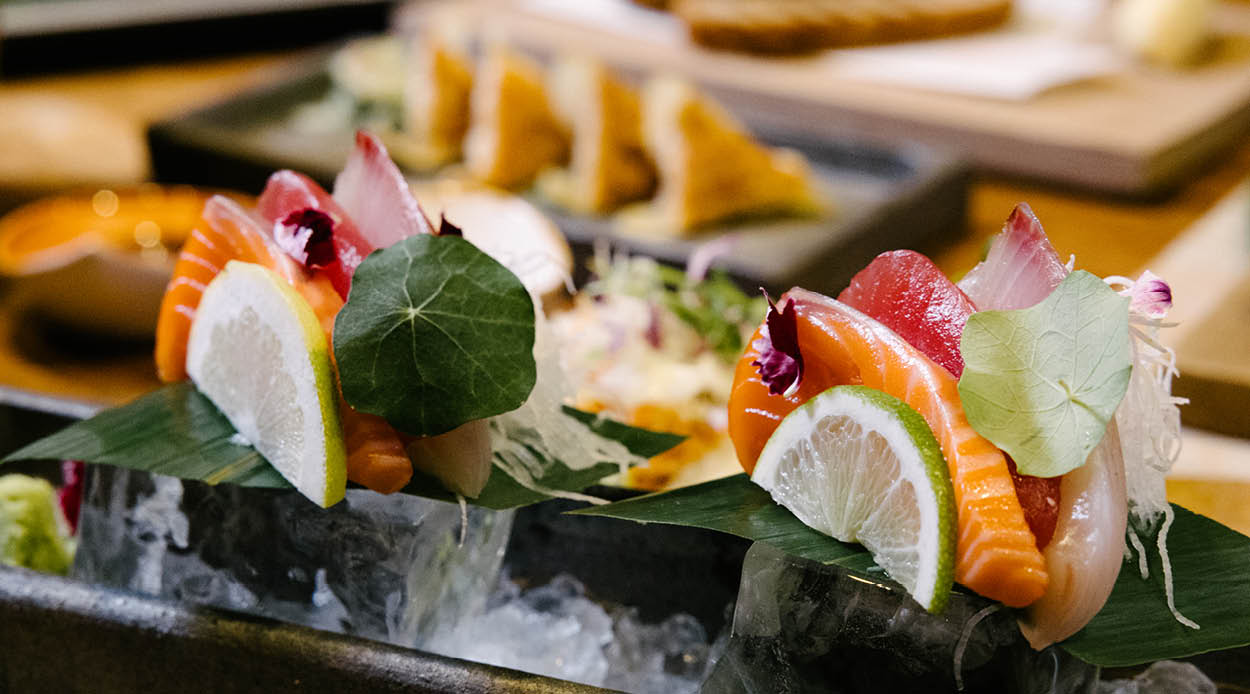
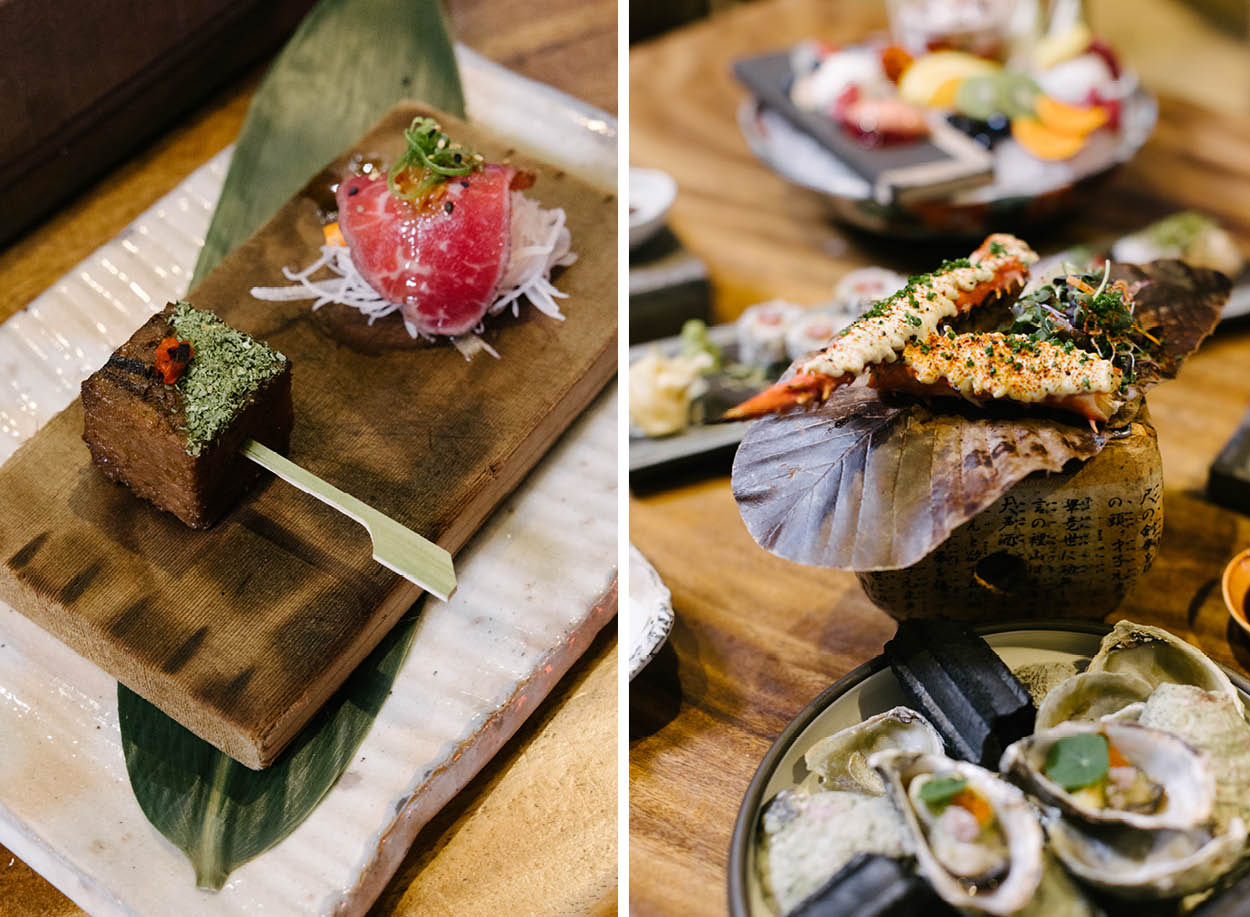
With 13 dishes to be devoured, the Masu Tokusen is a premium tasting menu that is designed to showcase the finest ingredients from both New Zealand and Japan. This season, the menu includes a range of dishes such as grilled oyster with Japanese mayo, beef tataki with pickled daikon and carrot, and wagyu sumibiyaki, featuring Lake Ohau wagyu sirloin with shallot miso. The menu is meant to be shared, with a minimum of two orders required, and for those looking to elevate their dining experience, a discerning beverage match can be added to keep everyone perfectly satiated.
Yaki-gaki – grilled oyster with Japanese mayo, tobiko
From our perspective, where Masu truly makes the mark is its commitment to sustainability. SkyCity is Toitū carbon zero certified, which means that they have taken the necessary steps to offset their carbon footprint and achieve net-zero carbon emissions. It’s refreshing to see, and honestly is something that we think makes the food taste just that much better.
In Nic Watt’s inimitable fashion, this next evolution of Masu embodies his passion for flavour and dedication to detail. Here, he brings a simple philosophy to the restaurant’s cuisine: use fresh local ingredients, enhance the natural flavours of each dish, and let the food speak for itself. The result is a bold and unique style of Japanese dining that is both natural and uncomplicated.
Left: Wagyu tsukune – wagyu tsukune, spring onion powder, burnt chilli & Gyu tataki – beef tataki, pickled daikon & carrot, oriental dressing. Right: Yaki gani – King crab leg shio koji tofu mayo, ponzu butter
As such, for those seeking an unforgettable dining experience this season, it is evident that Masu reigns supreme. With its premium ingredients, carefully crafted dishes, and a commitment to sustainability, Masu’s Tokusen menu really is one of the City’s finest and should be booked without hesitation.
Masu will be adding dinner service for Sundays and Mondays as of the 1st of Maymaking it easier than ever to indulge in some of the best Japanese in Auckland, every day of the week.
For more exclusive access to what the city has to offer, engaging content, excellent imagery and thought provoking commentary on the life that surrounds you, subscribe to Denizen magazine now.