

The books worth escaping into this winter

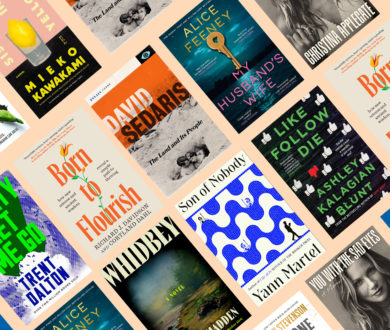
Winter has a way of encouraging life’s quieter rituals, and few are more rewarding than settling in with a great book. Whether you’re craving an absorbing novel, an intelligent memoir or a story that lingers long after the final page, this season’s reading list brings together the standout titles worth adding to your bedside table. Consider this your guide to the books we’ll be recommending all winter long.

What to read
Literary Buzz

Whistler 
by Ann Patchett

An elegant family drama in which old loyalties fracture under mounting pressure, Whistler examines intimacy, resentment and the private tensions shaping modern relationships. Psychologically astute and quietly devastating throughout, the novel balances emotional intelligence with simmering dread, confirming its author as one of contemporary fiction’s sharpest observers of human behaviour.
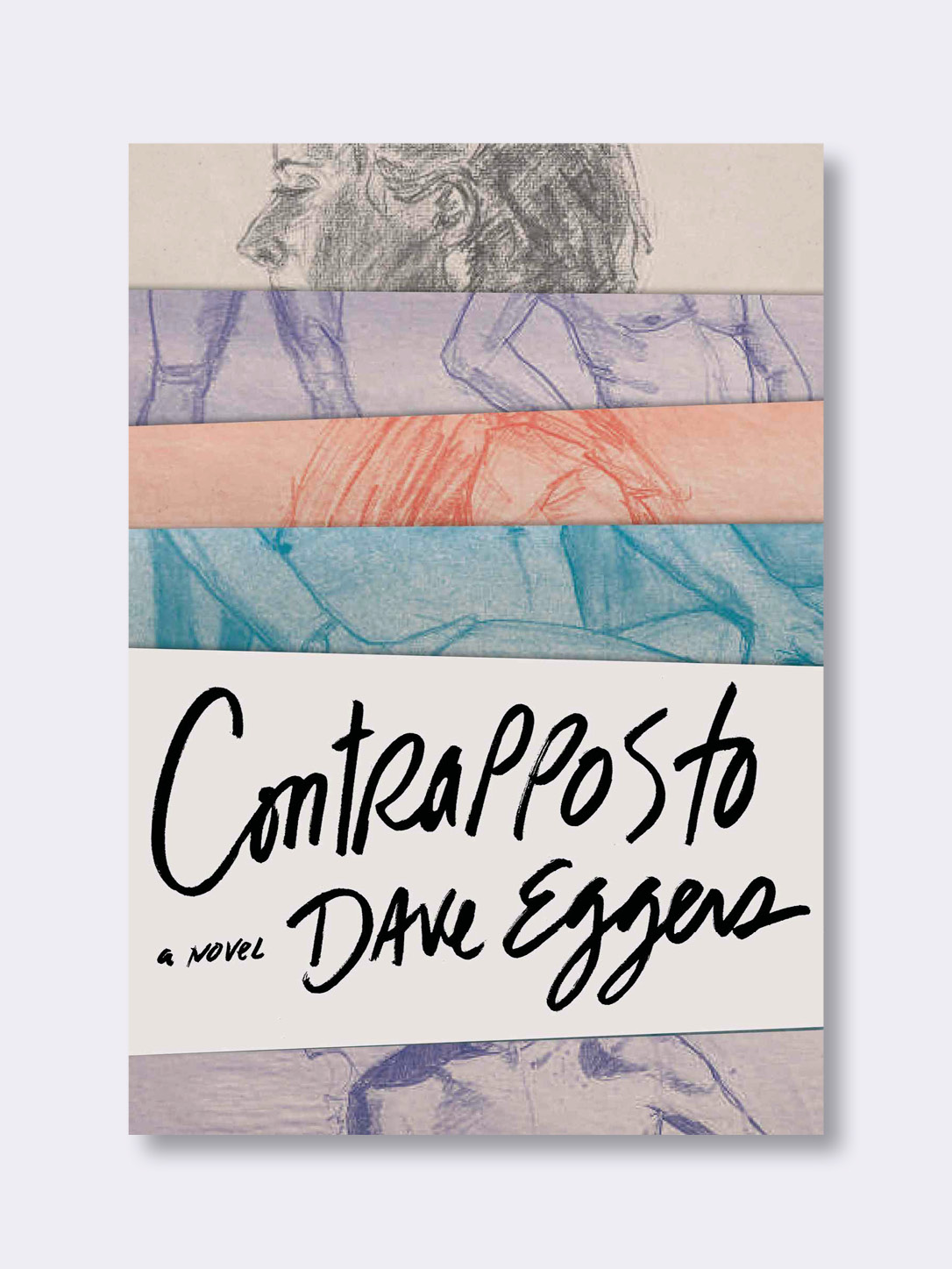
Contrapposto
by Dave Eggers

A sprawling novel about art, ambition and creative obsession, Contrapposto explores friendship, compromise and the strange ways people reinvent themselves over time. Sharp, humane and quietly funny, it balances intellectual weight with emotional intimacy, delivering a thoughtful examination of modern creative life without collapsing beneath its own cleverness entirely.
What to read
Page-Turners

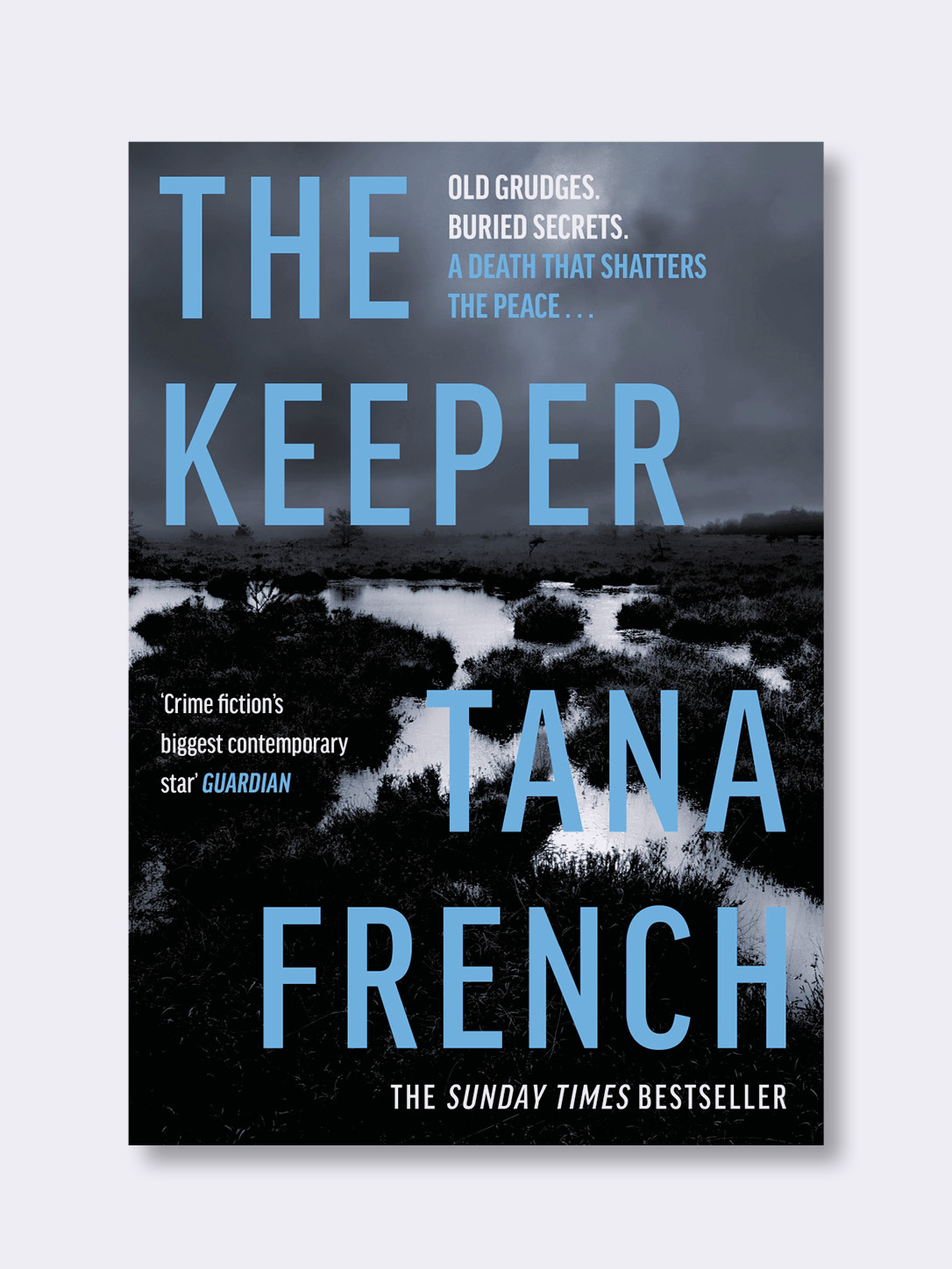
The Keeper
by Tana French

Beginning with a missing woman and unravelling into something far murkier, this atmospheric literary thriller examines secrecy within an insular community. Psychologically rich and impossible to abandon halfway through, the novel builds dread with forensic patience, delivering sophisticated crime fiction operating at full strength from beginning to end.
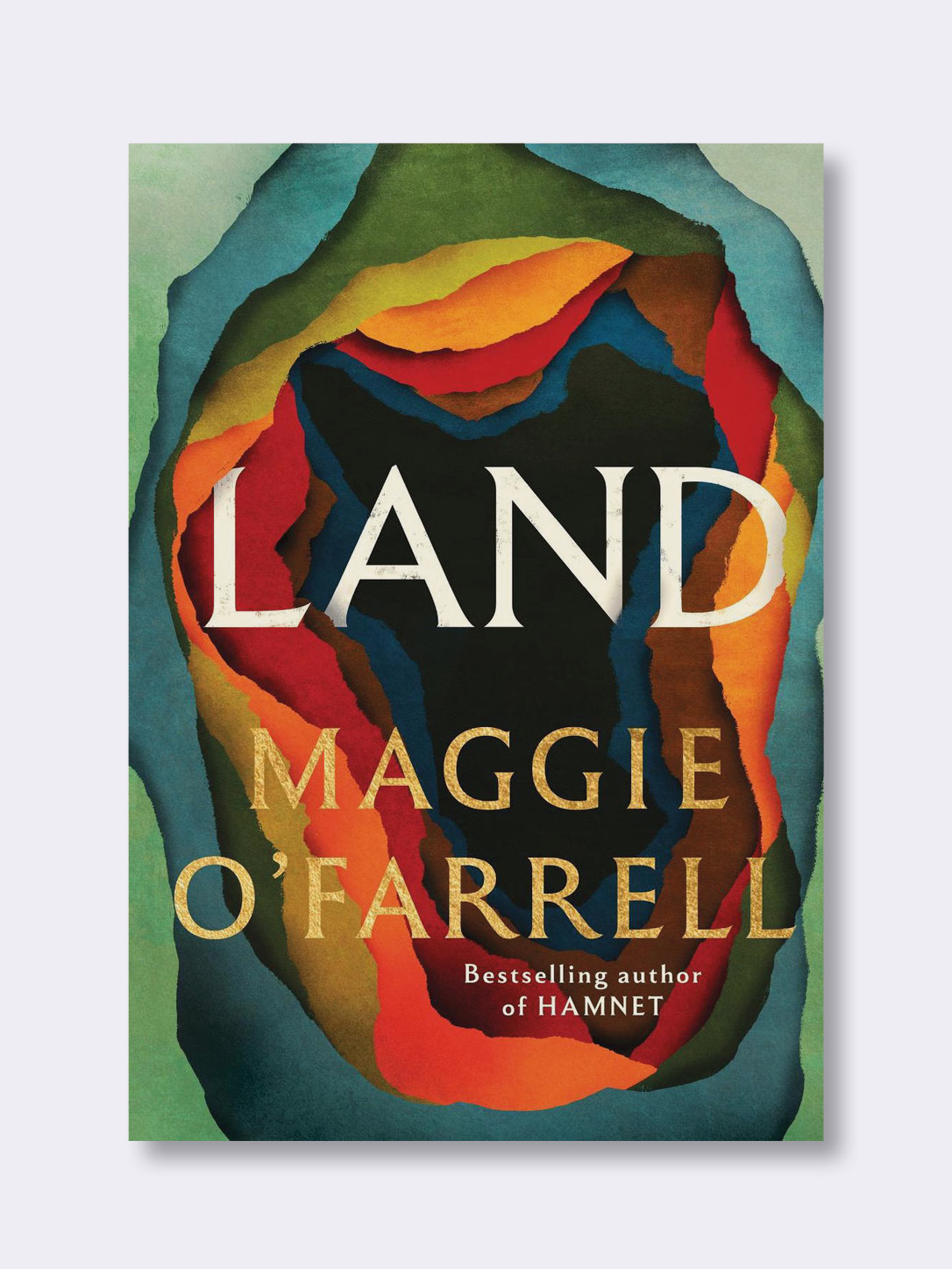
Land
by Maggie O’Farrell

Set in post-famine Ireland during the winter of 1865, Land follows a father-and-son mapping expedition across a fractured and haunted landscape. Maggie O’Farrell’s latest novel balances historical detail with deeply human storytelling, confirming her extraordinary ability to make the distant past feel vividly immediate.
What to read
Local Voices

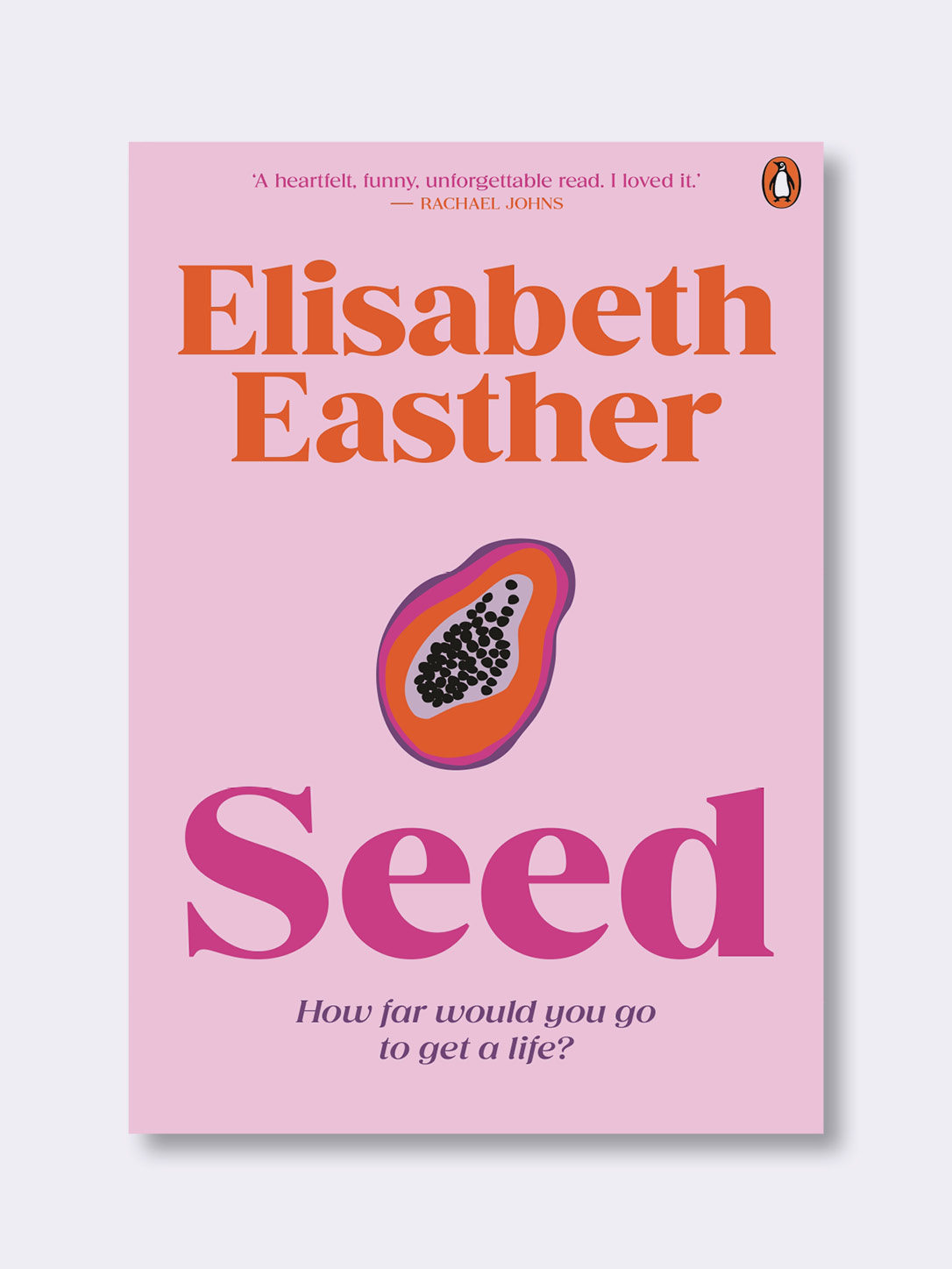
Seed
by Elisabeth Easther

Four women navigating motherhood, ambition, friendship and modern expectations collide throughout this sharp, emotionally intelligent novel from Elisabeth Easther. Warm, witty and deeply recognisable, Seed avoids the usual clichés of contemporary women’s fiction, instead delivering a smart, nuanced portrait of adulthood that feels both distinctly local and universally relevant.

Paper Husbands
by Nick Sceats

Wellington musicians attempting to revive the glory days of a long-forgotten band form the heart of this funny, bittersweet debut novel. Packed with faded ambition, fragile egos and the melancholy absurdity of ageing creatively, Paper Husbands captures the strange optimism of people still chasing relevance long after the audience disappeared.
What to read
Global Fiction

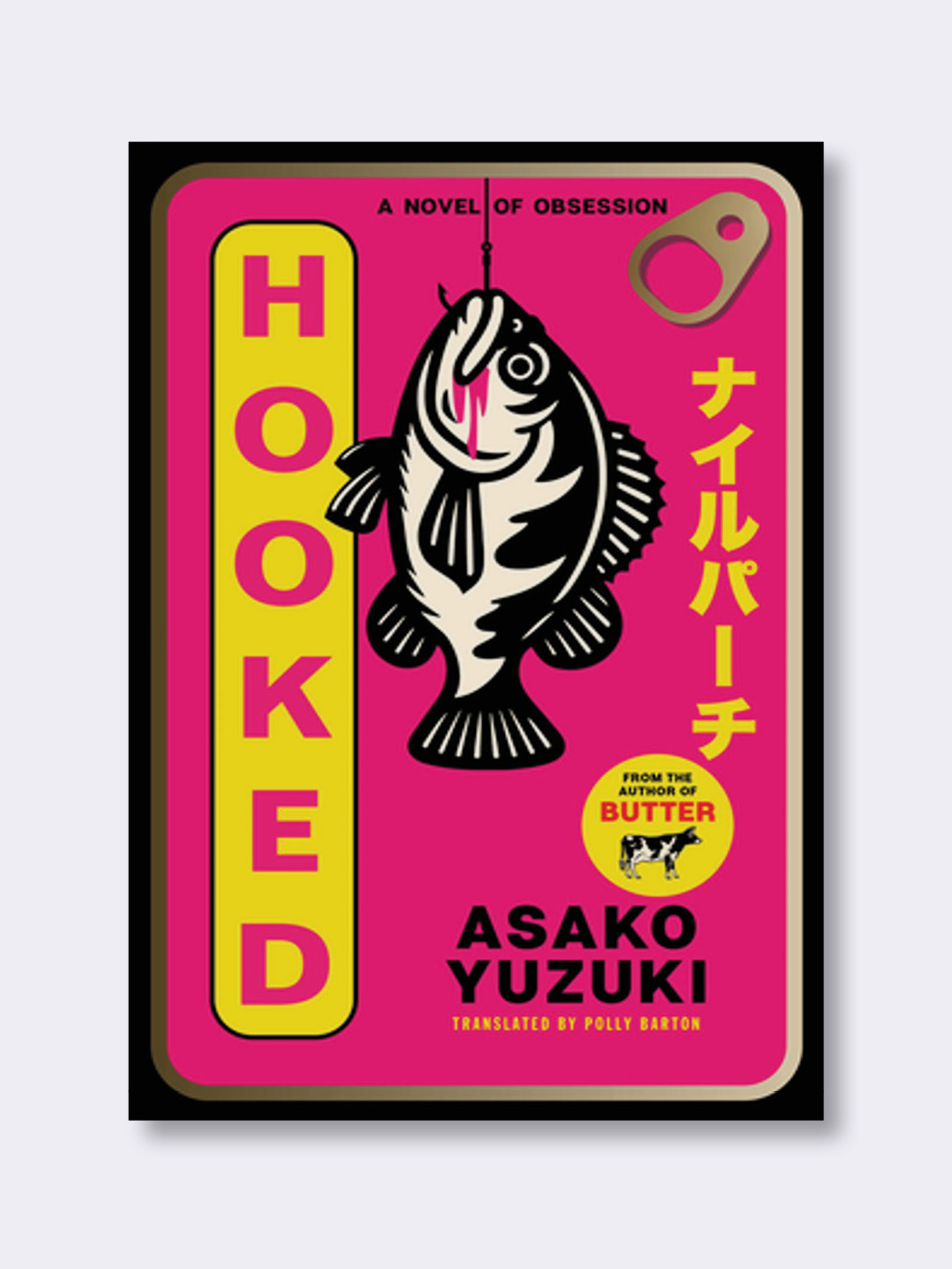
Hooked
by Asako Yuzuki

This psychological novel explores obsession, female rage and private compulsions within contemporary urban life. Cool, controlled and edged with menace throughout, the story examines hidden desires lurking beneath polished exteriors, delivering darkly elegant fiction that lingers long after the final page has been turned.
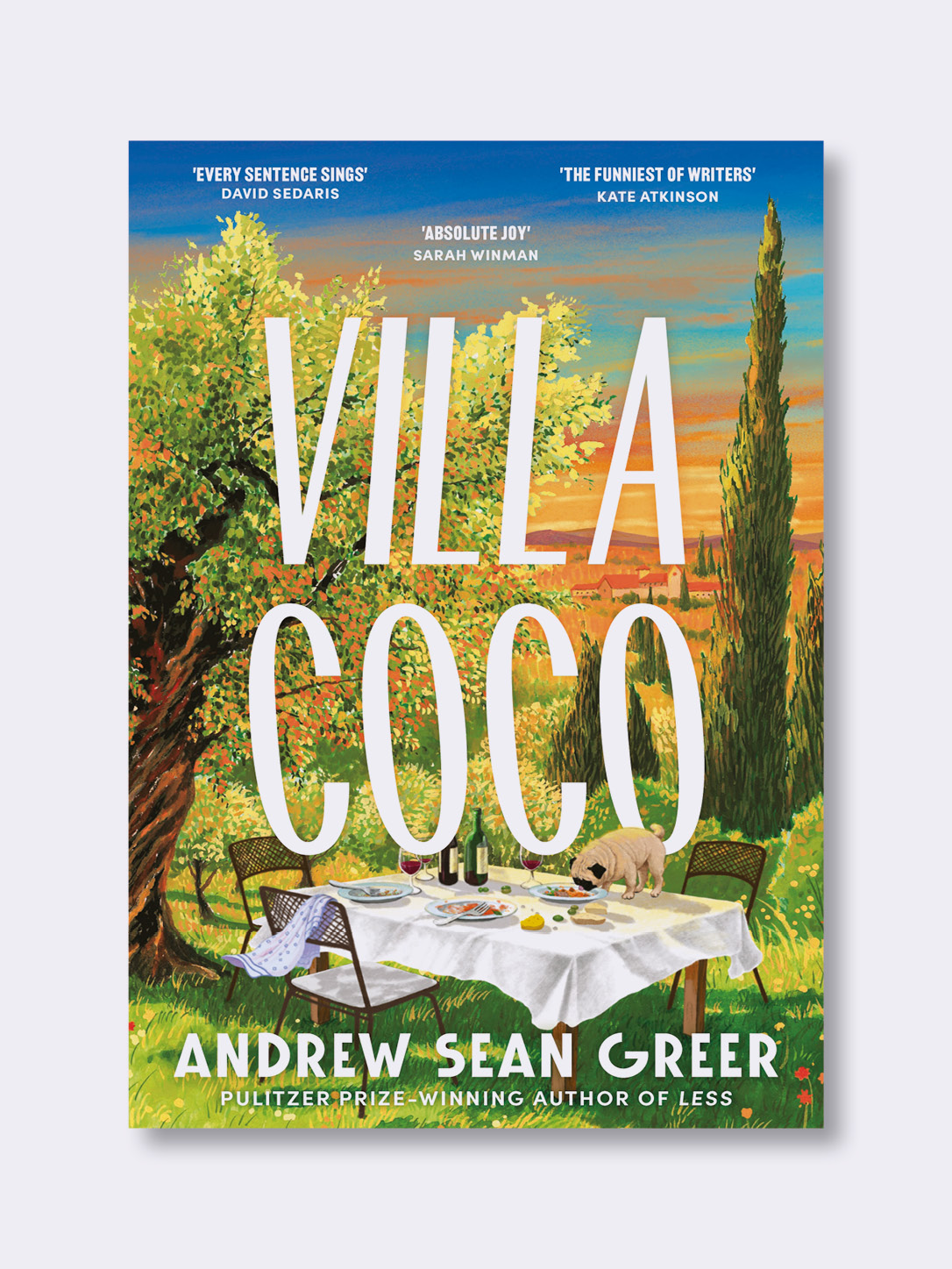
Villa Coco 
by Andrew Sean Greer

Set within a fading tropical escape, Villa Coco explores ageing, reinvention and desire with stylishly melancholic wit. Clever, emotionally precise and wonderfully light on its feet, the novel balances humour with loneliness beautifully, resulting in literary escapism carrying genuine emotional depth beneath its polished, leisurely exterior throughout brilliantly.
What to read
Editor’s Pick

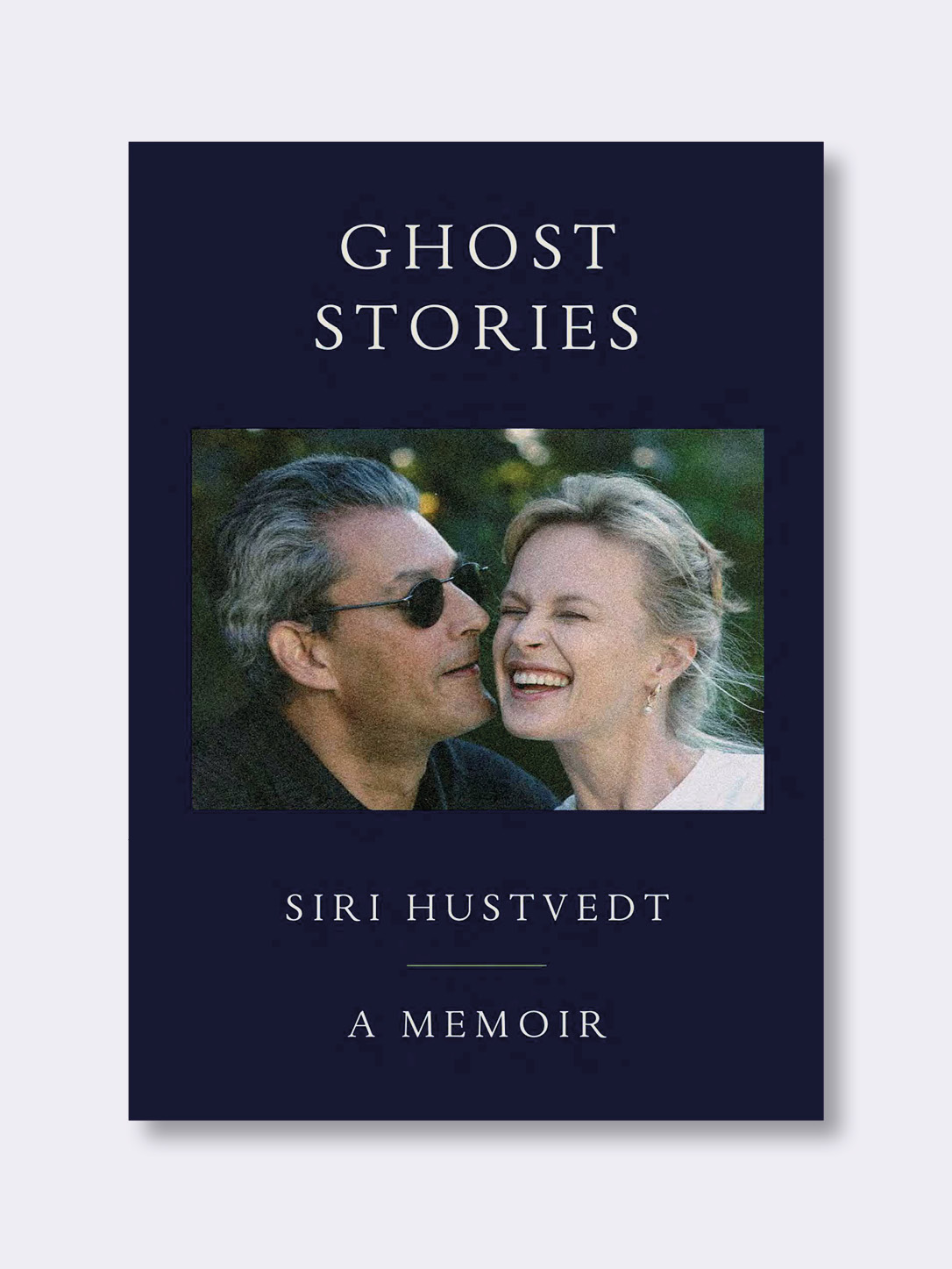
Ghost Stories
by Siri Hustvedt

Blending philosophy, neuroscience and personal recollection, Ghost Stories reflects on grief, memory and mourning with remarkable intellectual clarity and emotional restraint. Written following the death of Paul Auster, the memoir becomes a thoughtful, piercing examination of love and loss that avoids sentimentality while remaining deeply affecting throughout.
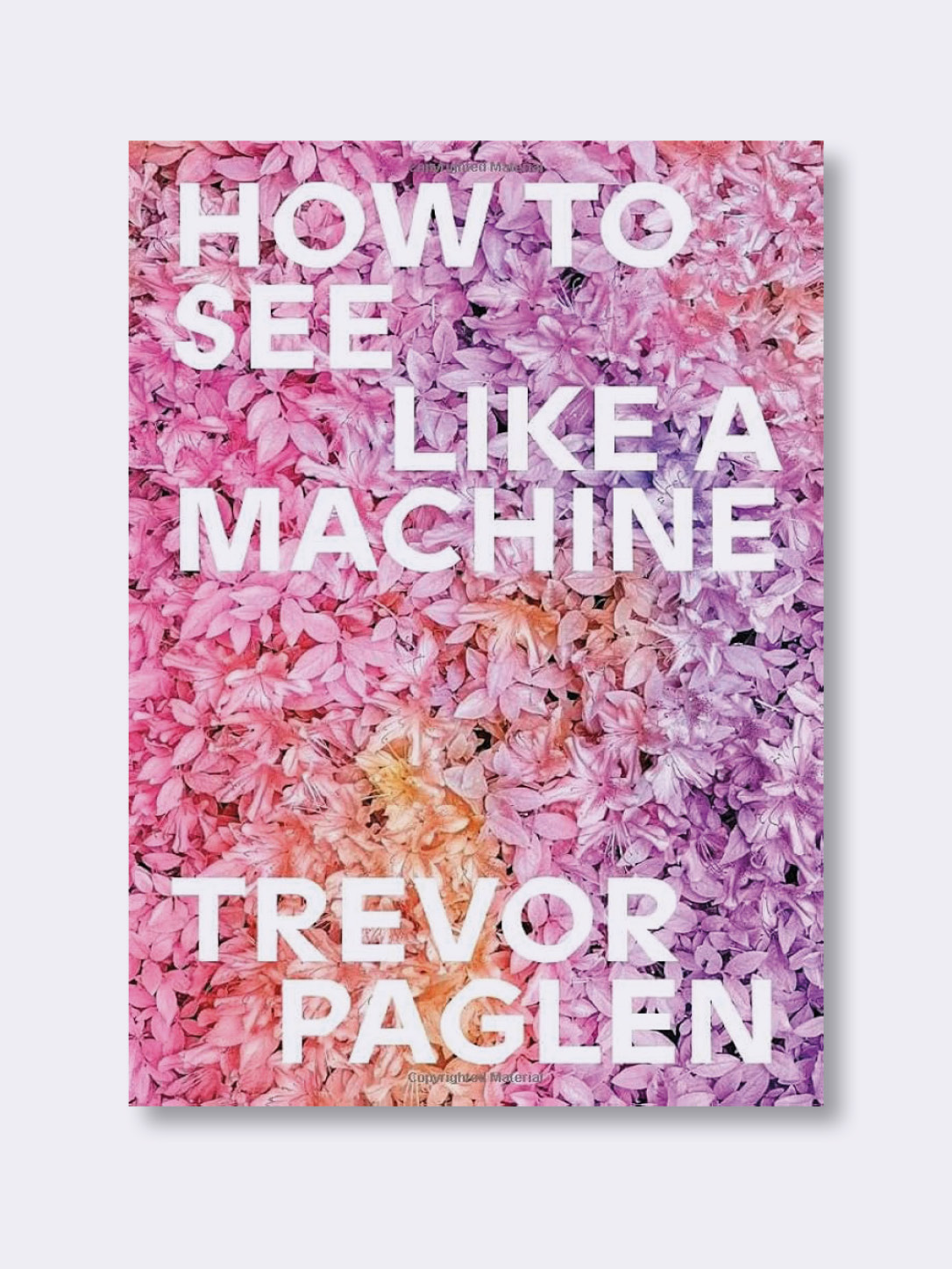
How to See Like a Machine
by Trevor Paglen

Examining machine vision and algorithmic interpretation, this urgent cultural study explores how artificial intelligence is reshaping surveillance, perception and reality itself. Dense in ideas yet highly readable, the book interrogates humanity’s increasingly dependent relationship with digital systems, becoming essential material for understanding the modern algorithmic age.

What to read
Lives & Legends

Waiting for Britney Spears
by Jeff Weiss

Music journalist and cultural critic Jeff Weiss revisits the chaotic tabloid years that transformed Britney Spears into the defining celebrity obsession of the early internet era. Funny, unsettling and unexpectedly thoughtful, the book examines fame, voyeurism and media culture before social media turned everyone simultaneously into both audience and performer.

Periodic Bitch
by Emma Hardy

Funny, furious and refreshingly unsanitised, Periodic Bitch examines hormones, PMDD and the exhausting realities of existing inside a female body. Blending memoir, cultural criticism and dark humour, Emma Hardy skewers medical misogyny, wellness clichés and modern expectations with the kind of wit that makes uncomfortable truths impossible to ignore.
Culture

Your guide to the best events and experiences this July
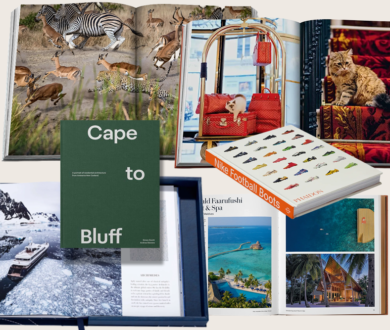
From architecture to adventure: The coffee table books worth collecting now
Labour of love: Katherine Throne’s botanical paintings arrive at Sanderson

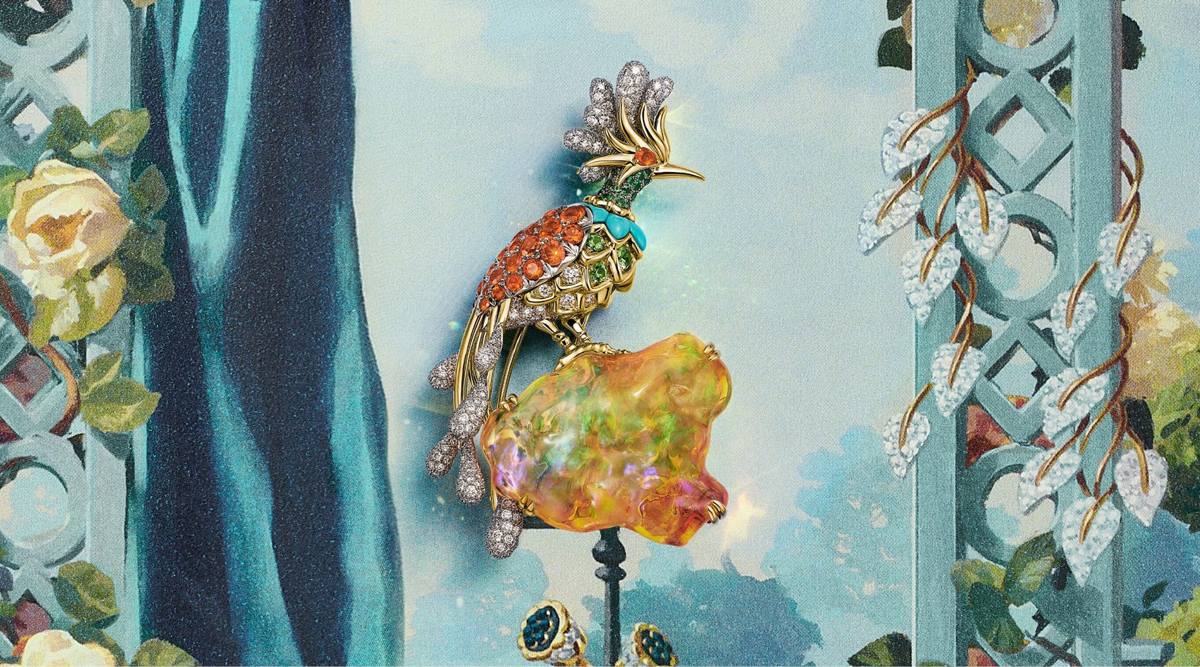
Tiffany & Co.’s Paradise Birds chapter brings Blue Book 2026 to life

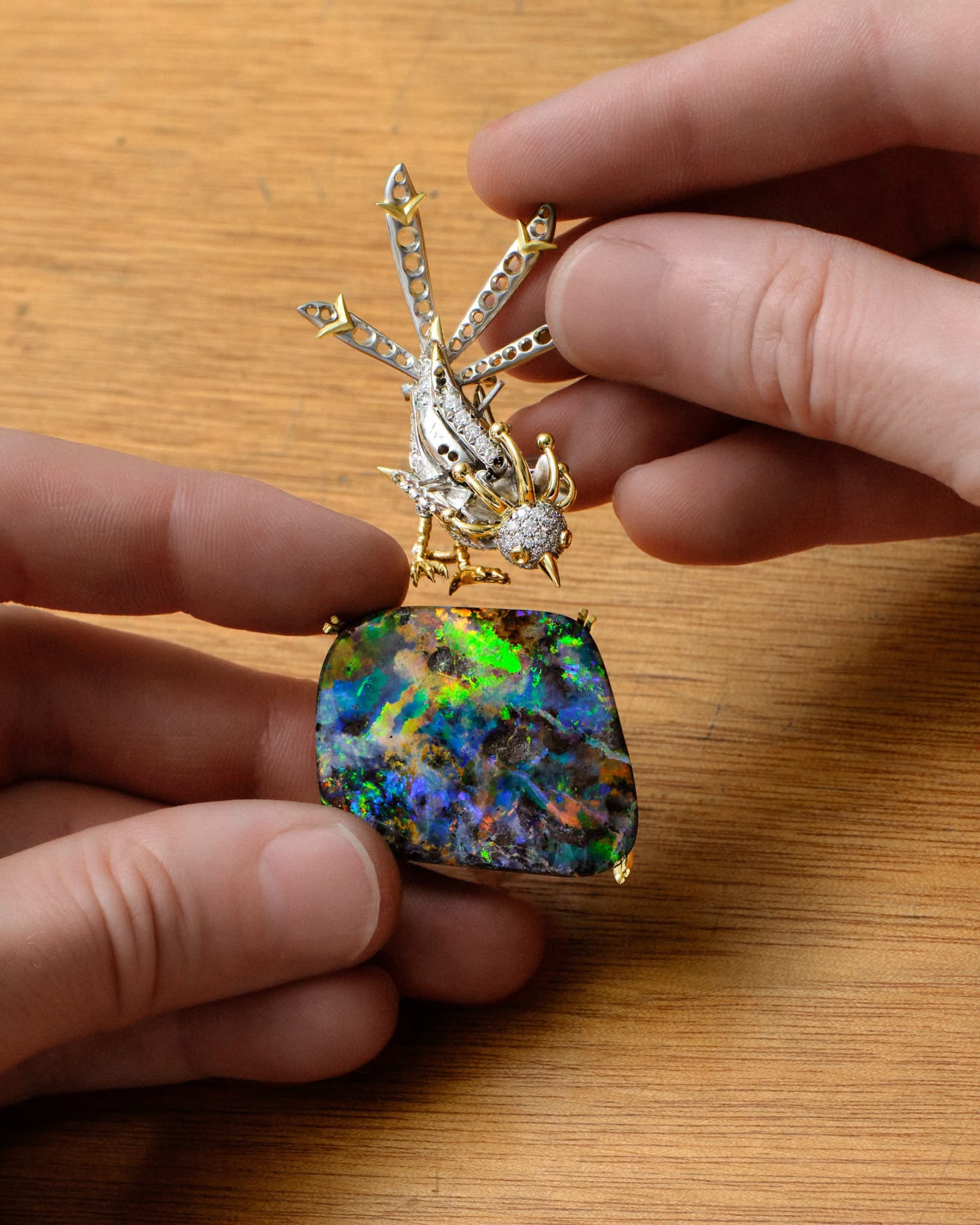
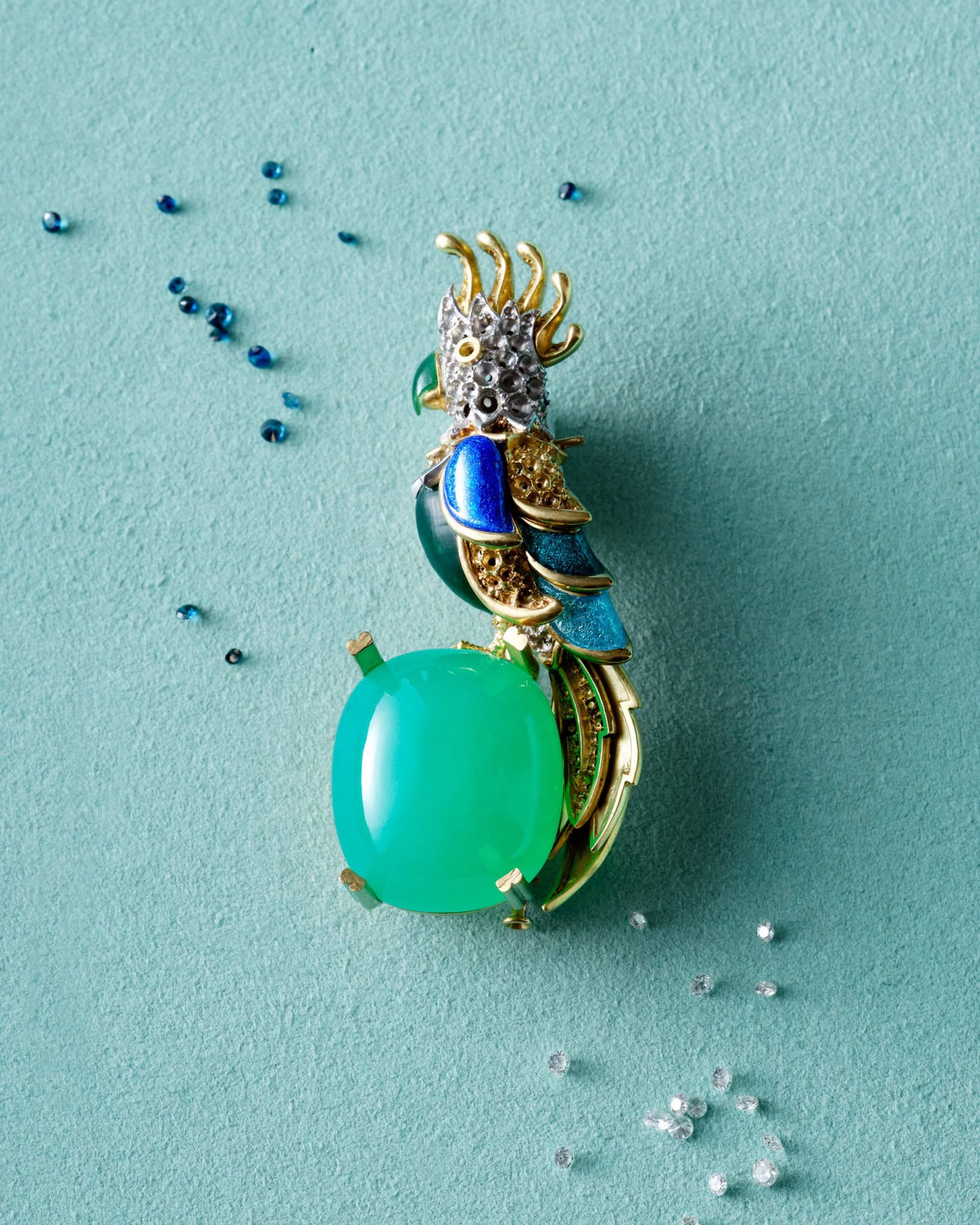
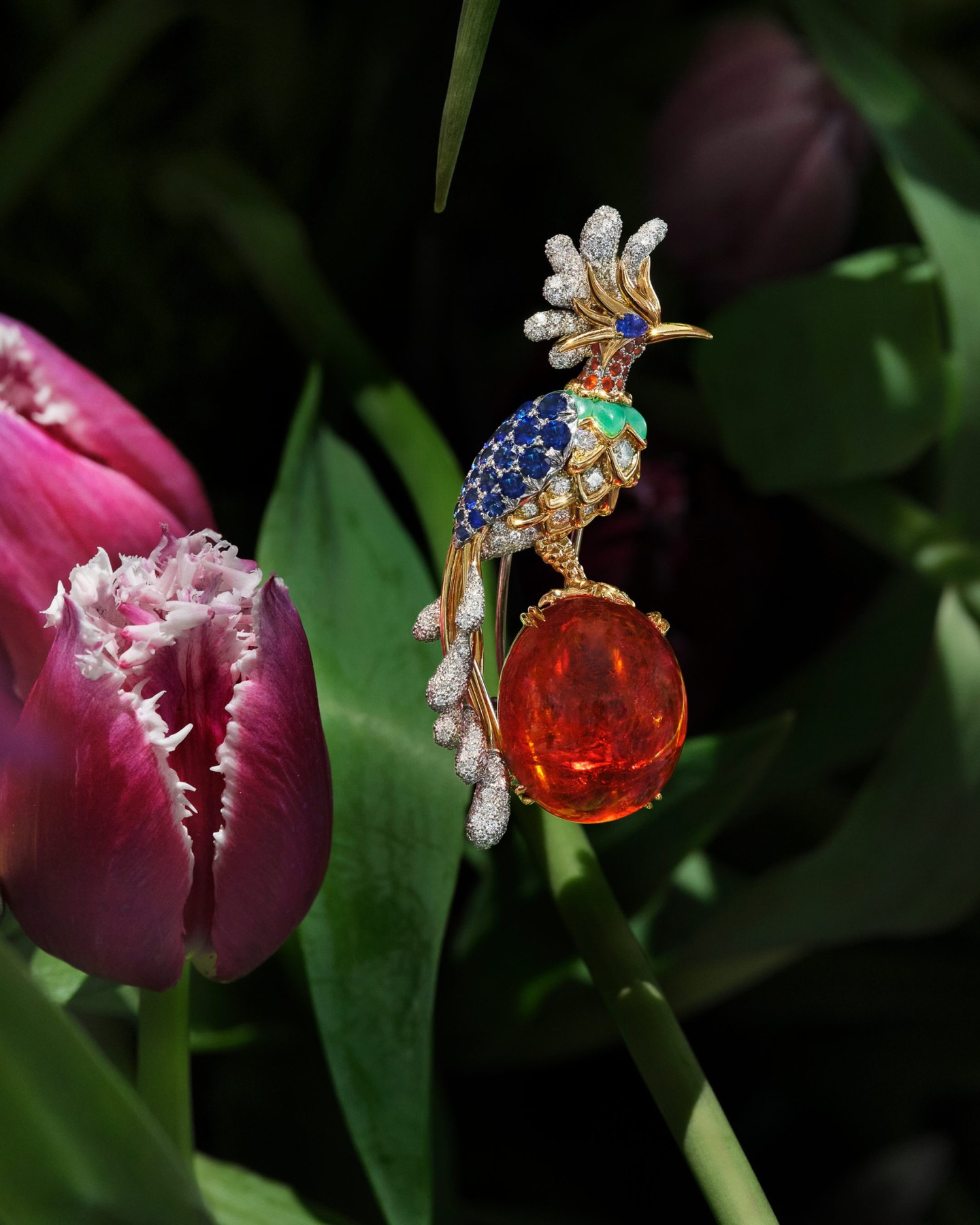
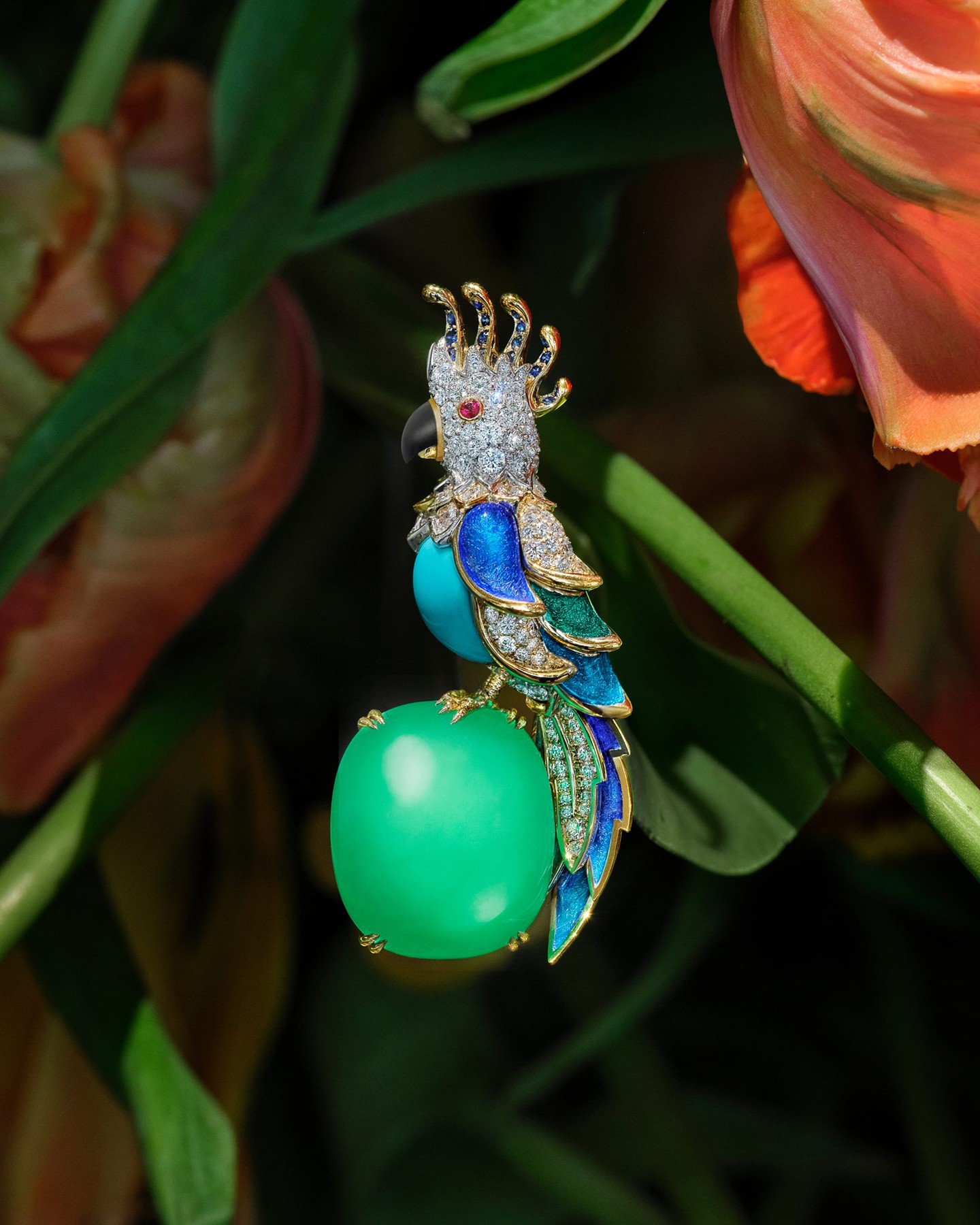
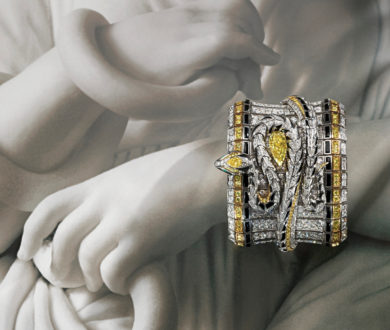
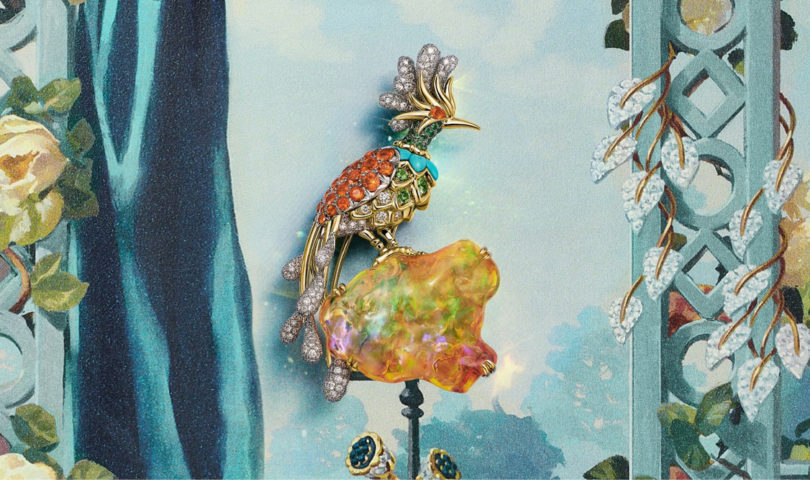
In Tiffany & Co.’s Blue Book 2026: Hidden Garden, nature is treated less as ornament than as a source of character, movement and transformation. Across the collection, Jean Schlumberger’s enduring fascination with flora and fauna returns through a contemporary lens, but it is the Paradise Bird chapter that gives the maison’s garden its most animated presence.

The chapter draws from one of Tiffany’s most recognisable design codes: Schlumberger’s Bird on a Rock. First conceived as a bird perched atop a remarkable gemstone, the motif has endured because it gives important stones a sense of wit and vitality, shifting high jewellery away from pure formality and into something far more distinctive. In Hidden Garden, that idea is expanded into a series of fantastical brooches, where each bird appears to have alighted by instinct on a gemstone chosen as much for its personality as its rarity.

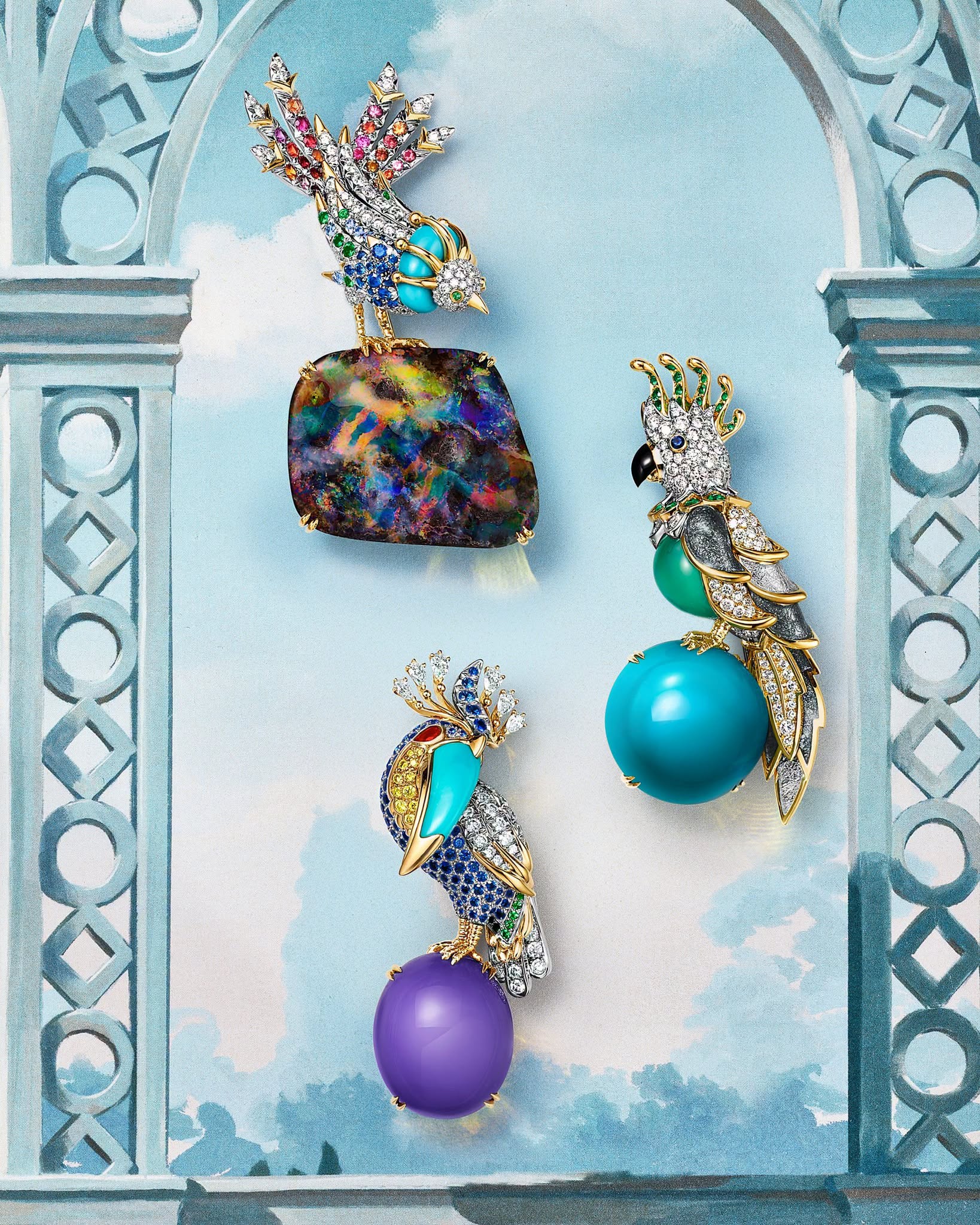
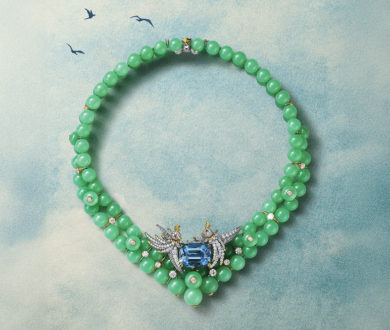
At the heart of the chapter are stones that do not behave as passive centrepieces. Australian boulder opal, American chrysocolla and Namibian unenhanced purple chalcedony each set the tone for the jewel that surrounds it, dictating the colours, textures and secondary stones used across the bird’s body. Rather than imposing a design onto a gem, Tiffany lets the stone lead. The result is a more nuanced kind of harmony, where a flash of enamel, a sweep of diamonds or a vivid coloured stone feels connected to the centre stone’s own internal world.

This is where the pieces become most compelling. A bird perched on boulder opal seems to borrow from the stone’s shifting fire, its plumage heightened by colour that feels alive in motion. Another, anchored by chrysocolla, takes on a cooler, more mineral quality, as though the bird has emerged from the stone itself. The purple chalcedony pieces introduce a different mood again, with their softly saturated centre stones giving the surrounding gem work a more dreamlike intensity.

For all their fantasy, the brooches never lose the precision that high jewellery demands. Their appeal sits in the tension between imagination and control: the curve of a beak, the lift of a crest, the exact placement of gemstones across a wing. These details give the birds their character. They also make clear that the chapter is not simply revisiting an archival motif, but allowing it to evolve.

In the Paradise Bird chapter, Tiffany & Co. finds a way to make rarity feel spirited. The stones remain extraordinary, but they are not treated as static trophies. They become perches, bodies, habitats and points of departure, each one shaping the creature that sits above it. The garden may frame the collection, but these birds give it life.

tiffany.com

Coveted

The luxury skiwear concierge taking the hassle out of ski holidays
The jewellery designed for movement, ease and everyday elegance
Van Cleef & Arpels’ Fascinating Egypt: Inside one of high jewellery’s most anticipated annual events
Ember x Mount Beautiful

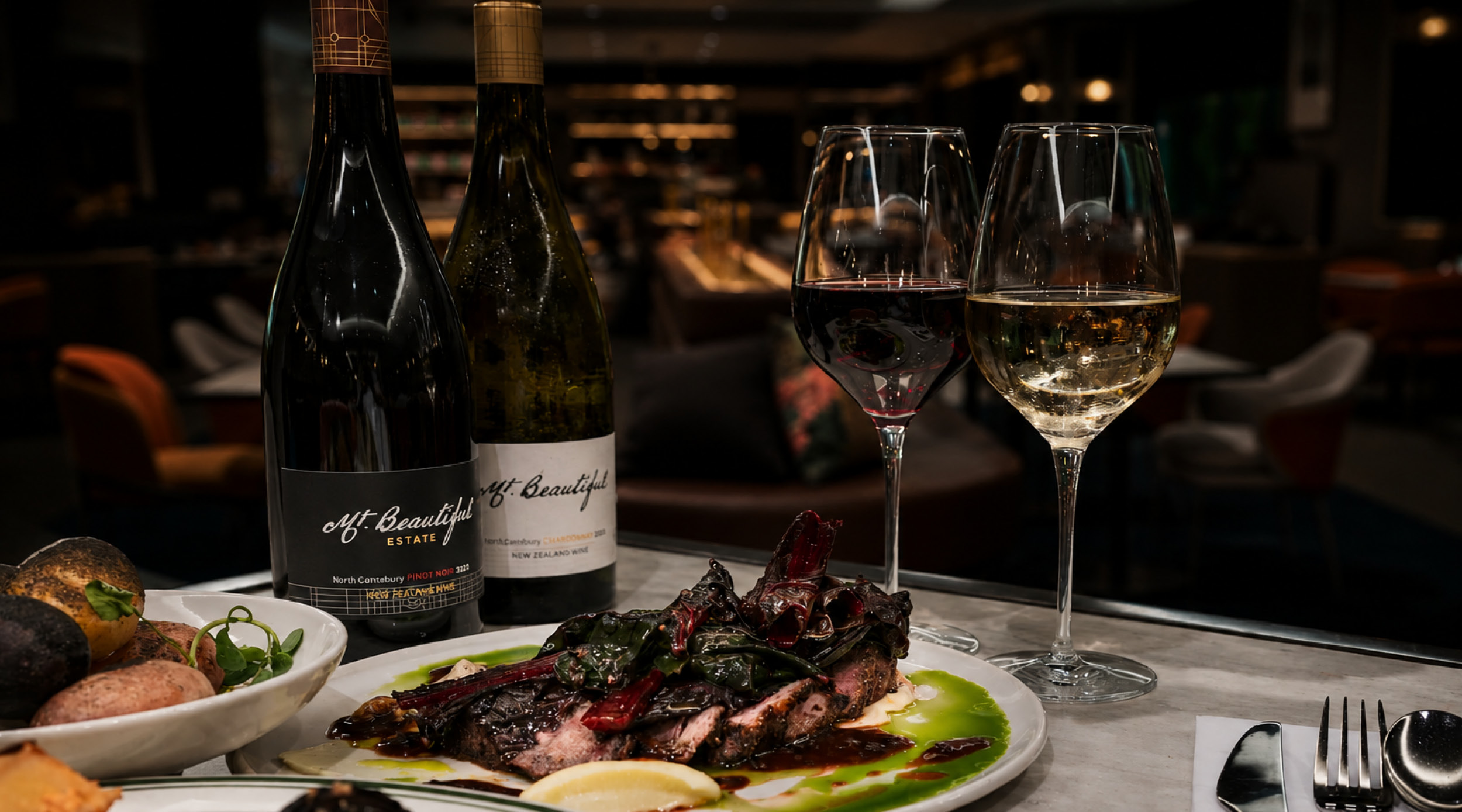
Ember and Mt Beautiful are hosting a one-night winemaker’s dinner worth booking now

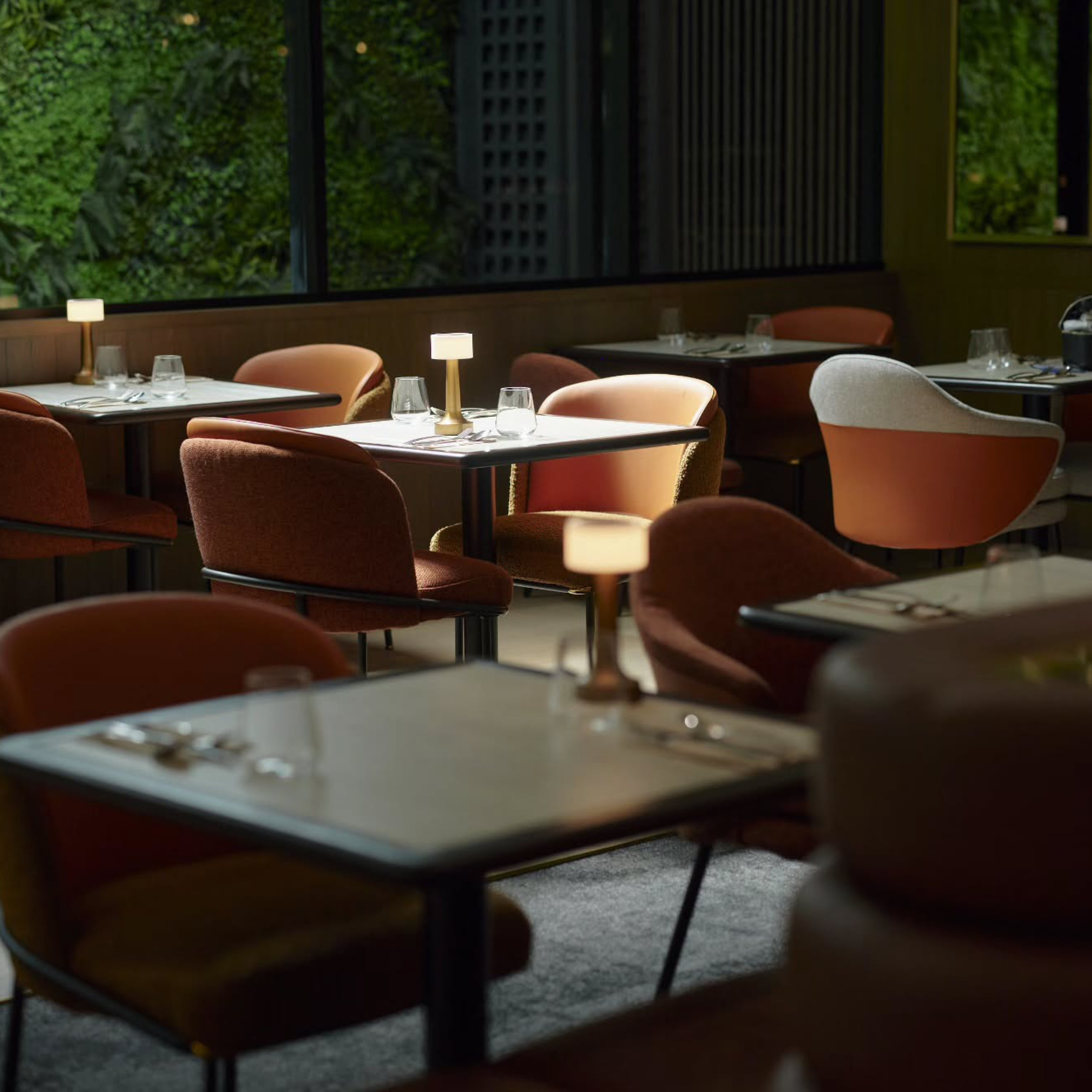
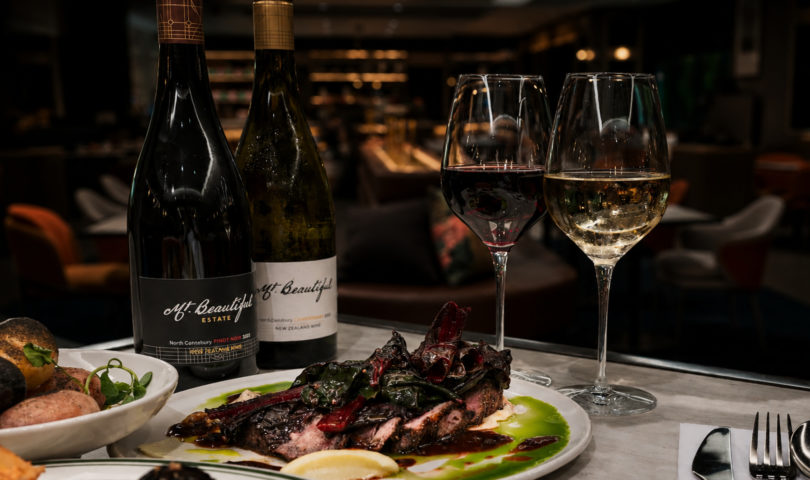
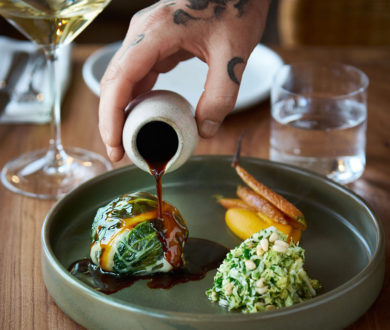
When a kitchen and a winery share the same governing philosophy, a collaborative dinner carries a creative conviction that ignites the senses. On 17 July, Ember at Grand Millennium Auckland hosts a one-night winemaker’s dinner with North Canterbury’s Mt Beautiful, where each course has been designed to reflect the rhythm of the season and the character of the land from which both producers work. With seats strictly limited, this is one table we recommend securing early.

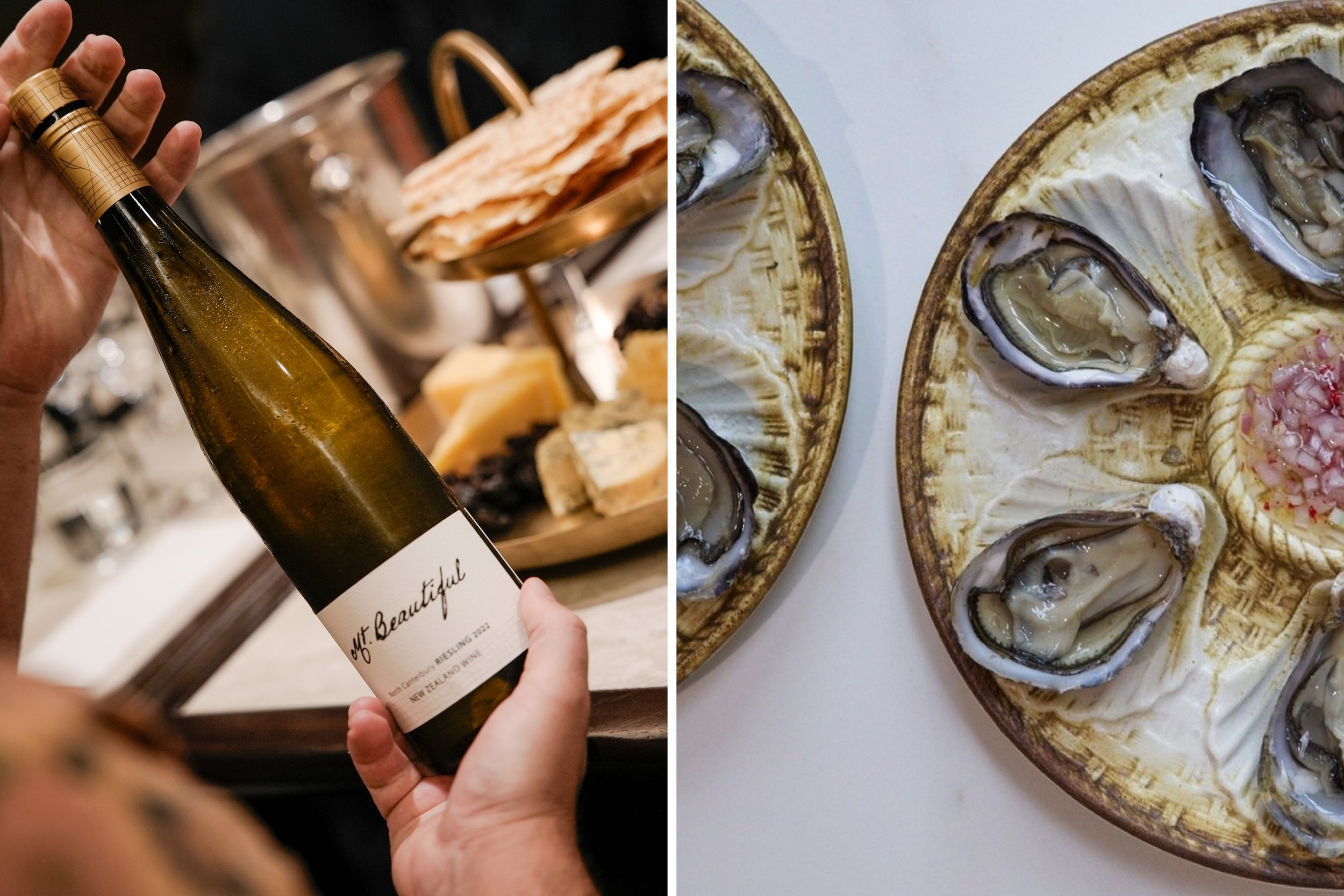
Executive Chef James Kenny leads a kitchen shaped by serious international experience, with time at Paris, London’s Boxwood, and Copenhagen’s Noma under his belt. The menu draws on seasonal New Zealand produce and applies techniques that make a dish feel both effortless and considered. Mt Beautiful seems like a natural counterpart, producing wines from North Canterbury that are expressive, grounded in place, and crafted with a focus on balance and purity, made possible by the region’s altitude, river systems, and demanding climate. Their Pinot Gris moves through orchard fruit with restrained sweetness; the Chardonnay carries stone fruit and mineral length; the Riesling opens floral and resolves clean. These are wines made for the table, built for the kind of thoughtfully paced, shared experience this dinner is designed to be.


The evening moves through six courses and six matched wines with a clear sense of progression. Mahurangi oyster with finger lime mignonette opens alongside Mt Beautiful’s Sauvignon Blanc; tea-cured Ora King Salmon with nori vinaigrette and fried tapioca follows with the Pinot Gris; a shallot tarte tatin with crème fraîche meets the rosé; leeks with gribiche and pan grattata are paired with the Chardonnay. First Light Wagyu Bavette with malt and shiitake glaze carries the Pinot Noir, and rhubarb and custard choux closes the evening against a floral, citrus-bright Riesling. Each pairing builds on the last rather than simply accompanying it.

At $135 per person, this event is sure to sell out. Book here.
millenniumhotels.com/ember

Gastronomy

New Auckland bar The Halligan opens at Hotel Indigo
SOUL is shaking up Dry July with a menu of non-alcoholic cocktails
Much-loved Parnell favourite, Rhu, introduces its new sibling, Roe, serving comfort food done right

Inside the Marais apartment-gallery where hospitality becomes architecture

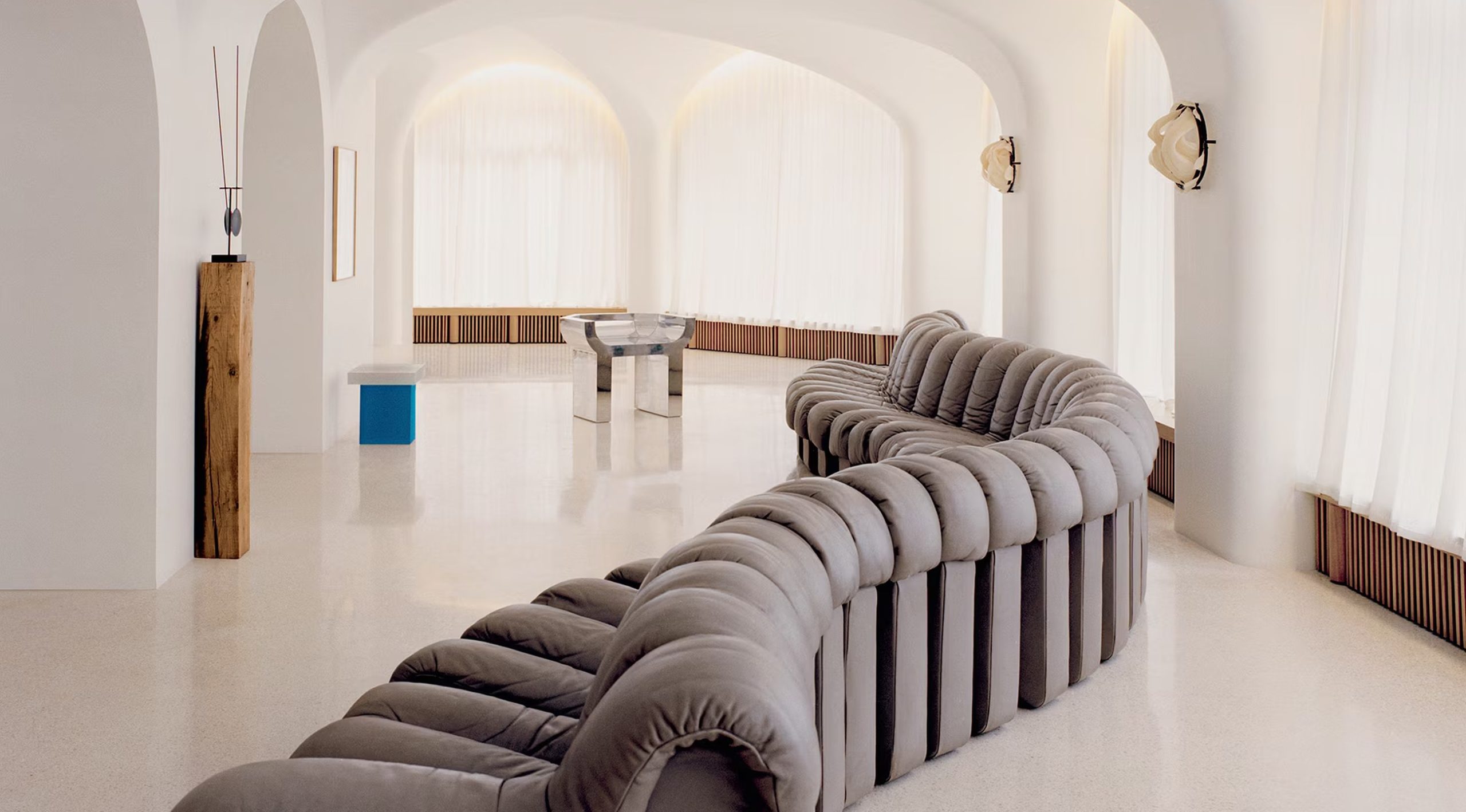
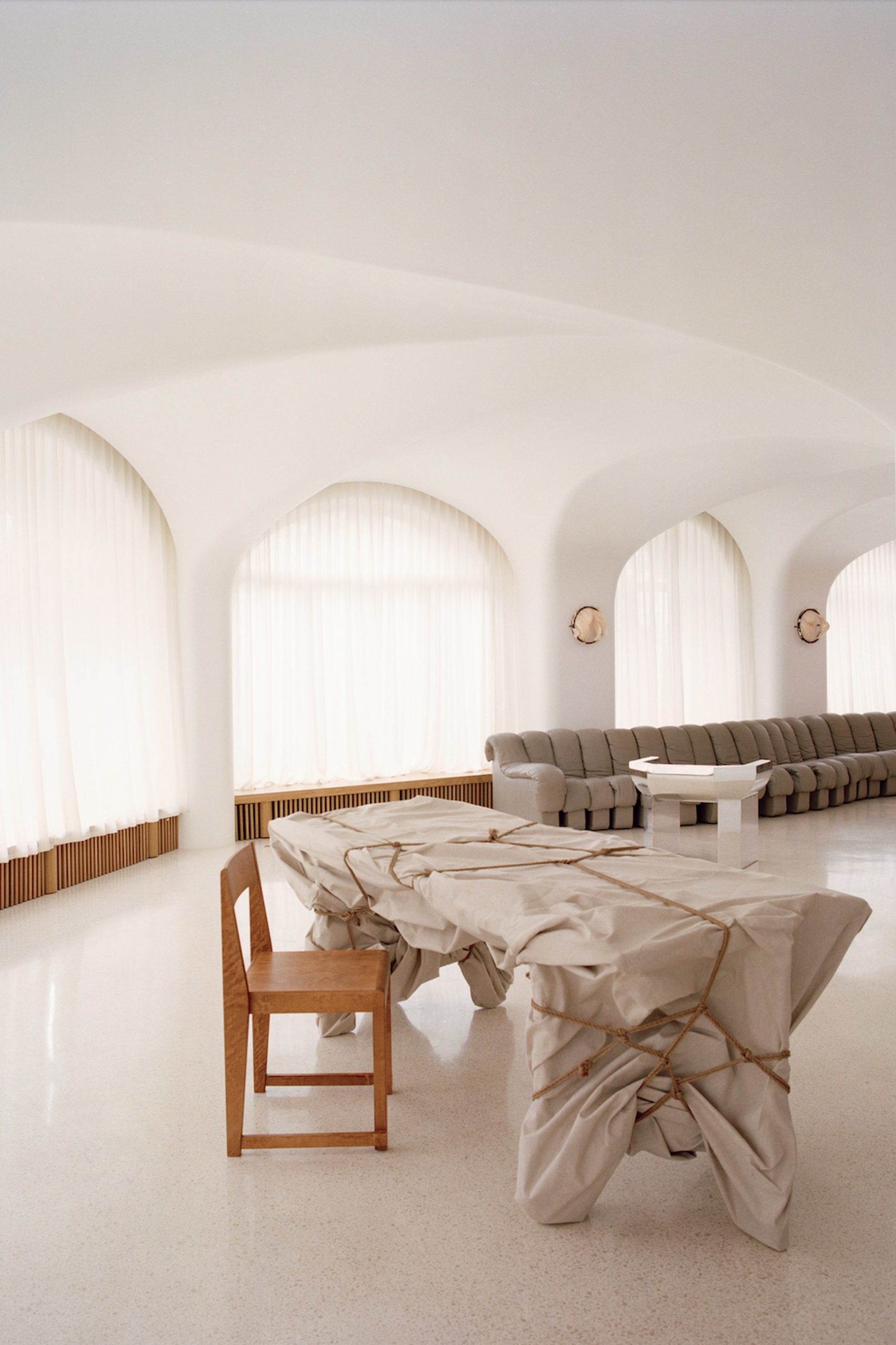
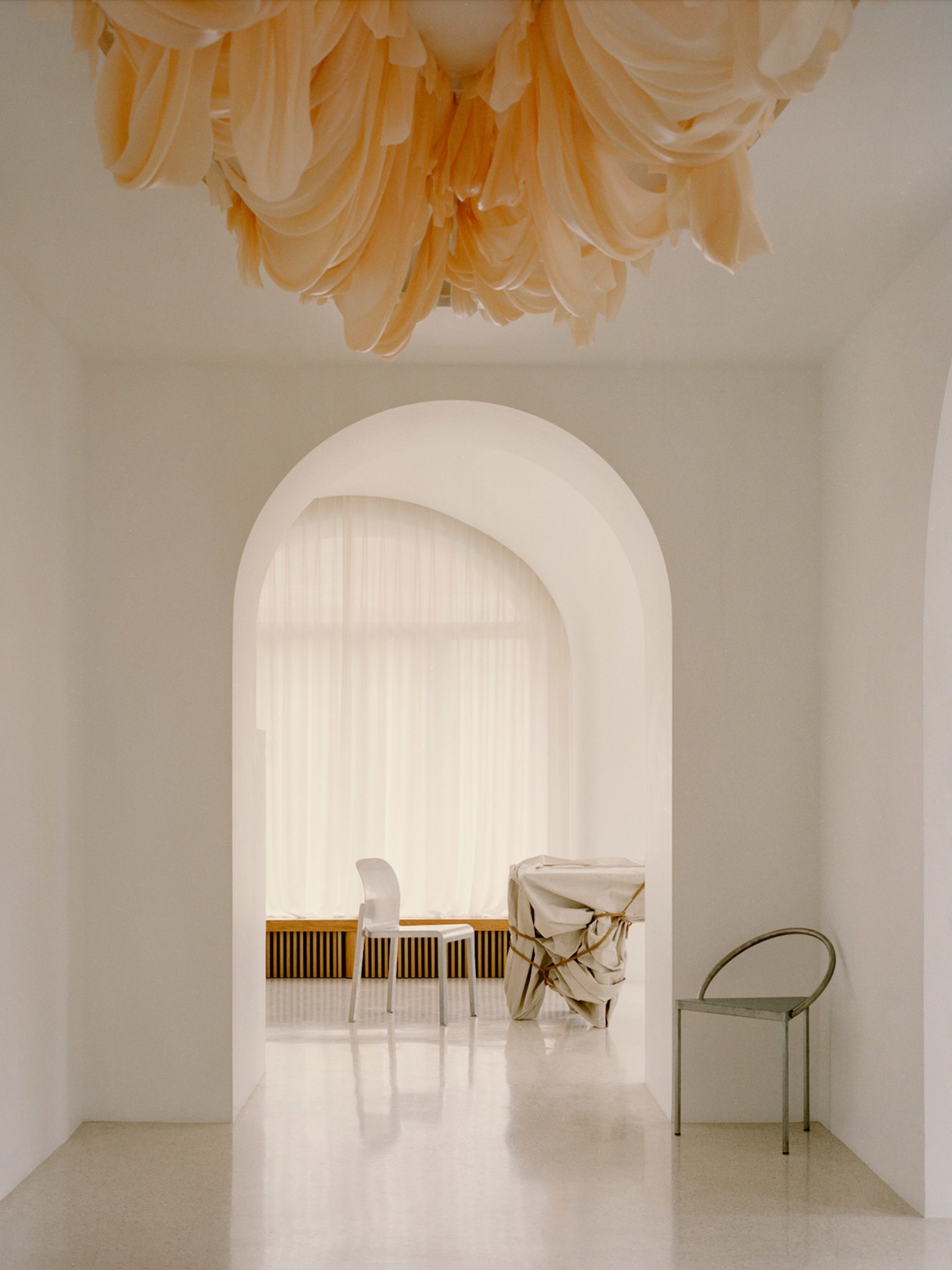
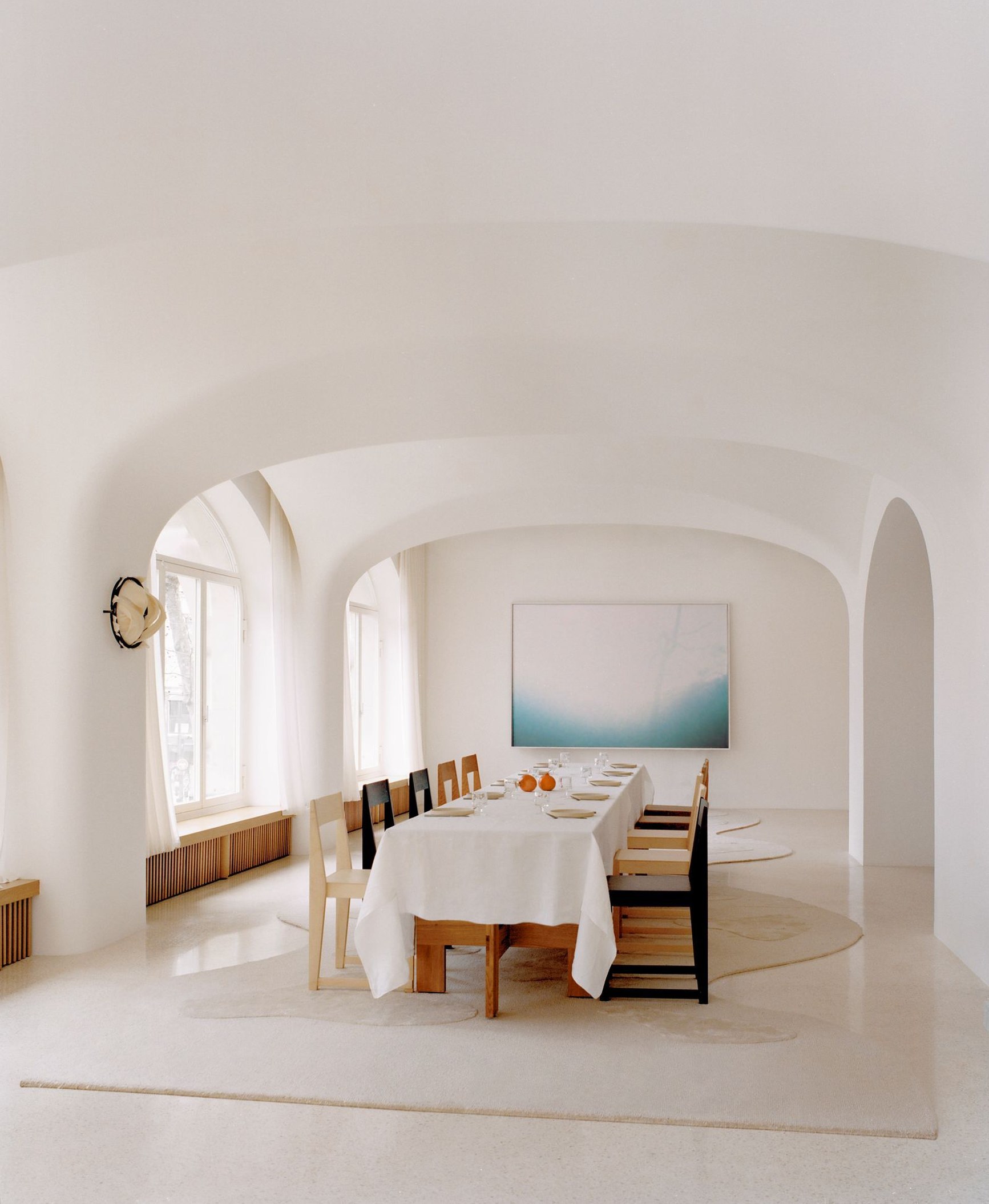
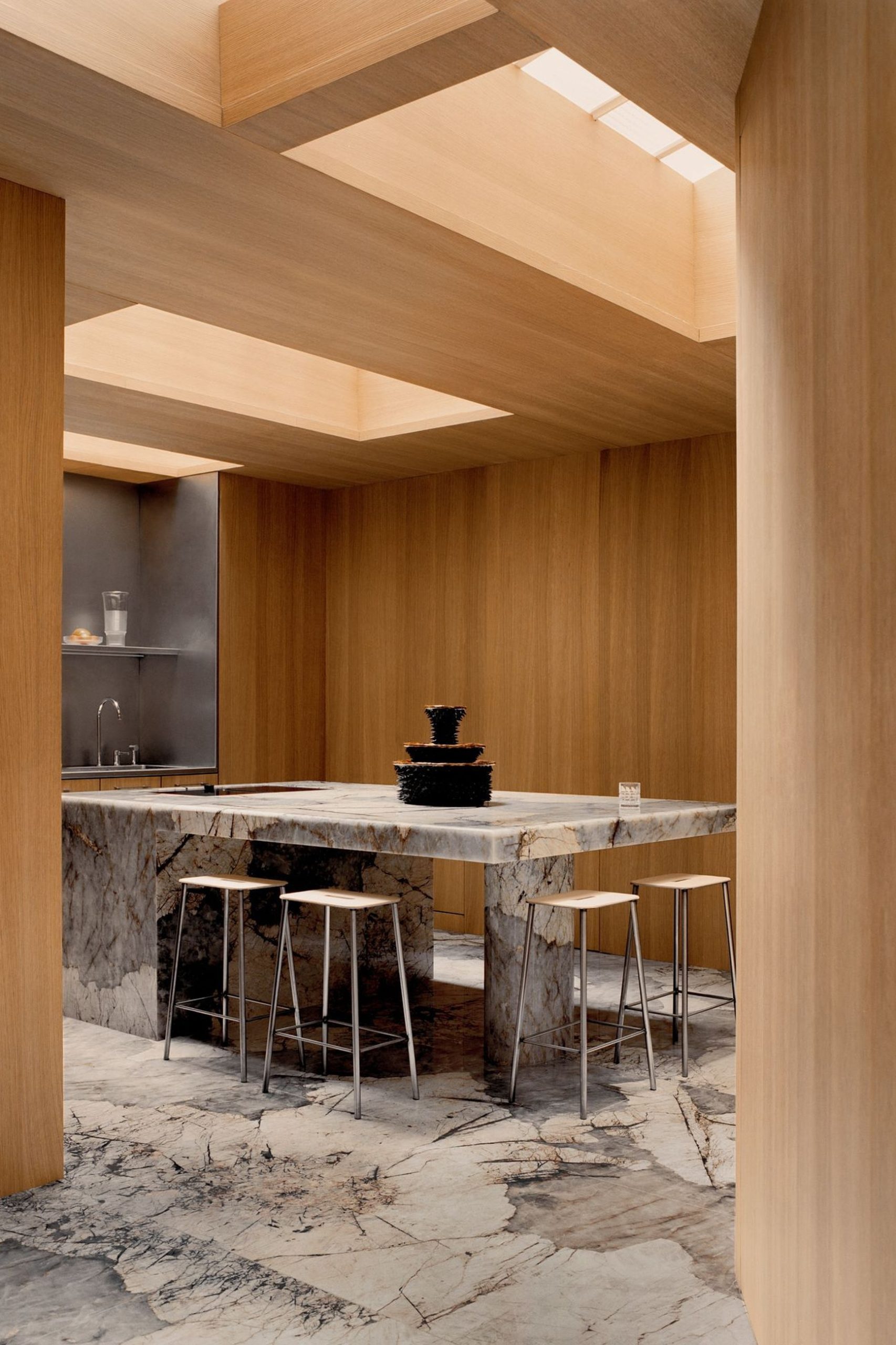
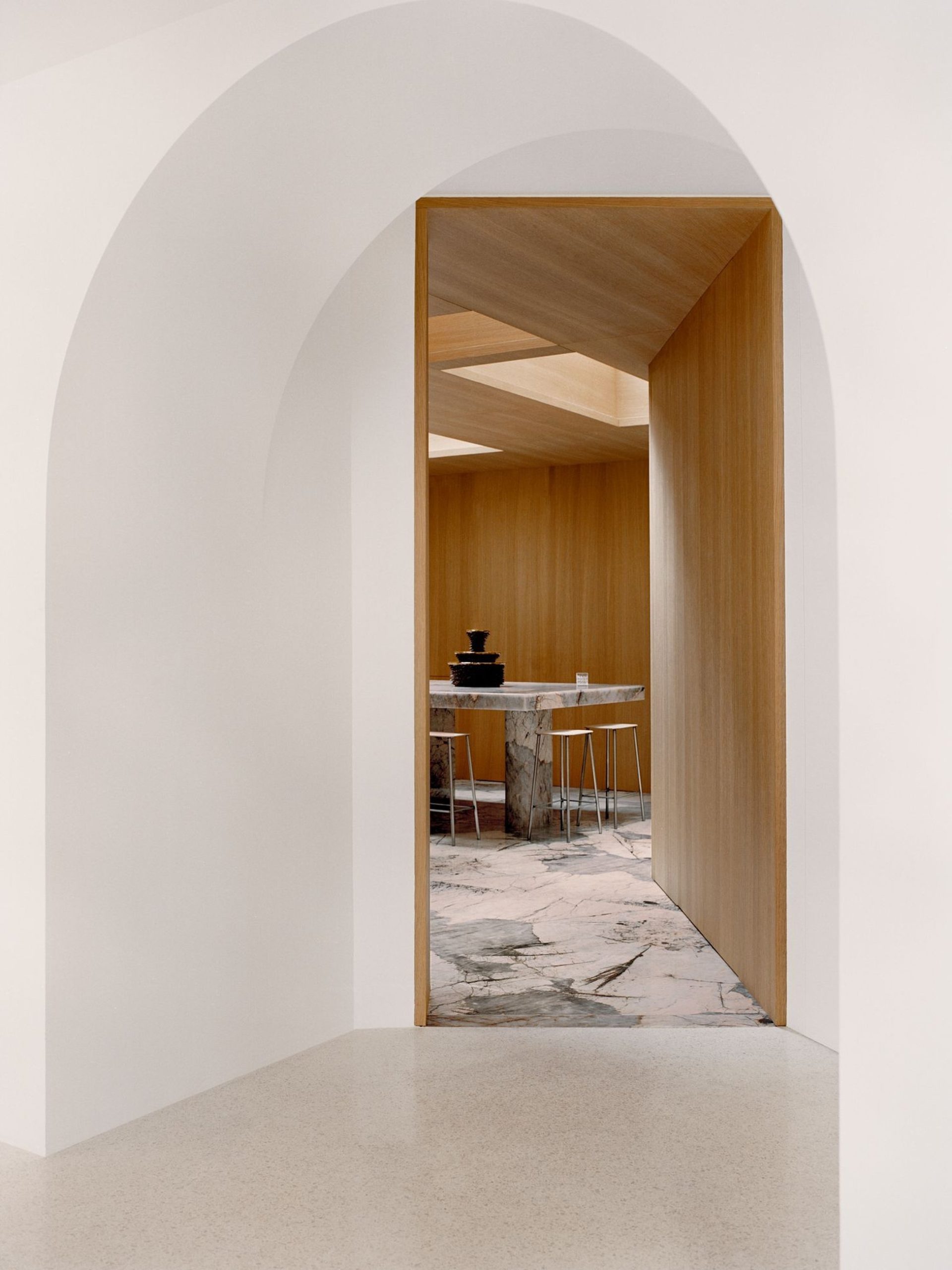
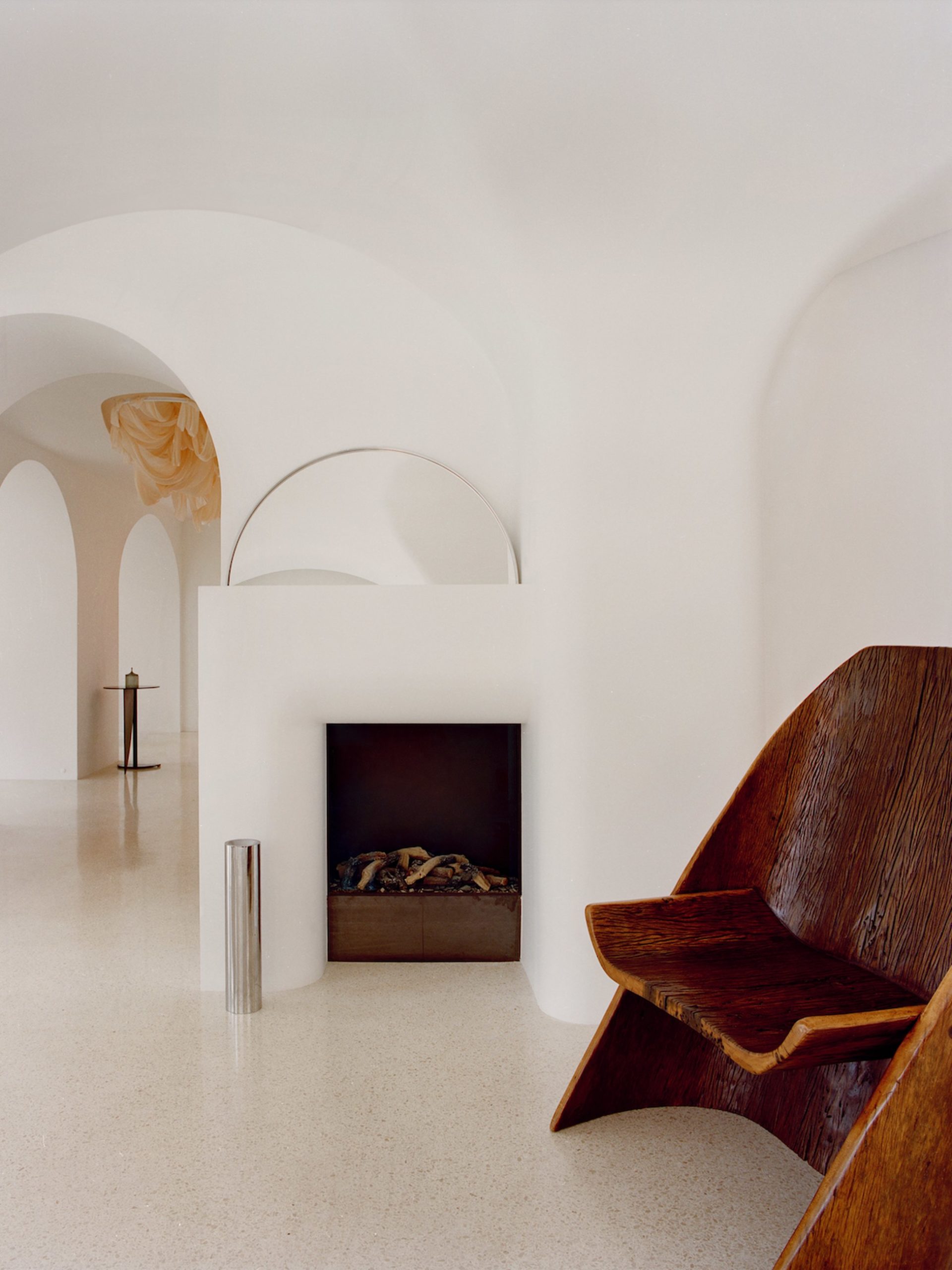
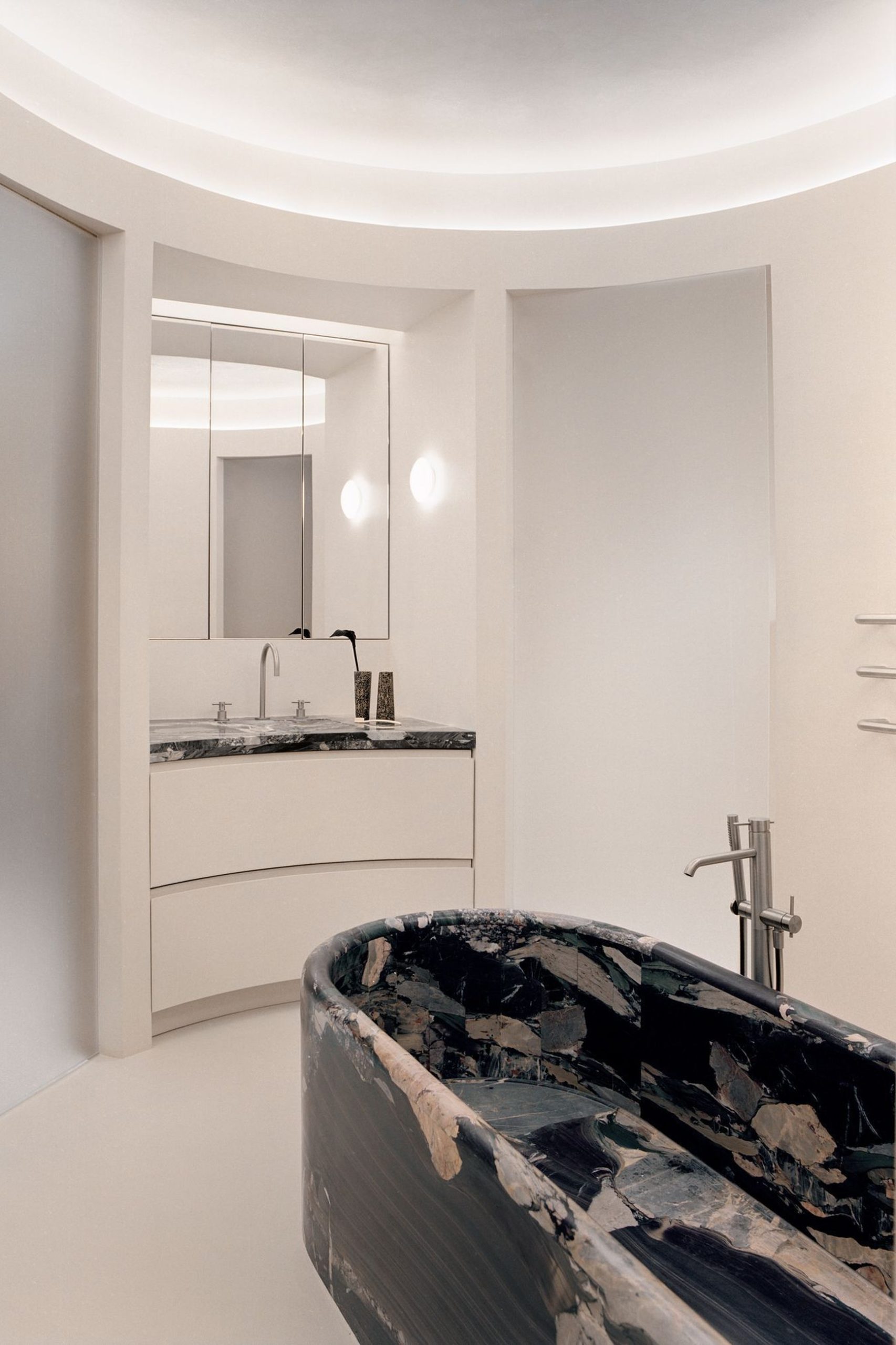
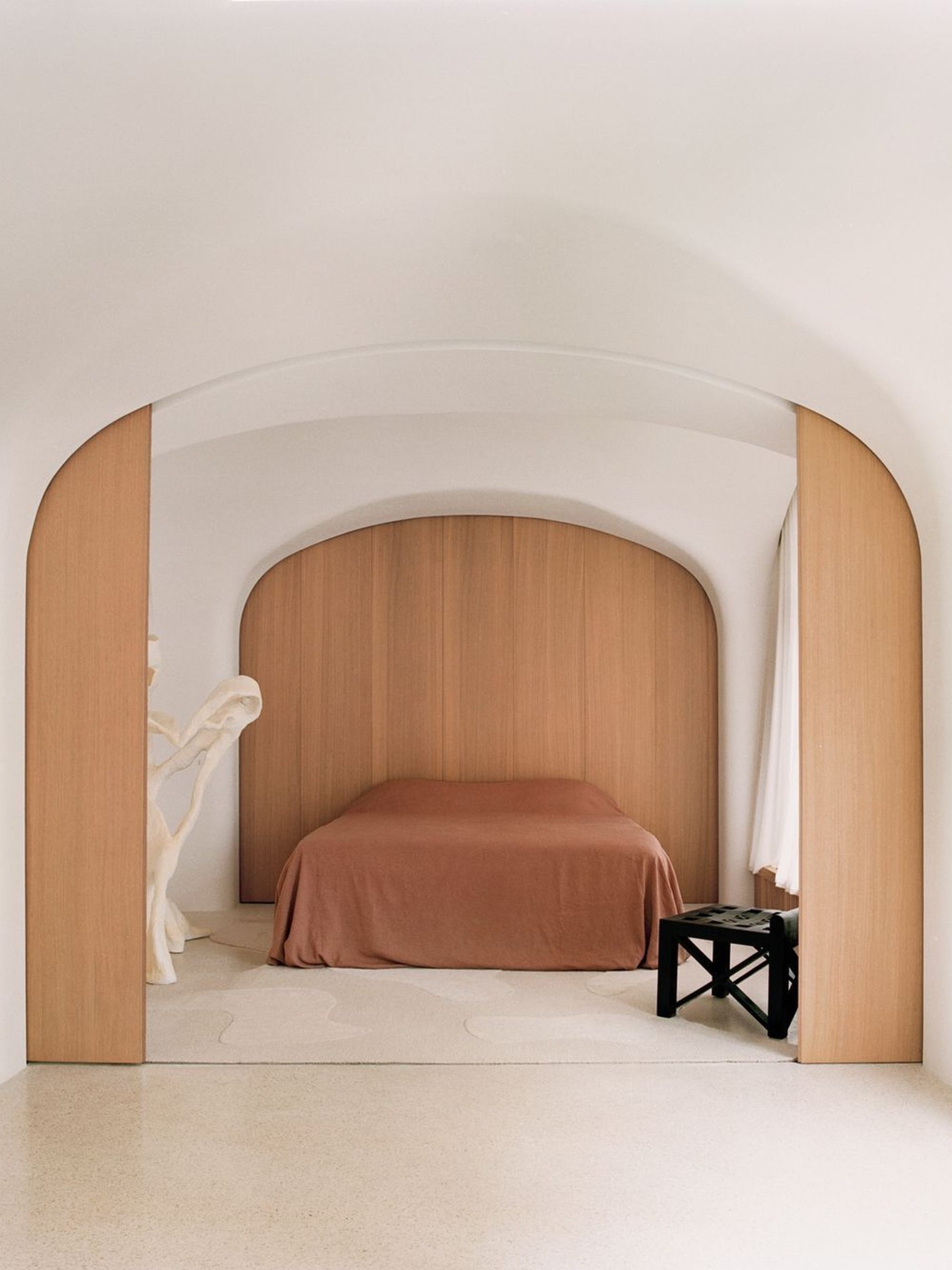
Restraint is the defining gesture at Maison Rocher, the Marais apartment-gallery conceived by French entrepreneur Jeremy Rocher and designer Kym Ellery as a place where private life and creative exchange could comfortably coexist. Designed with equal parts rigour and romance by architect Simon Pesin, the home sits within an Art Nouveau building whose arched ceilings have been preserved, framed and celebrated — a decision that sets the tone for an interior that feels both deeply Parisian and quietly contemporary.

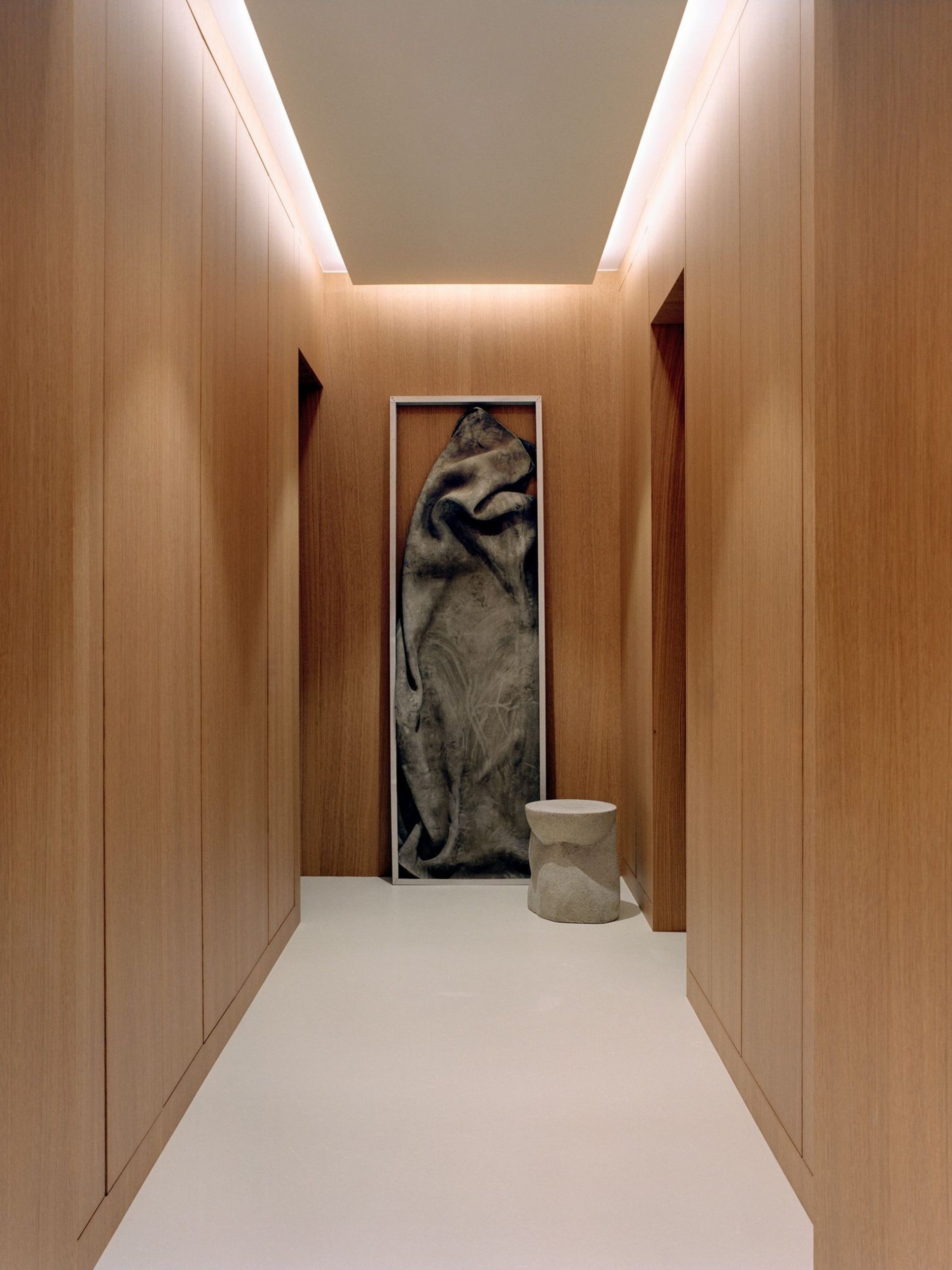
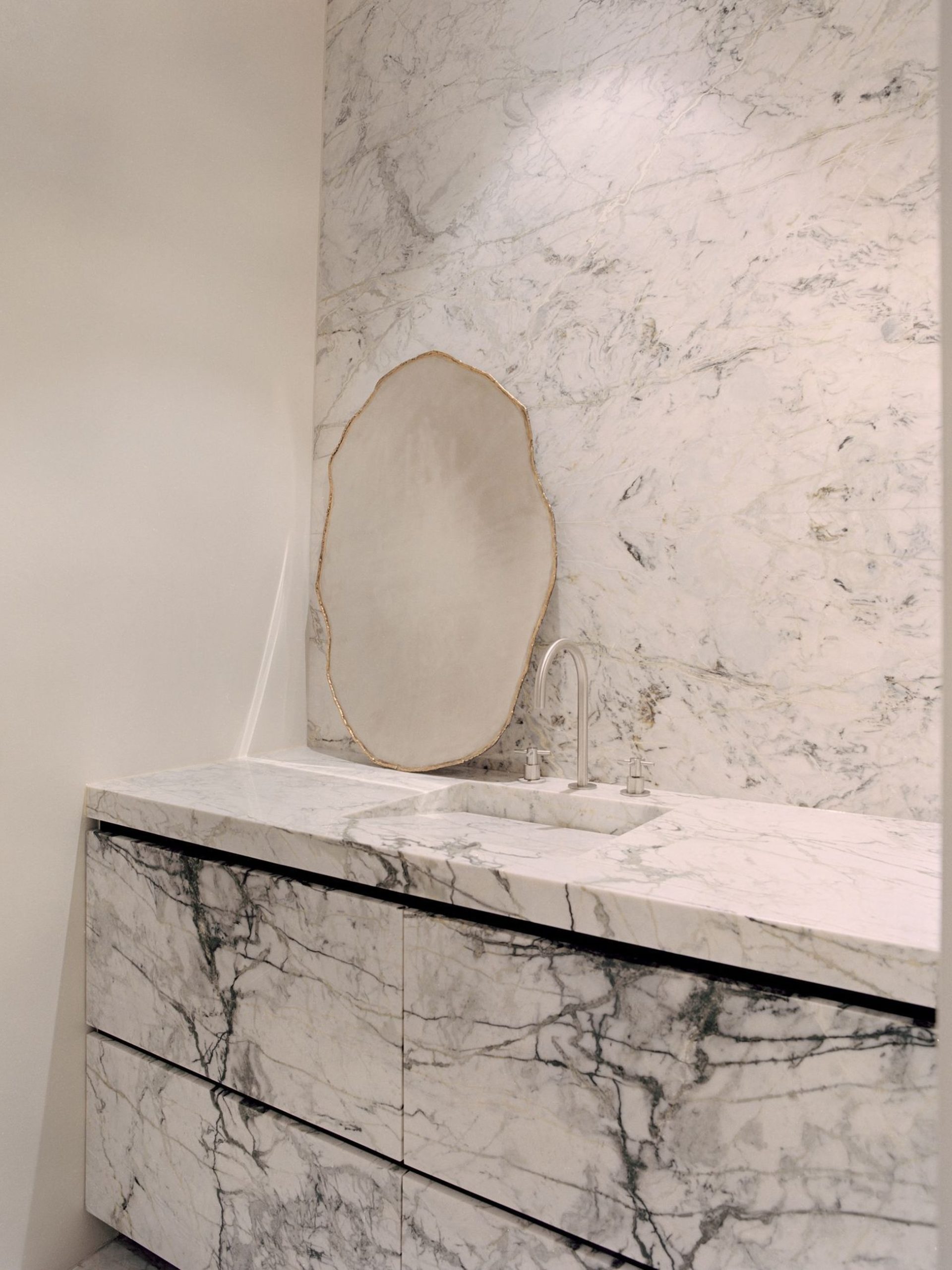
Here, nothing clamours for attention, yet everything rewards a closer look. Muted, chalky plaster walls soften the light, while sculptural furniture, richly veined stone and considered objects are given the space to breathe. The result is a home that moves at an unhurried pace, inviting visitors to wander, pause and absorb the interplay between architecture, art and daily ritual.
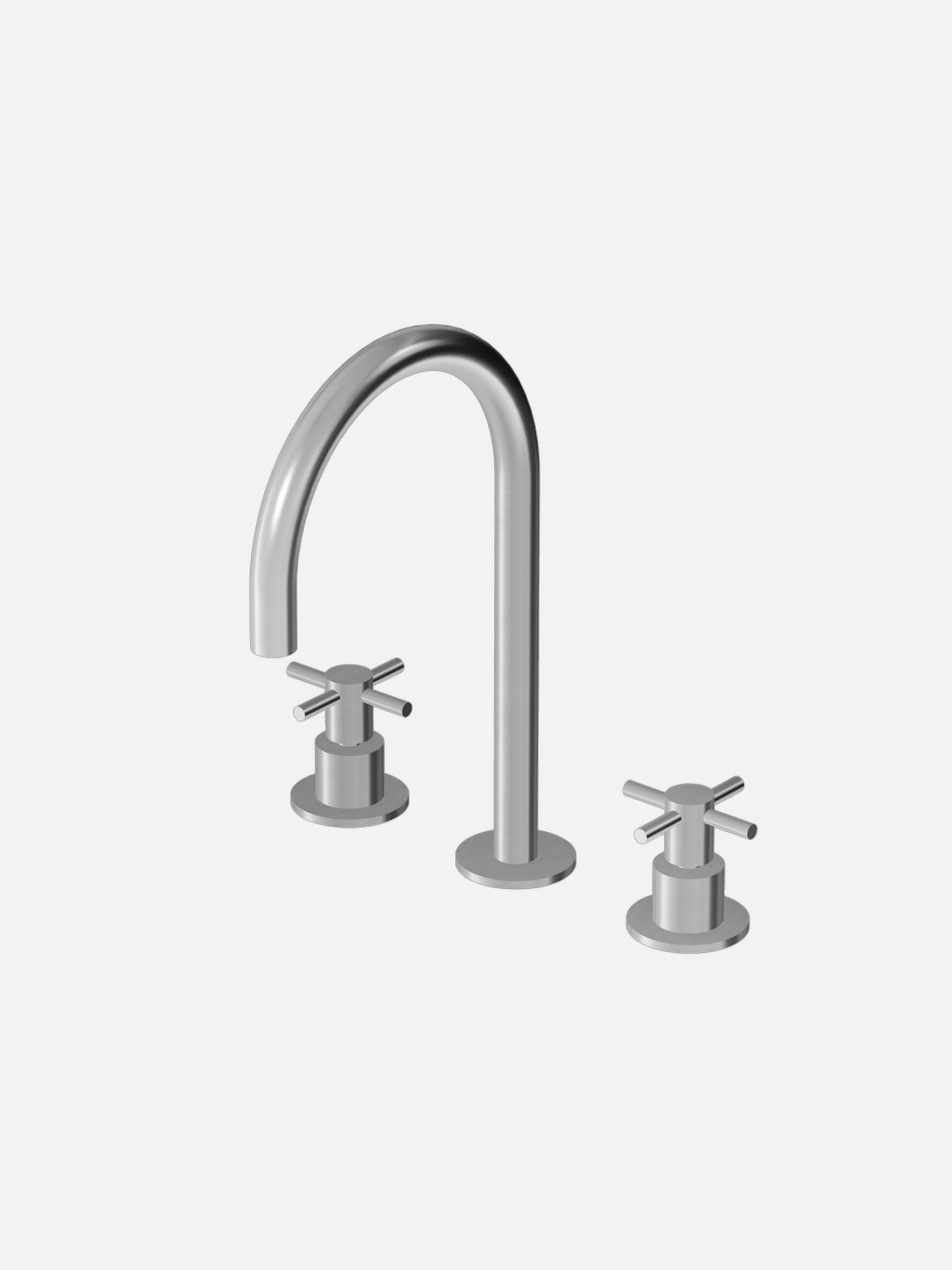
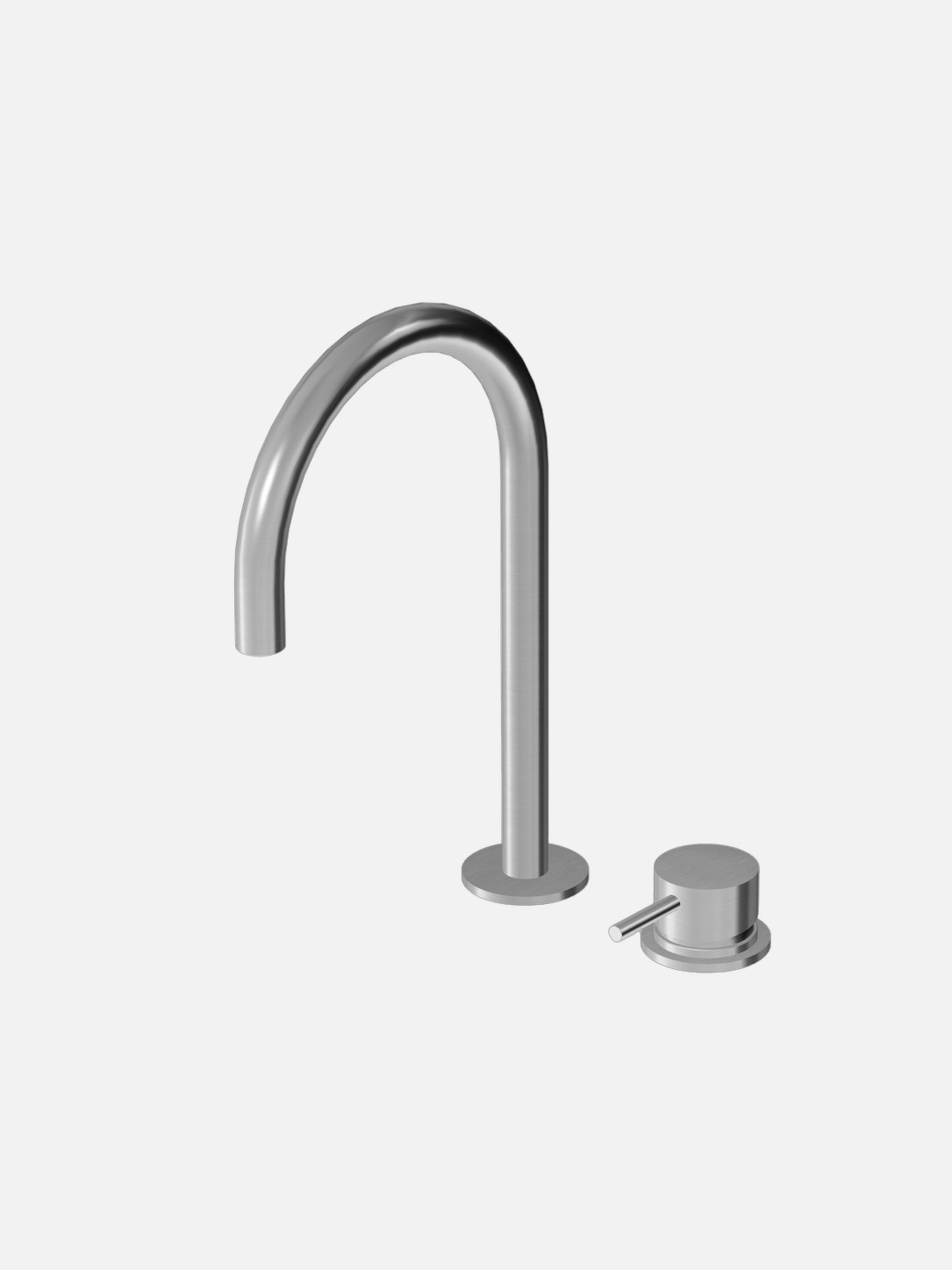
This same sensibility carries through to the apartment’s most functional moments. Rather than treating tapware and brassware as practical necessities, Pesin threads Zucchetti throughout the kitchen, powder rooms and bathrooms as a recurring design language. Brushed and polished metals meet stone basins and marble surfaces with a collected, almost gallery-like ease, transforming fittings into quiet sculptural gestures.

It is a confident approach, and one that speaks to the discernment of Rocher and Ellery as much as to Pesin’s precise eye. At Maison Rocher, the rooms made for living are afforded the same care as those designed to be seen — proving that true refinement lies not in excess, but in the deliberate beauty of restraint.

Get The Look


Zucchetti 3 hole basin mixer from Robertson
Zucchetti 2 hole single lever basin mixer from Robertson
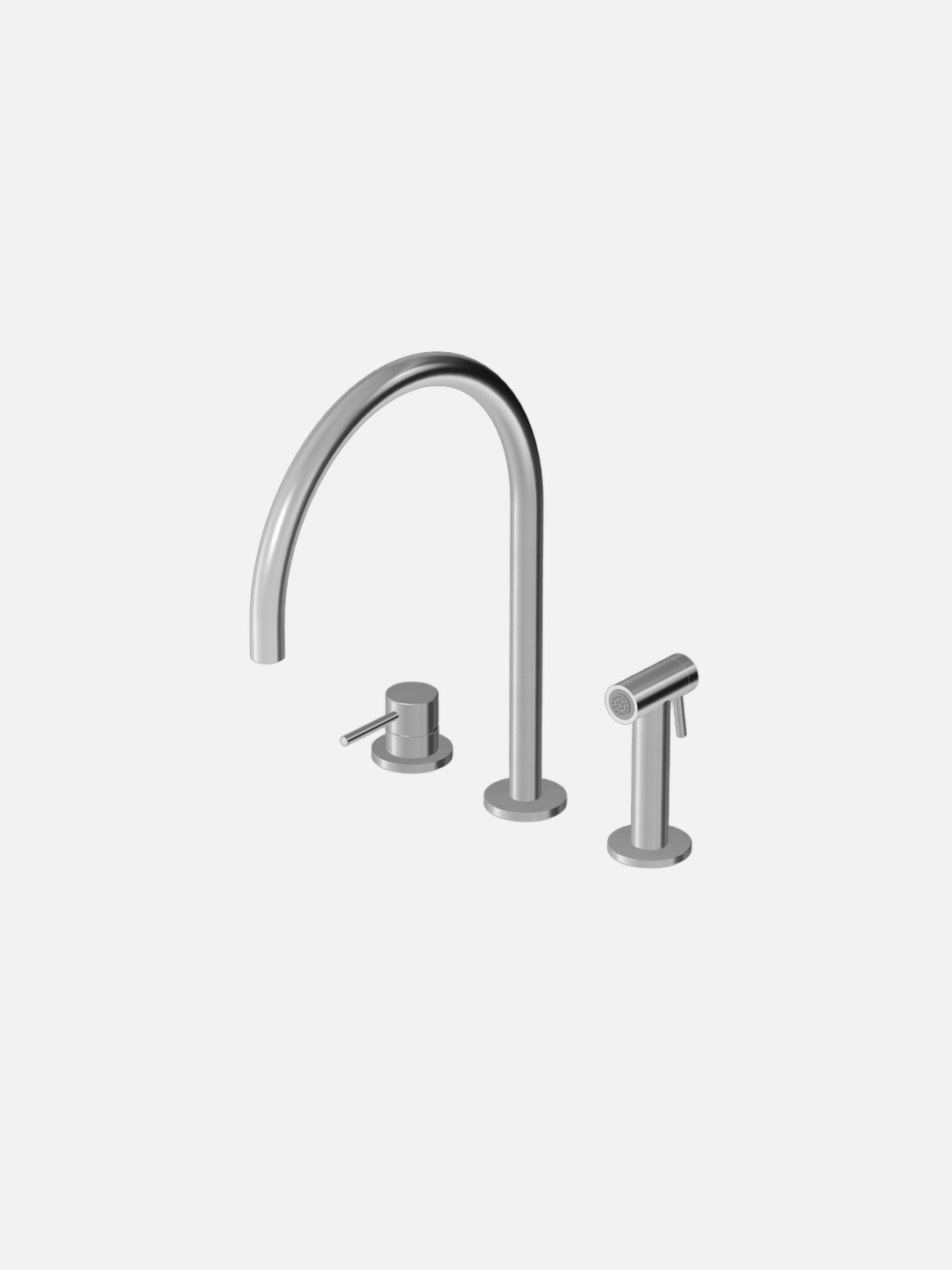
ZUCCHETTI KITCHEN MIXER WITH SWIVEL SPOUT AND SIDE SPRAY from Robertson
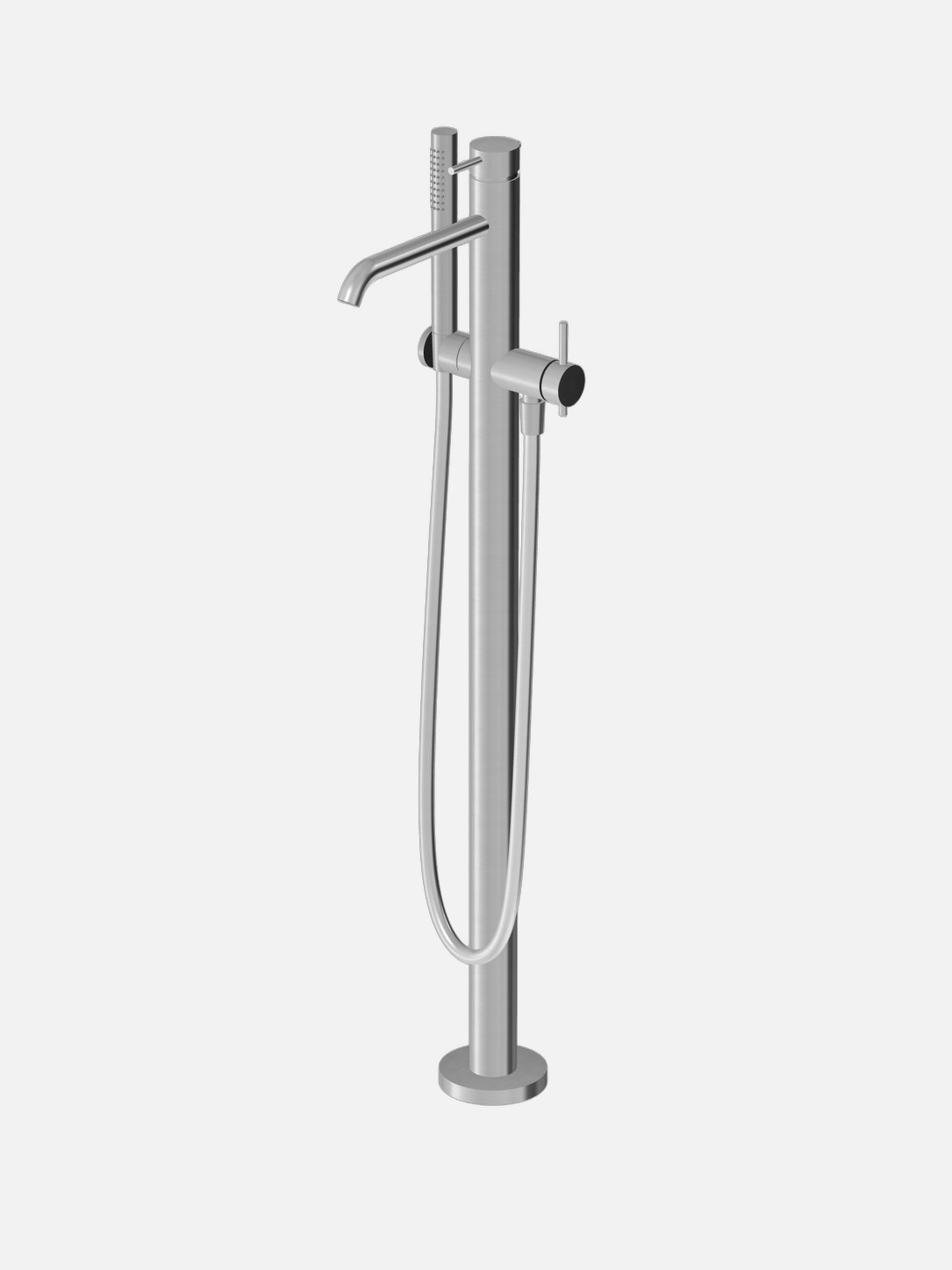
Zucchetti FREESTANDING BATH COLUMN from Robertson

robertson.co.nz

Design

Italians in Residence: Molteni&C opens its first New Zealand flagship
How new furniture brought fresh life to this Auckland character villa
Milan 2026: The standout lighting designs that do more than illuminate
The Halligan

New Auckland bar The Halligan opens at Hotel Indigo

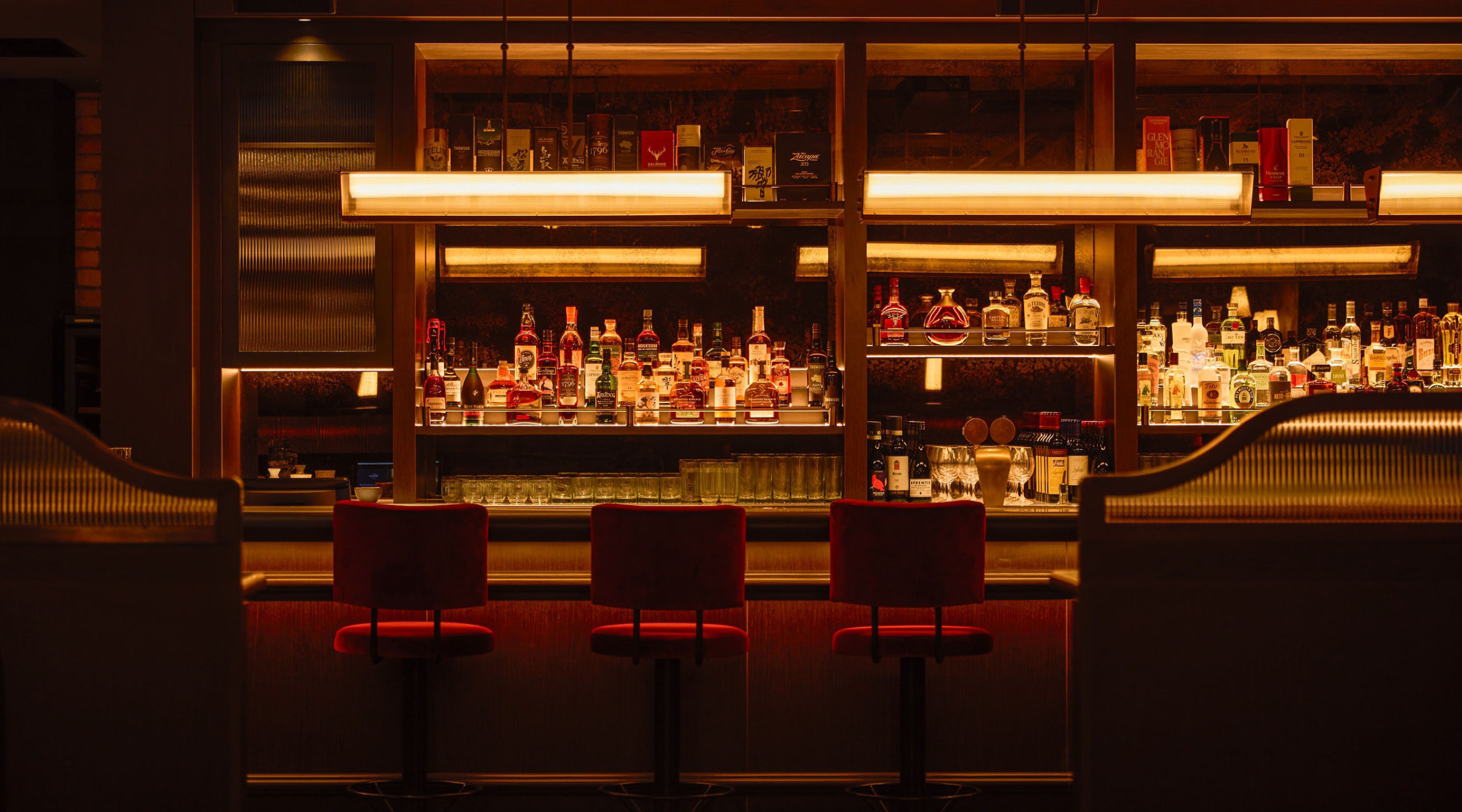
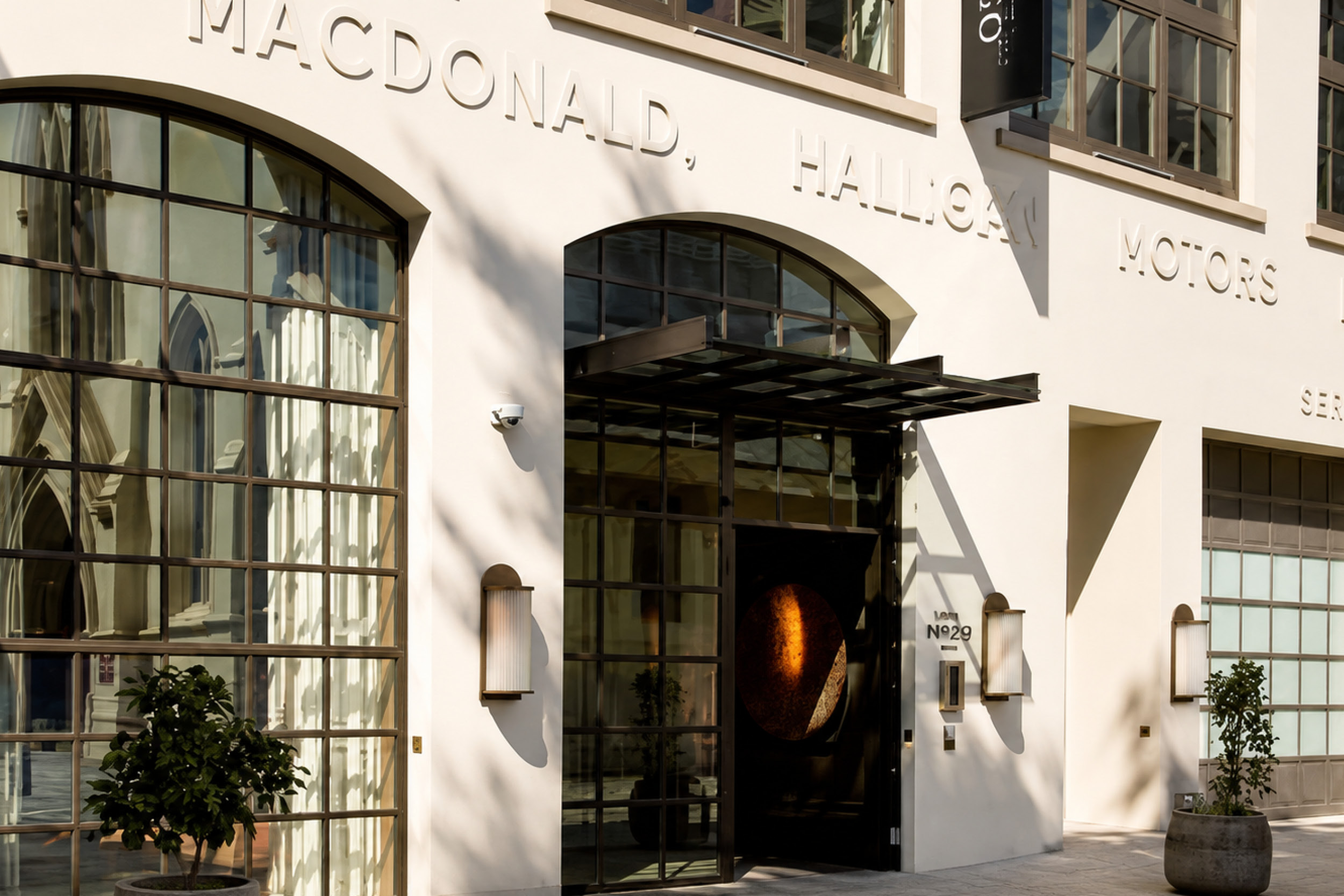
At Denizen, we are often asked where to go for an evening tipple. The somewhat lost art of savouring a well-crafted cocktail with good company, thankfully, seems to be having a revival. For those seeking somewhere new for a finely made martini, a considered glass of wine or an unhurried pre-dinner drink this weekend, The Halligan has opened at Hotel Indigo Auckland, a polished new cocktail and wine bar in one of the city’s more atmospheric addresses. Overlooking the square through expansive arched windows, the venue has been designed as an intimate neighbourhood bar with warm lighting, rich materials and close-set seating, creating an environment that rewards conversation. The Halligan offers the appeal of a well-proportioned room, a well-conceived drink and service that knows when it’s required.

Hotel Indigo

That sense of assurance is helped by the calibre of the team behind it. Food & Beverage Manager Joey Hickman brings more than two decades of hospitality experience across New Zealand, Australia, the United Kingdom and the United States, with a résumé that includes Bossi, Pasture, The Conservatory, Ace Hotel New York and Hawksmoor London.

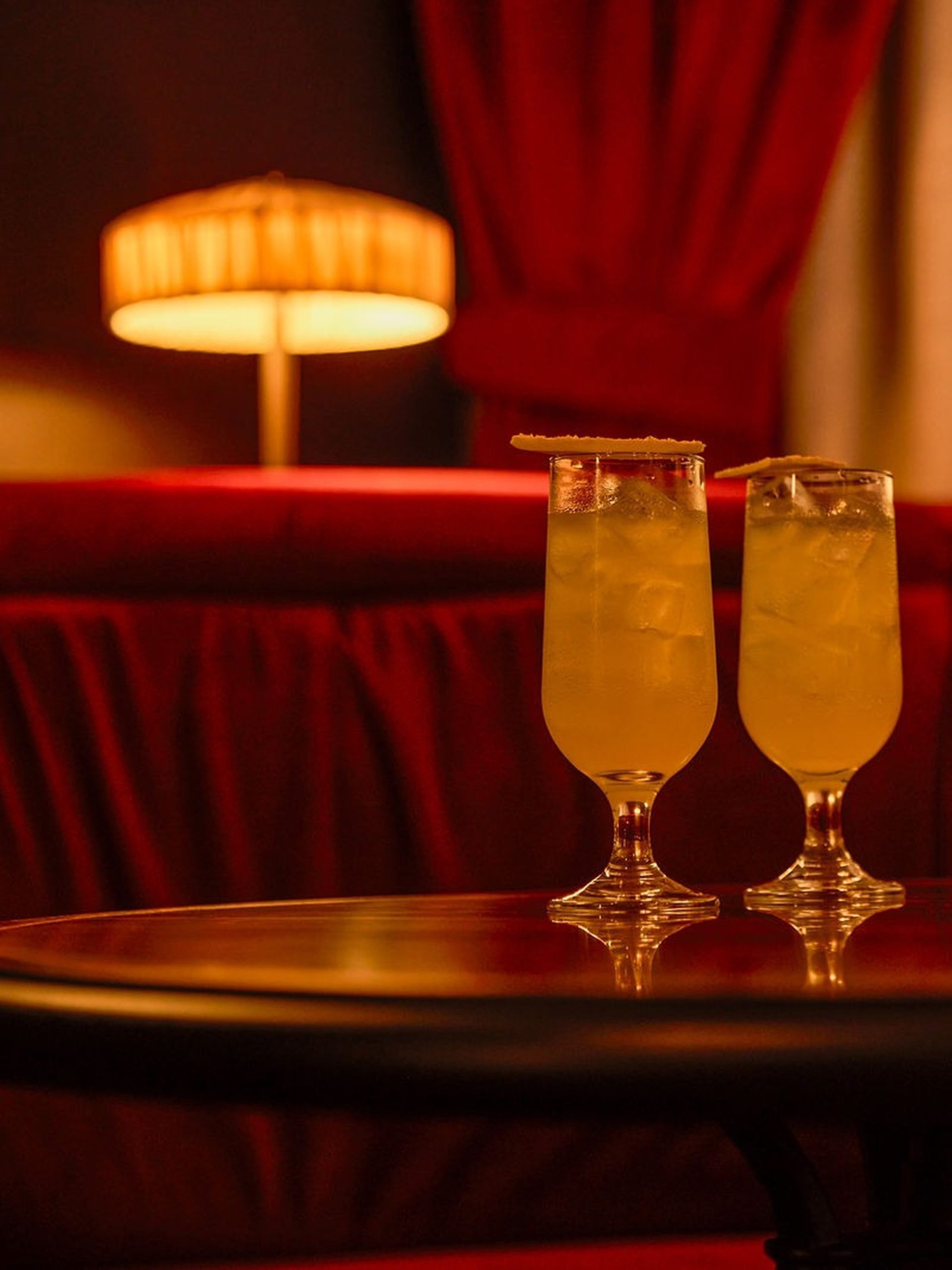
Two amber cocktails in pilsner glasses on a dark table inside a red velvet bar.
Smiling bartender behind the bar at The Halligan, Hotel Indi Auckland, with spirit-lined shelves behind.
Venue Manager, Joey Hickman

The drinks programme is led by Bar Manager Dylan Hawkins, whose hospitality career has included shaping several of Auckland’s most respected bar experiences, among them the opening of Kemuri Hi-Fi. At The Halligan, Hawkins has built the list around classic foundations, giving due respect to the enduring architecture of the Martini, the Negroni and their better-dressed relatives, while allowing enough contemporary thinking to prevent the whole exercise from becoming reverential. Food, too, has been given proper consideration, with Executive Chef Yutak Son behind a seasonal menu designed to sit naturally alongside the cocktail and wine offerings. Son’s acclaimed work at Bistro Saine has recently been recognised by the Michelin Guide with a Bib Gourmand distinction, and at The Halligan, his approach draws on premium local ingredients and refined French technique, giving the bar enough culinary substance to move beyond the usual supporting cast of olives, fries, and resigned snacks.

Bartender double-straining an amber cocktail into a coupe glass at The Halligan bar, Auckland.
Bar Manager, Dylan Hawkins
A hand with red nails holds a rose cocktail in a coupe glass at a dimly lit bar.

For Hotel Indigo Auckland, the opening also sharpens the hotel’s connection to its neighbourhood, reflecting the brand’s global philosophy of creating restaurants and bars that speak to their local setting rather than merely serving guests upstairs. In this case, that setting does much of the work. St Patrick’s Square brings a useful sense of atmosphere. The Halligan is perfect for after-work drinks, weekend catch-ups, a pre-dinner glass or the kind of quietly successful evening that begins with one cocktail and progresses with ease. Enough culinary substance to move beyond the usual supporting cast of olives, fries, and resigned snacks.

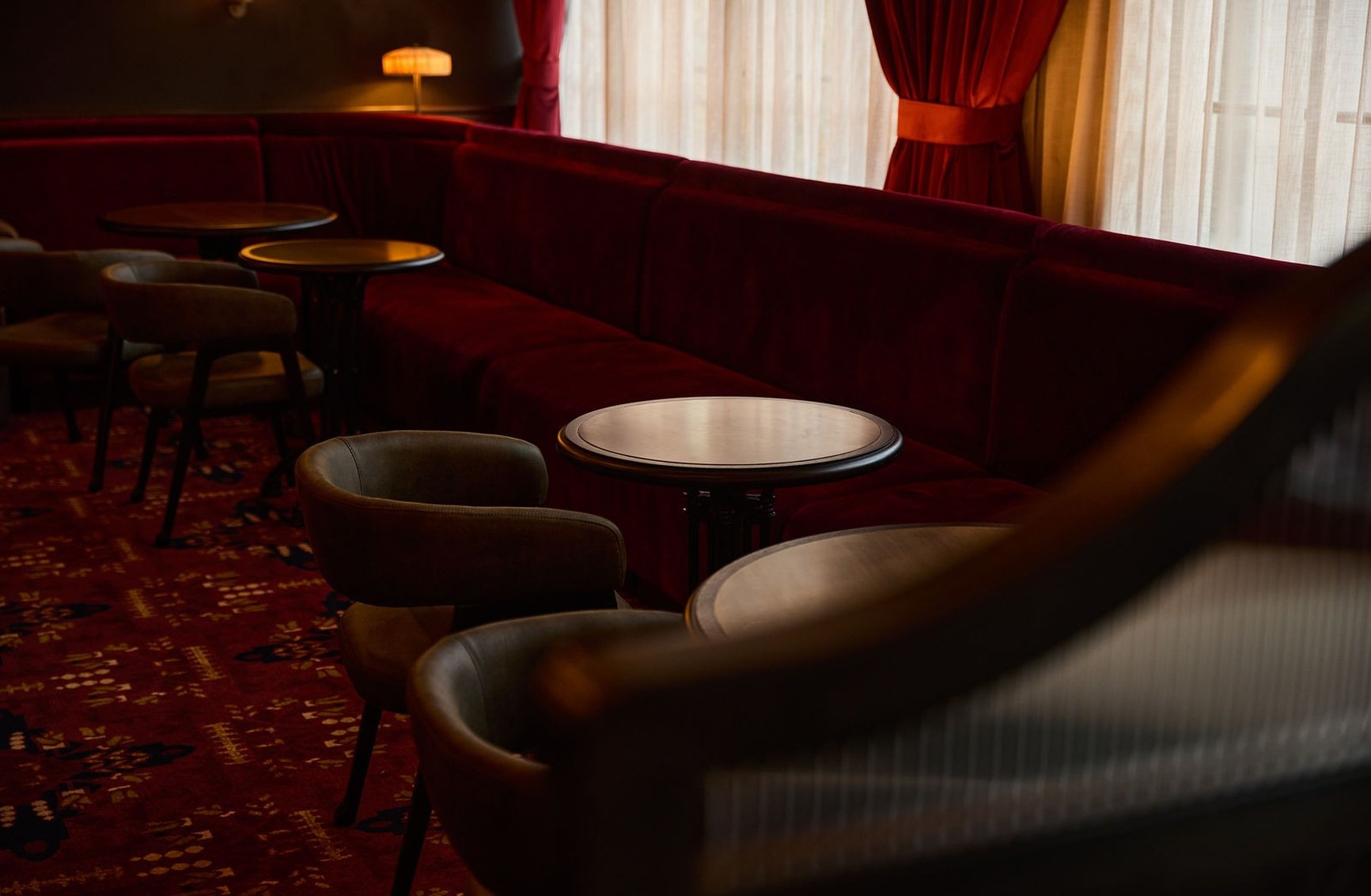
Curved crimson velvet banquette seating with leather armchairs and round tables inside The Halligan bar.

For Hotel Indigo Auckland, the opening also sharpens the hotel’s connection to its neighbourhood, reflecting the brand’s global philosophy of creating restaurants and bars that speak to their local setting rather than merely serving guests upstairs. In this case, that setting does much of the work. St Patrick’s Square brings a useful sense of atmosphere. The Halligan is perfect for after-work drinks, weekend catch-ups, a pre-dinner glass or the kind of quietly successful evening that begins with one cocktail and progresses with ease.

Opening Hours: 4 pm – late, Tuesday – Saturday.

thehalligan.co.nz

Level two
53 Saint Patricks Square
Auckland CBD
Auckland

Gastronomy

Ember and Mt Beautiful are hosting a one-night winemaker’s dinner worth booking now
SOUL is shaking up Dry July with a menu of non-alcoholic cocktails
Much-loved Parnell favourite, Rhu, introduces its new sibling, Roe, serving comfort food done right
Photos supplied by Chalet Girl

The luxury skiwear concierge taking the hassle out of ski holidays

Packing for a ski holiday has become almost as important as planning the trip itself. Performance still matters, but so too does the wardrobe, leaving many travellers investing in beautifully made skiwear that may only see a handful of days on the mountain each winter.

The Lieke Ski Suit Goldbergh for hire. Photo supplied by Chalet Girl

Queenstown’s Chalet Girl offers a thoughtful alternative. The luxury skiwear concierge service gives visitors access to this season’s collections from sought-after brands including Goldbergh, Perfect Moment and My Sunday Ski, with designer looks delivered directly to hotels, private chalets and accommodation across Queenstown, Arrowtown, Wānaka and surrounding ski destinations.

Designed to make travelling lighter feel effortlessly luxurious, guests can browse and reserve their wardrobe before they arrive, with each rental professionally prepared, beautifully packaged and delivered ahead of their first day on the slopes. The result is a seamless experience that leaves more time for mountain mornings, leisurely lunches and après afternoons, without sacrificing style.

Sunrise Snow Boot Moon Boot for hire. Photo supplied by Chalet Girl

Alongside its rental offering, Chalet Girl has also introduced a curated edit of alpine-inspired essentials to purchase, alongside a calendar of seasonal après events that celebrate Queenstown’s winter social scene. It’s an approach that recognises modern ski holidays extend well beyond the chairlift, with what you wear after the mountain becoming just as considered as what you wear on it.

With ski season now underway, Chalet Girl arrives at exactly the right moment, making it easier to travel lighter while enjoying a wardrobe that feels every bit as thoughtfully assembled as the holiday itself.

chaletgirlski.com

Coveted

Tiffany & Co.’s Paradise Birds chapter brings Blue Book 2026 to life
The jewellery designed for movement, ease and everyday elegance
Van Cleef & Arpels’ Fascinating Egypt: Inside one of high jewellery’s most anticipated annual events
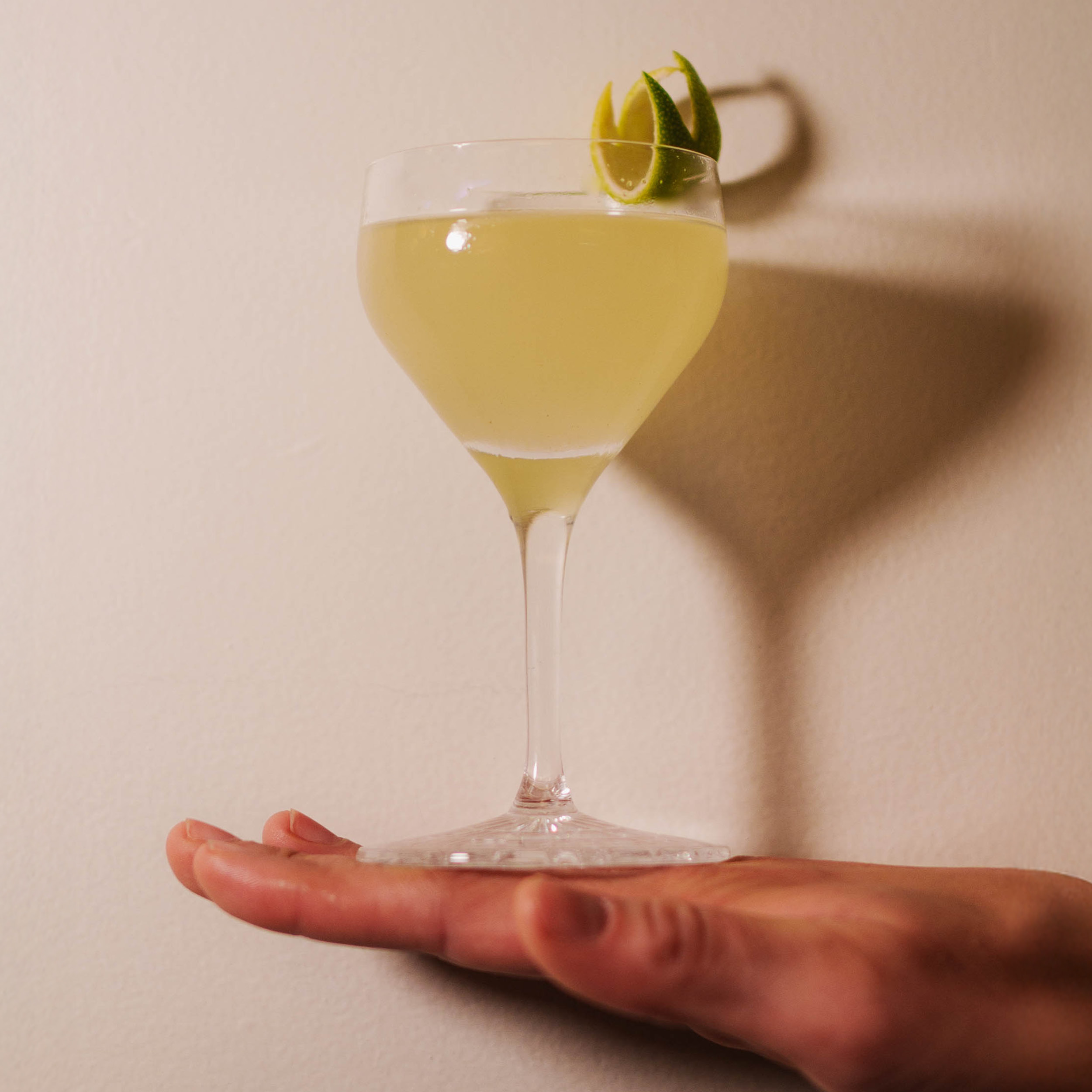
Soul Bar & Bistro's Rita Bonita

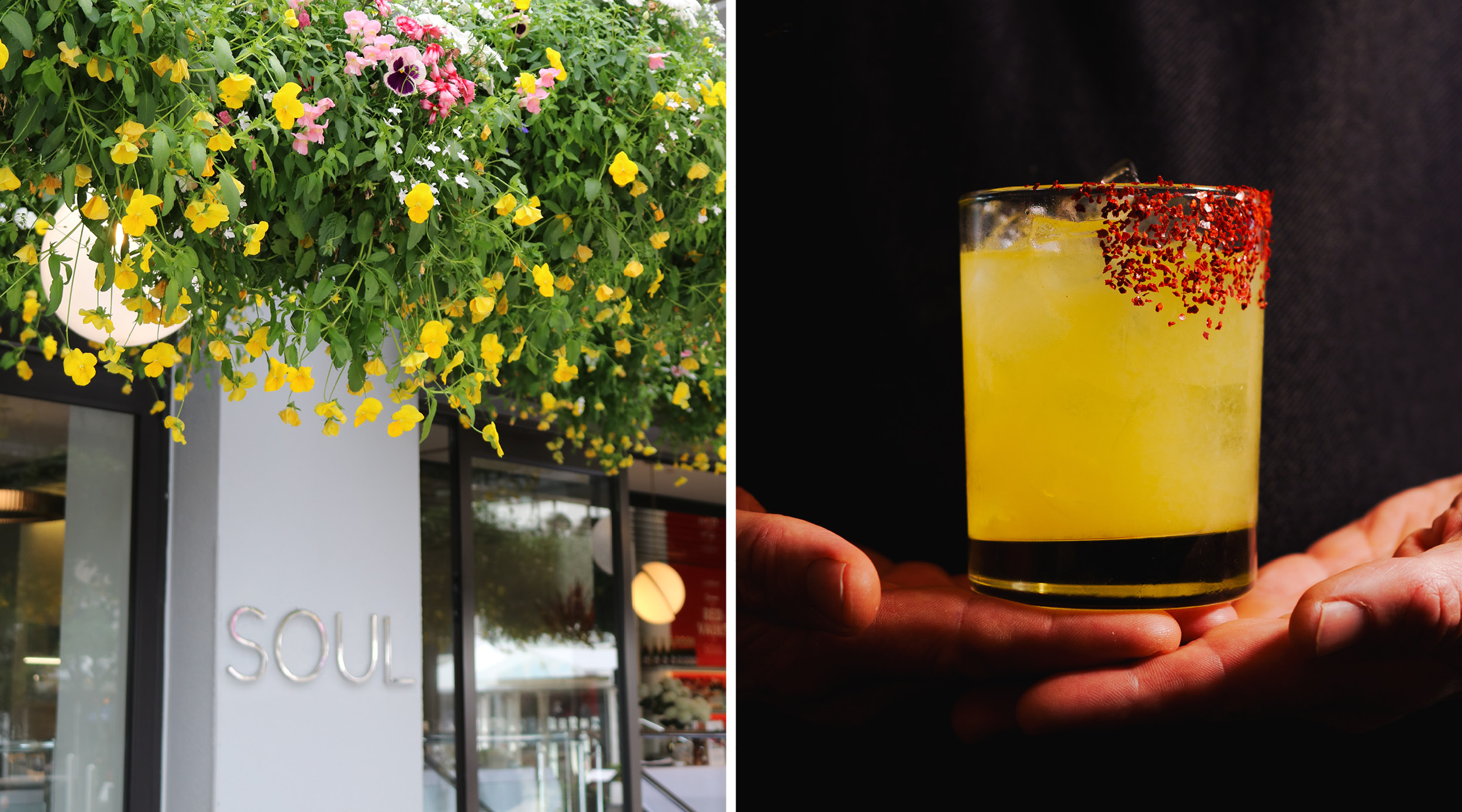
SOUL is shaking up Dry July with a menu of non-alcoholic cocktails

There is something to be said for balance, and Dry July offers the perfect excuse to embrace it. At SOUL Bar & Bistro, that doesn’t mean compromising on the experience, but discovering a new collection of beautifully crafted zero-alcohol cocktails designed with the same creativity and attention to detail as the restaurant’s signature drinks.

Built using premium alcohol-free spirits, house-made ingredients and layered flavours, the limited-edition menu proves that a great cocktail is about craftsmanship first. Whether you’re committing to Dry July, taking the evening off, or simply in the mood for something different, each serve has been created to stand confidently on its own.

Crown-shaped red liquid splash bursting from an ice-filled rocks glass on a marble surface.
The Imposter
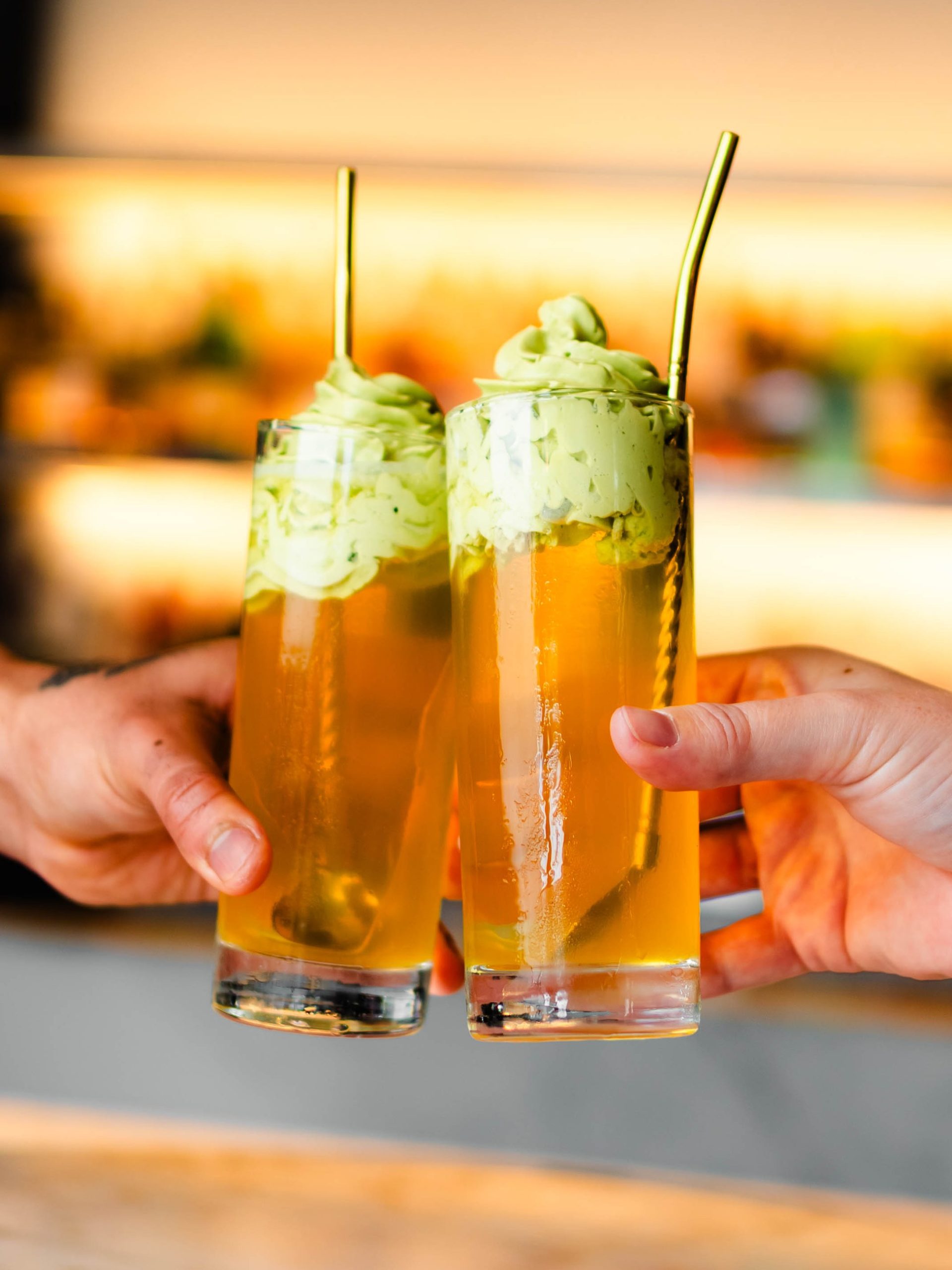
Two hands toasting with tall golden mocktail floats topped with matcha soft-serve and gold straws.
Matcha Made in Heaven

Even better, the drinks themselves are reason enough to visit, whether you’re drawn to the bright citrus notes of Rita Bonita, the tropical Matcha Made in Heaven or the richer, more indulgent Peanut Noir. Crafted with premium alcohol-free spirits, house-made ingredients and the same meticulous attention to balance and flavour as SOUL’s signature cocktails, they’re designed to be enjoyed on their own merits, rather than as a substitute for the real thing.

Tart & Soul

Every zero-alcohol cocktail sold throughout July will also see $1 donated to the Dry July Foundation, helping fund practical services for New Zealanders affected by cancer. Since 2008, the Foundation has raised more than $100 million to support wellbeing programmes, rehabilitation and patient care.

This July, raising a glass looks a little different at SOUL, proving that drinking well isn’t always about what’s in the glass, but the thought behind it.

soulbar.co.nz

Gastronomy

Ember and Mt Beautiful are hosting a one-night winemaker’s dinner worth booking now
New Auckland bar The Halligan opens at Hotel Indigo
Much-loved Parnell favourite, Rhu, introduces its new sibling, Roe, serving comfort food done right
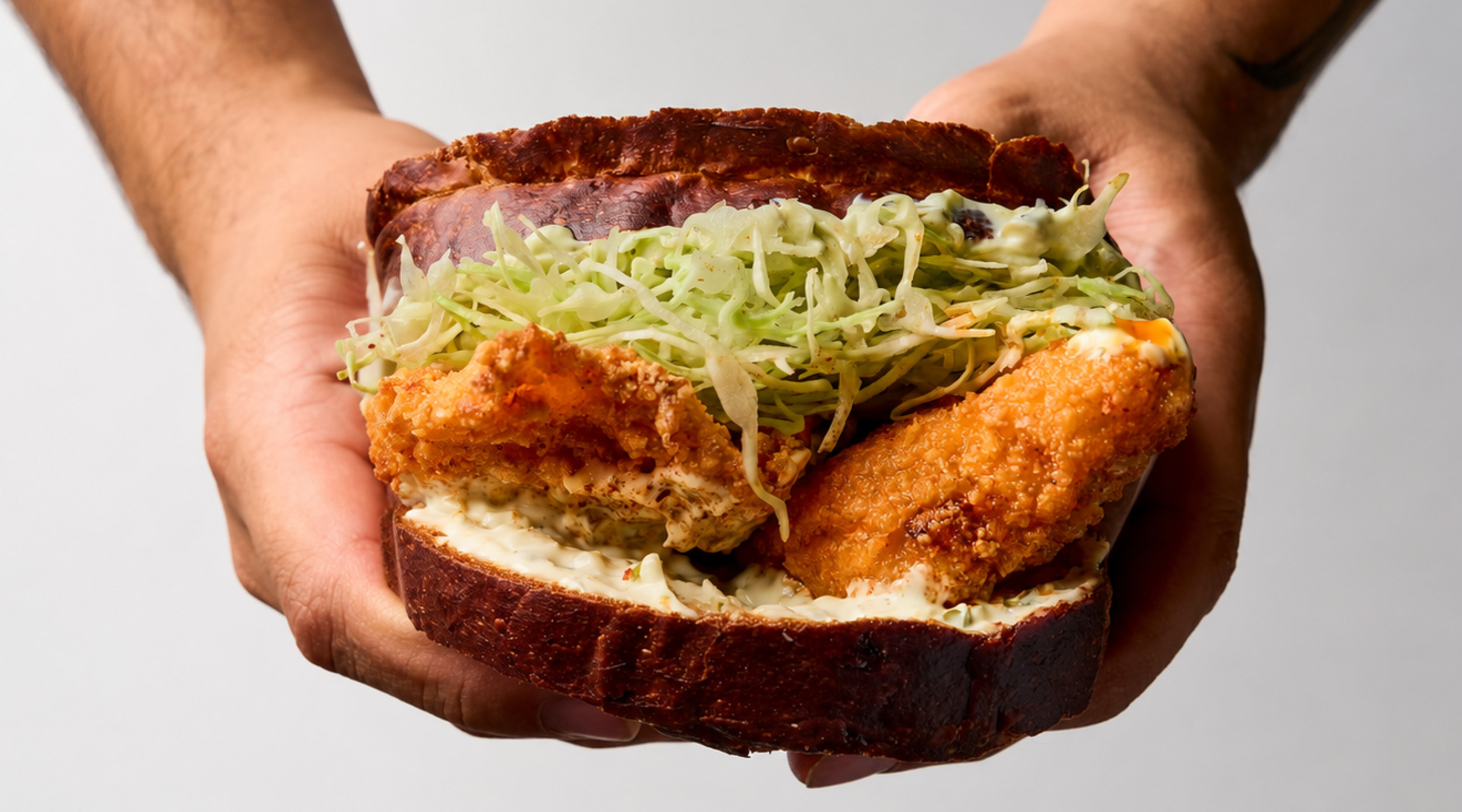
Hot Fish Sando

Much-loved Parnell favourite, Rhu, introduces its new sibling, Roe, serving comfort food done right

Comfort food has long occupied a place within Auckland’s dining scene, where the simplest dishes often prove the hardest to execute well, which perhaps explains why the team behind beloved Parnell restaurant Rhu has turned its attention towards one of New Zealand’s most enduring culinary institutions. Their newest venture, Roe, has opened at 269 Parnell, offering a considered take on the neighbourhood seafood eatery that feels both familiar and refreshingly current.

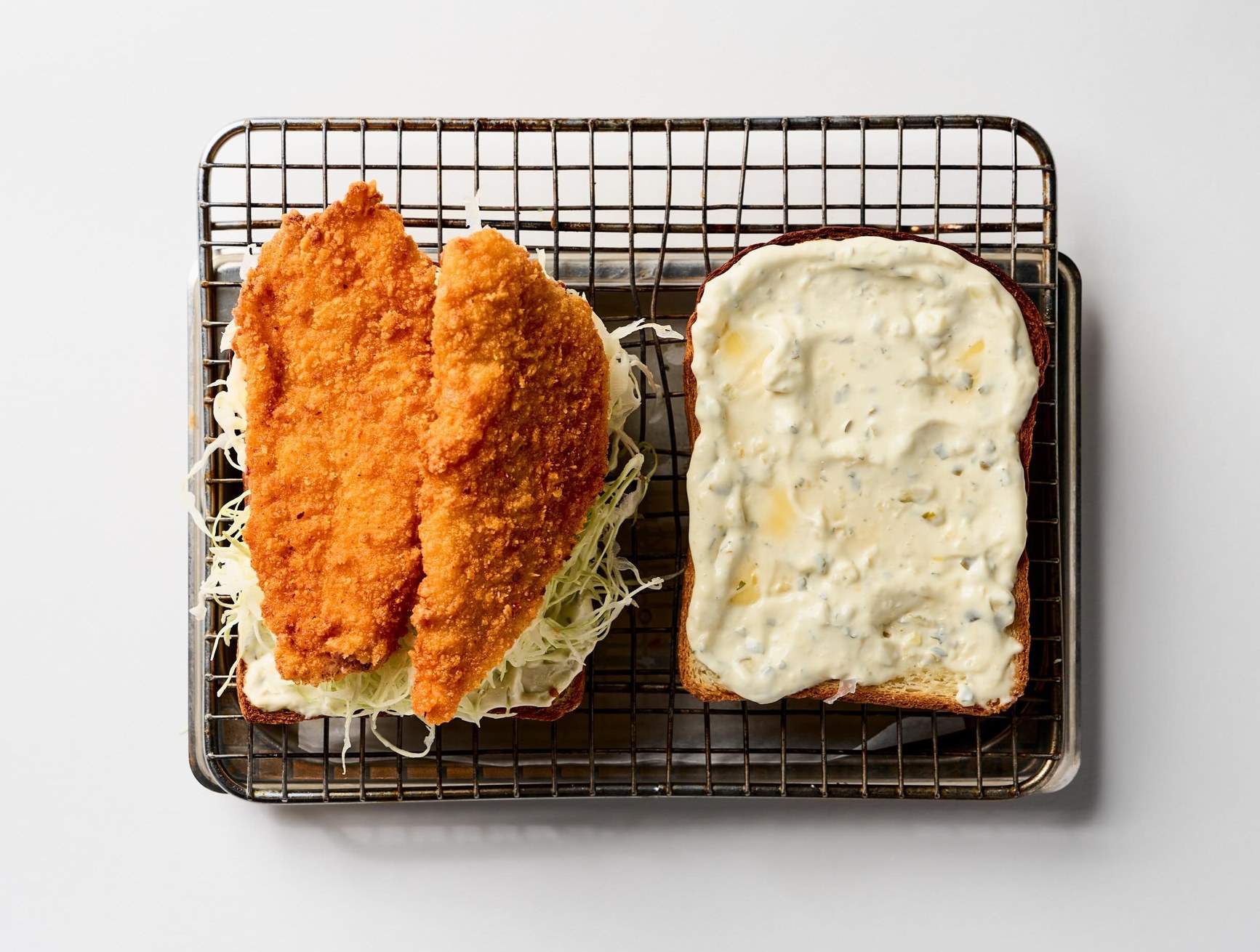
Open crumbed fish sandwich with shredded cabbage and tartare sauce on a wire rack.
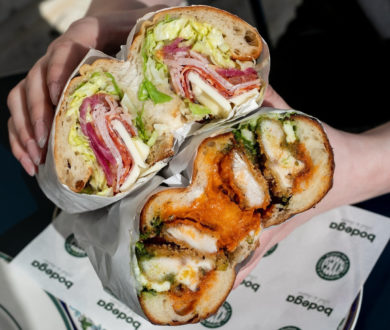
Hot tempura fish with tartare in a soft milk bun

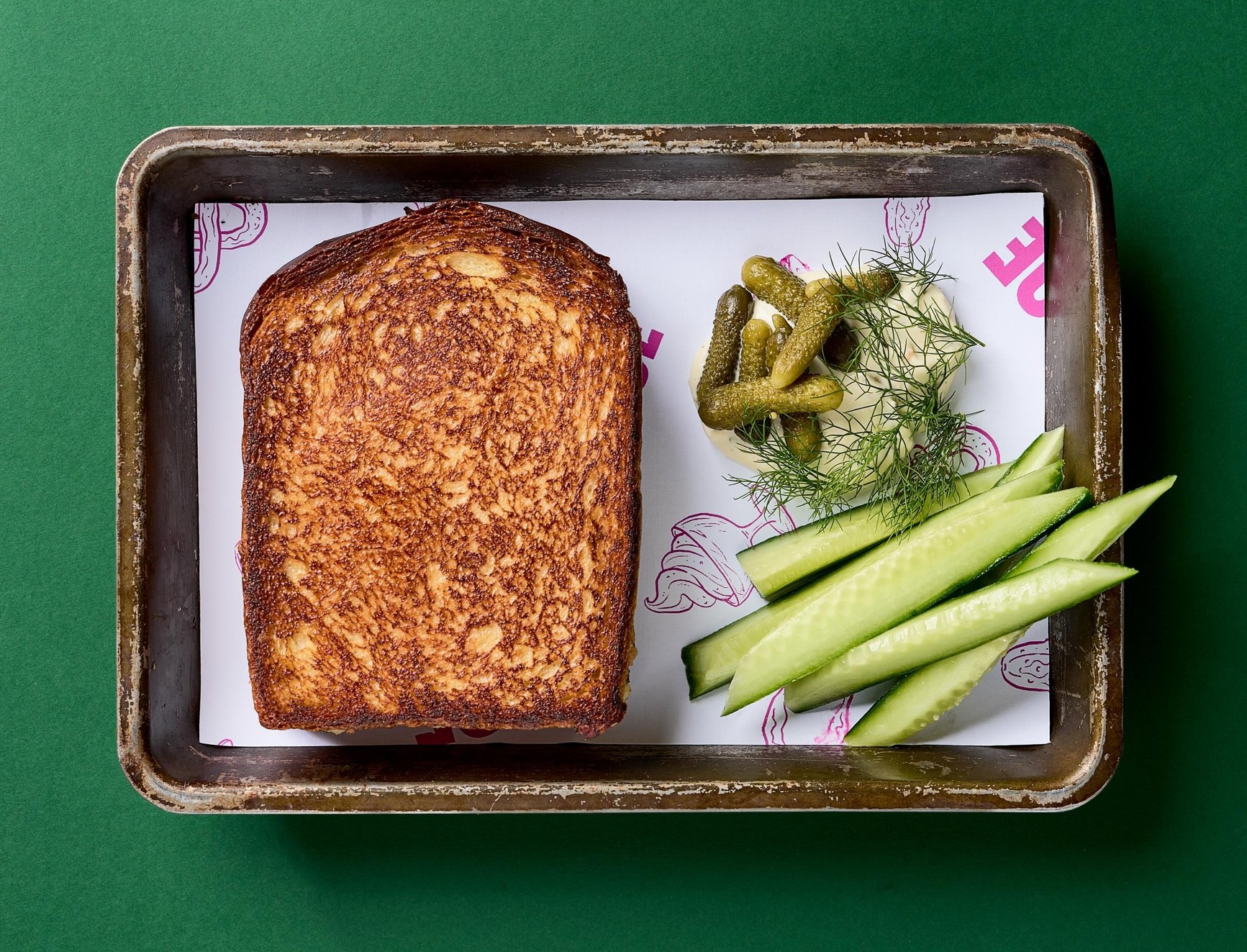
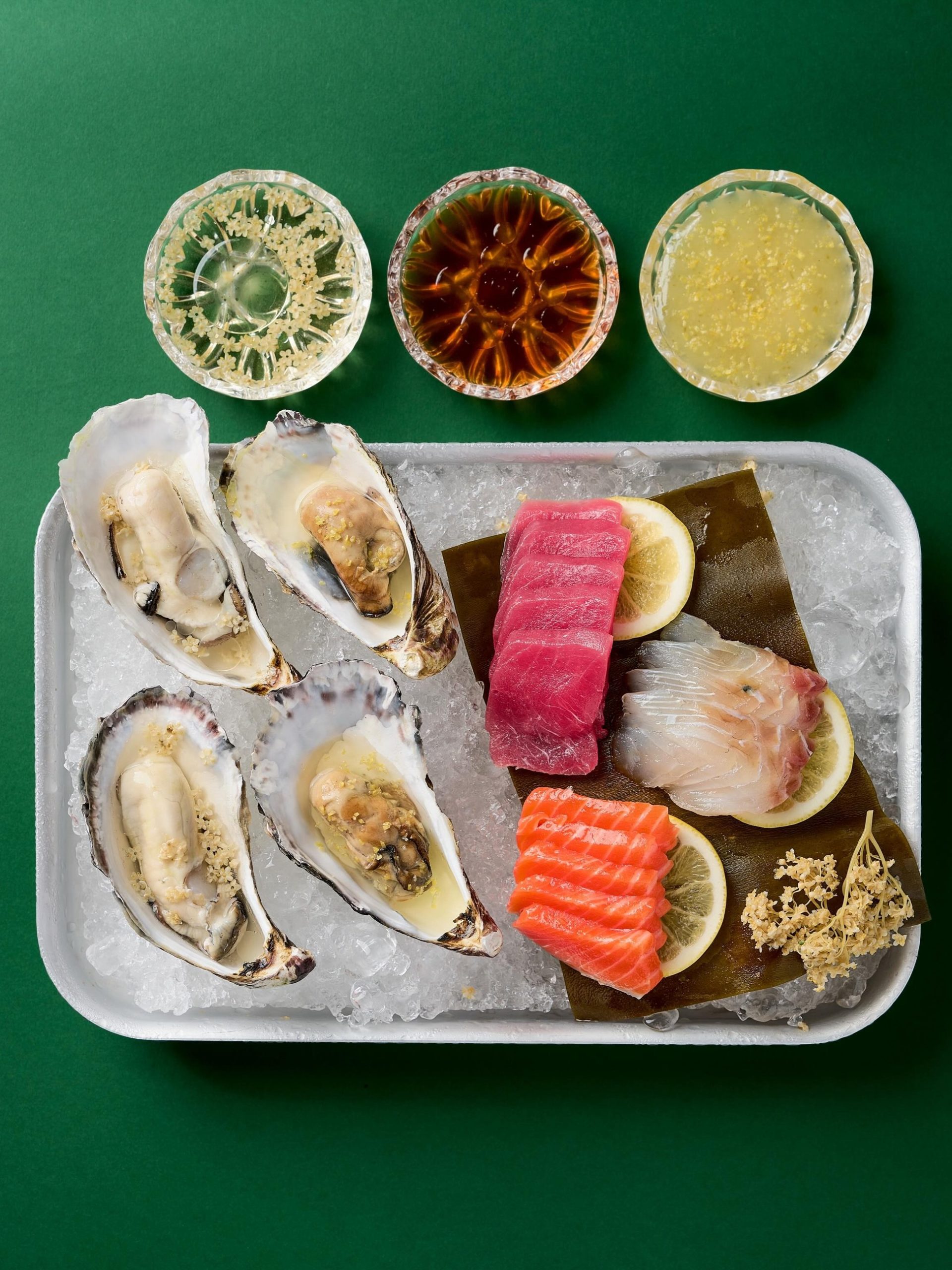
Rather than attempting to reinvent the classics, Roe focuses on doing them exceptionally well, serving freshly shucked oysters and sashimi alongside golden fish and chips, a Hot Fish Sando filled with crisp tempura fish and tartare inside a soft milk bun, and a creamy tuna melt layered with bubbling cheese on toasted milk bread, all within a bright, contemporary space that feels equally suited to an unhurried lunch as it does an impromptu stop on the way home.

Overhead view of a toasted sandwich on a metal tray with cucumber, cornichons, and dill.
Creamy tuna mix layered with melted cheese on a toasted milk bun, served with pickled cucumber
Elegant open-faced salmon sandwich with nasturtium flowers and dill on a scalloped white plate.
Hot smoked Ora King salmon with cream cheese on seeded sourdough
Overhead flat-lay of oysters and sashimi on crushed ice with three condiment bowls on green background.
Roe’s signature raw platter, oysters and sashimi

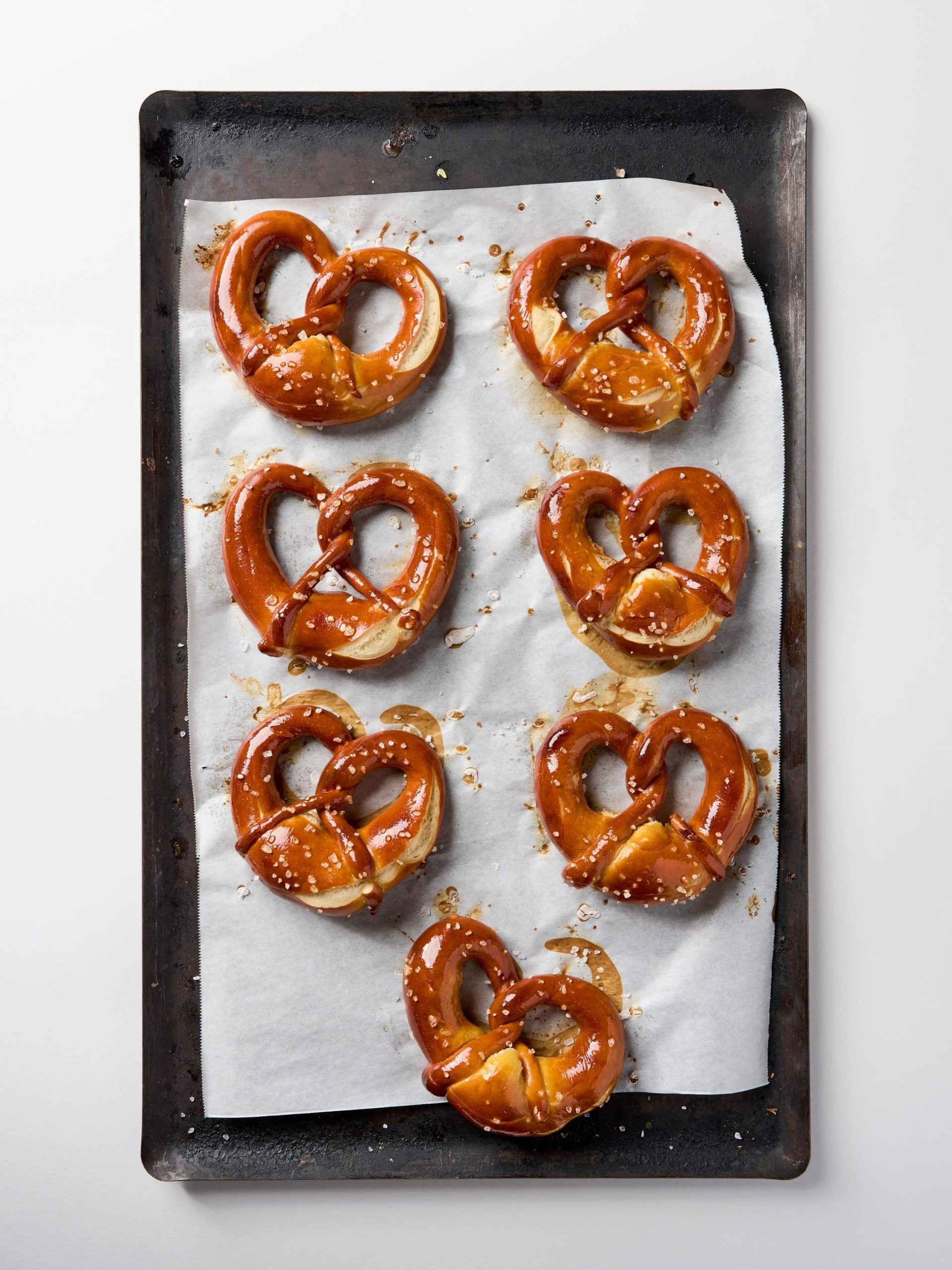
While the savoury offering leans into beautifully executed seafood classics, Roe isn’t afraid to have a little fun. A creamy soft serve finished with fish sauce caramel and crunchy pretzels brings together sweetness, salinity and umami in equal measure, an unexpected counterpoint to the rest of the menu.

Seven glossy baked soft pretzels with coarse salt on parchment-lined dark baking tray, overhead view.
A glazed soft pretzel with sea salt resting on whipped cream in a glass bowl.
Creamy soft serve finished with fish sauce caramel and pretzels

Those already familiar with Rhu will recognise the same measured restraint and attention to detail that have made the restaurant such a favourite, only here they’re applied to dishes that feel deeply nostalgic, proving that fish and chips, oysters and seafood sandwiches can be every bit as compelling when approached with exceptional produce, thoughtful execution and just the right amount of ambition.

Opening hours: Monday – Sunday, 10 am – 8 pm

instagram.com/roe_akl/

Gastronomy

Ember and Mt Beautiful are hosting a one-night winemaker’s dinner worth booking now
New Auckland bar The Halligan opens at Hotel Indigo
SOUL is shaking up Dry July with a menu of non-alcoholic cocktails

A leading Auckland cosmetic doctor explains filtered perfection vs real results

Perfection, if you were to believe what you see online, has finally become attainable, having once belonged to Renaissance painters, Hollywood lighting directors and the rare individuals born with the right genetics. Yet today, achieving perfection is accessible to us all thanks to photo filters that remove pores and wrinkles, sharpen jawlines, and widen eyes, removing any pre-existing anatomical or skin imperfections, all for the praise and admiration of the online world. But with the evidence of any imperfections removed and published, how does one then show face in the real world?

In recent years, there has been a substantial increase in hyper-perfect influencers distorting traditional beauty ideals. This new visual language has created a complicated brief. Dr Ellen Selkon at Clinic 42 sees patients arriving with references shaped by AI-generated faces and hyper-edited influencers, images in which symmetry, smoothness and proportion are pushed so far beyond natural human possibility that reality begins to look like a faulty version. The mirror was already difficult enough.

Dr Ellen Selkon

The best approach to these unachievable ideals involves a detailed consultation in which Dr Ellen Selkon sees her role not merely as administering a treatment, but as interpreting, educating, and, when required, gently reminding patients of the fantasy. Rather than dismissing the influence of social media or treating filtered images as frivolous, she and the medical team use them as a starting point, asking what a patient is actually drawn to, before explaining which elements can be translated into reallife, which cannot, and why the distinction matters.

Because faces, inconveniently for AI filters, actually move. They laugh, frown, animate and exist under all manner of lighting conditions. The most successful aesthetic work must therefore consider the whole face, not as a static image, but as living architecture, with its own structure, proportions, skin quality, expression and emotional cadence. During a Clinic 42 consultation, there is time to carefully assess each angle, looking at how features relate to one another, how the skin behaves, and how any intervention might support the face rather than overwrite it.

This is where medical training matters. At Clinic 42, the initial consultation with one of its doctors includes a review of any underlying medical conditions, essential groundwork that ensures treatments are tailored not only to a patient’s goals, but to their physiology.

In a culture newly fluent in tweakment terminology, from baby Botox and polynucleotides to laser stacking, skin tightening and the ever-expanding glossary of glowmaxxing, jawchitecture and other crimes against language, it can be tempting to treat aesthetic medicine as a menu. The wiser approach is clinical, not conversational. What works beautifully for one face may look laboured on another, while a treatment that promises a fashionable result may be entirely wrong for a patient’s anatomy, medical history or long-term skin health.

In some cases, an injectable treatment may not be the right first step at all. Dr Selkon may recommend alternative modalities or non-injectable options that better support the patient’s goals without compromising safety. 

The point, in the end, is to make expectations sharper, smarter and more useful. Digital perfection is instant, flat and unrealistic; true aesthetic confidence is more nuanced, built around the face
a person actually has. At Clinic 42, the ambition is not to chase the homogenised face of the internet, but to enhance individuality with discretion, expertise and restraint, allowing results to remain expressive, believable and quietly enduring.

Which may be the most modern luxury of all: not looking filtered, not looking fixed, and certainly not looking like everyone else. Instead, looking unmistakably, intelligently and beautifully like yourself.

clinic42.co.nz

Wellbeing

Is the 20,000-step day actually worth it in 2026?
A cleaner way to clean: Why we’ve been thinking about stain removal all wrong
Why do 10-year-olds have 10-step skincare routines? Our Editor weighs in on the tween skincare craze

Italians in Residence: Molteni&C opens its first New Zealand flagship

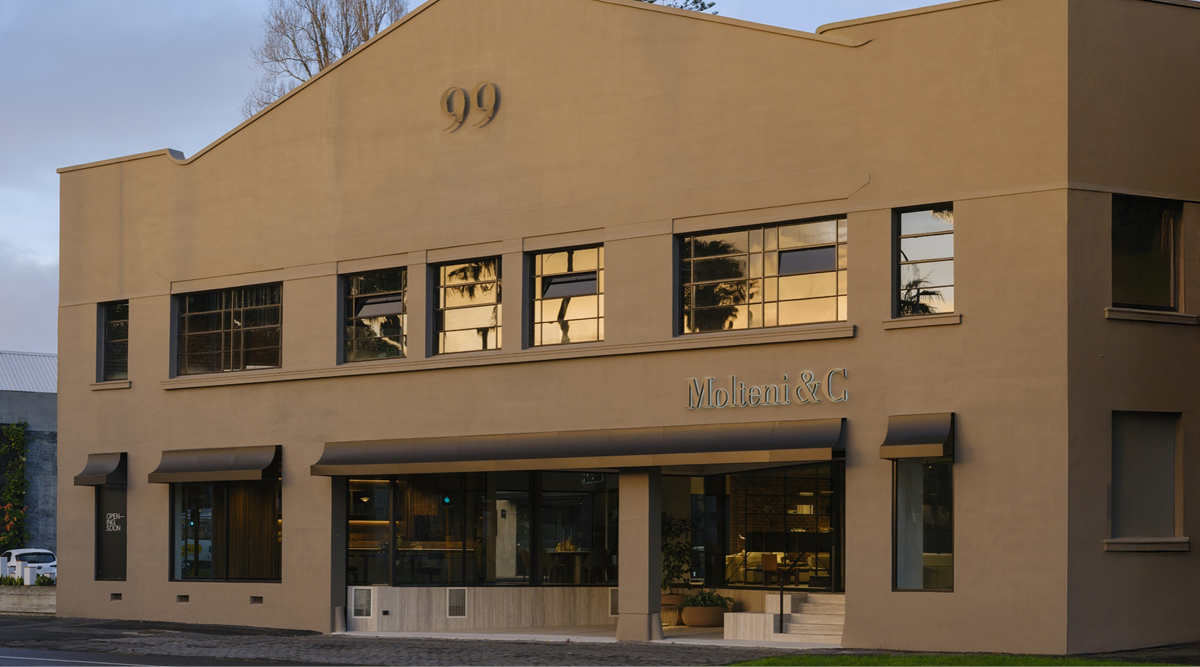
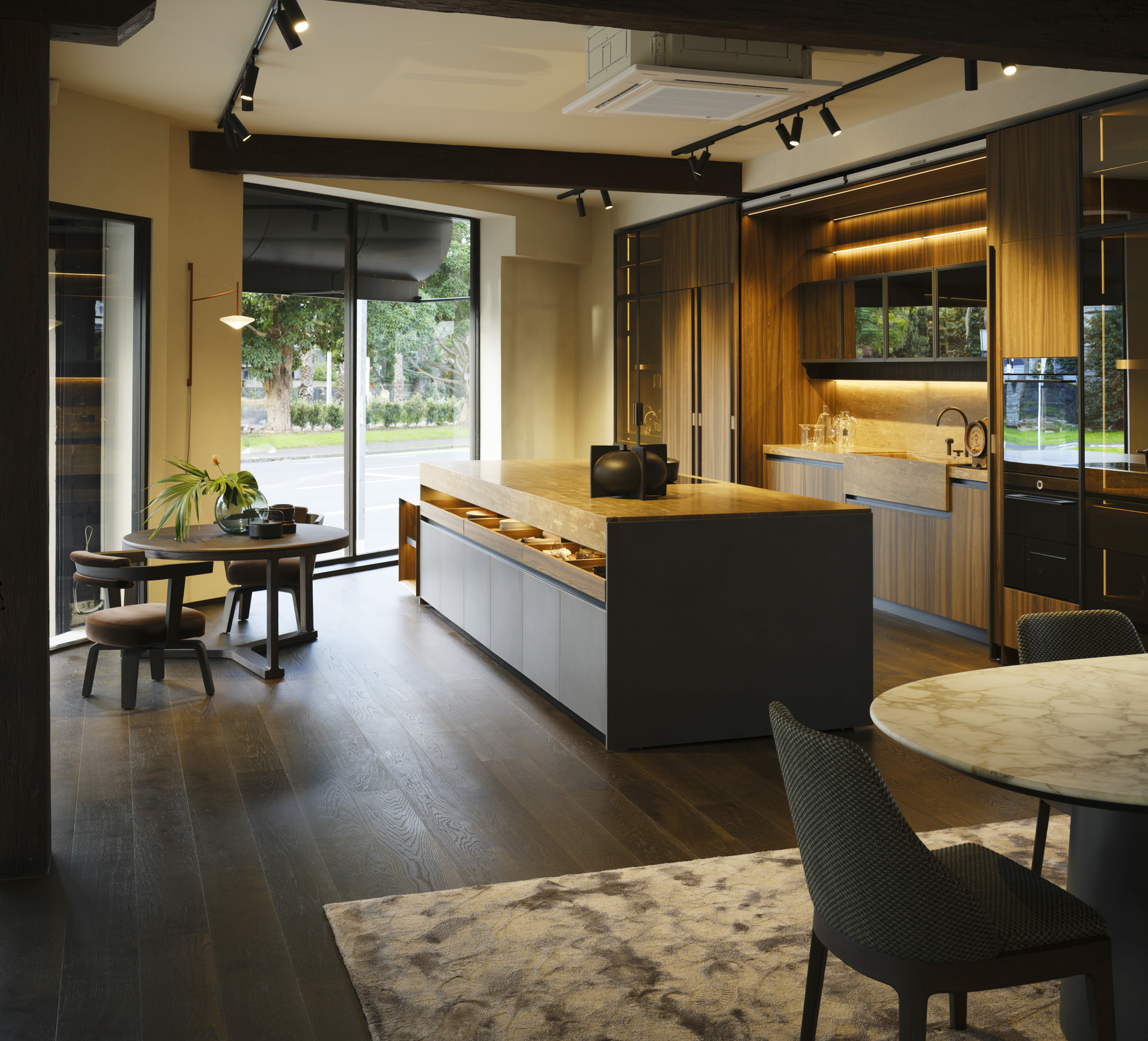
Few things clarify the distance between knowing a brand and understanding it quite like standing inside a room that has been fully resolved. With the opening of Molteni&C‘s first dedicated New Zealand flagship in Parnell, that understanding becomes available here for the first time, in a space where the Italian house’s ninety-year commitment to architectural furniture can be read not from a catalogue but from the room itself.

The 450-square-metre space at 99 The Strand in Parnell, brought to Auckland by long-term local representative Dawson & Co, opens with a heritage vignette of Gio Ponti and Aldo Rossi pieces positioned near the entrance. It is a thoughtful beginning to Molteni’s world. Ponti spent his career arguing that architecture, furniture and interiors were one language, not three, and Creative Director Vincent Van Duysen, who marks a decade leading Molteni&C’s creative vision in 2026, has built his tenure on precisely the same conviction.

The first sequence of rooms represents this philosophy fully. A living room furnished with Christophe Delcourt’s generous Emile sofa and Tobia Scarpa’s Monk chair creates a feeling that evokes the residential cohesiveness the brand is renowned for. The rooms then lead into a kitchen and dining environment anchored by Van Duysen’s own VVD Kitchen.

Spend a moment with the dining tables; the details on the underside, invisible from across the room, reveal the degree to which Molteni&C’s designs extend beyond what is visible. It’s this level of quality and detail that can only be understood in person.

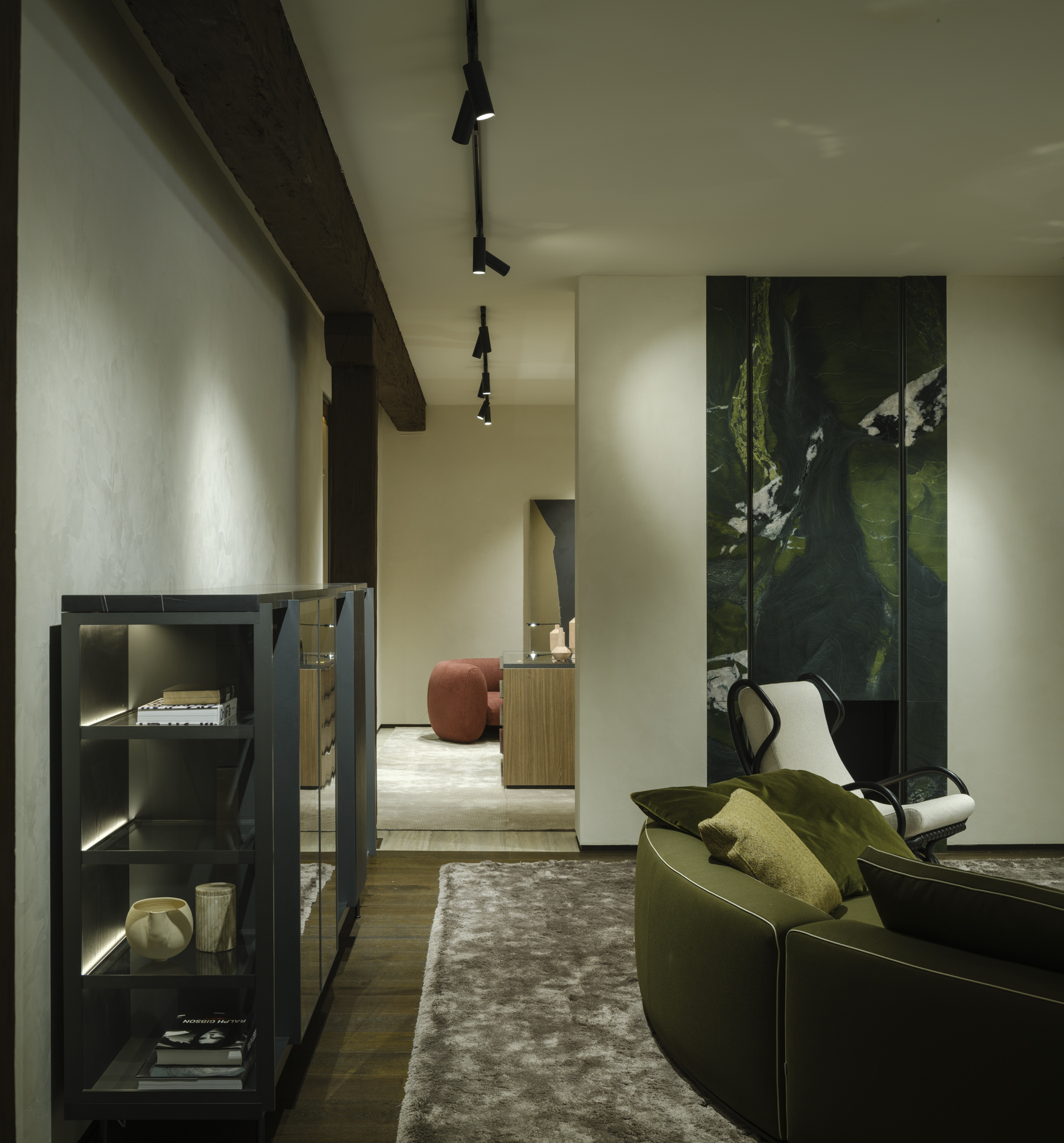
A sitting room centred on Van Duysen’s Marteen sofa, configured in a back-to-back arrangement that creates two facing conversation settings without enclosing either, acts as the pivot into the second living area. The logic here is spatial rather than decorative: furniture as architecture, defining how a room is experienced rather than simply filling it.

The third and most materially arresting sequence opens with a second living room where a fireplace clad in Green Avocatus Quartzite commands immediate attention. The stone, with its deep veining and extraordinary chromatic depth, reappears in the dining environment earlier in the journey, a thread of continuity that is not by accident. Van Duysen’s Augusto round sofa anchors the room with the kind of sculptural generosity that must be seen in person to be truly appreciated.

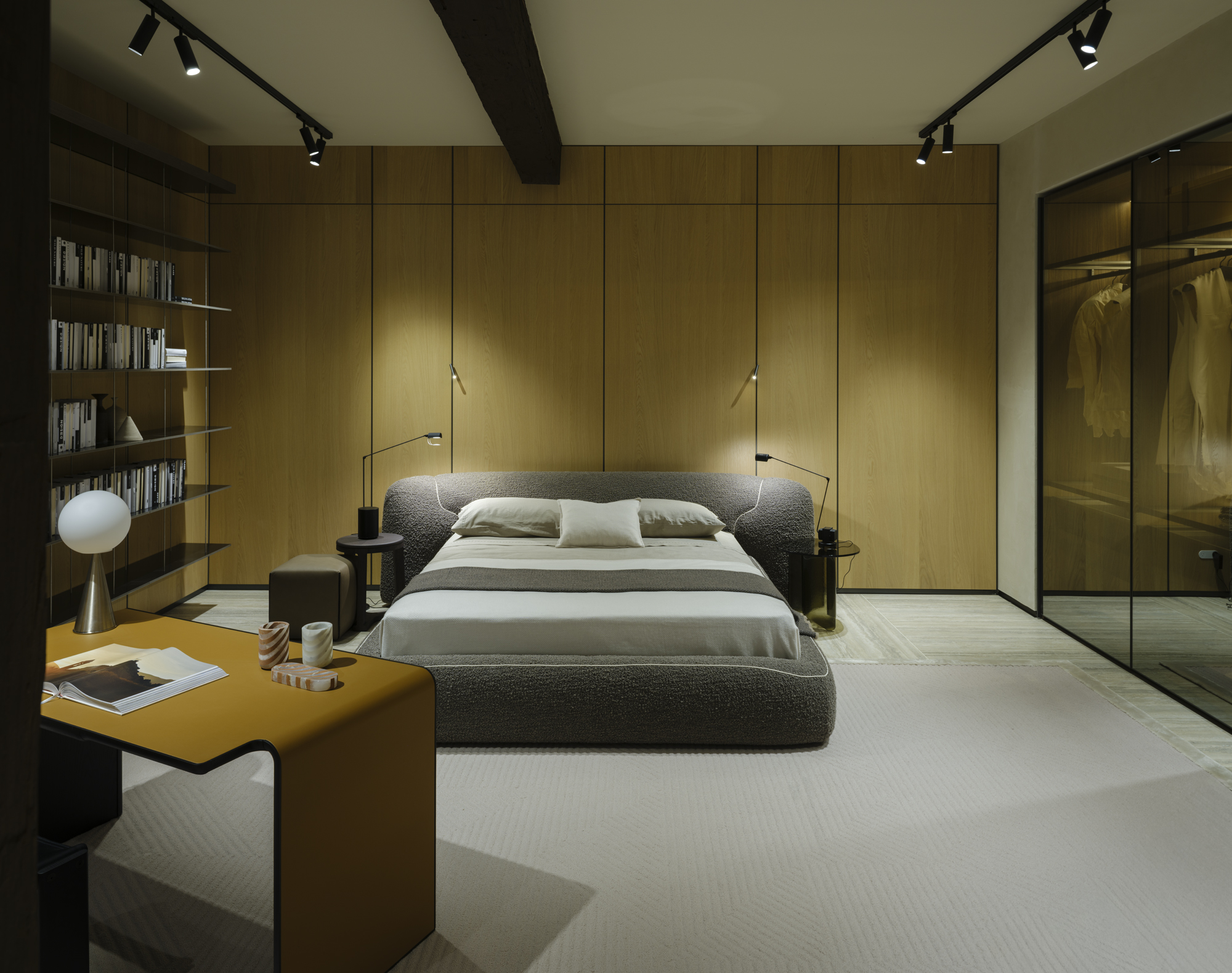
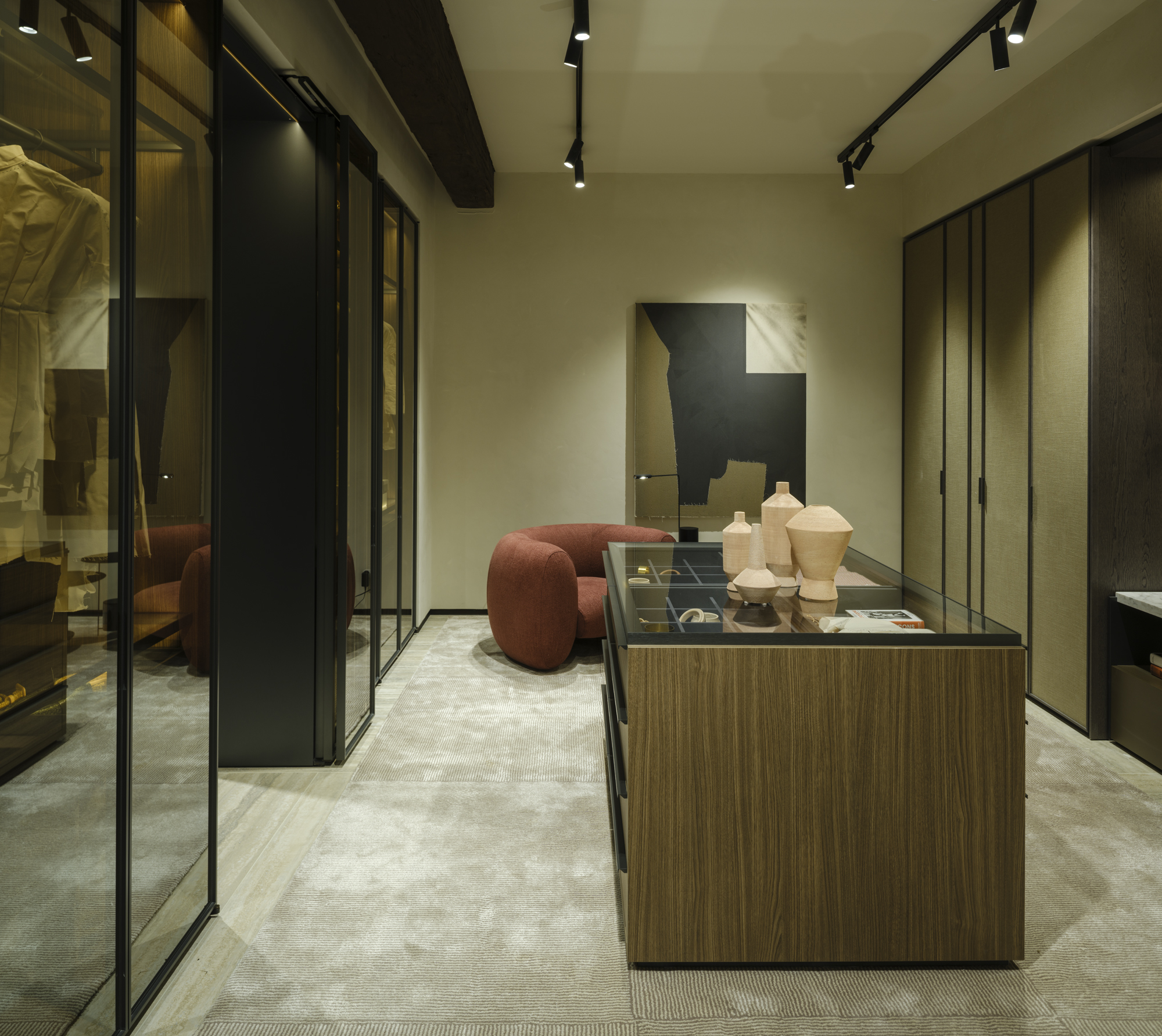
From here, the space moves into a bedroom of a deliberately quieter mood, layered with tactile materials and soft light, before opening into two wardrobe environments that represent the most revelatory part of the journey. Molteni&C’s Gliss Master system is presented here in two distinct configurations, each with its own character and seating arrangement that reframes the wardrobe entirely, less a place of utility than a private room within a room, somewhere to begin and end the day with intention. The first, anchored by Naoto Fukasawa’s Cinnamon lounge chair, presents the system in a composition of glass-fronted cabinetry and panelled doors finished to a standard that rewards close inspection, where the distinction between open display and concealed storage becomes an aesthetic decision rather than a practical one. The second configuration, deeper and more architectural in character, is built around Van Duysen’s Gliss Master Island, its surfaces finished with the same precision applied to every other element in the space. What distinguishes both environments is the interior architecture of the drawers and compartments themselves: velvet-lined trays configured for earrings, watches, and folded silks; dedicated shoe drawers with recessed display; glass lids that make the contents part of the composition. Every finish is selectable, every configuration is personal, and the cumulative effect is of a wardrobe designed with the same seriousness brought to a kitchen or a living room, which is, of course, exactly the point.

Custom travertine tiles, produced exclusively for the Auckland space, run throughout. Their warmth and natural variation carry the interior without announcing themselves. The Molteni&C flagship is open now at 99 The Strand, Parnell. Visits by appointment are recommended.

dawsonandco.nz

Design

Inside the Marais apartment-gallery where hospitality becomes architecture
How new furniture brought fresh life to this Auckland character villa
Milan 2026: The standout lighting designs that do more than illuminate