


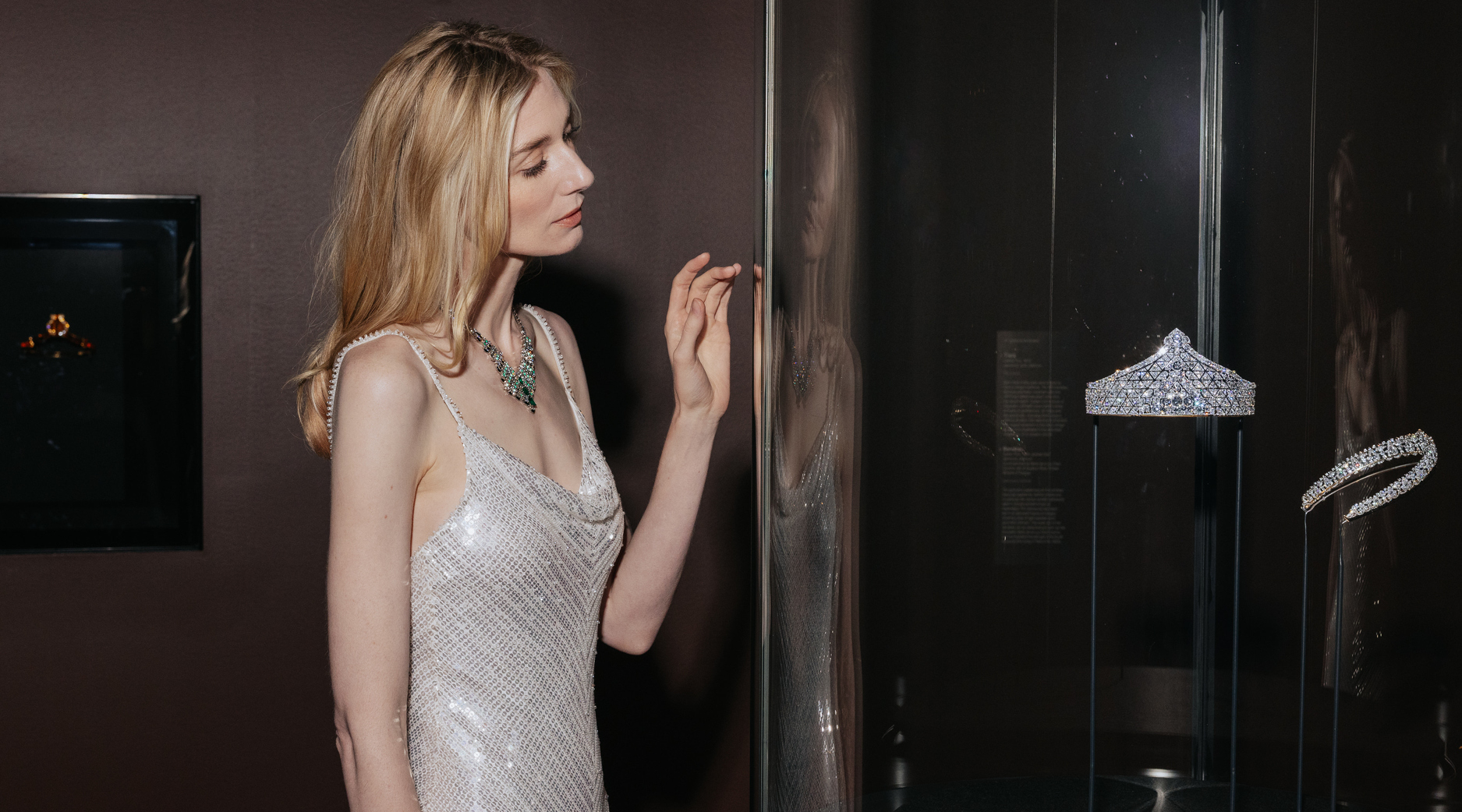
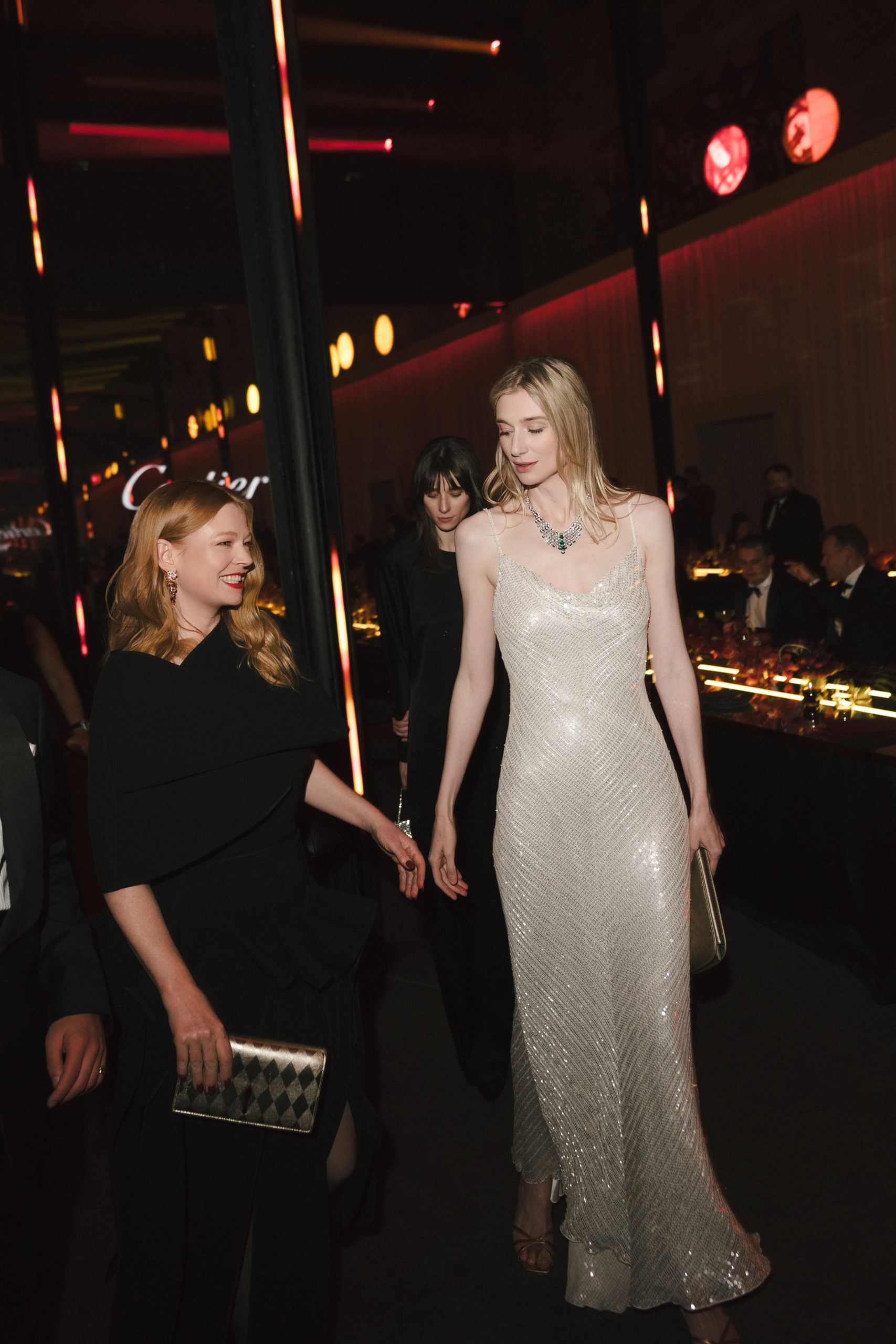
To mark the Australian opening of CARTIER, the 2026 Melbourne Winter Masterpieces exhibition, just 200 guests gathered beneath the stained-glass ceiling of the National Gallery of Victoria’s Great Hall for an evening that reflected the scale and distinction of the exhibition itself. Presented direct from London’s Victoria and Albert Museum, the occasion brought together Cartier’s international clients and collectors with an exceptional guest list, including Friend of the Maison Elizabeth Debicki, whose Emmy-winning portrayal of Princess Diana in The Crown carried particular resonance amid a collection shaped by royalty and aristocratic patronage, alongside Succession star Sarah Snook and actress Leila George.
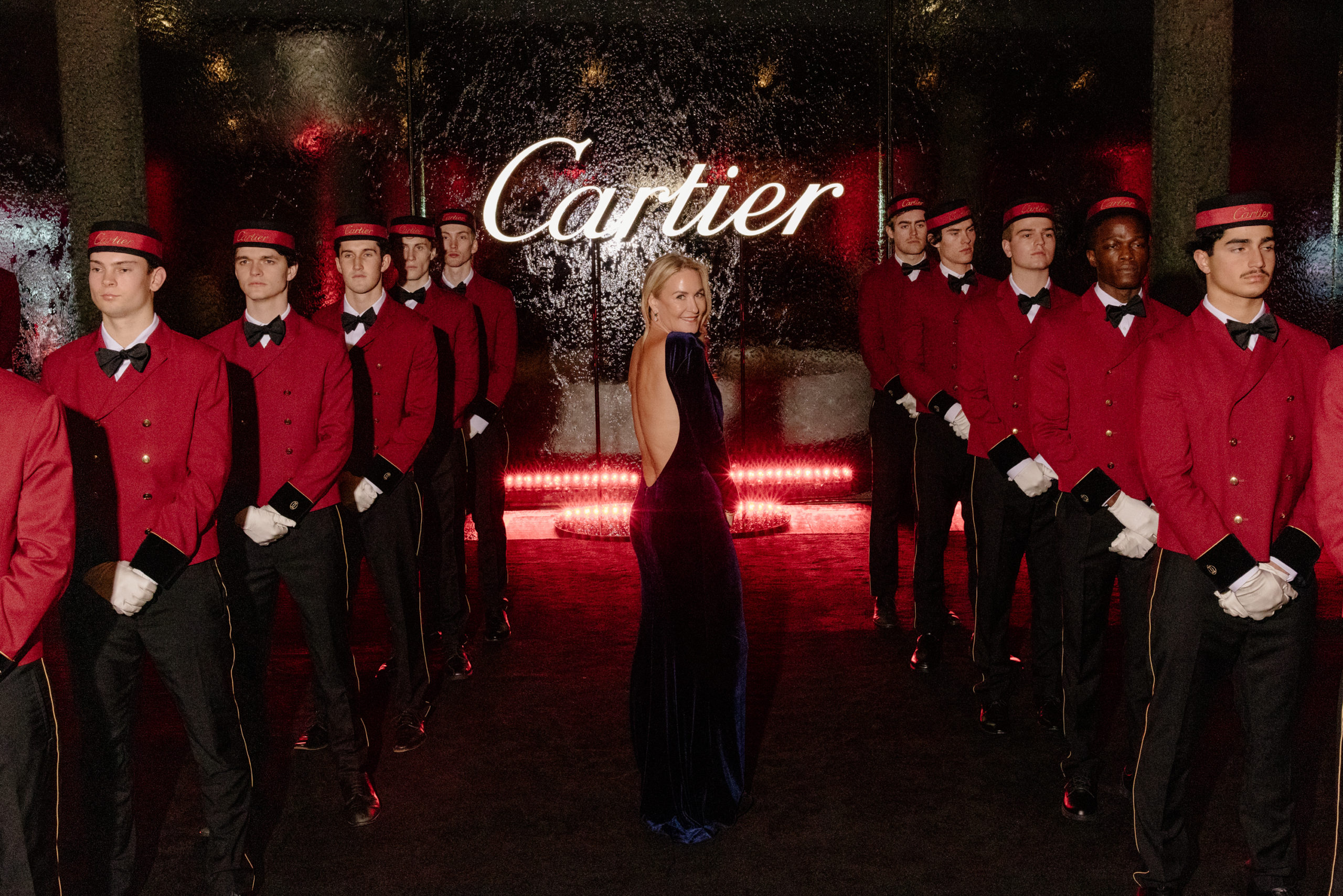
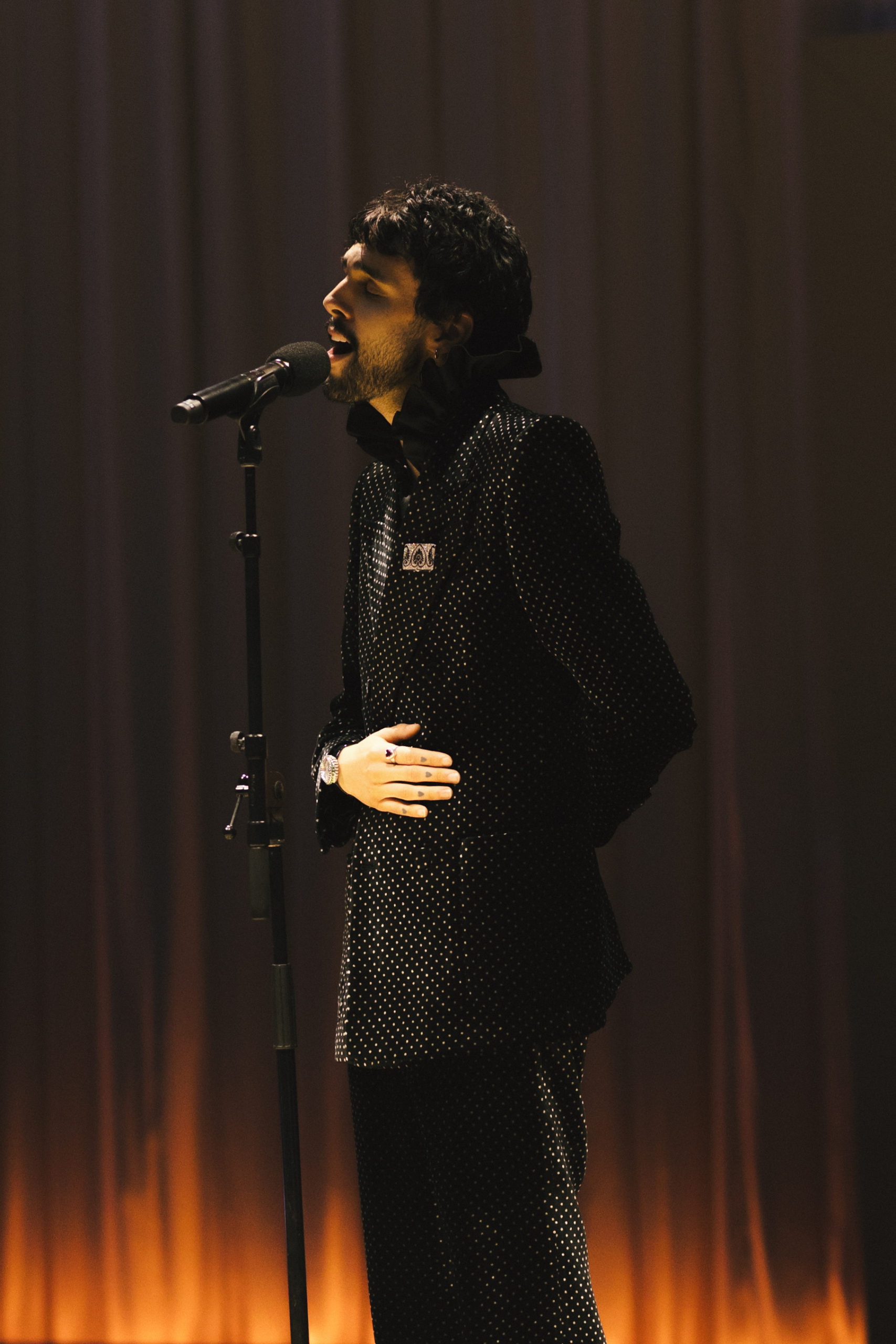
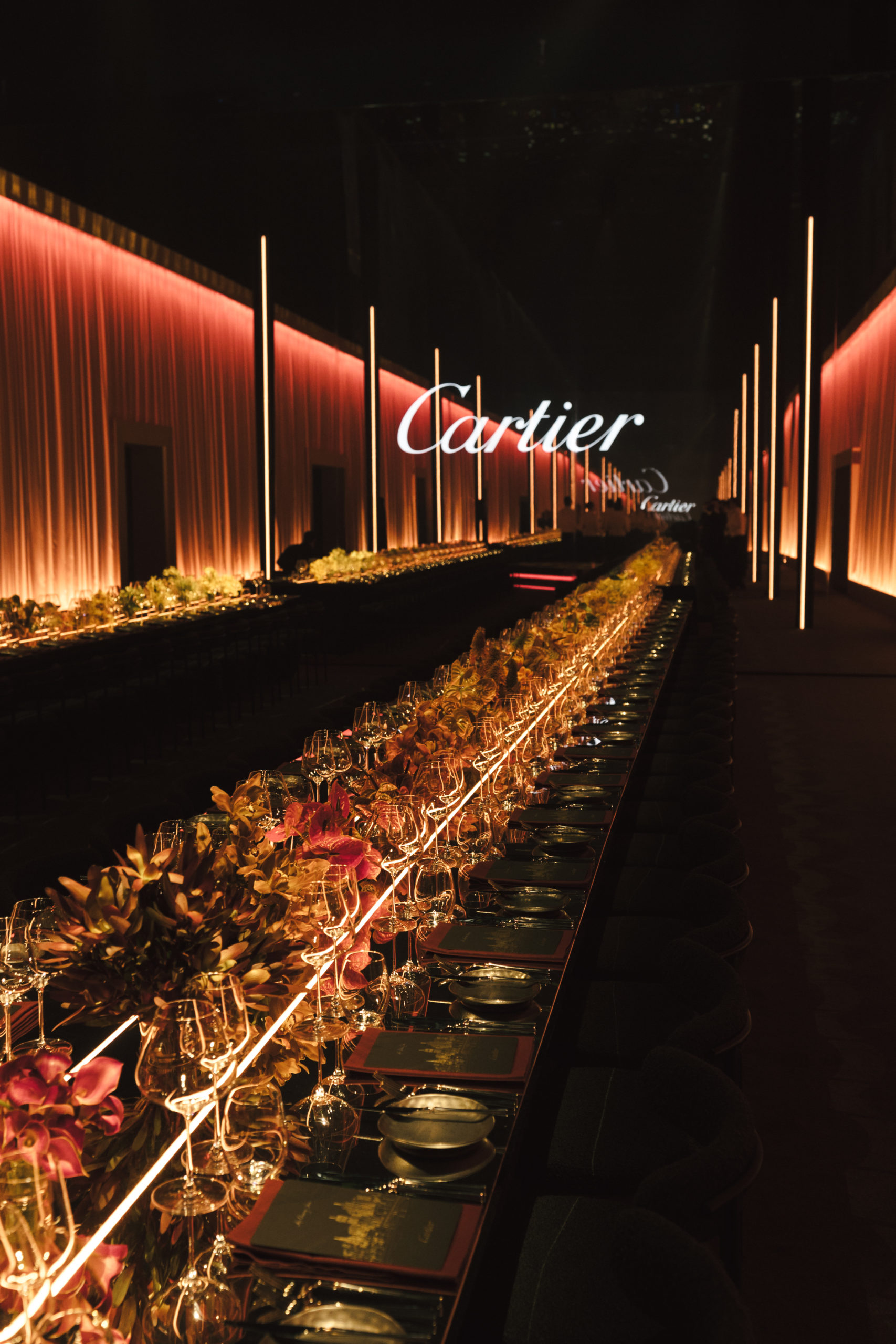
The gala bore all the hallmarks of Cartier’s exacting sensibility. Models wearing High Jewellery moved through the Great Hall as performances unfolded around them, while a menu by acclaimed Australian chef Dan Hunter, of Brae in Birregurra, preceded a final performance by American singer-songwriter Stephen Sanchez. His polished, mid-century pop-soul provided an elegant conclusion to an evening conceived around rarity, artistry and the enduring theatre of magnificent jewels.
Held inside the NGV’s Great Hall, the evening gathered Cartier’s international clients, collectors and an exceptional guest list that included Friend of the Maison Elizabeth Debicki, whose Emmy-winning portrayal of Princess Diana in The Crown gave her presence particular resonance in a room full of royal jewels, alongside Sarah Snook, acclaimed for Succession, and actress Leila George, recently seen in Love Story: John F. Kennedy Jr. & Carolyn Bessette.
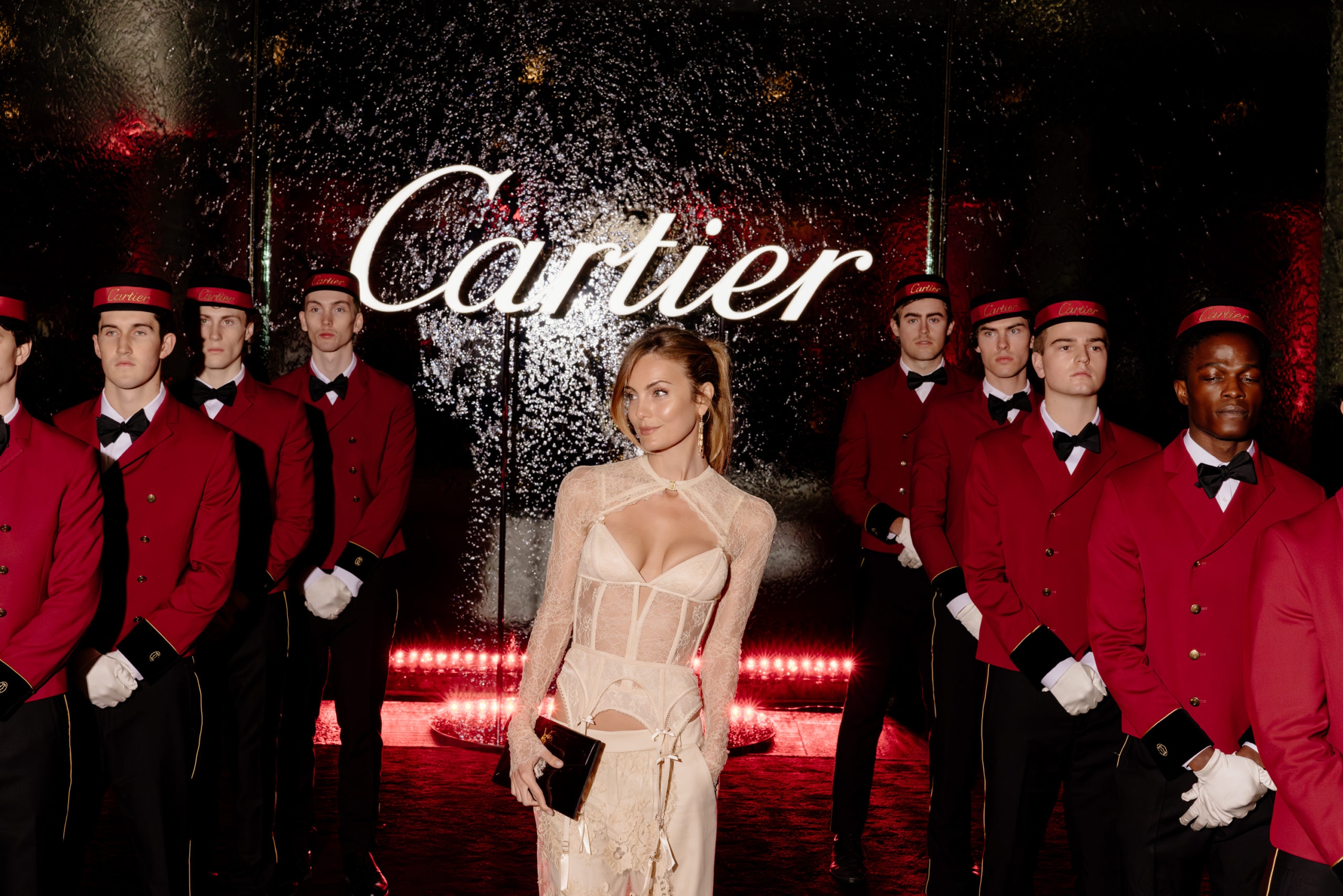
The gala carried the full measure of Cartier’s discipline. Performances unfolded throughout the evening, High Jewellery worn by models moved through the room, and a menu created for the occasion by Dan Hunter, the acclaimed Australian chef behind Brae in Birregurra, Victoria, preceded a performance by American singer-songwriter Stephen Sanchez, whose polished 1950s and 1960s pop-soul sensibility brought a fitting close to an evening already defined by rarity, craft and ceremonial precision.
The occasion’s significance rests within the exhibition itself, which brings nearly 400 jewels, timepieces and precious objects to Melbourne, alongside photographs, sketchbooks, original drawings and archival material that reveal the discipline behind one of the most influential luxury houses in history. Almost 300 creations have never before been seen in Australia, and many of the most important works appear through loans from monarchs, private collectors and cultural figures whose pieces seldom enter public view.
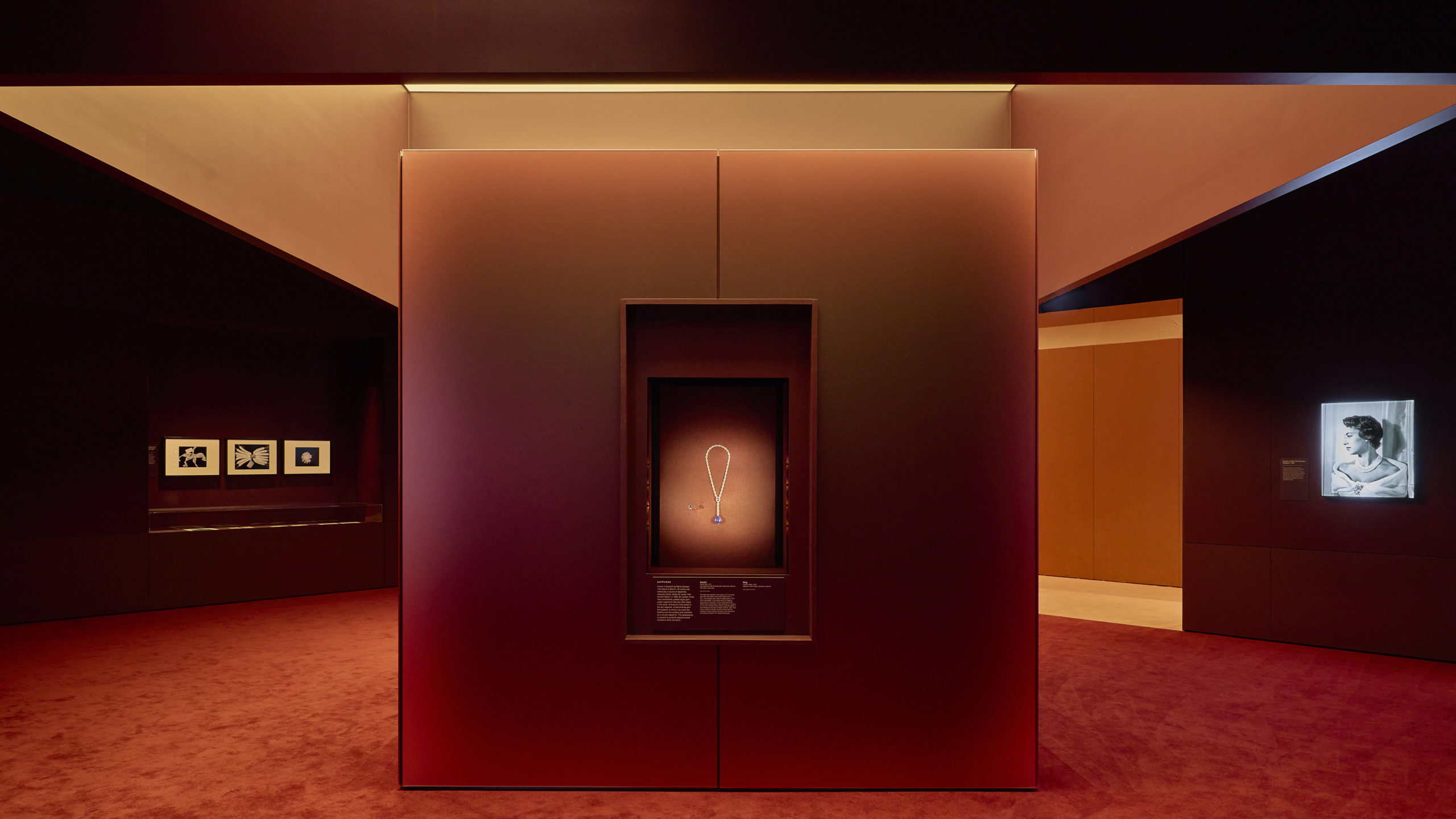
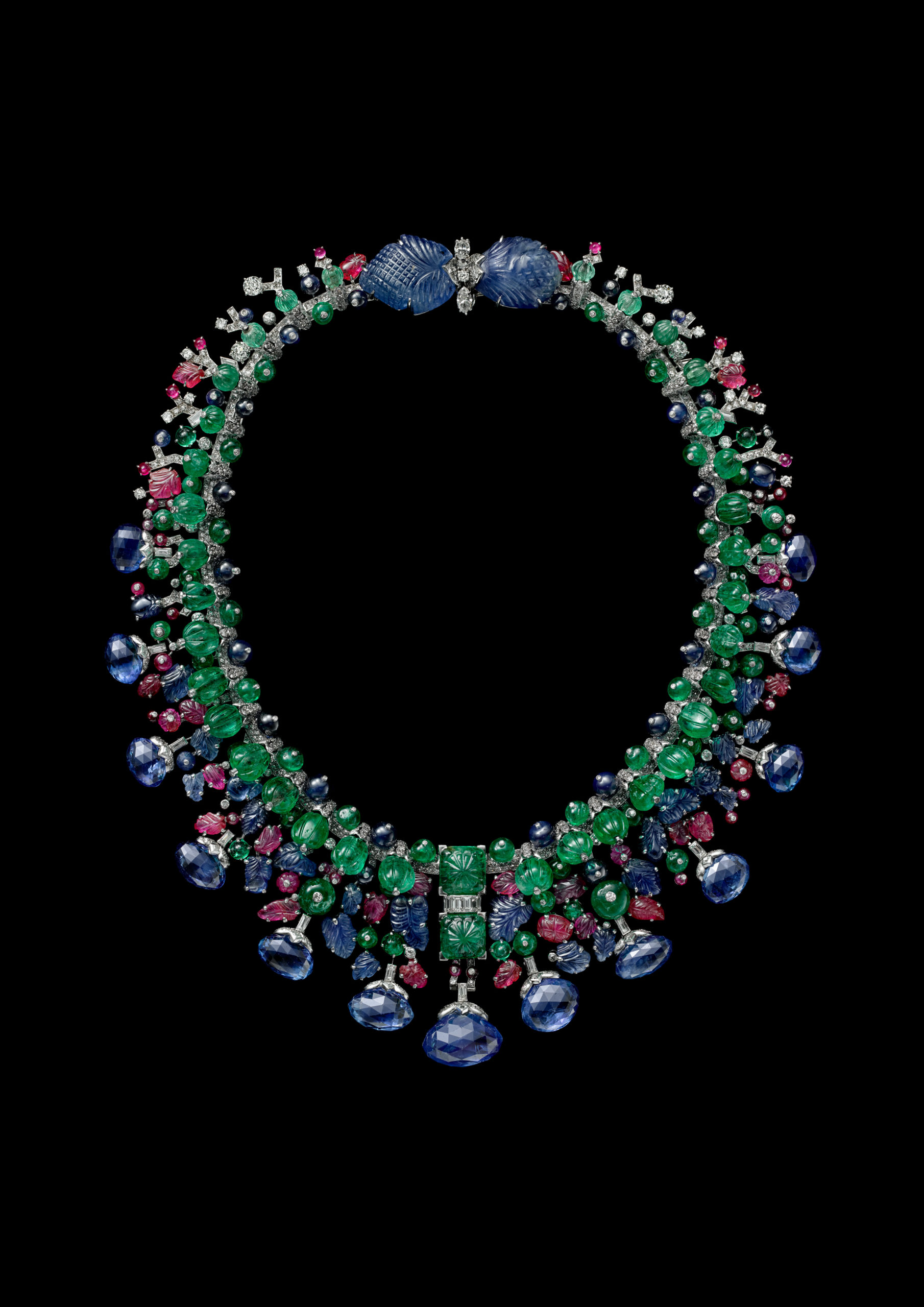
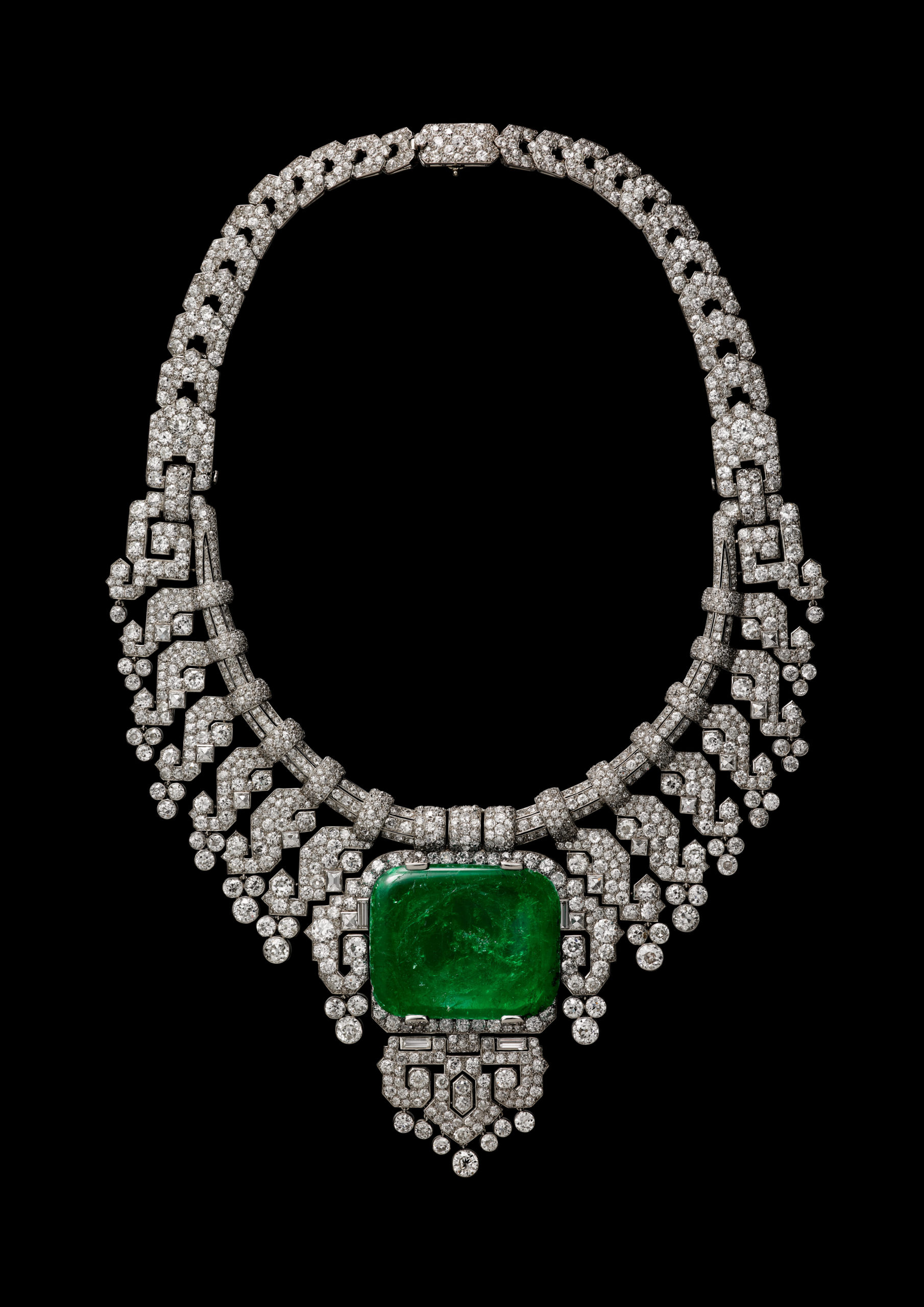
That provenance gives the exhibition its real force. These are objects connected to the lives, power and public mythology of Elizabeth Taylor, Grace Kelly, Rihanna, Andy Warhol, Princess Margaret, the Duchess of Windsor, Dame Nellie Melba, the Maharaja of Patiala, the Begum Aga Khan III, Daisy Fellowes and Barbara Hutton, among others, turning the exhibition into a rare gathering of jewellery as cultural record, where glamour, diplomacy, wealth, performance and private desire can be read through gold, platinum and stone.
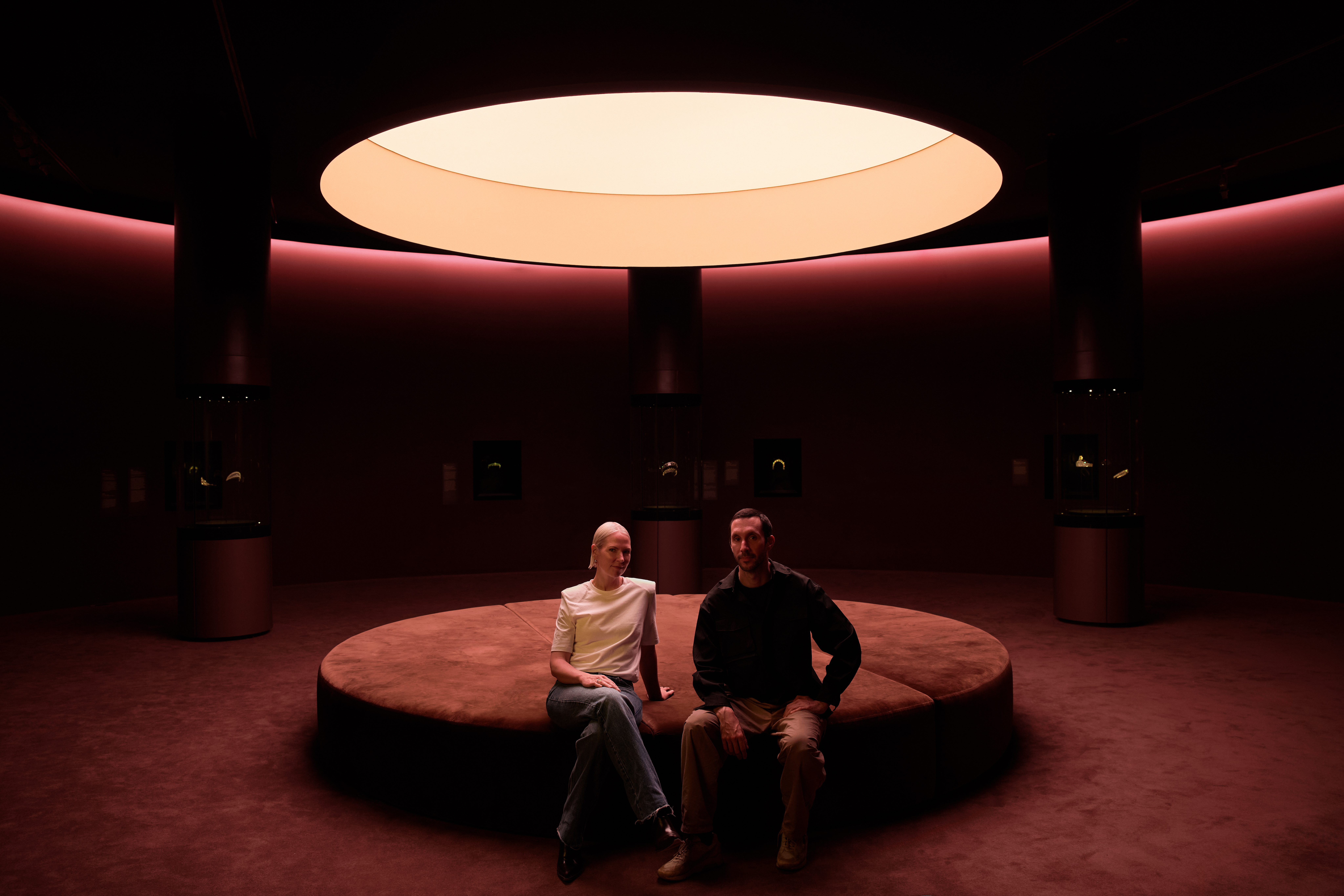
The exhibition’s contemporary frame has been conceived by Dutch-born, New Zealand-raised designer Sabine Marcelis, in collaboration with Paul Cournet of Rotterdam-based studio CLOUD. Marcelis approaches the rooms through colour, light and materiality, using saturated tones and reflective architectural surfaces to echo the optical force of gemstones and draw visitors into a setting that feels immersive without ever competing with the jewels themselves.
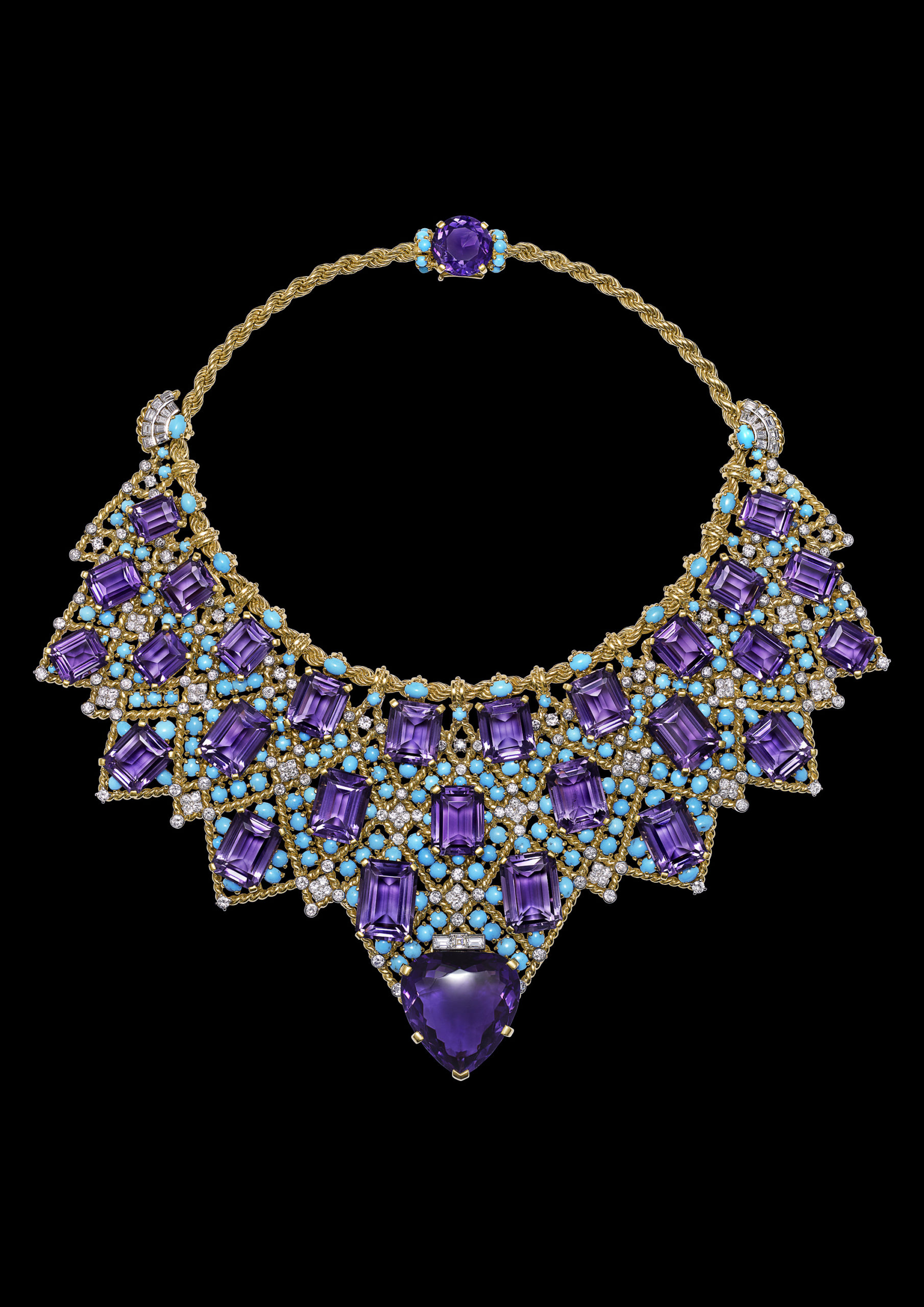
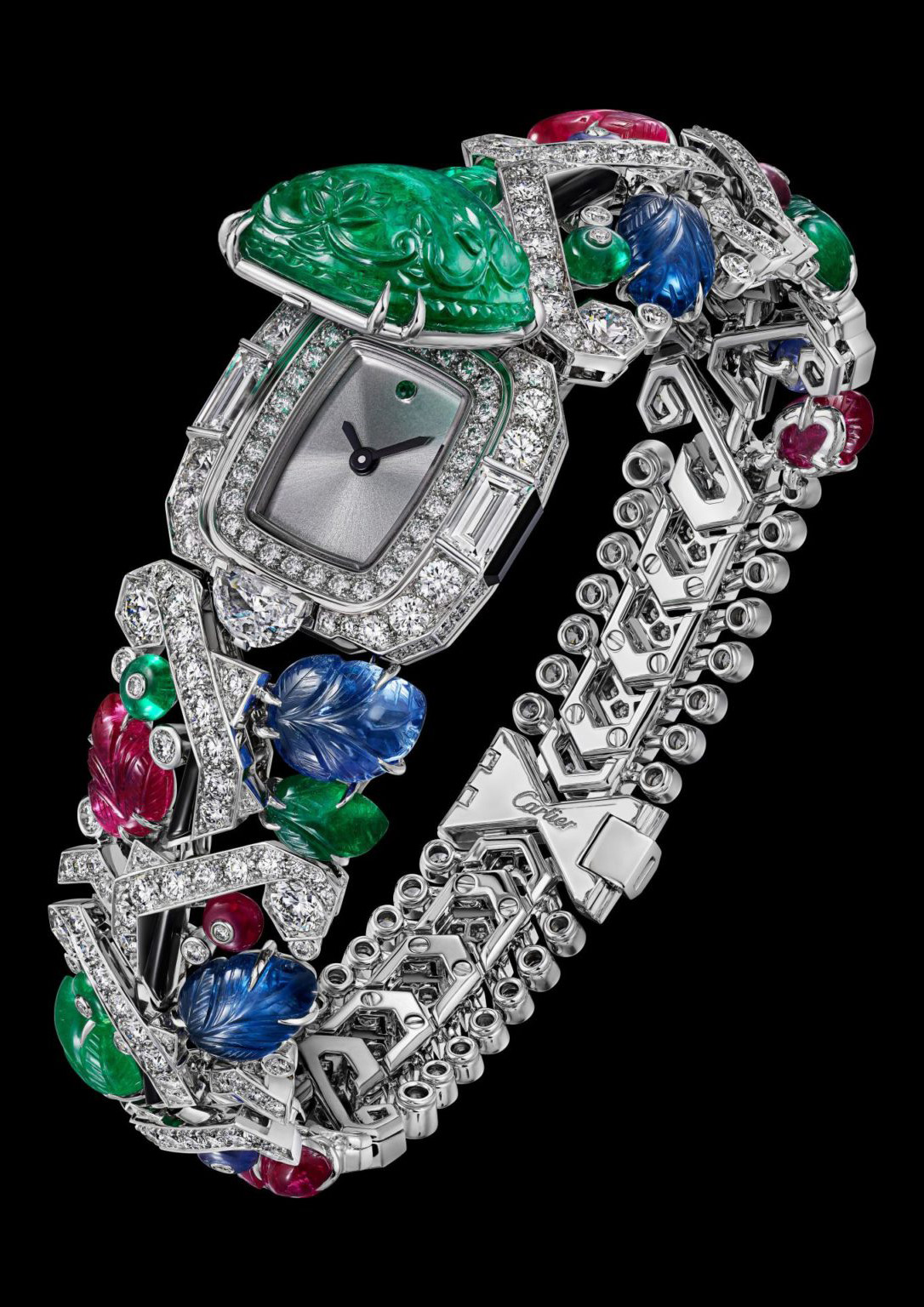
Many pieces come from the Cartier Collection, formally established in 1983 after the Maison began gathering its historic creations during the 1970s, preserving jewellery, timepieces and precious objects as material records of its own artistic history. In Melbourne, those holdings sit alongside significant external loans, allowing the exhibition to trace Cartier’s evolution from the entrepreneurial ambition of Louis, Pierre and Jacques Cartier to the clients whose commissions pushed design, craftsmanship and gemmological ambition into increasingly extraordinary territory.
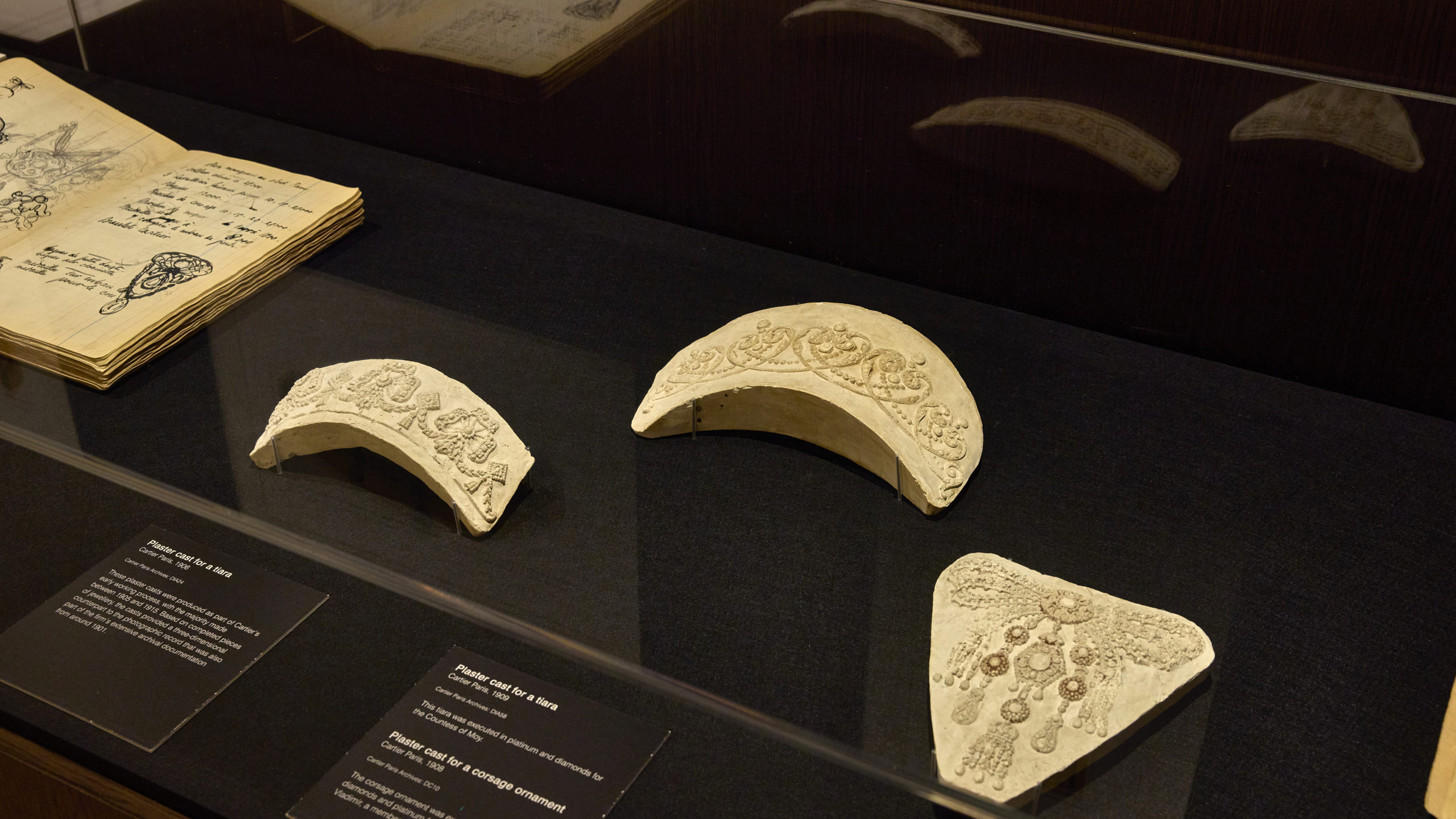
For every tiara, necklace, or extraordinary gemstone on display, there are drawings, sketchbooks, and archival materials that reveal the experimentation and technical intelligence required to transform an idea into a historic object. The Book of Ideas is among the most fascinating inclusions, offering direct access to Cartier’s internal creative process, where sketches and visual experiments move steadily toward objects destined for royal houses, aristocratic salons, film sets and the private collections of the twentieth century’s most influential figures.
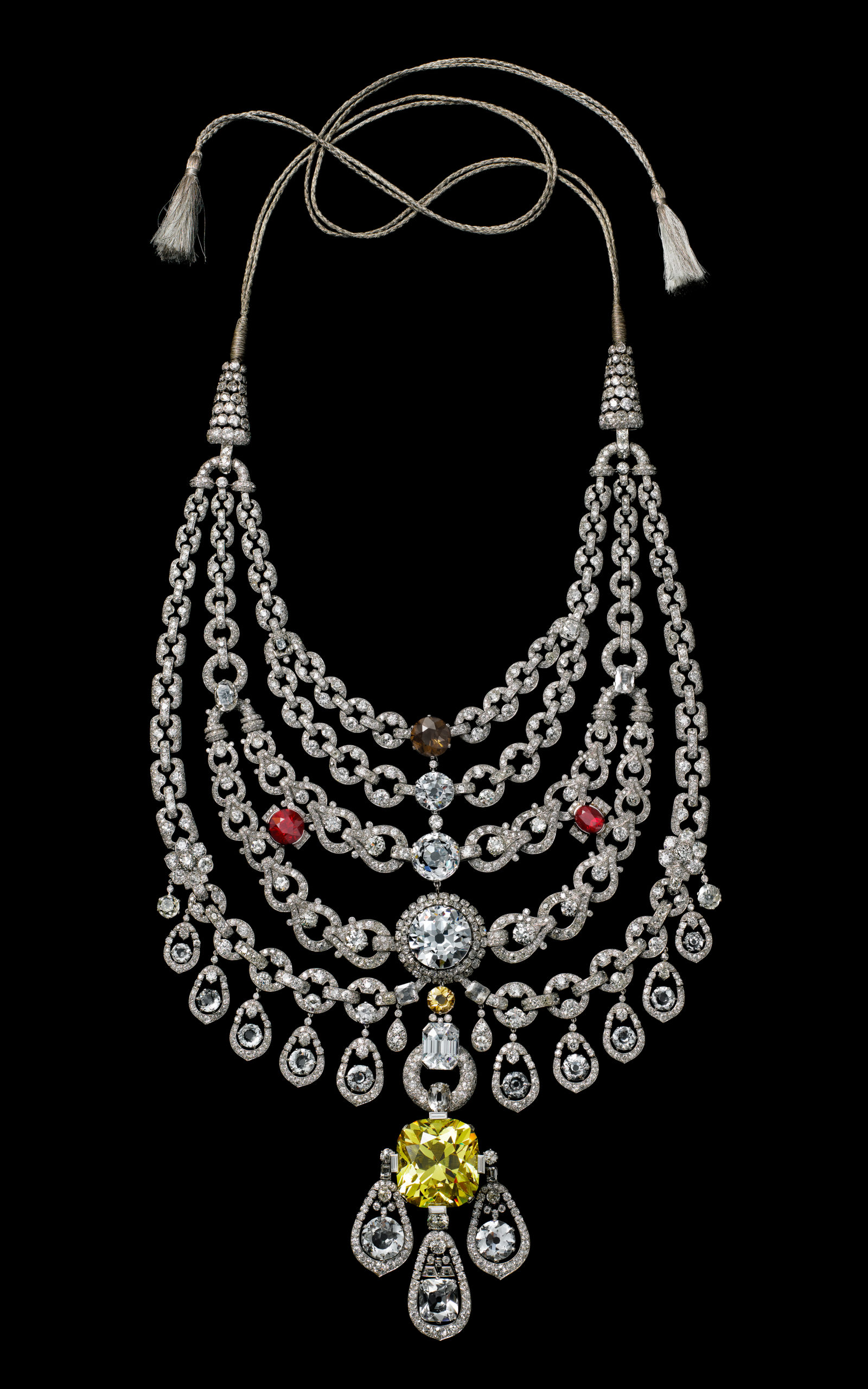
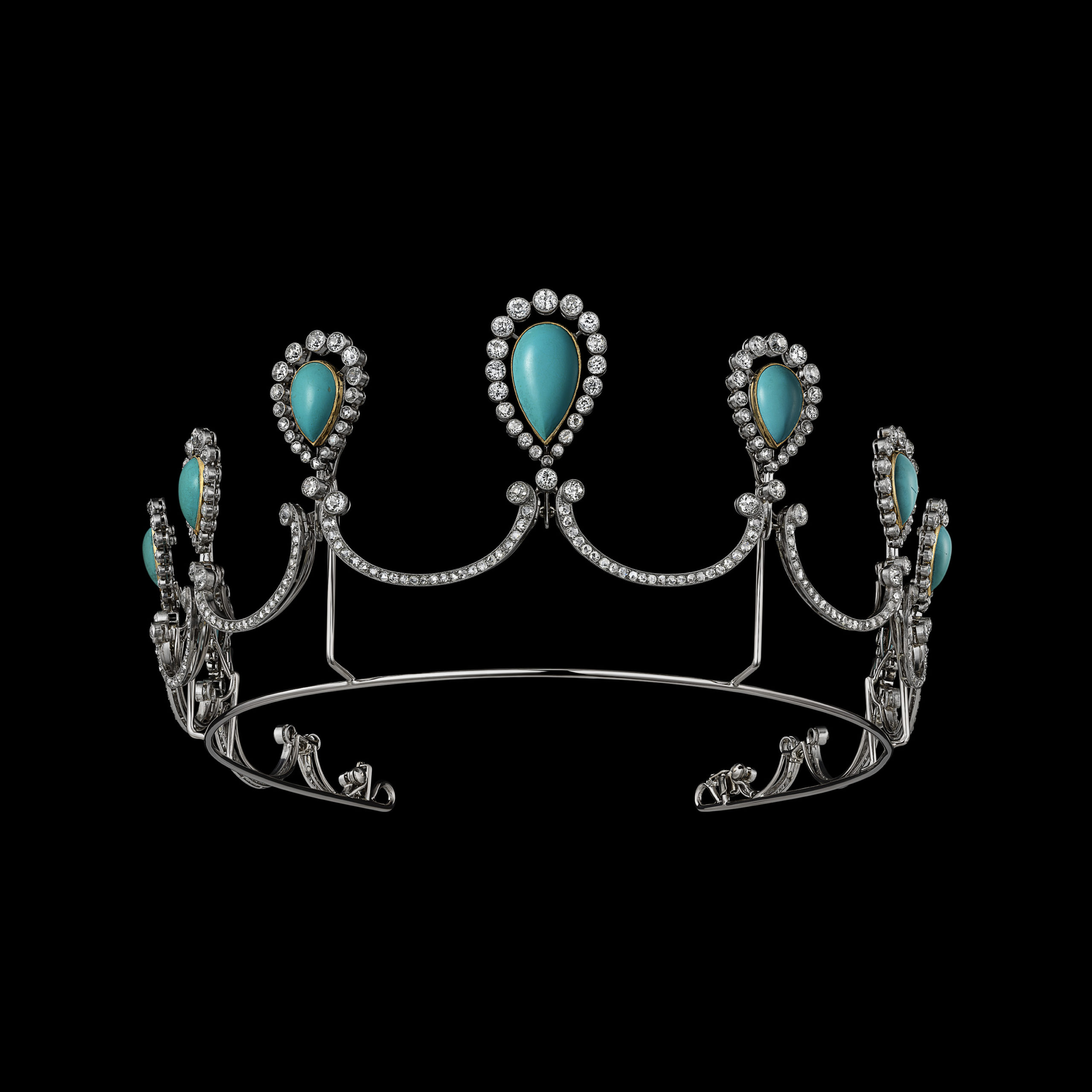
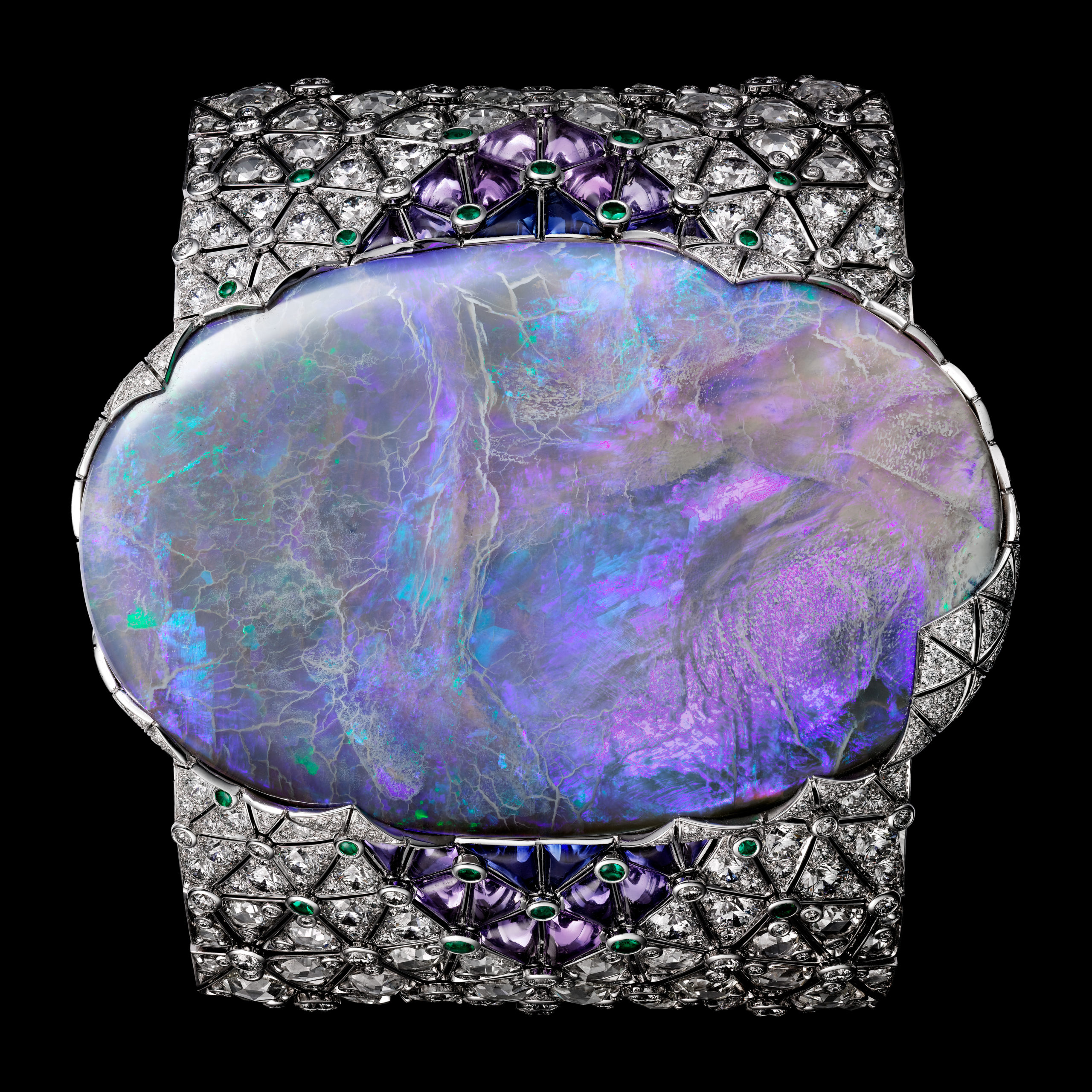
The gemstone galleries place the raw force of material rarity at the centre of Cartier’s creative ascent. Emeralds and sapphires exceeding 100 carats command attention throughout, their scale and quality speaking to the Maison’s longstanding relationships with elite dealers and international clients. Among the most important commissions is Barbara Hutton’s jade necklace, whose exceptional jadeite places it among Cartier’s defining engagements with Asian materials and aesthetics, while a 1928 Art Deco bracelet set with diamonds and five substantial black opals gives Australian visitors a local connection of genuine gemmological force. Elsewhere, the exhibition examines the rise of black-and-white jewellery after the sinking of the Titanic in 1912, when mourning rituals influenced fashionable taste and helped shape the dominance of platinum and diamonds in early twentieth-century design.
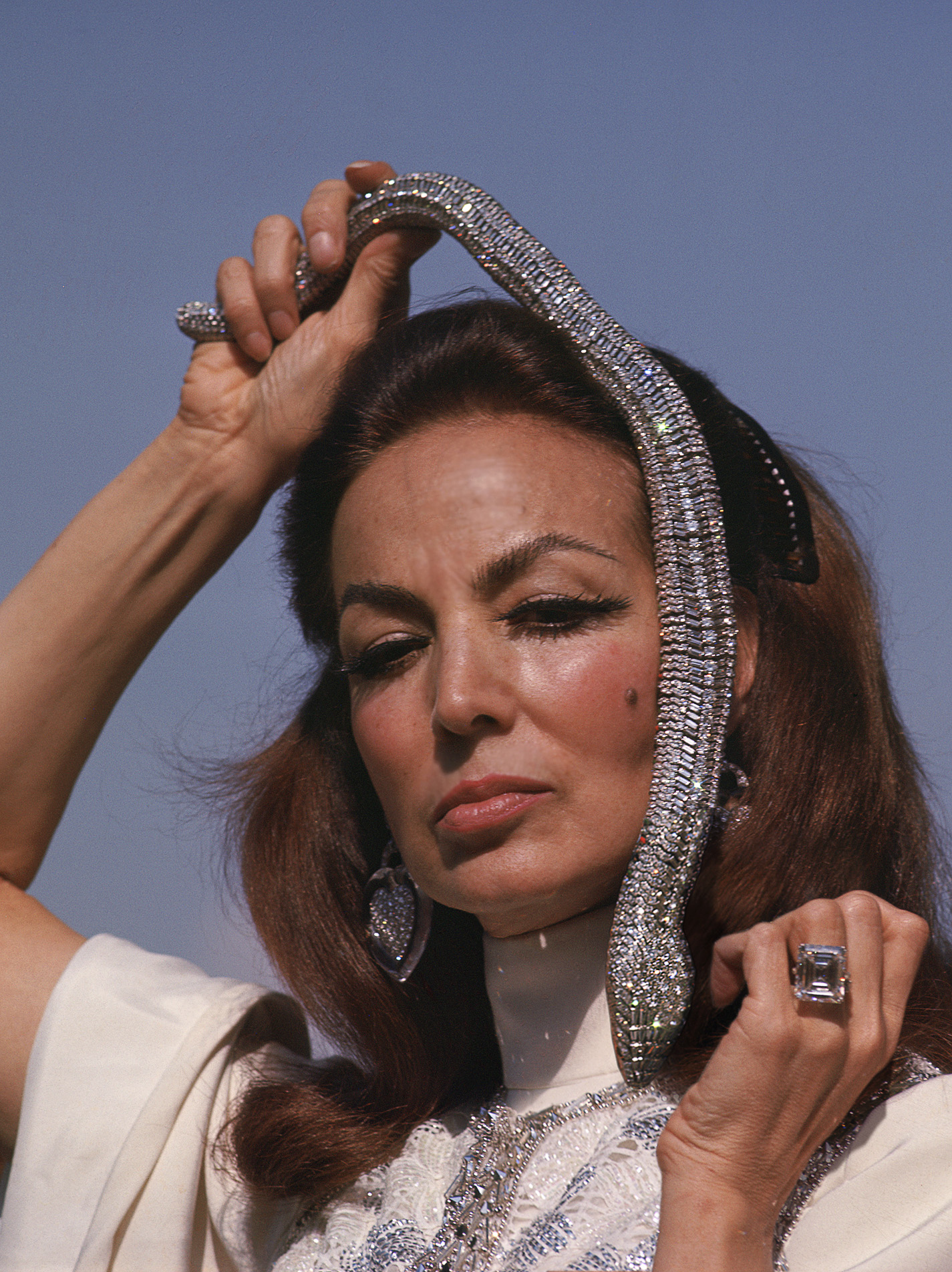
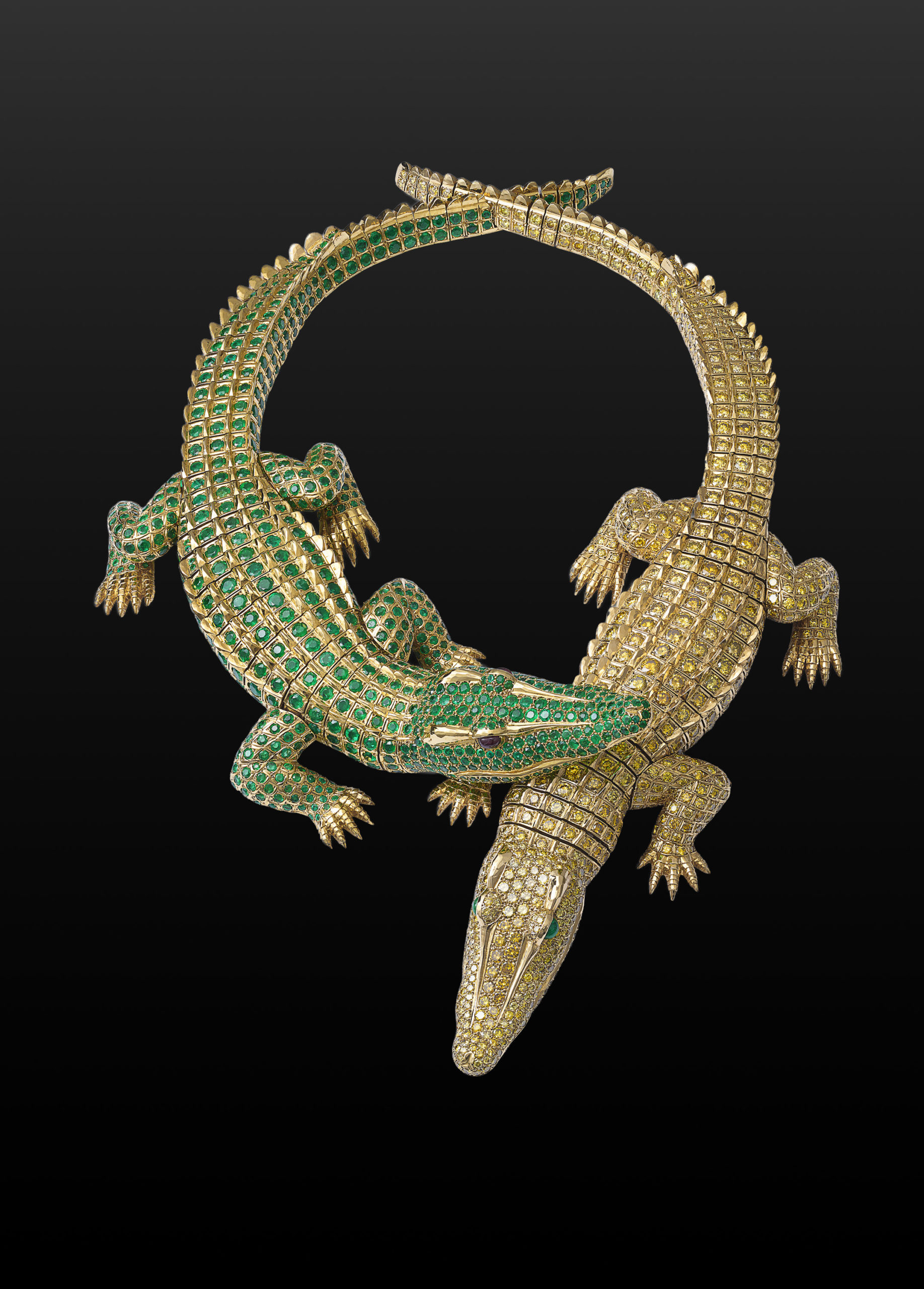
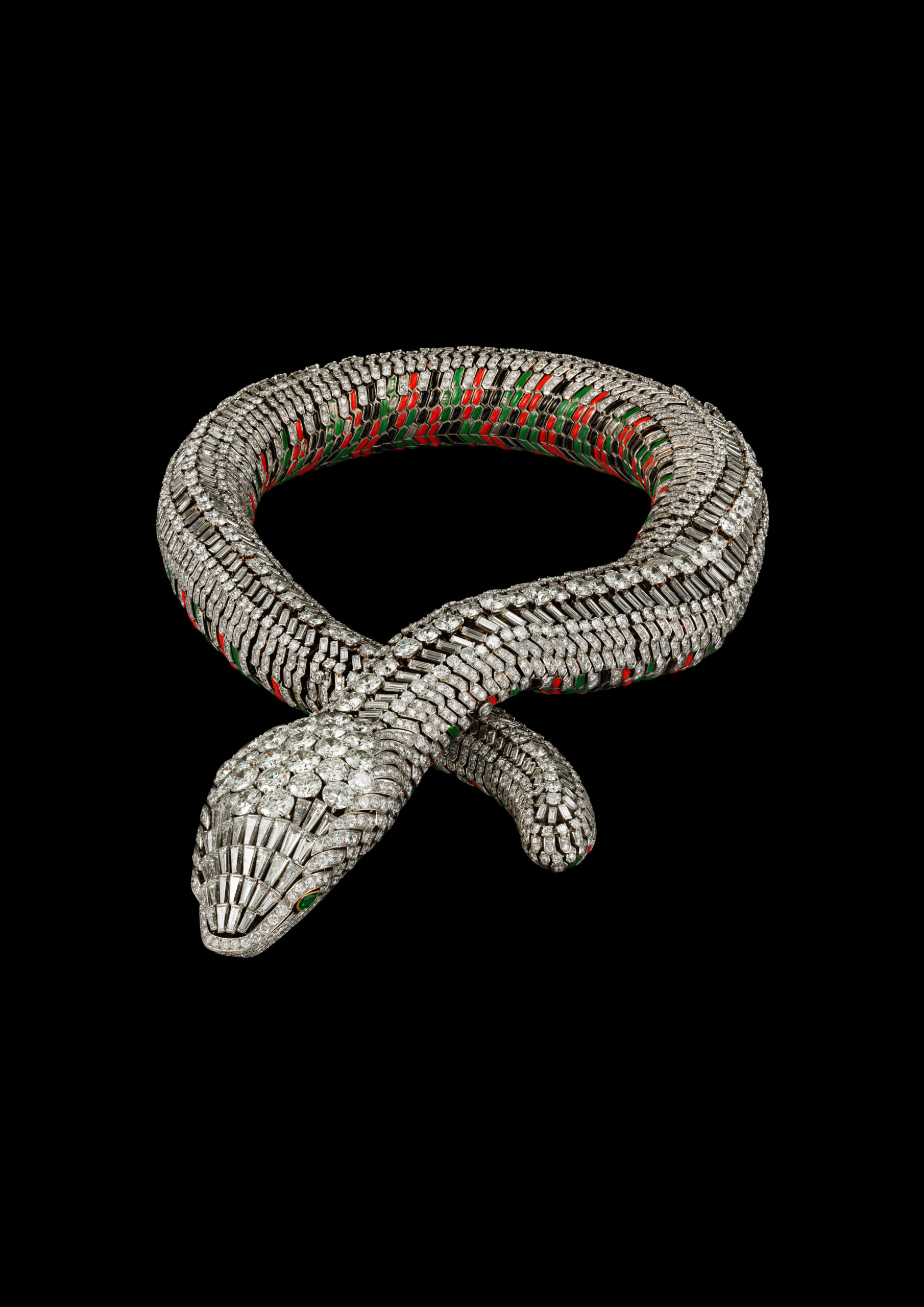
Then comes María Félix’s extraordinary Crocodile Necklace of 1975, composed of two articulated crocodiles, one set with fancy yellow diamonds and the other with emeralds, created after the Mexican film star is said to have arrived at Cartier with baby crocodiles and asked the Maison to render them in precious form. The exhibition concludes with twenty-four tiaras gathered in a final gallery, an almost overwhelming concentration of royal, ceremonial and social history, where craftsmanship and authority meet in their most glittering form.
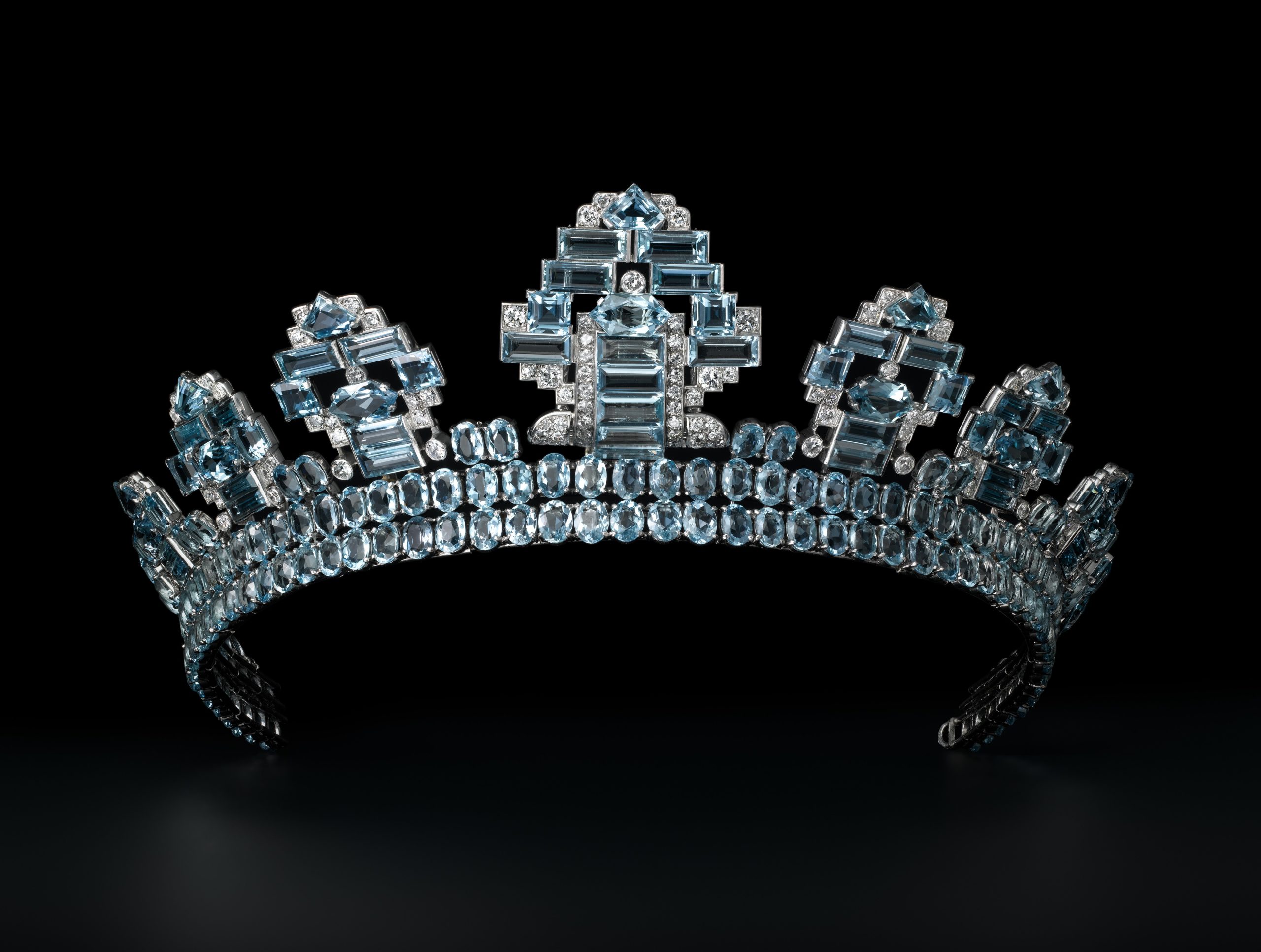
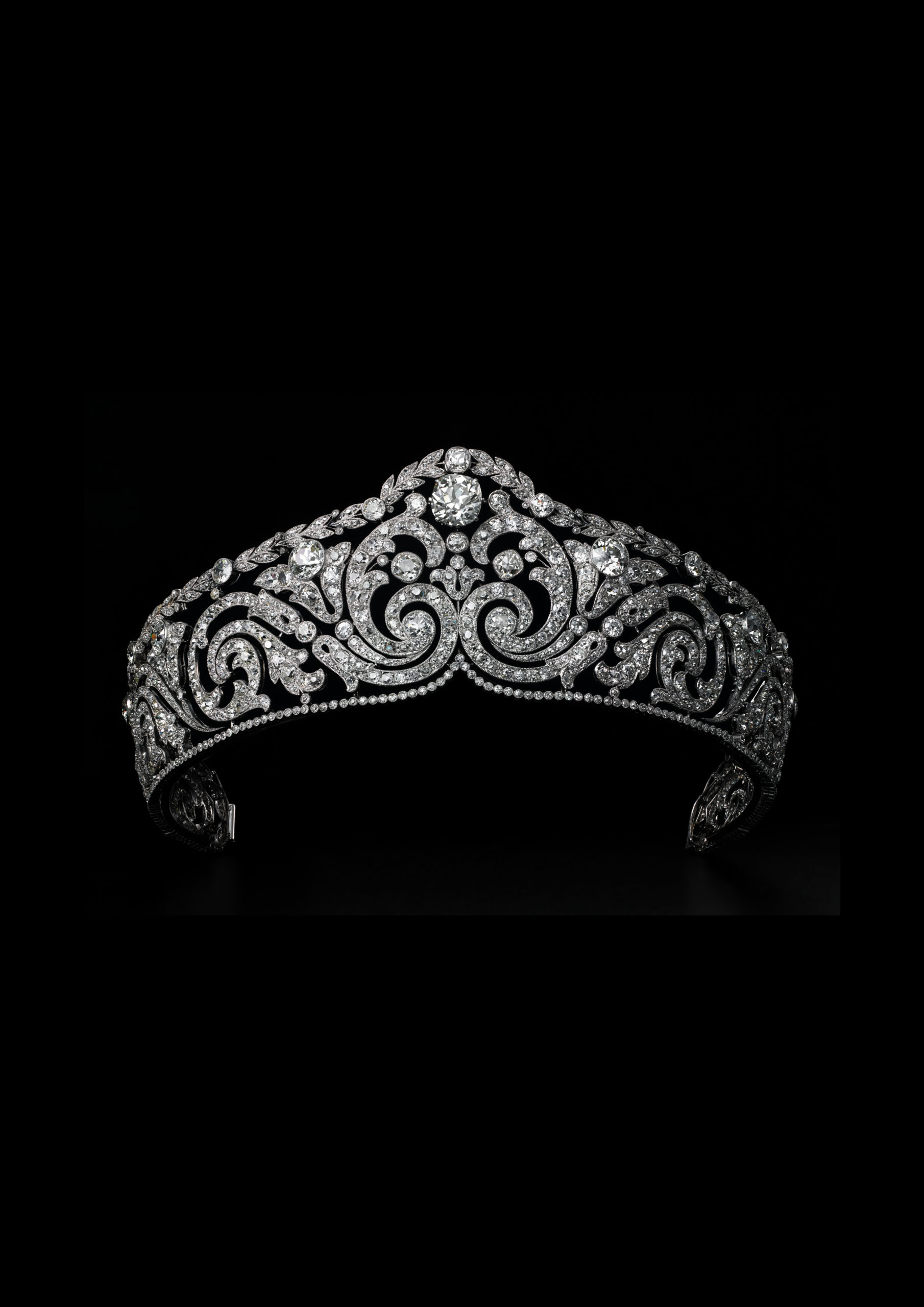
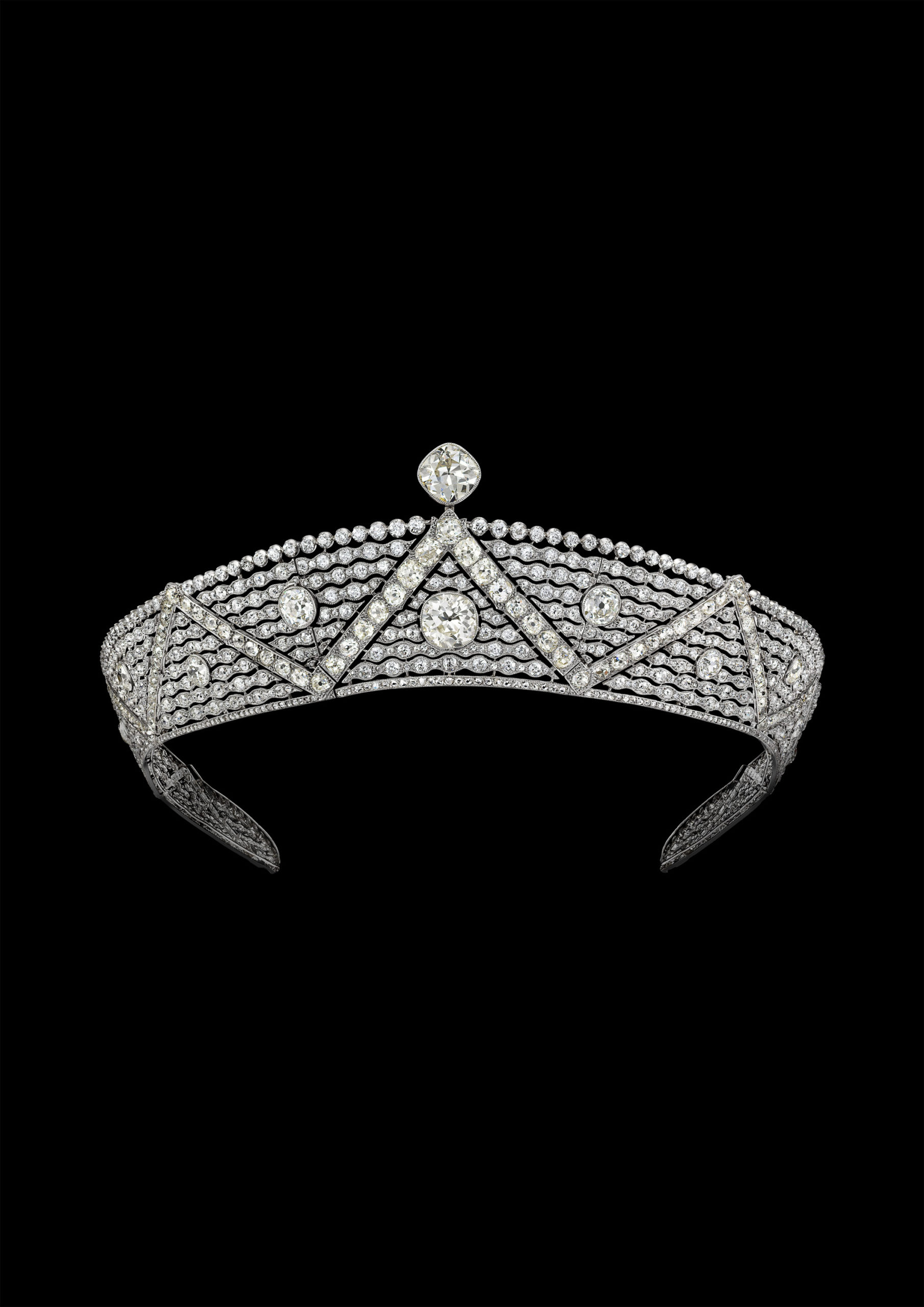
For anyone who understands jewellery as cultural history, artistic invention and human ambition compressed into gold, platinum and stone, CARTIER is well worth attending. Few jewellery exhibitions of this calibre come within proximity of New Zealand, and photographs cannot convey the physical drama of iconic jewels that have passed through royal courts, private salons, film mythology and the exacting hands of Cartier.
Melbourne Winter Masterpieces: CARTIER is on display at NGV International, Melbourne, from 12 June – 4 October 2026
Tickets are available here