In the heart of Auckland’s vibrant downtown Britomart neighbourhood lies The Hotel Britomart, New Zealand’s first 5 Green-Star rated hotel. It’s a place where sustainability, luxury and a deep connection to local culture come together to create unforgettable experiences, particularly when it comes to private dining. And given that the season for end-of-year events, Christmas parties and celebrations with friends and family is very much on the horizon, The Hotel Britomart is the perfect backdrop for hosting something unique and memorable, whatever the occasion.
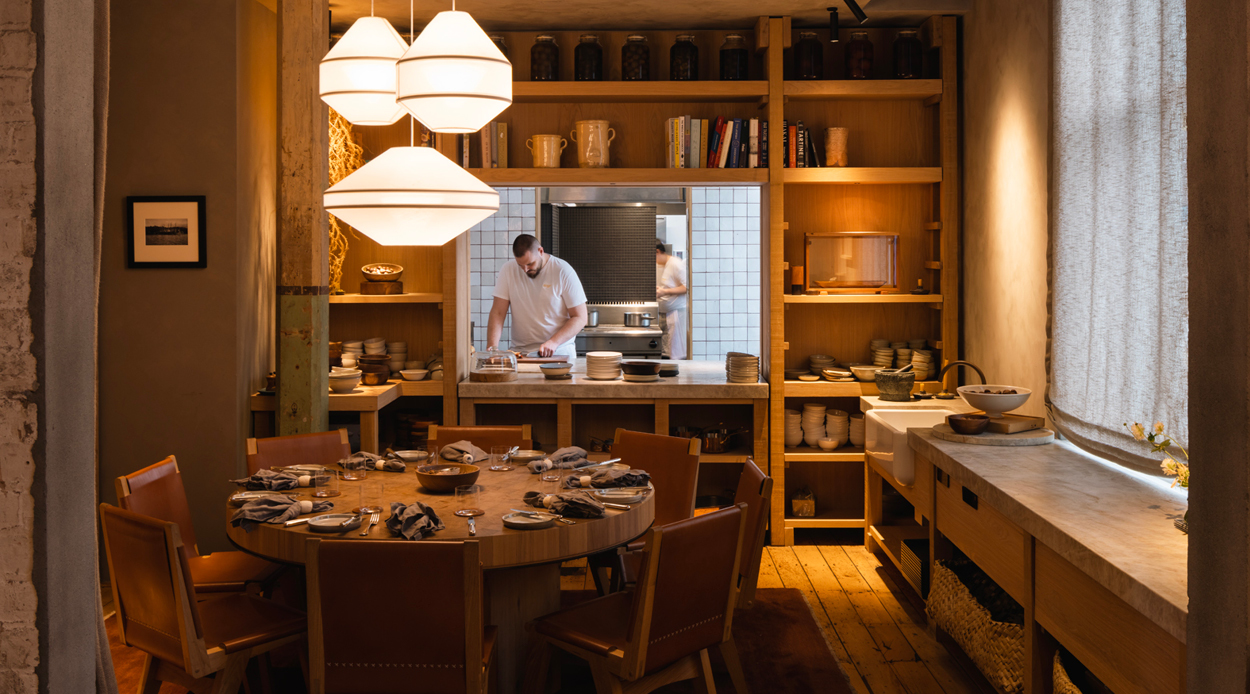
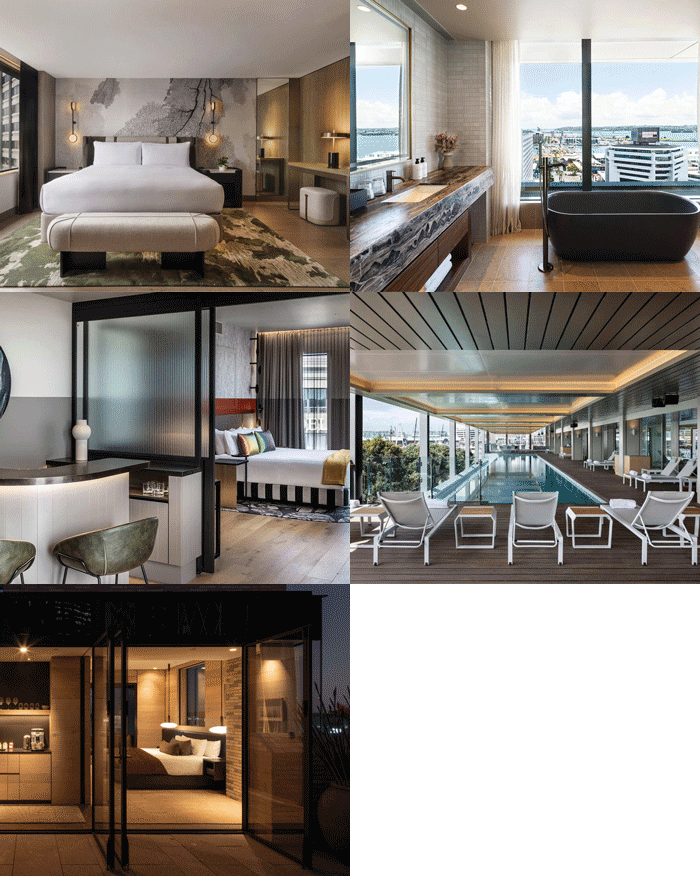
This remarkable hotel seamlessly blends contemporary design with the heritage of the area in which it stands, surrounded by refurbished historic warehouses. Its striking exterior, adorned with 150,000 hand-made bricks, reflects a commitment to craftsmanship and the hotel’s profound connection to its neighbourhood. (It was, after all, designed by the same team responsible for reviving the Britomart area at large, and as such, feels like a natural part of the landscape.) Inside, this thoughtful design is continued in tactile timber floors, stone-tiled bathrooms, artisan ceramics and organic linens, all of which play into the hotel’s decidedly serene atmosphere. In the private spaces, this design approach cultivates an air of warm, luxurious sophistication, offering rooms that feel connected to the hotel but entirely private and exclusive. Inside The Libraries, for instance, is a suite of versatile spaces suitable for any kind of event, anchored by New Zealand art and design, while in Kingi Private room, a personal and intimate atmosphere prevails, offering the sense of being in someone’s home.
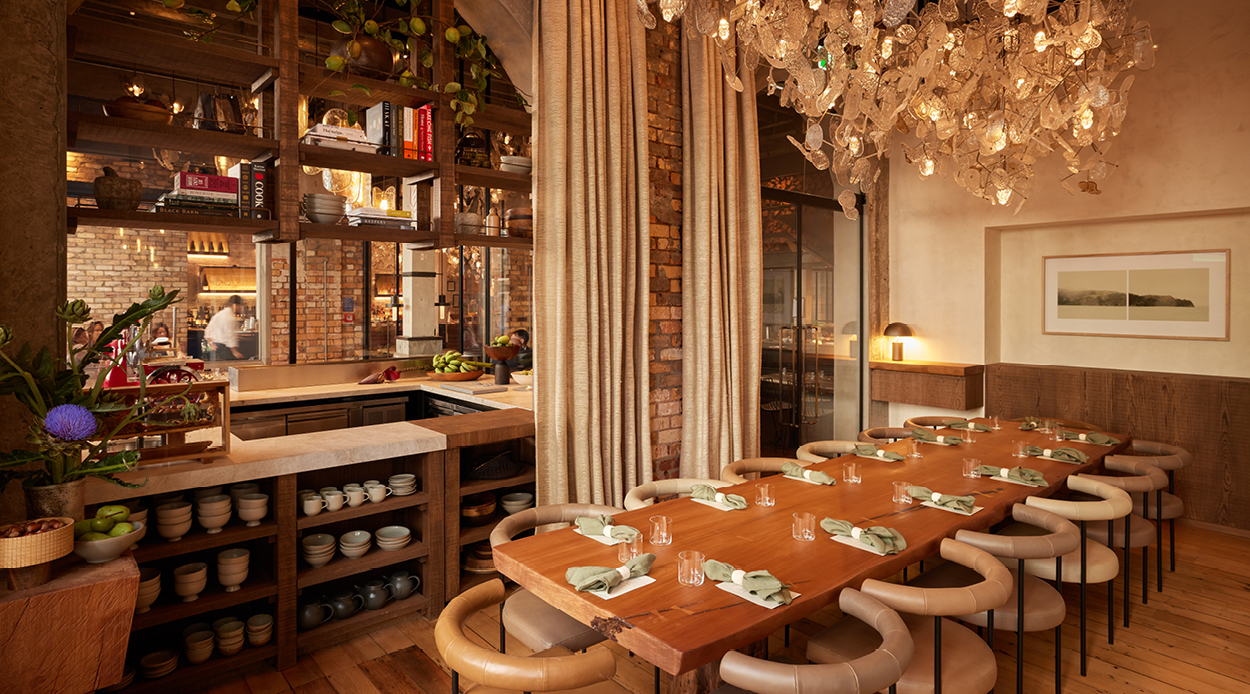
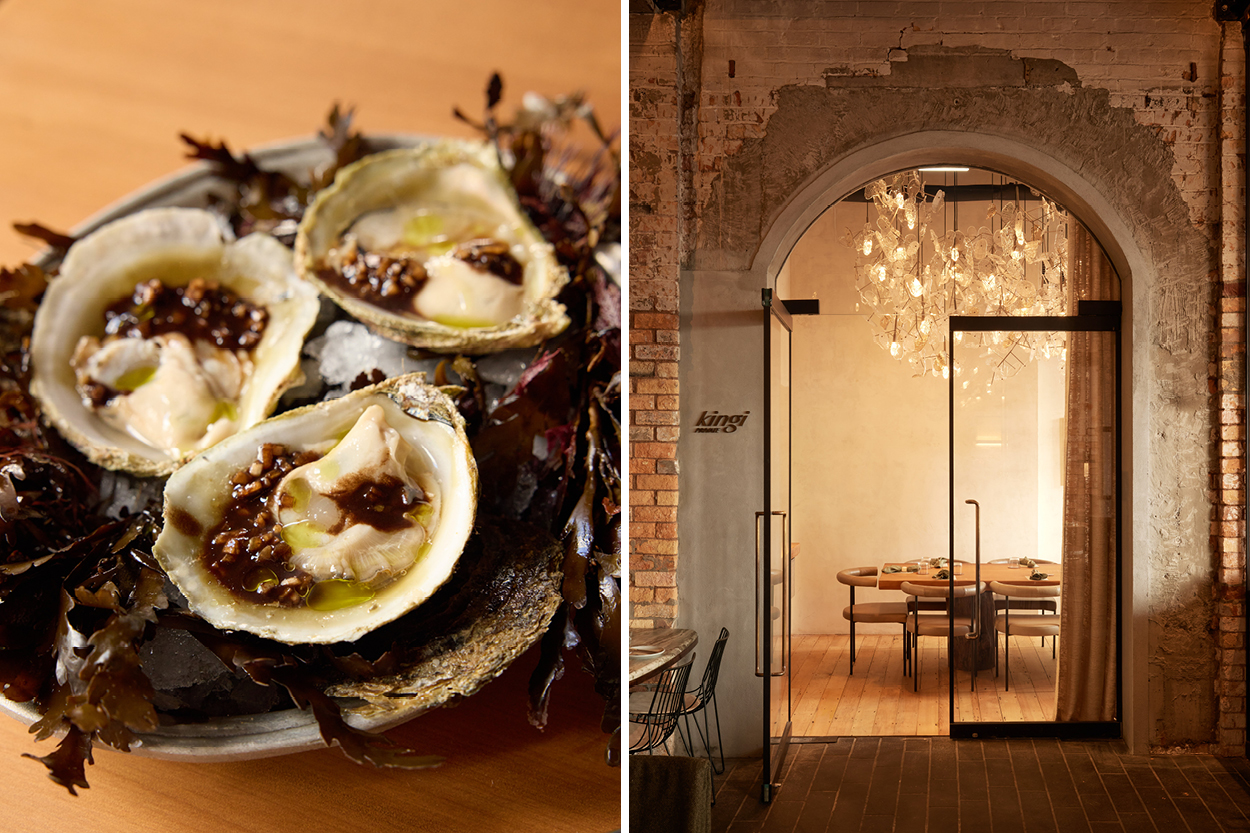
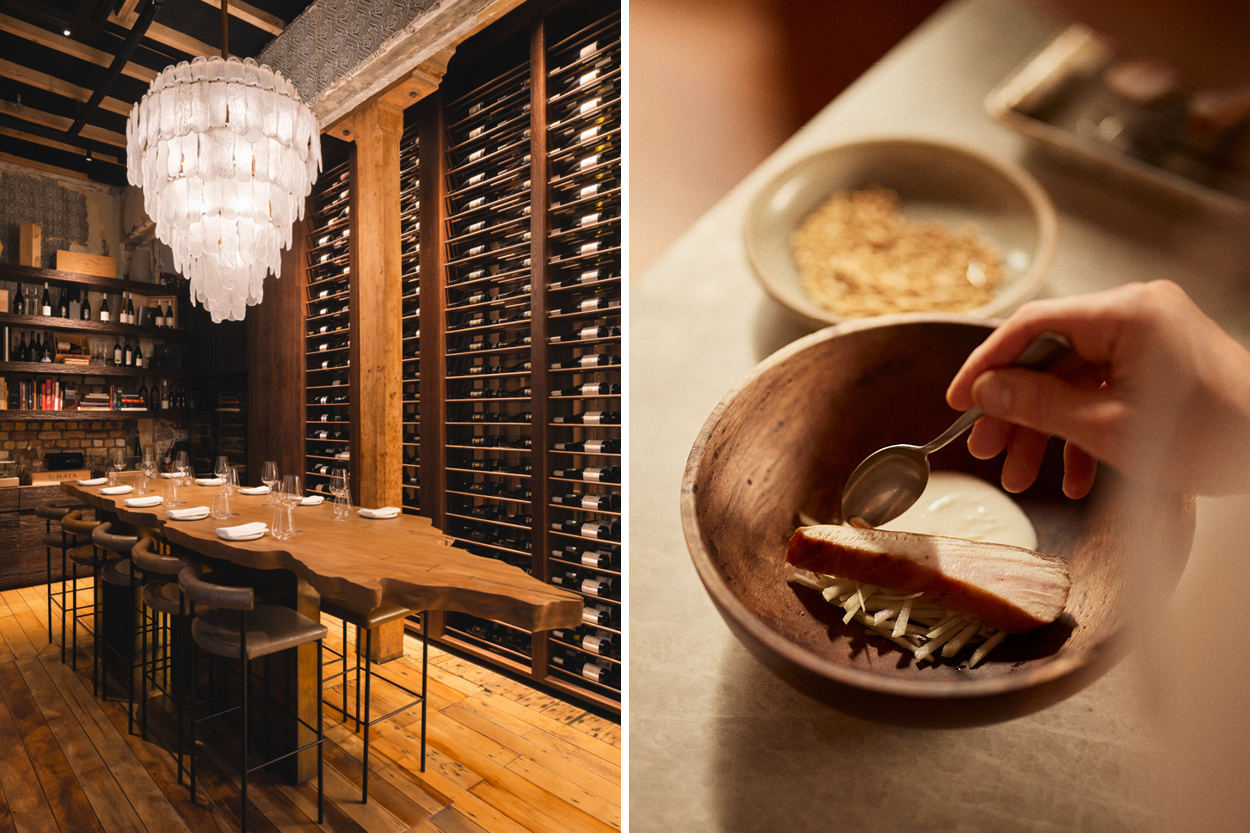
When considering which of The Hotel Britomart’s private spaces to book for your event, first consider the vibe you would like to curate. At Kingi Private (located adjacent to the lauded restaurant, Kingi) you’ll find a sophisticated, brick-lined space that marries the restaurant’s relaxed warmth with The Hotel Britomart’s refined elegance. In the centre of the room sits an expansive, raw-edge, swamp kauri table beneath a captivating ‘fish-scale’ chandelier, shimmering suspended in the space. It is the perfect setting in which to enjoy an intimate meal that reflects Kingi’s sustainable ethos, prepared by the restaurant’s expert chefs. In fact, for those seeking something exceptional, the Kingi Private Degustation Experience is a must-try. Co-founder Tom Hishon and Chef de Cuisine Uelese Mua have orchestrated a five-course tasting menu that not only showcases the potential of ethically sourced, sustainable seafood but also highlights cherished local producers and reimagines fine dining in an interactive and unforgettable setting. Adding to any experience is the room’s glass-boxed ‘larder kitchen’, which provides glimpses of the chefs crafting their culinary masterpieces.
Elsewhere, The Libraries at The Hotel Britomart offer a suite of spaces that can be made to suit an array of events, from corporate meetings to special dinners to intimate celebrations and more. Tucked away on the first floor of The Hotel Britomart’s historic building, The Libraries comprises four, one-of-a-kind spaces that can be booked separately or together and provide a truly exceptional private experience in the heart of Auckland City.
Kingi Private
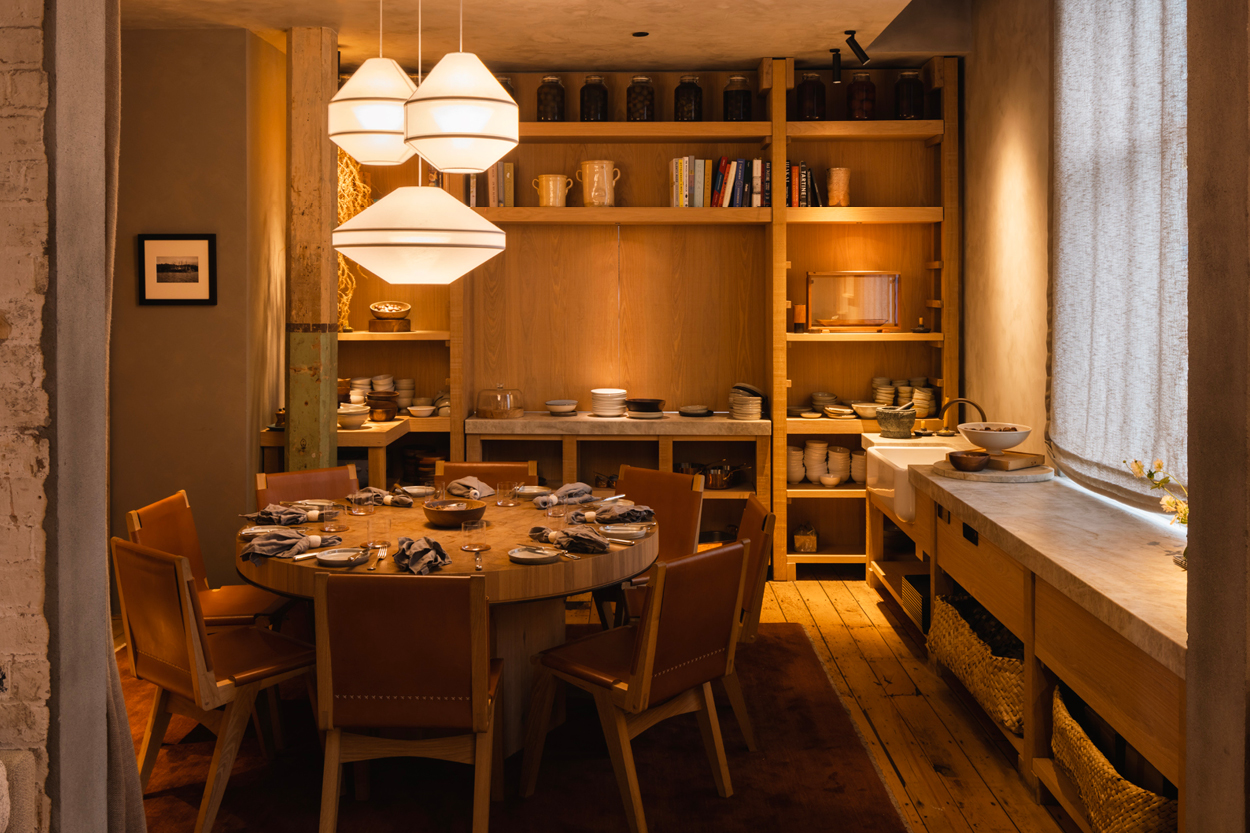
The Chef’s Library, for instance, offers a warm and welcoming environment that allows guests to get up close and personal with the culinary artisans behind their meals. Here, sublime courses paired with matching wines are hosted course-by-course by The Libraries’ Head Chef, Andrew Lautenbach, who prepares each course in the adjoining kitchen where he can facilitate easy conversation with curious guests. Able to seat eight for a degustation or family-style dining, it’s ideal for small gatherings and allows culinary storytelling to take centre stage.
In the loft-like Wine Library floor-to-ceiling shelves filled with exceptional wine line a room anchored by a commanding, kauri table and eye-catching chandelier. Able to accommodate 12 seated, this is the perfect space for intimate wine tastings or private dinners.
The Wine Library
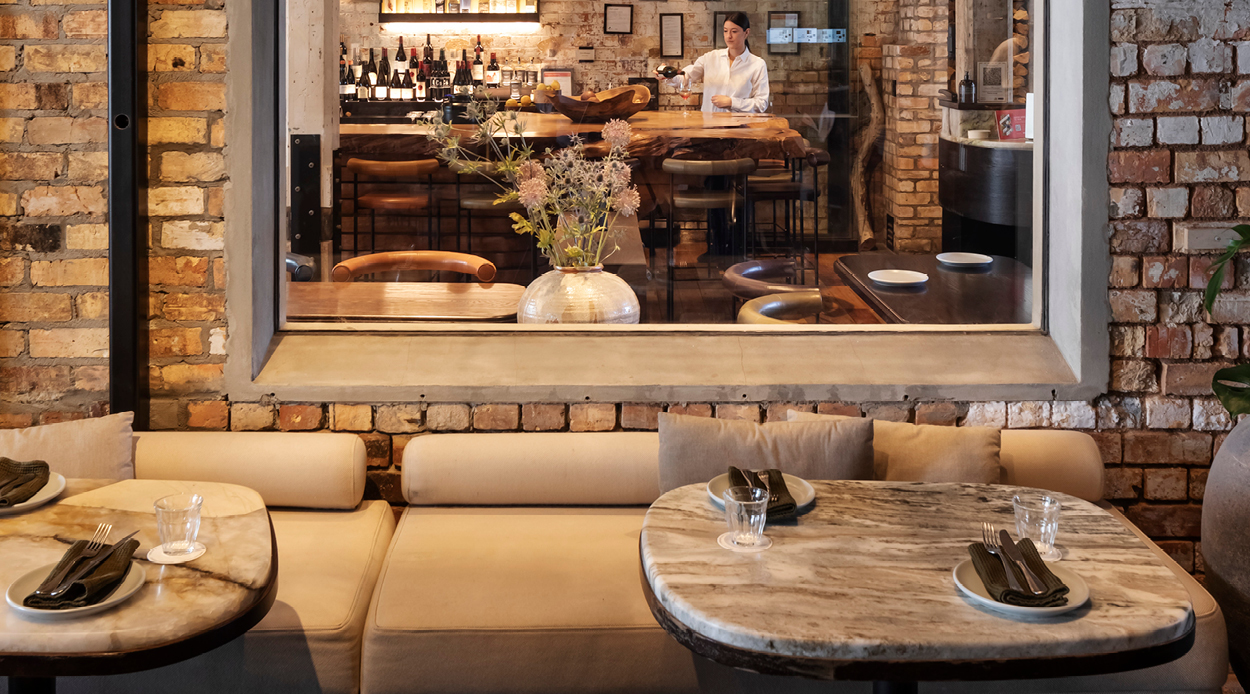
If it’s a cocktail function you’re looking to organise, look no further than The Libraries’ Lounge space. In The Lounge, lined in historic brickwork and filled with artworks by Ralph Hotare and Shane Cotton, guests can enjoy an elevated and decidedly comfortable affair, able to sink into one of the sumptuous banquettes with a drink in hand, or gather around the stunning stone bar. Suitable for 70 guests for a cocktail event or 18 for a seated dinner, The Lounge can be made to accommodate a range of events, offering a laid-back but impactful setting.
And finally, filled with light and finished in native timber and original brick, The Libraries’ Papuke Room is a generous, versatile space that could just as easily accommodate an extensive, seated dinner, as it could a cocktail function or even a large business meeting (it also has full audio-visual capabilities). Able to fit a number of guests whether seated to standing (up to 50 for a dinner, for instance) this could be the answer to your company’s next get-together, or for an overdue family reunion.
The Chef’s Library
In a world where sustainability, luxury and connection to place are paramount, The Hotel Britomart’s private dining spaces stand as beacons of excellence, where your palate will be tantalised by locally sourced, expertly made food and your senses immersed in the rich culture of contemporary New Zealand. Whether you’re planning a romantic dinner, a business meeting or a celebration with loved ones, these spaces offer unrivalled settings in which to create lasting memories.
Book your private event for the upcoming season at The Hotel Britomart’s Kingi Private or The Libraries and experience the pinnacle of exclusive, elevated hospitality.
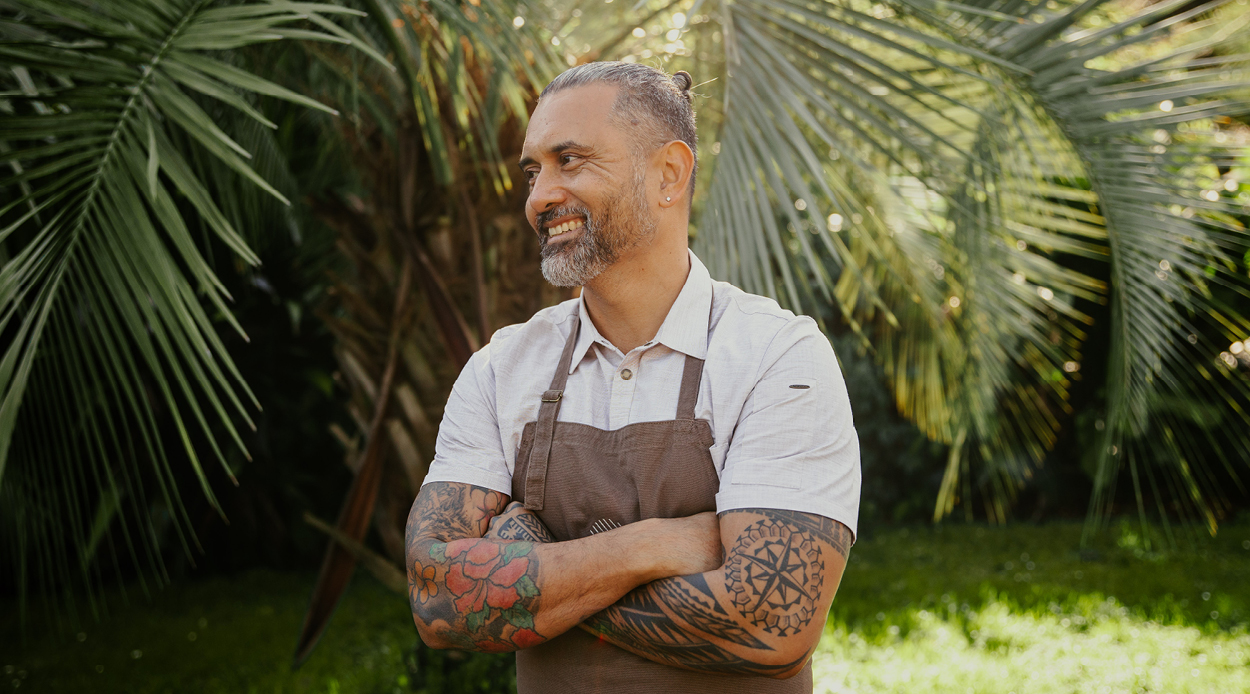
“We are the largest Polynesian nation,” Chef and Restaurateur Michael Meredith explains when we sit down to talk about Metita, the latest addition to his stable. “And while there are smaller scale [Polynesian restaurants here], there has been nothing to this level, yet.”
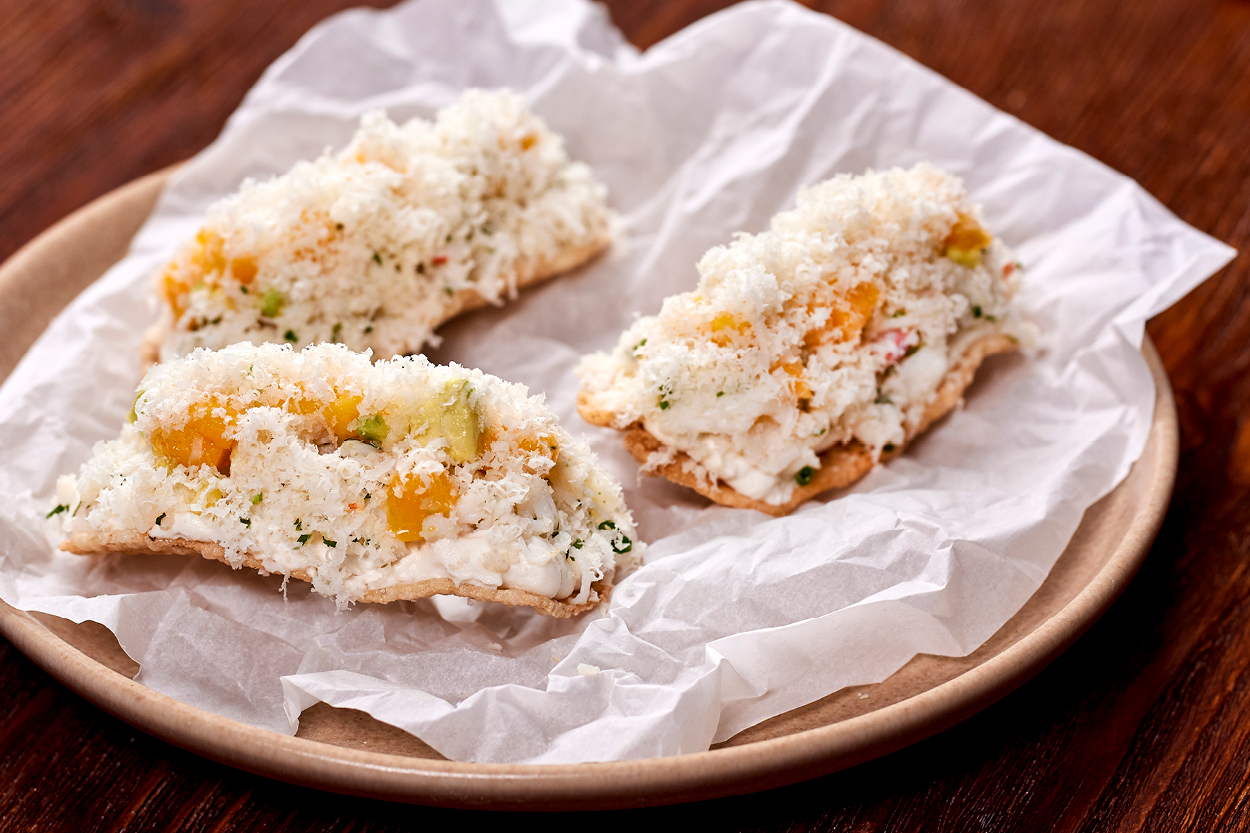
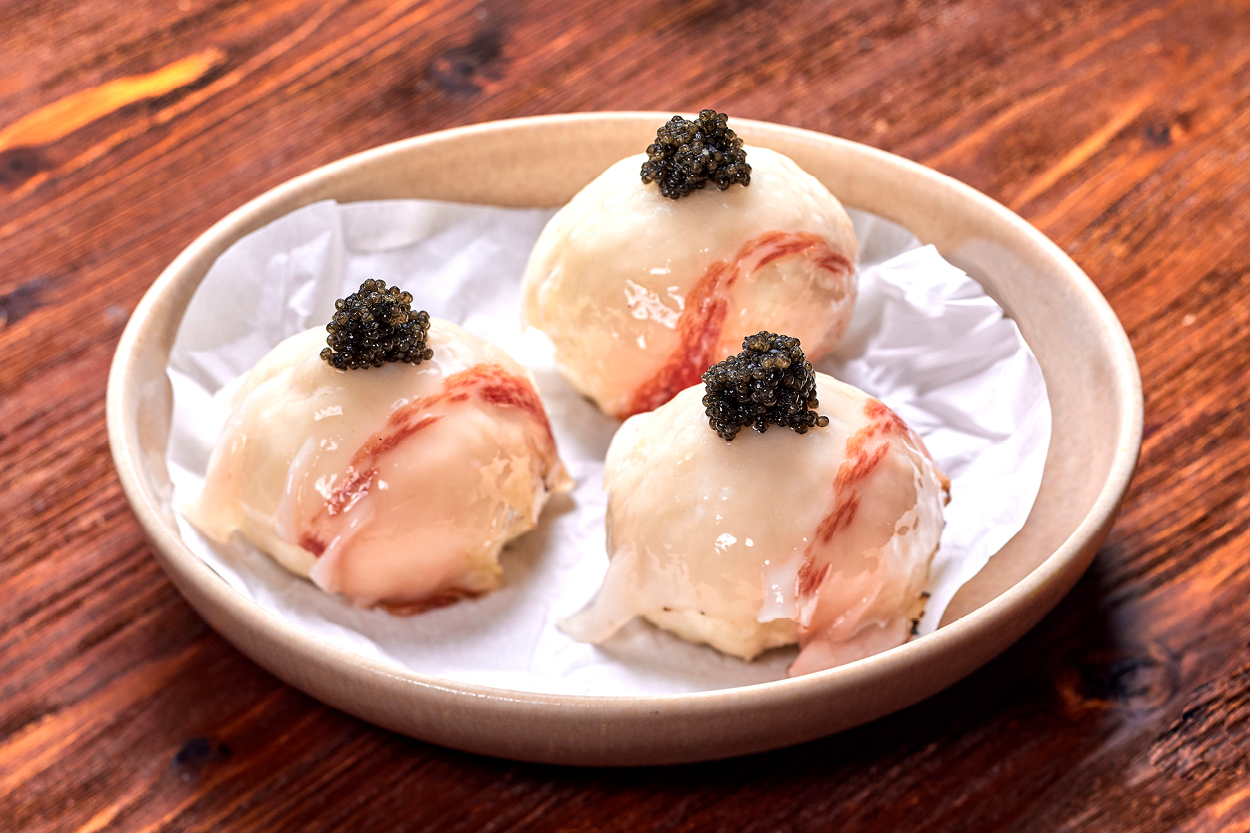
Crab on Puffed Taro
He’s right. There’s never been a restaurant in Auckland that truly speaks to our rich collective culture in the way that Meredith strives to with Metita. It is indeed interesting that our culinary culture is made up of so many international cuisines (led by talented local chefs who elevate them to new heights), but so few restaurants that speak to our history. In opening Metita, set to be a new flagship for the SkyCity precinct, it is Meredith’s intention to dive into these uncharted waters. And from what we’ve seen, the result will be magnificent.
“Metita has been designed as a place of discovery and connection; where the ingredients remain true to their Pacific roots (even when used in innovative ways).”
The inspiration behind Metita stems from the chef’s cherished memories of his upbringing in Samoa, and in particular, the nostalgia of his mother’s cooking. Named after her, Metita seeks to be a true representation of the immense potential of Pacifica cuisine. It is by no means traditional, Meredith emphasises, explaining how instead, he intends to elevate traditional dishes with modern culinary techniques and explore time-honoured foods in more innovative ways (an approach that has become something of a signature for the chef, best expressed at his lauded Britomart spot, Mr Morris). That said, one thing will certainly remain the same — flavour.
On the menu, expect to see traditional Pasifika ingredients such as pork hock, paua and fire-roasted Tua Tua, treated to various, modern reimaginings to cater to contemporary tastes. Of course, the food will be accompanied by a refined list of cocktails, highlighting the fragrant rums of the South Pacific, and an extensive list of New Zealand’s top wines.
Corn Beef Bun
Metita is set in the former space of the beloved Gusto at the Grand, its meticulous interiors realised by the clever, creative team at CTRL Space. Here, the brief was to capture the essence of Pacific culture, using elements of design and craftsmanship to tell captivating stories that build on the restaurant’s ambience — think lighting that subtly resembles fishing baskets and tropical flowers. Reflecting the ever-changing colours of the ocean and sky, it is a space that, while feeling utterly modern, also evokes a sense of tranquillity and speaks to the deep connection with nature that is prevalent throughout the menu, too.
In fact, when Meredith first began conversations with SkyCity, in the days before the pandemic, he mentioned his desire to work on a space that felt like home. As such, Metita has been designed as a place of discovery and connection; where the ingredients remain true to their Pacific roots (even when used in innovative ways), and meals that speak to our shared, melting-pot culture are designed to bring people together.
A visualisation of Metita
While much is still under wraps (ensuring that there is still something left to discover come opening day), Metita really is poised to become one of Auckland’s cornerstone restaurants. And, thanks to the SkyCity precinct’s unique vantage point and close proximity to international visitors, Metita will give Polynesian food and all its wonderful flavours the chance to truly shine.
Metita will officially open its doors on Friday the 27th of October but bookings are open now, so secure your spot in advance by booking here.
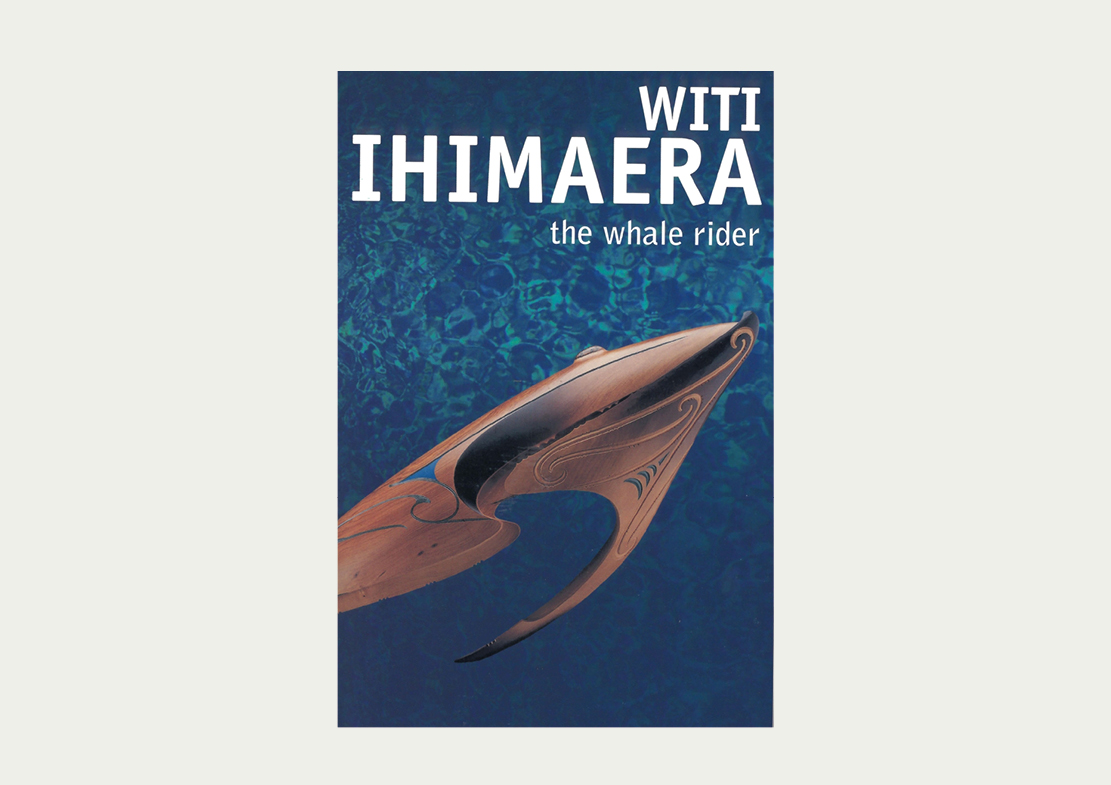
Even if you’re unfamiliar with his name, you’ll likely be acquainted with the significance and prose of Witi Ihimaera’s iconic book The Whale Rider. One of our country’s most celebrated authors, this year, Ihimaera celebrates half a century in the literary game, and to honour this milestone (even as he edges towards his 80th birthday) the author sat down with Tessa Patrick that this is the year of saying ‘yes’ to everything, including a world tour, three new releases and four audiobooks. Despite half a century of accolades and accomplishments, as well as a raft of learning along the way, Ihimaera’s career is only on the up. His works are internationally acclaimed, often translated into French and German (he takes great care to tell me that most of his stories transcend culture, despite being deeply rooted in a sense of Māoridom), and he finds himself, after all these years, with still more stories to tell.
One of the first things Witi Ihimaera confesses to me is his childhood dream. It was never to be a writer, really. (Although, as I’ll soon find out, the thought was always there.) His intention was to be a composer — one of the greats. But there was no piano at his flat in Wellington, and writing required far less bulky equipment. We’re at his home, listening to a piece of classical music by Sibelius, he tells me, and one of his favourite songs. He turns the radio up so I can hear what he says is the best part, which sounds like swans flying through the Finnish fjords. In fact, the author has just returned home from touring through Finland, Sweden and Germany (and Brisbane, too), talking about his 50-year-long career to those who have long-admired his work, which has been translated into a number of languages and is beloved around the world.
Although the dream of becoming a composer never took flight, Ihimaera still writes with a sense of musicality. There is something about his words that sing with literary lyricism. It’s intentional, he tells me, not a happy accident but rather the result of a young boy with something to prove. His later works have a more deliberate application of musical theory. “Literature should always aspire to the condition of music,” he suggests, referencing a quote he once heard in a lecture by author Anthony Burgess. “If I listen to the music, I always listen to my words the same way.”
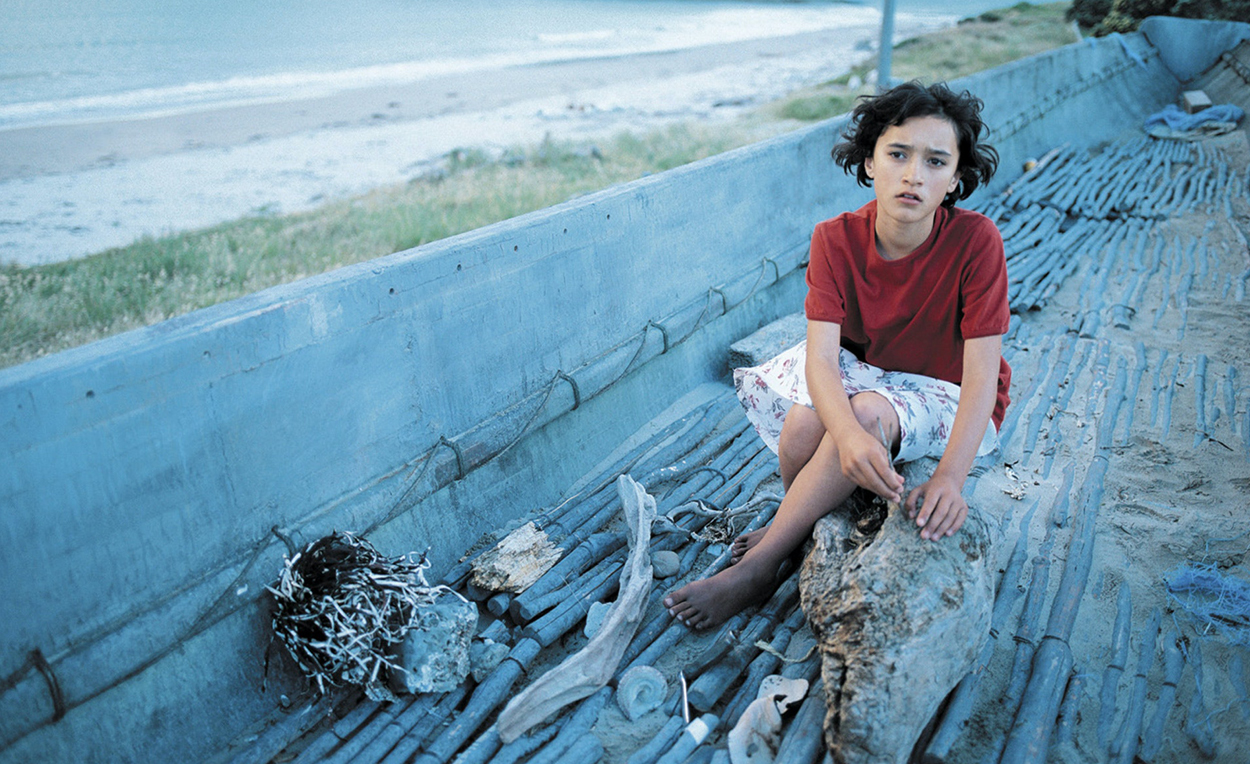
Keisha Castle-Hughes in Niki Caro’s 2002 film adaptation, Whale Rider
In fact, there are many metaphors to which Ihimaera likens his words. Spirals, the seasons, the voice of his ancestors. Very few reflect his own tenacity and grit — the glass ceilings and prejudices he’s had to continually smash through in his career. While there are many great, and some critics might say arguably better, Māori authors — in front of me sits the first. The one to proudly defy expectations and the pathway set out for him.
Witi Ihimaera grew up on a farm outside Gisborne, nestled in a vast and staggering landscape. He tells me of his father, a farmer on the land, and the implicit expectation that one day he, too, would do the same. It took bravery to walk away from that. In the early days of his career, the author turned to his father and pleaded for support to return home from university and take six months off, and the space to work on his first novel. Here he faced the first of ‘no’ of many. Although he tells me that his father later came to him, recognising his talent and asking for forgiveness for not having seen it earlier. “I said, you know, Dad, your not supporting me was probably the best thing that could have happened because I was forced to achieve my own potential.”
In the Tairāwhiti region, then and now, there is a rich and bountiful representation of Māoridom, which has offered the author a unique lens through which to see the world. “I often tell people, if you want to see my heart, go to Rongopai,” he tells me of his marae. The same marae where, some 50 years earlier, the bulk of his first novel Tangi finds inspiration. “I’m fortunate that the tapu nature of it never disallowed me from the work. I just love the world that I originate from.”
“As long as all of us, together, create a platform for New Zealand to engage more with the identity for itself that’s always been there, I will be happy to have been part of that.”
Since the earliest days of his career, the author has found it necessary to represent the Māori worldview to many. It comes with an overwhelming sense of pressure, he agrees, but it only stokes the fire. “What we’re all doing is legacy building,” the author suggests. “As long as all of us, together, create a platform for New Zealand to engage more with the identity for itself that’s always been there, I will be happy to have been part of that.” Offering his perspective, he tells me, was what he always set out to do. When we first met, I asked Ihimaera if he could pinpoint the single moment he knew he wanted to be an author. Most never have an answer to the question; it’s always a vague variation on ‘I think I always knew’. But Ihimaera did. He remembers the moment so vividly.
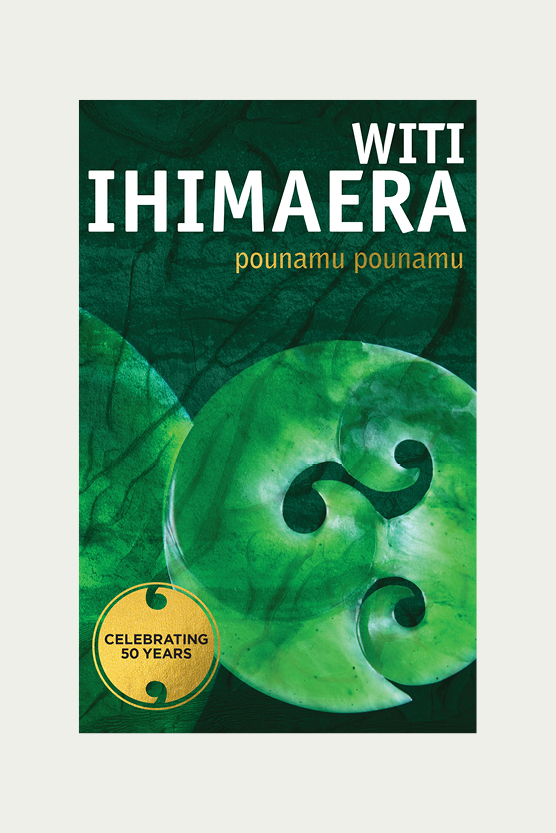
Elevating the Māori voice with more authenticity was always the intention. Ihimaera tells me the tale of how, at age 13, he read a story in school that presented a despicable depiction of his world. He threw it out the window and was caned as a consequence, but at that moment, he knew he wanted to write a book that told the legacy of his people with more respect. He speaks candidly about his experiences and success with a huge sense of appreciation for his career and all that it has afforded him. It wasn’t until some 15 years after the caning incident that Pounamu Pounamu, his first book (a collection of short stories that is still in print), was published, in 1972. From this point on, he tells me, “Māori writers had entered the room. It didn’t matter that I was the first.” Later this year, the book will be re-released in Te Reo Māori — the product of 11 different translators who Ihimaera has closely worked alongside.
Even on the brink of turning 80, Ihimaera possesses a constant desire to continue his learning — that’s one thing I came to realise quite early on. “The perfect full-circle moment, I will finally write a book in Te Reo,” he tells me. Despite it being his mother tongue, it’s not a language the author feels entirely comfortable writing fluently, just yet. Next year he will embark on a year-long Te Reo course to truly master the language in a way that will still do his literary brilliance justice.
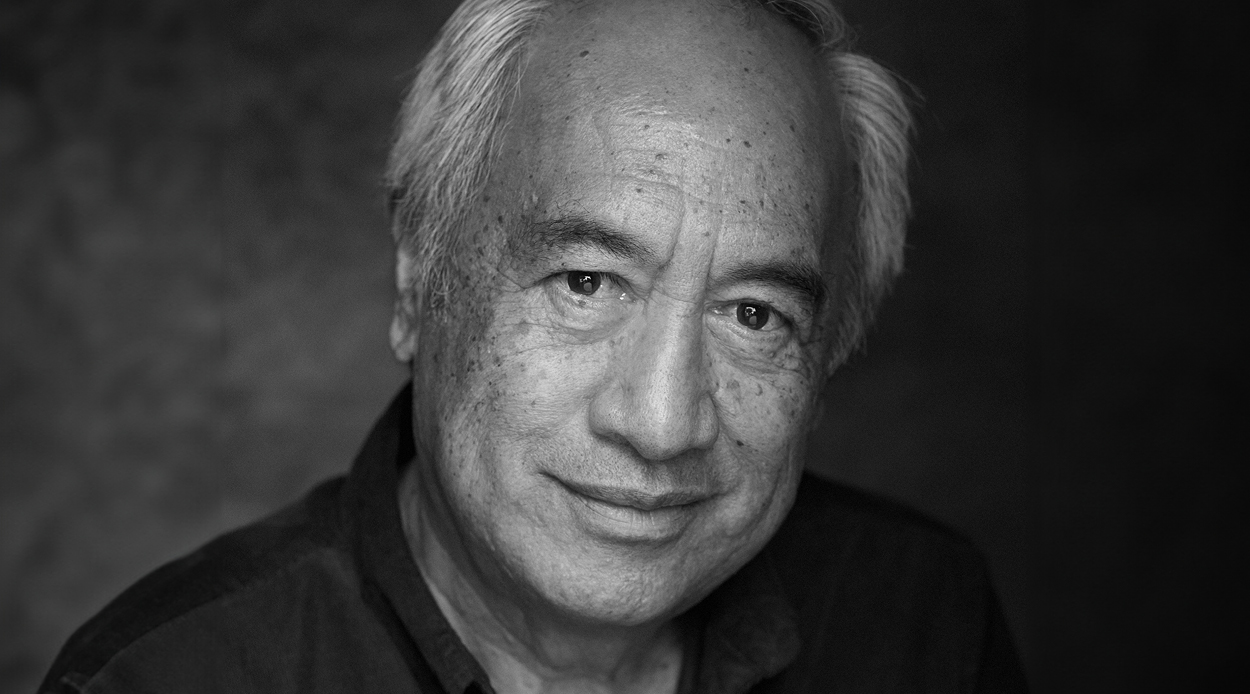
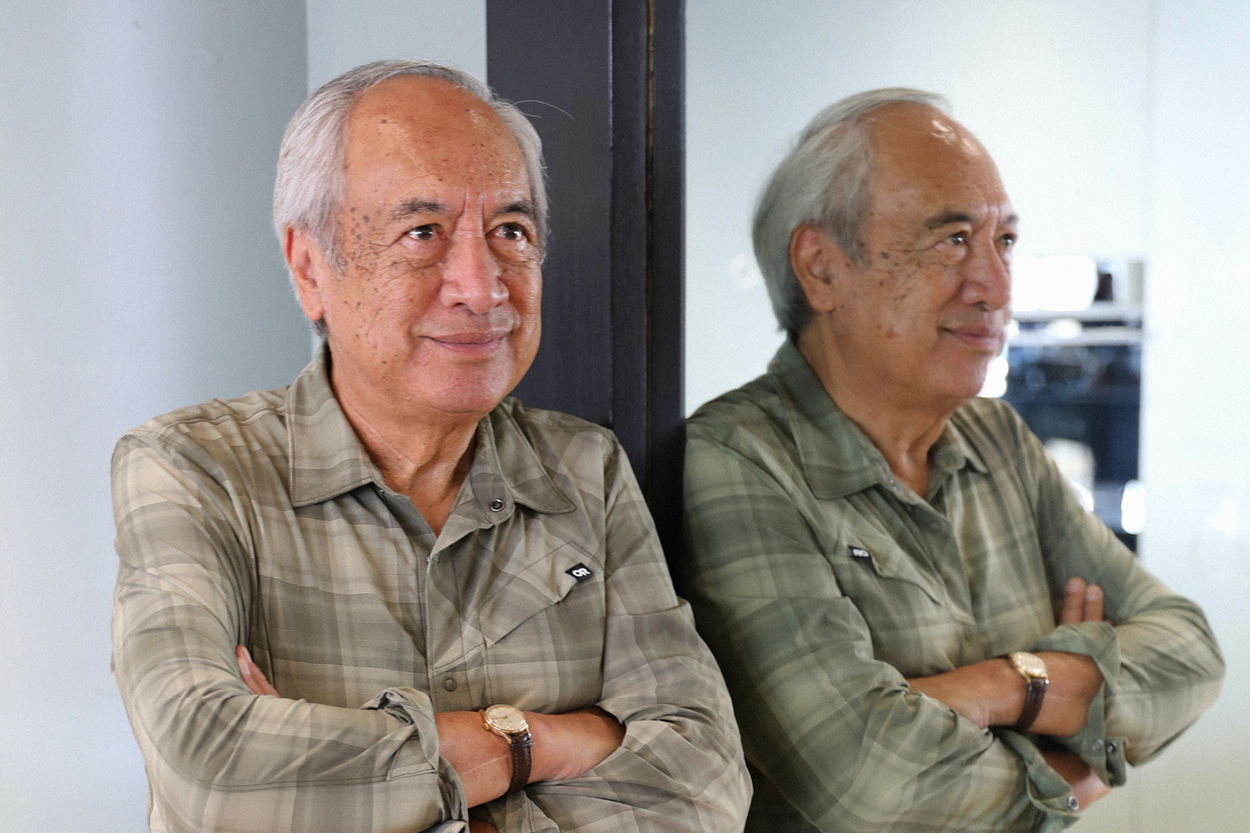
Witi Ihimaera
There is something so nurturing about Ihimaera’s spirit. He is a guardian of his culture and of literature, but he refuses to put himself on a pedestal. Instead, he describes himself as “almost famous”, a notion I suggest might be a bit humble, but he doesn’t think he’s humble either, although sometimes he wishes he was. And that is true; Ihimaera is immensely proud of his work, and of how his works continue to evolve with the times. This is not to say that the themes have always been correct or fair representations. Somewhat unusually, he doesn’t see the first publication as the final version to be sent into the world — he knows that there’s always an opportunity to rewrite, to buy back books in some instances, and to continue to evolve the text beyond the page.
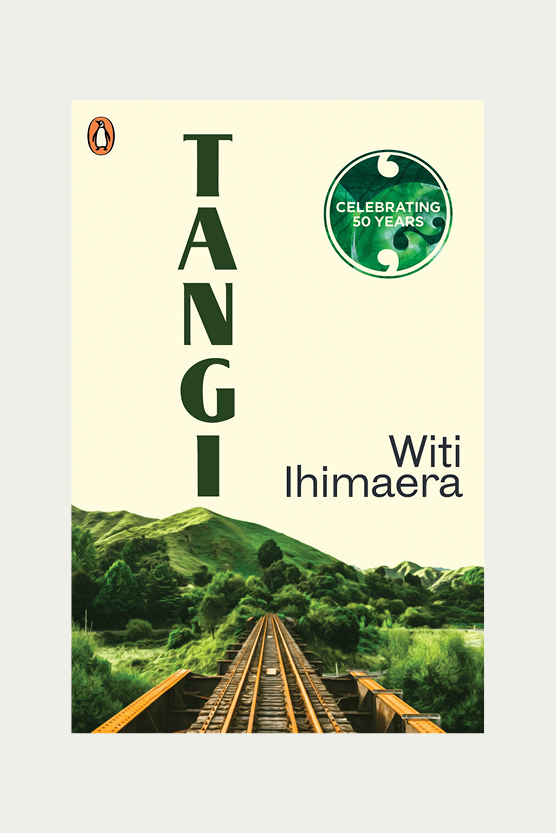
After all, that is why I am here now. Fifty years into his career, Ihimaera has recently released his third edition of Tangi — his first novel and his second published work. He tells me that with each edition, in keeping with the times, his work becomes richer and more representative of the world’s convoluted context. Should he live to see another 50 years, he’d likely rewrite all of his books some more (this isn’t really the literary norm, by the way). Take Tangi, for instance, which was primarily concerned with culture and custom when it was first published in the 1970s. He revisited the work in 2002, adding an extra layer of political context, and this year, it sees the reintroduction of Te Reo Māori throughout — an evolution about which he is sincerely proud. It makes you question what books can be; better seen as organic, living works rather than things that are fixed or rigid.
The most recognisable in Ihimaera’s catalogue is perhaps The Whale Rider — noted for the accolades garnered from its film interpretation as much as it is a formative text for emerging readers. (Many studied its significance in school.) For Ihimaera, it was a tale representative of so many events happening in the world at the time, a “spontaneous combustion”, he says. It was written over just three weeks during his diplomatic tenure in New York. “When I started all of this, I had no expectations or premonitions; you just write it,” he reminisces, reflecting on the larger landscape of the world at the time — a movement to ban whaling, to make New Zealand nuclear-free, the Antarctic treaty and the ever-increasing feminist lens through which people were viewing the world. “When I write, I grab everything out of the air,” the author tells me. “I never realised that I must have been grabbing all of these influences, bringing them out of the cloud, and putting them into the book at that time.” It speaks to the larger context of the story — the layers that we were convinced our English teachers were adding for the sake of it, which were really there all along.
Somewhat untriumphantly, Ihimaera tells me that he is finally working on its sequel — one that has been many years in the making. Not for fear of failure or the daunting task of the follow-up but because he can’t quite figure out how to tell the story with justice from a cultural perspective. He runs through the machinations of his draft, letting me in on the most intimate details of his creative mind, and unlike many other authors I’ve encountered, he is forthcoming in detail. Reading through emails between him and his editor, I learn more about the sequel. (The details of which are currently under wraps but promise a tale just as captivating as its predecessor.)
That said, despite some creative delays, Ihimaera is keen to keep moving forward. “If I take too long, I get sick; physically, mentally and emotionally sick,” the author reflects on his writing process, which he approaches at breakneck speed. “Normally, I will only write a first draft within, say, two months, three months. Drinking water all the time, karakia, going swimming and trying to keep myself healthy because, you know, it is a discipline that requires you to have robust health.” The Covid years, for Ihimaera, were less productive (contrary to what many may think). “I have to get out and talk to people and see how they’re feeling and what’s happening. So I didn’t write at all during Covid.” This leads us to the now, where after somewhat of a break, Ihimaera is writing again. “The feeling of catharsis is worth a million dollars,” he tells me of the process.
I get the feeling that wider public perception has never really concerned the author. “Some critics will say that I’m not a very good writer,” he offers. “And some of them will say, ‘well when we think about all the writers that are around, he may have a good reputation. But he’s not among the best of our writers.’ Well, I just don’t give a fuck. They can think what they like, but I’m just happy to articulate the condition that I see.”
As brilliant as his works may be, the author positions himself strides away from perfectionism — allowing himself the space to play and grow as his career evolves. “Sometimes I will get as far as eight drafts and look at that eighth draft and think, wow, this is really perfect, it’s got so much excellence, and it’s thrilling. And then my spontaneous brain will say, but you’re not as perfect as all of that. That’s not the one you should publish — go back one. I consider it more reflective of who I am as a writer.”
It’s fair to say that he understands the severe responsibility of the role, and always has. He shows recognition that, in fact, he should be concerned with the public perception, but the duality of his nature encourages him to pave his own way. Constantly. For as long as he is writing, his work will continue to evolve. He also knows when to accept wrongdoing — or fault — and the correct way to atone for that.
“I had a book called The Trowenna Sea, which went through a huge controversy here in New Zealand,” he confesses. “I don’t think any other author has been through this so much in terms of the accusations based on their plagiarism.” The incident was never intended as a malicious or deceitful attempt to take from other authors. Instead, excerpts were insufficiently attributed to their authors. An innocent oversight — but enough to cause significant ripples in the literary realm. Ihimaera bought back all the copies of his book after it was brought to his attention, an attempt to atone for the blunder. “And I did apologise. But it turned into a bigger thing than it really should have been. Those kinds of things make you angrier and stronger. You go back to your method, you go back to your technique, you go back again, and you revise. You start learning all over again, you look at your methodology, and you critique it. And then at those points where you see what the mistakes were that led to this, you retrain yourself.”
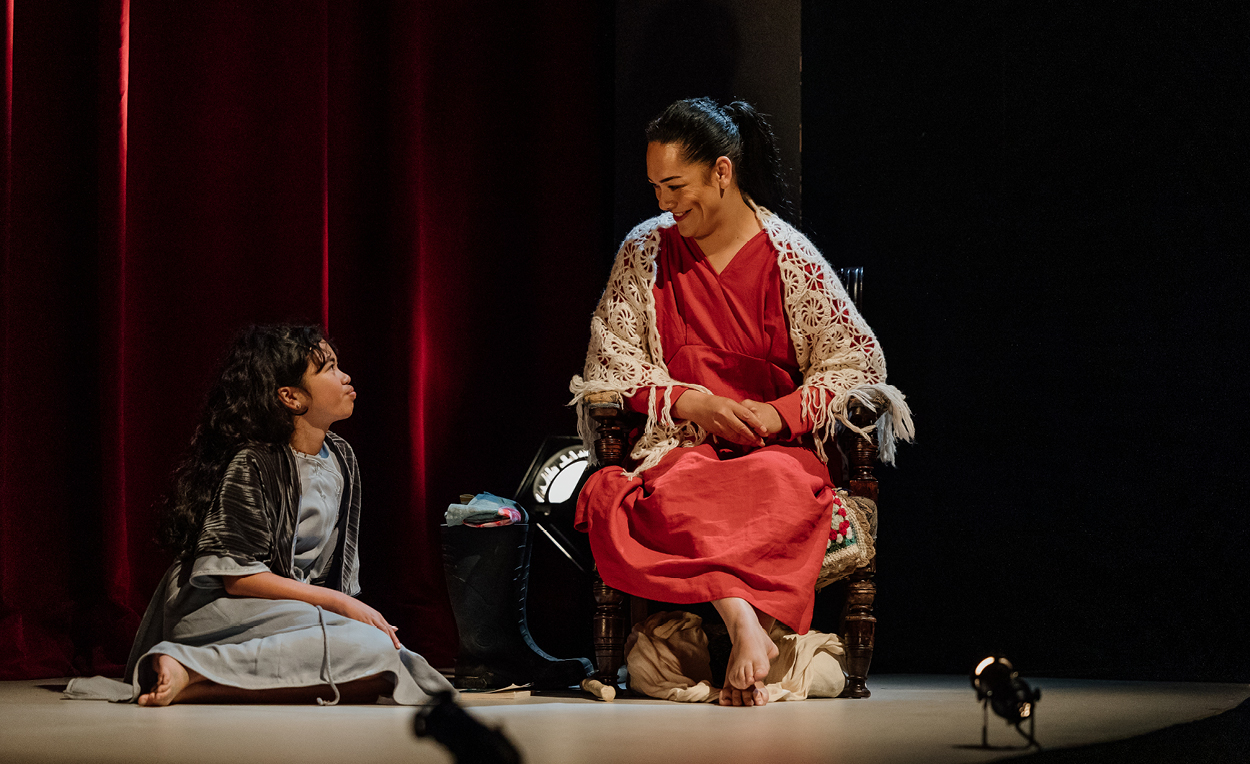
Auckland Theatre Company’s 2023 season of Witi’s Wāhine
The first time I met Ihimaera, we were attempting to get to know one another between filming various media calls for Auckland Theatre Company’s season of Witi’s Wāhine and courses of Peter Gordon’s insanely delicious hangi pork belly and homemade pavlova. It wasn’t until a month later when I reached out again to continue our interview, that we agreed we could have kept talking all day. I had said to him that it felt like we barely scratched the surface, which was true. After all, how do you condense a 50-year career and all its necessary context into a 30-minute interview? The next time we met was at his home in Herne Bay; a glorious villa where the mid-century spaces were filled with exquisite, Māori sculptural art. There was coffee, croissants and cake shared, and despite two hours spent talking, I felt there was still so much curiosity around the author. Perhaps he’s one of those subjects that raises more questions than answers.
And while Ihimaera loves to talk about himself and his work, he became most lively when the subject turned to me; my aspirations and curiosities about the world. In one manner, he returned to teaching mode, reflecting the years he spent lecturing at Auckland University, and offering me advice quite unlike any other. He was genuinely interested, engaged and so innate a storyteller that every answer he gave me was thoughtful and considered; every tangent (of which there were plenty) took me on a thoroughly enjoyable journey into his work, his perspective and his past, so much so that I cast aside most of my prepared questions — what he had to offer was greater than any prompt on paper.
Ihimaera’s approach to his craft teaches one that in the face of it all, few things are as fixed as we think they are. “If I live another 50 years, I’ll probably rewrite it all again,” he reflects. What a joyous way to live. Our time together (for now) ends on that note. I walk away with a promise to keep the author informed of my own writing endeavours and perhaps even a new mentor to offer a fresh perspective when I seek it most.
The interview closes on what I can only describe as a storybook moment, when Ihimaera leans over his balcony as I’m leaving. “Don’t forget to just keep writing,” he calls after me. “You will love it even when it hurts.” He explains that there is nothing more fulfilling than writing your world and someone else out there, maybe a stranger, recognising it. And with half a century on me, who am I to disagree with his sage advice? So I resolve to continue to do so. After all, how much richer have our lives and culture been made by contributions from artists like Ihimaera? His compassionate and contextual work has become more than a literary cornerstone, it has evolved our understanding of the world around us. And I must say, we’re collectively better for it.
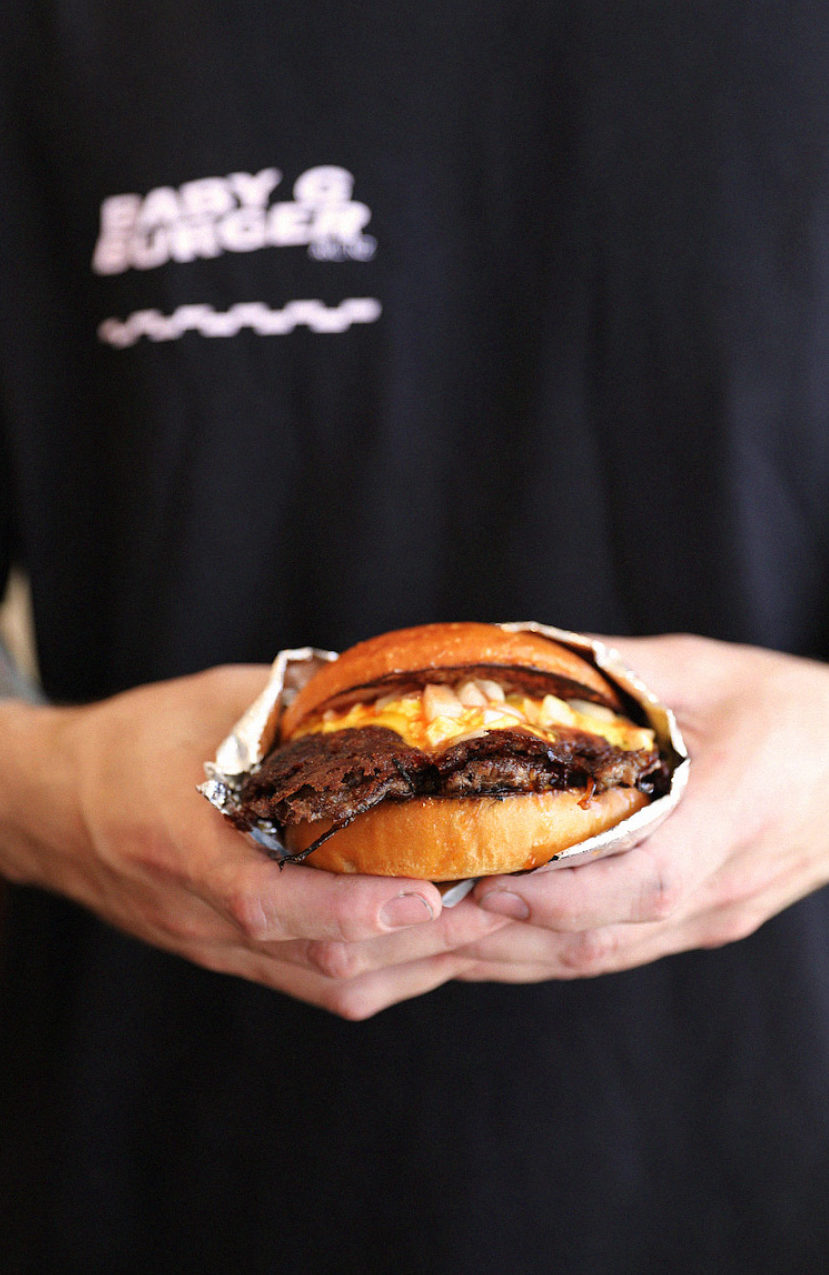
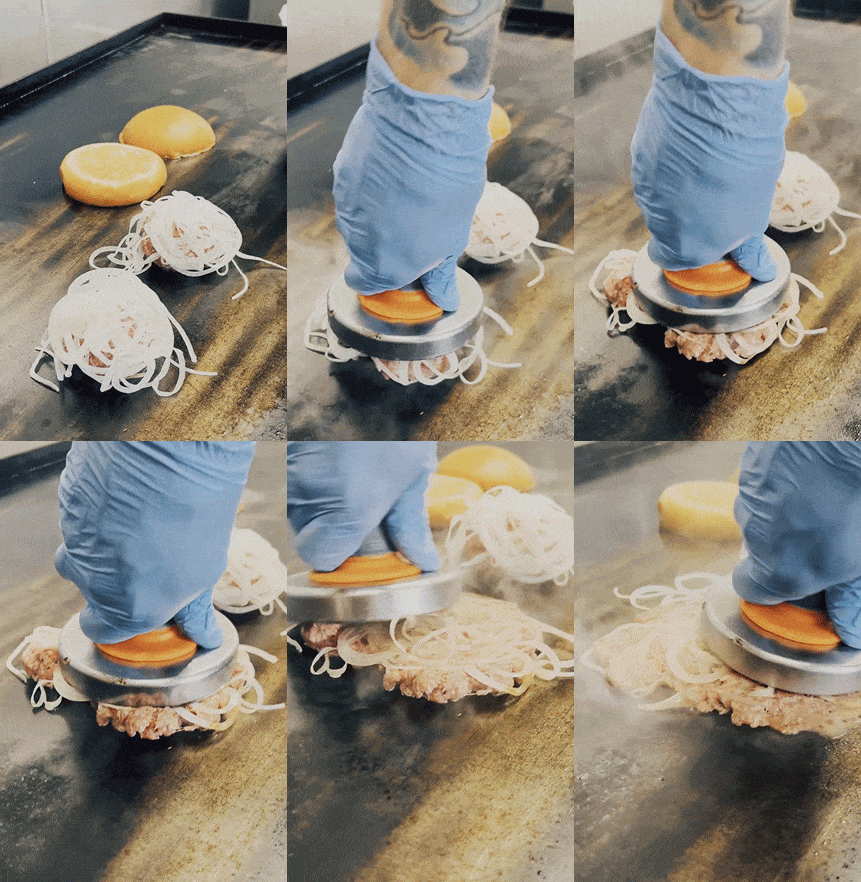
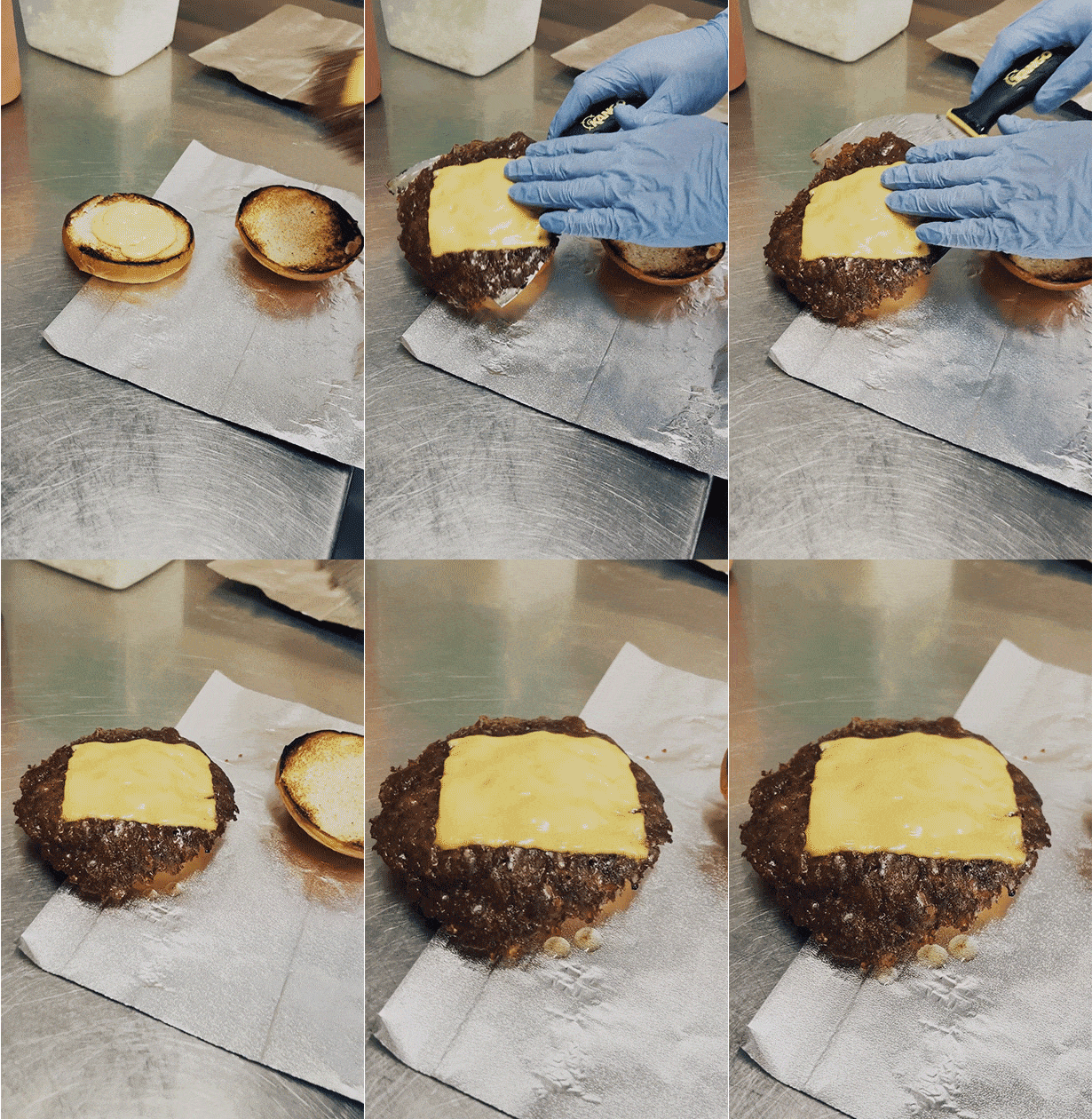
For the last two years, Cam Blanchard has been wowing Auckland’s discerning foodie crowd with his delicious burger pop-ups around the city. The American-born former mechanic built his now cult-followed Baby G Burger on nothing more than the love for burgers he shared with his partner, Greta (the ‘G’ in Baby G, by the way), quickly garnering a following after sharing and selling his homemade creations on Instagram in 2020. Now, Baby G Burger is widely credited as serving some of the best burgers in Auckland, courtesy of Blanchard’s signature, American-style smash patties (boasting unbelievably crispy edges and a thick, flavoursome centre), served between pillowy soft buns, with fuss-free fillings — usually a combination of American cheese, onions, pickles, mustard, mayo and/or hot sauce. So delicious are these burgers that Baby G’s pop-ups have been known to sell out within hours, thanks to hoards of people keen to get their hands on one of its satiating bites before they were gone again.
But now, hungry Aucklanders need not worry about only having a short amount of time to get their burger fix, as Blanchard gets ready to open Baby G’s first official burger joint in Avondale at the end of this week.
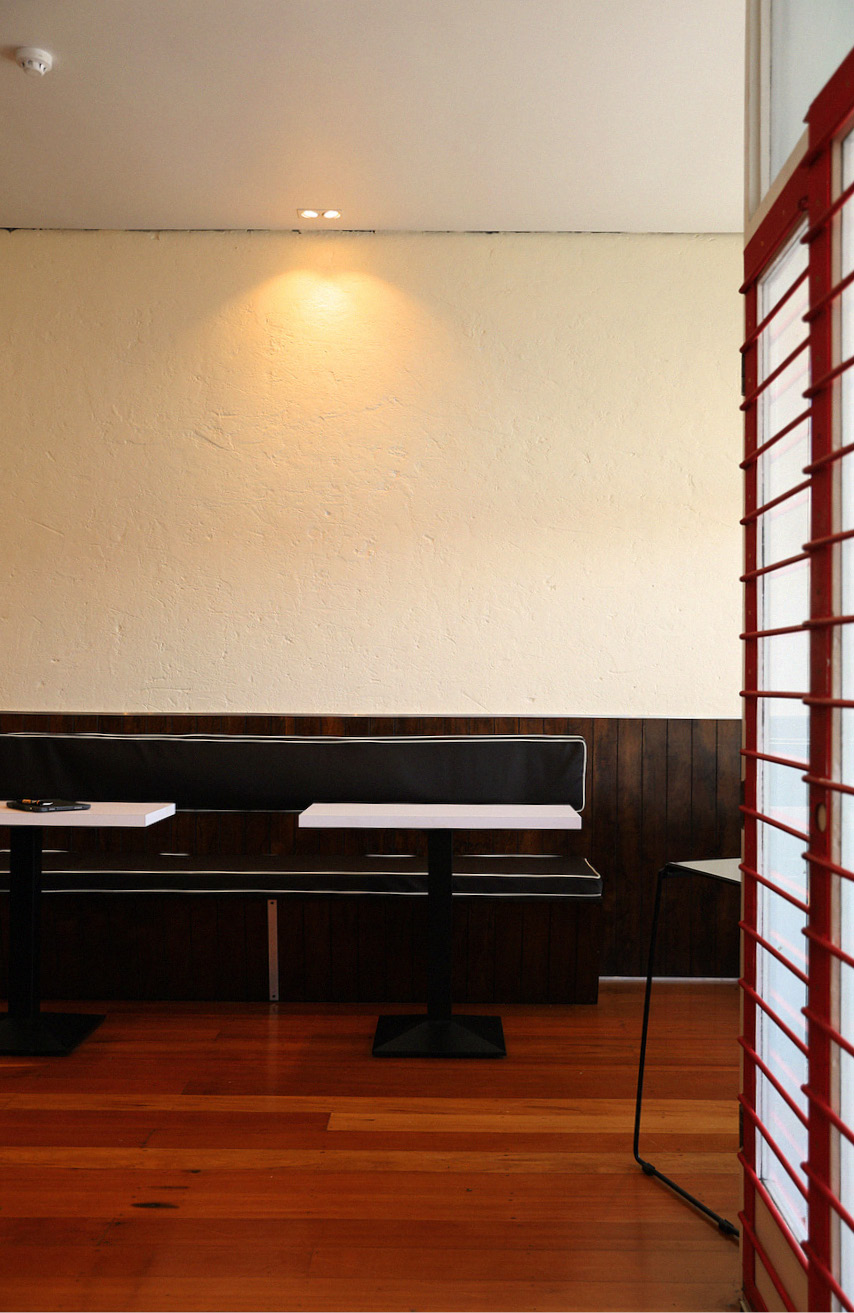
Nestled in the Avondale shops, the new Baby G spot is lo-fi and easygoing, reminiscent of the kind of thing you might find in the States, without being cartoonish about it. Able to seat 15 people, with comfortable tables or high stools by the windows, the space was designed and almost entirely installed by Blanchard himself and is the perfect, casual setting in which to enjoy Baby G’s offering. “I took some inspiration from old American fast food places and restaurants I grew up going to,” Blanchard tells me, “like little hometown burger and hotdog stands and old McDonalds that hadn’t been updated yet.”
On the menu, Blanchard has kept things simple and delicious, offering up a concise edit of Baby G hits. The iconic Oklahoma Dreaming burger is, of course, the hero (boasting double smash patties with all the fillings: American cheese, mustard, mayo, hot sauce, maple syrup, pickles and onions) alongside a classic cheeseburger, fries and chicken tenders. There is also a mushroom burger option for vegetarians. As Blanchard settles into the new spot this menu is bound to change and expand so keep an eye out for more deliciousness to come.
So, if you’ve been craving your Baby G fix, and have been wondering where Blanchard’s pop-ups have gone, you’ll be able to treat yourself to a delicious burger come Sunday (the 8th of October) when Baby G officially opens its doors.
London-based New Zealand jewellery designer Jessica McCormack has built her now-global reputation on reimagining fine diamonds for the modern woman. Her approach is utterly unique and with every new collection comes a raft of unexpected inspirations and pieces that marry exquisite stones with unparalleled craftsmanship and jaw-dropping design. McCormack’s newest collection, Carmela, is certainly no exception and is now available exclusively at Simon James.
Carmela was born from McCormack’s love for the sensuality of Italian food culture and by extension, the attitude of female icons of classic mafia movies and television (think of the infamous Carmela Soprano) who served as her new-season muses. “I wanted to imagine these women as the main characters this time,” McCormack says. “Carmela is named for Tony Soprano’s wife but really, she’s a combination of all the mafia movie greats.”
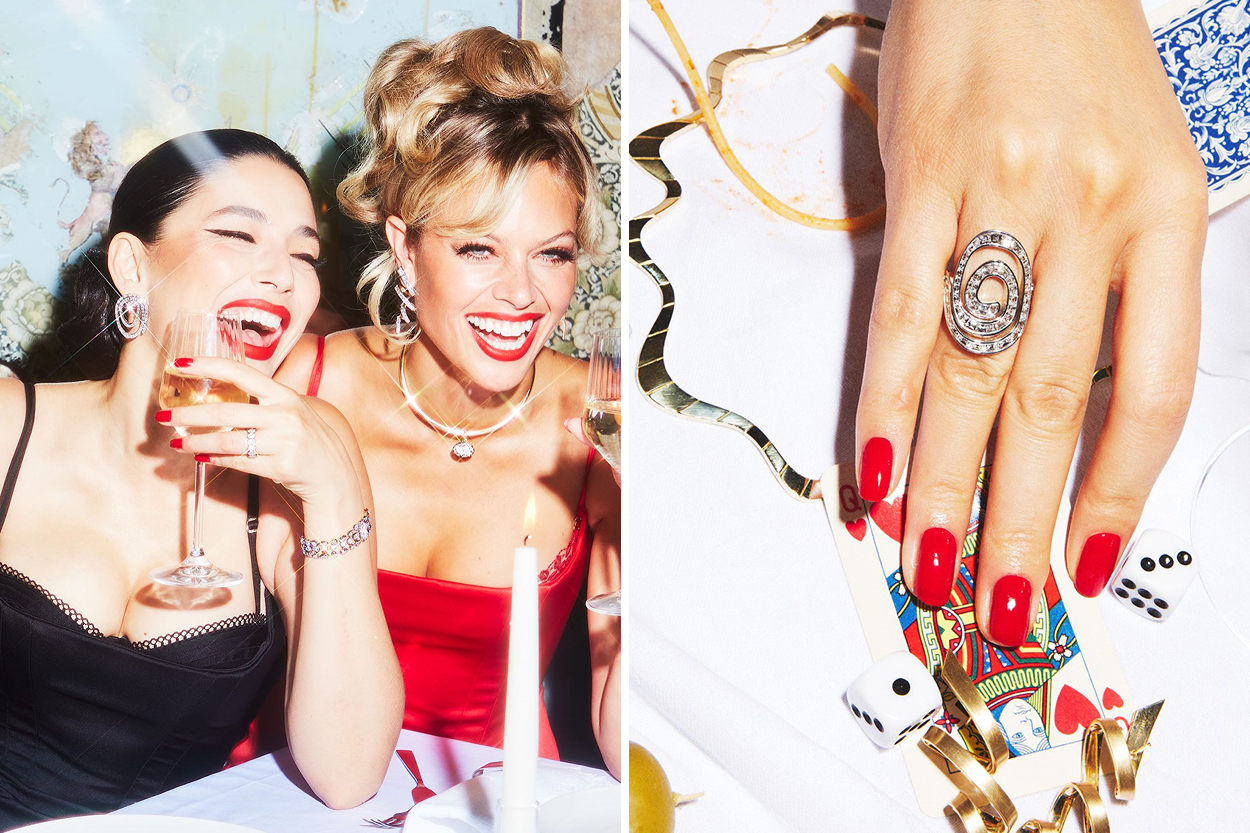
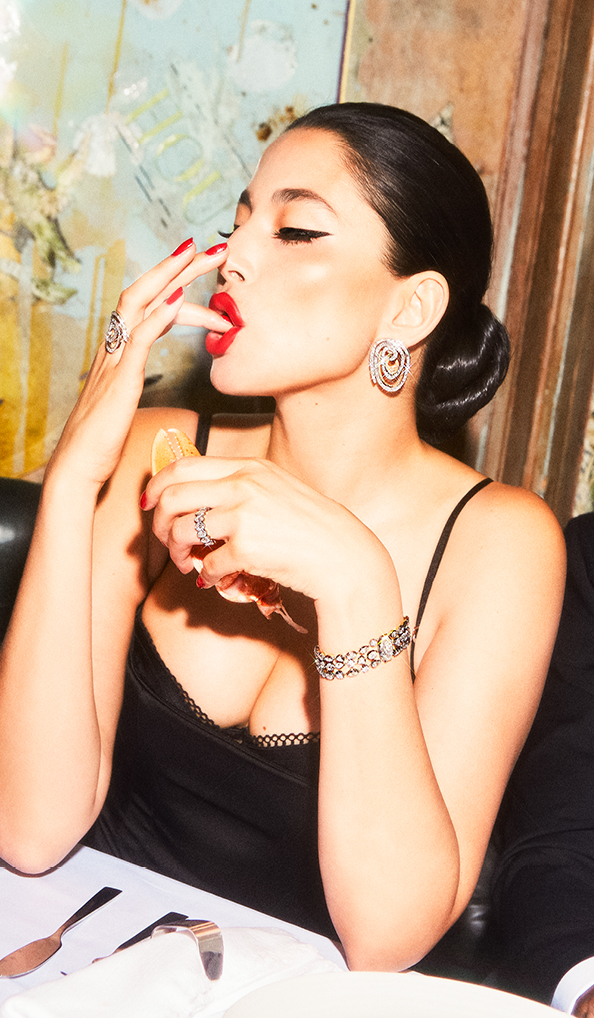
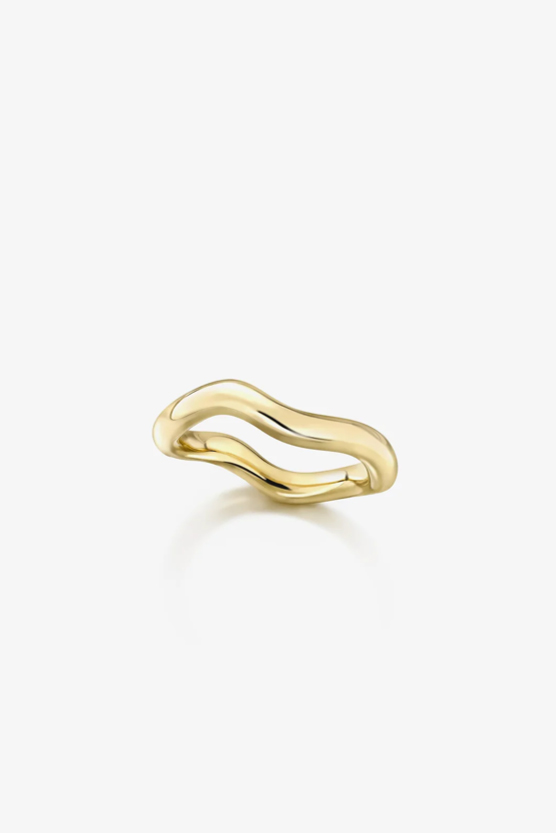
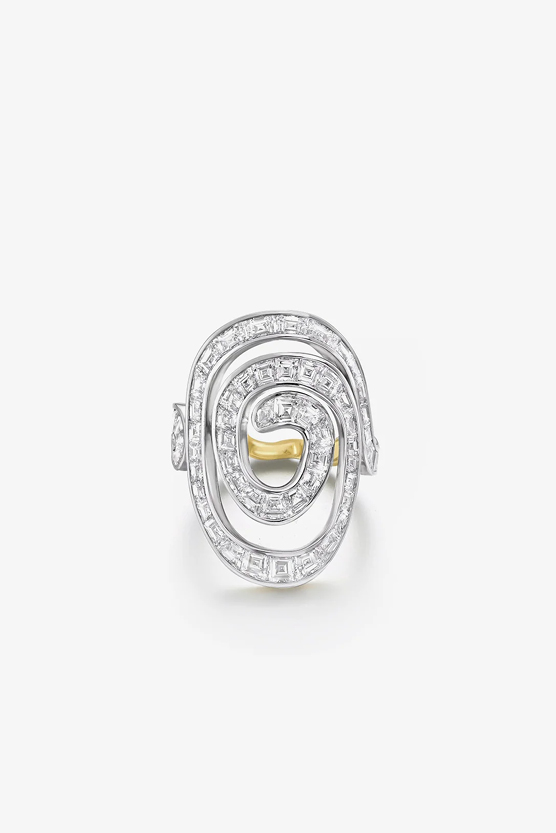
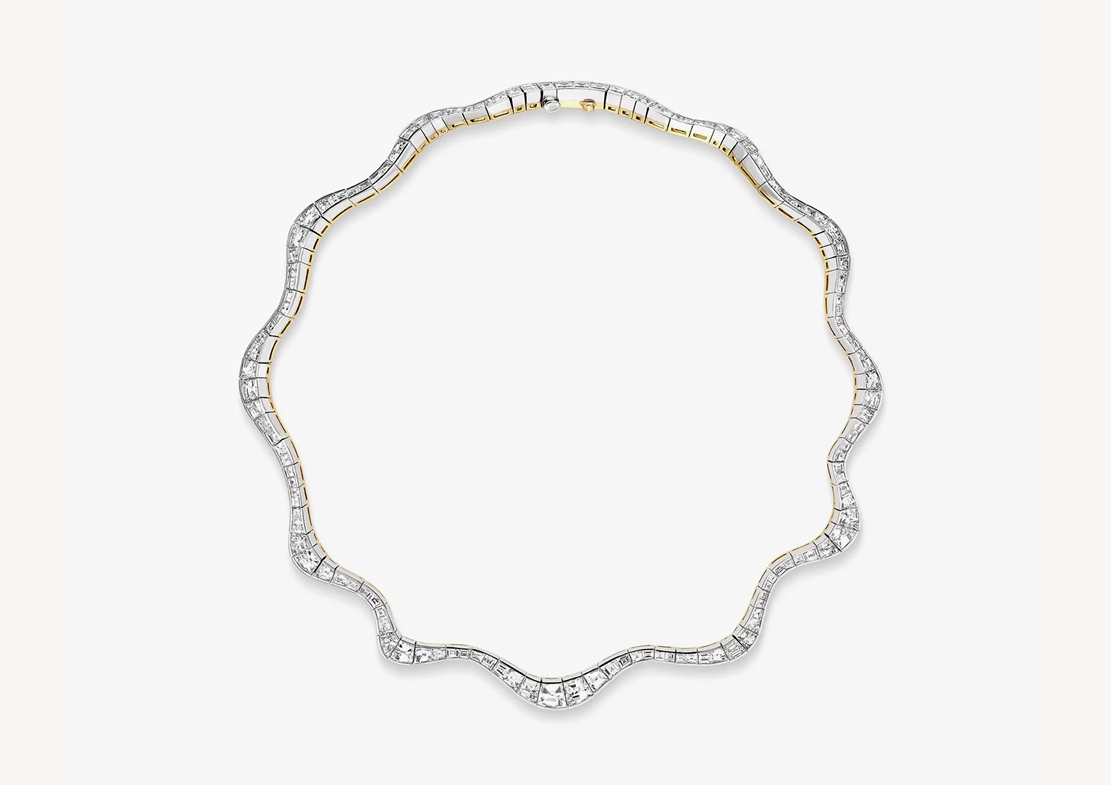
As such, the new collection takes its forms from iconic Italian pastas, boasting art-deco-inspired, step-cut diamonds set in undulating waves and curves, as though they were being twirled around a fork and lifted to a lipstick-covered mouth. Rendered exclusively in gold and diamonds, the pieces that comprise the Carmela range move from the simple, like the Spaghetti Hoop rings, reminiscent of a single, silky strand of spaghetti wrapped around a finger, to the truly spectacular, like the Spaghetti necklace, a striking collar set with 144 carre-cut diamonds, each one trimmed to fit the lines of the piece perfectly so that it flows like liquid around the neck.
Reflecting the dynamic strength of the women who served as her inspiration, McCormack explains that she wanted to imbue as much movement as she could into each of her Carmela pieces. “The Spiral earrings aren’t just flat swirls set with diamonds,” she tells us, “they have varying depths so that from side on there’s more interest… plus, they’re hinged at multiple points so they dance, rather than tremble, with the wearer’s movement.”
Left to Right: Al Dente Diamond Ring, Spaghetti Hoop Earrings In Gold & Spaghetti Hoop Bands
This meticulous attention to detail and careful consideration has long been a signature of Jessica McCormack’s creations and is part of what has made hers one of the most sought-after jewellery brands in the world. Other highlights from the Carmela collection include the unravelling Tagliatelle earrings, rendered in ribbons of diamonds that are broken by flashes of gold, the awe-inspiring Al Dente ring, designed as a single, diamond-set line that unfurls on the hand, the SpaghettiO earrings in mismatched, six-hoop swirls that marry blackened gold with brilliant-cut diamonds or white gold with carre-cut stones and the simple but impactful Spaghetti Hoop earrings, in gold, carre-cut diamonds or brilliant, pave-set diamonds.
Not only is Carmela a triumph of design but it proves, once again, why McCormack remains at the top of her game. Now available to shop exclusively at Simon James’ Herne Bay and Newmarket boutiques, or online here, if you’re thinking about what to buy that special someone for Christmas, this could be exactly what you’ve been looking for.
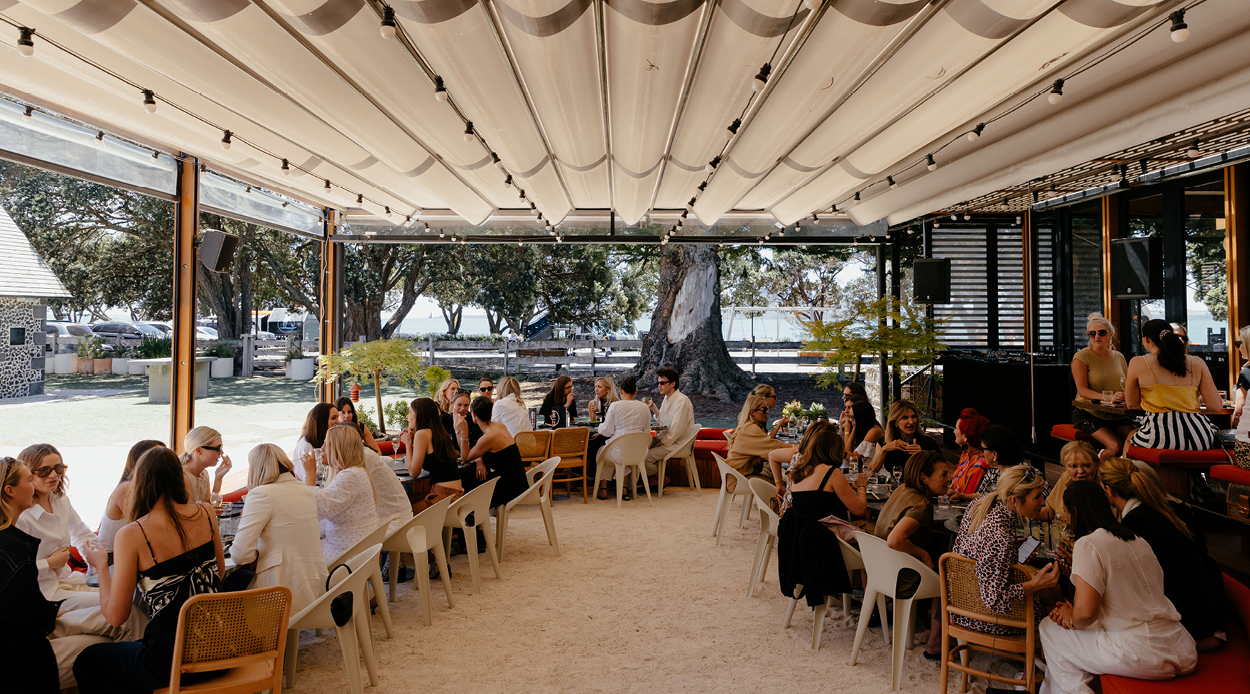
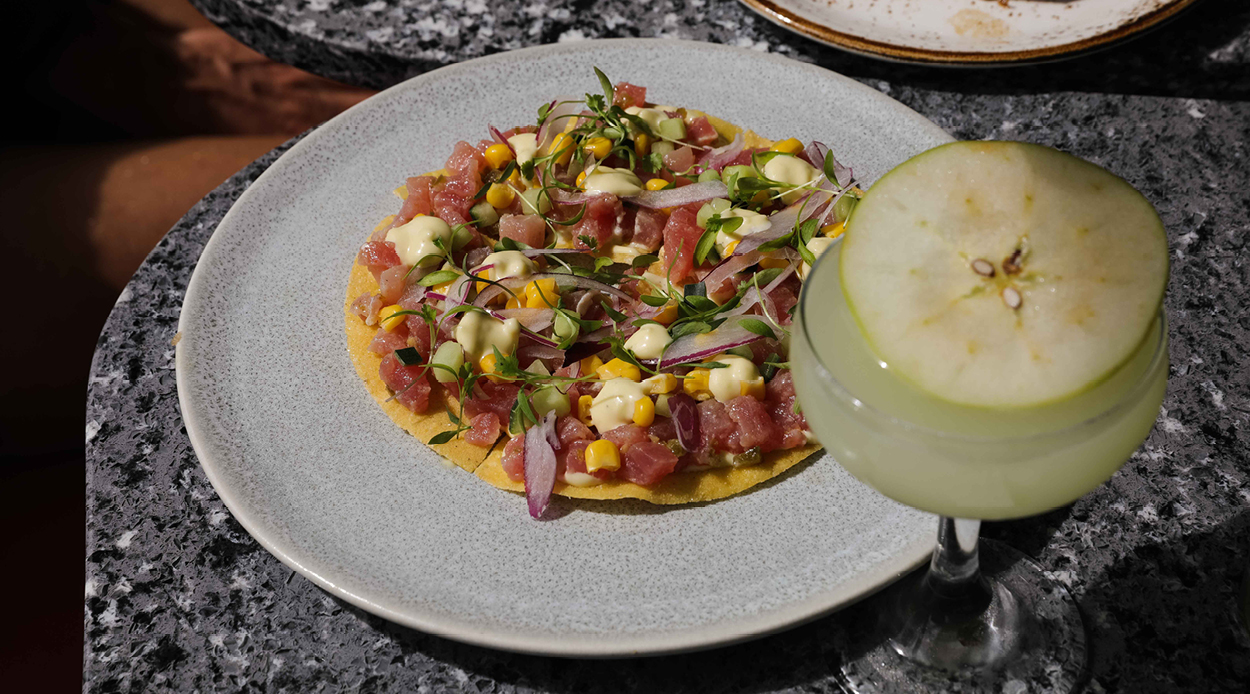
Spring is here. And even though some of the weather we’ve been having lately might suggest otherwise, this is the season of abundance, new beginnings and optimism for the future, all things that are being thoroughly celebrated this month at Azabu Mission Bay. There, in collaboration with Roku Gin, the beachfront eatery is hosting a series of events, activations, specials and more in honour of the season, and it’s the perfect excuse to escape the bustle of the city. Roku presents Hanami at Azabu is a modern expression of the traditional Japanese festival that is held annually to welcome the arrival of spring — a time to be revered, savoured and above all, enjoyed.
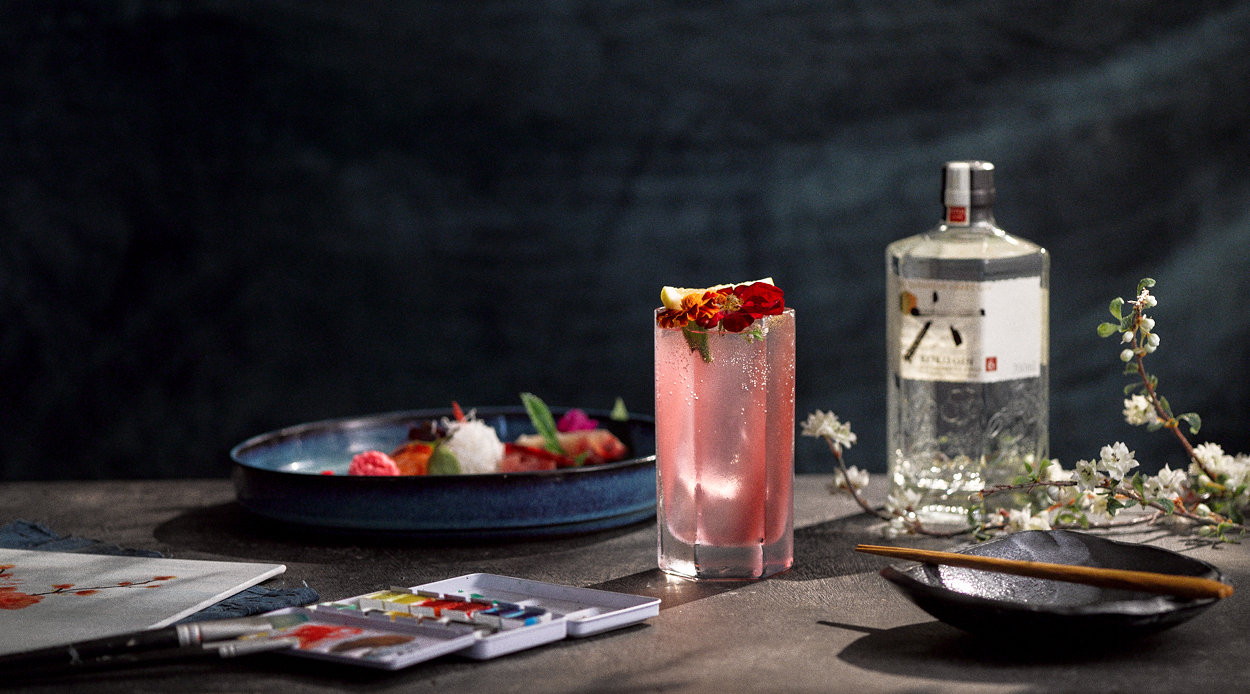
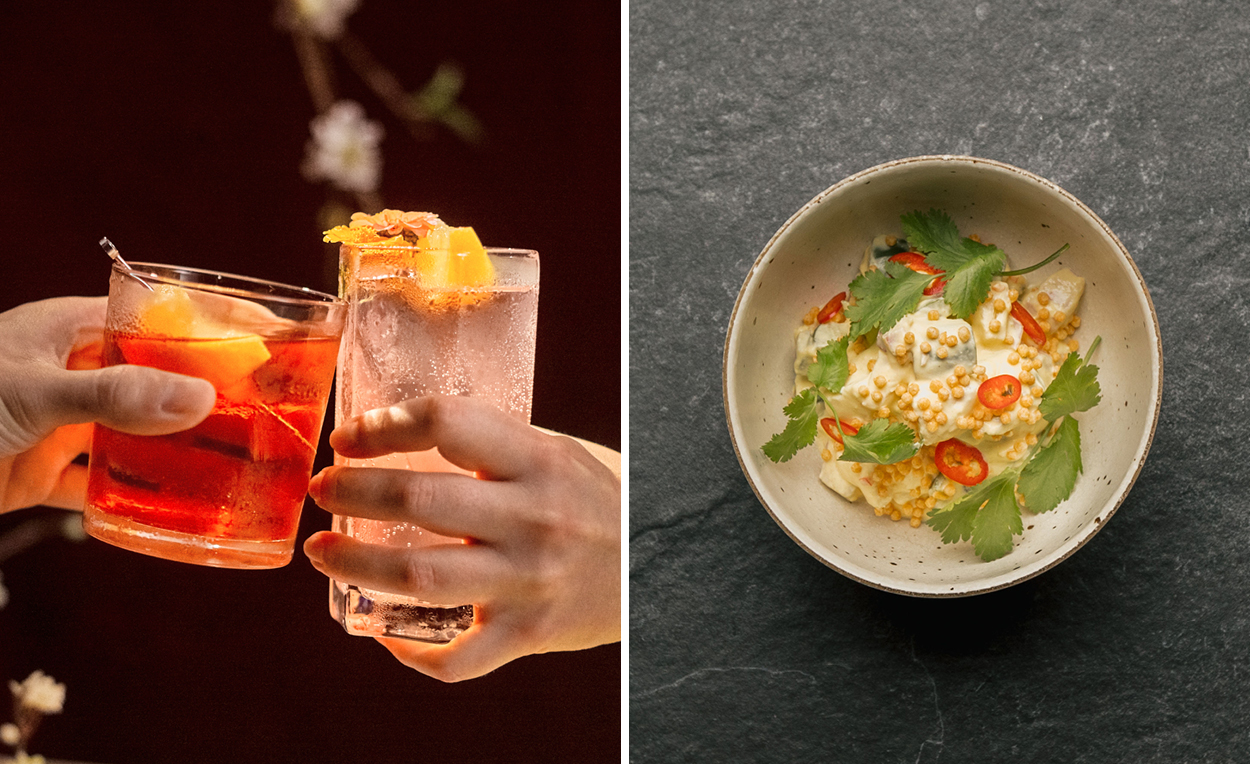
Left: Shiso Negroni & Rosa Dulce. Right: Coconut Ceviche
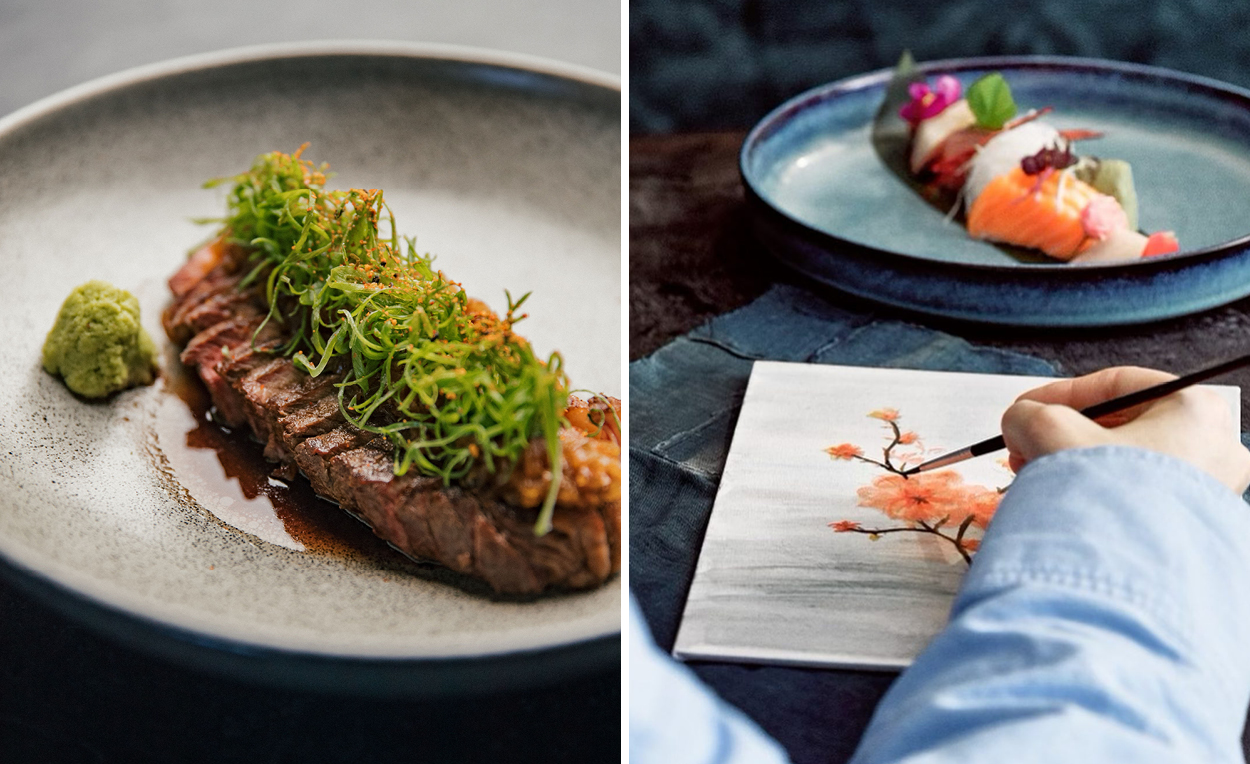
Helping us do just that (and getting us thoroughly in the spirit of the season) Azabu Mission Bay and Roku Gin have come up with an unmissable, exclusive experience that will offer a feast for all the senses. In a series aptly called ‘Sip and Paint’, guests will be invited to spend a delightful Thursday evening or Sunday lunch in Azabu Mission Bay’s iconic Stonehouse, where they can enjoy a special art class, led by renowned artist Ema Frost.
Having travelled extensively through Japan to hone her artistic technique, Frost will take guests on an educational and creative journey, where, over the course of a fascinating class they will learn to work with the opaque watercolour gouache, as they paint their own renditions of a Sakura that they can then take home. Of course, the whole experience will be accompanied by a raft of bespoke Roku Gin cocktails and a selection of delectable tasting plates from Azabu’s spring menu.
Yakiniku Sirloin
As part of the wider Hanami celebration, Roku Gin has curated a special cocktail list for Azabu Mission Bay, comprising refreshing, spring-worthy tipples, including the Roku & Sonic, with fresh ginger, the Rosa Dulce with melon liquor and grapefruit, the Shiso Negroni and the Murasaki with beetroot, lemon, black pepper and blood orange. For those unfamiliar with Roku Gin, it is a meticulously crafted Japanese artisan gin, distilled from six exquisite botanicals (the sakura flower, sakura leaf, yuzu peel, sencha tea, gyokuro tea and sansho pepper) that are cultivated over four seasons via the Japanese concept of ‘Shun’, which is the tradition of enjoying each ingredient at its best by only harvesting at its peak of flavour. Running until the end of November, this menu is certainly worth a visit alone, although is made even better when paired with the suggested dishes from Azabu’s mouthwatering new menu.
Azabu Mission Bay’s ‘Sip and Paint’ experience runs on Thursday evenings from 6:30pm and Sunday lunchtimes from 1pm, through to the middle of November. Tickets are $135 per person and include three Roku Gin cocktails, four Azabu tasting plates and the painting class led by Ema Frost, with all materials included. Offering a unique way to catch up with friends, or just the promise of something different and interesting, ‘Sip and Paint’ is set to be an unmissable series, so secure your tickets now.
Denizen is giving one lucky reader 4 tickets to ‘Sip and Paint’ on Thursday the 16th of November. Enter via our form below.
There’s plenty for culture cultures to get excited about this month. Lots of live music, theatre, comedy and more, these are the cultural events you simply must buy tickets to in October.
Pendulum
Pendulum – Spark Arena
Pendulum’s highly anticipated return to New Zealand promises to be a spectacle that will captivate fans this October. With an impressive track record that includes three Platinum albums, the Australian electronic band, led by the dynamic Rob Swire, Gareth McGrillien, Peredur ap Gwynedd, and KJ Sawka, has earned its place among the giants of the genre. And, having recently unveiled their latest track, ‘Halo,’ featuring Matt Tuck of Bullet For My Valentine, anticipation is soaring. Renowned for their apocalypse-like sound, Pendulum’s live performances have consistently sold out arenas and festivals worldwide. This unmissable event at Spark Arena promises an unforgettable night of sonic mayhem and innovation, showcasing why Pendulum remains a cornerstone of electronic music. Taking place tonight (Friday the 6th of October) secure your tickets now.
Pop-Up Globe’s Twelfth Night
Pop-Up Globe’s Twelfth Night – Q Theatre
The Pop-up Globe Shakespeare Company is making its triumphant return to Auckland’s Q Theatre, rekindling the magic that initially enthralled audiences in 2016. From the 17th of October, the iconic Pop-up Globe stage will once again set the scene (although this time sheltered beneath a roof) ensuring an unforgettable performance of the bard’s beloved comedy, Twelfth Night. This uproarious tale of shipwrecked twins embroiled in a web of mistaken identity promises raucous laughter, audience engagement, live music and an ensemble of unparalleled actors. On from the 17th until the 22nd of October only, this raucous performance is here for a good time, not a long one, so you don’t want to miss out. Tickets can be found here.
How To Throw a Chinese Funeral – Basement theatre
Set against the backdrop of Kuala Lumpur, Ipoh, and Auckland, this multi-generational tale weaves the poignant and uproarious narrative of Lily and Anna, who are forced to navigate the intricate customs of a Taoist funeral when their grandmother passes away, a tradition unfamiliar to them. As past and present collide, How To Throw a Chinese Funeral explores the profound question: when history is forgotten, does it jeopardise our future? A heart-wrenching and humorous exploration of cultural heritage and family bonds, this production is on now until the 14th of October and promises to be a riveting journey of self-discovery and reconnection. Tickets can be found here.
Chet Faker
Chet Faker- Powerstation
Multi-talented Australian artist, Chet Faker, is set to grace the stage of Auckland’s Powerstation on the 19th of October for a show you really don’t want to miss. With a career spanning over a decade, Chet Faker’s genre-defying sound and chart-topping hits have garnered him a global fan base. From his breakout cover of ‘No Diggity’ to the platinum-selling debut album Built On Glass, Faker’s musical prowess has left an indelible mark. His latest album, Hotel Surrender, has been hailed as a triumphant return, and his live performances are renowned for their exceptional quality. Don’t miss the chance to witness Chet Faker’s captivating artistry live. Tickets can be found here.
Arawhata – Q Theatre
Award-winning show, Arawhata, takes the stage at Auckland’s Q Theatre in a vibrant celebration of diversity. Recently honoured at the 2023 NZ Fringe Festival, this production explores the lives of queer, indigenous people of colour through themes of race, gender, and sexuality. Expect a dazzling fusion of dance, live music, cultural performances and the underground ballroom culture that originated in Harlem in the 1970s. Arawhata offers an intimate glimpse into the performers’ journeys, inviting you to connect with their experiences in a cutting-edge, energetic and relevant show that is a must-see tribute to resilience and diversity. Tickets can be found here.
Hayley Sproull: Ailments – Q Theatre
In her latest comedy hour, Ailments, Hayley Sproull offers a riotous exploration of the quirks and quibbles that plague her life. From a dead kidney to a uterus shaped like the iconic bunny from ‘Donnie Darko,’ Sproull’s body seems to have a knack for disappointment, albeit of the mostly minor variety. With a blend of music and comedy, she takes audiences on a hilarious journey through her body’s eccentricities, allowing her magnetic stage presence and comedic prowess to shine through. On from the 10th until the 14th of October, his side-splitting comedy will leave you in stitches. Tickets can be found here.
Leisure
Leisure – Powerstation
The trajectory of this musically gifted from New Zealand’s west coast to a band that is globally acclaimed band is nothing short of extraordinary. With three top-20 albums in New Zealand, over 350 million streams, and sold-out shows across continents, they’ve proven that taking the scenic route in the fast-paced music industry can lead to lasting success. Their upcoming album, Leisurevision, promises to be a vibrant exploration of the human experience, covered in the soothing hues of green — a symbol of growth, renewal, and tranquillity. Don’t miss your chance to experience Leisure live in this unforgettable experience on Friday the 13th of October at Powerstation, and witness their unique musical paradigm in action. Tickets can be found here.
The Chicks
The Chicks – Spark Arena
Prepare yourself for a musical extravaganza as the global superstars, The Chicks, make their triumphant return to New Zealand at the iconic Spark Arena on Saturday the 28th of October. After a sold-out 2017 tour, the captivating trio is back with their unmistakable blend of country and pop, and with special guest Elle King joining them, this promises to be an unforgettable night for music lovers. The Chicks’ extensive career, marked by thirteen Grammy Awards, speaks volumes about their talent and influence. Their groundbreaking 2020 album, Gaslighter, added a new dimension to their recognisable sound, making this concert a must-see event. Tickets can be found here.
The latest season came to a grand conclusion at Paris Fashion Week SS24, as a raft of renowned luxury brands took to the runways to showcase their collections. From Balenciaga’s predictably left-field affair to Victoria Beckham’s much-talked-about event, Loewe’s triumph of design, Louis Vuitton’s showstopping spectacle and more, here we round up some of our favourite looks and new-season inspirations from the stunning runways of Paris Fashion Week SS24.
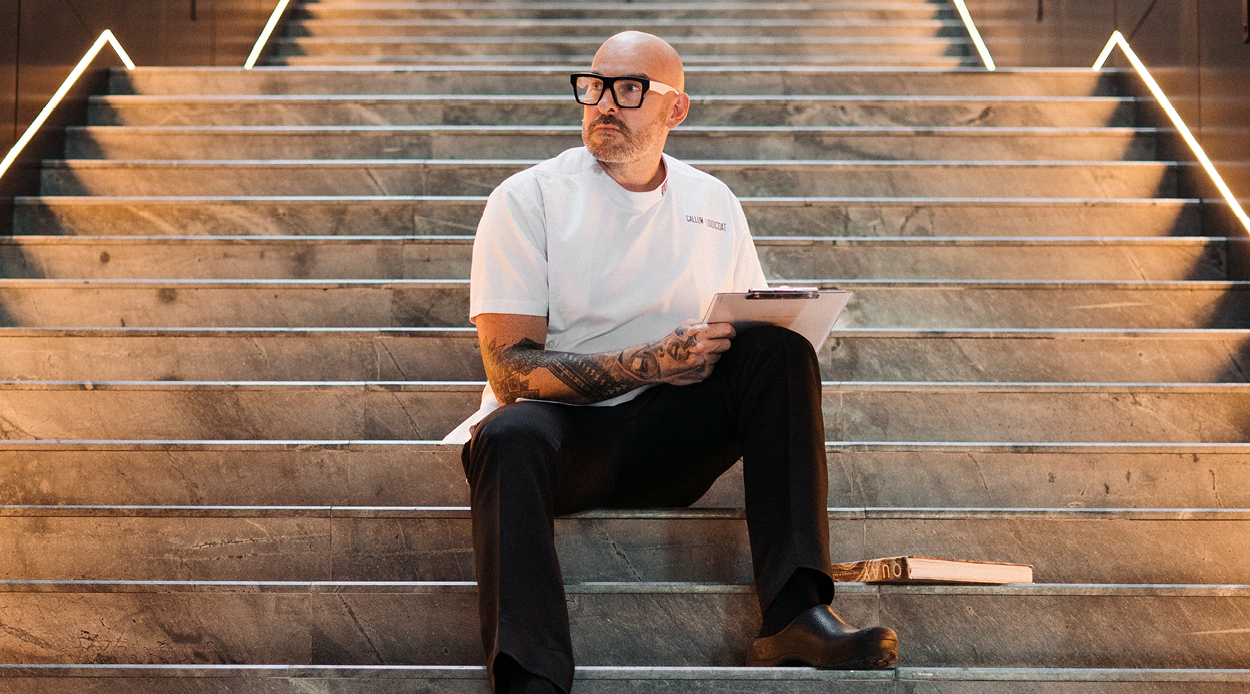
In the culinary world, there are artists, and then there are maestros. Callum Liddicoat, the Executive Pastry Chef at Park Hyatt Auckland, undeniably belongs to the latter category. In conversation with Tessa Patrick, Liddicoat shares his culinary philosophy, his favourite dining spots and the joy he finds in his job.
Callum Liddicoat’s journey to becoming a pastry master is a tale of passion, dedication and a thirst for continuous learning — which speaks to the tenacious culinary spirit he has brought to Park Hyatt’s exceptional dining offering, (over which Liddicoat presides as Executive Pastry Chef).
With more than 24 years of experience, Liddicoat’s career began in his native Gold Coast before embarking on a calling that took him around the world, from London to Fiji, facing new challenges and embracing new learnings with every destination. (I’m even told that once, he made 30,000 scones over five days during his tenure at Lords Cricket Grounds.)
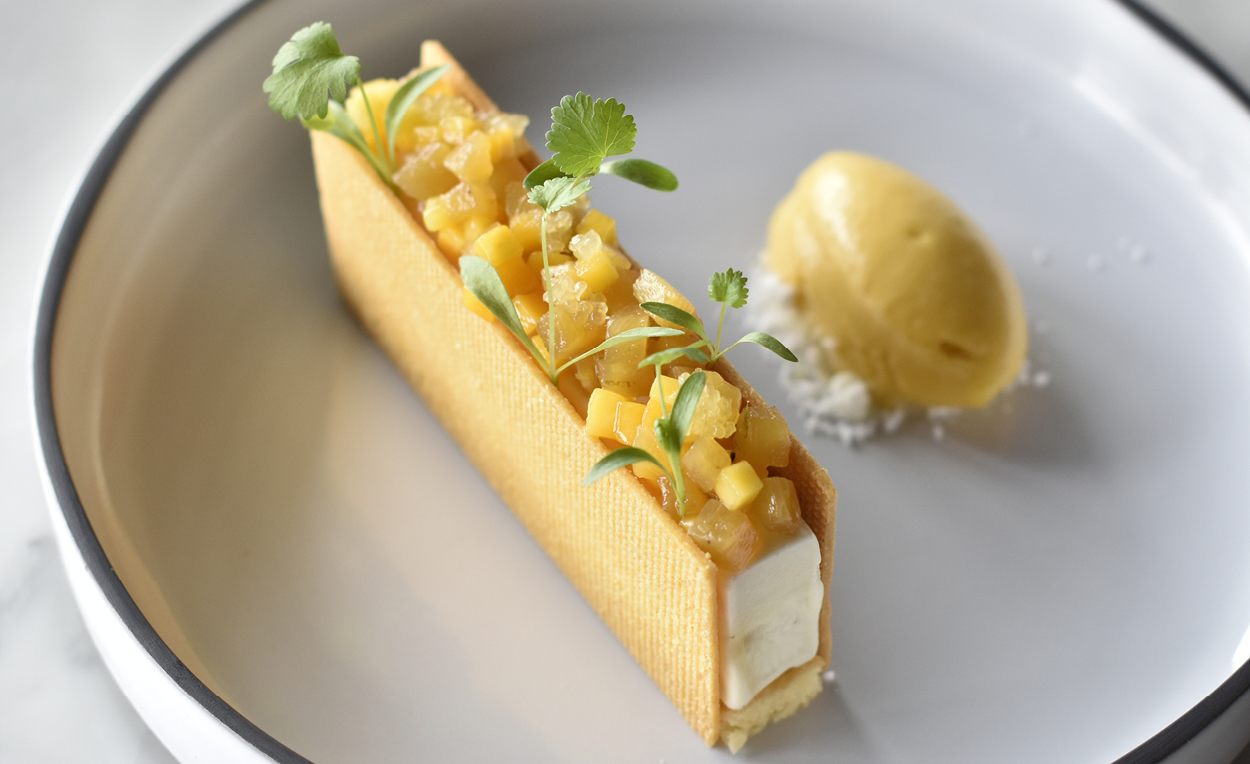
The Splice
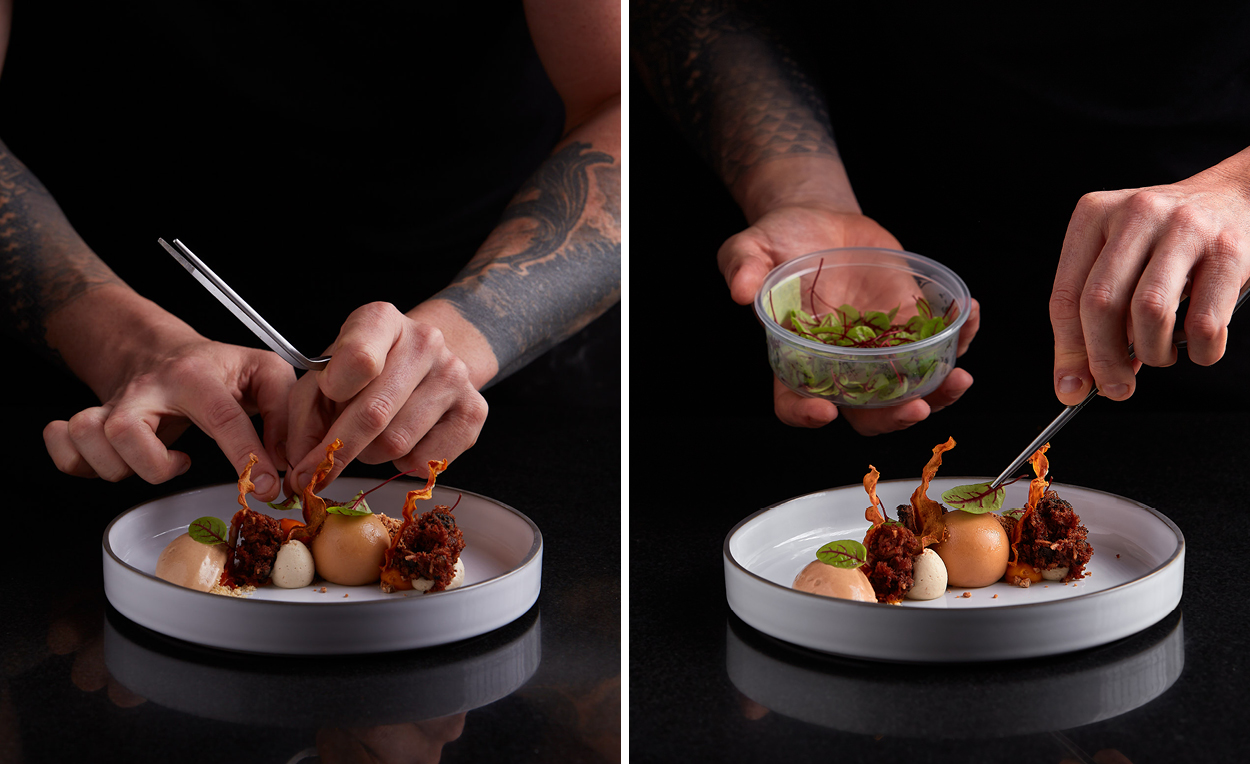
Under Liddicoat’s meticulous eye, Park Hyatt has become renowned for its exquisite slant on the sweeter side of life — from exquisite cream eggs (hugely popular at Easter time) to meticulously-crafted gingerbread houses, which sell out every Christmas. Modern, simple and natural are pillars of his culinary philosophy, brought to life in each delightful creation across the venue’s flagship destinations; Onemata, The Pantry and The Living Room — the last of which has seen the pastry chef’s approach to afternoon tea captivate Auckland’s most discerning diners. “I believe the secret to an irresistible and sublime-tasting dessert is balance,” he divulges. “And teaching your palate to know when to add layers of textures and flavours and when to hold back. Less is more sometimes, but always push the boundaries.”
“The best thing about my career is I’m still learning, still pushing and still believing I have more to give.”
Since taking up somewhat of a mentor position at Park Hyatt, overseeing other up-and-coming chefs, Liddicoat views his role as a privilege. In this position, he can lead and guide others in all stages of their culinary careers and have the creative freedom to make pastry magic. “I’m hugely passionate about giving back to the industry that has given me so much and allowed me to express myself through the art of food while travelling the globe,” he tells me.
Leading the Park Hyatt pastry team through numerous Covid-related challenges has tested Callum’s mettle. Nevertheless, his commitment to excellence and relentless pursuit of pushing boundaries have earned him numerous accolades, and his tenacity, combined with his team’s unwavering support, continues to take Park Hyatt’s pastry offerings to bold new heights.
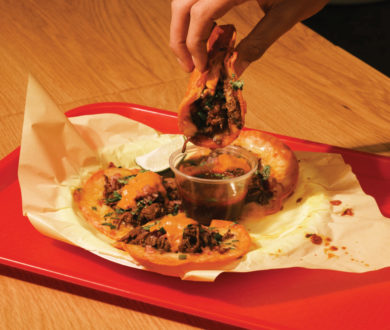
Outside of the hotel, Liddicoat’s approach to food is far less intricate. Like most chefs, food is more straightforward at home, but he still stresses the importance of nourishing himself with tasty ingredients. And when dining outside the precinct, you’ll find him at Viaduct Harbour’s Hello Beasty, Ponsonby Road stalwart Prego, or Parade, for a seriously indulgent burger.
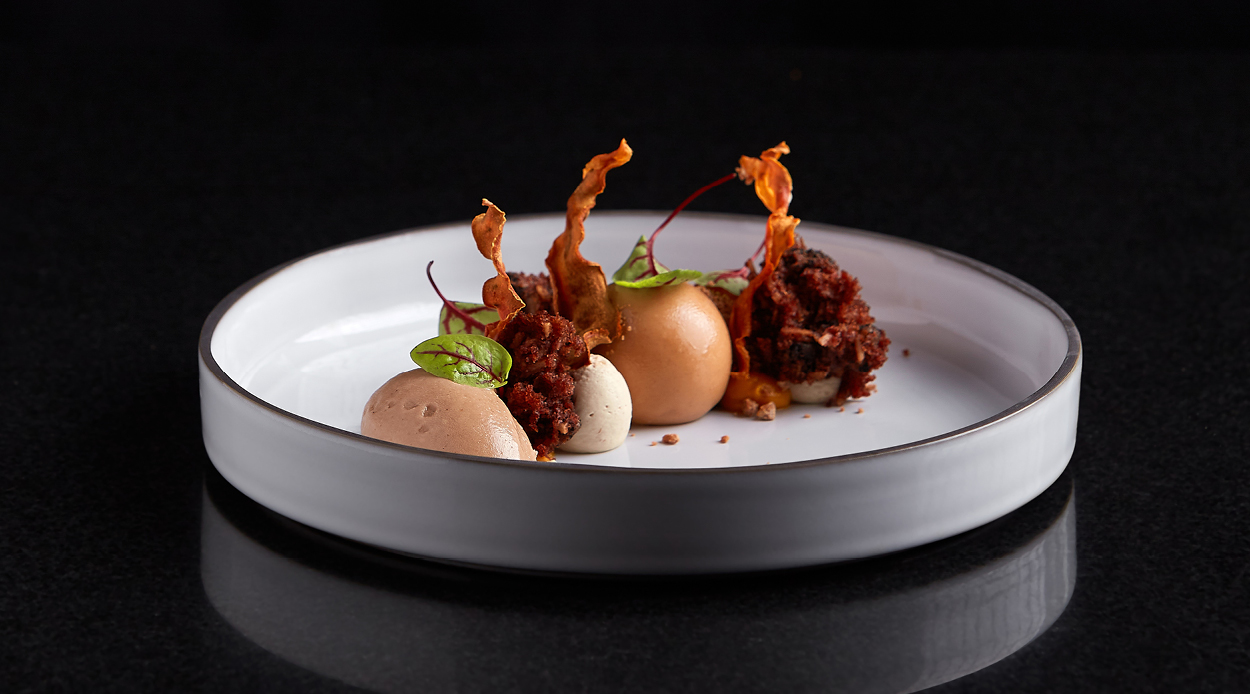
Carrot Cake
But life isn’t always sweet, and sometimes, as he tells me, you get sick of the cakes after too many versions of trial and error. Liddicoat explains that due to travelling the world, working long hours in kitchens, and having to reinvent the wheel many times, mental health and anxiety are prevalent among many pastry chefs; something with which he too has had to grapple with in his career. But there is also, he counters, such joy to be found working in this space, from being purely creative and hands-on to the friends and connections you make. Anyone who has worked in hospitality will testify to the latter.
“The best thing about my career is I’m still learning, still pushing and still believing I have more to give,” he confesses. “I wouldn’t say I’m an expert in one area of pastry, but I have built my career around learning and developing skills in all areas of the pastry kitchen. Give me a challenge and the tools to run a multi-outlet hotel, and that’s when I’m in my element.” And anyone who’s sampled his goods will attest to his brilliance. In Liddicoat’s case, the proof really is in the pudding.
While a saucy scowl might have a place on the runways of couture week, a dour resting face won’t age well, leaving you with stubborn frown lines and dull texture. But never fear. In the name of embracing natural beauty, we’ve found an effective way to correct and improve facial posture, using three simple steps.
Sculpting Facial Treatments
In-clinic facial treatments with pioneers in the field are going to give you those immediate, lasting results. One of our favourites is Kate Michelmore’s Buccal Massage and Anti-Gravity Facial at Skinography, where the rigorous face massages are designed to correct sagging facial posture and the results are quite literally jaw-dropping.
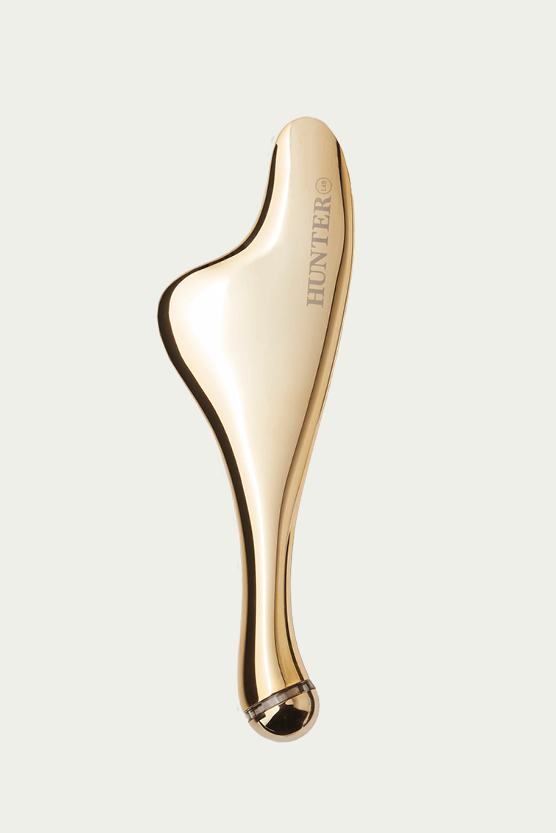
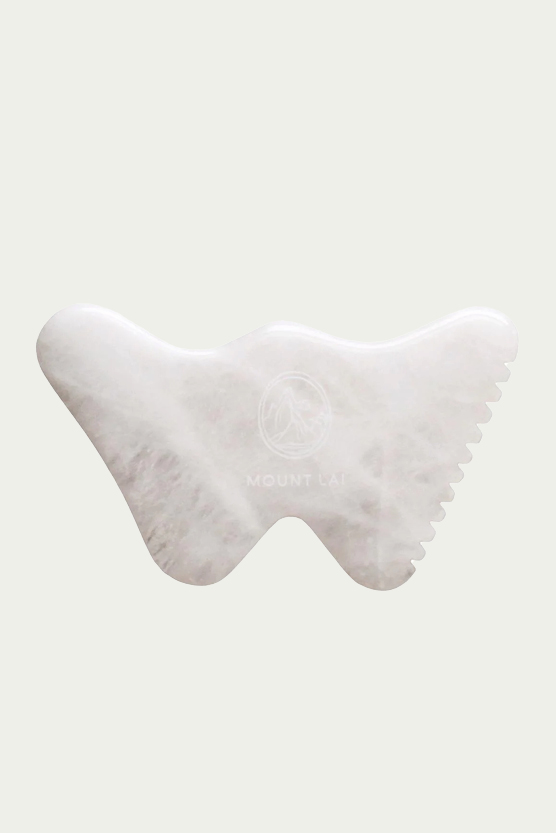
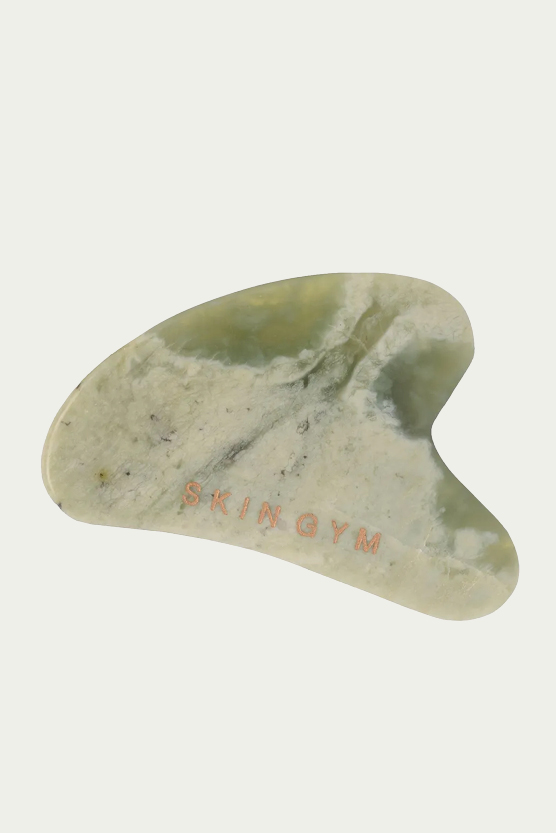
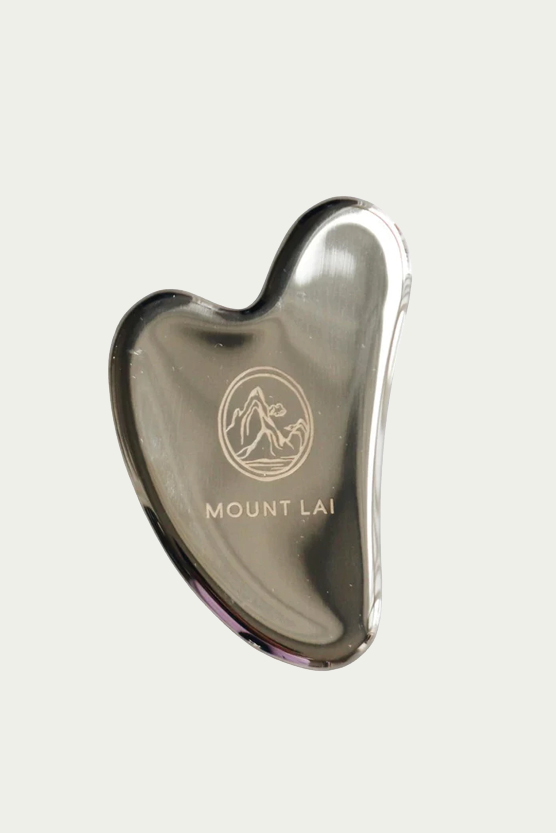
At Home Gua Sha Rituals
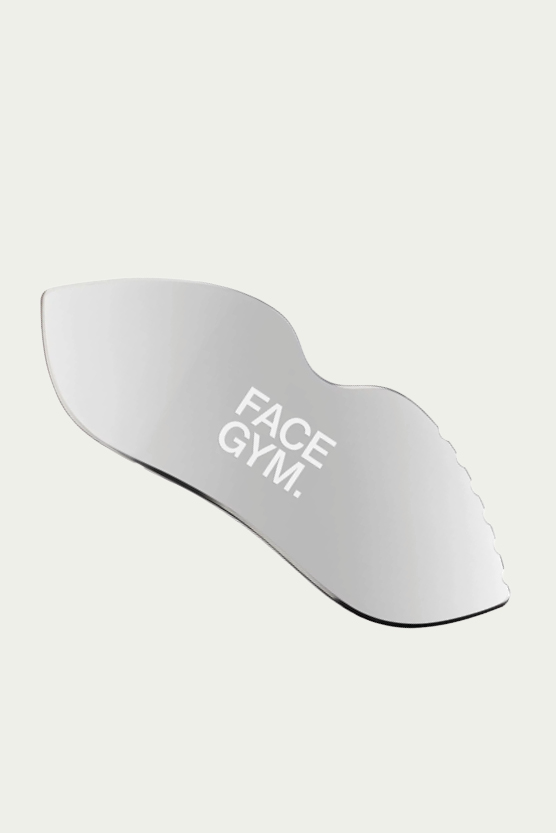
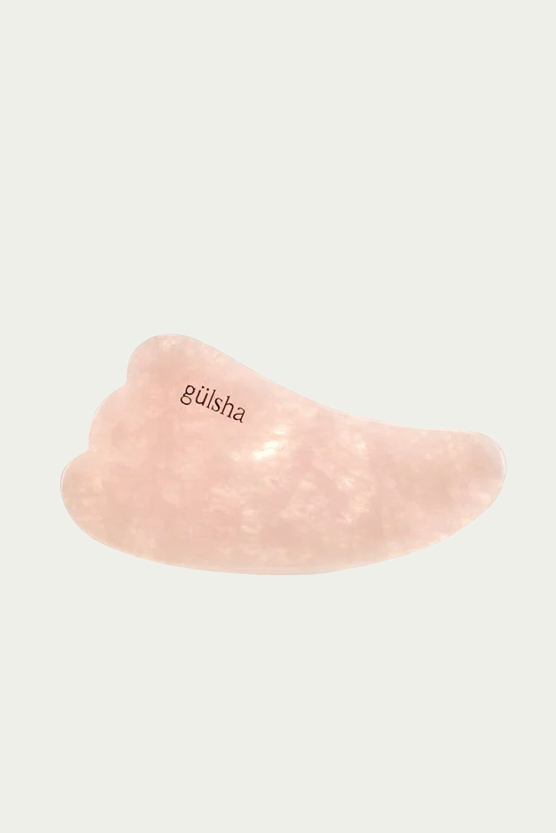
Employing an at-home gua sha regime will extend the life of your in-clinic treatments, where the daily ritual encourages skin dexterity and constant lymphatic drainage to relax your muscles, reset your posture and bring life back to your face.
It’s easier said than done, but inflammatory foods like sugar, dairy and gluten, as well as alcohol, can all lead to a puffier complexion. This can be remedied by treatments, but where longevity is concerned, consider pulling back on your consumption of these trigger foods.
Give Yourself a Cryotherapy Facial
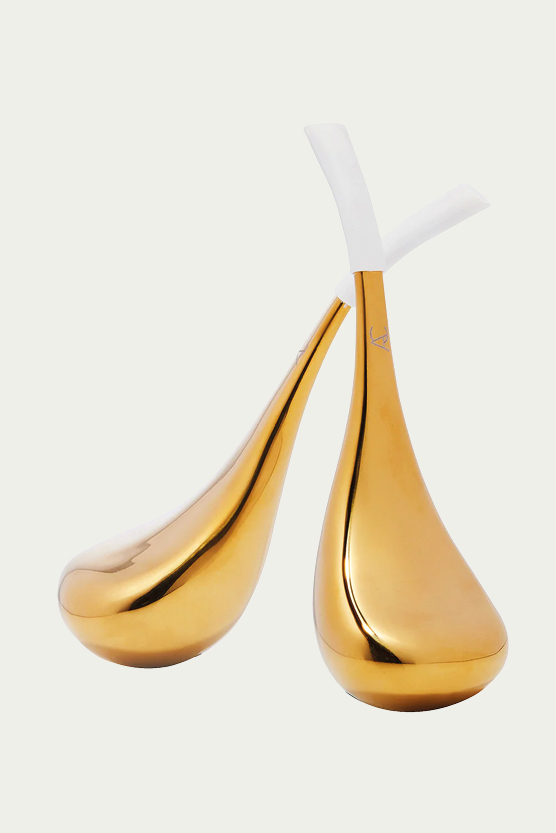
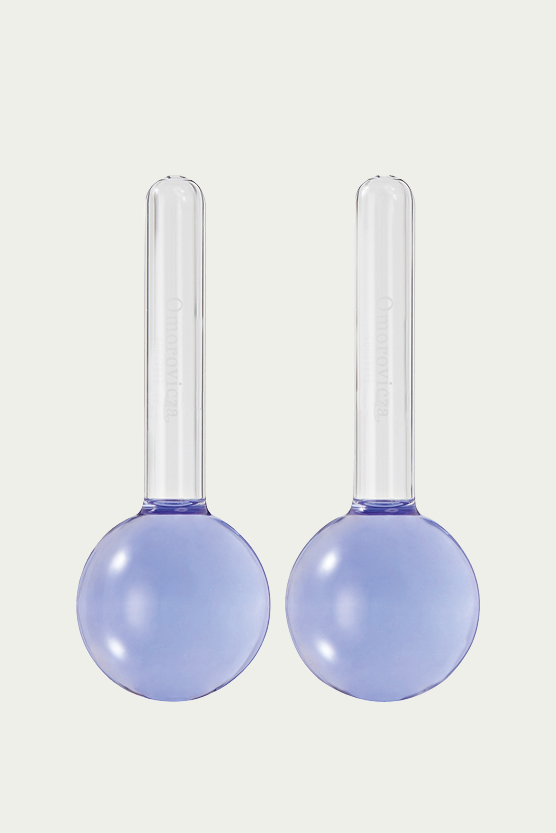
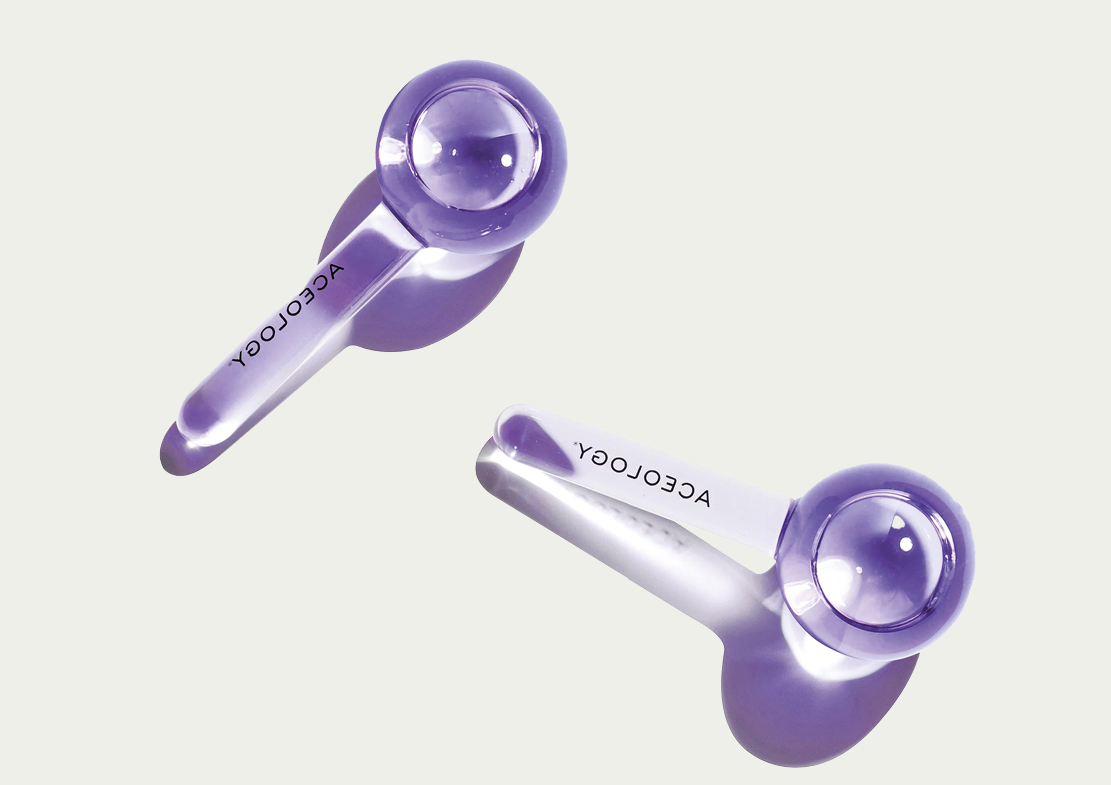
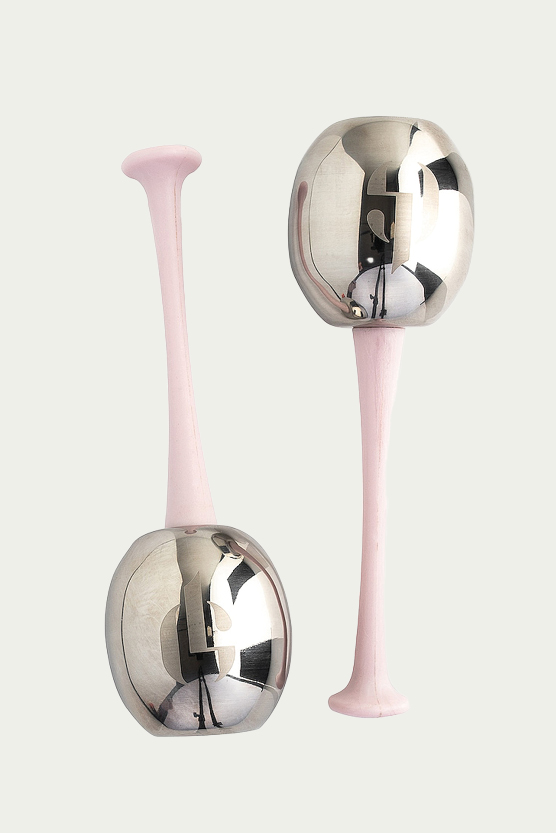
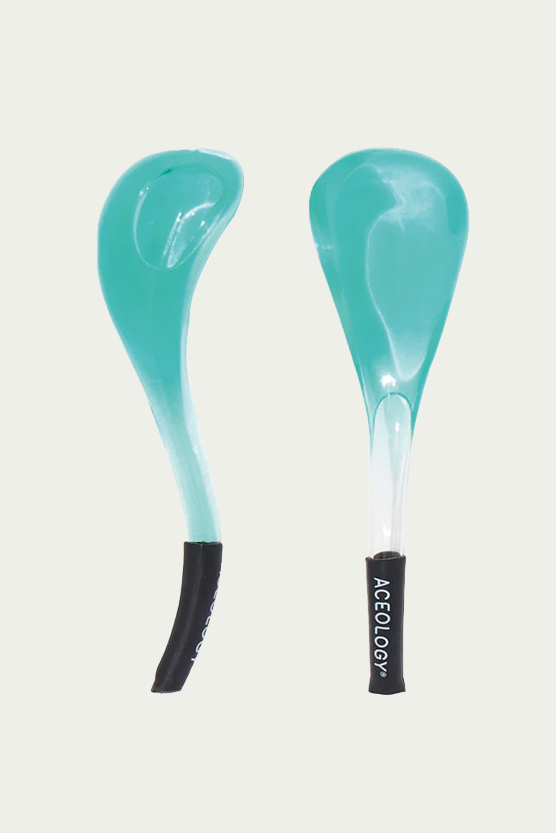
There’s nothing like waking up your face with an icy-cold greeting. Use tools like the ones listed below, straight from the freezer, to reduce swelling and inflammation, particularly around the eyes. This will brighten tired skin, eliminate any dreaded puffiness and leave you feeling fresh and ready for the day.
Denizen Recommends
Angela Caglia Gold Cryo Facial Set from Net-A-Porter
For more exclusive access to what the city has to offer, engaging content, excellent imagery and thought provoking commentary on the life that surrounds you, subscribe to Denizen magazine now.