5 reasons why wallpaper is making a major comeback — and how to use it in your home

Wallpaper, particularly the patterned variety, has made its way back from the annals of history to stake its claim in the contemporary home. Perhaps it’s a reflection of the popularity of nostalgic motifs. Or maybe it plays into the distinctly à la mode pattern clashing aesthetic. Whatever the zeitgeist trend it feeds into, it’s back in a major way, and this is why:

1. It makes a statement
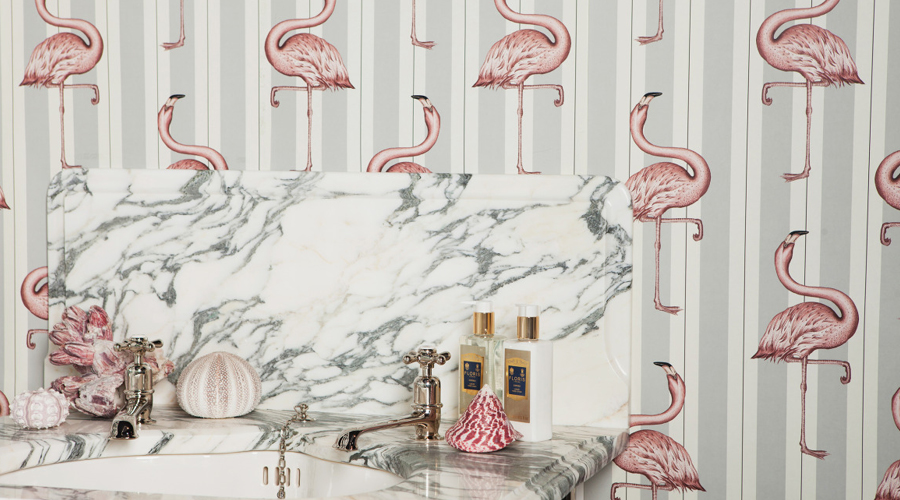
Cast aside wallpaper that doesn’t say anything (you’d do better to give your walls a lick of paint) and embrace the often outrageous nature of the patterned wallpapers from brands like House of Hackney. It’s the simplest way to lend your home a unique edge.

2. It’s easy and time efficient
Generally speaking, wallpaper is simple to put up and offers an easy way of shaking things up.

3. A little goes a long way
There’s no need, necessarily, to adorn every wall in your home with crazy wallpaper. Oftentimes, it’s far more effective to use it as a single feature wall or restrict it to one room (like the study) to achieve the desired effect. Plastering florals on every wall, for instance, would feel a little too much after the novelty wears off.

4. It’s durable and replaceable
Rambunctious misadventures that might usually leave a white wall covered in bumps and bruises will be far better received by a bold, patterned wallpaper. It’s more forgiving. And even if something happens that leaves a wall unsalvageable, the paper can be stripped and replaced with minimal effort.

5. The options are virtually endless
When it comes time to choose your wallpaper, the colour and pattern options are vast and varied. Whether you consider yourself a traditionalist, a minimalist, a quirky character or someone more cautious, there is sure to be a wallpaper to suit any proclivity. That said, we have outlined some of our favourite House of Hackney options below (based on the kind of person you are.) Happy wallpapering!

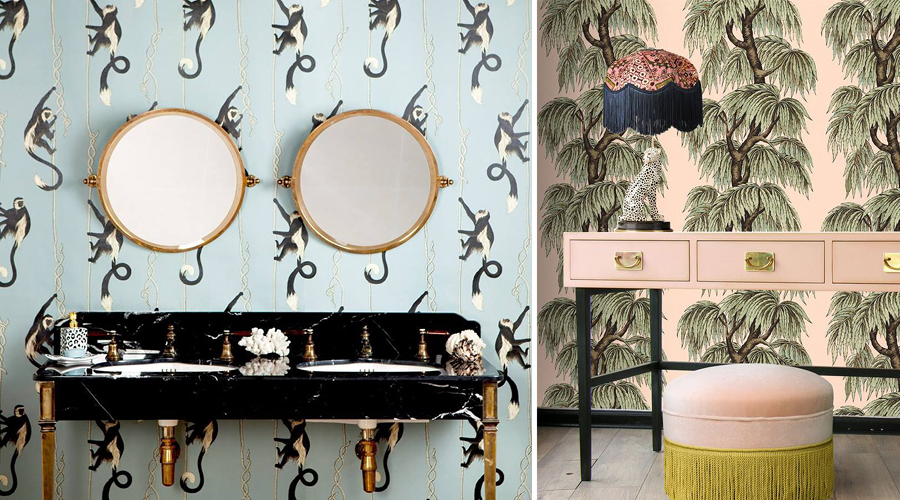
House of Hackney wallpapers available from Artisan

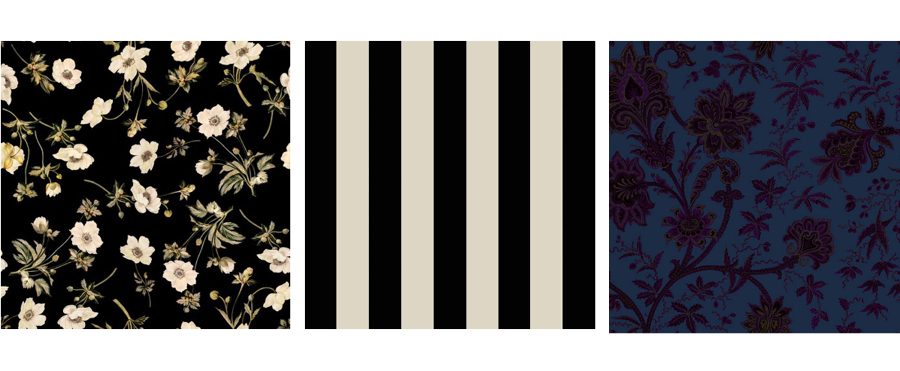
From left to right:
For the traditionalist… Poppium black
For the minimalist… 
Mono Stripe off-black/oyster
For the cautious… 
Indienne cobalt

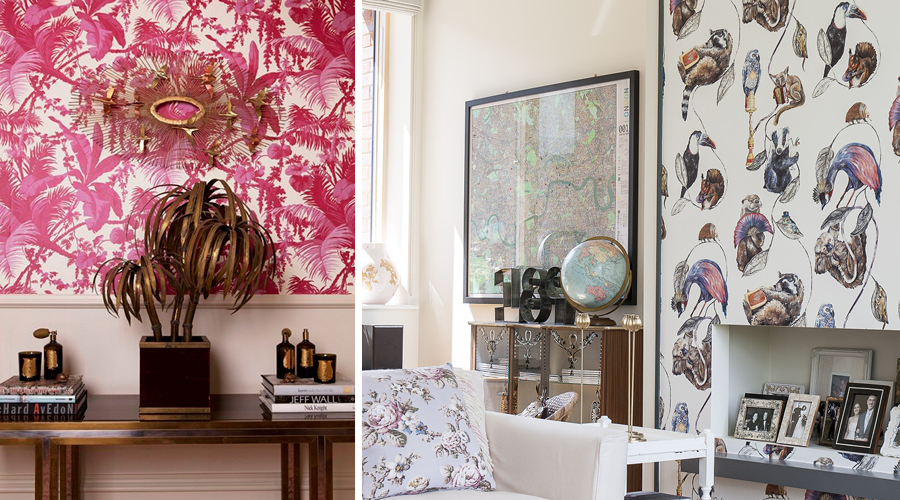
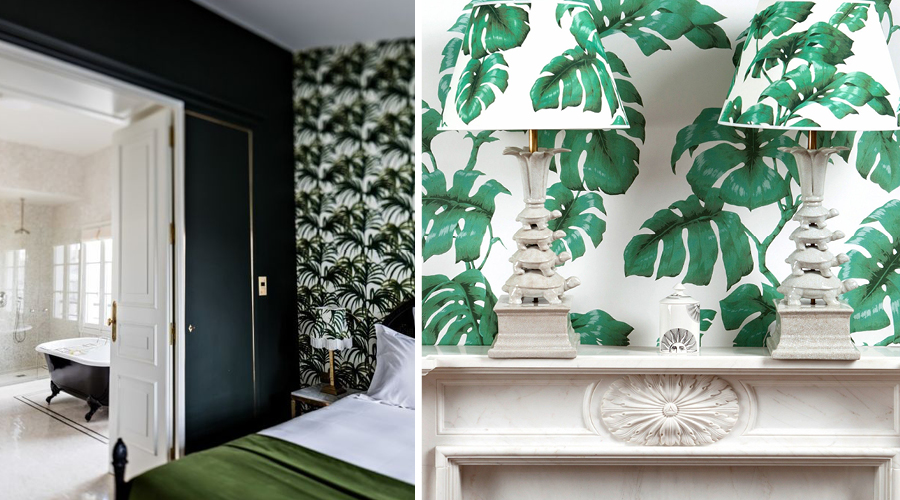
House of Hackney wallpapers available from Artisan

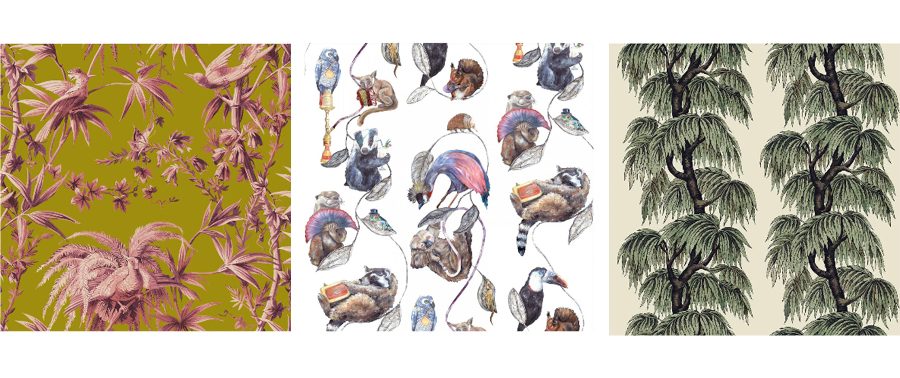
From left to right:
For the brave… Aurora chartreuse
For the quirky…
Hackney Empire white
For the escapist…
Babylon papyrus/willow

Artisan

31a Normanby Road,
Mount Eden
Auckland

(09) 302 2499

www.artisancollective.co.nz

Design

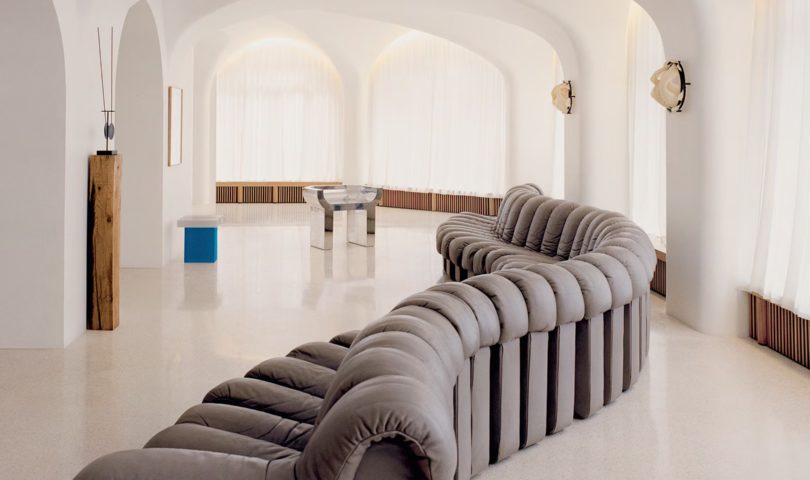
Inside the Marais apartment-gallery where hospitality becomes architecture
Italians in Residence: Molteni&C opens its first New Zealand flagship
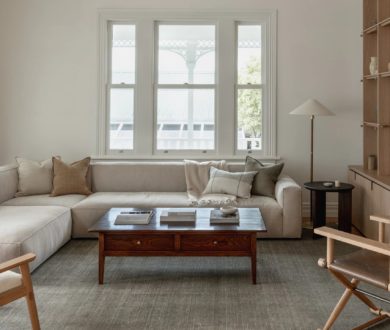
How new furniture brought fresh life to this Auckland character villa

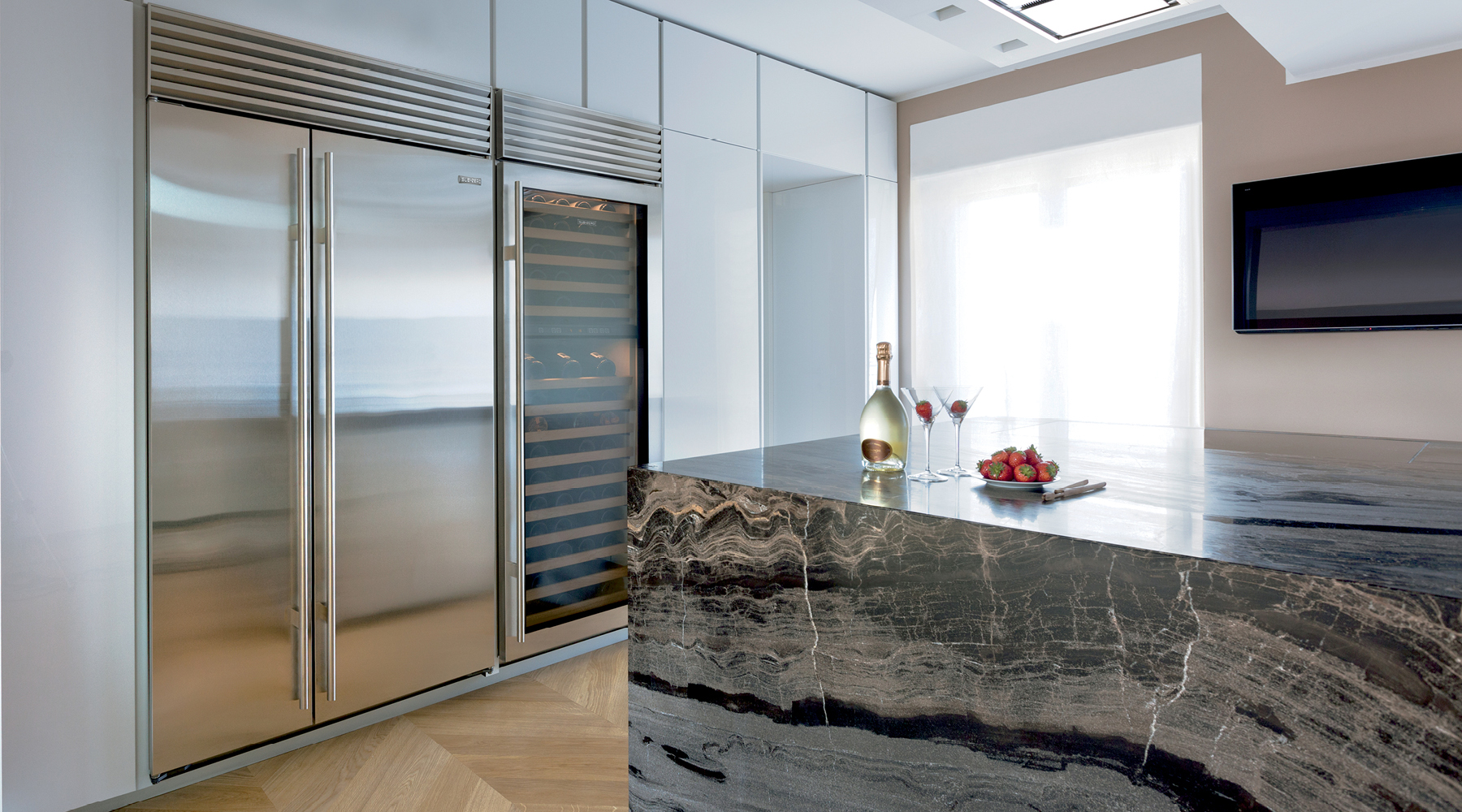
6 reasons why you should up your kitchen game and invest in a Sub-Zero refrigerator

Homes which advertise a Sub-Zero fridge in the listing, net a 38% premium over other high-end listings.

We all know about ‘investment’ wardrobe pieces, but investment kitchen appliances are another thing altogether. When it comes to the crème de la crème of culinary hardware, Sub-Zero’s famous refrigeration specimens might just be worth every penny.

It will increase the value of your entire home
You might sooner think of a lick of paint as being the best thing to improve saleability, but recent surveys have shown that homes which advertise a Sub-Zero fridge in the listing, net a 38% premium over other high-end listings (zillow.com). This is an asset that will clearly pay dividends.

It’s an iconic design
Function might come first for Sub-Zero but there’s no denying form weighs heavy in terms of this fridge’s appeal. The classic, bold appliance with its louvred grille is a transcendent style that has become one of the most imitated home product designs ever. And you know what they say about imitation…

It’s more durable than most
Most homeowners might be satisfied getting several years of service out of an appliance but when it comes to Sub-Zero, it’s a product that will last you decades. One of the marque’s enduring commitments is ’to build the best’; Sub-Zero’s appliances are constructed in their own American facilities where they can control every step of the manufacturing process. Only premium grade materials are used, the technology is state of the art and the craftsmanship is of the highest calibre (every fridge is handmade, hand finished and 100% quality tested.)

Your grocery bill will thank you for it
Sub-Zero pioneered the dual refrigeration system, which relies on two separate, self-contained cooling systems to keep fresh food fresher and preserve frozen food longer (thanks to a more consistent temperature throughout.) They also developed an air filtration system inspired by NASA technology that scrubs the air of ethylene gas (which speeds up food spoilage) and also reduces odours by removing bacteria, mould and viruses. Everything about the fridge, right down to its ultra-effective seals, encourages food longevity.

Your power bill will thank you for it
Sub-Zero equipment meets high energy efficiency tests and even the largest refrigerators consume less power over a year than a 100 watt light bulb. Foam filled doors help insulate the unit more efficiently, and the dual refrigeration system means less energy is used overall.

It’s easier to clean
The fridge’s 18-gauge stainless steel exteriors are not susceptible to denting and are easy to keep clean due to the thicker graining in the steel. Need we say more?

Design

Inside the Marais apartment-gallery where hospitality becomes architecture
Italians in Residence: Molteni&C opens its first New Zealand flagship
How new furniture brought fresh life to this Auckland character villa
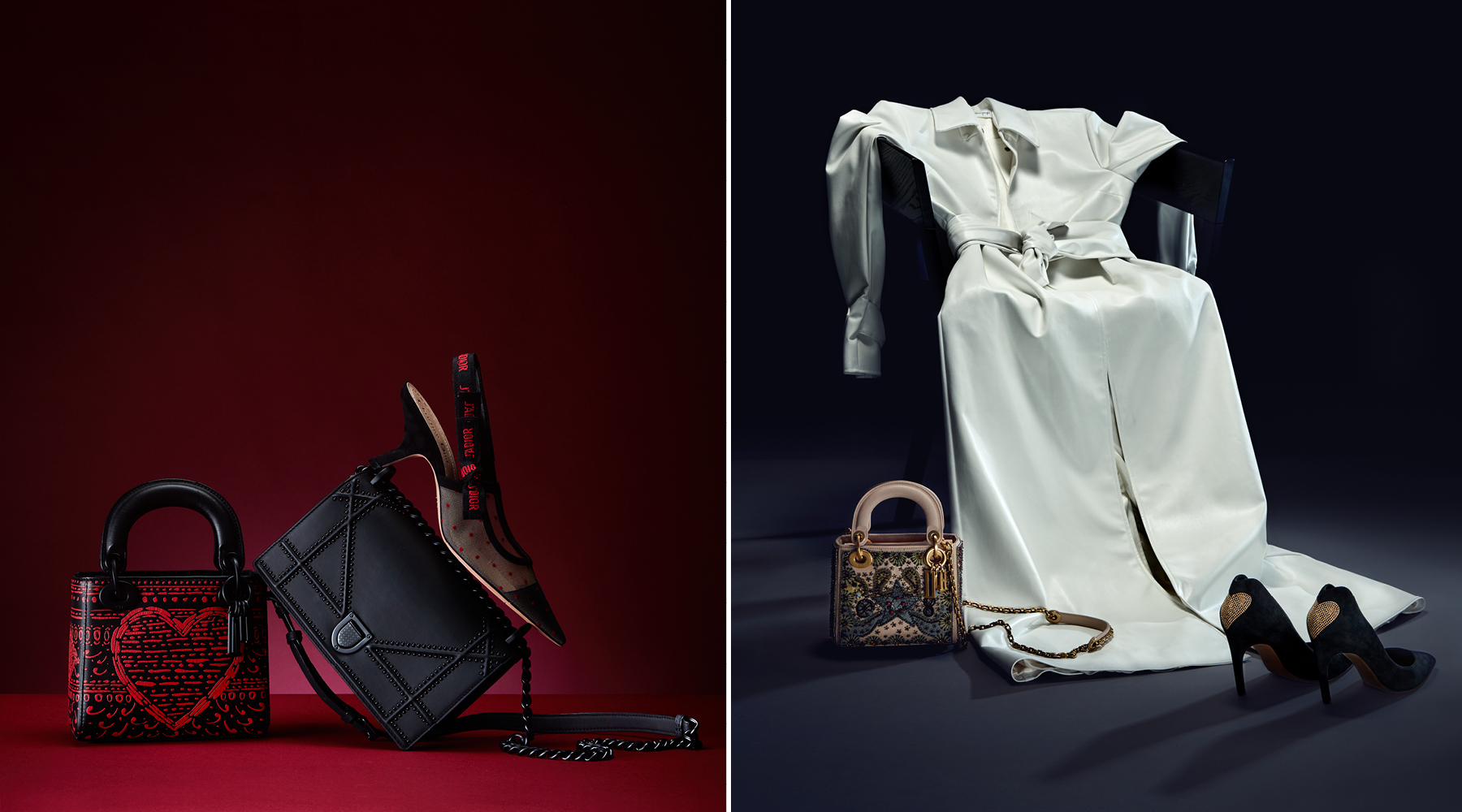
Left: Mini Lady Dior bag, small Diorama ultra black bag and J'adior slingback pumps from Dior (09 373 4849) | Right: Valentina trench coat from Paris Georgia; Mini Lady Dior bag and Dioramour shoes from Dior (09 373 4849); Odin chair by Resident from Simon James Design

Denizen after dark: The outfits we wear once the sun has gone down

When the light begins to fade, and the calls of a long day morph into the quiet intimacies of evening, we don our favourite designers and decide who to become once night falls. From glittering fabrics to precise suiting, these are the clothes, shoes and accessories we adorn ourselves in after dark.

Left: Helen Cherry Cameron jacket and cigarette pant and Alexander Wang Rina heels from Workshop; Lady Dior ultra black bag from Dior (09 373 4849); Odin chair by Resident from Simon James Design | Right: Headline Cross pumps and Trunk clutch from Louis Vuitton; Missoni maxi dress from Muse Boutique
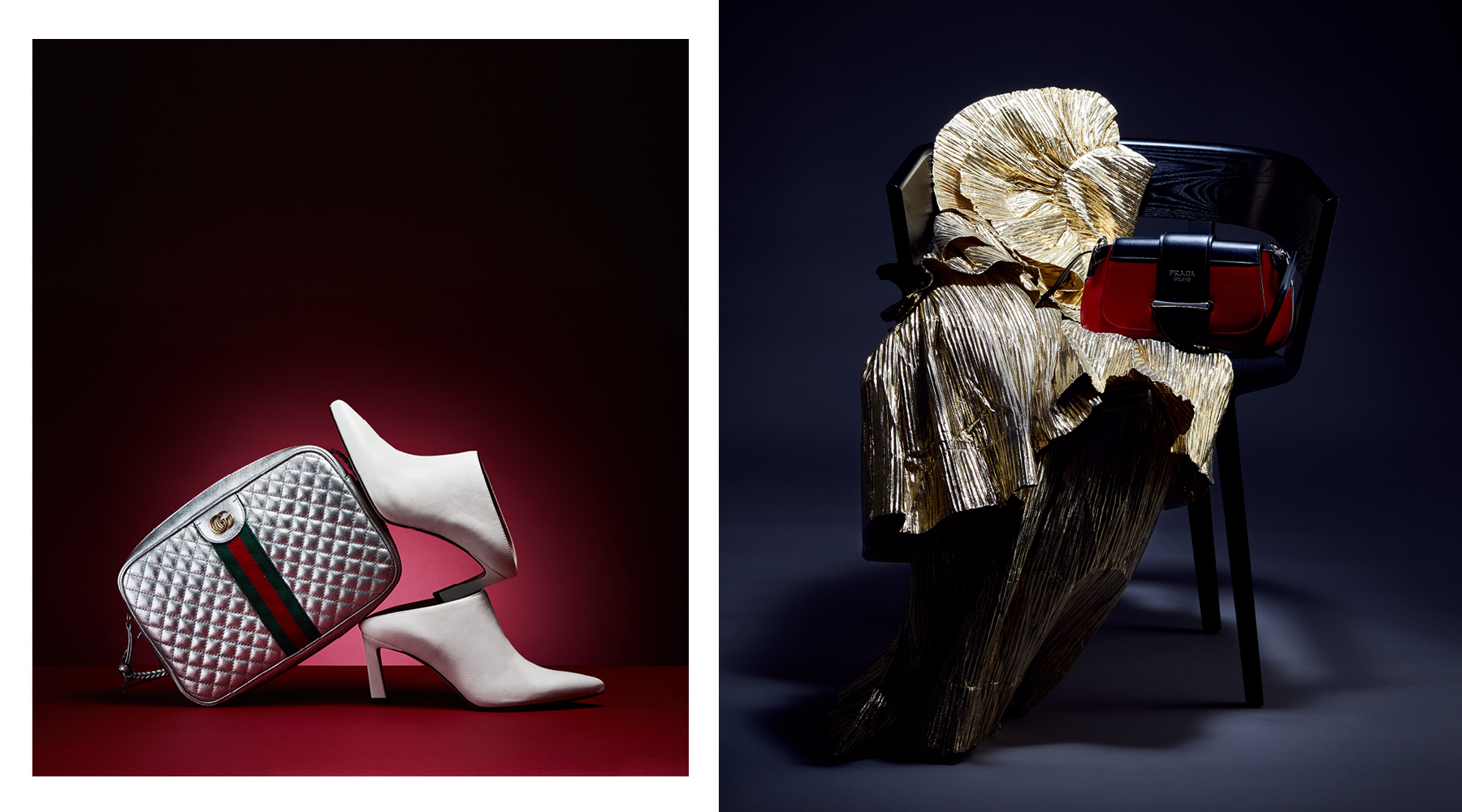
Left: Small shoulder bag from Gucci; Stuart Weitzman Mira mules from Scarpa | Right: Alice McCall The Future is Female skirt from Superette; Sidone bag from Prada; Odin chair by Resident from Simon James Design


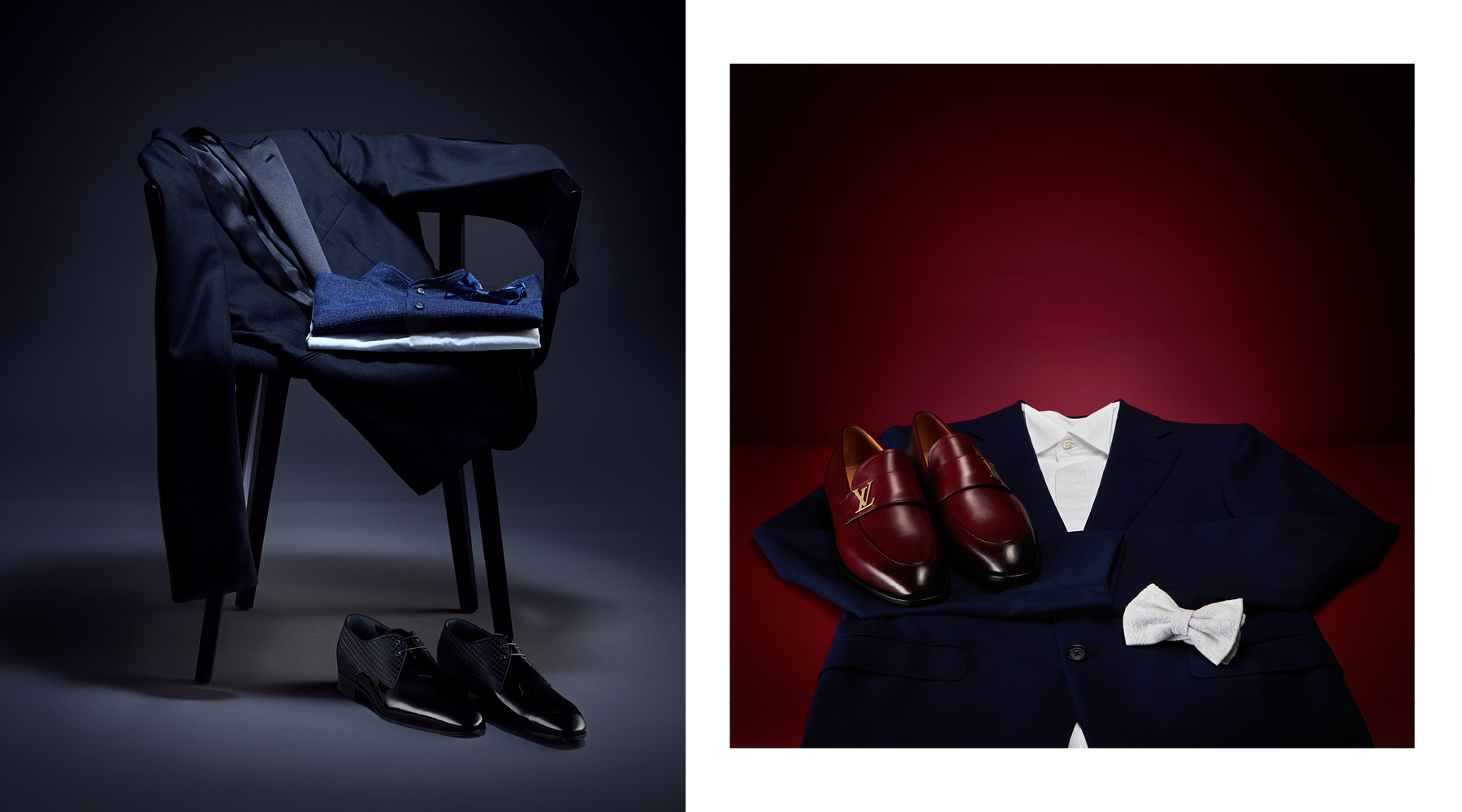
Left: Wool and silk tuxedo jacket and Corea Borg Jasper navy shirt from Dadelszen; Mid-fit shirt from Workshop Denim; Bow-tie from WORLD; Solferino derby shoes from Louis Vuitton; Odin chair by Resident from Simon James Design | Right: Saint Germain loafers from Louis Vuitton; Marquess silk and wool grosgrain jacket and Vincenza tuxedo shirt from Dadelszen; Bow-tie from WORLD
Image credit: Styling: Margie Cooney, Art Direction: Fran King

Coveted

Tiffany & Co.’s Paradise Birds chapter brings Blue Book 2026 to life
The luxury skiwear concierge taking the hassle out of ski holidays
The jewellery designed for movement, ease and everyday elegance

Denizen celebrates eight years of living the good life

Culture

The books worth escaping into this winter
Your guide to the best events and experiences this July
From architecture to adventure: The coffee table books worth collecting now

Gut Instinct — is kombucha really as good for us as we think?

When kombucha is made the traditional way, and is kept raw and unpasteurised like Remedy, it means it is full of live cultures, organic acids and antioxidants, which all have proven health benefits.

For anyone who thinks that kombucha is nothing more than a drink for hipsters, this effervescent tonic was around well before that word made its way into common parlance. From its conception 2,000 years ago in China to its prevalence on the supermarket shelves of today, the presentation and packaging of kombucha might have changed since its ancient beginnings, but its nature has remained largely the same. Thought to aid digestion and gut health via the billions of good bacteria cultivated in the fermentation process, this bubbly beverage has been credited as a kind of miracle drink in health circles. Not as widely discussed, however, is how the various processes and ingredients that go into creating a bottle can vastly affect how beneficial it really is for us. With more and more companies jumping on the bandwagon and the market becoming saturated with brands more focused on profit and less on health, we spoke with the founders of a recent arrival on the scene, Remedy Kombucha (one of the only labels on the market to boast no sugar naturally), to understand just how much one kombucha can vary from another.

Kombucha is fermented tea, so naturally, the process of creating it must start with a brew. At Remedy, they use organic, single origin tea leaves to ensure the health benefits of the final product start with the first step. During this time, polyphenols — a type of antioxidant — are produced in high quantities. Different makers use different methods, but as far as ensuring the kombucha retains the probiotic qualities that make it so important to our digestive systems, it pays to look out for brands that keep their ‘booch’ raw and unpasteurised. Pasteurisation, often used to save time and money when bottling and storing, kills the live cultures and bacteria, draining the drink of its essential goodness. Remedy’s Co-founder Emmet Condon explains that their raw kombucha is “the healthiest because it is brewed in small batches according to old-school traditions.” It’s a process that allows them to brew out all the sugar and end up with a drink that is packed with live cultures and organic acids which, according to the experts, ‘are proven to improve gut health and overall wellbeing’.

Once the tea is brewed, a mother culture or SCOBY (symbiotic community of bacteria and yeast) is added, which kicks off the fermentation. The quality of the SCOBY will have a bearing on the kombucha’s final pH, residual sugar and alcohol content. “We are still using the very same mother we started with which has been brewing kombucha in Australian homes for the past 40 years” explains Condon, clarifying that the longevity is “a sign of a very healthy culture.” It then takes 30 days for the drink to fully ferment, before natural flavour (from organic fruits, roots and spices) is added and the bottles are sent on their way.

Other ingredients are also important to consider before determining which kombucha to pluck from the fridge. Some brands take a less holistic approach to their product than others, and it can be easy to find yourself sucked into the idea of it all without actually checking if something is as good as it claims to be. So it pays to be a bit discerning and check the ingredients before jumping on the bandwagon. “Consumers love the health benefits” explains Condon, “but we also consistently hear that they love the taste”. For Remedy, the aim of the game is to “offer consumers real and healthy alternatives to sugary drinks and fake-healthy drinks with no nutritional value” by using all-natural and organic ingredients, which not only make for a much cleaner brewing process, but also result in a kombucha that is truly committed to health — rather than just the trendy nature of it.

This idea is furthered when it comes to the contentious issue of kombucha’s sugar content. With some basing their claims that the drink isn’t all it’s hyped up to be on the sugar content of each bottle, this doesn’t apply in every case. Yes, some brands do end up with a fair amount of residual sugar in their product, which not only wreaks havoc for the obvious reason that too much sugar is bad for us, but can also mean that the kombucha continues to ferment on the shelf. The amount of sugar left in a batch of kombucha really comes down to how long it has been fermented for. Because Remedy allows its kombucha to ferment for 30 days, all the sugar added at the start (necessary for the SCOBY to feed on) is entirely consumed, resulting in a final product that naturally contains no sugar (Remedy’s product even has the ‘I Quit Sugar’ tick of approval). If a kombucha is fermented for, say, five days, there will naturally be more of the sweet stuff left over.

There are a number of factors that go into creating the bottles of kombucha we happily sip on. What Remedy Kombucha has illuminated for us, is that not all kombucha is created equal. As Condon puts it, “kombucha isn’t a ‘cure’ but it can help return your body to balance by improving gut health and overall wellbeing. When kombucha is made the traditional way, and is kept raw and unpasteurised like Remedy, it means it is full of live cultures, organic acids and antioxidants, which all have proven health benefits”. So be wary of the booch you buy into. While brands like Remedy have made health their mission, others may not be as beneficial. Our advice? Trust your gut.

Wellbeing

A leading Auckland cosmetic doctor explains filtered perfection vs real results
Is the 20,000-step day actually worth it in 2026?
A cleaner way to clean: Why we’ve been thinking about stain removal all wrong

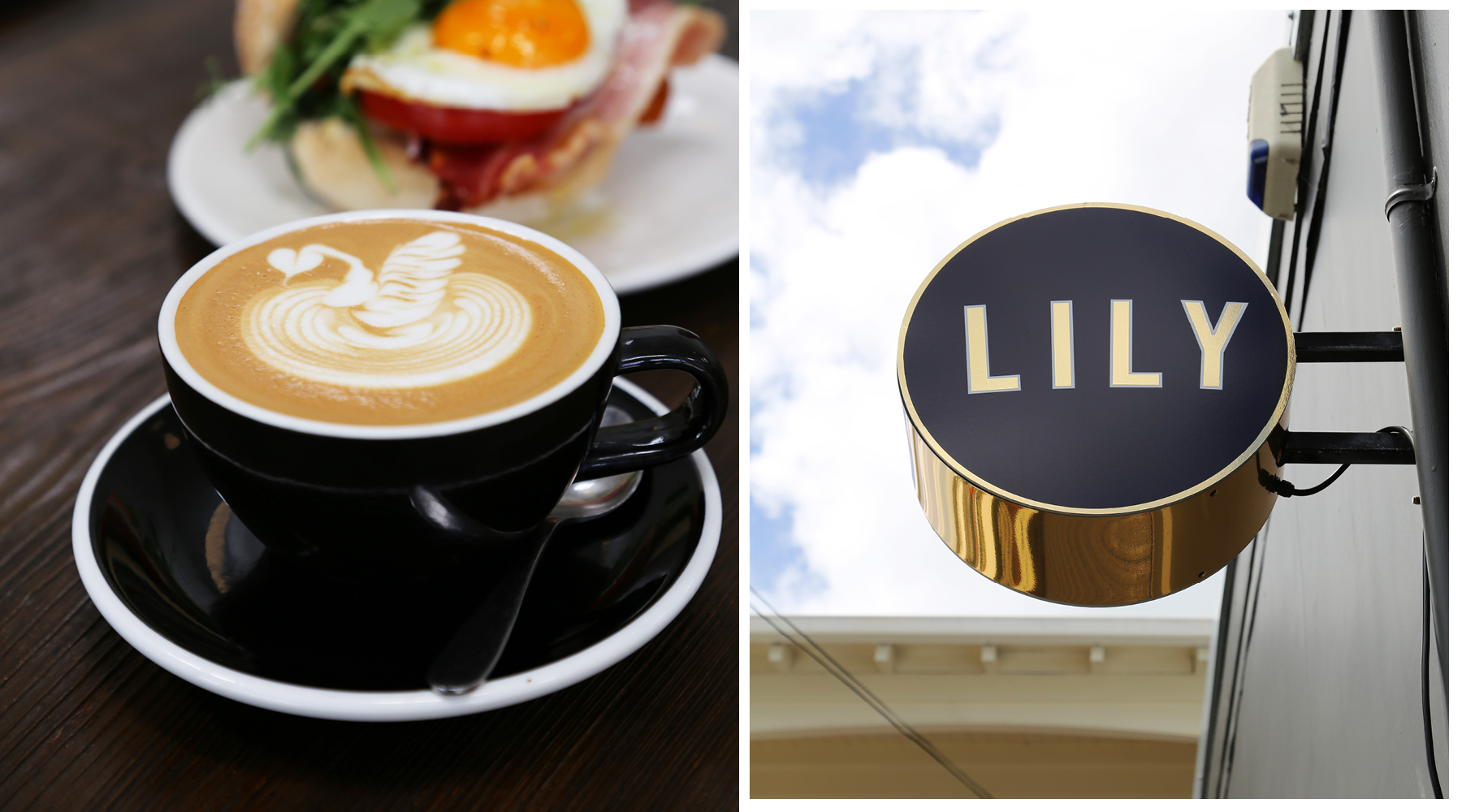
Meet Lily, the new eatery dishing up bright, fresh fare and seriously good sweets

Tucked away on Devonport’s Wynyard Street, a stone’s throw (practically) from the water, sits Lily Eatery — the area’s newest drop-in for a delicious breakfast or lunch. Established by husband and wife duo Jason and Lily Ng, the latter boasts an impressive resume working in some of the best kitchens around Wellington and Auckland including Matterhorn, Baduzzi, Clarence Road Eatery and Stafford Wine Bar, making her — beyond being the inspiration for eatery’s name — the driving force behind its flavoursome fare.

Despite the fact that her family is originally from China, Lily was born in New Zealand and grew up with a fascination for Western food — particularly French cuisine. It’s a fascination she has weaved into her new venture via a cabinet of beautifully cooked pastries and treats, including an outstanding custard loaf. An impossibly fluffy filling is ensconced in a crunchy, buttery crust and piled with poached plums that cut through the sweetness to deliver the perfect balance of sweet and tart. “It’s my favourite,” Lily tells me, and I can see why.
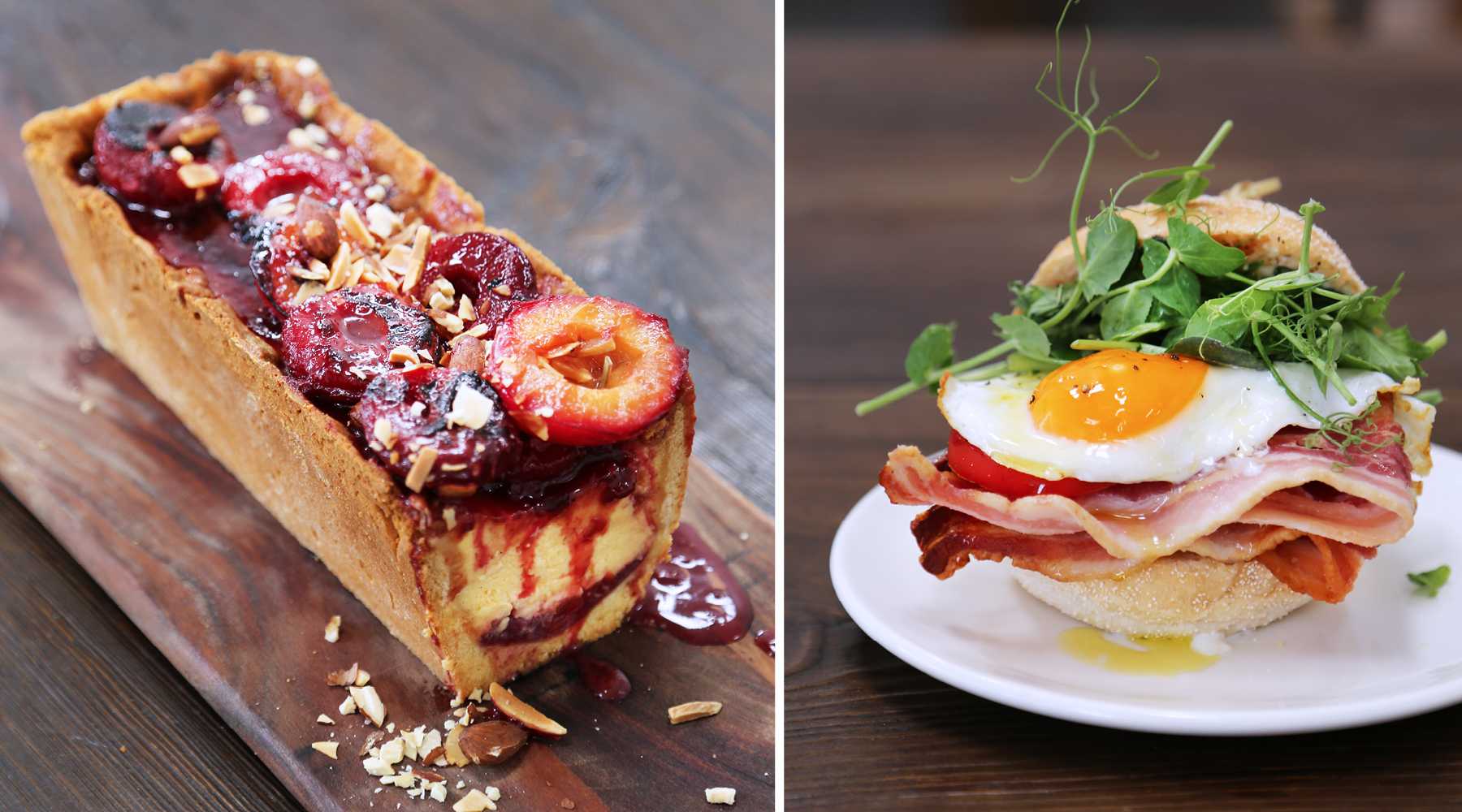
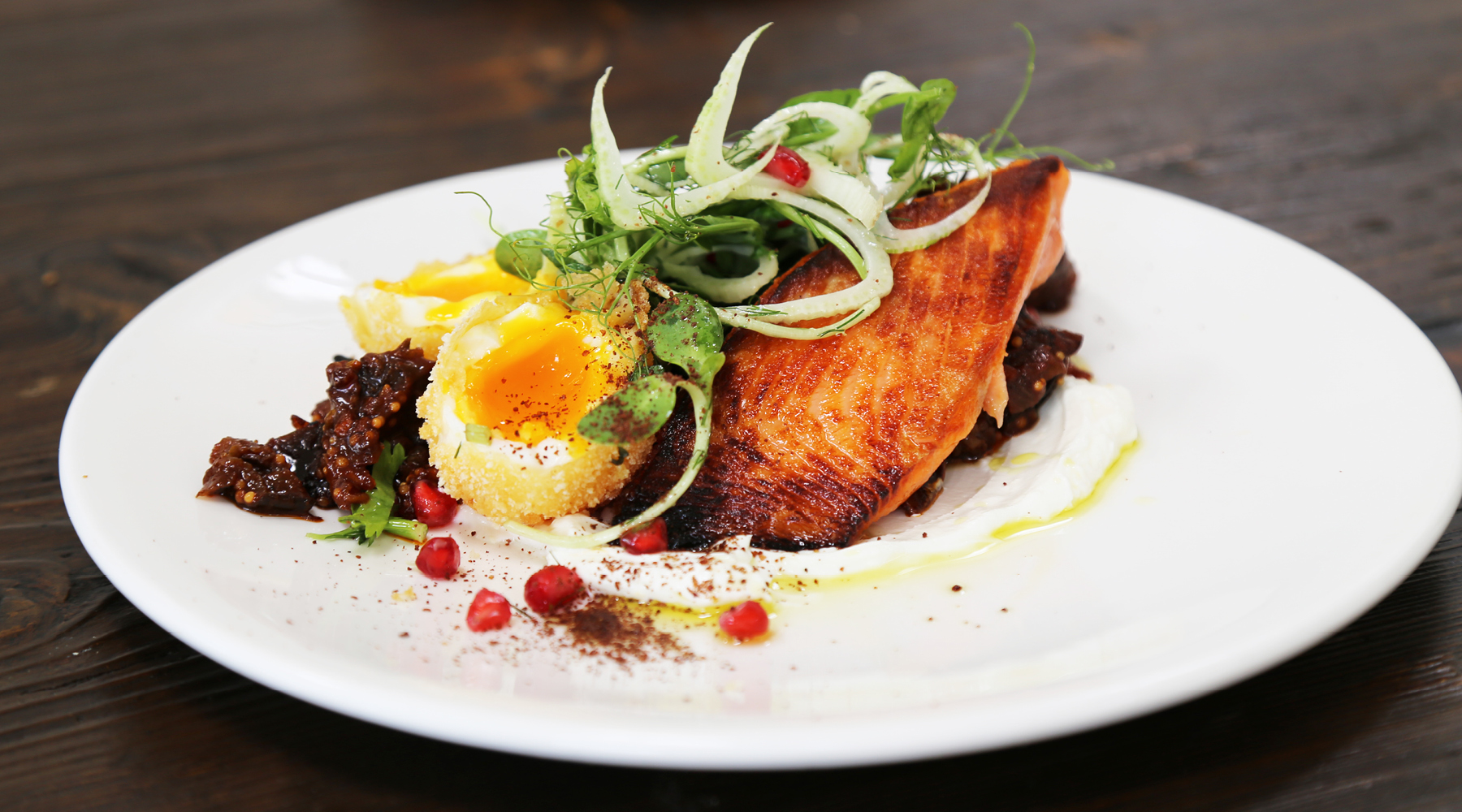
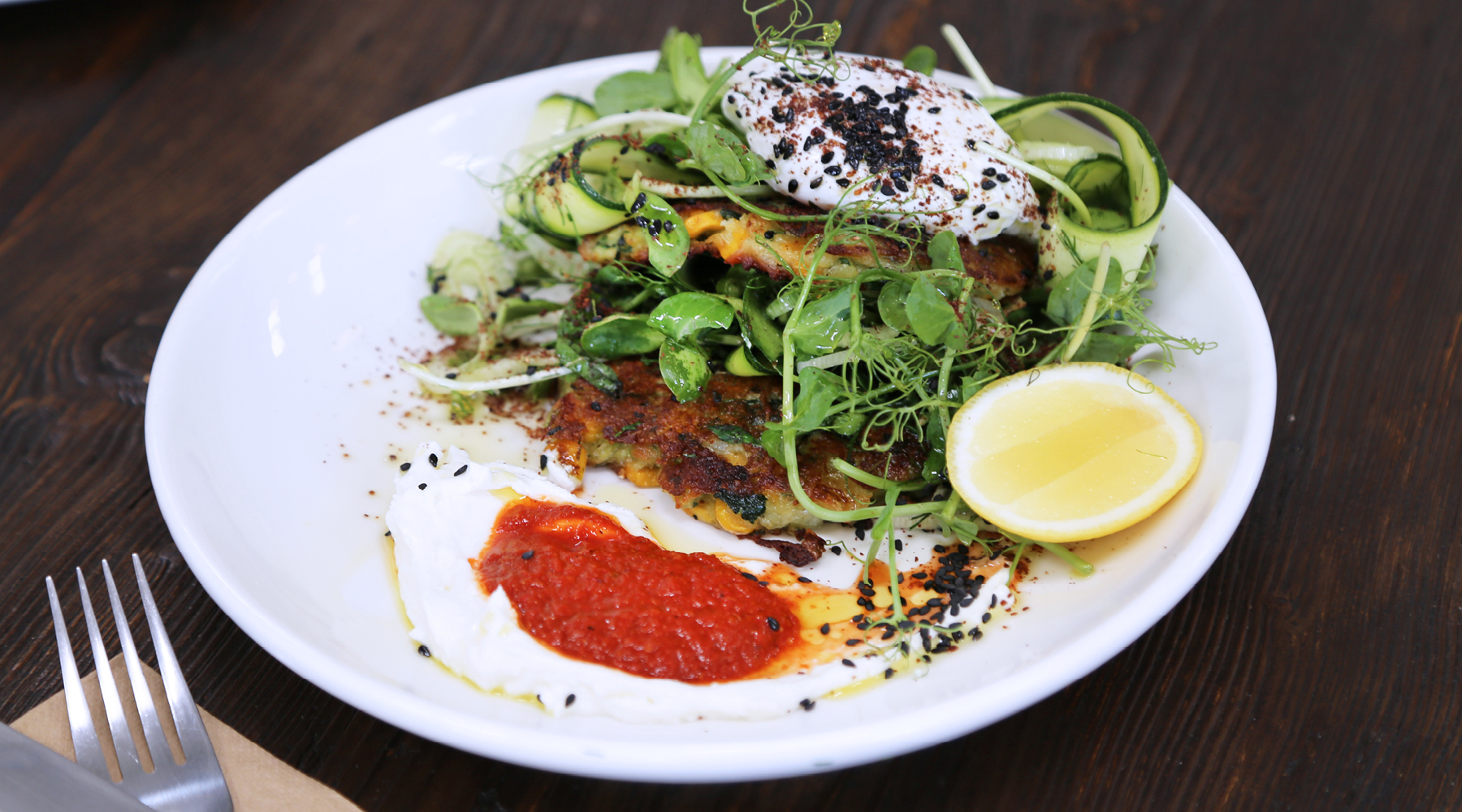
The menu is at once simple and sophisticated. Anchored by fresh ingredients, the dishes express the skill of the chef herself through their complex, interesting flavours and expert execution. Lily explains how she wanted to focus on seasonal, bright ingredients like the herbs she sourced weekly from Eat Your Greens and the in-season plums she was getting from a local source. Setting down the corn fritters Lily revealed that, because most of her family eats gluten-free, many of her menu items have been made to follow suit. The gluten-free fritters were light where you’d usually expect a more grunty, batter-like texture, and made for a dish that wasn’t too heavy but punchy when it came to flavour. The salmon was a similar story. Cured overnight and accompanied by fried eggs, sumac, and eggplant chutney it offered an appealing interpretation of earthy, Middle-Eastern flavours and was the ideal size to satiate our lunchtime cravings.

Though the interior is distinctly industrial with open space aplenty and rough, concrete floors, the experience of eating at Lily Eatery felt cosy and personal. If you’re in the area or are looking to eat somewhere slightly further afield, this new opening is one to try.

Opening hours:
Monday – Sunday, 7am until 4pm

Lily Eatery

12 Wynyard Street
Devonport
Auckland

09 445 0243

www.lilyeatery.co.nz

Gastronomy

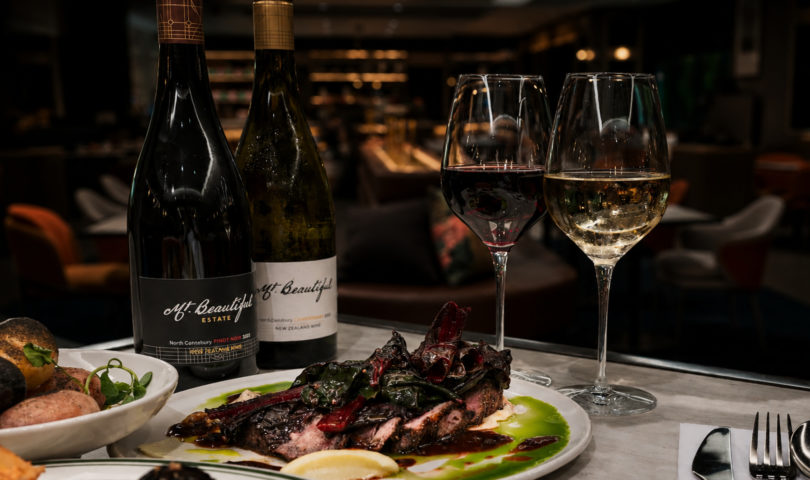
Ember and Mt Beautiful are hosting a one-night winemaker’s dinner worth booking now
New Auckland bar The Halligan opens at Hotel Indigo
SOUL is shaking up Dry July with a menu of non-alcoholic cocktails

Five enterprising Denizens share the book that changed their thinking and left a lasting impression

Reuben Bonner — Founder & Organiser, Wondergarden Festival
The Curious Incident Of The Dog In The Night-Time is the ultimate mystery adventure written in such a simple, wondrous voice that it is hard not to feel endeared to Christopher John Francis Boone, the story’s protagonist. He is a 15-year-old amateur detective who is hell-bent on finding who in God’s name has speared his next door neighbour’s dog, Wellington, with a garden fork! This book serves as a poignant reminder of how different we all are as human beings, and how we should be patient and compassionate of those around us following a different path. Christopher — who has Asperger syndrome and is ensconced in his own reality — has just as an important quest to complete (finding Wellington’s killer), as we might with our daily lives getting the bills paid, the children fed, or replying to a list of unanswered emails. It’s easy reading, but very fulfilling and shrouded in mystery and intrigue, and is also peppered with some excellent humour.

Max Patte — Artist
I’ve read all sorts of books on art, artists and the art market but The $12 million Stuffed Shark: The Curious Economics of Contemporary Art is hands down my most dog-eared, underlined and loaned out book on the shelf. More than any college tutor or trip to a gallery, this book helped me really understand and appreciate what happens to a work once it leaves the studio; how the lasting success of that work is influenced and controlled; the role of the dealer, gallery and collector; who sets the value and what makes it rise. With tales from the auction house, mega dealers, private jets and inside trades, this is a fascinating and engaging look at the phenomenon of an unregulated, sometimes murky and constantly surprising art world. It’s the book I wish I’d read at school.

Paul Huege de Serville — Founder, Servilles
Mastering the Rockefeller Habits by Verne Harnish was a book that definitely changed my perspective. After listening to the author (an entrepreneur and founder of the Young Entrepreneurs’ Organization) and reading his book it gave me a deeper understanding about culture, value systems and structures that help you get clear pathways to run a business. Before that, I used to operate mostly by instinct and past knowledge, so keeping that and adding his way gave me lots of clarity in our business.

Peter Cullinane — Founder, Lewis Road Creamery
I’m not a big fan of business texts, I much prefer learning by example. The stand-out book for me is Steve Jobs by Walter Isaacson. It’s not a lesson in how to be a kind spirit but it is the best insight into the singular attitude that created the world’s most successful company. Steve Jobs believed everything was important, from the biggest ideas to the smallest details. He was relentless in his pursuit of perfection. For him, business was personal. He created a business that reflected what he wanted, not what others might want. This biography is a riveting read.

Karen Walker — Founder, Karen Walker
When I was 12, I discovered Evelyn Waugh and devoured everything he wrote, but it was his satire, his scathing, sneering reflection upon the English sitting-room, that I especially loved. Through his lens, he questioned and ridiculed the establishment but also, somehow, despite the curled lip, showed his love for it. This was an embrace with a slap, a pinch, a shin-kick thrown in for good measure and that really appealed to me. He questioned automatic, given, expected respect. He challenged and poked fun at the establishment and I loved that. And don’t even get me started on Brideshead Revisited, which still makes me weep!


Culture

The books worth escaping into this winter
Your guide to the best events and experiences this July
From architecture to adventure: The coffee table books worth collecting now

This adorable new book is showing off some special houses via their four-legged residents

A new book by Nicole England, Resident Dog is a beautifully realised photographic journey through some incredible homes via the dogs that inhabit them. Through her lens, England gives a unique perspective on aspirational houses that, while breathtaking by themselves, are given life when explored with their most important resident as the guide. Showcasing magnificent architecture and inspirational interiors, the 25 residences that make up the book are juxtaposed with the curious, endearing and idiosyncratic personalities of their pooches, showing how a home is always about more than just four walls and a roof.

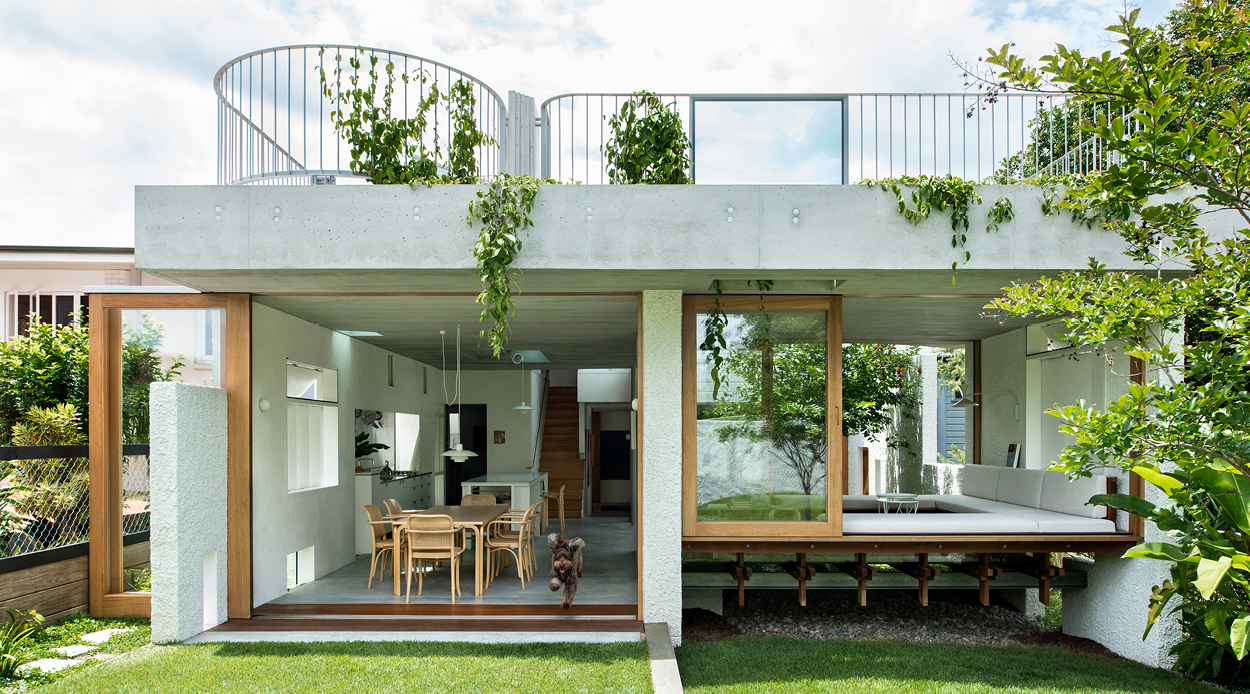
Cookie the Labradoodle’s favourite part of the Brisbane home he lives in is the back garden. Or the rooftop, where he will often sit and take in the views of the city skyline.

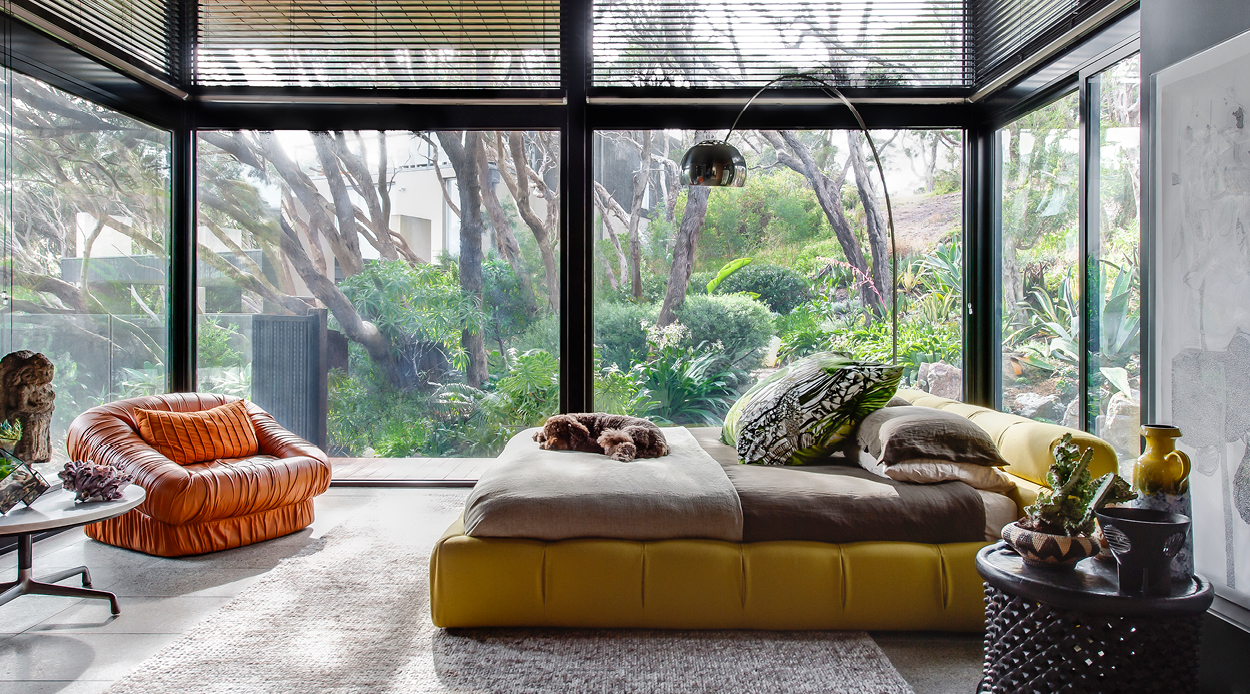
Charlie, the laid-back Spoodle, is resident of this five-level, Melbourne home. Modelled off a 1960s case study, the house is bathed in natural light and boasts a colour scheme that allows his cocoa-toned curls to blend seamlessly into his surroundings.


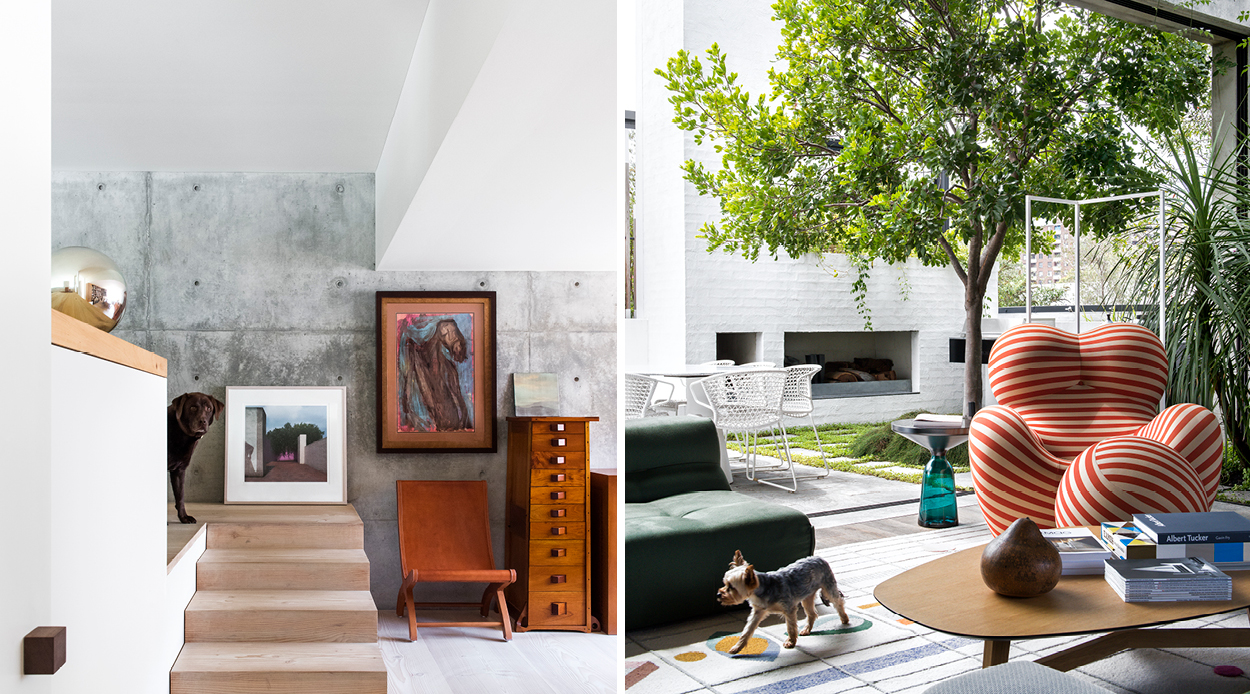
Left:
The minimalist aesthetic, natural wood floors and raw concrete walls of this Melbourne residence get a touch of much-needed warmth from its four-legged resident, Canela.

Right:
Eric is the cheeky Yorkie who lives in this Sydney penthouse. Despite the home being surrounded by beautiful gardens and an abundance of nature, Eric doesn’t like getting his paws wet, preferring instead to enjoy it from the comfort of the living room.

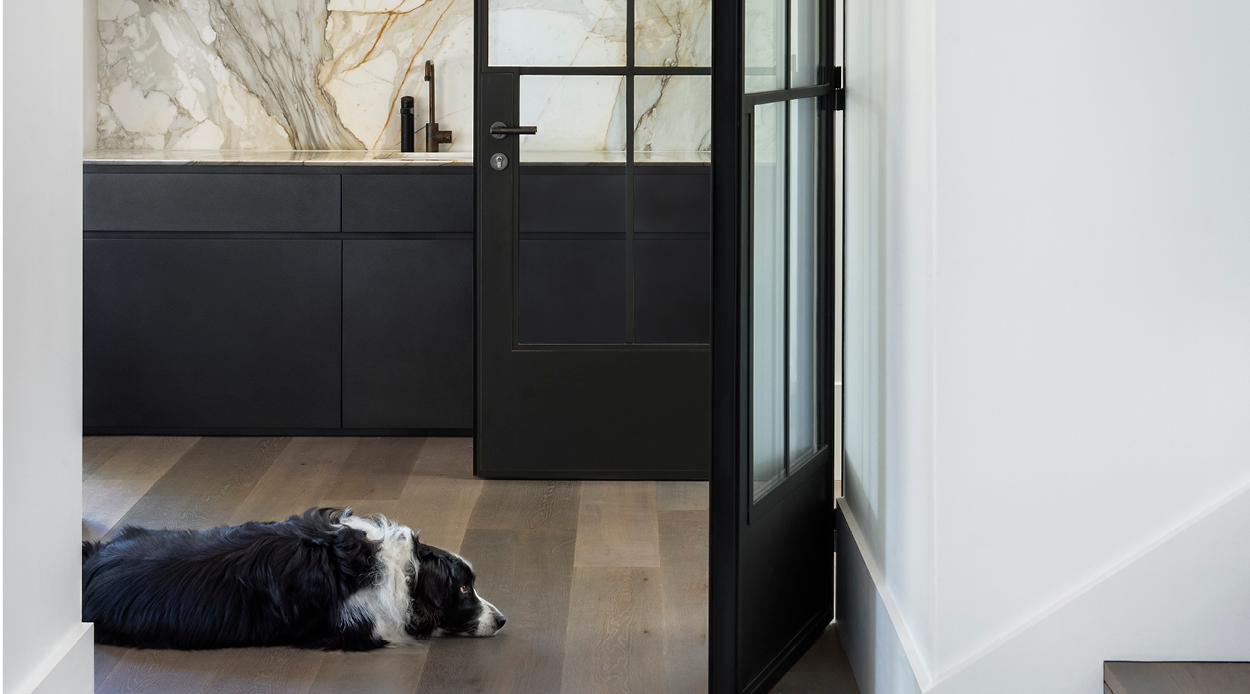
With a black and white coat that makes him almost melt into the monochromatic background of his Sydney home, Skipper is the Border Collie with an enthusiastic personality that affects all who enter this contemporary abode.

Resident Dog is currently sold out online but will be available again from March with the second print.

Design

Inside the Marais apartment-gallery where hospitality becomes architecture
Italians in Residence: Molteni&C opens its first New Zealand flagship
How new furniture brought fresh life to this Auckland character villa

Inside our cocktail party to celebrate the launch of Dior’s Cruise collection

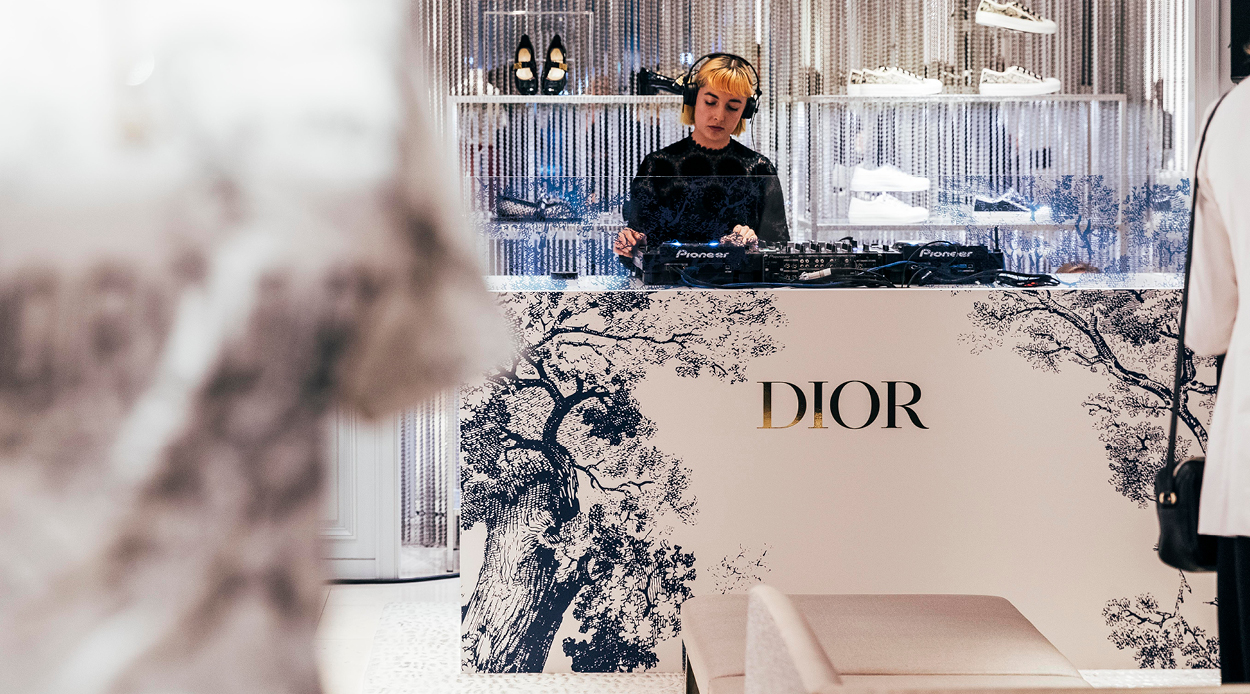
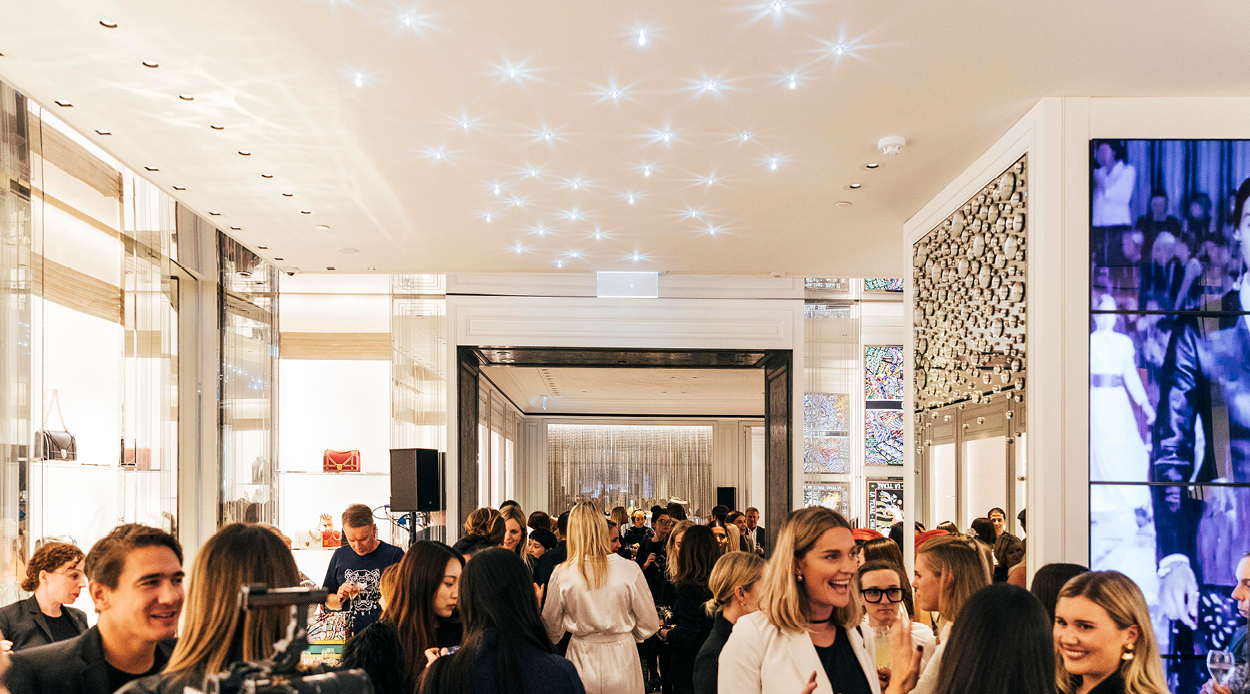
Champagne and cocktails served from the Dior-decorated bar set the celebratory tone as we gathered underneath the handbag-laden walls of Dior’s Queen Street boutique in honour of its Cruise ’19 collection launching in-store. Admiring the new pieces and picking favourites from the bold prints and patterns characteristic to the collection, we shopped and socialised while the DJ (dressed in Dior) underscored our evening with a lively set from behind her decorated booth.

Check out all the action from the event in the video below.

Dior

45 Queen St
Auckland

(09) 373 4849

Coveted

Tiffany & Co.’s Paradise Birds chapter brings Blue Book 2026 to life
The luxury skiwear concierge taking the hassle out of ski holidays
The jewellery designed for movement, ease and everyday elegance
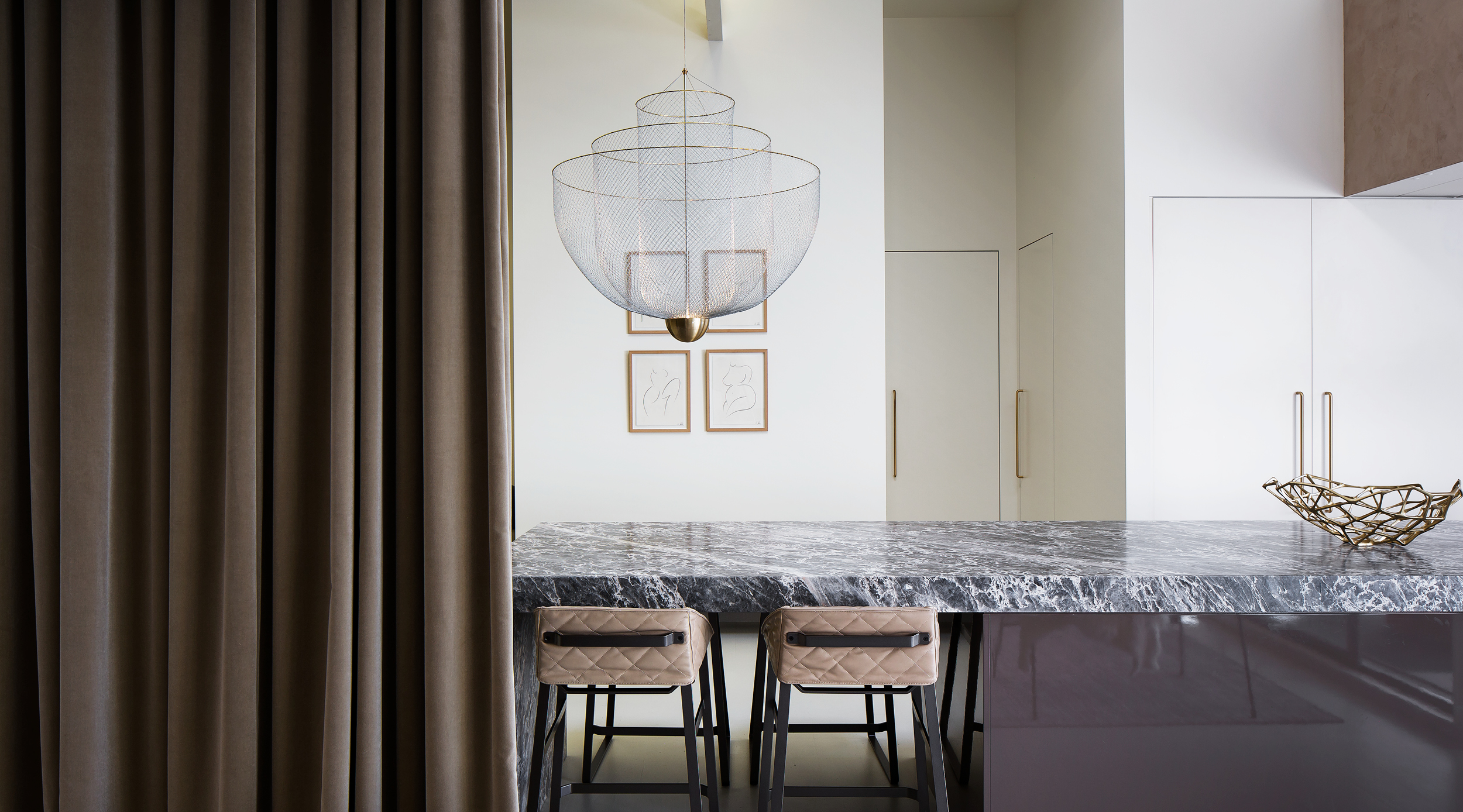
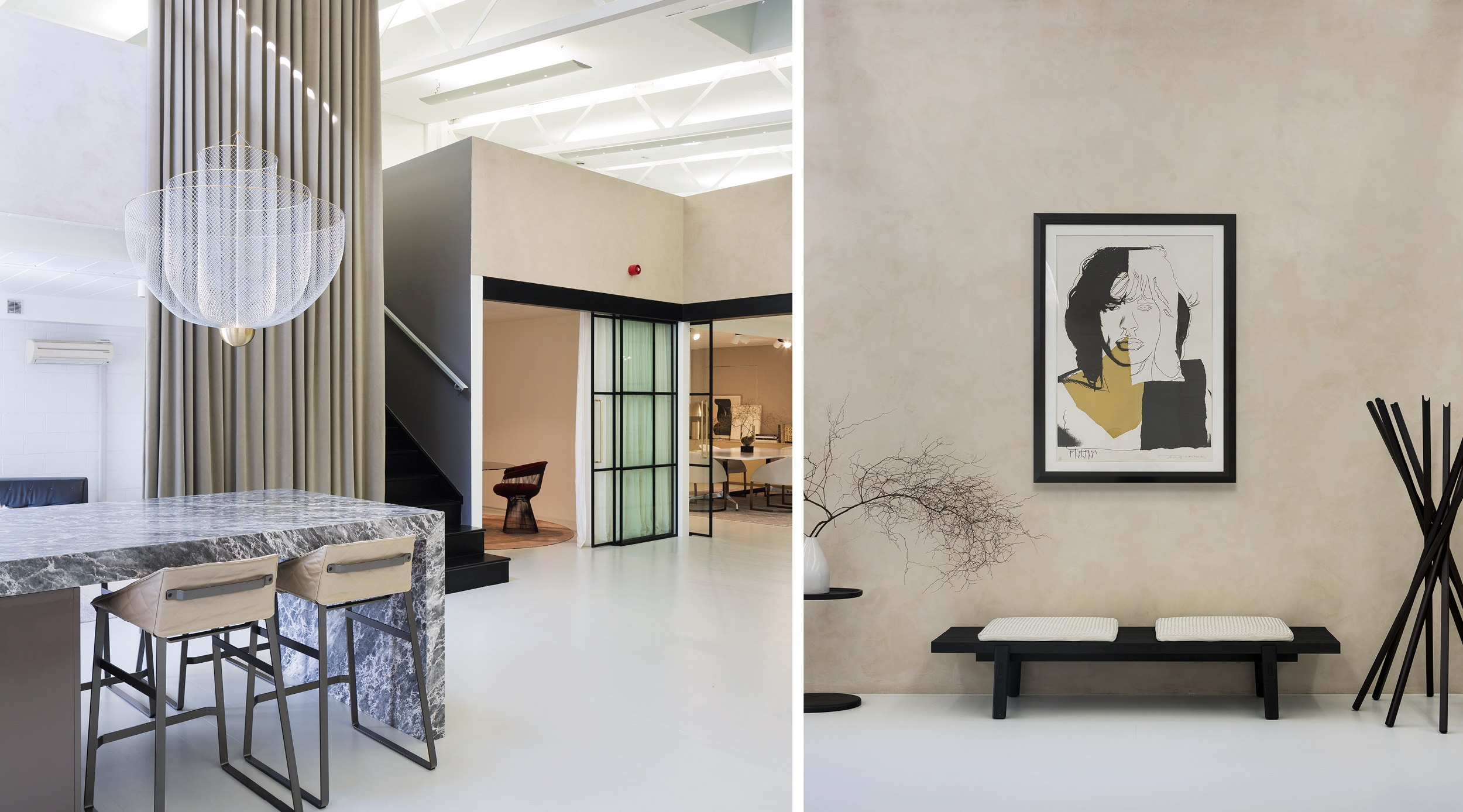
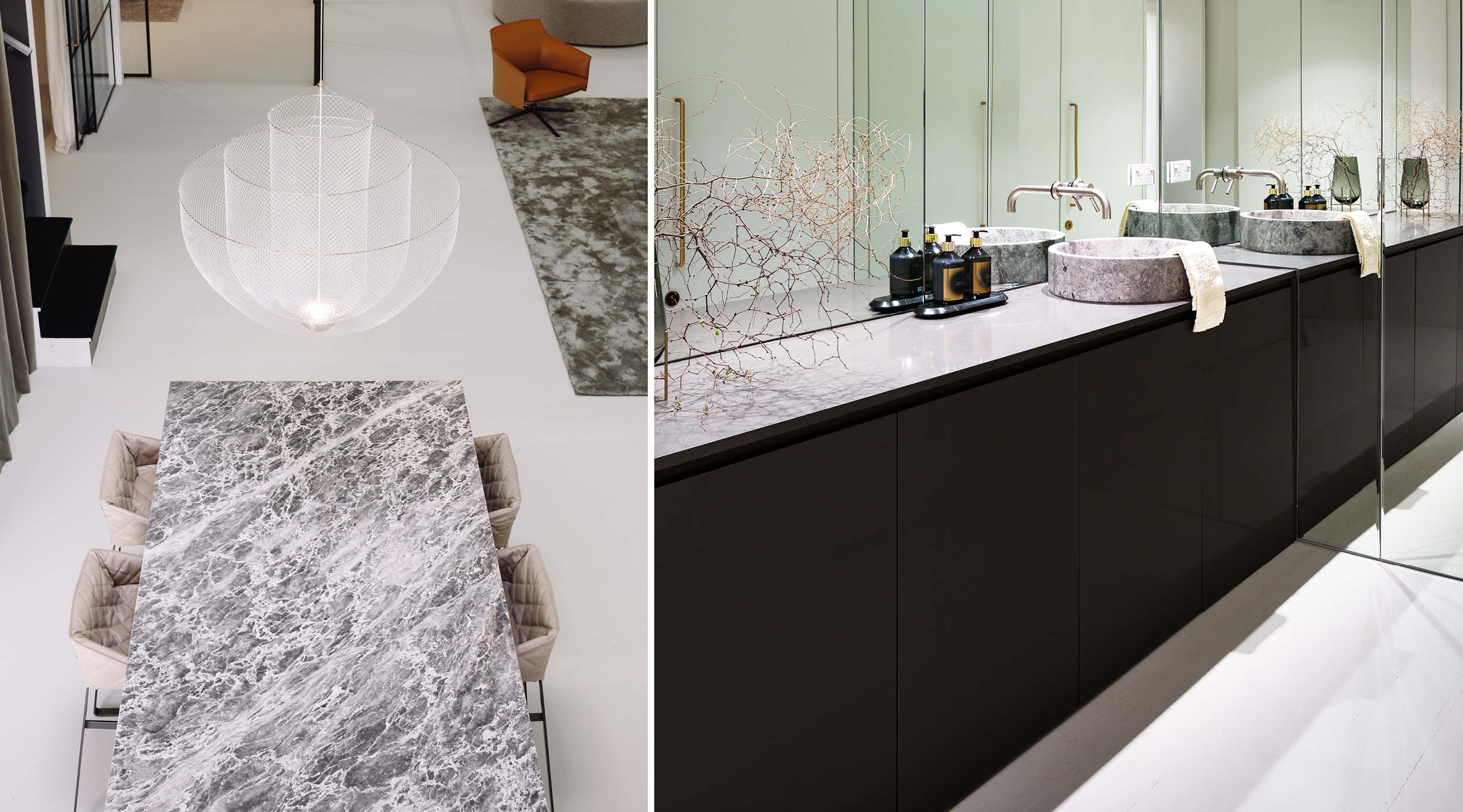
A honed marble benchtop in Ocean Grey is complemented by Piet Boon's Kekke barstools and visually anchored by Moooi’s impressive Meshmatics pendant

Where we work: A look inside Denizen’s new Central Auckland HQ

Finding the perfect premises in which to house a business can be a long and arduous task. But when Denizen’s Editor-in-Chief Claire Sullivan-Kraus laid eyes on an unassuming warehouse in Auckland’s Victoria Precinct, she knew she had found something special. With its discrete ivy-covered street frontage, soaring ceilings, and spacious upper and lower levels, she recognised a space with immense potential.

Having published and edited design magazines for more than a decade, Sullivan-Kraus knew that the outcome of this conversion needed to unequivocally reflect the ethos of the Denizen brand. A floor plan and concept was developed to create an impactful space that presented two major points of visual interest.

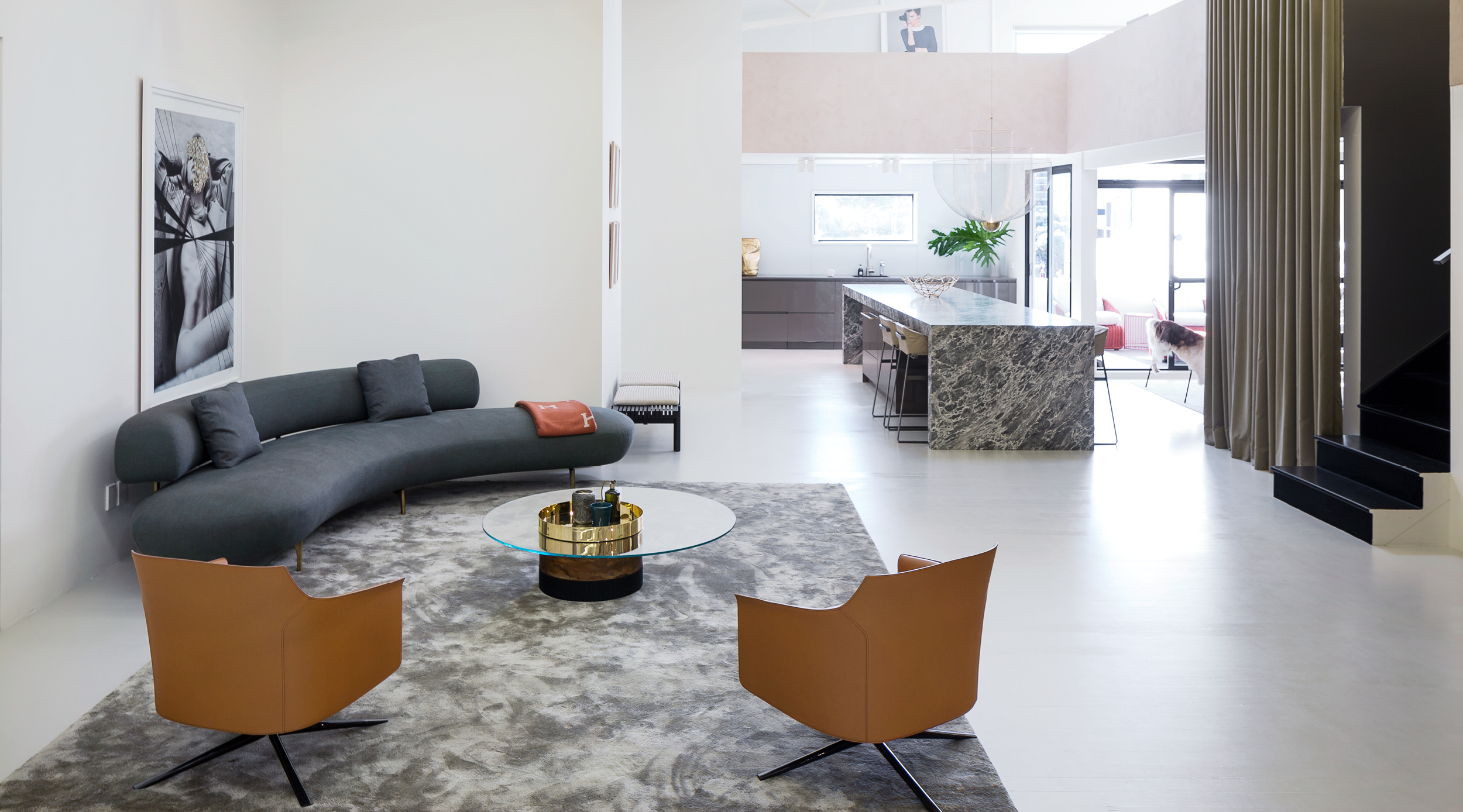
The reception area features a Minotti dibbets rug, Piet Boon Ella sofa, Galotti&Radice Haumea coffee table and Poliform Stanford armchairs

Housing the publishing operations of Denizen in the building’s mezzanine floor, the large cavernous downstairs area was converted into a social hub for hosting and entertaining clients, conducting photo shoots and facilitating inter-office conviviality in the form of shared staff lunches and Friday afternoon cocktails.

Keeping things light and bright was pivotal, so Resene’s Half Copyrite paint provided a fresh finish on the floors. Furthering the sense of vastness in the double height space, the low-sheen finish of Resene Uracryl prevented glare and provided the ideal blank canvas for the thoroughly contemporary furnishings.

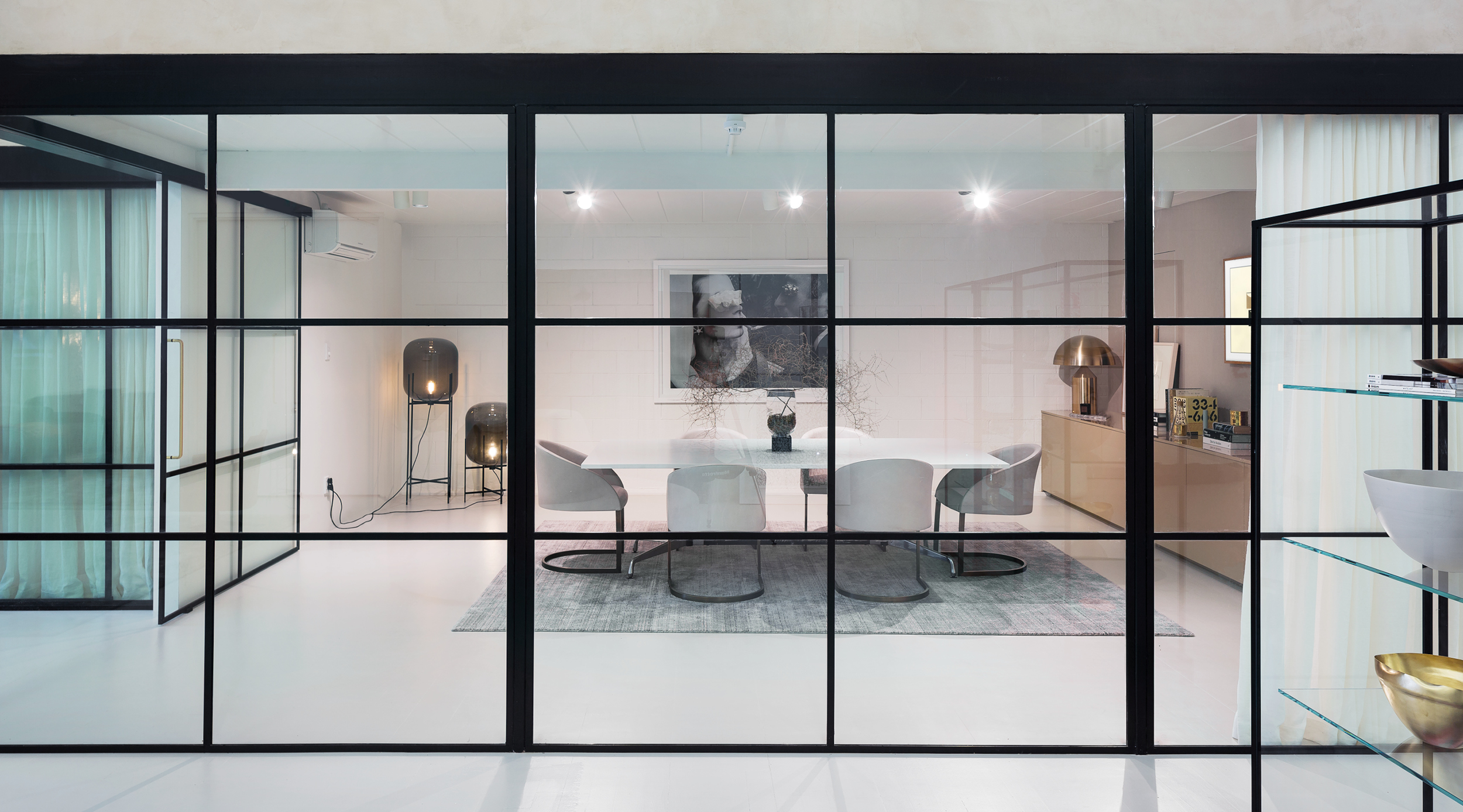
The boardroom features Pulpo Oda Floor lights, Emmemobili Sign chairs and an Oluce Atollo table lamp.

A long-standing passion for the industrial look of Crittall window frames led to the decision to create a steel framed glass boardroom that would become the office’s epicentre, an impressive room to host client presentations and meetings. With a desire to keep the space relatively informal, textured walls and artworks were used to imbue the room with an inviting warmth.

The boardroom’s built-in cabinetry, displays an eclectic collection of tchotchkes and books helped to curate a more relaxed atmosphere, with the final result offering a distinct departure from the traditionally austere corporate boardroom.

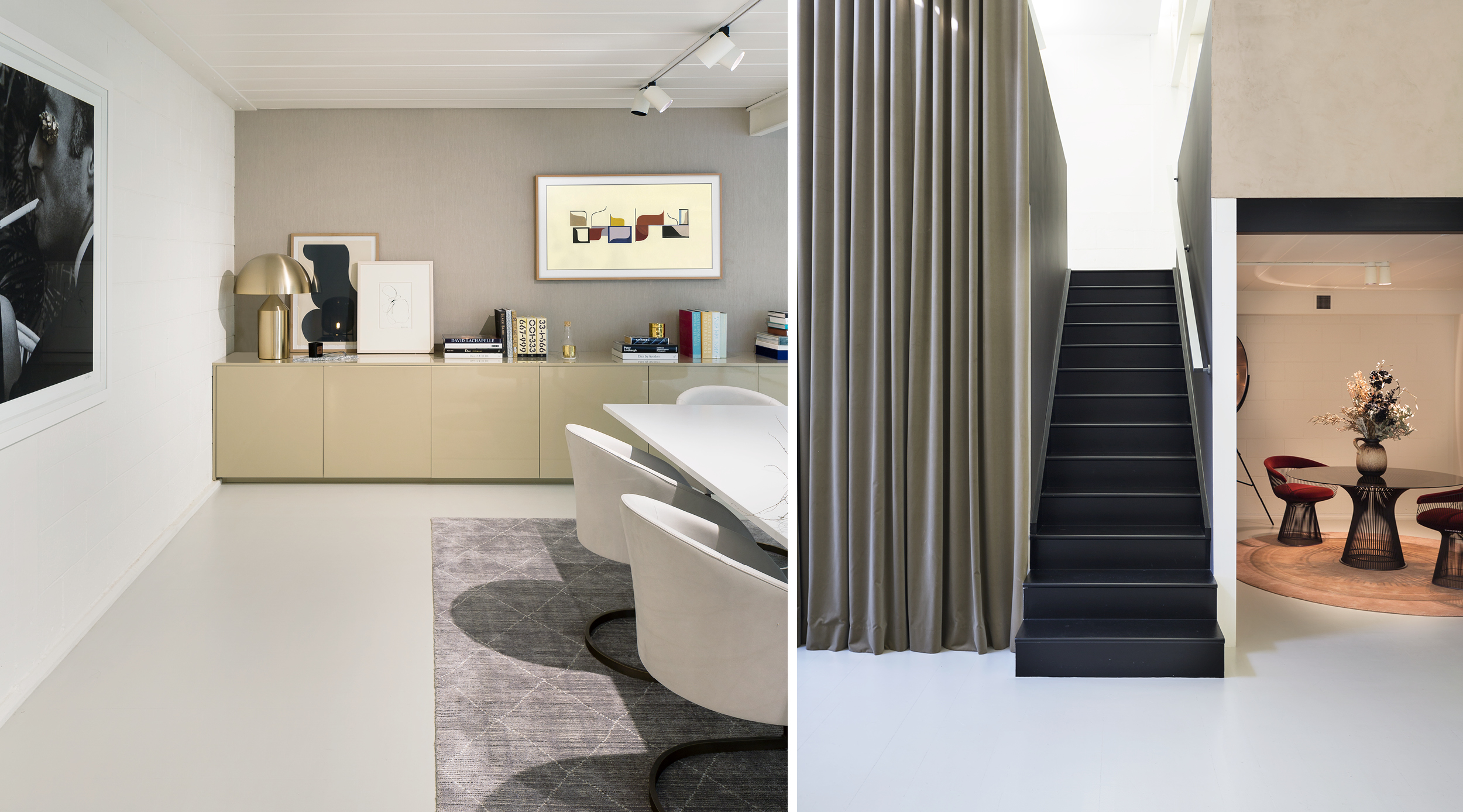
Left: Samsung’s Frame Television displays beautiful works of art in near perfect resolution. Right: The deep charcoal staircase, achieved using Resene Masala, creates an interesting focal point when juxtaposed with the white flooring and walls. Knoll’s Platner Table and Chairs and classic Fortuny floor lamp make an impact in the small meeting room.

Being the backdrop for many of Denizen’s most important meetings, a screen was a necessity for the boardroom and Samsung’s Frame television offered a revolutionary way to integrate the television into the room’s design without requiring a compromise on style. When not in use, the 55-inch TV displays works of art in near perfect resolution, while its built-in sensor works to balance the screen brightness and colour to create the impression of a naturally illuminated canvas. The screen artworks can be updated at the click of a button, to suit changing moods and styles.

Resene’s Rockcote Clay Plaster Decor added a luxurious textural element to the interior feature walls. Right: The Zanotta Sciangai Coat Stand, Poliform Home Bench, Flexform Oliver Side Table accent the Resene Rockcote Clay Plaster finished wall.

To introduce a textural element to the large feature wall, we used Resene’s Rockcote Clay Plaster Decor. Beautifully fine with built-in marble dust that glistens when exposed to ambient light, the hand-applied, hand-finished plaster boasts a velvety smooth, suede-like finish that immediately injects the space with a tactile warmth. Aside from its obvious aesthetic qualities, this natural clay plaster is non-toxic and free from Volatile Organic Compounds (VOCs) making it ideal for the long-term health of the building’s occupants.

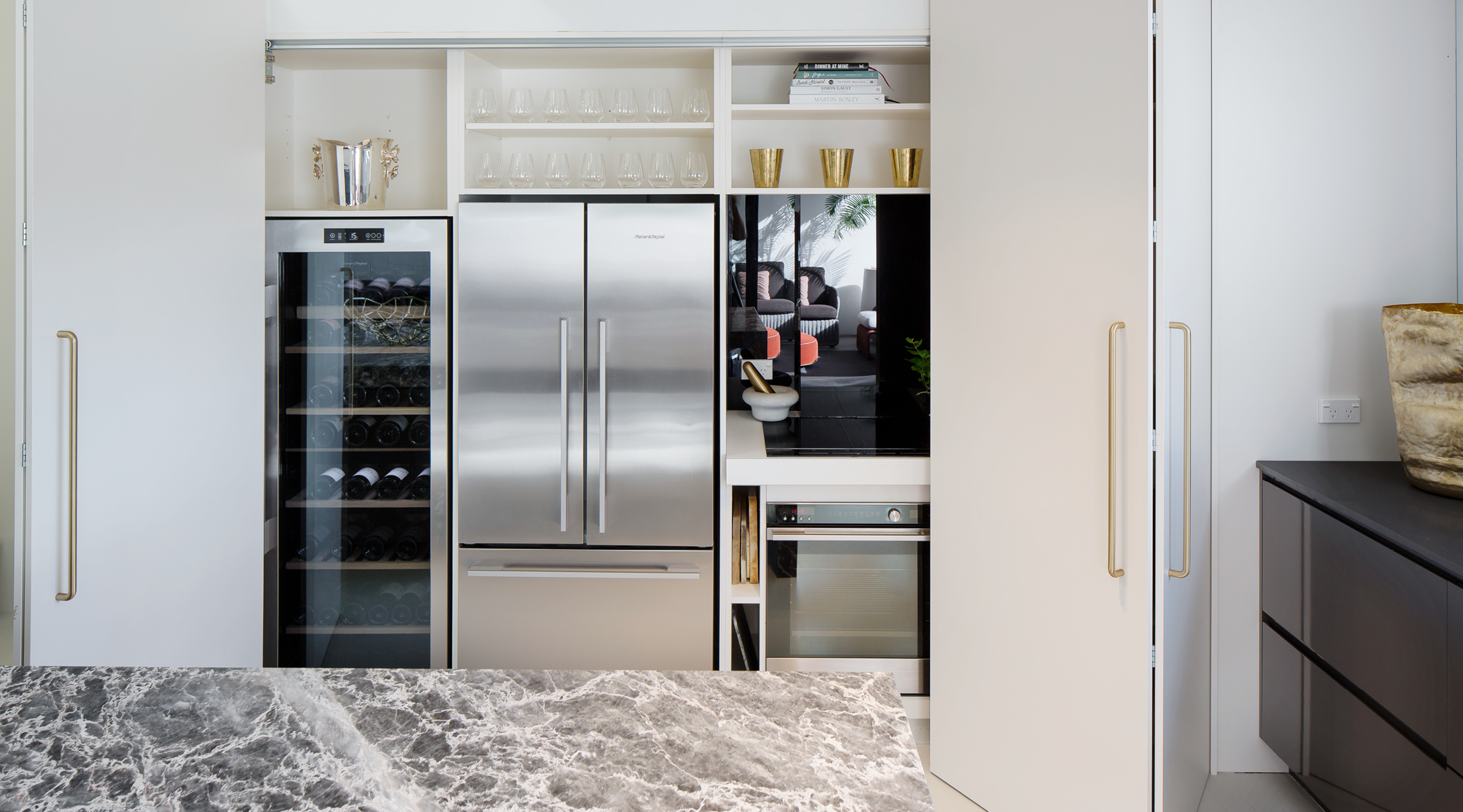
The office kitchen is fully equipped with a full suite of  Fisher & Paykel appliances

Designed purely with entertainment in mind, the expansive kitchen offers a complete fleet of innovative, Fisher & Paykel appliances — including a 127 Bottle Dual Zone Wine Cabinet, an integrated CoolDrawer™, an Induction Cooktop and Built-In Oven, and an integrated double DishDrawer™ dishwasher — ensuring that Denizen remains well-equipped to host any event in style. The majority of the kitchen’s functional elements were housed behind large, bi-folding doors allowing for a swift transformation to hide any unsightly mess, should an unannounced visitor arrive.

Left: Artedomus’ honed marble benchtop in Ocean Grey is complemented by Piet Boon’s Kekke barstools  and visually anchored by Moooi’s impressive Meshmatics pendant Right: Bathroomware from Robertson  provided a high level of finishing and elegance to the space.

Cementing the project’s underlying objective of creating an office that reflects the Denizen brand, the practical spaces, refined aesthetic, inherent functionality and purpose wrapped tidily in a glossy facade have resulted in the ideal space to call home.

*This project featured in the latest issue of Denizen Modern Living

Design

Inside the Marais apartment-gallery where hospitality becomes architecture
Italians in Residence: Molteni&C opens its first New Zealand flagship
How new furniture brought fresh life to this Auckland character villa