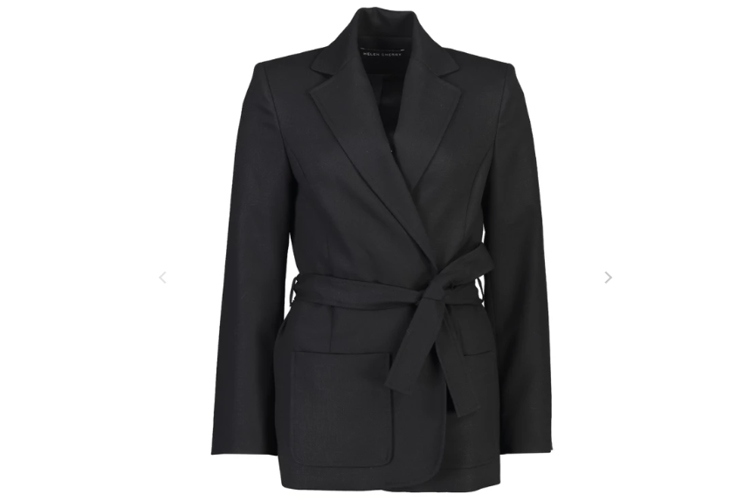
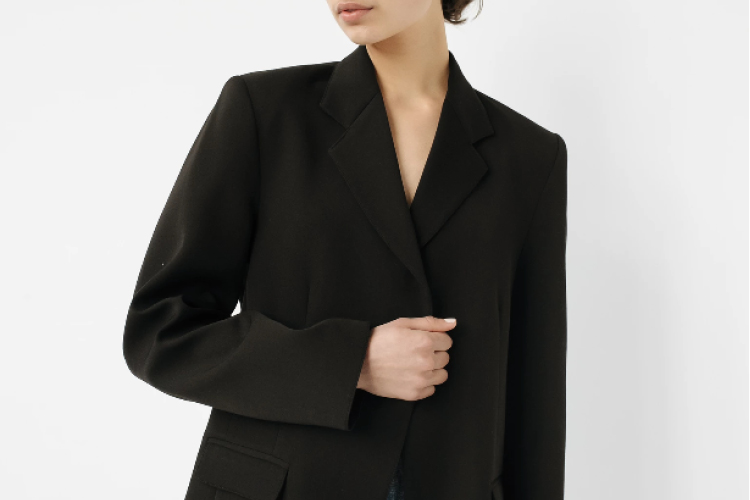
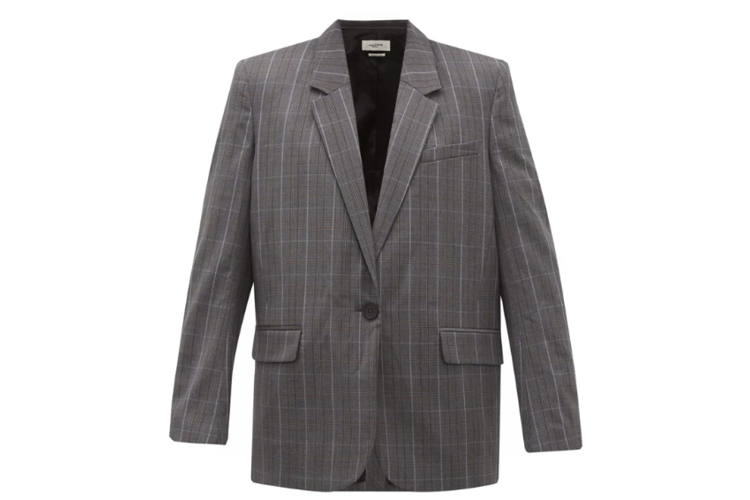
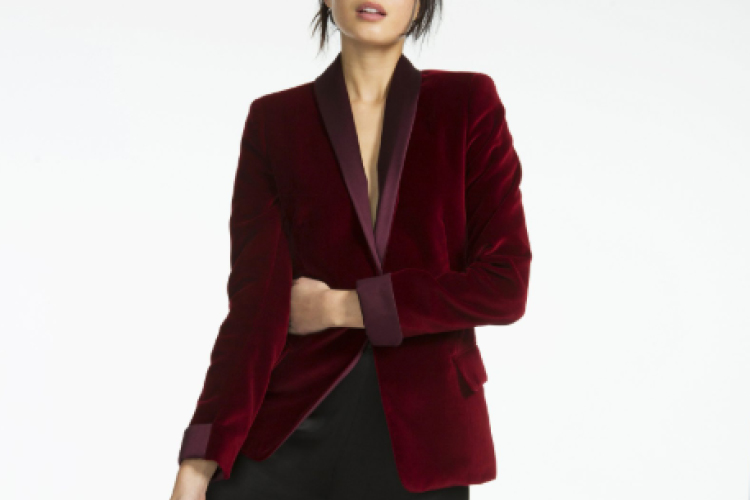
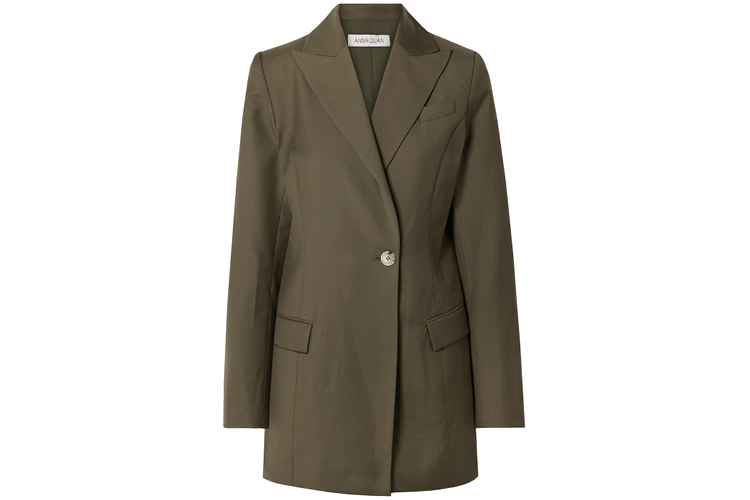
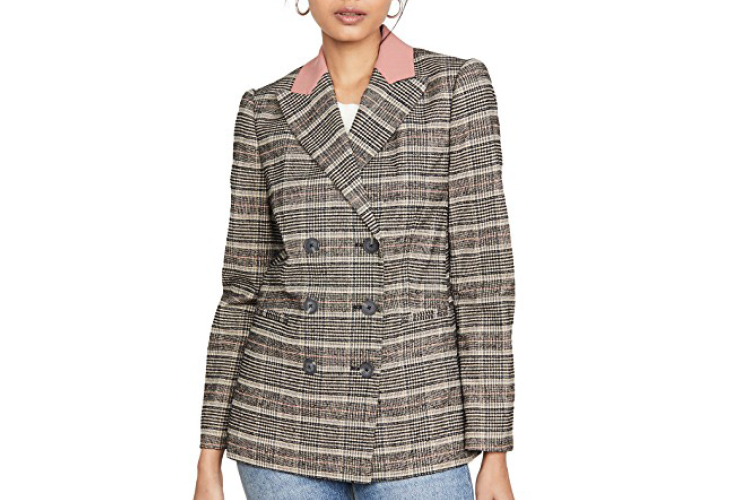
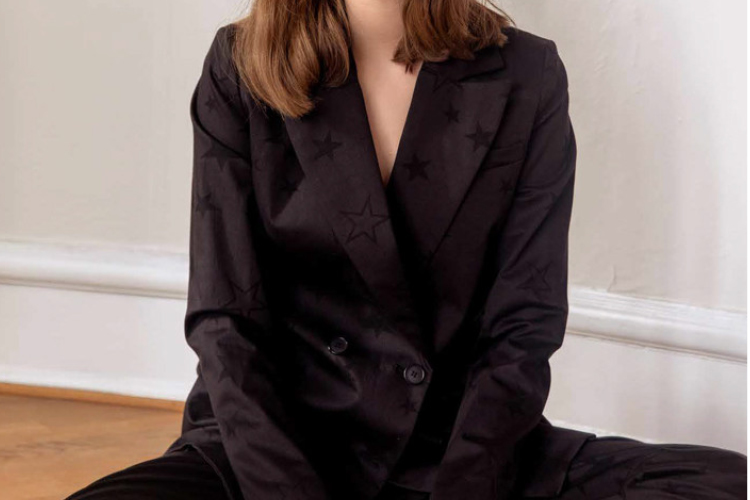
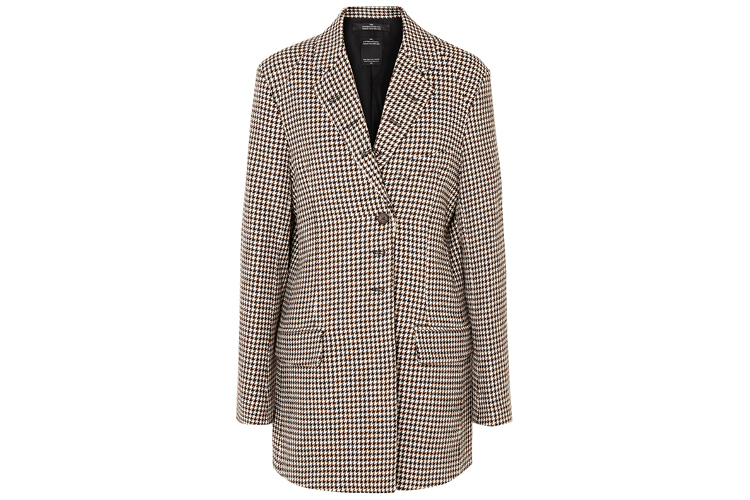
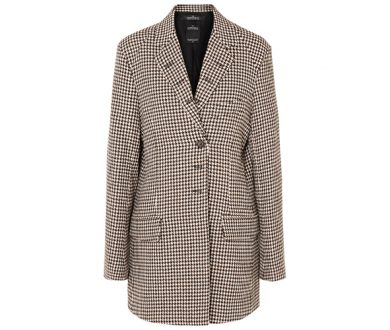
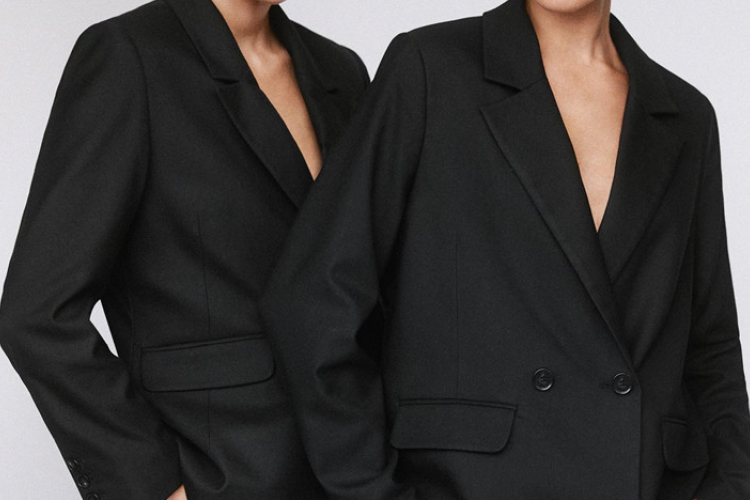
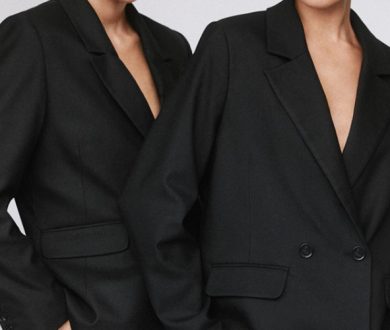
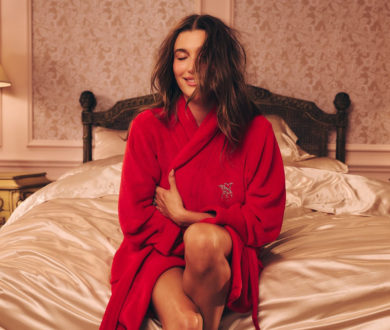
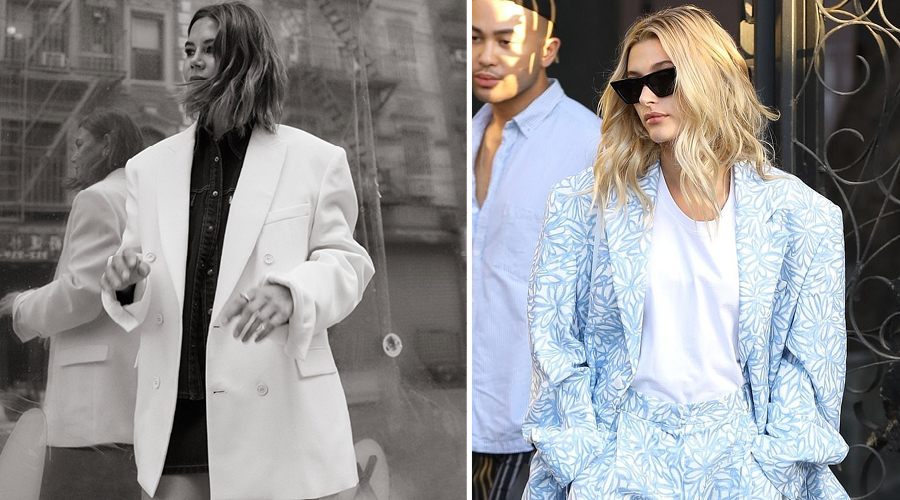
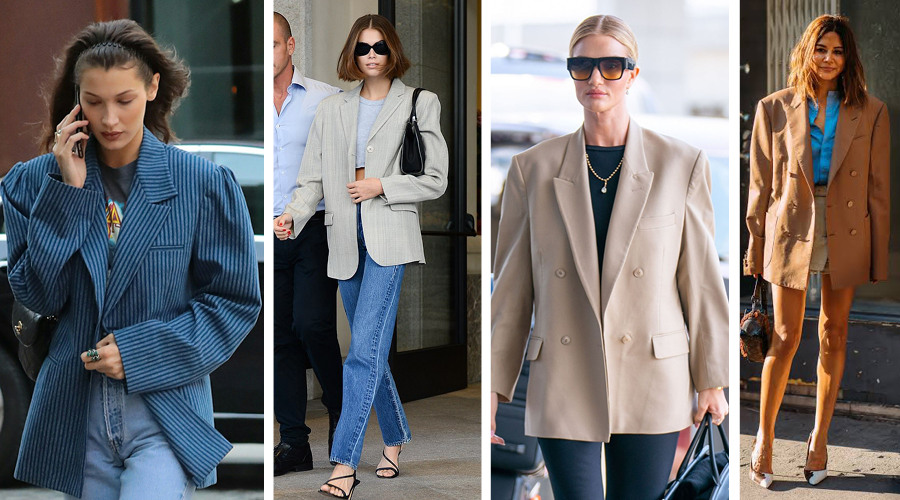
As androgynous styles come to the fore, the oversized blazer is the new hero piece — its masculine shape offering a surprisingly flattering fit on the female form.
With structural shoulders and a loose fit through the body, the boy blazer is best worn with more fitted pants (and heels if you’re feeling spicy), but really, looks good with anything. So next time you buy a blazer, maybe peruse the men’s section too, or simply opt for one size up. Or, if you’d rather try before you buy, delve into your partner’s or dad’s wardrobes, you never know what gems you might find.
That said, in a bid to help you get on board with this trend, we have rounded up a number of our favourite boy blazers available right now.
With seasonal change comes the inevitable need for a wardrobe upgrade. And while I’ll delve more deeply into the best investment pieces for the warm season next week (keep an eye out), there is one thing you should start considering now — sunglasses.
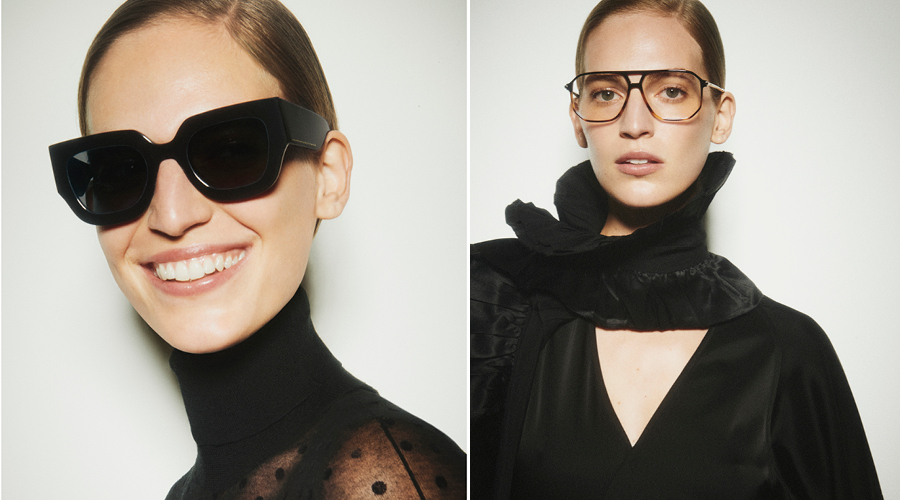
Recently, a selection of Victoria Beckham eyewear — from the brand’s Fall ’19 collection — has landed at Parker & Co., and we’re eyeing up a few of the new styles as top contenders for our summer shades.
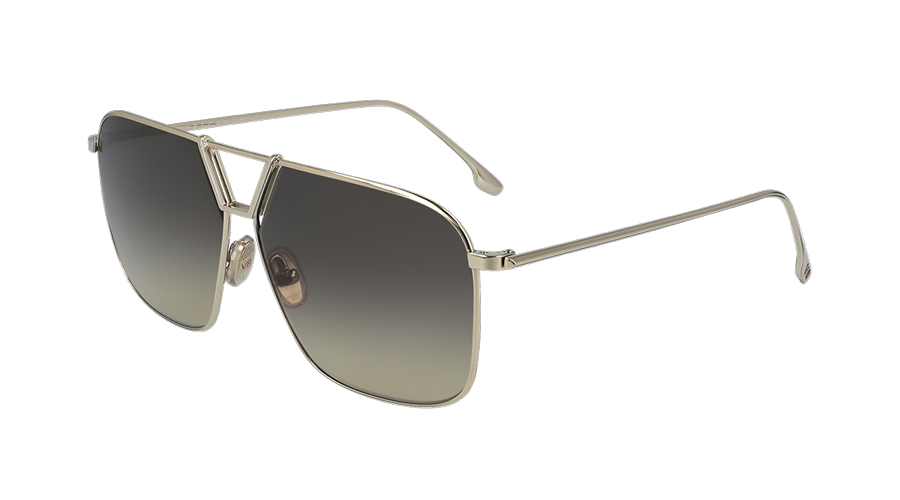
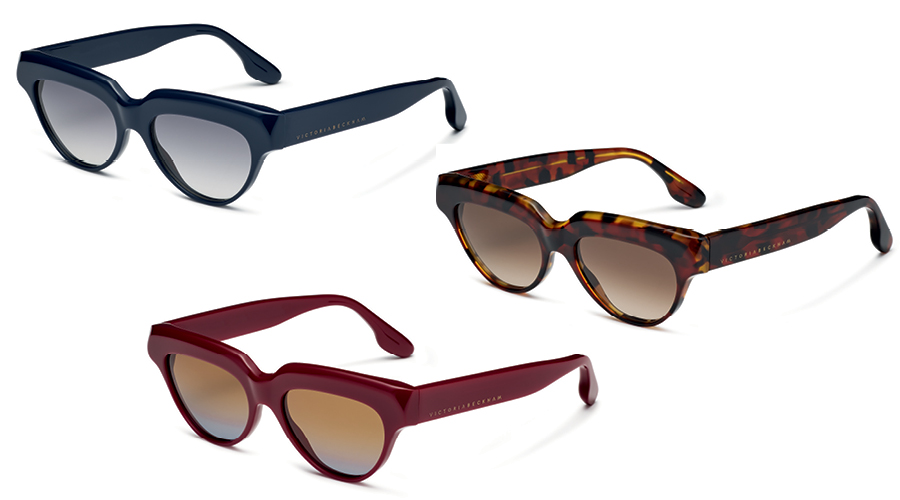
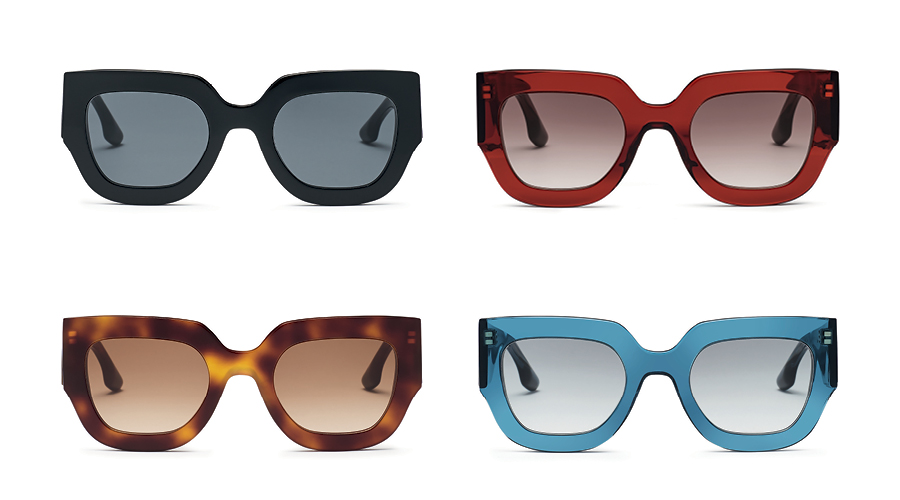
Handmade in Italy, the sunglasses in this new collection are unmistakably Victoria Beckham, exemplifying the brand’s signature aesthetic of minimalistic luxury. That said, there’s something distinctly cool about these styles too — perhaps more so than any previous collections we’ve seen.
The navigator shape, for instance, offers a classic, almost 70s-inspired look, with a double nose bridge and exposed lenses. Playing on our current penchant for nostalgia in fashion but elevated via Victoria Beckham’s refined touch, these sunglasses are as versatile as they are ‘on-trend.’
While the other two new styles — one, a unique take on the cat-eye, the other an architectural, flat-fronted shape — offer more sleek looks, and are available in tones like tortoiseshell, burgundy and teal.
With Victoria Beckham optical styles arriving as well, these latest additions to the Parker & Co. line up are exactly what we’ll be wearing in the coming months… and we very much encourage you to follow suit.
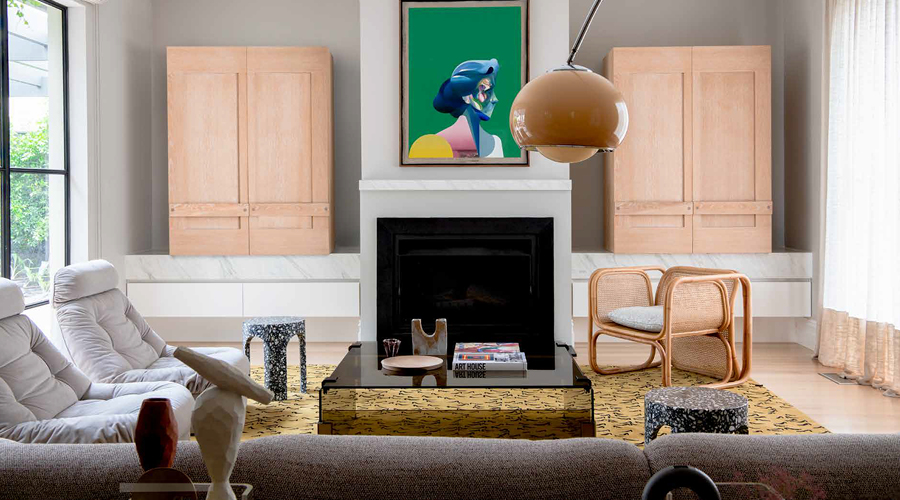
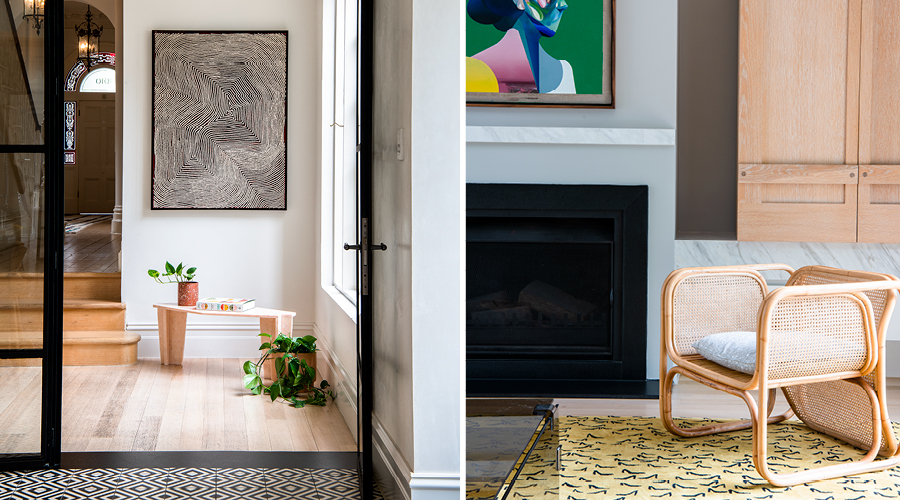
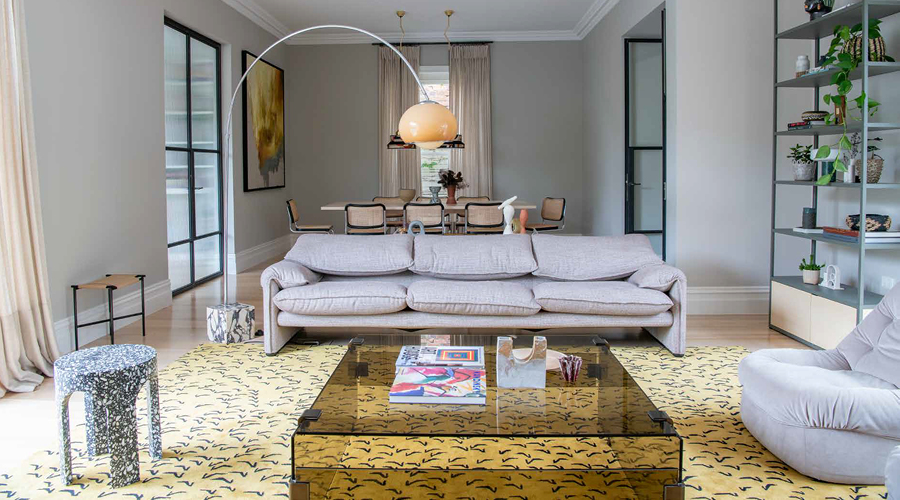
You’d be forgiven for thinking, upon first glance at this Armadale home, that its Simone Haag-designed interiors reflected a kind of minimalist sensibility. After all, the pared-back, light timber floors, neutral walls and steel-framed entranceways seem to indicate a pervasive aesthetic of simplicity. But peek into the dining or living areas and you’ll see why this isn’t the case.
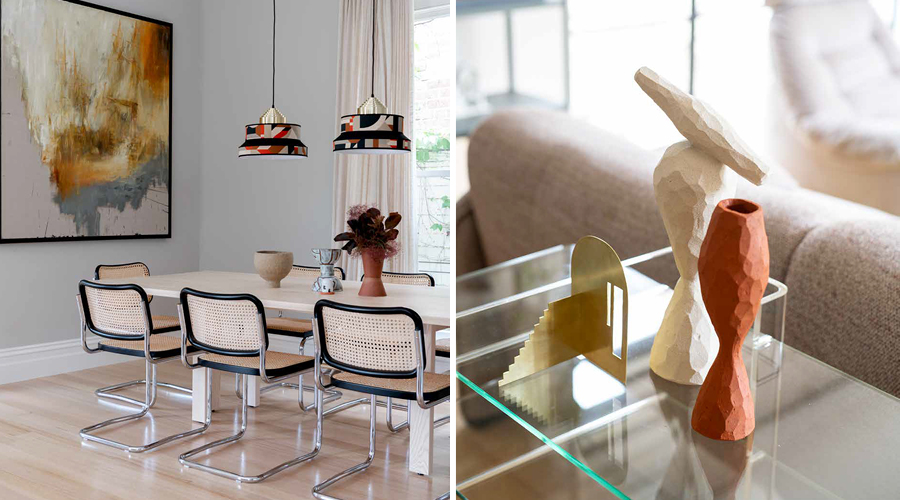
The former, despite its undeniably simple bones, has been imbued with character via geometric, quirky pendant lights, mid-century-style rattan chairs and an imposing artwork by Jake Wood-Evans. The latter offers a masterclass in subtle showmanship, where the clashing patterns of the large, yellow rug and the speckled stools create an air of eclecticism without ever feeling over the top.
Left: Knoll’s Cesca chairs by Marcel Breuer from Studio Italia
This is largely due to the way in which Simone Haag employed easy, luxurious furnishings — a combination of classic, custom and vintage pieces — in a light grey palette, to avoid any kind of battle for attention in the space. Pink-toned wooden cabinets flank the linear fireplace and lend the living room an inherent warmth, their rosiness reflected in an arching lampshade and sculptural, rattan armchair. While on one wall, a touch of personality is seen in the various, sculptural vases and objects that line the deep green shelving unit.
With her shrewd use of materials and the courage to pursue creative flair, Simone Haag has created spaces in this Armadale home that, in some ways, hark back to the sensibilities of the 70s — without the unnecessary frills.
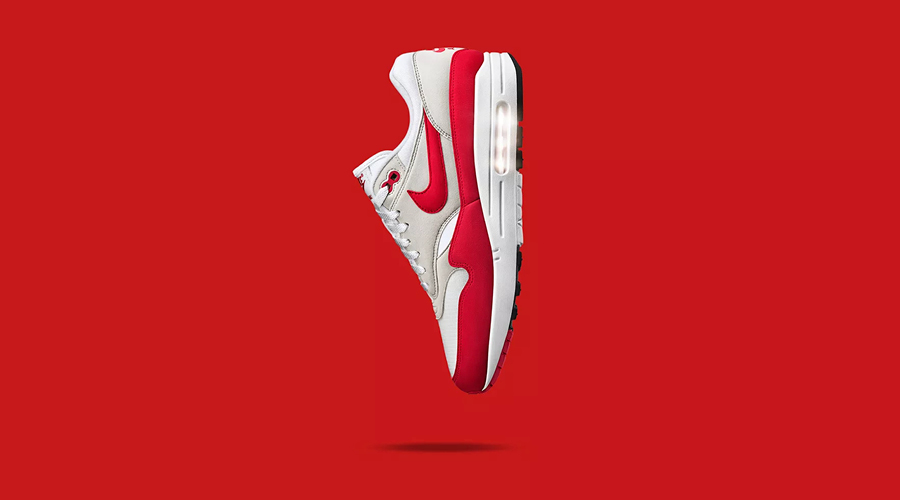
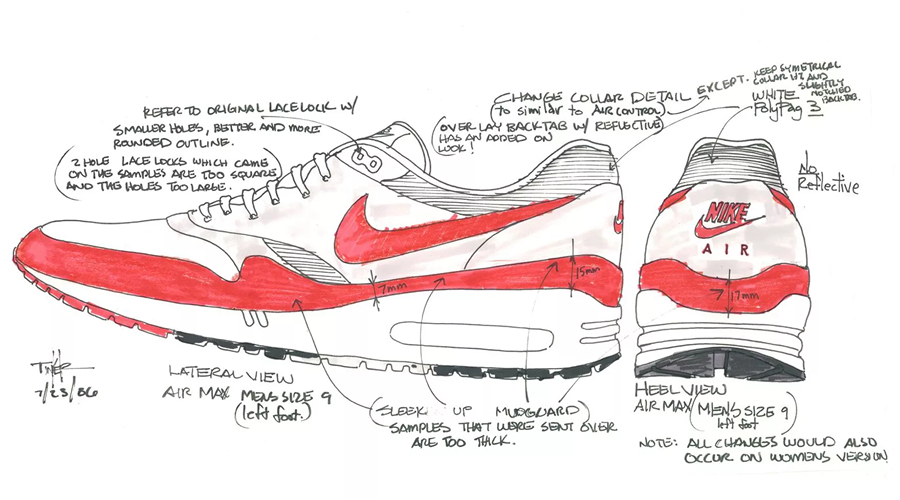
As far as sneakers go, there aren’t many as highly regarded or universally loved as Nike’s Air Max 1. It is arguably the most famous sneaker in the world. So when Nike decided, in 2017, to mark the iconic style’s 30th anniversary by reimagining the silhouette so that it recaptured the same magic as its Tinker Hatfield-designed original, it was a significant moment for both the brand and its community of followers. It was also something that Lee Gibson, one of the lead footwear designers at Nike Sportswear and the person tasked with leading the redesign (also, incidentally, a Kiwi) counts among his proudest moments. “I worked for about a year with engineers, pattern makers, other footwear designers and all these material experts to try and get us back to what the original shoe was like,” he tells me, “and seeing the shoe finally come out, and seeing people’s reactions to it felt like such an achievement.”
That Gibson had the wherewithal to tackle something as zeitgeist-y, as recognisable and as treasured as the Air Max 1, speaks to his character. Despite holding what is acknowledged as one of the most coveted job titles in the landscape of footwear design, Gibson doesn’t seem the type to get caught up in semantics. His success seems to have grown from an insatiable appetite for learning, and a refusal to be confined to any kind of creative box, which has seen him embody the idea of a ‘multi-hyphenate designer’ in the truest sense of that often-overused moniker. “In the early 2000s there was this push towards extreme specialisation,” he tells me, speaking about the creative industries in which he trained and now works, “but I was always on the other side of that because I wanted to mix it up, to be able to change things around and not always feel like I had to design the same thing.” He laughs, “what’s that saying… Jack of all trades, master of none?”
Gibson isn’t being glib. Nor is he simply perpetuating that Kiwi stereotype of downplaying success. His ability to work across various design disciplines has seen him undertake creative projects in a number of fields and seems to be one of the driving reasons behind his success.
Growing up in Bennydale, a small town in King Country, Gibson explains how it wasn’t until he started at Wellington’s Victoria University (studying architecture) that he really figured out what he wanted to do, and even then, it’s an idea that has remained fluid and dynamic to this day. “I was always interested in drawing and making,” he explains, “and I had some advice from a neighbour that if I wanted to get into a creative field, architecture was a good place to start.”
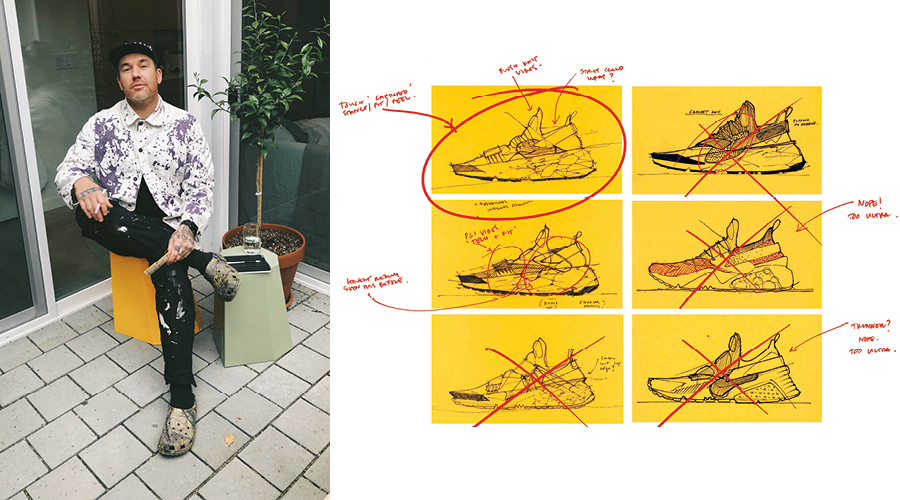
Left: Lee Gibson
At university, Gibson was exposed to other creative disciplines like industrial design, which saw his architectural work veer off the traditional path. “The architecture I was immersed in at uni was focused mostly around the conceptual, the theoretical,” he says, “but I saw industrial designers who were actually making products that people could use, so I started using the same kinds of design processes to build my architectural models and I became really interested in the tension and crossover between the two areas.”
This idea of deviating from the designated path seems typical of Gibson’s education and career. His wide-reaching interests and abilities outside the traditional bounds of architecture led to him seeking work in adjacent fields, and after a stint as a lecturer at his alma mater, a desire to further his own education took him to New York’s prestigious Parsons School of Design to undertake a Masters in Fine Arts and Interior Design. It was the experiences he gained in New York — a mixture of unpaid internships and unconventional jobs for cutting-edge designers — that Gibson credits as having piqued the interest of the decision-makers at Nike five years ago, who he tells me were, at the time, looking for people that could deliver a different point of view. “They [Nike] were really interested in my eclectic background and experience,” Gibson tells me, “and at that point, I really felt like I could have been put into any scenario and apply what I’d learnt to any kind of design.”
Confirming something I had already suspected, Gibson explained how the impressive rise of creatives like Virgil Abloh had really paved the way for a new breed of designer — one who didn’t necessarily have to excel in one area or monopolise a niche to be successful. Speaking to Nike’s collaboration with Abloh a few years ago, Gibson explains that he saw a big shift in the industry, especially for people like himself, saying, “people seemed to understand that yeah, I might not be a trained footwear designer, but that maybe I could come in and that my point of view would be valid… and I backed myself.”
The footwear industry is an undeniably saturated space. So it’s no wonder that when it came to someone like Gibson, who represented a departure from the norm, a company like Nike saw value in his potential. And while the designer acknowledges that it took a bit of risk on Nike’s part to hire him, his eagerness to learn as much as he could (call it a classic case of that Kiwi, roll-up-your-sleeves mentality) quickly mitigated any liability. “I have a drive and a passion for learning and for trying things I haven’t done before, so when anyone wanted help, I would put my hand up,” Gibson tells me, “I worked with engineers, I worked with developers, I worked with our research lab… and I was going home at night and doing tutorials to try and up-skill myself because I was working in such a different way from the other designers.”
Design process for the new Air Max 1
The design work that Gibson now does for Nike is the result of the creative and practical agility he gained by seeking to understand every aspect of the process. Having primarily been involved in designing shoes under the Nike Sportswear umbrella, which covers day-to-day, leisure styles for the brand, Gibson reveals that he is now starting to design high-performance shoes for professional athletes. “I’m really excited about working with athletes,” he tells me, “because it’s just such a different world and I feel like I can bring something a little bit fresh.”
Citing Michael Jordan and the All Blacks as sporting entities he looked up to growing up, Gibson explains that to be able to now sit down with the likes of Lebron James and Russell Westbrook (both prominent players in the NBA) and gain insight into their personal stories and what has driven them to achieve such lofty career highs is inspiring. Recently, Gibson assisted on a
project to create a pair of pregame cleats for Odell Beckham Jr (a renowned NFL player) that flipped the script on the signature Nike Swoosh, seeing the red satin of the shoes covered in miniature versions of the iconic symbol.
But Gibson isn’t one to forget his roots, telling me in between stories about iconic shoes and renowned athletes that he still finds inspiration back home. “The work that New Zealand designers produce is truly world class,” he explains, citing students he once taught as examples, which happens to include acclaimed interior designer Rufus Knight, (someone Gibson explains as a good friend and constant source of creative influence).
Certainly not one to sing his own praises, Gibson, despite his objective success, still speaks in that slightly self-deprecating, unquestionably humble way us New Zealanders have built our reputation on. “I feel like I haven’t achieved anything yet, really,” Gibson says, continuing, “I still think my proudest moments have been working on shoes where most people don’t realise the hours of design work that have gone on behind the scenes — like with the Air Max 1,” for which the process was apparently painstaking.
For Gibson then, it seems the joy is in the act of creating. Of conceptualising, innovating and bringing to life the kinds of shoes that he was inspired by and collected when he was younger.
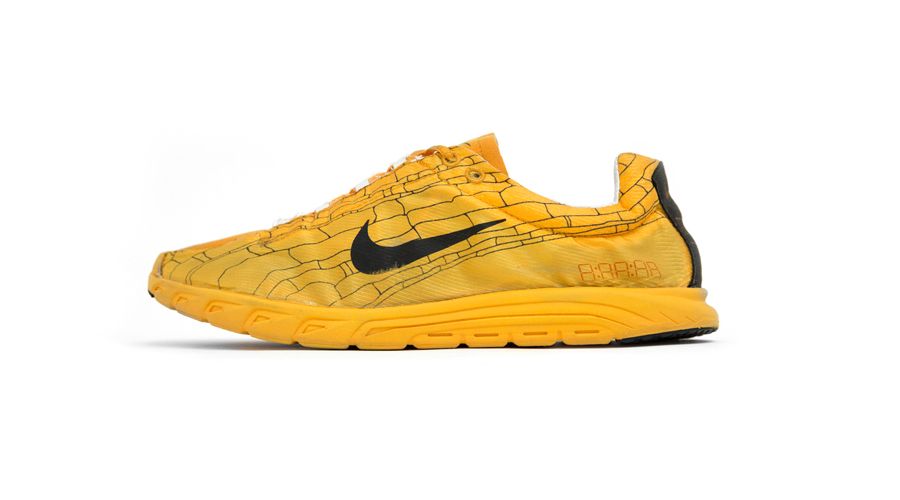
Nike Mayfly
“Around 15 years ago, Nike designed a shoe called the Mayfly,” Gibson tells me, after I ask whether he has a favourite sneaker in his own collection, “and the cool thing about that shoe is that it was designed to only last for 100 kilometres before falling apart, then you’d send it back to Nike and they’d recycle it for you.” It was designs like the Mayfly — ones that were cutting edge, ahead of their time and seeking to shift people’s perceptions around how something was made and question the idea of purpose — that Gibson seems to have used as cornerstones for his own unique ethos and methodology.
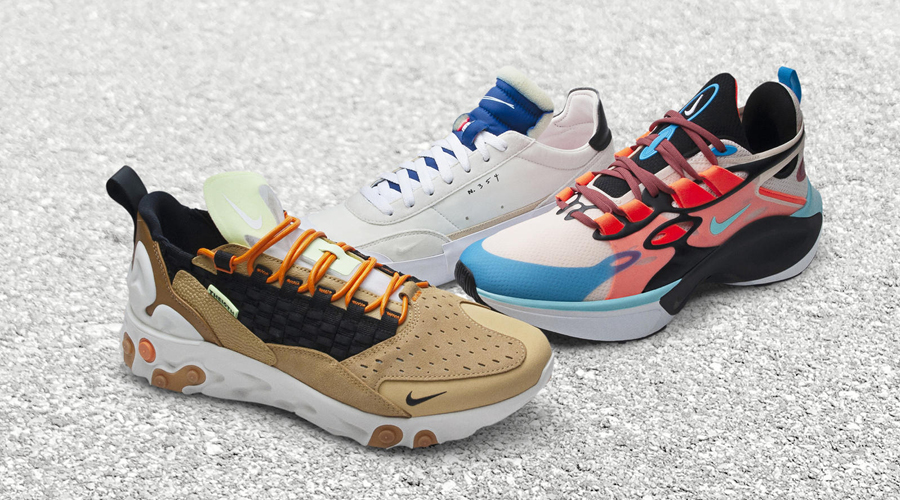
This year, the designer worked on a project that created a number of new, concept-driven Nike Labels, seeing him and his team pull inspiration from Nike’s archives to reimagine the past with a contemporary filter. Resulting in sub-labels like the N.354, D/MS/X and THE10TH, the endeavour, in the way that it took something tried and true, something already in existence and imbued it with new meaning, felt emblematic of what Gibson himself represents — a changing of the old guard.
the N.354, D/MS/X and THE10TH
And with issues like sustainability, as it relates to both antiquated manufacturing processes and the environment, a ubiquitous presence in mainstream footwear (now, 75 percent of all Nike apparel and footwear contains some recycled material, and the company is working towards a goal of using 100 percent renewable energy, globally, by 2025) it’s the designers that are unafraid to embrace change, designers like Gibson, who will likely be the ones to lead the industry into the future.
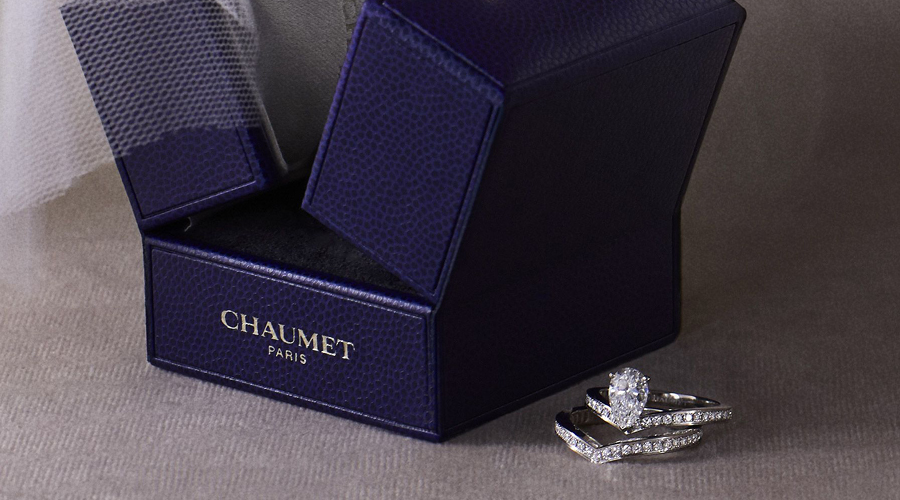
Chaumet, the historic French jewellery house, was built on a love story. The story of Napoléan Bonaparte and his beloved Joséphine, in fact. As such, Chaumet’s approach to arguably the most sentimental of all jewellery — the engagement ring — is all about giving couples the ability to create pieces that speak to their own love story in an authentic, individual way.
Chaumet’s Crown Your Love service offers couples the choice of 11 different engagement ring styles and the option to have a wedding band designed to sit seamlessly alongside. By booking a private appointment with the team at Parnell’s Hartfield Jewellers, a couple can compose their own style of Chaumet ring, deciding on the type of solitaire as well as the cut and carat size of the stone. Whether pear, cushion, princess or brilliant cut is preferred, couples will be able to find a diamond that perfectly suits their criteria of shape and quality, and will receive their specially-made ring within only a few weeks.
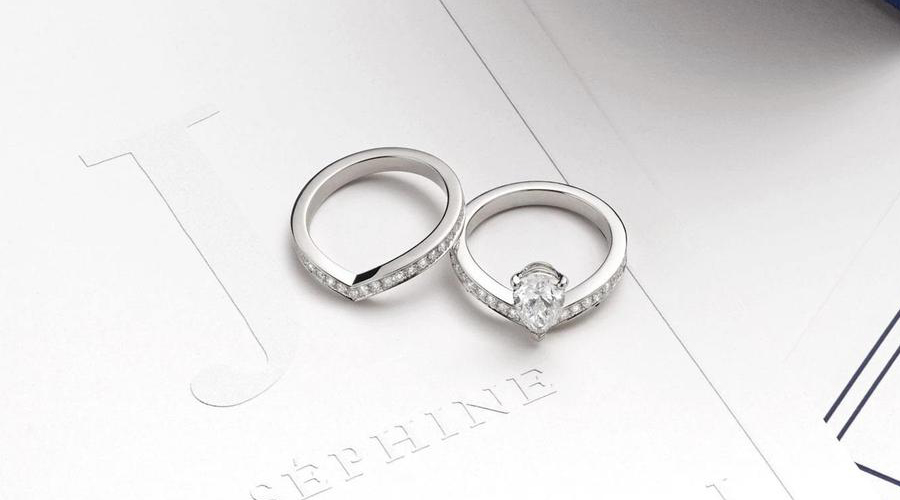
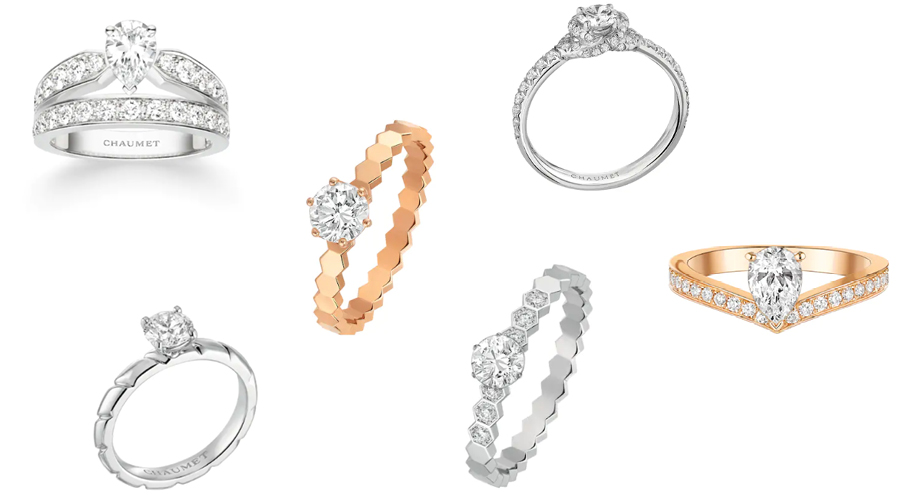
As far as the ring styles go, the options are vast and varied. The Éclat d’Éternité, for example, offers a pared-back design, a bright, airy solitaire and a subtle but defiantly sophisticated presence. The Joséphine collection, on the other hand, highlights Chaumet’s iconic tiara shape. While the geometric Bee My Love range feels like a more modern take on the engagement style of old.
Clockwise from top left: Joséphine Aube Printanière solitaire, Bee My Love solitaire, Liens d’Amour solitaire, Joséphine “Aigrette” solitaire, Bee My Love solitaire and Torsade de Chaumet solitaire all by Chaumet from Hartfield Jewellers
Chaumet’s Crown Your Love is offering an unparalleled opportunity for couples to secure a ring that is not only unique and meaningful to them but also feels like part of one of the greatest love stories in history, setting the precedent for a couple’s own love story to unfold.
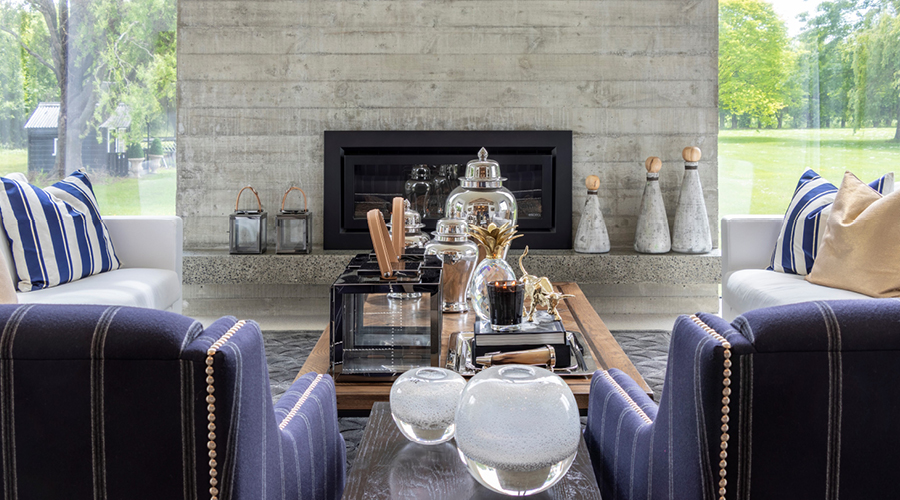
There is a real art to conceiving interiors that feel at once decorative and contemporary. Aside from a shrewd use of colour, this aesthetic really comes down to an ability to layer textures and choose accessories that add depth and dimension to a space. It might sound straight forward, but it’s a balance that’s rarely done well.
Trenzseater, however, driven by the vision of interior designer Ben Lewis, seems to have this down to a fine art. In this sophisticated home, a clean palette anchored by navy blue, organic tones and swathes of cream, gives rise to tactile, raw finishes and intriguing accessories.
It exemplifies the harmony that can be achieved in a home when the decor has been applied meticulously. The finished effect is modern, certainly, but in a way that still feels warm and inherently liveable.
It’s no wonder then, that Ben Lewis and his team at Trenzseater were the recent recipients of an international design award in London for the work they did on this property.
Taking home first place in the Global Category at the International Design & Architecture Awards, Lewis emerged on top after over 75,000 votes were cast in his category, marking the first time he and Trenzseater walked away victorious but the third time they had been selected as finalists.
The unconditional love our pets give us makes leaving home in the morning almost impossible, but coming home a total joy. And as such, there isn’t much that we wouldn’t do for them. In that vein, we have gathered together some of the best pet accessories around right now — from the practical to the delicious — in order to give your furry little friends the treats they deserve.
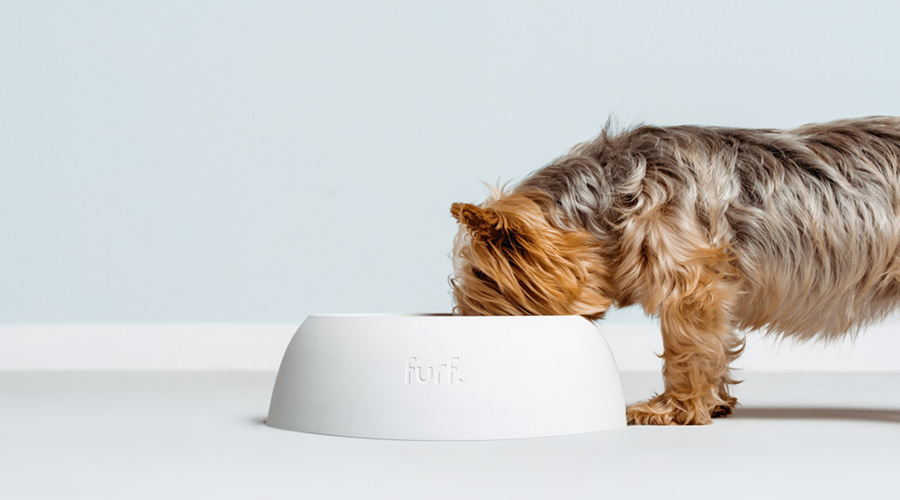
Furf Pets bowl Any pet owner will know the tedious struggle of having to deal with spillage from their furry friend’s water bowl. Looking to solve the unsightly and annoying problem, Furf Pets has reimagined the bowl’s design by extending its edges and lining the bottom with silicone, making it almost impossible to flip.
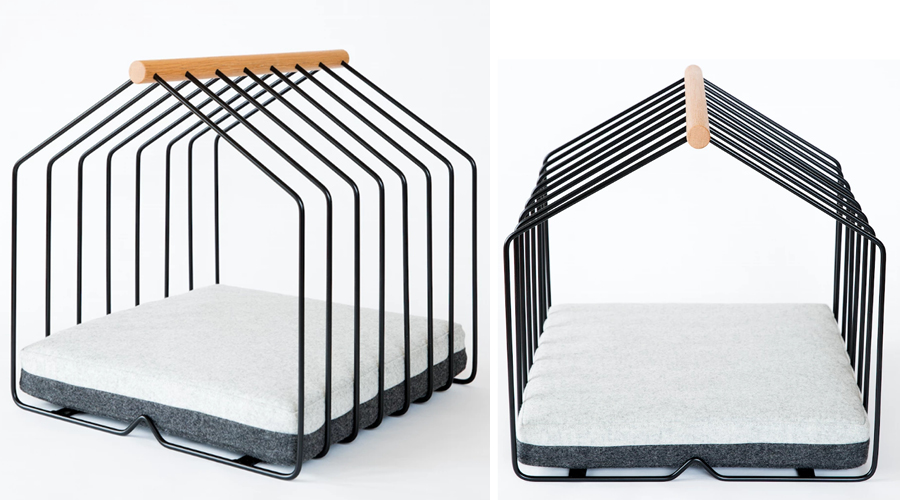
Number 8 indoor dog kennel from 8 Paws Unlike any dog kennel we’ve seen before, this sleek, sculptural iteration was designed by Tim Webber for 8 Paws. Featuring a comfortable inner made from 100% blazer wool and a series of bent steel rods connected by solid oak joinery that comprise the roof, this dog kennel is the ultimate home for your precious pup.
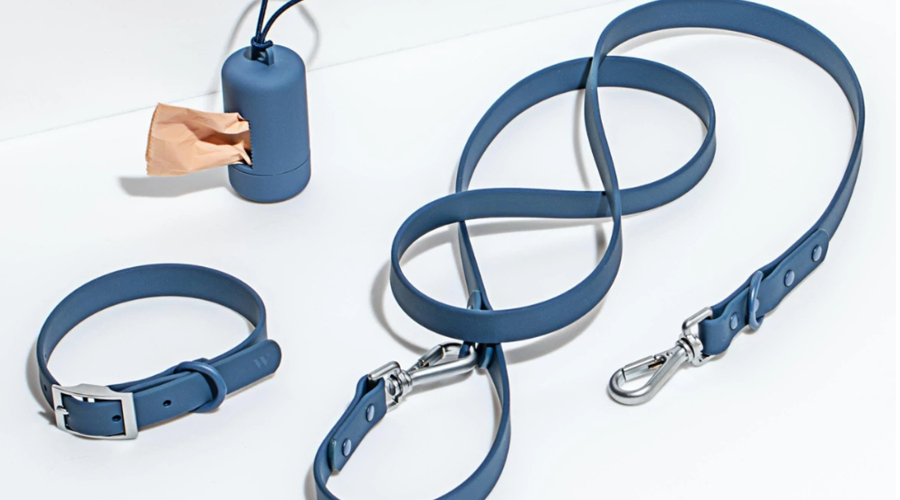
Walk Kit from Wild One Considering our nation’s efforts to reduce plastic, it’s crucial that we cut it from all facets of our lives, including using single-use bags to clean up after our canine companions. These bags by Wild One are made from a blend of plant-based material and are compostable, (when disposed of in a compost bin) which means they won’t contribute to greenhouse gas emissions. Extra-thick to dispel any risk of breakage, the eco-friendly bags can be bought with a matching carrier which comes in a range of shades and an elastic attachment to make them easy to add to any leash.
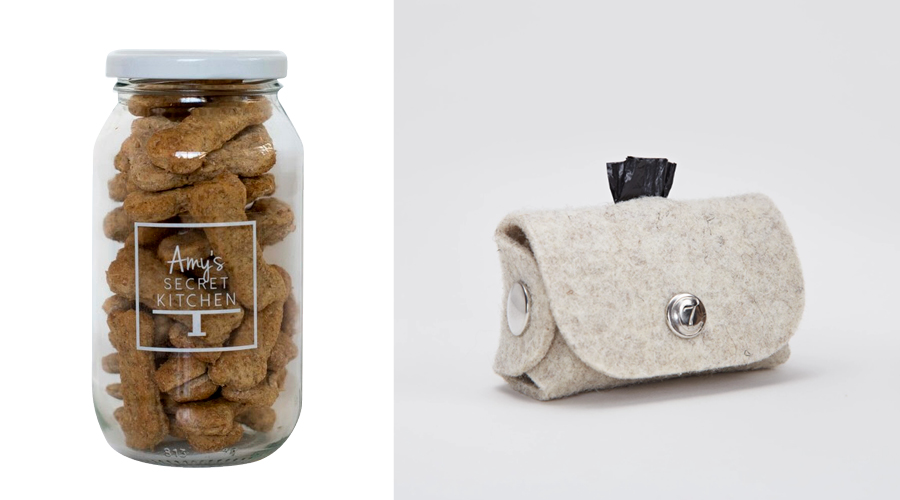
Handmade pup biscuits from Amy’s Secret Kitchen Having cultivated a reputation for creating some of the most beautiful and delicious cakes we’ve ever come across, Amy’s Secret Kitchen has branched into treats of the canine variety. Made using only the best ingredients — wholemeal flour, chicken stock, brewers yeast, olive oil and salt — they’re sure to keep your four-legged friend happy and healthy
Doggy-Do Bag by Cloud 7 from 8 Paws Despite the cringe-worthy nature of picking up dog poo, there’s no reason why the accessories around it need be cringe-worthy too. 8 Paws’ Doggy-Do bag is made from 100% wool felt and looks simple and sophisticated. Easily velcroed onto a lead, this will take walkies to a whole new level.
If you didn’t already know Tim Brown’s name from being the co-founder of eco-friendly footwear brand, Allbirds, you might recognise it from one of the covers of our Heroes issue earlier this year.
Tim Brown is an innovator in the truest sense of the word. His company was recently reportedly valued at around US$1billion, and the products he creates continue to redefine the environmental potential of footwear.
So, it was in the same kind of environmentally-aware spirit that we invited Brown, on his last visit back to open New Zealand’s first Allbirds store (the Kiwi now calls San Francisco home) to come for a ride with us in Range Rover’s own innovative answer to carbon emissions — its new plug-in hybrid electric vehicle.
The car is a beautiful combination of Range Rover’s signature sleek aesthetic and all the expected inner-workings of a hybrid vehicle so that lovers of the marque can keep the style they love while working to reduce their wider environmental impact.
On one overnight charge, this car will deliver around 51 kilometres of entirely electric driving and a smooth, silent ride. And it can take as little as seven-and-a-half hours to recharge the vehicle (depending on your power supply) with a home charging cable. On longer journeys, the two motors in this Range Rover will work together to produce just 72g/km of CO2 emissions — making it the acclaimed marque’s most fuel-efficient yet.
See more of the Range Rover’s impressive interior features and hear what Tim Brown had to say about his journey in business, when our Editor-in-Chief, Claire Sullivan-Kraus, invited him for a ride along Auckland’s beautiful waterfront.
When we talk about the ‘modern’ or ‘contemporary’ home, it can be easy to assume we’re talking about an aesthetic based on industrial, minimalist detailing and pieces that feel more stark than snug. After all, those are the interior touches that are often praised for their contemporary sensibilities.
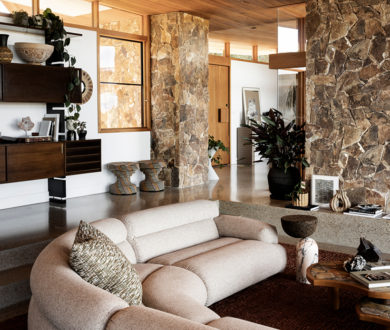
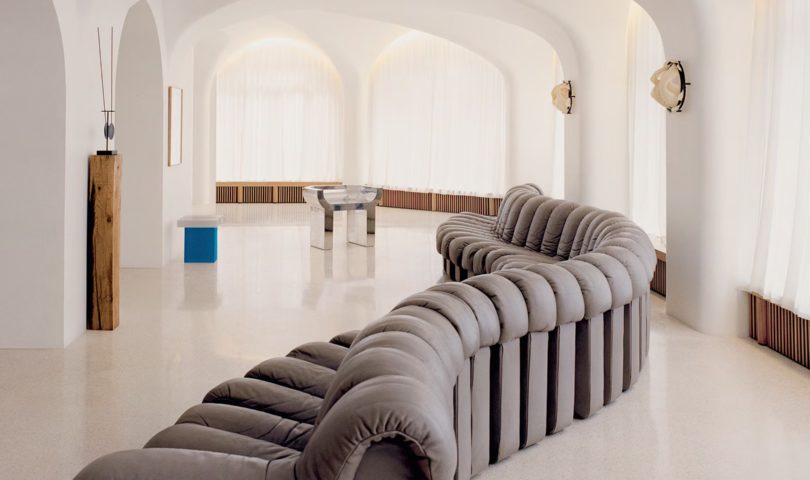
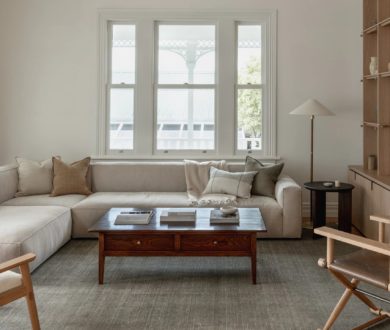
But modern interior trends seem to be moving away from the above association. Now, instead of curating a contemporary aesthetic via furniture that is exclusively pared-back and sculptural, it seems that a softer approach is prevailing, driven by luxuriously upholstered pieces that inject a sense of warmth and softness into a space.
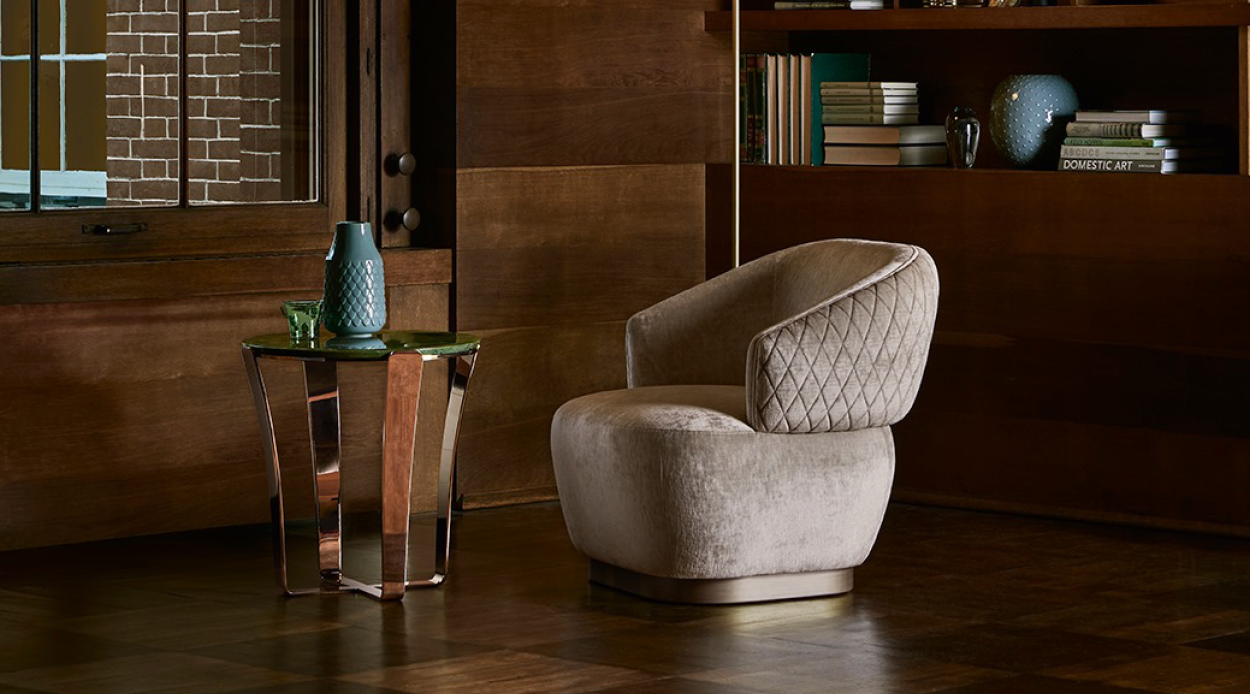
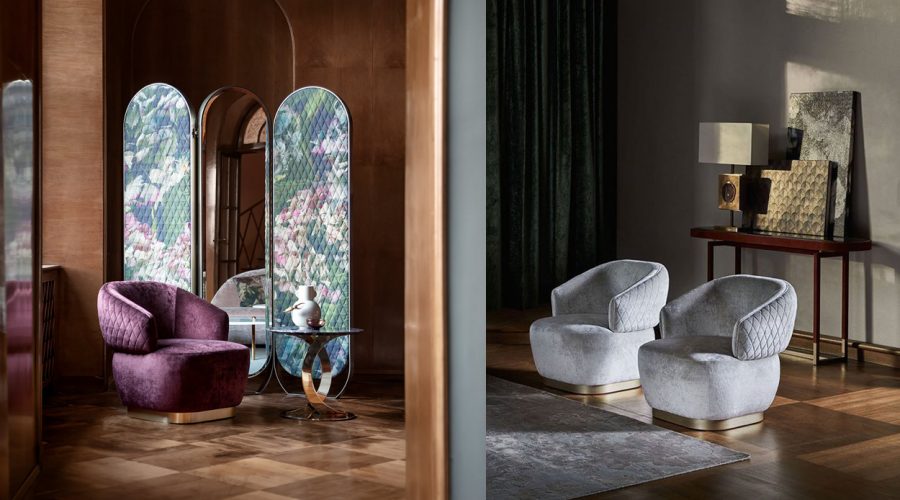
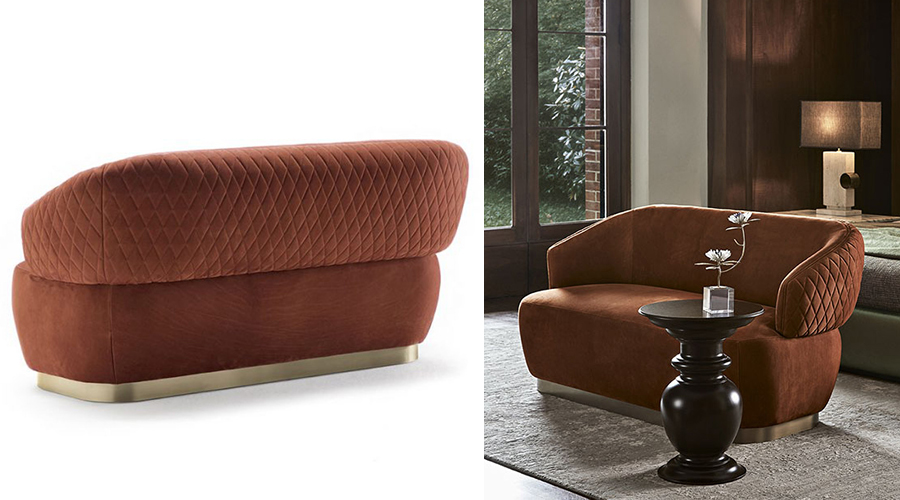
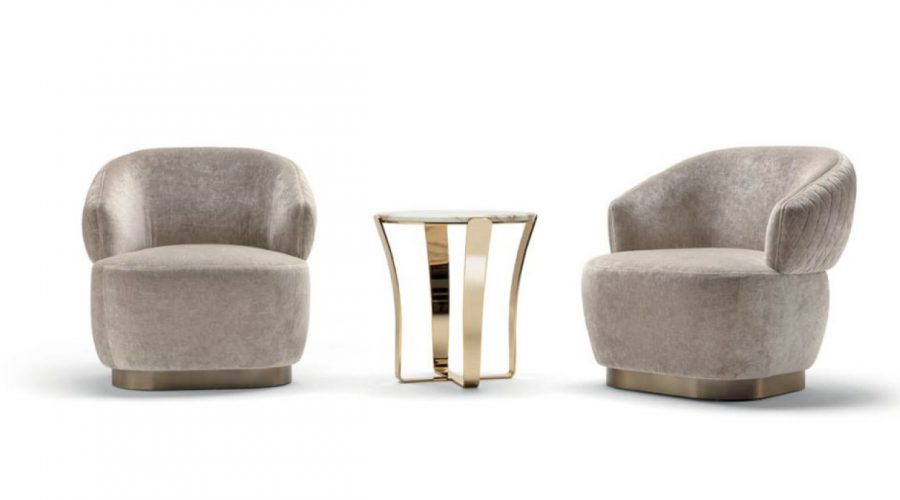
Take Opera Contemporary’s Sophie collection. Exemplifying the way that softer furniture is carving out a place for itself in the contemporary home, this range is made in a variety of finishes that make you want to sink into its warm, rounded shapes.
Gently curving structures lend the Sophie Armchair and Sofa a presence that is both distinctive and subtle — a definite departure from modern furniture of old, but not quite a return to the overly ‘luxe’ pieces that can risk feeling ‘too much’ in a home.
So if you’re wanting to inject a little warmth back into your home, but are unsure of how to do so without disturbing the sleek, pared-back look you’ve worked to achieve, the Sophie pieces are offering an elegant balance, bridging the gap between modern minimalism and classic opulence.
If someone were to say the word ‘watch’ to you, there’s a high chance that only one brand would come to mind. Rolex. Whether this is because of the hallowed marque’s rich history, its presence in popular culture through the ages or its consistent focus on quality — or some kind of potent combination of the three — it’s hard to tell exactly. But what we do know, is that Rolex watches often sell for record-breaking prices at auction and are widely touted as a sound way to invest your money, here’s why.
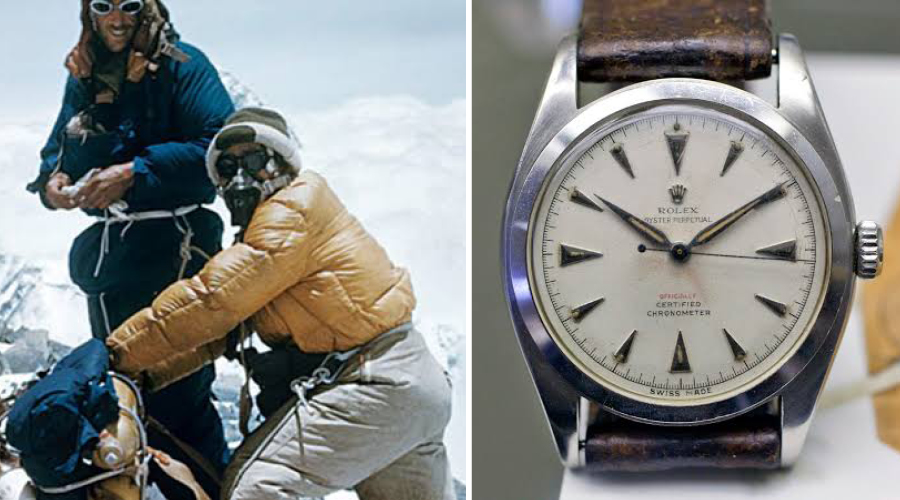
The long and storied history of Rolex has undoubtedly cemented it forevermore the watchmaking hall of fame. It was responsible for creating the first water-resistant case and watch, the Oyster Perpetual. It revolutionised watchmaking with its Perpetual movement, a self-winding mechanism that is now used widely across the industry, and was the first watch to reach the summit of Mount Everest (both Sir Edmund Hillary and Tenzing Norgay wore Rolex watches for their famous ascent).
Left: Sir Edmund Hillary and Tenzing Norgay | Right: Sir Edmund Hillary’s Rolex
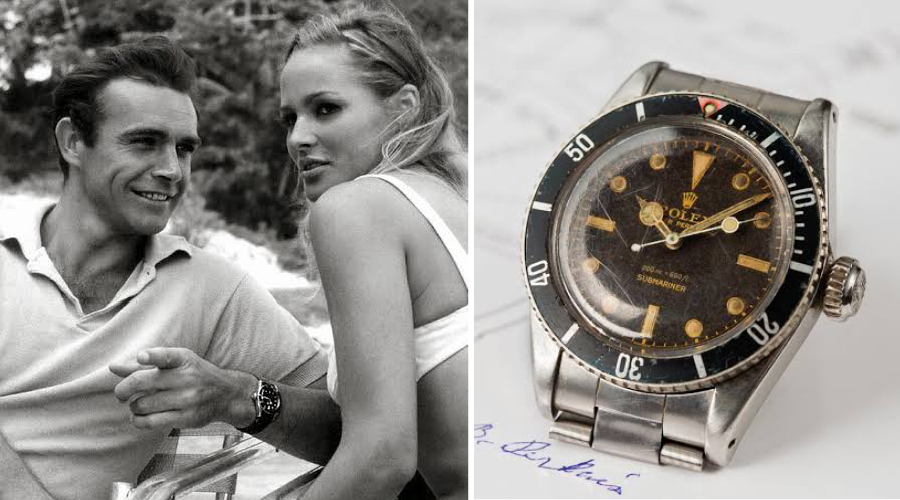
Beyond its historical firsts and feats of engineering, Rolex is a brand that has permeated popular culture in such a way that if you weren’t aware of the brand’s manufacturing achievements, you’d likely know its name from the singers and rap stars who wax lyrical about the ‘Rolies’ on their wrists. Or from iconic fictional characters like James Bond’s Rolex Submariner (one of the most iconic James Bond watches, worn by Sean Connery in Dr. No) or Patrick Bateman’s Rolex Datejust in American Psycho.
Left: Sean Connery as James Bond | Right: The iconic Rolex he wore in Dr. No.
Off the silver screen, too, Rolex watches have long been favoured by those in the spotlight. Take Paul Newman’s Rolex Daytona, for instance, which made headlines in 2017 for the US$17.75 million it fetched at auction in New York. (This made it the most expensive wristwatch and the second most expensive watch to ever sell at auction.)
All of this has undoubtedly contributed to why everyone knows the name, Rolex. Reputation, after all, counts for a great deal. But the heights Rolex has reached could not have been achieved on reputation alone.
Rolex’s longevity has been achieved by backing up its notoriety with consistent high quality. Its focus on manufacturing with integrity, without losing sight of its purpose, has ensured that Rolex goes beyond its branding. Its watches are still all designed and made in Switzerland. It has its own, on-site foundry in which it produces the gold and platinum used in its timepieces. It apparently even has an x-ray machine, under which it checks every link of every bracelet it produces. Where Rolex could have capitalised on the chance to piggyback on its reputation, it has remained true to its origins of excellence.
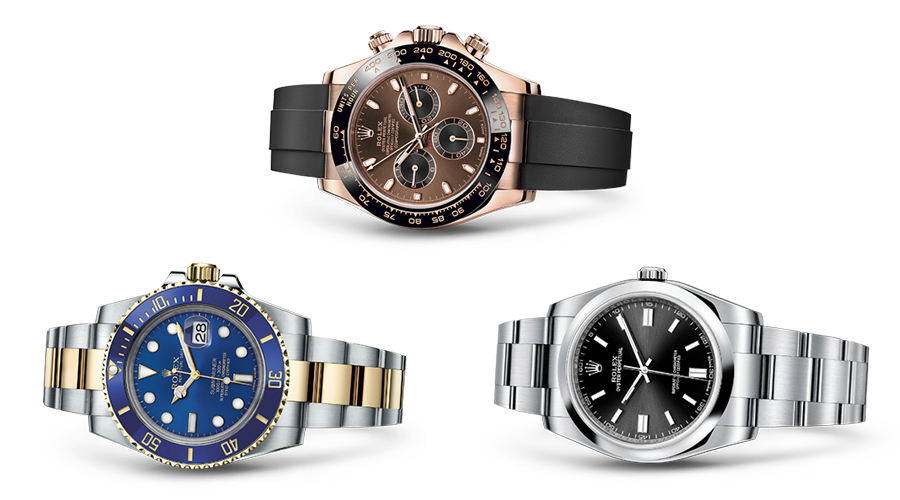
Left to right: Rolex Submariner Date, Rolex Cosmograph Daytona, Rolex Oyster Perpetual 36 all from The Hour Glass
The combination of reputation and quality has ensured Rolex remains at the top of its field. If you are thinking of investing in a watch that will hold its value, there aren’t as many as well-respected or as timeless as a Rolex — and buying one will feel like buying a piece of history.
For more exclusive access to what the city has to offer, engaging content, excellent imagery and thought provoking commentary on the life that surrounds you, subscribe to Denizen magazine now.






 SEE ALL SLIDES |