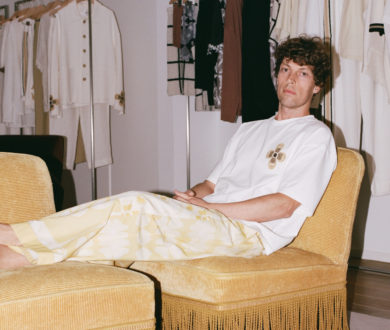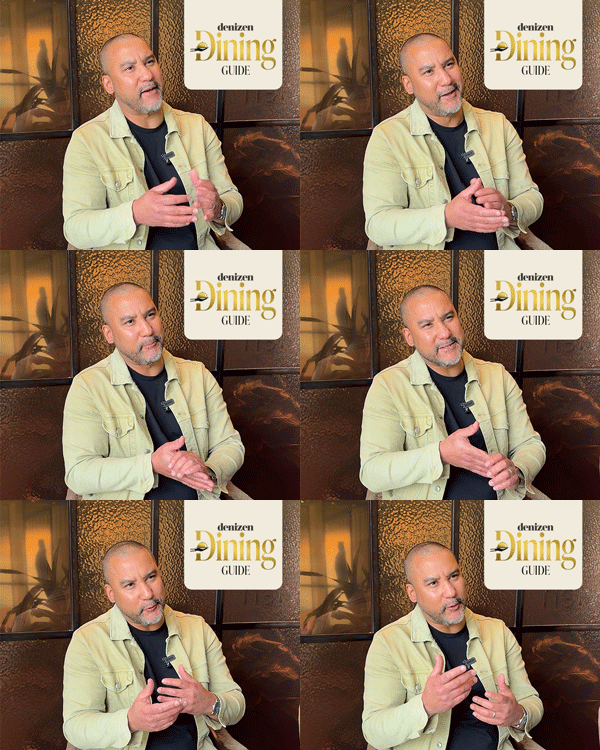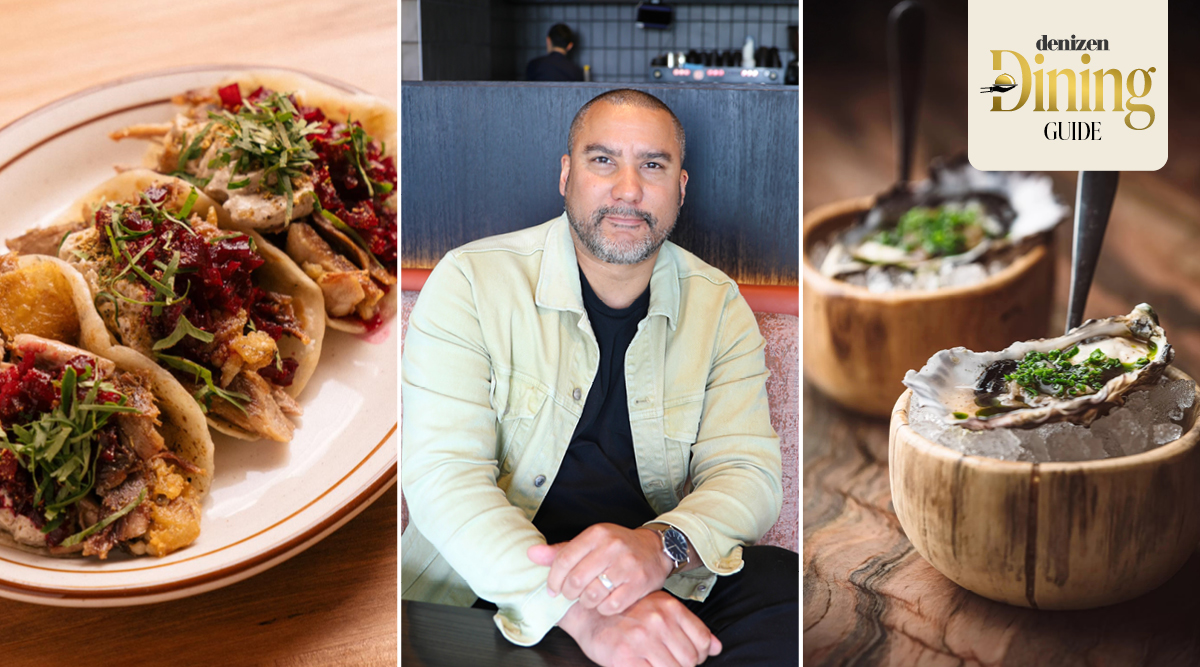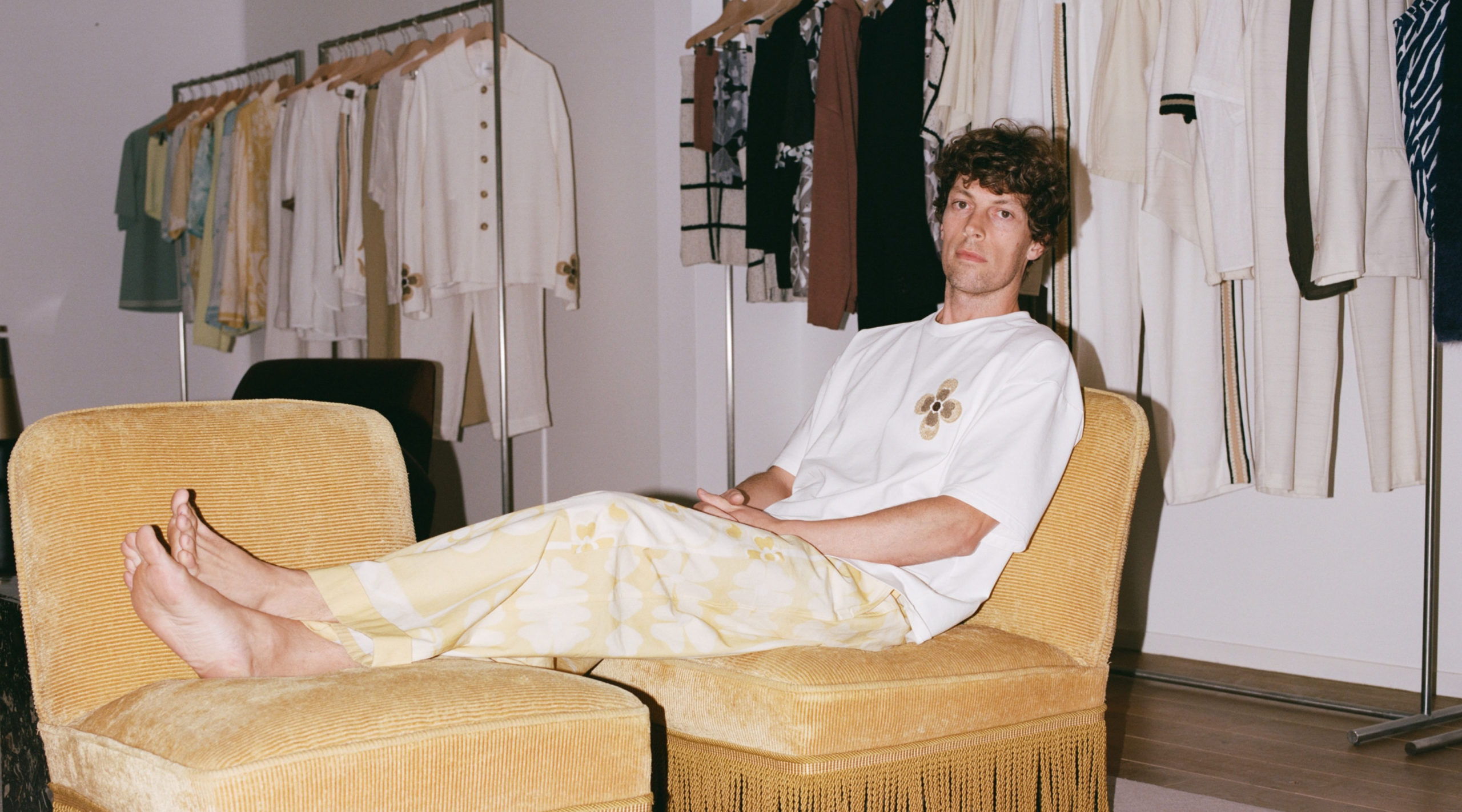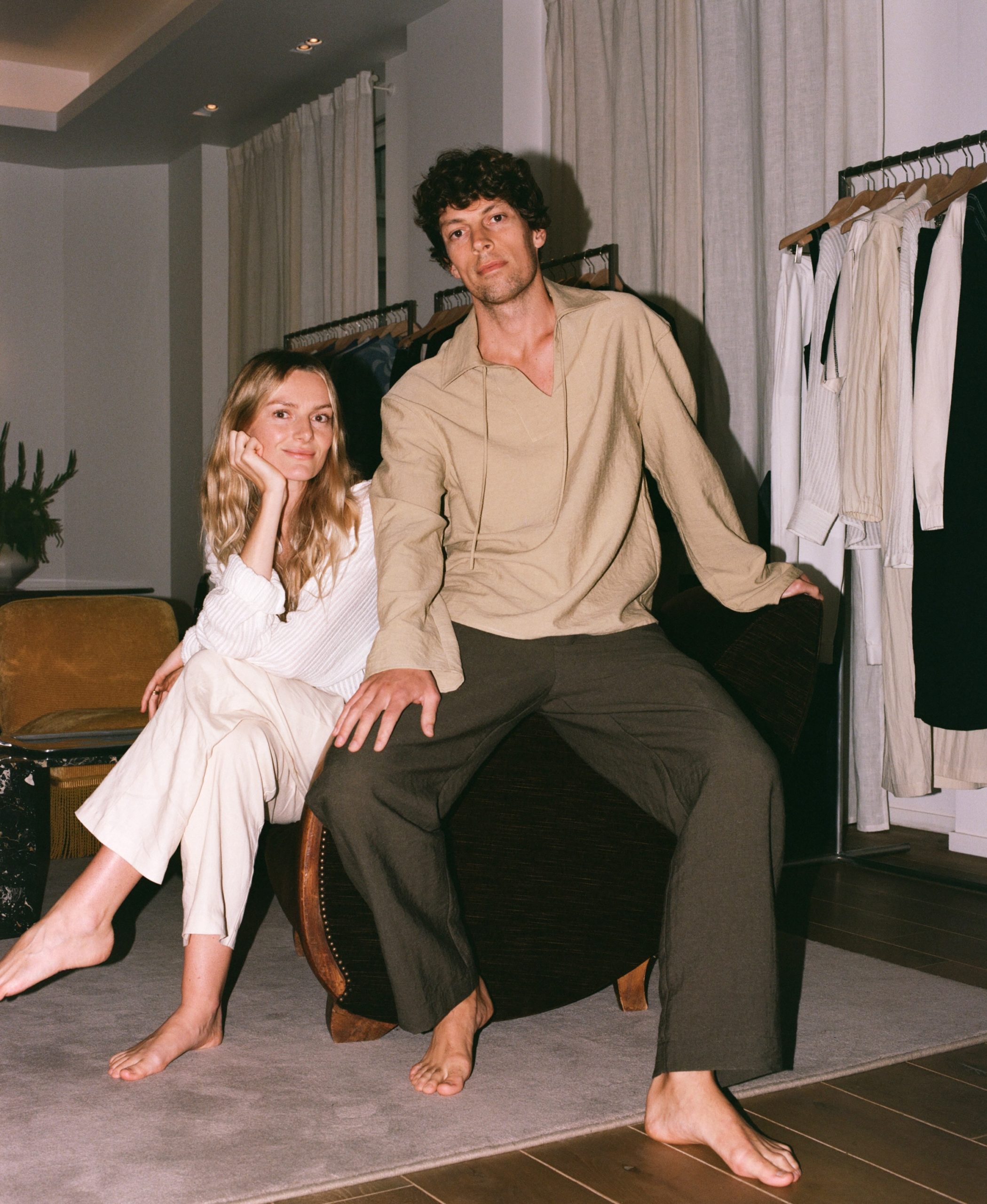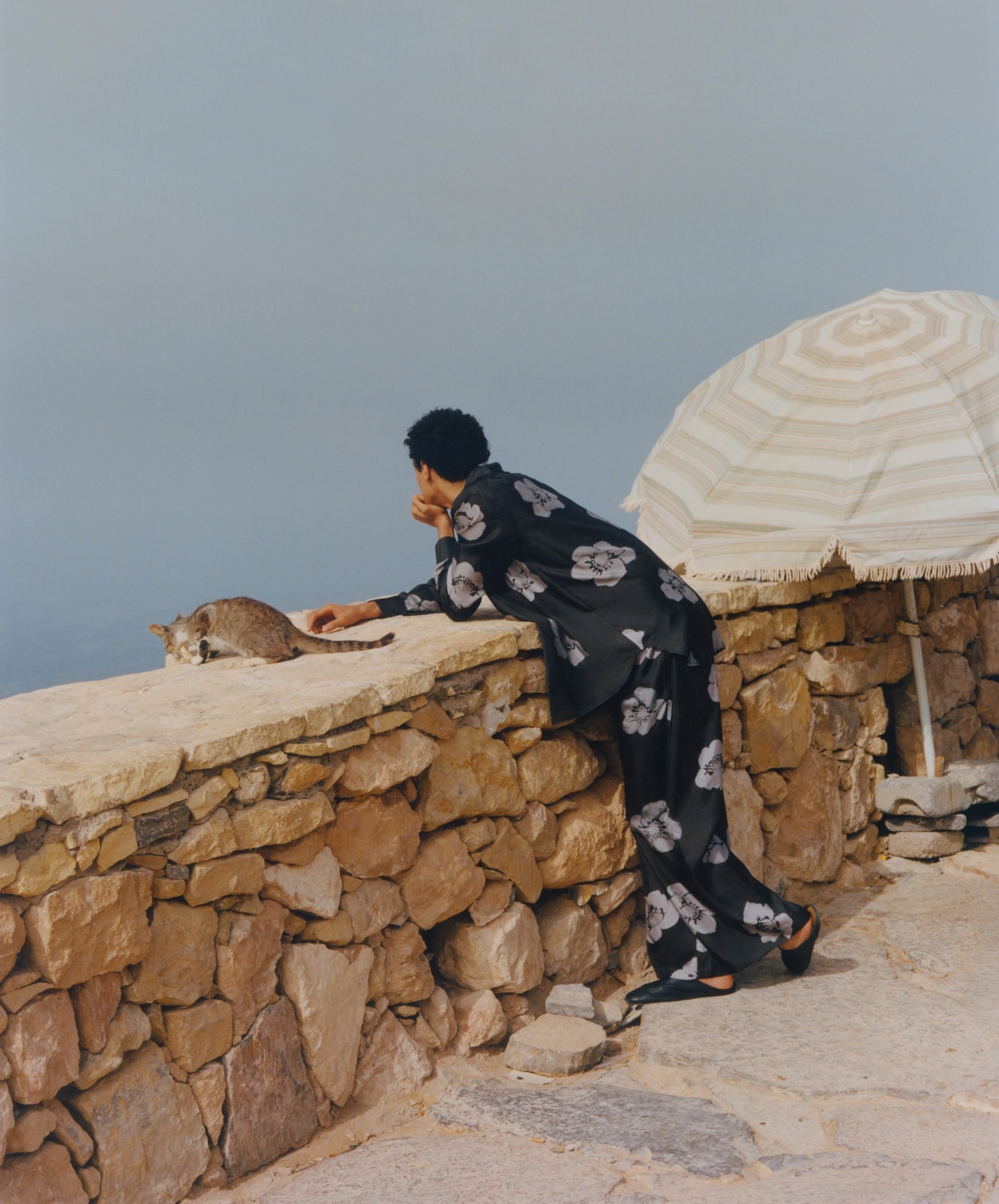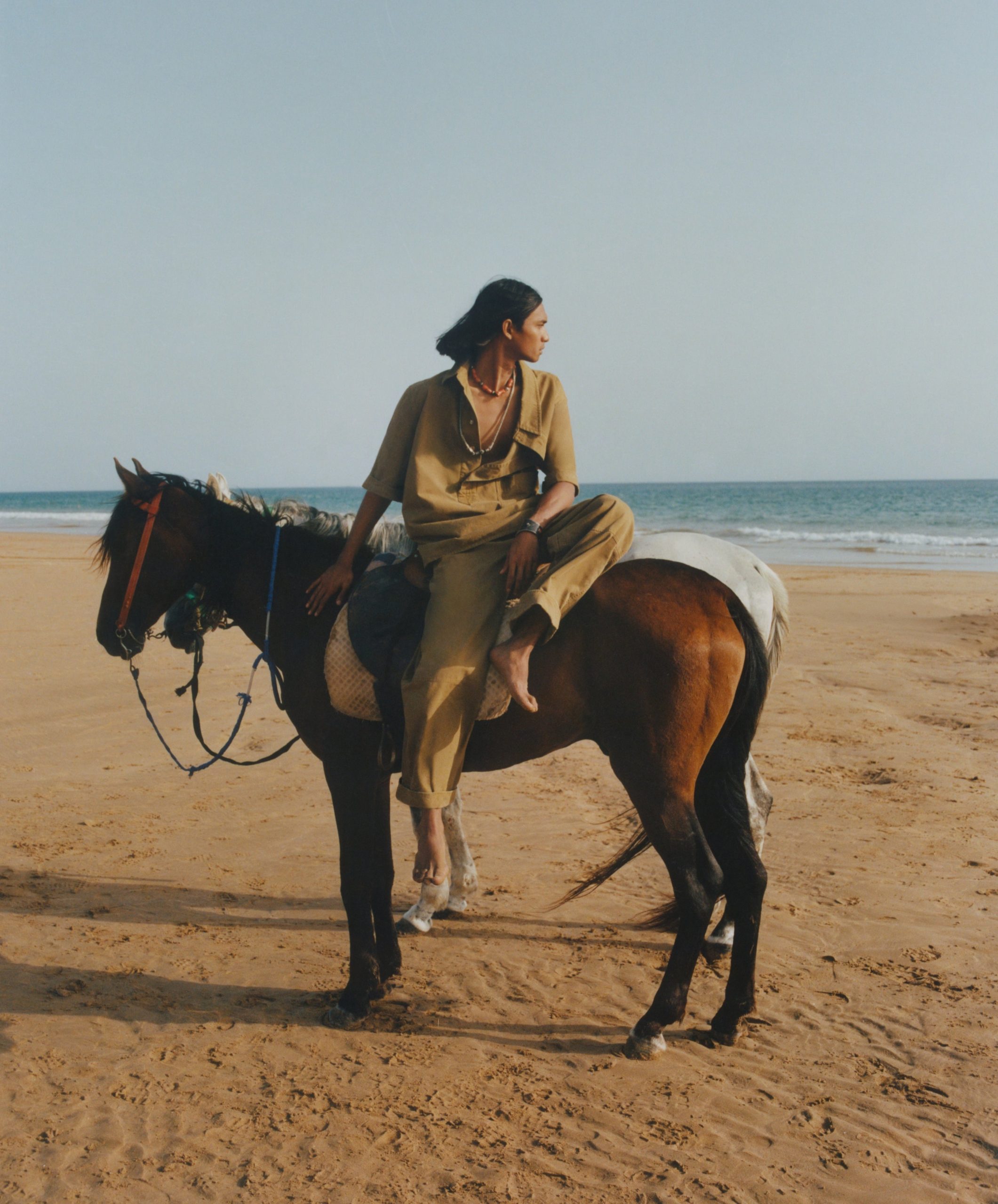

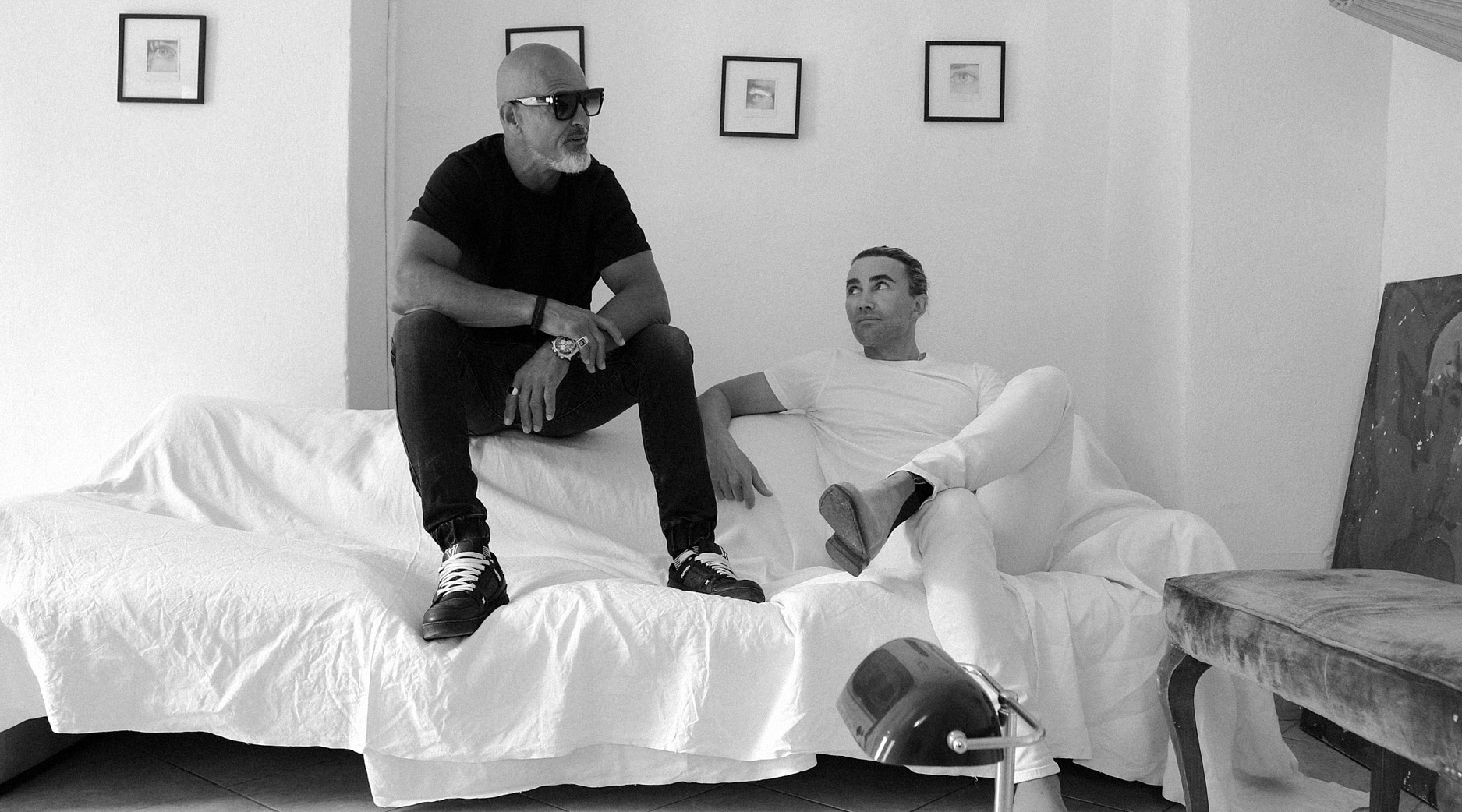
Left: Matthew Ridge. Right: David Ring

We sit down with Matthew Ridge & David Ring to discuss how much there is to be gained from a willingness to change

Editor’s note — We’re revisiting this conversation from our archives. Ridgey and Ringo’s reflections on sobriety, reinvention and the bravery of changing your mind feel, if anything, more relevant now than when Sjaan first sat down with them — and the back catalogue of The Brink is well worth your time.

As the saying goes, opposites attract, which is undoubtedly true for iconic sporting legend and renowned larrikin Matthew Ridge and Auckland-born David Ring. Unlikely friends (self-admittedly), the pair, affectionately referred to as Ridgey & Ringo, bonded over their shared experiences — the good, the bad, and the ugly — and the easy way in which they could open up to one another. Their friendship has morphed into something more meaningful and personal with The Brink — a podcast which speaks to their own experiences and the facets of life that most shy away from, running the gamut from addiction to ADHD, sex to spirituality.

It takes real courage to reinvent yourself. Rip up your existing playbook, change course, and choose something else. But that is precisely what Matthew Ridge and David Ring have done, both in their own, unique way. Matthew Ridge has worn many hats in his life: All Black, Rugby Coach, TV Presenter, and man-about-town, to name a few. But, as I quickly discover, he is far from the sum of those parts. The Ridgey I encounter is a family man, a devoted friend, and someone wholly dedicated to bettering himself and helping those around him do the same. Don’t get me wrong, the cheeky, larrikin-loud, self-deprecating jokester that was a permanent fixture on the TV screen when I was growing up is still very much there, but there’s a softness to him now, too, a thoughtfulness and sense of self-awareness that instantly endears me to him. And I know I’m not the only one.

A few years back, Ridge crossed paths with David Ring. His daughter, Jaime, introduced the pair, given they had both relocated to Europe (Ridge is now based in the South of France, Ring resides in Monaco). And despite, he tells me, being sceptical to begin with, “Jaime said, ‘Dad, Ringo has had a bit of work done, and I don’t want you coming out and asking him about his face’, but of course, I did bring it up — we were sitting having lunch in Monaco and I yelled across the table ‘Mate, I don’t care that you’ve had work, because it’s bloody good work!” — the connection was instantaneous. “We were able to talk about anything.”
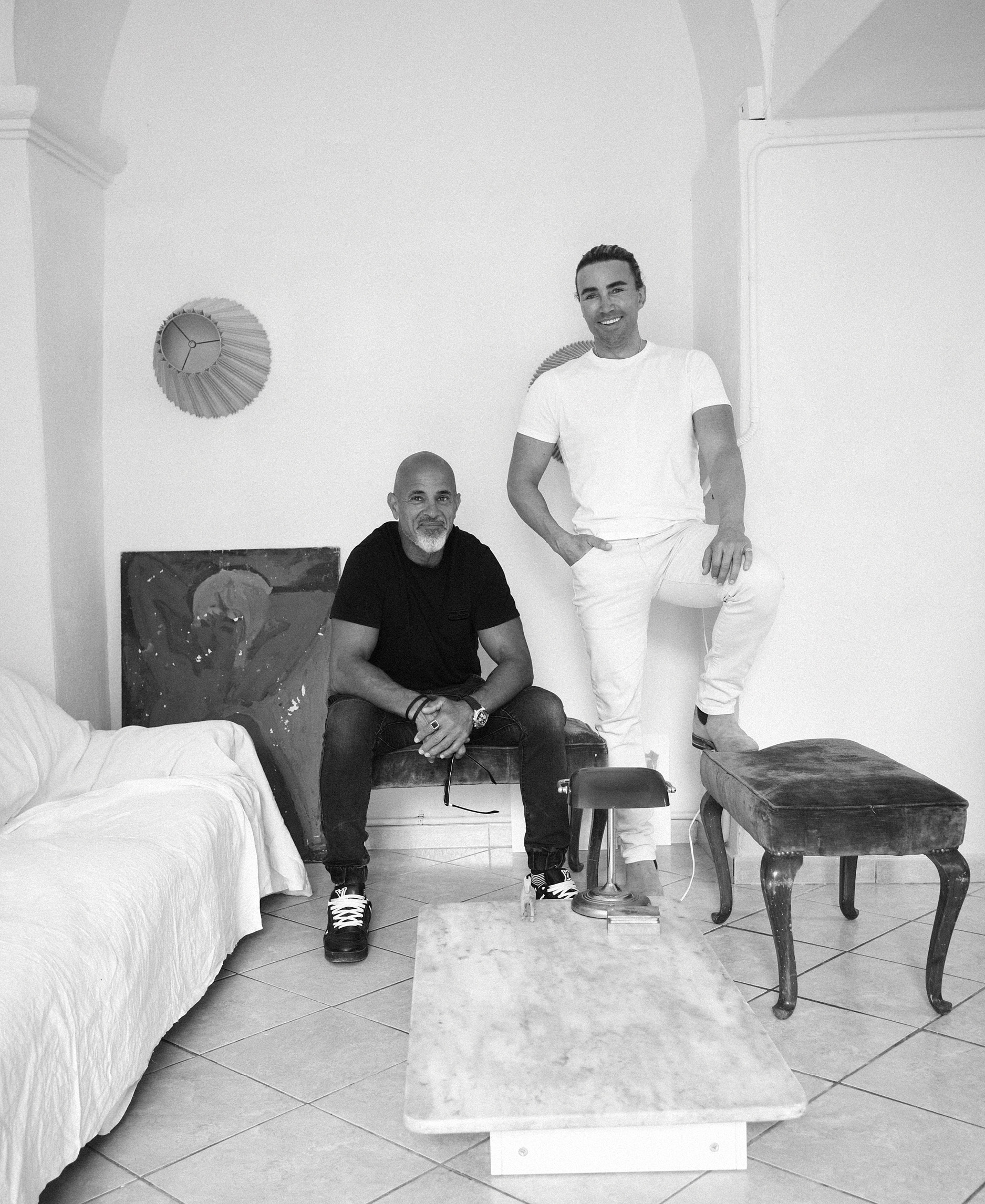
Left: Matthew Ridge. Right: David Ring

As their friendship developed, their conversations became more raw, more honest. They covered subjects they’d never dared speak about openly before — addiction, sexuality, and many of the issues that society shies away from. “Then I just said to him one day — I was just sort of halfway joking — I said mate we should start a podcast,” Ridge tells me, with Ring interrupting to say he was initially against the idea. “I’m deeply shy,” he admits, “I never thought I’d put myself out there in that capacity — I don’t share anything with anybody.” Ridge cuts in with, “But you share everything with me.” I find the moment unexpectedly moving. Eventually, Ring agreed to give it a shot, and the rest is history.

I’m curious about what gave the unexpected duo the impetus to share themselves with the world. They tell me they both possess an innate desire to avoid anything superficial and share candidly. “We both have ADHD,” Ring tells me, “And because of that, I think we’re both just inherently unfiltered — it’s not through bravery or courage, but we’re just able to talk about our fuck ups and our experiences without feeling embarrassed.”

They both tell me, in their own ways, that they’ve always felt like they were on the outskirts, dancing on the periphery of groups and never quite fitting in anywhere. “There’s a level of pain in that,” says Ring, adding that when you meet someone who you can see lives that same reality, you can approach them or receive what they’re saying with more compassion and openness. “It allows a connection to go deep, really quickly.” And that’s exactly how their relationship evolved. Their friendship has been the catalyst for monumental change in both of their lives. Ridge tells me a night with Ring (who has been alcohol-free for some time) was the moment in which he decided to turn his life around. “We’d had a pretty big night, and I just turned to Ringo and said mate, that’s it, I’m not doing this shit again. I was sort of trying to numb myself — I was smoking like a train, I was drinking like a fish, I was just partaking in whatever was available, and I just said — that’s it for me. And it was.”

It was then that the pair went all-in with the podcast, which became a different form of outlet. “We’ll talk to somebody about an issue, whether it be addiction or ADHD or trauma, and we’re learning through those conversations why we do the things that we do, too,” says Ridge. “It’s kind of like we’re on this journey of self exploration. So it’s therapy for us, but we also have listeners coming on the journey too, and hopefully The Brink can then be the catalyst for people to look at their own lives and go, ‘This is where I’m at, and maybe I can take different steps or explore a different path forward.'”


“Ridge and Ring embrace and actively encourage course-correcting — whether in thought, opinion, or behaviour.”


That openness to learning, reflecting, and connecting extends beyond the podcast. Both come from different worlds — Ridge, the blue-collar sporting legend/lothario, and David, proudly gay and white-collar — but there’s an ease in how they move between spaces that draws on the fact that they’ve always navigated the edges of different social circles. And yet, despite the contrasts, there’s a shared ability to navigate different contexts — a comfort in both luxury and simplicity. It’s not about assimilation, but a genuine interest in people — an understanding that human connection is the only currency that matters.

One of the hallmarks of The Brink, and the reason the podcast instantly became a talking point, is Ridge and Ring’s lack of fear when it comes to speaking about things that many are afraid to address in today’s hyper-sensitive society. “People are too scared to say what they actually think,” says Ridge. “But a lot of the feedback we get is that people really like the rawness, honesty, and transparency of the podcast.” He continues, “It doesn’t matter if people agree with you or don’t agree with you. If you have an opinion and believe in it strongly, why should you be afraid to share it? Everyone’s entitled to an opinion.”

Ring agrees wholeheartedly. “I’d be bored senseless if I had to sit in a room with a homogeneous group of people who all agreed on the same politics, or had the same opinions, where we’re all just patting each other on the back, going, ‘Yeah, I agree.’ That would bore the shit out of me,” he reasons. The beauty, instead, is in being able to disagree, knowing there will be no judgement, no grudges. “At the end of the day,” says Ring, “We’ll get up and walk away, and then come back the next week and argue about something different — or agree on something different, and respect each other more for having a genuine point of view.”
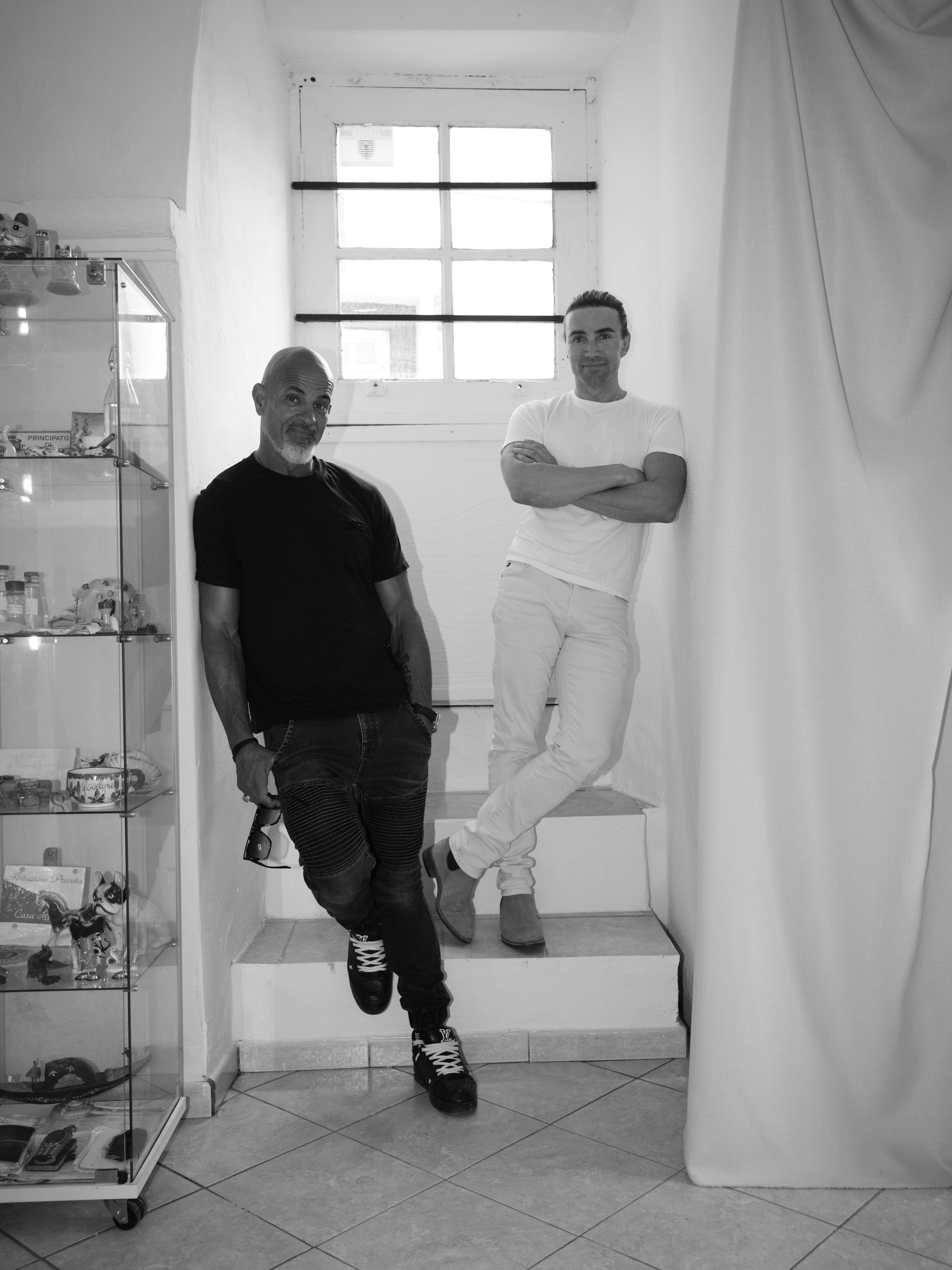
Ridge and Ring embrace and actively encourage course-correcting — whether in thought, opinion, or behaviour. In a world that once demanded unwavering consistency, where past words or mistakes were etched in permanent record, the pair see power in the ability to shift perspective. With greater access to information and broader worldviews, opinions are no longer fixed — they’re fluid, responsive, and informed by growth. For them, changing your mind isn’t a sign of weakness; it’s evidence you’re paying attention.

They reject the idea that people should be forever defined by what or who they once were. If someone’s done the work to change, grown from their failures or shifted their outlook, why hold them hostage to the past? Whether it’s interviewing someone with a chequered history who’s now giving back to their community, or recognising their own unconscious biases, Ridge and Ring are unafraid to reflect and recalibrate. In their world, personal evolution isn’t just accepted, but essential. “We’re all brought up in a certain way, but if you get more information that changes your opinion or way of living and decide to change tack, that can only be a good thing,” says Ridge.

This level of awareness and compassion almost certainly comes from how much Ridge and Ring have changed over the years. Once both notorious party boys, the pair now live a life centred on personal growth, having both adopted practices like meditation and delved into spirituality to better understand themselves and those around them. They are, by and large, the perfect poster boys for how much there is to be gained from a willingness to change. There’s real bravery in saying ‘I was wrong and I can do better’, or acknowledging that the way you were living wasn’t sustainable and deciding to start from scratch, both evolving into inspiring examples of how your past doesn’t have to dictate or define your future.

For both men, their most significant turning point has been sobriety. “One of the things I’m most proud of in my life is going to rehab and overcoming my alcoholism,” says Ring. “I think it’s an experience that a lot of people would be slightly embarrassed about, but for me, it’s the opposite.” He adds that it was far from a walk in the park and remains a lifelong journey. But what he learnt from the experience has changed his worldview. “I’ve seen first-hand how hard real change can be; how much work is required, and I think that’s afforded me a real empathy for other people in the throes of suffering. I can look at somebody like that with understanding, whereas maybe once upon a time I would have looked upon that with hardness and judgement — unintentional bias.” He adds, rather profoundly, “I think through your own suffering, you learn to find space for the suffering of others.”

Ridge has been on a similar journey regarding overcoming bias. “I was so judgemental when I was younger,” he admits. “I think we all were. We’re raised to ‘other’ ourselves — to keep ourselves separate. If you see yourself as better than somebody else, it keeps you safe.”

Since leaving New Zealand, both men agree their worldviews have broadened significantly. For Ring, it began with a move to Los Angeles, where the diversity of culture, perspective, and lived experience offered a kind of belonging he hadn’t previously known. “It was the first time I ever felt comfortable in my skin,” he reflects. “New Zealand still has a certain cultural homogeneity to it. If you don’t quite fit that mould, you feel like you’re on the outside.” Later, moving to Monaco brought its own kind of surprise. “I thought it would be pretentious and the people would be cold, but it’s actually one of the warmest, most open places I’ve ever lived,” he says, noting the unexpected friendliness and shared camaraderie among people who’ve all, in some way, started over.


“Once both notorious party boys, the pair now live a life centred on personal growth. They are, by and large, the perfect poster boys for how much there is to be gained from a willingness to change.”


Ridge echoes that sentiment, though his transformation has come not just from his surroundings, but from what those surroundings have allowed him to confront. “To grow, you need to spend time with yourself,” he says plainly. “And I’ve been able to do that here.” While he doesn’t claim to be fully immersed in the culture — “The French are… different,” he laughs — he’s found the light, the slower pace, and the everyday interactions in the South of France grounding. “The weather makes a massive difference to your mental state,” he says. “If the sun’s shining, everything just feels easier.” And what he’s gained from that simplicity is clarity: on who he is, what matters, and how he chooses to show up. “I just try to be kind to everyone I encounter. It costs nothing,” he adds.

The two agree that this change of pace and shift in culture has significantly shifted the dial when it comes to their mental states. Ridge, in particular, could never have predicted how much his life would change. “If you’d told me two years ago, ‘You won’t drink. You definitely won’t smoke. You’ll be meditating every day, and you’ll be taking time out on your own every day and working on yourself, getting comfortable with yourself, and sitting in silence,’ I’d be like, ‘What the hell?'” But, what it all boils down to, he tells me, is simplifying his life — getting back to basics and prioritising what matters: community, connection, family, health. The rest is all just noise.

Left: Matthew Ridge. Right: David Ring

For both men, this ability to slow down, to be truly present, has become one of the most radical changes in their lives, especially for Ridge, who for years wore the mask of the hardened, hyper-masculine achiever. “We live inside our heads,” he says, “worrying about stuff we can’t control, rehearsing futures that may never happen.” It wasn’t until he began consciously shifting his awareness, particularly while raising his youngest children, that he realised how much of life he’d missed by not being in the moment. “When my older kids were growing up, I was there, but I wasn’t present,” he reflects. “I was always somewhere else in my mind, thinking about the next meeting, the next phone call, the next thing on the list. Now, I’m just here — and the little joys we all forget how to enjoy, like kicking a ball around in the sun or a quiet cup of tea — are everything.”

This softening, this grounded stillness, may come as a surprise to those who only knew Ridge in his more public-facing chapters. But it’s clear that this shift is not performative — it’s deeply felt, hard-won, and profoundly integrated into the man he is today. “You’ve got to slow yourself down,” he says. “No one’s going to care who Matthew Ridge was. So why get so caught up in your ego? Just relax and stay in the moment.” Ring agrees, noting that the Ridge we now see — the thoughtful, emotionally articulate version — may not align with the image many have held onto. “But it’s always been there,” he adds. “It just wasn’t what people were looking for at the time.”

Ring, too, is on a journey that is uniquely his own, quietly building a life of meaning that perhaps sits at odds with what those who have known past versions of him might expect. “I’m far from perfect, but the point is that we’re both consciously trying to improve ourselves every day. And I think that if all of humanity did the same, we’d be in a much better place.”

Now, through The Brink, they’ve both found an outlet through which they get to show up as their full, authentic selves: curious, contradictory, and ever-evolving — perhaps for the very first time. Better late than never.

Listen to The Brink SpotifyApple Podcasts,  YouTube
Culture

Wondering what to watch? These new shows should be on your radar
We talk to author Trent Dalton on his dark childhood, finding light between the cracks, and the girl who saved him
The Stars Have Aligned, Babe!
Bar Ziti
Gilt Brasserie
Canting
Ebisu

Denizen’s definitive guide to the best express lunches in the city

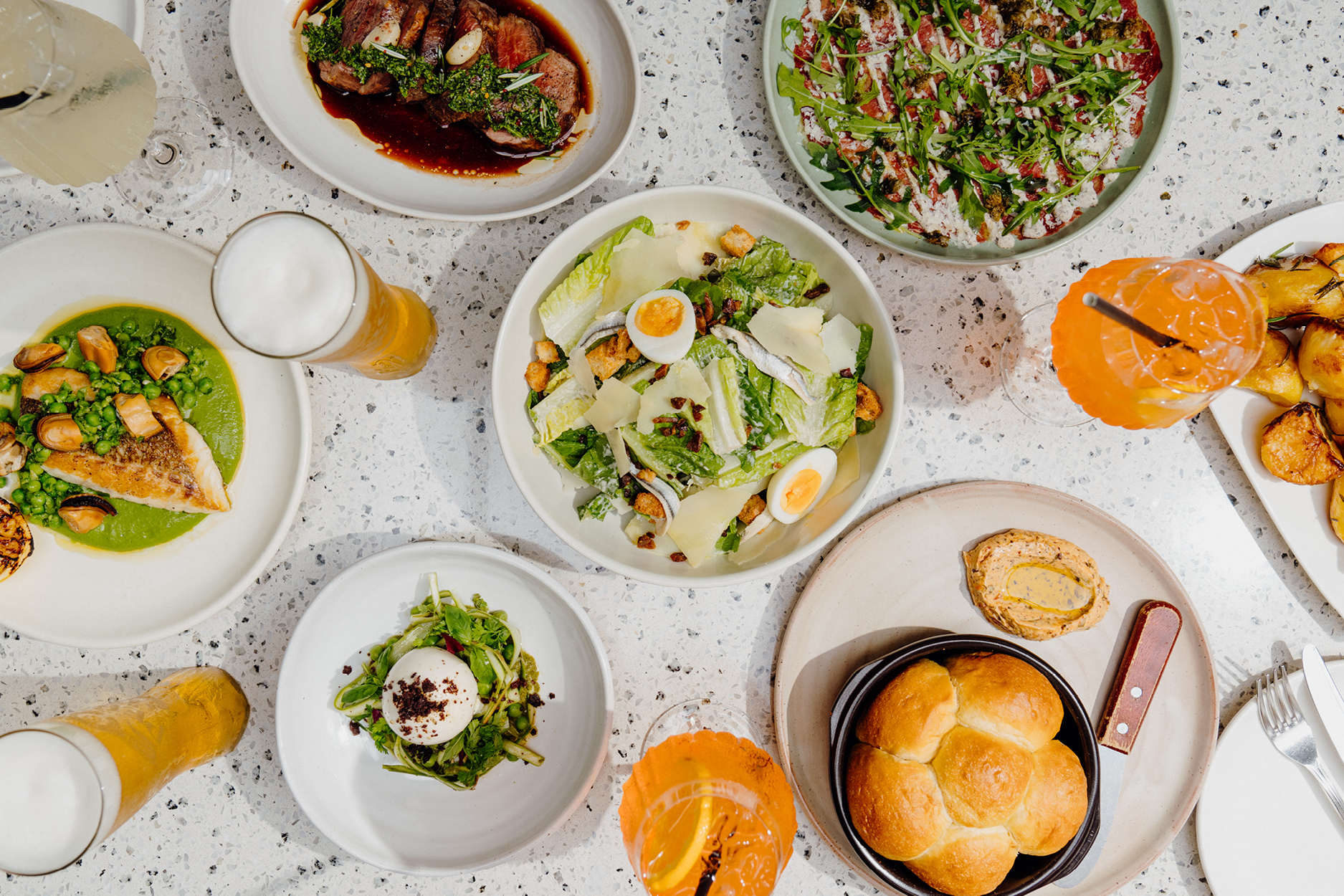
Despite best intentions, it’s not every day that we have the time to enjoy a long, leisurely lunch. Fortunately, for occasions when quick and easy is the only option, some of our favourite spots in the city have tailored offerings for those in a time crunch. From express menus to lunch deals served in haste, we’ve rounded up where to find the very best quick yet satisfying midday fare that doesn’t compromise on taste.

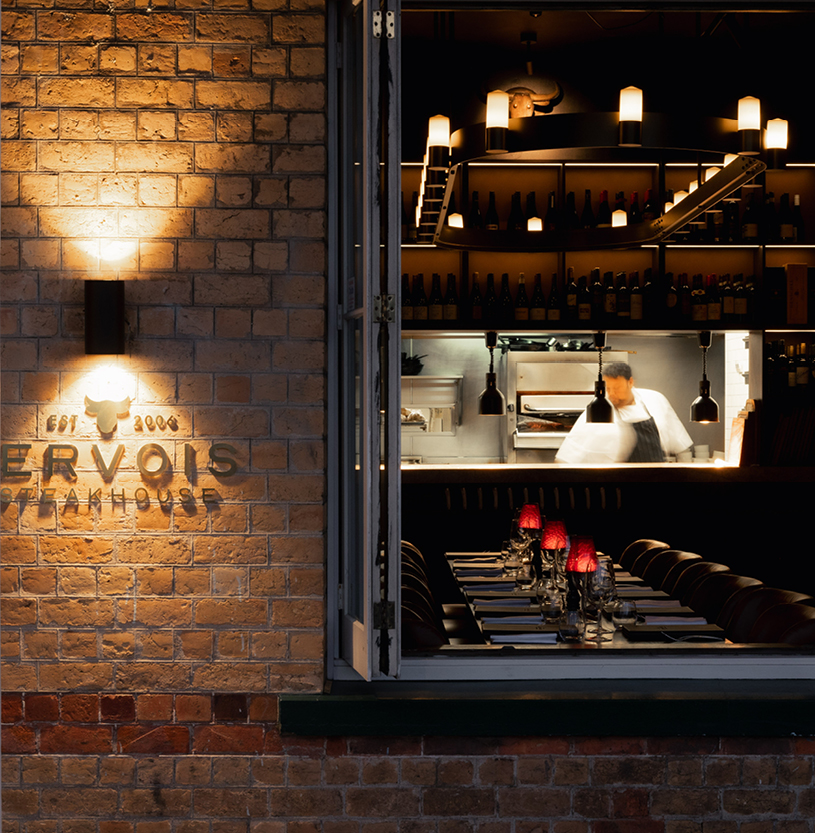
Jervois Steakhouse

Available: Friday, lunch
Offering: $55 for a main, a side and a glass of house wine (min 2 people, max 6 people)

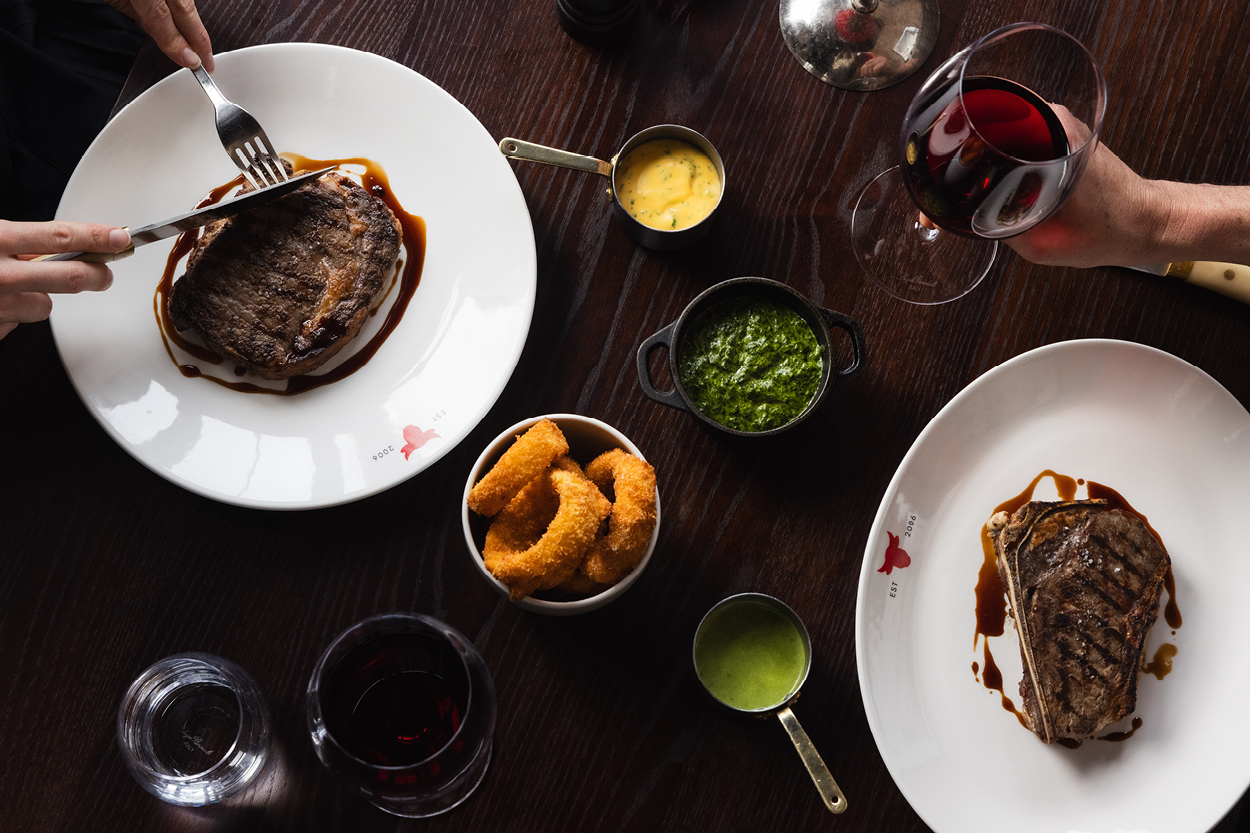
This Ponsonby institution has long been a great choice for a casual but delicious workday lunch, and recently, the addition of a ‘Power Lunch’ (available exclusively on Fridays) has made weekday dining simpler than ever. Here, you’ll find an entree, main and a glass of house wine for $55, and the options are plentiful. As you’d expect, steak takes centre stage with four cuts to choose from, served alongside market fish, crumbed chicken, or vegetarian gnocchi and cult-status sides such as the crayfish mac ‘n’ cheese, duck fat roasted rosemary potatoes, the unforgettable signature creamed spinach, roasted beets with goats cheese and more. Bookings are encouraged.

Book your spot.

Masu

Available: Wednesday to Friday, 12pm – 2pm
Offering: $29.90 for a donburi rice bowl or other signature dishes
and miso soup

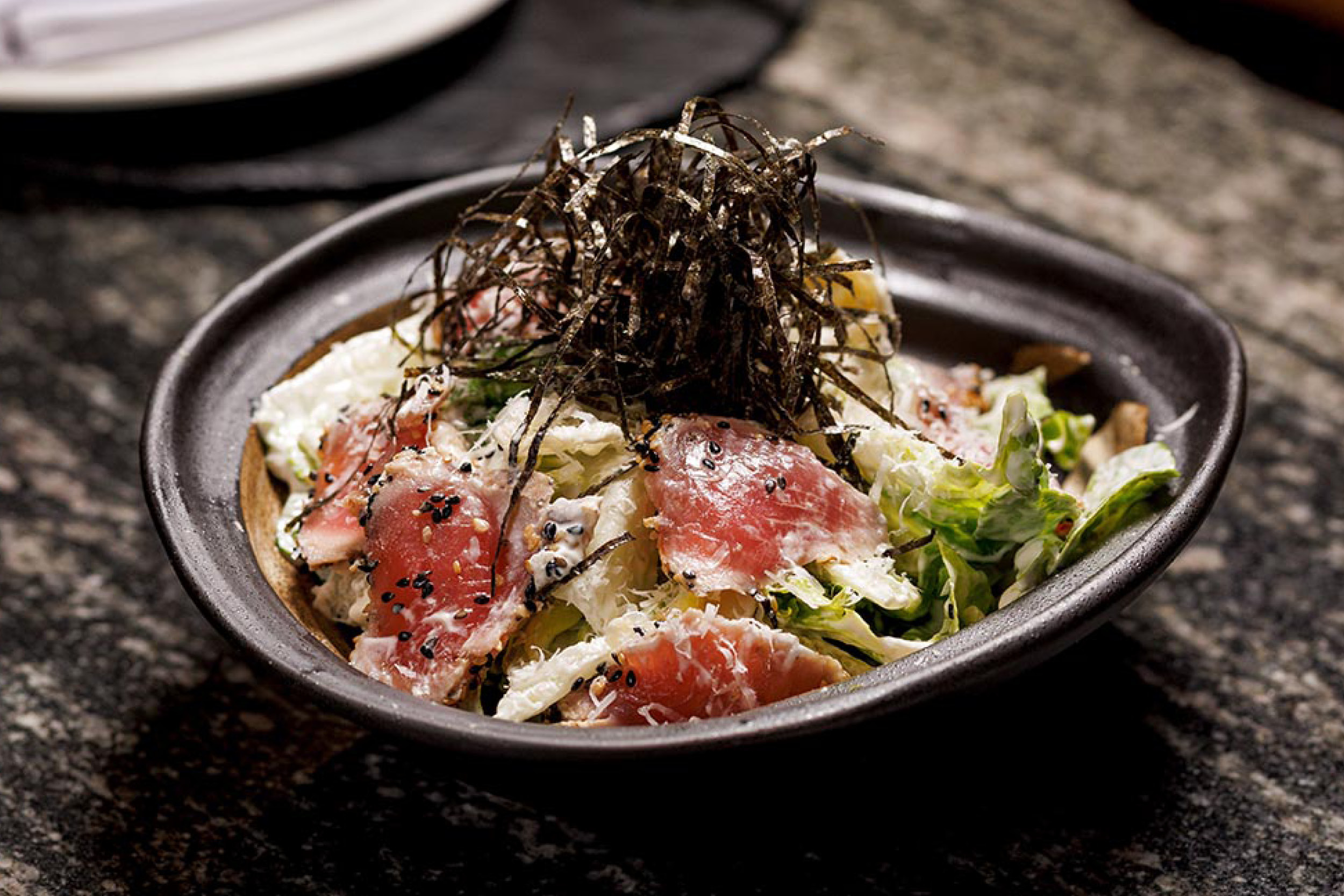
MASU’s new midweek lunch menu is built around donburi, wagyu shabu-shabu with teriyaki and tenkasu, tempura prawns with house-made furikake, a vibrant sumo bowl, each served with white miso soup and Japanese pickles. For something lighter, the tuna tataki caesar salad, tossed tableside with yuzu and freshly shaved parmesan, is worth the visit alone. Situated in the Federal Street dining precinct, squarely in the CBD’s corporate quarter, this is the kind of lunch that rewards anyone already within a five-minute walk of the office. Walk-ins and takeaways are welcome, but booking ahead is encouraged.

Book your spot.

Ebisu

Available: Monday to Friday, 12pm — 1:30pm
Offering: $50 for an entree & a main or $60 with a house beer or wine; add dessert for $5

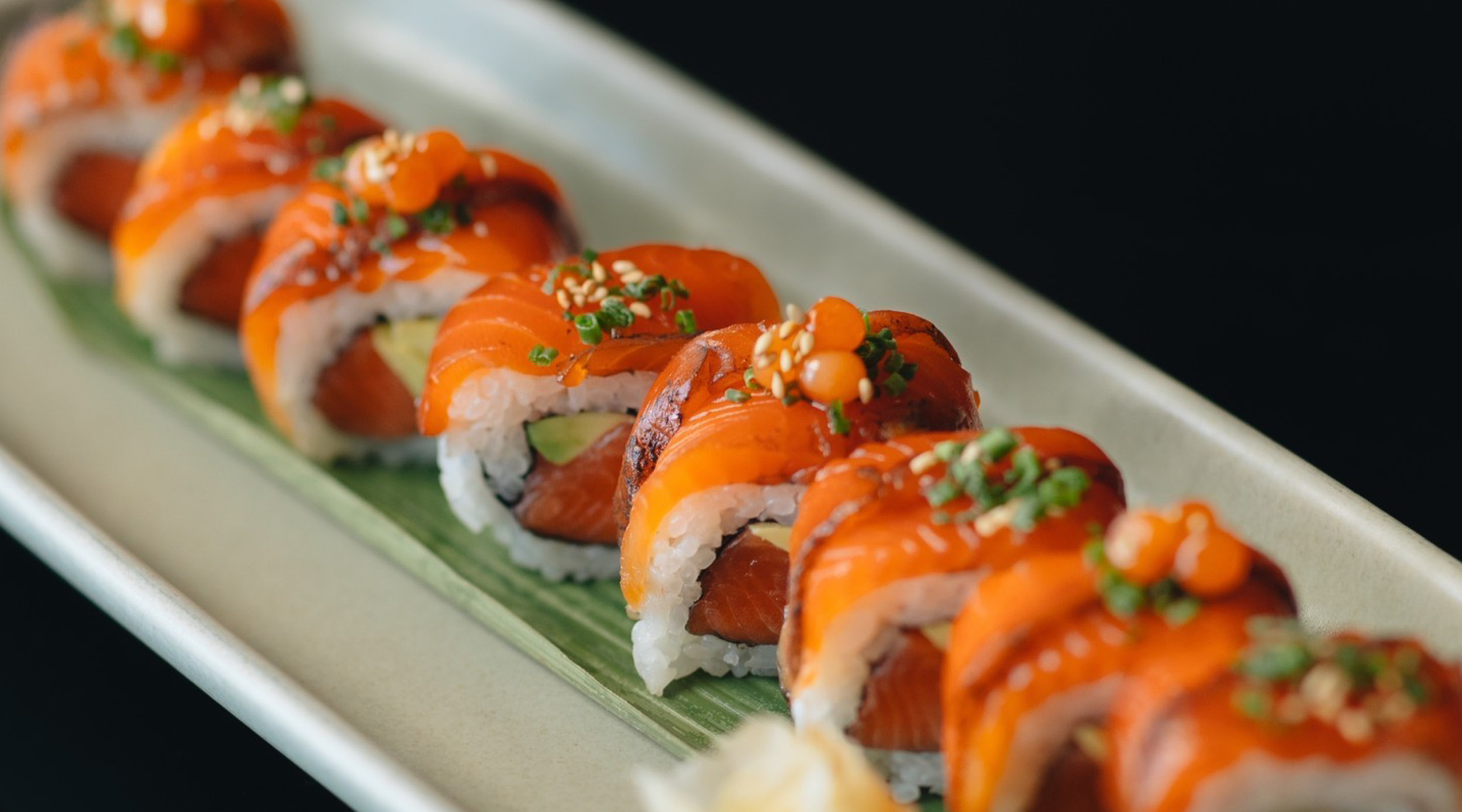
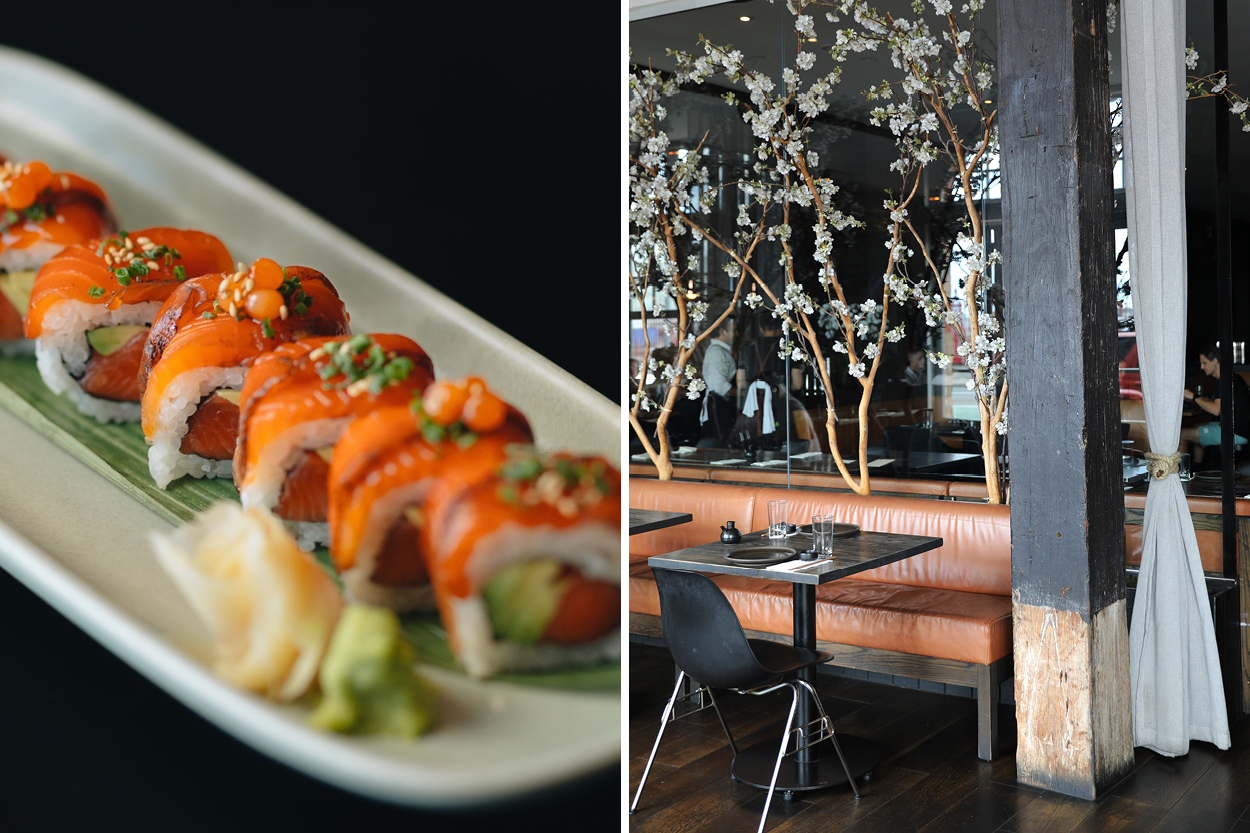
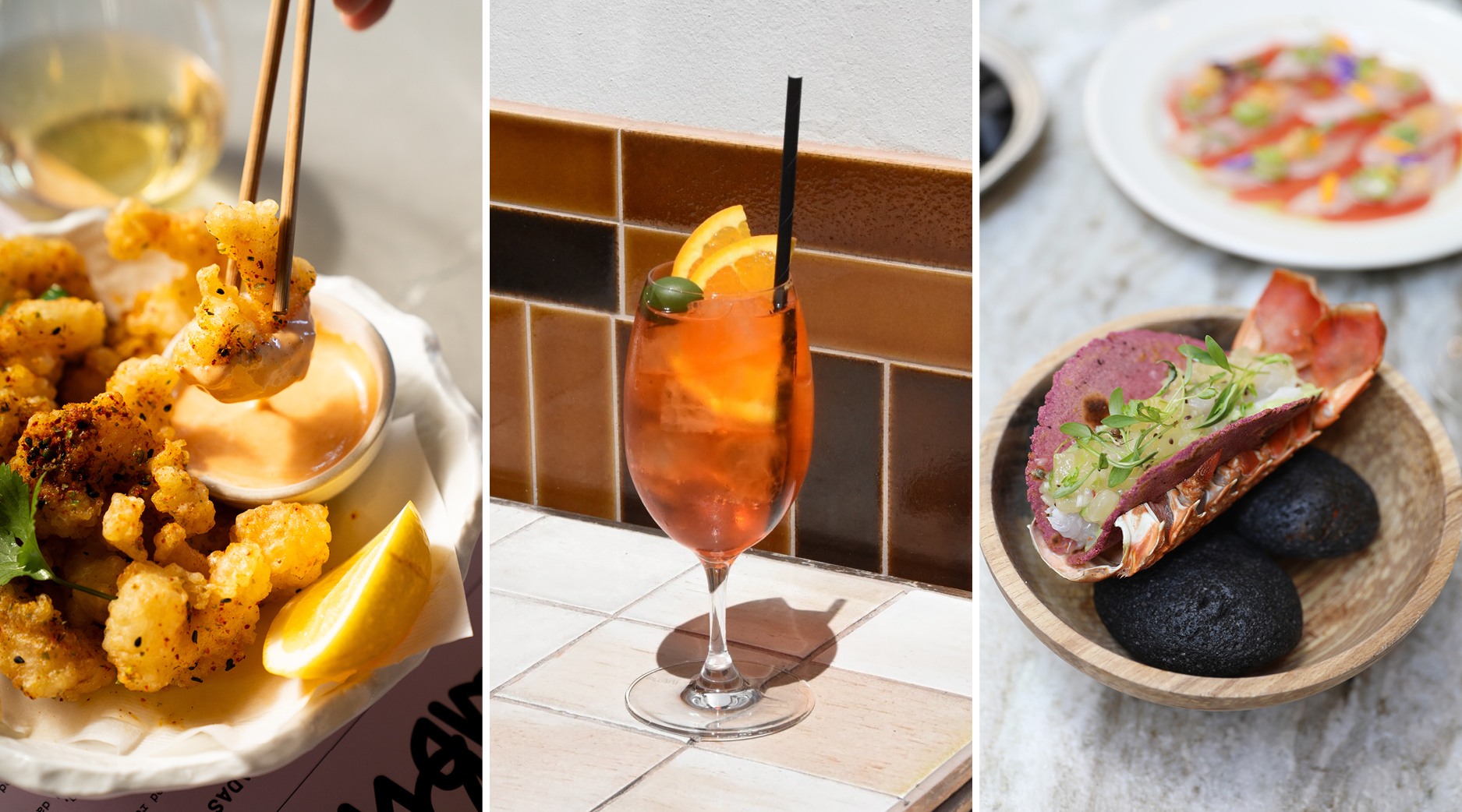
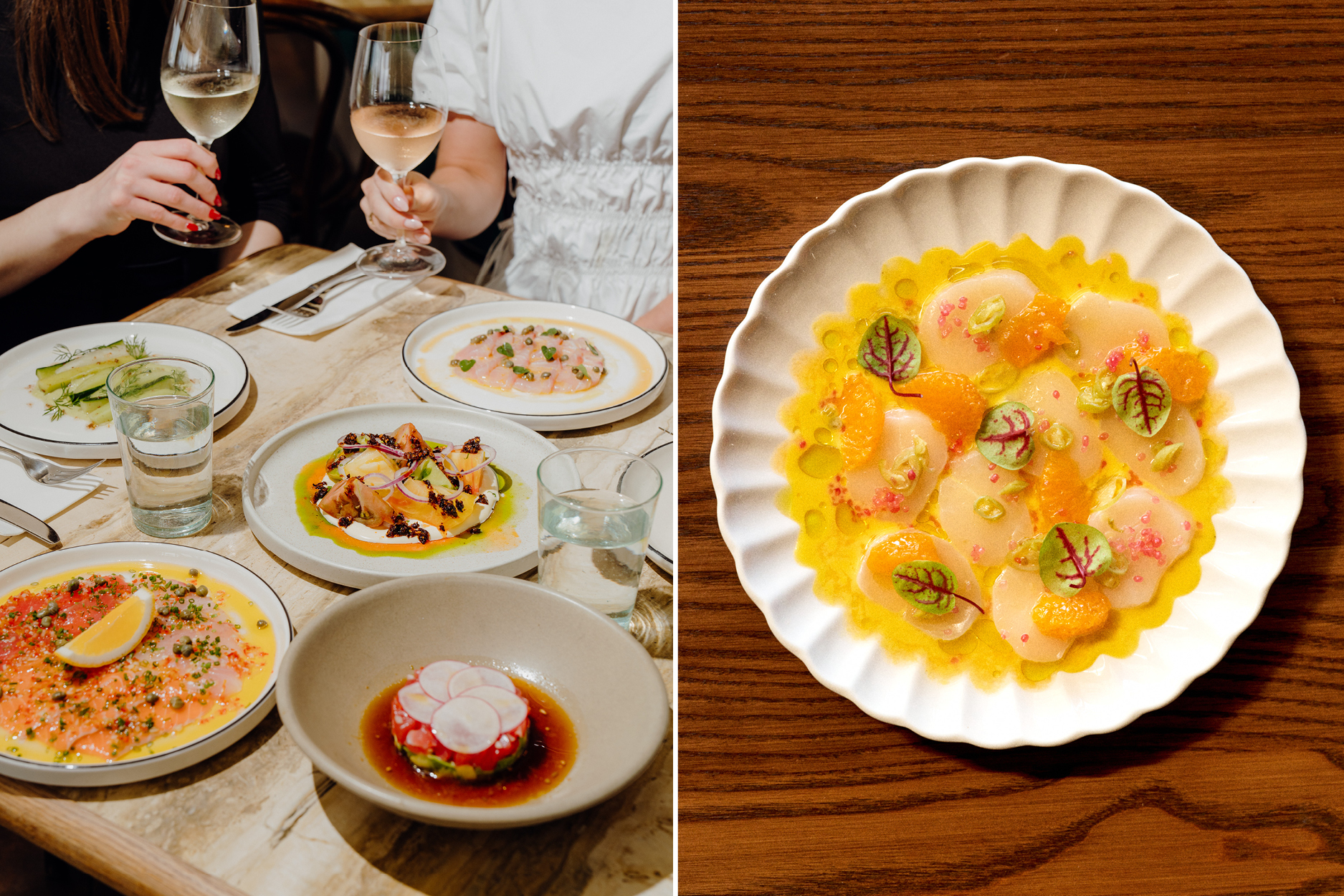
Here, in the heart of Downtown Auckland, this Britomart stalwart offers an Express Menu for those needing a good meal in the midst of a busy day. For $50, choose from a considered list of Ebisu’s most beloved, contemporary Japanese dishes, including the chef’s selection of fresh market sashimi or a tasty salmon avocado roll to begin, one of three hero mains to follow (the teriyaki chicken with truffle oil is our preference), and a delightful fresh sorbet to finish. A consistently failsafe crowdpleaser, we can’t look past Ebisu for a fantastic lunch in the city — express or otherwise.

Book your spot.

Bar Ziti

Available: Weekdays, 11.30am – 3.30pm
Offering: $25 lunch menu

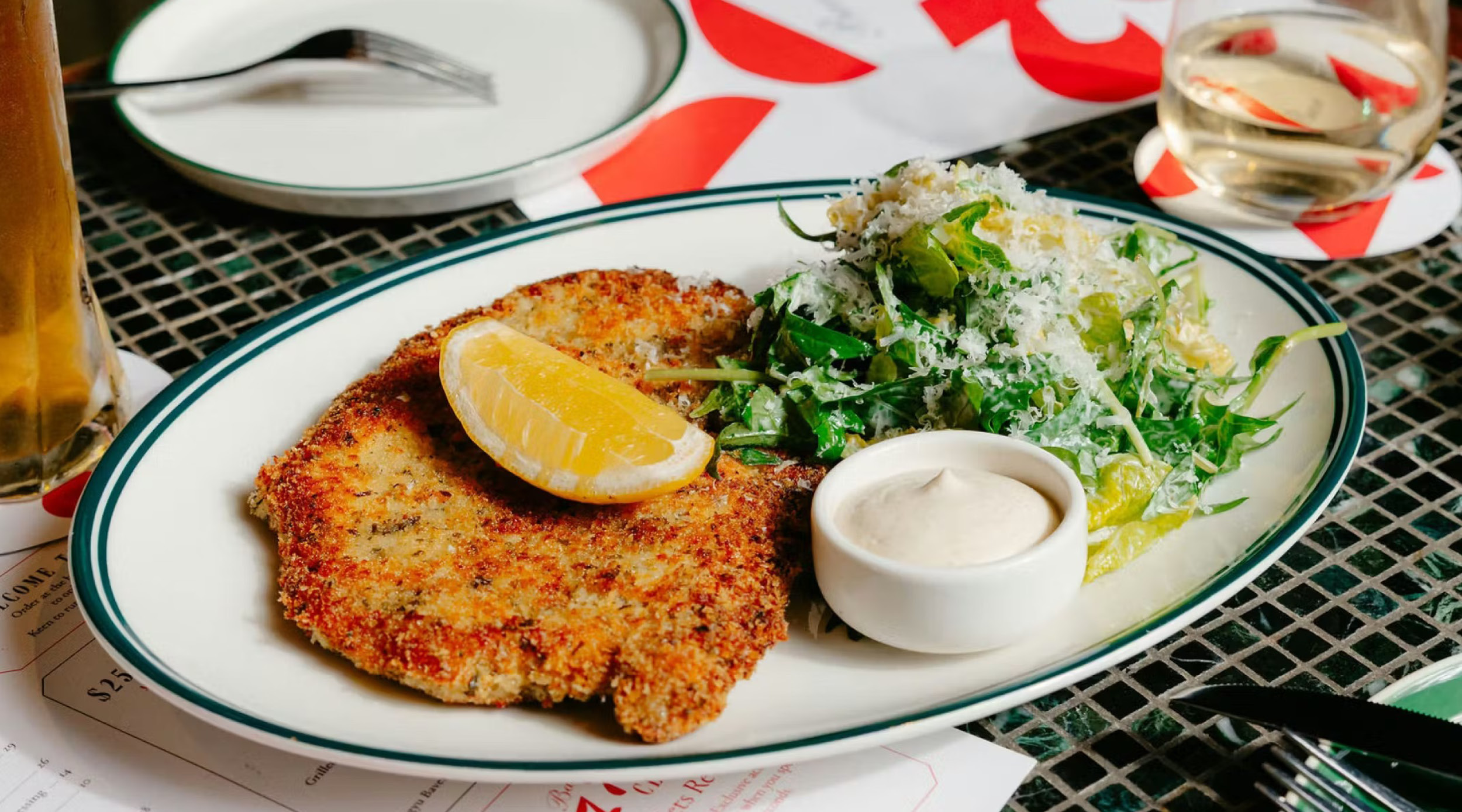
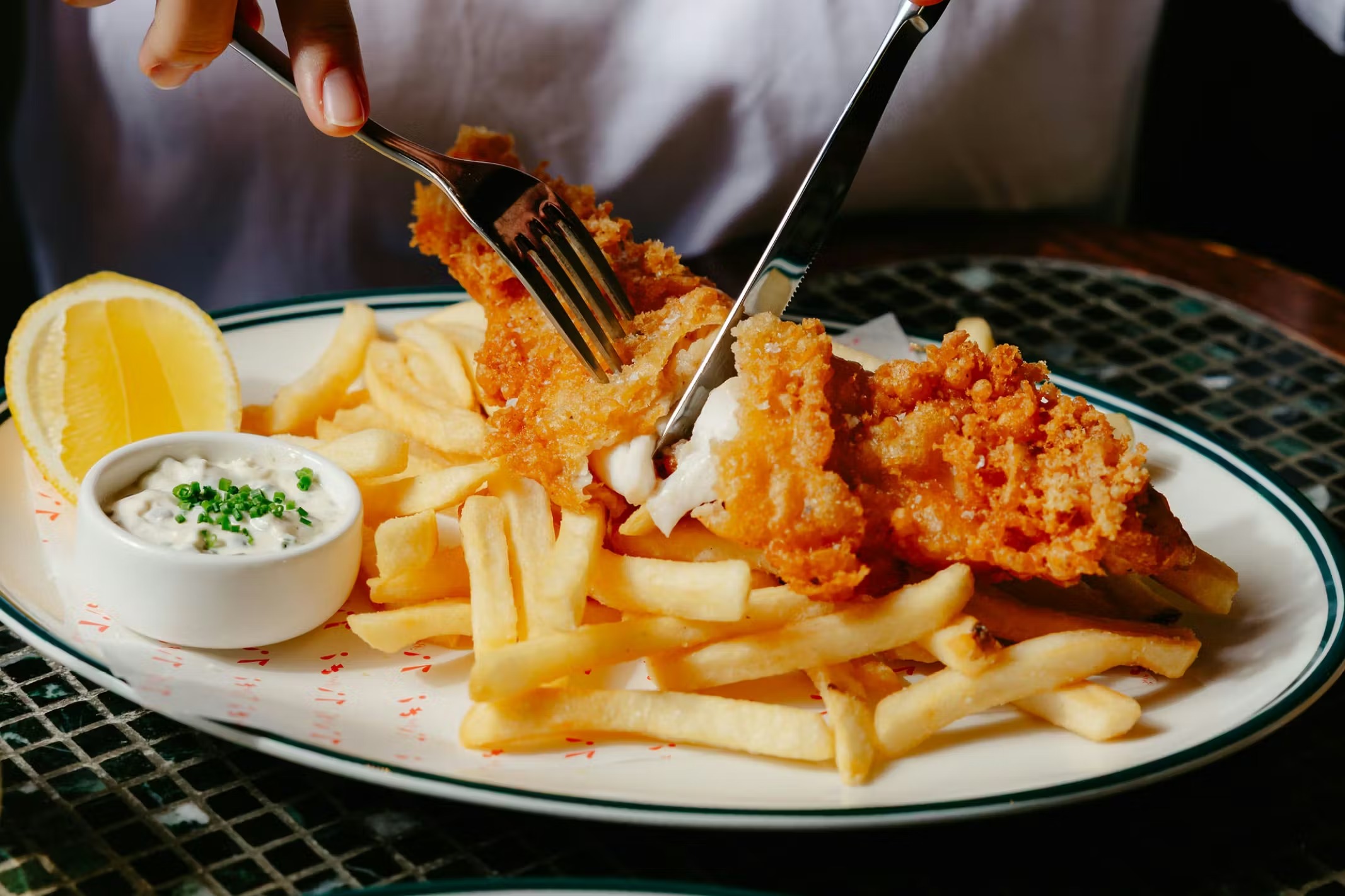
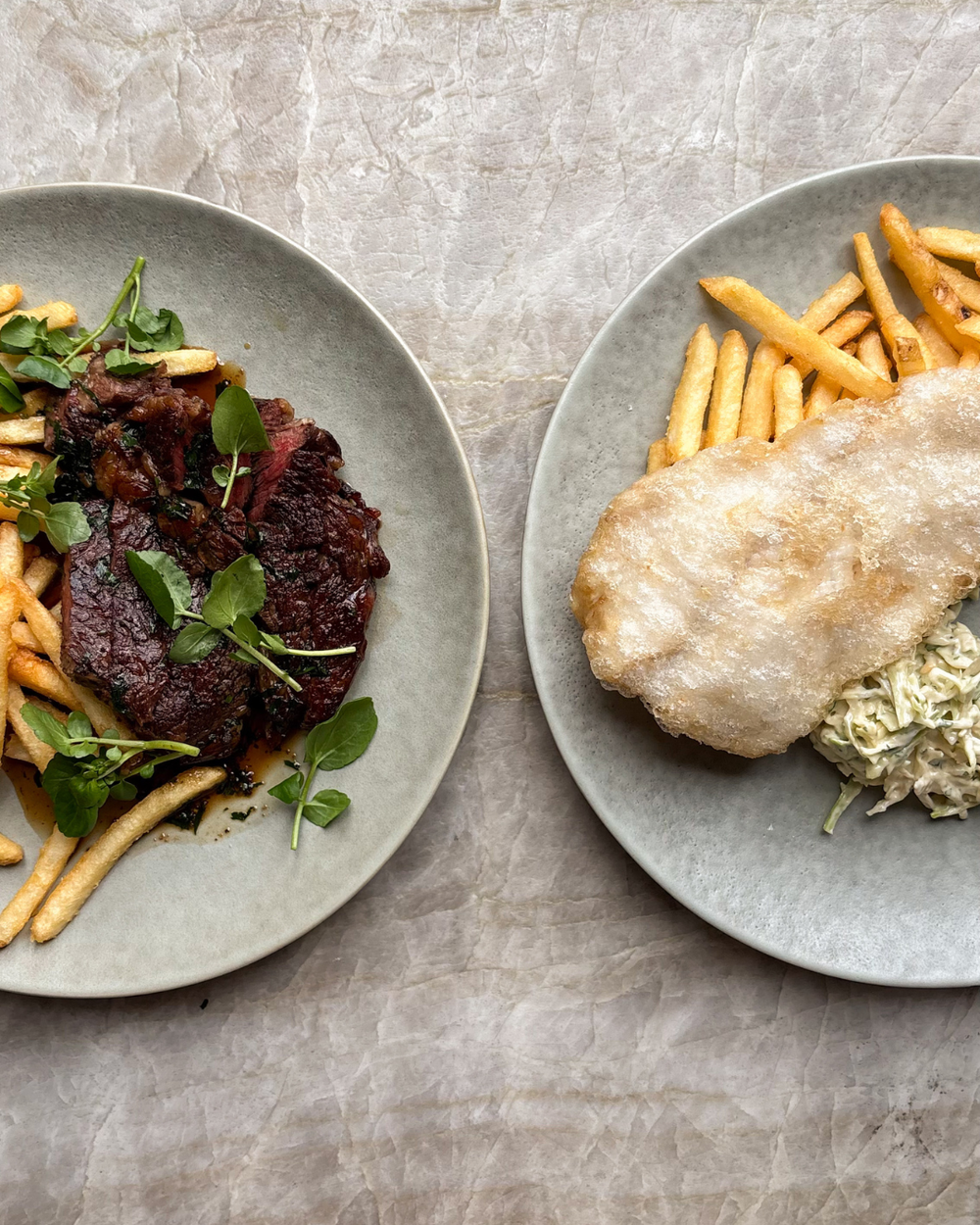
For the days when you want something reliable and well made without the formality of a set menu, Bar Ziti’s Lunch Club is hard to beat. The $25 lineup covers a wagyu cheeseburger, chicken schnitzel, margherita pizza, fish and chips, and a steak frites that lands on Fridays for good measure. No membership, no booking required, just walk in. Tucked into Britomart’s Roukai Lane with Savor Group’s signature polish behind the pass, it’s the most accessible lunch on this list and, for the price, one of the smartest.

No bookings required.

Kingi

Available: Weekdays, 12pm – 2.30pm
Offering: $39 for a main and drink

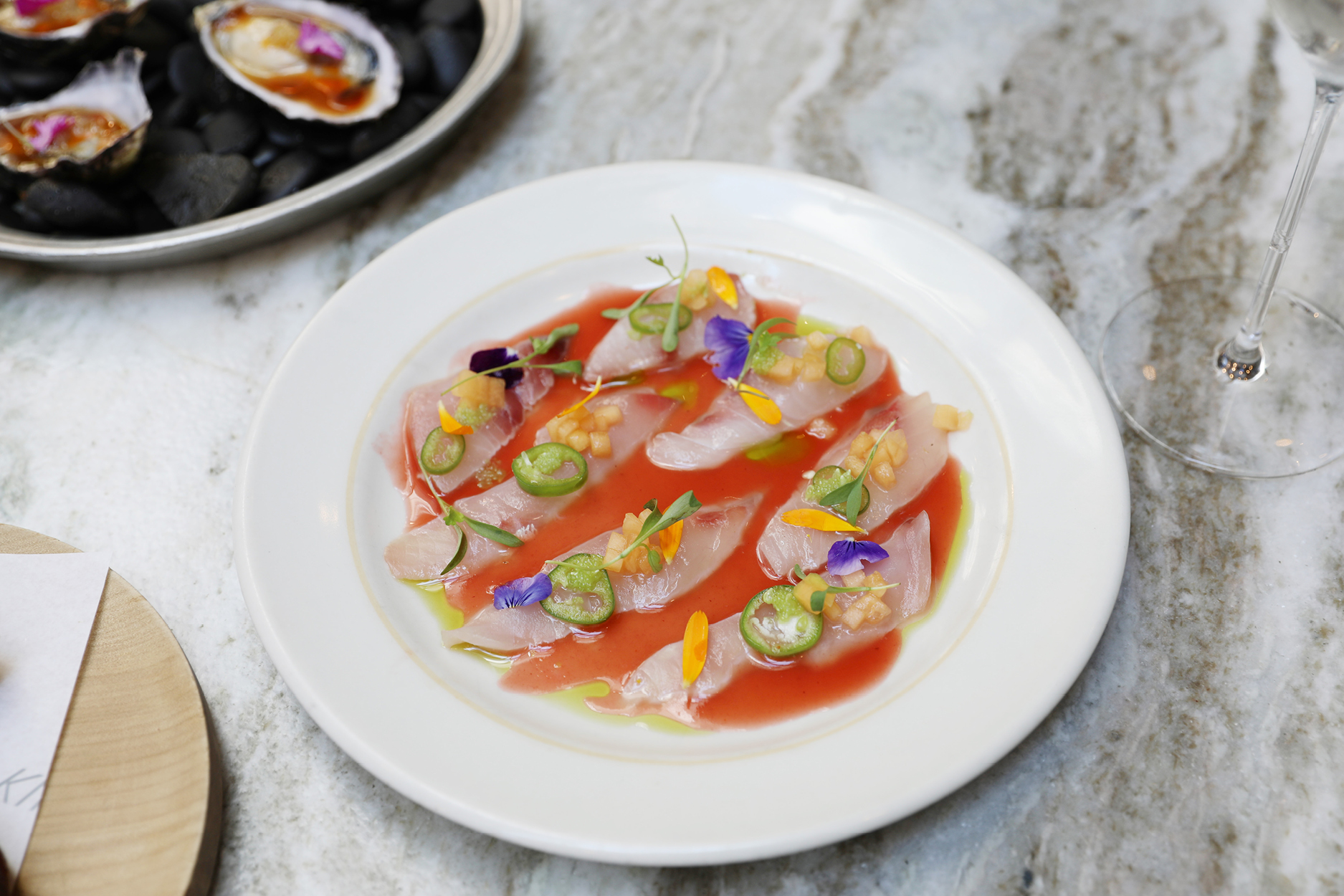
In the heart of Britomart, Kingi’s Express Lunch offers a refined yet fuss-free midday meal, perfect for those short on time but unwilling to compromise on flavour. For $35, choose from a menu that distills the eatery’s signature approach to fresh, sustainable ingredients — think shellfish tagliatelle with a hit of nduja, a raw tuna Caesar that reimagines a classic, or a Wagyu steak flatbread that delivers indulgence without the heaviness. Paired with your choice of drink, it’s a swift yet satisfying way to experience Kingi’s considered fare.

Book your spot.

Cāntīng

Available: Weekdays from 12pm
Offering: $38 for an entree & a main

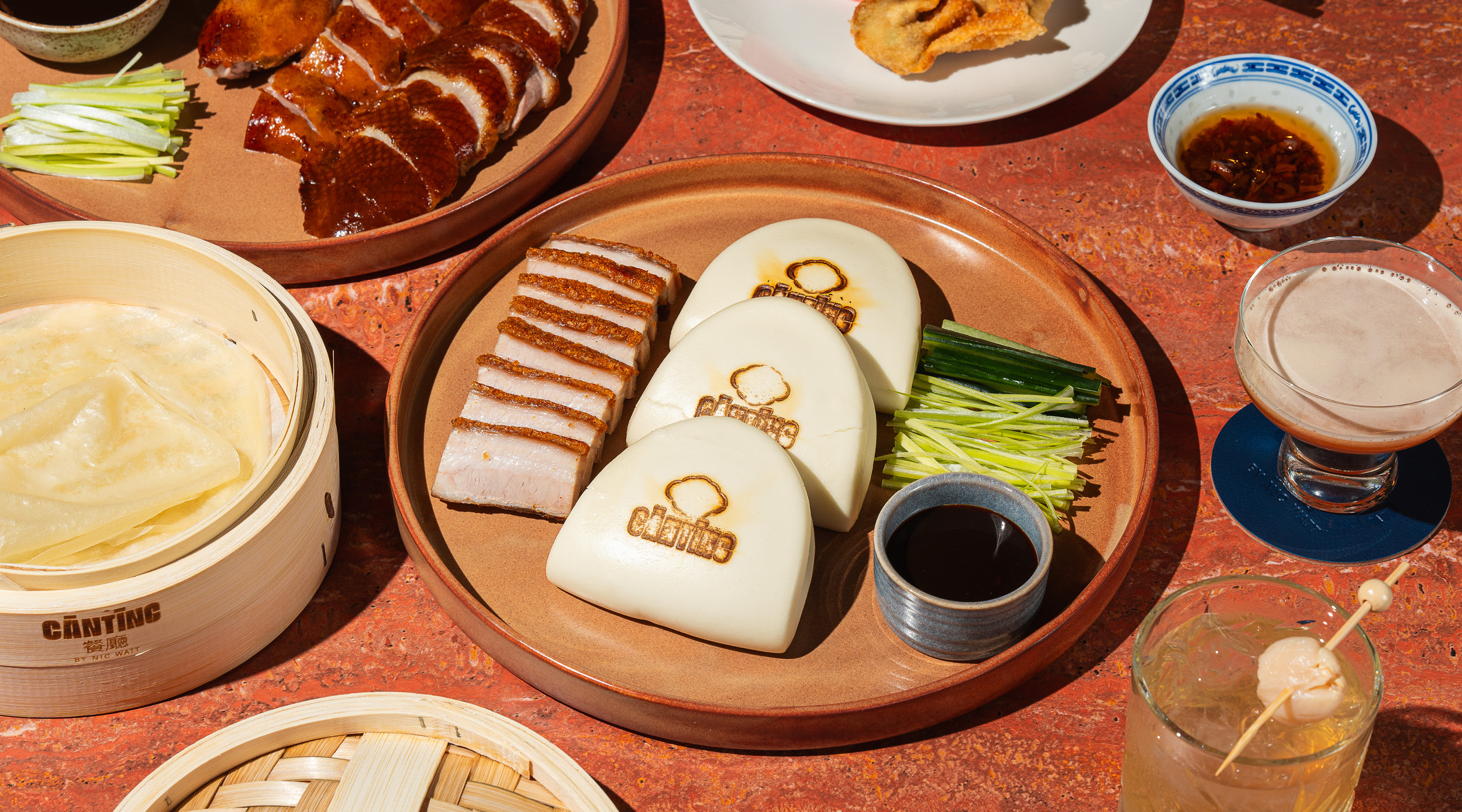
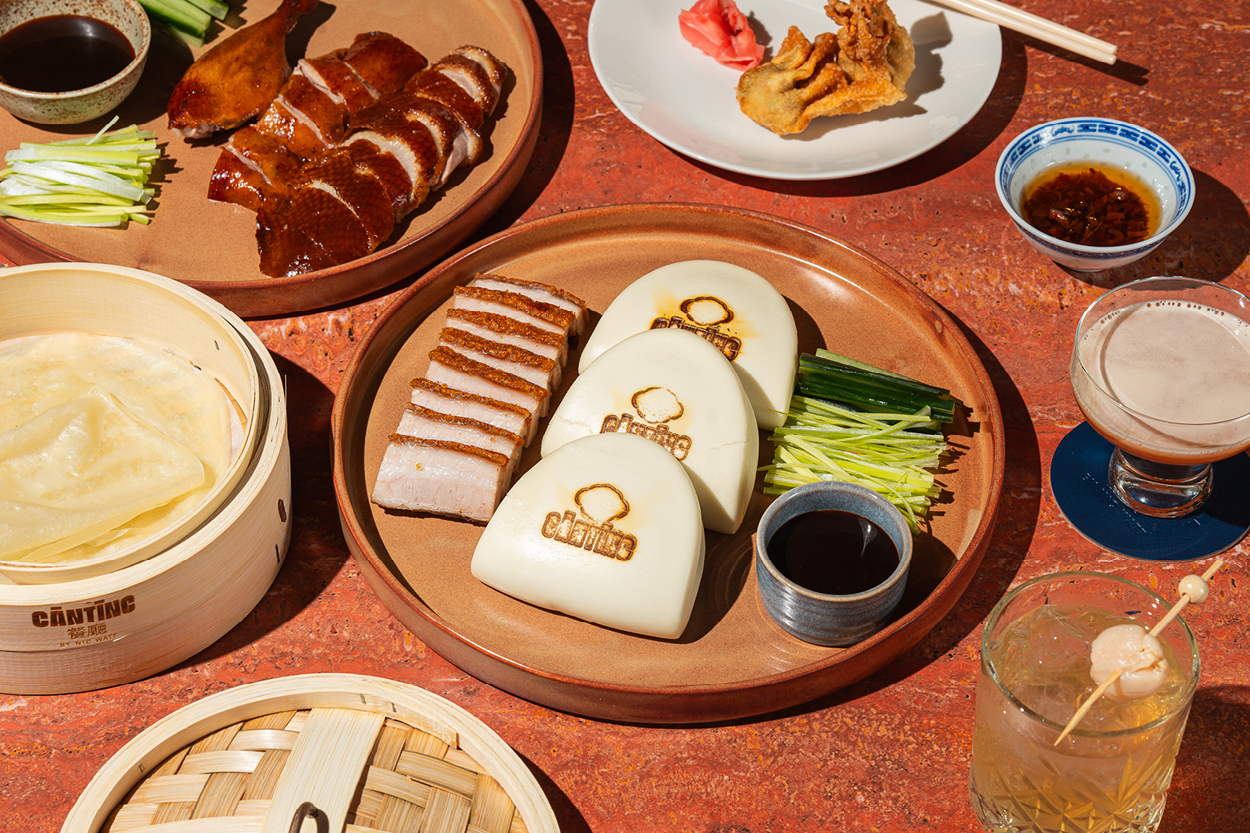
Perched above the waterfront, Cāntīng’s Express Lunch brings bold, vibrant flavours to the midday rush. For $38 per person, enjoy a two-course selection that highlights the kitchen’s deft hand with modern Cantonese cuisine. Start with your choice of crisp spring rolls or delicate dumplings before moving on to a hero main — whether it’s the punchy bang bang chicken, succulent BBQ duck, or rich, slow-cooked Cantonese pork belly. Designed for efficiency without sacrificing flavour, it’s a quick yet indulgent escape from the working day.

Book your spot.

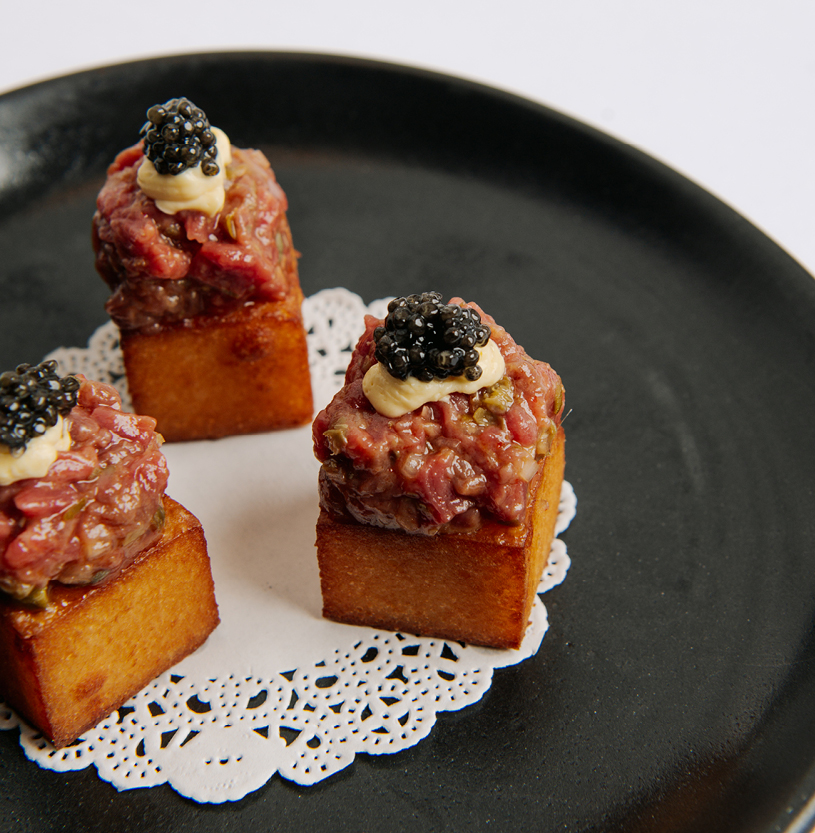
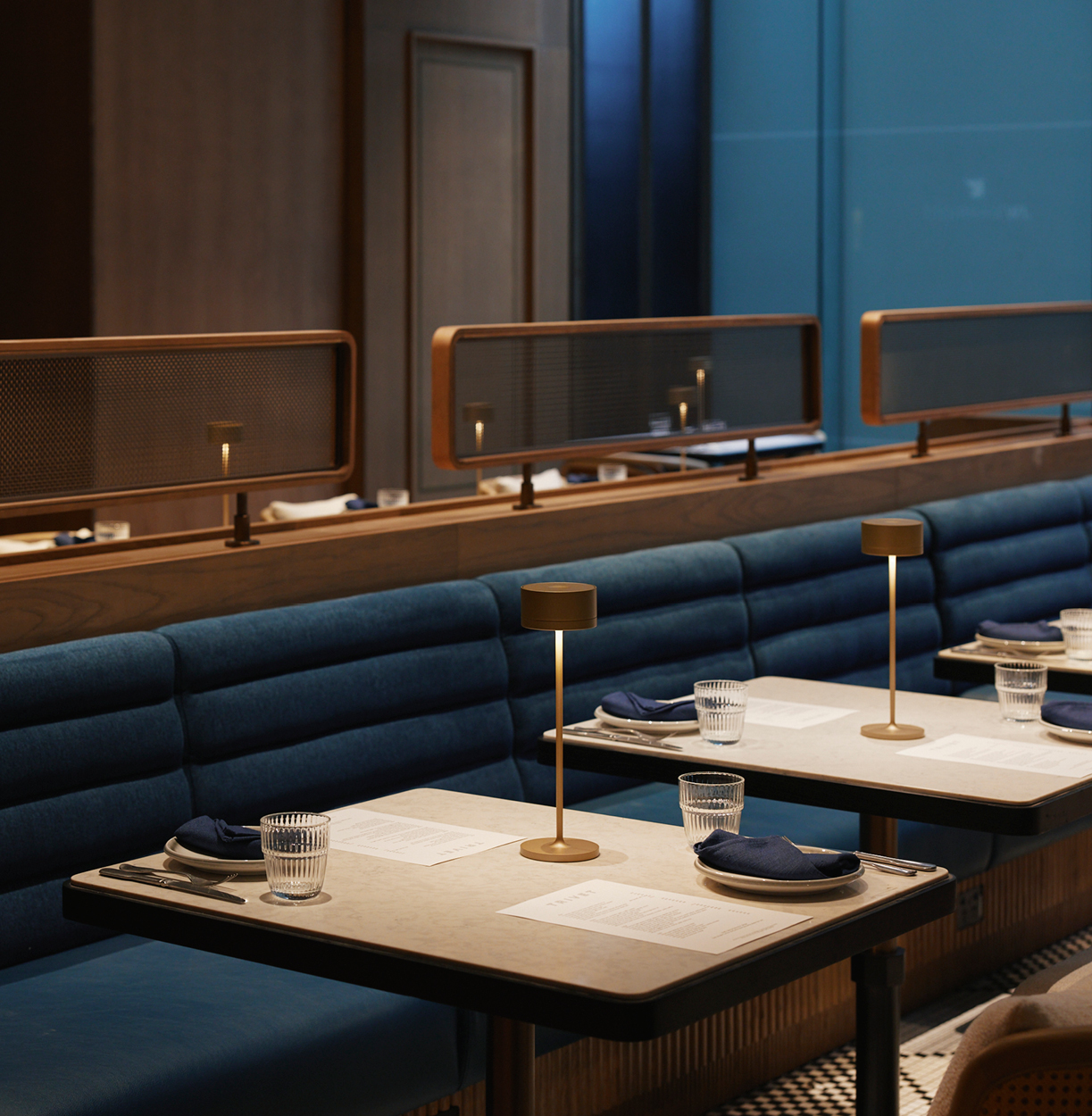
Gilt Brasserie

Weekday Schnitzel Available: Wednesday to Thursday, from 11:30am
Weekday Schnitzel Offering: $29 for Veal Schnitzel & a side

Minute Steak Available: Monday to Saturday, lunch
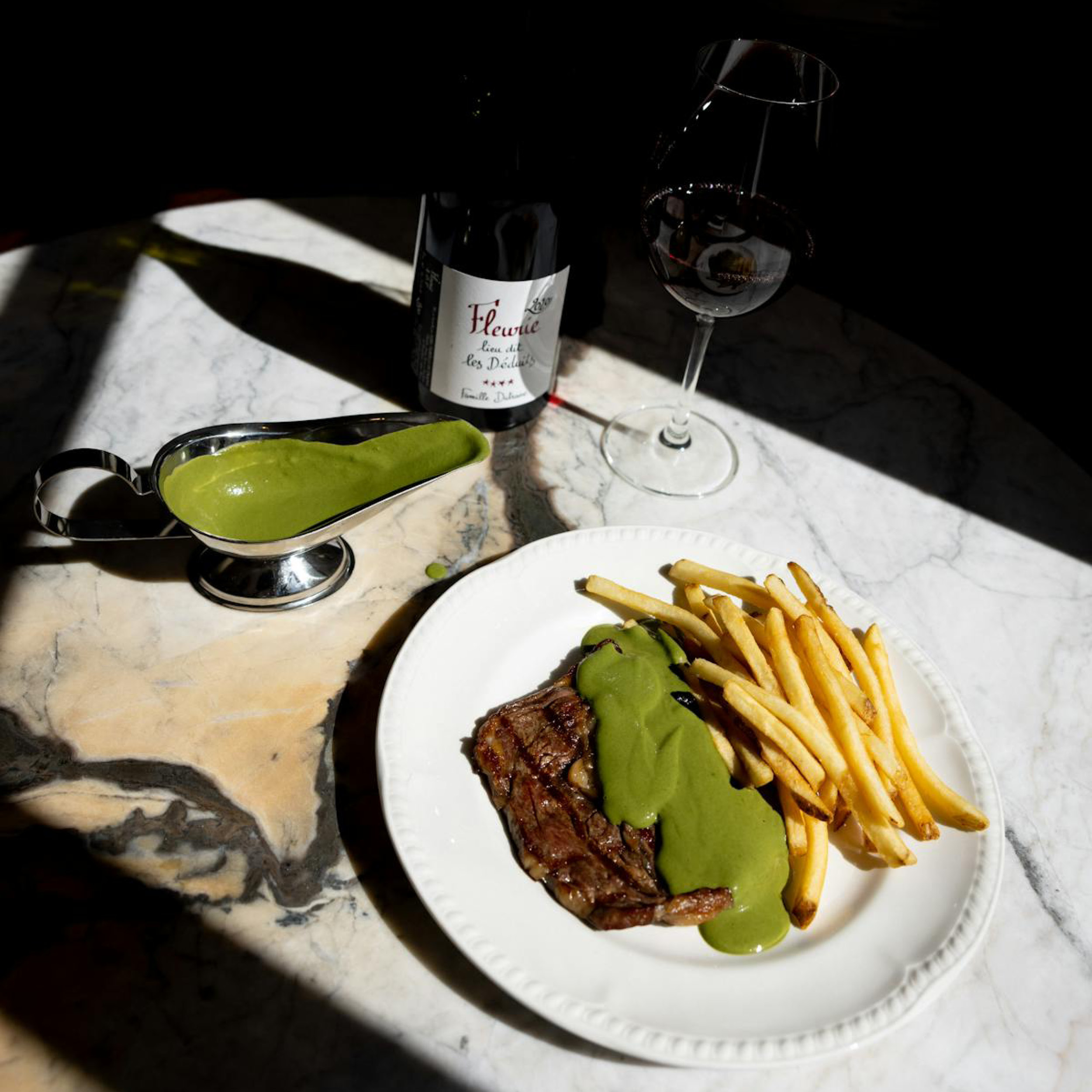
Minute Steak Offering: $28 for a 120g scotch with pomme frites & entrecôte sauce

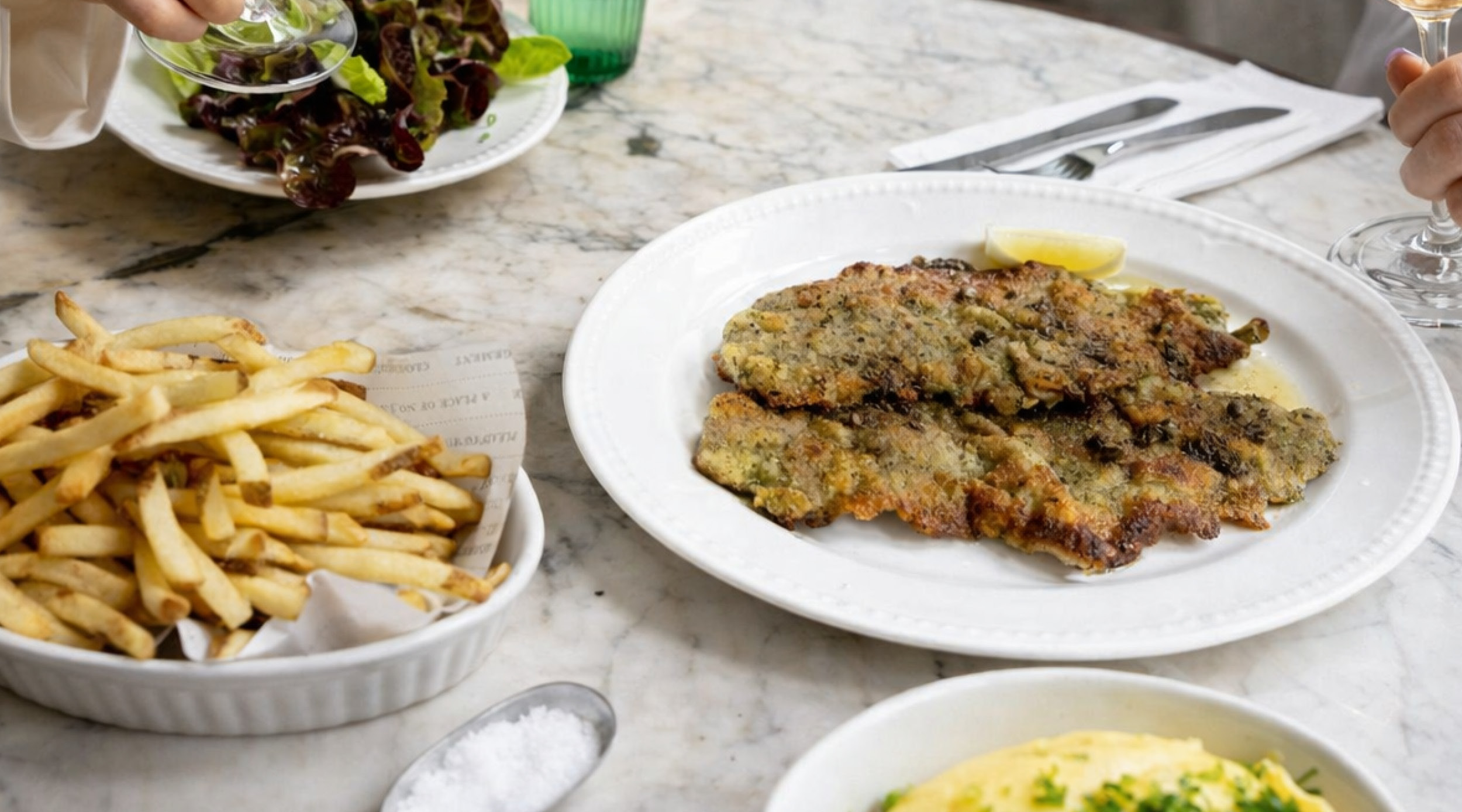
Whether it’s a leisurely break or a quick bite between meetings, there’s a plate waiting for you at Gilt. On Wednesdays and Thursdays, a golden veal schnitzel takes centre stage, served with pomme purée, frites, or a fresh salad for $29. And, any day of the week, the minute steak offers a perfectly seared 120g scotch, crisp pomme frites, and rich entrecôte sauce for just $26. Pull up a bar stool or settle in for a working lunch — either way, it’s a sure to be satisfying pause in the day.
Book your spot.

Origine

Available: Weekdays from 12pm3pm
Offering: $49 for a 3-course meal

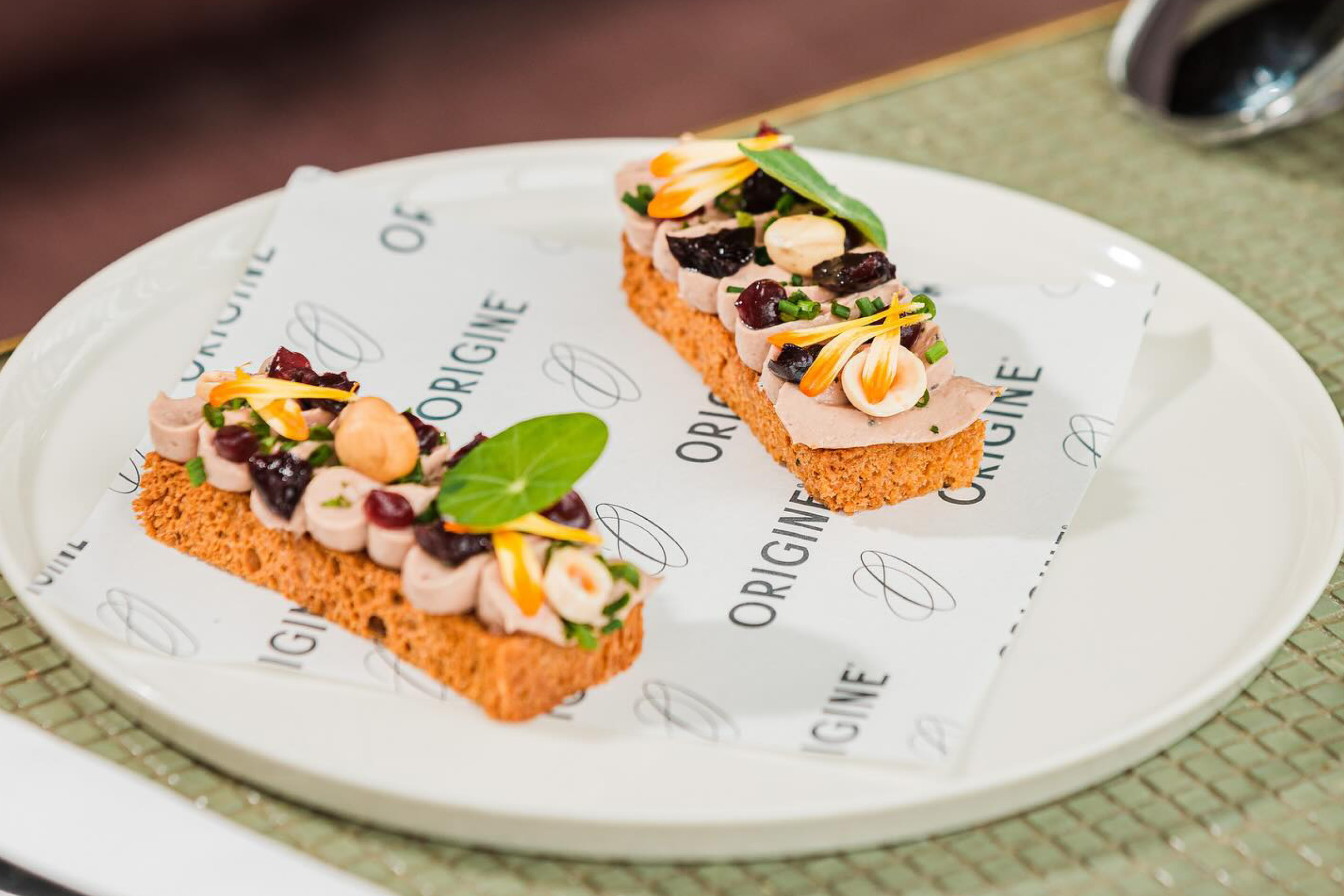
Three courses in under an hour sounds like a promise, but at Origine it’s a well-rehearsed routine. The express lunch moves through a snack, main and dessert with the kind of quiet efficiency that makes French bistro dining feel effortless rather than indulgent. At $49, it’s arguably the sharpest-value sit-down lunch in Commercial Bay, and with harbour views from those double-height windows, it does more of the heavy lifting for a client meeting than any boardroom ever could.

Book your spot.

Gastronomy

Win the ultimate experience as Church Road brings its Cellar Door to Somm Wine Bar & Bistro
This local favourite just got a beautifully considered refresh
Where to go after dinner in Auckland: Kureta’s Nezake Nights

Love in the air? Here, we put forward our definitive guide to the best date night spots in Auckland

Whether you’re hoping to set sparks flying on a first date, or looking to spice up a regular date night with some fresh inspiration, there really is nothing quite like a delicious meal out to set the mood and rouse romance. From cosy, quaint watering holes where sneaking a snog in the corner is entirely acceptable, to spectacular settings that call for your finest wares and decorum, there are plenty of fantastic venues in the city sure to deliver on all fronts. Here, we round up the top eateries city-wide for a loved-up evening.

Date Night Dining
Editors’ Picks

K’Road
Pici

Freemans Bay
The Wine Room

K’Road
Gemmayze Street

Britomart
Ebisu

Date Night Dining
The Best Of The Rest

Ahi, Commercial Bay

Anise, Eden Terrace

ApéroK’Road

AzabuPonsonby

Baduzzi, Wynyard Quarter

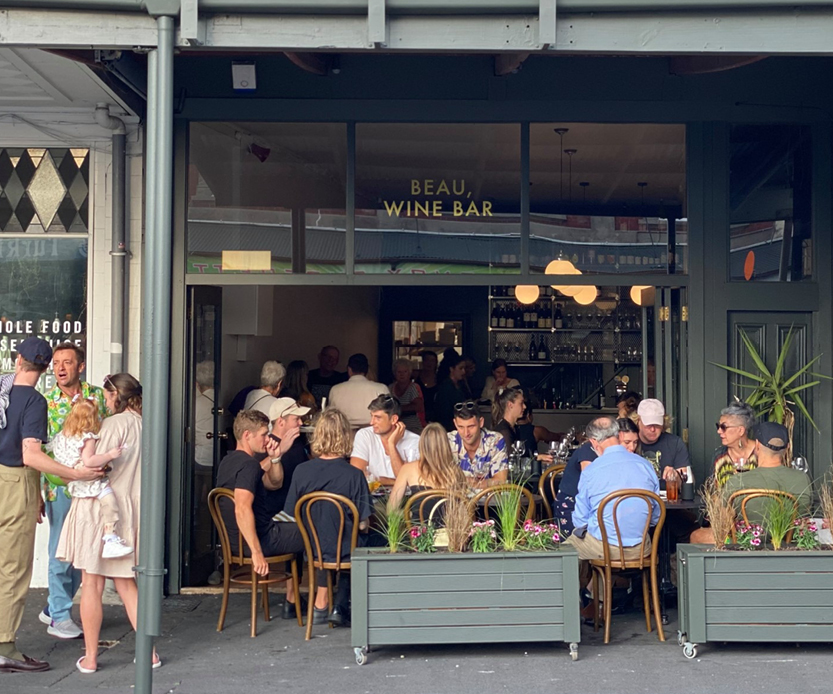
Beau, Ponsonby

Bonita, Ellerslie

Bossi, Auckland CBD

Cafe HanoiBriotmart

CandelaK’Road

CassiaAuckland CBD

Cibo, Parnell

Cocoro, Ponsonby

CulpritAuckland CBD

Duo, Birkenhead

Farina, Ponsonby

Gerome, Parnell

Gilt Brasserie, Auckland CBD

Hello Beasty, Viaduct Harbour

Humai, SkyCity

Kazuya, Eden Terrace

Lil Ragú, Takapuna

Manzo, Remuera

MasuAuckland CBD

Metita, SkyCity

MilentaVictoria Park

Mr MorrisBritomart

No. 7, Newton

OckheePonsonby

Olle, Milford

Onslow, Auckland CBD

Ortolana, Britomart

Osteria Uno, Birkenhead

Paris Butter, Herne Bay

Parro, Mount Eden

Ponsonby Road BistroPonsonby

Ragtag, Westmere

Roses Dining Room, K’Road

San Ray, Ponsonby

Sidart, Ponsonby

Somm, Princes Warf

Tala, Parnell

Tokki, Milford

Tempero, K’Road

The Grove, Auckland CBD

The Lodge Bar & DiningCommercial Bay

Vondel, Devonport

Vic Road Wine Bar, Devonport

Gastronomy

Win the ultimate experience as Church Road brings its Cellar Door to Somm Wine Bar & Bistro
This local favourite just got a beautifully considered refresh
Where to go after dinner in Auckland: Kureta’s Nezake Nights

The food and drink that will improve your gut health

Gut health is big business. Crucial for overall wellbeing, the health of our gut plays a vital role in everything from digestion to nutrient absorption, immune function, and even mental health — so it’s little wonder that there’s an increasing focus on eating foods that support in bolstering its health. Here, as winter settles in and we’re all focused on keeping the ills and chills at bay, we round up six gut-loving foods that are simple to add into your daily diet in a bid to help you on your way.

Yoghurt

Plain yoghurt is an unassuming powerhouse when it comes to gut health, packed with live probiotics that help maintain a balanced gut microbiome. It’s an easy addition to breakfasts, snacks or smoothies — just be sure to choose unsweetened, natural varieties for the most benefit.

Kefir

A dairy-based drink (although there are now also vegan options available), kefir is packed with more probiotics than regular yogurt. Its unique fermentation process also makes it easier to digest for those sensitive to lactose, making it a gentle gut ally.

Sauerkraut

Sauerkraut has long been used in German cuisine, loved for its flavourful zing and health benefits alike. Opt for unpasteurised versions (kept refrigerated), which still have the live cultures intact — this is what will boost your gut health with a dose of good bacteria. Beyond aiding digestion, it also supports immune health and pairs beautifully with everything from meats to salads.

Kimchi

A staple in Korean cuisine, kimchi is a fermented cabbage dish with chilli, packed with probiotics to support a healthy gut. Cabbage is also a prebiotic, making kimchi a double hit when it comes to gut health (same goes for sauerkraut). Regularly eating kimchi has been linked to reduced inflammation and improved gut flora diversity.

Kombucha

Perhaps one of the most enjoyable ways to up your intake of gut-loving probiotics, kombucha has fast risen through the ranks as a go-to beverage over the past few years, with seemingly endless flavour combinations keeping things interesting. The drink itself is fermented tea-based, making it beneficial in that it it’s packed with good bacteria that supports a healthy gut microbiome by balancing bacteria — aiding digestion and contributing to a stronger immune system in the process.

Bone Broth

Foods rich in collagen, such as bone broth, support gut health by healing the gut lining and benefitting the gut microbiome. Bone broth is also a source of gelatin, glutamine, and other amino acids that help reduce gut inflammation and support nutrient absorption. Plus, it’s delicious, versatile, and super simple to add to your day.

Wellbeing

The Winter Sleep Reset: We consult a sleep expert on the 10 steps to follow to start having the best sleep of your life
Bouncing back: What jumping around for 10 minutes every morning has done for me
The next-generation toxin promising speed, subtlety and rare staying power
Sen Vietnamese Kitchen and Bar

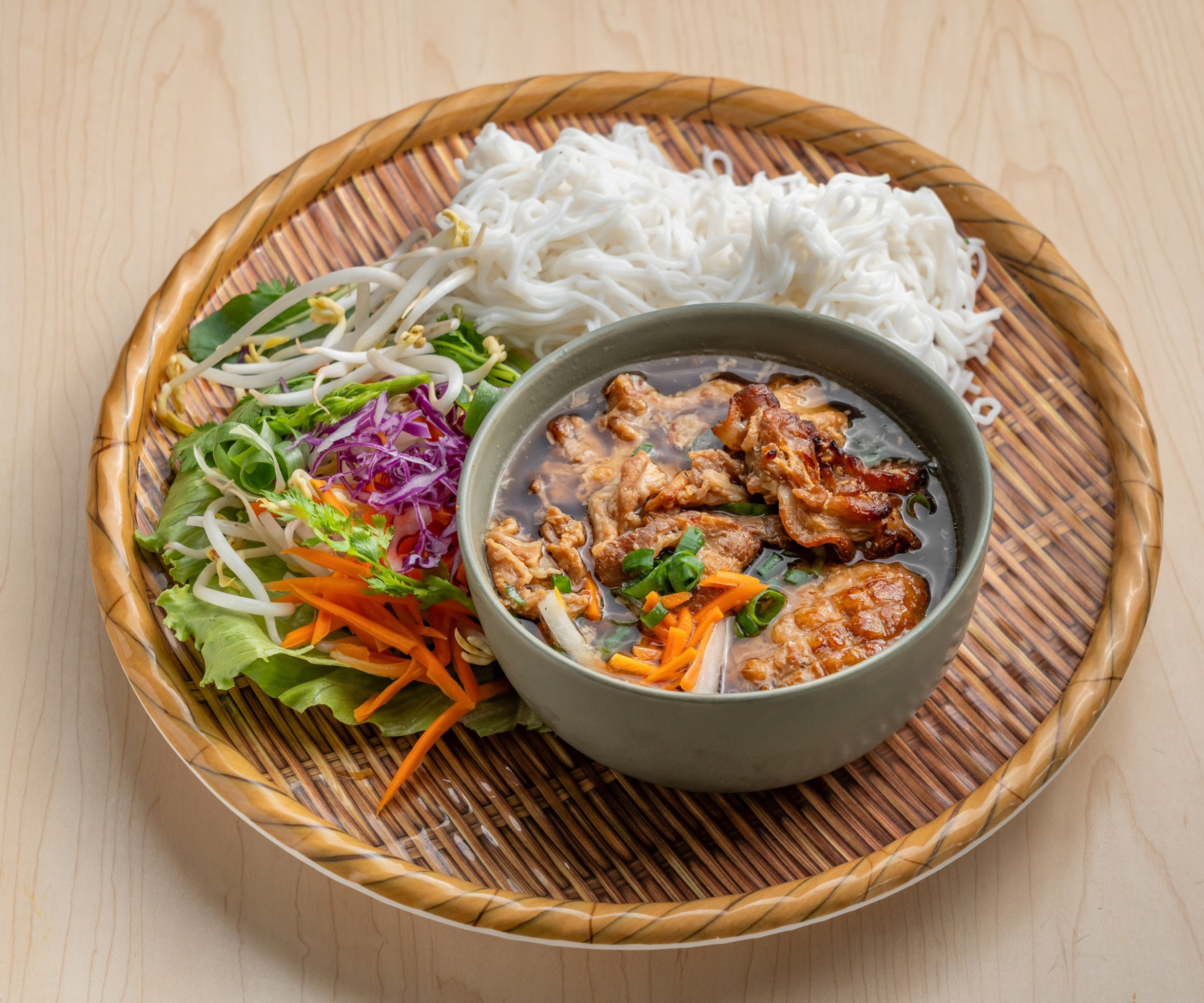
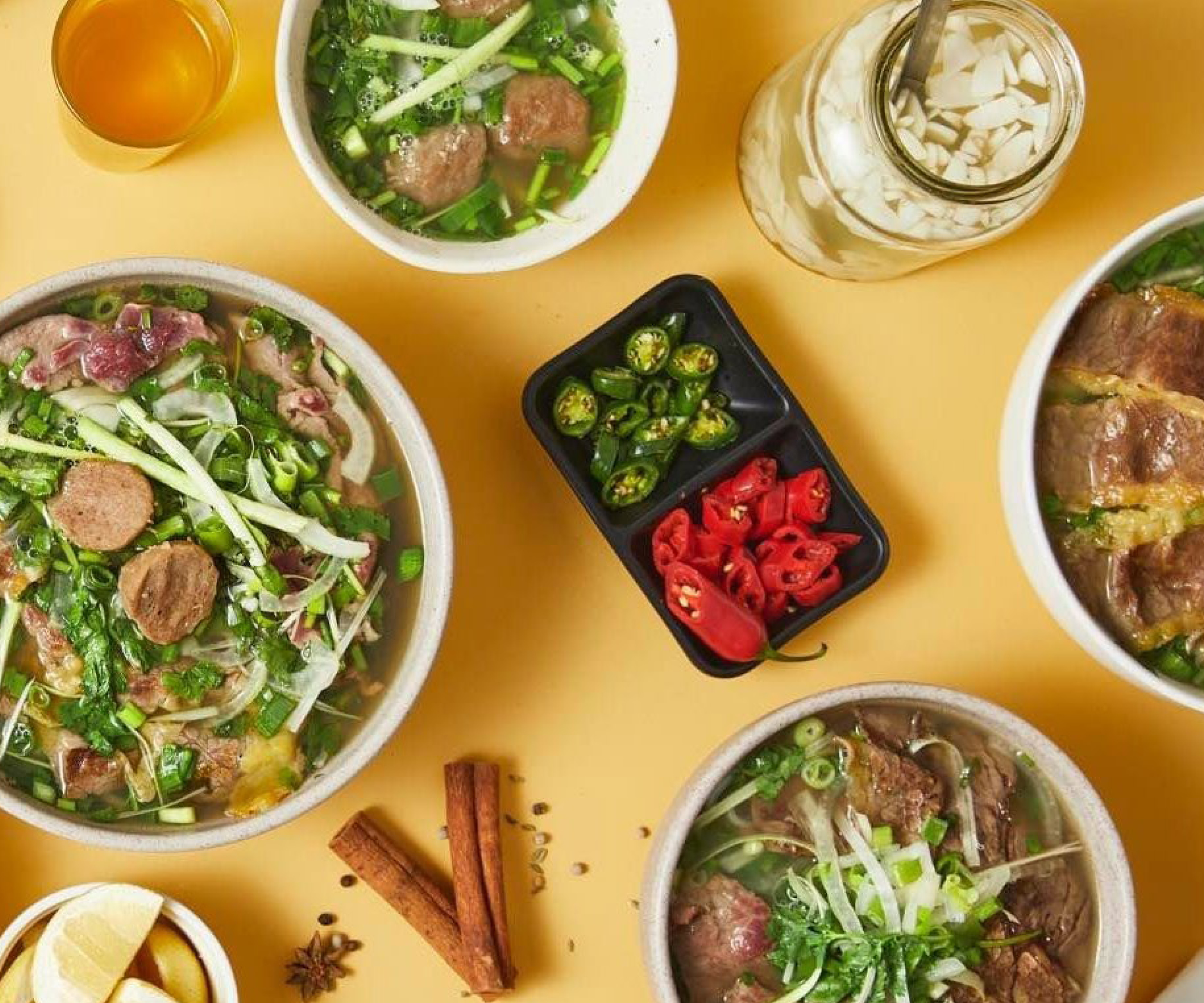
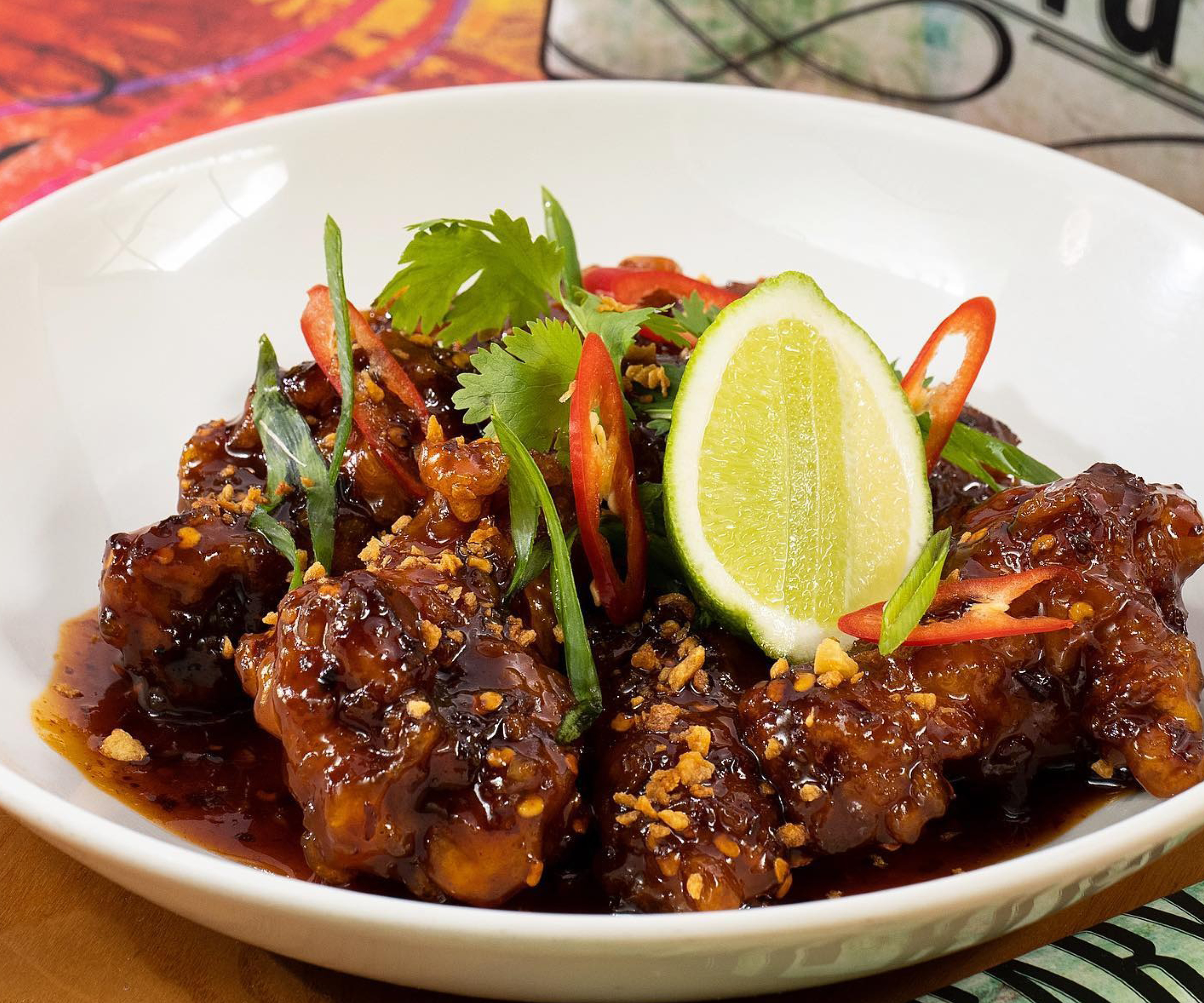
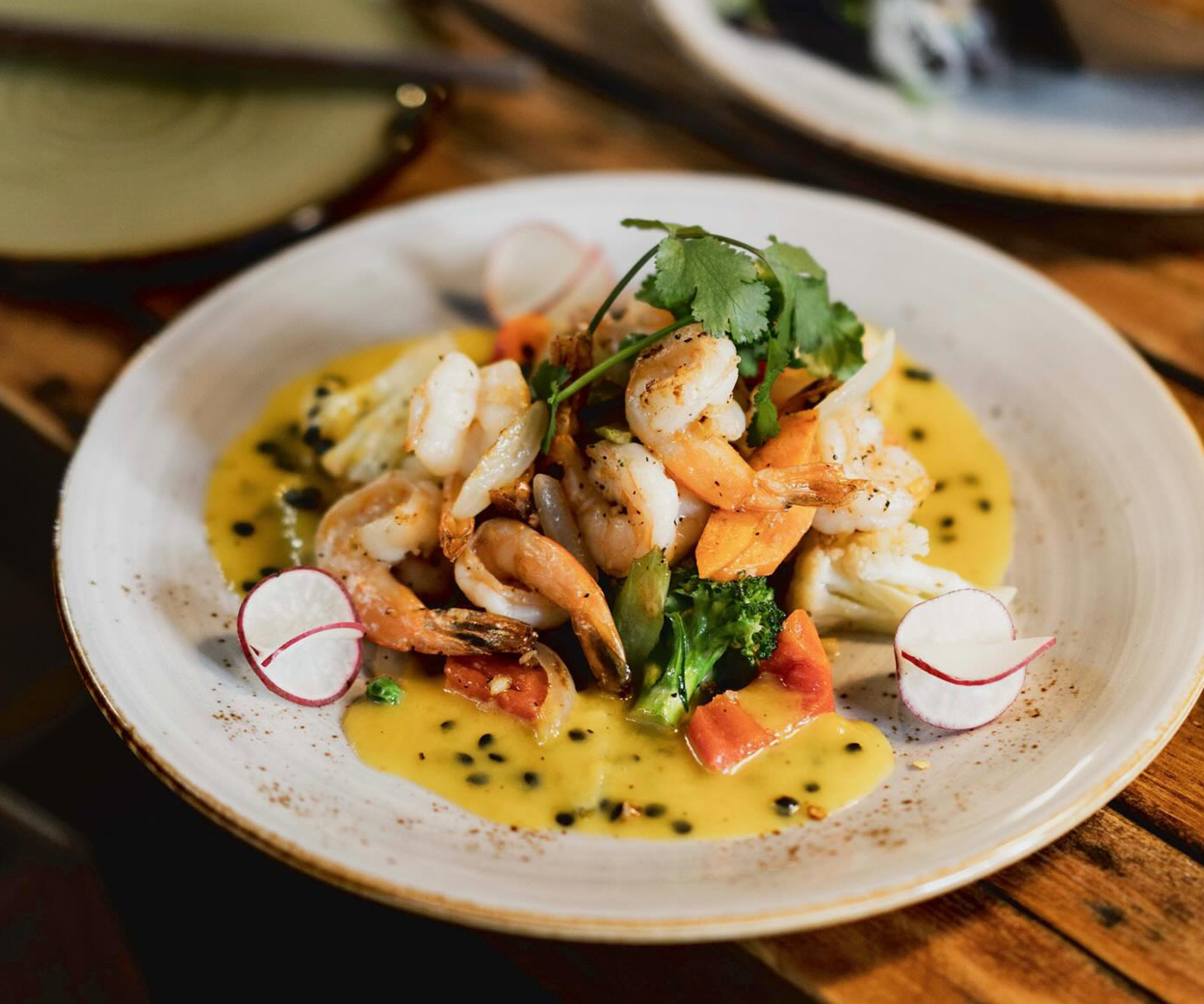
Denizen’s definitive guide to the best Vietnamese restaurants

When the mood strikes for bánh mì or a beautifully balanced phở, trawling through Auckland’s endless eatery options can be half the challenge. Vietnamese food has earned its place on our weekly rotation year-round, rain, hail or shine. Thankfully, we’re truly spoilt for choice when it comes to world-class Vietnamese fare. From authentic Hanoian delicacies to mouth-wateringly good street eats — we’ve done the fieldwork to ensure that a stale baguette never graces your plate again. Here’s our guide to the very best Vietnamese food in town.

Gastronomy

Win the ultimate experience as Church Road brings its Cellar Door to Somm Wine Bar & Bistro
This local favourite just got a beautifully considered refresh
Where to go after dinner in Auckland: Kureta’s Nezake Nights
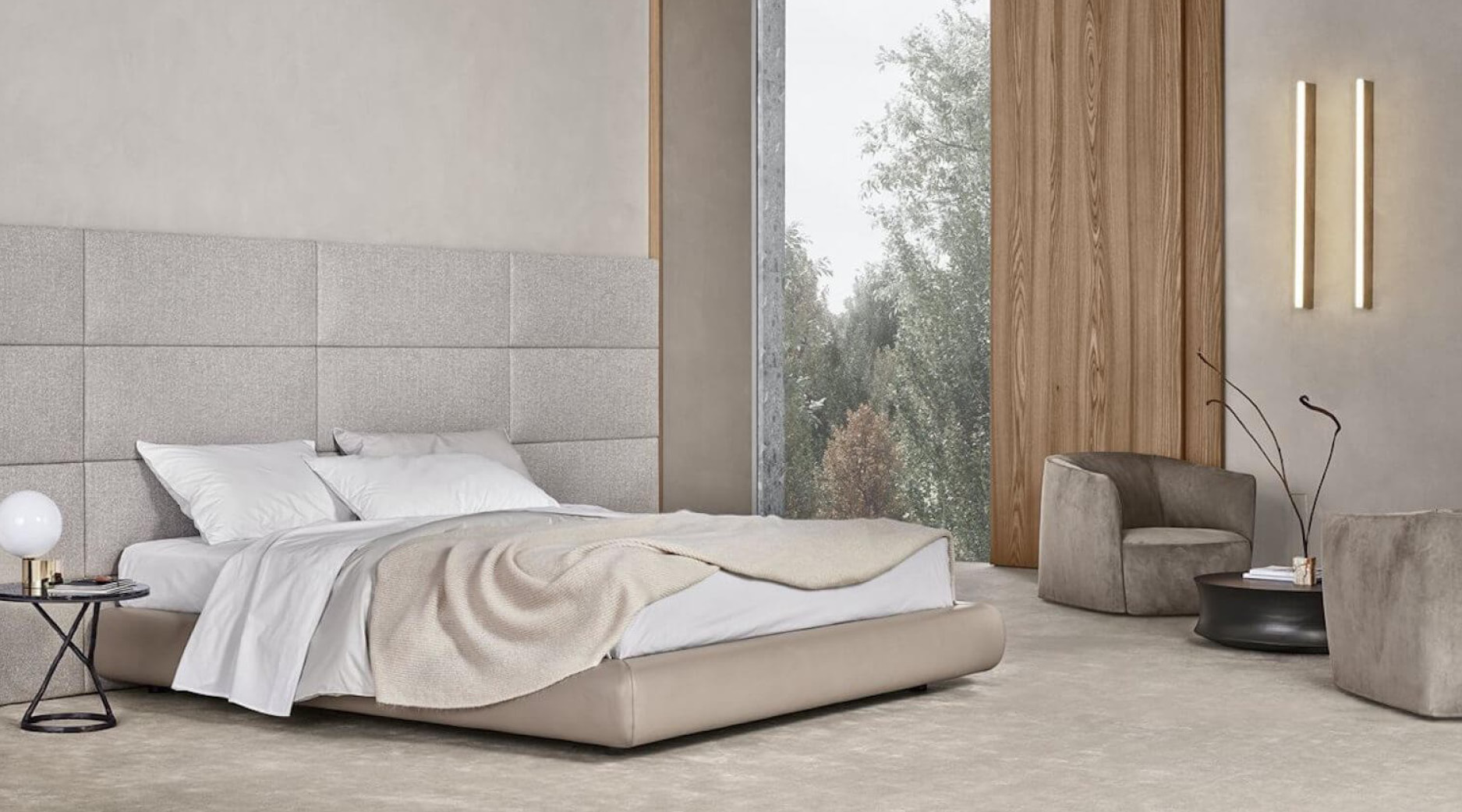
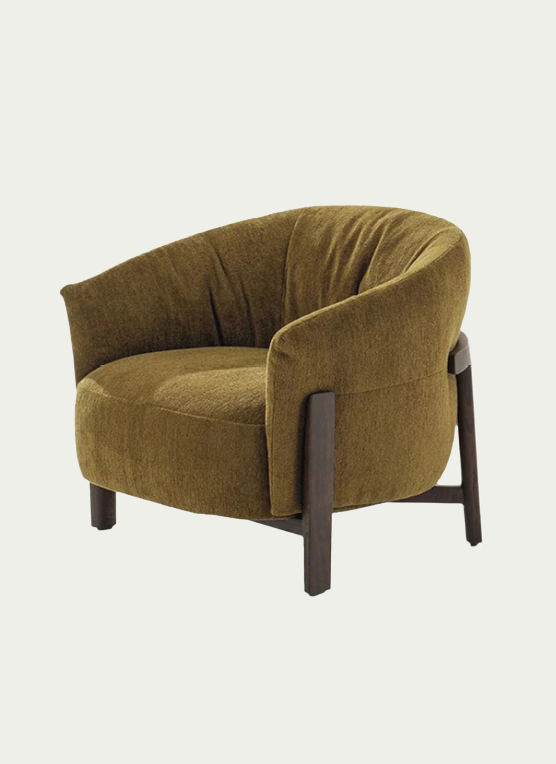
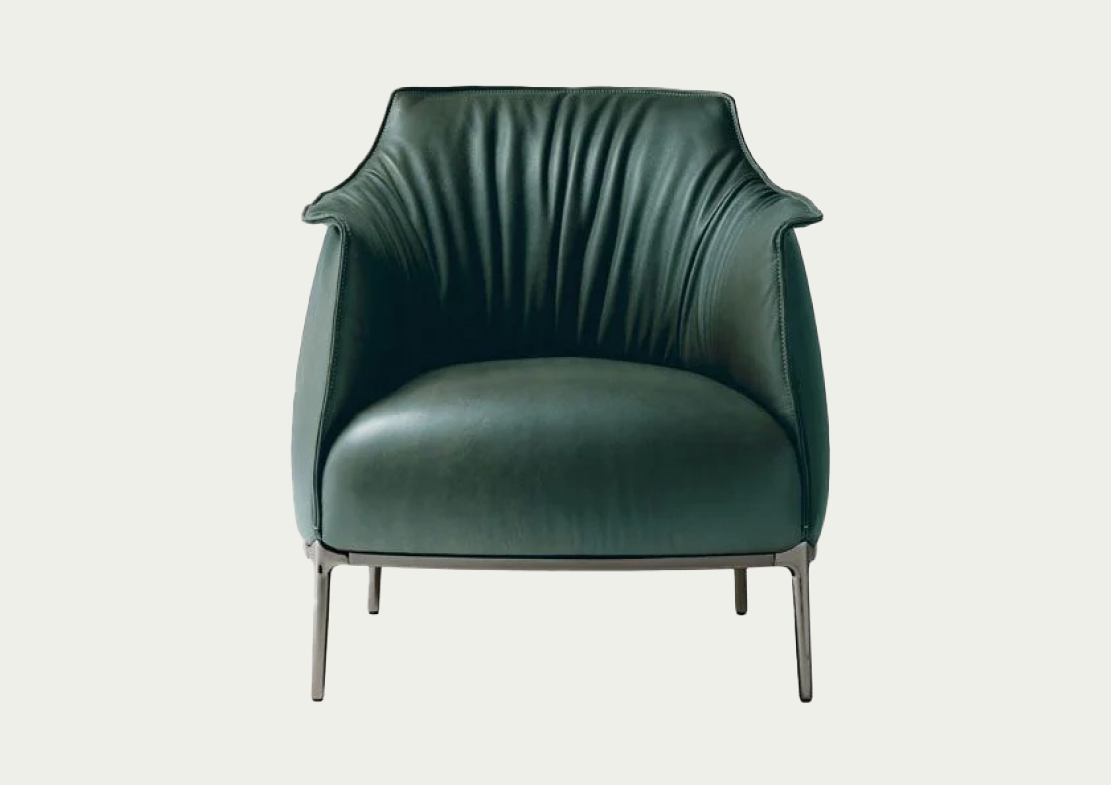
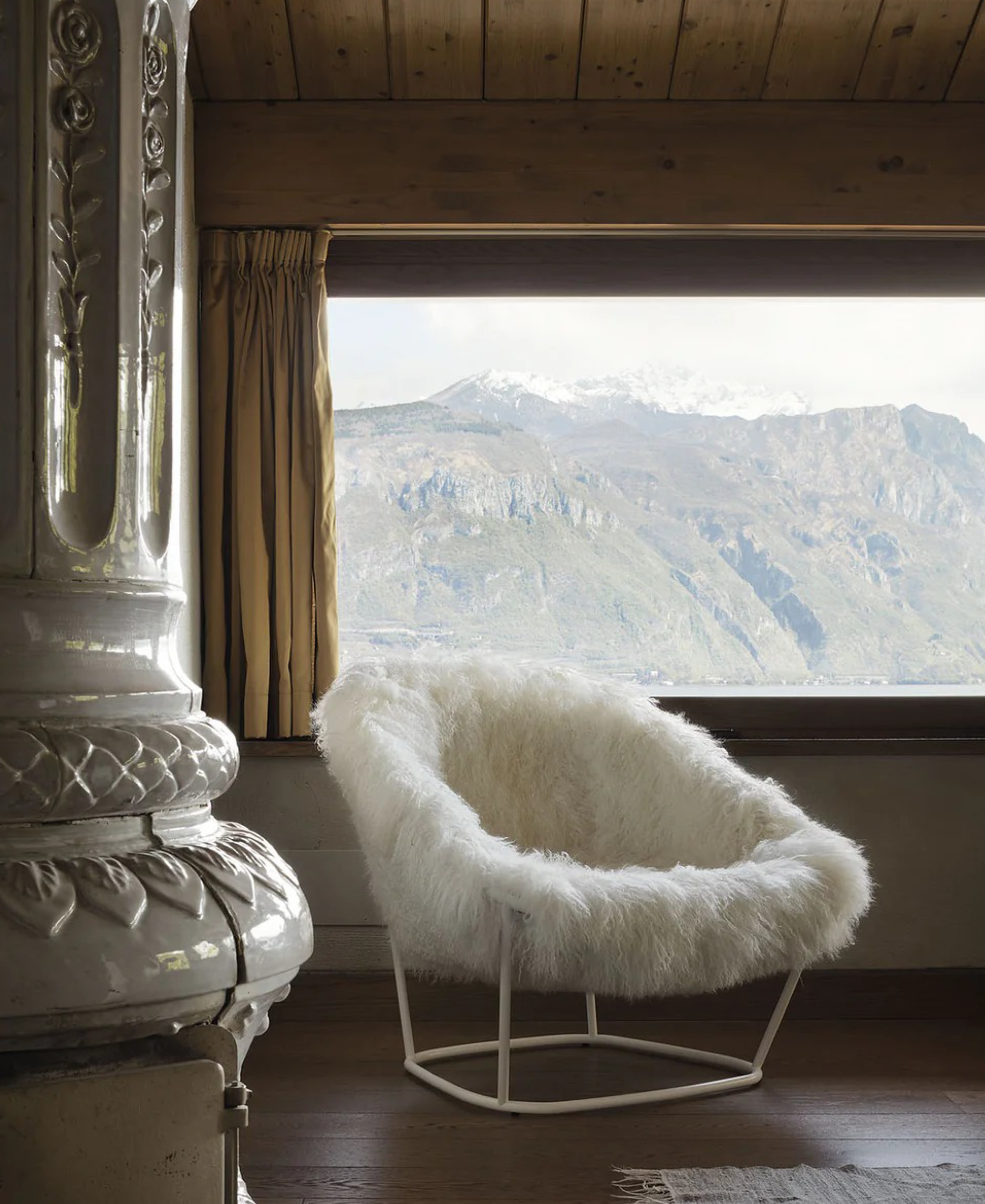
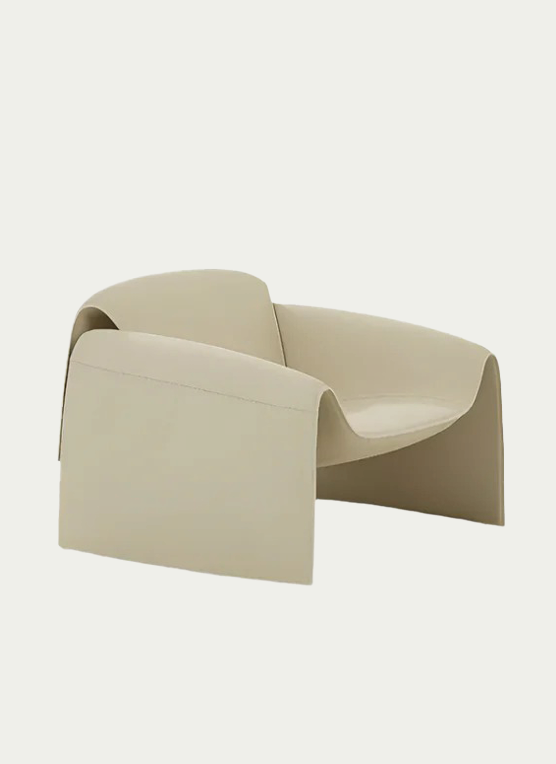
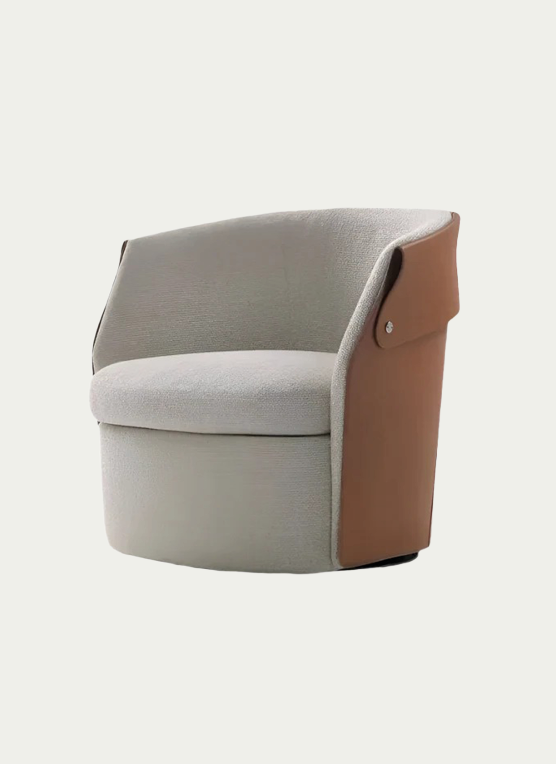
santa monica armchair by Poliform from Studio Italia

Six chic chairs to anchor your bedroom in style

The right occasional chair does more than fill a corner. It brings character, comfort and a considered point of view to a room that deserves more than an afterthought. From sculptural curves to tailored silhouettes, Studio Italia‘s edit of armchairs offers something for every register of taste. Whether you’re after a quiet reading nook or a single piece that holds the whole room together, these six designs make a compelling case for the bedroom chair as a design essential.

leopold armchair by Poliform from Studio Italia
santa monica armchair by Poliform from Studio Italia
archibald armchair by Poltrona Frau from Studio Italia
katrin armchair by Arflex from Studio Italia
le club armchair by Poliform from Studio Italia
ozzy armchair by Flexform from Studio Italia

studioitalia.co.nz

Design

Contemporary design and considered functionality collide in this kitchen
Salone del Mobile 2026: The design brands & ideas defining Milan
The return of the gloss, and why Minotti is leading the charge

Denizen Exclusive: Introducing Lucas Jones, whose poems will make you cry

Lucas Jones is a big thinker. A deep feeler. An artist in the truest sense of the word. He creates from his heart and seems entirely unburdened by vulnerability, but his magic goes beyond that. He possesses a unique ability to tap into the zeitgeist; the cultural consciousness; the depths of the human experience. He distils feelings that, to most, are impossible to quantify, into a universally-understood language — delivering those words via his myriad creative outlets (poetry, film, music). Lucas Jones is the moment. But not in a romanticised, online way. In the real world. He embodies the moment, he gives it a voice; making it mean something.

In a world full of dissociating, avoidance, and farce, his words are a vessel; a mirror he holds up to society, showing us what we often fail to see for ourselves: that all we have is now.

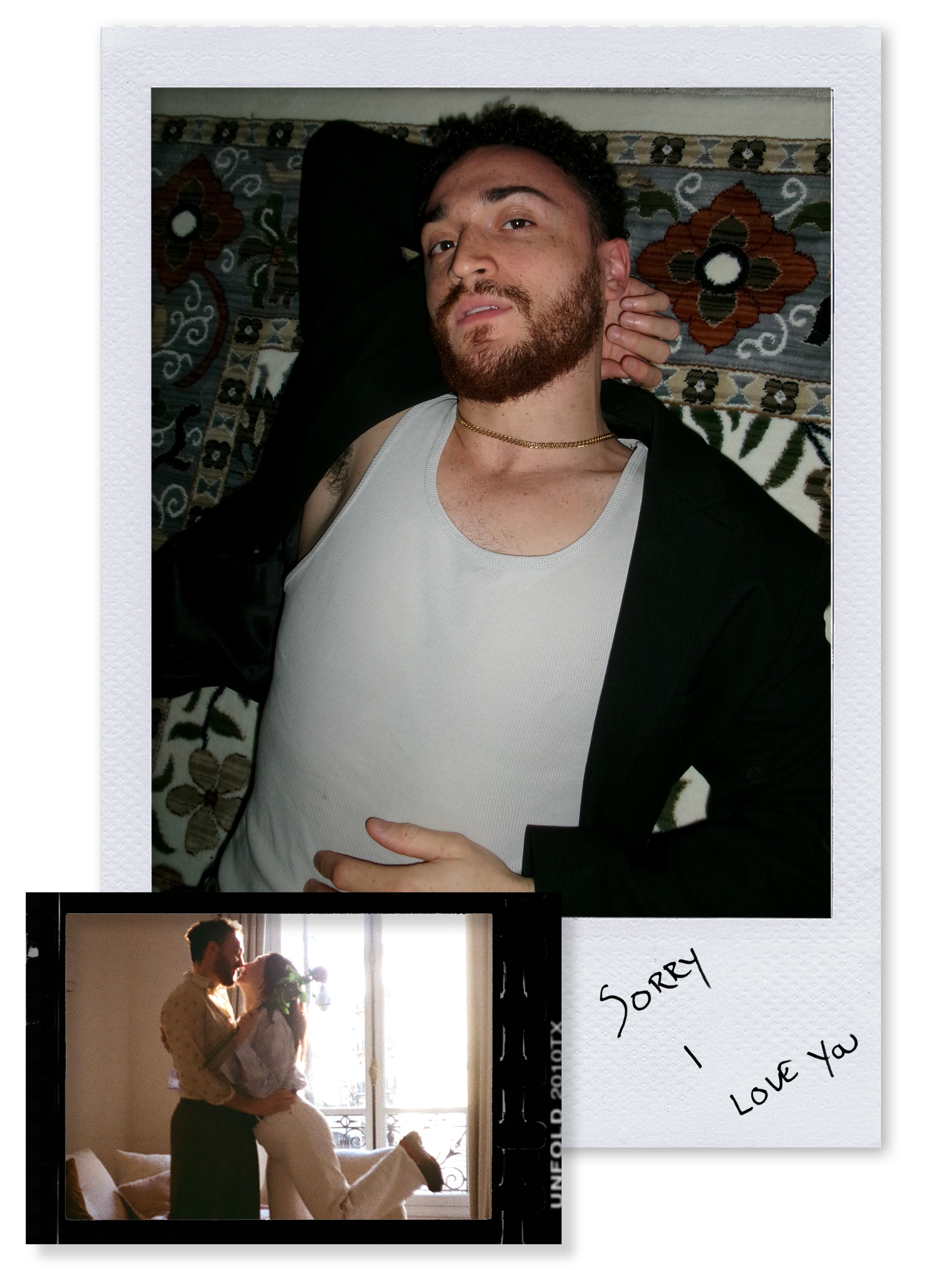
Popping up on my screen at 8.30pm on a Wednesday night, despite the two dimensions, Lucas Jones’ presence is enormous. Taking in his background, I’m met with a familiar sight: Jones, wearing what has become his signature loose-cut blazer, white singlet, and silver chain, curls in tight rings atop his head. He’s sitting in front of a weathered wooden piano. It’s a scene I’ve taken in countless times on his Instagram, and I’m hit with a comforting wave of déjà vu. At one point during our conversation, he reaches out of frame for a book of poetry to quote a specific work, and I’m overwhelmed by the desire to see what’s beyond the screen’s view. But that’s the thing about Jones. He always leaves you wanting more.

Growing up, predominantly, in Huntingdon — a small town in Cambridgeshire, north of London, Jones’ childhood was one of perpetual movement. He’d lived in seven houses by the time he was 14, “I don’t really know why we moved so much,” he admits. “I think my mum just loved newness.” That restlessness shaped him in both obvious and unexpected ways — he learned to integrate, to adapt, and, perhaps most notably, to observe. “I had this fear of people when I was growing up, but I was good at figuring out how to fit in.”

Huntingdon, Jones tells me, was a dichotomic place, and he spent time on both sides of the tracks. “There was a stark difference in how people were living where I grew up. Some were at home baking apple crumble, while, just one street over, teenagers were getting stabbed on the side of the road.” A lot of the boys he grew up with, “sweet natured boys,” never quite made it to the right side of town. 

School was a difficult period for the natural-born creative, who felt he never fit into the binary box the system was so desperate to squeeze him into. “I remember being five and thinking, ‘I have to do this forever?’” He laughs, but the sentiment lingers. “I couldn’t wait to be 19. I thought then, surely, I’d have some kind of agency.” School, he tells me in his prosaic way, felt like a gaping void. “It’s kind of like this swirling black hole in my timeline,” he says, pausing before returning from wherever his memories had taken him.

At school, he felt restless, bored, and fundamentally underutilised. I point out the ways in which I feel the schooling system has long been failing young boys, and he seems liberated, “I had too much energy and too little focus. Sitting in a chair all day felt like going against my basic human nature… and the frustration from that definitely led to some push back.”

Just as things were starting to look bleak, a glimmer of hope came in the form of an English teacher who recognised Jones’ talent for words, sparking his first flicker of creative purpose. “We had this assignment to write a headline for a fake news story about a terror attack in Paris. I wrote, ‘Eiffel Terror.’” He pauses. “And the teacher went, ‘You’re good at this, you’re good with words’” It was the first time he can recall someone in the schooling system validating his belonging, and Jones (ever the big feeler) tells me how that moment lit a thousand fires within him. 

Next came poetry, “We had this little anthology in class, and you were meant to study five poems. I read the whole book front to back. Even the ones I didn’t like — I just thought, ‘This feels like it means something.’” His mind has been ablaze with the quiet poetry of life ever since. One of the anthology’s poems in particular, a sardonic work by Simon Armitage (Poem, Poem) has stayed with him all this time, and informed much of his own creative work.

Soon after he discovered creative expression, drama provided a similar escape, “It was a break from school for me. A chance to just… play.” When he finally left formal education, Jones enrolled in a performing arts course, where, for the first time, learning didn’t feel like an obligation. “I never missed a day. I was completely lit up by it.”

After college, he hit a bump in the road. Many of his contemporaries were continuing on to art school, but the confines of institutionalised schooling in that capacity didn’t feel right for him. But if not that, then what? He decided to go all-in with acting, “A Will Smith quote I heard when I was 14 came into my mind: ‘Never make a plan B because it distracts from plan A’, and I just quit my part-time job and dove into it head-first.” It happened slowly, bit-by-bit (as it almost always does). Jobs as extras turned into commercials, small parts in TV shows turned into bigger roles, and his profile, along with his confidence, grew. 

Acting, far from a route to fame and fortune, was simply another outlet of creative expression for Jones — a way to become more deeply immersed in the cinematic world (an altar at which he worships). “[Film is] almost a religious thing. For me, the reason people congregate at church is the same reason people congregate to watch films — to share something meaningful. I honestly think storytelling and film making is a God thing.”

While on the topic of religion, Jones — who possesses a faith — tells me of a quote that has informed much of his work. I haven’t stopped thinking about it since. “Even if the Bible isn’t fact, that doesn’t mean it isn’t real.” The sentiment and principles of the pentecostal doctrine he grew up around have long lingered in his mind; moved and inspired him, as much of what he consumes does.

The multi-faceted creative has long been aware of his sensitivity to art, “I saw The Wizard of Oz when I was four, and I remember crying out in absolute terror. Dorothy wasn’t going to make it home, and I thought, ‘How will I survive if she doesn’t?’ I was just so absorbed in the world that was being created, I couldn’t separate it from reality.” 

Growing up, Jones developed a number of unique practices around film that, in hindsight, hinted strongly at his future. He and a friend were given cinema cards, granting them unlimited access to films, and at the age of 14 — instead of seeking out action epics and the latest blockbuster, they’d find the most moving, soul-stirring cinematic work they could, and sit together in the experience and cry. He laughs, “It became this weird ritual.” When he wasn’t baring his soul at the theatre, Jones was engaging with similar films at home, where he would get into character and write monologues in the protagonist’s voices. “I think I just wanted to absorb the films entirely. I wanted to burn every little neuron of it out of my experience, I needed to take in every last inch. I still do.”

That ability to sit with art, to let it pervade and shape him, is perhaps why his poetry is so widely resonant. His work is raw, unembellished, direct — almost confrontational in its emotional clarity. But his writing process — given the enormity of his eventual work’s impact and the depth and surety with which he writes — is surprisingly relaxed. “I write most of my poems in the shower,” he says. “Some start and finish in one.”

I Will Teach My Boys To Be Dangerous Men — one of his most well-known and widely revered works, was written in that way. “It was 30 minutes, and I didn’t allow time to overthink it. I just trusted my first instinct.” That instinct, sharpened by years of consuming and creating art, is what makes his words land with such resonance.

Jones began sharing his poetry on Instagram in 2023 as a way of putting more of his art (and himself) out into the world, pushing himself to be more vulnerable. But the initial cost of expression was high, and the hate was relentless, “People were in my DMs telling me to kill myself.” 

The internet, for all its connective power, can be brutal. But Jones refused to be deterred, “Fear, to me, is a direct indicator of growth,” and art, he’s certain, is there to challenge people. “I think if people aren’t a little agitated or confused by what you’re creating, you’re likely not pushing hard enough or being honest enough.”

And over time, as it always does, the tide shifted. His reels started reaching more people; resonating more deeply. “One day, I got a message from a man who said he was about to jump off a bridge. He was sitting on the side, waiting for cars to pass before he jumped. He had his phone out, scrolling to look casual and not attract attention, and my poem popped up. Because of the words, he didn’t jump.” He exhales, “That. That’s the point of it all.” 

When it comes to social media as an outlet for creativity, he believes it’s a double-edged sword. “It’s changed my reality,” he tells me, but carefully adds that he’s one of the lucky ones.
“I think [social media] is net good at the end of the day. At the very last minute of the day, it’s good.” But, to get to that place, Jones emphasises, you have to wade through a treacherous sea of over stimulation and toxicity. “If you don’t have people in the real world who love you, and you confuse social media for reality, you’re done.” 

Social media, and the poetry which has amassed him nearly half a million followers and reached millions more, is just one part of a broader creative ecosystem for Jones. “Film is my true love. Poetry has given me autonomy, but everything I do is ultimately leading me back to storytelling in film.” He recently released a project he’s deeply passionate about, his directorial debut — Winner Fights the Moon — an award-winning short film centred on a man trying to turn the tides after incarceration, held back by the past. And when we talk, he’s in the throes of writing his first feature. It’s evident how much this work means to him in how he lights up when discussing it, “I want to tell stories about people the world forgets — boys who had potential but no direction, the ones who just needed someone to tell them they were good at something.”

He tells me he’s constantly advocating for them (the lost boys), “It’s fine to get mad when someone fucks up, but then we need to ask why. Someone’s gotta go back for the boys, someone’s gotta say there’s a better life, by the way, there’s a nicer life out there.”

That people across genders, races, classes and oceans can see themselves in Jones’ work speaks to his unique capacity to distil the beauty and brutality of being human into words.

The complexity of the human condition is a recurring theme across the breadth of Jones’ creative canon — specifically, exploring gender and bias, tapping into his unique upbringing and the learned wisdom that belies his 28 years, “I grew up around strong women,” Jones tells me, before recounting that until the age of 10, he thought women ran the world. “Growing up, dad was often away working in London. I always felt his presence, and he was a super active, loving, and supportive dad who always found time to foster my talents, but he wasn’t always physically present, so I saw my mum managing the world around me. I just thought the world was run by kind, capable, intelligent women who brought out the best in everyone around them.”

His father, a former diversity trainer for the Metropolitan Police, modelled a deep respect for others, and has undoubtedly been a catalyst for Jones’ capacity for kindness. “He trained over 30,000 officers in how to interact without bias,” and he brought those same lessons into the home.  

That upbringing shaped his world view. “I was always baffled by overt misogyny. It’s like, ‘What world do you live in?’” His poetry, often labelled as feminist, is really just an extension of that perspective. “It’s not radical. It’s just… people matter. Women matter.”

But his exploration of masculinity extends beyond advocacy for women. His poetry and cinematic work seeks to unravel the complexities of what it means to be a man in today’s world — the expectations, the fears, the learned behaviour. He writes beautifully and poignantly about the ramifications of generational trauma — the cyclical nature of anger, fear, and the complexities of emotion, and how those things can break or make lives. 

His piece I Will Teach My Boys To Be Dangerous Men is a quiet manifesto. “It came out in a rush, like so many of my poems do. It’s about breaking cycles — letting boys be whole, not just tough.” The reaction was immediate. “Men messaged me saying no one had ever told them it was OK to feel before.”

In this respect, Jones doesn’t just challenge traditional masculinity, he reimagines it. His poetry, stripped of ego, leans into honesty, his voice vibrating with emotion as he speaks to what clearly means so much to him, “I want men to know they don’t have to inherit the worst parts of what came before them. They can choose something better.” 

This begs the question, are his poems personal? He thinks on it for a minute. “It’s more something I’ve sensed someone else feeling, and I can relate to. I find it hard to think about how I’m feeling in the moment, but easier to think about other people’s experiences.”

But while his work is not autobiographical, he certainly draws on experience. Perhaps the experience is just more universal than personal. In fact, one of the most fascinating aspects of Jones’ work is that, while much of his writing is centred on young men, the diversity of his audience is immense. A new mother in South London grappling with identity finds the same level of personal resonance in his work as a seventeen year old boy in Birmingham struggling with mental health. His fecund words — both timely and prophetic — build a bridge for others to cross.

Brick by brick, word by word, he articulates the ineffable; gives shape to the formless, “I think words are a way to take something overwhelming and make it less so.” 

When it comes to what’s next, Jones refreshingly tells me more of the same. He’s living out his dream, spending his days creating and making art he believes in. For a person wholly devoted to expression, there’s nothing more or less than that.

Culture

Wondering what to watch? These new shows should be on your radar
We talk to author Trent Dalton on his dark childhood, finding light between the cracks, and the girl who saved him
The Stars Have Aligned, Babe!
Left to right: Amisfield, Michael Meredith, Alma

Where hospitality legends wine & dine: Michael Meredith

Following the launch of our definitive resource to the finest eateries across New Zealand, we now introduce the people behind the places. Championing the owners, operators, and teams responsible for our exceptional hospitality industry, we’ve hand-picked seven industry insiders to divulge their dining favourites, from celebrated classics to under-the-radar gems. 

Dining Diaries — Michael Meredith


Executive Head Chef and Owner of Metita at SkyCity and Mr Morris

A defining figure in Auckland’s dining scene, Michael Meredith has spent decades shaping the city’s culinary identity. Through acclaimed restaurants past and present — now Metita and Mr Morris — he continues to set the benchmark with food that’s both ambitious and deeply personal. We caught up with the chef to discover the eateries that inspire him most — from casual favourites to the enduring restaurants he believes set the benchmark.

When asked to name the best dish in Auckland, Meredith doesn’t hesitate — though the answer is telling. “I’m a snacky person,” he admits, before declaring Depot’s famous fish sliders his ultimate comfort food. “They’ve been there a long time. Grilled fish, soft white bread, it’s almost iconic, a Kiwi thing. You eat it and it just brings comfort.”

That philosophy — food as memory, threads through his choices across the city. For something casual and satisfying, he finds himself at First Mates, Last Laugh, where the tacos are a summer staple. “You can’t beat sitting outside with a fresh plate of tacos. They’re done so well — simple, fresh, and delicious.”

Special occasions call for something a little more polished. Paris Butter tops his list, alongside Tala in Parnell.The latter, he says, resonates on a personal level. “Henry’s storytelling is unique, and with my Polynesian background I love the way they’re elevating those flavours.” For guests from out of town, Ahi is a given — “a stable restaurant with a great location, telling the story of New Zealand.”

When it comes to drinks and atmosphere, he cites both Esther — “great Mediterranean flavours, a brilliant drinks list, a lively hotel vibe” — and Tempero on K’ Rd, where the energy matches the food. He’s quick, too, to highlight under-the-radar gems like Lillius on Symonds Street, praising the talent behind the pass.

His dine-around day in Auckland might start with breakfast at Honey Bones in Grey Lynn, before lunch at Alma and dinner at The French Café. For unwavering consistency, it’s Apéro that wins his admiration. “Leslie’s been operating for more than 12 years. The team, the offering — it’s always on point.”

Beyond Auckland, Queenstown holds sway, with Amisfield and the sustainably minded Sherwood both earning a place on his list. “Amisfield really showcases New Zealand, it’s a food story place. And Sherwood — the whole package is inspiring.”

In the end, what connects all of his favourites isn’t just flavour, but dedication to the industry that he’s clearly so passionate about. “The ones who’ve invested long term, who’ve committed to hospitality. That’s what inspires me. Food that’s delicious will always stay with you, but it’s the passion behind it that makes a restaurant truly great.”

Michael’s Recommendations


Depot

First Mates, Last Laugh

Paris Butter

Ahi

Esther

The French Cafe

Alma

Sherwood

Amisfield

Honey Bones

Lillius

Tempero

Tala

Gastronomy

Win the ultimate experience as Church Road brings its Cellar Door to Somm Wine Bar & Bistro
This local favourite just got a beautifully considered refresh
Where to go after dinner in Auckland: Kureta’s Nezake Nights
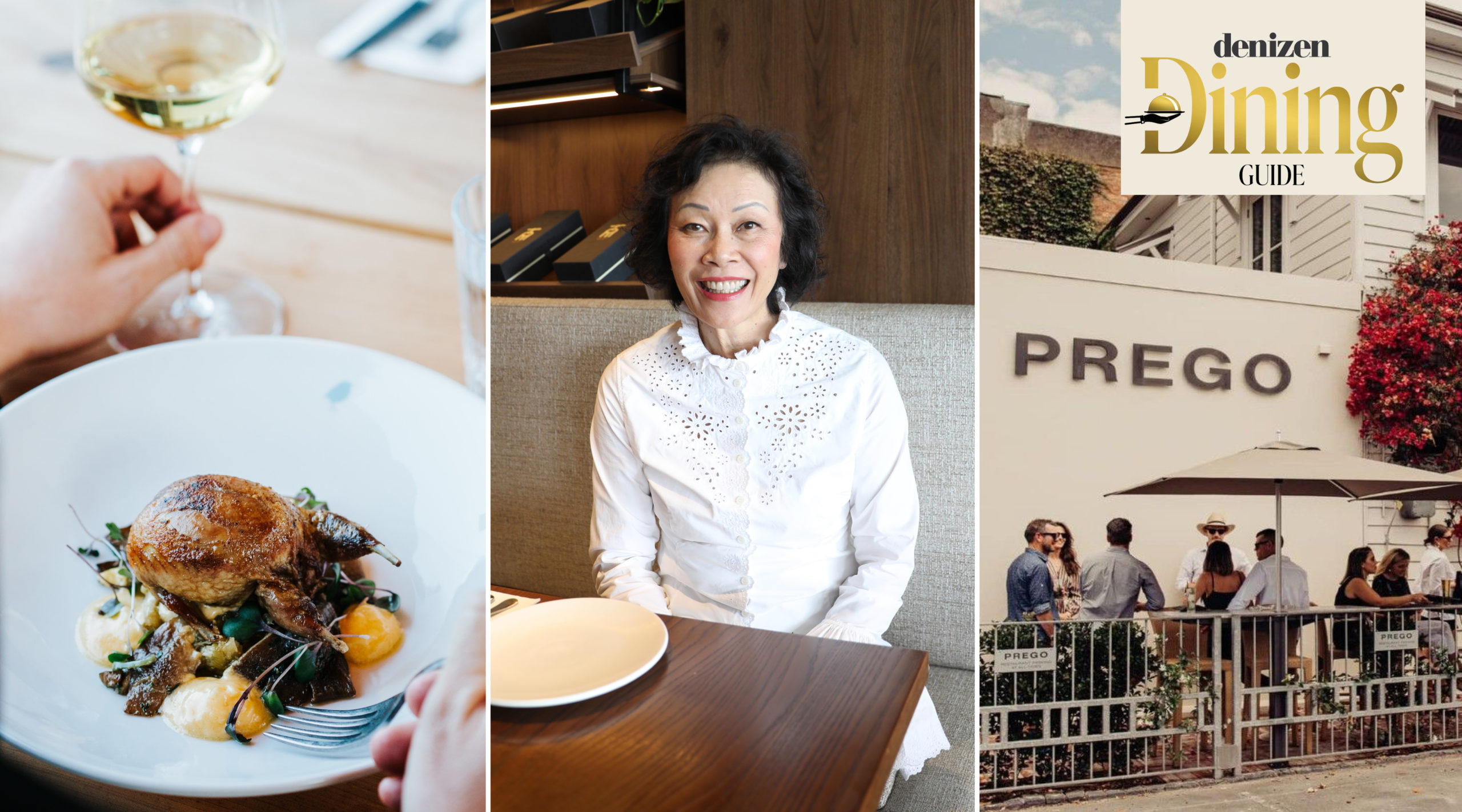
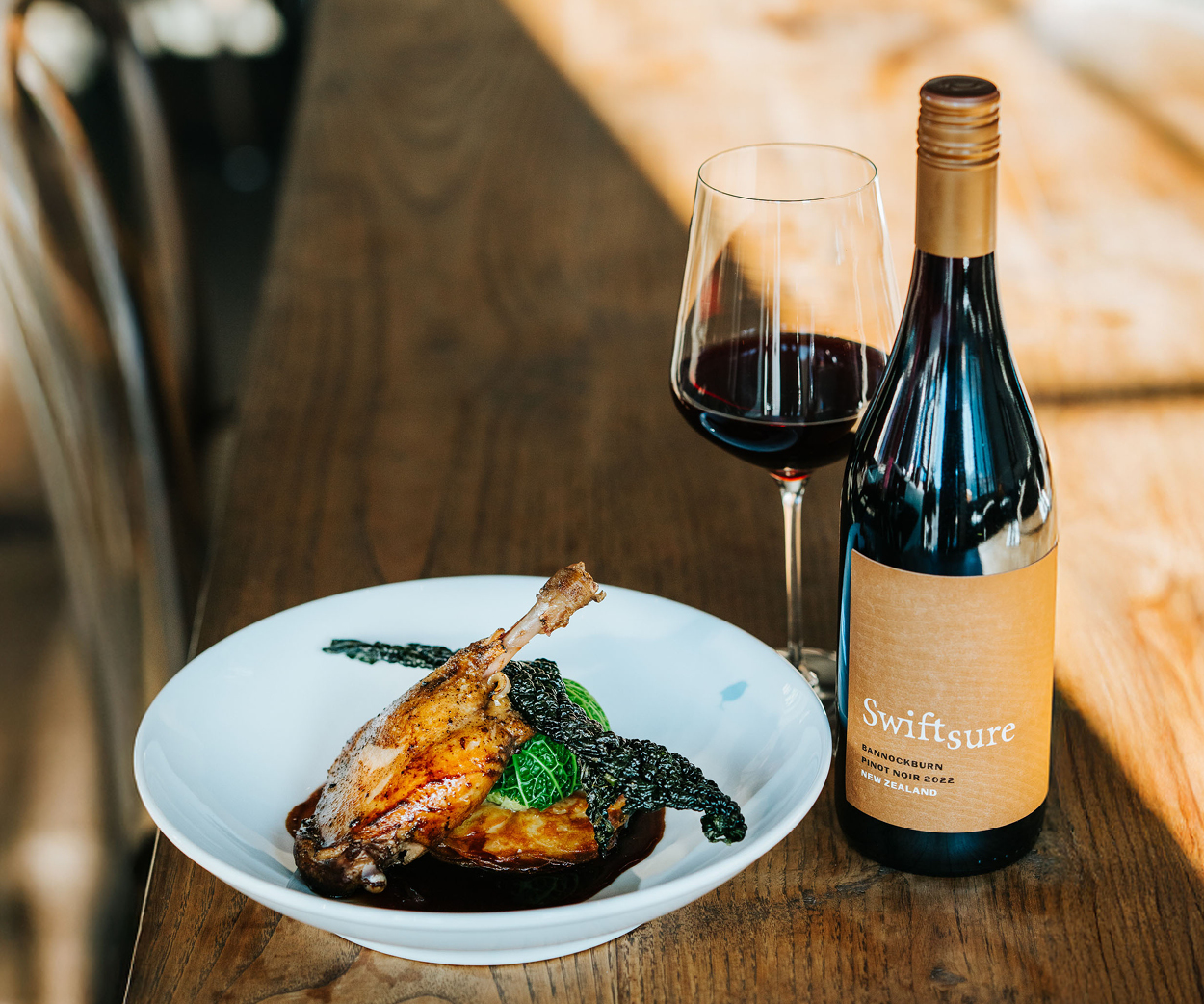
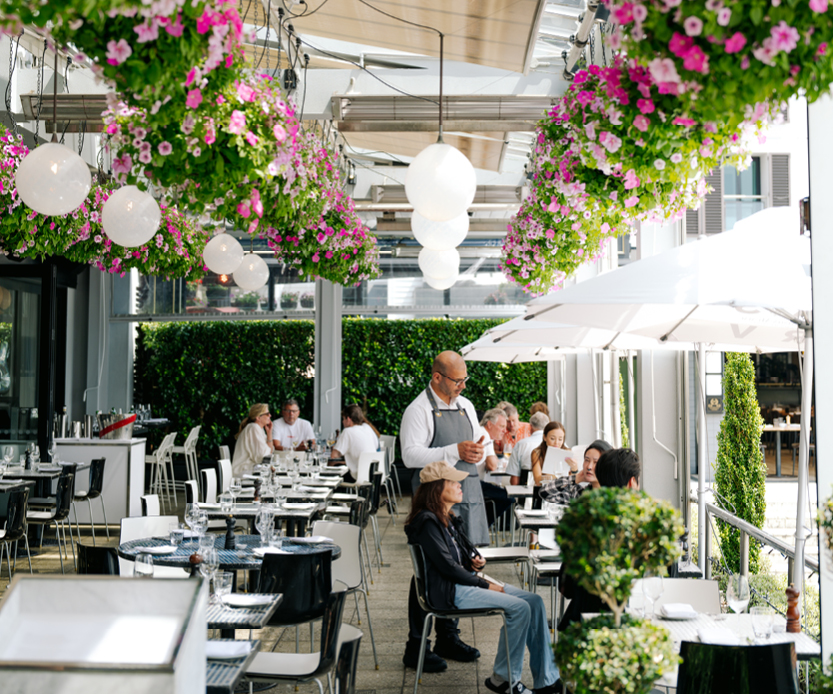
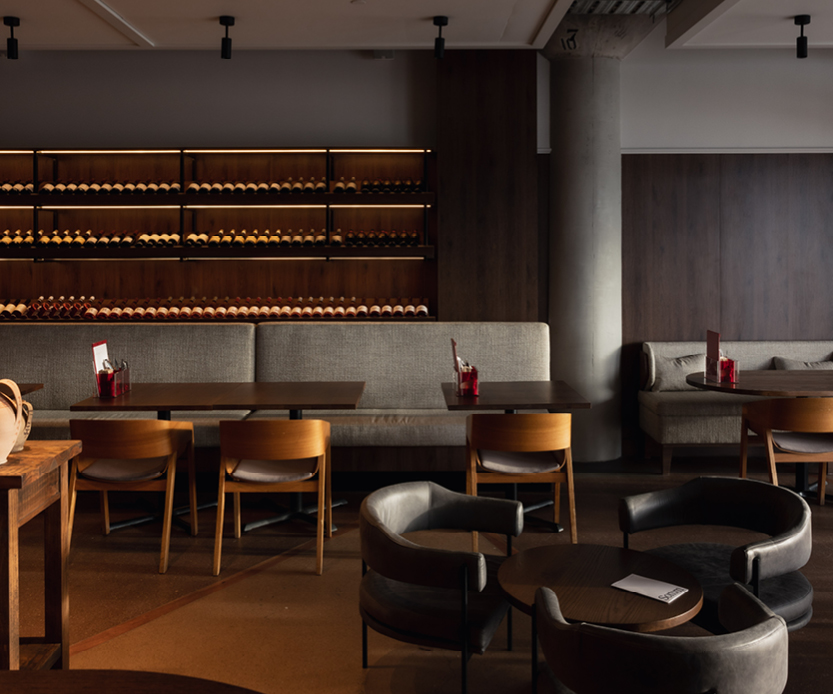
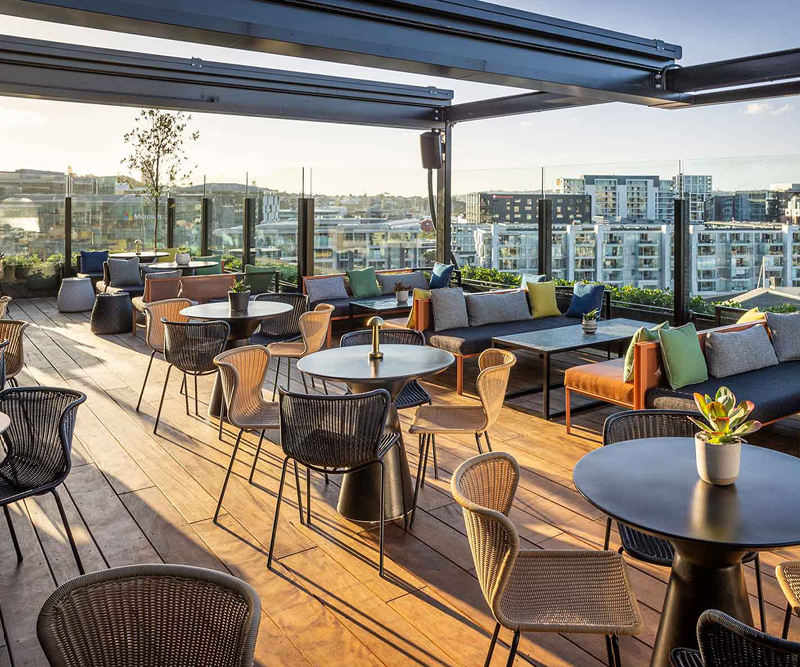
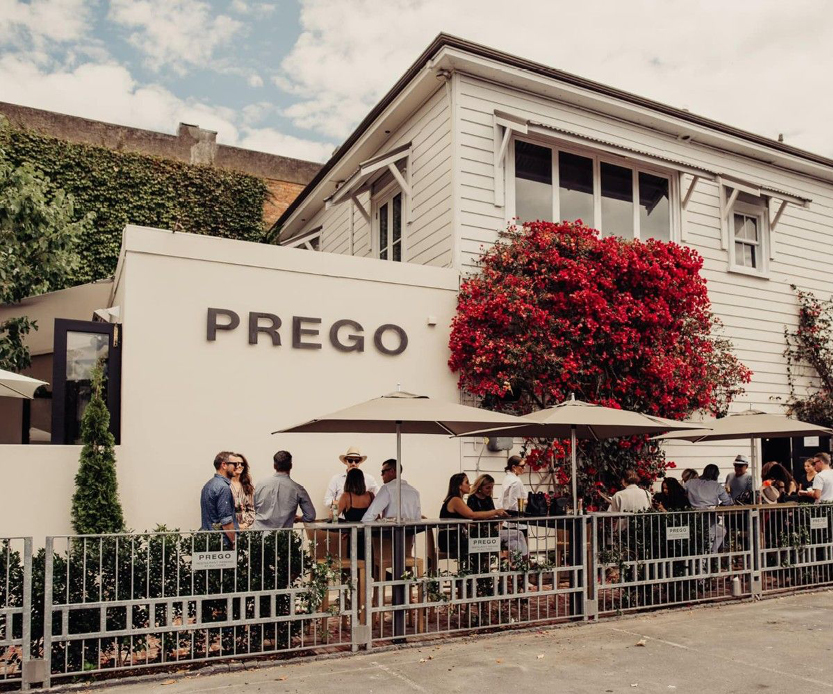
Left to right: Swiftsure, Geeling Ching, Prego

Where hospitality legends wine & dine: Geeling Ching

Following the launch of our definitive resource to the finest eateries across New Zealand, we now introduce the people behind the places. Championing the owners, operators, and teams responsible for our exceptional hospitality industry, we’ve hand-picked seven industry insiders to divulge their dining favourites, from celebrated classics to under-the-radar gems. 

 Dining Diaries — Geeling Ching


Group Operations Manager at Foley Hospitality

Few figures in Auckland’s hospitality scene are as instantly recognisable, or as enduringly respected, as Geeling Ching. For more than two decades, she’s been in hospitality operations, largely at the helm of beloved Viaduct institution Soul Bar & Bistro. Now, she leads ops for Foley Hospitality — a group that counts some of the city’s top dining destinations as their own. But when she steps outside of Foley’s oeuvre, Ching’s relationship with Auckland’s food scene is one of deep familiarity and long-held affection. Here, she lets us in on her go-to spots and essential orders.

Grand Harbour will always have my heart,” she says of her top dining destination in the city. “I’ve been going there since I was a child. Yum cha is part of my DNA, and I think of Grand Harbour as the OG.” Another sentimental favourite is Pearl Garden in Newmarket, run by distant family members. “The ladies there must be in their eighties now — but they’re still cooking the same great food. And I’ve always loved a lazy Susan.”

Ask her to name the best dish in Auckland, however, and she won’t be drawn. “That’s like asking someone to pick their favourite child. There are too many. What I can say is how incredible it is that Auckland has evolved to the point where you can dine at every level — and do it well.” She’s quick to champion the chefs she admires most, from Gareth Stewart at Advieh to Tom Hishon and Wallace Mua at Trivet, through to Soul’s “fabulous” Gavin Doyle.

When she craves something casual, it’s to Prego that she escapes. “I love going alone and sitting up at the bar with a pizza and a couple of glasses of red. The wine list is ever-changing, the bartenders are wonderful, and it’s just such a well-oiled machine.” For something a little flashier, Tala is next on her hit list.

Out-of-towners, of course, are ushered straight to Soul. “It has everything — the view, the food, the cocktails, the flowers, the people. It’s trustworthy, and that’s what makes it so special.” But she’s equally fond of exploring beyond her own patch. Rooftop at QT is her pick for drinks — “I love that it’s not too high, you can still hear the hum of the street below” — while below ground, Ghost Street and Nightcar are two spots she insists deserve more attention. 

When it comes to dining for the people rather than the plates (or both), she singles out K’ Rd’s Apéro. “Mo has this incredible intuition. He never gets it wrong. You walk in, tell him how your day was, and he’ll just know exactly what you need. And Leslie’s food is beautiful.”

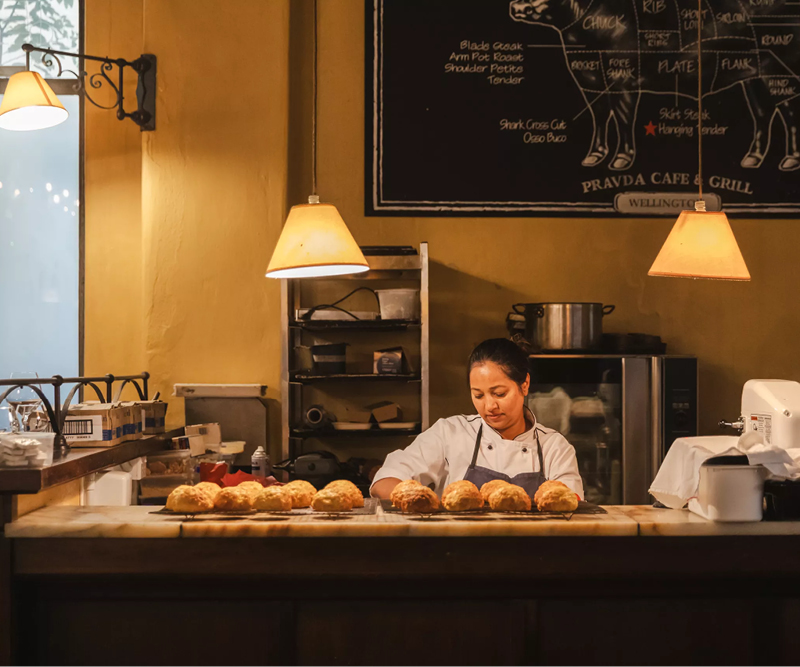
Her ideal day on a plate spans both Auckland and Wellington: a cheese scone with fresh butter and truffle at Pravda (“heaven”), a sunlit lunch with a flight of wines at Somm, a casual bite and glass of something delicious at Beau, and then dinner at Esther, where she describes James as “such a great cook.” For reliable excellence, First Mates, Last Laugh is her go-to. “Judith’s created something so international — casual yet refined, with this incredible lightness. It’s perfect.”

And when she leaves the city? Arrowtown’s Swiftsure made a lasting impression. “We’d been skiing, the sky was blue, the food was great, and the terrace looked out onto the most magical view. It was a pinch-me moment. You don’t get that in many places in the world.”

For Ching, the true measure of a great restaurant lies not only in the food, but in the hospitality — the sense of welcome familiarity, and of really being seen. And, if Soul is anything to go by, she’s well and truly perfected the formula.

Geeling’s Recommendations


Gastronomy

Win the ultimate experience as Church Road brings its Cellar Door to Somm Wine Bar & Bistro
This local favourite just got a beautifully considered refresh
Where to go after dinner in Auckland: Kureta’s Nezake Nights
Left to right: Ragtag, Gareth Stewart, Ahi

Where hospitality legends wine & dine: Gareth Stewart

Following the launch of our definitive resource to the finest eateries across New Zealand, we now introduce the people behind the places. Championing the owners, operators, and teams responsible for our exceptional hospitality industry, we’ve hand-picked seven industry insiders to divulge their dining favourites, from celebrated classics to under-the-radar gems. 

Dining Diaries — Gareth Stewart


Partner Chef at Advieh

Few chefs have left a mark on Auckland’s dining scene quite like Gareth Stewart. With a career spanning close to three decades and two continents, he’s helmed some of the city’s most iconic kitchens, from Soul Bar & Bistro to Andiamo, Jervois Steak House and Euro, before opening his latest venture, Advieh, in 2024. For the past 10 years, he’s also been at the helm of the Nourish Group as Executive Chef, cementing his reputation not only as a brilliant cook, but as one of the most respected and likeable figures in the industry.

Ask him where he eats when he’s not in his chef whites, and Stewart is quick to cite Hello Beasty as a firm favourite, “It’s so consistent, and every time I dine there I know what I’m in for. What Stu has done with the food is just incredible, and the service is always informative, friendly, and intuitive — the staff apprehend everything you want before you even know it yourself.”

When it comes to favourite dishes, his 12-year-old son has the deciding vote. “He’s always pulling my arm to go to Ragtag, and we’ll never go past the duck carnitas tacos with beetroot salsa. They come as a three, but we always order four.” Ragtag, too, is Stewart’s local comfort spot. “The service is great; you’re treated like an old friend the minute you walk through the door, and all of the food is just delicious — it’s spicy, it’s smoky, it’s full of flavour. For comfort food, Ragtag ticks all the boxes.”

For something a little more elevated, Ben Bayly’s Ahi is his first port of call. “Every time I’ve gone there, I’ve left feeling like I’ve experienced something special.” Alma, meanwhile, is where he takes visiting guests. “I love the fact they cook everything with fire. It’s just a different experience. And the food really is something exciting — Jo is amazing, she’s so committed and really raises the bar.” Culprit also earns a mention as a destination that never fails to both surprise and delight the chef, “It’s just so impressive. The way Kyle puts things together is great, it’s always a bit of fun, a bit nostalgic, and just unique. It deserves all of the praise it gets.”

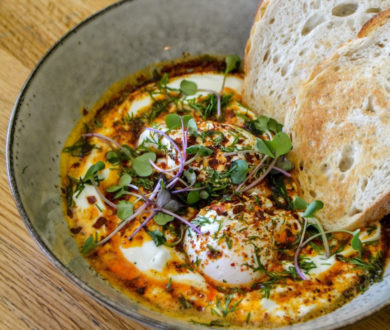
His dream day on a plate reflects both his love of food and his loyalty to the industry around him. Breakfast would be at Advieh, the Turkish eggs with pita, yoghurt and butter. Lunch would be by the water at First Mates, Last Laugh. “Judith Tabron is an incredible owner-operator, and a long lunch there always goes down well.” In the afternoon, Culprit would re-enter the line-up for drinks and snacks, and dinner would be at Sid Sahrawat’s Cassia. “I’m a huge curry fan, so it’s the perfect way to end the day.”

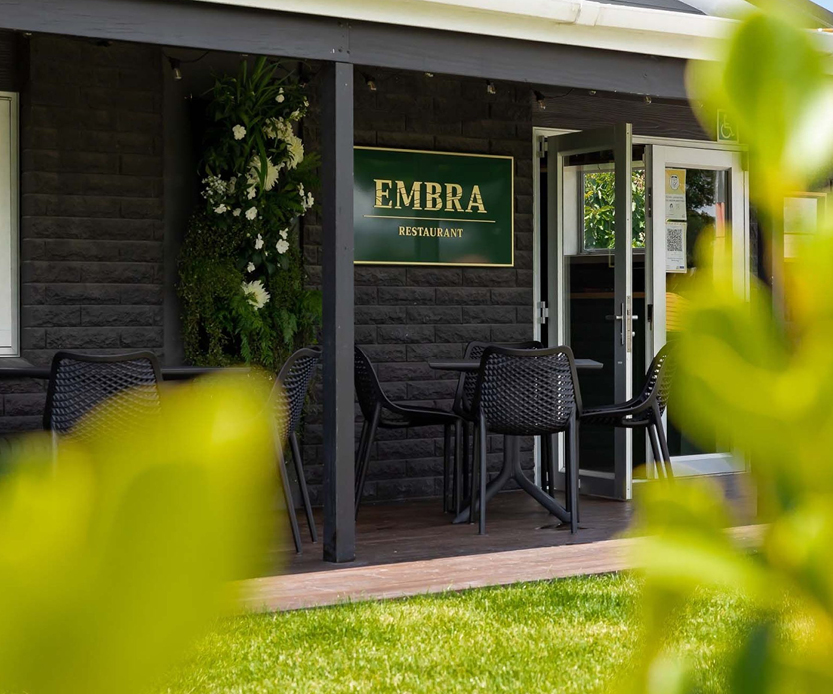
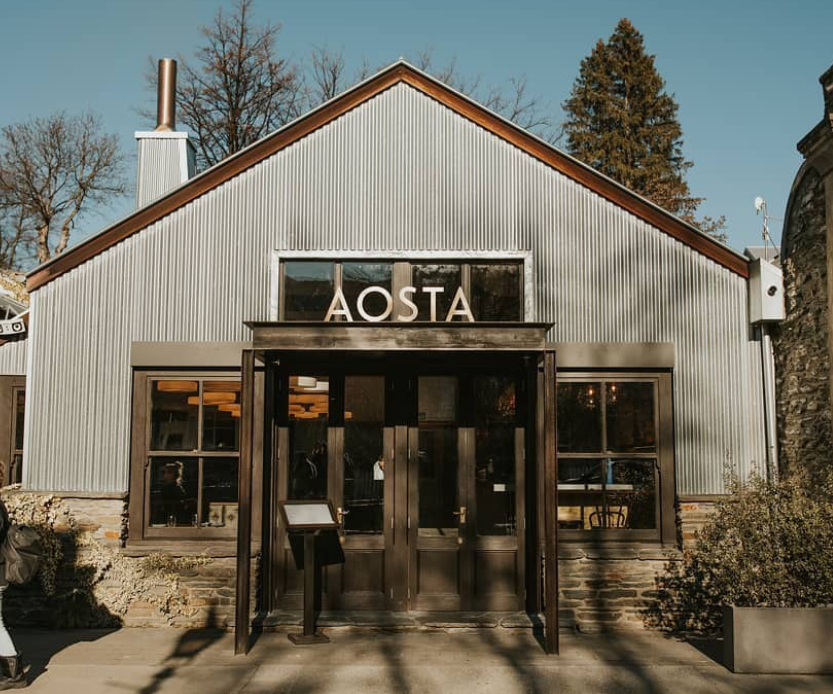
Lastly, Stewart shares his favourite eateries outside of Auckland, and unsurprisingly (given his own pedigree and the slew of accolades the world-class eatery has earned), Amisfield tops the table.  ”Vaughn, he’s just a mad man in that kitchen — he really is pushing boundaries, and to be recognised as one of the world’s top 50 eateries is testament to his skill.” When in Queenstown, Aosta is also an essential stop-off, “I’ve had some great experiences at Ben Bayly’s Aosta. It’s comforting food, a cool setting, and a consistently good experience.” And Embra in Taupō has recently made a lasting impression.

Above all, it seems that for Stewart, what makes a great dining experience isn’t just the food on the plates, but the people behind the scenes. The chefs, operators, front of house staff, and the wider team that turns a good dining experience into a great one — and something much more personal at that.

Gareth’s Recommendations


Gastronomy

Win the ultimate experience as Church Road brings its Cellar Door to Somm Wine Bar & Bistro
This local favourite just got a beautifully considered refresh
Where to go after dinner in Auckland: Kureta’s Nezake Nights
Creative director & founder of Commas, Richard Jarman

Commas: Richard Jarman on building an Australian fashion brand with intention

From the outset, Australian native Richard Jarman’s brand, Commas, has marched to the beat of its own drum. The label’s DNA is woven with an authenticity that feels both rare and necessary. For Jarman, Commas was never about chasing trends or disrupting fashion calendars; its inception was an exercise in bringing personal inspiration to life. “We’re not a brand that’s doing something avant-garde or provocative,” he tells me, “But we have a really authentic inspiration.” That inspiration, rooted in Australian beach culture, is elevated into something elegant and universally resonant at the deft creative hand of Jarman. 

Much of the brand’s distinctiveness stems from its founder’s unbridled creativity — a guiding force that threads through every collection, shoot, and experience Commas curates. It’s a creativity that feels pure and authentic in a world of sameness, and stands out for its undeniable clarity. “Selfishly,” Jarman admits, “I love that I get to pull all of my inspirations together. Everything I’m captivated by — art, film, nature, books, even a specific print or fabric — comes together to form the basis of a collection.” In a world that often demands specialisation, Jarman’s wide-eyed curiosity is his secret weapon, allowing him to build a brand that evolves as organically as his own, ever-expanding passions.

Mohair Paisley Jacquard Sweater from Commas

Jarman’s path to a career in fashion was far from preordained, however, his path to a creative pursuit certainly was. Growing up in Cronulla, a beachside suburb south of Sydney, he was immersed in a household that valued the arts. His father, once an art teacher who later ran an engineering business, exemplified the dualities that would later define Jarman’s own approach: the interplay between creativity and structure, art and practicality. 

Yet, despite this nurturing and inspiring environment, he admits he didn’t have a clear blueprint to follow when it came to his brand’s inception. “At the start, I really didn’t know what or who to look to for inspiration,” he admits. Instead, he learned by doing, by figuring things out on the fly, drawing inspiration from both the past and present, “I come from a family of swimmers,” he tells me, “And all I wanted to do with Commas at the start, the singular vision, was to create the perfect pair of swim shorts.”

Painted Peonies Tailored Swim Short from Commas
Linen Print Resort Trouser from Commas

So, the brand began humbly, with Jarman crafting a single pair of shorts based on his own personal needs. With the ocean having long played a pivotal role in his day-to-day life, he had spotted what he felt was a clear gap in the market for a pair of swim shorts that not only looked good and reflected his own personal style — something he says was sorely lacking — but performed well too. “I just thought that the swimwear my friends and I had access to felt so disconnected from the rest of our wardrobes — it was almost like, at the time, you had to be a completely different person at the beach.”

But, with no formal training in fashion or design (Jarman’s background was in property at the time, having just obtained his masters and taken on his first corporate job), it wasn’t as simple as whipping up a pattern and sourcing fabrics. “I negotiated a work from home agreement, so I would start work at 5am in the morning, get my inspections for the day done, and then go back to type reports at a factory where I was making Commas in Sydney. And then in my lunch break and as soon as I could finish work, I would just jump on the machines and start to cut patterns, and I somehow convinced the factory owner to help me. So, for the first 12 months, that’s how it went — I was just situated in the factory trying to figure everything out.”

When Jarman first conceived Commas, he kept it close to his chest. A piece of advice he received early on shaped this: “Don’t be someone who talks too much before you’ve actually done anything.” That discipline — the refusal to seek validation before the work was real — formed the foundation of a brand that now speaks volumes without ever feeling loud.

But even in those early days, he was meticulous, determined to get every detail right. Jarman tested the product locally before landing in a few stores in Sydney where Commas resonated well, and soon the brand had been picked up by Matches Fashion. The rest, as they say, is history. 

Over time, Commas grew into a full lifestyle offering, celebrated for its considered approach to luxury and its evocative storytelling through striking imagery. 

Social media, often a chaotic and noisy space, became an unexpectedly powerful tool for Jarman early on. Living in Australia, it provided a bridge to the global creative community. “It kind of takes a lot of formality out of being able to reach out to someone,” he explains. Through Instagram, Commas connected with stylists, stores, and collaborators, finding a place on the international stage without sacrificing the brand’s inherently Australian soul.

Emma and Richard Jarman

Part of what sets Commas apart is the way in which Jarman and his team build a universe around the brand. Events are far from an afterthought or obligatory marketing exercise; they are extensions of the Commas story and essence, which speaks so beautifully to connection and community. When Commas staged a sunrise fashion show on Tamarama Beach — where Jarman and his wife, Emma, once lived and swam every morning — he invited the fashion world to step directly into his creative mind and, by proxy, witness the direct inspiration for the collection. “I didn’t have to give this big spiel to explain the concept,” he says. “I could just bring people into what actually inspired me, and let it speak for itself.” It was a risk: few believed anyone would attend a 7am show. But they showed up, and witnessed his unbridled vision first-hand.

Other occasions, like a dinner on a secluded beach in a national park, followed the same philosophy. Friends of the brand gathered in a dramatic, untouched landscape, from emerging creatives to a septuagenarian artisan who had once lived with Salvador Dalí. It’s the kind of guest list that speaks volumes about Jarman’s values: authenticity over celebrity, substance over style.

Today, Commas feels less like a solo vision, and more like a family endeavour. Emma, Jarman’s partner in life and business, is deeply entwined with the brand’s story, acting as a Director at Commas’. Their young son, George, has also quietly reshaped Jarman’s worldview. Parenthood, he says, has deepened his appreciation for presence — the very ethos at the heart of Commas. Each morning, the family swim together, a daily ritual that acts as a grounding force. “It’s almost our meditation to start the day,” he says. Watching George experience the ocean with such joy and abandon has been a vivid reminder of what matters. “George has probably spent more time in the ocean this summer than most kids’ do in a lifetime,” Jarman laughs. But behind the humour is a profound awareness: life moves quickly, and the moments that anchor us are fleeting if we don’t consciously hold onto them.

While Commas remains deeply rooted in its Australian identity, its vision is global. Jarman and his team travel to Paris multiple times a year for showroom presentations, hosting small, meaningful gatherings that mirror the authenticity they’ve cultivated at home. 

Embroidered Collar Polo from Commas
Crochet Flower Polo from Commas

There are also plans to open flagship stores, expanding Commas’ physical footprint in key markets while maintaining the brand’s intimate spirit. Recent forays into the Middle East have proven exciting, bringing together unexpected communities and fostering a new wave of creativity. Through it all, Jarman remains committed to growing at a pace that feels authentic. Not dictated by fashion week calendars or industry churn, but by the internal rhythms of creativity and community. 

Another aspect of the brand that feels entirely authentic is the prioritisation of sustainability. For Jarman, this has always naturally sat front and centre, and an emphasis on the quality of garments and well-made fabrics that don’t just feel incredible to wear, but last, is evident across collections since day one. “I think the most sustainable thing you can do, that people don’t talk about enough, is to simply design clothes that will stand the test of time. That’s always been our priority at Commas.” 

Ask Jarman what he’s learned through building his brand, and his answer is characteristically humble. “Just how much I have to learn,” he says with a smile. Over time, he’s come to embrace the power of seeking advice and collaboration, leaning on mentors who have walked paths he admires — not necessarily in fashion, but in life. “I think you can look at and draw inspiration from people who you admire, even when it’s not directly related to business,” he reflects. “Their relationships, their health. It’s about making sure you listen to the right people — not just those who speak the loudest.”

It’s a principle that’s quietly evident in the way Commas has grown: with steady, thoughtful resonance.

In the next five years, Jarman envisions  Commas continuing to expand its international presence while deepening its core values. The dream is not just about bigger numbers or wider reach, but about crafting a global community that shares in the brand’s philosophy of presence and authenticity. “We just want to keep growing this brand that represents an elegant version of Australian beach culture internationally,” he says. “A really exciting aspect of the brand is that Commas is usually discovered by people going on a holiday, where they’re creating memories, feeling great, and surrounded by loved ones. And I think just being a part of that moment where people feel their best, look their best, and have such a special, memorable time is incredible.” 

Painted Floral Silk Set from Commas
Asymmetrical Placket Shirt Beige from Commas

At its heart, Commas — like the punctuation mark it’s named for — is about taking pause. A moment to catch your breath amid the rush of life. It’s an ethos that feels increasingly urgent in today’s world, and one that Jarman not only preaches, but embodies wholeheartedly. “So often we go through life, and it only gets faster and faster,” he says. “More responsibility, more distractions. But if you can stop and be present, the ride is so much more enjoyable.”

For Jarman, the ocean — the tenet for the beginning of Commas — remains his ultimate anchor. Each morning, swimming with Emma and George is a catalyst for creativity, inspiration, joy — they all begin when we allow ourselves to be fully in the moment.

In a world spinning ever faster, Richard Jarman, through Commas, invites us to step into the stillness — and there, find something infinitely more enduring.

commas.cc

Coveted

Van Cleef & Arpels adds to the Perlée collection with elegant three-row rings
Bvlgari revisits one of its boldest signatures with Gold & Steel
All tied up: The bow-detail handbag trend taking over this season
Azabu, Hotel Ponsonby, Kingi

These are the Auckland eateries staying open over the summer holidays, plus we’ve rounded up all of the holiday hospo hours you need to know

The holidays are here, which means a well-deserved break for all of us — including those in the hospitality industry. Fortunately, there are a handful of establishments keeping their doors open over the break, so if you do find yourself wondering where you can go for a bite out in Auckland, these are the places to visit.

Bivacco

From its delicious food to its sprawling space, Bivacco has found fast popularity with discerning Auckland diners — and for good reason. Thankfully, this summer, Bivacco Bar & Grill will open every day except for Christmas Day. And with plenty of long, summer afternoons on the horizon, we recommend booking a table in advance — especially if you’ve managed to rustle up a crowd for a joyous lunch in the new year. (Although there’s usually always room to squeeze in at the bar.)

Left: Bivacco. Right: Andiamo

Andiamo

Luckily, for anyone hanging around over the break, Andiamo has generously decided to keep its doors open for most of the holidays, aside from the 25th and the 26th of December, and the 1st til the 5th of January. Any other day, you can stop in for some of its delectable Italian-style fare and perhaps nab one of the sought-after street-side tables.

Billy’s

Heading south for the holiday break? In between the turkey and ham, make sure to schedule in a visit to Billy’s in Ayrburn, which has quickly become one of the area’s go-to spots. The most recent addition to Ayrburn’s growing oeuvre of impressive eateries, Billy’s serves up elegant, modern Chinese cuisine in a restored heritage building and will be open every day apart from Christmas Day to feed hungry revellers all festive season long.

Somm Wine Bar & Bistro

Somm is shutting its doors from 22nd December until Boxing Day, opening up again between 27th — 31st December for those staying in the city and looking for a perfect spot to enjoy a festive tipple and a celebratory afternoon in the sun, before taking a break during the 1st and 2nd of January.

Soul Bar & Bistro

Soul Bar & Bistro

Aside from Christmas Day, Soul Bar & Bistro’s hours are remaining more-or-less normal. Despite being closed for Christmas Day, Soul is back open on Boxing Day, with the bar open from 11am and DJs kicking off from 5pm, set to play through to the wee hours to keep the festive spirit going. Soul will also close on New Year’s Day, to give its team some much-needed R&R. Might we suggest you do that too?

Metita

Michael Meredith’s impeccable restaurant serving elevated Pacific fare is keeping its doors open throughout the break, only closing on 22nd December and 28th December. With a special Christmas offering available on the day itself, a New Year’s Eve menu, and their usual fare and delightful drinks available throughout the festive period, Metita will be a lively spot to spend a long lunch or convivial dinner over the break.

Commercial Bay Eateries

All of Commercial Bay’s wonderful eateries are staying open for the entirety of the break, only shutting down for Christmas Day, meaning you’ll be able to dine at the likes of Advieh, Ahi, Origine, Gochu, The Lodge Bar, Gemmi and more all summer long.

Left: Gochu. Right: Amano

Amano

Securing a table at Amano is not typically an easy task, so while most people are out of town, use this time as an opportunity to dine at this widely-loved, modern Italian restaurant. Amano will only be closed on Christmas Day, before returning to its regular hours for the rest of 2025 and into the new year.

Bar Magda

We’re never short of reasons to visit Bar Magda — from their delicious fare and inventive cocktails to the aperitivo hour and more, and we’ll be heading in over the summer (likely for all of the above) and suggest you do, too. They’re shutting up shop for a much-deserved break on the 21st of December after their annual Noche Buena dinner, and opening their doors again mid-January.

Left: Bar Magda. Right: Jervois Steakhouse

Jervois Steakhouse

The carnivorous amongst us will be delighted to find that Jervois Steakhouse is open for most of the holidays, only shutting its doors between the 25th and 27th of December, then again from January 1st until 5th. Visit the Herne Bay stalwart at any other time and it’ll be business as usual.

Park Hyatt Auckland

Dine in at Park Hyatt’s Onemata and Living Room eateries right through the holidays, with only slight changes to their usual scheduling. The Living Room will suspend its high tea service from the 21st of December, otherwise, you can book as usual, as Park Hyatt is open on Christmas Day, Boxing Day, New Year’s Eve, both the 1st and 2nd of January and beyond.

Non Solo Pizza

Non Solo Pizza

Our go-to Parnell institution Non Solo Pizza will still be serving its delectable Italian fare and (importantly, given the timing) pouring all manner of lively libations across the festive period, only shutting up shop on Christmas Day and Boxing Day to give their team a well-deserved break.

Kingi

Kingi

The Hotel Britomart’s flagship restaurant is welcoming patrons most days over the holidays, including Christmas Day (find details for its Christmas lunch here) and New Year’s Eve (find here). For those seeking a much-needed staycation, we happen to think The Hotel Britomart’s adjacent dining offering is perfect.

QT Hotel

The QT Hotel’s Mediterranean must-visit, Esther, is open right through the holidays and is also offering a fabulous Christmas Day feast and a delicious New Year’s menu — find details here — on the 31st of December. The Rooftop at QT is also putting on a fun New Year’s Eve party not to be missed.

Other holiday hours worth noting:

A — B

Advieh: Open throughout.

Ahi: Closed 25th December, open from 5pm 26th December.

Alma: Closed 24th — 26th December & 1st — 2nd January.

Ayrburn: Closed 25th December.

Azabu Ponsonby: Closed 25th December — 15th January.

Azabu Mission Bay: Closed 25th December.

Beau & Beau Deli: Closed 24th December — 6th January.

Blue: Closed 22nd — 25th December. Open from 2pm until late 26th December — 31st December with a special NYE party. Closed again from 1st January — 14th January. 

Bon Pinard: Closed from 22nd December — 2nd January

C — D

Cassia: Closed on 22nd December, 25th December, and 28th December.

The College Hill Wine Room: Closed 24th December — 5th January

Daily Bread: Ponsonby, Point Chev, Britomart, Belmont, Newmarket, New Lynn — Closed 25th — 26th December & 1st — 2nd January. Federal St — Closed 25th December and open from 8th January. Botany, Stonefields, Takapuna — Closed 25th December and 1st January.

Depot: Closed 25th & 26th December.

Duo: Closed for dinner from 22nd December — 1st Jan. Open daytimes as usual except for 24th, 25th, 26th and 31st December and 1st January.

E — H

Ebisu: Closed 25th & 26th December. Open for dinner only from 27th — 31st December. Closed 1st — 16th January.

First Mates, Last Laugh: Closed 25th and 26th December

Gilt: Closed 25th, 26th & 28th December and 1st – 4th January, reopening for dinner on 5th January.

Grey Lynn Firehouse: Open every day except public holidays.

Honey Bones: Closed 24th December — 5th January

Hotel Ponsonby: Closed 24th December — 6th January.

Huami: Closed 22nd & 23rd December.

I — O

Juno: Closed 25th December and 1st January

Kome: Closed 25th December.

Kureta: Closed 25th — 29th December and 1st — 5th January.

Lilian: Closed 23rd December until mid January.

Masu: Closed 26th December.

Mr Morris: Closed 25th & 26th December. Open from 27th — 31st December as usual. Closed from 1st — 22nd January.

Nami: Closed 22nd December — 6th January

Norma Taps: Closed 21st December — 7th January

Olle: Closed 25th–29th December and 1st–5th January. Open for dinner only on the 23rd, 24th, 30th, and 31st of December, with service starting from 5:00 pm and the last table at 8:00 pm.

Orbit: Open throughout.

Origine: Closed Christmas Day, and public holiday lunches, opening from 5pm on those days. Open as usual on all other days.

Ortolana: Closed 25th December.

Osteria Uno: Closed 21st December — 2nd January.

P — S

Parro: Closed from 21st December — 15th January

Prego: Closed 25th and 26th December.

Queens Rooftop: Closed 25th & 26th December. Otherwise open as usual throughout apart from 1st January when they will be opening later at 3pm.

Ragtag: Closed 22nd December — 8th January.

Rothko: Closed 23rd December — 26th December and 1st January.

Rhu: Closed 25th December and 1st January.

San Ray: Closed 25th & 26th December and 1st & 2nd January.

Skybar: Closed 25th December.

T — Z

Takapuna Beach Cafe: Open throughout. 6.30am 12pm on Christmas Day.

The Brit: Closed 24th, 25th & 27th December and 1st & 2nd January.

The Grill: Open throughout as usual.

The Store: Closed 25th December.

Trivet: Open throughout.

Tobi: Closed 25th December and 1st January.

Water Boy: Closed 25th December.

Gastronomy

Win the ultimate experience as Church Road brings its Cellar Door to Somm Wine Bar & Bistro
This local favourite just got a beautifully considered refresh
Where to go after dinner in Auckland: Kureta’s Nezake Nights

Step inside the tactile, colour-layered residence setting a new standard for family living


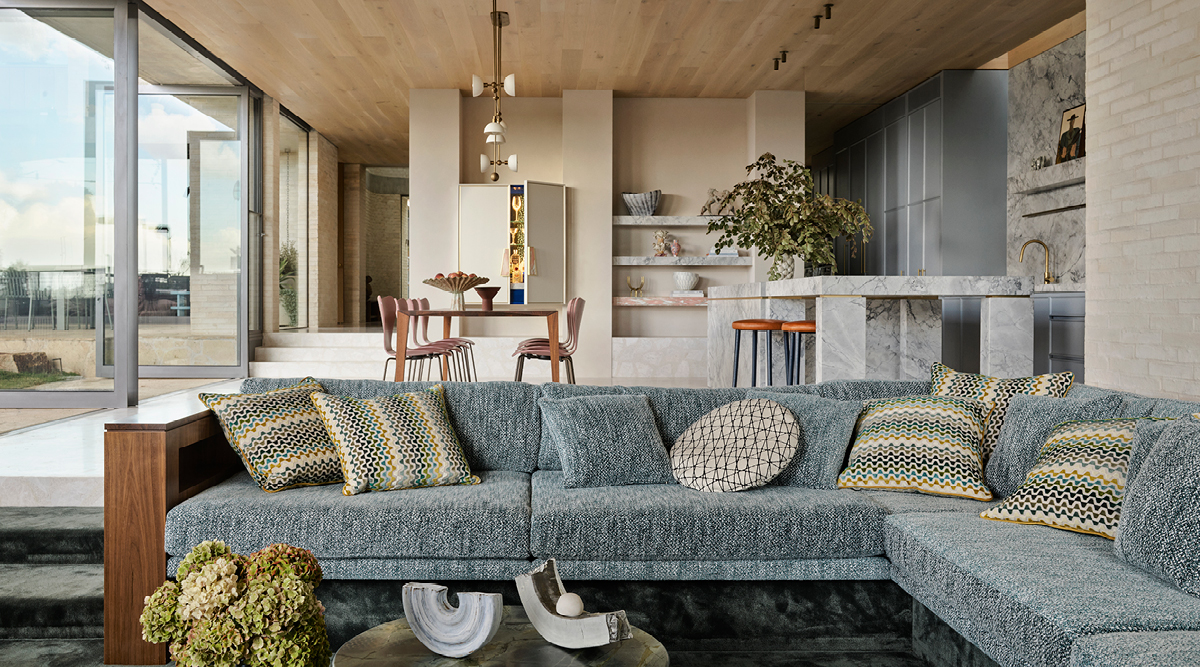
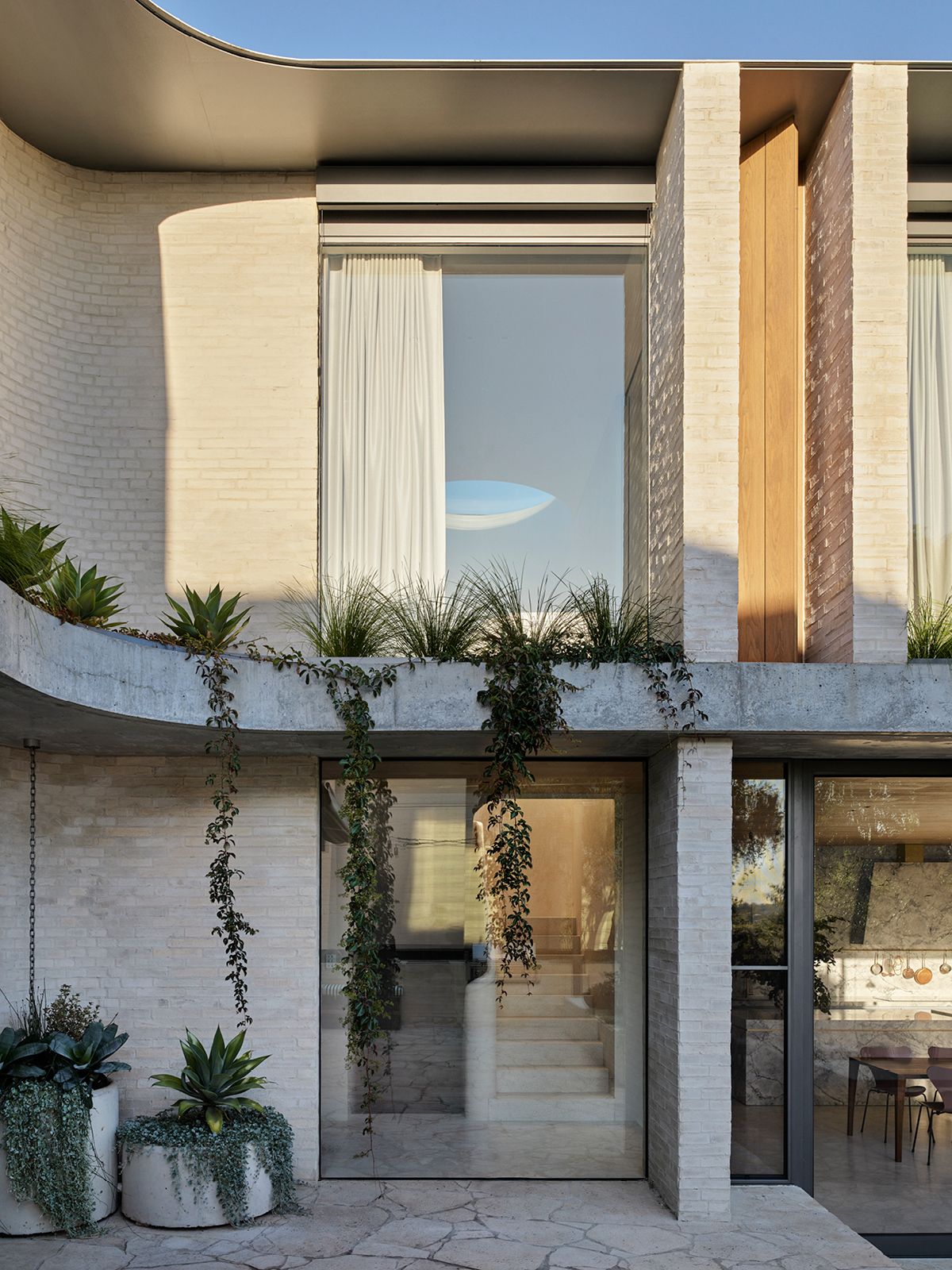
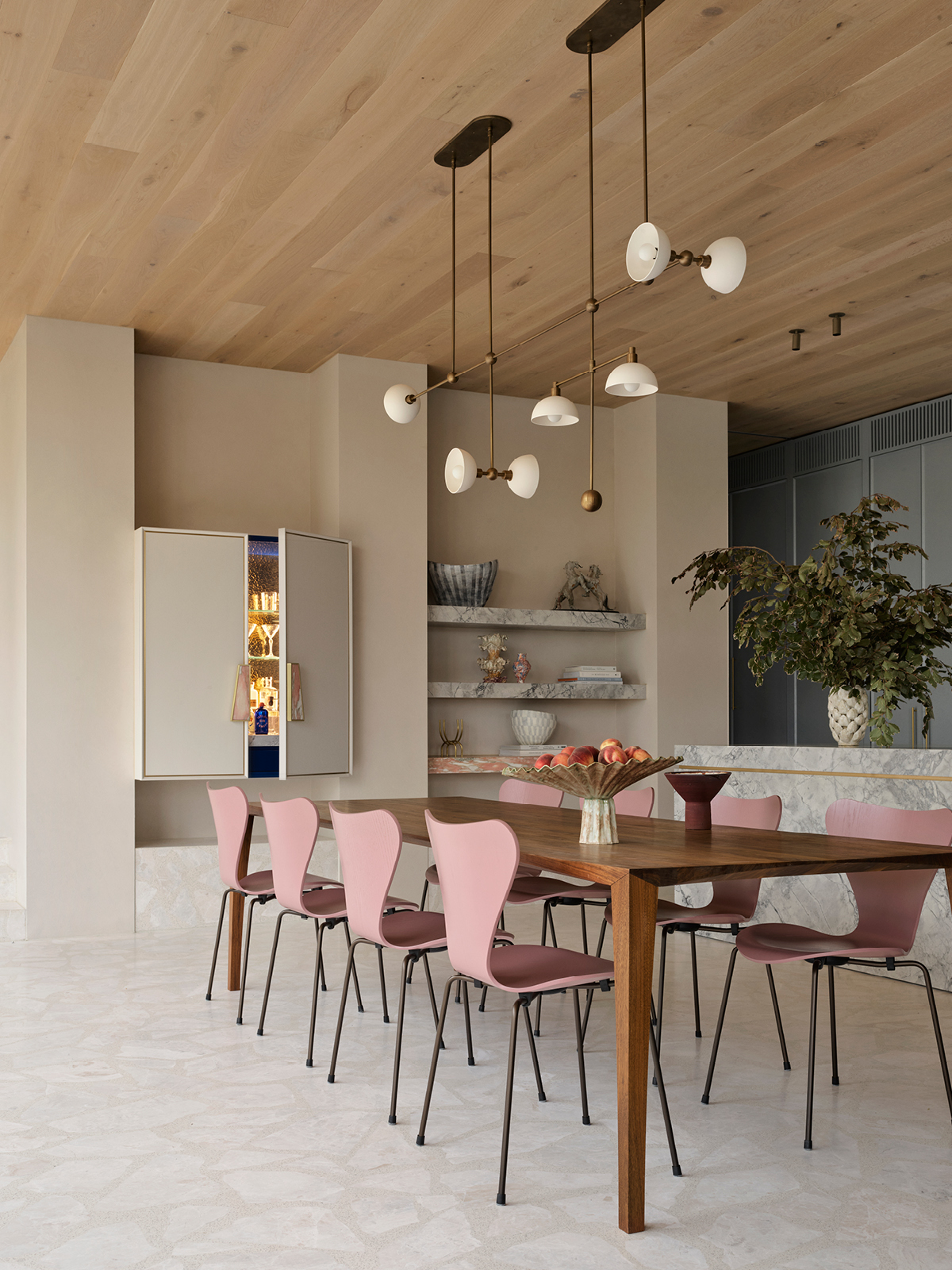
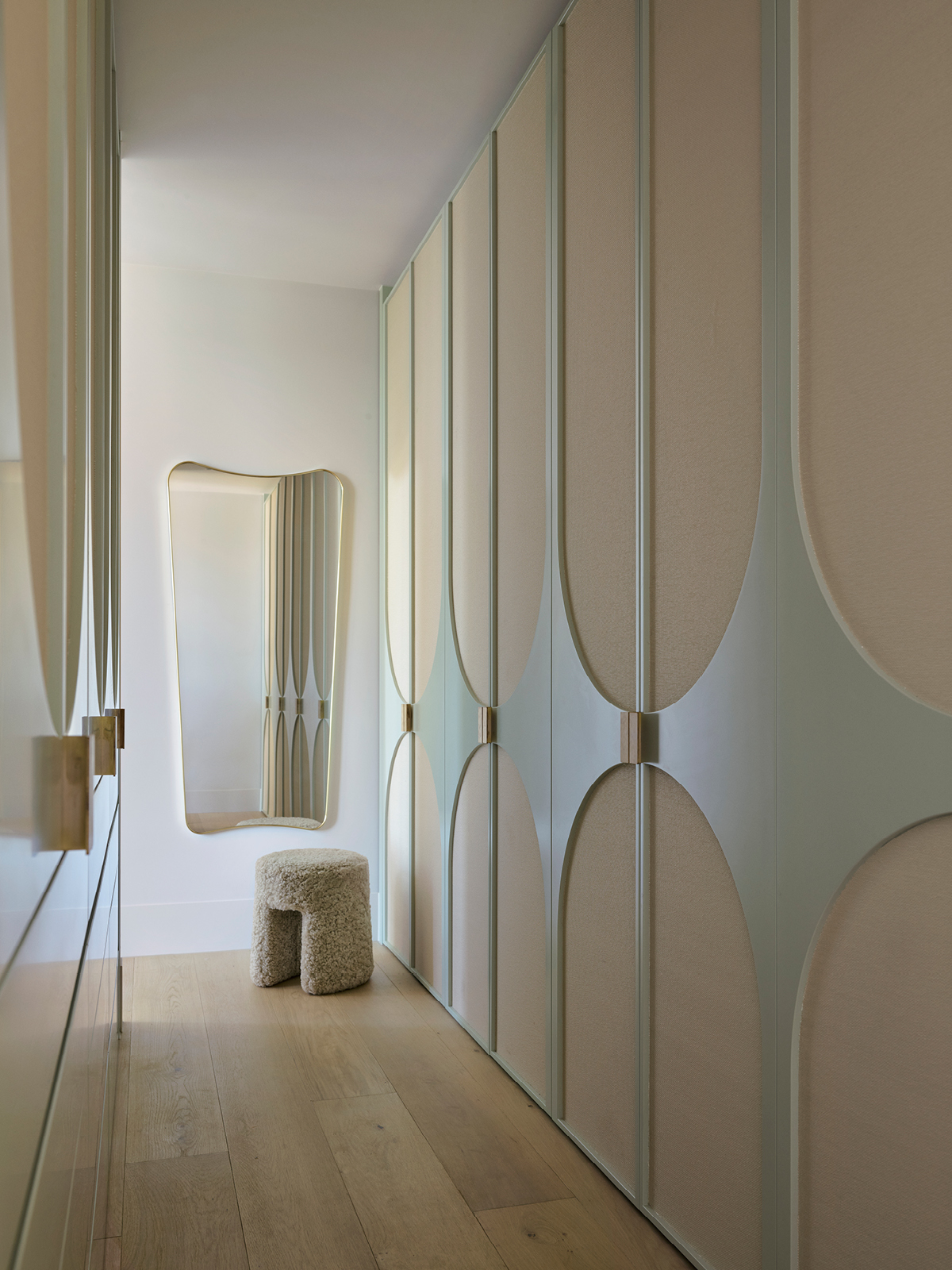
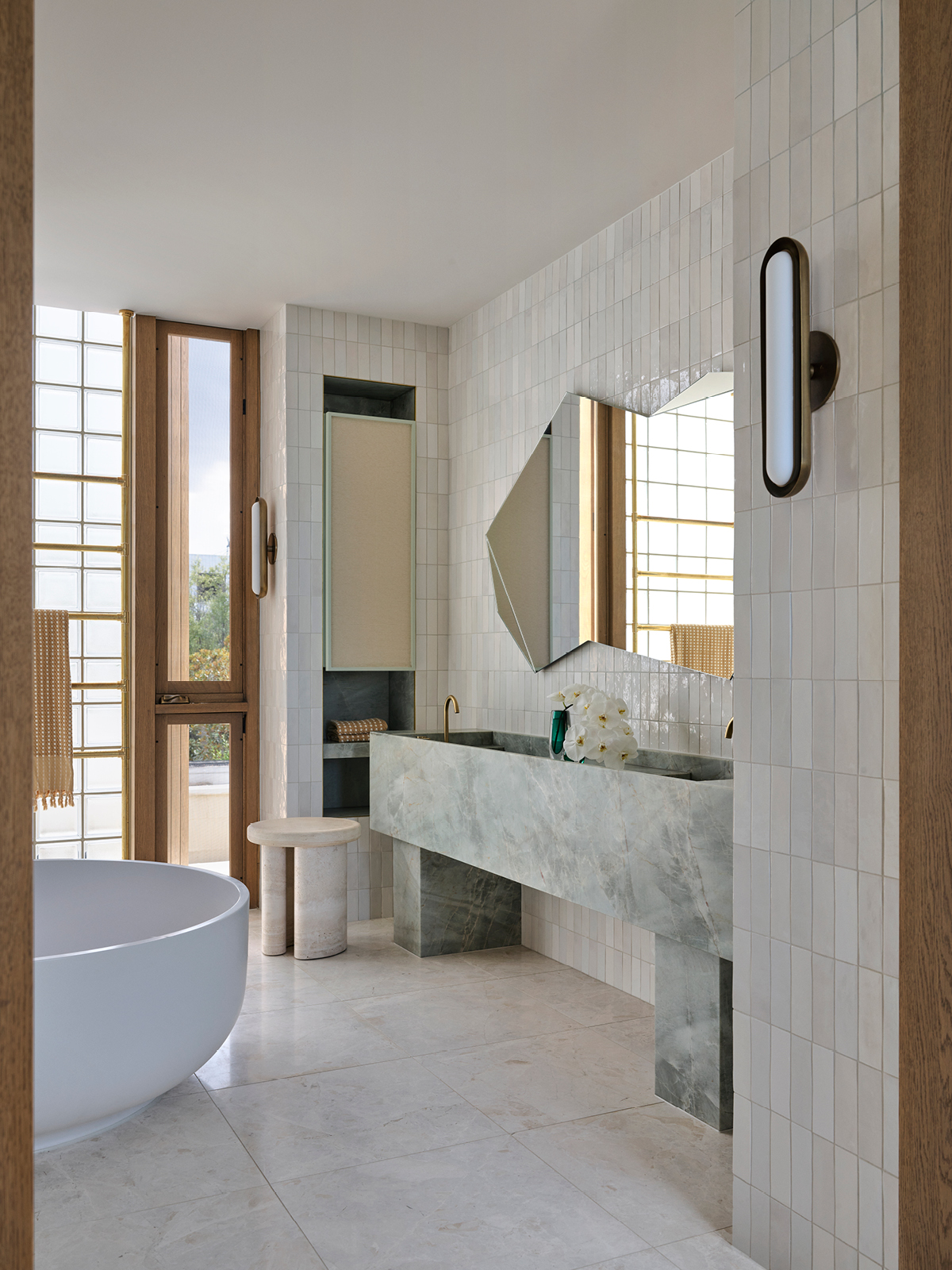
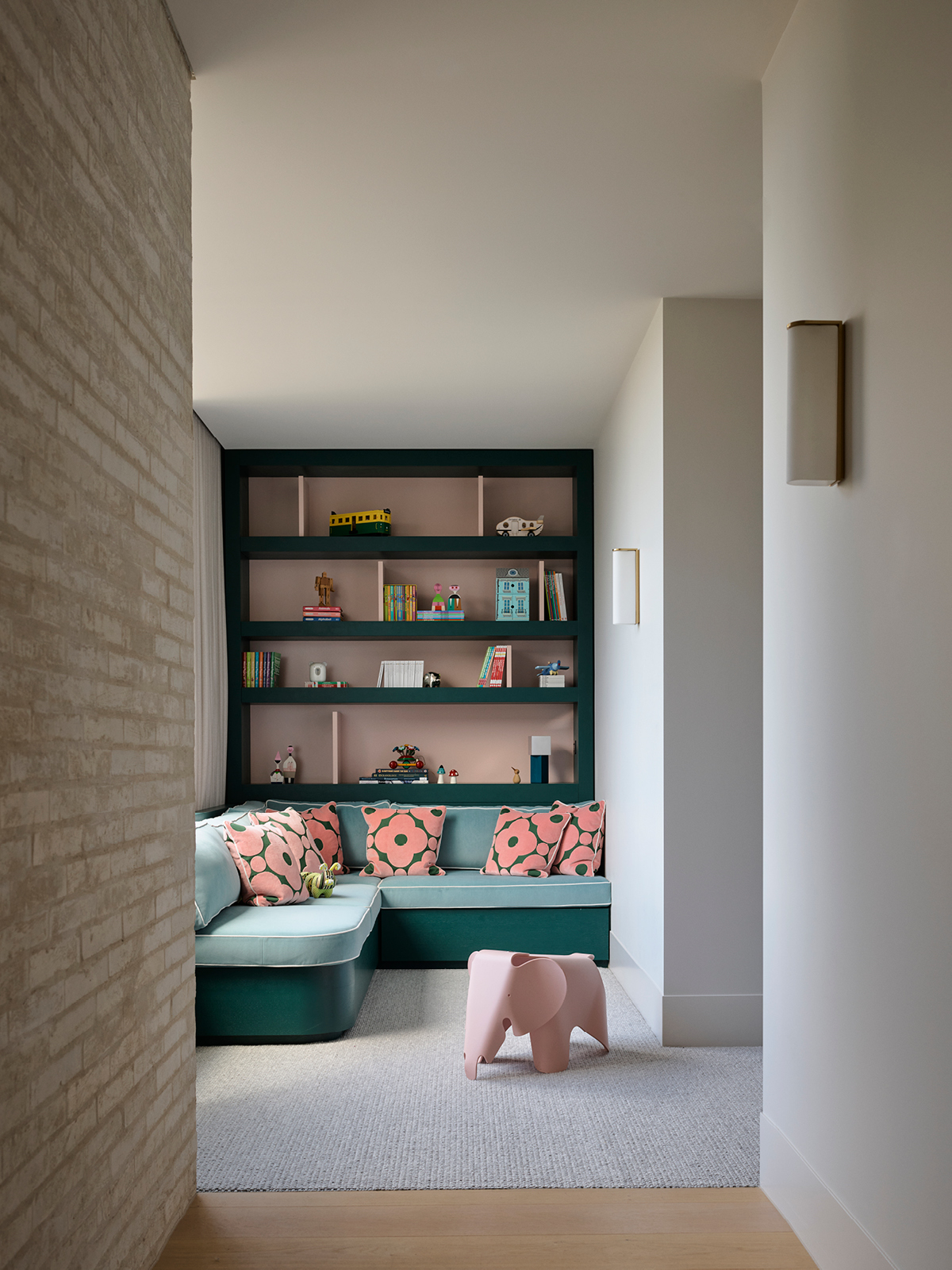
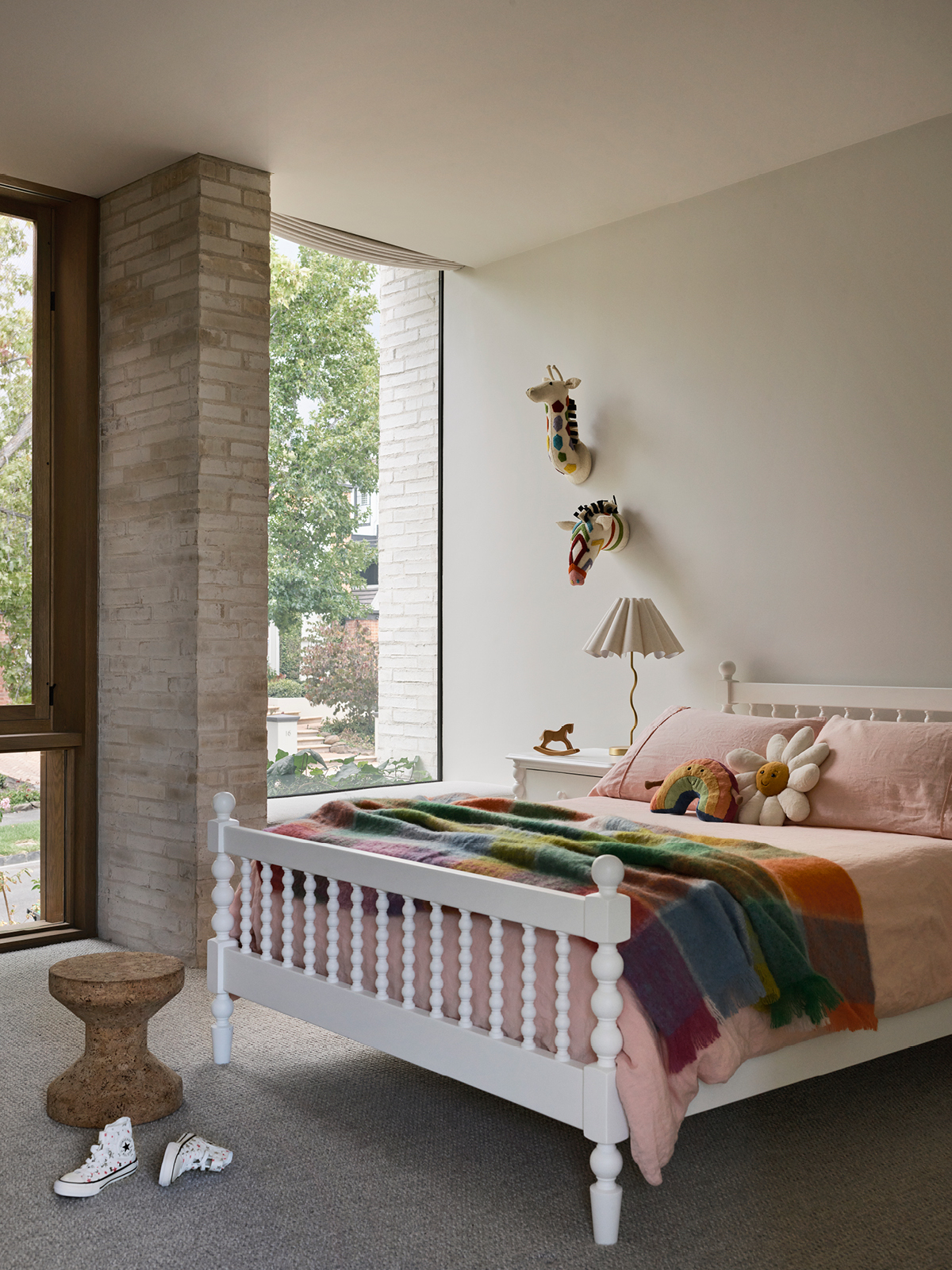
Set within Melbourne’s leafy inner suburbs, Malvern Residence III by Studio Tate is a home that speaks to connection, to landscape, to family, and to the quiet luxuries of everyday life.

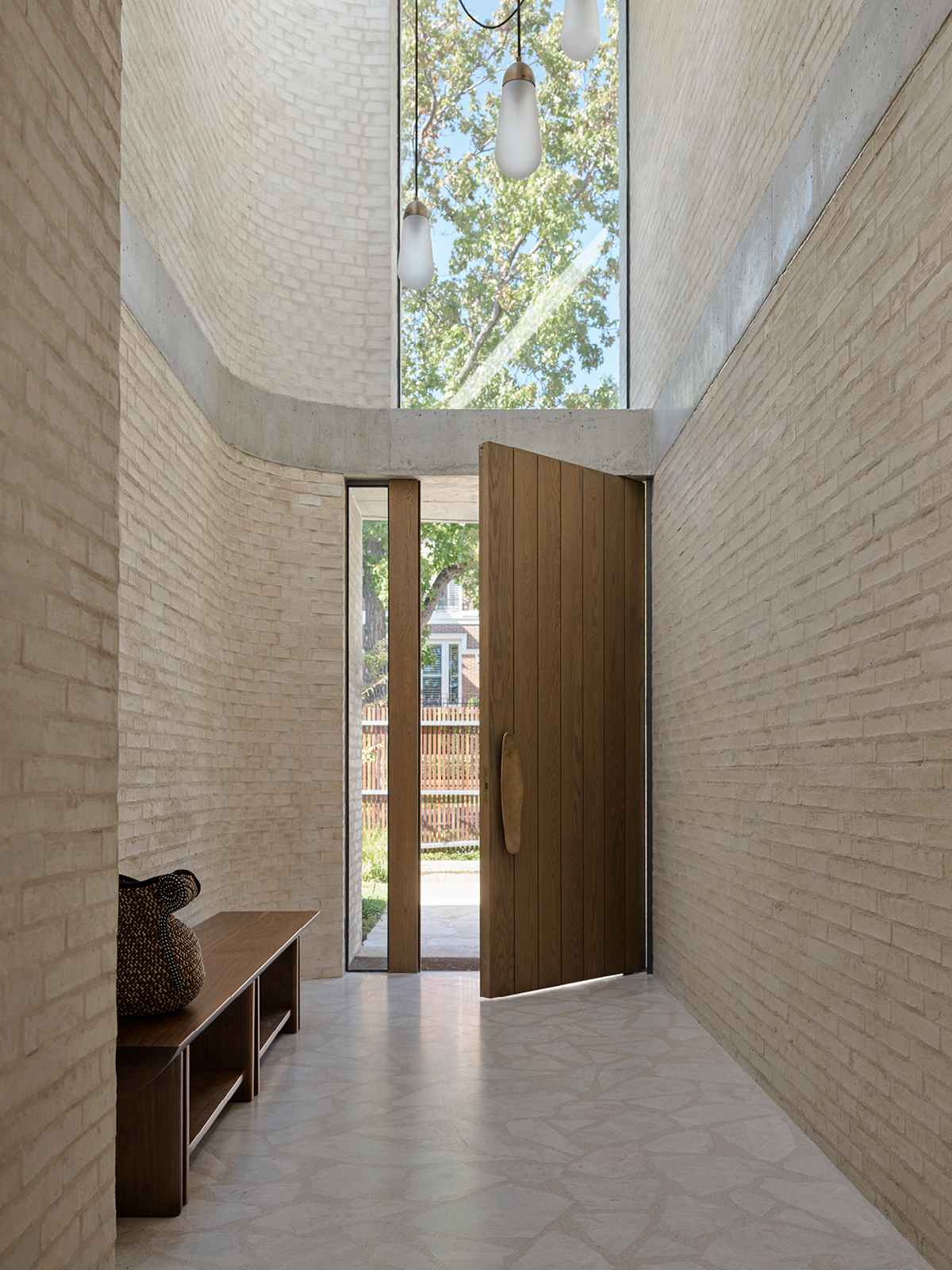
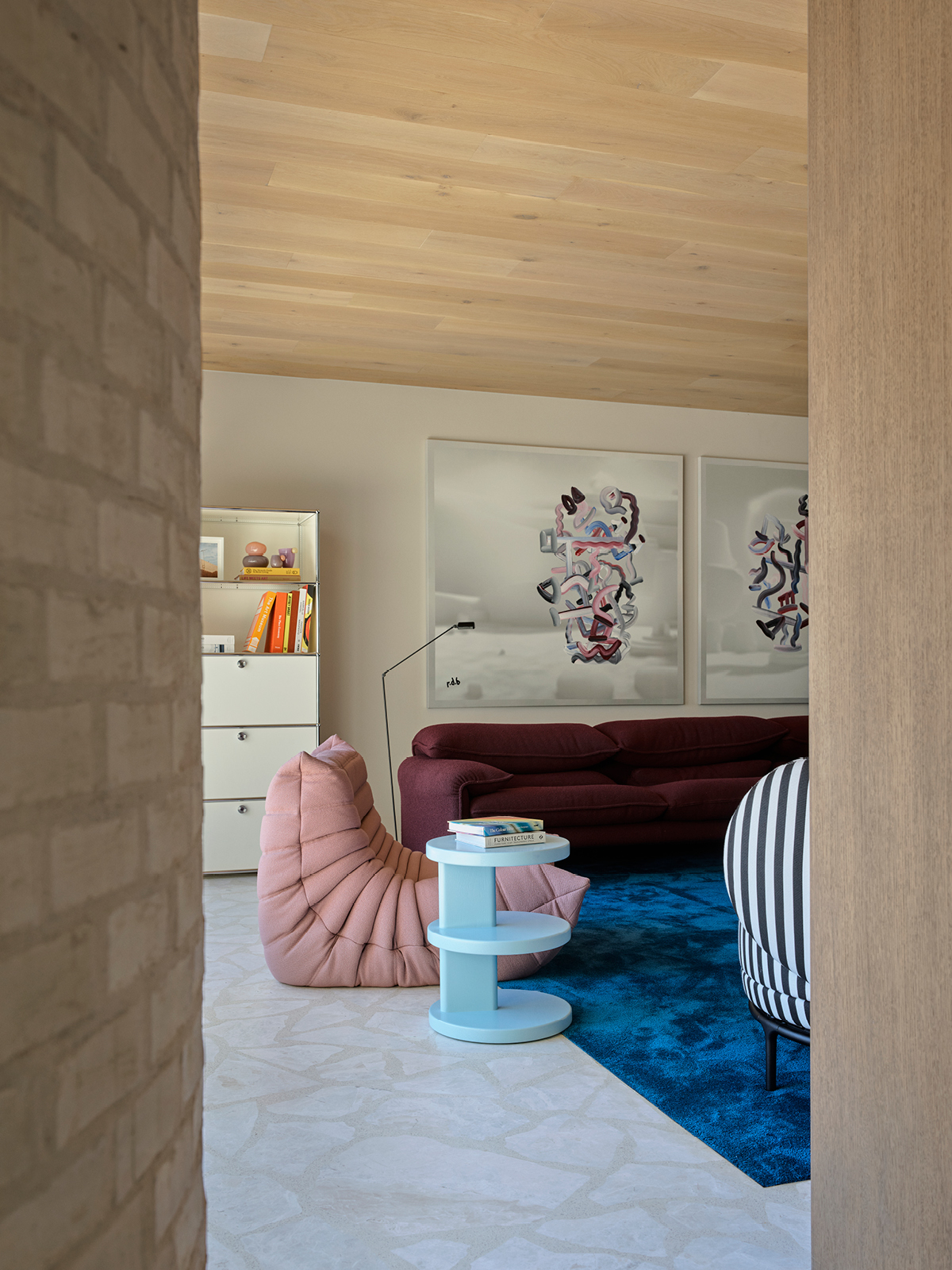
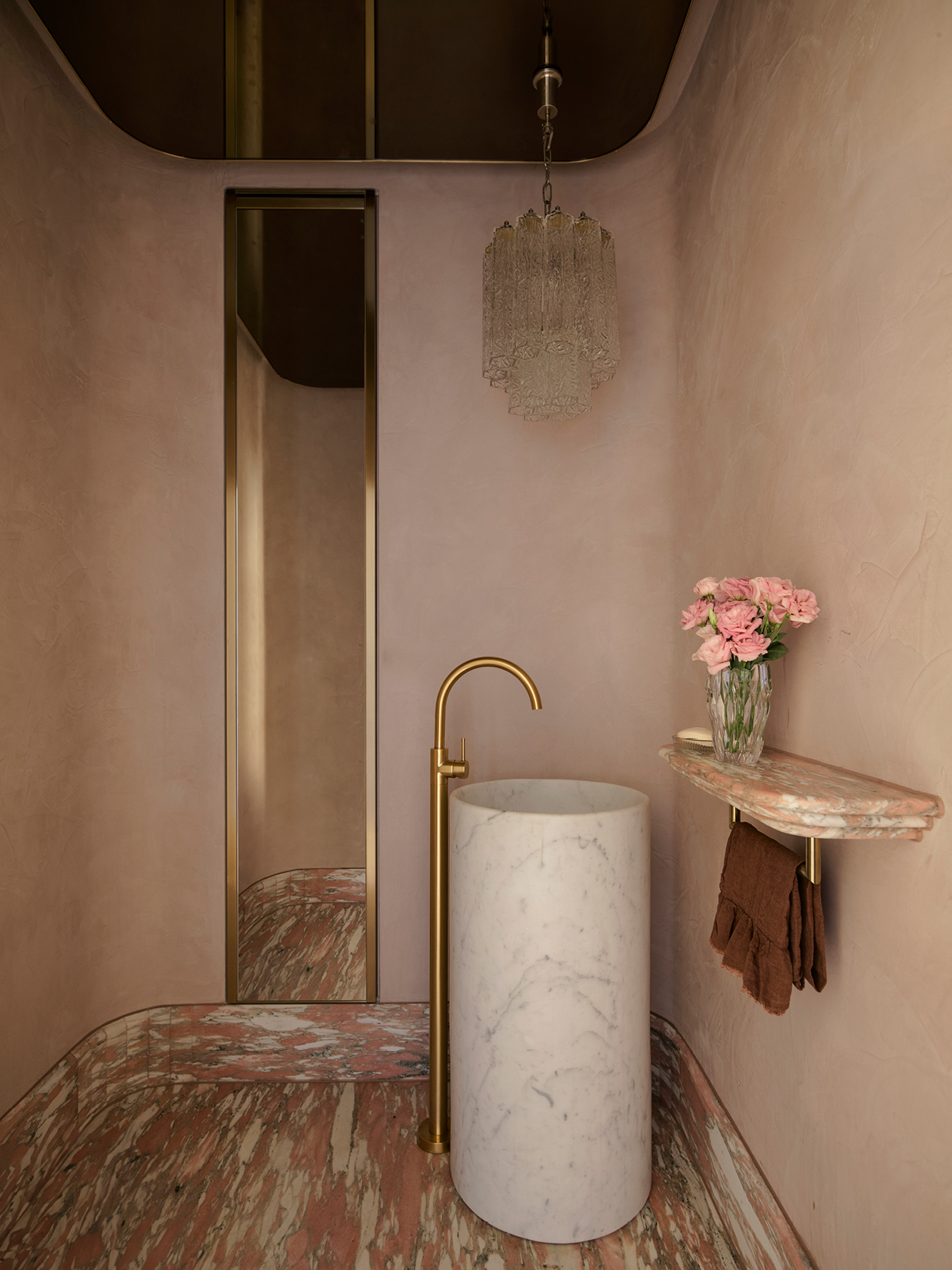
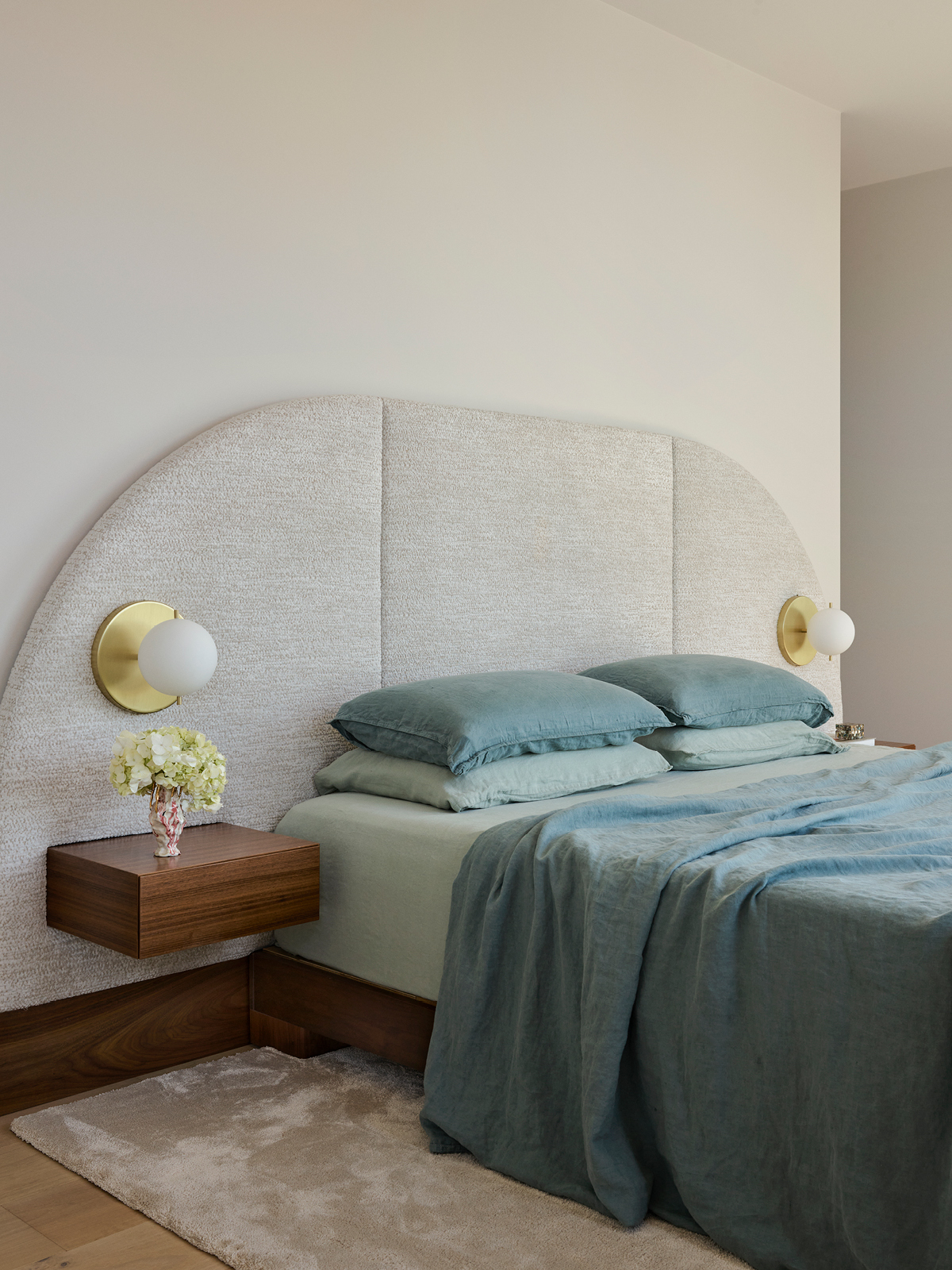
In Malvern Residence III, Studio Tate has crafted a home that is both playful and refined, weaving together tactile finishes, layered colour, and unexpected design details that breathe life into each and every corner. The L-shaped plan embraces a central courtyard, pool, and tiered garden, while a series of terraced floors nestle the home into its natural slope, creating a dialogue between form and landscape.

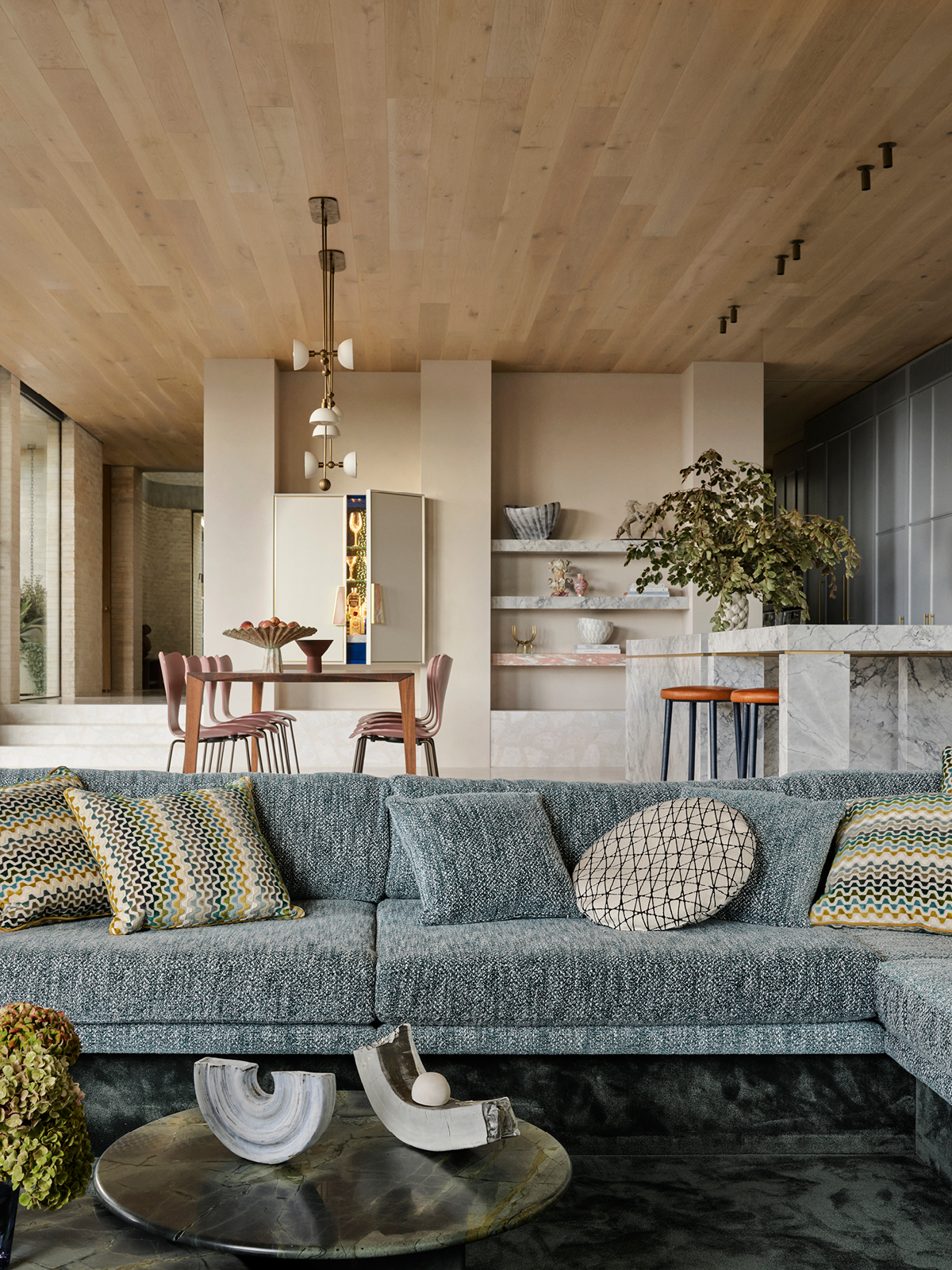
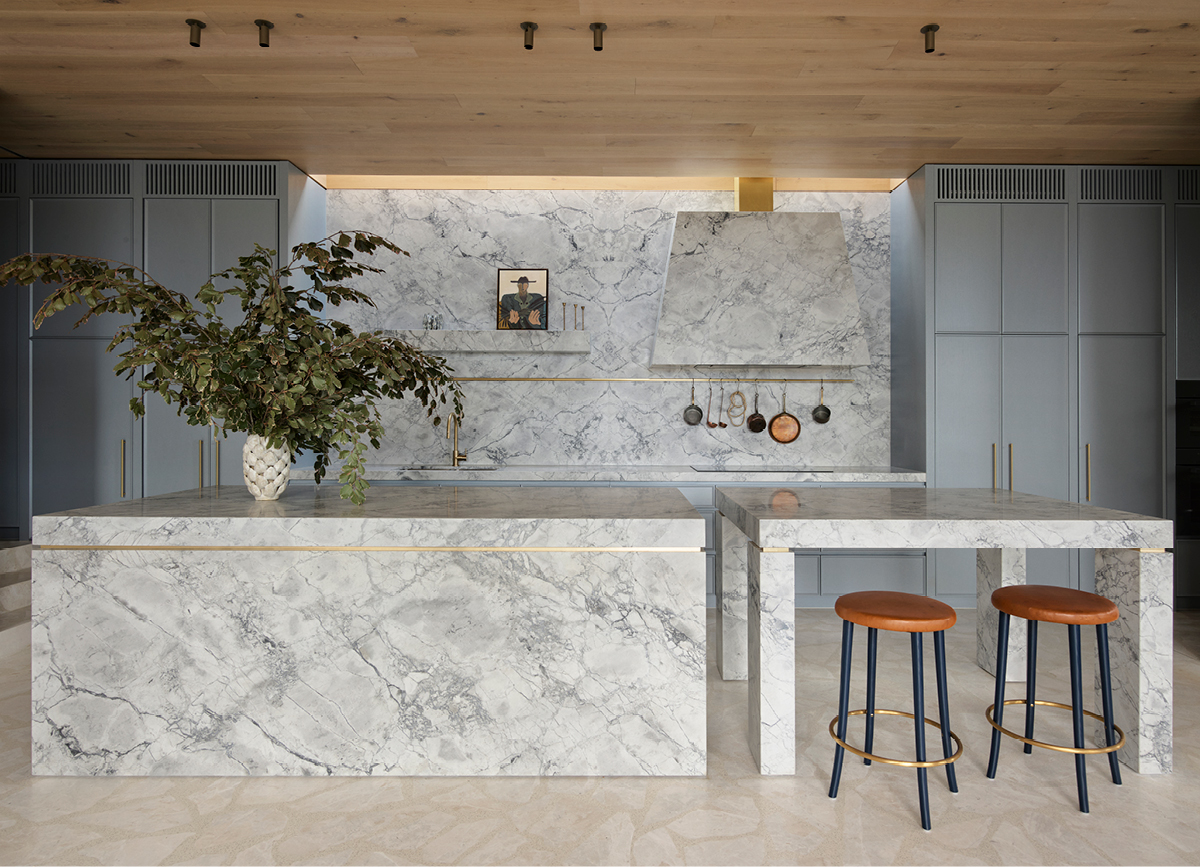
Inside, the design draws on the soothing principles of Wabi-Sabi, celebrating the tactile, the handmade, and the imperfect. Textural surfaces, from palladiana flooring to hand-glazed tiles and veined marble, lend depth and warmth, while Studio Tate’s signature colour accents infuse spirit, spanning soft blush tones, powder blues, and deep verdant greens. Each shade is carefully placed to enhance mood, enrich function, and inspire emotional resonance.


Apparatus Trapeze 7 Mobile from ECC
Togo Fireside Chair from Ligne Roset. USM Haller Bookcase from ECC

The home’s flow begins with a dramatic double-height entry void, leading into an open, inviting kitchen and dining hub where brass detailing and a hidden bar lined with Yves Klein blue cabinetry bring glamour to moments of family life. Beyond, a sunken lounge framed by exposed brick and garden views grounds the scheme in comfort and connection. Upstairs, bedrooms and private living zones balance serenity with adaptability, designed to evolve as the children grow. A ‘cosy corner’ invites play and togetherness, while the primary suite offers calm reprieve, enriched by crafted stonework and layered textures.

Apparatus Circuit Wall from ECC
Apparatus Lariat Single Pendant from ECC

Throughout, craftsmanship is elevated, with joinery, stone inlays, bespoke lighting, and artisanal hardware introducing notes of refinement against a warm, homely canvas. The result is a residence that balances luxury with liveability — a home that feels both timeless and deeply personal, perfectly befitting the ebbs and flows of family life. 

Malvern Residence III is built on the lands of the Wurundjeri Woi Wurrung and Bunurong peoples of the East Kulin Nations.

Design

Contemporary design and considered functionality collide in this kitchen
Salone del Mobile 2026: The design brands & ideas defining Milan
The return of the gloss, and why Minotti is leading the charge
Sarah Foote

Sarah Foote: The designer who has mastered understated elegance

Finding an interior designer with a distinct vision and capacity for versatility can be challenging. Sarah Foote, the Auckland-based designer known for her work across an array of scales, budgets, and contexts, understands this implicitly, and across the past eight years, has proved her mettle on both fronts.

Despite having renovated houses for over two decades, interior designer Sarah Foote only decided to turn her passion into a career eight years ago, tapping into her experience in management roles and time at Stanford Design School to bring a unique perspective to her practice. It was the ever-evolving nature of interior projects and the always winding path to great design that captivated her, “The process of creating and solving the complex puzzle that unfolds in every project drew me to interiors initially,” she tells me, adding, “My initial focus of villa renovations has evolved into multi residential projects and new builds, however the intent to create a seamless experience for clients still remains the same.”

For Foote, despite the context or client, her core philosophy is always the central axis around which everything evolves: “Every project is rooted in understated elegance,” she shares, “Spaces should have personality, but not feel too trendy.” As such, the sought-after designer looks to the honesty of materiality and the humanness of her clients for inspiration, drawing heavily on each inhabitant’s unique story and the materials that organically speak to her once she has an idea of requirements and restraints. 

“Every project is rooted in understated elegance. Spaces should have personality, but not feel too trendy.”

Advocating strongly for enduring design, Foote places a firm emphasis on education up front, providing her clients with expert guidance on what will withstand long-term, and what might look great in the moment but won’t translate in a decade’s time. “Not everything needs to be a feature,” she states pragmatically, “In a world of Instagram and Pinterest, clients become overwhelmed with ideas. My role is to establish how to create cohesion.” 

The designer has become an expert in creating elegant yet liveable spaces, crafting quietly luxurious homes that feel like a reprieve from the busyness of everyday life. Materiality plays a central role, and certainly brings an obvious grounding quality to the homes she works on, but there’s more to it than that; Foote is adept at cultivating a real sense of peace and belonging, “A home, above all, needs to be livable,” she shares. 

Elysian Apartment 301

Most recently, Foote has been working with Crosson Architects on her first multi-unit project in Elysian — a premium development of 16 architecturally designed apartments in the heart of Parnell. The project aligned with her own ideals and ambition, and the clarity of the design spoke to her ethos of quality and restraint. This shift in scale, moving from free-standing villas to multi-level apartments, was an opportunity the designer relished and has been preparing for in the background for some time. “I’m more process-driven than ever before,” she shares, “Something that my previous career has been an invaluable support for.”

In quintessential style, the Elysian’s interiors are elegant and understated while maintaining a distinctly luxurious edge. But this project is just a singular example of a wider body of work that speaks so beautifully to the New Zealand lifestyle — laid-back, with an edge. 

Elysian Apartment 303

Despite the scale she’s working to, Foote’s work is steeped in a reverence for materiality and respect for the individual needs of the inhabitants she’s designing for, bringing her unique penchant for functional and character-rich design to each and every project. “I love that with all AI and other emerging technologies I’m able to constantly improve the process side of my business, however, what I love most and get most excited about is that it’s still a people-centred business,” she states with pride, “We’re there to enhance the lives of clients with beautiful homes.” And in that respect, it’s evident that Foote’s practice extends well beyond spatial design alone.

sarahfootedesign.com

Design

Contemporary design and considered functionality collide in this kitchen
Salone del Mobile 2026: The design brands & ideas defining Milan
The return of the gloss, and why Minotti is leading the charge
Beef & Ricotta Meatballs & Lamb Shank Ragù & Mozzarella Pie

World-class hospitality and unrivalled golf tech collide at Flush Golf & Bar Ziti — Britomart’s new golfer’s playground

In the heart of Britomart, two adjoining new venues have opened their doors, combining exceptional hospitality from Savor Group (famous for eateries such as Amano, Non Solo Pizza, and Bivacco), and the latest in golf simulation tech to create a venue for play, competition, and
connection.

At Bar Ziti, a laneway bar and Italian kitchen, you’ll find casual, produce-led fare sure to satisfy. Small plates take centre stage, with the likes of pizzas, hand-rolled pastas and perfectly crisp calamari available from lunch ‘til late. The menu leans into Italian classics with a modern edge — think brisket lasagne croquettes finished with Parmesan, prawn spaghettoni rich with lobster bisque and nduja butter, and a comforting lamb shank ragù pie. For something to share, the cured meat plate or a round of garlic pizza bread makes the perfect start. It’s generous, flavour-packed food designed to mix, match, and linger over.

Top to bottom: Charred Iceberg, Brisket Lasagne Croquette, Chicken Liver Parfait, Beef & Ricotta Meatballs, Cured Meat Plate, Kingfish Crudo & Cucumber & Stracciatella

But it’s not just about the food. Bar Ziti is your new Britomart go-to, where ice-cold Peroni pours straight from the tap, cocktails are playful with a polished edge, and the wine list balances local drops with international intrigue. The atmosphere blends laneway ease with sharp service, making it just as suited to an after-work spritz as it is to a long weekend dinner.

Grilled Rib-Eye

For Britomart locals, city workers, and travellers alike, it’s a space to unwind with a drink in hand and something delicious on the table. And, in true Italian style, Ziti is also bringing Aperitivo culture to town. From Monday to Friday, kick things off with complimentary small bites and drinks in the early evening, starting Wednesday, October 1st.

Be it a pre-golf bite and beer, a post-swing meal and debrief, or just a lively spot to settle in for something delicious (even if you’ve never swung a club in your life), Bar Ziti delivers on all fronts.

Flush Golf

Right next door at Flush Golf, a Trackman golf simulator awaits. The gold standard in golf tech, Trackman is tour-proven and player-approved, combining radar and high-speed cameras to capture every nuance of your swing and ball flight, delivering instant feedback, stunning visuals, and the most realistic indoor golf experience you can have — without stepping onto a fairway.

Trackman golf simulator

Designed as a true golfer’s playground, Flush redefines urban golf, with everything from exclusive memberships and private coaching to high-energy leagues and social nights (complete with post-round drinks). Marcus Wheelhouse — one of New Zealand’s most respected golf coaches — and a dedicated team are also on hand to offer world-class golf coaching. Regardless of whether you’re brand new to the game or chasing your personal best, they’ll help you unlock your full potential. And, if you like to level up your social golf and get competitive, there are plenty of opportunities to prove your prowess — from a weekly Wednesday night cup after work, to the six-week spring league, kicking off on October 6th.

If you prefer to keep your dining course-side, too, a dedicated Flush menu delivers everything you need to feed your possie on the virtual course, from bite-sized burgers, pizza, and fried chicken to cold beer and cocktails, so you won’t miss a beat.

If Flush Golf sounds like a bit of you, make sure to secure a foundation membership in the coming weeks, or simply turn up any time you fancy to give it a go — walk-ins are always welcome. And if you’re looking for a tasty bite in the heart of the city, we’ll see you at Bar Ziti.

Bar Ziti Opening Hours:
Monday — Sunday, 6:30am until 11pm

savor.co.nz/bar-ziti

Flush Golf Opening Hours:
Monday — Sunday, 6.30am until 11pm

savor.co.nz/flush-golf

Bar Ziti & Flush Golf

48 Custom Street East,
Auckland CBD

Gastronomy

Win the ultimate experience as Church Road brings its Cellar Door to Somm Wine Bar & Bistro
This local favourite just got a beautifully considered refresh
Where to go after dinner in Auckland: Kureta’s Nezake Nights
Daily Bread

Too Good To Go — Europe’s favourite anti-waste app that’s rivalling Uber Eats — just landed in New Zealand

If you’ve ever winced while tossing out a stale croissant, stone-cold spring roll or wilted spinach, there’s a new free-to-download app that you’ll definitely need to download. Too Good To Go — the world’s largest marketplace for surplus food — has officially landed in New Zealand, launching first in Auckland.

Born in Denmark and already a runaway success throughout Europe and the UK, Too Good To Go is a mission-driven company that’s saved more than 500 million meals from ending up in the bin. In the UK alone, it’s currently sitting at #3 in the Food & Drink App Store, outranking the likes of food delivery juggernauts Uber Eats and Deliveroo, with TikTok users (nearly 90,000 videos and counting) documenting their “Surprise Bag” hauls of bargain baked goods and café quality fare.

The concept is deliciously simple: local bakeries, restaurants, and grocers list their unsold food at the end of the day, users reserve a “Surprise Bag” via the app for as little as $8 then swing by to collect it. The catch? You don’t know exactly what you’re getting until you open your surprise bag — but that’s half the fun.

Left: Catroux. Right: Pie Rollas

Everyone from Westmere favourites Beabea’s and Catroux, to Ponsonby Road’s Beau Deli, Daily Bread, Pie Rollas and more are among the first local heroes to get behind the launch, with more partners rolling out nationwide in 2026. App users are granted access to good food at a great price, hospitality businesses minimise their footprint, and we all make a dent in the staggering 2.5 billion tonnes of food waste that’s generated each year — it’s a win-win.

toogoodtogo.com

Gastronomy

Win the ultimate experience as Church Road brings its Cellar Door to Somm Wine Bar & Bistro
This local favourite just got a beautifully considered refresh
Where to go after dinner in Auckland: Kureta’s Nezake Nights

Meet Mokki — the new matcha & açaí spot that’s drawing crowds in the city

If you’ve walked through Commercial Bay’s Harbour Eats recently, you’ll have noticed the queue — a sure sign that Mokki, the city’s newest wellness-meets-indulgence spot, has quickly found its following. Riding the dual waves of our ongoing matcha and açaí obsession, this sleek new spot is bringing both trends together under one minimalist, pastel-toned roof.

From the team behind the much-loved Oh Açaí market stall, Mokki takes its cues from matcha bars and açaí spots globally, bringing the two together with an emphasis on both quality and aesthetics. Here, ceremonial-grade matcha is whisked to velvety perfection in classic lattes or layered creations like the strawberry matcha, complete with real fruit purée, or the very well-Instagrammed ‘Matchamisu Latte’ — a tasty hybrid of dessert and drink that feels suitably decadent yet virtuous enough to justify a second round.

Matcha is accompanied by their signature organic açaí bowls. Mokki’s tasty, antioxidant-rich açaí soft serve base is topped with a host of fruit, granola, nut butters and more — a feast for the eyes as much as they are for the palette.

Whether you’re fuelling up between meetings or simply after a midday mood boost, Mokki offers the kind of easy, feel-good ritual Auckland’s been craving — and if the line out front is anything to go by, this is a spot worthy of your attention.

Opening Hours:
Monday — Sunday, 11am — 6pm

instagram.com/mokki_nz

Mokki

Commercial Bay Harbour Eats,
2nd Floor,
21 Queen Street,
Auckland Central

Gastronomy

Win the ultimate experience as Church Road brings its Cellar Door to Somm Wine Bar & Bistro
This local favourite just got a beautifully considered refresh
Where to go after dinner in Auckland: Kureta’s Nezake Nights

Inside Ashley & Jordan Elcham’s magical wedding in Rome

In a wedding as deeply considered and rich with meaning as the love story that underpins it, Ashley and Jordan Elcham vowed their forever in Rome.

Ashley and Jordan Elcham’s story began at university, where they shared a study group and later, a friendship group long before romance blossomed. “We were friends for a good year before we even thought about dating,” Ashley recalls. “Being friends first really grounded us — it built a strong foundation of trust and understanding that has been so integral to our relationship.” It’s a friendship that remains at the heart of their love, and on the day they married a decade later, that same study group stood alongside them as witnesses.

They finally took the leap from friends to something more during a holiday in Italy, but there were already feelings there, “Because we’re both third-generation Lebanese, our core values are ingrained in our heritage, but we both definitely have a modern approach to our culture,” Ashley tells me, “It was really nice to meet someone so level-headed that struck that same balance. It all just felt so organic.”

As seems to be a central thread in the Sydney-based couple’s journey, the evolution to couple from friends was more a natural progression than anything. “I landed in Nice, and [Jordan] came to the airport to pick me up. We drove to Portofino, and that same day he asked me to be his girlfriend,” says Ashley, “Because that’s where our next chapter began, there’s always been this resonance with Italy for us — it’s always been an important part of our story.” Years later, in the heart of Rome, surrounded by the people who know them best, they tied the knot. 

The connection to Rome was something that, according to Ashley, felt predestined. “It was meant to be,” she says with a smile, recounting the moment it all began, when Jordan proposed to her at the Nobu in Santorini as a string quartet played on the balcony below. The next destination on their holiday itinerary was Rome, where they spent a week with Ashley’s sister and her Roman-born partner, who showed them how the locals live. The connection was instantaneous, and the pair began exploring venues right then and there.

“We’d always wanted a destination wedding,” says Ashley, “It was something we spoke about a lot because, while our culture is beautiful, there’s a phrase in Lebanese which essentially speaks to this obligation that you feel to invite your grandmother’s neighbour to your wedding,” she laughs. “Because Jordan and I are quite private, we didn’t want a huge event, and a destination wedding meant intimacy.”

Upon returning from their engagement trip, Ashley — a visual merchandising and store planning executive for Van Cleef & Arpels, and Jordan, who works in his family’s luxury property development business, set to work planning, employing the consultancy services of renowned Australian planners, After the Rock. It was this team who put the pair in touch with destination wedding planner, Chiara Raine of Avenue Cipresso, and the rest, as they say, is history.

Just over a year later, they returned to say yes to forever. Ashley and Jordan were married on the eighth day of the eighth month — a date chosen not just for its auspicious symbolism in Chinese culture (depicting eternity, among other things), but for the fact that it also marked eight years since they made it official.

The celebrations began two days prior to the official ceremony at Ristorante Da Meo Patacca in Trastevere — a rustic, authentic Roman eatery discovered through Ashley’s sister’s boyfriend the year prior. With its simple wooden tables, alternating-colour tablecloths, and live guitar and tambourine music, the restaurant’s charm needed no adornment, and in fact set the tone for the entire four-day celebration: authentic Italian, with a touch of the Elchams. Ashley wore a lace Rabanne dress with Valentino shoes and Dior earrings, while Jordan opted for a bespoke Tailor & Co. suit. A vintage teal Fiat Spider ferried the couple through the cobblestone streets to the venue, a detail Jordan took great pleasure in planning.

The following day was quiet and intimate, with Ashley and Jordan sharing private vows — captured by their videographers, Plus Two Films. Later, they wandered the city with photographer Alice Mahran, capturing iconic locations from the Spanish Steps to the Jardin de Russie. Ashley wore a Mirror Palais dress, Tiffany pearls, and Valentino heels, and Jordan wore Rag & Bone paired with custom Tailor & Co.

On August 8th, the ceremony unfolded in the 17th-century Chiesa di Sant’Ignazio di Loyola, its soaring ceilings and frescoed walls offering a dramatic, sacred backdrop to their vows. “It’s one of the city’s most historic churches,” Ashley tells me. “We wanted a place that felt timeless, and that carried the story of the city with it.”

A string quartet played throughout the ceremony, with a close friend’s debut tenor performance of Ave Maria adding to the emotion of the occasion once they’d said I do. The aisle was lined with flickering candles; the entranceway flanked by vases brimming with white roses and an abundance of wild greenery in garden vases. Ashley worked closely with Australian designer Jessica Andreatta to create a gown that felt entirely her own — a blend of 1950s couture silhouettes, Grace Kelly elegance, and vintage Christian Dior with a hint of McQueen drama. Her scalloped, three-metre mantilla veil swept the floor, and lace gloves echoed the old-world reverence of the church setting in a seamless blend of vintage romance and modern grace. Bridesmaids wore simple halter necks in soft pastels, created in collaboration with Australian label Redrew, inspired by ’90s Ralph Lauren to complement the timeless mood.

Jewellery held deep personal meaning for both the bride and groom: Tiffany & Co. studs borrowed from Ashley’s mother, a diamond pendant gifted from her father, and her engagement ring completed the bride’s ensemble. Jordan wore heirloom touches, including a family diamond ring and a Zodiaque pendant from Van Cleef & Arpels, gifted by Ashley in the years prior.

One of the most poignant moments of the ceremony was also the most unexpected. The exchange of crowns — a beautiful tradition symbolising equality and unity in marriage, was a surprise to the bride and groom on the day, “Wearing the crowns felt so special; it was about honouring not just our love, but the partnership we’ve built.”

Family and heritage — foundational to both Ashley and Jordan; another bond that binds them — was woven through every moment. “Food and dancing are so important to us, and also key to our culture,” Ashley shares. “It was essential for us to bring those elements into the day.” Their reception, held at the iconic Hotel De La Ville, was an Italian feast that honoured those values, with a warm and intimate atmosphere that felt both celebratory and deeply personal. In lieu of a welcome sign, Ashley and Jordan had a welcome poem titled ‘The Meaning of Marriage’, which perfectly depicted their union. There, against the backdrop of Rome’s skyline, they joined their bridal party for a final photoshoot before their guests descended into the Mosaico Garden Courtyard for an elegant reception dinner.

The evening was punctuated by personalised details, from custom pasta bowls inscribed with ‘The Elchams’ to hand-lettered menus by Eau De Papier Illustration; all carefully conceived details that were designed to honour the union of marriage, their own unique journey, and the city of Rome itself. Custom fans were embellished with the inscription: ‘When in love, do as the lovers do,’ — the closing line of a poem titled ‘When in Rome’ that became a sort of overarching sentiment woven throughout the celebrations.

As twilight fell, Ashley changed into a simple Victoria Beckham slip — a gift from Jordan that he suggested she throw on at the last minute for their first dance (nervous, after seeing her wedding gown, that he wouldn’t be able to pull off a lift with such a voluminous dress). The dance went off without a hitch; they feasted on pasta and gelato, drank champagne and limoncello spritz, and danced the night away with the ones they love the most.

The following day, they gathered their guests for a recovery brunch in the courtyard of Hotel de Russie, another famous Roman venue, to conclude a truly perfect celebration.  

In the end, it wasn’t just the city, the settings, or even the meticulous detail that made their wedding unforgettable — it was the feeling of joy in its purest form. “It’s hard to describe,” Ashley reflects. “I just remember waking up when it was over, looking over at Jordan, and thinking — that was perfect.”

As was always the intention, their wedding, at its heart, was a reflection of everything they’ve built together: a quiet confidence, a shared vision, and a love grounded in the solid foundation of friendship — destined to endure as eternally as the city where their future together truly began.

Milestones

40th around the corner? Whether it’s your milestone or someone else’s, here’s what to wear to mark the occasion
For gifts that go beyond the ordinary, Sutcliffe Jewellery’s bespoke creations give moments lasting meaning
Discover why Fiji is the ultimate escape for marking a milestone celebration, no matter the occasion

Double Dog is the tasty new Korean eatery on Ponsonby Road you need to know

After shuttering its doors a few months back, beloved Korean eatery Ockhee left a void in Auckland’s dining scene, particularly when it comes to authentic-yet-approachable Korean food. Luckily, the owners have opened a new venue in the exact same spot, this time solely focused on takeaways. The basis of Double Dog the same as Ockhee, to a degree — Korean favourites approached through a modern lens, but the format has shifted to lend itself to grab-and-go fare that still packs a punch on the flavour front.

The ‘K-spag’ bowl

On the menu you’ll find the likes of rice bowls, noodles, fried chicken, and perhaps the star of the show, Korean hot dogs, as well as a slew of satisfying sides. The rice bowls run the gamut from gooey BBQ tofu or chicken to bulgogi beef, gochujang pork or chicken, and the more traditional bibimbap, while the noodle bowls lean a little more adventurous, with a hero ‘K-spag’ bowl featuring a mix of knife-cut noodles with stir-fried pork crumble, veg, and gochujang sauce. Ockhee’s beloved ‘Japchae’ also appears on the menu.

Left to right: The BBQ Tofu Gooey & Fried chicken glazed in Sweet Chilli sauce

Fried chicken comes either with or without the bone, and is available in an array of flavours from honey-glazed to butter fried, and sides span chilli cheese crinkle-cut chips to dumplings, ‘tofu munch’ (crispy tofu bites and rice cakes (tteokbokki) glazed in sweet chilli sauce with roasted peanuts) to house-made kimchi.

The ‘Chilli Cheese Dog’

But, the pièce de résistance is the Korean-influenced hot dogs. Available in three flavours, Double Dog’s take on an American hot dogs is anything but ordinary. The ‘Chilli Cheese Dog’ pairs cumin and cayenne-spiced beef chilli with chopped onion and tomato, while the ‘Pizza Dog’ features pork sausage, DD tomato paste, capsicum, onion, cheese, and pepperoni. The most intriguing of the bunch, however, is the ‘Smokey Pork Dog’ — a flavourful mix of pork sausage with gochujang and soybean paste, Korean soy sauce, tomato paste, onion, zucchini, spring onion, and cabbage. All three invite you to step outside of your culinary comfort zone (just a touch) and try something unique.

Ultimately, Double Dog follows in the footsteps of its predecessor Ockhee, offering vibrant, balanced, and satisfying Korean food that is made for how we eat today — on the go.

Opening Hours:
Tuesday to Thursday, 12:00 — 3pm & 5:00 —8:30pm
Friday to Saturday, 12:00 — 3:00pm & 5:00 — 9:00pm
Sunday, 4:00pm — 8:00pm

doubledog.co.nz

Double Dog

171 Ponsonby Road,
Auckland 1011

Gastronomy

Win the ultimate experience as Church Road brings its Cellar Door to Somm Wine Bar & Bistro
This local favourite just got a beautifully considered refresh
Where to go after dinner in Auckland: Kureta’s Nezake Nights

The Wine Room is the place to be this Melbourne Cup Day

On Tuesday, November 4th, The Wine Room is set to reimagine the Flemington experience with all of the intimacy and polish of a luxury corporate box. From 11am, guests are invited to settle in for an afternoon that blends racing tradition with the venue’s signature refinement — complete with live coverage of every moment from Flemington.

In keeping with the spirit of the original event, fashion remains firmly at the fore, with the sundeck transformed into a catwalk — a nod to the iconic Fashions on the Field. Those wishing to partake can expect a stylish interlude to the racing action, as guests vie for best dressed, providing a hard-to-come-by excuse to don your finest.

The Wine Room’s sundeck

Back at the table, Executive Chef Ryan Moore will be on-hand to curate a set menu inspired by the indulgence of Cup Day’s famed front lawn. Elevated barbecue and cocktail-style dining anchor the offering, complemented by the restaurant’s much-loved à la carte menu.

Executive Chef Ryan Moore

Fittingly, the celebration begins with a glass of the newly-released Moët & Chandon Grand Vintage 2016 — an elegant prelude to an afternoon of racing, dining, and revelry. With capacity limited and demand for the nation’s most celebrated race day expected to be high, securing a table early is essential.

The Wine Room’s Melbourne Cup celebration is not ticketed; instead, table reservations ensure your place within this exclusive vantage point. Whether arriving early to bask in the full atmosphere, or slipping in ahead of the main event, this is an occasion designed to be savoured —where fine food, flowing champagne, and the thrill of the Cup meet under one roof.

Bookings are now open online for Tuesday, 4th November. Secure your spot here.

thewineroom.nz

Gastronomy

Win the ultimate experience as Church Road brings its Cellar Door to Somm Wine Bar & Bistro
This local favourite just got a beautifully considered refresh
Where to go after dinner in Auckland: Kureta’s Nezake Nights