
How Maggie Marilyn’s designer went from hating fashion to conquering the world

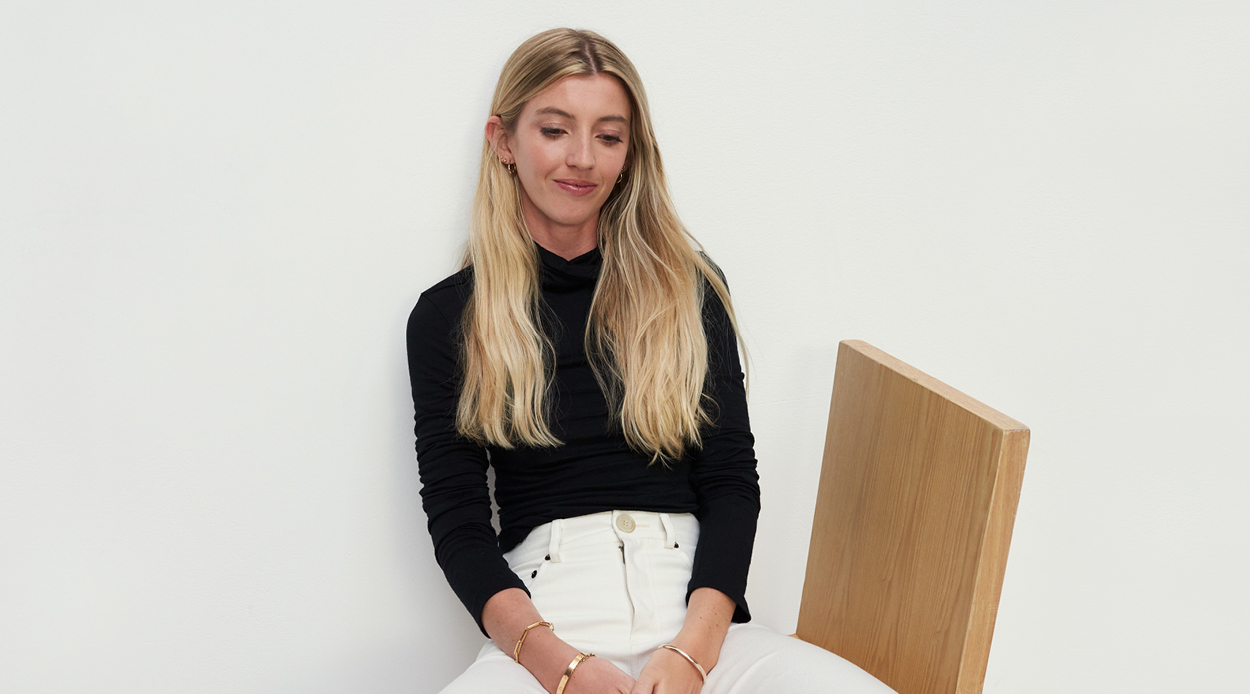
Designer Maggie Hewitt’s streamlined and sustainable approach to femininity catapulted her to the fashion frontlines straight out of design school, when her first Maggie Marilyn collection for Net-a-porter sold out in 72 hours. In the following four years her star has continued to rise at home in New Zealand and internationally, with the launch of a capsule range called Somewhere and dreams of conquering California. So just how do you become the Southern Hemisphere’s answer to Stella McCartney?
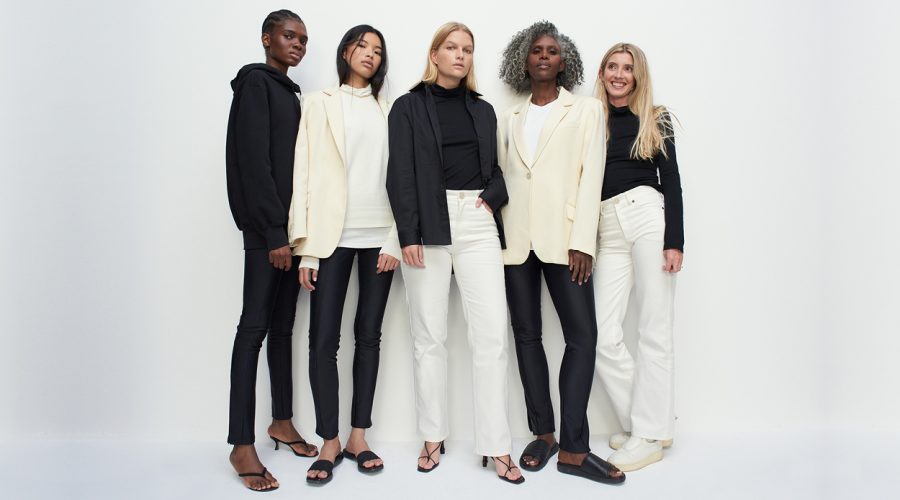
Maggie Marilyn Somewhere Capsule Range

How did Maggie Marilyn start?
I studied fashion and I think I always knew I wanted to have my own business or my own brand, so I went through university thinking that but when I reached the end of my degree I actually hated fashion. Hated it.
I didn’t even really want to be in the industry and I felt pretty overwhelmed. I felt like I was going to let my family down because I had done this degree that I didn’t really want to use. I went to a university where sustainability was a really big part of our curriculum, so I learnt about the really horrific side of fashion and I think the more I knew, the more I couldn’t turn a blind eye. I took some time off and then realised that I still loved fashion in the sense of wanting to wear beautiful clothing. That tugged at my heartstrings.
So I started thinking about where I was going to buy clothing that wasn’t vintage, where I felt comfortable buying into the brand. And at the time there really was only the likes of Stella McCartney and Gabriela Hearst, but they were at quite a luxury price point, so I saw a need for someone to create a conscious brand at an accessible price point.
That started me on my journey — very naively I might add. In many ways I think it was good to start a brand with very little idea about how hard it would be.
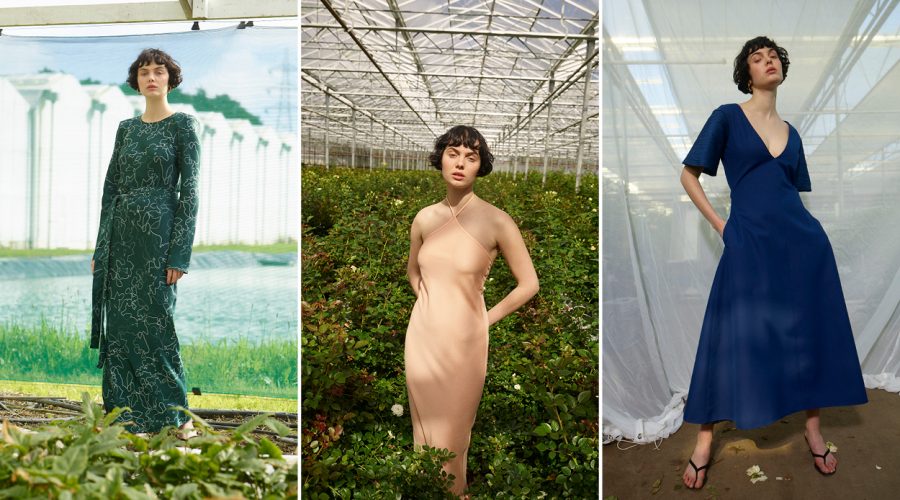
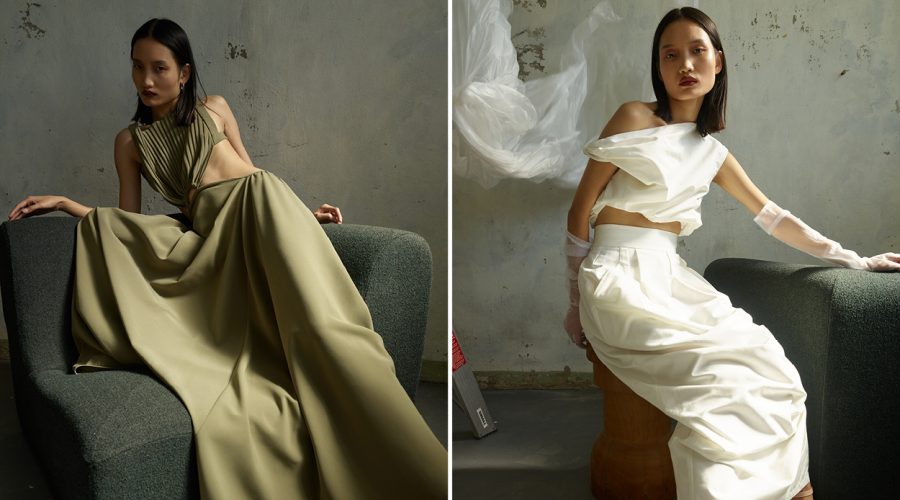
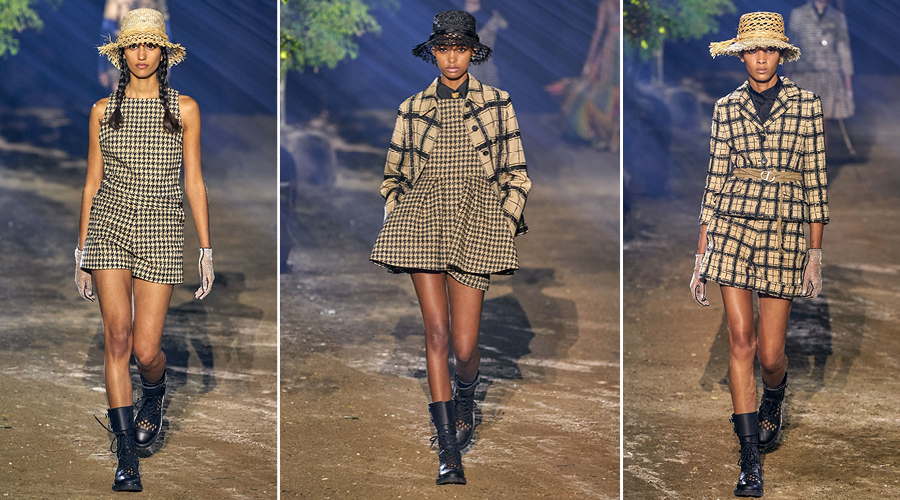
Maggie Marilyn Spring 2020 Ready-to-Wear Collection

What are the core values of Maggie Marilyn?
Our values of sustainability and wanting to make a difference in the world get me out of bed in the morning. It’s not the idea that I can make another beautiful dress, though empowering our customers to feel their best is important. But in those really tough times, what has kept me going is the positive effect that we could one day have on the industry, even worldwide. Sometimes I think that maybe, in five years, we won’t actually be known as a fashion brand but as something different.
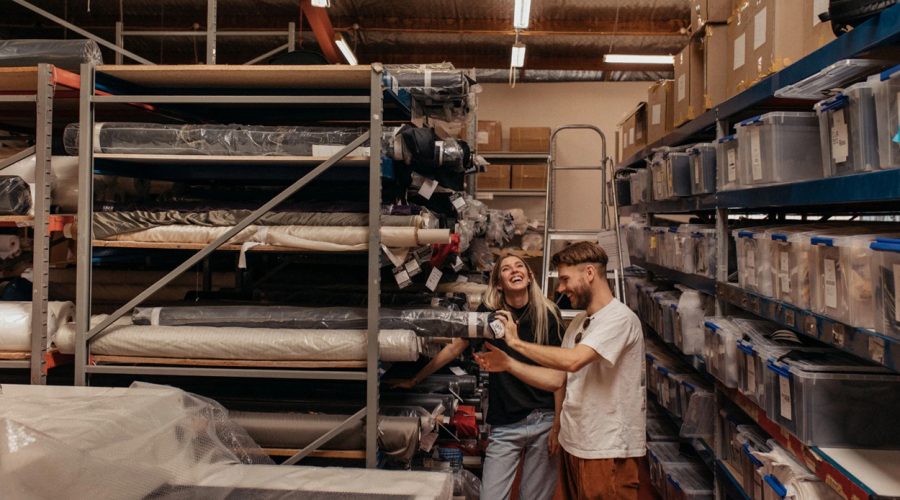
What have been some of the biggest challenges you’ve had to face?
I’m such a big advocate for talking about the challenges because people don’t talk about them as much and it can feel really isolating for an emerging designer to have to go through those challenges on their own, thinking that no one else faces them. It can look like everyone’s really successful from Instagram! But I feel like everyone goes through the same things and has those times where they are crying in the shower.
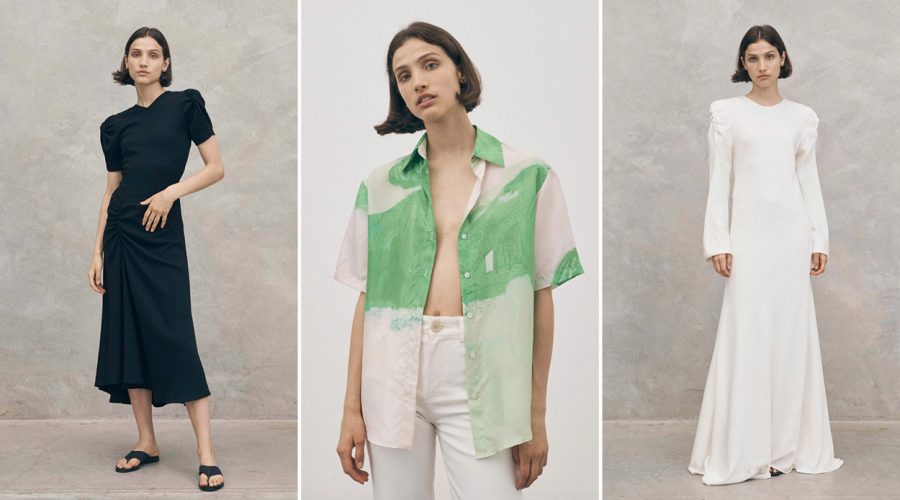
Maggie Marilyn Fall 2020 Ready-to-Wear Collection

What’s it like working with the big guns like Net-a-porter?
You can’t underestimate the platform that something like Net-a-Porter can give you. It’s huge. And I can’t underplay what that did for my brand but it shouldn’t be the end goal, because ultimately, they’re in it for themselves.
Wholesale definitely plays a huge part in the industry. It will always play a part in my business. We’ve learnt the hard way because we had some big retailers from the very beginning, so I didn’t get a chance to learn with smaller boutiques about how to navigate certain situations. I had to learn with the big guys who don’t really care about you sitting in New Zealand.
Over the last 12 months we’ve learned that we really want to own that relationship with our customer. We want to know who that girl is, what she wants, and how we can be a part of that. We were also hearing how much people wanted to buy into the values of our brand, but couldn’t afford to.
Going forward we’ll work with the wholesalers that help to amplify our story, and our mission, because they give great marketing leverage. Then it’s really about driving revenue and growth through our direct-to-consumer.
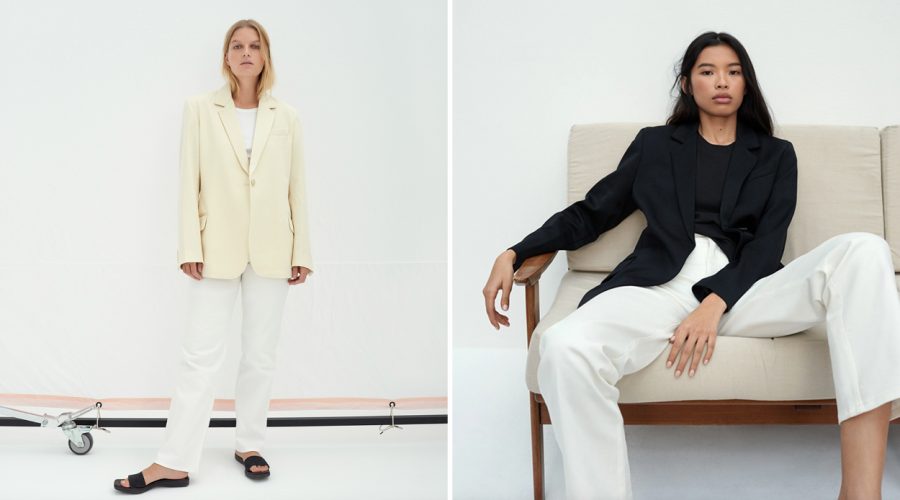
Maggie Marilyn Somewhere Capsule Range

What is the state of fashion production in NZ?
You walk into the factories and there are no young people working. We’ve actually just launched an apprenticeship programme for the workshop, so we can teach them skills like how to pattern-make and become sample machinists. We’re trying to invest back into the industry because for me, I eventually want to create jewellery, shoes, handbags and swimwear, and we probably won’t be able to make those things here until we’re big enough to invest in the technology. For our ready-to-wear ranges, part of the enjoyment I get from creating them is the relationships we have with our makers. 
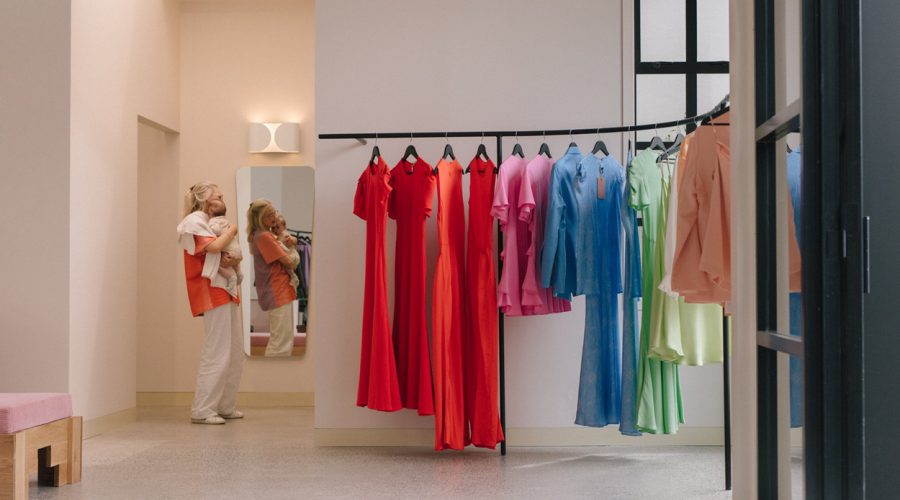
Maggie Marilyn Showroom in Newmarket, Auckland

Will we see a Maggie Marilyn store?
We definitely want to do bricks and mortar but our first standalone store wouldn’t be in New Zealand — there’s just not enough people here. I have this dream of living in LA so I’m set on Melrose for our first store. I don’t know how it’s going to happen and I have no idea how we’re going to get there but that’s on the vision board.

What’s next?
In the next few years we’ll aim to have a head office in New York, so the aim is to get the right talent so we can move our offices overseas. We look to brands like Patagonia as massive companies that are changing the world — so that’s where my ambitions are.
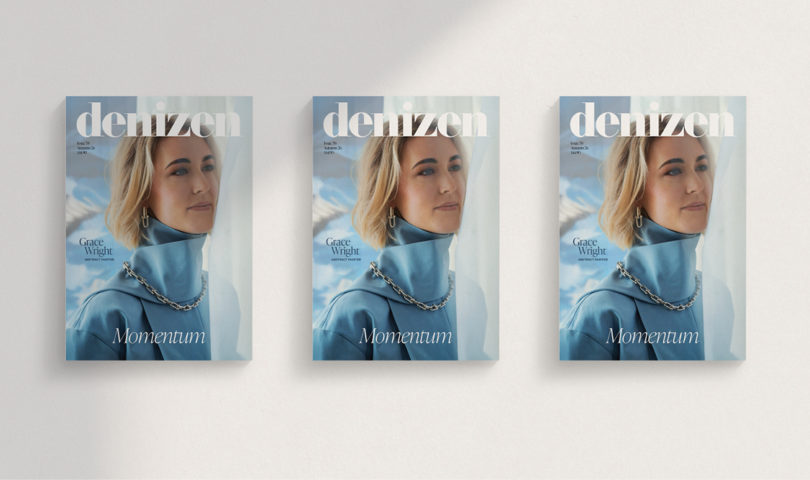

Coveted

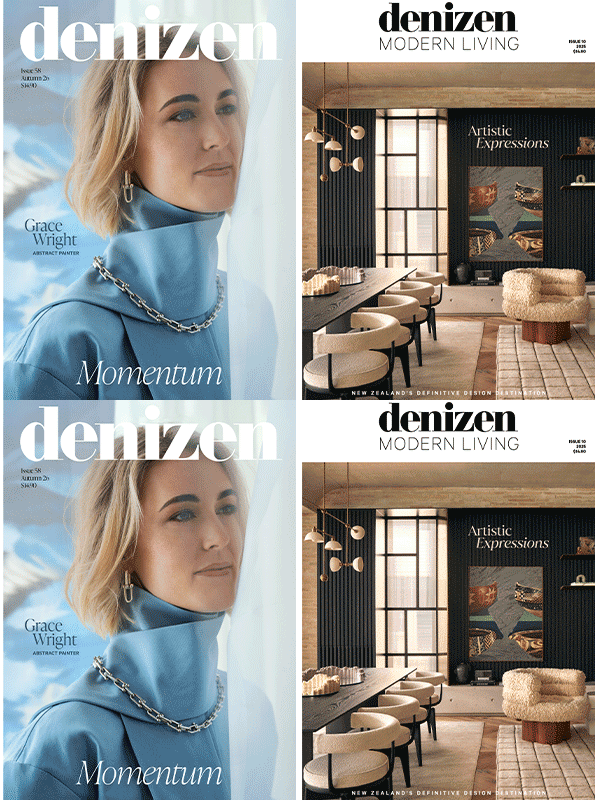
Denizen’s Autumn Issue is the Momentum we all need
The case for a colourful Rolex and the models worth your attention right now
Nineties minimalist fashion will forever be my fashion Love Story
Paris Mitchell Temple and Georgia Cherrie

The future of fashion: How Paris Georgia is taking on the world

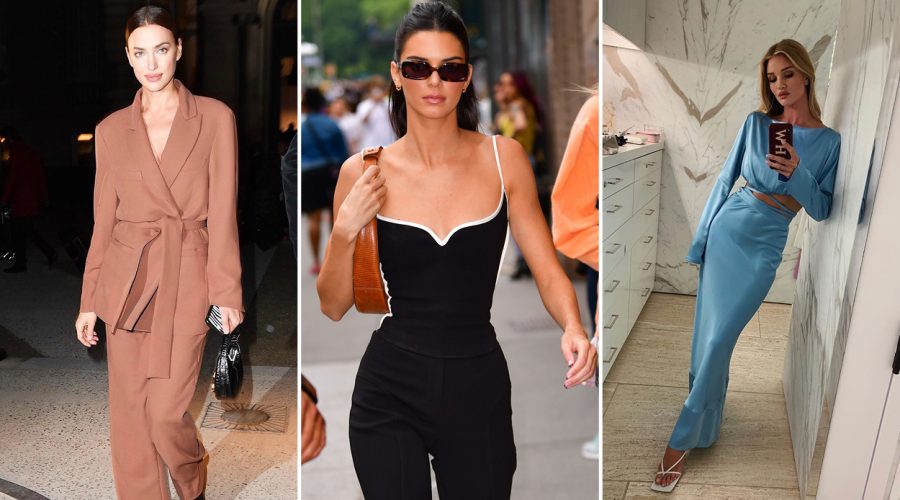
What started five years ago as a tribute to nineties style, has evolved into a fully fledged brand, with New Zealand label Paris Georgia favoured by Irina Shayk, Kendall Jenner, Phoebe Tonkin and Rosie Huntington-Whitely and stocked by heavy-hitting e-boutiques Net-a-porter and Moda Operandi.

Here designers Paris Mitchell Temple and Georgia Cherrie take us through the joys and challenges of making a name for your yourself in the cutthroat fashion industry.

How did you start your label?

Temple: We didn’t really even see ourselves being designers. 
Cherrie: We have been friends since we were about 14 and we knew that we wanted to do something together, we wanted to be connected to an international audience, and to be creative. And that was it really. The rest was a natural progression. 
Temple: Once we did the basics range, we just saw what it could be, and that we actually needed to offer a full collection.
Cherrie: We had [designer] Maryam Nassir Zadeh pick us up with her showroom in New York and she guided us to get involved in that more traditional format. So we followed suit because we were so excited to be working with her.
Temple: At the time, I was doing styling and that’s what I was focused on. So when I say I never saw myself being a designer, while it makes so much sense now and I love it, I think I was scared of it.

Paris Georgia SS20

How did you get started financially?

Cherrie: We started with The Mercantile vintage, so Paris and I had some money saved between us…
Temple: It was literally like $10,000, which was how we started The Mercantile and whatever we sold from The Mercantile went towards the Paris Georgia Basics range. It was so slow up until 11 months ago, when we finally felt in a position to go to the bank, and they were like, ‘How have you girls done this?’  
Cherrie: At the beginning, Paris was freelance styling and I was an account manager at Vice magazine so we both had part time jobs and we weren’t paying ourselves from Paris Georgia. We only just started paying ourselves two years ago, a very, very small wage at the beginning. We’ve been very strict with our budgeting. 
Temple: Now the bank is our best friend… we’re meeting with them all the time. 

Left to right: Irina Shayk, Kendall Jenner and Rosie Huntington-Whitely.

What are the core values that keep you grounded?

Temple: Surrounding ourselves with inspirational women would be ours right?
Cherrie: The fashion industry is so female-focused. We’re surrounded by women and I’ve found it to be a really supportive place where people are constantly pushing each other. Maybe that’s just in our smaller industries in New Zealand and Australia, and perhaps when you get into places like New York it’s different. But so far that hasn’t been our experience. Surrounding ourselves with strong women is something that has kept us going. Really inspirational.

Are international buyers telling you what they’re looking for? 

Cherrie: When the Paris market comes around, and the buyers just come out of resort season, they’re exhausted, they’re over it and they don’t care. And you’re standing there trying to talk them through a collection. I feel that so many people go over to fashion weeks like Paris with these big expectations and it’s really disheartening the first time… it’s really easy to get influenced during that week, and misguided. 
Paris Georgia SS20

How do you feel about the wholesale versus the direct-to-consumer business models?

Cherrie: The pros of wholesale are being able to increase your production, and fund that process with deposits (when they do pay deposits). And they give crucial exposure to a wider audience. The brand alignment is incredible. But retailers are like a customer — they’re demanding, so the relationship with them can be really intense.
With direct-to-consumer, our products would be so much more accessible. I don’t think our stuff is outrageous — it’s made in New Zealand, our fabrics are from Italy, and everything is justifiable. But for us it’s tough to operate as a business from wholesaling. The margins are so low. 

Do you want to keep your production here in NZ?

Cherrie: We’re definitely open to producing offshore. But it’s about ensuring the quality remains the same, and making sure we’ve got the units.

Producing in New Zealand is such a huge part of your brand right? The problem is, no one wants to do the behind-the-scenes stuff anymore. They all just want to be designers… no one wants to be making the patterns or do the sewing.

Who are you designing for?

Temple: I think our woman is international. Sadly, we’re making clothes we want to make, and we’re finding that mostly, the woman who wants to wear those clothes isn’t really here. Maybe after our concept store experience, we’ll start to take into account more of what the New Zealand woman wants. We’ll see.

Have you noticed that your businesses have been affected by the arrival of fast fashion stores into NZ? 

Cherrie: It’s exciting that there’s backlash and education now because at the beginning, I remember when Zara first opened, I was so young and I thought it was incredible, and my mum was the same. Now neither of us would ever shop there. So there’s an education happening, thank God.
Temple: I think there is so much more of an appreciation in the younger generations around craftsmanship. And people are so much more aware.

What are you most looking forward to? 

Cherrie: Travel more and live between here and overseas. Also taking on directorship roles and employing more people.

Coveted

Denizen’s Autumn Issue is the Momentum we all need
The case for a colourful Rolex and the models worth your attention right now
Nineties minimalist fashion will forever be my fashion Love Story
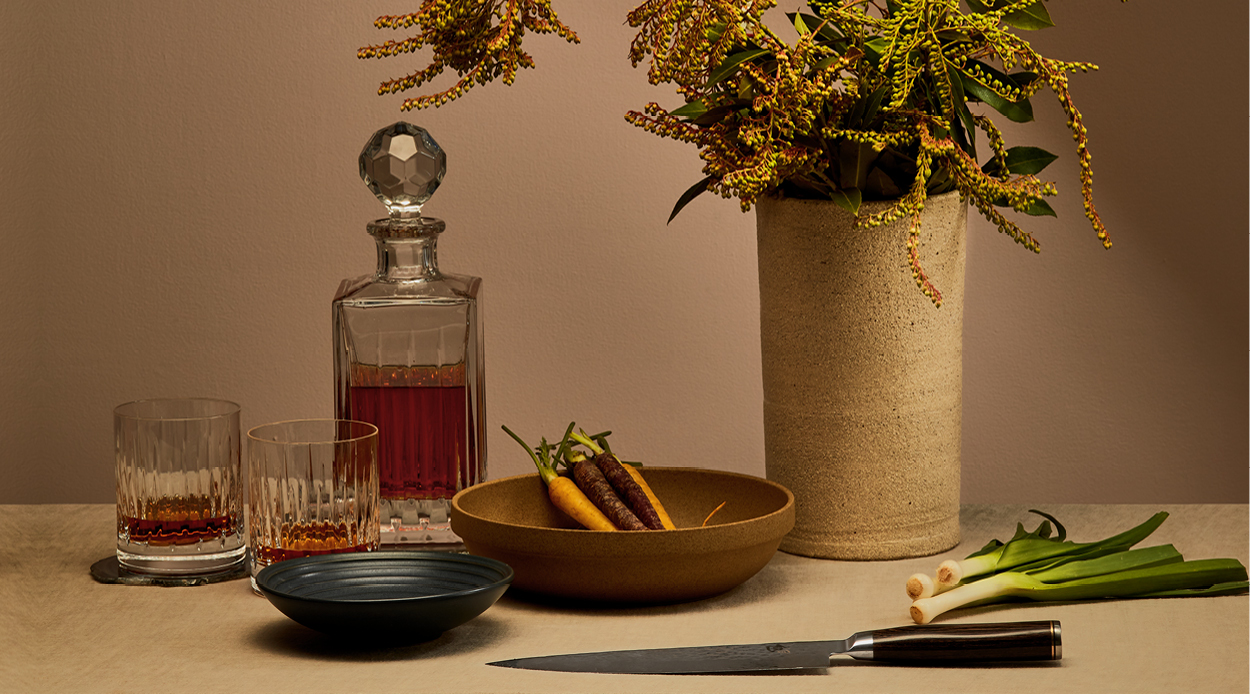
Hasami Porcelain natural bowl and Margi Nuttall vase (simonjames.co.nz), Shun Premier Santoku knife, Denby Studio Blue ridged bowl and Reed & Barton Soho bar set (thestudio.co.nz), Superette Home Agate coaster (superette.co.nz), Florals by La Femme Fleur (lafemmefleur.co.nz).

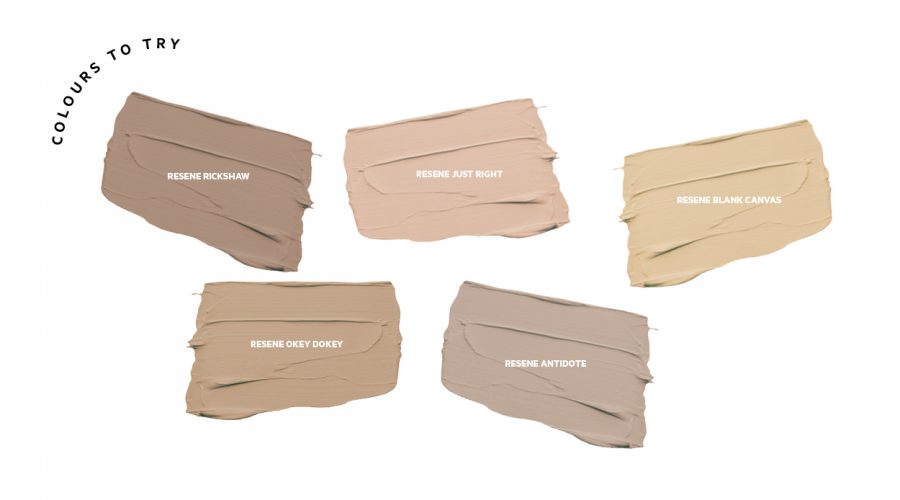
Resene is encouraging us to embrace the middleground of the tonal spectrum this season

This season, neutral colours like Resene Antidote, Resene Just Right and Resene Okey Dokey are offering simple ways to cultivate a warm ambiance in your home. And while the highly saturated hues that have been popular previously are sure to make a statement, these tones are designed to dissolve seamlessly into the background, their effects felt in a far more subtle, gradual way.

From neutral beige notes to swathes of dusty blush, Resene’s vast and varied range of colours in this category will help to create spaces that feel modern and chic, and act as the perfect backdrop for any upcoming get-togethers or social events you might be planning for the end of the year.

Image credit: Styling: Margie Cooney, Art Direction: Fran King

Design

Six chic chairs to anchor your bedroom in style
This elevated Spanish villa is a masterclass in neutrality
The Easter table worth lingering over, and how to set one your guests won’t forget

We sit down with the developers behind Auckland CBD’s luxury apartment complex, Seascape

For a long time, the New Zealand dream centred around owning a piece of land and carrying on the tradition of a classic, nuclear family home. But times and circumstances are changing, and for some Kiwis, a new dream is calling for a shift in perspective.

Luxury apartment developments have been steadily gaining a foothold in Auckland, heralding the rise of a lifestyle one might expect to find overseas. Leading this charge is Seascape. The downtown Auckland residential development promising to not only offer an unprecedented standard of living, but also, to instigate growth and encourage development in Auckland’s cityscape. 

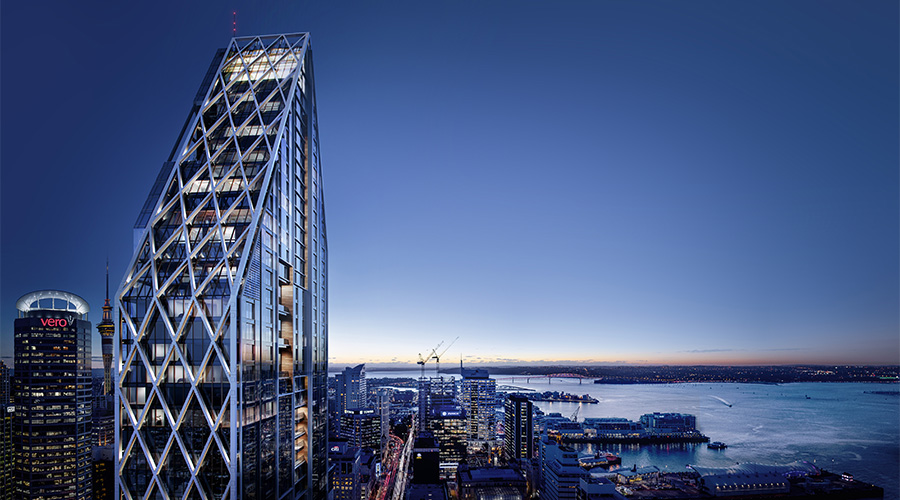
Located on Customs Street East, Seascape will (when completed) stand at 187-metres, making it Auckland’s tallest residential building. Its impressive Peddle Thorp-designed structure is set to be unlike anything this city has ever seen. While its grand lattice megaframe and asymmetric apex will redefine the Auckland skyline just as much as the spaces behind it will reimagine what the future of living in Auckland will look like.

Wanting to delve a little deeper into what this growth in apartment living actually means, I sat down with Tashunka Bolton of Shundi (the developers behind Seascape). “The future is up,” he tells me, “and because one-third of New Zealand’s land is protected, securing land is becoming a constraint, especially when Auckland’s population is expected to grow to around 2 million people by 2033.” This idea of population growth is the cornerstone of why a development like Seascape is so important right now. According to Statistics New Zealand, it is estimated that by 2043 more than 40 percent of New Zealand’s population will be living in Auckland. And as such, we seem to be reaching the cultural impasse through which every nascent world city must go. Grappling with our new identity as a burgeoning modern metropolis there are a number of entities, including Seascape, trying to find and deliver solutions that are both practical and appealing.

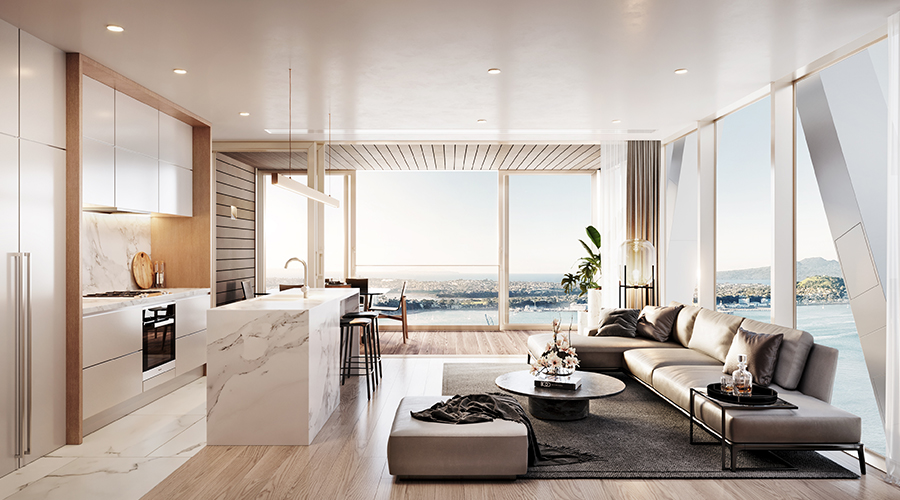
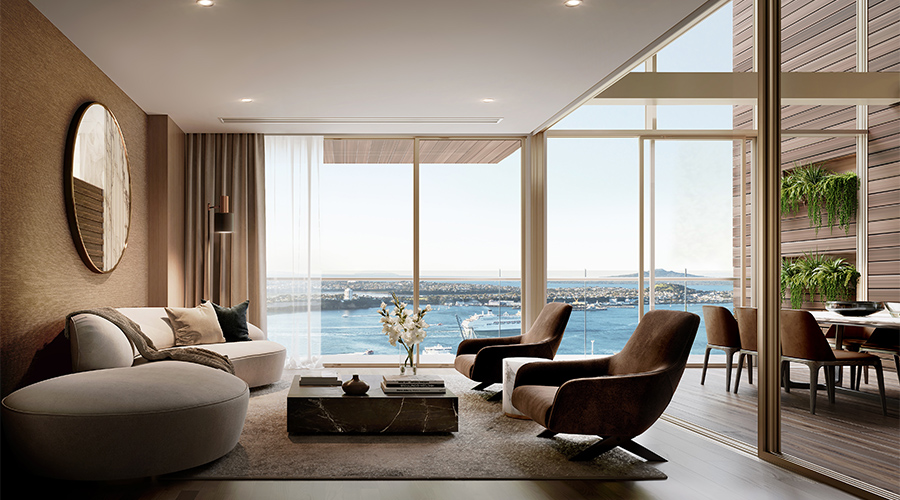
But beyond population, Seascape is, as Bolton explains, redefining traditional expectations of living in an apartment. “When people think of apartments, most people think shoebox,” Bolton tells me, taking me over to the 3D model of Seascape, “but we thought about what Kiwis actually wanted in their homes.” Pointing out the wide balconies on the model, and speaking to the impressive indoor-outdoor flow created by the sliding glass doors that separated them from the living spaces, Bolton tells me, “Kiwis like open space, integration of floorplan, natural light and high ceilings, so we made sure that all our standard apartments had a stud height of 2.7 metres, and that all of our apartments were north-facing.”

These two key features, combined with the versatile configurations offered by Seascape — including studios, one bedrooms, duplexes and three bedrooms — promise a lifestyle that guarantees its residents the best of both worlds. On the one hand, Seascape’s location opposite Britomart means being only a few strides away from some of Auckland’s most luxurious retail stores, a raft of delicious restaurants and bars and of course, many of the city’s largest office buildings. But on the other, Seascape’s sophisticated design and careful attention to detail means that it can still afford its residents a level of flexibility and space not associated with the apartment of old.

And while the idea of convenience has historically driven older generations to downsize — something Bolton tells me he still sees a lot of with Seascape — there is now an emerging group of Millennials who value convenience and prestige, and for whom a house with a white picket fence is no longer a priority. “They’re more travel-oriented and work-focused,” Bolton says, explaining the younger people who have shown interest in Seascape. “They’re also more socially driven,” he continues, “and when social lives play a more important role, the convenience of an apartment in the CBD means that not only are they closer to their work places and not having to waste time on commuting, but that they can leave their front door and walk to meet friends for a drink at some of the best bars and restaurants in Auckland.”

This new breed of apartment-dweller exemplifies how Auckland is changing. “People are more focused on enjoying life,” Bolton articulates, “and when they don’t have to worry about maintaining their property or keeping grounds in check, it makes sense that a development like Seascape has been so well-received.”  

More than its luxurious interiors and world-class amenities (promising a number of on-site restaurants, bars, fitness facilities and retail stores), Seascape is set to elevate the benchmark for what residential developments in Auckland look like. As Bolton explains, “if you think about the skylines of cities around the world and compare them to ours, at the moment, we don’t really stack up.” For Bolton and Shundi Developers then, Seascape is as much about giving Auckland City a facelift as it is about offering a new kind of lifestyle to its residents. “We want to lead Auckland into a new era,” Bolton says, “where other developers that come into this city will want their buildings to stand up next to Seascape as the gold standard.” 

Seascape display suite
81 Customs Street East
Auckland CBD

0800 81 83 85

www.seascapeauckland.co.nz

Design

Six chic chairs to anchor your bedroom in style
This elevated Spanish villa is a masterclass in neutrality
The Easter table worth lingering over, and how to set one your guests won’t forget

Sophisticated but unique, this home exemplifies the new contemporary aesthetic

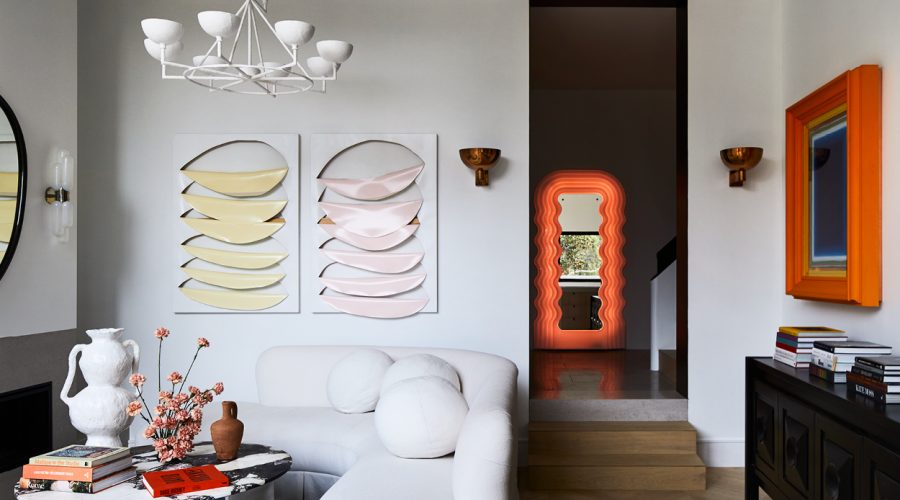
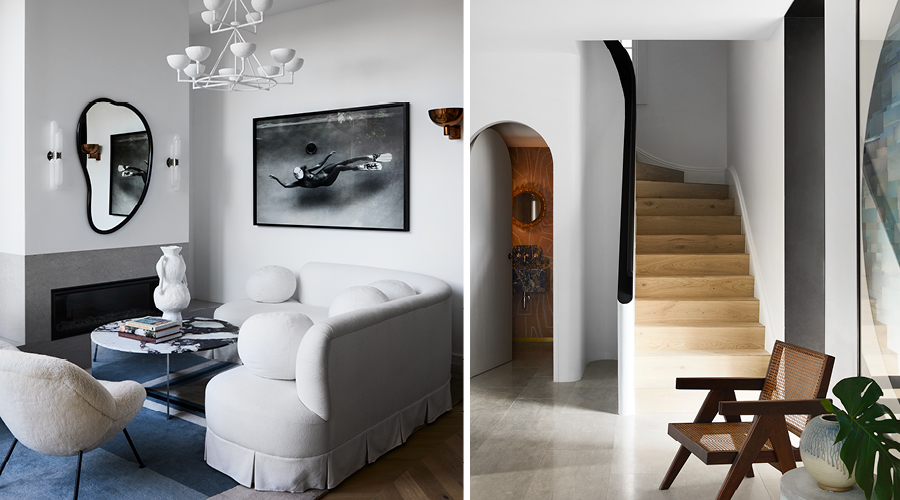
Interior designer, Tamsin Johnson is particularly skilled at marrying typically-contrasting ideas in the homes she furnishes, so that they end up warm, welcoming and above all, individual. Part of this comes down to the eye she has for unique, standout pieces, as well as the way she tempers her quirky edge with a persistent, underlying sophistication. This Edgecliff Road home in Sydney’s Eastern suburbs showcases Johnson’s skills in full flight. Its pared-back foundations — light timber floors, white walls and travertine — have been layered with jewel-like tones and sumptuous textures, so that the monochromatic base is given dimension and imbued with feeling.

It exemplifies the way mid-20th-Century design is staking its claim in the contemporary home — the sculptural notes and kooky tones that defined the original aesthetic reimagined as a kind of new-school ‘kitsch’ (minus the cringe). From the graphic touches (on the downstairs bathroom wallpaper, for example) to the full-length Ultrafragola mirror — the original of which was designed by Ettore Sottsass in 1970 — there is a pervasive nod to bygone eras that weaves its way through the whole home, evoking a sense of nostalgia that draws you in and takes you back.

What makes this house so good, however, is the way Johnson doesn’t let design get in the way of creating liveable spaces. And given that this was a project for a family with young children, the home had to be practical. As such, the beauty of it really lies in the clever way Johnson has accessorised — focusing on simple accents done well, and aiming for maximum impact.

Design

Six chic chairs to anchor your bedroom in style
This elevated Spanish villa is a masterclass in neutrality
The Easter table worth lingering over, and how to set one your guests won’t forget

Bucket list: 9 incredible restaurants you need to try before you die

Eleven Madison Park, New York
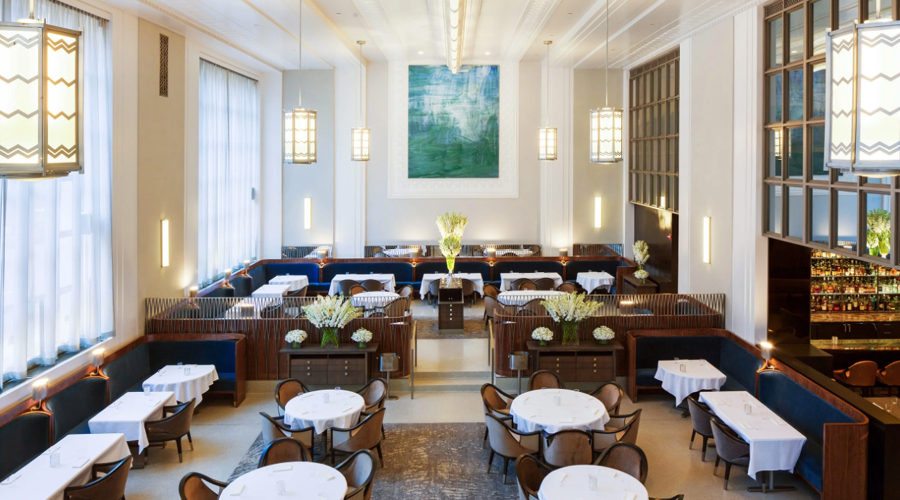
With three Michelin stars and incredible views over Madison Square Park, this fine-dining stalwart is a New York institution and now, having recently undergone a full renovation, is better than ever before.

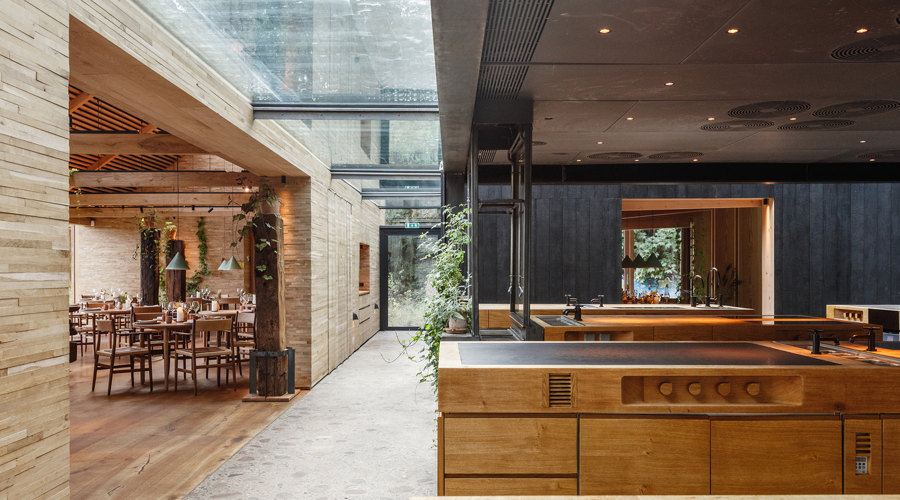
NOMA 2.0, Copenhagen
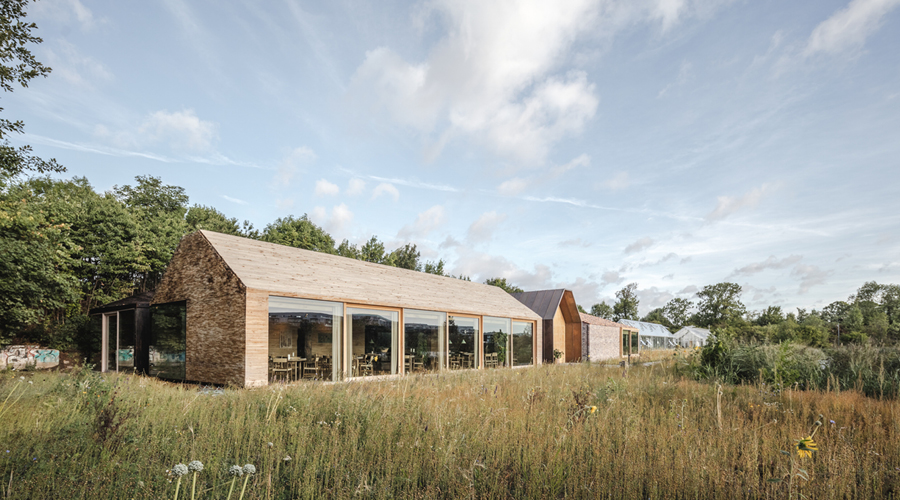
From renowned chef René Redzepi, Noma 2.0 is the continuation of his original restaurant that revolutionised Scandinavian cuisine. Its hyper-seasonal menu is constantly changing, which means that no two visits will ever be the same. 

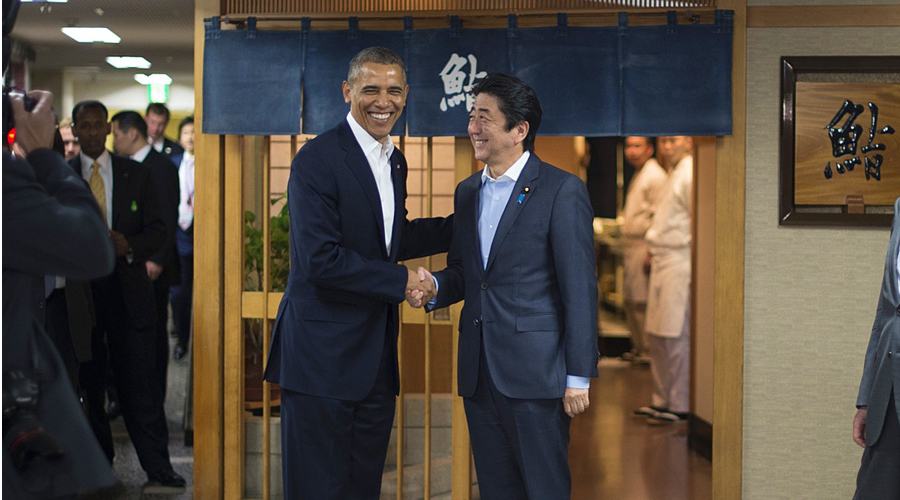
Sukiyabashi Jiro, Tokyo
Widely touted as the best sushi restaurant in the world, this understated spot in Ginza, Tokyo has seen the likes of Former US President Barack Obama perch up at its bar, eagerly awaiting sushi master Jiro Ono’s offering. 

Mugaritz, San Sebastián
It’s been around for over 20 years, but age has not wearied Mugaritz. This innovative, avant-garde establishment is still regularly named among the world’s best for its ever-changing, 20 to 30-course menus that challenge conventional thought and offer a creative dining experience unlike anything else. 

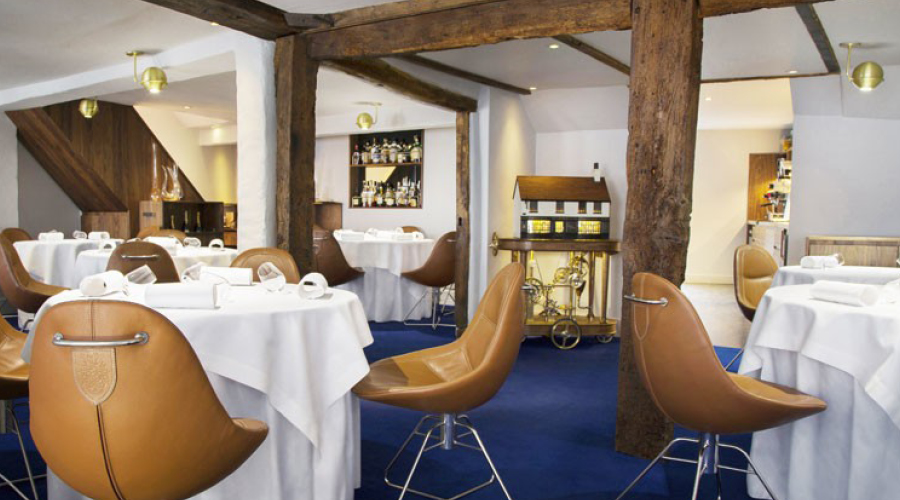
The Fat Duck, Berkshire
Putting the term ‘molecular gastronomy’ firmly in the modern lexicon, Heston Blumenthal’s iconic restaurant pioneered innovative culinary movements like multi-sensory cooking, food pairing and flavour encapsulation and continues to be one of the most influential restaurants in the world.

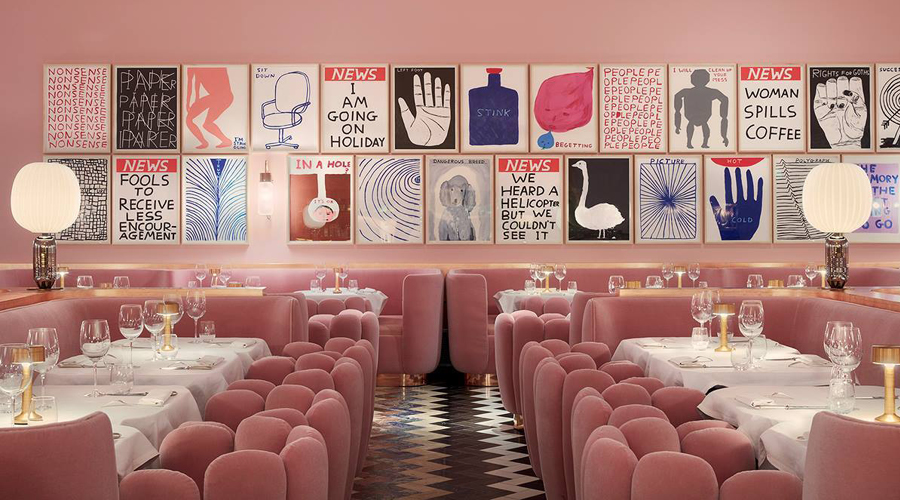
Sketch, London
If you haven’t yet been to Sketch, you’ll have likely seen it on Instagram. Housed in a historic Georgian townhouse, it features multiple dining rooms and bars, (although The Gallery with its powder-pink scheme is the most recognisable), and offers a diverse range of spectacular food options. 

Alinea, Chicago
A touch of nostalgia is what makes the dishes at Alinea stand out from the fine-dining fare one might expect. Head Chef and Owner, Grant Achatz has established himself as a pioneer in modern, creative gastronomy, and continues to delight and bewilder his diners with dishes that elicit real emotion.

Attica, Melbourne
Named in the world’s best restaurants since 2010, this innovative fine-dining institution (ironically started and run by Kiwi Ben Shewry) is a testament to antipodean tastes and serves its outstanding dishes in a disarmingly casual and approachable way. 

Central, Lima
Showcasing Peru’s biodiversity, Central’s menu is designed to take diners on a journey through the country’s various landscapes. Head Chef and Owner, Virgilio Martínez Véliz experiments with little-known and underused indigenous ingredients, integrating them into his dishes in a seamless and fascinating way.

Gastronomy

Eden Cloakroom is back in the hands that built it, and Mt Edenis better for it
Denizen’s definitive guide to the best ramen bowls in town
Michelin-starred chef Matt Lambert opens his new Ponsonby restaurant

Countdown to the new decade: 15 quickfire predictions for 2020

A degree of reminiscing is expected on the last day of the year, but today also affords us an opportunity to think about the future and all of the exciting things 2020 has in store. What will we be wearing? Eating? Saying? Watching? Who will we become as we head into the new decade?

And while here at Denizen, we don’t purport to be able to tell the future, we have rounded up some quickfire predictions about things that we think could become big in 2020. From fashion to wellness to food, these are the trends we’re predicting for next year… what do you think?

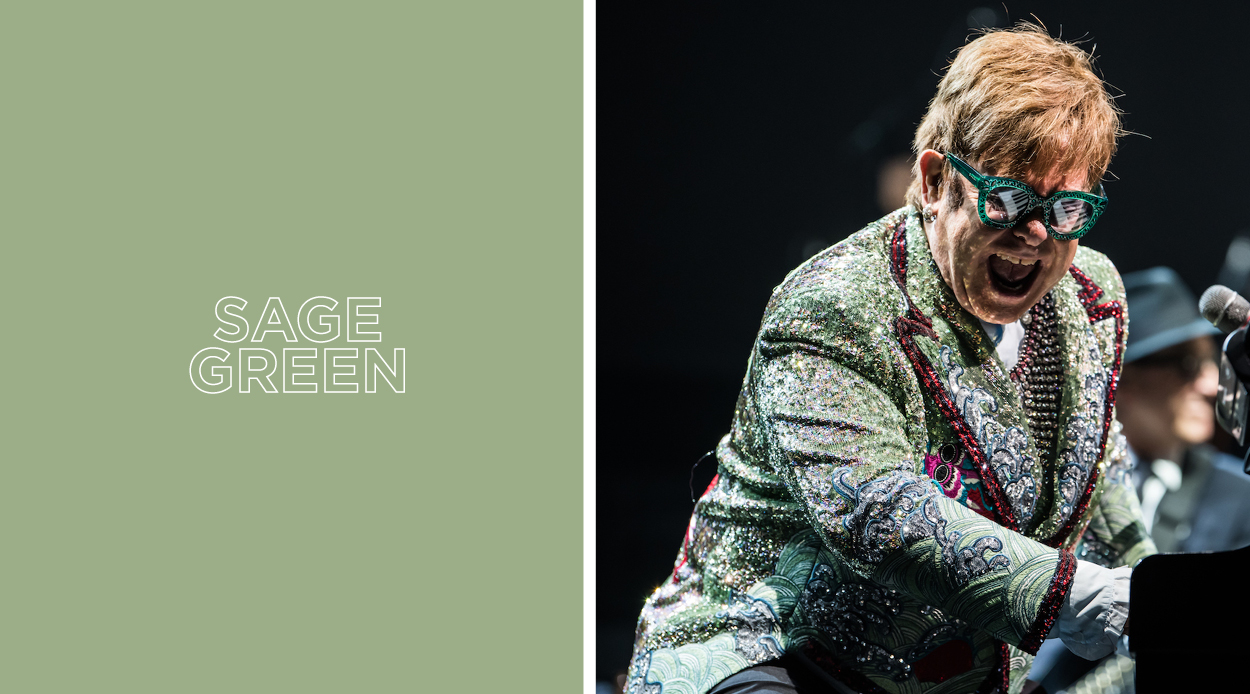
1.The Colour: Sage green

2. The Fashion Trend: Seasonless dressing

3. The News Story: US Politics

4. The Beauty Look: No makeup

5. The Hairstyle: Extreme bob

6. The Label: Christopher John Rogers

7. The Winner: Tokyo Olympics

8. The Loser: Facebook

9. The Fitness Fad: HIIT Yoga

10. The Wellness Movement: Restorative biohacking

11. The Headline: Climate Change

12. The Streaming Service: Apple TV+

13. The Gig: Elton John

14. The Film: Christopher Nolan’s Tenet

15. The Food Trend: Eat Local

Culture

Denizen Exclusive: Introducing Lucas Jones, whose poems will make you cry
Denizen’s April culture guide: Everything to see, do and book tickets to this month
What to watch next: The addictive new series to have on your radar this April

These accessories are giving the classic summer look a sophisticated twist

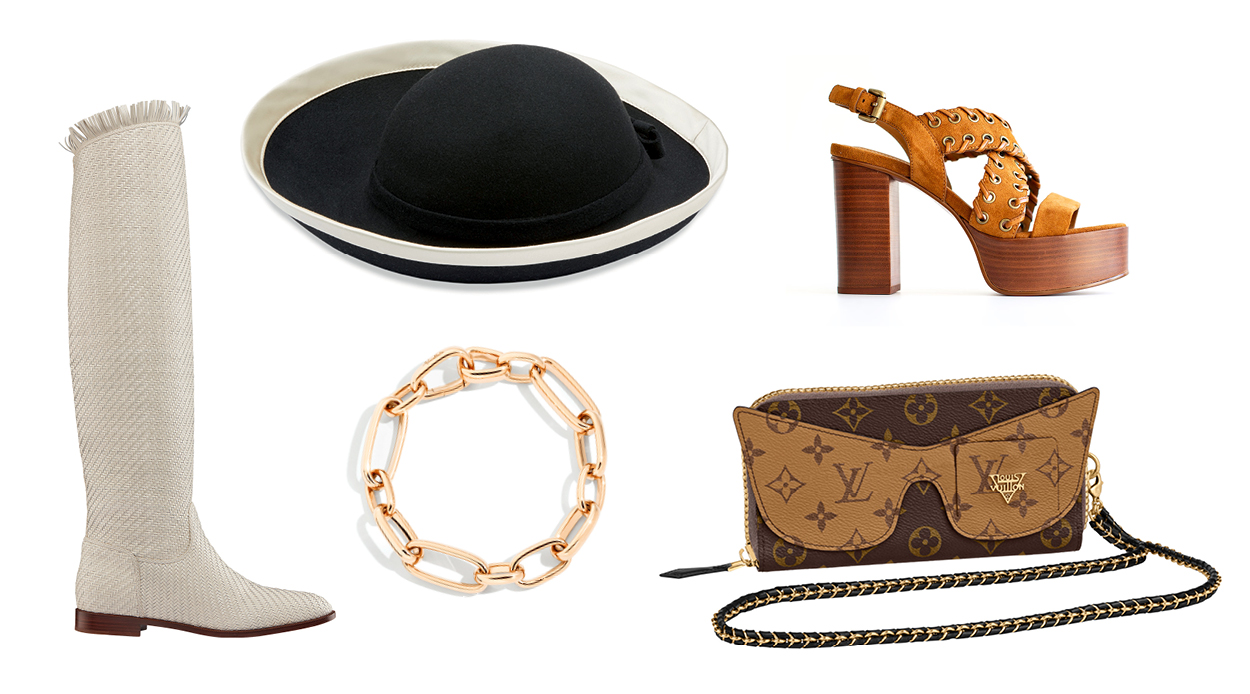
Beachside basics are fine, but it’s time to elevate your summer accessories with a more elegant palette. These pieces will take the every day up a notch.

Left to right: Ecru Dior Global boots from Dior, Hat from Gucci, Pomellato Iconica bracelet from Orsini, Zippy wallet shades from Louis Vuitton, See by Chloé Helena sandals from Scarpa
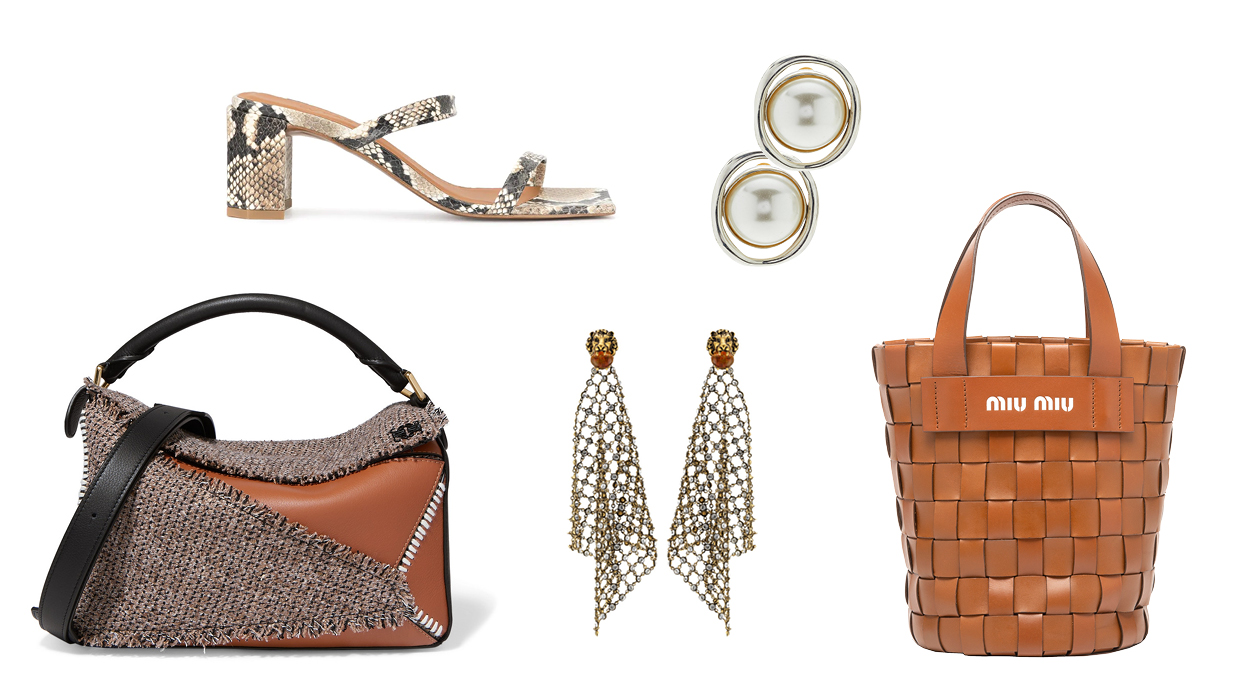
Left to right: Loewe Puzzle shoulder bag from Net-A-Porter, By Far Tanya Snake sandals, coming soon to Workshop, earrings from Gucci, Sophie Buhai Pearl Orb earrings from Simon James, Nappa leather bucket bag from Miu Miu

Coveted

Denizen’s Autumn Issue is the Momentum we all need
The case for a colourful Rolex and the models worth your attention right now
Nineties minimalist fashion will forever be my fashion Love Story
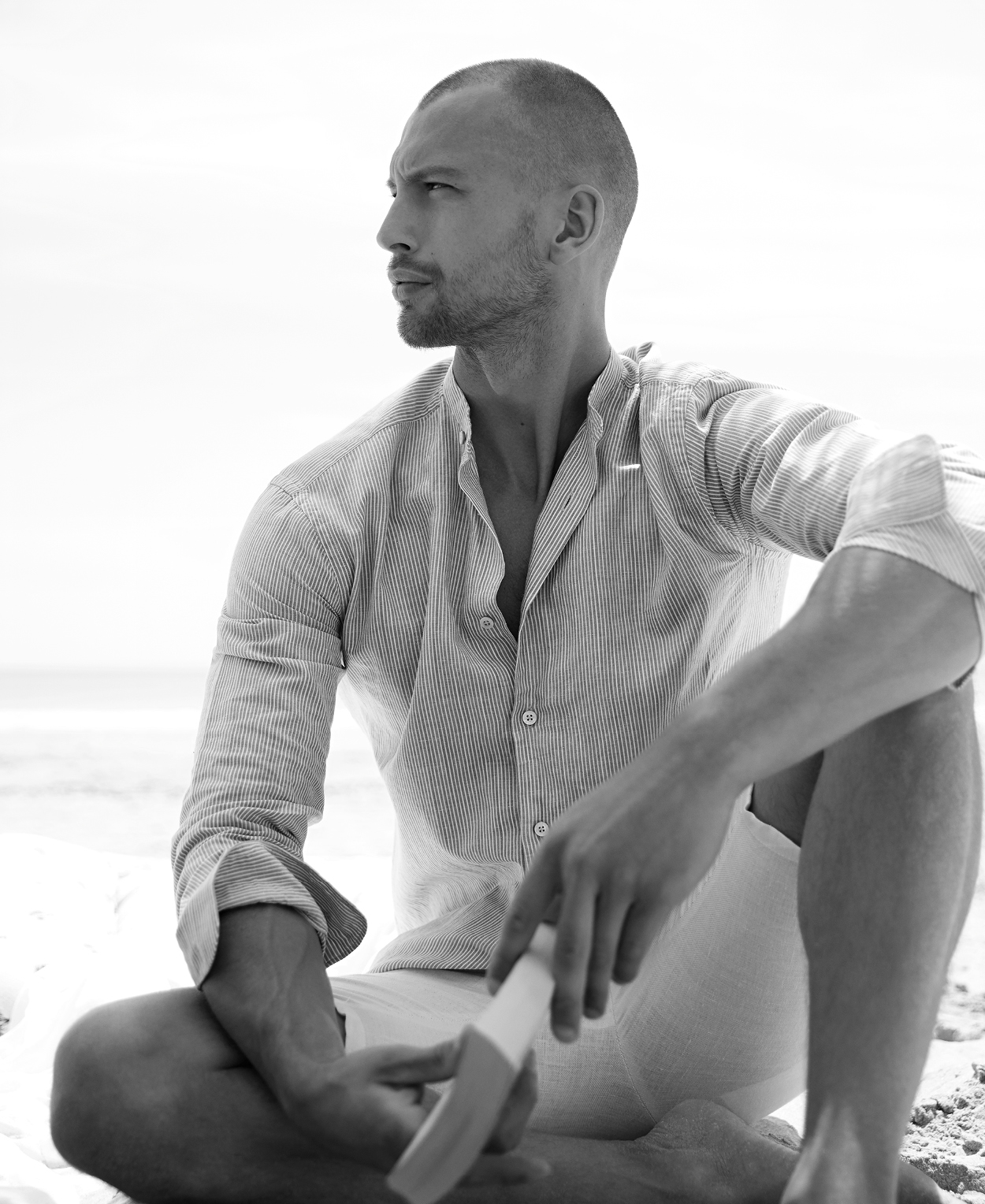
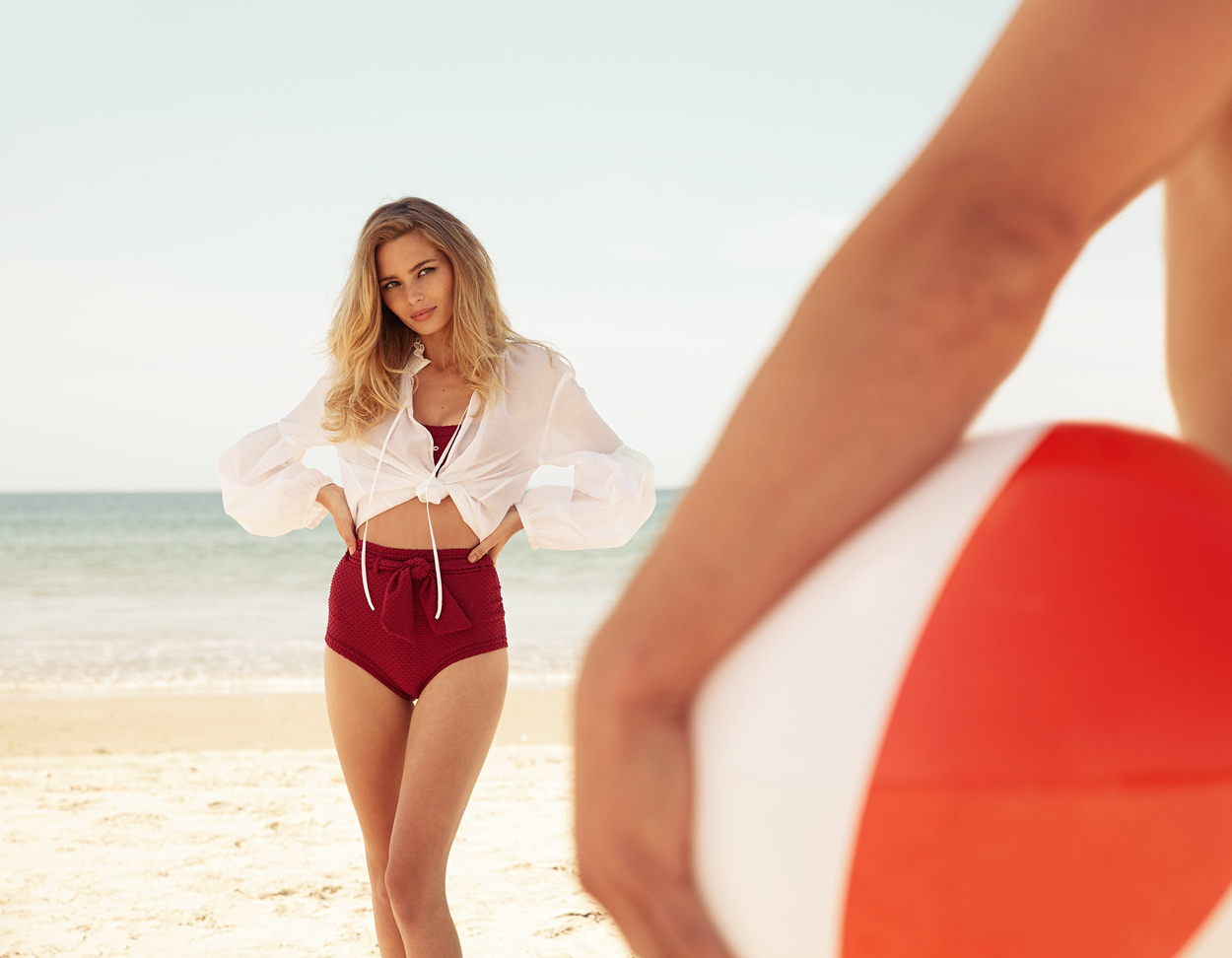
Atlanta wears Paris Georgia Charlotte top and Bond-Eye The Scene bikini briefs from Virtue Swim. Ben wears Working Style stripe slub shirt and white linen shorts

Immerse yourself in the golden days of summer with our laidback, new-issue editorial

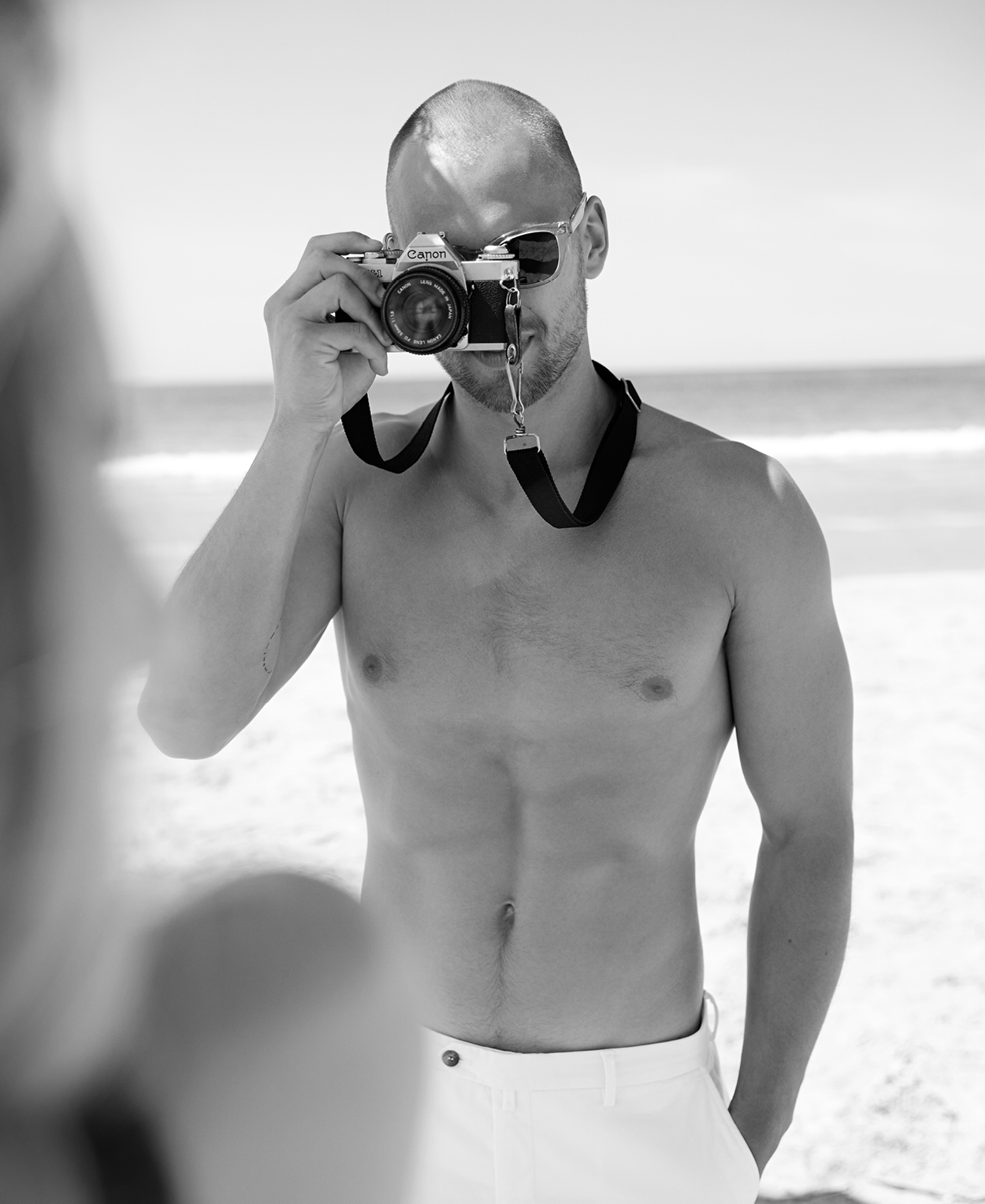
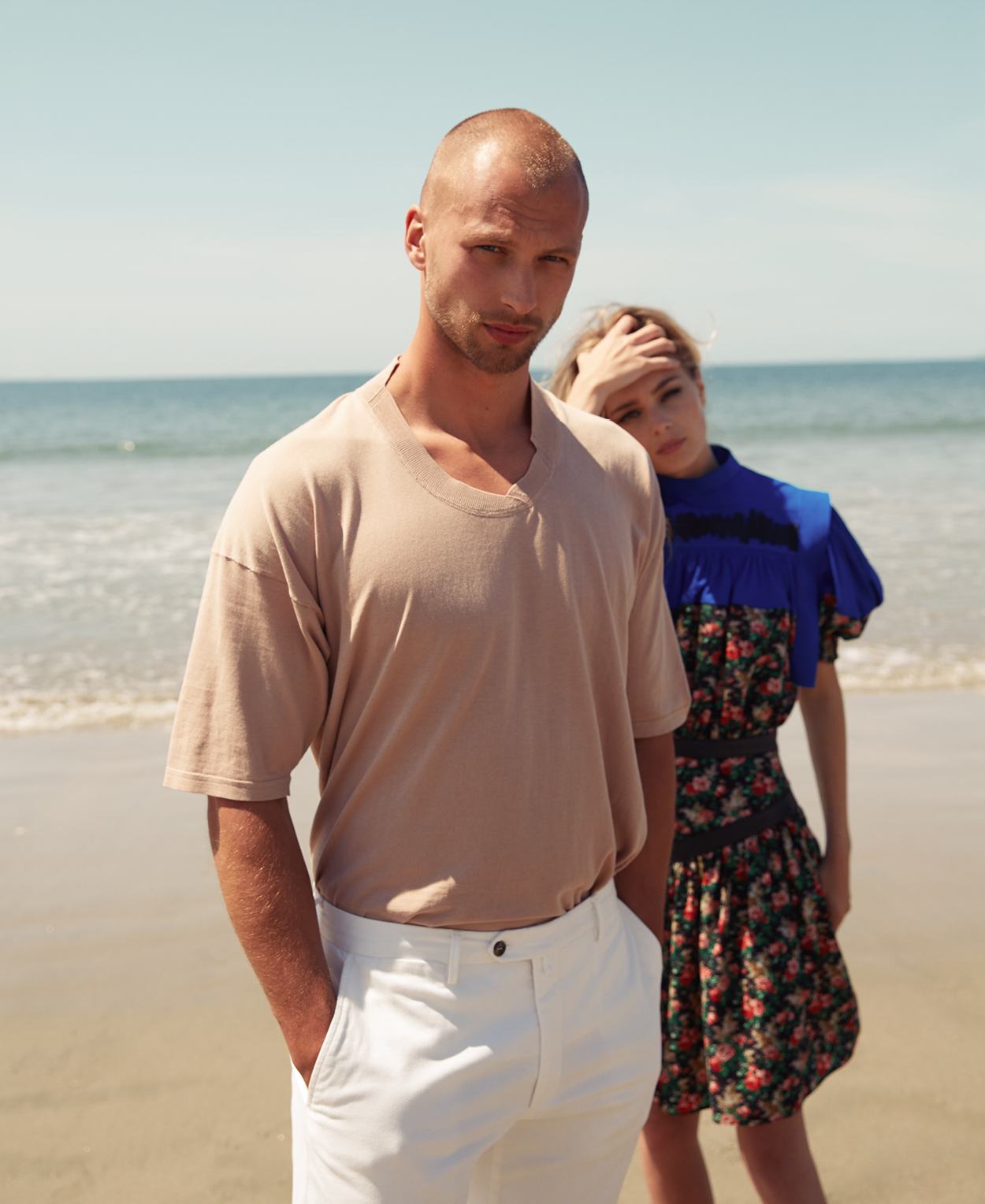
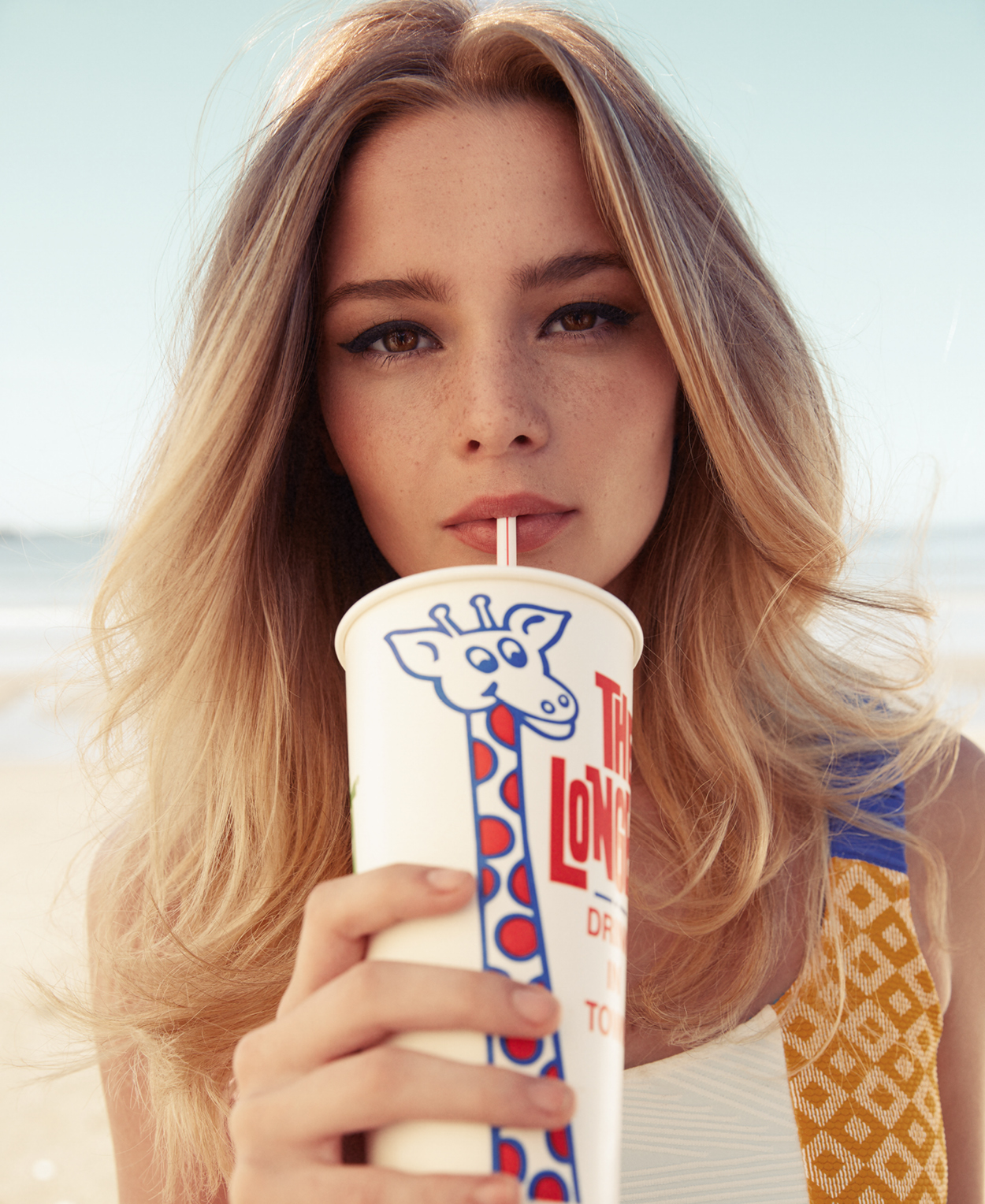
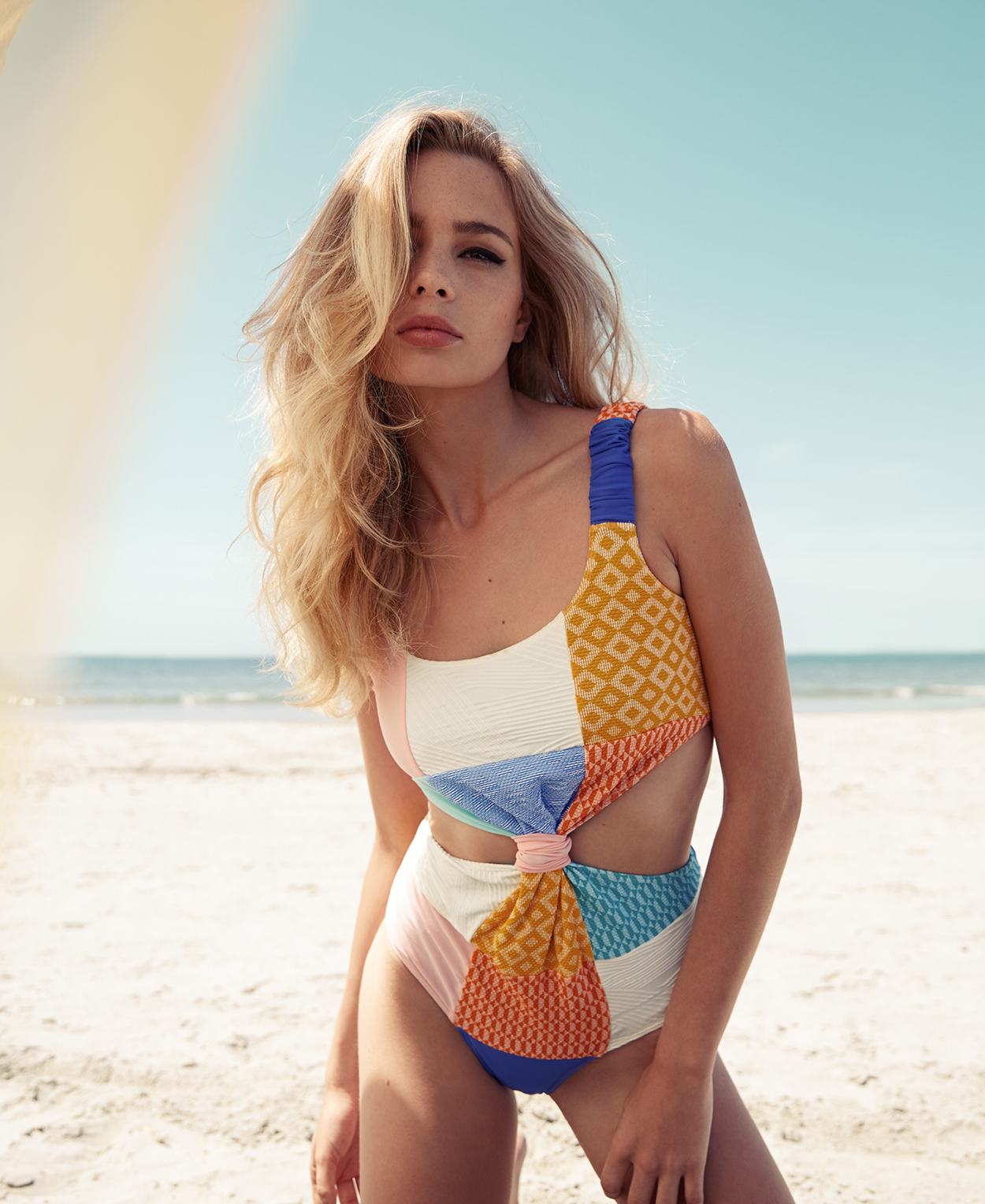
For the main photoshoot of our summer issue, we wanted to evoke the quintessential Kiwi summer, stir some seasonal nostalgia and remind everyone that at this time of year, it’s the simple things that count.

Photographer Olivia Kirkpatrick
Stylist Margie Cooney
Photographer’s Assistant Oliver Crawford
Hair & Makeup Virginia Carde
Talent Atlanta Applin @ Unique Models, Ben Mischefski @ 62 Management.

Ben wears Ermenegildo Zegna Couture cotton knit polo and Couture cotton trousers and Gucci aviator sunglasses from Parker & Co.
Atlanta wears Paris Georgia Charlotte top and Bond-Eye The Scene bikini briefs from Virtue Swim Ben wears Working Style stripe slub shirt and white linen shorts.

The models sit on a Virtueswim white sarong.
Ben wears Working Style stripe slub shirt and white linen shorts.
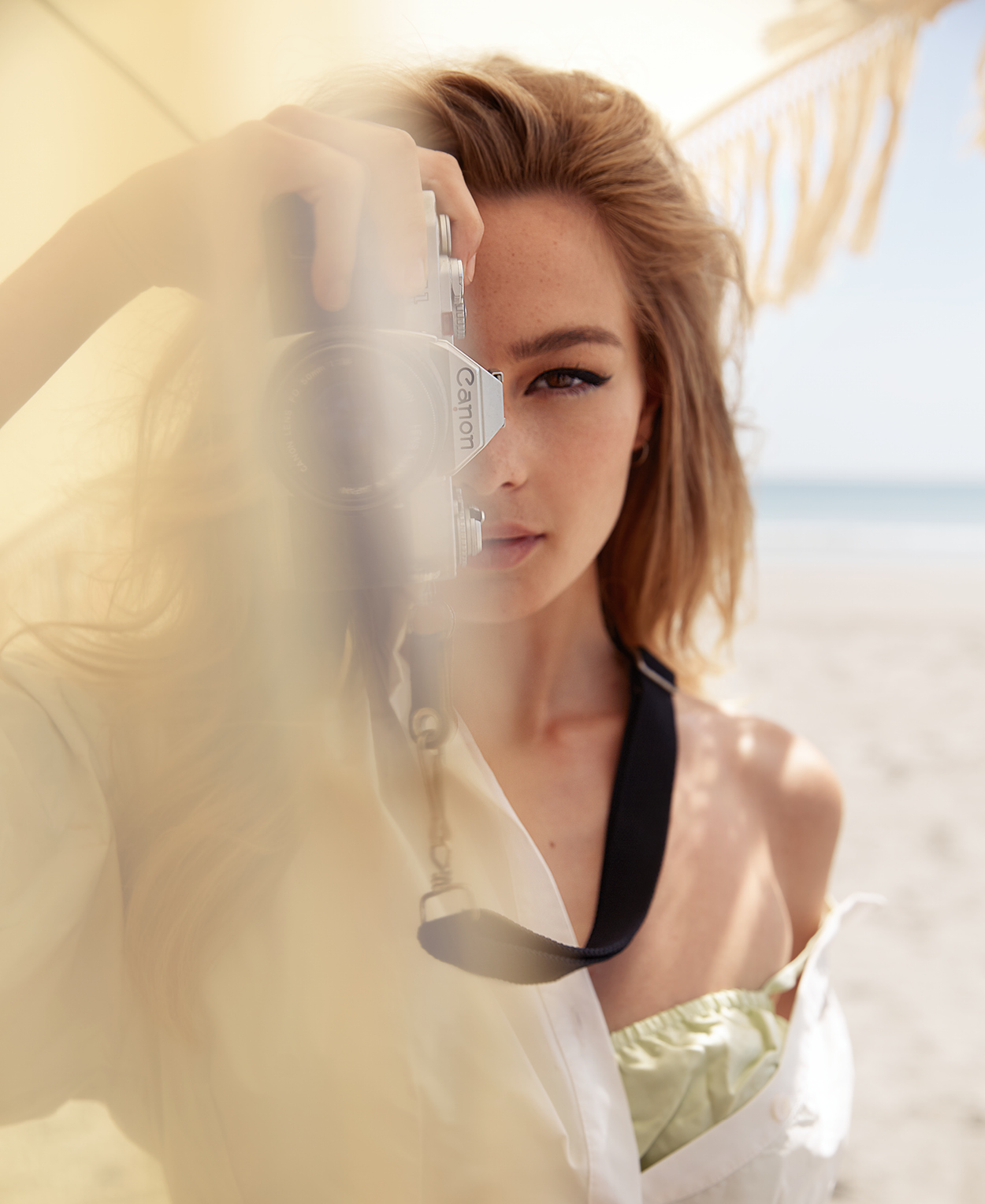
Atlanta wears Gucci hat, Wynn Hamlyn Memory shirt and Maggie Marilyn Cool as a Cucumber bralette.
Atlanta wears Helen Cherry Swann shirt from Workshop and Peony Sangria bikini from Virtue Swim. Ben wears Dadelszen Brera chinos.
Ben wears Dadelszen Brera chinos and Garrett Leight Calabar sunglasses from Parker & Co.
Atlanta wears Dadelszen Munroe silk dress. Ben wears Gucci hat and trousers.
Atlanta wears Louis Vuitton dress. Ben wears Ermenegildo Zegna T-shirt and Dadelszen Brera chinos.
Atlanta wears Paper London Barbuda swimsuit from The Luxe Edit Online
Atlanta wears Paris Georgia Bella bra and knit cardigan and Bond-Eye The Scene bikini briefs from Virtue Swim. Ben wears Prada shirt and shorts
Ben wears Prada shirt and shorts

Coveted

Denizen’s Autumn Issue is the Momentum we all need
The case for a colourful Rolex and the models worth your attention right now
Nineties minimalist fashion will forever be my fashion Love Story

Welcome to the future — Samsung has just released a phone with a foldable screen

The scope of the new technology we’re faced with every day is vast and varied. From developments that render us more connected than ever, to handheld devices that are starting to make our computers feel all but obsolete, the landscape of modern tech is a fascinating place. But it can also be overwhelming. The sheer volume can mean that some things fall by the wayside as we try (and often fail) to keep up.

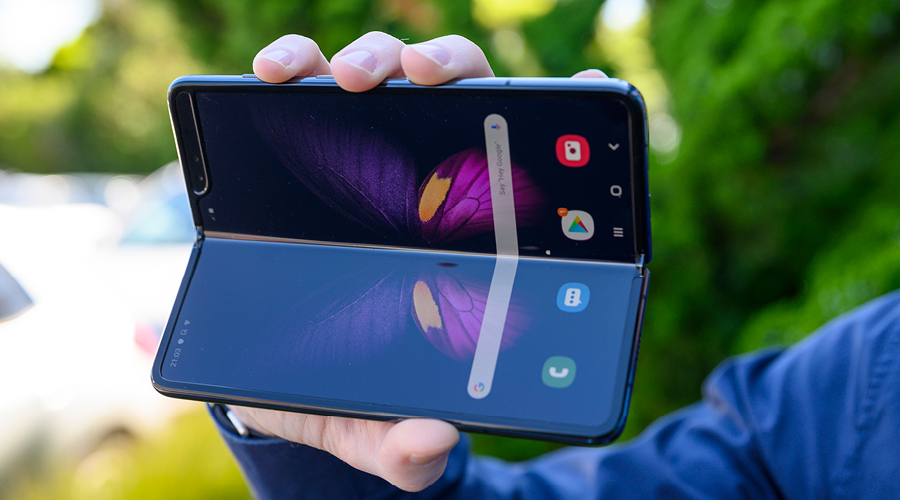
That said, there is one piece of recent tech news that has captivated us. Samsung has just released a first-of-its-kind, groundbreaking mobile phone that features something we’d usually only expect to see in the world of science-fiction — a foldable screen.

The new Galaxy Fold heralds an entirely new category of mobile technology — one that is the result of several months of painstaking development to offer an experience unlike anything else.

When closed, the Galaxy Fold gives users access to their essentials on a cover screen of sorts. But when opened, the phone’s 7.3-inch Infinity Flex Display facilitates a whole new world of usability, reimagining how we operate our devices in totally unprecedented ways.

From capturing and sharing photos to app continuity, the phone promises seamless transitions from the cover to the main display, as well as allowing users to run multiple apps at once. This means that you could be editing footage, browsing your photo gallery and checking your emails all at the same time.

Available for pre-sale in New Zealand now and shipped from the 18th December, the Samsung Galaxy Fold is signalling the start of a new era for mobile technology and is encouraging us to step boldly into the future.

Design

Six chic chairs to anchor your bedroom in style
This elevated Spanish villa is a masterclass in neutrality
The Easter table worth lingering over, and how to set one your guests won’t forget