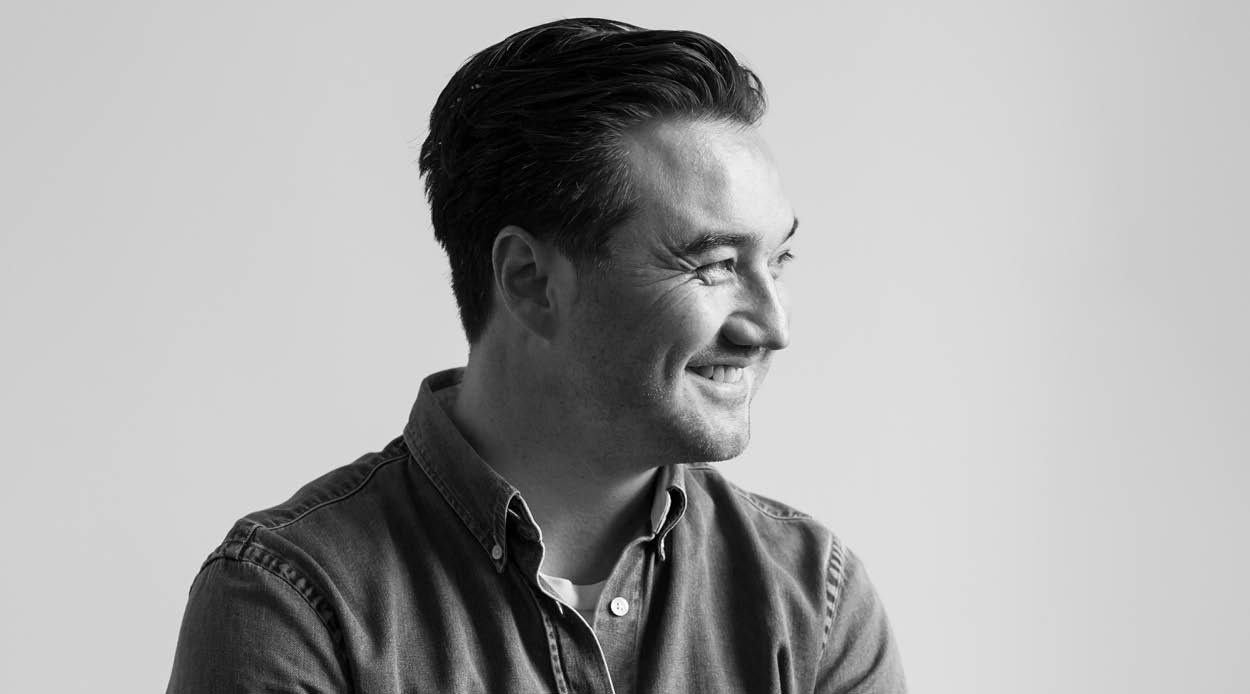

Decorated sailor Brad Butterworth on his stellar career, working for the Swiss and which team he thinks will win the next America’s Cup

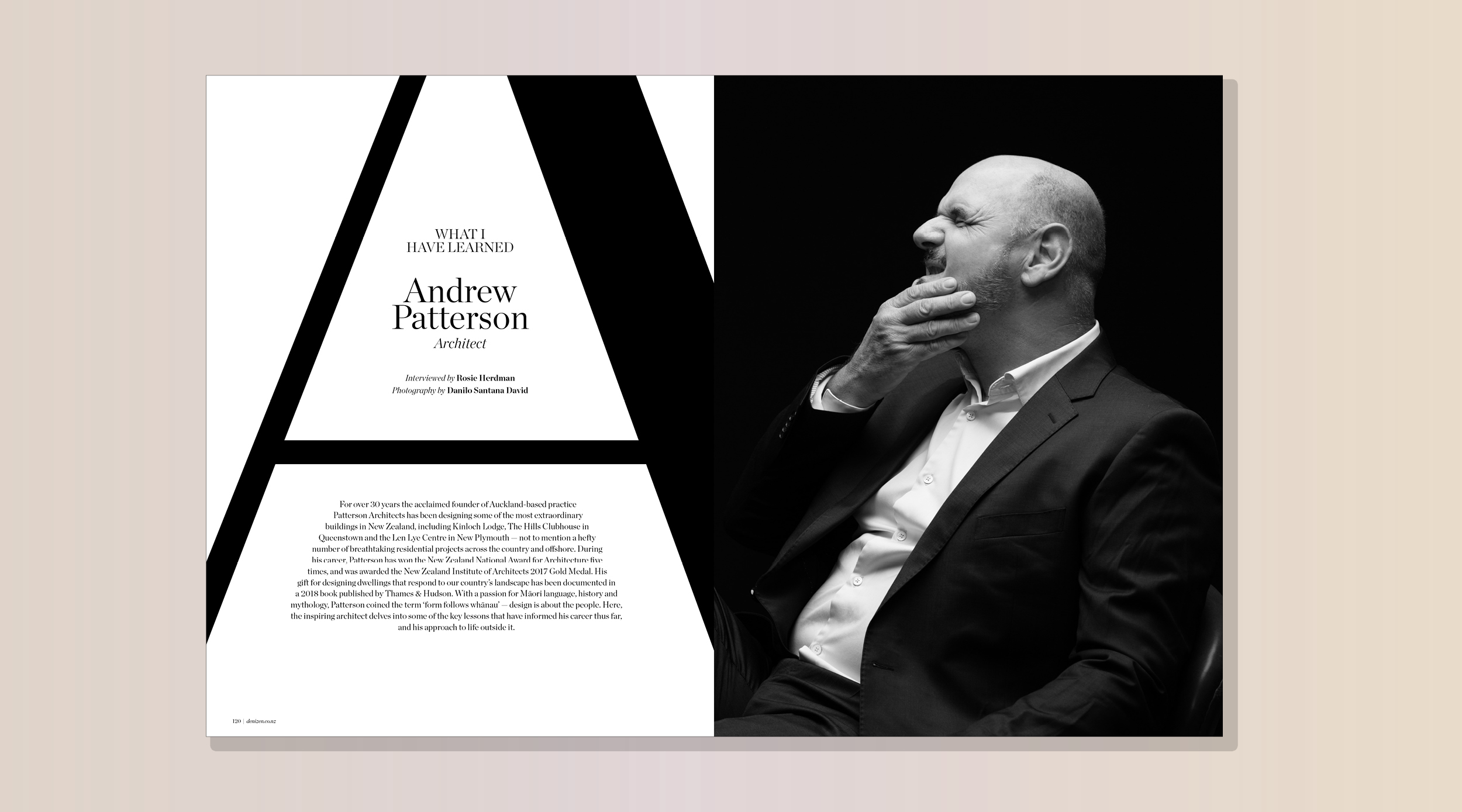
Any Kiwi who watched with interest as Sir Peter Blake’s Black Magic won and then defended the America’s Cup in 1995 and 2000 will know who Brad Butterworth is. The same people probably also remember the controversy he and a contingent of his teammates caused when they left Team New Zealand for Switzerland, going on to compete for Alinghi, and taking the America’s Cup from their former team’s hands. But there’s more to Brad Butterworth than what most people know.

Quiet but observant and undeniably shrewd, the four-time America’s Cup winner, Hall of Fame inductee and multiple World Champion is a passionate advocate for sailing, both here and overseas. In fact, having left school early to be a sail-maker at 16, Butterworth’s life has been largely defined by his love for the sport. He’s currently back in New Zealand for the upcoming America’s Cup, having been hired by the Challenger of Record, Prada, to manage relations between the Italians and the Kiwi organisers.

Here, Butterworth talks about how other people see him, Team New Zealand’s chances of winning the America’s Cup and who he’d love to meet.

I think people’s perception of me is that I’m a bit mischievous. But the truth is, regardless of what team or country I’m representing, I really put everything I’ve got into making a success of it.

I’d like to be known for helping to continue to see the sport of sailing thrive here in New Zealand at every level. It’s great to see junior sailing so popular right now, and Covid has had a great impact on getting older sailors back out on the water. I’d love to have some responsibility for continuing this passion for sailing in New Zealanders.

People would be surprised to know that I love the mountains, I love mountain biking especially in the summer in Switzerland.

One of the most important things I have learned is the power of listening first before you talk or respond. People probably think I’m quiet and reserved, but really I’m just taking it all in before I react. I’m never the first to talk in any situation. I think this is a particularly important trait for young people to take on board when dealing with older, wiser people. 

People gave me a lot of grief when I left New Zealand to work with Alinghi, but what no one realises was that I had already spent a huge amount of time training and working internationally with the likes of Dennis Conner, prior to sailing for New Zealand. 

My father taught me to sail on Panmure Basin when I was five years old. At 16 I left school to become a sail-maker. I was really fortunate to go on and work for great sailors like Dennis Conner and others that taught me the skills that helped me later on when I joined the New Zealand team.

My entire family moved to Switzerland in 2001 because of the job I secured with Alinghi. After that we just stayed on, because the kids were settled in school, and we really just have the most amazing life there. But I am still very much personally invested in New Zealand with business, so we return every year over the summer to Waiheke.

When I was young I really had no idea what to do as a career, so I just stuck with the sport that I loved, and it turned into a career, which is a pretty cool thing.

I perform at my best when I work with people I like and respect and that are extremely intelligent. That has been the key to the success of any team I have been part of, whether it was Team New Zealand (1995 to 2000), or the Alinghi team (2003 to 2010), or even now with my involvement with Prada — we always make sure we have plenty of team members that are smarter than us.

I’d love to collaborate with Toto Wolf and his F1 team. I think when there is that much money invested, and it’s all so technical, it would be a wonderful learning experience on how they operate at such an extremely high calibre of teamwork.

I live by a rule of conduct where actuals have to exceed expectations.

Sailing is a sport like no other, that pits man against the elements. It’s utterly intoxicating.

The America’s Cup is hard to win, as it should be for such a trophy. But reducing the conquest or quality of teams by limiting participation through excessive costs (while it might make the conquest easier) is limiting the attraction and achievement.

I’m old fashioned and ultimately I’d love to see an America’s Cup regatta that had boats racing back in the water [as opposed to foiling above the water as they currently do]. 

When I left New Zealand after the 2000 Cup to work for Ernesto Bertarelli’s team Alinghi, it was a really exciting time for me. Starting fresh and being able to work with some of the most incredible people in our field from all over the world was an amazing experience. When you work in that kind of environment you are exposed to so much more. Having the opportunity to learn about business from someone as successful as Bertarelli, through just listening and observing, was so motivating, and something I am incredibly grateful for. 

I’d love to meet Sam Neill. I’ve always thought he’s an amazing New Zealander. I bet he’s got some great stories to share. Also the fact that he owns a vineyard, makes me feel like we would have a lot in common.

People always assume that I’m unapproachable. Because I’m quiet and thinking, I guess I can come across as aloof. But I really do like people.

I am very humbled by the help and support I have received over the years, from family, colleagues and the public, even lately I’ve been humbled by the respect that I have.

I definitely think the Kiwis will win this America’s Cup, those young guys [Peter Burling and Blair Tuke] are really special sailors. 

My family would describe me as mischievous, and fourth in line after the dog. I intend to come back and have the dog’s life. It’s living the dream.

My colleagues would describe me as a team player, who’s maybe a little devious but reliable, I hope. When we were back working with Sir Michael Fay on Black Magic, he got us to all do these psychological tests, I scored extremely highly in the shrewd department, so I think you could say I am very good at finding the twist in order to achieve success.

As I get older I’m definitely becoming more risk orientated. With experience comes an ability to understand the outcomes of taking risks that will pay off. 

I am a hopeless fisherman, but I love it.

Peter Blake’s death at the hands of pirates in Brazil, had a huge impact on me and my mates. He was so influential to so many of us, not everyone got to sail with him, but he was an amazing seaman who taught us all seamanship. He wasn’t into the tactics, but as far as building a team, everyone working with Pete was working for a common goal. He was just such a likeable guy. So to have someone so pivotal in your life die so tragically was hard to deal with. 

I find owning a vineyard [in Martinborough] a real adventure and commitment. We have been so fortunate to have inherited such very good people, so the wine is really special. 

I am humbled by what Kiwis achieve and how we are viewed globally as being very honest, capable and down to earth, I hope as a nation we can continue to uphold our reputation and perception. 

Culture

Denizen Exclusive: Introducing Lucas Jones, whose poems will make you cry
Denizen’s April culture guide: Everything to see, do and book tickets to this month
What to watch next: The addictive new series to have on your radar this April

Executive chef Gareth Stewart on kicking off his career at 15, guilty pleasures and key advice

With a career that spans almost 25 years and two continents, Gareth Stewart was always destined for success. With his first big break — landing a job at London’s prestigious Claridge’s Hotel — at the tender age of 18, Stewart went on to work in the kitchen at the Michelin-starred restaurant The Greenhouse in Mayfair.

In 2007 Stewart moved to New Zealand to take the helm at Soul Bar & Bistro before becoming the National Executive Chef for Nourish Group in 2015. Responsible for planning and overseeing the menus at some of the country’s most revered eateries including Jervois Steak House, Andiamo and the newly relaunched Euro, Stewart executes his role with an acute awareness of ever-changing tastes and a unique ability to move with the times.

Here, the acclaimed chef shares his experience working in Michelin-starred kitchens, his love of two-minute noodles and why he finds his work so rewarding.

I realised early on in life (around the age of eight) that I was destined to be a chef. I loved producing food, I loved the fact that you put all these ingredients together, and at the end of it, you got this delicious, tasty treat. By the age of 11, I cooked my first dinner party for adults. My mum took me to a place in Cornwall, that was an old cottage and it had an AGA, which at the time I didn’t even know what it was. I grew up semi vegetarian, so I cooked a pasta dish with cheese sauce and some salad, it was a lot more exotic and tasty than it sounds, and everyone loved it. 

I think there’s probably an inherited trait in me that understands food, my mum’s a great cook, her mother was a home economics teacher, and both of them are really great at baking. My dad’s mother was also an incredible cook who would passionately cook for armies of people. 

The first time I ran my own kitchen, I realised I had to teach myself an awful lot. I was definitely running with a “fake it til you make it” attitude, it actually feels like I’m still doing that in some respects today. I was Head Chef at 21 in London at a restaurant in South Kensington called Cactus Blue. I was working extremely hard, making quite a bit of money and having lots of fun. But I also learnt very quickly that you can’t always be friends with your staff.

Because I started my career working in Michelin-starred kitchens like The Greenhouse (in Mayfair), my focus in the early days was on classical culinary techniques. I think having the understanding of these techniques, whether you use them in their traditional sense or modify them, has been a major factor in my success. I definitely still draw on this knowledge today, and try as much as I can to impart these ideas onto my chefs. 

To be in hospitality you need to be tough and have a hard skin. The first kitchen I worked in was the Queens Hotel in London. I’d left school at 15 and had grown up in a pretty PC household, and all of a sudden I was exposed to some outrageous things. Initially I’d go home really upset because it was just so intense, some of the bad things they were saying. But I learnt it’s not personal, you just have to have a really thick skin.

Ultimately though, this is not the best way to develop staff, encouragement works better, and sitting down with them having a frank conversation. Cooking is incredibly hard, it’s stressful, and you have to learn to be continually creative and precise while you work under pressure. It’s hot, you’re on your feet all day, so if someone is screaming their head off at you it’s not great. But for me, I was never going to lie down and take it, until I got better and moved up the ranks. It was a hierarchical thing back then for sure. Chefs realise now they don’t need to put up with this behaviour, so times have definitely changed for the better.
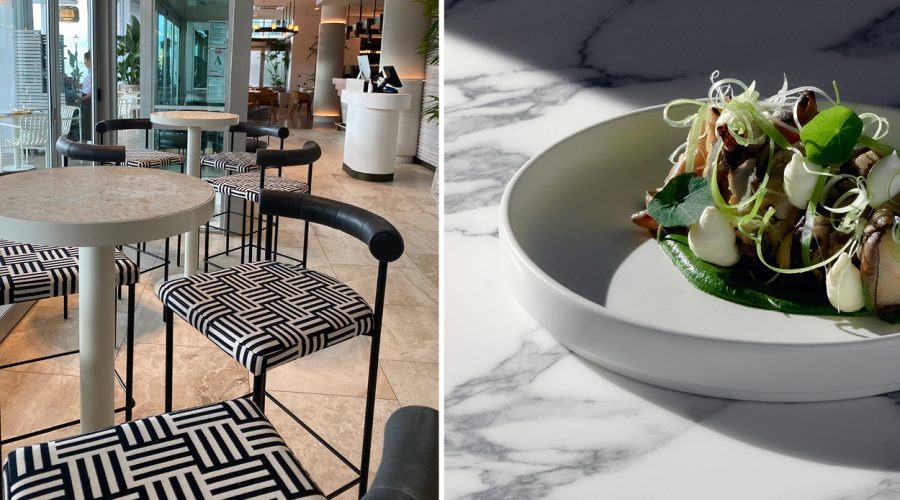
When I got the call up to lead Nourish Group, I didn’t realise the scale of it. There were nine very diverse eateries, including the iconic Euro restaurant, Crab Shack and Jervois Steak House, it was very overwhelming at the beginning. But after nearly five and half years, we’ve grown and gotten better as we understand our diners better. Eating habits have also changed dramatically, so we’ve had to evolve our menus to suit this new way of eating out.

I absolutely love chefs and the kitchen environment. My passion is chefs, I always want my chefs to do well, so I always make a plan with them, which makes me feel good and makes them feel like they’re recognised. Training staff is one of the most rewarding parts of my job. 

I spend a lot of time doing research. Ideally it’s by travelling, I love Italy, and lately I’ve been obsessed with Los Angeles. The LA food culture is amazing, it’s all based on healthy eating, which is something we’re still not quite into here in NZ, we still get a lot of requests for the meat and veg approach. 

The best advice I could give someone starting out as a chef is to concentrate on working in really good restaurants. Immerse yourself in them. Give yourself at least three years in one place. And read all that you can about great international chefs and food trends, and follow great chefs on Instagram. 

People seem to think that you go into becoming a chef or waiter because you’ve failed at school and life in general. It’s a bloody hard career that is so rewarding, but it deserves much more respect than it gets. We’re not just cooks, we’re craftsmen, accountants, counsellors to our staff, and magicians. It’s a real guessing game working out who’s ordering what, how many people are going to come in, how much fresh produce to order.

If I have to admit a guilty pleasure it would be two-minute noodles, I absolutely love them, but they’re so bad for you. And I’m also a Trekkie [a fan of Star Trek], is that going to ruin my cred?

I would have loved to have met Auguste Escoffier, the French chef, restaurateur and culinary writer who popularised the idea of Haute Cuisine. He wrote a book in 1903 Le Guide Culinaire on the fundamentals of cookery, which was a bible for me in my early career. I would be so interested to see what he would make of food today, the ingredients and the equipment we have to create the magic.

Gastronomy

Eden Cloakroom is back in the hands that built it, and Mt Edenis better for it
Denizen’s definitive guide to the best ramen bowls in town
Michelin-starred chef Matt Lambert opens his new Ponsonby restaurant

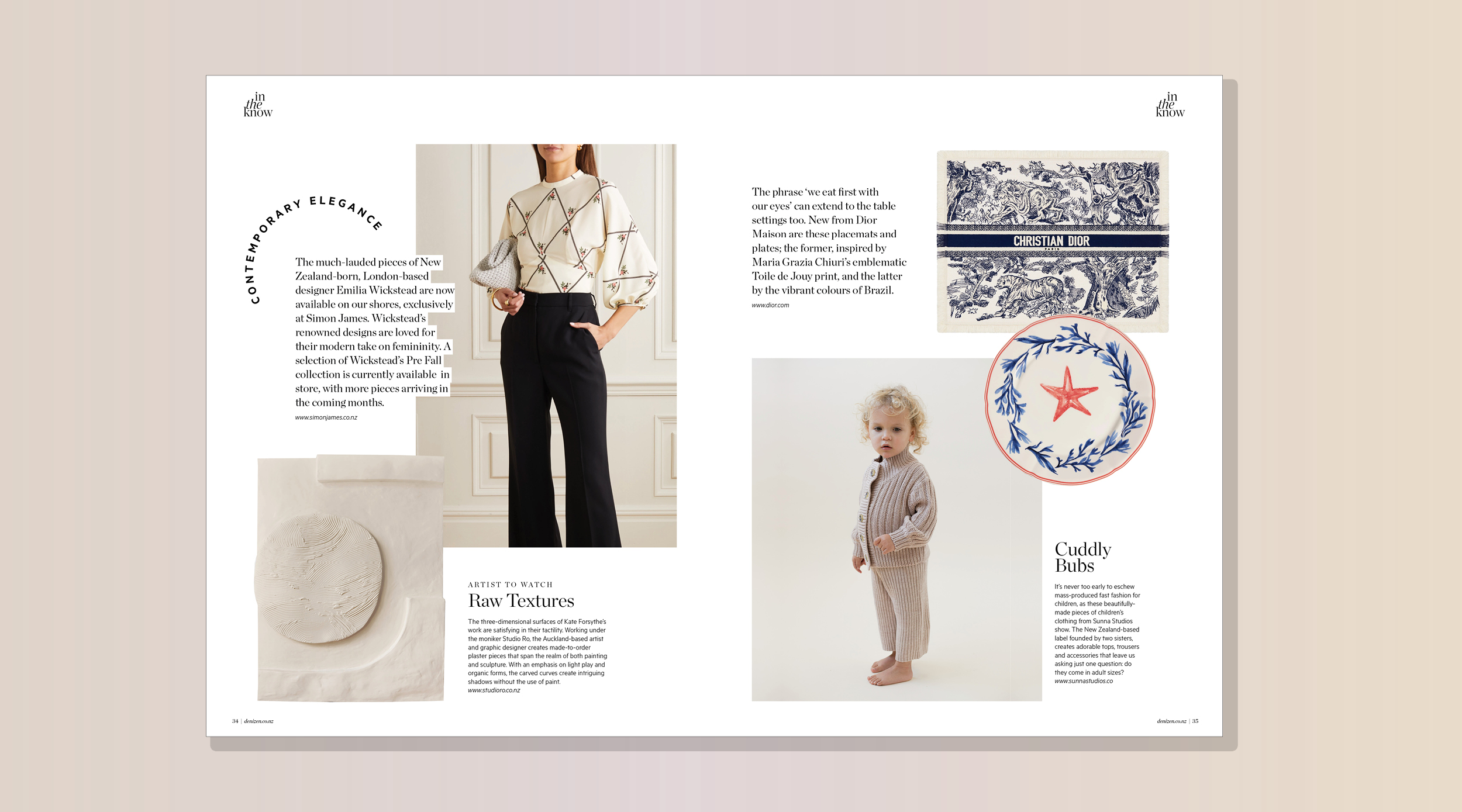
Jessica McCormack and Emilia Wickstead’s stunning jewellery collab has landed in NZ

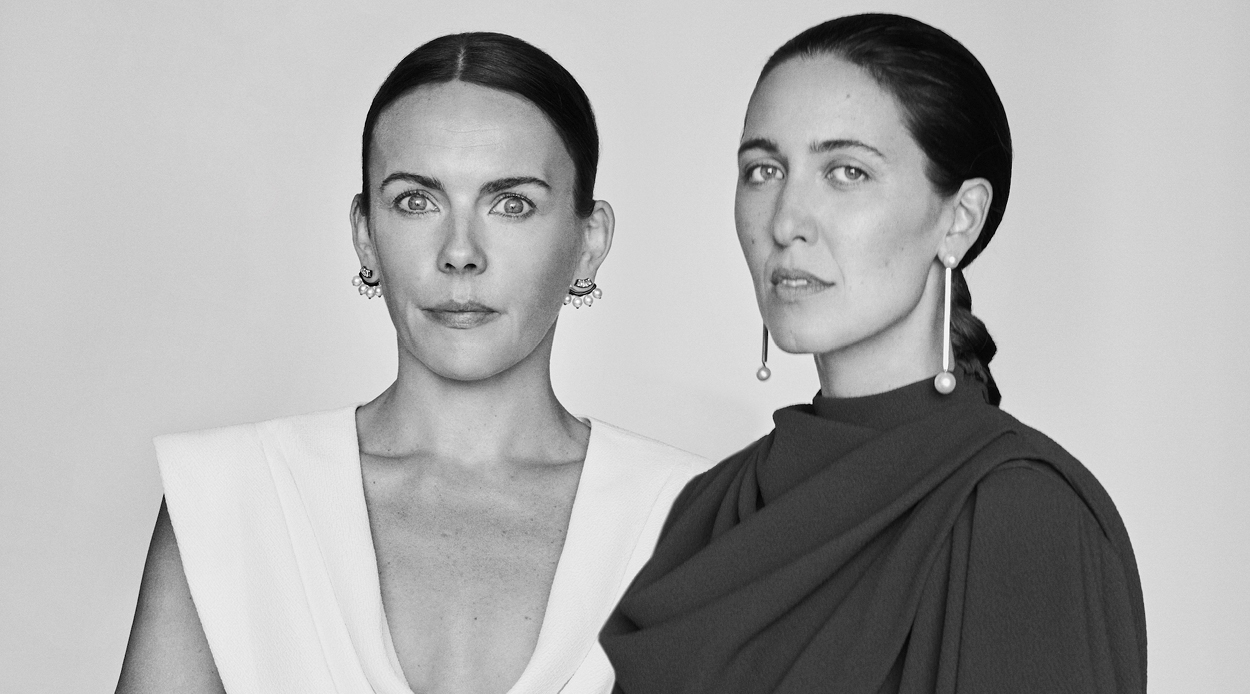
Power players on the international jewellery and fashion scenes, Jessica McCormack and Emilia Wickstead have joined forces for a spectacular jewellery collection that honours the duo’s shared New Zealand heritage. Pairing pearls with diamonds, the pieces are an ode to their homeland, with designs anchored in South Pacific motifs, and embodying their shared ethos of bringing classic ideas into a contemporary setting. 

A selection of the stunning pieces has arrived in New Zealand for an exclusive showcase being held at Simon James’ Newmarket store this Saturday the 14th and Sunday the 15th of November only.

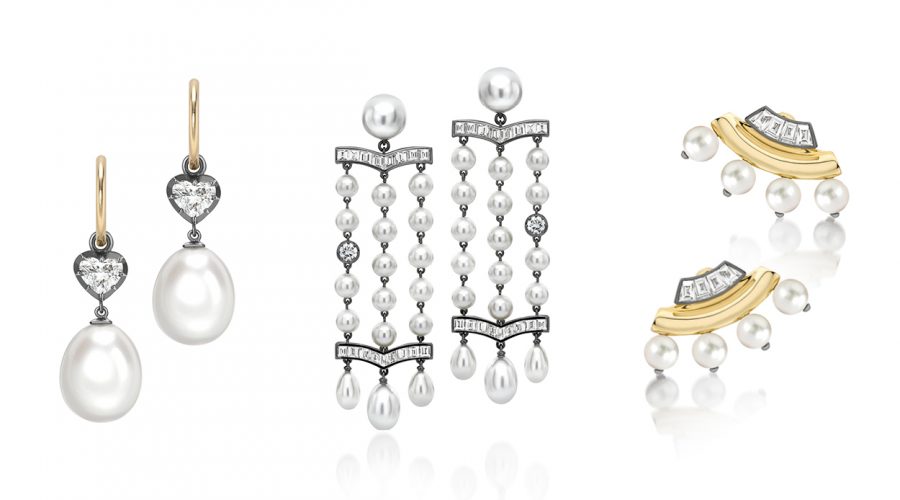
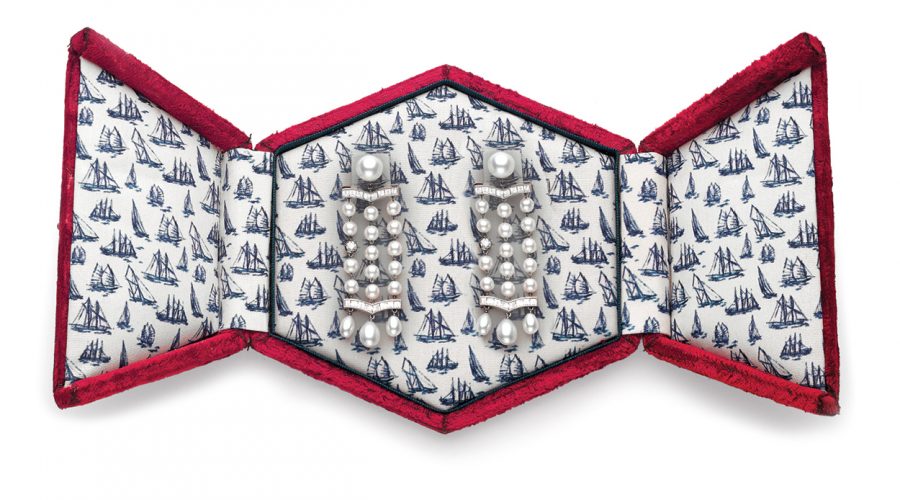
Pearl drop earrings anchored by delicate heart diamonds feature alongside more elaborate pearl and diamond chandelier earrings and diamond and pearl ear jackets. Each of the pieces comes beautifully presented within an exclusive Jessica McCormack x Emilia Wickstead velvet case that’s lined with nautical-themed fabric from Wickstead’s spring/summer 2021 collection.
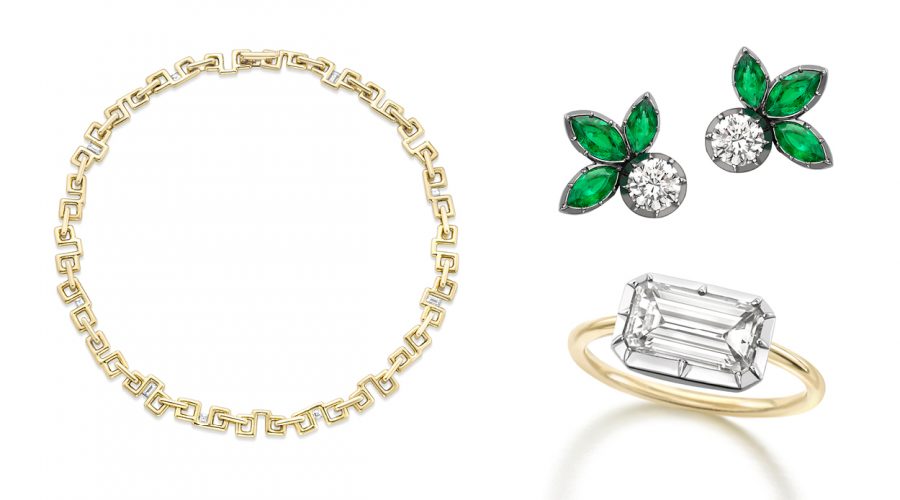
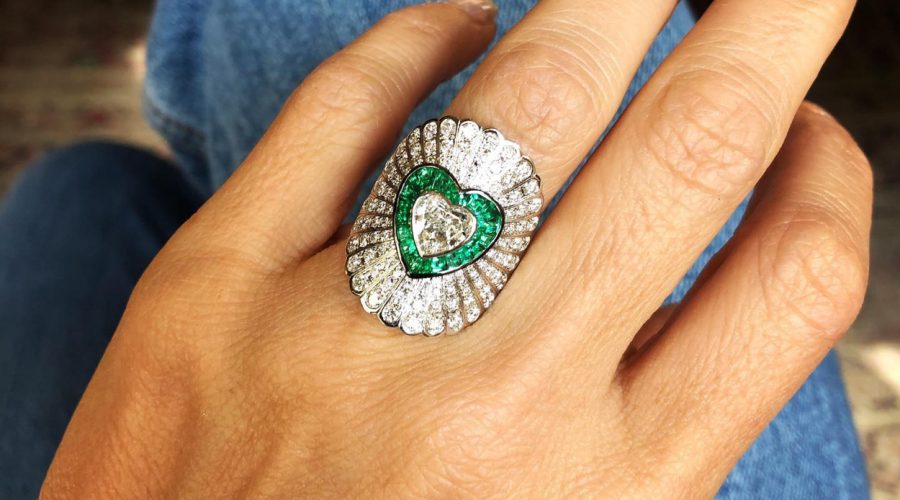
In addition to the new collaboration, the trunkshow also includes a selection of exciting new pieces from Jessica McCormack’s eponymous line of jewellery. A showstopping 2.01 carat emerald cut East-West button back ring, Palm earrings featuring 1.0 carat of diamonds and embellished with emerald leaves, and a selection of pieces from McCormack’s Livewire collection are among some of the eye-catching treasures on show.

From left: Livewire necklace; Signature palm earrings; Emerald cut east-west button back ring
Jessica McCormack x Emilia Wickstead nautical-themed velvet case

With our love for these globally successful expat designers showing no signs of abating, the reception of these uniquely beautiful designs is likely to be extremely enthusiastic, so we suggest viewing this stunning collection this weekend before it flies —literally — out the door.

Jessica McCormack ring

Simon James Store
2 Kent Street,
Newmarket

www.simonjames.co.nz

Coveted

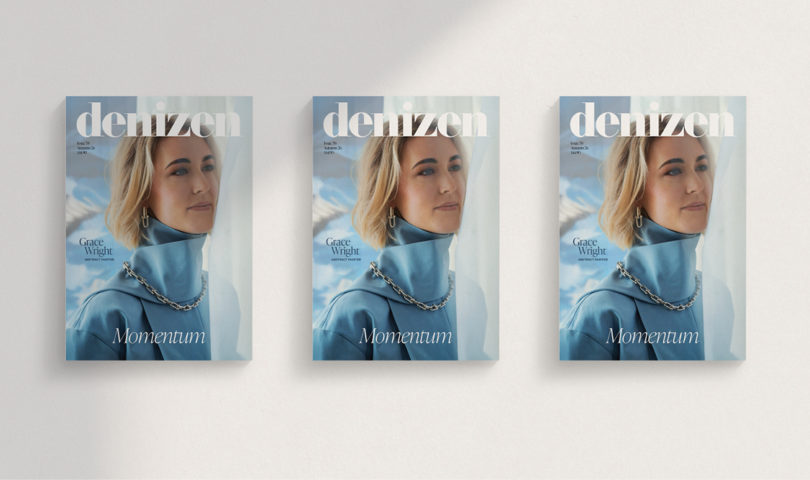
Denizen’s Autumn Issue is the Momentum we all need
The case for a colourful Rolex and the models worth your attention right now
Nineties minimalist fashion will forever be my fashion Love Story

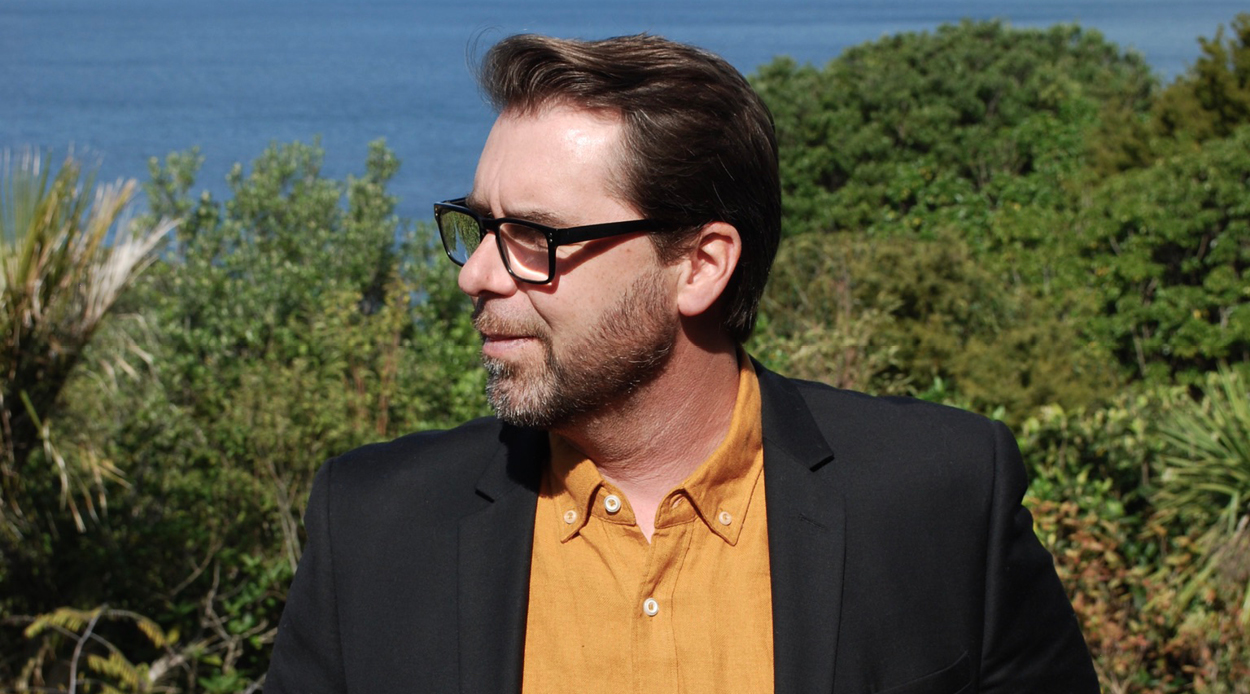
Landscape designer Aaron Bell-Booth on working with Suzanne Turley and why there’s no such thing as a low-maintenance garden

With a landscaping career that spans more than 20 years, 15 of which were spent working alongside the country’s most revered landscape designer, Suzanne Turley, Aaron Bell-Booth has pathed an illustrious career that’s involved working on such prestigious projects as the gardens at Huka Lodge. With a signature style that sees sumptuous layered gardens accented with trees and shrubs that deliver arresting sculptural form, Bell-Booth’s unwavering passion for gardens that are visually captivating, yet functional, has seen his stratospheric rise on the landscape.

I wouldn’t say I have a landscaping style, our designs differ considerably from project to project, we do employ the same principles of design such as balance, texture, proportion, use of form, patterns and repetition. When designing a landscape there are so many considerations we need to observe, for example the architecture, the existing landscape and environment and of course we have to consider the clients’ requirements and aspirations for the site.
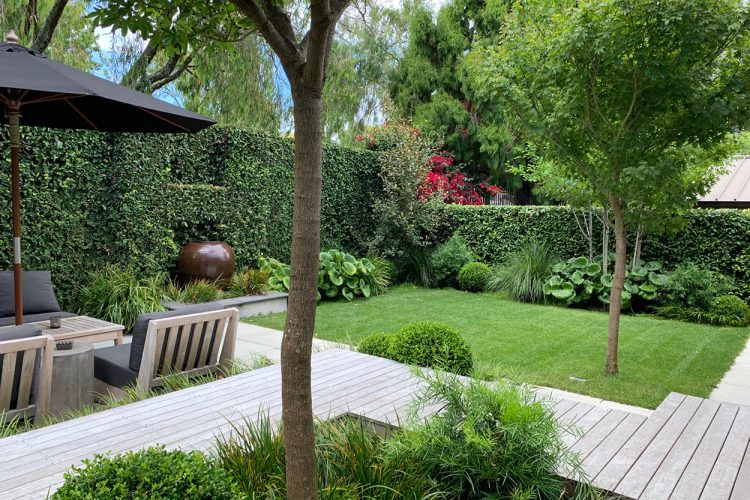
Westmere garden by Bell-Booth.

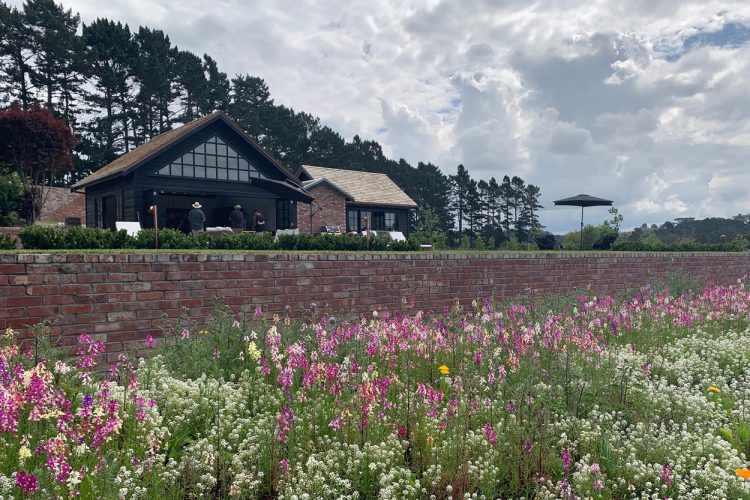
I recently completed a rural property adjacent to a tidal waterway. Although the project is ongoing the completed first stage is establishing beautifully. We had the first season of wildflowers and it met both our expectations. The client has an infectious energy and passion for the property. It’s so important to connect with your clients, I believe we shared the same vision from the get-go.

I unexpectedly find inspiration by revisiting old projects through site visits, photos, sketches and design drawings. I guess it’s a form of self development to reflect on past work, and inspiring to see how elements have transformed and developed with time.

The one thing every garden needs is someone who is invested in it. Not necessarily financially but a garden needs the investment of time and care. Gardens are only as good as the effort put into them.

A recently completed rural property with wild flowers.

I’ve admired the artworks of Claude Monet from a young age. My parents always put special attention into nurturing our interests, and being one of six children I’m sure this was quite a challenge. As a child I will always remember my mother taking me to the Auckland Art Gallery to see the Monet exhibition. Not only was it special to spend time alone with my mum but we both loved his work. The way he captured the light, movement and emotion in the landscape.
Huka Lodge

Huka lodge is one place that I often refer back to for inspiration. Although it has been many years since I have been there, recurring images I’ve seen online, in books and photos of work I was involved in over the years when working for Suzanne Turley Landscapes are still relevant today. The property has so many amazing elements from large established trees in park-like surroundings to blended native & exotic borders. The beautiful gardens seamlessly connect you from one area to the next, pathways through native plantings lead you to the private rooms. It is a truly unique and special place.

I will always admire Suzanne Turley’s landscapes. She is an amazing designer and I was privileged to have spent 15 years working alongside her. I owe a lot of the skills I have today to working with her and her team, executing projects of a very high standard of excellence. I can proudly say that the landscapes we worked on together are some of the best in New Zealand.

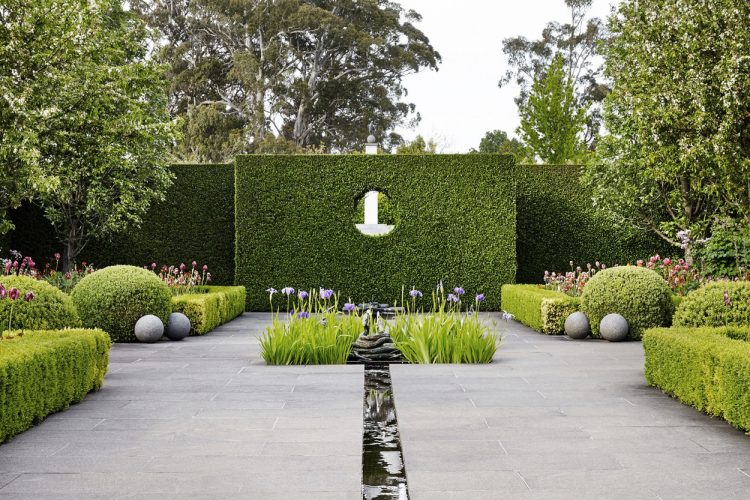
The work of Paul Bangay.

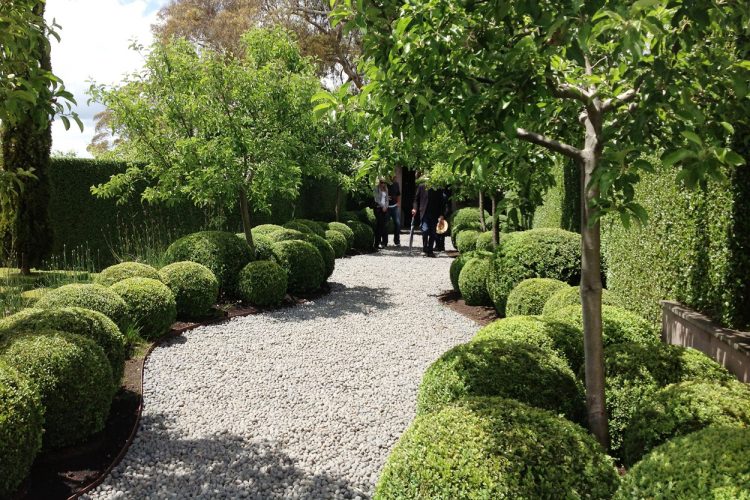
Globally I love the work of Paul Bangay and Luciano Giubbilei. They both have a sophisticated eye for form, balance, texture and  materials. The landscapes are strong in composition, I like the simplicity of their approach and the use of repetition to make an impact.

If I wasn’t doing this, I would be doing some form of art. I grew up in a creative family, my father is an exceptional florist, my brother an established motion graphics artist, my siblings and I ran a multi disciplinary studio/ gallery at one stage, so definitely art.

The work of Paul Bangay.

I feel our wetlands are under appreciated by many, they are a unique aspect of our natural environment. Ecologically they are very important, filtrating pollutants, supporting wildlife, and a significant carbon sink.

People would be surprised, and probably disappointed to know that there is no such thing as a low-maintenance garden, however simplistic a garden may be, if they are uncared for they deteriorate quickly.

Design

Six chic chairs to anchor your bedroom in style
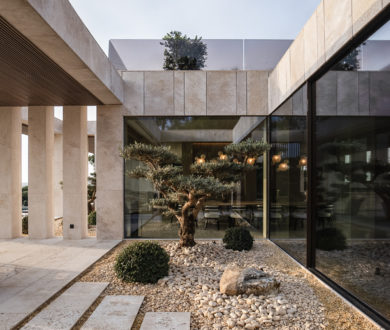
This elevated Spanish villa is a masterclass in neutrality
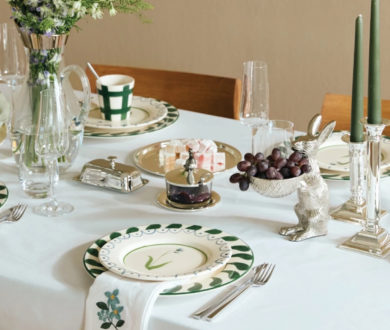
The Easter table worth lingering over, and how to set one your guests won’t forget

Masu launches a Sunday yum cha concept that’s worth checking out

I think it would be safe to say that yum cha holds a universally appealing place within our dining culture. The concept of gathering the troops, whether it’s friends, family or both, for a weekend dining experience that is, for some of us culturally different, and others warmly familiar, is exciting. 

Combining our love for both yum cha and Japanese cuisine, Masu has just launched its Sunday yum cha brunch. The new addition is the brainchild of executive chef Nic Watt, who says “I have so many fond memories of yum cha with my kids and my family. There is just something fun about it.”

On Sunday my family and I were lucky enough to try the first service of this weekly Sunday offering. With my young children in tow, both suffering from what can only be described as a Halloween hangover, the idea of sushi and yum cha combined, seemed like the perfect antidote. Because, let’s be honest, we all know how well traditional yum cha goes down on a hangover.

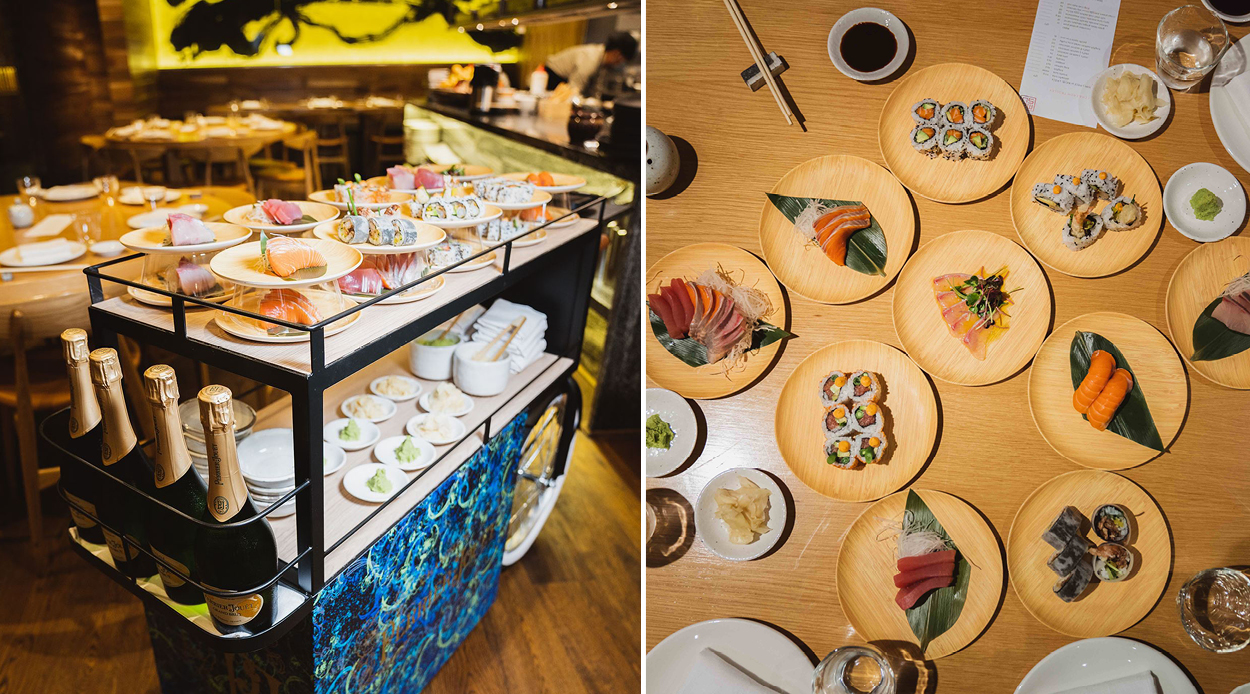
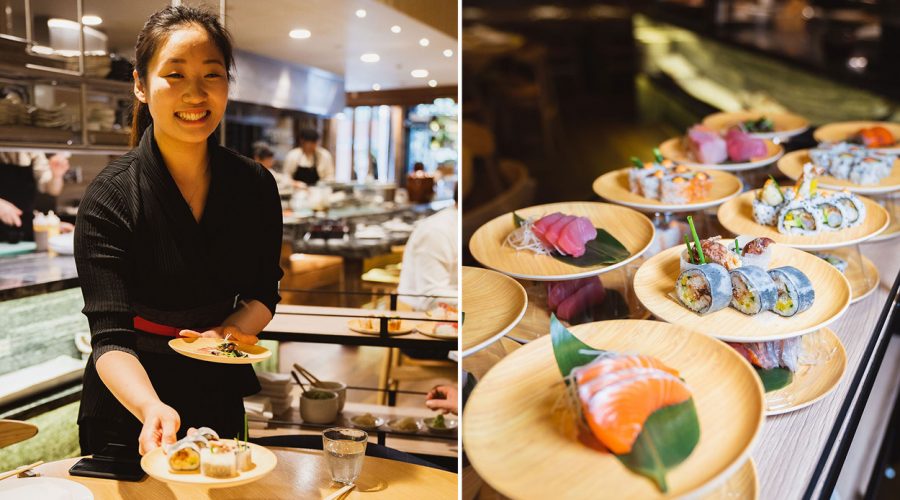
The service starts with a roaming trolley piled high with a delectable array of artfully created sushi, from classic salmon and avocado, to more exotic variants like crab with spicy sauce. What caught my ever-roving eye however, were the bottles of Perrier-Jouët perfectly lined up at the end of the cart. What a great idea! Nothing goes down better with the freshest sashimi than a delectable drop of French Champagne, especially on a Sunday.

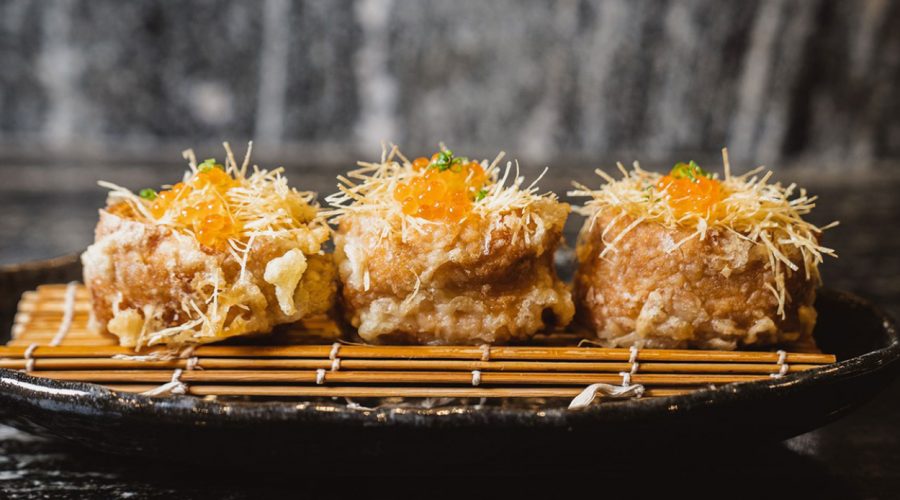
The cart service features an array of cold dishes; sushi, nigiri, and sashimi with each dish presented on traditional Kaiten sushi plates. A separate menu of specially created hot dishes does not disappoint either. The restaurant’s signature miso black cod features, along with their delicious lamb cutlets, both at a more palatable price than the evening menu, in-keeping with the yum cha concept of cheap and cheerful. Also on offer is a range of quintessential Japanese family dishes such as the Okonomiyaki pancake, chicken yakisoba noodles, and a firm favourite within my family: black cod croquettes.

As usual with yum cha, it’s hard to not get carried away, snatching plates at every opportunity, but there’s also something inherently light and refreshing about starting with sushi and sashimi that doesn’t leave you feeling overwhelmed. Which was very good news as we spotted the dessert cart heading in our direction, complete with a range of desserts including a fruit custard and an utterly delicious matcha crêpe cake.

Masu’s new brunch experience is available every Sunday from 11am. 

Gastronomy

Eden Cloakroom is back in the hands that built it, and Mt Edenis better for it
Denizen’s definitive guide to the best ramen bowls in town
Michelin-starred chef Matt Lambert opens his new Ponsonby restaurant
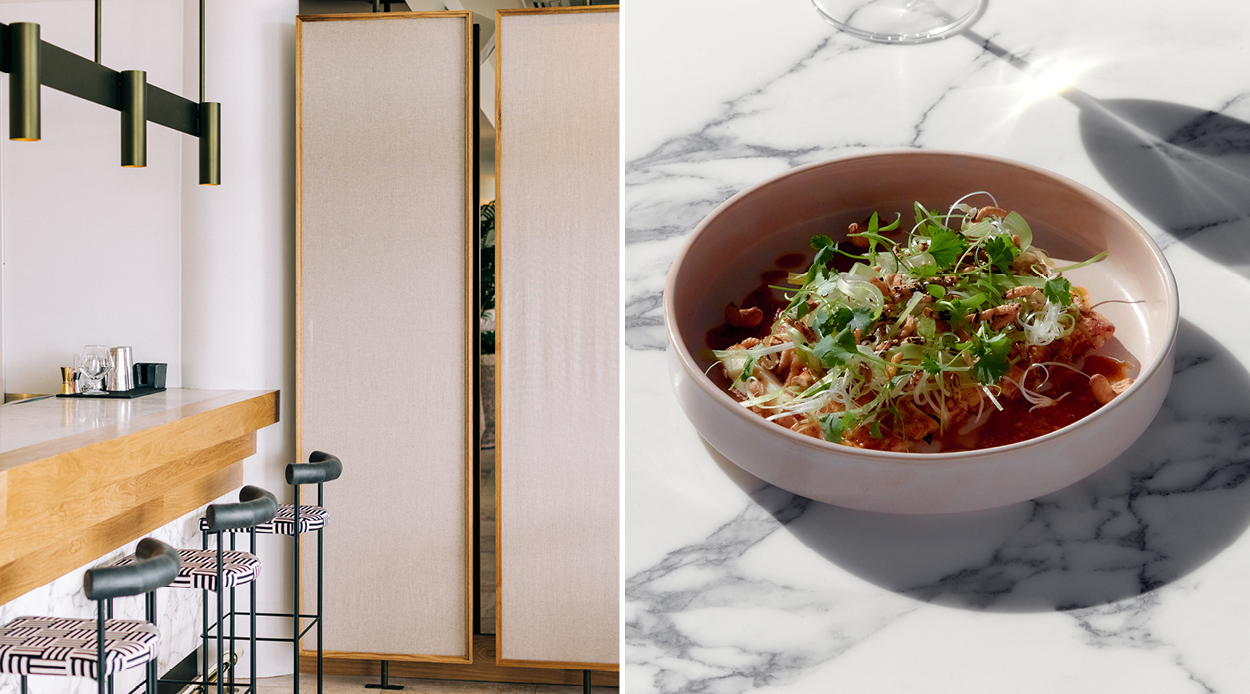
From left: Euro's interior by Paula Sigley and CTRL Space; Bang bang squid with puffed rice and cashew
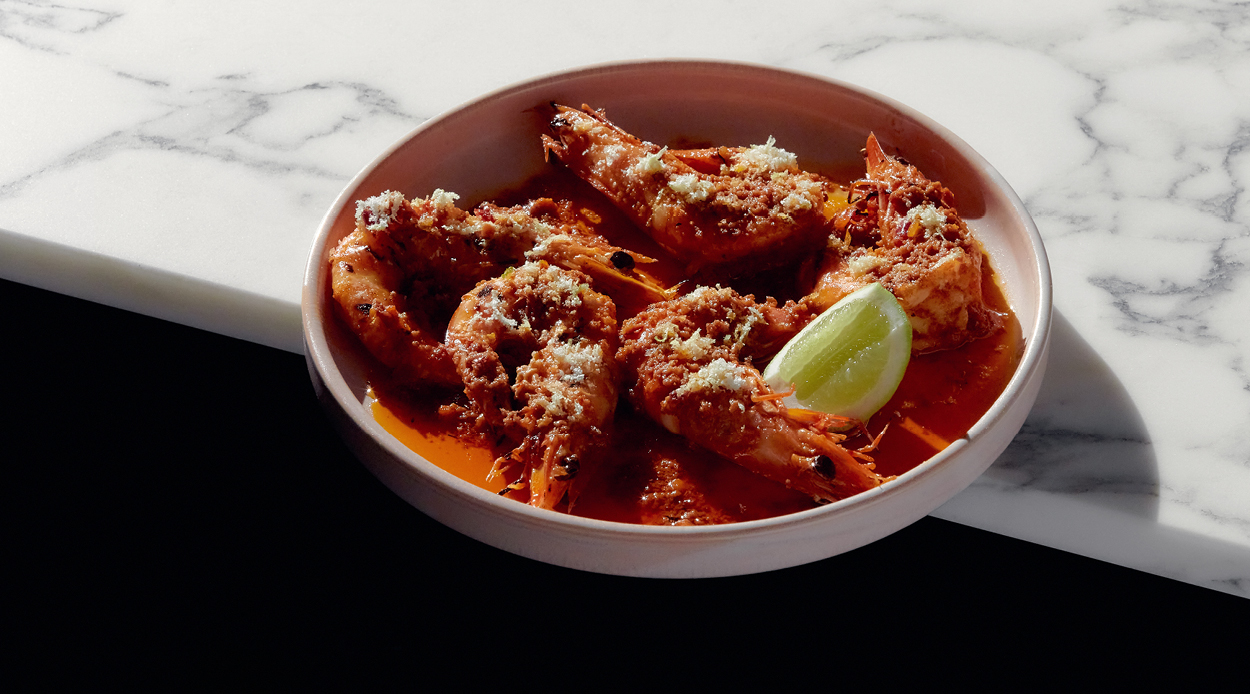
Skull Island king prawns with 'nduja butter and lime salt
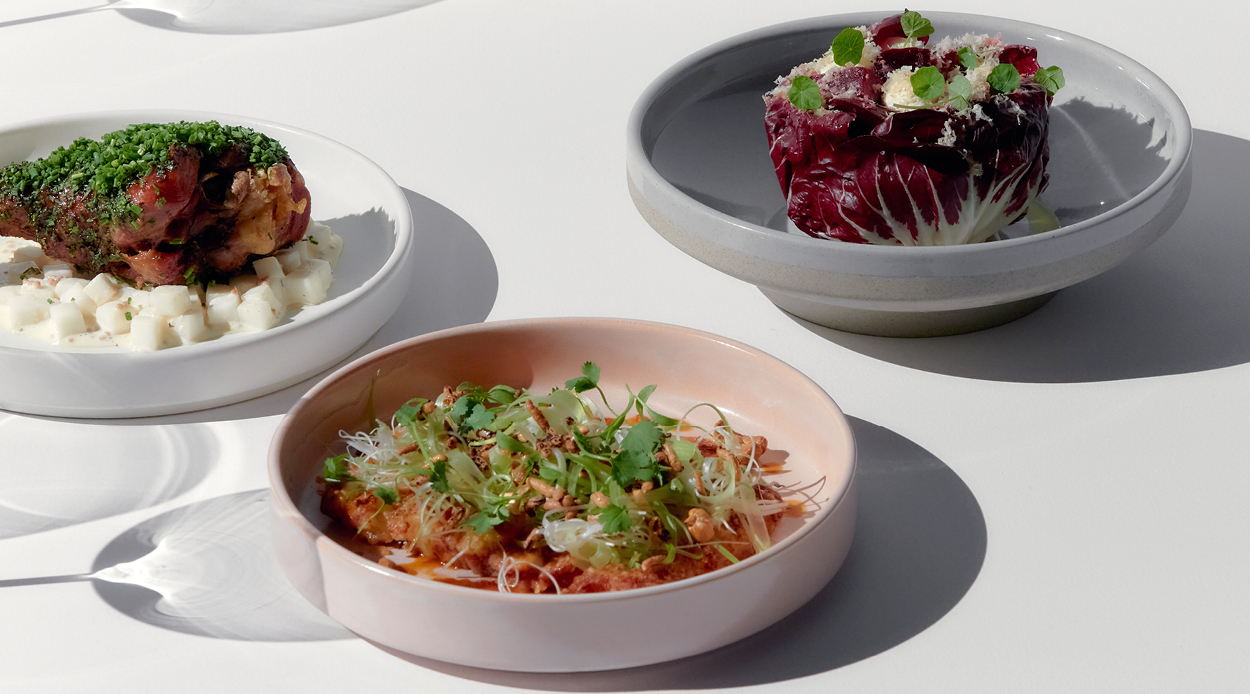
From left: Smoked jumbo turkey leg with white barbecue sauce; Bang bang squid with puffed rice and cashew; Mānuka smoked beetroot with radicchio

One of Auckland’s most iconic longstanding waterfront eateries undergoes a bold and enticing reinvention

I’m not sure if I should admit this openly, but when the iconic waterfront eatery Euro first opened its doors 21 years ago, I was there. At the time, just prior to the 30th America’s Cup, the new restaurant was widely celebrated as our first foray into becoming a sophisticated, cosmopolitan city by the sea.

Euro was the place to be. It became the gathering place for the city’s movers and shakers; the cultural and business elite all congregated here to share war stories, conquests and failures over languishing long lunches that rolled into dinners. 

Twenty-odd years on, and our city’s hospitality scene has evolved into an entirely different beast. What we eat and the way we eat has completely changed. We can safely say that we have grown into our global status as a cosmopolitan city, and with that comes a more comfortable and relaxed way of enjoying life.

Richard Sigley, of Nourish Group, has been involved in the Euro since its inception and is very familiar with the changing evolution of our city. This experience has lead him to conceive, alongside his wife Paula and Executive Chef Gareth Stewart, a bold and bright new incarnation of Euro that is guaranteed to see it continue its longstanding reign as the waterfront destination of the summer and beyond.

“Euro was my firstborn, so to speak — my first foray onto the dining scene, so it will always hold a special place in my heart,” says Sigley.  “When it opened, it blew everyone away. It was a truly international restaurant that has been consistently good for two decades, but the time is now right for reinvention.”

“Our evolved vision for Euro is for a place where the traditional boundaries between kitchen and dining room are relaxed, where meals become a series of vividly flavored shared dishes rather than rigid three courses, and where the menu responds to its customers’ needs, rather than being prescriptive.” 

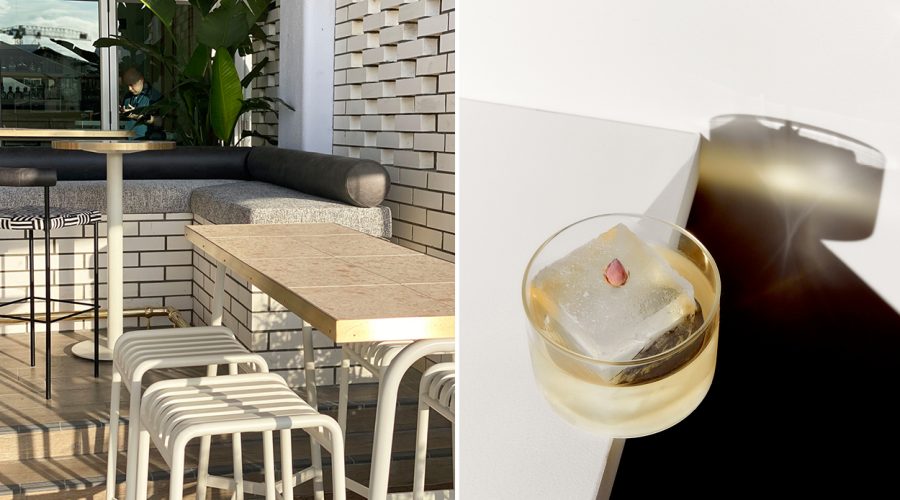
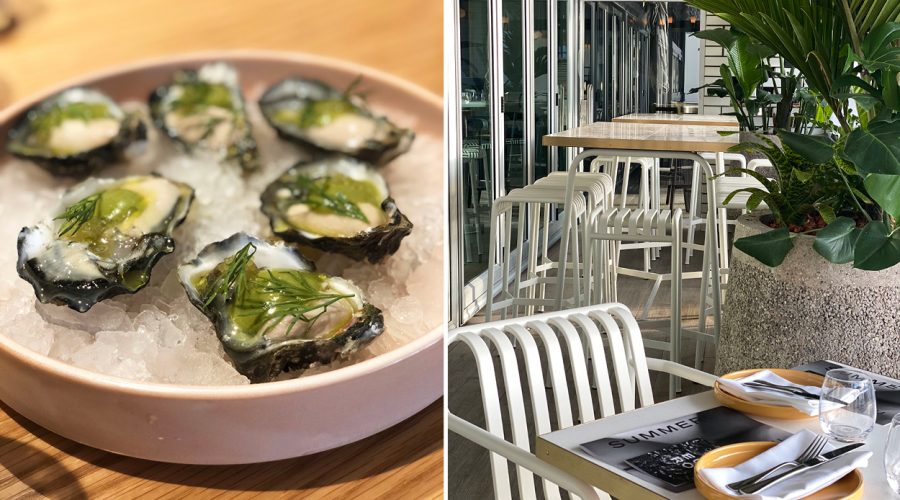
Last night, to celebrate my husband’s birthday, I had the pleasure of experiencing Euro 2.0 with my family. Upon arrival it’s abundantly clear that this is an exciting new era for the iconic eatery. The interior, a collaboration between Paula and CTRL Space, is light and bright, with sleek modernist accents such as floors lined with pale pink travertine tiles. The outdoor space emits a club-by-the-sea aesthetic, with high and low tables and comfortable wrap around sofas where one can take in the view of (or spy upon) Prada’s America’s Cup base. 

Local oysters on ice with finger lime and green hot sauce

Inside, something that’s impressive — and a rarity in many of today’s new eateries — are the extremely comfortable seats; perhaps a nod to the old days where one would linger all day and into the evening. 

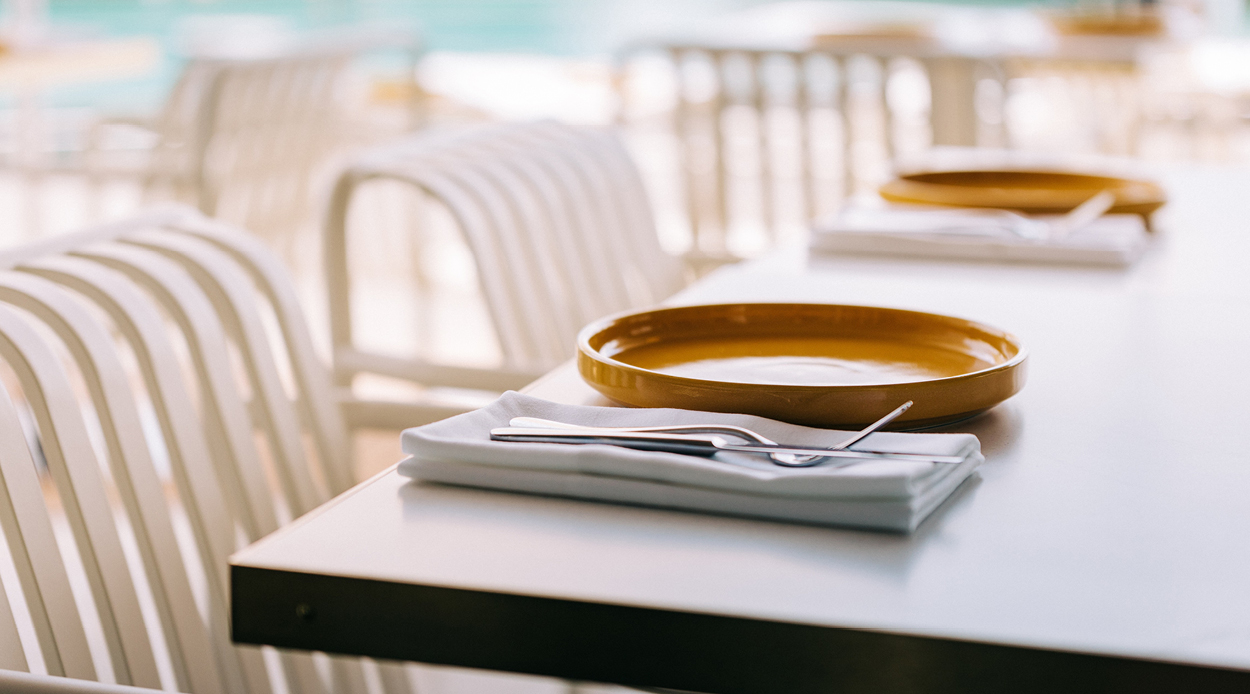
Euro 2.0 has added a youthful energy that’s apparent everywhere, from friendly and  passionate staff, to a soundtrack of great upbeat music that had our toes tapping under the table. Add to this the seasonally changing collaborations with local artists, that promise to keep things continually fresh and evolving; by integrating both their artworks and taking inspiration from their colour palettes, each quarter the restaurant will transform with an element of surprise and delight.

The first of these artist collaborations features photography from multidisciplinary artist Meighan Ellis, whose imagery also inspired the yellow colour palette that will be utilised throughout the restaurant in summer. Plates, serveware and cocktails also all reflect the hue of each season and will align with future collaborators. 

Charcoal-grilled Wairarapa oyster mushrooms

When it comes to the food, Executive Chef Gareth Stewart has endorsed his excellence with a menu of shared plates which are quite frankly some of the tastiest dishes I have tried in a long time. My entire family, including my young children, devoured the salt and pepper crispy pigs ears with green onion, chilli and a fried egg on top. Not something for everyone, and certainly not something I would expect my five- and seven-year-olds to enjoy, but this dish was so moreish we had to order another. The menu proudly puts equal emphasis on the garden, the ocean and the land, with some utterly impressive vegetarian dishes of a calibre not often seen in restaurants. The charcoal grilled Wairarapa oyster mushrooms with stinging nettle and sour cream were a standout.

Paula and Richard Sigley

Much thought has gone into creating dishes that are both easily shared, and have a level of  layered flavour and texture that elevates them well above what we have come to accept as ‘shared plates’. These are the Rolls-Royce of the category, and surprisingly, most are within the $20-$30 bracket — again something that’s becoming a rarity in this city.

A regularly evolving cocktail menu also embraces the leanings of the artist collaborations. The All England Club, with pink gin, Campari, coconut, lemon and cardamom strawberry soda is set to be the refreshing drink of the summer.

For someone who’s been eating, drinking and commentating on the Auckland food scene for more years than I wish to acknowledge, leaving the new Euro last night, I felt a warm fuzzy sense of both nostalgia and immense pride. Pride that, in a city that has grown exponentially in the past 20 years, we have hospitality operators like Richard and Paula Sigley, who are capable of capturing the cultural Zeitgeist of the moment. Euro 2.0 is destined to be a rousing success. I suggest you try it for yourself, I doubt you will be disappointed.

Gastronomy

Eden Cloakroom is back in the hands that built it, and Mt Edenis better for it
Denizen’s definitive guide to the best ramen bowls in town
Michelin-starred chef Matt Lambert opens his new Ponsonby restaurant

Looking to lease a creative office space? Look no further

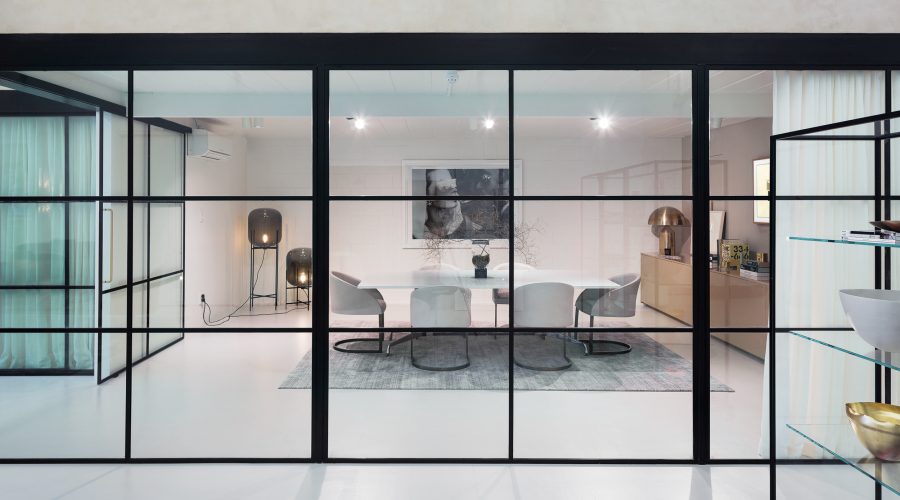
Centrally located in Auckland’s Victoria Quarter, on Sale Street, Denizen’s Headquarters are a much-admired creative office space. Renovated to the highest standard in 2018, and published in Denizen Modern Living, our offices are a true reflection of the Denizen brand.

With our previous tenants moving on, the opportunity has arisen for an appropriate, creatively minded tenant to move into the ground floor of our building. We have approximately 200sqm available for lease, which includes the shared use of an impressive kitchen and bar, boardroom and luxe bathrooms. The building also comes with plenty of undercover, secure parking.

Interested parties should email [email protected] for further information.

Culture

Denizen Exclusive: Introducing Lucas Jones, whose poems will make you cry
Denizen’s April culture guide: Everything to see, do and book tickets to this month
What to watch next: The addictive new series to have on your radar this April

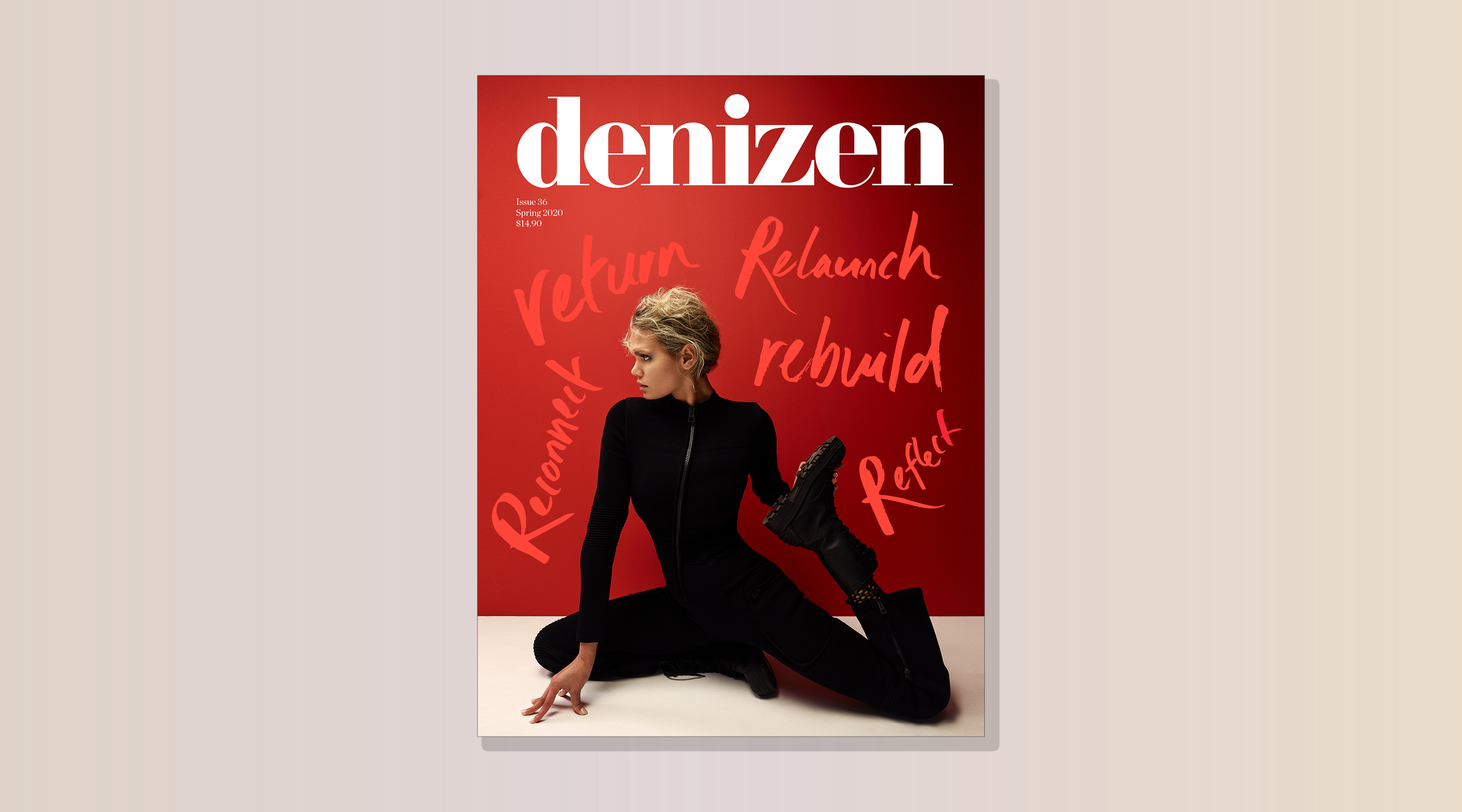
Our brand new issue is here, ready to buoy you into spring

Just four weeks ago, when we began production on our Spring issue, we were buoyed by a sense of comfort that we as a country had done the unthinkable and conquered the great beast that is COVID. What we’ve learned from our recent experience, is that the future really is unknowable. The only thing that is truly guaranteed, is that this pandemic will be the most defining event of our time.

But in true Denizen nature, we have soldiered on, and continued to look at the positives, celebrating the fact that, despite it all, we still have a lot to be thankful for in our little country.

Our Spring issue sees the unveiling of our inaugural Hospo Heroes award winners. After receiving more than 5,000 votes from readers, we are excited to reveal the best people, places and food that are universally loved by us all.

We also introduce an influential group of small to medium business owners and creatives; including artists, architects, chefs, fashion designers and fitness gurus, who share their inspirational stories of resilience and survival.

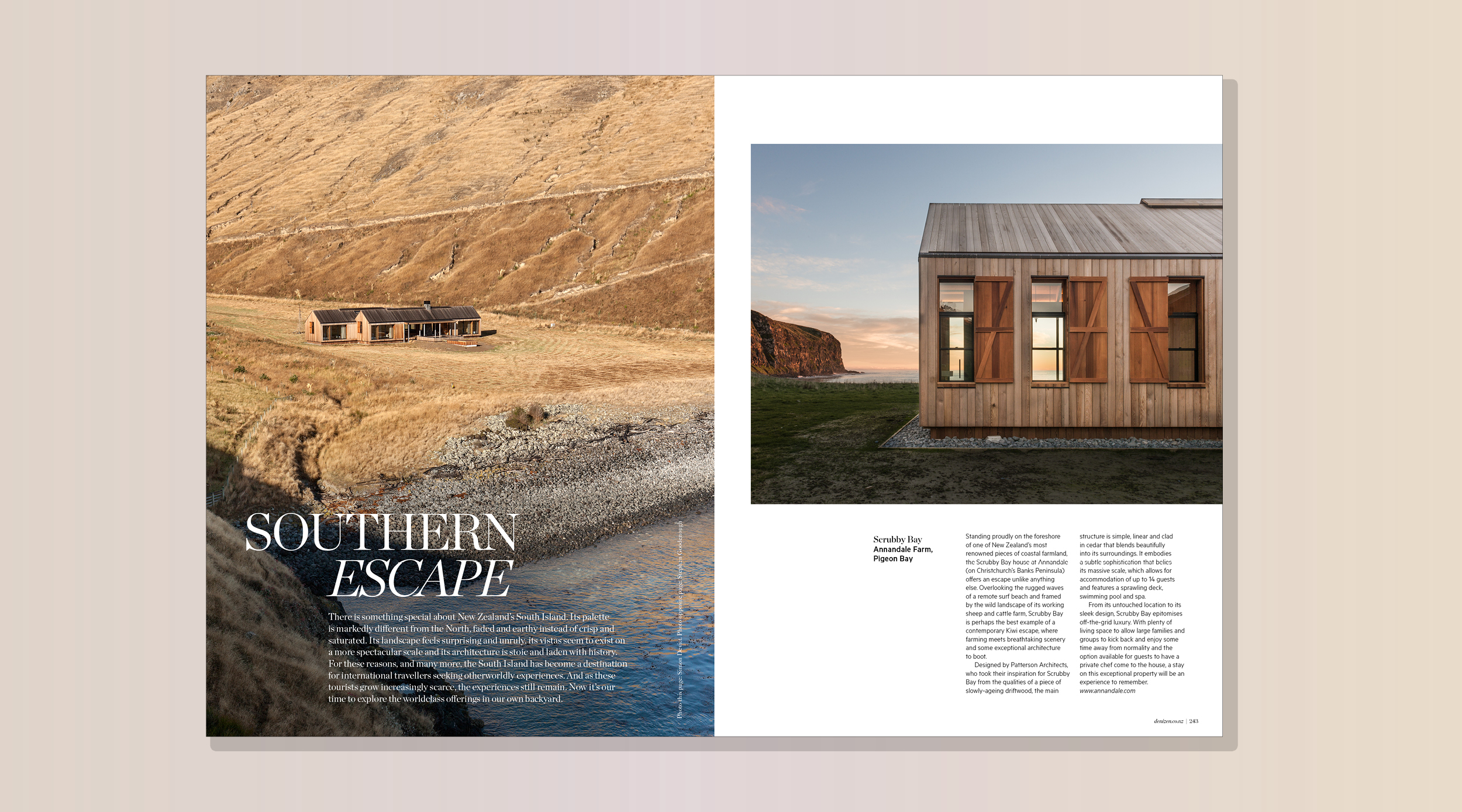
And, if the wanderlust is starting to take its toll, we’ve provided you with some very compelling reasons to hit the road, and tick off some great bucket list experiences to be enjoyed in our magical South Island.

Now more than ever, our fellow countryfolk need us. Our hospitality, retail and tourism sectors (to name a few) need our support. So Denizens now is the time to do everything in your power to rally the troops. Think beyond your own personal sacrifices and let your presence do the supporting. Go to that bar, meet your friends for brunch, book a local holiday, buy the dress, and for God’s sake get a haircut. Stand tall, dig deep, and know that the human spirit thrives on rebuilding, reconnecting and relaunching. 

In our Spring issue you’ll find all the inspiration you need to navigate your way around the very best people, places and enterprises that deserve your support.

Denizen is available at all good newsagents and selected supermarkets. To ensure you never miss an issue, subscribe here.

Coveted

Denizen’s Autumn Issue is the Momentum we all need
The case for a colourful Rolex and the models worth your attention right now
Nineties minimalist fashion will forever be my fashion Love Story
Mike Thorburn. Photo: Jeremy Hooper

My inspirations: ECC’s Mike Thorburn on the one thing to consider when designing a home

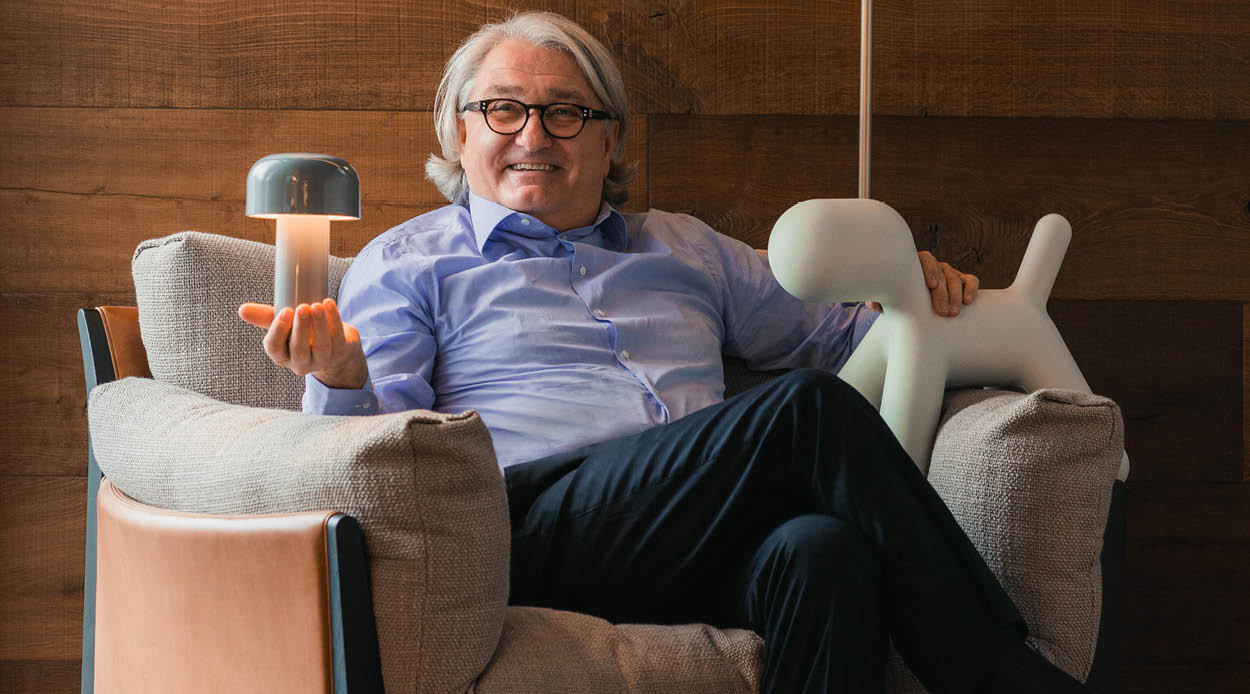
As the figurehead of a family business that was started by his grandfather in 1909, Mike Thorburn not only has an undeniable eye for impeccable design, but is also one of the local industry’s most adored personalities. Passionate about making world-class exceptional design available to New Zealanders, here he shares some insight into his inspiring world.

“I’m forever inspired by European culture, its history is so rich. I feel pretty blessed that my work allows me to be exposed to such history and immense creativity. I’ve been to the Milan Fair annually for the past 40 years, I still come away from Italy feeling totally inspired and excited for what is happening next.

When I’m in Milan, I always make the effort to get together for dinner with many of our suppliers, I also love to catch up with designer Marcel Wanders. Not only is he a very funny man, he has an incredibly creative mind and our conversations just flow. We could talk all night.

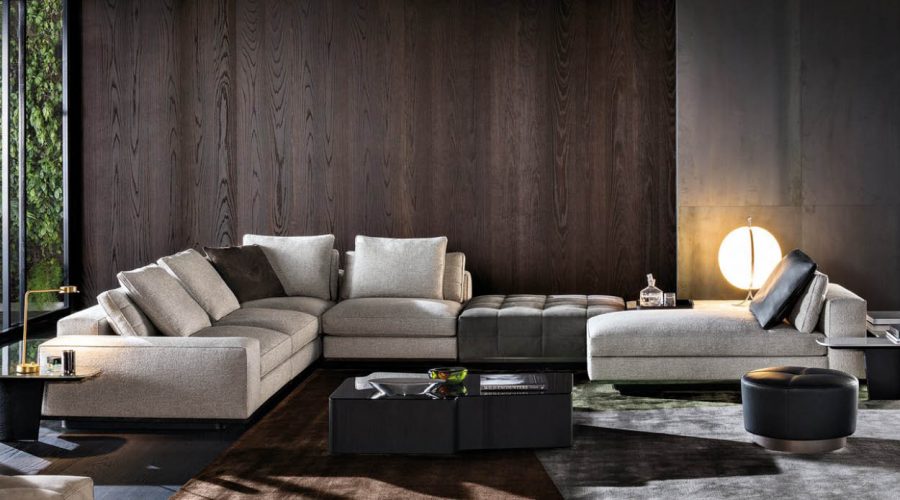
Lawrence Sofa by Minotti from ECC

I think as a business we relate so well with the Italians. We’ve worked with the Minotti and Guzzini families for decades. As a family business, we carry and value a deep sense of connection with our clients and suppliers. It’s these relationships and the strong family bond that makes for great business.

My sons and I have a huge focus on relationships, we’ve worked with so many of our clients across generations, and many of them have become our friends.

If there’s one thing people need to consider more when they are designing homes it’s the lighting. The architects we work with do this so well. We are constantly working on new projects around the country and I’m always amazed at what we achieve with the latest lighting technology.

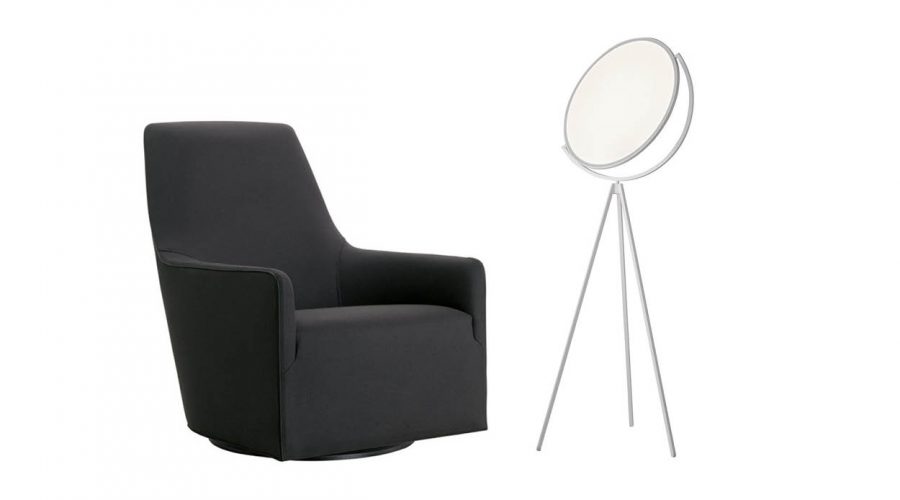
From left: Portofino chair by Minotti from ECC; Superloon light by Flos from ECC

Classics never go out of style. The most iconic designs we have carried over the last 30 years, such as Artemide’s Tolomeo lamp by Michele De Lucchi, which proves to be just as popular today.

Similarly, I love classic pieces, my favourites are the Portofino chair by Minotti and the Superloon light by Flos. You also cannot go wrong by choosing a sofa that is classic.

A sofa should be comfortable, durable and timeless. The Italians are masters of this balance, in particular Minotti who reliably offer a structured aesthetic with comfort and abiding appeal.

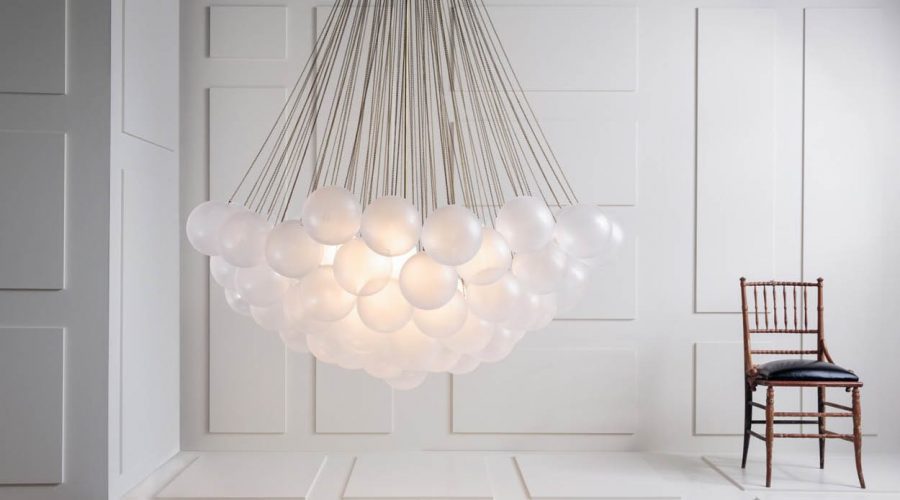
Cloud Pendant by Apparatus from ECC

I’m really noticing a strong movement towards people wanting things that are both original and organic in nature. Brands such as Anna Karlin, Apparatus Studio and Henge create spectacular pieces of furniture and lighting that are sculptural and finished in a manner that makes them truly one of a kind.

I just finished watching the first virtual release of the 2020 Minotti Collection and I was blown away. They do so well to reinvent their designs year after year. The latest collection features more tactile and organic details, I think everybody is wanting to feel more connected to the environment at the moment.”

Design

Six chic chairs to anchor your bedroom in style
This elevated Spanish villa is a masterclass in neutrality
The Easter table worth lingering over, and how to set one your guests won’t forget
Lucien Law

Restaurateur Lucien Law on his recipe for success and why positivity isn’t everything

After a successful international career in advertising, Lucien Law now sits firmly at the head table of the New Zealand’s hospitality scene as the co-founder of Savor Group, which includes Azabu, Ostro, Ebisu and NSP among its bulging stable of excellent eateries. We asked Law to reveal the ingredients of his happiness and success.

I got into this industry initially because my father owned restaurants. He sold them when I was 12 years old. I have done almost every job in hospitality at some stage. From dishwashing, working as a glassy, waitering and cooking, to managing restaurants and bars.

At some stage, while at Waikato University, I fell into advertising and got a job as a copywriter which I enjoyed. It took me to London where I worked at Saatchi & Saatchi and other agencies, but after 10 years of advertising I’d had enough and opened up my first restaurant in Auckland, Ebisu. Customers are much more enjoyable than clients. Frankly, I got into restaurants and bars because I like restaurants and bars a lot.

I think because we have a number of restaurants people think I’m not in the detail or driving the menus. Nothing could be further from the truth, I spend 90 percent of my day in the weeds and that’s fine with me.

The best piece of advice I was given was stay out of prison. The food is shit and the sex is worse.

And the worst piece of advice was “just be positive”. I think this sets people up for a mental health nightmare. If you’re overly optimistic you don’t consider all the risks. Beware of the happy clappers.

I think the Auckland hospitality scene is changing and it’s a fantastic time to be getting into it if you have a great idea. With change comes opportunities for up-and-coming chefs and new food ideas. Auckland has a runaway ‘foodie’ culture. Diners are looking for so much more from their restaurant experience than ever before.

I generally make big decisions by trying not to make permanent decisions based on temporary emotions. Restaurants are fuelled by the emotions of a lot of people. It’s important to take a step back before you make changes that are hard to turn around again.

The success of a restaurant hinges on one thing, customers leaving happier than when they arrived. It’s that simple. So the best part of my day is getting that right.

When you’re serving in the vicinity of 500,000 meals a year, I guess at times, of course we’re going to get it wrong. But it hurts every time you hear or read about us fucking up. It’s very personal.

Right now, post Covid it’s been invigorating to see people’s desire to get back out to restaurants. It certainly reminds me that at their best, restaurants serve a higher purpose than to just put food and drink on tables. We help fill a need for basic human connection, something you don’t realise is important until it’s taken away.

I’ve always wanted to do something worthwhile. I can see now I should have been much more specific.

There is no one person I attribute my success to, but I think my family’s work ethic has played a huge part. Starting with my Great Grandfather who arrived in New Zealand from China in 1903 to become a market gardener in South Auckland.

That entrepreneurial gene is strong in my family. At times my parents and my four siblings have all been running their own successful business at the same time. Being the youngest in the family and witnessing all of that was intoxicating. I think I was always going to be working for myself.

I really want to be travelling the world bite by bite.

I envy people who have faith. I don’t believe in anything supernatural. But in some way, I envy people that do, because it must be soothing to have an imaginary friend looking down at you from a cloud.

I can tell in two minutes if you make good coffee.

Everyone needs a friend who can tactfully tell them the truth.

Food should be delicious, but at its finest have a sense of place within its community.

Often the perfect restaurant experiences have little to do with the food itself. Choose your company wisely.

There is nothing worse than restaurateurs talking about restaurants.

I feel sorry for people who are cheap tippers or rude to their server. In the words of the late, great Anthony Bourdain, “If you’re a cheap tipper or rude to your server, you are dead to me”.

The motto I live by is: Don’t sweat the petty things and don’t pet the sweaty things.

Gastronomy

Eden Cloakroom is back in the hands that built it, and Mt Edenis better for it
Denizen’s definitive guide to the best ramen bowls in town
Michelin-starred chef Matt Lambert opens his new Ponsonby restaurant