Auckland, for a brief window, is showing off. And we are here for it. Endless sunshine and clear skies are the perfect antidote to doom and gloom, and to getting out to celebrate life.
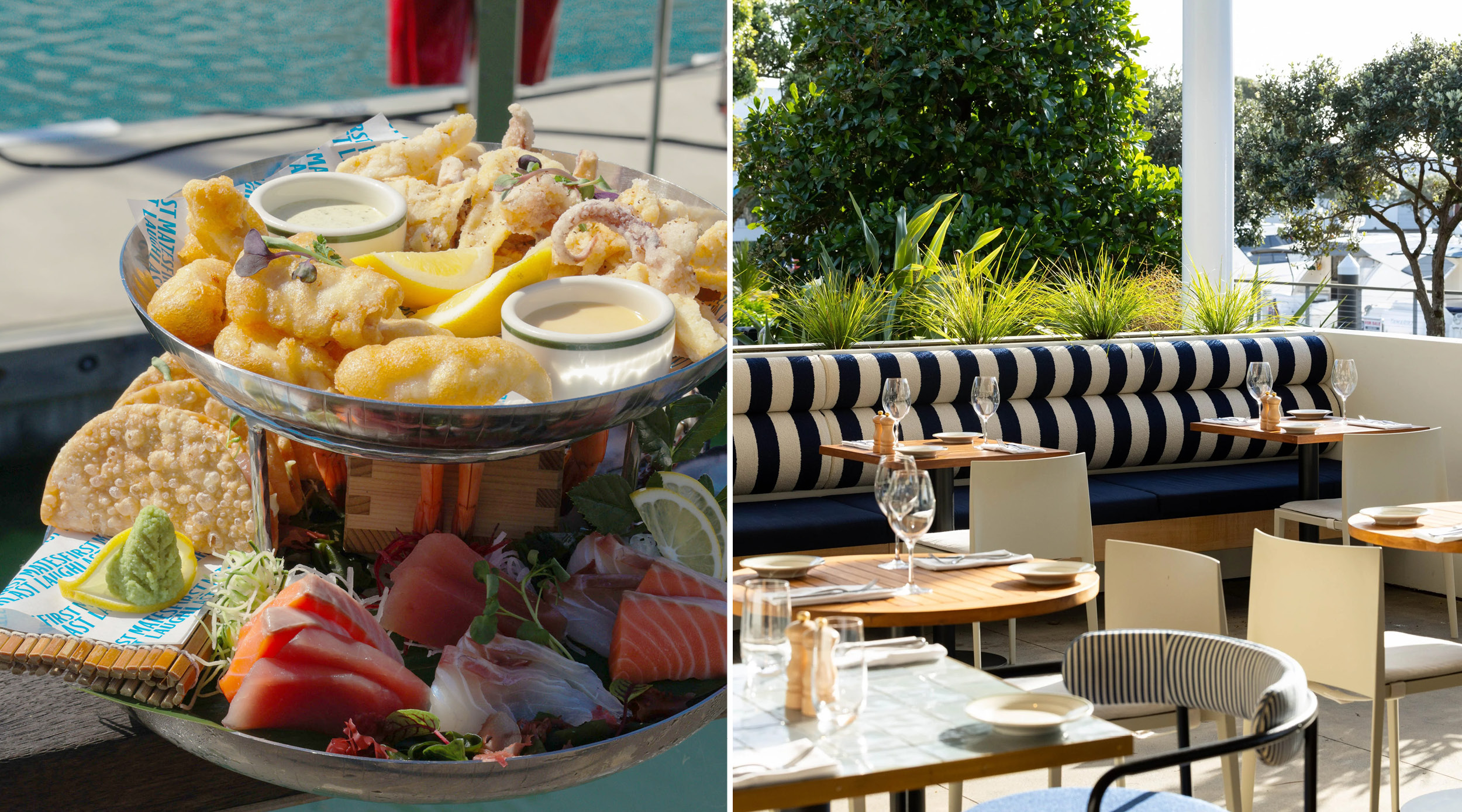
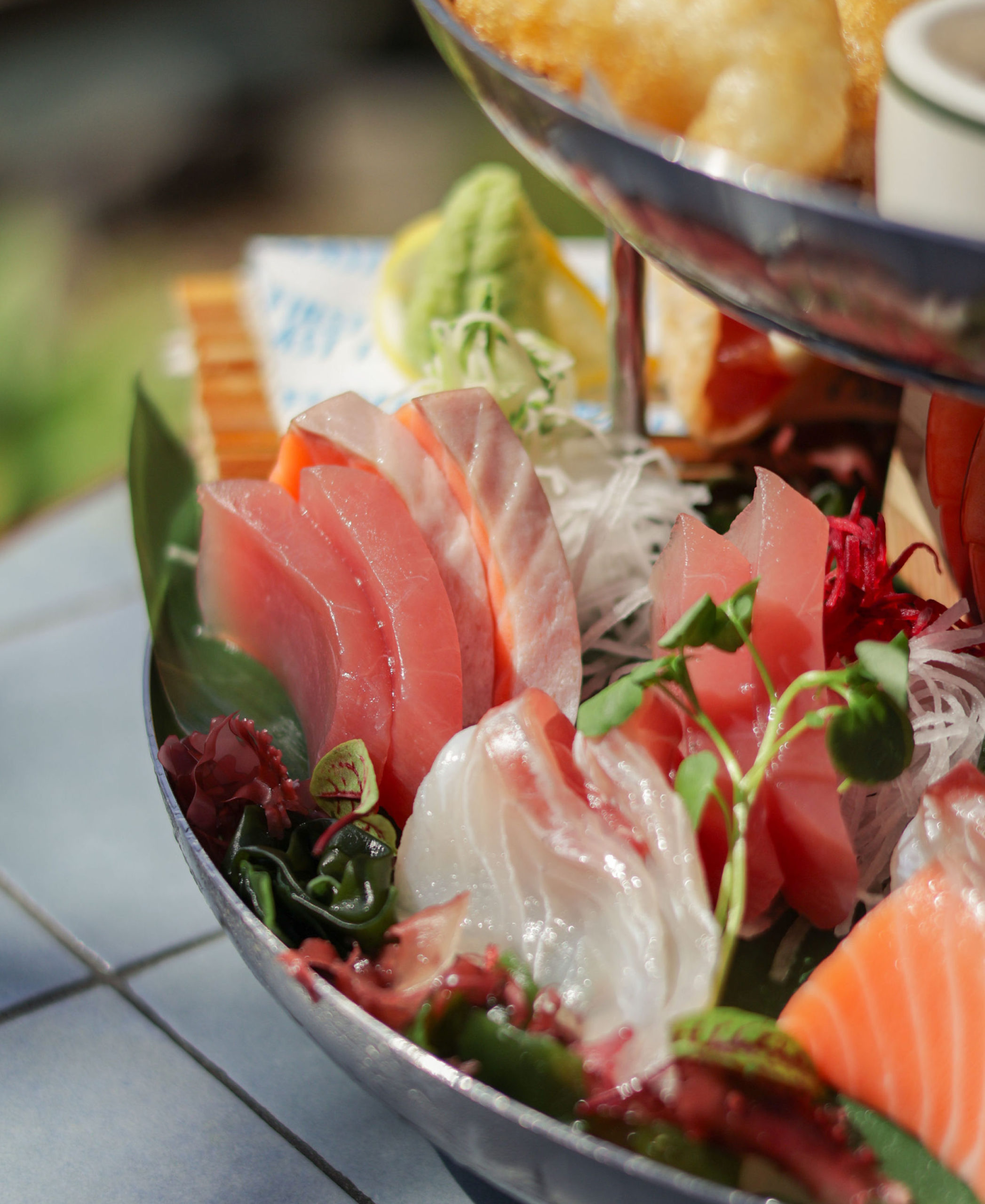
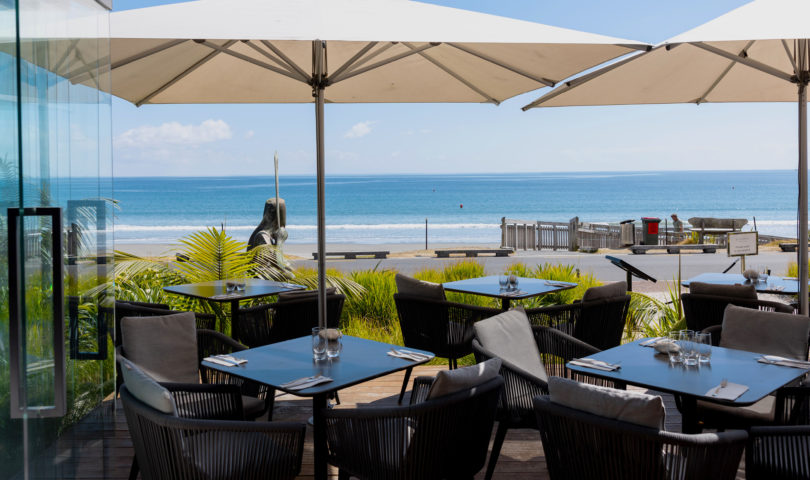
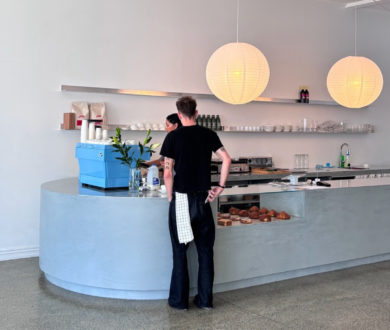
So, while the Côte d’Azur vacation may still be a few months, or even a lifetime away, fear not, as we have a suitable alternative. Secure yourself at a table at Westhaven’s First Mates, Last Laugh, and order the seafood tower. Arguably, the grandest tower in town, and sure to rival the one served at the iconic Club 55, with a half crayfish lording over oysters, prawns, sashimi, tuna taquitos, Szechuan pepper squid and gurnard goujons. This is an order that lands with confidence, knowing it is the best-looking thing in the room. Nearby tables look over with remorse and regret, immediately changing their own order.
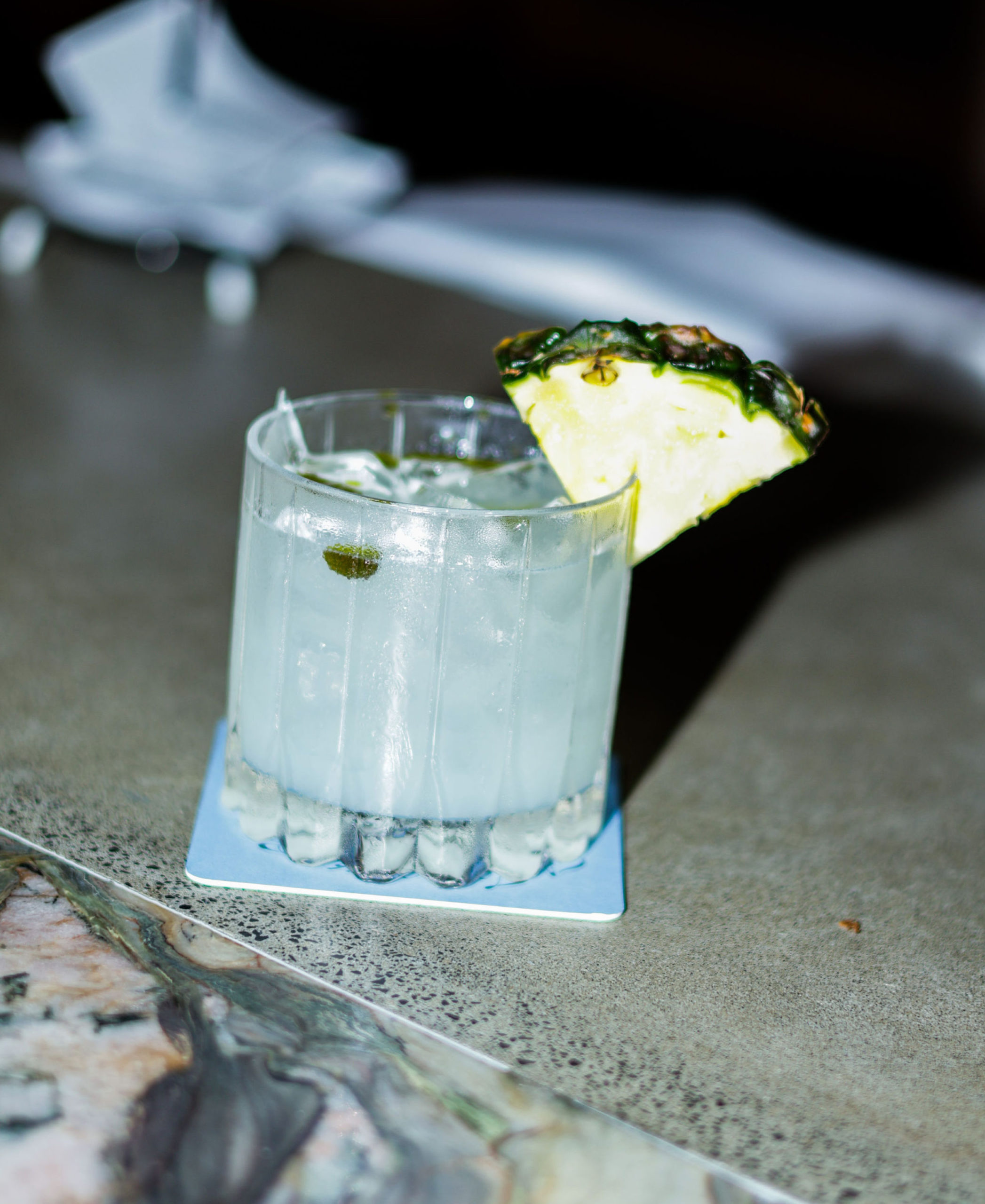
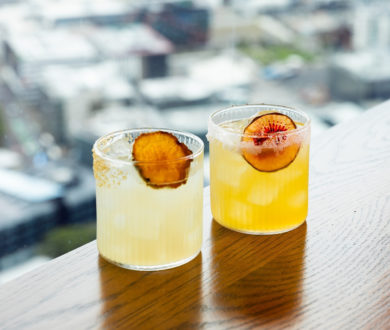
The decadent theatrics don’t stop here, particularly if you’re faintly competitive. Because we’re to celebrate the sunshine and good times after all. And so one must also order continuous rounds of their Spicy Pineapple Margarita, just to assert your gastronomic prowess. Tequila, coconut, pineapple, chilli, kaffir lime. Bright, sharp, and just reckless enough to seal the deal.
Spicy Pineapple Margarita
Seafood Tower
Judith Tabron’s marina-side playground has become renowned for this knack of knowing just when to serve, just what we all need. This is Auckland, perfectly presented at its very best. With boats bobbing, the low sun shimmering across the water, and the vibrancy of being among people just like you, who’ve made very good life choices, it makes for a very good time.
Ignoring this call to honour your city in such an appropriate manner, as it shines brightly, could be considered treasonous, but let’s leave politics off the table for now. Act quickly, we all know this moment in time is fleeting, life is not improved by being a bore. Life rewards those who show up at the right place just at the right time.
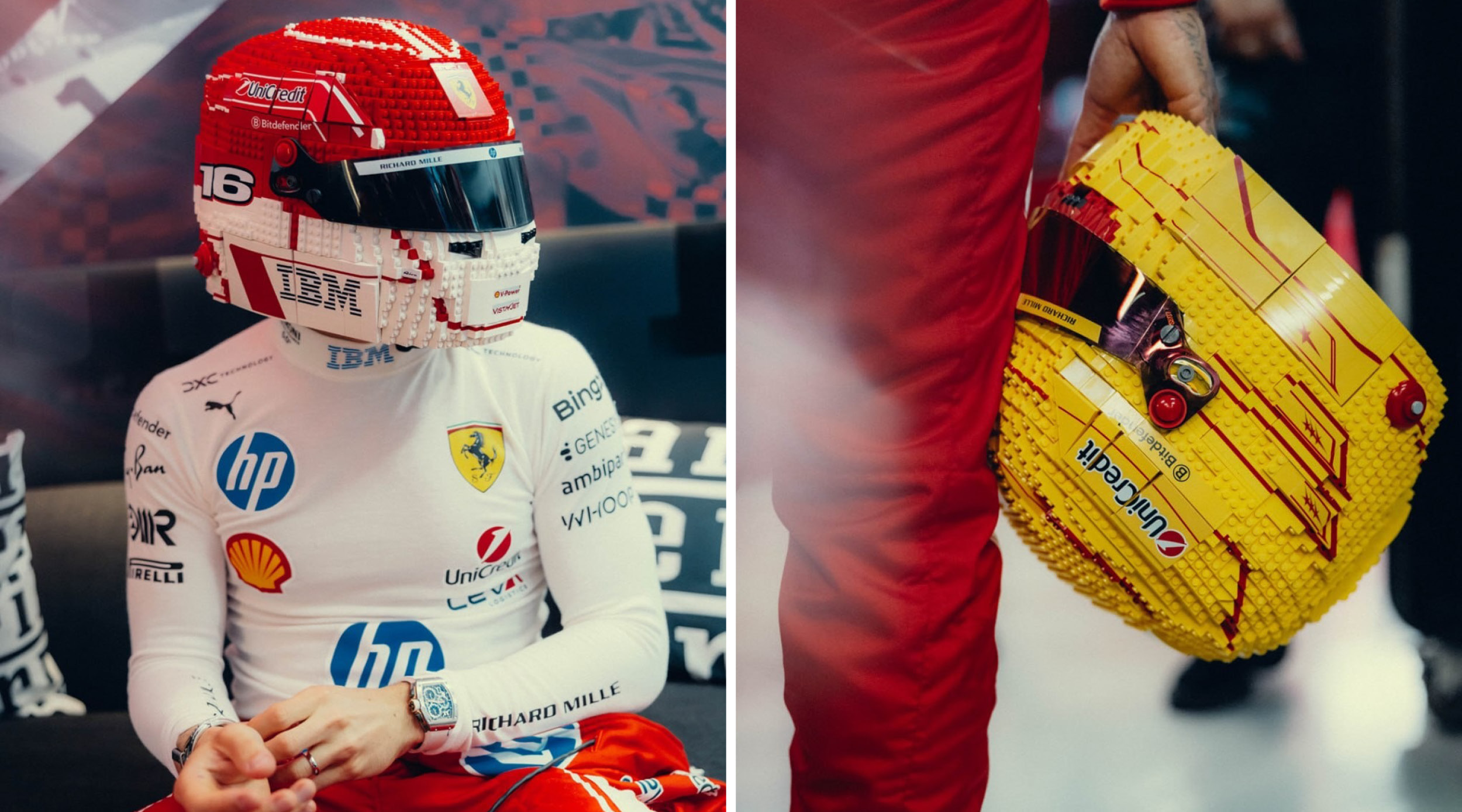
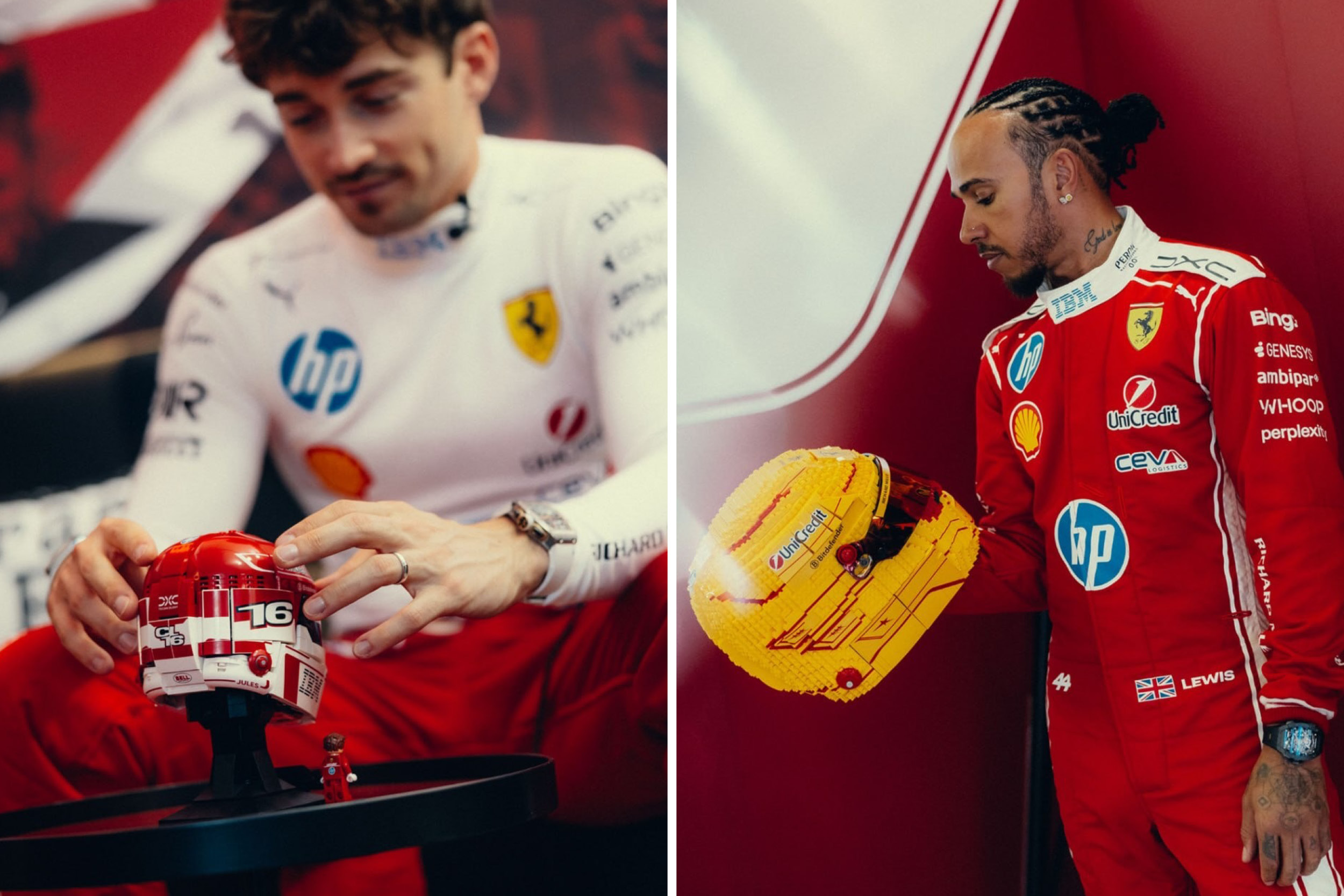
Formula One’s 2026 season has extended the spectacle beyond the grid, arriving in brick-built form. Two sharply executed LEGO helmets that celebrate Scuderia Ferrari drivers Charles Leclerc and Lewis Hamilton. First revealed trackside, when both drivers appeared carrying life-sized, brick-built versions of their helmets, the actual sets feature Leclerc’s 886-piece helmet that captures his personal nuances from his signature number 16 to tributes to his late father and Jules Bianchi.
left: Charles Leclerc.Right: Lewis Hamilton
Hamilton’s 884-piece counterpart leans into bold iconography, with his unmistakable number 44 and a first-of-its-kind minifigure clad in Ferrari red, marking the new chapter in his career. Available for pre-order now and launching globally on 1st May, these sets prove that Ferrari still knows how to make an entrance.
Scuderia Ferrari HP Lewis Hamilton Helmet from Lego
Scuderia Ferrari HP Charles Leclerc Helmet from Lego
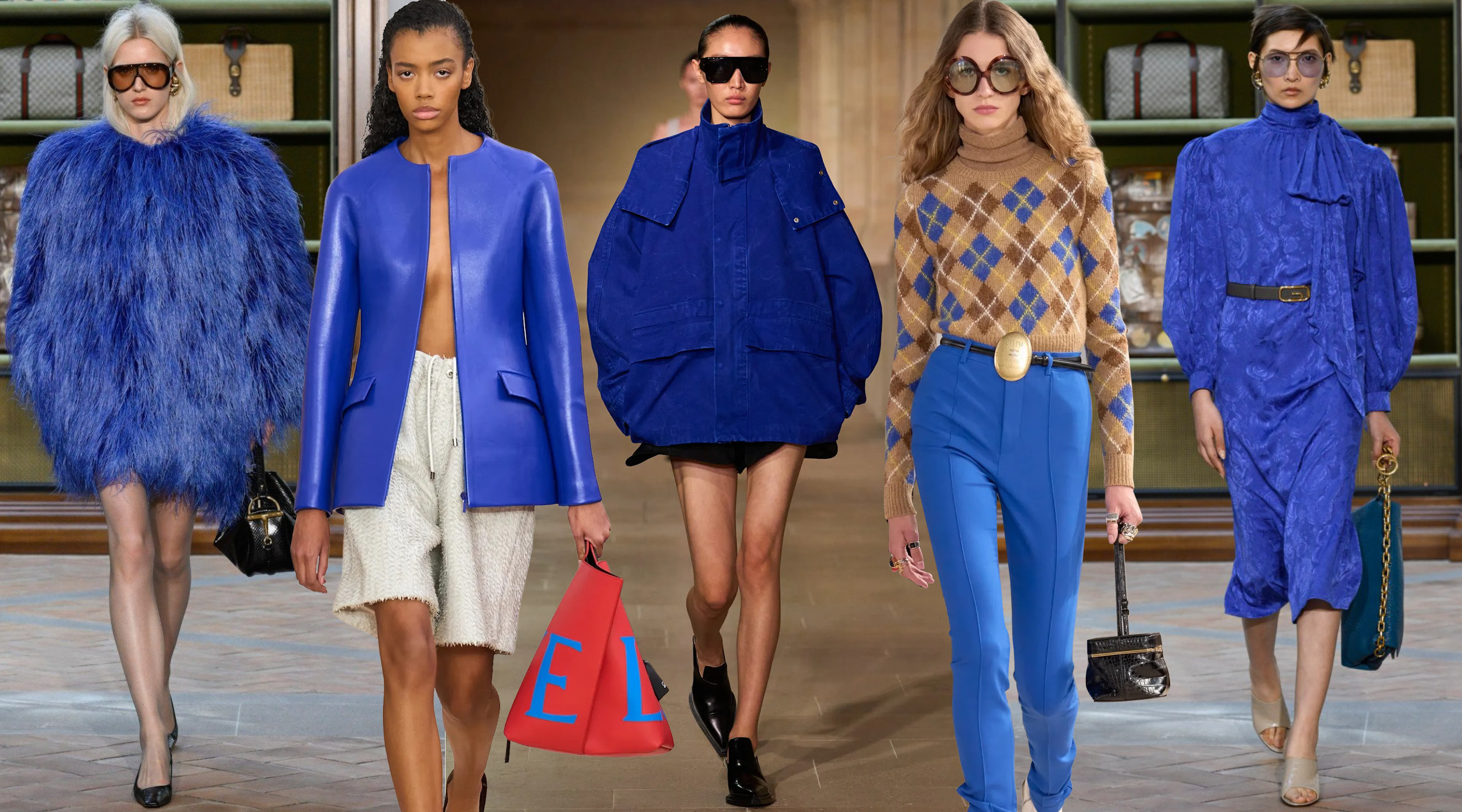
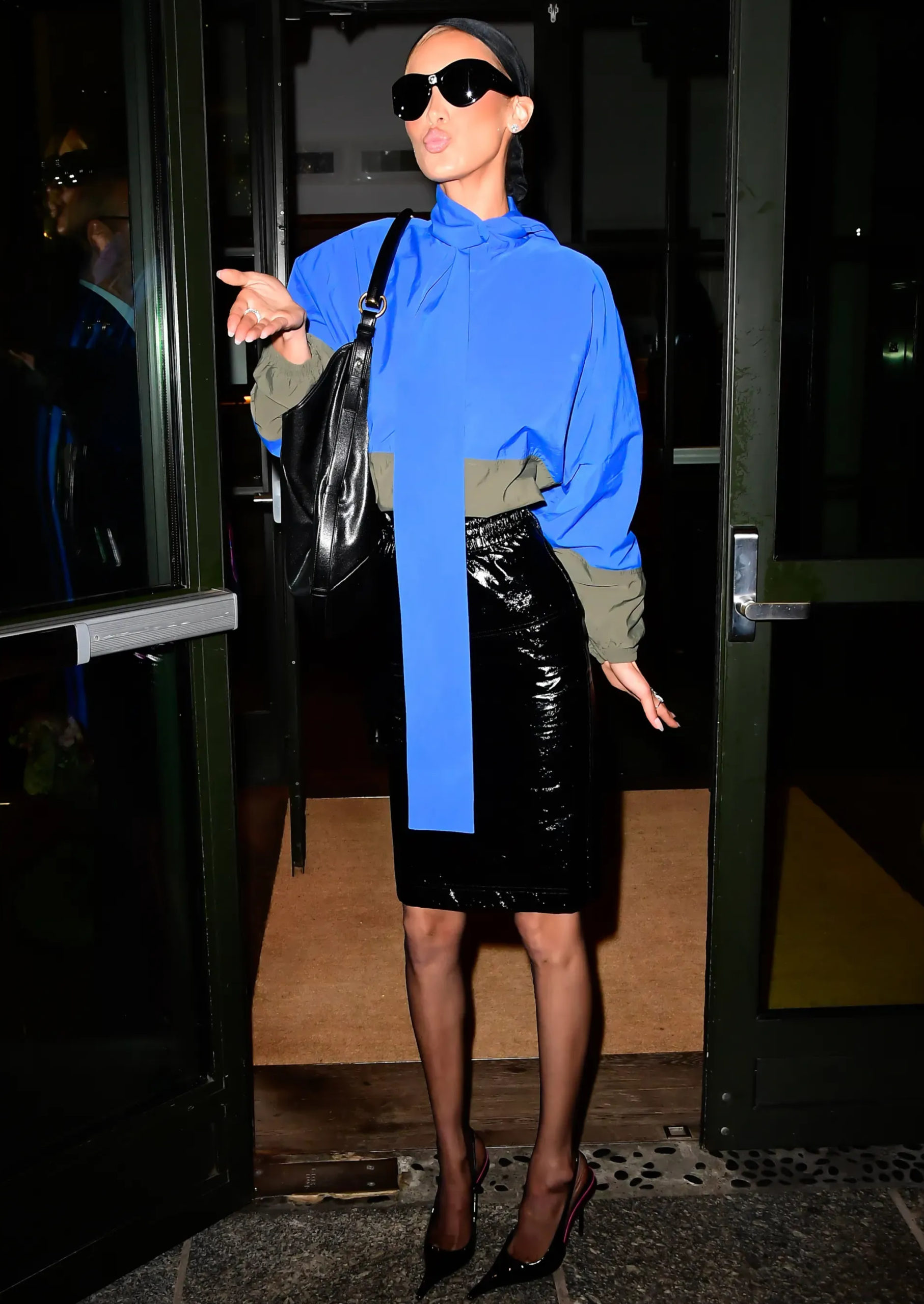
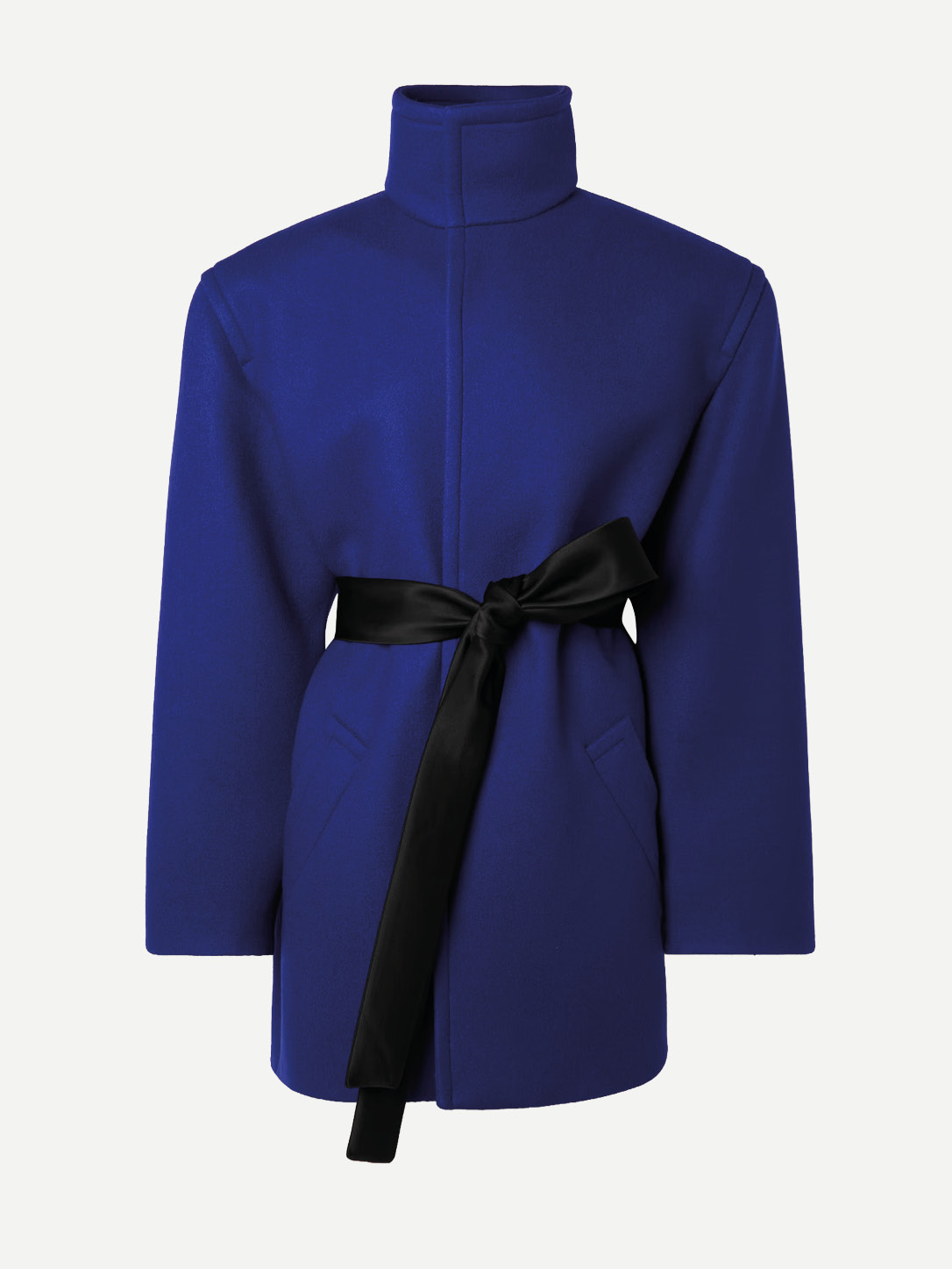
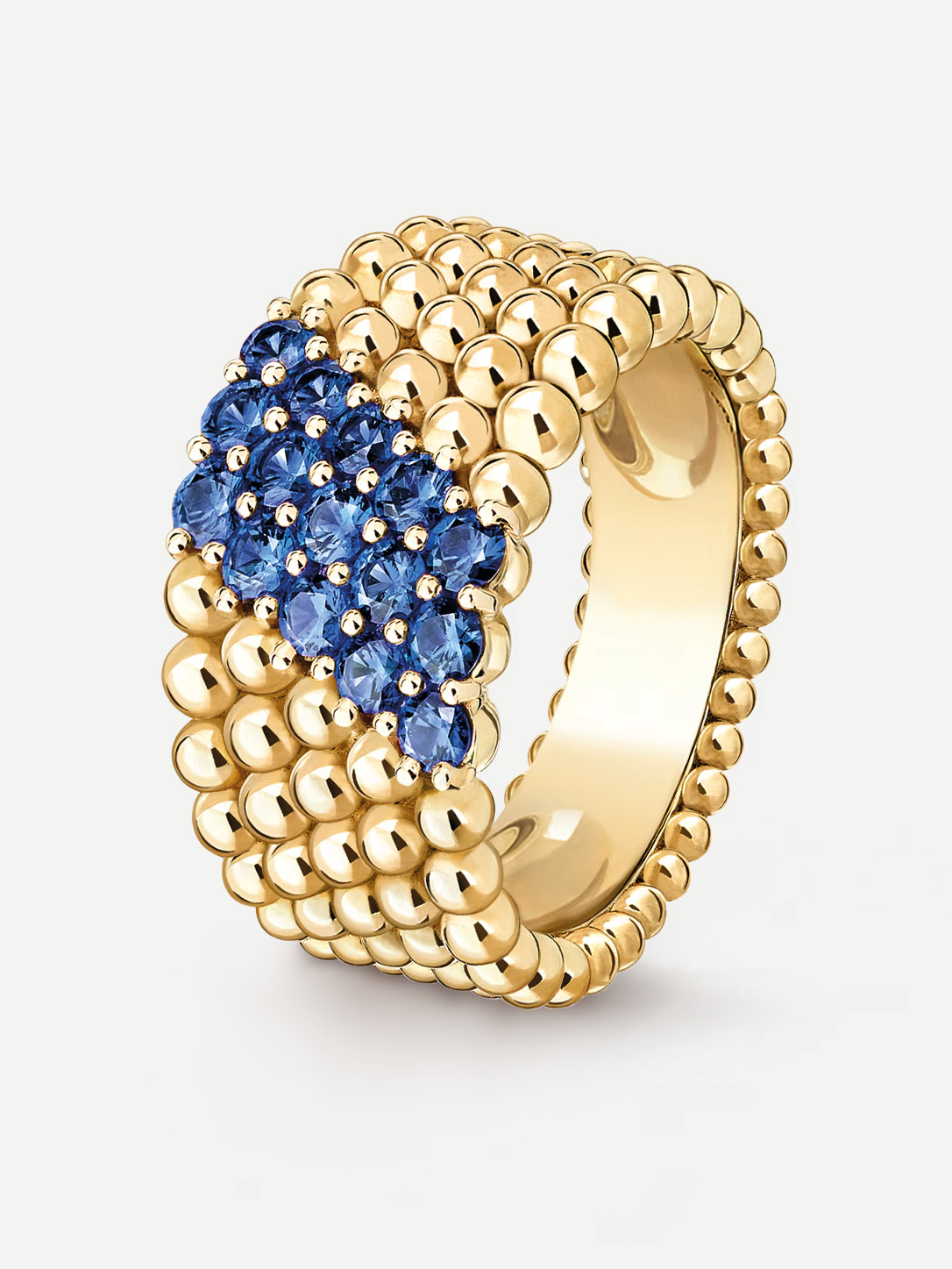
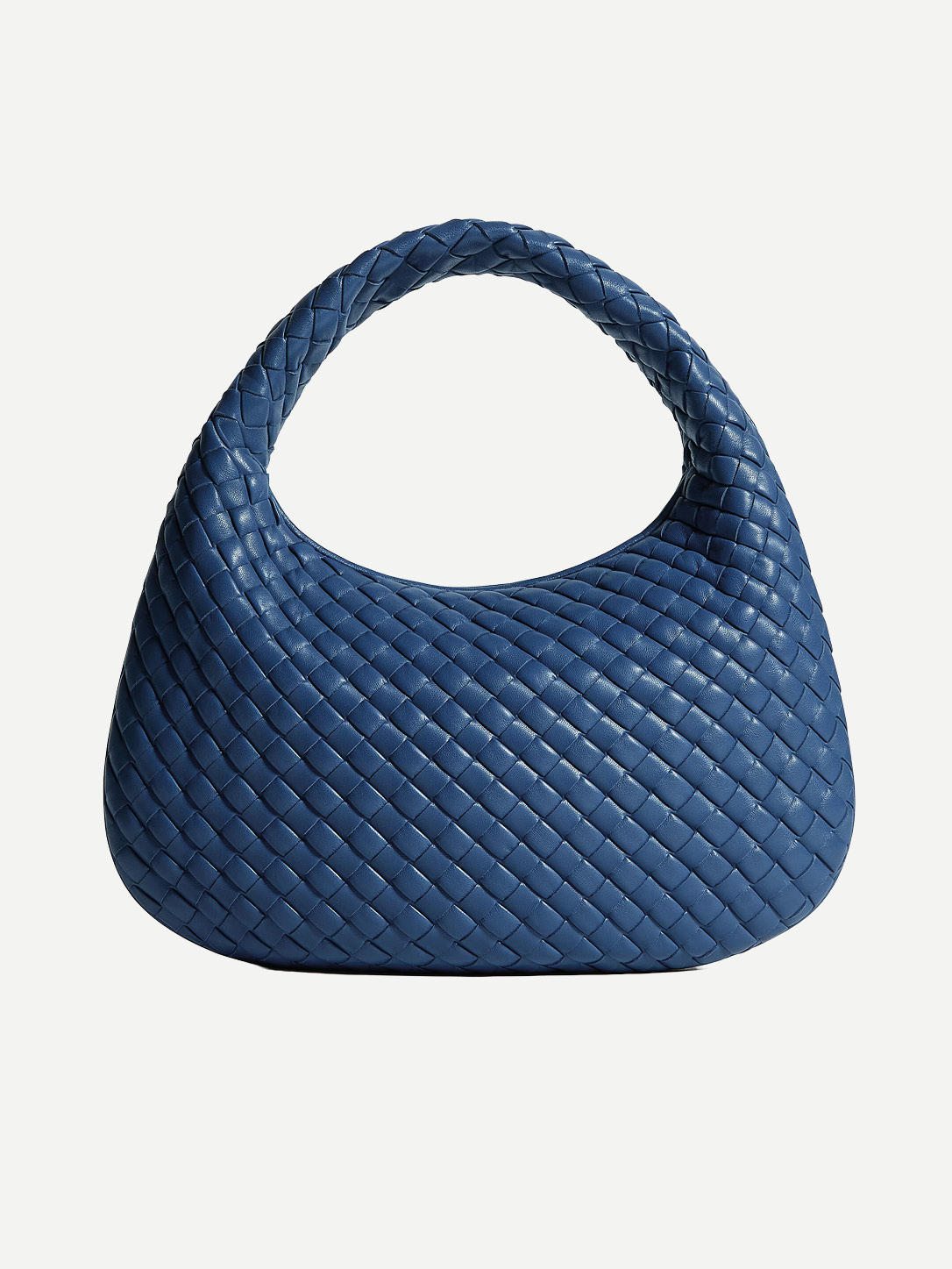
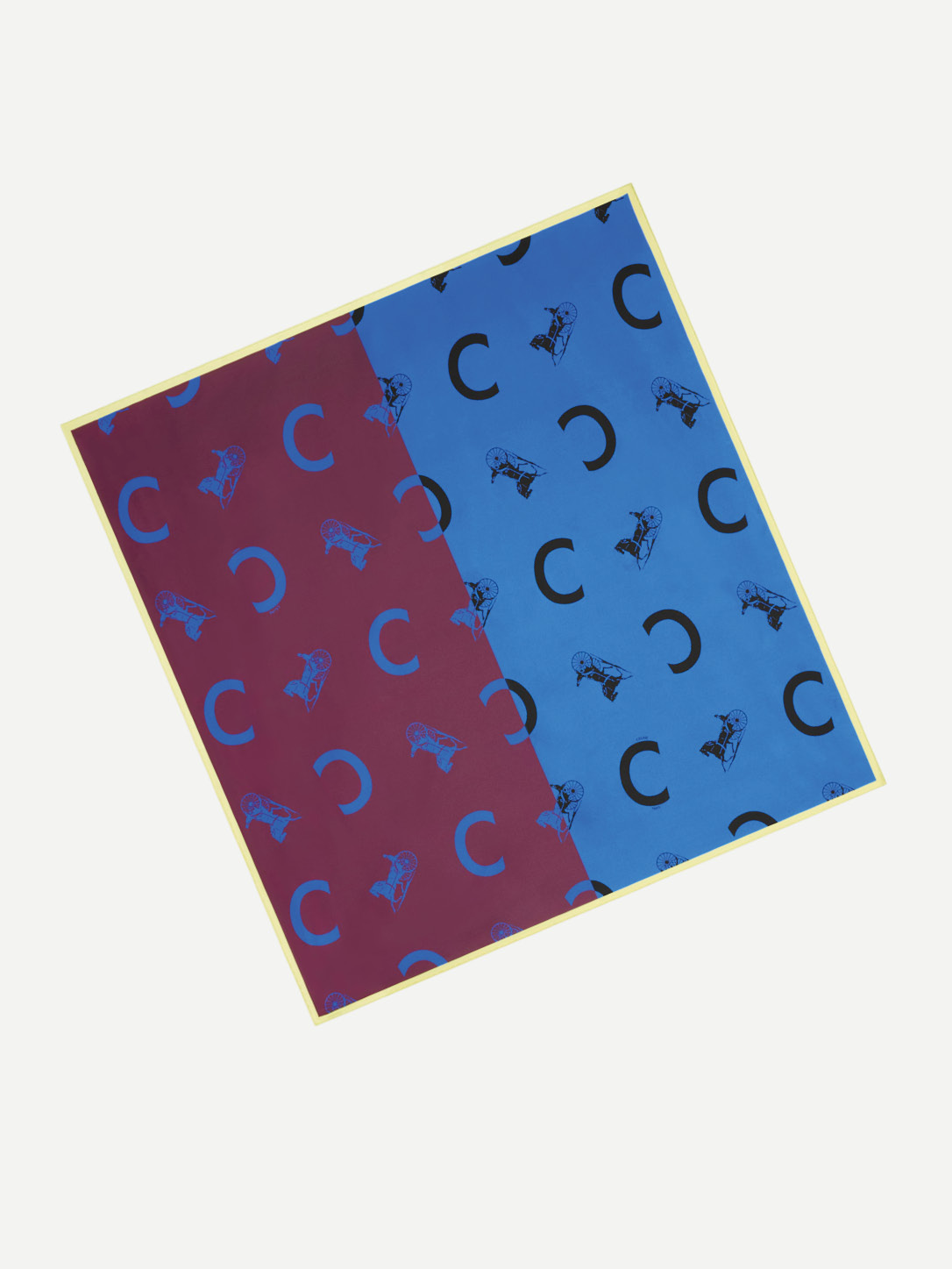
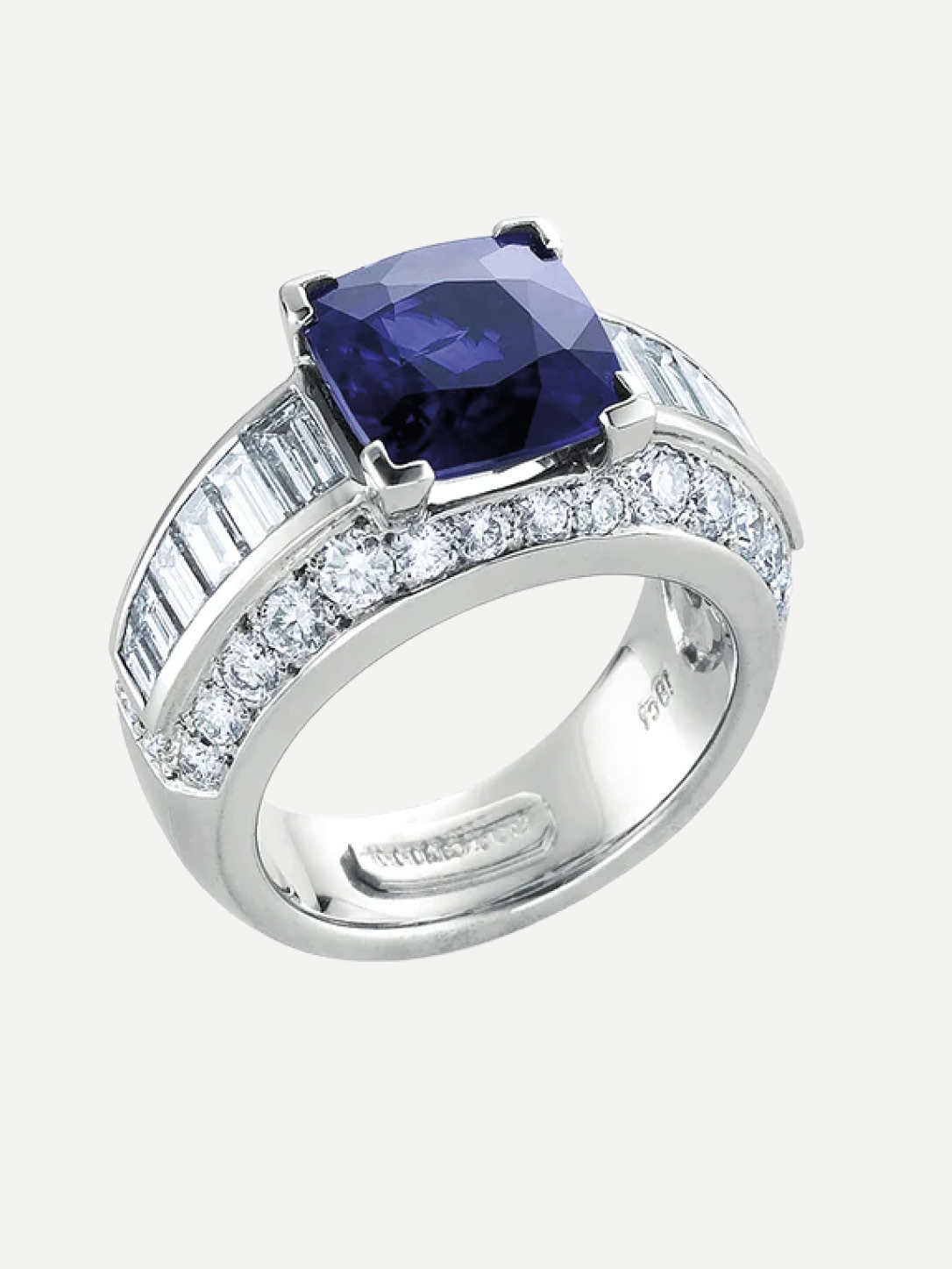
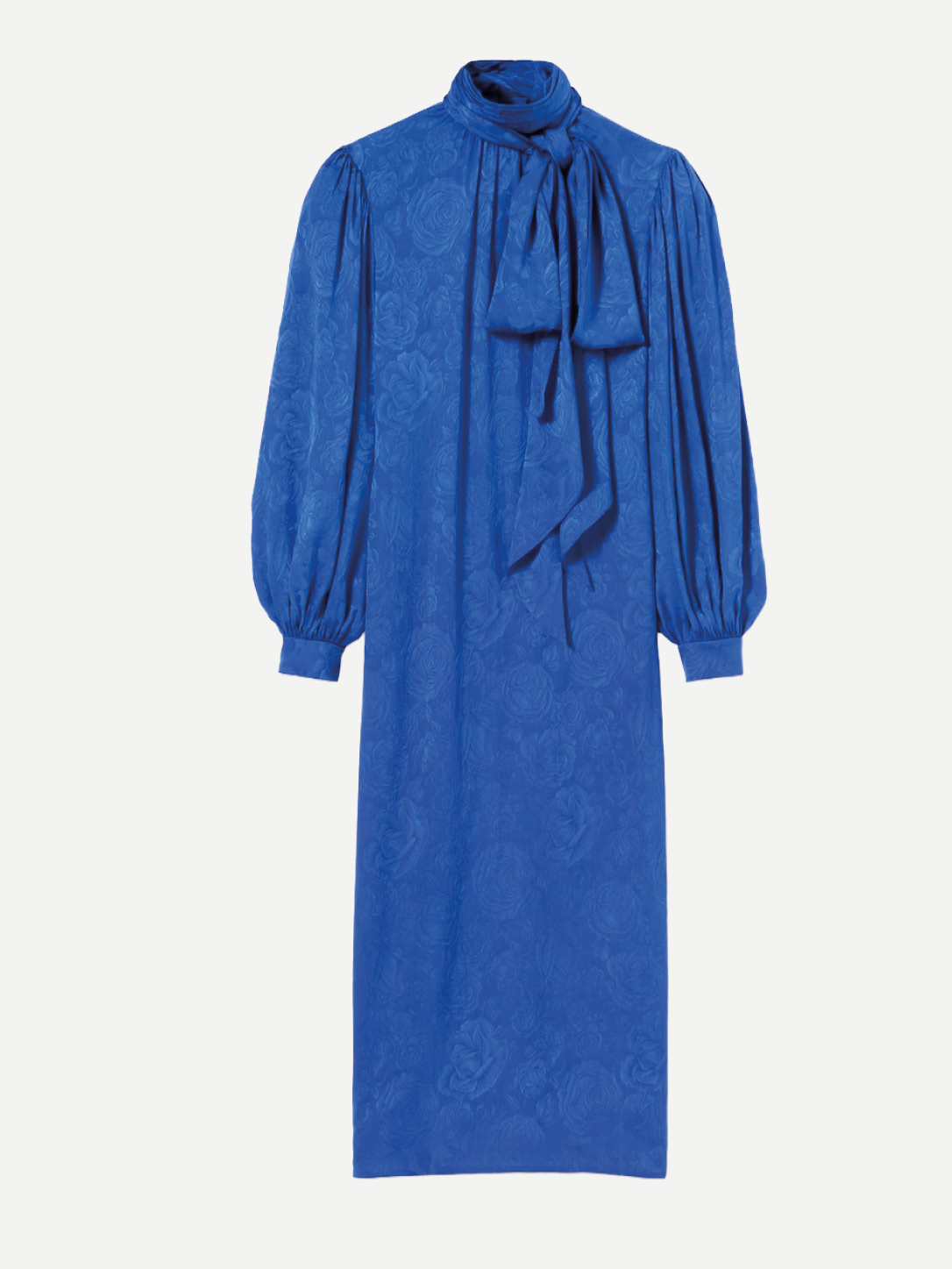
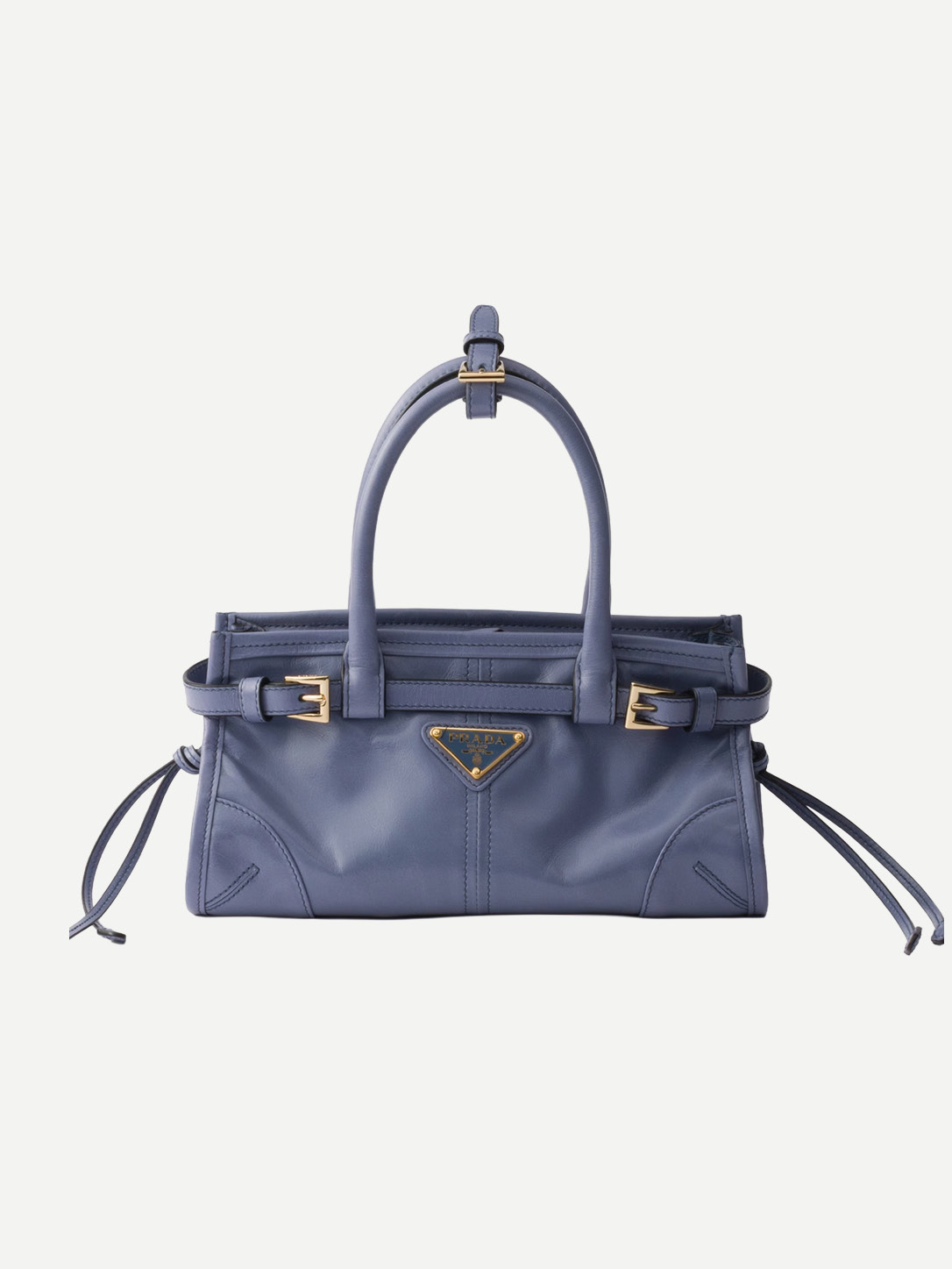
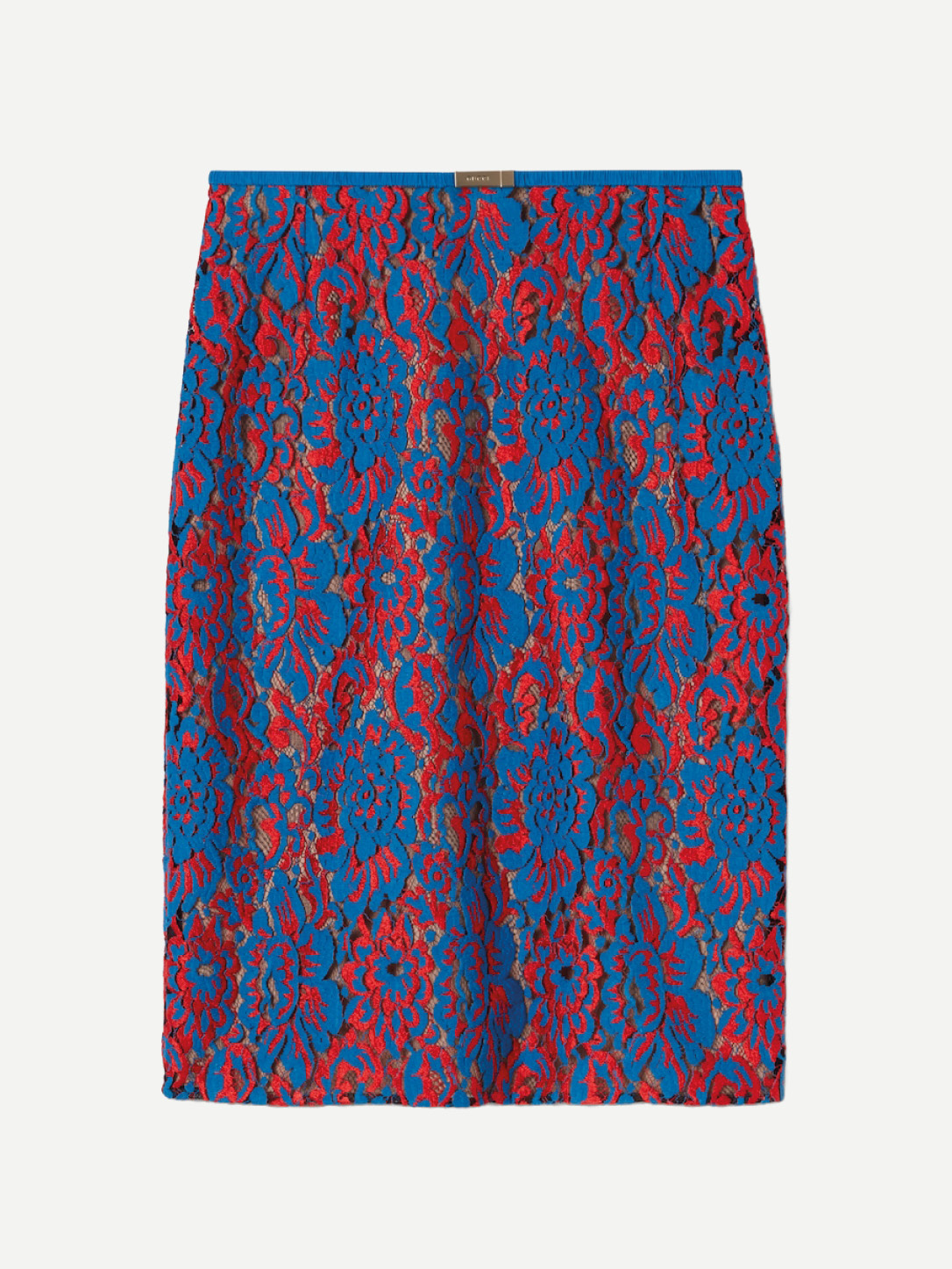
Cobalt blue has become the colour of the moment. Designers from Celine and Saint Laurent to Gucci and Bottega Veneta have gone all in, sending head-to-toe looks down the runway in vivid sapphire tailoring, billowing azure silks and richly textured coats. What makes the shade so compelling is its emotional duality: it carries the depth of a classic navy but pulses with an optimism usually reserved for brighter, warmer tones. After years of muted “quiet luxury” palettes, cobalt feels like a confident corrective, bold without being brash. Whether in woven leather accessories, jewel-set rings or sleek pumps, the shade flatters every skin tone and elevates every silhouette. This is blue at its most arresting: not melancholy, but vividly alive.
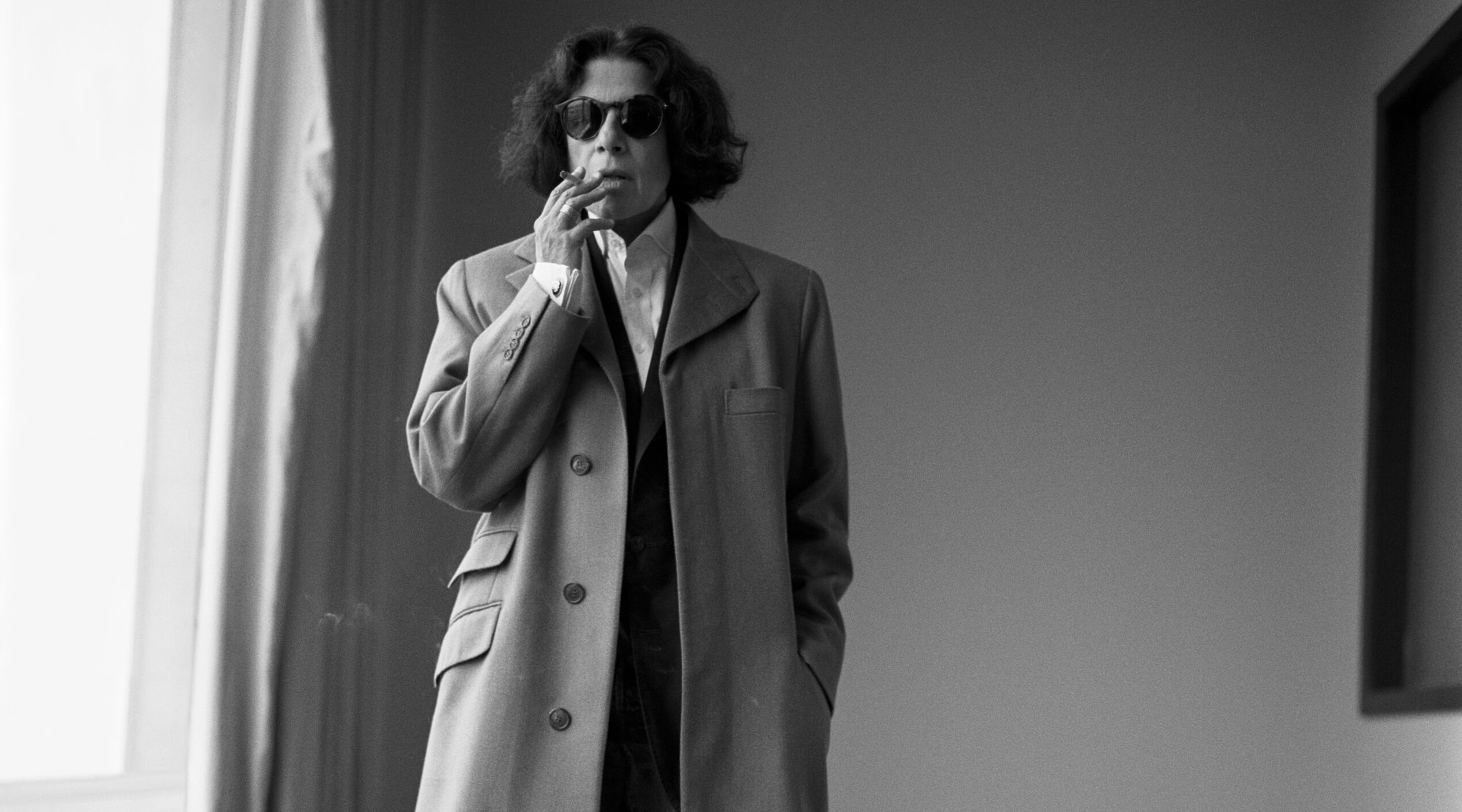
May is the busiest cultural month on Auckland’s calendar, and this year it delivers with particular force. It’s NZ Music Month, the Comedy Festival takes over every stage in town, the Writers Festival arrives at the Aotea Centre, and Fran Lebowitz closes the month with her singular New York candour. Fill the diary without apology.
Where:Spark Arena, Auckland When:Saturday 2nd May 2026
The British folk-rock band returns to New Zealand for the first time since 2019, bringing the full arena-scale production that has defined their live reputation. The Prizefighter Tour supports their sixth studio album of the same name, co-produced with The National’s Aaron Dessner and featuring collaborations with Hozier, Gracie Abrams, Chris Stapleton and Gigi Perez. It arrives less than a year after RUSHMERE debuted at number one in the UK and fuelled a sold-out global run. With Aotearoa’s own Folk Bitch Trio as special guests, it’s a Saturday night worth clearing the calendar for. Book tickets →
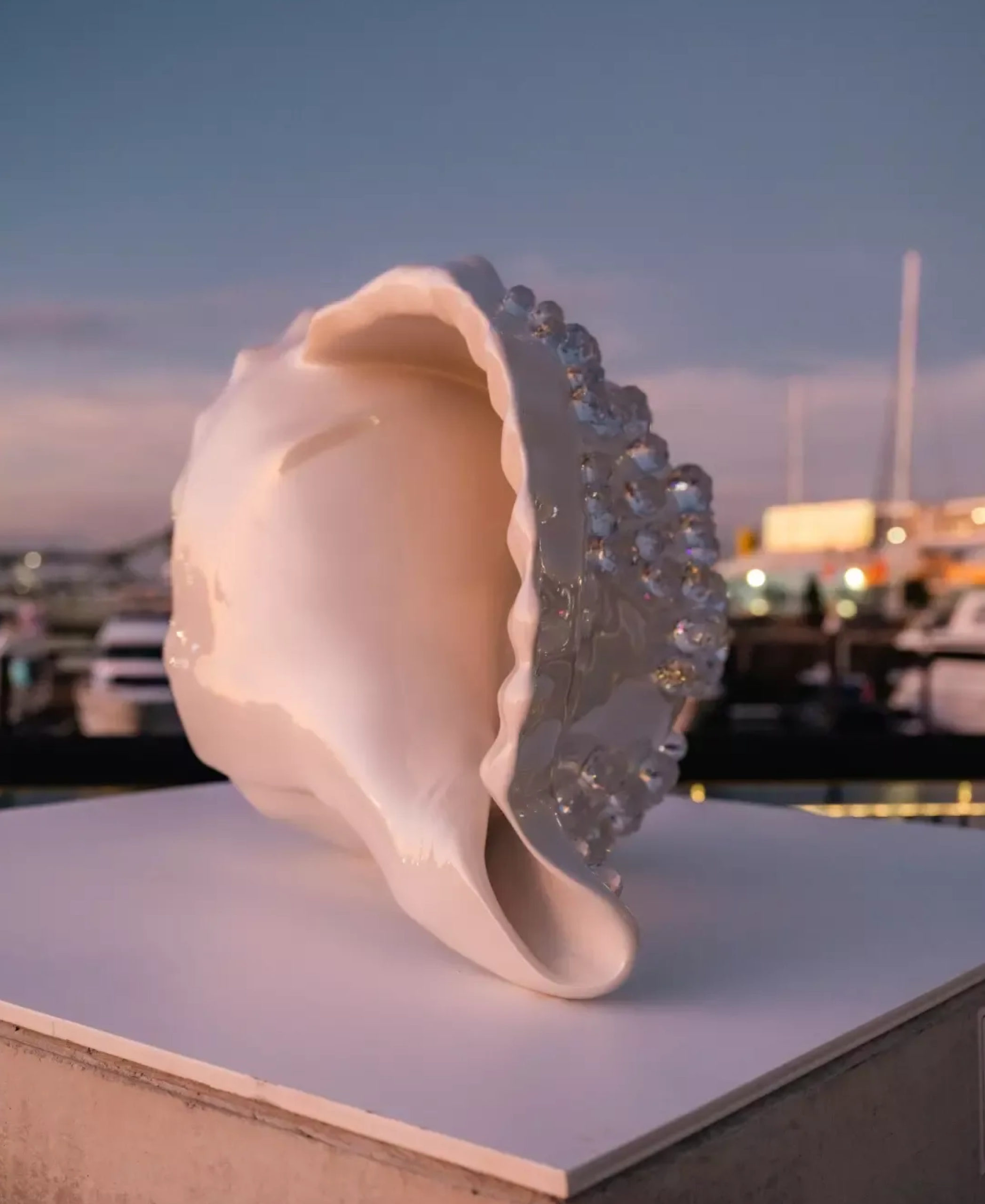
Reuben Paterson, Koro, 2023, Cast aluminium with automotive paint and cut glass crystals 739 x 679 x 1352mm
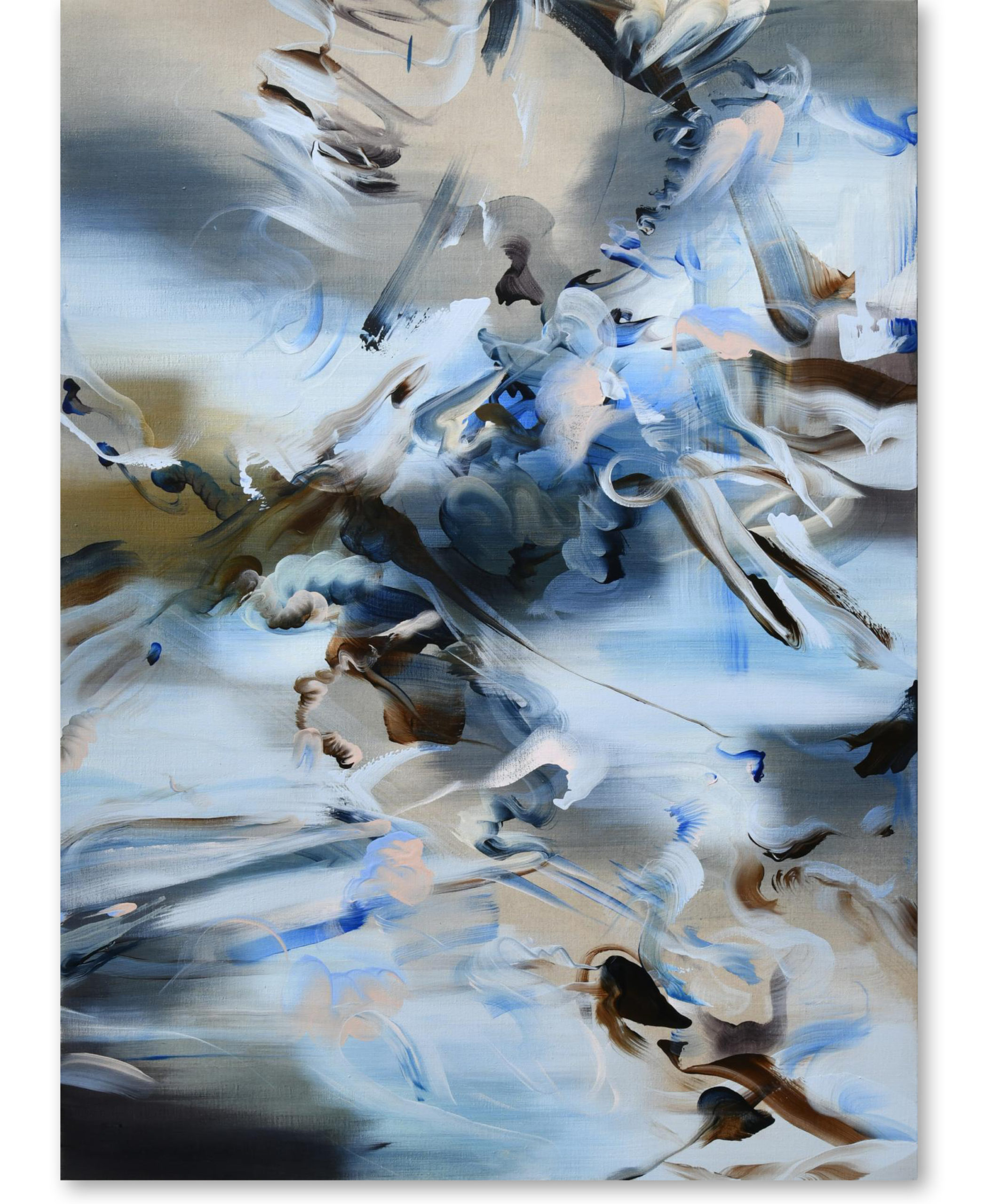
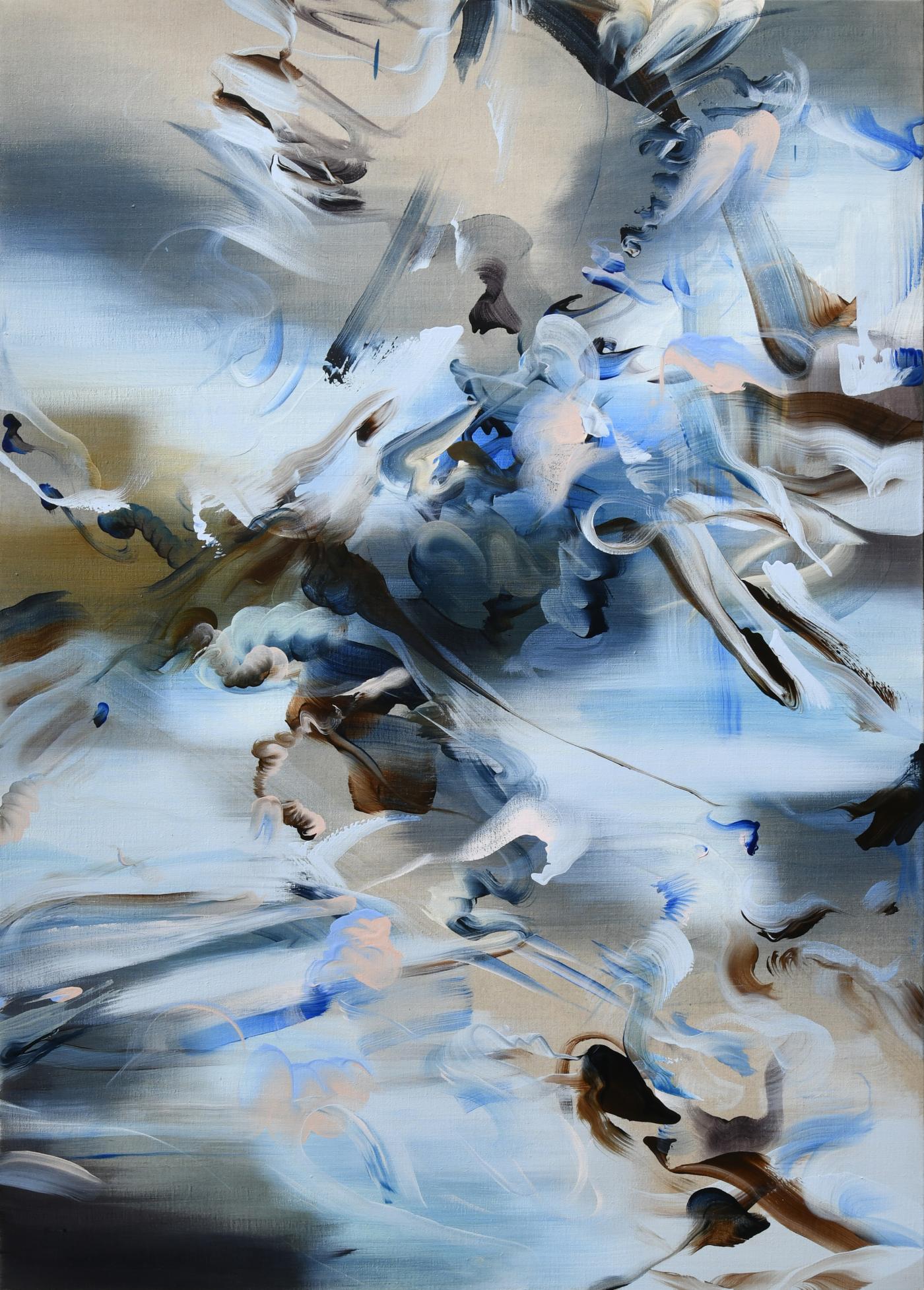
Grace Wright, Geometrical Reality 2025, acrylic on linen, 1800 x 1300mm
Where:Viaduct Events Centre, Auckland Waterfront When:30th April – 3rd May 2026
The country’s premier contemporary art fair returns for its largest edition yet, with more than 60 galleries and over 200 artists from New Zealand, Australia, London and the Pacific spread across all three levels of the Viaduct Events Centre. The sheer breadth of the offering (painting, sculpture, photography, ceramics, installation) makes this the best single place to take the temperature of the contemporary art scene in Aotearoa. Among the highlights, Lisa Reihana’s landmark digital panorama In Pursuit of Venus [infected], which represented New Zealand at the 2017 Venice Biennale, is showing outside an institution for the first time. Whether you’re a serious collector or simply enjoy spending an afternoon surrounded by interesting things to look at, the Art Fair rewards the visit, and the waterfront setting doesn’t hurt. We’ve already published our full guide to what to see at this year’s fair. Book tickets →
Where:The Civic, Queen Street, Auckland CBD When:Until 3rd May 2026
If you haven’t seen it yet, the clock is ticking. The West End and Broadway smash (eight Olivier nominations, a Forbes best-musical-of-the-year nod, and powered by an era-defining playlist of Max Martin pop anthems) closes its New Zealand debut run at the Civic on 3 May. Created by Emmy Award-winning Schitt’s Creek writer David West Read and performed by a company of outstanding Kiwi talent, it is funny, surprisingly moving, and the kind of show people see twice. Don’t be the person who waits too long. Book tickets →
Where:Various locations Auckland-wide When:1st – 24th May 2026
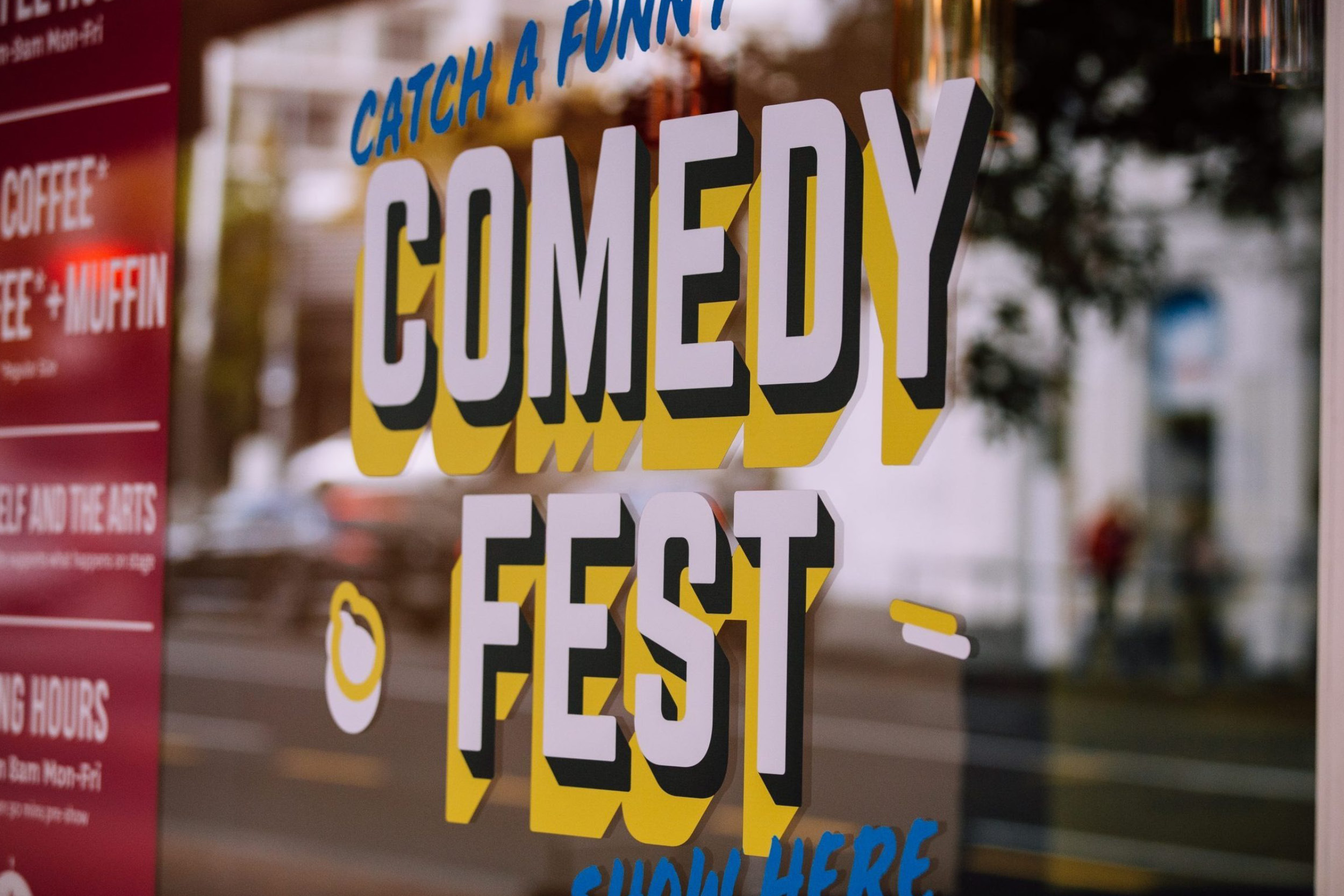
Now in its 33rd Auckland edition, the Comedy Festival takes over every stage in town for almost the entire month, with more than 150 performers across over 550 shows at venues including The Civic, Aotea Centre, Q Theatre, Basement Theatre, The Classic and the Bruce Mason Centre. The Best Foods Comedy Gala on 1 May, hosted by the indomitable Dai Henwood, is the marquee opening night (filmed for broadcast on Three), while the Last Laughs Awards Gala on 24 May, hosted by Guy Montgomery, closes things out with the Billy T and Fred Award announcements. In between, the programme runs deep: local favourites Brynley Stent, Paul Ego, Tom Sainsbury and James Nokise share the month with international acts including Emmanuel Sonubi, Sofie Hagen and Elf Lyons. Pick a name you know, or take a chance on someone you don’t. The festival reliably rewards both approaches. Browse the programme →
Where:Queens Rooftop, Auckland CBD When:Every Sunday in May, 2–5pm
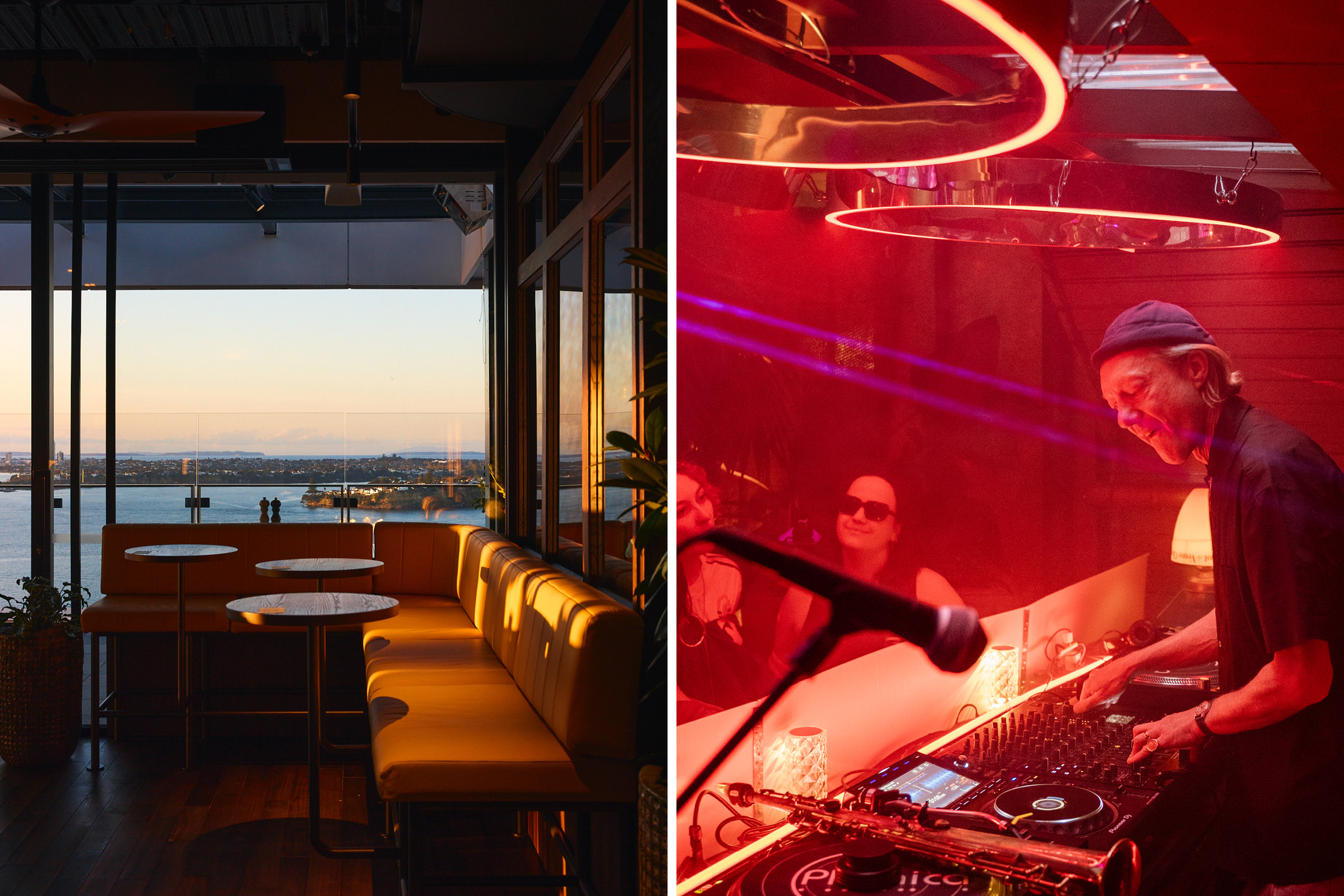
May is NZ Music Month, this year themed Our Sounds, Our Spaces, and the city is full of ways to mark it. Our pick of the bunch is Nathan Haines’ Sunday jazz residency at Queens Rooftop: four afternoons of live jazz from 2 to 5pm, with vinyl DJ sets from Haines himself and a curated Teremana Tequila and Cointreau cocktail menu for each session. The lineup runs Michal Martyniuk Trio (3 May), Elisa, aka Rachel Clarke, on Mother’s Day (10 May, an inspired bit of programming), Coco Charles (17 May) and Joe Kaptein Trio (24 May). A rooftop, a cocktail and an afternoon of jazz curated by one of the country’s finest. It’s hard to think of a better way to spend a Sunday in May, and it’s particularly worth noting as a Mother’s Day destination. More information →
Where:Aotea Centre and venues across Auckland CBD When:12th – 17th May 2026
The 27th Auckland Writers Festival is one of the largest literary events in the Southern Hemisphere, and this year’s programme (more than 220 artists across over 170 events) delivers a week that could comfortably fill a diary on its own. The headline names speak for themselves: Patrick Radden Keefe (Say Nothing, Empire of Pain) opens proceedings, Maggie O’Farrell appears virtually, and the programme features Jacinda Ardern, Mick Herron, RF Kuang, Catherine Chidgey, Amitav Ghosh, Jimmy Wales and many more. The Ockham New Zealand Book Awards ceremony takes place on 13 May, and the Festival Gala Night on the 14th. Whether you’re there for a single session or blocking out the full week, the Writers Festival is one of those events that makes Auckland feel like the city it wants to be. Browse the programme →
Where:Auckland Town Hall & The Civic When:15th – 17th May 2026
Three Auckland dates, two at the Town Hall (15 and 16 May) and a third added at The Civic (17 May) after the first two sold out almost immediately, for a tour that carries genuine emotional weight. This is Fat Freddy’s Drop’s first run of shows since the sudden death of founding member Chris ‘MU’ Faiumu, and they’ve chosen to honour his memory by performing Based On A True Story in full. The album spent 111 weeks in the New Zealand Top 40, won eight NZ Music Awards and remains one of the most beloved records in the country’s history. Tickets are looking sold out across all three nights, but keep an eye on official resale channels. Releases do happen, and this is one worth being persistent for. More information →
Where:Auckland Art Gallery Toi o Tāmaki, Wellesley Street East When:Until 17th May 2026
Still running and still essential, and closing on 17 May, so the window is narrowing. The first solo exhibition of Louise Bourgeois ever mounted in Aotearoa draws together over six decades of work from an international private collection, many pieces exhibited publicly for the first time. Bourgeois (1911-2010) remains one of the most psychologically charged and influential artists of the last century, her practice animated by memory, the body, family and the subconscious. If you missed it in April, May is your last chance. A guided tour of the exhibition takes place regularly; check the Gallery website for session times. Don’t leave this one to regret. More information →
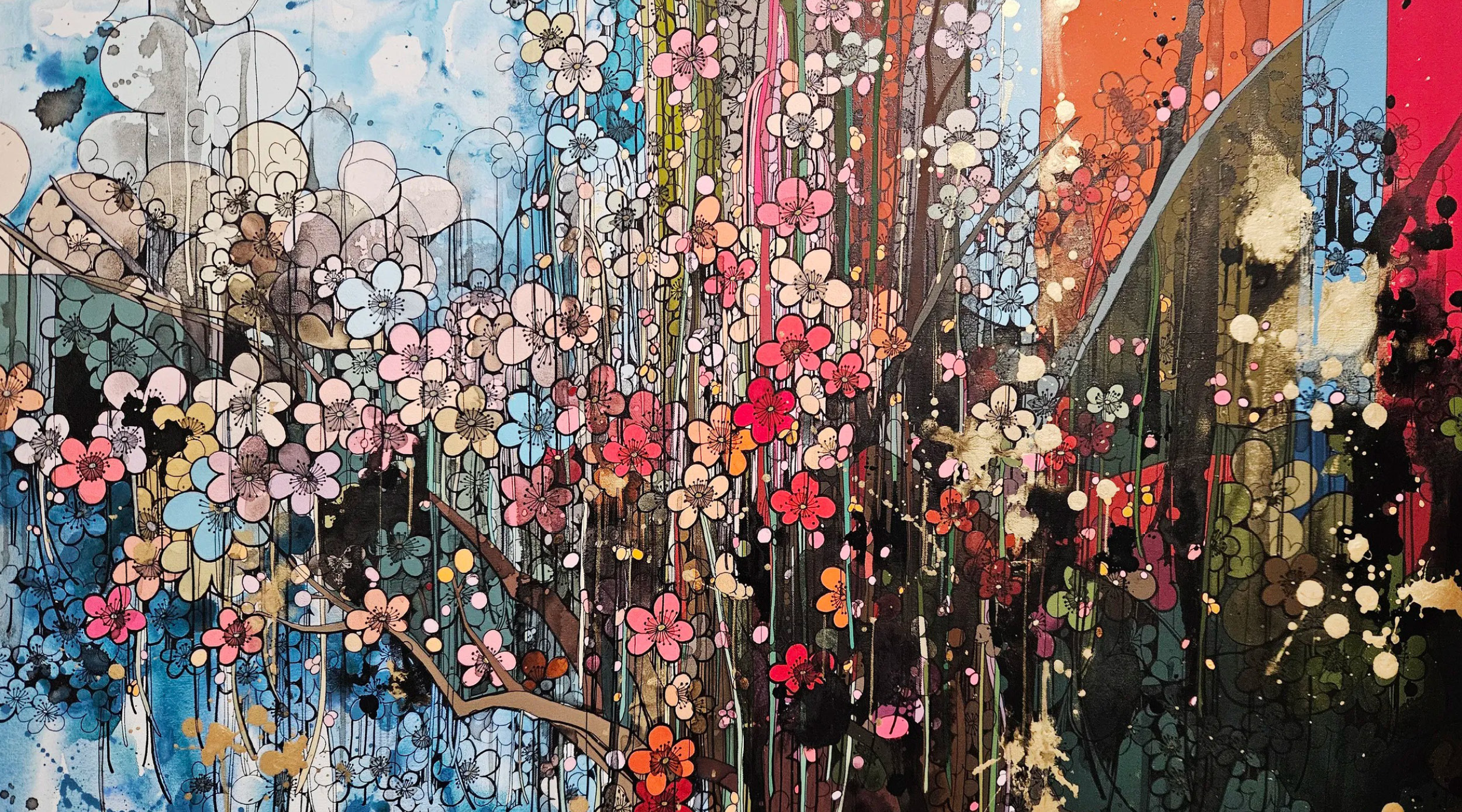
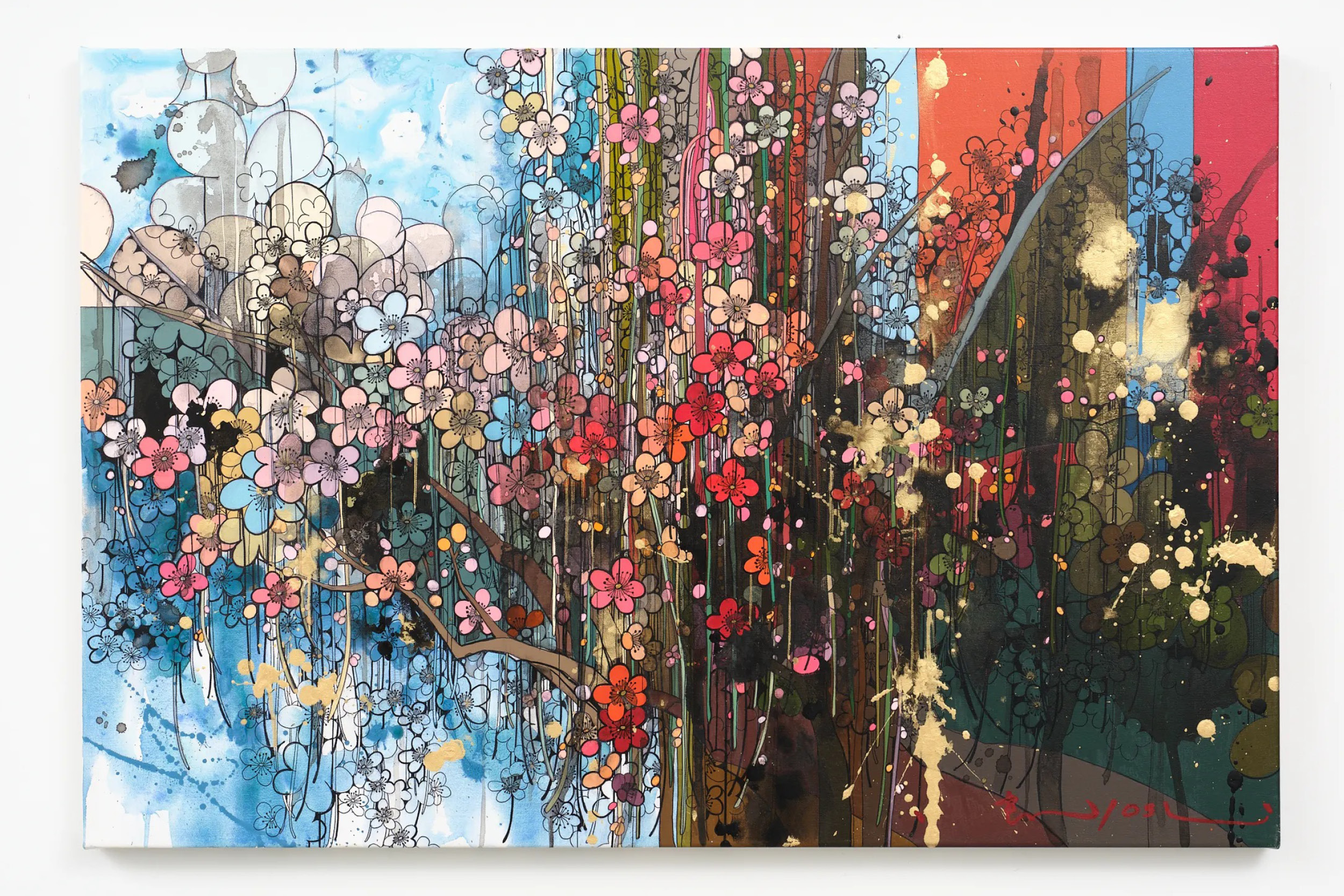
Shintaro & Yoshiko Nakahara Come Around, 2026 acrylic and ink on canvas 915 x 615 mm
For something more intimate, Sanderson Contemporary presents a new body of work by Japanese-born, Auckland-based artist duo Shintaro and Yoshiko Nakahara. The husband-and-wife pair, both trained at separate art schools in Tokyo and both former horologists, have, over the years of collaboration, developed what they call the “third artist”: Shintaro works in bright, solid colour and calligraphic forms; Yoshiko responds with painstakingly detailed black ink strokes and washes. The result is contemplative, precise and quietly beautiful. The exhibition opened as part of the Aotearoa Art Fair VIP programme and runs through most of May, a fine and more intimate counterpoint to the larger institutional offerings elsewhere this month. Free entry. More information →
Where:Kiri Te Kanawa Theatre, Aotea Centre When:Thursday 28th May 2026, 7.30pm
The month’s final word goes to New York’s sharpest tongue. Fran Lebowitz, author, cultural commentator and the star of Martin Scorsese’s hit Netflix series Pretend It’s a City, arrives in Auckland as the last stop on a run through Sydney Opera House, Perth, Adelaide, Brisbane and Melbourne. Presented by the Auckland Writers Festival and FANE, An Evening with Fran Lebowitz is exactly what it sounds like: ninety uninterrupted minutes of the most acerbic, funny and unapologetically opinionated cultural commentary you’ll hear all year. On politicians, on AI, on people who walk too slowly, on billionaires. Nothing is too great or too small for her baleful glare. One night only. Tickets from $90. Book tickets →
Where:Auckland War Memorial Museum, The Auckland Domain, Parnell When:Until 1st June 2026
Extended through to June due to exceptional public interest, Auckland Museum’s blockbuster touring exhibition from the Australian Museum remains one of the best things to do in the city. Step inside a specially designed digital oceanarium, come face-to-fin with scientifically accurate life-sized models, and get hands-on with touchable fossils and teeth. The exhibition spans 450 million years of evolution and weaves together cutting-edge science, indigenous perspectives and immersive design with real rigour. It’s pitched perfectly for curious minds of any age, and the extension means there’s no excuse left for not having seen it. More information →
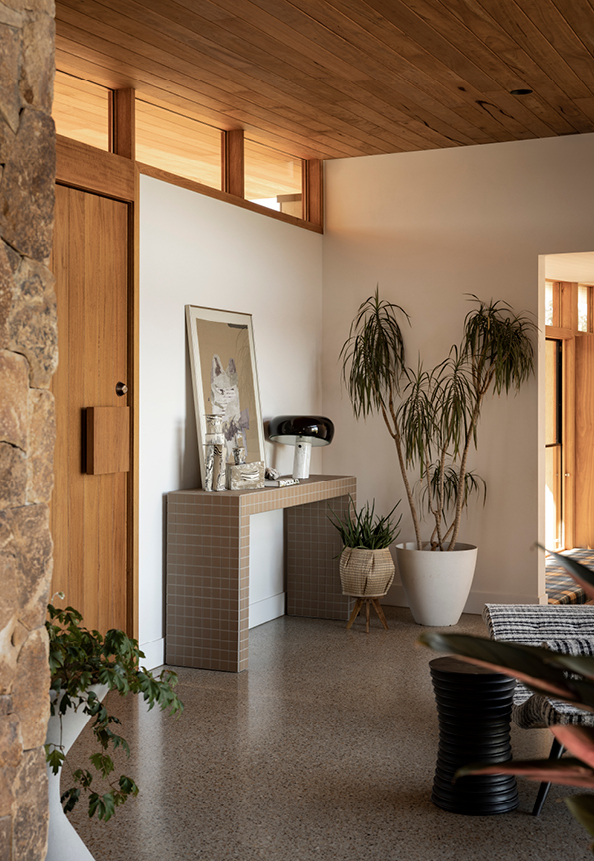
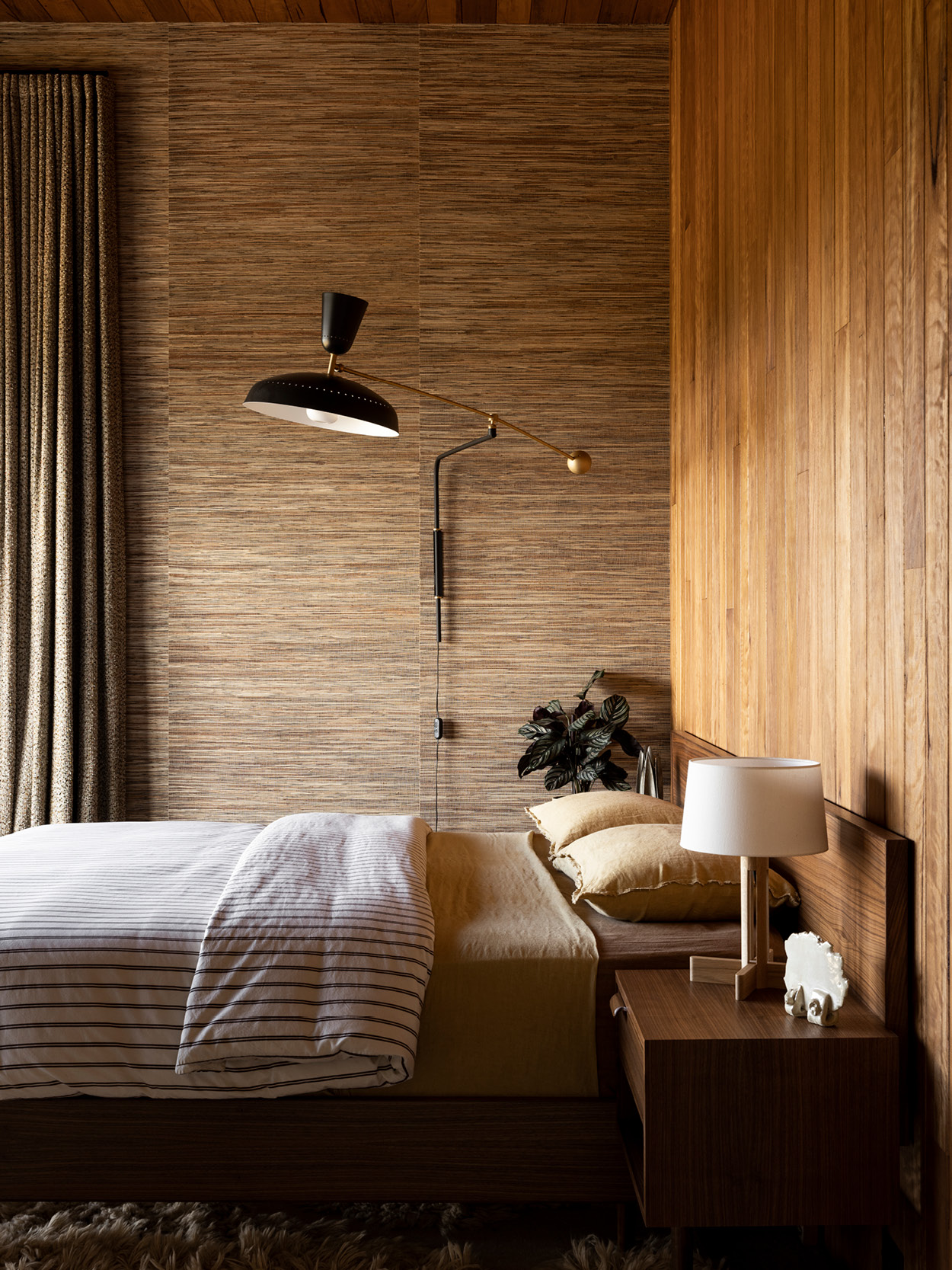
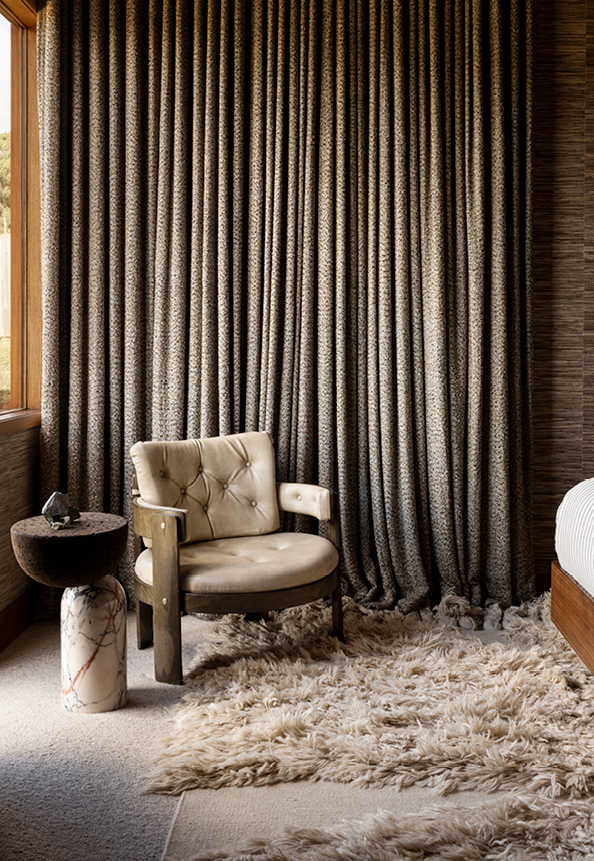
In creating Red Crest House, the architects at Dion Keech, aided by Loopea Design Studio and interior expert Simone Haag, dreamt up a warm, inviting and inherently liveable contemporary residence, where nature is integral to the design.
Nestled amidst the picturesque Dandenong Ranges in Victoria (just outside of Melbourne), the Red Crest House is a beacon of architectural balance and careful design. Here, a mid-century-modern architectural code is married with a series of contemporary spaces, where every part of the home capitalises on the captivating allure of its breathtaking natural landscape. Overlooking a pastoral valley, with views that aren’t revealed until one steps over the threshold, this architectural marvel exudes an undeniable nostalgic charm while exquisitely capturing the essence of its surroundings, and is a haven of cosy, private domesticity (albeit with an undeniably unique design).
“Warm and textural, the interior has been painstakingly designed to evoke a sense of tranquillity and relaxation, finished with an overarching colour palette of earthy hues and materials.”
Set on a rolling hillside, Red Crest House unfolds gracefully, its elongated shape harmonising with the undulating terrain. Here, it seems, architecture and nature have been made to converge seamlessly, where a verdant backdrop of majestic gums serves not only as an arresting panorama but also as a catalyst for accentuating the home’s mid-century silhouette.
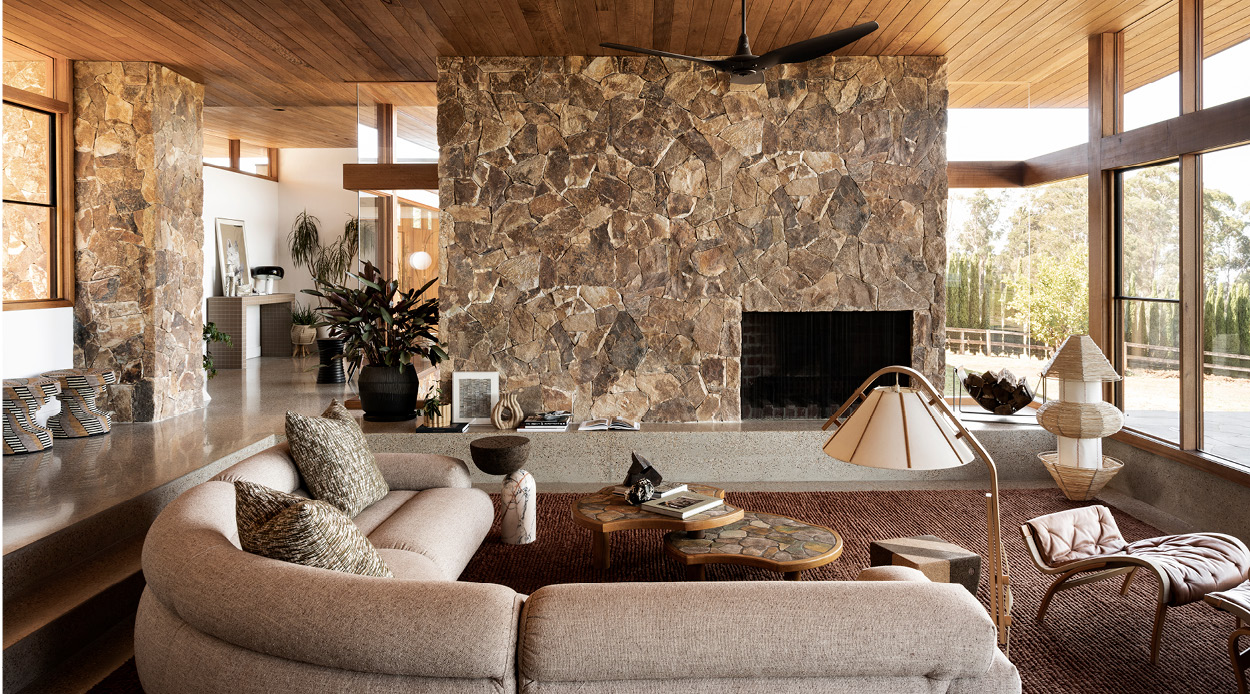
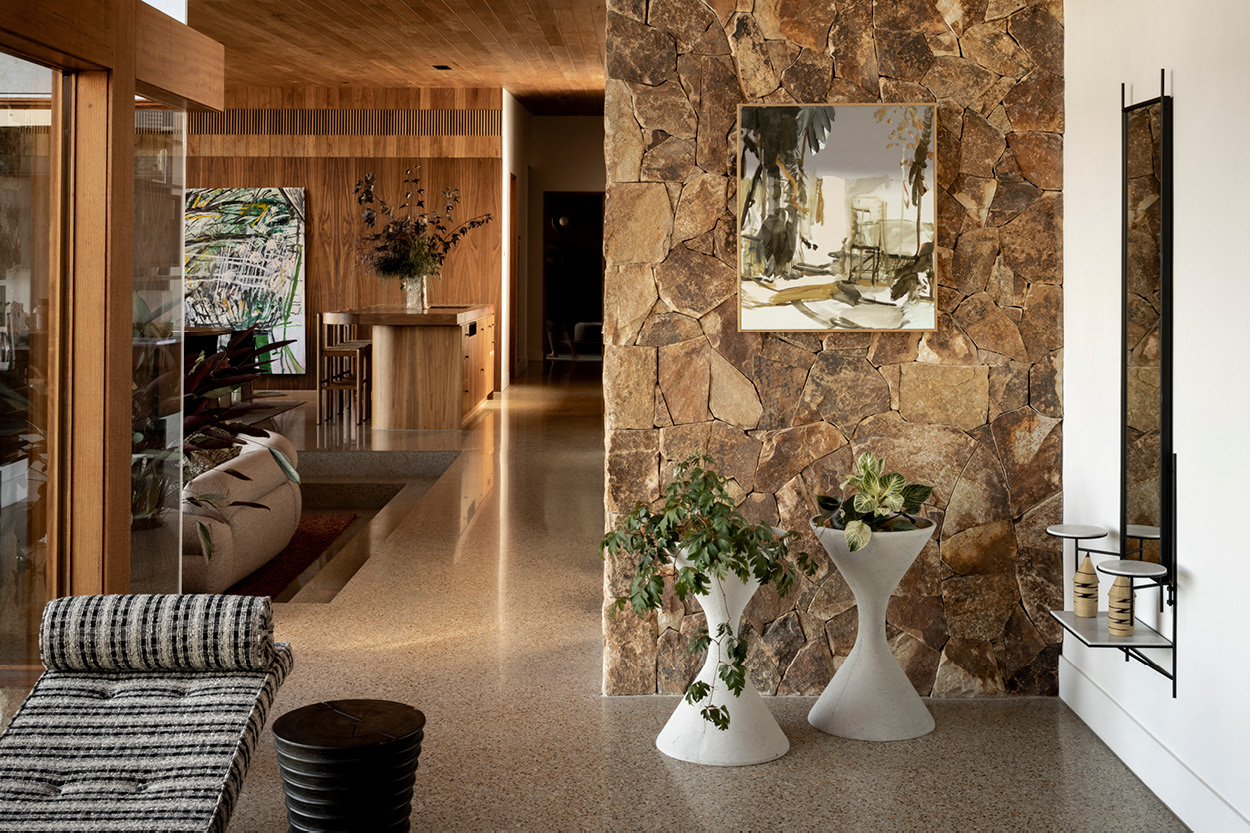
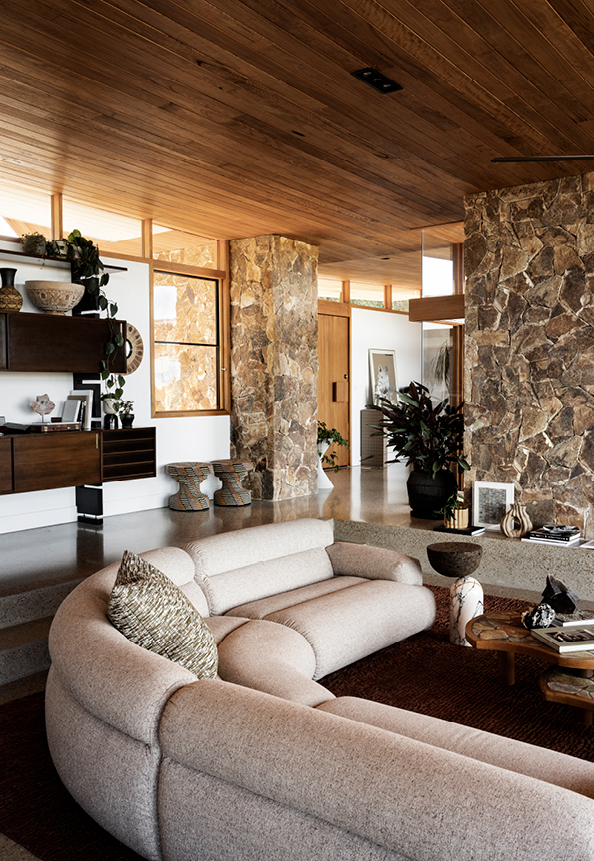
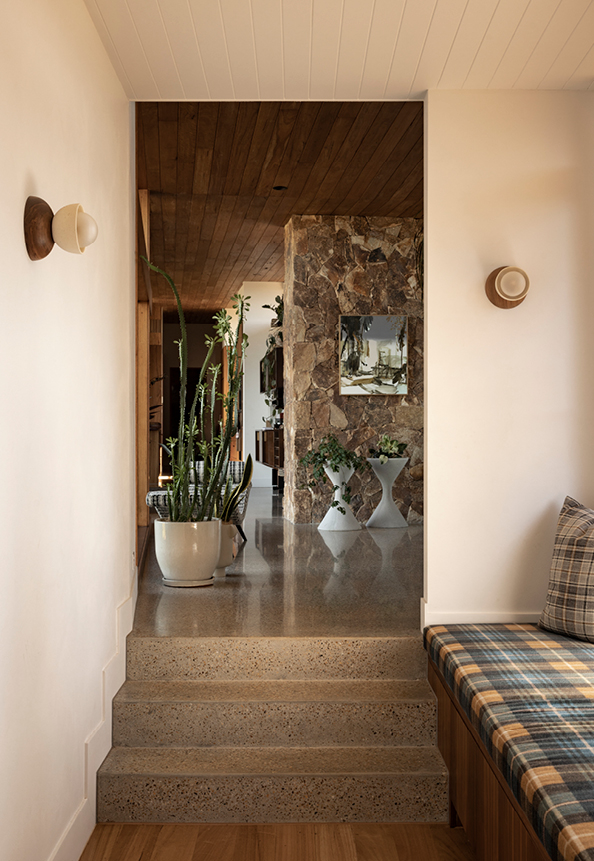
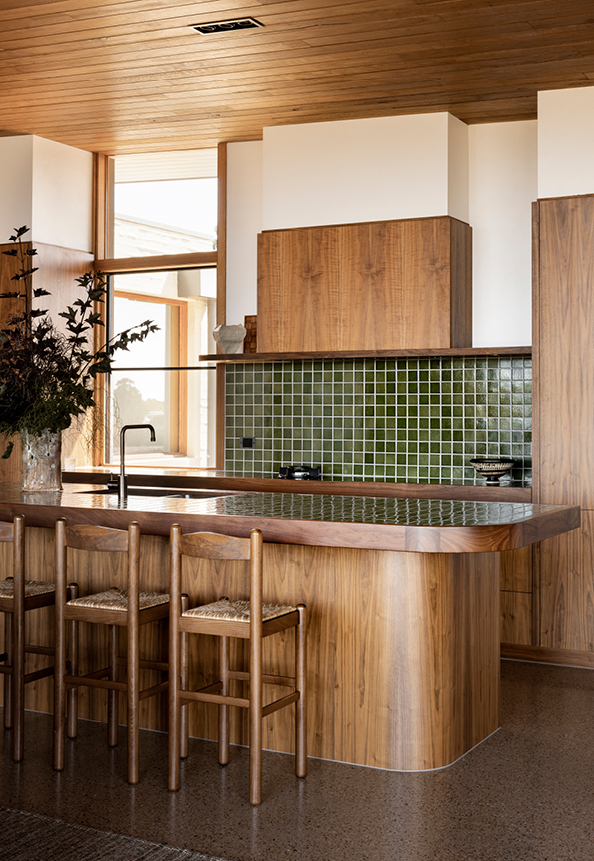
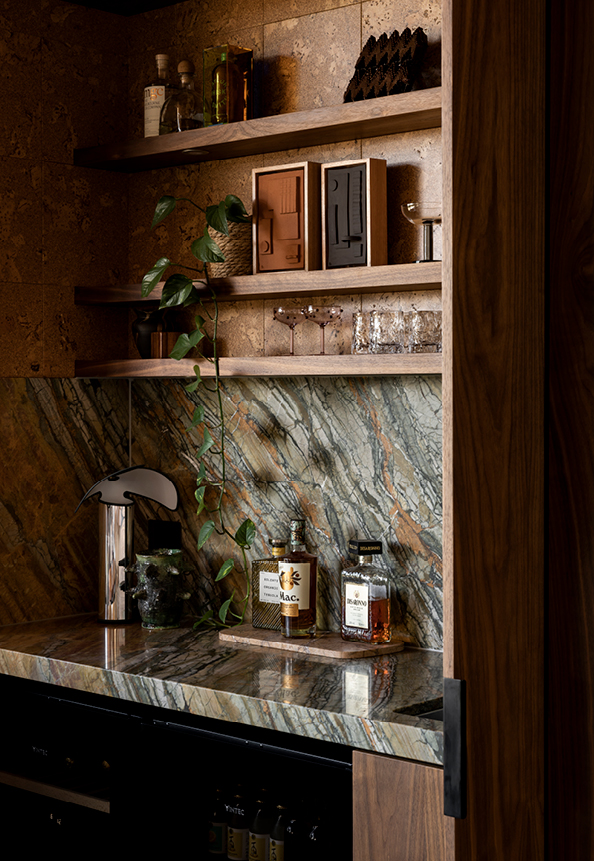
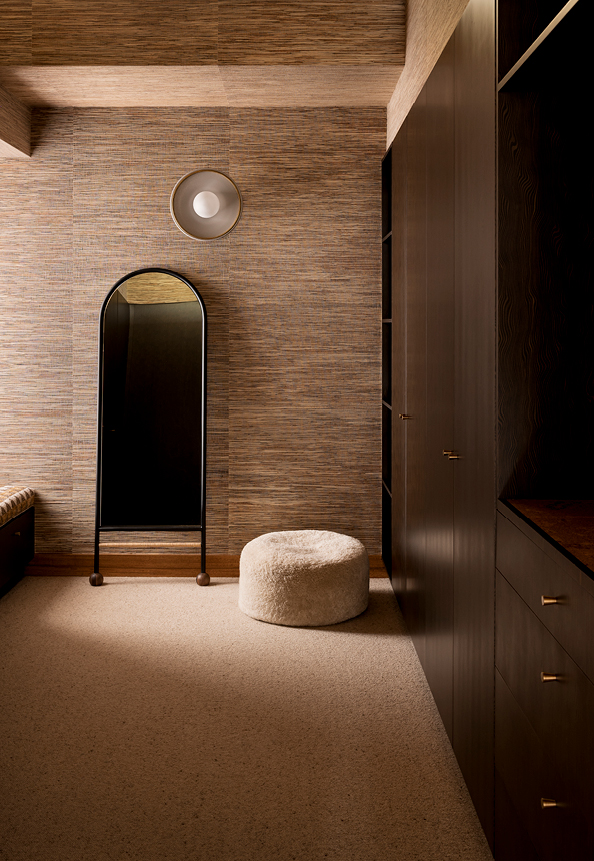
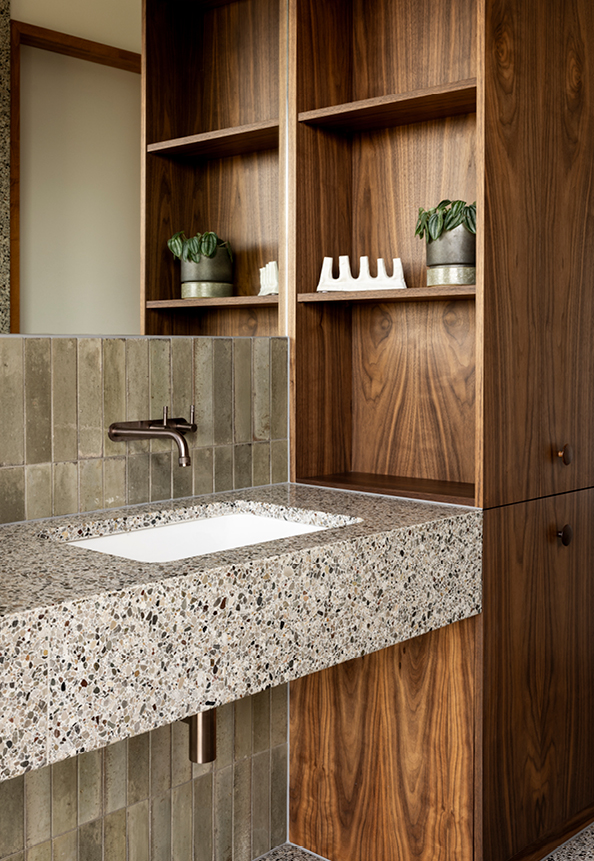
Inside, a series of carefully curated spaces complement the architecture. Warm and textural, the interior has been painstakingly designed to evoke a sense of tranquillity and relaxation, finished with an overarching colour palette of earthy hues and materials like hand-cut tiles, honey-toned timber, buttery leathers, brass, linen and cork, set against geostone concrete floors, Fibonacci Freckle terrazzo and terracotta aggregate. The risks that the design teams at Dion Keech and Loopea Design Studio were able to take here, from using bold geometric patterns and highly-tactile material finishes to the focus on patinas and natural expressions over overt embellishment, clearly paid off, and created a unique canvas on which Simone Haag could, as the final step, leave her distinct mark.
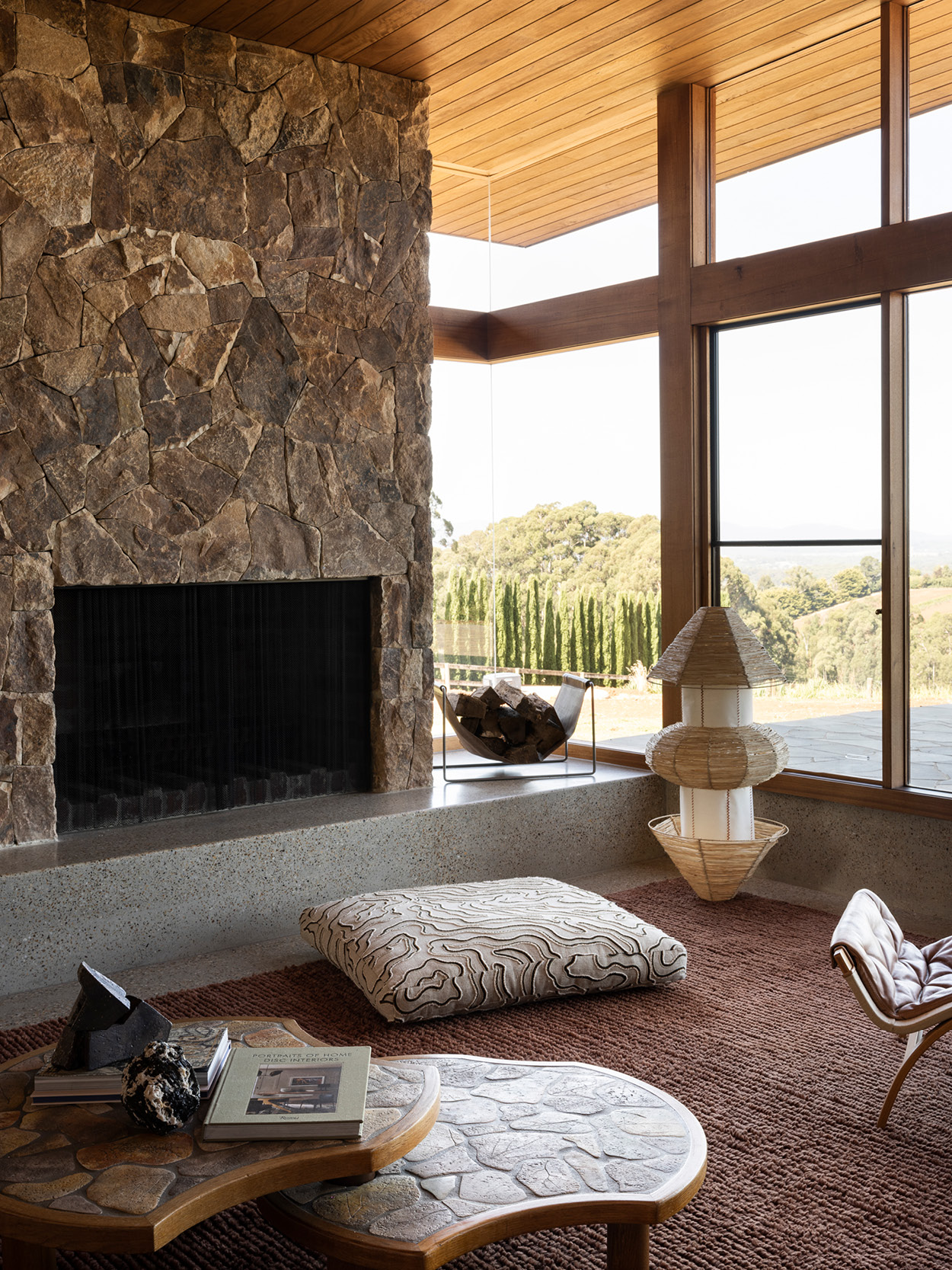
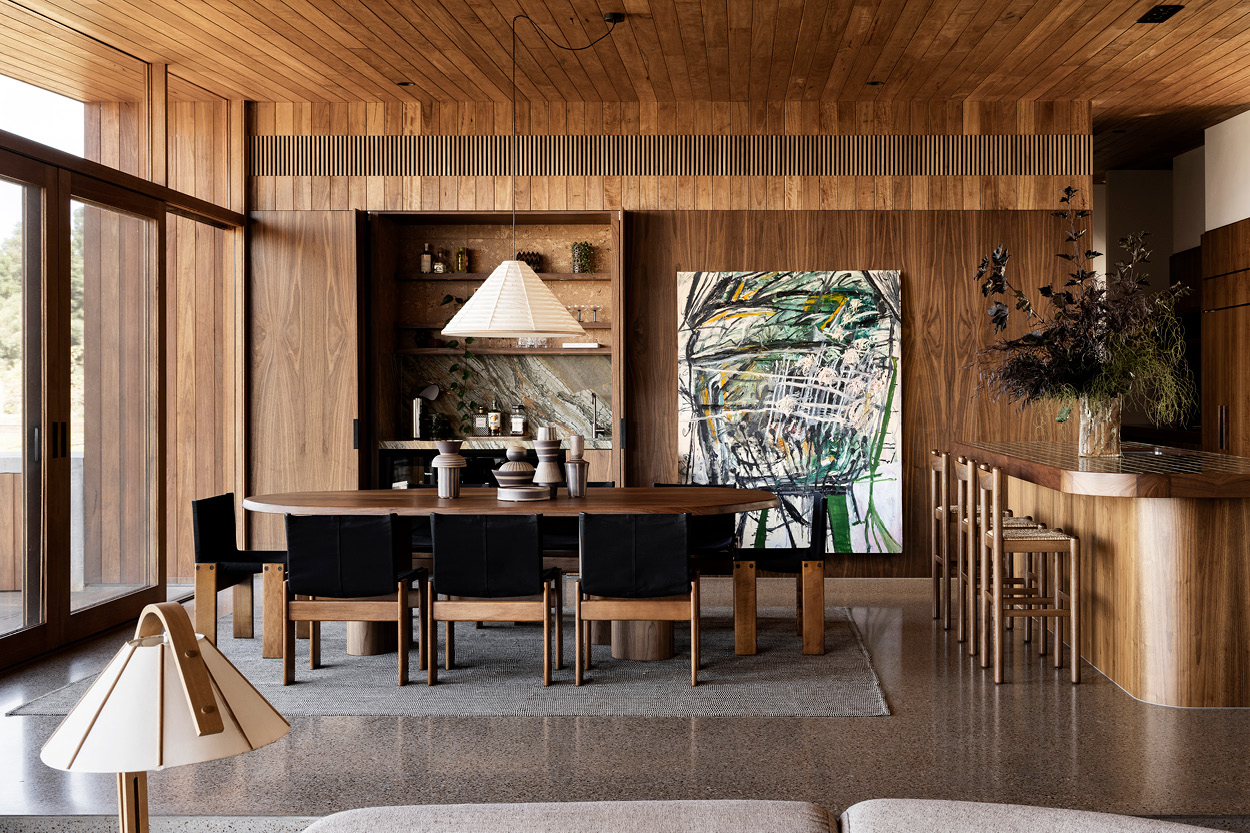
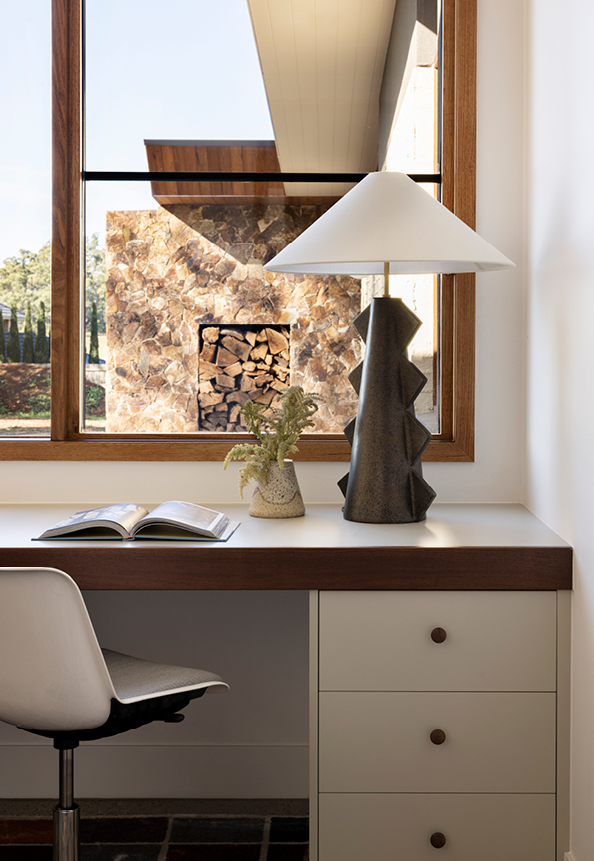
Nowhere is the design ethos of this home as clear as in the open-plan kitchen and living space. Surrounded by expansive windows, an impressive stone-clad fireplace takes centre stage, while a cleverly sunken lounge brings residents to the same level as the earth outside, which has the compelling effect of drawing nature in. In fact, this was something that interior designer Lisa Luppino endeavoured to do in every aspect of Red Crest’s interiors — forging a strong connection between the home and its natural surroundings via meticulous materials and spaces that maximised the environment.
“Simone Haag was brought in for the final styling and decorative touches, creating balance between the home’s mid century modern vibe and the contemporary requirements of its residents.”
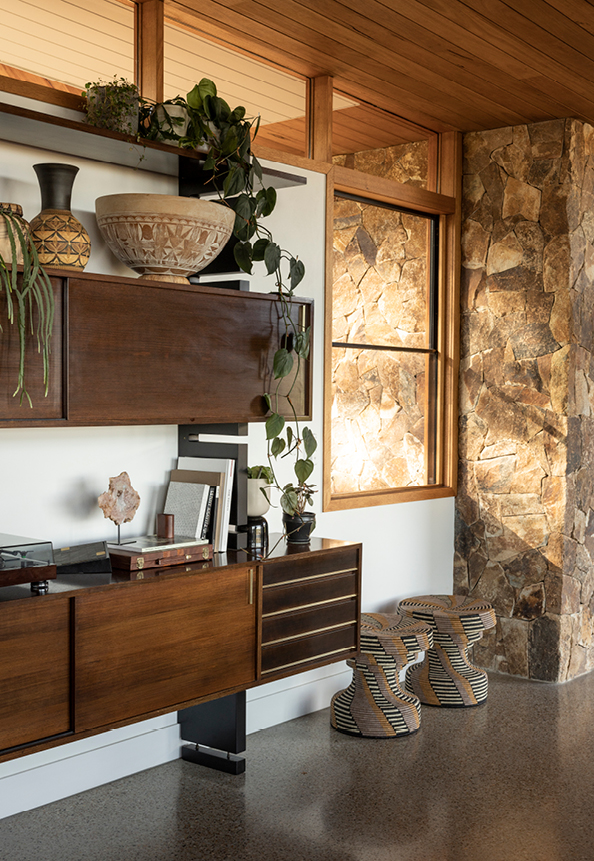
Renowned interior expert Simone Haag was brought in for the final styling and decorative touches, creating balance between the home’s mid century modern vibe and the contemporary requirements of its residents. Through a selection of carefully sourced, vintage pieces (including a Morentz coffee table found in the Netherlands that mirrored the hues of the landscape, a shelving unit from eModerno that worked to showcase the owners’ records and curios, and a series of Japanese pendants), alongside a variety of new additions too, Haag was able to bring depth and personality to Red Crest’s array of spaces, elevating their material palette with a more curated, bespoke feel. Again, she also played on the idea of bringing the natural world inside via abundant foliage, used throughout the home to deepen its connection with its jaw-dropping setting.
Ultimately, Red Crest House is a testament to the collaborative design effort that brought it to life. By honouring the land on which this home stands and celebrating its colours, textures and forms, the architects, designers and stylists have created a calm, cohesive residence that seamlessly integrates the built environment with nature.
“Ultimately, Red Crest House is a testament to the collaborative design effort that brought it to life.”
From its clean, simple architecture to its warm, earthy interior to its perfectly put-together furnishings, all set against an Australian landscape that would stop anyone in their tracks, this home is an ode to the creative fusion of elements that, together, create a harmonious (and timeless) whole. Every aspect of this architectural masterpiece speaks to a reverence for nature and a commitment to creating spaces that resonate with warmth, authenticity and beauty, and one can only imagine the feeling of basking within this home’s transcendent beauty, as the setting sun casts a warm glow over the Dandenong Ranges.
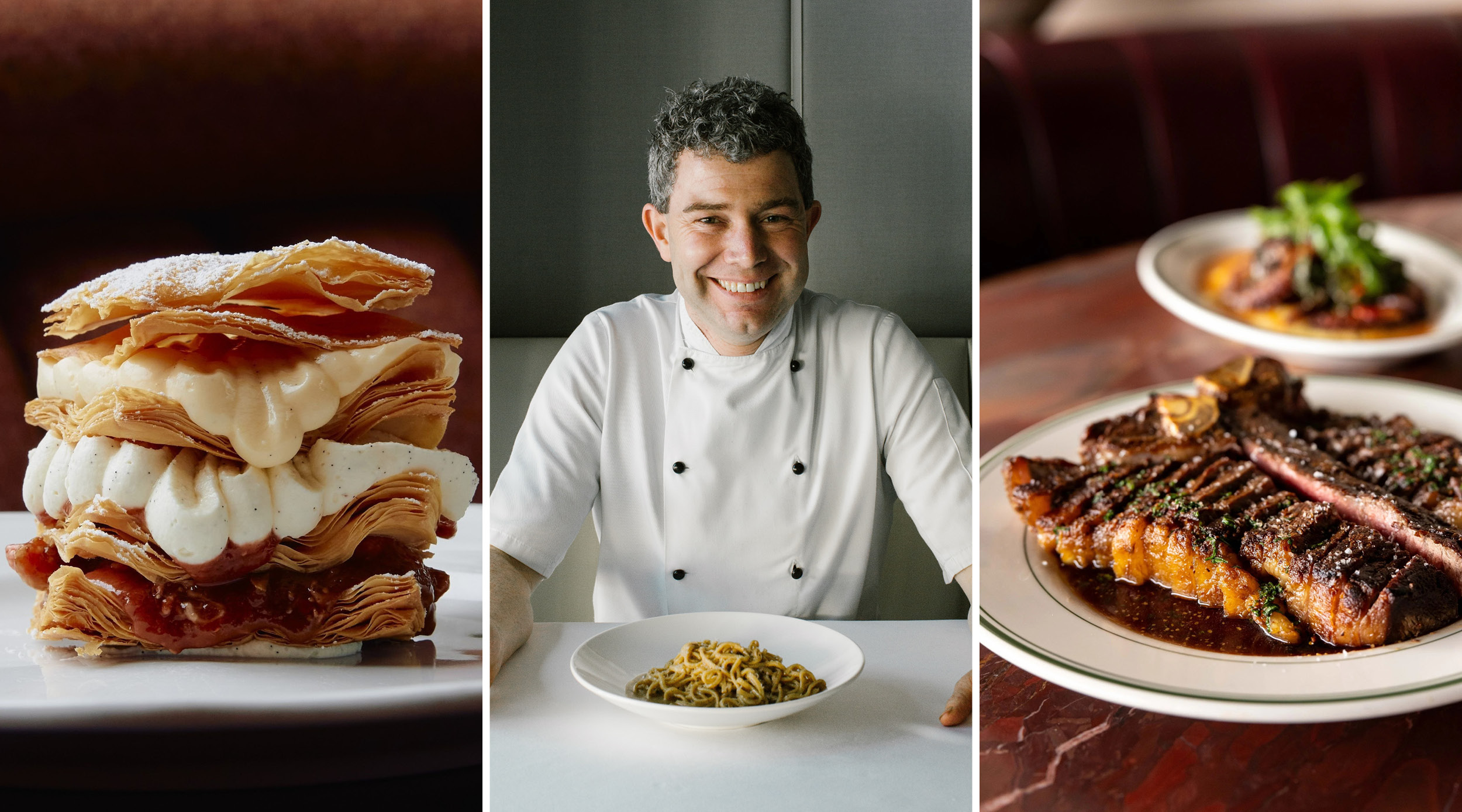
For more than 16 years, Gavin Doyle has helped shape New Zealand’s modern dining landscape. Today he serves as Group Executive Chef for Foley Hospitality, overseeing a portfolio of restaurants that stretches from Auckland to Wellington and Queenstown. The role requires equal parts culinary leadership and logistical choreography, with Doyle moving between kitchens including SOUL Bar & Bistro, Andiamo, Jervois Steak House, Somm Wine Bar & Bistro, The Brit, Shed 5, Pravda Café & Grill, working closely with the chefs leading each venue.
Doyle’s culinary story began in Dublin, where hospitality was part of everyday life. His father spent more than forty years in the industry across hotels, restaurants and wine merchants, quietly instilling a fascination with food, wine and the way restaurants bring people together. Although he initially enrolled in a computer science degree, the pull of the kitchen proved stronger. Switching to professional cookery eventually led to a Culinary Arts degree with honours and a formative scholarship at Sydney’s famed Tetsuya.
Along the way, kitchens across the world left their mark. Time spent staging at Flour + Water sparked a deep fascination with pasta, later shaping the pasta programme at SOUL Bar & Bistro, where Doyle served as Executive Chef for many years. Travel through Europe and the United States further broadened his perspective, while early years working under Dylan McGrath in Dublin provided the discipline and standards that continue to underpin his culinary skills today.
After Hours — Gavin Doyle
Group Executive Chef, Foley Hospitality
“When I do manage to escape the kitchen, I try to eat everywhere I can, from new openings to long-standing favourites. In Auckland, Beabea’sis doing some of the best pastries and bread in town right now. I’m also a big fan of Lilian. It’s exactly what a neighbourhood restaurant should be, relaxed, confident and centred around excellent produce. I’m also keen to try Forest, everything coming out of that kitchen looks fantastic.
One restaurant that consistently impresses me is Craggy Range Restaurant. Casey and the team have the whole experience dialled in, exceptional food, thoughtful service and a wine programme that’s genuinely world class. Add the vineyard setting and it becomes something very special.
Back in Auckland, Hello Beasty is somewhere I return to regularly. The atmosphere, the service and the energy in the room are always fantastic, and the food never disappoints. It’s simply a fun place to spend an evening.
When I do get a proper break, I often head to Melbourne and make a point of visiting Gimlet at Cavendish House. It’s one of those restaurants that just gets everything right, from the room to the food to the drinks.”
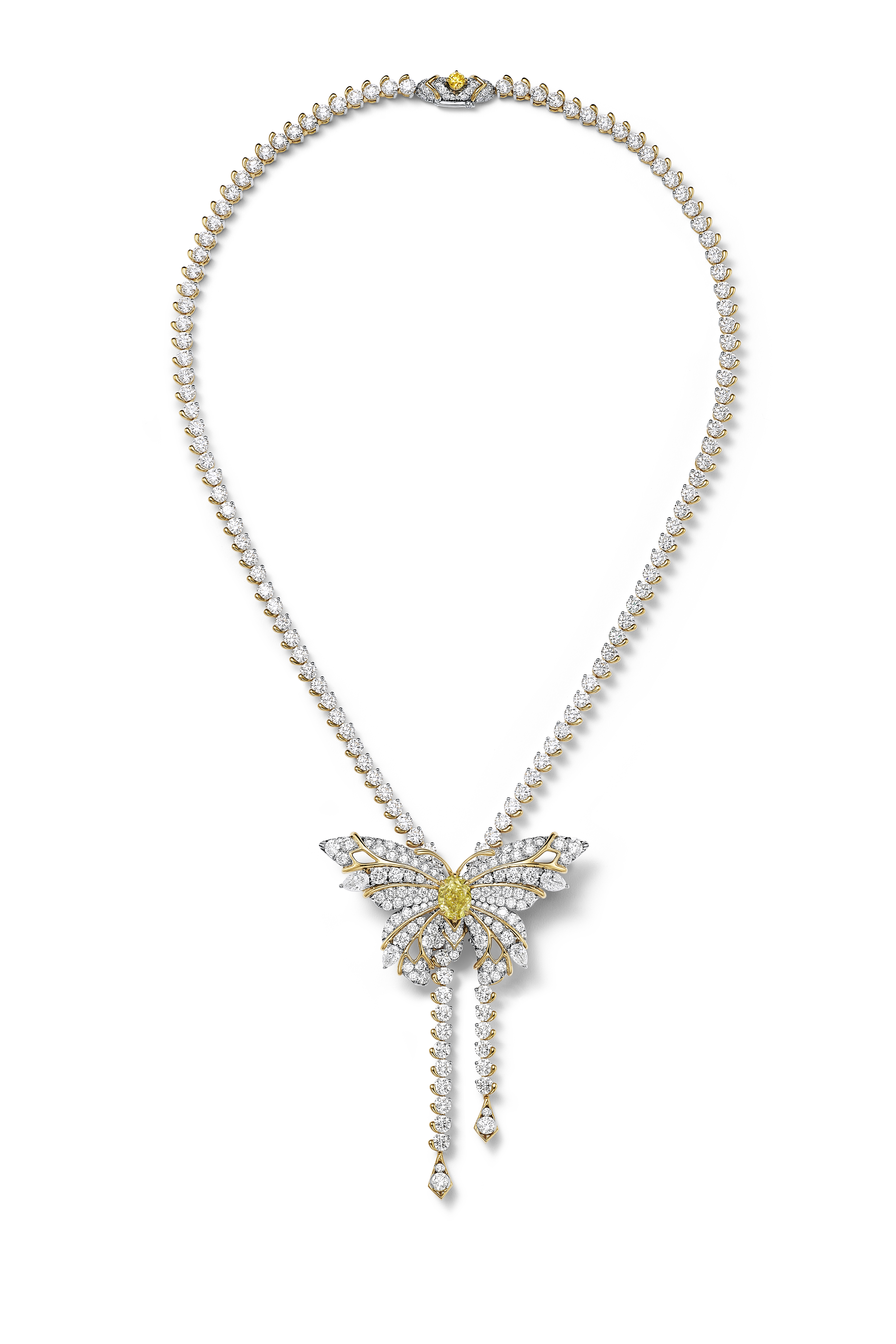
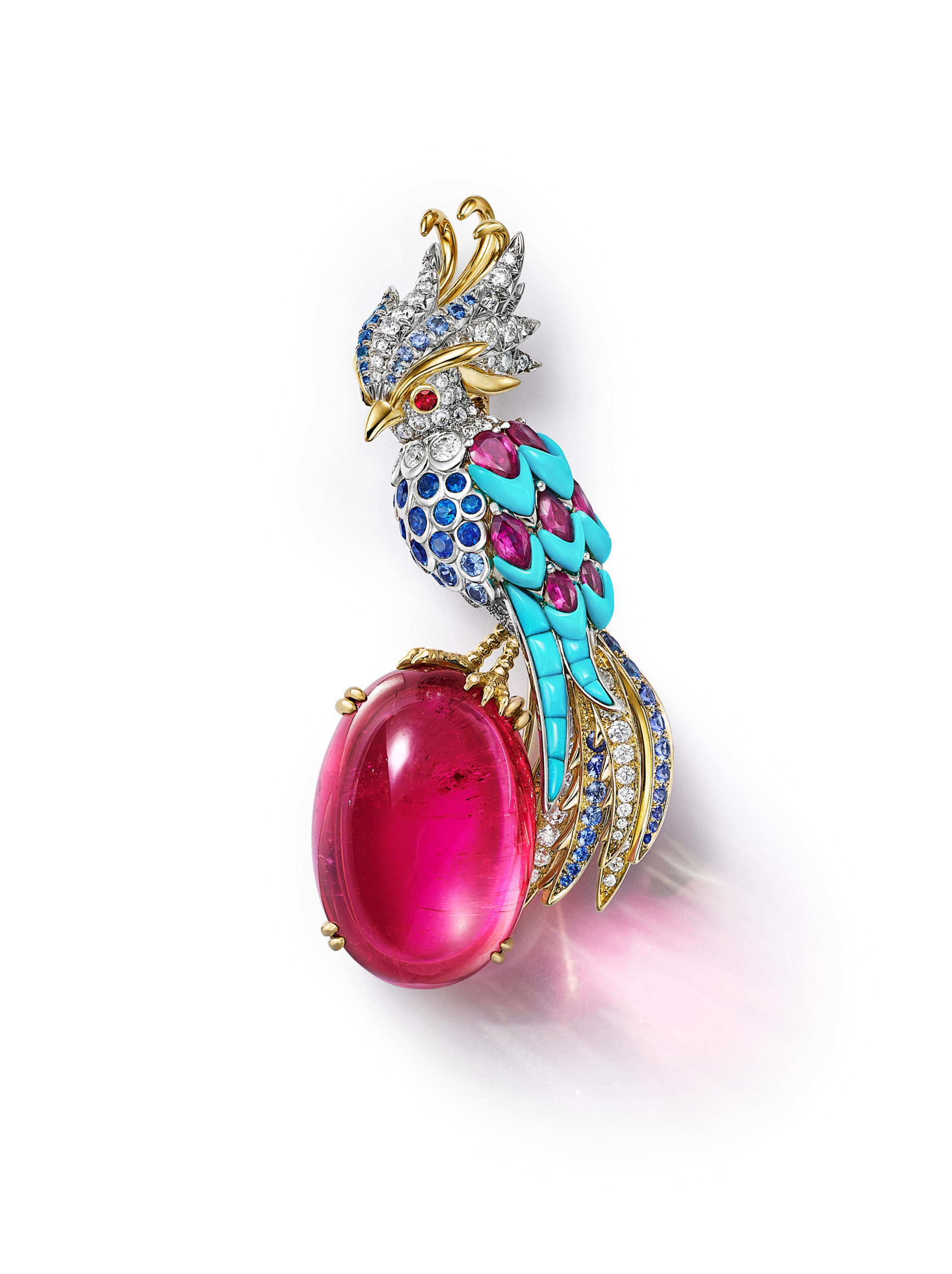
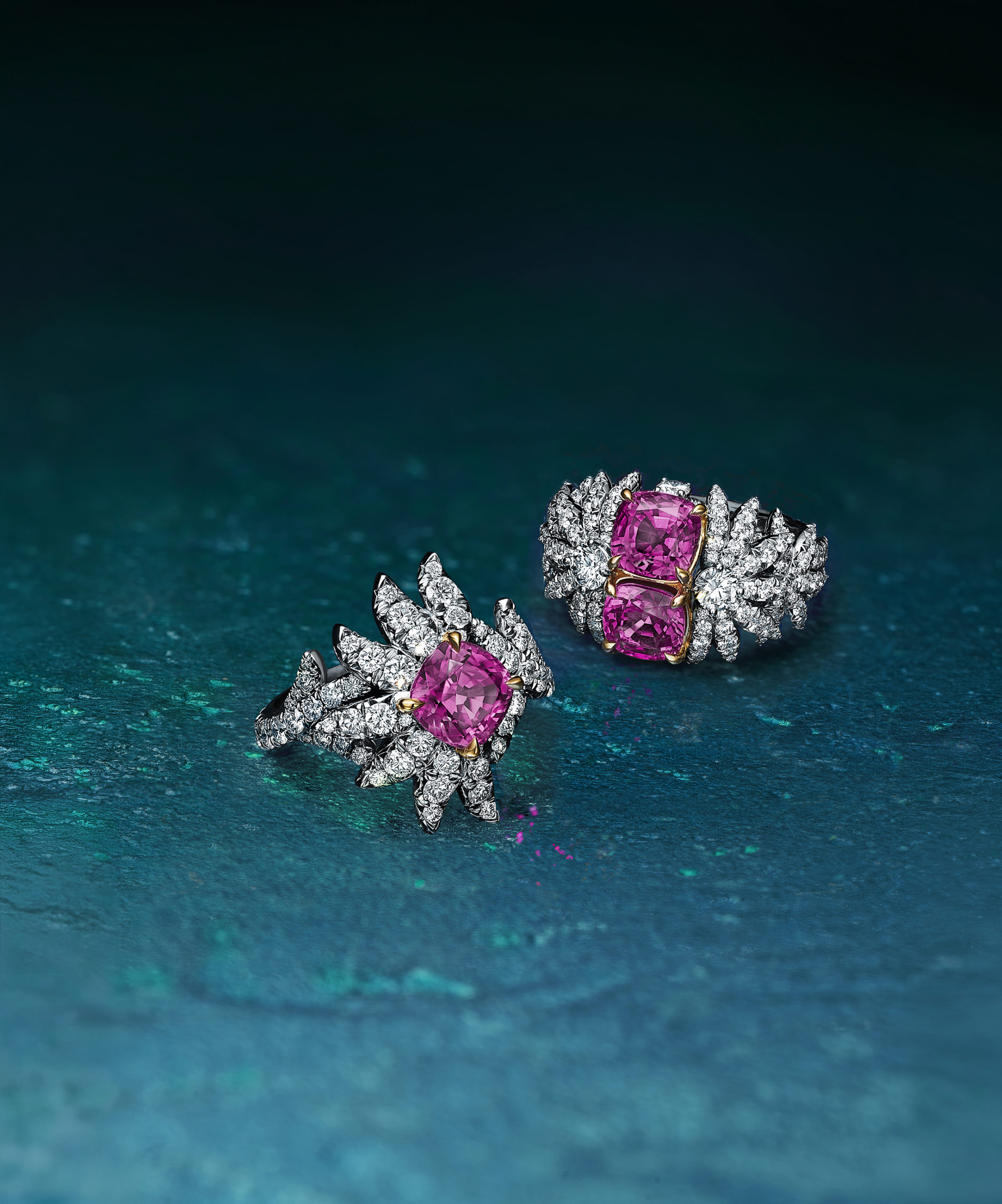
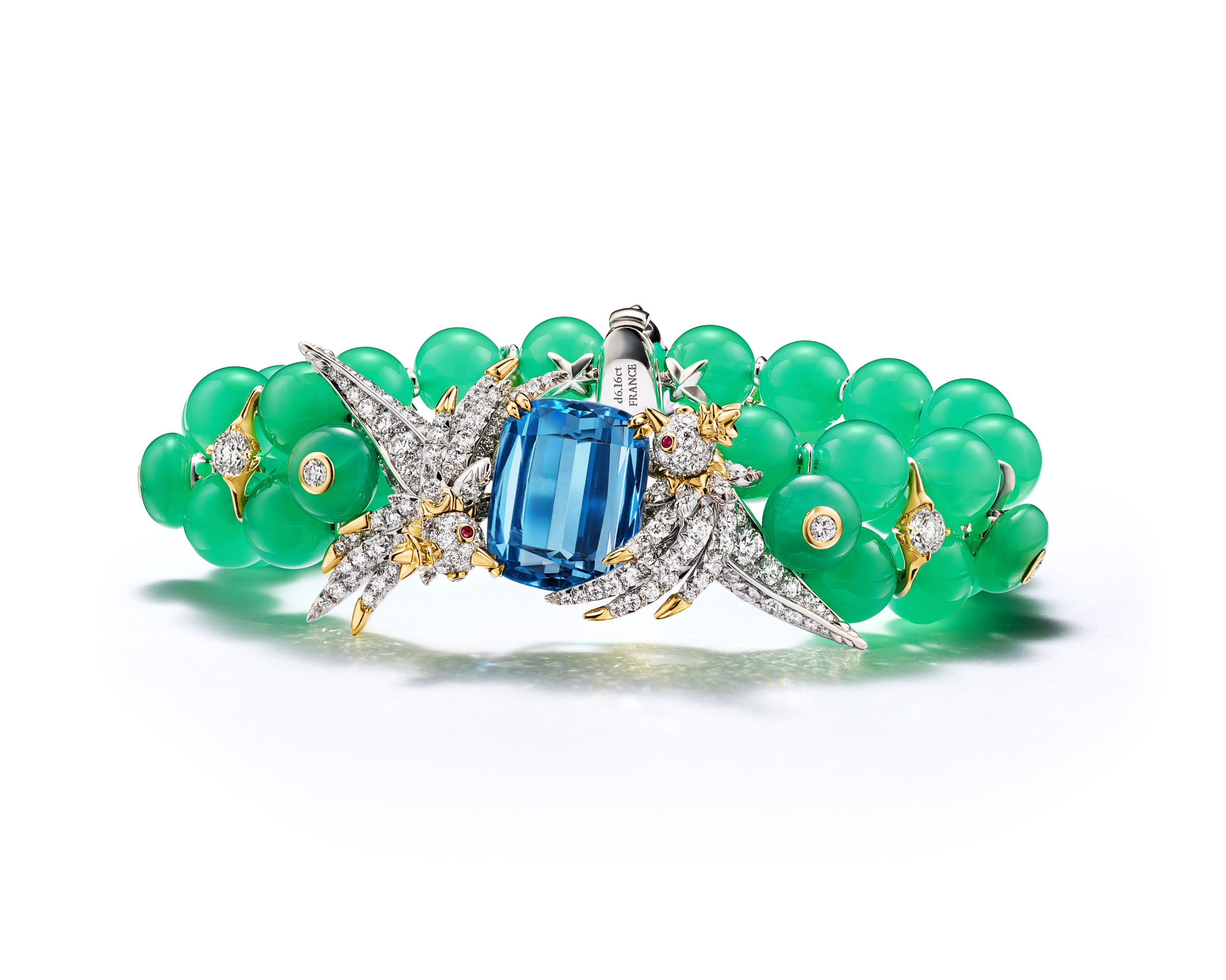
There is a particular kind of creative confidence required to return, season after season, to the same source material and find something new. Tiffany & Co. has been doing this for nearly two centuries, and with Blue Book 2026: Hidden Garden, chief artistic officer Nathalie Verdeille demonstrates that the house’s most enduring design language — the flora, the fauna, the hand-formed vines and sculpted wings of Jean Schlumberger’s extraordinary archive — remains genuinely alive rather than merely preserved.
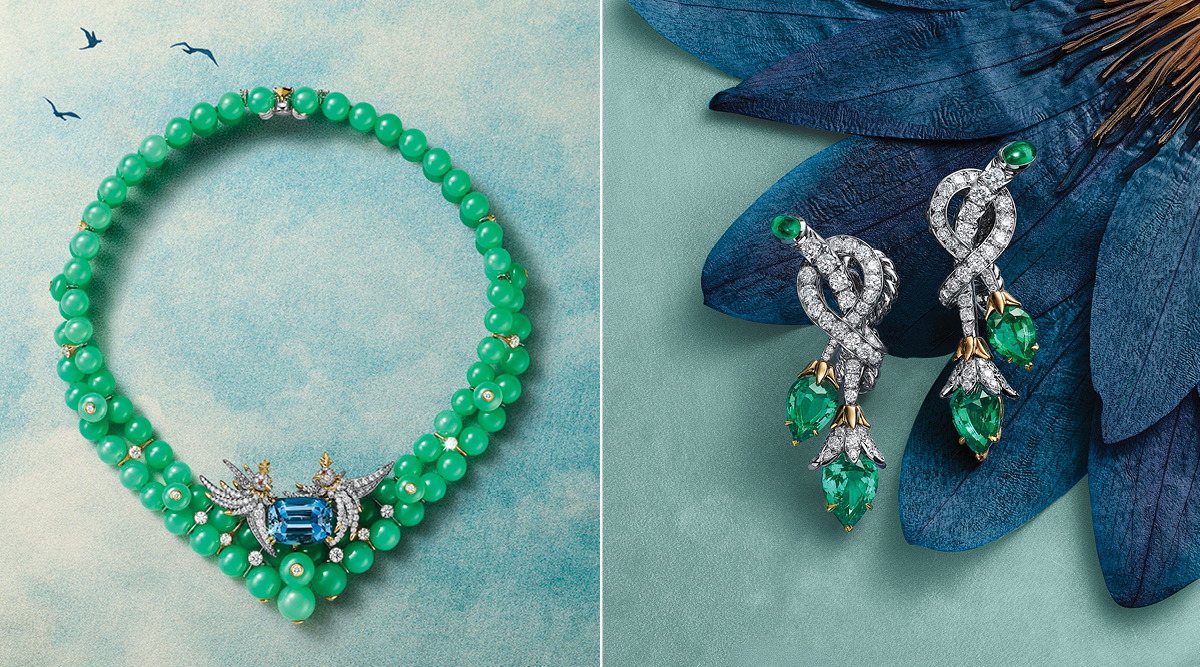
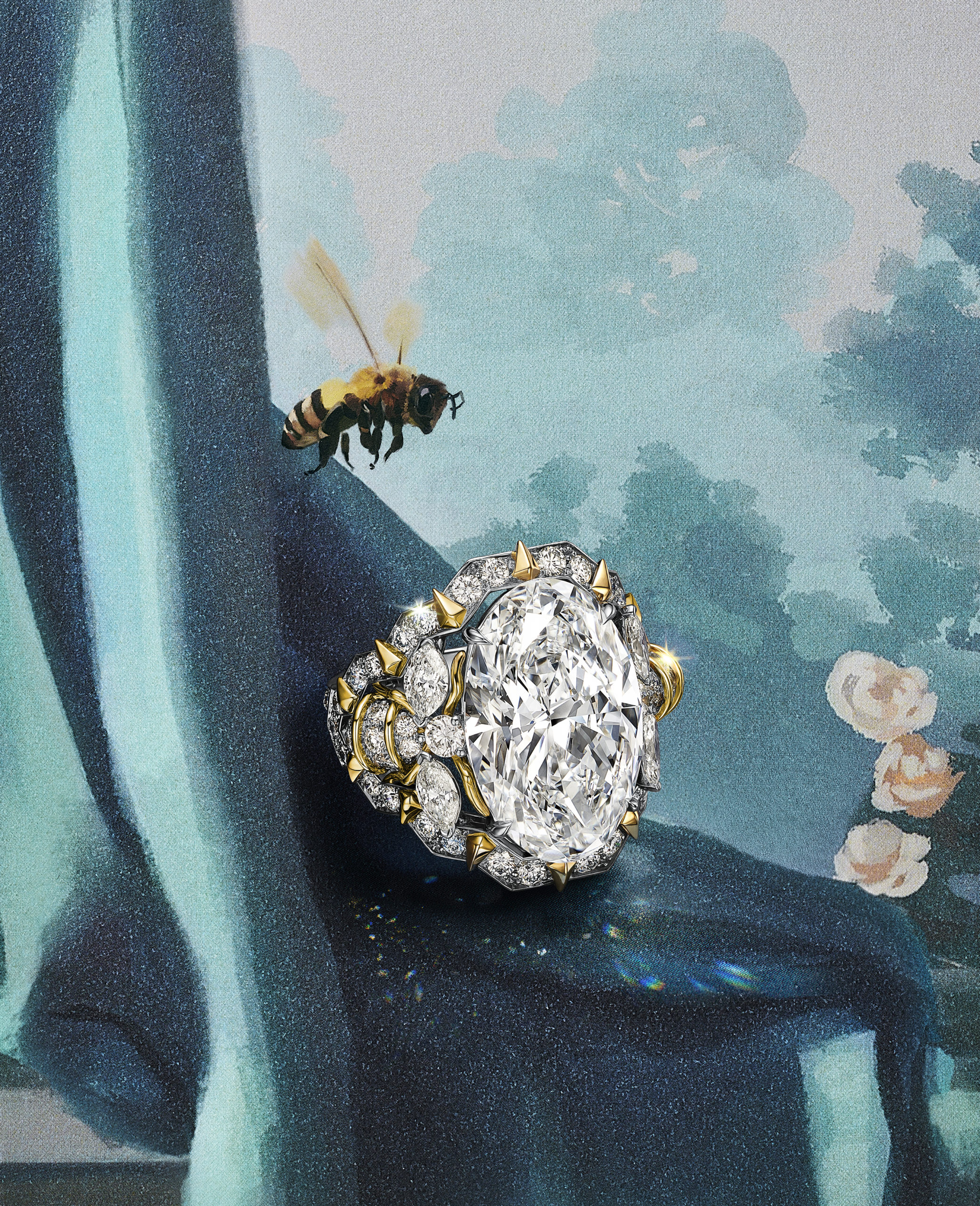
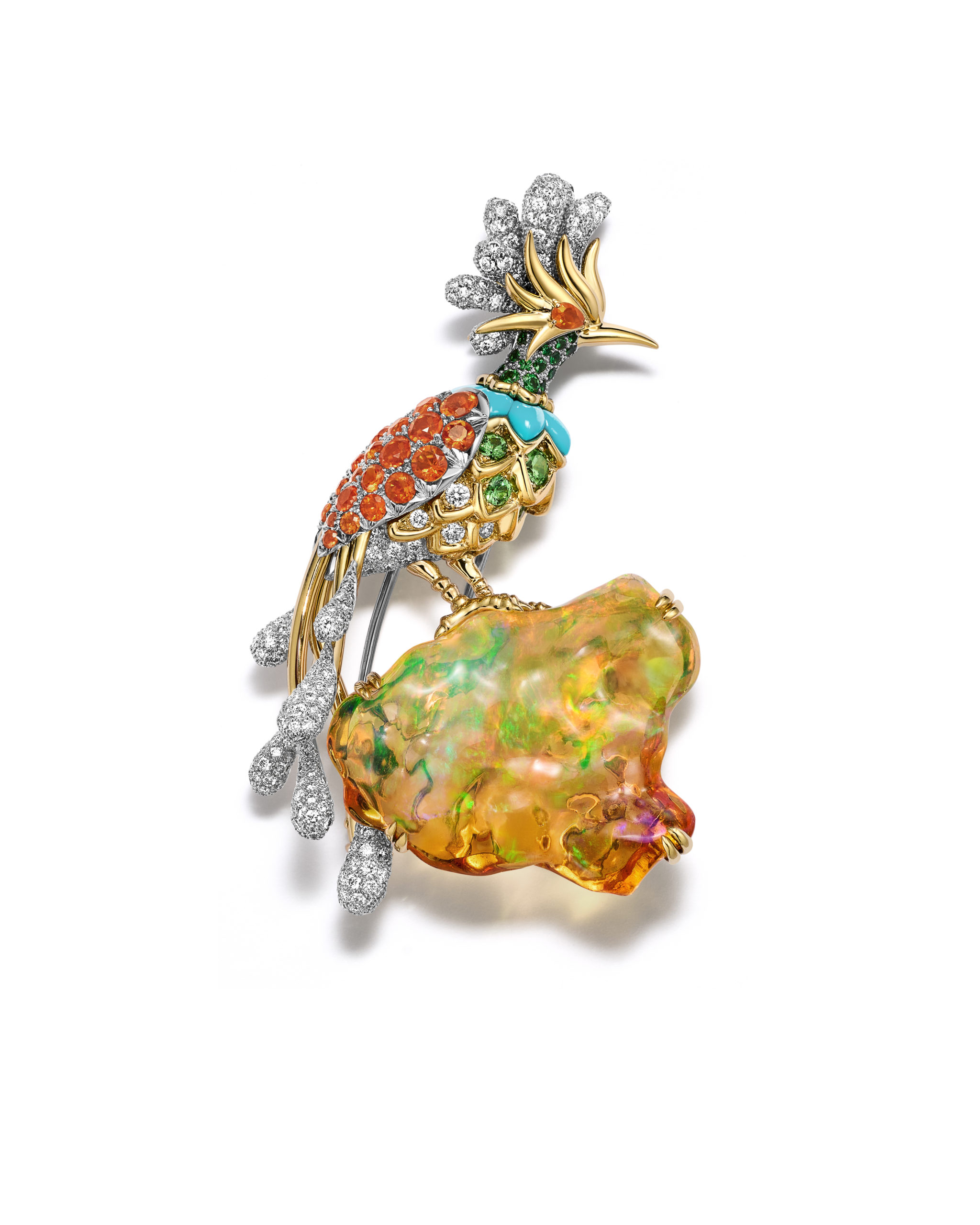
Tiffany Blue Book 2026: Hidden Garden collection
This is Verdeille’s fourth Blue Book collection, and it arrives with the quiet assurance of a maison that has nothing to prove. Where previous releases have tested the boundaries of the house’s identity, Hidden Garden leans into it: the natural world rendered in platinum and gold, exceptional gemstones chosen not for spectacle but for specific, deliberate character.
The spring launch unfolds across eleven chapters including Monarch, Butterfly, Bee, Jasmine, Bloom, Marguerite, Parrot, Paradise Bird, Bird on a Rock, Twin Bud, and Palm. Each draws from Schlumberger’s archival vocabulary and reinterprets it through Verdeille’s contemporary lens. The governing idea is transformation: not the dramatic kind, but the quiet, almost imperceptible shifts that define the natural world. A bud on the verge of opening. Wings caught mid-movement. Vines that appear to grow in real time around the wrist.
The Butterfly chapter is perhaps the most tonally complex. Unenhanced padparadscha sapphires, that rare and contested intersection of pink and orange, are set alongside Montana sapphires of a particular denim blue, a pairing that shouldn’t resolve as well as it does. The result is less illustration than impression: the fragile iridescence of wings captured in stone rather than documented in it. Select pendants detach to be worn as brooches, a nod to the house’s longstanding tradition of transformable design that functions here as more than a technical flourish. It mirrors the chapter’s own subject.
The Parrot brooches are where the collection’s technical ambition becomes most visible. Paillonné enamel, hand-applied in a painterly sequence of dark blue, duck green, and Tiffany Blue®, creates feathered surfaces whose tonal shifts evoke actual iridescence rather than its representation. This is an ancient technique, passed down through generations of Tiffany artisans, deployed here in service of something genuinely chromatic and alive. Paired with unenhanced blue and purple sapphires, the silhouette achieves the particular balance of specificity and fantasy that defined Schlumberger’s original 1960s parrot brooches.
Bird on a Rock, one of Schlumberger’s most celebrated designs, is reimagined here with cushion-cut Santa Maria aquamarines from Brazil, their saturated blue deepened further by custom-cut chrysoprase beads in vivid green. The transformable necklace at the suite’s centre features an aquamarine of over 22 carats; worn as a brooch, it becomes something more intimate. The scale shifts, and so does the relationship between the piece and the person wearing it.
Blue Book 2026: Hidden Garden will continue through summer and fall expressions, each introducing new chapters. What the spring launch establishes is a collection that understands its own inheritance clearly enough to be generous with it: not reverential in a way that calcifies, but fluent in a way that opens forward.
The Aotearoa Art Fair returns to Auckland’s waterfront from 30 April to 3 May, and if you’re planning to spend your days immersed in the country’s most compelling contemporary art, you’ll want to eat accordingly. The Britomart and waterfront precinct has you well and truly covered, with five restaurants that between them handle everything from a long Italian lunch to a sharp Japanese cocktail, all within easy walking distance of the fair. Here’s where to book.
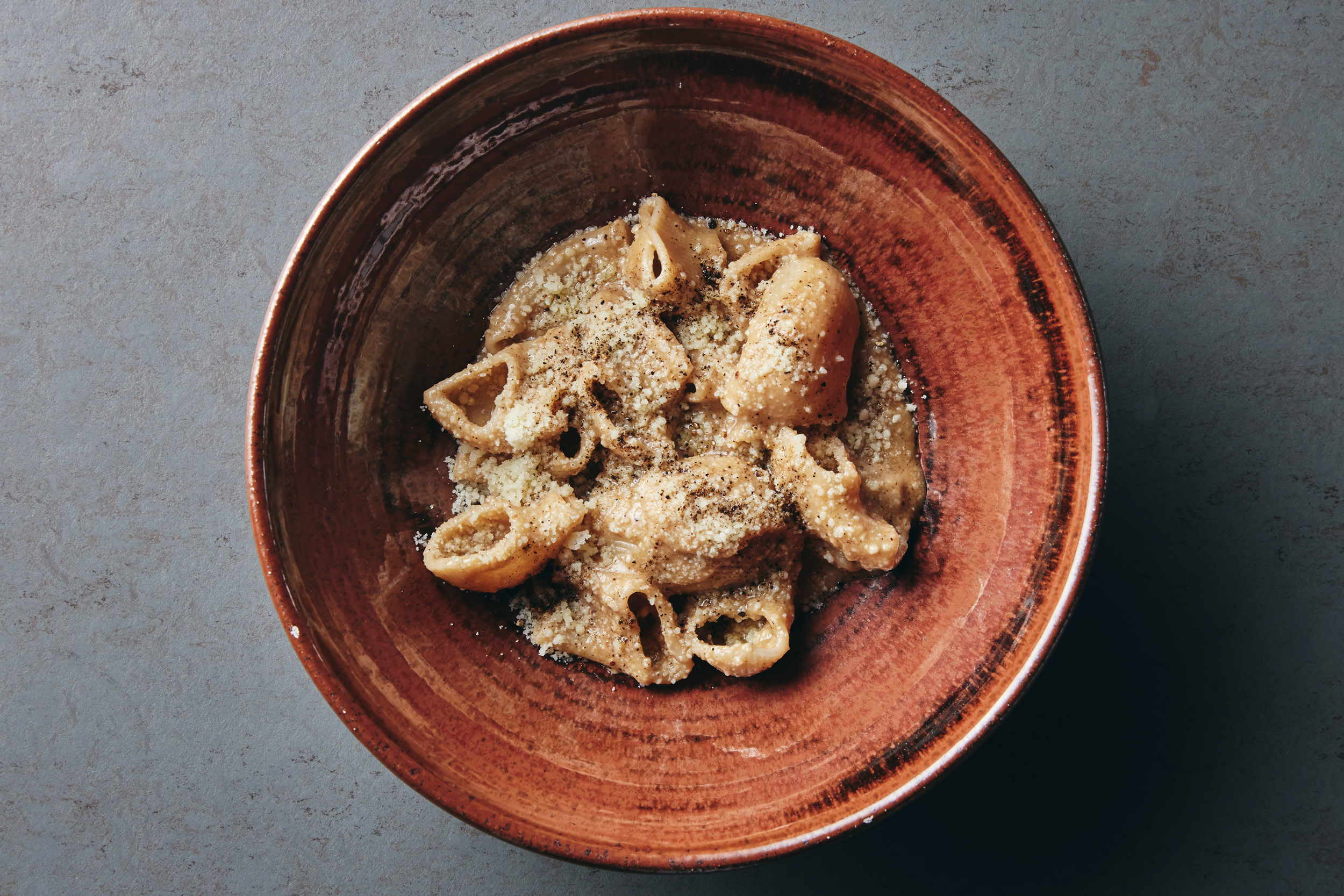
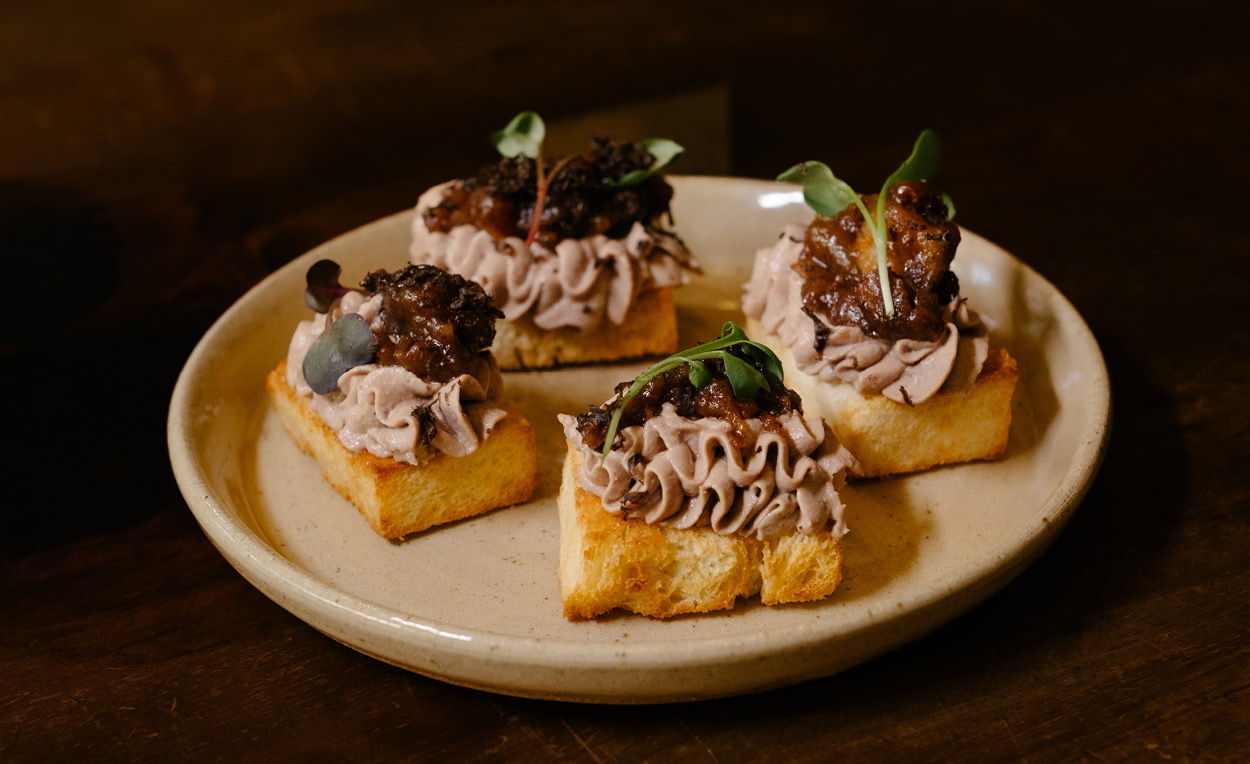
The anchor of Britomart’s dining scene and the restaurant that still sets the standard for produce-driven eating in the city centre. Amano’s menu shifts with the seasons and treats its ingredients with serious intention. The pasta programme alone is reason enough to book: think Hawke’s Bay suffolk lamb ragu with pappardelle, scampi chitarra, and a cacio e pepe that knows exactly what it’s doing. Whether you’re after a considered dinner after an evening preview or a relaxed lunch between gallery sessions, this is the table that consistently delivers. Book here.
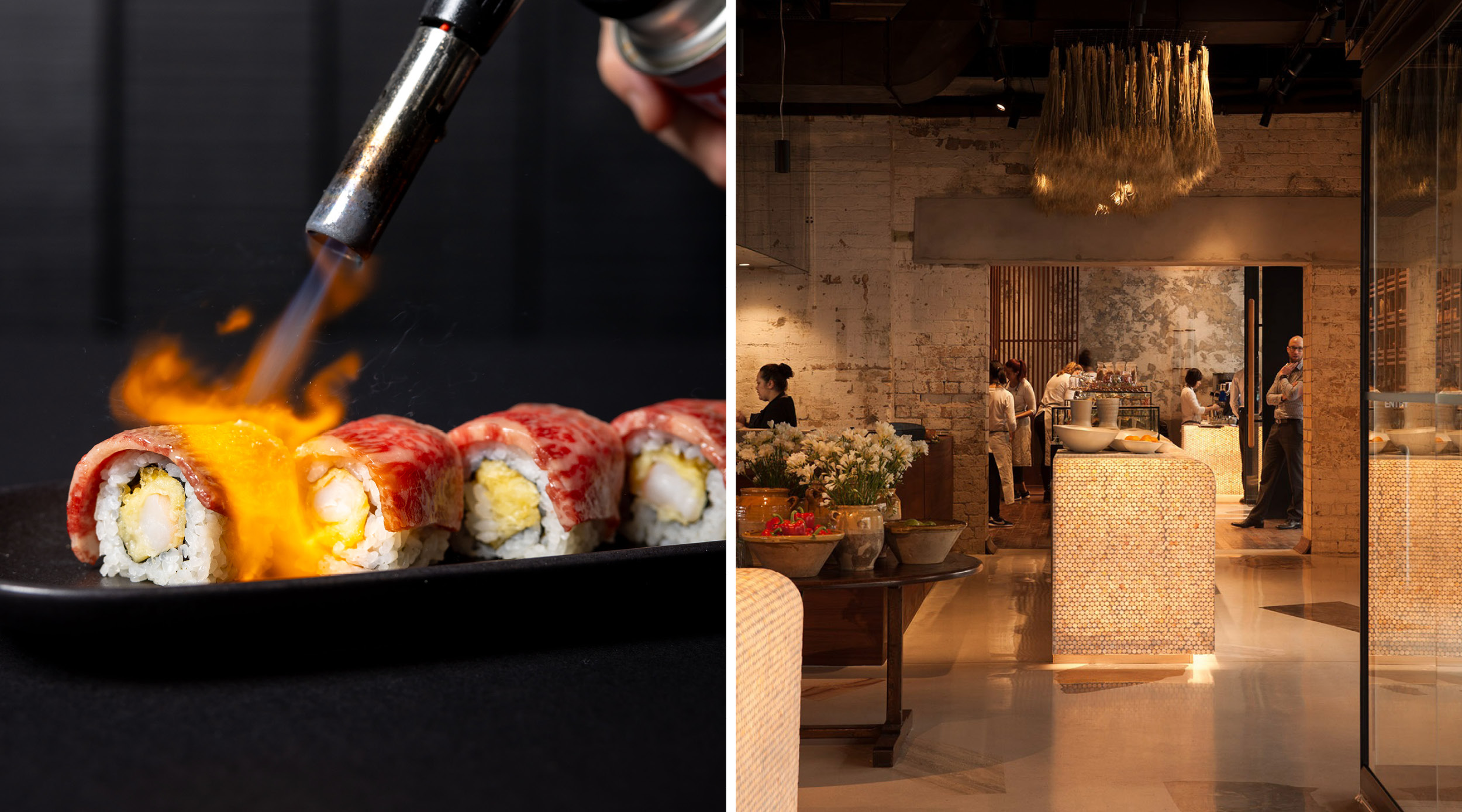
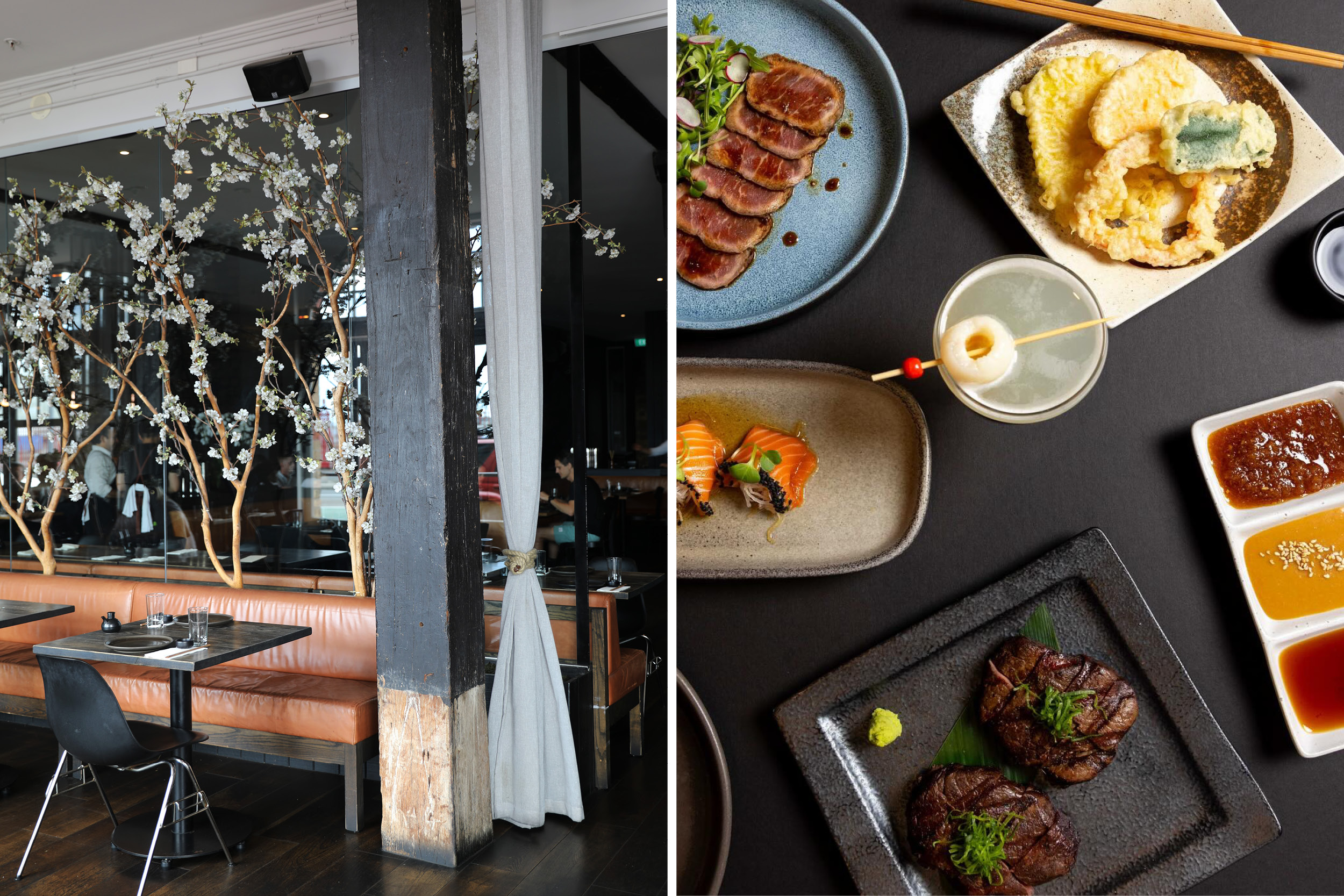
When the art has sharpened your senses, and you want a meal that matches, Ebisu is the answer. Ebisu’s menu is precise, generous, and endlessly rewarding, whether you’re working through a sashimi selection or settling in with something from the robata grill. It’s the kind of place built for sharing, where plates arrive and the table gets involved. The cocktail edit here deserves particular attention too. It’s one of the more quietly accomplished drinks lists in the precinct, and the kind of place where one round becomes two without anyone complaining. Book here.
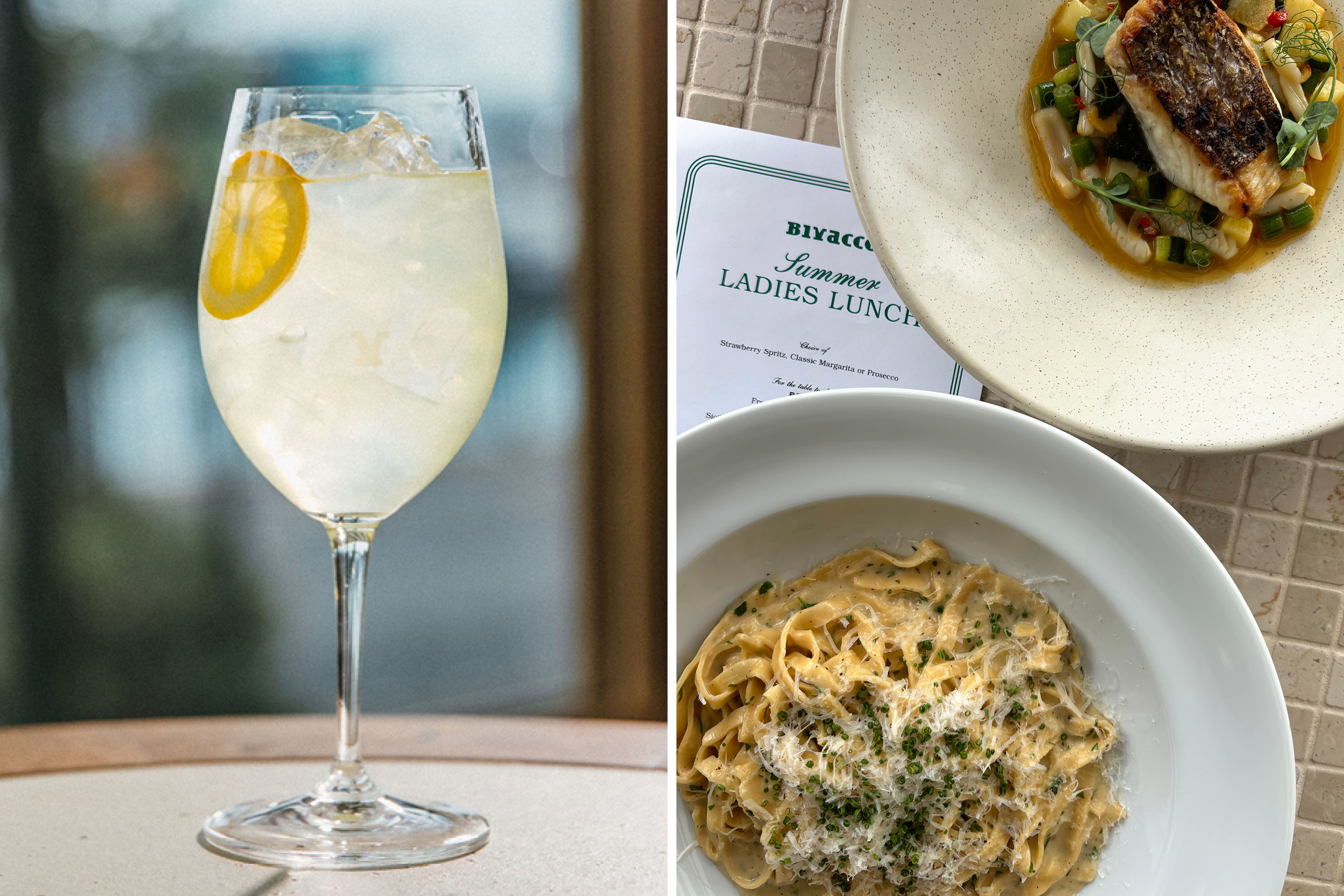
Situated right on the water, and the one with the most options for building an Art Fair day around. For Thursday and Friday art fair goers, Bivacco’s aperitivo hour is made for you: running from 4pm to 6pm with $15 margaritas, $15 limoncello spritzes, $10 Peronis, and complimentary bites. It’s the waterfront equivalent of easing into an evening the Italian way. A spritz in hand, a few plates on the table, and absolutely no rush.
For those visiting over the weekend, Bivacco’s Ladies’ Lunch on Saturdays is worth planning for. A three-course Italian-style menu with cocktails for $49 per person, available from 11am to 3pm. Book it before or after the fair and turn a Saturday gallery visit into something significantly more indulgent. Book here.
A light-filled conservatory setting in the heart of Britomart that feels a world away from the bustle outside. Ortolana’s menu is built around seasonal, locally sourced produce, and every dish is beautifully executed and designed for sharing over a long table. It works just as well for a late brunch with friends as it does for a relaxed dinner after a day on your feet, and the wine and cocktail list is pitched perfectly for either occasion. Book here.
If you’re after something sharper and more spontaneous, Bar Ziti is the answer to the post-fair wind-down. The happy hour runs Monday to Friday from 4pm to 6pm and all day on Sundays, which aligns neatly with an Art Fair exit strategy. With cocktails, wines, and pizzas all at happy hour prices, it’s the kind of offer that turns a quick drink into a very good evening. No bookings required.
The Aotearoa Art Fair runs from 30 April to 3 May at the Auckland waterfront.
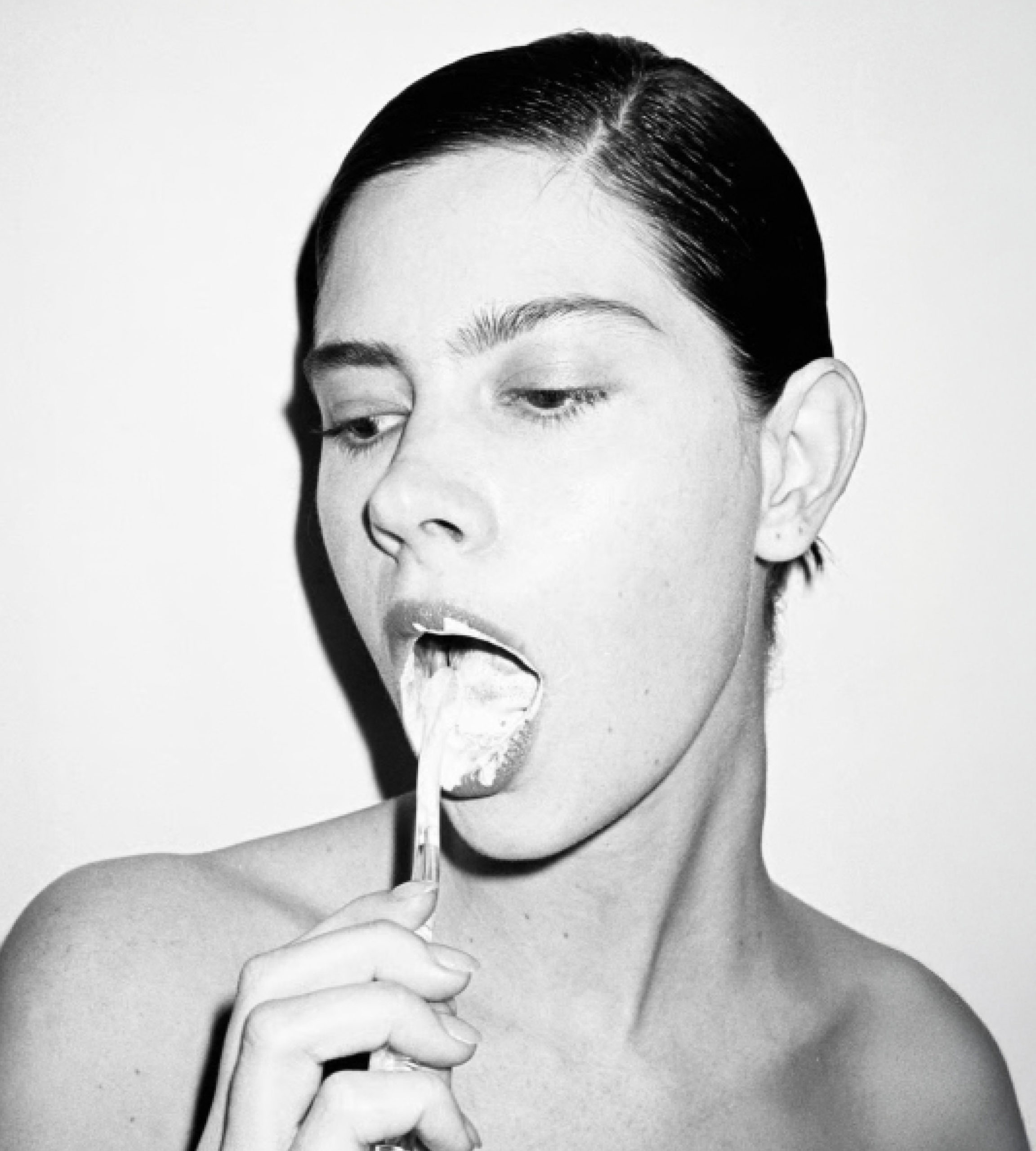
For most of us, the day begins with two imperatives. Coffee, and a fierce foaming blast of mint so sharp it could strip paint. The ritual is so ingrained that we rarely question it. If your mouth is not tingling and frothing, have you really brushed your teeth at all?
That bracing minty hit is not accidental. It is a legacy. Early 20th-century toothpaste brands trained consumers to associate flavour and foam with efficacy. The stronger the sensation, the more convincing the promise. Fresh breath became synonymous with oral health. Our senses over took any scientific reasoning.
Yet dentists will tell you something far less glamorous. Toothpaste’s primary role is not to overwhelm the mouth but to support the mechanical action of brushing. What matters is how well the bristles reach the tooth surface, how gently plaque is lifted, and how carefully enamel and gums are treated over time. Excess foam can create the illusion of thoroughness. You feel clean, therefore you assume you are.
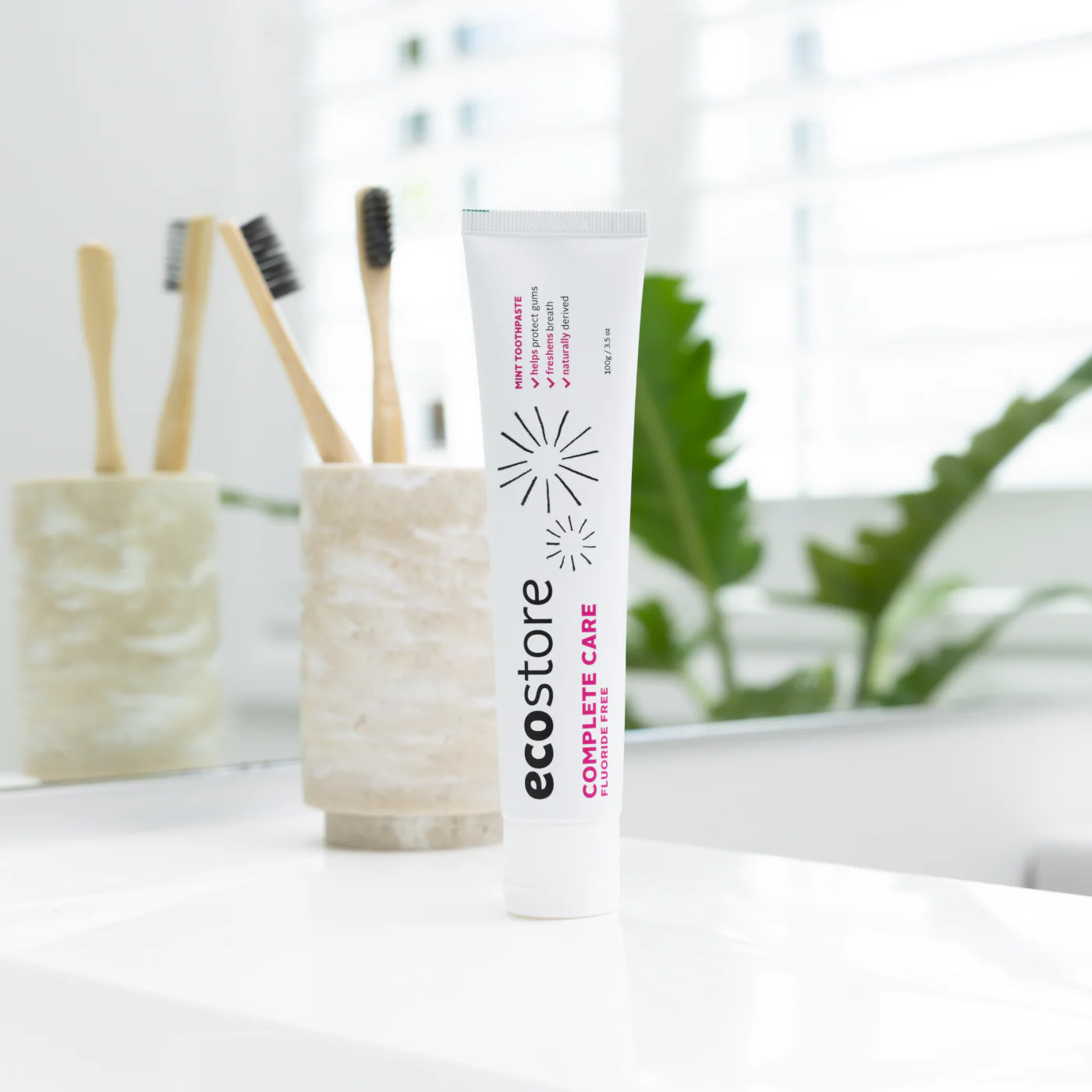
This is where Ecostore enters the morning routine, not as a moral position but as a practical one. Long regarded as one of New Zealand’s most trusted authorities in responsible home and body care, the brand approached oral care by quietly removing the theatrics. No SLS to manufacture foam. No triclosan. No parabens. No artificial sweeteners masquerading as freshness. Instead, plant and mineral based ingredients selected for their performance and their compatibility with the body. Native kānuka oil and magnolia bark extract support gum health, while peppermint and clove essential oils provide a clean finish without the aggressive sting that has long been mistaken for effectiveness.
For anyone conditioned to believe that a mouthful of foam signals a professional level clean, brushing with Ecostore can feel like rewriting an old script. The foam is restrained, the flavour measured, and the sink no longer resembles a foam party. But it’s what is happening inside the mouth that tells a more compelling story. Gums feel calm rather than sensitised. Teeth feel polished rather than scoured. The freshness that remains is clean and balanced, not chemical. It prompts a revealing question. Have we spent decades equating that foaming sensation with health simply because advertising told us to?
The range also reflects a pragmatic understanding of modern consumers. Ecostore’s Whitening with Fluoride option acknowledges that many people still want the enamel strengthening and cavity protection fluoride offers, while the formula itself remains low abrasive and uses baking soda to brighten teeth gently rather than strip them back with aggressive polishing agents. For those who prefer to avoid fluoride, that option remains within the range. The intelligence lies in the flexibility. It recognises that what we once accepted as the gold standard of cleanliness was often designed to appeal to our instincts rather than our long term wellbeing.
Not all toothpaste is created equal. Some rely on sensation to sell the illusion of effectiveness. Others rely on careful formulation and a quieter kind of confidence. The question is whether we are ready to choose the option that is clearly better for our teeth, and arguably better for the planet too.
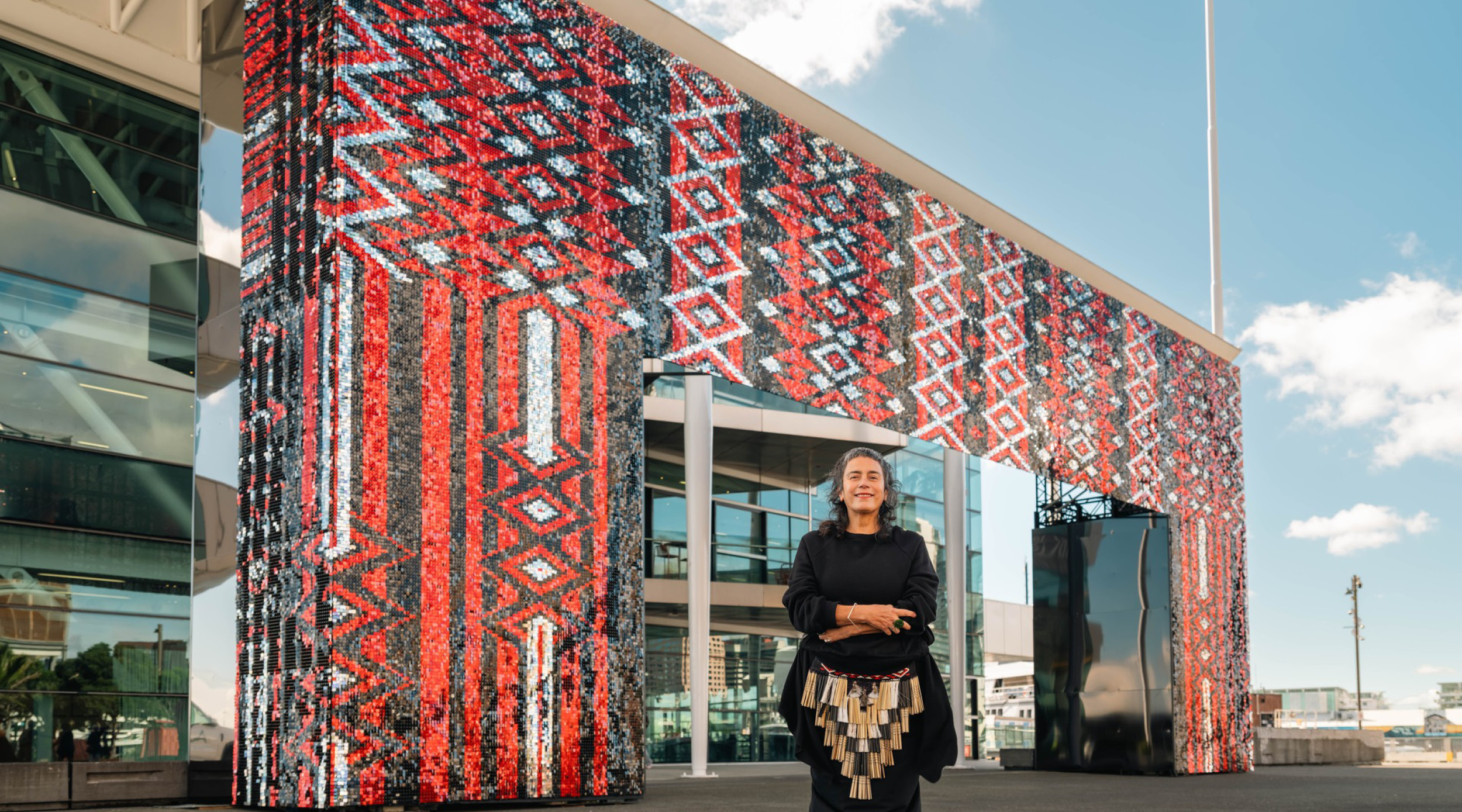
The 2026 Aotearoa Art Fair is the biggest yet, with 65 galleries from 25 countries and more than 200 works on display. Auckland is fast becoming a serious stop on the international contemporary art circuit. Held at the Viaduct Events Centre from 30th April to 3rd May, this year’s show holds space for the Māori and Pacific practices that give it genuine cultural specificity alongside blue-chip international names. Solidifying this is Lisa Reihana’s ANZAC, an installation eight metres high and twenty metres long, composed of 180,000 shimmering discs, which surround the entrance to the fair. Reihana, who represented New Zealand at the 2017 Venice Biennale, has spent more than three decades using film, photography and installation to centre Māori and Pacific perspectives in history, and the work is a fitting threshold to what lies inside.
Below are the booths and works worth prioritising.
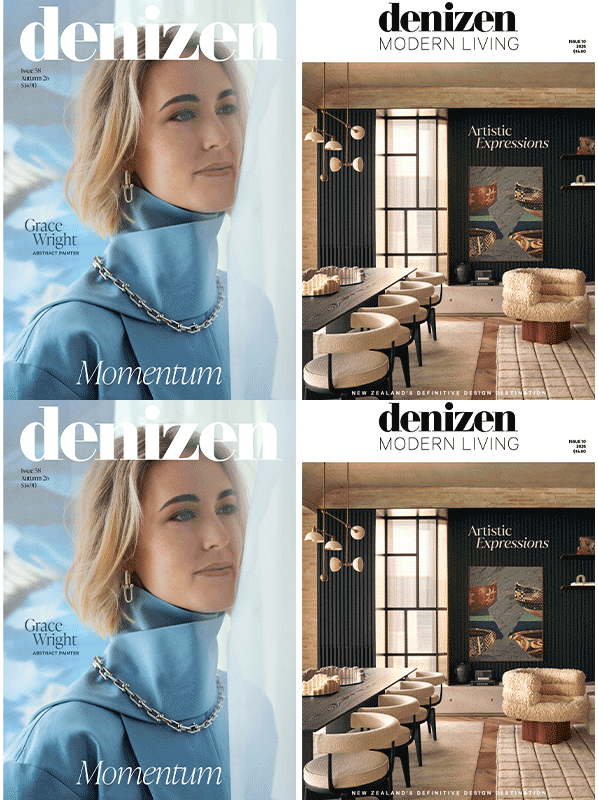
Denizen’s current issue cover star, Grace Wright, shows with Gow Langsford, one of the fair’s anchor presentations, and her large-scale acrylics on linen are worth seeking out up close. Commanding and weather-like, these are paintings in a state of perpetual motion. The booth also pairs international sculptural weight from Lee Bae (South Korea) and Tony Cragg (UK) with Claudia Kogachi’s canvases, which layer personal narrative with a confident contemporary visual idiom.
Grace Wright, Geometrical Reality, 2025, acrylic on linen
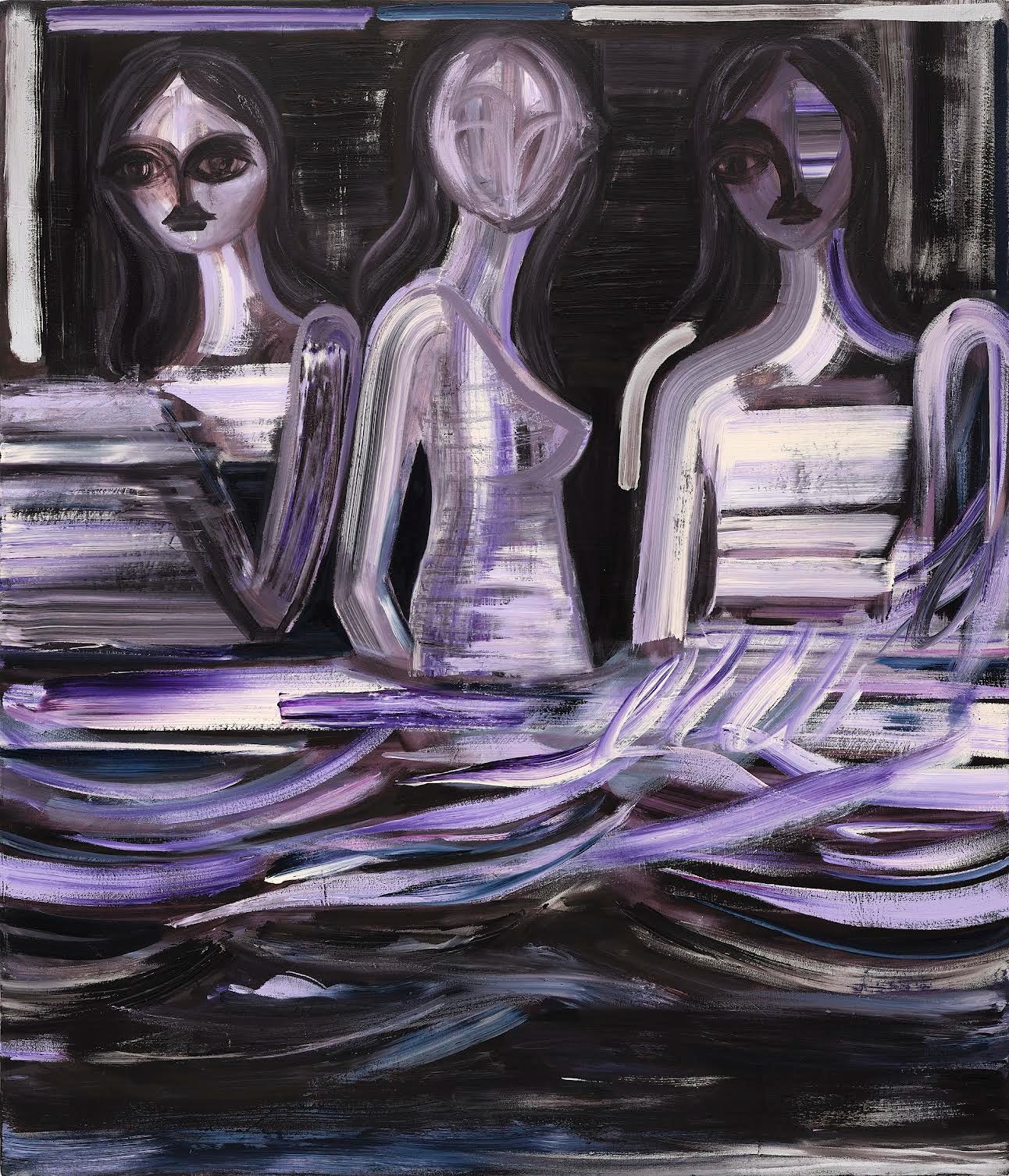
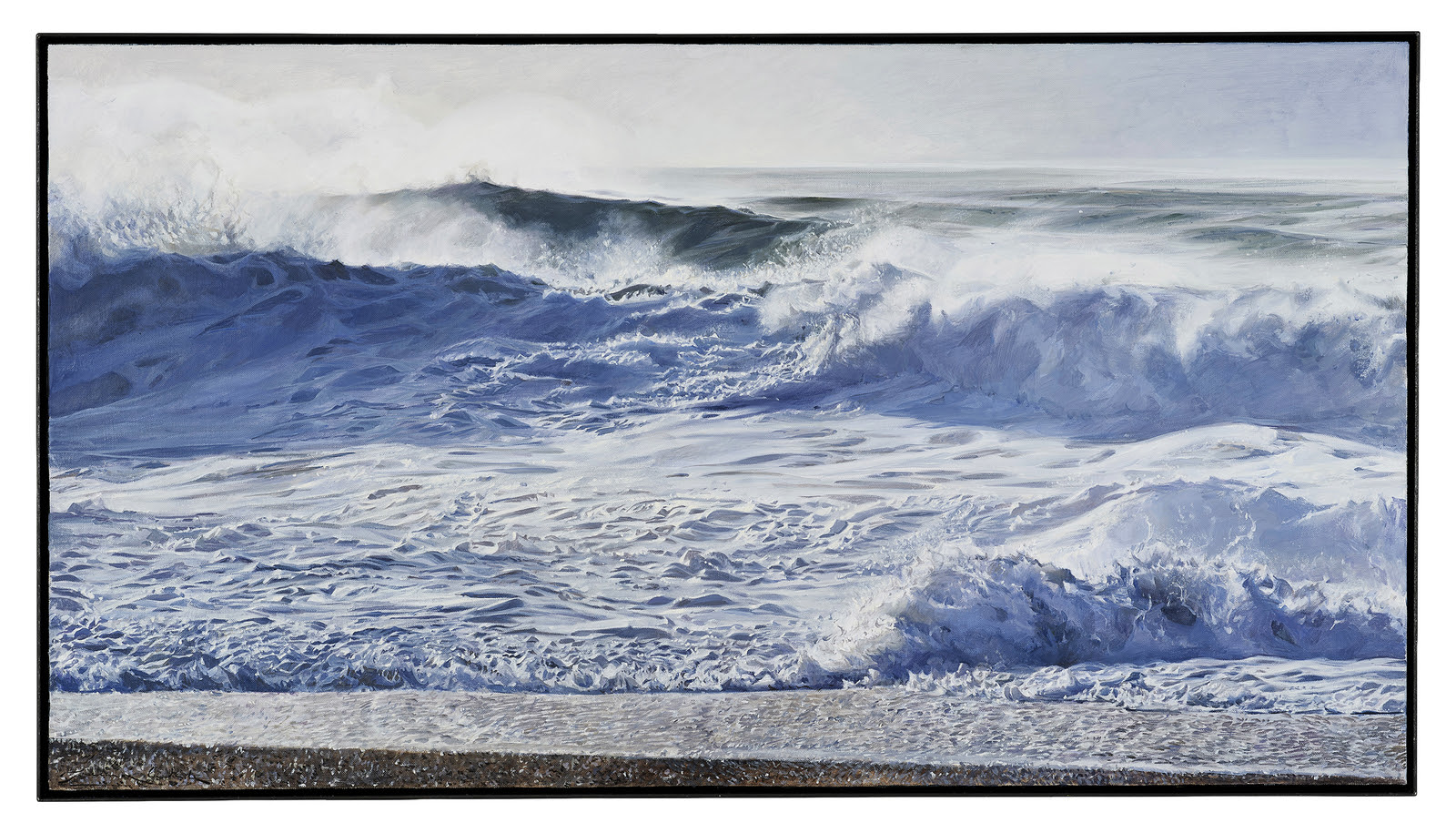
A considered group presentation across four artists. Natasha Wright’s large-scale oils and works on paper deal directly with the female form and gaze. Julia Holderness brings hand-painted ceramics and watercolours drawn from her studio archive, quietly revisionist work in the history of female painting in Aotearoa. Simon Kaan (Kāi Tahu, Kāti Mamoe, Waitaha) offers meditative paintings of waka set against dissolved horizons of sea and sky, while Freeman White rounds out the booth with bold, animated seascapes.
Natasha Wright, Sway, 2026 Oil on canvas 1525 x 1780 mm, Sanderson
One of the more intriguing group presentations at this year’s fair. The Föenander booth features new work by Israel Tangaroa Birch, Lottie Consalvo, Mbali Dhlamini, Anton Forde, Nick Herd, Roger Mortimer, Neal Palmer, Monica Rani Rudhar, Vipoo Srivilasa and Jessica Swney. A broad cross-section of contemporary practice that is worth exploring.
Israel Tangaroa Birch, Poutama Tree of Knowledge, Föenander Galleries
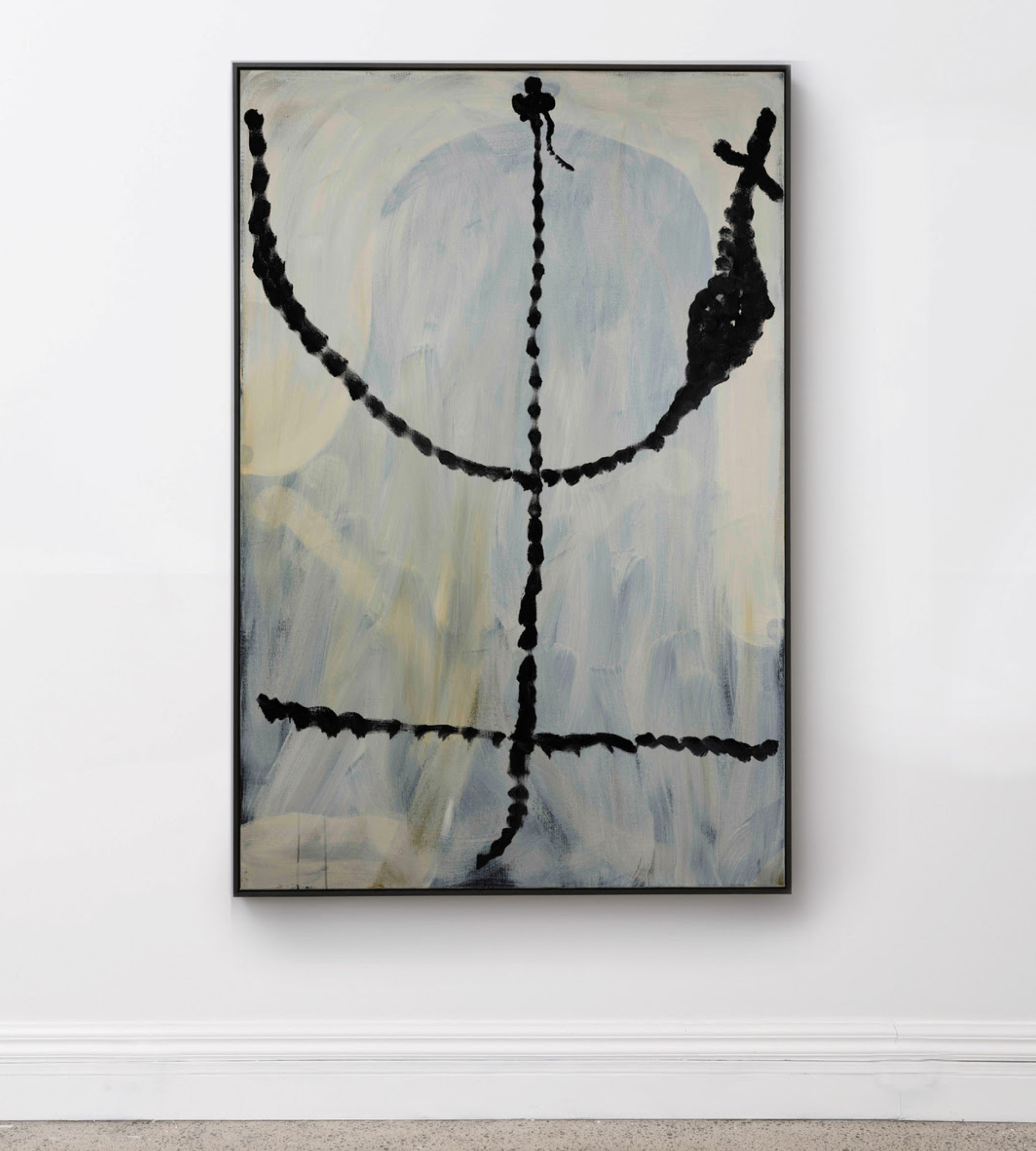
Lottie Consalvo, Reverent Tree, 2026, acrylic on canvas, Föenander Galleries
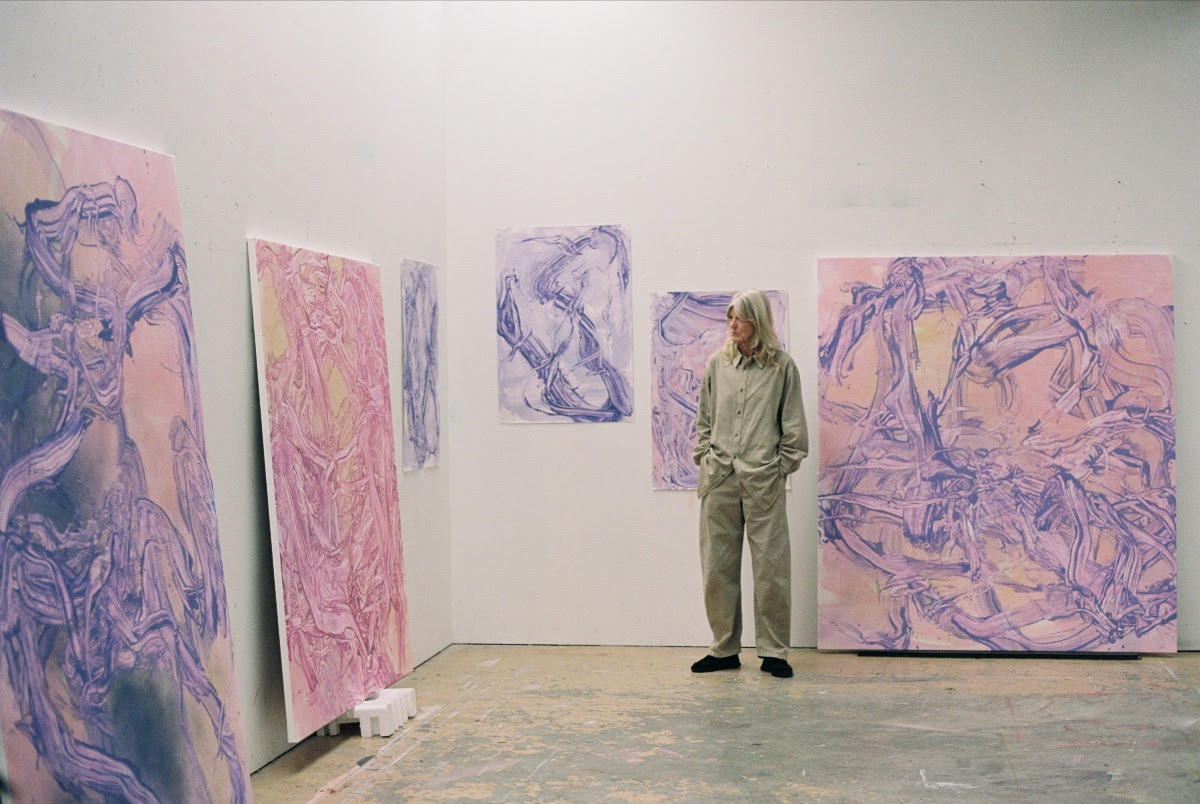
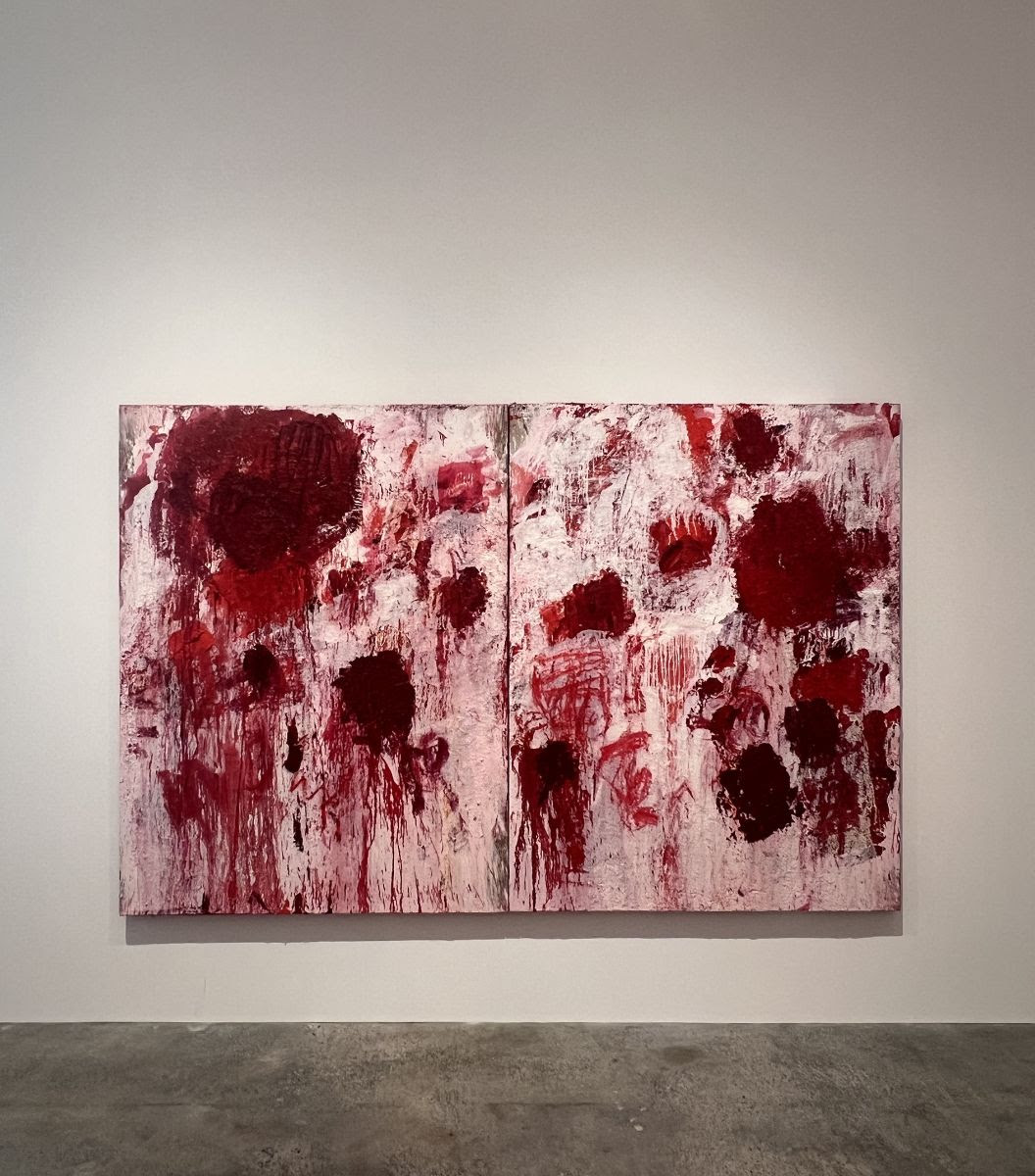
A solo presentation of new large-scale paintings by Judy Millar, one of the most consistently compelling abstract painters working in Aotearoa. Millar’s practice critically re-examines the gestural tradition she operates within, producing work that is both physically commanding and conceptually precise. These are paintings that require real space to be read properly; the fair setting is ideal.
Judy Millar in her studio with new works for the Aotearoa Art Fair 2026, Michael Lett
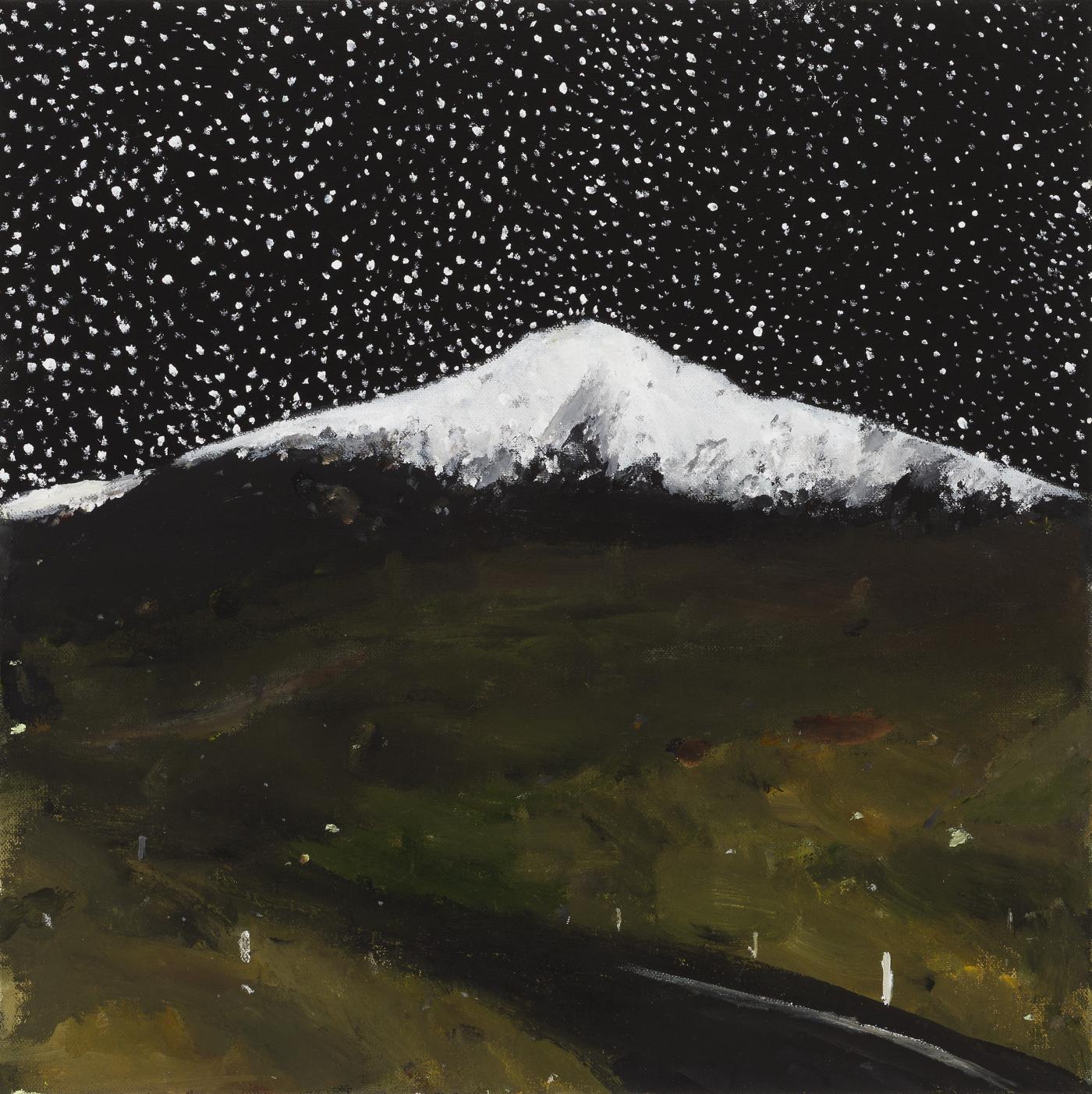
Ponsonby’s {Suite} brings something genuinely unusual: 50 small paintings by Richard Lewer, the Hamilton-born, Melbourne-based artist who has built an extraordinary reputation as a contemporary social realist on both sides of the Tasman. The full compendium is a kind of snapshot social commentary: personal, precise and frequently surprising. Following major institutional shows at the Geelong Gallery and National Gallery of Australia, this is a significant moment to encounter Lewer’s work in New Zealand.
Richard Lewer, Drive to the Snow, 2026, {Suite} Galleries
A strong showing across painting and sculpture with international reach. Aida Tomescu’s large-scale oils on Belgian linen are richly material and chromatic, shown alongside new work from Erin Lawlor, Lucienne O’Mara, Bill & Pip Culbert, Matthew Allen and Tomislav Nikolic. Germany-based Jan Albers also features through the Fox Jensen McCrory arm. A booth for those who respond to painting with formal rigour and strong material intelligence.
STARKWHITE’s presentation for the 2026 Aotearoa Art Fair brings together key artists from home and abroad in a sumptuous exploration of the sculptural object. A large central platform supports a metropolis of sculptural work by artists including Mikala Dwyer, Anselm Reyle, Seung Yul Oh, and Mark Whalen.
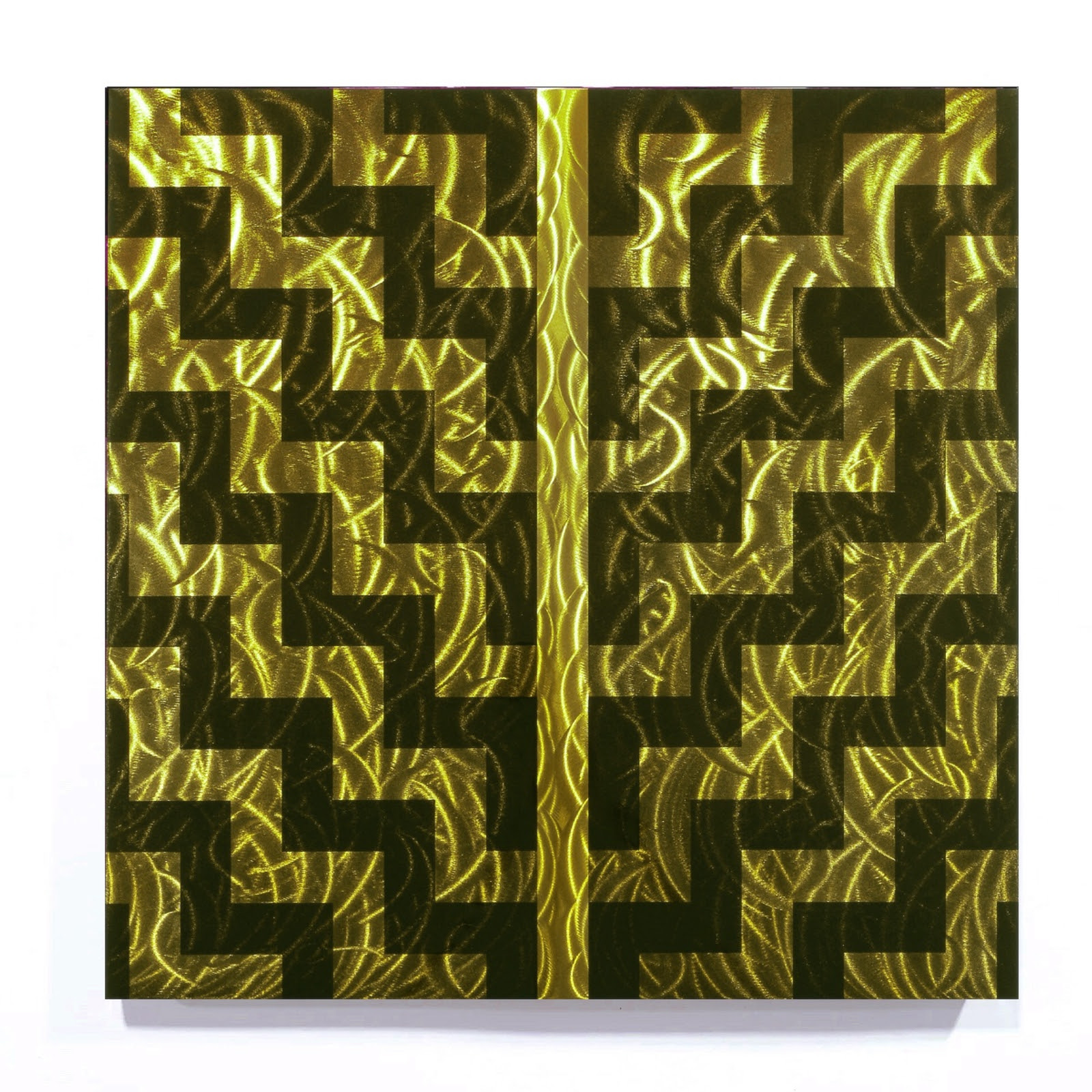
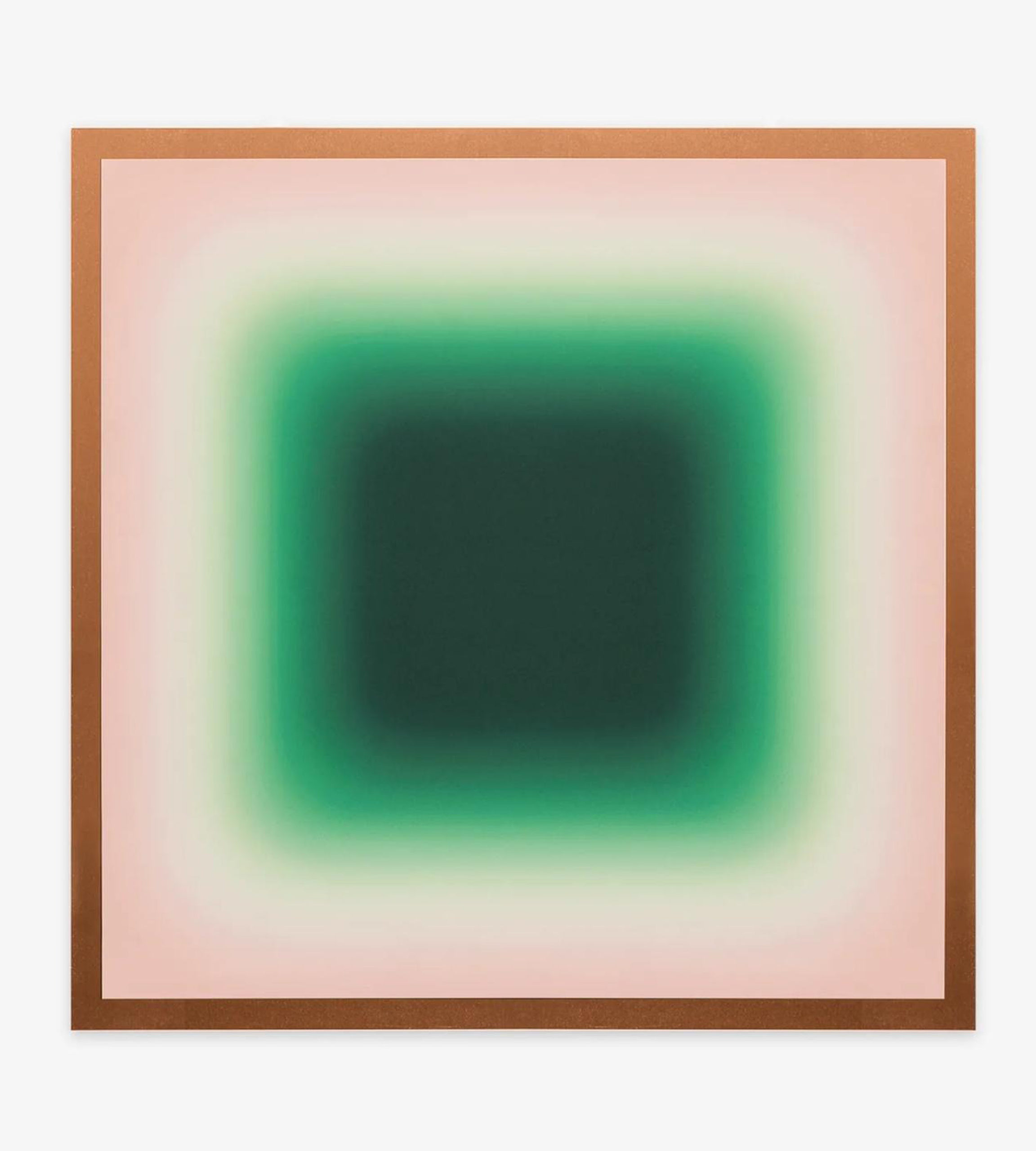
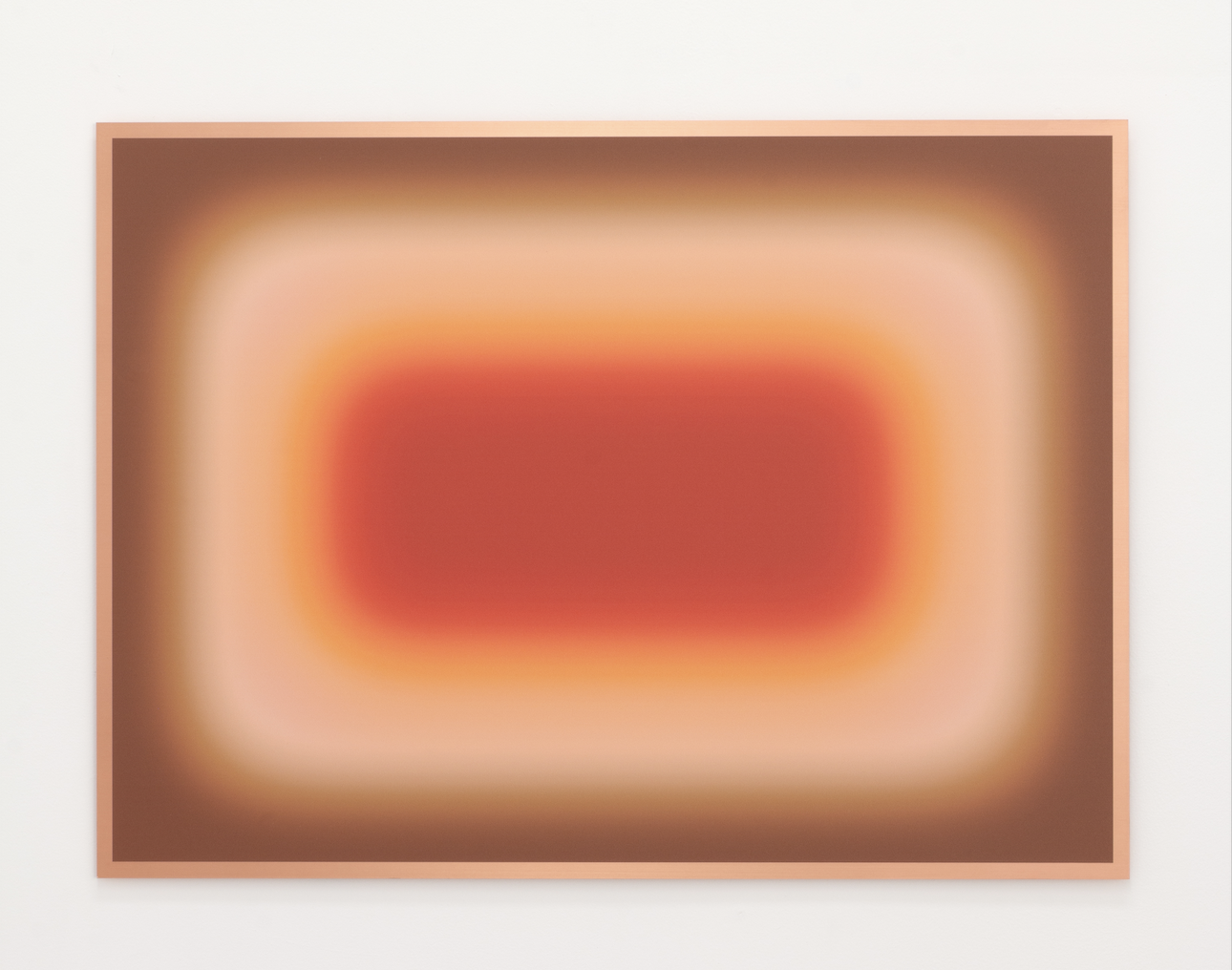
Jonny Niesche, moon moth lust in warm copper, 2022, Starkwhite
To coincide with the fair, Starkwhite releases Autumn Spice, a new limited-edition print by Jonny Niesche, executed in copper, the work will be released at 12 pm on Thursday, 30th April. Please register your interest at [email protected]. The reflective, warm-toned surface speaks directly to Niesche’s longstanding preoccupations with beauty, surface and desire. A collectable edition that does justice to the artist’s practice.
Black Door brings together four artists whose practices share a preoccupation with landscape, perception, and layered surfaces. Christine Cathie and Ryan Carter manipulate and sculpt glass to reveal and conceal imagery; Kaye McGarva bends perception through illusionistic painting; Mark Wooller works with maps and cartography to trace layered histories of place. Together, a coherent and thoughtful curation.
Kaye McGarva, Earth Tones, 2026, Black Door Gallery
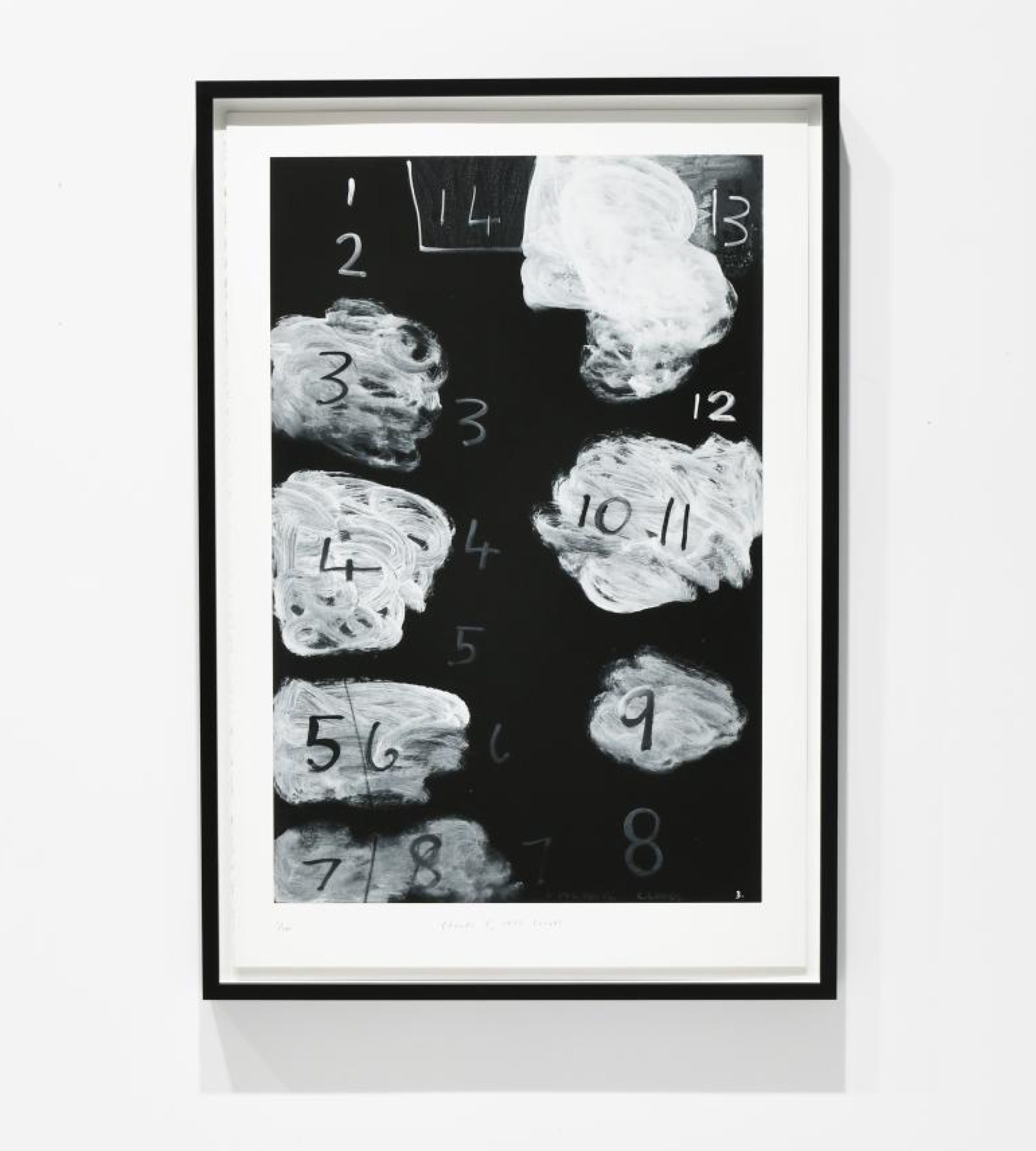
The Trust presents its first authorised limited edition: Clouds 3 (1975/2024), a beautiful archival screen print in an edition of 100. Proceeds fund the Colin McCahon Legacy Project, the digital catalogue raisonné of his 1,850+ works. A rare opportunity to acquire something genuinely connected to the McCahon estate, at an accessible price point.
Colin McCahon, Clouds 3, 1975, The Colin McCahon Trust
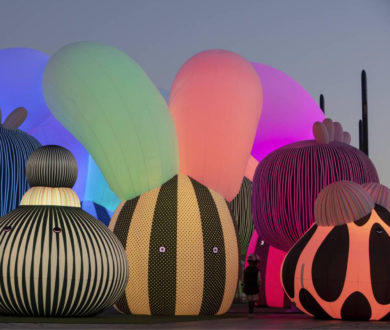
Running alongside the fair from 10 April to 4 May, the Aotearoa Art Fair Sculpture Trail (presented by Viaduct Harbour in association with Auckland Live) expands significantly in 2026 with 24 large-scale works by 18 artists installed across the waterfront precinct. Free and open to the public, it is the most accessible entry point to the fair’s broader programme.
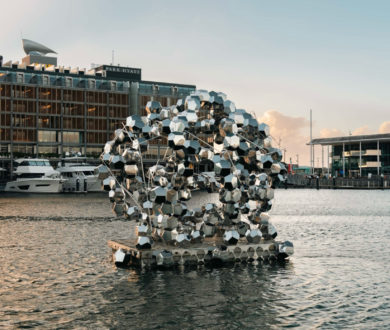
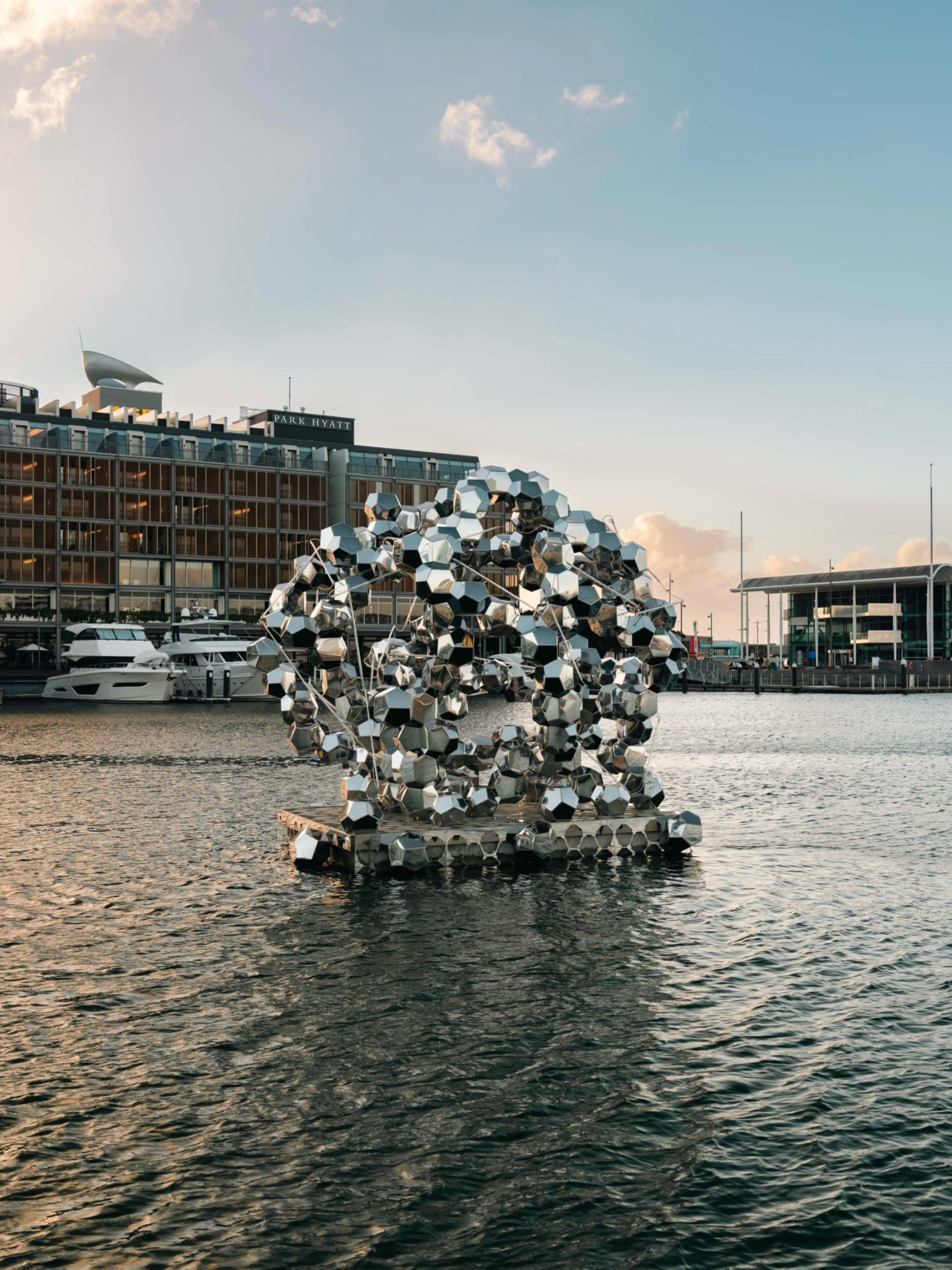
Highlights include Lisa Reihana’s ANZAC Waharoa at the entrance to the Viaduct Events Centre; works by Peata Larkin, Reuben Paterson and Sione Faletau; flag works by A’aifou Potemanidrawing on Pacific siapo; a major floating mirror-polished sculpture by Gregor Kregaranchoring the harbour edge; and international names including Bernar Venet and Turner Prize-winner Martin Creed. A genuine outdoor exhibition in its own right that can be appreciated by young and old.
Cumulus Structure by Gregor Kregar
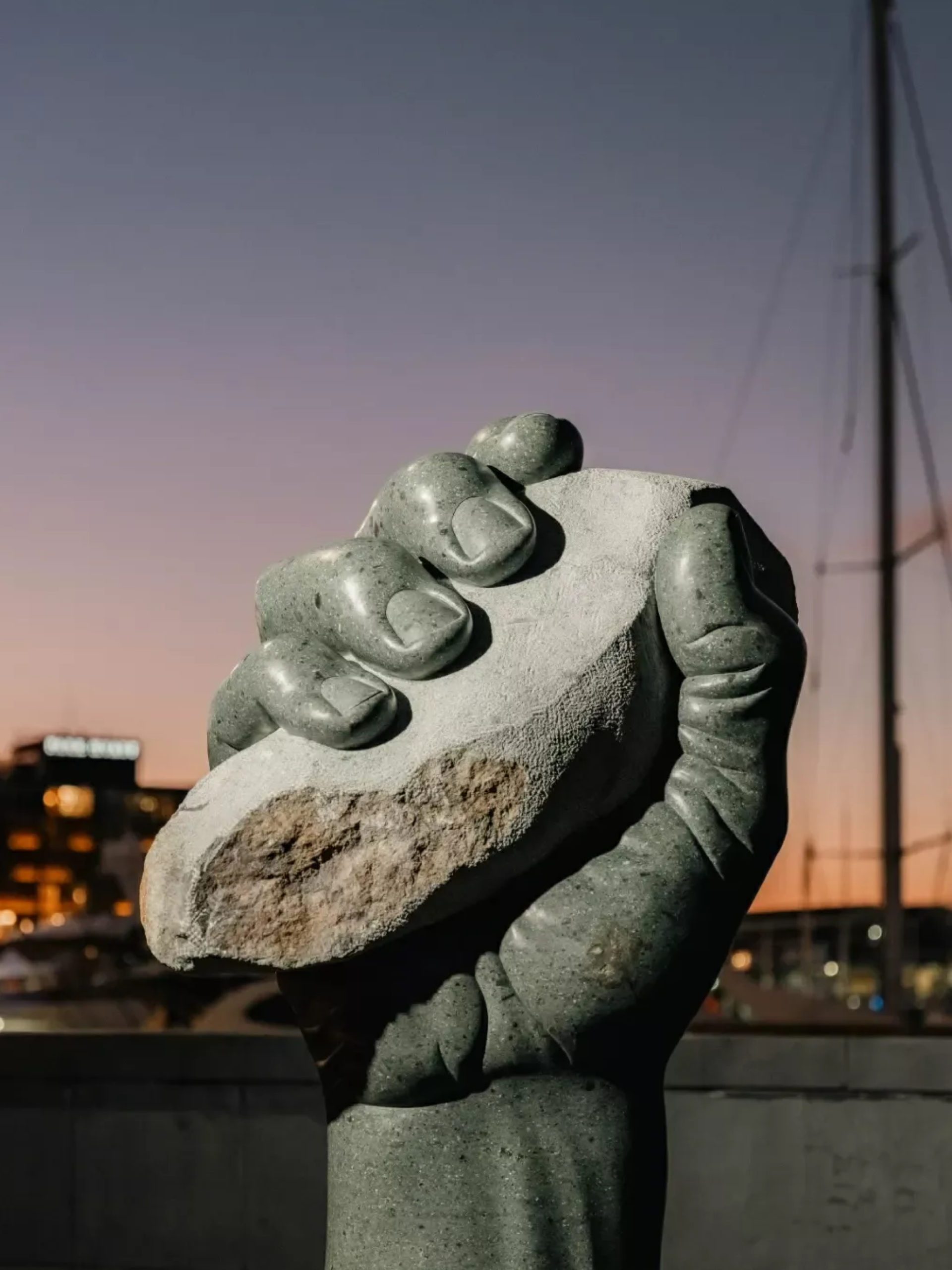
Blood from Stone by Josh Olley
The Aotearoa Art Fair is on from Thursday, 30th April until Sunday, 3rd May. Book your tickets here.
For more exclusive access to what the city has to offer, engaging content, excellent imagery and thought provoking commentary on the life that surrounds you, subscribe to Denizen magazine now.