



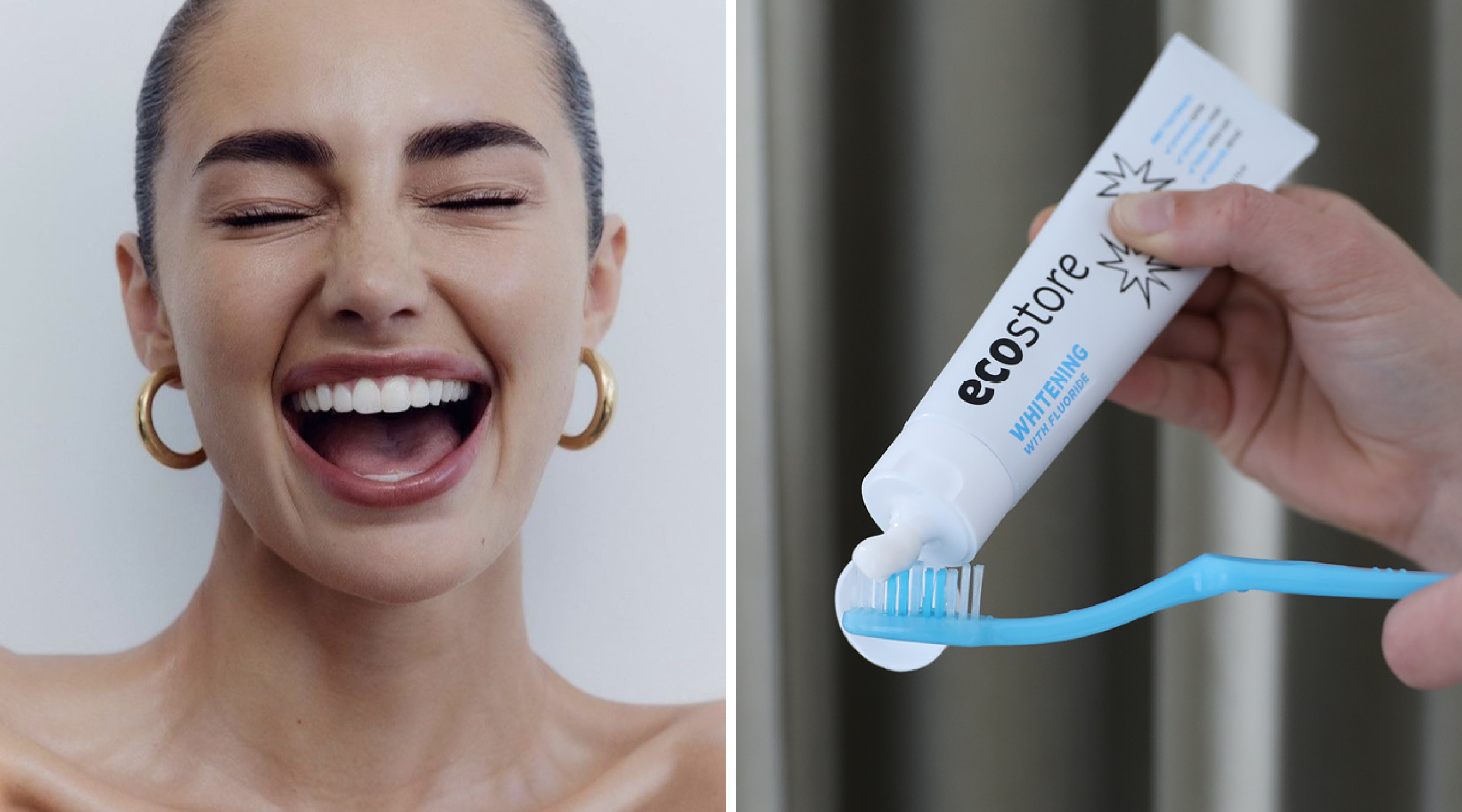
For most of us, the day begins with two imperatives. Coffee, and a fierce foaming blast of mint so sharp it could strip paint. The ritual is so ingrained that we rarely question it. If your mouth is not tingling and frothing, have you really brushed your teeth at all?
That bracing minty hit is not accidental. It is a legacy. Early 20th-century toothpaste brands trained consumers to associate flavour and foam with efficacy. The stronger the sensation, the more convincing the promise. Fresh breath became synonymous with oral health. Our senses over took any scientific reasoning.
Yet dentists will tell you something far less glamorous. Toothpaste’s primary role is not to overwhelm the mouth but to support the mechanical action of brushing. What matters is how well the bristles reach the tooth surface, how gently plaque is lifted, and how carefully enamel and gums are treated over time. Excess foam can create the illusion of thoroughness. You feel clean, therefore you assume you are.

This is where Ecostore enters the morning routine, not as a moral position but as a practical one. Long regarded as one of New Zealand’s most trusted authorities in responsible home and body care, the brand approached oral care by quietly removing the theatrics. No SLS to manufacture foam. No triclosan. No parabens. No artificial sweeteners masquerading as freshness. Instead, plant and mineral based ingredients selected for their performance and their compatibility with the body. Native kānuka oil and magnolia bark extract support gum health, while peppermint and clove essential oils provide a clean finish without the aggressive sting that has long been mistaken for effectiveness.
For anyone conditioned to believe that a mouthful of foam signals a professional level clean, brushing with Ecostore can feel like rewriting an old script. The foam is restrained, the flavour measured, and the sink no longer resembles a foam party. But it’s what is happening inside the mouth that tells a more compelling story. Gums feel calm rather than sensitised. Teeth feel polished rather than scoured. The freshness that remains is clean and balanced, not chemical. It prompts a revealing question. Have we spent decades equating that foaming sensation with health simply because advertising told us to?
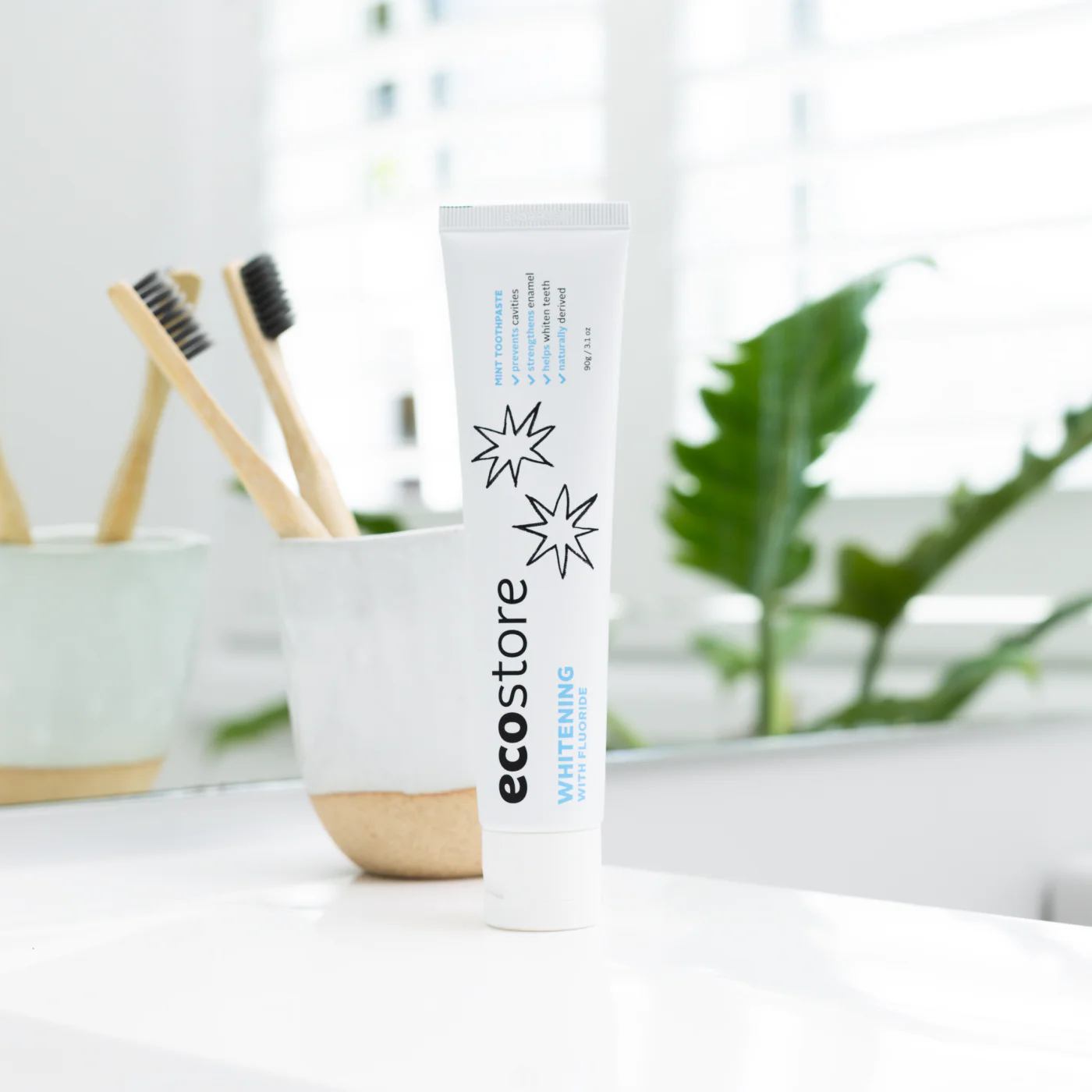
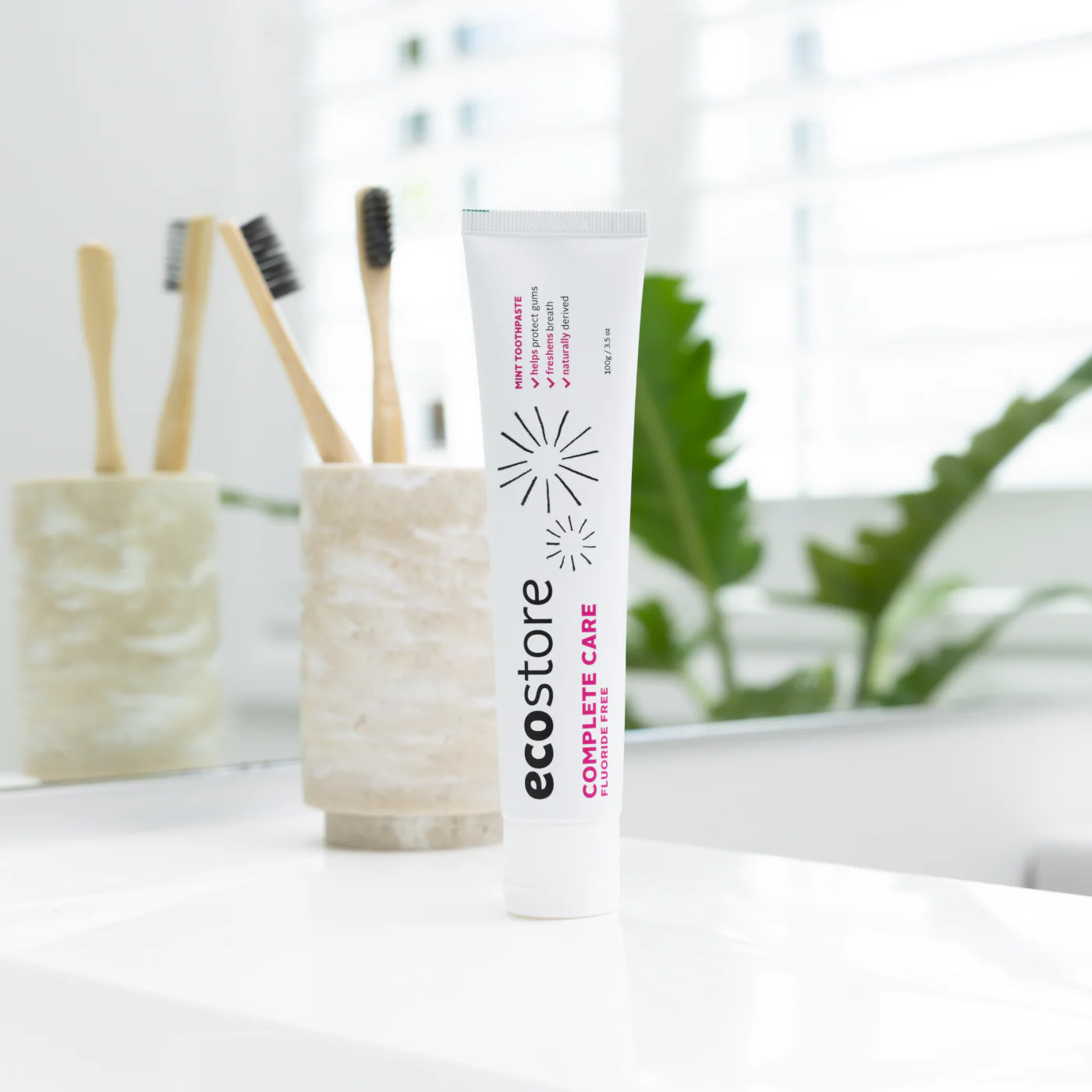
The range also reflects a pragmatic understanding of modern consumers. Ecostore’s Whitening with Fluoride option acknowledges that many people still want the enamel strengthening and cavity protection fluoride offers, while the formula itself remains low abrasive and uses baking soda to brighten teeth gently rather than strip them back with aggressive polishing agents. For those who prefer to avoid fluoride, that option remains within the range. The intelligence lies in the flexibility. It recognises that what we once accepted as the gold standard of cleanliness was often designed to appeal to our instincts rather than our long term wellbeing.
Not all toothpaste is created equal. Some rely on sensation to sell the illusion of effectiveness. Others rely on careful formulation and a quieter kind of confidence. The question is whether we are ready to choose the option that is clearly better for our teeth, and arguably better for the planet too.