Naturally, immunity becomes top of mind as the temperatures drop. With winter comes a fresh wave of seasonal bugs, and now more than ever, supporting your body’s natural defences feels essential.
Ultimately, immunity comes back to the foods you eat. What’s on your plate at breakfast, lunch, and dinner, or your go-to snacks throughout the day… these are all opportunities to strengthen your immune system. With a regular dose of nutrient-rich foods, you’re not just nourishing yourself for the season ahead, but making winter wellness a daily ritual to feel good about.
Camu Camu Berries
Not to be missed on any immunity list is the coveted vitamin C — a winter staple that has been in family medicine cabinets for as long as we can remember. Although typically speaking, most would reach for a glass of cold pressed OJ for a daily vitamin hit, some studies have shown one of the highest fruit sources is the camu camu berry, which comes as a powder form that can be added to a morning smoothie for an extra hit of goodness. You can also get this vitamin powerhouse in capsule form, making a daily dose even simpler.
Fresh Oysters
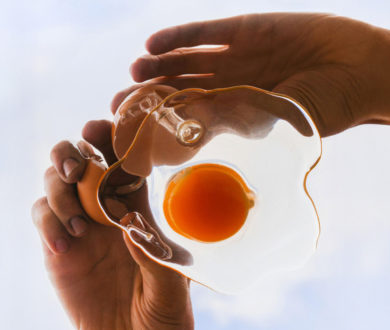
As if we needed another excuse to overindulge on oysters, but nonetheless, here it is. Oysters are known to be a rich source of mineral zinc, as well as a number of other important nutrients like iron and vitamin D (which play a key role in immunity too). Zinc acts as a barrier in the body, which prevents pathogens and viruses from entering the cells that surround your organs. It’s a lot of science-speak, but the key takeaway here is that there’s no such thing as too many oysters.
Turmeric
This root is golden in more ways than one. Praised by the wellness community for decades, turmeric has truly made a name for itself in recent years. If you haven’t tried a turmeric latte, it’s a vibrant alternative to a chai or your daily coffee, and it brings the powerful nutritional benefits of turmeric to the table. The spice is known for its anti-inflammatory properties, which can relieve chronic pressure on the body’s immune system. Turmeric is one of those remedies that is both preventative, and offers longevity — win, win.
Mānuka Honey
One of our country’s greatest resources, mānuka honey oozes with health benefits that you’re hard pressed to find anywhere else. Like turmeric, the delicious honey offers preventative and protective benefits, all the way from its antimicrobial properties to the simple way it soothes a sore throat like nothing else.
Medicinal Mushrooms
Medicinal mushrooms are another superfood to add to your radar, if they haven’t been there for some time already. These aren’t the kind of mushrooms that will produce any psychoactive effects, but rather the immune-supporting benefits that we’re all craving right now. Shiitake mushrooms can be enjoyed in a broth and ramen, or reach for powdered reishi which can be blended into a smoothie or a superfood latte.
Probiotics
There are so many beautiful benefits that come with a daily dose of probiotics; a healthy gut, effervescent glowing skin, enhanced immunity… And they’re so easy to work into any meal. What makes probiotics truly unique is that each food introduces a different culture of healthy bacteria to your system. So have some kefir or yoghurt with breakfast, kombucha for morning tea, sauerkraut on your salad and a side of kimchi with your next dinner out to reap the myriad benefits.
Sardines
These tiny fish punch well above their weight on the health front. Rich in omega-3 fatty acids, vitamin D, calcium, and selenium, sardines can help to reduce inflammation, support immune function, and strengthen the body’s natural defences — crucial during the colder months when viruses tend to thrive. They’re also one of the best dietary sources of vitamin B12, which plays a key role in energy production and keeping your nervous system resilient. Sustainable, shelf-stable, and deeply nourishing (not to mention delicious), sardines are a smart staple for winter immunity.
Chlorella
This vibrant blue-green algae is a cold season secret weapon. Packed with immune-supporting nutrients like vitamin C, iron, zinc, and chlorophyll, chlorella helps the body fend off winter bugs while supporting detoxification at a cellular level. Its antiviral and antioxidant properties make it especially valuable during winter, and it’s also rich in plant-based protein and B vitamins to help maintain energy when the days are short and our levels are waning. Whether taken as a powder or tablet, chlorella is a potent, natural boost.
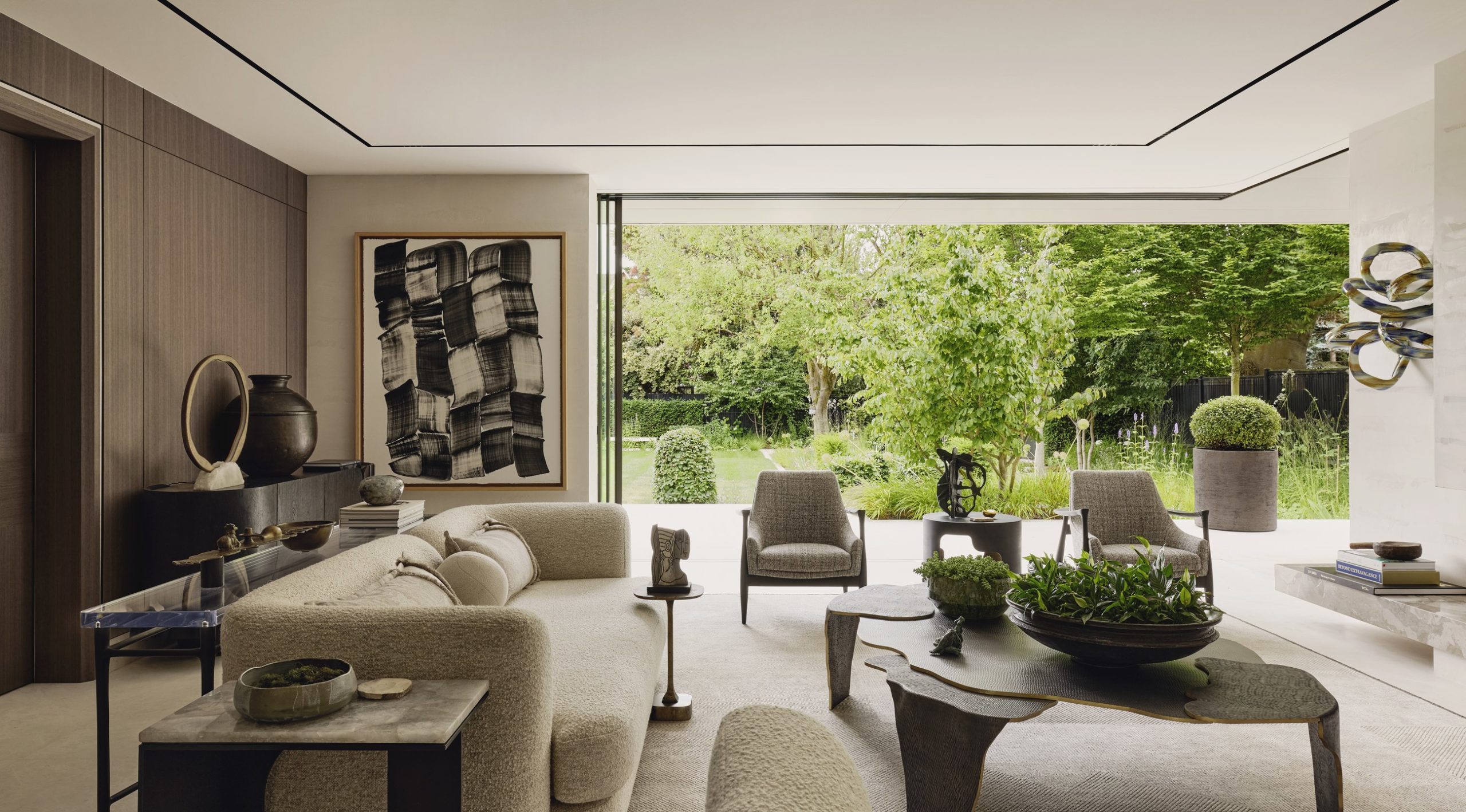
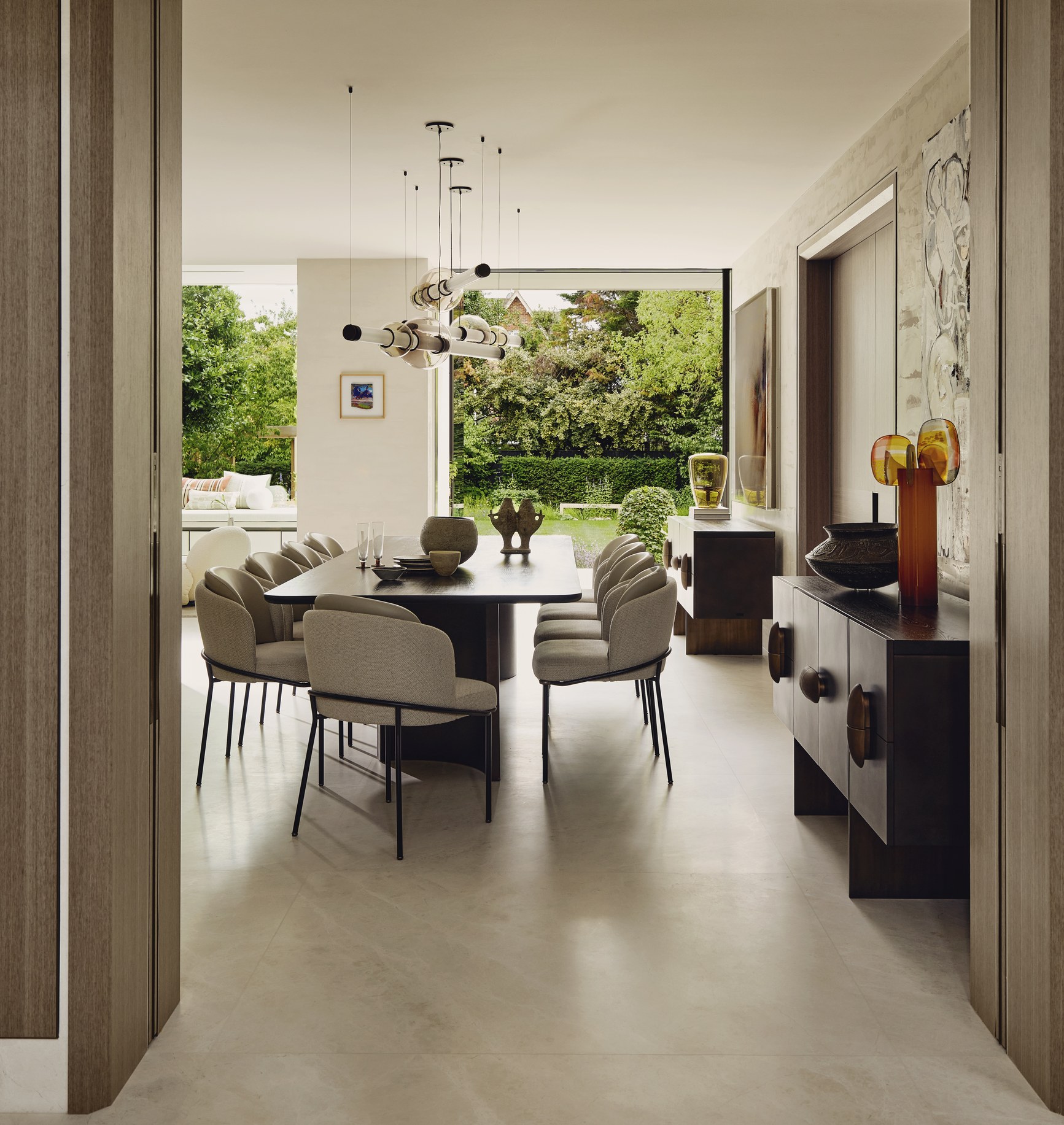
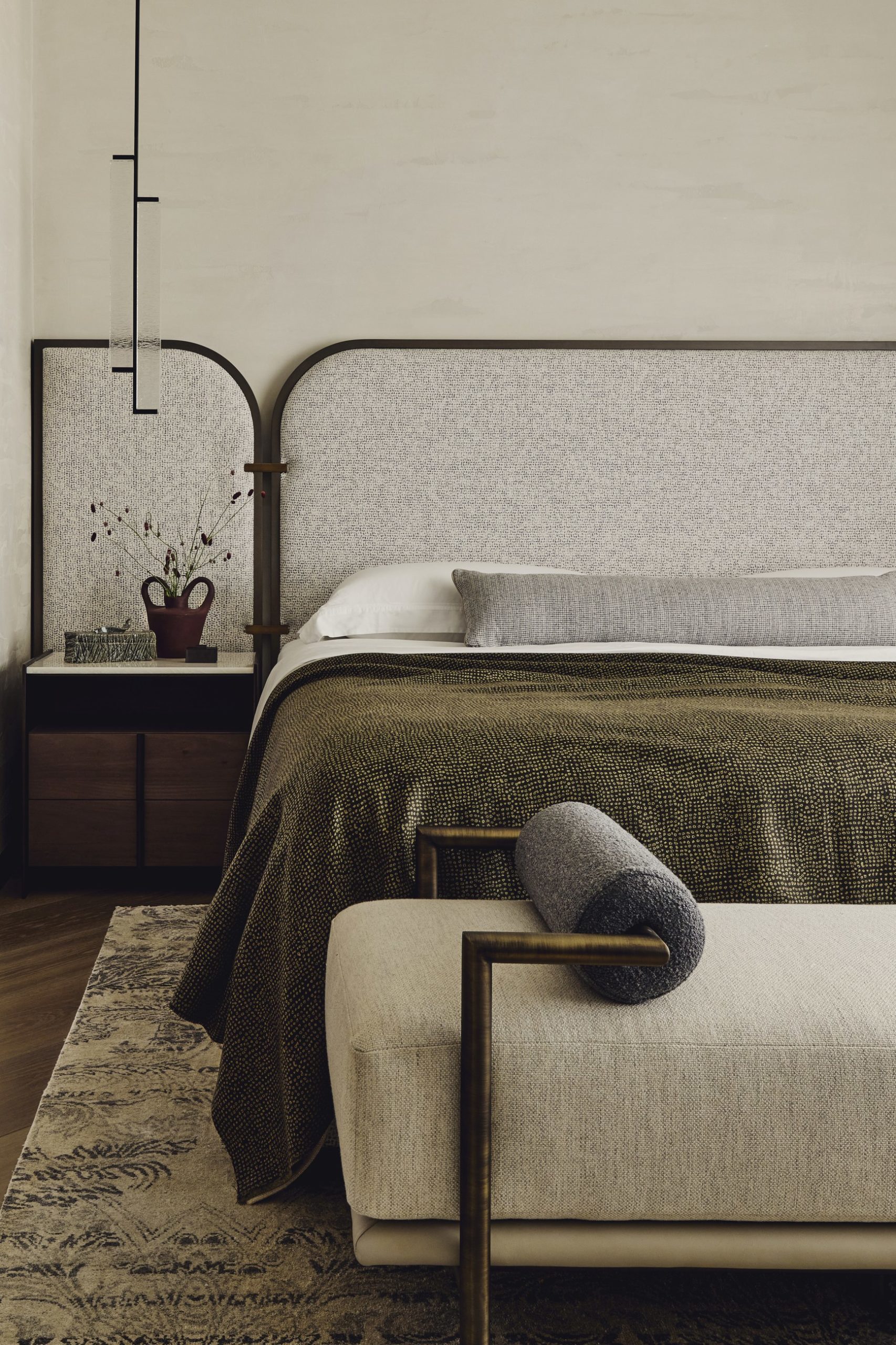
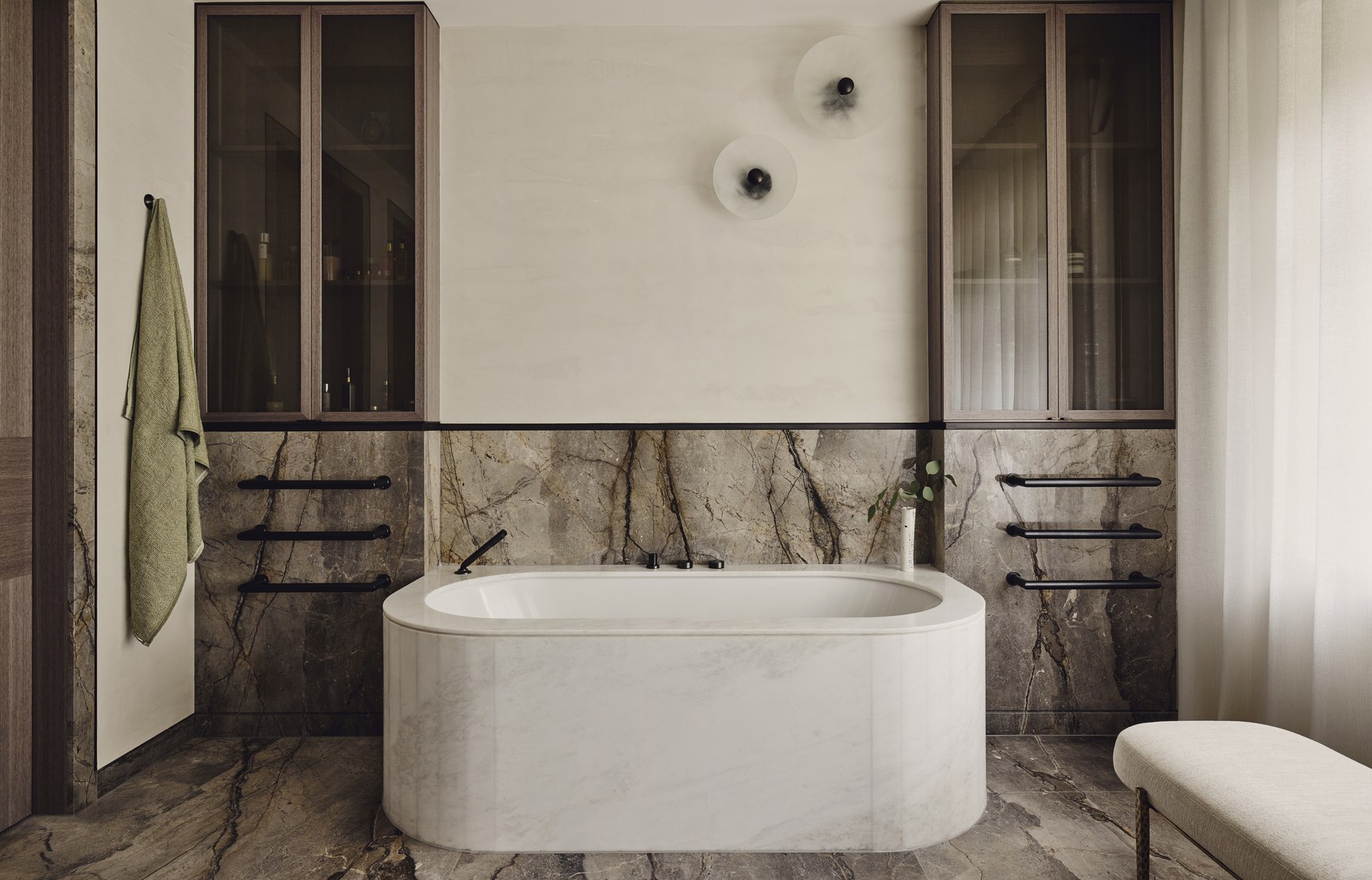
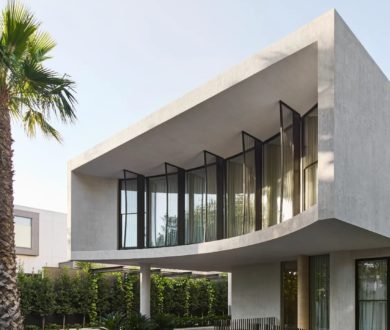
The owners of Gunter & Co’s London Home, an artist and her financier husband, knew from the outset that this was to be more than just a renovation. Having recently completed a project in India, they brought both experience and vision to the process, entrusting Irene Gunter and her team with the freedom to create something extraordinary. What began as a modest plan to relocate the staircase evolved into a complete transformation, with the façade braced and the rest of the structure rebuilt. The result is a three-storey residence more reminiscent of a contemporary gallery than a conventional London home.
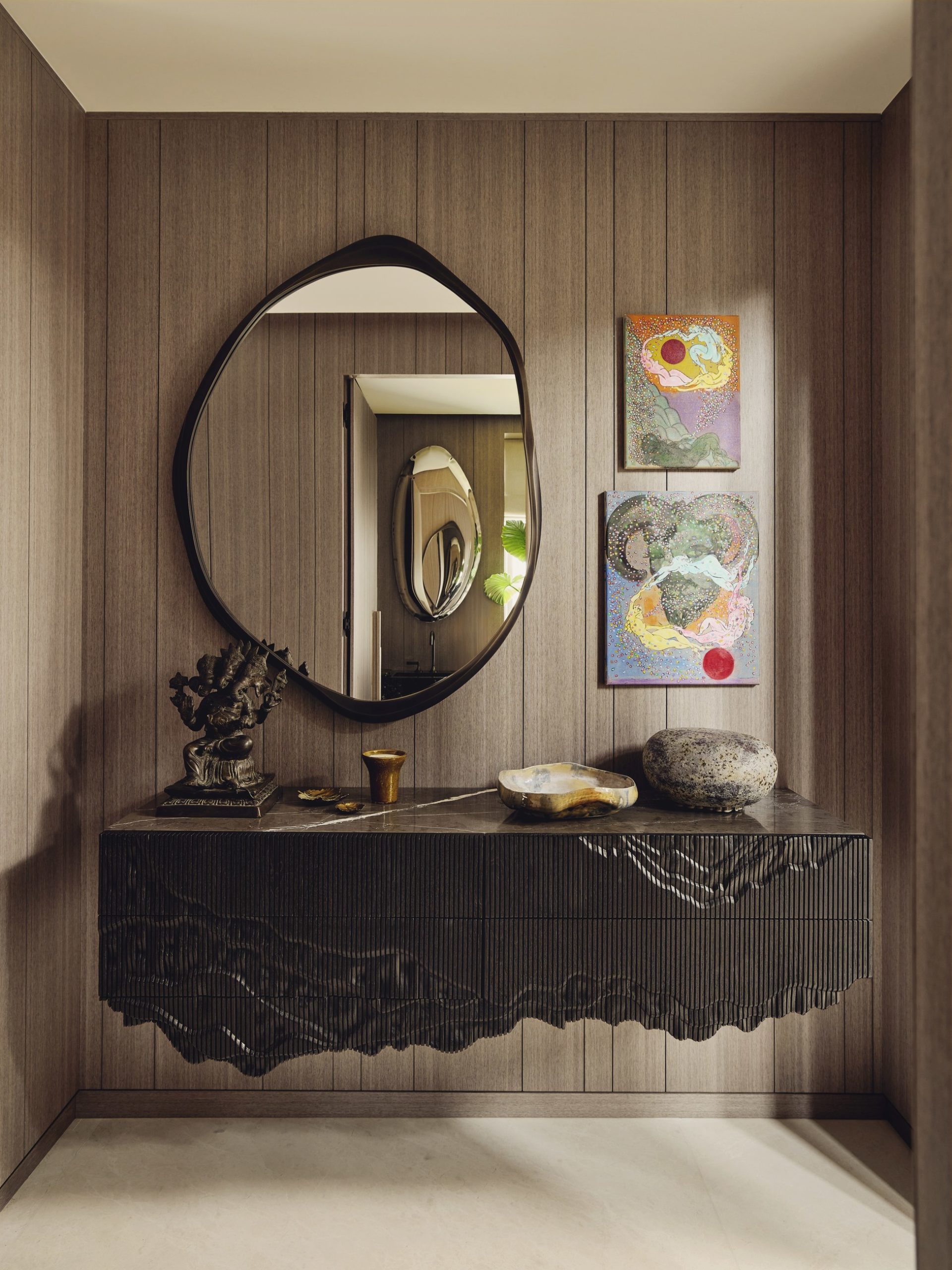
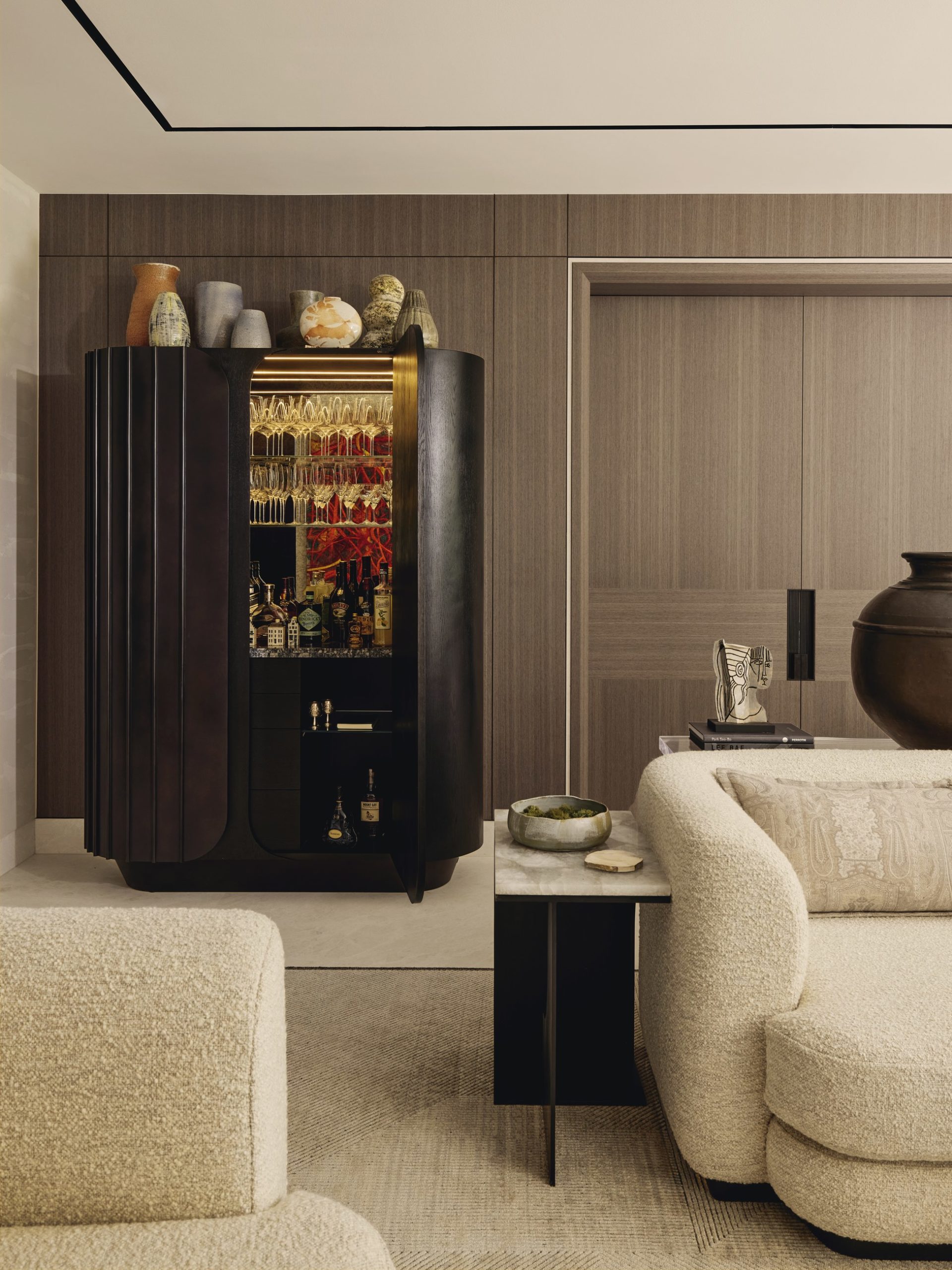
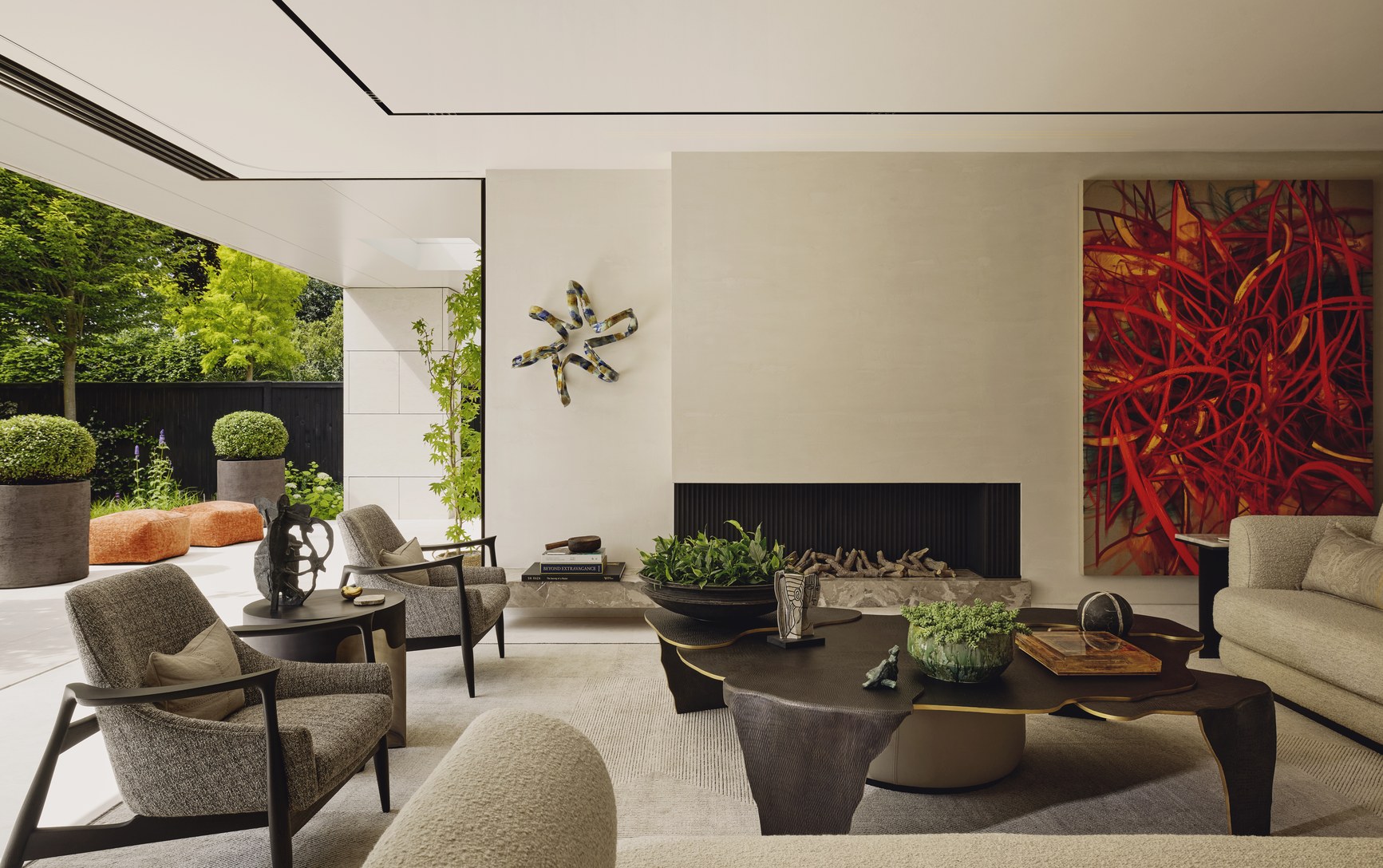
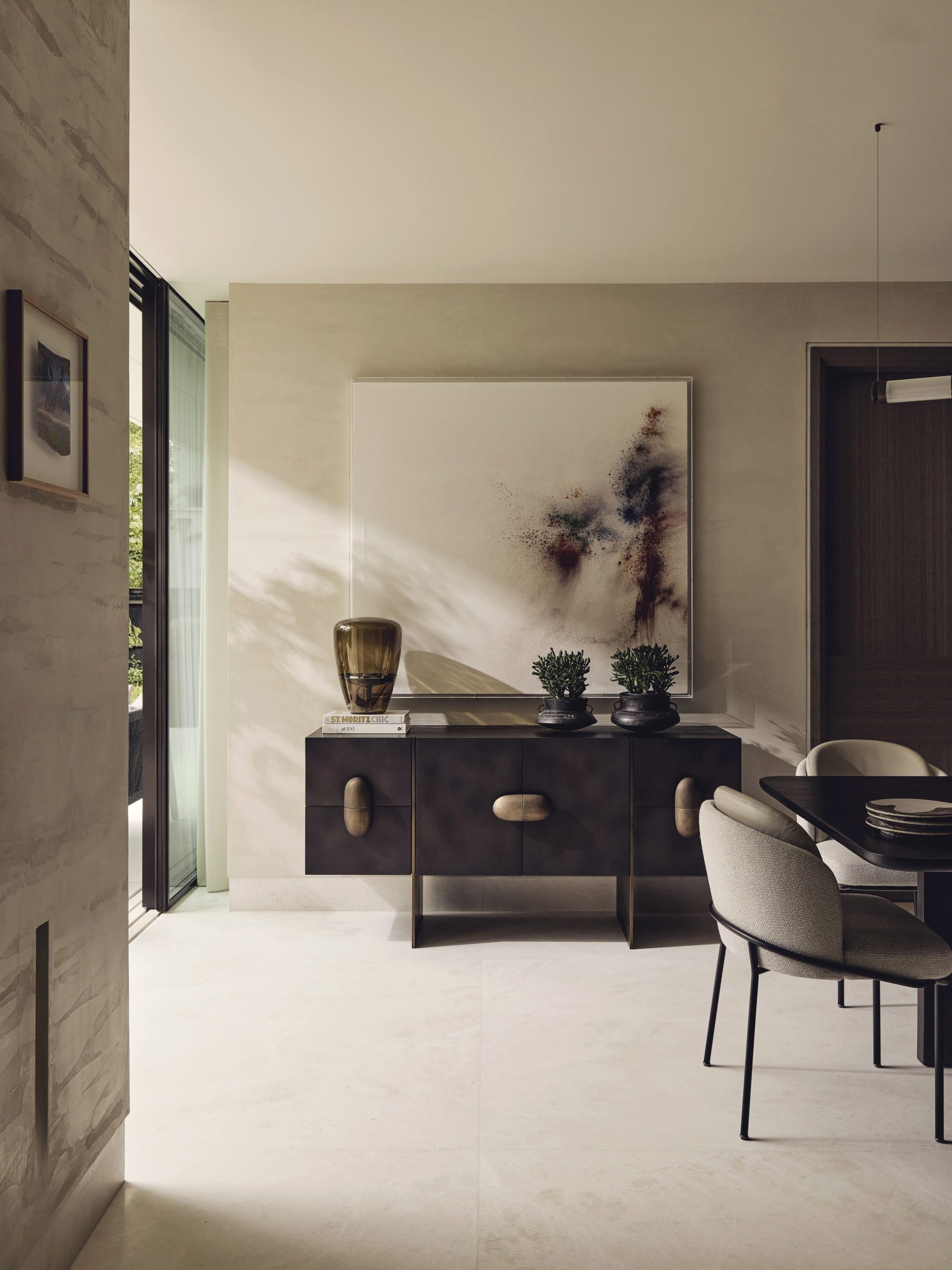
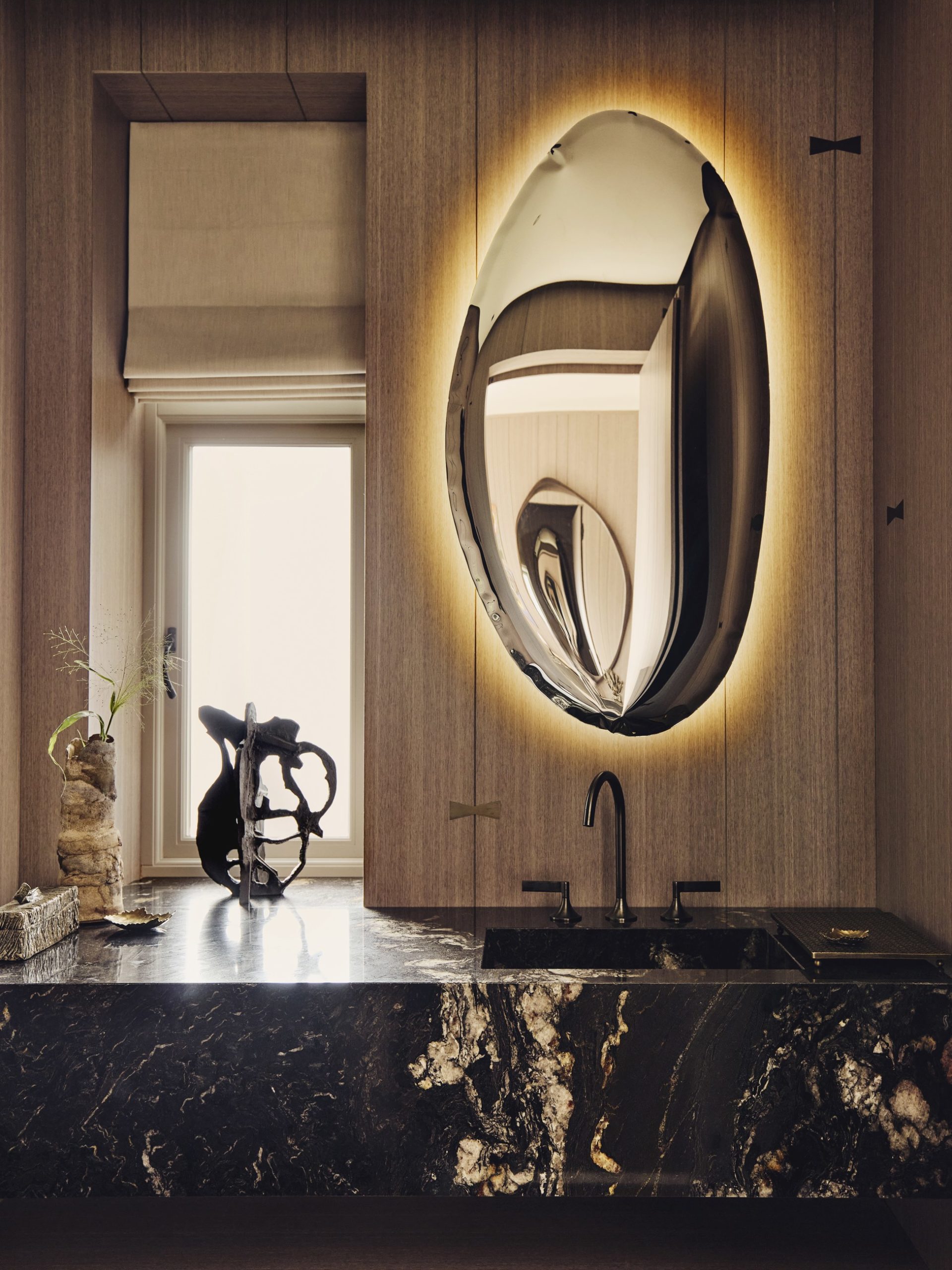
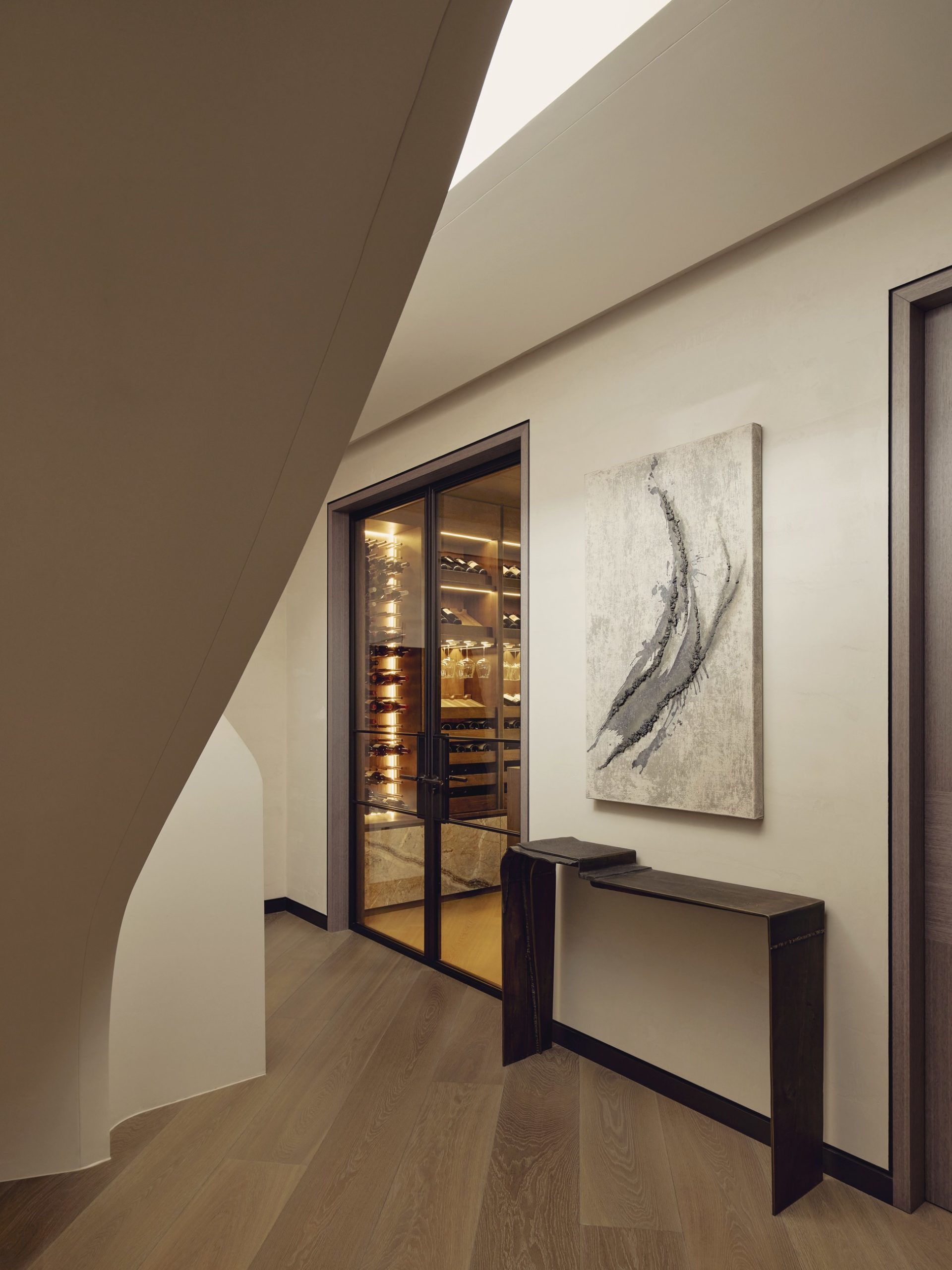
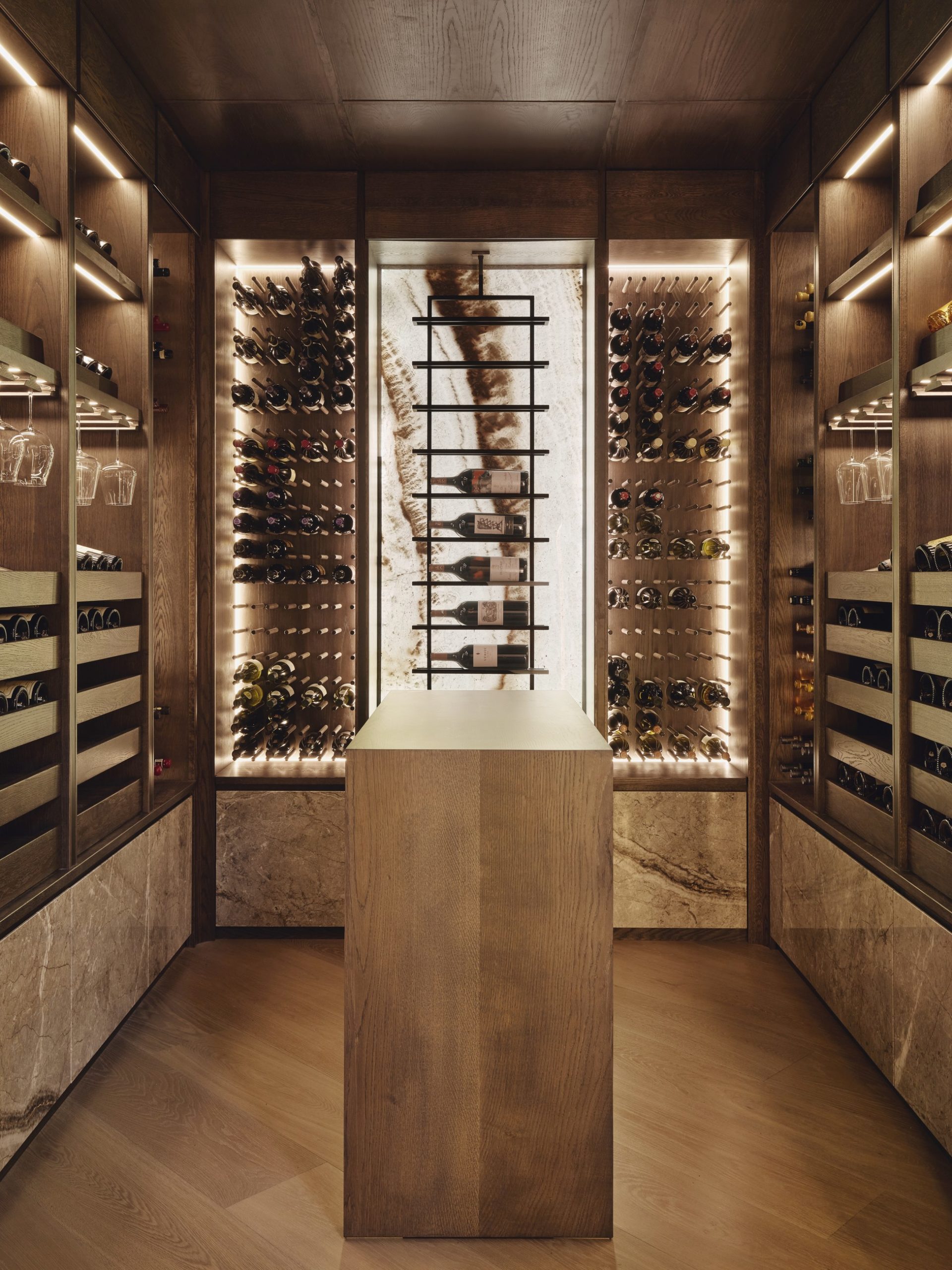
Light quickly became the home’s defining ingredient. Rare in the British capital, it floods the interiors, drenching polished plaster walls and spilling across expanses of natural stone. Spaces are layered in calm, neutral shades — oak, bronze, Emperador marble, Taj Mahal quartzite — forming a quiet canvas upon which the family’s vibrant art collection takes centre stage. Colour is reserved for moments of punctuation, from a dramatic cinema to moody bathrooms and rich textiles that echo the tones of international works sourced in Paris, London, and beyond.
“Colour is reserved for moments of punctuation, from a dramatic cinema to moody bathrooms and rich textiles that echo the tones of international works sourced in Paris, London, and beyond.”
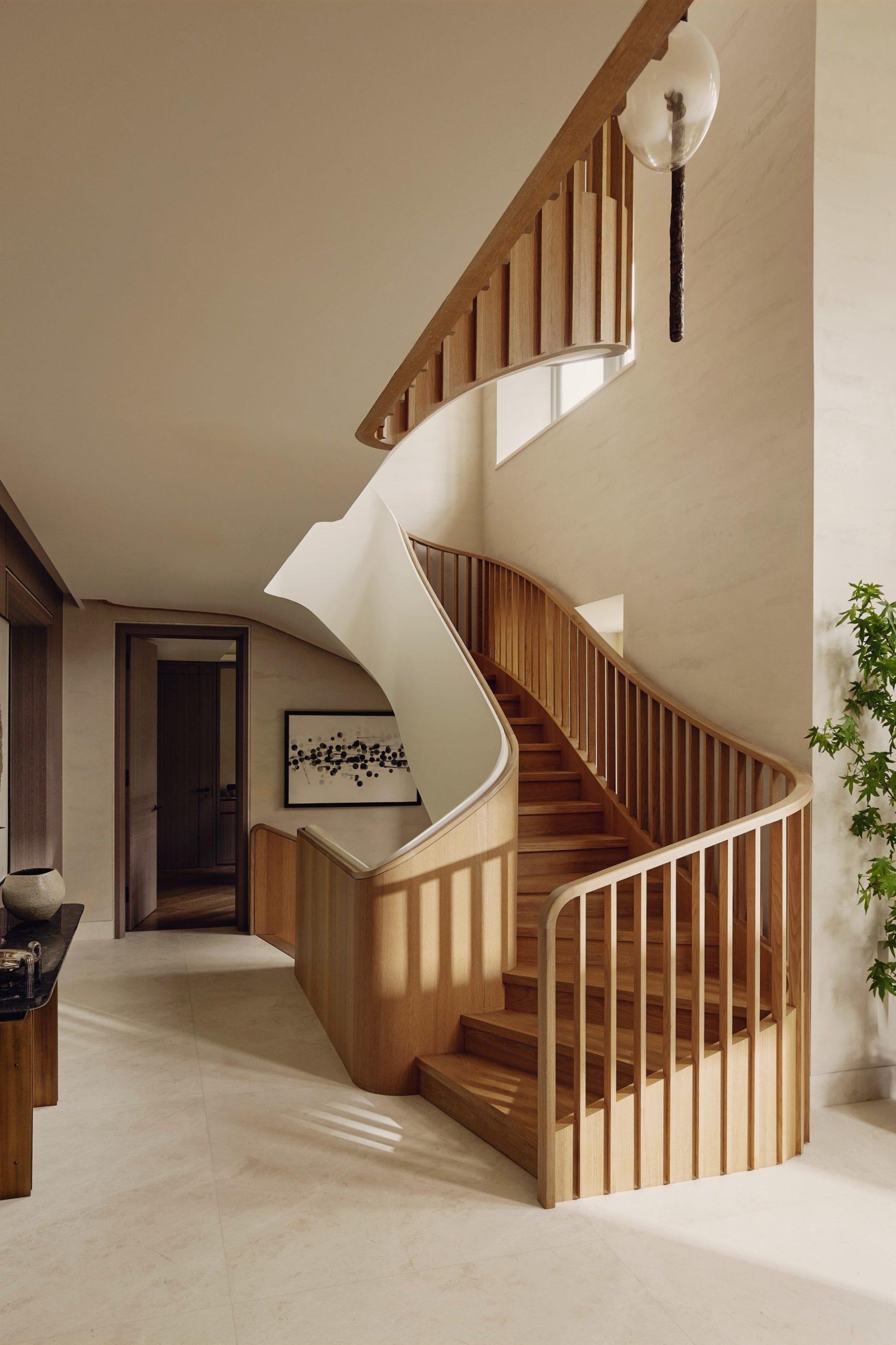
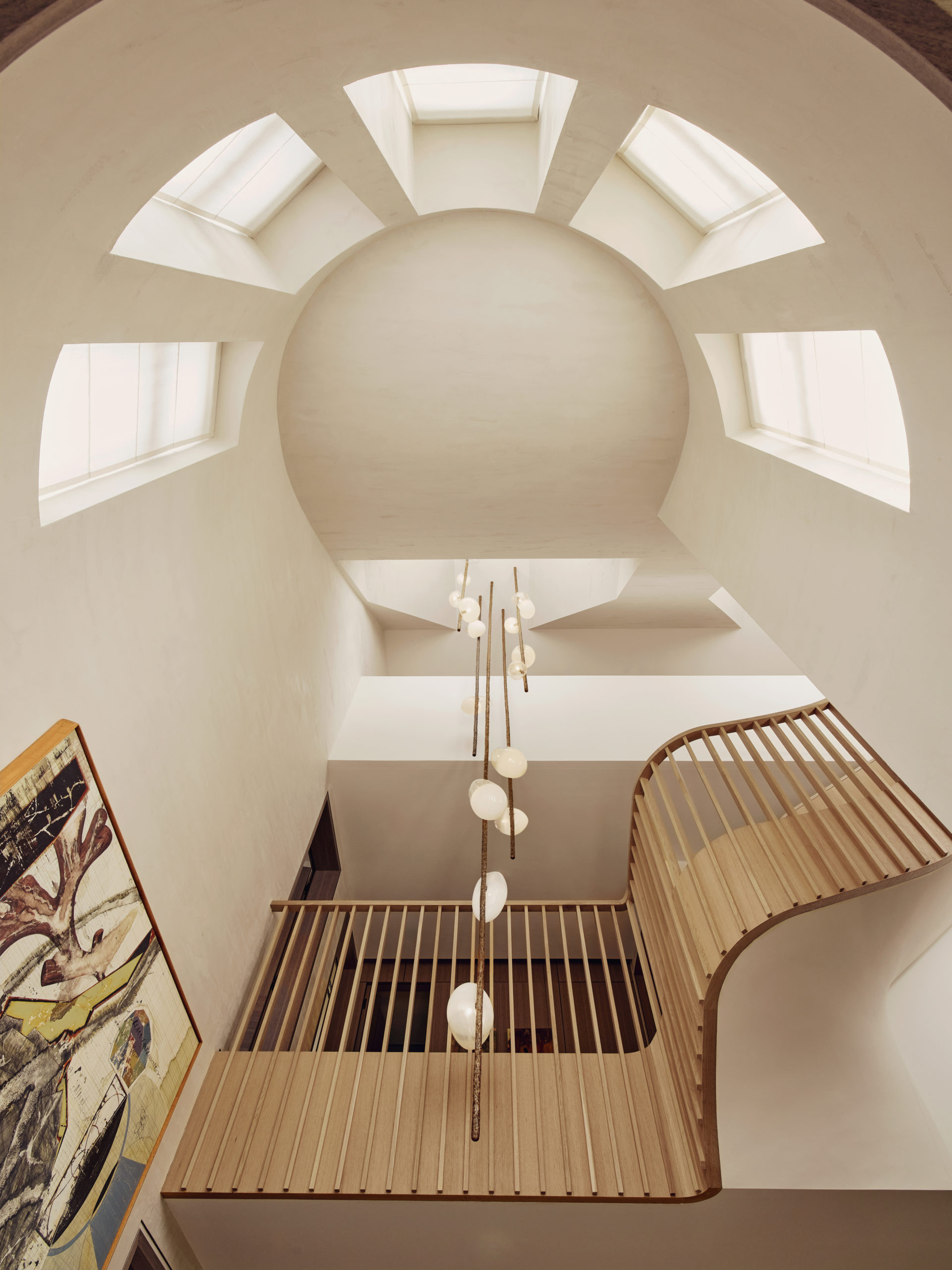
Collaboration lies at the heart of the design. Gunter & Co worked closely with skilled artisans in India to craft bespoke furniture throughout, a narrative enriched by the clients’ heritage and their passion for craftsmanship. A sculptural spiral staircase, designed with Harper Latter Architects, anchors the house, its organic curves echoed in custom seating, cabinetry, and lighting. The pièce de résistance, a three-storey pendant installation by Charles Burnand, hangs in the entrance void, its hand-blown glass forms refracting light in a collision of artistry and engineering.
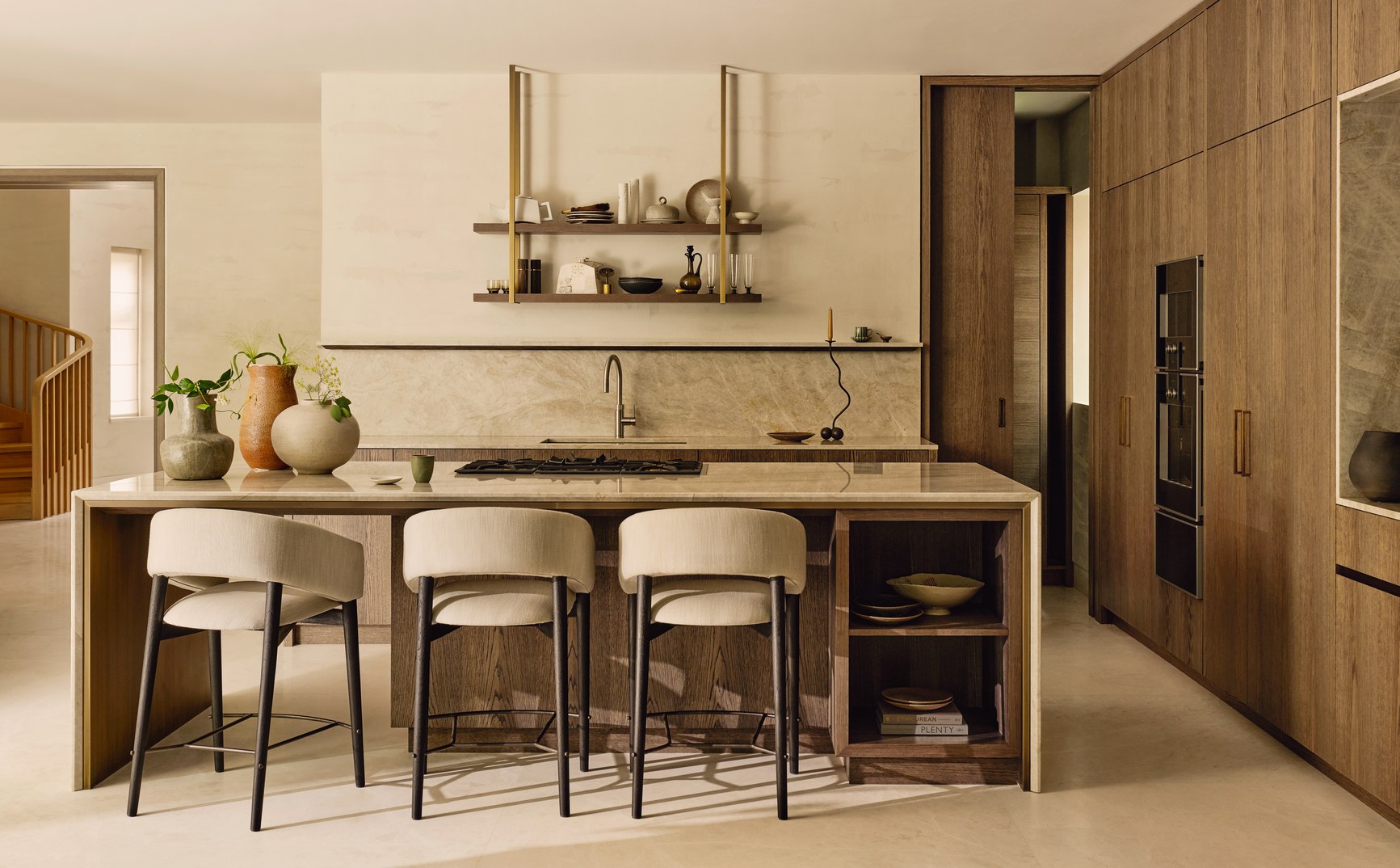
Despite the scale and precision of its detailing, the house remains deeply personal. The artist-homeowner’s handmade pottery sits proudly alongside contemporary canvases and curated objects. Shopping trips through London and art journeys to Paris expanded the collection, layering character and intimacy into the clean-lined spaces. Every room tells its own story — the family living room warmed by oak and natural light; the kitchen, designed in collaboration with Lanserring, honed from Taj Mahal quartzite; the bedrooms cocooned in texture and craftsmanship, from bespoke headboards to heavy cashmere drapery.
The footprint is generous, spanning five bedrooms, en suites, a cinema, a gym, an artist’s studio, a prayer room, and a wine cellar, yet the flow is seamless, with each space bound by a sense of cohesion and tranquillity. Cornices are absent, skirtings flush, and walls are rendered in soft plaster that absorbs and reflects light in equal measure. The effect is contemporary, but never cold; restrained, but never austere.
Ultimately, this South West London home by Gunter & Co is a meditation on light and craft — and sits at the intersection of both. It is a gallery and a refuge, and a family house that honours heritage while embracing modern living. Above all, this residence is a quietly luminous sanctuary, conceived to stand the test of time for years to come.
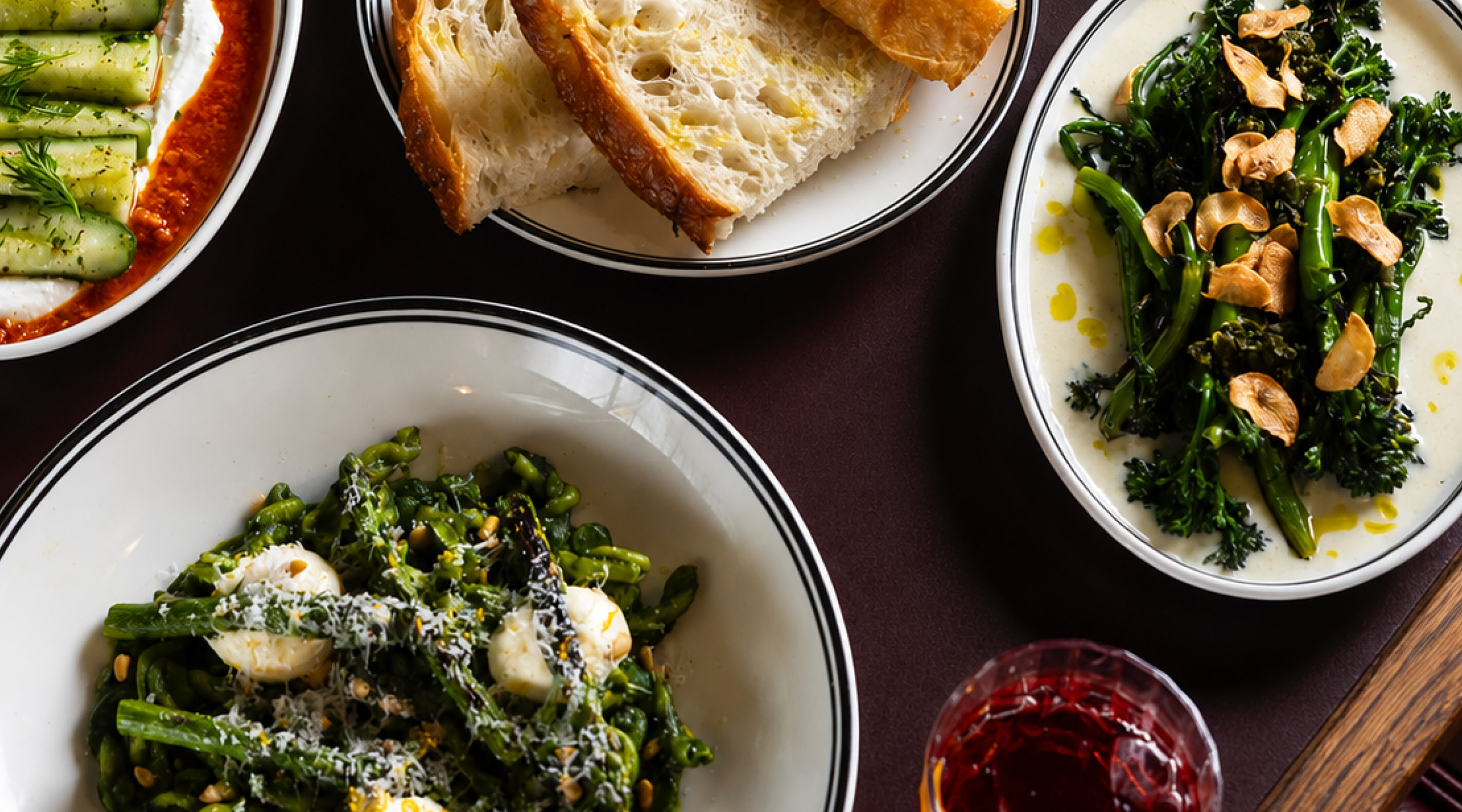
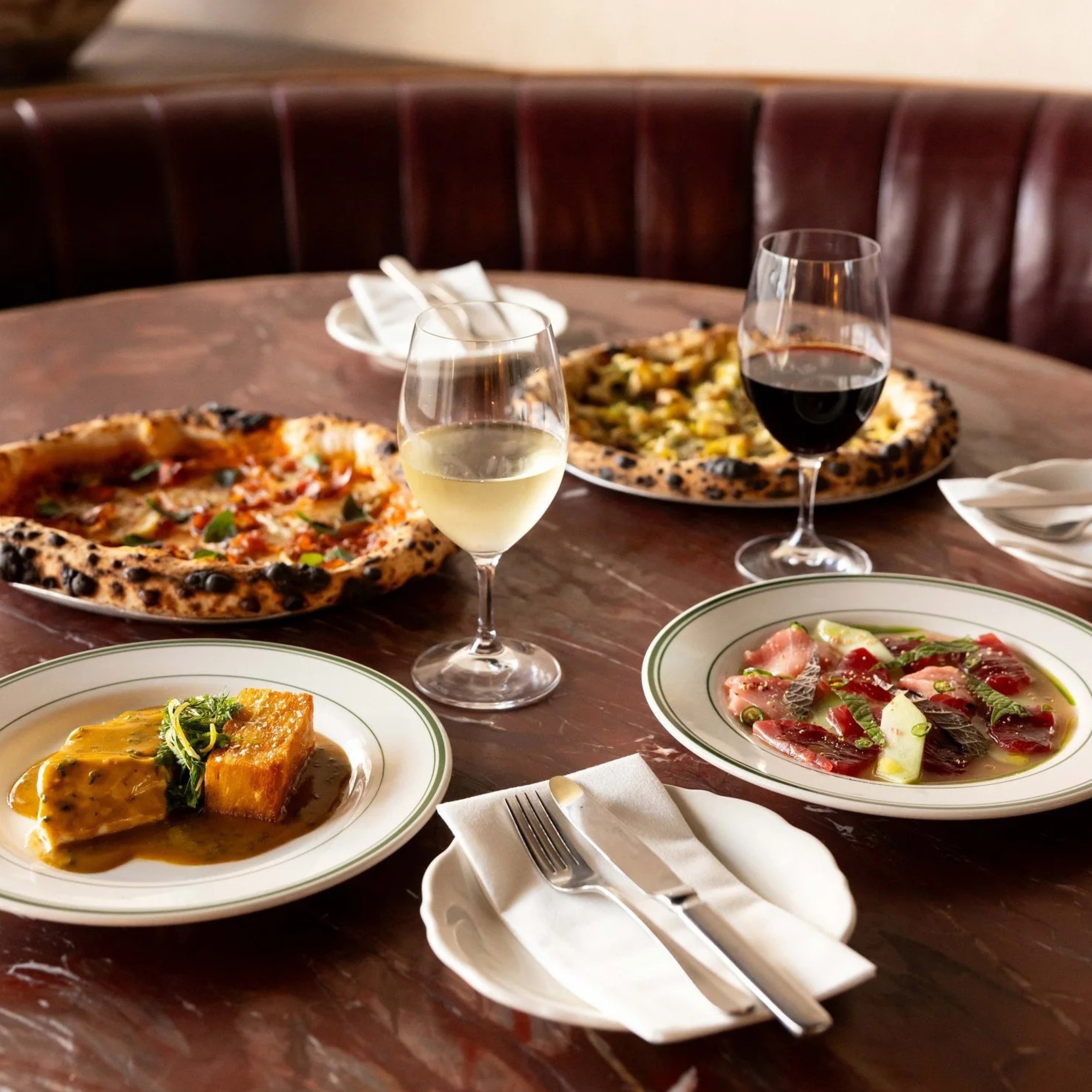
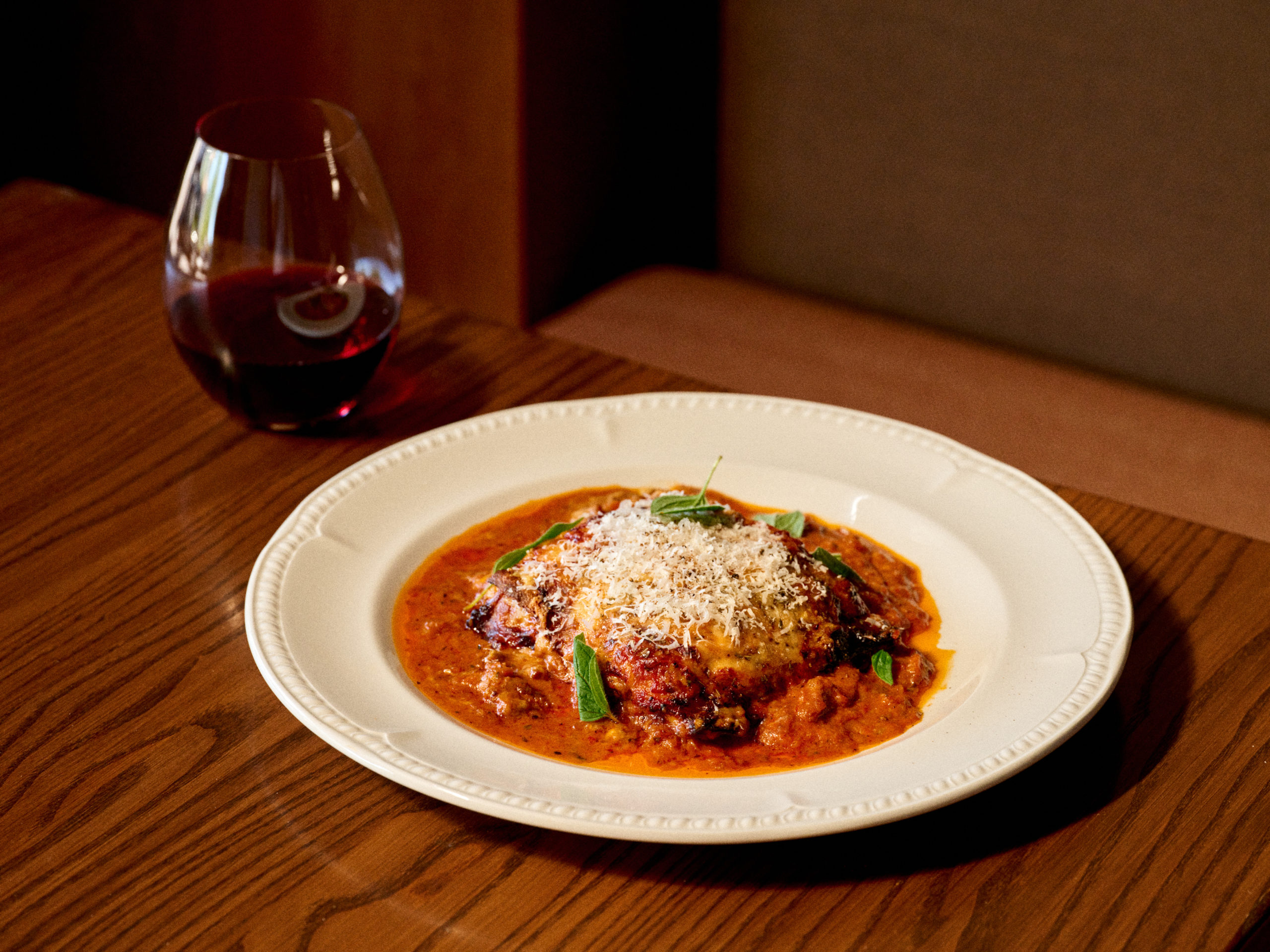
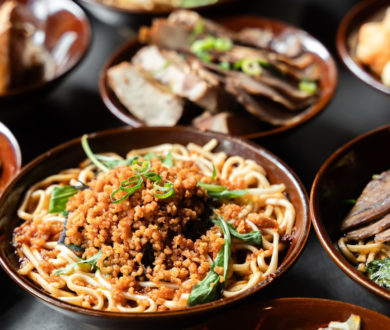
Auckland is known for its eclectic mix of cuisines from different cultures but Italian restaurants are undoubtedly one of the most popular. Now, delectable pasta and pizza have become staple foods in our diets and as such, we think it is crucial to know exactly where to find the best Italian cuisine in Auckland. Numerous eateries have come and gone but there are a few that have secured their place in our competitive restaurant scene. Here we round up the best of the best. Buon appetito!
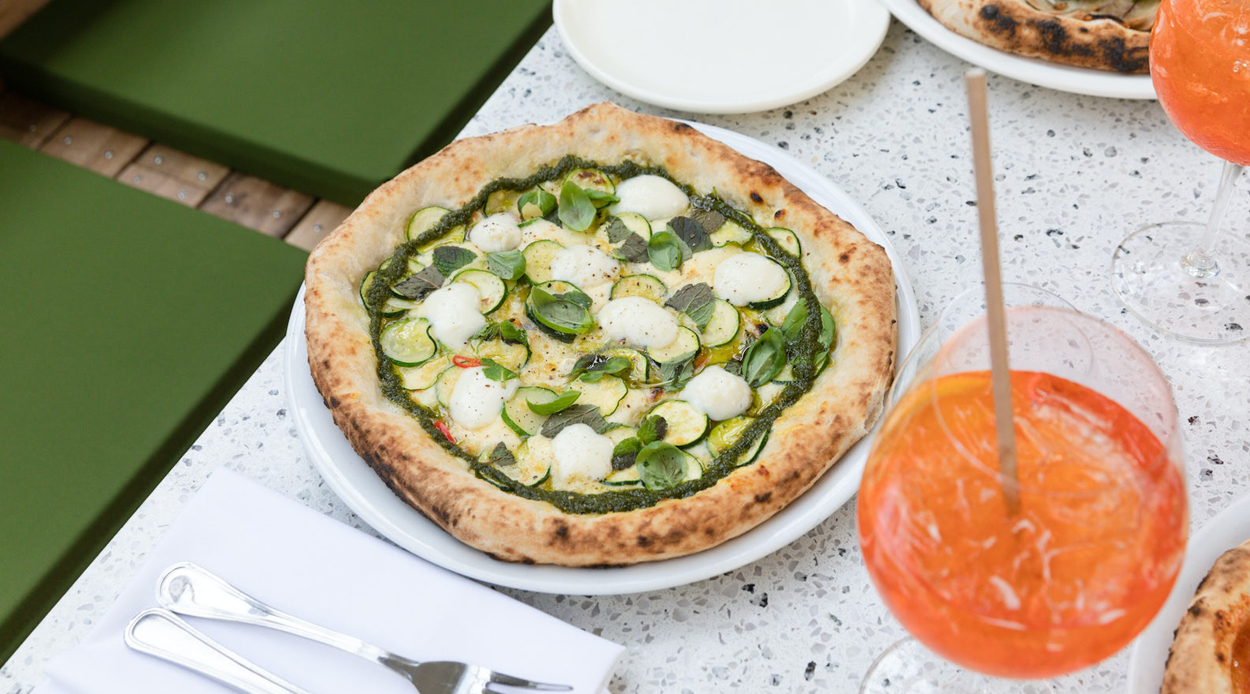
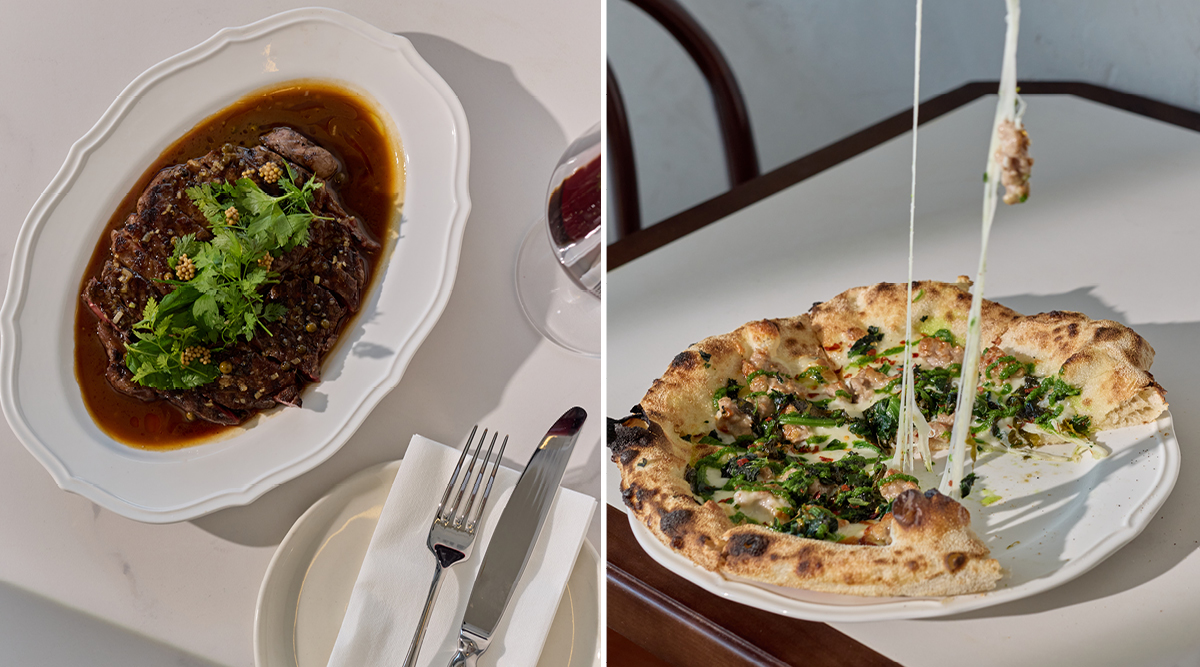
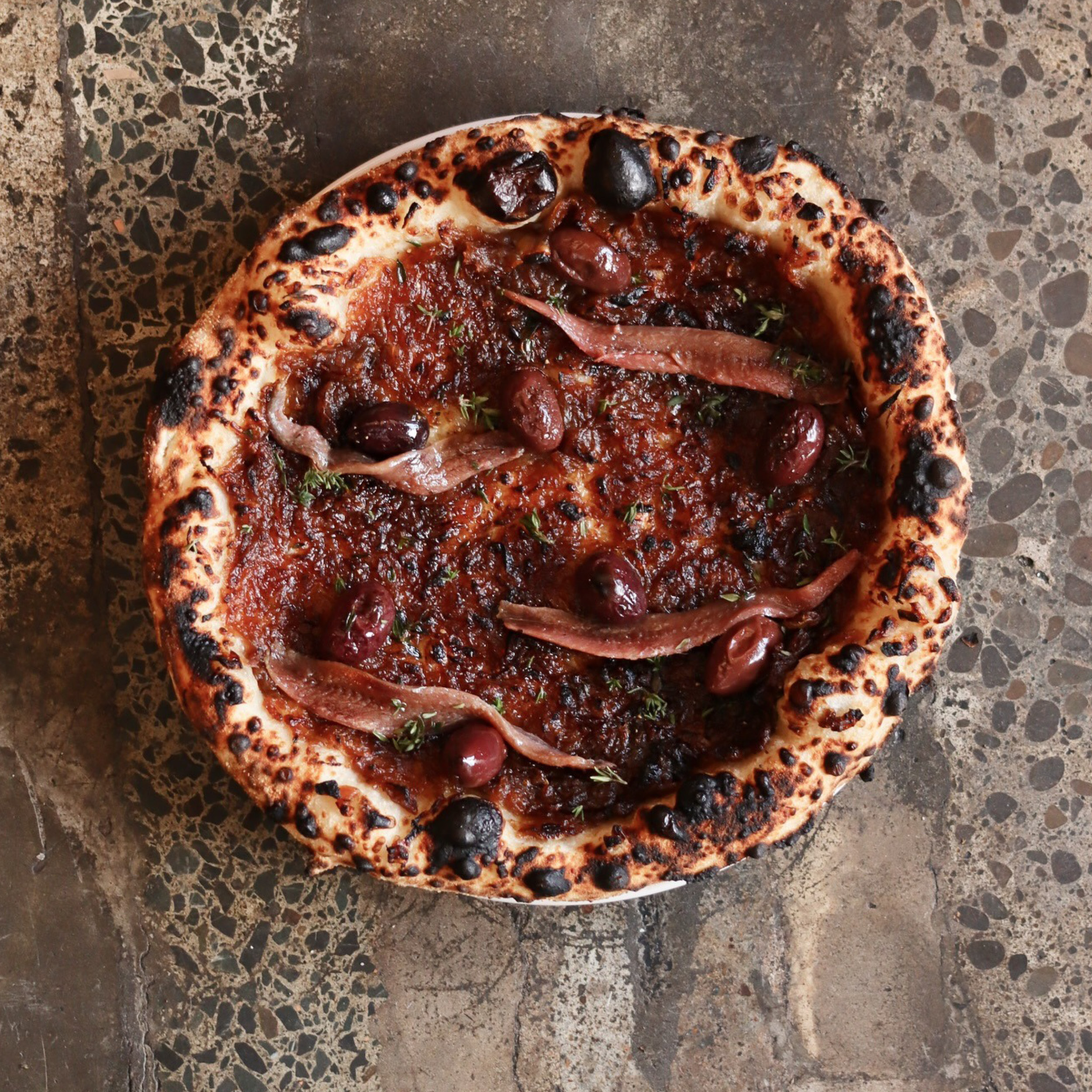
Neighbourhood favourite Lilian’s menu draws from many European influences but it’s the Italian-inspirations that are almost impossible to overlook, with the wood-fired pizzas threatening to steal the entire show. The bases are cooked perfectly in a speciality pizza oven imported all the way from Italy. The toppings come in several different variations, ranging from the simple tomato, mozzarella and basil to the cult favourite potato, caramelised onion, parmesan, ricotta, and basil iteration that steals the show every time. 472 Richmond Road, Grey Lynn
Long established as one of the most popular eateries in town, Amano is a stalwart that exudes grandeur. With its marble fit-out, sky-high ceilings and floral hangings. Here, the menu is ever-changing depending on seasonal availability but the burrata is one item that has been there since the beginning — and we can’t see it disappearing any time soon. The dish is modified depending on the produce that is in-season but the perfectly-made ball of creamy mozzarella paired with housemade sourdough never fails to impress. 68 Tyler Street, Britomart
This neighbourhood gem is not just a favourite among the locals of Herne Bay, but also attracts people from all over Auckland. When Foley Hospitality resurrected the Italian institution, it saw the return of Andiamo bigger and better than ever before. The menu features a wide selection of Italian cuisine from pizzas, pasta dishes and antipasti but the stand-out at this eatery is the meatballs. Whether made with grass-fed beef, or cod and crayfish, each delicious morsel is guaranteed to be juicy and full of flavour. The option of adding spaghetti as a way of soaking up the sauce is the real game changer as it elevates the appetiser to a full, indulgent main. 194 Jervois Road, Herne Bay
Sfera is a modern Italian eatery in Northcote Point, bringing fresh energy to the seaside strip with sea views and a warm neighbourhood feel. From the team behind Clarence Road Eatery, the restaurant serves generous, refined Italian fare spanning handmade pastas, wood-fired pizzas and seasonal seafood, all paired with a tight Italian-leaning wine list. It is a welcome addition to Auckland’s dining scene and an easy excuse to cross the bridge for a long, leisurely meal. 124 Queen Street, Northcote Point
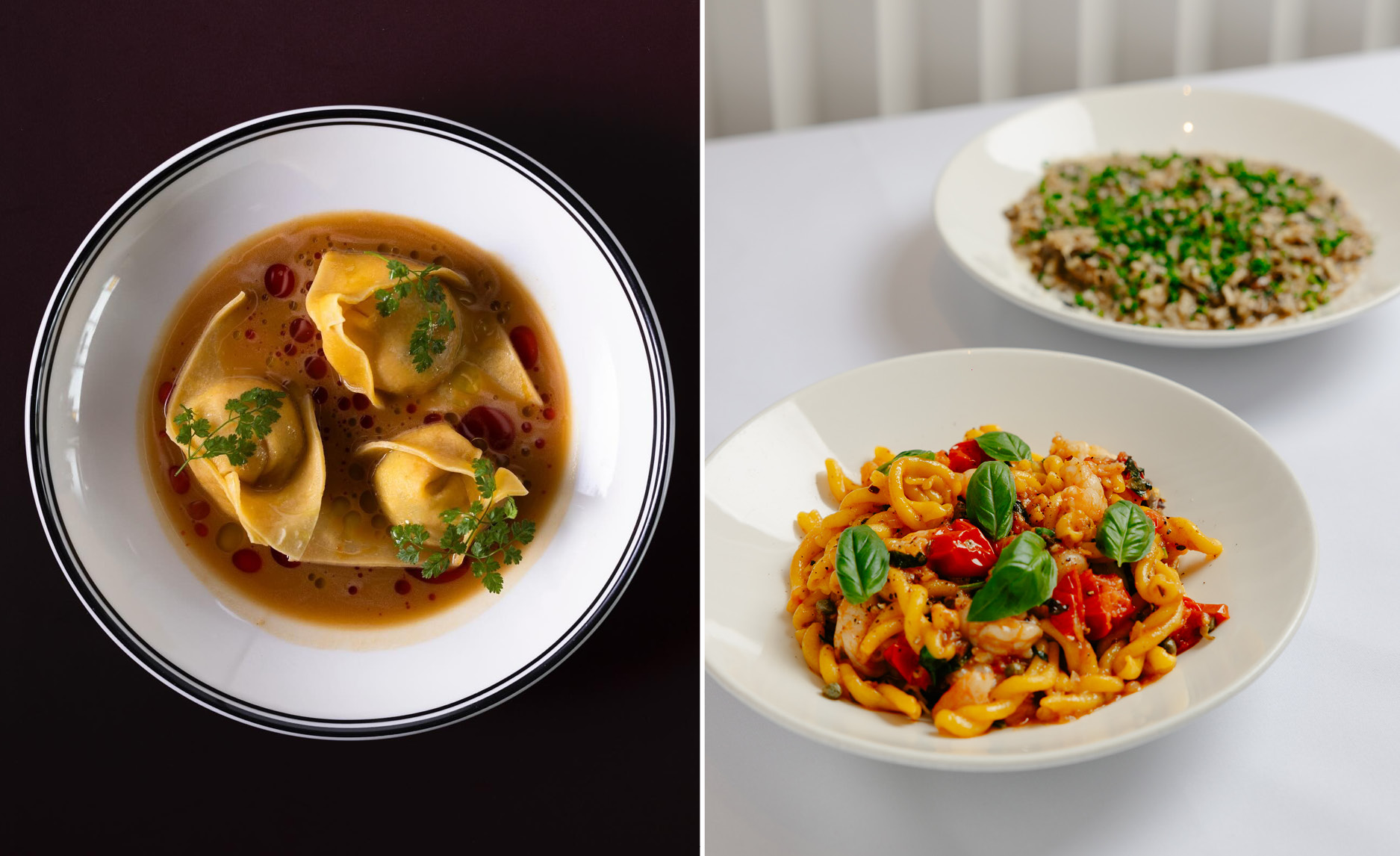
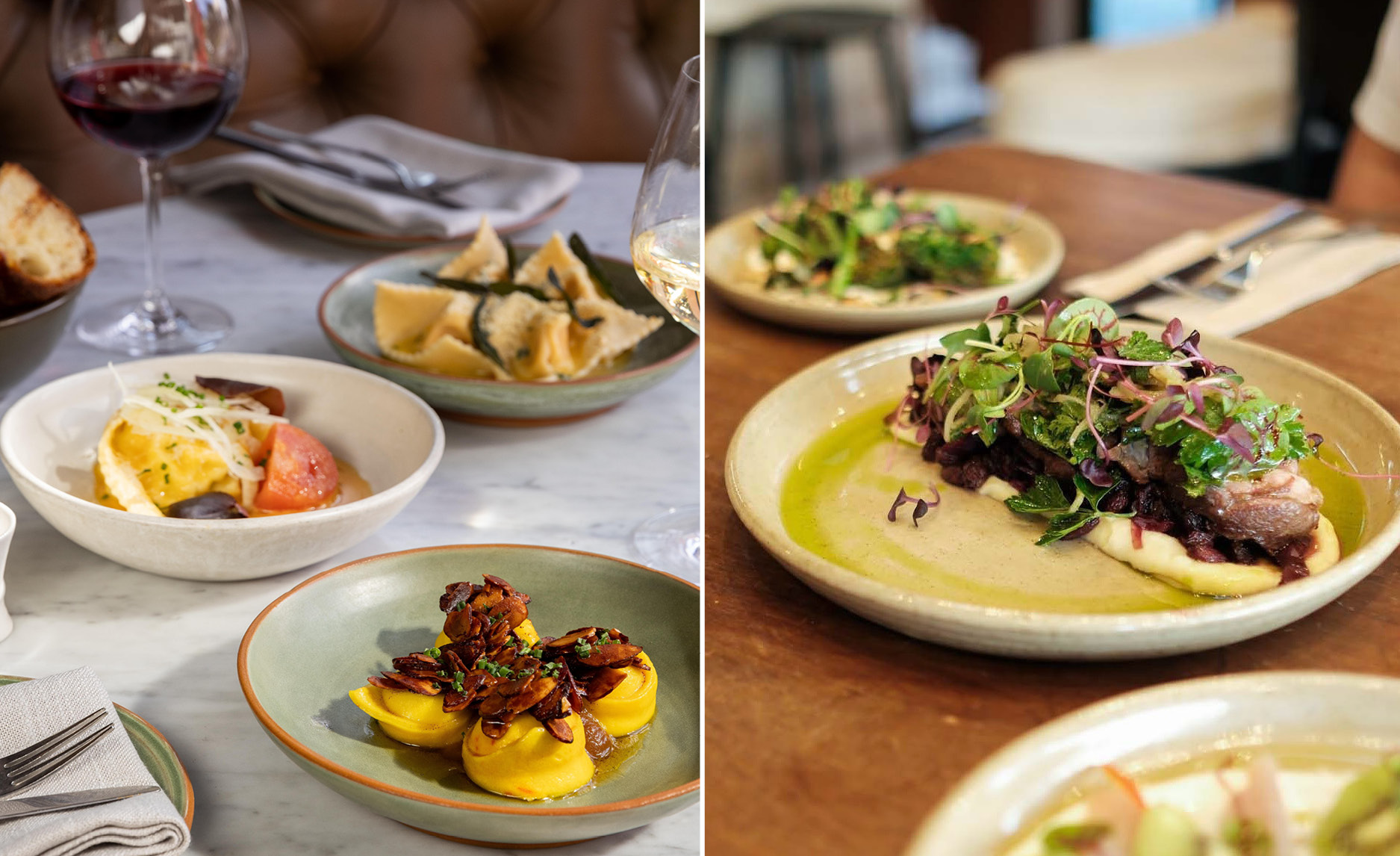
Since opening with great aplomb at the end of 2022, Bivacco has become a go-to destination for a delicious long Italian lunch. Here, the food here is unparalleled, and is made even more perfect when enjoyed overlooking the sparkling waters of Viaduct Harbour with one of Bivacco’s delicious cocktails in hand. And while you really can’t beat the margherita pizza here, those craving something more lavish will find it in the goats cheese ravioli, adorned with endive, burnt honey and pistachio. Perfecto. 115 Customs Street West, Auckland CBD
In the heart of Ellerslie, Bianca brings a fresh, modern take to the Italian dining experience, blending the ease of a neighbourhood spot with the precision of fine cooking. The space hums with the sound of pasta being rolled by hand, the air rich with the promise of something both familiar and new. Warm, unfussy, and quietly confident, it’s the kind of place that turns a simple night out into a lingering, memorable occasion. 4/2 Robert Street, Ellerslie
At this chic inner-city spot, the Italian energy is dialled all the way up — think sleek yet laid-back interiors, and a menu that’s equal parts classic and contemporary, not to mention the wonderfully warm team both in front of and behind the pass. At Bossi, house-made pasta, glossy sauces and beautifully plated antipasti set the tone, while cocktails arrive crisp and considered. It’s a buzzy slice of Milan in the middle of the city — perfect for a little theatre-night indulgence. 10 Commerce Street, Auckland CBD
Nestled in Birkenhead’s charming main strip, Osteria Uno feels like a softly glowing Italian hideaway where heritage character meets modern ease. The moment you step inside its old-but-loved tiled walls and rich, banquette-lined interior, you sense that every detail — old stained glass, marble bar, warm lighting — has been chosen to make you linger. Behind the scenes, hospitality veterans Sarah and Jordan Macdonald have brought serious Italian passion and pedigree to the North Shore, with a kitchen led by a chef who has worked at Disfrutar, Lilian, Amano and Depot. The result is an inviting, unpretentious trattoria that delivers warmth, craftsmanship, and a convivial buzz that keeps locals and visitors coming back for more. 140 Hinemoa Street, Birkenhead
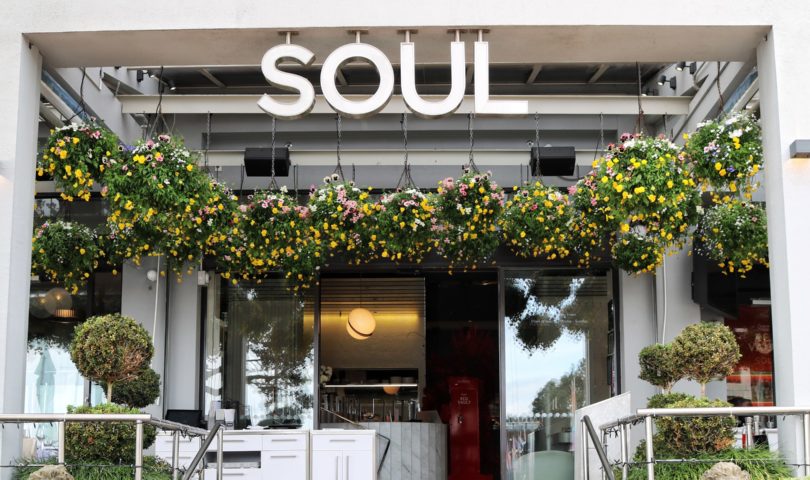
While never endeavouring to be the most authentic Italian joint in town, it would be remiss not to mention the pasta on offer at Soul Bar & Bistro. With more traditional dishes cementing themselves as classics, we always find ourselves gravitating towards Executive Chef Gavin Doyle’s pasta out of a sheer craving for comfort. Corner of Lower Hobson Street and Customs Street West, Auckland CBD
Serving its much loved take on Italian fare since 1986, Prego isn’t about to slow down any time soon. Over the many years, the Ponsonby institution has captured the hearts of locals. Forming a loyal base of patrons and a tight-knit community, ultimately making it one of the best family restaurants this town has to offer. 226 Ponsonby Road, Ponsonby
While it’s rude to talk about a lady’s age, you have to admit that the much-loved NSP is looking remarkably good considering it originally opened its doors some 25+ years ago. The menu here is as versatile as the spaces within. From the bustling upfront bar to the cosy courtyard and main dining area. Our first order is always the calamari. The batter is light and tossed in fresh lemon juice to cut the richness of the fried coating. A melange of salt, cracked pepper and parsley are utilised to season the dish and is served with decadent aioli to offer a creamy balance. From there let your stomach guide you towards your favourite pizza, or just default to the classic NSP margherita. Whatever you choose here, you can’t go wrong. 1052/259 Parnell Road, Parnell
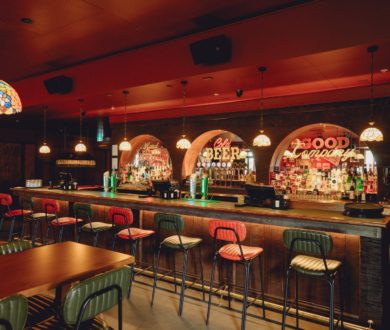
With its beautifully curved archways, rustic wall details and soaring, glass-roofed atrium, the dining space at Ada is striking yet welcoming, and the interior is just the beginning of all things marvellous. Ada’s menu comprises sharing plates that embrace the foolproof philosophy of simplicity done well, with a menu of seasonal, Italian-influenced dishes and approachable natural wine. Our recommendation is the pizza fritta, always, but we think the seasonal pastas are most definitely worth trying too. 454 Great North Road, Grey Lynn
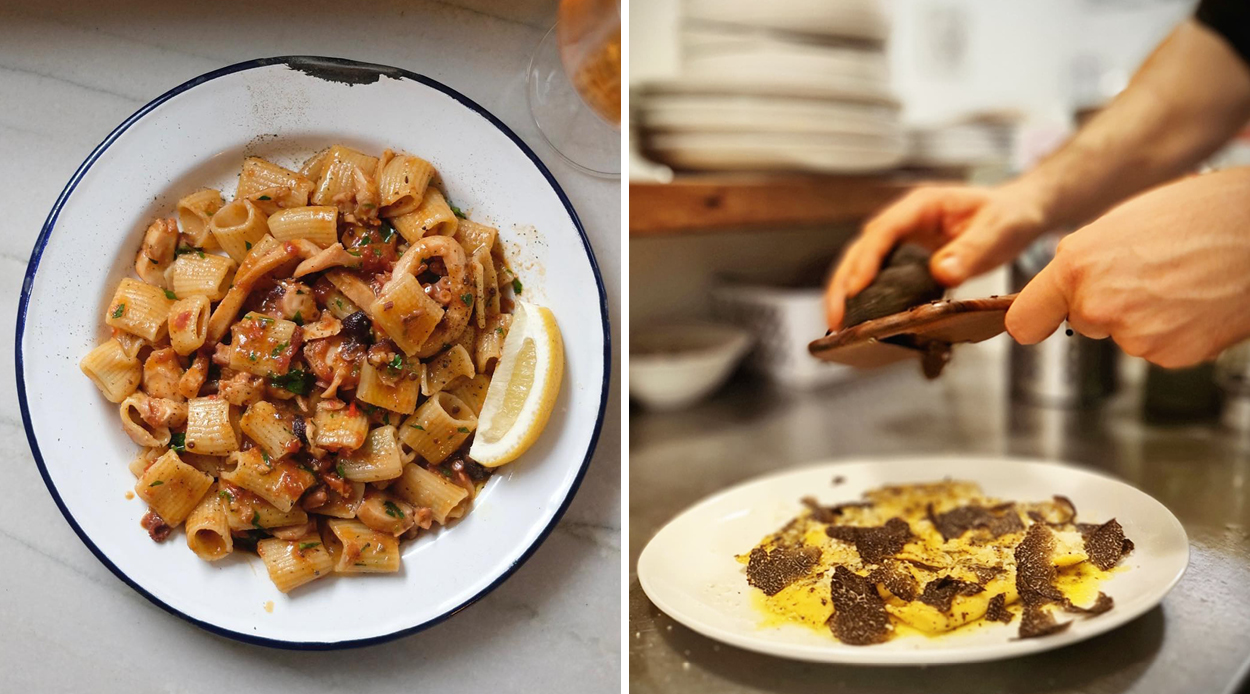
Sergio Maglione came to New Zealand more than 20 years ago, straight from Italy where he was working as a pizza chef. Farina, on Ponsonby Road, shows the versatility of Napoli cuisine all while nailing the classics. The pizza and pasta dishes are renowned for being the gold standard in Italian comfort food. Authentic and divine. but it’s the way Maglione works his magic with octopus that blows us away every time. 244 Ponsonby Road, Ponsonby
Cornelia is a polished Italian restaurant and intimate wine bar tucked down a laneway off Parnell Road in Auckland’s stylish Parnell neighbourhood. Housed in a cosy, welcoming space, the kitchen, led by owner-chef Fabio Buonomo with support from his partner, turns out simple, quality Italian-inspired dishes made with fine local and imported ingredients, alongside a carefully curated list of Italian wines that brings an aperitivo spirit to every evening. A warm neighbourhood favourite with standout pasta, antipasti and dessert, it’s become one of Auckland’s most talked-about destinations for relaxed yet refined Italian fare.
Chef Fabrizio Napolitano grew up in his grandmother’s kitchen, in both the north and south of Italy. With a passion for artisanal products that are steeped in history and respect, Fabrizio and his wife Taryne opened Spiga in the 1050 development at the back of the Remuera shops. Their contemporary classic starters, pizza and pasta are some of the best we’ve tried, although we also recommend always sampling the seasonal specials. The food is made all the better with Spiga’s comprehensive wine list that will take you on a tour of some of the finest Italian vineyards and spirits. Shop 1/E/415 Remuera Road, Remuera
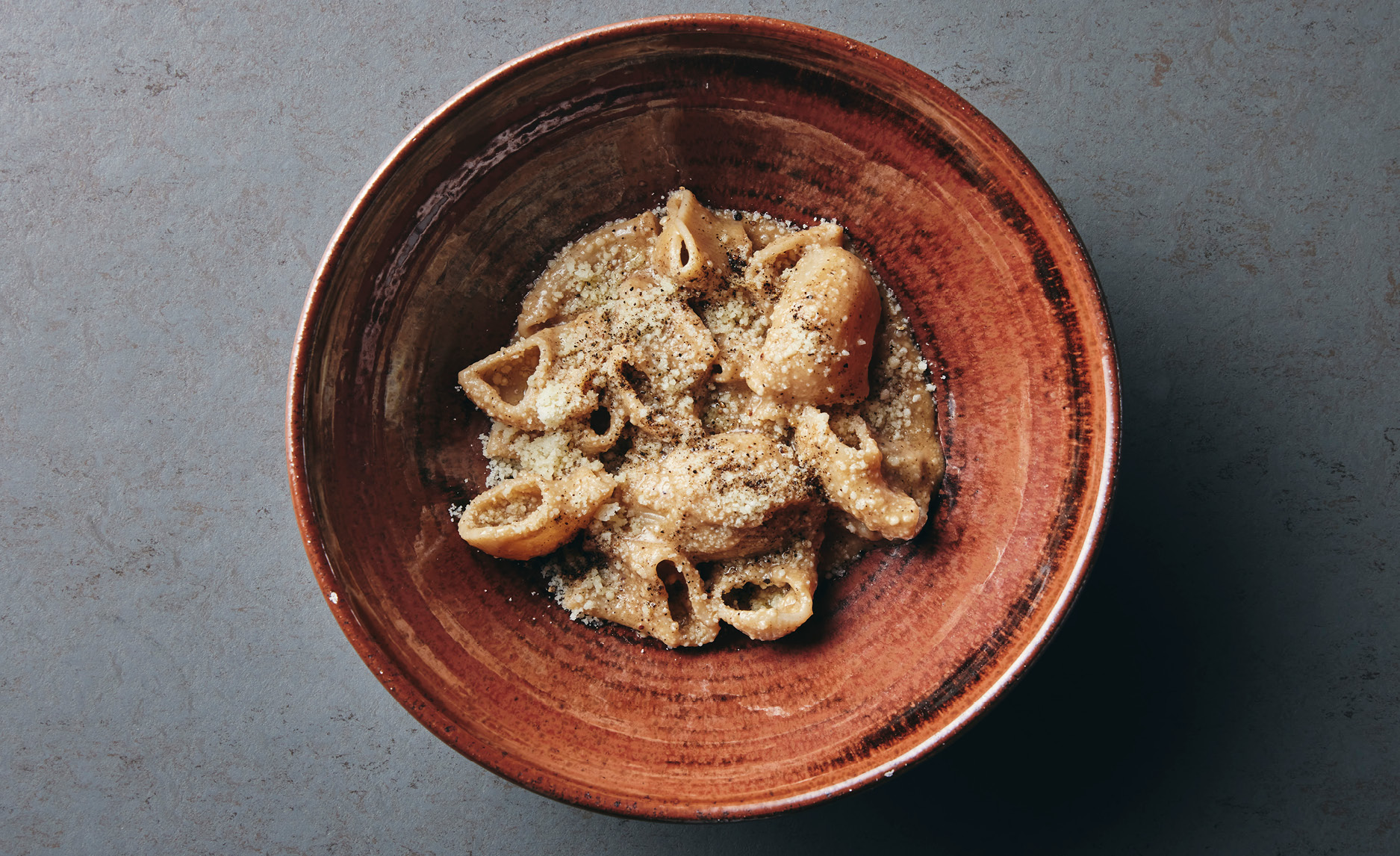
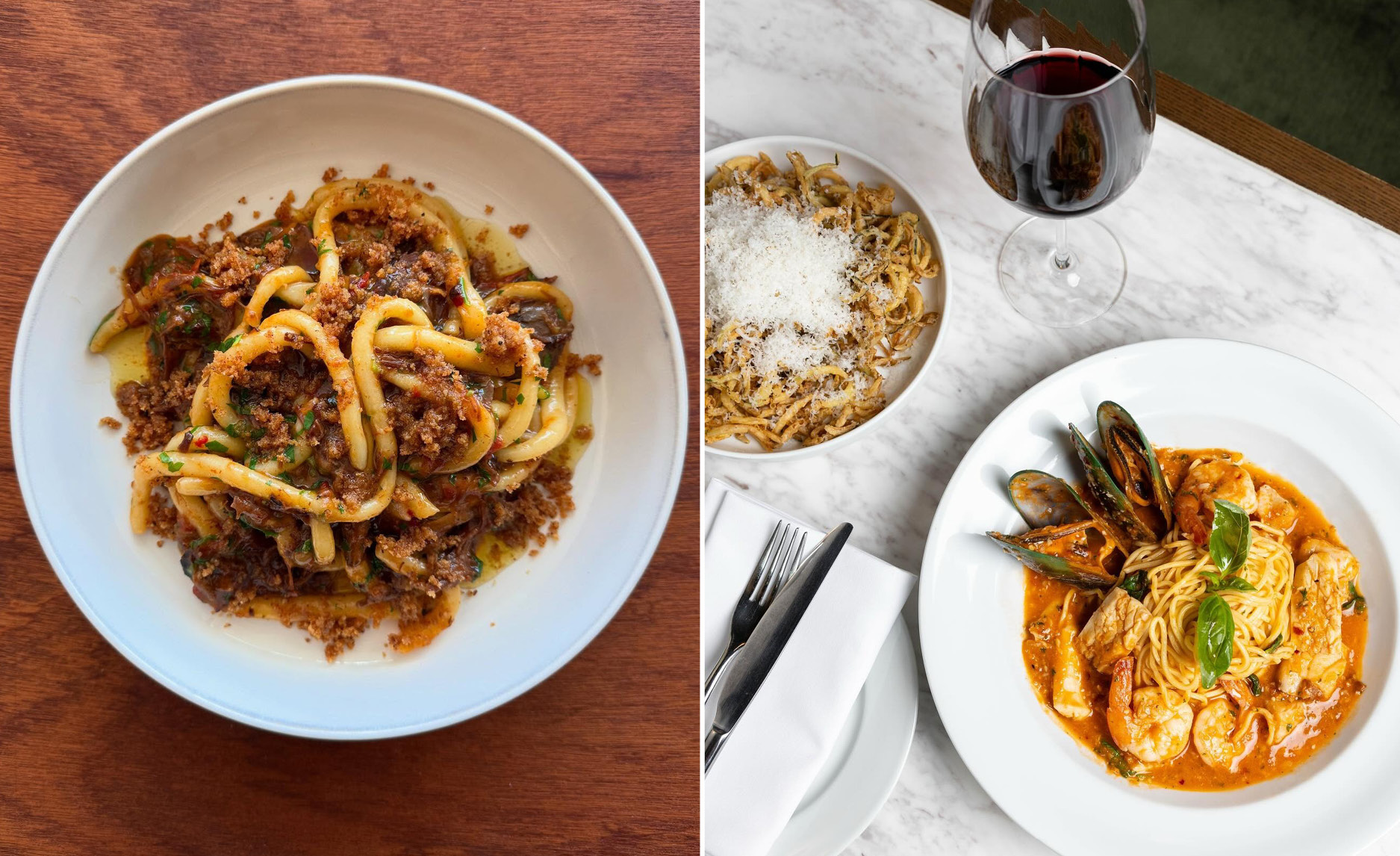
The humble yet incredibly delicious meals that can be found at the most unassuming neighbourhood trattorias were what originally inspired Karangahape Road favourite. Pici, from its intimate dining room to its mouthwatering menu which is designed to share. Here, you simply cannot pass up the cacio e pepe. Although the fettuccine vongole is also popular; full of flavour yet light and fresh with juicy local clams, chilli and herbs. While tables are limited, those lucky enough to dine here have nothing bad to say about this beloved spot. St Kevin’s Arcade, 183 Karangahape Rd, Auckland CBD
Don’t let the “spaghetti bolognese does not exist,” on the back of the waiters’ shirts put you off. Pasta & Cuore is an all-inclusive, welcoming restaurant with a friendly and warm ambience. The menu offers such a wide variety of handmade pastas and sauces, it’s almost overwhelming. When in doubt, go for the Spaghetti Gorgonzola. The thick pasta is cooked al dente which leaves it with a soft exterior and slightly firm centre to achieve a chewy bite. The sauce is a reduction of creamy gorgonzola cheese with crunchy walnuts scattered around the bowl to lend a beautifully nutty taste. 409 Mount Eden Road, Mount Eden
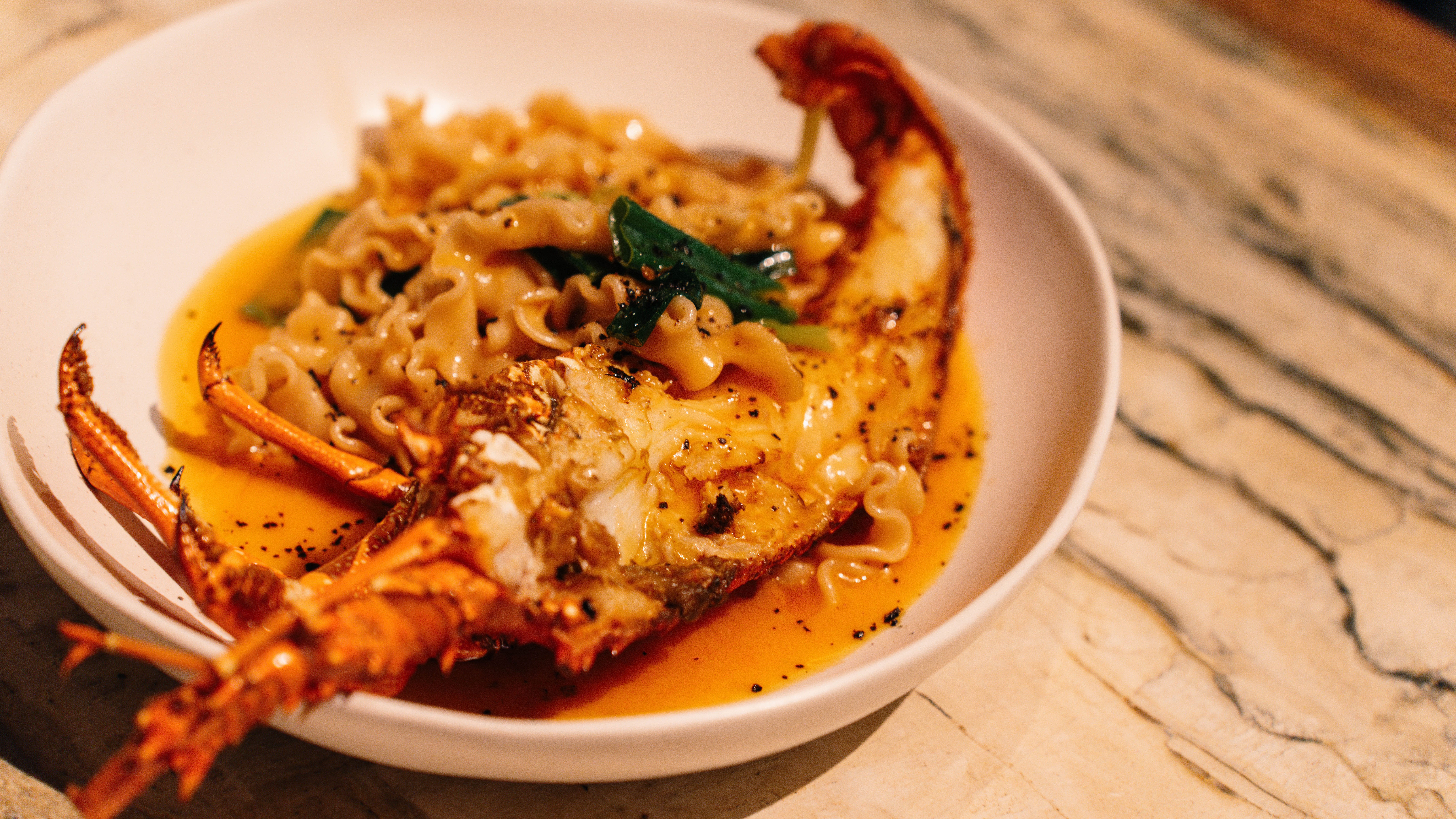
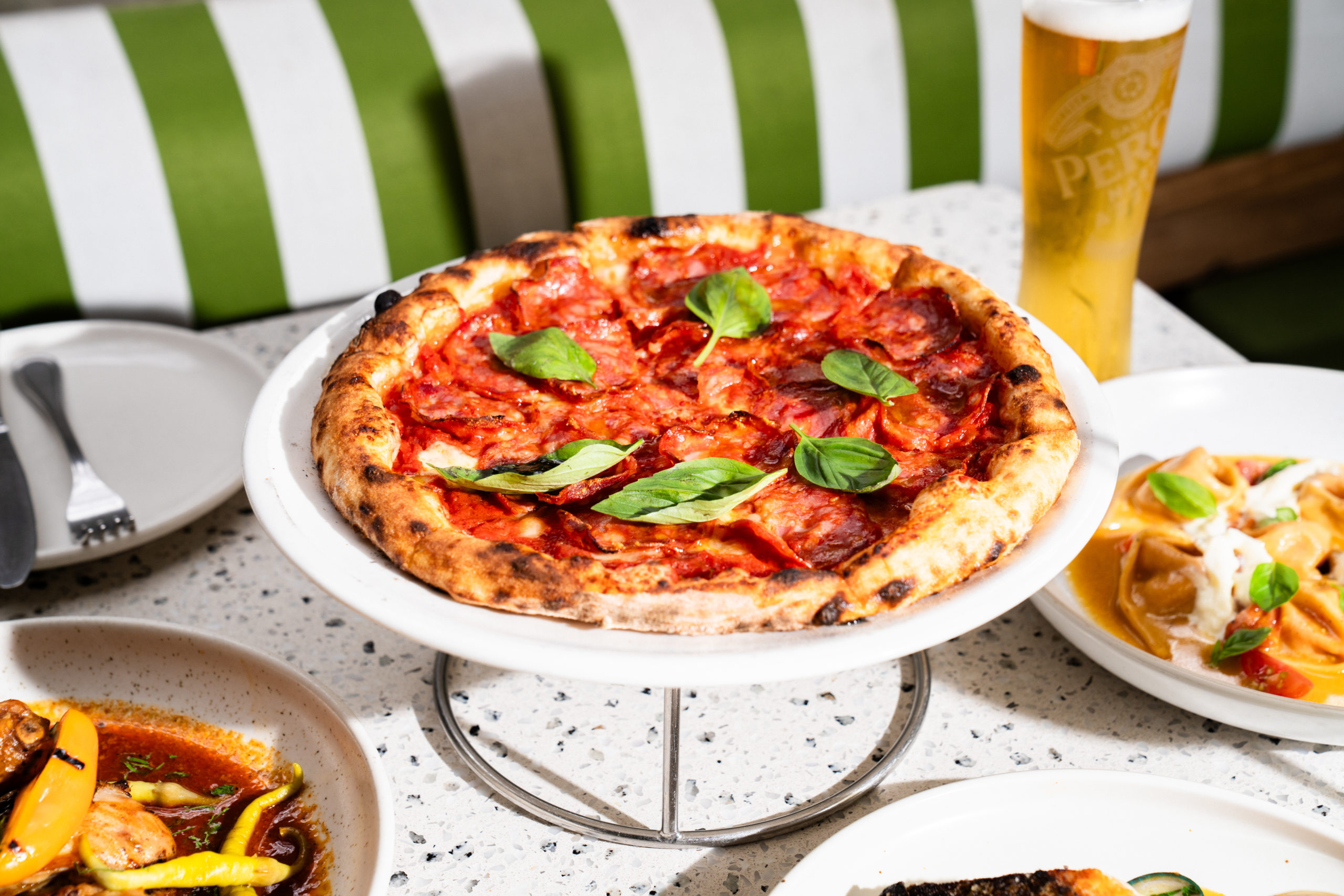
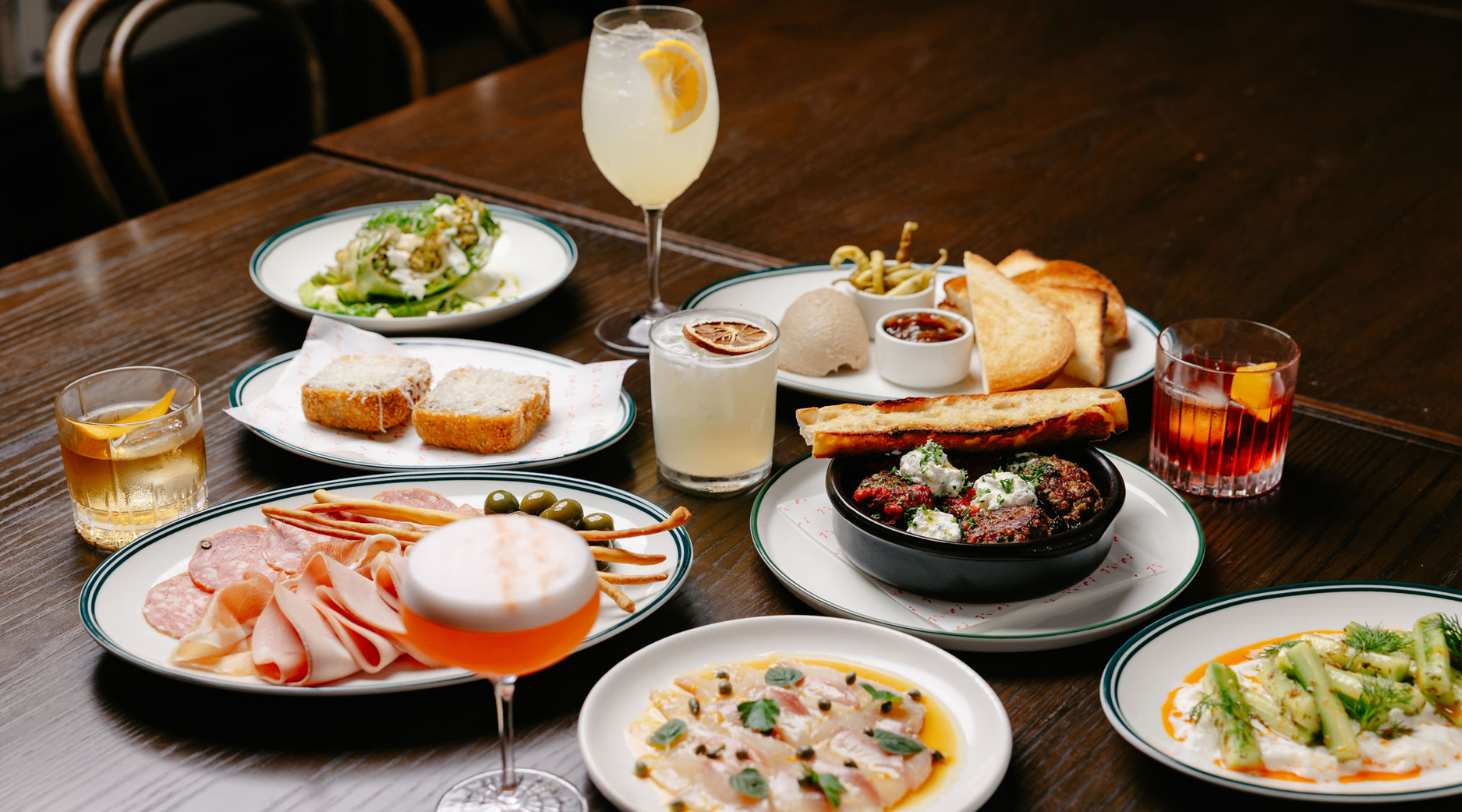
Bar Ziti is serving up casual, produce-led fare sure to satisfy. Small plates take centre stage, with the likes of pizzas, hand-rolled pastas and perfectly crisp calamari available from lunch ‘til late. The menu leans into Italian classics with a modern edge — think brisket lasagne croquettes finished with Parmesan, prawn spaghetti rich with lobster bisque and nduja butter, and a comforting lamb shank ragù pie. For something to share, the cured meat plate or a round of garlic pizza bread makes the perfect start. It’s generous, flavour-packed food designed to mix, match, and linger over. Drinks-wise, ice-cold Peroni pours straight from the tap, cocktails are playful with a polished edge, and the wine list balances local drops with international intrigue. 48 Custom Street East, Auckland
With its warm and inviting space, adorned with surprising tones of peach and vibrant blue, Herne Bay’s Squisito Trattoria offers more than just simple and delicious Italian cuisine. The menu here is a fusion of culinary influences from all corners of the Mediterranean. Anchored in al dente pasta, perfectly-cooked meats, and wood-fired pizza. Notably, Squisito leaves out a wine list and encourages guests to choose their own by selecting from the extensive wine racks. 170A Jervois Road, Herne Bay
At this beloved eatery, Italian-inspired food and wines fill the menu. You’ll find the likes of delicious beef short ribs, Karitane crayfish meatballs (there’s a whole section in the menu dedicated to the eatery’s hand-crafted meatballs), and countless handmade pastas amongst Baduzzi’s must-try dishes. Washed down with a glass of Italian Bianchi, of course. 10/26 Jellicoe Street, North Wharf
This iconic restaurant is small but mighty. Offering a curated and concise menu, and an intimate, calm setting, Ortolana is one spot to which we always find ourselves returning for dinner in the Britomart precinct. With a pre-show dinner menu, the service is swift (if needed), and the fresh pasta is always divine. 33 Tyler Street, Auckland CBD
In Parnell, Napoli Contemporanea brings a slice of Naples to Auckland, led by owner Rocco Pezzullo, whose approach is grounded in authenticity and craft. The pizzas are the clear draw, with soft, airy dough and thoughtfully sourced ingredients coming together in a way that feels both traditional and quietly elevated. It’s a casual, convivial space where the focus stays firmly on the food, delivering the kind of pizza that keeps people coming back, not for novelty, but because it’s simply done very well. 297 Parnell Road, Parnell
Tucked away at the end of Ponsonby Road is another humble Italian restaurant, Gusto Italiano. If you couldn’t already tell by its name, this restaurant prides itself on delivering authentic Italian cuisine. In terms of pasta, it’s the Ravioli Verdi which steals the show. The housemade green parcels are stuffed with chicken and fresh spinach, before being are pan-sautéed with aromatic herbs and vine-ripened tomatoes, and topped with a decent helping of parmesan. 263 Ponsonby Road, Ponsonby
Despite opening back in 2022, you’d still be hard-pressed to find a table at this Dominion Road spot, which is a testament to it’s divine offering. Here, the traditional wood fire is the predominant method of cooking almost every dish, including (of course) Ooh-Fa’s delicious pizzas. Ideal for sharing, but the perfect size to keep to yourself. Our favourites are the tomato, garlic and oregano (with the essential added stracciatella), and the oyster mushroom, parsley butter, mozzarella and cavolo nero. Be sure not to look past the famed woodfired carrots, served with ricotta and pistachios — a totally moreish addition. We’d eat them every day if we could. 357 Dominion Road, Mount Eden
Photography by Manolo Campion | Videography by James Anderson | Styling by Patrick Zaczkiewicz | Production byClaire Sullivan–Kraus | Creative Direction by Anna Saveleva
Designed as a celebration of delicate golden beads, Van Cleef & Arpels’ Perlée collection takes the spotlight in our Winter Issue fashion editorial, paired with a line-up of looks from the newest collections.
A joyful expression of individual style, the Perlée collection centres on creations with harmonious and radiant curves — with golden beads gently illuminating jewels that sit at the intersection of simplicity and sophistication.
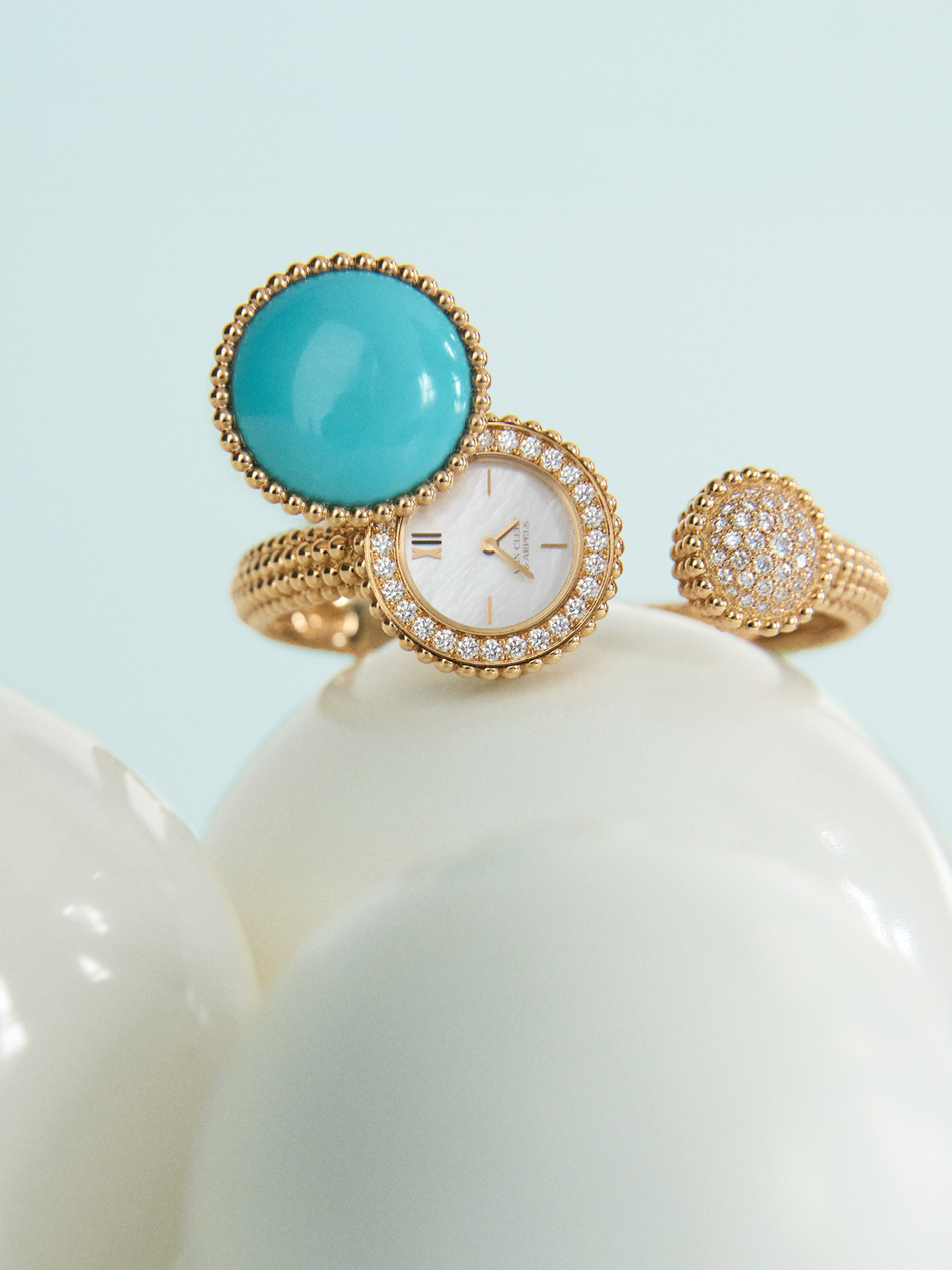
Van Cleef & Arpels Perlée clovers pendant, Perlée pearls of gold ring, Perlée diamonds ring, Perlée diamonds ring, Perlée Toi & Moi secret watch, Perlée couleurs ring. Entourage Gown from Common Hours.
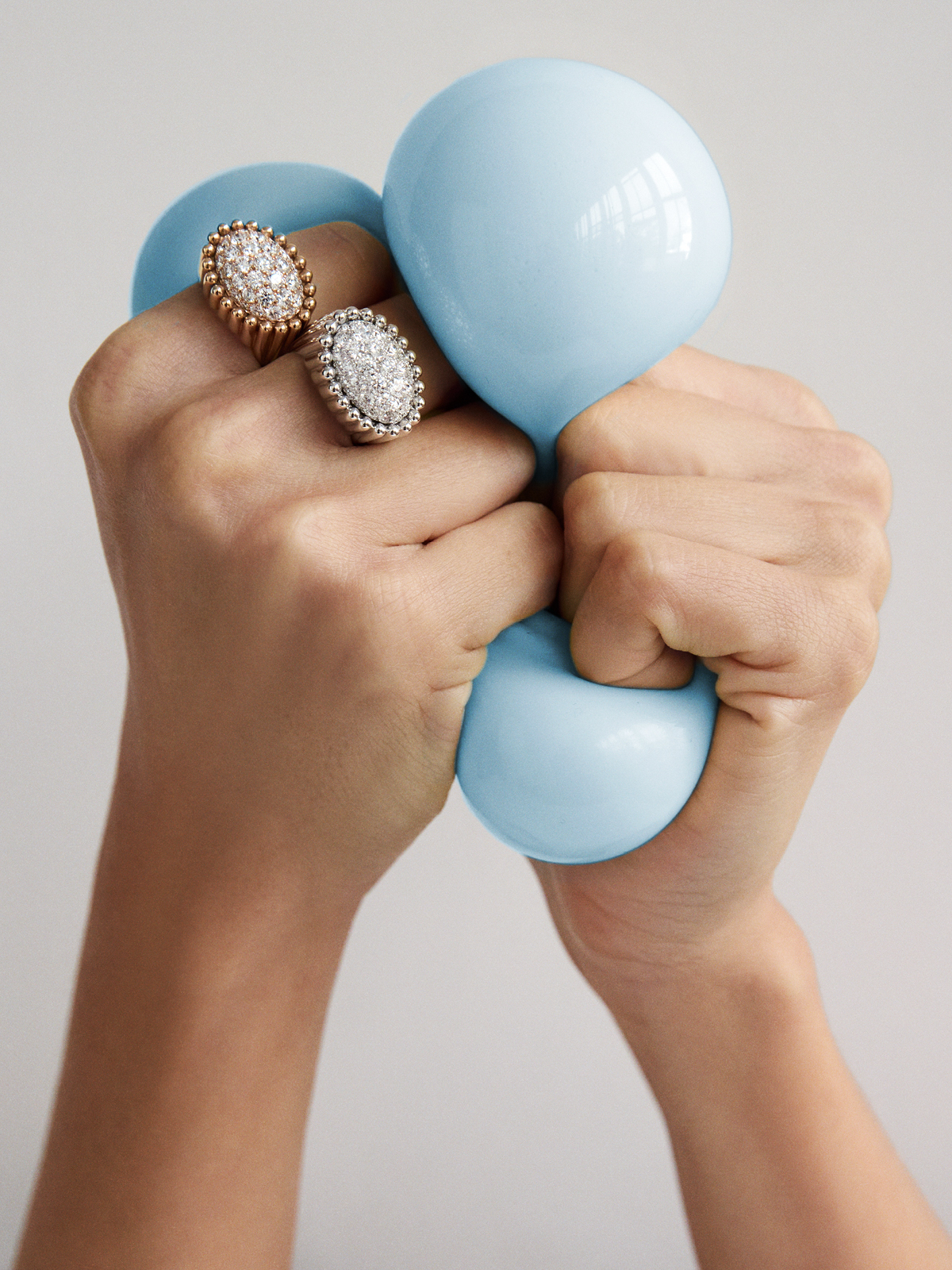
Van Cleef & Arpels Perlée diamonds pavé rose gold ring, Perlée diamonds pavé white gold ring.
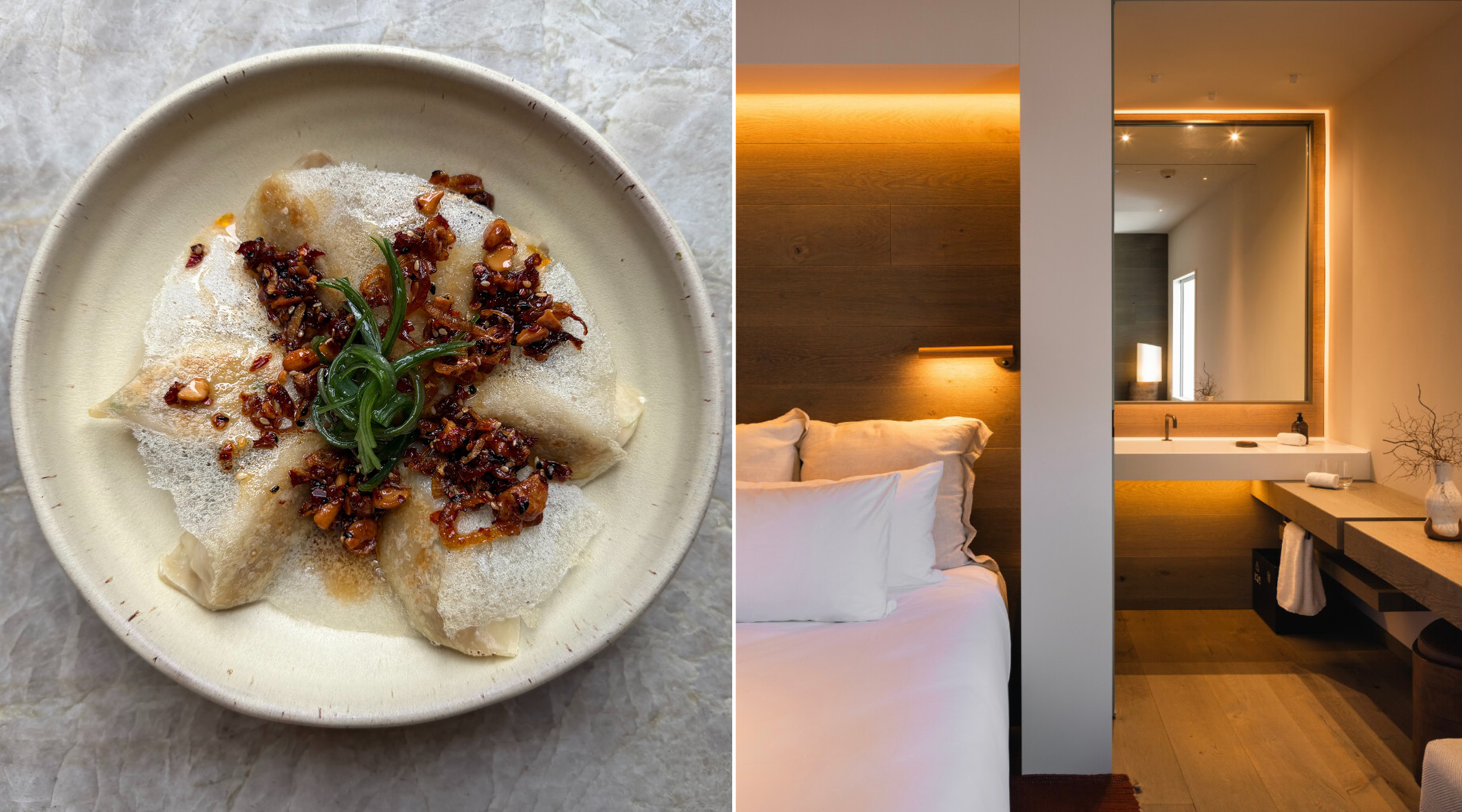
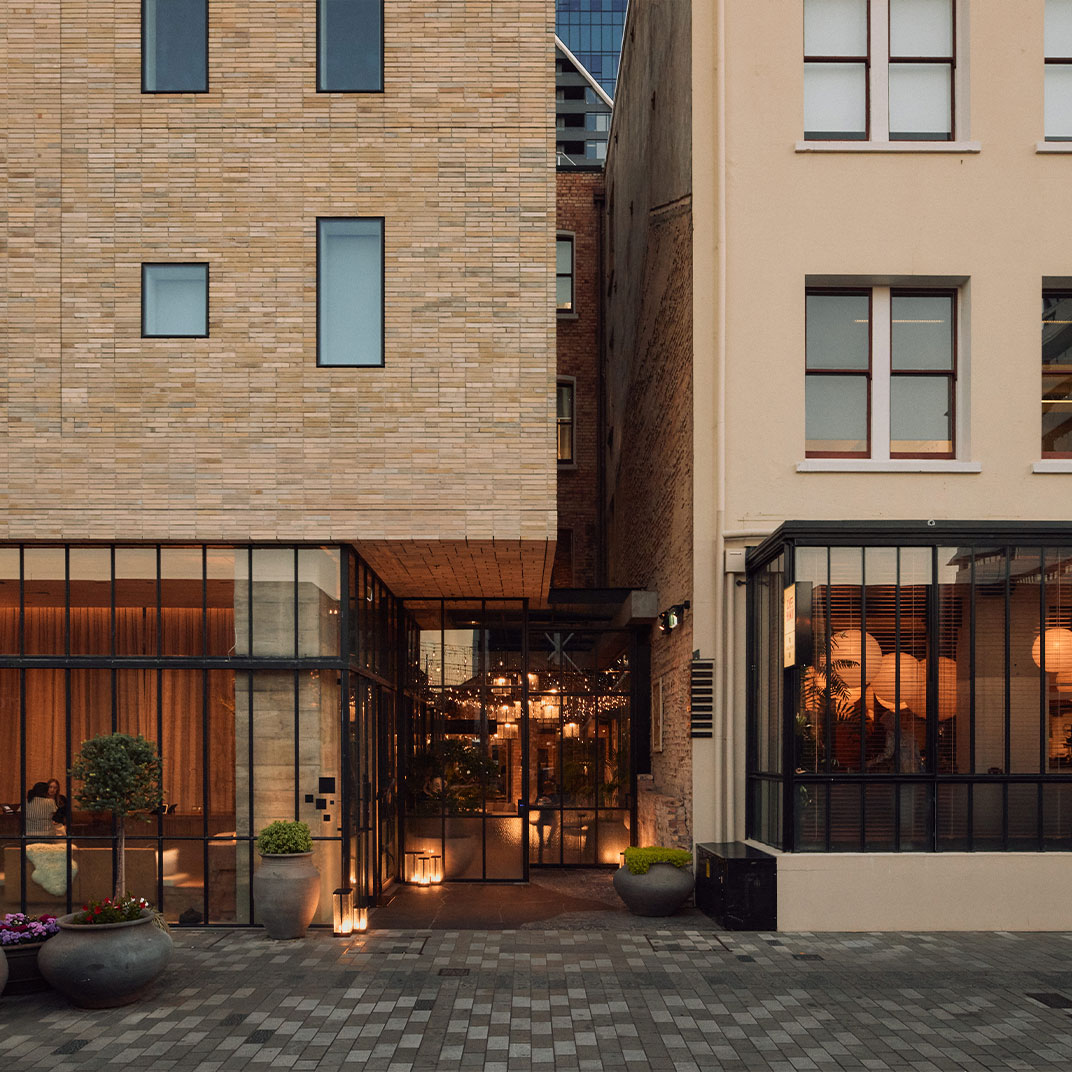
From the beginning, The Hotel Britomart has always been an intelligent expression of sustainable luxury, where the hotel’s environmental responsibility informs the architecture, operations and guest experience without diminishing the pleasure of staying somewhere genuinely beautiful.
Set within Auckland’s Britomart neighbourhood, the hotel’s 5 Green Star rating and Toitū carbonreduce certification are more than reassuring credentials. They reflect a deeper position, one in which every aspect of the hotel, from its initial construction, its waste and energy systems, and every aspect of the guest experience, is all upheld with the same underlying commitment to delivering sustainable luxury. The result is a hotel that is warm and unmistakably luxurious, and where sustainability is never reduced to a mere acknowledgement.
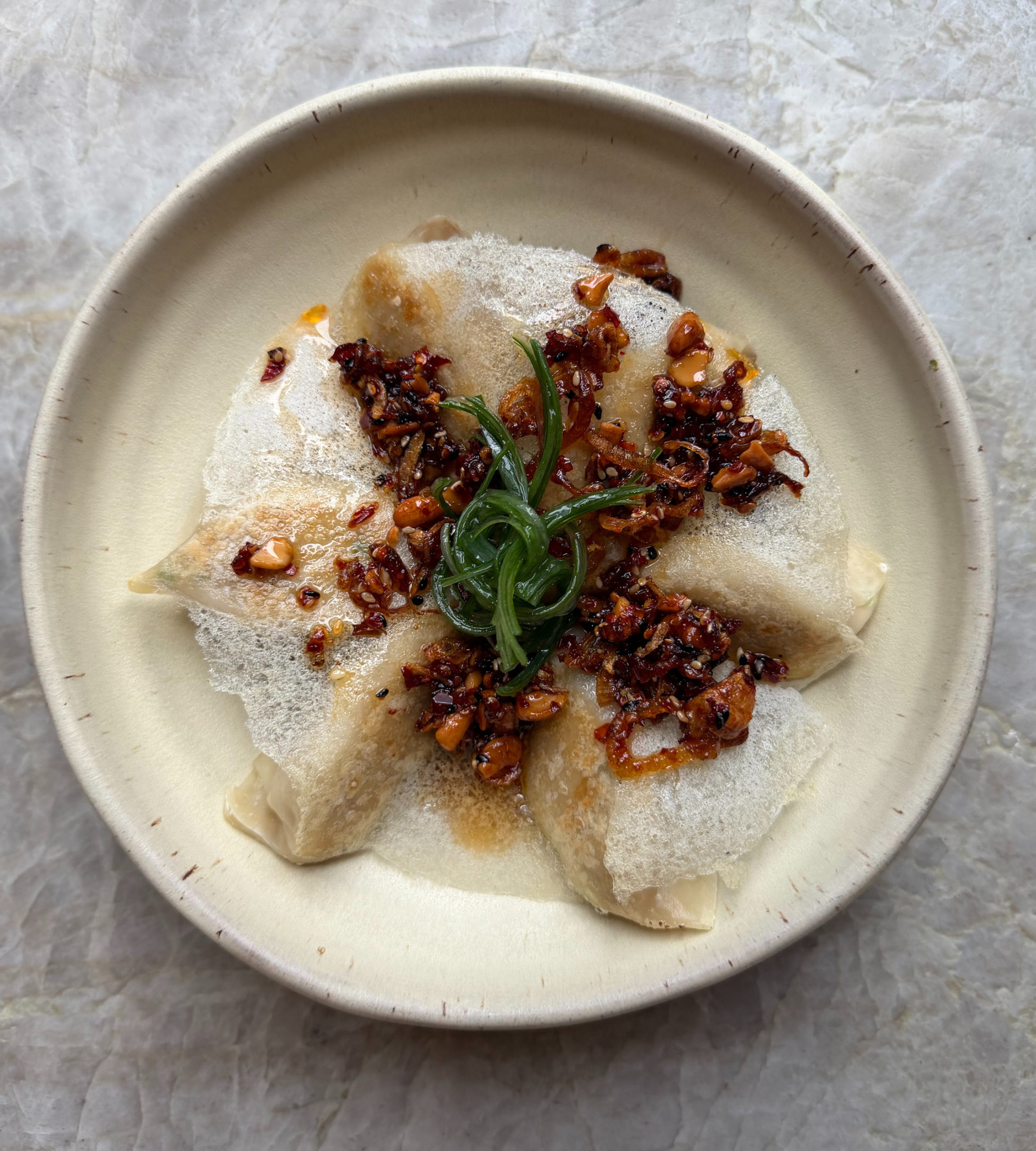
kingi’s zero waste dish: Tuna belly gyoza, black vinegar, sweet soy, cashew chilli crunch
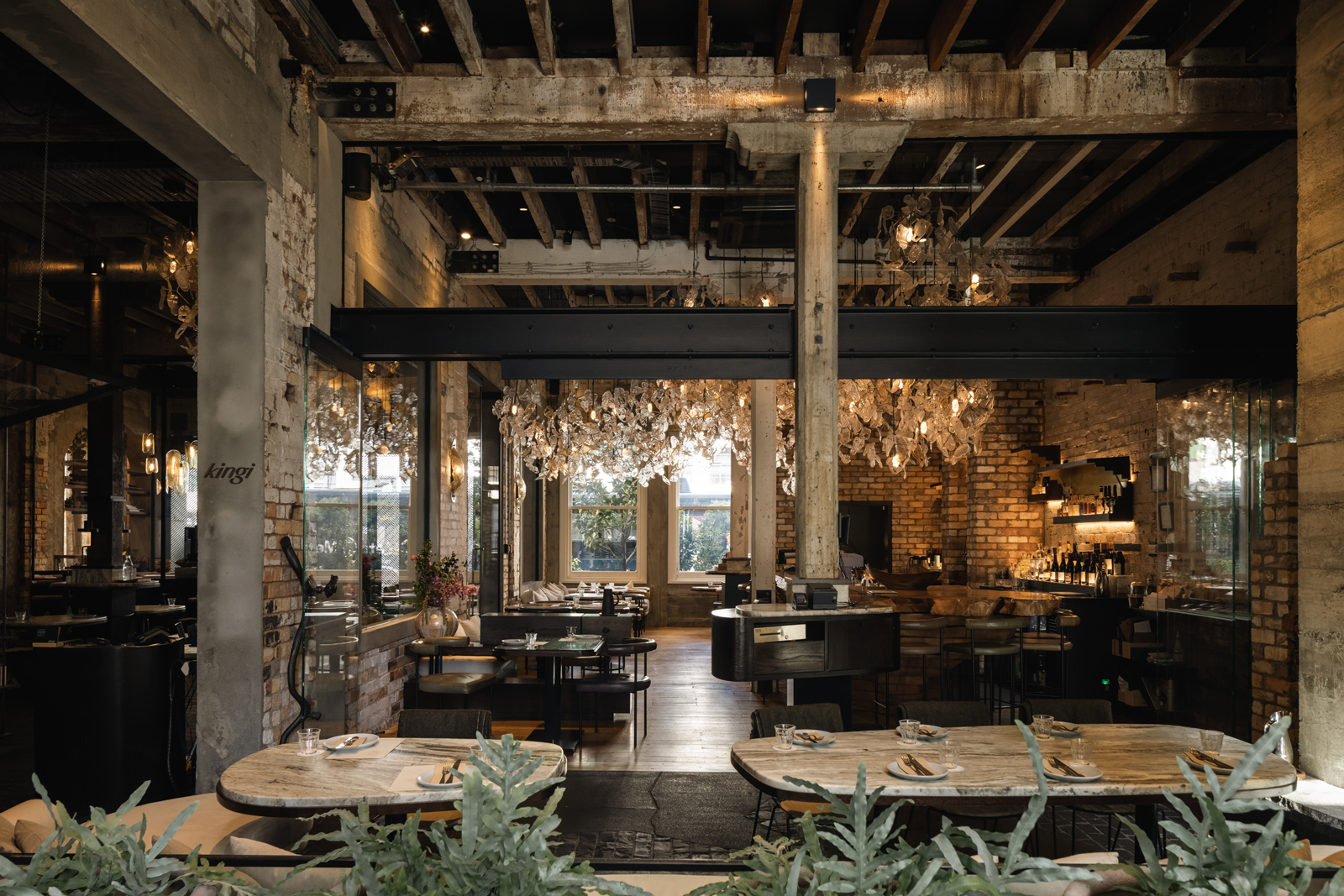
From Friday, 22nd May, that same philosophy extends to Kingi, with the launch of the Zero-Waste Dish of the Week. Every Friday, dinner service will showcase a new dish conceived in response to what is abundant, overlooked, or too good to waste. In the hands of Kingi’s chefs, ingredients that might otherwise be discarded are reimagined into thoughtful seasonal dishes, delicately crafted into tuna dumplings one week, and something entirely different the next. Rather than making sustainability feel like an obligation, Kingi is making it both delicious and compelling. Adding yet another reason to admire The Hotel Britomart and Kingi’s continued commitment to sustainability.
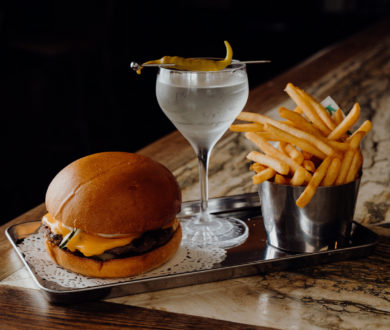
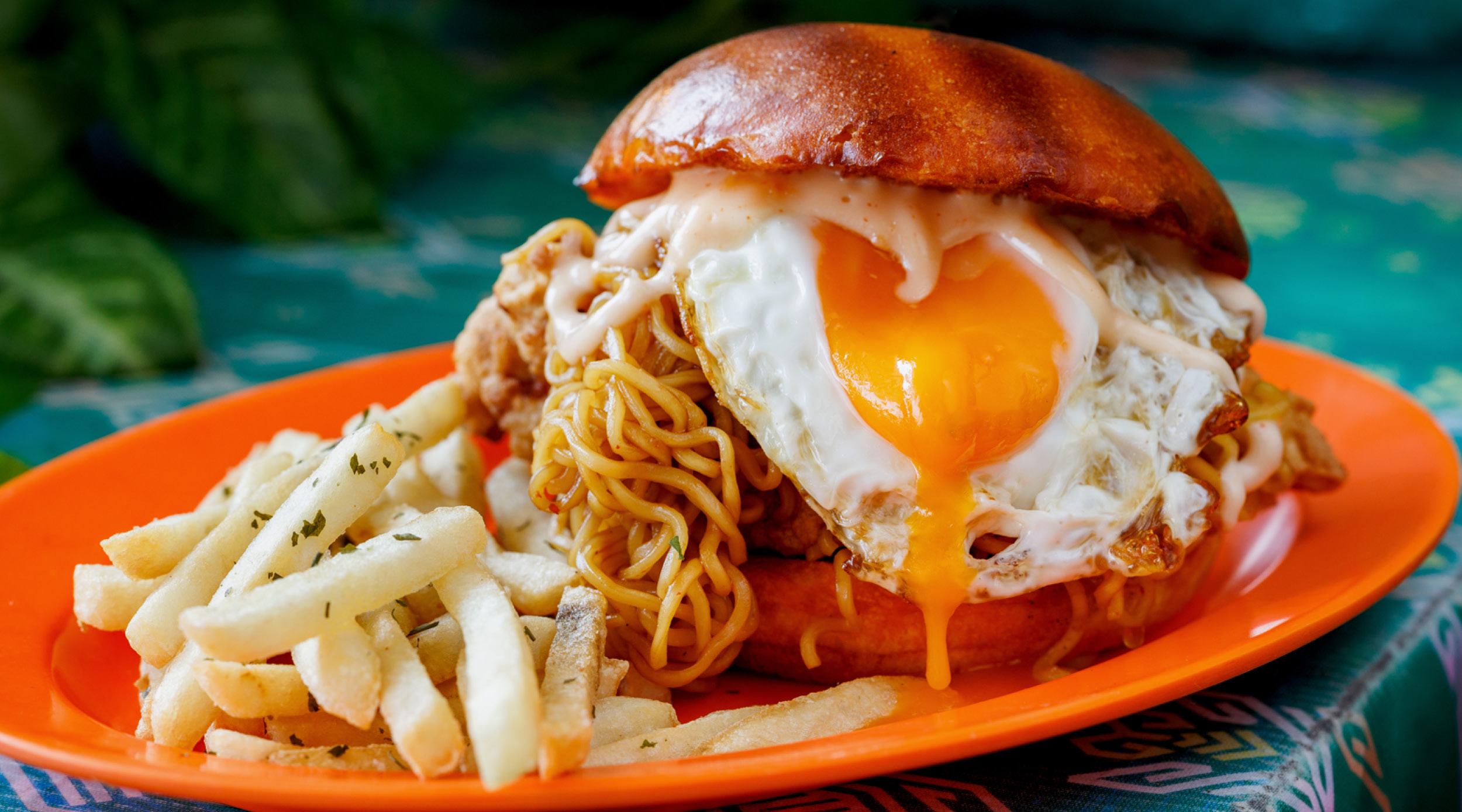
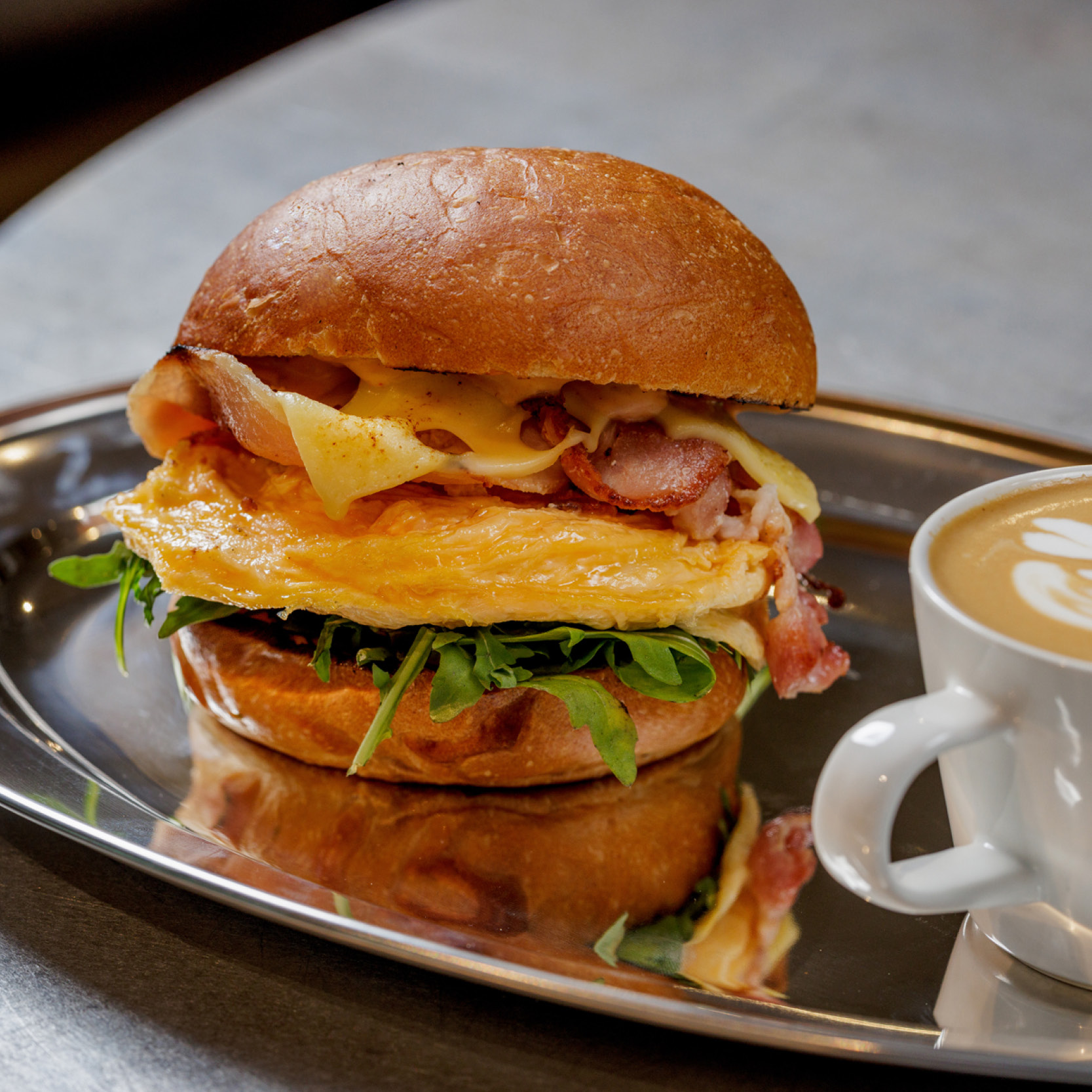
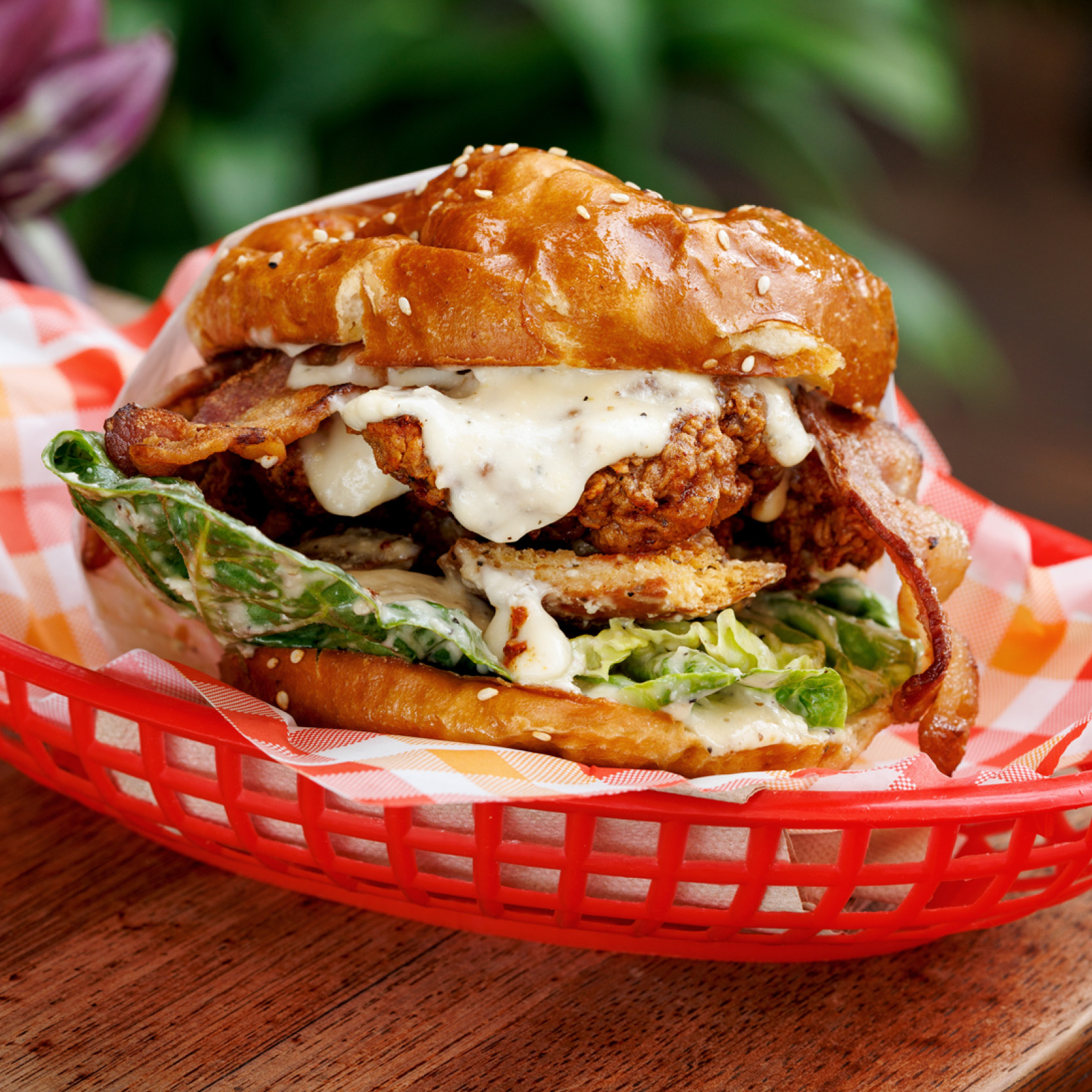
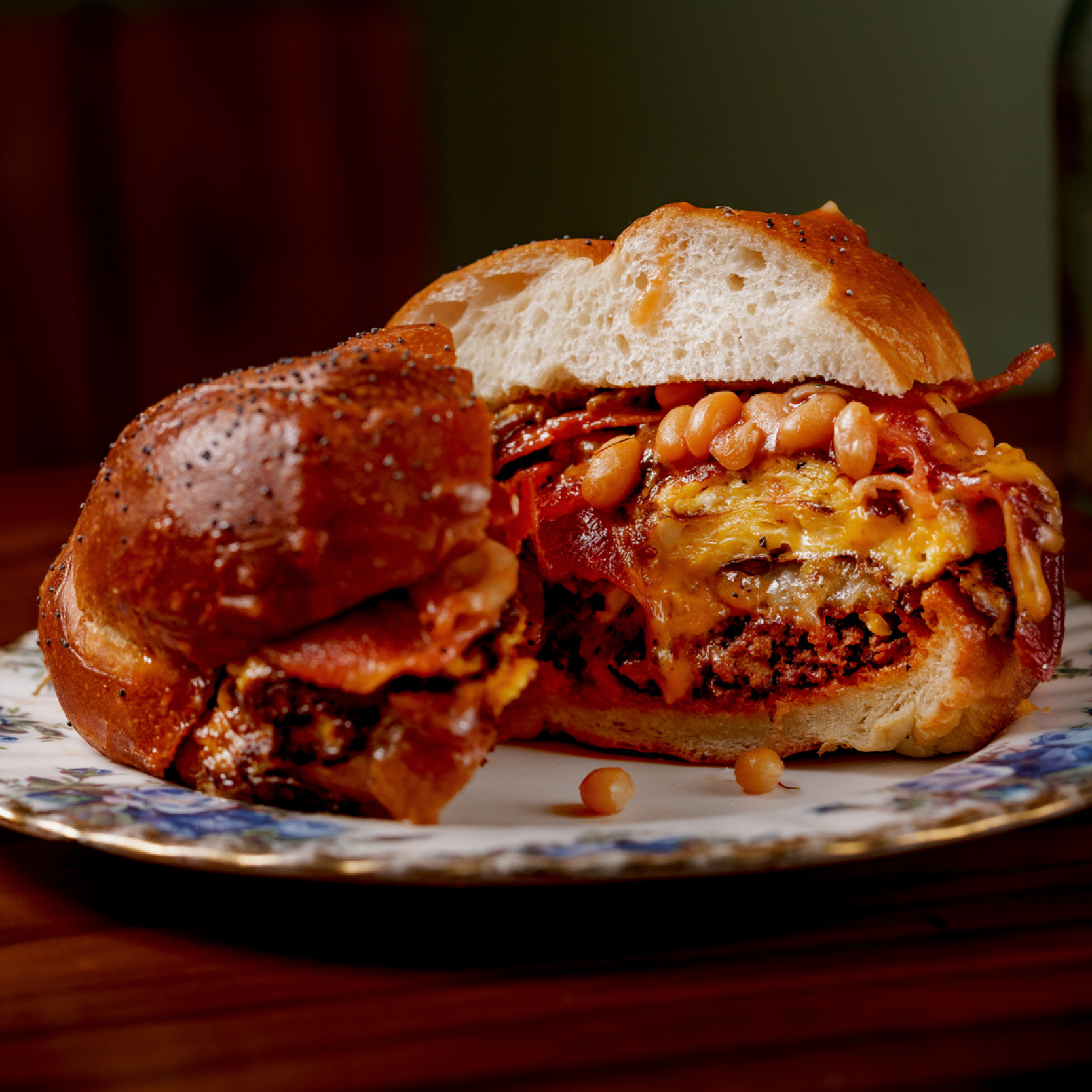
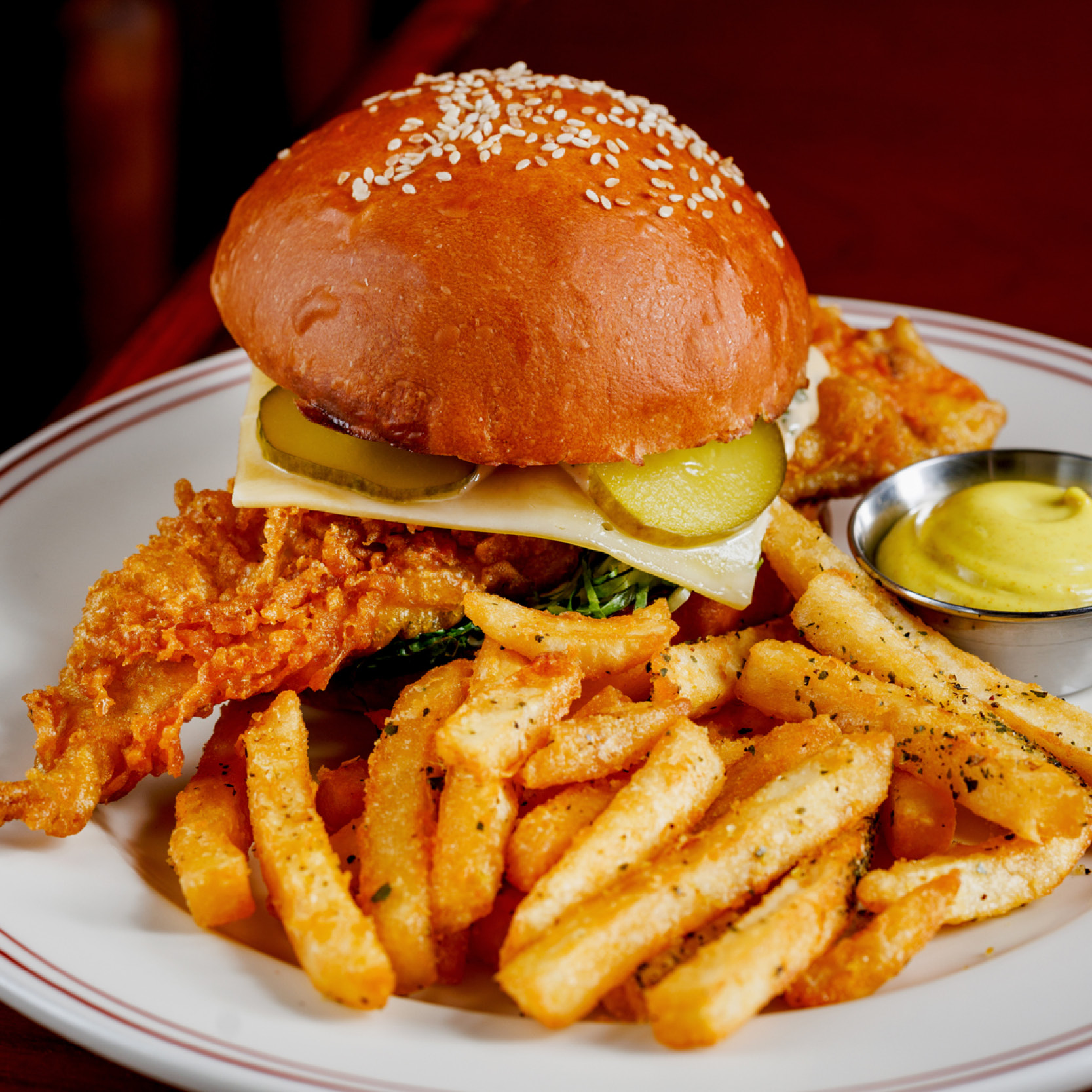
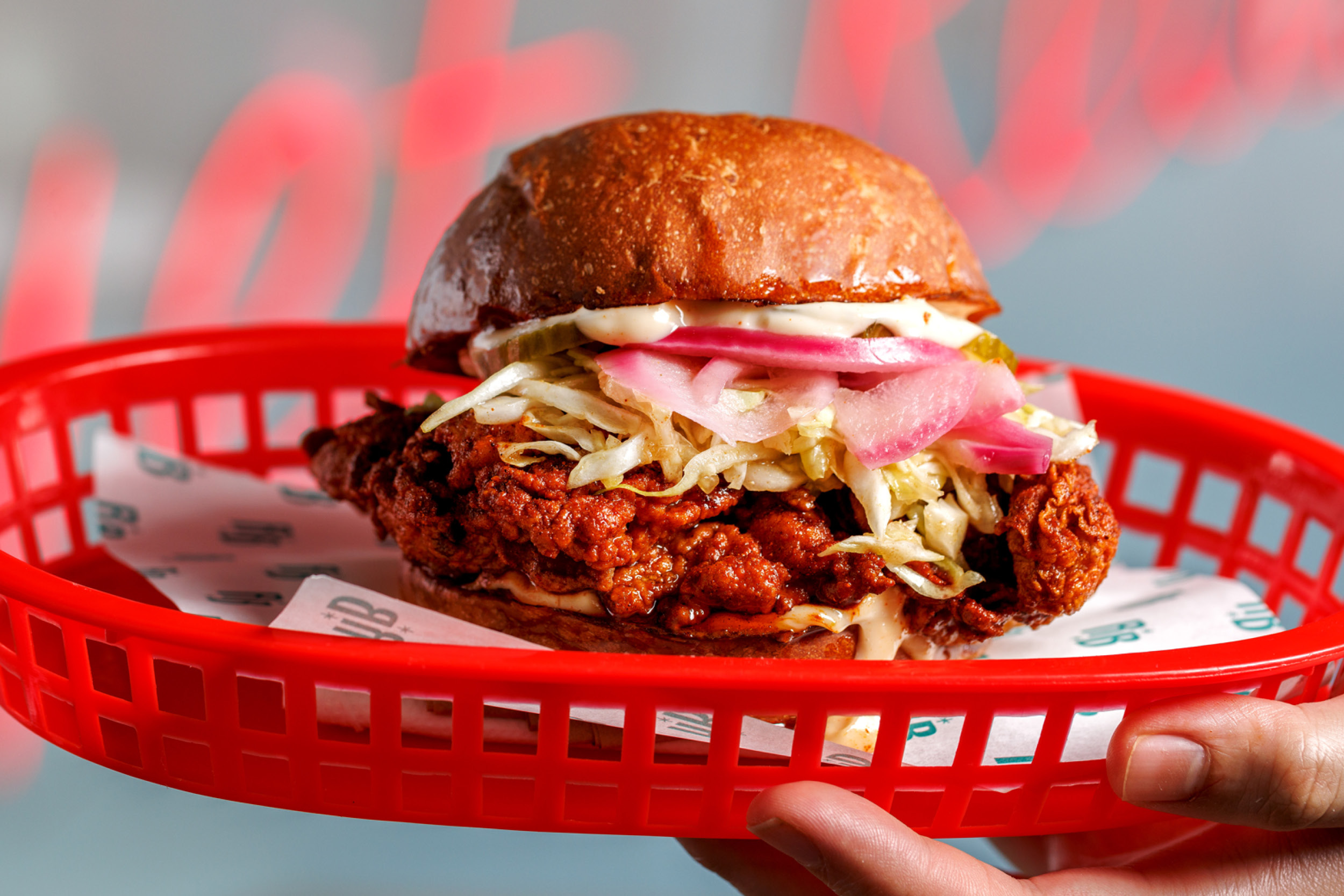
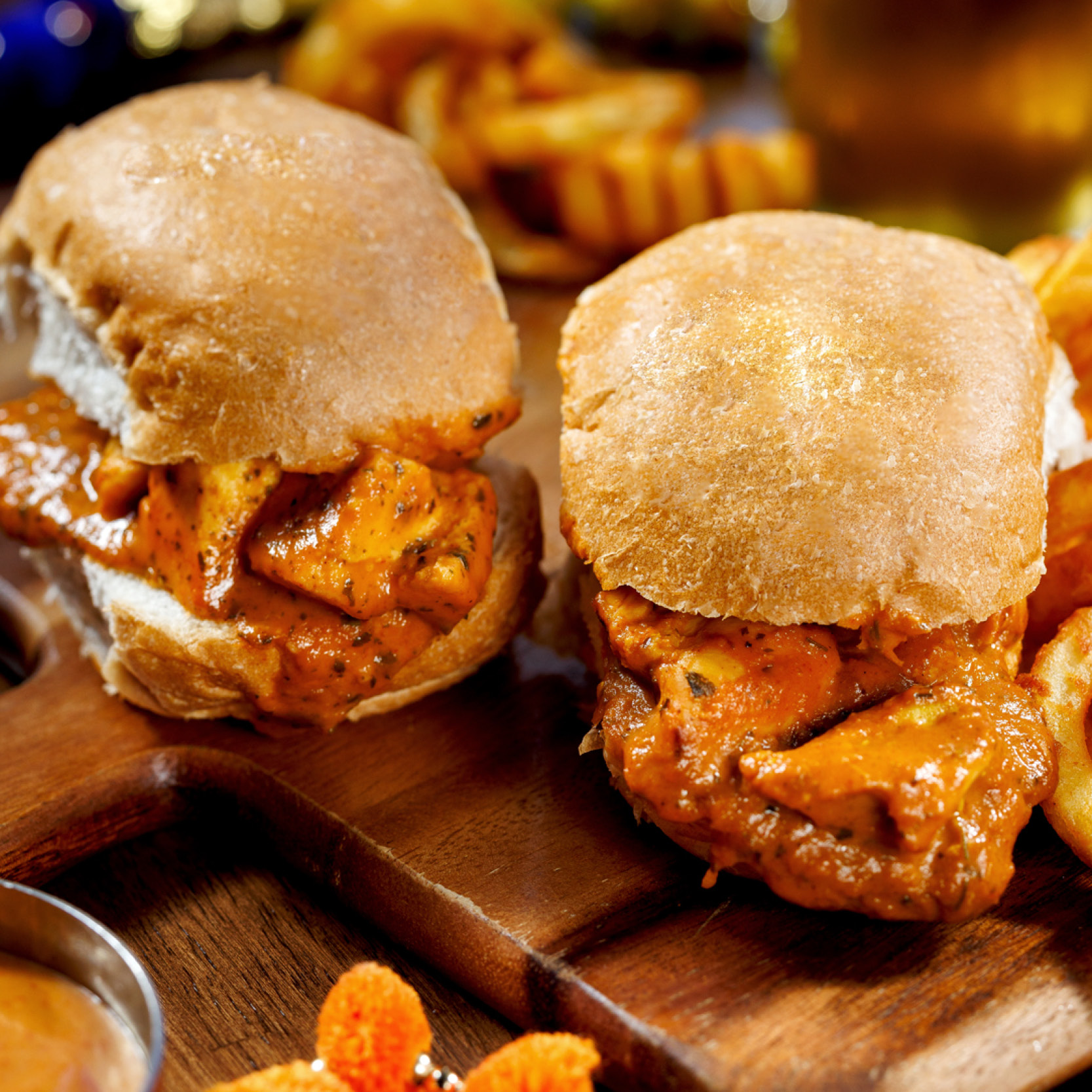
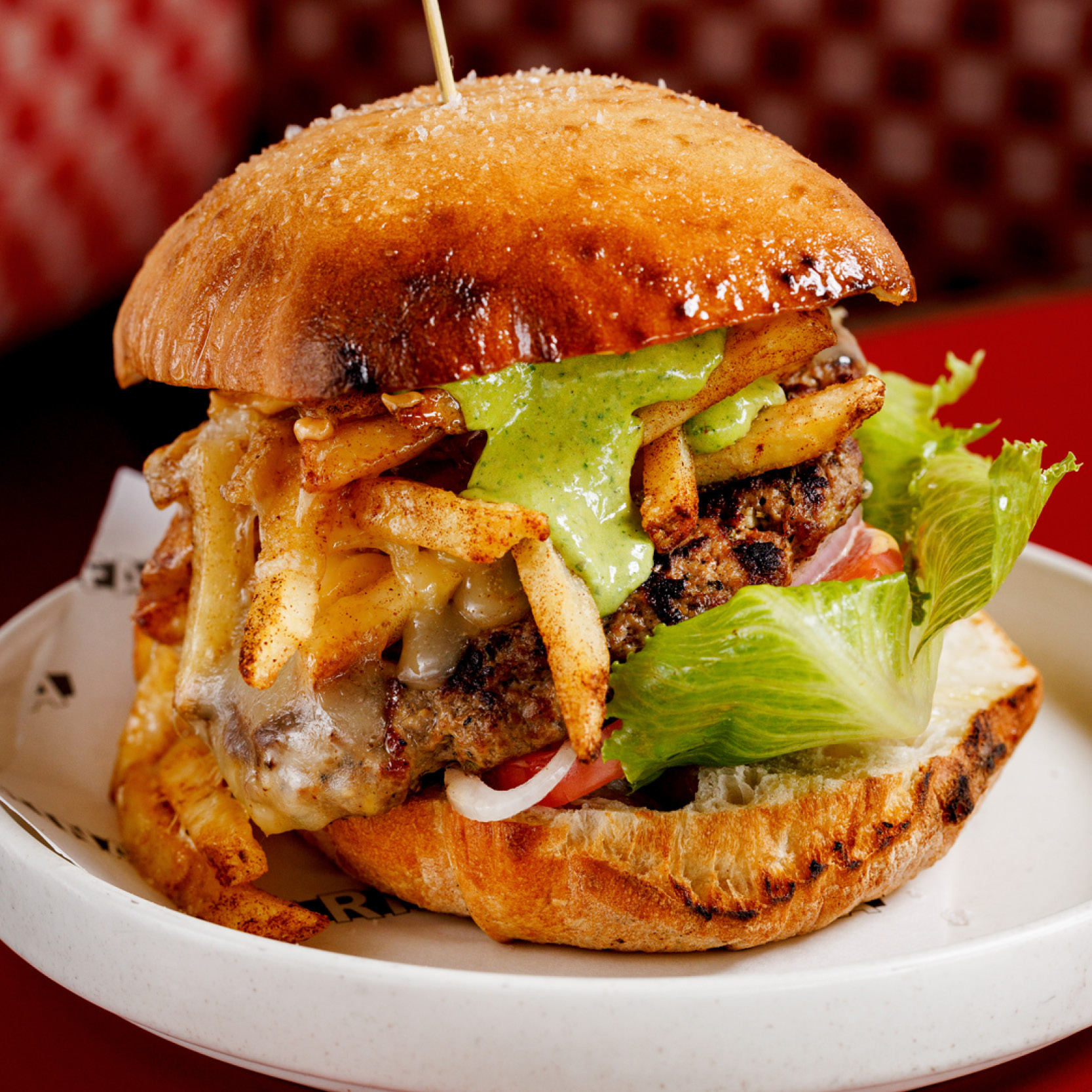
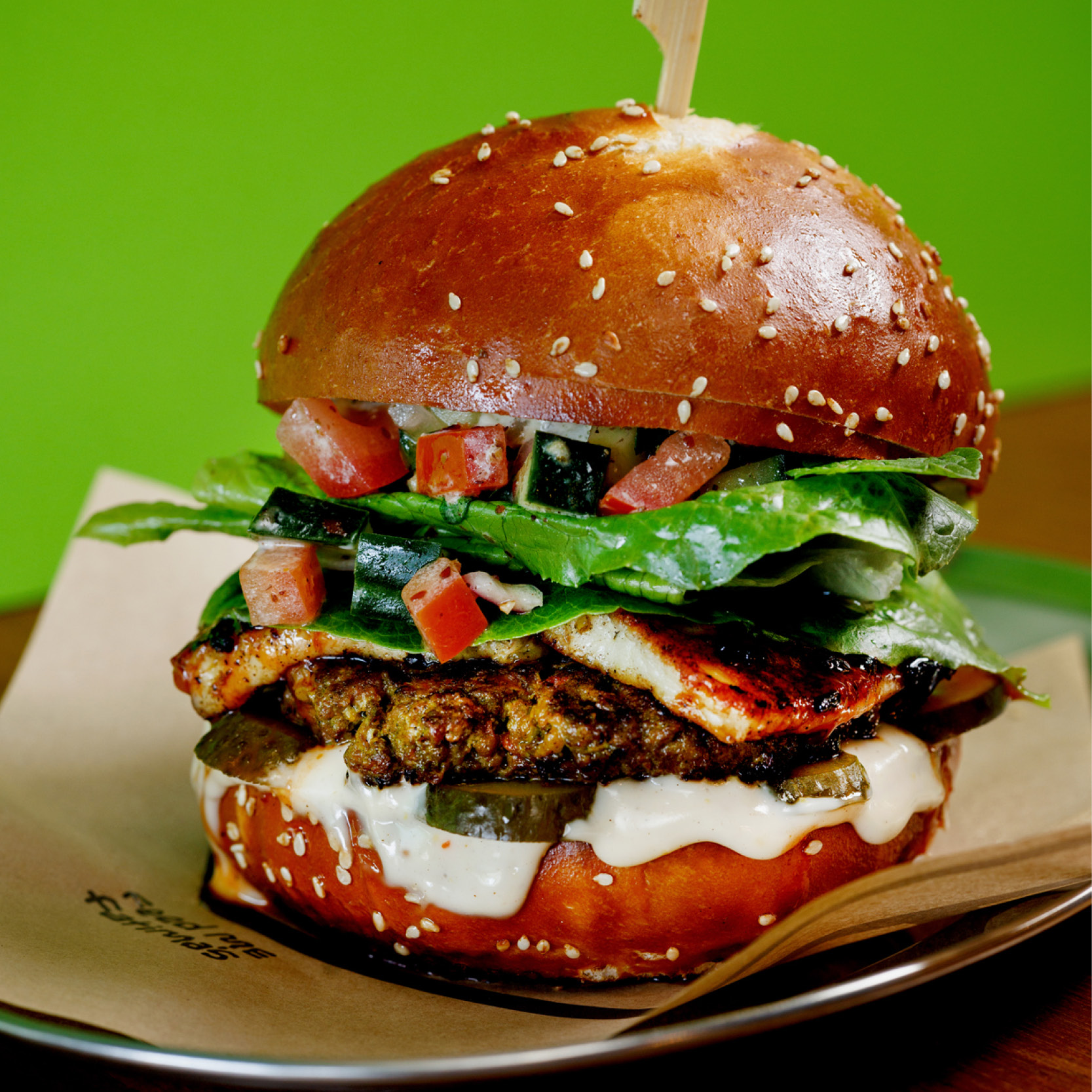
PonsonBurger is returning to Ponsonby from Monday, 25th May to Sunday, 7th June, marking International Burger Day on Thursday, 28th May with a fortnight dedicated to the city’s favourite handheld indulgence. More than 35 eateries will take part this year, serving everything from elevated takes on the classics to wildly creative specials, ensuring there’s something to satisfy every kind of burger craving.
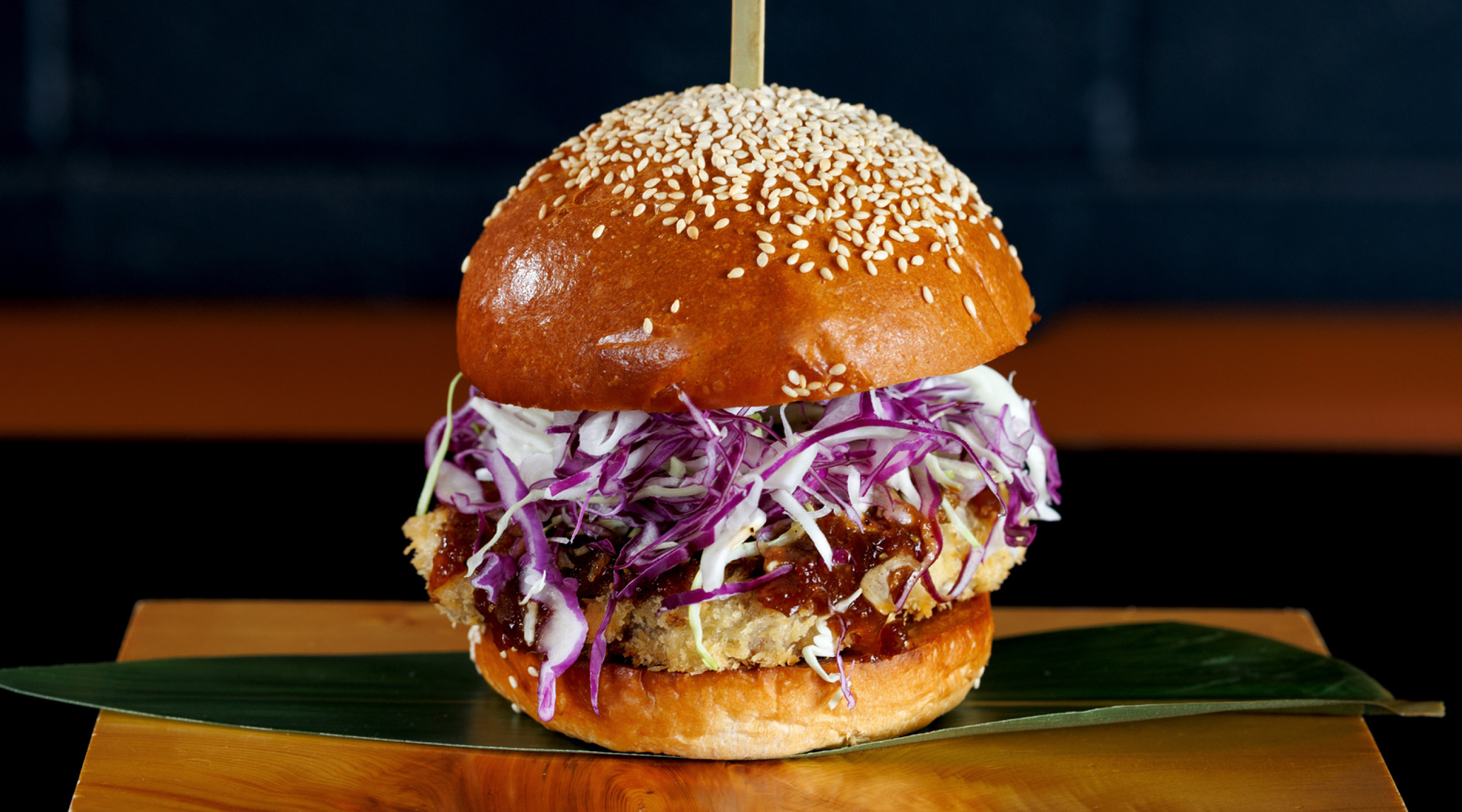
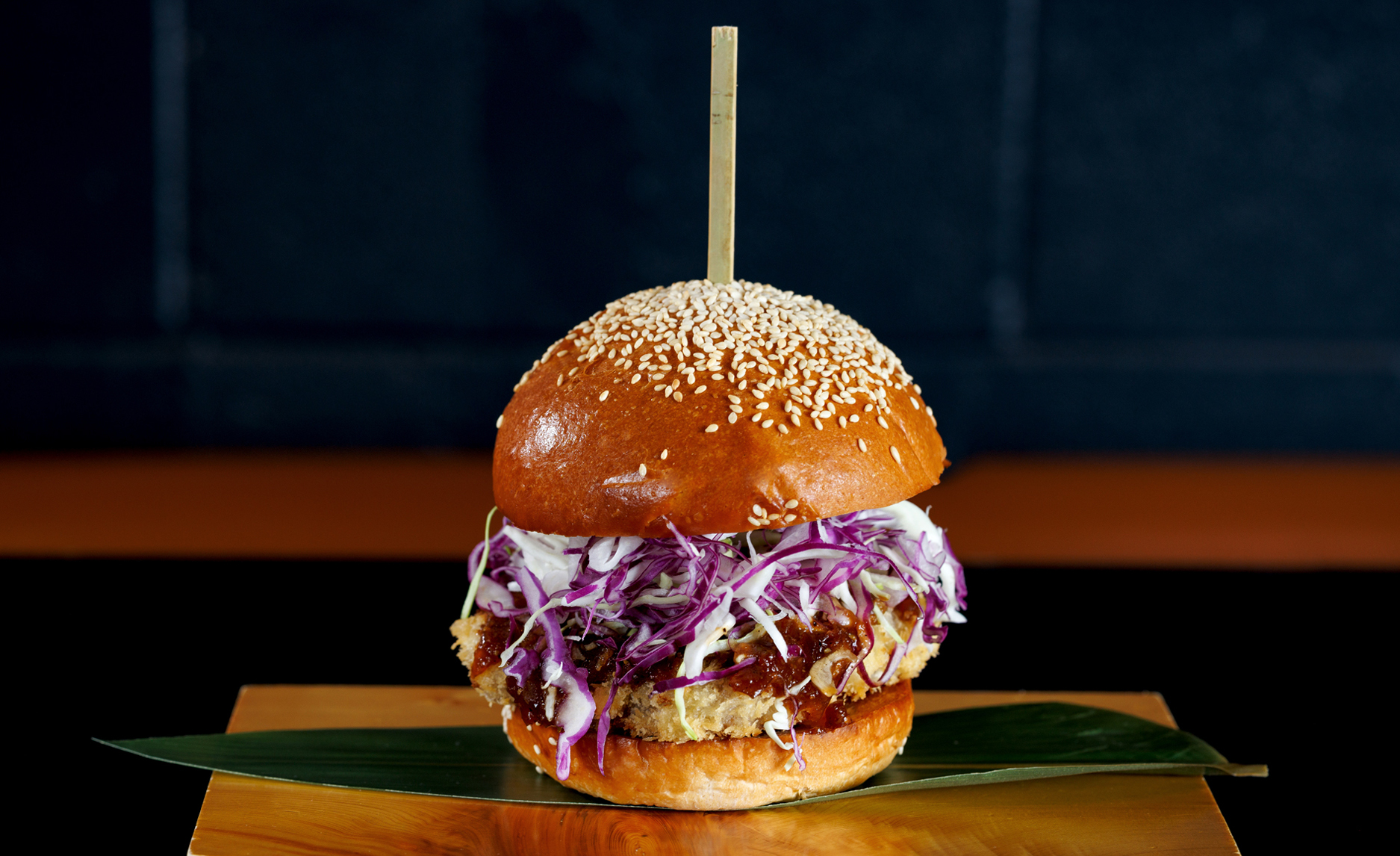
If it’s Asian flavours that appeal, Azabu is serving up a refined wagyu katsu number on a brioche bun with Tokyo katsu sauce, cabbage, and Japanese mayo, while, over at The Grey Lynn Firehouse, the Kaimoana Burger offers a distinctly elevated take on the fish burger, pairing a crisp whole snapper fillet with kina mayo, housemade hot sauce and all the classic fixings, served alongside fries.
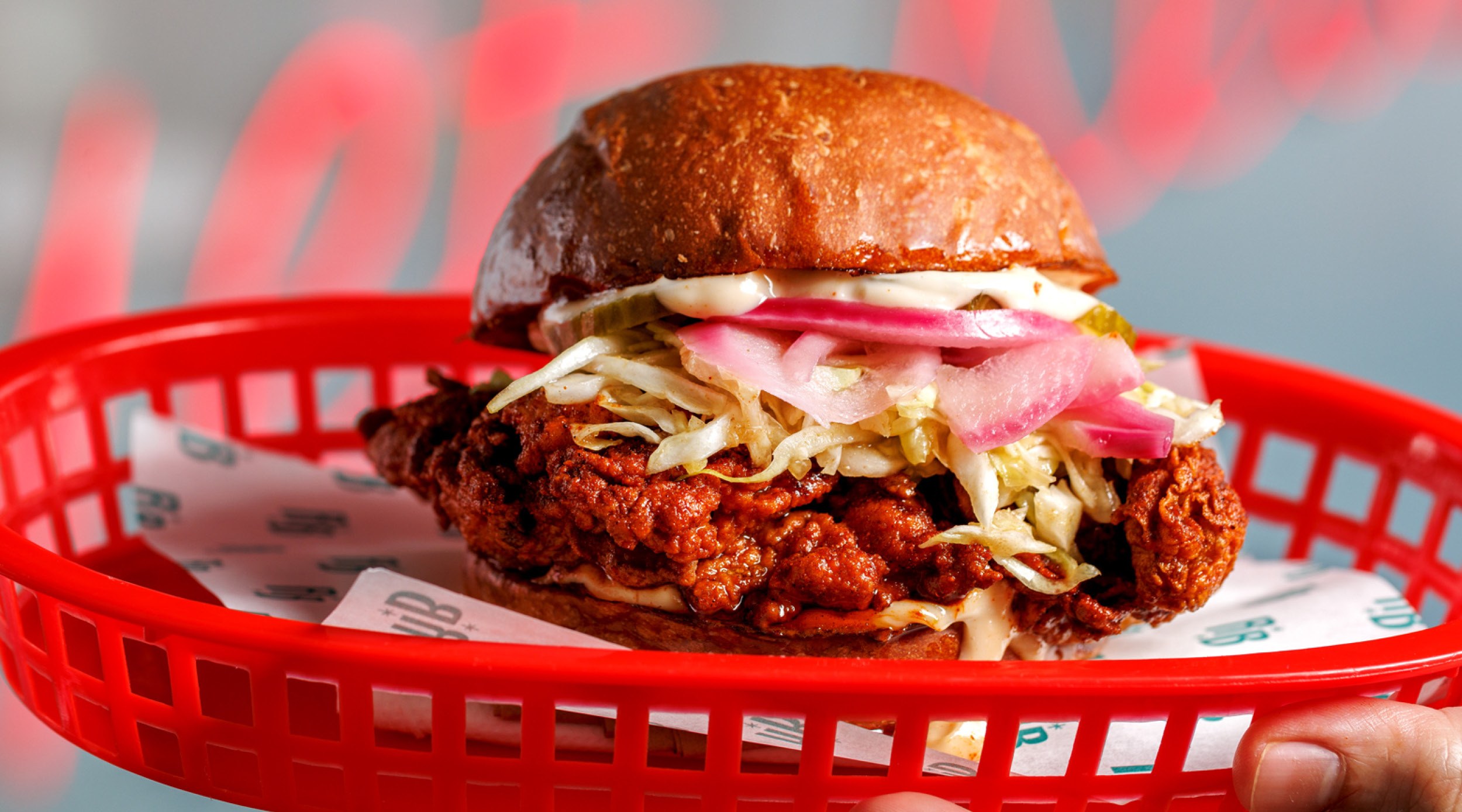
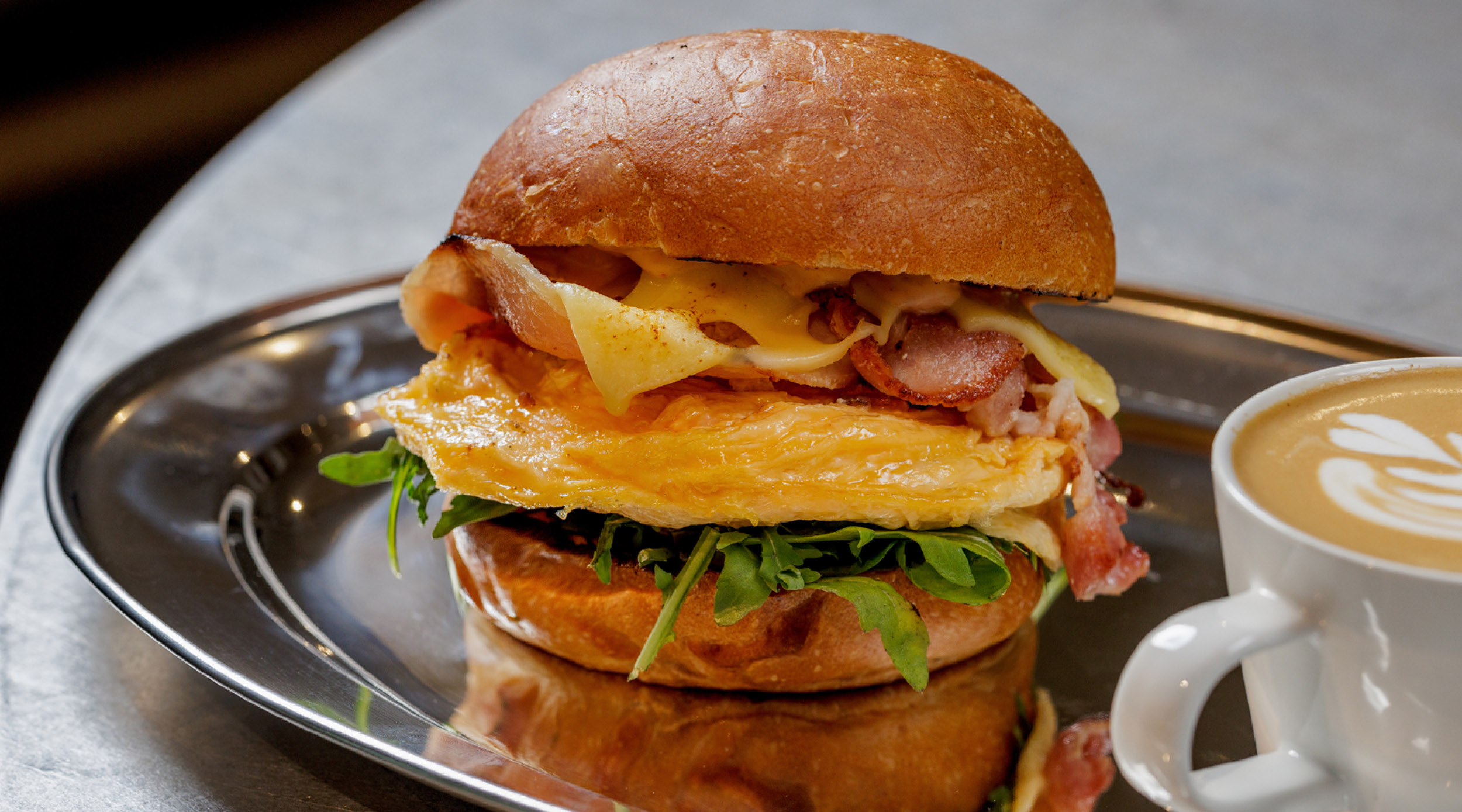
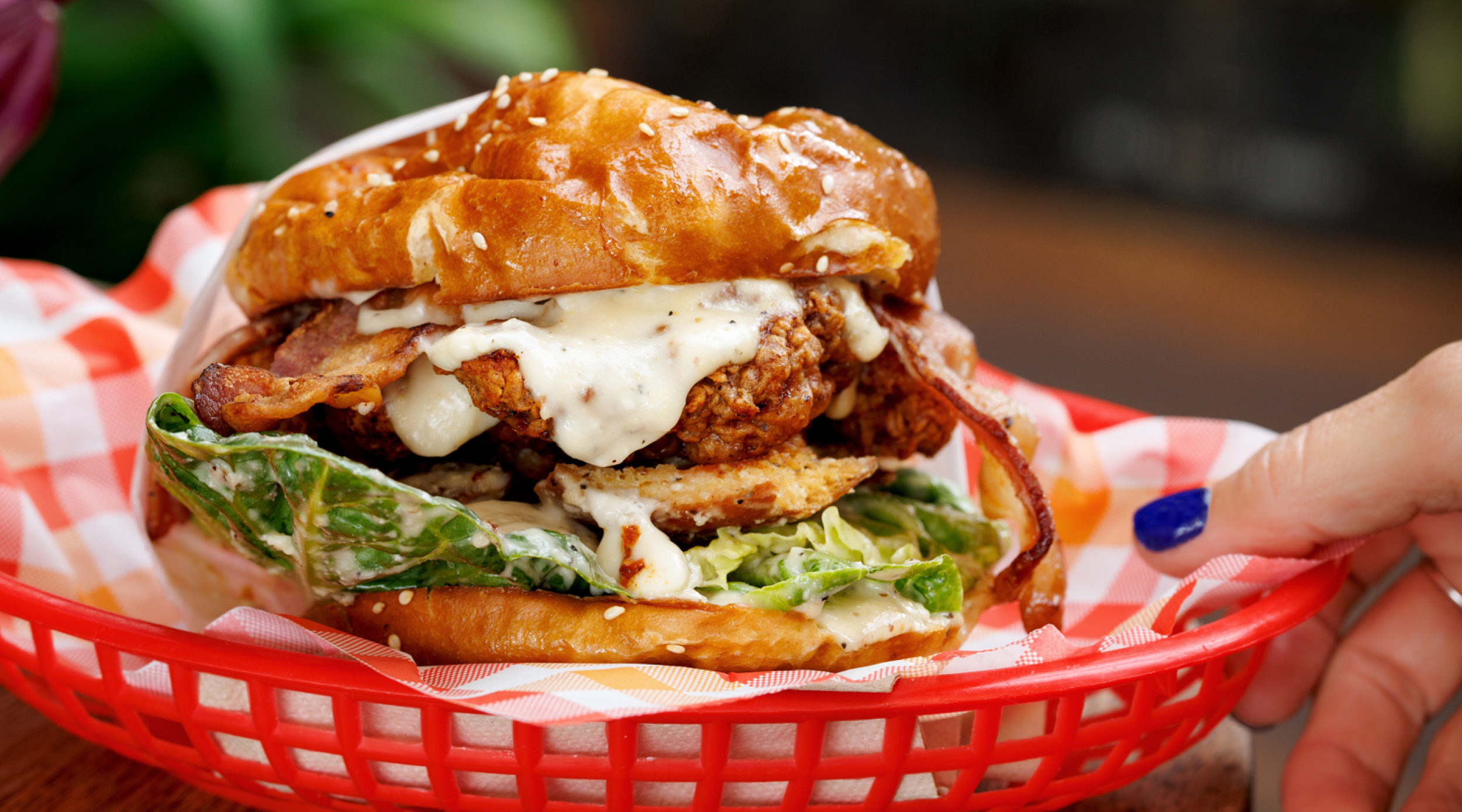
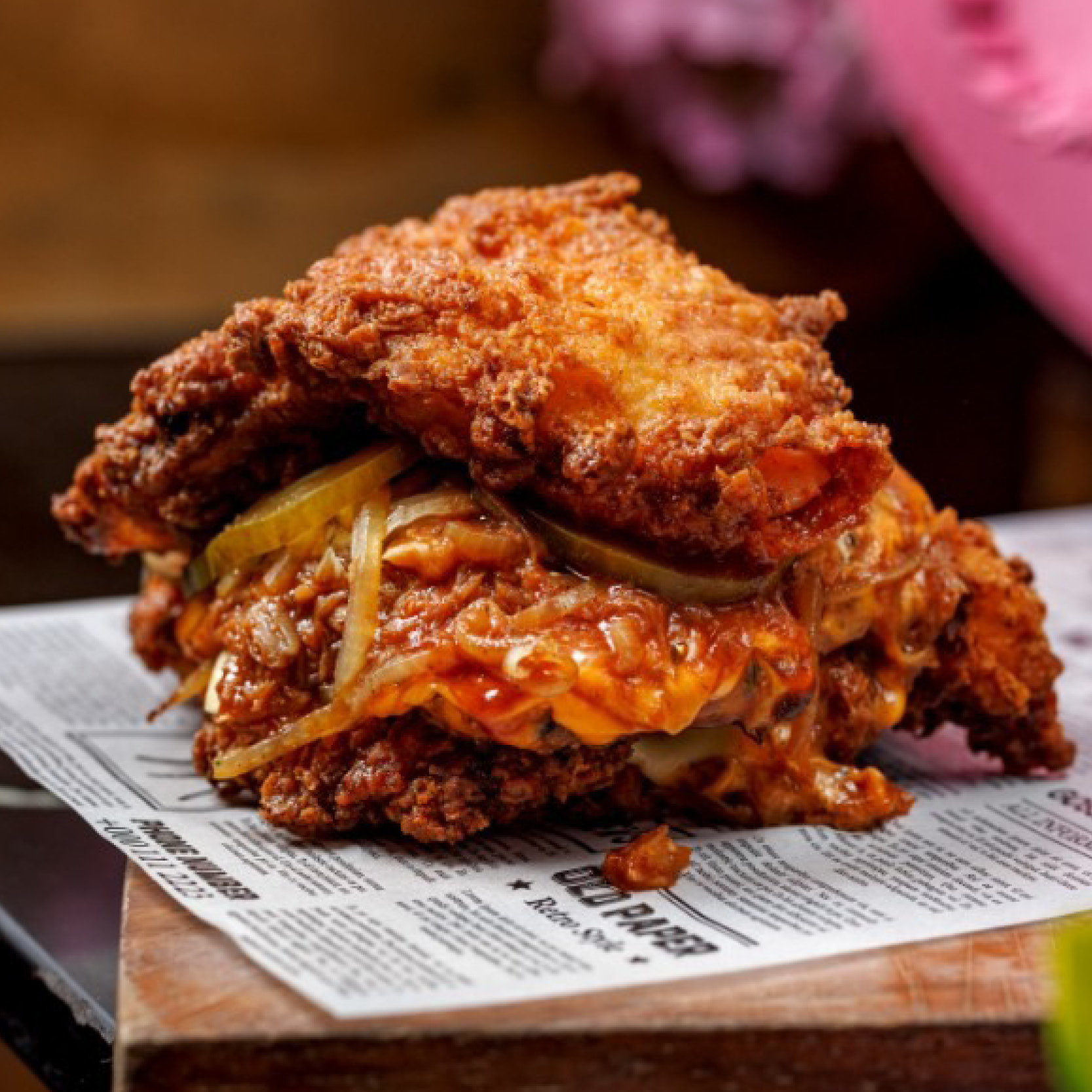
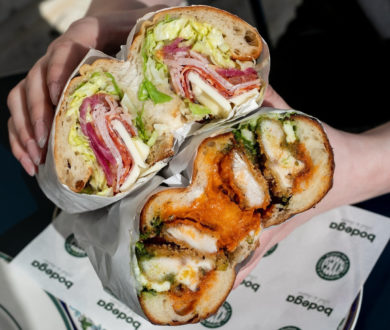
Elsewhere, newly opened Real Burger is bringing the heat with its Nashville Chicken burger, pairing a buttermilk double-coated chicken thigh with crunchy slaw, house pickles and a secret sauce tucked into the brand’s signature potato bun. Beau Deli takes things in a brunch direction with its Breakfast Bun, layering scrambled eggs, rocket, chutney and optional bacon into a warm Wild Wheat bun alongside an Allpress coffee. Over at Parade, the Fried Chicken Caesar transforms the classic salad into burger form, complete with smoky maple bacon, Parmesan and house-made croutons on a pretzel bun, while Bodega’s Full English leans unapologetically indulgent, stacking breakfast sausage, baked beans, bacon and griddled eggs into a house-made Kaiser roll.
While the full line-up looks delectable, we’ve rounded up our top picks below. The countdown begins…
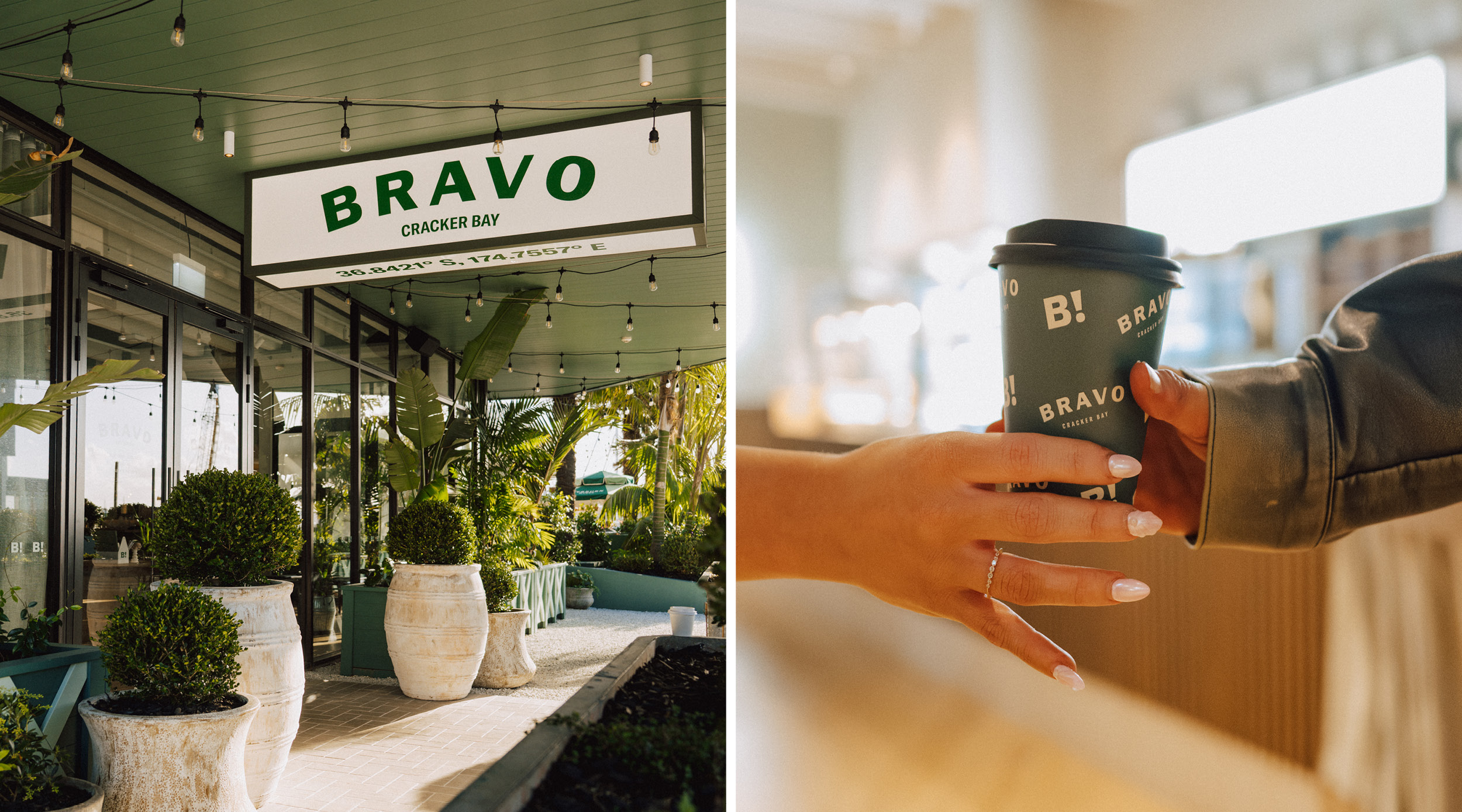
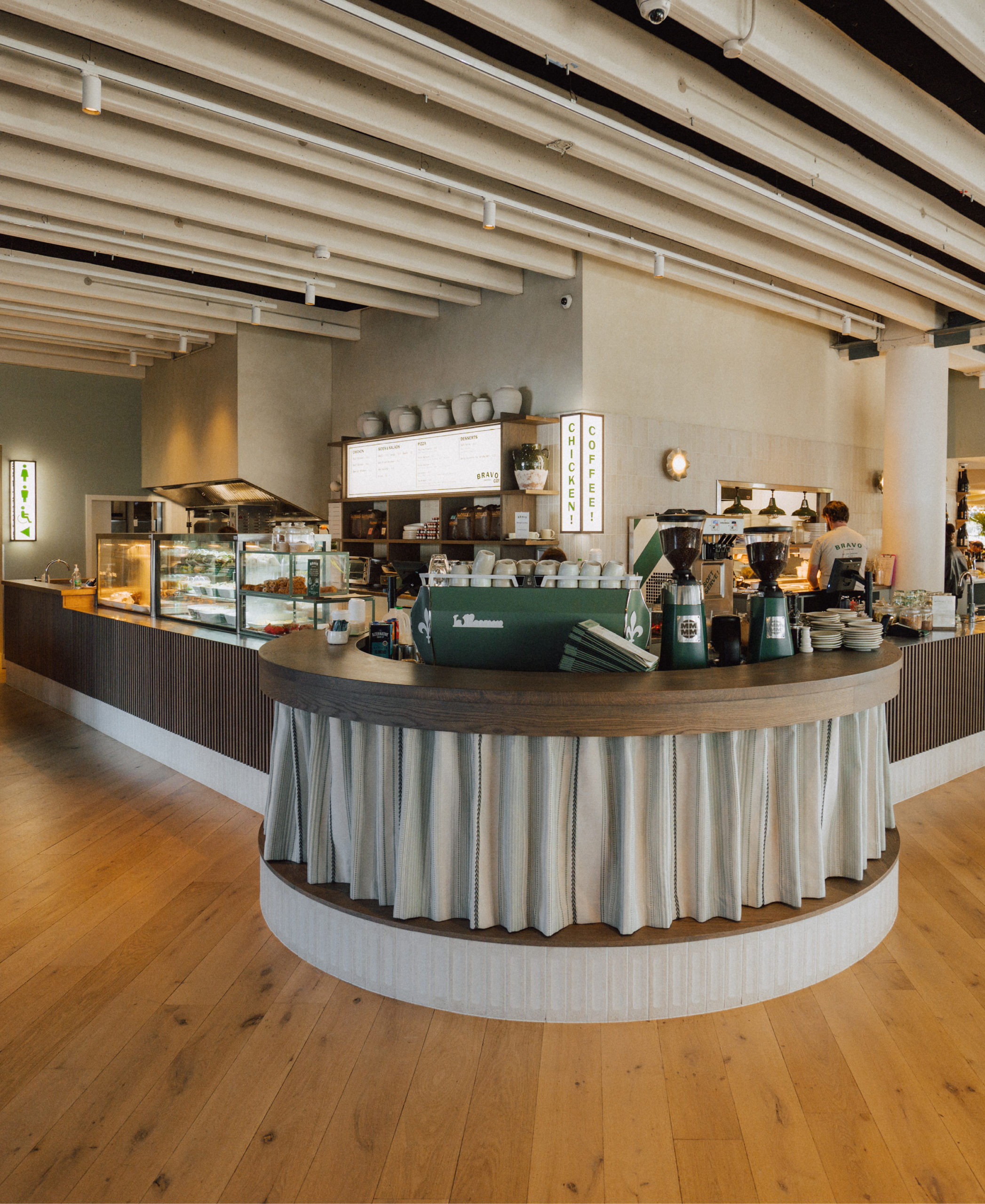
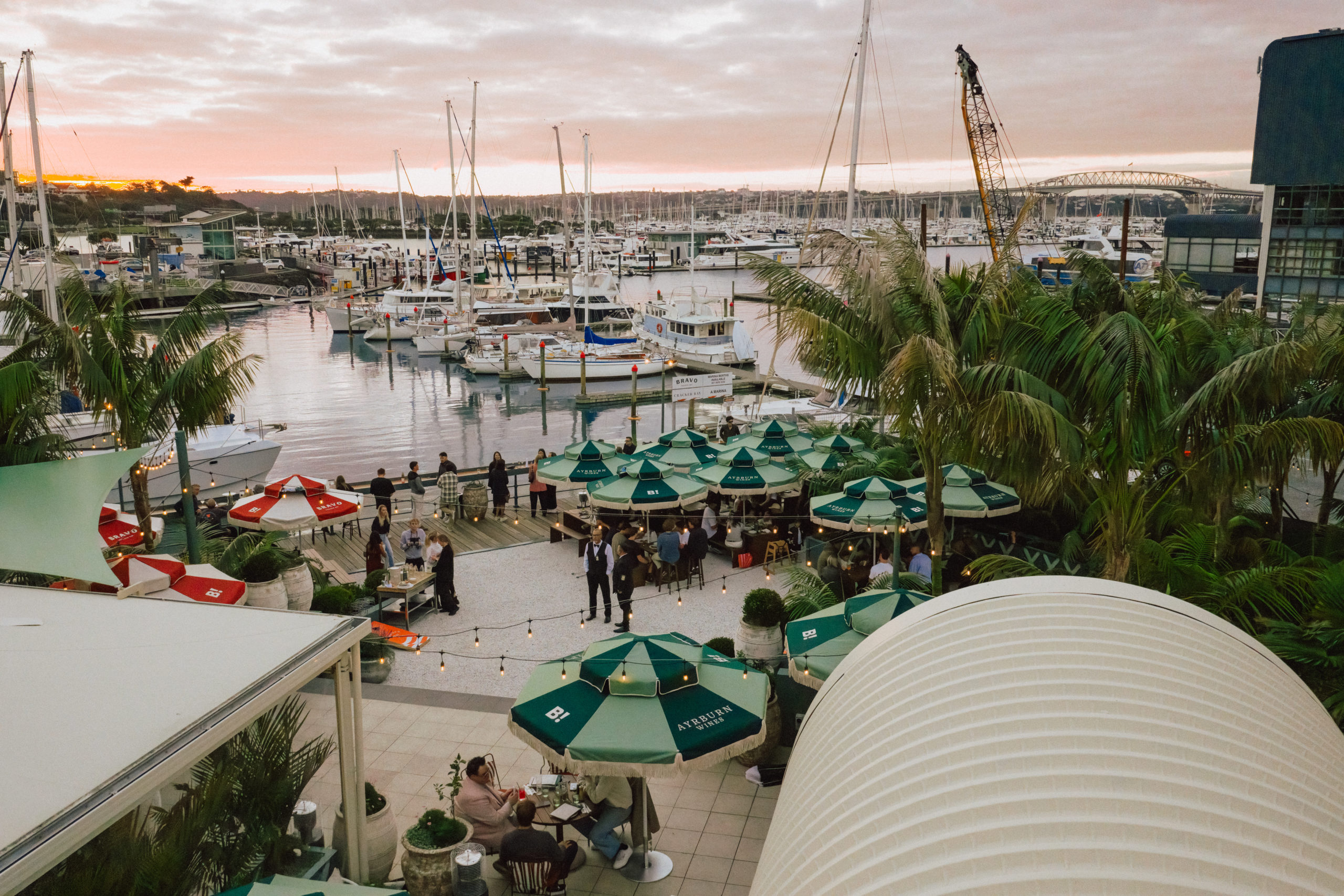
For mornings on the move, quick lunches between meetings, or easy dinners without the fuss, the takeaway offering from Bravo at Cracker Bay delivers exactly what’s needed. Designed for grabbing on the go without compromising on quality, it’s the kind of place you’ll find yourself returning to.
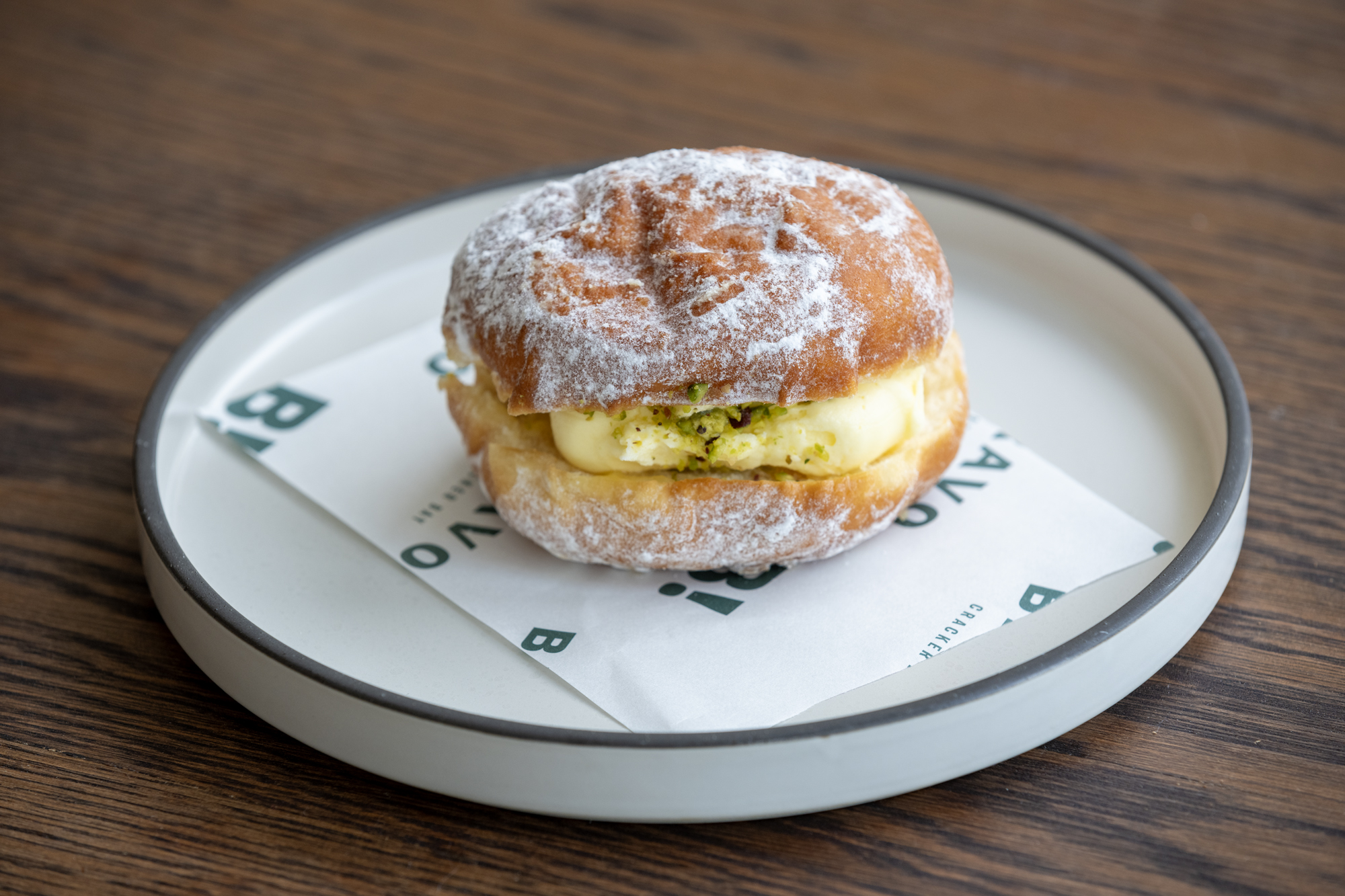
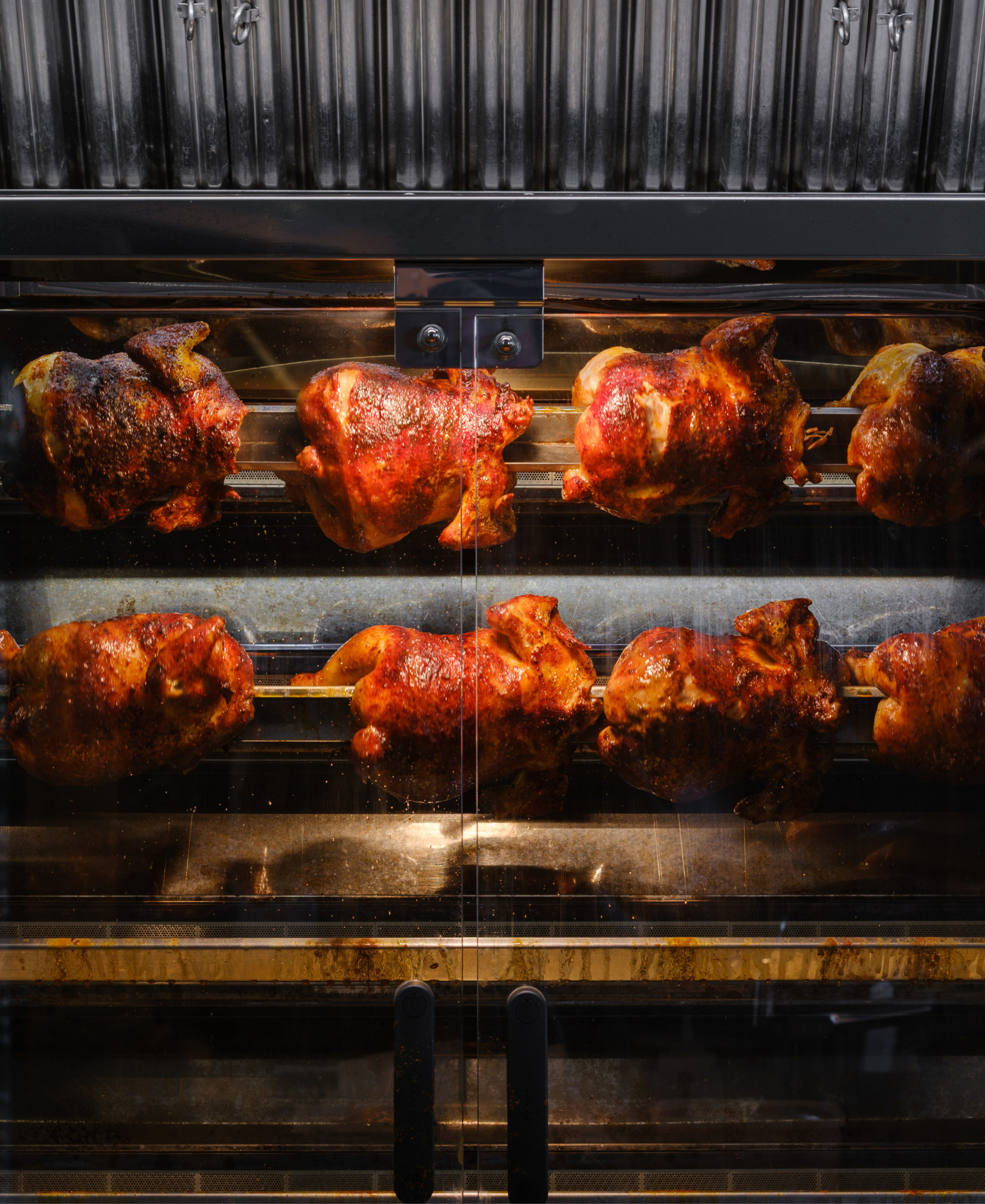
On offer are seasonal salads, fresh sandwiches, takeaway coffee and a rotating selection of cabinet favourites, alongside freshly baked treats worth factoring into the day. Then there’s Bravo’s rotisserie chicken, which has quietly become something of a local staple, available to take home alongside a selection of sides and salads, or packed up for an afternoon out on the boat.
Whether you’re grabbing a coffee before heading into the city, picking up lunch to eat by the water, or sorting dinner without resorting to the usual last-minute options, Bravo Go makes a compelling case for keeping things simple.
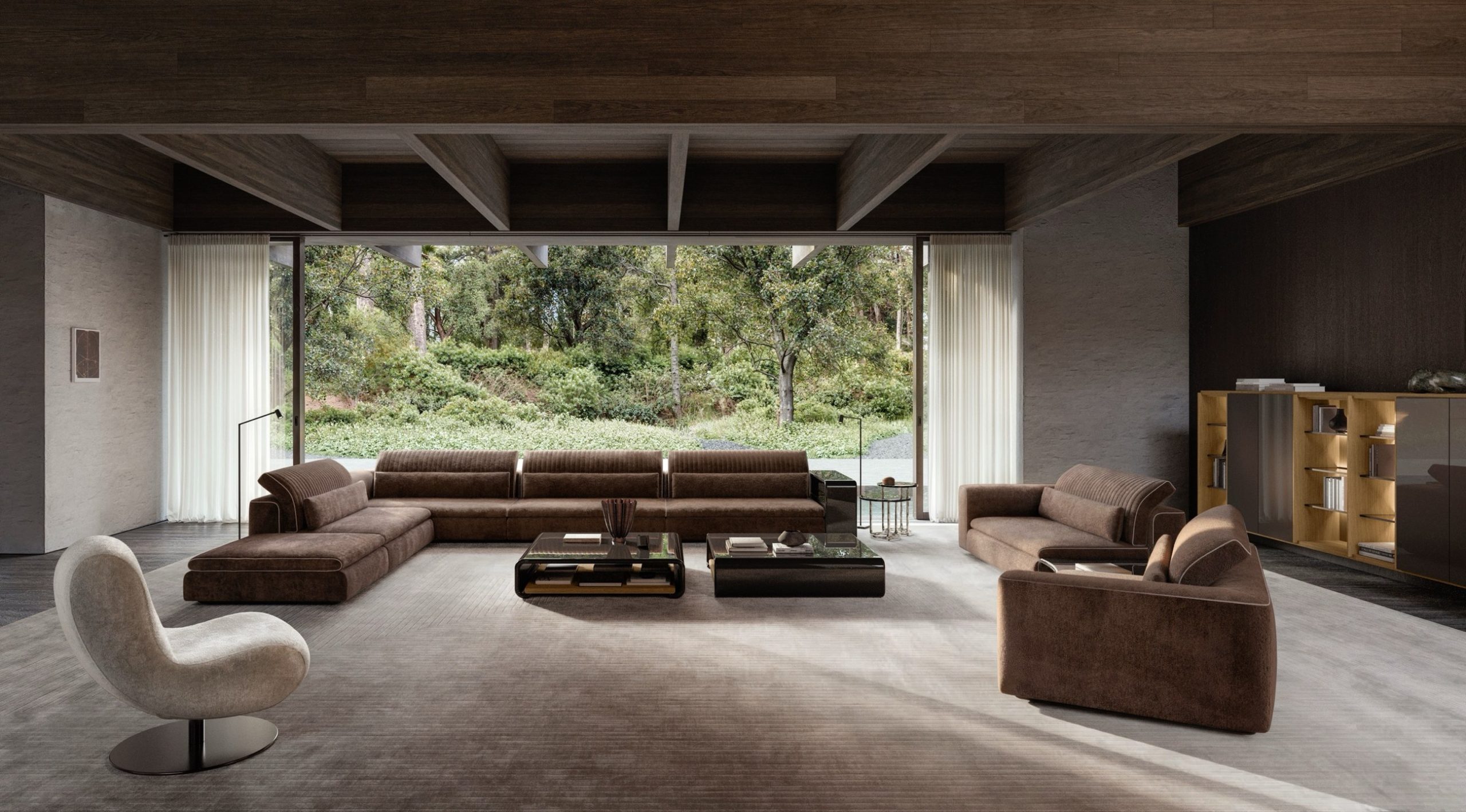
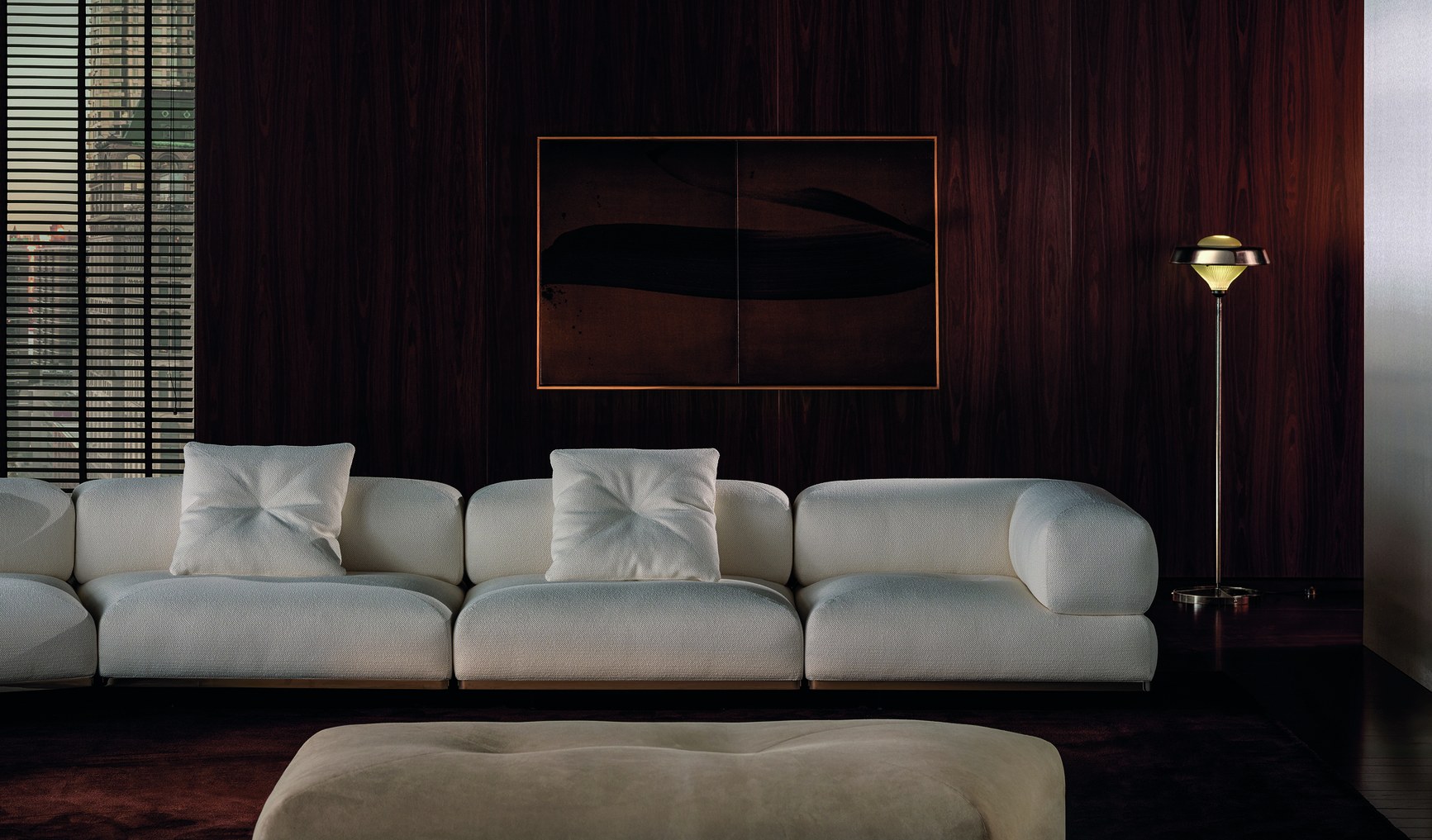
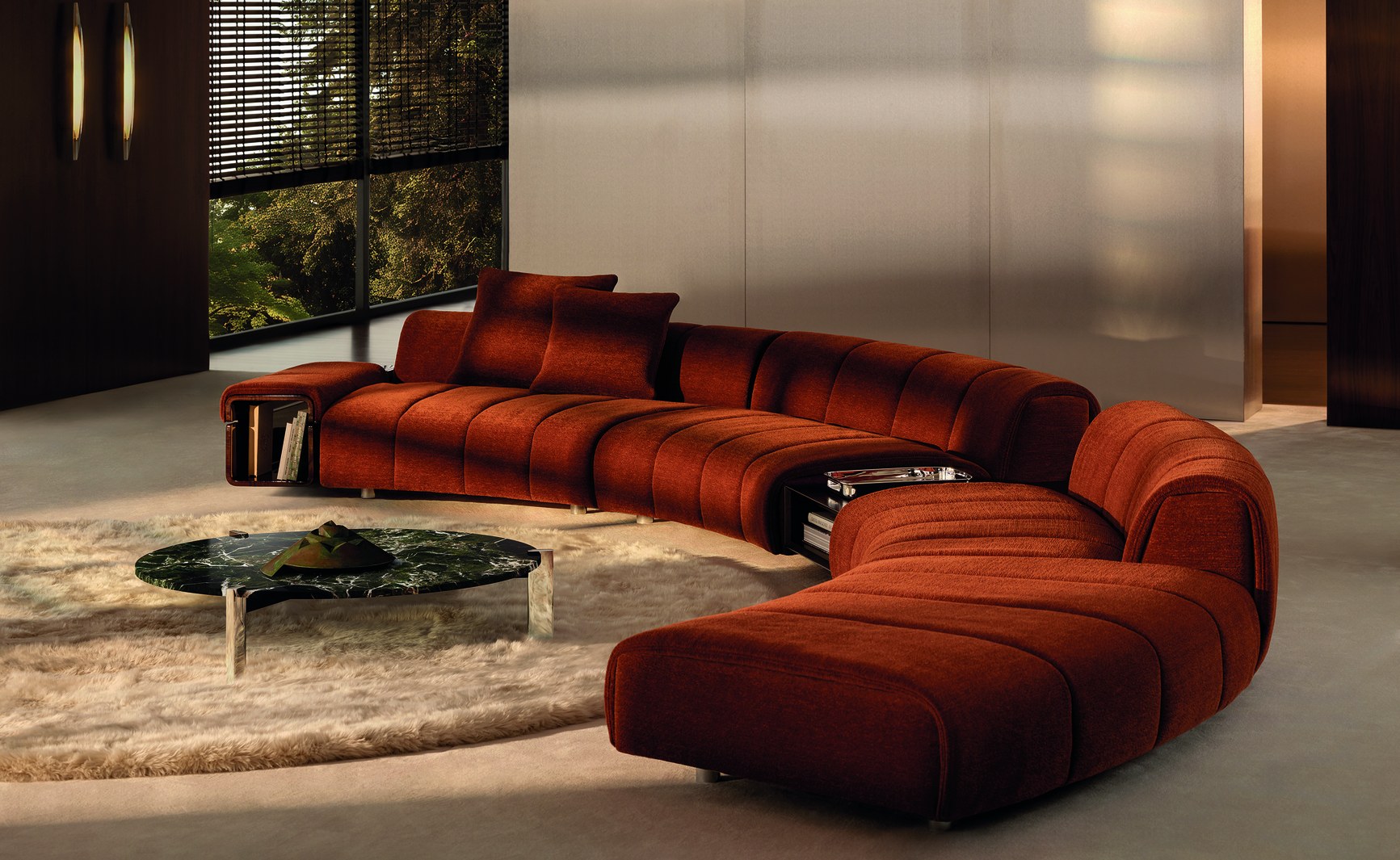
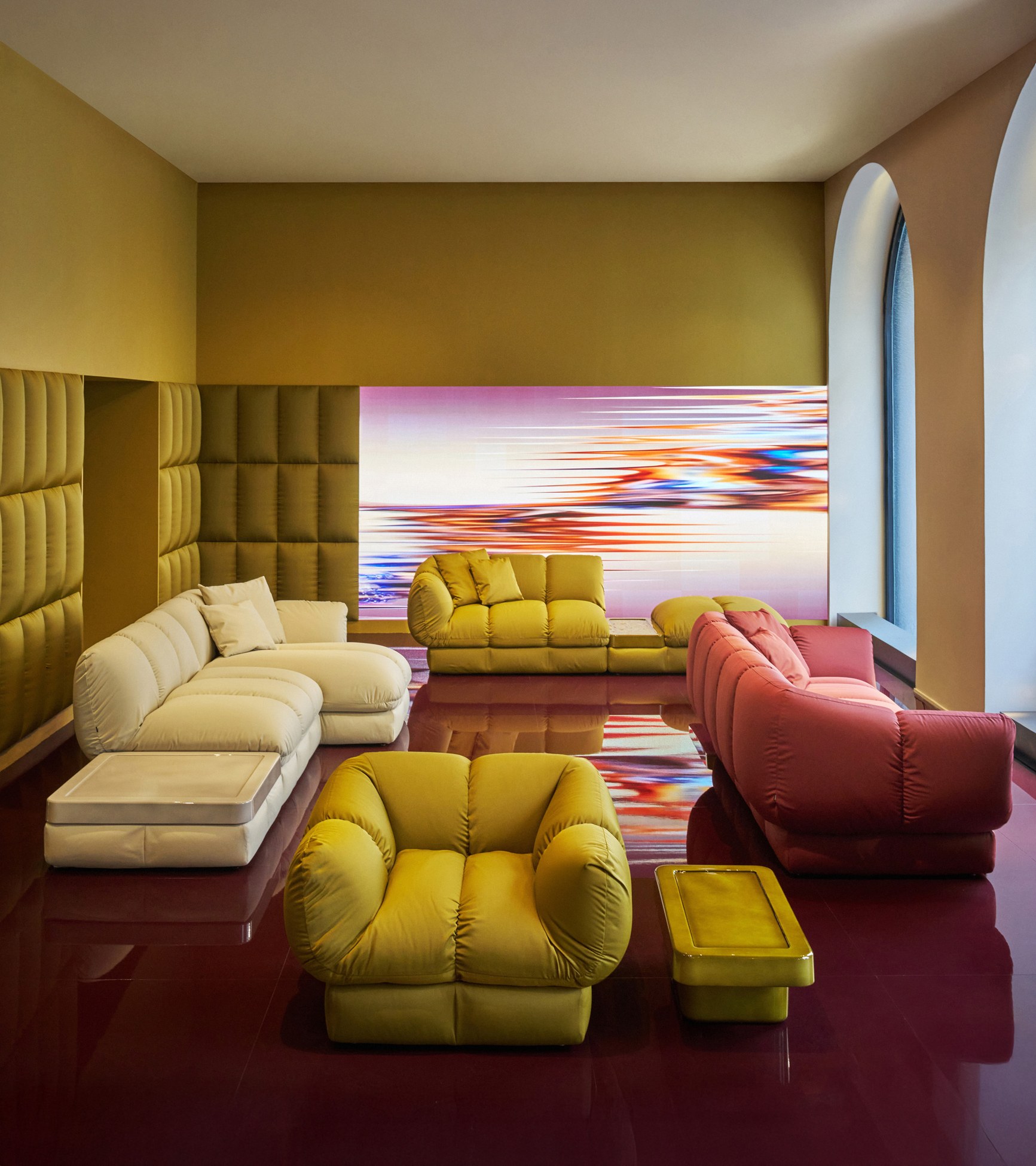
The living room still runs the show, though this year it did so with a clearer sense of purpose, in which softness moved beyond aesthetic preference to become a defining principle that shapes how furniture is conceived, experienced, and ultimately lived with. Sofas have evolved into modular, responsive systems that adapt to space and mood, yet what lingered most was not flexibility alone but tactility, with cocooning forms, generous seat cushions, quilted textures, and fabrics that invite a slower, more deliberate engagement.
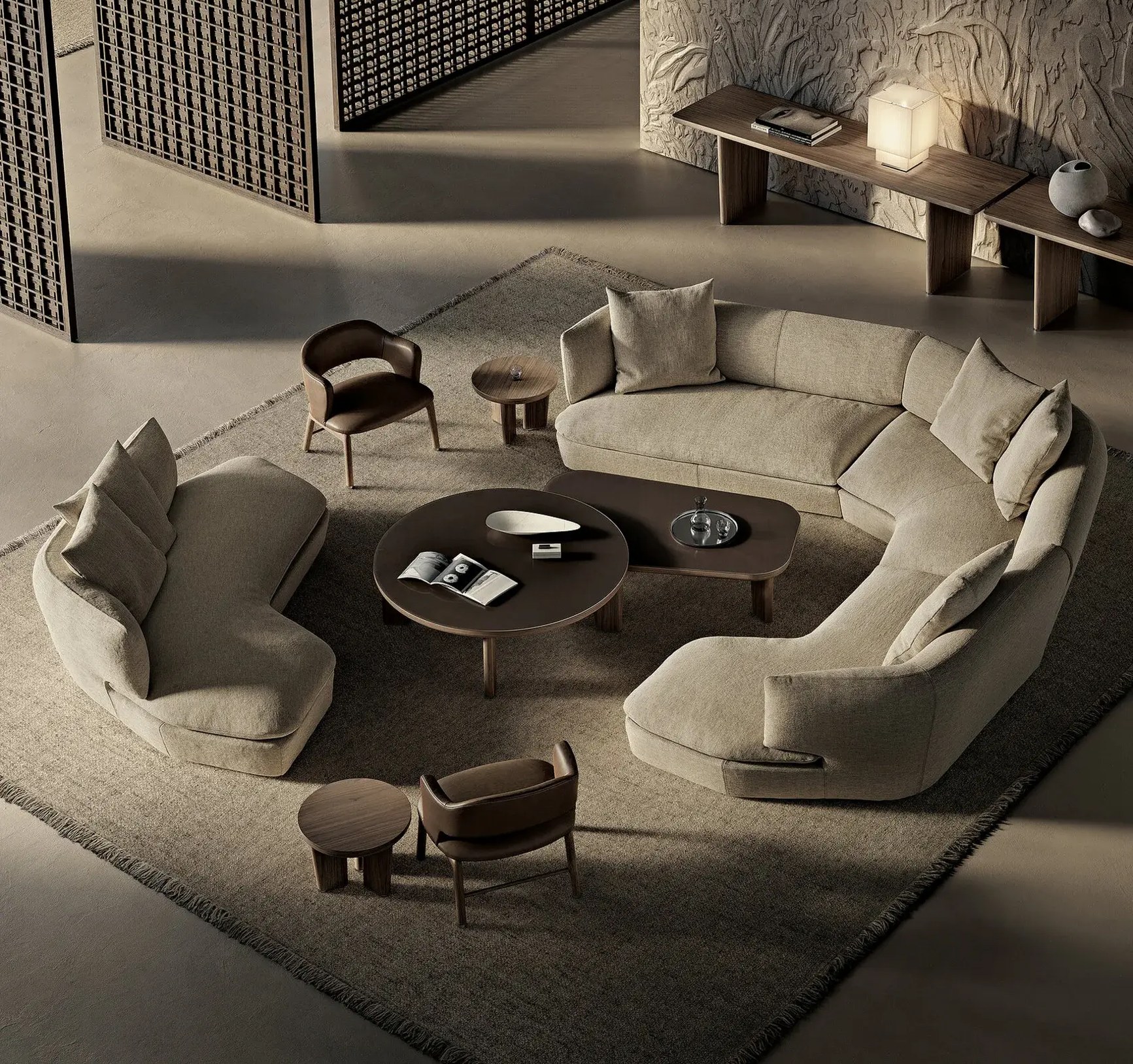
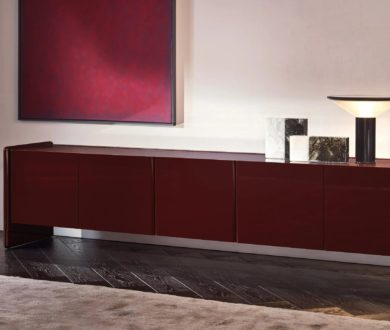
Comfort is now the starting point. Across the fair, there was a noticeable shift toward enveloping, unapologetic comfort, paired with a growing interest in contrast, where lacquered elements began to intersect with softer forms, introducing structure without diminishing warmth. This balance was resolved with particular clarity through the Julian sofa by Molteni&C, in which Vincent Van Duysen explored the relationship between generosity and control, allowing light to articulate the surface and reveal the depth of the material rather than flatten it.
A more expansive interpretation of softness emerged through Minotti, where the Orion sofa by Giampiero Tagliaferri introduced a spatial composition of overlapping volumes that extends beyond traditional seating, while the Ruffle system by GamFratesi approached the same idea through a more tactile lens, wrapping the structure in continuous padded bands that emphasise both comfort and construction. In both, there is a clear intention to move beyond static furniture toward something more fluid, more responsive, and better aligned with how we actually occupy a room.
A lighter counterpoint appeared through Poliform, where Jean-Marie Massaud’s Attimo chaise longue reduced seating to a singular, fluid gesture, offering a sense of ease that sits comfortably alongside the more complex modular systems, while maintaining a clarity of form that feels instinctive rather than imposed.
This language of softness extends naturally into the bedroom, where the distinction between spaces continues to dissolve, most notably through the Lanai bed by Poliform, designed by Yabu Pushelberg, which reimagines the sleeping area as a layered environment that accommodates rest, storage, and informal living within a single composition. A similarly assured approach could be observed at Cassina, where Patricia Urquiola’s Ardys sofa translated seamlessly into a broader conversation about volume and comfort, with its duvet-like softness and visible stitching reinforcing the idea that upholstery now carries both structural and visual weight.
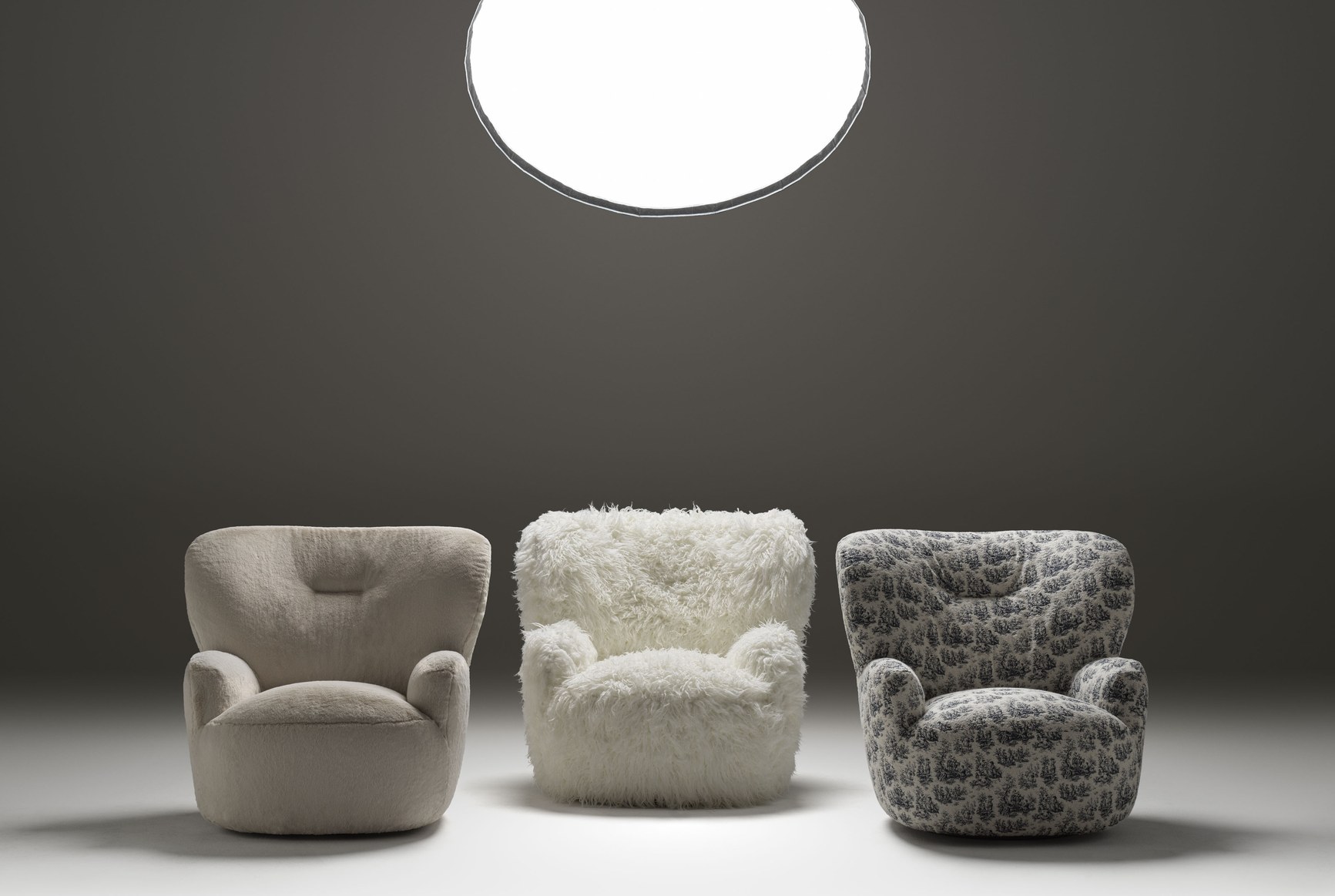
While at Gervasoni, Paola Navone approached the question from a material perspective, treating fabric as a means of reinterpretation, where the Loll armchairs and poufs shift character depending on their ‘outfit’, reinforcing the idea that upholstery has become an active, expressive layer rather than a passive finish.
Quincy sectional sofa by Flexform from Studio Italia
Beyond the sofa, the chair revealed its own evolution, where the resurgence of the tubular frame felt less like nostalgia and more like a considered re-examination of a familiar material language, allowing designers to explore structure with both precision and personality. This was evident in the work of Flexform, where Antonio Citterio’s ‘Avalon’ combined structural honesty with a refined approach to comfort, while a reissued cantilevered design by Cassina, developed in collaboration with Karakter, revisited modernist principles with a subtle recalibration of proportion.
A more playful interpretation emerged through Lema, where Carlo Colombo’s ‘Graffetta’ armchair reduced the concept to a single, recognisable gesture, while the Lie Low bed by Poltrona Frau, designed by Faye Toogood, extended the conversation around organic form and material expression, suggesting that the frame itself has become a surface for design exploration rather than merely a support structure.
Before Perlée became a collection, the golden bead was already firmly established within the Van Cleef & Arpels vocabulary, appearing across jewellery designs as a polished point of emphasis rather than a grand declaration. Now, with six new three-row rings spanning diamonds and coloured gemstones, that small sphere of gold assumes a scale that sits between delicacy and presence, with the kind of elegance the Maison has long made appear effortless.
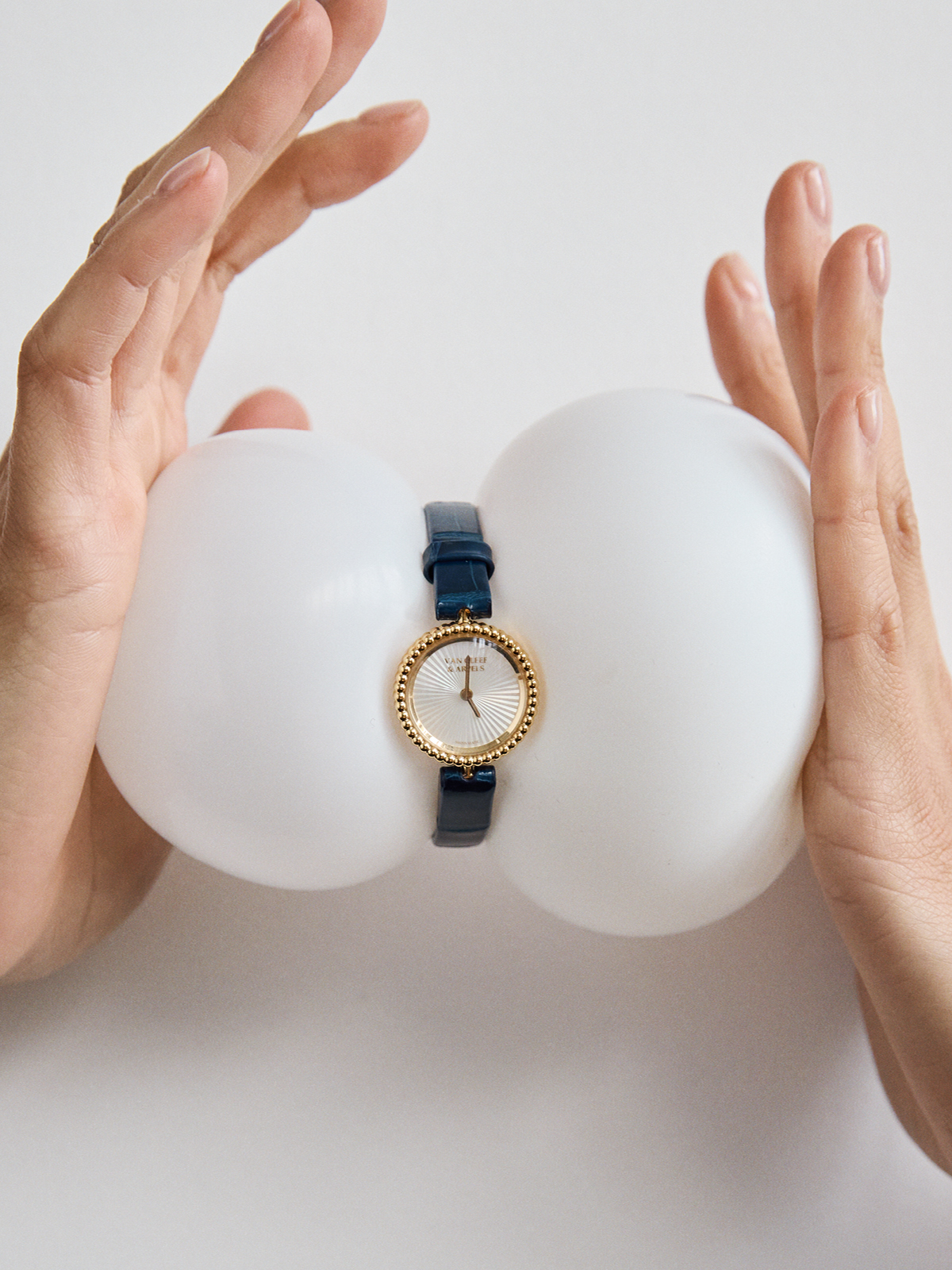
Van Cleef & Arpels Perlée diamonds bracelet, 1 row, 18K rose gold, Diamonds. Van Cleef & Arpels Perlée pearls of gold bracelet, 18K rose gold. Van Cleef & Arpels Perlée couleurs ring, 3 rows, 18K rose gold, Ruby. Van Cleef & Arpels Perlée watch, 23mm, 18K rose gold. Van Cleef & Arpels Perlée diamonds ring, 3 rows, 18K rose gold, Diamonds.
Within the Van Cleef & Arpels world, the golden bead remains one of its most enduring signatures, a discreet orb of polished gold that has appeared consistently in the Maison’s creations since the late 1940s. Its strength lies in repetition, proportion and tactility, qualities that have allowed it to possess the sort of permanence one wants from jewellery, rather than being tied to fleeting trends.
The new three-row rings lend greater significance to Perlée, offering presence on the finger while still preserving the refinement that has always defined the collection. The five-row rings introduced in 2022 brought greater volume, while the single-row pieces remain more discreet; three rows sit between the two, substantial enough to be acknowledged, yet restrained enough to allow for layering without excess. When worn individually, each ring reads as a concise gesture. Worn together, a yellow-gold sapphire beside a rose-gold ruby, or white-gold diamonds against vivid emeralds, Perlée becomes a matter of personal taste.
Van Cleef & Arpels Perlée pearls of gold hoop earrings, small model, 18K yellow gold. Van Cleef & Arpels Perlée pearls of gold ring, small model, 18K yellow gold. Van Cleef & Arpels Perlée diamonds ring, 3 rows, 18K yellow gold, Diamonds. Van Cleef & Arpels Perlée watch, 23mm, 18K yellow gold, Mother-of-Pearl.
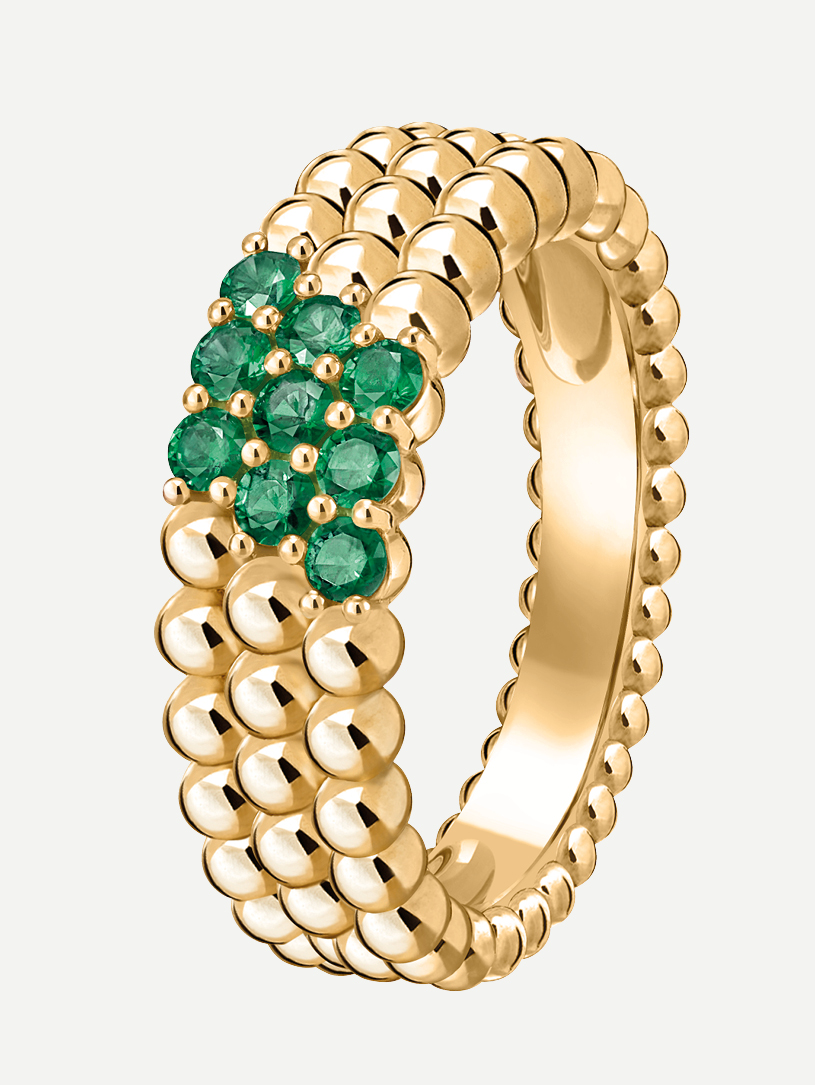
On the diamond models, a diagonal line of nine round stones cuts cleanly across the polished beads, secured by a nail setting whose rounded tips echo the golden spheres with precision, a technical feat executed exclusively by the Maison’s High Jewellery stone setters. The couleurs rings move further still, with sapphires lending depth, rubies bringing saturated crimson, and emeralds retaining their cool intensity.
Beneath the stones, honeycomb openwork allows light to pass upward through the setting, amplifying brilliance from within. Even the beads are prepared with a distinct level of respect, each cast using the lost-wax method, then reshaped and polished by hand through successive stages until its luminosity gradually emerges. Perlée’s appeal lies in detail, proportion and restraint, the place where true everyday luxury usually proves itself.
Australian journalist-cum-author Trent Dalton revisits his childhood stories, characters and chaos in his award-winning novels. But as we discovered when we first caught up with him following his 2024 appearance at the Auckland Writers Festival, laying your life bare on the page is not without consequence — good, bad and beautiful. Two years on, with his most personal novel yet, Gravity Let Me Go, on shelves and Dalton freshly returned to Auckland for another sold-out Festival conversation, his words feel more resonant than ever.
When Trent Dalton calls me late one Friday afternoon, he’s quick to apologise for his tardiness. He meant to call half an hour earlier, but he and his wife Fiona are crawling along the motorway on their way home from a funeral and his phone has been playing up. I assure him it’s no trouble but ask if he would like to reschedule for a day when they hadn’t buried a friend or relative? “Oh, no way,” the author says cheerily. “It was a beautiful celebration for a truly selfless woman—the most life-affirming day.” As I’ll quickly realise, this ability to find light in the darkness is Trent Dalton’s modus operandi.
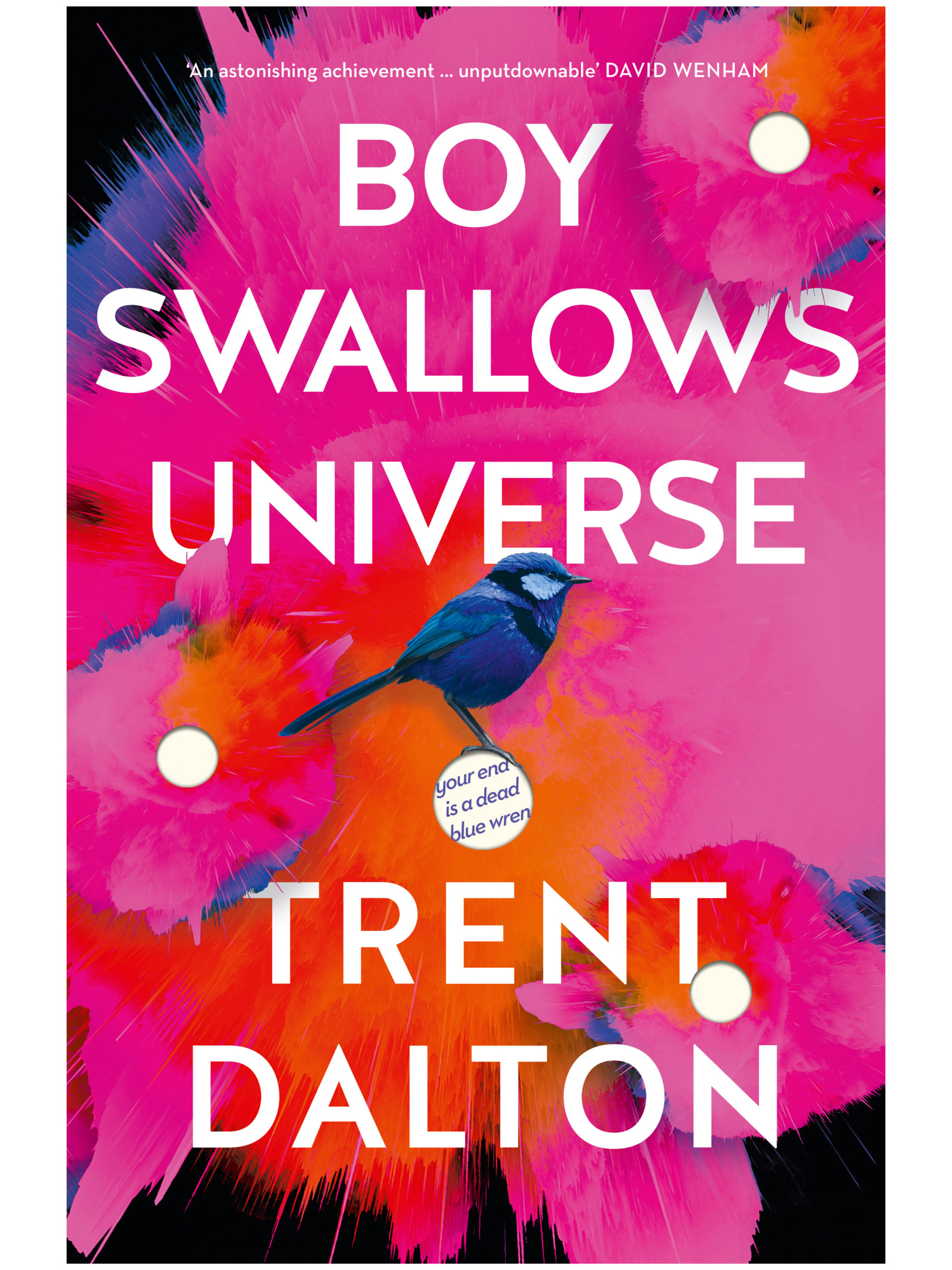
Dalton shot into the public consciousness with the success of his weighty coming-of-age novel Boy Swallows Universe [BSU]. The book is ‘autofiction’, loosely based on the author’s early life with his mum and three brothers in Darra, Queensland. It was an eighties childhood spent barefoot and broke, dealing with the day-to-day realities of drugs, drink and domestic violence. When Dalton was seven, his mum was jailed for heroin, and he shifted to live with his alcoholic dad in a housing estate in Bracken Ridge, Queensland. It was a change of scene but the same grim narrative—though Dalton doesn’t dwell on the despair. “Dad just loved us so much,” he remembers. “And if he could get through the night drinking and to the other side where he was sober, then he was magic.”
His writing, language, backdrops, and characters are quintessentially Aussie, but the stories resonate around the world. “I’m writing about issues that anyone, of any suburb, in any city can connect to,” he reasons. He’s had messages from women worldwide thanking him for telling “their story.” But by far, the most profound feedback came from a 15-year-old boy in South Korea. He wrote, “I have no idea where Darra, Brisbane, South Australia is, but I just wanted you to know that I’ve read Boy Swallows Universe, and because I did, I have decided to live to adulthood.” For Dalton, who has struggled with the ethics and impact of using his own life as literary fodder, the message was a very real, very human vindication.
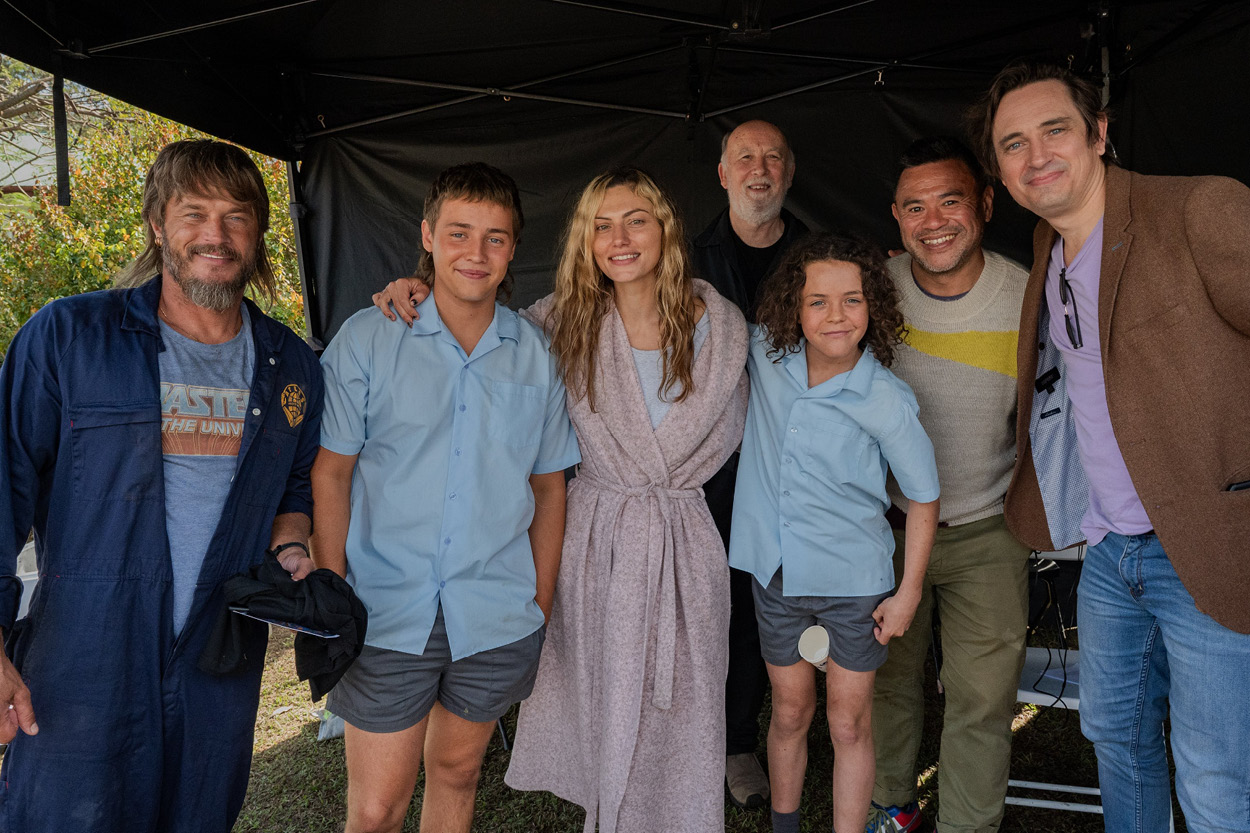
Trent Dalton together with the cast from ‘Boy Swallows Universe’ Netflix series
Earlier this year, Netflix adapted BSU into a seven-part miniseries. Like the book, it followed the traumatised protagonist, Eli Bell, navigating boyhood in a world unsuitable for children. Deftly weaving fact with fiction, it’s peppered with exaggerations of salty characters from Dalton’s past, like ‘Slim’ Halliday, the convicted murderer and family friend who managed multiple prison escapes, his [now reformed] drug-dealing stepfather, and his mum. Echoing real life, the fictional matriarch is jailed for drugs when Eli is just a boy, but the tale strays from reality when (spoiler) the young lad busts into the infamous Boggo Road jail to simply wish her a Merry Christmas. In real life, there was no such escapade, but “The book gave me a chance to do everything I wanted to as a kid,” Dalton has said.
Dalton on set of Netflix’s adapted of ‘Boy Swallows Universe’
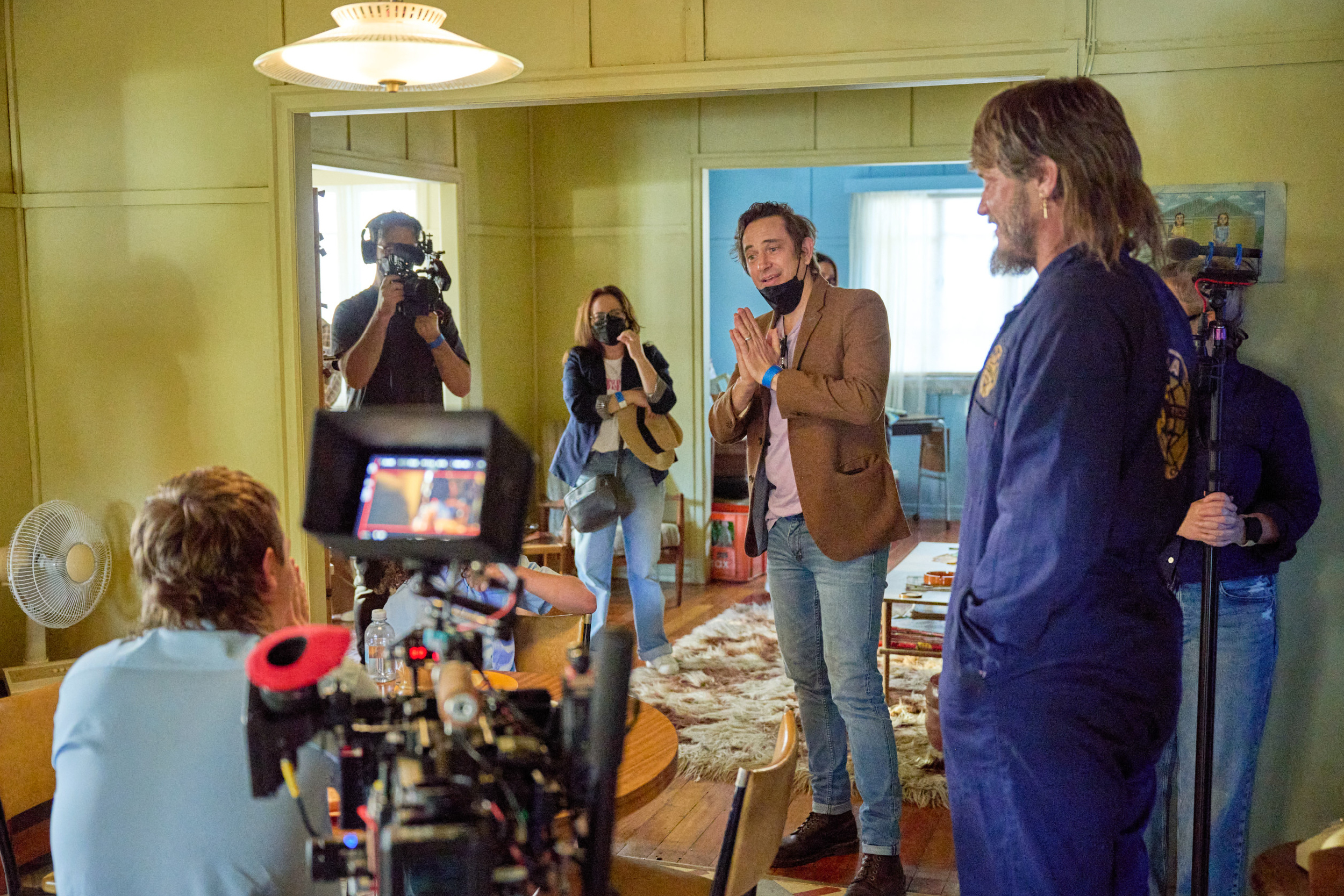
Mining his childhood for his novels imparts a rawness on his writing, but it can take its toll. When BSU was in pre-production, the art director had Dalton take her on a tour of Darra, his old homes, jail grounds and Bracken Ridge. When he got to set, it was as if he’d stepped back in time. They had recreated his childhood home with acute precision, from the wallpaper and kitchen to the amber-coloured ashtrays, the stubbie coolers and the Rugby League Week magazines strewn across the table. Looking around, he clocked Felix Cameron, the young actor who played the protagonist, looking like a bag of bones in his old school uniform—the spitting image of his 12-year-old self. “I just started crying,” remembers Dalton. “I went up to Felix and kept asking, ‘Are you ok? Are you ok?’ I don’t think I was talking to him, though; I dunno… I think subconsciously I was talking to myself.”
“It’s an ignorant point of view…that there’s no light for those born between the cracks… of course there is. It’s the light and love that keeps them going.”
It was the type of childhood that few claw their way out of. A perpetual cycle passed from parent to child, like eye colour or dimples, and it almost claimed him. At 15, Dalton was angry and “listening to too much Kurt Cobain,” which stripped off his adolescent blinders to the harsh reality surrounding him. “I was almost destroyed by the sorrow,” he remembers. “When I looked in the mirror, I started seeing the same drunkenness and violence that was happening outside my door.” He was teetering on the edge when everything changed. How? “I met a girl.”
Dalton met Fiona when he was just 20 years old. “She gave me hope and showed me there was so much more in life,” he says. He began forging a career in journalism, spurred on by an eloquent English teacher who told him to “Stop being a shithead, quit hiding beneath the bravado and remember that you can string a few sentences together.” First came a role at Brisbane News and then The Courier Mail, working his way up from human interest pieces to feature writing and, finally, the excitement of the crime desk. Though the job never paid well—”it’s a shitkicker role”—Dalton still feeds those journalistic roots. “I hope I never stop,” he says. “It’s the only thing I was ever good at. It’s my trade.”
In many ways, it was his unique childhood that gave Dalton’s reporting an edge; that insider view of Queensland crime, police corruption, violence, dealers and drugs that led him to tell the stories of the disenfranchised. His first book, Detours: Stories from the Street, was a non-fiction work that explored the lives of 20 Queenslanders living rough. One of the women—who would go on to inspire Roslyn in his new novel, Lola in the Mirror—had been on the street for two decades and lost all of her teeth to a sugar addiction. After reading the story, she confronted Dalton, angry that he’d only covered the “dark stuff,” omitting the romance, friendships and family she’d found there.
Trent Dalton’s new novel ‘Lola in The Mirror’
“Anything I write now is about not judging these people too quickly,” he says. He challenges stereotypes to show how people are multidimensional, never just ‘addicts’ or ‘homeless’ or ‘runaways’, writing about intensely dark themes with an unexpected lightness. It’s a rich dichotomy that has garnered praise and criticism, with some accusing Dalton of being overly optimistic or romanticising the issues. But the author brushes it off. “It’s an ignorant point of view where people assume that there’s no light for those born between the cracks, but of course there is. It’s the light and love that keeps them going. I’ve seen it; I’ve lived it. My mum was nearly killed by her monster who strangled her and left her for dead in the bottom of a Telstra phone box, but it was the light that kept her alive.”
Following that near-fatal assault, the police gave his mum two options: Be homeless or go back to the monster—and they strongly recommended the latter, simply suggesting she ‘not agitate him.’ Ultimately, it was Brisbane’s domestic violence shelters that scooped her up, finding her a rental property, furnishing it and giving her a chance to get her boys back. She’s now retired and “the proudest Mum in Australia,” according to Dalton, and he’s paying it forward by supporting similar charities and shelters through his work, even fundraising for the Wellington City Mission when he visits Aotearoa. “When I write about those mums in my books,” he says with audible fondness. “There’s no doubt about it; I’m writing about my mum.”
Dalton and Fiona have two teenage daughters, so I’m curious how that turbulent past has shaped his parenting? “I’ll give you the honest answer: I think it’s made me too soft,” he admits. The big refrain in BSU is ‘it gets good’, and Dalton seems to channel that, but he’s possibly over corrected, easing their paths with the shelter, security and over-the-top Christmases he never had. The author is working on it—helped by his teens constantly calling him out—but I’m not convinced of the follow-through. He simply cares too much. Dalton is a romantic, a man who finds hope in a housing estate and classifies his abuse-riddled novels as ‘love stories’.
Fiona Franzmann (left) and Trent Dalton (right) working on a stage adaptation of Dalton’s book, ‘Love Stories’, with Australian actor Jason Klarwein (middle) leading the cast as the writer and husband
In that respect, the projects that followed were wholly on-brand. He and Fiona adapted Love Stories for the stage — a co-production with Brisbane Festival and Queensland Performing Arts Centre that landed at Auckland’s Civic in October 2025 to standing ovations. And the novel he’d “just begun” when we spoke arrived in September 2025 as Gravity Let Me Go, a marriage story buried inside a murder mystery, following true-crime journalist Noah Cork as he chases the scoop of a lifetime while missing the bigger one unfolding in his own home. Dalton has called it the most personal thing he’s ever written — a reckoning with what he describes as his “storytelling addiction,” and the cost it can exact on the people closest to him. “The most personal thing we can do sometimes is share our failings,” he has said of the book. It’s classic Dalton: darkness threaded with light, and a love story hiding in plain sight.
For more exclusive access to what the city has to offer, engaging content, excellent imagery and thought provoking commentary on the life that surrounds you, subscribe to Denizen magazine now.