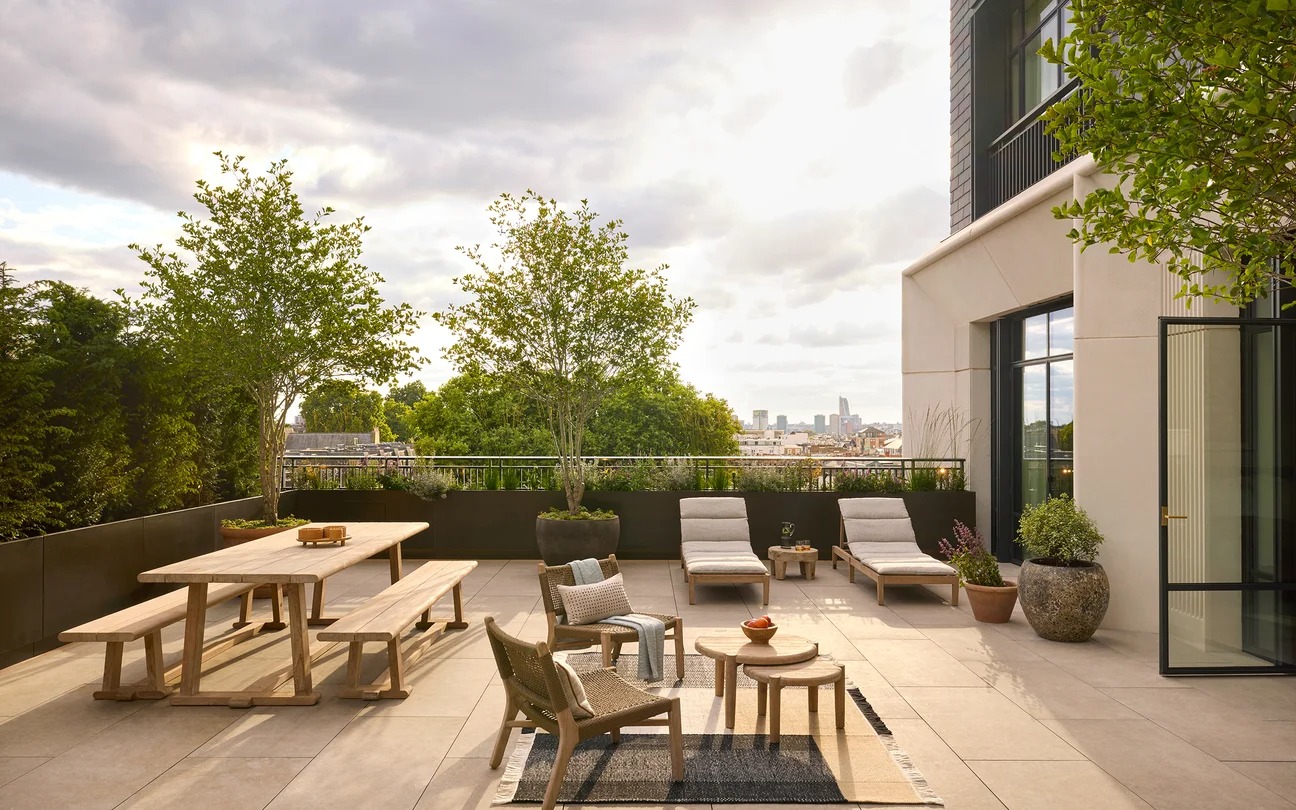
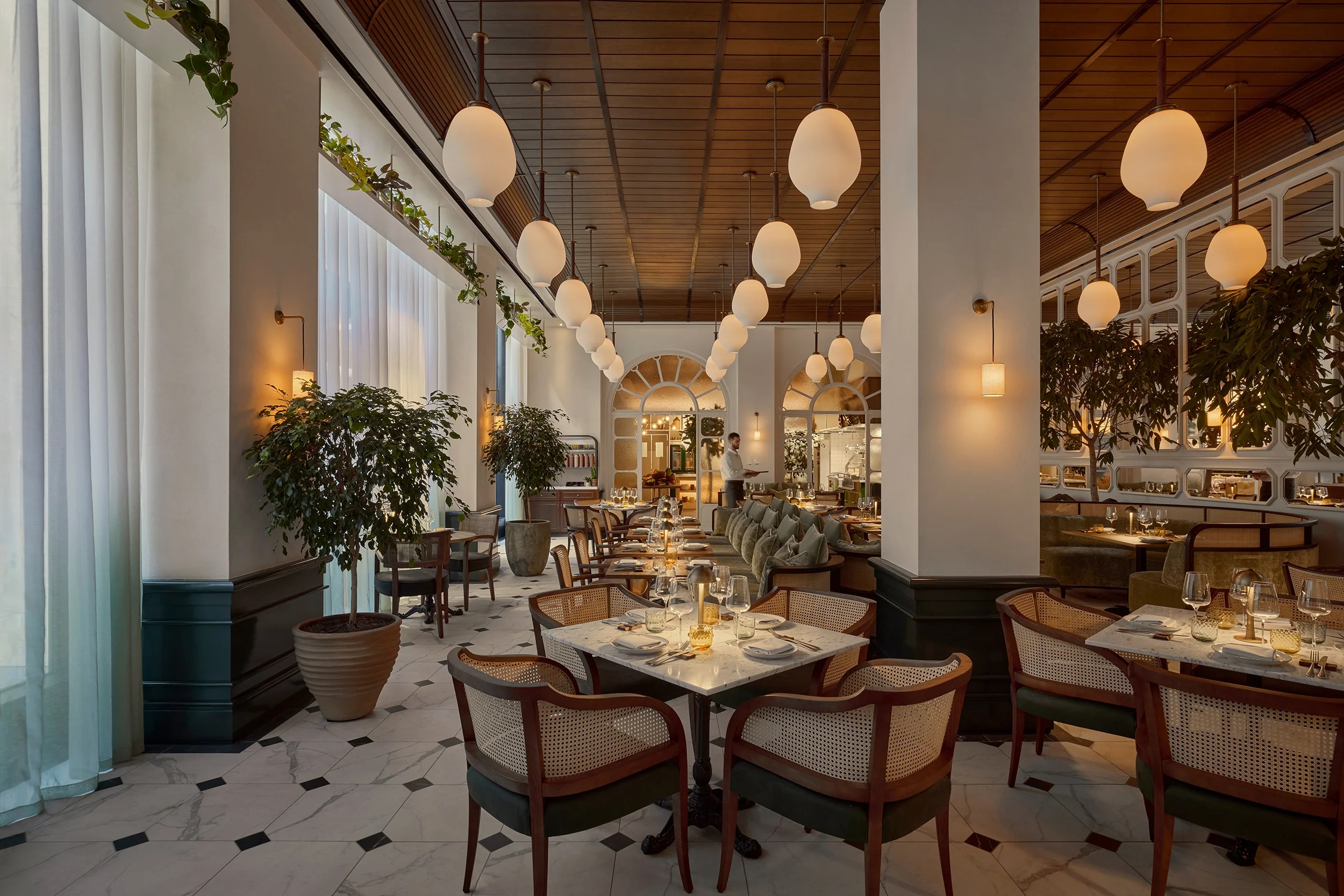
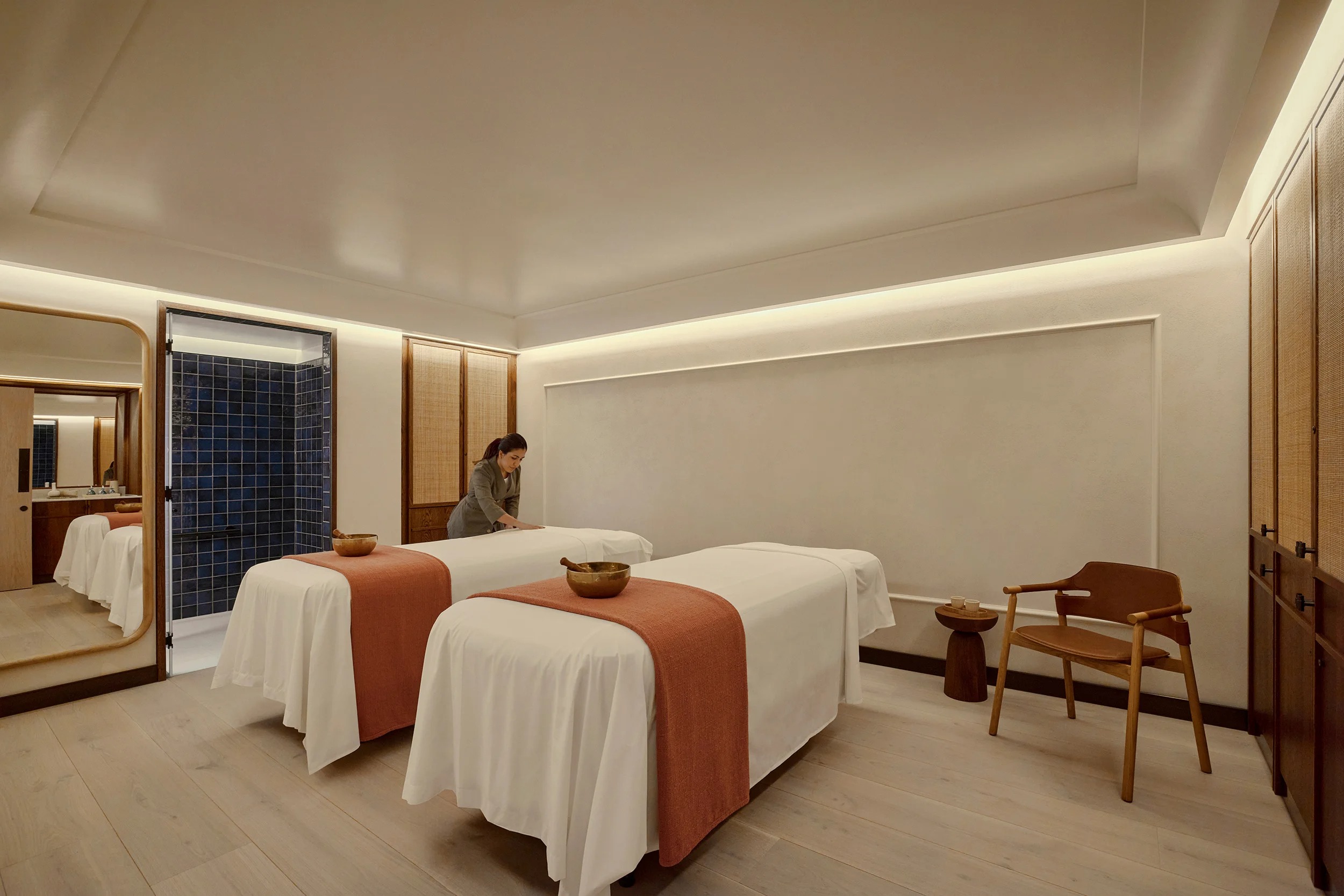
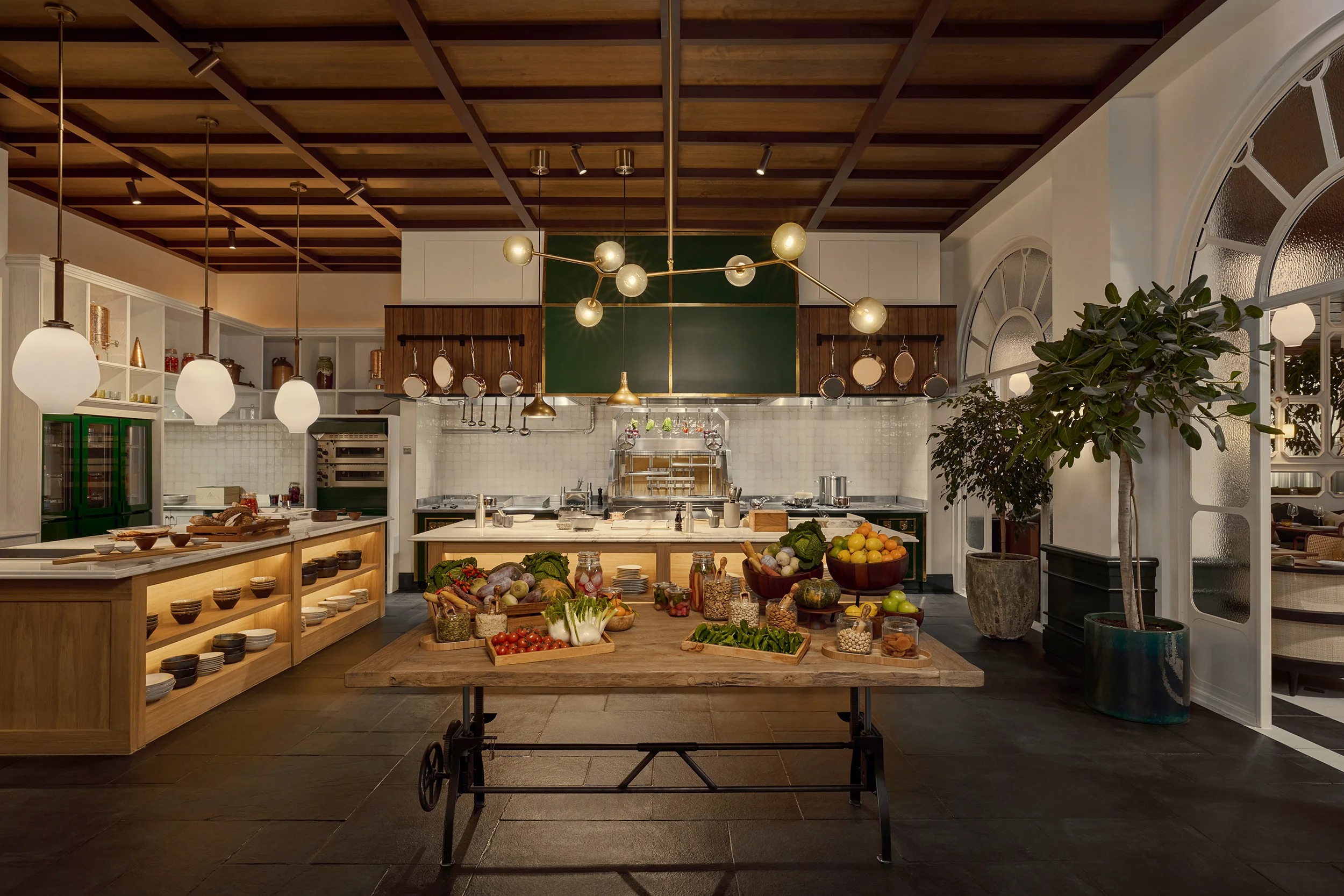
For those who enjoy the spoils of Queenstown in winter, there is an unspoken annoyance that comes attached to the entire skiing fantasy. Undoubtedly one of the great family rituals, it is rarely the skiing itself that tests anyone’s patience, but rather the before and aftermath of a day on the slopes, where parents find themselves wrestling damp thermals off overtired children while searching for a missing glove, surviving on hot chips, hot chocolates, and perhaps one slightly questionable mulled wine consumed purely for medicinal purposes. Somewhere between the car park, the ski boots and the small person insisting they are no longer cold while visibly turning blue, even the most committed winter enthusiasts begin fantasising about somewhere warm to collapse for the next eight hours.
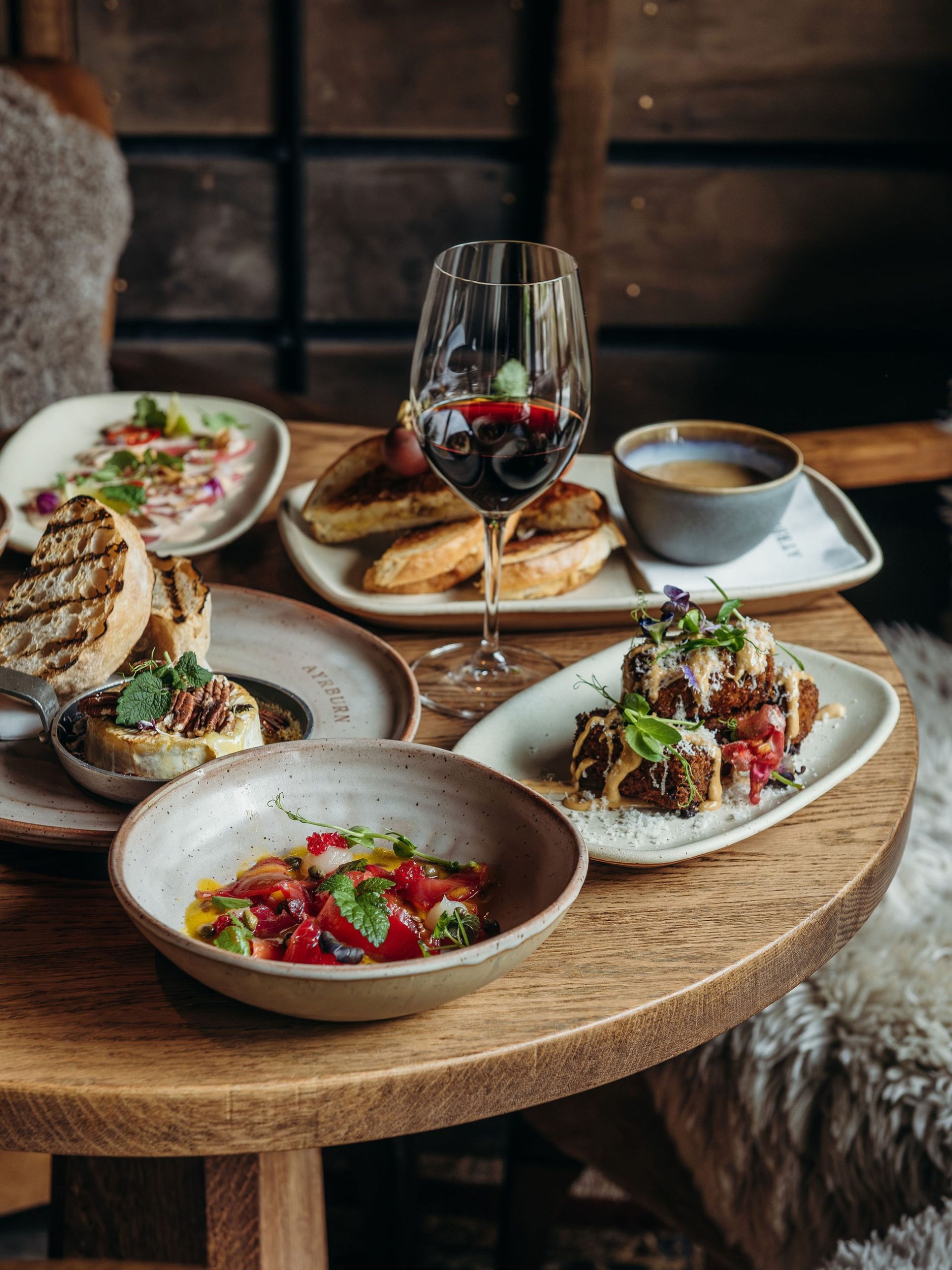
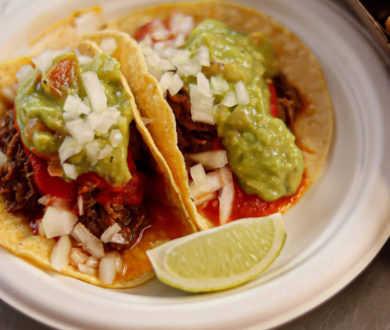
Having firmly established itself as one of the Southern Hemisphere’s most compelling hospitality destinations, Ayrburn understands this dynamic exceptionally well, which is precisely why the precinct feels so perfectly suited to winter, not simply because it offers excellent food and beautiful surroundings, but because it removes the pressure from alpine entertaining altogether. Families can arrive early, settle in, and stay for an entire afternoon and evening without anybody needing to be hurried elsewhere.
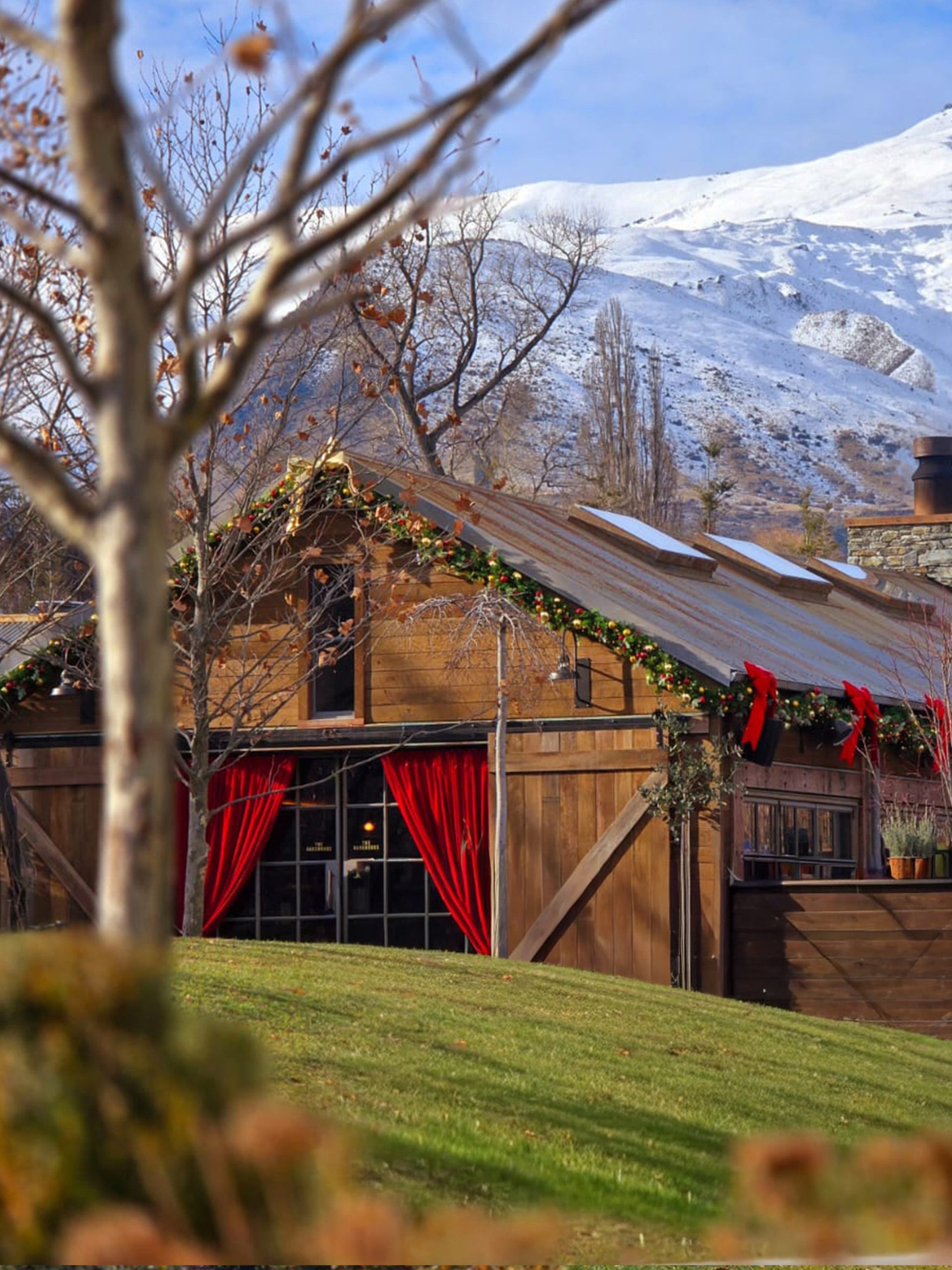
The Bakehouse
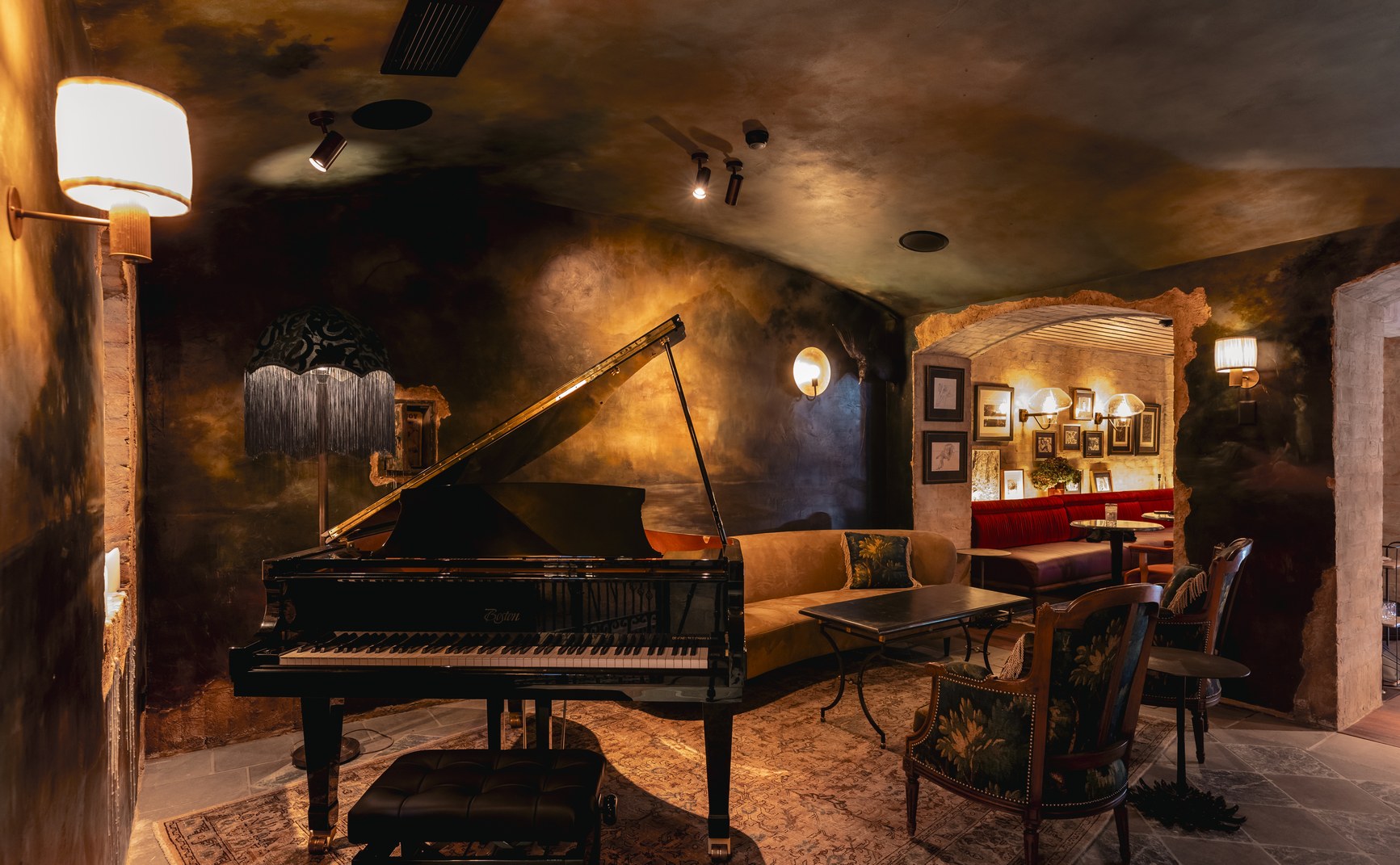
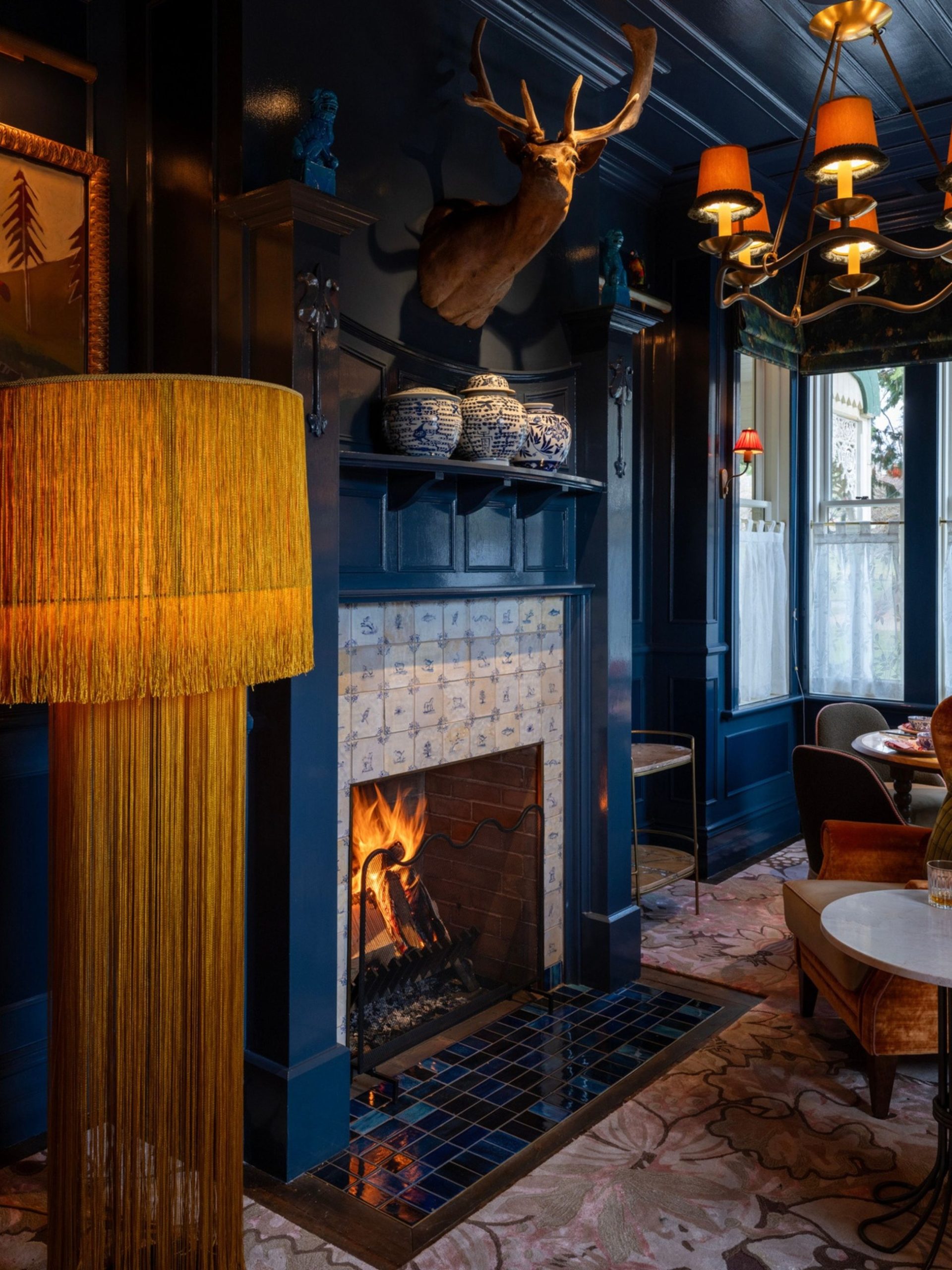
The Barrel Room
Set beneath the dramatic folds of the surrounding mountain ranges, the beautifully restored heritage precinct has evolved into something far greater than a post-ski dining destination. In remarkably little time, Ayrburn has become one of New Zealand’s most internationally admired hospitality projects, attracting visitors with the sort of quietly confident execution more commonly associated with established European alpine destinations. During winter, particularly, the entire property takes on an almost transportive quality. Firelight flickers across historic stone buildings, glasses of Central Otago pinot noir appear with pleasing regularity, jazz spills softly from The Barrel Room, and every pathway seems to lead toward another warm venue, another excellent meal or another reason to stay longer than originally intended.
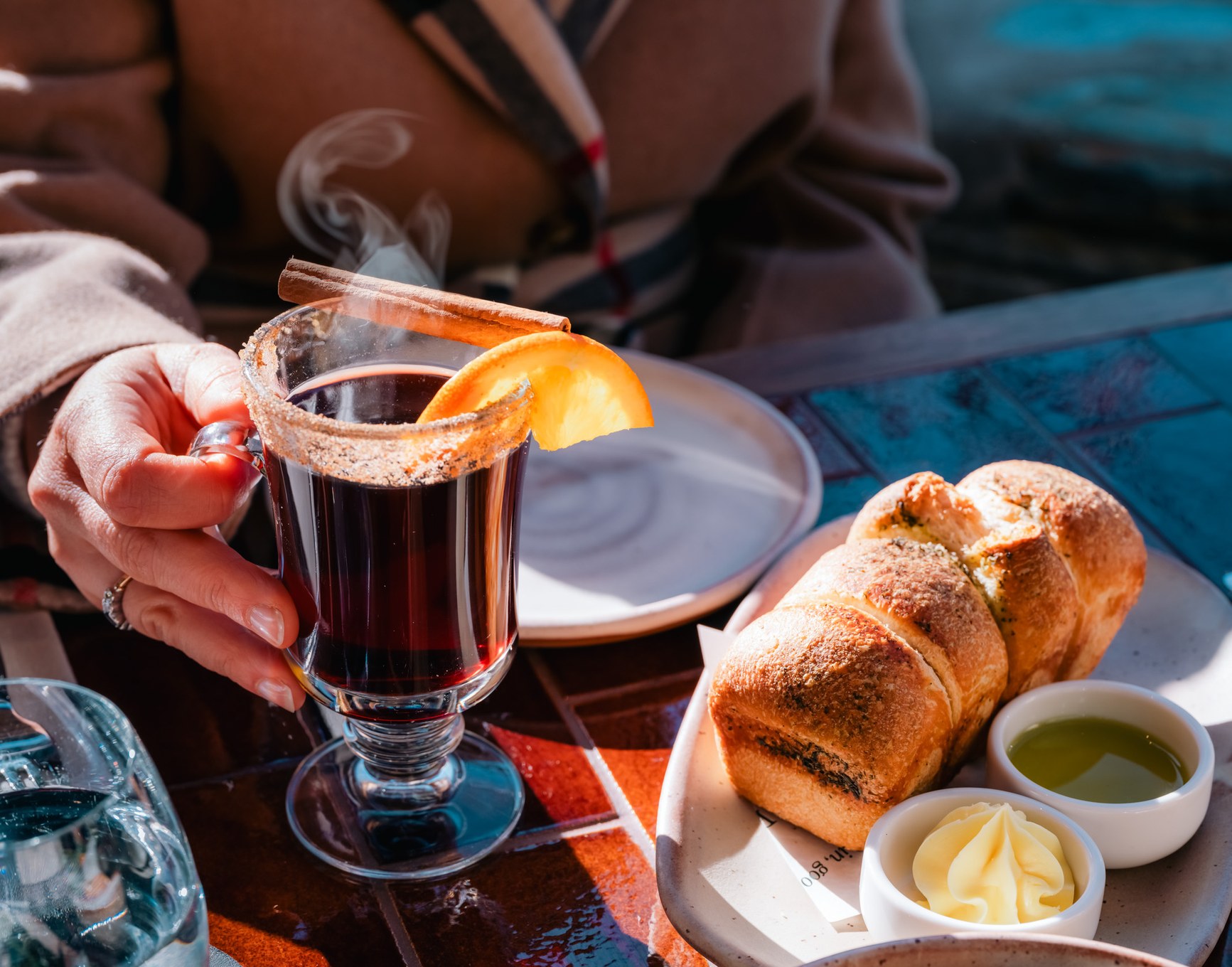
Warm mulled wine and bread rolls
The Woolshed
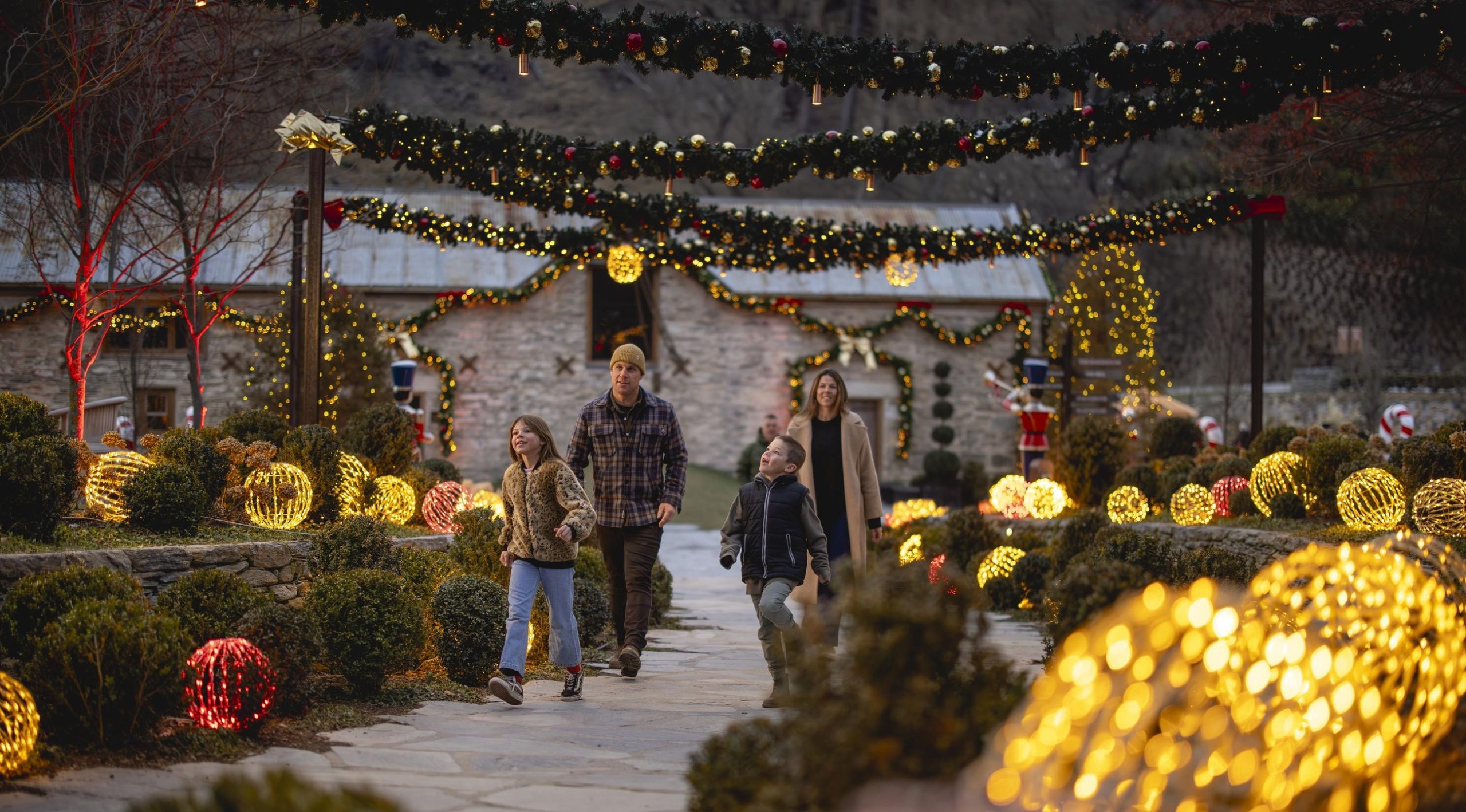
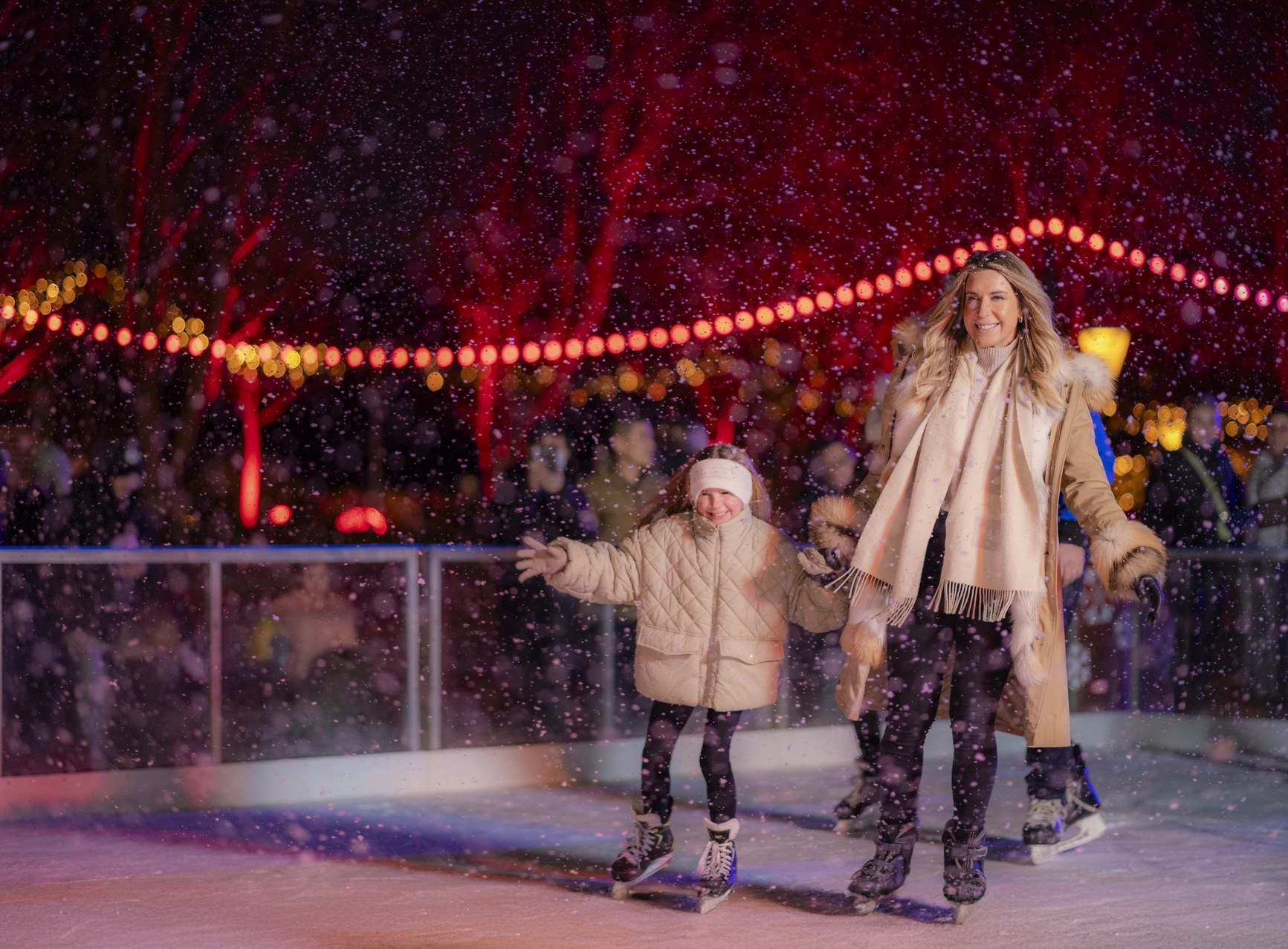
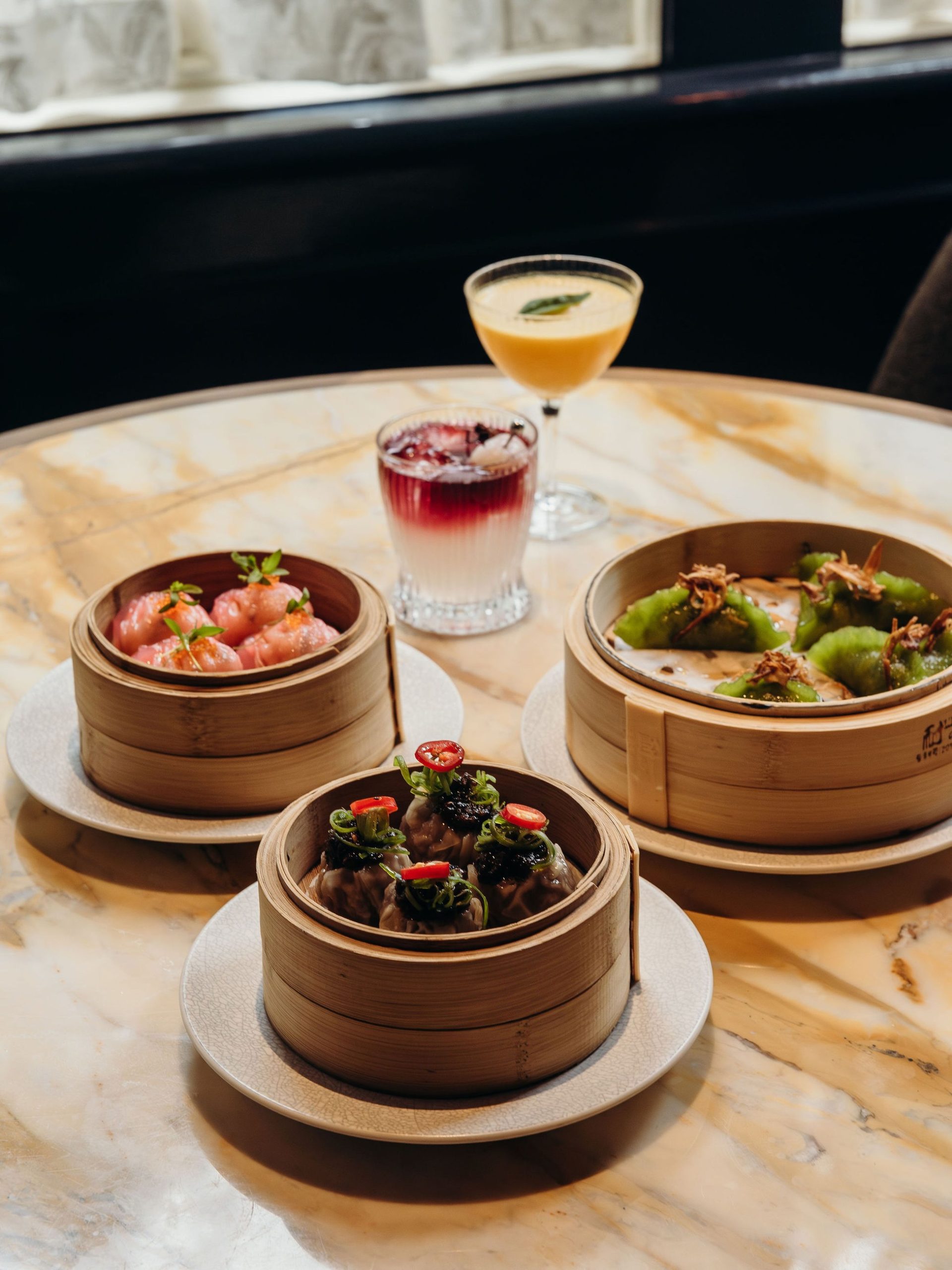
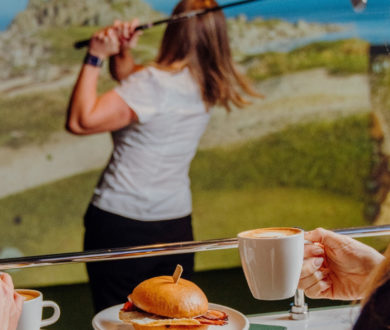
Throughout July, Winter Wonderland transforms the grounds into a cinematic alpine village of softly glowing lights, outdoor fires, mulled wine, ice skating, subterranean tastings, whisky flights and restaurants humming with the sort of convivial energy that makes people accidentally lose all sense of time. Children disappear happily toward Ice Skating on The Dell while adults settle beside fireplaces with cocktails and wine, liberated from the usual urgency that tends to shadow family holidays. Nobody is watching the clock here. A quick stop at The Bakehouse quietly evolves into whisky at Vintners Bar, jazz and candlelight in The Barrel Room, then dinner at Billy’s before somebody inevitably decides another cocktail is a perfectly sensible conclusion to the evening.
Ice Skating on The Dell
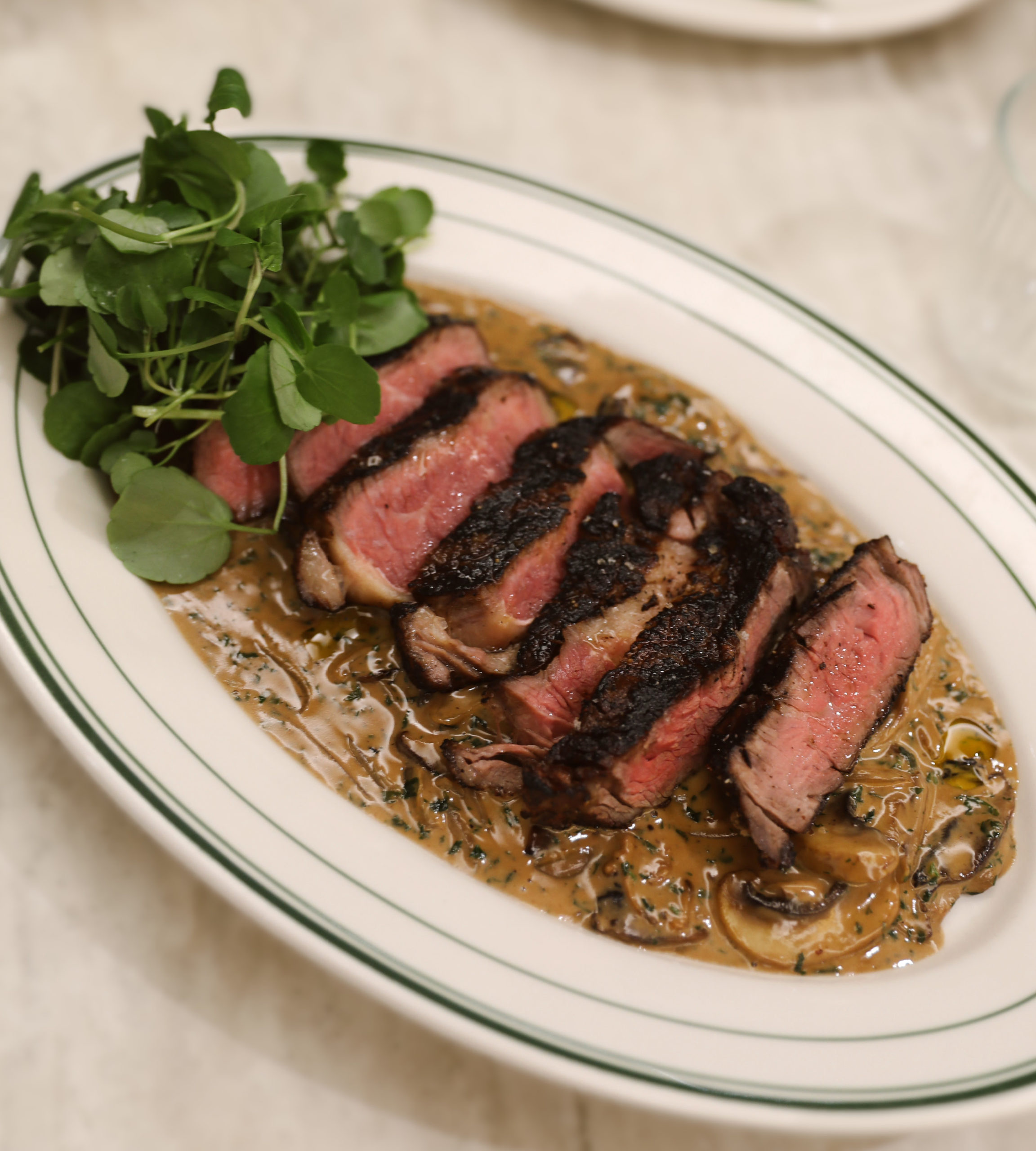
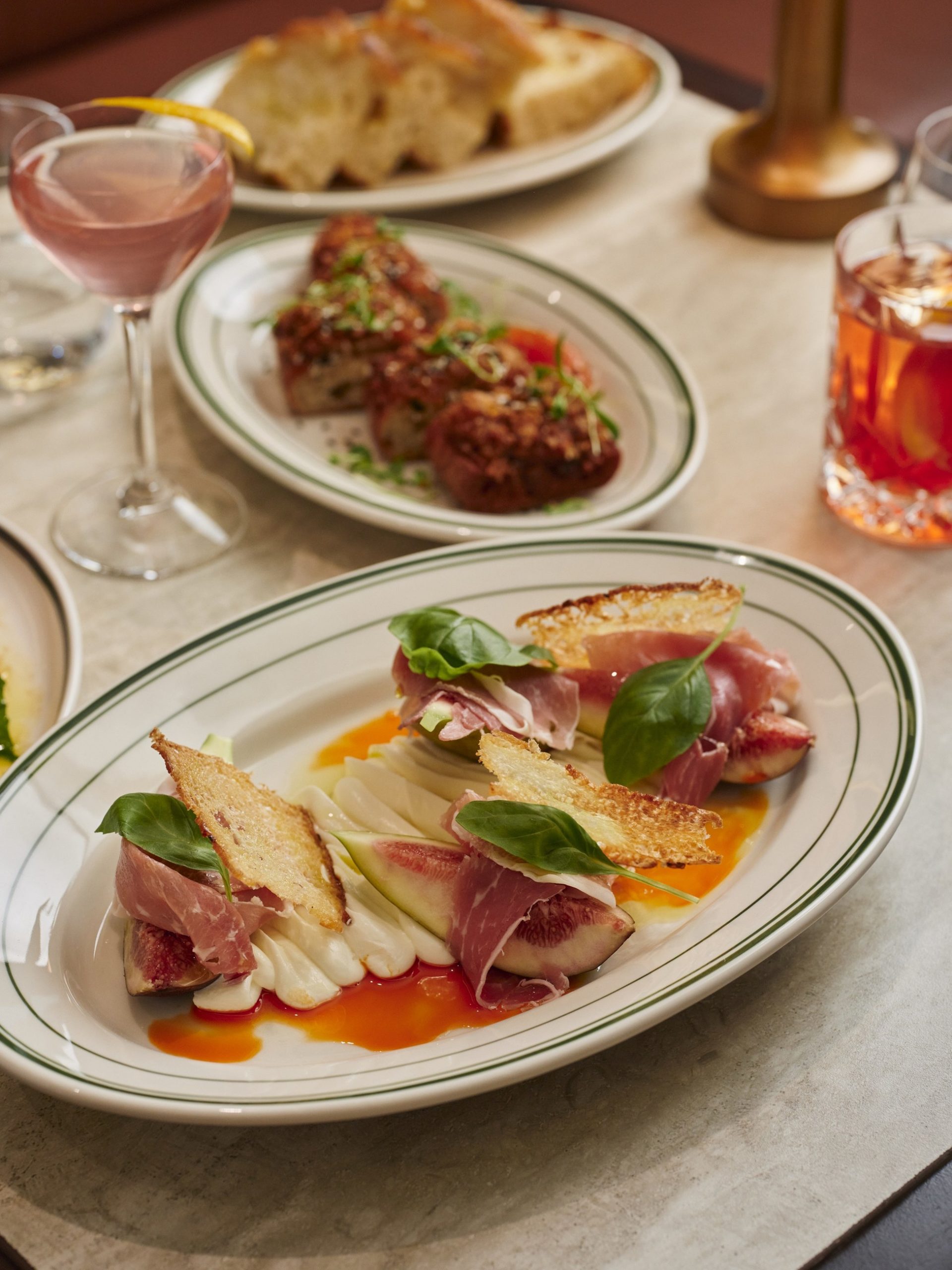
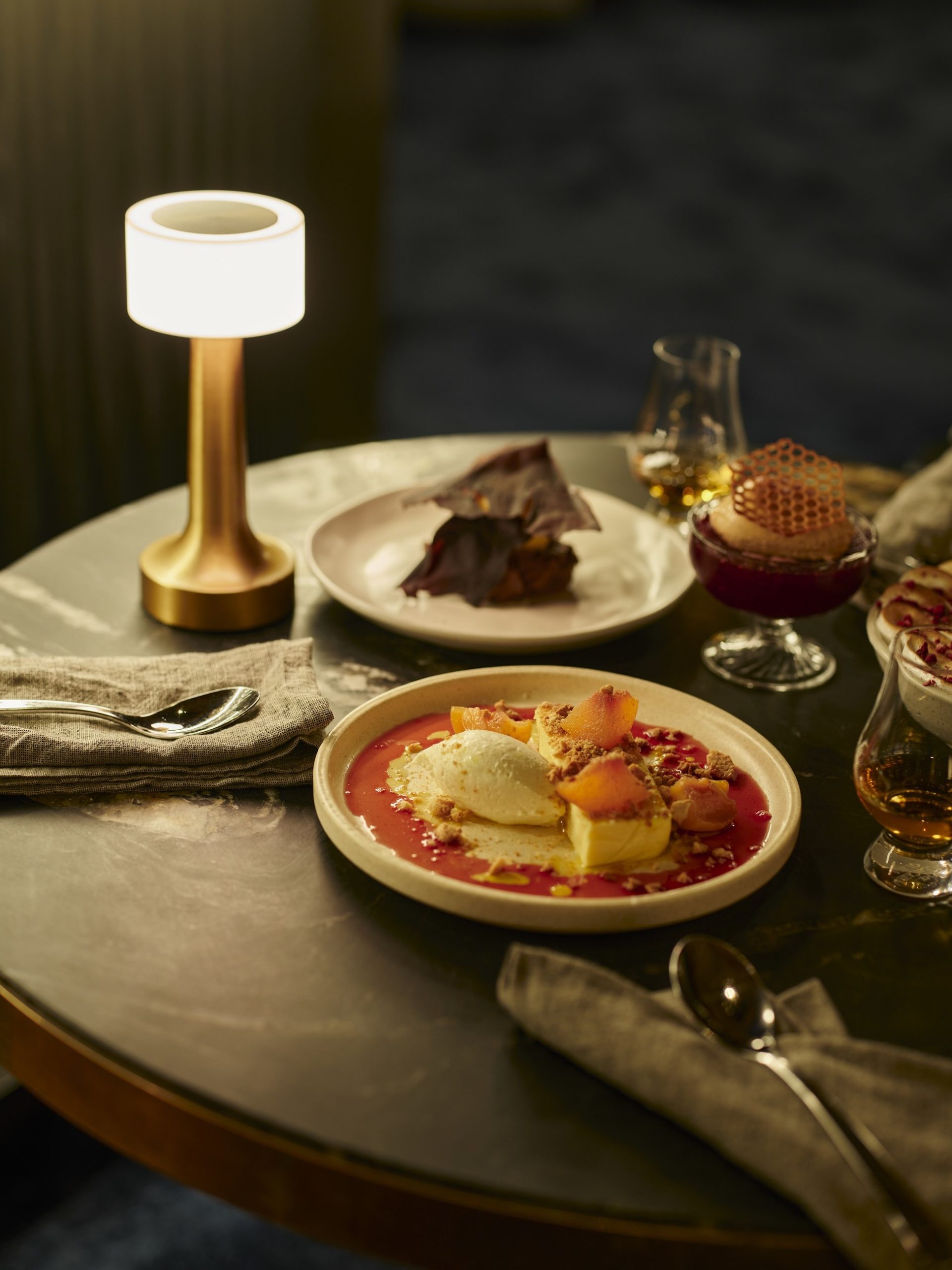
Billy’s
Billy’s
Billy’s
The atmosphere extends beyond the day-to-day rhythm of the precinct itself. With next month’s Ayrburn Gala on the horizon, anticipation is already mounting for what promises to be one of winter’s most talked-about occasions. If last year’s Gala event was any indication, invited guests can expect exceptional hospitality, remarkable food and wine, and the kind of thoughtful details that have become synonymous with Ayrburn. Never one to do things by halves, Ayrburn has earned a reputation for creating memorable experiences, and this year’s Gala is shaping up to be the social event of the season.
What Ayrburn understands, perhaps better than anywhere else in the Southern Hemisphere right now, is that true luxury in winter is not excess, but ease. The ability to arrive, exhale, and allow the day to unfold without pressure feels increasingly rare, which is precisely why Ayrburn has become such an important addition to New Zealand’s hospitality landscape.
Ayrburn’s Winter Wonderland Lights and Ice Skating on The Dell open Friday, 26th June.
We’re all familiar with the saying, ‘it’s a small world’, but when you’re living in a country like ours, things tend to get even smaller. One degree of separation is real. Yet there are times when the simple pleasure of enjoying a good meal is something you want to do without running into the neighbour, Karen from accounts, or that client who still hasn’t paid you, but seems to have a consistent flow of French wine being delivered to their table. Sometimes the best nights out are those where nobody knows your name.
In the great dining cities of the world, London, Paris, or New York, hotel restaurants are legitimate rooms of appetite and society, where travellers and locals cross paths, giving the room its charge. Their appeal lies not simply in the exceptional food, but in the theatre of the setting itself: the international murmur, the polished service, and the feeling that one has stepped into a dining room with broader horizons. Removed just enough from the usual neighbourhood circuits, hotel restaurants can offer the feeling of going somewhere without having to leave town.
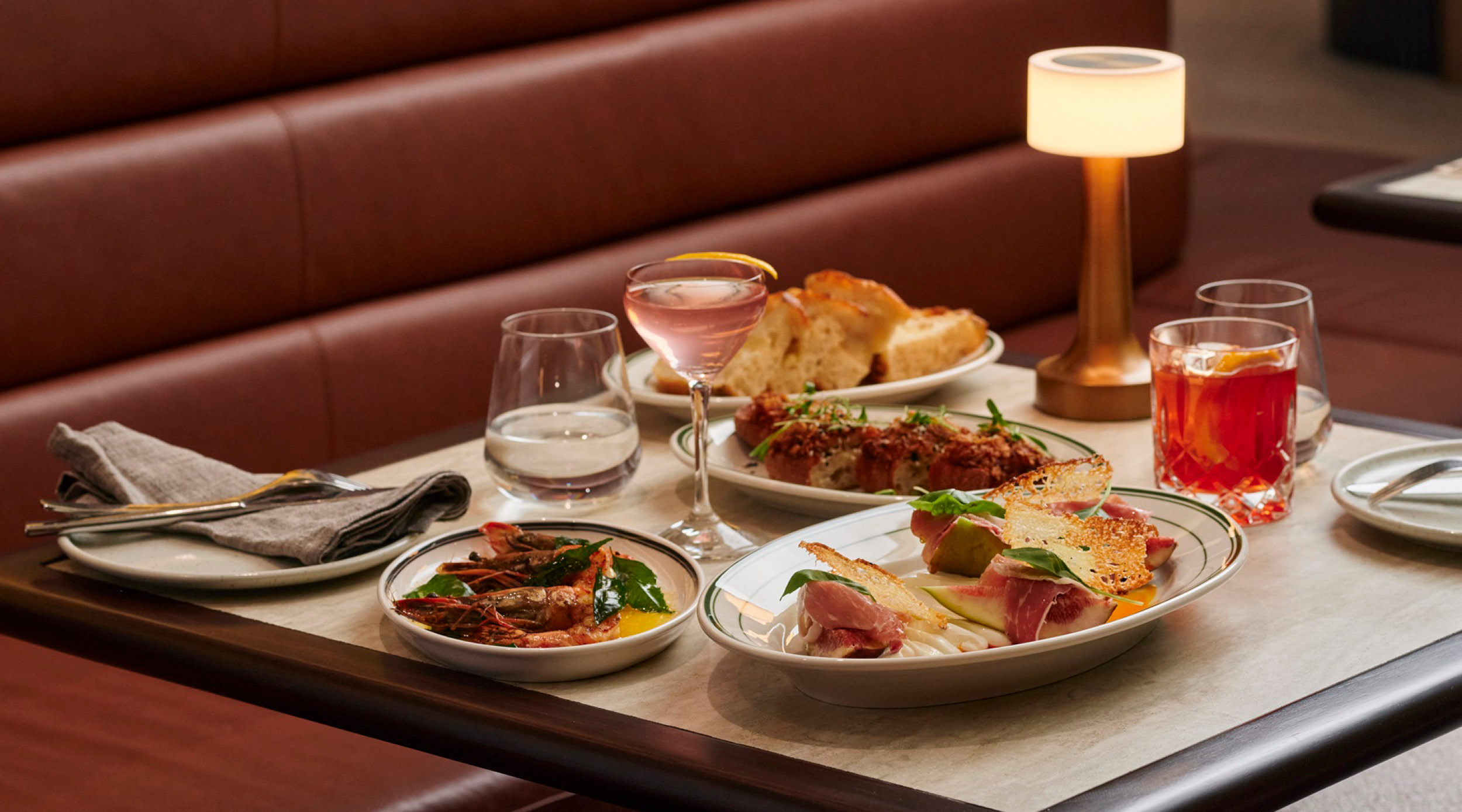
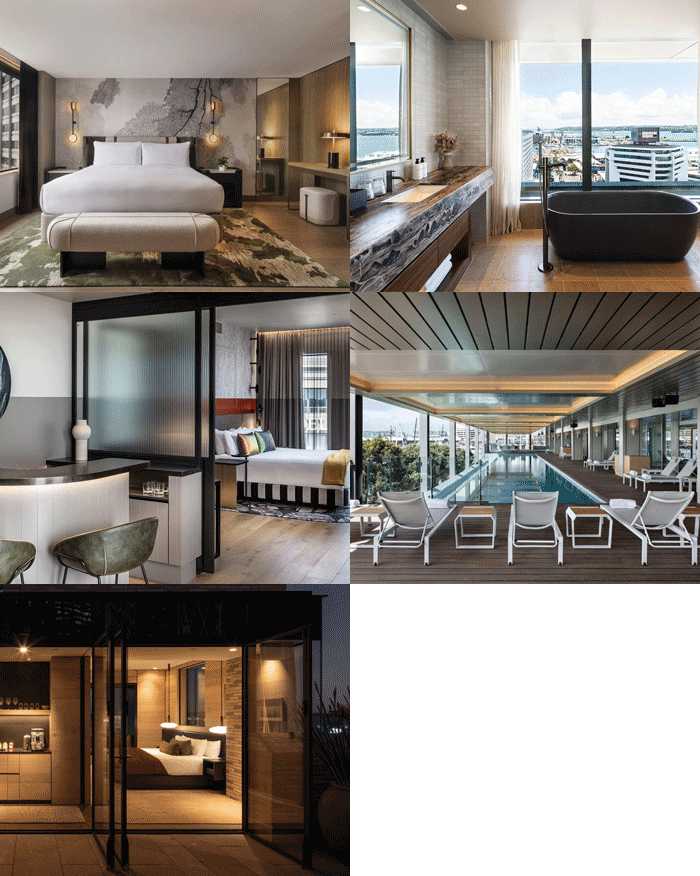
This is why Ember, set inside the Grand Millennium Auckland, is establishing itself as a polished, enveloping dining room, allowing locals to feel briefly transported without the inconvenience of leaving the city.
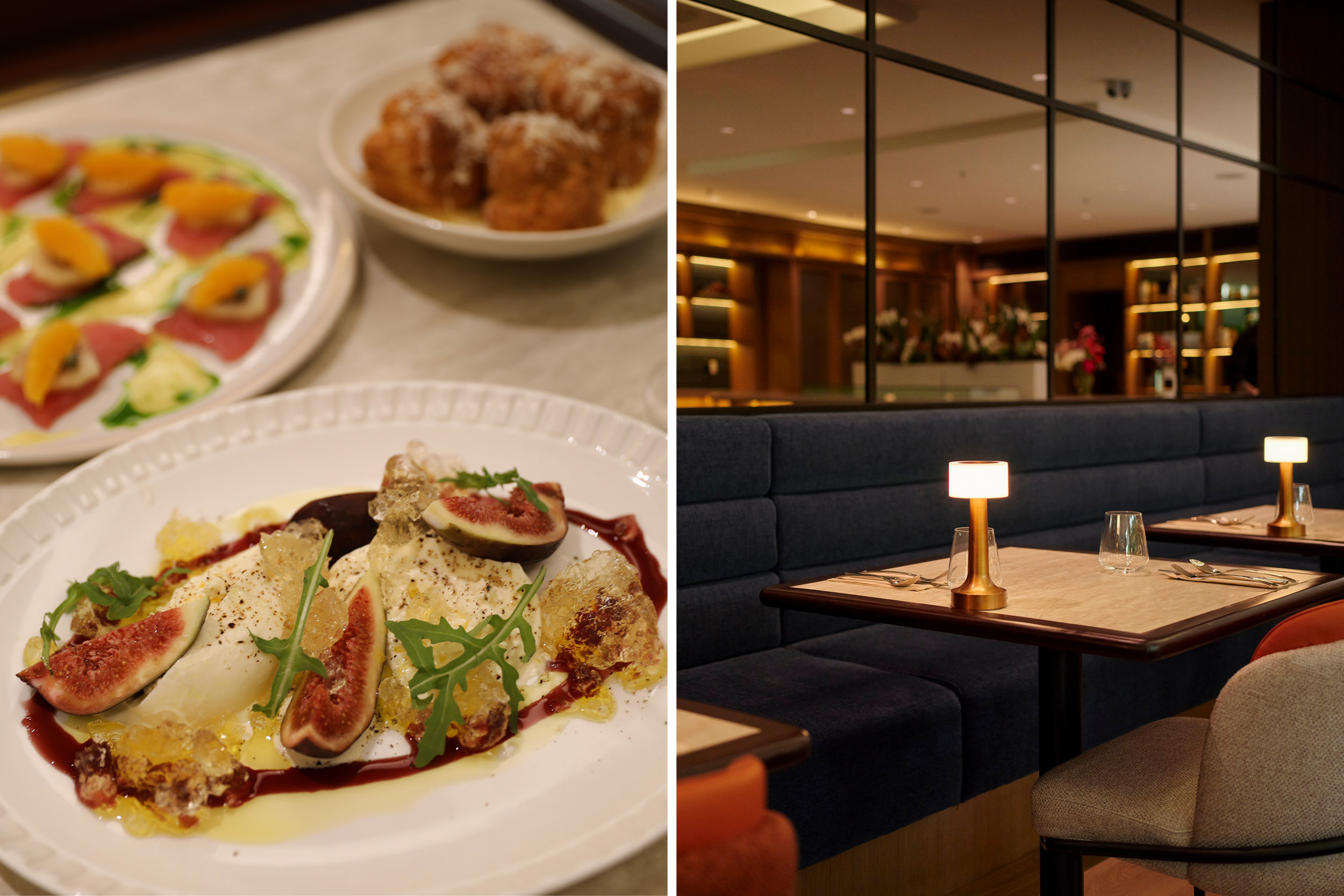
Its appeal begins with the interior, by Izzard Design, the 144-seat restaurant has the generosity of a proper international hotel bistro, with enough scale to feel animated and inviting. The room carries a glow that suits almost any occasion, from long lunches, pre-theatre dinners and family gatherings to post-work drinks and evenings when being slightly removed from the usual Auckland circuit feels like its own kind of luxury.
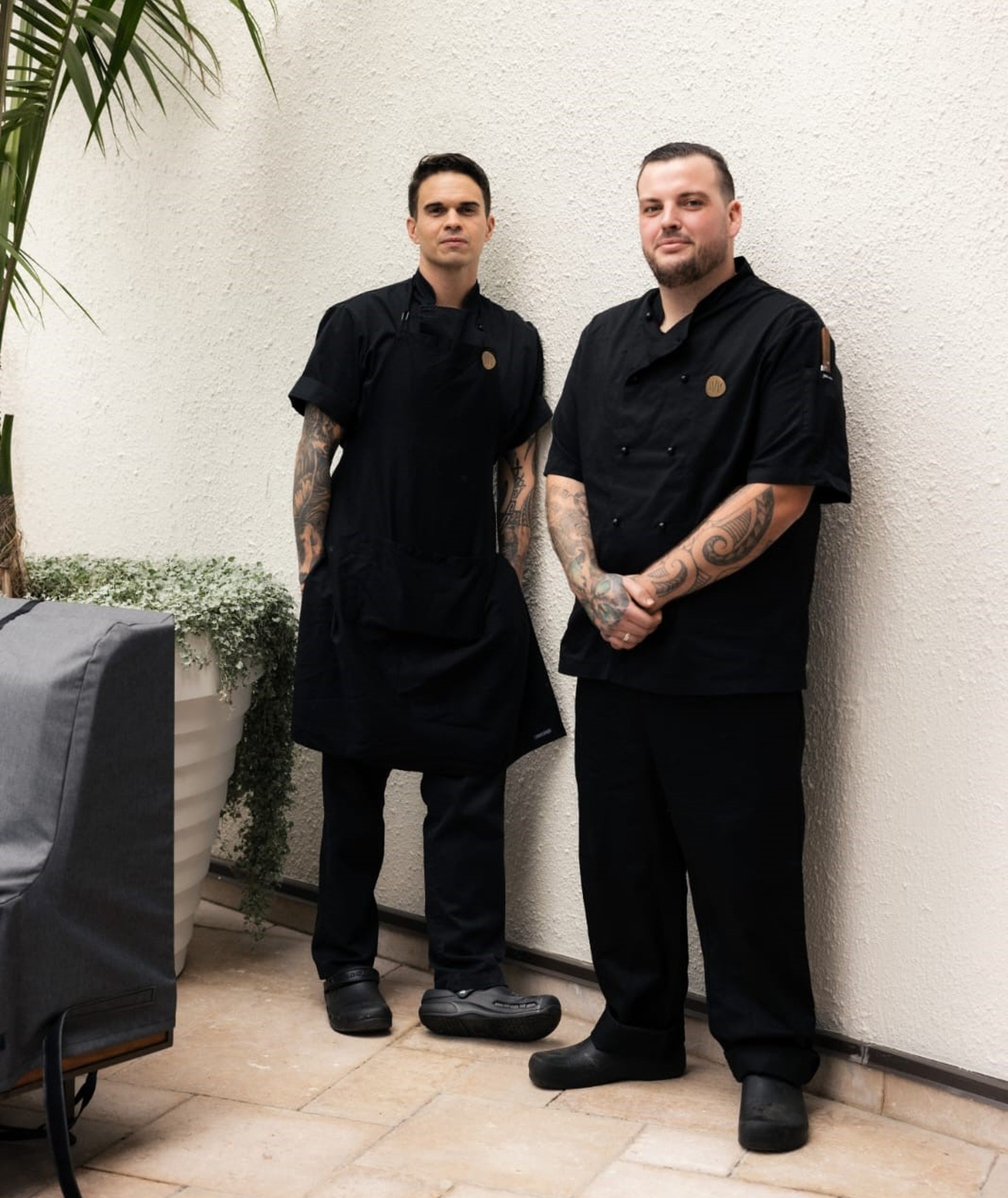
Executive Chef James Kenny and Head Chef Aaron Hyett
More than just a great escape, Ember is garnering acclaim for its food. Led by Executive Chef James Kenny and Head Chef Aaron Hyett, the kitchen draws on New Zealand’s seasonal bounty while applying the confidence of a team shaped by serious international experience. Kenny’s career has spanned Paris, Greece, Gordon Ramsay’s Boxwood Café in London, and Copenhagen, where he worked within the rarefied discipline of Noma. That breadth of culinary experience lands with assurance on Ember’s menu. Local produce remains the foundation, but it is the techniques refined in Europe that give the food its polish.
Despite this expertise in the kitchen, Ember doesn’t intimidate; instead, it feels approachable and friendly, with food that has the ease of a contemporary bistro. The result is dining that suits Auckland as it actually lives: colleagues at lunch, friends before a show, families gathering, travellers folding themselves into the city, and locals who have realised that some of the best restaurants in the world sit inside hotels for good reason. Ember gives Auckland its own persuasive version of that idea, with the added pleasure of letting one slip, for an hour or two, into a city that feels larger and more distinctly international than the one we are used to.
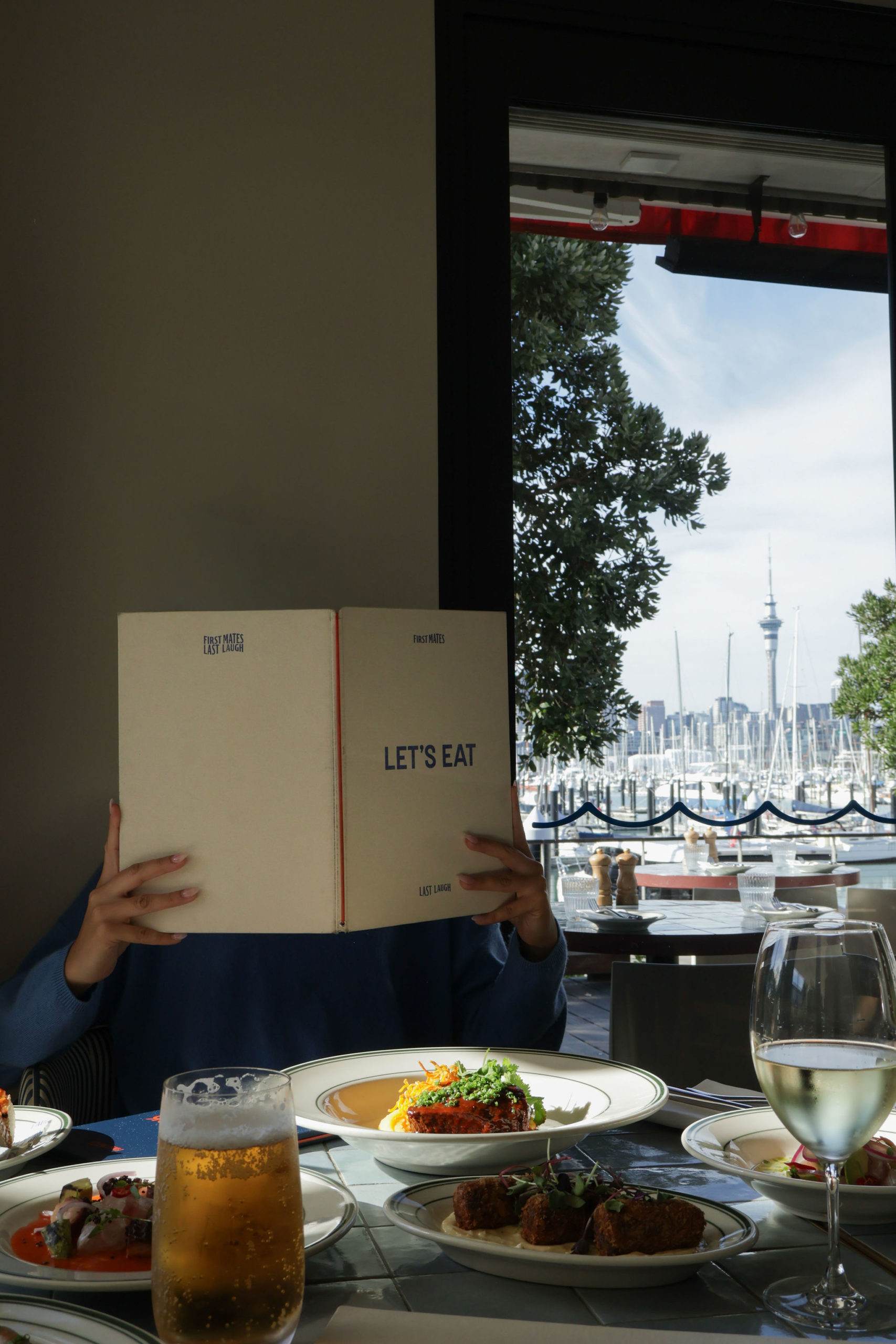
It’s easy for a restaurant to pay lip service to a style of cuisine, but to have a true appetite and curiosity to explore the nuances of international flavours can be rare. Which is why the recent trip to Peru undertaken by the team at First Mates, Last Laugh has quickly revealed itself as less of a holiday and more of a gastronomic statement. To truly embrace the flavours of another culture and combine them with New Zealand produce with any real authority, one must venture to the source of the inspiration.
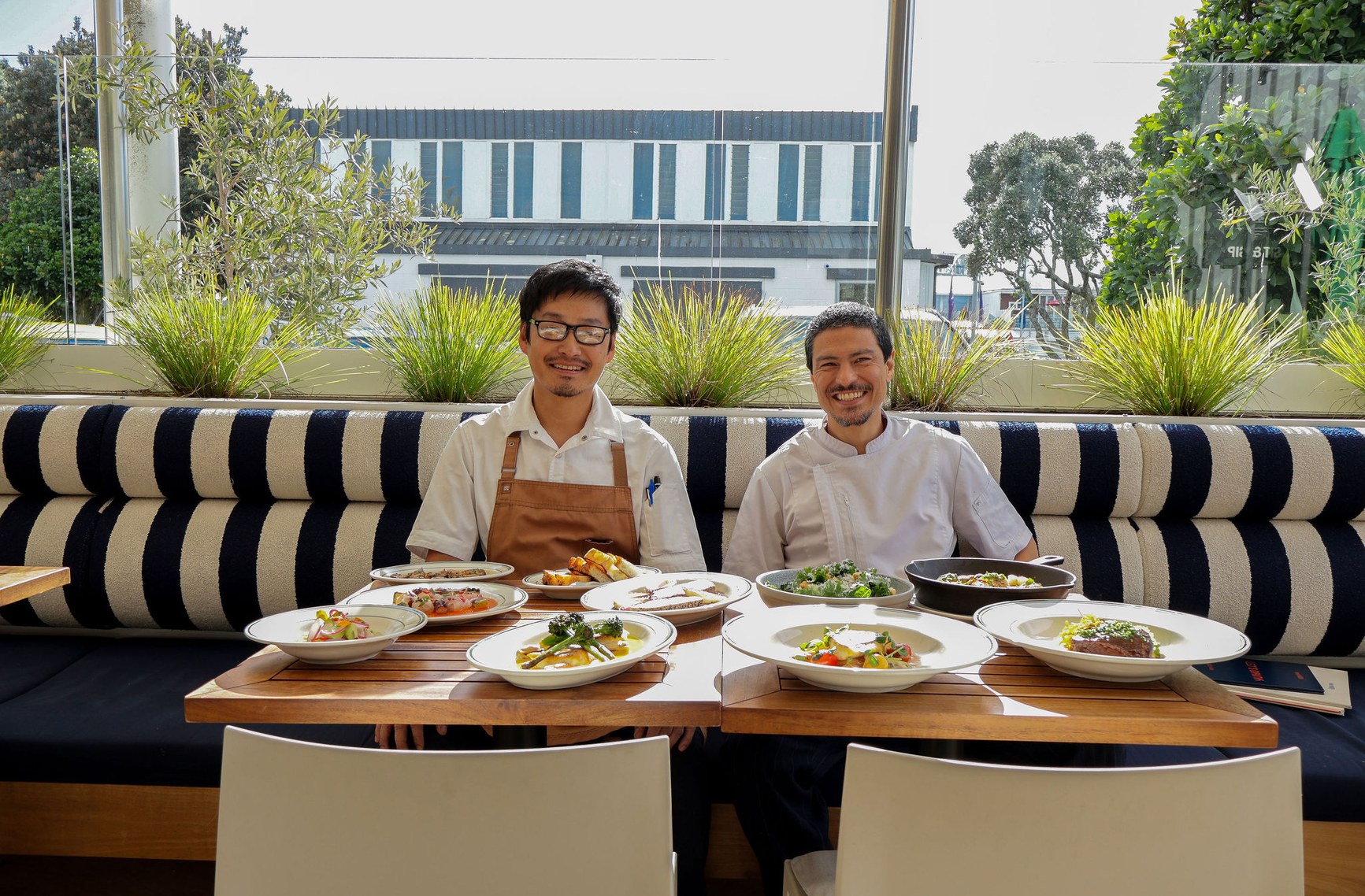
First Mates, Last Laugh’s chefs Cezar and Kuma
At Westhaven Marina, First Mates, Last Laugh has always carried a Peruvian-Japanese thread through its menu, shaped by Executive Chef Cezar Takahashi’s Brazilian-Japanese heritage, his 15 years in Japanese kitchens, and his long-standing command of seafood. The team’s recent travels through Peru have not redirected that approach, but deepened it, sharpening the restaurant’s already distinctive language with first-hand experience, regional insight and the kind of sensory memory that cannot be faked.
First Mates, Last Laugh
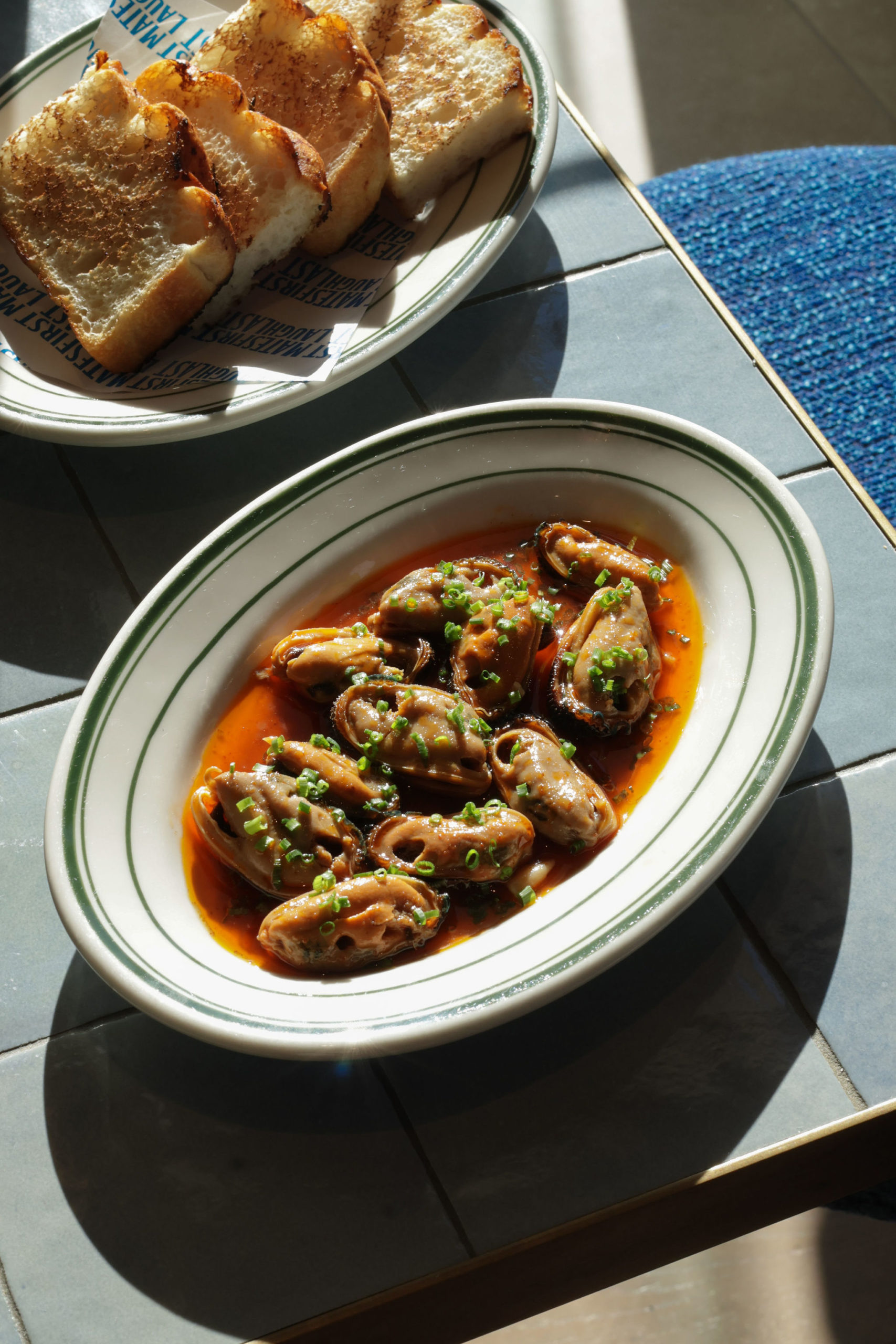
Mussel Escabeche with toasted focaccia
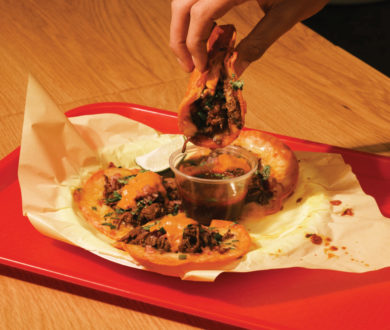
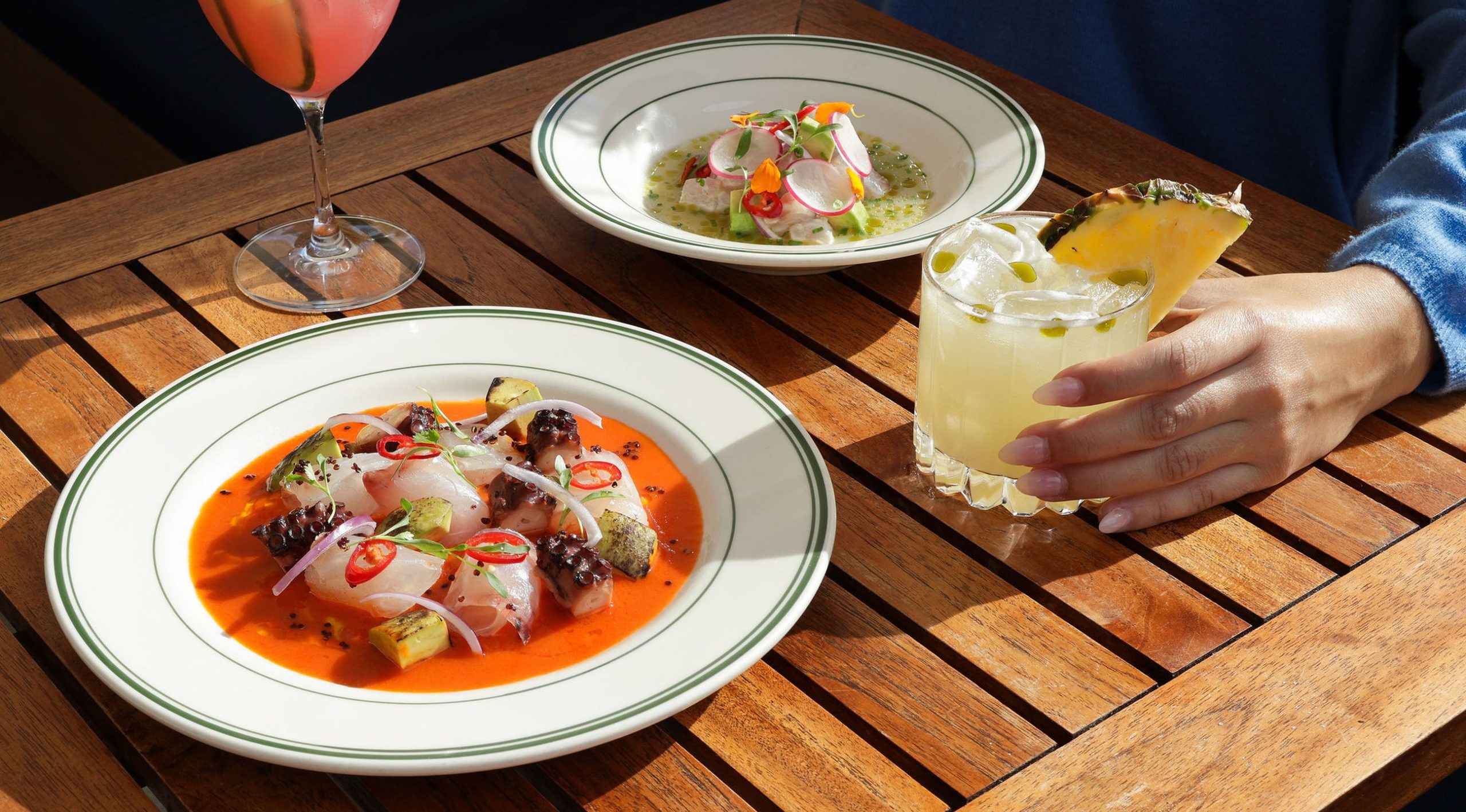
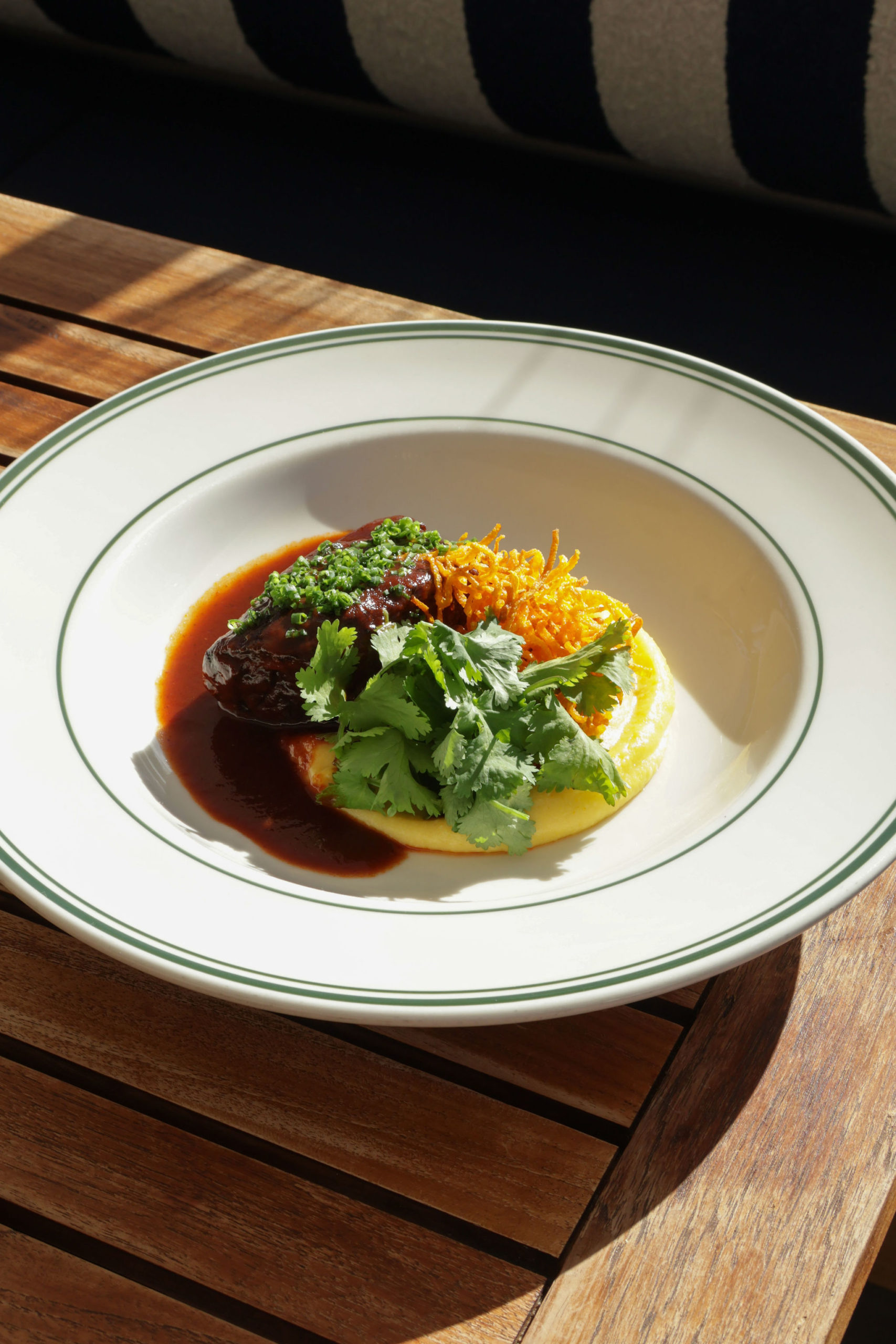
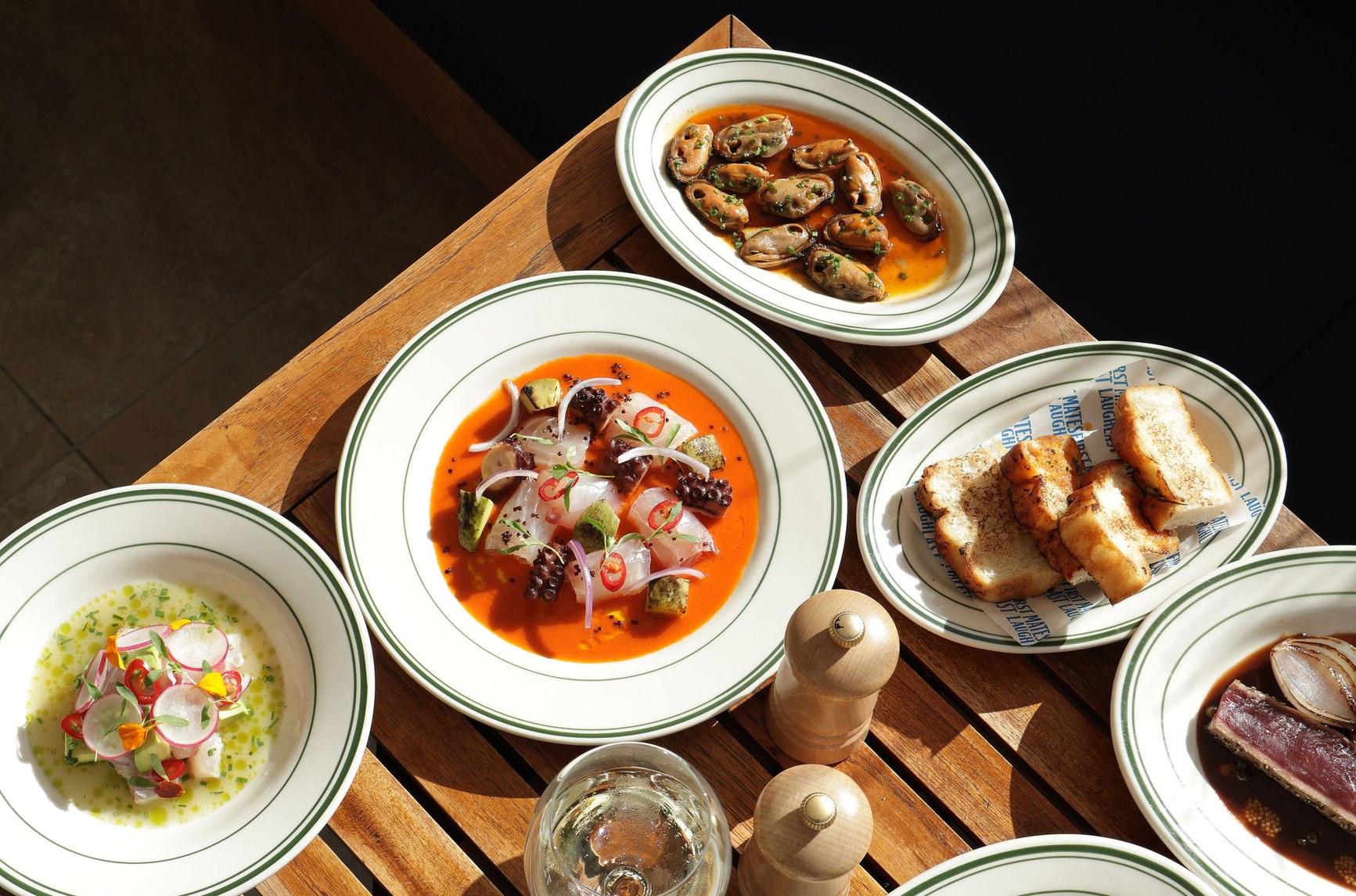
That influence now appears across the new menu in dishes that feel confident rather than performative. Mussel escabeche arrives with toasted focaccia, while usuzukuri tiradito brings together snapper, octopus and rocoto with clean precision and heat.
Braised Beef Cheek with aji mash and crispy butternut
New Peruvian inspired dishes at First Mates, Last Laugh’s
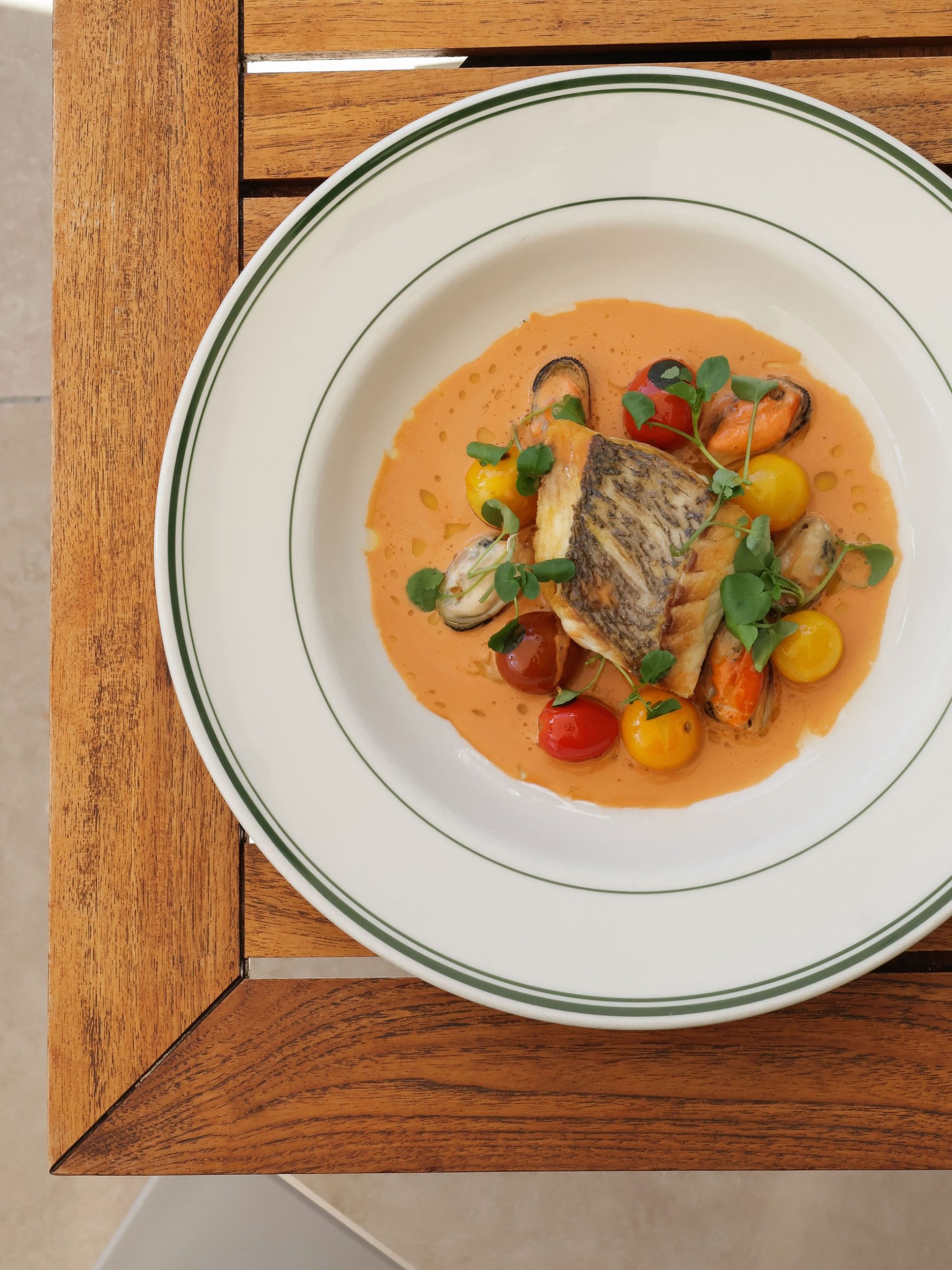
Hiramasa wasabi ceviche folds kingfish, avocado and radish into something bright, disciplined and quietly thrilling, and grilled snapper with scampi bisque, mussels and confit tomato speaks to Takahashi’s ability to let seafood lead without leaving it underdressed.
Pan-seared fish with mussels, heirloom tomatoes and bisque
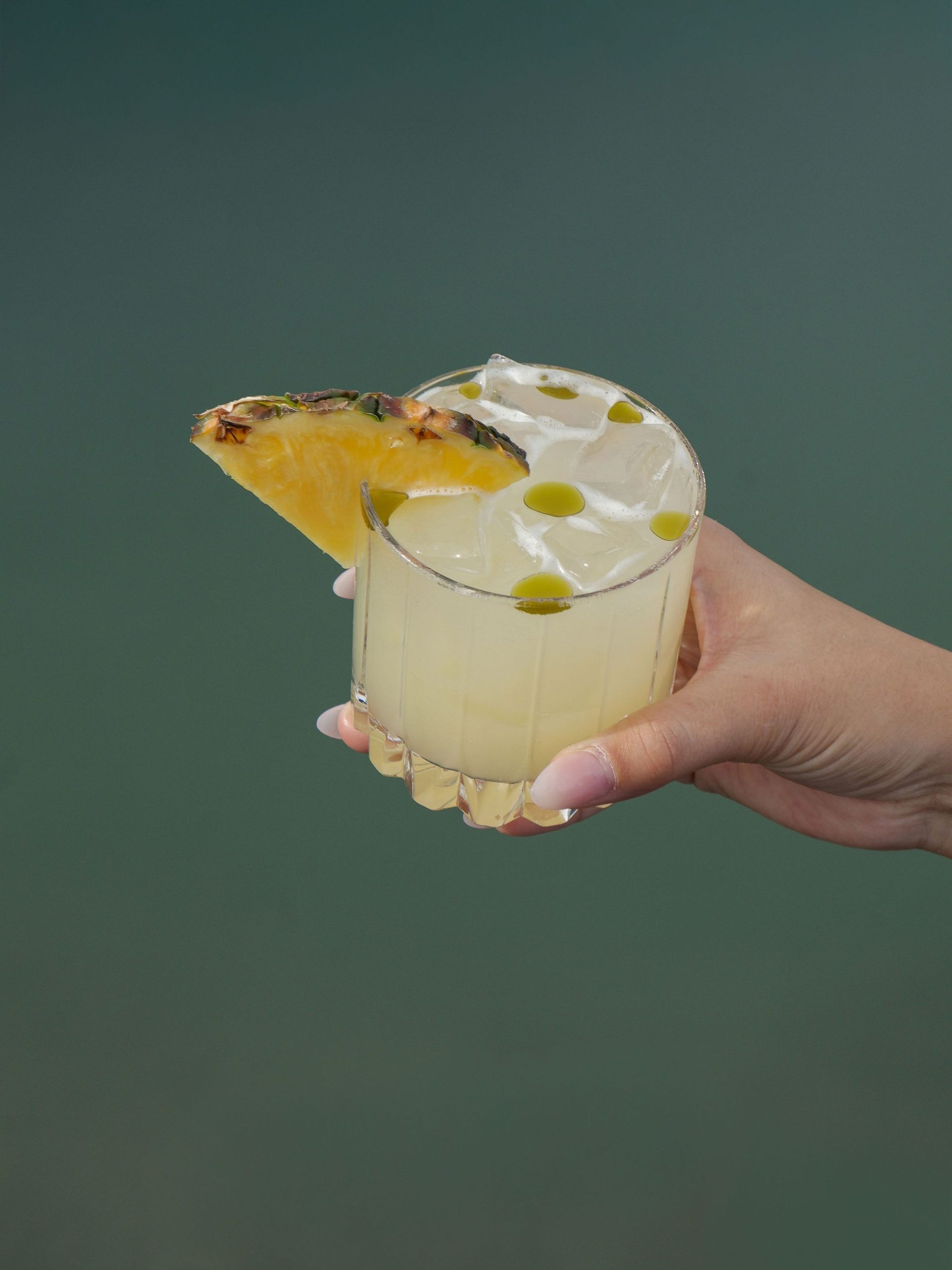
Spicy Pineapple Margarita
What matters here is not simply that Peru has influenced the menu, but that the team has taken the time to understand it at the source. That depth shows in food that feels considered rather than borrowed, bringing new flavour to Auckland with a sense of respect, confidence and place. At First Mates, Last Laugh, the result is a menu that extends the restaurant’s Peruvian-Japanese language with more clarity, more conviction and a sharper sense of where its inspiration begins.
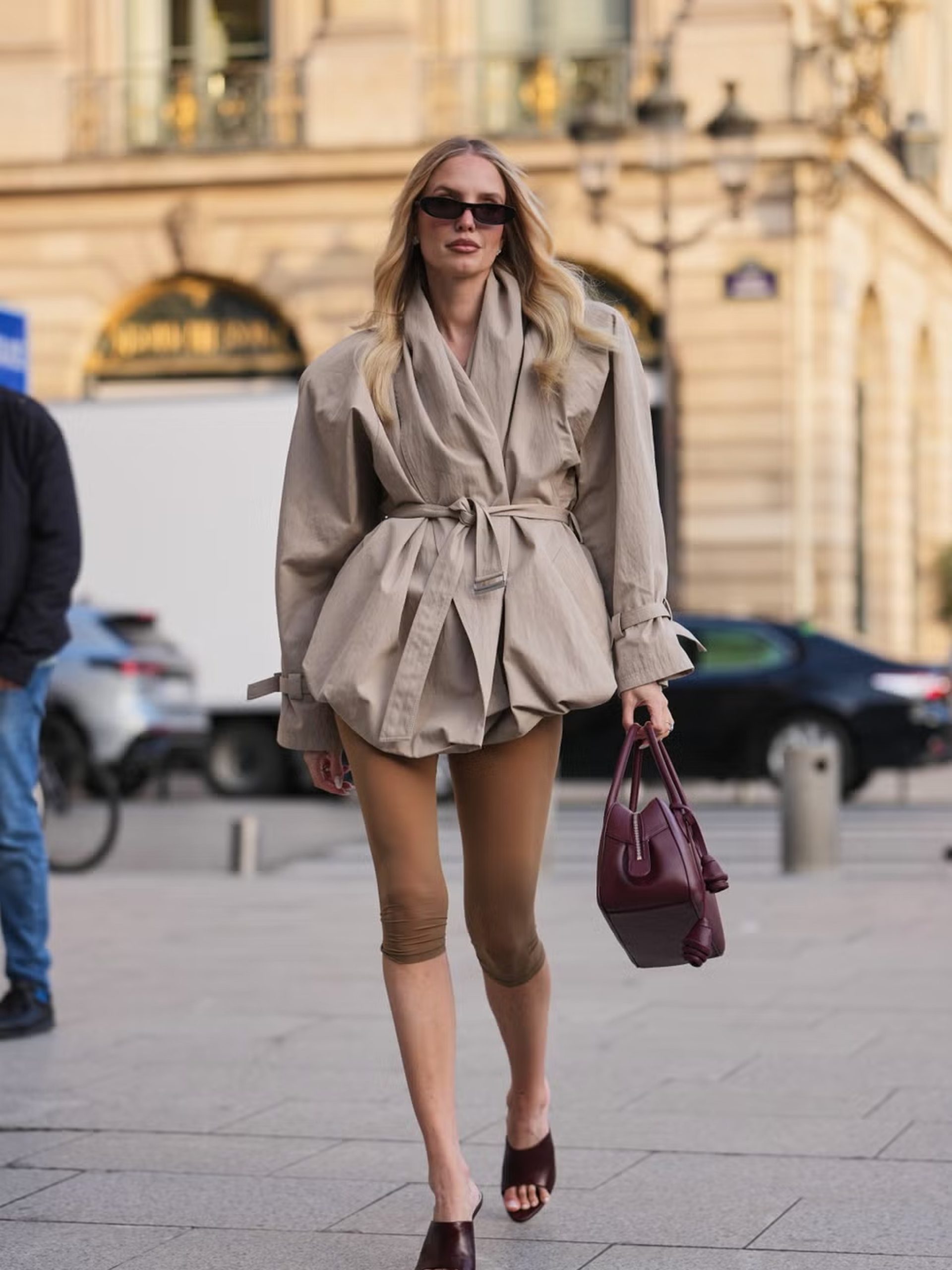
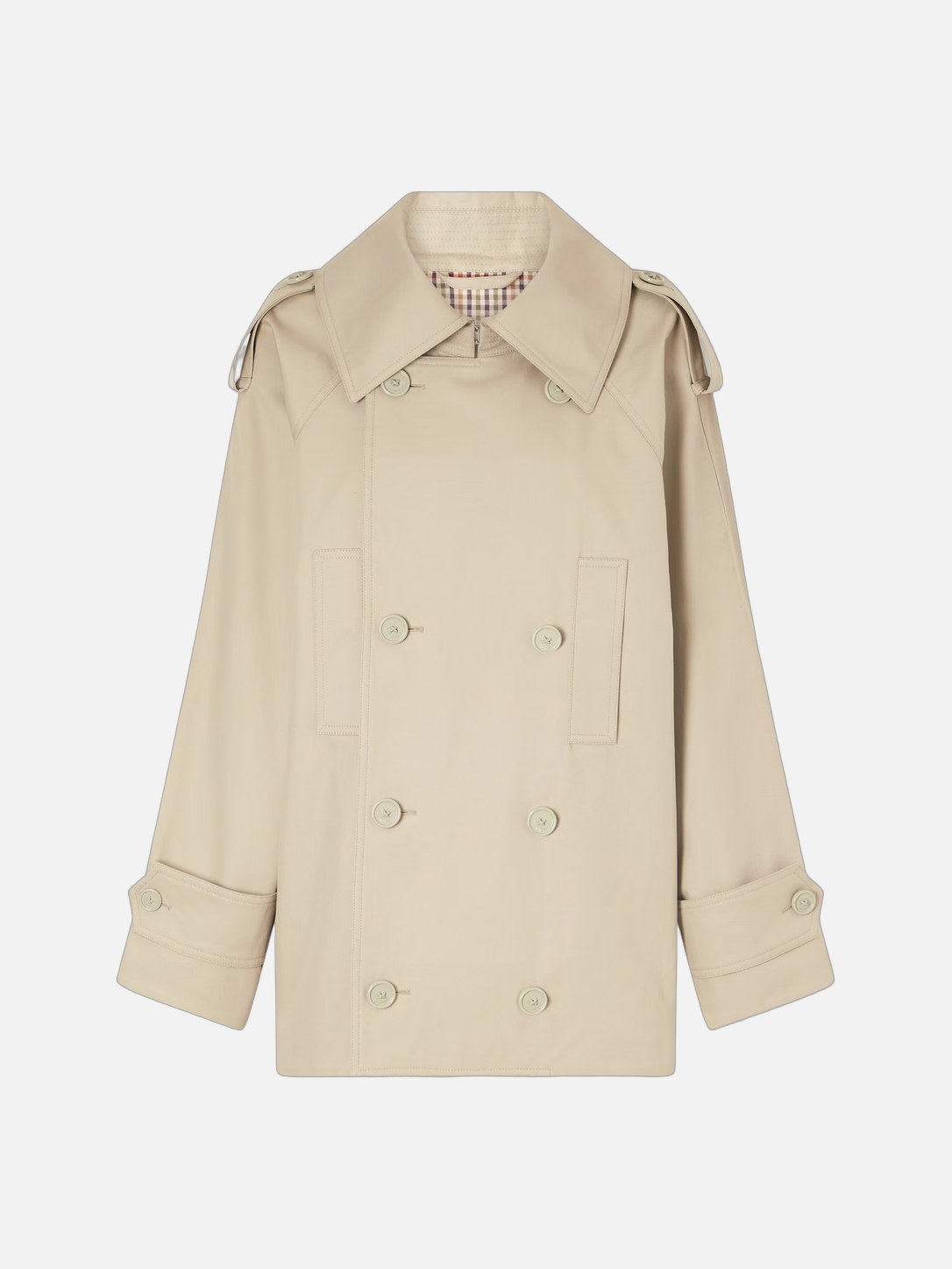
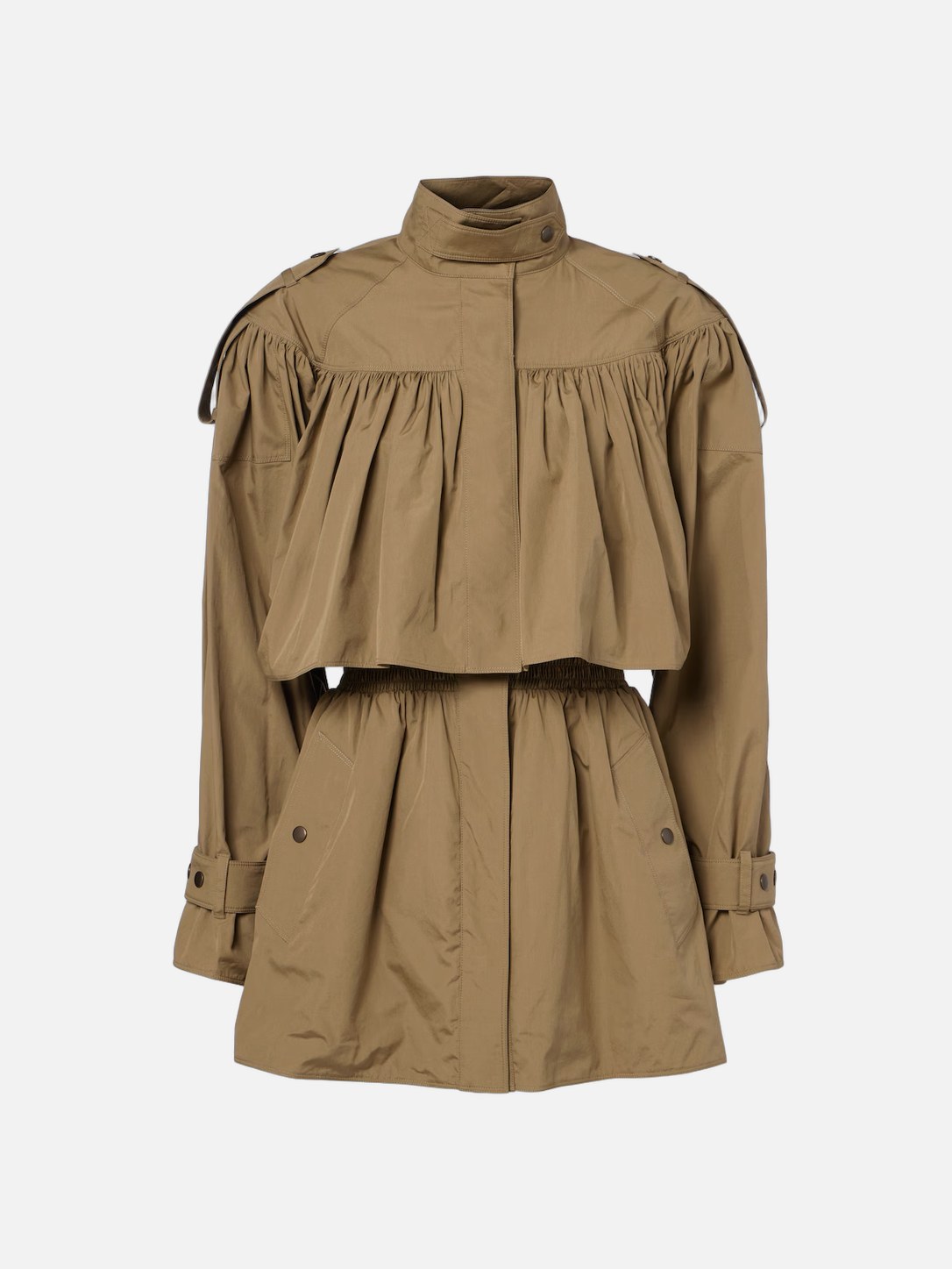
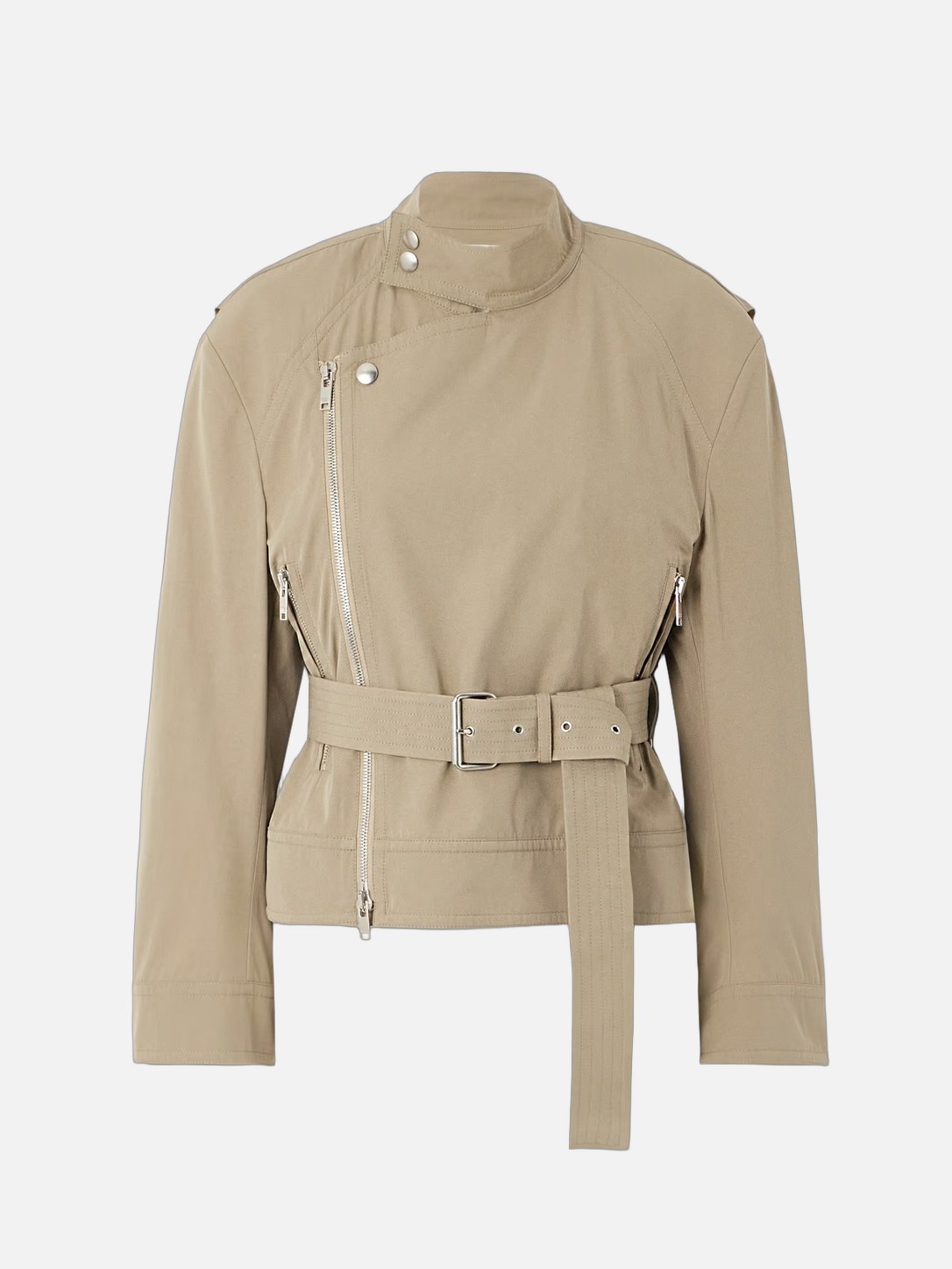
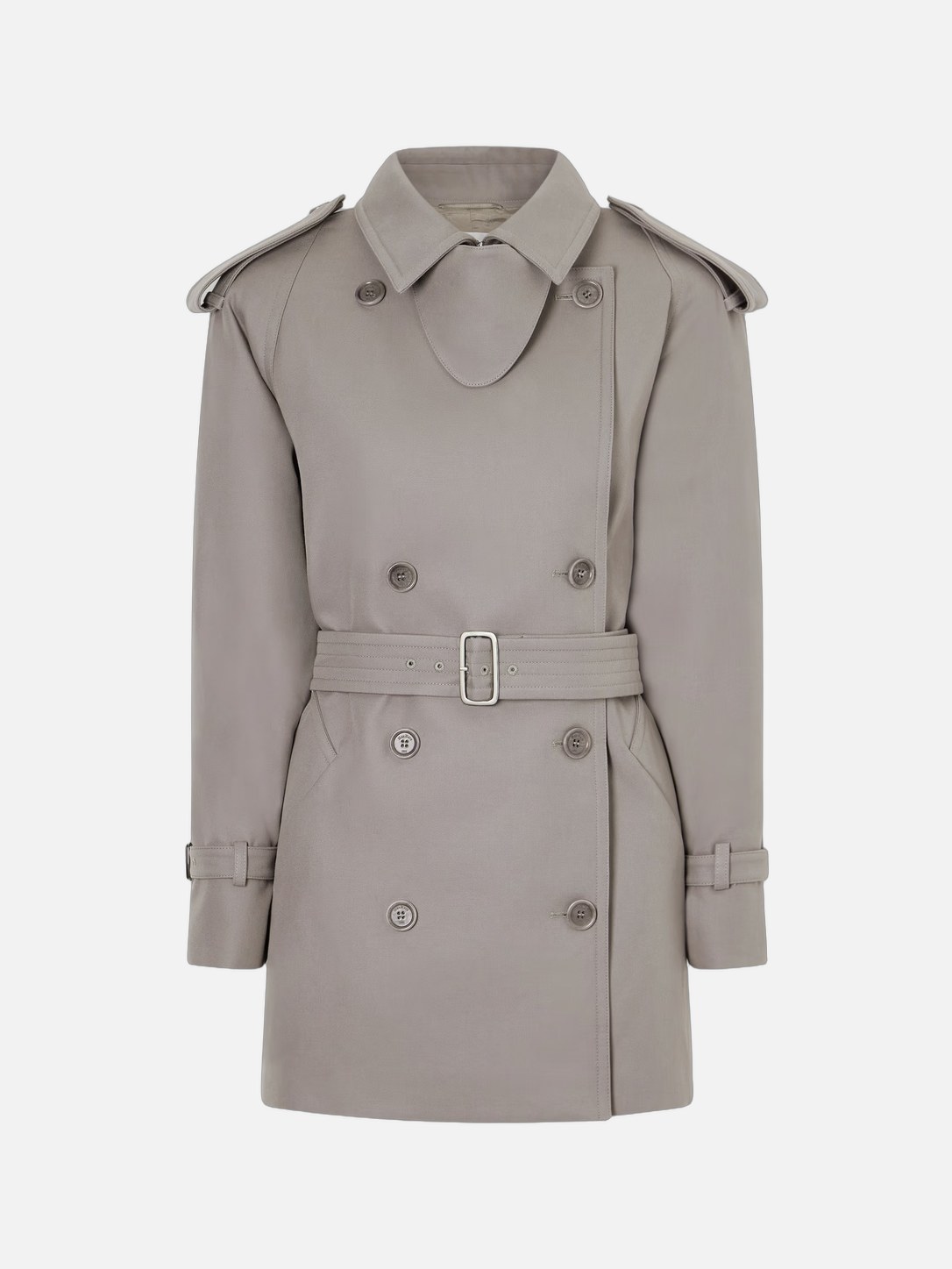
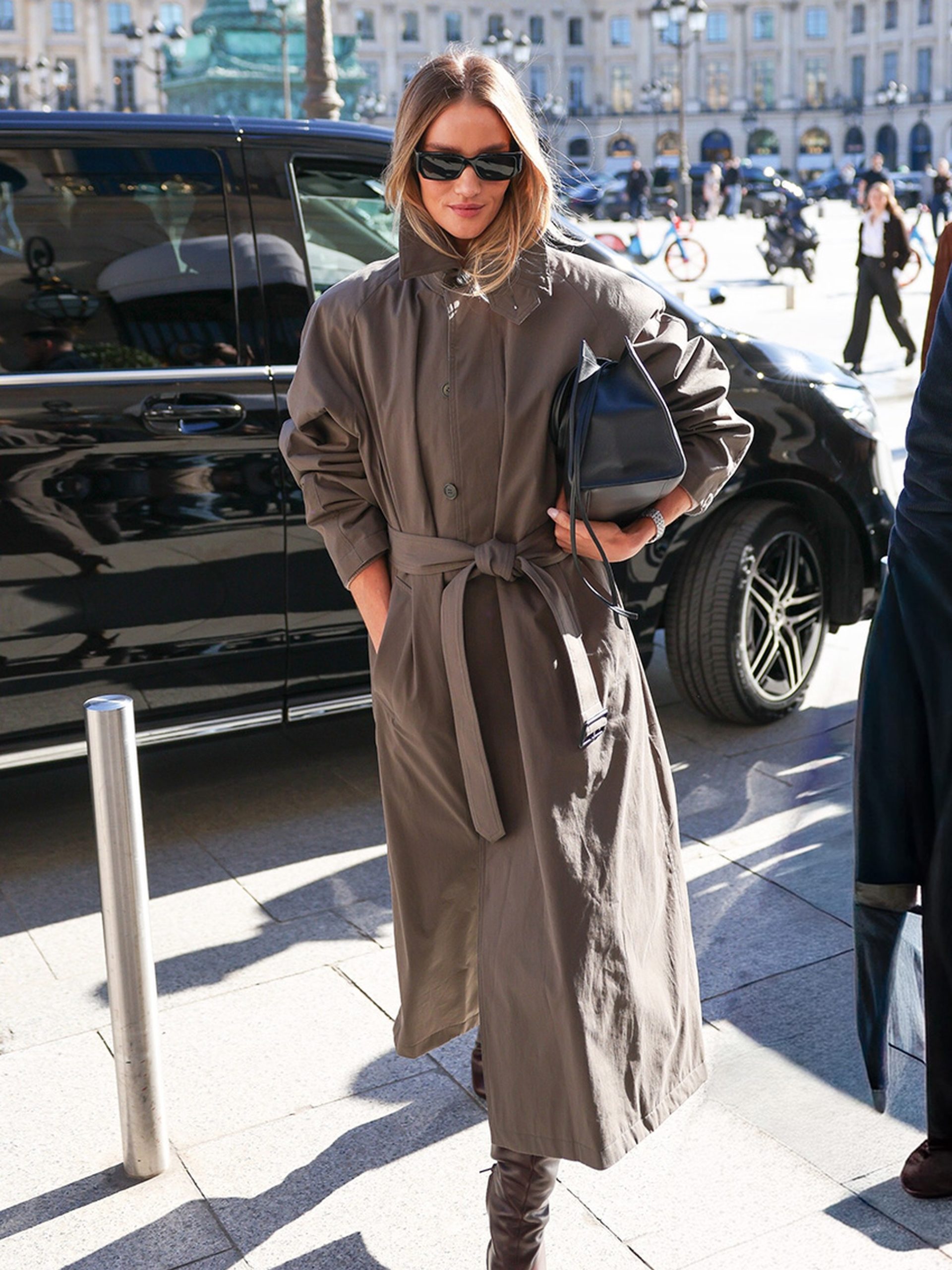
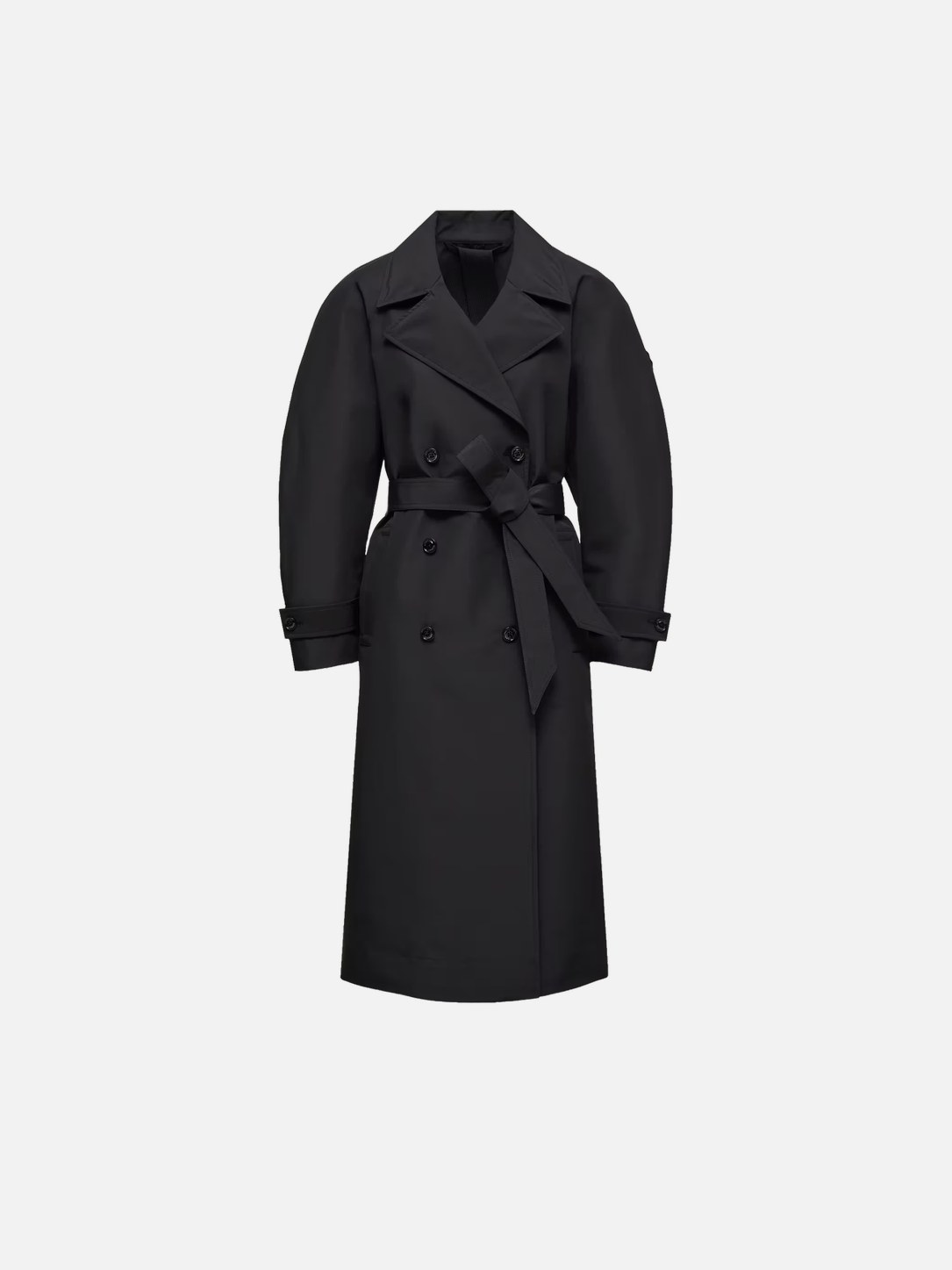
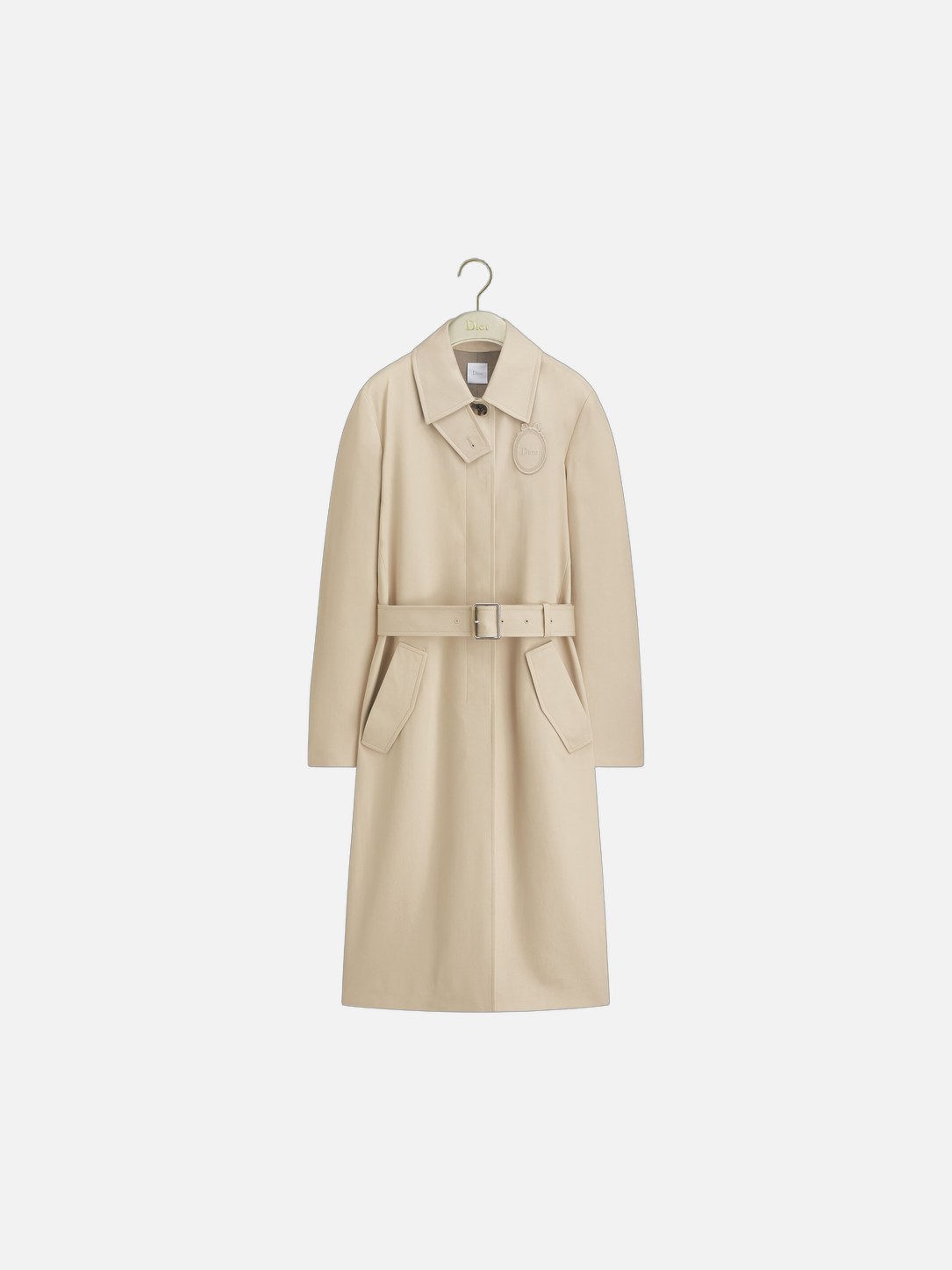
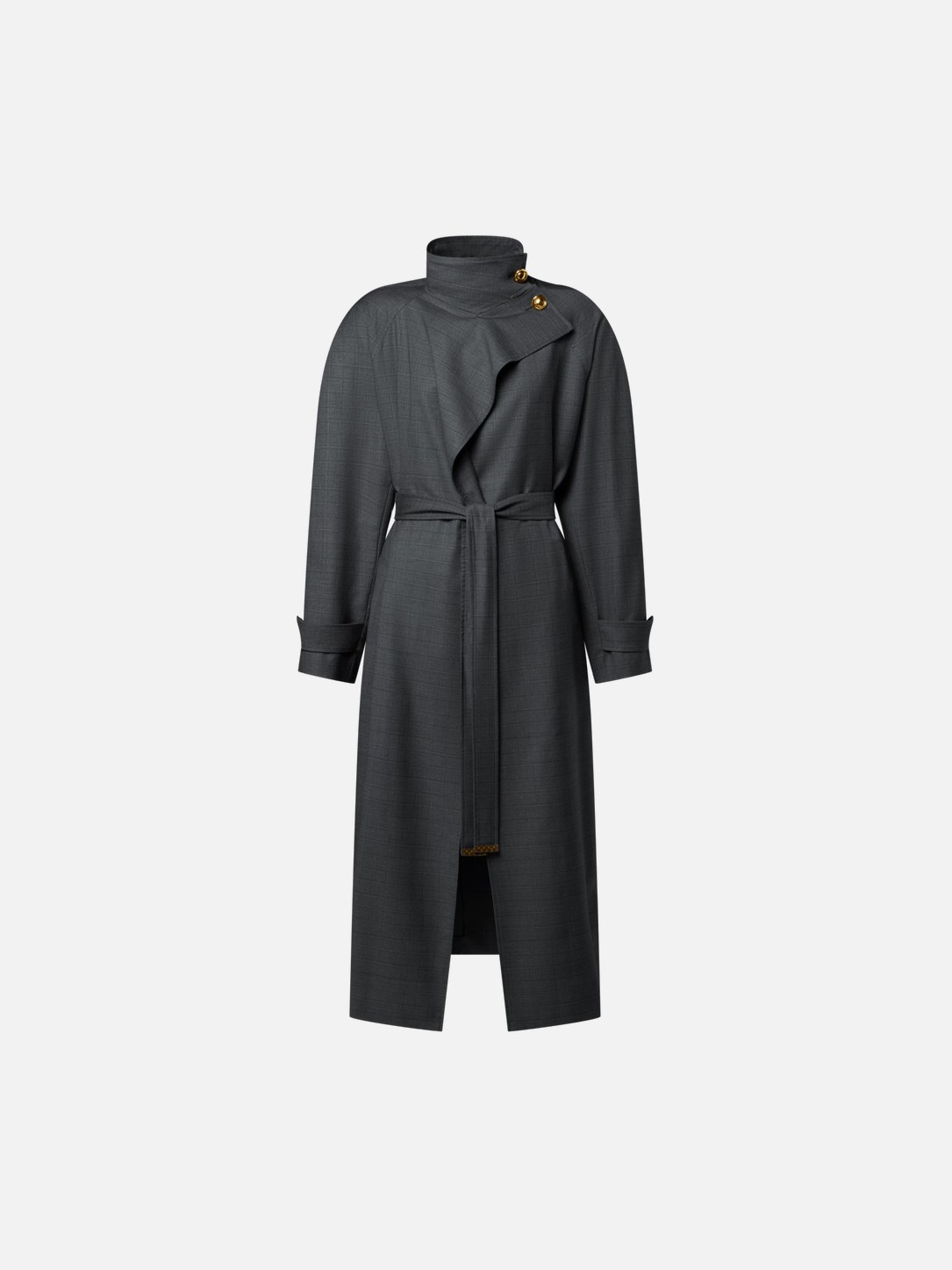
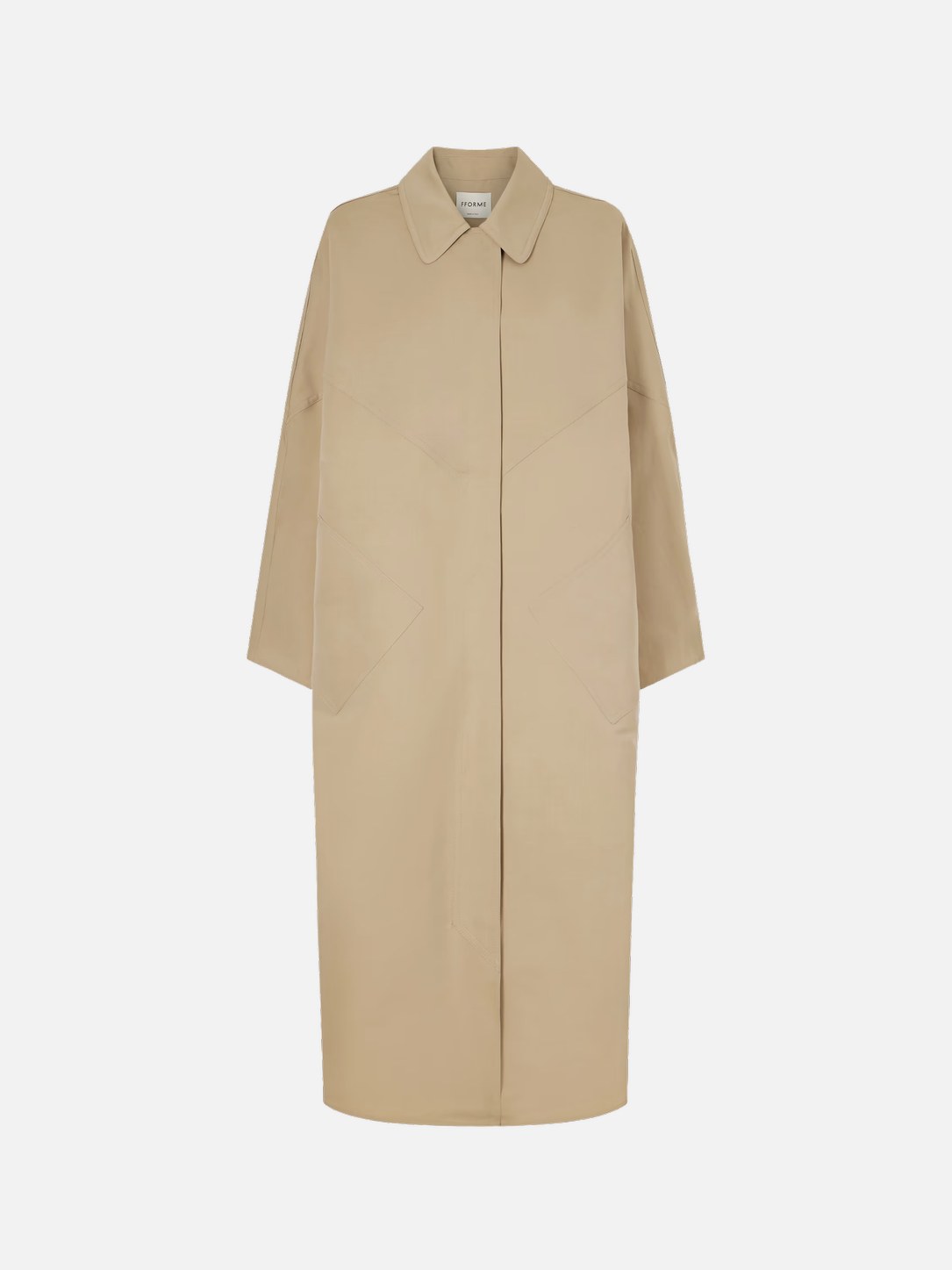
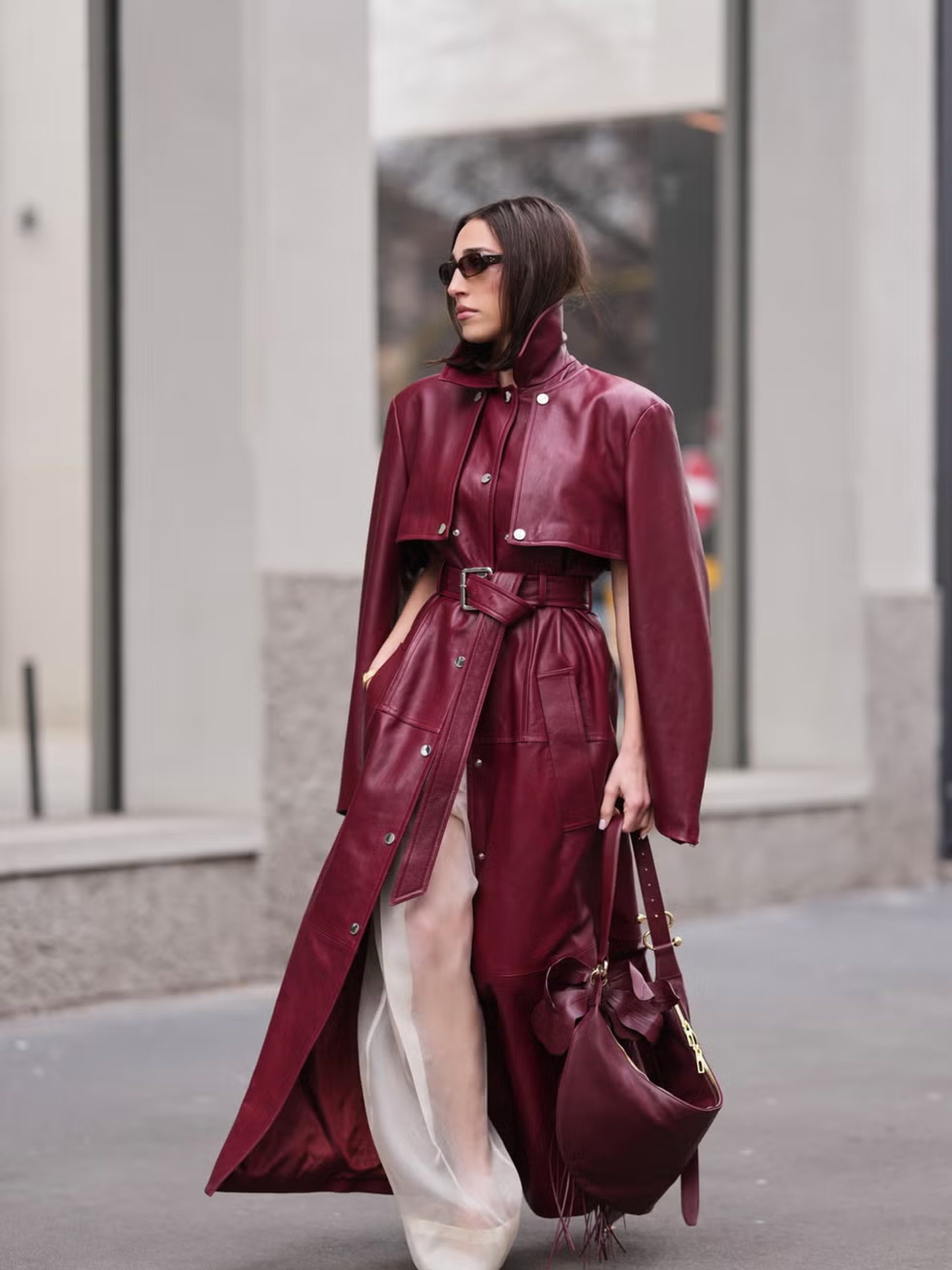
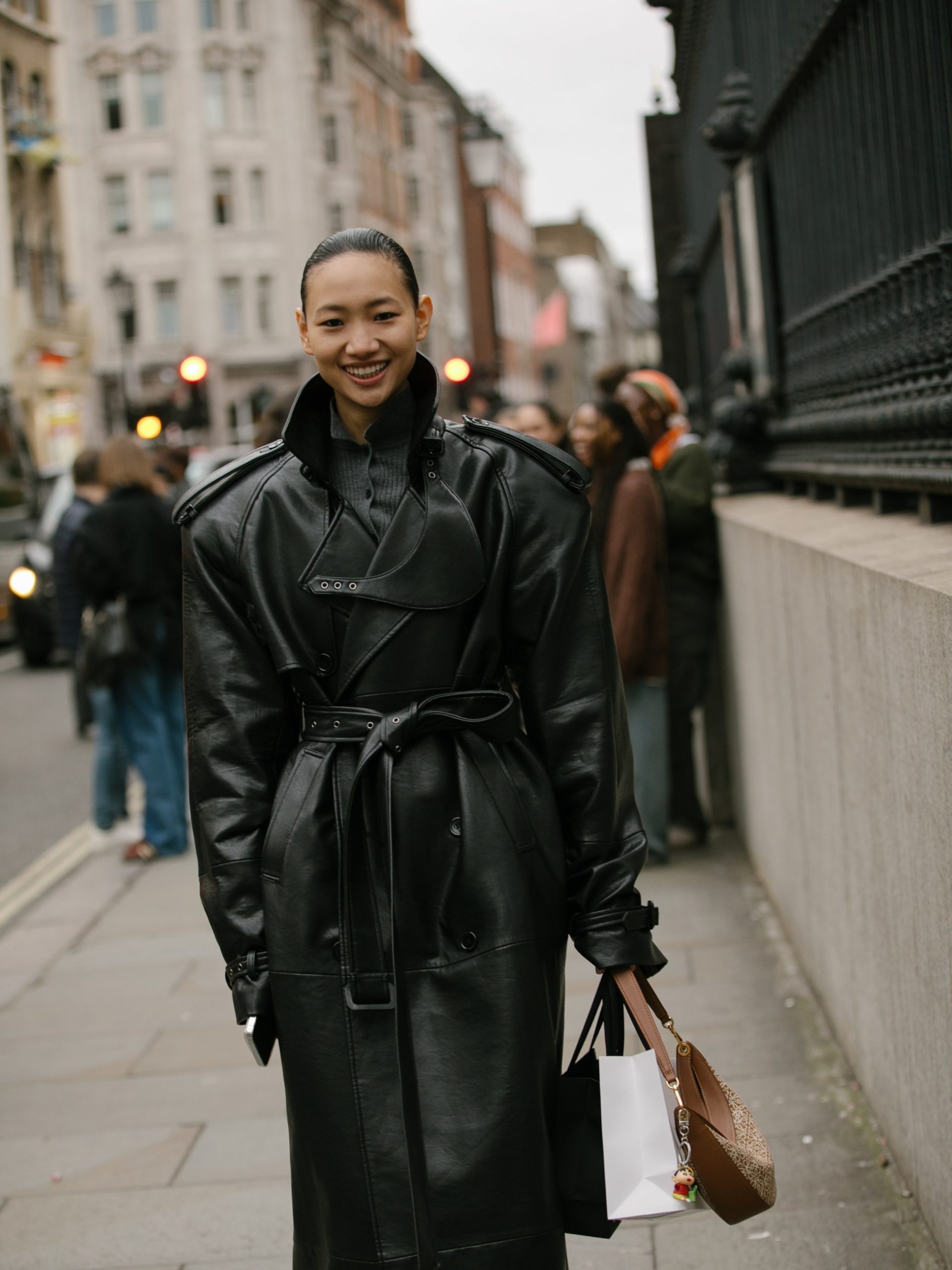
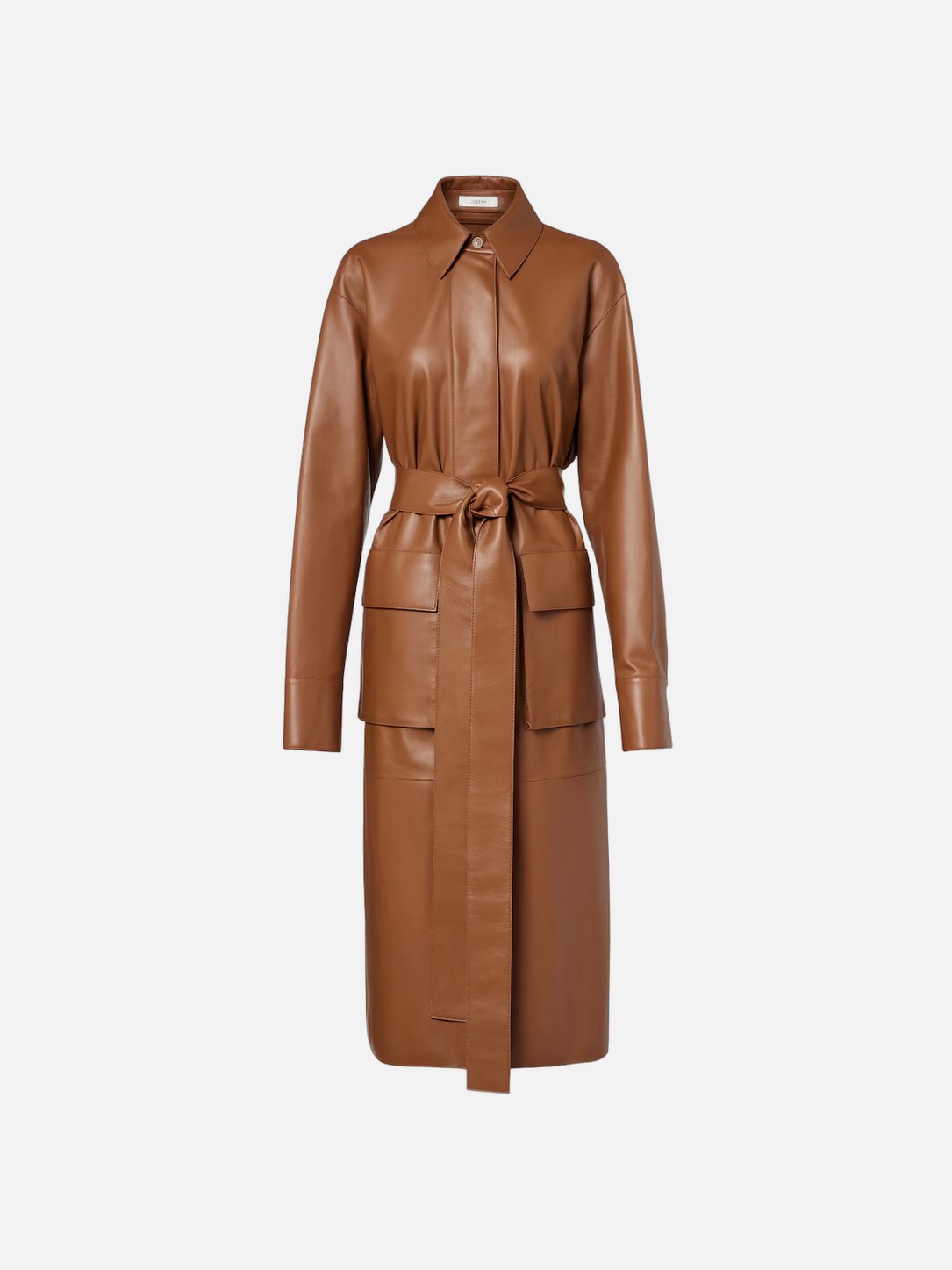
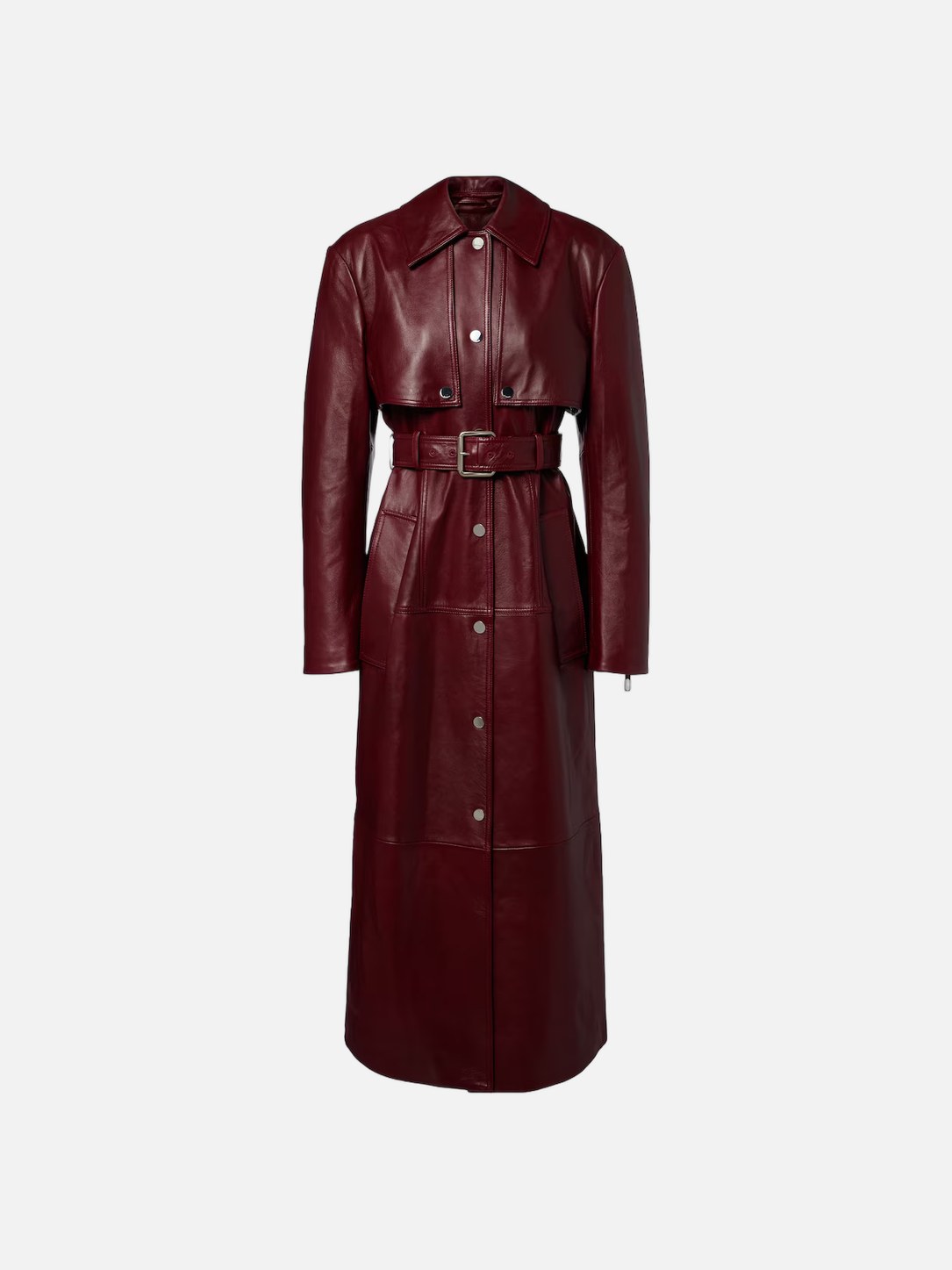
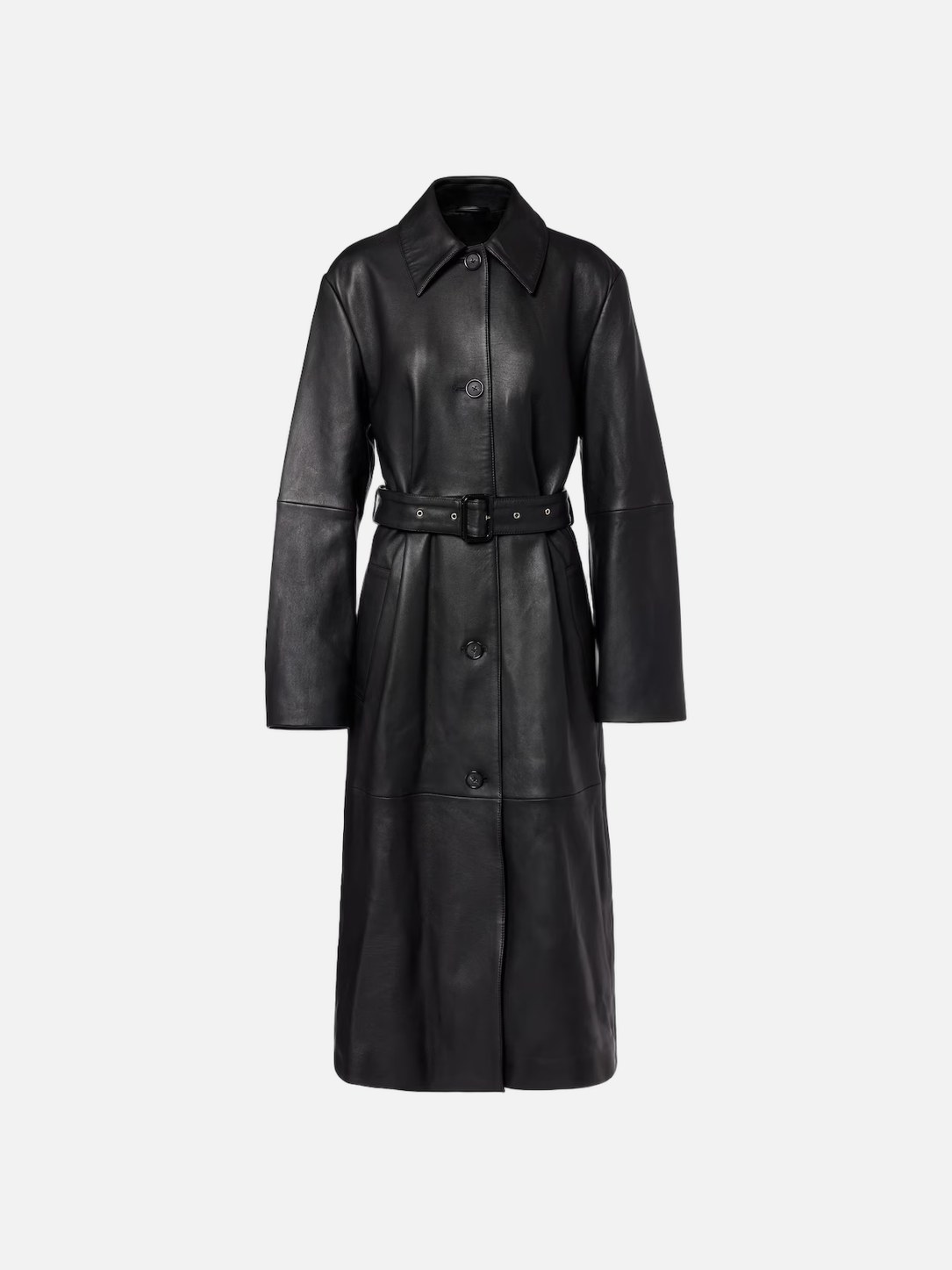
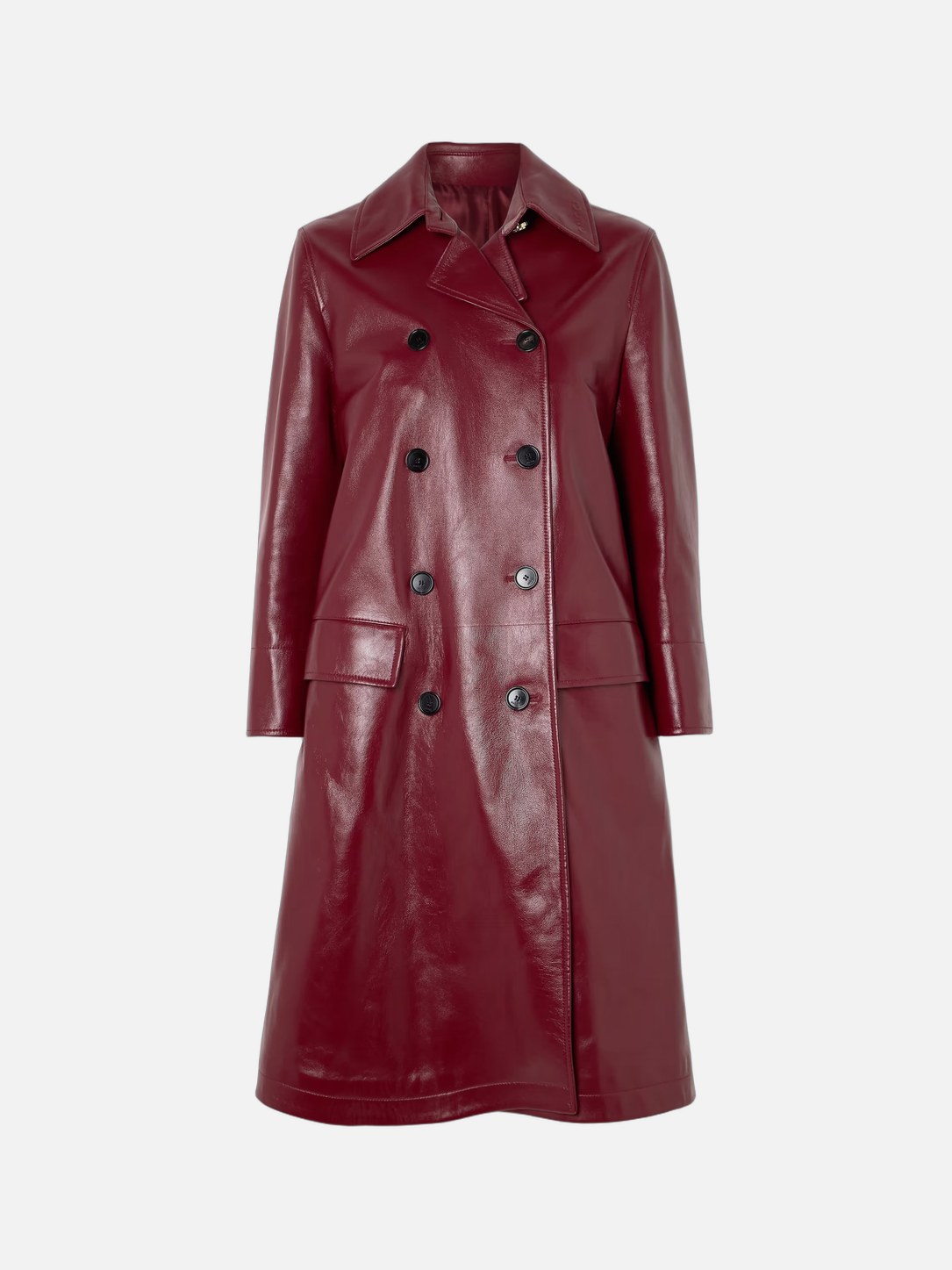
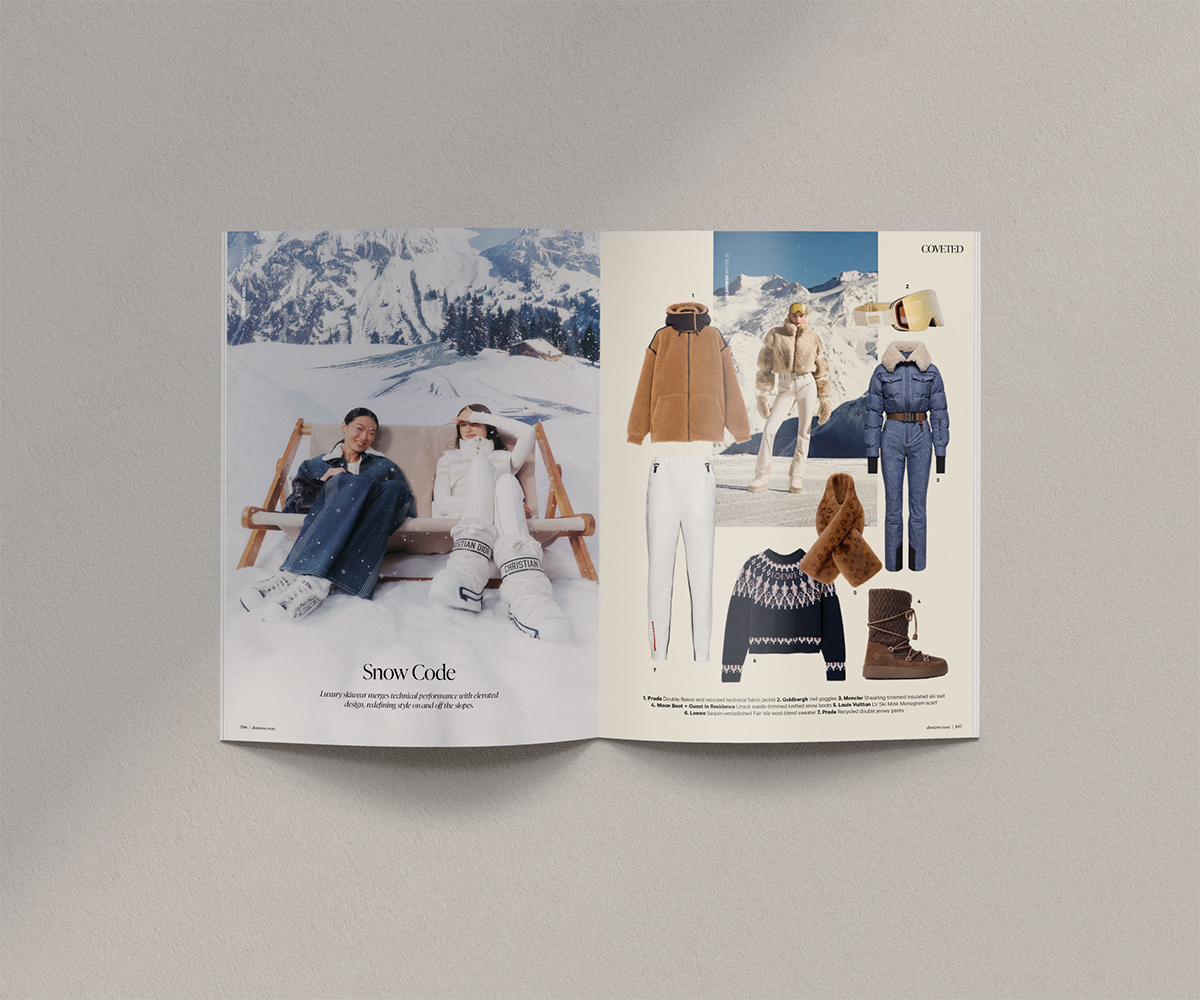
A perennial classic returns this season with sharpened structure, ease and modern relevance, as designers reimagine the trench coat through a variety of silhouettes that feel both current and enduring. The classic trench remains the cornerstone, cut with refined proportions and clean tailoring that lend polish to everyday dressing, while cropped iterations introduce a more directional sensibility, pairing particularly well with high-waisted trousers and denim. Elsewhere, leather trench coats bring depth and richness to winter wardrobes, offering a more dramatic take on the enduring staple. From traditional stone and camel hues to deep espresso and black, this season’s most desirable styles prove that the trench coat continues to evolve while retaining the effortless sophistication that has secured its place in fashion’s permanent repertoire.
Cropped Trench
Double Breasted Cotton Gabardine Trench Coat from Balenciaga
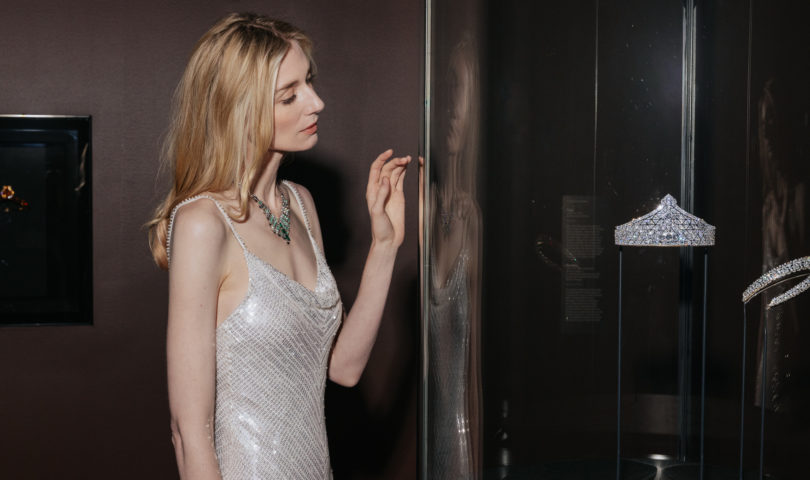
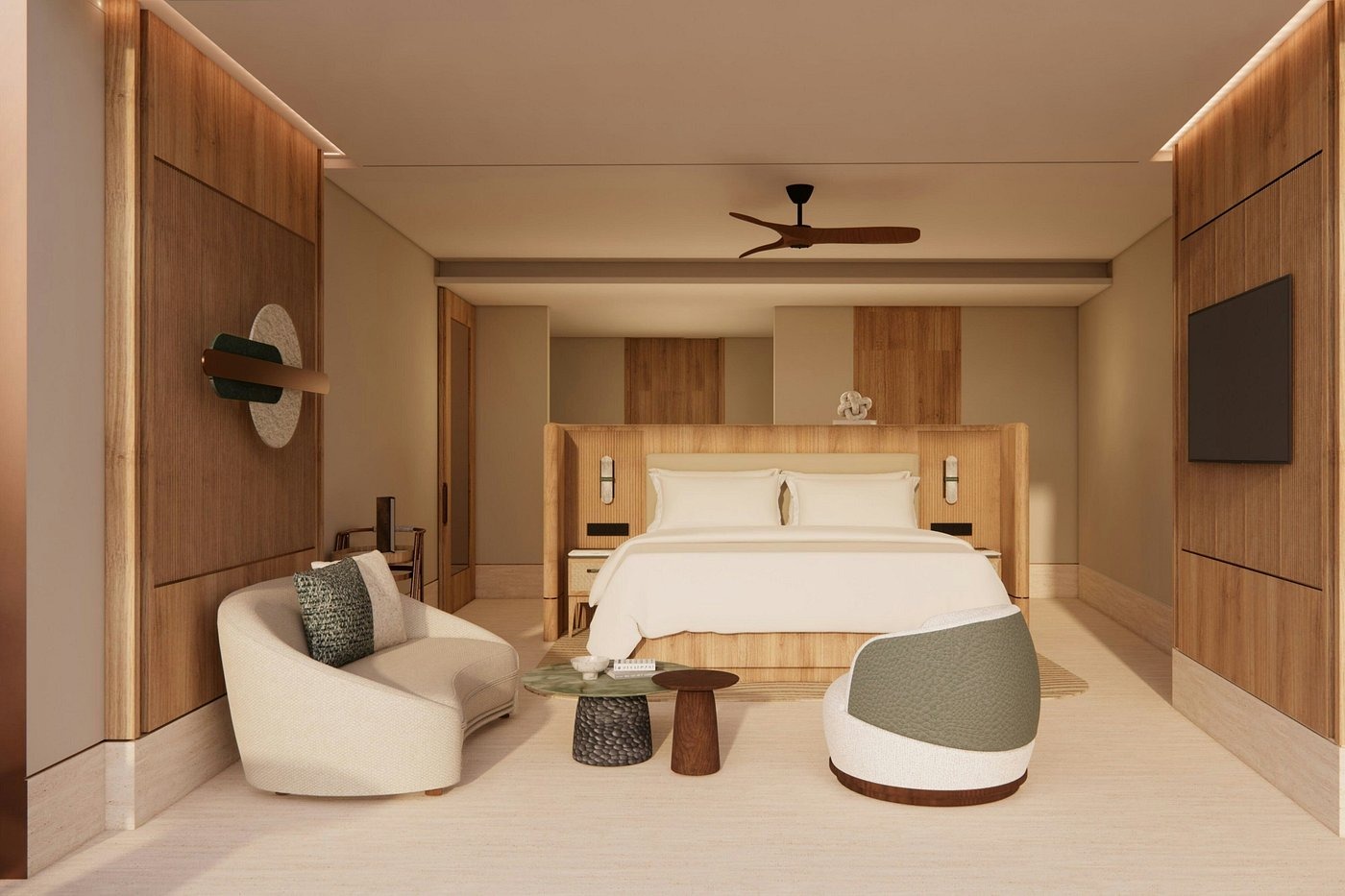
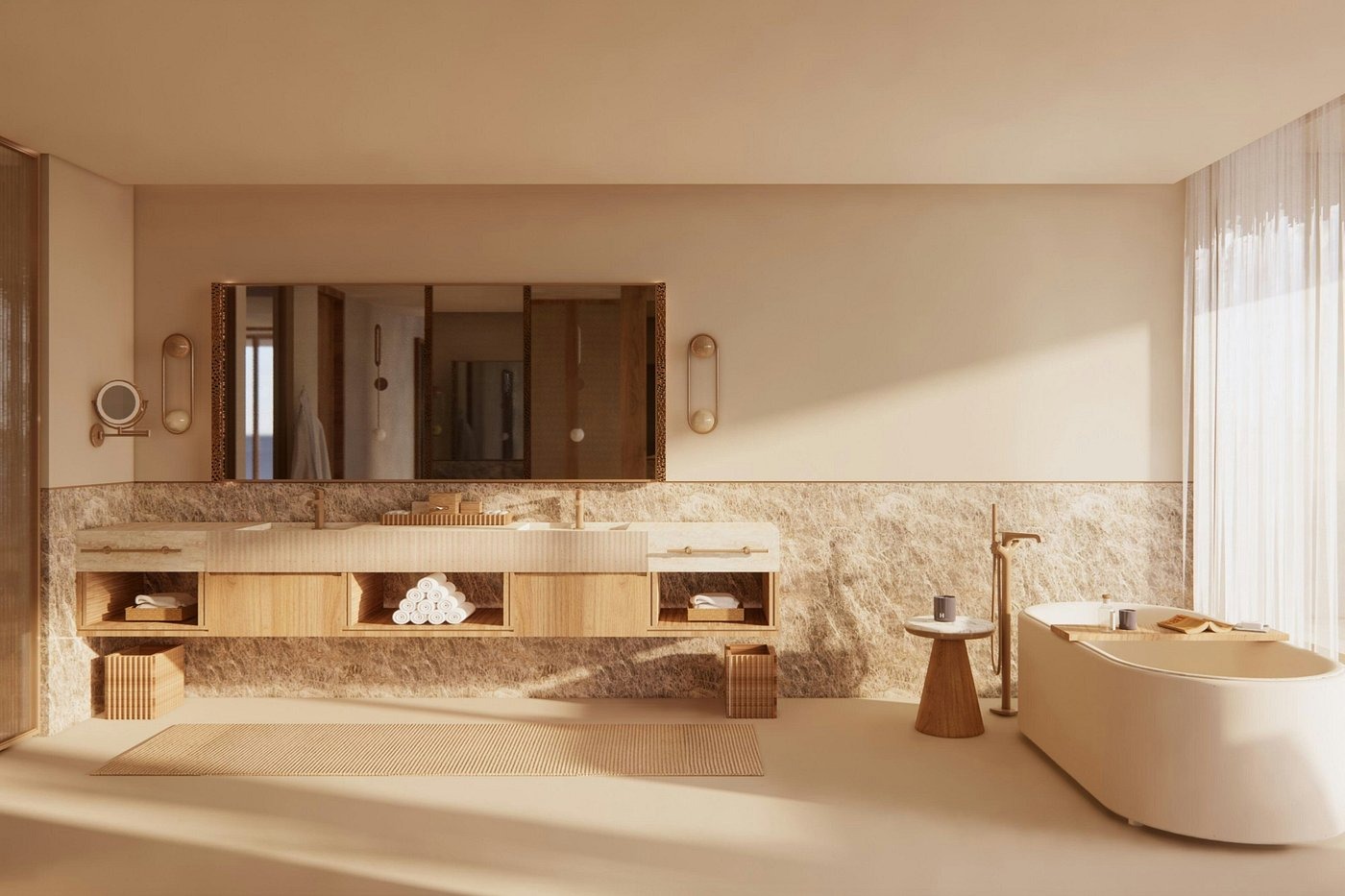
From a restored Venetian palazzo and a historic Mallorca retreat reborn, to private island escapes in the Maldives and design-led sanctuaries in the African wilderness, 2026 has ushered in a remarkable collection of new hotel openings. Spanning some of the world’s most sought-after destinations, these properties reflect a growing appetite for experiences that are as memorable as the settings themselves, offering fresh reasons to revisit familiar favourites and discover entirely new corners of the globe.
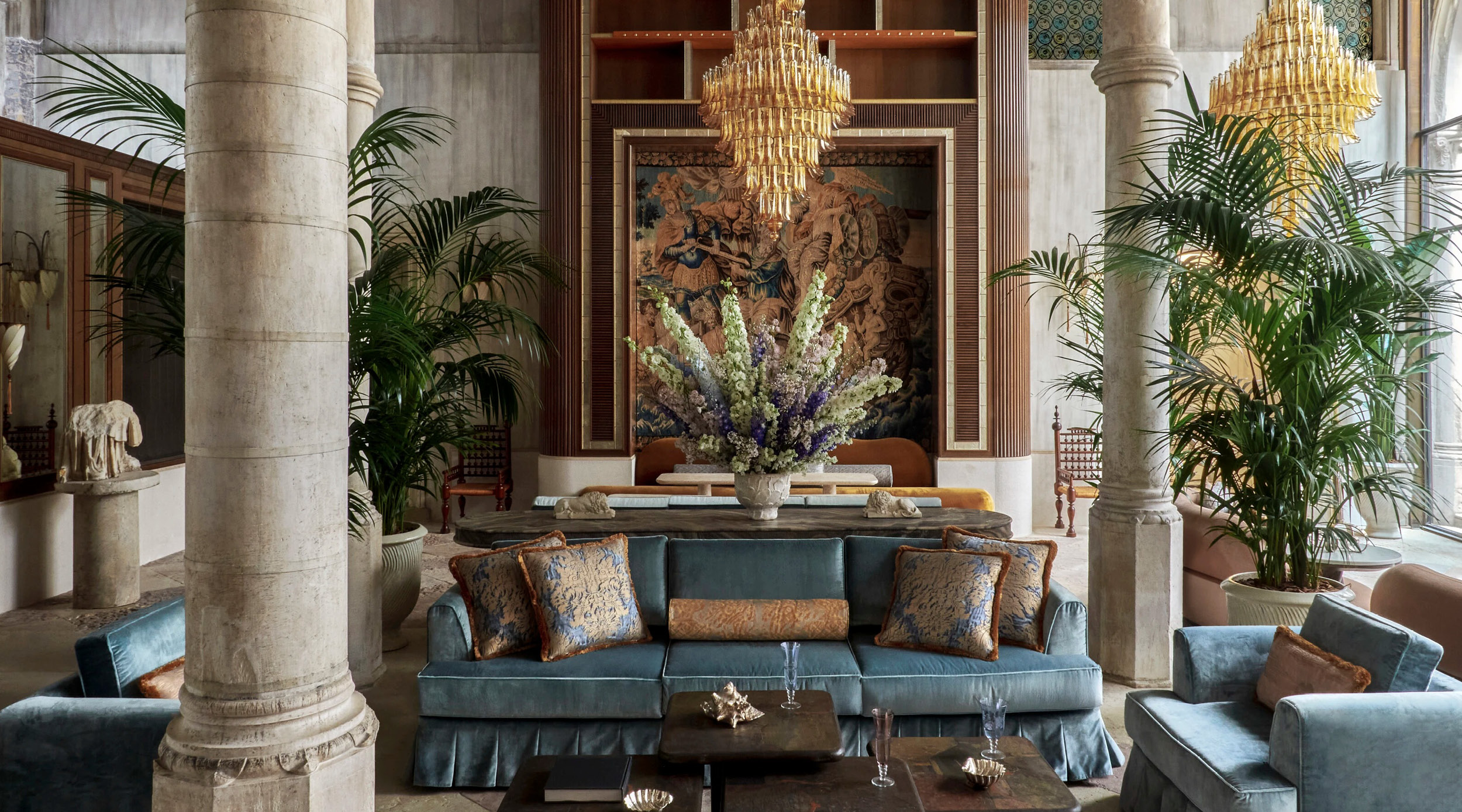
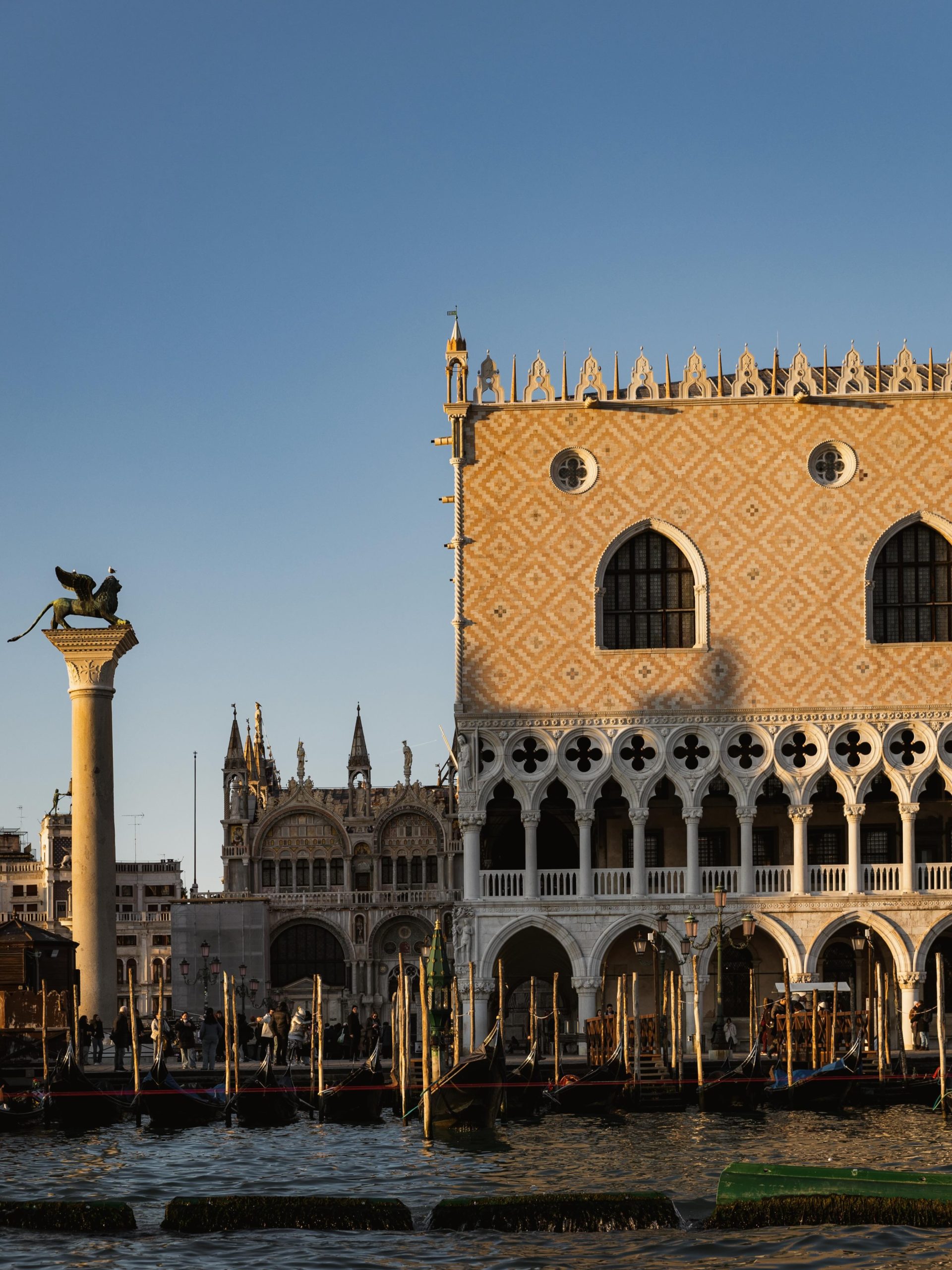
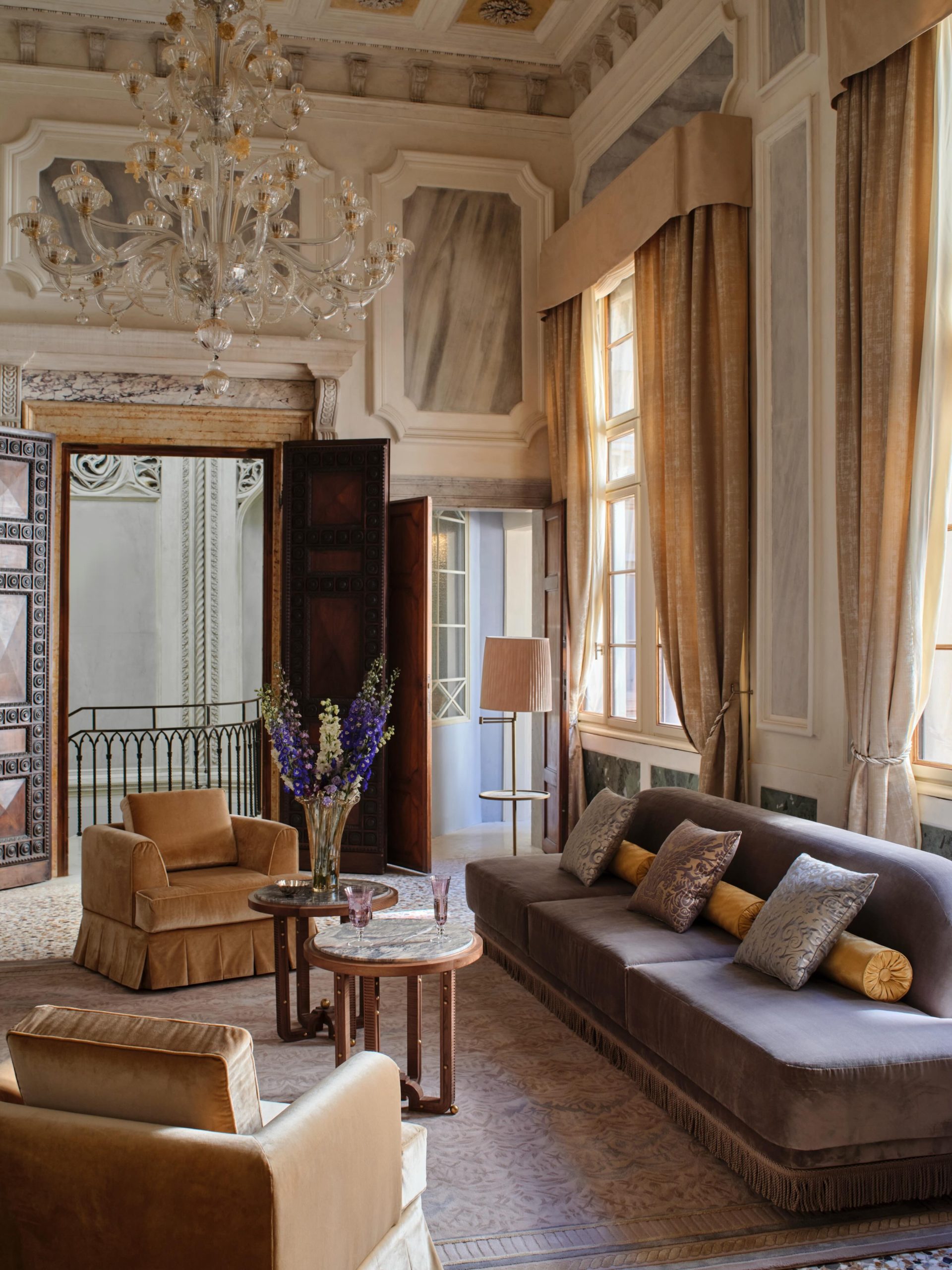
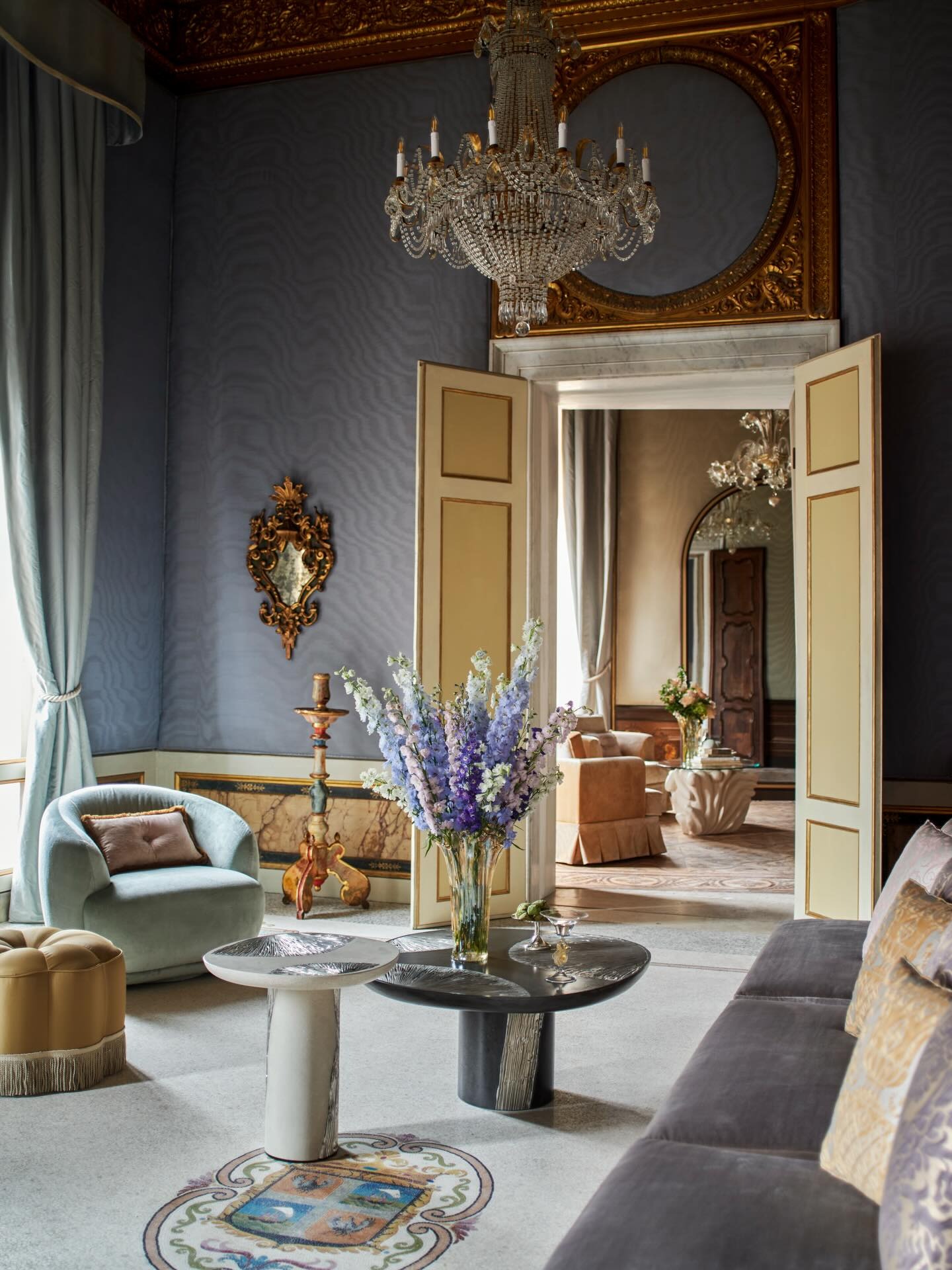
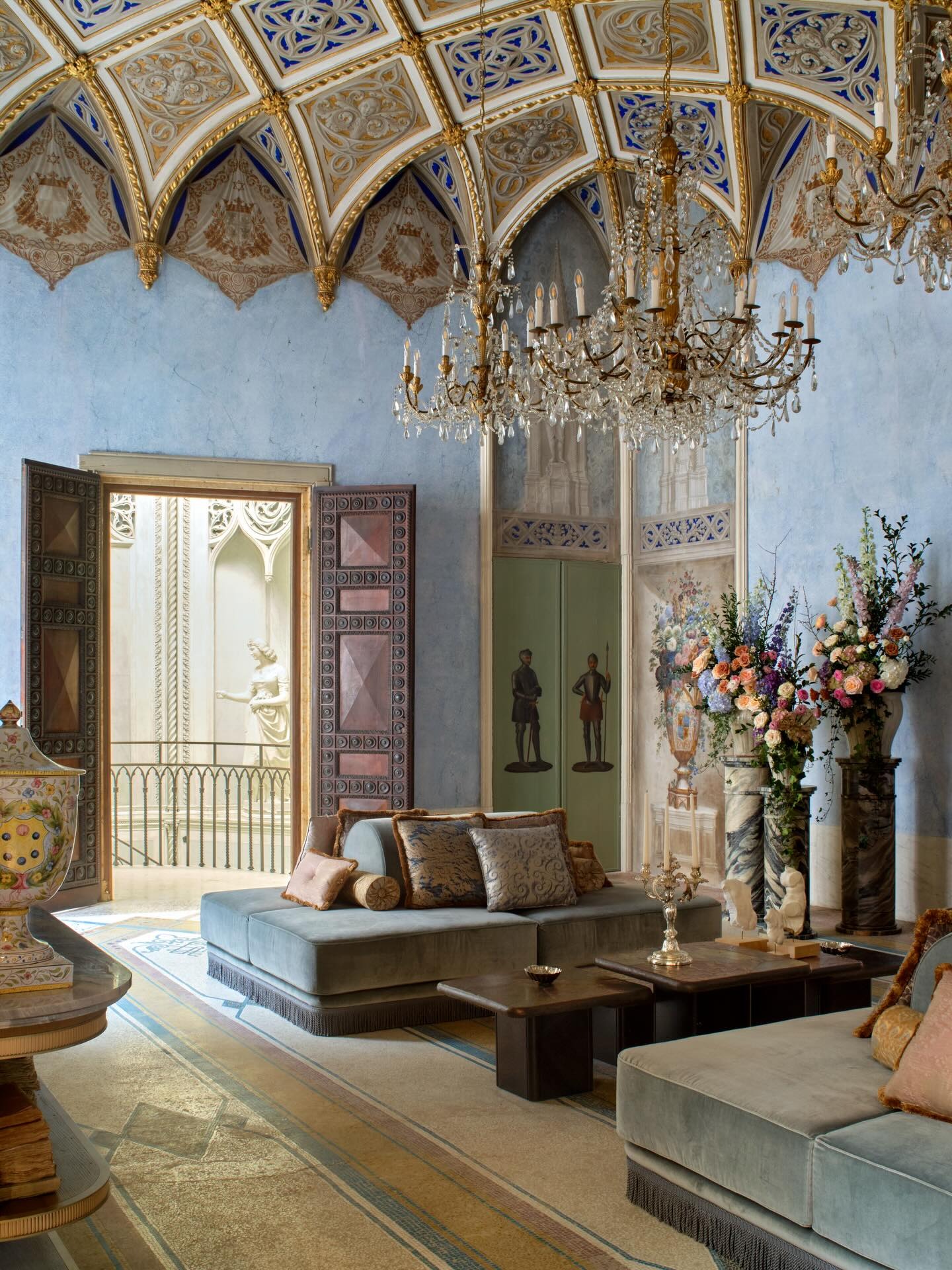
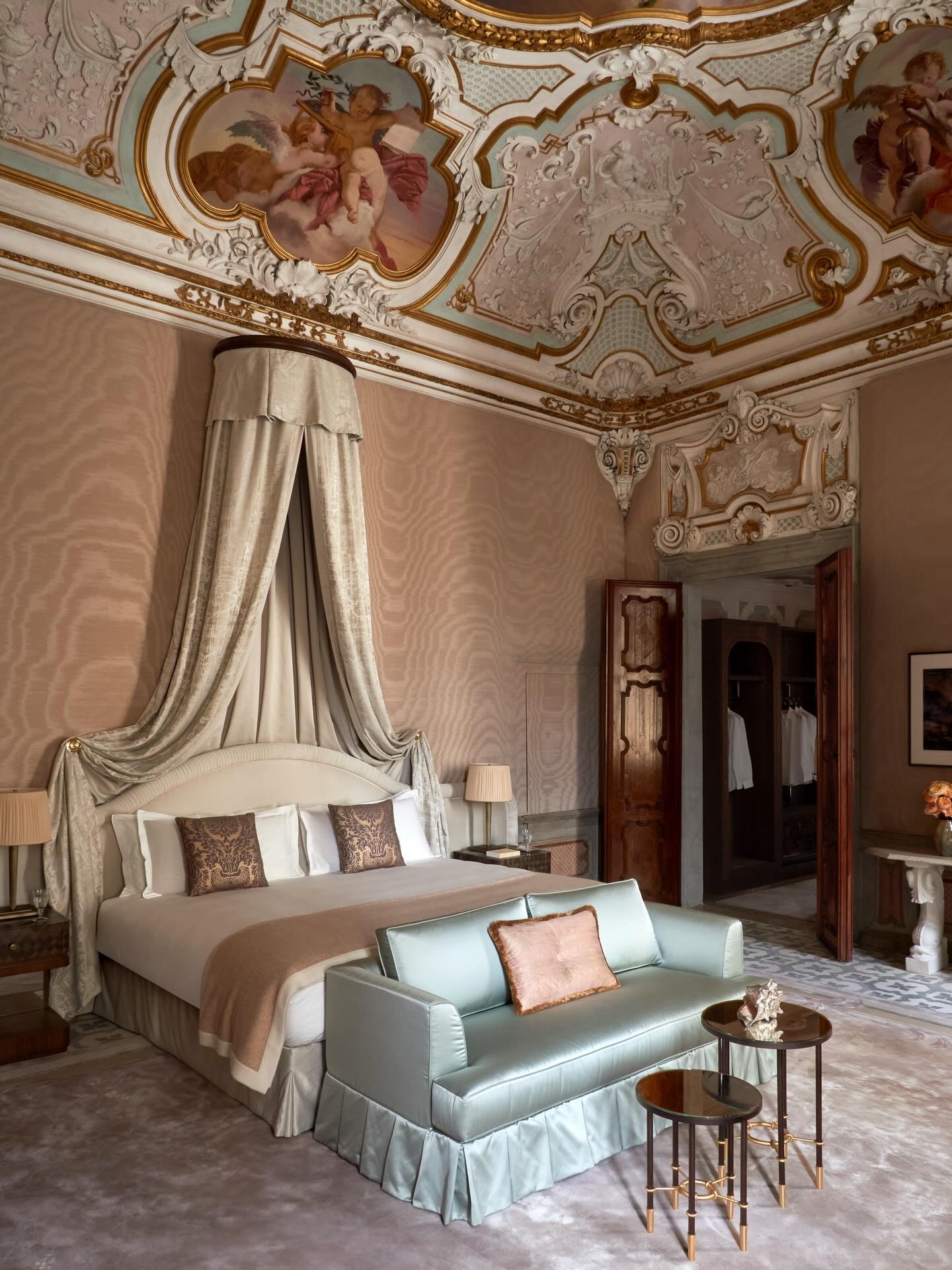
Location: Venice, Italy Few cities possess a relationship with grandeur quite like Venice, where centuries of mercantile wealth, artistic patronage and architectural ambition remain embedded within its canals. Following an eight-year restoration, this 15th-century palazzo has been transformed by Orient Express into a 47-room retreat that carefully preserves original frescoes, mosaic floors and noble proportions while introducing a new era of luxury hospitality.
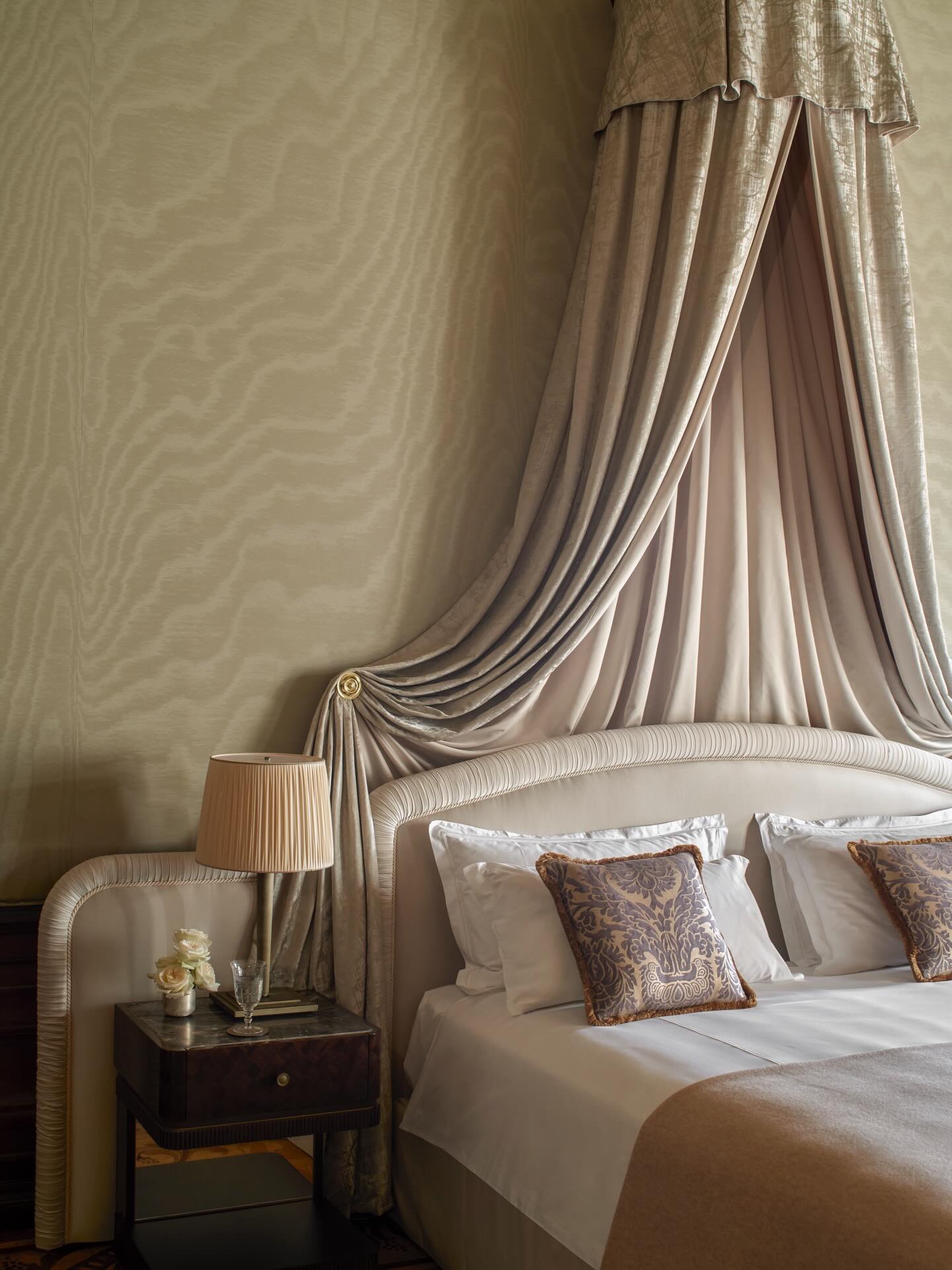
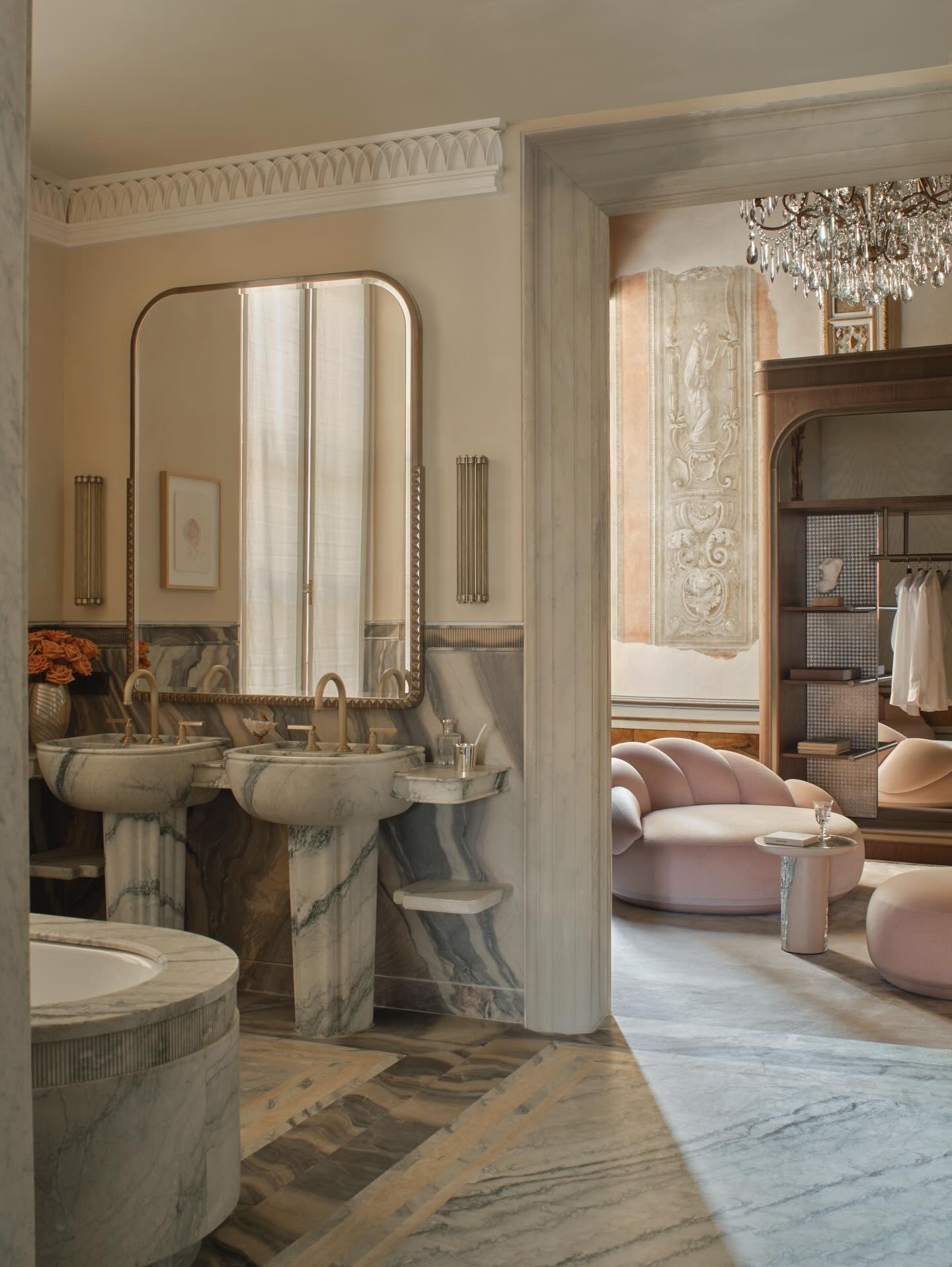
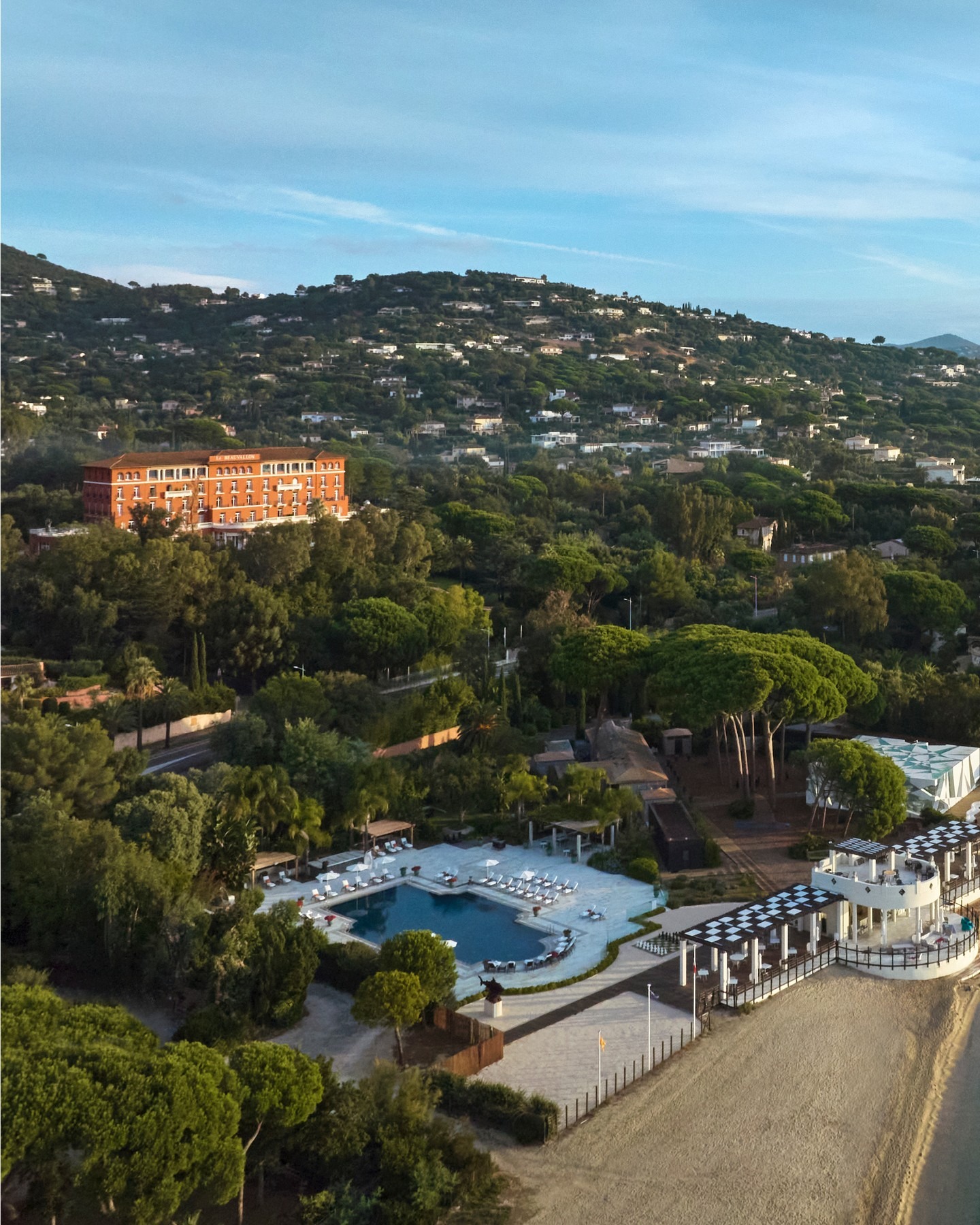
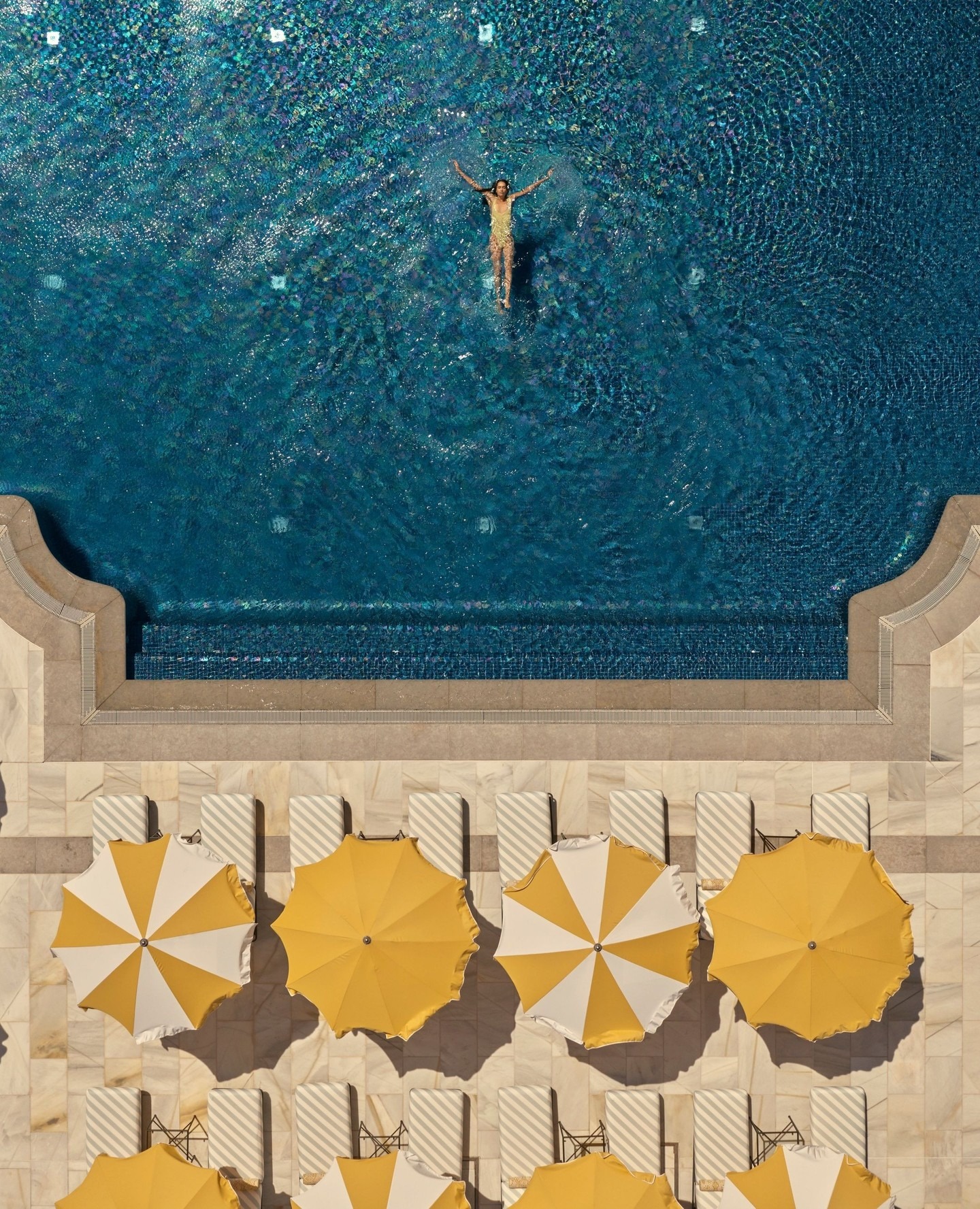
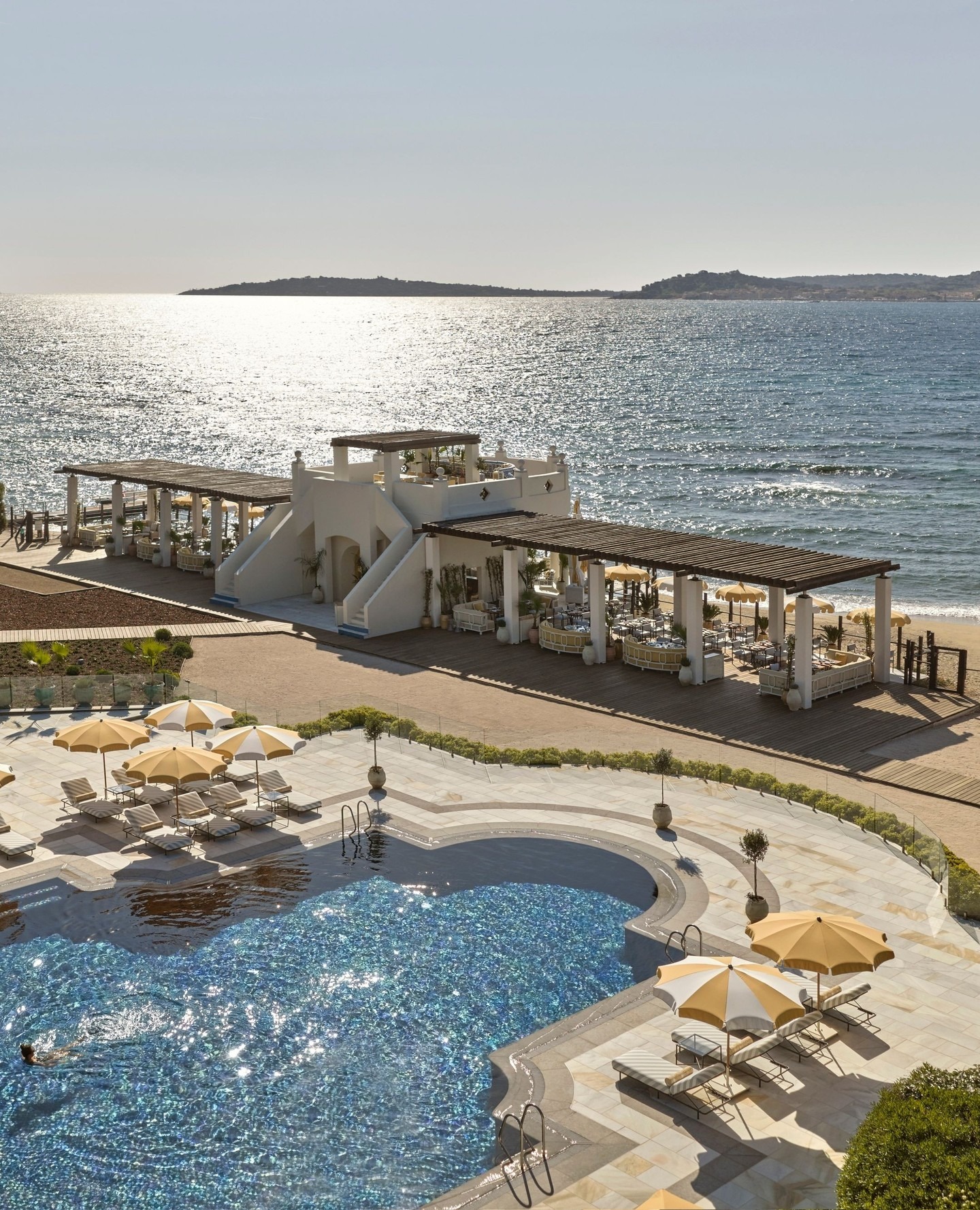
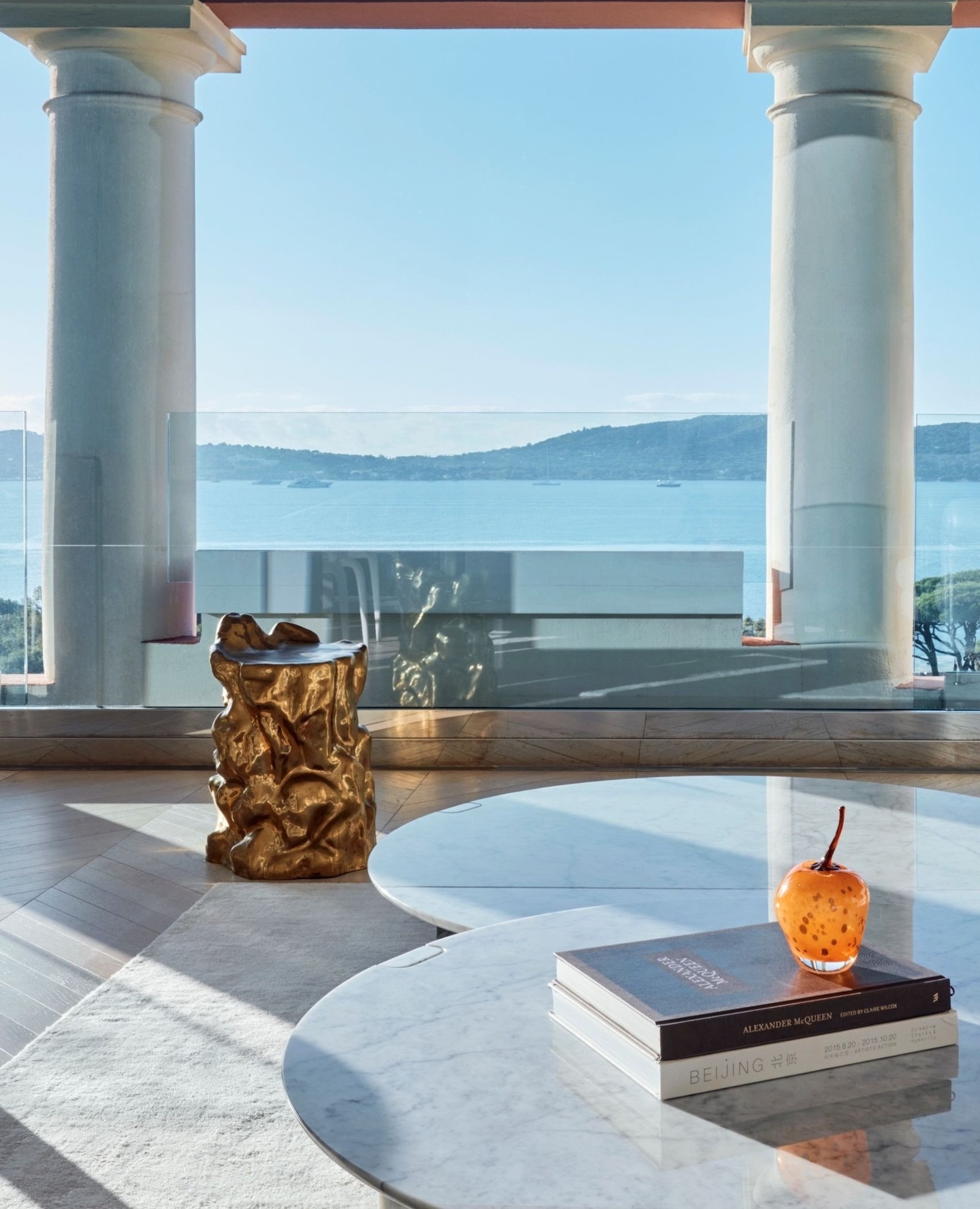
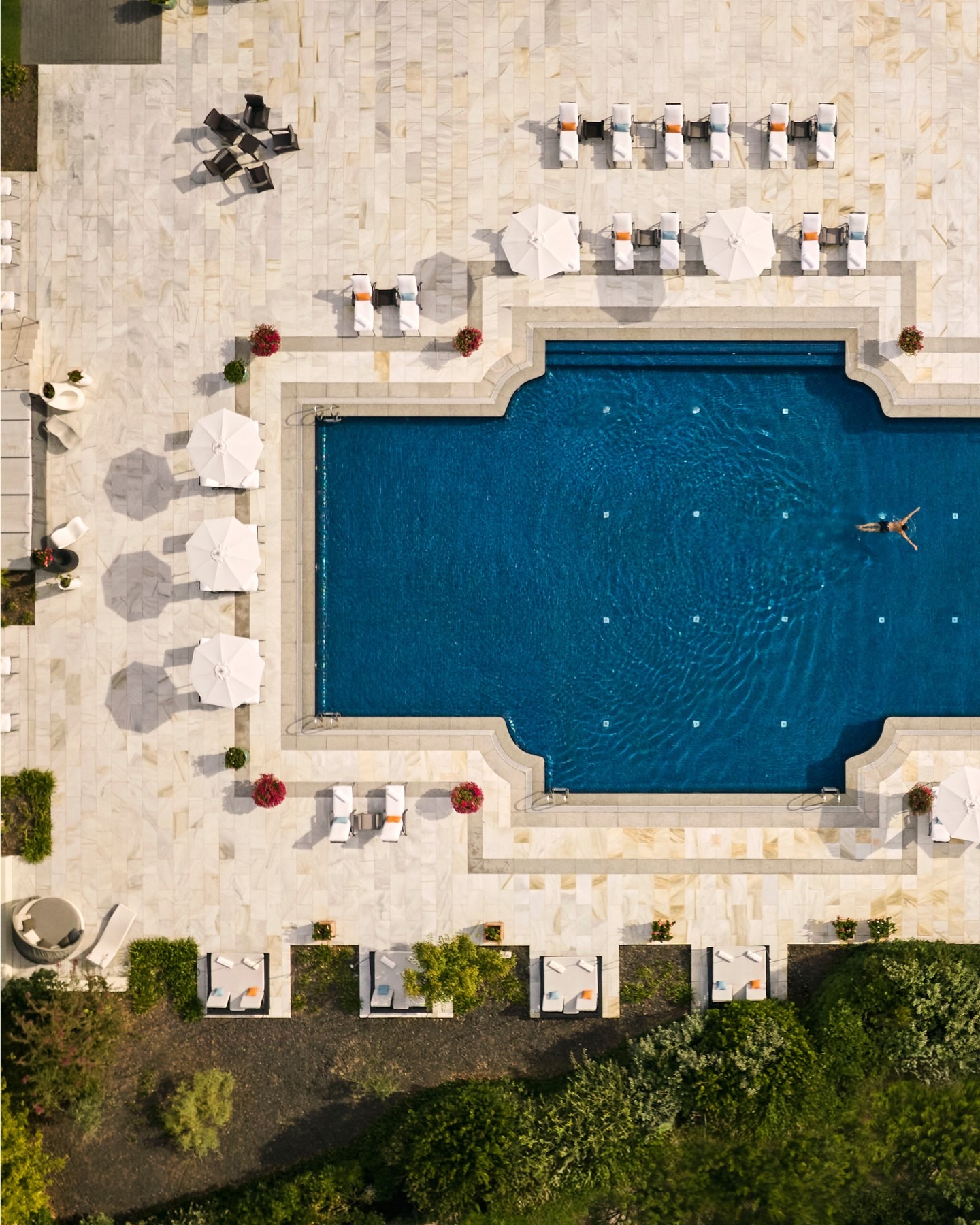
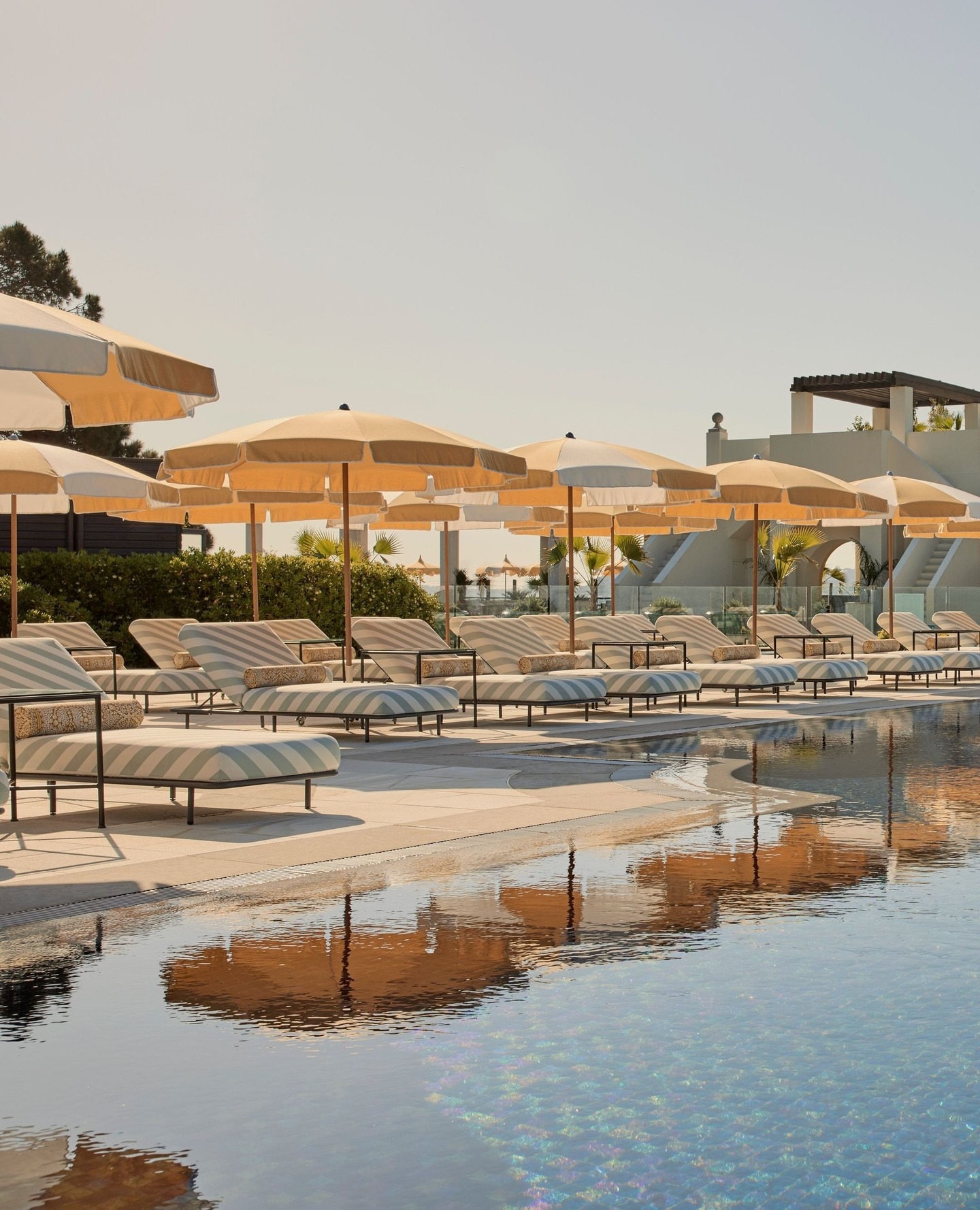
Location: Saint-Tropez, France Perched above the Gulf of Saint-Tropez, COMO Le Beauvallon marks the return of a Belle Époque landmark that once welcomed some of the twentieth century’s most notable figures. With just 42 rooms, Mediterranean gardens and dining overseen by Yannick Alléno, the hotel reintroduces Riviera glamour through a contemporary lens.
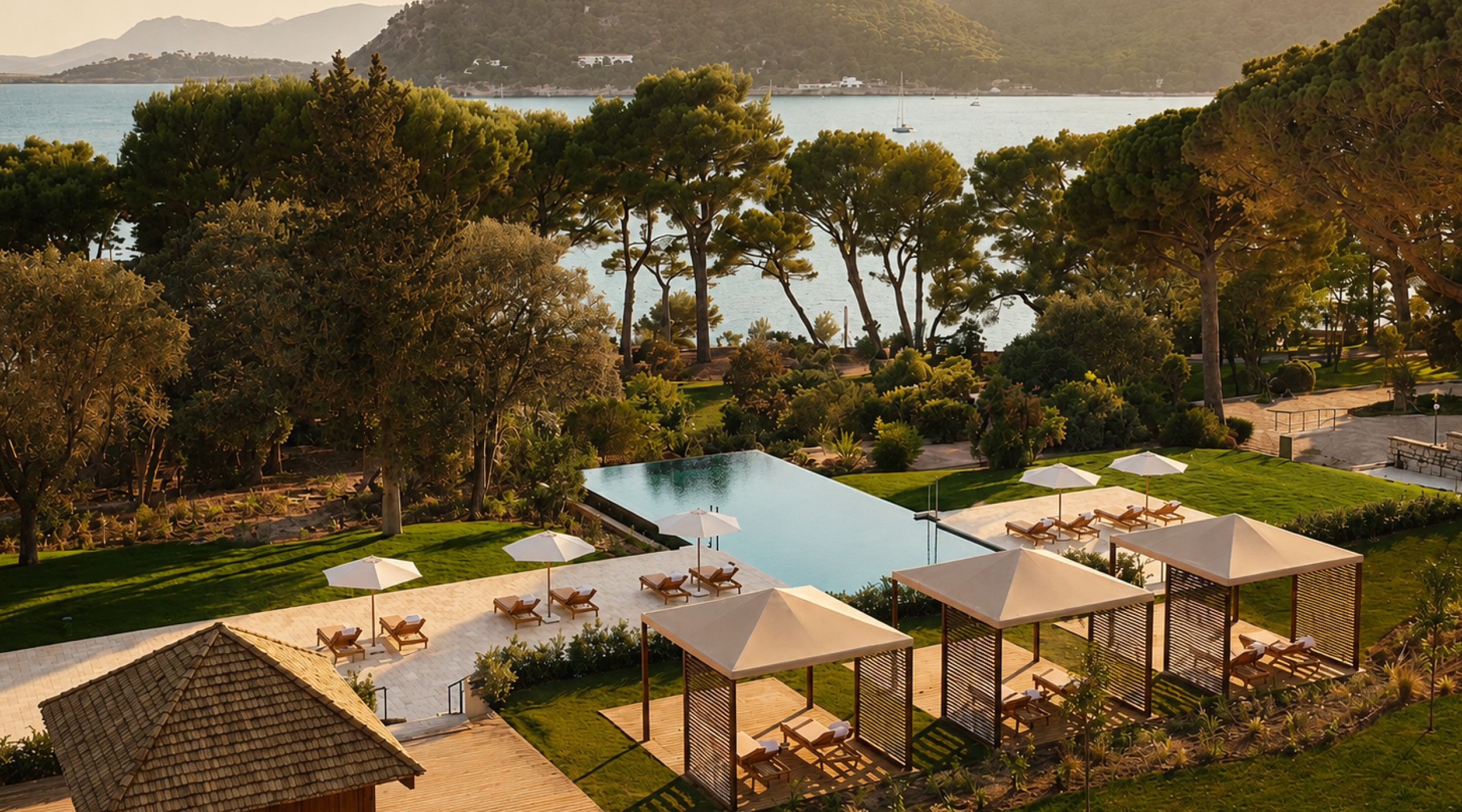
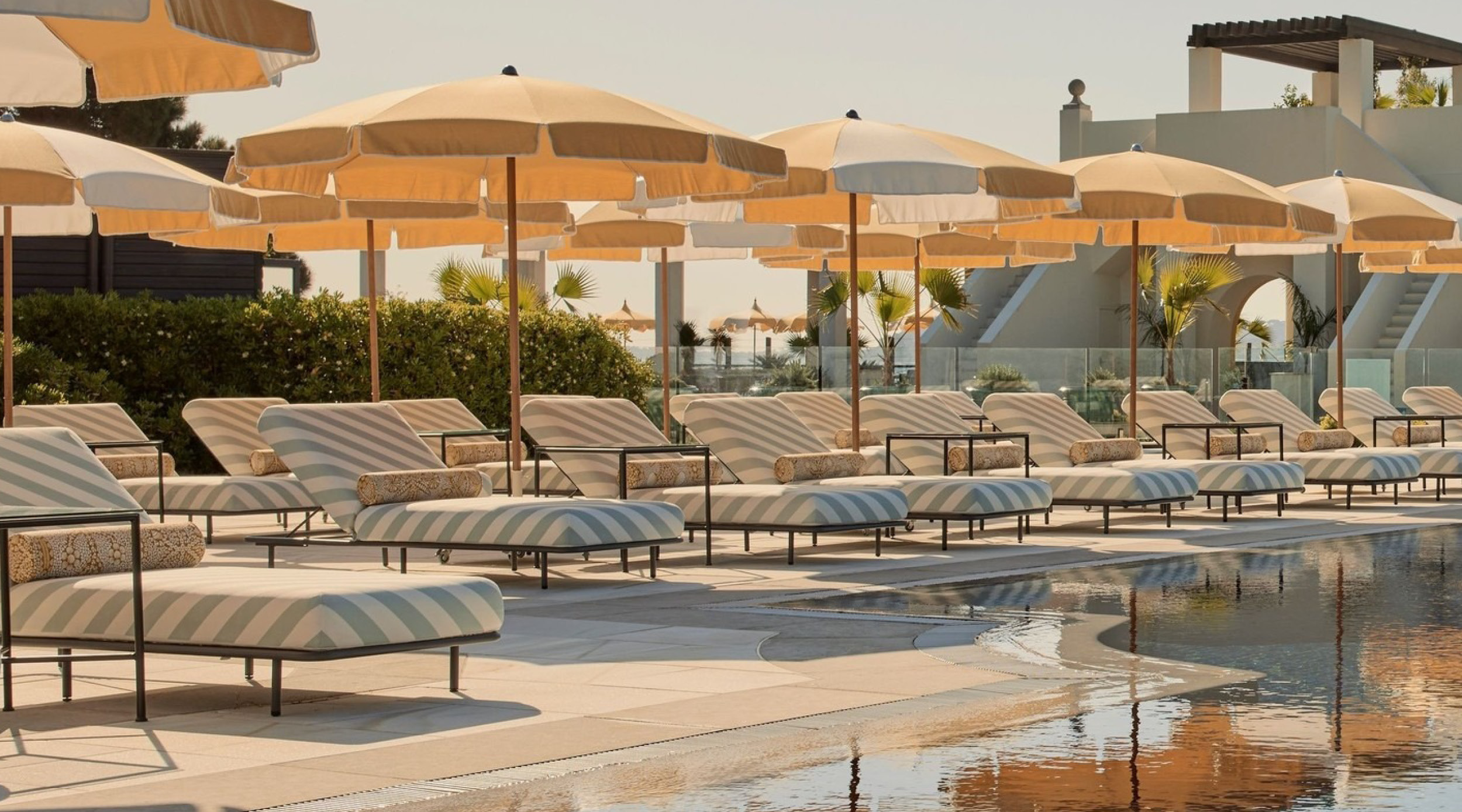
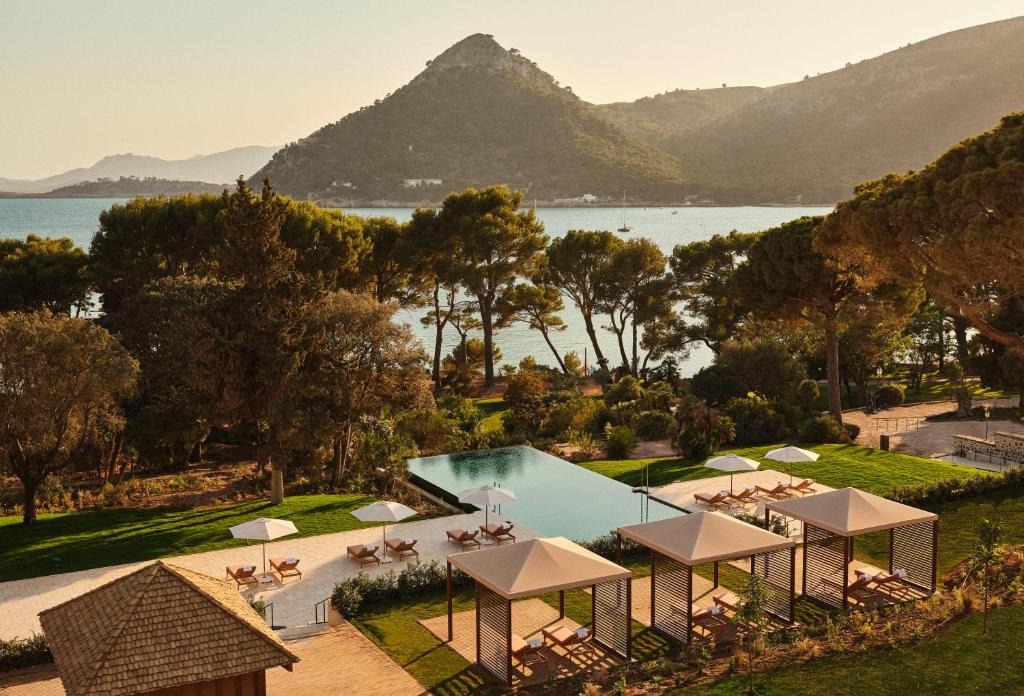
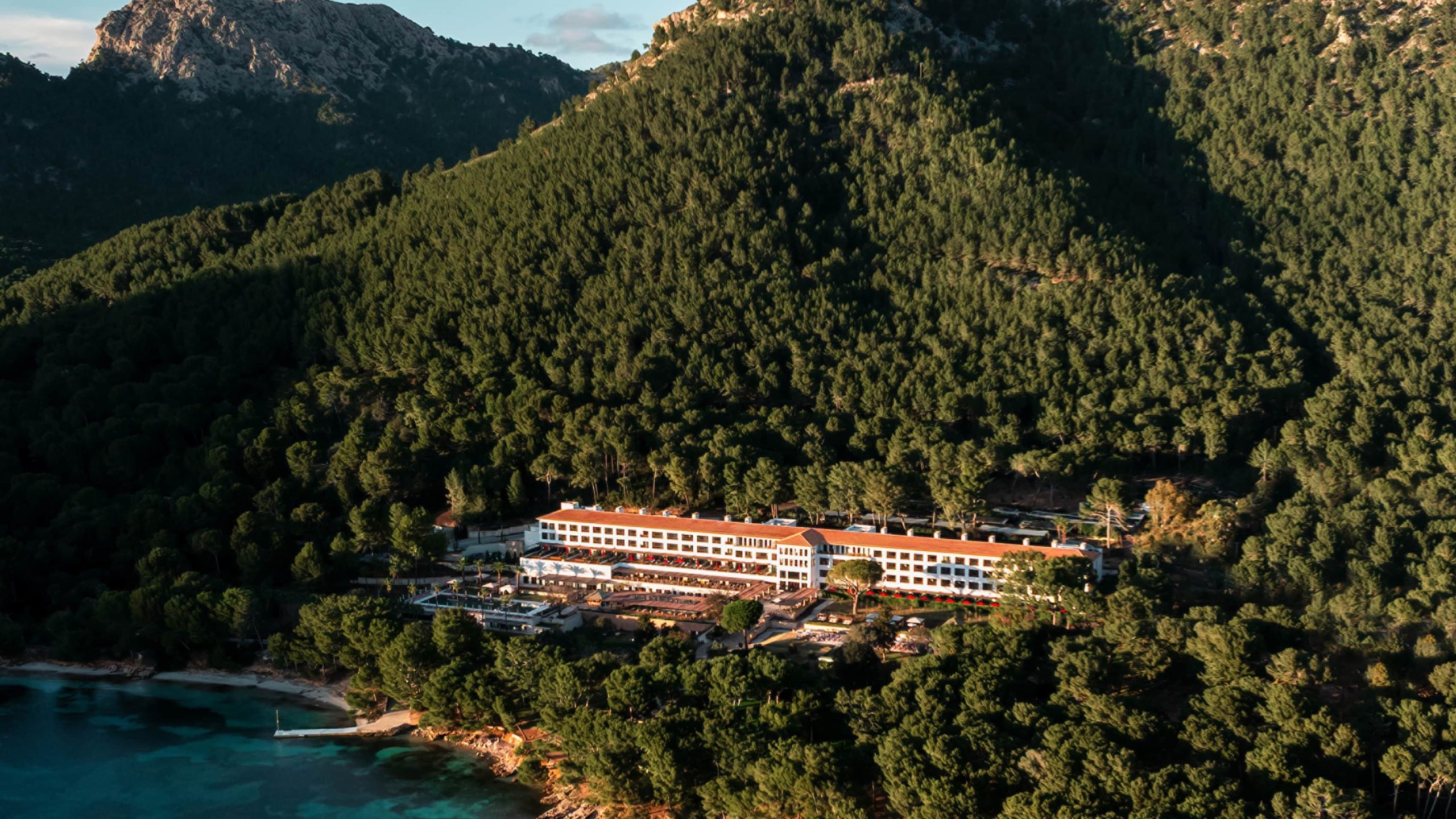
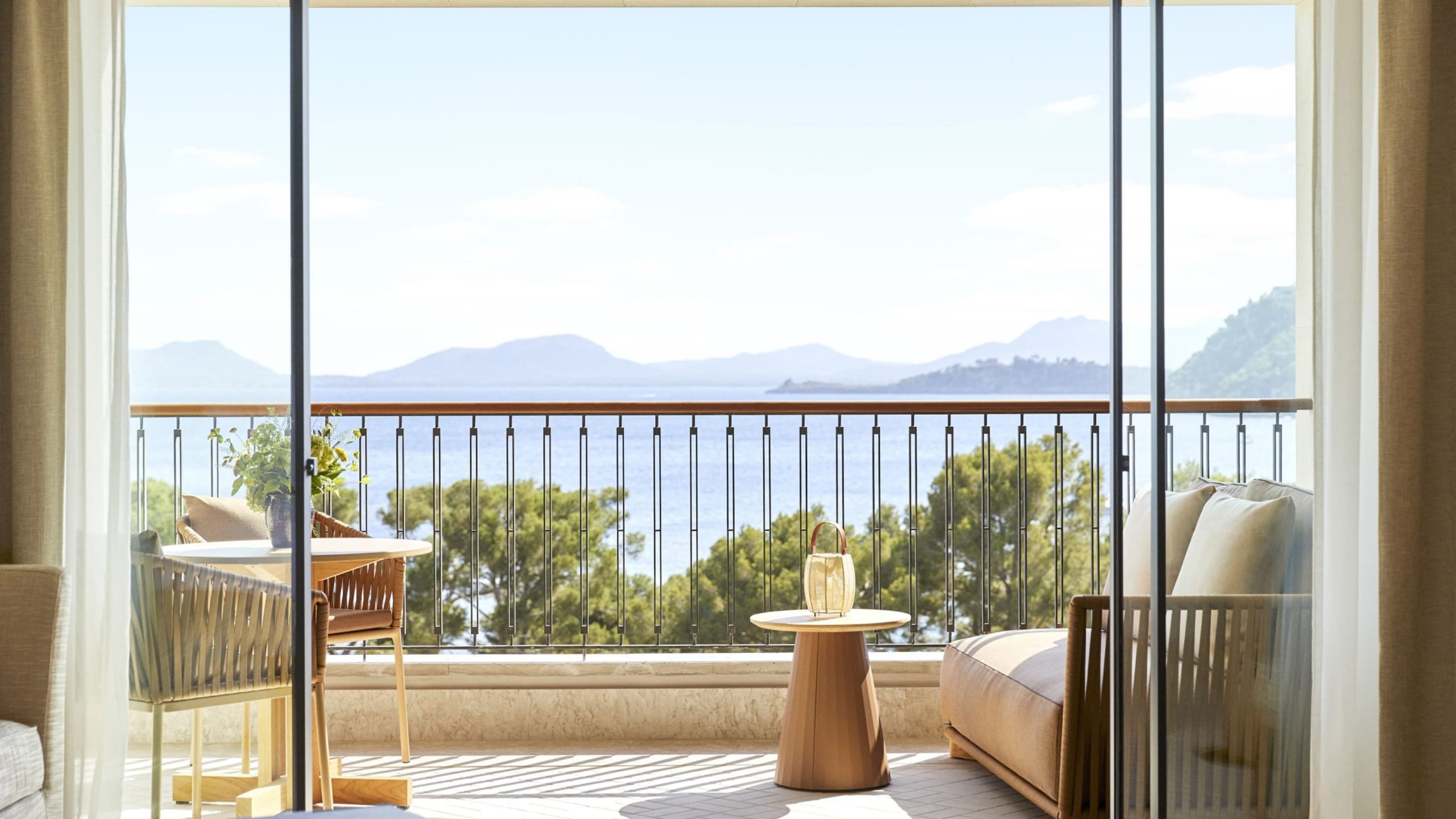
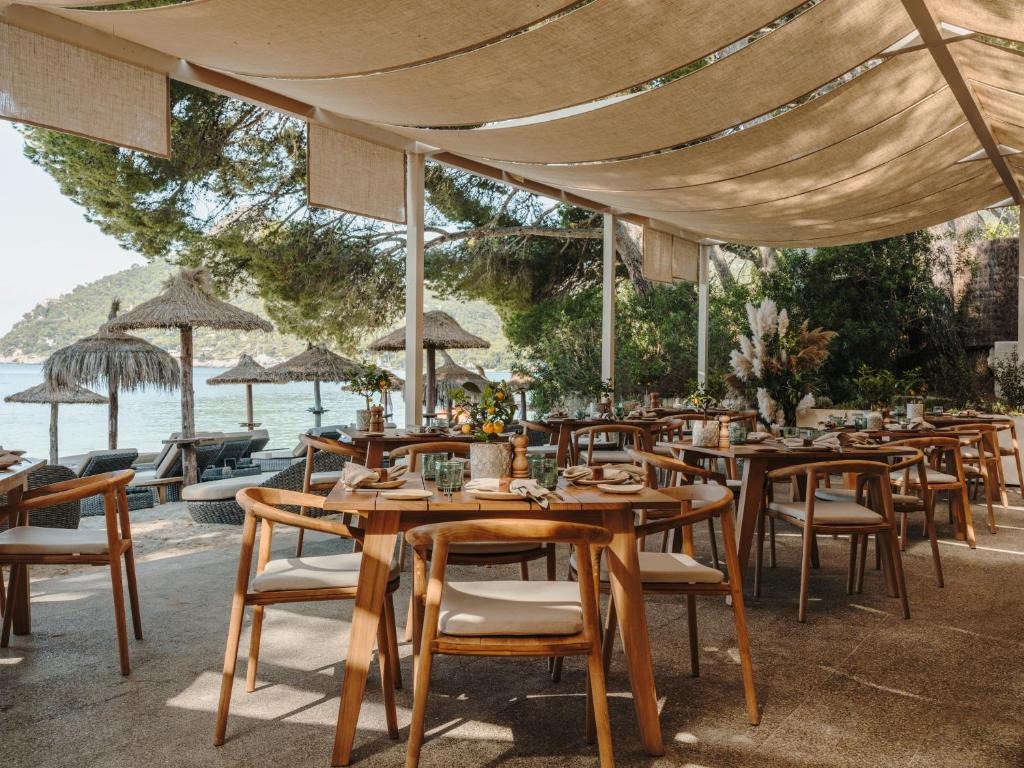
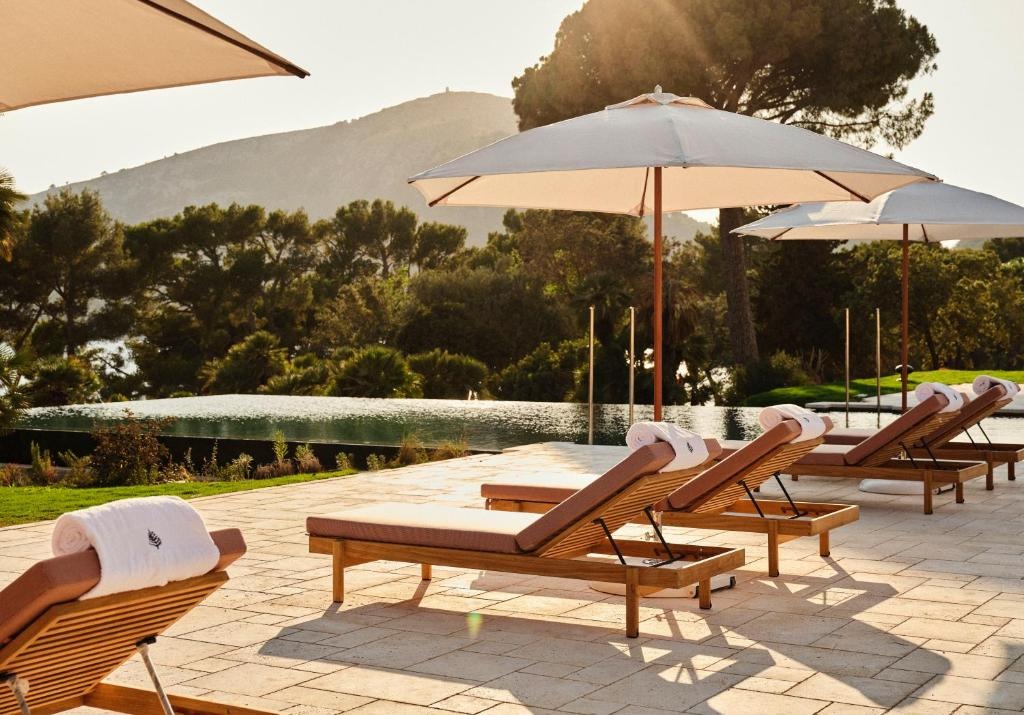
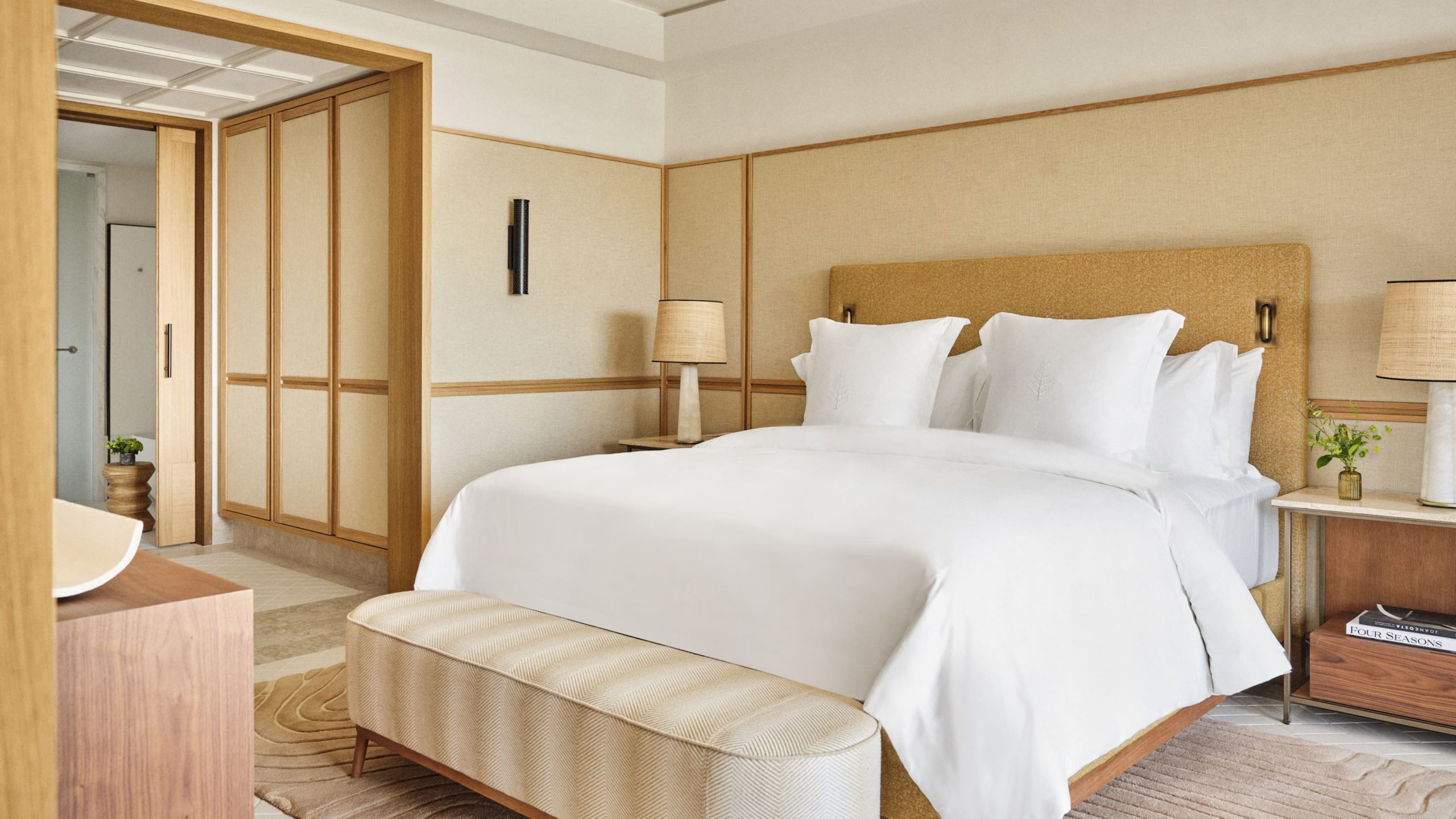
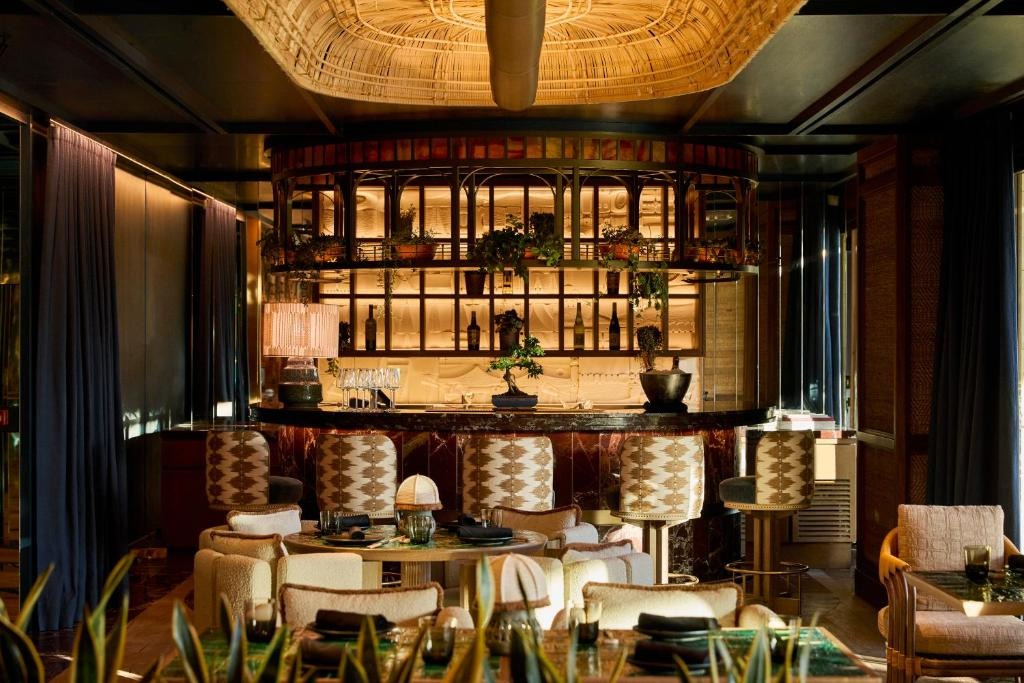
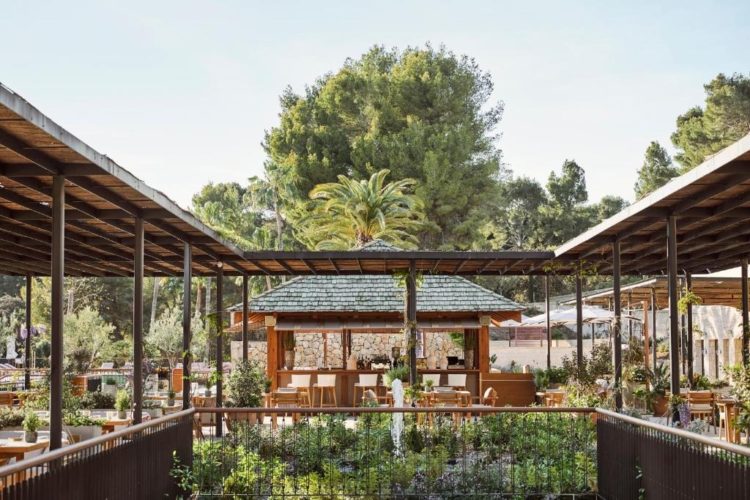
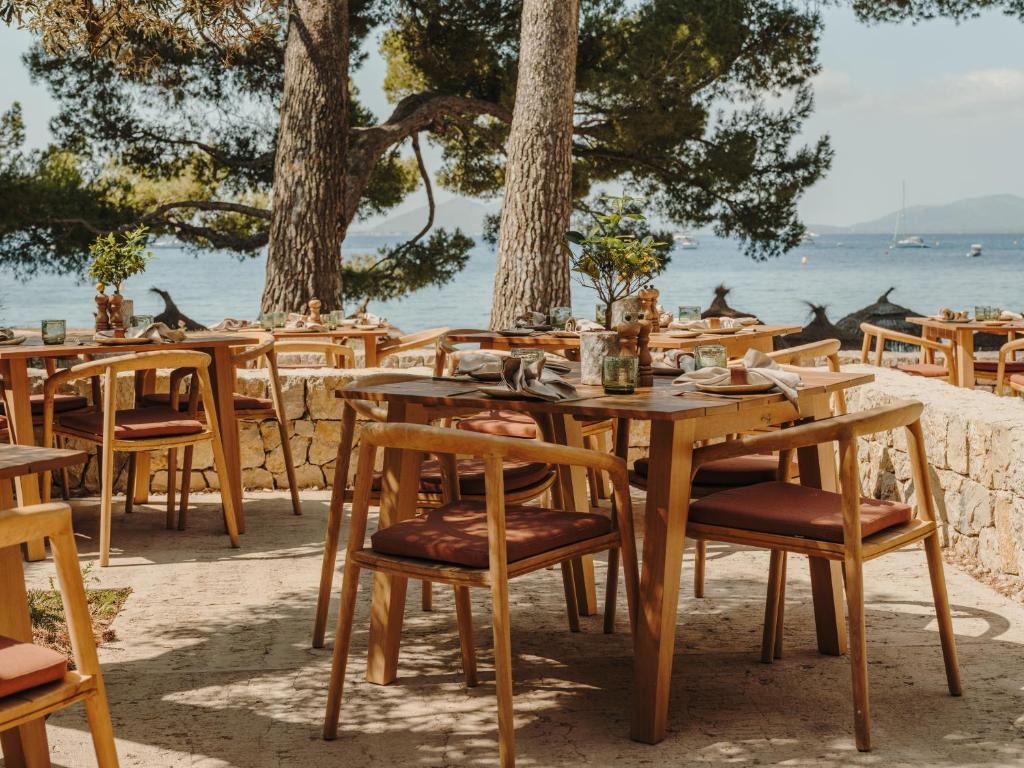
Location: Mallorca, Spain Following an extensive restoration, Four Seasons Resort Mallorca at Formentor reopened in March 2026, reintroducing one of the Mediterranean’s most storied addresses to a new generation of travellers. Set within a vast private estate framed by pine forests and a golden stretch of coastline, the resort combines the glamour that attracted writers, actors and European aristocracy throughout the twentieth century with Four Seasons’ renowned service, offering a refined base from which to experience Mallorca’s spectacular natural beauty.
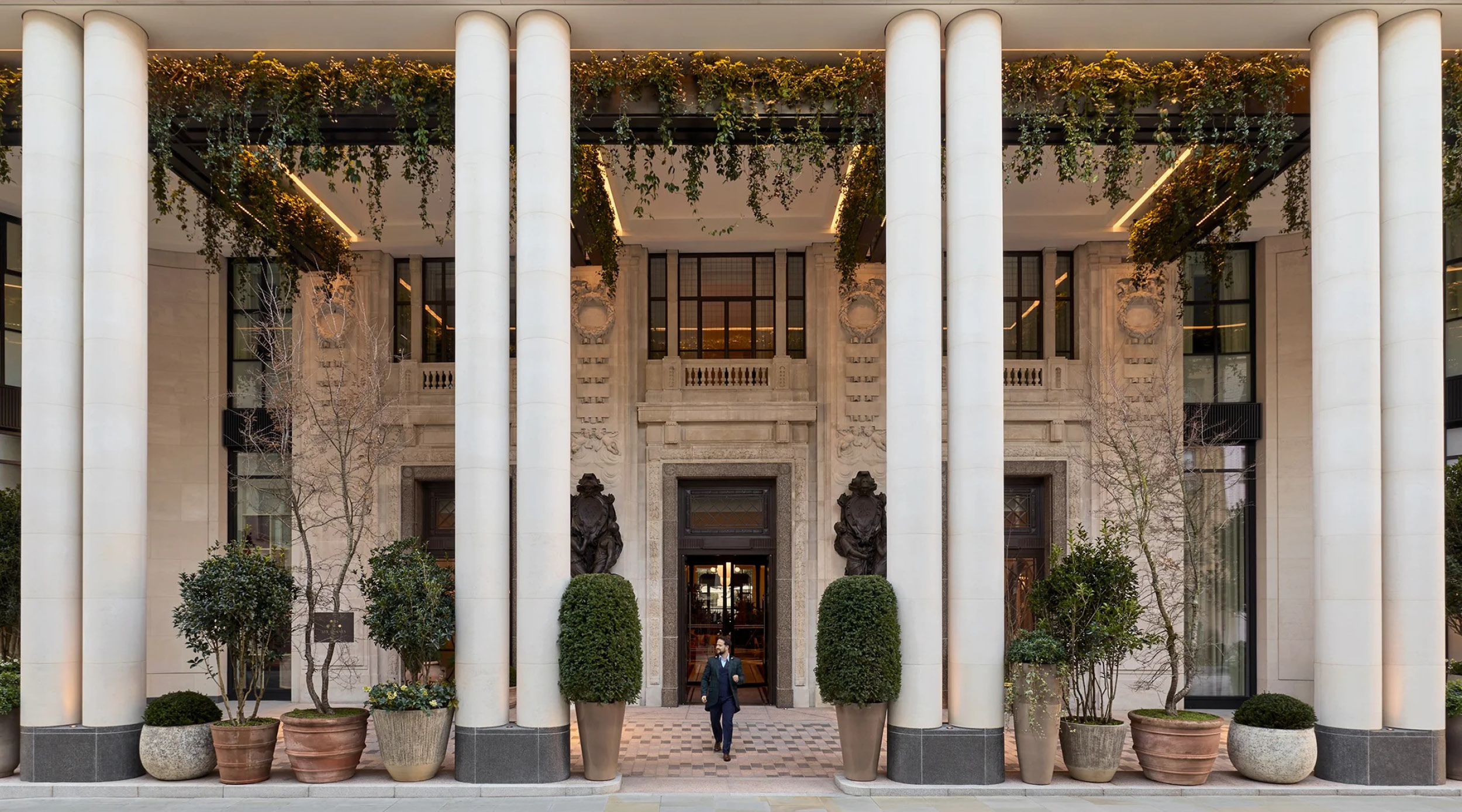
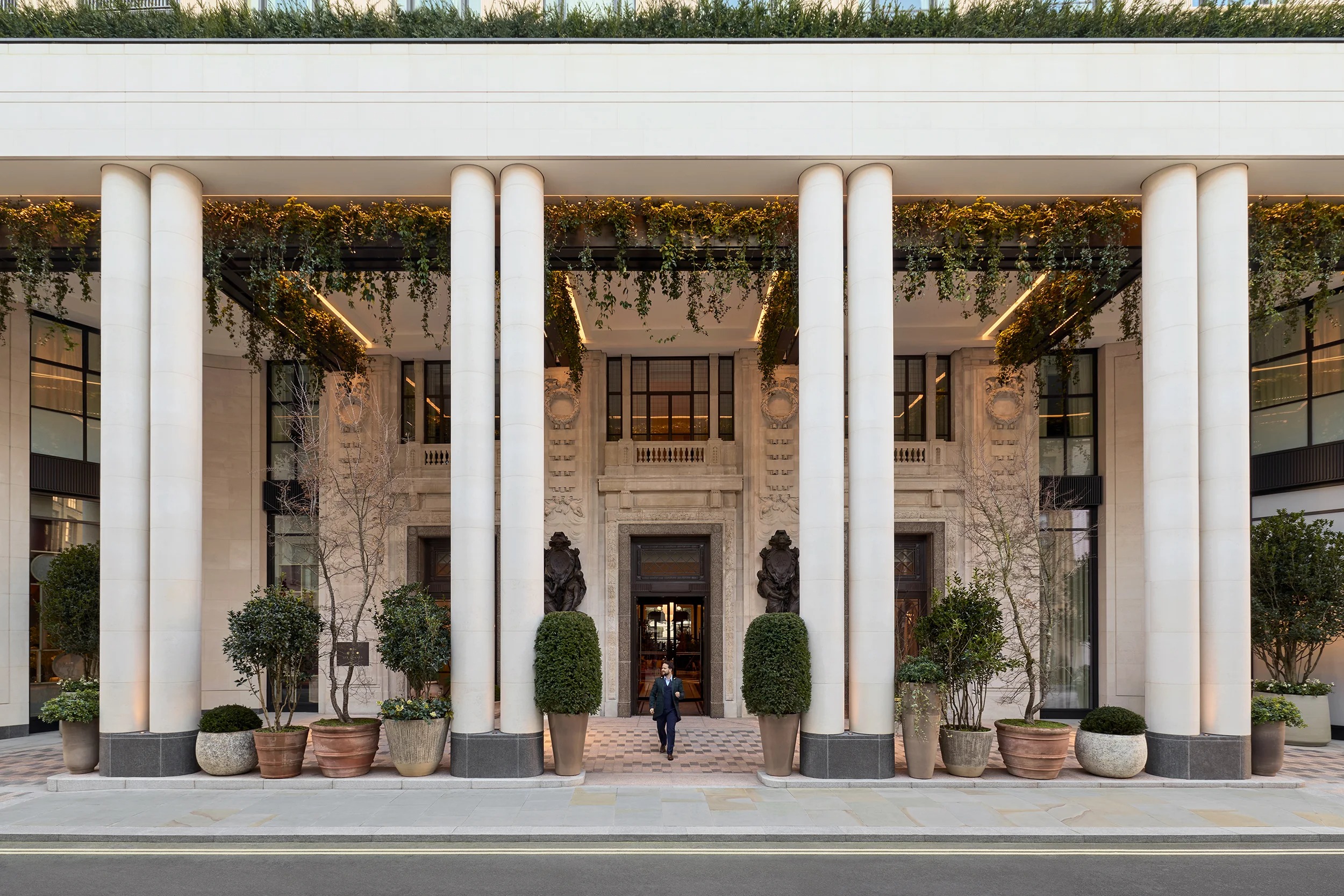
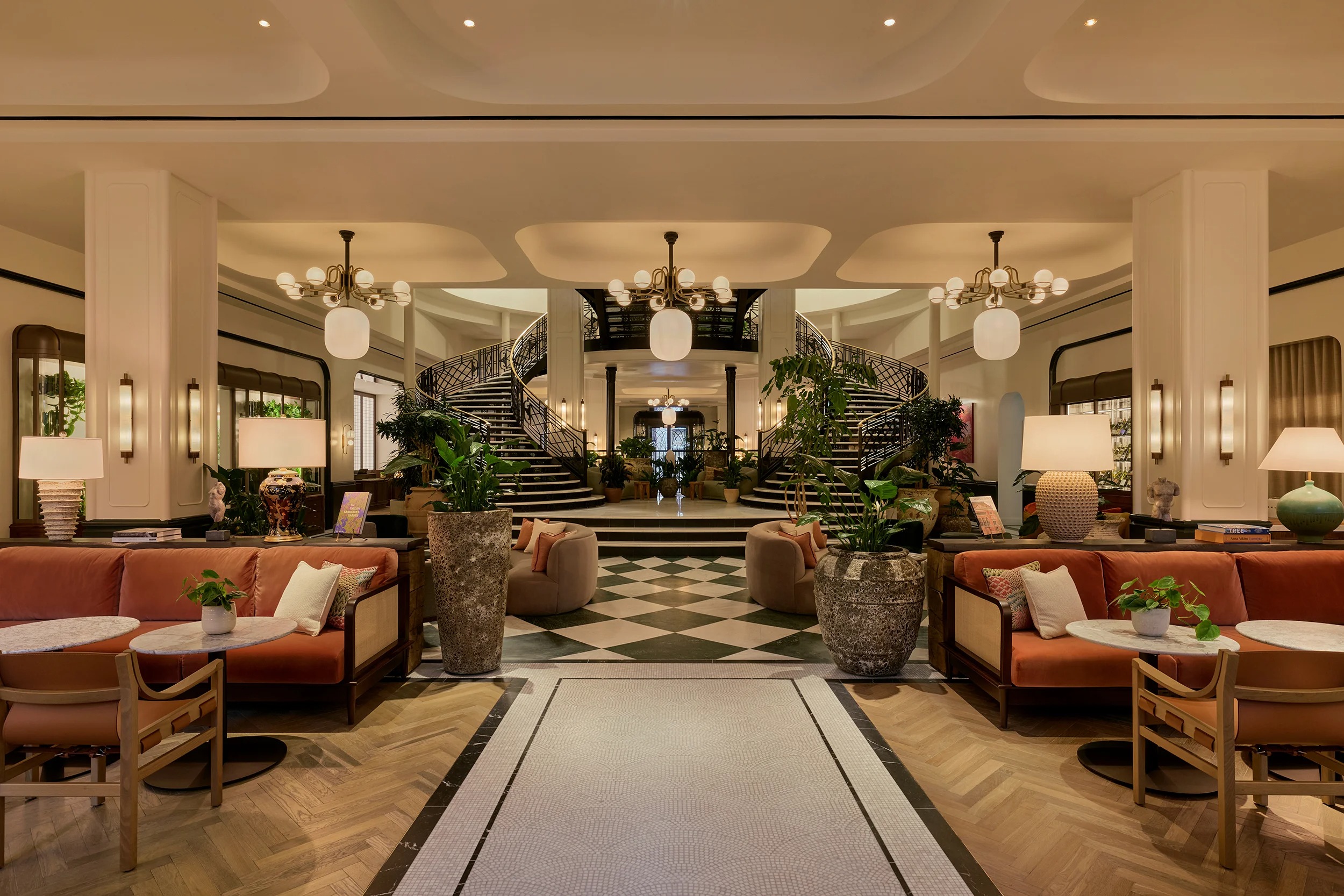
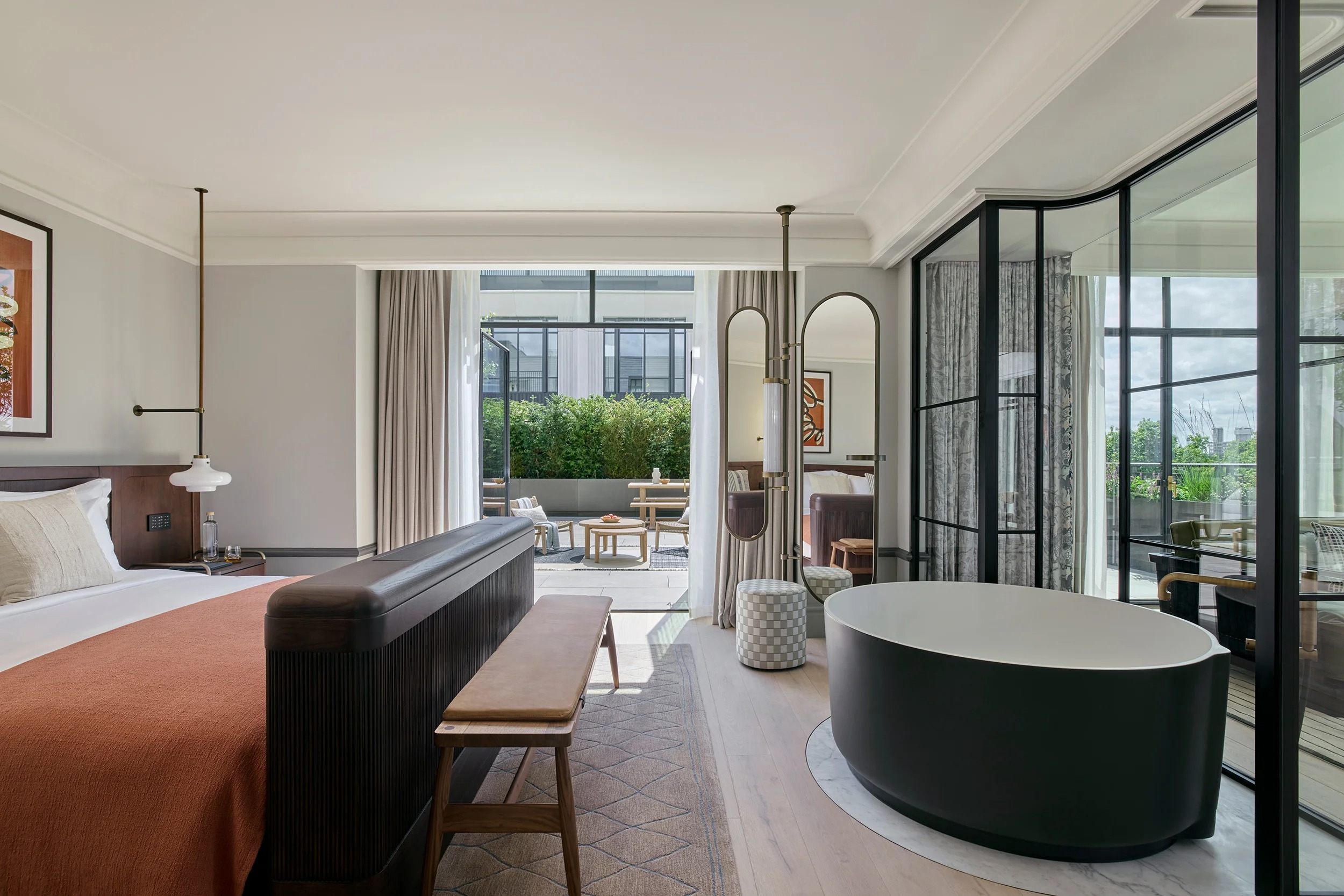
Location: London, England Long anticipated by luxury travellers, Six Senses London brings the brand’s wellness-led philosophy to the British capital. Sustainability, longevity and thoughtful design shape an urban sanctuary designed to offer respite without disconnecting guests from the city.
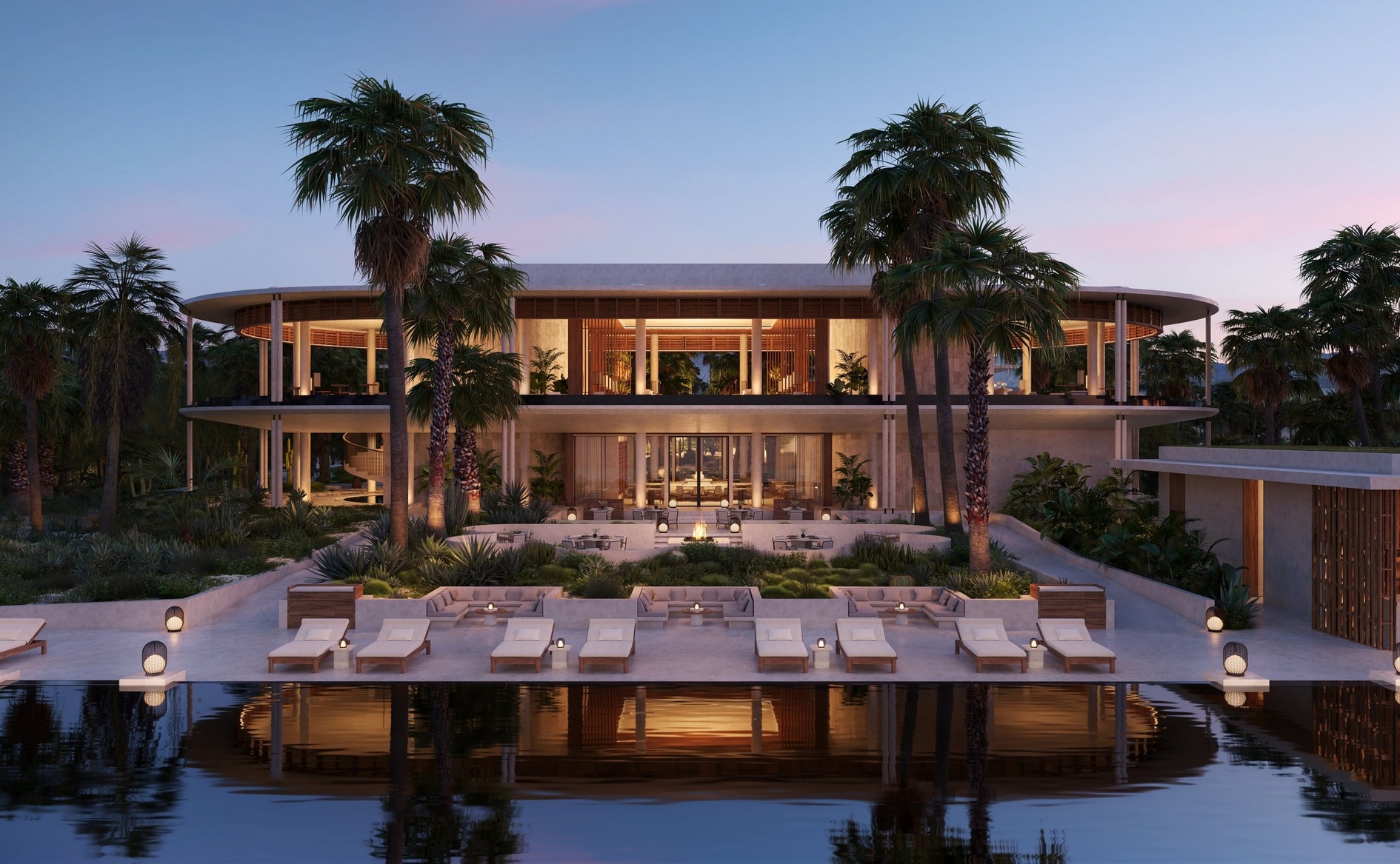
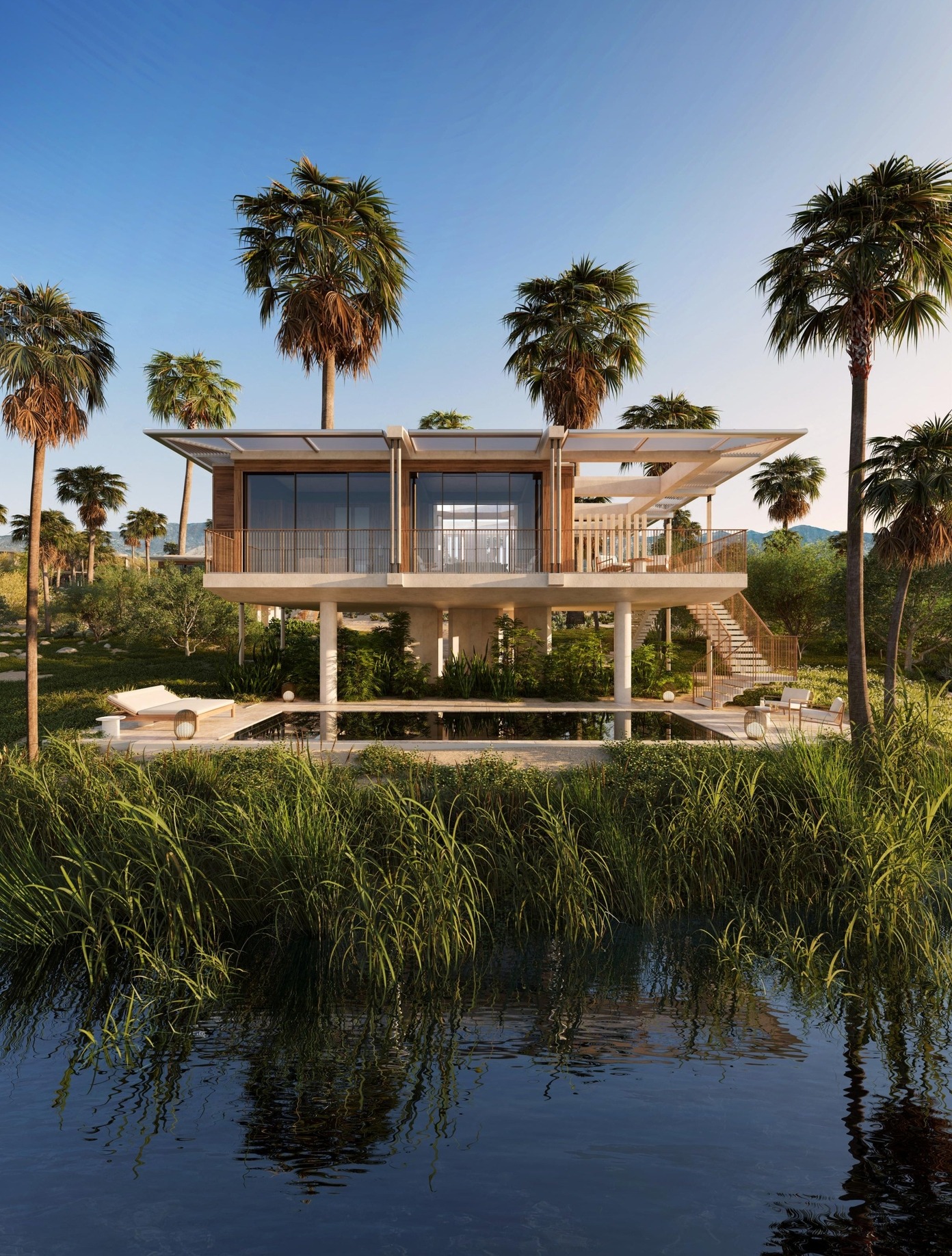
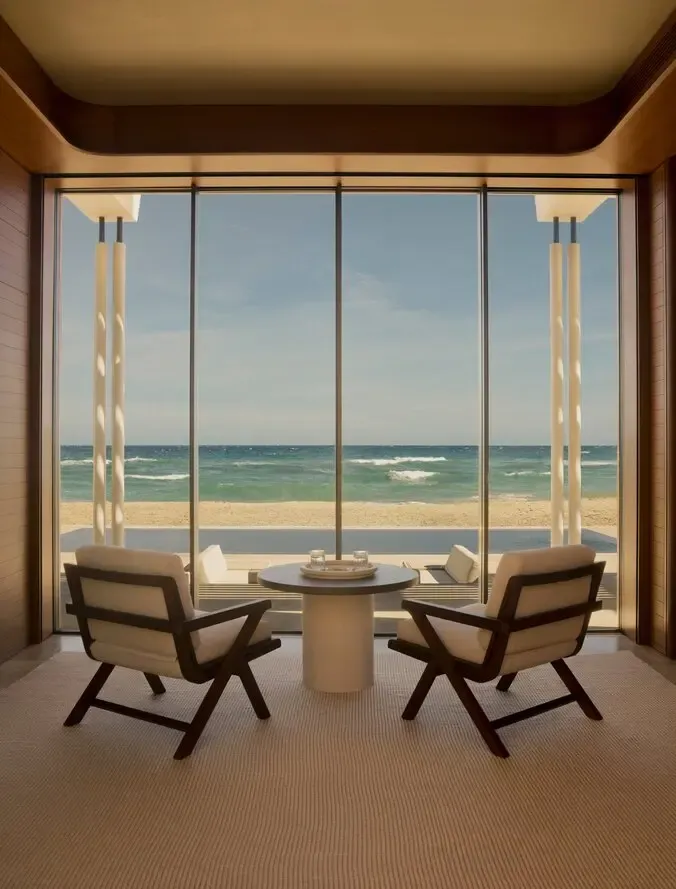
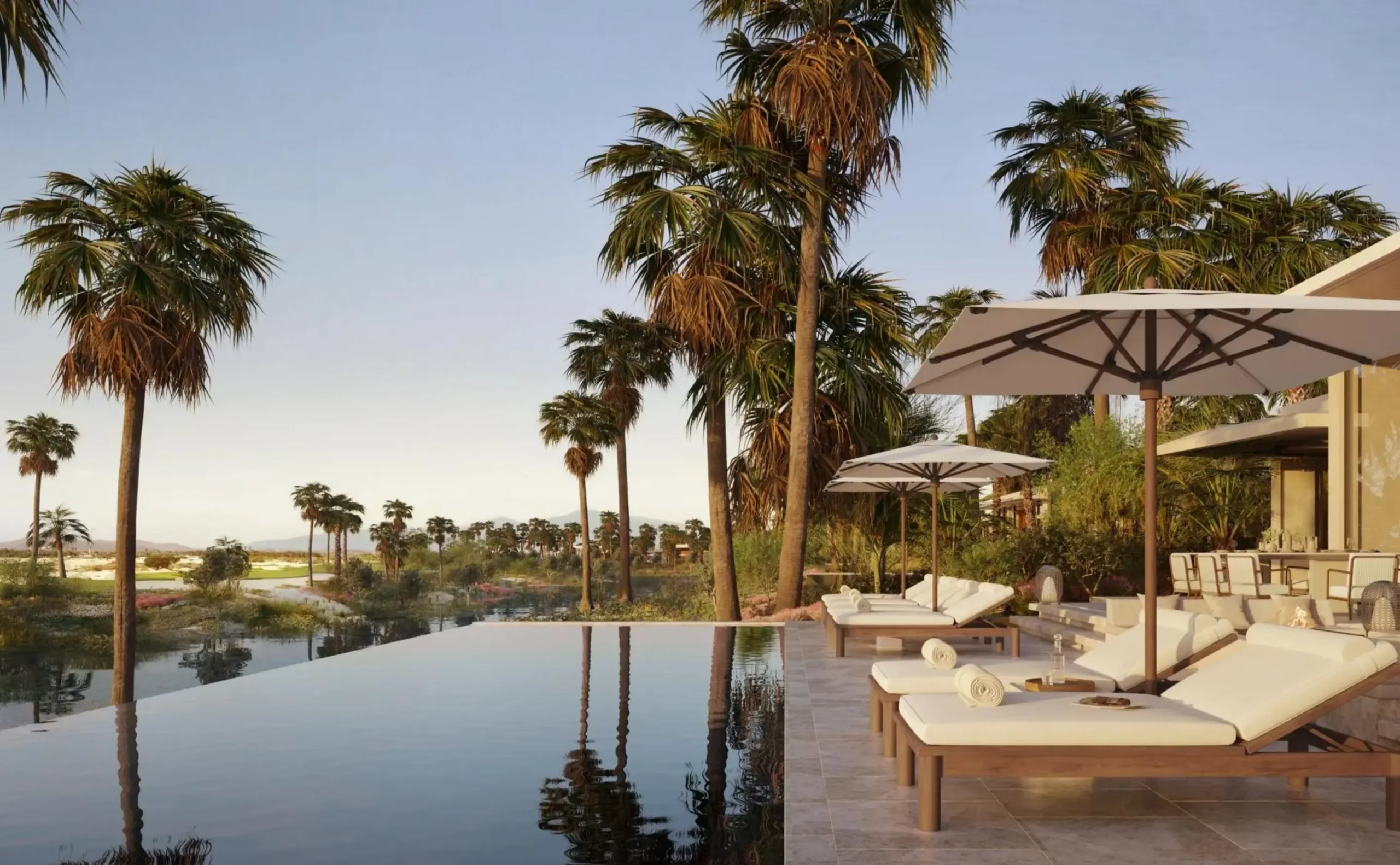
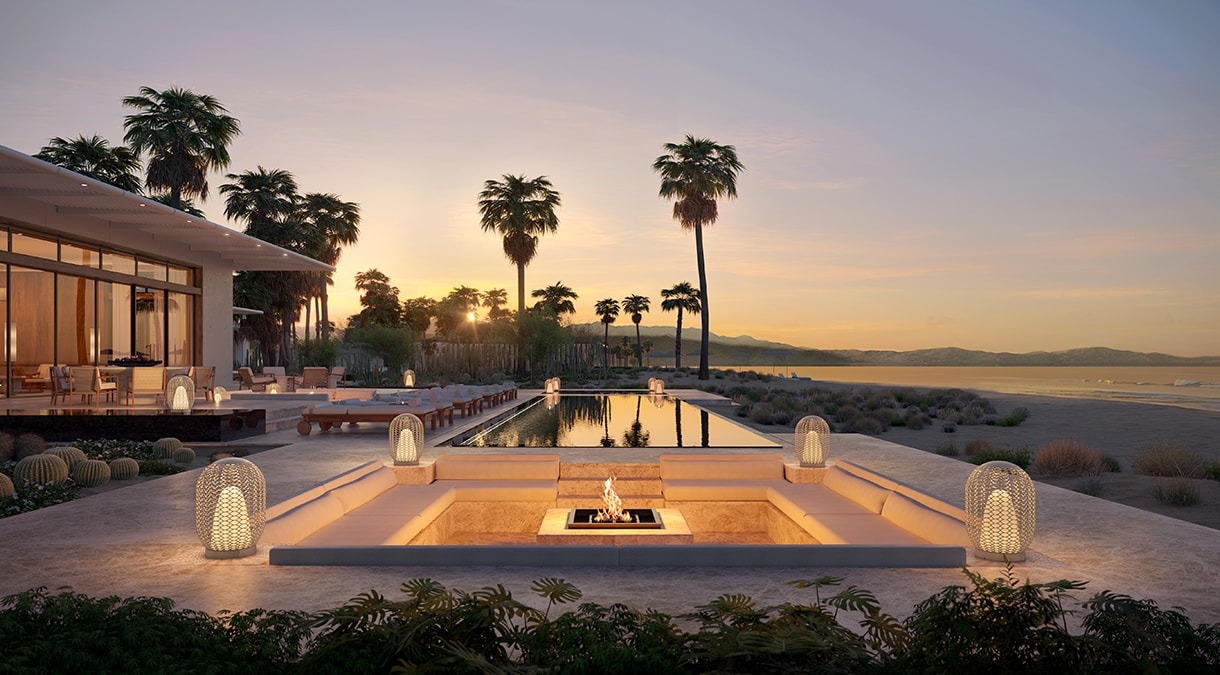
Location: East Cape, Baja California Sur, Mexico Aman’s highly anticipated Mexican debut arrives on the secluded East Cape of Baja California Sur this August, bringing the brand’s signature sense of privacy and understated luxury to one of the country’s most spectacular coastal settings. Set within the exclusive Costa Palmas community, Amanvari comprises just 18 beachfront and elevated casitas, where expansive sea views, natural materials and a deep connection to the surrounding landscape define the experience.
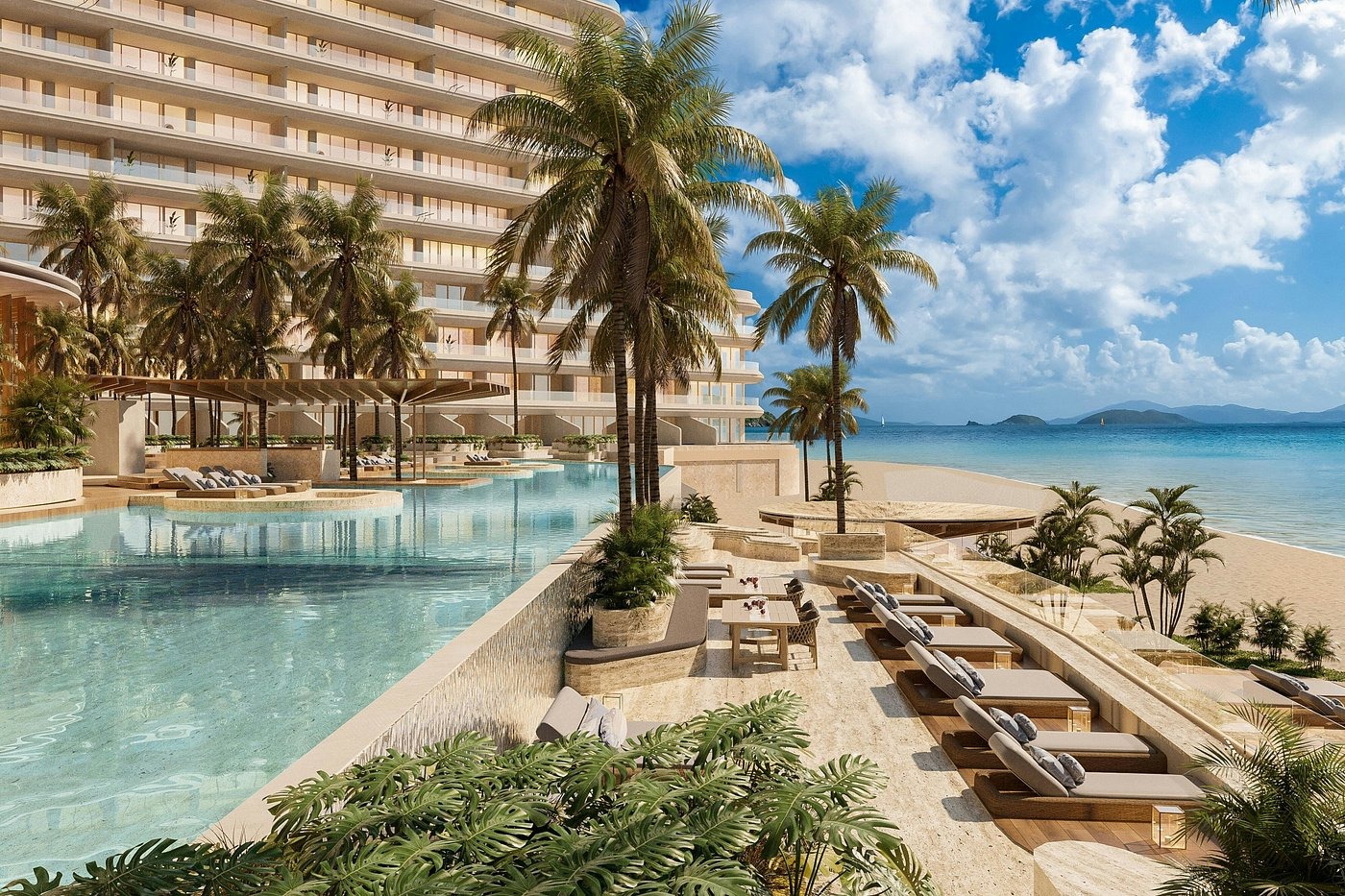
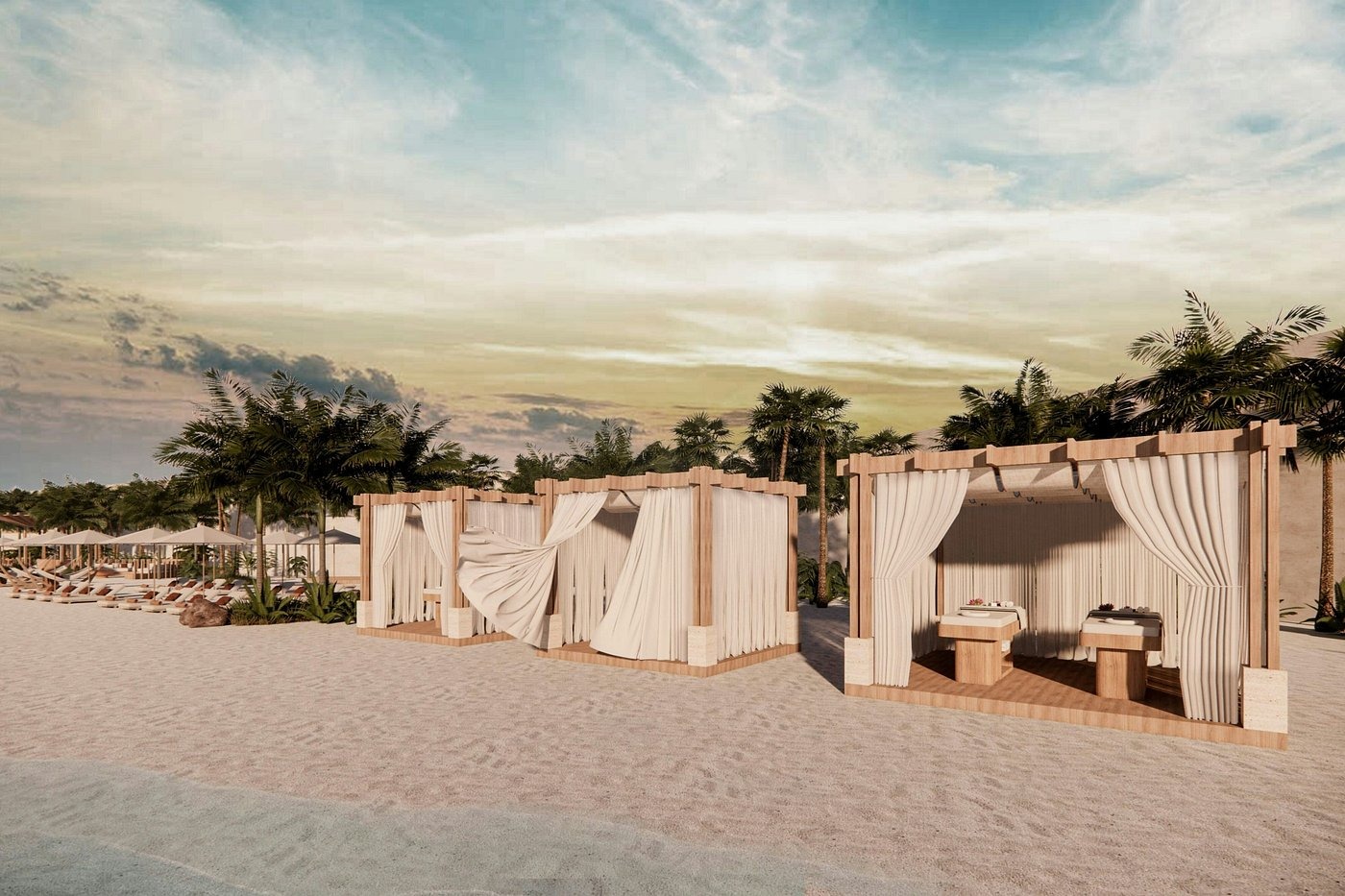
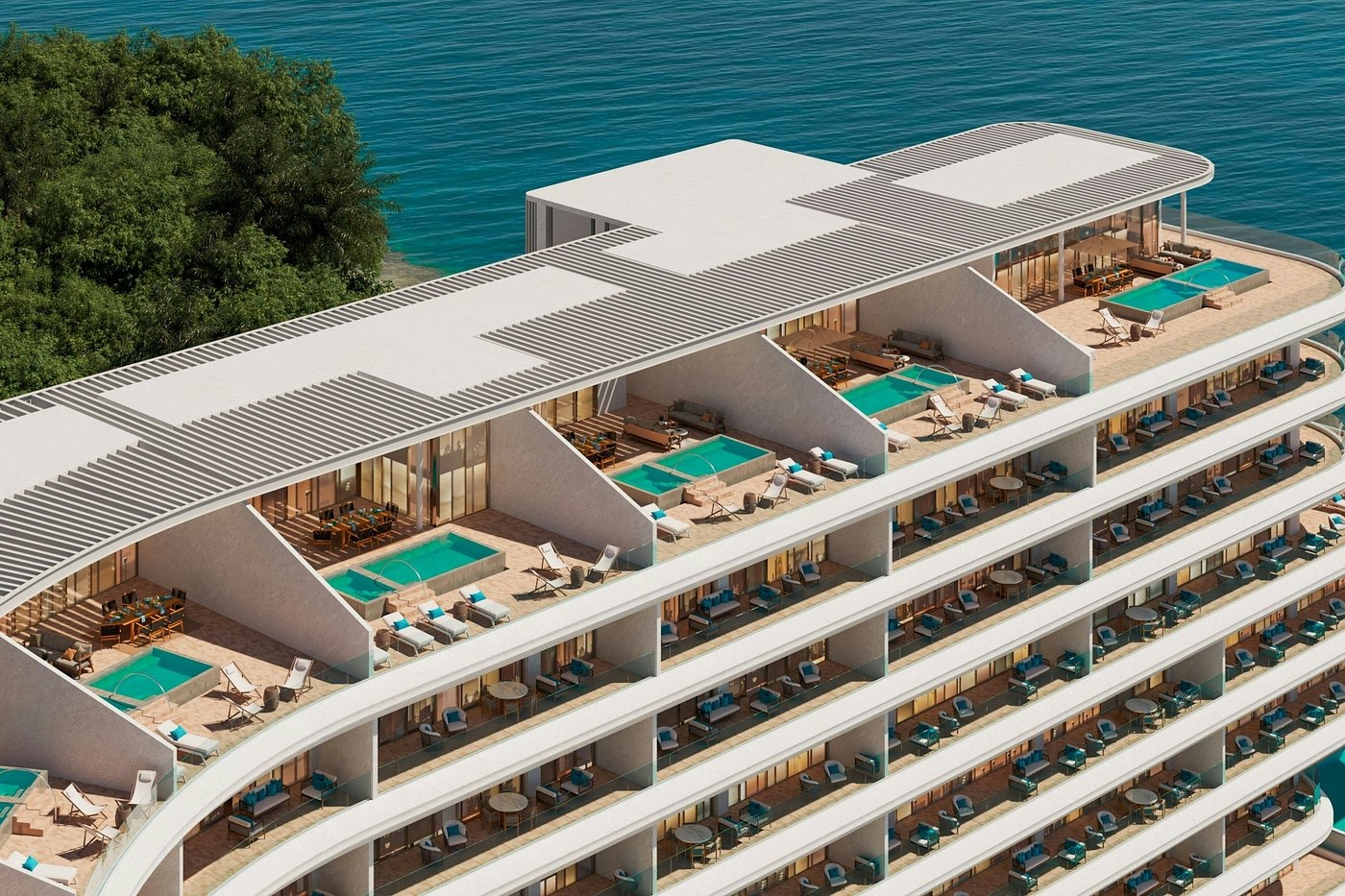
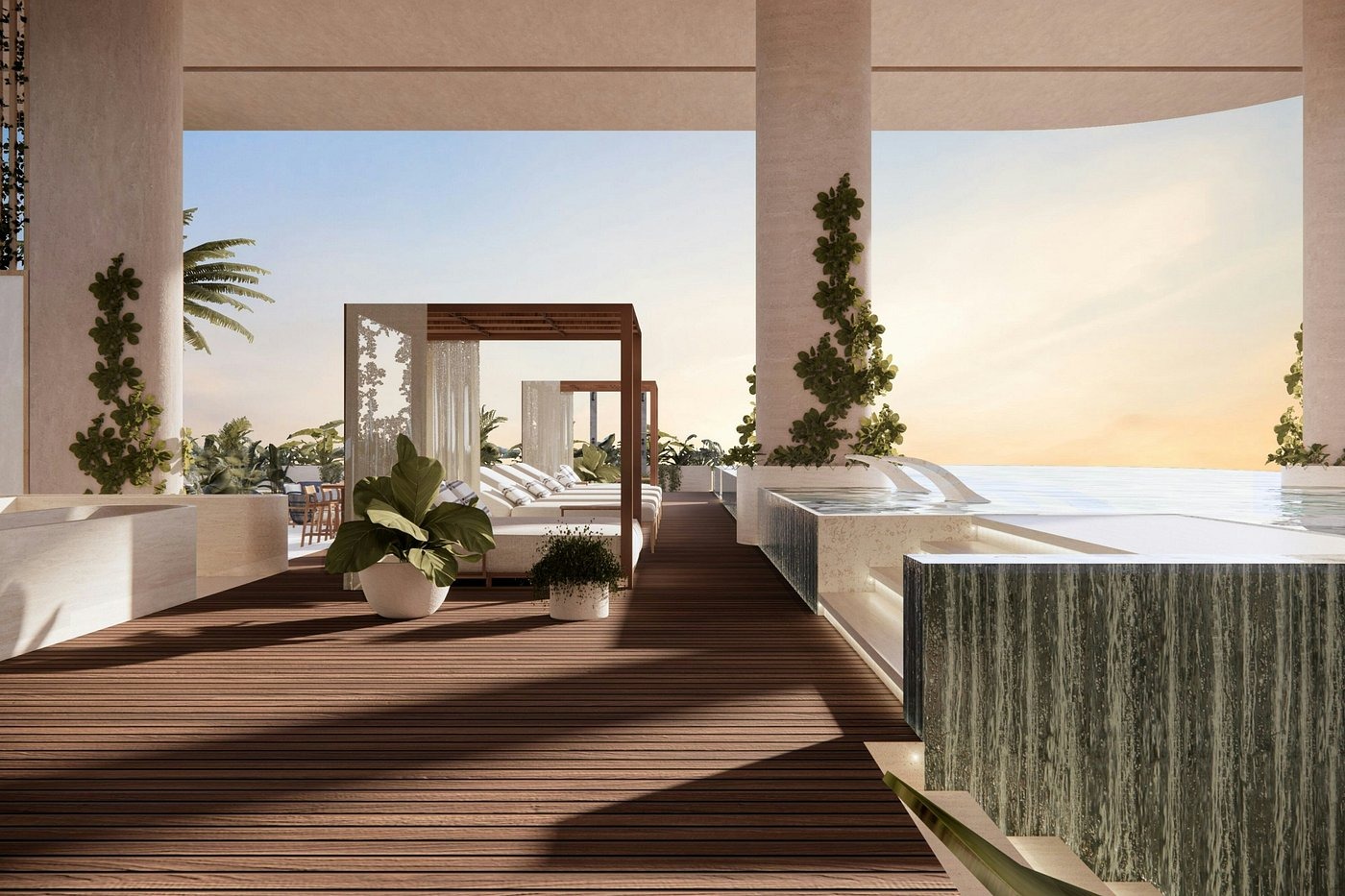
Location: Costa Mujeres, Mexico Opening this month and positioned along a pristine stretch of Caribbean coastline, The St. Regis Costa Mujeres Resort combines beachfront luxury with the polished service for which the brand is known. Multi-level pools, spacious accommodation and signature butler service define the experience.
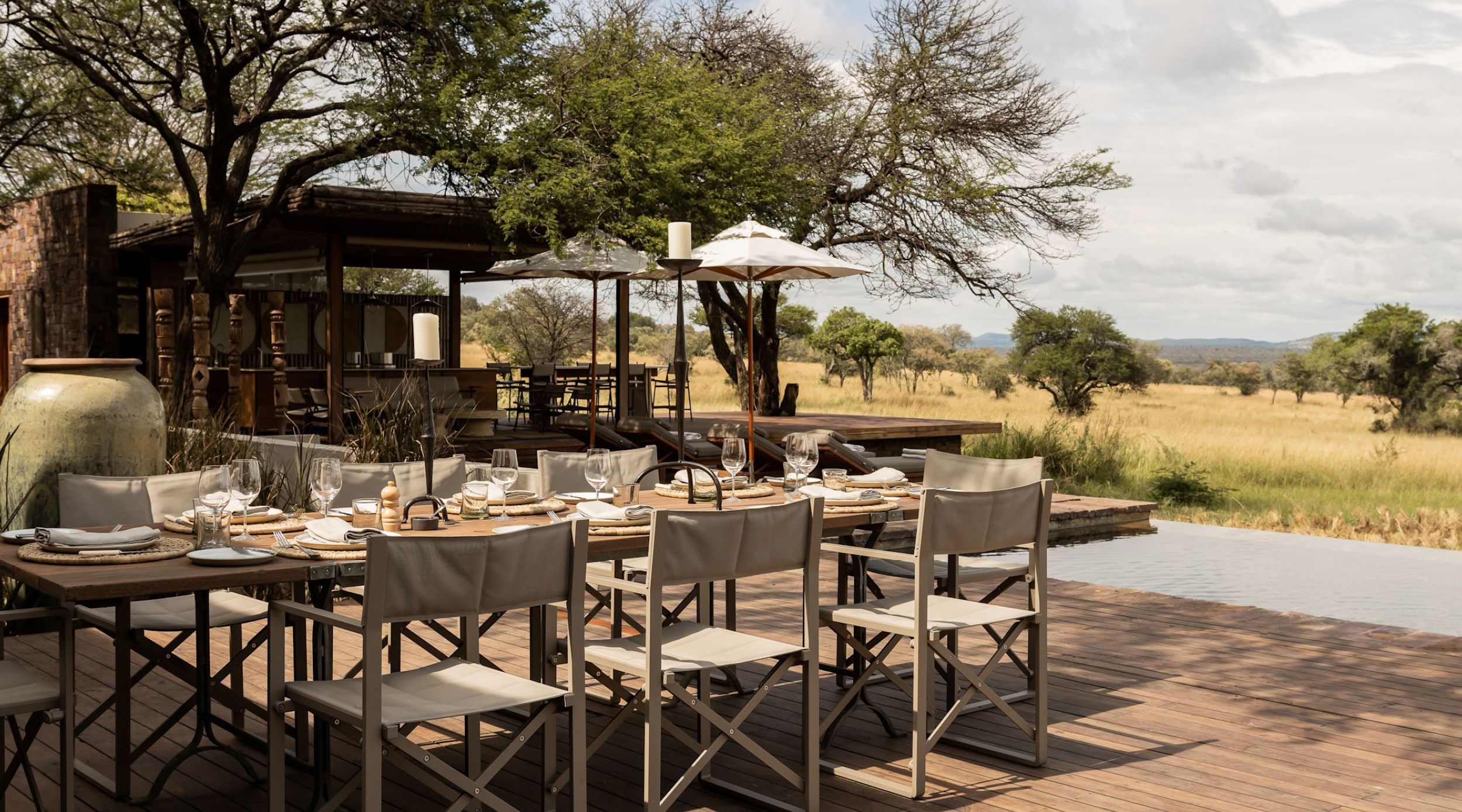
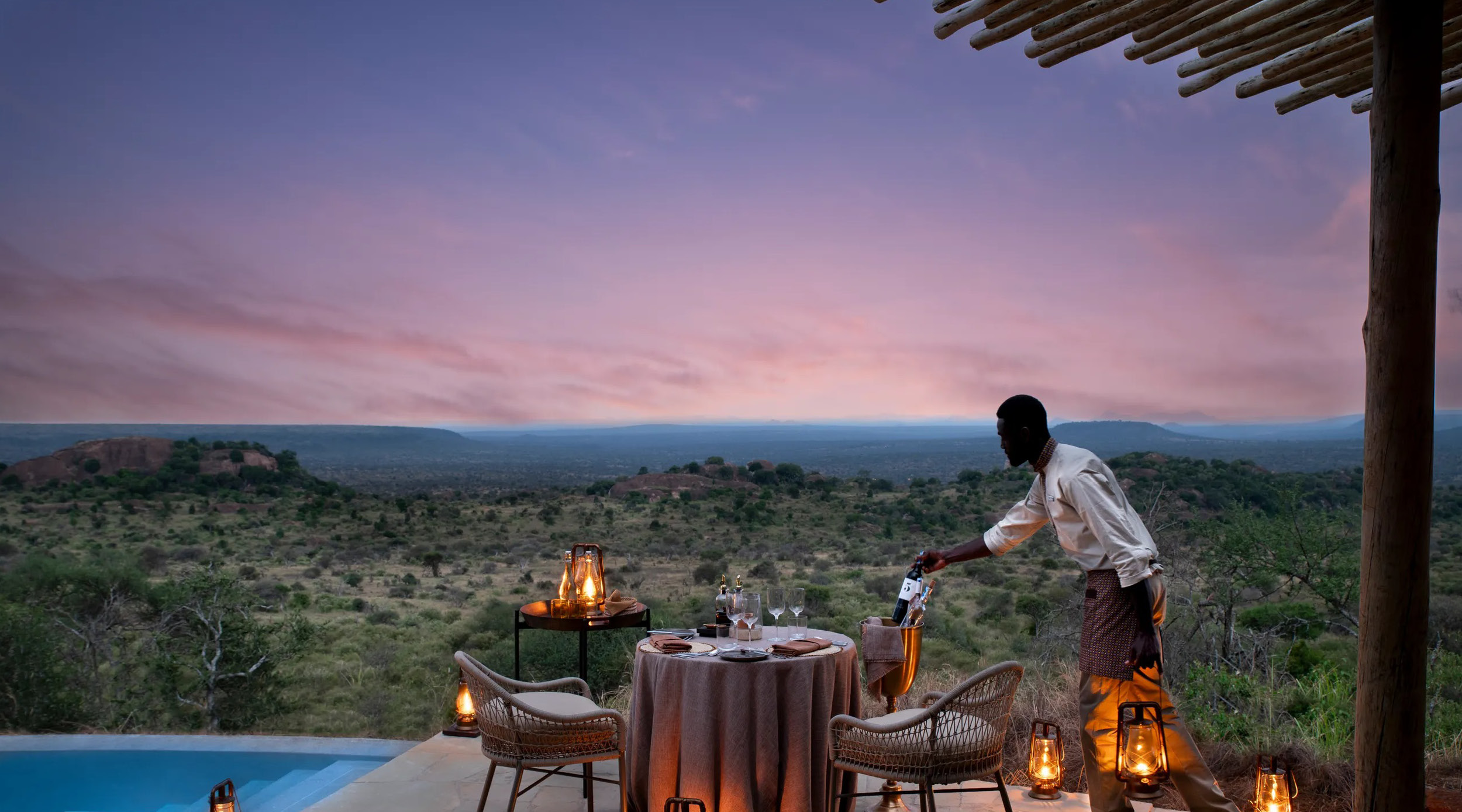
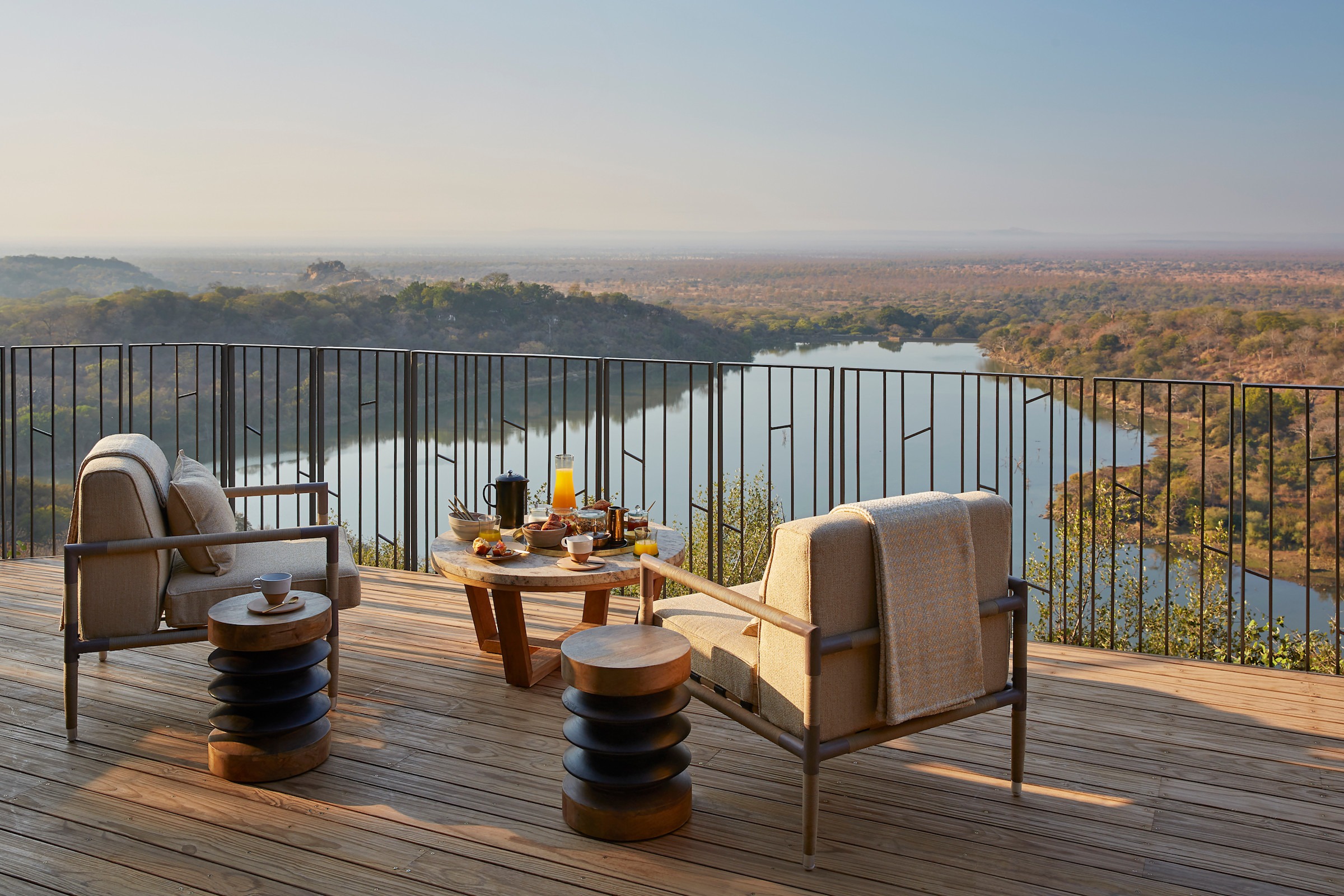
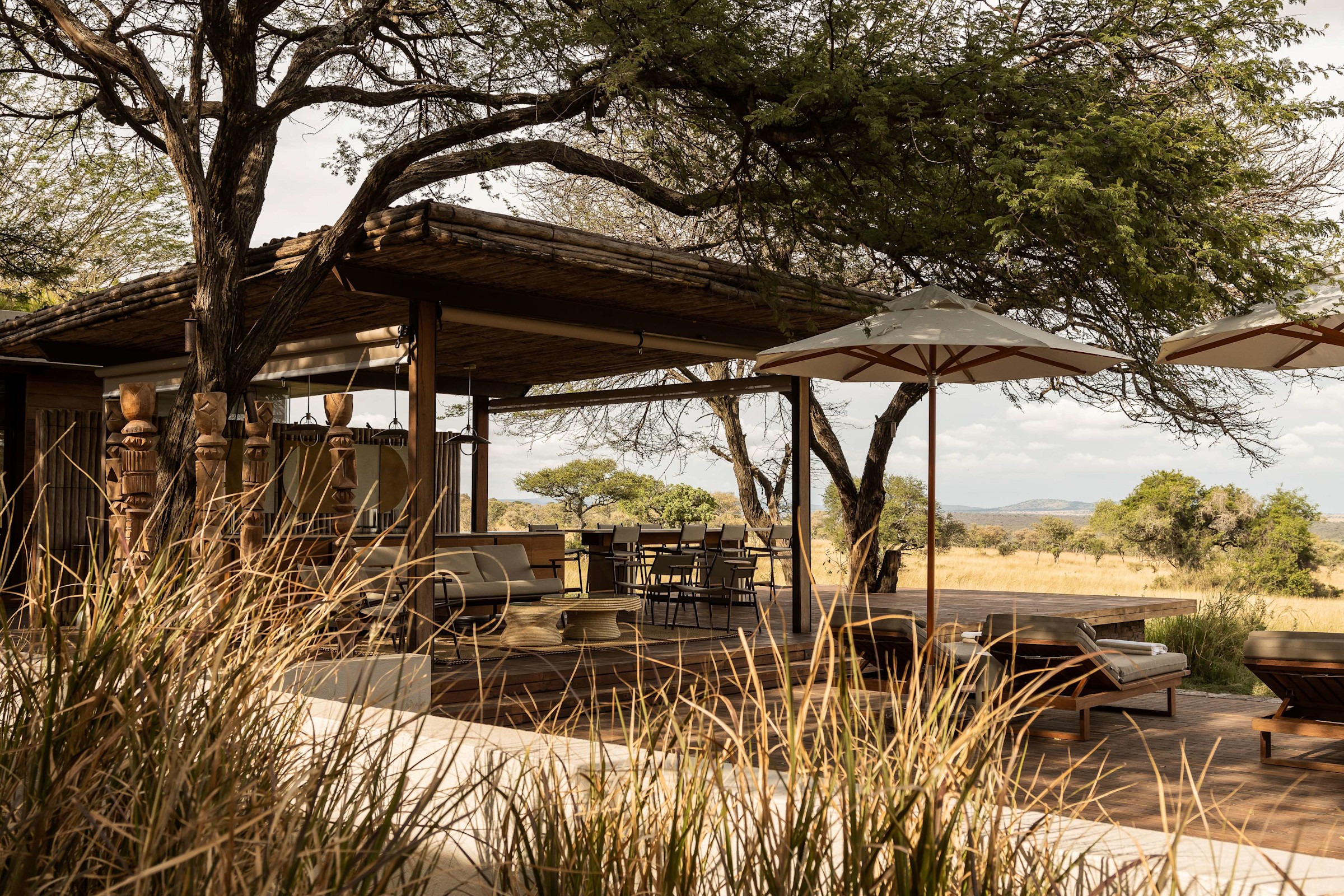
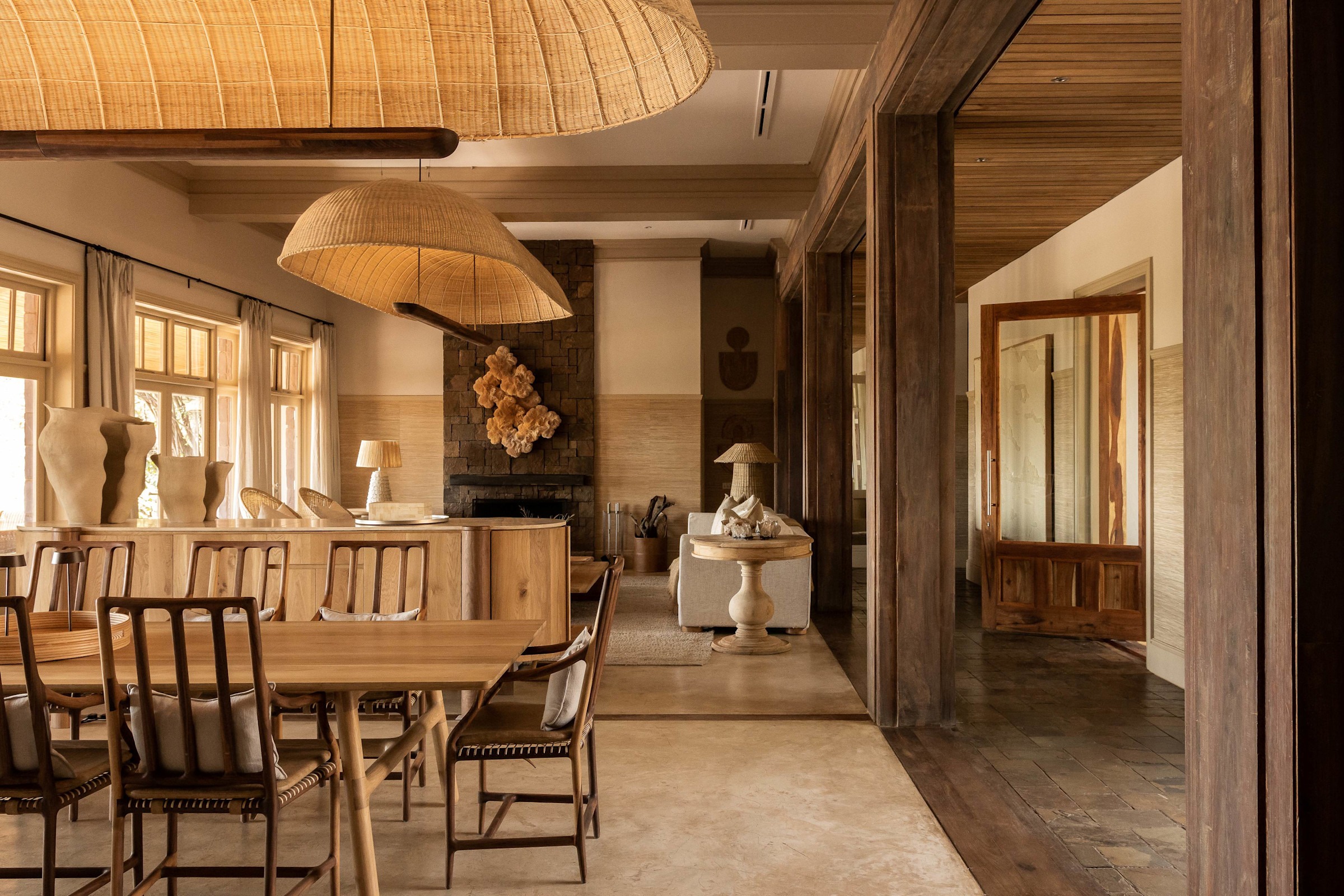
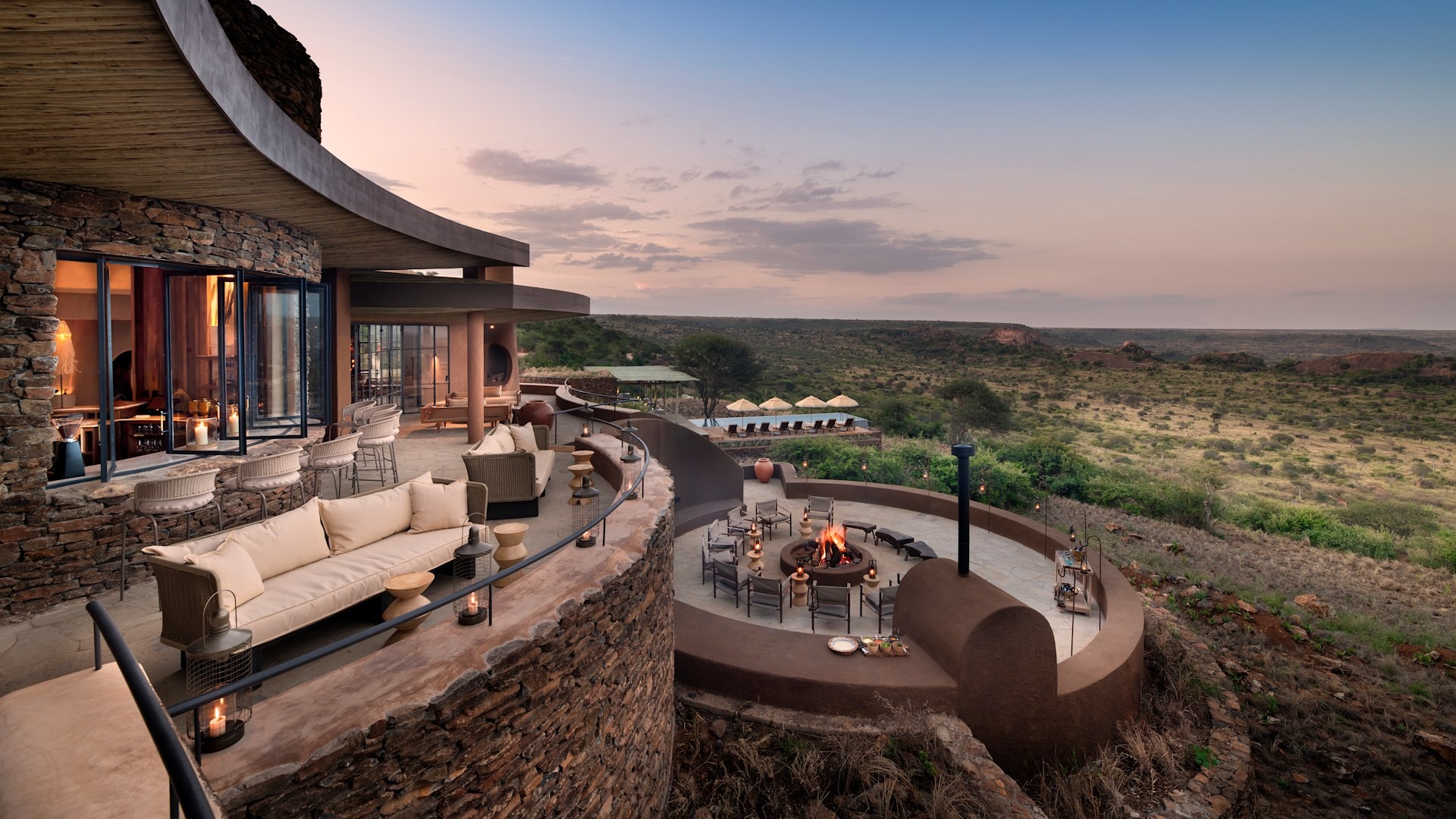
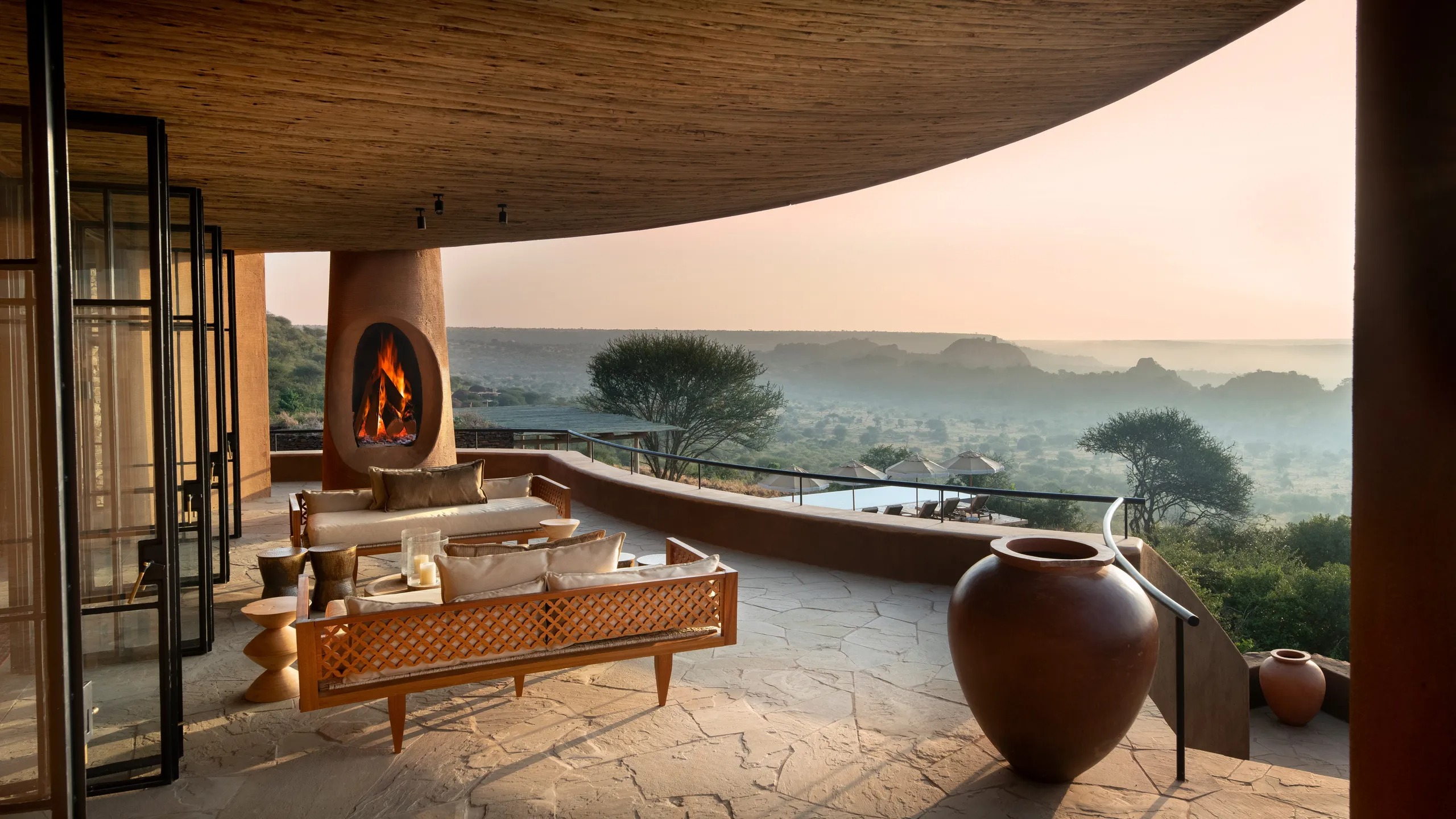
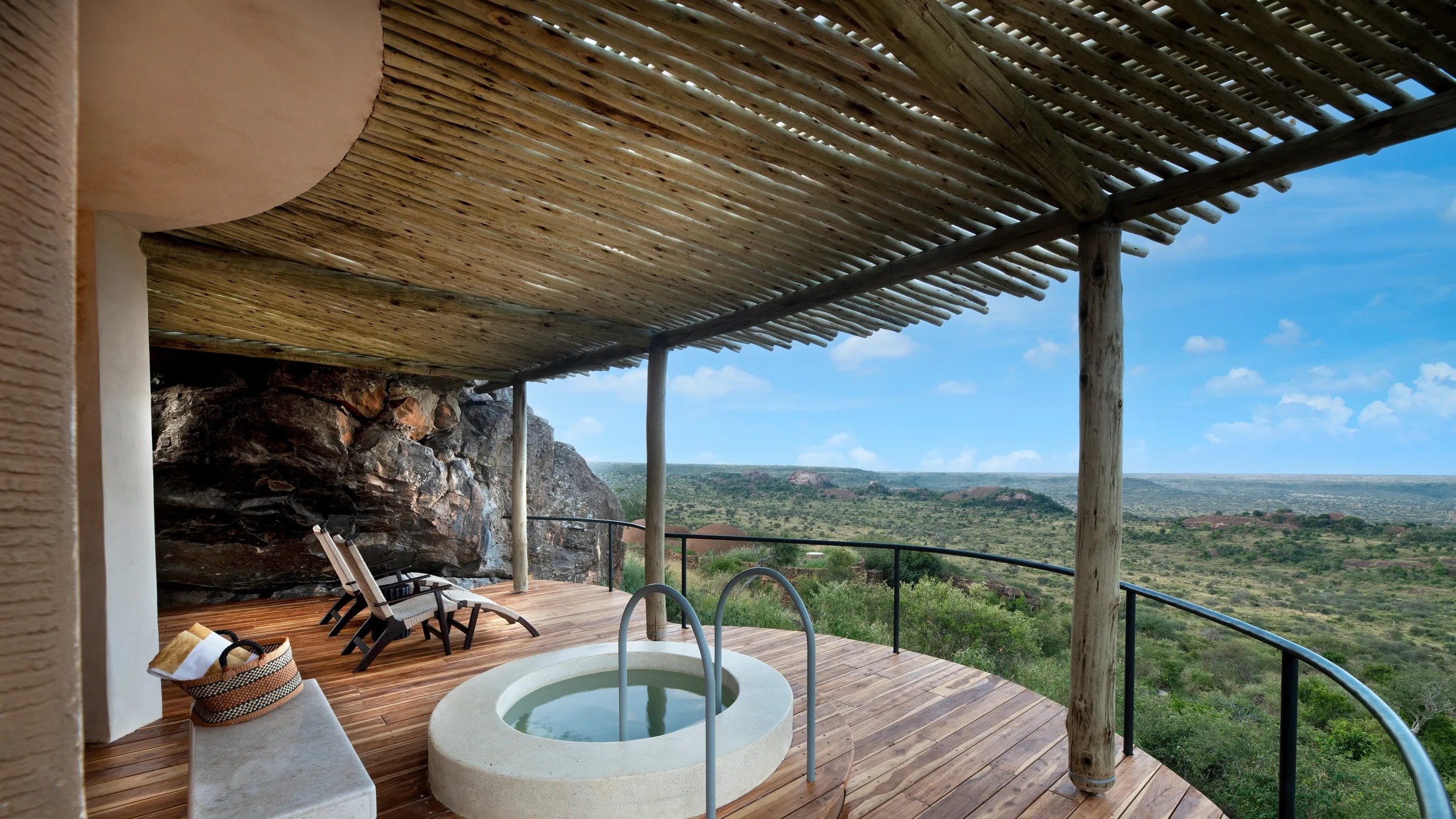
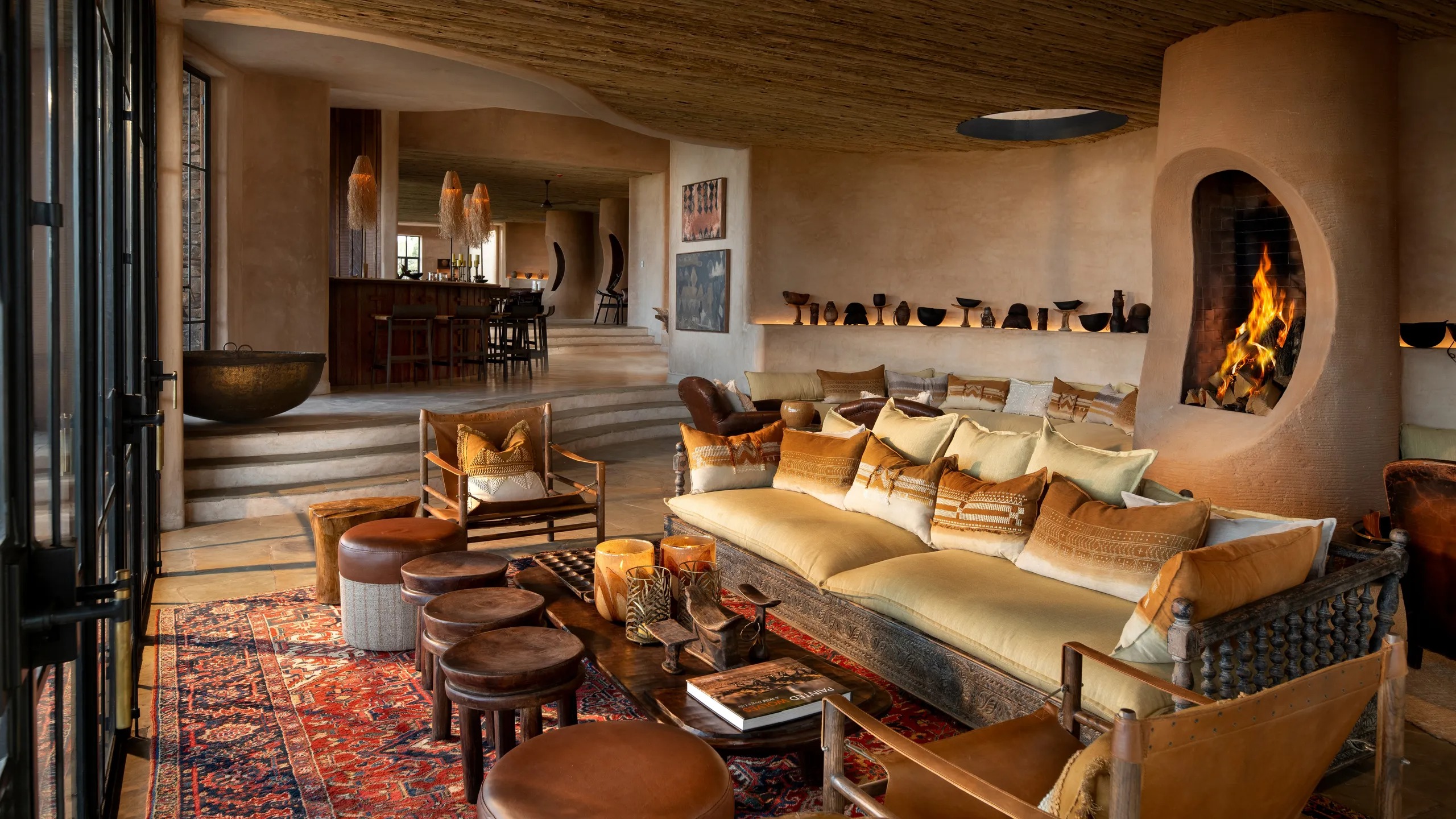
Location: Okavango Delta, Botswana Spread across a vast private concession within the Okavango Delta, Singita Elela delivers an exceptional safari experience shaped by conservation and exclusivity. Elevated accommodation and extraordinary wildlife encounters place it firmly on luxury travellers’ wish lists.
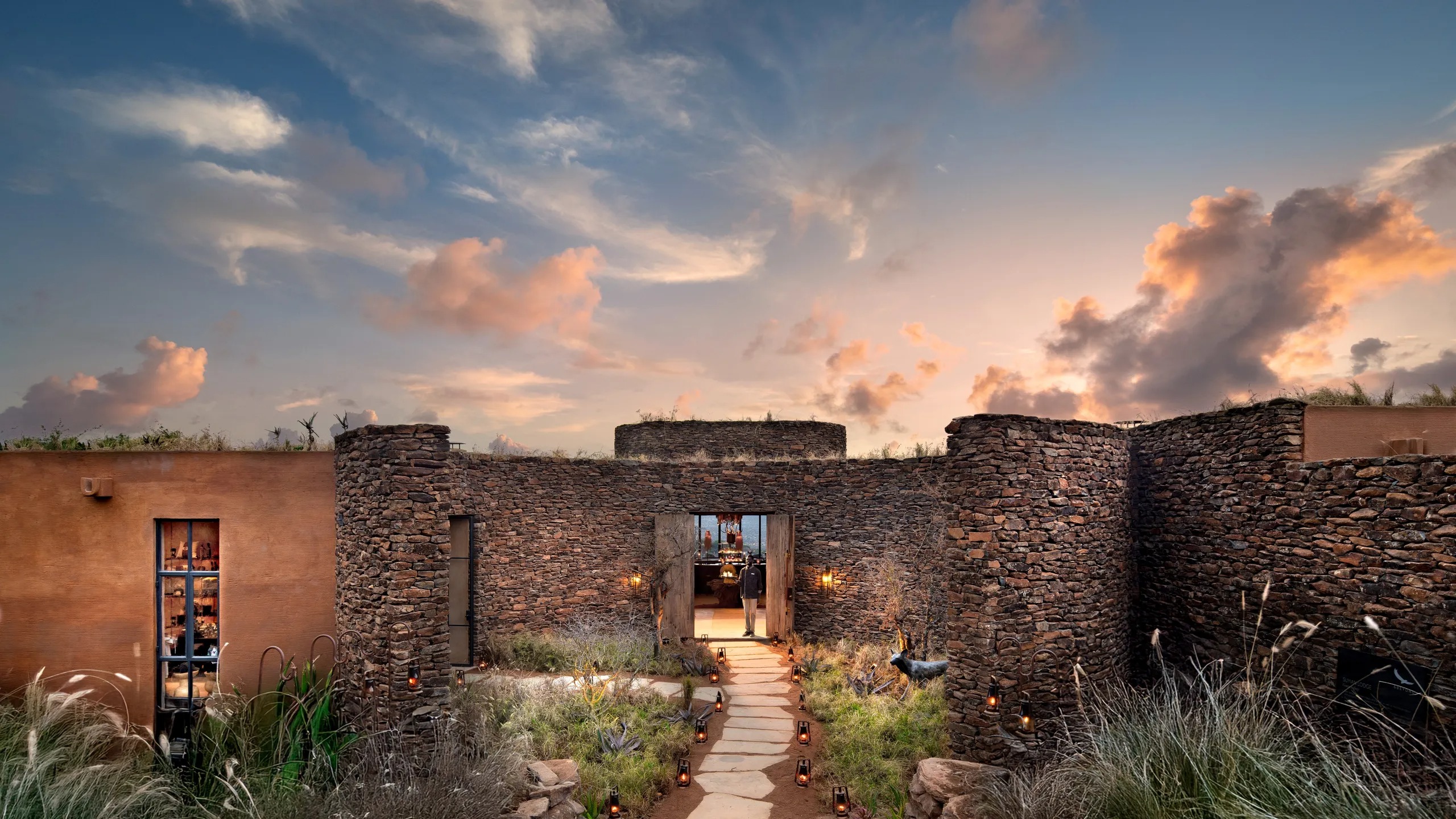
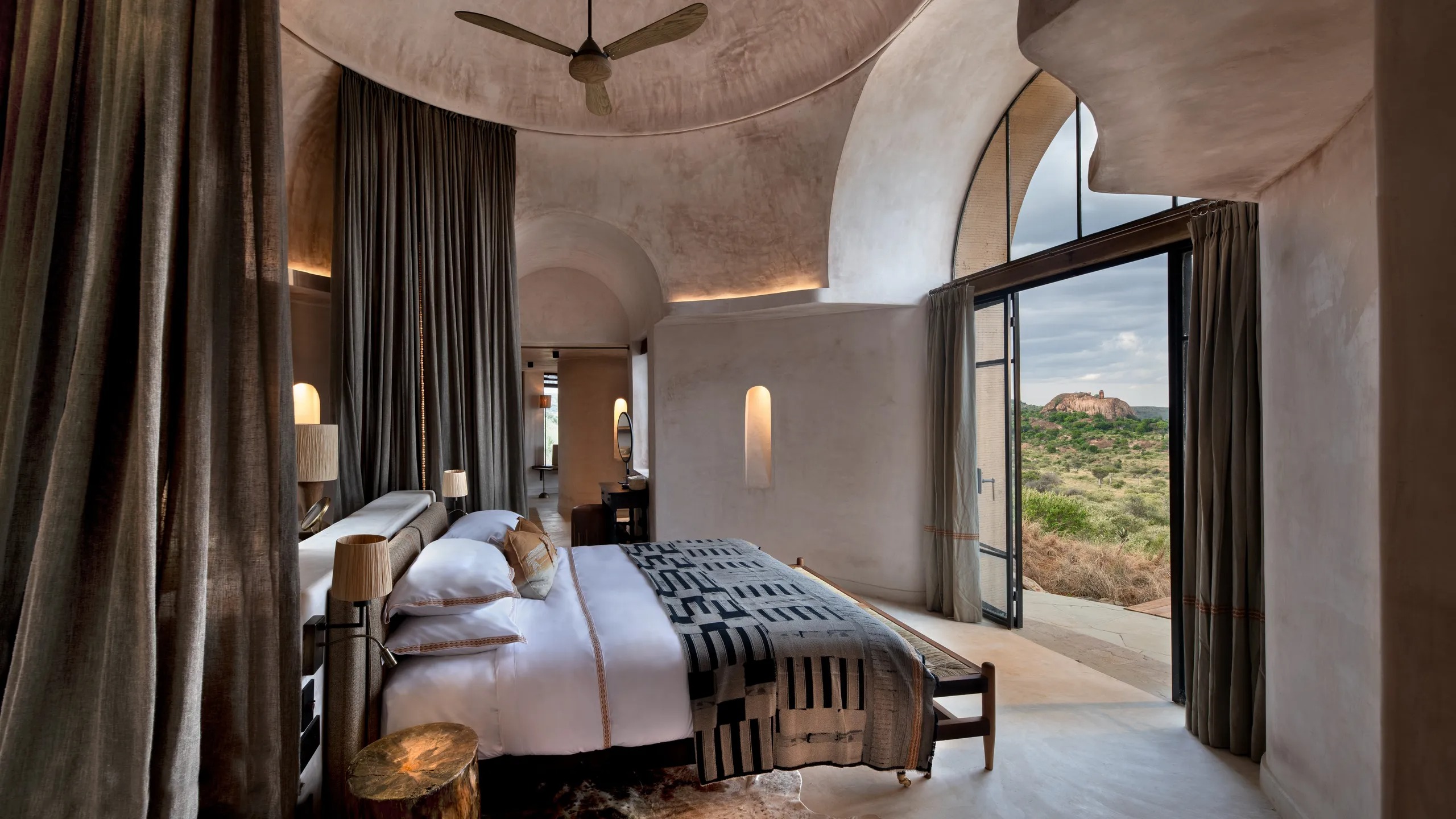
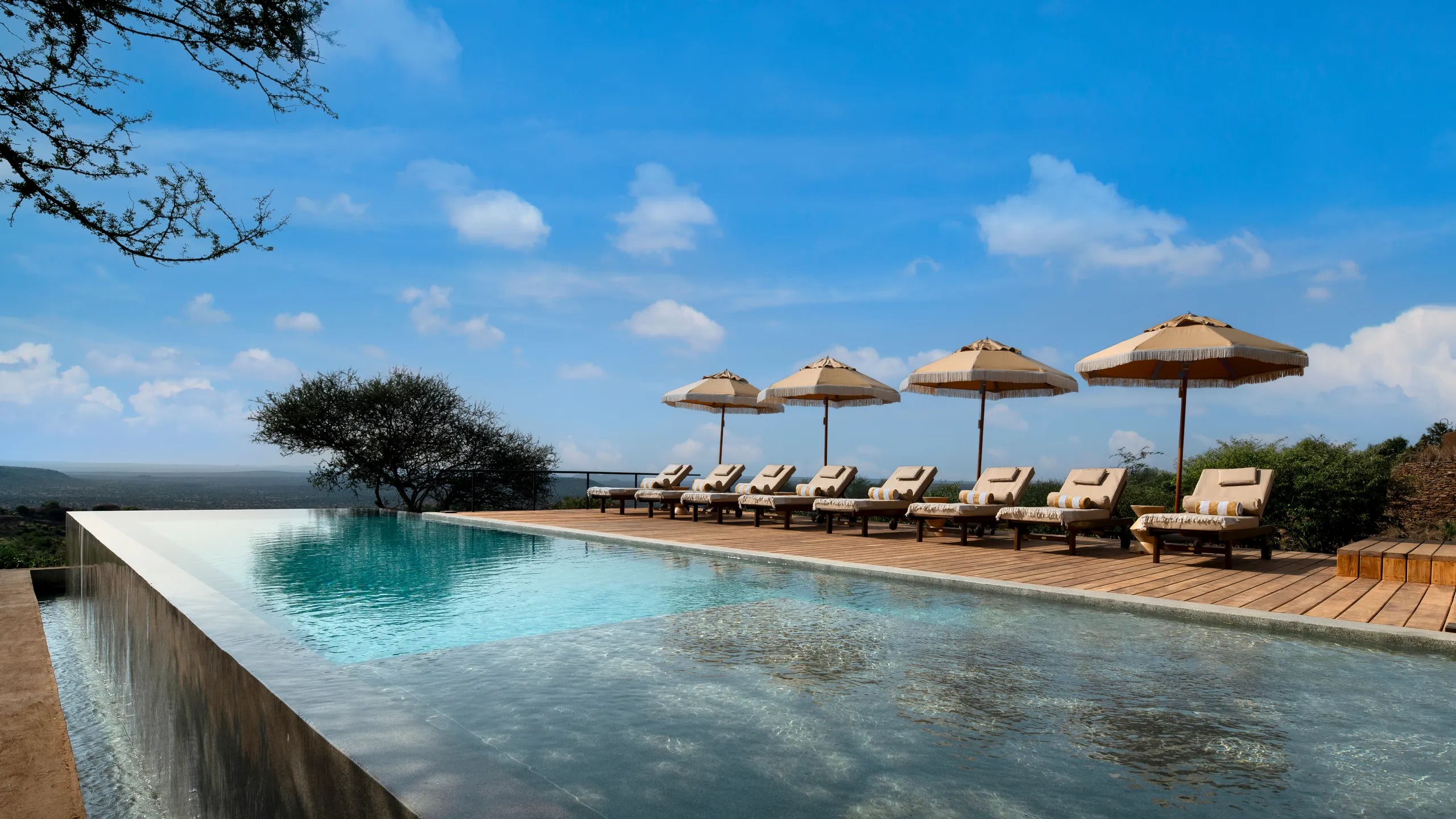
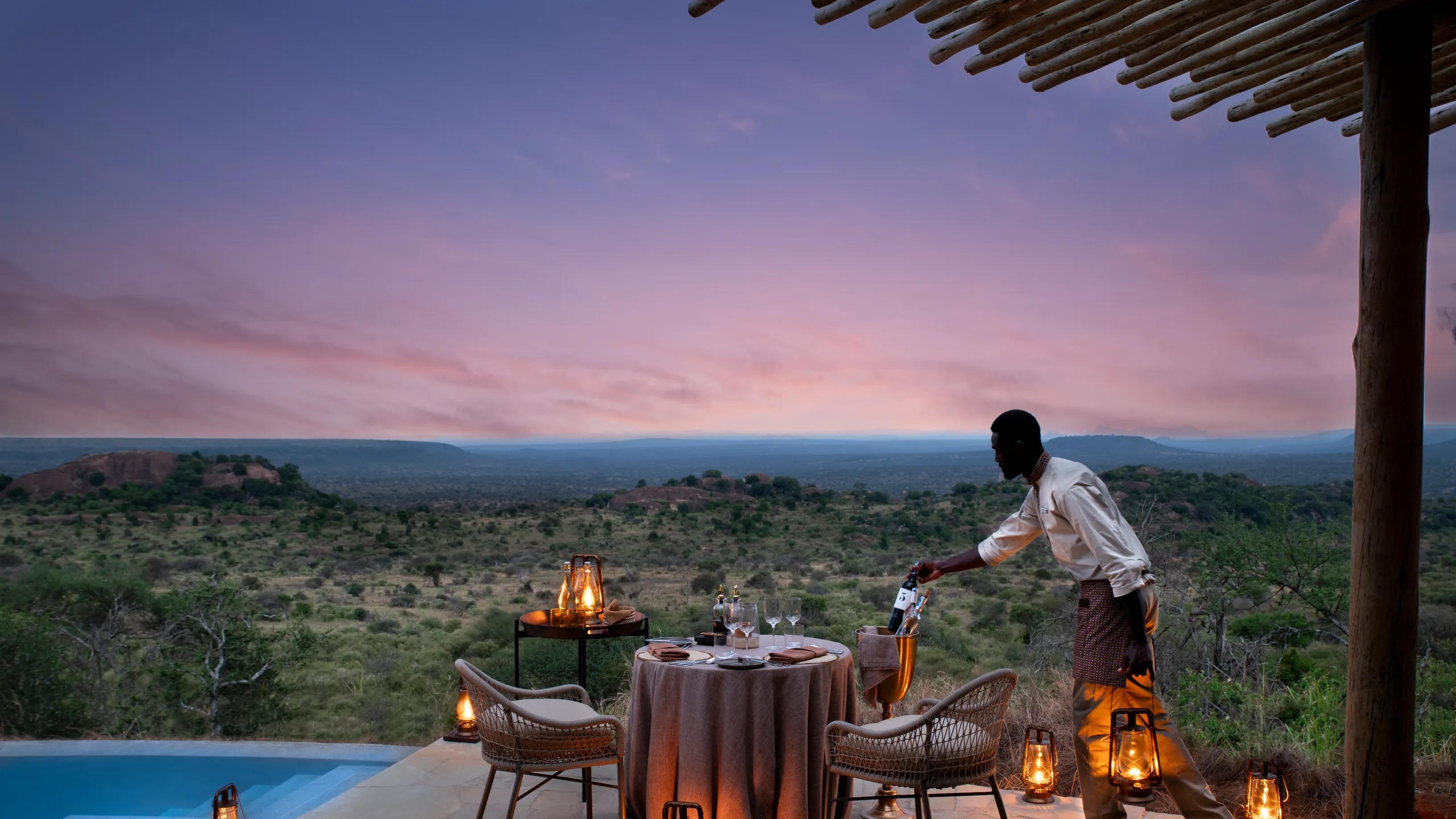
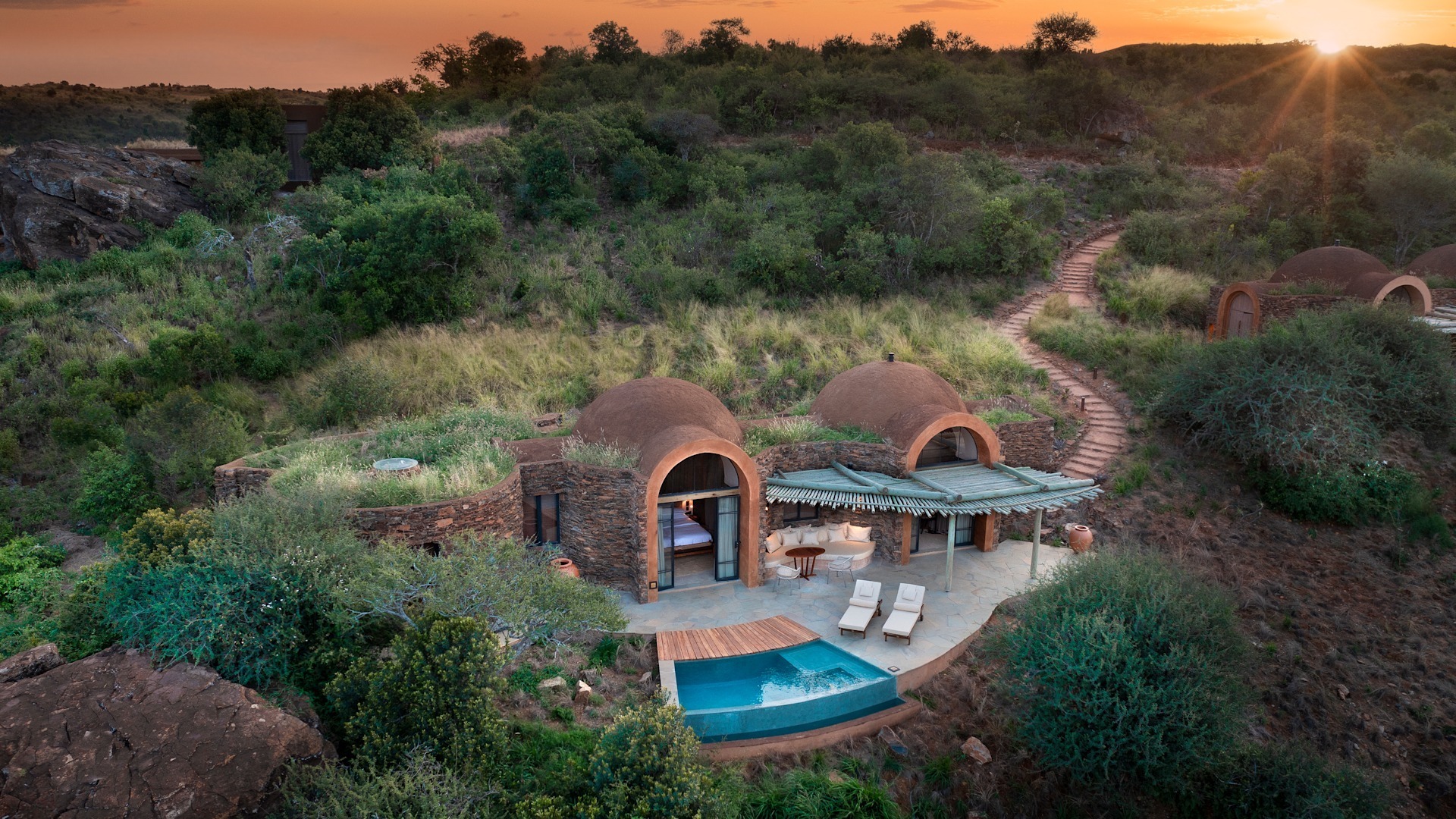
Location: Laikipia, Kenya Set within a 44,000-acre conservation area, andBeyond Suyian Lodge offers access to one of Kenya’s most remarkable wildlife corridors. Fourteen thoughtfully designed suites, a sophisticated wellness offering and exceptional game viewing create a safari experience rooted in place.
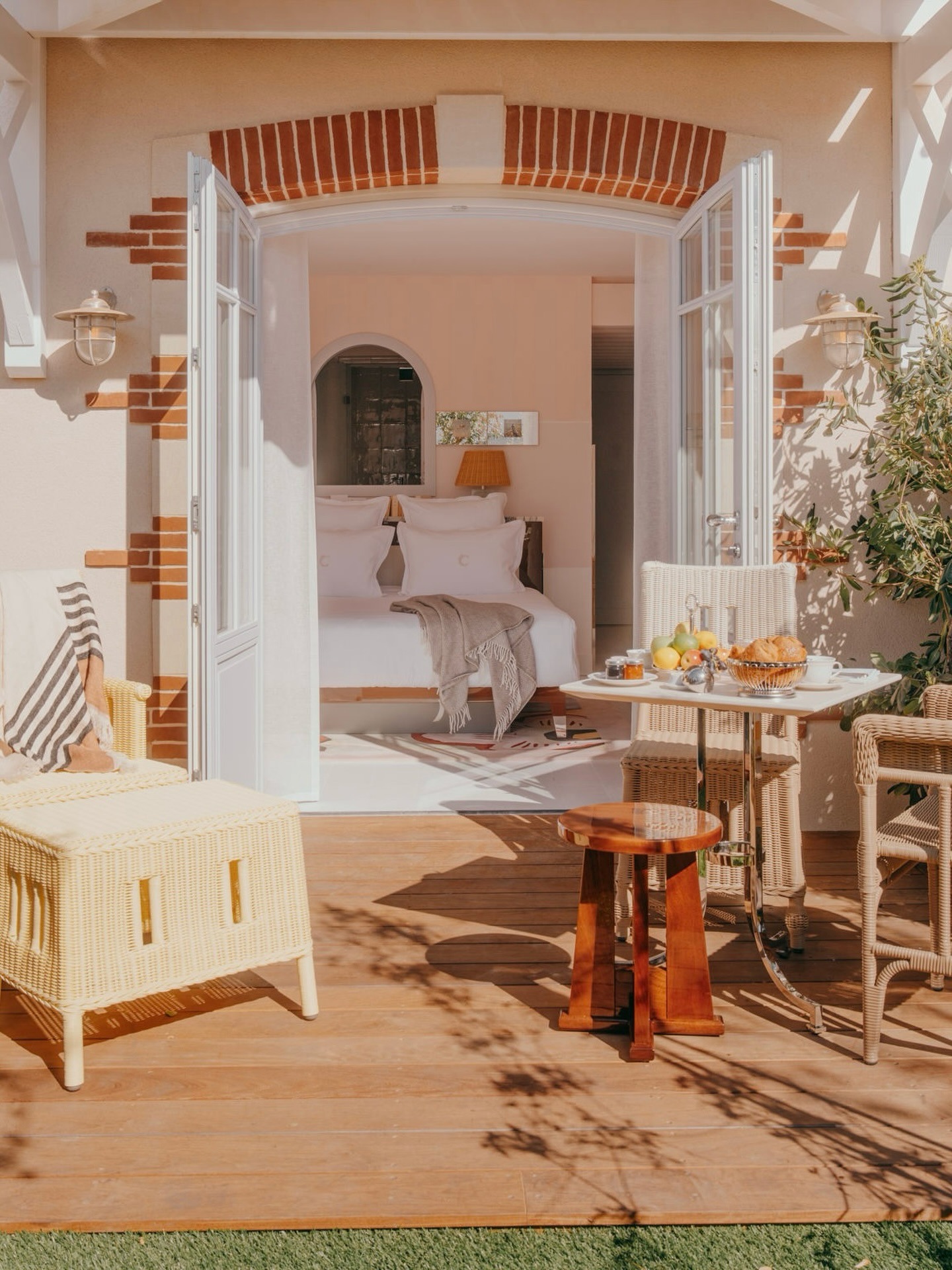
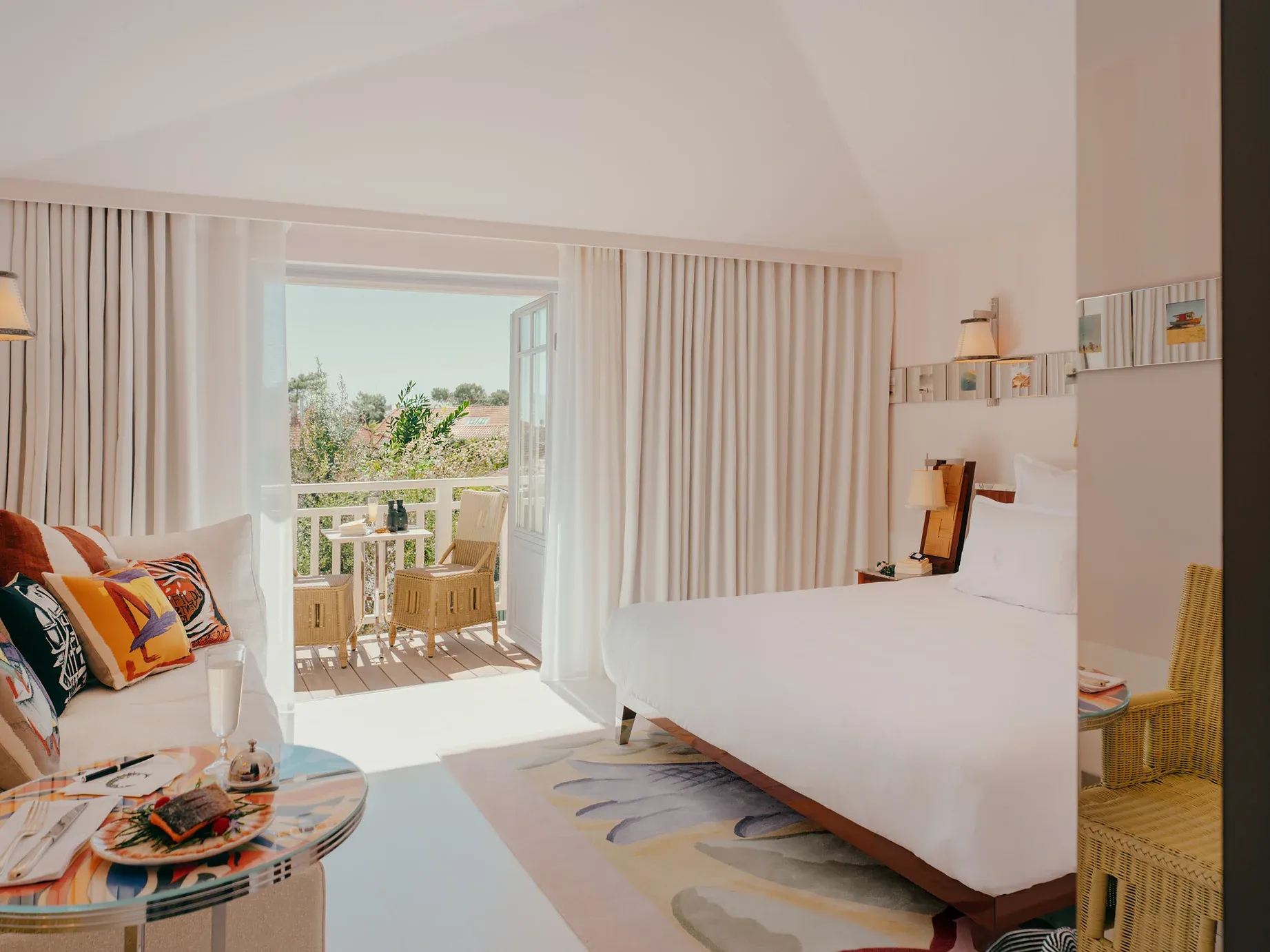
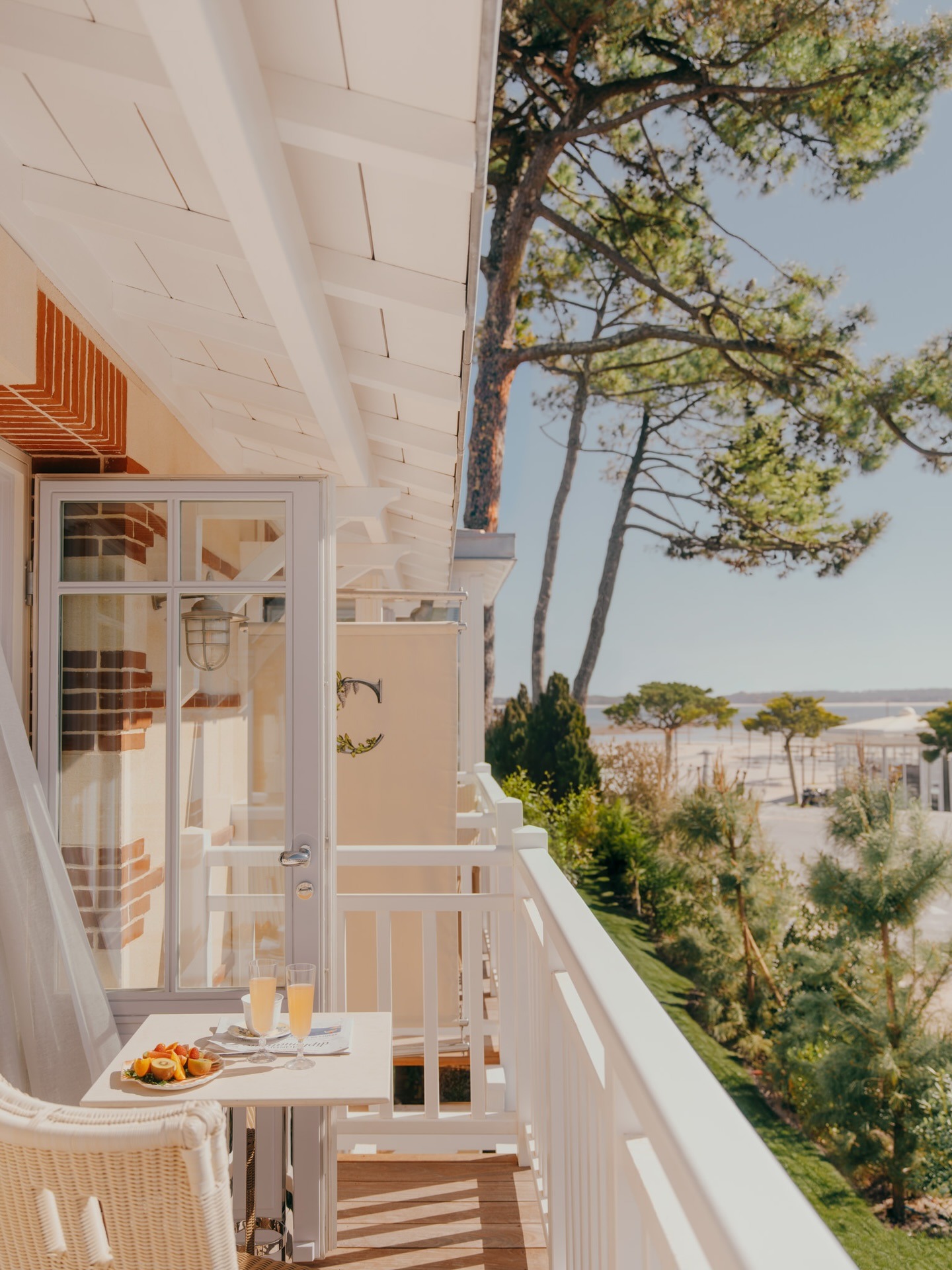
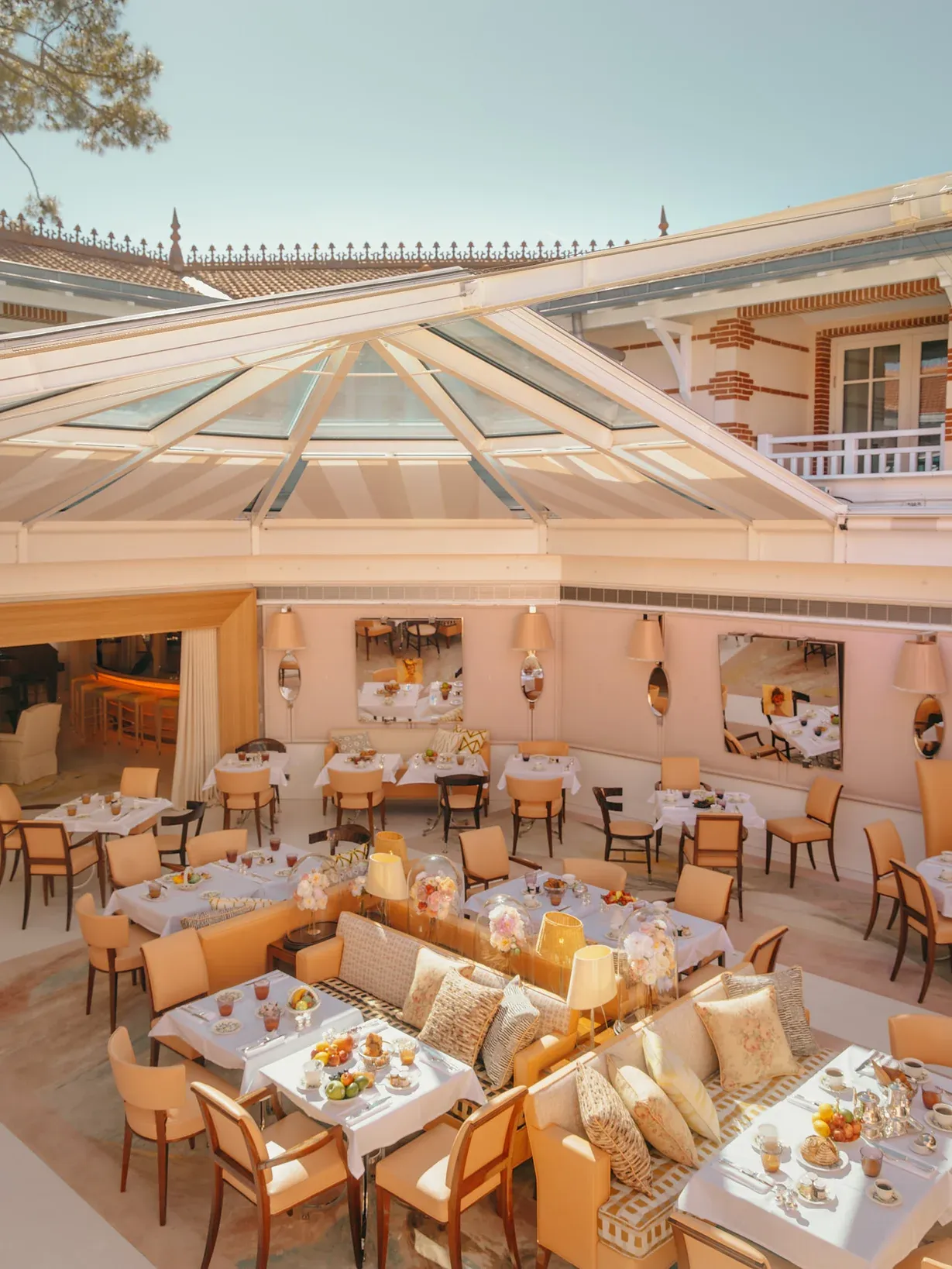
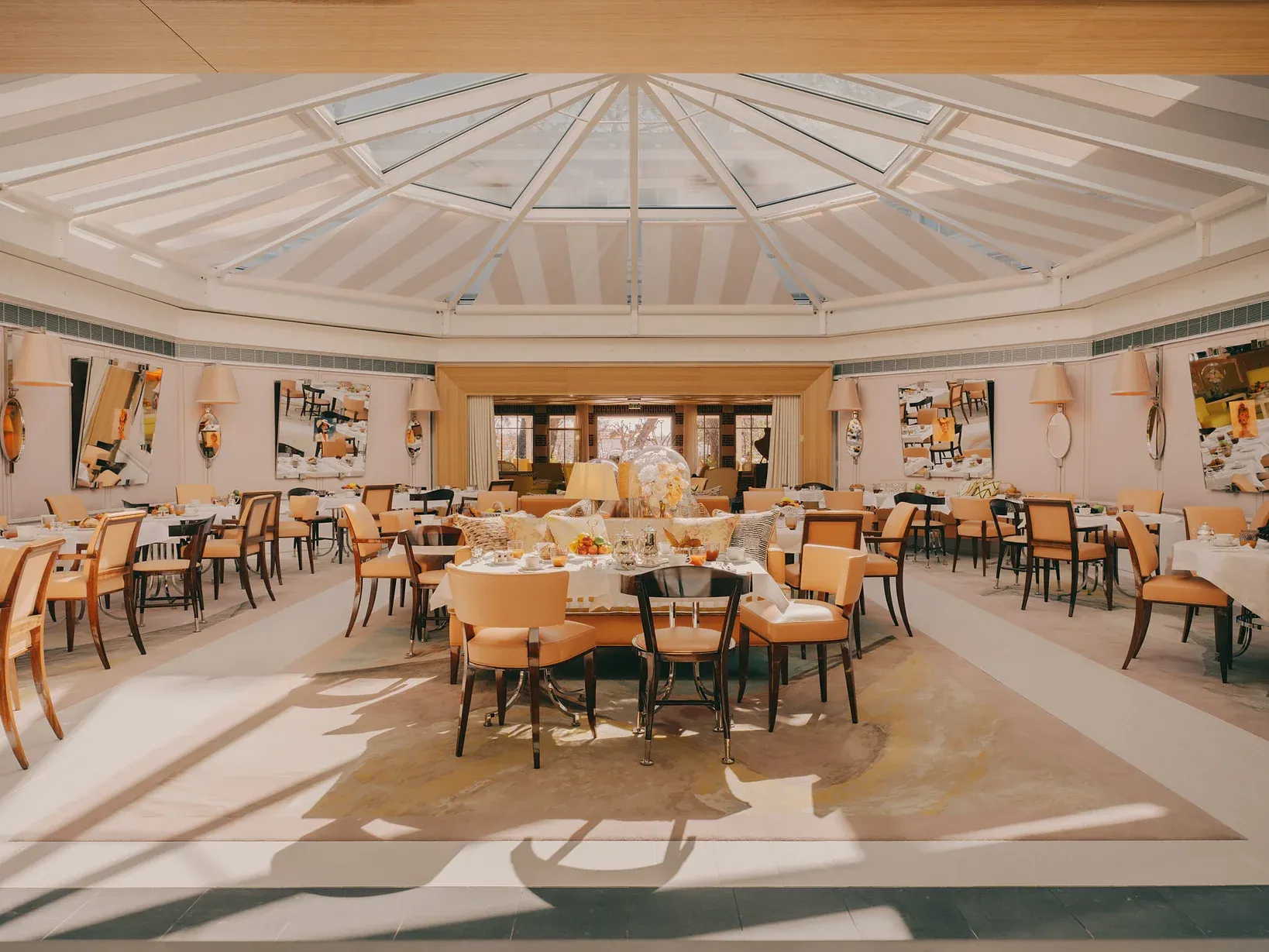
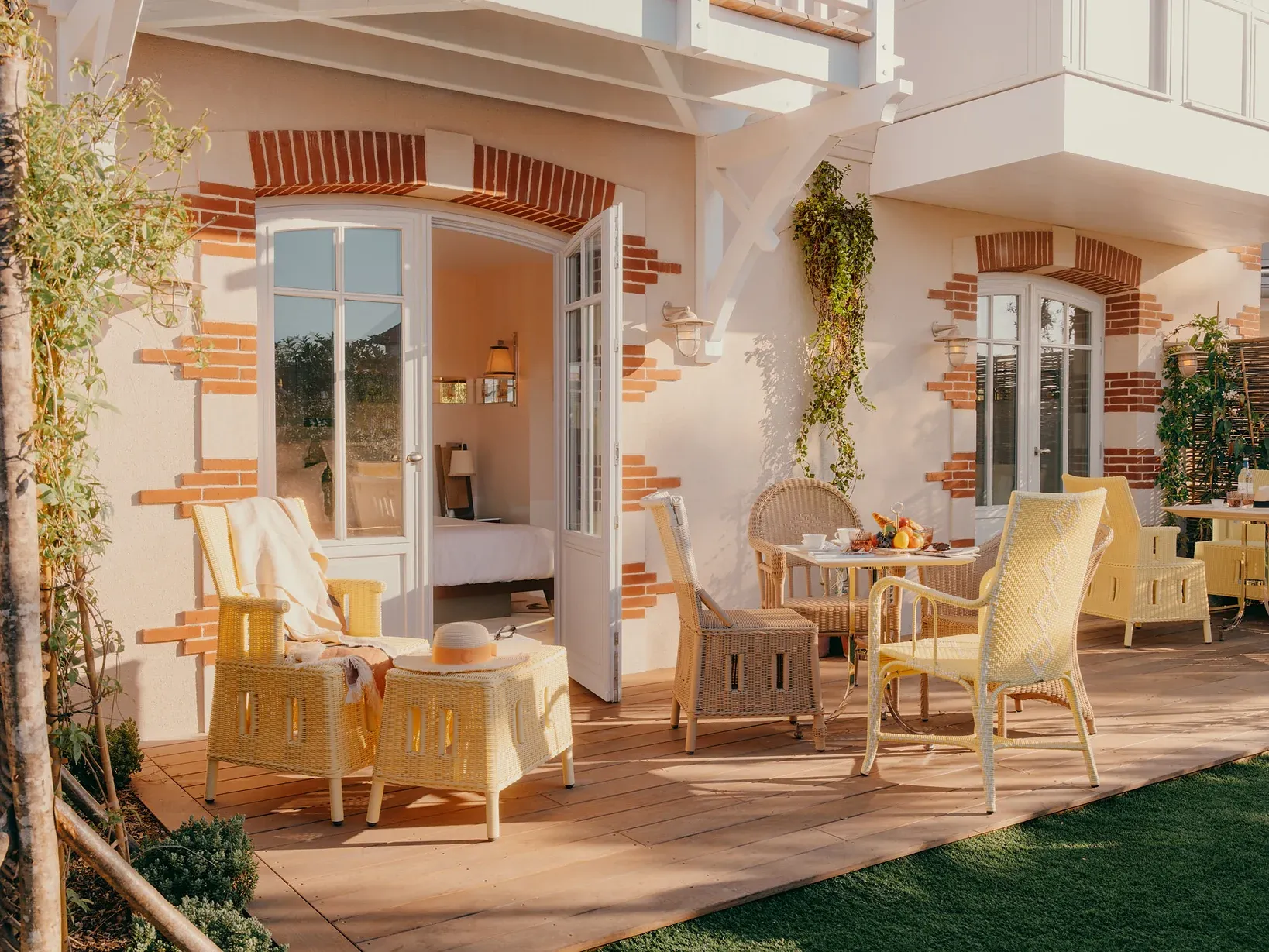
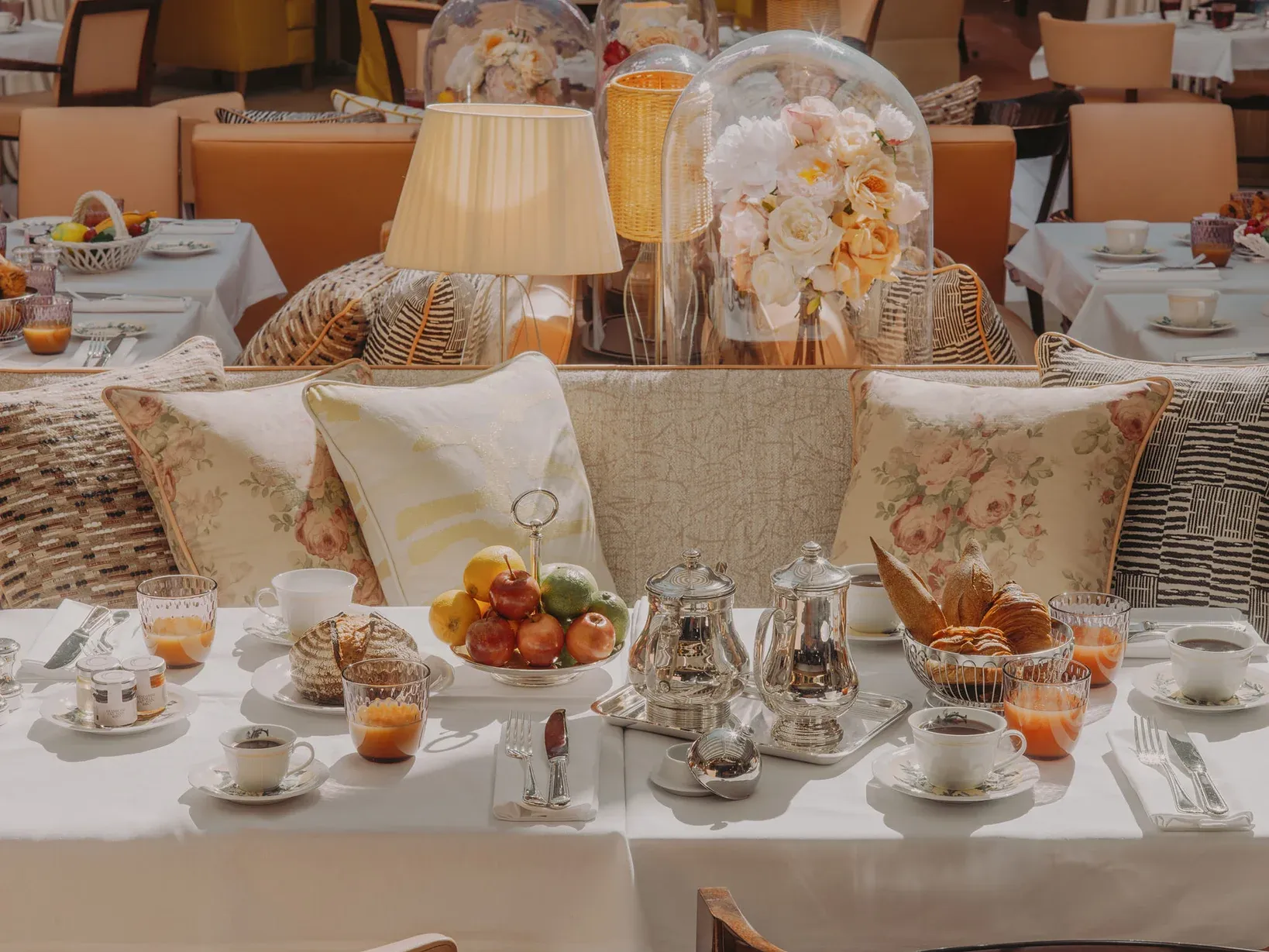
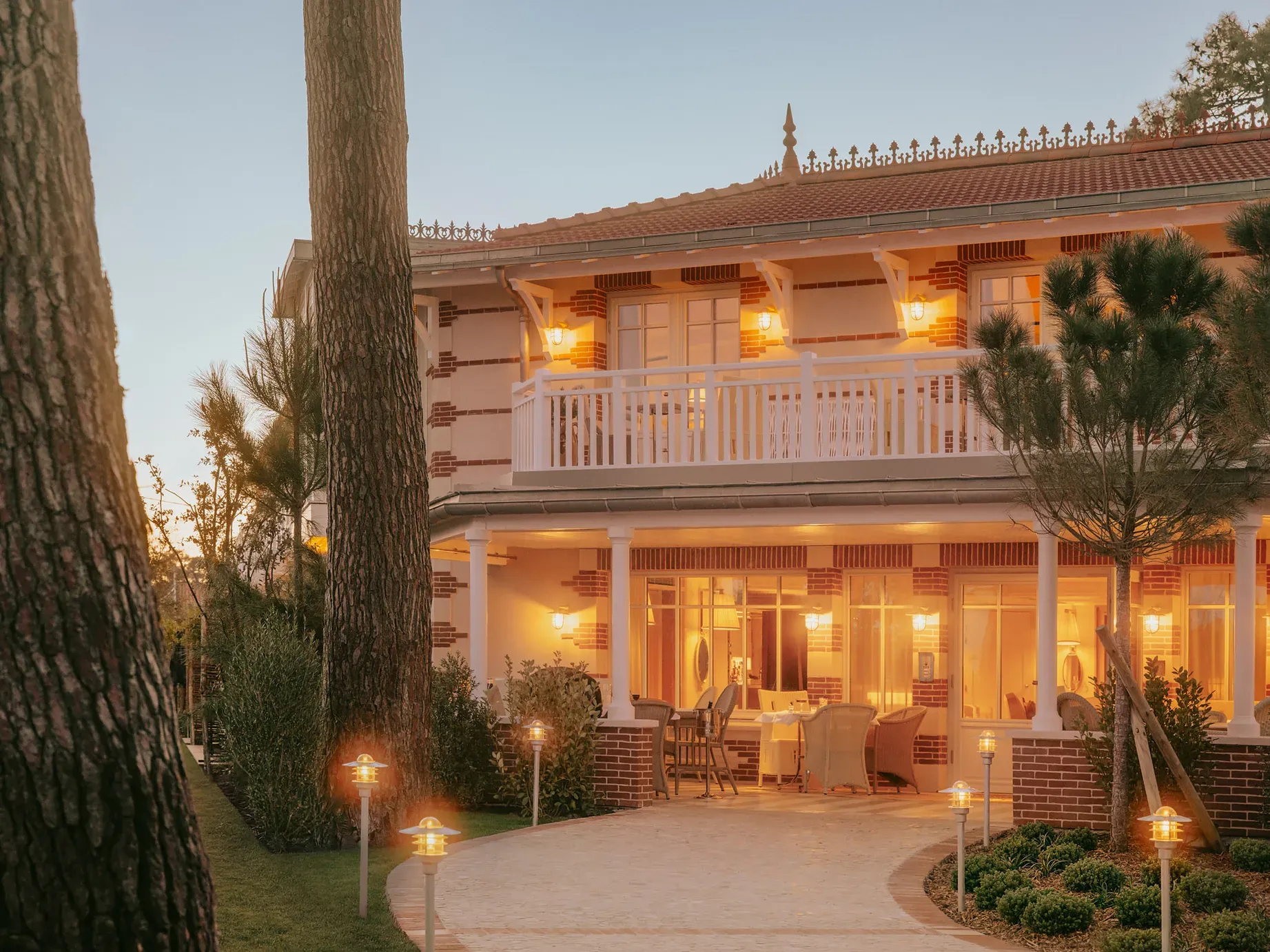
Location: Cap Ferret, France One of France’s most anticipated hotel openings of 2026, Hotel Villa Colette has brought a new level of luxury to Cap Ferret, the quietly glamorous Atlantic peninsula known for its oyster villages, pine forests and enduring appeal among those who favour discretion over spectacle. Opened in April and designed by Philippe Starck, the 28-room property overlooks Arcachon Bay and occupies an elegant neo-19th-century villa, where pastel-toned interiors, generous terraces and a distinctly residential atmosphere capture the relaxed sophistication for which the region has become known.
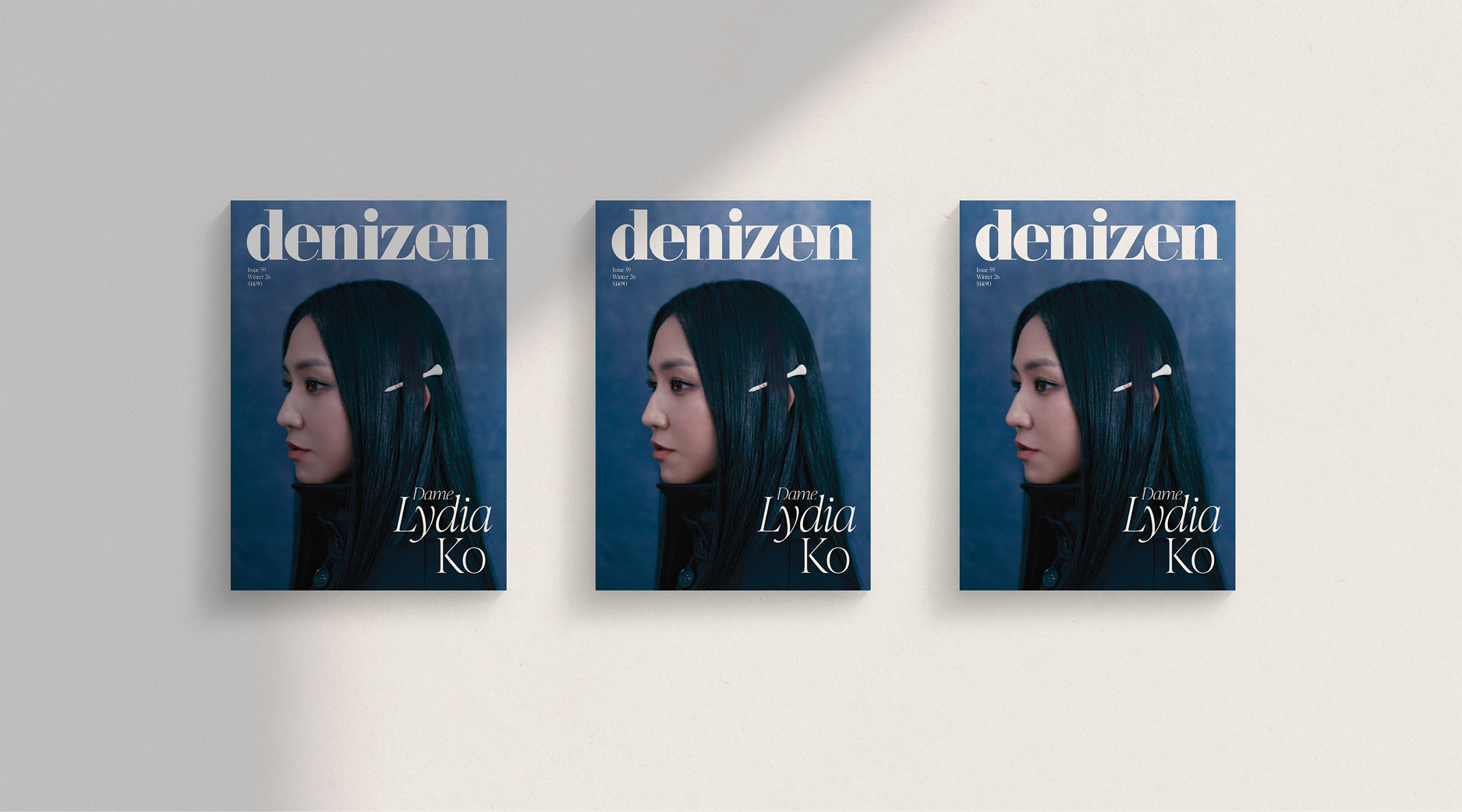
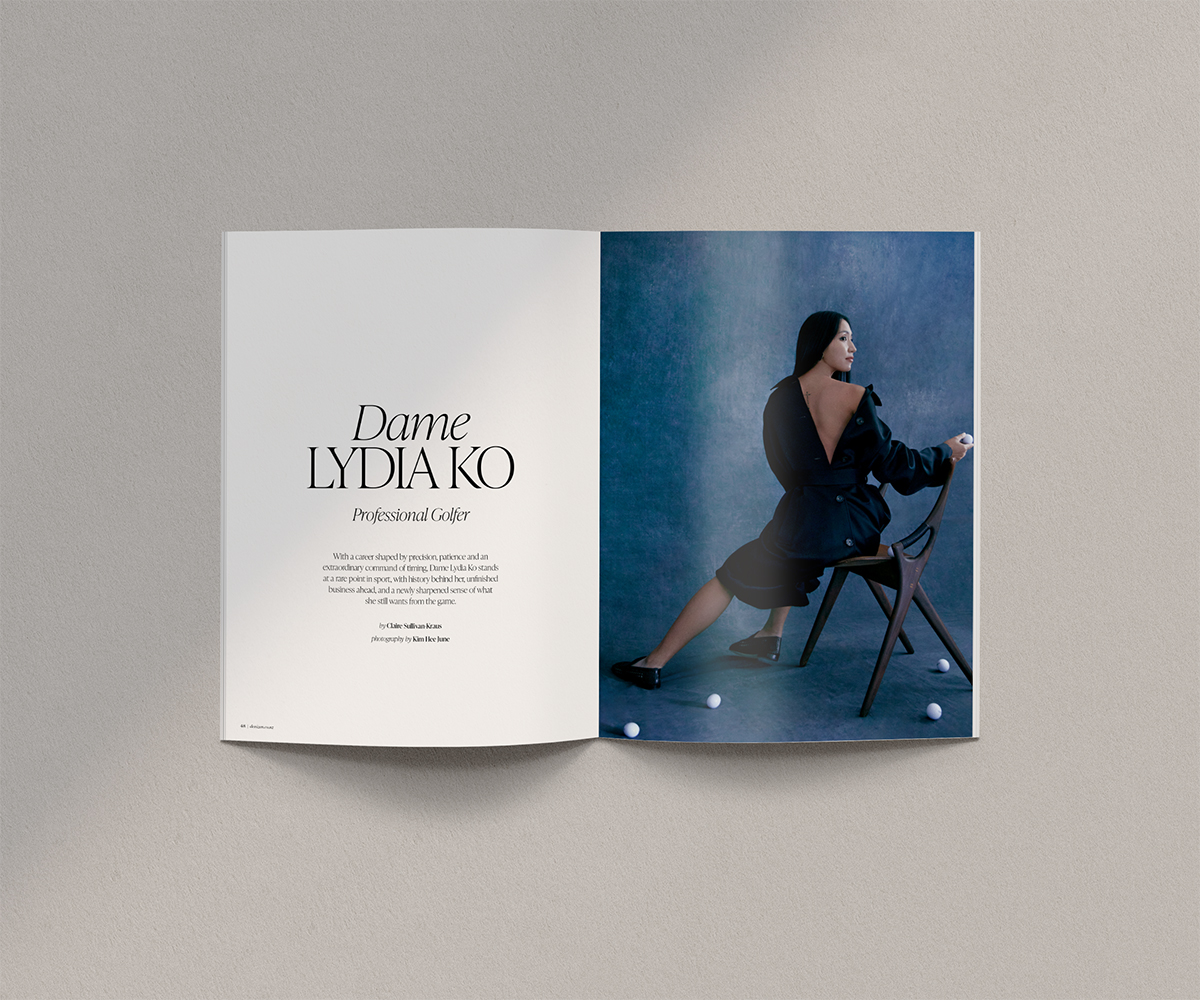
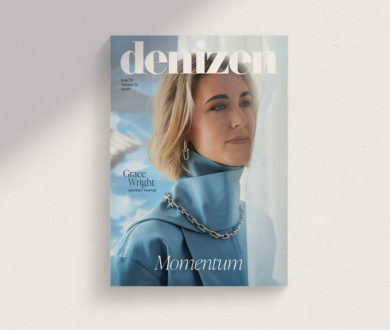
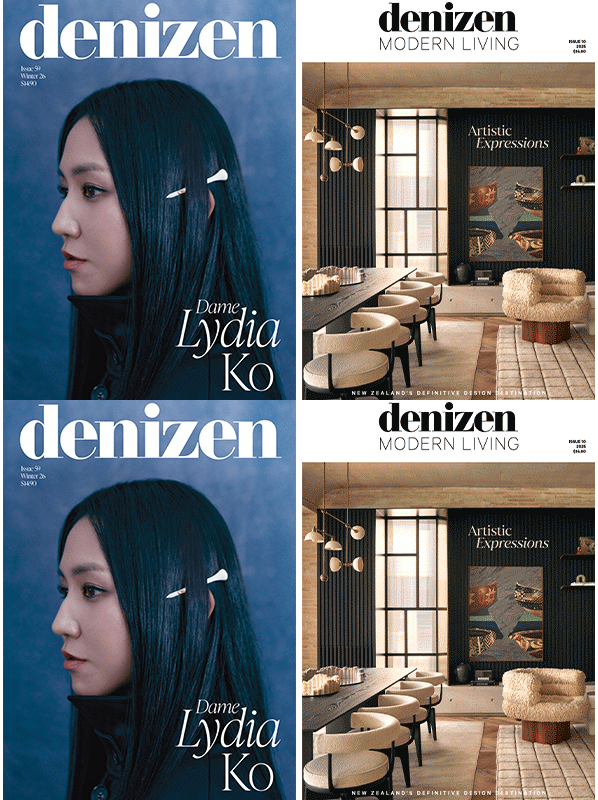
Denizen’s Winter Issue is a celebration of people who have devoted themselves to doing difficult things beautifully. On our cover, Dame Lydia Ko stands as one of New Zealand’s most remarkable global figures, an athlete whose career has been shaped by precision, patience and an extraordinary command of timing. Measured since adolescence by rankings, medals, majors and milestones, Ko’s story has become far more interesting than numbers alone. Still competing, still evolving, and still deciding what the game will allow her to take from her, she embodies a more enduring kind of excellence: one built on resilience, recalibration, and self-possession.
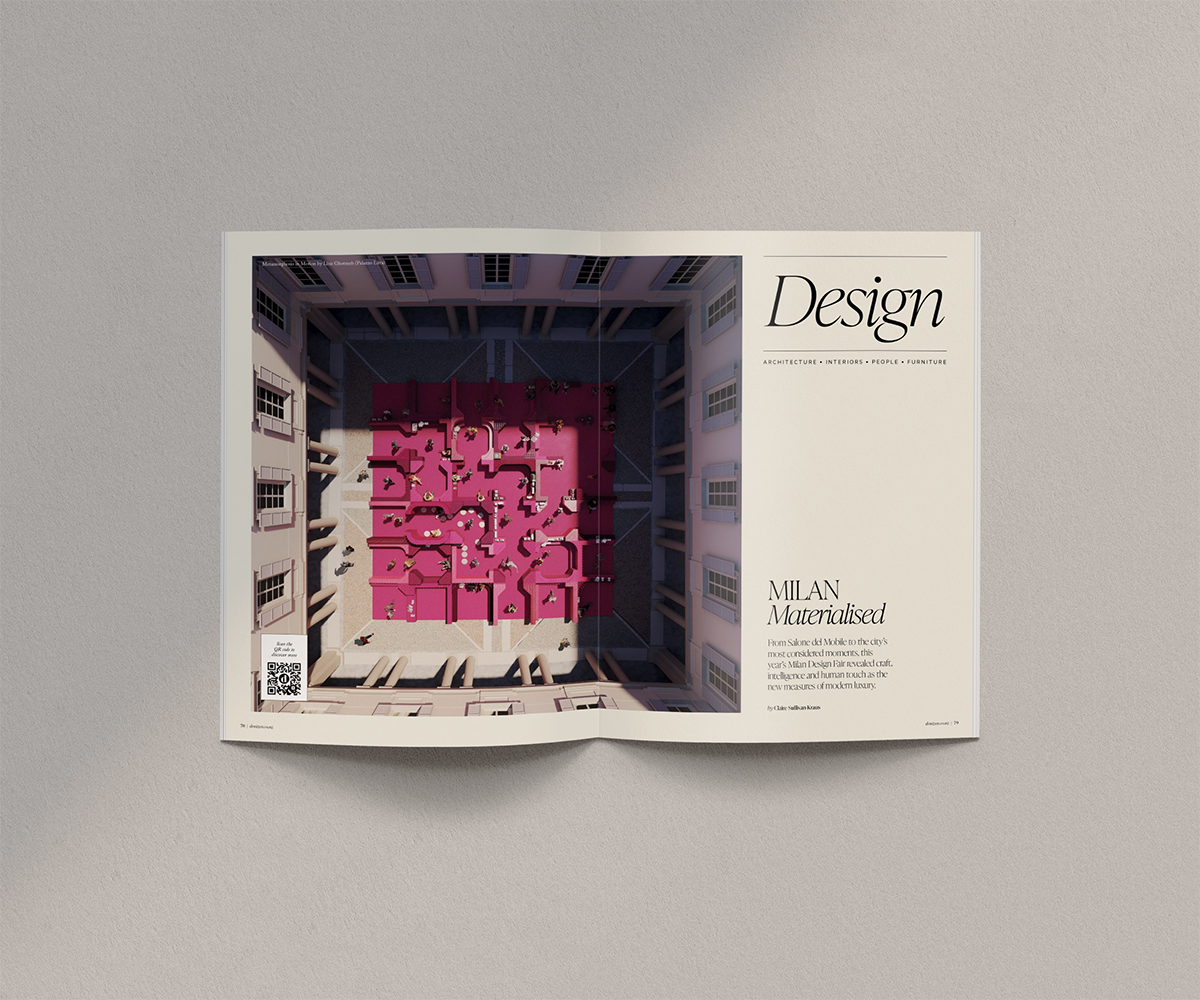
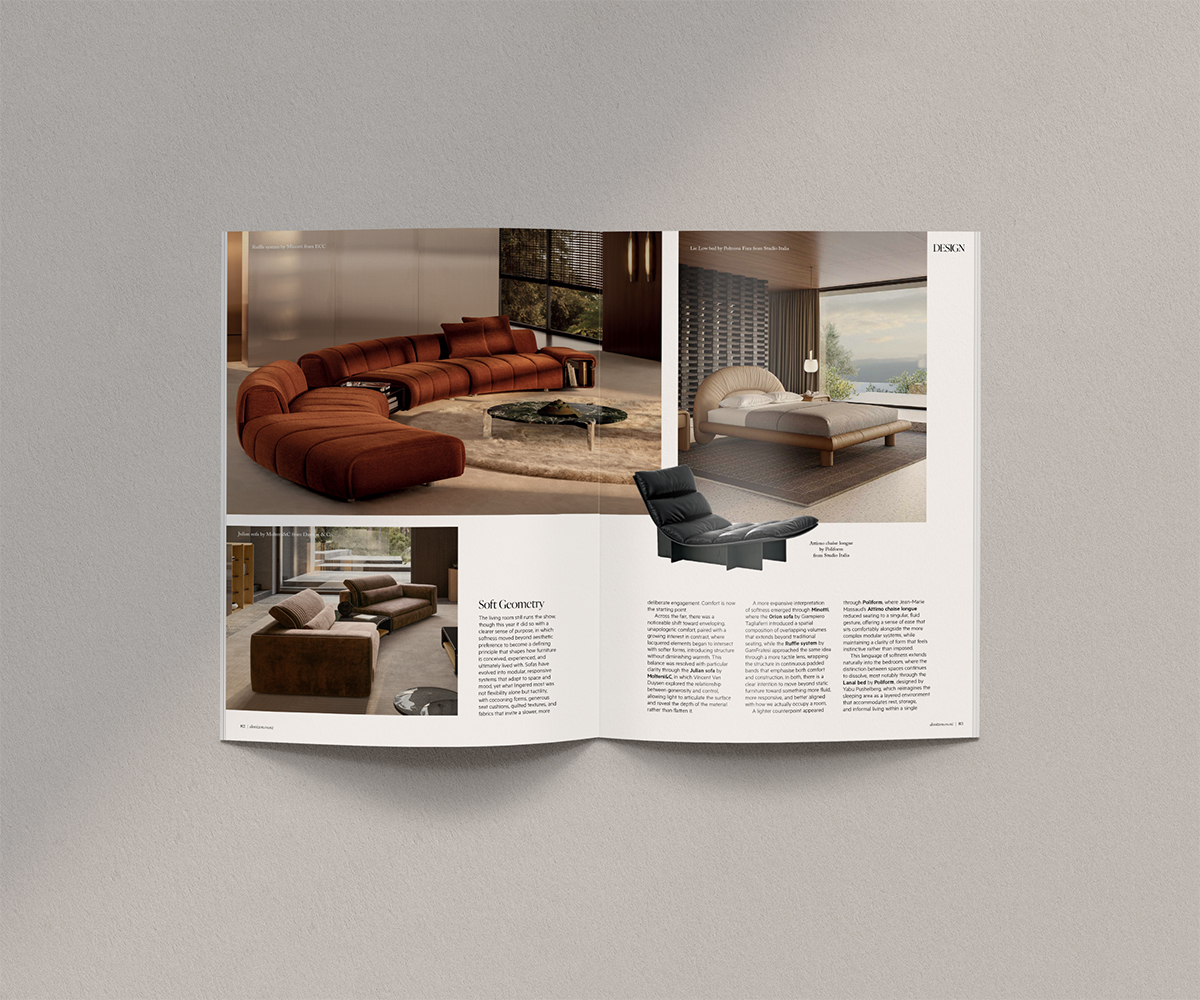
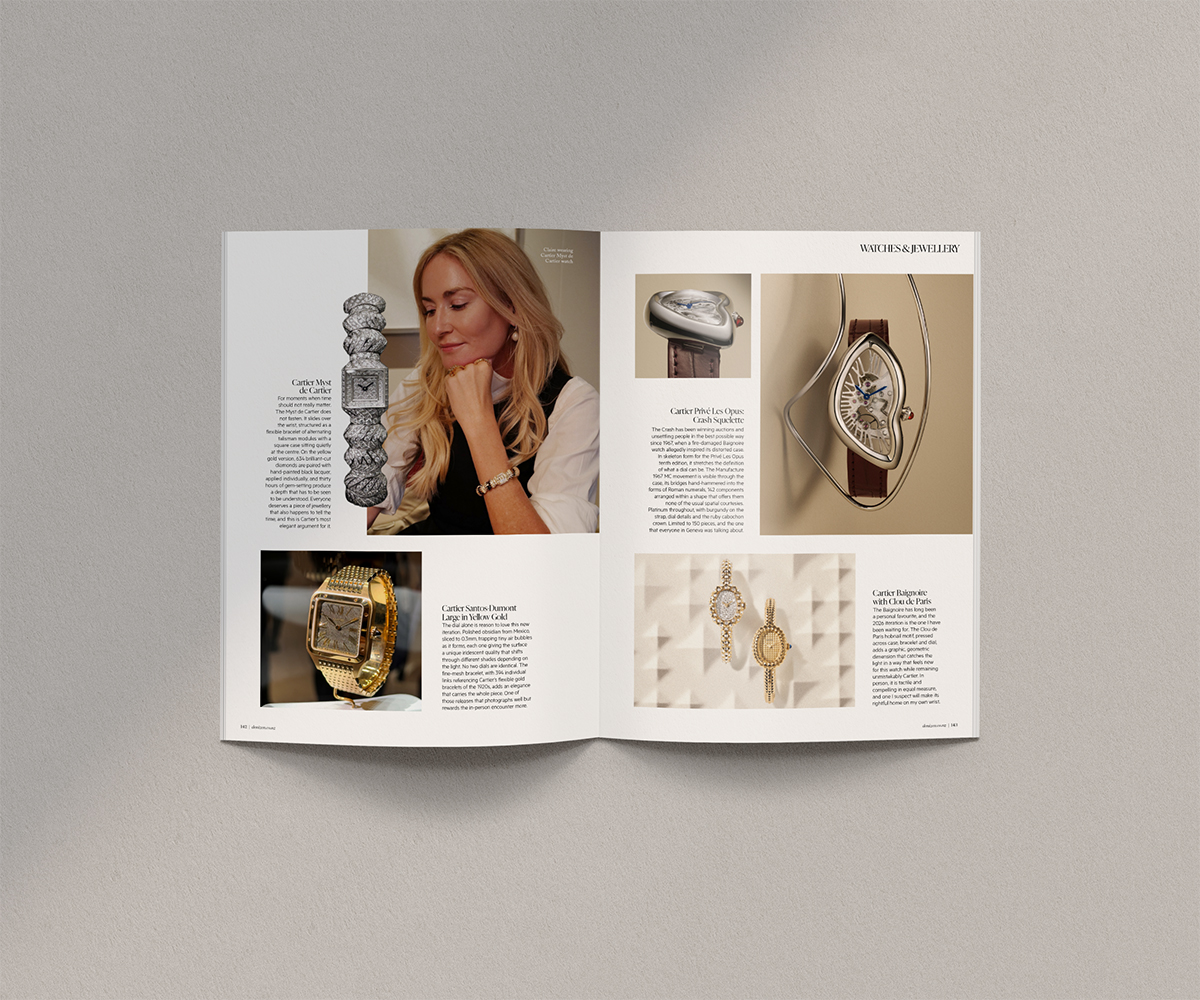
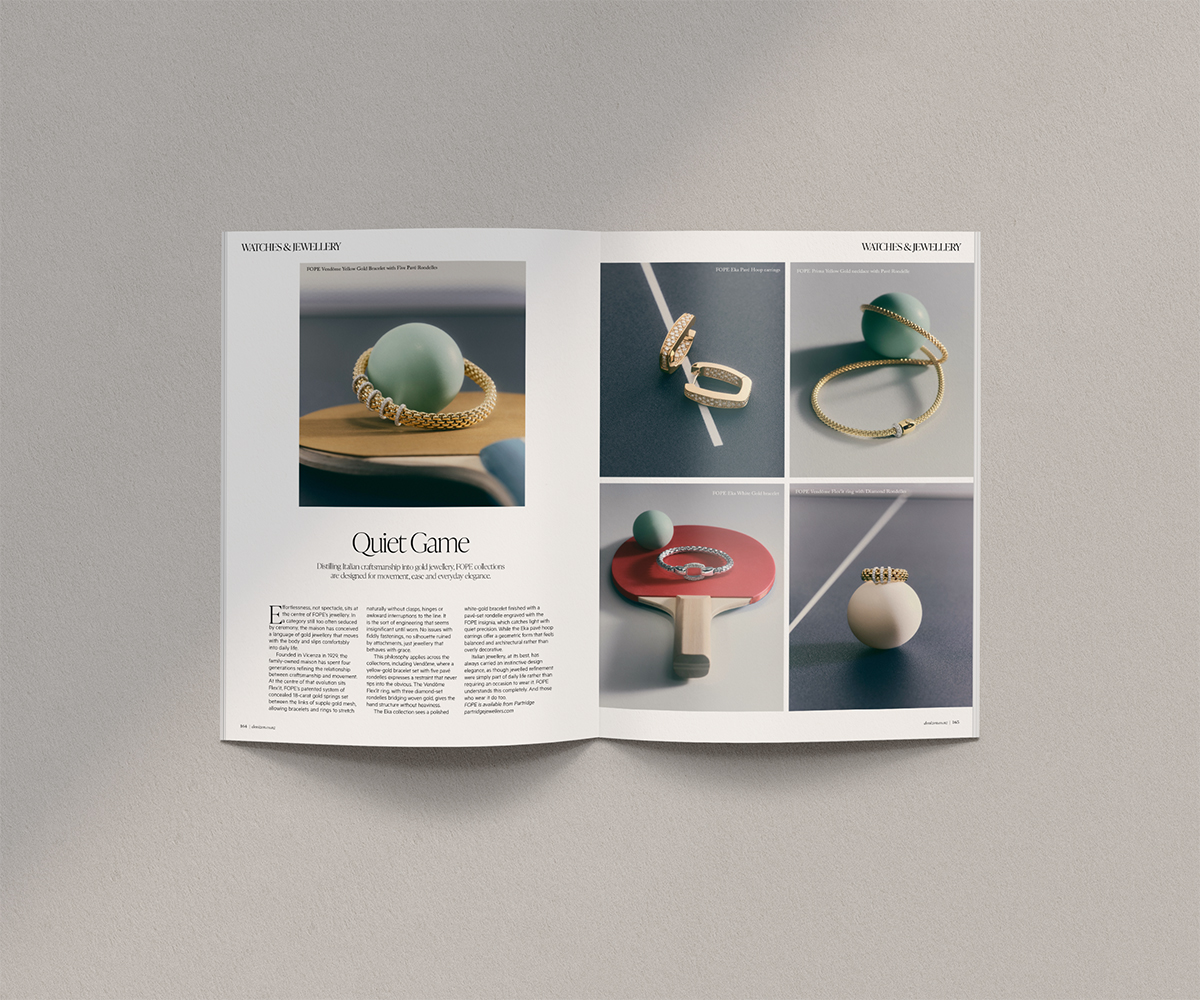
That same spirit runs throughout the issue. From the tactile intelligence of Milan Design Week to the meticulous craft of Watches and Wonders in Geneva, this issue is a reminder of the strength, texture and value of the human skill. From objects meticulously made by hand, careers built over time, ideas shaped through discipline, and the quiet power of people who have gone deep into their craft rather than chasing the noise around it.
At a moment when the world is increasingly seduced by speed, shortcuts and imitation, our Winter Issue makes a case for something more substantial: ambition with depth, creativity with rigour, and success earned through devotion.
Our Winter Issue is available at all good newsagents and supermarkets, or do yourself a favour and subscribe below.
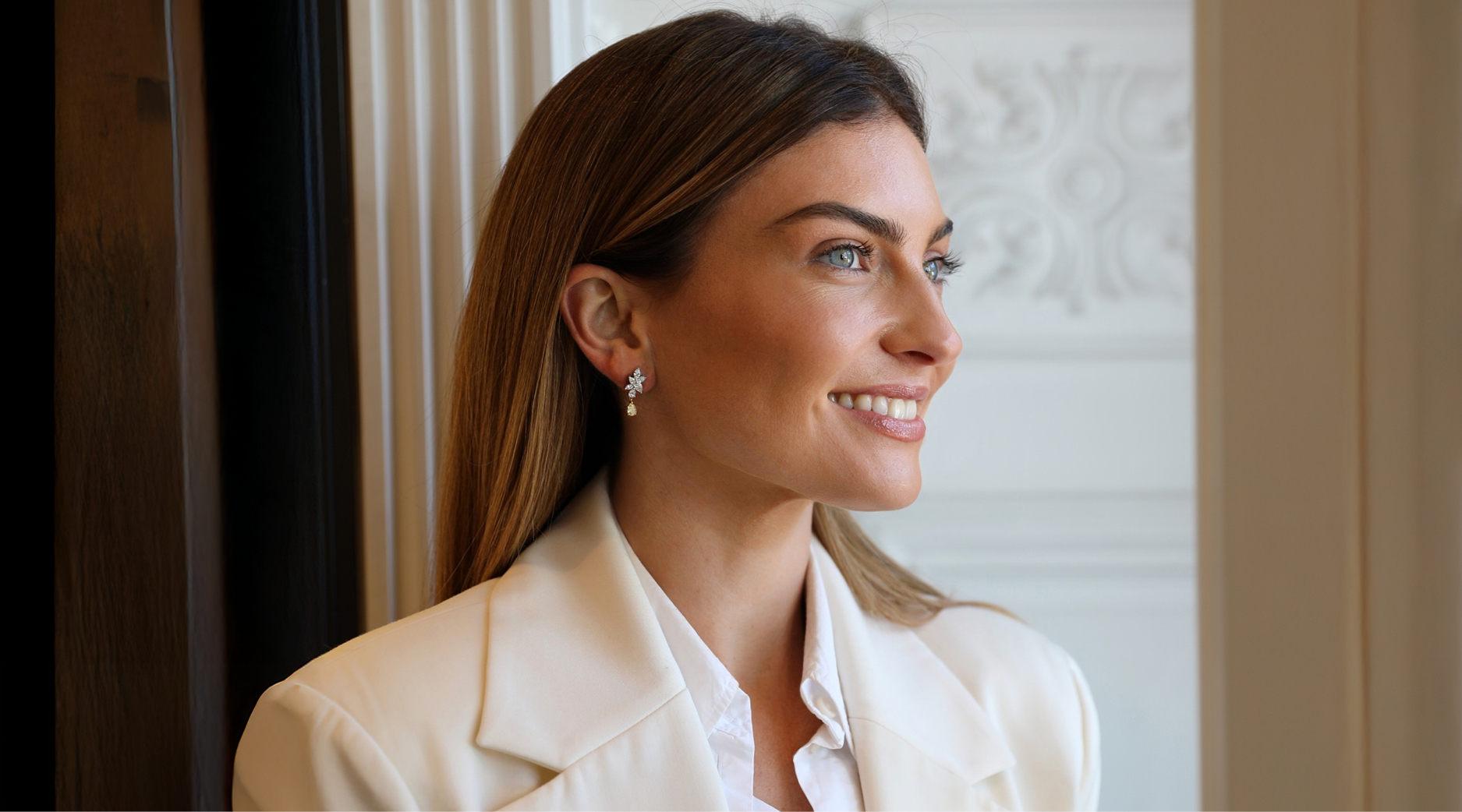
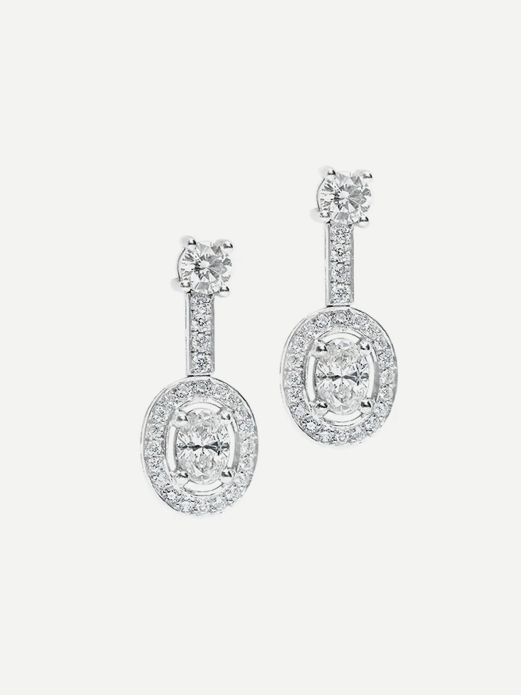
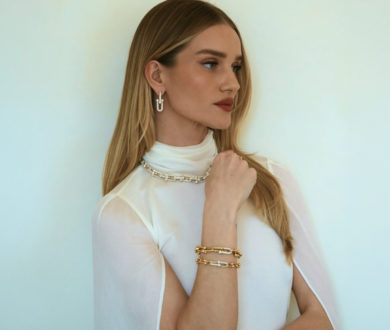
There are accessories that merely accompany an outfit, and then there are those that quietly command it. Drop earrings belong firmly in the latter category. They alter proportion, frame the face, catch the light at precisely the right moment, and, perhaps most importantly, create the impression that the wearer has considered every detail without appearing to have tried particularly hard at all.
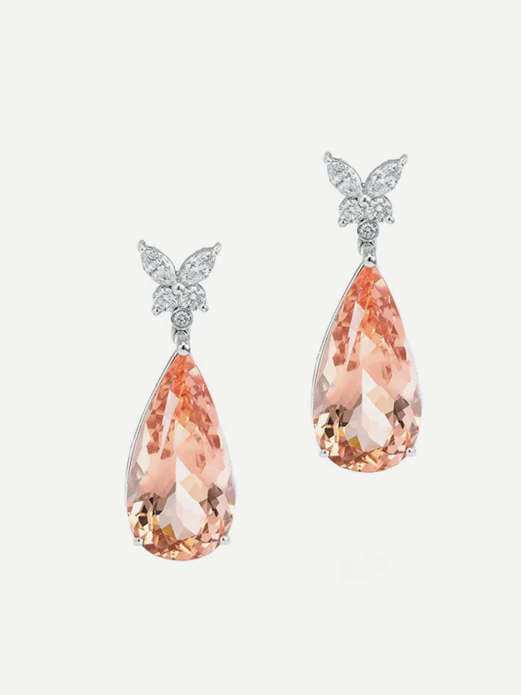
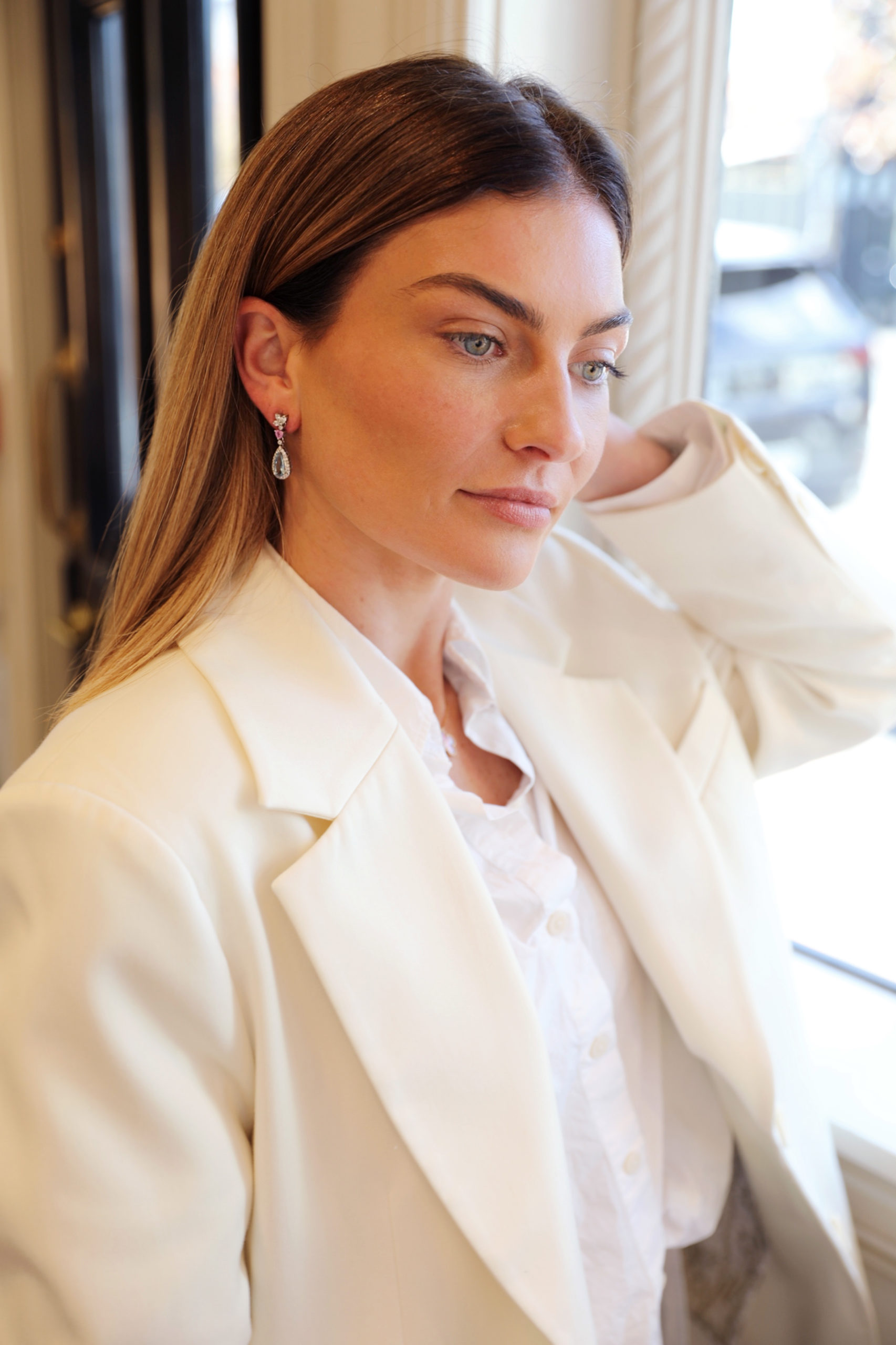
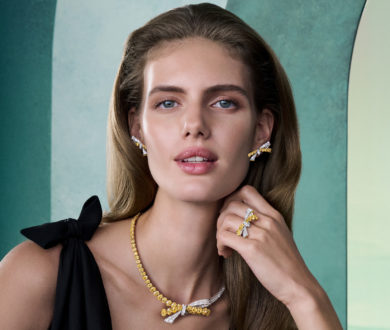
Libby Owen wearing I See Fire Morganite and diamond earrings from Sutcliffe
For centuries, earrings have functioned as fashion’s most strategic flourish. In the 18th century, elongated drops balanced towering powdered hairstyles; by the 1930s, innovations in fittings transformed earring design into something increasingly sculptural and expressive. Today, as wardrobes lean towards restrained tailoring, fluid monochrome dressing and clean silhouettes, the focus once again shifts upward. A beautifully designed drop earring introduces movement and brings a sense of polish that even the best blazer cannot quite achieve on its own.
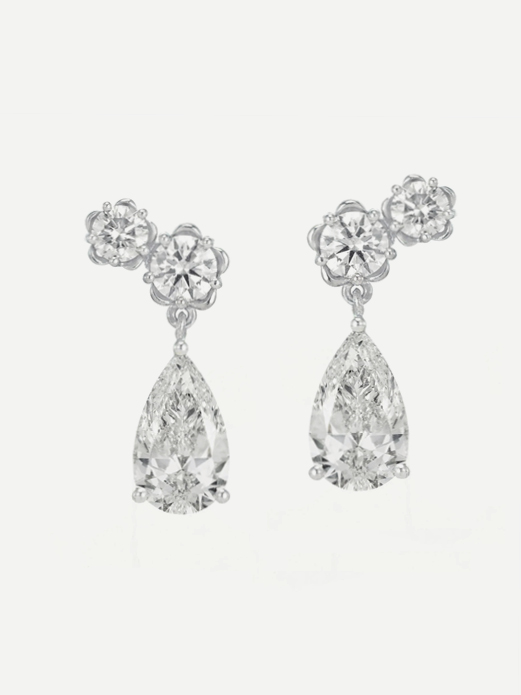
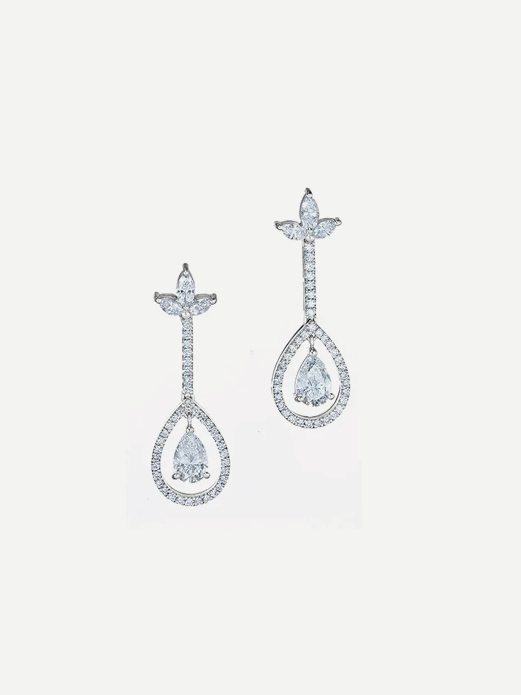
Fiore Ear Climbers with Pear Diamond Drops from Sutcliffe
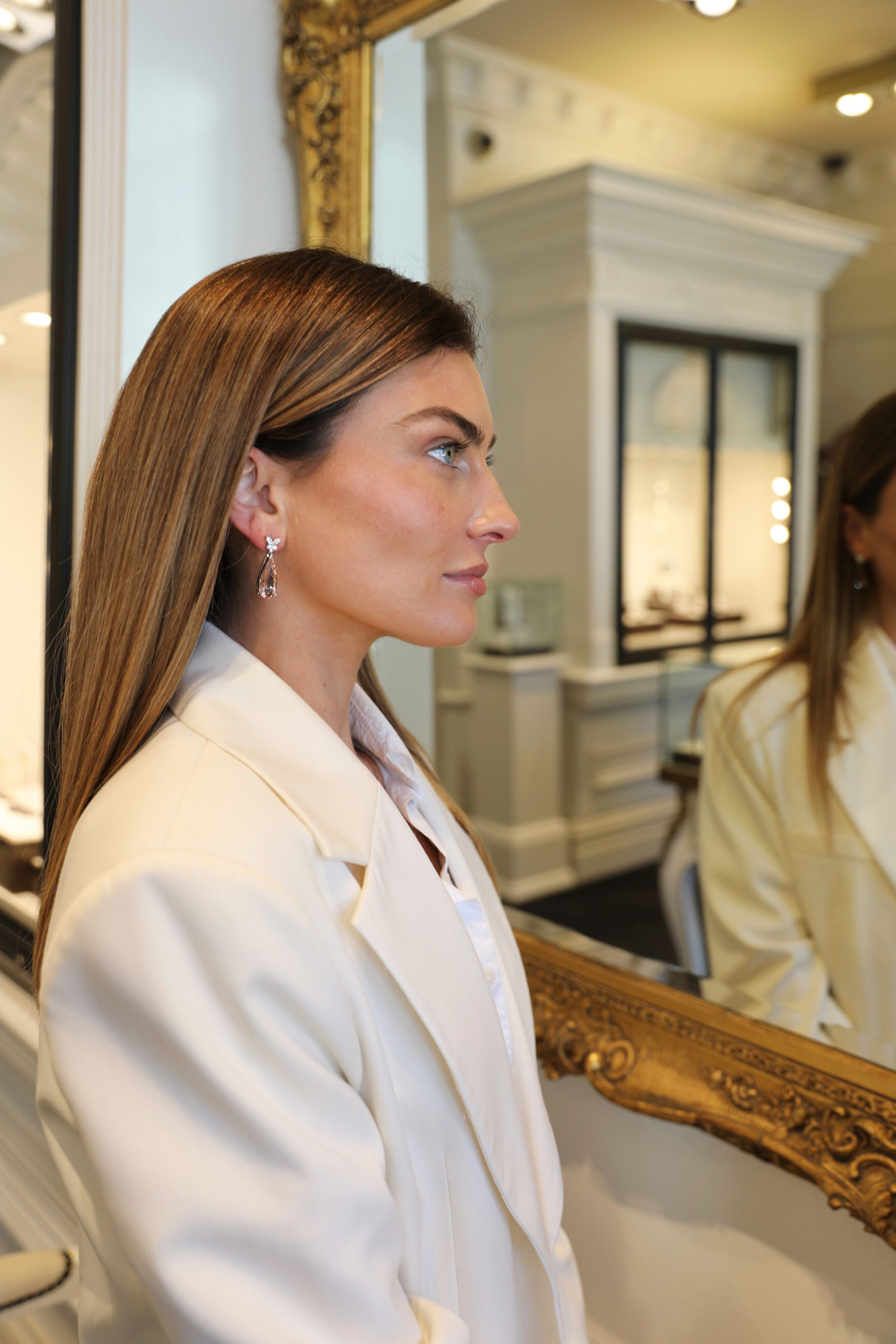
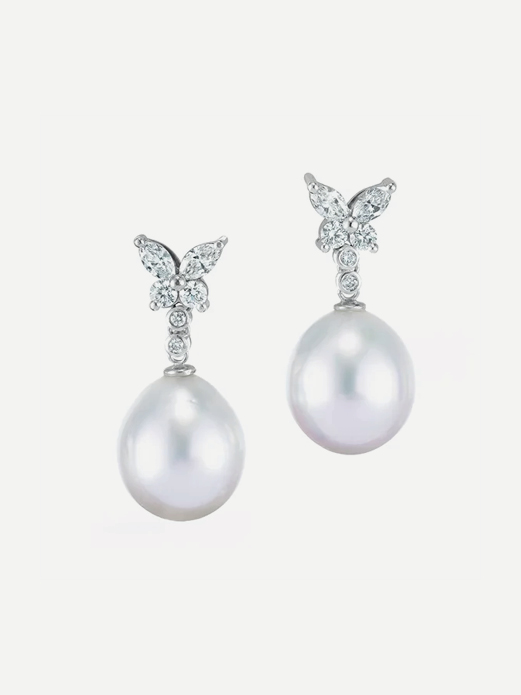
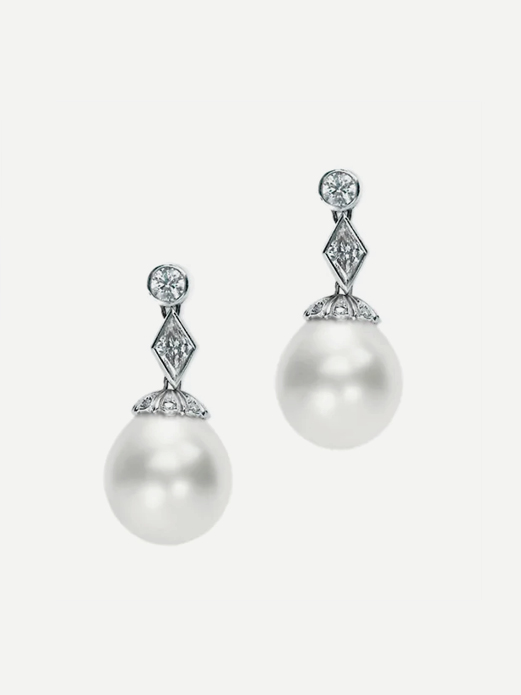
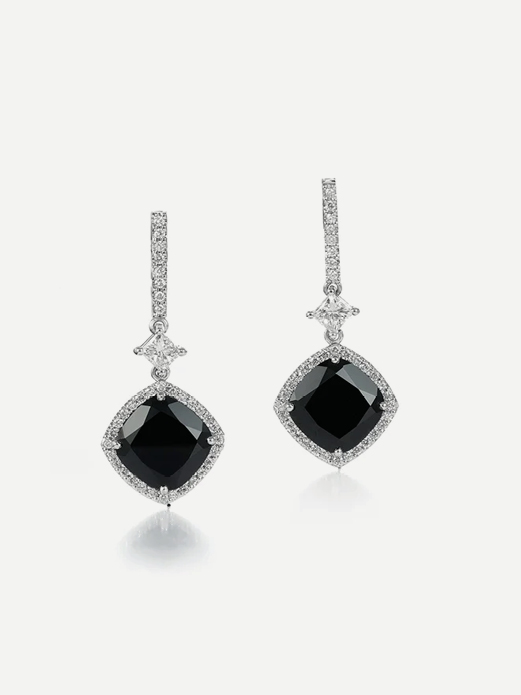
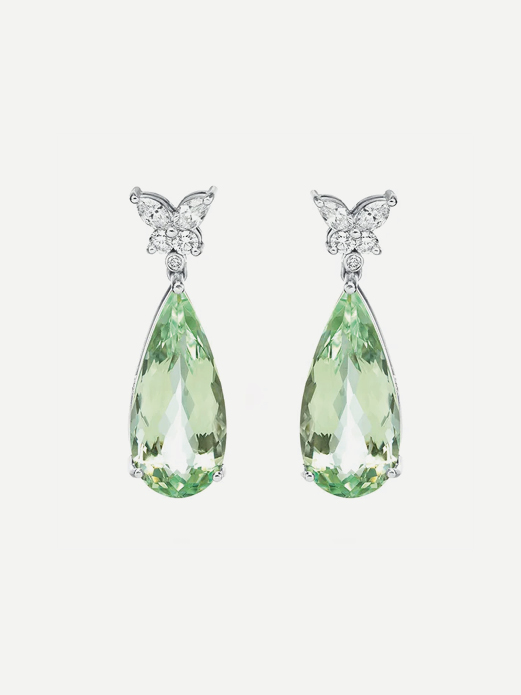
This is where Brent Sutcliffe excels. Known for bespoke craftsmanship and an instinctive understanding of proportion, Sutcliffe’s drop earrings range from quietly refined diamond styles suited to everyday wear through to dramatic gemstone creations designed for evenings that warrant a little theatre. Some are delicate and linear, allowing diamonds to softly illuminate the skin, while others embrace sculptural curves, coloured stones and bolder silhouettes that transform even the simplest white shirt and jeans into something deliberate and impossibly chic.
Libby Owen wearing Spirited style Aquamarine and pink sapphire diamond earrings from Sutcliffe
What makes drop earrings endure is their versatility. Worn during the day, they bring elegance to otherwise understated dressing. In the evening, they become transformative, elongating the neckline, lifting the face and adding movement with every turn of the head. They possess the rare ability to feel glamorous without overwhelming.
Sutcliffe offers a variety of designs available from existing collections, alongside custom-made pieces developed in collaboration with clients seeking something deeply personal. Whether selecting a refined pair of diamond drops destined for daily wear or commissioning an heirloom intended for milestone occasions, the result is jewellery designed not simply as accessories, but as pieces of personal significance.
Because the truth is, leaving the house with naked earlobes is rather like leaving the house without a sense of purpose.
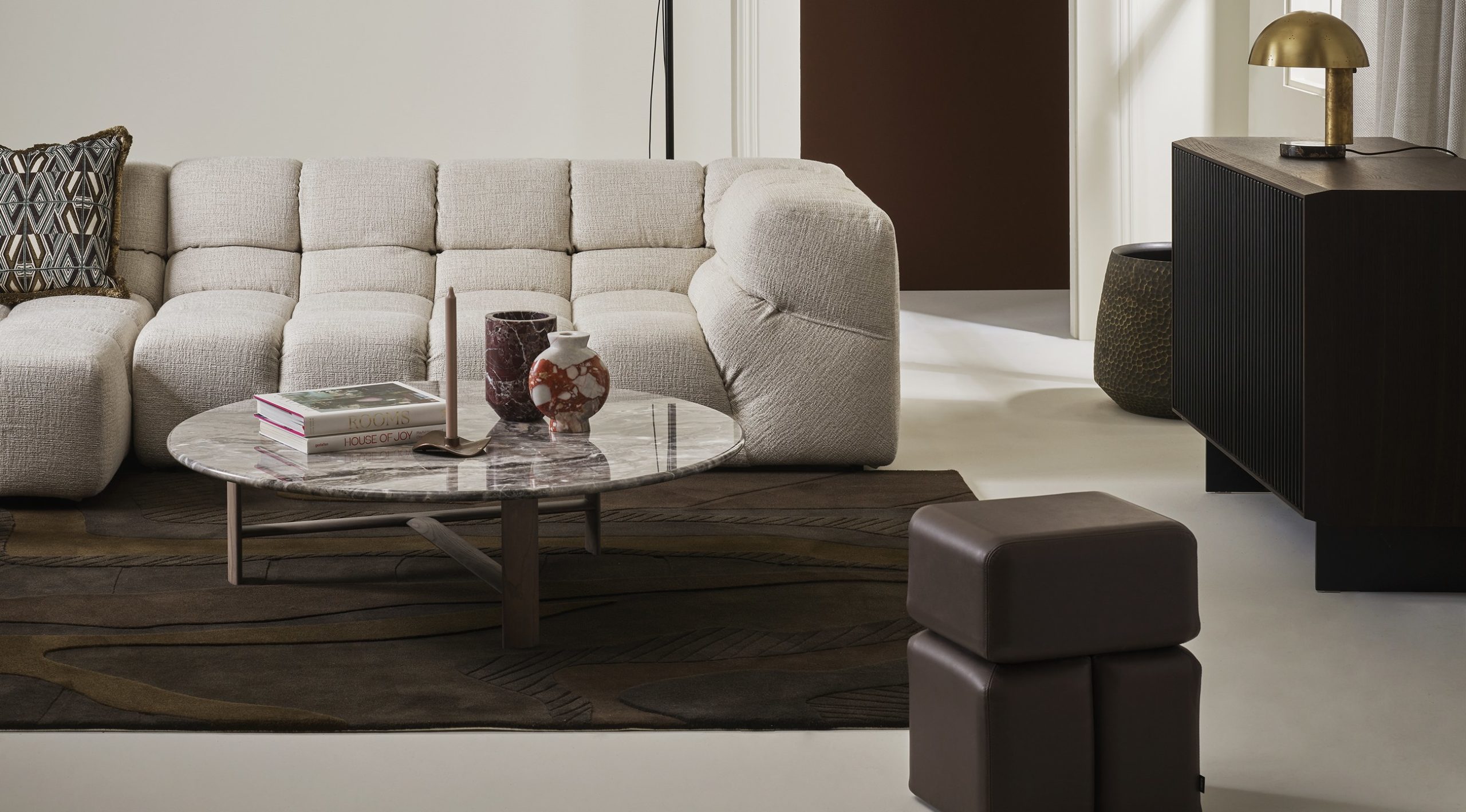
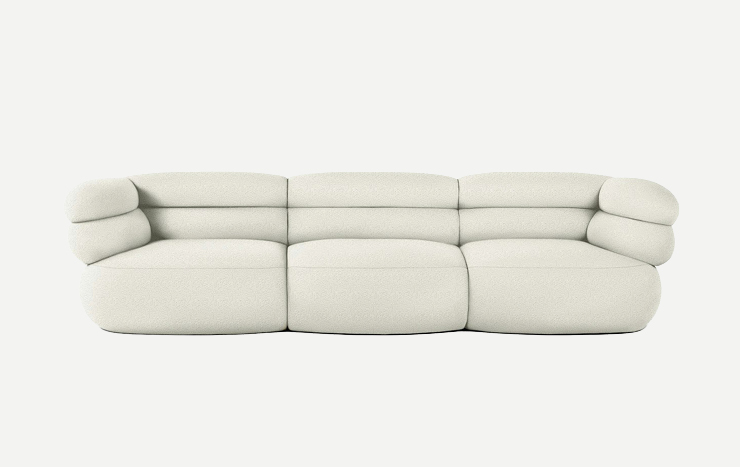
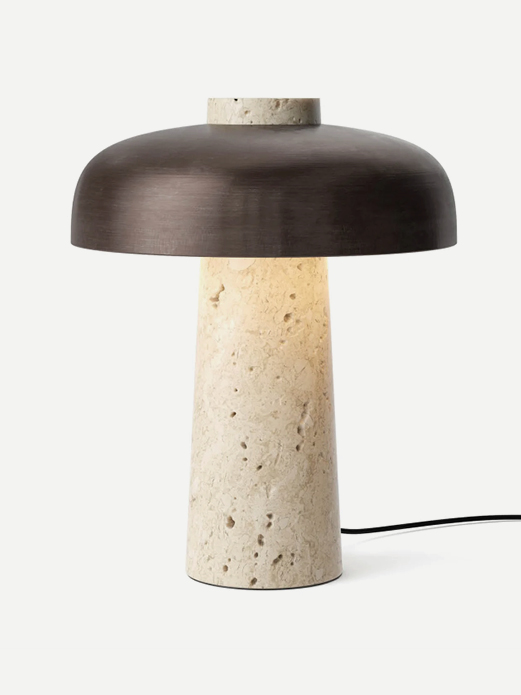
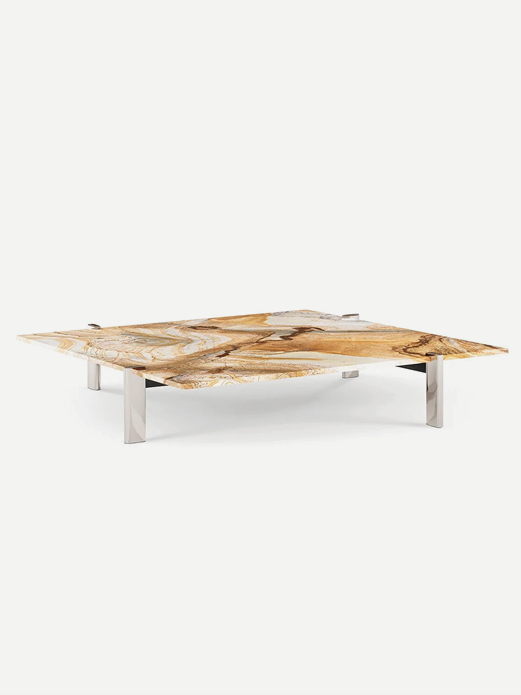
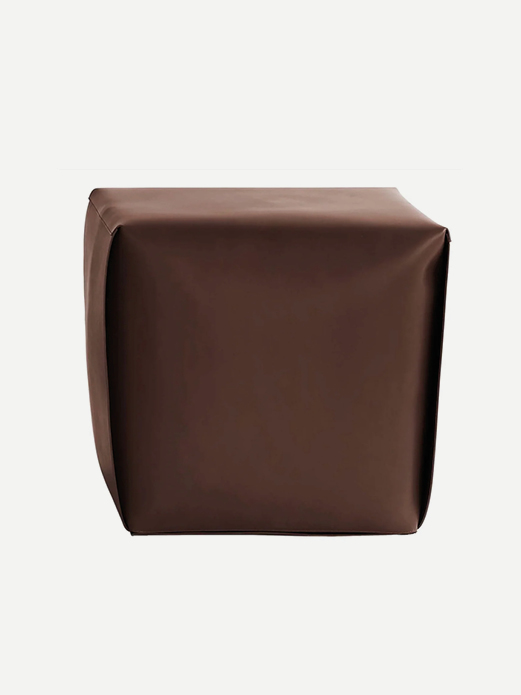
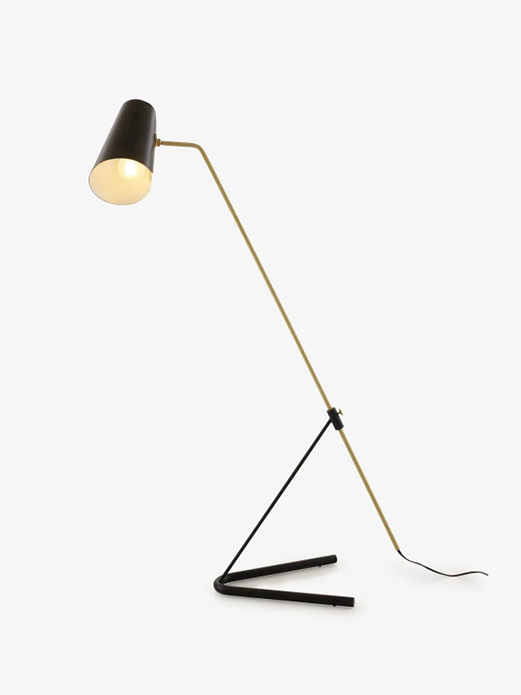
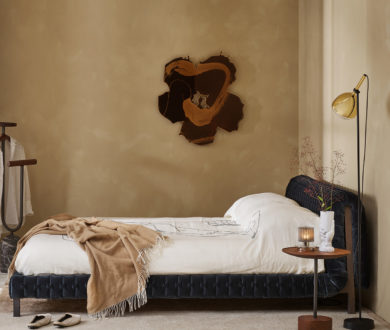
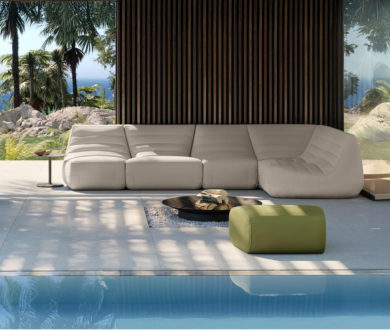
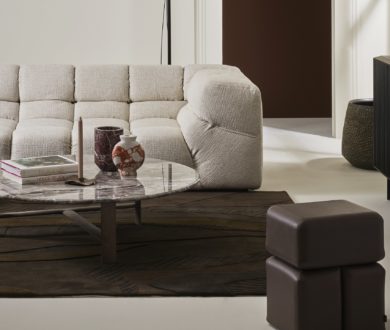
Tufty Time sofa by B&B Italia, Mocki coffee table by Frigerio, Awkward floor light by Karakter and Soft Corners ottoman by Cassina, all from Matisse. Costine buffet and Koppar vase (on floor) from Bradfords. Liepa table lamp by Soho Home, Alma vase and Sesso vase, from Obery. Tactility fabric in colour Paper as curtain from James Dunlop Textiles. La-de-da candle holder from Night Works Studio. Broste classic taper candle from Tessuti. Synoptic wool rug from Designer Rugs.
Forget the crisp look of summer interiors. As the light softens and the days draw in, the home’s most occupied rooms are reaching for warmth with weight, tones that invite us to curl up in comfort, emitting a candlelit glow. While the palette is subtle, the changes in tonal shades add a nuanced confidence that can make even the coldest room in the house feel inviting.
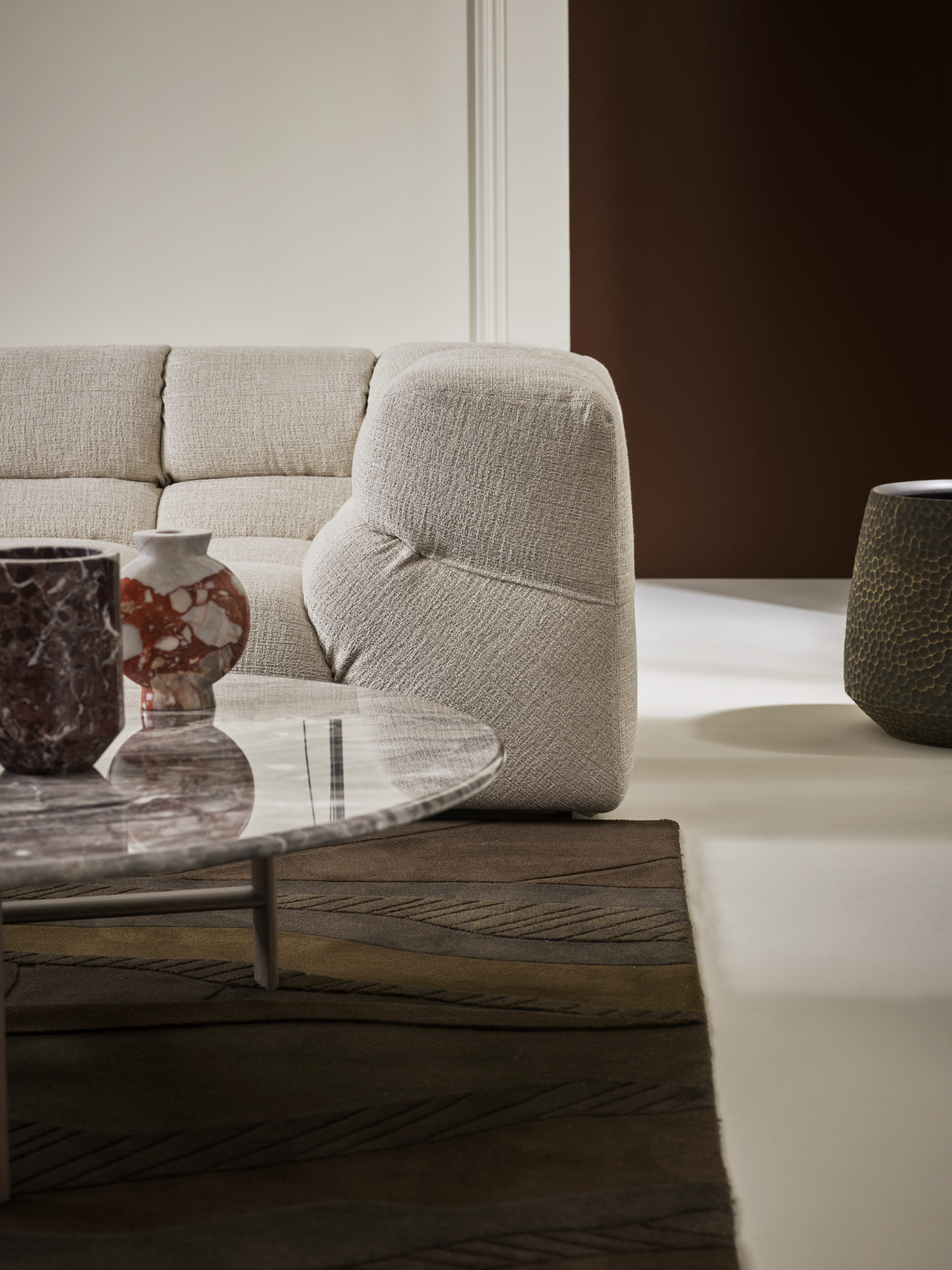
Tufty Time sofa by B&B Italia, Mocki coffee table by Frigerio, from Matisse. Alma vase and Sesso vase by Soho Home from Obery. Koppar vase (on floor) from Bradfords. Synoptic wool rug from Designer Rugs.
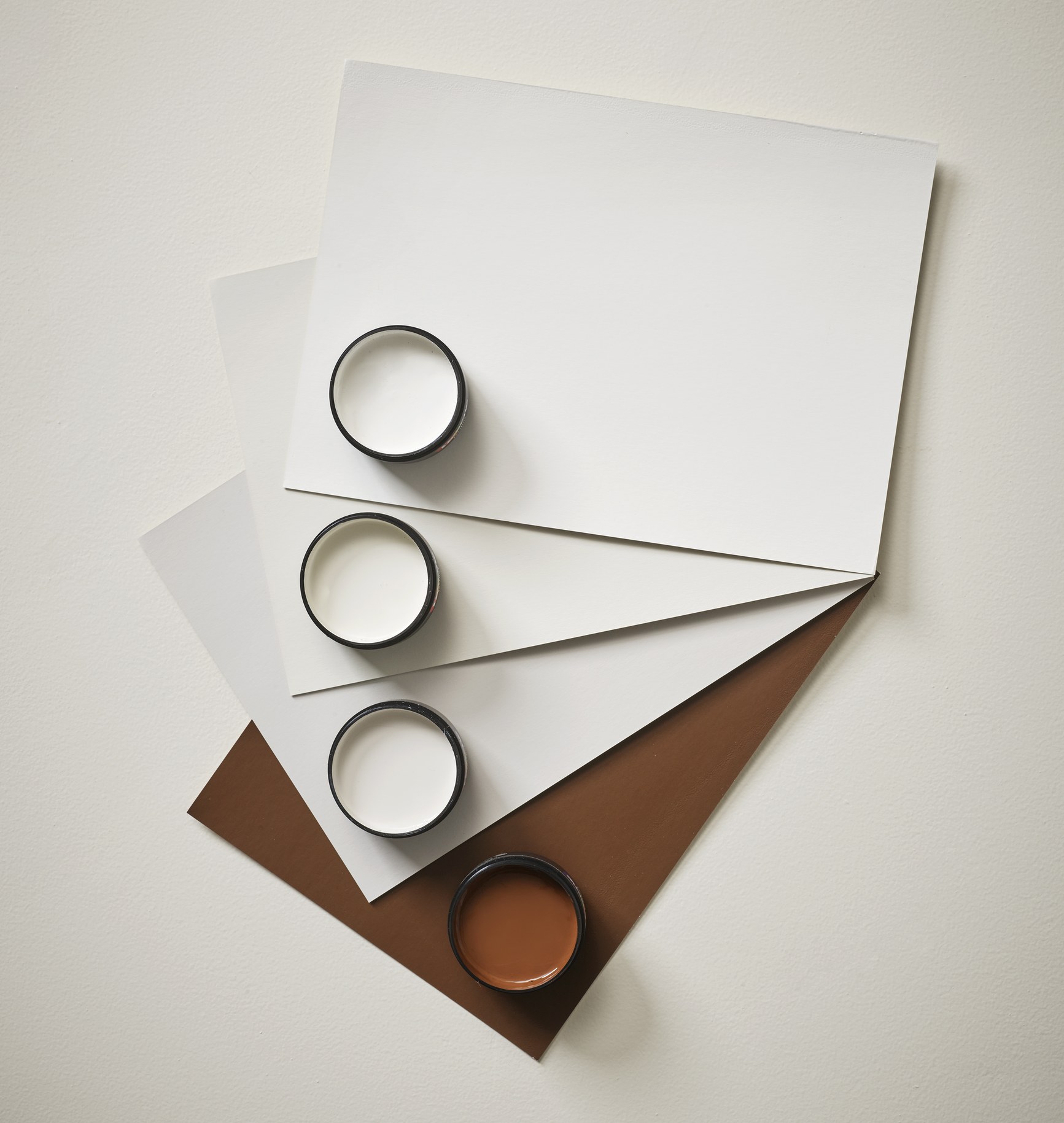
The starting point is Resene Thorndon Cream, a soft shade that holds its own in low light and is perfect across the walls. Lifting the ceiling with Resene Half Thorndon Cream, a barely-there variation that quietly opens the room. On the floor, Resene Half Truffle in a Walk-On finish grounds the scheme with a putty-toned warmth that flatters furnishings in timber and stone in equal measure. The effect is cohesive without ever feeling forced. This often overlooked colour scheme has the ability to allow bouclé sofas, marble tables and dark timber sideboards to work together in natural harmony.
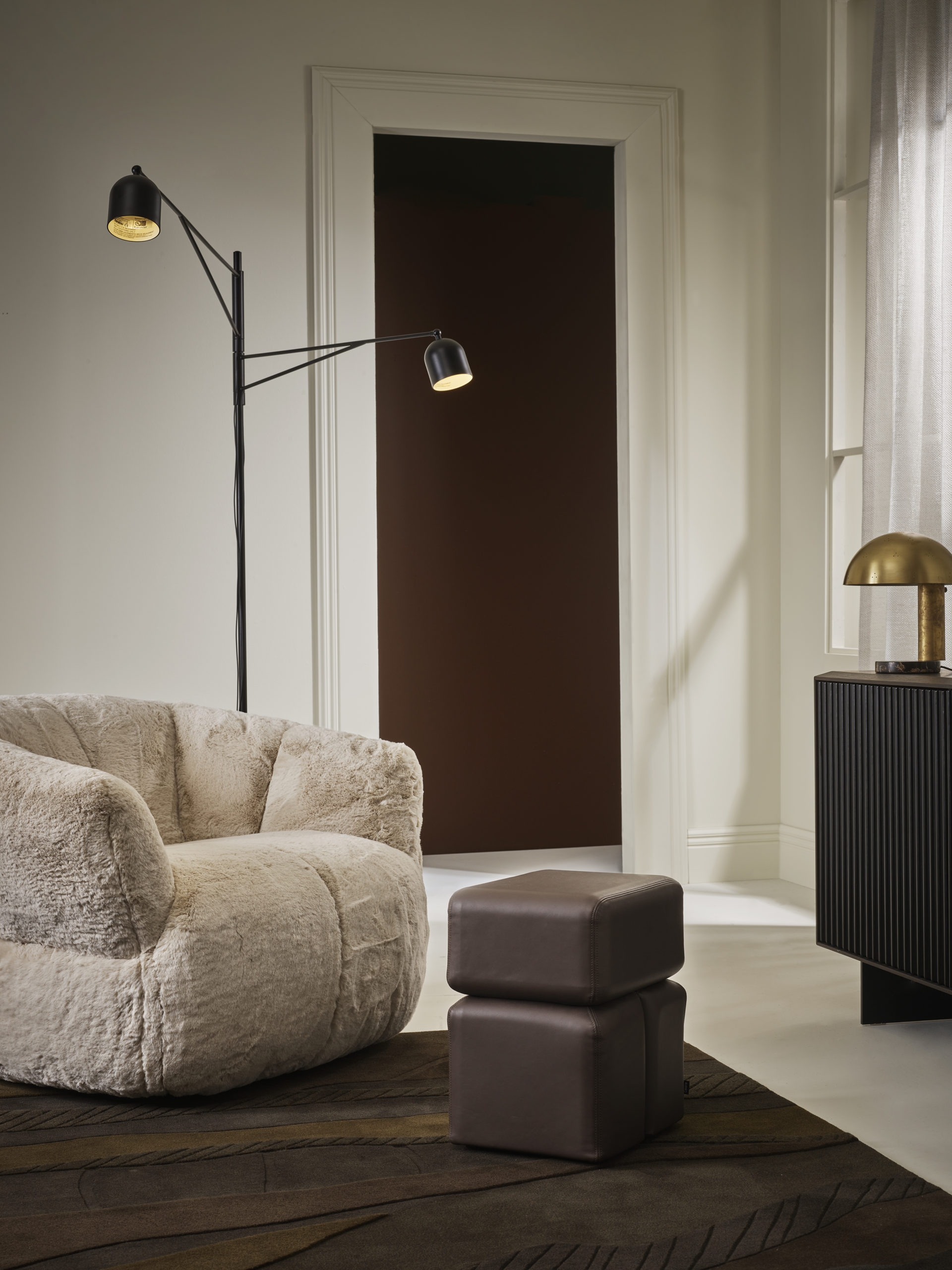
Awkward floor light by Karakter and Soft Corners ottoman by Cassina, from Matisse. Xano 360 Swivel Accent chair and Costine buffet from Bradfords. Liepa table lamp by Soho Home from Obery. Tactility fabric in colour Paper as curtain from James Dunlop Textiles. Synoptic wool rug from Designer Rugs.
The masterstroke is what happens at the threshold. Add a darker colour like Resene Milk Chocolate and the contrast does the work that art might otherwise do. A deep but warm tone that turns the passage between rooms into a moment. This is winter colour at its most comforting. Quiet, layered, and built for staying at home.
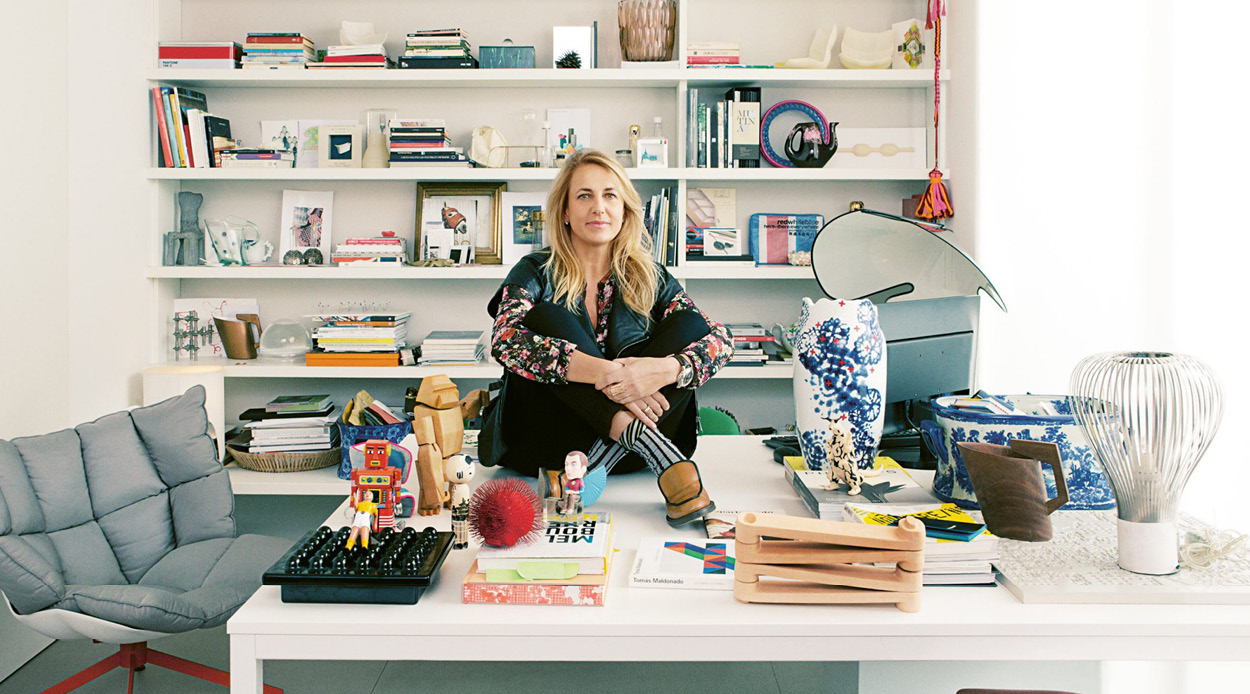
Type ‘Patricia Urquiola’ into Google, and it becomes immediately clear the omnipresence of this iconic designer. Almost every result relates to a different project she has undertaken. From boutique and showroom fit outs to furniture collaborations with some of the world’s most impressive brands to hotel interiors, Urquiola’s deft and unique design has touched almost every corner of our lives. She even released a fashion collection for Max Mara last year — such is the versatility of her creative genius. Any exploration of this particular designer must start with the question of how she has achieved such a prolific presence, and how her vision is able to cross so many boundaries to be applied to a breathtakingly broad body of work. Because while the canon of designers who are considered ‘iconic’ is indeed vast and varied, very few of Urquiola’s peers, or even forebears, can lay claim to such an impressive reach. Here, we delve into her life and career through some of her most recognisable work.
Last year, Patricia Urquiola said to Noor Brara for The New York Times, “Ultimately, the work of an artist comes down to… searching for your own idea of quality, a pursuit that requires freedom, for which you must advocate.” It is a sentiment that cuts to the heart of Urquiola’s vast and varied body of work. Because even if you are unfamiliar with Urquiola’s name, you’ll likely have encountered something she has designed, or experienced her unique vision.
Born in Spain and now based in Milan, Patricia Urquiola has established herself as one of the most sought-after names in contemporary design and interiors globally. She has worked with lauded brands all over the world (including Cassina, for whom she has been Creative Director since 2015), and undertakes a range of industrial design, architecture, art direction and consulting projects under the eponymous design studio she established with Alberto Zontone in 2001. Her approach is all about connection and ease, and she is known for pushing the boundaries of what is possible, harnessing research and exploring the limits of technology. And while her designs are often defined by a tendency for colour, clashing details and modern eclecticism, they are always comfortable, inviting and built to last. In fact, part of what has made her so successful as a designer is the way she can balance creativity with comfort. Her ability to temper sculptural, eye-catching design with practical considerations is one of the main reasons why many of her designs continue to stand the test of time. Pieces from her Tufty-Time, Bend and Outdoor designs for B&B Italia, or her collections for Moroso still feel as relevant and impressive today as they did when they were first released (the true hallmark of a great).
Beyond this, it’s Urquiola’s refusal to limit herself to one medium or object or industry that takes her work to another level. Not only has this interdisciplinary designer created iconic furniture, but over the years she has been called upon to create hotel interiors (most recently for the Il Serano Hotel in Como, the spa of Milan’s Four Seasons and the Mandarin Oriental in Barcelona) as well as showrooms, collections and installations for brands like Gianvito Rossi, Missoni, H&M, Max Mara, BMW and more. She is also often called on to speak at design weeks around the world and lecture at revered universities like Harvard. Pieces by Urquiola are on display in a number of art and design museums from MoMA in New York to Paris’ Decorative Arts Museum to the Victoria & Albert in London.
Essentially, Urquiola taps into design in its truest, most authentic essence, her work offering a holistic spectrum that covers objects, textiles, structures and spaces. And while her creative versatility makes it difficult to define her work, our understanding and experience of design is better for her contribution to it.
Here, we examine some of Urquiola’s most revered pieces in a bid to showcase only a snippet of what makes this designer such a timeless icon.
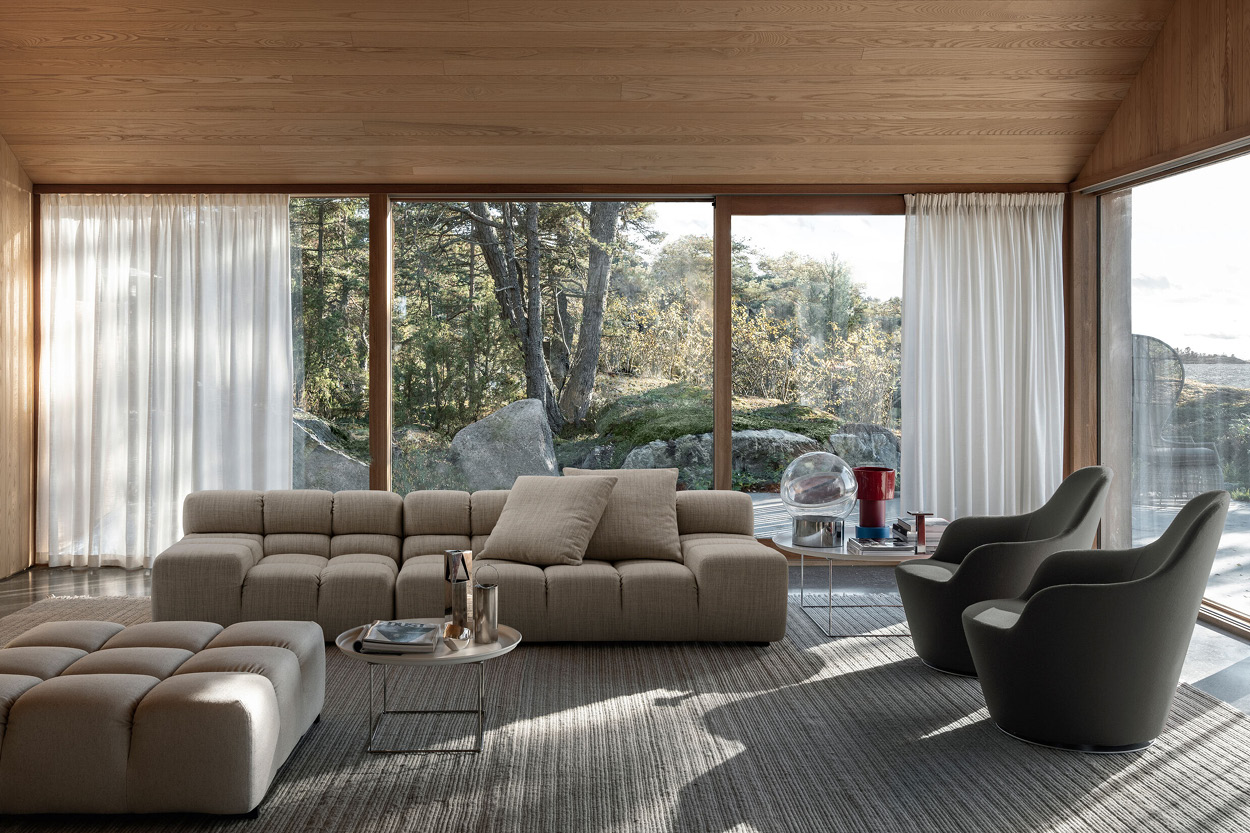
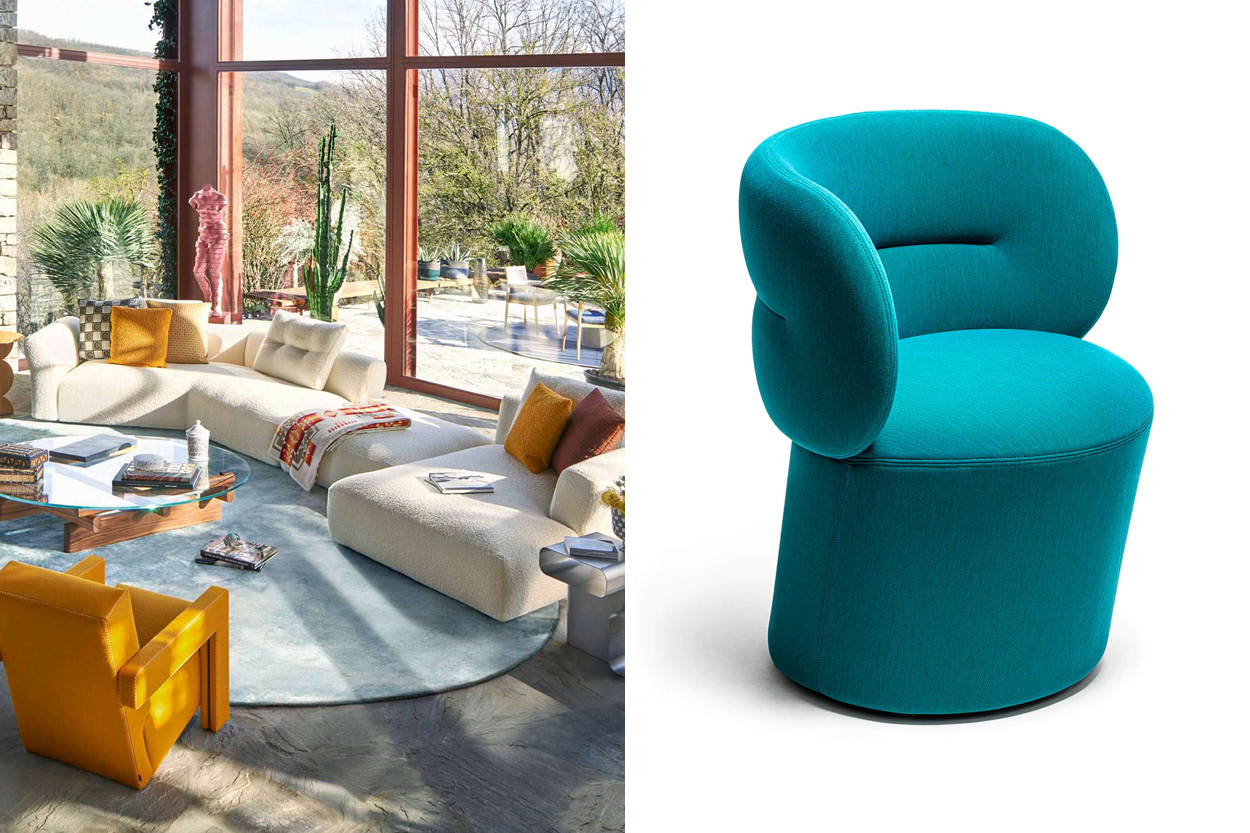
Tufty-Time sofa for B&B Italia (2005)
The iconic Tufty-Time collection reinterprets classic Chesterfield and Capitonné styles for modern living and is one of Patricia Urquiola’s most ubiquitous designs. The range’s hallmark modularity, comfort and removable covers allow for versatile and adaptable configurations, including linear and corner sofas, peninsula-shaped compositions and island elements. Large squares of fabric or leather joined by pleats form its signature upholstery, adding a textural depth that lends distinctive character. With its timeless appeal and effortless elegance, the Tufty-Time remains a sought-after icon of contemporary design, and for very good reason.
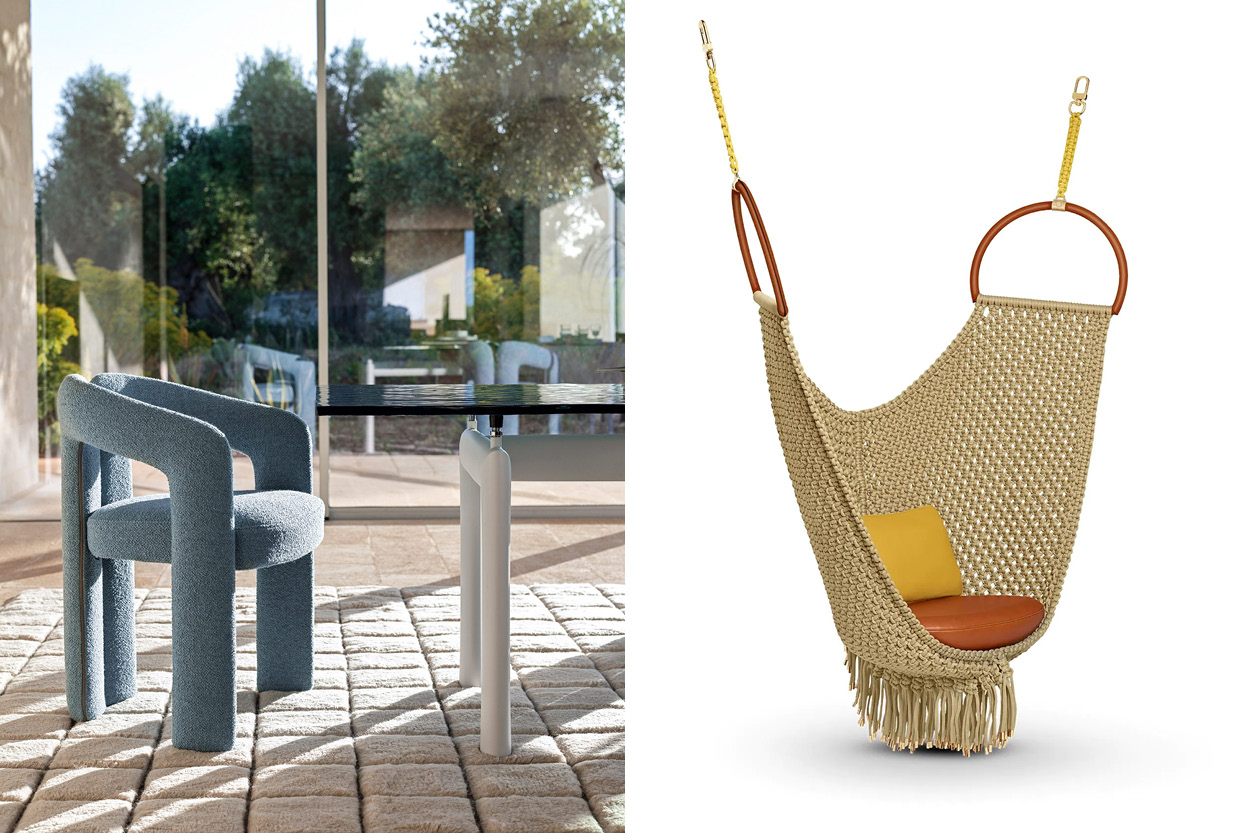
A true masterpiece of retro-inspired design, the Dudet is a small, architectural chair, designed by Patricia Urquiola for Cassina in 2021. With its strikingly fluid lines and plush, inviting silhouette, this armchair commands attention in any room. But don’t let its luxurious appearance fool you. Featuring a groundbreaking system that allows for easy separation of its core materials, including a steel frame and bio-based polyurethane foam padding, the Dudet chair is a model of circularity and sustainability. And with removable upholstery that makes maintaining its appearance easier than ever, the Dudet embodies Urquiola’s uniquely innovative and holistic approach.
Swing chair for Louis Vuitton Objets Nomades (2015)
Luxurious design and clever craftsmanship collide in Patricia Urquiola’s Swing chair for Louis Vuitton’s Objets Nomades collection, inspired by the brand’s famous fashion origins. Featuring two large leather-covered metallic handles that hold up a stunning woven mesh seat, the chair is available in two versions; either with a woven chocolate leather cord with black leather finishes and yellow leather accents, or with a beige polyurethane cord with natural leather rings and a darker back cushion. With gold-plated hooks and endcaps adding an extra touch of elegance, the Swing chair is a masterpiece.
From left: Dudet chair for Cassina from Matisse. Swing Chair from Louis Vuitton.
Redondo armchair for Moroso (2010)
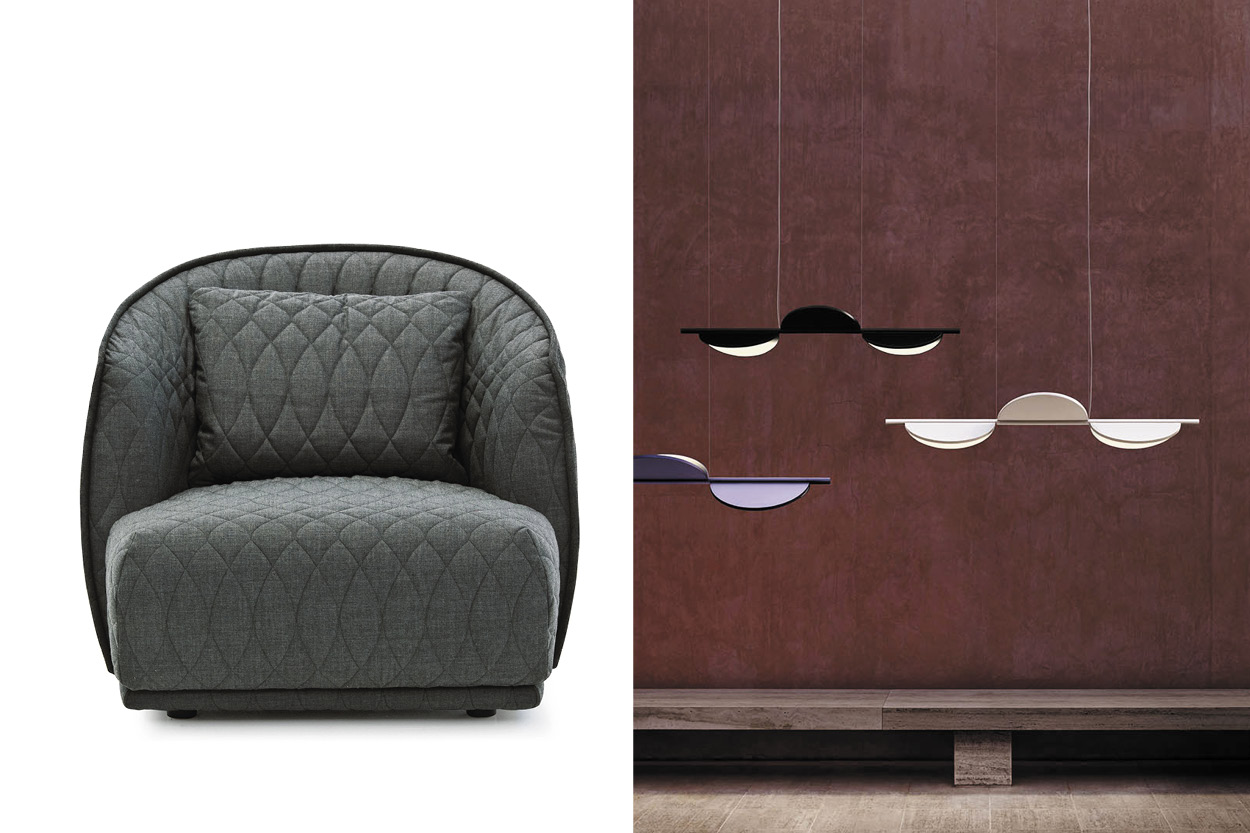
Beloved for the way it exudes comfort and elegance, Moroso’s Redondo armchair by Patricia Urquiola offers a nod to the plush interiors of 50s and 60s American cars. Its distinctive, two-part shape features padded shells that embrace huge seat cushions, inviting moments of respite. The quilted decoration, created with delicate pencil-like lines, adds an exquisite three-dimensional quality to the fabric, making it as visually arresting to look at as it is comfortable to sit in. Injected polyurethane foam and polyester fibre over an internal frame of steel ensure durability, while removable covers offer practicality. It’s easy to see why the Redondo has been a favourite in living spaces around the world for more than a decade.
Almendra for Flos (2022)
Effortlessly blending form and function, the Almendra lighting system, unveiled last year by Patricia Urquiola for Flos, was inspired by the organic shape of an almond. Boasting a modular, suspended structure that allows for endless configurations, the Almendra is perfect for both private and commercial settings. LED technology (hidden in oval panels that splay out like the pages of an open book) ensures maximum efficiency, while a carefully-designed diffuser delivers a warm and welcoming glow, and the entire structure is fashioned from bioplastic (a byproduct of paper production). Ultimately, this system is a testament to Urquiola’s exceptional talent. Here, she has fused sleek modernism and cutting-edge technology with natural inspiration, to create something truly contemporary and captivating.
From left: Redondo armchair for Moroso from Matisse. Almendra pendant for Flos from ECC.
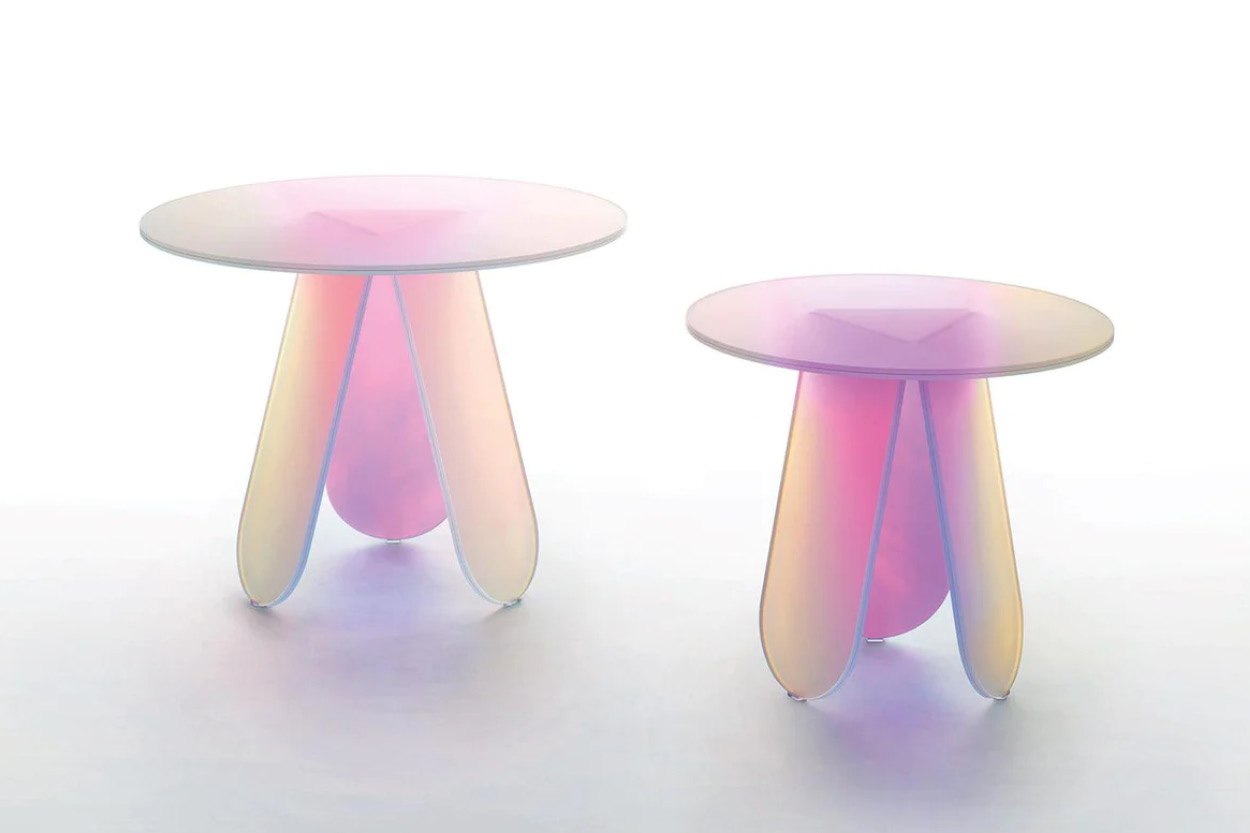
Shimmer for Glas Italia (2015)
Boasting iridescent, multi-coloured finishes that deliver a mesmerising quality to any space, the Shimmer tables by Patricia Urquiola for Glas Italia offer an infinite variety of nuances depending on where they are placed and how they are viewed. Seamlessly blending form and function, this collection is sure to leave a lasting impression, an example yet again of Urquiola turning her practiced hand to creating something practical, utterly magical and that stands the test of time.
There is something both contemporary and classic about Patricia Urquiola’s Getlucky sofa system for Moroso. Elegance meets versatility in this modular collection (that includes a range of pieces from a corner to a chaise-longue design) defined by harmonious refinement, where clean lines collide with soft, inviting curves. The result is a system to suit a range of interiors. Beyond the fact that its design allows for complete customisation and flexibility, its plush cushions and durable materials promise comfort and longevity in spades. The Getlucky is a masterclass in the Urquiola’s singular design language.
Sengu Bold sofa for Cassina (2022)
Offering a new interpretation of Patricia Urquiola’s lauded Sengu sofa system, the Sengu Bold was unveiled last year. The epitome of comfort, this exceptional sofa saw Urquiola hide the expected Sengu base and instead, bring the sofa’s ample curvature all the way down to the floor, creating a fuller and more conspicuous shape. The soft cushions on the backrest are padded with recycled PET fibre, adding to the luxurious feel, while the upholstery fabrics have also been designed with eye-catching texture, which enhances the sofa’s soft lines. It is modern, minimalist and a masterly example of Urquiola’s ability to refine and rewrite the rules.
From left: Sengu Bold sofa for Cassina from Matisse. Getlucky armchair for Moroso from Matisse.
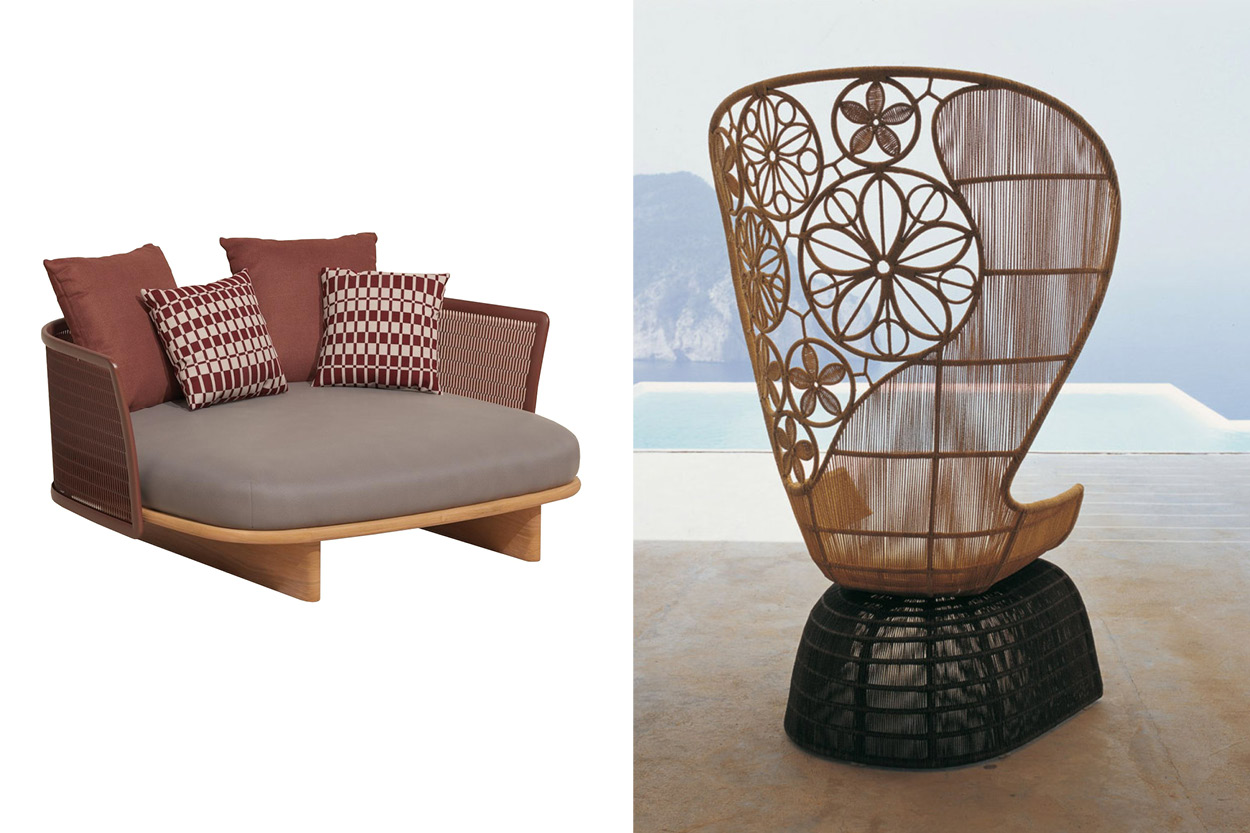
Crinoline for B&B Italia (2008)
Urquiola designed the Crinoline collection for B&B Italia based on a study of 3D textures, creating a sumptuous collection of seats, small armchairs and larger armchairs that were fashioned from unique weaves and that highlighted sinuous lines. The textures are incredible, evoking a sense of luxury and style that could be integrated into virtually any kind of space, no matter how traditional or modern. Dual-coloured polyethylene weaves in black and white, or black and bronze, complement natural fibre or bronze string, and produce a stunning contrast. And every piece is designed to provide maximum comfort, showcasing the perfect combination of useability and showstopping design.
Mesh daybed for Kettal (2016)
The pinnacle of modern outdoor luxury, the Mesh daybed designed by Patricia Urquiola for Kettal was inspired by architectural façades that filter the environment without blocking out the light or airflow. Combining industrial materials with natural elements and transparent volumes with solid structures, Urquiola harnessed the idea of contrast to make this daybed a statement piece. Its durable aluminium frame is covered in a stylish mesh fabric, creating a sophisticated yet comfortable seating area for lounging in the sun. Whether poolside or on a terrace, this daybed has long been an essential addition to any outdoor space.
From left: Mesh daybed for Kettal from Studio Italia. Crinoline chair for B&B Italia from Matisse.
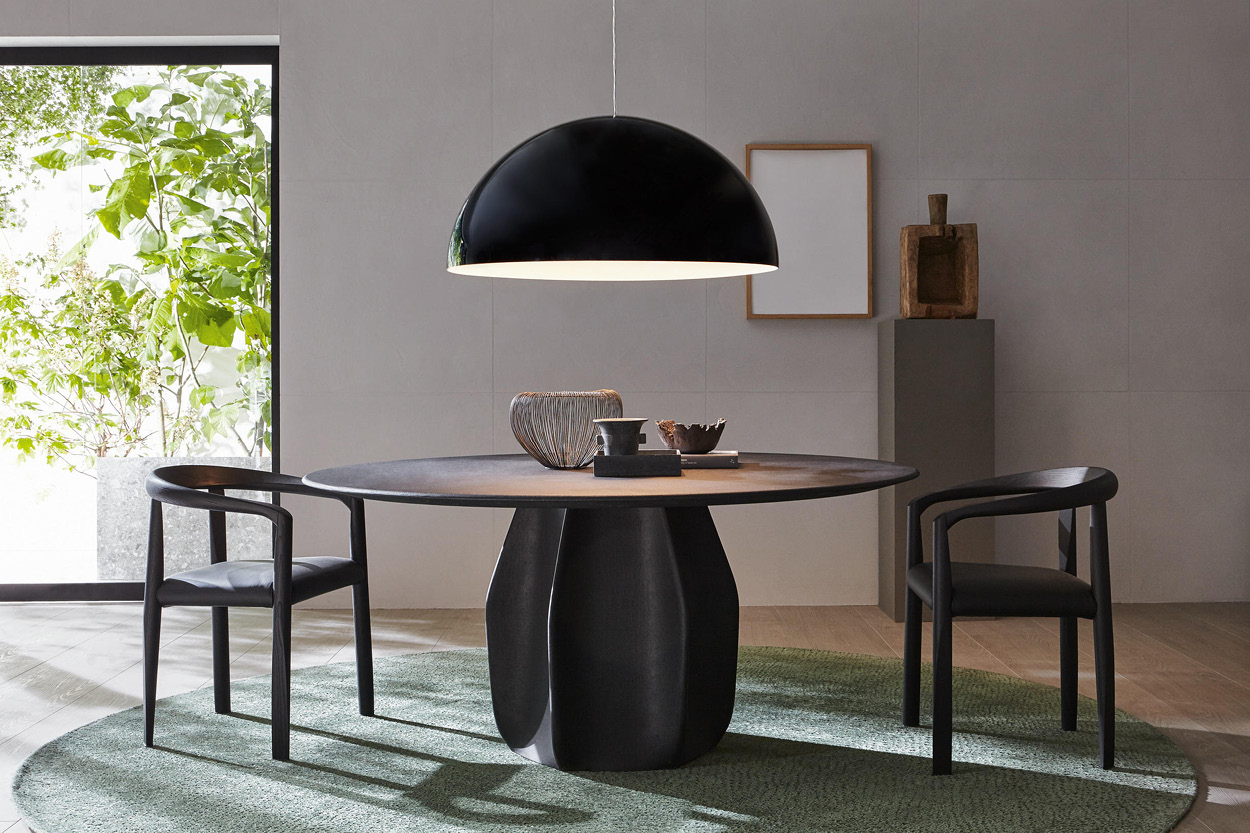
Asterias for Molteni&C (2016)
Patricia Urquiola looked to the mountains of Mexico for the Asterias collection she designed for Molteni&C, eventually finding inspiration in the Asterias cactus. The result is a generously-sized round table that captures the essence of this unique plant in its central base. Composed of six curved, wedge-shaped wooden panels, the base sits atop a central plinth which has been 3D printed for an eye-catching finish. The tabletop, available in two sizes, boasts a rounded edge that is subdivided into four wedges, forming a striking geometric pattern. The Asterias also comes with a practical central Lazy Susan turntable, perfect for entertaining.
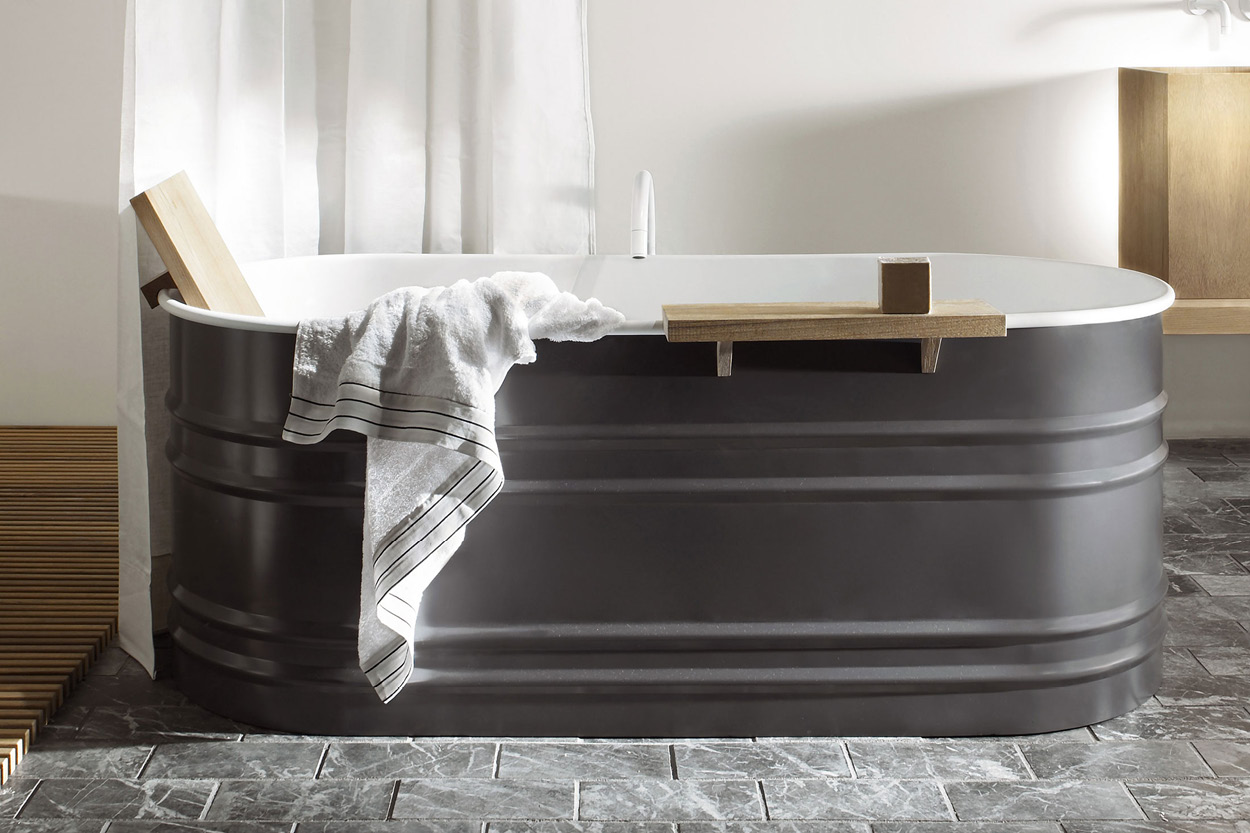
Designed by Patricia Urquiola for Agape, the Vieques bath is a strikingly contemporary take on traditional freestanding tubs. Constructed from steel, with a white interior finish and available with a white or dark grey exterior, the design is finished with a luxurious iroko backrest and shelf. The blend of classic and contemporary styles here is enhanced by the addition of the minimalistic, matt white Fez tap. And with a name inspired by the pristine island of Vieques in the Caribbean, it’s clear that this bath was carefully designed for winding down, relaxing and forgetting any and all worries.
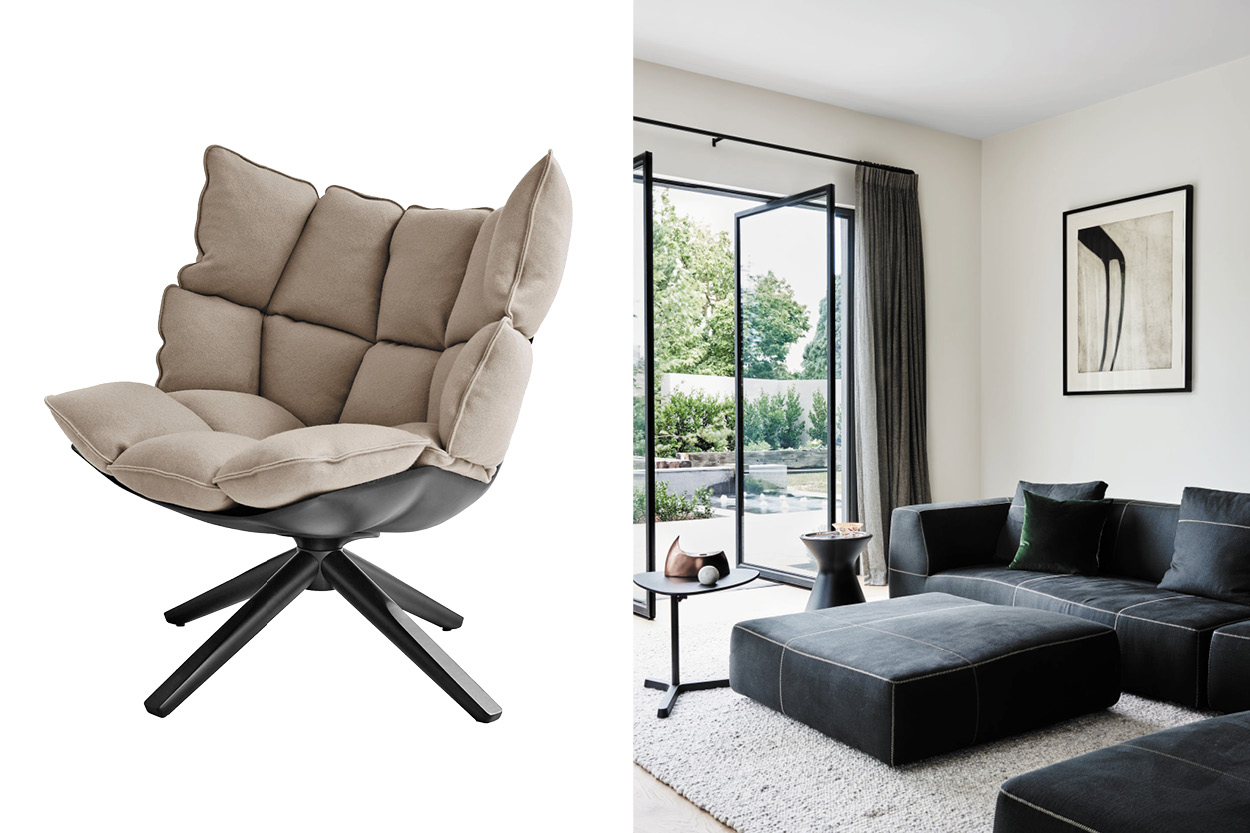
A play on contrasts, technology meets craftsmanship and solidity meets flexibility in the Bend Sofa designed by Patricia Urquiola for B&B Italia. The sofa’s irregular shape appears to be the result of an artist’s work, but is actually derived from a study of 3D models and digital research. These contrasts not only define the design, but also enhance its comfort and give meaning to its irregular silhouette. Made from corrugated modules, the Bend can facilitate an array of combinations, from compact options for limited spaces to complex and far-ranging layouts. There’s a very good reason why it is now widely considered an icon.
Husk armchair for B&B Italia (2011)
Encapsulating the idea of comfort beautifully, the Husk armchair by Patricia Urquiola for B&B Italia is a study in how to merge various styles into one design. This iconic armchair showcases a unique combination of a stiff multilayer polymer body and soft cushions to offer relaxation on every level. The cushions are divided into portions that underscore the chair’s ergonomic profile. And with such a versatile design (that somehow manages to both blend in and stand out), it’s hardly surprising that the Husk armchair has lasted, for over a decade, as a truly timeless piece.
From left: Husk armchair for B&B Italia from Matisse. Bend sofa for B&B Italia from Matisse.
Re-Trouvé for Emu (2008)
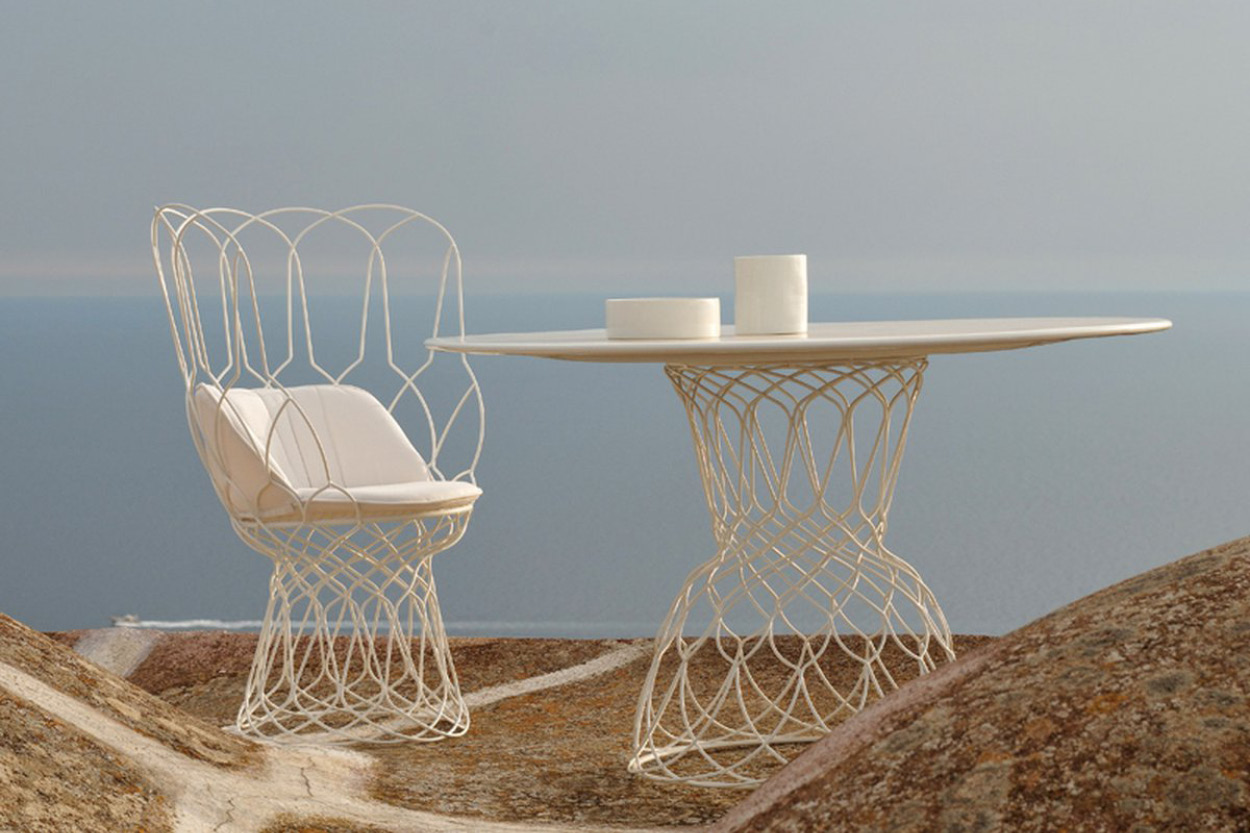
Here, Urquiola paid tribute to the traditional forms of 50’s furniture, infusing her inspiration with modern innovation and more than a few playful twists. In her Re-Trouvé collection for Emu, the designer used numerical control technology to develop a complex diamond-shaped pattern that was repeated to generate unique pieces. Sophisticated, elegant and whimsical, the Re-Trouvé pieces are beloved for the way they effortlessly blend into any outdoor setting, and are testament to Urquiola’s exceptional ability to reimagine the luxurious potential of outdoor space.
Each winter, SkyCity’s DELISH campaign returns with the kind of dining programme that shifts Auckland’s attention firmly towards the table, and this year’s edition feels particularly considered, drawing together a series of chef-led menus and nostalgic dishes that place memory, comfort and familiarity at the centre of the experience rather than spectacle alone.
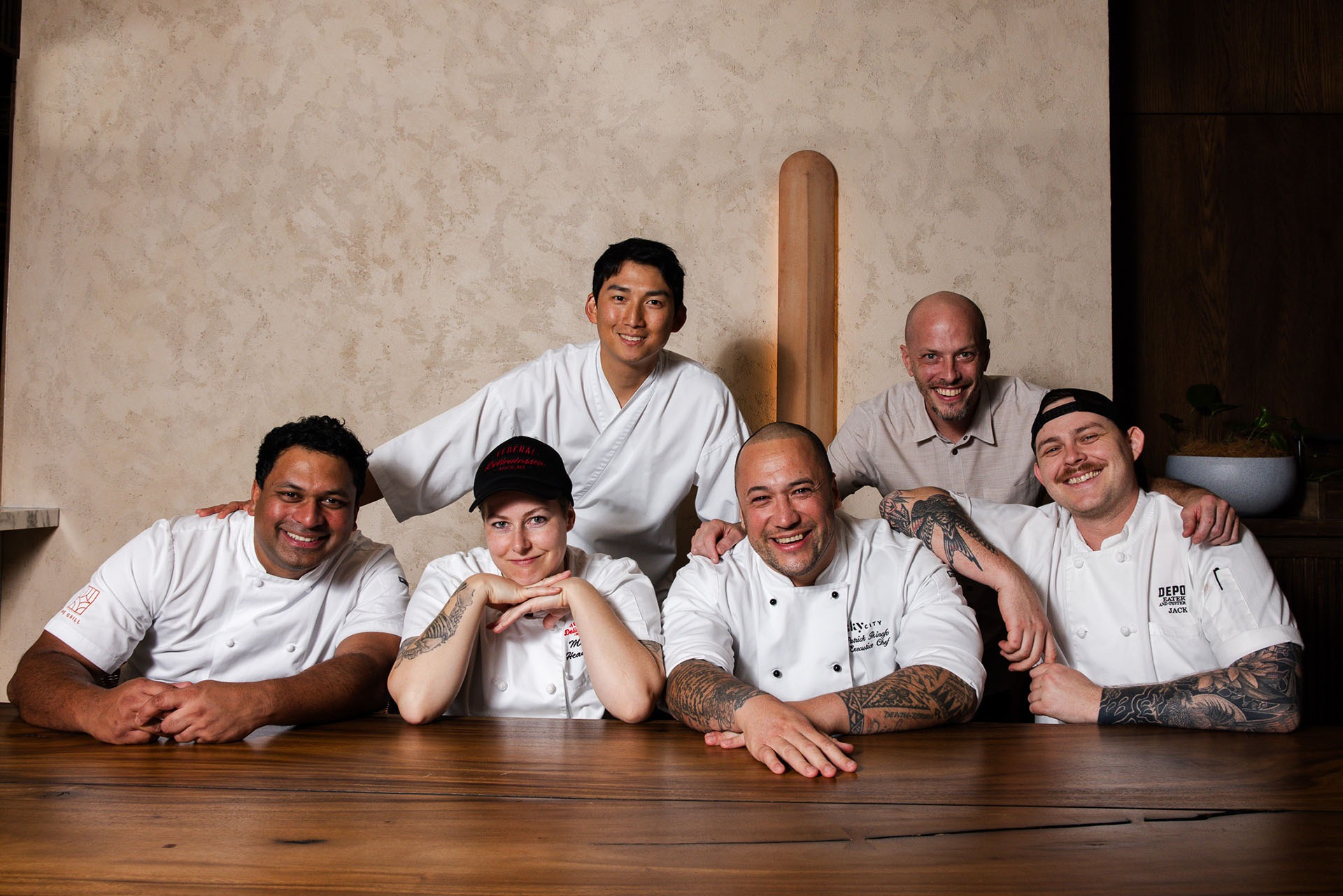
left to right: Lesley Chandra, Megan Cruickshank, Jun Bae, Patrick Ikinofo, Tommy Hope, Jack Stott
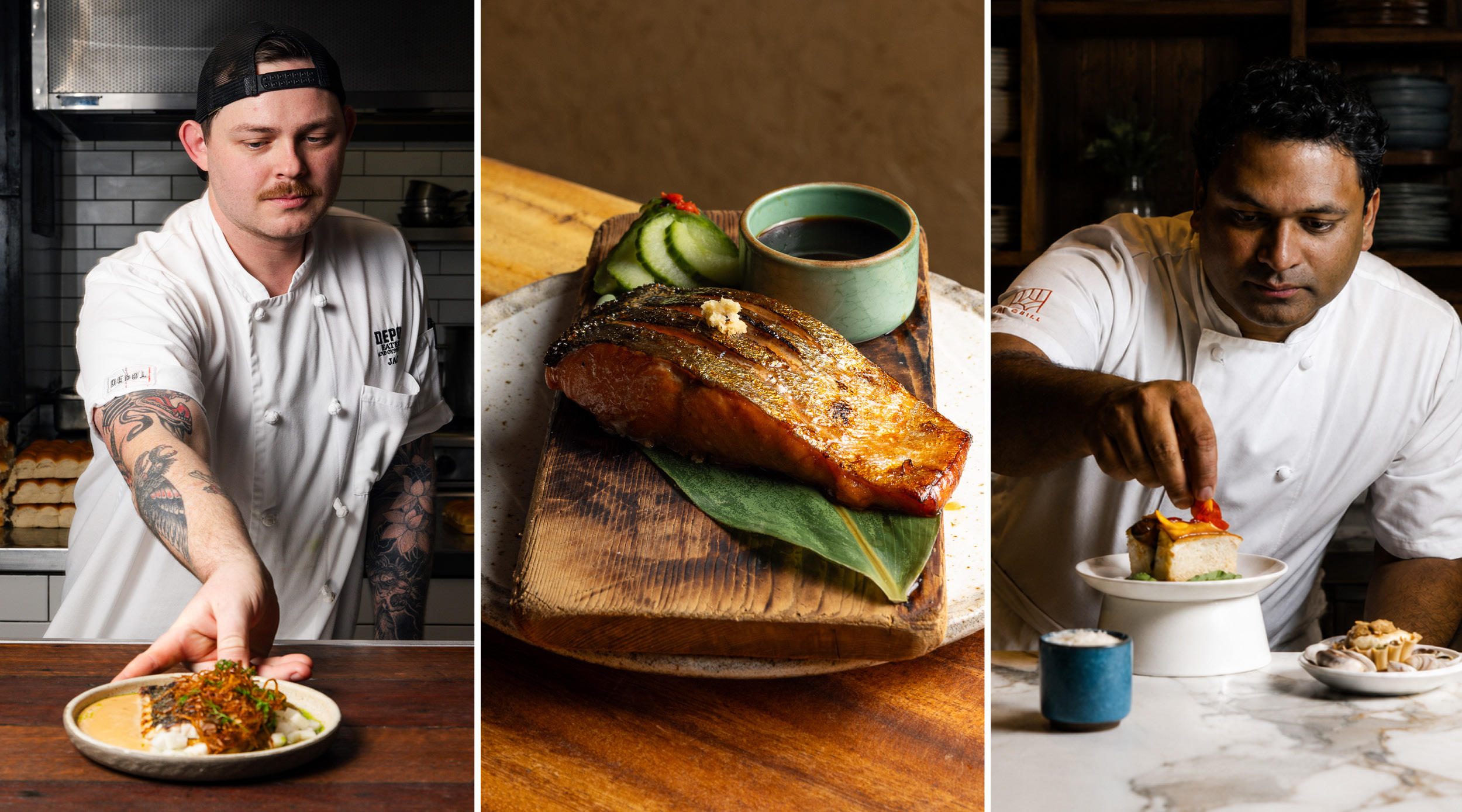
Running from 26th May until 31st July across SkyCity’s signature restaurants, DELISH 2026 revolves around the idea that the most memorable dishes are rarely the most elaborate, but rather the plates that become embedded within personal histories, revisited repeatedly and remembered long after the meal itself has finished. It is this sentiment that shapes A Chef’s Story: Plates That Shape The Table, where chefs across Depot, MASU, Metita, Fed Deli and The Grill revisit the kinds of dishes that defined their own relationship with food, reworking them through the lens of their respective kitchens.
The Grill’s Childhood Bites: steak & cheese pie, fish & chips, Bunnings snag
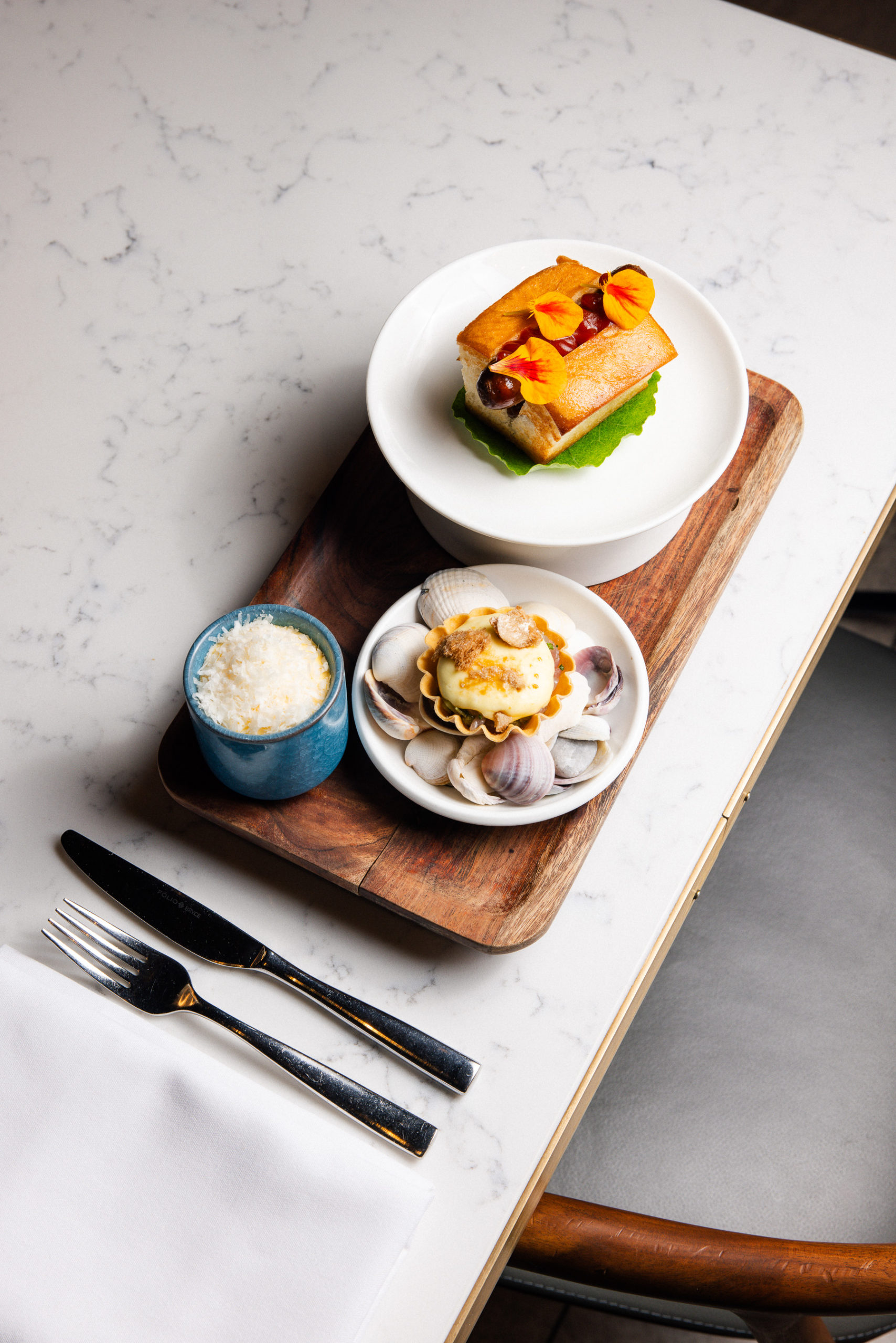
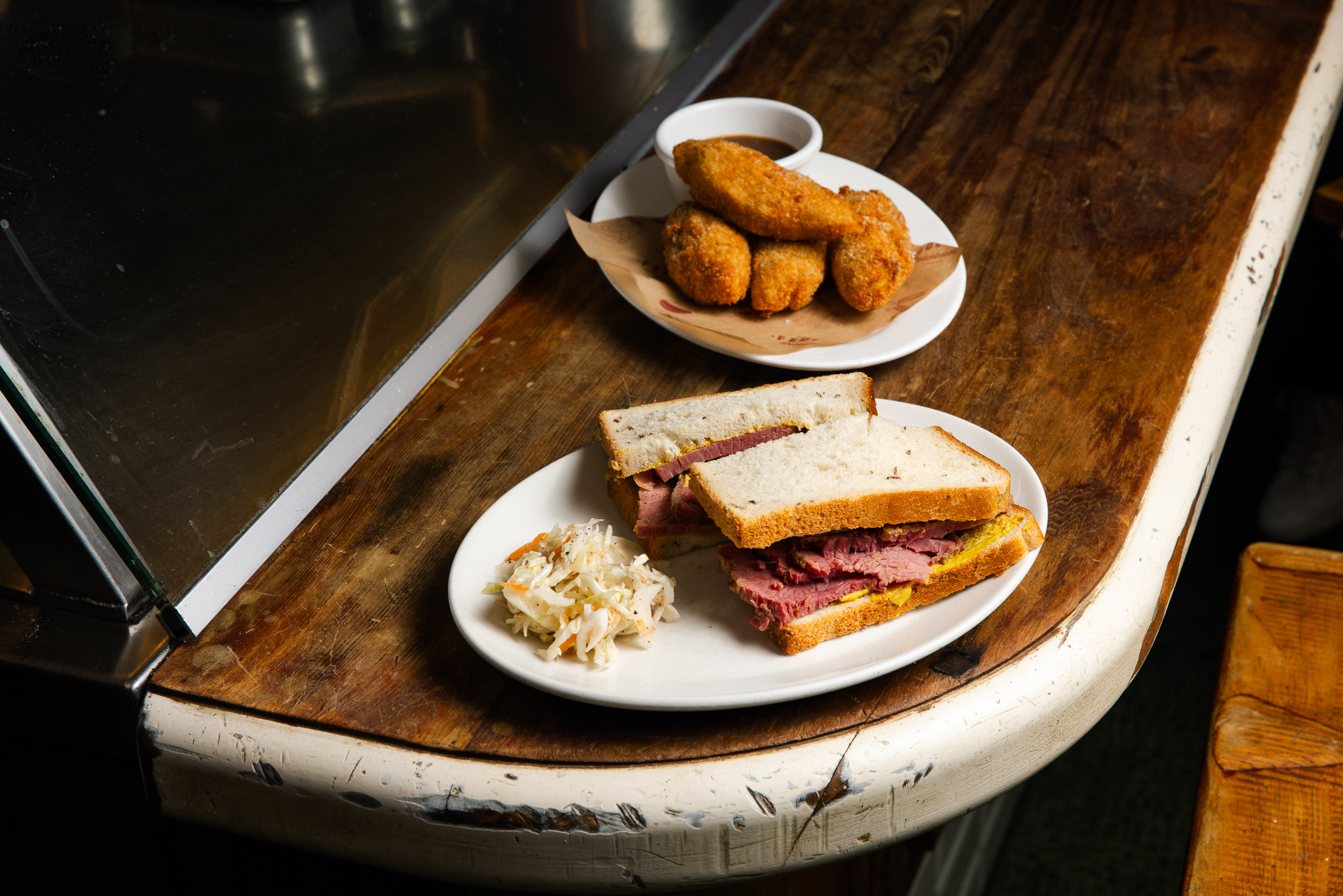
Fed Deli’s Potato Croquettes: smoked cheddar, mozzarella and onion croquets with chipotle mayo and house gravy
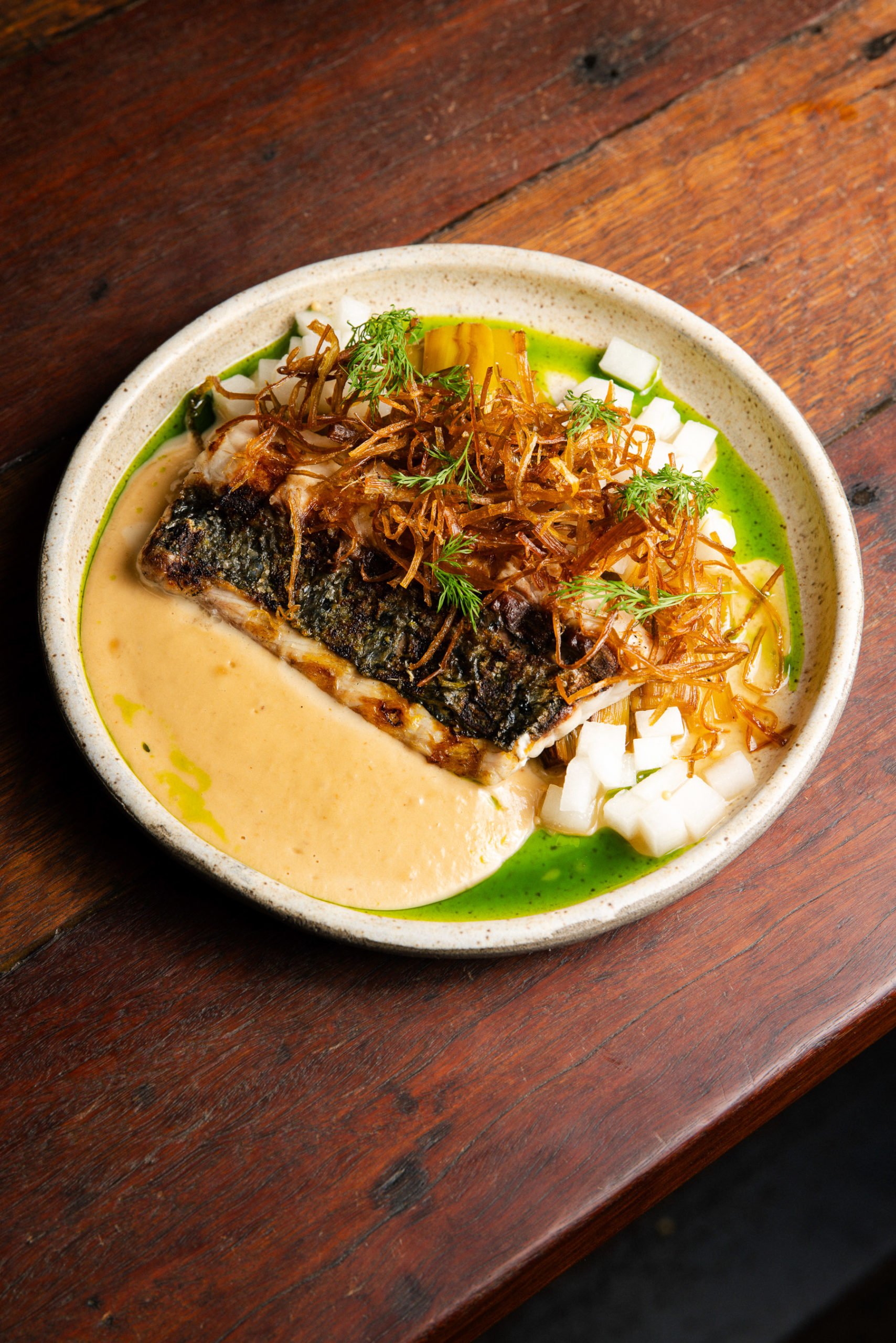
At Depot Eatery & Oyster Bar, Jack Stott turns to grilled kahawai with braised leeks, pickled daikon and miso coconut sauce, while Fed Deli’s Megan Cruickshank revisits the comfort of the classic deli counter through smoked cheddar, mozzarella and onion croquettes served with chipotle mayo and house gravy, alongside her take on the corned beef sandwich. Over at The Grill, Lesley Chandra reimagines classic childhood staples, from steak and cheese pie to fish and chips and the unmistakable Bunnings sausage, approached with the refinement expected of the restaurant without losing the humour or familiarity that makes the dishes so recognisable.
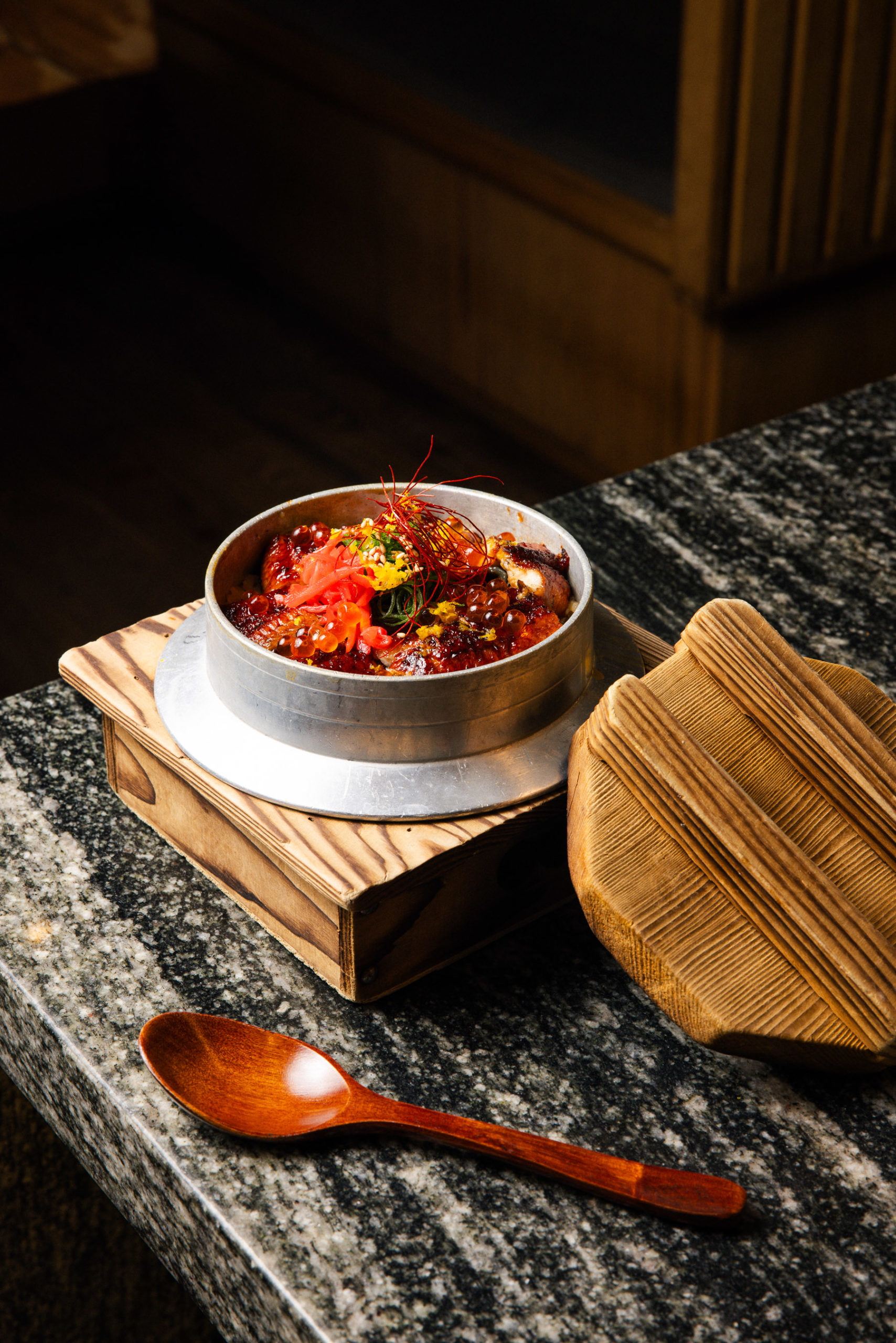
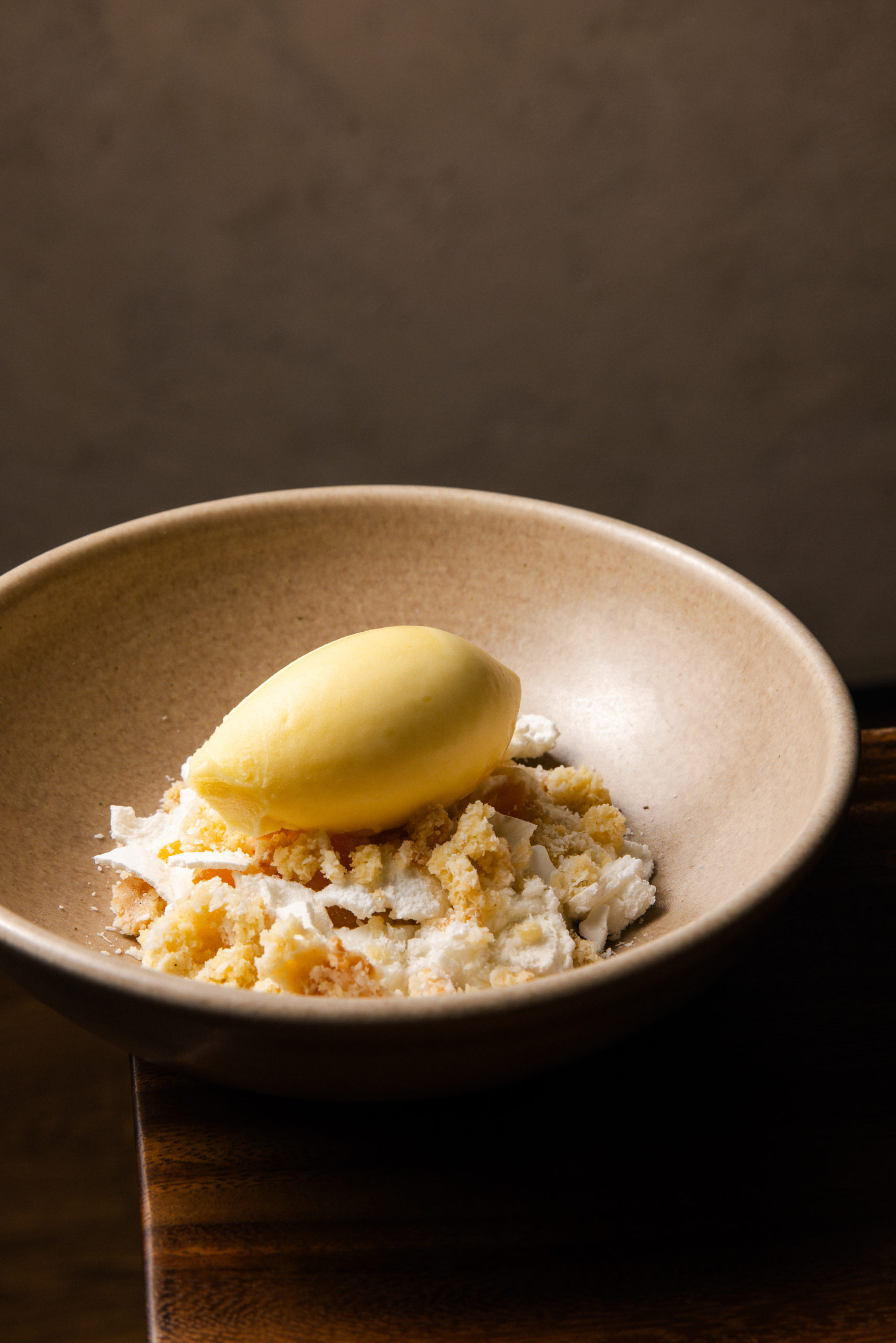
Elsewhere, MASU by Nic Watt’s Jun Bae presents an elegant unagi no kamameshi featuring tare-marinated eel, NZ yuzu and Mt Cook salmon ikura, while Metita chef Tommy Hope closes the experience with Pudini Niu, a coconut rice pudding layered with mango and kalamansi sorbet that feels distinctly rooted within Pasifika flavour traditions.
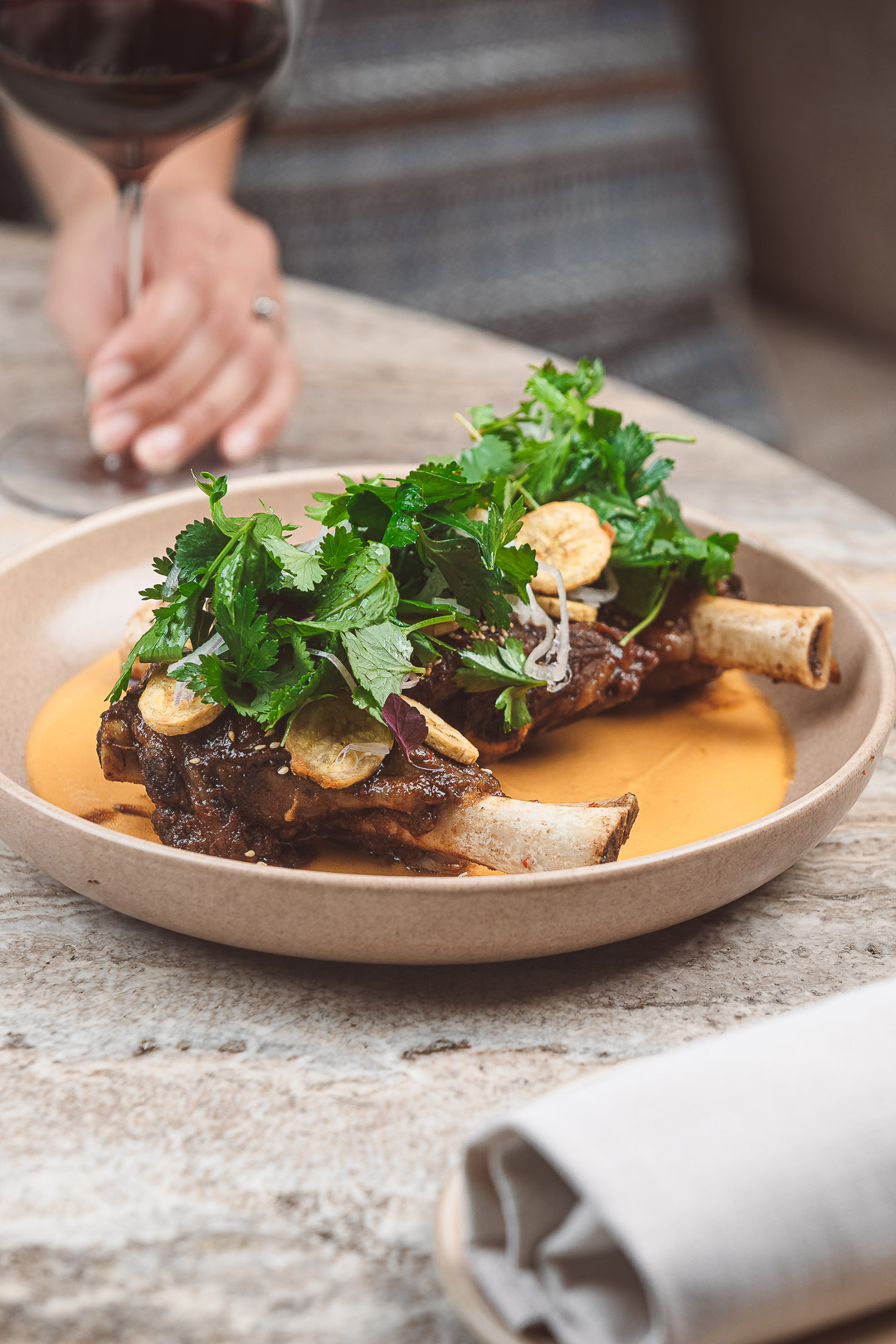
Metita’s slow-braised lamb shanks
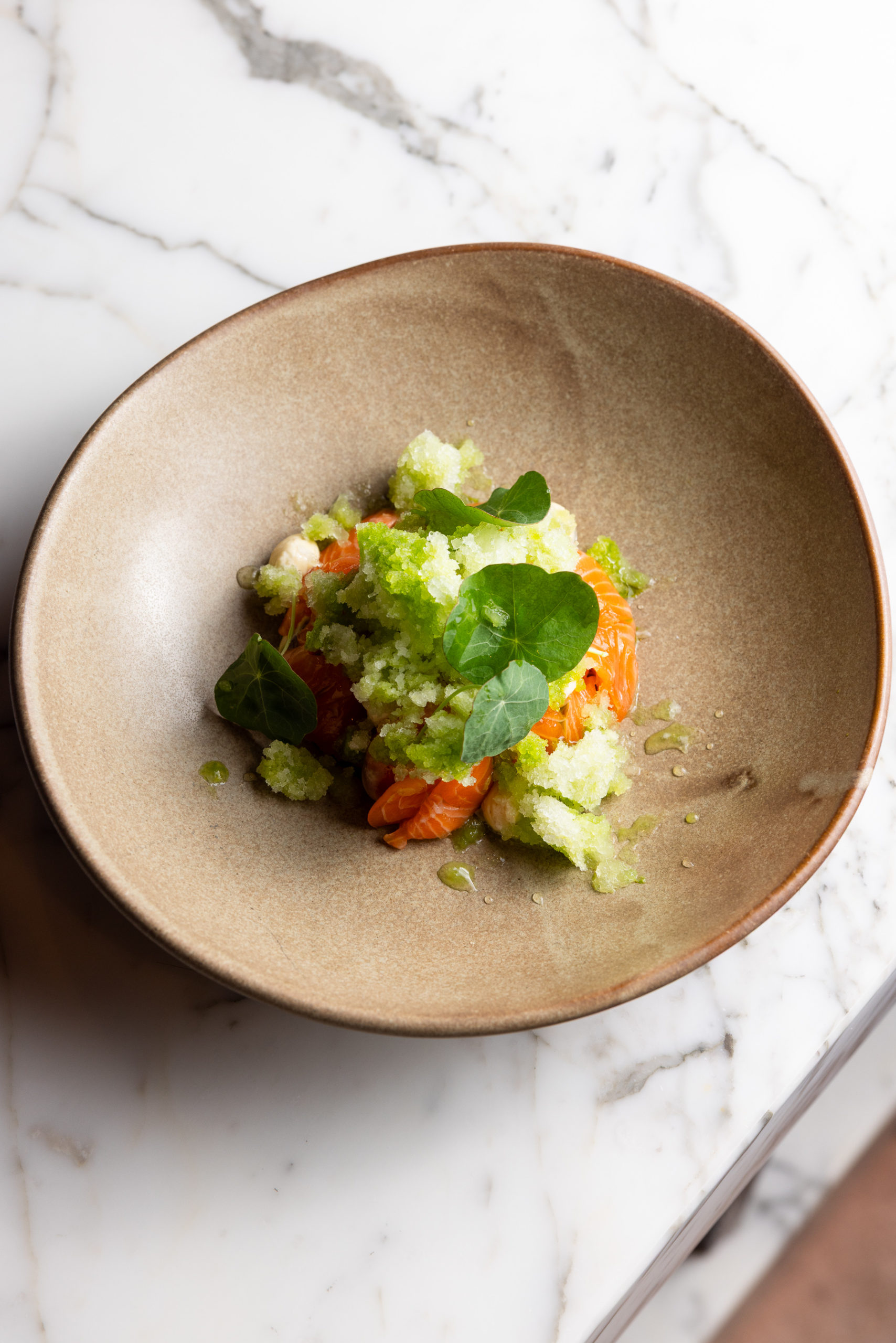
The Grill’s Mt Cook salmon with mandarin granita
Alongside the individual dishes, DELISH also introduces a series of seasonal set menus designed to showcase each restaurant more expansively, from MASU’s Shomi Menu, which moves through chirashi nori tacos, robata grilled beef fillet and king salmon, to The Grill’s winter menu of Mt Cook salmon with mandarin granita and slow-cooked beef cheek with black garlic. At Metita, a three-course sharing menu centred around Pacific flavours, spanning natural oysters, oka, braised lamb shanks and steamed snapper, offers one of the strongest reasons yet to settle in for a long midweek dinner.
MASU Shomi Menu — $108pp, available daily from 5pm The Grill Seasonal Menu — $85pp, available daily from 5pm Metita Seasonal Sharing Menu — available Tuesday–Thursday, 5–6pm
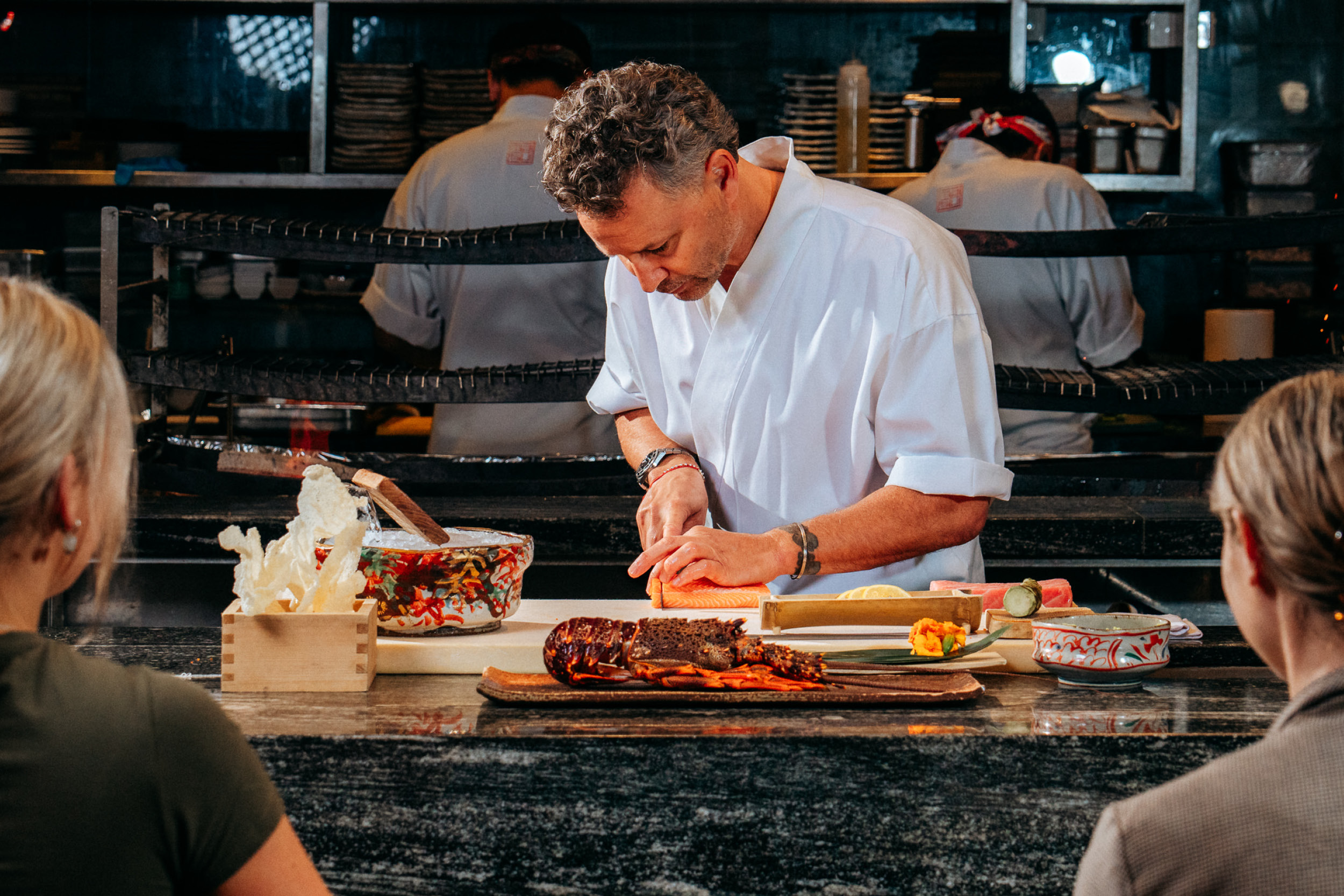
Nic Watt
Beyond the set menus, DELISH also sees the return of MASU’s popular Counter Dining Series across four Thursdays in June, where guests are seated directly at the robata counter for an immersive five-course dinner hosted by Nic Watt himself. Long considered one of the campaign’s standout experiences, the evening brings together fire, precision and theatre in a way that feels uniquely suited to MASU’s open kitchen energy. The Counter Dining Series runs 4th, 11th, 18th and 25th June, priced at $138pp.
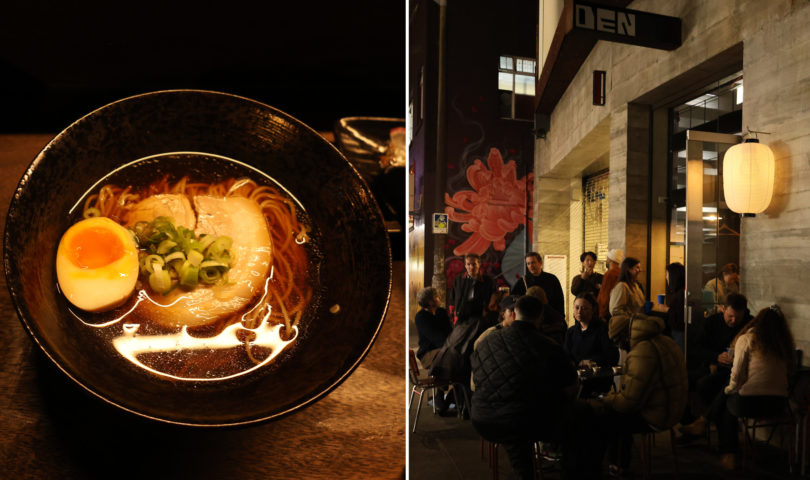
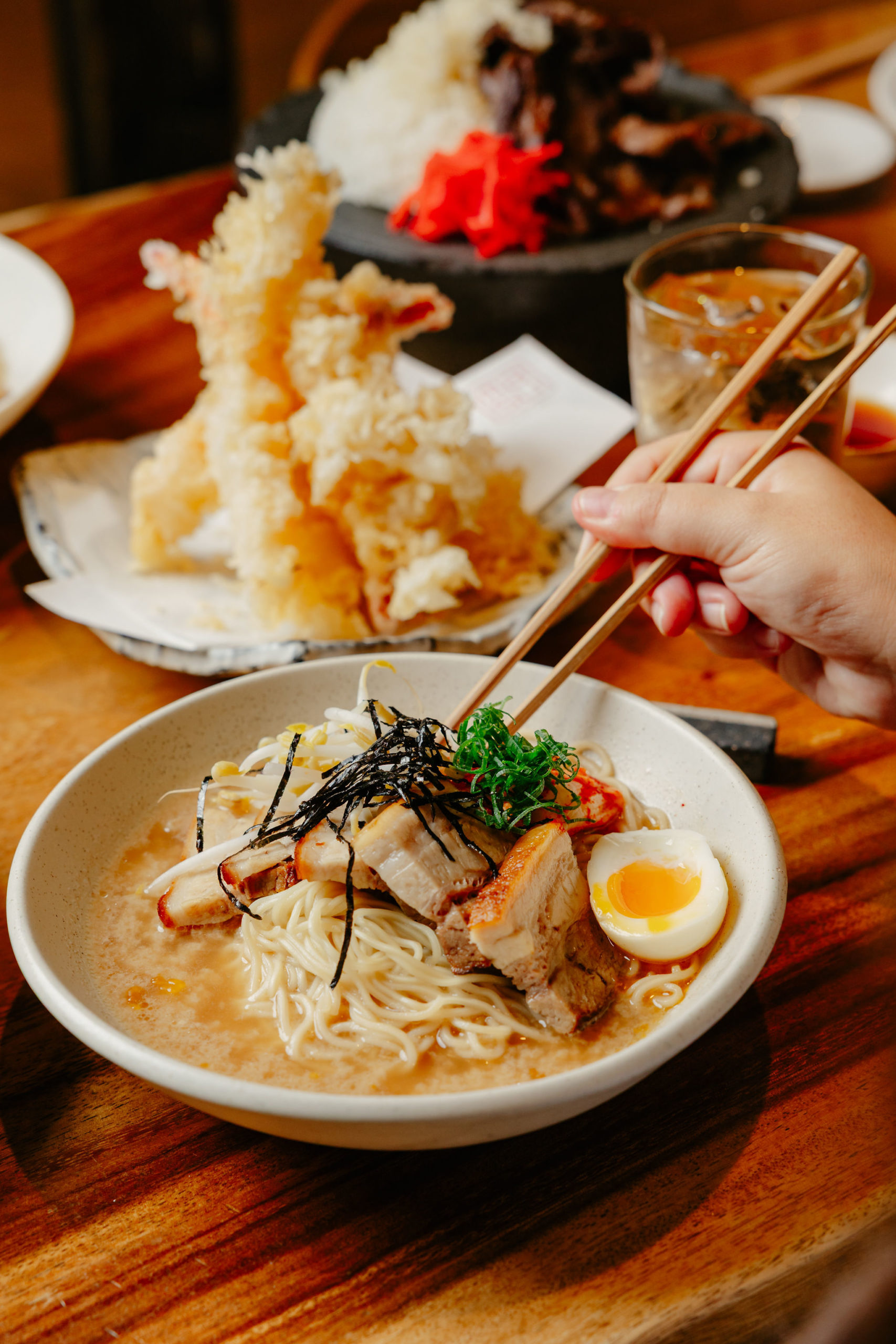
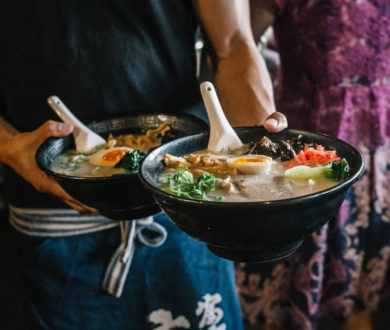
Masu’s Ramen
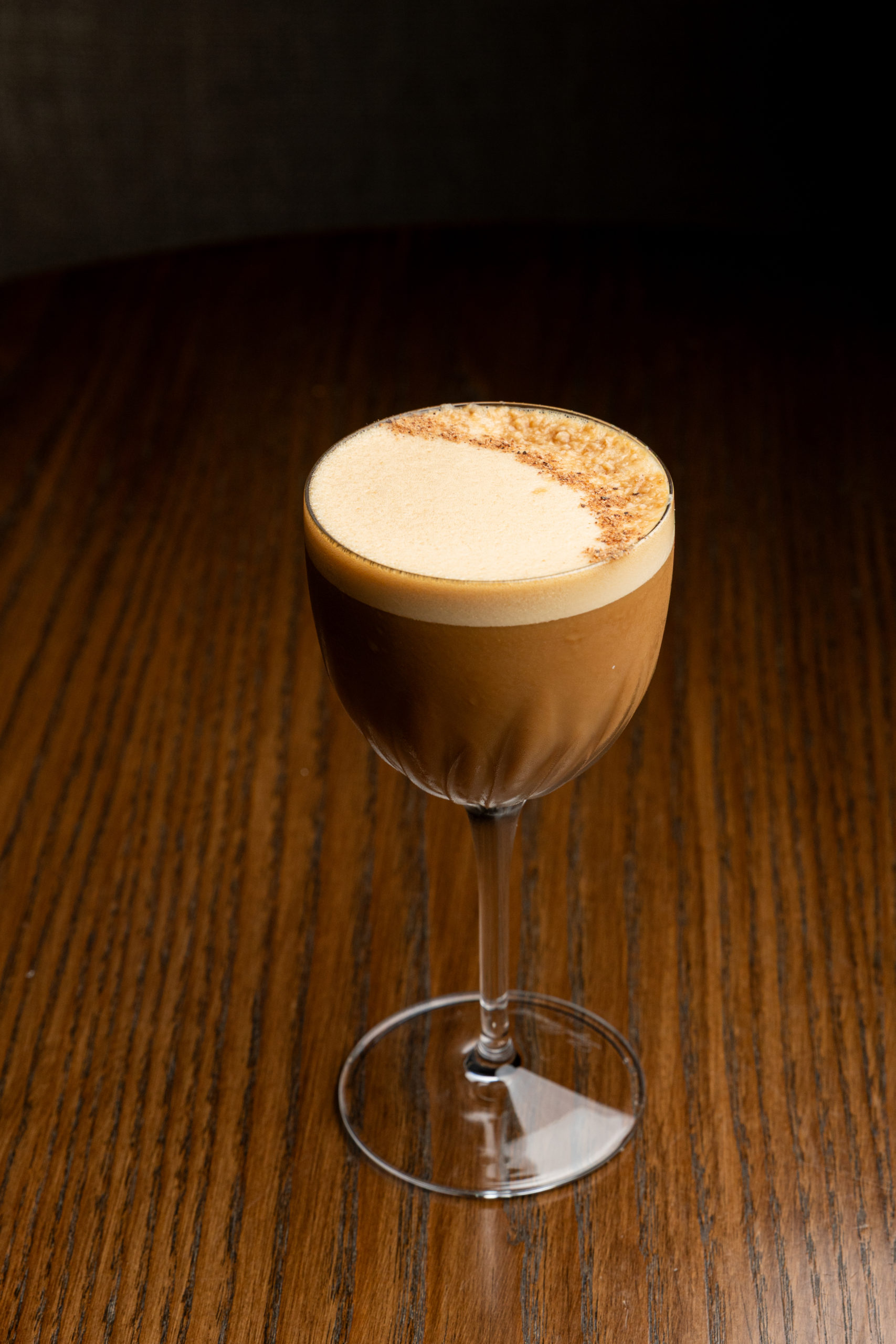
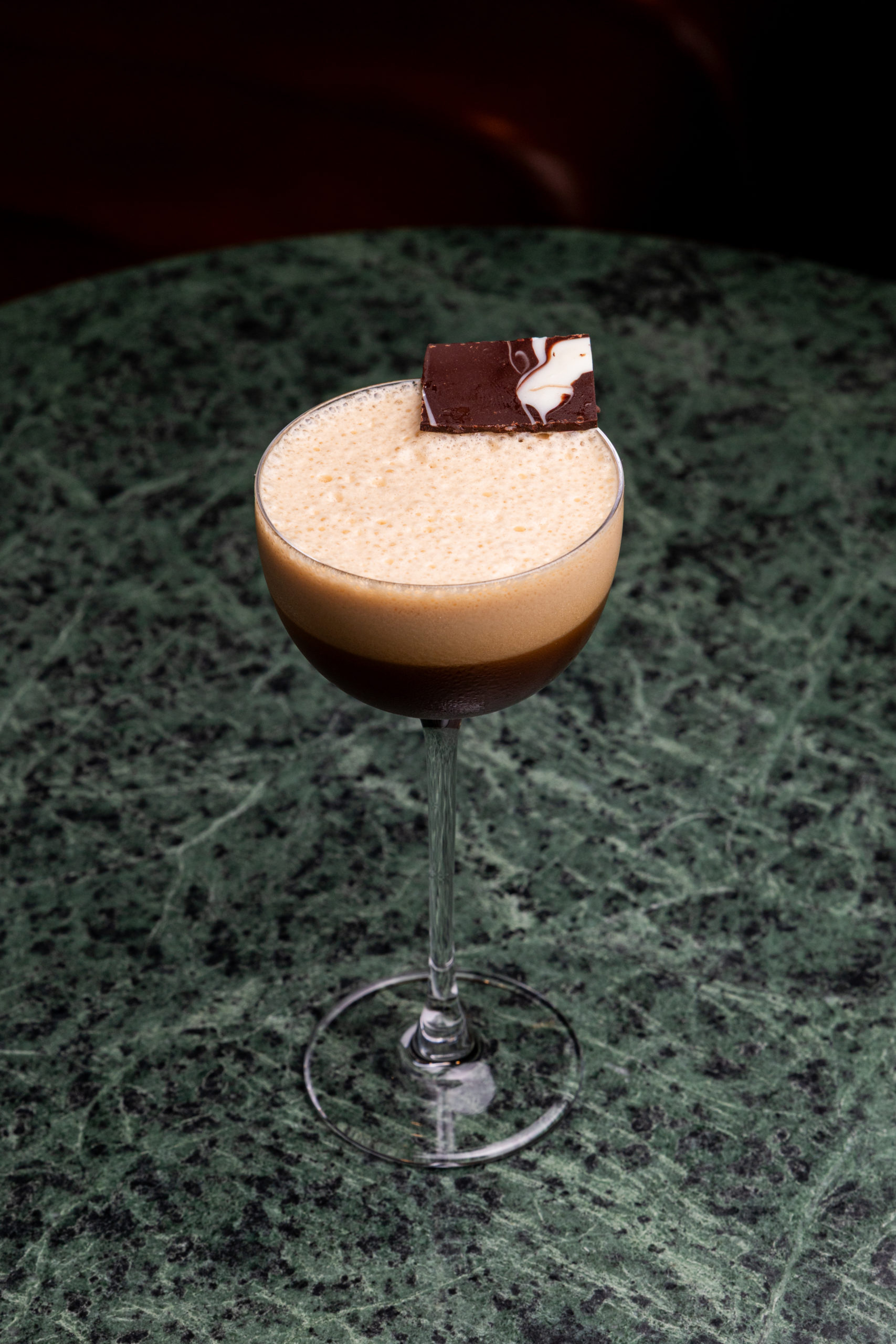
For those looking for something slightly more casual, MASU’s new midweek ramen lunches arrive just in time for the colder months, with a line-up that includes sesame miso ramen with wagyu shabushabu beef, char siu pork belly ramen and a spicy ramen topped with crab soup dumplings, available Wednesday to Friday from midday. Across the precinct, espresso martinis also take on a starring role this season, with every venue offering an $18 classic alongside signature interpretations unique to each restaurant, from Depot’s Ferrero Rocher-inspired version to SkyBar’s tiramisu espresso martini.
Metita’s Espresso Martini
The Grill’s Espresso Martini
DELISH runs from 26th May until 31st July across SkyCity’s dining precinct.
For more exclusive access to what the city has to offer, engaging content, excellent imagery and thought provoking commentary on the life that surrounds you, subscribe to Denizen magazine now.