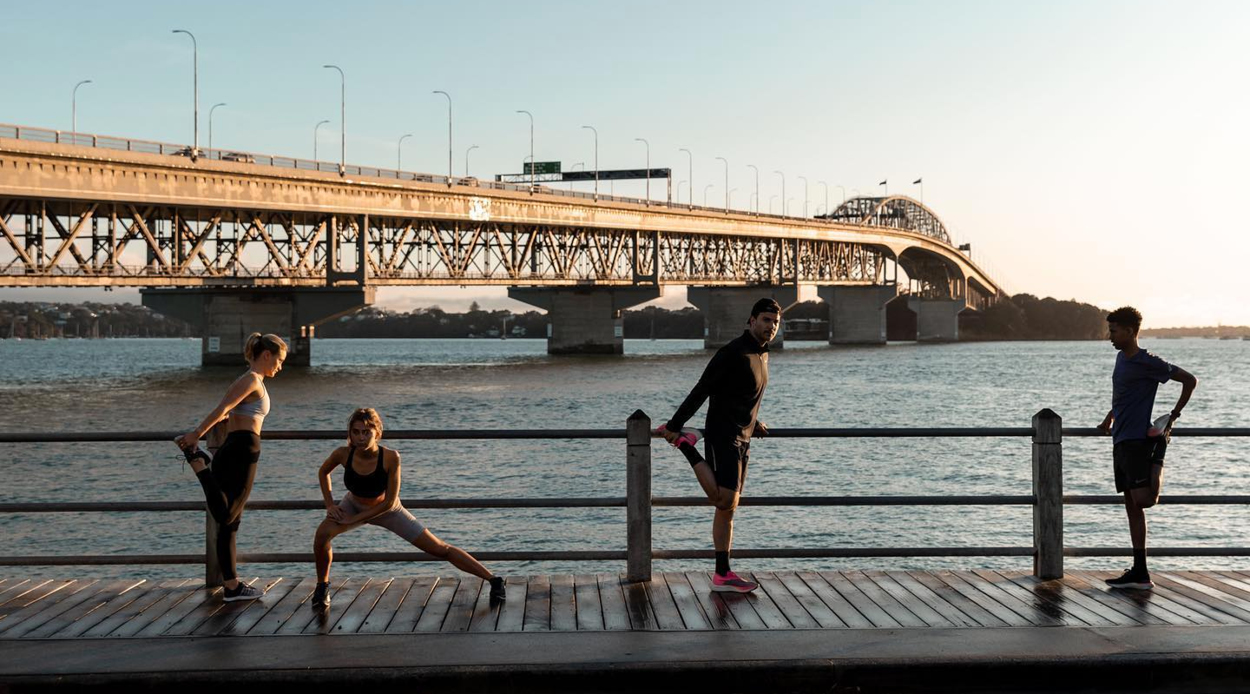
Whether it’s a quick lunchtime jog you’re after or an epic race along the waterfront, behold a round-up of the best runs in the CBD, commencing at Auckland Domain. Dust off your running shoes and leave the excuses at home. You’ll thank us in the long run.
The lunch break quickie
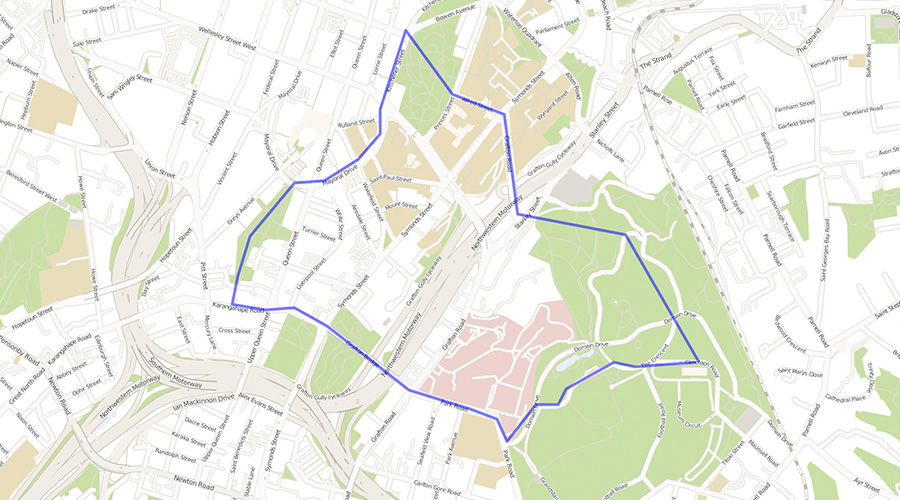
Duration: approximately 30 minutes | Distance: 4.5km Ideal for inner-city professionals who need to let off a little steam, this run takes you through two of Auckland’s most popular parks — Auckland Domain and Albert Park. Starting at the War Memorial Museum in the Auckland Domain, you’ll head along Grafton Bridge past the Symonds Street Cemetery and along a short section of Karangahape Road to St Kevin’s Arcade. From here, it’s a quick sprint down Myers Park towards the Town Hall and Aotea Square and onward to Albert Park along Mayoral Drive. From Albert Park, turn onto Alfred Street (off Princes street), cross Symonds Street onto Grafton Road, which then crosses the motorway via pedestrian lights, and you’ll see the entrance back into the Domain once more ahead of you.
The three-park run
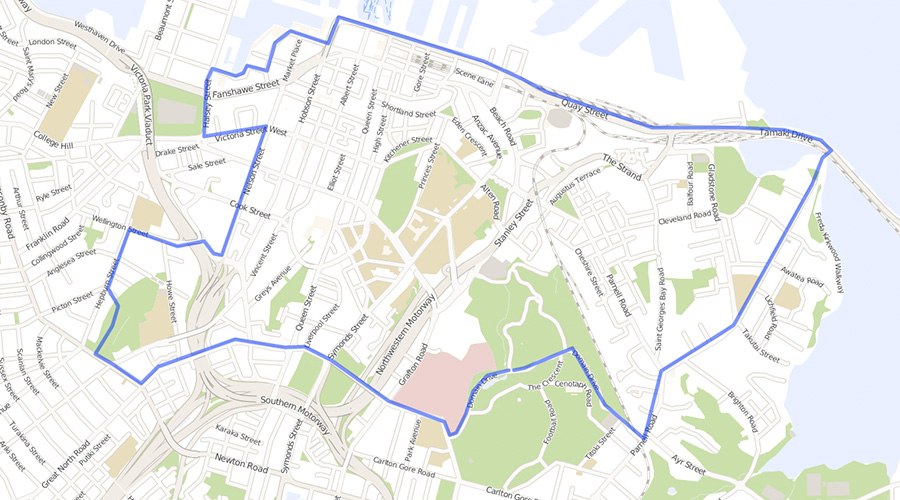
Duration: approximately 50 minutes | Distance: 10km Not a bad way to start or end the workday, this run offers a scenic three-in-one. Starting from the corner of Lover’s Walk and Domain Drive (by the pond in Auckland Domain), you’ll head west via Park Road and Grafton Bridge to Karangahape Road. Run along to Ponsonby Road, and jog down through Western Park, before making your way towards Victoria Park via Howe Street, Hepburn Street and Franklin Road. Then, run along the promenade at the Viaduct. The seafront leg along Tamaki Drive takes you to a footbridge that passes over to the Parnell Baths (Auckland’s only outdoor saltwater pool). The path then winds up the side of a cliff to Resolution Park — the top of which offers an ideal place for a breather overlooking the beautiful Waitematā Harbour. After running through Resolution Park, along tree-lined St Stephens Ave, left on Parnell Road and right on Domain Drive, your run concludes back at the Auckland Domain.
The scenic waterfront route
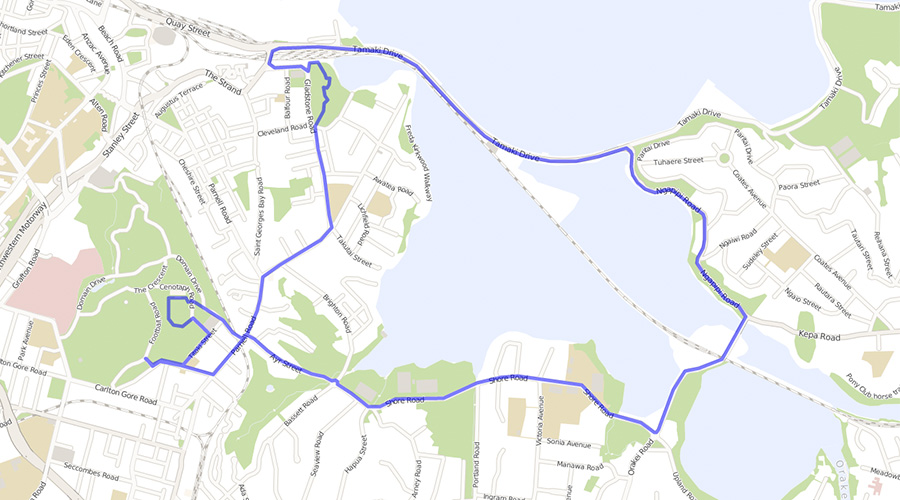
Duration: approximately 50 minutes | Distance: 9.5km Passing by unique historical, coastal and geological features, this run kicks off near the George Street exit of the Auckland Domain before heading left on Parnell Road and right down Ayr Street, passing Kinder House and Ewelme Cottage. Continue along Shore Road, Orakei Road and over the Purewa Bridge, which crosses between the Orakei Basin (an ancient volcanic crater) on the right-hand side and Hobson Bay on the left. Follow Ngapipi Road along the shores of Hobson Bay and Whakatakataka Bay and then back along Tamaki Drive. When you arrive at the Dove-Myer Robinson Park, make your way through the Parnell Rose Gardens, then up Gladstone Road and St Stephens Ave towards the Holy Trinity Cathedral. This is the perfect place for a rest, before walking back to the Auckland Domain (via Parnell Road) to cool down.
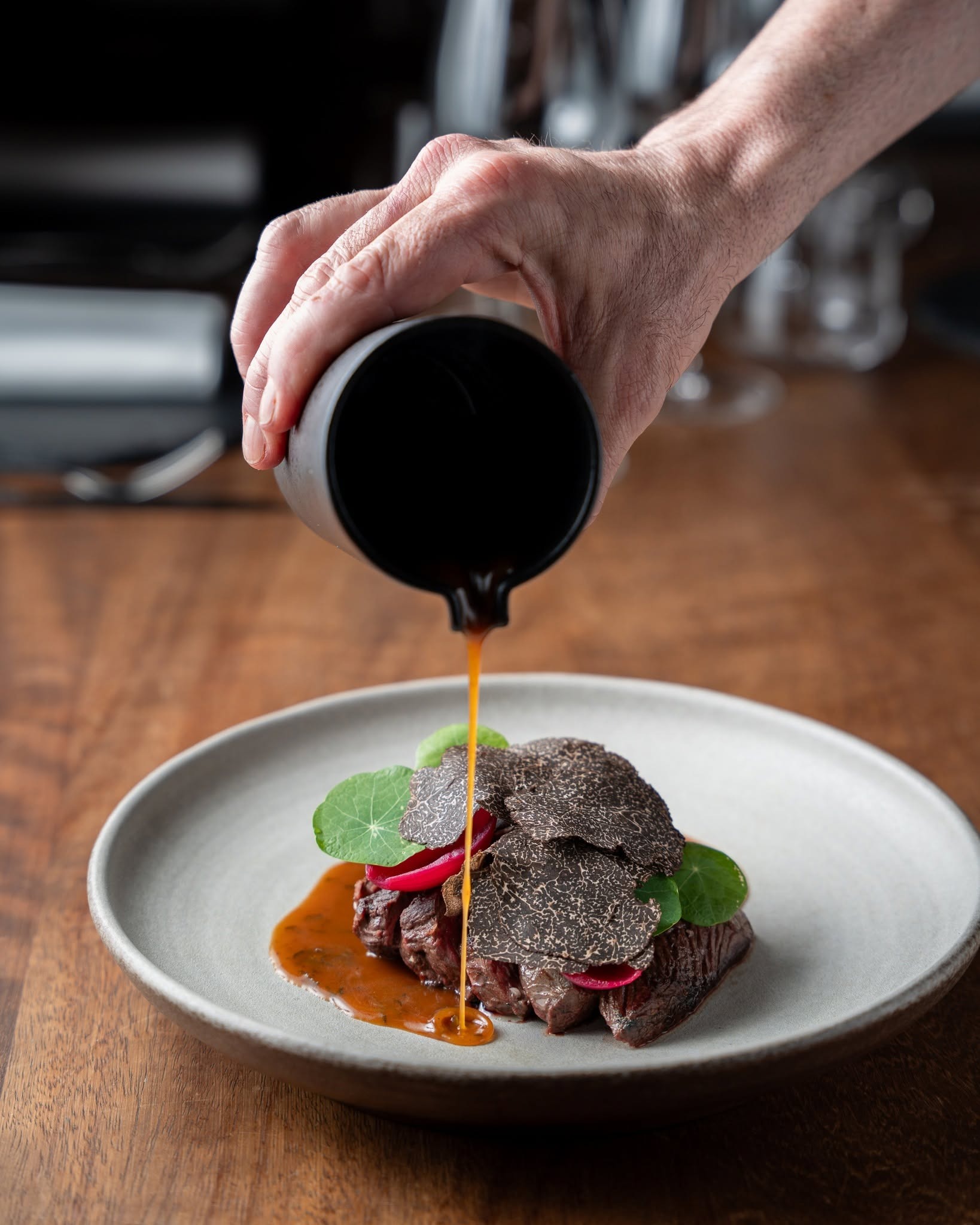
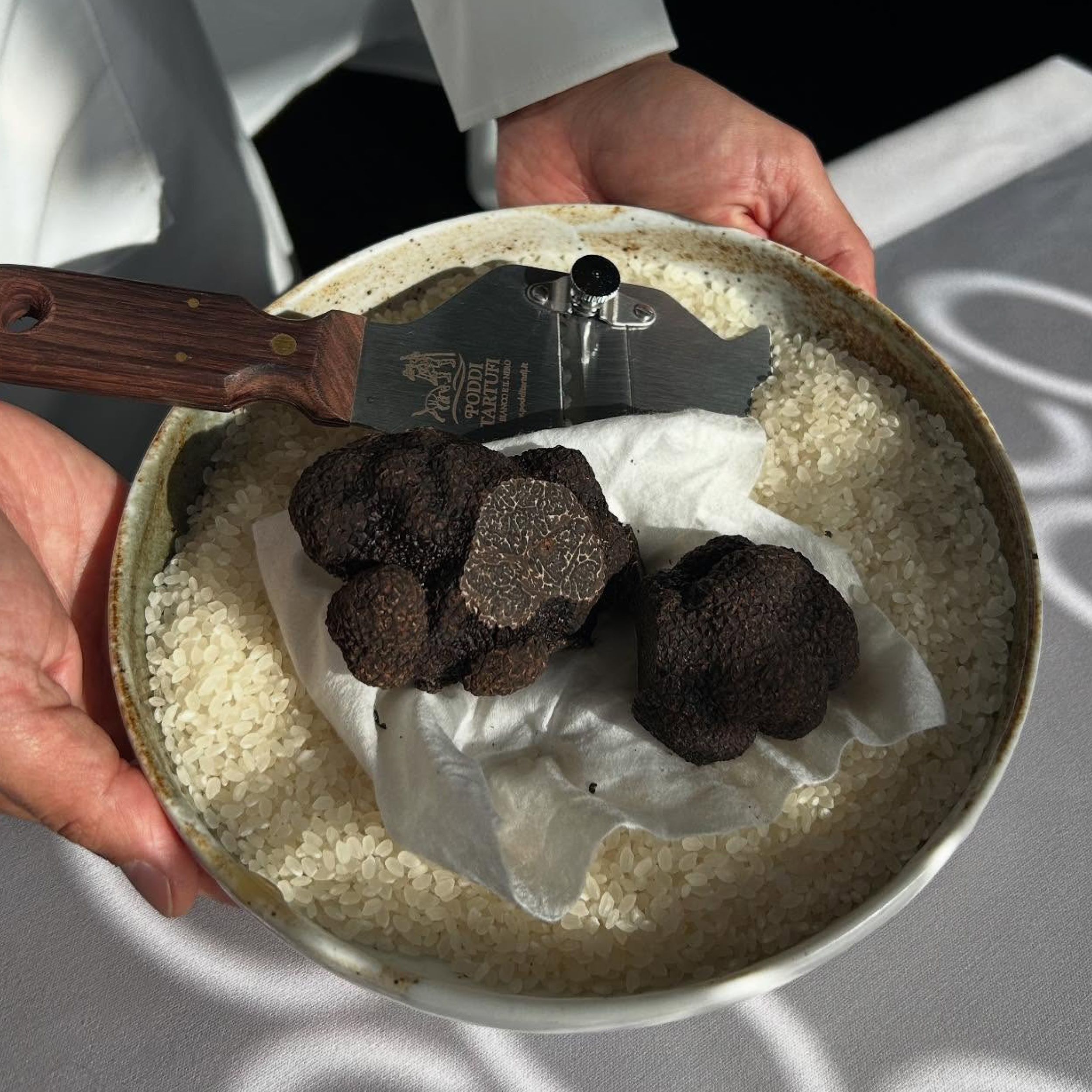
June arrives in Auckland with its particular cold-morning clarity, and along with it, the Black Périgord truffle — that subterranean obsession that turns a Tuesday dinner into something worth rearranging your week for. This year’s harvest, coming largely from the Tasman District and the South Island’s increasingly serious truffle country, is landing across the city’s most considered kitchens with the kind of quiet urgency that only a two-month window can produce. Whether you want five courses designed entirely around the fungus, or simply a glass of something excellent and a toastie that will make you reconsider what a toastie can be, Auckland is, right now, the right city to be hungry in.
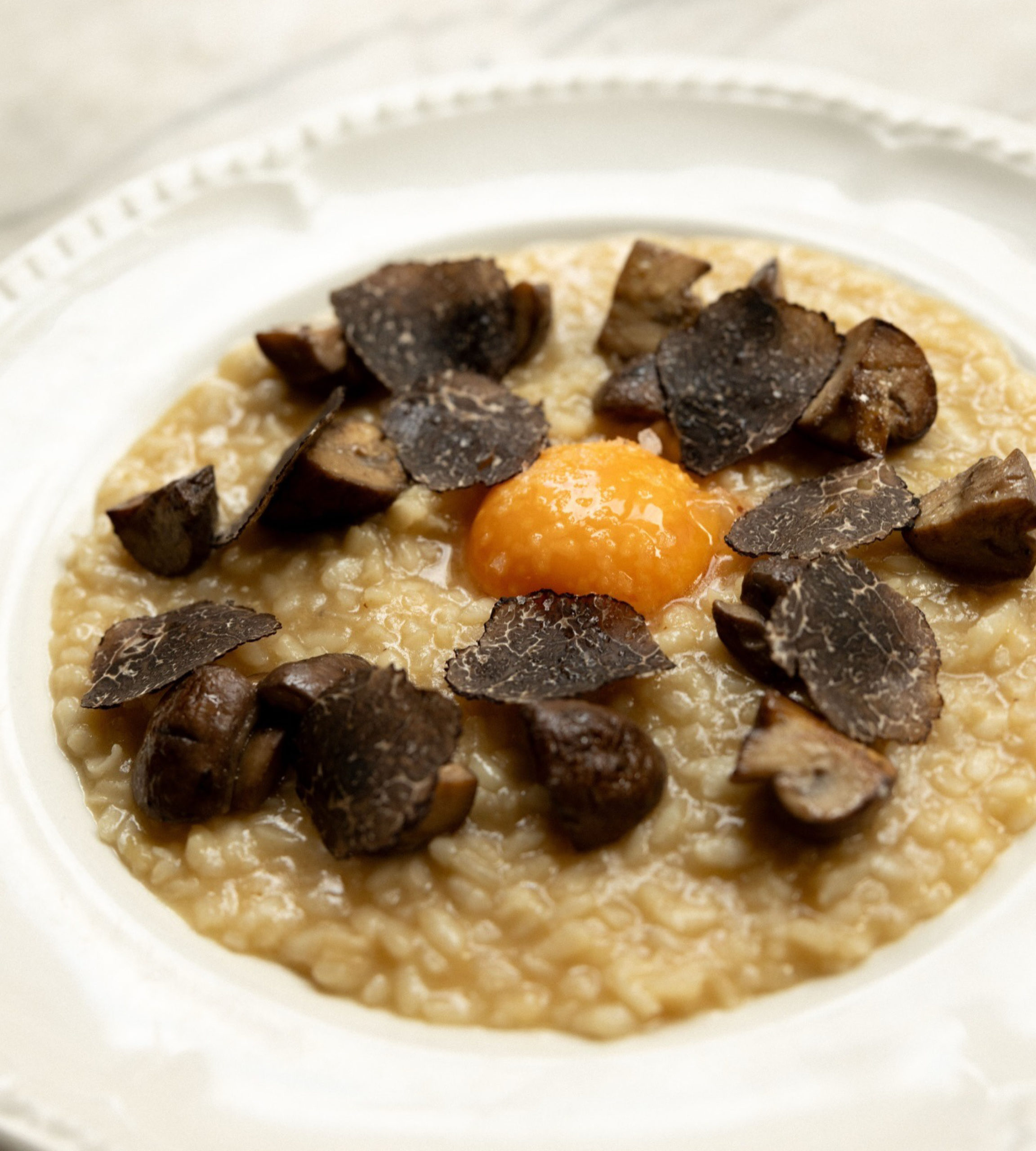
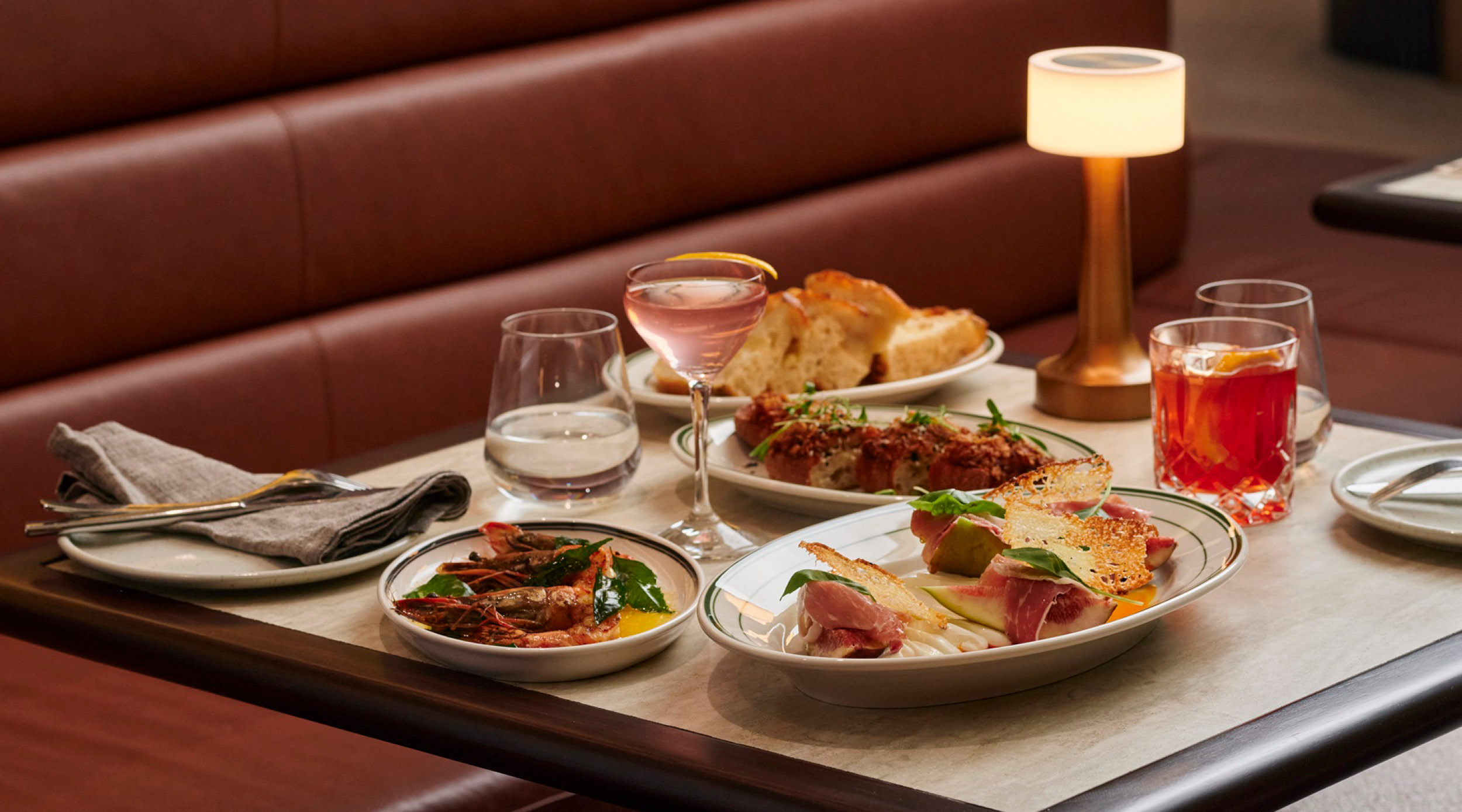
Gilt is marking the season with its Piedmont Edition Menu du Jour, a Saturday long lunch that positions truffle within the broader logic of one of Italy’s great food-and-wine regions rather than treating it as a standalone spectacle. The five-course format ($120 per person) opens with Prosecco on arrival, moves through a mushroom risotto finished with fresh black truffle and a vitello tonnato, and arrives at a slow-braised beef cheek alongside a wine line-up that runs from Gavi through to a side-by-side Barolo tasting — a pairing that gives the truffle proper context rather than isolating it. From the following Saturday onwards, the Piedmont Edition continues as a three-course menu at $65 per person, which makes the long-lunch version of the launch feel like the one to secure first. Book here.
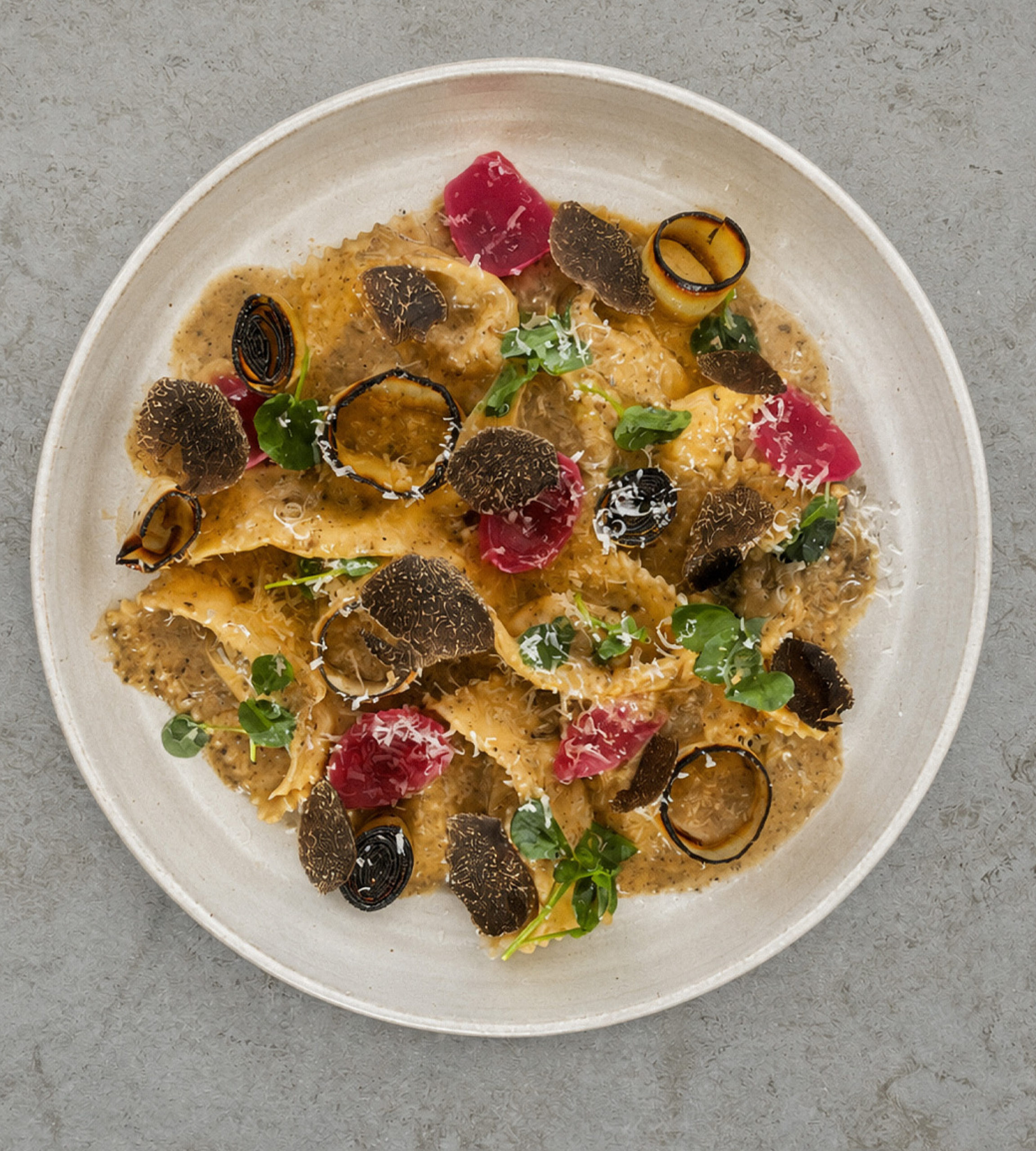
Truffle agnolotti with leek and onion at $42, available from Tuesday the 16th. Leek and onion as the base note is a quietly intelligent choice, sweet and slow-cooked allium providing the kind of gentle, yielding backdrop that lets the fungus project without interference. Worth marking the calendar for. Book here.
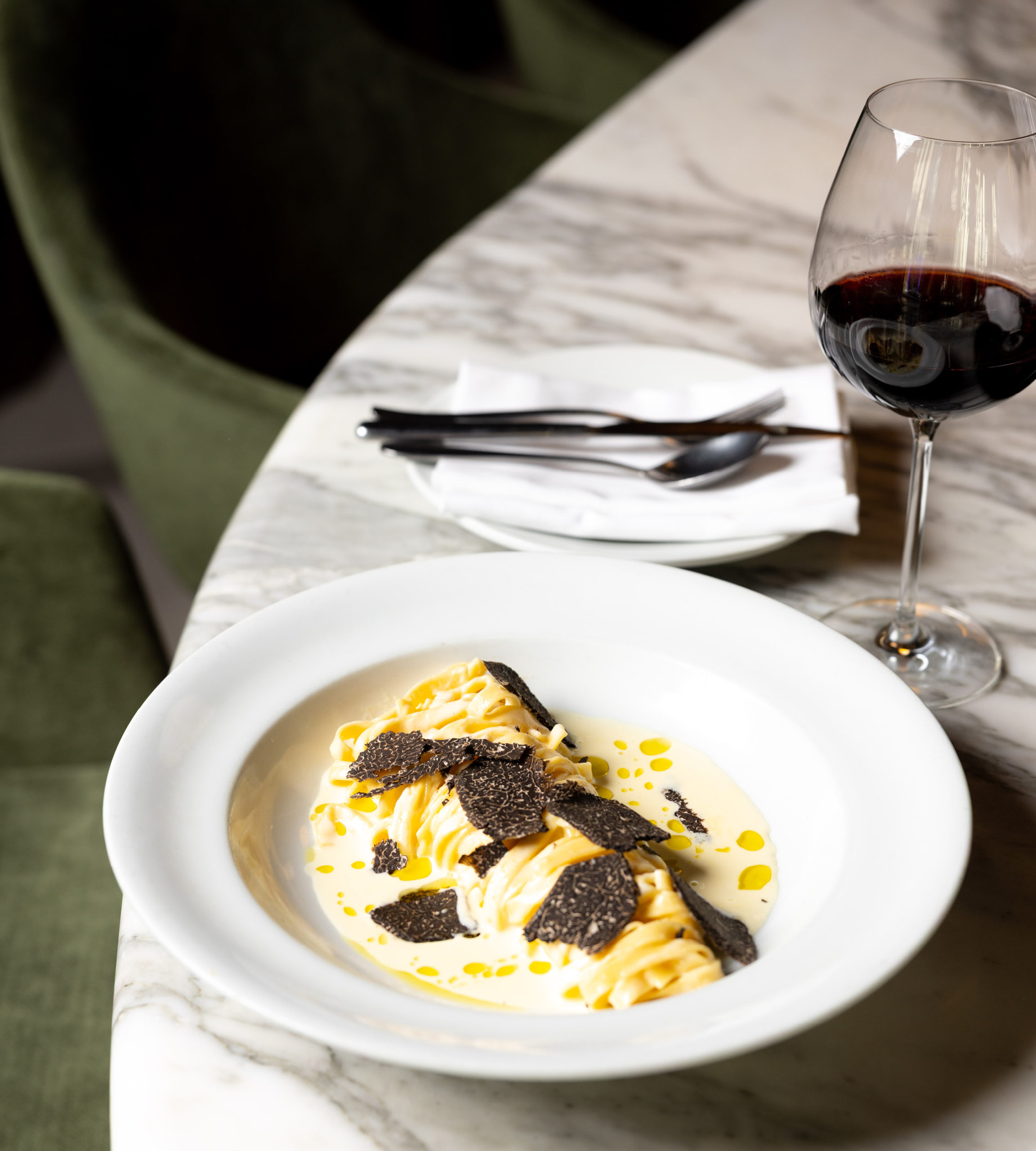
George — the truffle dealer, not a metaphor — flew up from the South Island with the first harvest of the season and delivered directly to Bossi, where chef Shaun moved quickly. The result is two seasonal dishes worth knowing about: an eye fillet served with truffle mash, portobello mushroom stuffed with blue cheese, and jus ($54), and a fettuccine tossed in a Parmigiano Reggiano wheel with truffle oil ($44) — a preparation that lets the wheel do the theatre and the oil do the flavour work. Fresh truffle can also be added to any dish on the menu, which, given the breadth of Bossi’s Italian programme, leaves considerable room for good decisions. Book here.
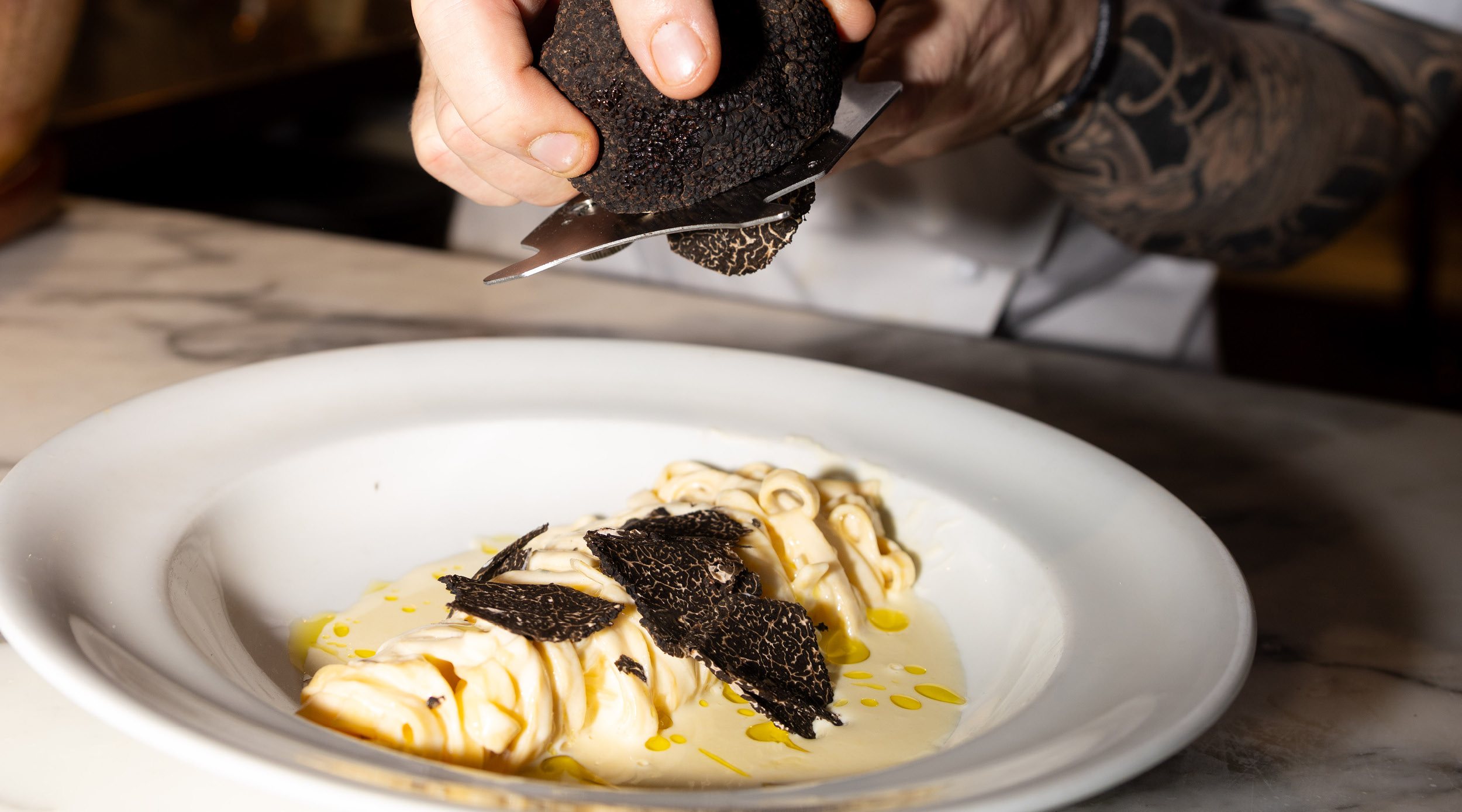
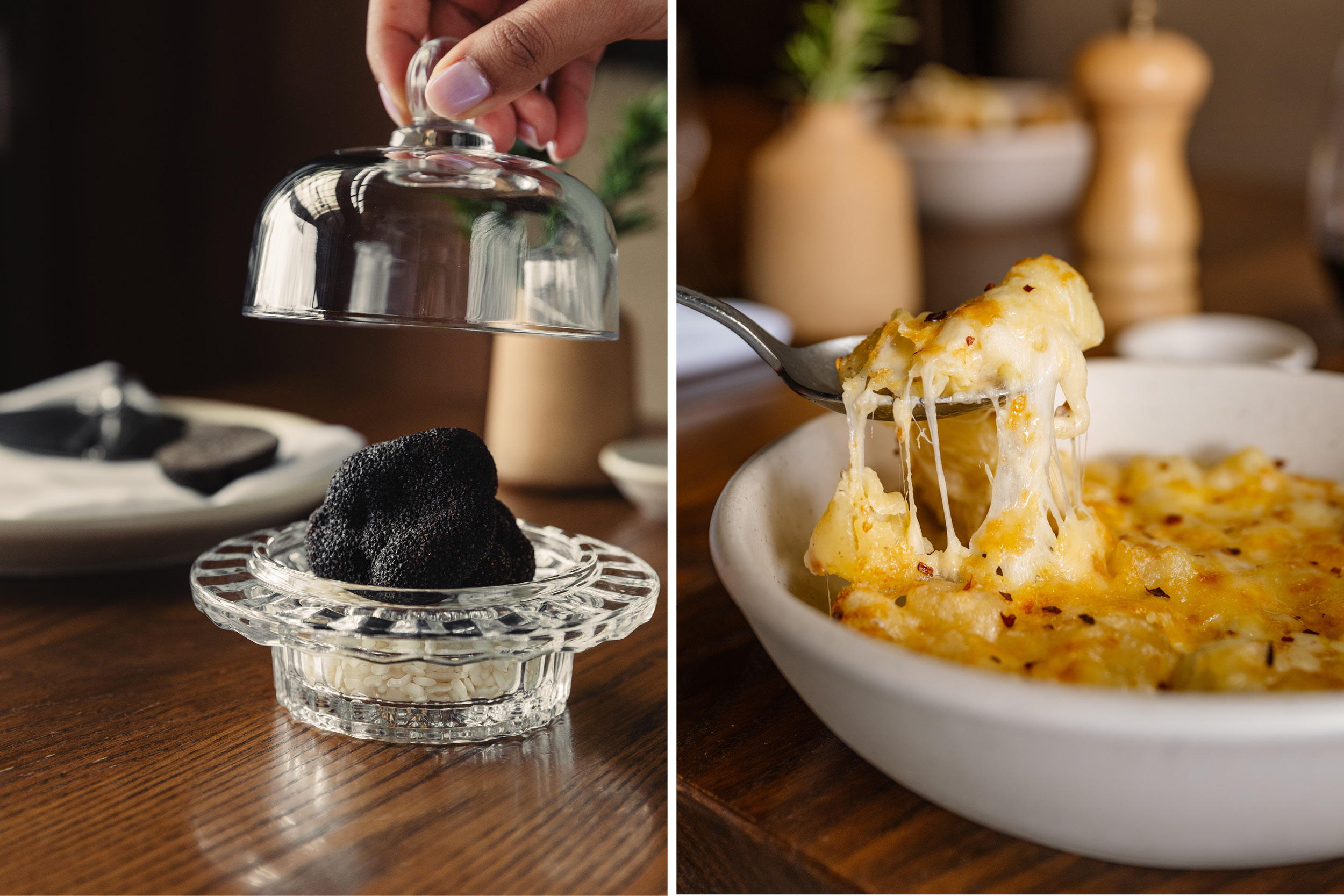
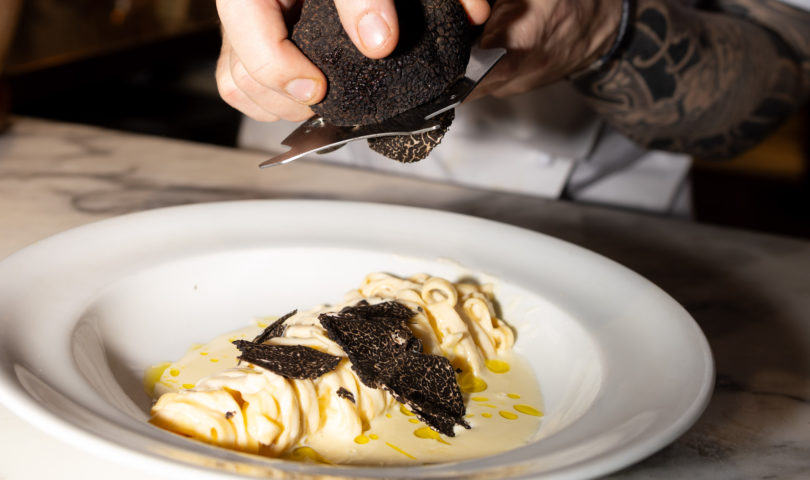
The tableside shaving at Andiamo, $15 per gram, applied to whichever dish you choose, is the kind of offer that rewards decisiveness, and the kitchen has done the useful work of narrowing the field. The stracciatella with charred leek, pickled mustard, and hazelnut is where to start, the acidity of the mustard and the bitterness of the leek char creating exactly the right tension for truffle to resolve. The chicken ravioli with walnut beurre noisette, sage, and barrel-aged balsamic makes an equally considered case, the nuttiness of the brown butter pulling the fungus into focus rather than competing with it. For the mushroom risotto, the logic is self-evident. The macaroni — fontina, cheddar, parmesan, bacon, chilli, is the most unapologetic option on the list, and probably the most argued-over table decision of the season. The slow-roasted porchetta with pickled cauliflower and apple and fennel fondo bruno rounds things out for anyone who wants their truffle anchored to something with genuine structural weight. Book here
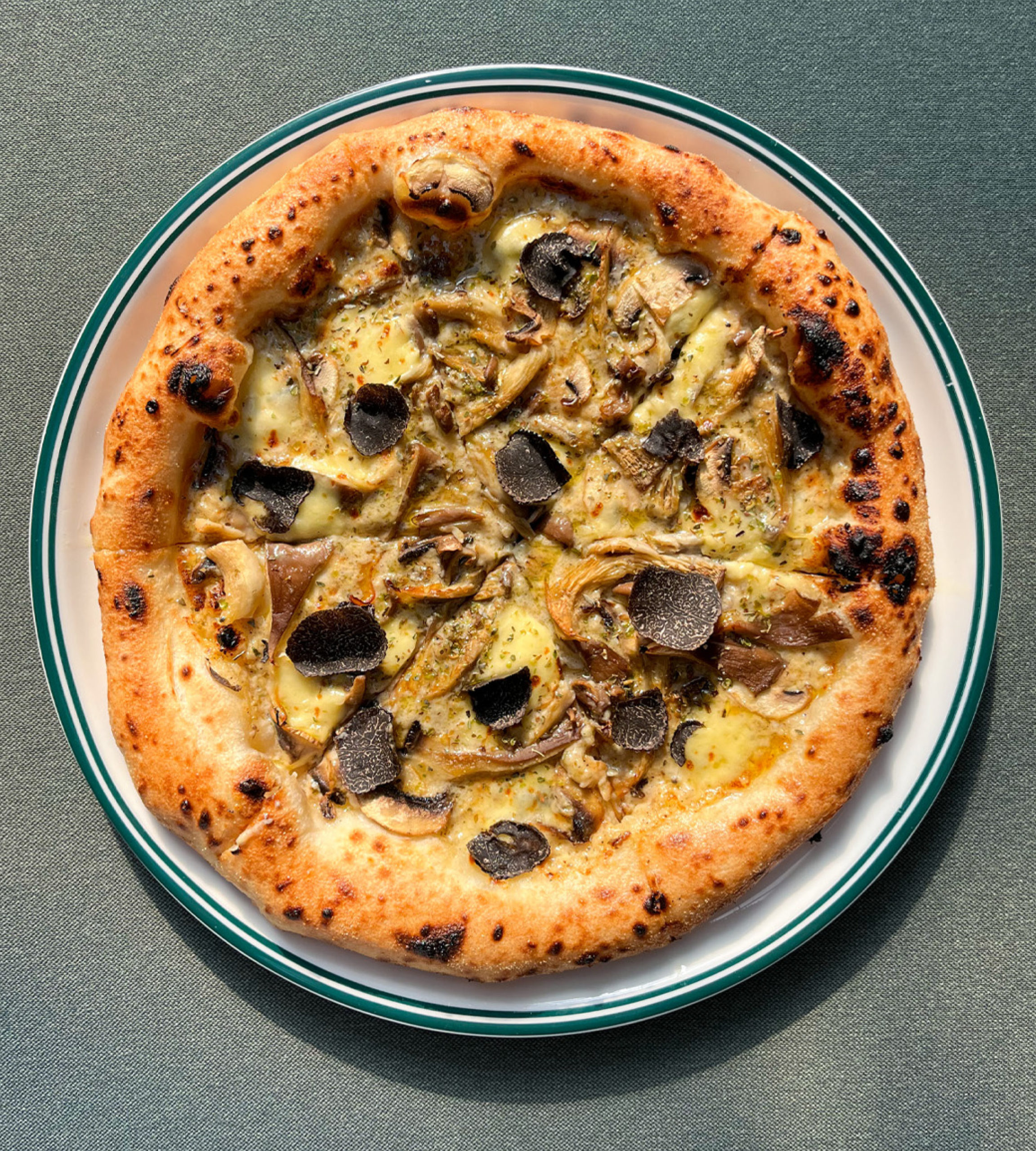
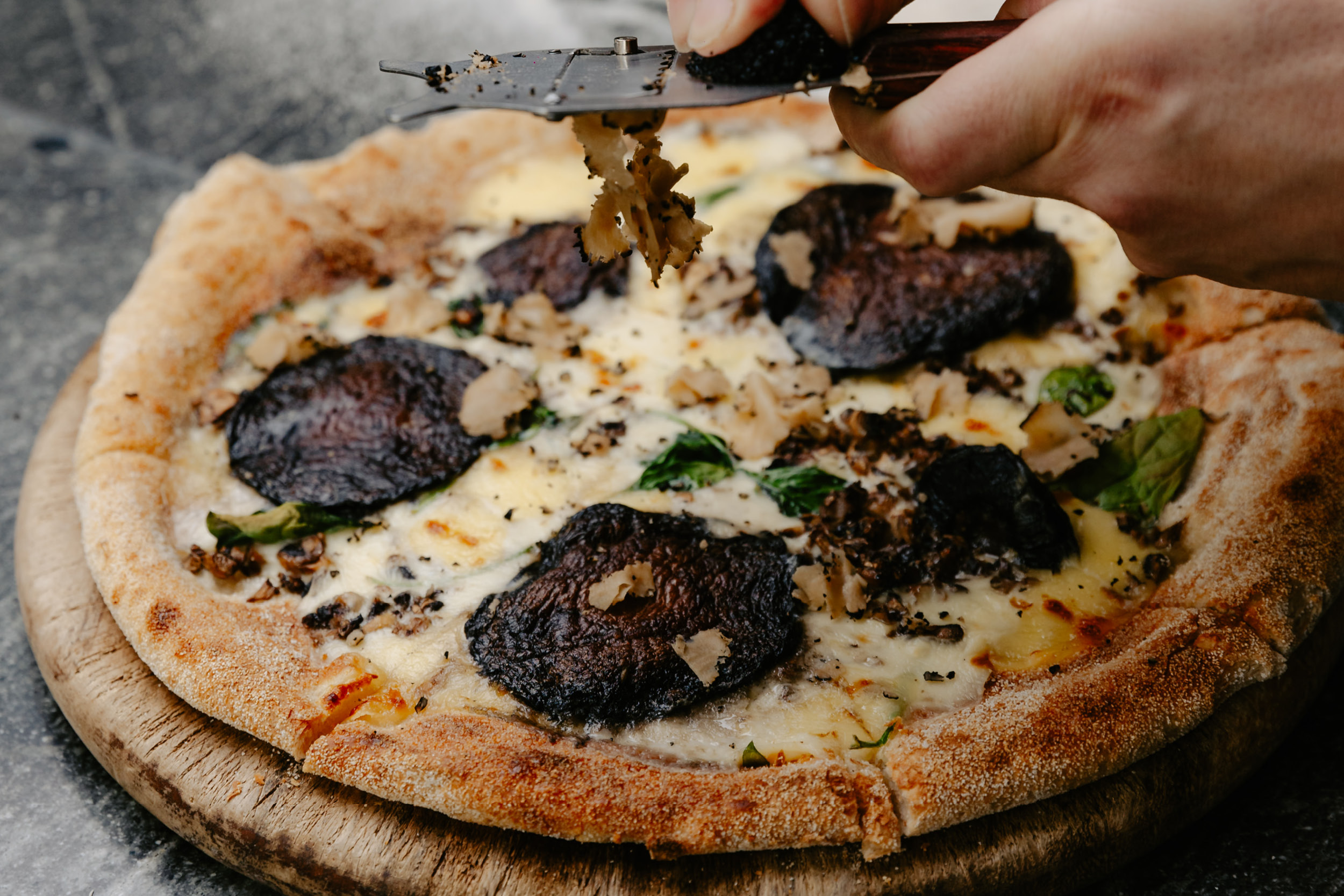
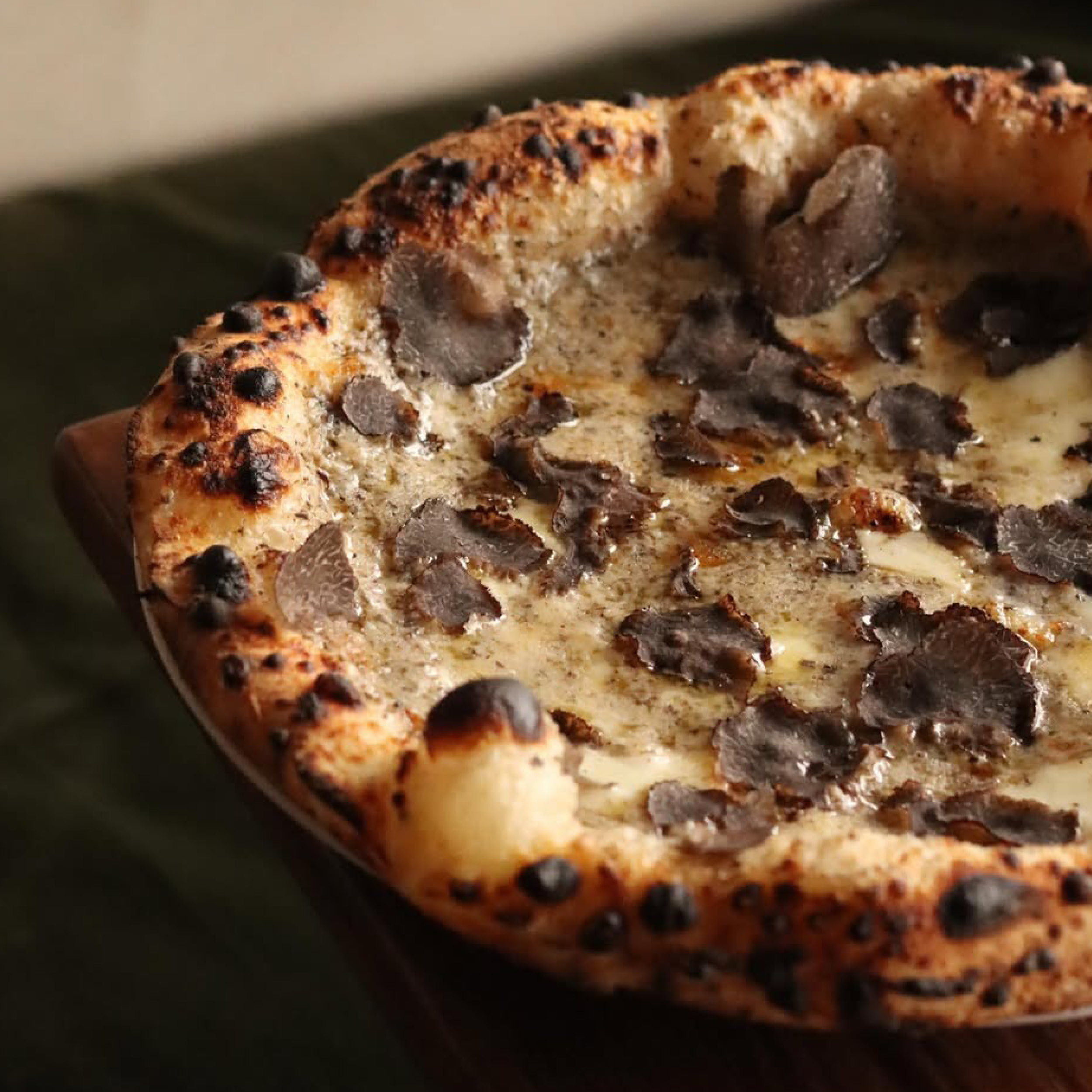
The Funghi e Tartufo at Non Solo Pizza — truffle cream, mozzarella, oyster mushroom, button mushrooms, oregano, and freshly shaved New Zealand black truffle at $39 — makes the case that pizza is, in the right hands, one of the more honest formats for this ingredient, the heat of the oven coaxing the cream into something that carries the truffle’s aroma through every bite rather than concentrating it in a single layer. Available from Monday the 15th, which gives you the weekend to decide whether you’re the kind of person who books ahead or the kind who arrives and hopes for the best. Book here.
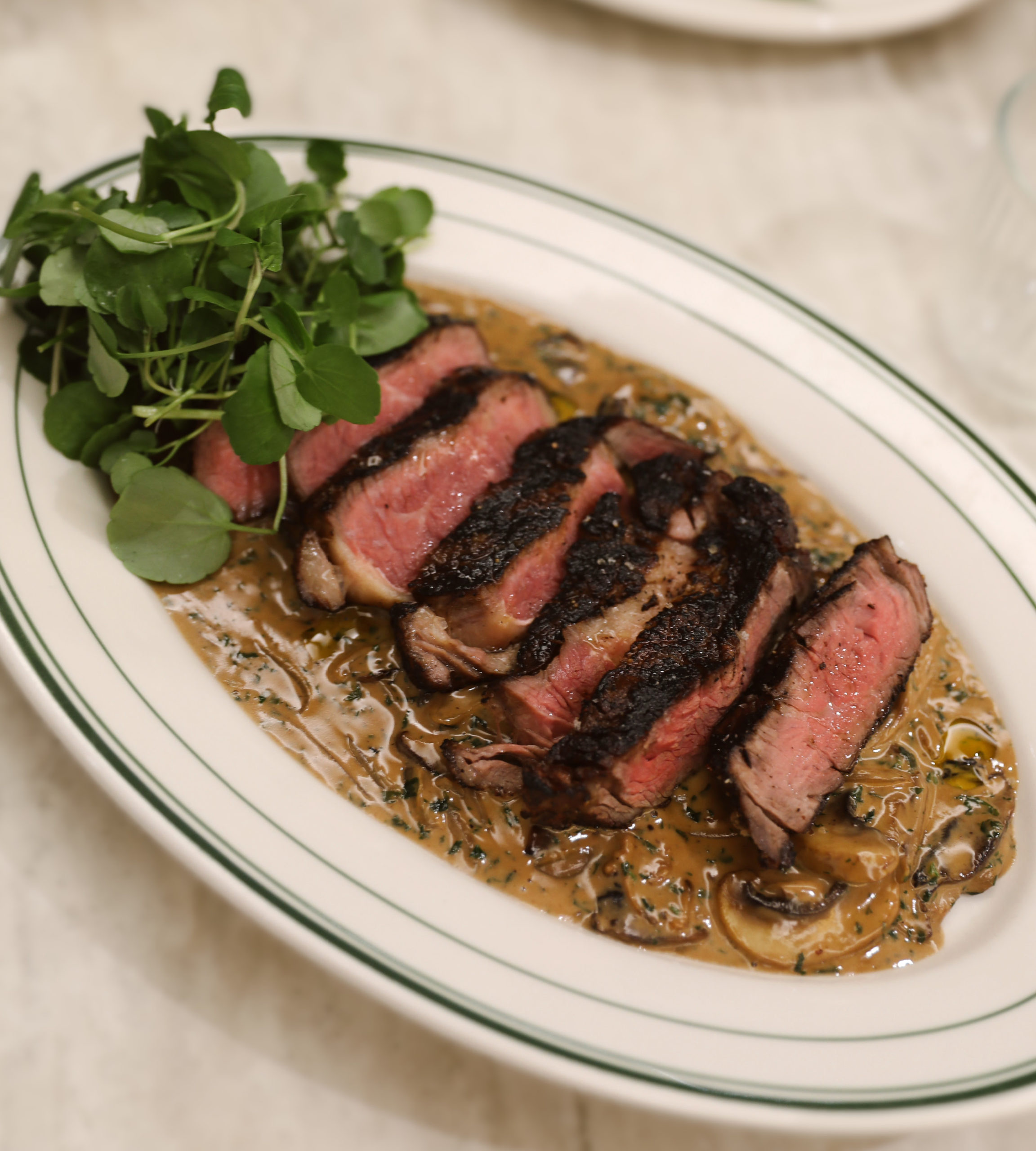
Every Friday, a 200g Greenstone Creek beef rump cap with unlimited truffle fries at $49.50, and for an additional $20, fresh seasonal truffle shaved directly over the steak, which transforms what is already a considered weeknight proposition into something that justifies rearranging Thursday’s plans to ensure Friday is free. The rump cap is a cut that rewards the kitchen’s confidence in the beef itself, and Greenstone Creek’s is the kind of provenance that earns that confidence. The truffle fries on their own would be enough. They are not, it turns out, on their own. Book here.
George’s Black Périgord truffles arrive at Ahi each winter with the kind of provenance that most kitchens can only gesture toward, grown among inoculated oak and hazelnut trees at his Riwaka truffière in the Tasman District, located by truffle dogs, then hand harvested, cleaned, and graded before making the journey north. The offer itself is simple: fresh truffle shaved over any dish on the menu for $10, which is either the most democratic thing happening in Auckland dining right now, or the most dangerous, depending on how well you know yourself around a menu you already rate. Book here.
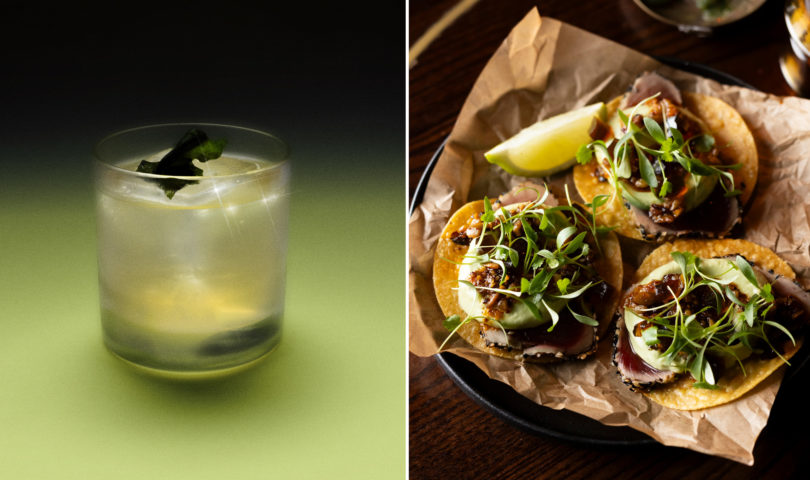
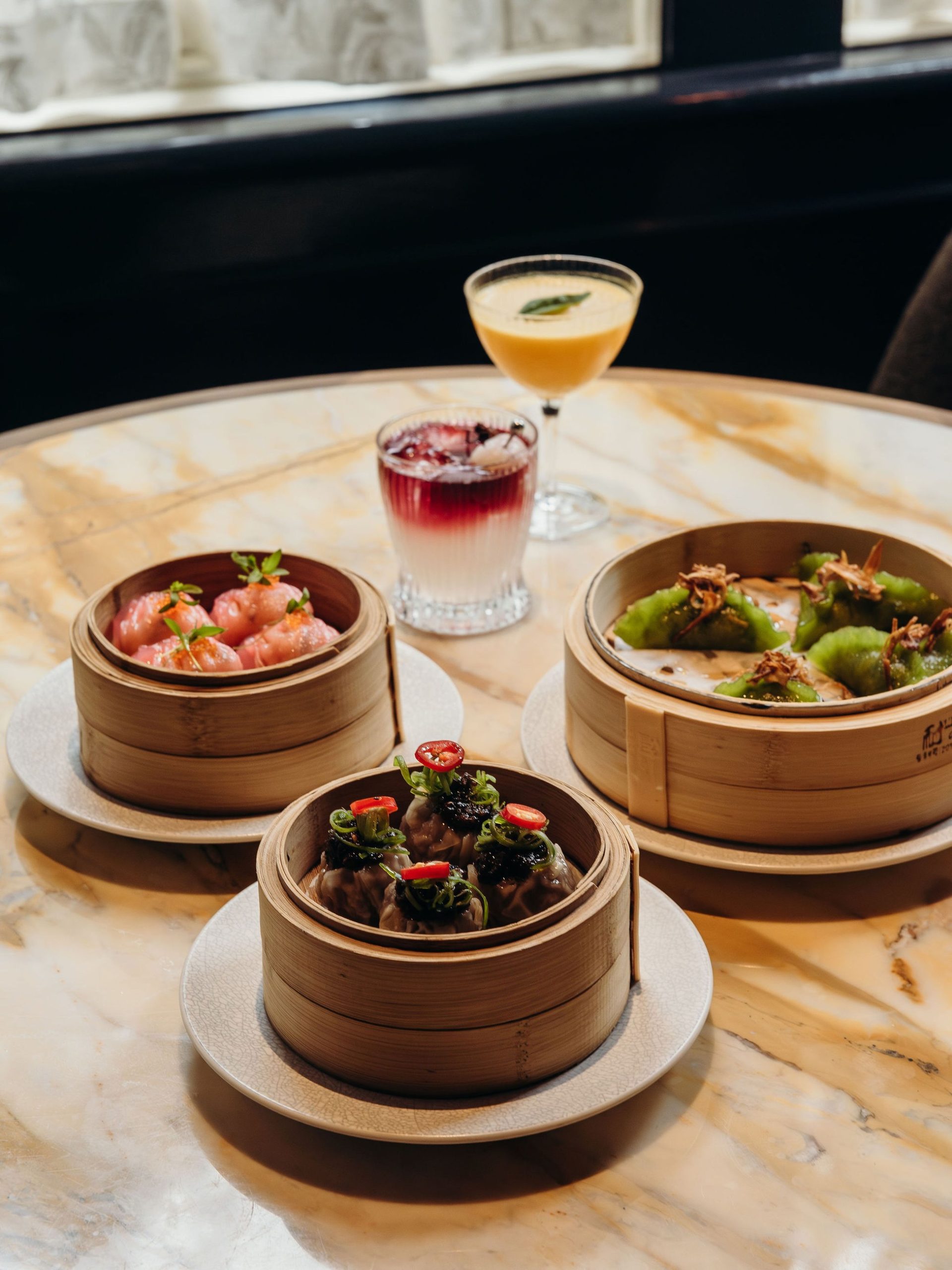
Both venues at voco Auckland City Centre are drawing their seasonal Black Périgord from George’s Truffles in the Tasman District — a South Island producer whose harvest runs June through August — and the offer spans what is, frankly, an unusually complete range of formats. At Mozzarella & Co., the all-day trattoria that anchors the ground floor, a truffle pizza built on béchamel, mozzarella, field mushroom, and spinach ($42) makes the vegetarian case for the season with more conviction than most meat-forward alternatives manage. Bar Albert, meanwhile, has brought back its truffle cocktail — truffle-infused 12 Tides Vodka from Waiheke Distilling Co., Cointreau, and Amaro Montenegro ($29) — a combination that sounds improbable until you taste it, at which point it sounds inevitable. The genuine novelty of the season, though, is the Baked Truffle Camembert ($34): a 115g single-serve portion produced specifically for voco Auckland by Over the Moon Dairy, a Putaruru, Waikato cheesemaker with seventeen years of award-winning production behind them, baked and served with pretzel sticks and available exclusively at Bar Albert for the duration of the season. “It’s the kind of dish that stops people mid-conversation,” says Executive Chef Daniel Muller — which is, when you consider the competition in that room, a credible claim. Across both venues, freshly shaved truffle can be added to any dish for $12. Book here.
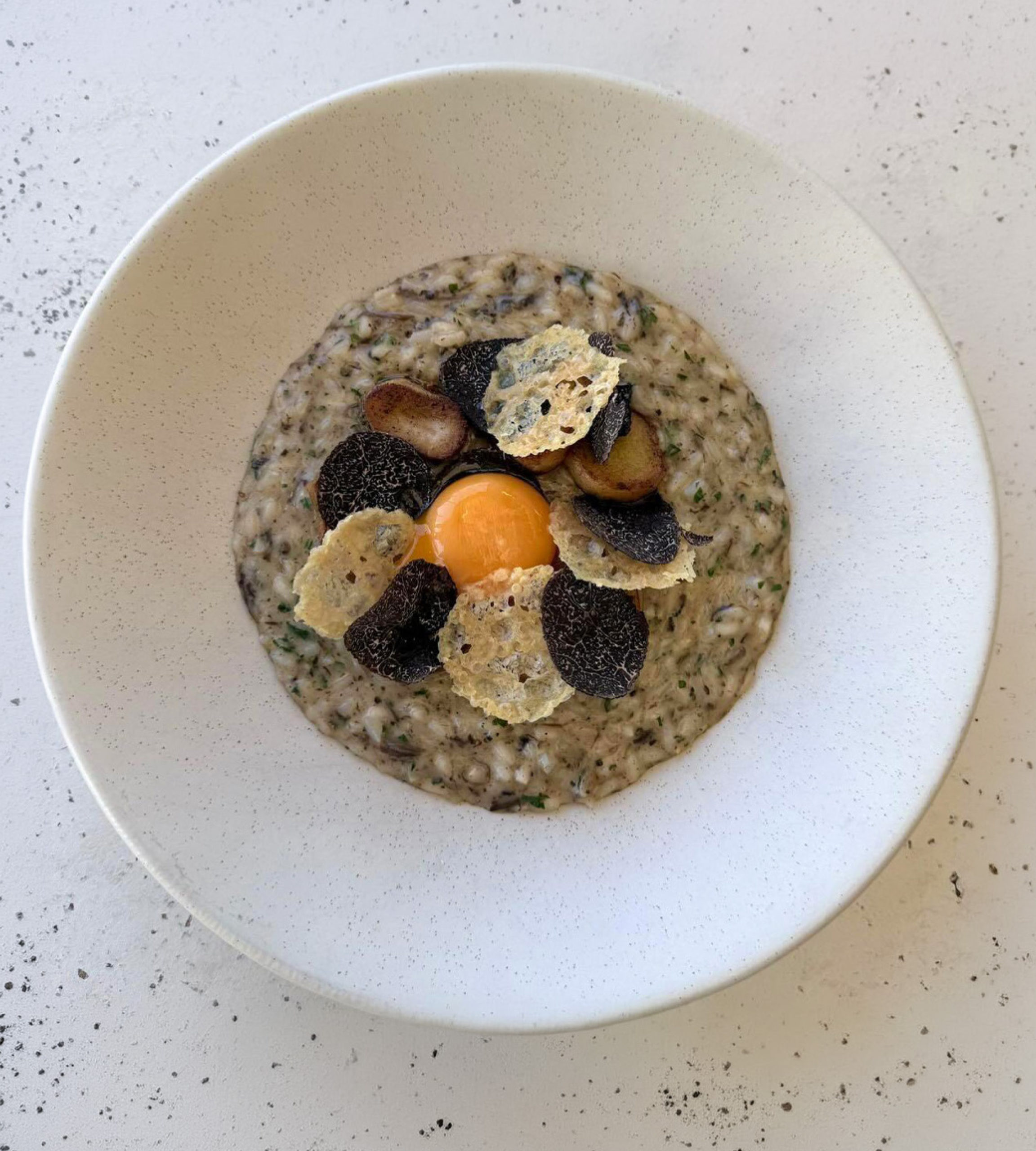
Sitting on the waterfront with the kind of view that makes a two-hour lunch feel non-negotiable, Bivacco’s truffle risotto earns its place on this list through specificity rather than occasion — Wainui king black mushrooms, parmigiano reggiano, egg yolk, and fresh truffle at $40, a combination where every element is doing load-bearing work rather than providing atmosphere. The king black mushrooms bring a depth that most risotto bases spend considerably more effort chasing, the egg yolk folds a richness into the grain that butter alone never quite achieves, and the truffle arrives with enough supporting structure beneath it to actually justify being there. Worth noting that the harbour is right there when you look up. Book here.
The annual Cocoro Truffle Degustation is, for a specific kind of diner, the clearest argument for why a seasonal calendar matters. The five-course menu — running for a limited time only, with fresh black truffle shaved tableside over selected courses — is structured so that the fungus appears in every course including dessert, allowing its earthiness to shift and modulate rather than simply announce itself once and leave. The kitchen’s particular intelligence is in the framing: Aotearoa delicacies and premium A5 Kagoshima Wagyu from the Kagoshima prefecture sit alongside a modern Japanese sensibility that feels neither reverential nor fashionably irreverent, simply precise. Tableside shaving at the right moment — when the dish is still warm enough to coax out the aroma — is a detail that matters more than it sounds. Book here.
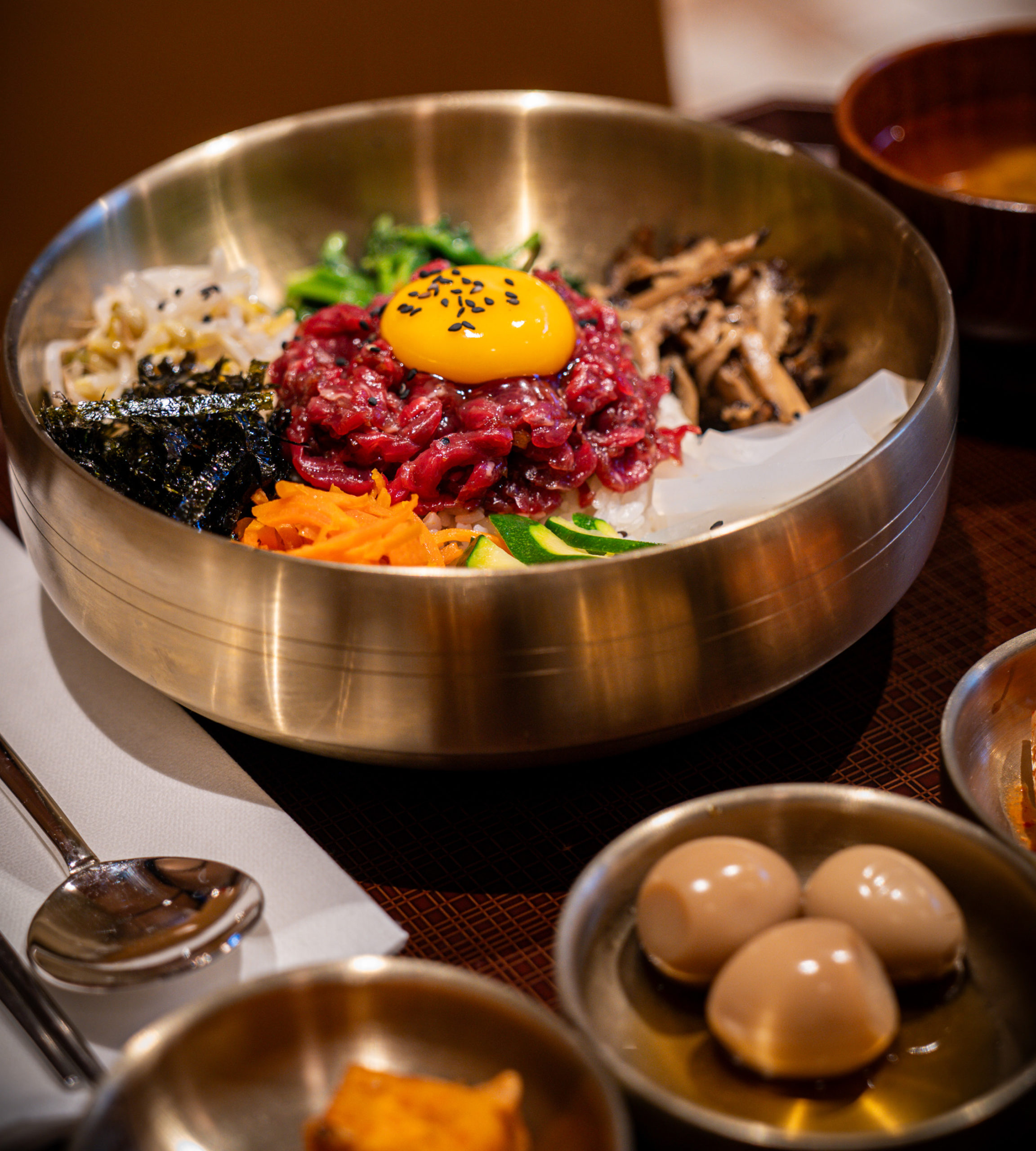
The Truffle Yukke Beef Tartar at Chul’s arrives in the way that Korean dining does things properly, a brass bowl, hand-cut raw beef alongside julienned vegetables, glass noodles, nori, and a raw egg yolk sitting at the centre with the quiet confidence of something that knows exactly what it is, the truffle’s aroma threading through the whole arrangement rather than sitting on top of it. It is a more complete dish than the word “tartar” suggests, and considerably more interesting than most seasonal truffle additions currently doing the rounds. Available for a limited time, which is the only detail that should be driving your booking timeline. Book here.
Remuera’s Spiga keeps its seasonal truffle offering exactly where it should be: close to the pasta, close to the Italian pantry, and refreshingly free of elaboration. The kitchen’s stuffed pappardelle topped with freshly sliced truffle is the headline, but the more quietly useful offer is the option to have fresh truffle shaved to order over whichever dish takes your interest — a flexibility that rewards regulars who already know what they want to amplify. This is truffle as an ingredient rather than truffle as an event, and for a certain mood, that is precisely the right approach. Book here.
Worth knowing about if your truffle fix needs to happen before 2pm: Duo’s daytime specials board is currently running fresh New Zealand truffle with culatello, potato rosti, hollandaise, and poached eggs — a combination that makes a strong case for the kind of weekday breakfast that justifies clearing the morning. Available daily until 2pm, or until it sells out, which it does. Book here.
The first truffle pizza of the season at OOH-FA arrives in limited quantities and without apology: mascarpone, provolone, parmesan, and truffle on a base that the kitchen has clearly been thinking about all year. First in, first served — which, for anyone who remembers last season, is the only instruction you actually need. Book here.
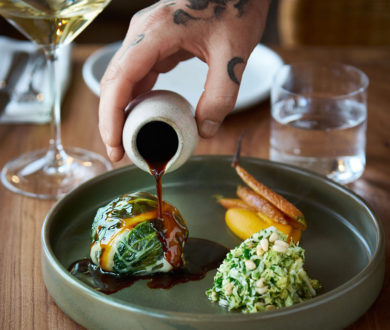
Braised beef collar, parsnip purée, chilli crunch mushroom XO, and fresh black truffle shaved over the top — all of it arriving in yorkshire puddings, with the Waitematā harbour spread out below you. The XO brings enough heat and saline depth to keep the truffle honest, while the parsnip purée does the work of softening the whole thing into something that feels genuinely suited to a cold Auckland evening at altitude. It is a dish that understands its setting, which is not always a given when the view is this good. Book here.
The truffle cheese toastie at Apéro is a returning seasonal staple on Karangahape Road, and its longevity on the menu is, at this point, its own form of endorsement. The format is simple: the wine bar setting on K Road, a toastie that takes the season’s principal ingredient seriously, and a wine list that has always understood what it is doing with this sort of thing. It is not a complex proposition, which is entirely the point. Book here.
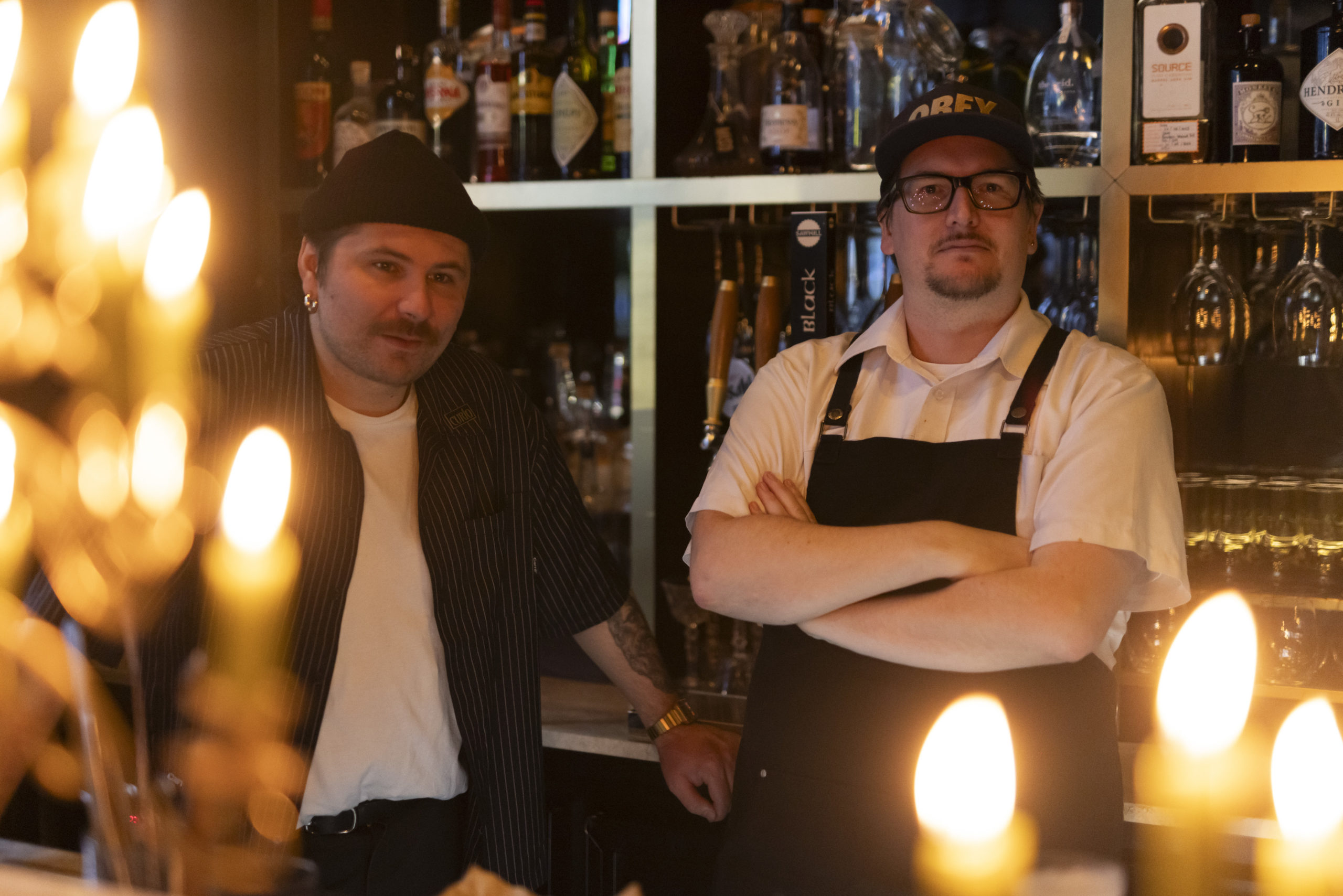
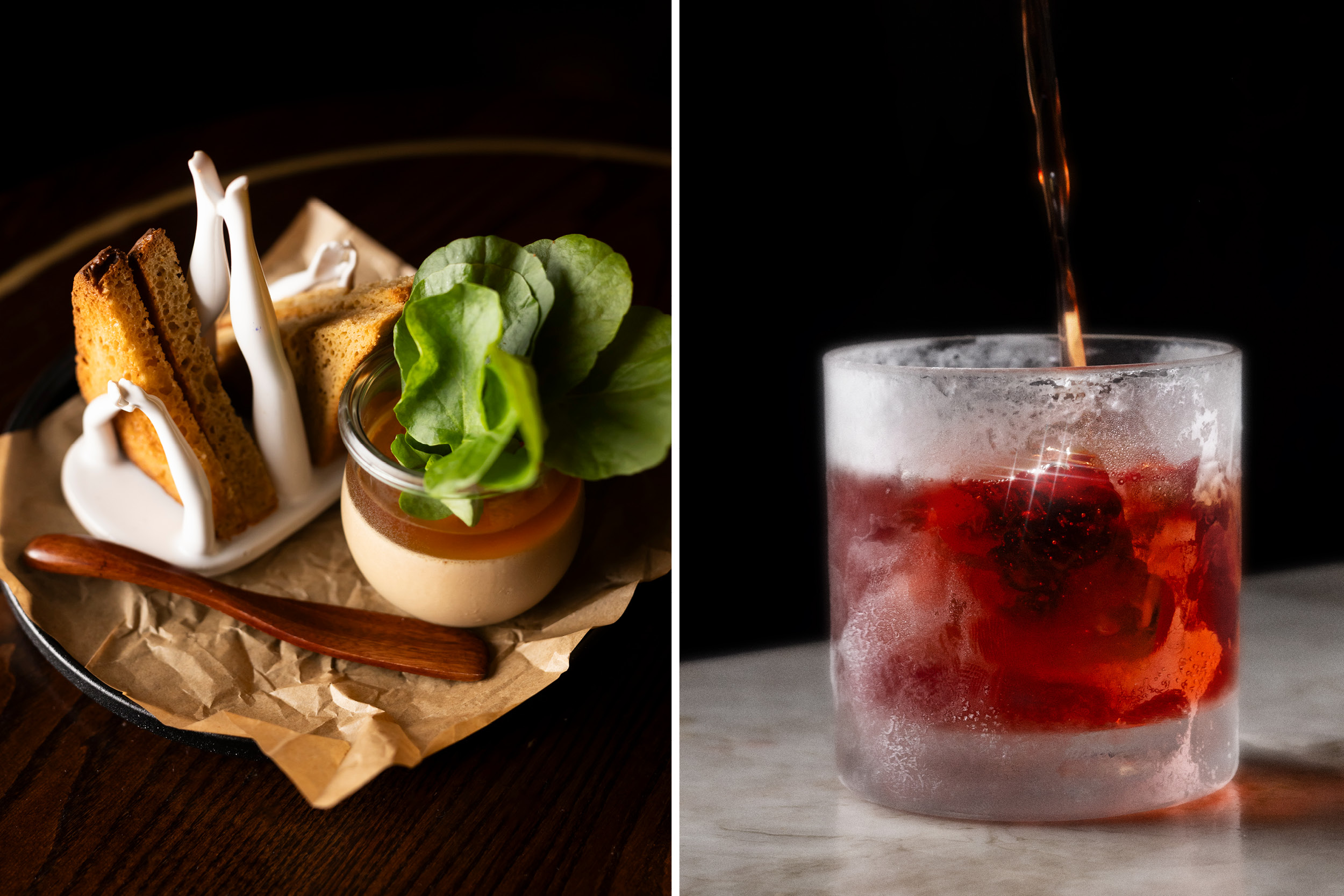
After a decade spent establishing Culprit as one of Auckland’s most enduring dining destinations, chef and owner Kyle Street has turned his attention to a far more eccentric pursuit. Hidden beneath the familiar rhythms of city life, Curio emerges as a richly layered cocktail bar that feels less like a hospitality venue and more like stepping inside the private collection of an obsessive collector whose interests stretch from cult cinema and antique oddities to Kiwiana and forgotten treasures.
Liam Mclennan and Kyle Street
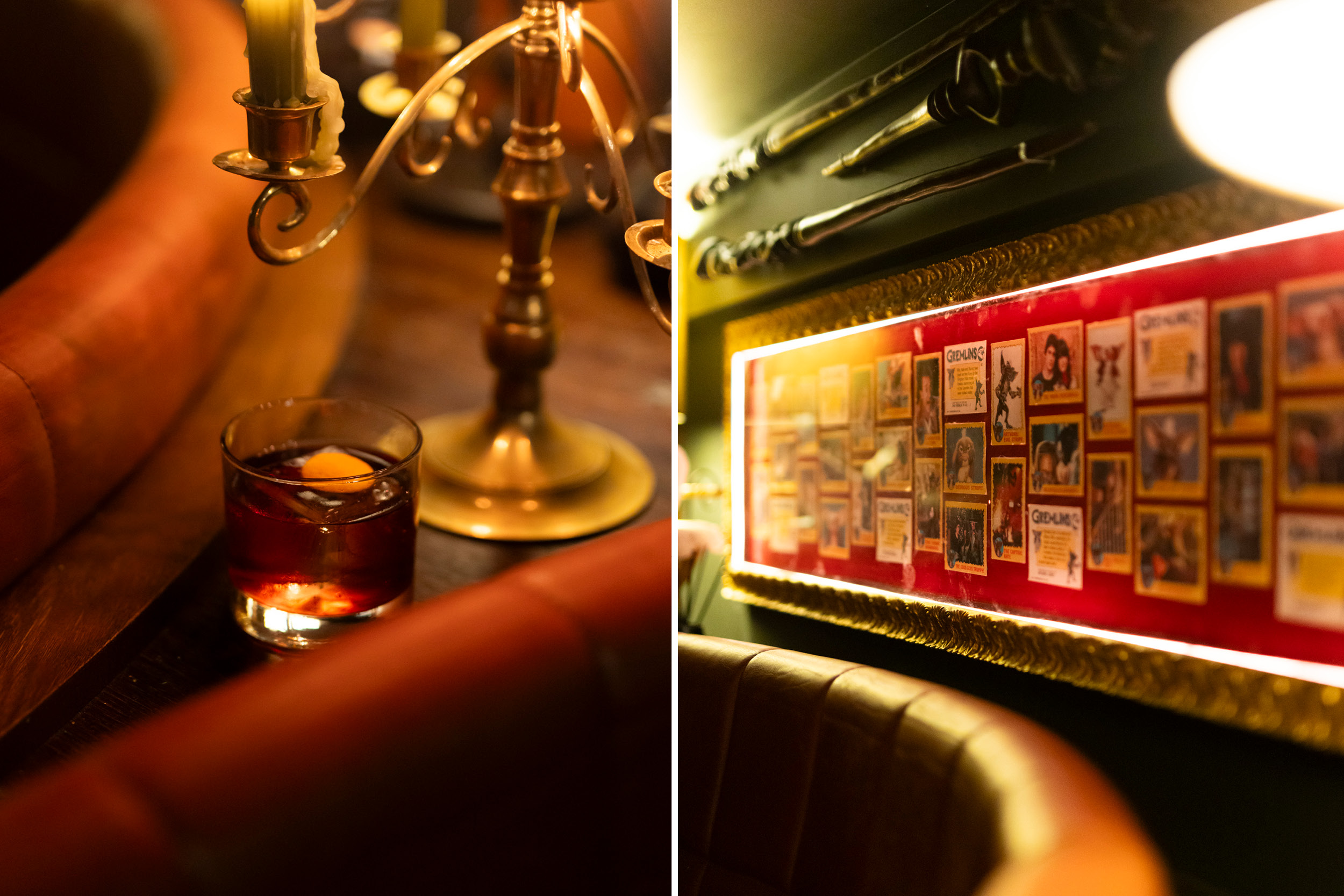
Occupying the former bar space adjoining Culprit, Curio represents a complete transformation, one driven not by trends or market demands but by Street’s own passions. Drawing heavily from the nostalgic visual language of 1980s and 1990s pop culture, the venue takes particular inspiration from the antique shop belonging to Mr Wing in the 1984 cult classic Gremlins, a film whose peculiar charm has informed everything from the atmosphere to the objects hidden throughout the room.
The result is a space that rewards attention. Every surface, shelf and corner reveals another discovery, whether it be a vintage curiosity sourced from an auction house, a treasured item from Street’s personal collection or a piece acquired during countless hours spent combing second-hand stores in pursuit of the perfect addition. Dried floral installations by Greenpoint Florist introduce texture and softness amongst the more theatrical elements, while custom framing by The Art Dept preserves some of the venue’s most unusual possessions, including a zebra hide and head, a jester’s suit and a collection of Gremlins trading cards.
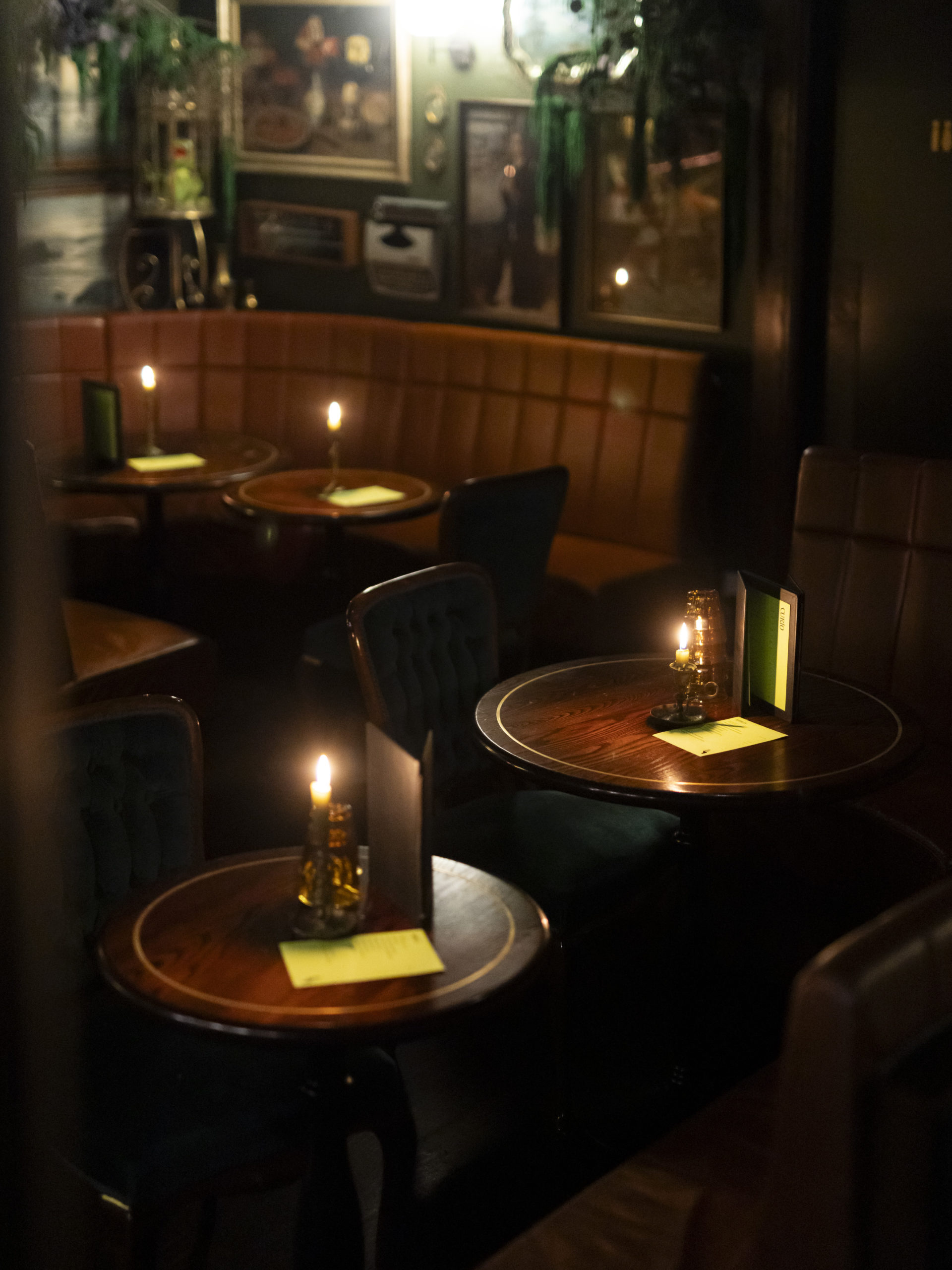
Describing the aesthetic as “swamp chic”, Street has created a room that feels dimly lit, slightly mysterious and entirely detached from the outside world, where the details reveal themselves gradually and the atmosphere shifts as the evening unfolds. There is a sense of discovery embedded into the experience, encouraging guests to linger a little longer than intended as they take in the countless references and curiosities surrounding them.
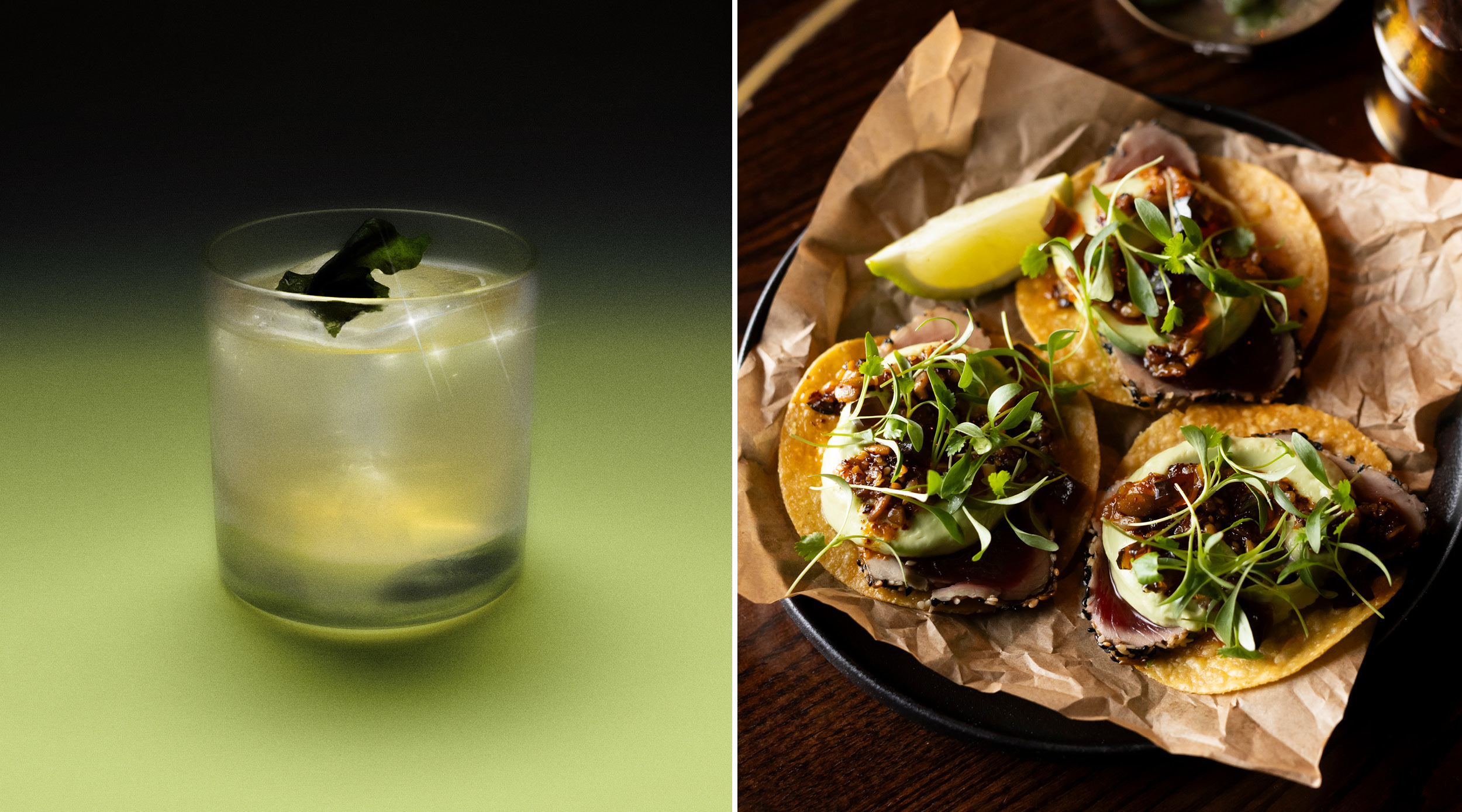
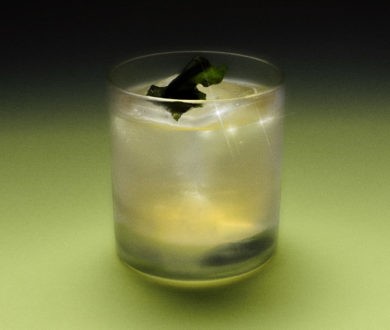
Behind the bar, beverage manager Liam McLennan has developed a cocktail programme that mirrors the venue’s character. Quirky, playful and occasionally uncanny, the drinks draw inspiration from Kiwiana while maintaining the technical precision expected from one of the city’s most respected hospitality teams. Among the more intriguing elements of the offering is a partnership with Project Hydrosol, which allows Curio’s entire signature cocktail list to be enjoyed in low-to-no alcohol form through a process that captures much of the aroma, texture and flavour profile of traditional spirits while remaining below one per cent alcohol.
At a time when many bars lean heavily on minimalism, Curio embraces maximalism with confidence, creating an environment where storytelling matters as much as the drinks themselves. Every object has a reason for being there, every reference points back to a personal memory, and every detail contributes to a venue that feels remarkably individual.
Street describes Curio as a place where guests can melt into their surroundings, surrendering to an atmosphere where time moves a little differently, and conversation flows as freely as the cocktails. Judging by what he has created, that seems precisely what awaits.
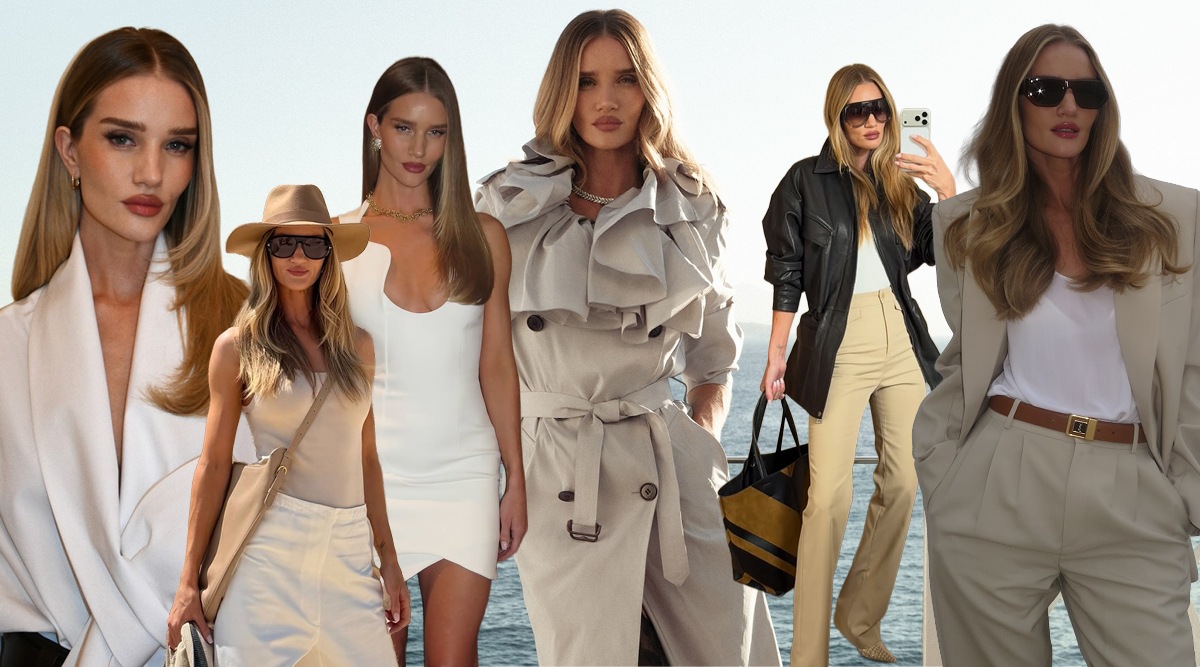
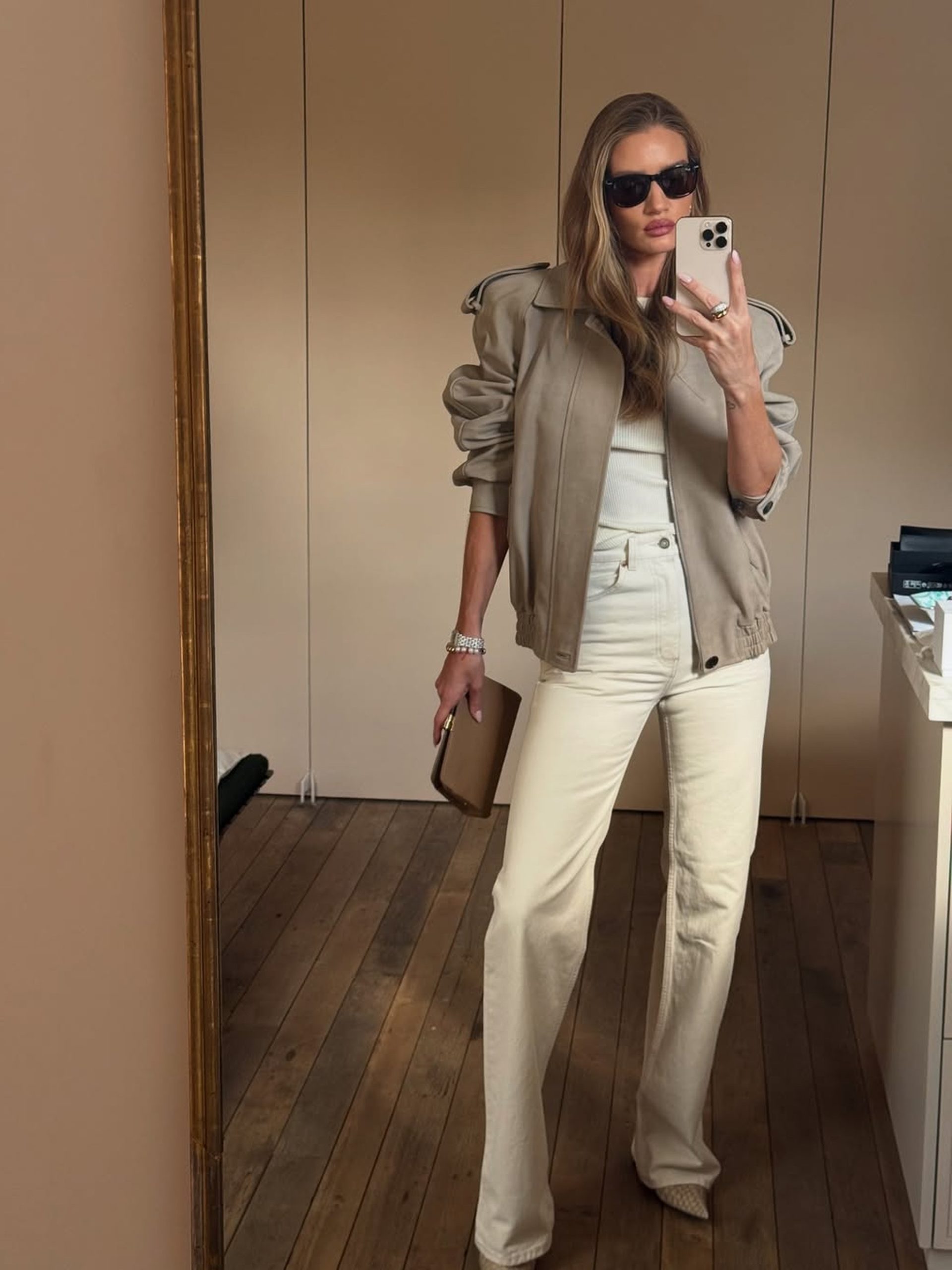
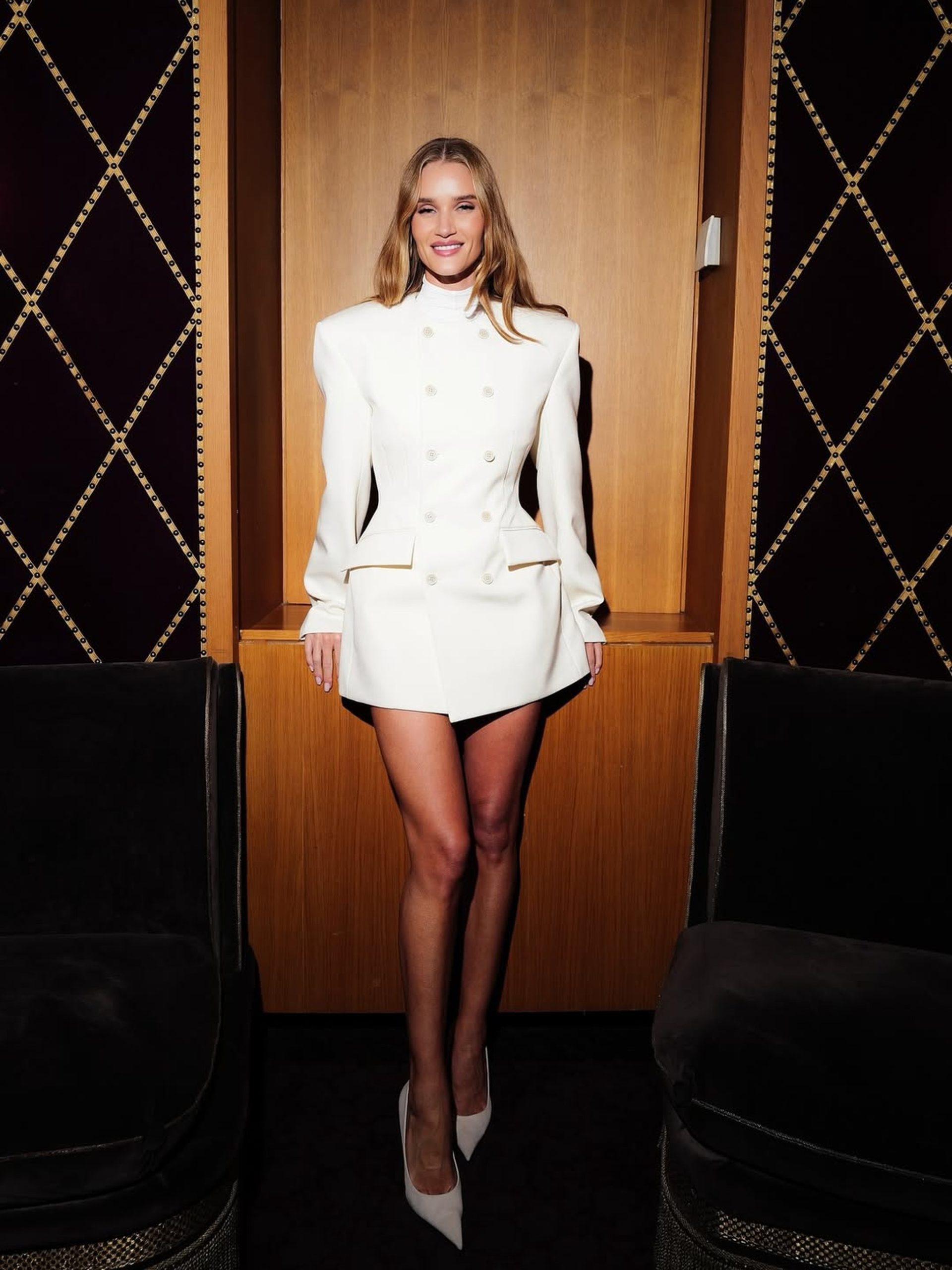
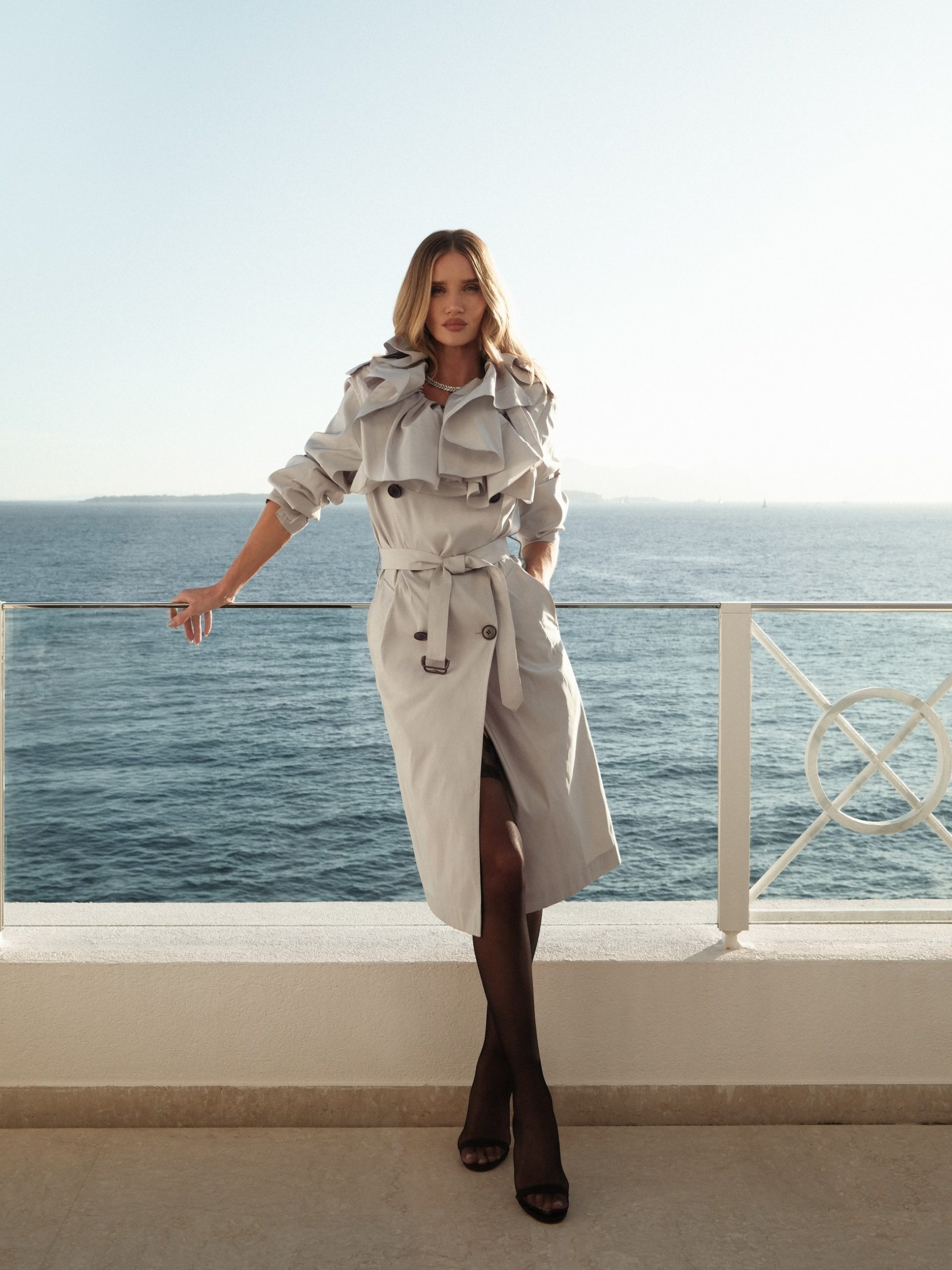
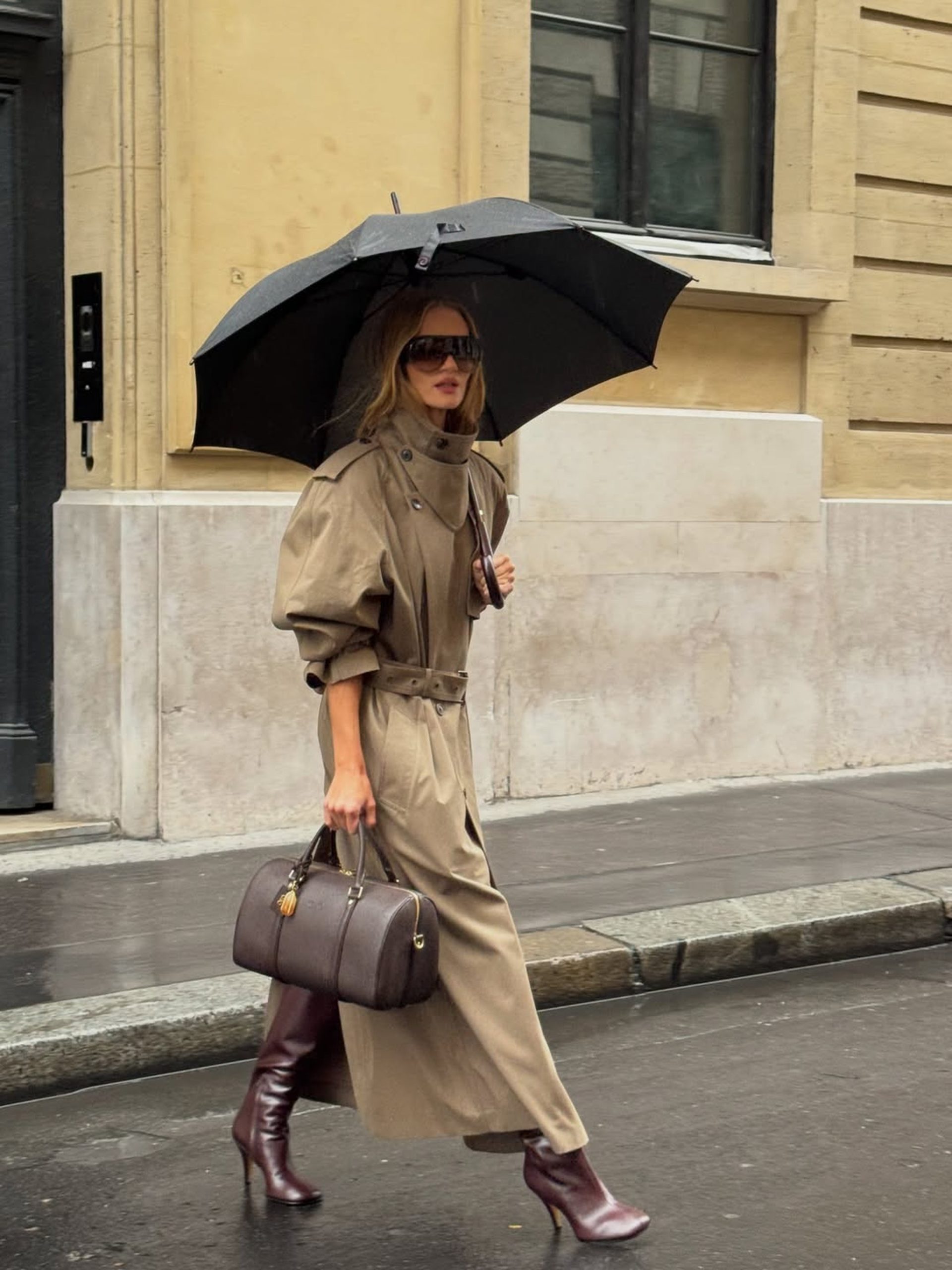
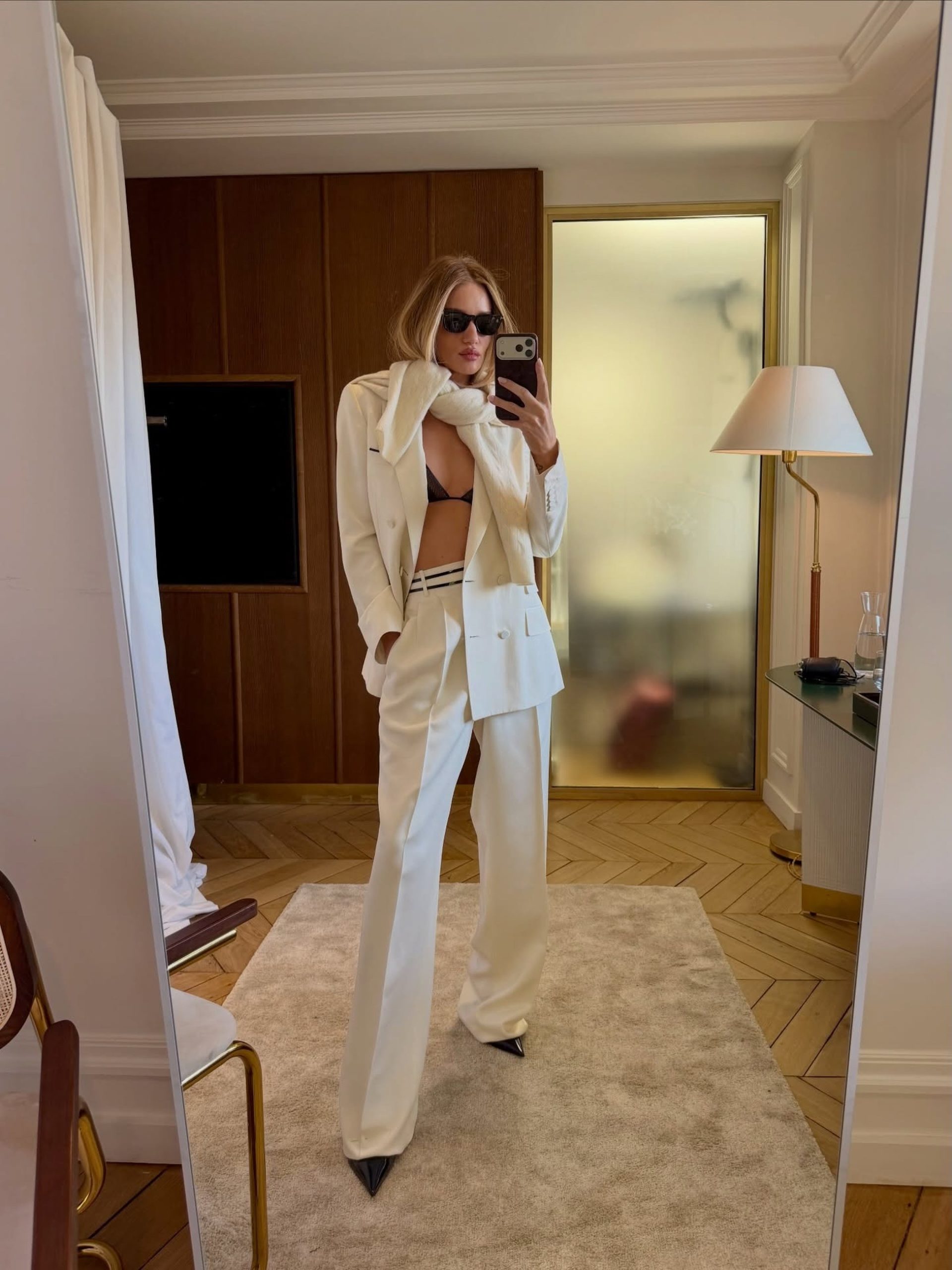
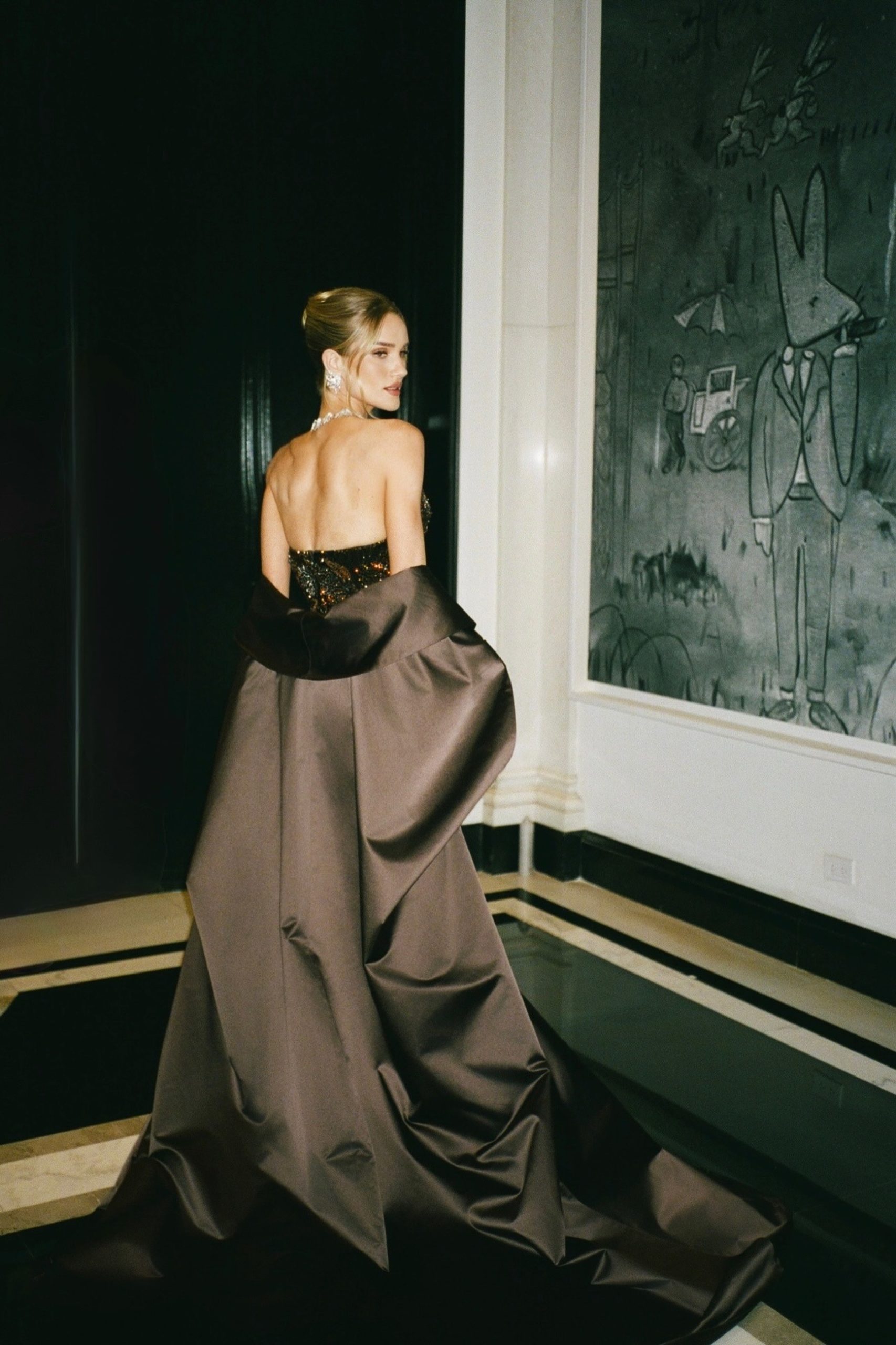
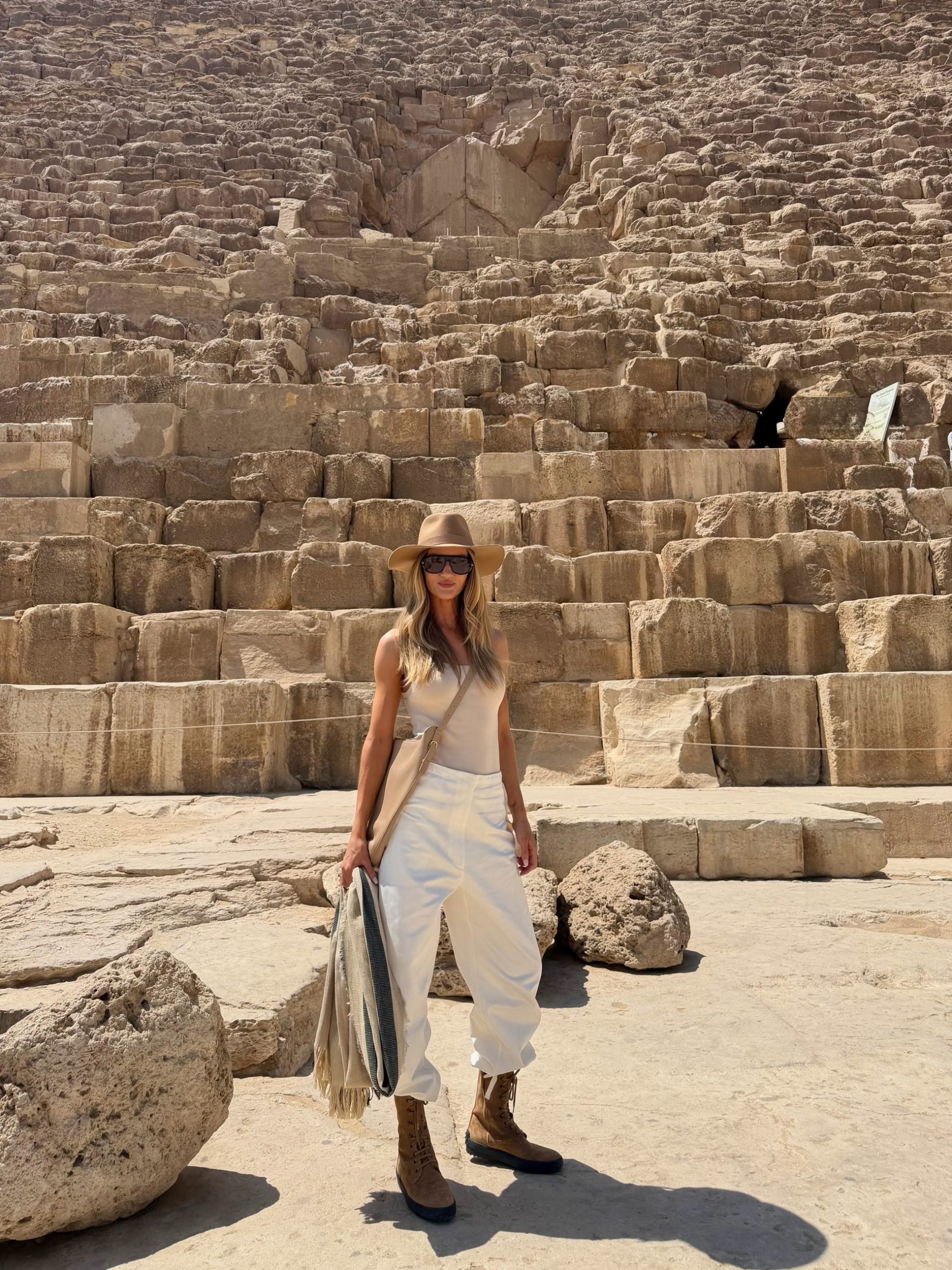
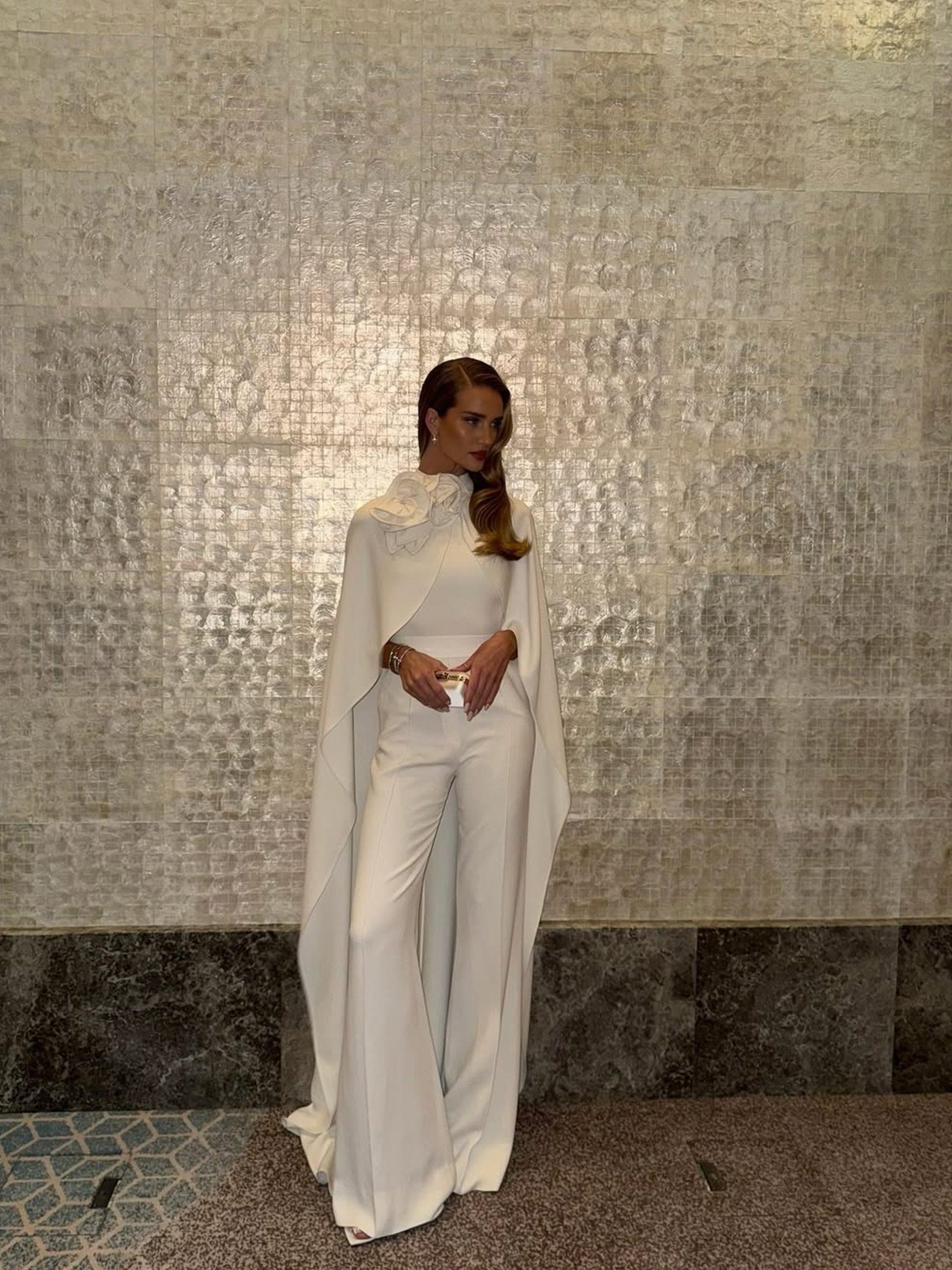
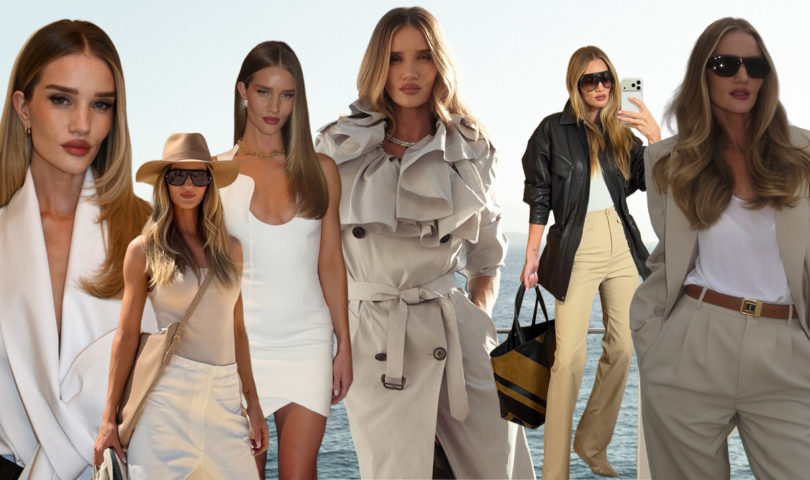
Rosie Huntington-Whiteley moves through contemporary fashion with a composure that has become instantly recognisable, shaped by precise tailoring choices, disciplined tonal palettes, and an instinct for silhouette that consistently holds attention without forcing it.
That composure reads as controlled presence rather than performance, because she understands how restraint in cut, colour, and proportion can hold a room with greater authority than overt styling ever achieves.
She stands as our style muse in the most literal sense, because her approach consistently informs how modern elegance is interpreted, referenced, and quietly redefined across wardrobes that value precision over excess. Her approach to dressing, which often privileges structured coats, fluid suiting, and minimal interruption in colour, reflects a sustained clarity of vision that has matured across years of front-row appearances, campaign work, and carefully selected public moments that reinforce rather than dilute her aesthetic language.
That clarity extends into an almost editorial consistency, where each appearance feels considered in relation to the last, as though every garment has been chosen to extend an ongoing visual argument rather than mark a departure from it.
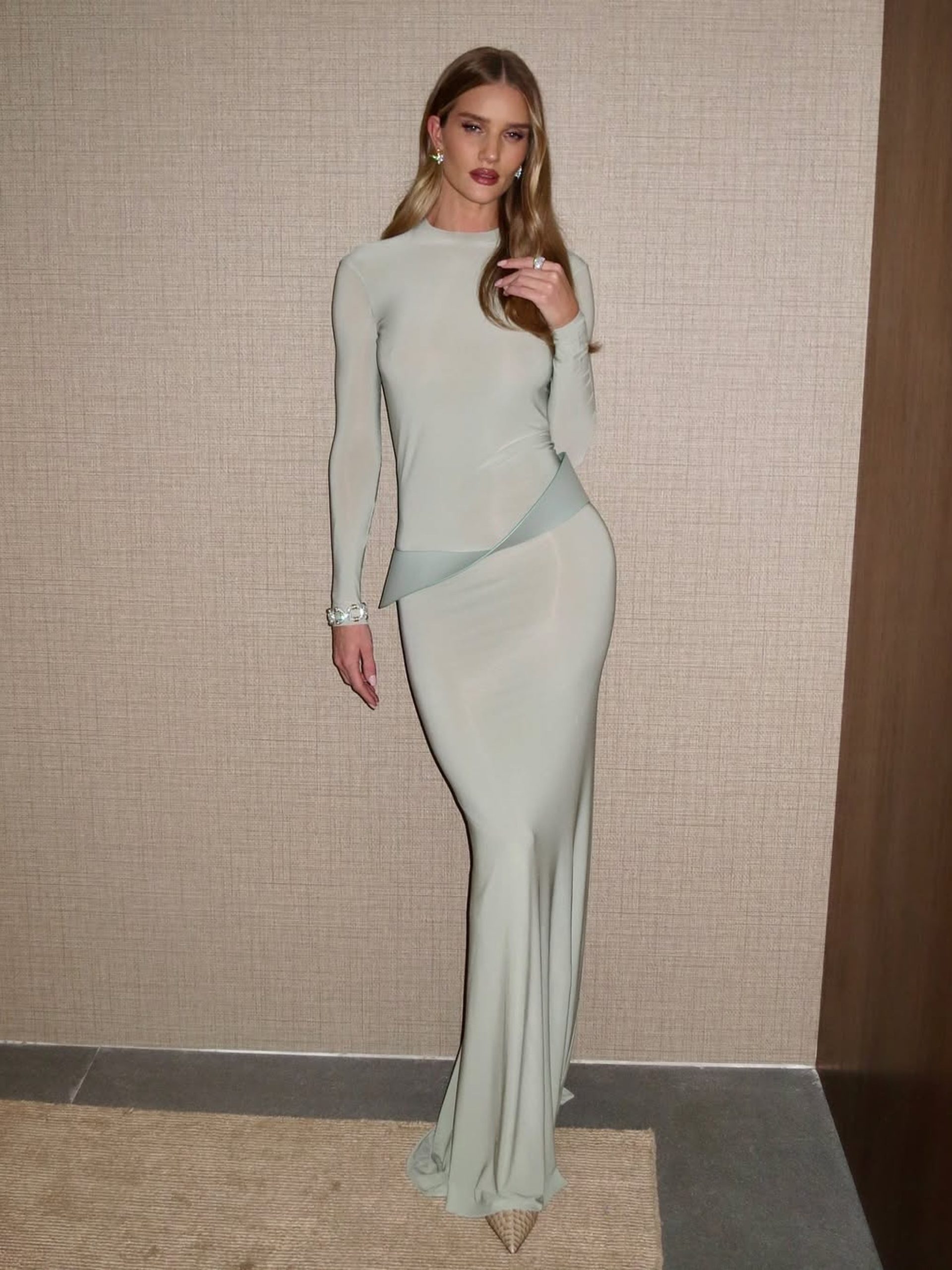
Across recent appearances, including sharply constructed outerwear layered over clean separates and evening looks that rely on cut rather than embellishment, she continues to favour garments that sit close to the body’s natural line, allowing proportion and fabric weight to carry the visual argument with quiet precision.
That preference reveals an understanding of construction over decoration, where the strength of a look emerges from how it is built, how it falls, and how it interacts with movement rather than from surface detail alone.
For those who enjoy the spoils of Queenstown in winter, there is an unspoken annoyance that comes attached to the entire skiing fantasy. Undoubtedly one of the great family rituals, it is rarely the skiing itself that tests anyone’s patience, but rather the before and aftermath of a day on the slopes, where parents find themselves wrestling damp thermals off overtired children while searching for a missing glove, surviving on hot chips, hot chocolates, and perhaps one slightly questionable mulled wine consumed purely for medicinal purposes. Somewhere between the car park, the ski boots and the small person insisting they are no longer cold while visibly turning blue, even the most committed winter enthusiasts begin fantasising about somewhere warm to collapse for the next eight hours.
Having firmly established itself as one of the Southern Hemisphere’s most compelling hospitality destinations, Ayrburn understands this dynamic exceptionally well, which is precisely why the precinct feels so perfectly suited to winter, not simply because it offers excellent food and beautiful surroundings, but because it removes the pressure from alpine entertaining altogether. Families can arrive early, settle in, and stay for an entire afternoon and evening without anybody needing to be hurried elsewhere.
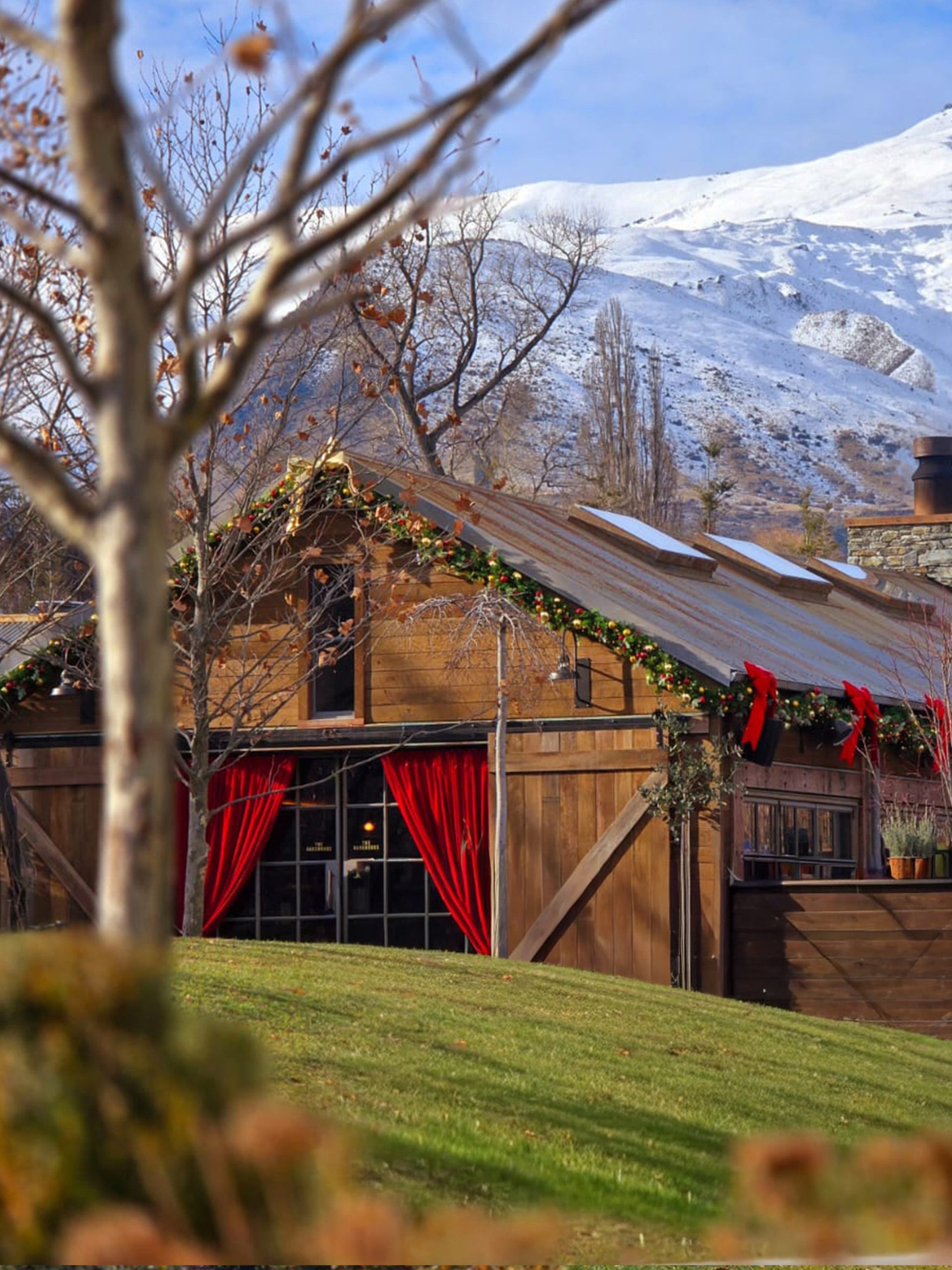
The Bakehouse
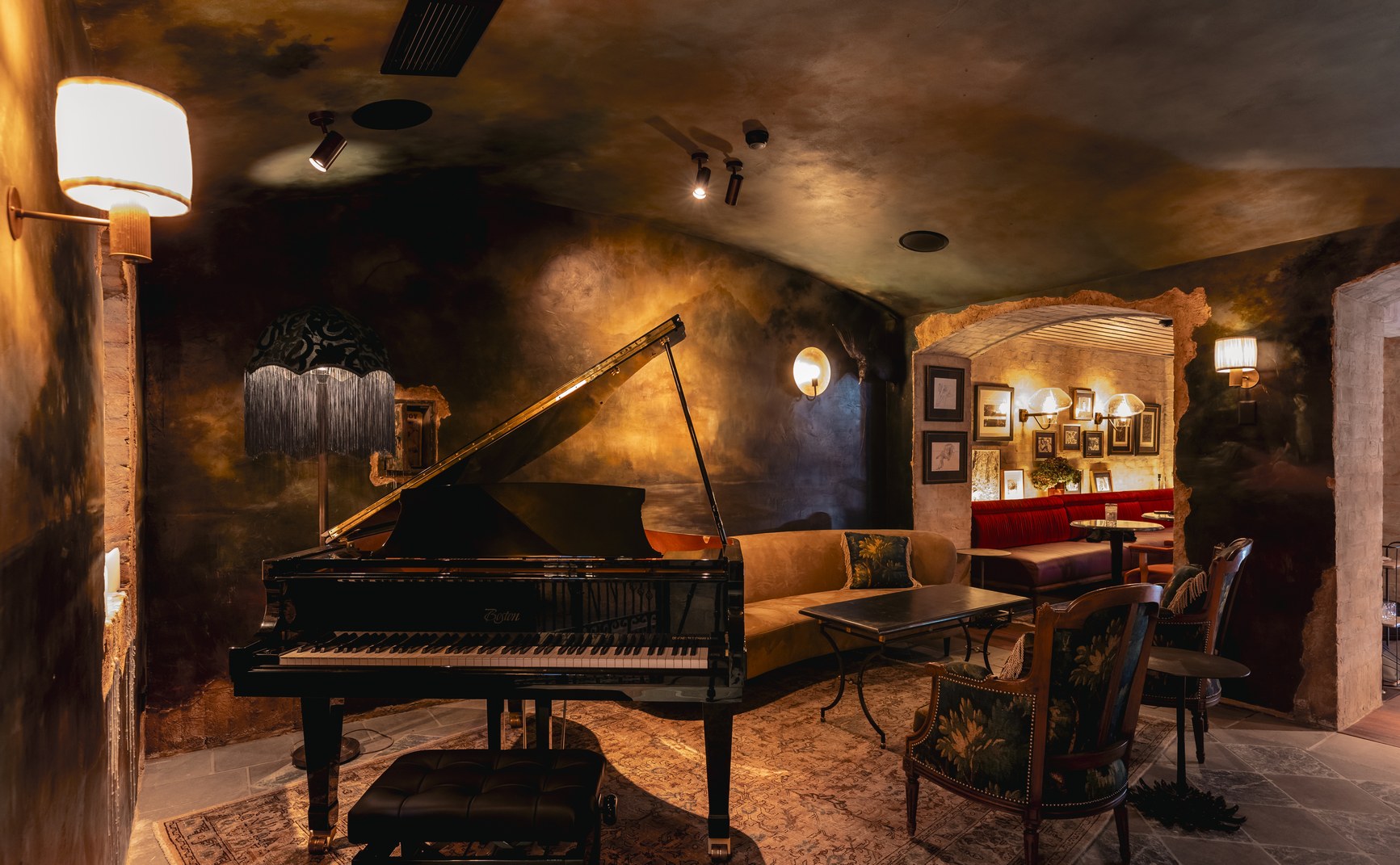
The Barrel Room
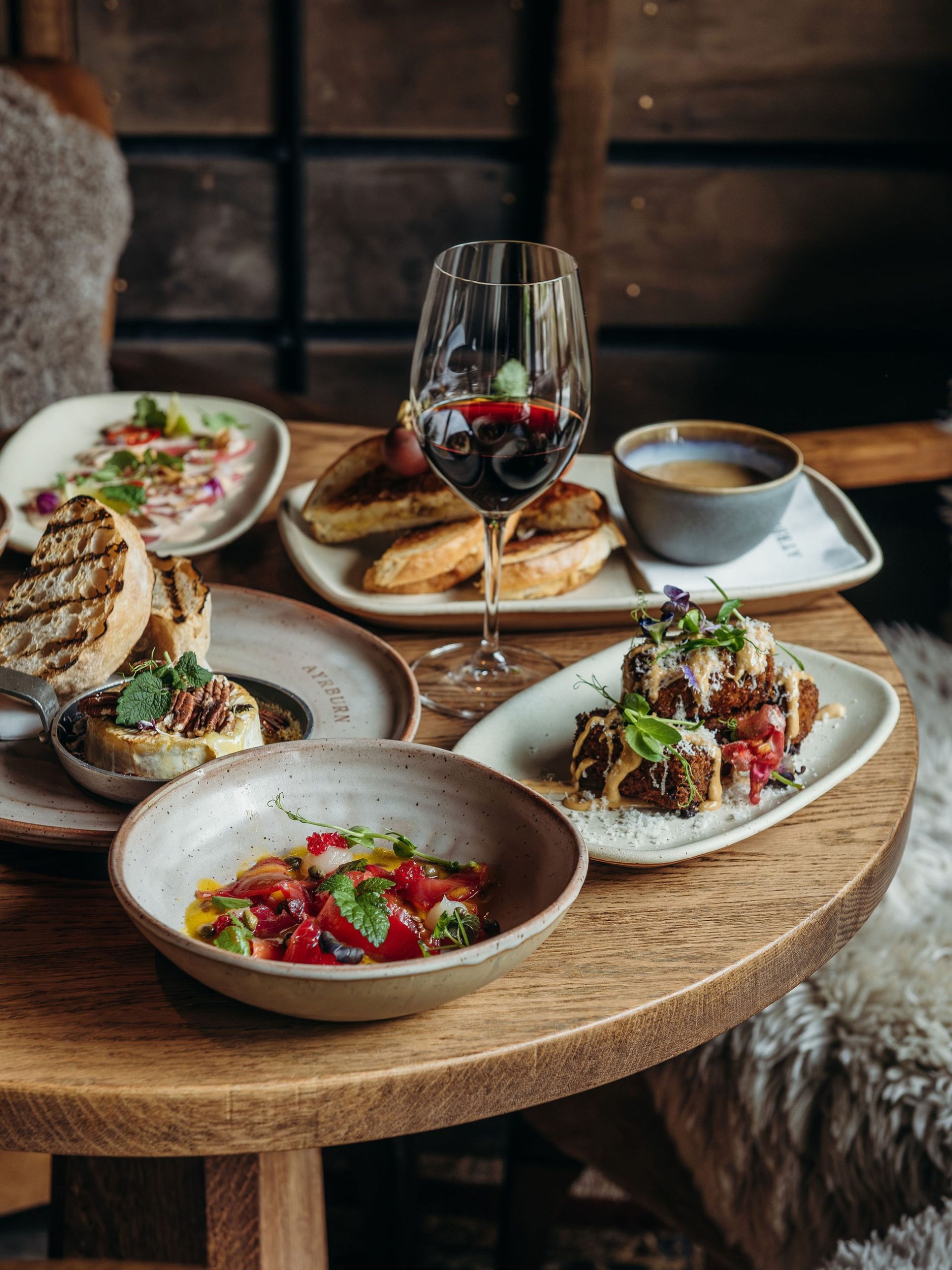
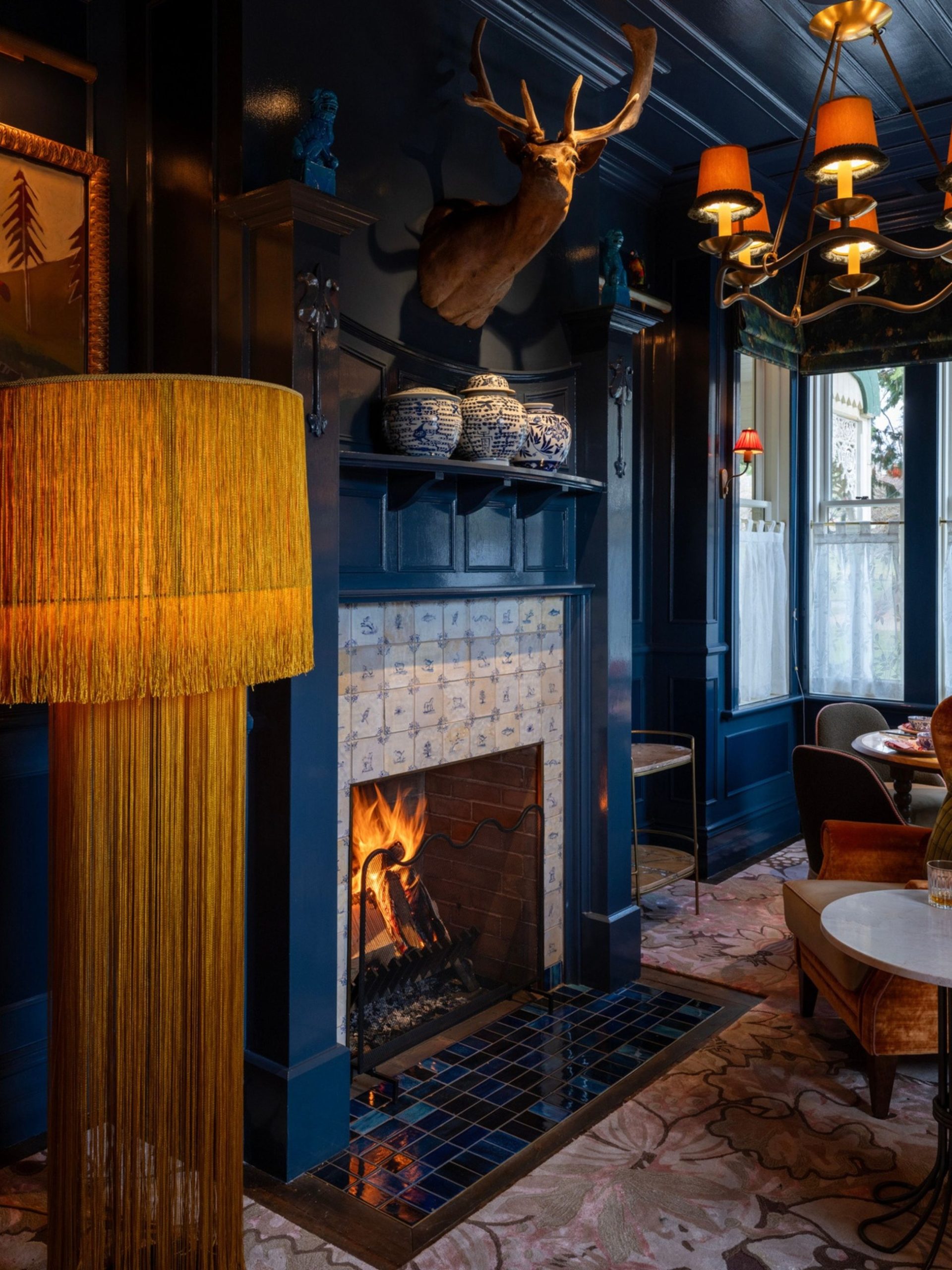
Set beneath the dramatic folds of the surrounding mountain ranges, the beautifully restored heritage precinct has evolved into something far greater than a post-ski dining destination. In remarkably little time, Ayrburn has become one of New Zealand’s most internationally admired hospitality projects, attracting visitors with the sort of quietly confident execution more commonly associated with established European alpine destinations. During winter, particularly, the entire property takes on an almost transportive quality. Firelight flickers across historic stone buildings, glasses of Central Otago pinot noir appear with pleasing regularity, jazz spills softly from The Barrel Room, and every pathway seems to lead toward another warm venue, another excellent meal or another reason to stay longer than originally intended.
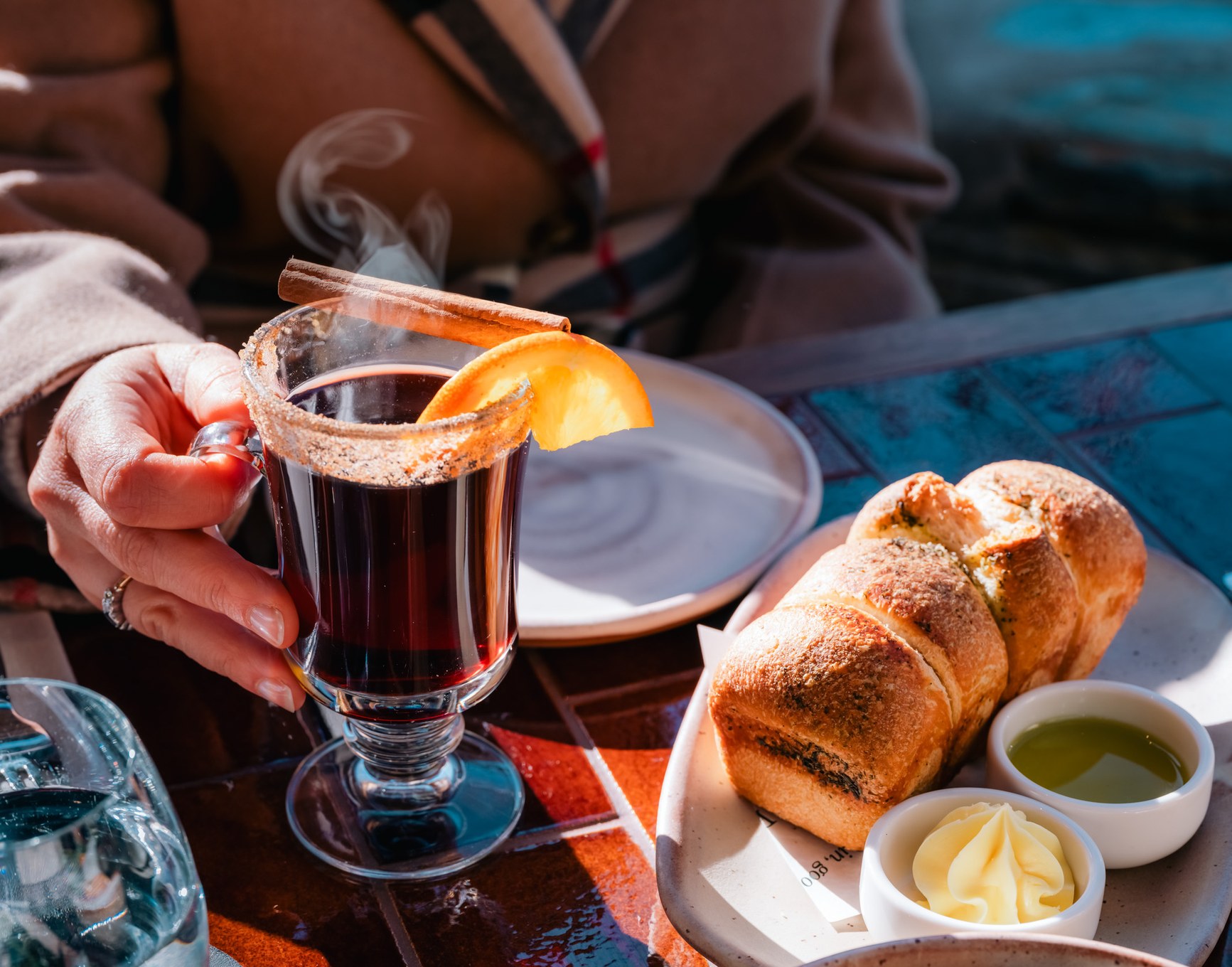
Warm mulled wine and bread rolls
The Woolshed
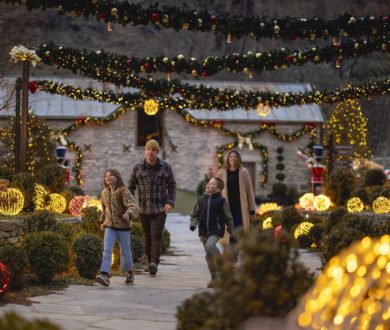
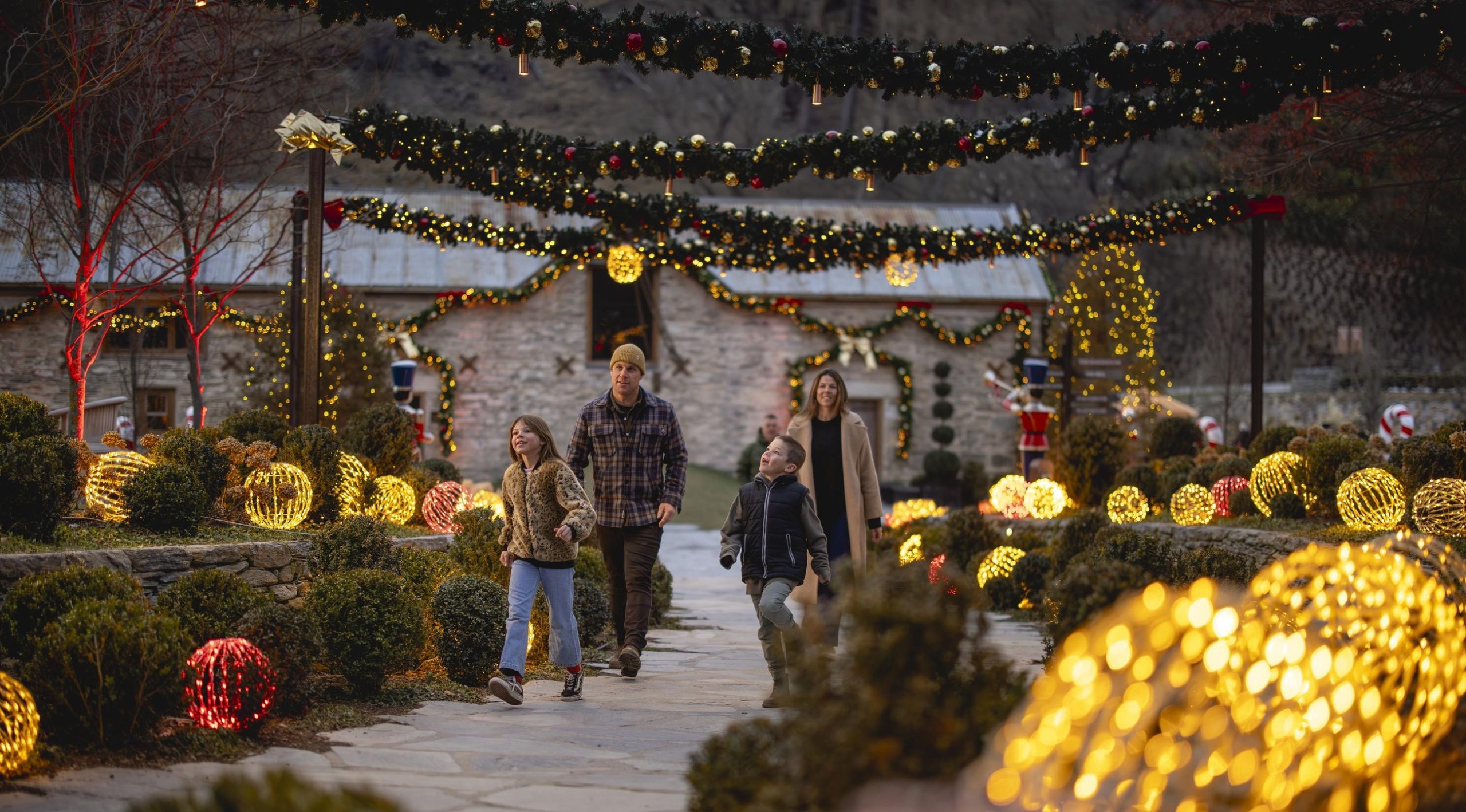
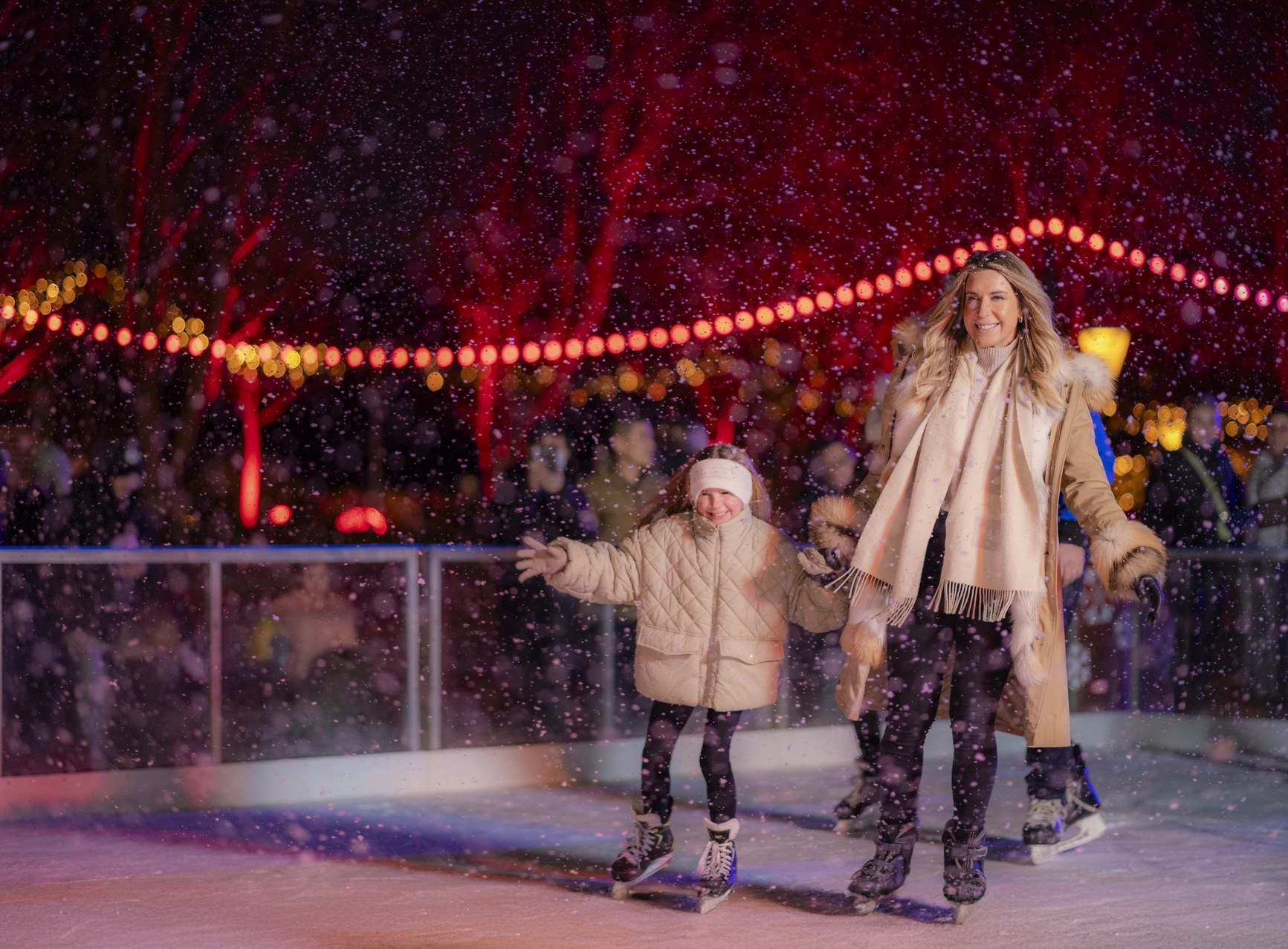
Throughout July, Winter Wonderland transforms the grounds into a cinematic alpine village of softly glowing lights, outdoor fires, mulled wine, ice skating, subterranean tastings, whisky flights and restaurants humming with the sort of convivial energy that makes people accidentally lose all sense of time. Children disappear happily toward Ice Skating on The Dell while adults settle beside fireplaces with cocktails and wine, liberated from the usual urgency that tends to shadow family holidays. Nobody is watching the clock here. A quick stop at The Bakehouse quietly evolves into whisky at Vintners Bar, jazz and candlelight in The Barrel Room, then dinner at Billy’s before somebody inevitably decides another cocktail is a perfectly sensible conclusion to the evening.
Ice Skating on The Dell
Billy’s
Billy’s
Billy’s
The atmosphere extends beyond the day-to-day rhythm of the precinct itself. With next month’s Ayrburn Gala on the horizon, anticipation is already mounting for what promises to be one of winter’s most talked-about occasions. If last year’s Gala event was any indication, invited guests can expect exceptional hospitality, remarkable food and wine, and the kind of thoughtful details that have become synonymous with Ayrburn. Never one to do things by halves, Ayrburn has earned a reputation for creating memorable experiences, and this year’s Gala is shaping up to be the social event of the season.
What Ayrburn understands, perhaps better than anywhere else in the Southern Hemisphere right now, is that true luxury in winter is not excess, but ease. The ability to arrive, exhale, and allow the day to unfold without pressure feels increasingly rare, which is precisely why Ayrburn has become such an important addition to New Zealand’s hospitality landscape.
Ayrburn’s Winter Wonderland Lights and Ice Skating on The Dell open Friday, 26th June.
We’re all familiar with the saying, ‘it’s a small world’, but when you’re living in a country like ours, things tend to get even smaller. One degree of separation is real. Yet there are times when the simple pleasure of enjoying a good meal is something you want to do without running into the neighbour, Karen from accounts, or that client who still hasn’t paid you, but seems to have a consistent flow of French wine being delivered to their table. Sometimes the best nights out are those where nobody knows your name.
In the great dining cities of the world, London, Paris, or New York, hotel restaurants are legitimate rooms of appetite and society, where travellers and locals cross paths, giving the room its charge. Their appeal lies not simply in the exceptional food, but in the theatre of the setting itself: the international murmur, the polished service, and the feeling that one has stepped into a dining room with broader horizons. Removed just enough from the usual neighbourhood circuits, hotel restaurants can offer the feeling of going somewhere without having to leave town.
This is why Ember, set inside the Grand Millennium Auckland, is establishing itself as a polished, enveloping dining room, allowing locals to feel briefly transported without the inconvenience of leaving the city.
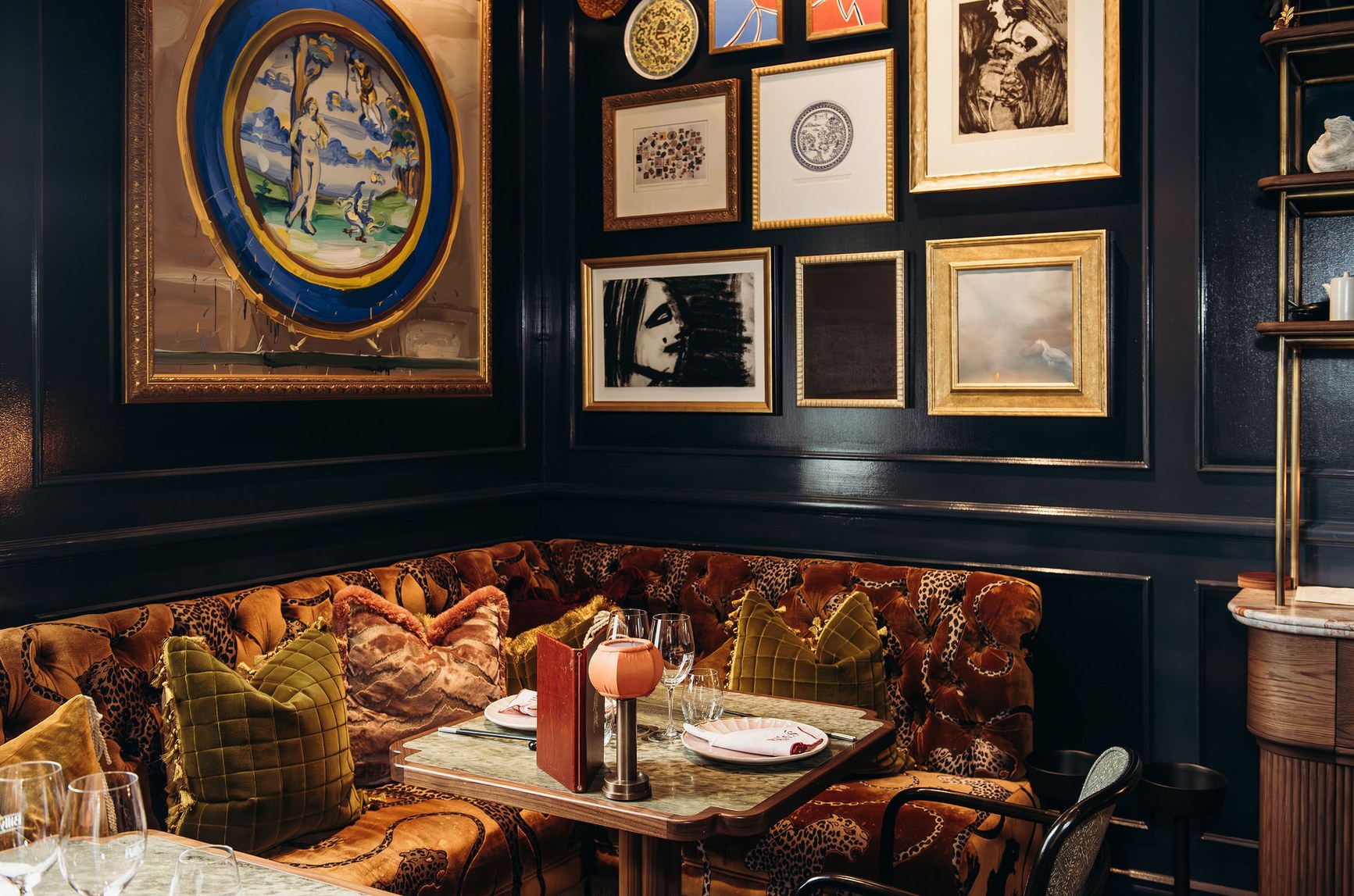
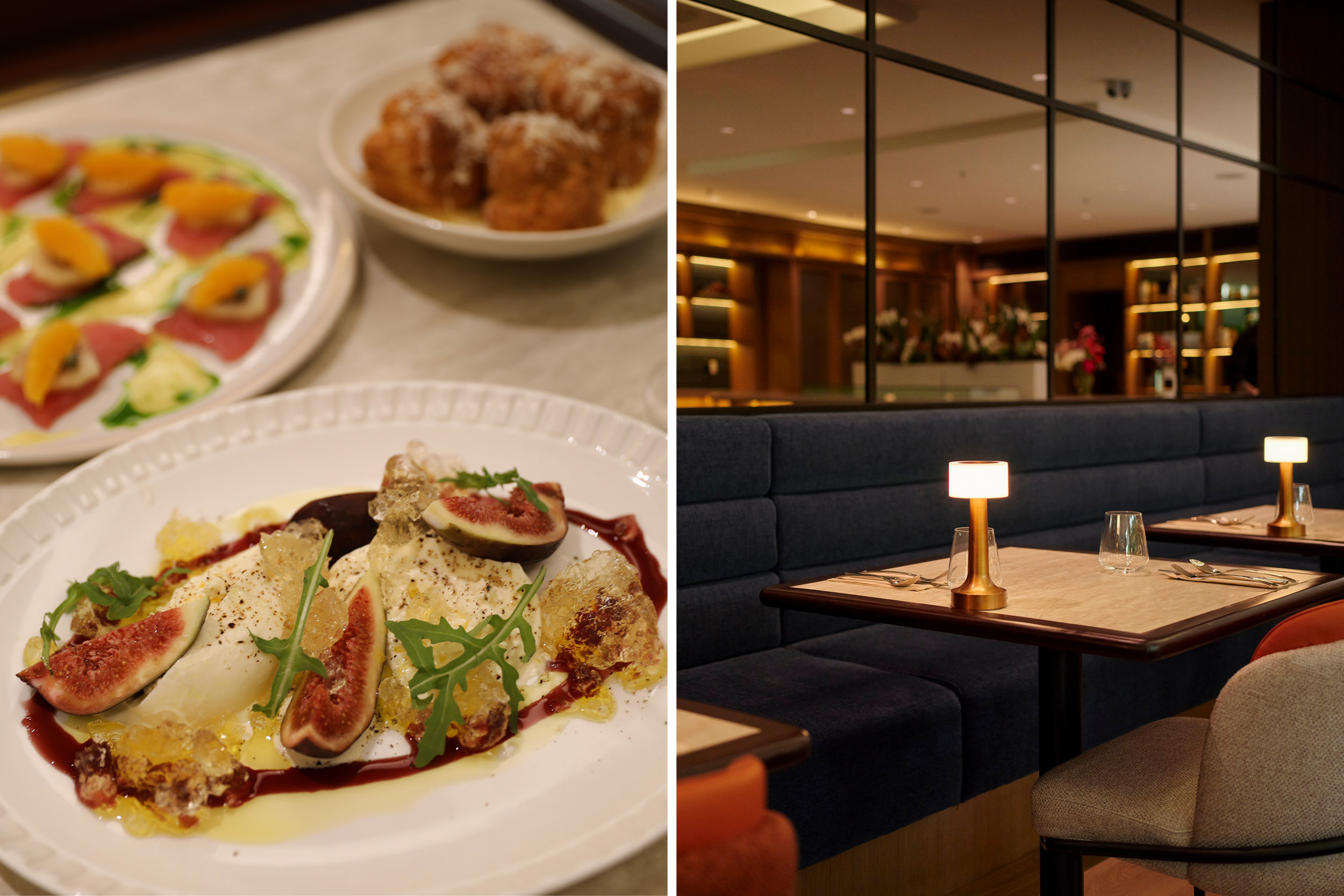
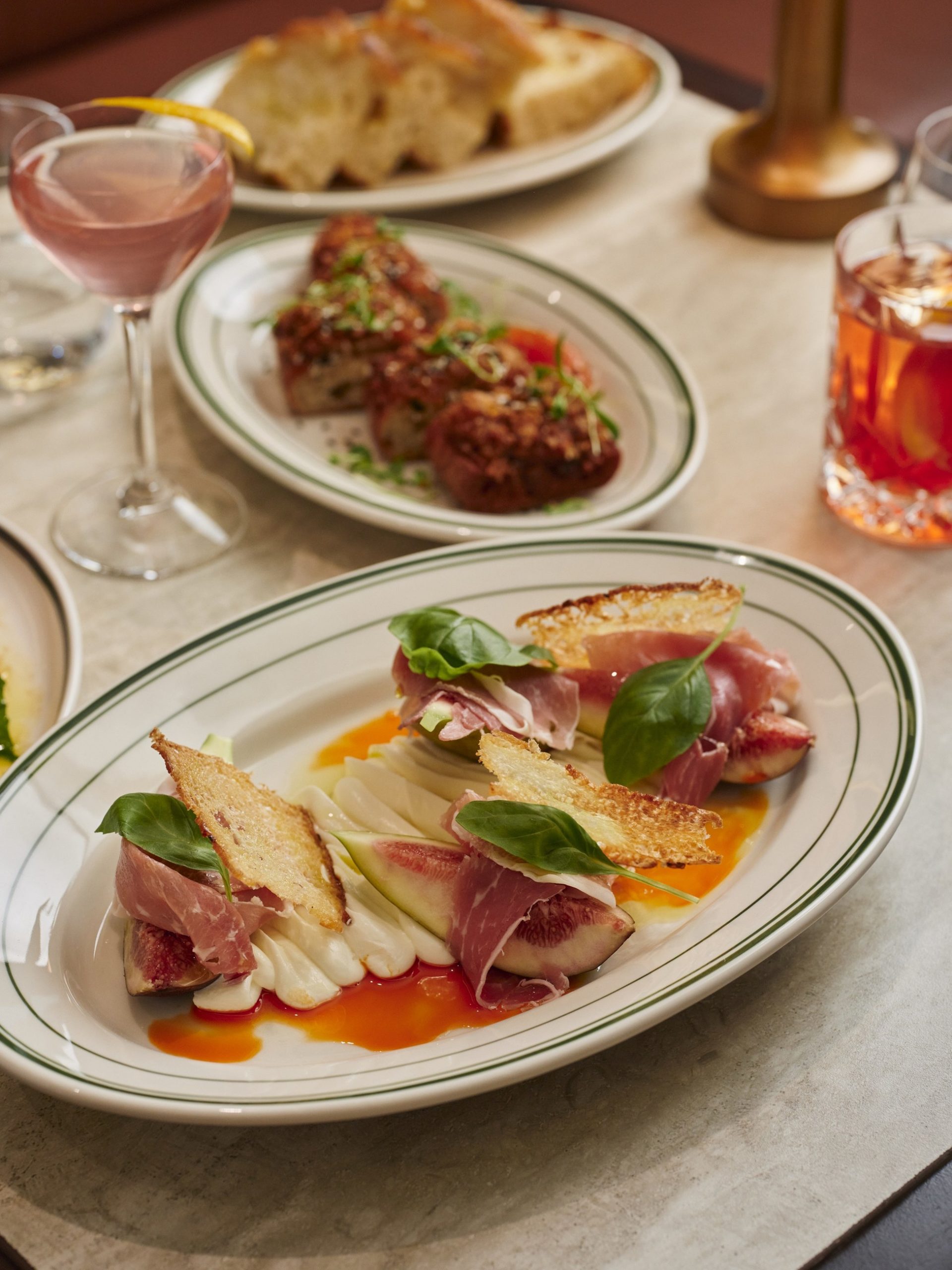
Its appeal begins with the interior, by Izzard Design, the 144-seat restaurant has the generosity of a proper international hotel bistro, with enough scale to feel animated and inviting. The room carries a glow that suits almost any occasion, from long lunches, pre-theatre dinners and family gatherings to post-work drinks and evenings when being slightly removed from the usual Auckland circuit feels like its own kind of luxury.
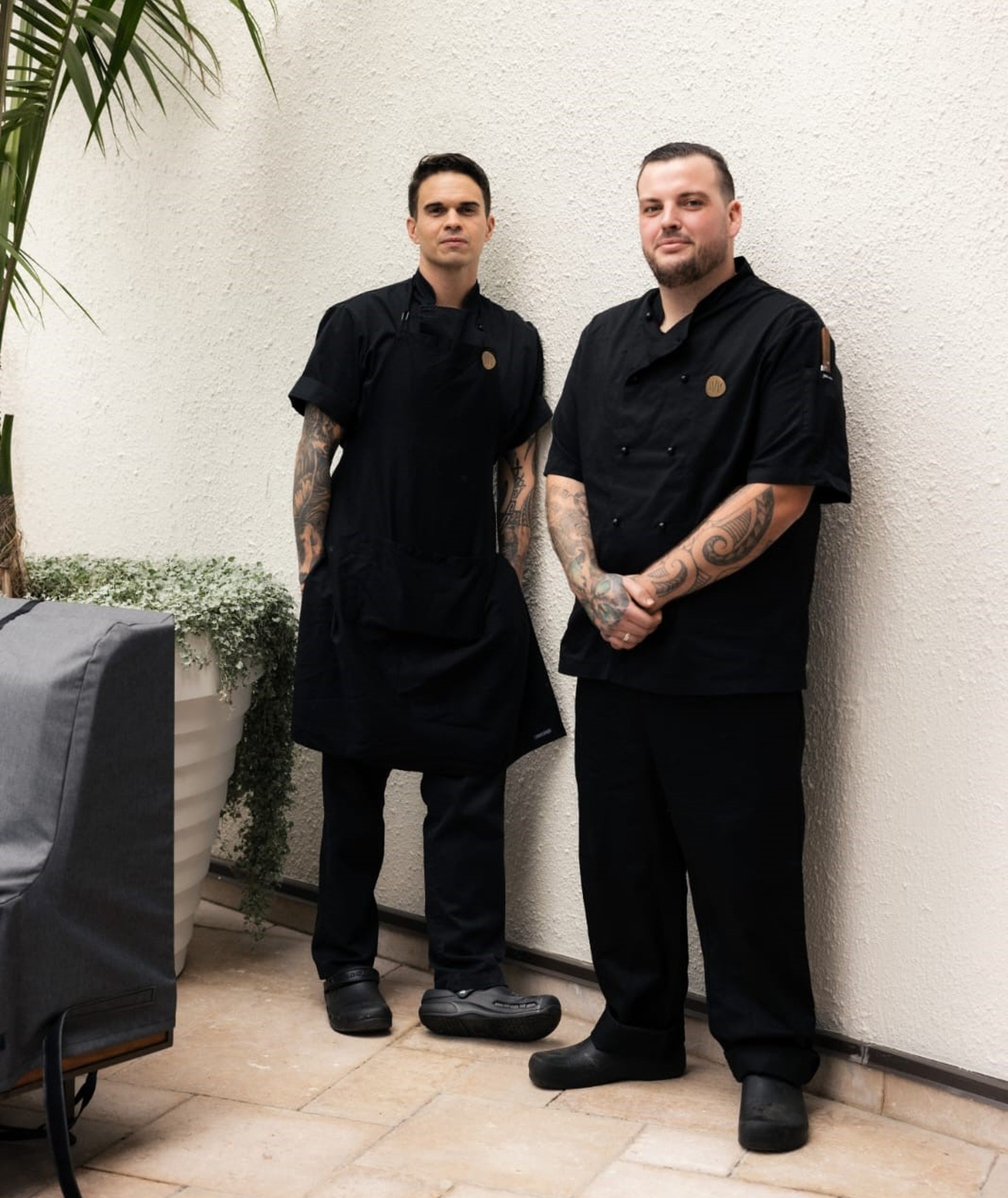
Executive Chef James Kenny and Head Chef Aaron Hyett
More than just a great escape, Ember is garnering acclaim for its food. Led by Executive Chef James Kenny and Head Chef Aaron Hyett, the kitchen draws on New Zealand’s seasonal bounty while applying the confidence of a team shaped by serious international experience. Kenny’s career has spanned Paris, Greece, Gordon Ramsay’s Boxwood Café in London, and Copenhagen, where he worked within the rarefied discipline of Noma. That breadth of culinary experience lands with assurance on Ember’s menu. Local produce remains the foundation, but it is the techniques refined in Europe that give the food its polish.
Despite this expertise in the kitchen, Ember doesn’t intimidate; instead, it feels approachable and friendly, with food that has the ease of a contemporary bistro. The result is dining that suits Auckland as it actually lives: colleagues at lunch, friends before a show, families gathering, travellers folding themselves into the city, and locals who have realised that some of the best restaurants in the world sit inside hotels for good reason. Ember gives Auckland its own persuasive version of that idea, with the added pleasure of letting one slip, for an hour or two, into a city that feels larger and more distinctly international than the one we are used to.
It’s easy for a restaurant to pay lip service to a style of cuisine, but to have a true appetite and curiosity to explore the nuances of international flavours can be rare. Which is why the recent trip to Peru undertaken by the team at First Mates, Last Laugh has quickly revealed itself as less of a holiday and more of a gastronomic statement. To truly embrace the flavours of another culture and combine them with New Zealand produce with any real authority, one must venture to the source of the inspiration.
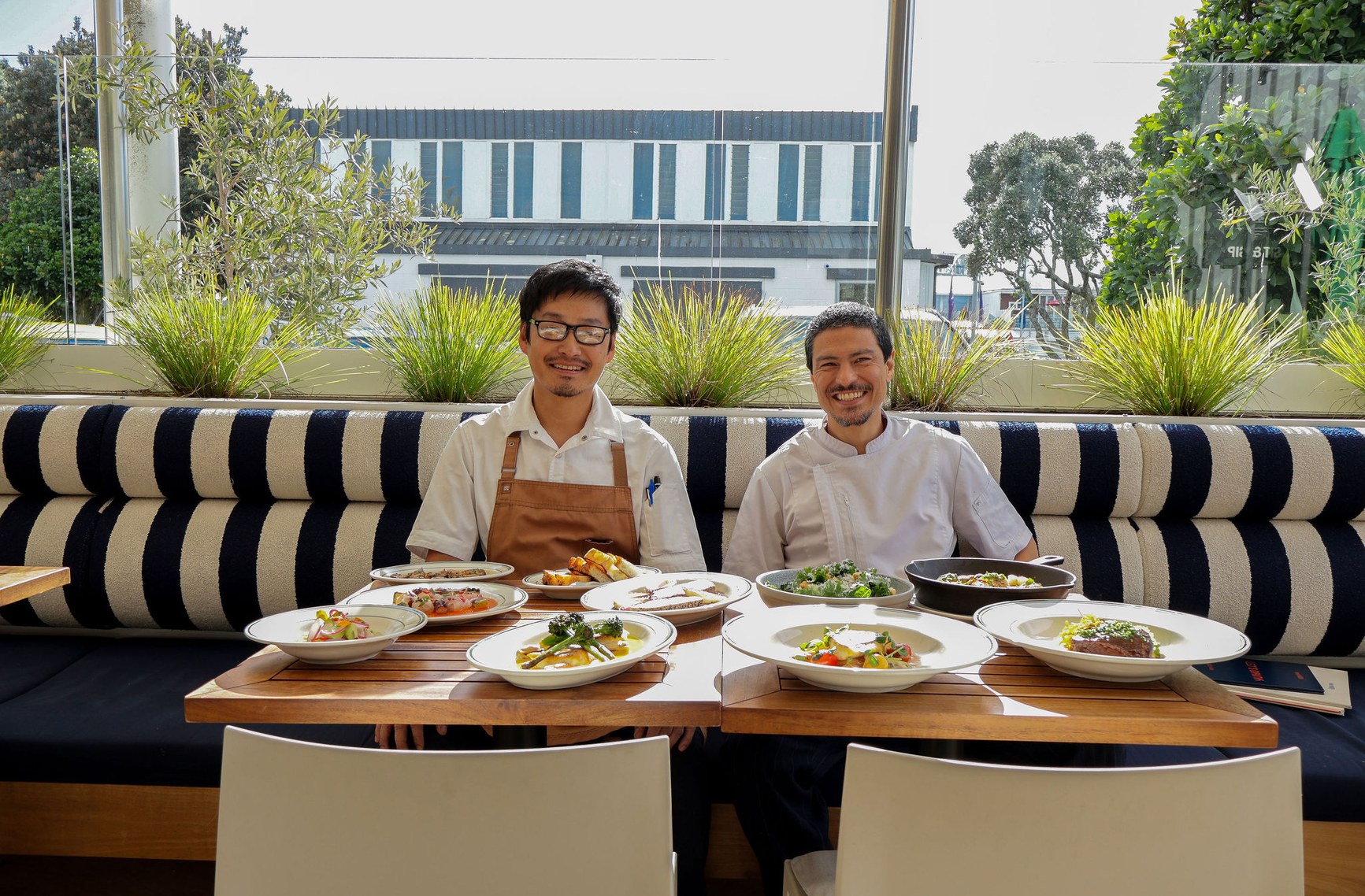
First Mates, Last Laugh’s chefs Cezar and Kuma
At Westhaven Marina, First Mates, Last Laugh has always carried a Peruvian-Japanese thread through its menu, shaped by Executive Chef Cezar Takahashi’s Brazilian-Japanese heritage, his 15 years in Japanese kitchens, and his long-standing command of seafood. The team’s recent travels through Peru have not redirected that approach, but deepened it, sharpening the restaurant’s already distinctive language with first-hand experience, regional insight and the kind of sensory memory that cannot be faked.
First Mates, Last Laugh
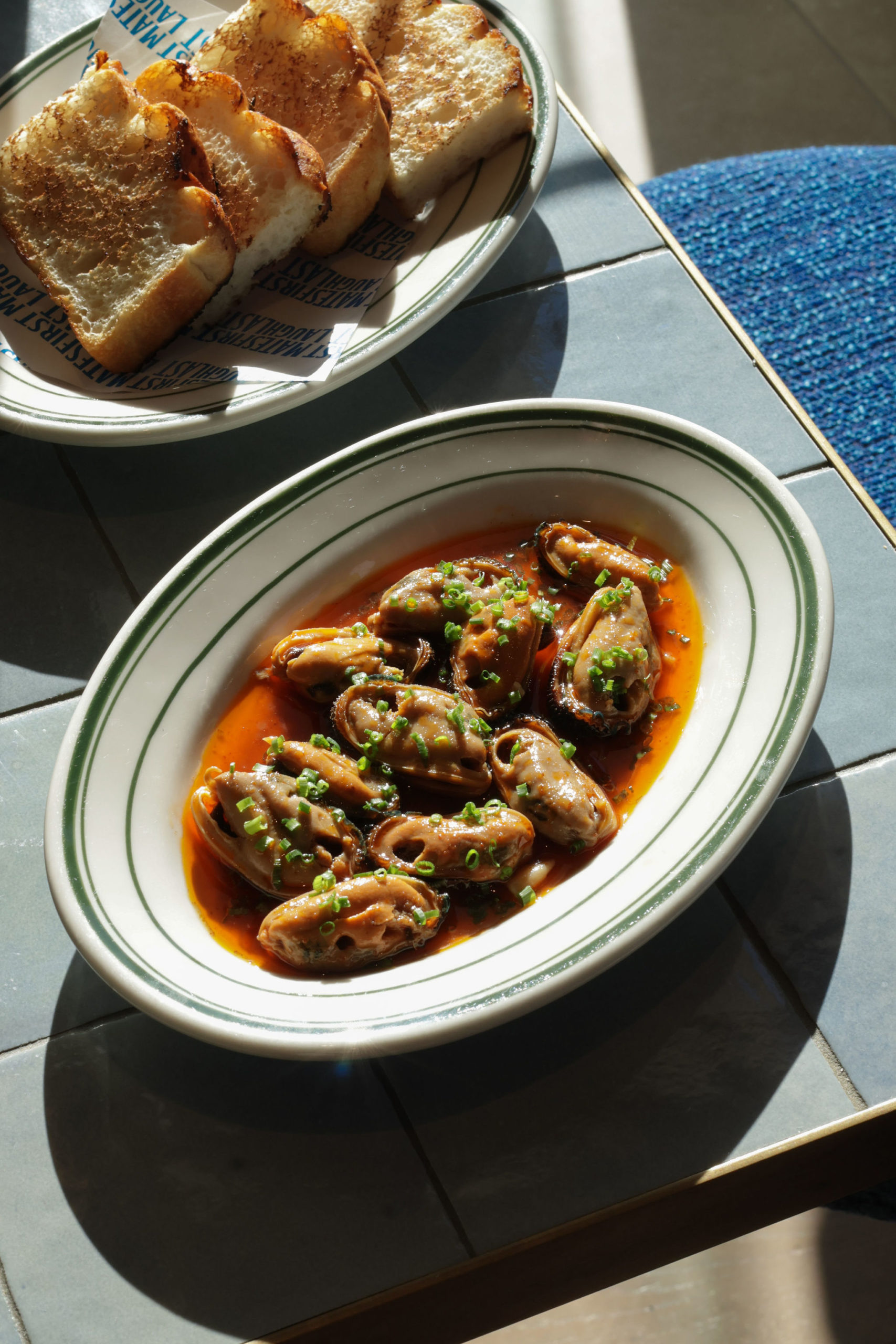
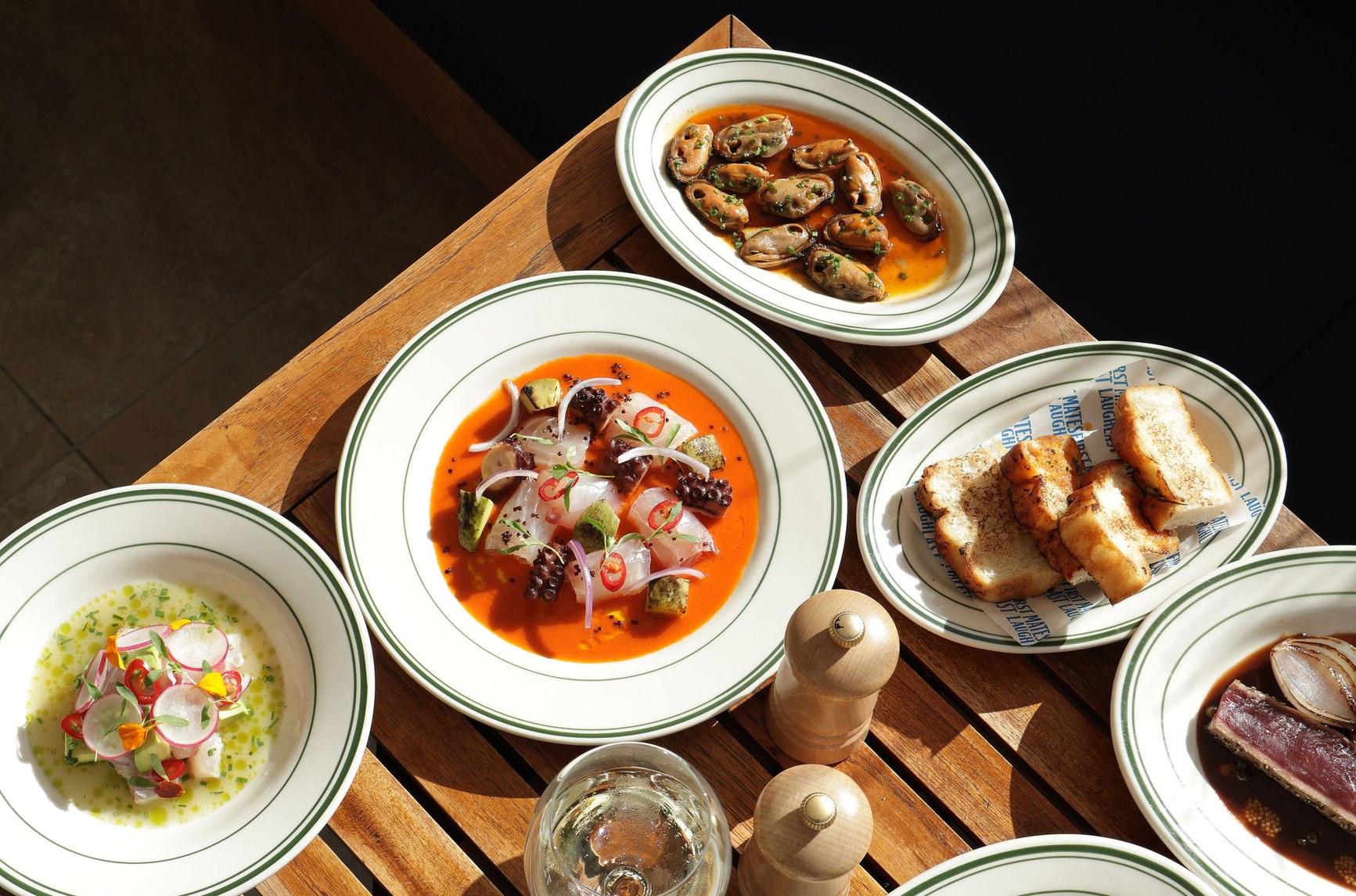
Mussel Escabeche with toasted focaccia
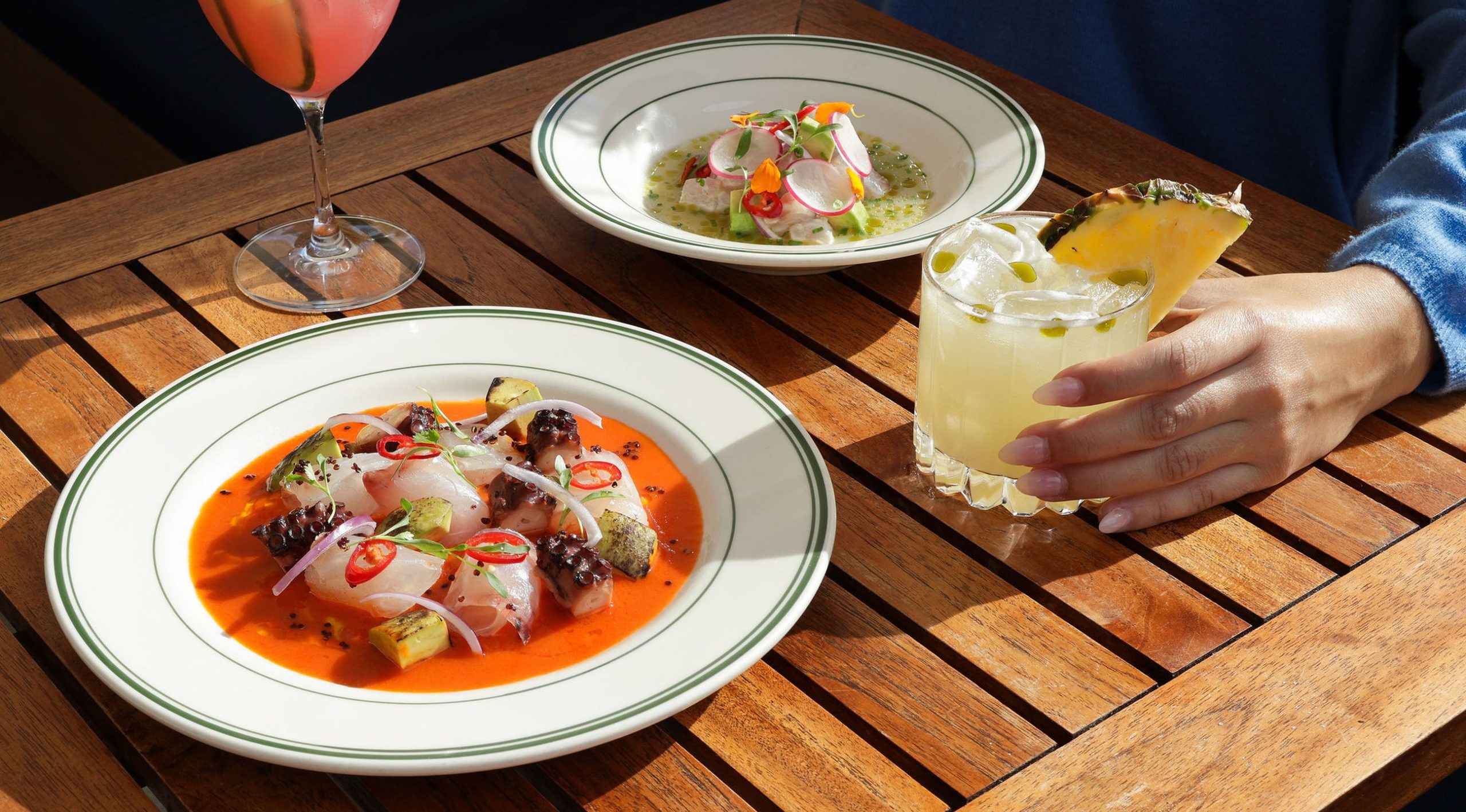
That influence now appears across the new menu in dishes that feel confident rather than performative. Mussel escabeche arrives with toasted focaccia, while usuzukuri tiradito brings together snapper, octopus and rocoto with clean precision and heat.
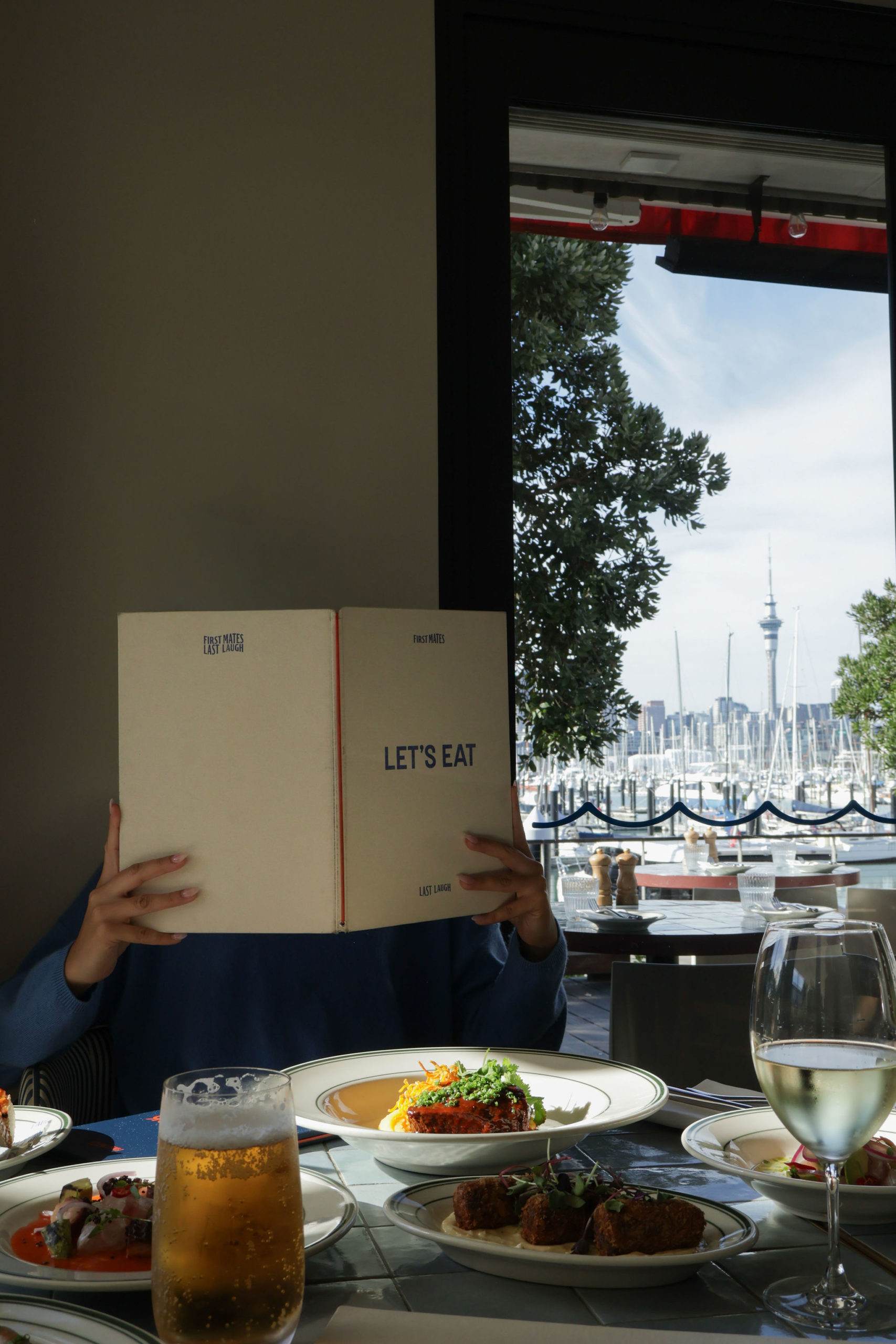
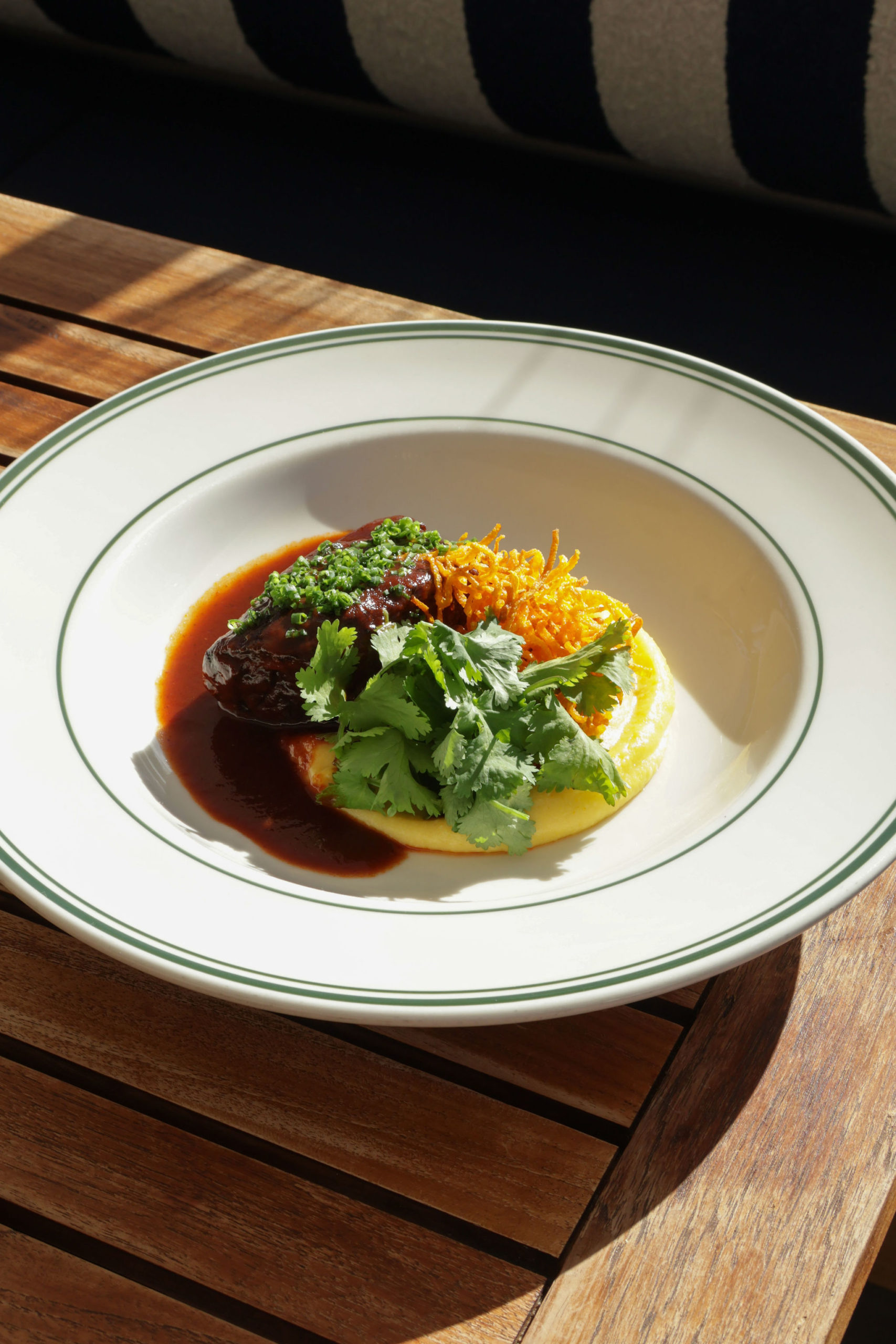
Braised Beef Cheek with aji mash and crispy butternut
New Peruvian inspired dishes at First Mates, Last Laugh’s
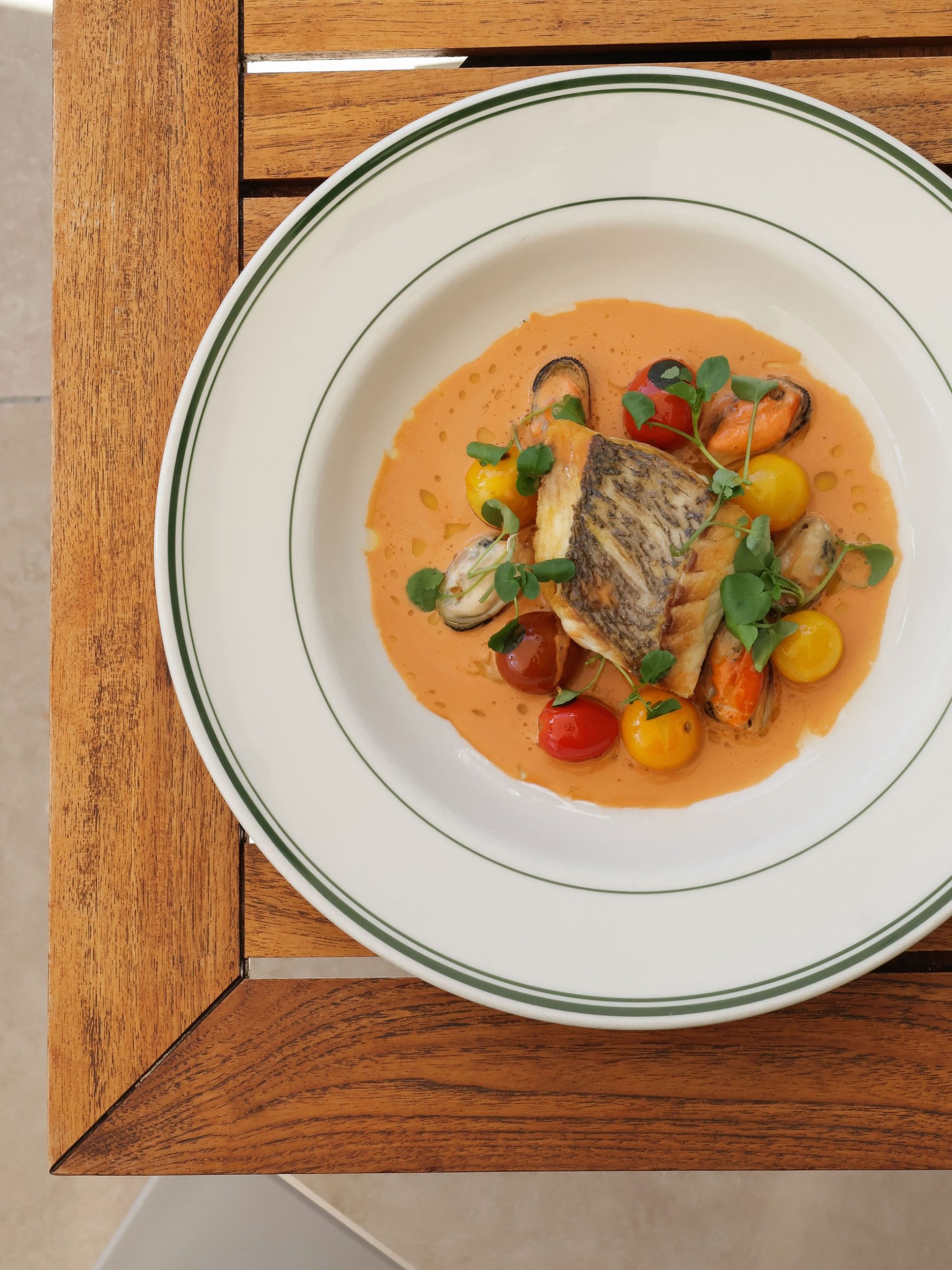
Hiramasa wasabi ceviche folds kingfish, avocado and radish into something bright, disciplined and quietly thrilling, and grilled snapper with scampi bisque, mussels and confit tomato speaks to Takahashi’s ability to let seafood lead without leaving it underdressed.
Pan-seared fish with mussels, heirloom tomatoes and bisque
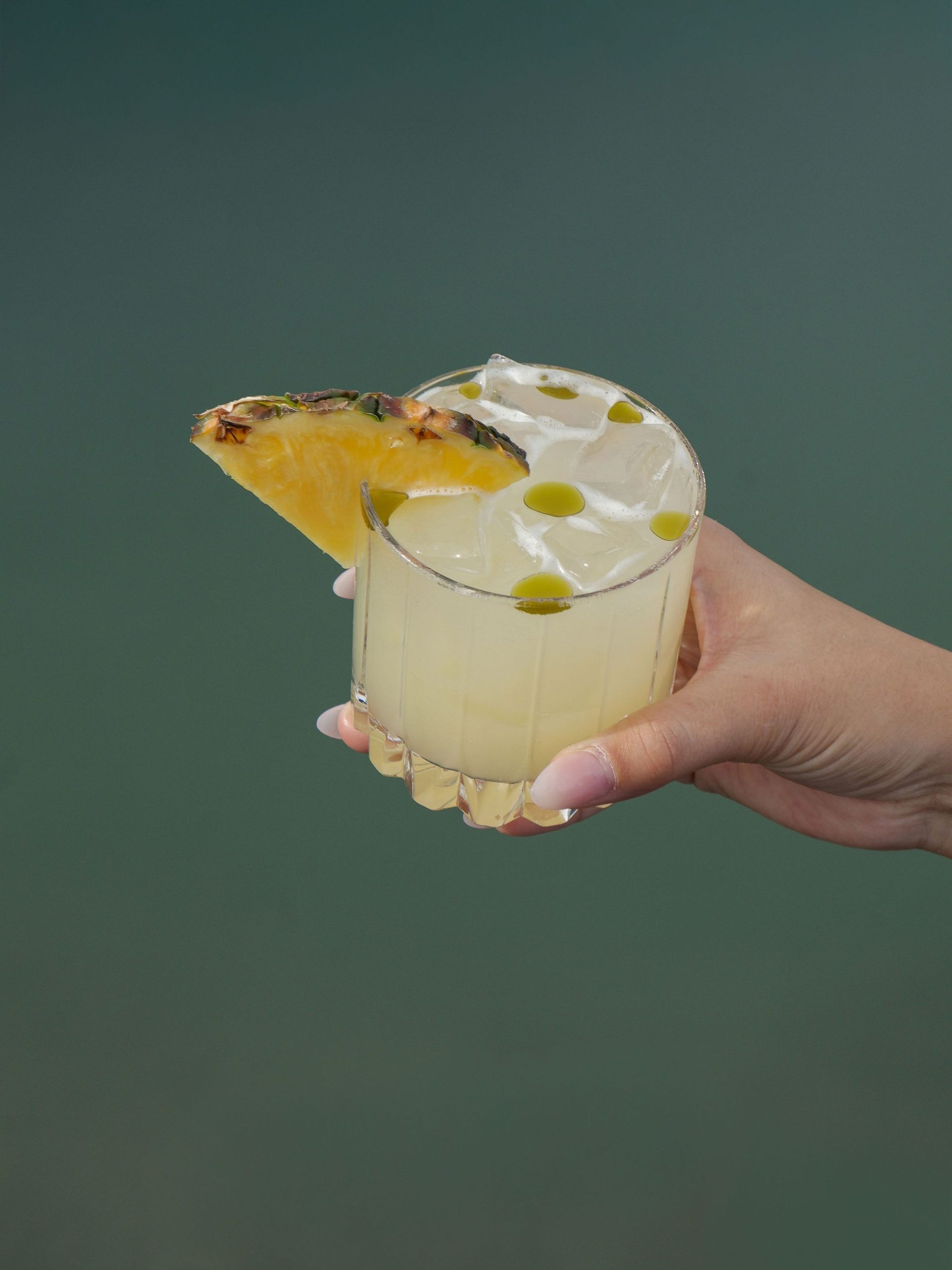
Spicy Pineapple Margarita
What matters here is not simply that Peru has influenced the menu, but that the team has taken the time to understand it at the source. That depth shows in food that feels considered rather than borrowed, bringing new flavour to Auckland with a sense of respect, confidence and place. At First Mates, Last Laugh, the result is a menu that extends the restaurant’s Peruvian-Japanese language with more clarity, more conviction and a sharper sense of where its inspiration begins.
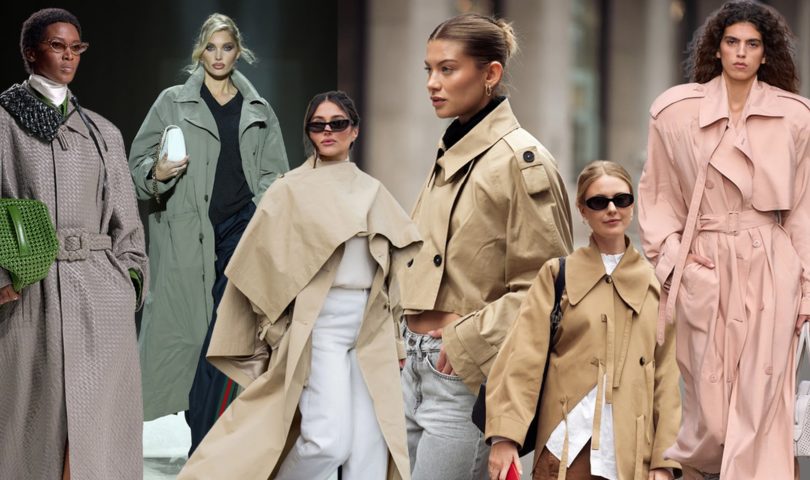
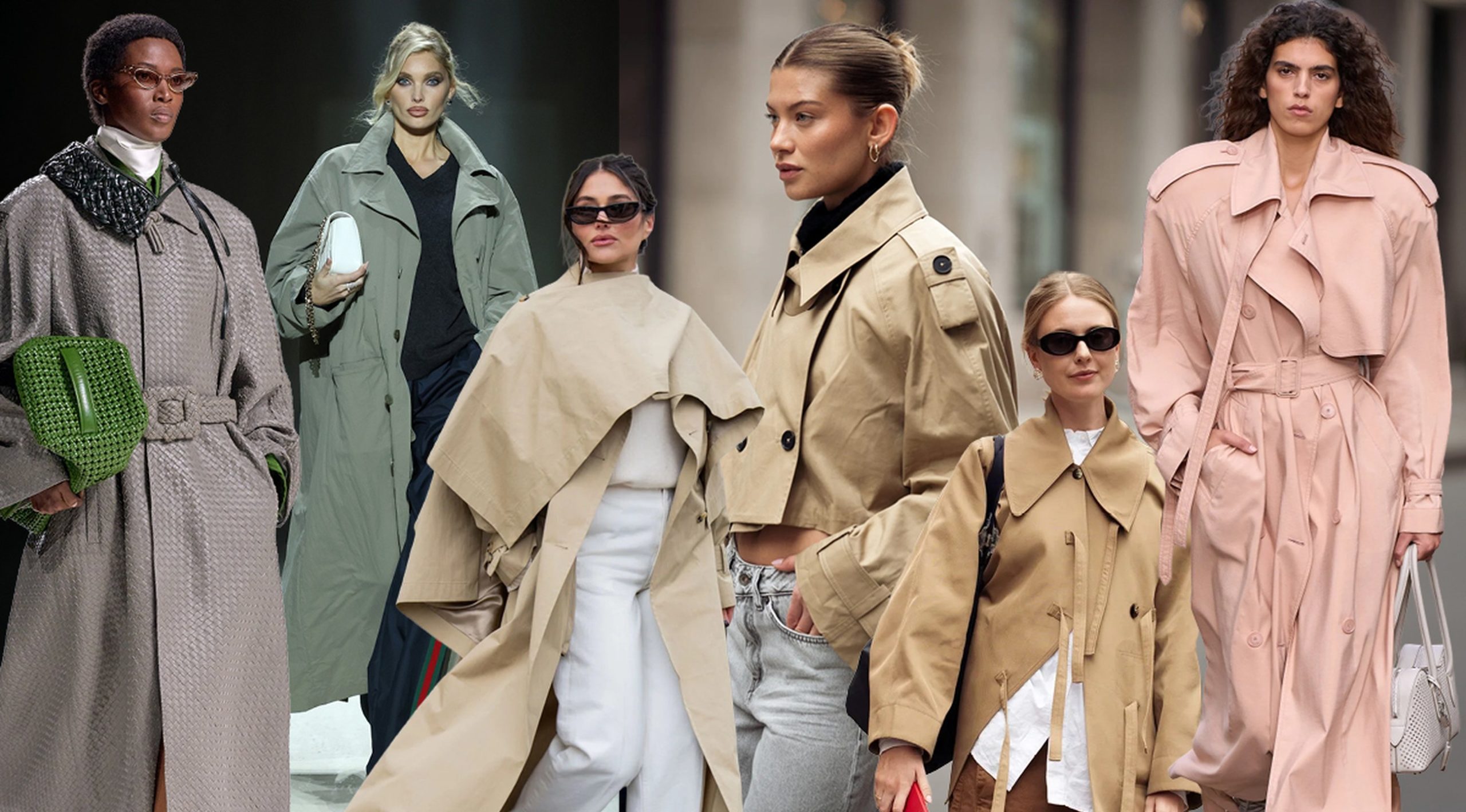
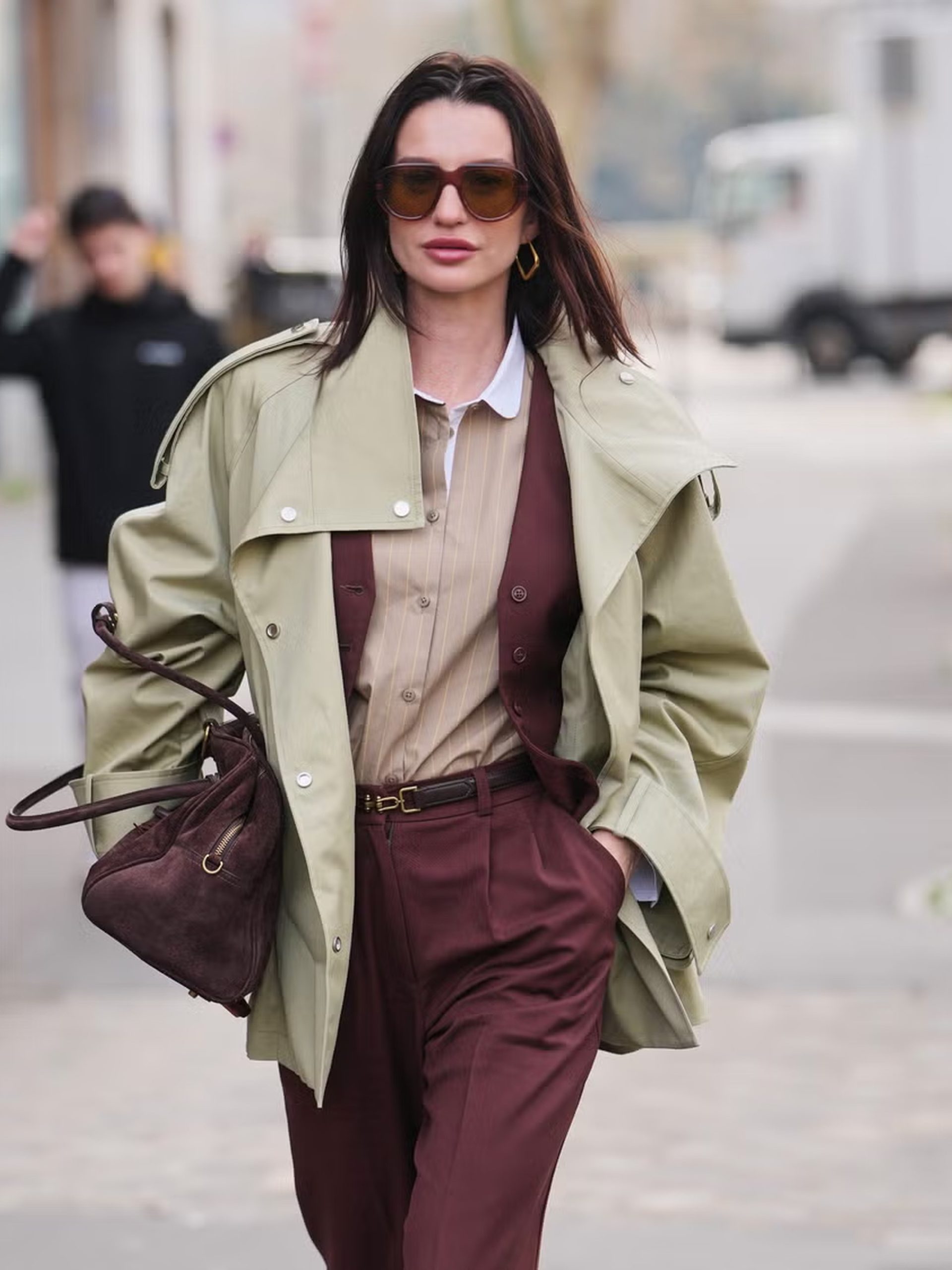
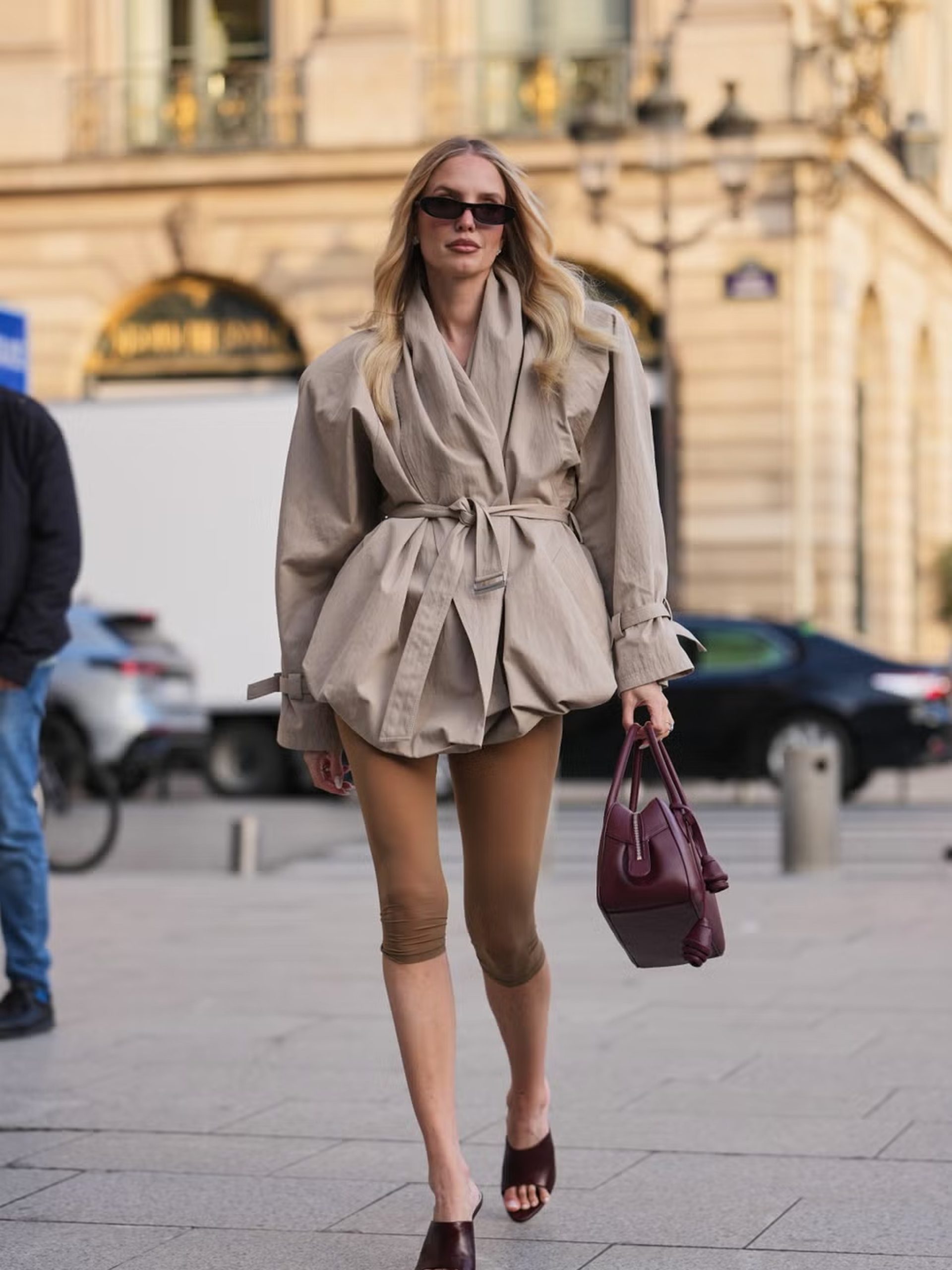
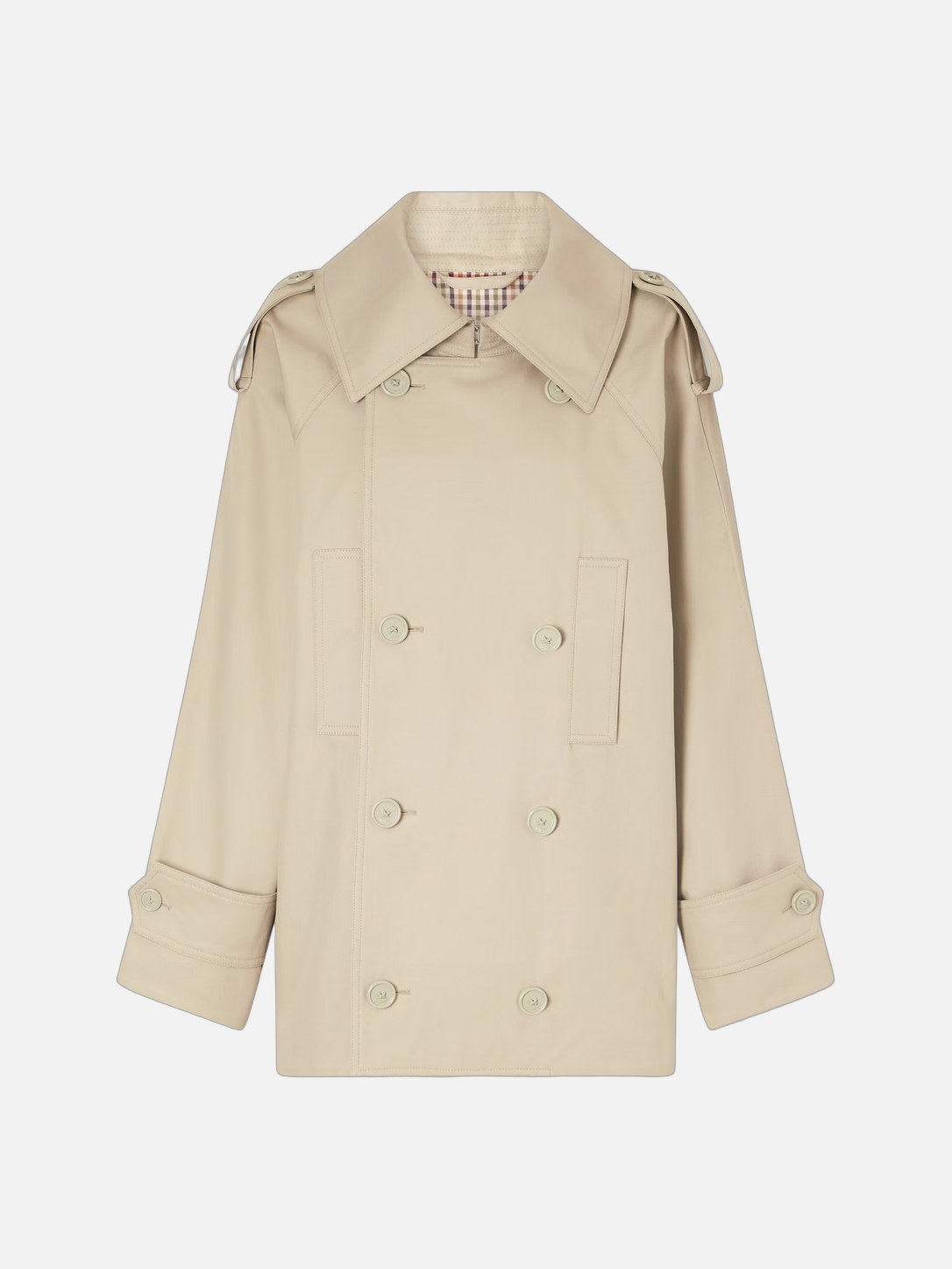
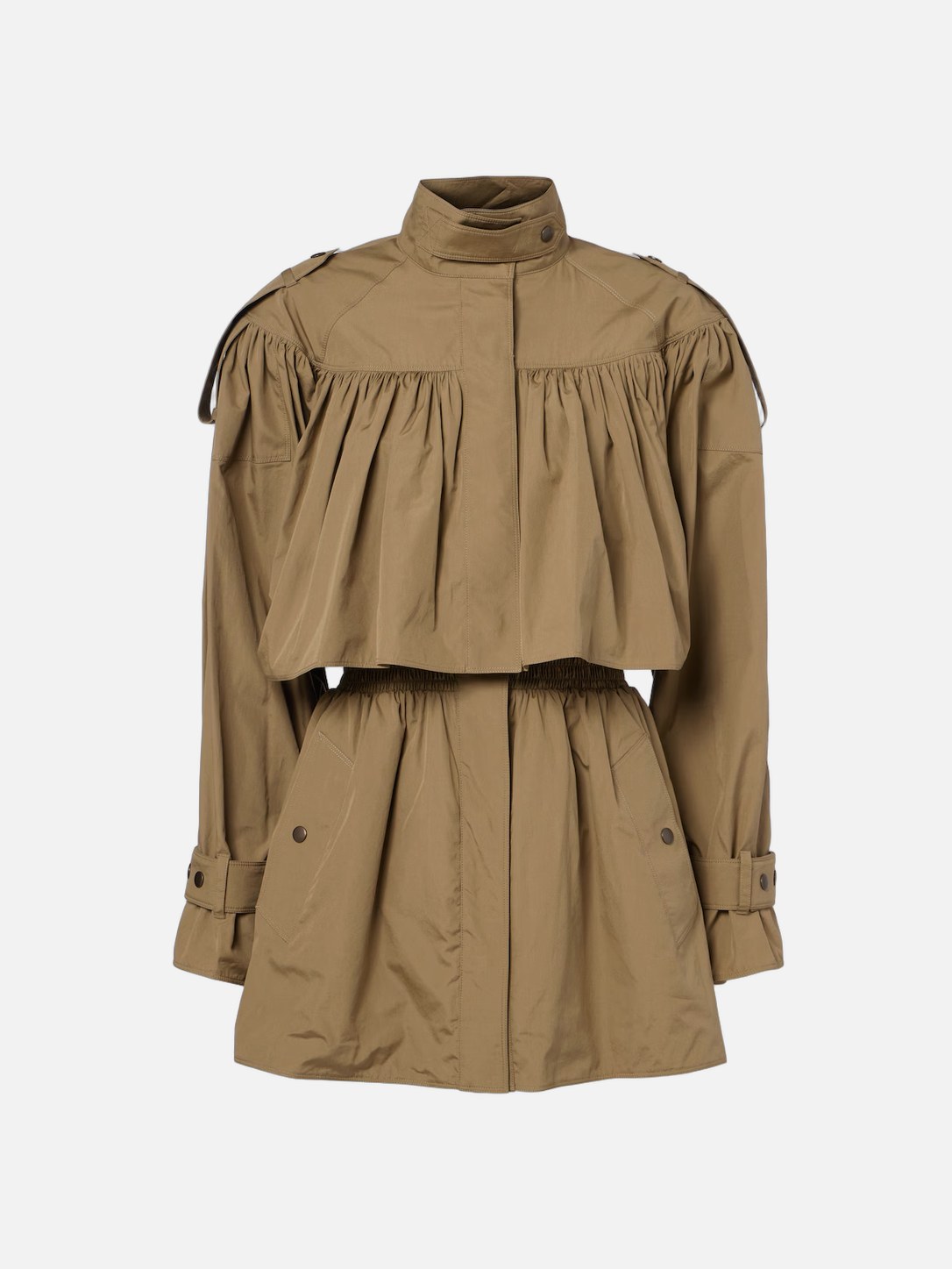
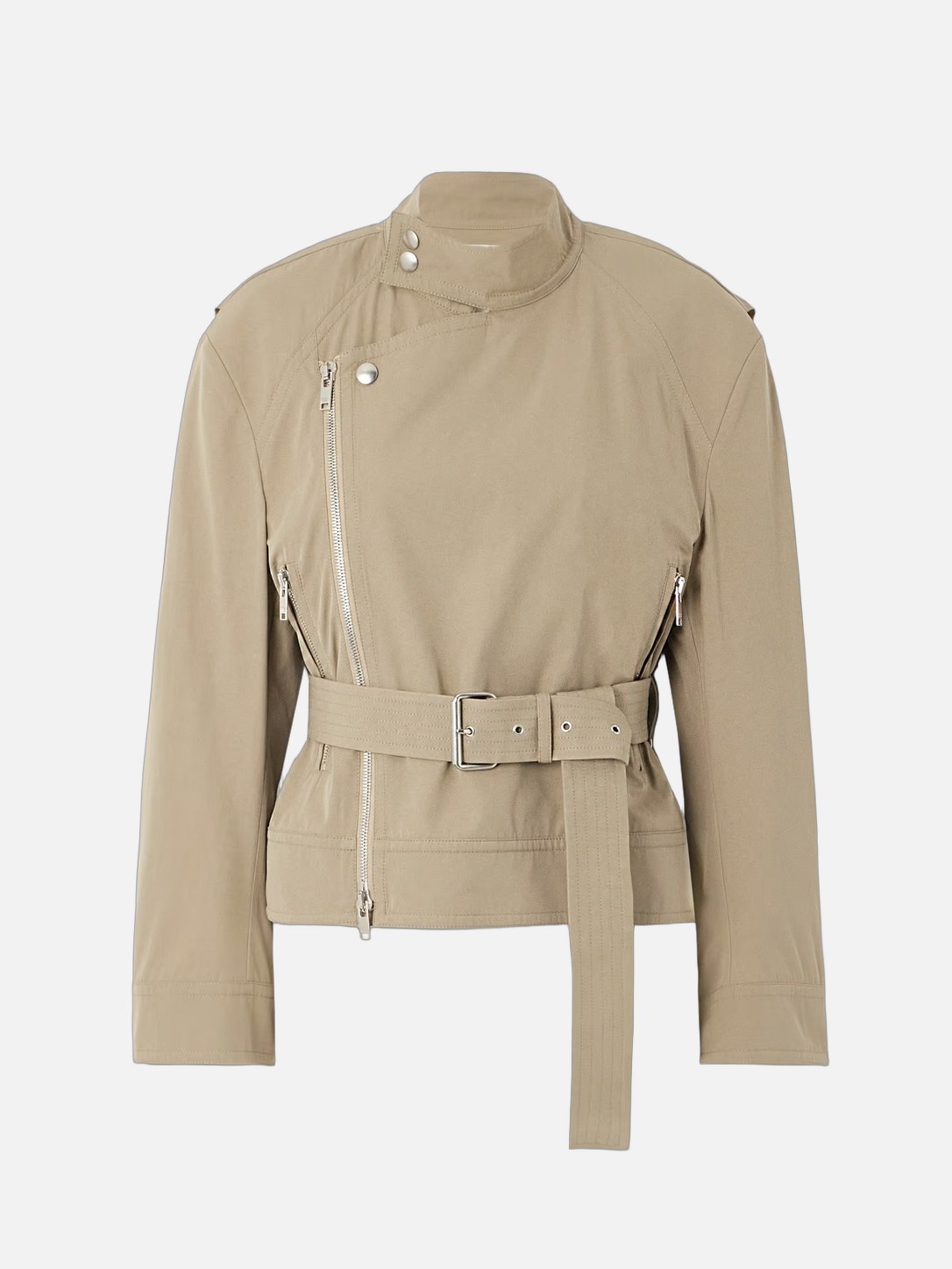
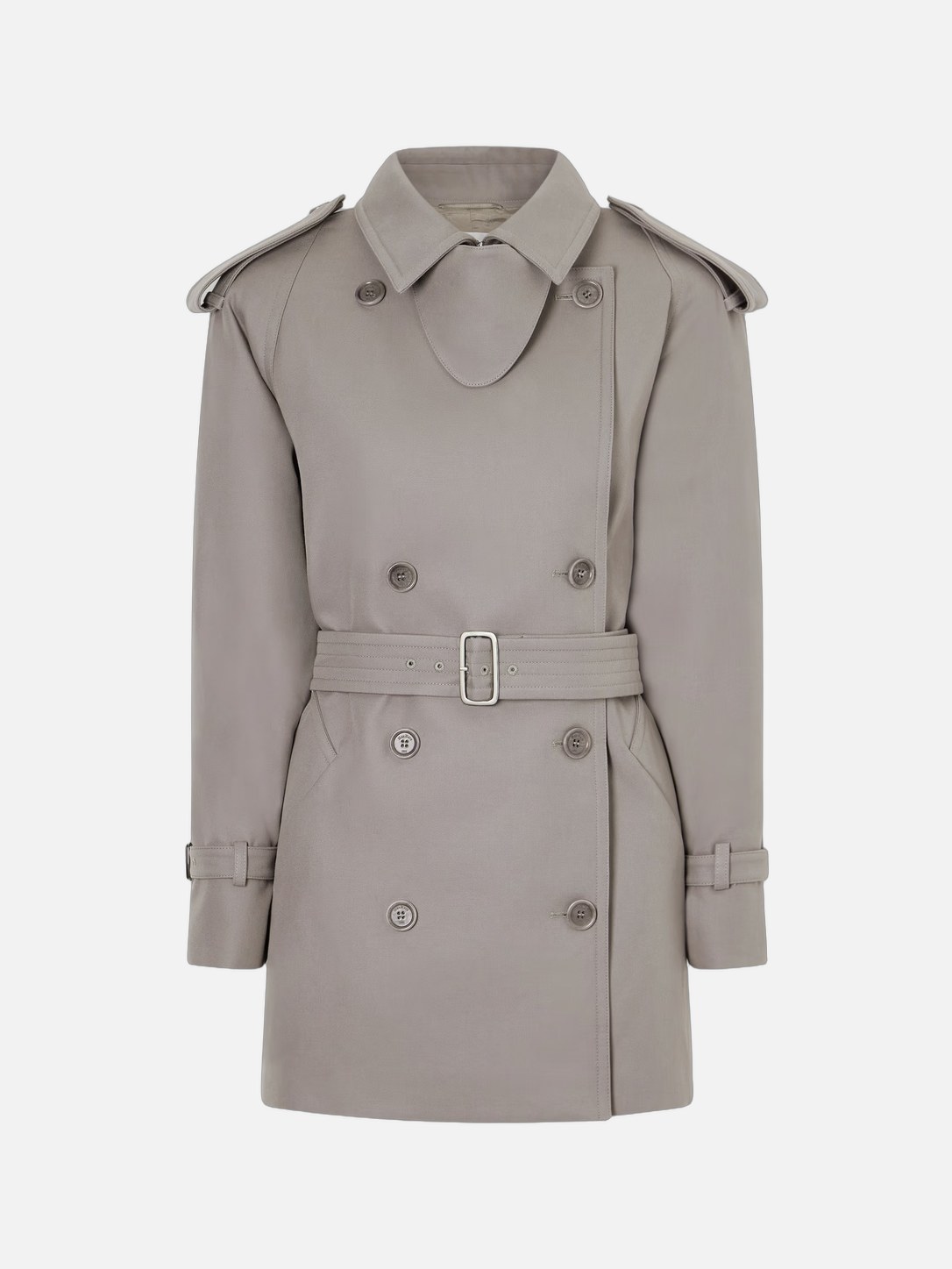
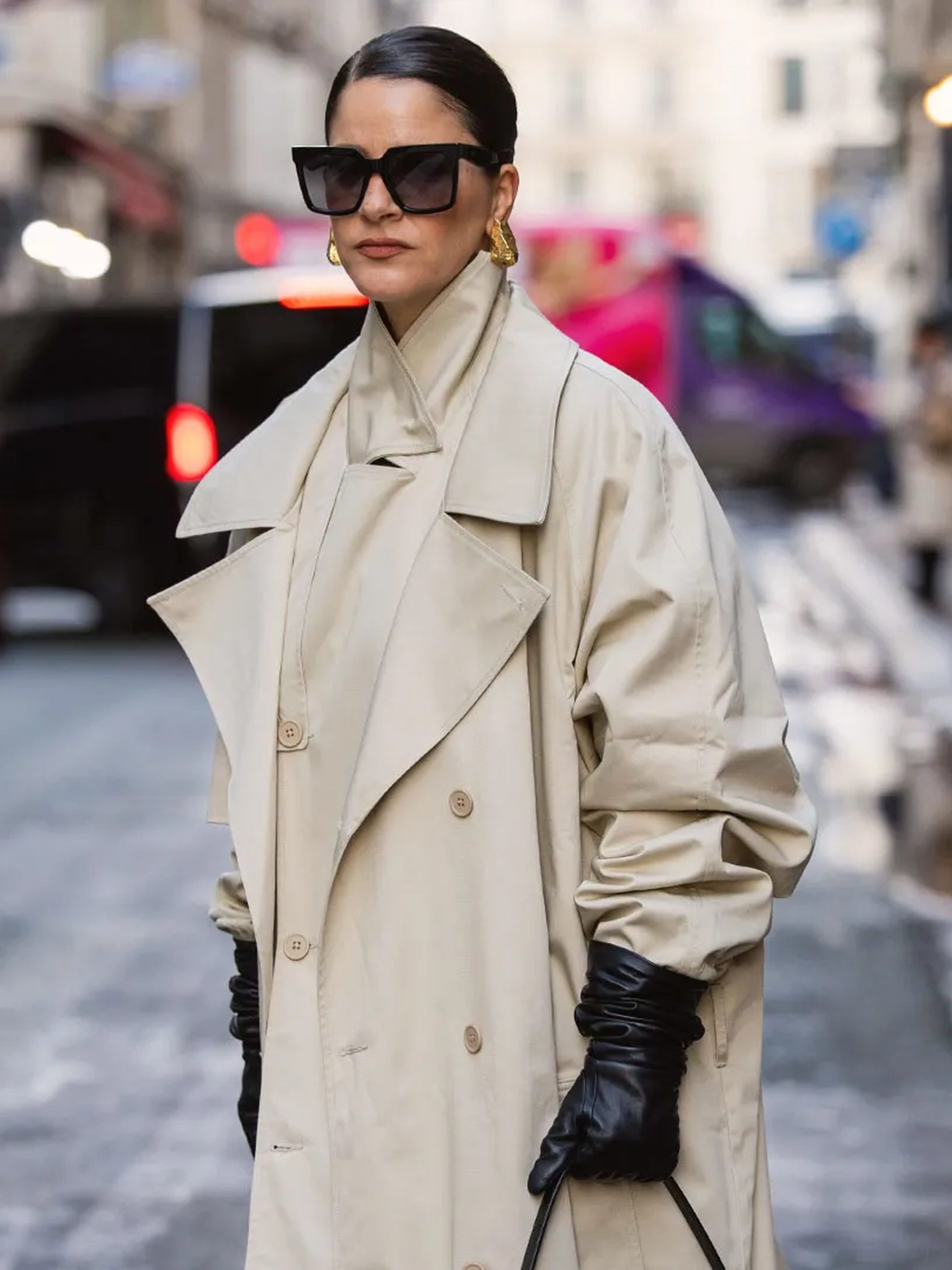
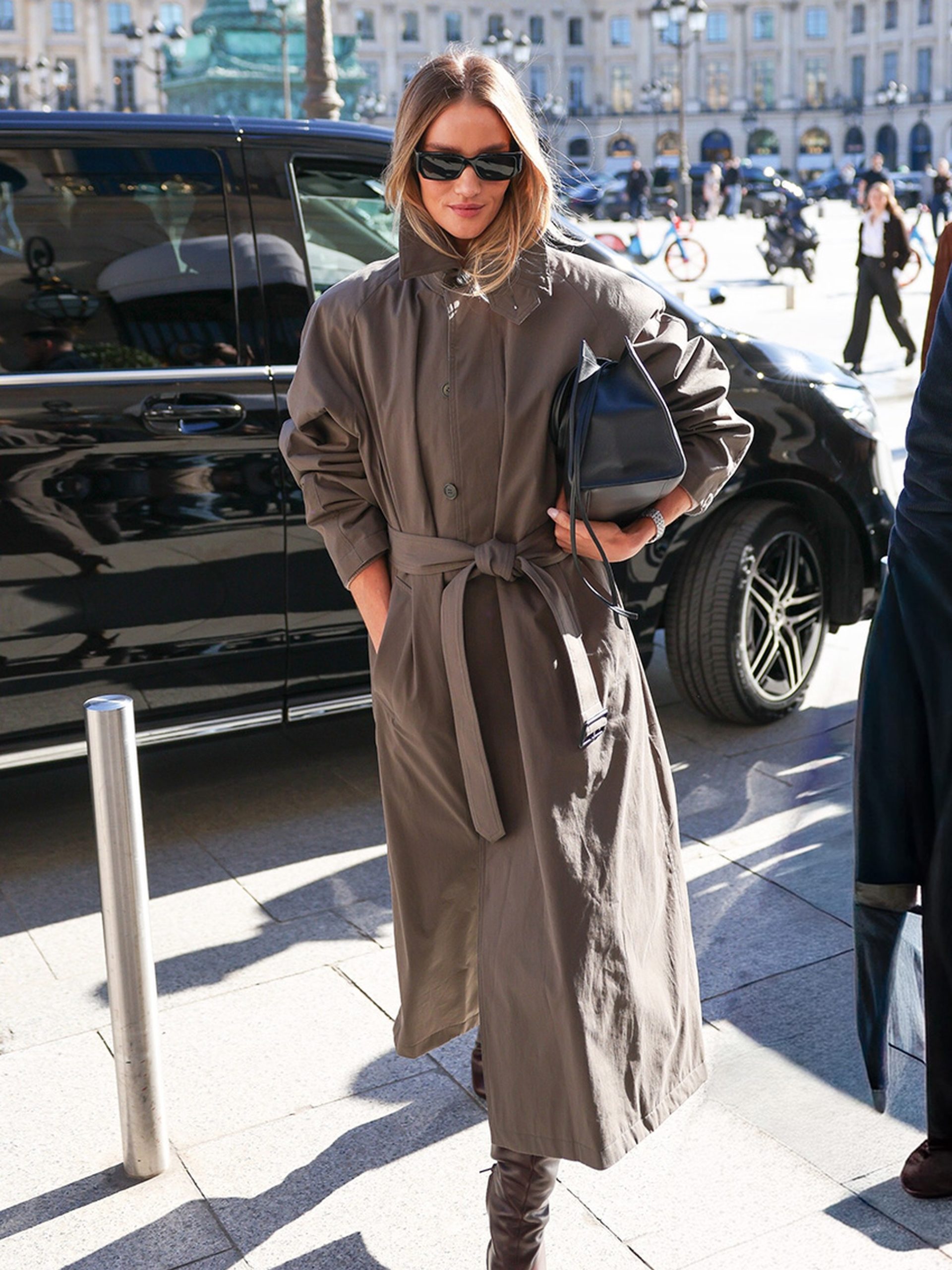
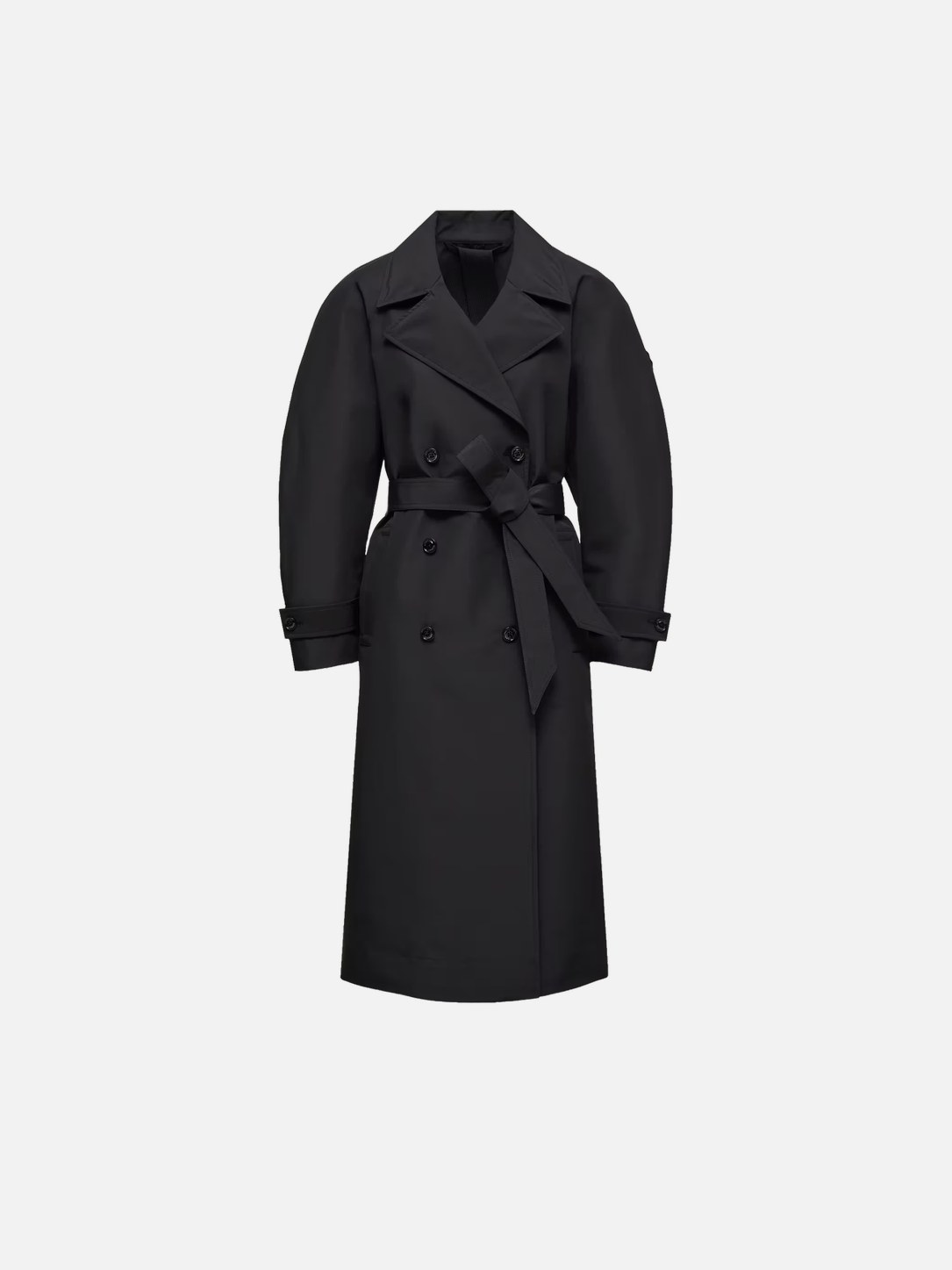
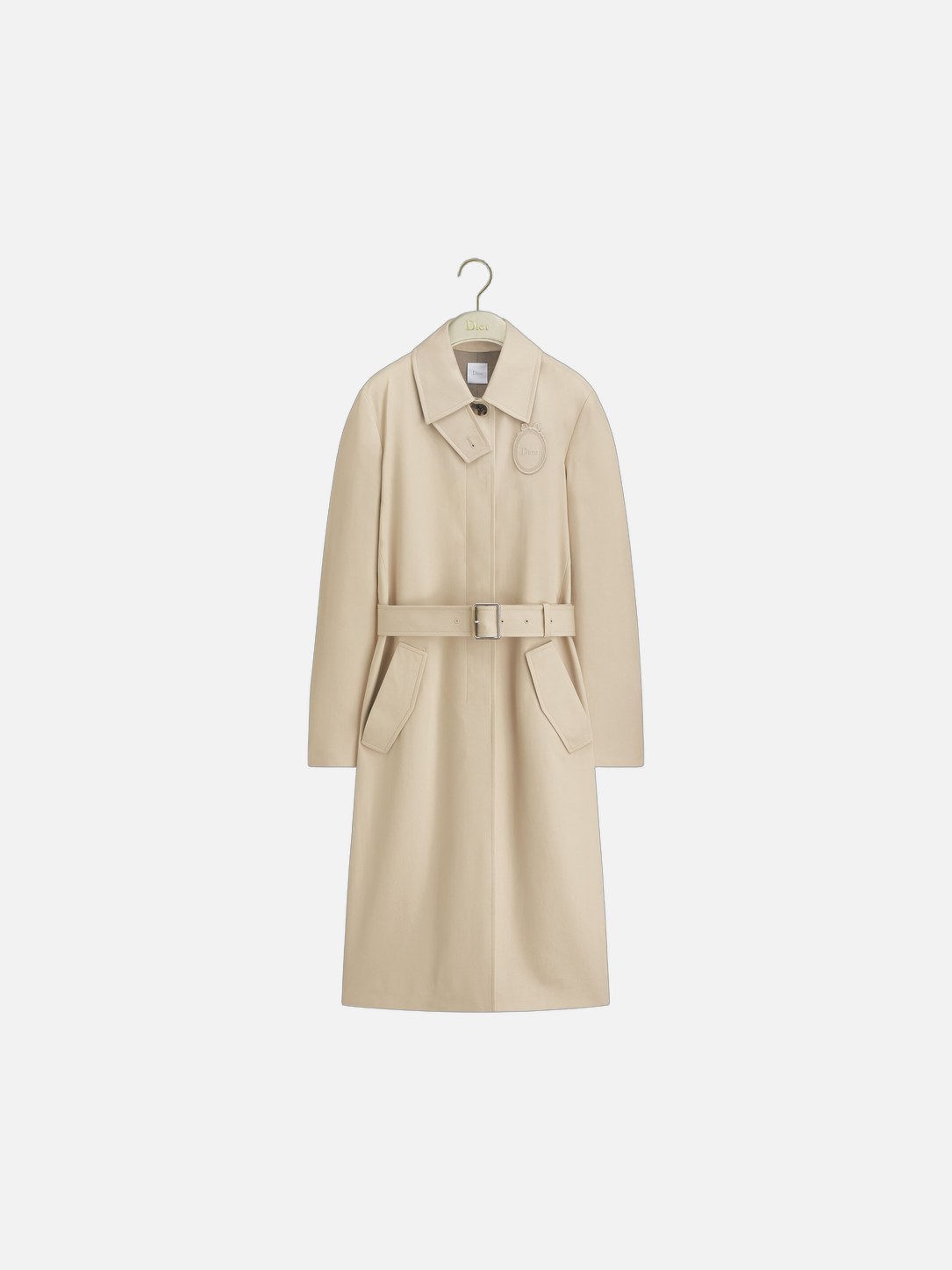
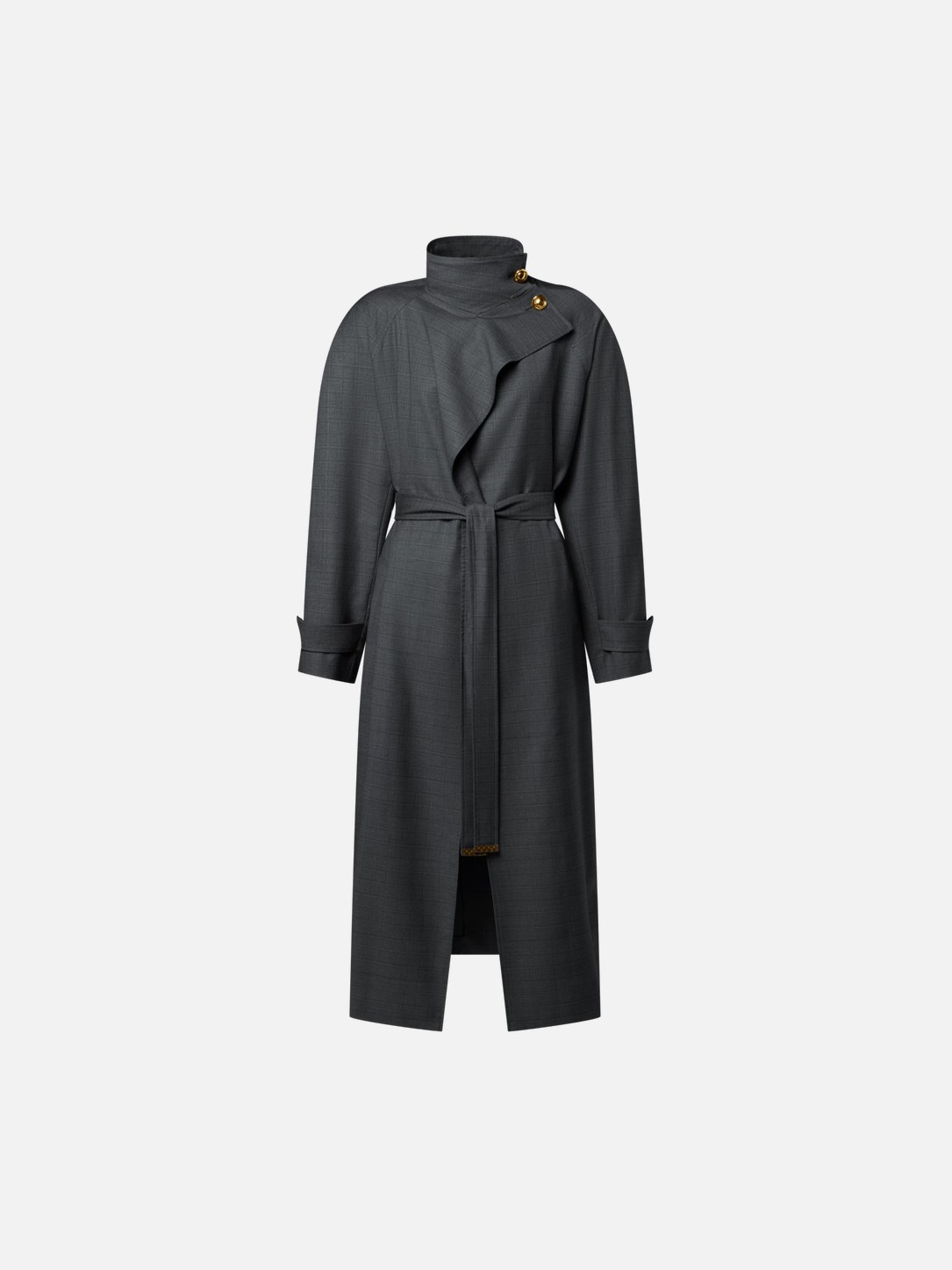
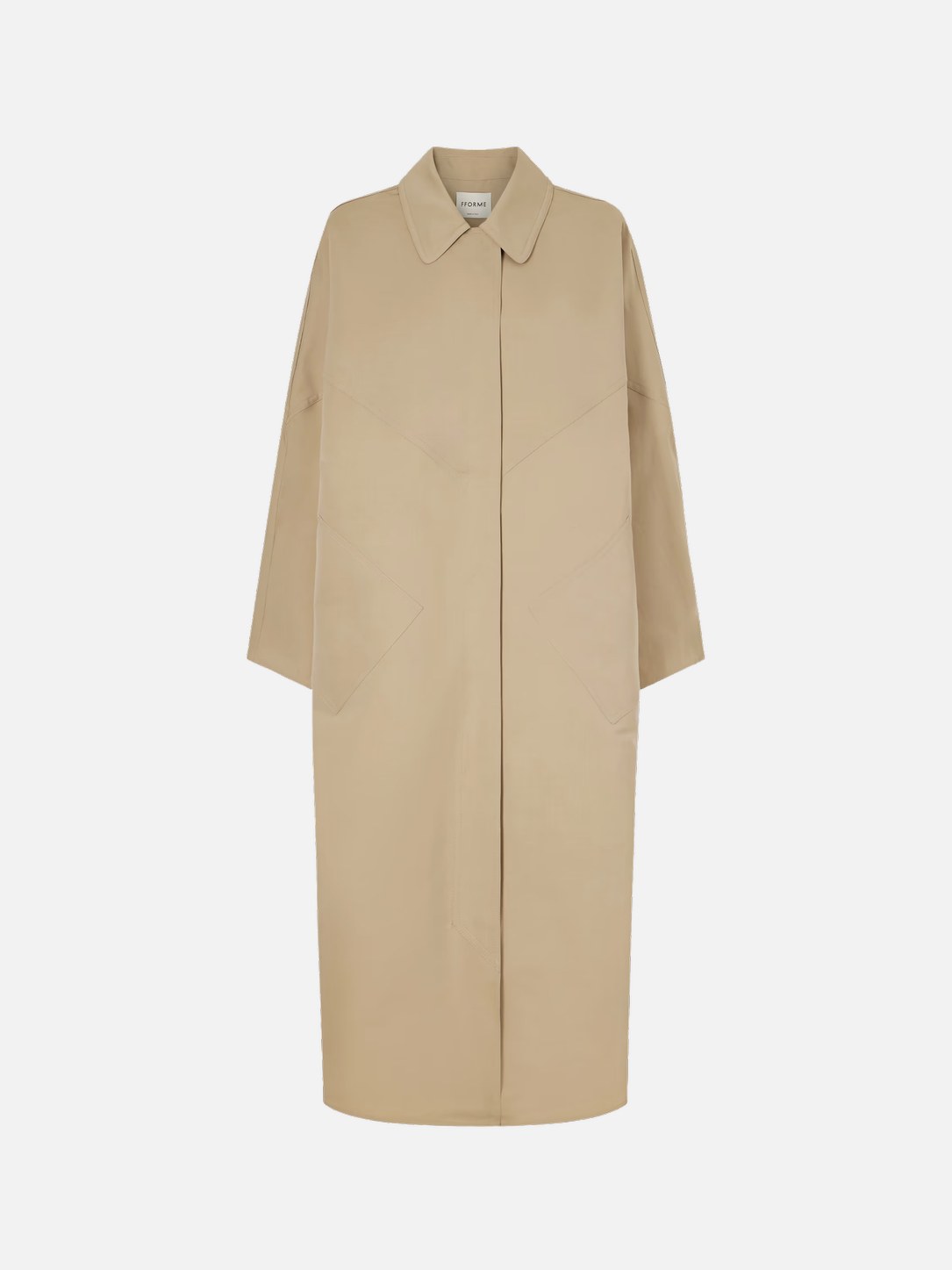
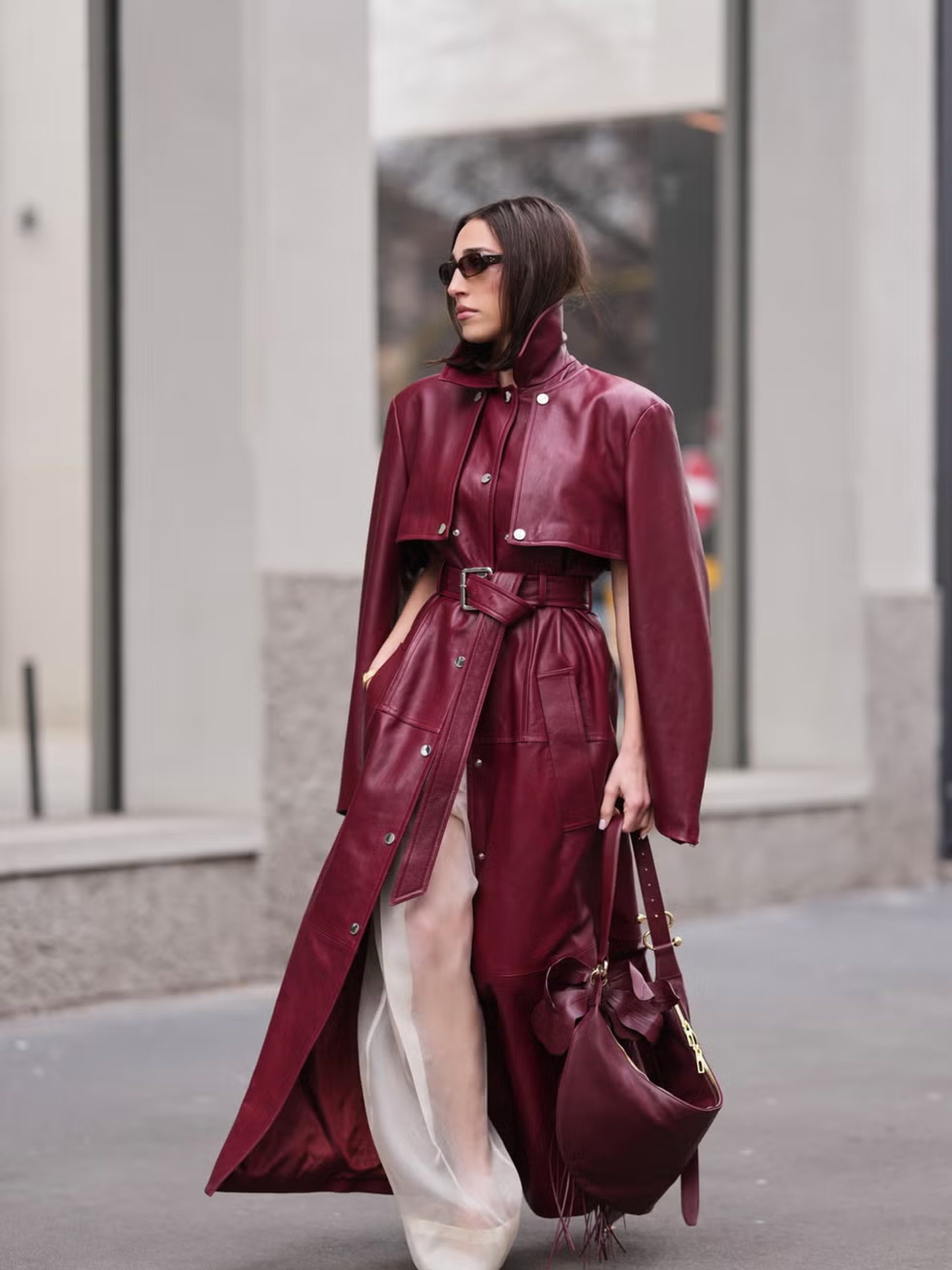
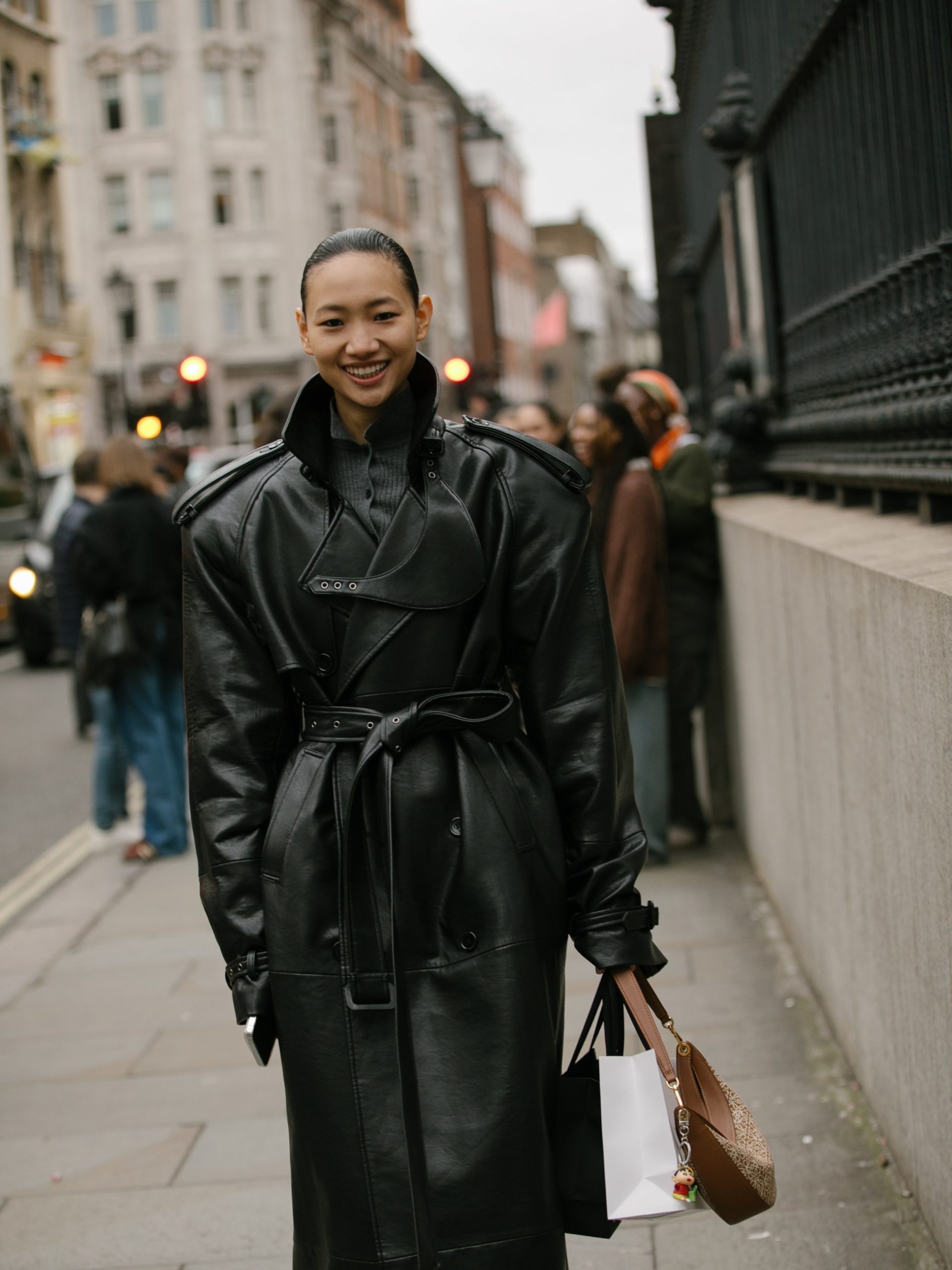
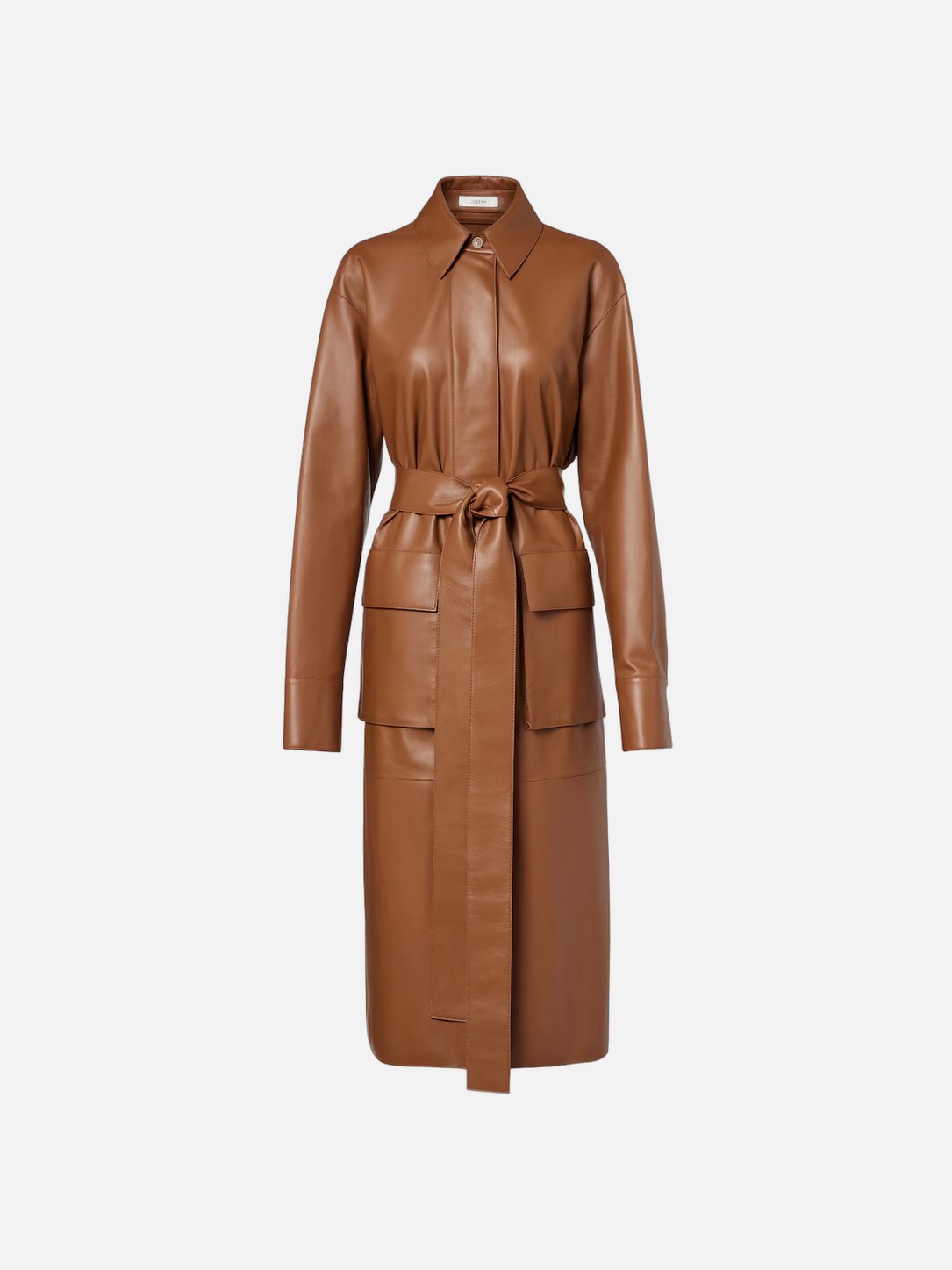
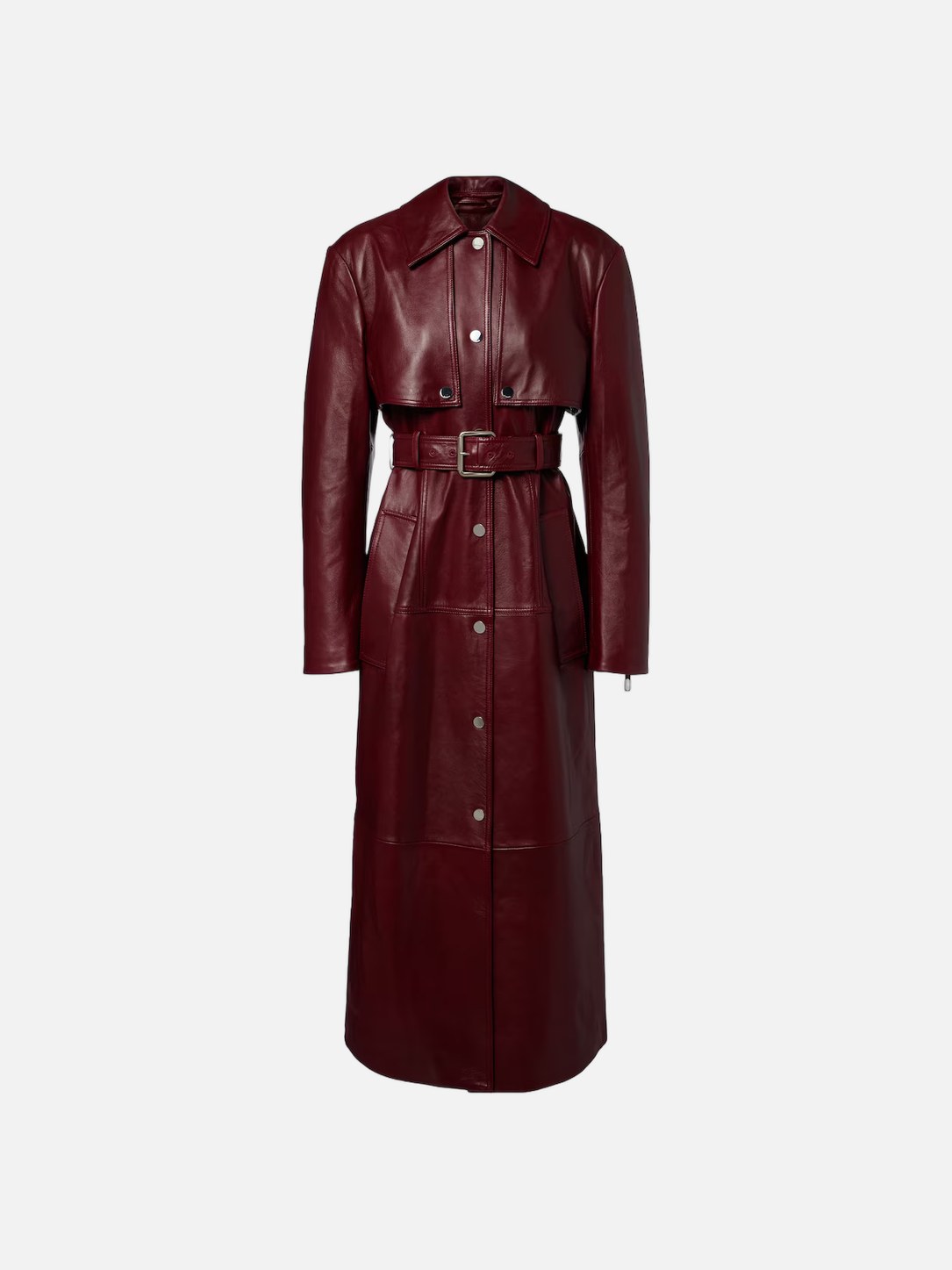
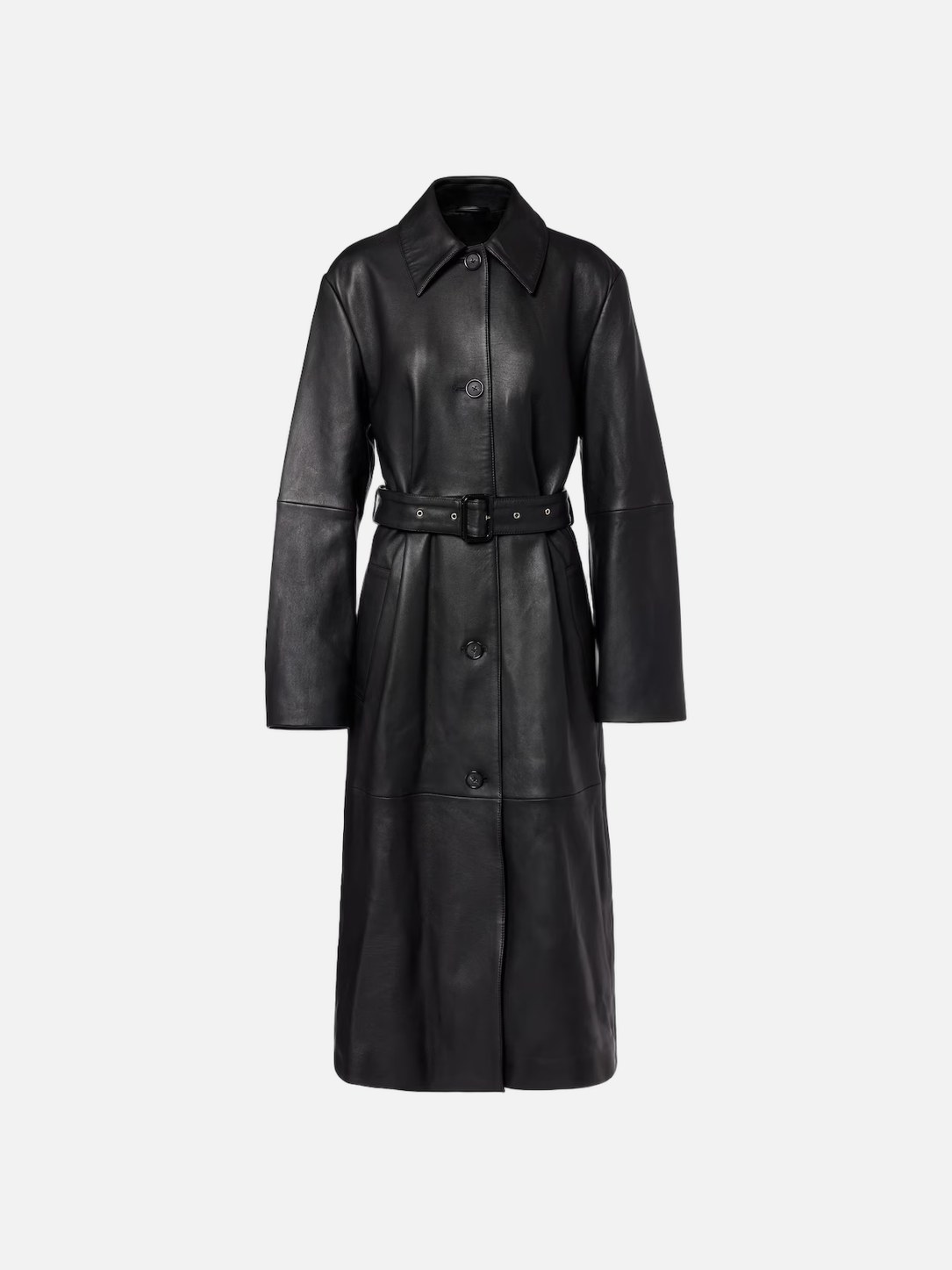
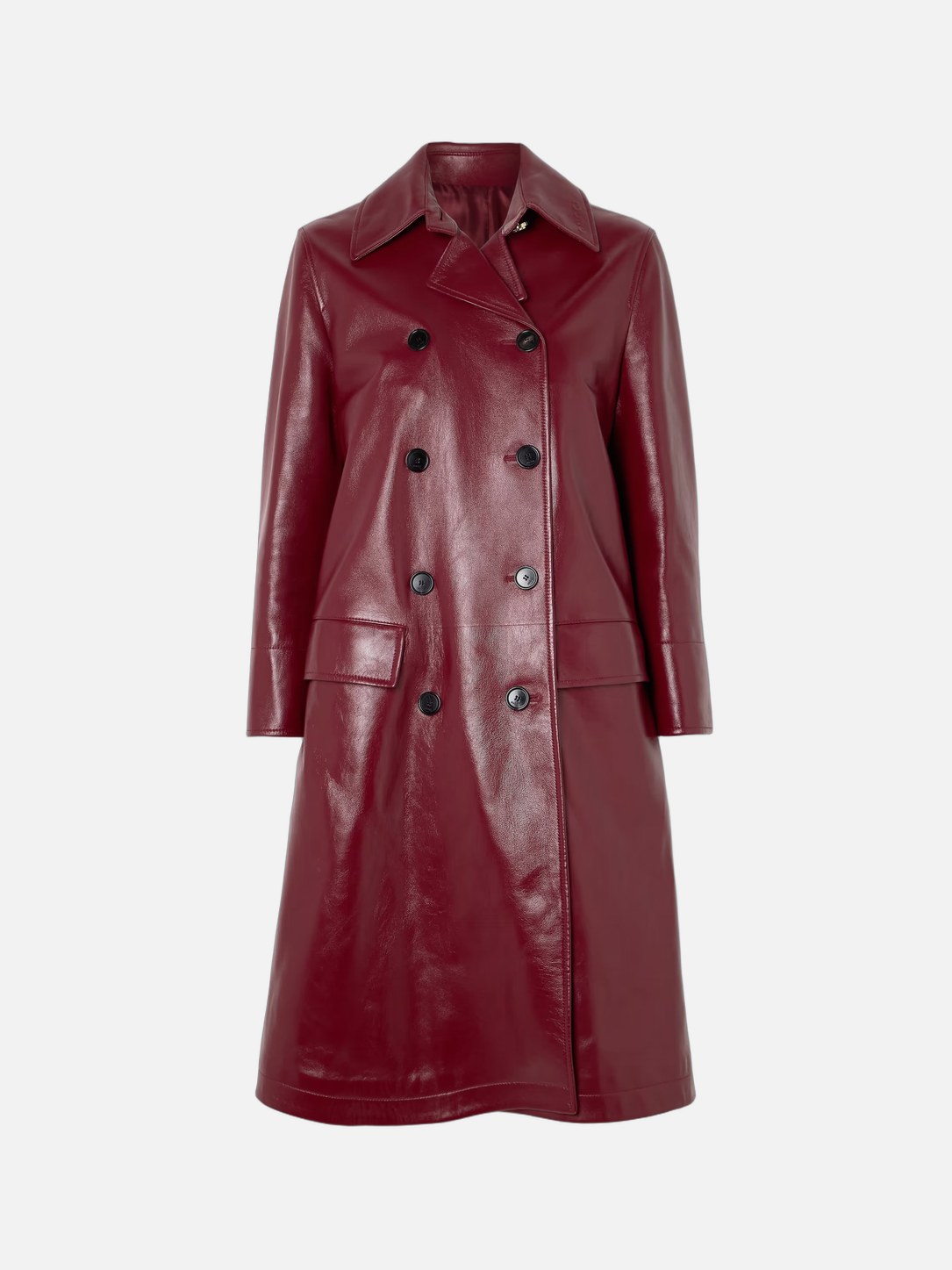
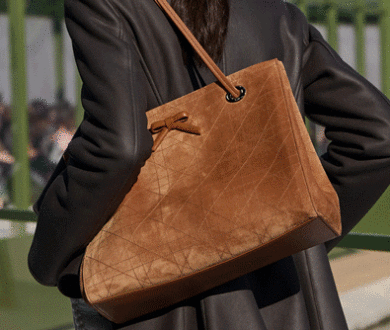
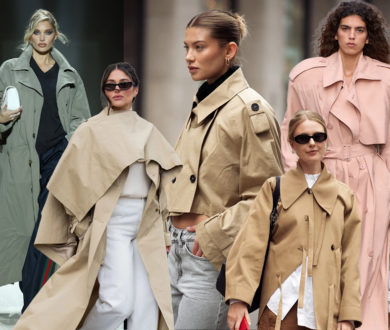
A perennial classic returns this season with sharpened structure, ease and modern relevance, as designers reimagine the trench coat through a variety of silhouettes that feel both current and enduring. The classic trench remains the cornerstone, cut with refined proportions and clean tailoring that lend polish to everyday dressing, while cropped iterations introduce a more directional sensibility, pairing particularly well with high-waisted trousers and denim. Elsewhere, leather trench coats bring depth and richness to winter wardrobes, offering a more dramatic take on the enduring staple. From traditional stone and camel hues to deep espresso and black, this season’s most desirable styles prove that the trench coat continues to evolve while retaining the effortless sophistication that has secured its place in fashion’s permanent repertoire.
Cropped Trench
Double Breasted Cotton Gabardine Trench Coat from Balenciaga
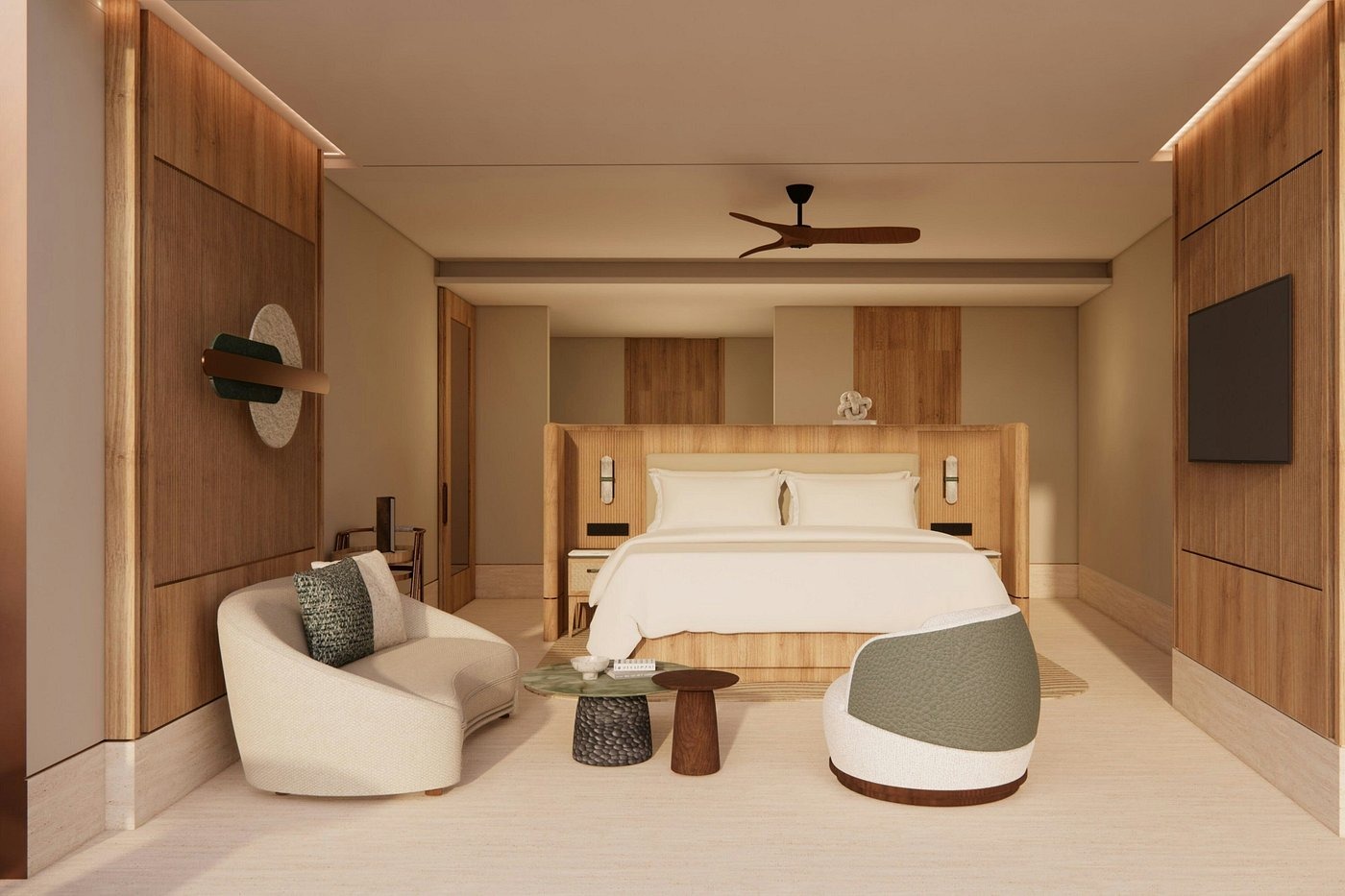
From a restored Venetian palazzo and a historic Mallorca retreat reborn, to private island escapes in the Maldives and design-led sanctuaries in the African wilderness, 2026 has ushered in a remarkable collection of new hotel openings. Spanning some of the world’s most sought-after destinations, these properties reflect a growing appetite for experiences that are as memorable as the settings themselves, offering fresh reasons to revisit familiar favourites and discover entirely new corners of the globe.
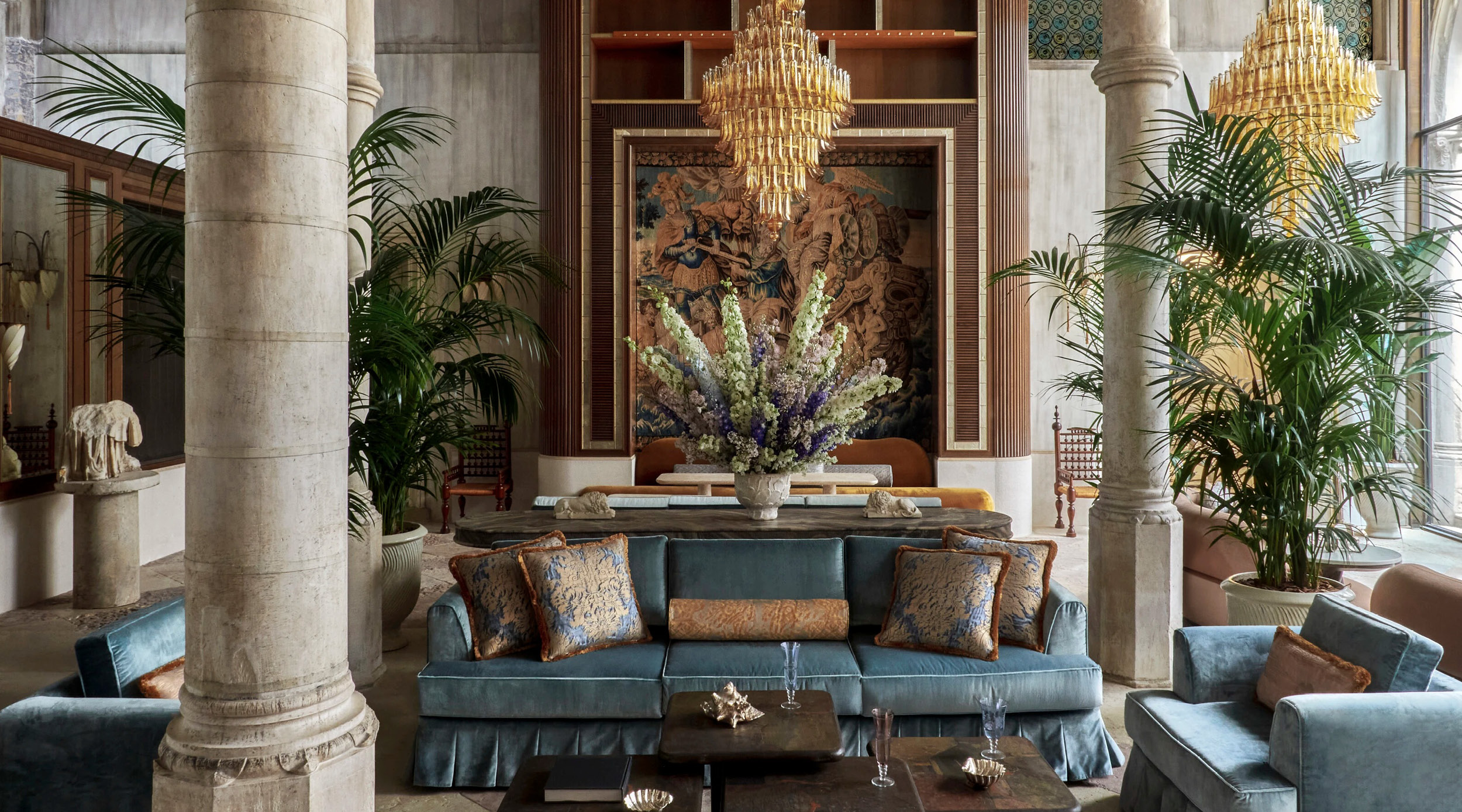
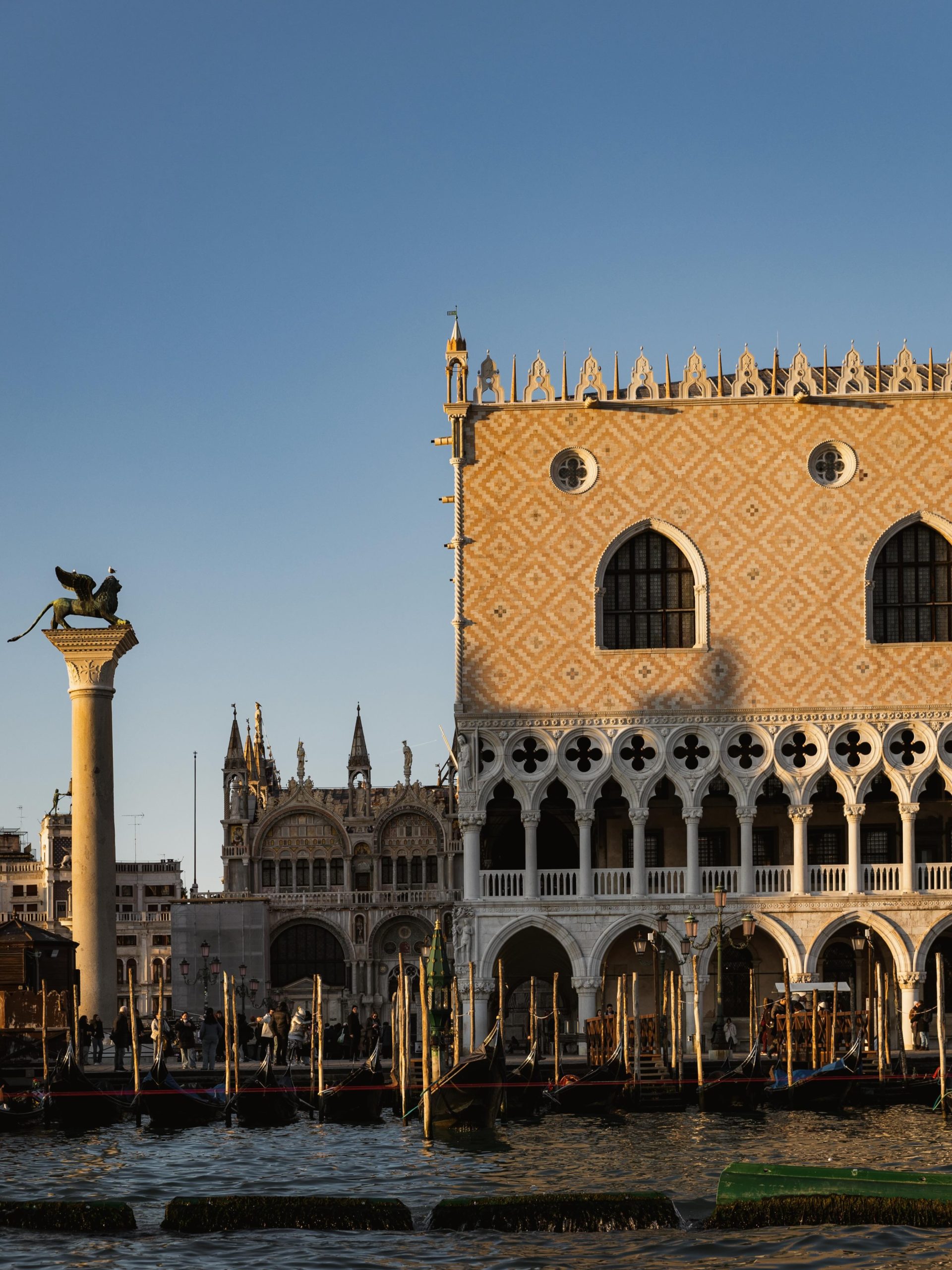
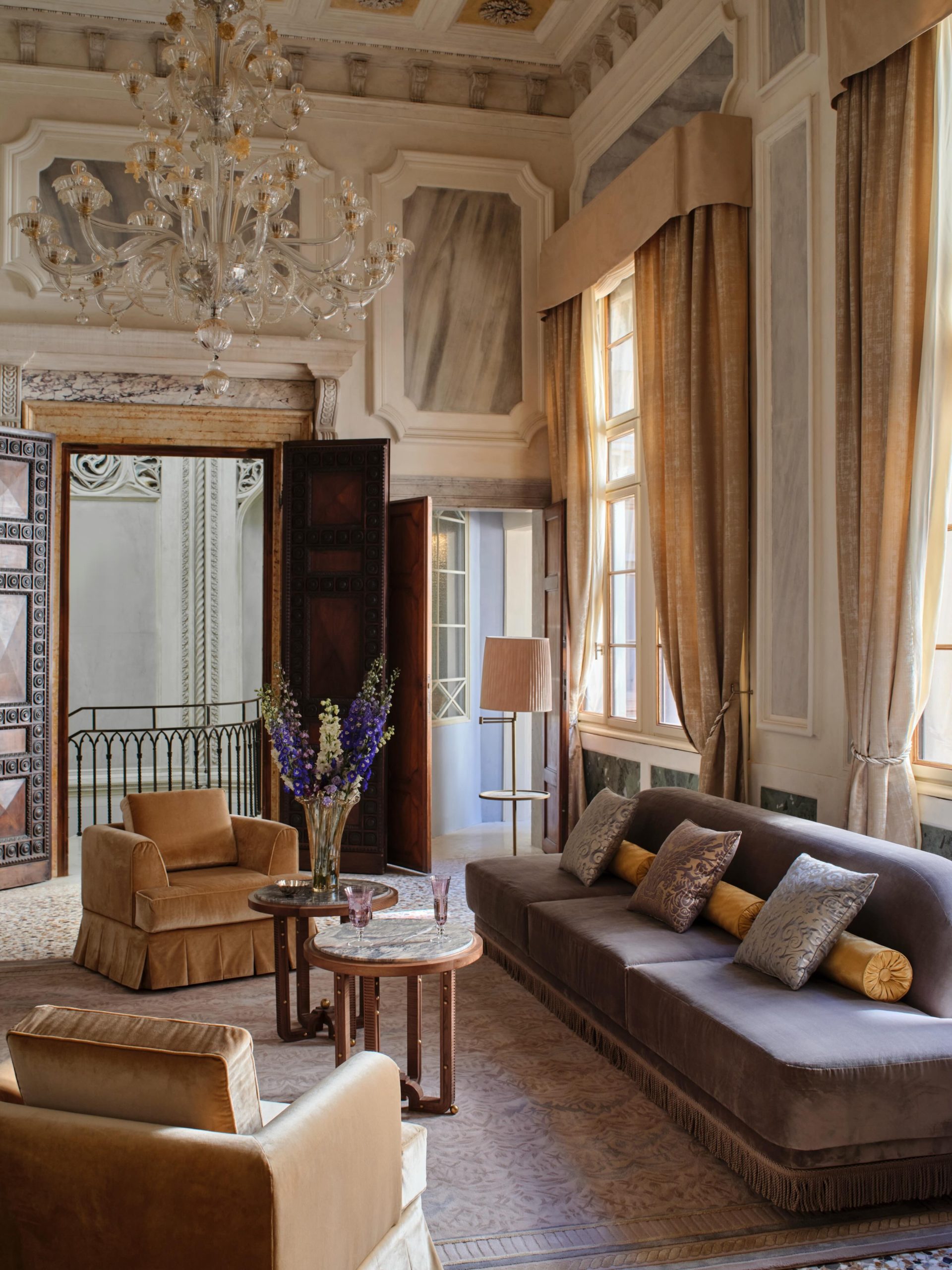
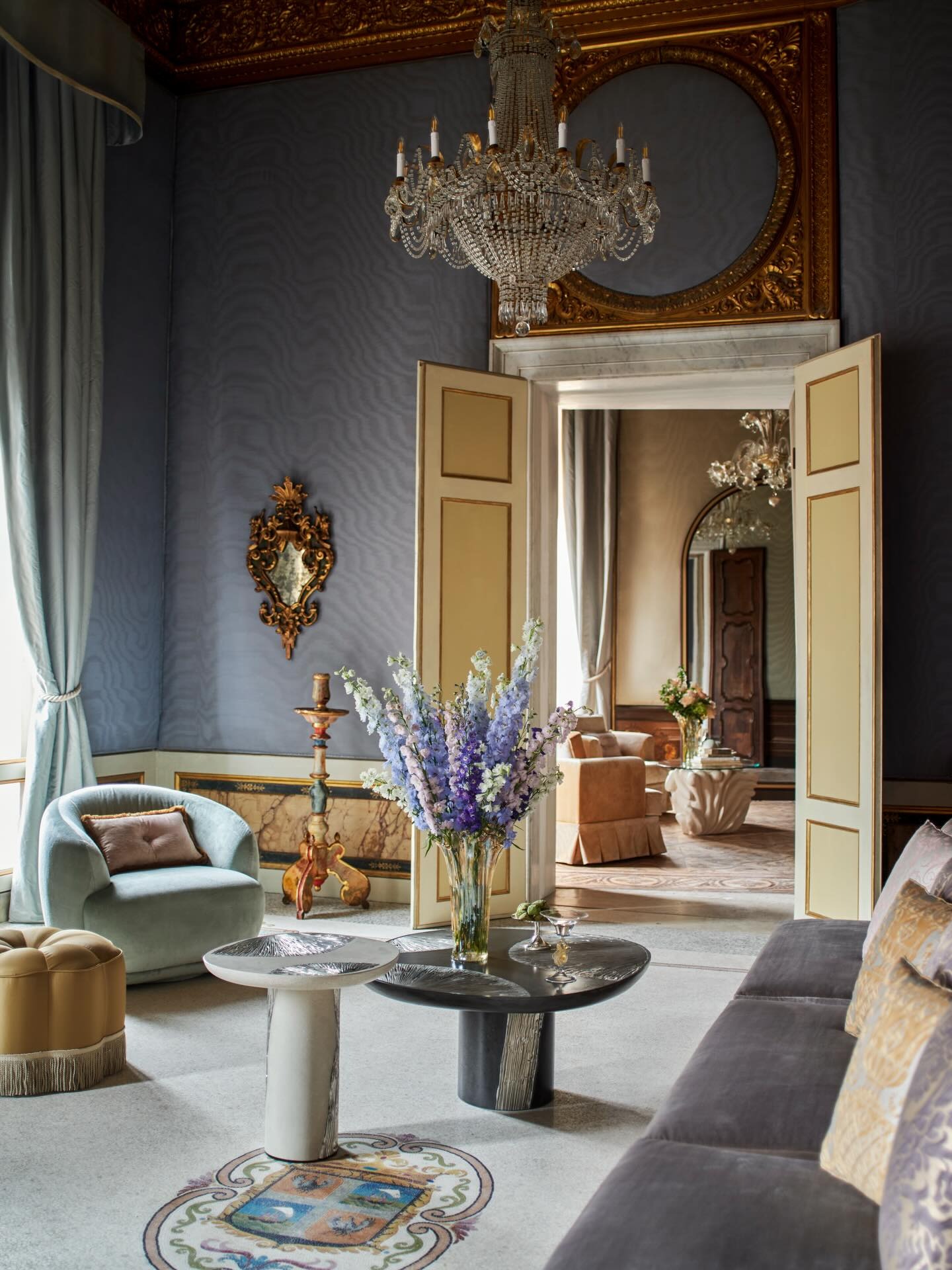
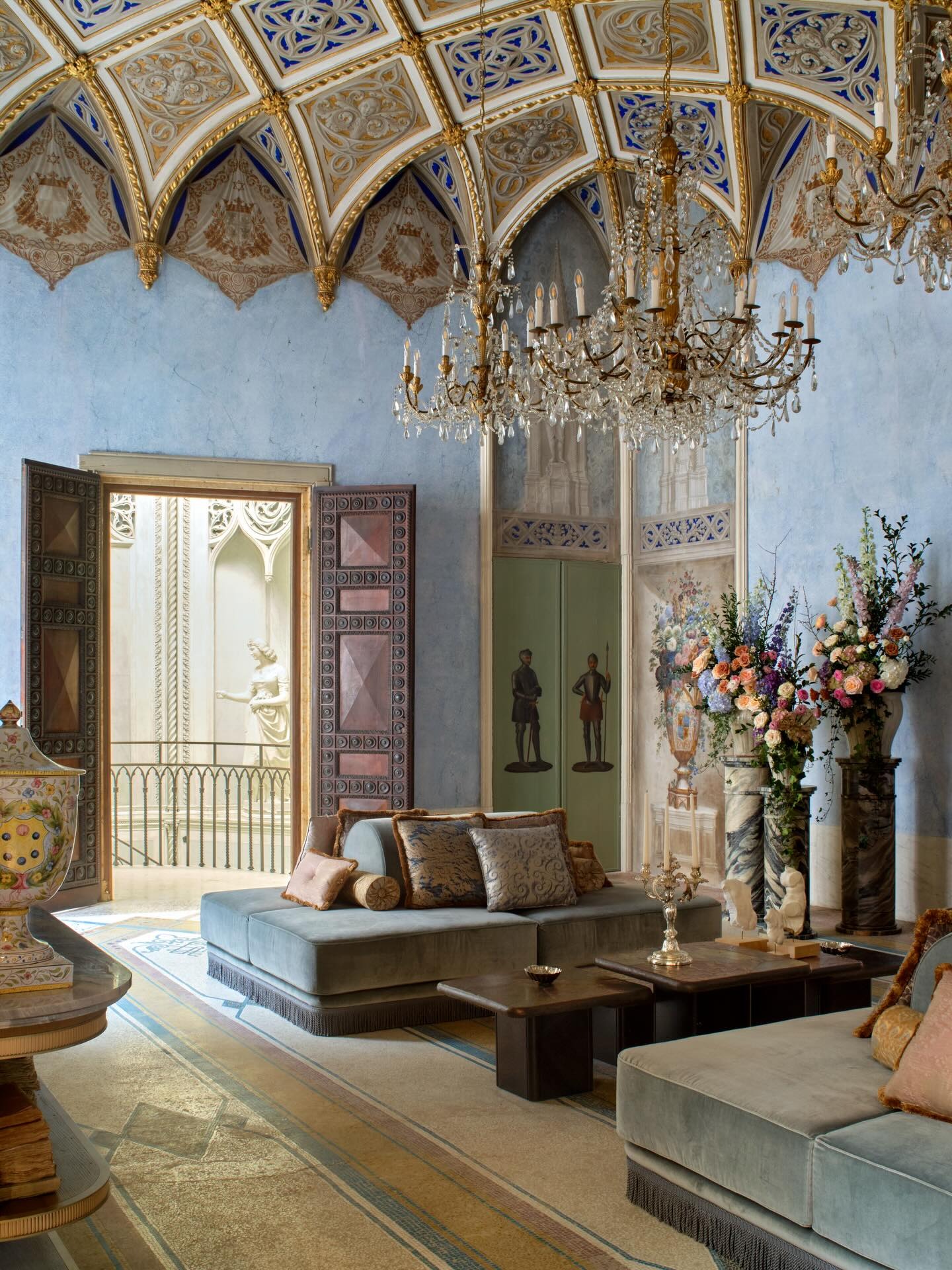
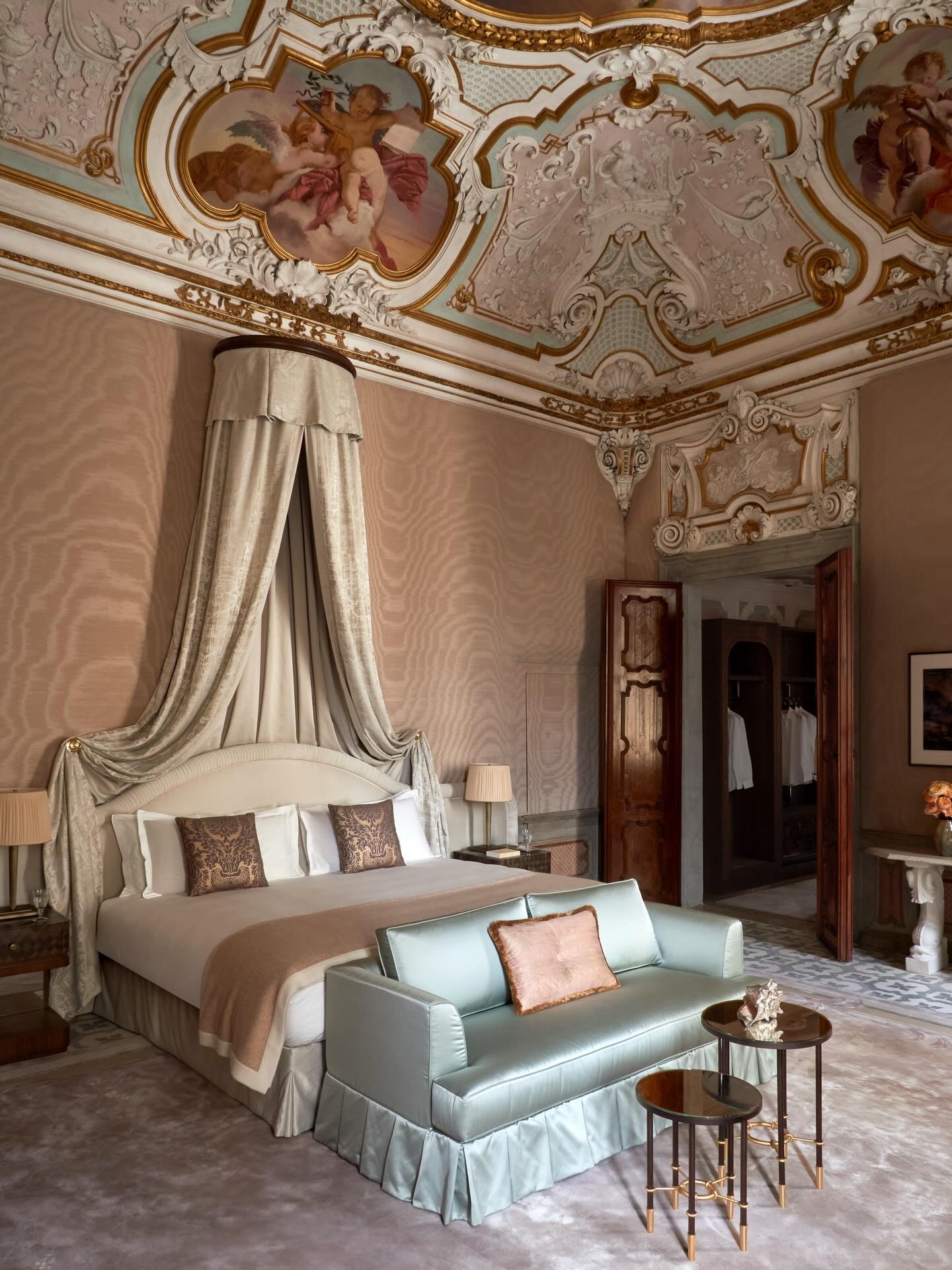
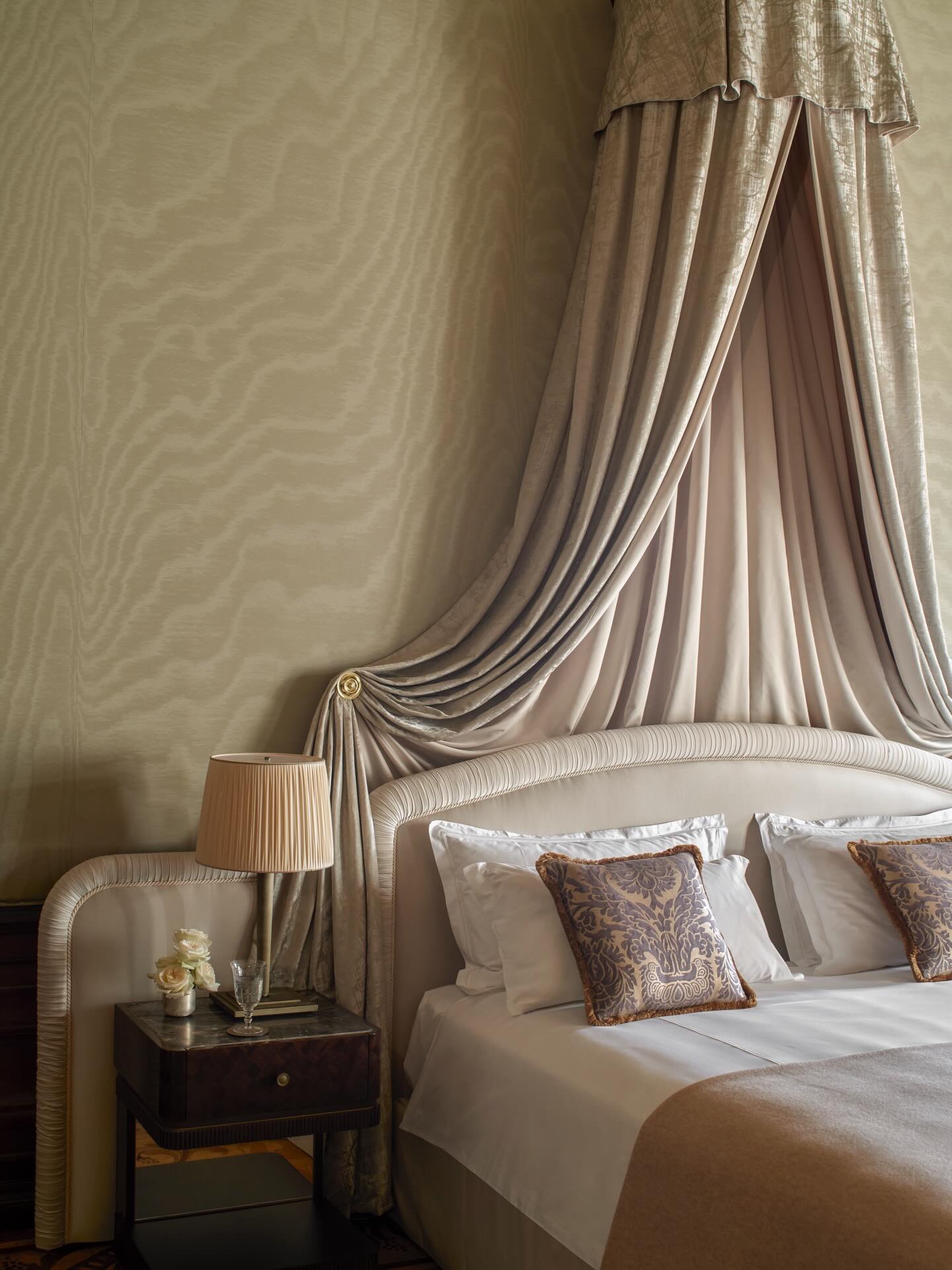
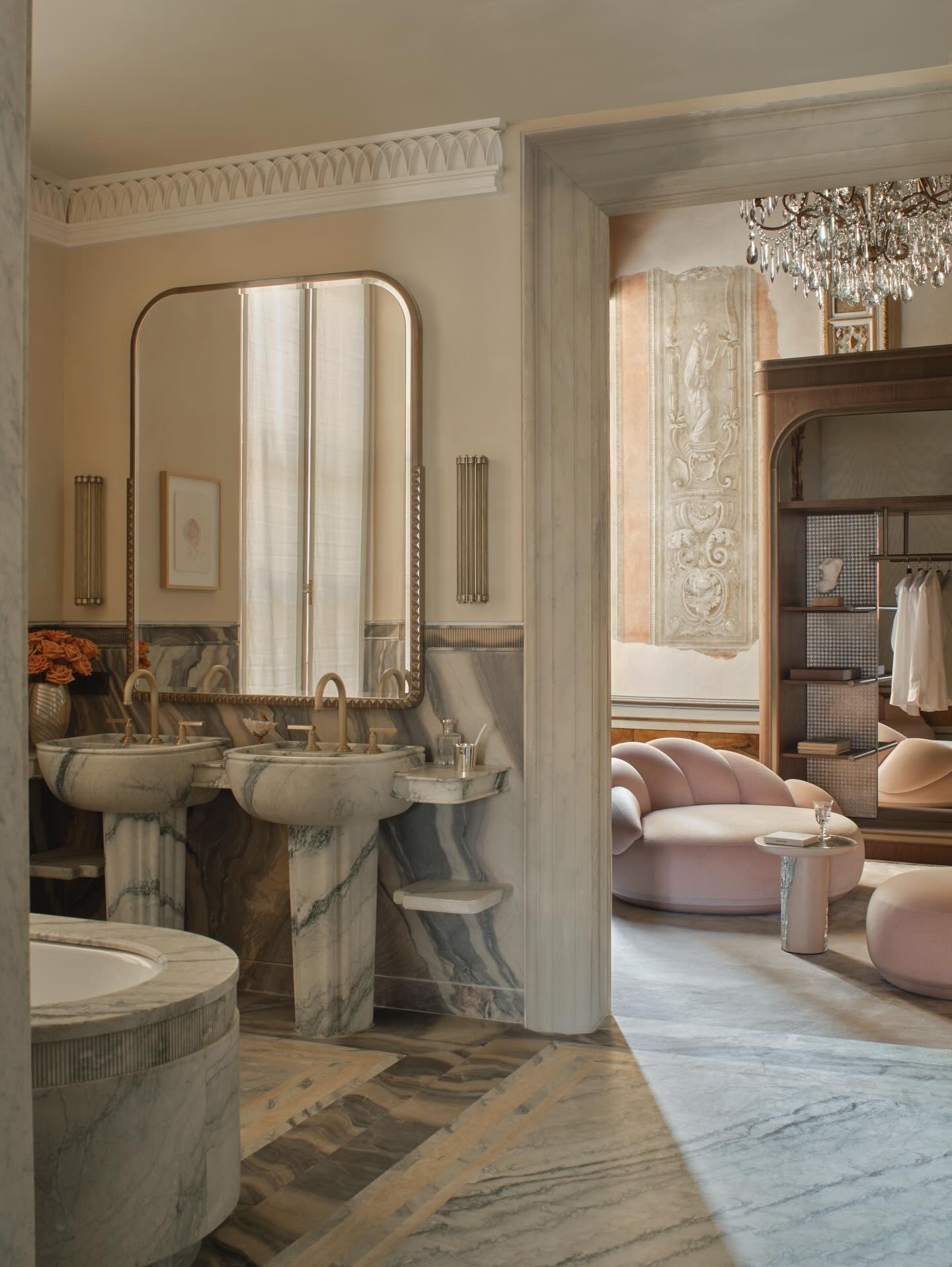
Location: Venice, Italy Few cities possess a relationship with grandeur quite like Venice, where centuries of mercantile wealth, artistic patronage and architectural ambition remain embedded within its canals. Following an eight-year restoration, this 15th-century palazzo has been transformed by Orient Express into a 47-room retreat that carefully preserves original frescoes, mosaic floors and noble proportions while introducing a new era of luxury hospitality.
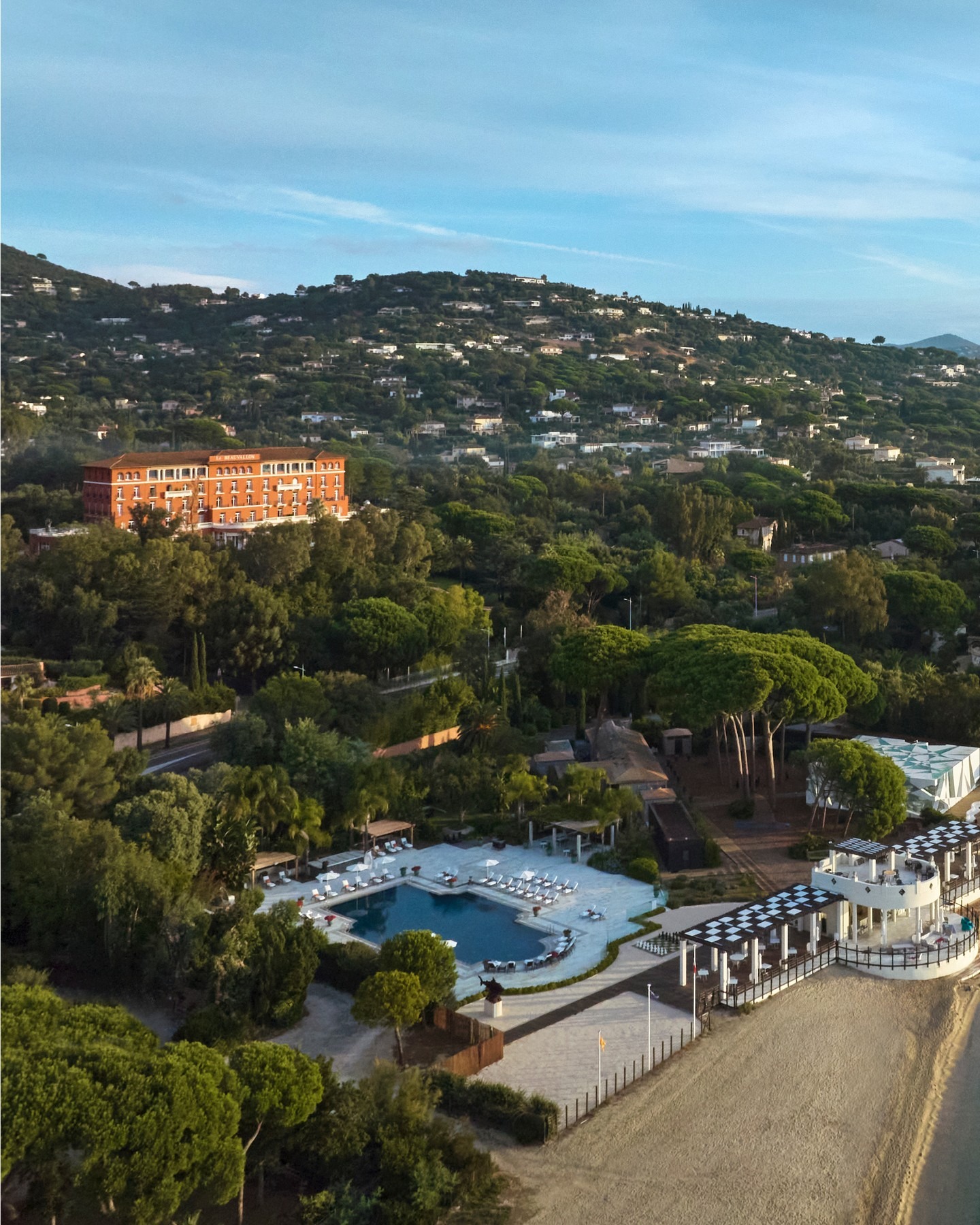
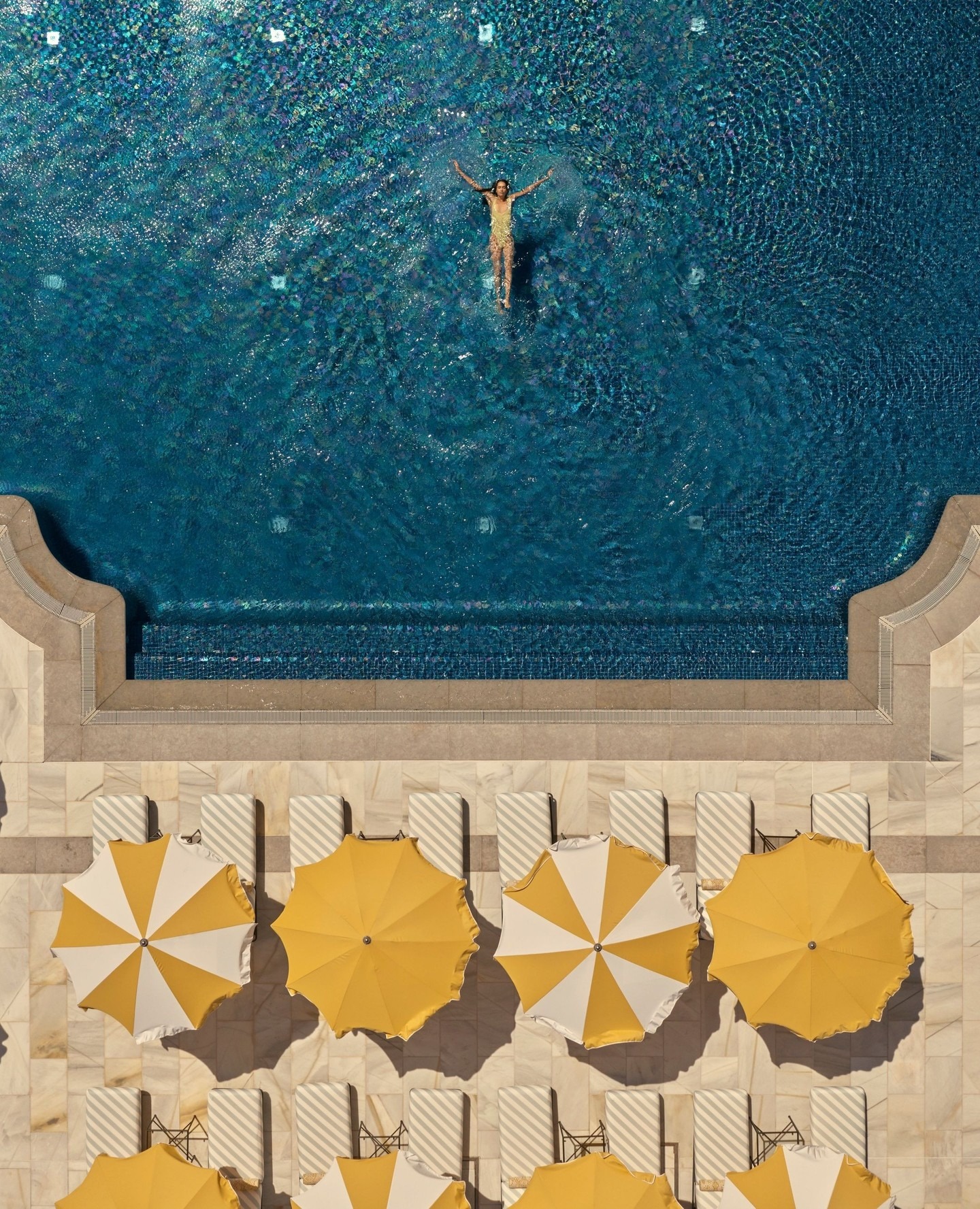
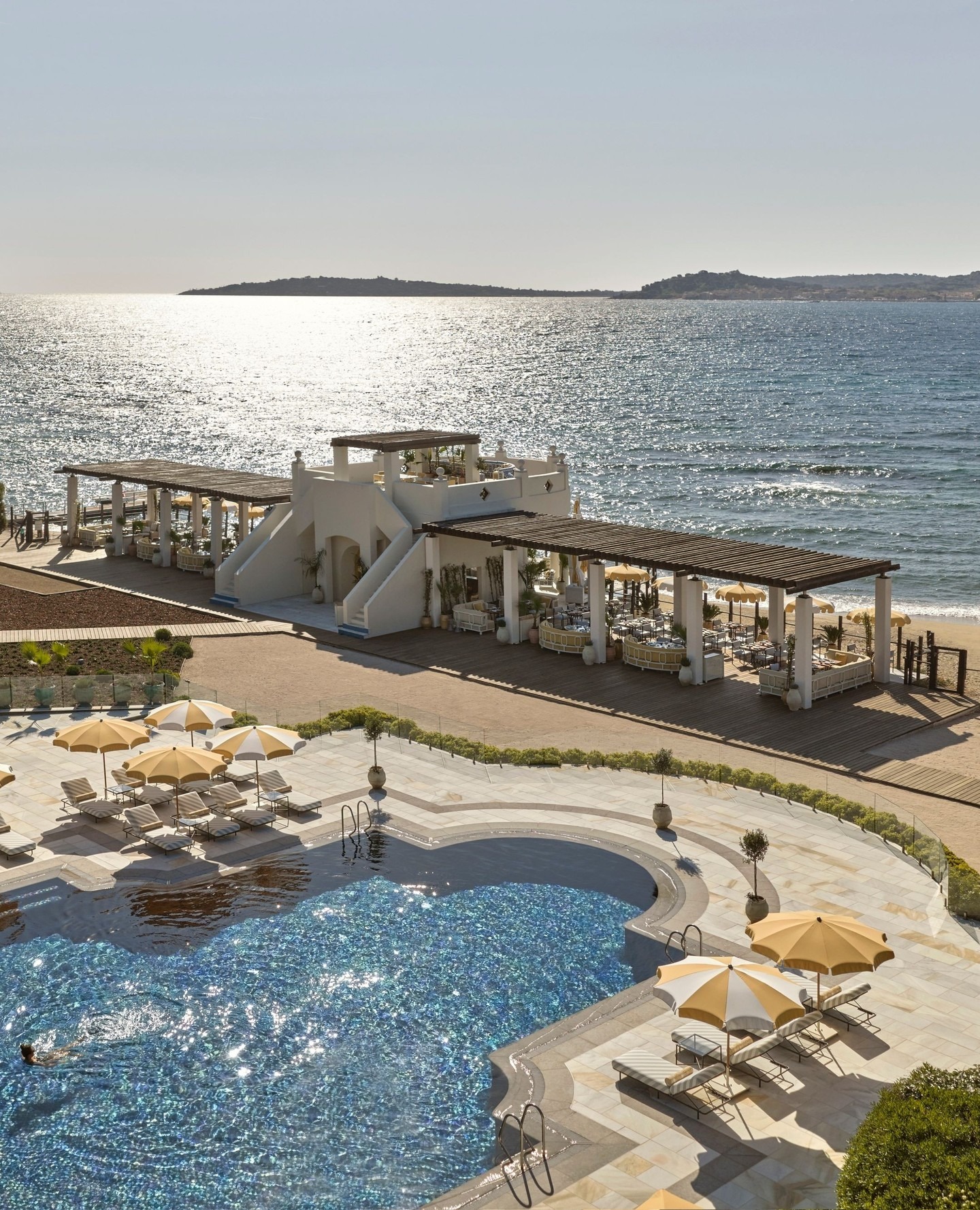
Location: Saint-Tropez, France Perched above the Gulf of Saint-Tropez, COMO Le Beauvallon marks the return of a Belle Époque landmark that once welcomed some of the twentieth century’s most notable figures. With just 42 rooms, Mediterranean gardens and dining overseen by Yannick Alléno, the hotel reintroduces Riviera glamour through a contemporary lens.
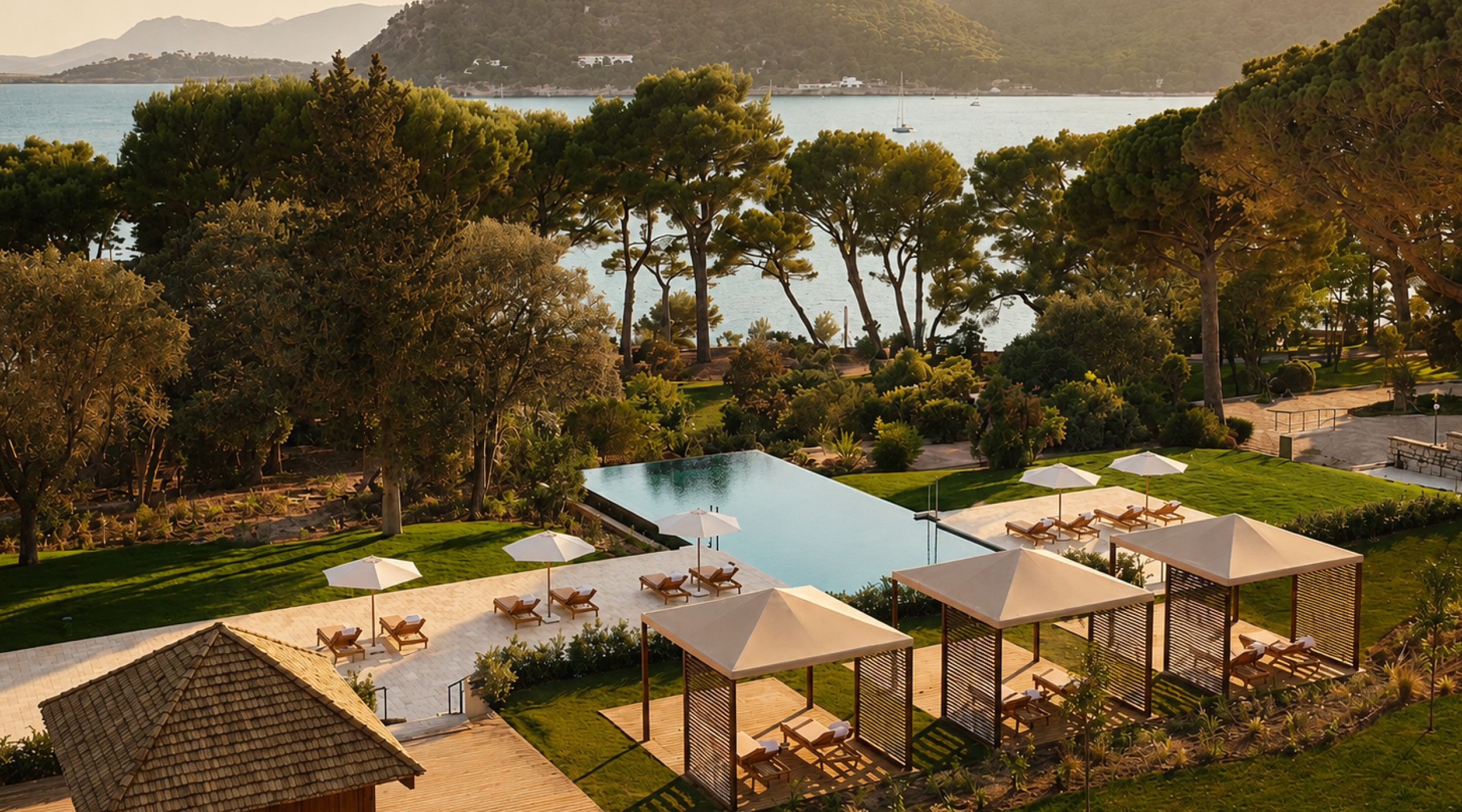
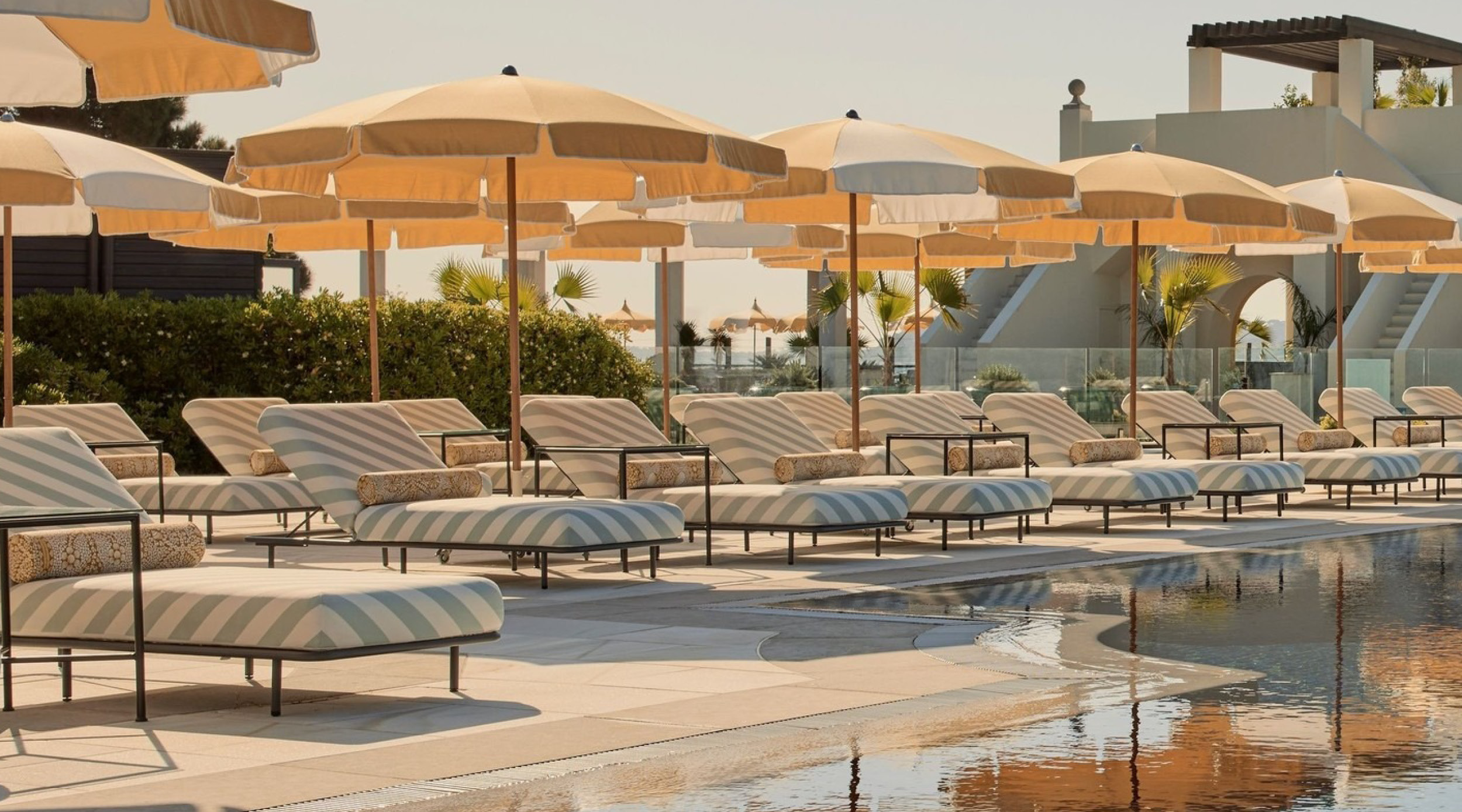
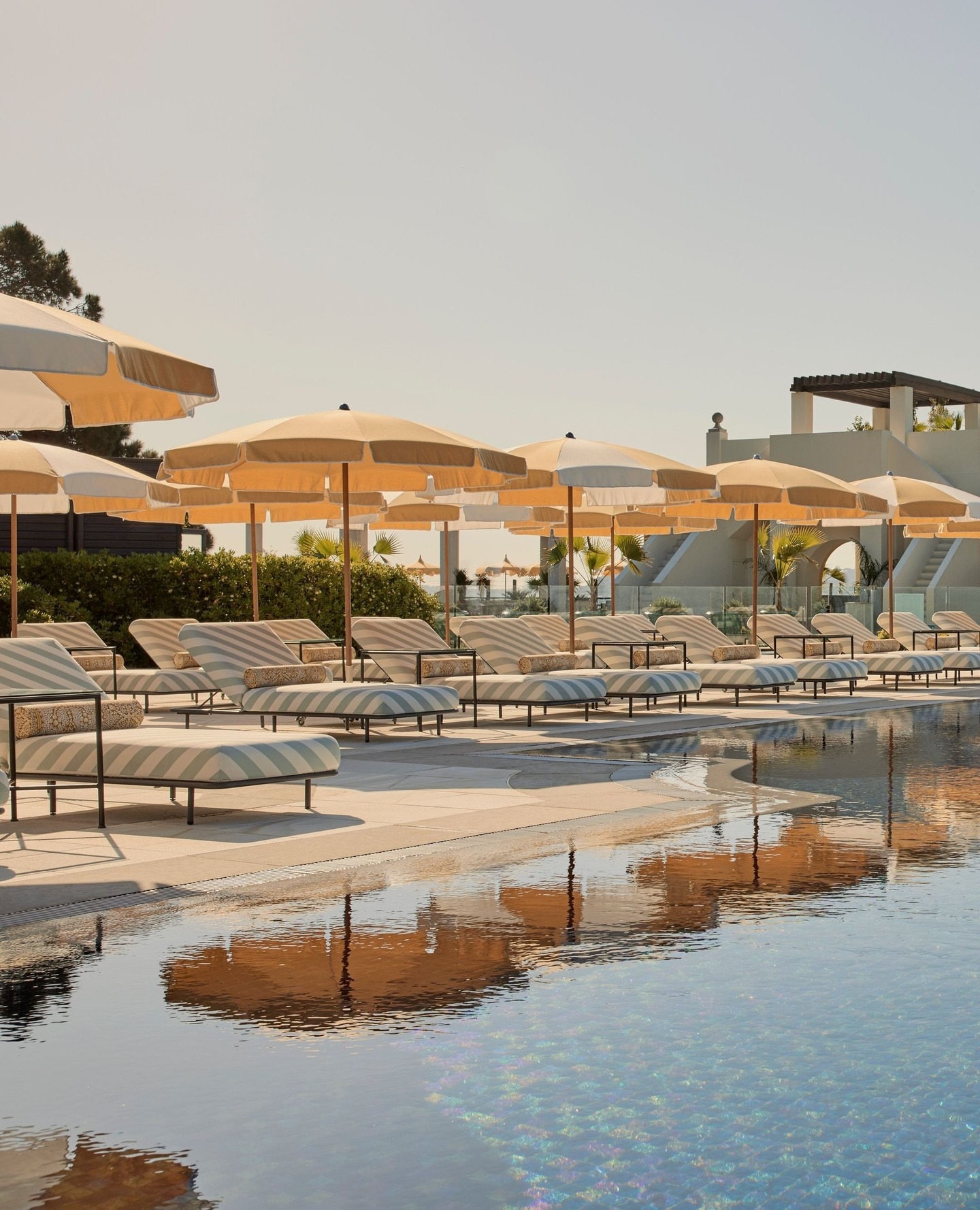
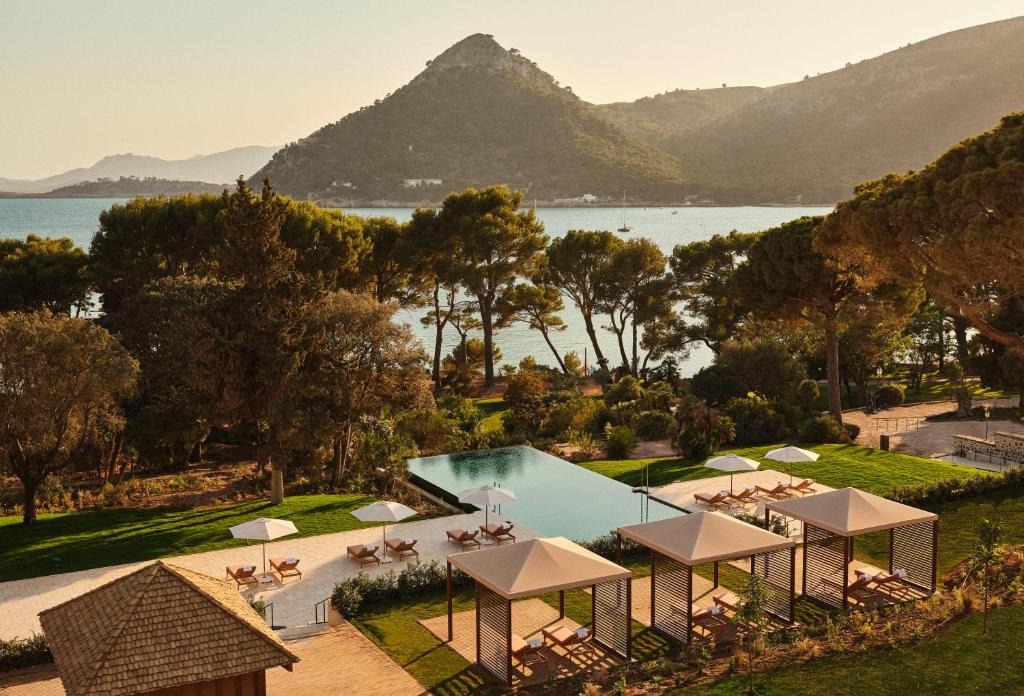
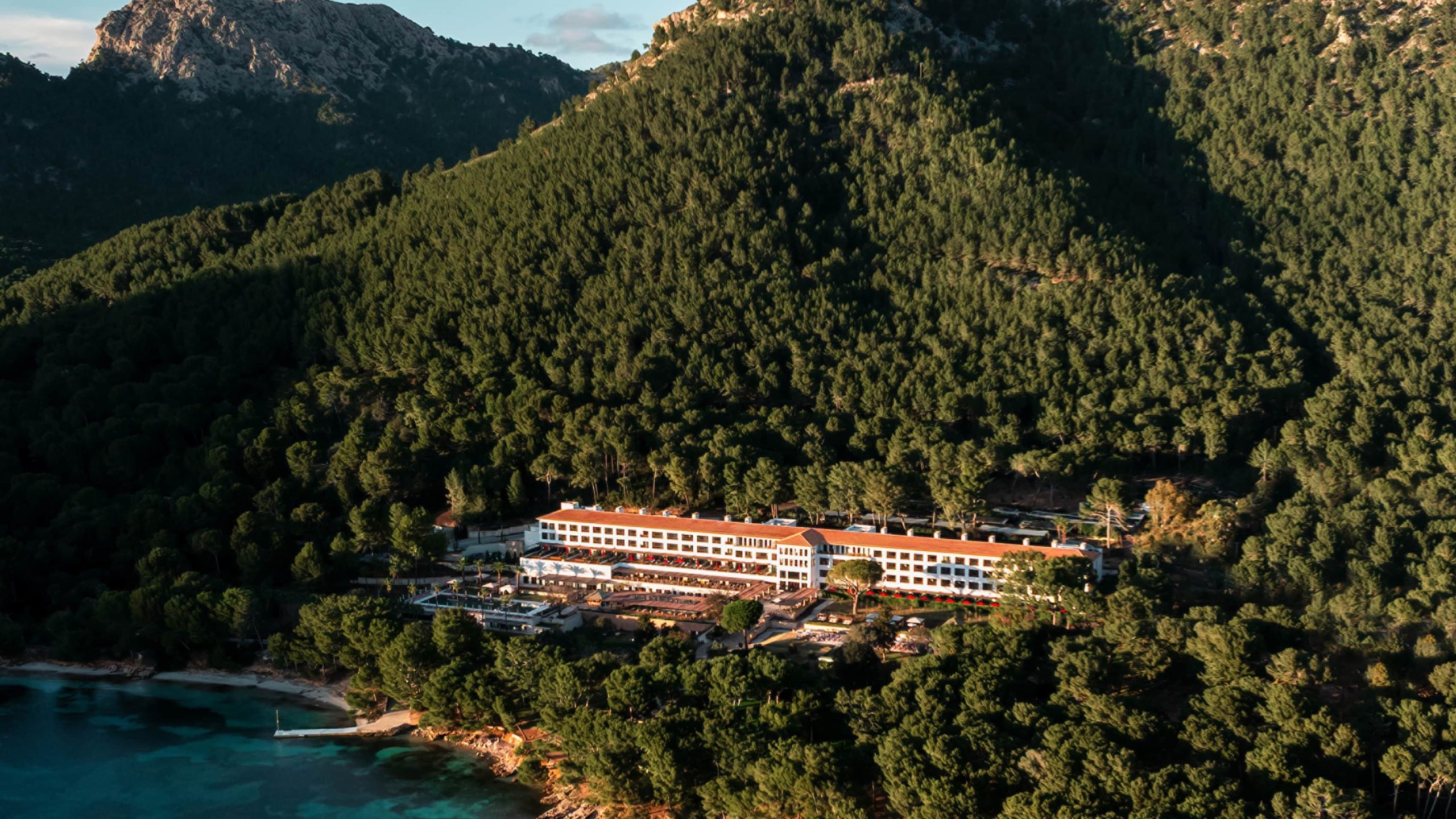
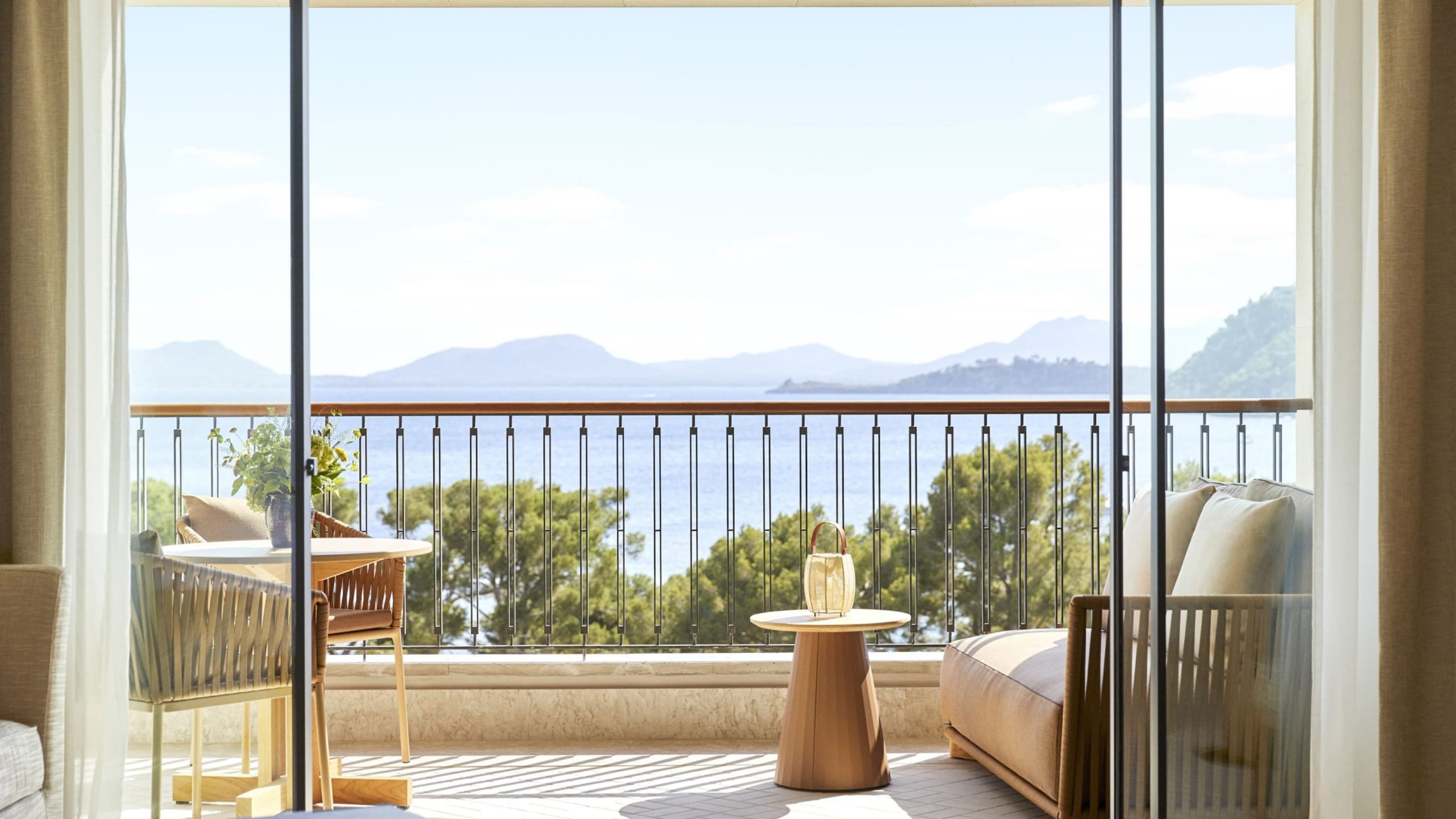
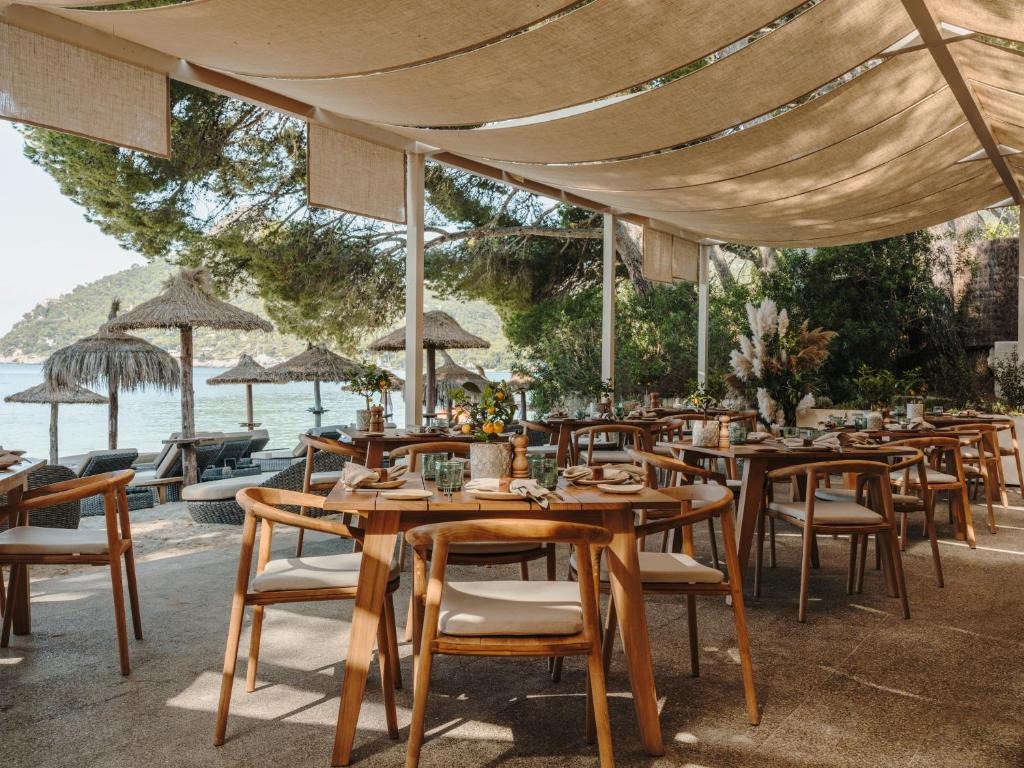
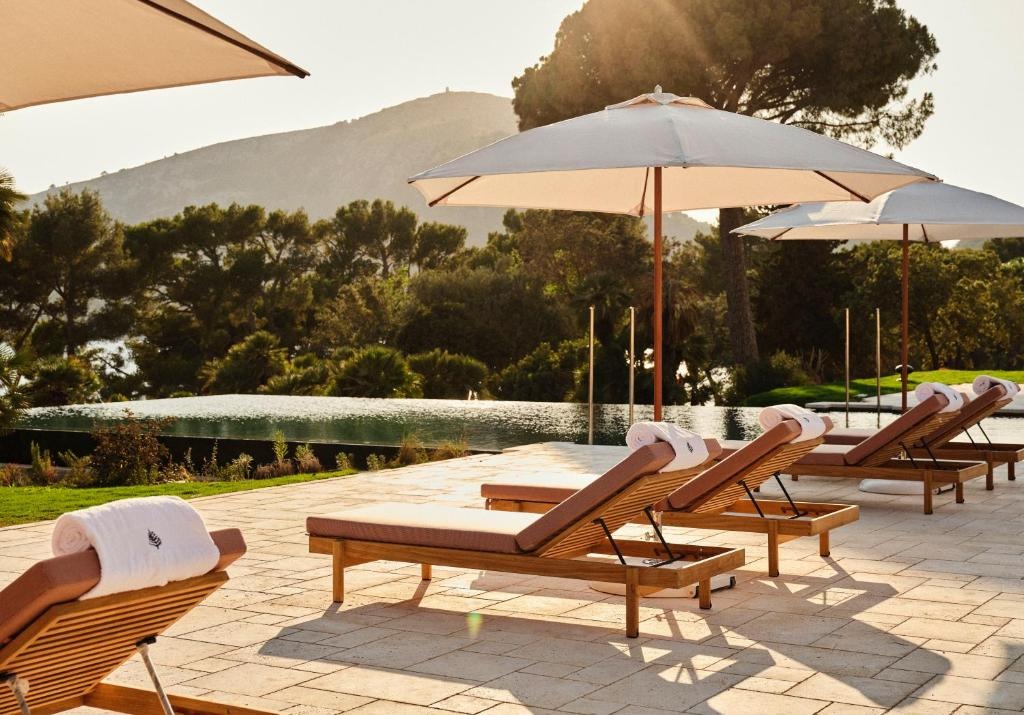
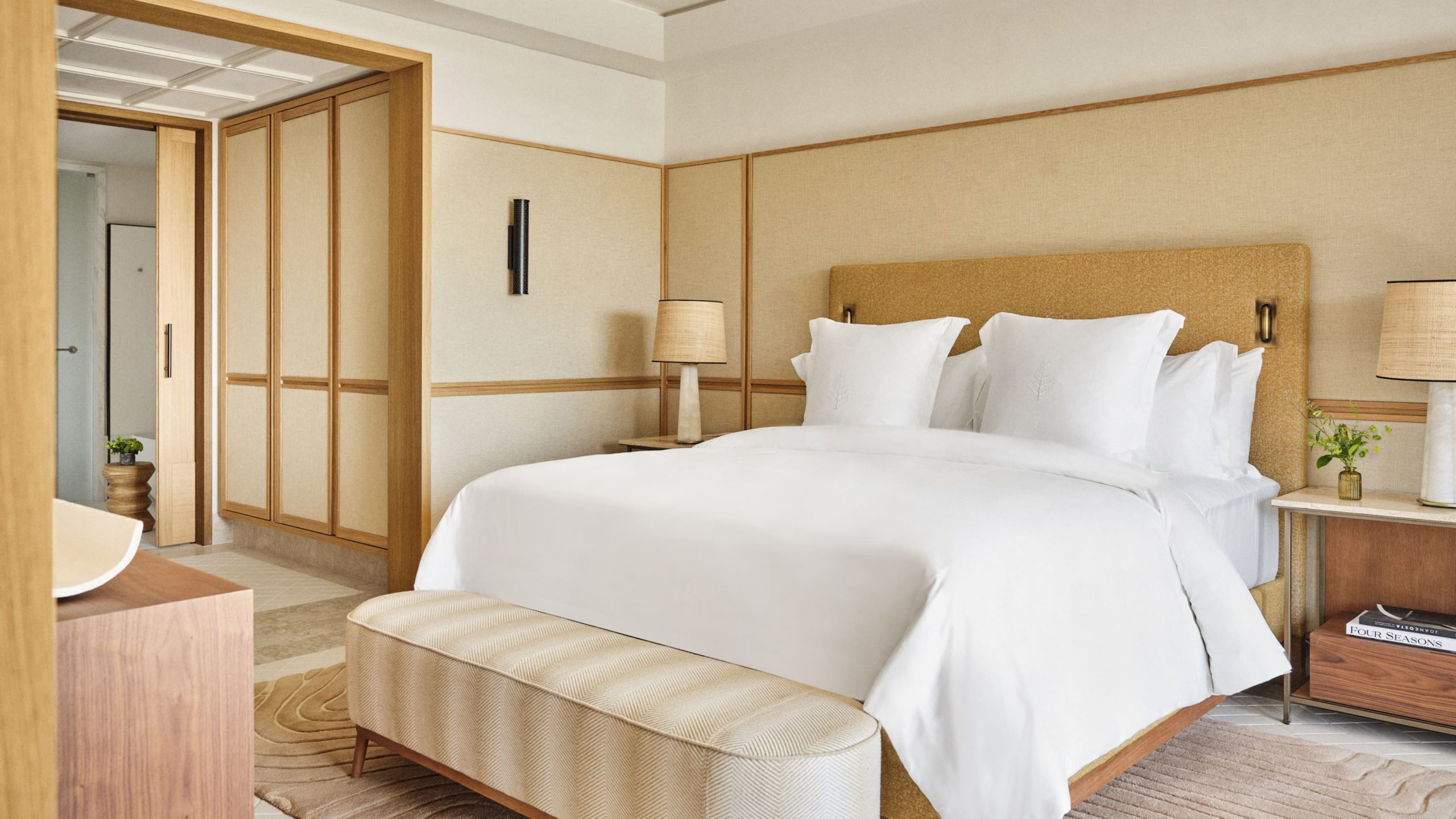
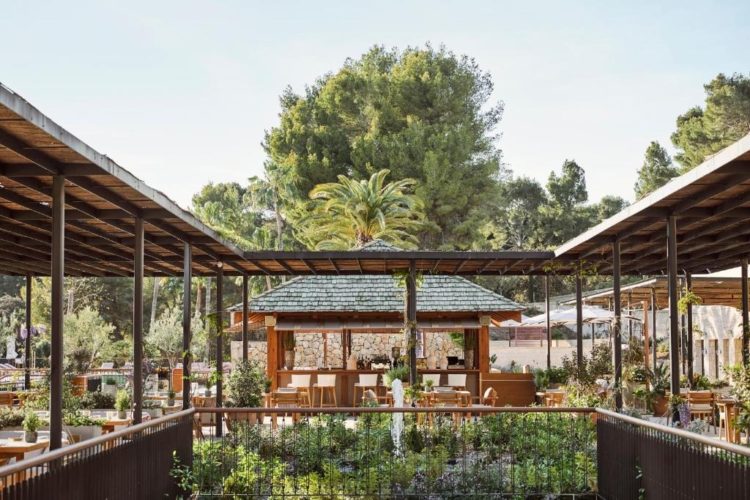
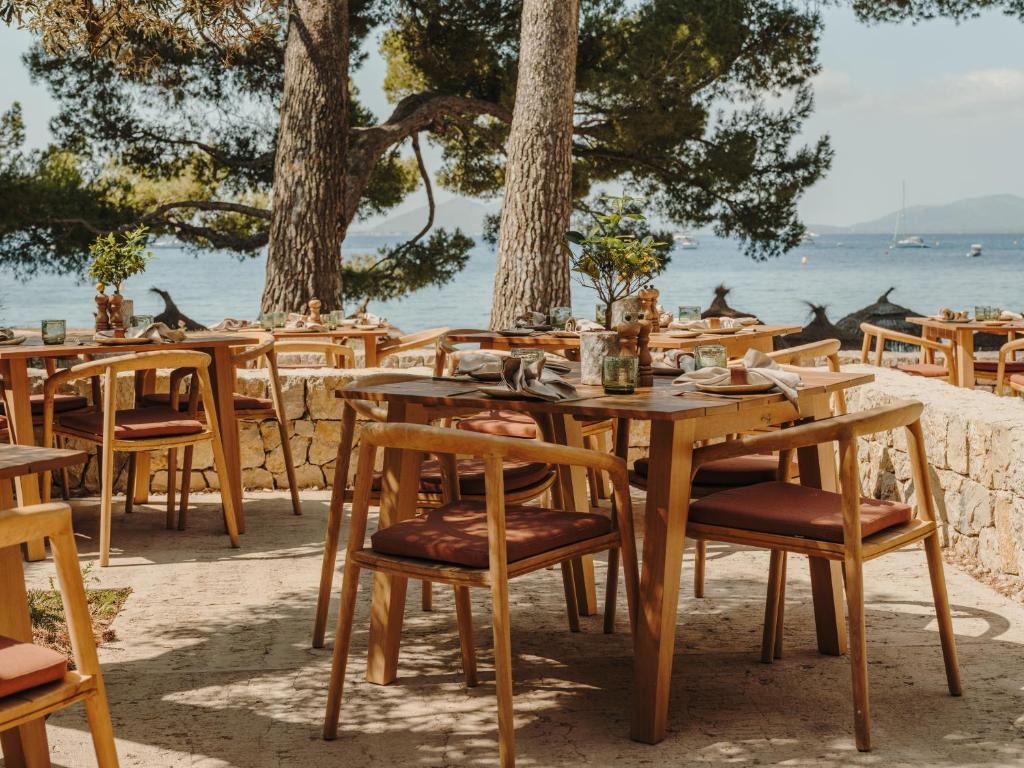
Location: Mallorca, Spain Following an extensive restoration, Four Seasons Resort Mallorca at Formentor reopened in March 2026, reintroducing one of the Mediterranean’s most storied addresses to a new generation of travellers. Set within a vast private estate framed by pine forests and a golden stretch of coastline, the resort combines the glamour that attracted writers, actors and European aristocracy throughout the twentieth century with Four Seasons’ renowned service, offering a refined base from which to experience Mallorca’s spectacular natural beauty.
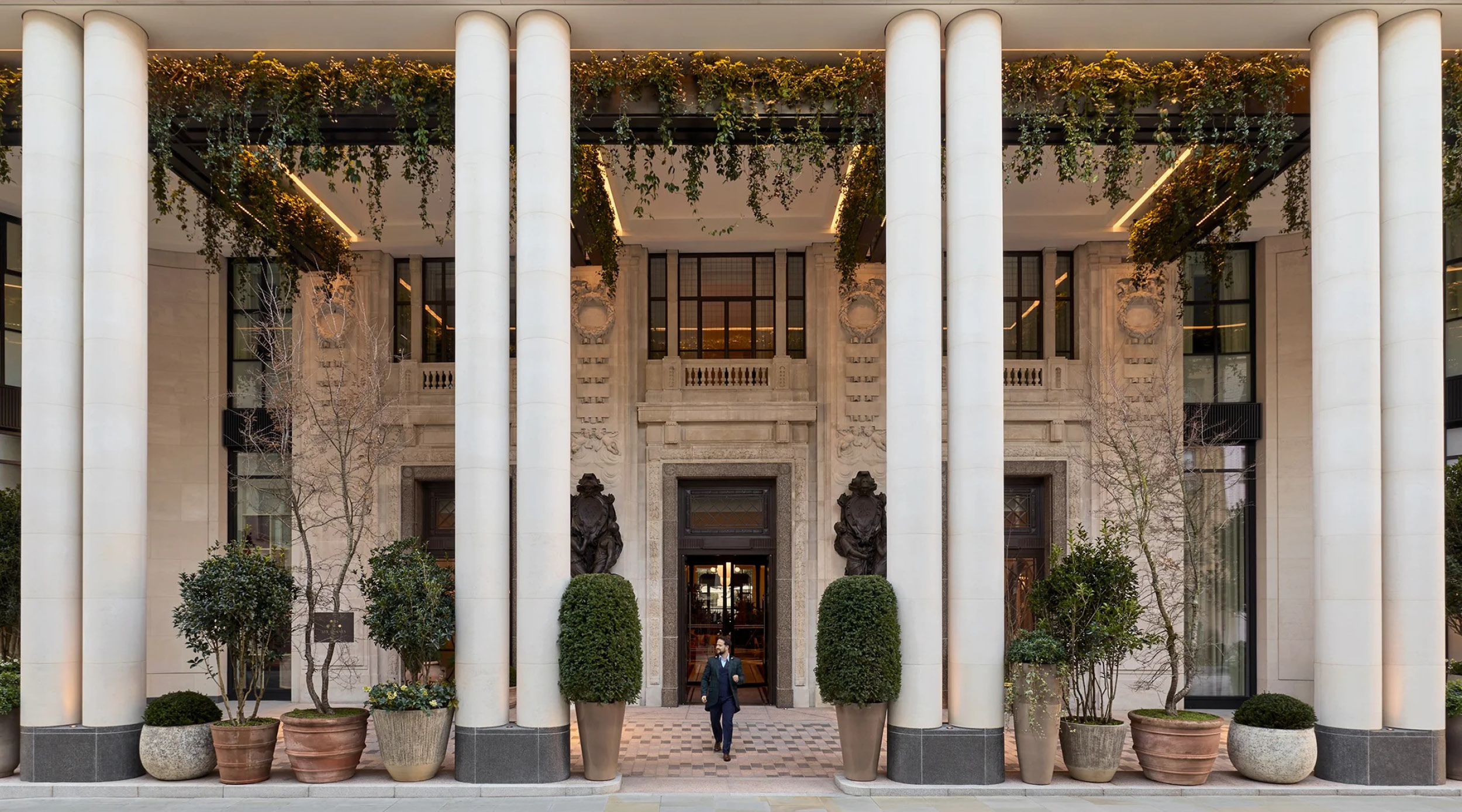
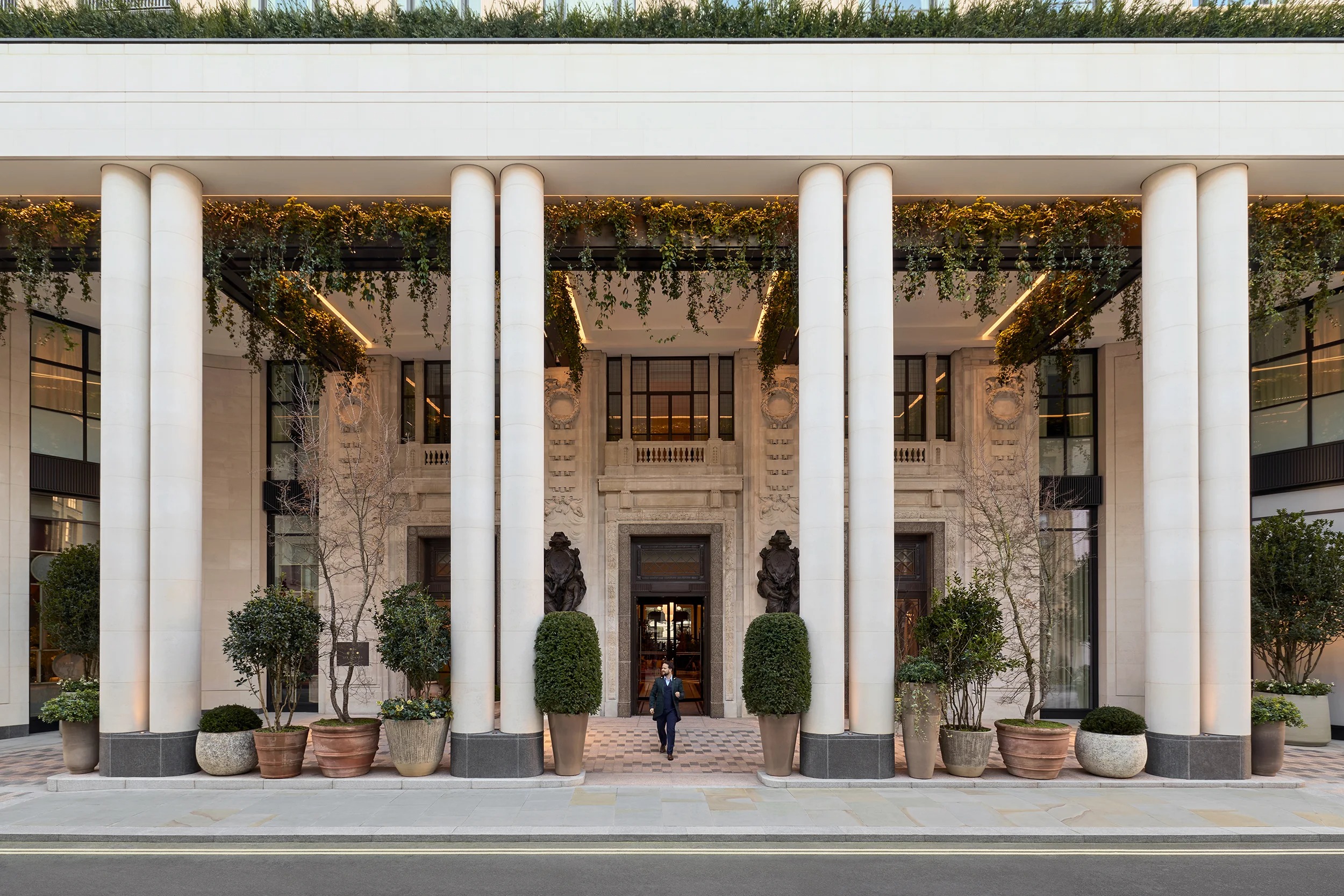
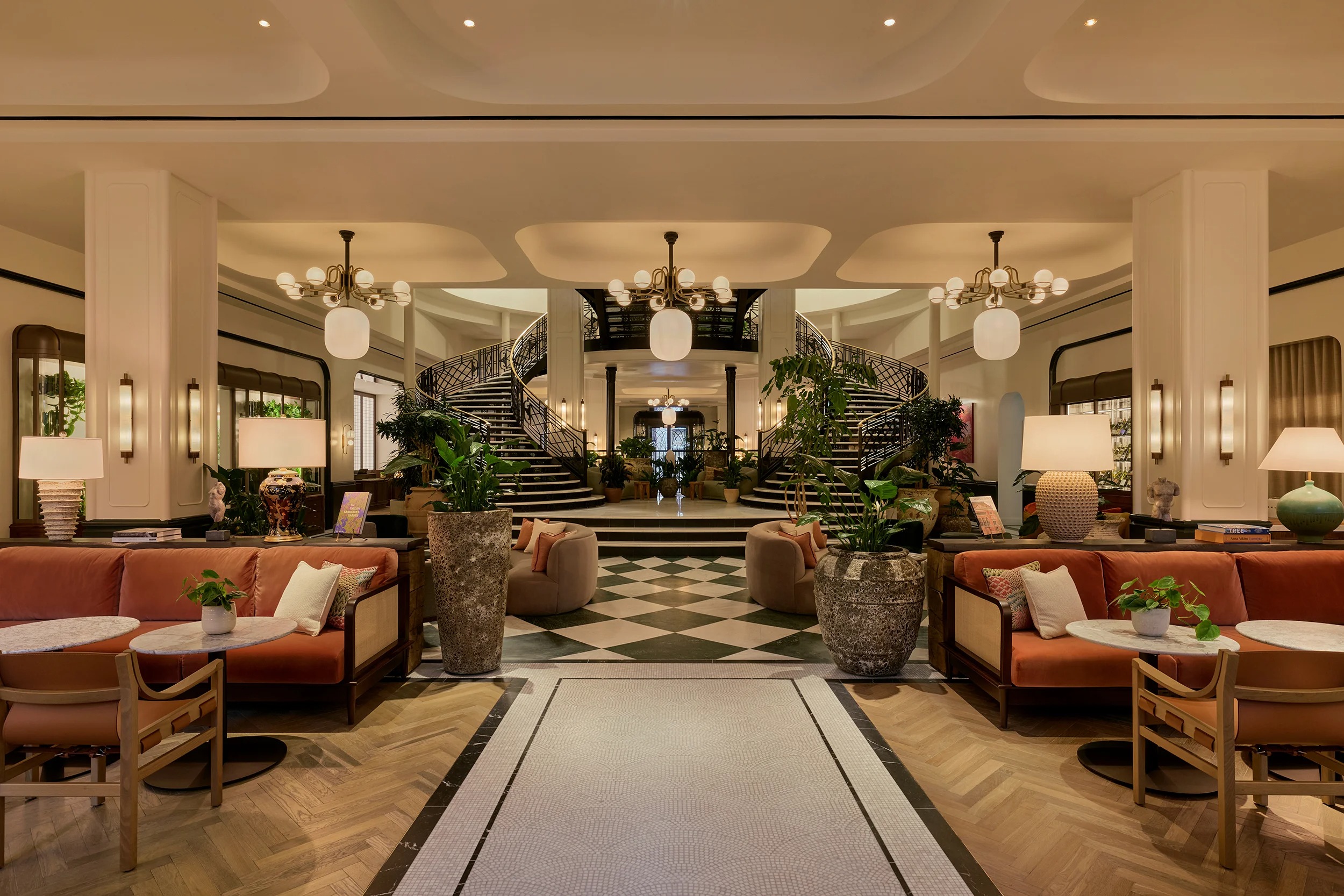
Location: London, England Long anticipated by luxury travellers, Six Senses London brings the brand’s wellness-led philosophy to the British capital. Sustainability, longevity and thoughtful design shape an urban sanctuary designed to offer respite without disconnecting guests from the city.
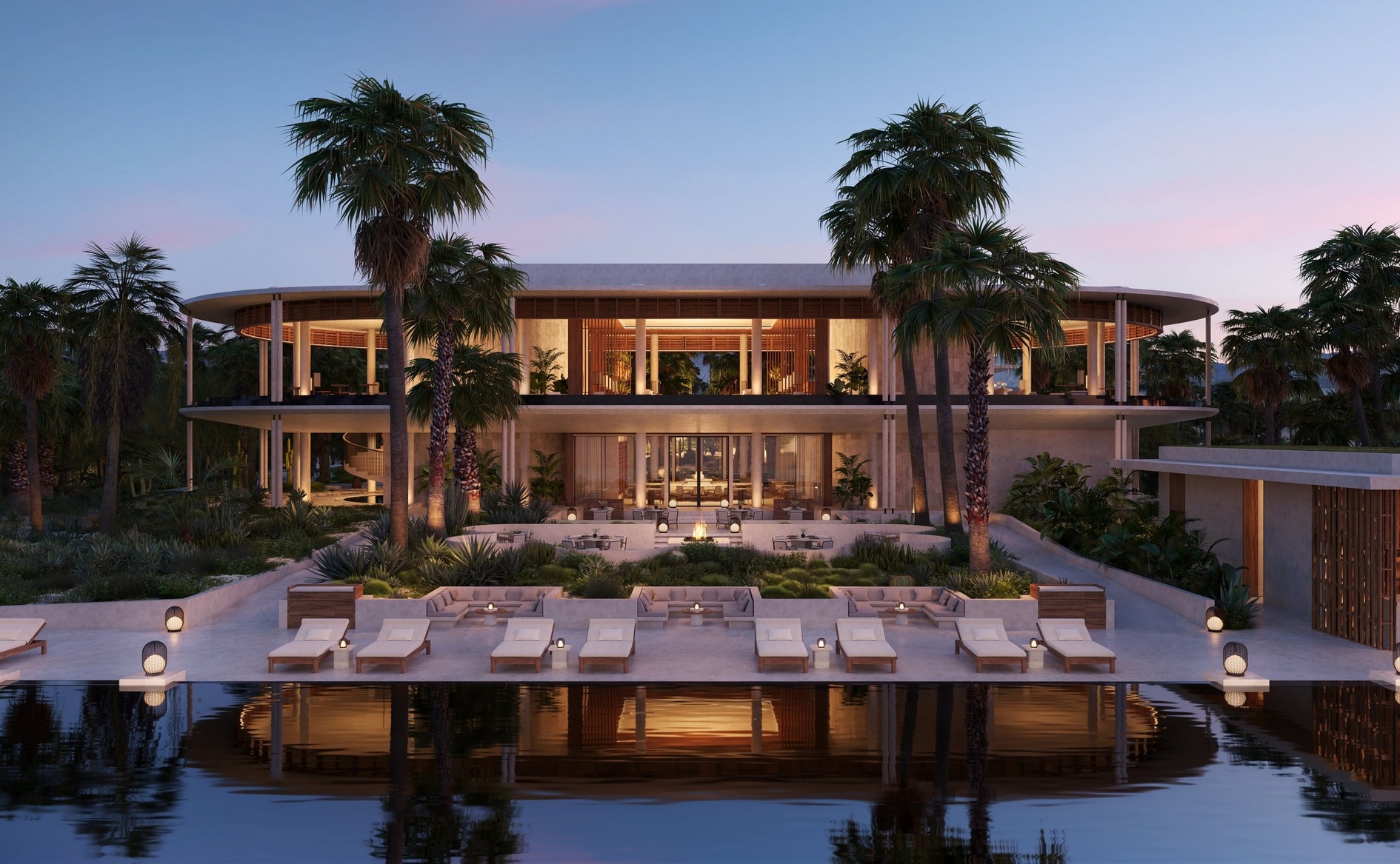
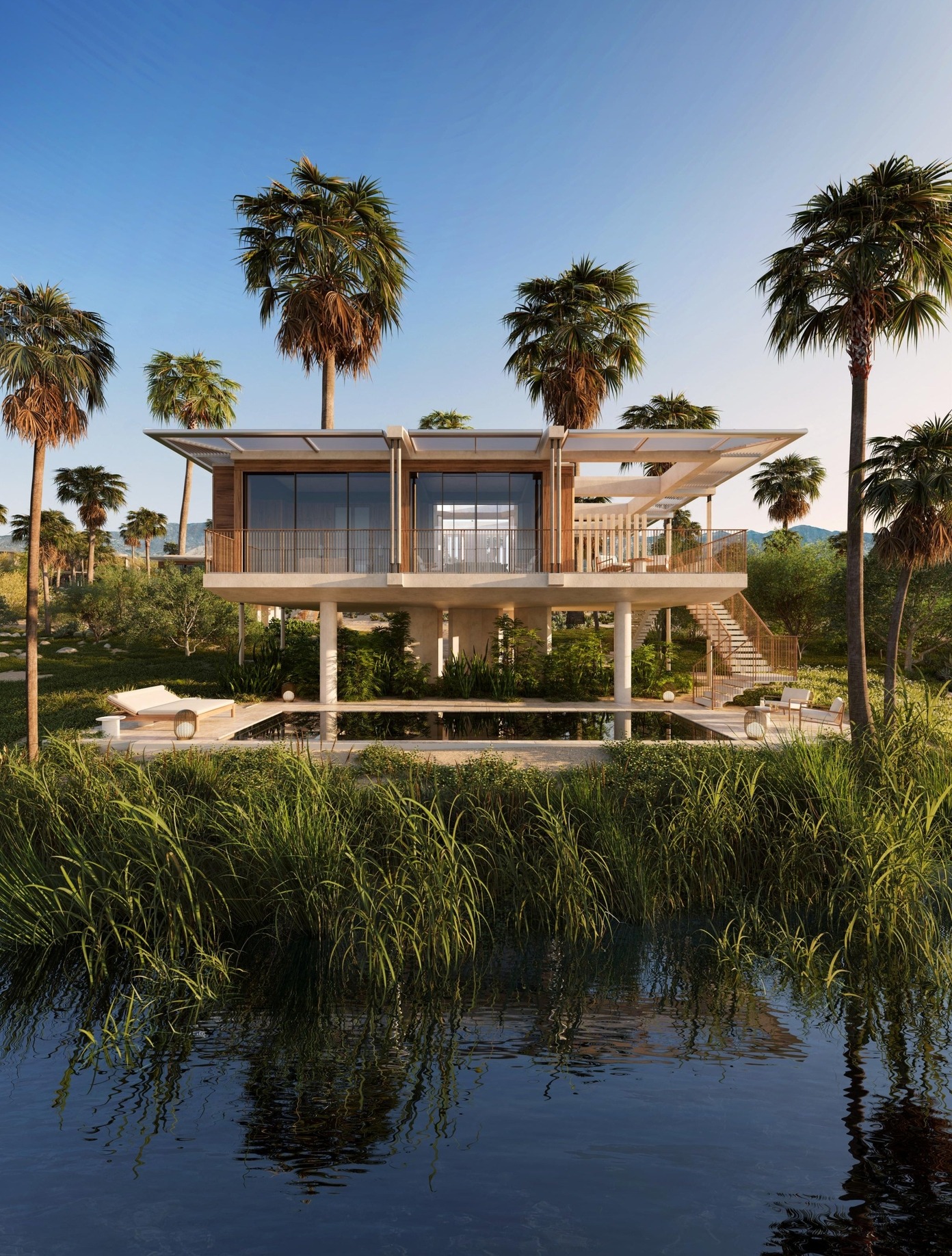
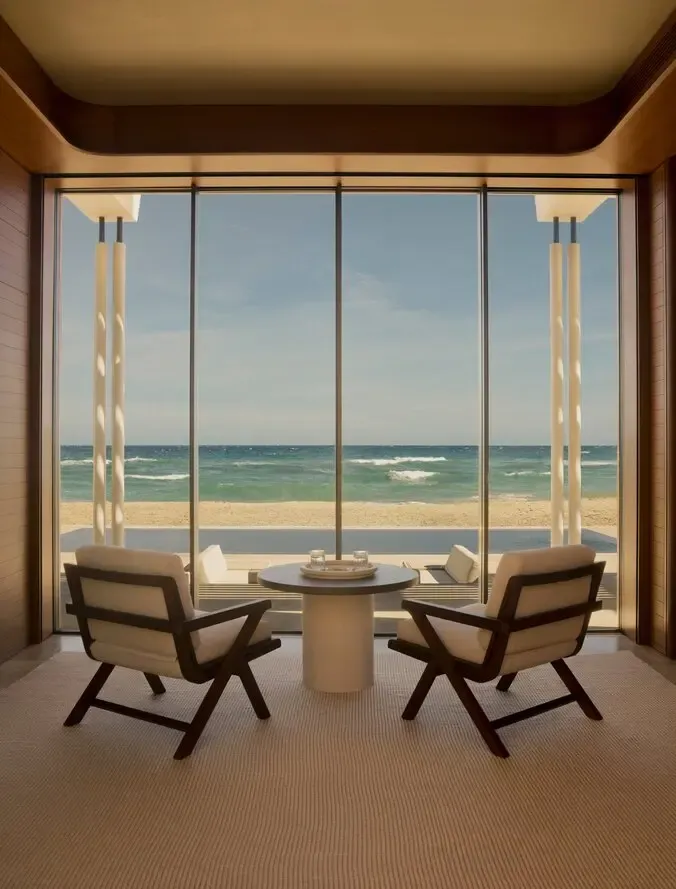
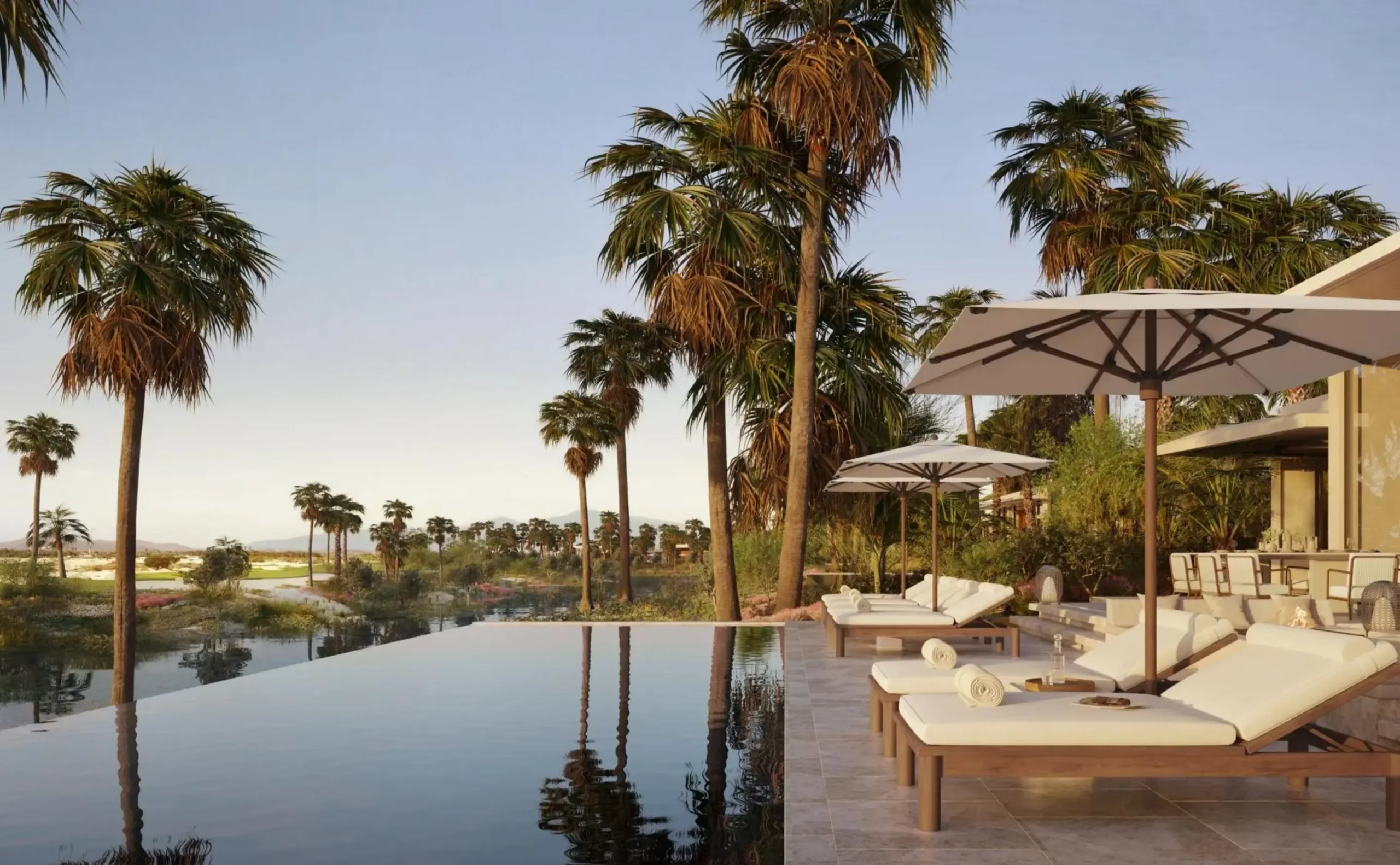
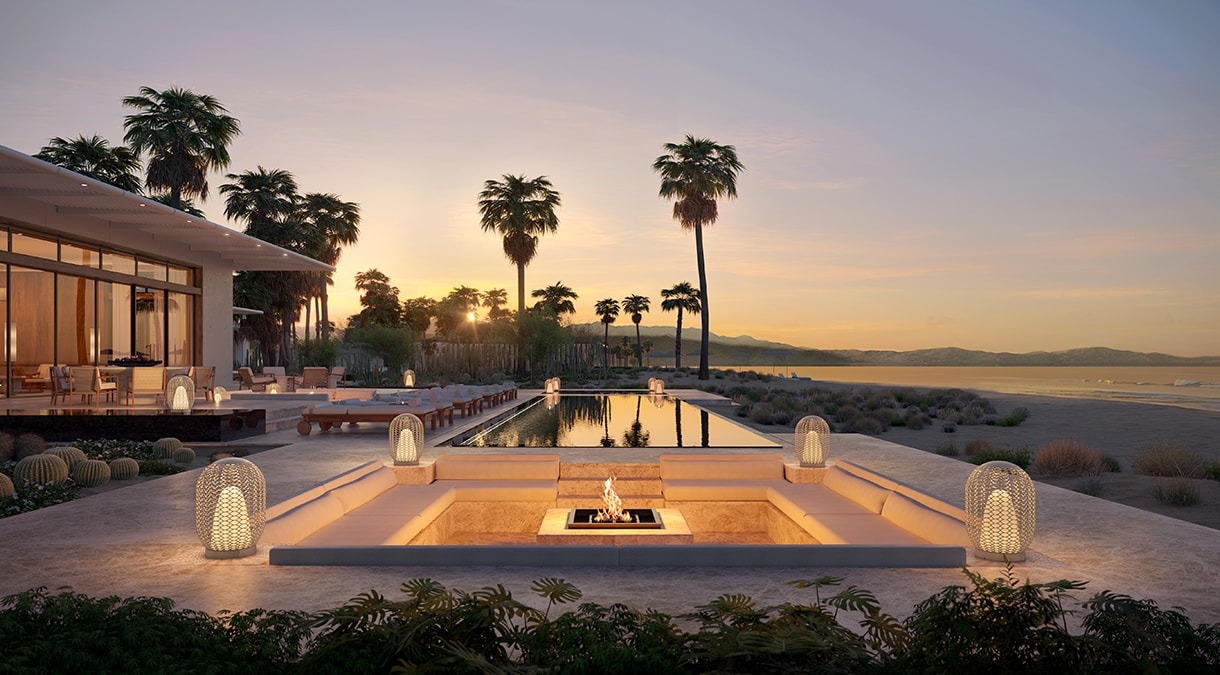
Location: East Cape, Baja California Sur, Mexico Aman’s highly anticipated Mexican debut arrives on the secluded East Cape of Baja California Sur this August, bringing the brand’s signature sense of privacy and understated luxury to one of the country’s most spectacular coastal settings. Set within the exclusive Costa Palmas community, Amanvari comprises just 18 beachfront and elevated casitas, where expansive sea views, natural materials and a deep connection to the surrounding landscape define the experience.
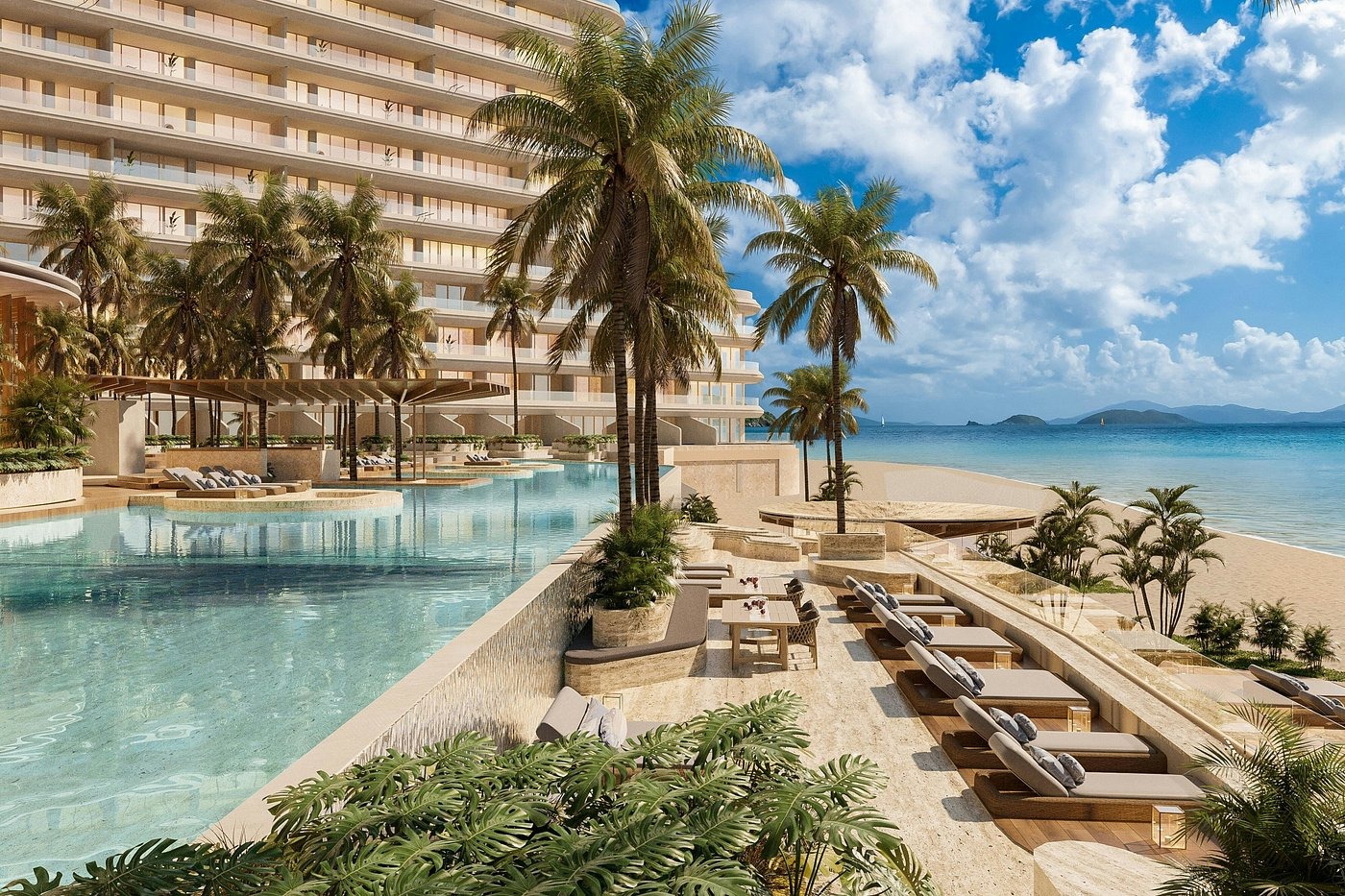
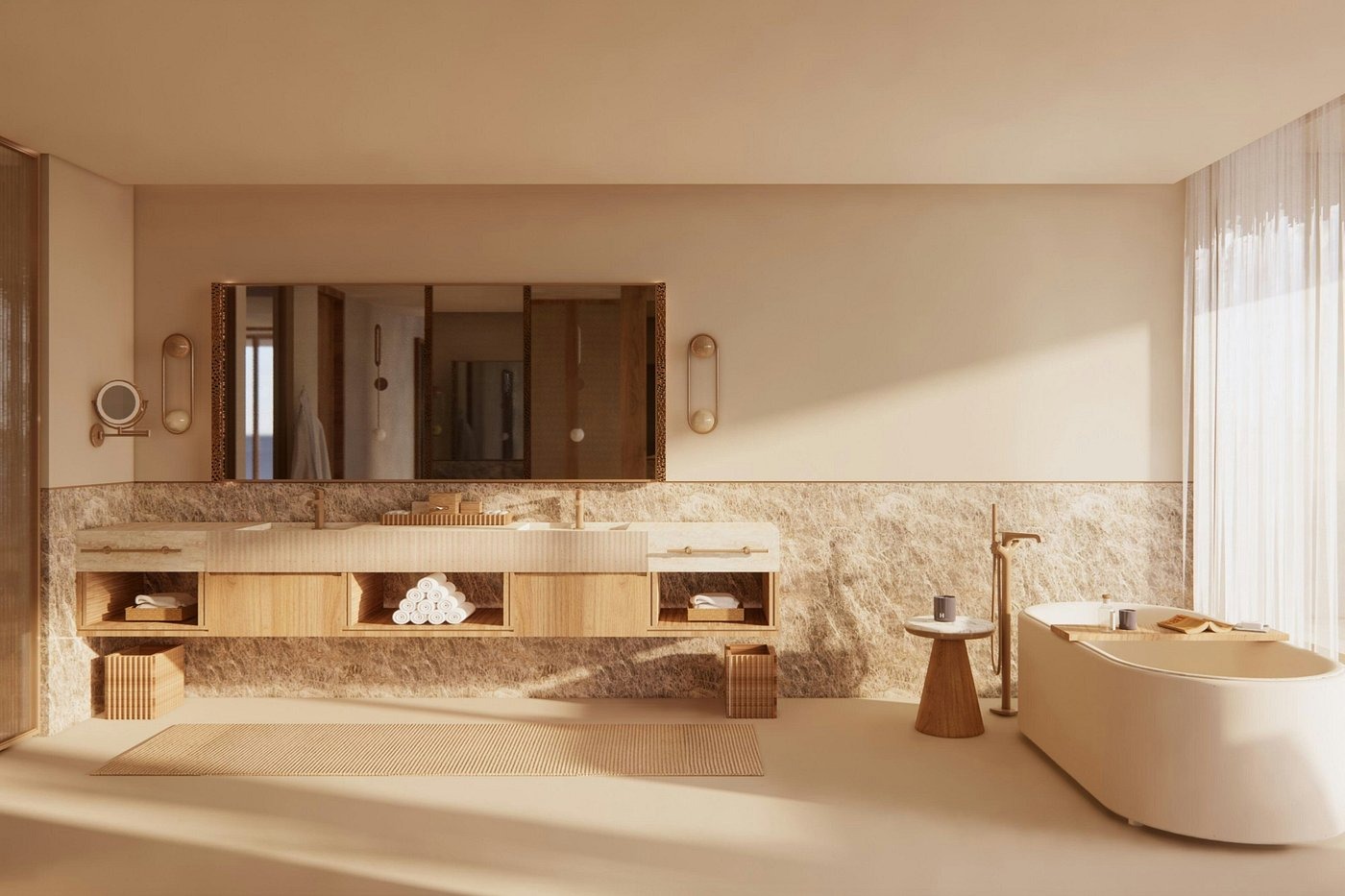
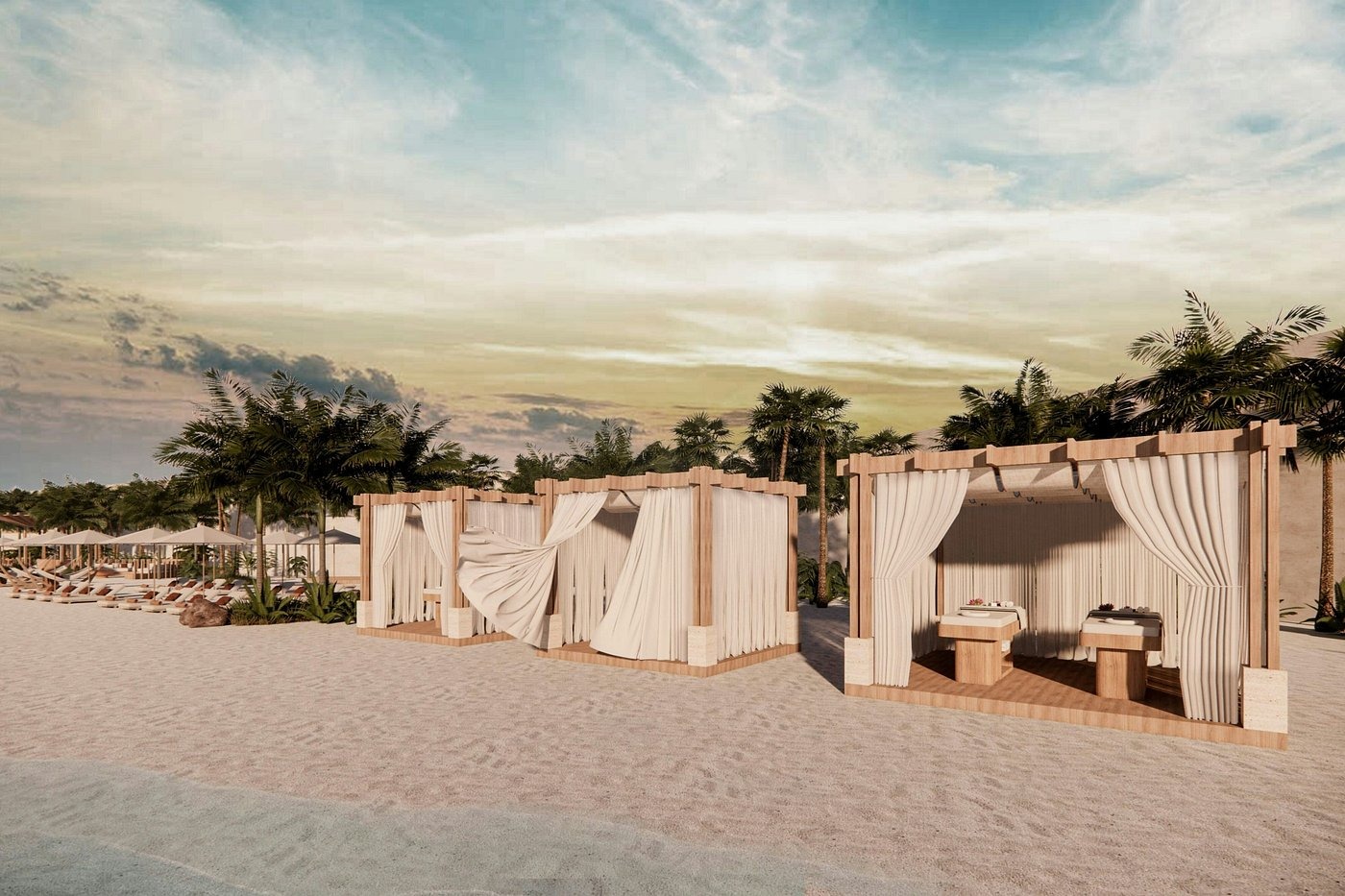
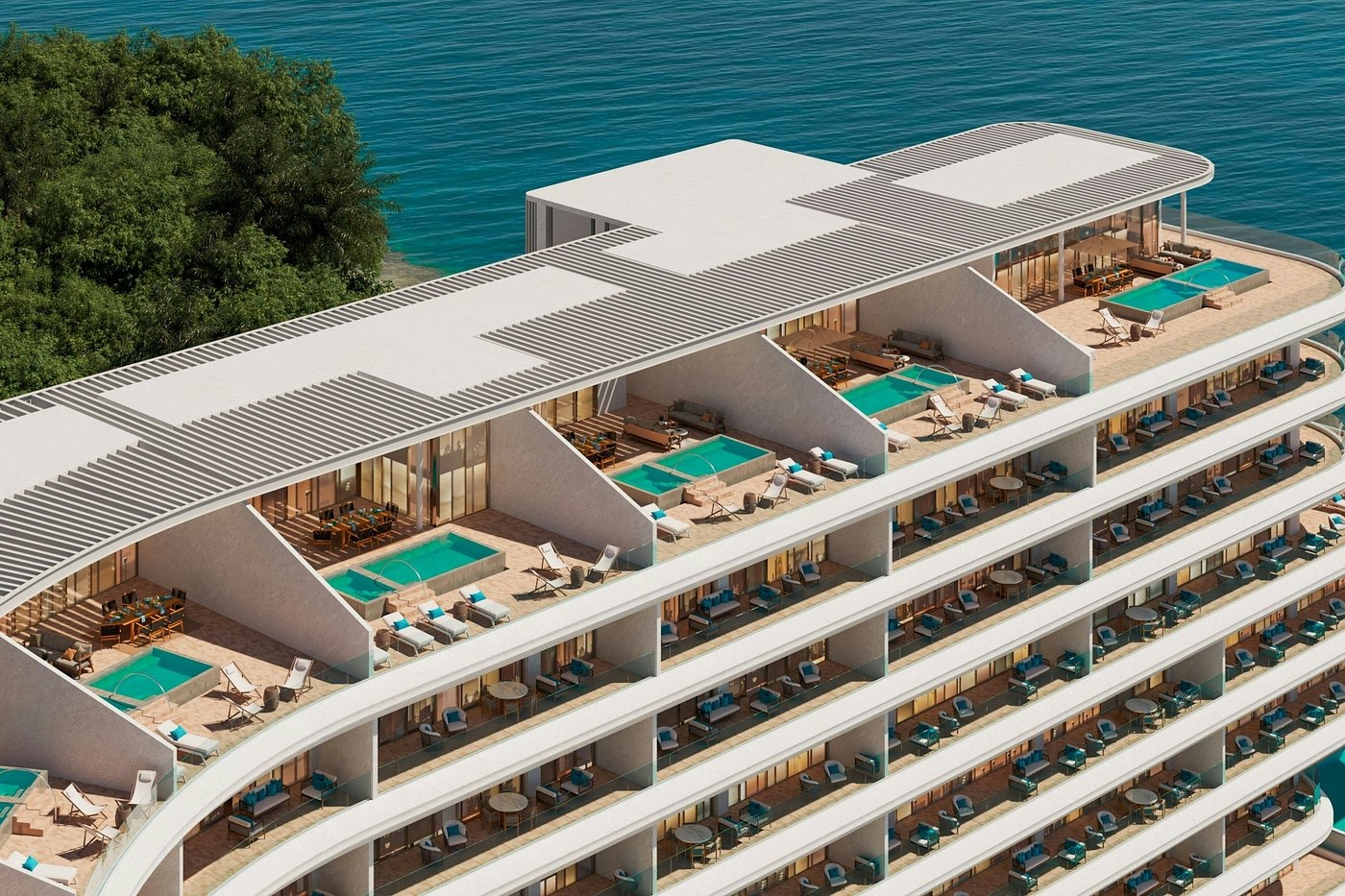
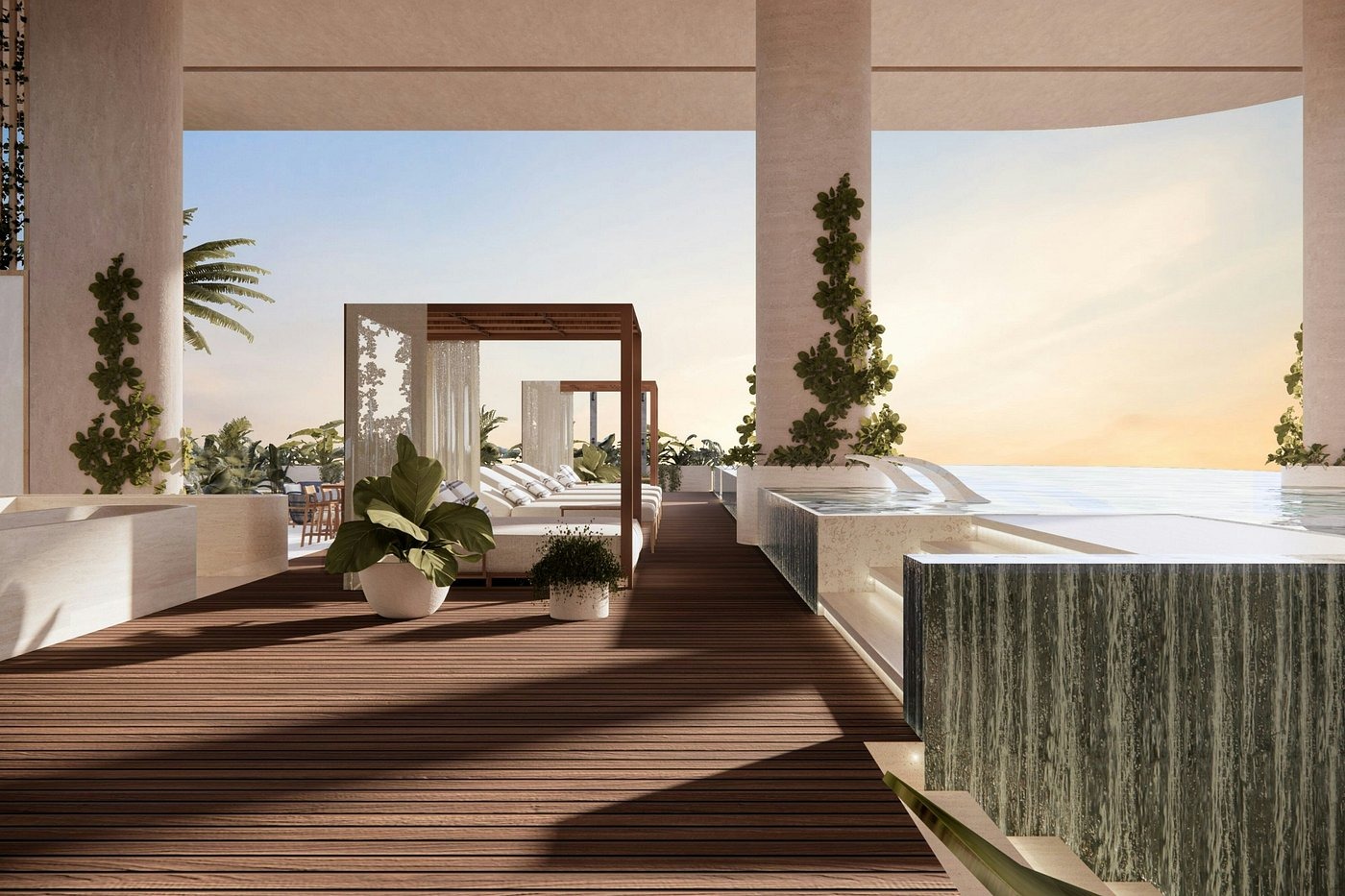
Location: Costa Mujeres, Mexico Opening this month and positioned along a pristine stretch of Caribbean coastline, The St. Regis Costa Mujeres Resort combines beachfront luxury with the polished service for which the brand is known. Multi-level pools, spacious accommodation and signature butler service define the experience.
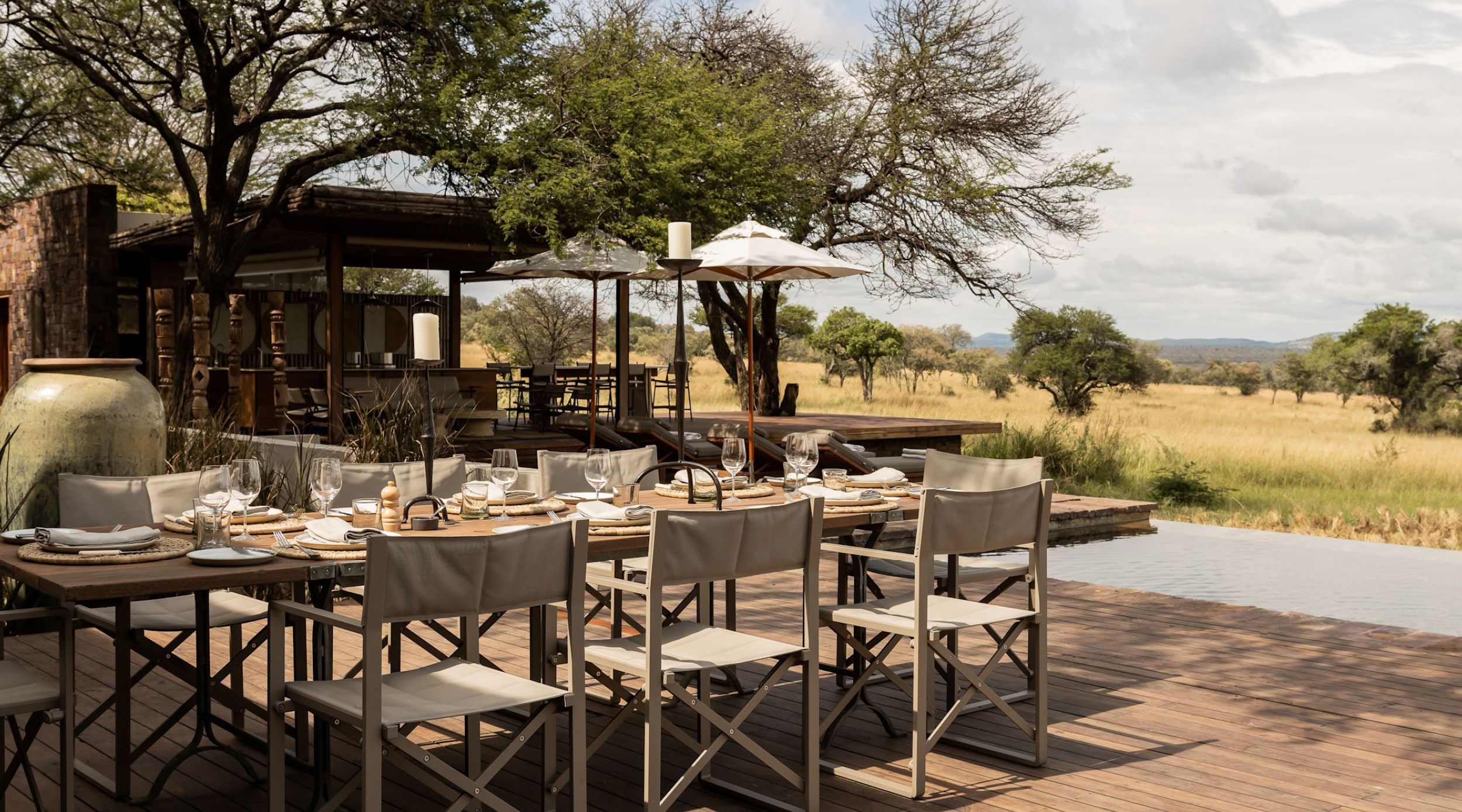
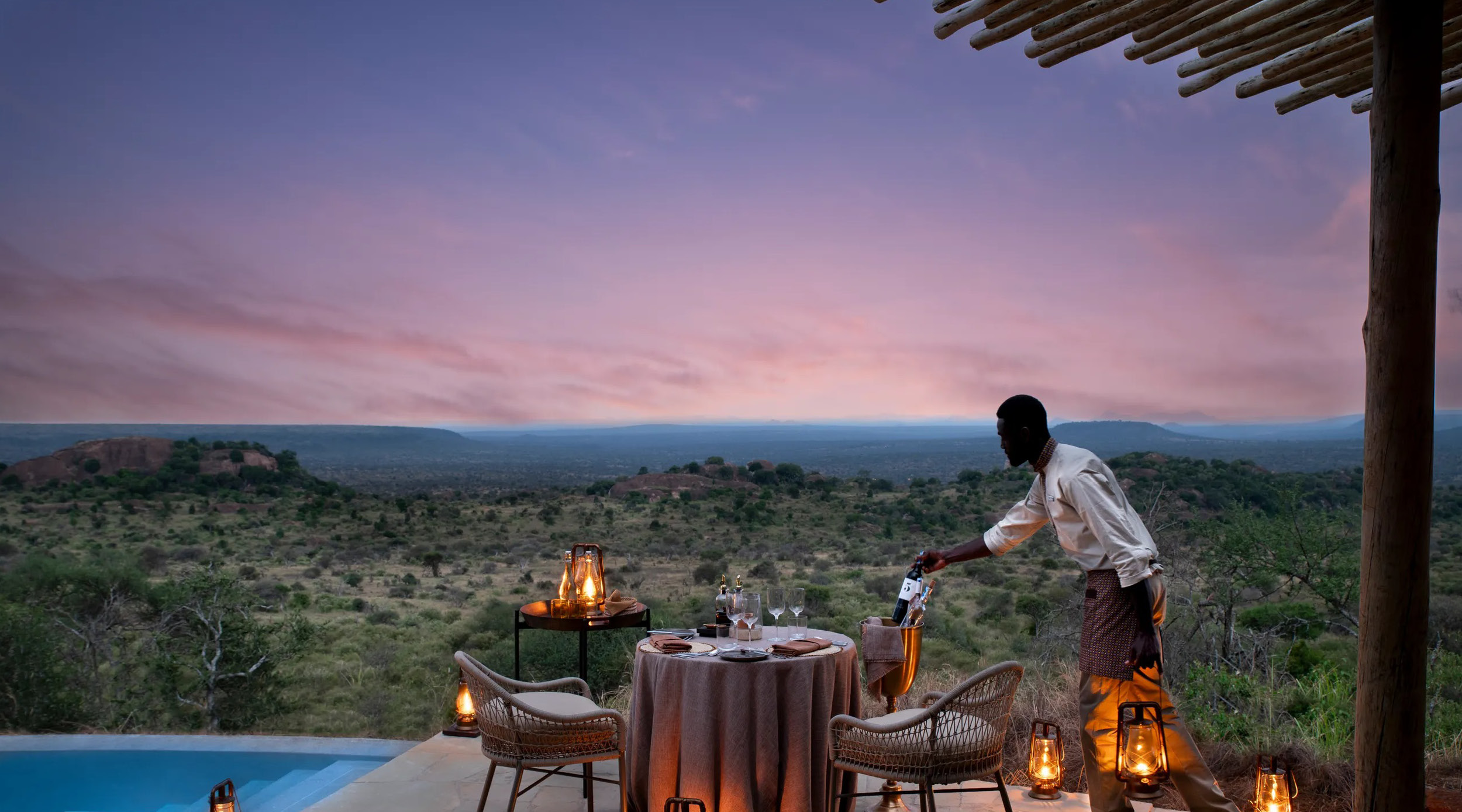
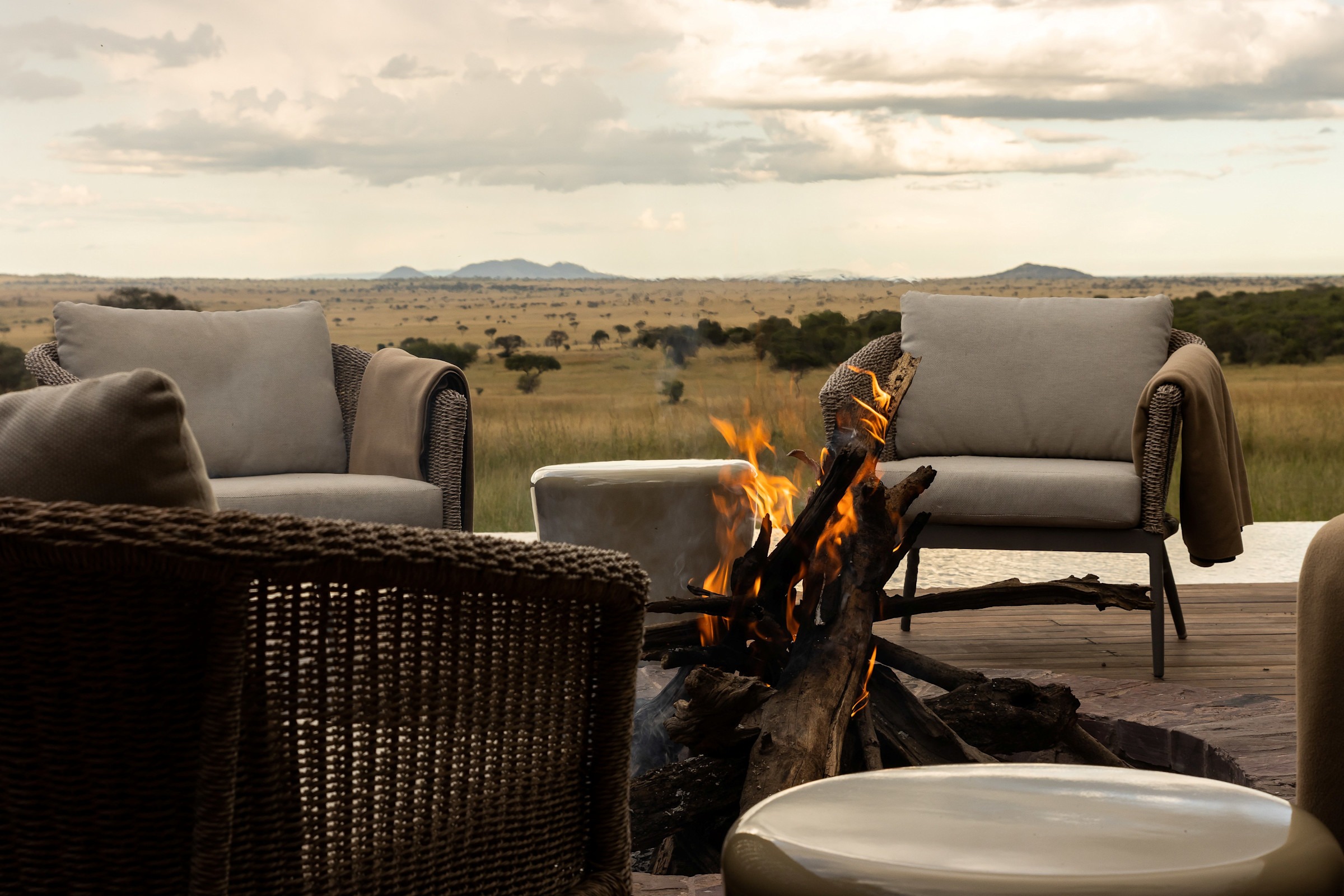
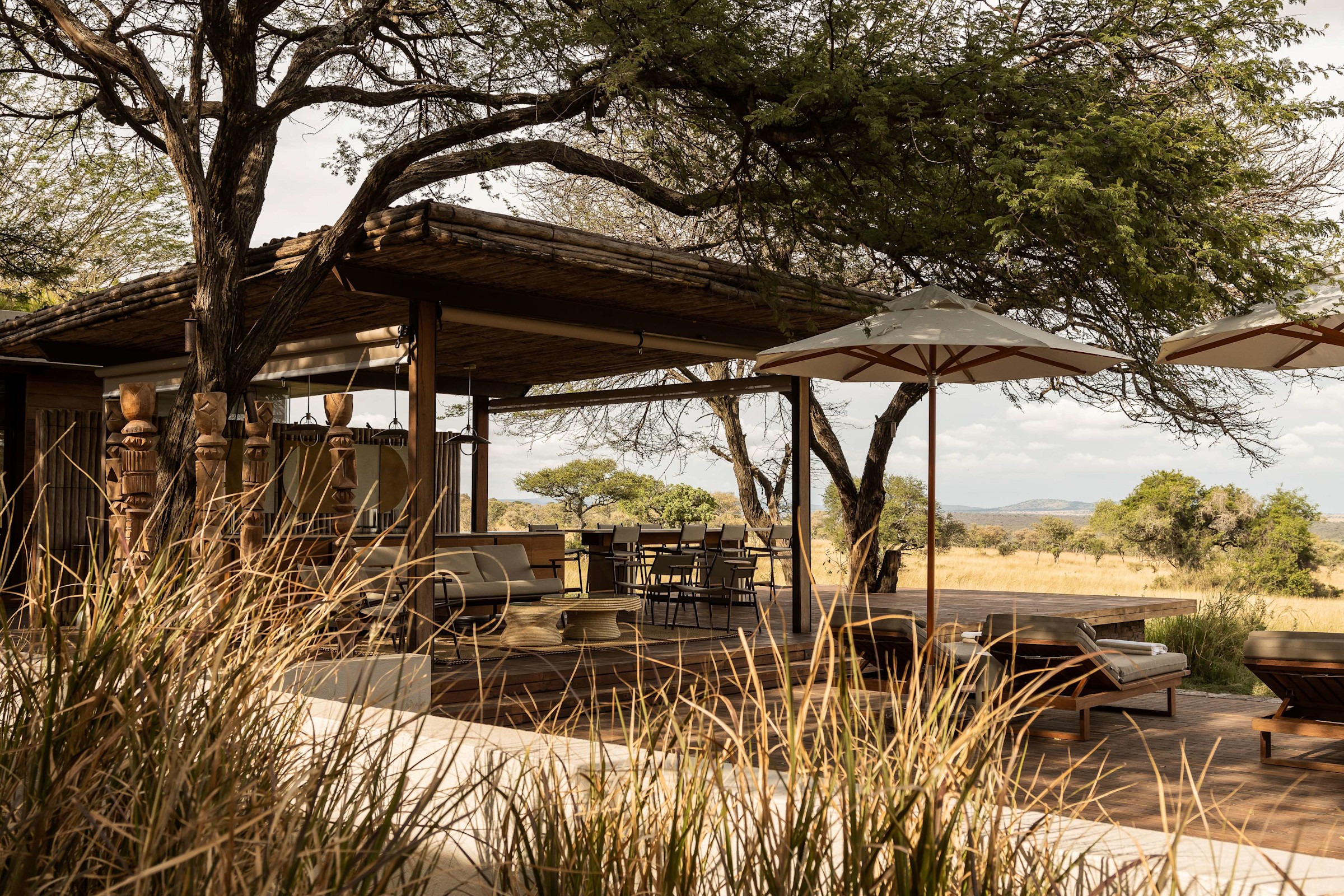
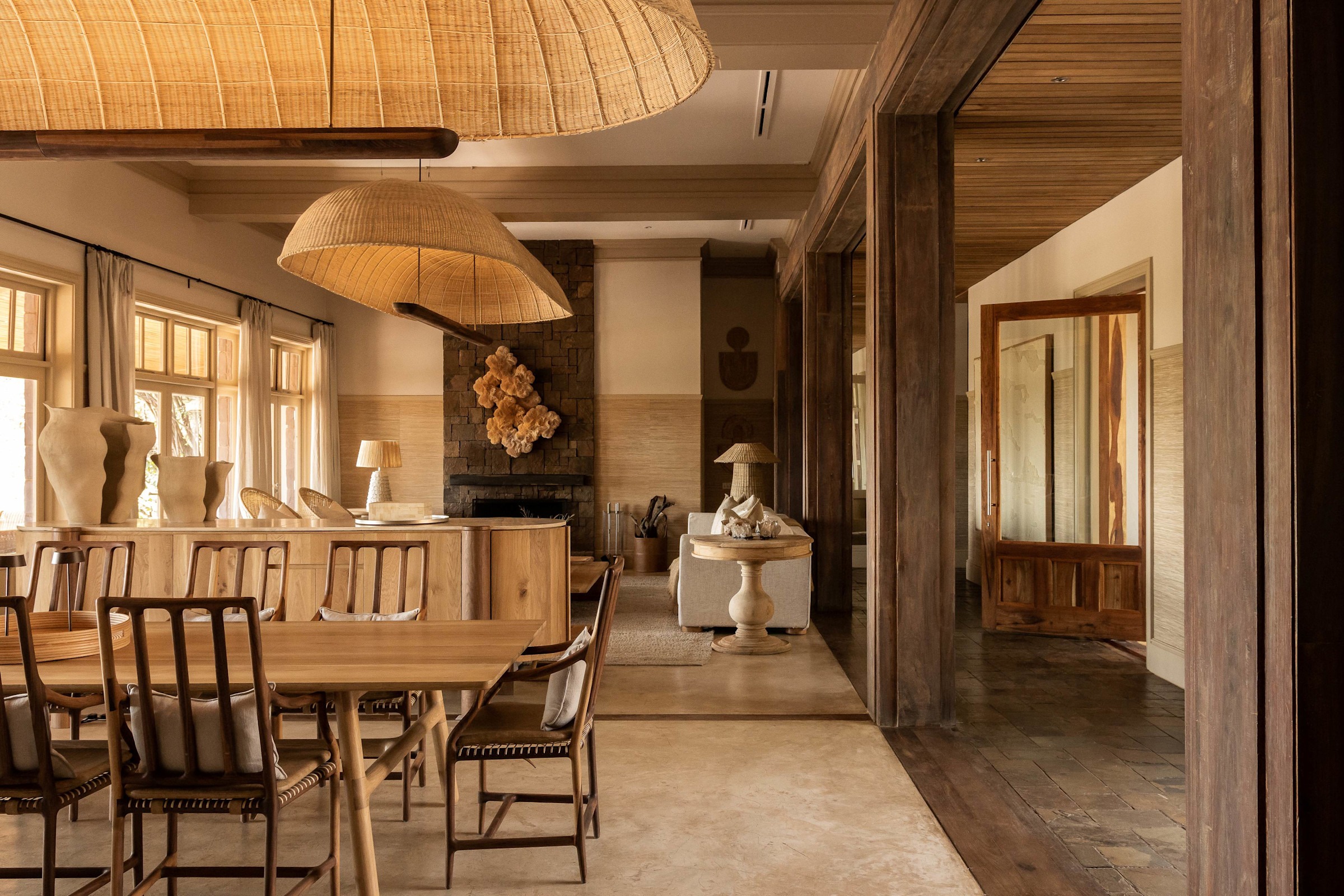
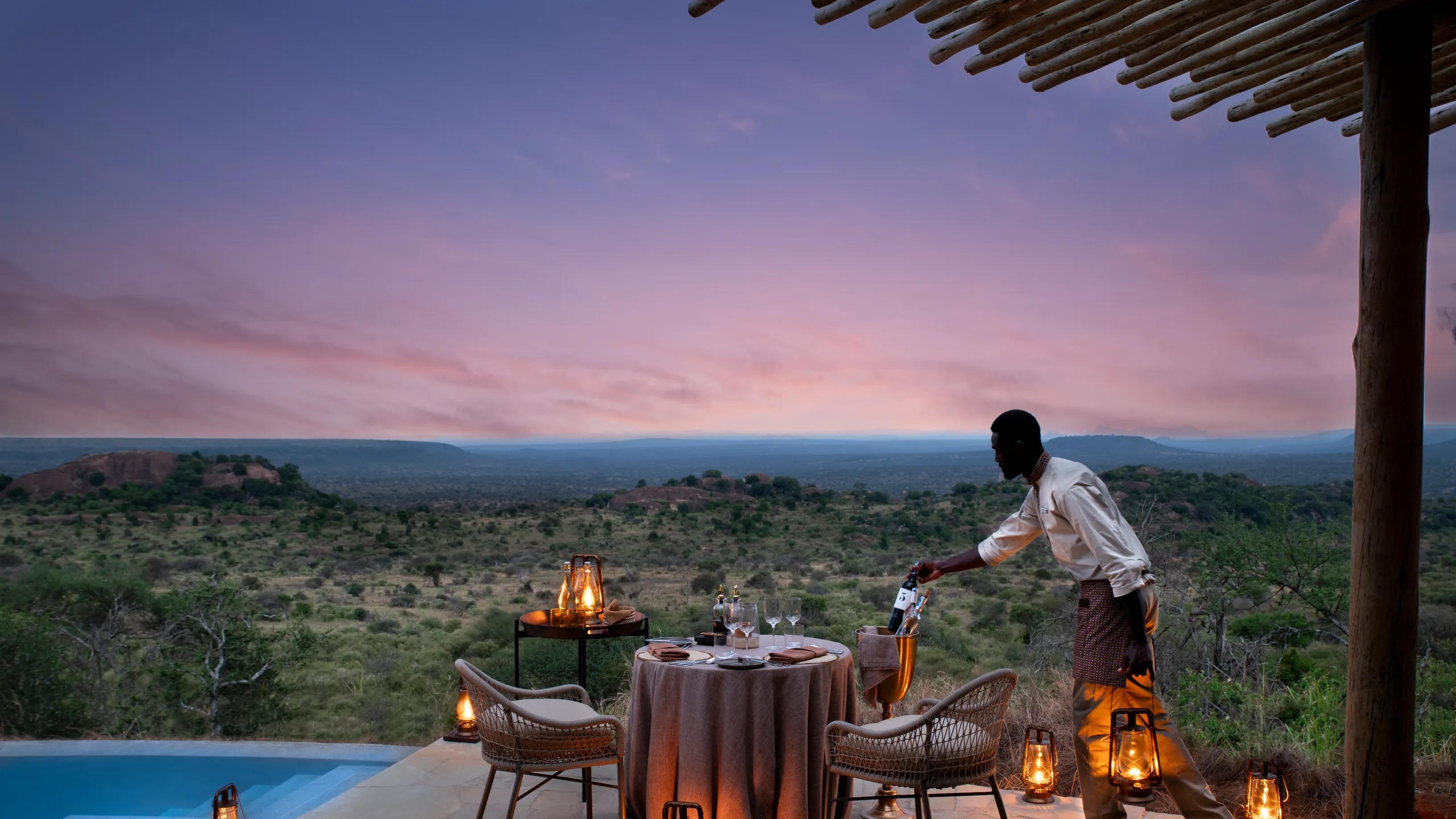
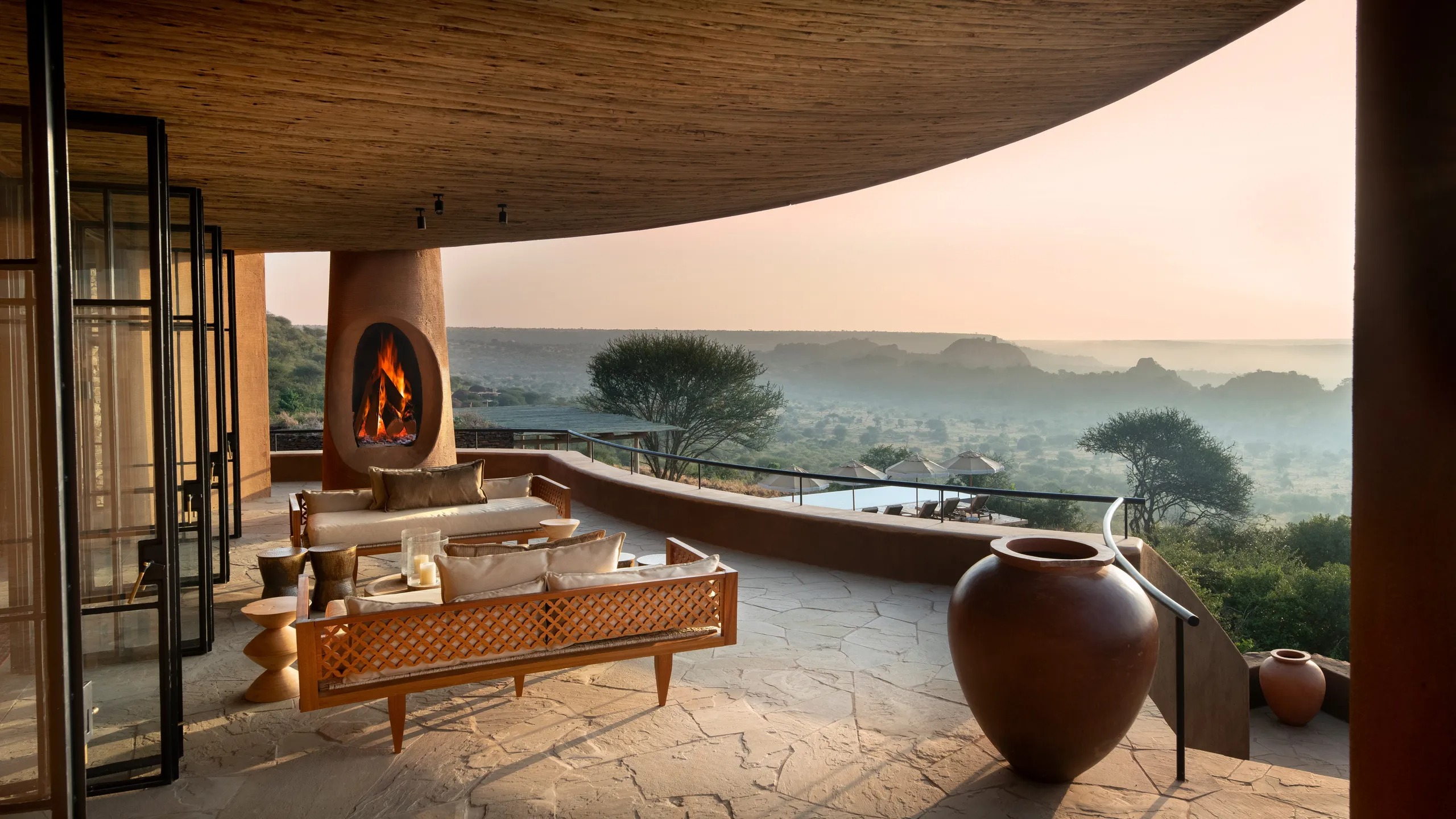
Location: Okavango Delta, Botswana Spread across a vast private concession within the Okavango Delta, Singita Elela delivers an exceptional safari experience shaped by conservation and exclusivity. Elevated accommodation and extraordinary wildlife encounters place it firmly on luxury travellers’ wish lists.
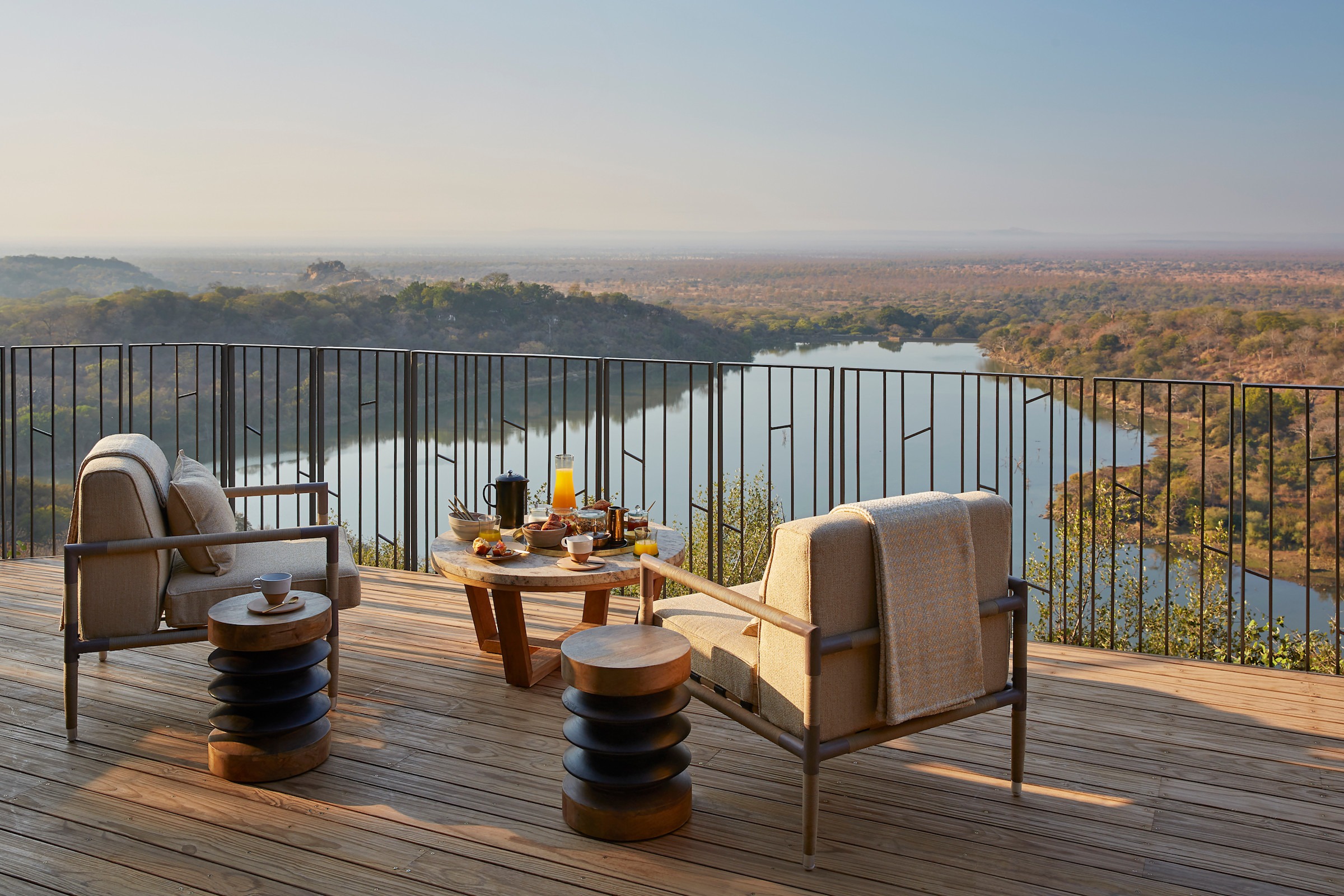
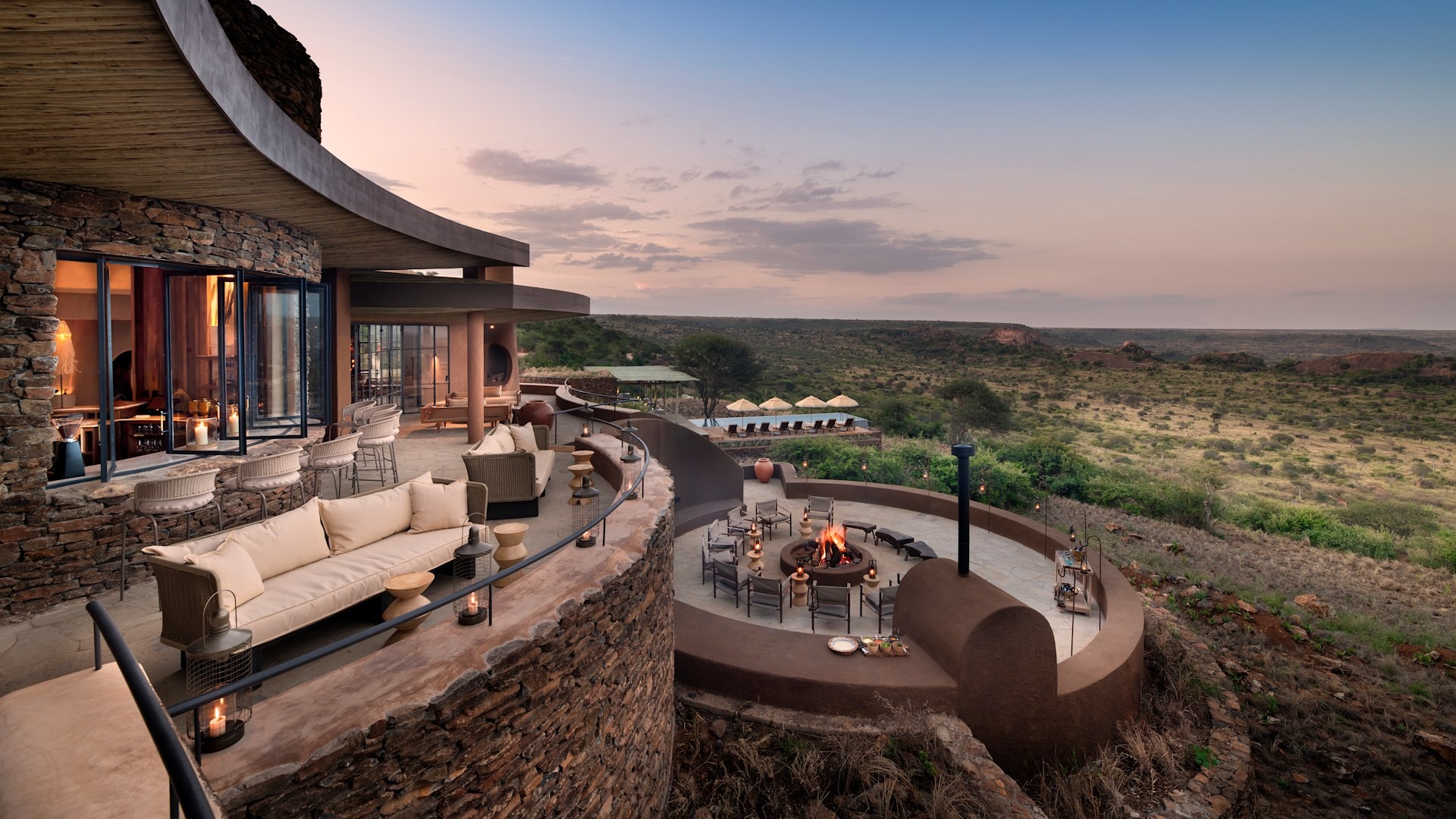
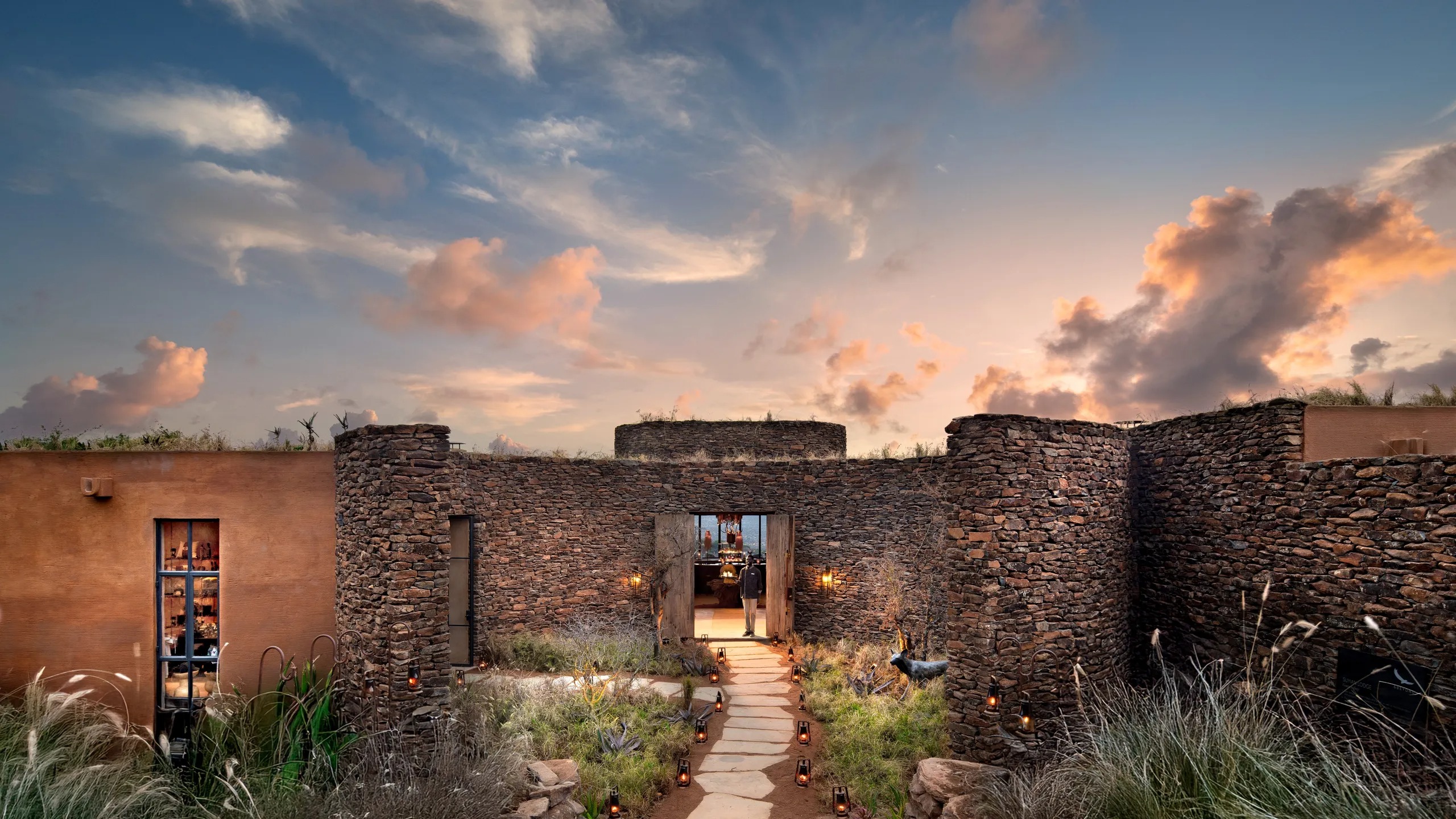
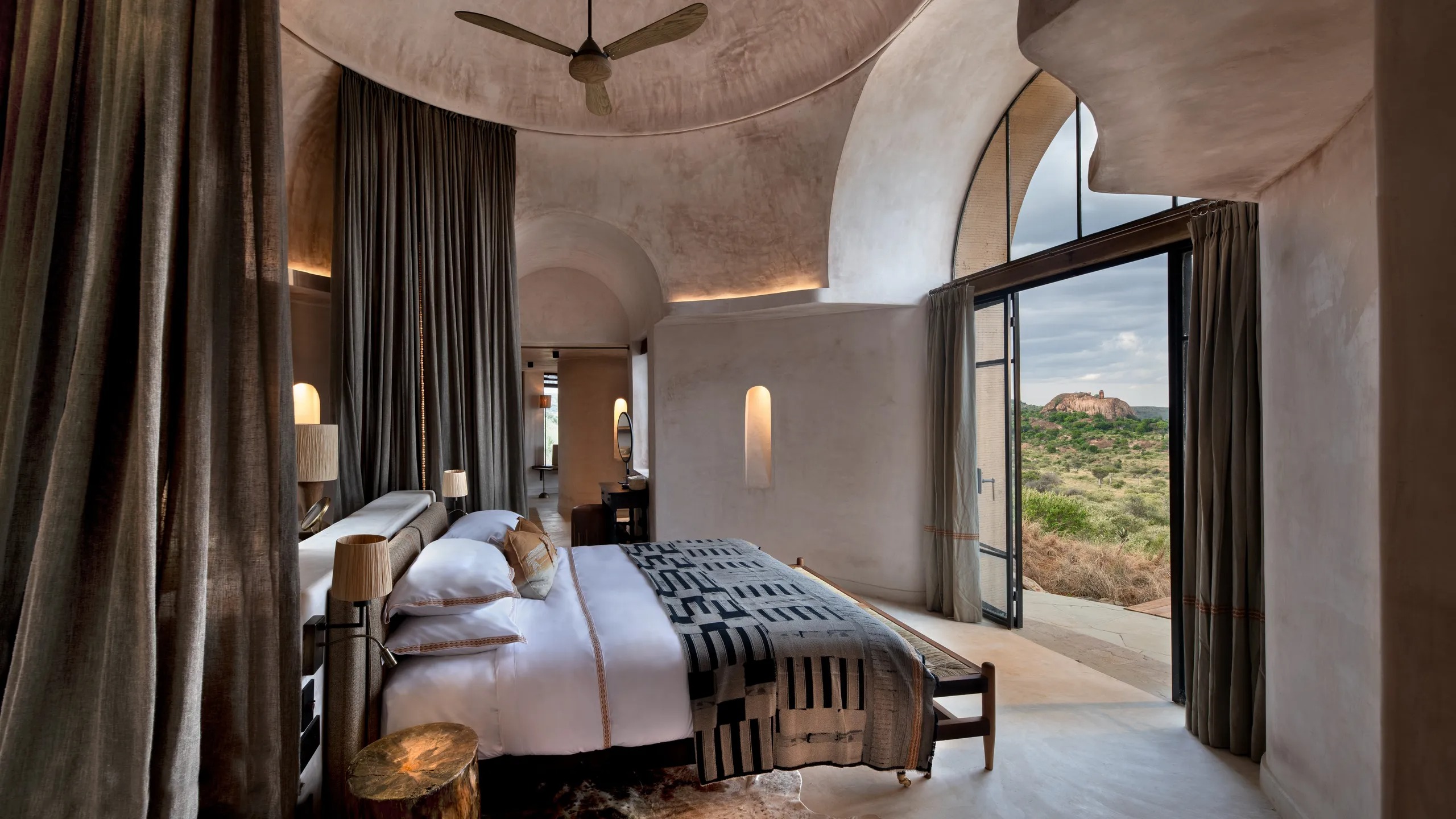
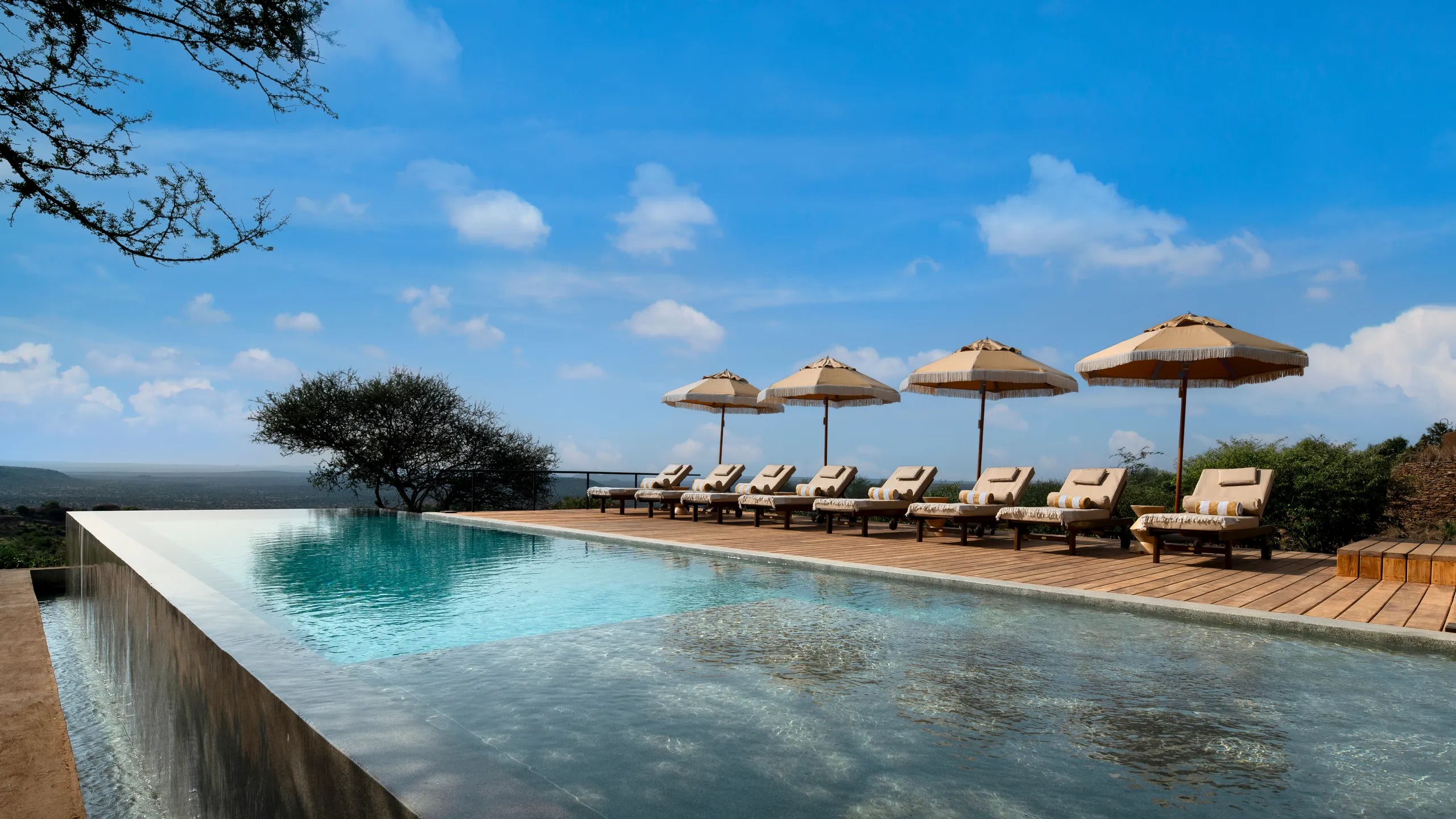
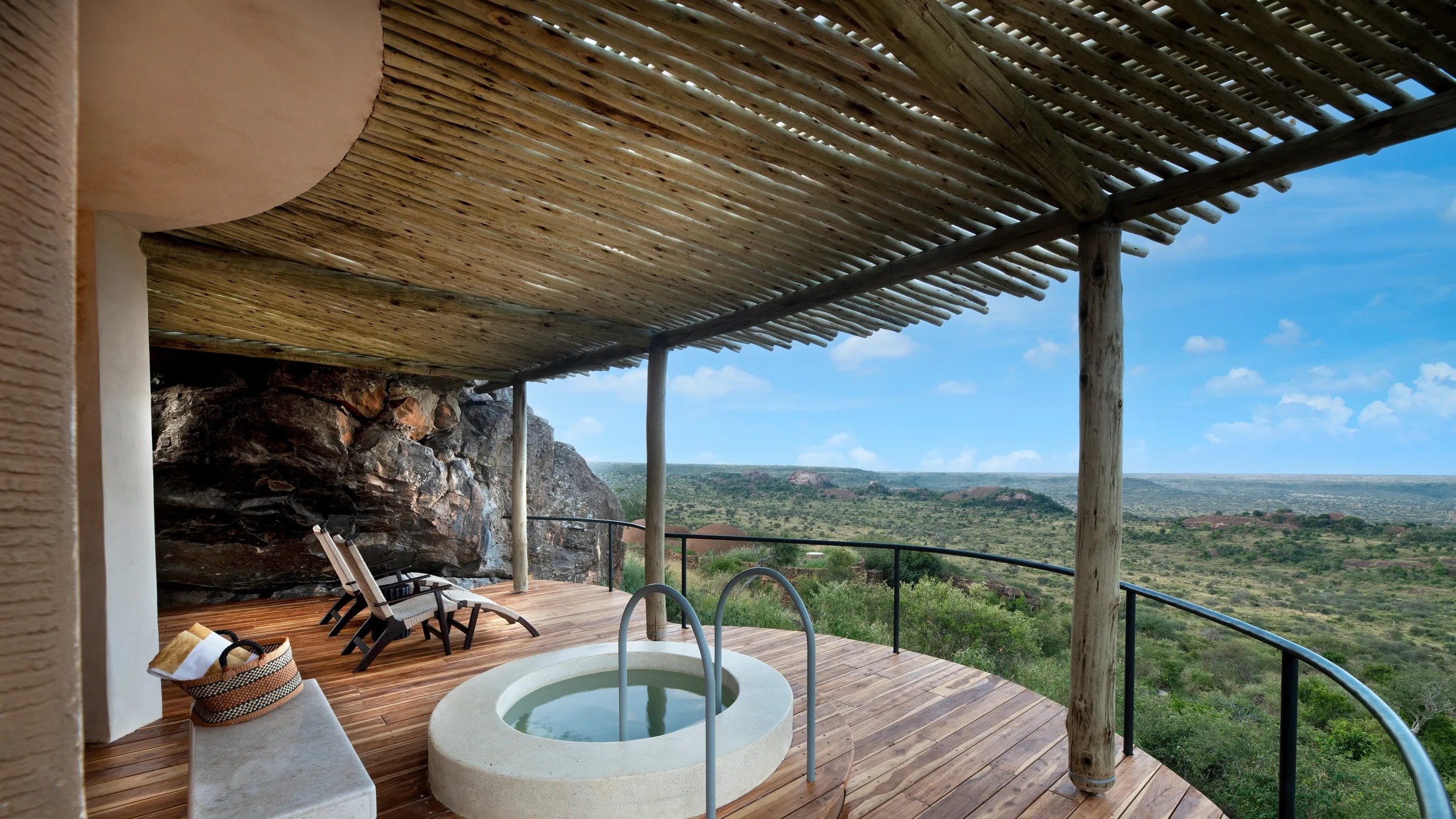
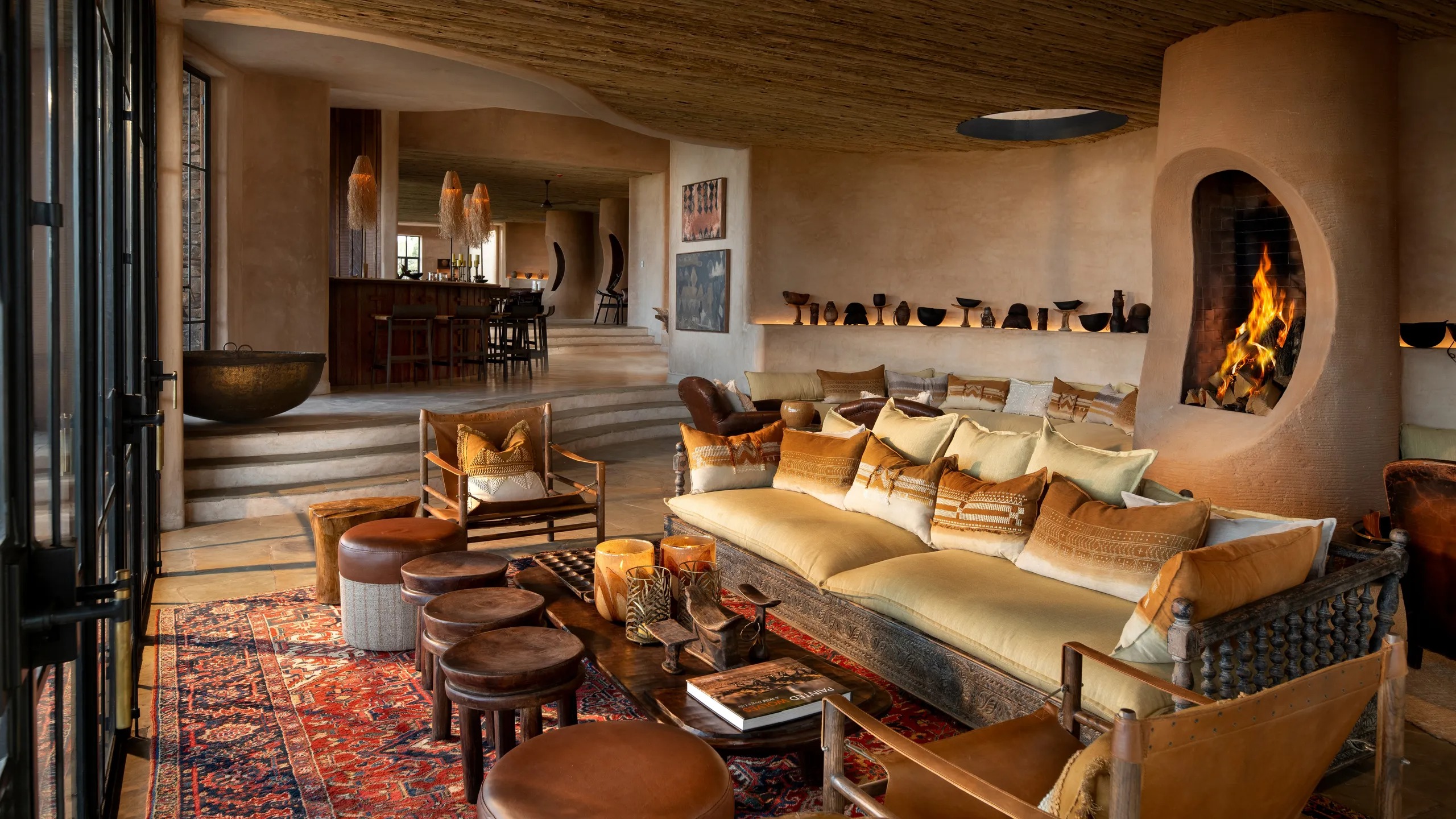
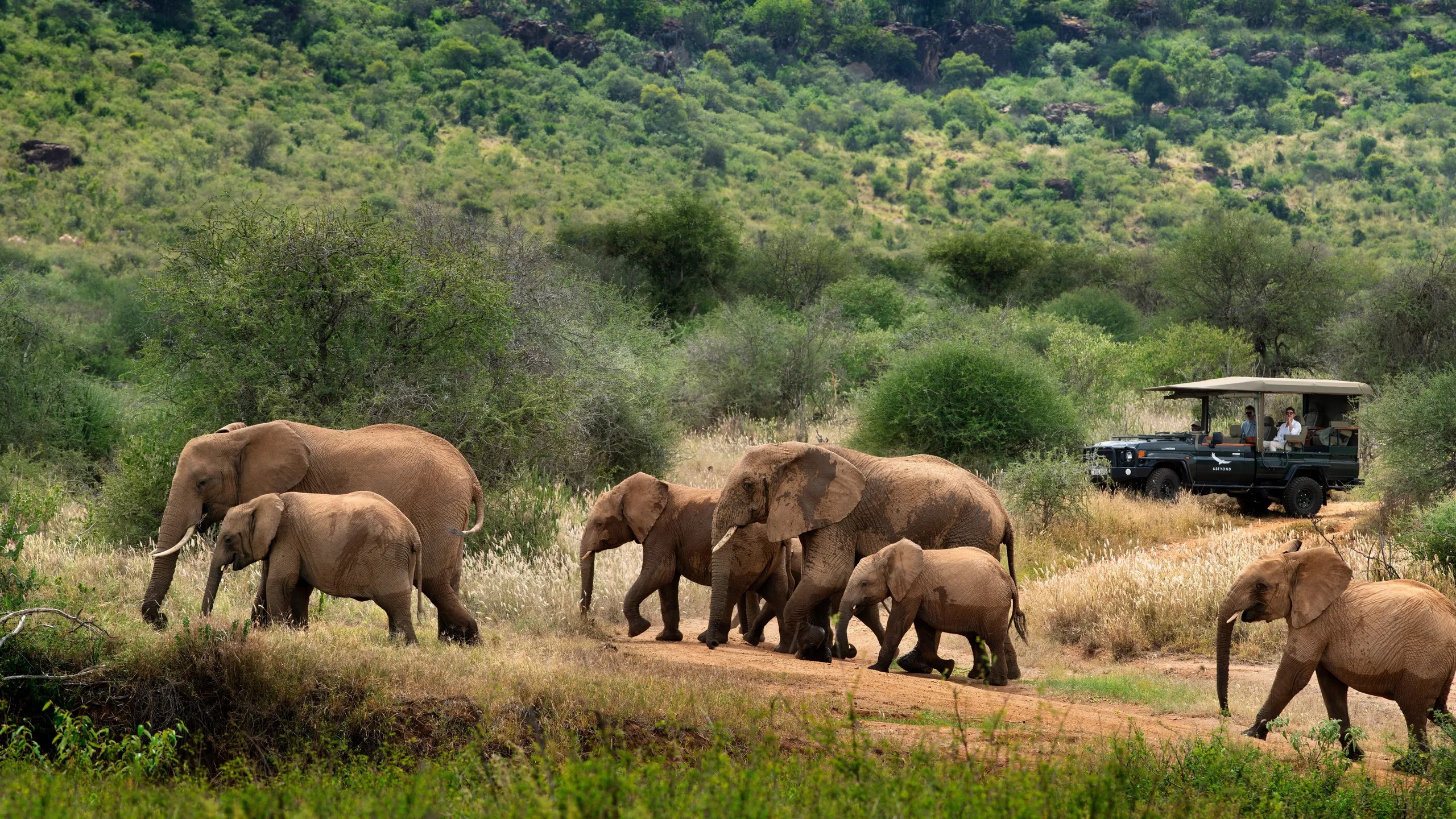
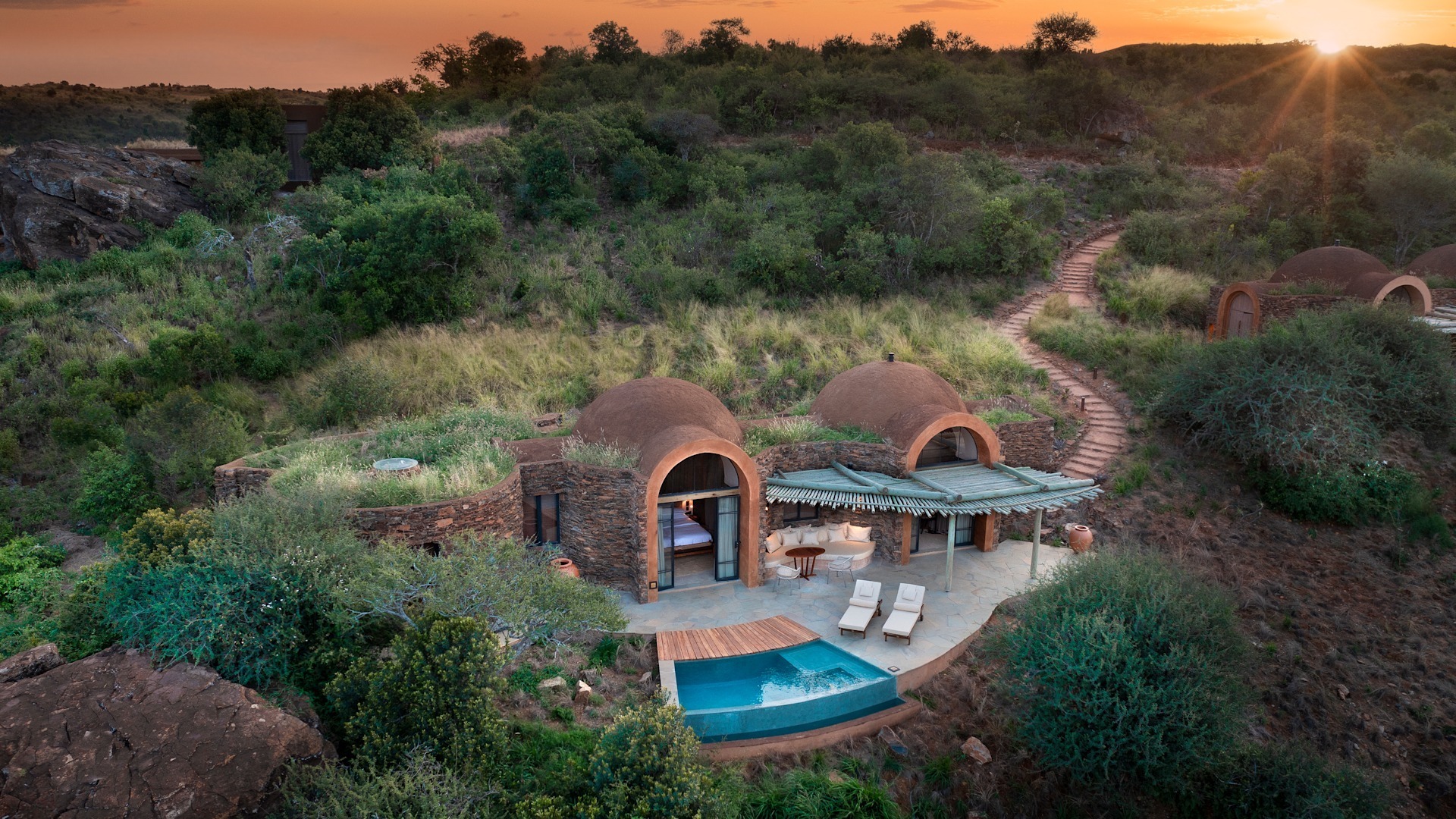
Location: Laikipia, Kenya Set within a 44,000-acre conservation area, andBeyond Suyian Lodge offers access to one of Kenya’s most remarkable wildlife corridors. Fourteen thoughtfully designed suites, a sophisticated wellness offering and exceptional game viewing create a safari experience rooted in place.
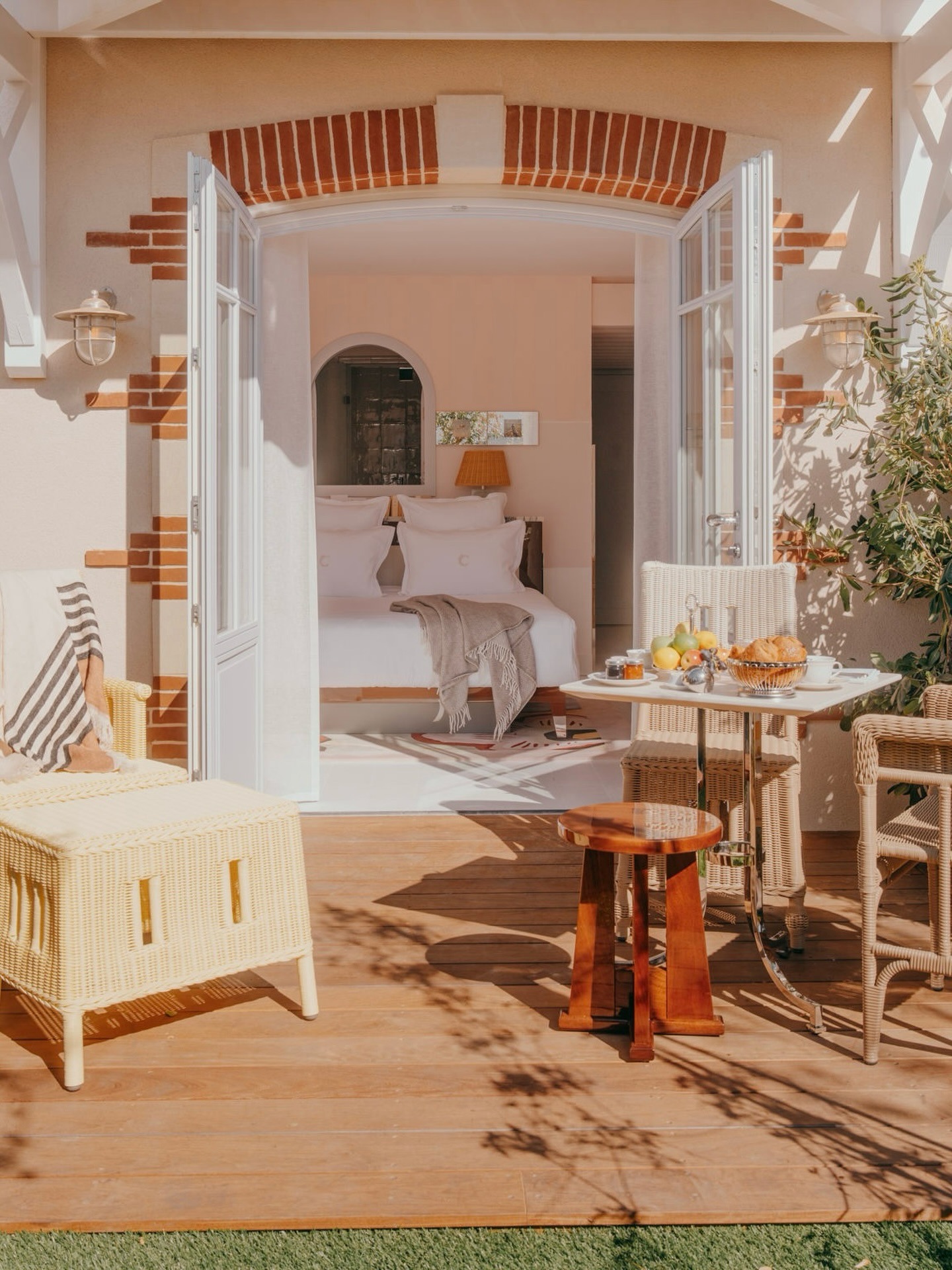
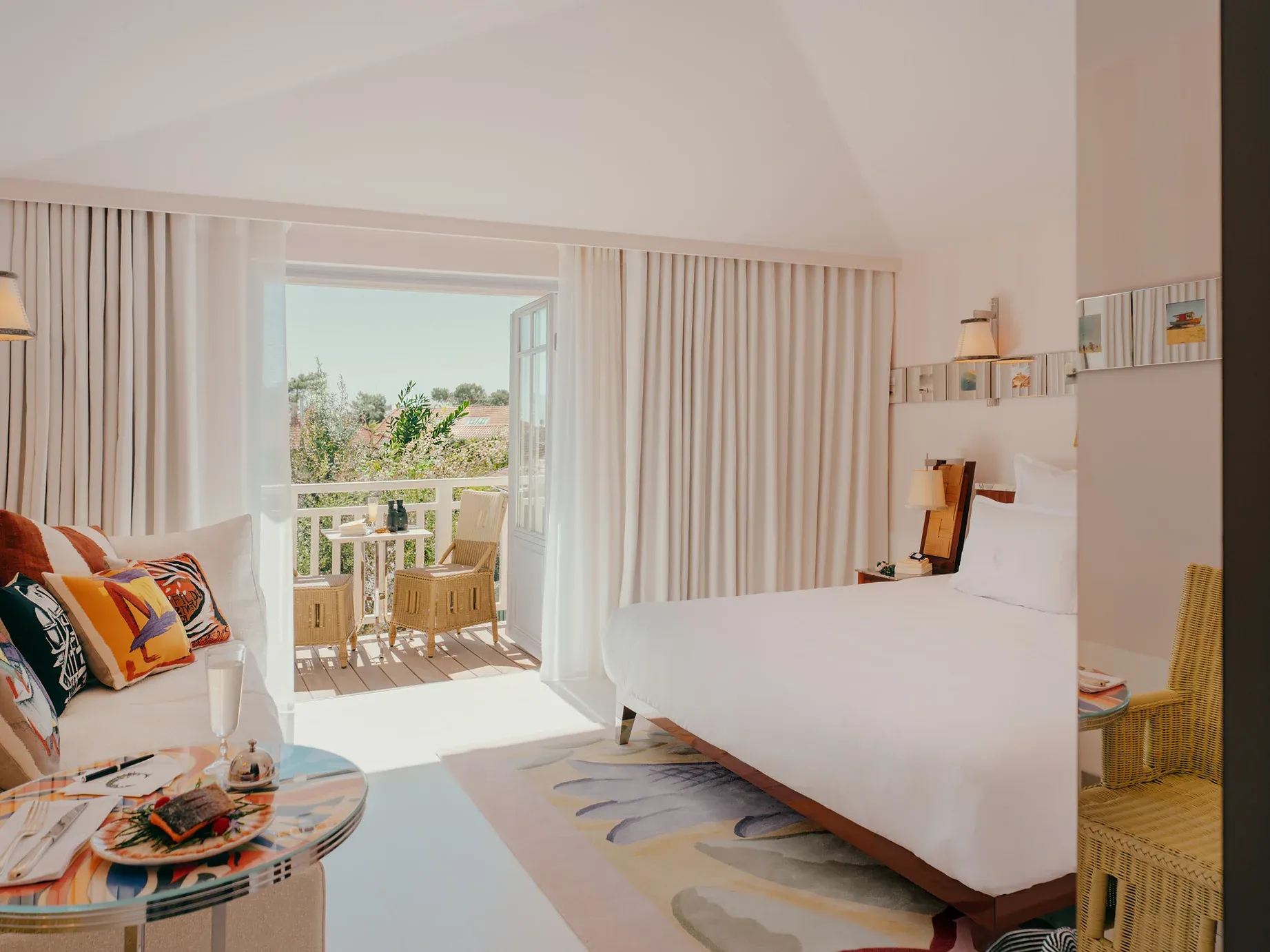
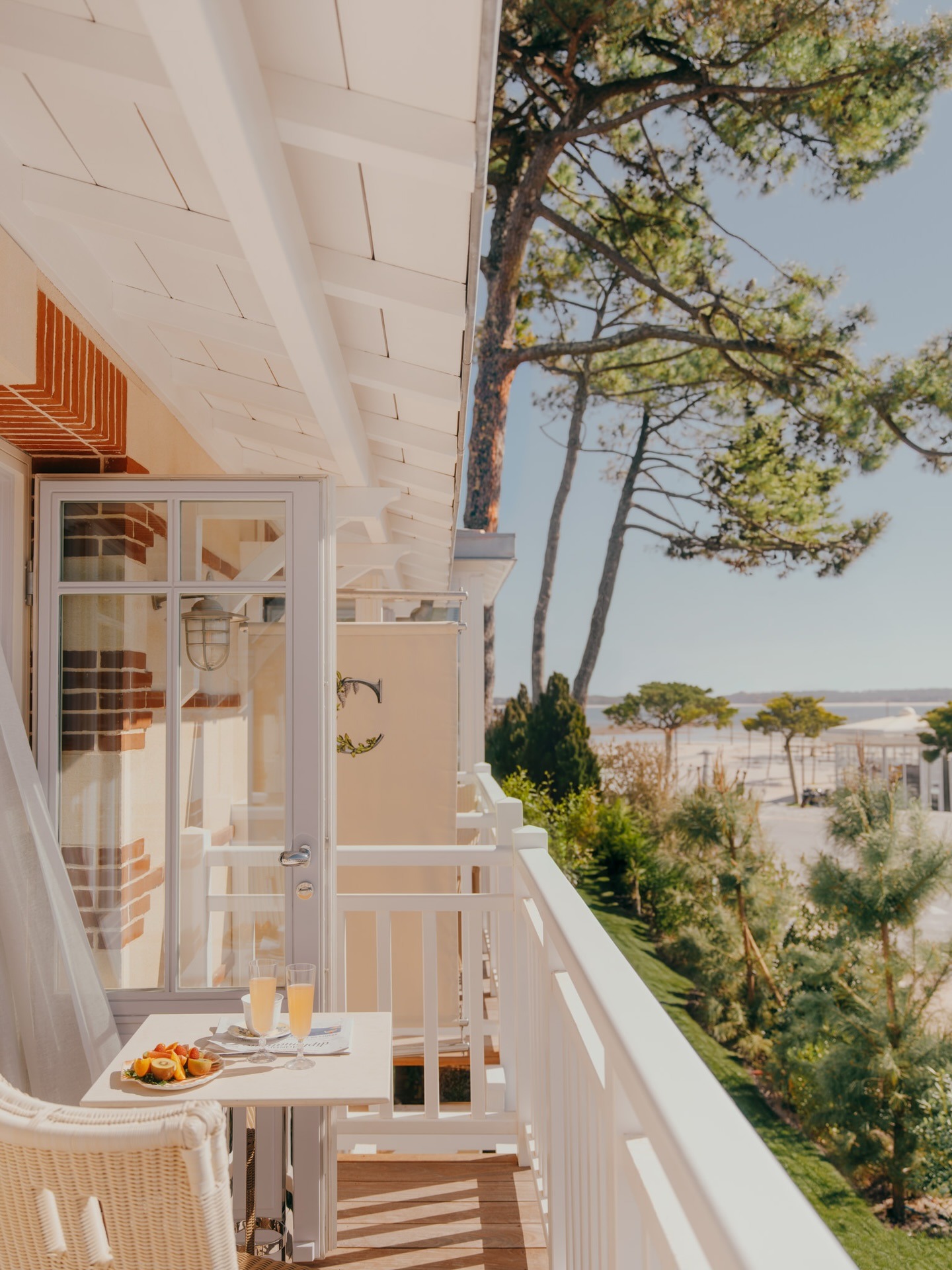
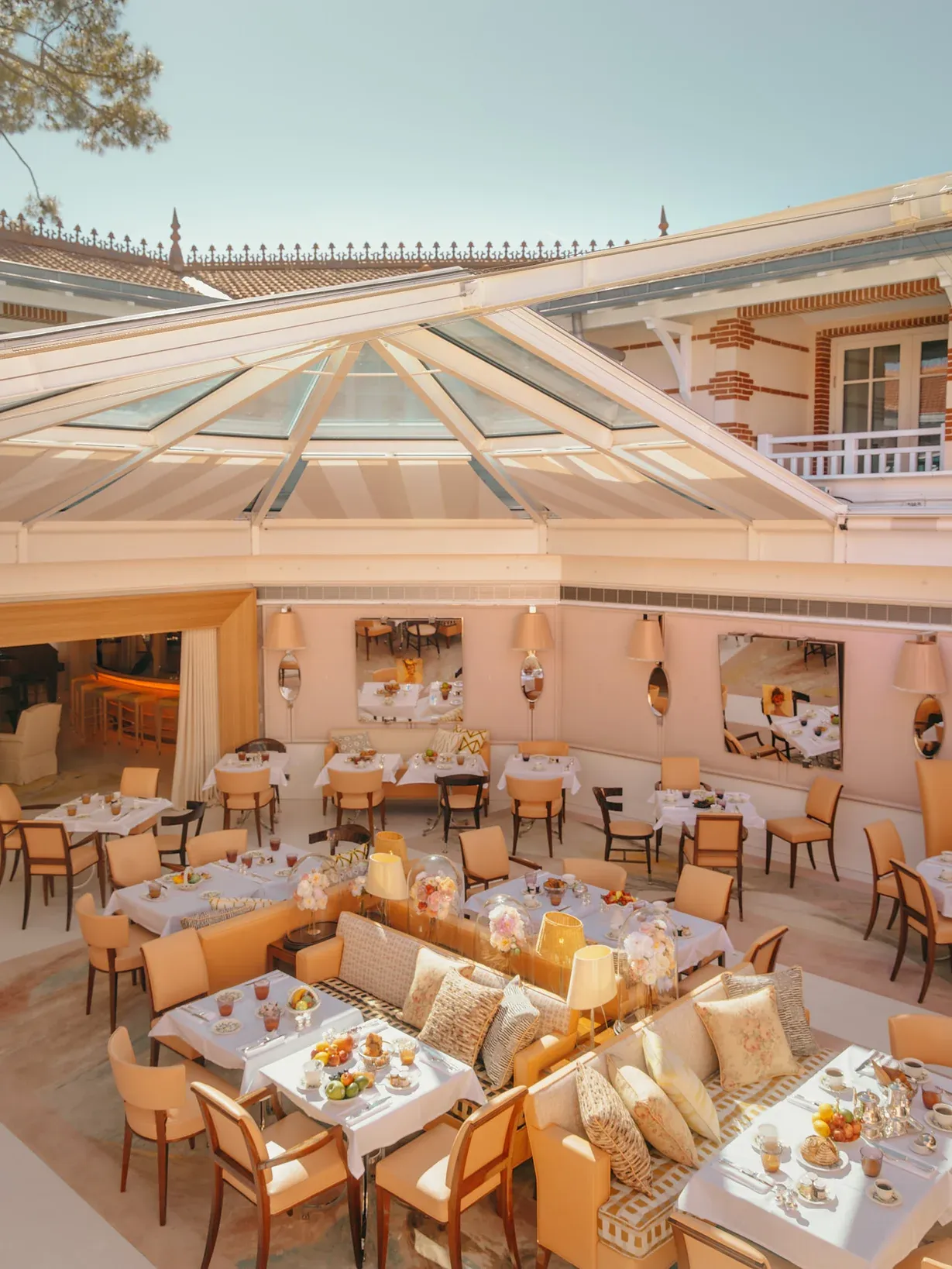
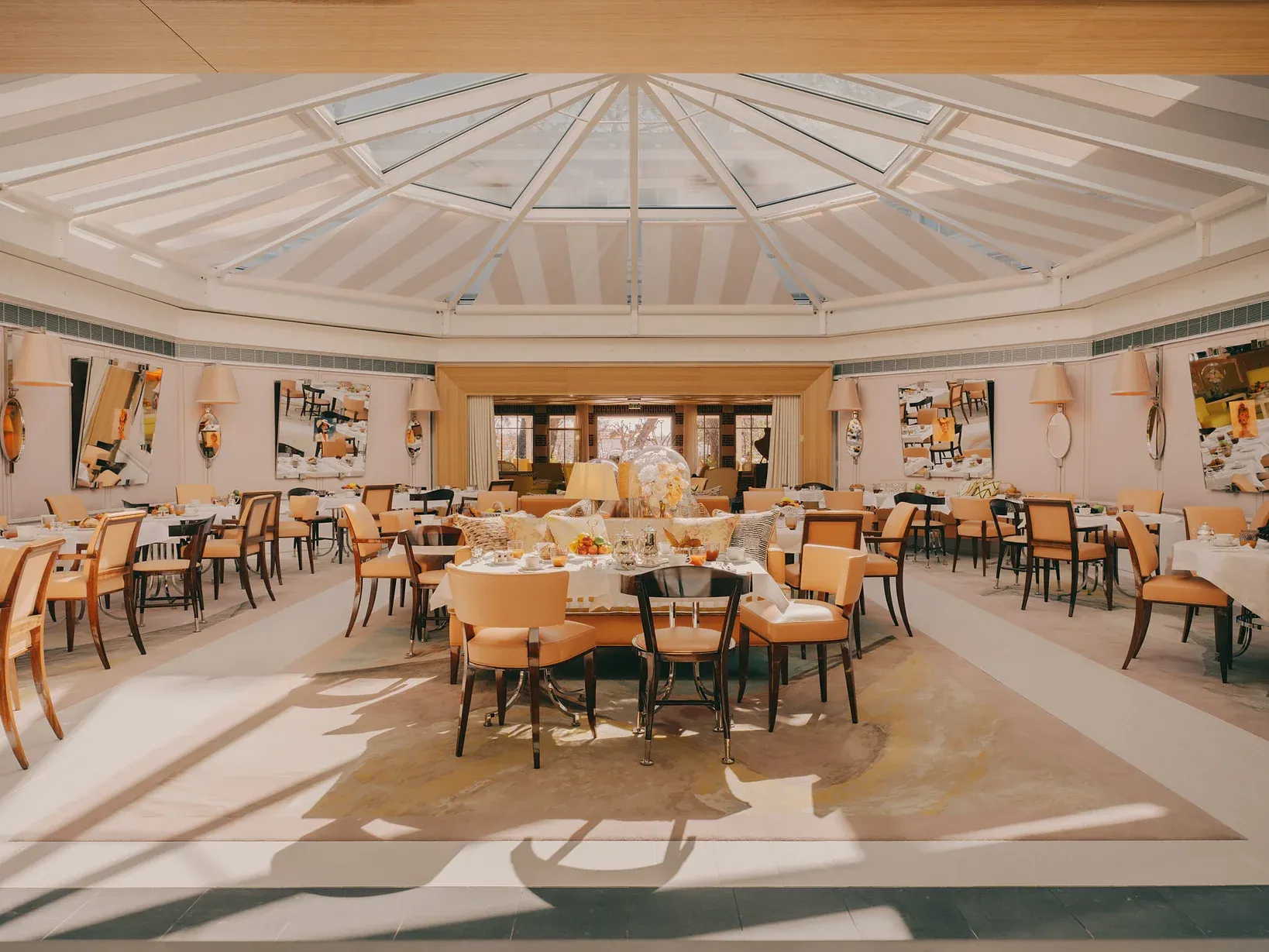
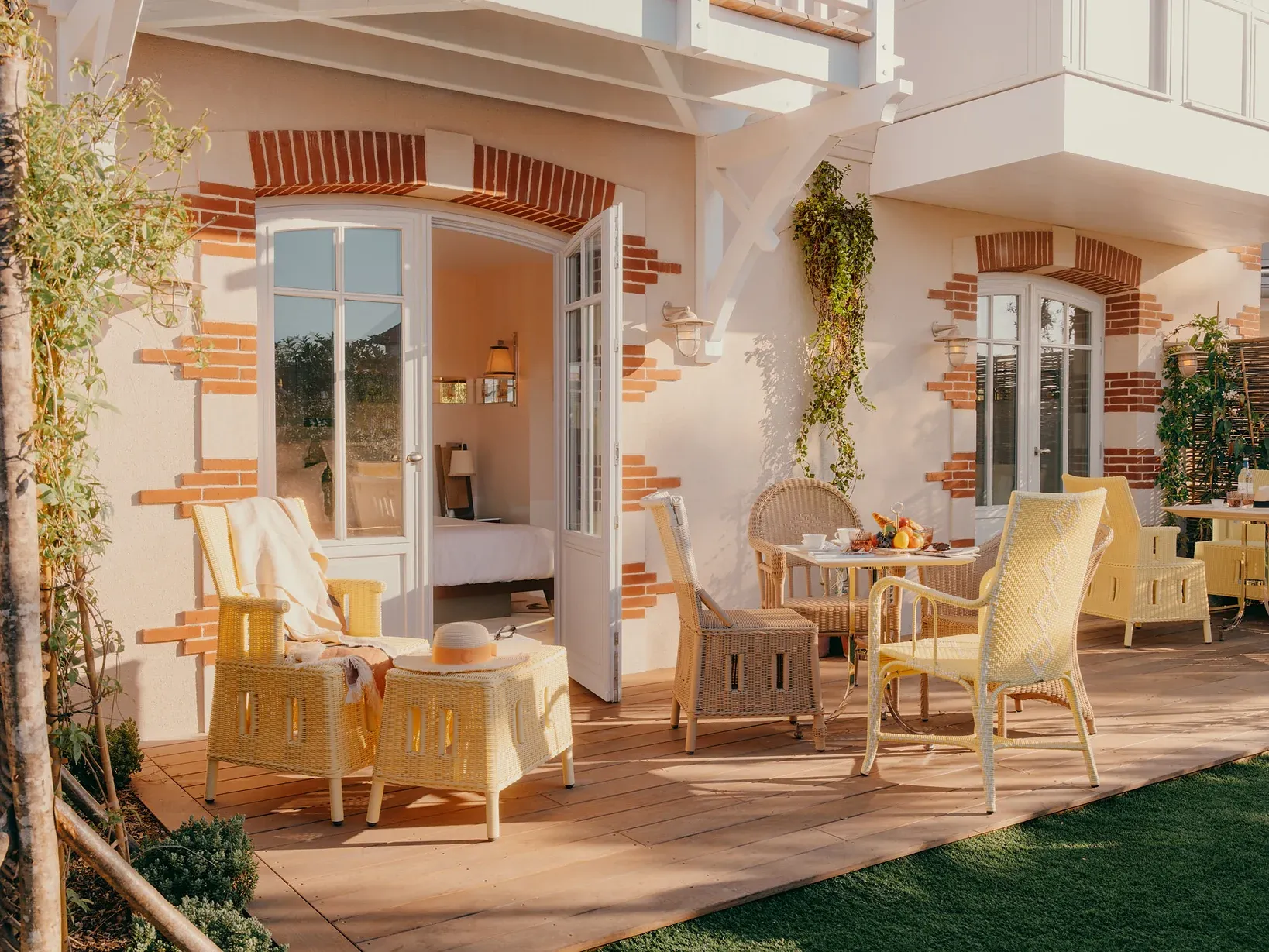
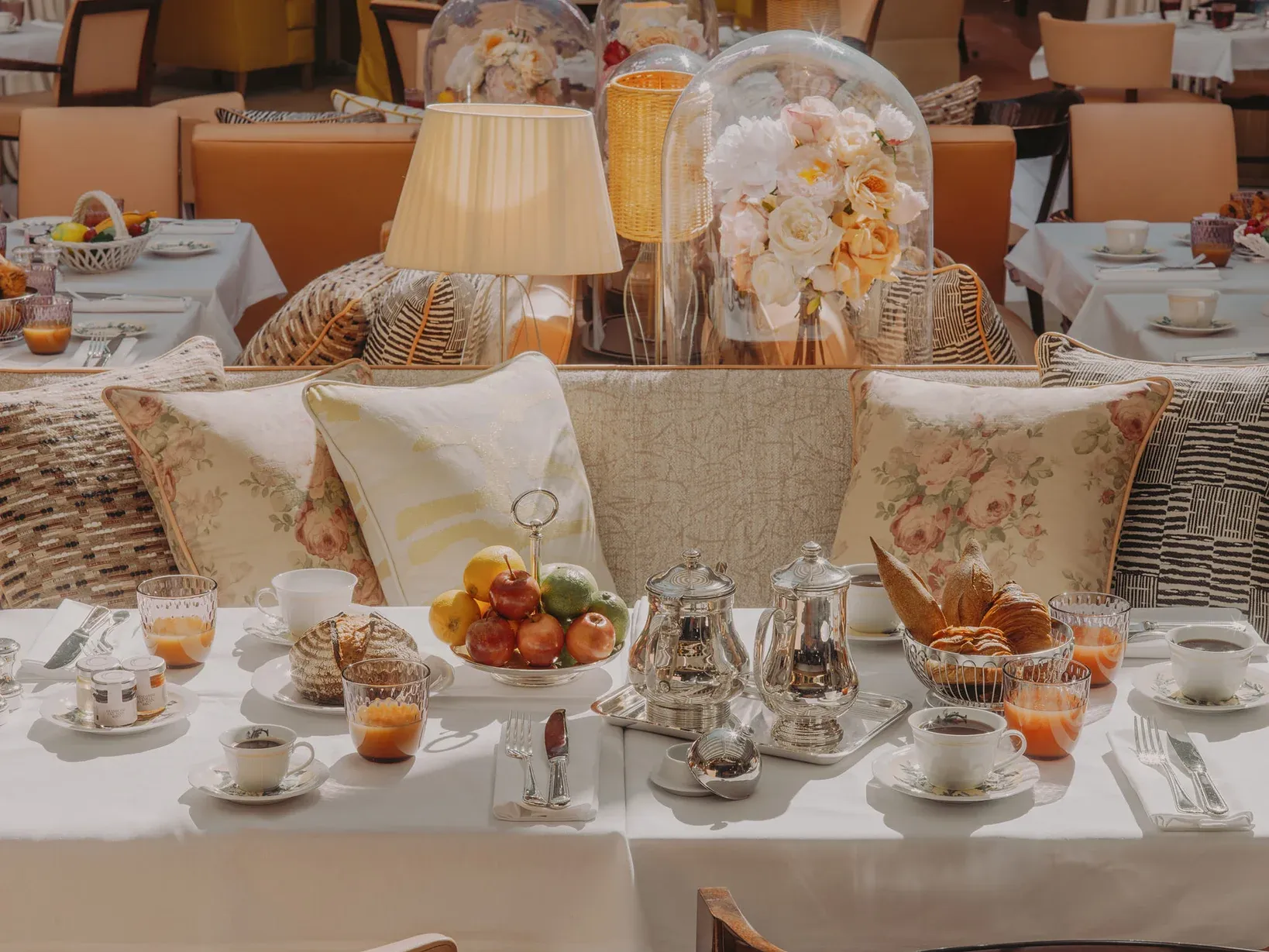
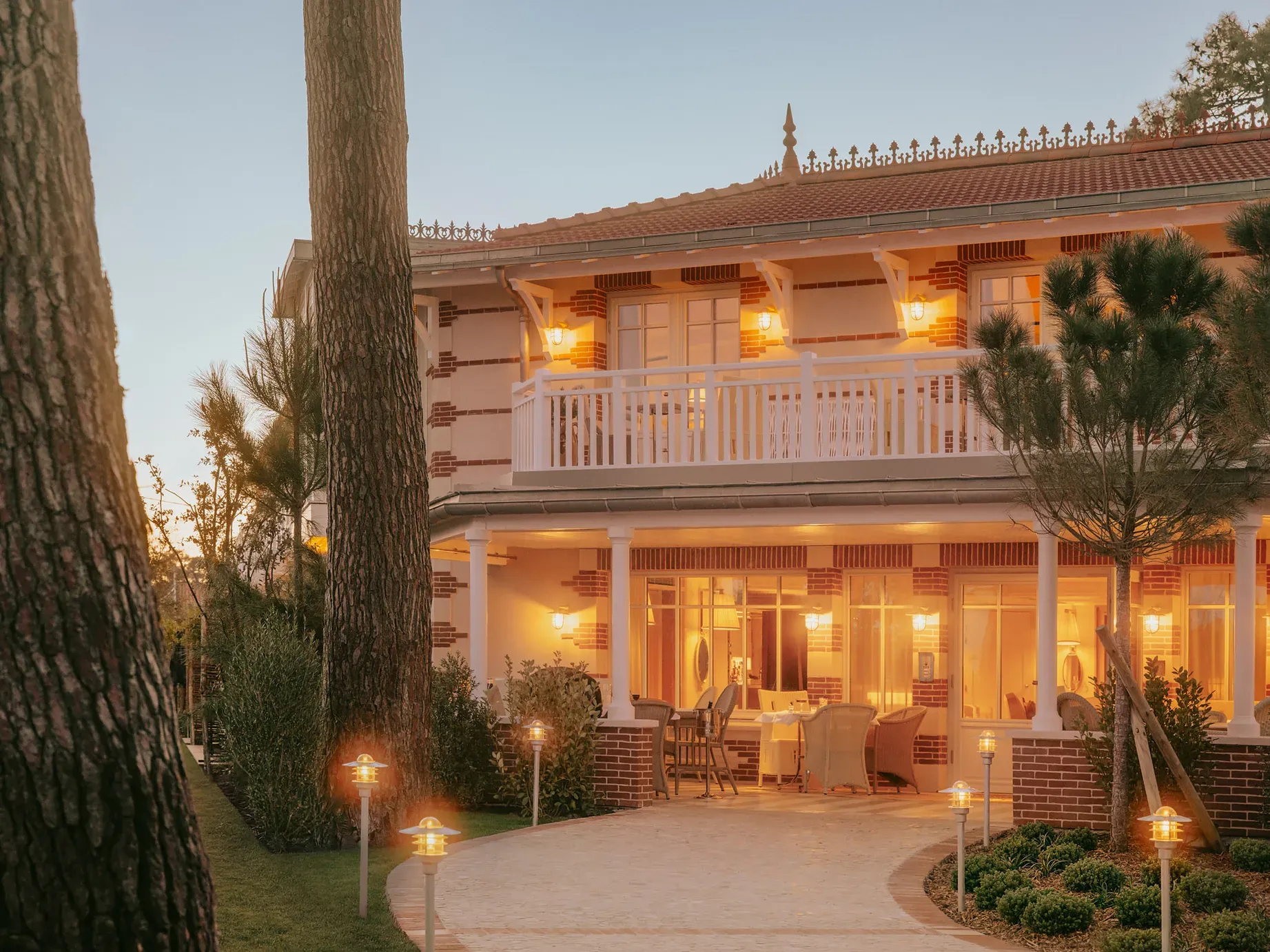
Location: Cap Ferret, France One of France’s most anticipated hotel openings of 2026, Hotel Villa Colette has brought a new level of luxury to Cap Ferret, the quietly glamorous Atlantic peninsula known for its oyster villages, pine forests and enduring appeal among those who favour discretion over spectacle. Opened in April and designed by Philippe Starck, the 28-room property overlooks Arcachon Bay and occupies an elegant neo-19th-century villa, where pastel-toned interiors, generous terraces and a distinctly residential atmosphere capture the relaxed sophistication for which the region has become known.
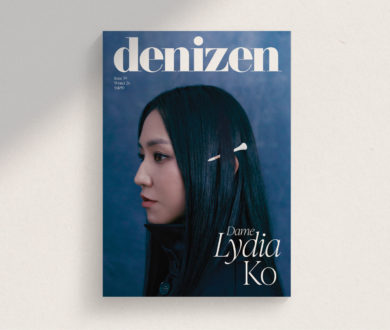
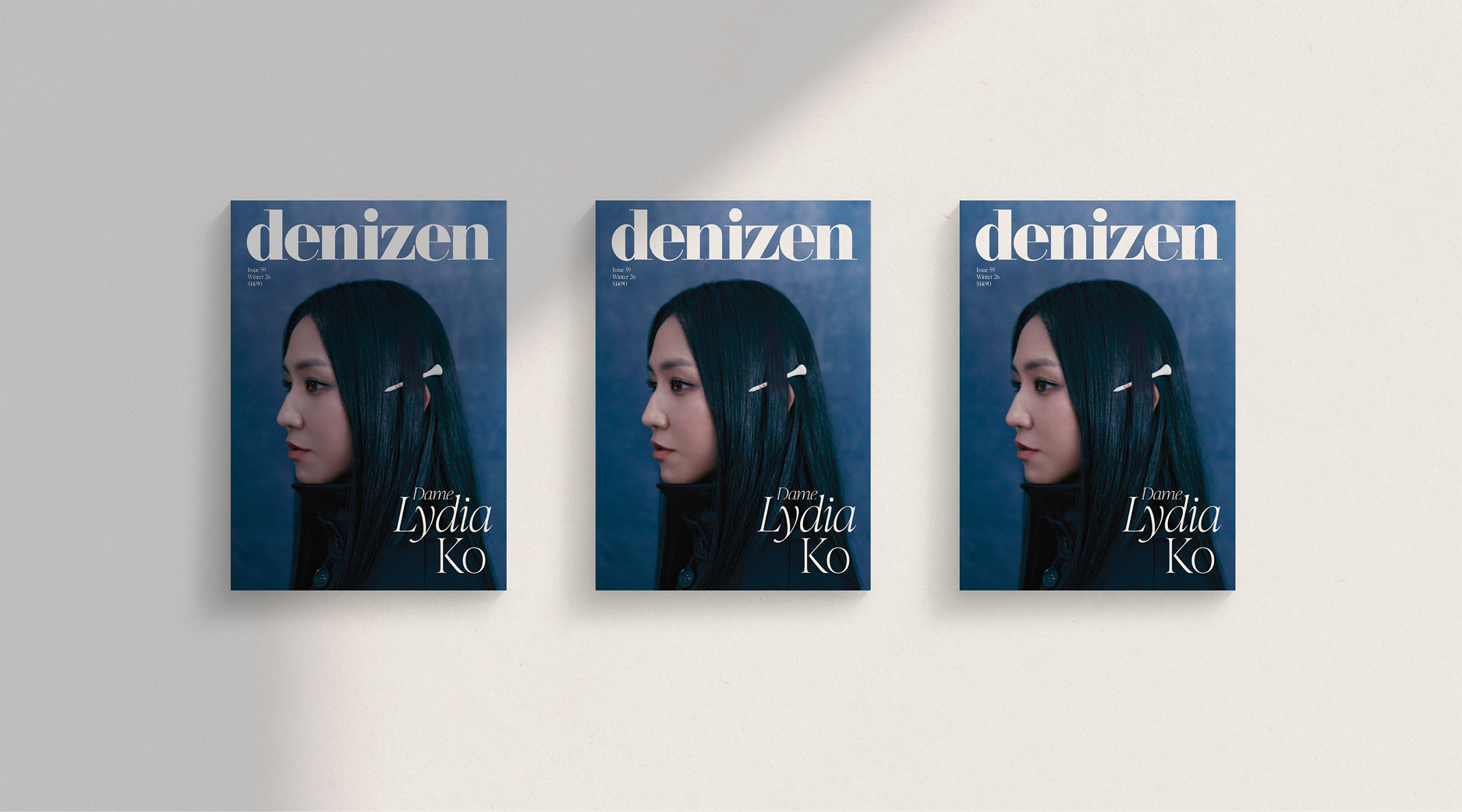
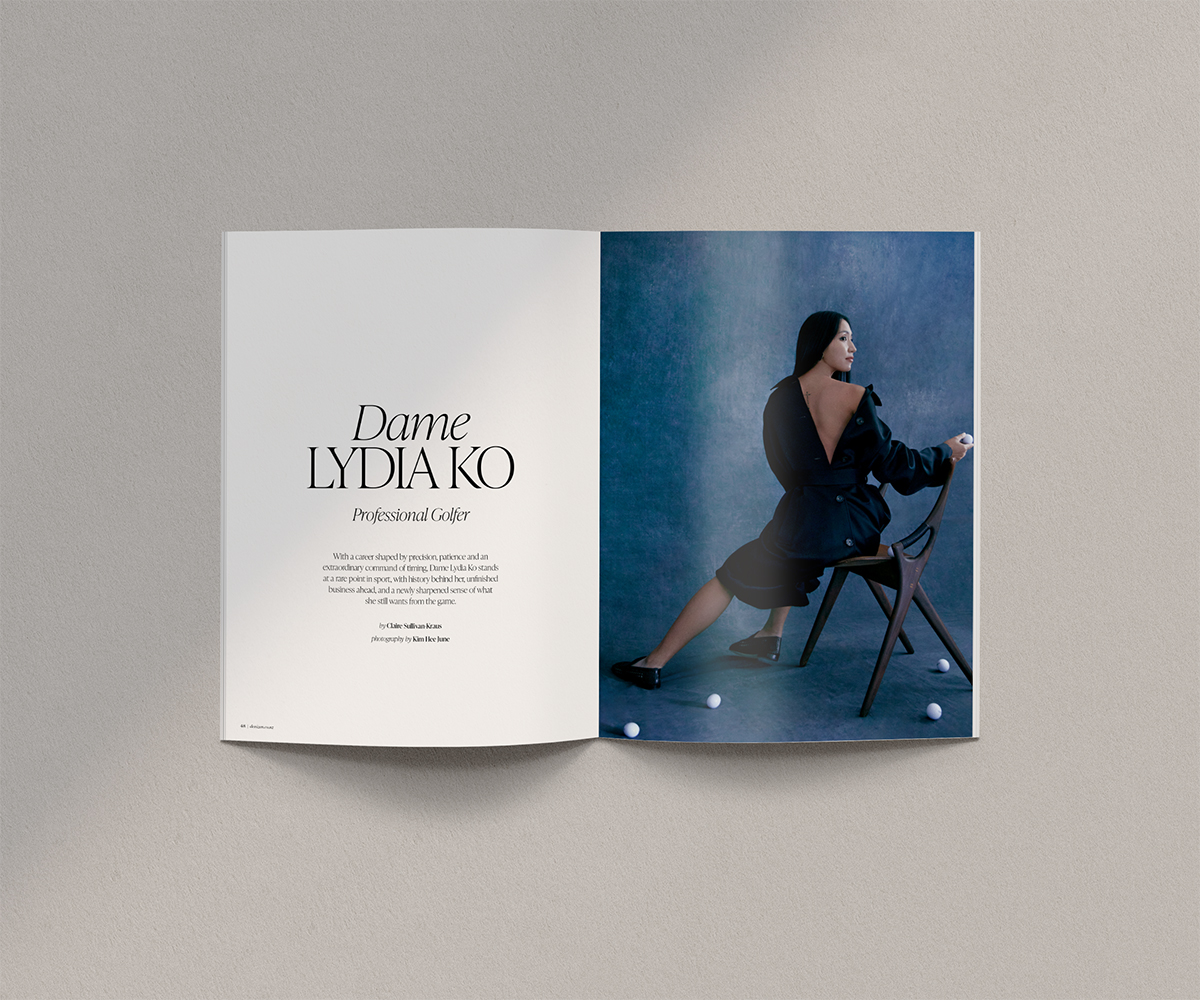
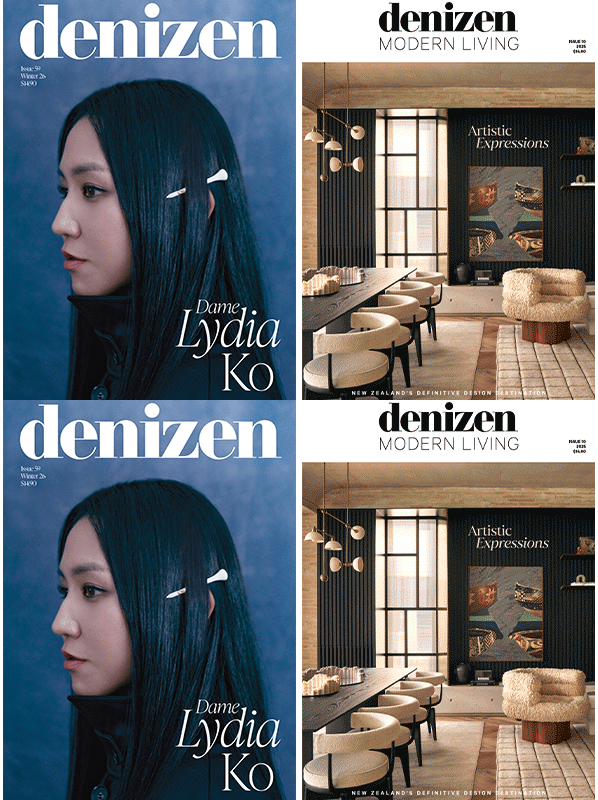
Denizen’s Winter Issue is a celebration of people who have devoted themselves to doing difficult things beautifully. On our cover, Dame Lydia Ko stands as one of New Zealand’s most remarkable global figures, an athlete whose career has been shaped by precision, patience and an extraordinary command of timing. Measured since adolescence by rankings, medals, majors and milestones, Ko’s story has become far more interesting than numbers alone. Still competing, still evolving, and still deciding what the game will allow her to take from her, she embodies a more enduring kind of excellence: one built on resilience, recalibration, and self-possession.
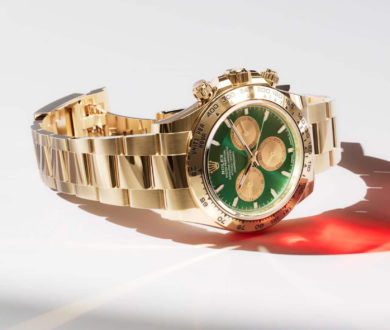
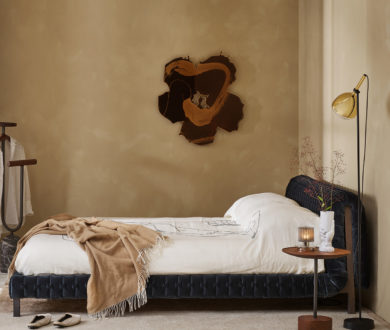
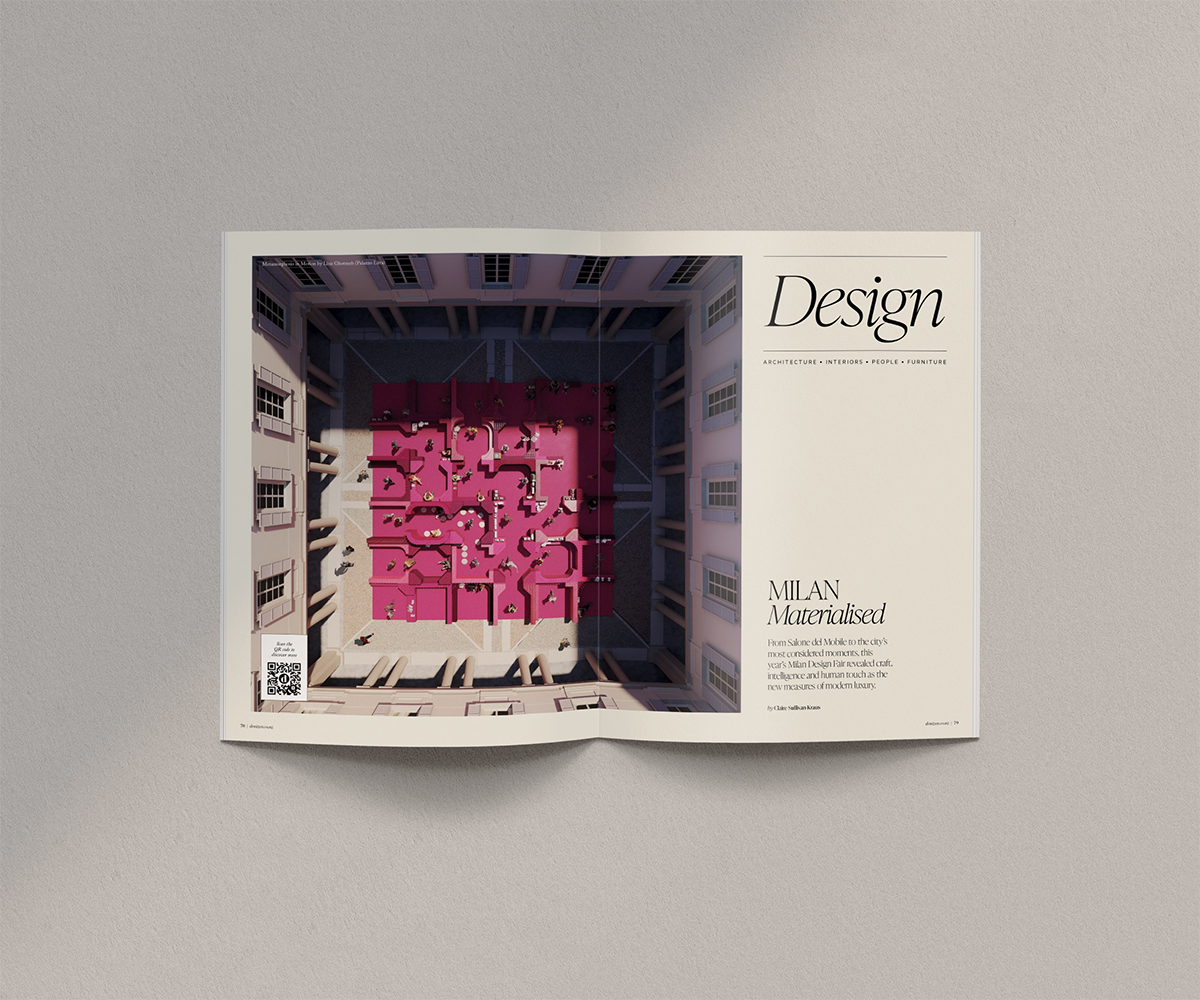
That same spirit runs throughout the issue. From the tactile intelligence of Milan Design Week to the meticulous craft of Watches and Wonders in Geneva, this issue is a reminder of the strength, texture and value of the human skill. From objects meticulously made by hand, careers built over time, ideas shaped through discipline, and the quiet power of people who have gone deep into their craft rather than chasing the noise around it.
At a moment when the world is increasingly seduced by speed, shortcuts and imitation, our Winter Issue makes a case for something more substantial: ambition with depth, creativity with rigour, and success earned through devotion.
Our Winter Issue is available at all good newsagents and supermarkets, or do yourself a favour and subscribe below.
For more exclusive access to what the city has to offer, engaging content, excellent imagery and thought provoking commentary on the life that surrounds you, subscribe to Denizen magazine now.