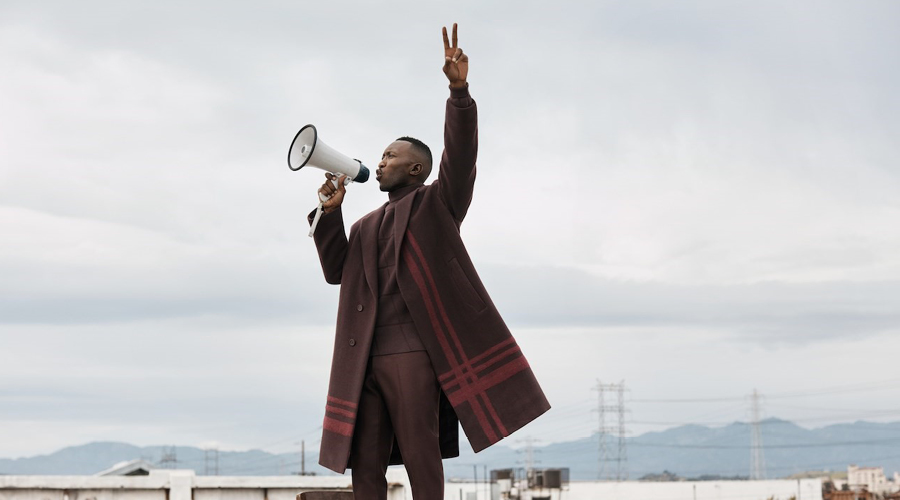
Having spent 110 years creating clothes tailored to the modern man, Ermenegildo Zegna is taking a step back in its latest campaign to question the nature of its work. Or rather, the nature of its subjects.
The idea of masculinity in society, although ostensibly fluid, has remained largely stuck in its ways. And despite recent events causing many men to have a good old existential look at themselves, there still exists a number of stereotypes around the various criteria a man “should” meet to be considered worthy of his gender.
Looking to disband these stereotypes and build a new meaning of masculinity through education, Zegna is joining forces with Cesvi, one of Italy’s most prominent humanitarian organisations.
In partnership with Cesvi’s Houses of Smiles initiative, Zegna has launched A to Zegna — a series of global programmes designed to promote positive behavioural changes in young people. Workshops on peer-to-peer communication, group discussions and collaborations with universities will all be implemented in local communities in a number of countries around the world. It’s a global approach operating on a local level and rather than telling people what to think or feel about masculinity, its primary objective is to facilitate meaningful discussion and become a conduit through which a new wave of masculinity can emerge.
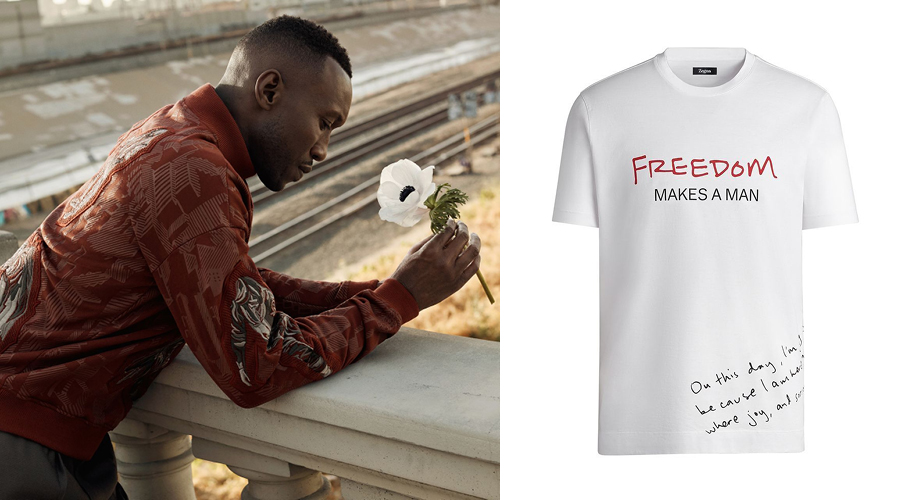
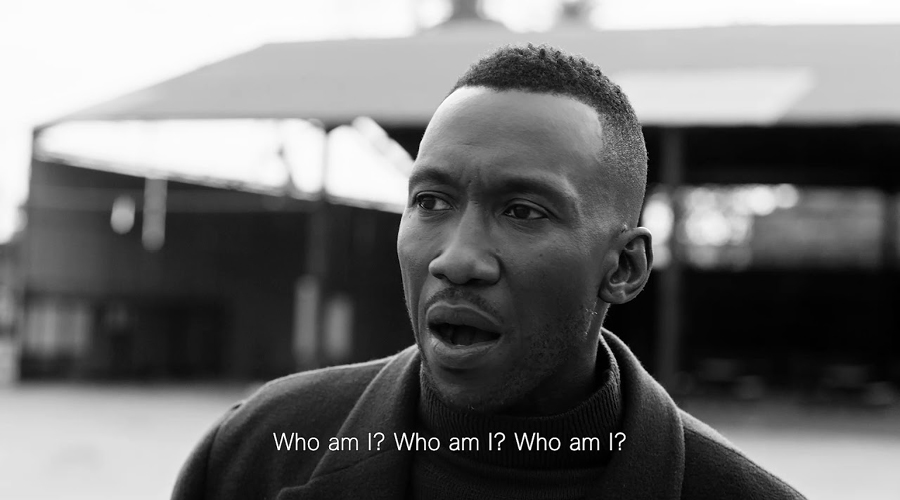
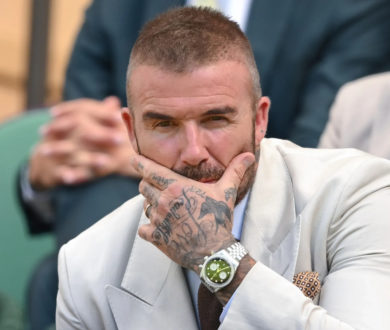
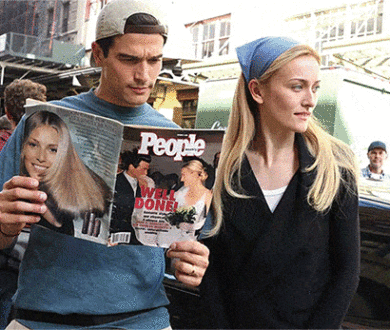
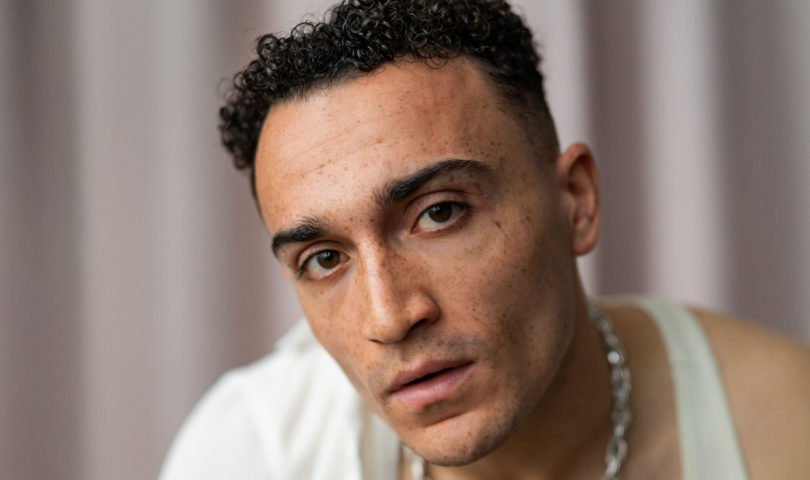
Aligning with this initiative, Zegna has released a new collection of #WHATMAKESAMAN t-shirts, the proceeds from which will go towards supporting Cesvi. The brand has also launched a campaign starring Mahershala Ali and Nicholas Tse that asks ‘what does it mean to be a man today?’
It’s obvious that an issue as complex and culturally charged as masculinity is not going to be solved with a few t-shirts and a hashtag, but for Zegna, education is the cornerstone of change. By supporting education all around the world, Zegna is looking beyond its sartorial influence and asking its community of customers to be open-minded, to listen to one another and to embrace a new vision of masculinity that can, hopefully, take us into the future.
In the vast landscape of ‘wellbeing’ and the various trends and fads that rise and fall within it, one thing remains constant: Sleep is the cornerstone of health.
And while you might think that your sleep is fine, chronic insomnia is not the only marker of poor-quality shut-eye. In fact, most people don’t realise how bad their nightly snooze is until they make some changes and start sleeping well — and we mean really well.
It’s something that Stephanie Wyborn, fuelled by a desire to explore the connection between sleep and achieving optimum health, spent the last six years researching. Delving into the science behind sleep as well as the mechanics of how to improve it, Wyborn decided there was something missing from people’s nightly routines — something that would not only change the way we thought about sleep but its physical effects, too.
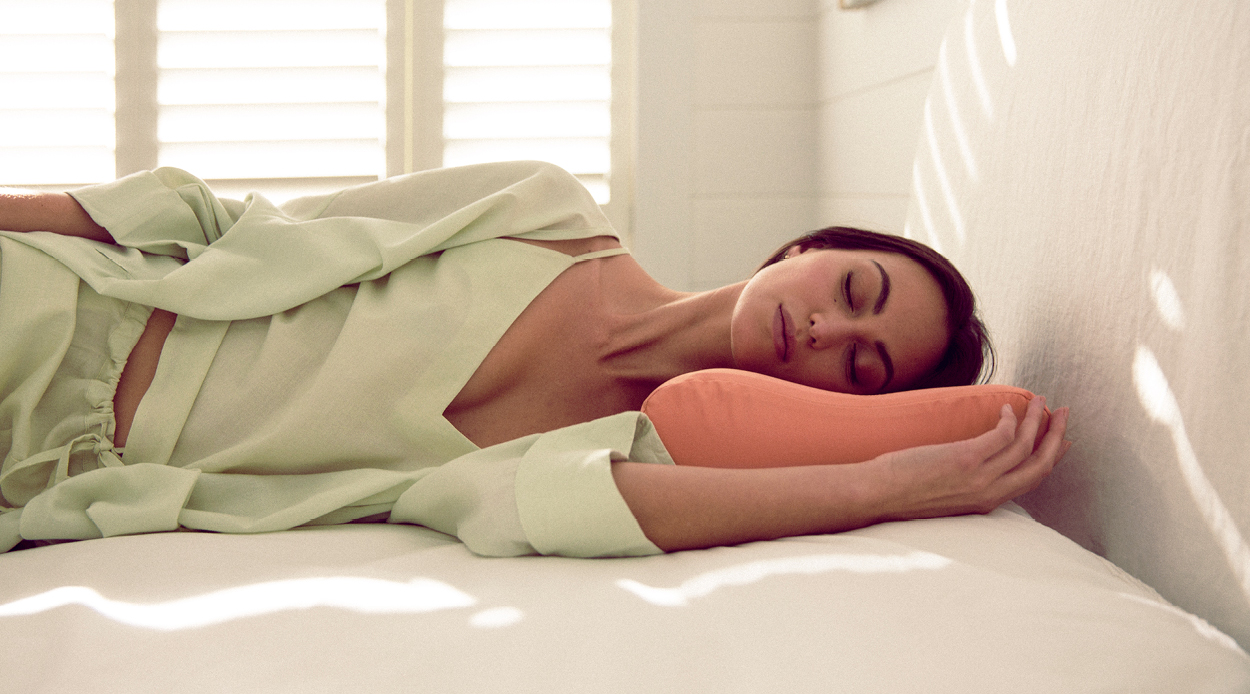
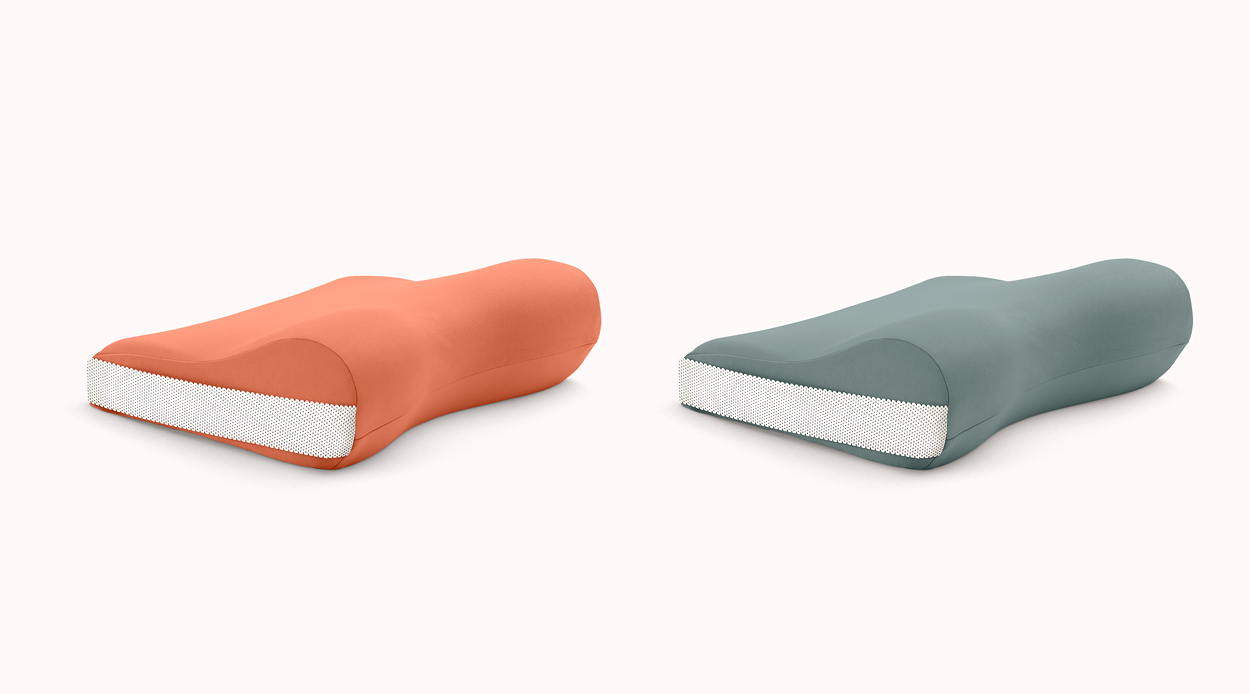
Hyoumankind — a range of specially-designed, ergonomic pillows, was born from her findings and intention to help people rediscover the benefits of a restorative night’s sleep for both mind and body. The New Zealand-made memory foam pillows are crafted from premium materials and are available in a range of shapes and finishes to suit different needs.
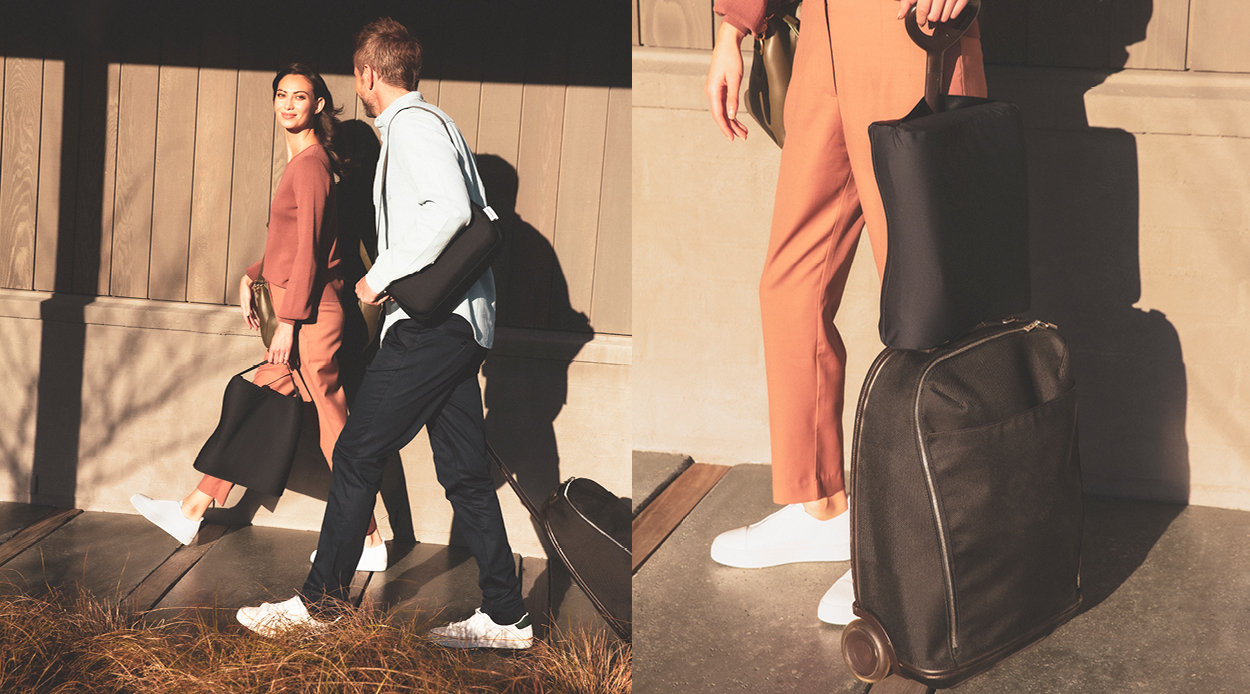
Take the Go Pillow, for example. Compact enough to carry (it even has its own handle) or pack into a small bag, this pillow has been carefully designed to support the natural contours of the head, neck and shoulders and is versatile enough to use in any situation. Beyond comfort, the whole point of the Go Pillow is to facilitate muscle recovery while you rest, by ensuring your body remains in an optimum position. Other pillows in Hyoumankind’s range include the Back Sleep, the Boost and the Therapeutic Knee Pillow, all designed to target recovery in different areas of the body.
The Hyoumankind Go Pillow has been so successful that some of our top national sports teams are using it. George Duncan, a muscle therapist for one of these teams, says, “by improving our recovery off-field, it improves our preparation for game day, which helps in performance. We also travel domestically and internationally, so any help with travel is appreciated and shows in our training week.”
Combining science and design, Hyoumankind’s pillows are set to revolutionise sleep as we know it by promising relaxation and recovery in equal measure. Even if you don’t think you need to improve your sleep, you’d be surprised at what a restorative few hours of shut-eye can help you achieve. And the Go Pillow is making it easier than ever before.
There are few fictional characters as iconic as James Bond. With a license to kill and an ability to induct the cocktails he drinks, the women he woos and the cars he drives into a realm of transcendent cultural significance, 007’s world is a perfectly-balanced minefield of beauty and danger.
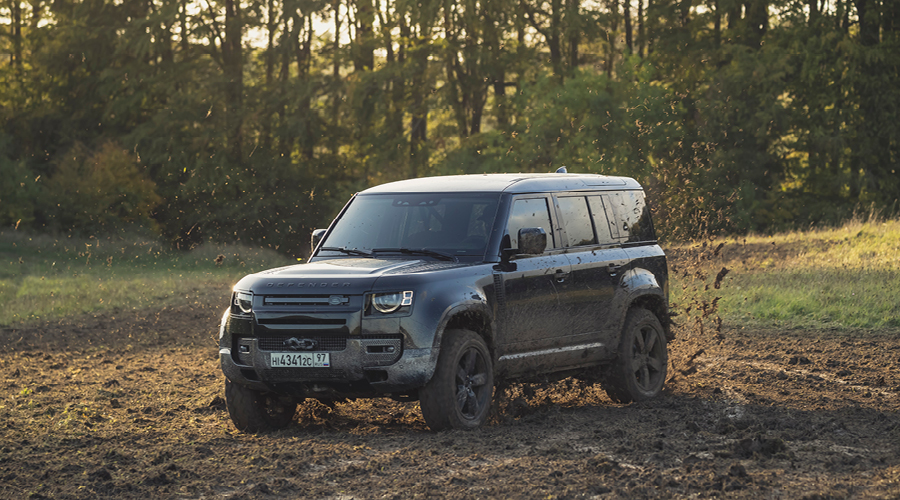
With the next instalment of the James Bond franchise landing in cinemas next year, a new automotive marque is set to be cemented in infamy as part of the 007 universe, as Land Rover’s new Defender 110 prepares to make its cinematic debut in Bond’s 25th outing, No Time To Die.
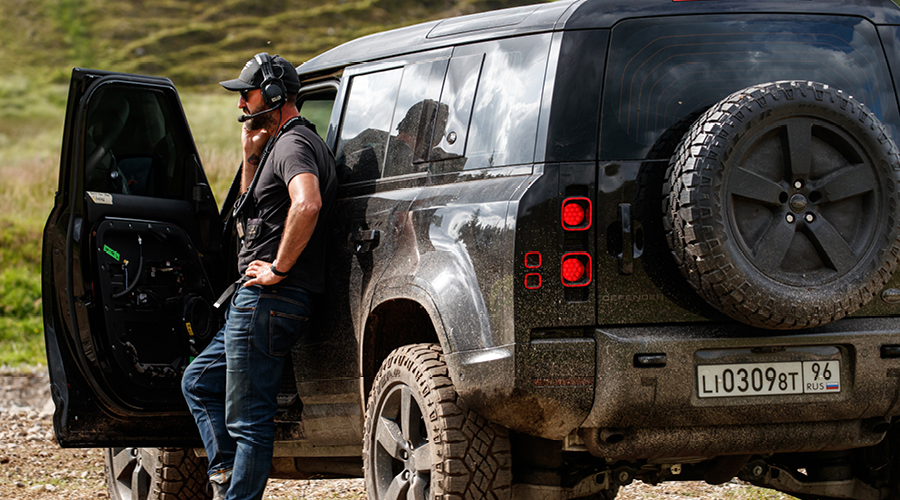
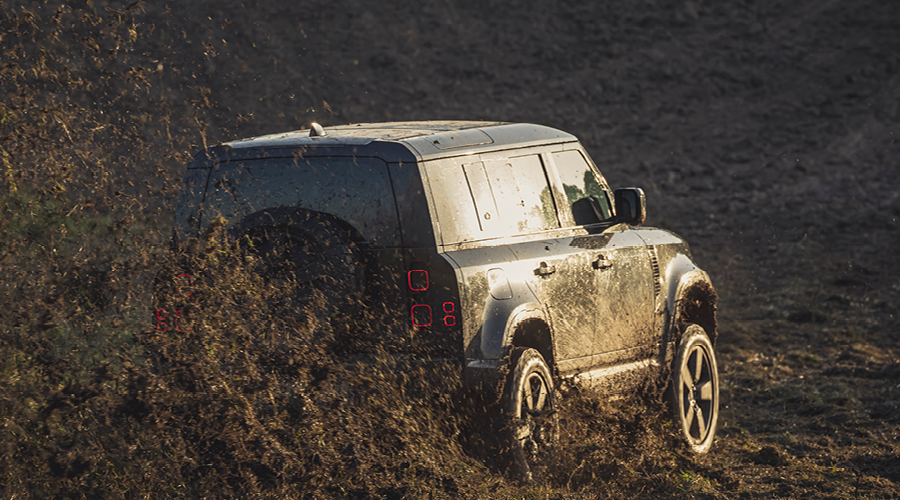
Used in the film alongside a fleet of Land Rover’s most robust vehicles (including, the Range Rover Sport SVR, Land Rover Series III and Range Rover Classic) new Defender takes centre stage, a choice the film’s Stunt Co-Ordinator Lee Morrison said was necessary to handle the harsh conditions, steep descents and river crossings that were required in the film’s action sequences. “We needed an unstoppable vehicle to help us battle against the elements,” Morrison said, “so we chose the new Defender.”
Land Rover Santorini Black Defender 110
Unstoppable seems an apt description of this unprecedented car. With a ground clearance of 291mm, a maximum wading depth of 900mm and a number of intrepid capabilities as part of its Terrain Response 2 system, the new Defender is proving itself as the ultimate off-roading vehicle — Land Rover’s toughest and most innovative yet.
Land Rover Santorini Black Defender 110
That said, it takes more than simple practicality for a car to be considered Bond-worthy. For that, it needs a little something extra. A touch of ‘X-factor’ if you will. It’s something the new Defender has in spades. The special effects and action vehicles supervisor on No Time To Die actually worked alongside Land Rover in developing the specifications for the Santorini Black Defender 110 used in the film and it’s as sleek and powerful-looking as you’d expect.
As Lee Morrison (No Time To Die’s stunt co-ordinator) says, “I’m beyond impressed that the Defender is not only back but is much much better.” And we really couldn’t put it better ourselves.
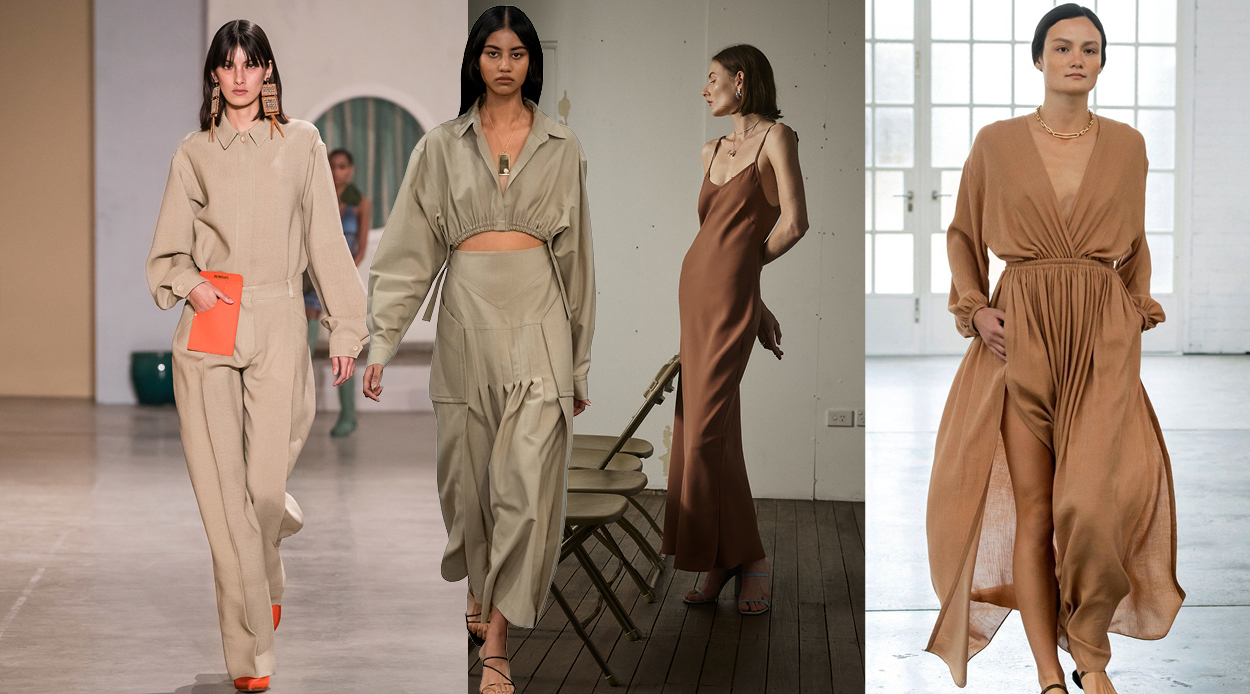
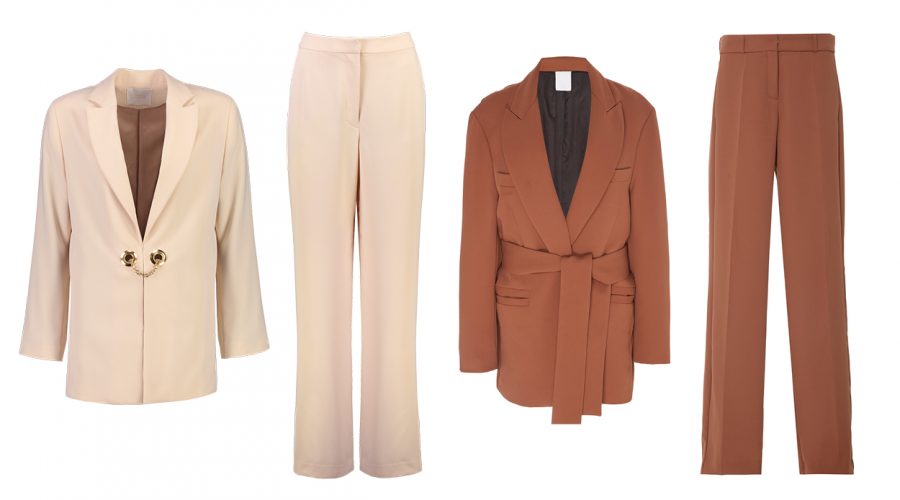
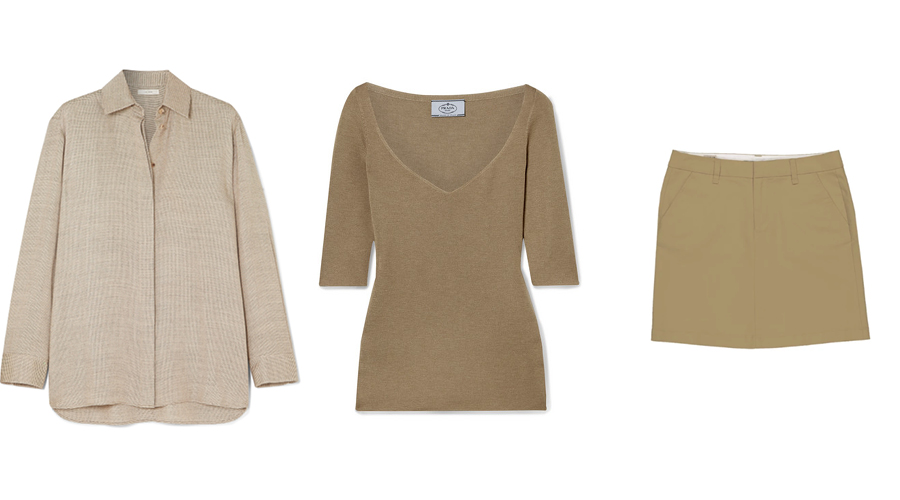
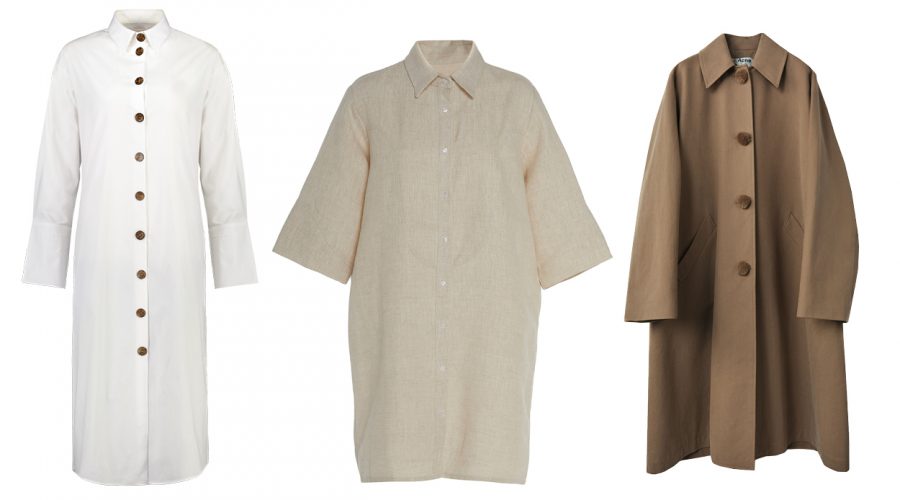
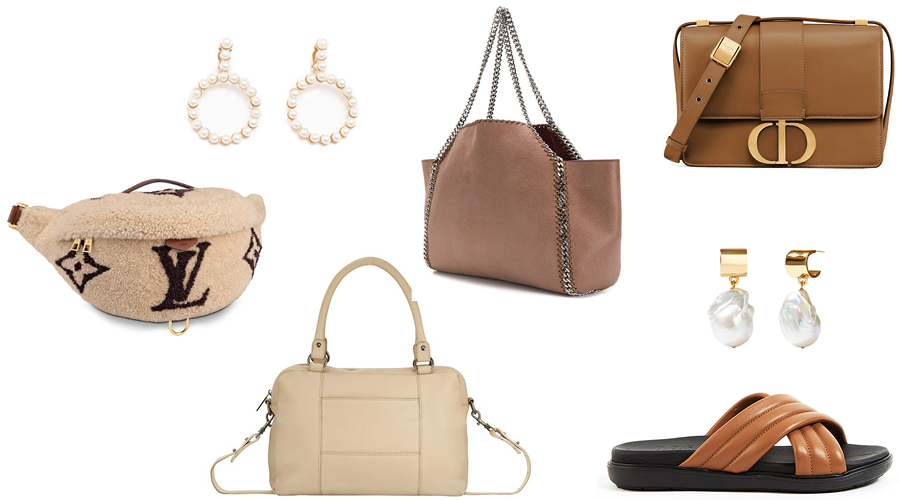
There is something about eschewing the typical summer ‘look’ that feels liberating. And where overtly floral dresses and colour blocking — once signifiers of the arrival of warmer weather — have fallen somewhat out of fashion, it’s the simple, subtle pieces in neutral tones that are staking their claims in our wardrobes.
This summer, why not invest in fashion that is versatile, wearable and that exudes a more relaxed approach to the season? Here, we round up the new pieces that are helping us do exactly that, and should be your first port of call when thinking about building your seasonal wardrobe.
Left to right: The Row Big Sisea oversized blouse from Net-A-Porter, Cashmere and silk-blend sweater from Prada, Workshop Denim Chino skirt from Workshop
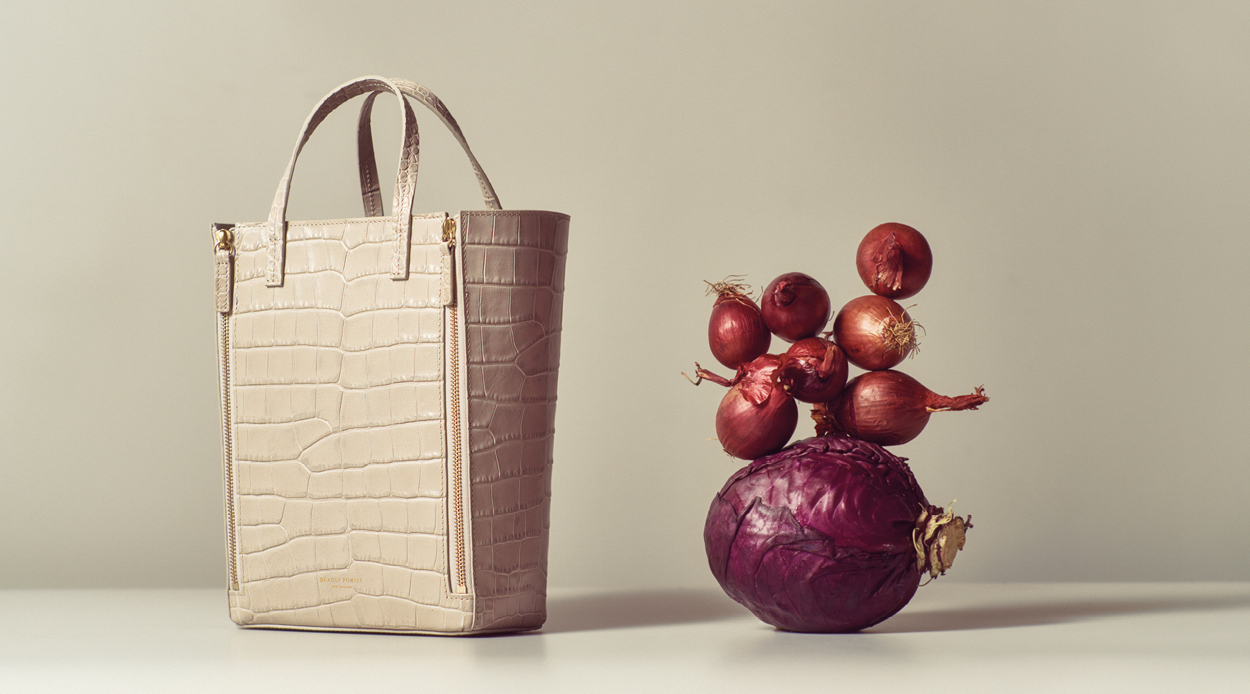
Building its reputation on pushing the boundaries of traditional form, Deadly Ponies’ new Resort 2020 collection is proving once again why this brand is one that remains at the top of our wish lists.
Exploring the unique idea of aposematism — the way some animals use bright colours as a defence mechanism — Deadly Ponies has created a collection that not only plays with contrasting tones and textures (think Cobalt and a beautiful Duck Egg python) but offers evolutions on a number of its signature shapes.
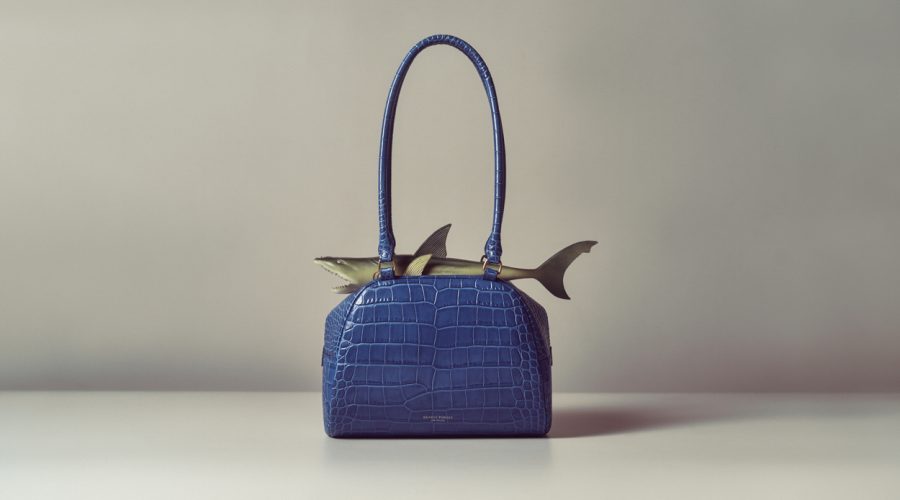
Molten Midi in Cobalt Croc
Take the Molten Midi and Mini, for example. Both entirely new versions of the classic Molton form and expansions of the crossbody silhouette, these bags (alongside others like the new Mr Scurry Tote) represent the significant growth Deadly Ponies has undergone in the last year.
From the launch of D LY P to the opening of a new store in Britomart, Deadly Ponies is evolving. And beyond the bags and small leather goods, the brand is set to also unveil a raft of new branding, packaging and an update of its online store.
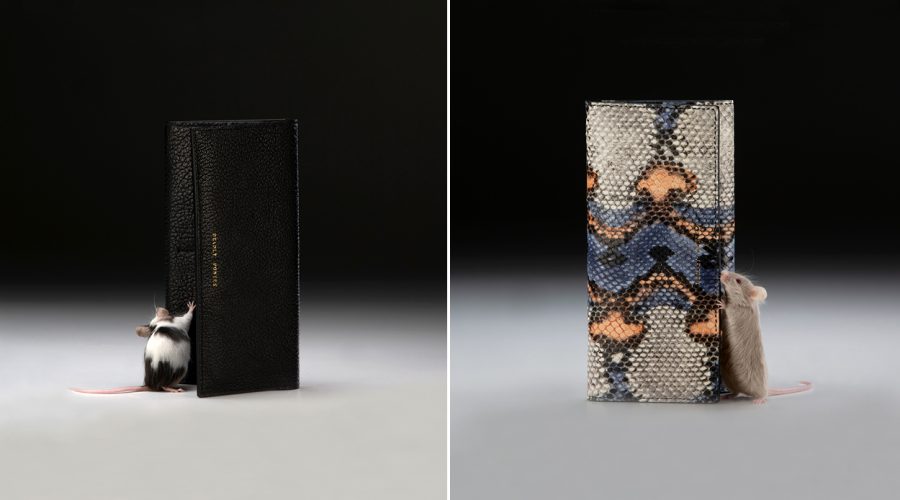
Lady Wallet in Black and Python
Deadly Ponies’ small leather goods are also to be given a bold reimagining, set to land in a range of new-season hues and silhouettes. We’re particularly looking forward to the Lady Wallet (big enough to hold a phone) and mini Lady Wallet, as well as the return of the bi-annual Voyage collection, this season with a neoprene capsule and a nautical theme.
And if all that wasn’t enough, we’ll be keeping an eye out for the release of Deadly Ponies’ new annual print magazine. The publication will come out once a year and will combine the brand’s collections and inspirations into a visually-arresting page-turner.
Started by three sisters who, while living in Melbourne and New York, decided there was a gap in the market for good handbags that spoke to the easy, chic style they were looking for, Dylan Kain has since grown to become a globally-recognised brand.
Now, one of our favourite fashion destinations, Superette, is launching a collaborative collection of handbags and belts with Dylan Kain, and we’re pegging the pieces as serious contenders for accessories of the season.
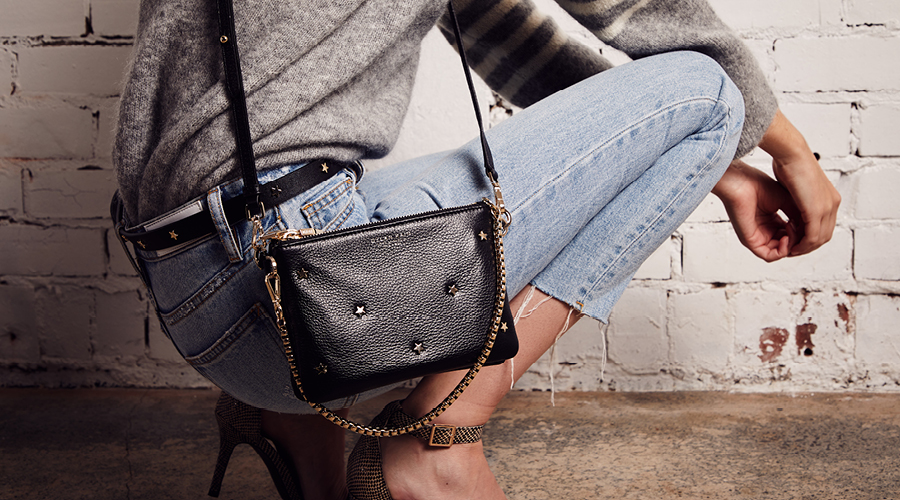
Inspired by Superette’s sell-out NZFW collaboration last year, this latest collection features a new take on Dylan Kain’s popular LSC bag, embellished in quintessential Superette star studs and finished with pale gold hardware. There is also a corresponding belt, covered in the same detailing and offering a subtle twist on the classic style. Both pieces are made from 100% leather are undeniably timeless, promising to be the perfect finishing touch for any summer outfit.
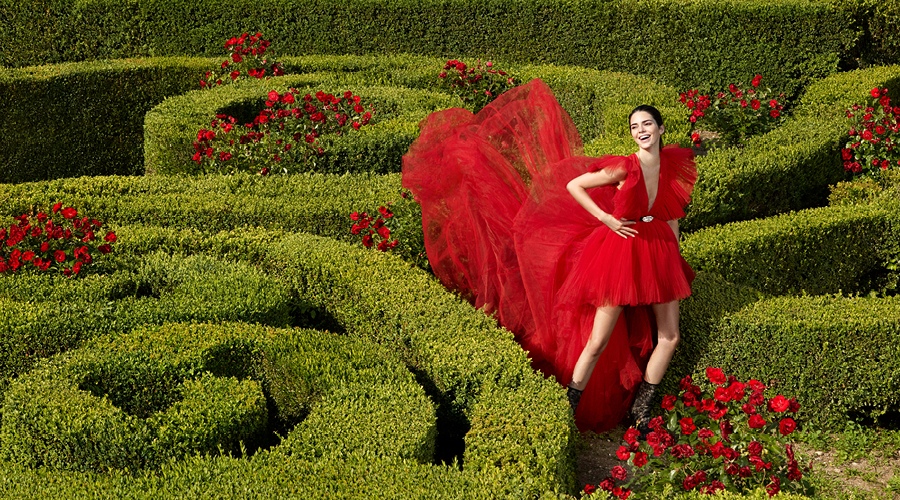
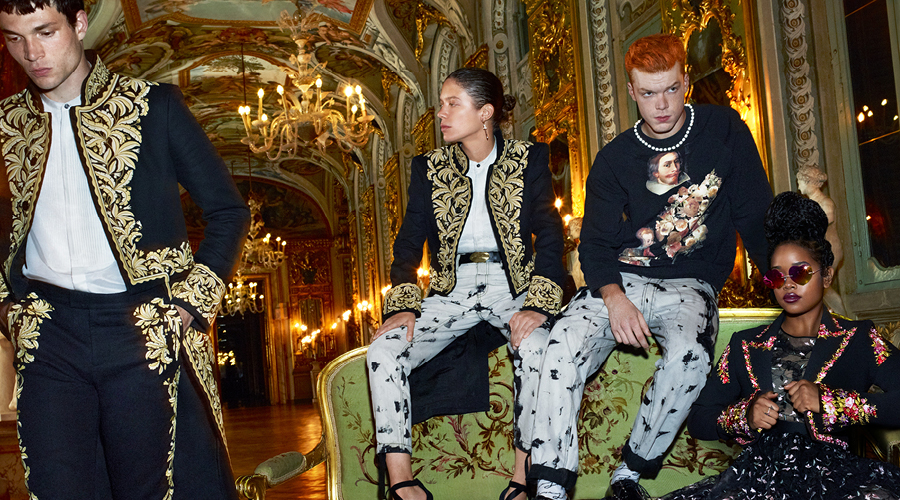
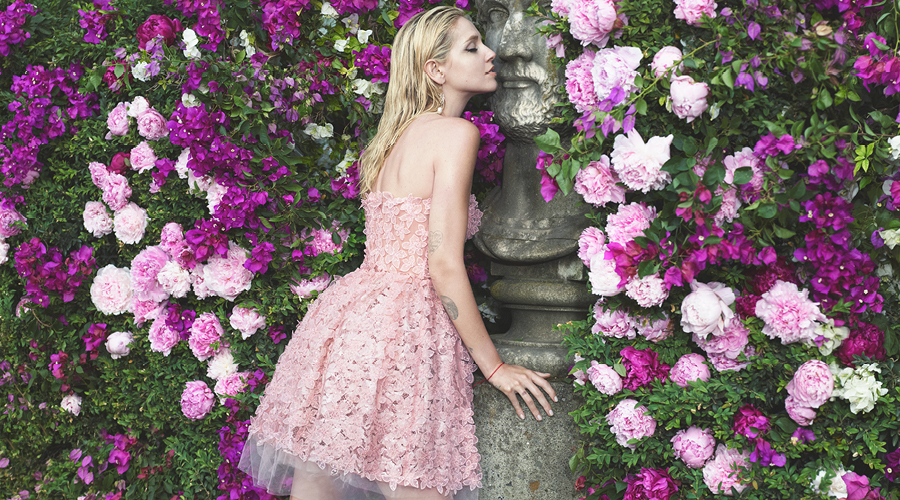
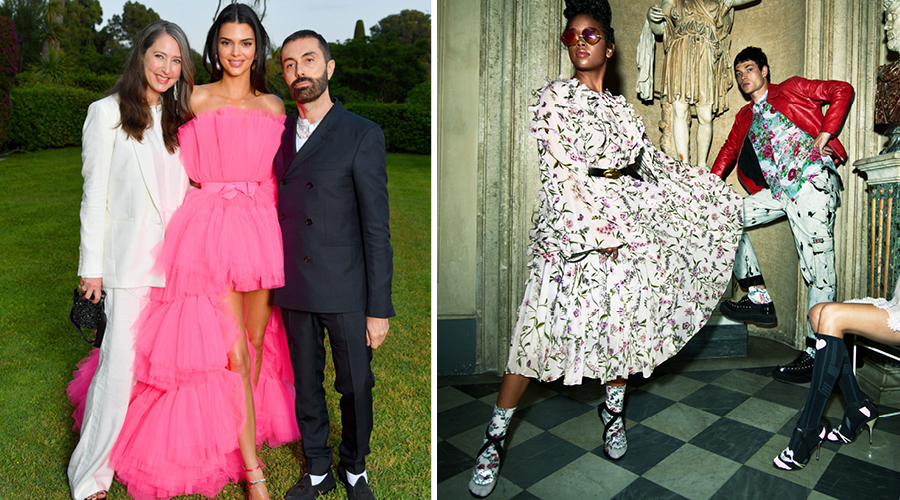
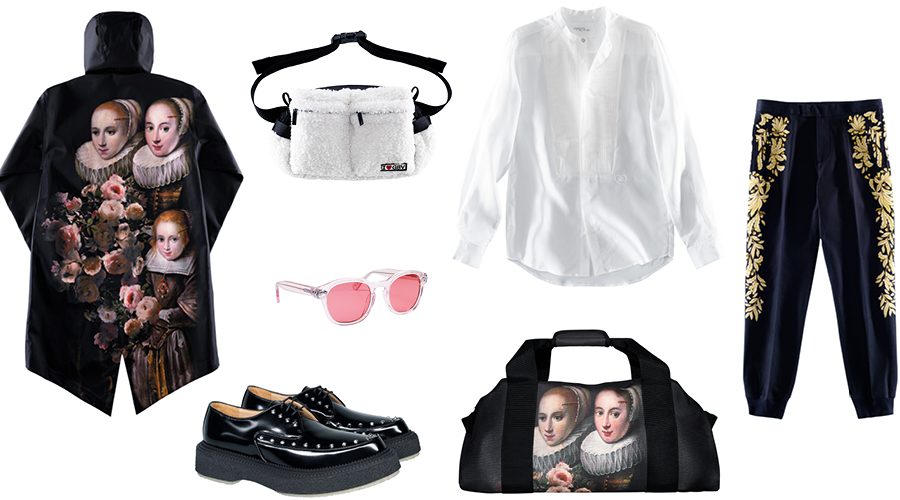
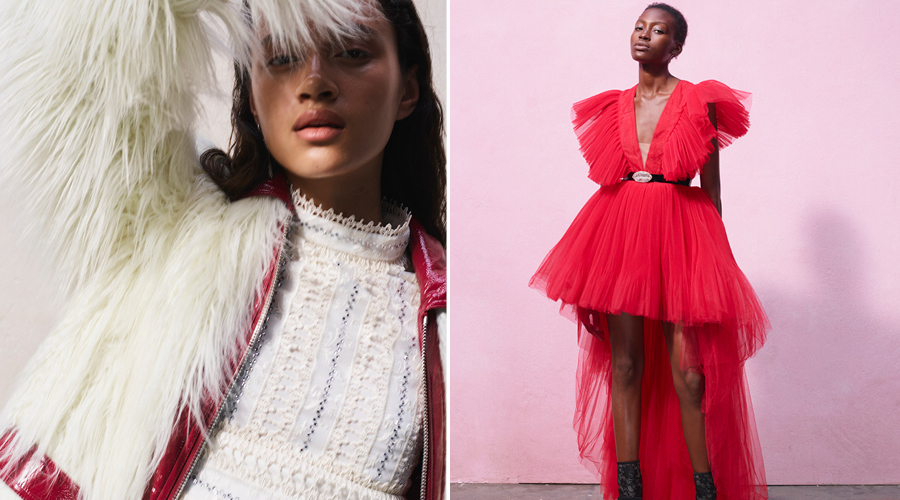
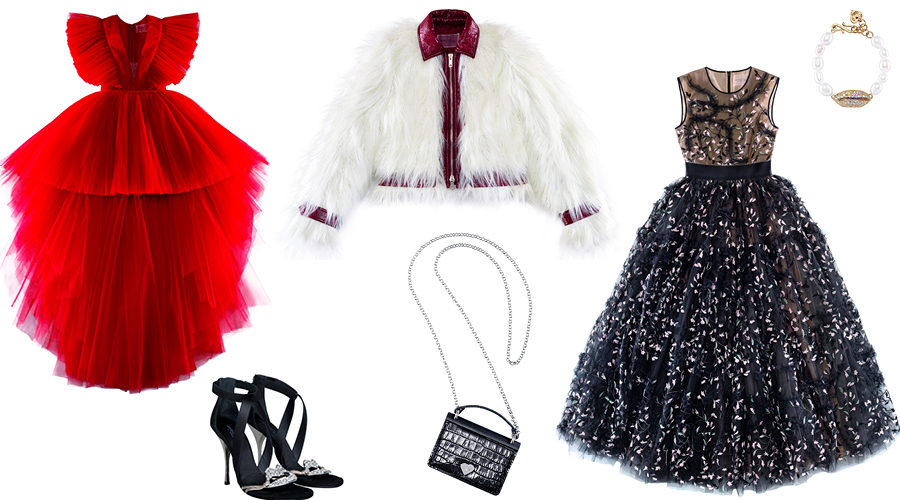
H&M’s designer capsule collections have proven a successful venture for the brand since they started with Karl Lagerfeld in 2004. Since then, H&M has worked alongside some of the biggest names in fashion to bring its customers collections that capture the high-fashion essence of the label in question while still embodying the high-street ideals that H&M has built its reputation on. This year, Italian powerhouse Giambattista Valli was the designer chosen as H&M’s collaborative partner, resulting in a stunning collection that both evokes Valli’s signature couture style while still feeling true to H&M. We spoke with both Giambattista Valli himself and H&M’s Creative Advisor, Ann-Sofie Johansson, to ask about the inspiration and process behind the impressive collection.
Left: Ann-Sofie Johansson, Kendall Jenner and Giambattista Valli
Giambattista Valli: What was the design process like for this collection? Did you have to change your usual approach or look elsewhere for inspiration? The design process was certainly very different – with H&M being so industrial, the fabrics and the techniques have been adapted to a lower price point. But the creative process behind it – from conception to execution – was in no way different from when I sit down at my desk with a blank piece of paper in front of me. After that moment of introspection, I start sketching. What comes after is just about careful selection of the best ingredients to make what I had imagined turn into reality. This time was no different with the exception that I knew I would have the H&M customer joining my other clients. What I was adamant about it that like any of my collections the whole collaboration had to be executed with perfection in mind and the details of each piece is proven in the results.
Giambattista Valli has become synonymous with uber-feminine shapes and couture finishes — how did you fit these high fashion ideals into a more high street framework? For both women’s and men’s, I handpicked different signature Giambattista Valli elements, such as key silhouettes, plissée tulle, crystal and flower embroideries to be reinterpreted for the H&M customer. The collection conveys the “esprit” of Giambattista Valli but has been produced with techniques that could accommodate the needs of such a wider audience – for women and for the launch my very first men’s collection ever, which is inspired by the eclecticism and global youth culture but infused with the Valli DNA.
This collab also marked your first foray into menswear — what were the most challenging aspects of designing for men? I do not distinguish pieces between womenswear or menswear, I rather designed this collection for customers regardless of gender. When I create a piece, it is about the character who wears it, their personality and their own distinguished style and culture, and how my design could embrace these. So regardless of womenswear or menswear, it finally comes down to these core elements of an individual.
What kind of woman/man do you envisage wearing pieces from this collaboration? The Valli Girls and Valli Boys are very independent. They don’t follow any trends and they’re very nomadic in their sense of style. They are very eclectic. The Valli People adapt to any situation in such a beautiful way because they are comfortable with themselves.
Which pieces are your picks to be the most popular and why? I love every single piece of the collection. To me, they feel like unique collector pieces rather than throw-away garments produced based on trends. They are timeless and meant to be kept in one’s wardrobe, to mix and match to the customer’s personal style, embracing their personality. I truly treasure the span of offering and the variety of pieces from this collection: from street and daywear to evening and party looks, customers can enjoy the world of Giambattista Valli. I am also very proud of having approached menswear for the first time with this collaboration, although I always design for characters, regardless of their gender. Freedom of expression is the ultimate luxury, not the value of the price tag!
Ann-Sofie Johannson: H&M has undertaken a number of designer collaborations over the last few years… Why did you feel Giambattista Valli was the right fit for this year’s collection? We chose Giambattista Valli for this year’s H&M designer collaboration because he is the undisputed master of couture with an amazing ability to create strong silhouettes, and both H&M and Giambattista himself wanted to share that with our customers around the world. We were also drawn to how he speaks to the modern woman and man as much as the craftsmanship and beauty of his designs, which you’ll be able to see throughout the collection.
What were the biggest challenges in producing this collection? Were there any particularly difficult pieces to make? The main challenge was probably getting the same effect of a couture piece, but we were all really pleased even when the first samples arrived. Authenticity is very important to Giambattista and this H&M collaboration is a very honest representation of the Giambattista Valli couture dream. The most rewarding is the fact that we both wanted to express this idea of timeless beauty that is part of the Giambattista Valli DNA, pieces that customers will have in their wardrobes for a long time, some even becoming collector pieces, and I think we’ve succeeded!
How did the collaborative process work here? I.e. how much input or influence did you have in the final designs? We generally give “free reins” to the designers for the collaborations, but the H&M team also work closely with them, bouncing ideas off each other, sharing sketches, looking over the samples and so on. This year, in close collaboration with the H&M team, Giambattista Valli has created a collection that is an eclectic recap of his signature styles with pieces designed to last and be loved over time. They are beautiful and well-crafted – spanning both womenswear and menswear – but also effortless and timeless. There’s a wonderful high-low mix of partywear, for example, and more streetwear-inspired garments, which ultimately act as a full wardrobe for different occasions.
How do you think the collection will be received by the H&M customer? I very much hope with utmost enthusiasm and happiness! Giambattista has always said that his goal with the collaboration was to make the most number people around the world happy and we definitely share that sentiment. But we also want customers to wear the collection, mix it with their own wardrobes and cherish them for a long time.
What are your favourite pieces from the collection? It’s always hard to choose, but my heart does beat a little faster for the maxi-length black floral tulle dress with the jewelled neckline, ruffled details and poet sleeves. I also love the black lace A-line dress with short sleeves, floral embroidery and ruffle hem, and the combination of the red leather trousers and red ruffled silk blouse is just absolutely stunning.
Recently in the office, a few of us have been striving to stave off the 3pm sugar cravings by experimenting with healthier (and mostly sugar-free) alternatives. But no matter how hard we strive to embrace a more wholesome approach, the truth is that when the afternoon slump hits, a single apple or some carrot sticks simply do not cut the mustard.
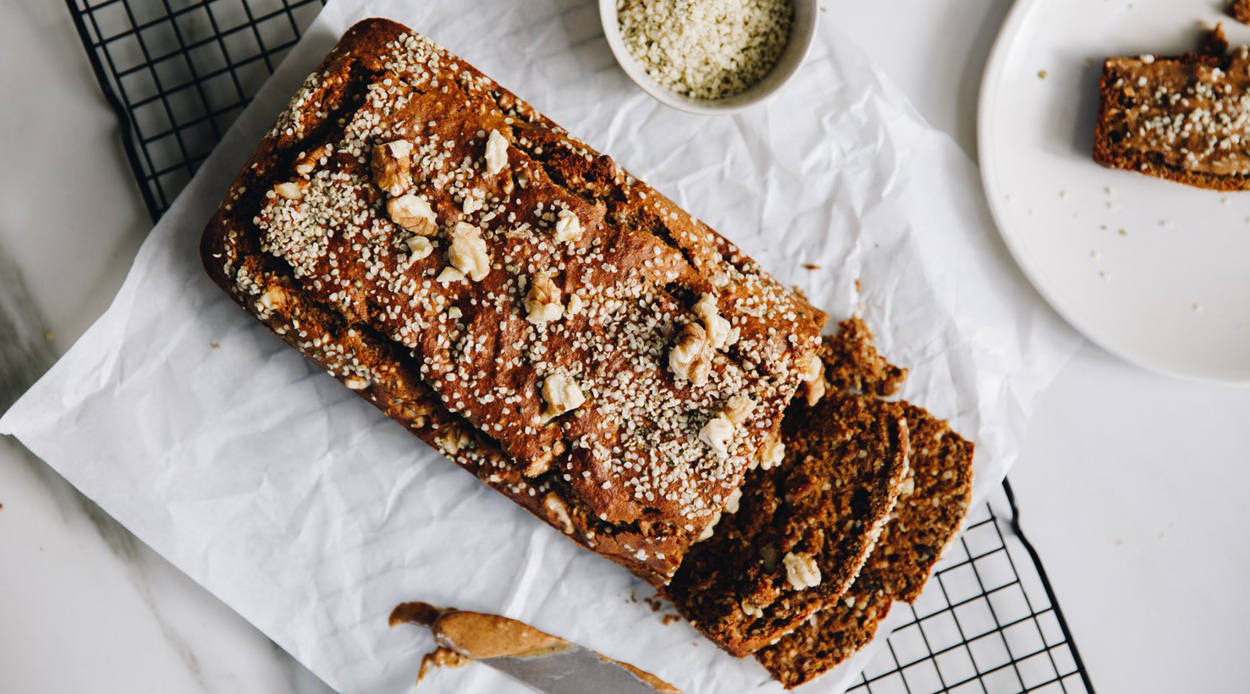
So, we searched for a recipe for something that would do the job and do it well. This hemp banana loaf finds the perfect balance between sweet, healthy, light and substantial so that while it satiates our cravings, it never leaves us feeling too full. Plus, the inclusion of hemp means an influx of protein and good fatty acids to keep our brains firing until the end of the day. To make this loaf at home, pick up some healthy ingredients from your local Huckleberry store and follow the simple recipe below.
Ingredients: 1 cup spelt flour 1 cup almond meal 1/2 cup coconut sugar 1/2 cup hemp hearts and extra for topping 1 tsp cinnamon 1/2 tsp vanilla 1 tsp baking soda Pinch of salt 2 eggs 3 ripe bananas mashed 1/4 cup almond milk 1/4 cup coconut oil, melted 1/2 cup chopped walnuts
Method: Preheat your oven to 170 degrees Celcius and add all of the dry ingredients (apart from the walnuts) to a bowl before mixing with a wooden spoon.
In a blender, add the eggs, bananas, almond milk, vanilla and melted coconut oil until bananas are mashed down and ingredients are entirely combined.
Add the wet ingredient mixture into the bowl of dry ingredients and stir in.
Fold in the chopped walnuts.
Pour the mixture into a lined loaf tin and bake for 40 to 45 minutes, or until a knife comes out clean.
Allow to cool before transferring to a wire rack. Cut into slices and enjoy on its own, or enjoy with nut butter or a dollop of coconut yoghurt.
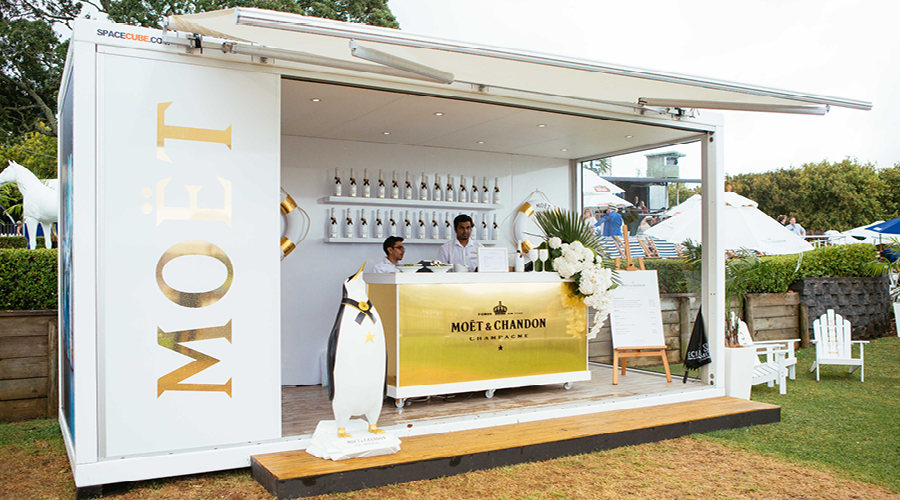
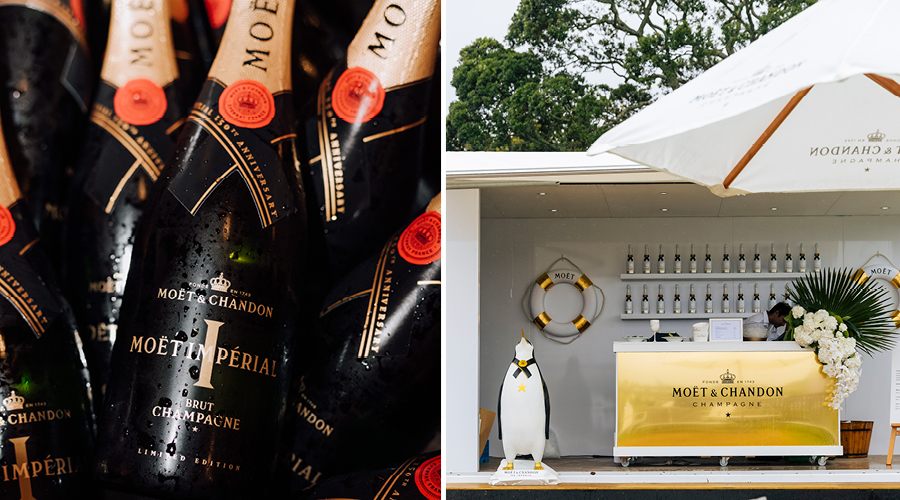
Taking what is already set to be an exciting season of racing to another level, Moët & Chandon is posting up at Ellerslie Racecourse over summer with a series of Moët Moments designed to give guests a special place to relax on race day.
From its Cuvée area to its Champagne Lawn, Moët & Chandon’s setup will offer race-goers a reprieve from the hustle and bustle of the summer racing season and will be serving crisp flutes of its effervescent Moët Ice and Moët Impérial Champagnes.
But it’s the latter that will take centre stage this year, as Moët & Chandon celebrates the iconic drop’s 150th anniversary. The flagship Champagne of the house, Moët Impérial has been served at celebrations all around the world since its inception in 1869 and this year, the historic brand has released a limited-edition bottle to mark the milestone.
With Ellerslie Racecourse’s packed schedule of summer racing on the horizon, the promise of being able to sit back and soak up all the action from Moët & Chandon’s elegant area is putting us in the mood for a celebration.
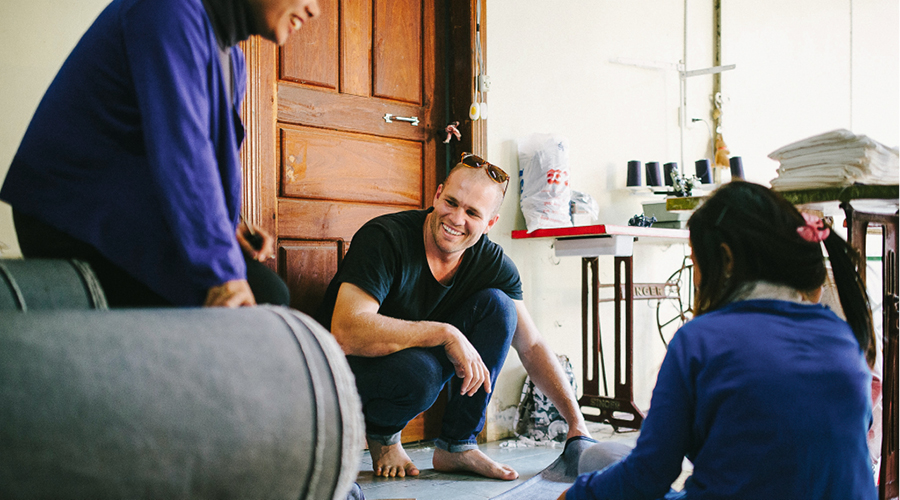
Outland Denim really started after its Founder, James Bartle was in Southeast Asia and witnessed a girl no older than 12 for sale on the side of a road — a story that even now (around 10 years later), still causes him to well up. It was a moment that drove Bartle to create a brand that could be used to help people escape human trafficking, and which is now being applied more broadly to help vulnerable people lift themselves out of systemic poverty. Outland’s ethos of sustainability goes far beyond the materials and processes used. For Bartle and his team, it’s all about the people. As such, the Cambodian seamstresses and factory workers that make Outland Denim garments are paid full living wages and are given educations in areas like money management and basic health care.
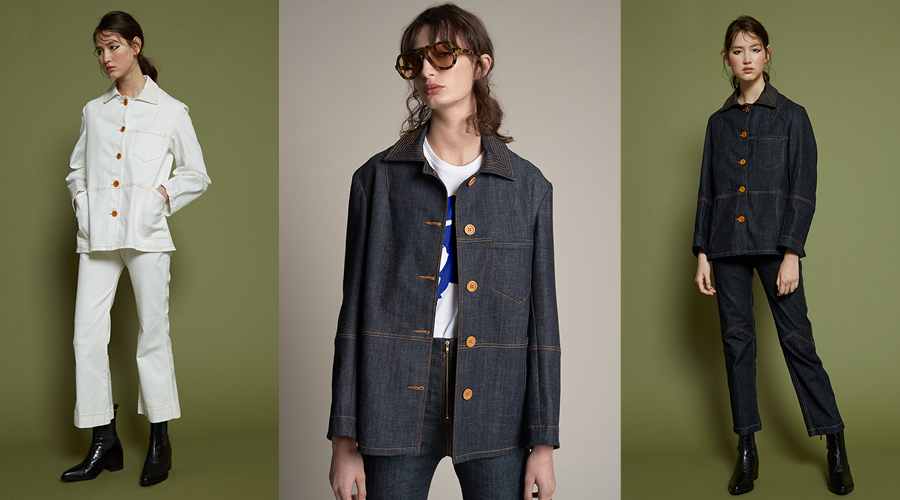
Having been worn by the likes of Meghan Markle, Outland Denim is growing incredibly fast and has recently released a collaborative capsule collection (the first collaboration they’re ever done) with Karen Walker. We spoke to Bartle to learn more about how the collaboration came about, and what the future looks like for this sustainable brand.
Explain how the design process behind this collaboration worked… what did Outland and Karen Walker each bring to the table? The Outland Denim and Karen Walker teams worked collaboratively in the design process to create a range that our customers would enjoy for years to come. We started by drawing inspiration from favourite pieces from the Karen Walker archives, and refining them, making a priority the denim composition, feel and quality, and working with a colour palette that fitted with the cleanest washing process we could achieve. As with all Outland Denim pieces, this range was made by our production and finishing teams in Cambodia. The “Drummer Girl” icon created exclusively for this collection, found on the classic-cut T-shirt, perfectly encapsulates the partnership between the two brands, which is fundamentally about empowering women and taking action.
What was the inspiration behind the collection? Where was the starting point for you and Karen? When exploring the possibility of producing a co-designed capsule, Karen Walker was an obvious choice. We’ve been longtime fans of not only the label’s design lens but also Karen’s ongoing commitment to prioritising transparency and ethical practices over profits. To the Karen Walker team, sustainability is not an after-thought, greenwashing, or a marketing campaign; it’s at the forefront of their design process. We also saw our approach to transparency mirrored in the way the Karen Walker team has not only thoroughly investigated their supply chain but also made this information readily and easily accessible online. Until it goes without saying that your garment was manufactured with respect to the maker and the environment, transparency is key in building this trust with customers who are longing to belong to brand communities that mirror not only their style but their values, too.
Like much of the sustainable fashion community who believe in collaboration over competition, it was our shared values that brought us together, and the conversation started from there.
Who do you feel you designed it for? The common thread that ties our customers together is an appreciation for quality pieces with longevity. This range is for people who value buying well and buying less, and, of course, who march to the beat of their own drum.
What are the most important things you learned through this process? This, as our first collaboration collection, cemented our brand’s belief in collaboration over competition. The changes we hope to see in the fashion industry, we cannot achieve on our own. But more importantly, this collection presented a lot of up-skilling and learning opportunities for our staff in Cambodia. It is a huge milestone for us, to work alongside someone so highly regarded in our industry. The fact that our team has tailored this collection is a testimony to their dedication to their craft, and we are incredibly proud of this achievement.
James Bartle
Denim often gets a bad rap for the largely unsustainable practices surrounding it. When you started Outland, was it a challenge to reconcile the idea of working with this environmentally-harmful textile in a more sustainable way? In developing Outland Denim, we quickly learnt that not only is denim one of the most challenging sectors of the fashion industry to break into, it’s also one of the dirtiest environmentally. This was a bit of an uncomfortable revelation for a company that had social justice at its core. The idea that you could help one group of people, while contributing to undermining another through environmental degradation was something we couldn’t ignore, so we set about cleaning up our supply chain pretty quickly, and with that came the notion of ensuring that every aspect and person within our supply chain, from the cotton pickers to the denim mill and courier company, were slavery-free while utilising the most environmentally responsible practises. We now have a team wholly dedicated to this side of our business. Every button rivet and stitch is selected from suppliers who are leaders in their fields of social and environmental sustainability; they share in our values and goals.
But the greatest environmental milestone for Outland Denim happened earlier this year, when we opened our first stand-alone Wash and Finishing facility, equipped with state-of-the-art water and energy reducing technology, which allows us greater control over our environmental footprint, and the ability to grow our team.
What have been the other challenges you’ve faced establishing a brand that is ethical, sustainable and successful? Culture, location and values are factors that contribute to the type of response we receive from suppliers on the topic of transparency. It can be a new, daunting concept to some suppliers when we ask to put information about their company online. To encourage their support in our endeavours, we explain the value Outland Denim places on transparency, and we invite the supplier to set the bar high with us. We believe transparency is crucial to produce genuinely ethical fashion, so we seek to align with suppliers that hold these same values – desiring to transform the industry from the inside out.
What, in your opinion, are the biggest things companies should be looking at when it comes to ethical business practice? Have you noticed change happening in this space? Consumers and brands take ethical fashion a lot more seriously now than when we first started out eight years ago; it was more a niche conversation happening amongst members of the fashion community, and perhaps a bit elitist, but there is a lot more education and awareness now by comparison. It’s a really exciting time period for the fashion industry in terms of environmental sustainability. There is a culture of innovation and collaboration, particularly in the areas of supply chain transparency, denim finishing, textile recycling, and plastic alternatives. We can see a day when our collective successes in sustainability as an industry are not a point of difference but the norm.
While there is no denying the necessity for an urgent shift toward environmental best practise in the fashion industry, we do believe that there is still a lot of work to be done to protect the rights of the people making our clothes; in ensuring they experience a respectful, safe, fulfilling workplace in which they are paid fairly, especially garment workers who are migrants or subcontractors of a label’s primary production facility – these workers are even more vulnerable to exploitation. The 2018 Global Slavery Index estimates that $127.7 billion worth of garments at risk of modern slavery are imported into G20 countries yearly, placing fashion within the top 5 exploitative industries. To offer an alternative way of doing business is the reason we exist.
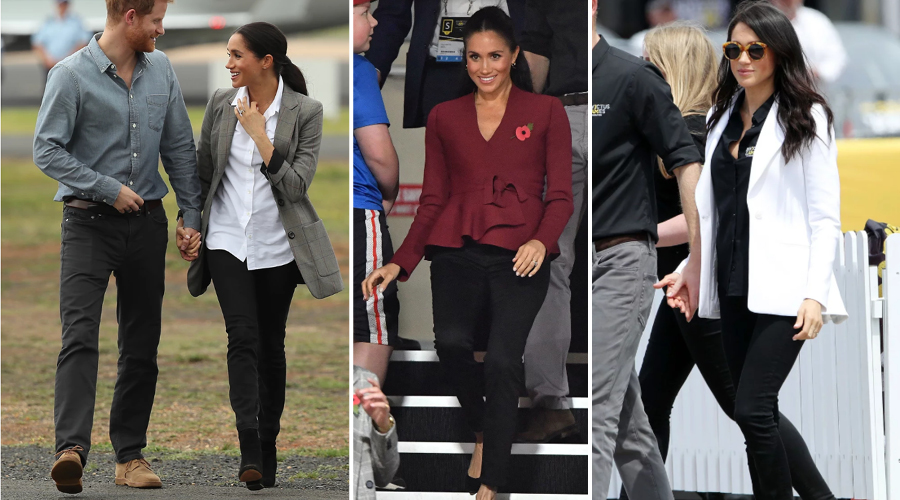
Was Meghan Markle wearing your jeans a turning point for the business? What were the major flow-on effects from it? The immediate effect following the news of the Duchess wearing the jean was a 3000 percent website traffic increase to our Australian home site and about 948 percent to our global group of sites, including .com, .ca, and .co.uk. Sales increased 640 percent for the week following the first sighting of Meghan in our jeans. The black Harriet jean worn by Meghan sold out in Australia in the first 24 hours. A sizable waitlist grew, with customers patiently waiting six months for the jean to be restocked six months later. But most importantly, thanks to the “Markle Effect”, it was possible to employ a further 46 seamstresses in our Cambodian production house. So in terms of growing our business exponentially, Meghan has enabled us to do this in a very tangible, immediate way.
Meghan Markle in her Outland Denim Harriet jeans
What are the biggest things you are looking at/working on for Outland Denim at the moment? At the moment we are working on bringing to life our SS20 range, which will expand our offering to include dresses and chambray shirts, and our largest range of vegan options to date. We are about to announce some really exciting retail partnerships which will make our jeans more accessible to customers around the world, and we also are continuing to pursue a cleaner way to manufacture jeans, through partnerships with universities, governments and institutions around the world. Our current research and development projects begin in the areas of water purification, carbon footprint reduction, and zero-waste production, and extend to the intricate tracking of social and environmental impact with the use of big data.
What advice would you give other businesses looking to implement a more conscious, ethical supply chain? Dive into the design stage of your product. Is it designed with longevity in mind? Where are the materials coming from? What are your suppliers doing to mitigate social exploitation and environmental harm? Sustainability starts with good, intentional design.
Karen Walker’s collection with Outland Denim is now available online and in Karen Walker stores. For more information and to see the full collection, click here.
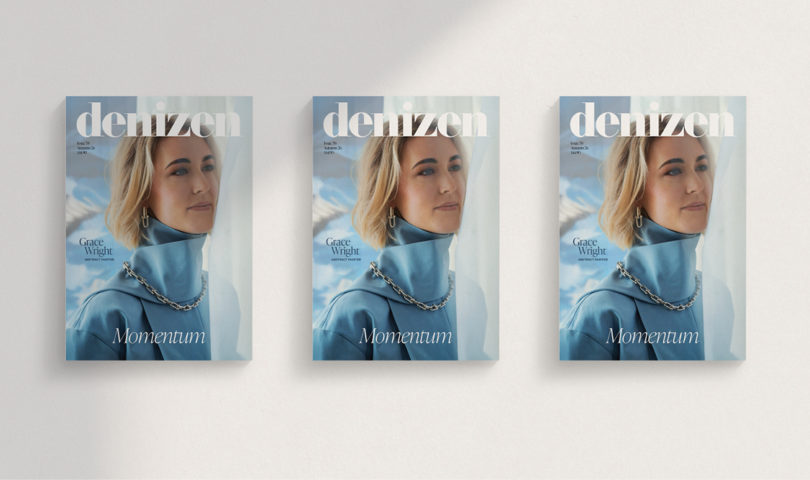
For more exclusive access to what the city has to offer, engaging content, excellent imagery and thought provoking commentary on the life that surrounds you, subscribe to Denizen magazine now.