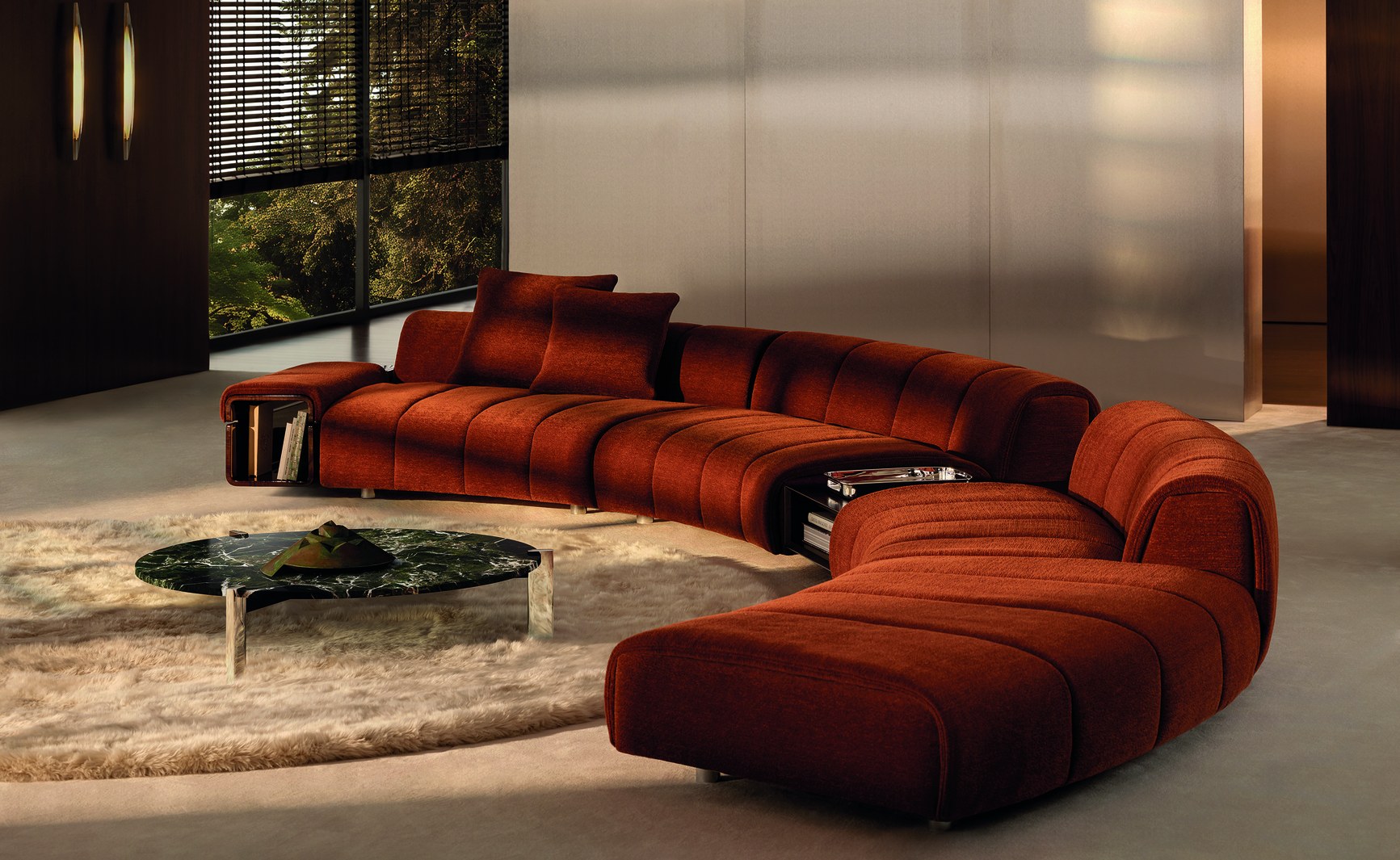
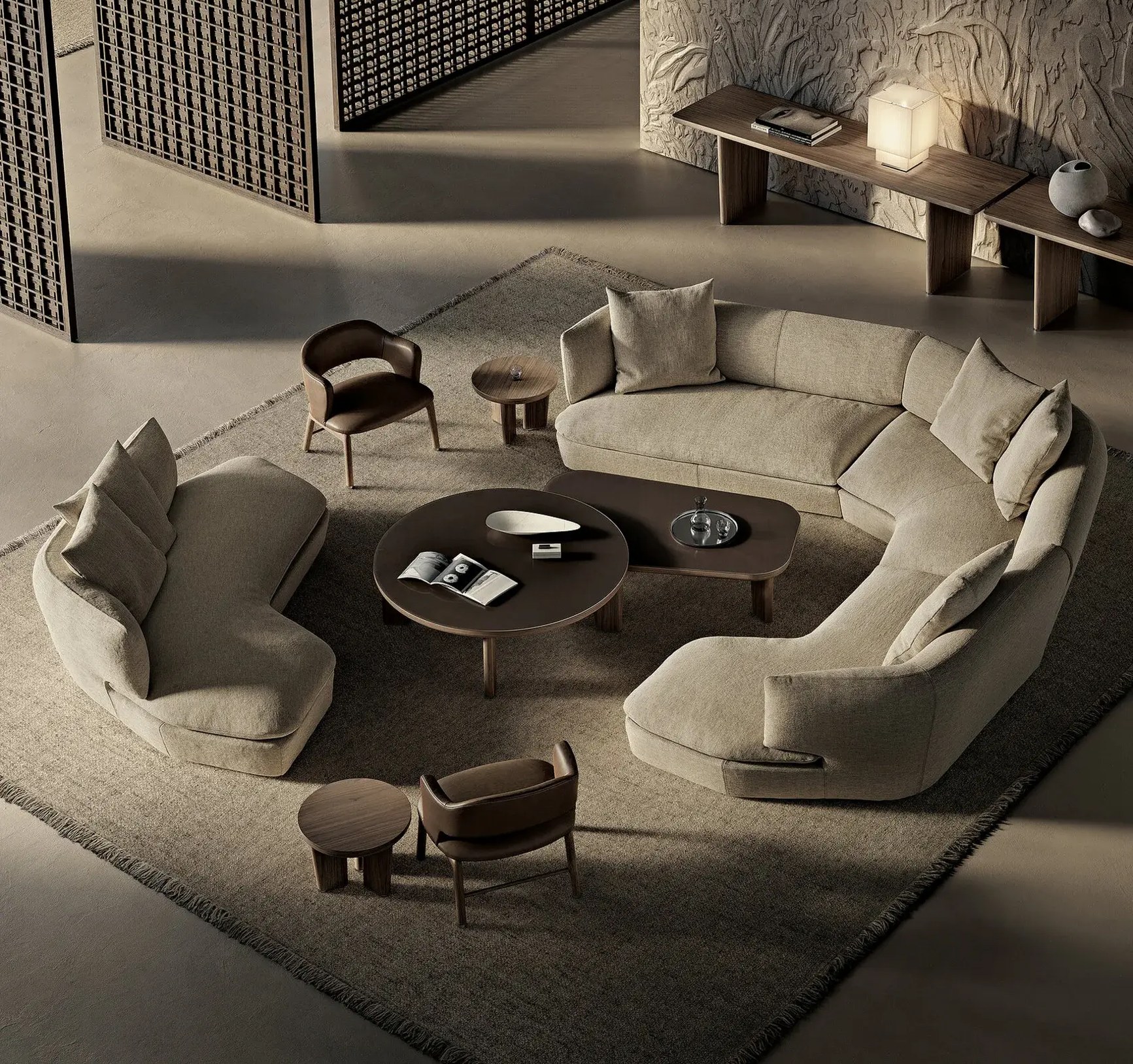
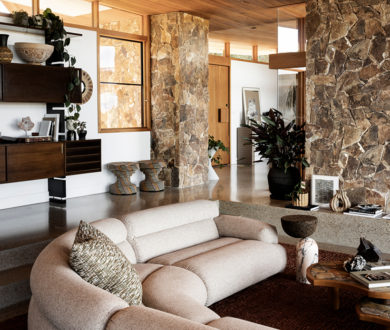
The living room still runs the show, though this year it did so with a clearer sense of purpose, in which softness moved beyond aesthetic preference to become a defining principle that shapes how furniture is conceived, experienced, and ultimately lived with. Sofas have evolved into modular, responsive systems that adapt to space and mood, yet what lingered most was not flexibility alone but tactility, with cocooning forms, generous seat cushions, quilted textures, and fabrics that invite a slower, more deliberate engagement.
Comfort is now the starting point. Across the fair, there was a noticeable shift toward enveloping, unapologetic comfort, paired with a growing interest in contrast, where lacquered elements began to intersect with softer forms, introducing structure without diminishing warmth. This balance was resolved with particular clarity through the Julian sofa by Molteni&C, in which Vincent Van Duysen explored the relationship between generosity and control, allowing light to articulate the surface and reveal the depth of the material rather than flatten it.
A more expansive interpretation of softness emerged through Minotti, where the Orion sofa by Giampiero Tagliaferri introduced a spatial composition of overlapping volumes that extends beyond traditional seating, while the Ruffle system by GamFratesi approached the same idea through a more tactile lens, wrapping the structure in continuous padded bands that emphasise both comfort and construction. In both, there is a clear intention to move beyond static furniture toward something more fluid, more responsive, and better aligned with how we actually occupy a room.
A lighter counterpoint appeared through Poliform, where Jean-Marie Massaud’s Attimo chaise longue reduced seating to a singular, fluid gesture, offering a sense of ease that sits comfortably alongside the more complex modular systems, while maintaining a clarity of form that feels instinctive rather than imposed.
This language of softness extends naturally into the bedroom, where the distinction between spaces continues to dissolve, most notably through the Lanai bed by Poliform, designed by Yabu Pushelberg, which reimagines the sleeping area as a layered environment that accommodates rest, storage, and informal living within a single composition. A similarly assured approach could be observed at Cassina, where Patricia Urquiola’s Ardys sofa translated seamlessly into a broader conversation about volume and comfort, with its duvet-like softness and visible stitching reinforcing the idea that upholstery now carries both structural and visual weight.
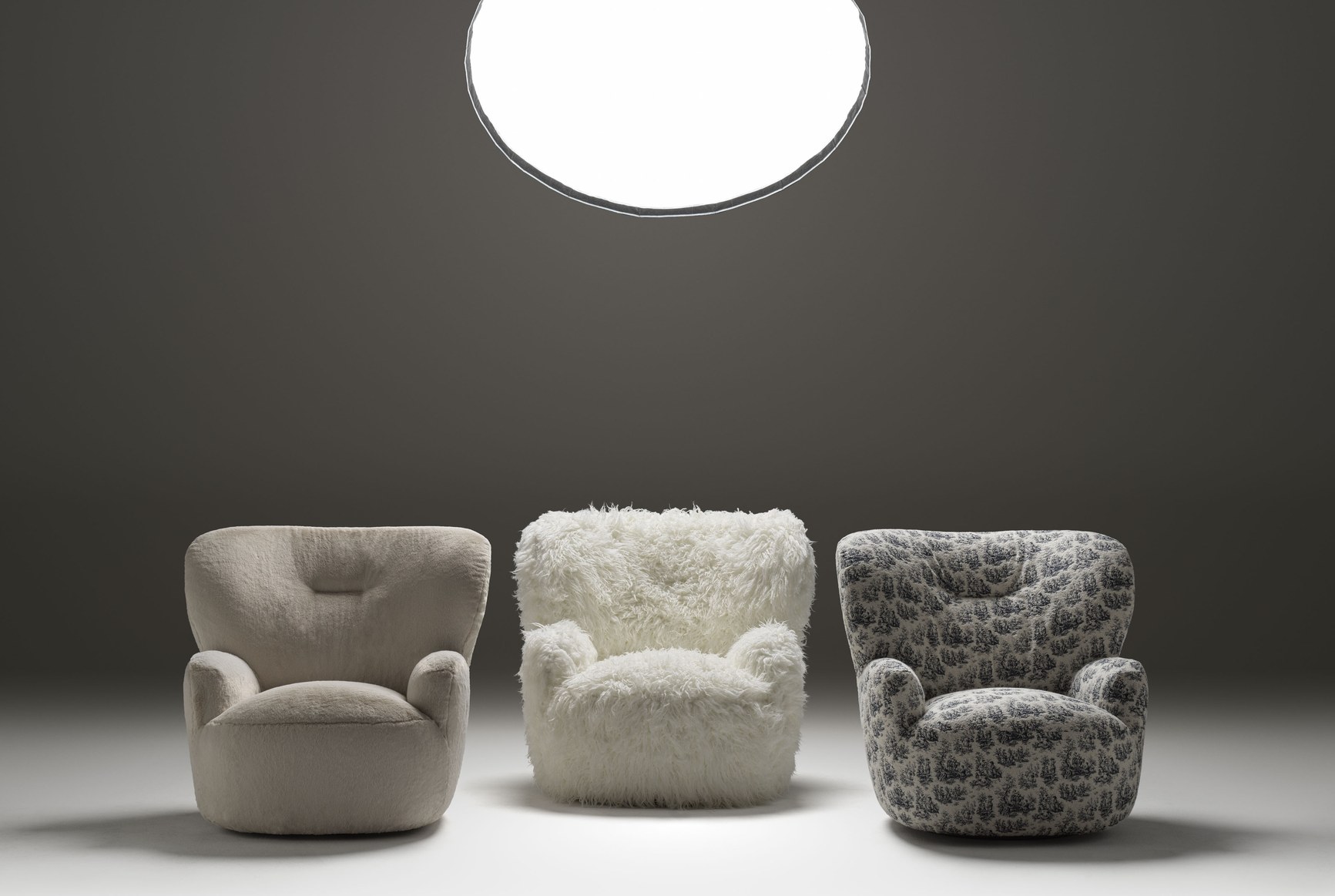
While at Gervasoni, Paola Navone approached the question from a material perspective, treating fabric as a means of reinterpretation, where the Loll armchairs and poufs shift character depending on their ‘outfit’, reinforcing the idea that upholstery has become an active, expressive layer rather than a passive finish.
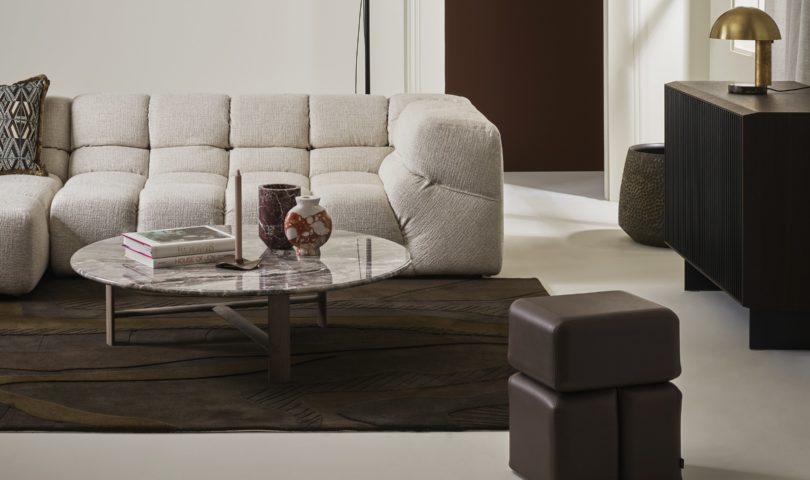
Quincy sectional sofa by Flexform from Studio Italia
Beyond the sofa, the chair revealed its own evolution, where the resurgence of the tubular frame felt less like nostalgia and more like a considered re-examination of a familiar material language, allowing designers to explore structure with both precision and personality. This was evident in the work of Flexform, where Antonio Citterio’s ‘Avalon’ combined structural honesty with a refined approach to comfort, while a reissued cantilevered design by Cassina, developed in collaboration with Karakter, revisited modernist principles with a subtle recalibration of proportion.
A more playful interpretation emerged through Lema, where Carlo Colombo’s ‘Graffetta’ armchair reduced the concept to a single, recognisable gesture, while the Lie Low bed by Poltrona Frau, designed by Faye Toogood, extended the conversation around organic form and material expression, suggesting that the frame itself has become a surface for design exploration rather than merely a support structure.
Before Perlée became a collection, the golden bead was already firmly established within the Van Cleef & Arpels vocabulary, appearing across jewellery designs as a polished point of emphasis rather than a grand declaration. Now, with six new three-row rings spanning diamonds and coloured gemstones, that small sphere of gold assumes a scale that sits between delicacy and presence, with the kind of elegance the Maison has long made appear effortless.
Van Cleef & Arpels Perlée diamonds bracelet, 1 row, 18K rose gold, Diamonds. Van Cleef & Arpels Perlée pearls of gold bracelet, 18K rose gold. Van Cleef & Arpels Perlée couleurs ring, 3 rows, 18K rose gold, Ruby. Van Cleef & Arpels Perlée watch, 23mm, 18K rose gold. Van Cleef & Arpels Perlée diamonds ring, 3 rows, 18K rose gold, Diamonds.
Within the Van Cleef & Arpels world, the golden bead remains one of its most enduring signatures, a discreet orb of polished gold that has appeared consistently in the Maison’s creations since the late 1940s. Its strength lies in repetition, proportion and tactility, qualities that have allowed it to possess the sort of permanence one wants from jewellery, rather than being tied to fleeting trends.
The new three-row rings lend greater significance to Perlée, offering presence on the finger while still preserving the refinement that has always defined the collection. The five-row rings introduced in 2022 brought greater volume, while the single-row pieces remain more discreet; three rows sit between the two, substantial enough to be acknowledged, yet restrained enough to allow for layering without excess. When worn individually, each ring reads as a concise gesture. Worn together, a yellow-gold sapphire beside a rose-gold ruby, or white-gold diamonds against vivid emeralds, Perlée becomes a matter of personal taste.
Van Cleef & Arpels Perlée pearls of gold hoop earrings, small model, 18K yellow gold. Van Cleef & Arpels Perlée pearls of gold ring, small model, 18K yellow gold. Van Cleef & Arpels Perlée diamonds ring, 3 rows, 18K yellow gold, Diamonds. Van Cleef & Arpels Perlée watch, 23mm, 18K yellow gold, Mother-of-Pearl.
On the diamond models, a diagonal line of nine round stones cuts cleanly across the polished beads, secured by a nail setting whose rounded tips echo the golden spheres with precision, a technical feat executed exclusively by the Maison’s High Jewellery stone setters. The couleurs rings move further still, with sapphires lending depth, rubies bringing saturated crimson, and emeralds retaining their cool intensity.
Beneath the stones, honeycomb openwork allows light to pass upward through the setting, amplifying brilliance from within. Even the beads are prepared with a distinct level of respect, each cast using the lost-wax method, then reshaped and polished by hand through successive stages until its luminosity gradually emerges. Perlée’s appeal lies in detail, proportion and restraint, the place where true everyday luxury usually proves itself.
Australian journalist-cum-author Trent Dalton revisits his childhood stories, characters and chaos in his award-winning novels. But as we discovered when we first caught up with him following his 2024 appearance at the Auckland Writers Festival, laying your life bare on the page is not without consequence — good, bad and beautiful. Two years on, with his most personal novel yet, Gravity Let Me Go, on shelves and Dalton freshly returned to Auckland for another sold-out Festival conversation, his words feel more resonant than ever.
When Trent Dalton calls me late one Friday afternoon, he’s quick to apologise for his tardiness. He meant to call half an hour earlier, but he and his wife Fiona are crawling along the motorway on their way home from a funeral and his phone has been playing up. I assure him it’s no trouble but ask if he would like to reschedule for a day when they hadn’t buried a friend or relative? “Oh, no way,” the author says cheerily. “It was a beautiful celebration for a truly selfless woman—the most life-affirming day.” As I’ll quickly realise, this ability to find light in the darkness is Trent Dalton’s modus operandi.
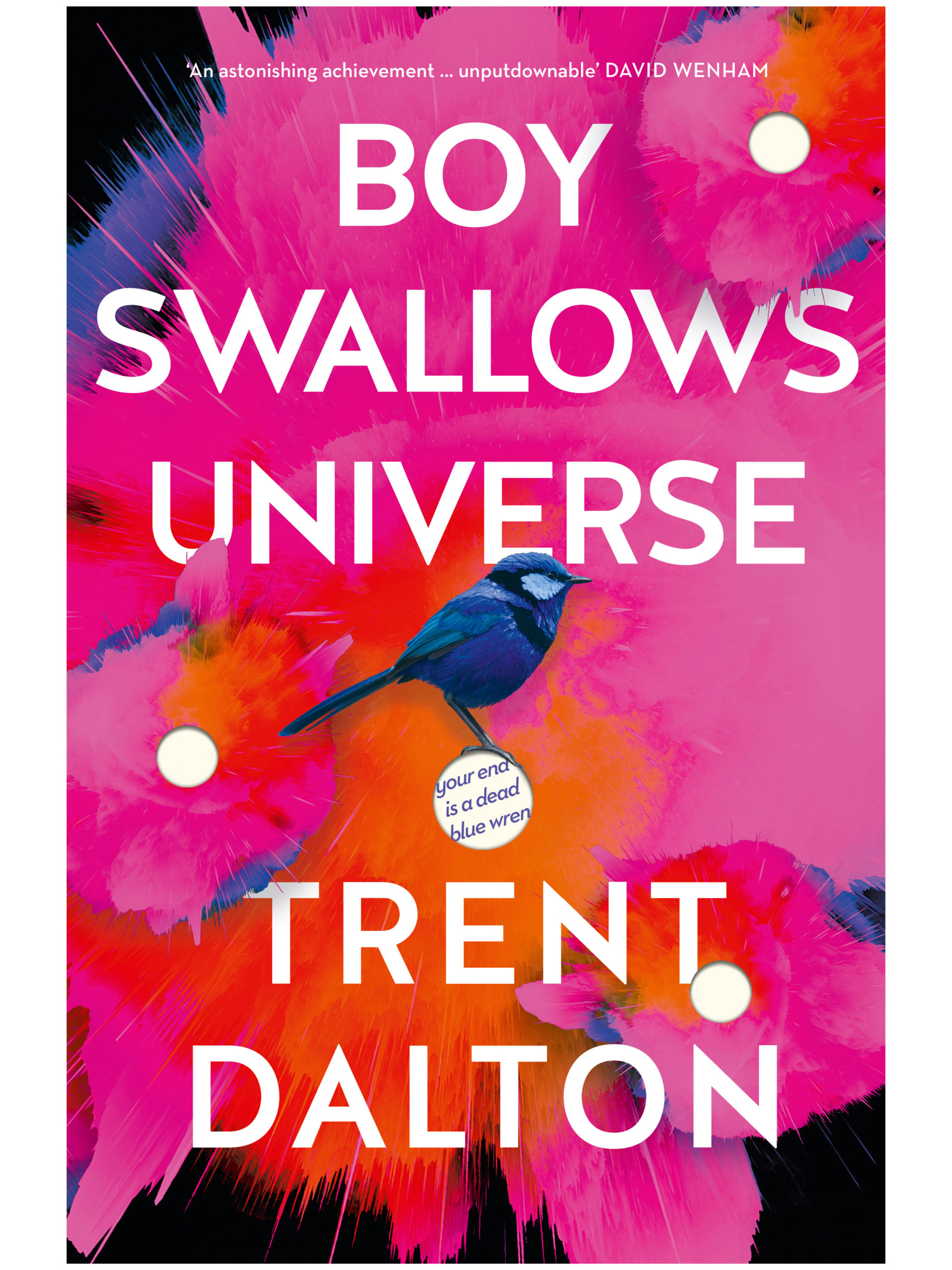
Dalton shot into the public consciousness with the success of his weighty coming-of-age novel Boy Swallows Universe [BSU]. The book is ‘autofiction’, loosely based on the author’s early life with his mum and three brothers in Darra, Queensland. It was an eighties childhood spent barefoot and broke, dealing with the day-to-day realities of drugs, drink and domestic violence. When Dalton was seven, his mum was jailed for heroin, and he shifted to live with his alcoholic dad in a housing estate in Bracken Ridge, Queensland. It was a change of scene but the same grim narrative—though Dalton doesn’t dwell on the despair. “Dad just loved us so much,” he remembers. “And if he could get through the night drinking and to the other side where he was sober, then he was magic.”
His writing, language, backdrops, and characters are quintessentially Aussie, but the stories resonate around the world. “I’m writing about issues that anyone, of any suburb, in any city can connect to,” he reasons. He’s had messages from women worldwide thanking him for telling “their story.” But by far, the most profound feedback came from a 15-year-old boy in South Korea. He wrote, “I have no idea where Darra, Brisbane, South Australia is, but I just wanted you to know that I’ve read Boy Swallows Universe, and because I did, I have decided to live to adulthood.” For Dalton, who has struggled with the ethics and impact of using his own life as literary fodder, the message was a very real, very human vindication.
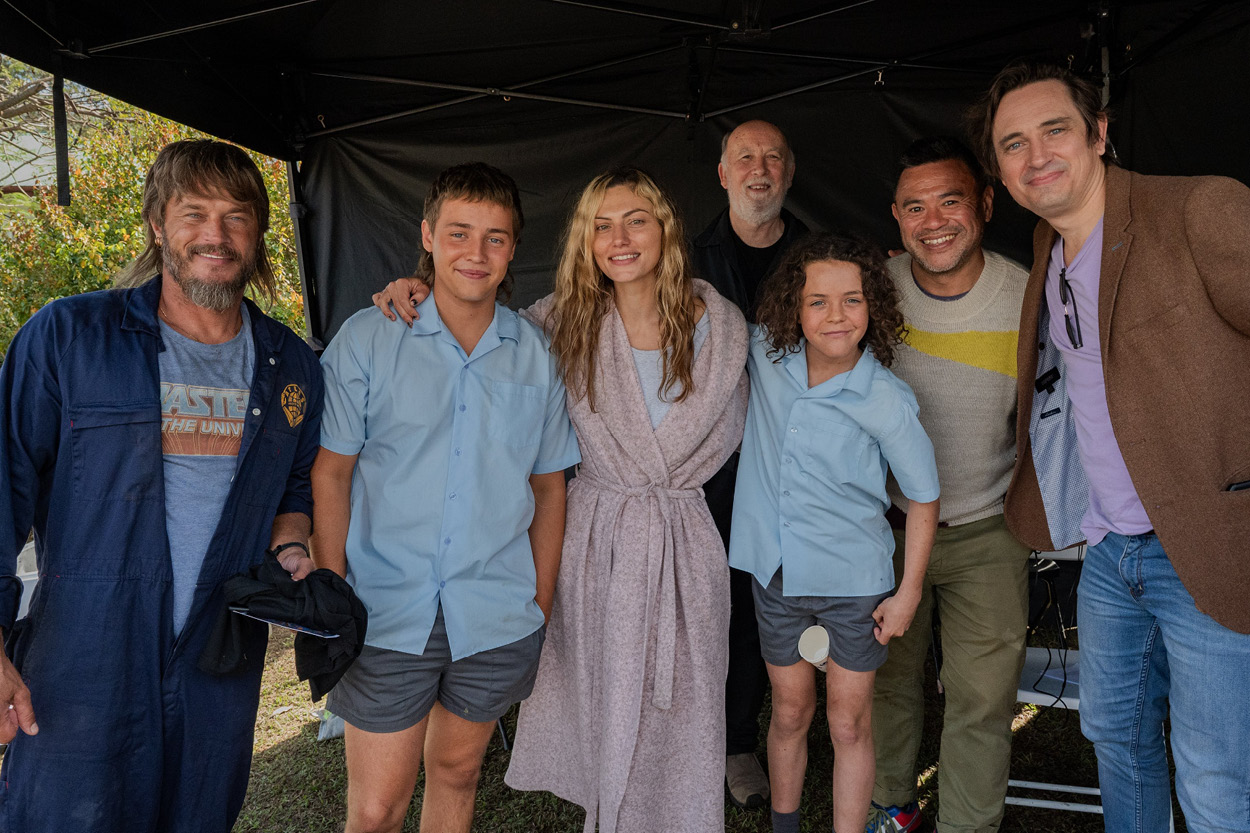
Trent Dalton together with the cast from ‘Boy Swallows Universe’ Netflix series
Earlier this year, Netflix adapted BSU into a seven-part miniseries. Like the book, it followed the traumatised protagonist, Eli Bell, navigating boyhood in a world unsuitable for children. Deftly weaving fact with fiction, it’s peppered with exaggerations of salty characters from Dalton’s past, like ‘Slim’ Halliday, the convicted murderer and family friend who managed multiple prison escapes, his [now reformed] drug-dealing stepfather, and his mum. Echoing real life, the fictional matriarch is jailed for drugs when Eli is just a boy, but the tale strays from reality when (spoiler) the young lad busts into the infamous Boggo Road jail to simply wish her a Merry Christmas. In real life, there was no such escapade, but “The book gave me a chance to do everything I wanted to as a kid,” Dalton has said.
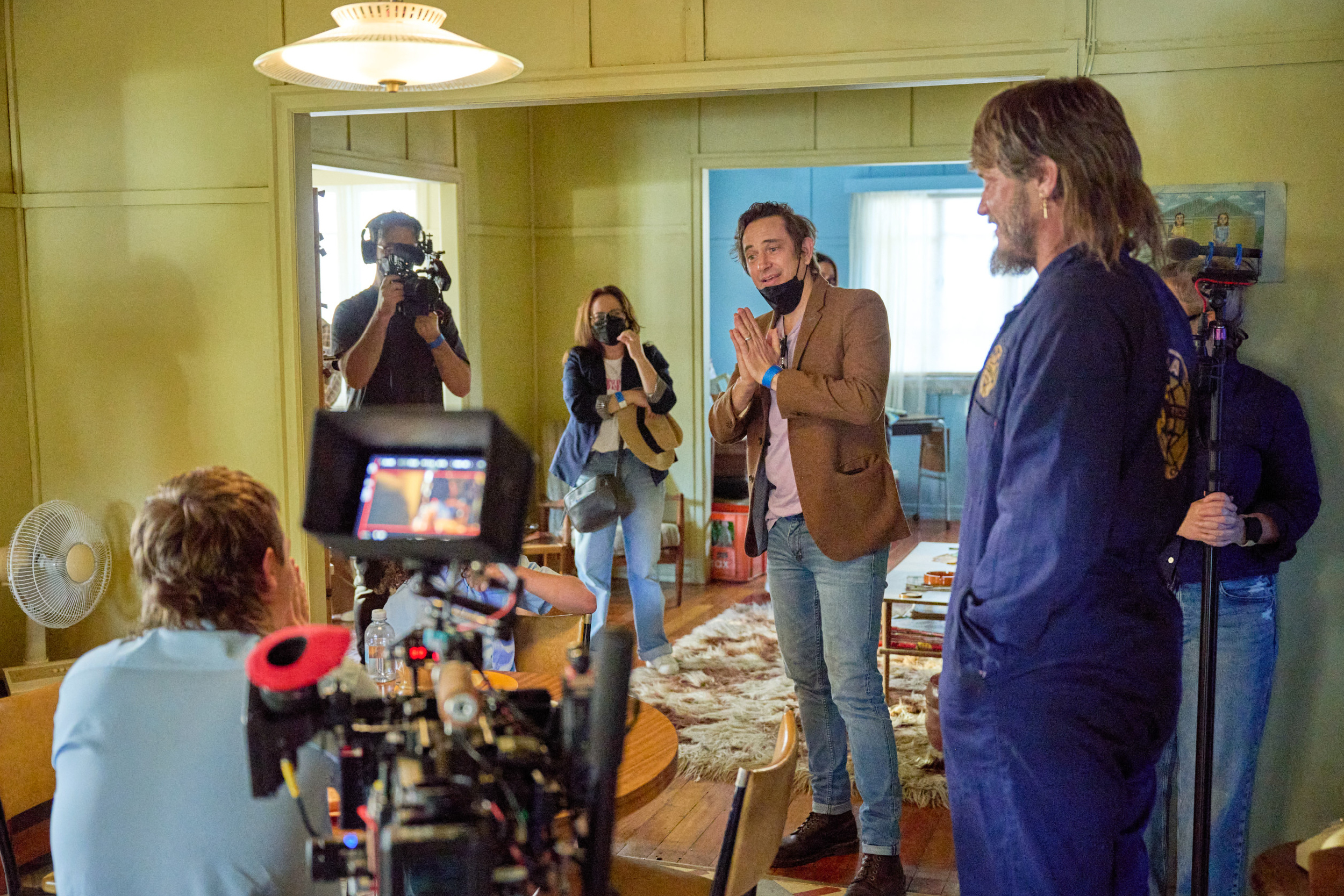
Dalton on set of Netflix’s adapted of ‘Boy Swallows Universe’
Mining his childhood for his novels imparts a rawness on his writing, but it can take its toll. When BSU was in pre-production, the art director had Dalton take her on a tour of Darra, his old homes, jail grounds and Bracken Ridge. When he got to set, it was as if he’d stepped back in time. They had recreated his childhood home with acute precision, from the wallpaper and kitchen to the amber-coloured ashtrays, the stubbie coolers and the Rugby League Week magazines strewn across the table. Looking around, he clocked Felix Cameron, the young actor who played the protagonist, looking like a bag of bones in his old school uniform—the spitting image of his 12-year-old self. “I just started crying,” remembers Dalton. “I went up to Felix and kept asking, ‘Are you ok? Are you ok?’ I don’t think I was talking to him, though; I dunno… I think subconsciously I was talking to myself.”
“It’s an ignorant point of view…that there’s no light for those born between the cracks… of course there is. It’s the light and love that keeps them going.”
It was the type of childhood that few claw their way out of. A perpetual cycle passed from parent to child, like eye colour or dimples, and it almost claimed him. At 15, Dalton was angry and “listening to too much Kurt Cobain,” which stripped off his adolescent blinders to the harsh reality surrounding him. “I was almost destroyed by the sorrow,” he remembers. “When I looked in the mirror, I started seeing the same drunkenness and violence that was happening outside my door.” He was teetering on the edge when everything changed. How? “I met a girl.”
Dalton met Fiona when he was just 20 years old. “She gave me hope and showed me there was so much more in life,” he says. He began forging a career in journalism, spurred on by an eloquent English teacher who told him to “Stop being a shithead, quit hiding beneath the bravado and remember that you can string a few sentences together.” First came a role at Brisbane News and then The Courier Mail, working his way up from human interest pieces to feature writing and, finally, the excitement of the crime desk. Though the job never paid well—”it’s a shitkicker role”—Dalton still feeds those journalistic roots. “I hope I never stop,” he says. “It’s the only thing I was ever good at. It’s my trade.”
In many ways, it was his unique childhood that gave Dalton’s reporting an edge; that insider view of Queensland crime, police corruption, violence, dealers and drugs that led him to tell the stories of the disenfranchised. His first book, Detours: Stories from the Street, was a non-fiction work that explored the lives of 20 Queenslanders living rough. One of the women—who would go on to inspire Roslyn in his new novel, Lola in the Mirror—had been on the street for two decades and lost all of her teeth to a sugar addiction. After reading the story, she confronted Dalton, angry that he’d only covered the “dark stuff,” omitting the romance, friendships and family she’d found there.
Trent Dalton’s new novel ‘Lola in The Mirror’
“Anything I write now is about not judging these people too quickly,” he says. He challenges stereotypes to show how people are multidimensional, never just ‘addicts’ or ‘homeless’ or ‘runaways’, writing about intensely dark themes with an unexpected lightness. It’s a rich dichotomy that has garnered praise and criticism, with some accusing Dalton of being overly optimistic or romanticising the issues. But the author brushes it off. “It’s an ignorant point of view where people assume that there’s no light for those born between the cracks, but of course there is. It’s the light and love that keeps them going. I’ve seen it; I’ve lived it. My mum was nearly killed by her monster who strangled her and left her for dead in the bottom of a Telstra phone box, but it was the light that kept her alive.”
Following that near-fatal assault, the police gave his mum two options: Be homeless or go back to the monster—and they strongly recommended the latter, simply suggesting she ‘not agitate him.’ Ultimately, it was Brisbane’s domestic violence shelters that scooped her up, finding her a rental property, furnishing it and giving her a chance to get her boys back. She’s now retired and “the proudest Mum in Australia,” according to Dalton, and he’s paying it forward by supporting similar charities and shelters through his work, even fundraising for the Wellington City Mission when he visits Aotearoa. “When I write about those mums in my books,” he says with audible fondness. “There’s no doubt about it; I’m writing about my mum.”
Dalton and Fiona have two teenage daughters, so I’m curious how that turbulent past has shaped his parenting? “I’ll give you the honest answer: I think it’s made me too soft,” he admits. The big refrain in BSU is ‘it gets good’, and Dalton seems to channel that, but he’s possibly over corrected, easing their paths with the shelter, security and over-the-top Christmases he never had. The author is working on it—helped by his teens constantly calling him out—but I’m not convinced of the follow-through. He simply cares too much. Dalton is a romantic, a man who finds hope in a housing estate and classifies his abuse-riddled novels as ‘love stories’.
Fiona Franzmann (left) and Trent Dalton (right) working on a stage adaptation of Dalton’s book, ‘Love Stories’, with Australian actor Jason Klarwein (middle) leading the cast as the writer and husband
In that respect, the projects that followed were wholly on-brand. He and Fiona adapted Love Stories for the stage — a co-production with Brisbane Festival and Queensland Performing Arts Centre that landed at Auckland’s Civic in October 2025 to standing ovations. And the novel he’d “just begun” when we spoke arrived in September 2025 as Gravity Let Me Go, a marriage story buried inside a murder mystery, following true-crime journalist Noah Cork as he chases the scoop of a lifetime while missing the bigger one unfolding in his own home. Dalton has called it the most personal thing he’s ever written — a reckoning with what he describes as his “storytelling addiction,” and the cost it can exact on the people closest to him. “The most personal thing we can do sometimes is share our failings,” he has said of the book. It’s classic Dalton: darkness threaded with light, and a love story hiding in plain sight.
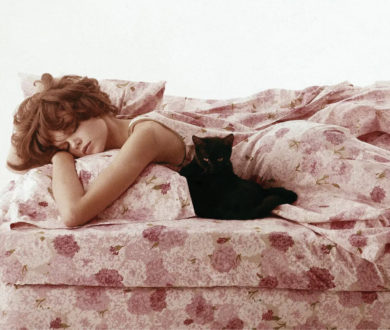
Darker mornings, dry heated bedrooms, and the seasonal urge to hibernate can wreak havoc on your sleep, even when you’re spending more time in bed. In a bid to discover the true, wellness-enhancing benefits of deep, restorative sleep, we consulted Olivia Arezzolo, a renowned Australian sleep expert, who divulged the 10 crucial steps that will transform your evening routine.
It’s been a long-held belief that the cure-all for many of our well-being woes is simply getting more sleep. But we all know that this is much easier said than done. Queenstown-based, Australian sleep expert and best-selling author Olivia Arezzolo, however, is one person who seems to have cracked the code.
Sleep Expert — Olivia Arezzolo
While her ritual may seem rigorous, Arezzolo strongly believes that to truly improve your sleep you must be vigilant. It not only shifts lingering fatigue, but helps to curb illness, alleviate cognitive issues and support mental health. So if you too want to improve your sleep, these are Arezzolo’s 10 essential steps to a restful and fulfilling night.
01. Block Blue Light
According to research, blue light is one of the biggest triggers for a bad night’s sleep. You can (and should) remedy this by investing in a pair of blue light-blocking glasses, which filter the overstimulating blue light from any screens, and offer a nice, soothing lens similar in colour to candlelight. Put these on for at least two hours before bed.
02. Use Lavender Oils
An age old cure-all that even your grandmother swore by, lavender is scientifically proven to induce sleep. Two hours before bedtime, either rub a couple of drops on your temples or ideally, diffuse some in your bedroom.
03. Disconnect From Tech
Whether you use a blue light blocking filter on your device or not, the evidence still insists that you turn your screens off at least an hour before bed. With the world at your fingertips, laptops, tablets, phones and even televisions are a hive for hyperactivity. If you can, remove them from the bedroom altogether.
04. Wash Off The Day
A nighttime shower is always a relaxing ritual to wash off the stresses (and dirt) of the day. Warm water moves your body into a gentle, relaxed state, and a little self-care routine like this is always soothing.
05. Take Magnesium-Based Supplements
Magnesium is the best micronutrient for inducing deep sleep, and when deficient, it’s noticeable; creating symptoms like hyperactivity and restless, twitching legs. When you hop out of the shower, take a magnesium-based supplement. Even better when paired with a calming, chamomile tea.
06. Read A Book
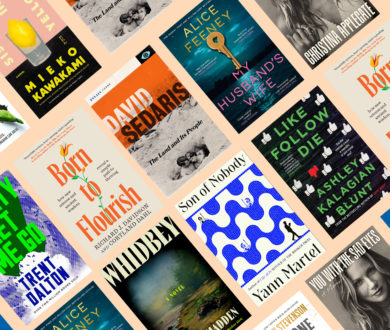
Research has shown that even as little as six minutes of reading reduces stress levels by up to 68 percent. It’s the perfect way to unwind before bed, and it doesn’t need to be a challenging read. (But it does need to be a proper, analogue book — no Kindles after nine o’clock.) See our recommendations on what to read right now here.
07. Use An Eyemask
A simple silk eyemask is one of the best investments you can make for your slumber. It supports sleep habits by blocking out any small, bright distractions, and the textural feel is surprisingly soothing. This is the last thing to do before drifting off.
08. Keep A Checklist
Somewhere handy, keep a checklist nearby. This isn’t forever, but it is to ensure you do every step, every night. Over time it will become more ritualistic and natural. For now, this checklist is essential.
09. Be Consistent
Arezzolo recommends undertaking this routine for at least a week — including all elements — before you knock its efficacy. Good things take time, but with this approach, it’s a matter of days, not months.
10. Stay Accountable
Embarking on a quest for a good night’s sleep is best when done together. The easiest person to undertake this with is your partner, as they’re often either the victim or the culprit of any bad sleep habits.
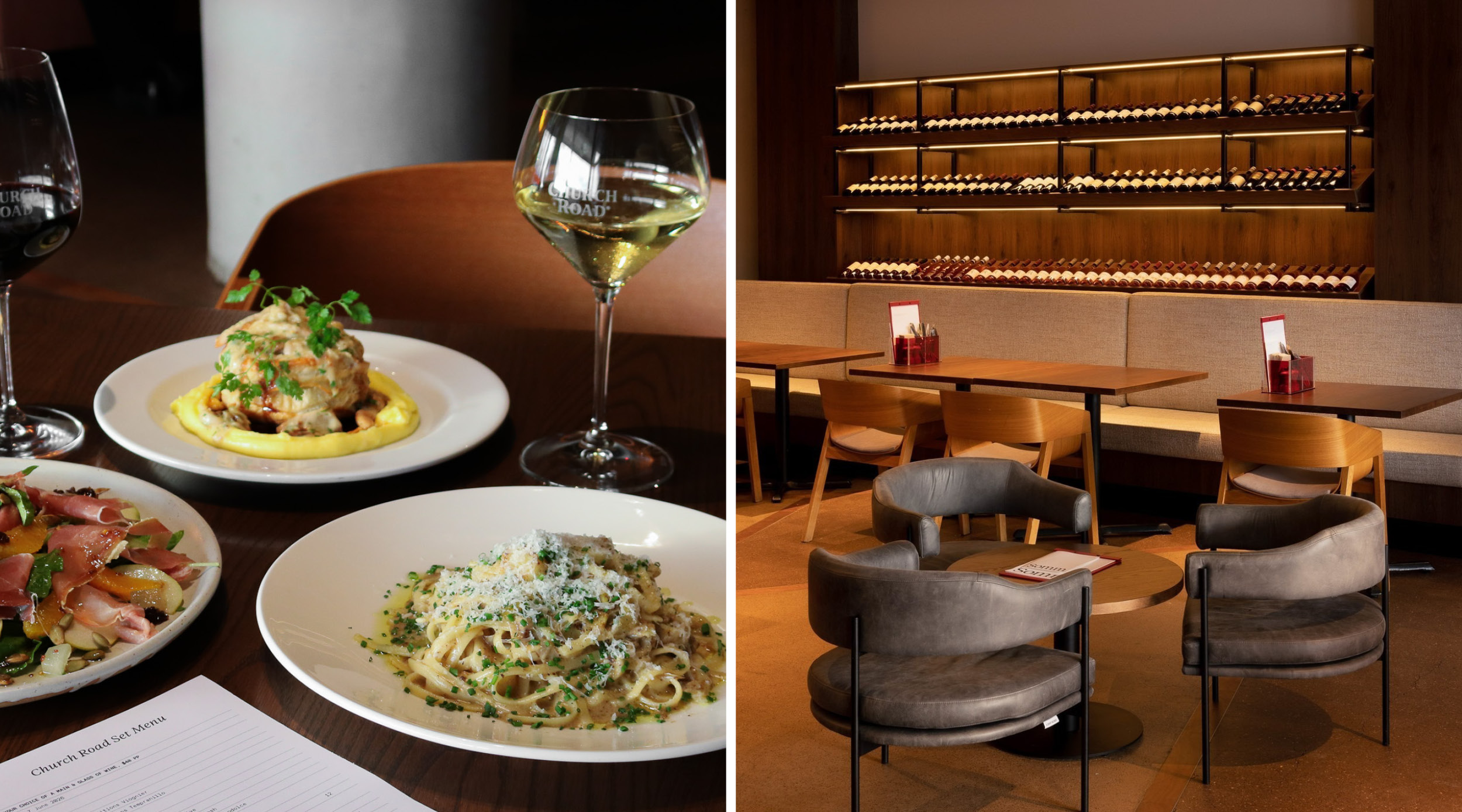
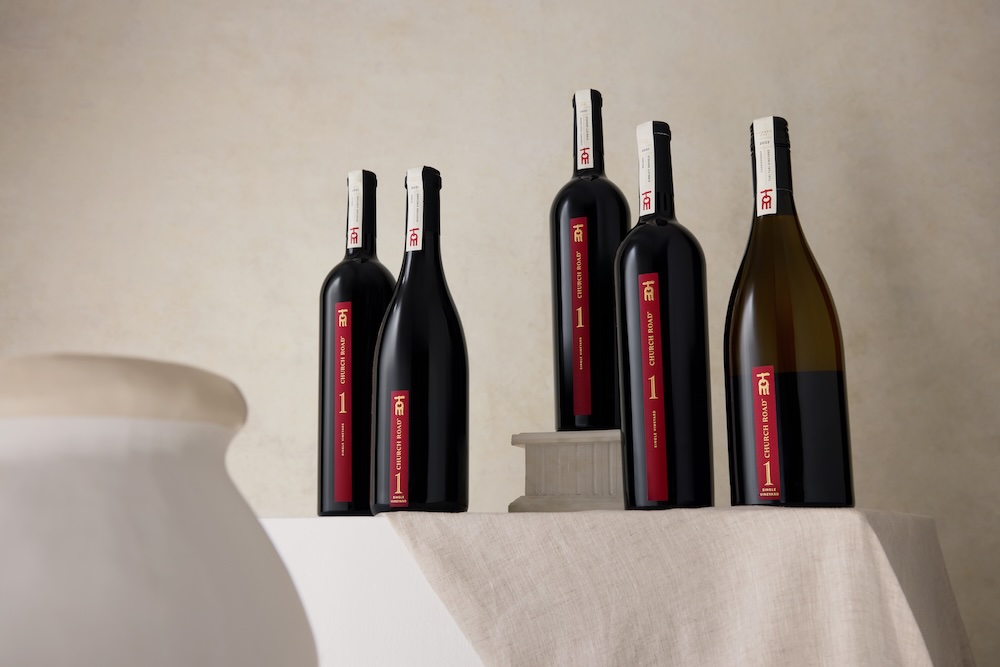
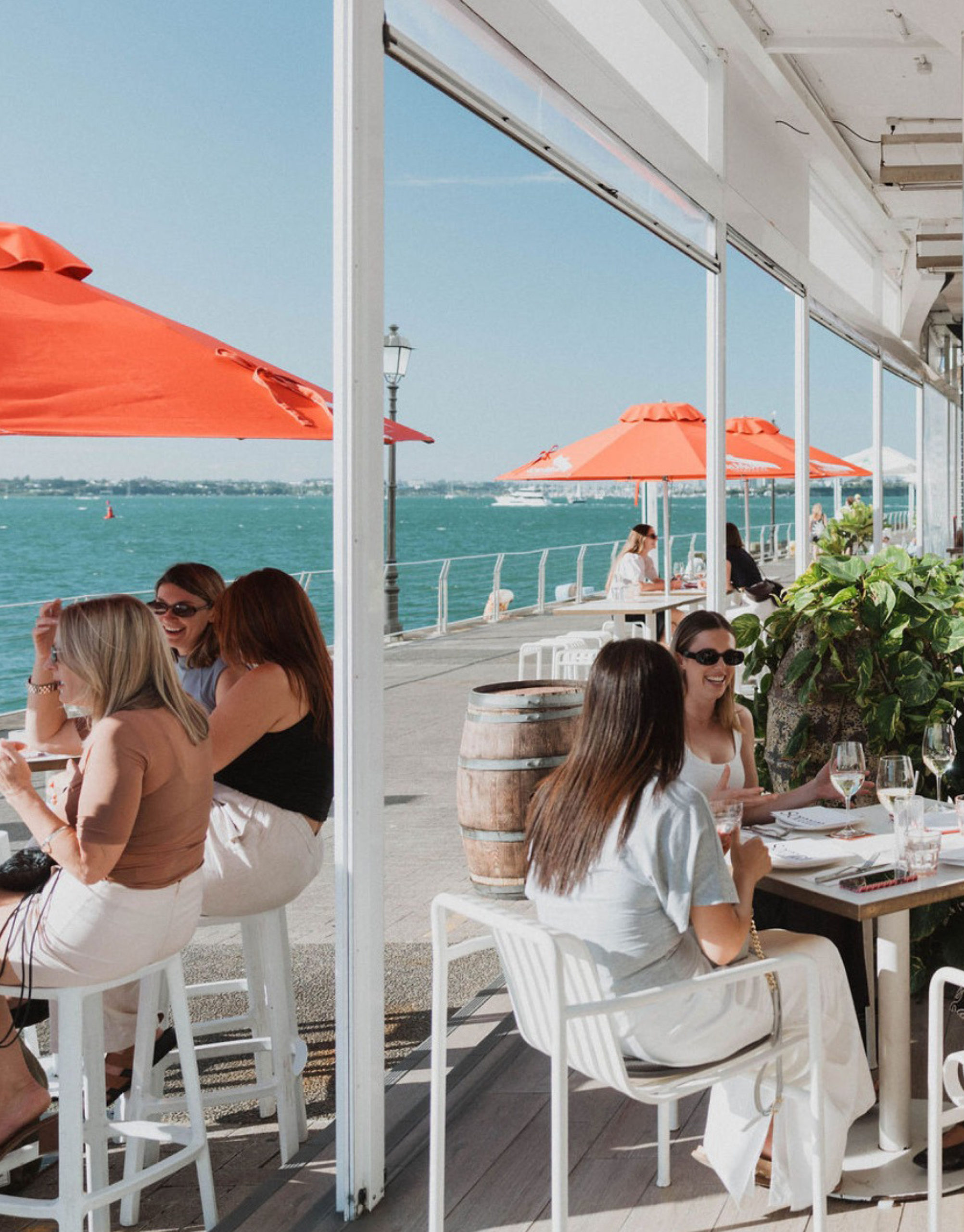
For the next four weeks, you won’t need to drive to Hawke’s Bay to experience one of New Zealand’s most storied wineries at its most intimate. Church Road has taken up residence at Somm Wine Bar, and is bringing with it a collection of wines you’d ordinarily have to visit the cellar door to taste.
Running from now till 7th June, the Church Road Guest in Residence series transforms Somm into a satellite cellar door for the celebrated Hawke’s Bay producer, with a programme spanning tastings, pop-ups, a limited-release wine flight, and a specially designed set menu.
The headline event is a wine tasting hosted by Church Road Chief Winemaker Chris Scott on Friday, 22nd May. With only four sessions available and each seating just 12 guests, this is about as close as you’ll get to a private audience with one of Hawke’s Bay’s most respected winemakers without being personally invited to the cellar. Tickets are $65 per person plus fees, and given the numbers, waiting is not advisable. Details and tickets are available here.
For the duration of the residency, Somm is offering a limited-time wine flight drawn from Church Road’s coveted Editions collection. The four-wine flight spans a Blanc de Blancs, a Viognier, a Tempranillo and a Grand Reserve Syrah, covering serious ground from bright precision to rich structure, priced at $40.
Every Thursday from 4 pm to 6 pm, Church Road’s cellar door comes to Somm in a more casual format. These drop-in sessions showcase the Editions Collection, a range usually reserved exclusively for visitors to the Hawke’s Bay cellar door. Tastings are $18 per person, though the fee is waived with the purchase of two or more bottles of Church Road wines. No booking is required, and you should allow 20 to 30 minutes per tasting.
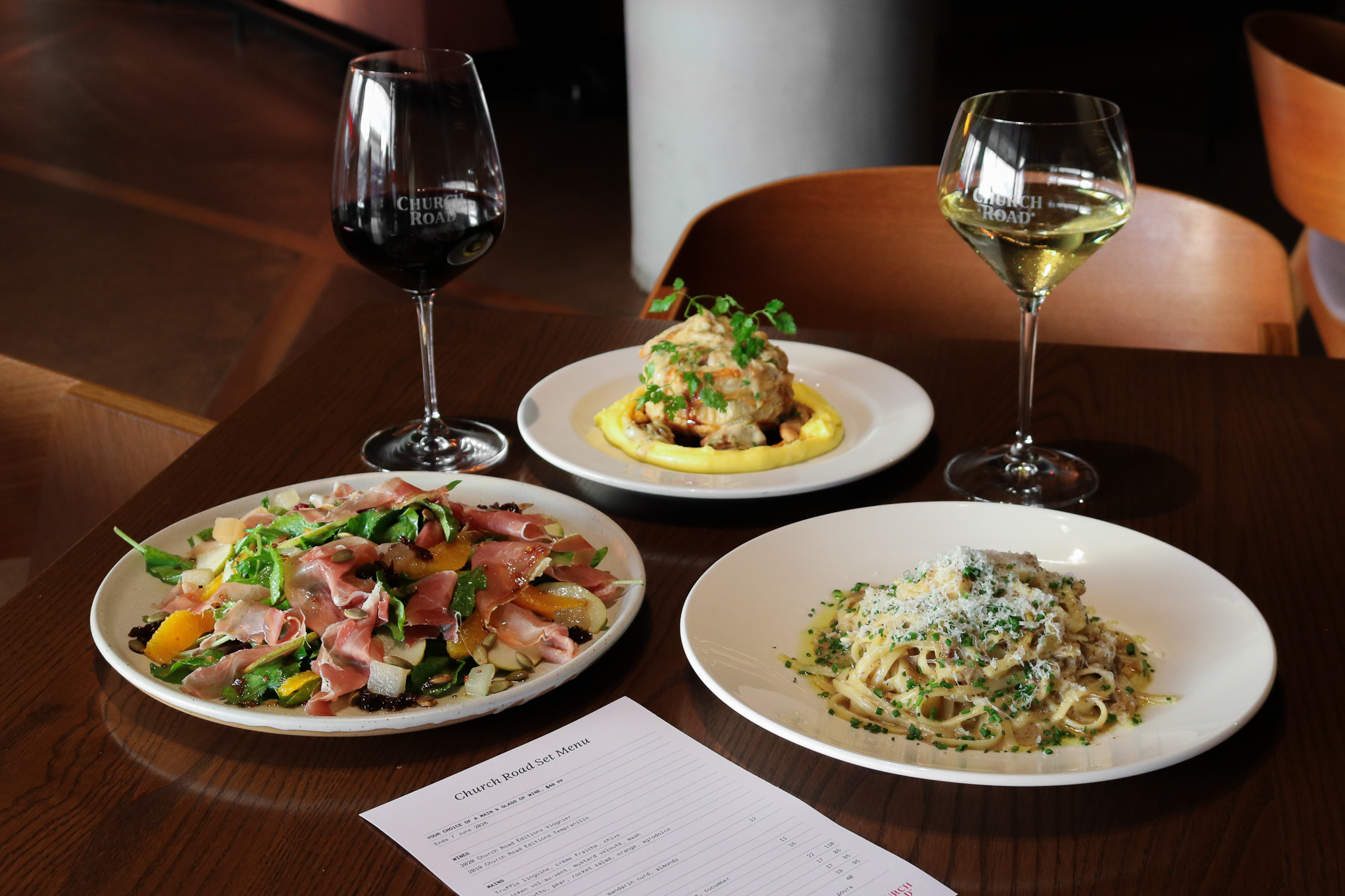
Somm has also developed a set menu designed to pair with Church Road Editions wines, offering your choice of a main and a glass of wine for $40 per person. Mains include truffle linguine with crème fraîche and chive, chicken vol-au-vent with mustard velouté and mash, or a prosciutto and pear rocket salad with orange agrodolce. For those inclined to linger, there’s a chocolate marquise with mandarin curd and almonds to finish.
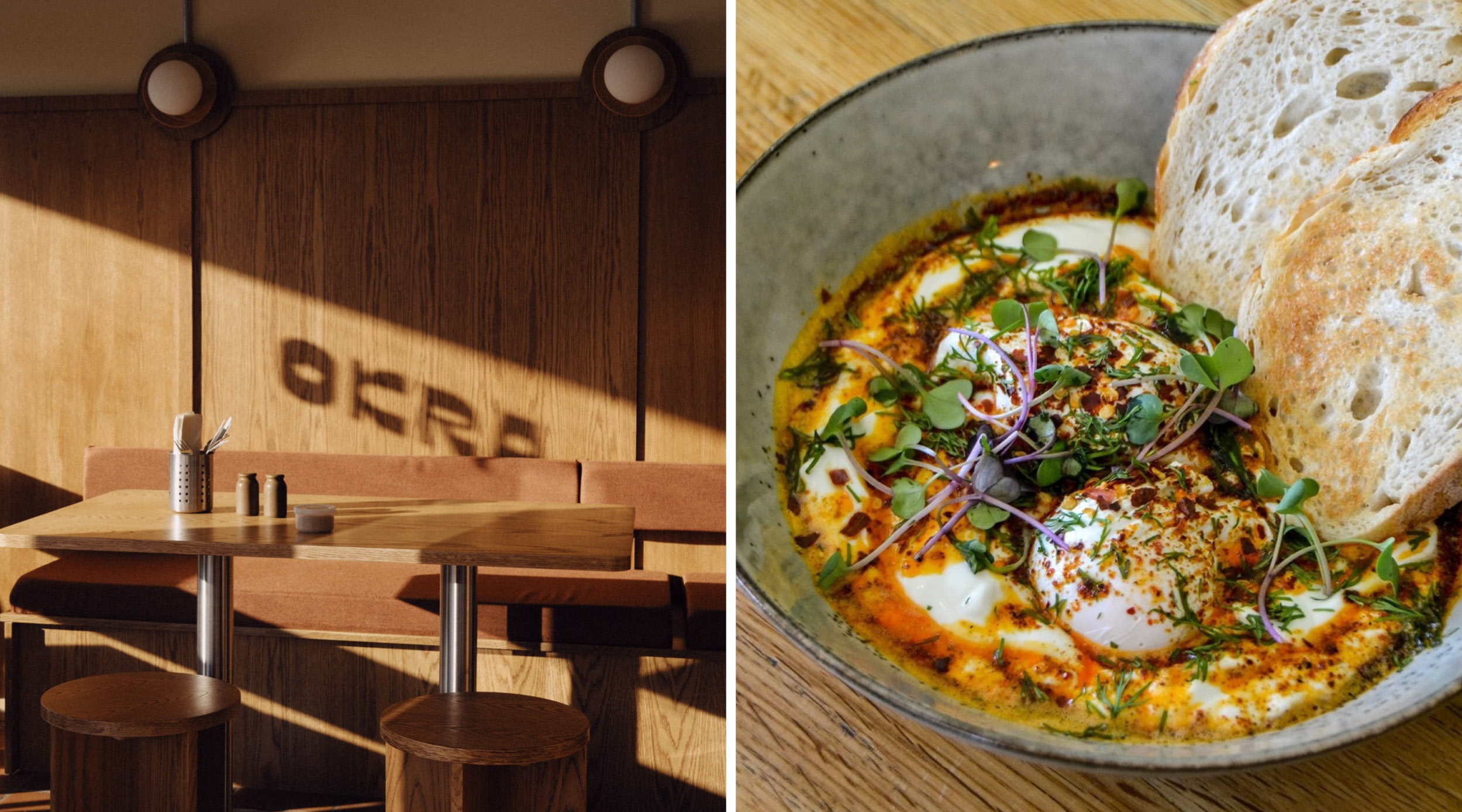
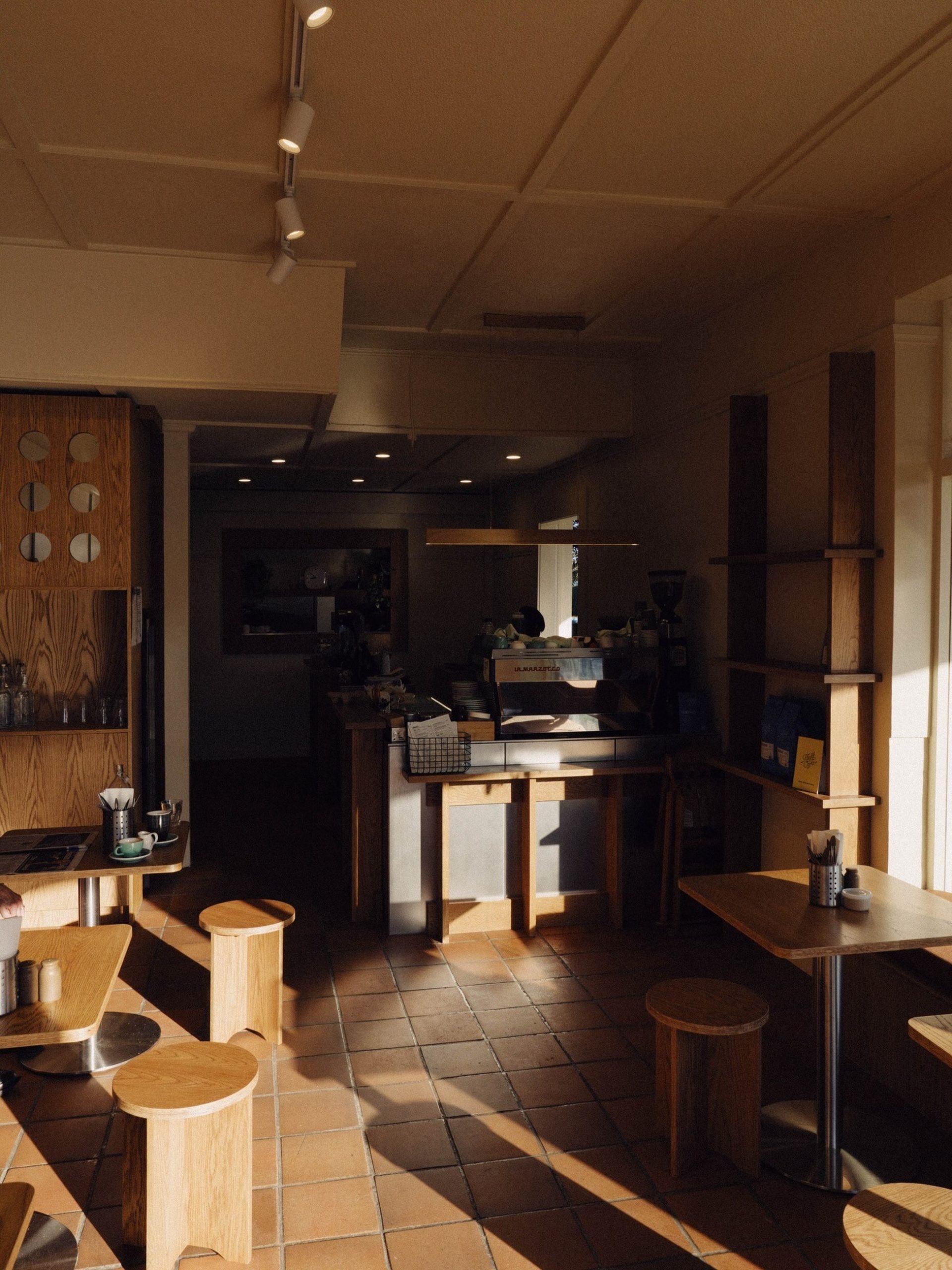
If you haven’t stepped into Okra lately, expect a noticeably different feel. The Sandringham Road favourite has undergone a full renovation, emerging warmer, softer, and all the more inviting for it. The refreshed interiors strike a careful balance between neighbourhood café and polished all-day spot, the kind of place that makes lingering feel inevitable.
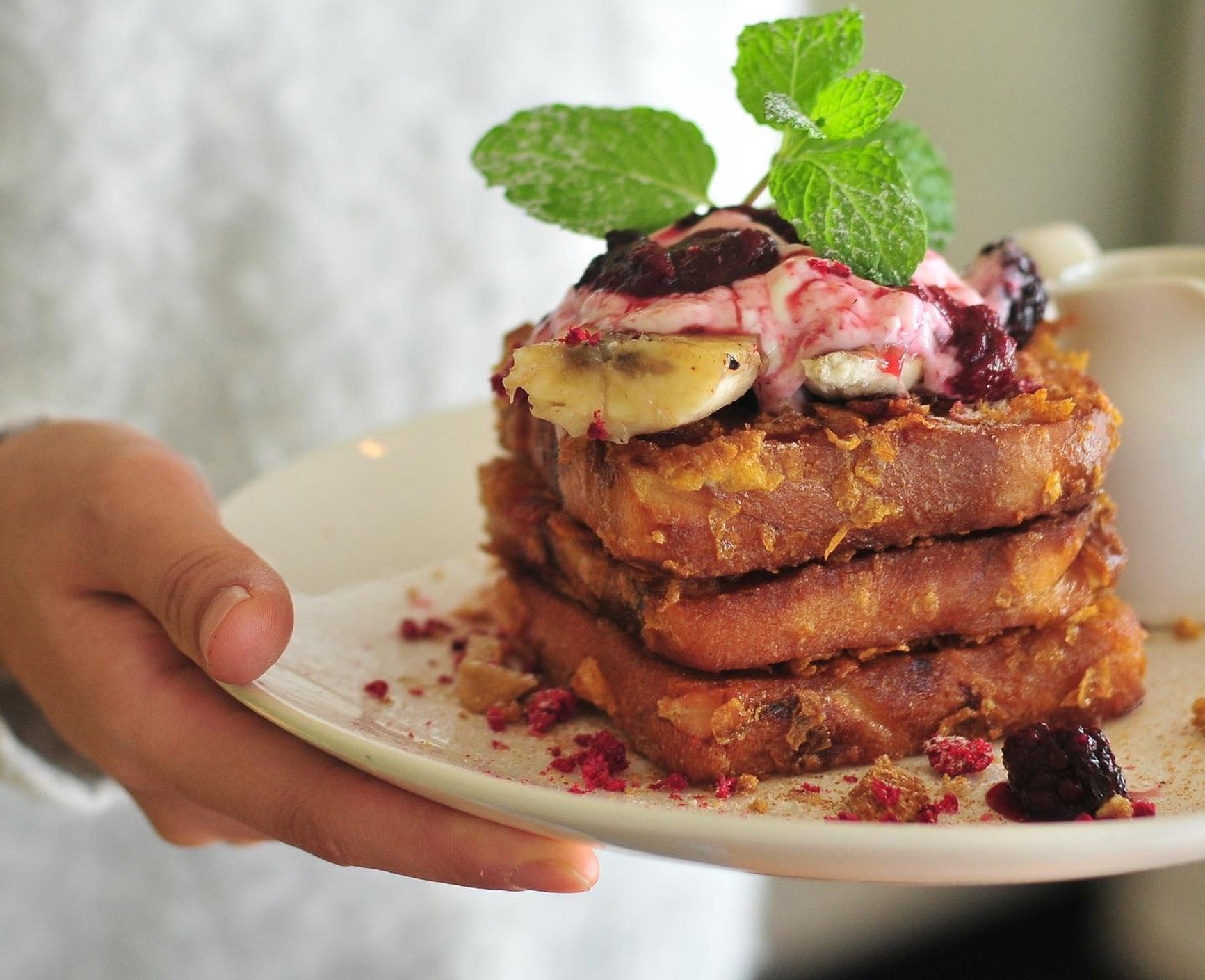
Fortunately, the menu remains as compelling as ever. The Turkish eggs continue to inspire near cult-like devotion: softly poached eggs atop whipped yoghurt with chilli butter, fresh dill and thick-cut sourdough for scooping up every last bit. Then there’s the cornflake-crusted French toast, equal parts crisp and pillowy, finished with brûléed banana and berry compote.
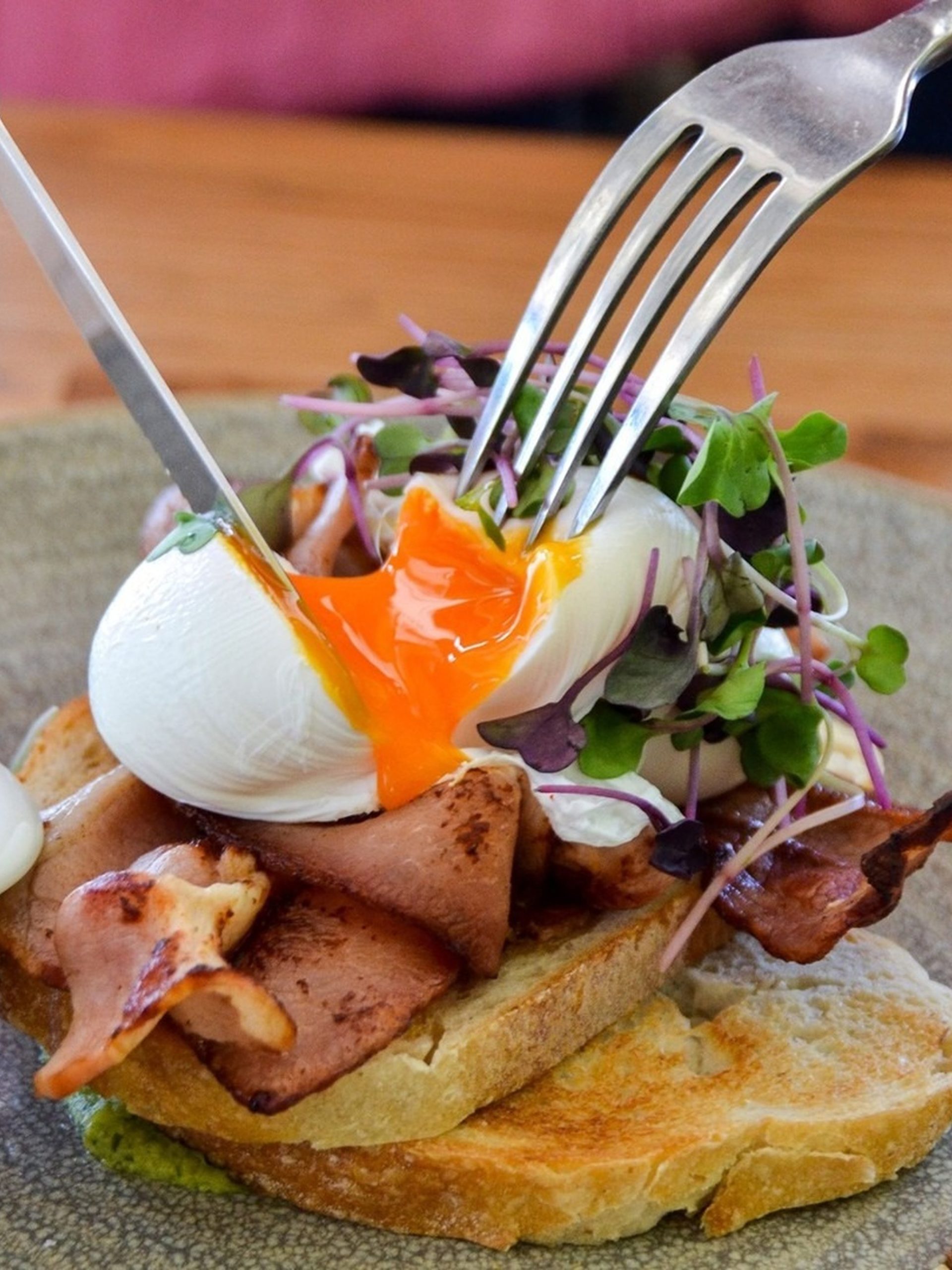
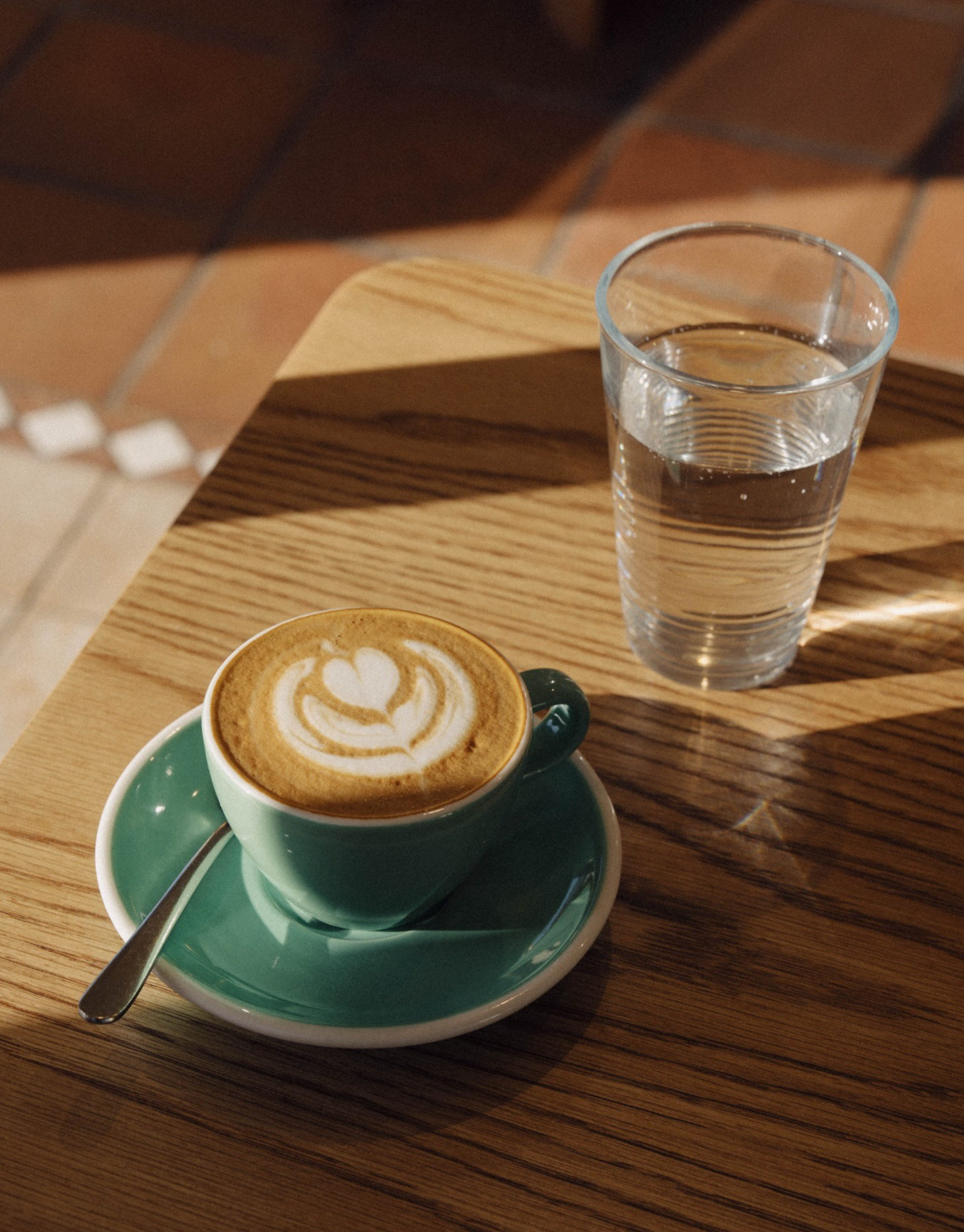
For those leaning savoury, the open bacon and egg on toast is a standout, elevated with avocado pesto, house-made relish and a yolk so vividly golden it feels almost cinematic. Add punchy coffee, genuinely warm service and a sun-filled courtyard worth seeking out on fine days, and it’s easy to see why Okra remains a local mainstay.
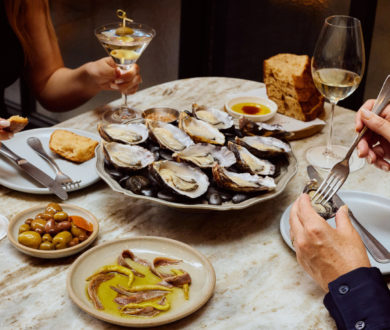
One of the questions we are regularly asked at Denizen is where, in Auckland, one might go later at night when there’s still life in the night, but the appetite for sticky floors, questionable characters and somebody shouting into your ear has long since expired.
For a city that likes to think of itself as grown-up, Auckland has become oddly quiet for a late-night ritual, particularly for those who are less interested in staying out for the sake of it, and more interested in finding somewhere to enjoy a drink made by someone who knows precisely what they are doing. Which is why when we learned about Kureta’s Nezake Nights, we thought it was worthy of sharing.
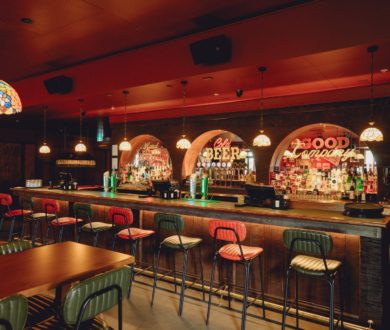
Every Friday and Saturday from 10pm, Nezake Nights sees the teppanyaki restaurant shift into a more clandestine code as its marble-clad dining room takes on the mood of a modern Japanese speakeasy. The lighting softens, and the counter becomes a very compelling place to carry the conversation into the evening.
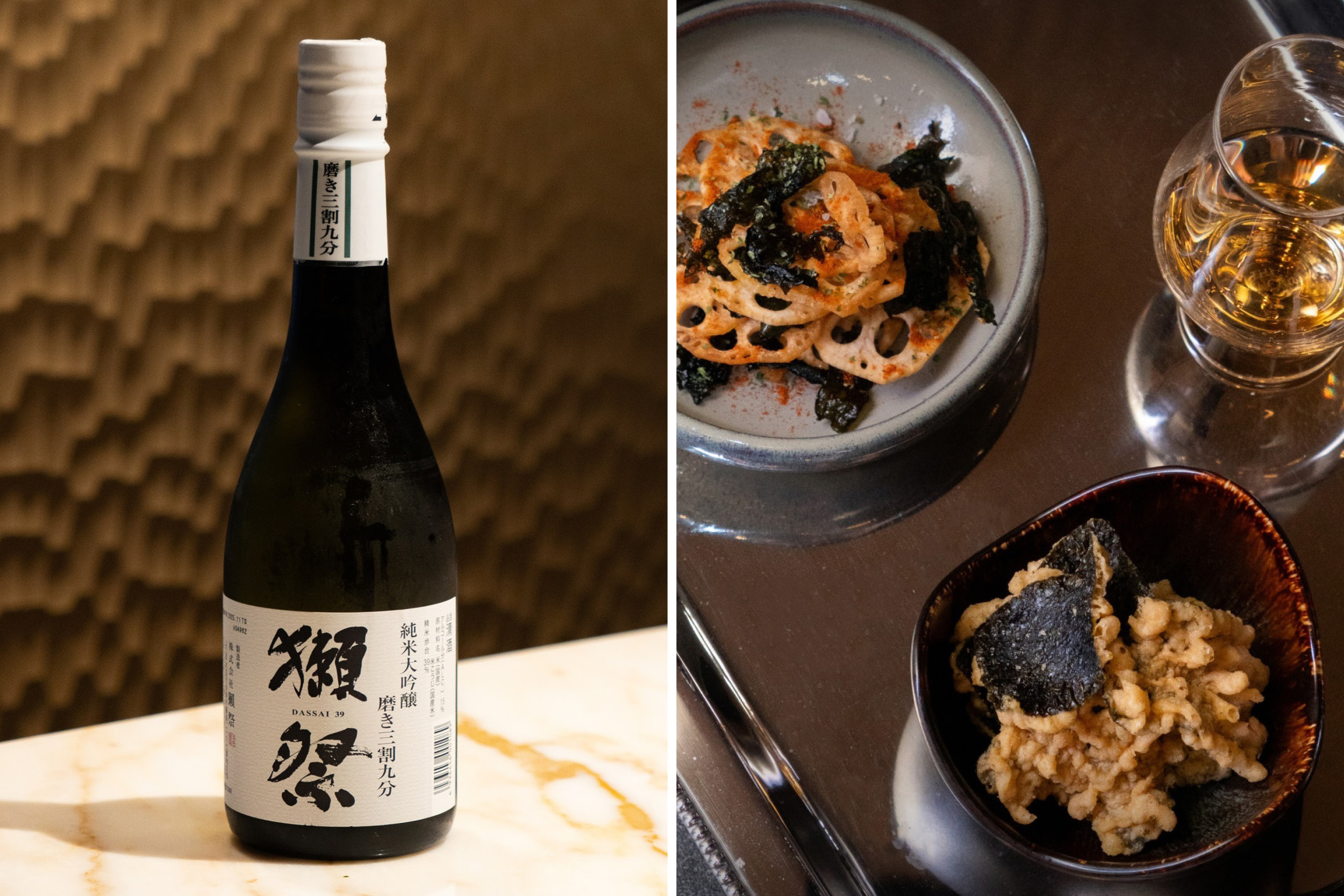
left: Dassai 45 Sake. Right: Nori Chips and Renkon Chips
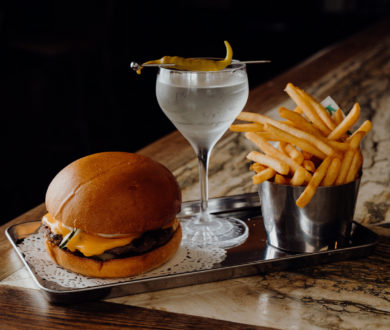
At the heart of the experience are Japanese whisky flights that move from the honeyed complexity of Yamazaki 12 to the deeper, more orchestral pull of Hibiki 21, while the cocktail list offers its own deft persuasion. The Genmaicha Old Fashioned, made with genmaicha-infused bourbon, maple and black walnut bitters, is exactly the kind of drink that suggests someone behind the bar knows what they are doing and, mercifully, has not mistaken theatre for taste.
There are bar snacks too, although calling them snacks is an understatement. Renkon chips dusted with Old Bay and crispy wakame arrive, making this a late-night bite feel less like an afterthought and more like good judgment.
No booking is required. Simply walk in, take a seat at the counter, and allow the evening to gather itself. At Kureta, Auckland’s late-night problem has found a rather elegant solution.
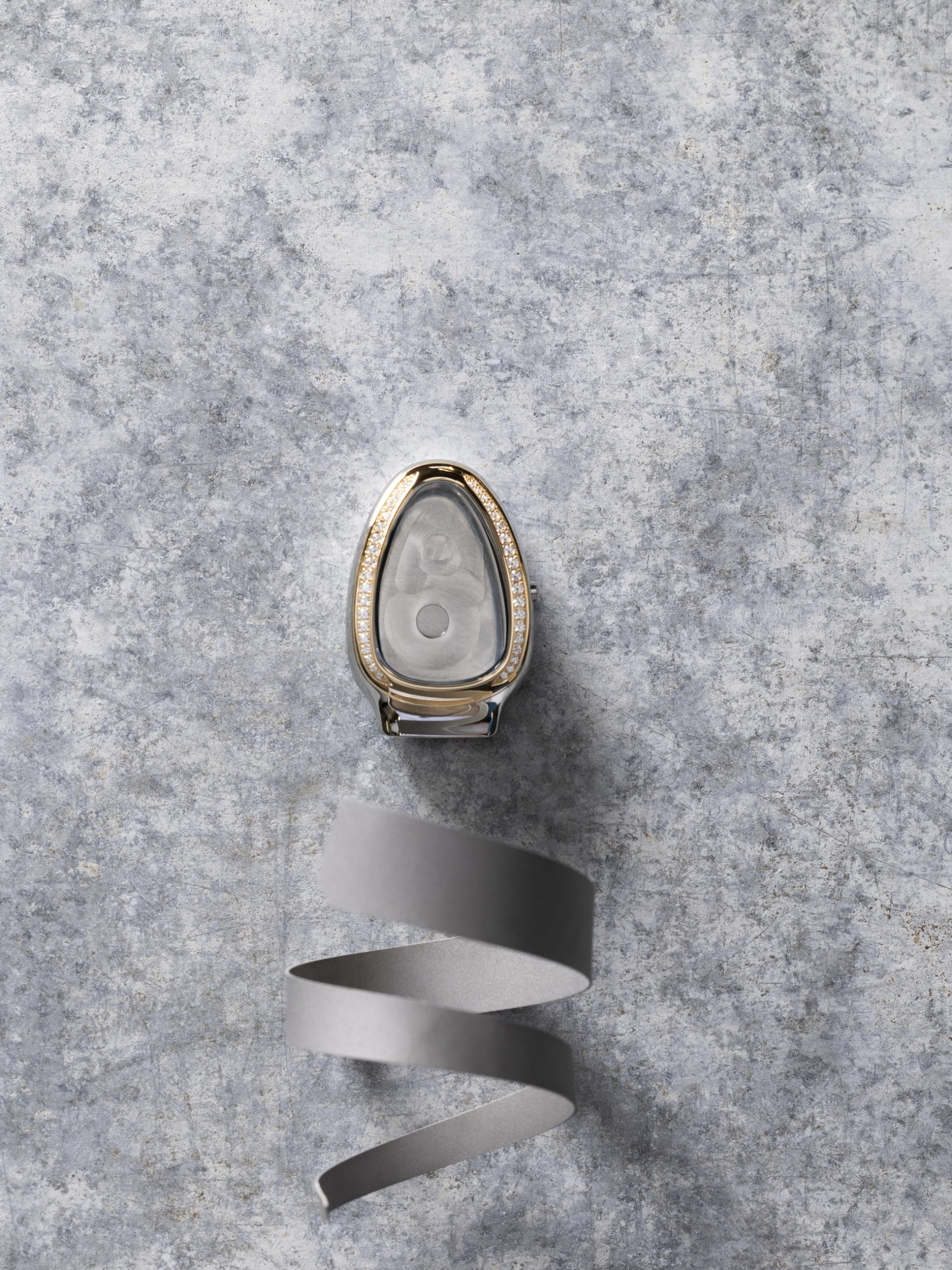
Bvlgari has long occupied a category of its own in jewellery design, and with Gold & Steel, the Roman Maison revisits one of its most distinctive creative signatures. First explored in the 1970s, the pairing of precious gold with industrial steel returns in a new collection that once again demonstrates Bvlgari’s enduring appetite for experimentation.
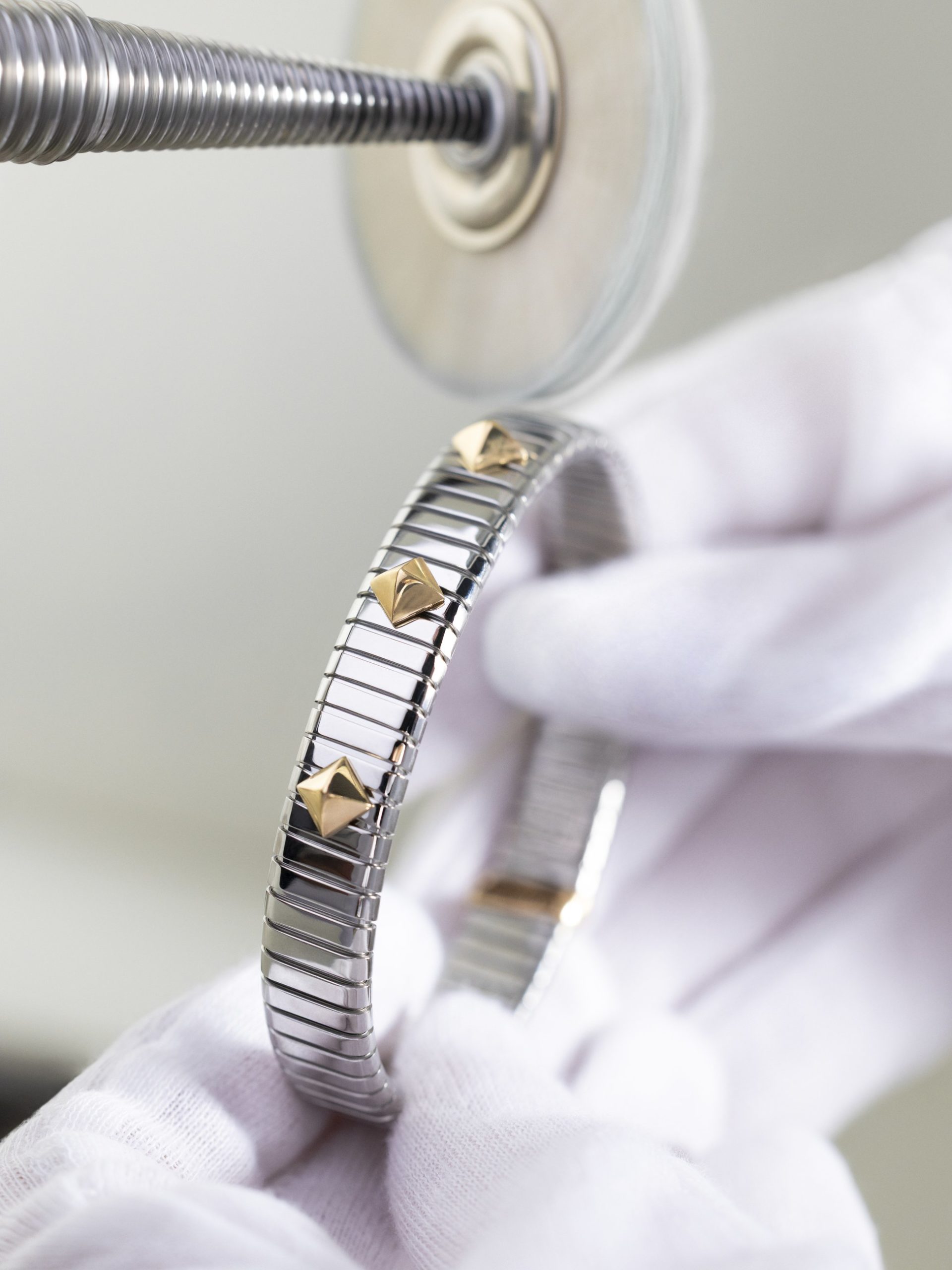
Bvlgari Tubogas Gold & Steel Bracelet from Bvlgari
At the centre of the launch are new interpretations of B.zero1 and Bvlgari Tubogas, two collections that have come to define the house’s avant-garde approach to form and materiality. The new B.zero1 rings arrive in two and four-band versions, crafted in steel and framed with yellow-gold edges, balancing sculptural strength with an ease designed for everyday wear. Elsewhere, Bvlgari Tubogas continues its dialogue between industrial inspiration and fine jewellery craftsmanship through fluid necklaces and bracelets that reinterpret the collection’s signature seamless coils in steel, punctuated with yellow-gold studs.
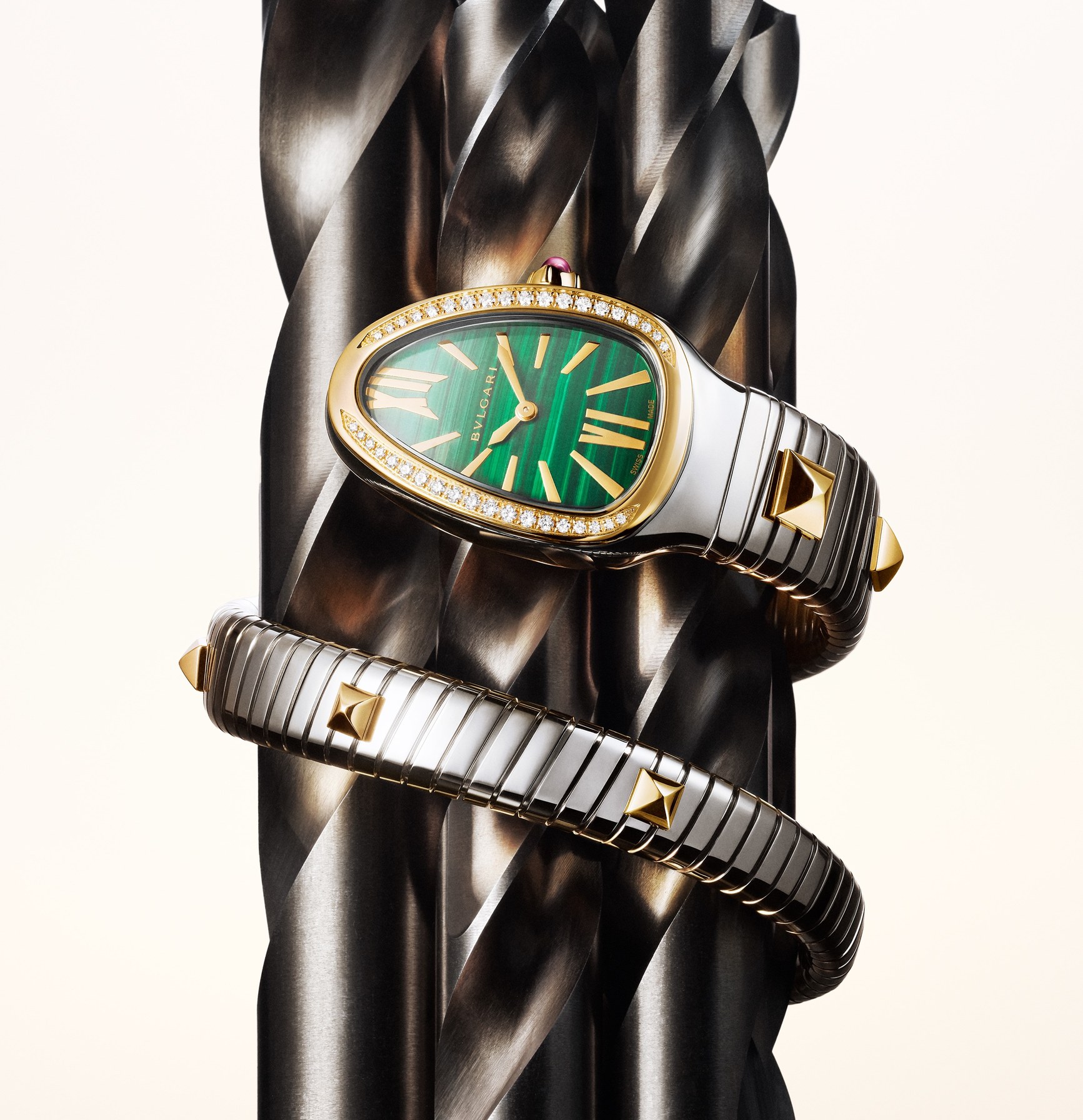
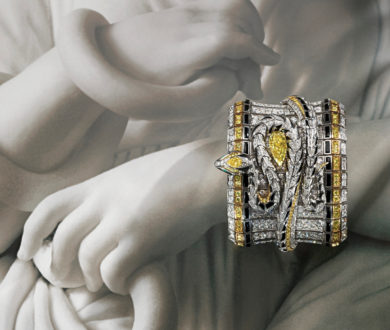
The collection also extends into High Jewellery with three necklaces created as a tribute to Bvlgari’s legacy of material experimentation, alongside the Serpenti Tubogas Studs Capsule watch collection, where the house’s iconic serpent silhouette is reimagined through the expressive contrast of gold and steel.
Throughout, Gold & Steel feels less like a nostalgic return and more like a continuation of the Maison’s longstanding fascination with pushing jewellery beyond convention. It is a study in contrast, where industrial materials meet refined craftsmanship, and where heritage codes are given renewed contemporary relevance.
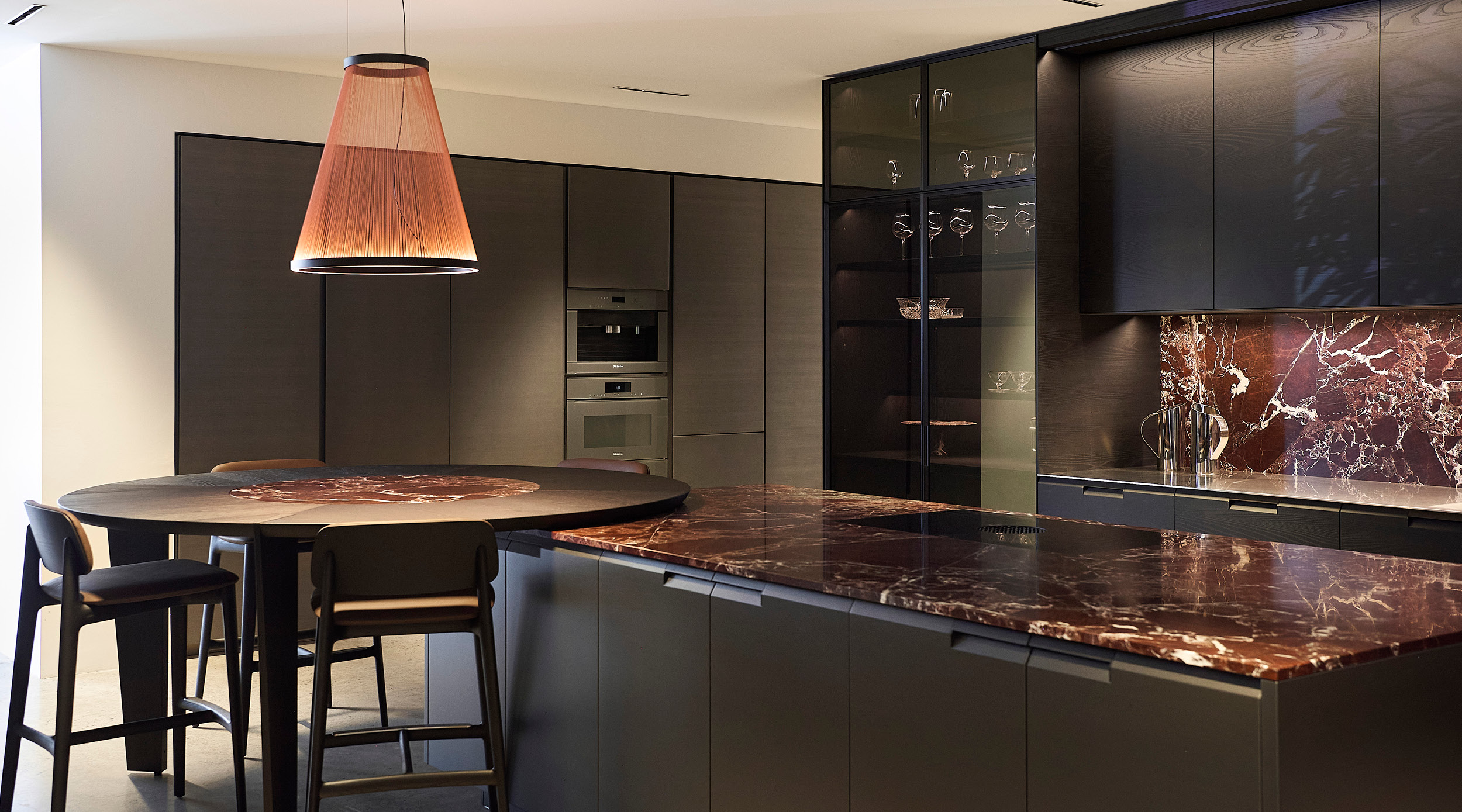
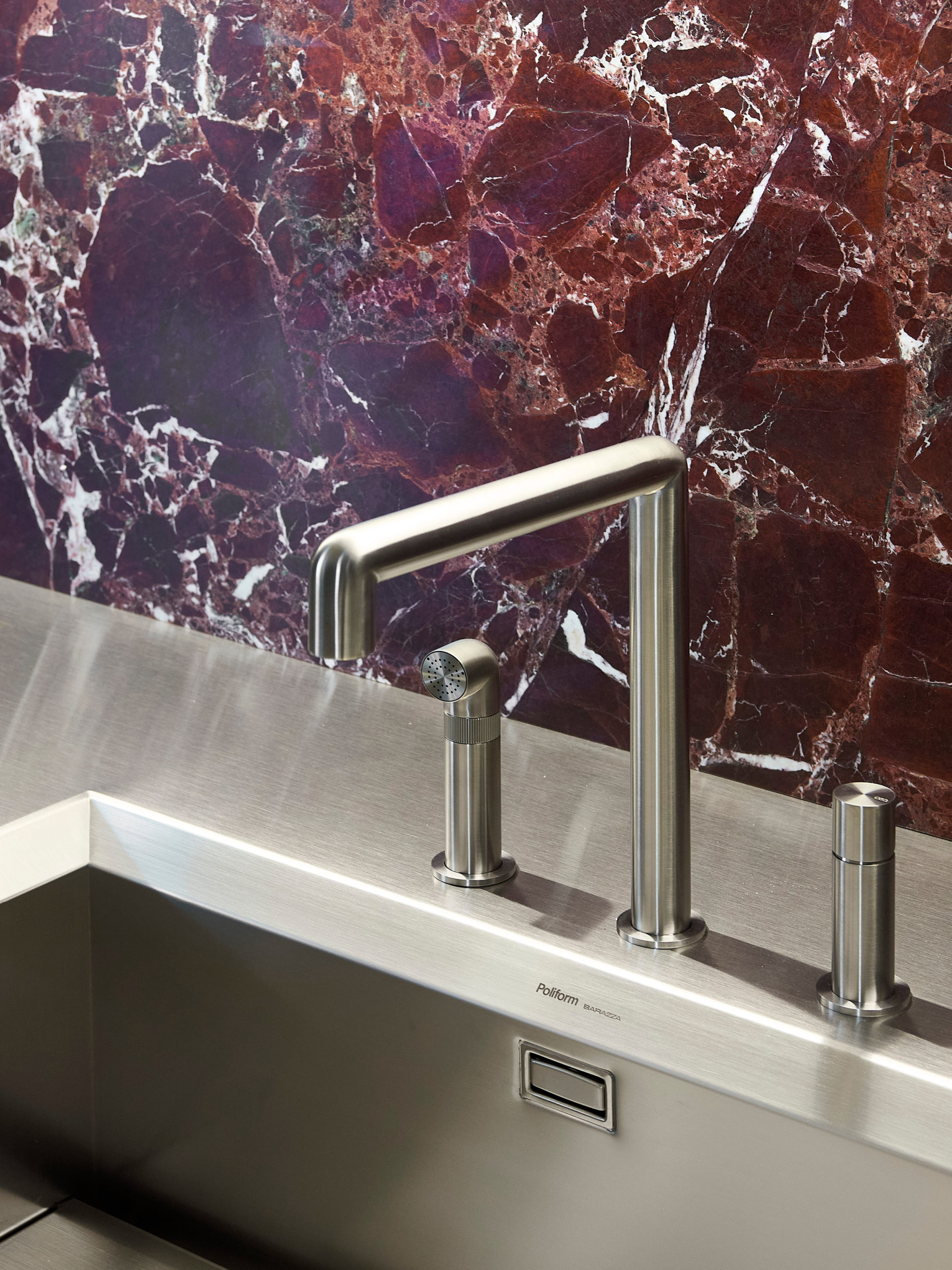
Poliform’s Shape Kitchen combines considered functionality with a sleek, ultra-contemporary aesthetic, offering a modern riff on a traditional kitchen that has been enhanced with elements and accessories designed to improve the user’s everyday experience.
From a fully equipped, cantilevered sink within the worktop, to the chic, slim-profile range hood with a luminous extractor unit, to the integrated breakfast bar, here, every little detail is considered — resulting in a modern masterpiece that will slot seamlessly into any design-led home.
For those wanting to experience the craftsmanship and thoughtful detailing up close, Poliform’s Shape Kitchen can be viewed at Studio Italia’s Auckland showroom, where the design’s materiality, innovative functionality and architectural presence are best appreciated in person.
Hey, hey, you. Stop, stop the scroll. This was meant to be. If you got this message today, then today is THE day everything changes. That shitty past you’ve been battling through, the six years of lack of respect from everyone. Your parents are demanding you move out of home, your boss is expecting you to come into the office on Mondays and Fridays, even though you are certain you agreed to a TWAT arrangement. Tuesday, Wednesday and Thursday only. Between 11 and 1. Energetically present, physically optional.
That old life is over, girlfriend. Shit is finally about to rain down upon thee, and by shit, I mean an abundance of riches. It’s your time to shine bright like a diamond. I’m seeing carrots. Big carrots, no, not those ones you’ve been surviving on, babe. Yellow ones, so big, I’m guessing 15 carats, possibly lab-grown, but details, babe, these are not my forte.
The crazy thing is, the fact that you have been served this post means big things are happening to you. This opportunity only comes around once every 30 years. Seriously, if you miss the signs, you’ll miss the abundance. You are a chosen one, babe, do not mess this up. The window of opportunity will close as soon as the moon phase shifts into that snarky bitch, Scorpio. That sting is not what you’re here for. Look around, what is the world telling you? What the cards are saying is that your cup is going to runneth over, babe, and not in a had-one-too-many-Pals-and-spilt-your-drink way. Life is about to be very, very good. But you must look for the signs.
As a Sagittarius, you are a very lucky sign in life, but this does not compensate for your constant lack of money. Despite your tendency for incessant verbal diarrhoea, you at least have a lot of friends who are keeping you fed and warm. And all this because you know how to deftly pretend to be a kitty-cat. But you must learn when to shut up; no one needs to hear the truth. This is possibly why you keep getting beaten up.
Things seriously must change, babe, and this slightly ajar window is only here today, and only for you. If you miss it, you’re kind of fucked for the next 30 years, minimum. I don’t want to be too dramatic here, but this kind of celestial calling is rare, babe.
Let’s pull some tarot cards… Wow! The Fool, but you’re no fool. This card is giving me new beginnings; a leap of faith is needed, so is money. I’m feeling someone old, a man, full of abundance, in the financial way, babe. Listen, he’s no oil painting, ok. But there is no doubt he has a financially liquid collection of great art, all full of potential future abundance. What I’m getting from this is: “Fortune favours the bald.” This could be it. Look out the window, are there any old men about? Seize the day, babe. The Moon may be in your seventh house right now, but you need to get your head out of Uranus.
As luck would have it, your moon sign is entering Leo. This is definitely hitting at the right time, babe. Leos are boorish, but elegant. Capable of trampling on anyone, which they sometimes do out of pure curiosity and an idiotic childish desire to see what will happen. Leos want to be masters of everything. They make it very clear to anyone just how un-fucking-believably lucky they are to be in the presence of a Leo, and demand to be treated appropriately. This is the kind of cosmic energy you need to attract, conquer, and secure the fortunes of the bald. Lean into this temporary energy from your moon sign and begin today by demanding that everyone address you simply as “Almighty.”
I have one more tarot card that’s calling for you. The High Priestess, now we’re getting somewhere. Are you cursed with the need to accomplish something? Anything? With Libra in your third house, you have a habit of chasing the peace of mind that’s basically unattainable because your scatty nature always outweighs your highly spiritual ideals. This constant state of cognitive dissonance between reality and wishful thinking is holding you back, babe. Get a grip. I mean, everyone else on your Instagram timeline is hustling hard, on boats, with old bald men. But what have you achieved? This card gives a glimmer of hope that you can emulate their true lived experience. But you must act now. Regardless of your (trivial) pursuit, you can always find a means to undermine your own dedication for the sake of looking like a winner at life.
Ok, I’m picking up something really strong now. Do you have a computer? Wow, you do? Crazy. Do you have Apple Pay? This is definitely fortuitous. Quick! Click my “Fatebook” link, and I will unleash the full power of your future self. The influx of endorphins will flood through you; you’ll be overwhelmed by feelings of actual accomplishment. This message was served to you, babe, and only you. Because making unfortunate futures feel temporarily hopeful is my skill, babe. Do it now, or suffer in solitude, squalor, and endless overdrafts for eternity.
For more exclusive access to what the city has to offer, engaging content, excellent imagery and thought provoking commentary on the life that surrounds you, subscribe to Denizen magazine now.