
What’s the deal with ASMR? We shed some light on this fascinating sensory trend

Every night, I brush my teeth, wash my face and get into bed with Lottie. As I lay there, completely relaxed, she whispers in my ears, strokes my face and brushes my hair. And I wait. For a warm wave to crash down my neck and spine, the whitewash creeping its way under the follicles of the hair on my head. The feeling is brief, and I drag my finger across my phone, rewinding the ASMR makeup roleplay video I’ve watched at least 20 times to feel that tingling sensation over and over again until I’m asleep.

This has been my routine, on and off, for the past four years, ever since I discovered ASMR or Autonomous Sensory Meridian Response. The term was coined by cybersecurity professional Jennifer Allen in 2010, who spent hours scrolling the Internet to find out whether anyone else experienced random sensations from, often, the most mundane of tasks. The sound of someone gently tapping on an object or the way a book was being read aloud, and sometimes it would happen for no reason at all. Allen was part of a small online forum that hosted discussions between people who ‘got the feeling’, which then grew into a Facebook page, and eventually resulted in the sharing of links to accidental trigger (the term given to the sound causing the ASMR sensation) videos. But back then, I can’t imagine trying to explain to someone in person that the way they were brushing their hair gave me a pleasant tingling sensation without receiving a rather disturbed look. Fast-forward over 10 years and you’ll find ASMR is one of the fastest-growing wellbeing phenomenons, but it’s one that’s unbelievably hard to explain. And one that most people have no idea exists.

As I was writing this, I was trying to figure out how I would possibly talk about the intriguing world of ASMR in a thousand words and decided upon the five W’s and the H, in no particular order. You’ve got the What: Autonomous Sensory Meridian Response. But let’s break down the meaning. ‘Autonomous’ because it’s a feeling from within. ‘Sensory’ is self-explanatory. ‘Meridian’ suggests peak and orgasm, but also refers to traditional Chinese medicine and its energy pathways. And ‘Response’ refers to the way that ASMR elicits a trigger reaction. You’ve also got my When; ASMR really kicked off approximately four years ago. Although thinking back, I remember getting a satisfying, shivers-down-my-spine feeling when a teacher would draw on the whiteboard at primary school.

Moving on to the Where. YouTube has become the feeding ground for the weird and wonderful world of ASMR. Type the acronym into the search function and you’ll have millions of videos to choose from. From lo-fi whispering into the camera to high-tech cranial nerve exam role-plays (yes, in full surgical dress-up), to people eating raw honeycomb to fast and aggressive, albeit gentle tapping. Content creators, the Who, are known as ASMRtists and produce videos that can range from a few minutes to a few hours long — with some of the most popular receiving hundreds of millions of views. To become an ASMRtist requires nothing more than a YouTube account and a camera, which is why there has been such a broad range of content created from such a diverse pool of people. Over the last few years, I have come across videos made by adults as old as 80 and children as young as five. Which, as you can imagine, brought a lot of creepy behaviour to the fore (until YouTube introduced the ability to disable comments for young account holders).

ASMR goes mainstream with a Super Bowl commercial featuring Zoe Kravitz

The Why is a little harder to explain. The sounds or triggers that appeal to me (makeup role-plays, whispering, scratching) are euphoric. The metaphor I used earlier about the wave is exactly how it feels. It’s just like the game I used to play as a child, ‘dot, dot, line, line, spider crawling up your spine’. The exact same shivers come from random people on YouTube pretending to wash my hair. ASMR is about as crazy as all of this sounds, but I’m just one in well over one million people who participate. And while it all seems a bit outlandish, and maybe a bit weird, it’s starting to capture the attention of the scientific community in a big way.

Craig Richard is a professor of biopharmaceutical sciences at Shenandoah University in Virginia, the author of Brain Tingles and founder of ASMR University. After hearing about ASMR on a podcast in 2013, he wanted to know “why millions of people were watching someone fold a napkin.” He carried out a study (here’s the How) — ‘an fMRI investigation of the neural correlates underlying the autonomous meridian response’ — on the brain with results that suggested that the reason why ASMR videos generated tingling and relaxing sensations was because they were activating brain regions previously observed during experiences like social bonding and musical frisson. Richard went on to say that he believed triggers were akin to the way humans soothe infants — whispering, grooming and gazing — as well as behaviours similar to intimacy between mates in adulthood. Everyone likes to feel loved and nurtured, which could explain people’s desire to get involved.

There was also another study carried out by the Department of Psychology at the University of Sheffield in the United Kingdom that showed ASMR as a reliable and physiologically-rooted experience that may have therapeutic benefits for mental and physical health. So it makes sense that the millions of people tuning in to somewhat tune out (it’s an ASMRtists biggest compliment if you fall asleep during their videos) have described the blissful feeling as having helped with stress, anxiety and in some cases, depression. 

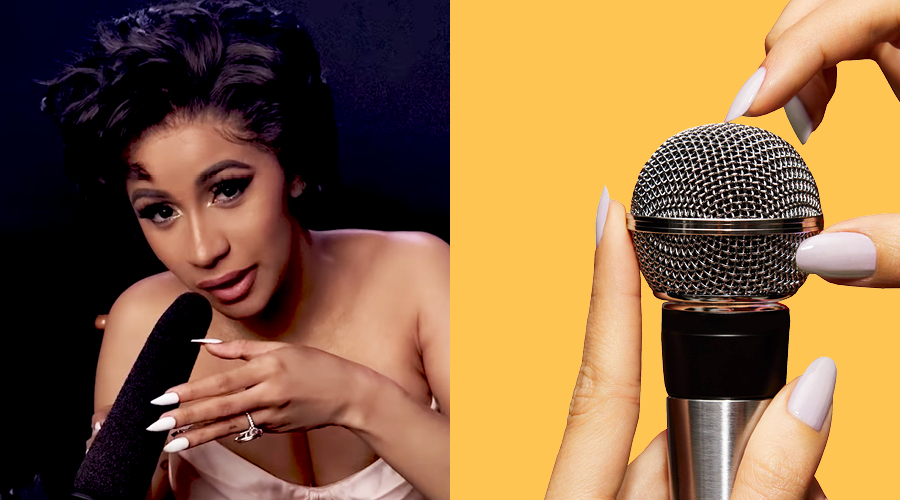
For me, ASMR aids with sleep, but it also just feels really nice. I’ve played videos to a plethora of people to see if anyone I knew understood ASMR and could appreciate its effects. Two people confirmed my query, others were intrigued, but the majority were completely freaked out. I think that unless you ‘get’ the feeling, it’s probably quite bizarre, which is exactly why the scientists are continuing their search for more answers. Is it possible for everyone to have the effects of ASMR without actually getting the tingles? Who knows. In the meantime, you can sign up to the ASMR University to learn more, or read one of the many books on the subject, or tune into a dedicated ASMR playlist on Spotify. W Magazine even has an ASMR series where they get different celebrities in to try their hand at it (I highly recommend Cardi B’s video), and you can even stay at an ASMR Hotel in New York. But for me, YouTube will always be my go-to. 

It’s very late, I’m on deadline, and I need to sleep. I’m getting into bed with ASMR April tonight, to drift off while she whispers me sweet nothings. 

Where to start with ASMR:
Cardi B on W Magazine’s ASMR Video Series
Anything from this series is a great introductory point, but start off with Cardi B. The American rapper listens to it in her own time, so knows exactly what she’s doing.

Gentle Whispering ASMR
It’s widely known in the ASMR community that accents foreign to our own have a way of eliciting the best tingles. Maria is an American-based Russian ASMRtist who has amassed a subscriber following of over 2 million since 2009 thanks to living up to her account name. 

RaffyTaphy ASMR
He’s amassed 843,000-strong following for his videos that focus mostly on various tapping patterns. People love his rhythmic videos for helping them relax as they’re a little bit different from the usual whispering and role-play videos frequently viewed on YouTube.

Latte ASMR
Appealing again for the fact that her accent is foreign to English-speakers, Latte is a Korean ASMRtist known for her particularly gentle and comforting sounds.

Culture

Why Mickey Smith’s new Sanderson exhibition deserves your full attention
Wondering what to watch? These new shows should be on your radar
We talk to author Trent Dalton on his dark childhood, finding light between the cracks, and the girl who saved him

Luxury and performance: Our Digital Editor asks whether BMW’s new 8 Series Gran Coupé has it all

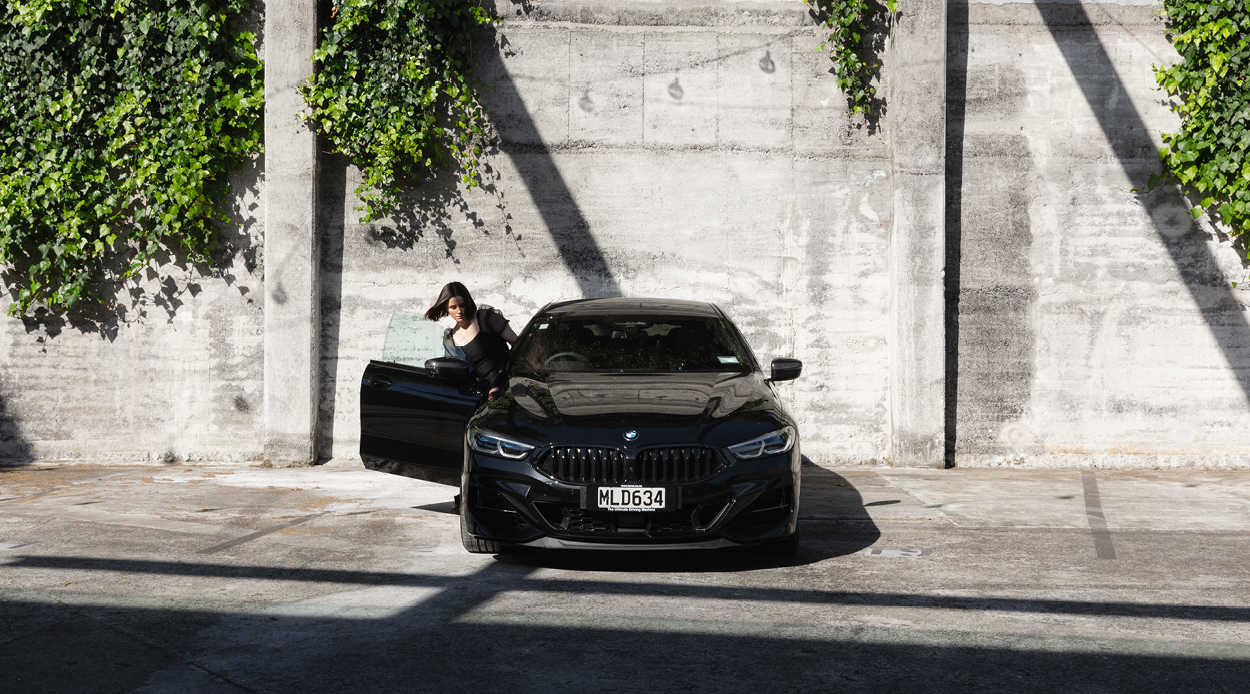
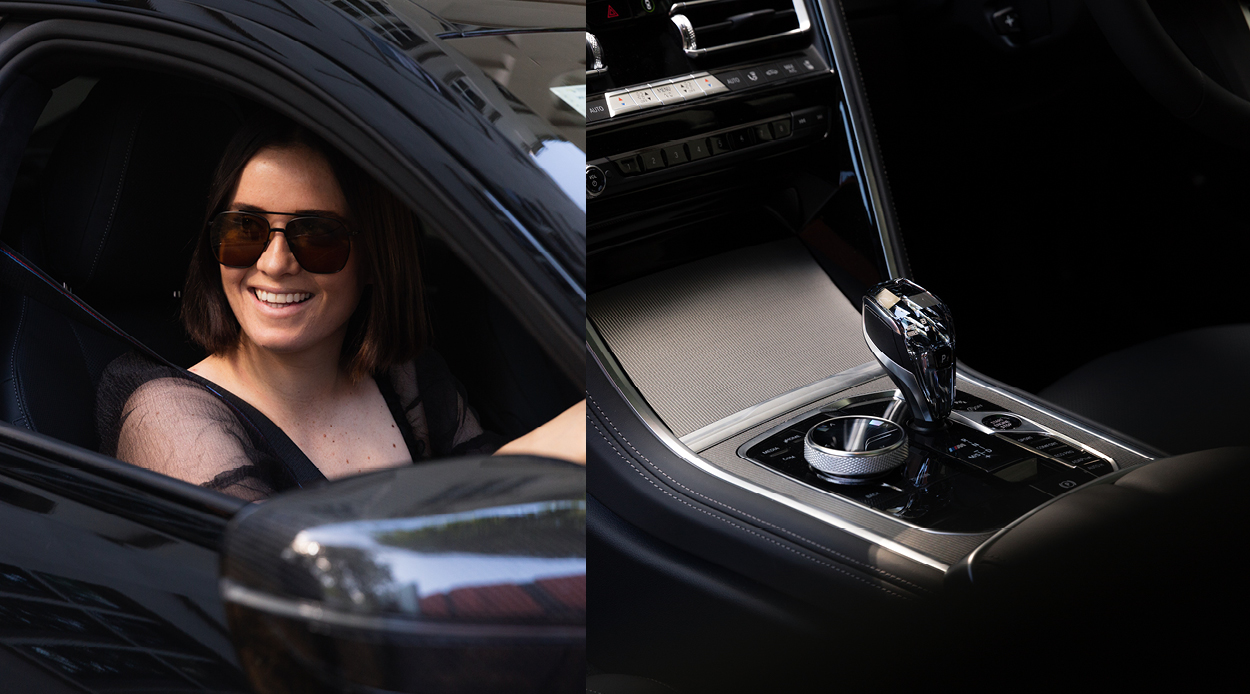
Hey BMW, I’m hungry.” Four words I found myself repeating frequently over the course of the week I occupied the driver’s seat of the new BMW 8 Series Gran Coupé. The answer? A list of destinations, entirely dependant on the location of the vehicle, that BMW’s Intelligent Personal Assistant promised would satiate my hunger — as well as an alert about new places that I hadn’t yet heard of. If that’s not an efficient personal assistant, I don’t know what is.

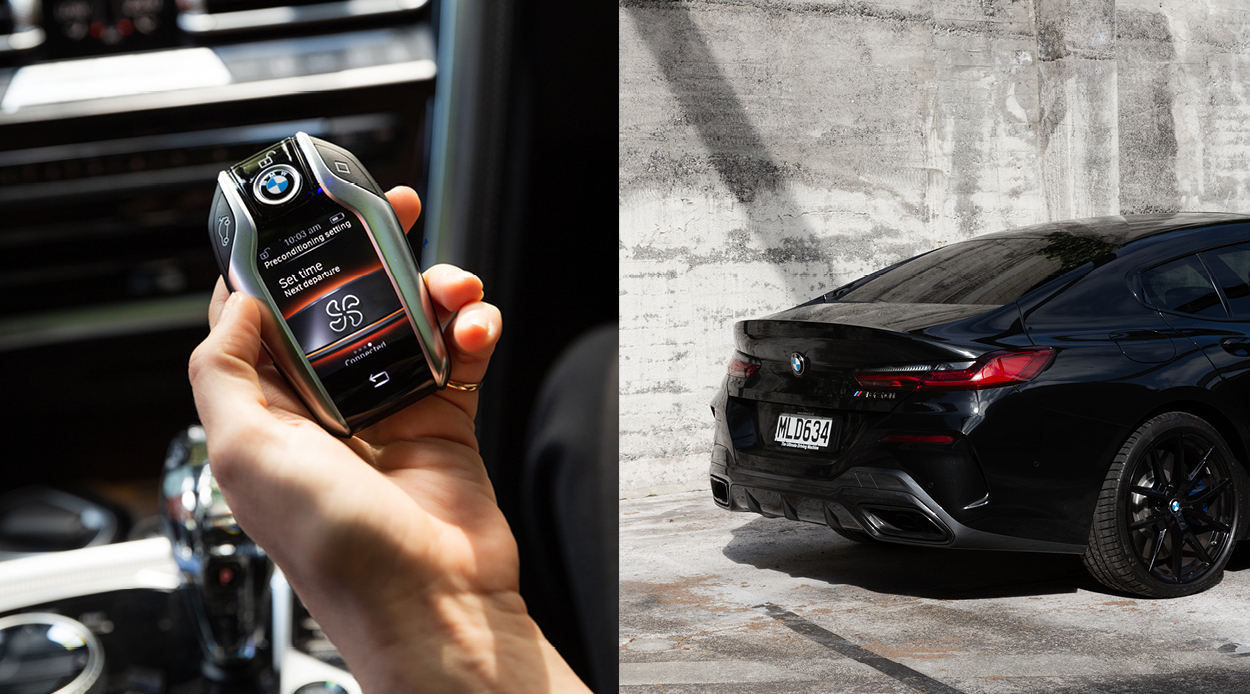
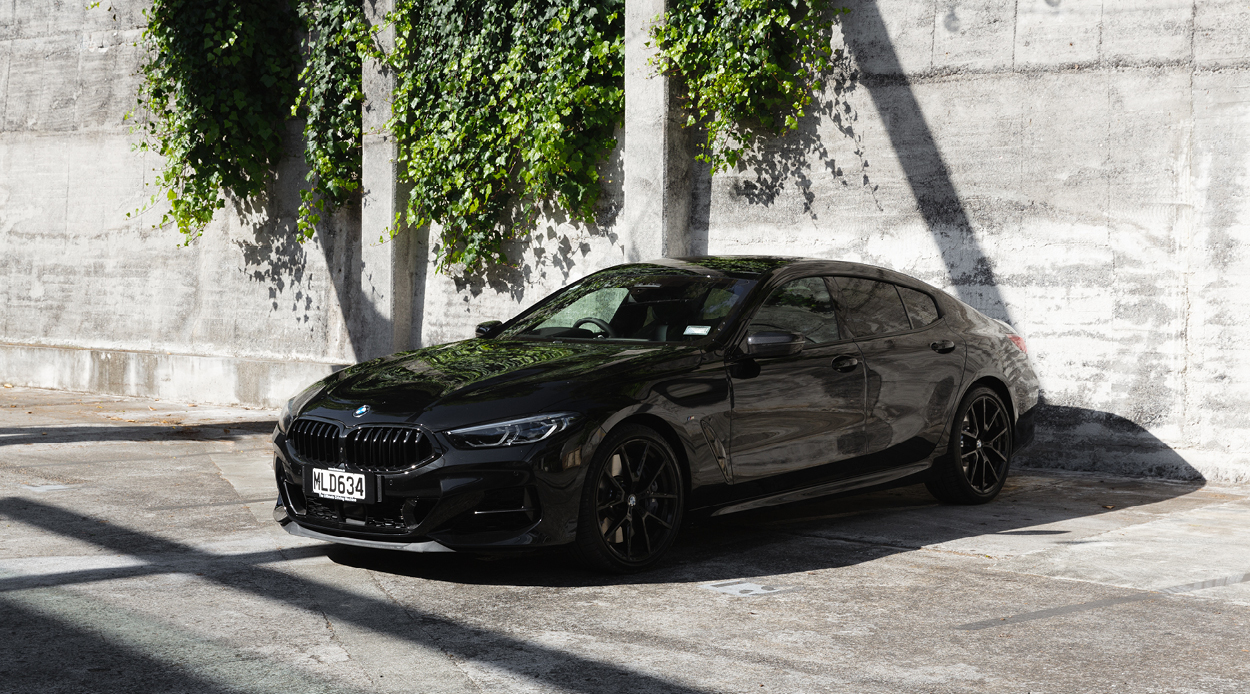
Something I came to realise quite quickly about BMW is that for this renowned German marque, attention to detail is paramount. From being able to give my new assistant a personalised moniker (one that almost became “Hey Batman” because of its sleek, black metallic sapphire frame) to being able to use the key to turn on its air conditioning long before I got behind the wheel, when it comes to this car there’s nothing left to chance (and that’s not even the half of it).

Long before I took possession of my new ride, I actually had my eye on the two-door coupé, thinking it would be great to zip around in. But with the promise of great weather and multiple friends eager for a ride in my new whip, the Gran Coupé felt like a better fit. It’s the third addition to the 8 Series range and accompanies the two-door Coupé and Convertible which were launched earlier this year. The enhanced practicality, however, doesn’t prevent BMW from ensuring the vehicle carries the same sleek, elegant presence we’ve come to know and love in the original two-door version. The final product is an enviable combination of luxury and performance in a vehicle I would certainly use as my everyday motor.

The first day I had the Gran Coupé, clear blue skies (the first in a while) offered up an invitation to put it through its paces on the open road. With a sneak peek of summer beaming through the sunroof, windows down and music on, I jumped on the motorway and headed north — keen to test out the car’s capabilities on winding roads and various terrain.

I switched the car into sports mode, asking it to show me what it was made of. The 4.4-litre twin-turbo 8-cylinder engine purred beneath the bonnet, reaching 100km effortlessly in less than four seconds. The paddles make switching between gears seamless, which was an exhilarating feeling with my foot on the pedal, rendering the ride so smooth it felt as though the car was almost hovering. 

A road trip is never complete without a solid soundtrack to underscore the journey, and I’m someone who appreciates a good sound system, especially on a long drive. Saying, “Hey BMW, play Discover Weekly,” would prompt my smart assistant to start playing a recent playlist from Spotify, but what really impressed me was the different modes I could listen to the music on. The choice between concert, stage, cinema, lounge or my personal favourite, studio, meant that I could tailor the genre of music to suit the output. For example, AC/DC’s Highway to Hell puts me front and centre in the VIP section when listened to via concert mode, whereas listening to Jay-Z on studio mode produced a sound so crisp it was almost like he was doing a rendition of 99 Problems from the passenger seat. In which case, I’d be sure to make the most of BMW’s Caring Car programme — a subtle change in atmosphere that can be activated to ensure all occupants are comfortable. 

The 8 Series Gran Coupé is a head-turner, especially in small, rural towns. Its sexy, ultra-sleek silhouette carries curves in all the right places. And at just over five metres in length and two metres wide, it’s bold and it’s beautiful. It would also prove tricky to manoeuvre out of tight spots if it wasn’t for the Parking Assistant feature, which made parallel parking a breeze and proved to sceptical onlookers that I was completely capable in the driver’s seat (even if it wasn’t really me).

Returning home from my glorious weekend away wasn’t ideal, as it meant handing back the keys to a car I had fallen in love with. Its lasting impression left me tempted to do a runner, stopped only by the thought of my efficient new personal assistant betraying my getaway plans by telling BMW Headquarters where we were.

Combining the practicalities you want from an everyday car, with the sleek form of a luxury vehicle, the Gran Coupé is proving the two ideas don’t need to be mutually exclusive and is doing so in an appealingly understated, totally beguiling way.

Culture

Why Mickey Smith’s new Sanderson exhibition deserves your full attention
Wondering what to watch? These new shows should be on your radar
We talk to author Trent Dalton on his dark childhood, finding light between the cracks, and the girl who saved him

I’ve been using Olaplex for the past year and this is how it has changed my hair

We’ve all been there. Sitting in the chair at the hair salon while the stylist prattles off some must-try products that would be perfect for your unruly mane. I’ll be the first to admit I almost always check out. Firstly, there’s no way my hair will ever look as good as it does when it has just been washed and blow-dried to Julia Roberts-level perfection at the salon. Secondly, my hair is akin to the American actress only ever in my dreams. It’s thin, slicks itself back at the first sight of oil and yet manages to be, at the same time, dry. Or at least that’s what it was like before I gave in to one particularly convincing sales pitch — and bought a bottle of Olaplex.

Olaplex is a system that works at a molecular level to find single sulfur hydrogen bonds in your hair and link them back together (otherwise they eat away at your reserve hair proteins), thus multiplying the bonds and making your hair stronger. In layman’s terms, it repairs broken hair and then works to protect it from the damage caused by things like dyes and heat. I get my hair done approximately every eight-to-10 weeks, and because I don’t enjoy sitting in a chair at the salon for hours, it was promising to know that there was a product that promised to extend the quality of my hair between professional treatments.

My hair has been dyed so many different colours and has been taken from its natural, lacklustre brown to bleached blonde and even pink. So technically, I’m the perfect Olaplex candidate. Although it’s worth noting that this treatment is not exclusively reserved for those with damaged or bleached hair. It will be of benefit to even those with virgin (uncoloured) hair and anyone susceptible to environmental factors and heat damage.

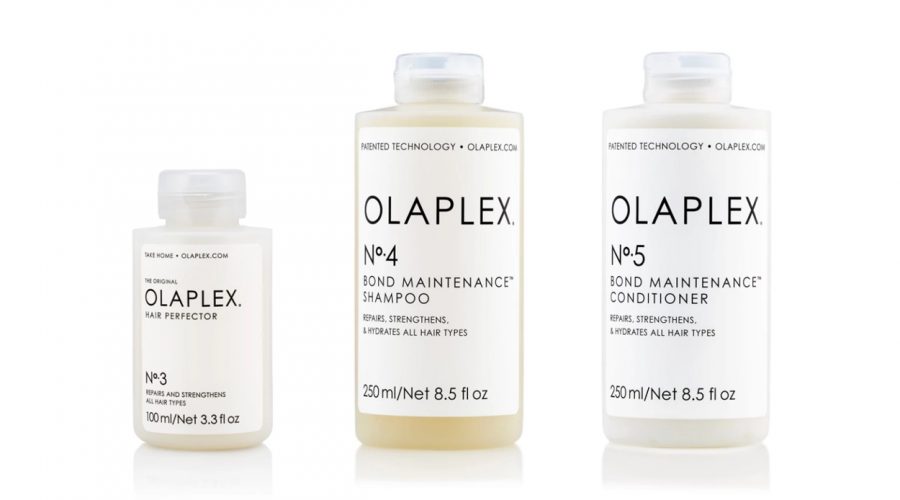
I started off using No. 3, the Hair Perfector — which is an at-home treatment — once a week. Applying a generous amount of it through the roots to the ends of my unwashed, towel-dried hair, I left it in overnight. Olaplex recommends a minimum of 10 minutes, but I decided to sleep in it — why not give it as much time as possible to really work its magic?

The results were instantaneous after rinsing it out the next morning. And although it was similar to what it feels like after conditioning (which is expected), what was really surprising was that this time, the feeling lasted for the entire week.

After getting used to using the No. 3 treatment religiously, six months ago I introduced the No. 4 and No. 5 bond maintenance shampoo and conditioner into my routine too. The results of using these alongside the treatment as my only haircare regimen have been good enough for me to come into the office and present an entire spiel on why everyone should be doing the same. I do not work for Olaplex, but I should. This stuff is magic.

Pre-Olaplex, if I let my hair dry naturally, frizz was always expected, which would see me constantly patting my head down to tame it. This was part of the reason why it had a tendency to turn pretty oily, pretty fast. But, after six months of using this trio, I can honestly say my hair dries with significantly less frizz (if any at all). It is also easier to style and feels a lot stronger. I’m looking forward to seeing how this holds up during summer when I’m constantly exposed to the sun and sea, but so far, it’s safe to say I’m impressed.

I may not have shiny, tousled hair à la Pretty Woman, but what I do have is hair that feels thicker, less unruly and much easier to maintain.

Wellbeing

The grounding movement may just be one of the simplest and most effective ways to boost your mental and physical health
Eight nourishing foods to support your immunity
The next-generation toxin promising speed, subtlety and rare staying power

Why this all-natural haircare range should become part of your daily beauty routine

We’re always on the hunt for natural products that deliver, especially when it comes to taming our tresses. It’s all well and good slathering a homemade concoction through your roots but even better when someone’s done the hard yards for you. Which is where Adelle Rodda comes in.

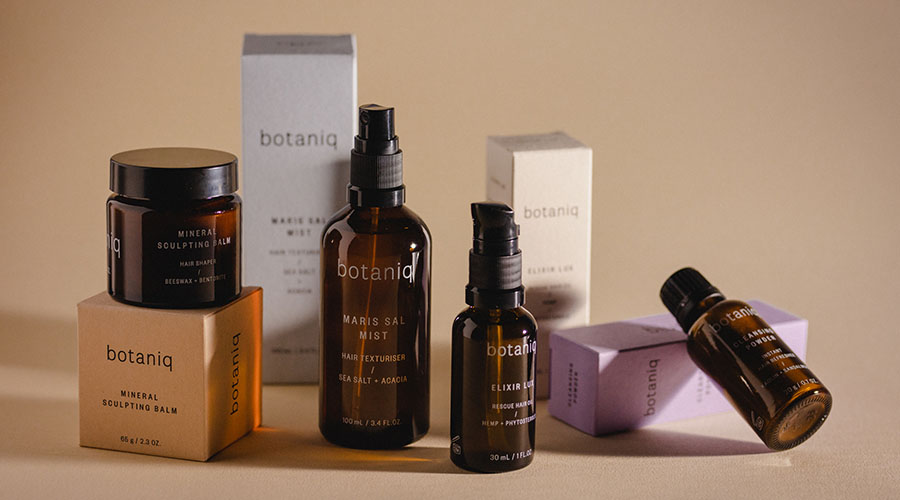
A leading hair stylist from M11 Studio, it’s her down-to-earth and precise approach to styling that has garnered her a loyal client base. She also holds a degree in Applied and Cosmetic Sciences, a passion that led to creating the Botaniq range. Produced using green chemistry, from local and organic sources where possible, the luxury haircare range has been formulated to smooth, replenish, strengthen and protect locks all while enhancing its natural texture. What’s more, the packaging — each bottle is crafted from amber glass — can be infinitely recycled alongside the labels, which are printed using vegetable ink on unbleached recycled paper. It’s as natural as you can get.

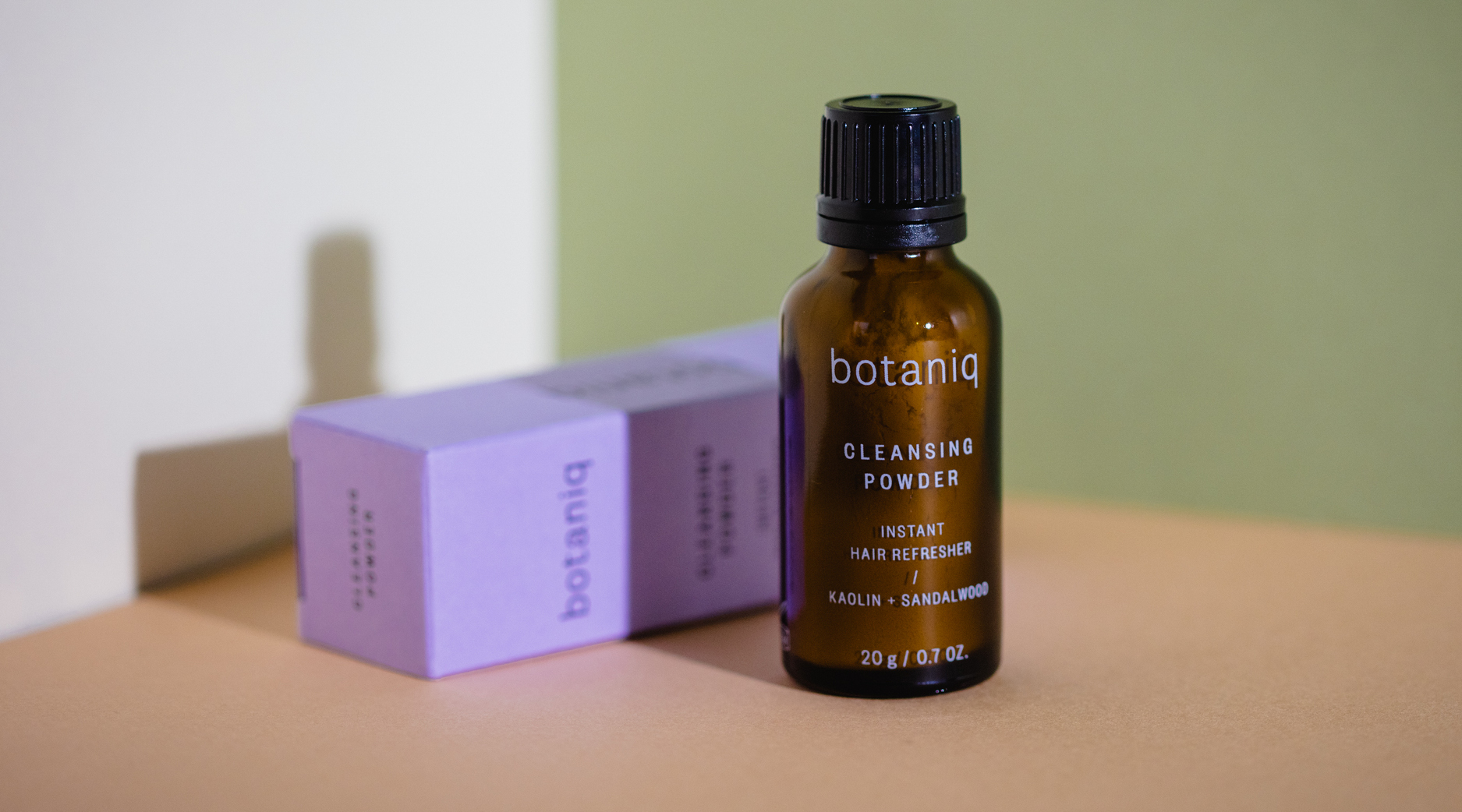
Botaniq Cleansing Powder

With a hair texturizing mist, luxurious hair oil, cleansing powder — a crowd favourite here in the office — mineral sculpting balm and a grooming oil (for the lads) they’ve got you covered from your roots to your ends.

M11 Studio

(09) 320 1579

www.botaniq.nz

Wellbeing

The grounding movement may just be one of the simplest and most effective ways to boost your mental and physical health
Eight nourishing foods to support your immunity
The next-generation toxin promising speed, subtlety and rare staying power

Celebrate World Oceans Day with La Mer’s limited edition Blue Heart Jar

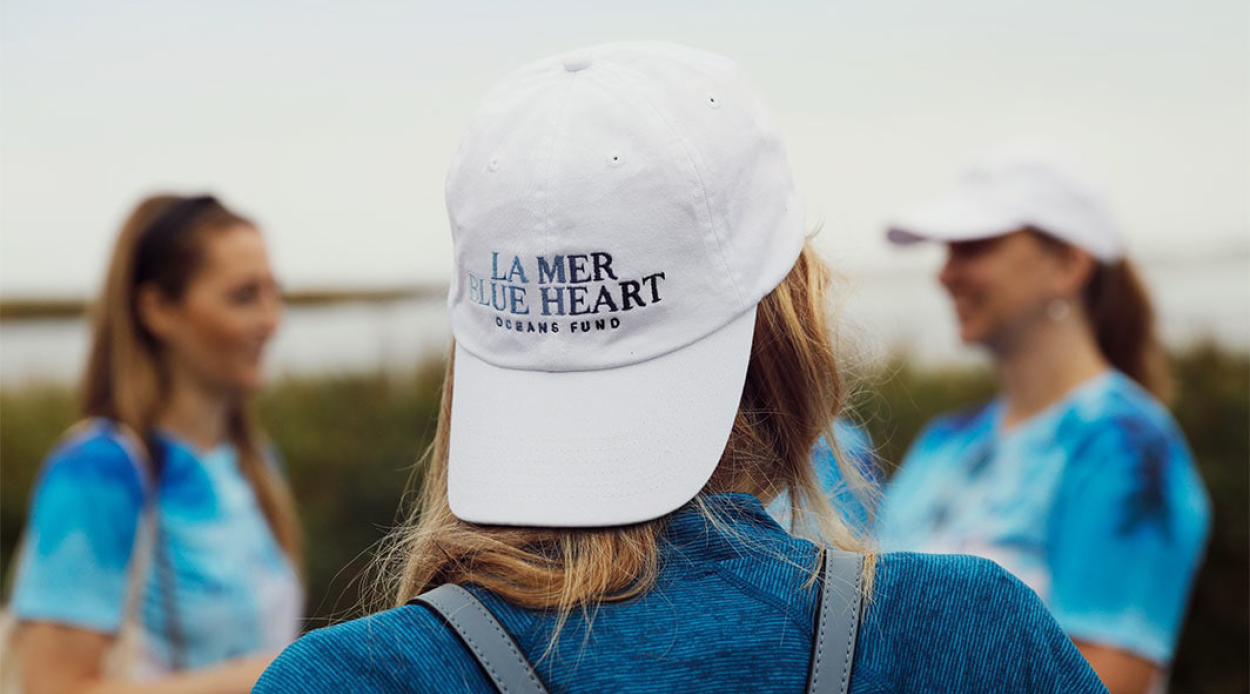
The ocean has always been at the heart of luxury skincare brand La Mer’s ethos. Referred to as its muse, not only does it feature heavily via the sea kelp used in the formulation of the brand’s key products, but it also prompted La Mer to establish the Blue Heart Oceans Fund, in a bid to encourage action that would protect the ocean and all of its inhabitants.

For well over a decade, La Mer has been an unwavering advocate for this cause through charitable donations, awareness-raising initiatives and supporting marine conservation projects across the globe, including in the Azores Islands, Grenada and the East China Sea. 

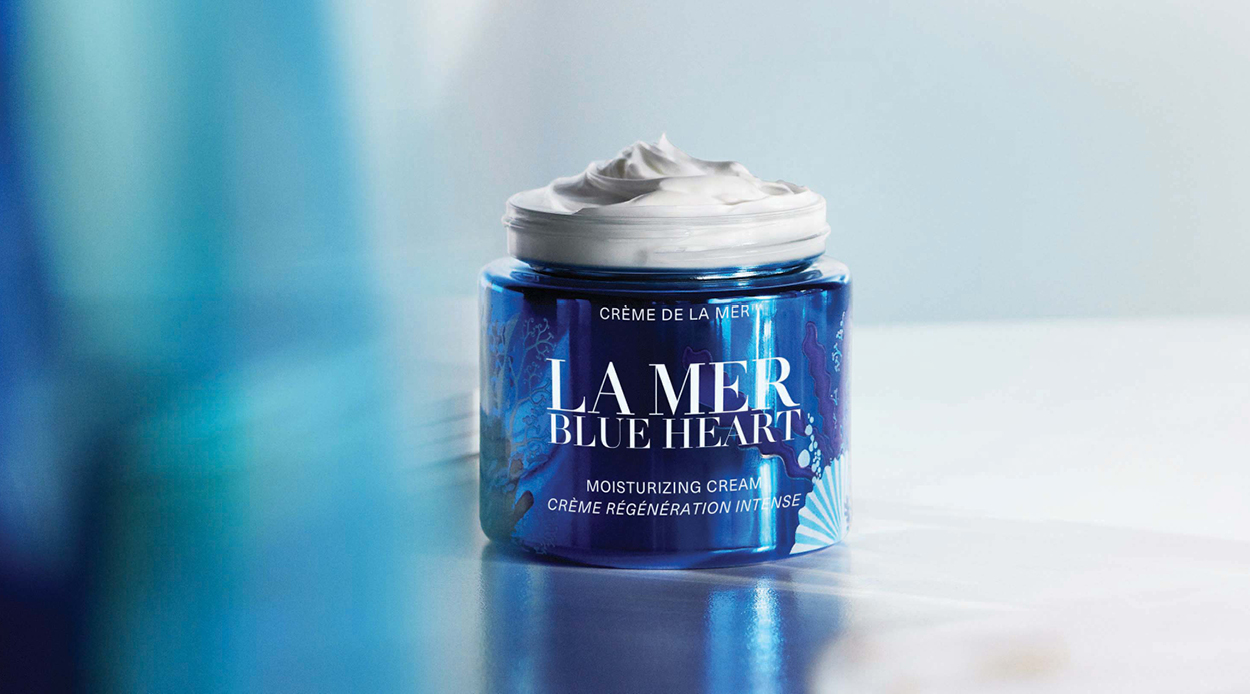
Combined with these efforts is the brand’s annual release of its Limited Edition Blue Heart jar, created for its hero product, the Crème de la Mer Moisturizing Cream. In the months around World Oceans Day — taking place on the 8th June — La Mer presents its special edition jar, swathed in an artwork designed to represent the beauty of the sea. This year’s iteration will be decorated in a shimmering picture of sea kelp and coral.

At a time of year that conjures community beach clean-ups and an increase of support for the cause on social media, La Mer has committed to donating US$25 for every public Instagram posted in the months of May and June (up to US$650,000) that includes the hashtags #LaMerBlueHeart #LaMerDonation.

The money raised for La Mer’s Blue Heart Oceans fund will go toward creating a sustainably focused action plan that positively impacts the future of our seas. So far La Mer has helped to support the protection of over 16 million miles of unique marine habitats around the world, doing its part to safeguard the seas for generations to come. La Mer’s commitment to ocean conservation is commendable, and something we should all get behind.  

Wellbeing

The grounding movement may just be one of the simplest and most effective ways to boost your mental and physical health
Eight nourishing foods to support your immunity
The next-generation toxin promising speed, subtlety and rare staying power