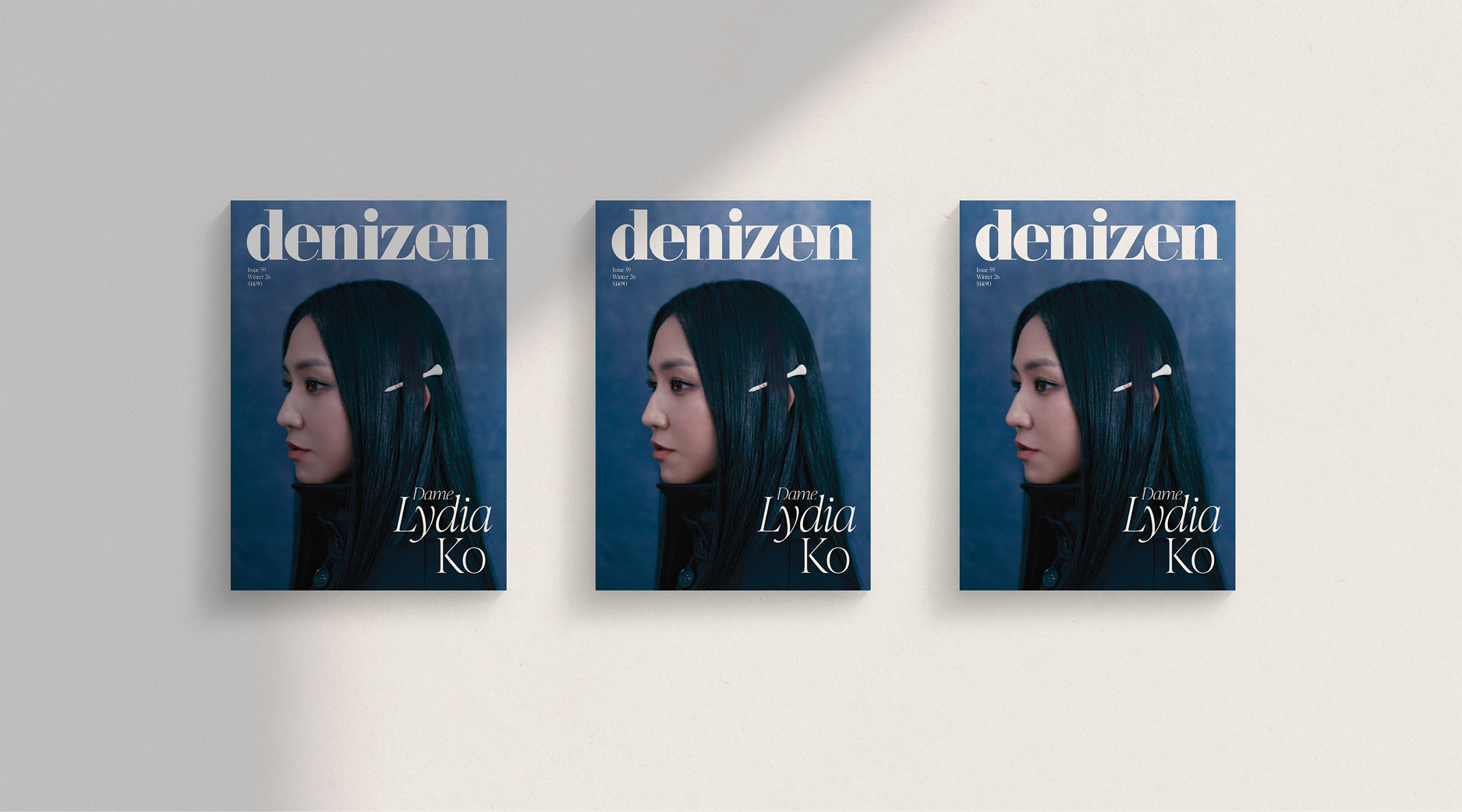
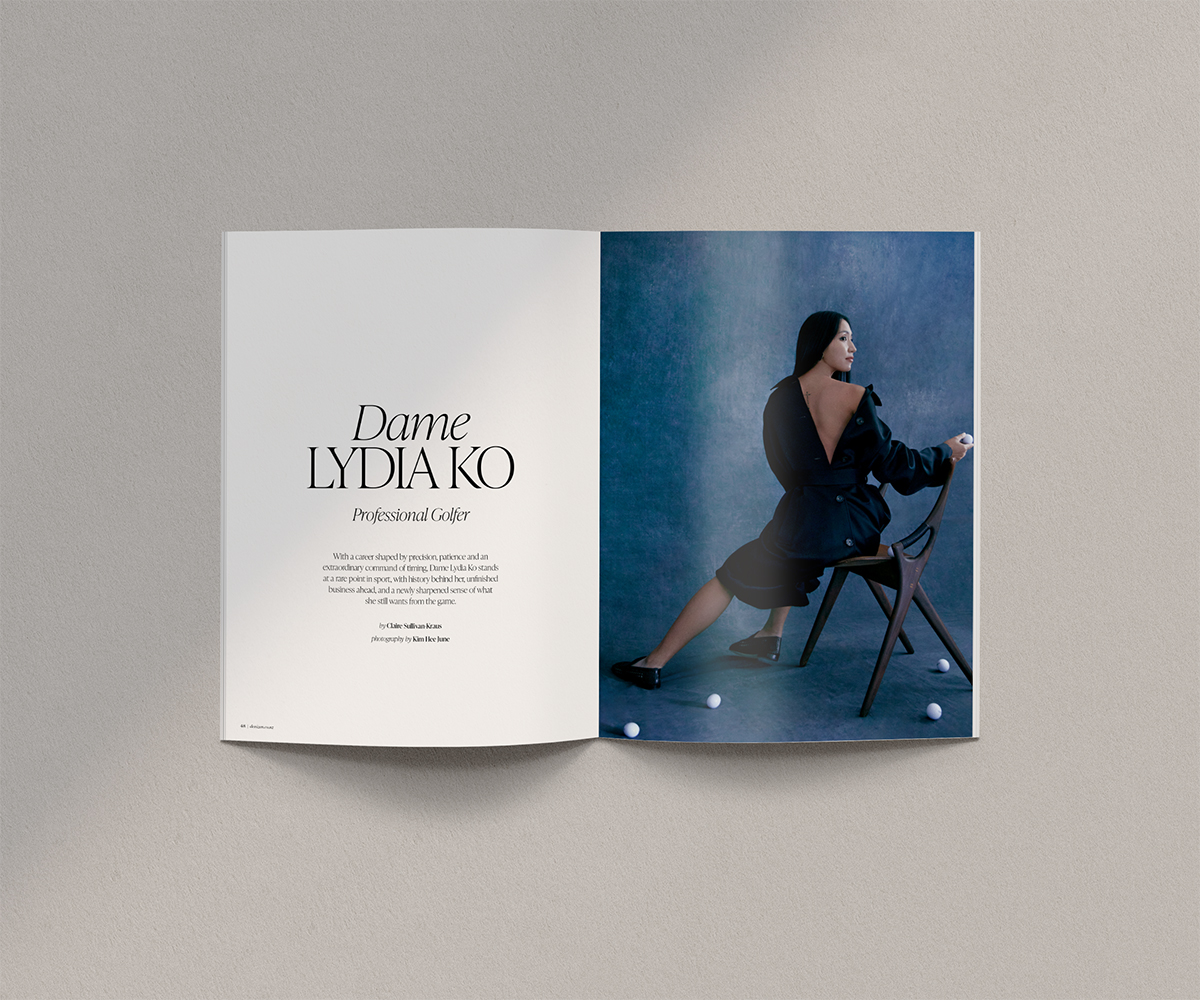
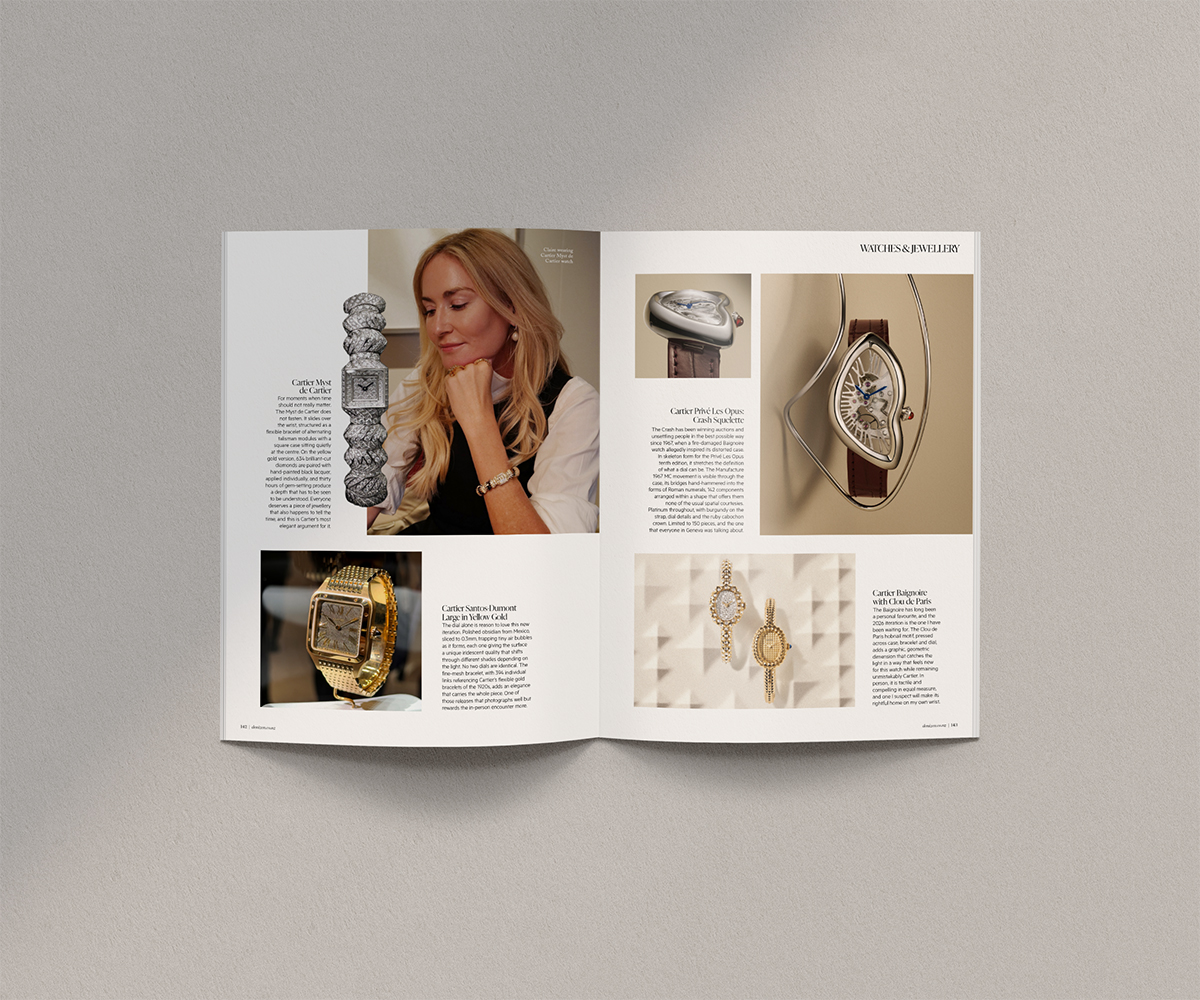
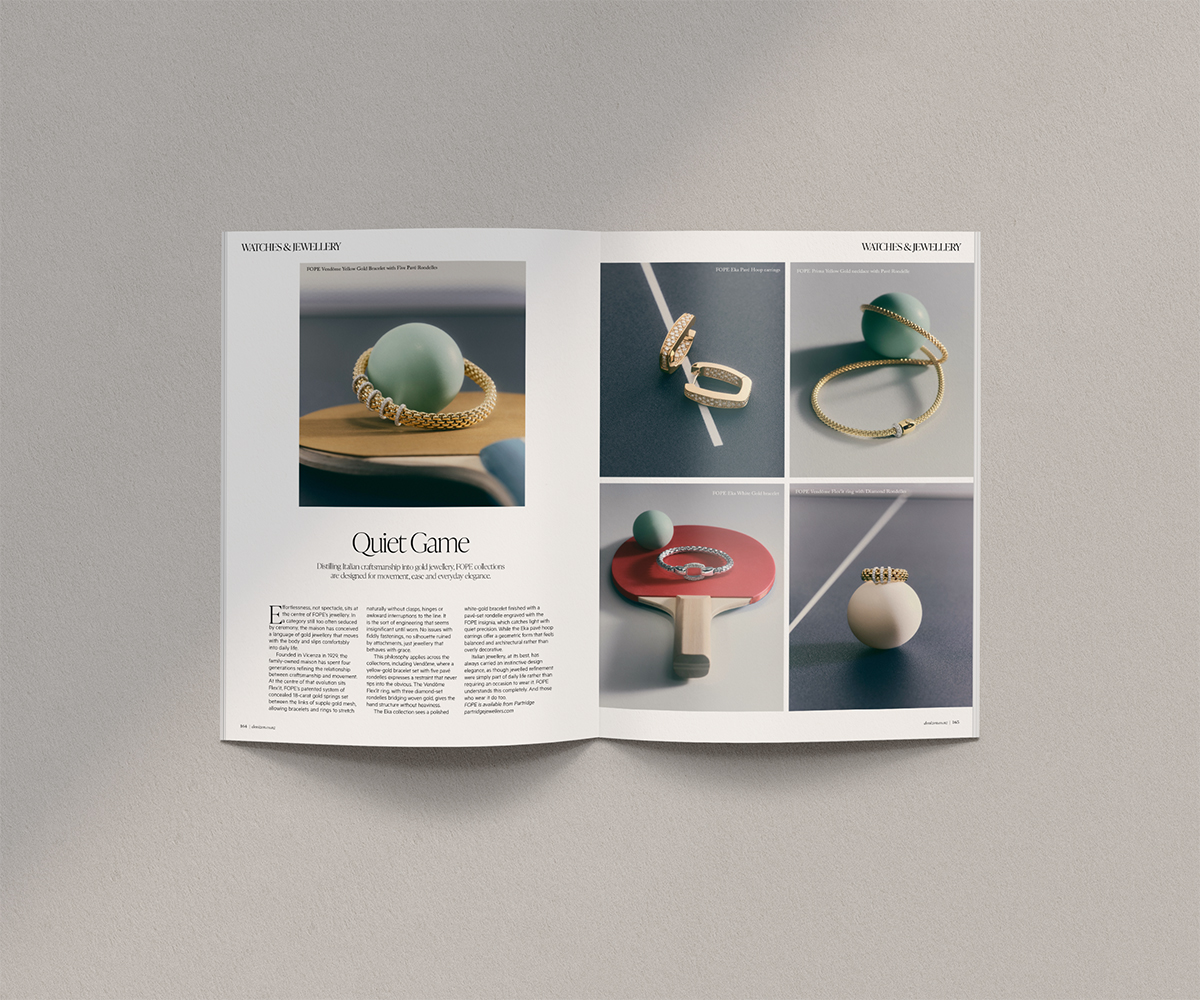
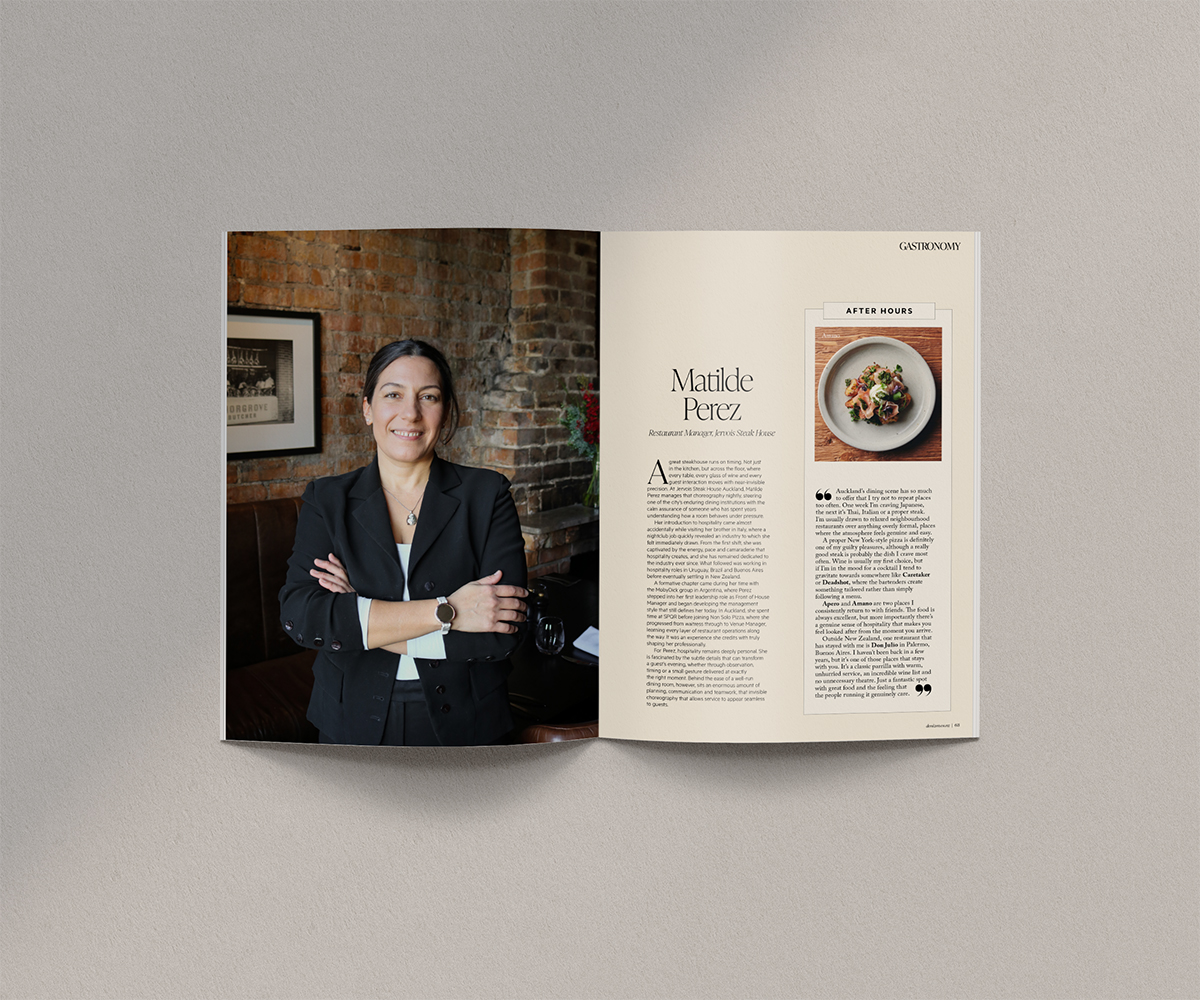
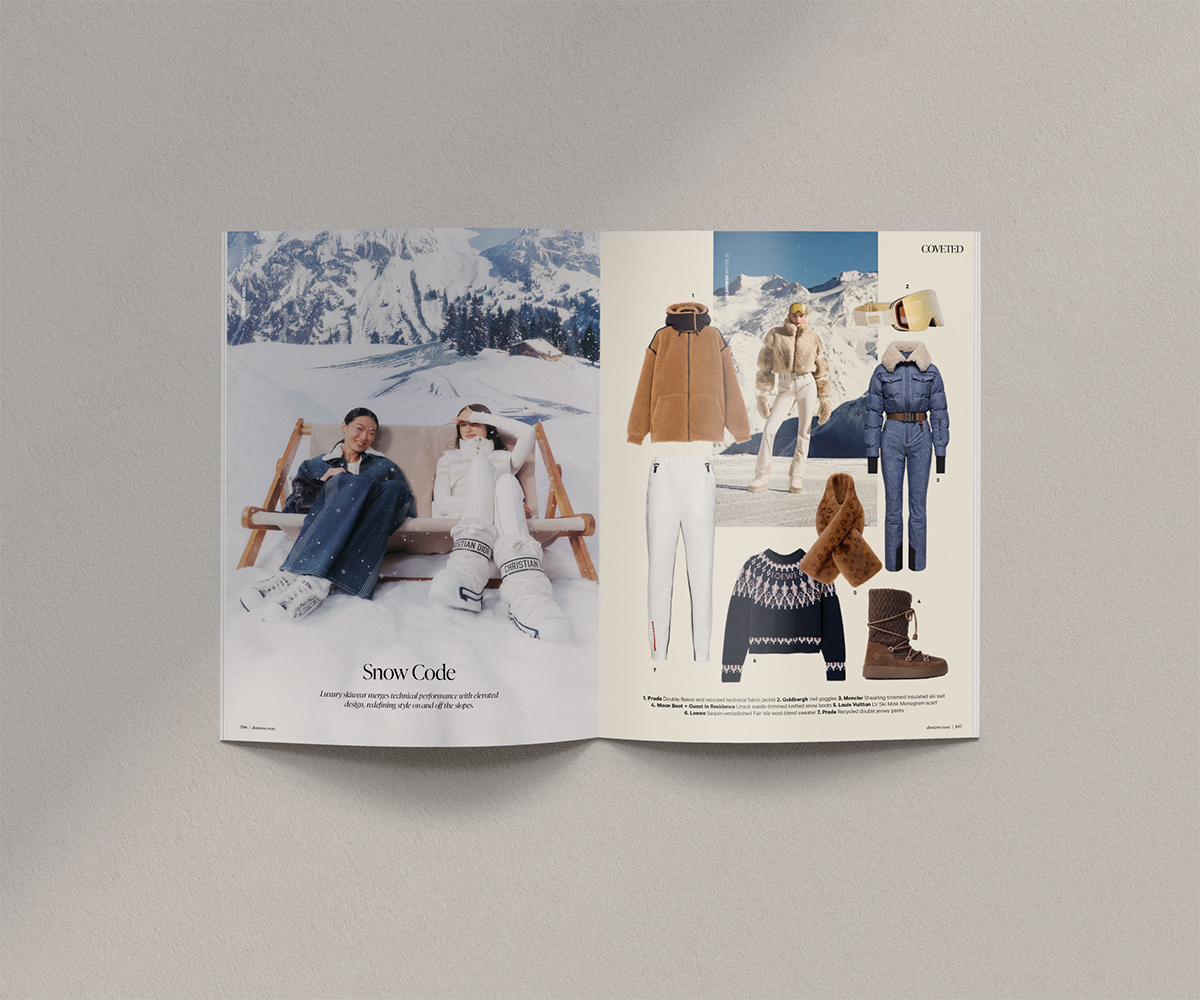
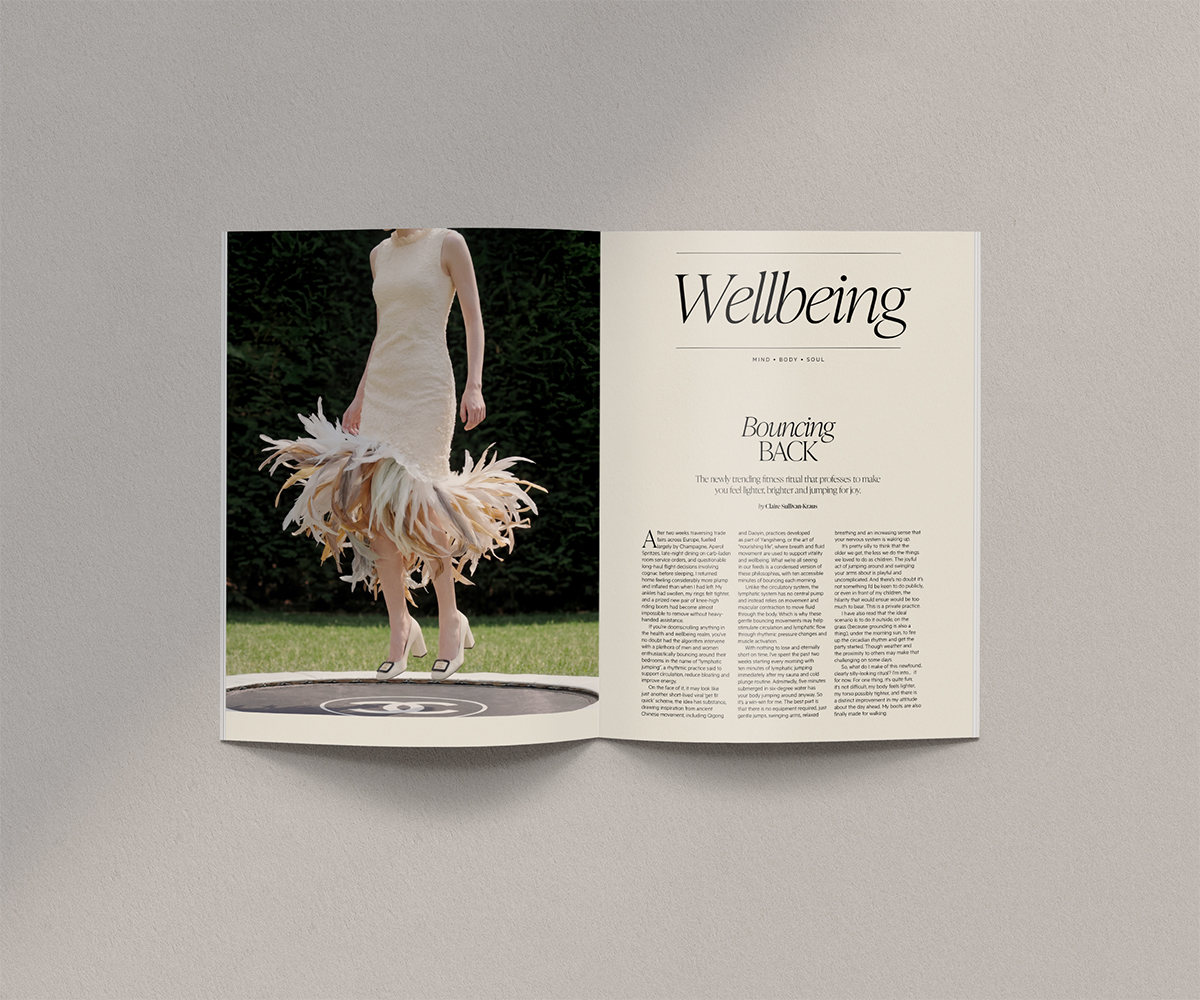
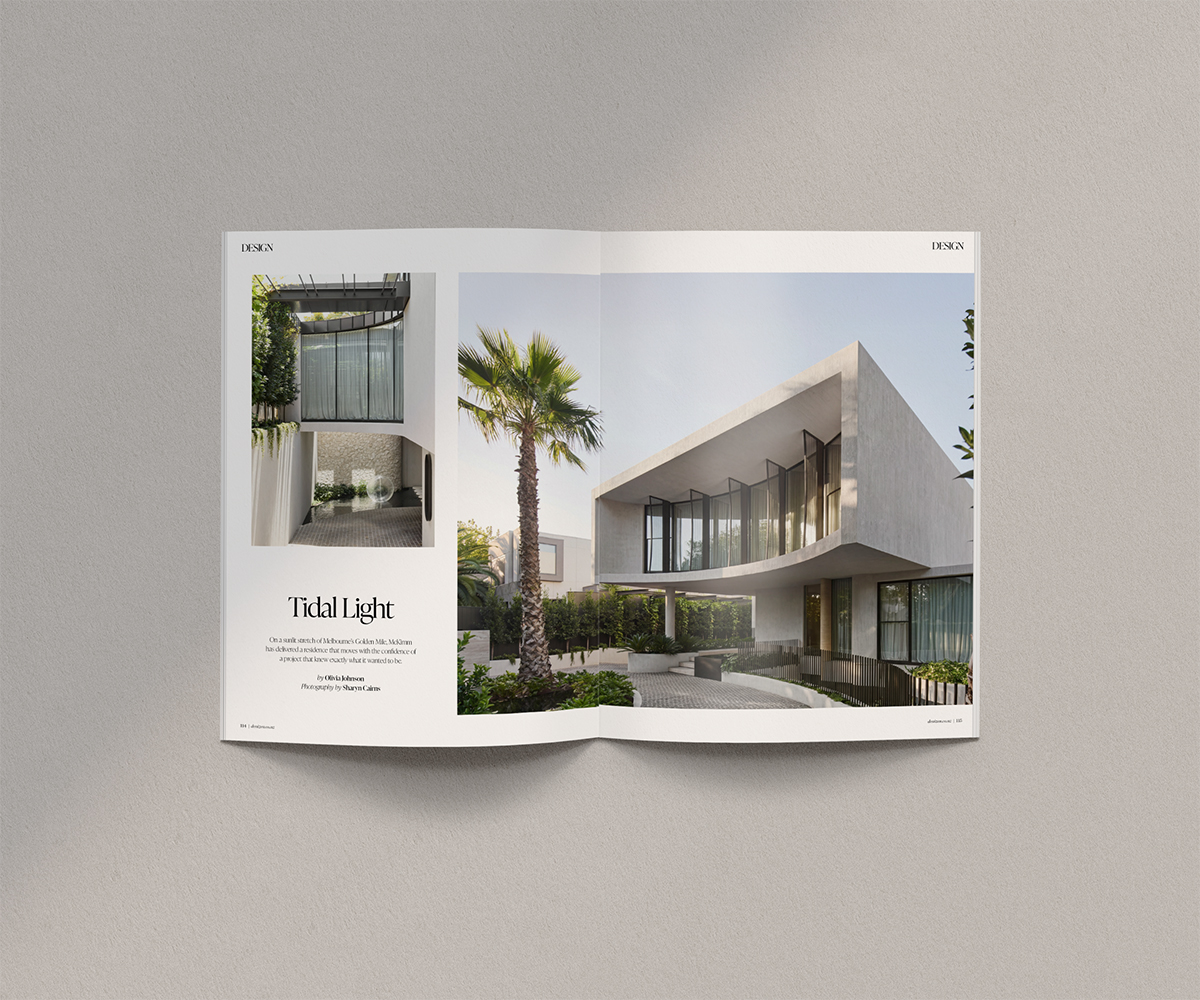
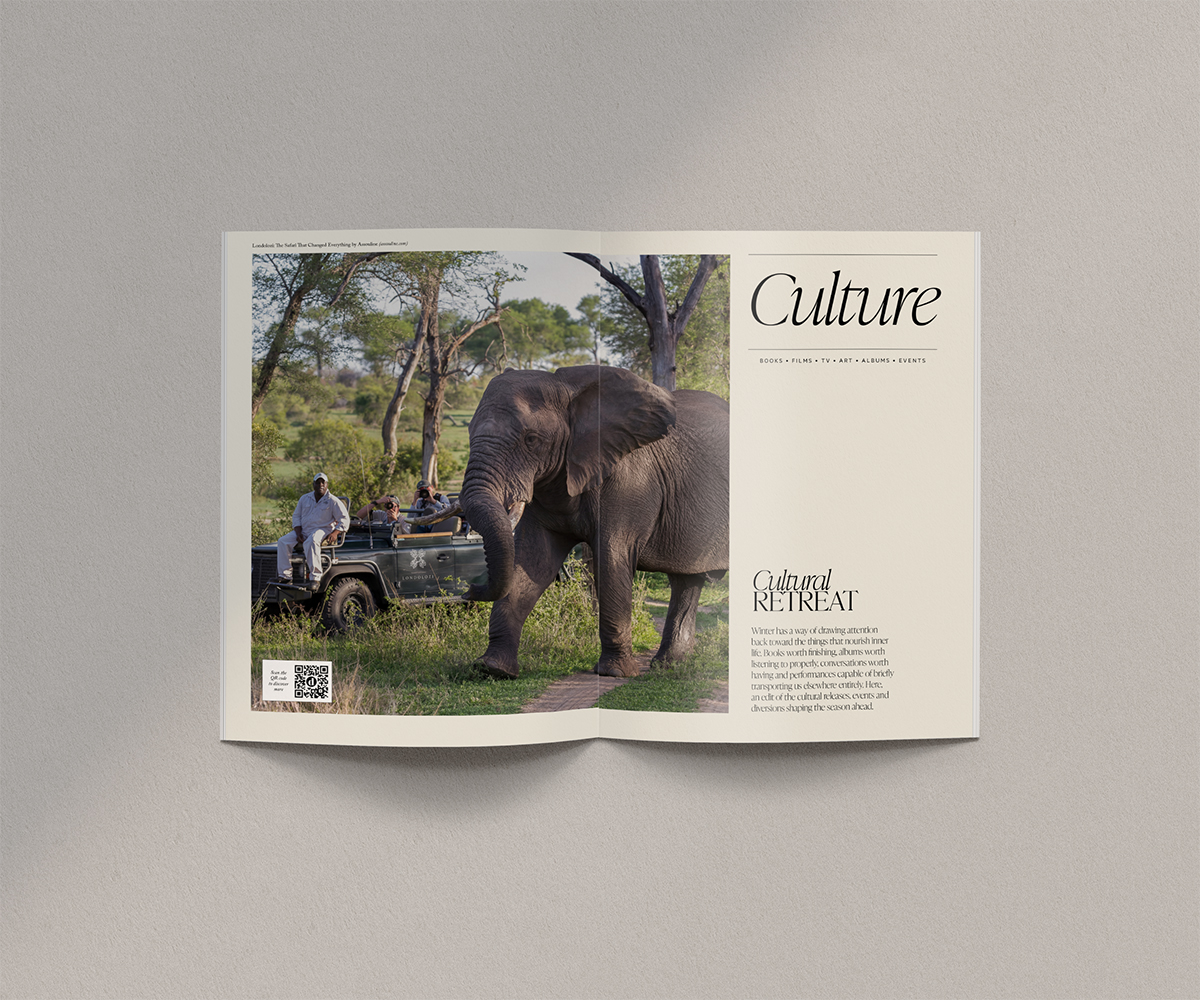
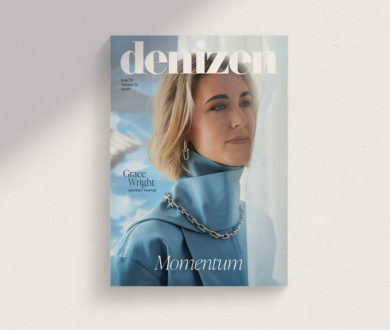
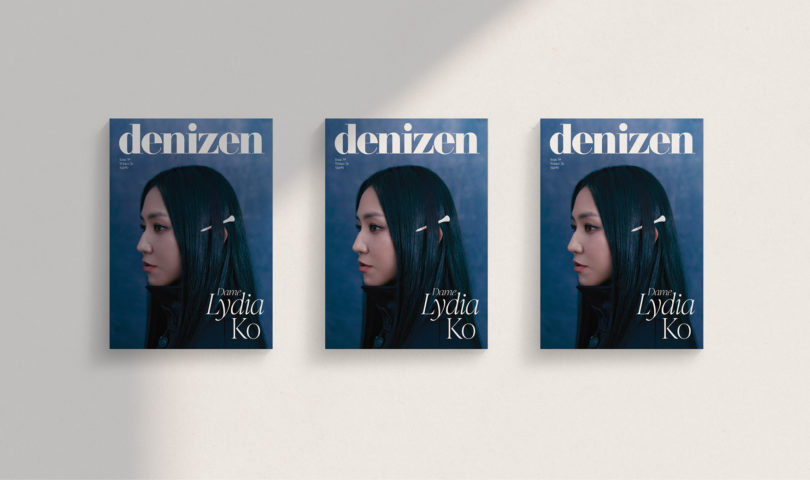
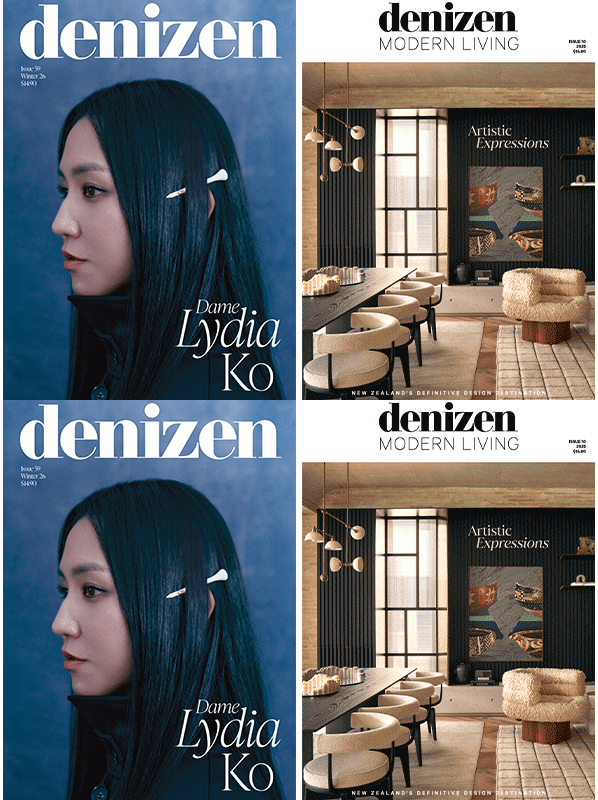
Denizen’s Winter Issue is a celebration of people who have devoted themselves to doing difficult things beautifully. On our cover, Dame Lydia Ko stands as one of New Zealand’s most remarkable global figures, an athlete whose career has been shaped by precision, patience and an extraordinary command of timing. Measured since adolescence by rankings, medals, majors and milestones, Ko’s story has become far more interesting than numbers alone. Still competing, still evolving, and still deciding what the game will allow her to take from her, she embodies a more enduring kind of excellence: one built on resilience, recalibration, and self-possession.
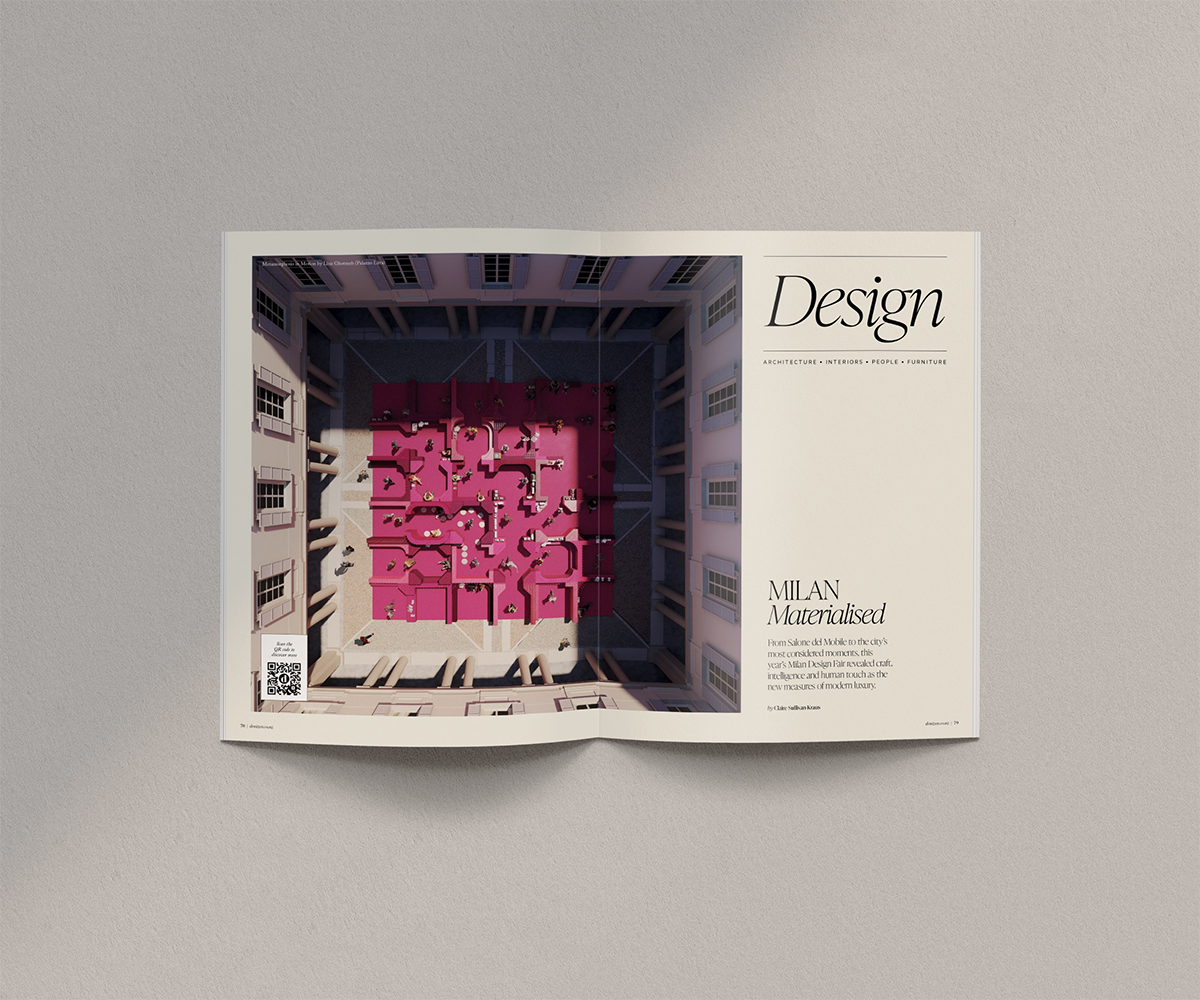
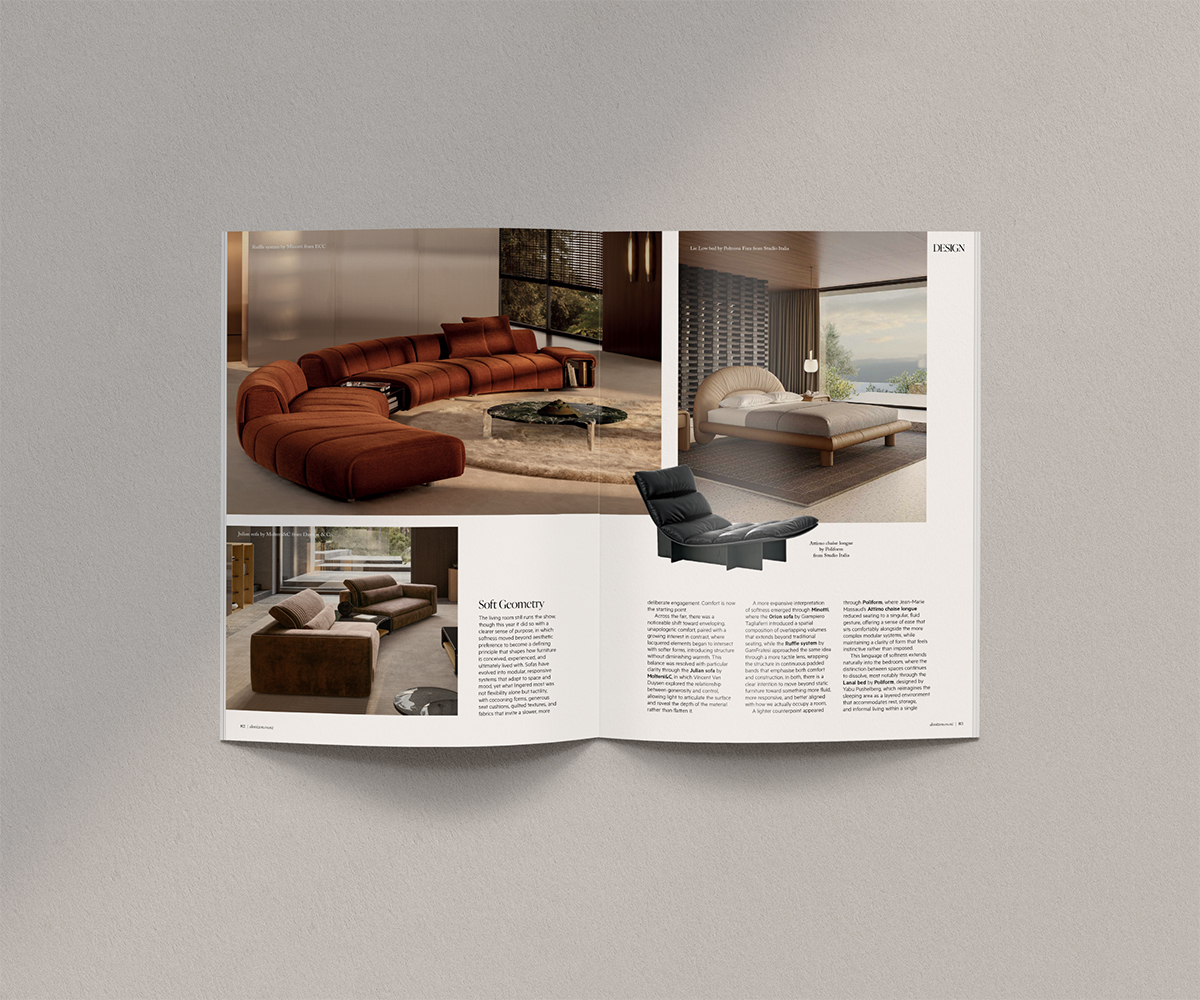
That same spirit runs throughout the issue. From the tactile intelligence of Milan Design Week to the meticulous craft of Watches and Wonders in Geneva, this issue is a reminder of the strength, texture and value of the human skill. From objects meticulously made by hand, careers built over time, ideas shaped through discipline, and the quiet power of people who have gone deep into their craft rather than chasing the noise around it.
At a moment when the world is increasingly seduced by speed, shortcuts and imitation, our Winter Issue makes a case for something more substantial: ambition with depth, creativity with rigour, and success earned through devotion.
Our Winter Issue is available at all good newsagents and supermarkets, or do yourself a favour and subscribe below.
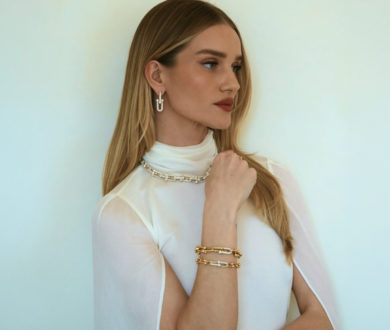
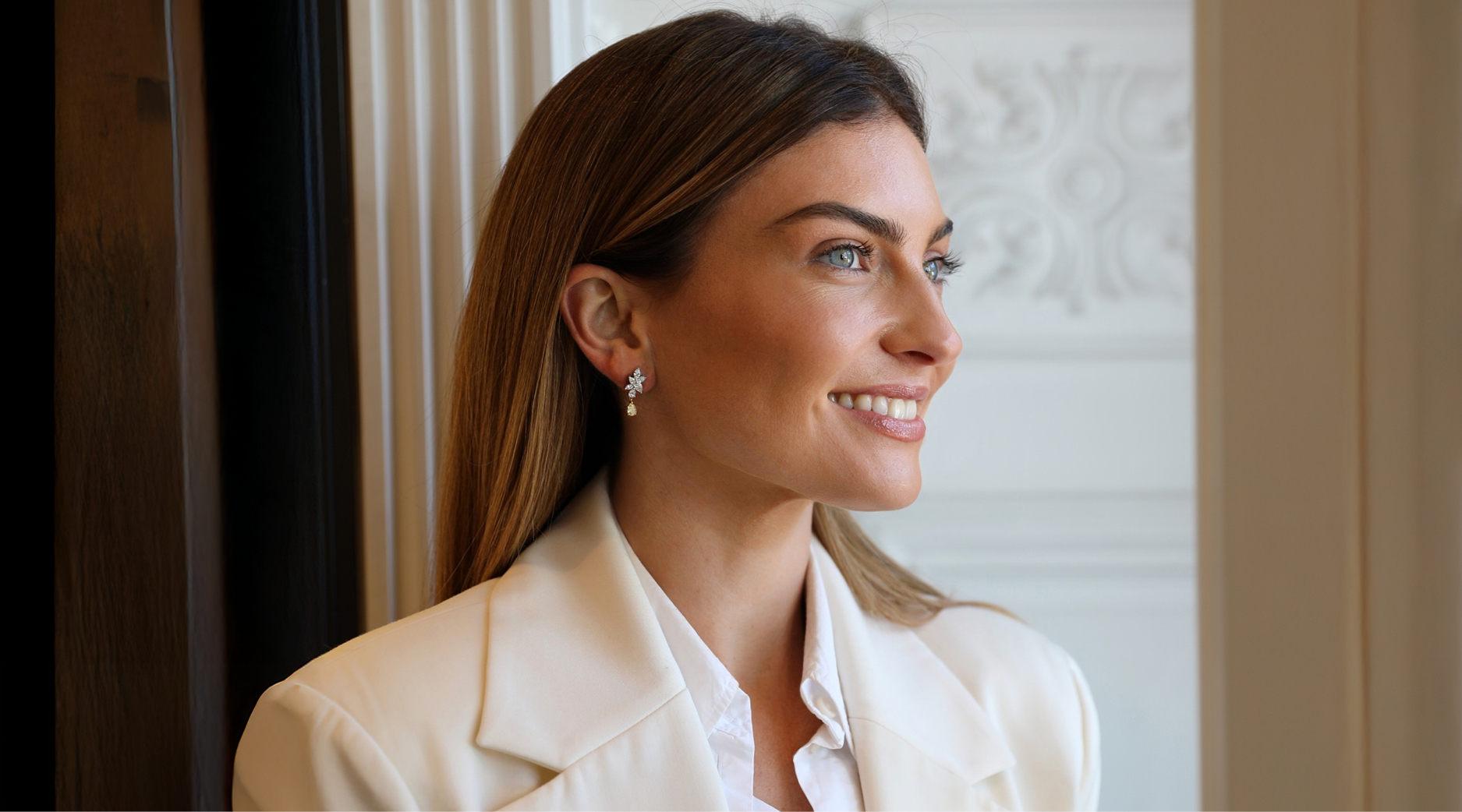
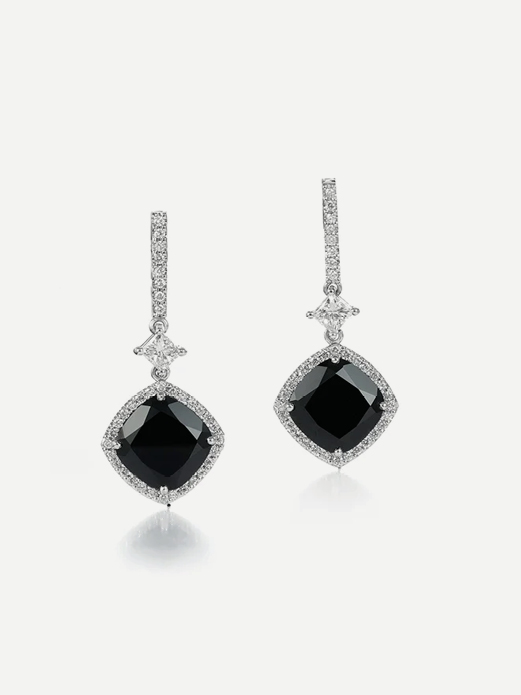
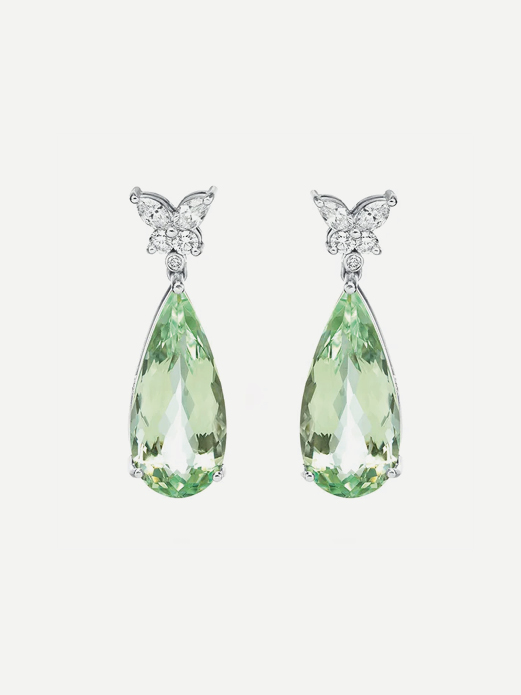
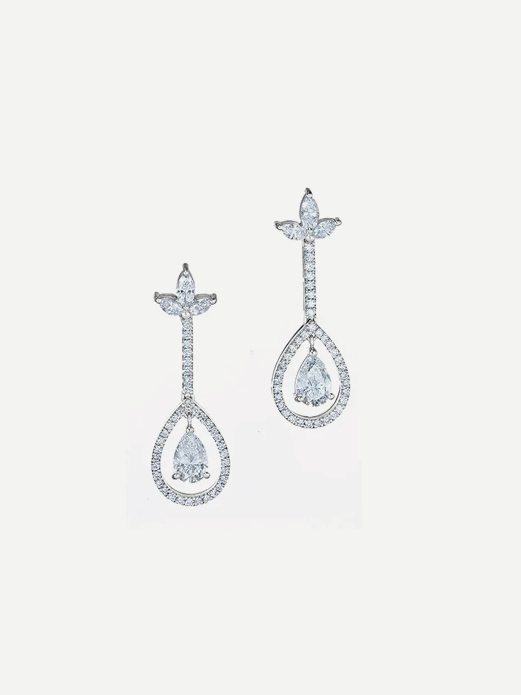
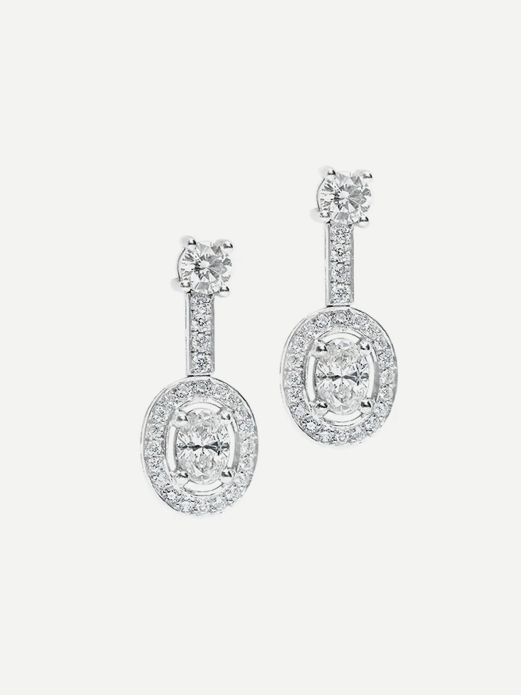
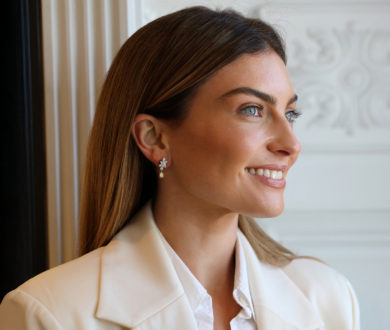
There are accessories that merely accompany an outfit, and then there are those that quietly command it. Drop earrings belong firmly in the latter category. They alter proportion, frame the face, catch the light at precisely the right moment, and, perhaps most importantly, create the impression that the wearer has considered every detail without appearing to have tried particularly hard at all.
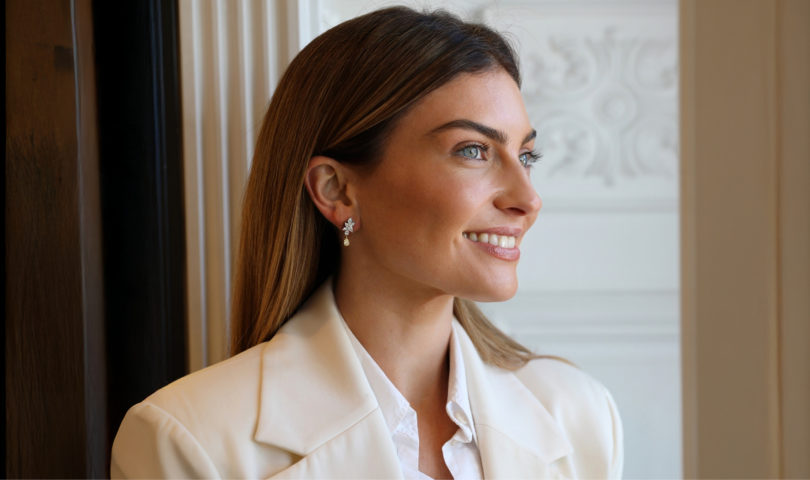
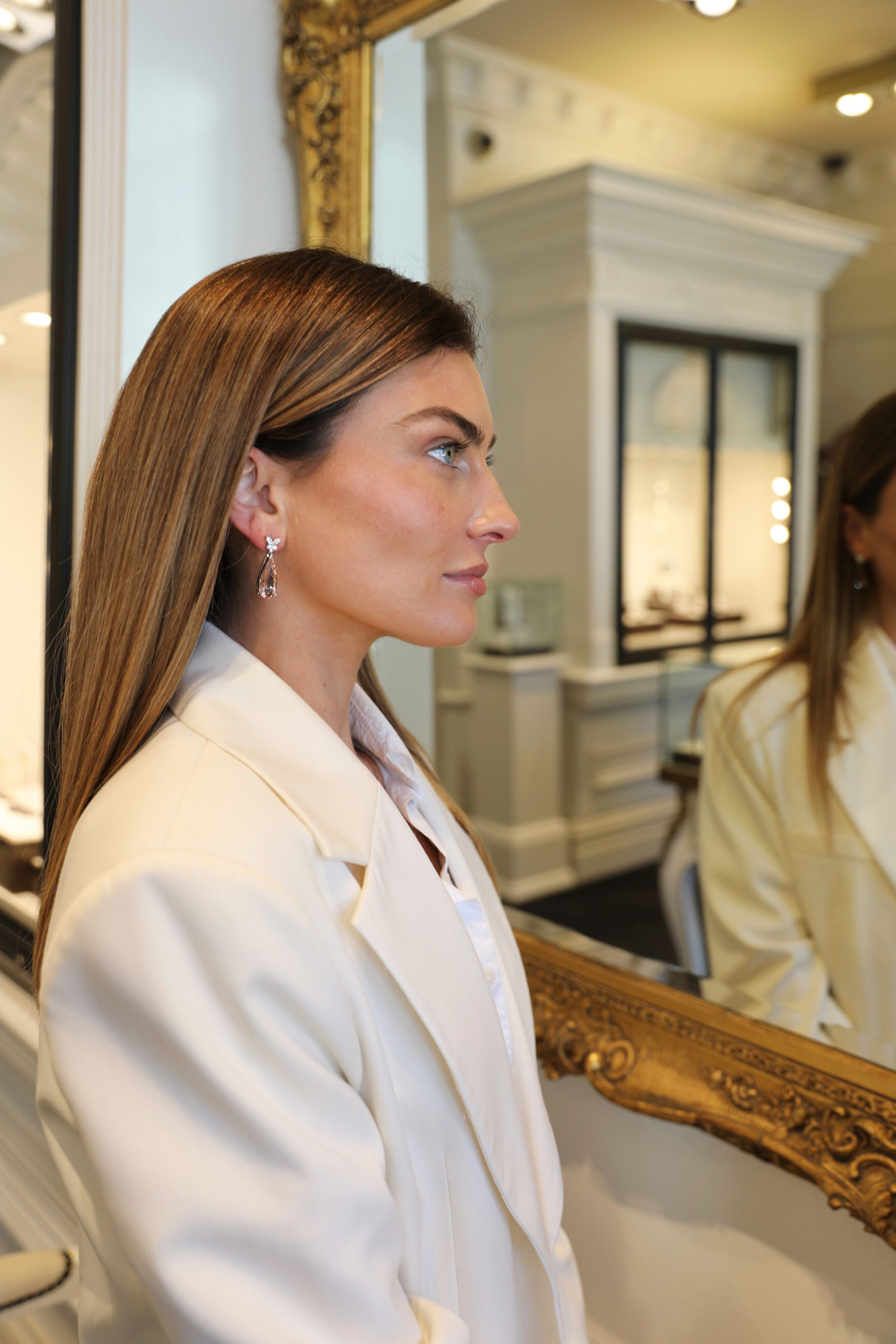
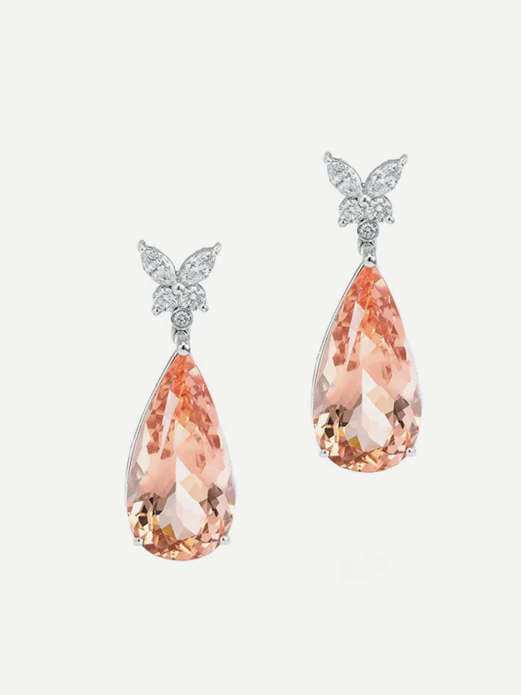
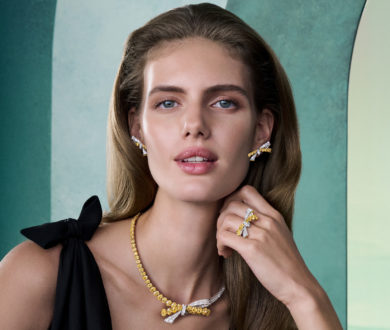
Libby Owen wearing I See Fire Morganite and diamond earrings from Sutcliffe
For centuries, earrings have functioned as fashion’s most strategic flourish. In the 18th century, elongated drops balanced towering powdered hairstyles; by the 1930s, innovations in fittings transformed earring design into something increasingly sculptural and expressive. Today, as wardrobes lean towards restrained tailoring, fluid monochrome dressing and clean silhouettes, the focus once again shifts upward. A beautifully designed drop earring introduces movement and brings a sense of polish that even the best blazer cannot quite achieve on its own.
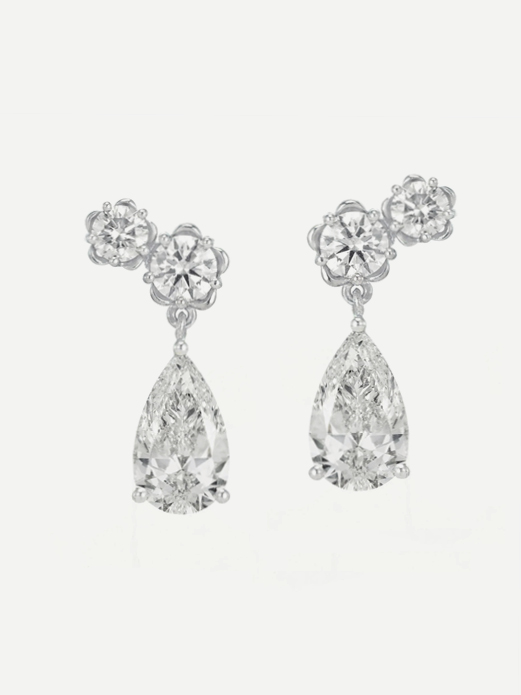
Fiore Ear Climbers with Pear Diamond Drops from Sutcliffe
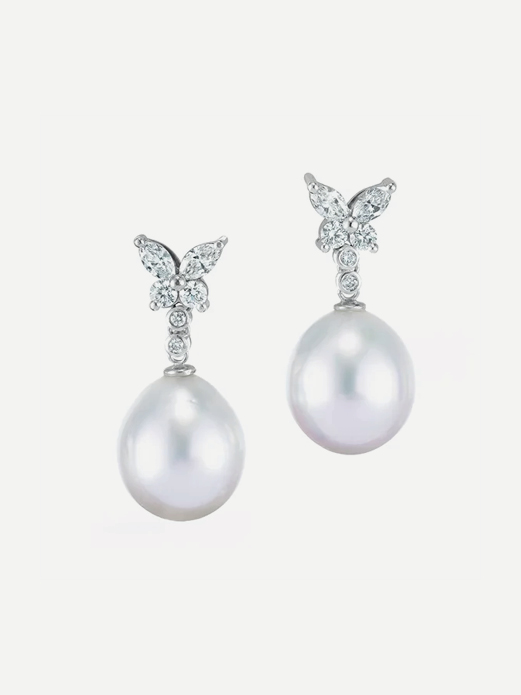
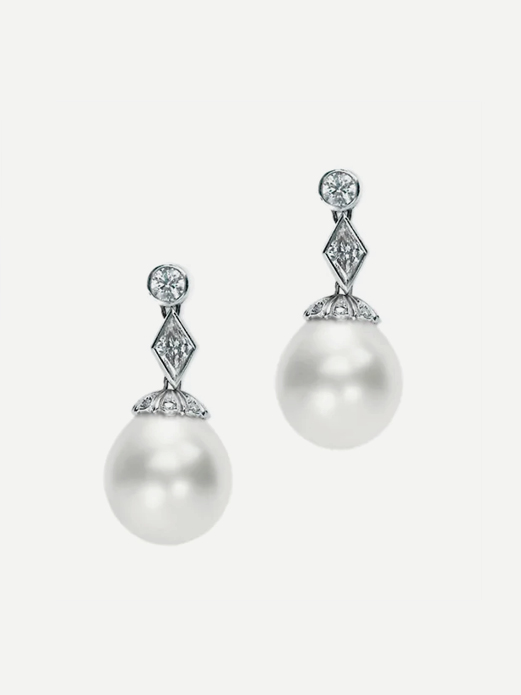
This is where Brent Sutcliffe excels. Known for bespoke craftsmanship and an instinctive understanding of proportion, Sutcliffe’s drop earrings range from quietly refined diamond styles suited to everyday wear through to dramatic gemstone creations designed for evenings that warrant a little theatre. Some are delicate and linear, allowing diamonds to softly illuminate the skin, while others embrace sculptural curves, coloured stones and bolder silhouettes that transform even the simplest white shirt and jeans into something deliberate and impossibly chic.
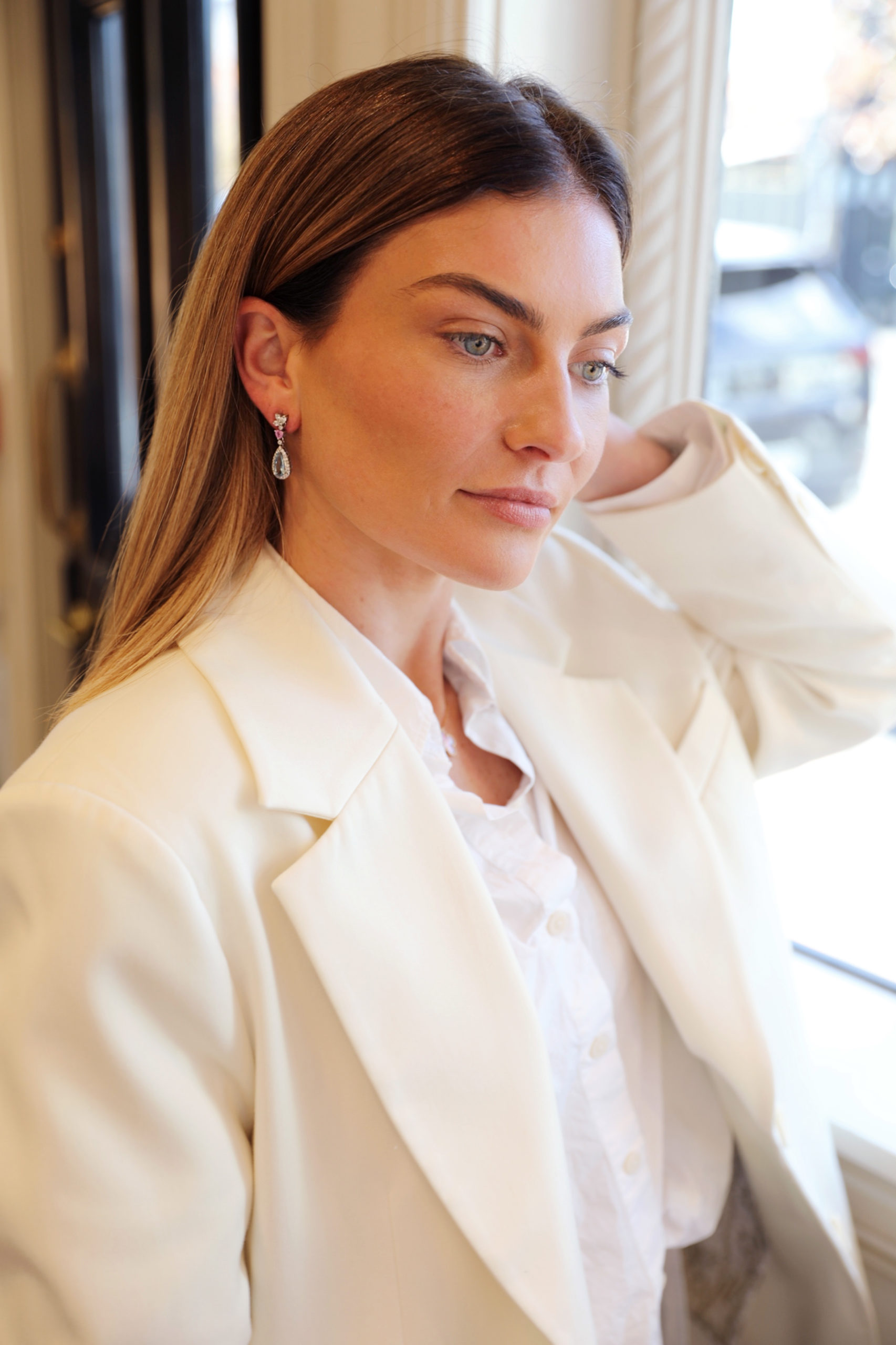
Libby Owen wearing Spirited style Aquamarine and pink sapphire diamond earrings from Sutcliffe
What makes drop earrings endure is their versatility. Worn during the day, they bring elegance to otherwise understated dressing. In the evening, they become transformative, elongating the neckline, lifting the face and adding movement with every turn of the head. They possess the rare ability to feel glamorous without overwhelming.
Sutcliffe offers a variety of designs available from existing collections, alongside custom-made pieces developed in collaboration with clients seeking something deeply personal. Whether selecting a refined pair of diamond drops destined for daily wear or commissioning an heirloom intended for milestone occasions, the result is jewellery designed not simply as accessories, but as pieces of personal significance.
Because the truth is, leaving the house with naked earlobes is rather like leaving the house without a sense of purpose.
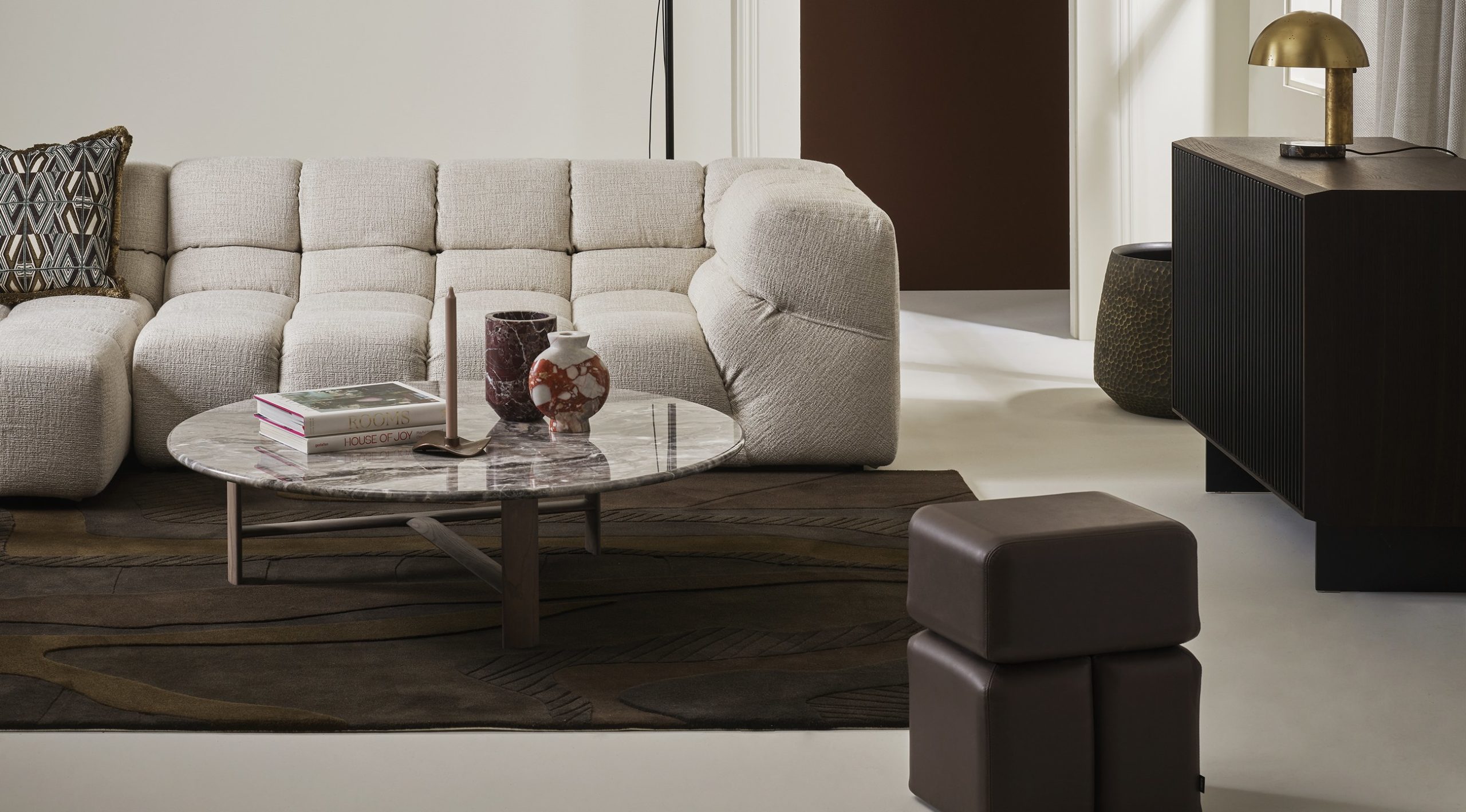
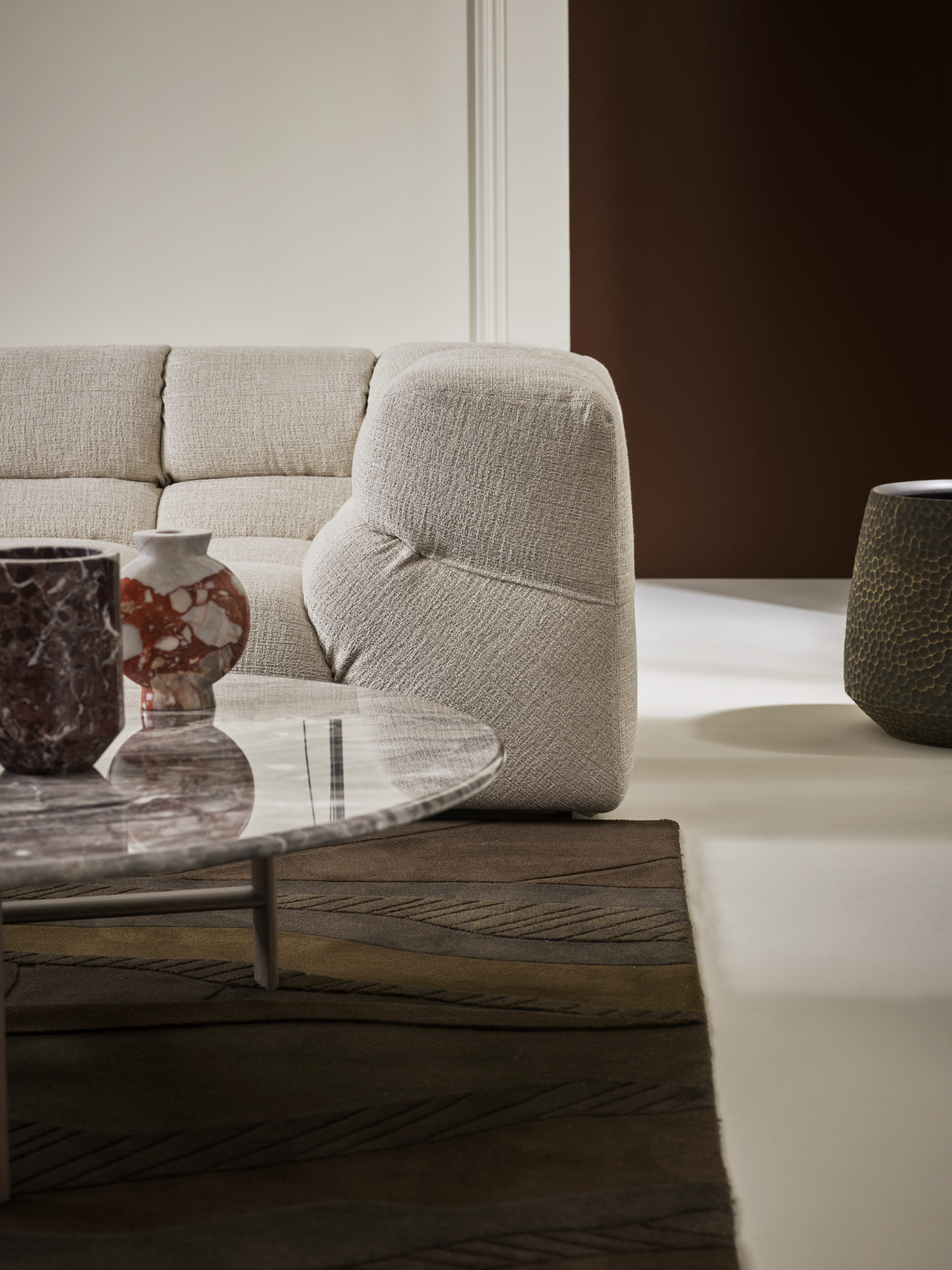
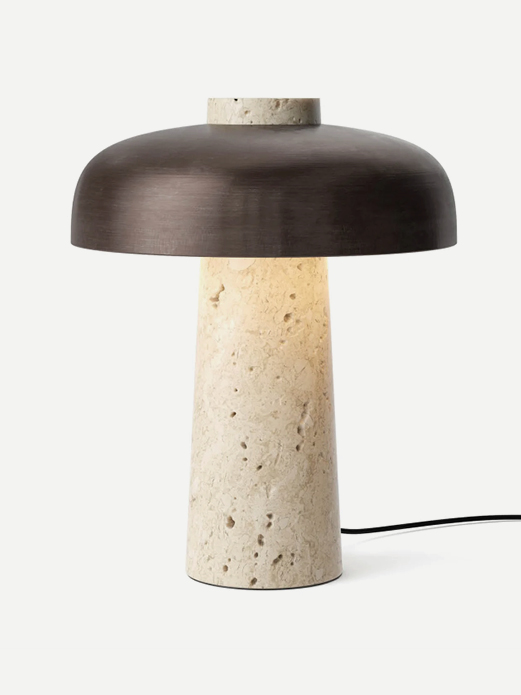
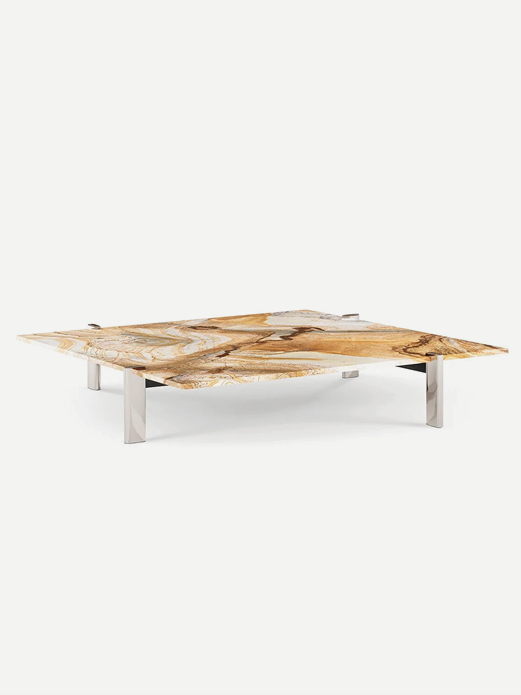
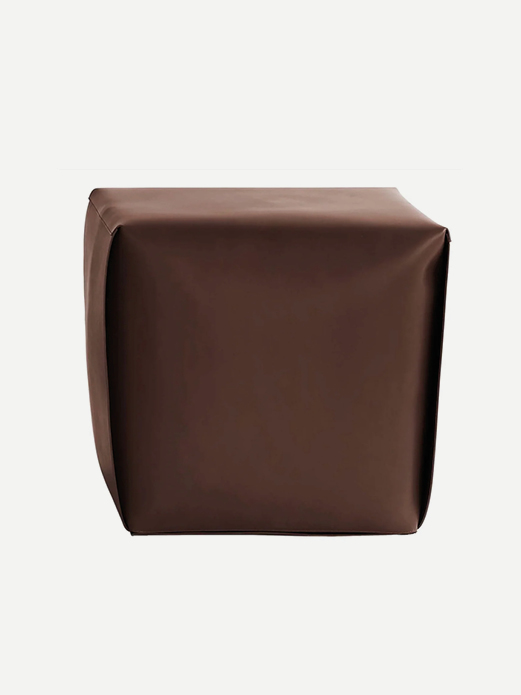
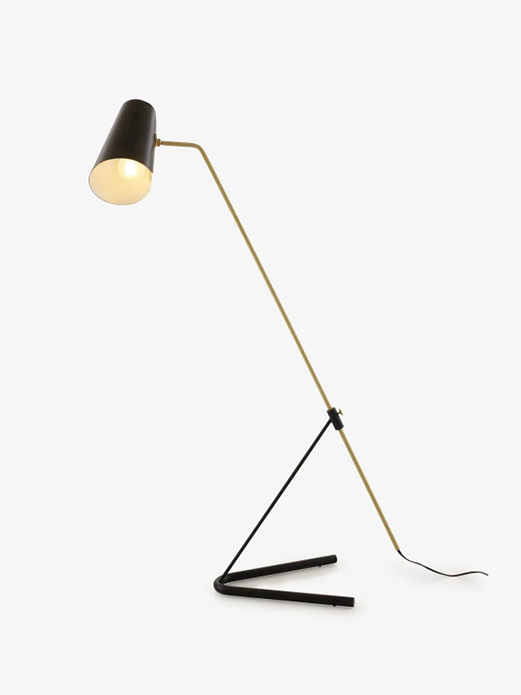
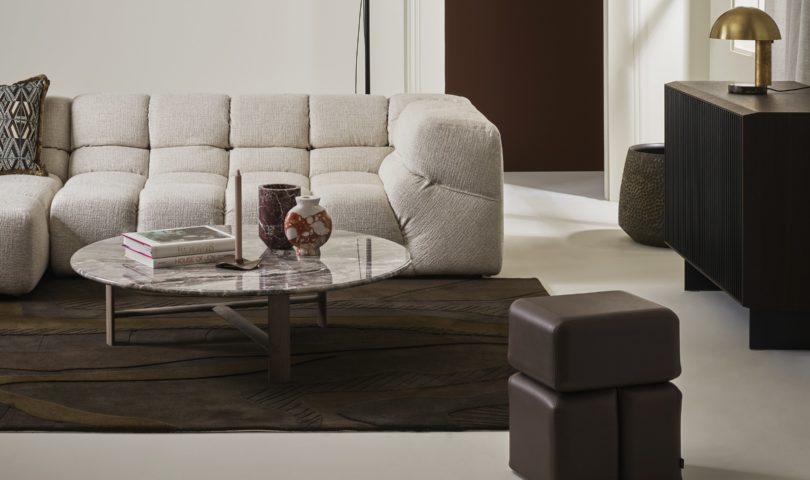
Tufty Time sofa by B&B Italia, Mocki coffee table by Frigerio, Awkward floor light by Karakter and Soft Corners ottoman by Cassina, all from Matisse. Costine buffet and Koppar vase (on floor) from Bradfords. Liepa table lamp by Soho Home, Alma vase and Sesso vase, from Obery. Tactility fabric in colour Paper as curtain from James Dunlop Textiles. La-de-da candle holder from Night Works Studio. Broste classic taper candle from Tessuti. Synoptic wool rug from Designer Rugs.
Forget the crisp look of summer interiors. As the light softens and the days draw in, the home’s most occupied rooms are reaching for warmth with weight, tones that invite us to curl up in comfort, emitting a candlelit glow. While the palette is subtle, the changes in tonal shades add a nuanced confidence that can make even the coldest room in the house feel inviting.
Tufty Time sofa by B&B Italia, Mocki coffee table by Frigerio, from Matisse. Alma vase and Sesso vase by Soho Home from Obery. Koppar vase (on floor) from Bradfords. Synoptic wool rug from Designer Rugs.
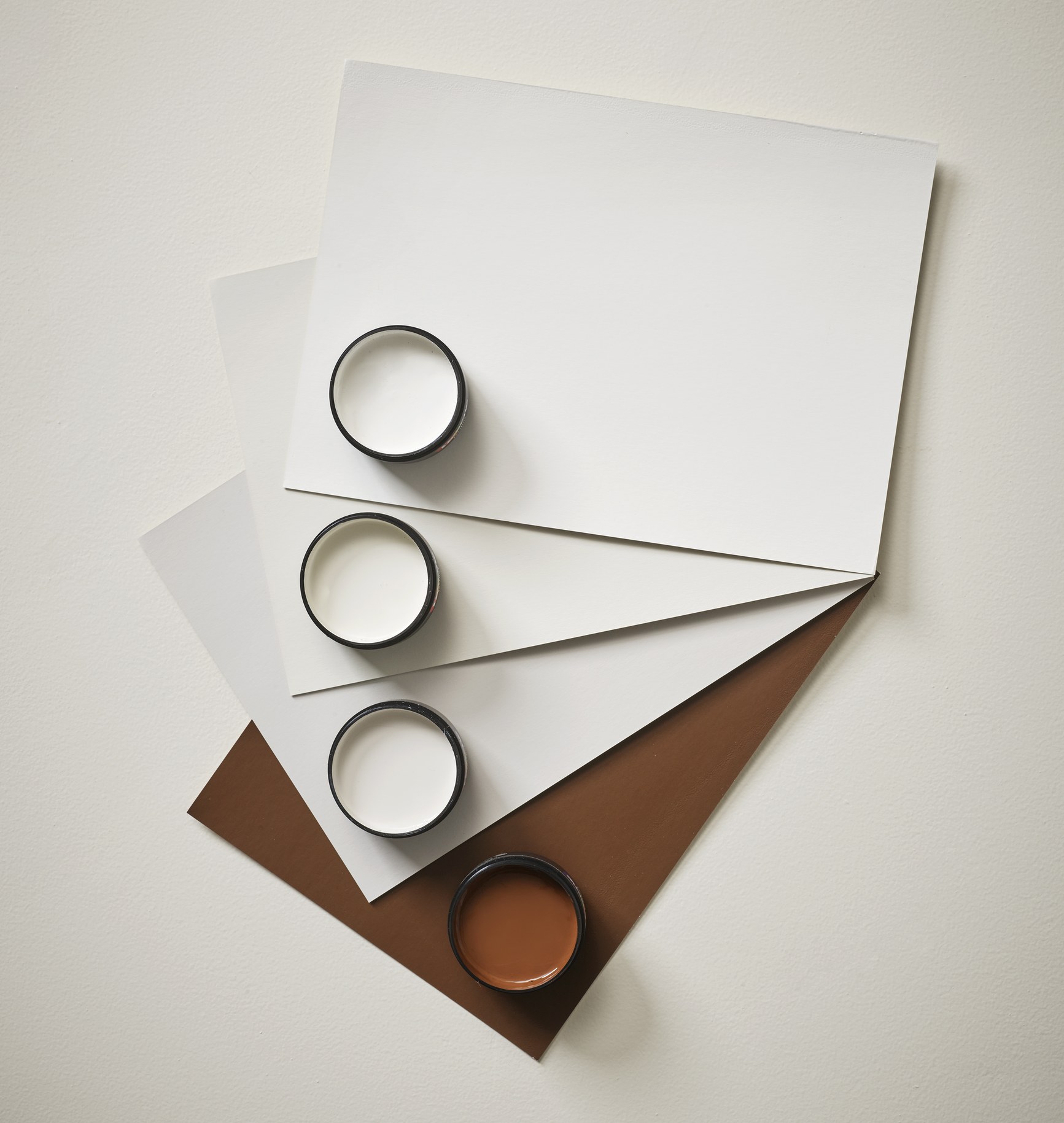
The starting point is Resene Thorndon Cream, a soft shade that holds its own in low light and is perfect across the walls. Lifting the ceiling with Resene Half Thorndon Cream, a barely-there variation that quietly opens the room. On the floor, Resene Half Truffle in a Walk-On finish grounds the scheme with a putty-toned warmth that flatters furnishings in timber and stone in equal measure. The effect is cohesive without ever feeling forced. This often overlooked colour scheme has the ability to allow bouclé sofas, marble tables and dark timber sideboards to work together in natural harmony.
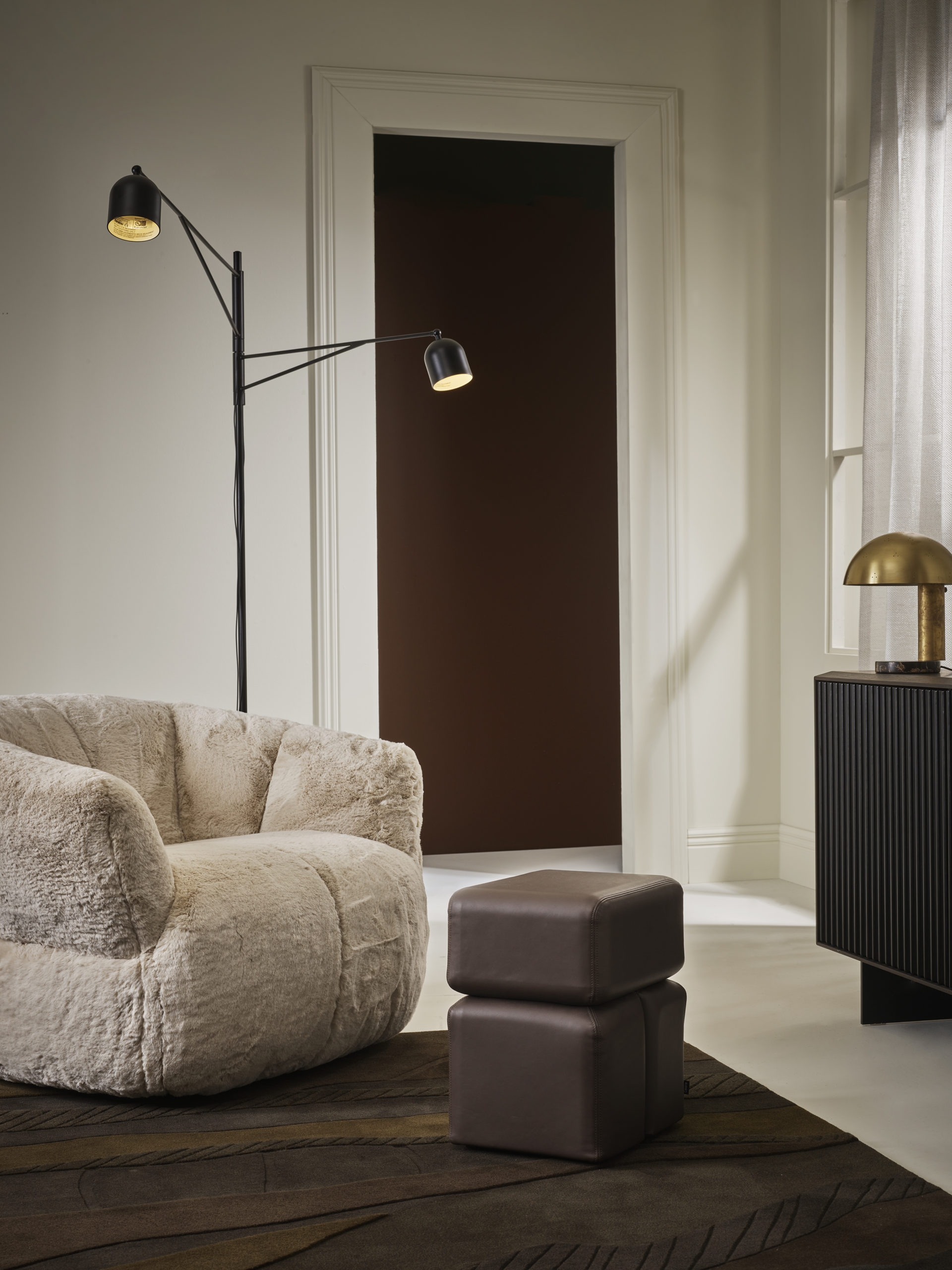
Awkward floor light by Karakter and Soft Corners ottoman by Cassina, from Matisse. Xano 360 Swivel Accent chair and Costine buffet from Bradfords. Liepa table lamp by Soho Home from Obery. Tactility fabric in colour Paper as curtain from James Dunlop Textiles. Synoptic wool rug from Designer Rugs.
The masterstroke is what happens at the threshold. Add a darker colour like Resene Milk Chocolate and the contrast does the work that art might otherwise do. A deep but warm tone that turns the passage between rooms into a moment. This is winter colour at its most comforting. Quiet, layered, and built for staying at home.
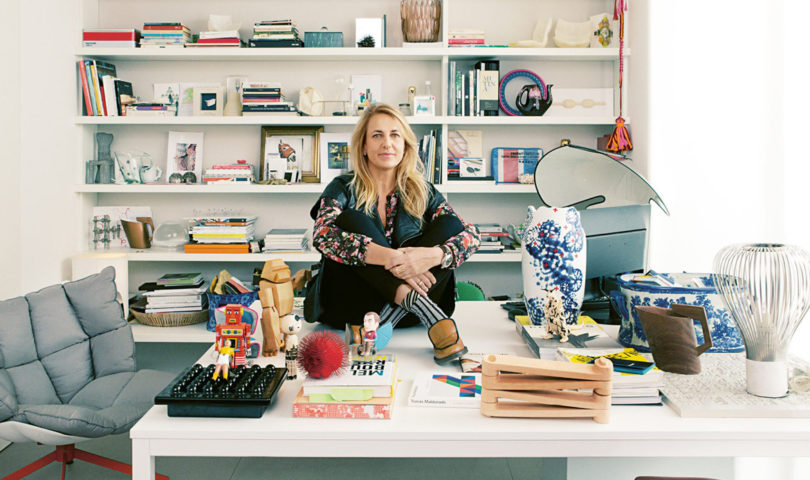
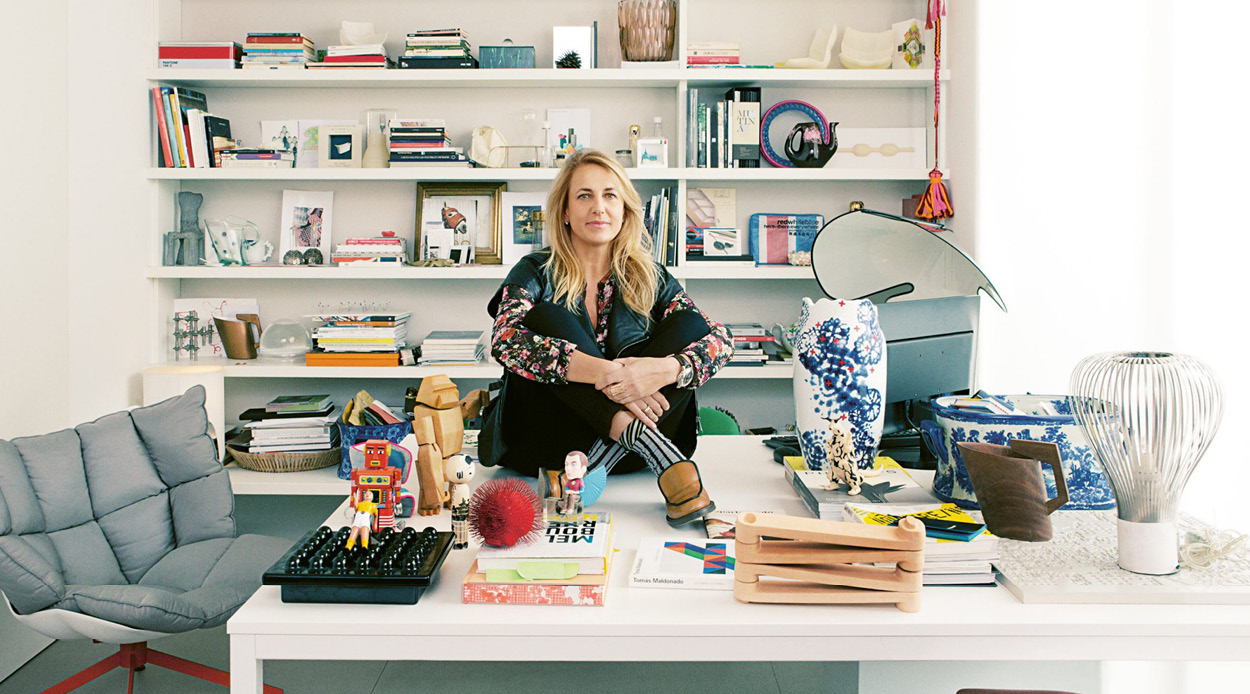
Type ‘Patricia Urquiola’ into Google, and it becomes immediately clear the omnipresence of this iconic designer. Almost every result relates to a different project she has undertaken. From boutique and showroom fit outs to furniture collaborations with some of the world’s most impressive brands to hotel interiors, Urquiola’s deft and unique design has touched almost every corner of our lives. She even released a fashion collection for Max Mara last year — such is the versatility of her creative genius. Any exploration of this particular designer must start with the question of how she has achieved such a prolific presence, and how her vision is able to cross so many boundaries to be applied to a breathtakingly broad body of work. Because while the canon of designers who are considered ‘iconic’ is indeed vast and varied, very few of Urquiola’s peers, or even forebears, can lay claim to such an impressive reach. Here, we delve into her life and career through some of her most recognisable work.
Last year, Patricia Urquiola said to Noor Brara for The New York Times, “Ultimately, the work of an artist comes down to… searching for your own idea of quality, a pursuit that requires freedom, for which you must advocate.” It is a sentiment that cuts to the heart of Urquiola’s vast and varied body of work. Because even if you are unfamiliar with Urquiola’s name, you’ll likely have encountered something she has designed, or experienced her unique vision.
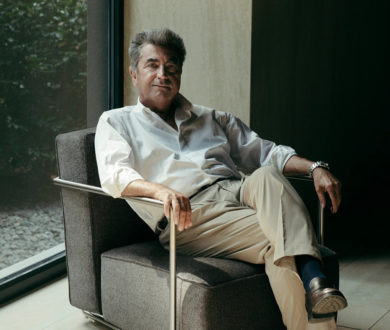
Born in Spain and now based in Milan, Patricia Urquiola has established herself as one of the most sought-after names in contemporary design and interiors globally. She has worked with lauded brands all over the world (including Cassina, for whom she has been Creative Director since 2015), and undertakes a range of industrial design, architecture, art direction and consulting projects under the eponymous design studio she established with Alberto Zontone in 2001. Her approach is all about connection and ease, and she is known for pushing the boundaries of what is possible, harnessing research and exploring the limits of technology. And while her designs are often defined by a tendency for colour, clashing details and modern eclecticism, they are always comfortable, inviting and built to last. In fact, part of what has made her so successful as a designer is the way she can balance creativity with comfort. Her ability to temper sculptural, eye-catching design with practical considerations is one of the main reasons why many of her designs continue to stand the test of time. Pieces from her Tufty-Time, Bend and Outdoor designs for B&B Italia, or her collections for Moroso still feel as relevant and impressive today as they did when they were first released (the true hallmark of a great).
Beyond this, it’s Urquiola’s refusal to limit herself to one medium or object or industry that takes her work to another level. Not only has this interdisciplinary designer created iconic furniture, but over the years she has been called upon to create hotel interiors (most recently for the Il Serano Hotel in Como, the spa of Milan’s Four Seasons and the Mandarin Oriental in Barcelona) as well as showrooms, collections and installations for brands like Gianvito Rossi, Missoni, H&M, Max Mara, BMW and more. She is also often called on to speak at design weeks around the world and lecture at revered universities like Harvard. Pieces by Urquiola are on display in a number of art and design museums from MoMA in New York to Paris’ Decorative Arts Museum to the Victoria & Albert in London.
Essentially, Urquiola taps into design in its truest, most authentic essence, her work offering a holistic spectrum that covers objects, textiles, structures and spaces. And while her creative versatility makes it difficult to define her work, our understanding and experience of design is better for her contribution to it.
Here, we examine some of Urquiola’s most revered pieces in a bid to showcase only a snippet of what makes this designer such a timeless icon.
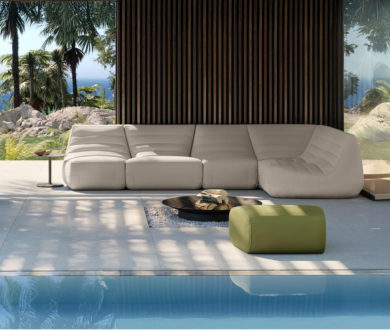
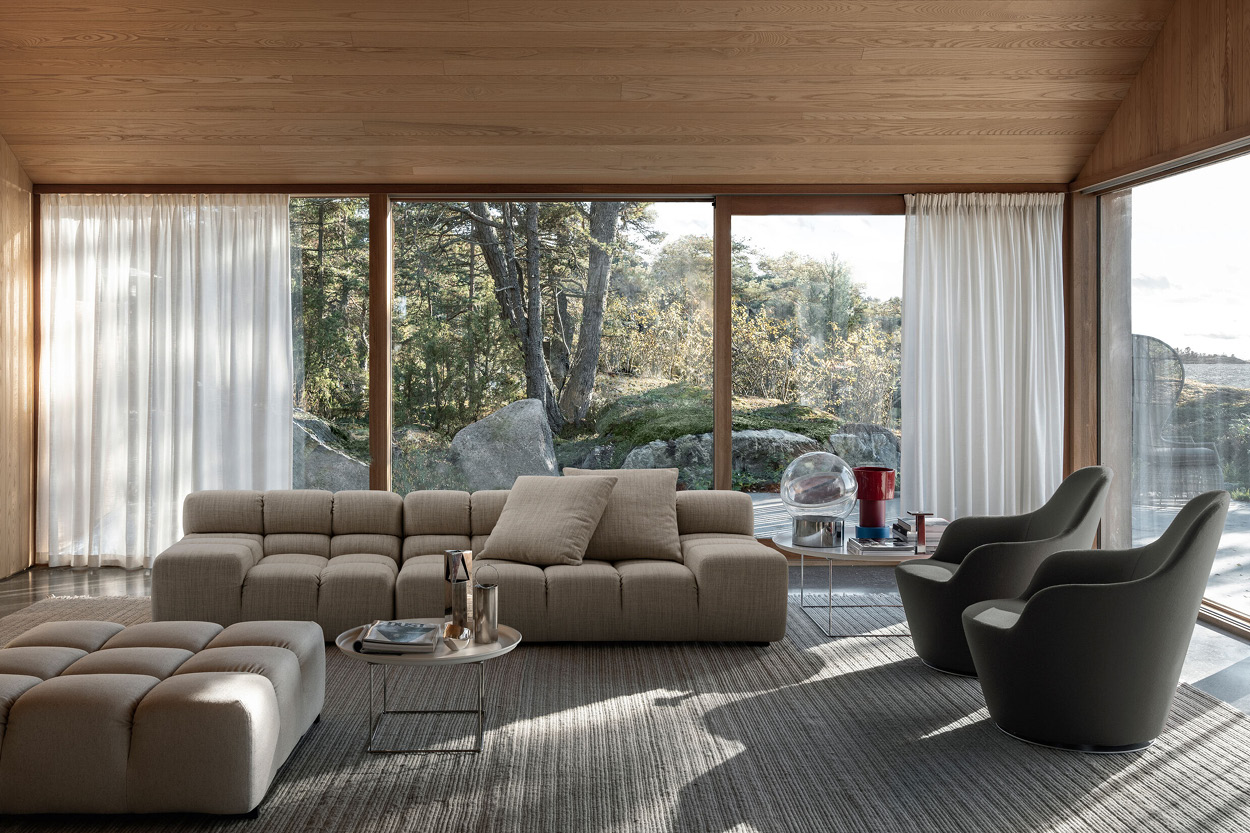
Tufty-Time sofa for B&B Italia (2005)
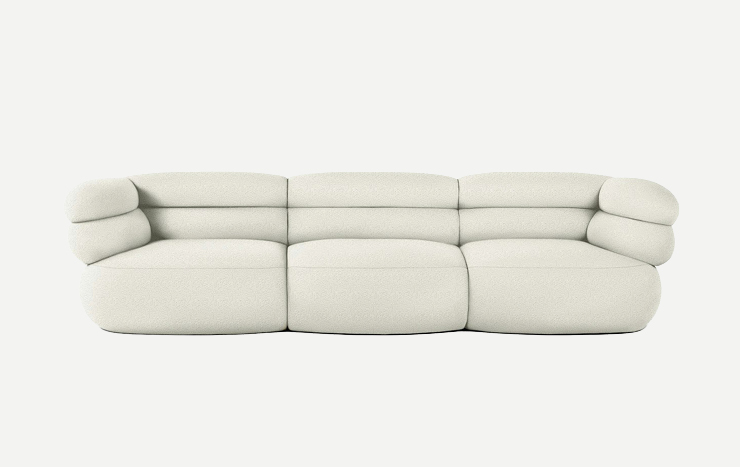
The iconic Tufty-Time collection reinterprets classic Chesterfield and Capitonné styles for modern living and is one of Patricia Urquiola’s most ubiquitous designs. The range’s hallmark modularity, comfort and removable covers allow for versatile and adaptable configurations, including linear and corner sofas, peninsula-shaped compositions and island elements. Large squares of fabric or leather joined by pleats form its signature upholstery, adding a textural depth that lends distinctive character. With its timeless appeal and effortless elegance, the Tufty-Time remains a sought-after icon of contemporary design, and for very good reason.
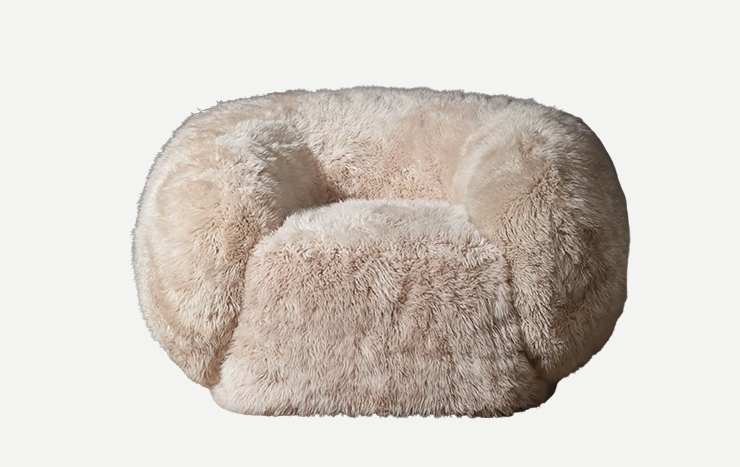
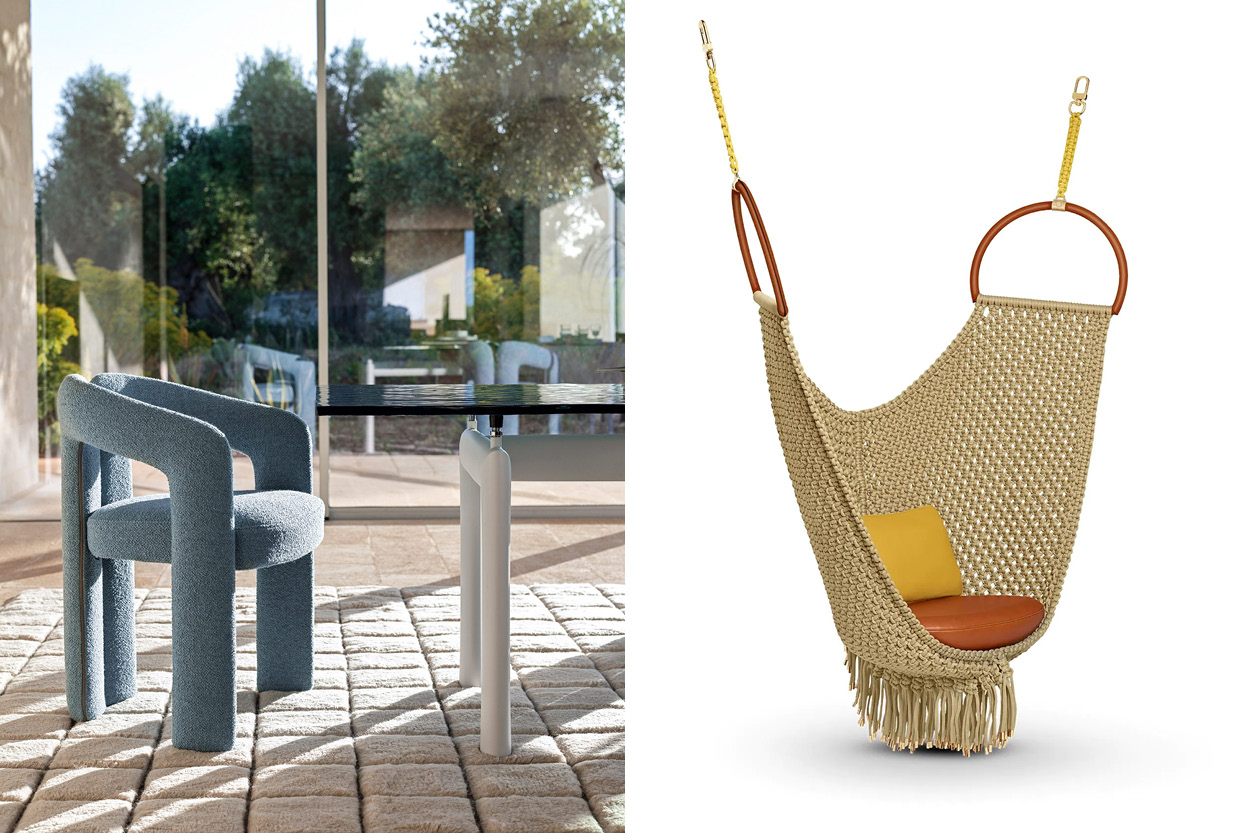
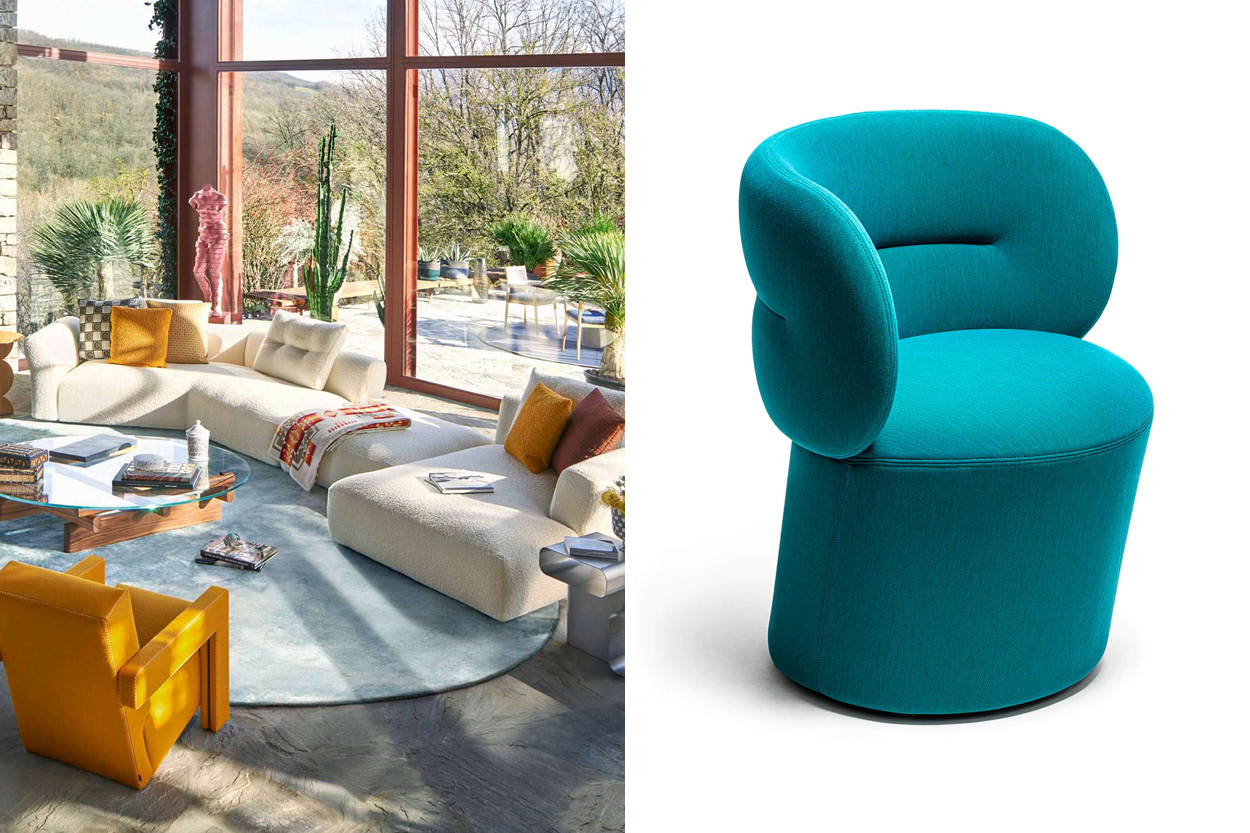
A true masterpiece of retro-inspired design, the Dudet is a small, architectural chair, designed by Patricia Urquiola for Cassina in 2021. With its strikingly fluid lines and plush, inviting silhouette, this armchair commands attention in any room. But don’t let its luxurious appearance fool you. Featuring a groundbreaking system that allows for easy separation of its core materials, including a steel frame and bio-based polyurethane foam padding, the Dudet chair is a model of circularity and sustainability. And with removable upholstery that makes maintaining its appearance easier than ever, the Dudet embodies Urquiola’s uniquely innovative and holistic approach.
Swing chair for Louis Vuitton Objets Nomades (2015)
Luxurious design and clever craftsmanship collide in Patricia Urquiola’s Swing chair for Louis Vuitton’s Objets Nomades collection, inspired by the brand’s famous fashion origins. Featuring two large leather-covered metallic handles that hold up a stunning woven mesh seat, the chair is available in two versions; either with a woven chocolate leather cord with black leather finishes and yellow leather accents, or with a beige polyurethane cord with natural leather rings and a darker back cushion. With gold-plated hooks and endcaps adding an extra touch of elegance, the Swing chair is a masterpiece.
From left: Dudet chair for Cassina from Matisse. Swing Chair from Louis Vuitton.
Redondo armchair for Moroso (2010)
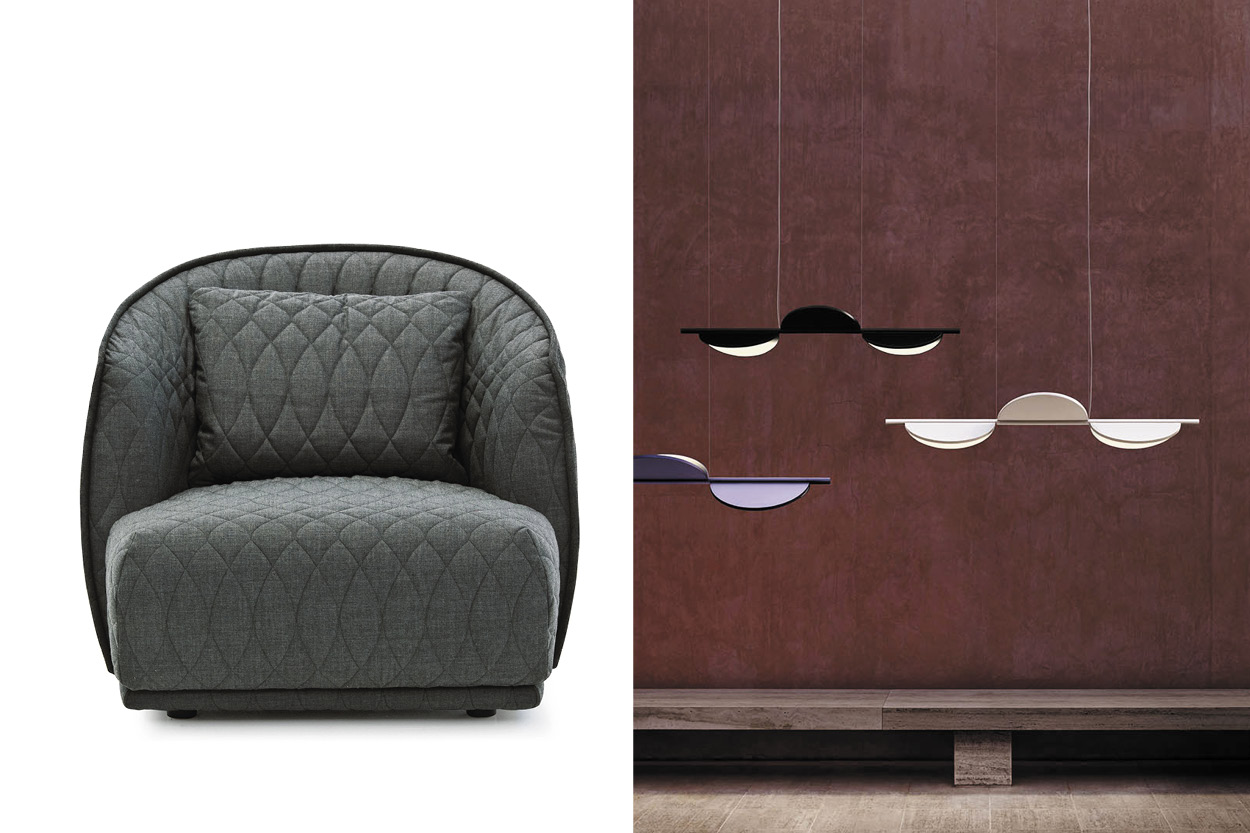
Beloved for the way it exudes comfort and elegance, Moroso’s Redondo armchair by Patricia Urquiola offers a nod to the plush interiors of 50s and 60s American cars. Its distinctive, two-part shape features padded shells that embrace huge seat cushions, inviting moments of respite. The quilted decoration, created with delicate pencil-like lines, adds an exquisite three-dimensional quality to the fabric, making it as visually arresting to look at as it is comfortable to sit in. Injected polyurethane foam and polyester fibre over an internal frame of steel ensure durability, while removable covers offer practicality. It’s easy to see why the Redondo has been a favourite in living spaces around the world for more than a decade.
Almendra for Flos (2022)
Effortlessly blending form and function, the Almendra lighting system, unveiled last year by Patricia Urquiola for Flos, was inspired by the organic shape of an almond. Boasting a modular, suspended structure that allows for endless configurations, the Almendra is perfect for both private and commercial settings. LED technology (hidden in oval panels that splay out like the pages of an open book) ensures maximum efficiency, while a carefully-designed diffuser delivers a warm and welcoming glow, and the entire structure is fashioned from bioplastic (a byproduct of paper production). Ultimately, this system is a testament to Urquiola’s exceptional talent. Here, she has fused sleek modernism and cutting-edge technology with natural inspiration, to create something truly contemporary and captivating.
From left: Redondo armchair for Moroso from Matisse. Almendra pendant for Flos from ECC.
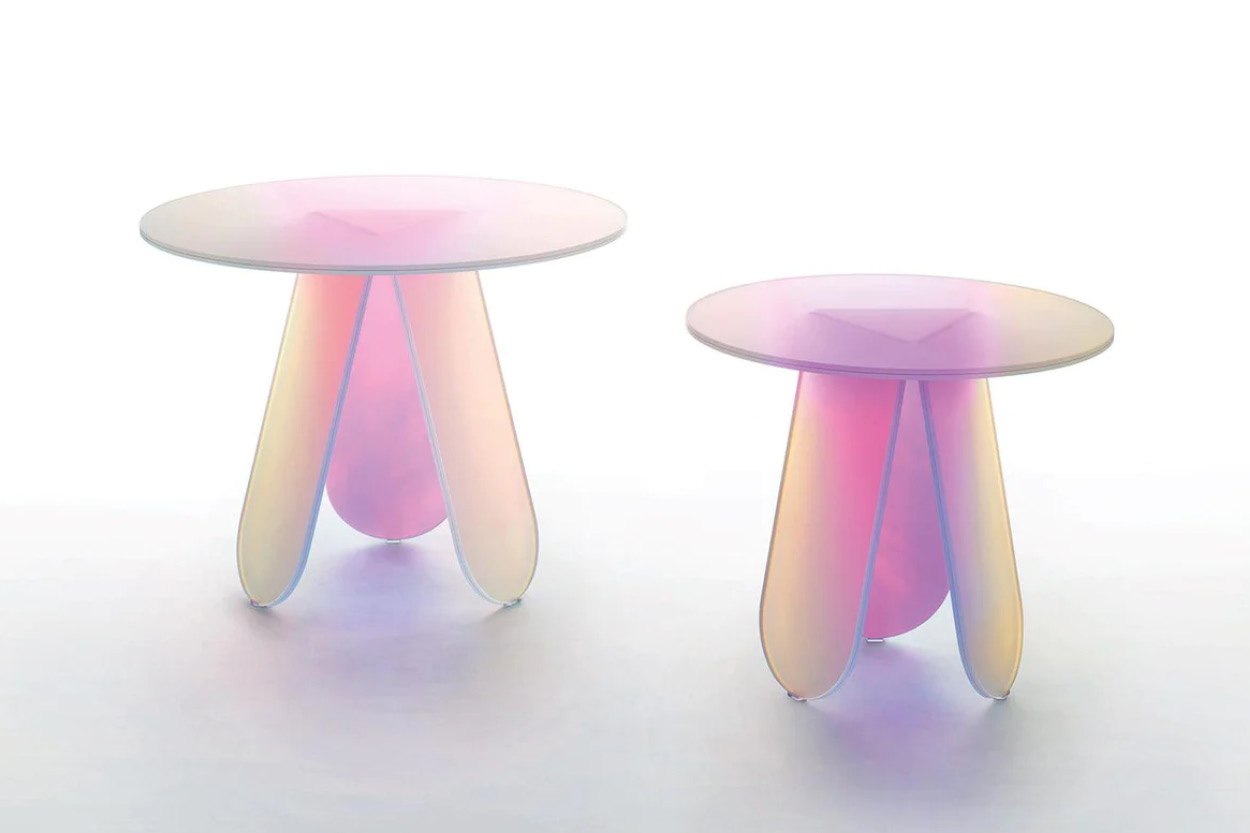
Shimmer for Glas Italia (2015)
Boasting iridescent, multi-coloured finishes that deliver a mesmerising quality to any space, the Shimmer tables by Patricia Urquiola for Glas Italia offer an infinite variety of nuances depending on where they are placed and how they are viewed. Seamlessly blending form and function, this collection is sure to leave a lasting impression, an example yet again of Urquiola turning her practiced hand to creating something practical, utterly magical and that stands the test of time.
There is something both contemporary and classic about Patricia Urquiola’s Getlucky sofa system for Moroso. Elegance meets versatility in this modular collection (that includes a range of pieces from a corner to a chaise-longue design) defined by harmonious refinement, where clean lines collide with soft, inviting curves. The result is a system to suit a range of interiors. Beyond the fact that its design allows for complete customisation and flexibility, its plush cushions and durable materials promise comfort and longevity in spades. The Getlucky is a masterclass in the Urquiola’s singular design language.
Sengu Bold sofa for Cassina (2022)
Offering a new interpretation of Patricia Urquiola’s lauded Sengu sofa system, the Sengu Bold was unveiled last year. The epitome of comfort, this exceptional sofa saw Urquiola hide the expected Sengu base and instead, bring the sofa’s ample curvature all the way down to the floor, creating a fuller and more conspicuous shape. The soft cushions on the backrest are padded with recycled PET fibre, adding to the luxurious feel, while the upholstery fabrics have also been designed with eye-catching texture, which enhances the sofa’s soft lines. It is modern, minimalist and a masterly example of Urquiola’s ability to refine and rewrite the rules.
From left: Sengu Bold sofa for Cassina from Matisse. Getlucky armchair for Moroso from Matisse.
Crinoline for B&B Italia (2008)
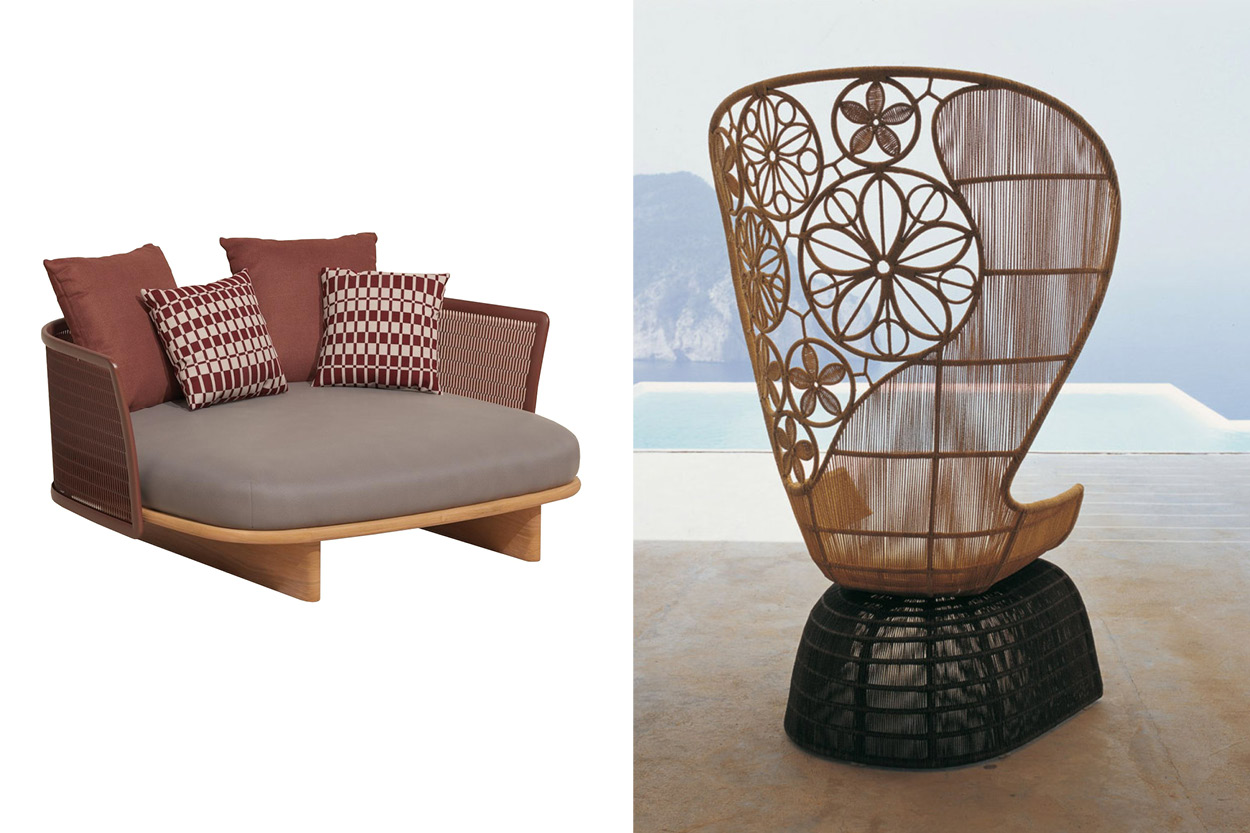
Urquiola designed the Crinoline collection for B&B Italia based on a study of 3D textures, creating a sumptuous collection of seats, small armchairs and larger armchairs that were fashioned from unique weaves and that highlighted sinuous lines. The textures are incredible, evoking a sense of luxury and style that could be integrated into virtually any kind of space, no matter how traditional or modern. Dual-coloured polyethylene weaves in black and white, or black and bronze, complement natural fibre or bronze string, and produce a stunning contrast. And every piece is designed to provide maximum comfort, showcasing the perfect combination of useability and showstopping design.
Mesh daybed for Kettal (2016)
The pinnacle of modern outdoor luxury, the Mesh daybed designed by Patricia Urquiola for Kettal was inspired by architectural façades that filter the environment without blocking out the light or airflow. Combining industrial materials with natural elements and transparent volumes with solid structures, Urquiola harnessed the idea of contrast to make this daybed a statement piece. Its durable aluminium frame is covered in a stylish mesh fabric, creating a sophisticated yet comfortable seating area for lounging in the sun. Whether poolside or on a terrace, this daybed has long been an essential addition to any outdoor space.
From left: Mesh daybed for Kettal from Studio Italia. Crinoline chair for B&B Italia from Matisse.
Asterias for Molteni&C (2016)
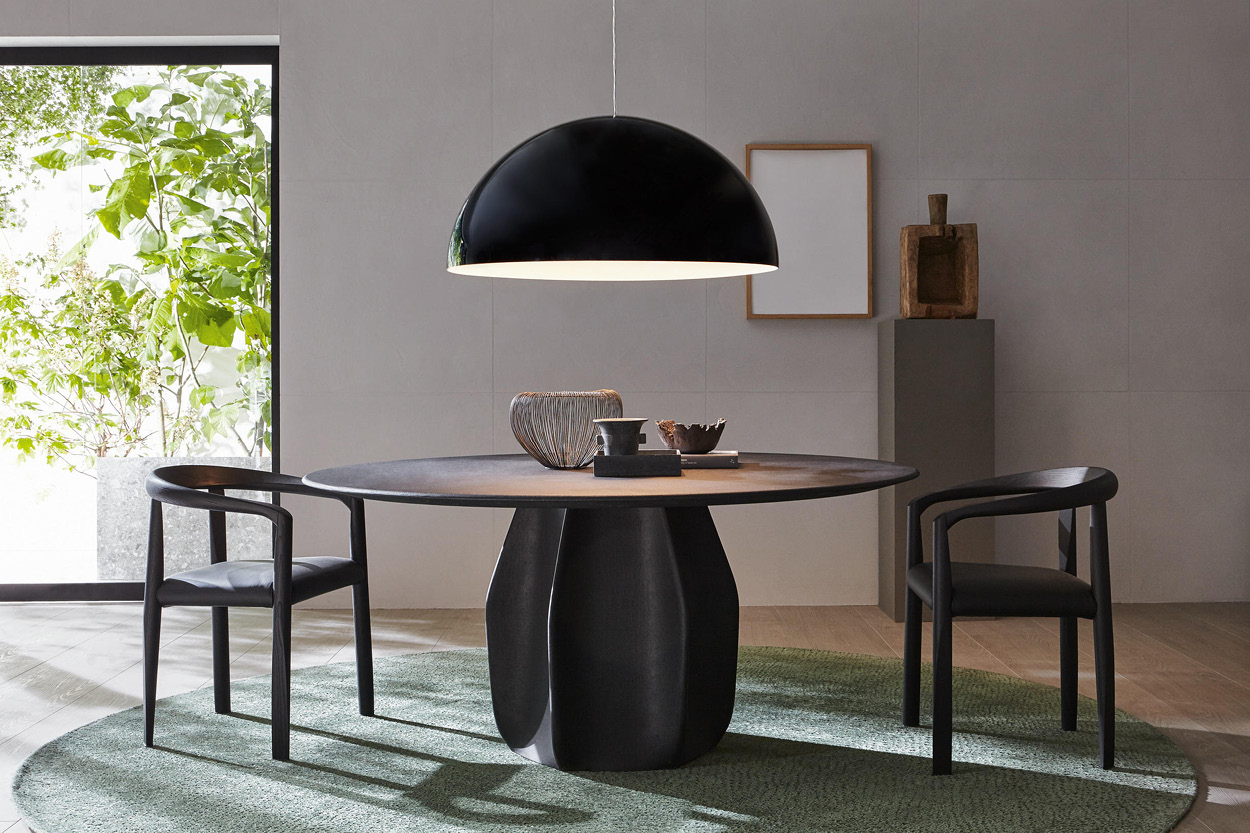
Patricia Urquiola looked to the mountains of Mexico for the Asterias collection she designed for Molteni&C, eventually finding inspiration in the Asterias cactus. The result is a generously-sized round table that captures the essence of this unique plant in its central base. Composed of six curved, wedge-shaped wooden panels, the base sits atop a central plinth which has been 3D printed for an eye-catching finish. The tabletop, available in two sizes, boasts a rounded edge that is subdivided into four wedges, forming a striking geometric pattern. The Asterias also comes with a practical central Lazy Susan turntable, perfect for entertaining.
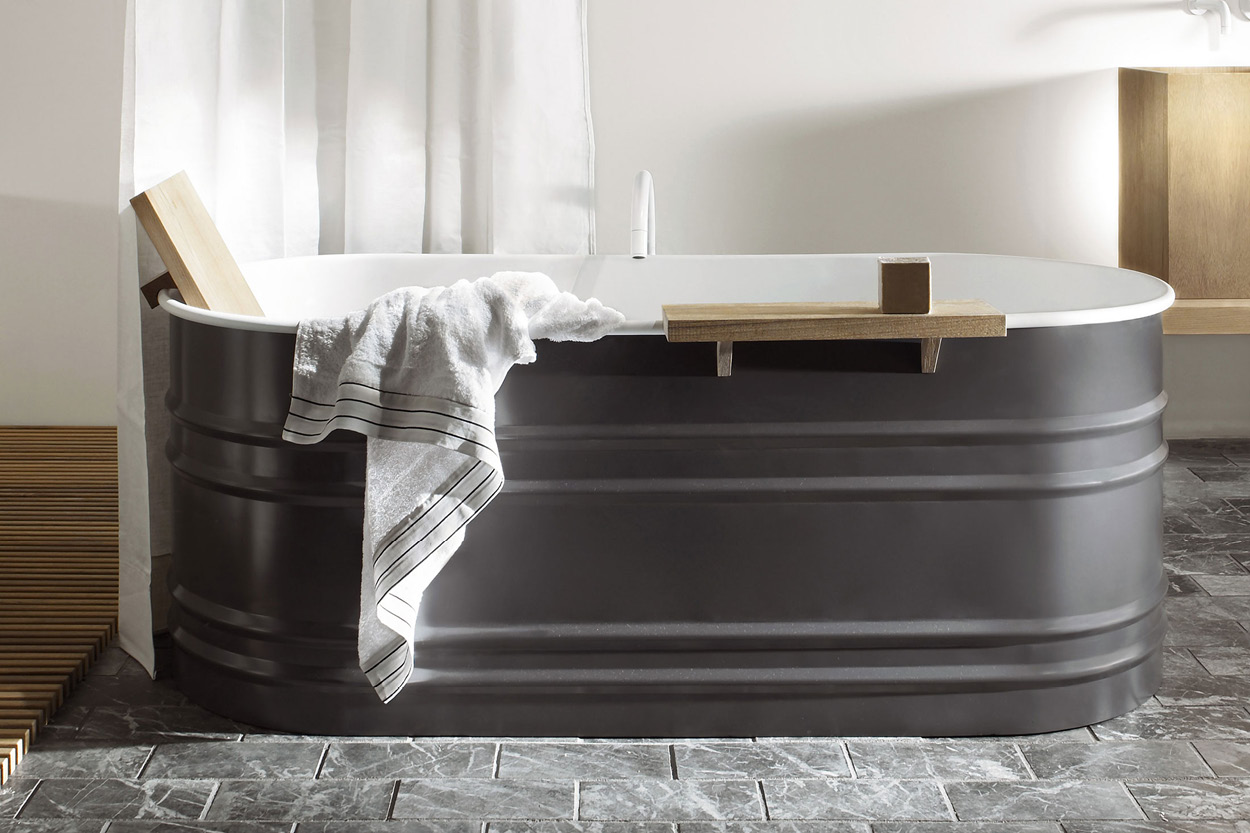
Designed by Patricia Urquiola for Agape, the Vieques bath is a strikingly contemporary take on traditional freestanding tubs. Constructed from steel, with a white interior finish and available with a white or dark grey exterior, the design is finished with a luxurious iroko backrest and shelf. The blend of classic and contemporary styles here is enhanced by the addition of the minimalistic, matt white Fez tap. And with a name inspired by the pristine island of Vieques in the Caribbean, it’s clear that this bath was carefully designed for winding down, relaxing and forgetting any and all worries.
A play on contrasts, technology meets craftsmanship and solidity meets flexibility in the Bend Sofa designed by Patricia Urquiola for B&B Italia. The sofa’s irregular shape appears to be the result of an artist’s work, but is actually derived from a study of 3D models and digital research. These contrasts not only define the design, but also enhance its comfort and give meaning to its irregular silhouette. Made from corrugated modules, the Bend can facilitate an array of combinations, from compact options for limited spaces to complex and far-ranging layouts. There’s a very good reason why it is now widely considered an icon.
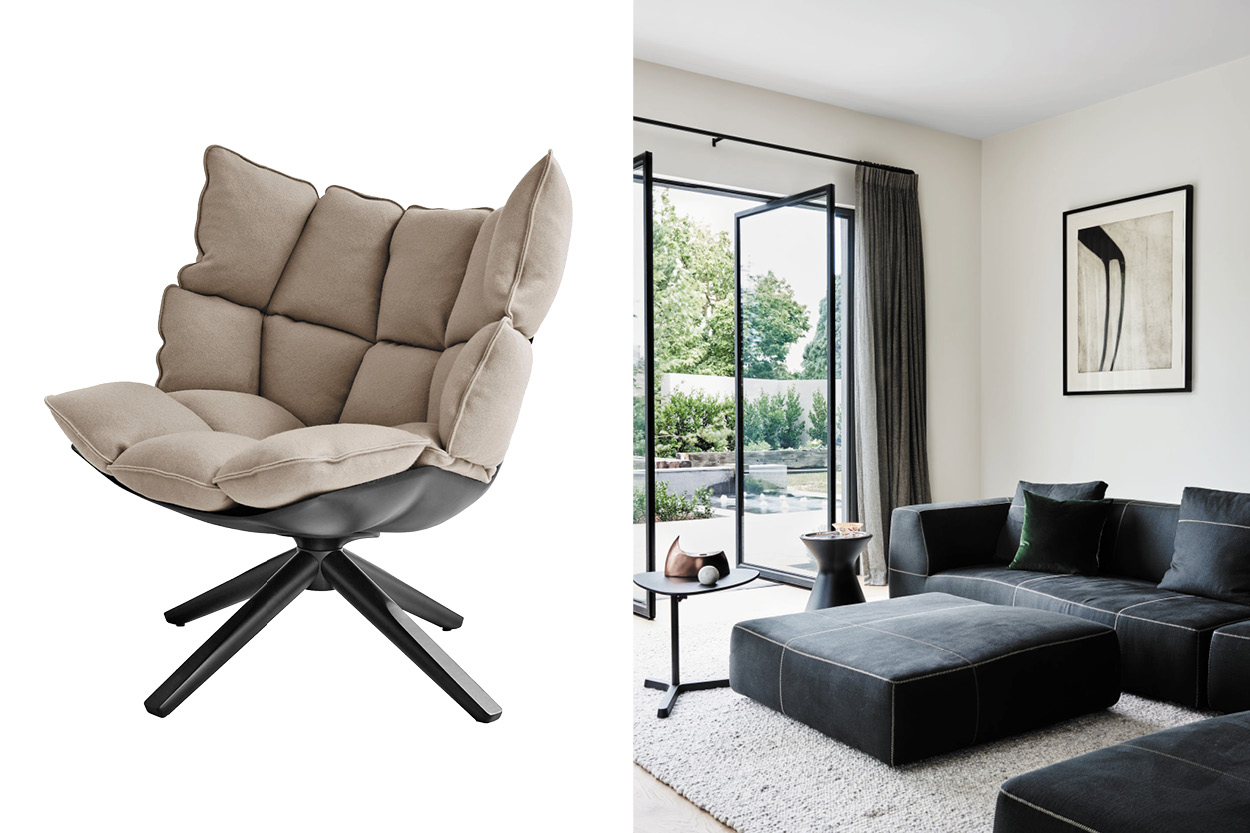
Husk armchair for B&B Italia (2011)
Encapsulating the idea of comfort beautifully, the Husk armchair by Patricia Urquiola for B&B Italia is a study in how to merge various styles into one design. This iconic armchair showcases a unique combination of a stiff multilayer polymer body and soft cushions to offer relaxation on every level. The cushions are divided into portions that underscore the chair’s ergonomic profile. And with such a versatile design (that somehow manages to both blend in and stand out), it’s hardly surprising that the Husk armchair has lasted, for over a decade, as a truly timeless piece.
From left: Husk armchair for B&B Italia from Matisse. Bend sofa for B&B Italia from Matisse.
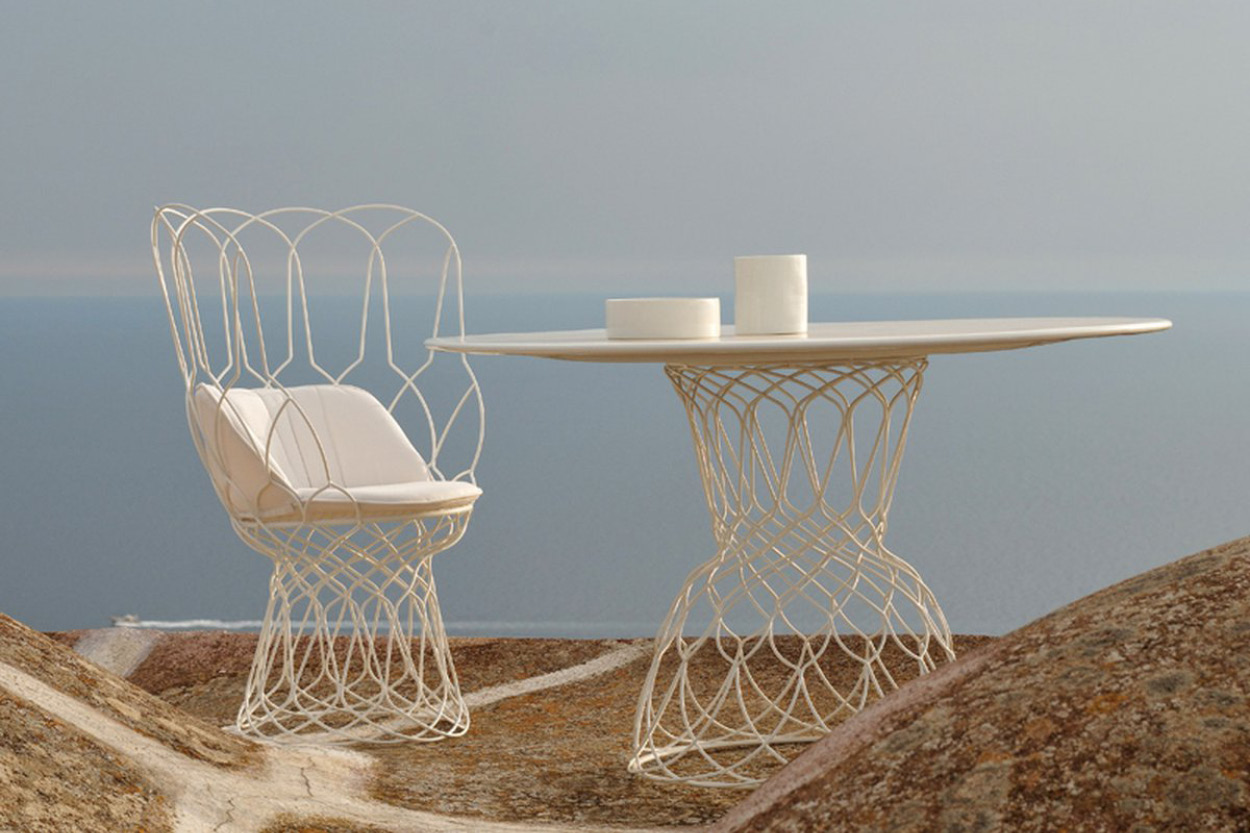
Re-Trouvé for Emu (2008)
Here, Urquiola paid tribute to the traditional forms of 50’s furniture, infusing her inspiration with modern innovation and more than a few playful twists. In her Re-Trouvé collection for Emu, the designer used numerical control technology to develop a complex diamond-shaped pattern that was repeated to generate unique pieces. Sophisticated, elegant and whimsical, the Re-Trouvé pieces are beloved for the way they effortlessly blend into any outdoor setting, and are testament to Urquiola’s exceptional ability to reimagine the luxurious potential of outdoor space.
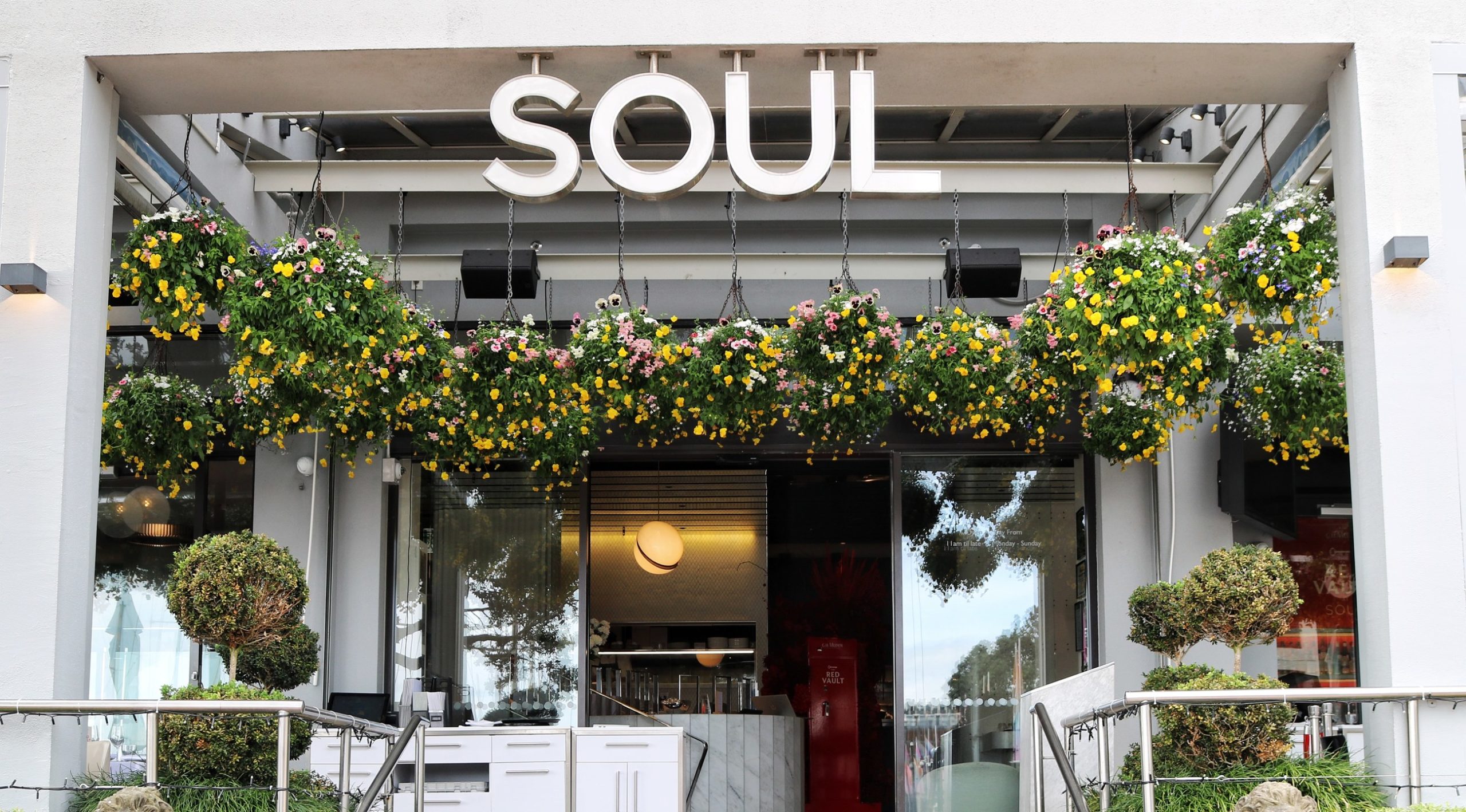
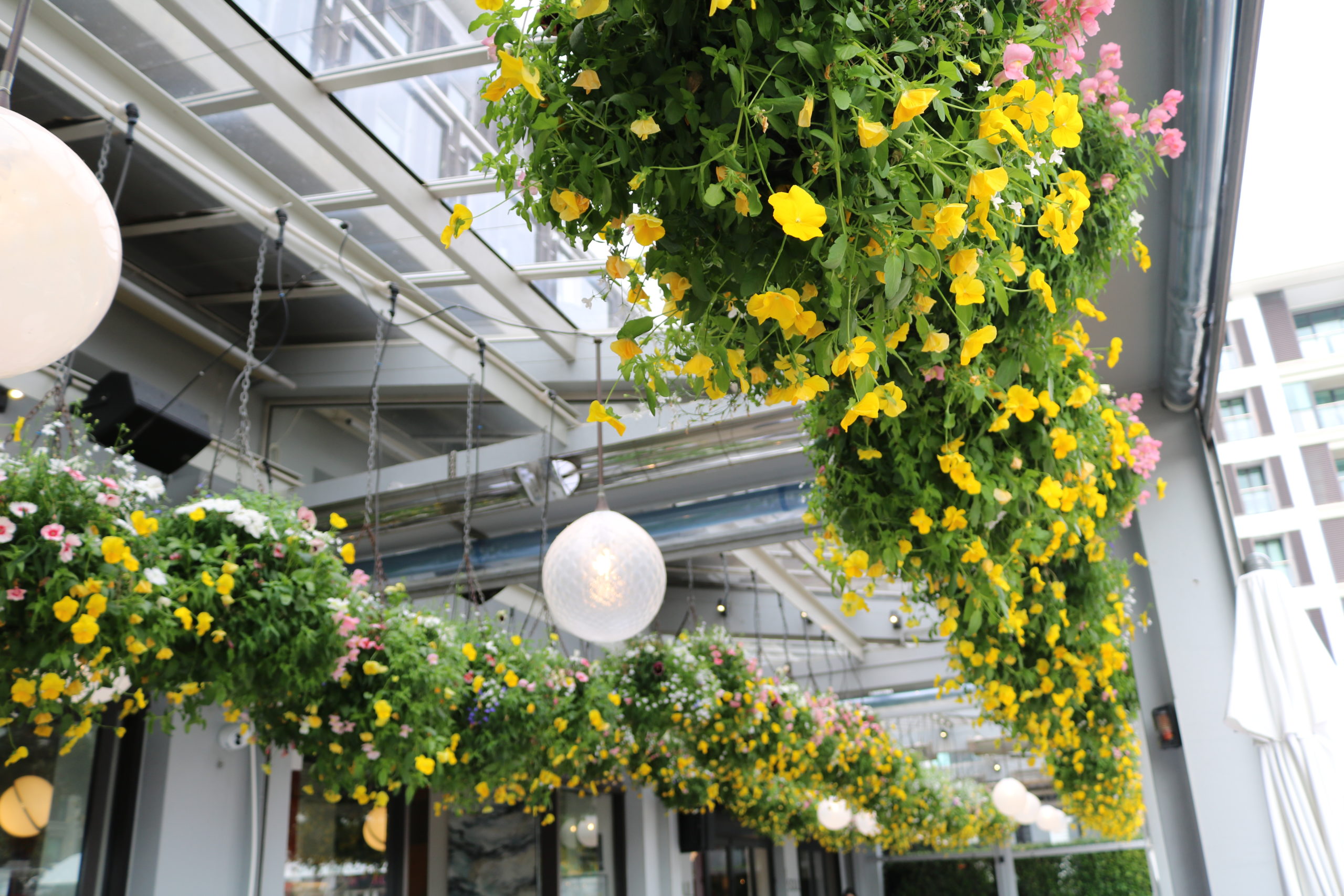
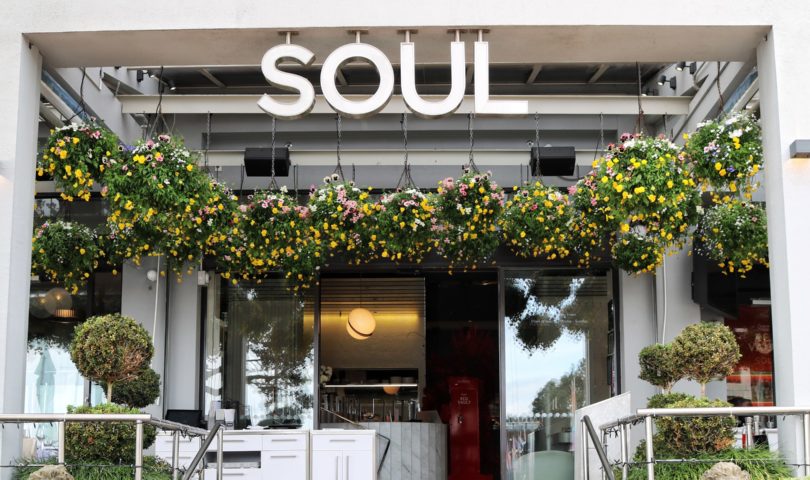
Before becoming one of Auckland’s most iconic backdrops, Soul Bar & Bistro’s resplendent florals originated from a moment of travel-born observation. During a trip to San Francisco, Soul founder Judith Tabron noticed the lush floral baskets hanging outside La Mar, the celebrated waterfront Peruvian restaurant, and immediately saw how flowers could soften architecture, add brightness and make a harbour terrace feel like somewhere people wanted to stay a little longer.
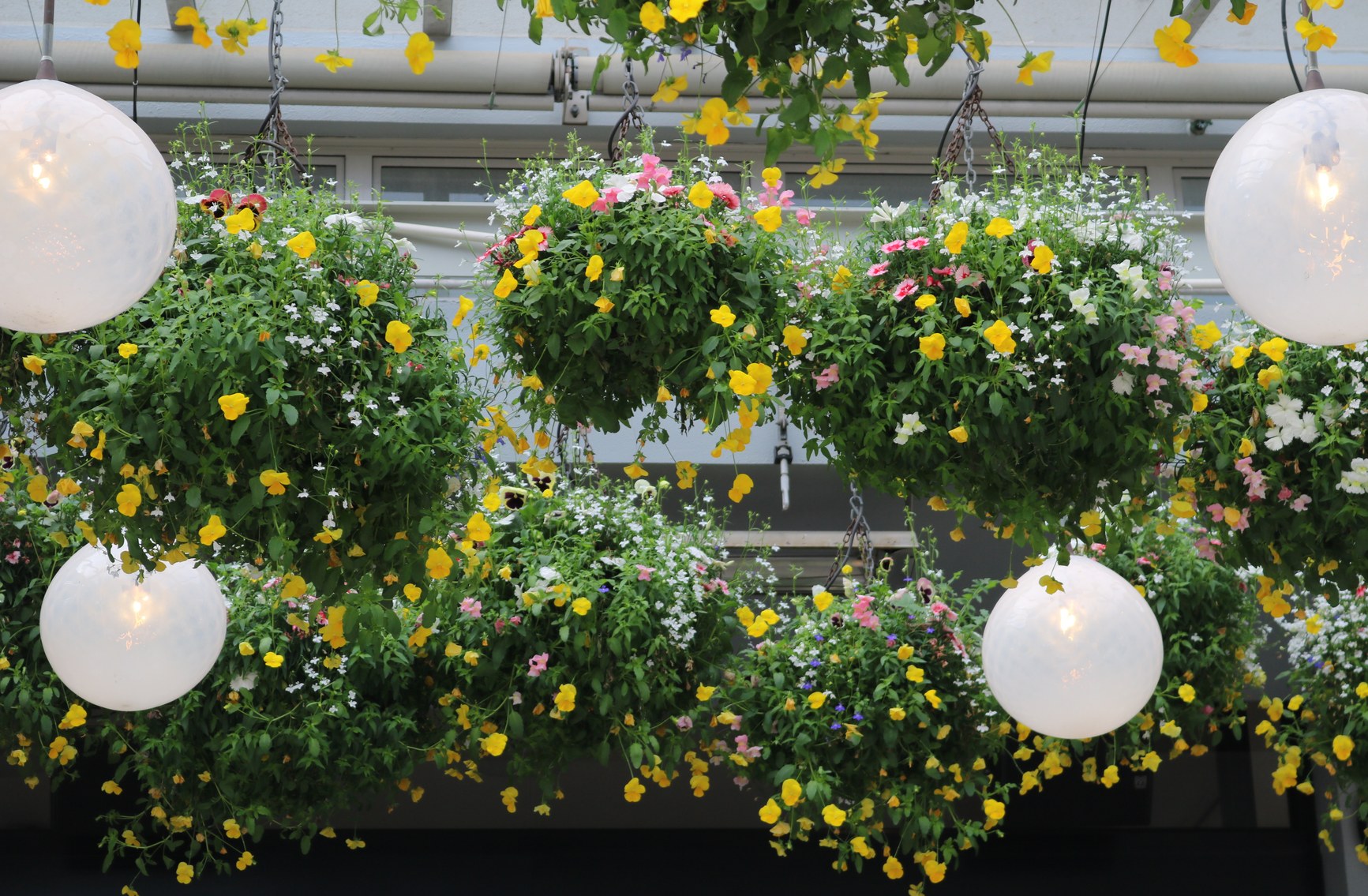
Back in Auckland, that observation became the seed of something far more ambitious. In 2009, the concept was formally developed in collaboration with Xanthe White Design, with what began as a handful of trial planters eventually expanding into the 130 overflowing baskets that now cascade across Soul’s west-facing Viaduct Harbour terrace. Today, Soul’s floral finery is part of its identity, ever-present as the always stylish backdrop that looks as though it was simply ‘born this way’.
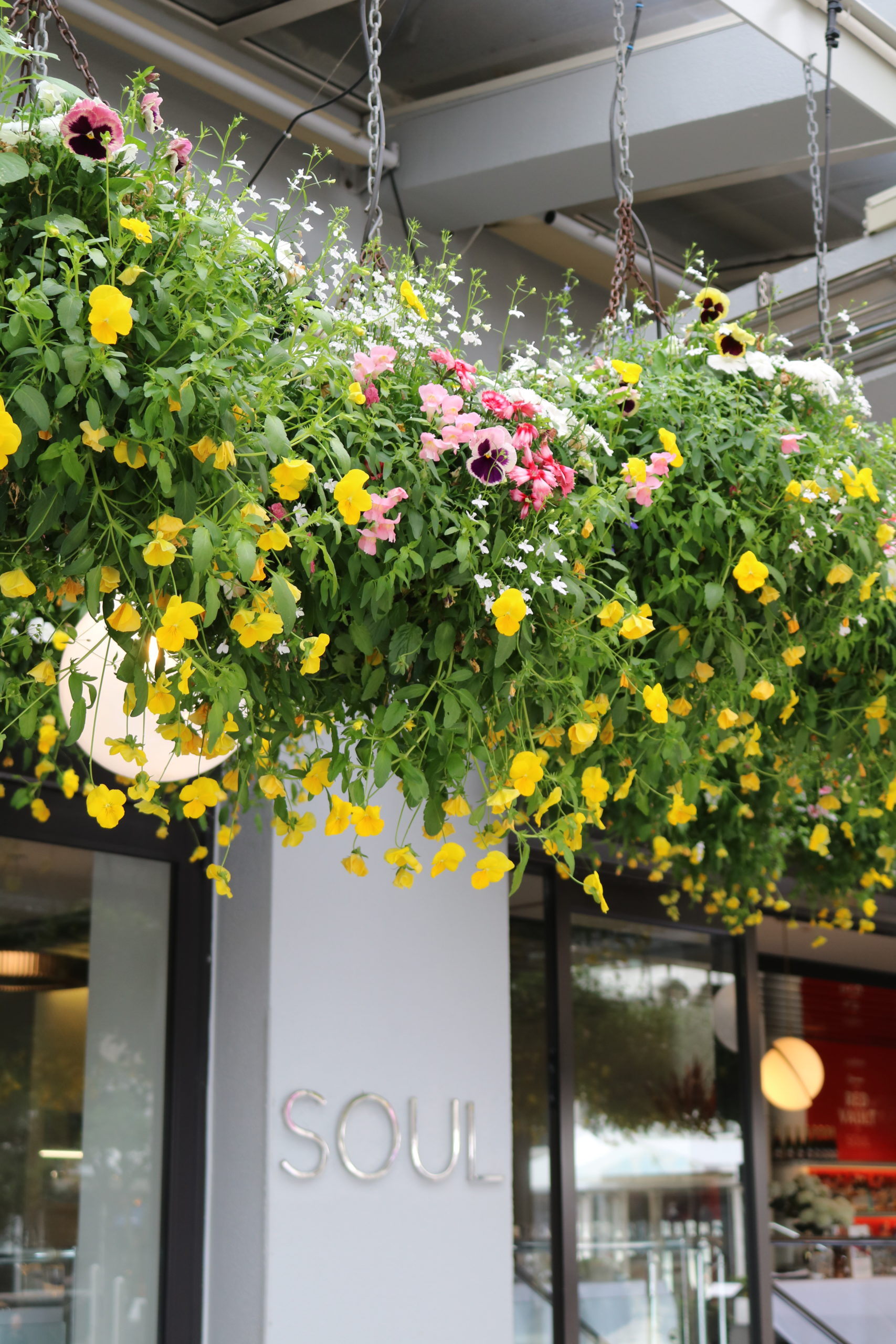
Yet, much to the surprise of many, this continuous display of beauty takes planning and an unforgiving level of horticultural discipline. At any one time, 130 baskets hang across the terrace, while another 130 are planted from seed, grown by Seedling Systems, with colours chosen around six months ahead according to season, mood and the restaurant calendar. Pink appears for Mother’s Day, richer tones arrive when the year calls for drama, and every changeover accounts for the practical realities of Soul’s harbour-front position, from salt air and summer sun to the operational rhythms of one of Auckland’s busiest restaurants. The flower mix has historically included dense plantings of snapdragons, alongside dianthus, lobelia, pansy, stock and viola, each selected for its colour, fullness and ability to hold its composure in a demanding marine environment. Enduring beauty, as we well know, requires stamina and commitment.
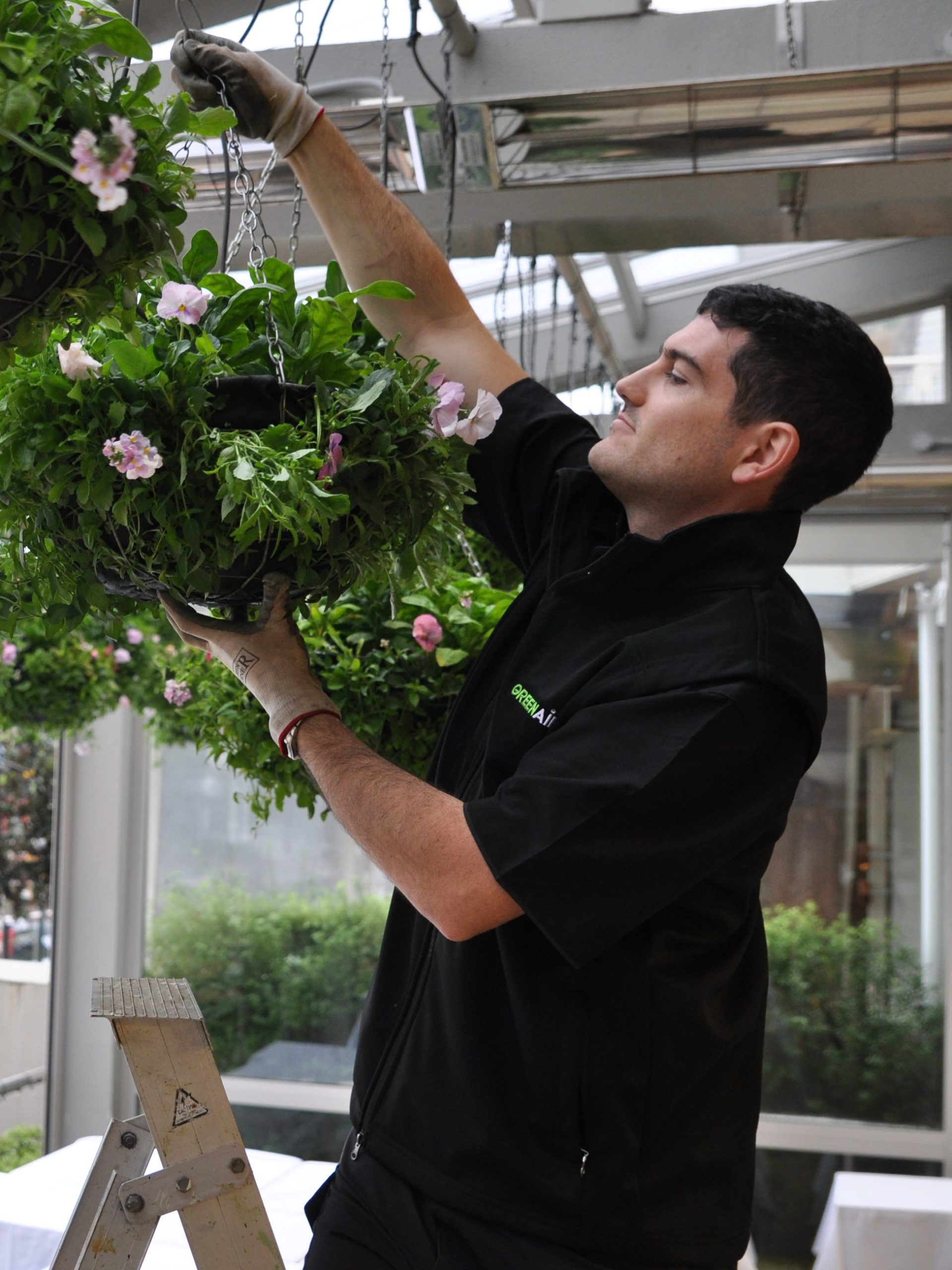
Four times a year, typically in January, April, July and October, the changeover begins before dawn. At 5.30am, a team of eight people, including GreenAir, which has managed the installation for more than 15 years, removes every hanging basket before carefully mapping out the new display. There is a method to the layout: the visually strongest baskets go to the front, the finest sit at the entrance, and each hangs with exacting precision to make the terrace feel balanced from every angle. By 9am, the new display is in place, putting on an elegant and seemingly effortless show.
Like many things in life, it is the efforts of many that go into creating something both memorable and magical. Soul Bar & Bistro’s baskets are more than a labour of love. They are the result of a rare kind of hospitality discipline, one that recognises the beauty and atmosphere flowers bring to the table.
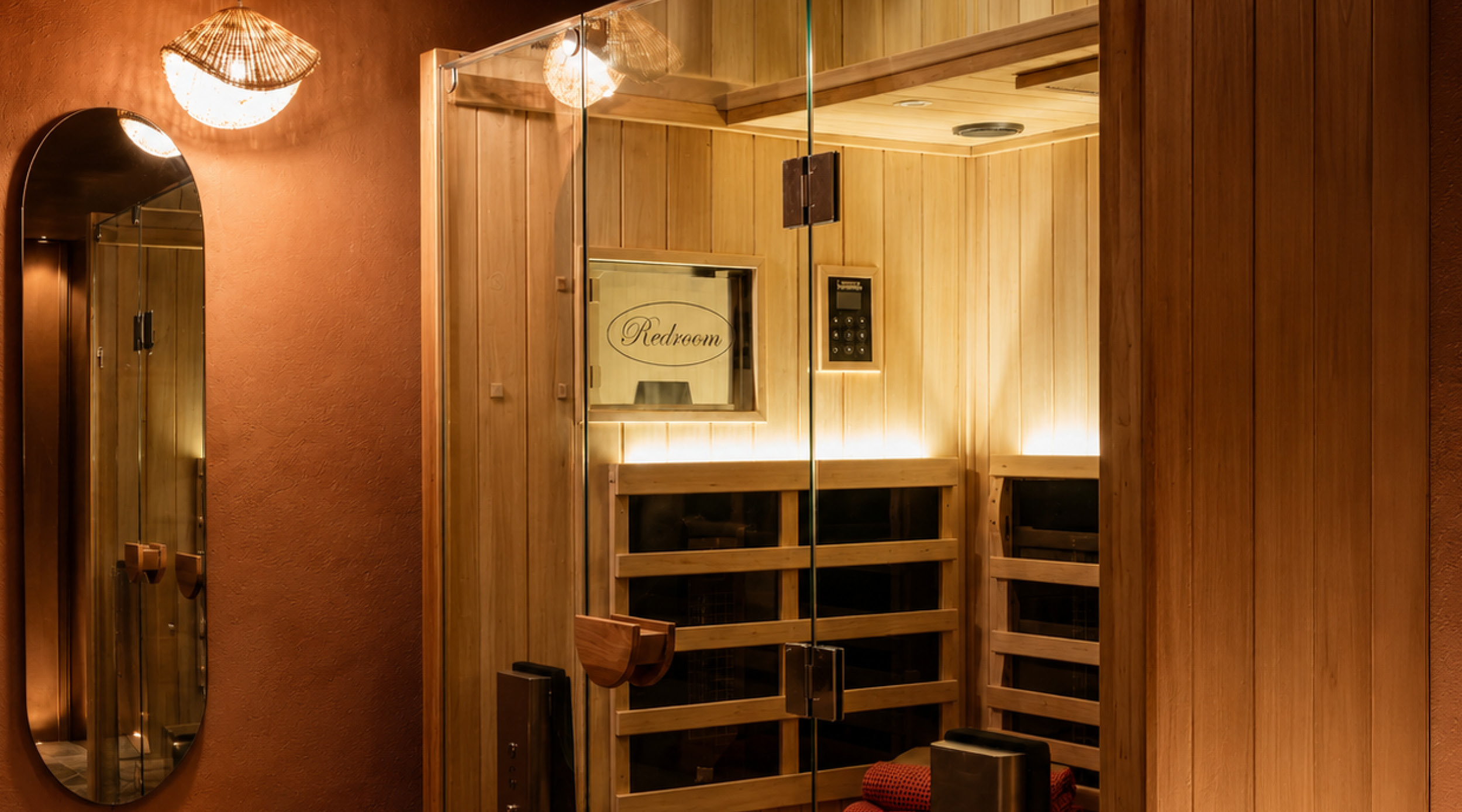
Contrast therapy is far from a new concept, having been used in various forms for centuries, but its popularity has surged in recent years as more people seek out wellness practices that support both physical recovery and mental wellbeing.
Alternating between heat and cold, whether moving from a sauna into an ice bath or between hot and cold water immersion, creates a rapid shift in temperature that stimulates circulation and activates the body’s natural recovery response. Many people also turn to contrast therapy to help ease muscle soreness, reduce feelings of fatigue and support overall resilience, making it a popular addition to both training and wellness routines.
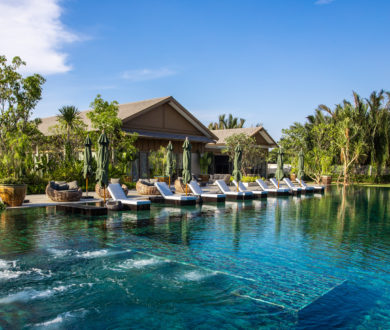
Fortunately, Auckland is home to a growing number of exceptional wellness destinations, making it easier than ever to experience contrast therapy alongside a range of other recovery-focused modalities. From cryotherapy and hyperbaric oxygen therapy to sound baths and guided recovery experiences, the city’s wellness offering continues to expand as interest in preventative health grows.
Here is Denizen’s guide to the best specialty wellness destinations in Auckland.
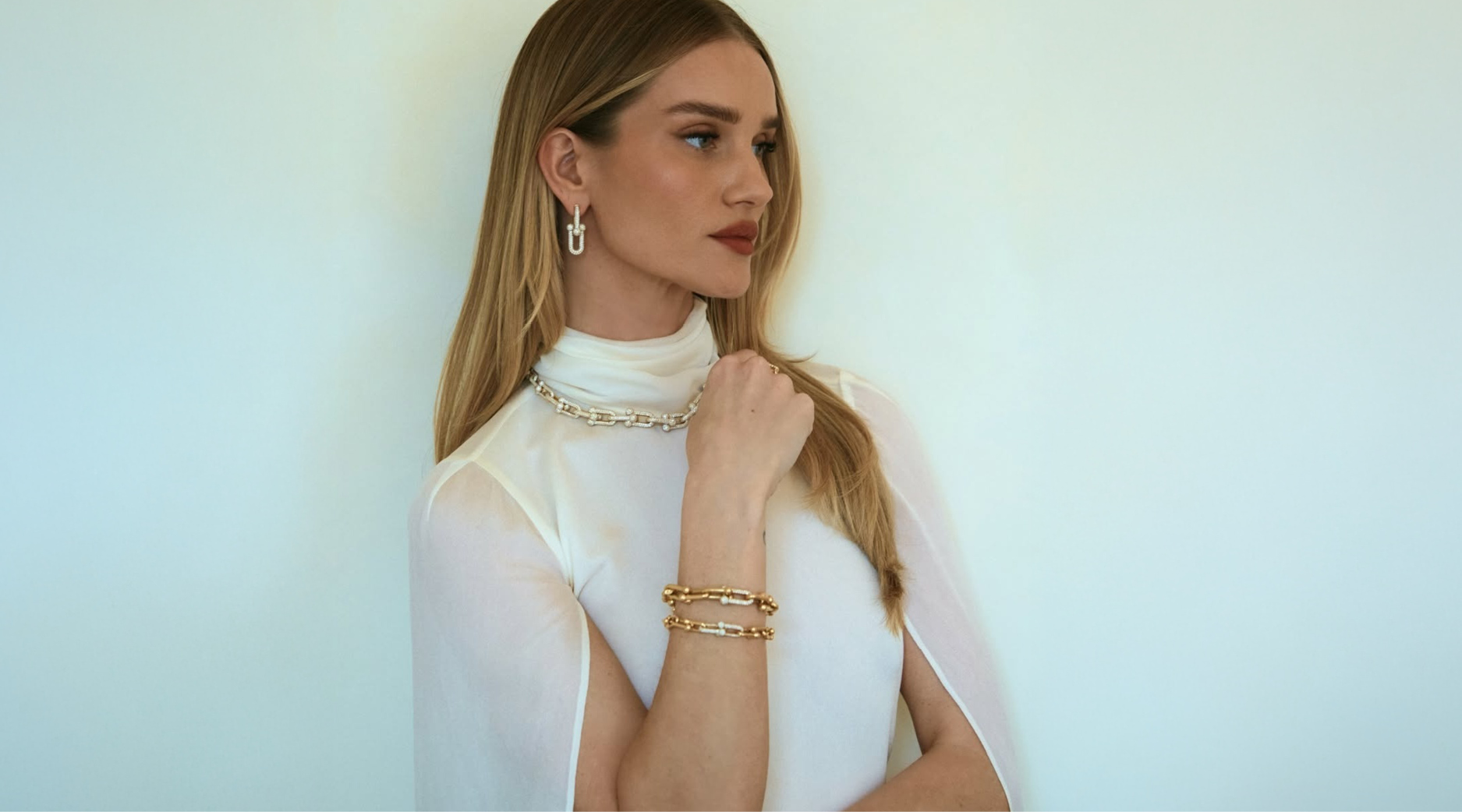
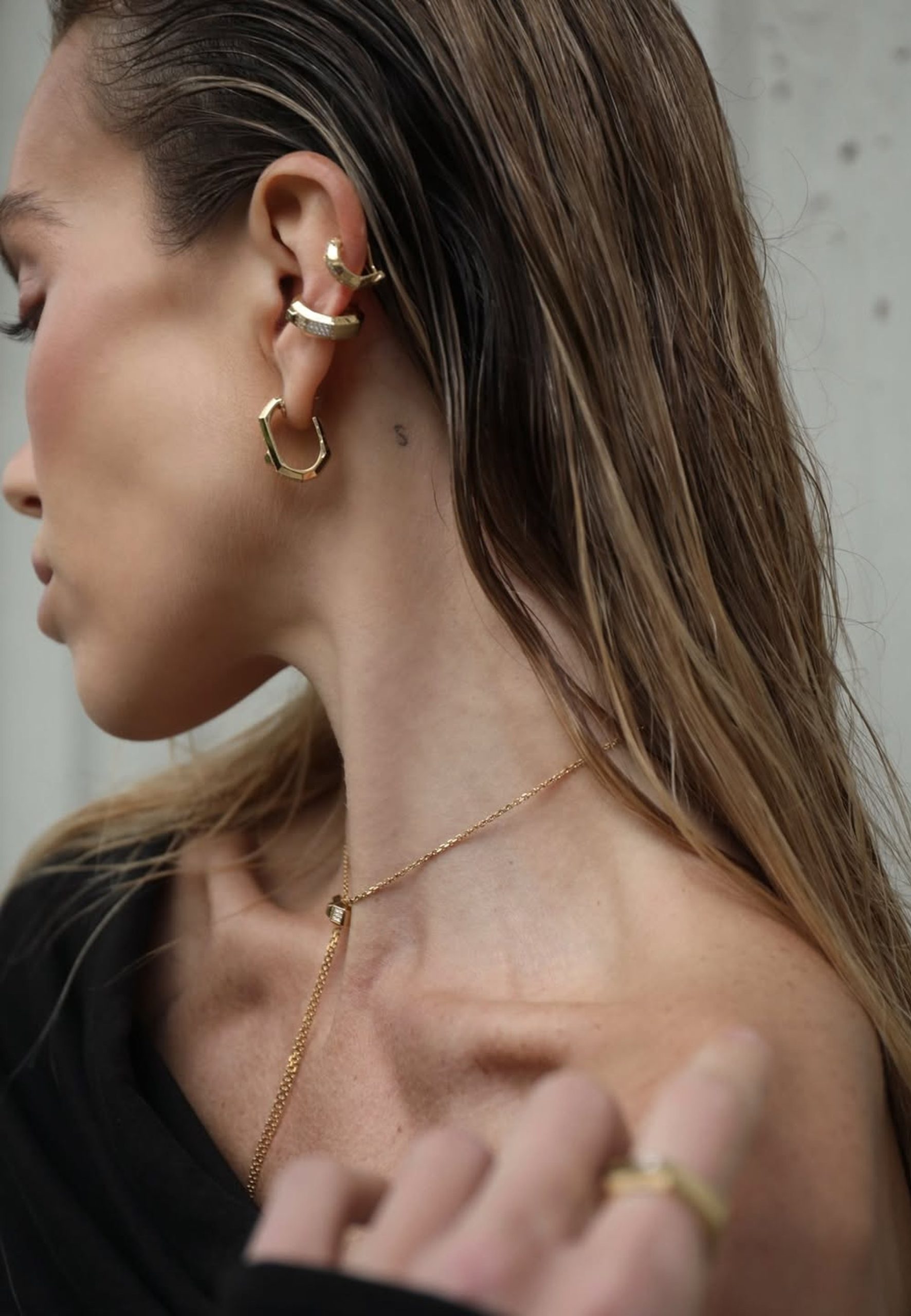
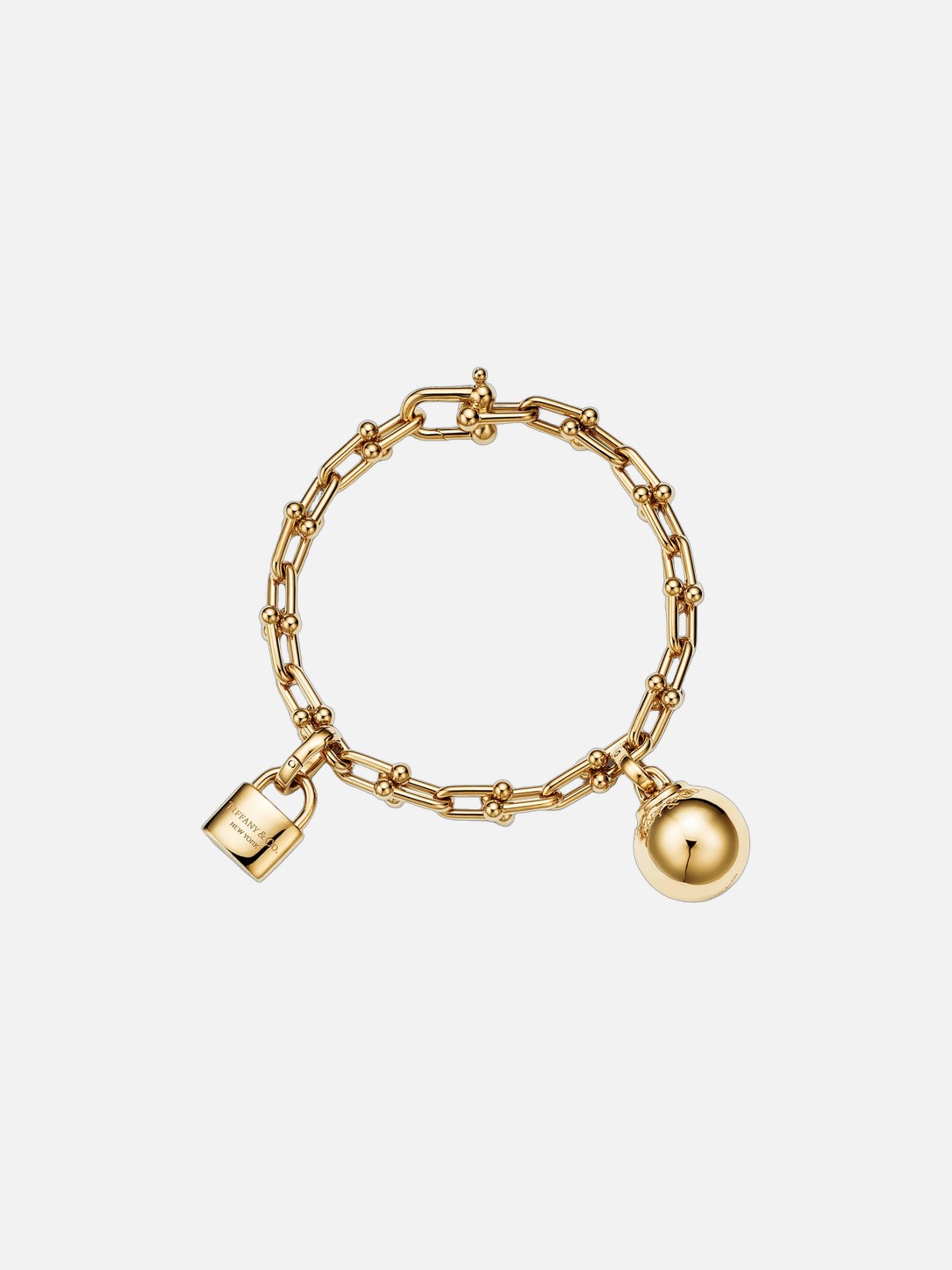
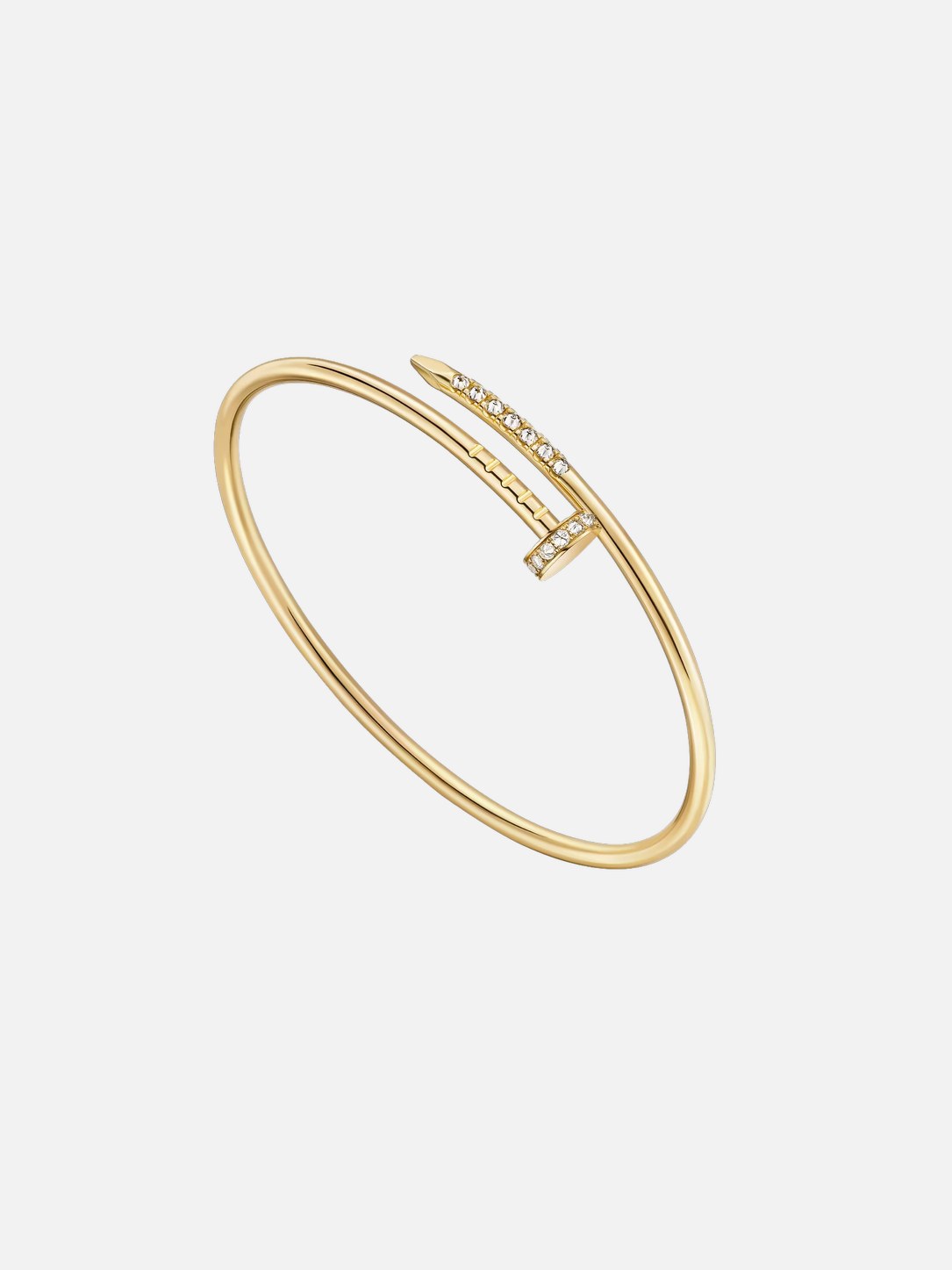
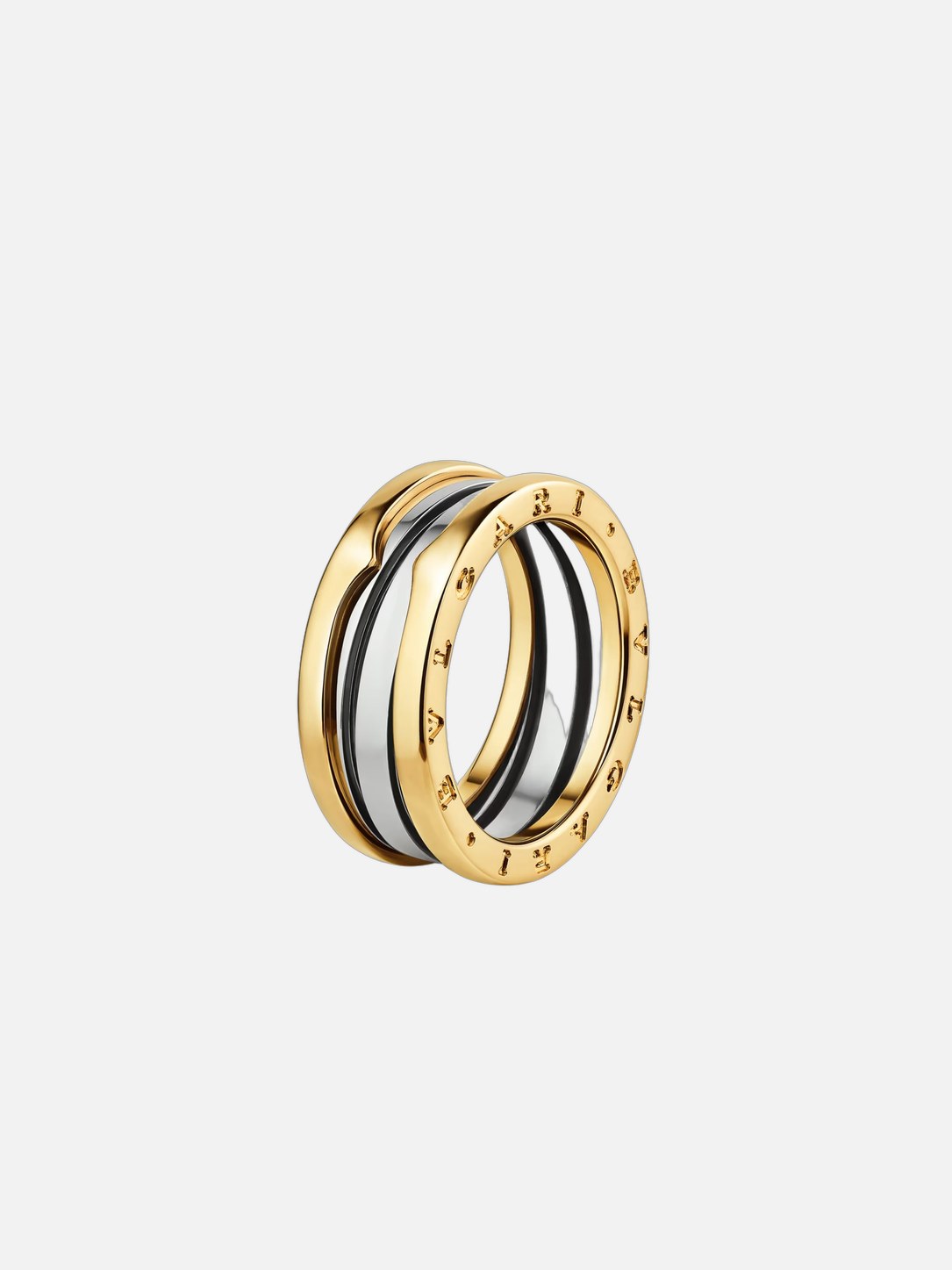
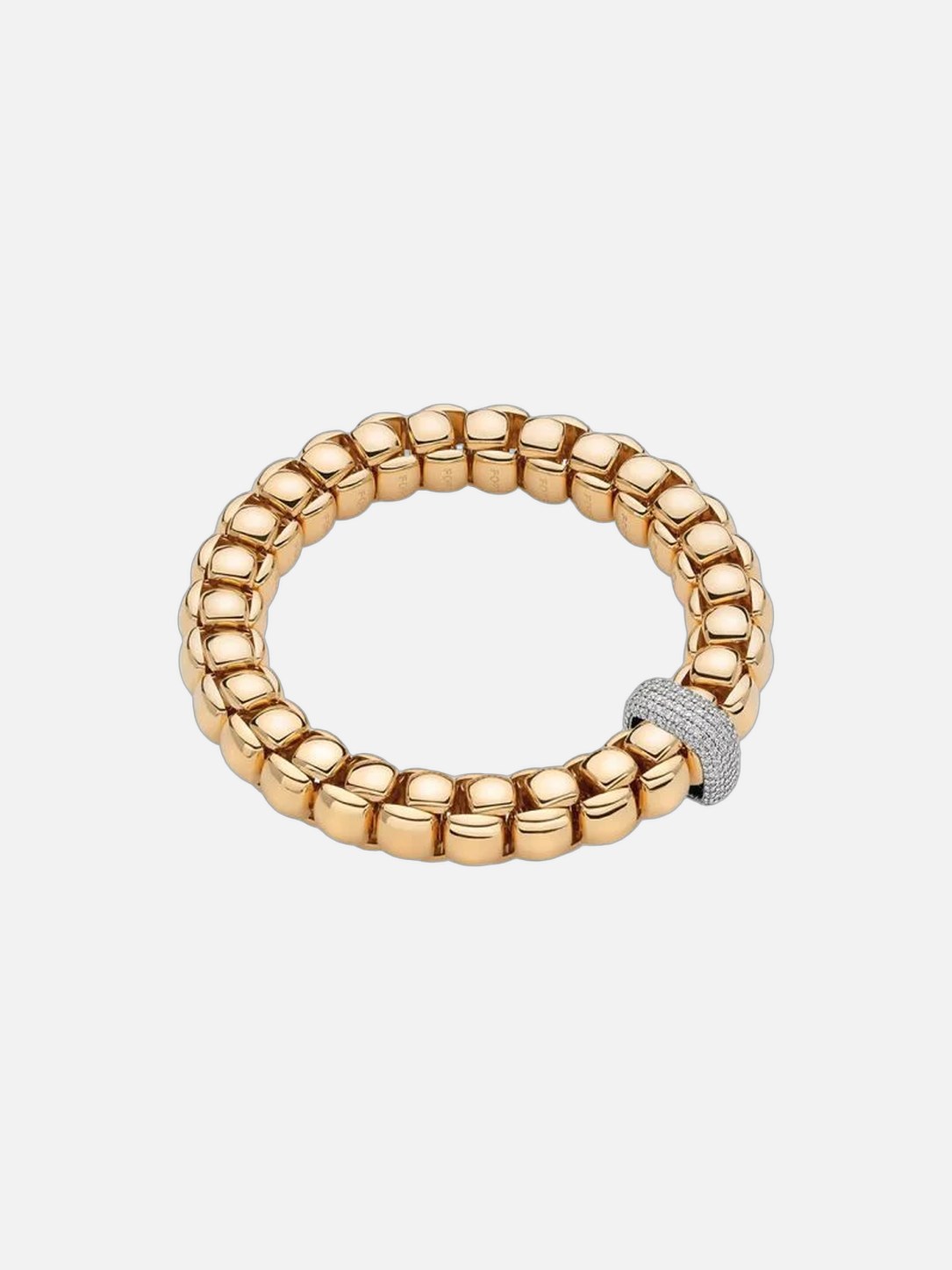
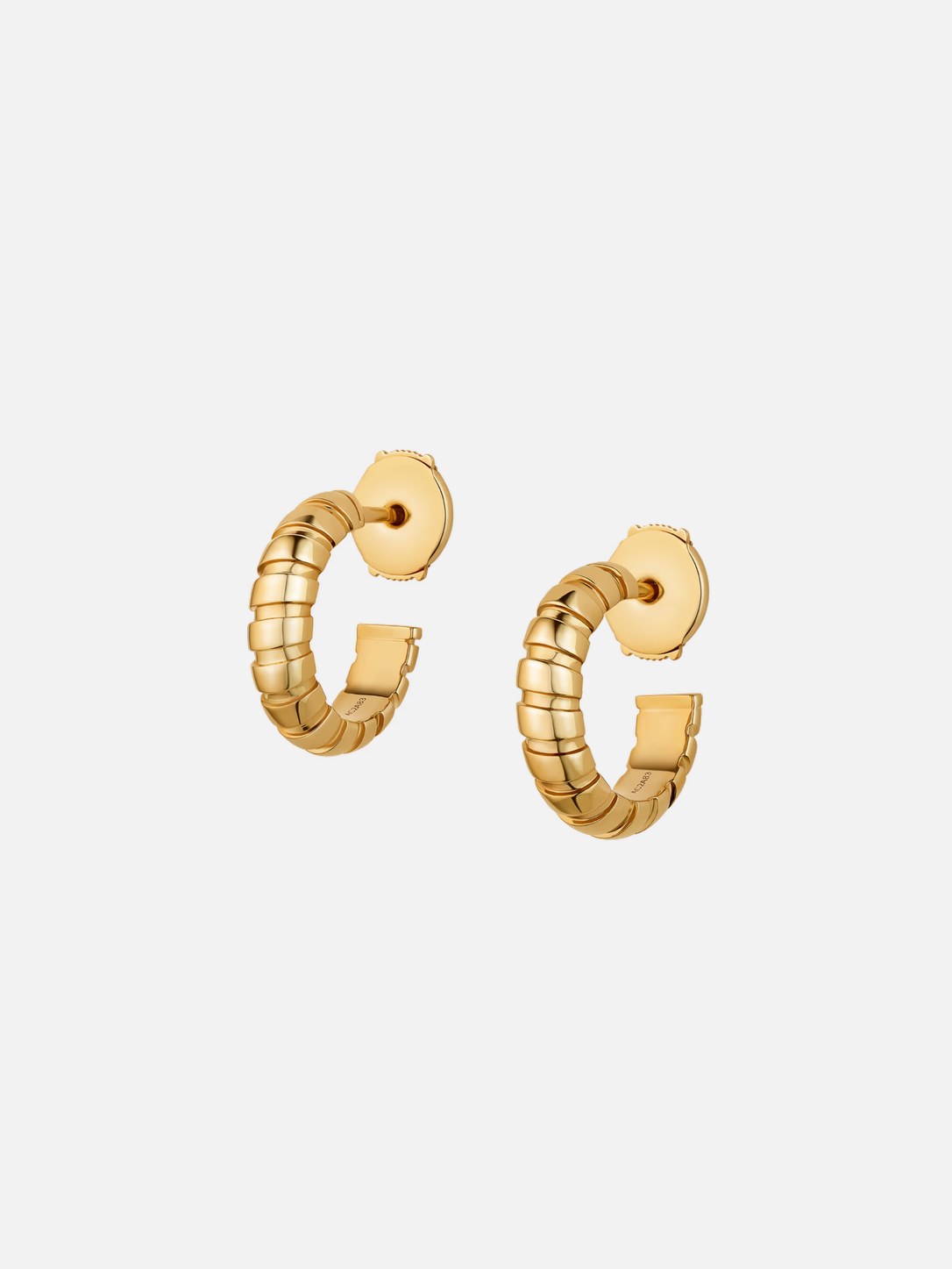
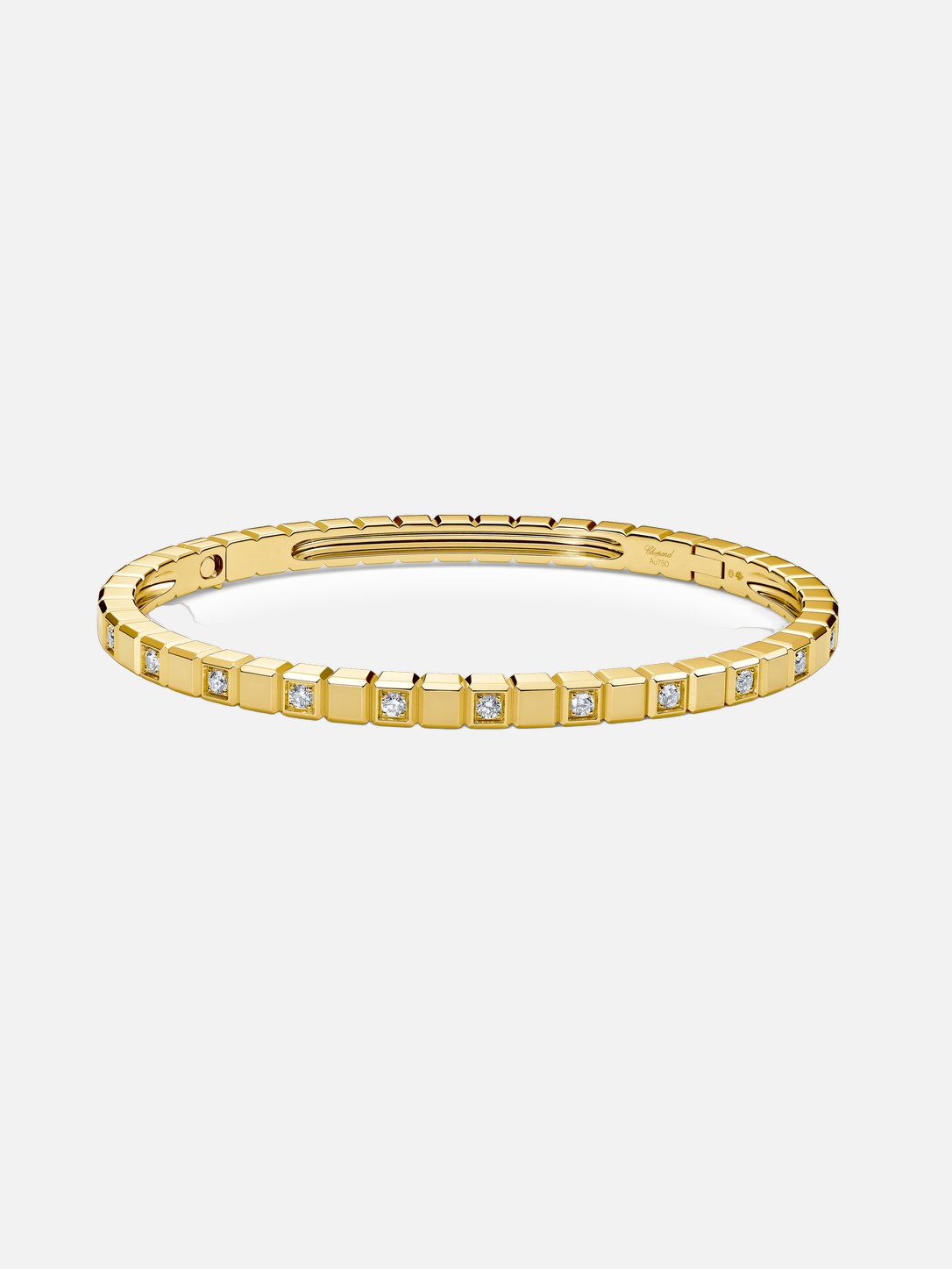
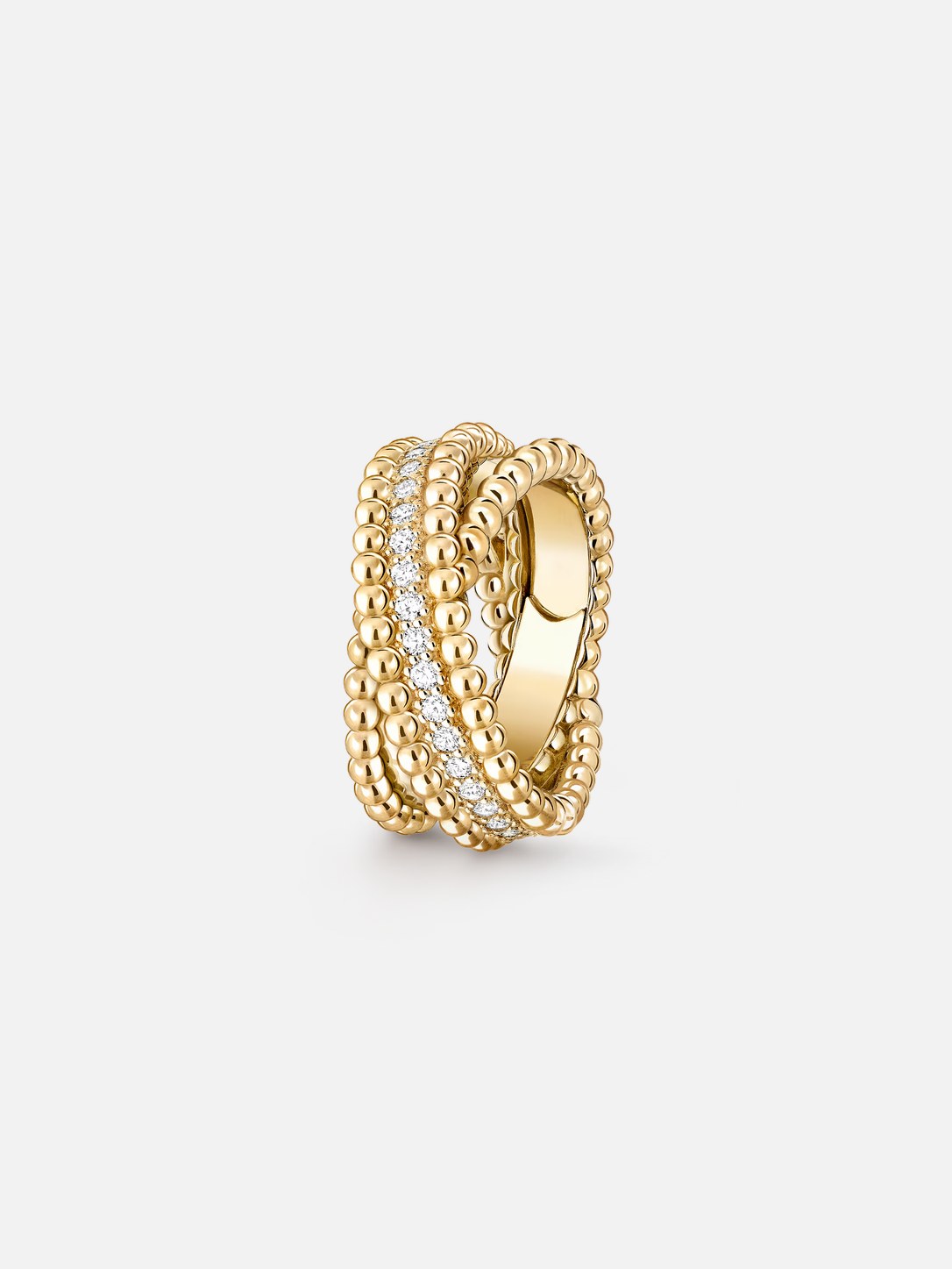
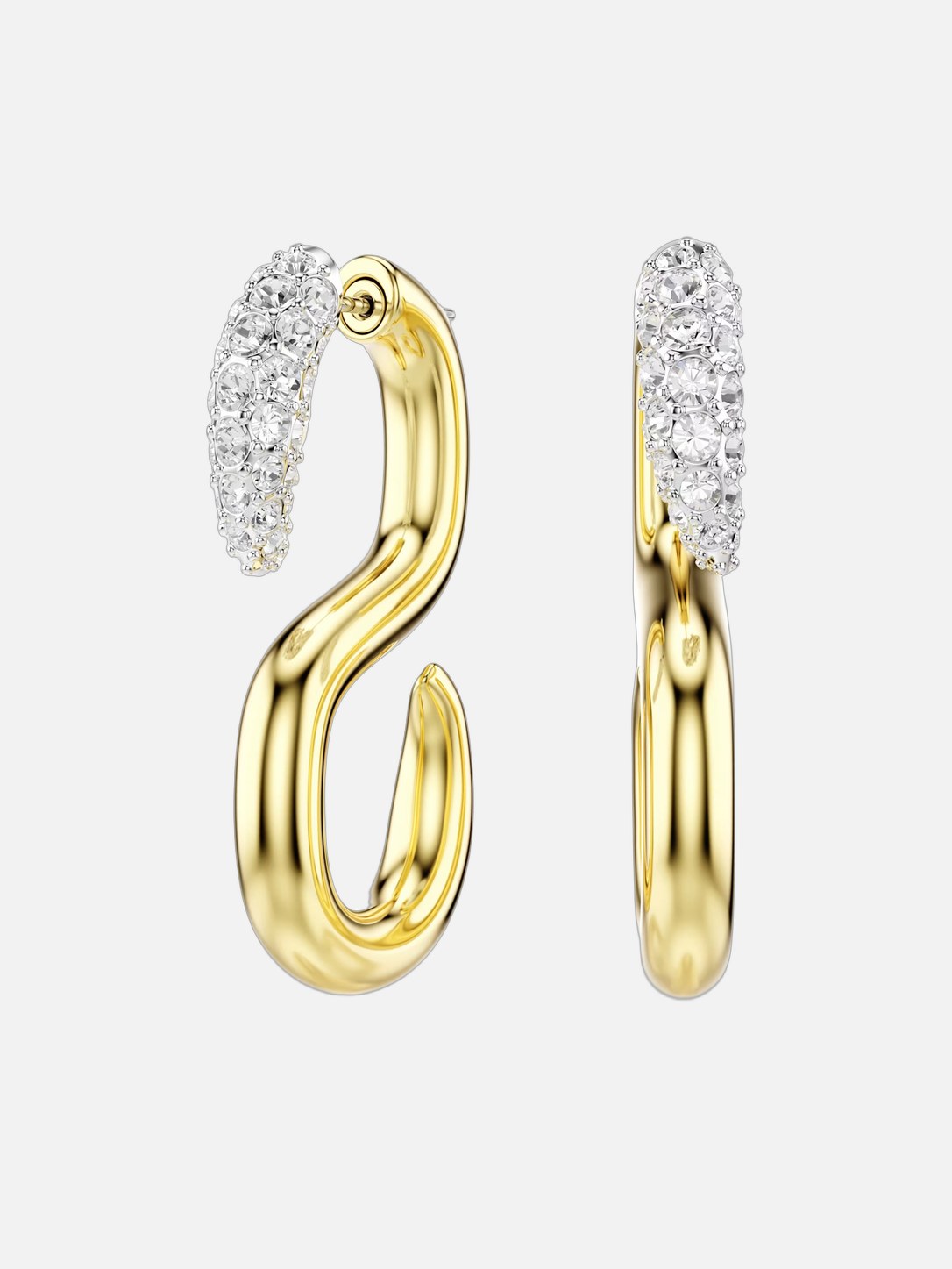
The jewellery we wear most often is rarely dictated by trends. Instead, these pieces hold a place in our lives because of their sentimental significance and ability to be worn in any season and for any reason. Designed to move through life, just as easily complementing a worn-in white tee as elegant evening wear, they are quietly personal statements of style.
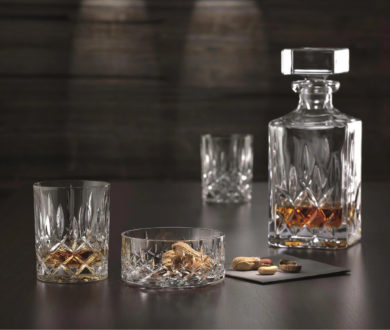
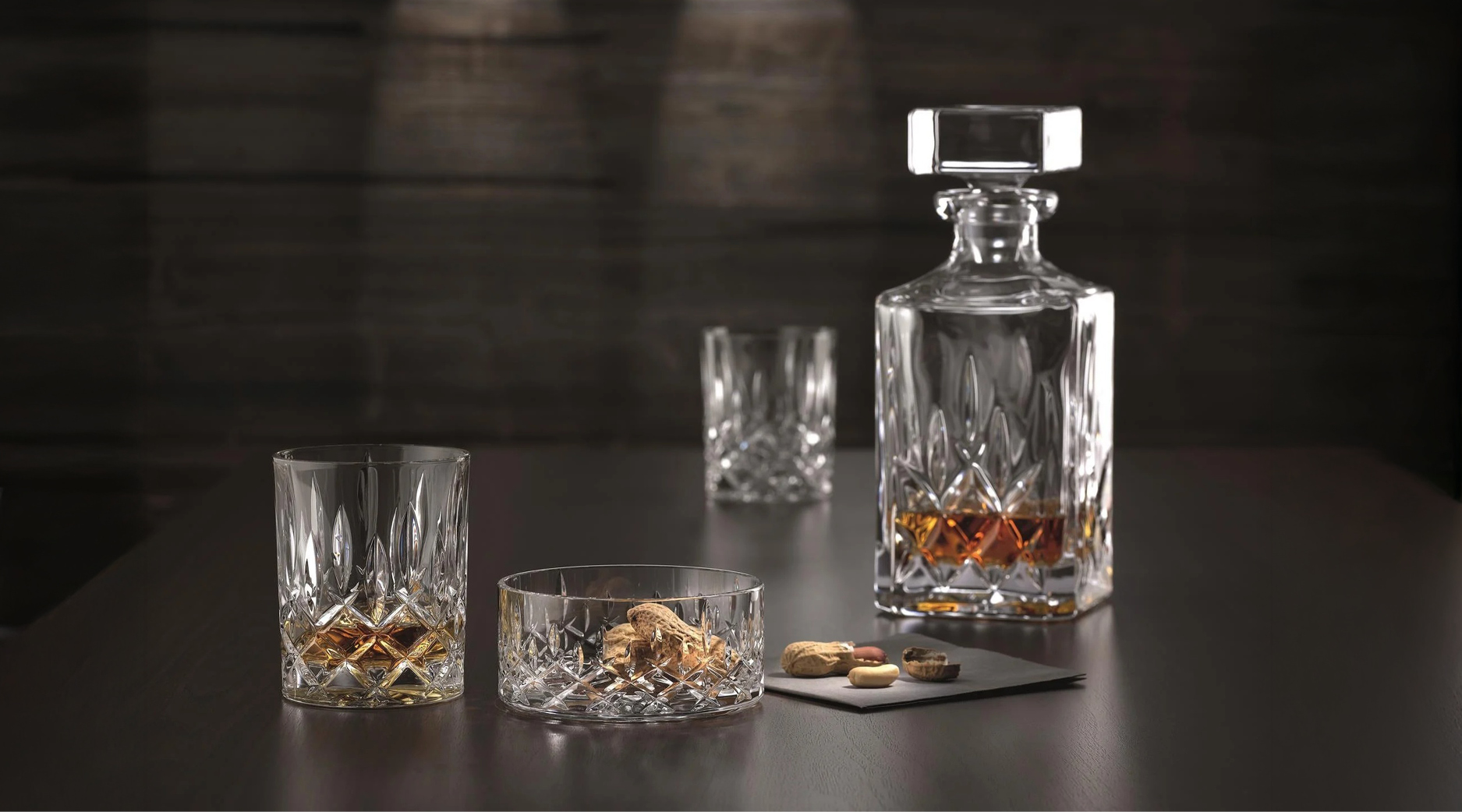
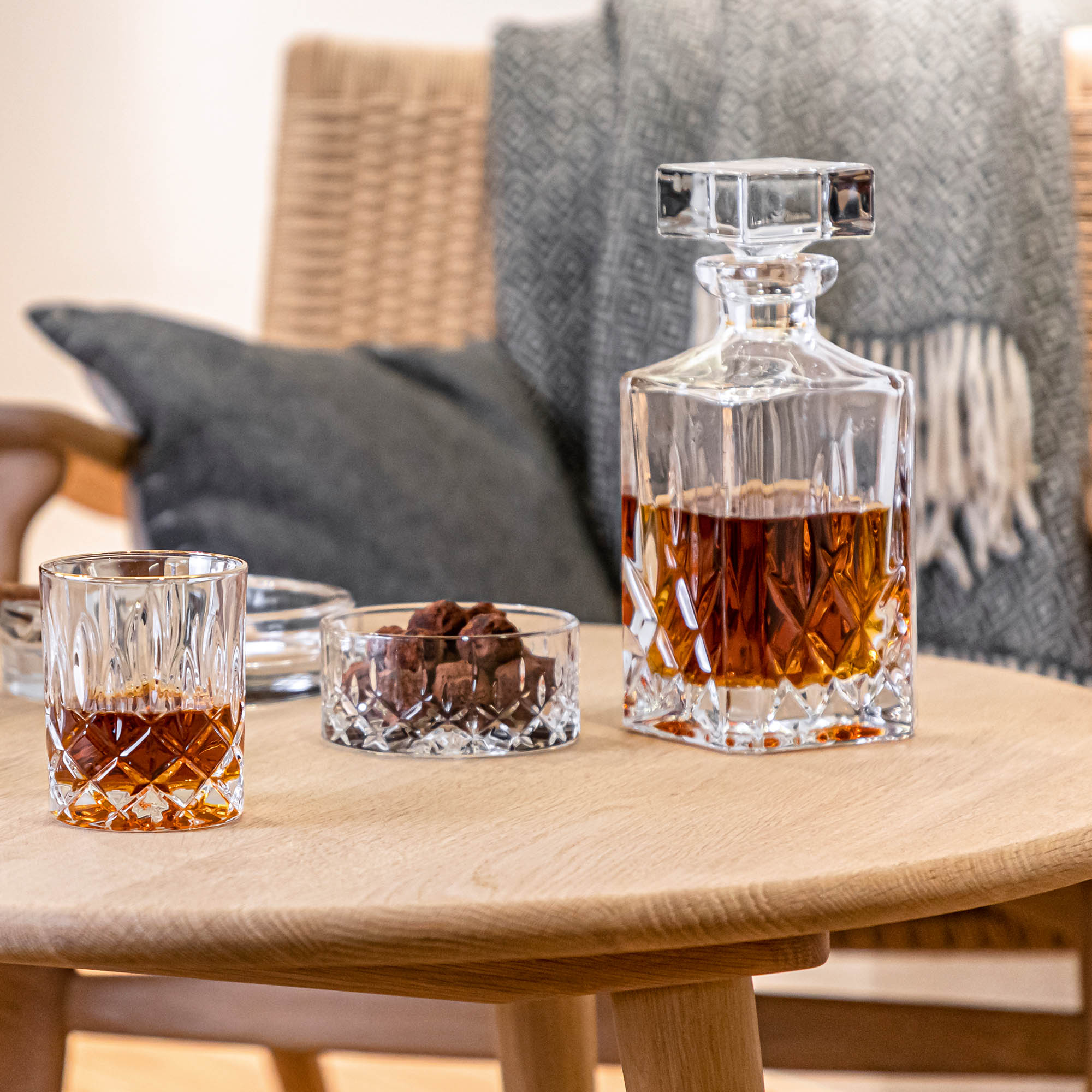
Winter and whisky go hand in hand. The civilised evening ritual of pouring a ‘wee dram’, however, requires a sense of occasion, particularly when it comes to how it is served. Whisky is not a drink that should be slung into any old glass; it deserves weight, clarity, and ceremony. As the supporting act in many great films, whisky is often seen alongside a moment of private grievance or of immense discussion, and the vessel in which it appears on screen genuinely changes the atmosphere. It’s not the liquid itself; it’s the drama and theatre that surround its cinematic presence.
And nothing brings drama quite like fine crystal that is satisfyingly heavy yet still elegantly bold. Cut crystal tumblers deliver the visual and tactile impact that whisky deserves. The brilliance of the crystal catches the light, refracting through amber, gold, and deep copper tones, while the clarity allows the eye to read the whisky’s colour, viscosity, and depth before it ever reaches the nose.
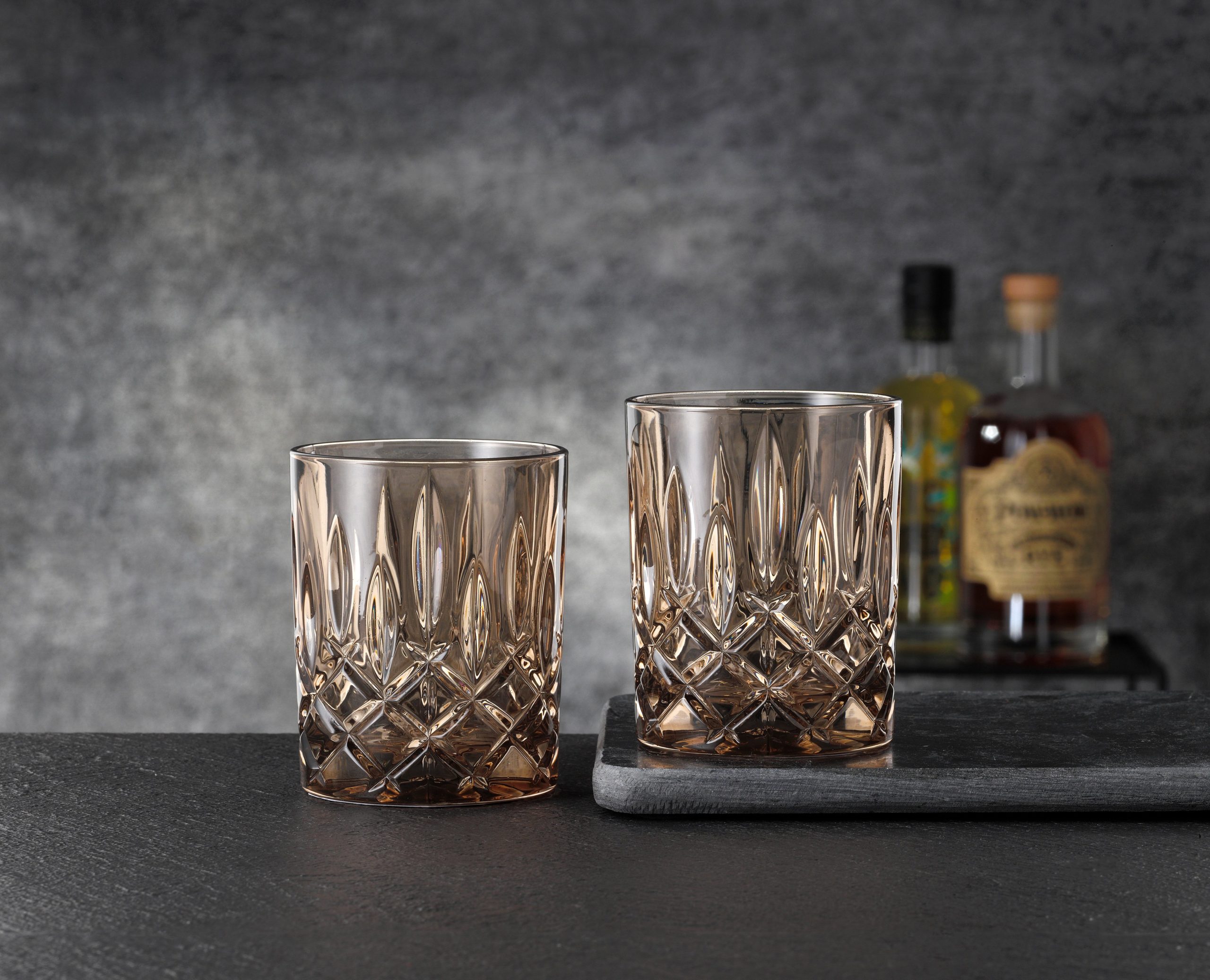
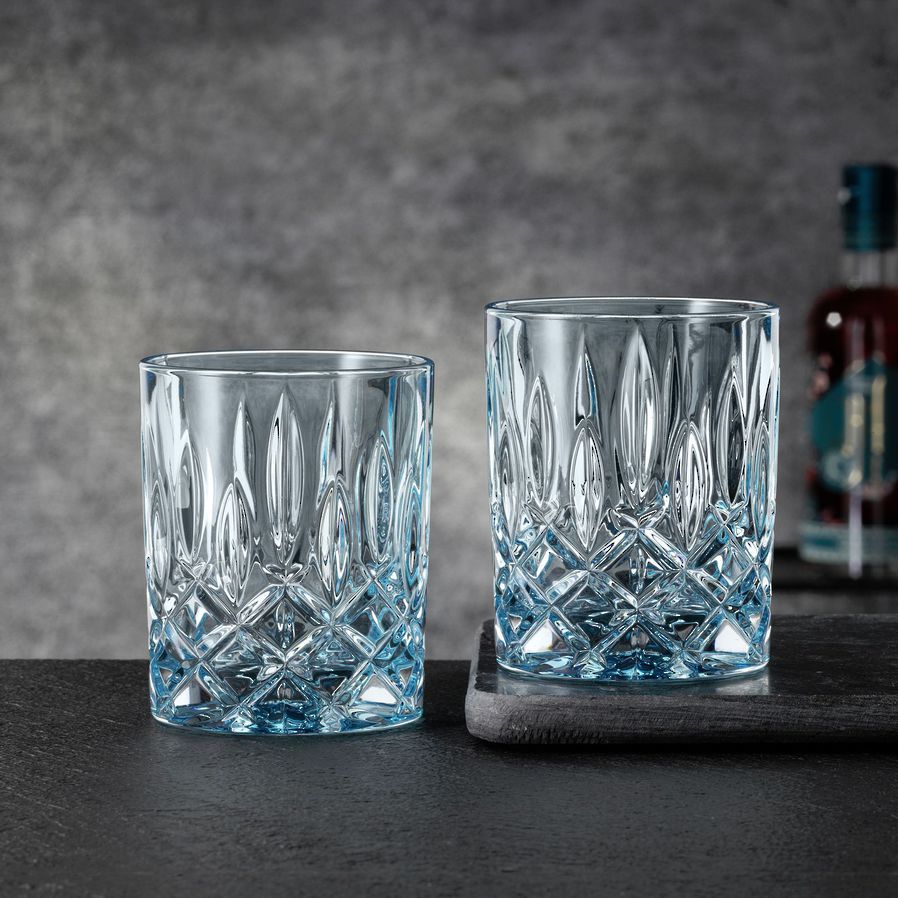
Nachtmann’s Noblesse whisky tumblers make the case with admirable conviction. A proper tumbler sits in the hand with authority, grounding the ritual with purpose. Noblesse cut crystal glasses allow aroma to gather, the liquid to move, and the drinker to savour the experience with a respect for the ritual.
In cinema, the whisky tumbler has always been a prop of consequence, held by people making decisions, regretting them, or preparing to make worse ones. At home, where nothing dramatic is at stake, the whisky glass still needs to be right. And Nachtmann’s Noblesse crystal tumblers sit comfortably with connoisseurs and bon vivants alike.
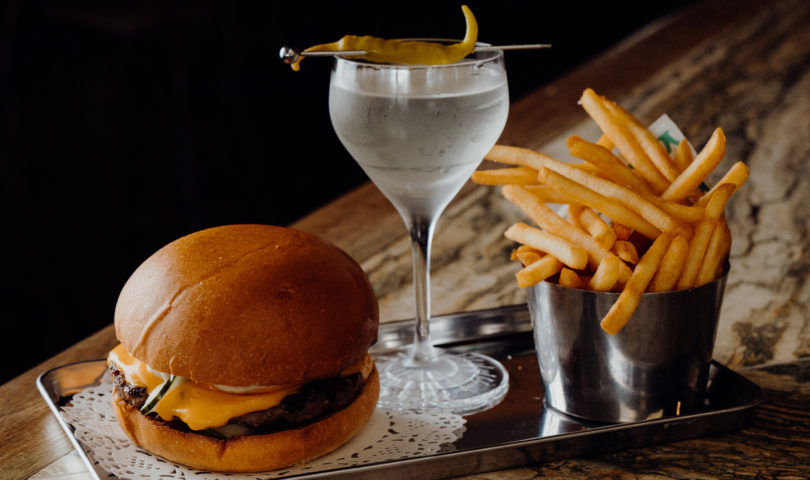
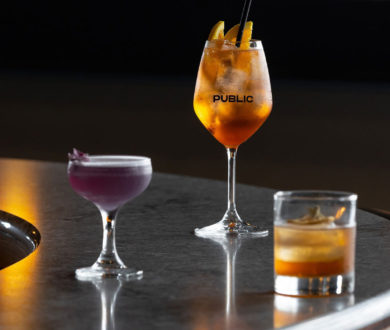
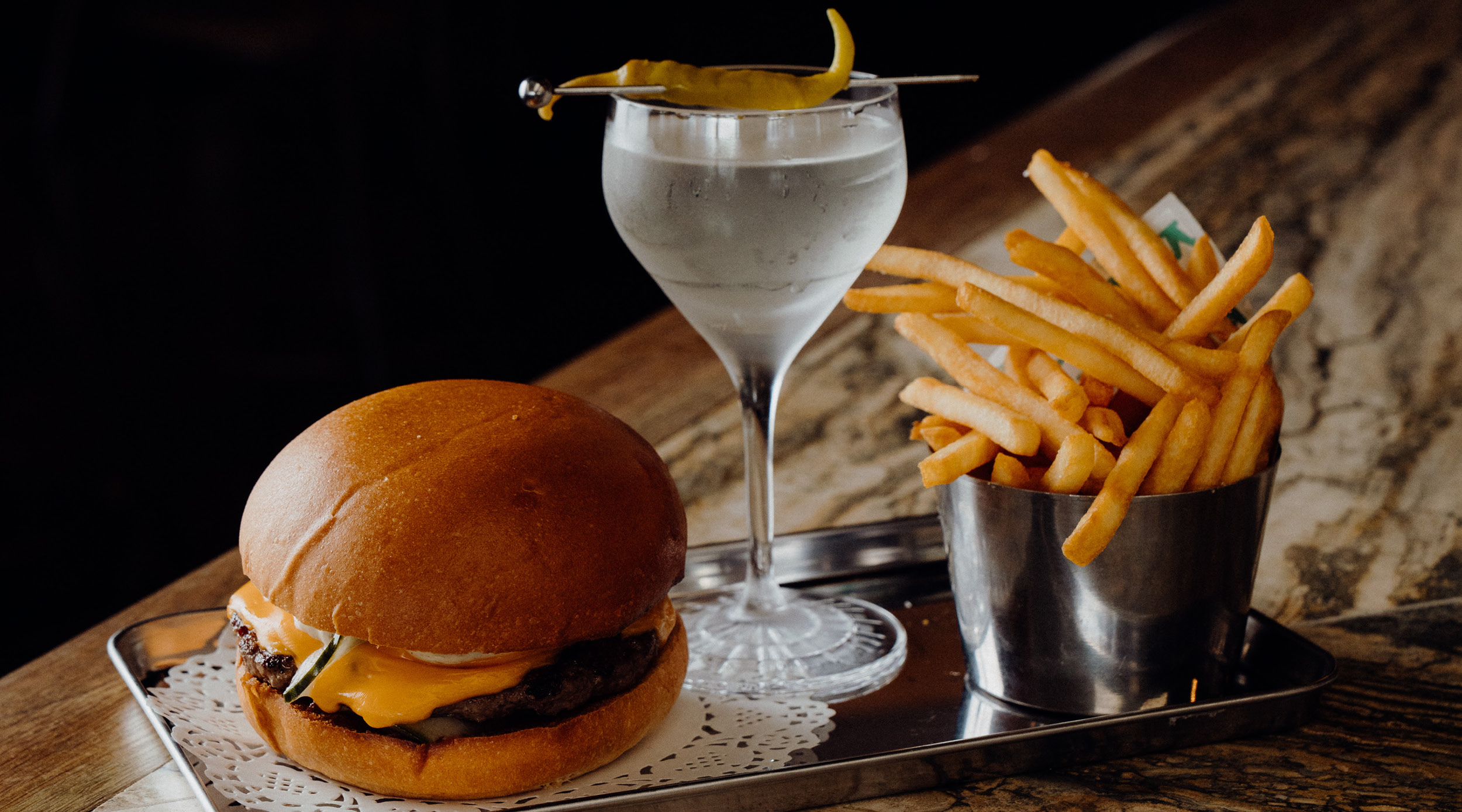
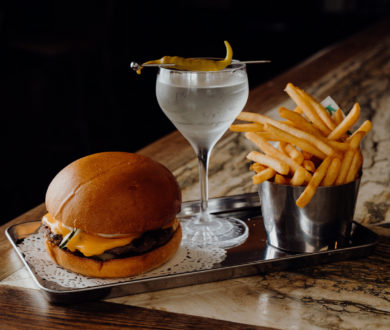
A martini and a burger may seem like an unlikely duo, but Manhattan has been making a case for it for decades. New York has built an entire mythology on polished rooms, cold gin and serious beef burgers. Throughout June, Bivacco is making a compelling case that there may not be a better combination.
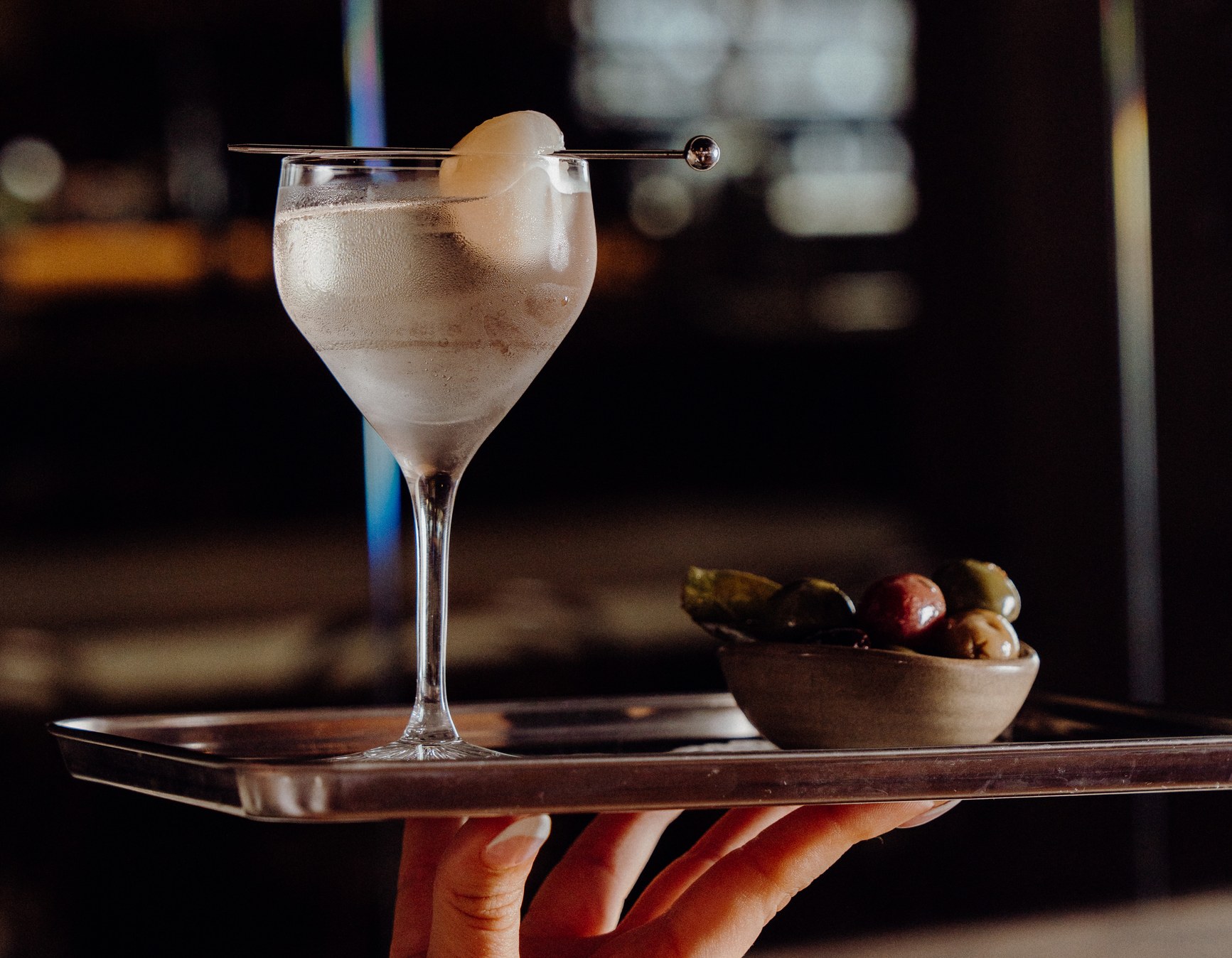
Lychee Martini with Engine Gin, Lillet and lychee
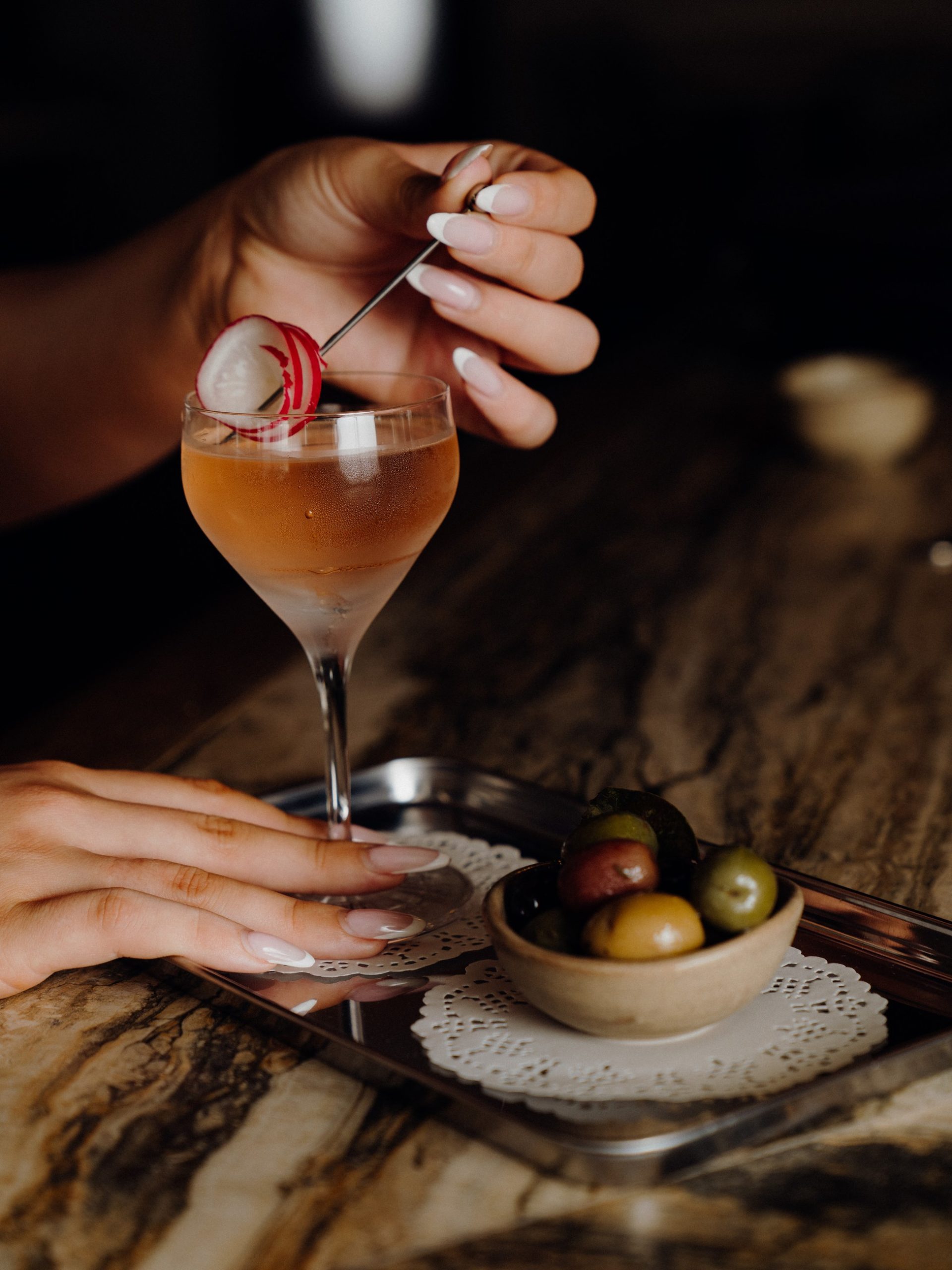
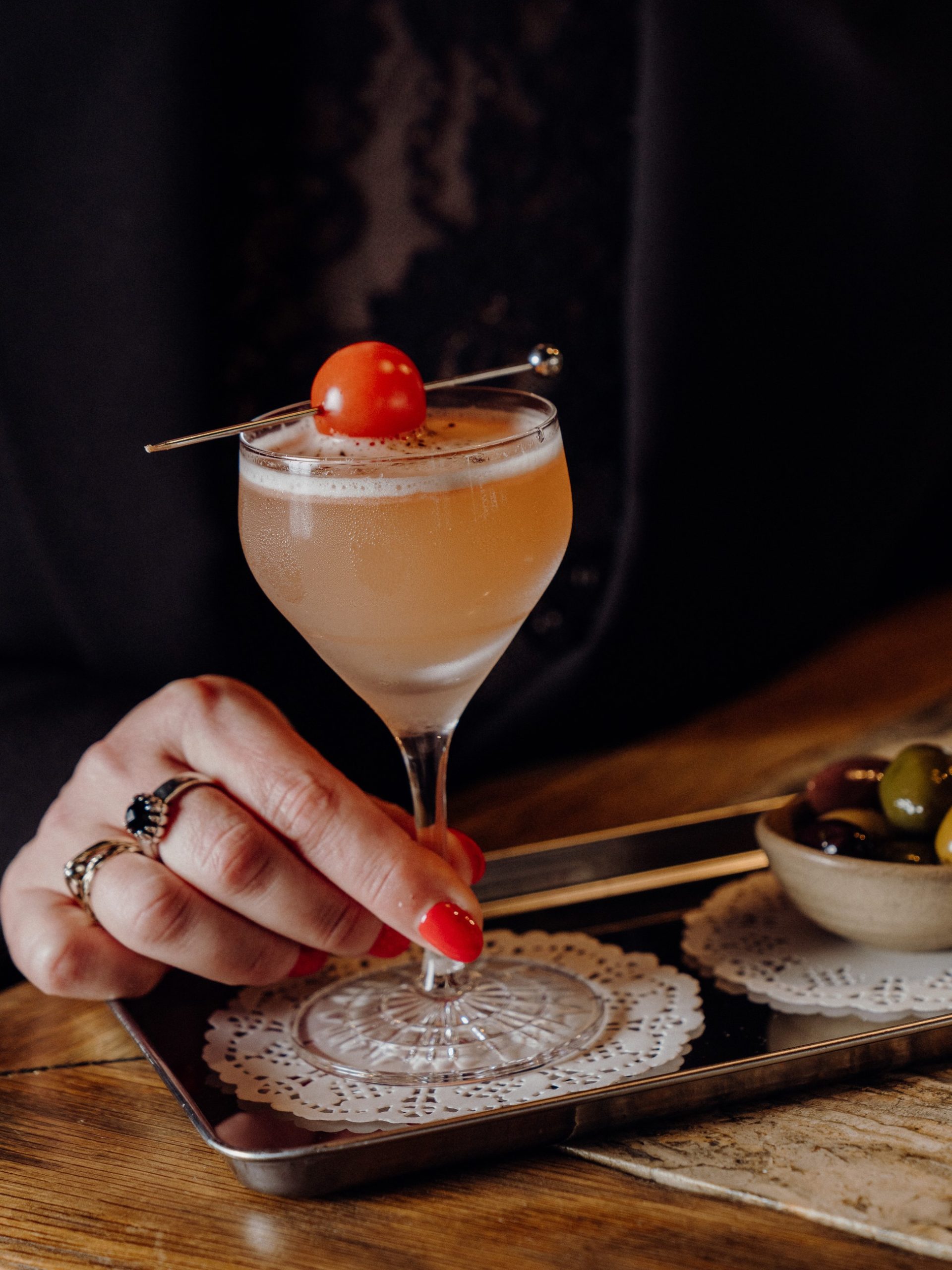
For Martini Month, the waterfront favourite has devoted its attention to one of the world’s most enduring cocktails, presenting four limited-edition martinis that each approach the classic from a distinctly different angle while remaining grounded in the ritual that has made the drink such a fixture of bar culture. A side of olives accompanies every serve. As it should.
Pickled Radish Martini with Bulldog Gin, radish brine and pickled radish
Tomato Vodkatini with Skyy Vodka, Martini Bianco, tomato and lemon
The line-up begins with the Pickled Radish Martini, where Bulldog Gin and radish brine bring a savoury, sharply defined character, while the Jalapeño Martini introduces smoky depth and gentle heat through a combination of Juno Gin and mezcal. Those drawn to something softer will find the Lychee Martini particularly appealing, its combination of Engine Gin and Lillet lending delicate sweetness without sacrificing balance, while the Tomato Vodkatini offers a bright, savoury profile built around Skyy Vodka, Martini Bianco, tomato and lemon.
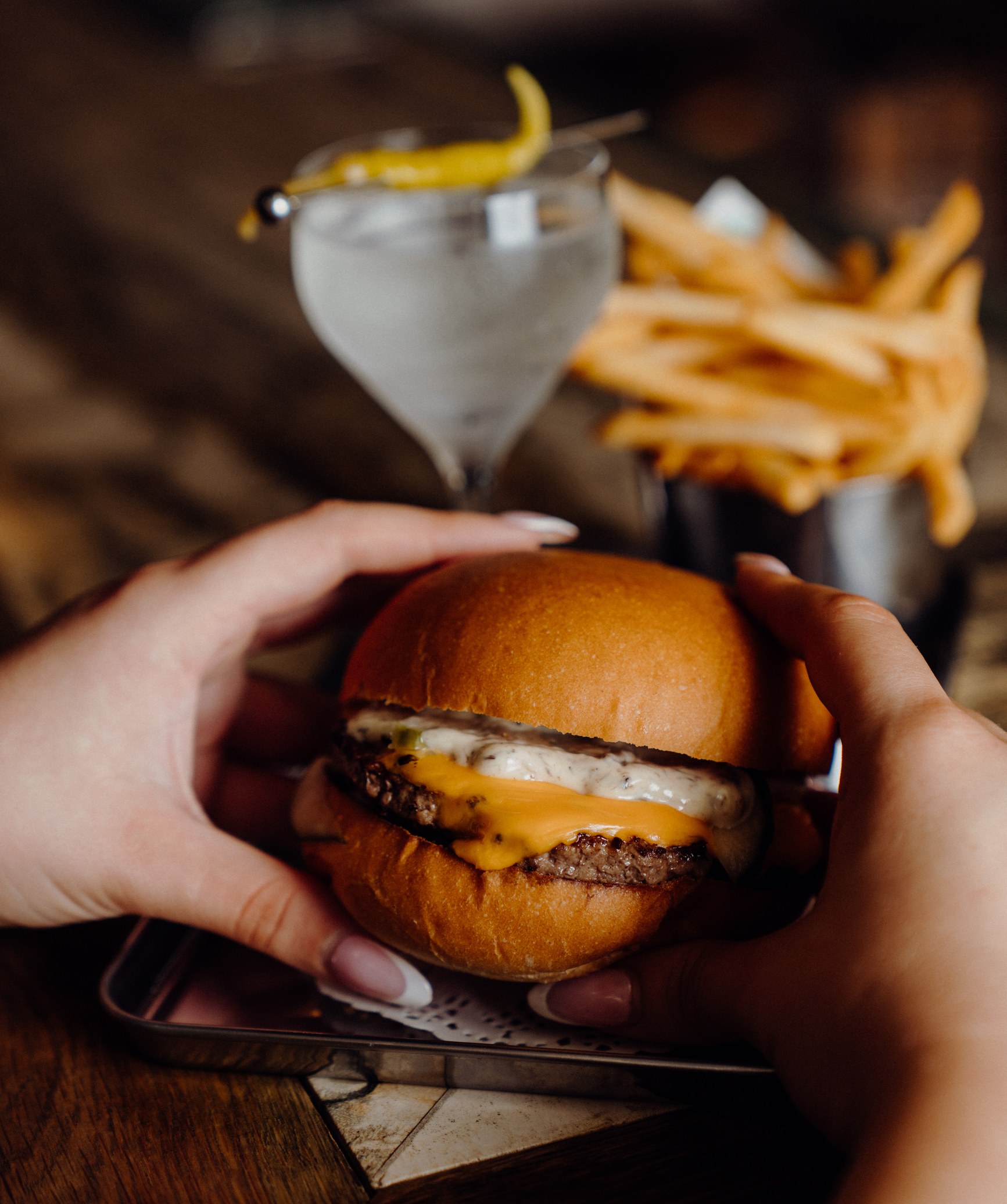
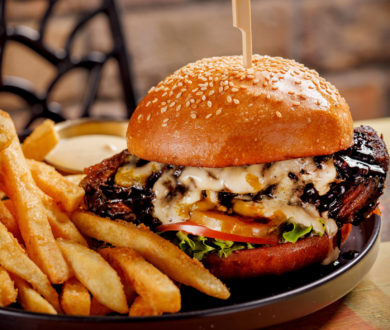
Wagyu cheeseburger, cheddar, pickles, truffle mayo and the Jalapeño Martini with Juno Gin, mezcal and jalapeño
The burger deserves equal billing. Available exclusively at the bar throughout June, Bivacco’s Wagyu cheeseburger arrives layered with cheddar, pickles and truffle mayo, accompanied by shoestring fries and priced to encourage repeat visits rather than restraint.
Club BBG members can enjoy the martinis for $20 and the burger with fries for $15, while non-members can order the cocktails for $25 and the burger for $30. Whether your preference leans towards something briny, smoky, sweet or savoury, Martini Month presents four very good reasons to order a second round.
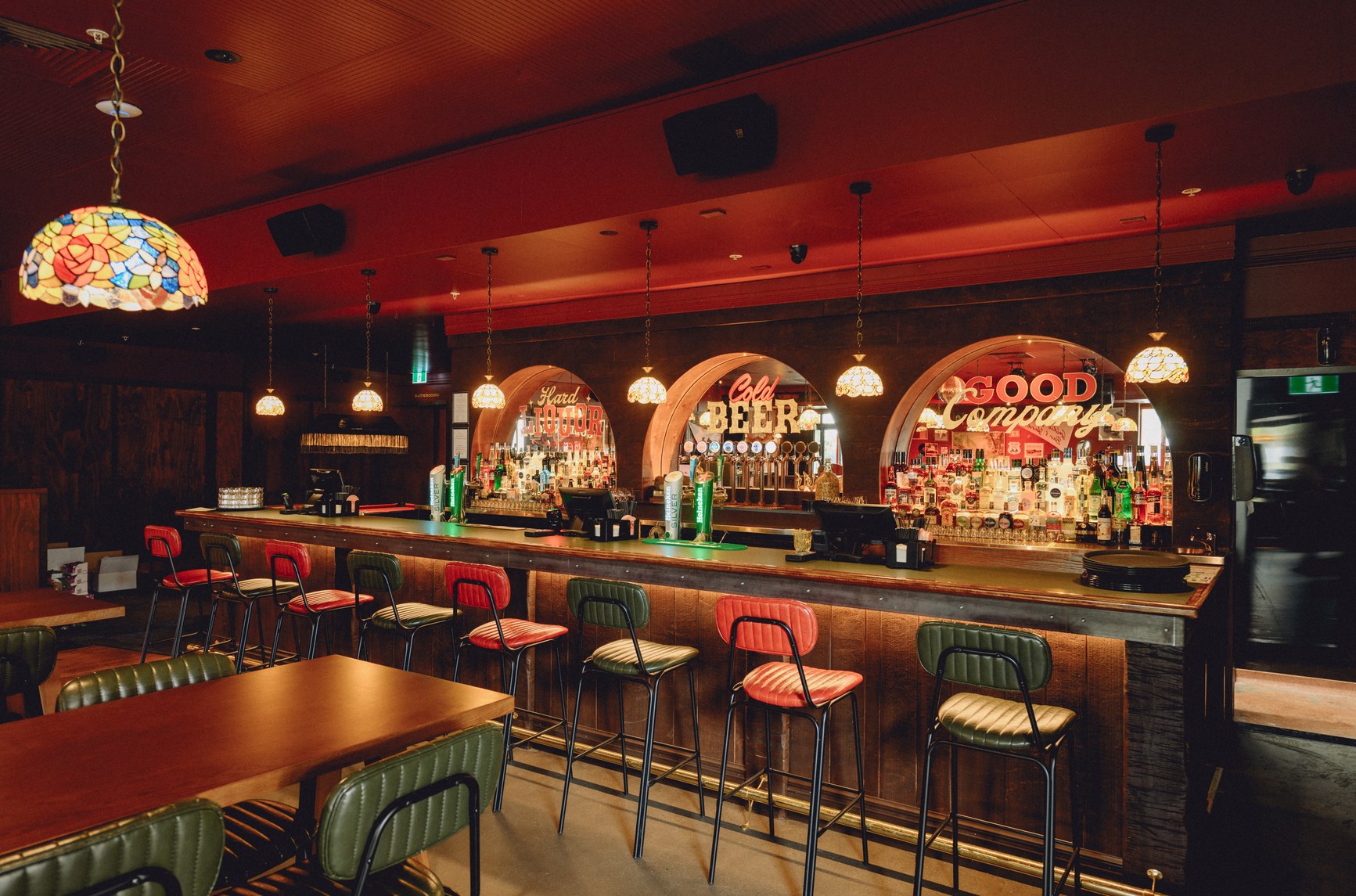
The former home of one of Takapuna’s most enduring hospitality institutions has entered a decidedly different chapter, with Goldie’s Bar & Yard bringing a dose of Southern spirit, country music and unapologetic good times to Auckland’s North Shore.
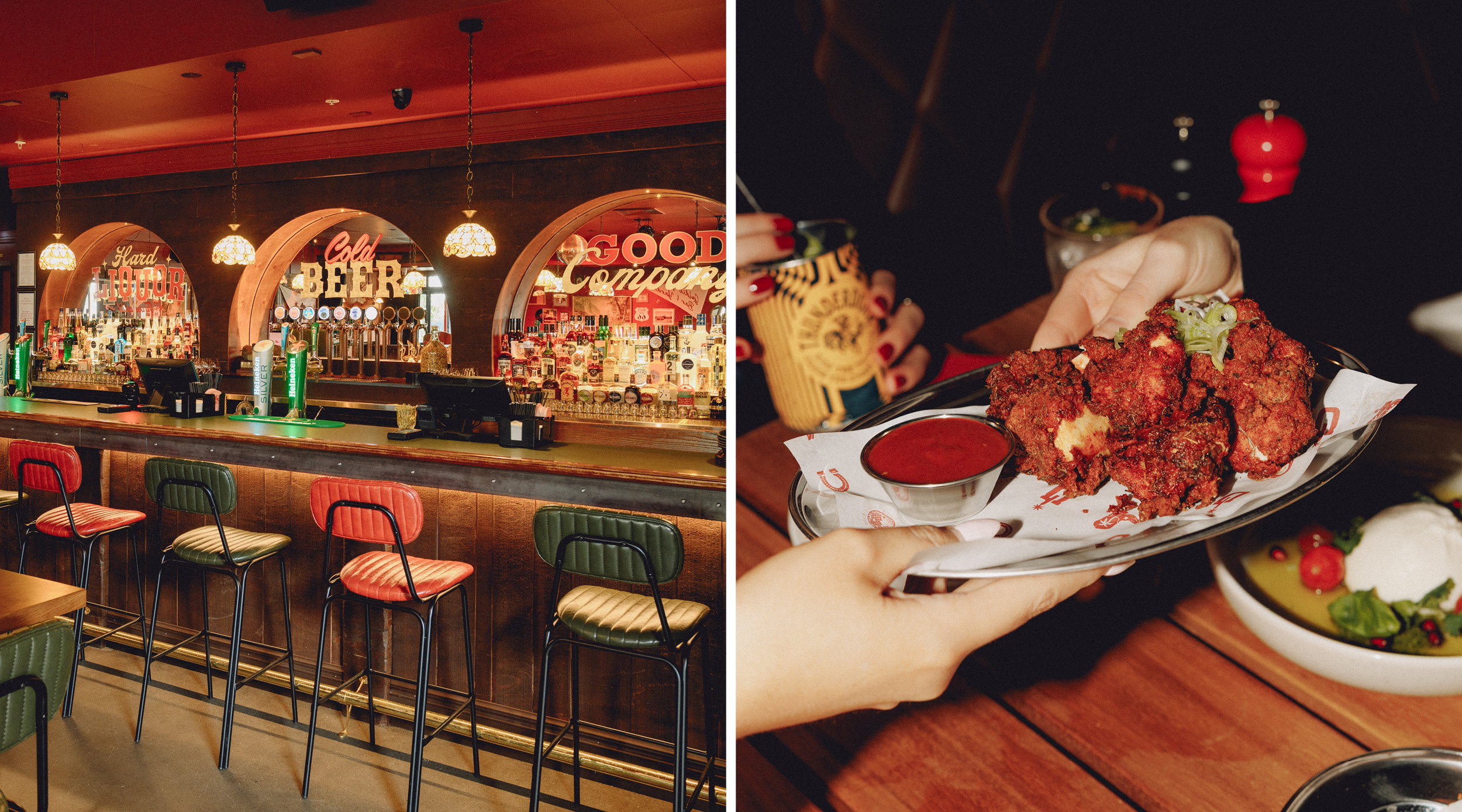
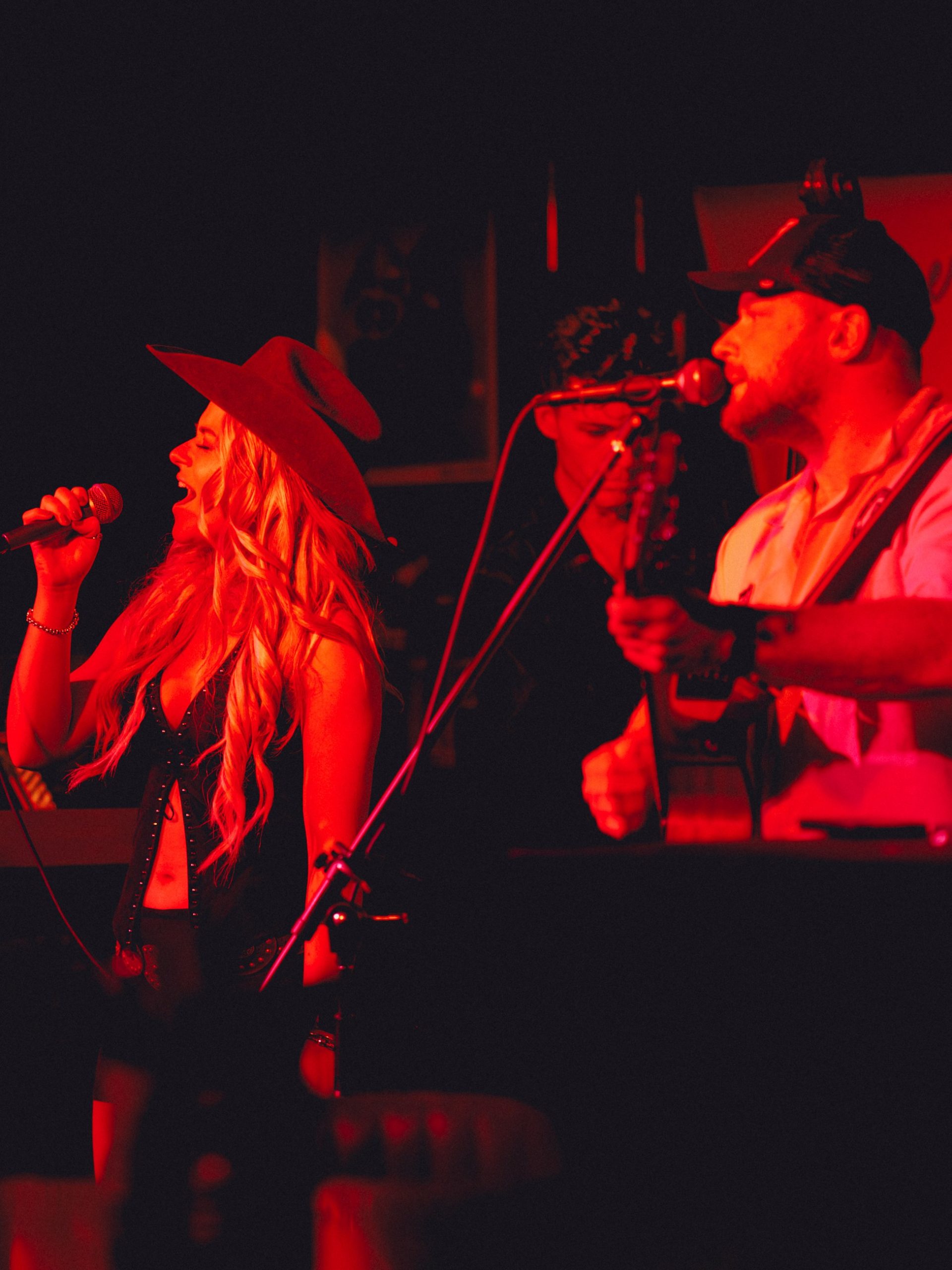
Occupying the site once home to Elephant Wrestler, the newly opened venue arrives with a clear point of view, drawing inspiration from the growing popularity of country culture while sidestepping novelty in favour of something considerably more considered. The result is a sprawling, two-part destination where long lunches can stretch comfortably into late-night revelry, whether that involves margaritas beneath a retractable roof or line dancing to a live band.
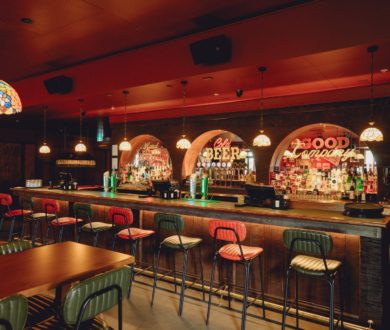
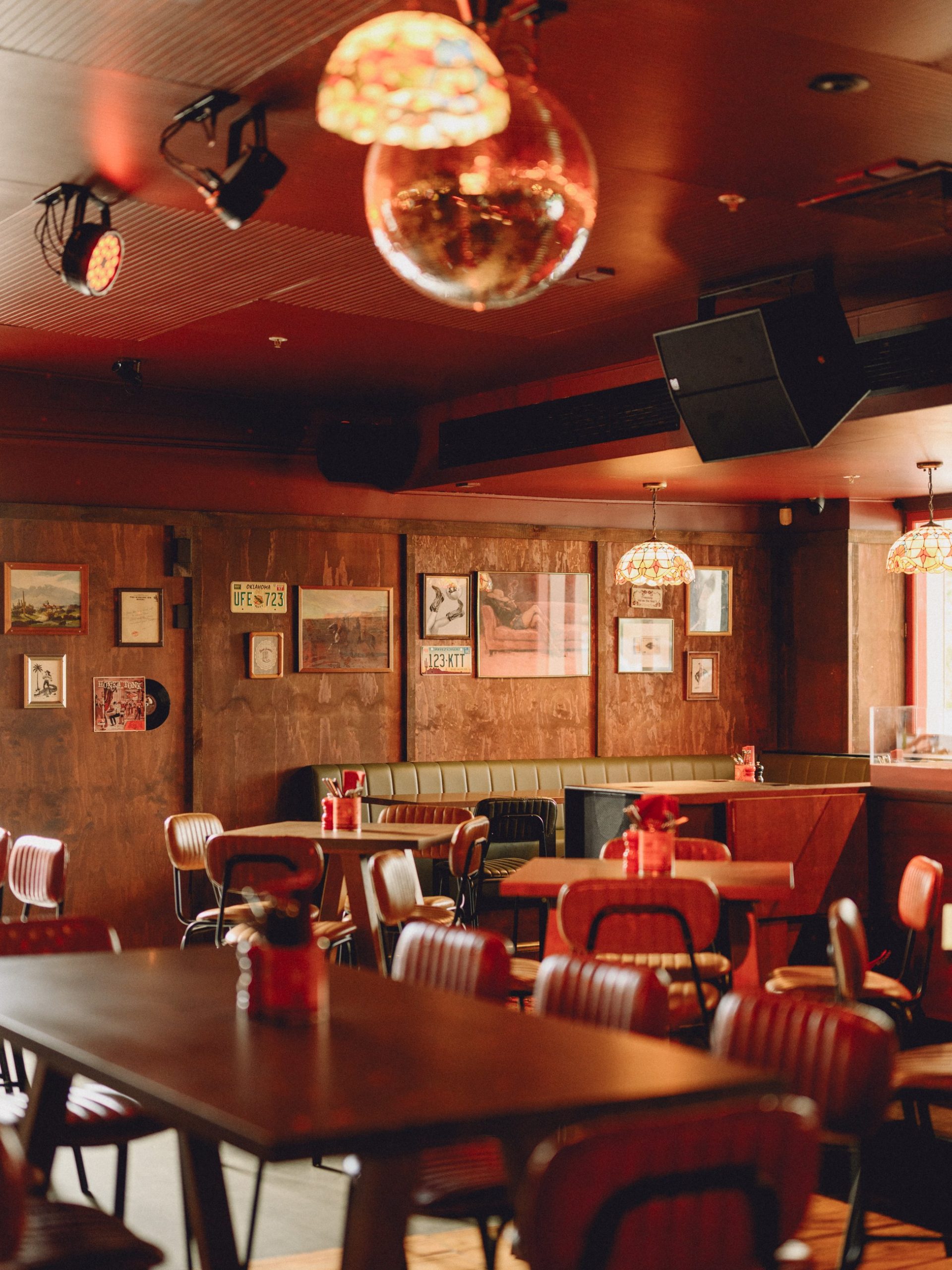
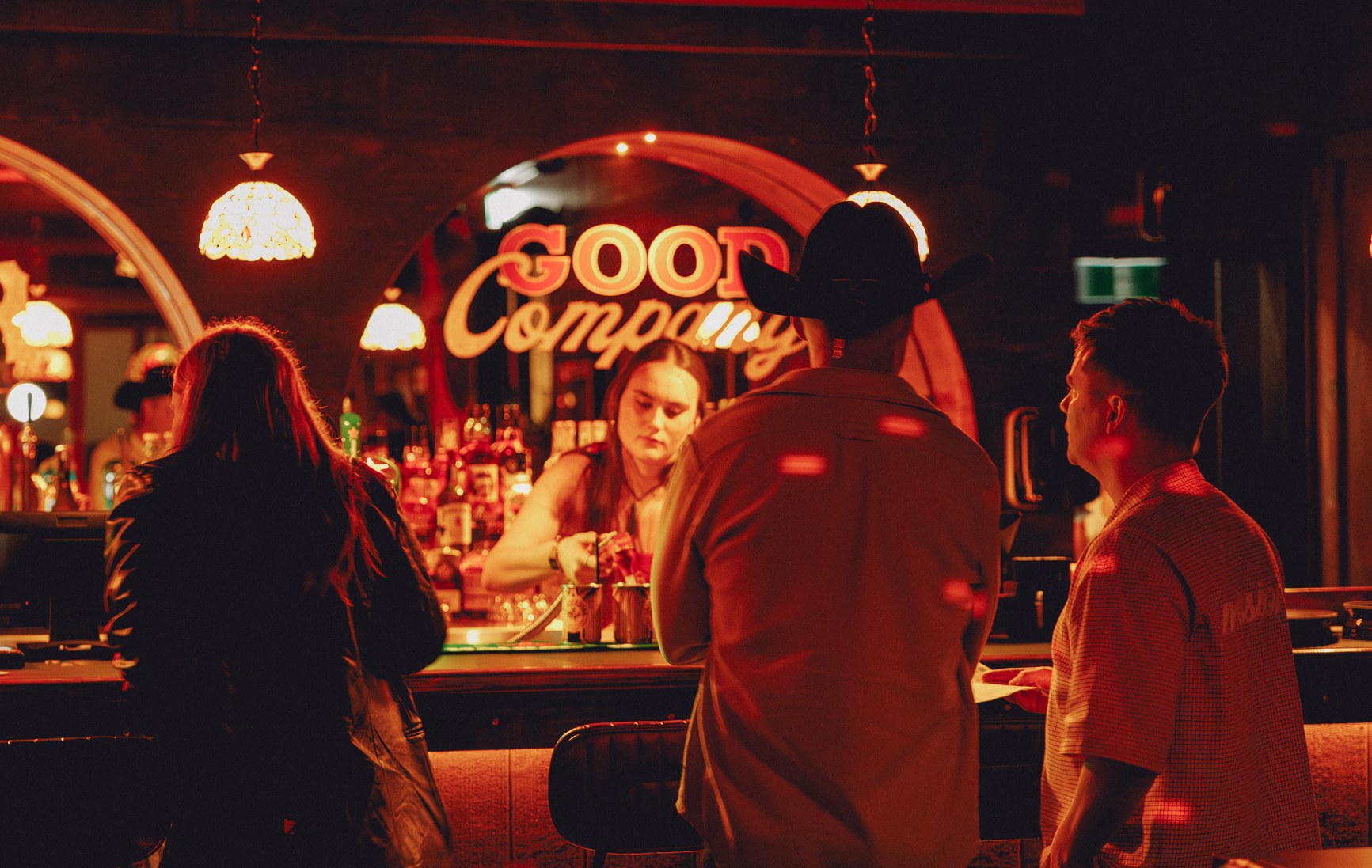
Split between two distinct spaces, Goldie’s offers a different experience depending on the mood. The Bar embraces a darker, moodier aesthetic, complete with booth seating, a pool table, a stage and a disco ball, while The Yard delivers a more relaxed atmosphere, where abstract Western-inspired murals, sunshine and an expansive retractable roof create an easy backdrop for post-beach gatherings that have a habit of lasting far longer than intended.
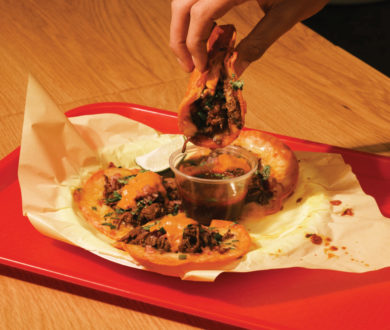
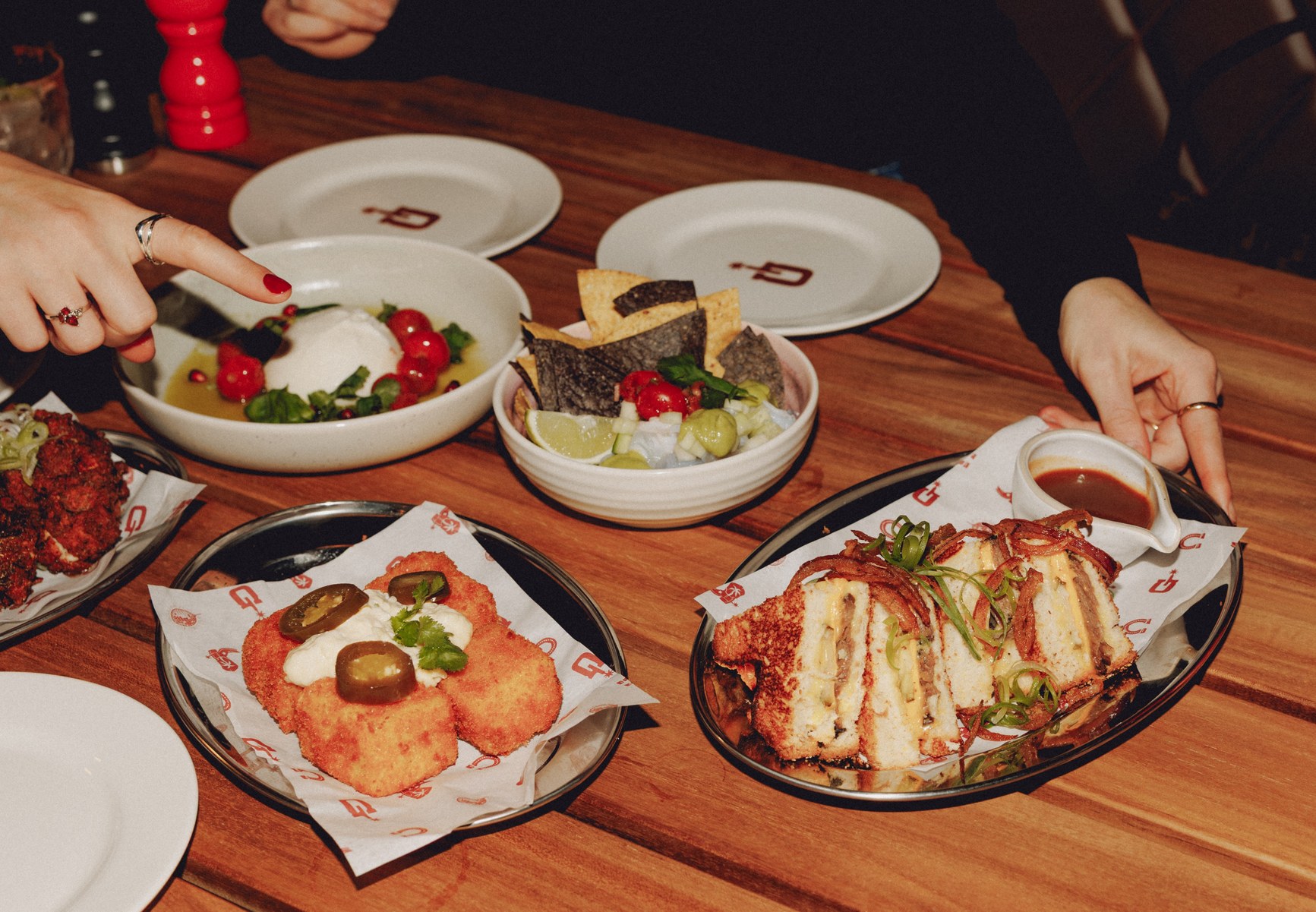
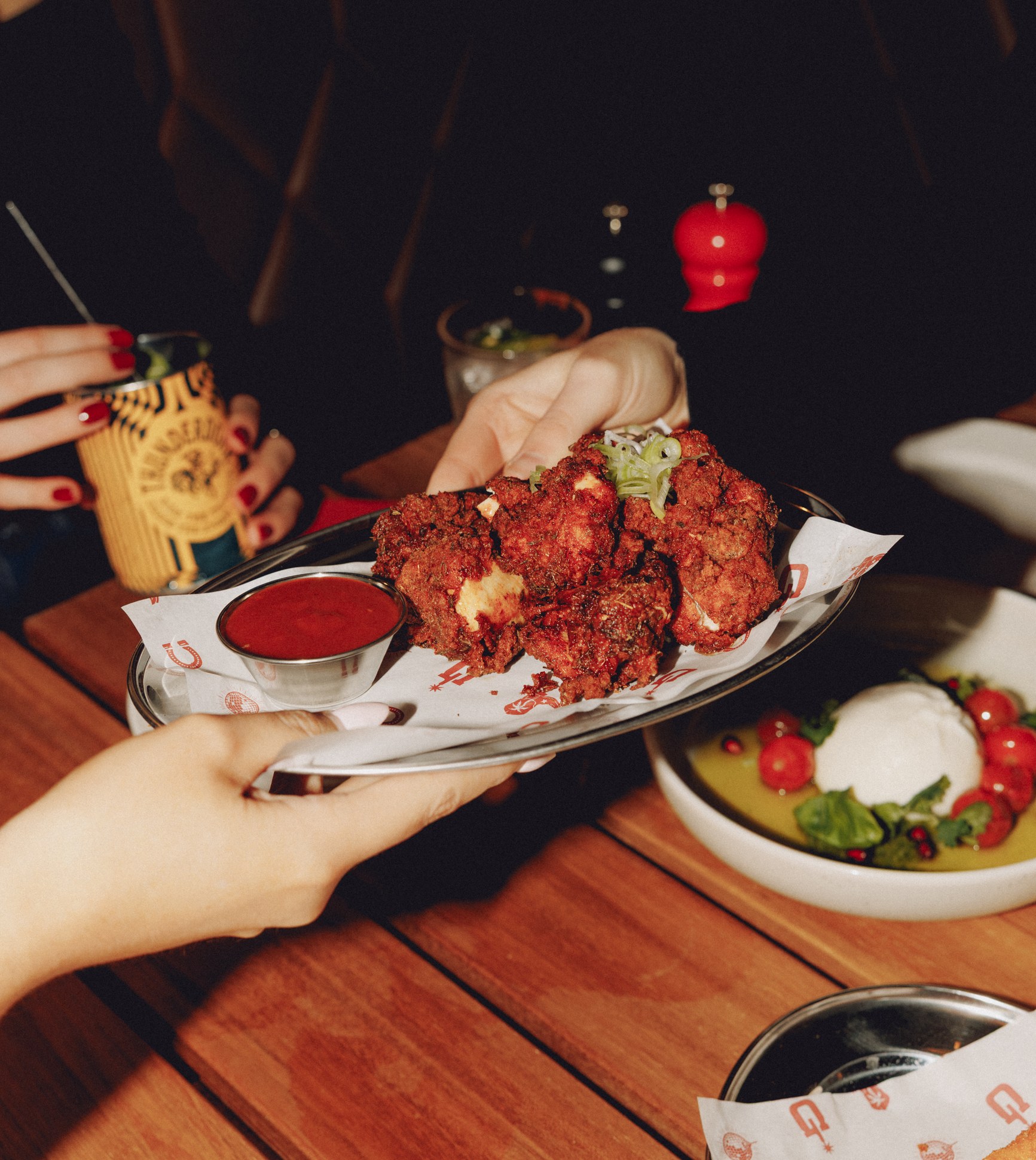
The menu follows a similarly generous approach, favouring bold flavours and shareable dishes designed for groups, leisurely afternoons and spontaneous rounds of ordering. Tear-apart Texan Toast arrives with jalapeño honey butter, burrata is paired with burst cherry tomatoes, and the aptly named Honky Tonk Hammer, a slow-roasted beef shin that falls effortlessly from the bone, is designed to be pre-ordered and shared among friends. Alongside these larger-format offerings, diners will find a collection of smaller plates that encourage grazing rather than formality.
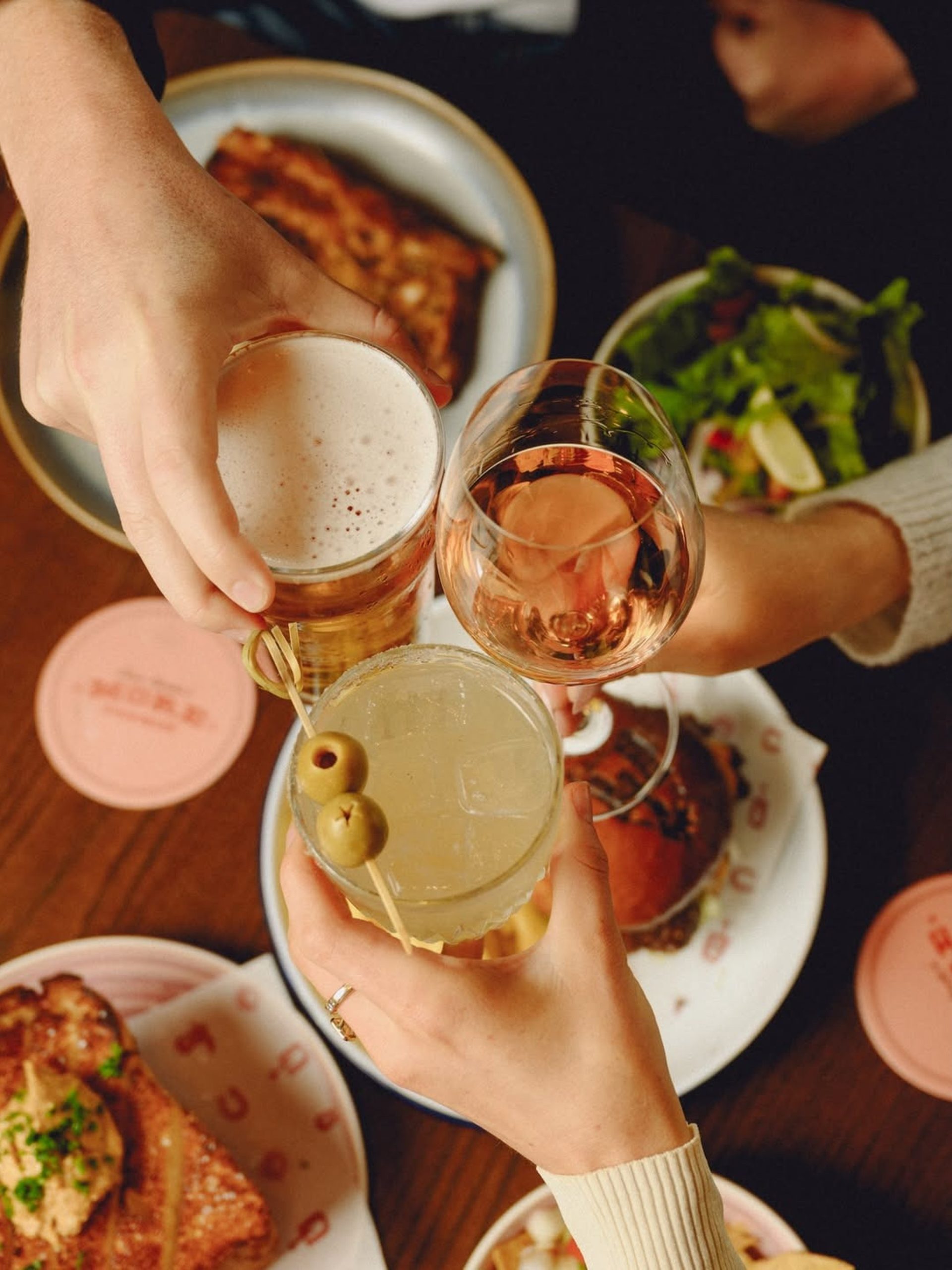
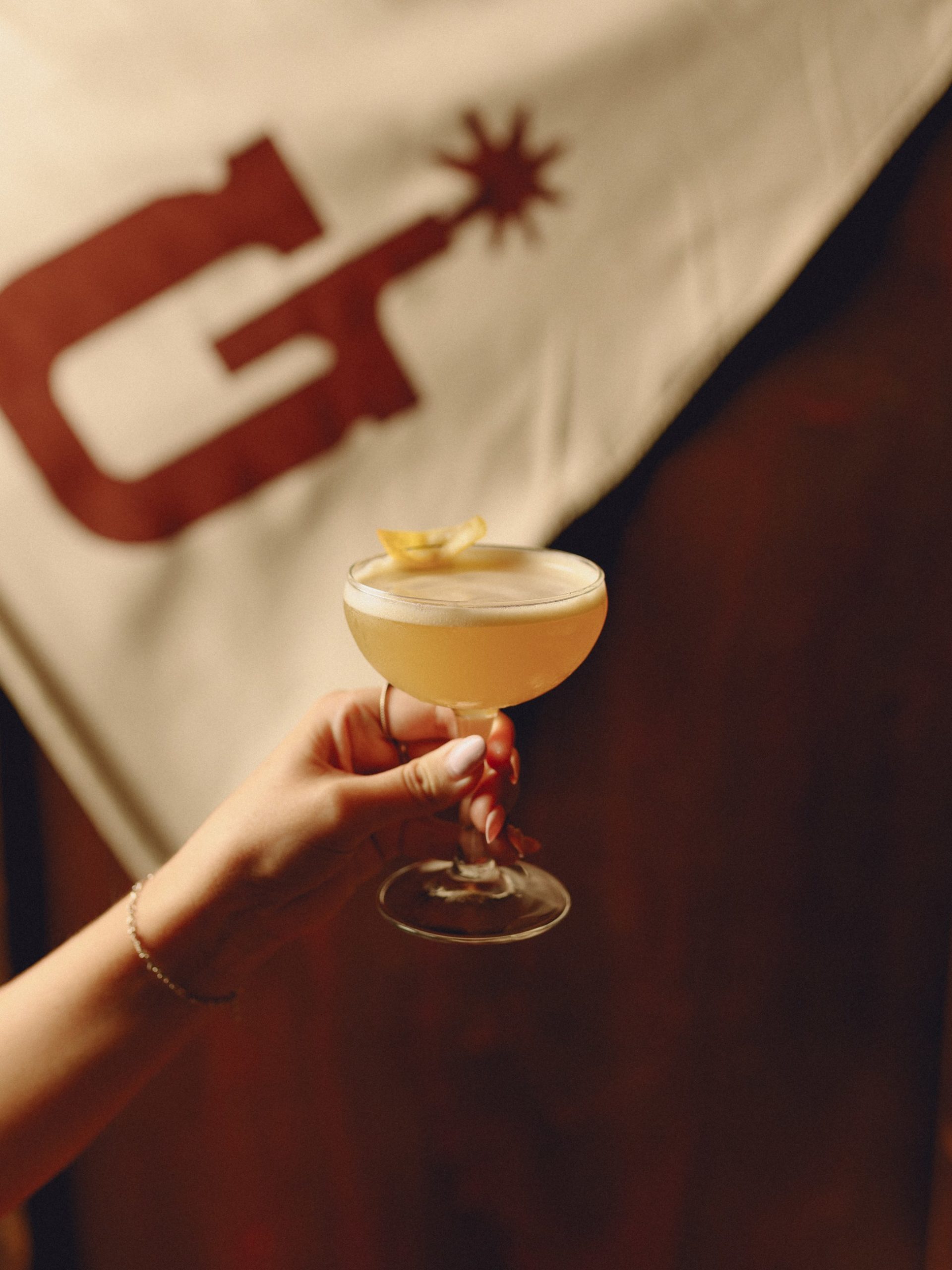
The drinks list leans into familiar favourites, albeit with a playful twist. A Watermelon Mezcalita combines reposado tequila, mezcal, watermelon, lime and jalapeño for a bright, smoky take on the classic margarita, while the Dirty Marg introduces olive brine for those who prefer their cocktails with a savoury edge. Elsewhere, the Negroni Spurs adds cold foam to the iconic Italian aperitif, and a deliberately American-leaning beer selection sits alongside a concise natural wine list featuring producers including Terroir Project, Emma Marris and Paradise.
Every detail contributes to the atmosphere. Sam Burton of Sure Shot was responsible for much of the venue’s visual identity, from gold leaf hand-painted lettering within The Bar to the custom water tower and large-scale mural work that define The Yard, while vintage finds sourced from country fairs and antique stores lend the space an authenticity that avoids feeling themed.
Entertainment forms a central part of the experience. Line dancing nights kick off from early June, live country music takes over Thursday through Saturday evenings, DJs keep the energy high on weekends, Yacht Rock Sundays provide a suitably laid-back close to the week, and for those feeling particularly adventurous, a mechanical bull waits nearby.
At its core, Goldie’s understands something many hospitality venues overcomplicate. People are looking for somewhere they can relax, gather a group, order another round and enjoy themselves. Takapuna’s newest opening delivers exactly that, with just enough country flair to make the experience memorable.
For more exclusive access to what the city has to offer, engaging content, excellent imagery and thought provoking commentary on the life that surrounds you, subscribe to Denizen magazine now.