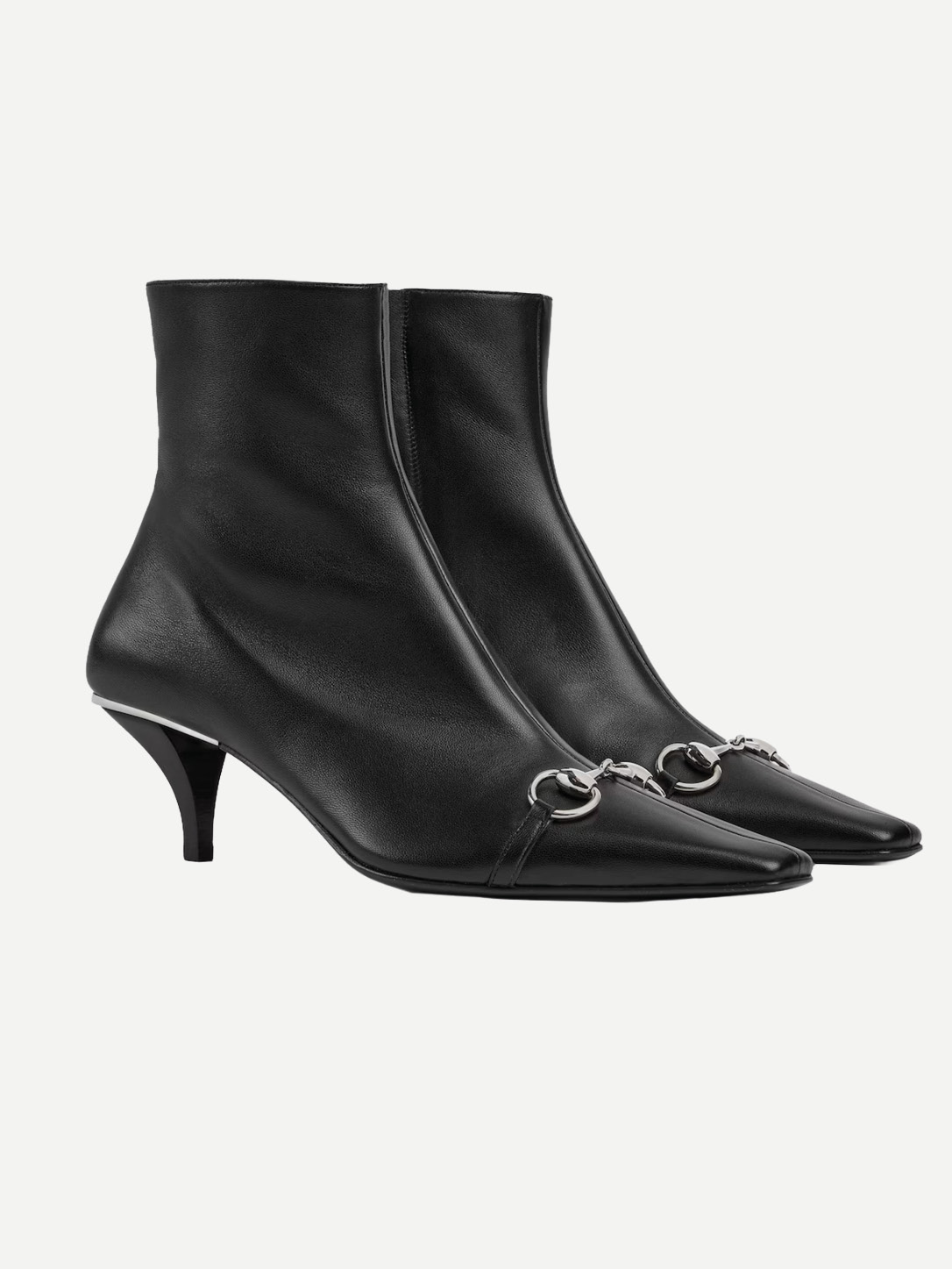
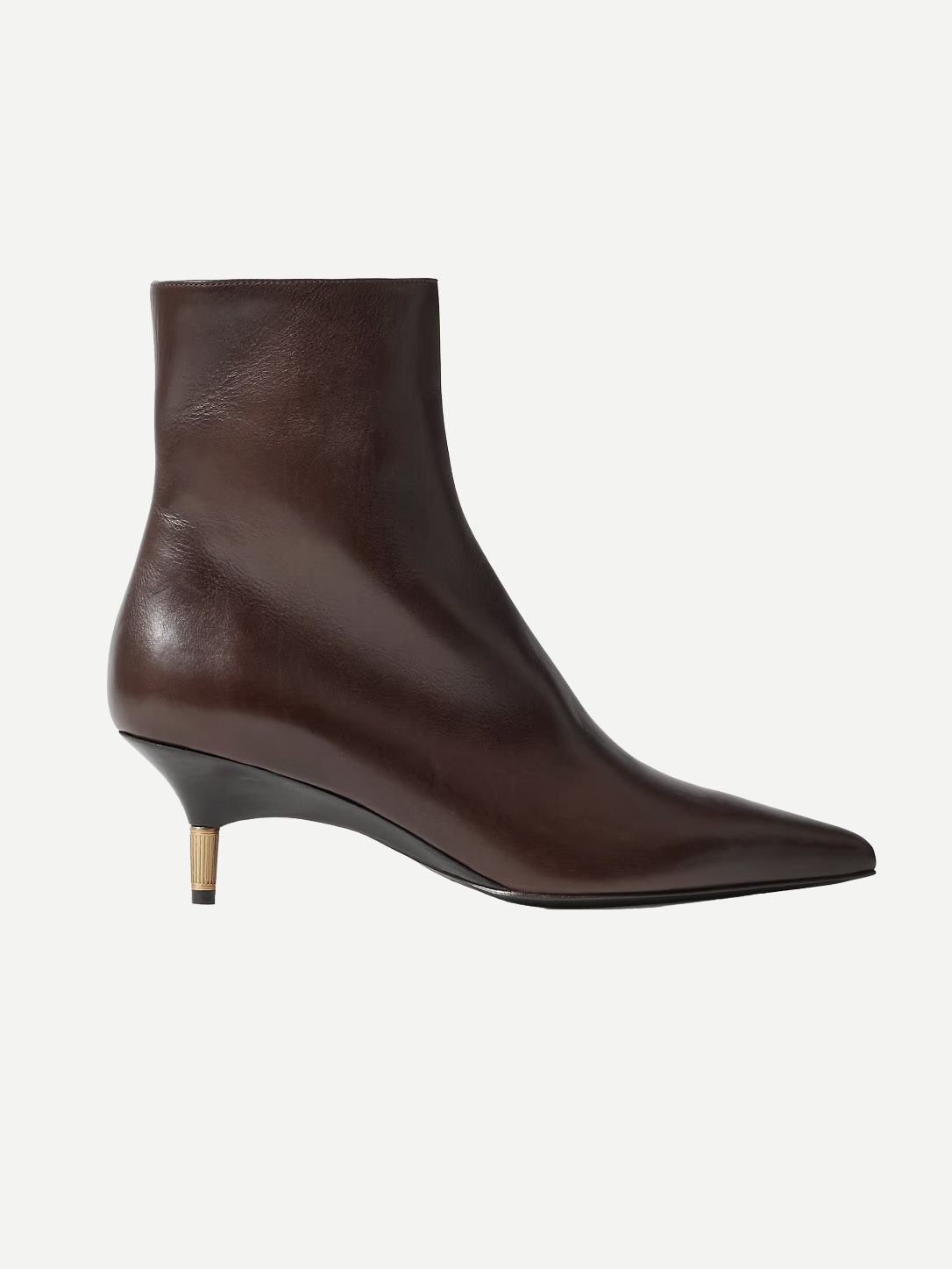
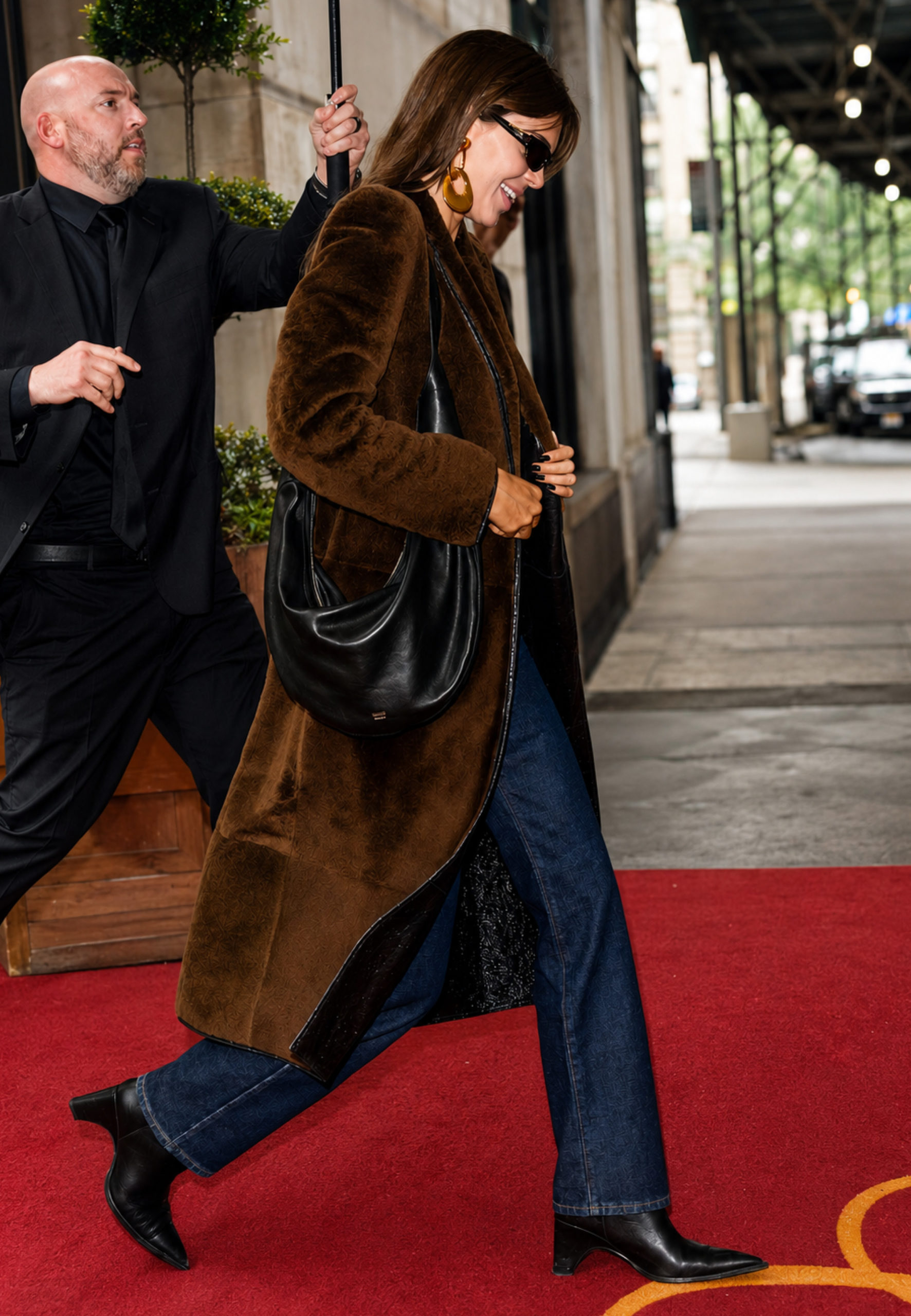
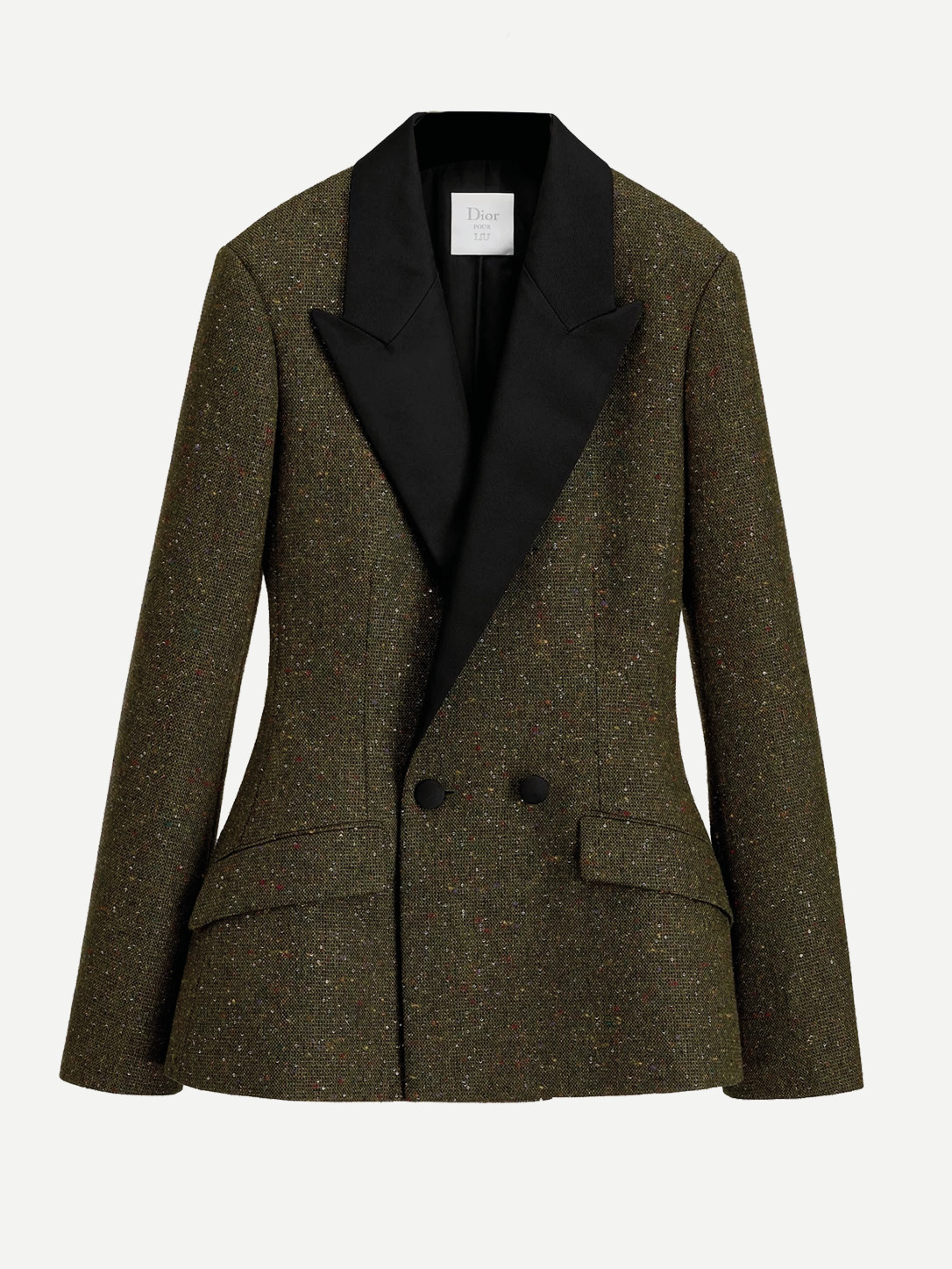
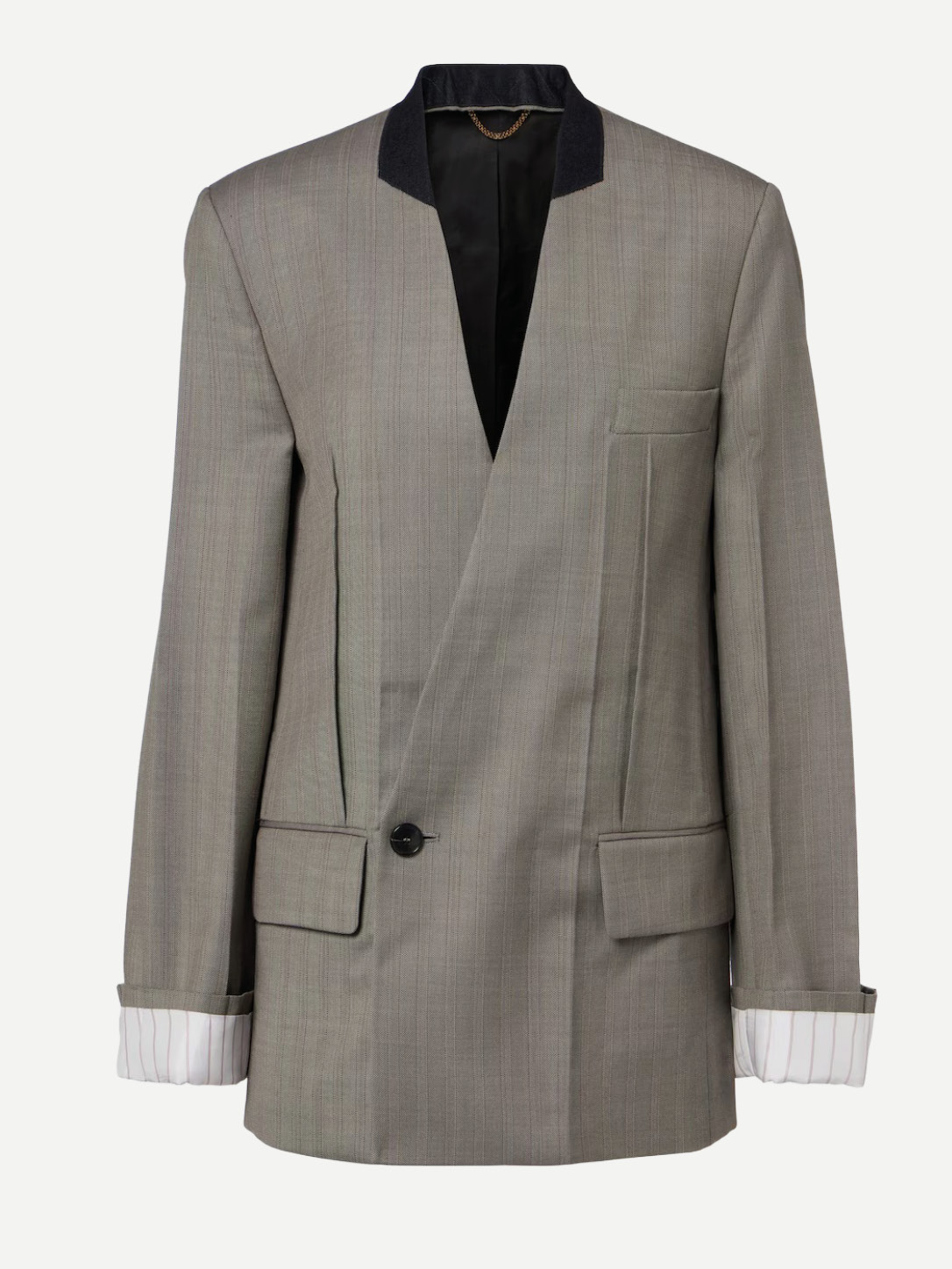
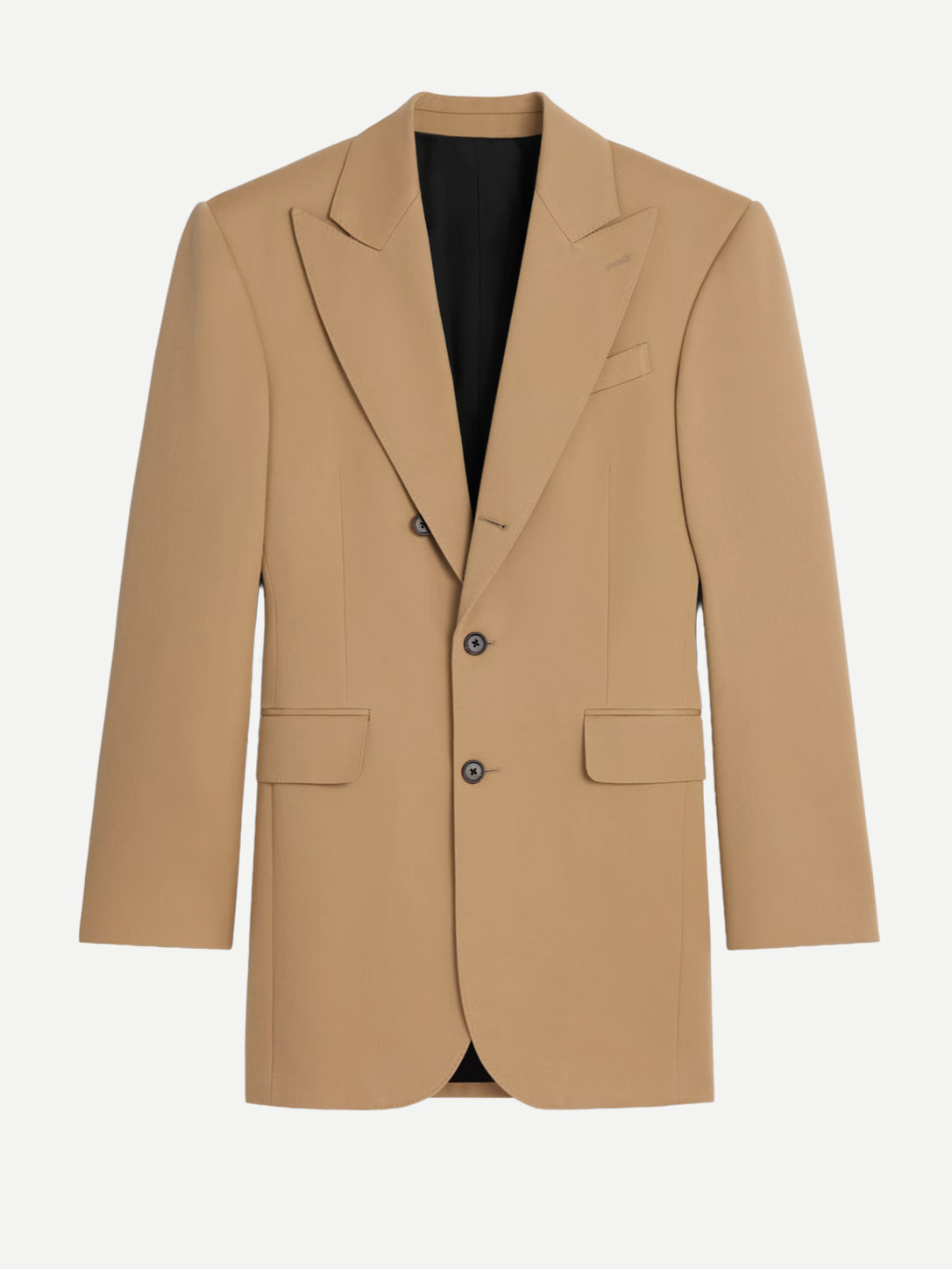
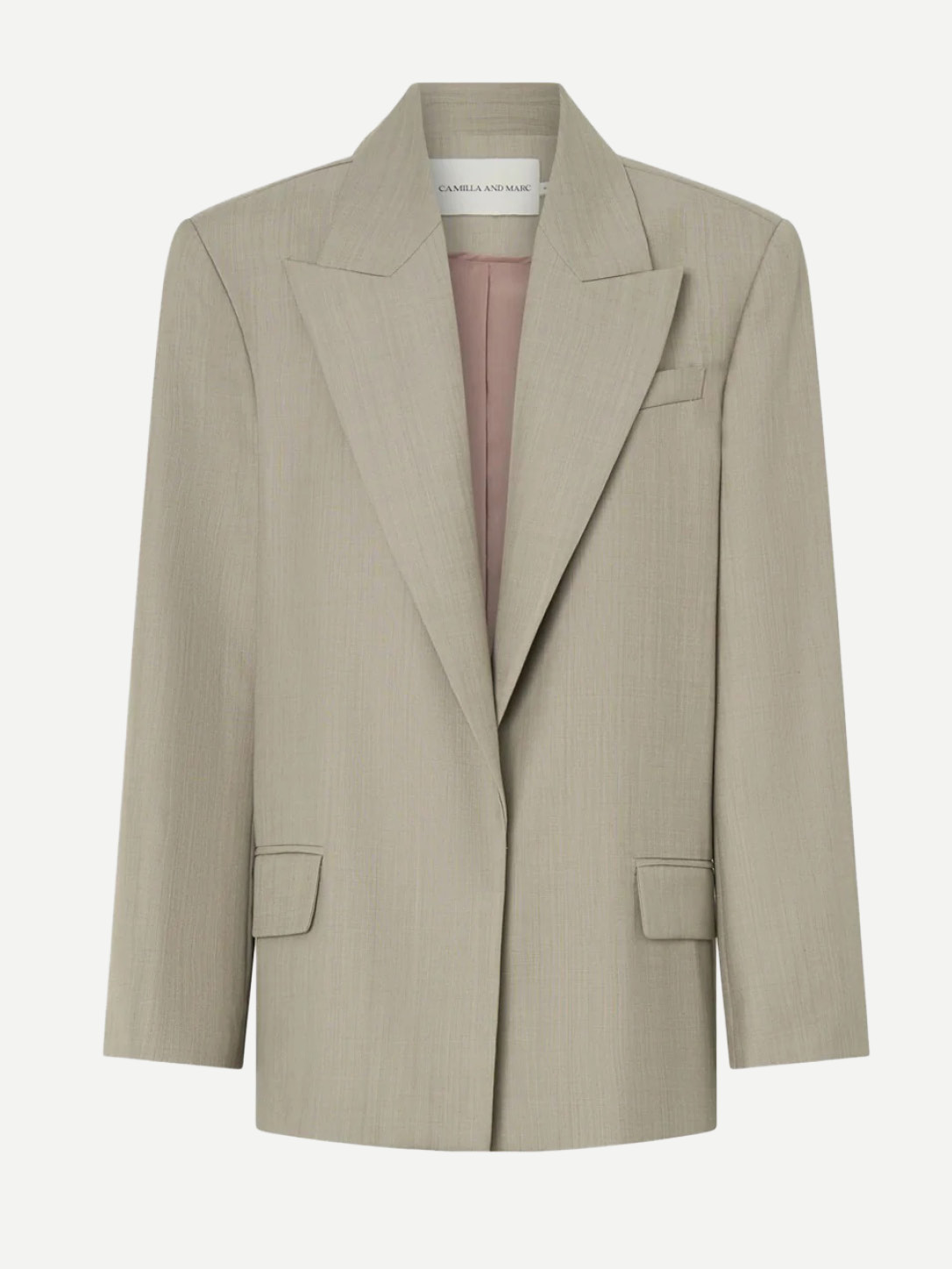
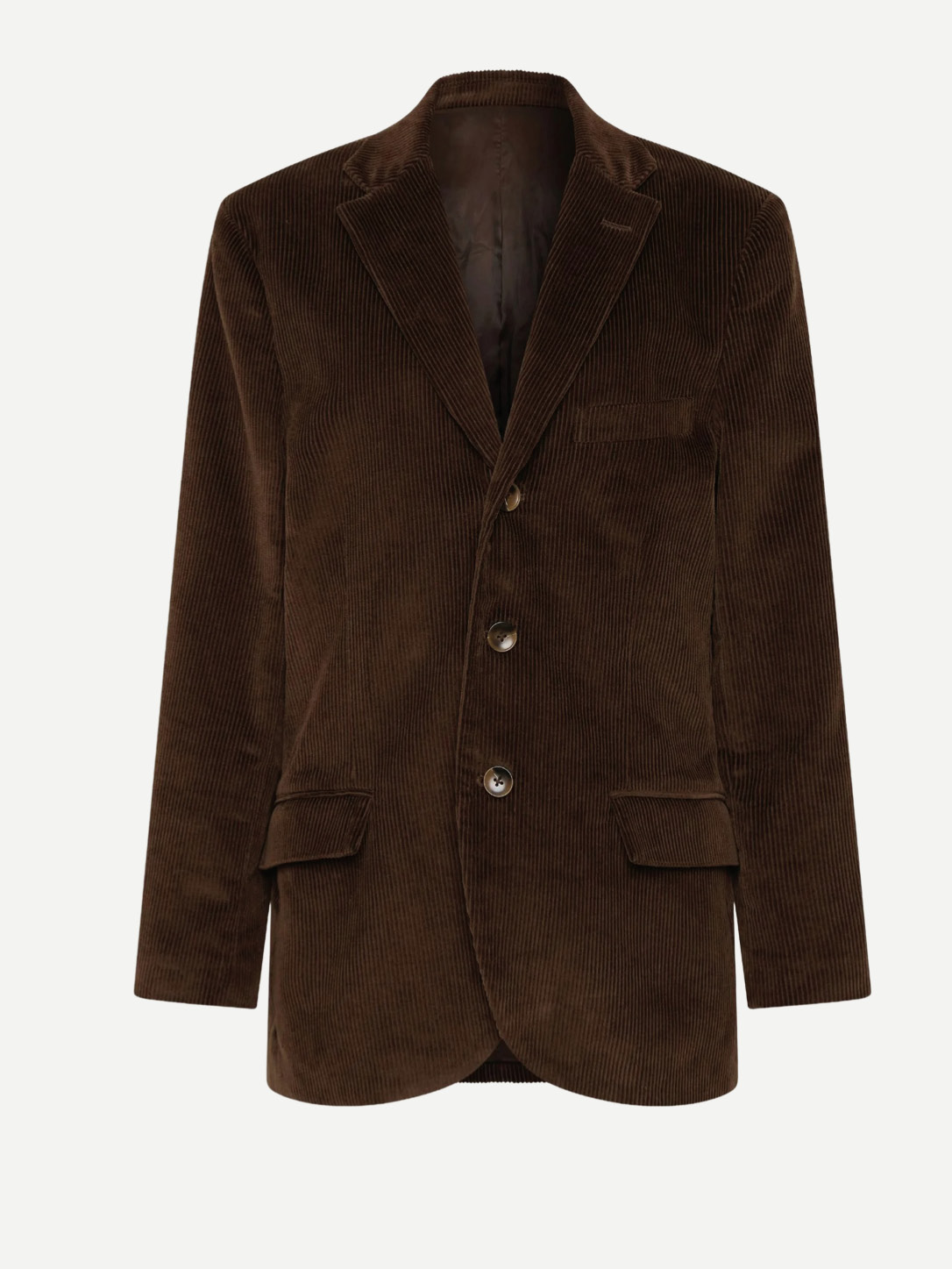
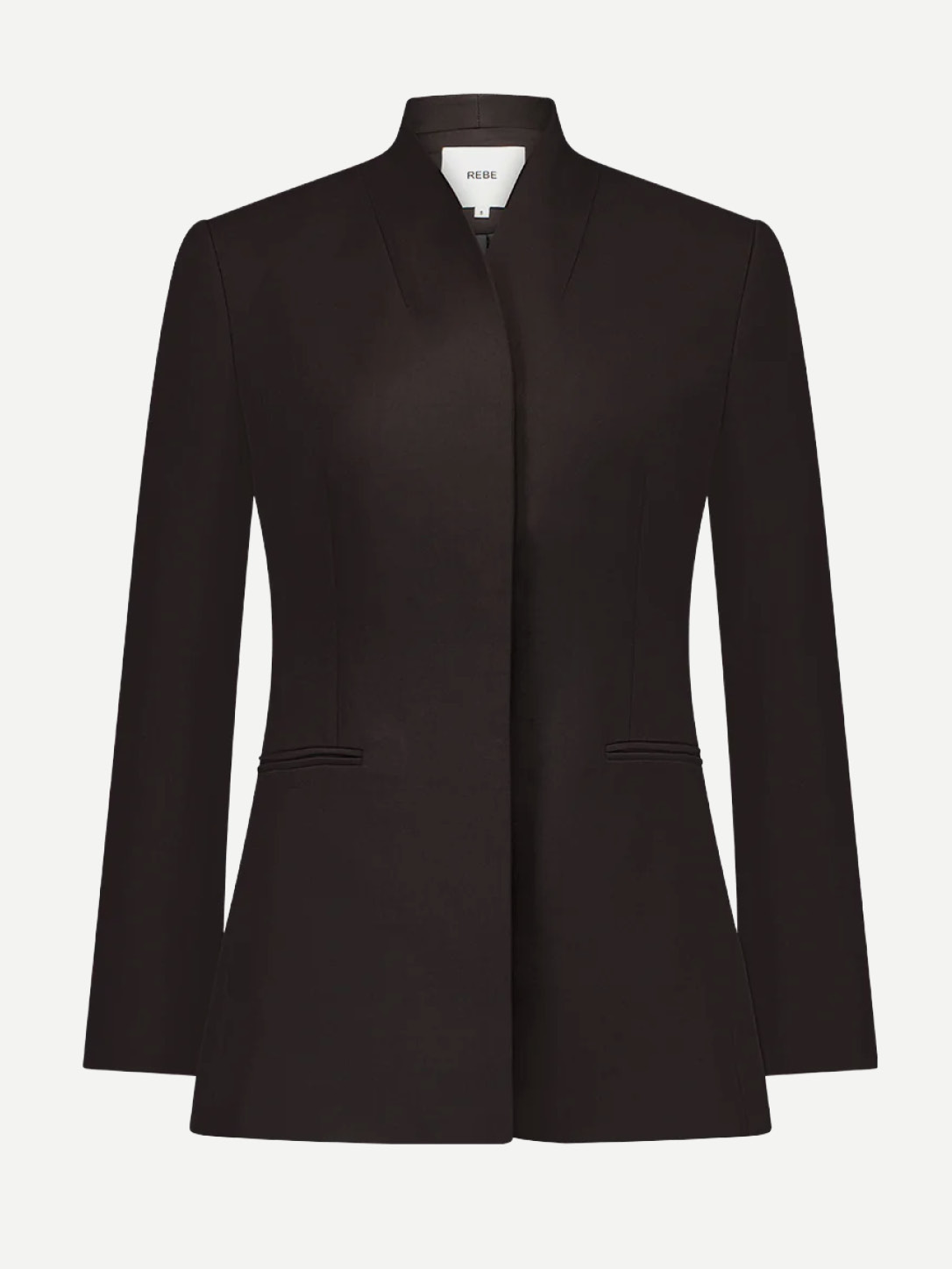
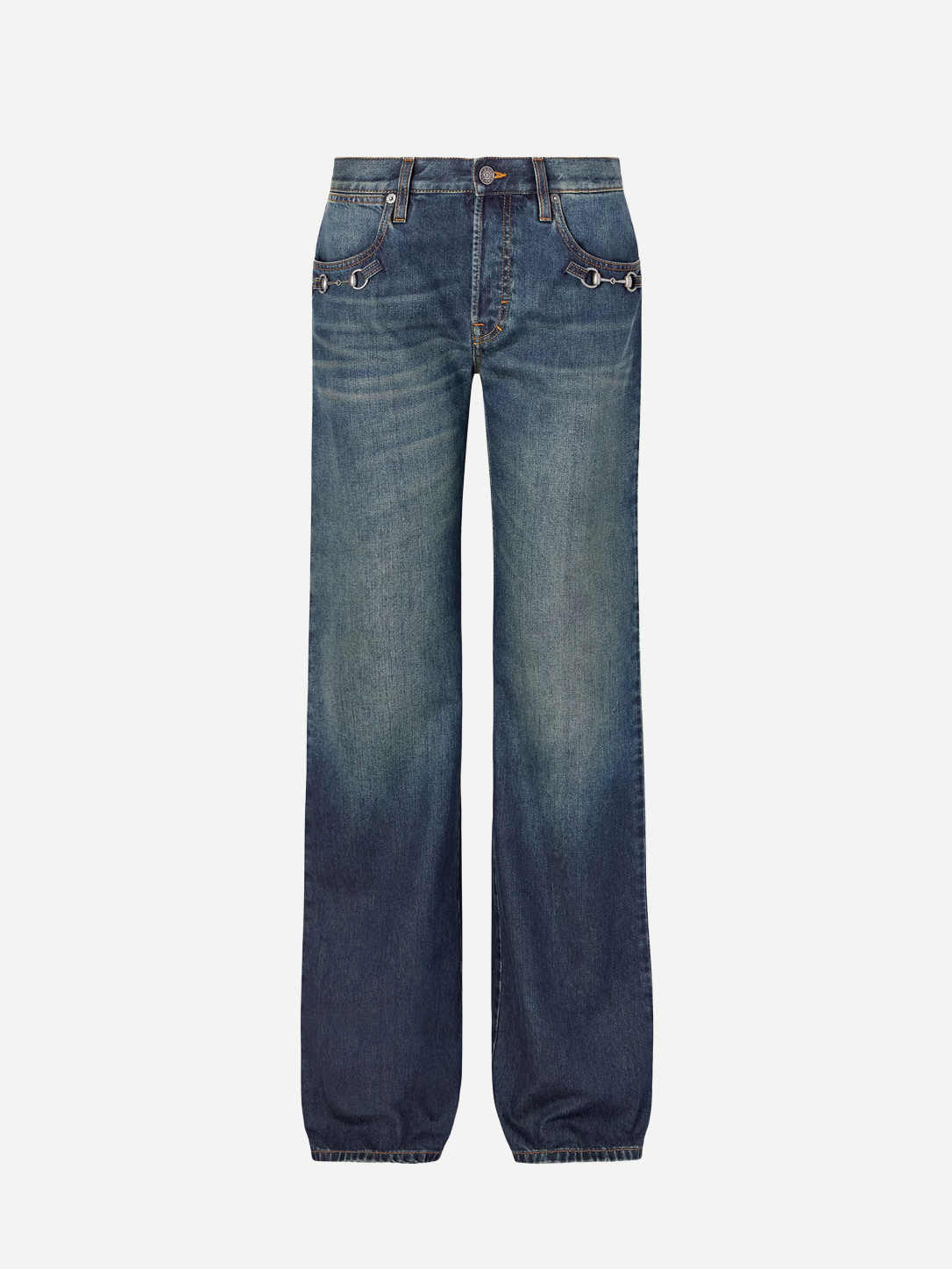
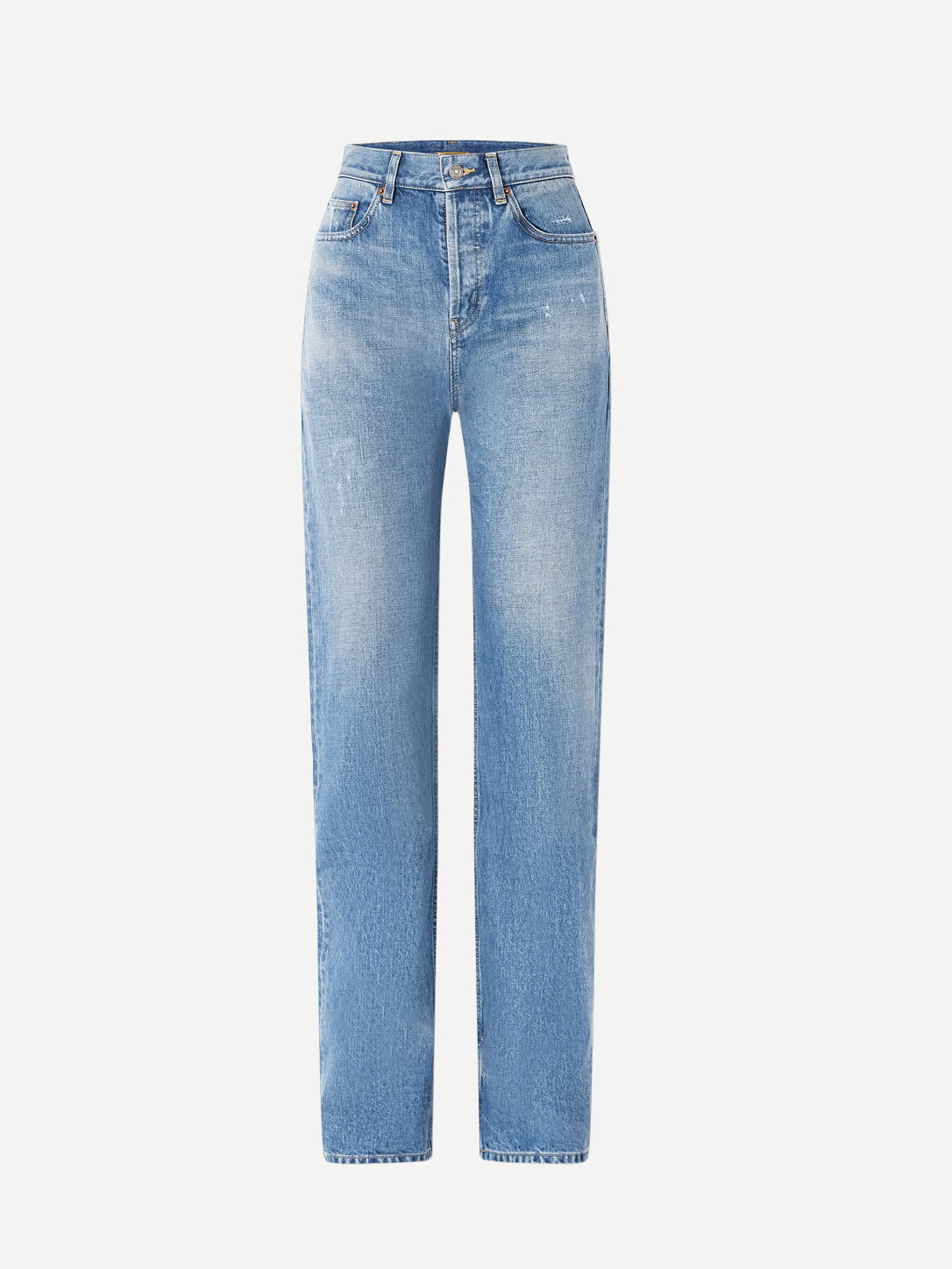
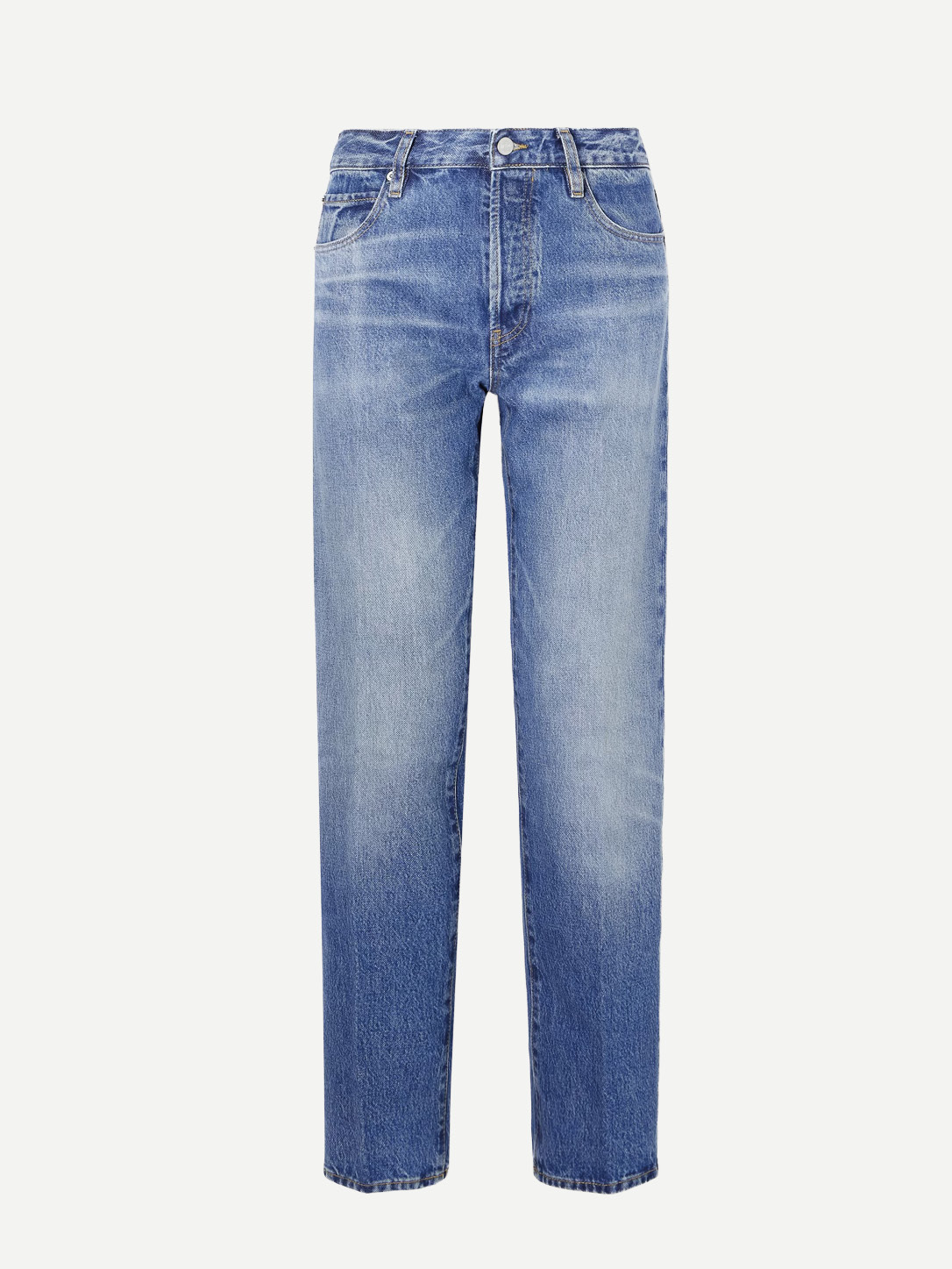
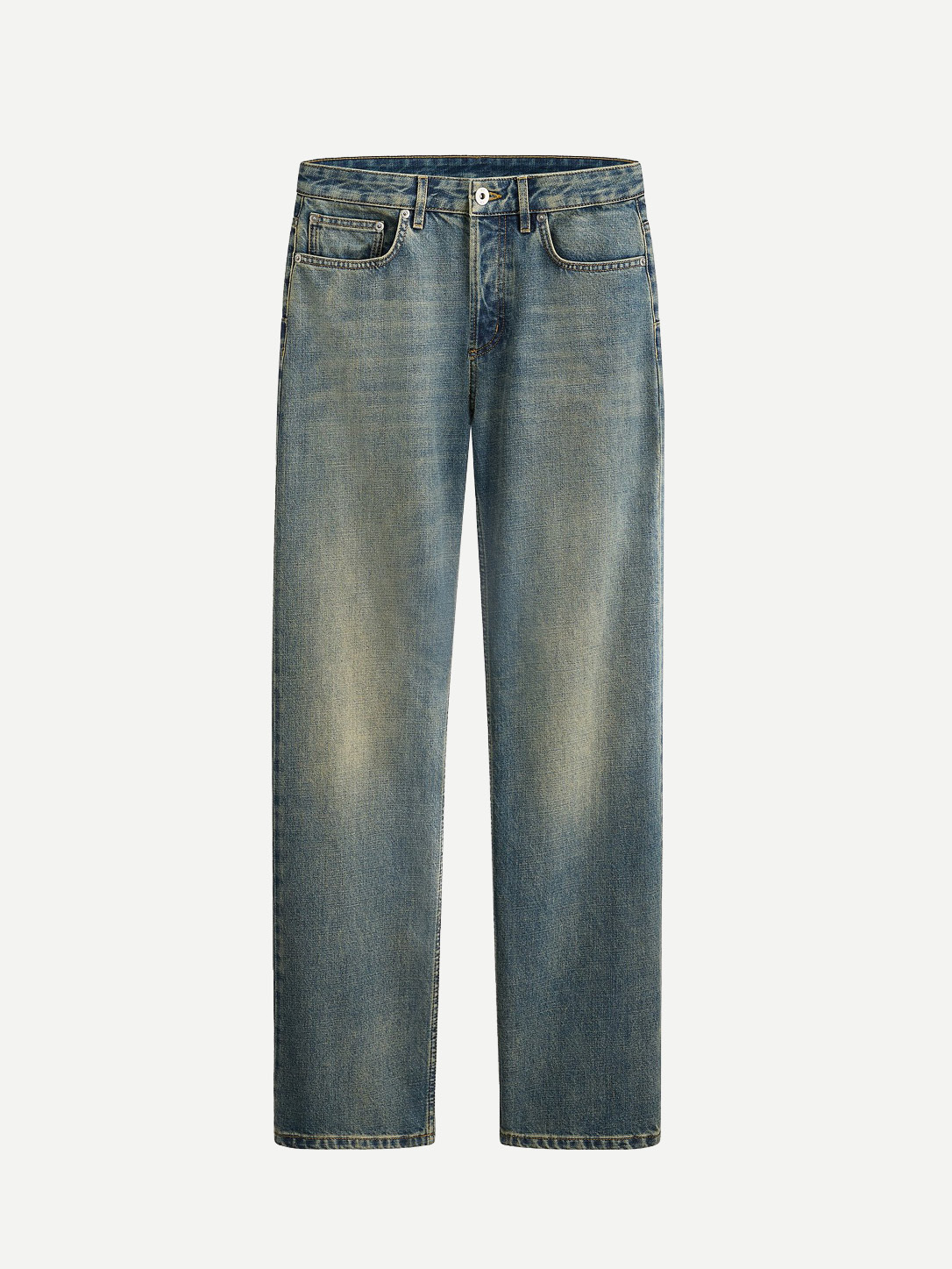
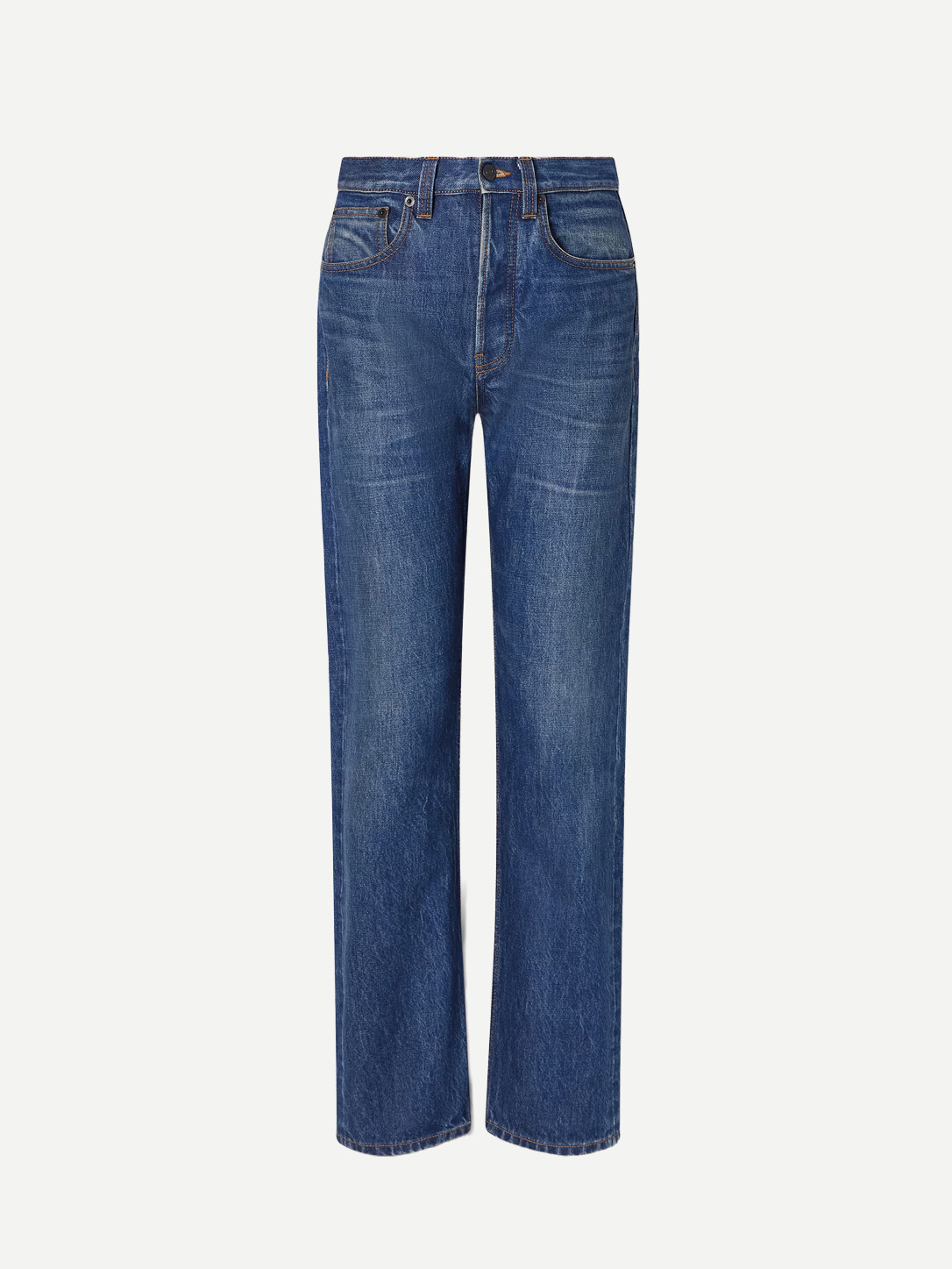
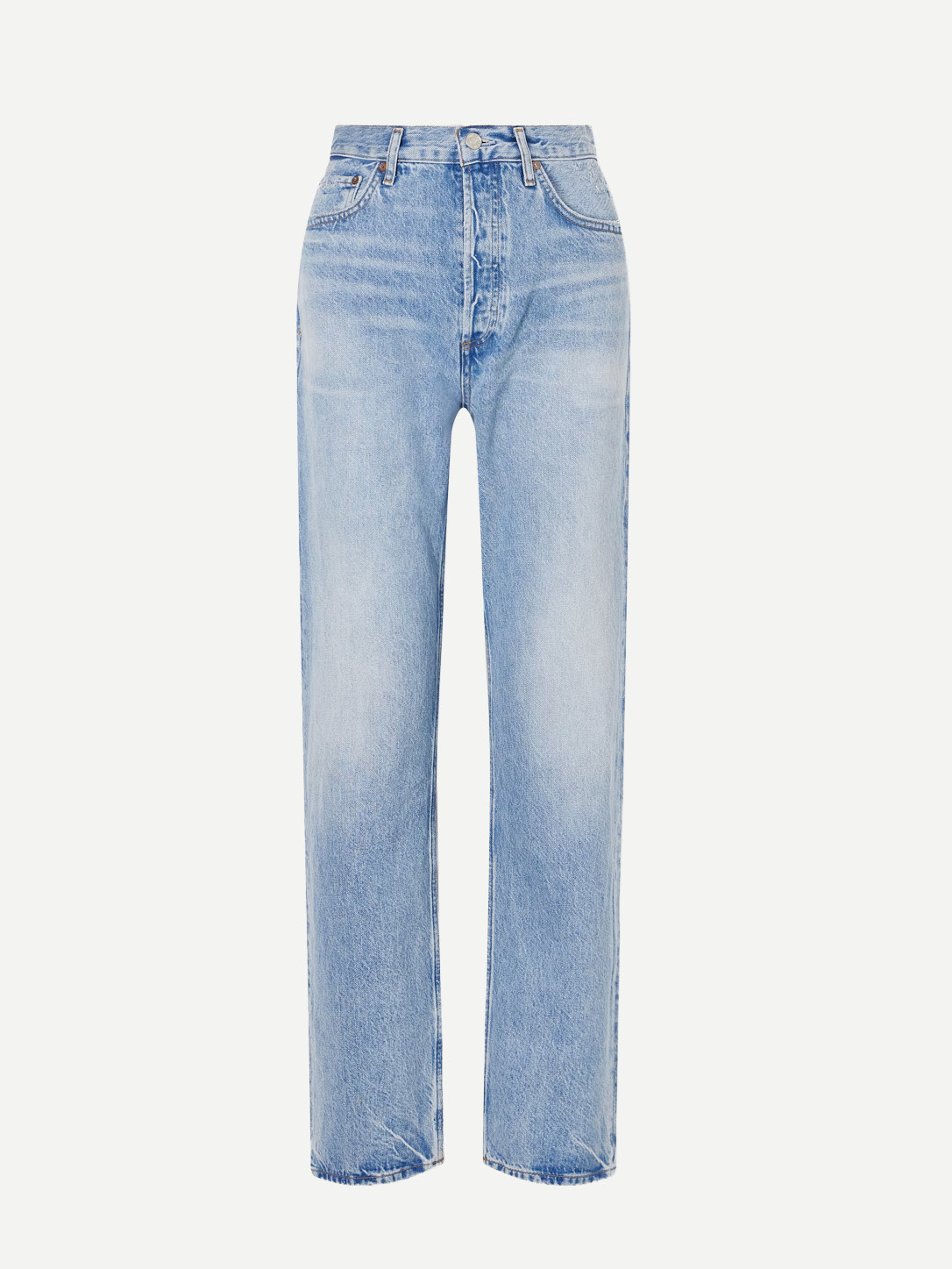
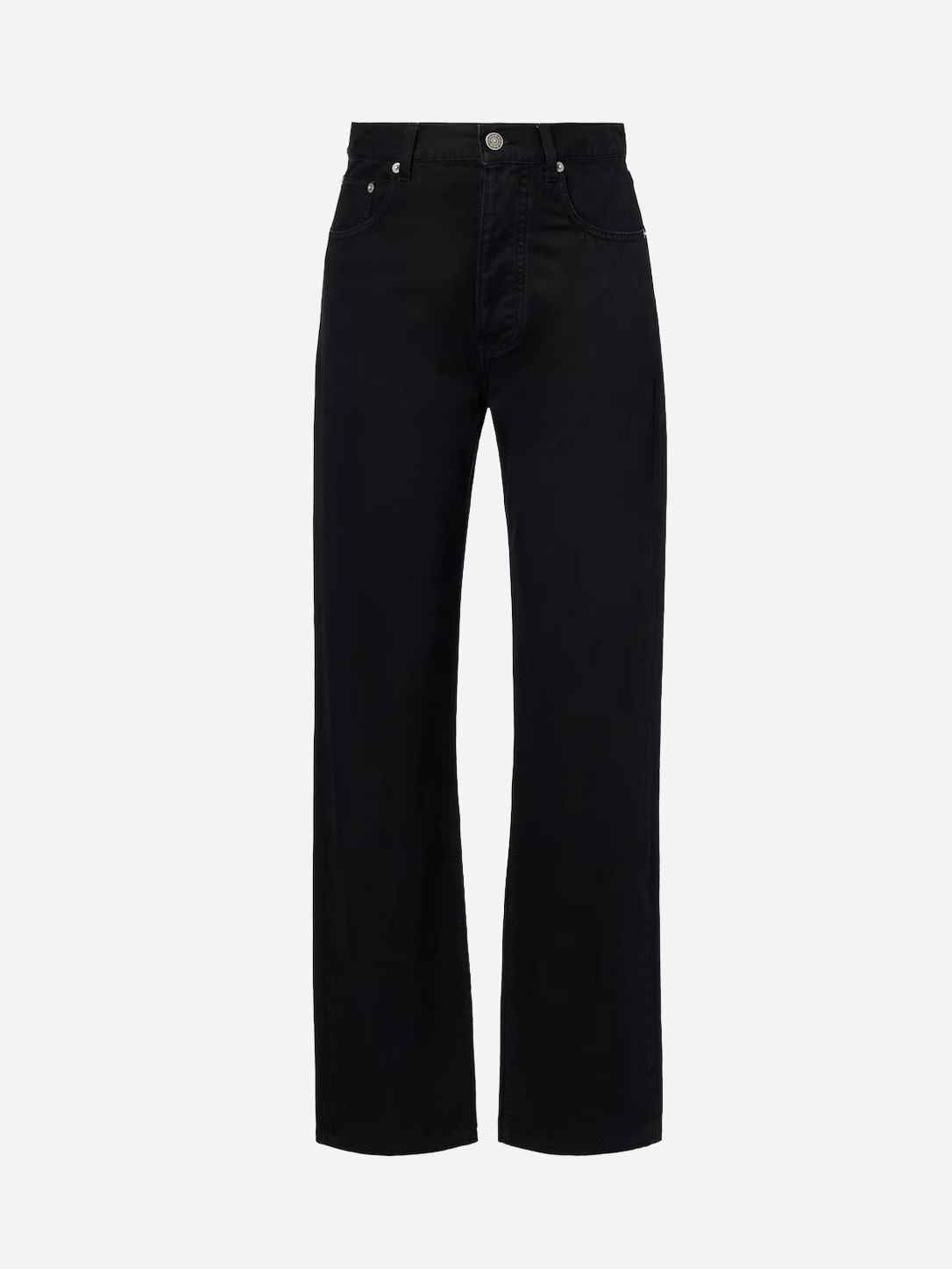
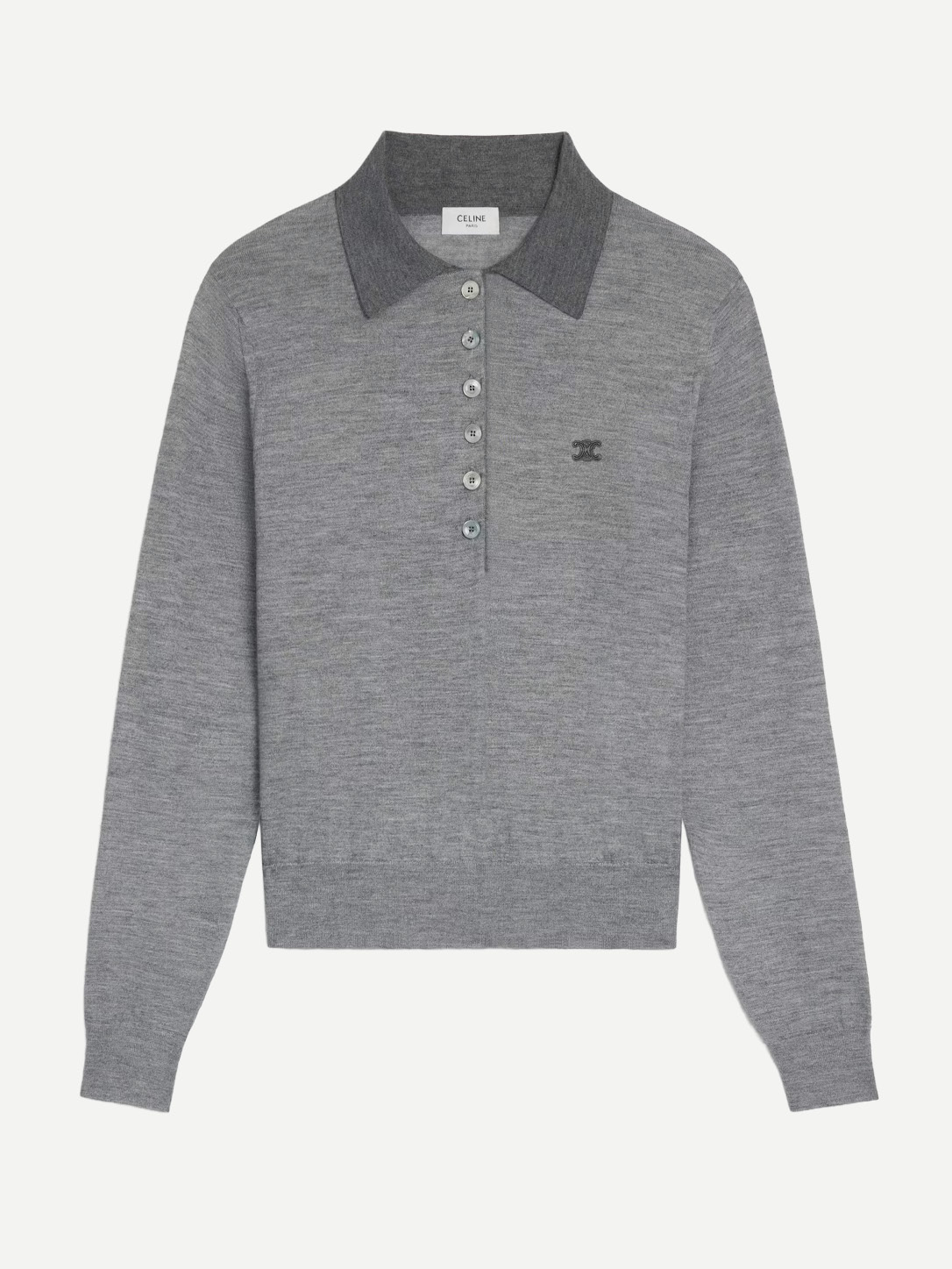
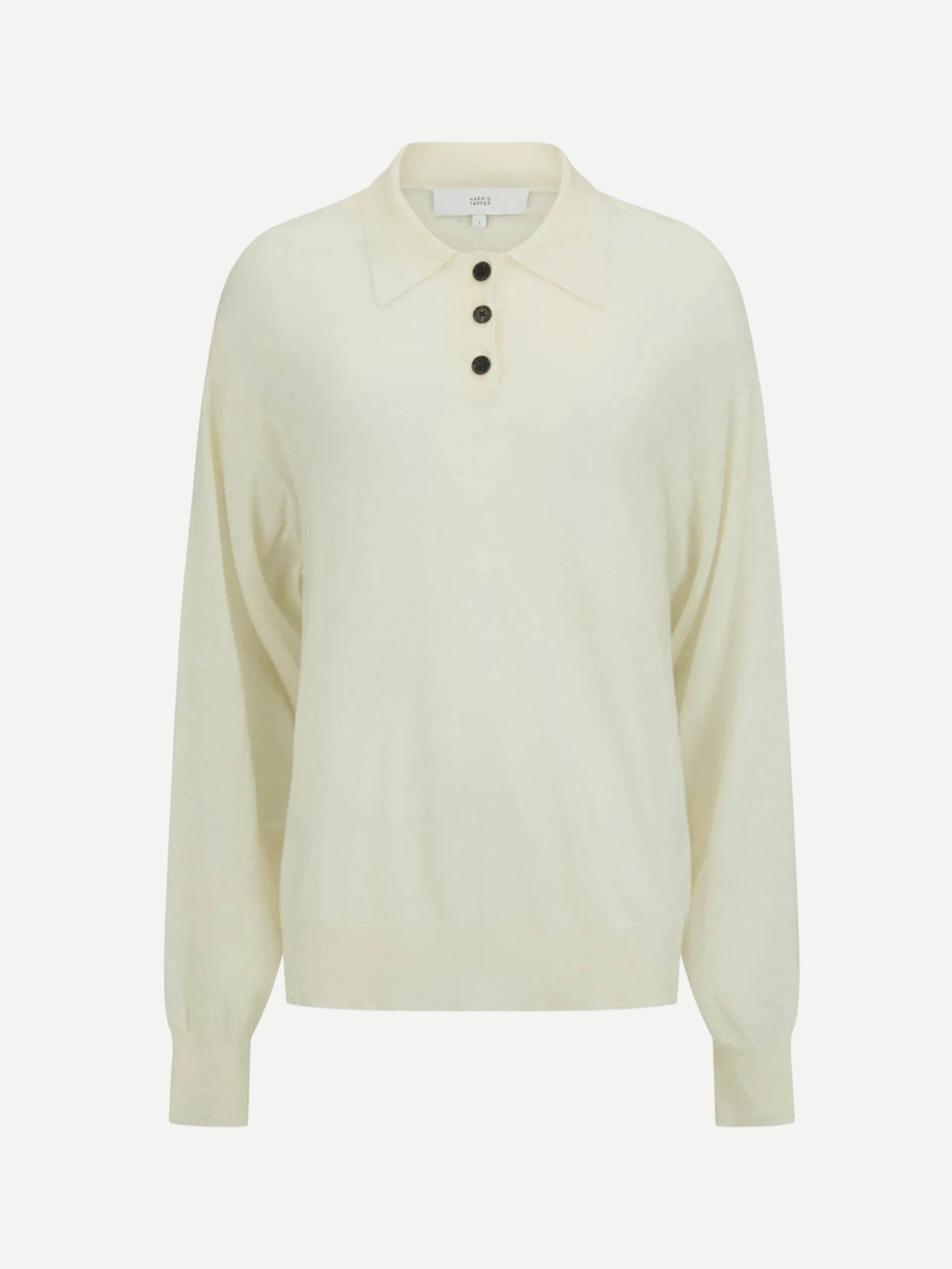
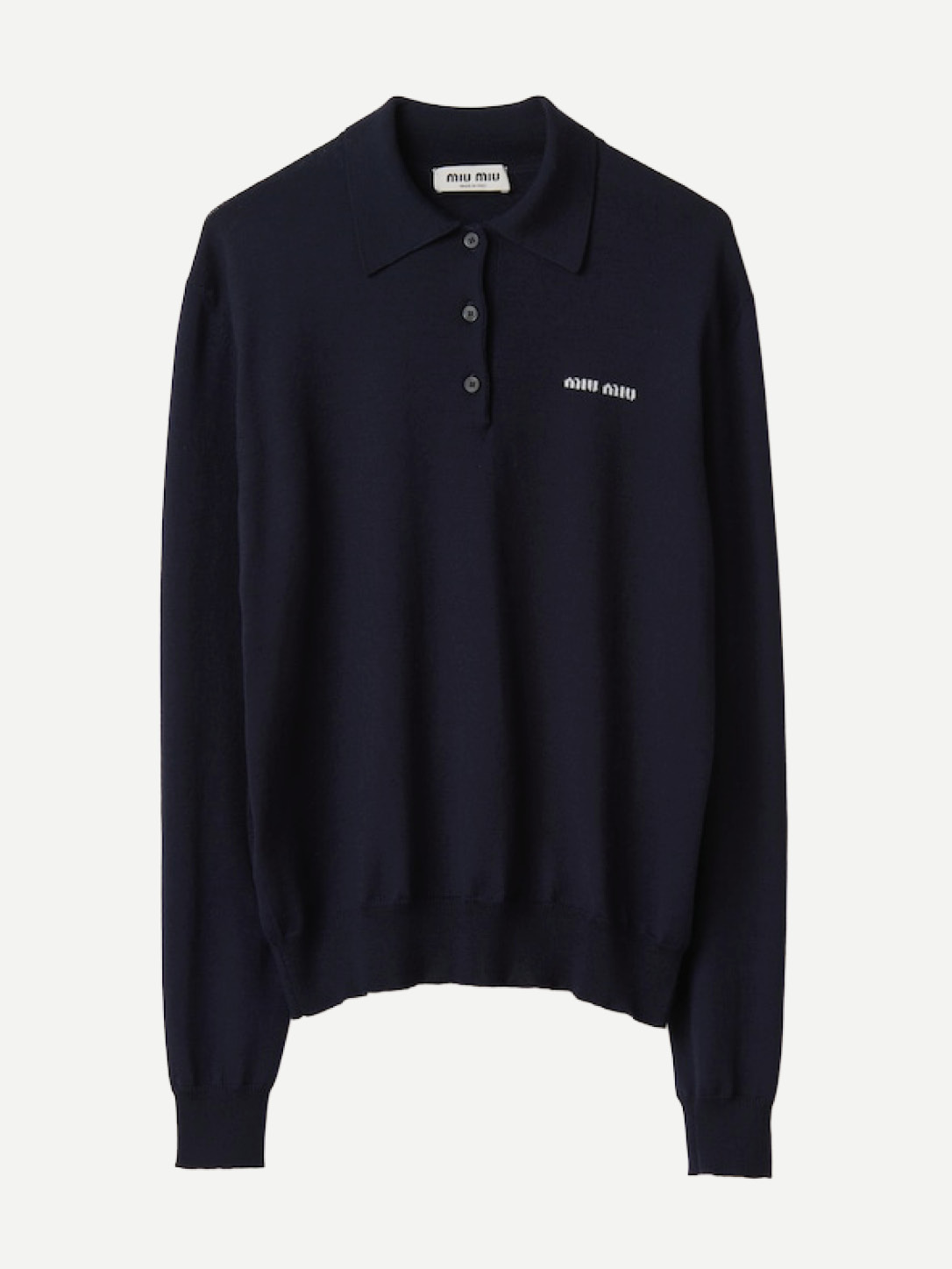
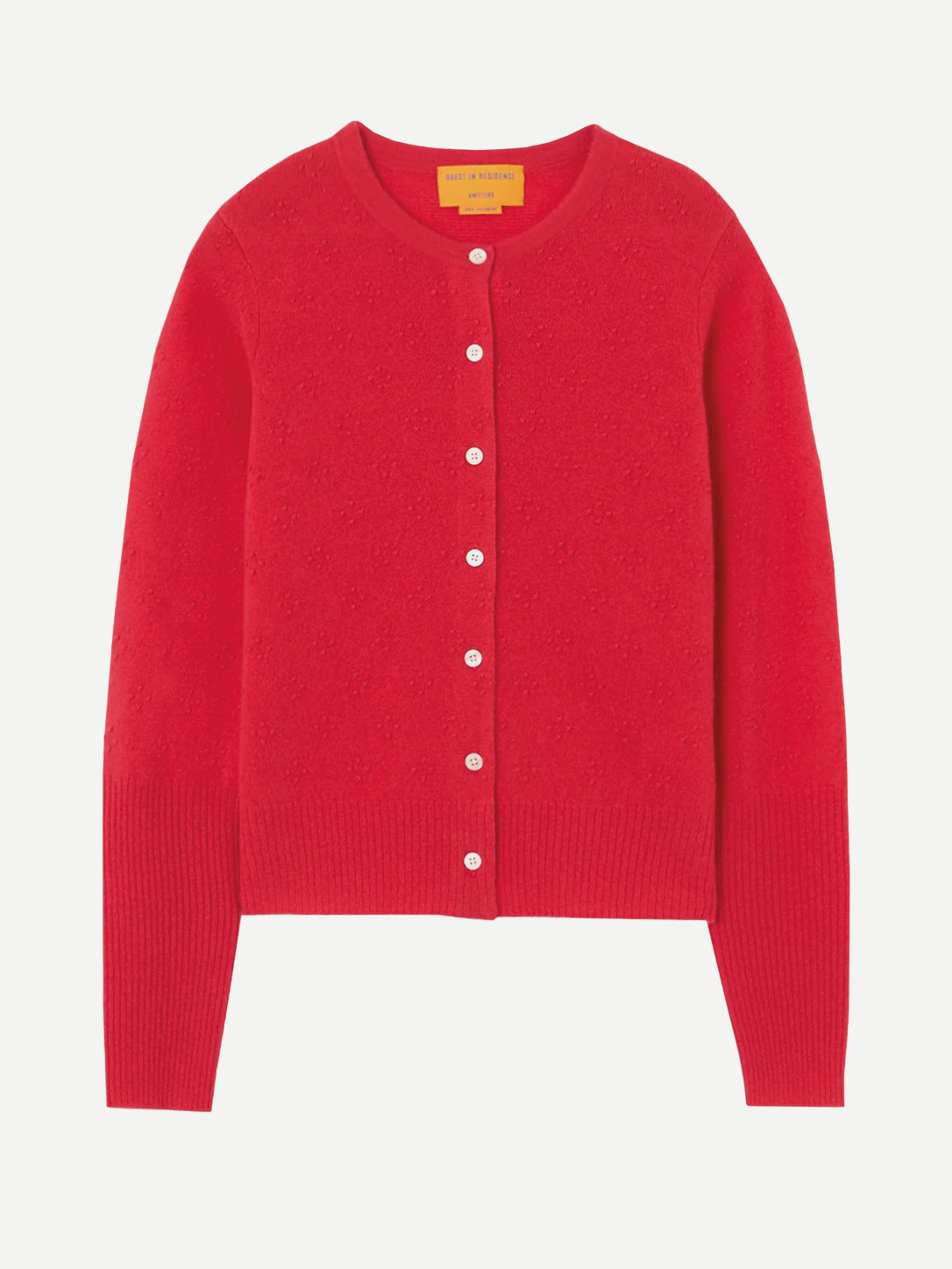
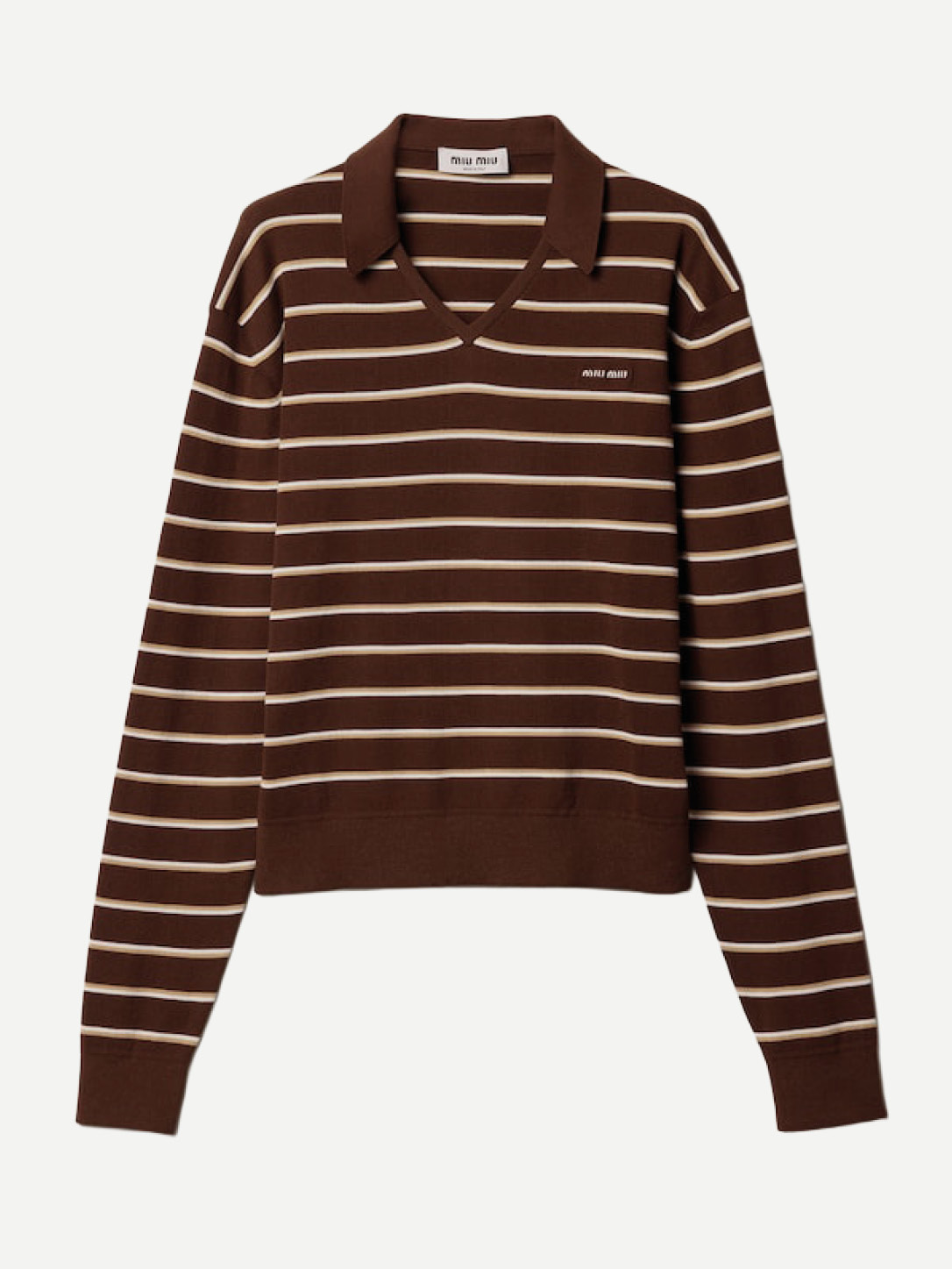
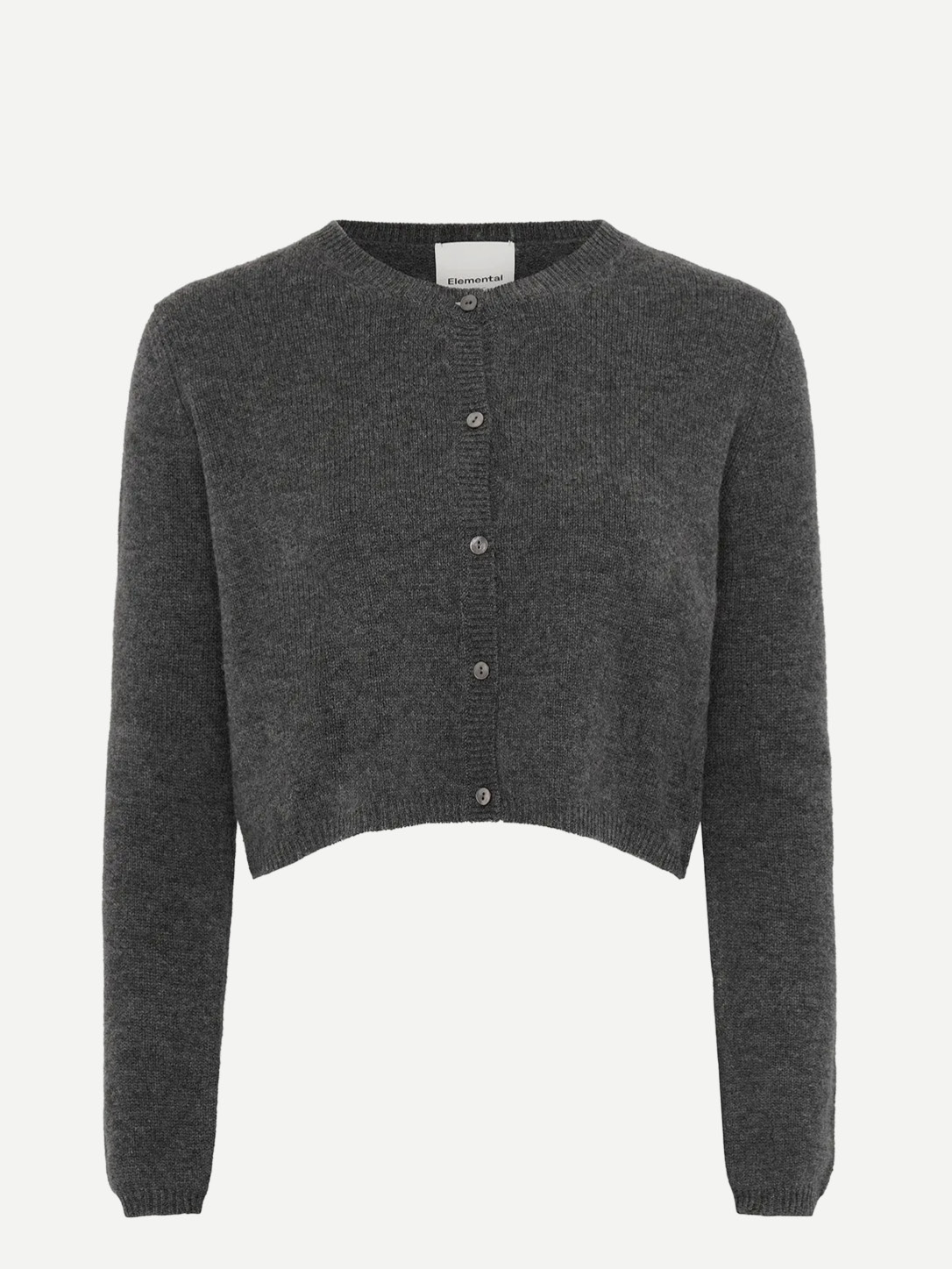
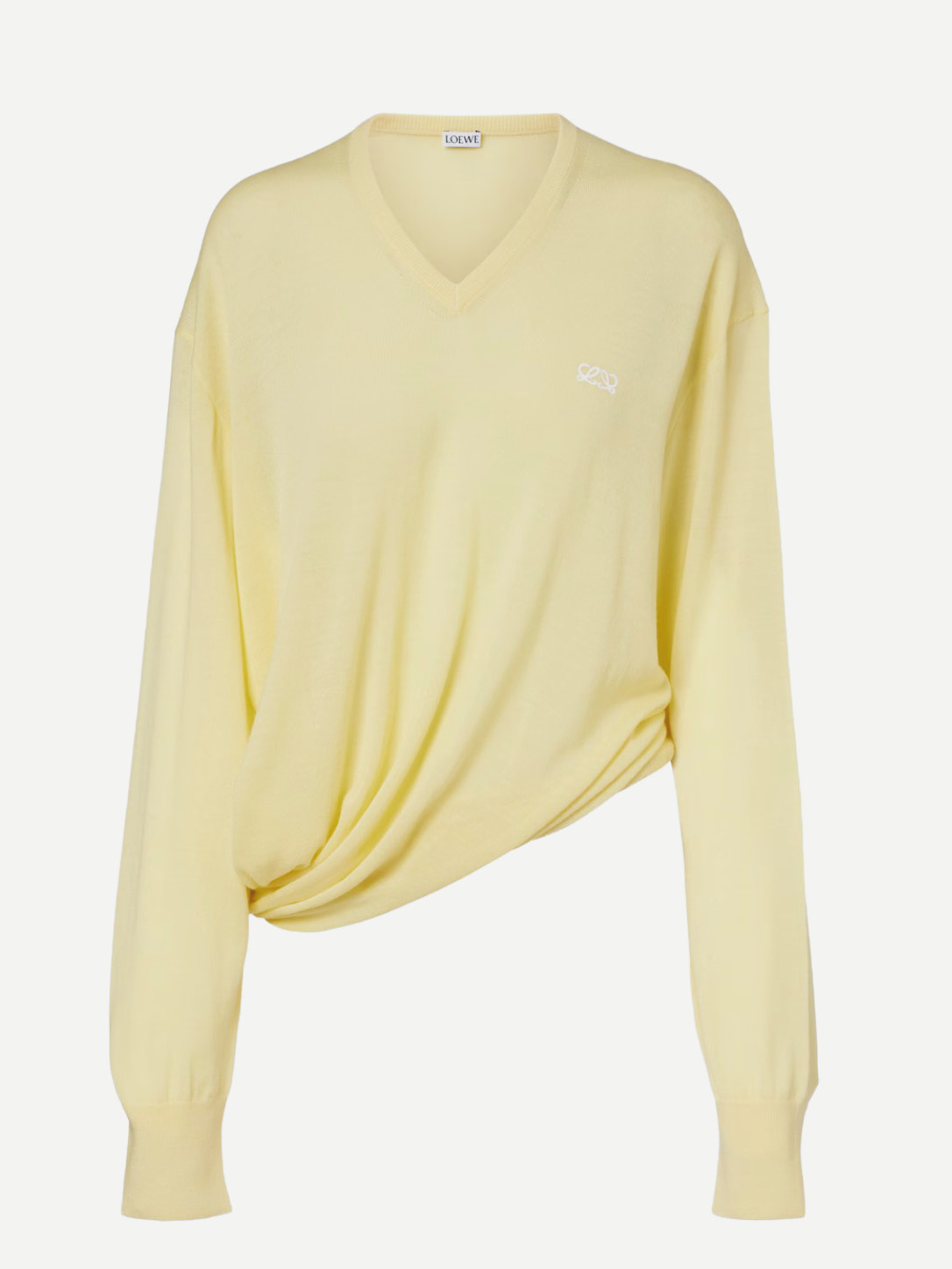
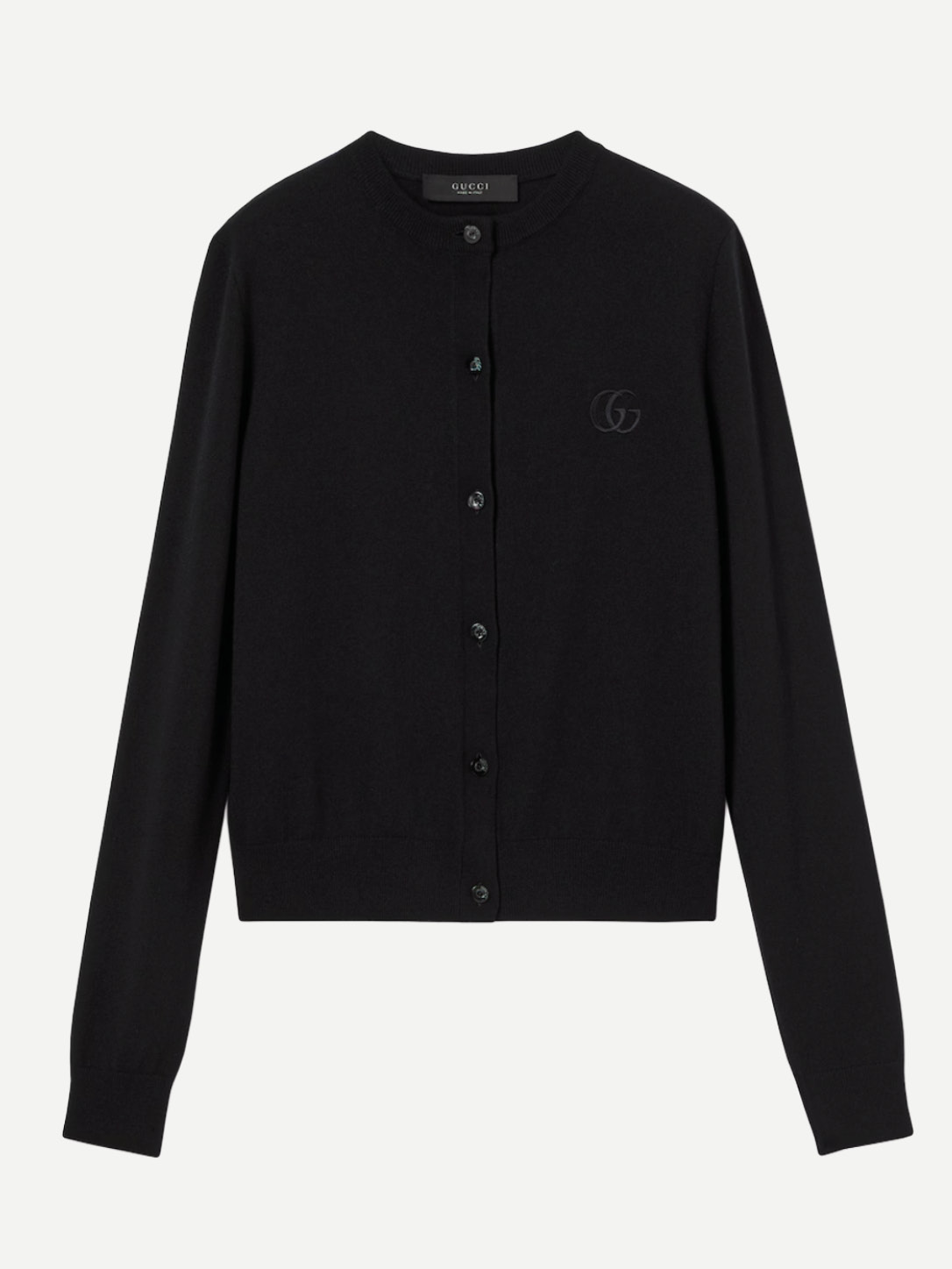
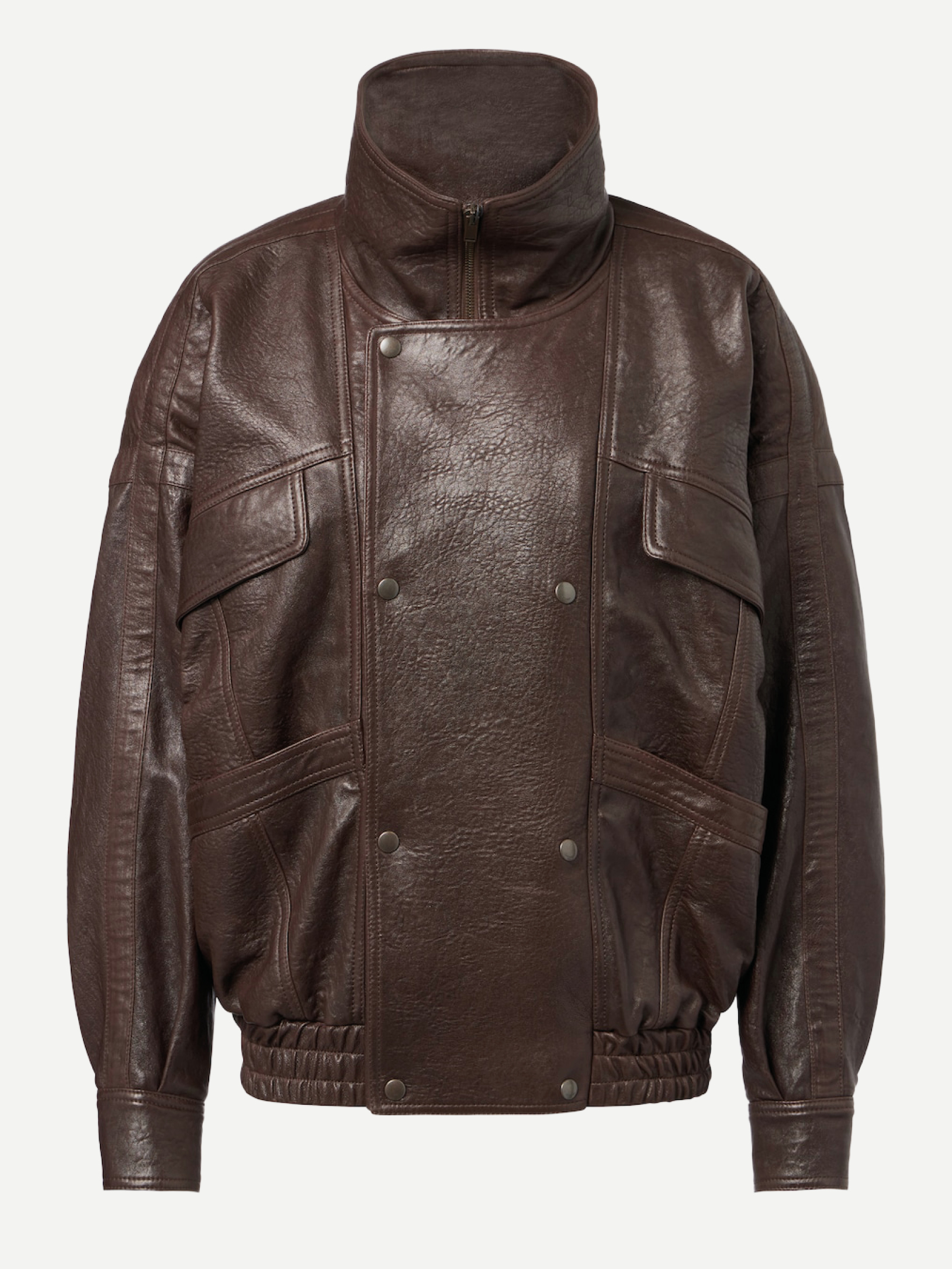
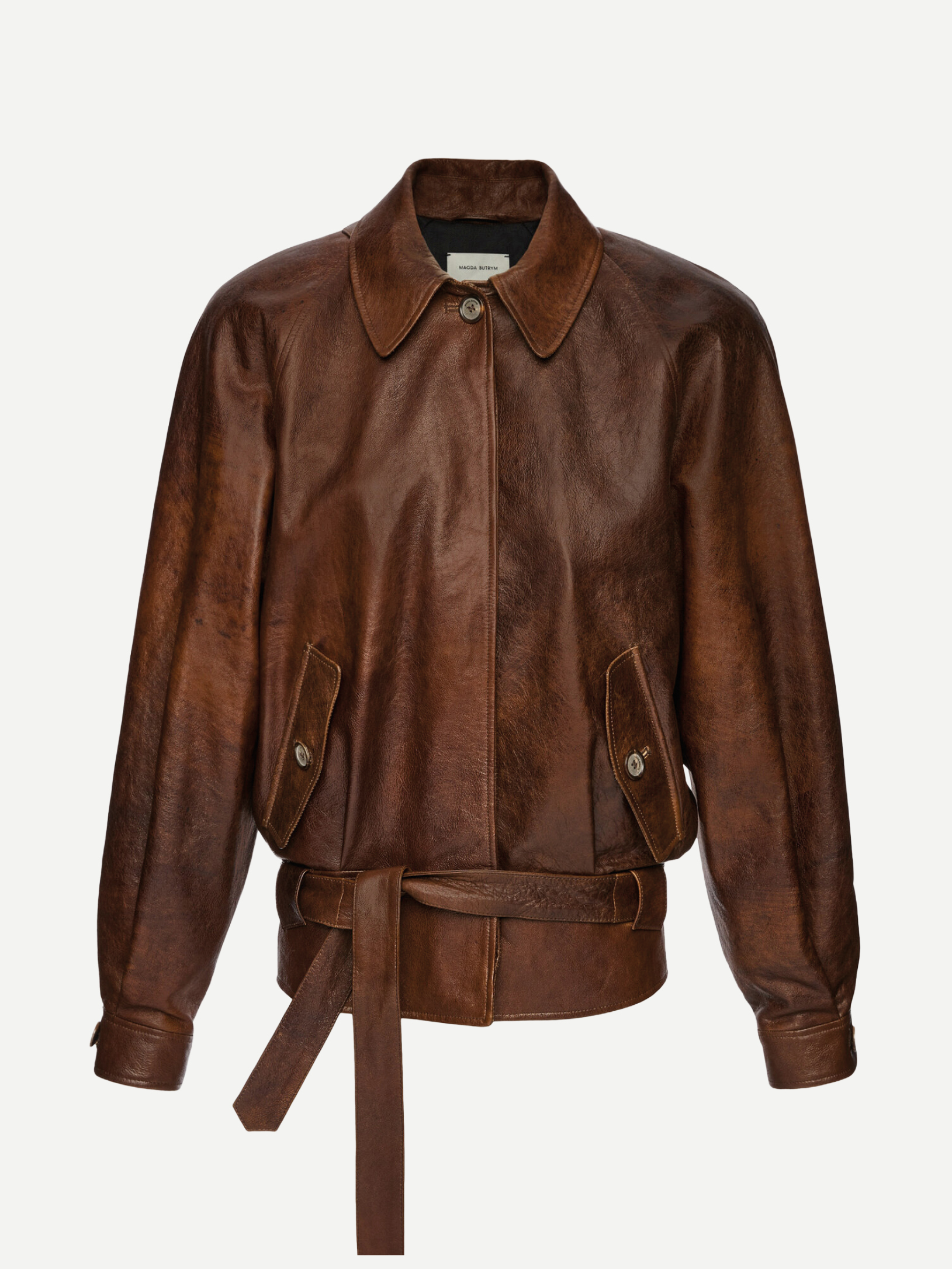
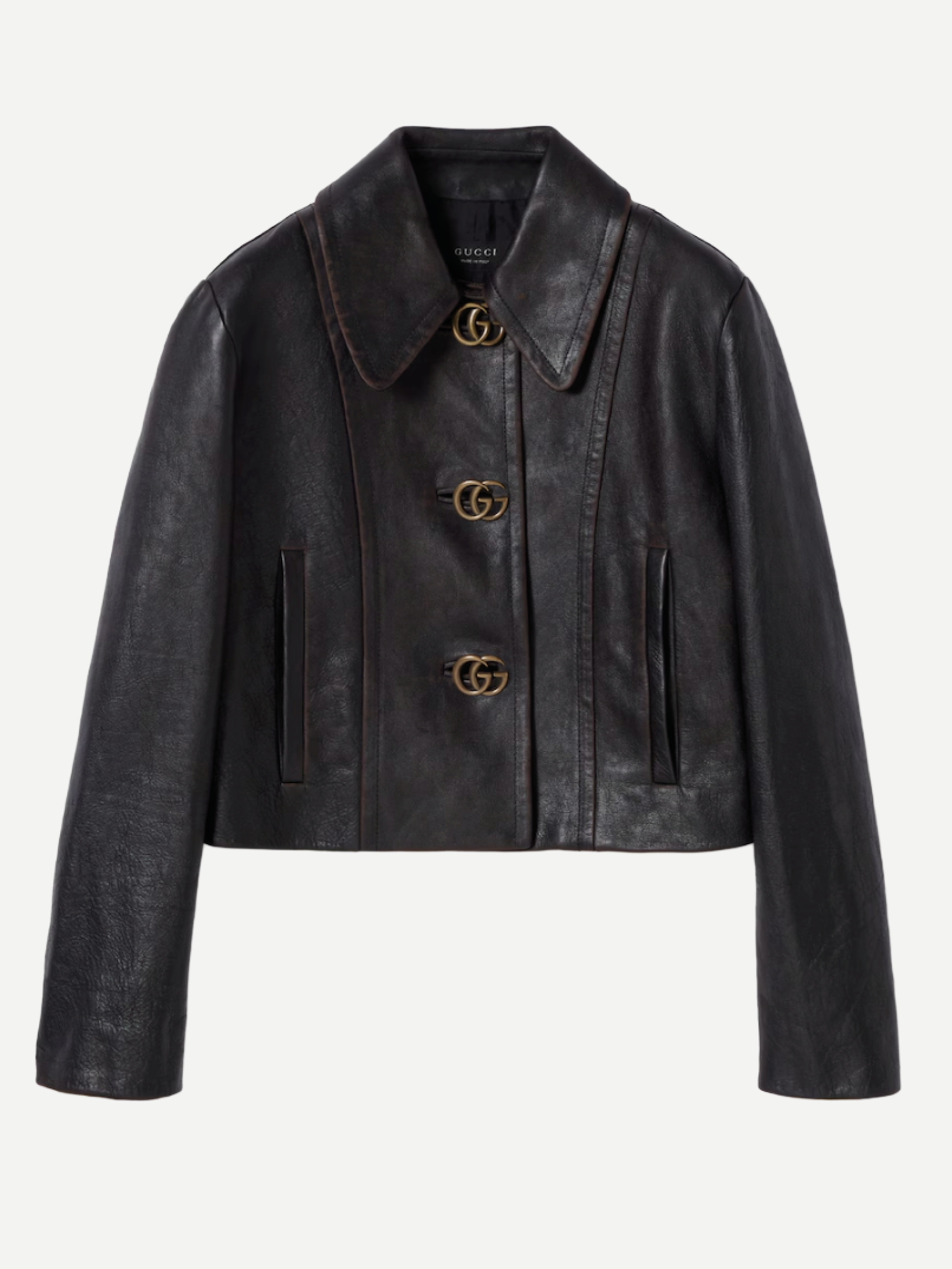
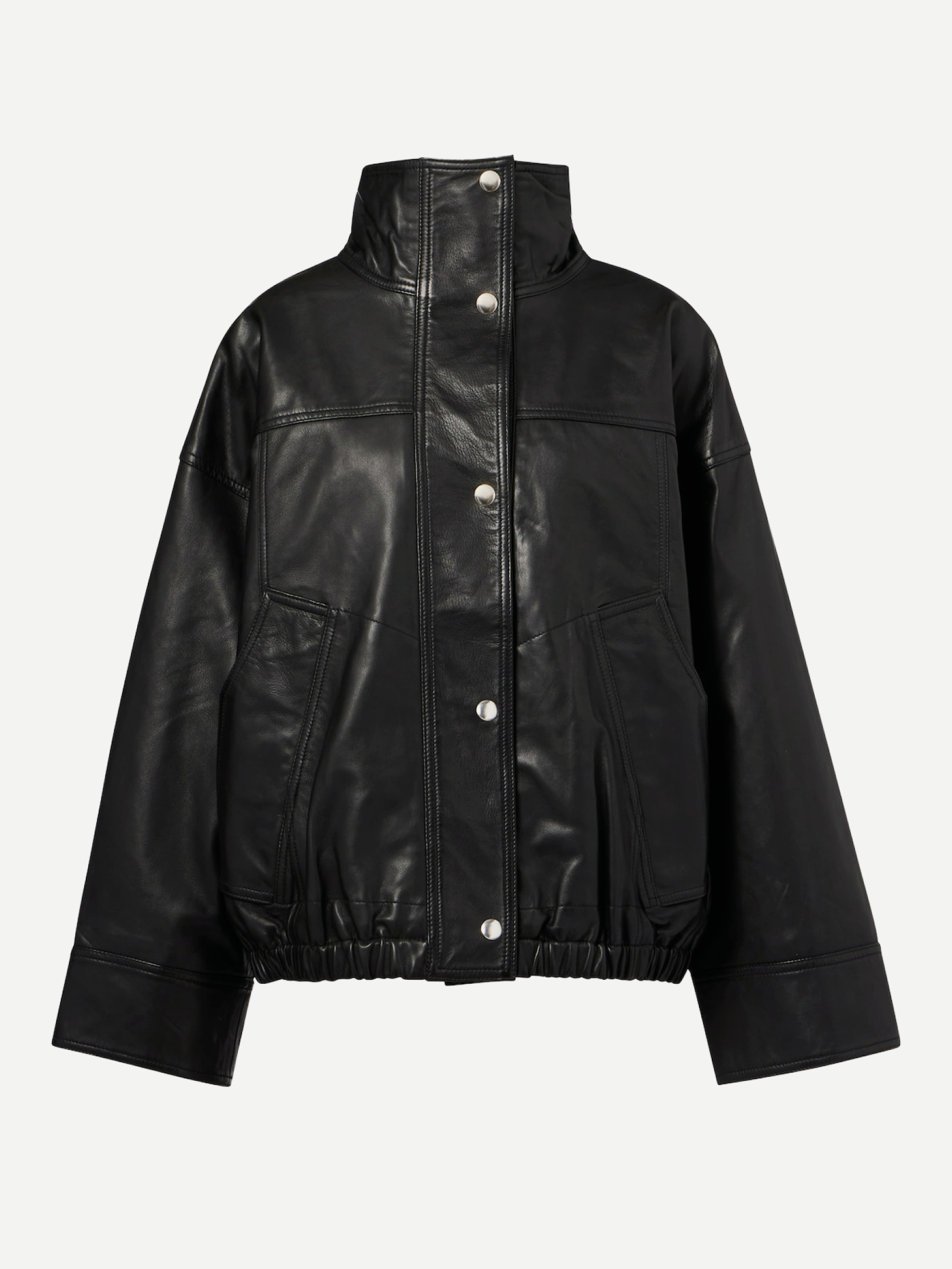
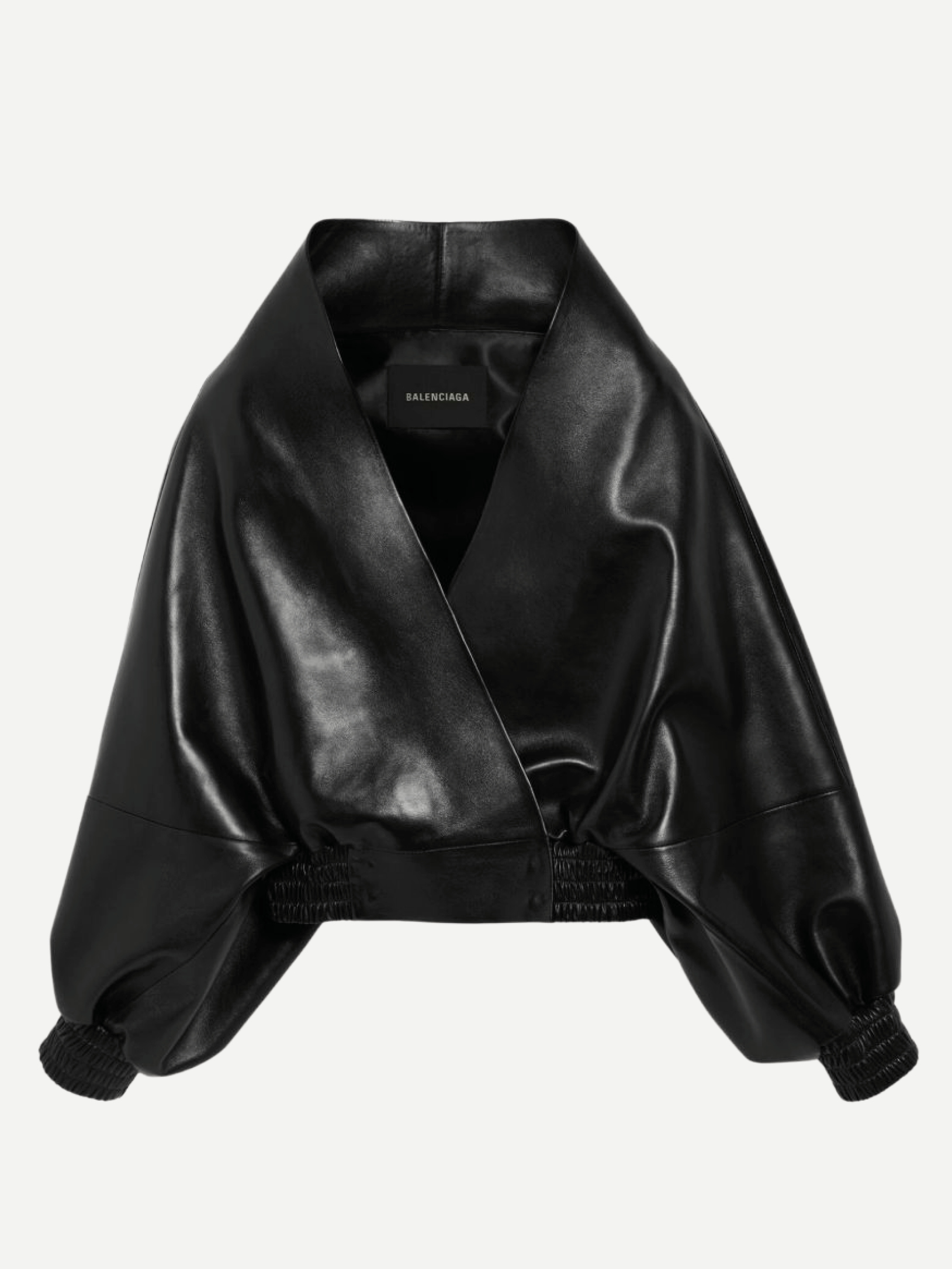
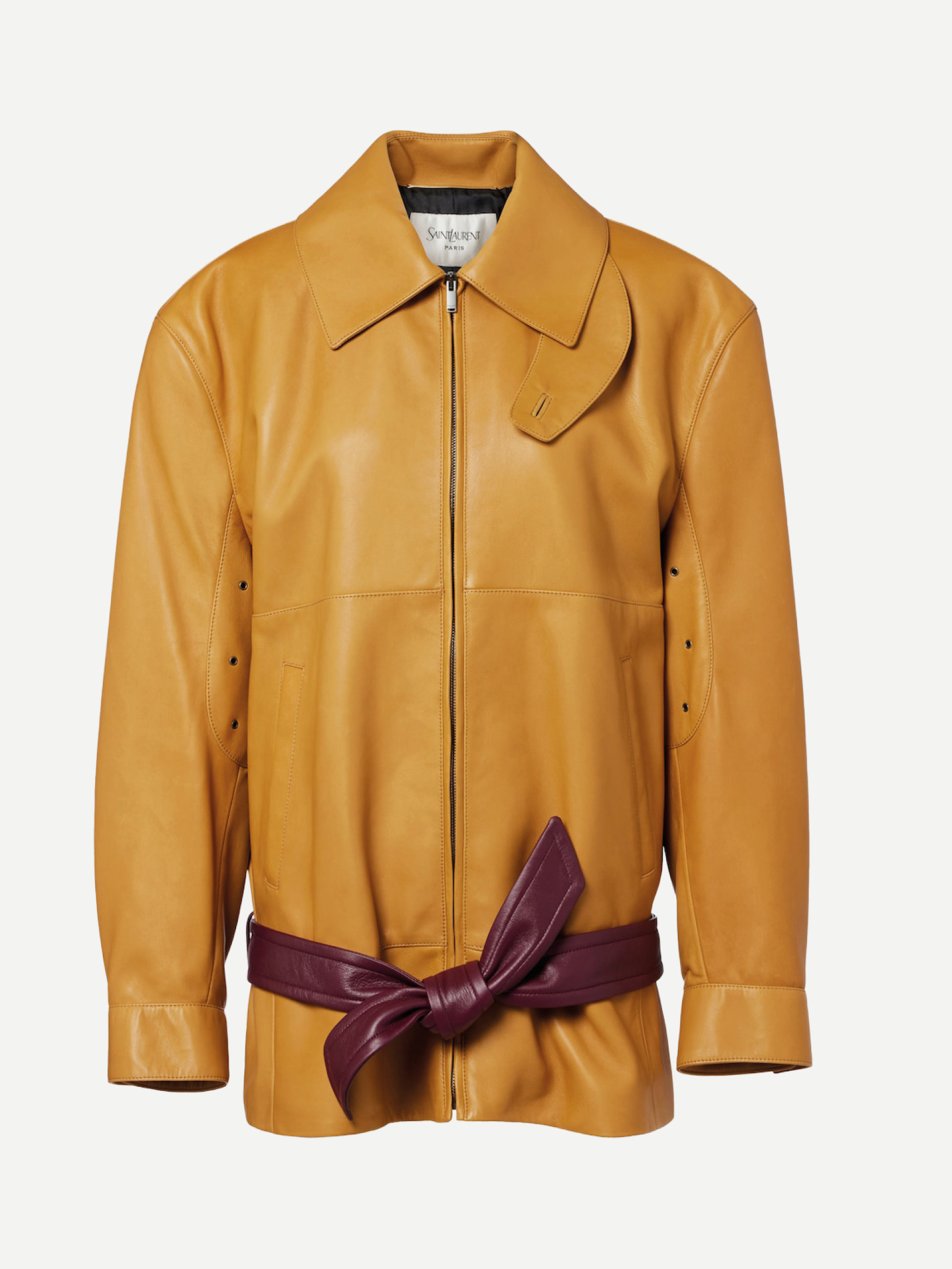
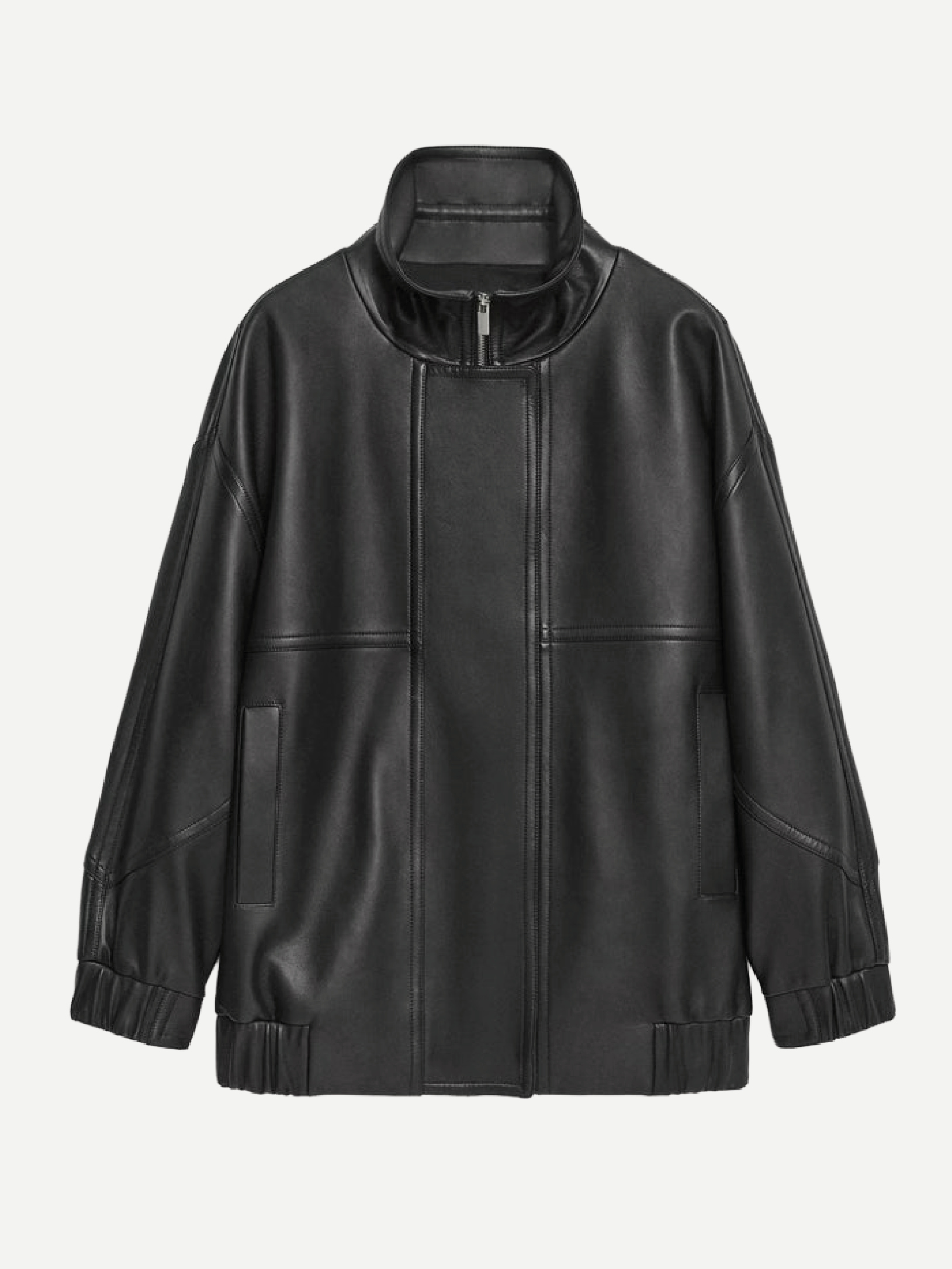
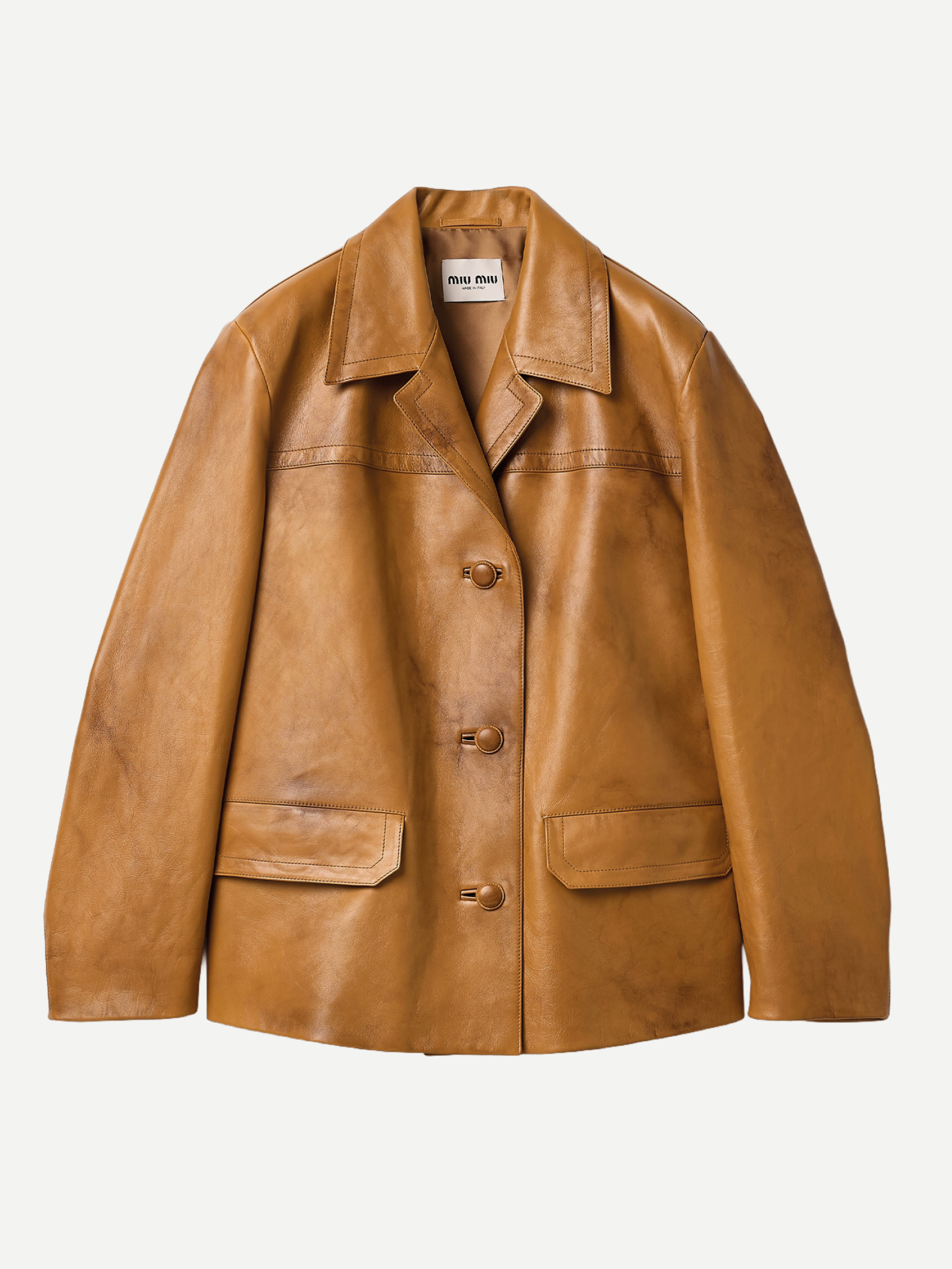
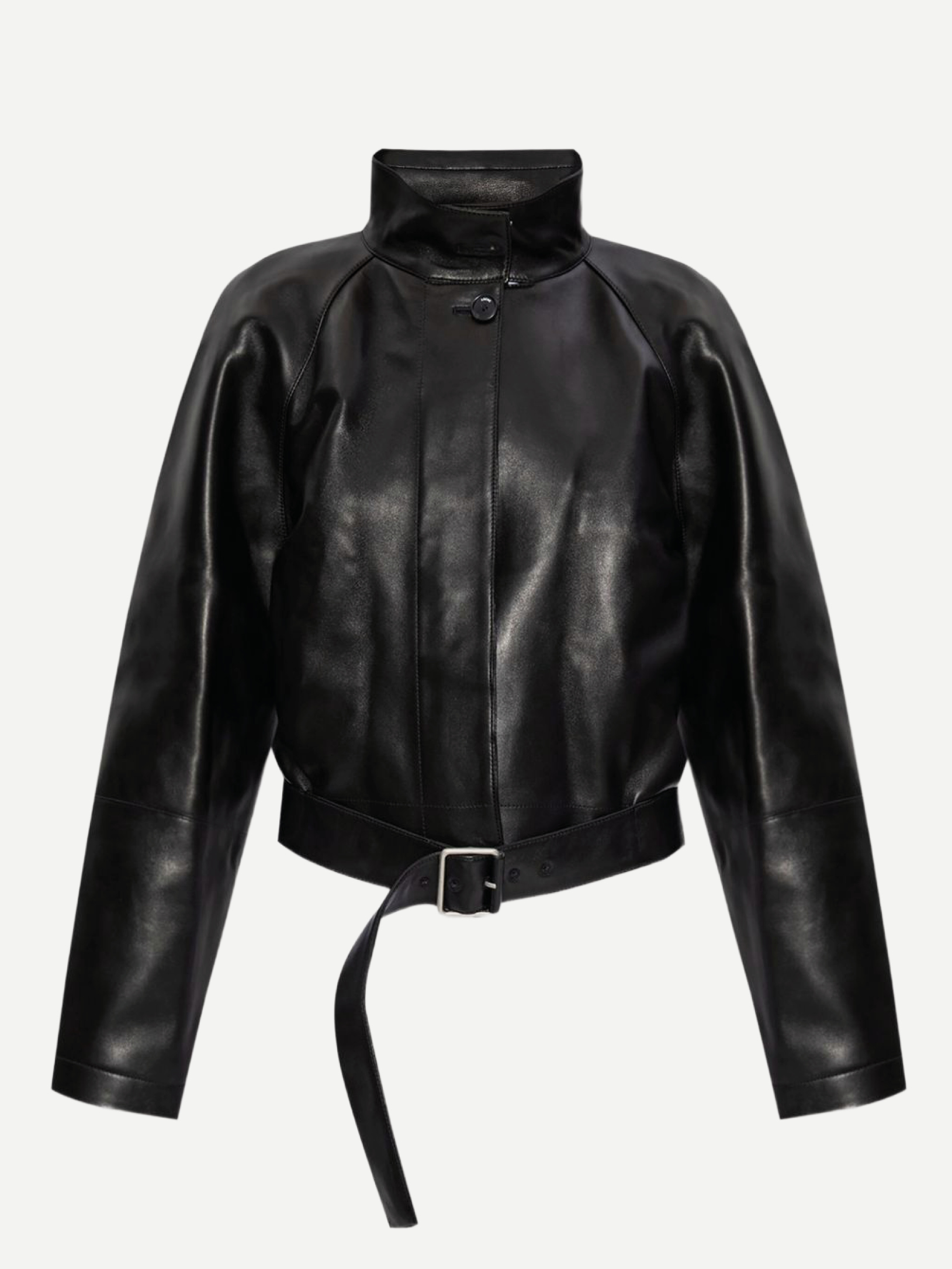
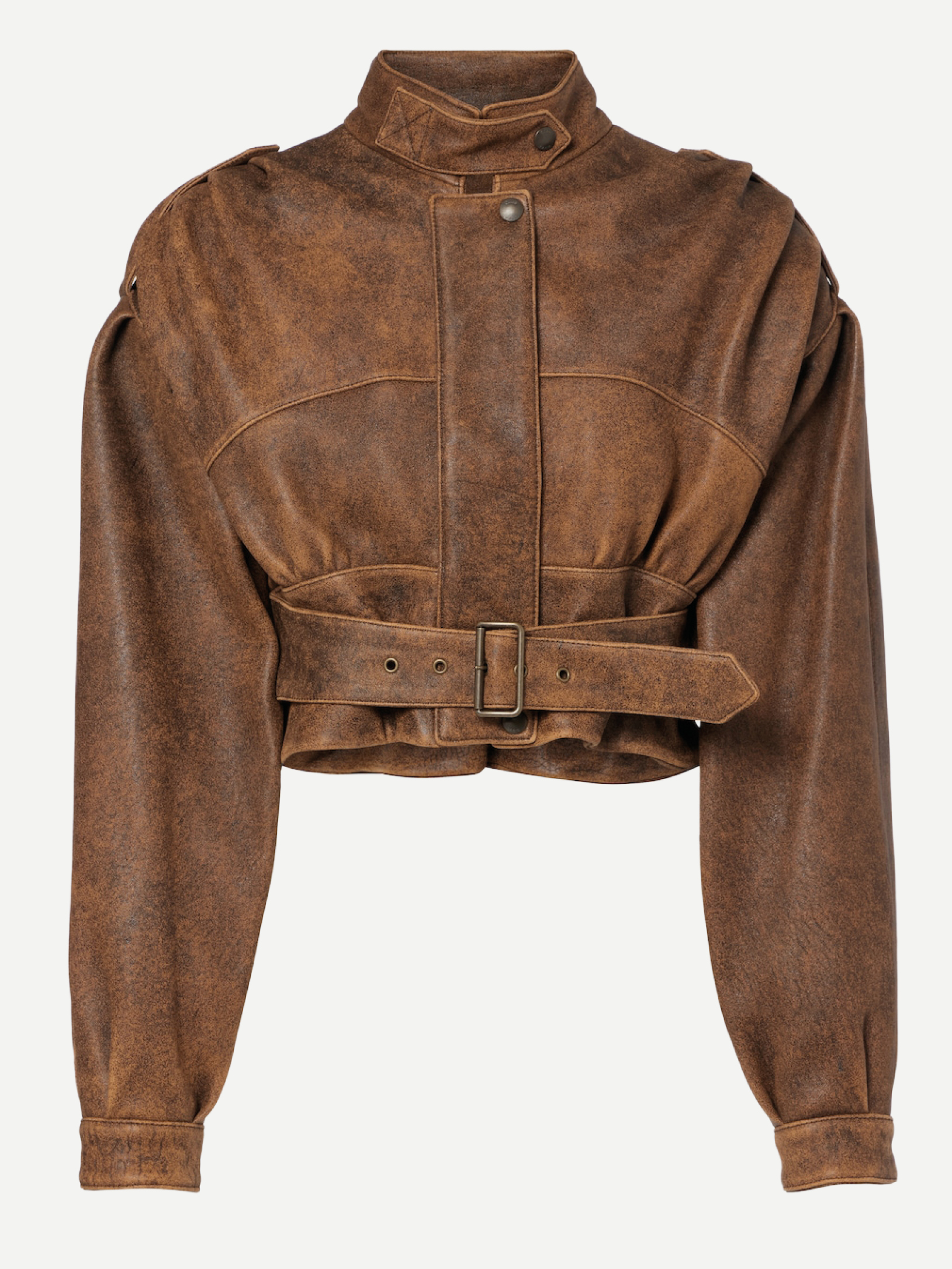
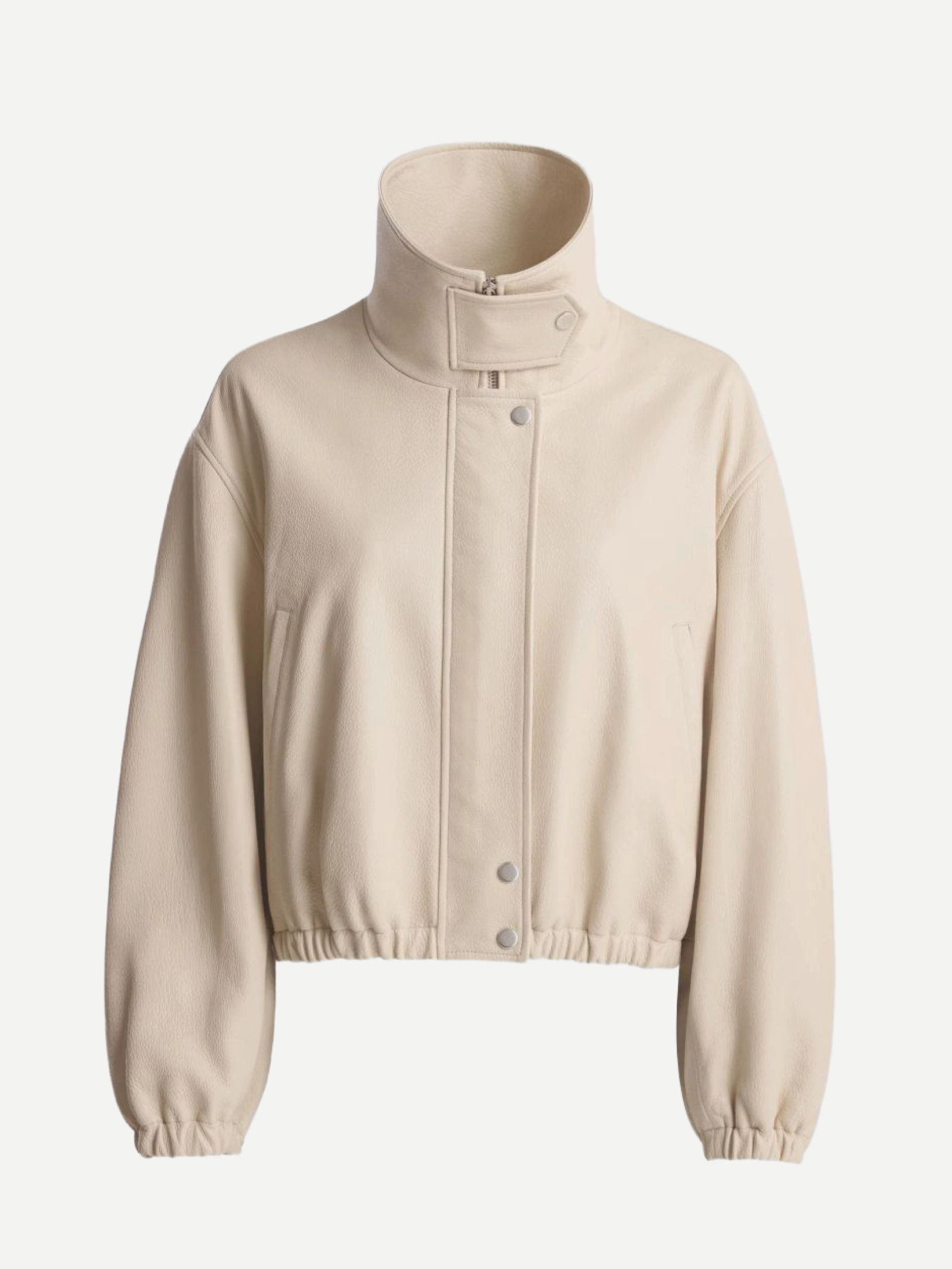
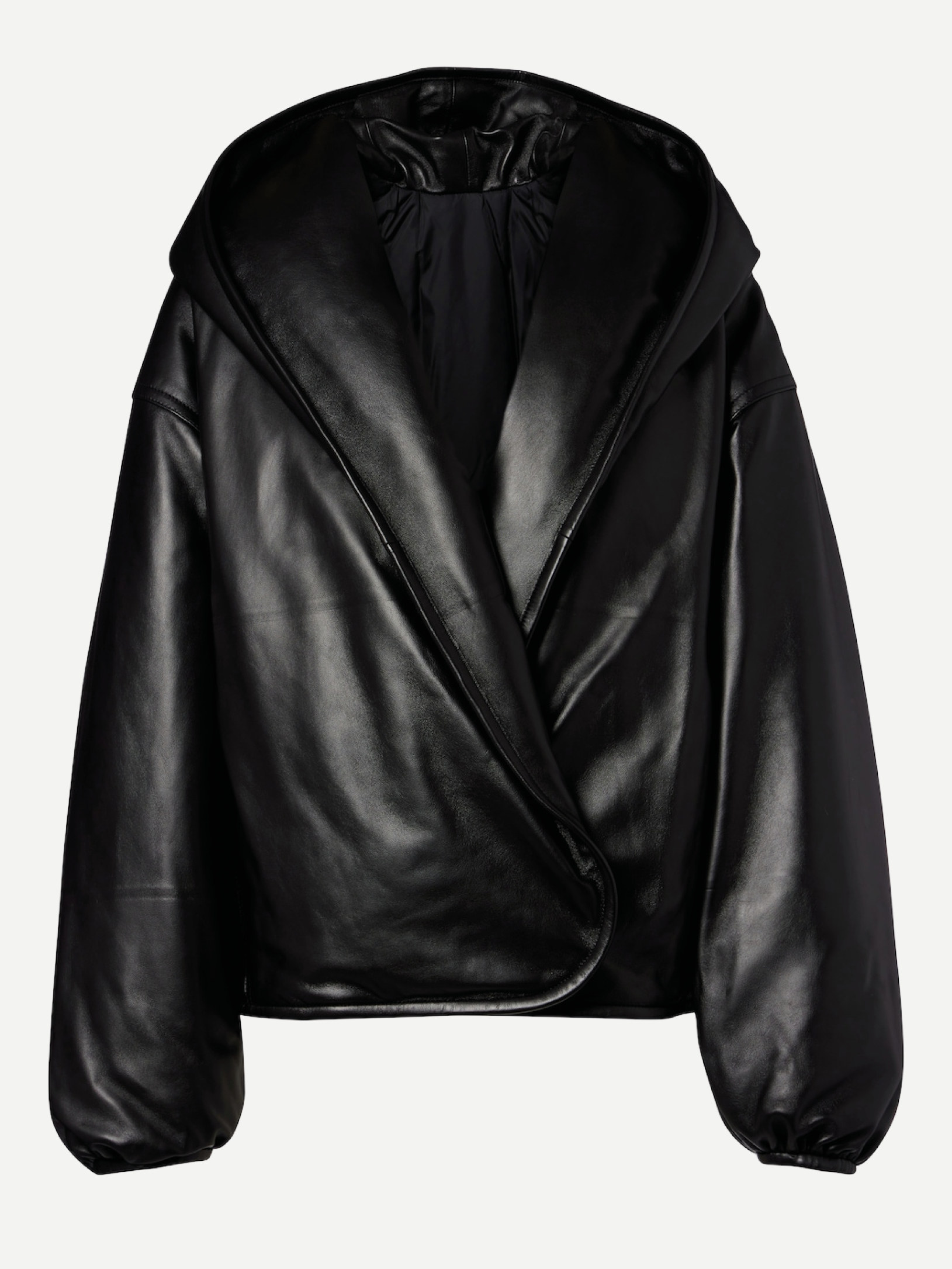
Achieving an effortlessly elegant yet practical wardrobe is not as simple as it seems, especially when the season calls for navigating crisp mornings, mild afternoons, and cooler evenings all in a single day. Autumnal dressing is an art of balance: staying warm without sacrificing style, and looking polished without overthinking every outfit. The key lies in building a curated selection of timeless, mix-and-match pieces that work harder so you don’t have to.
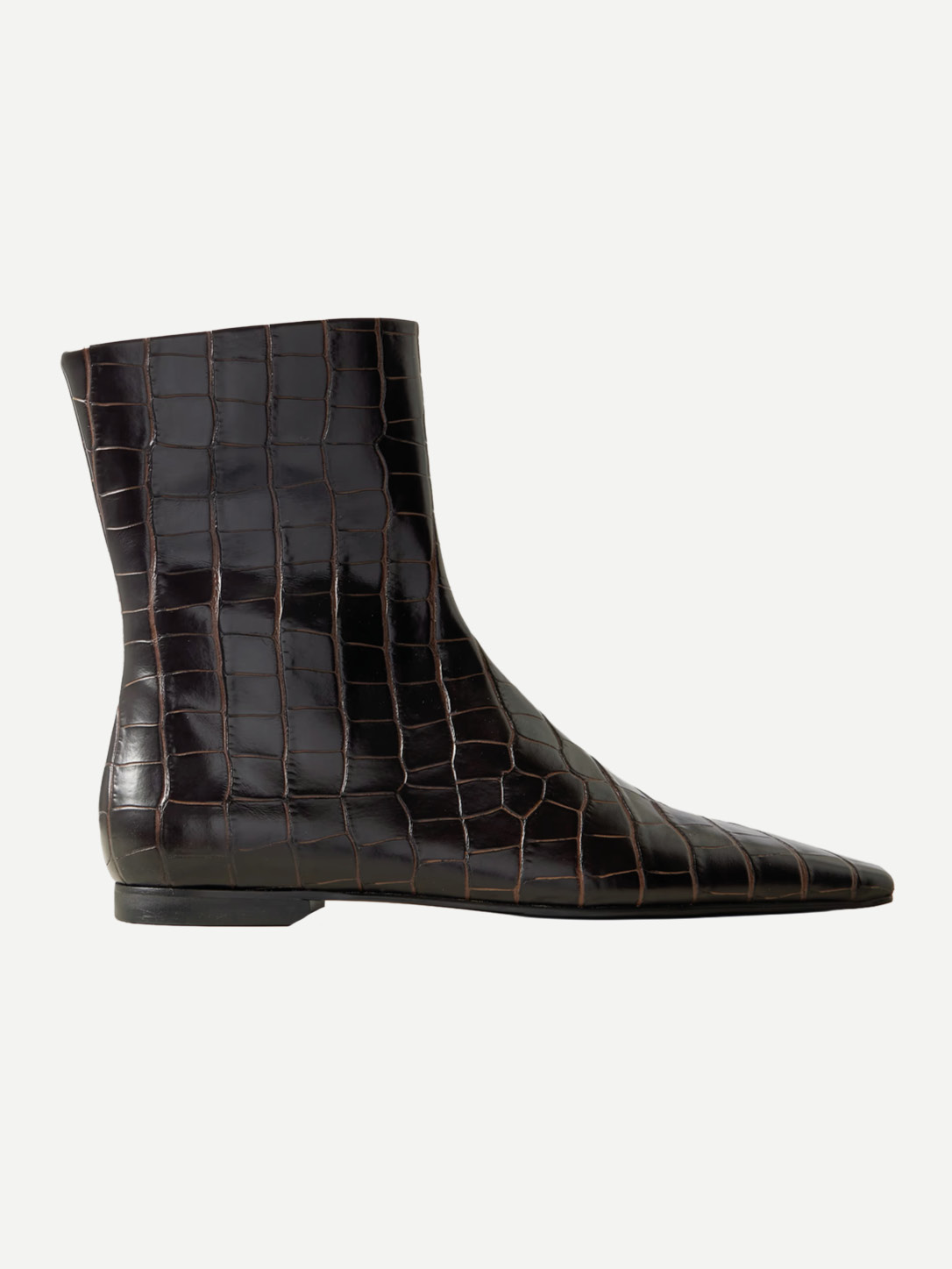
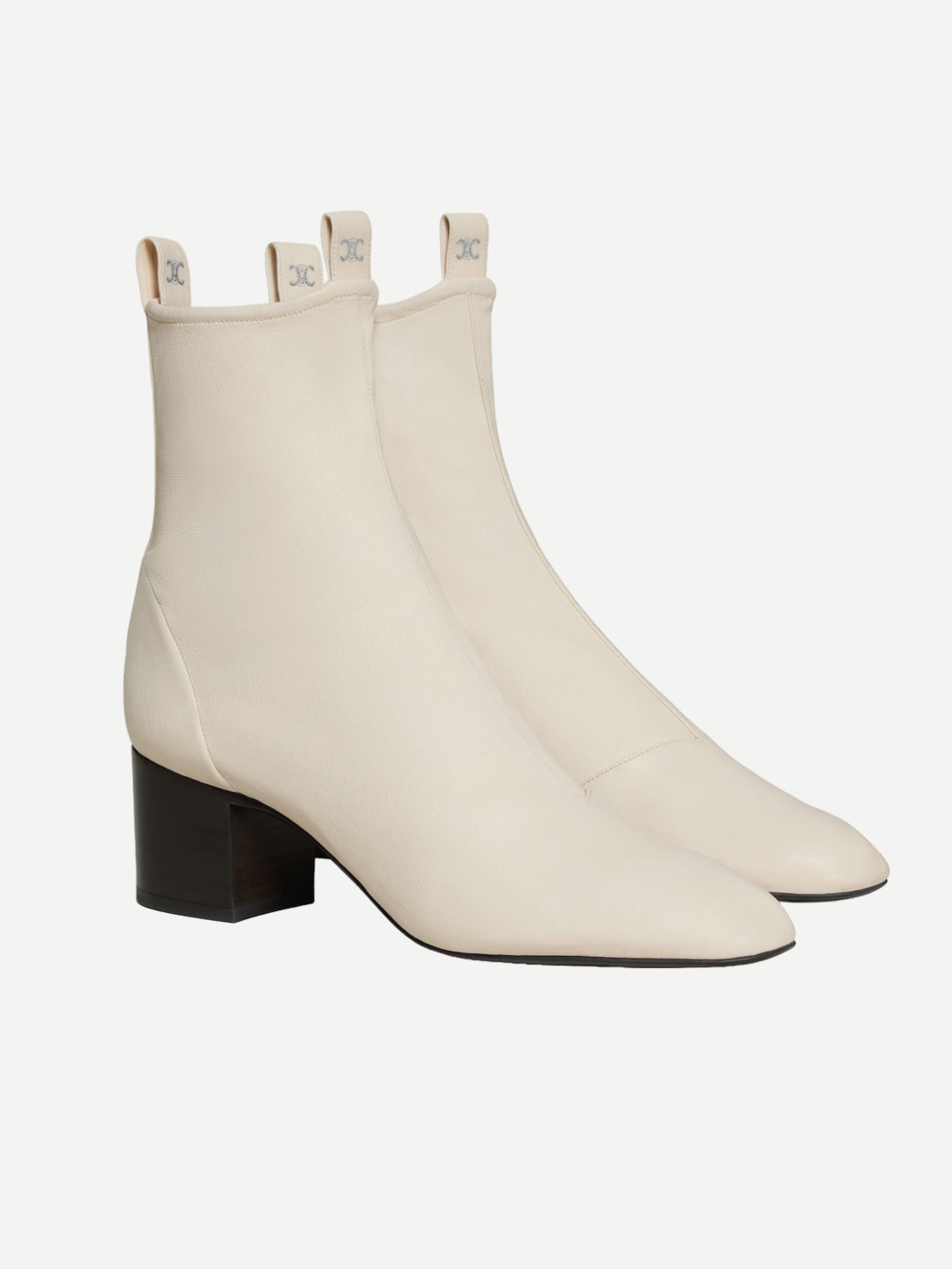
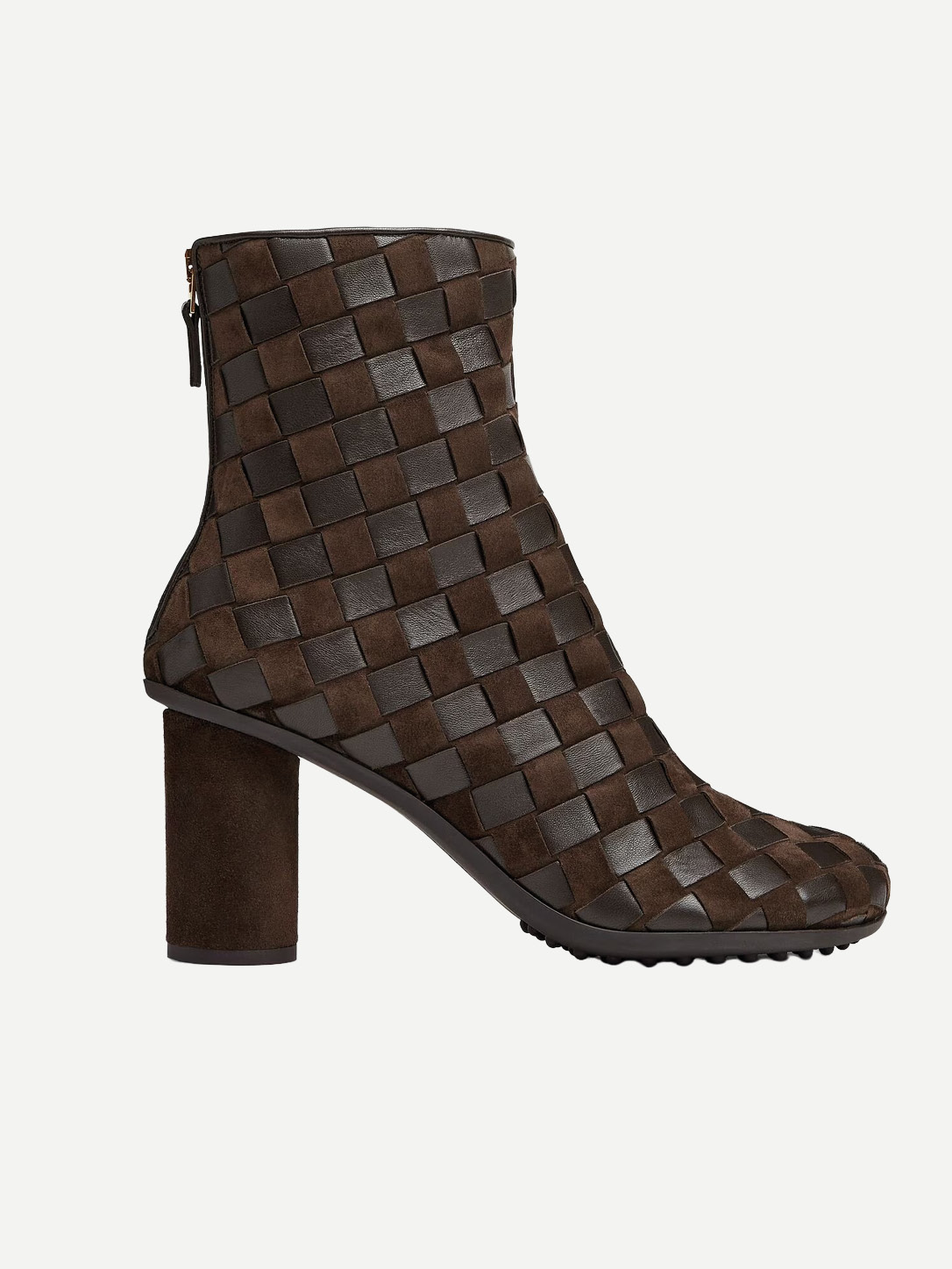
Ankle Boots
Shop The Edit
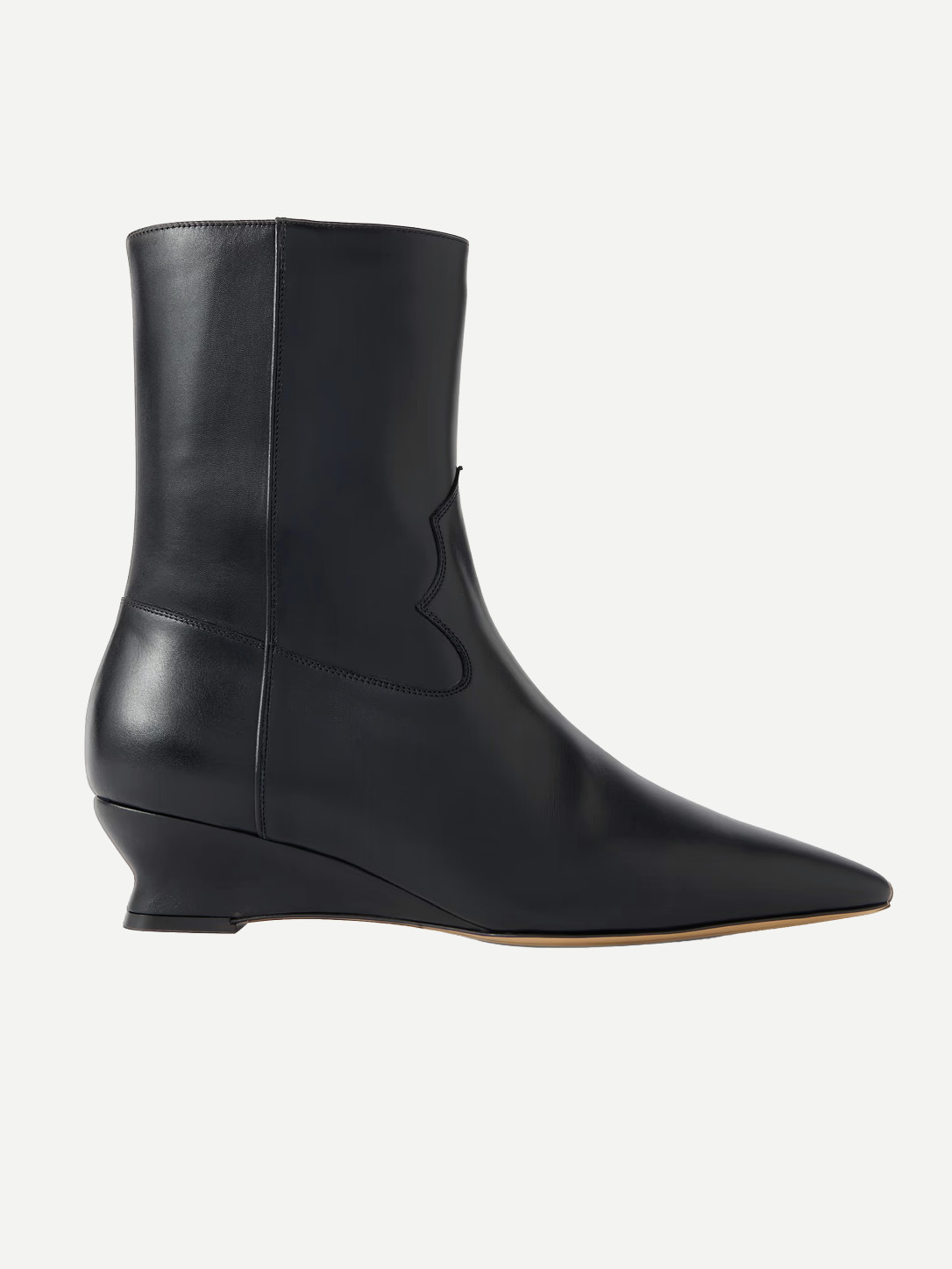
Le Monde Beryl Camille leather wedge ankle boots from Mytheresa
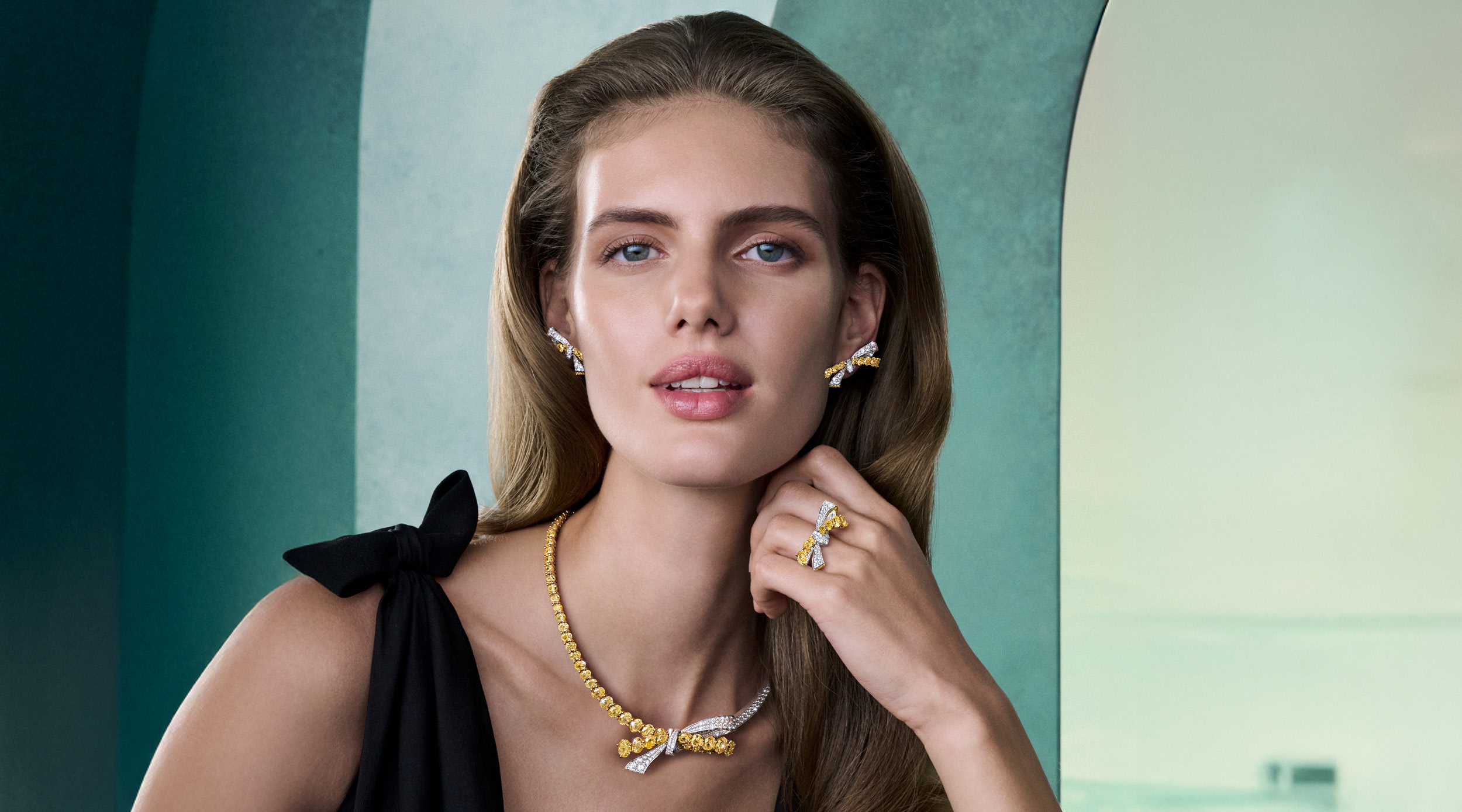
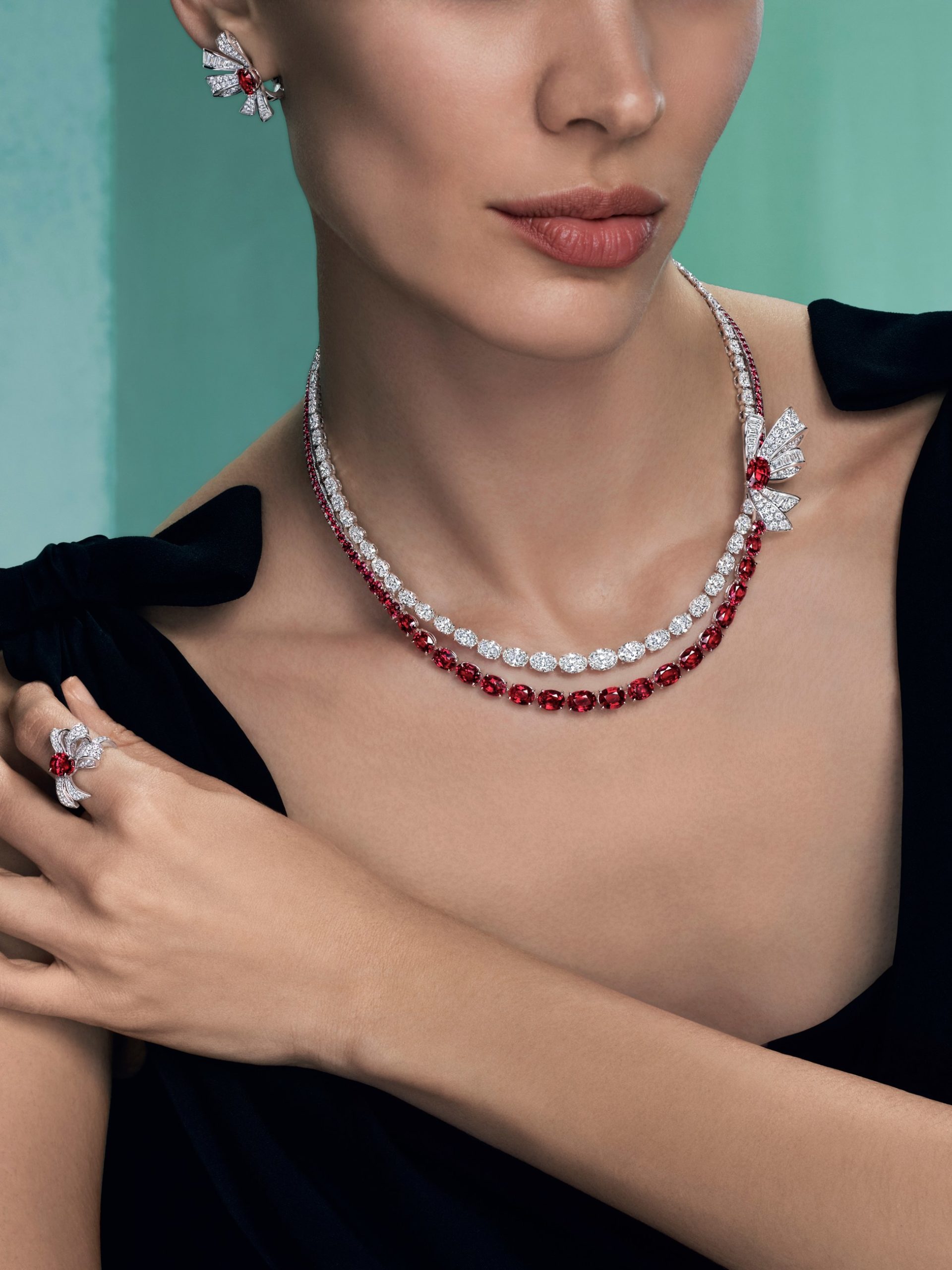
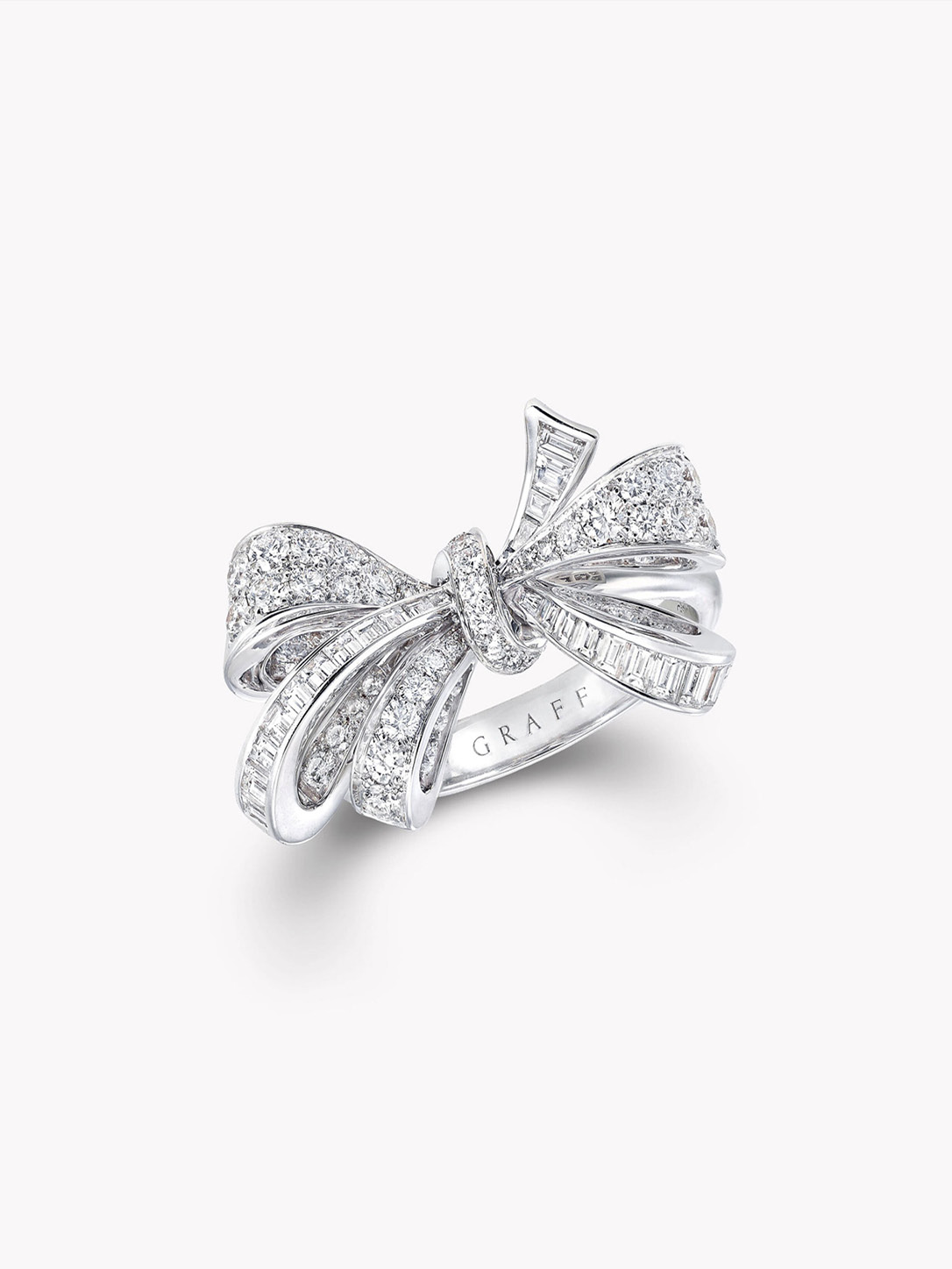
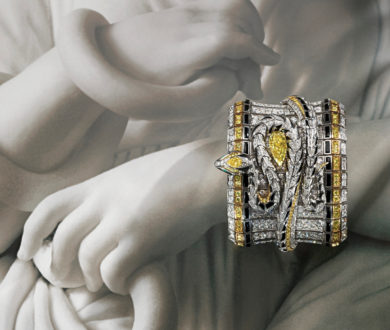
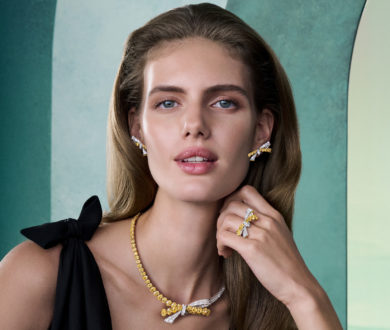
Tilda’s Bow High Jewellery fancy yellow and white diamond earrings, Tilda’s Bow High Jewellery fancy intense yellow and white diamond ring, Tilda’s Bow High Jewellery fancy intense yellow and white diamond necklace from Graff
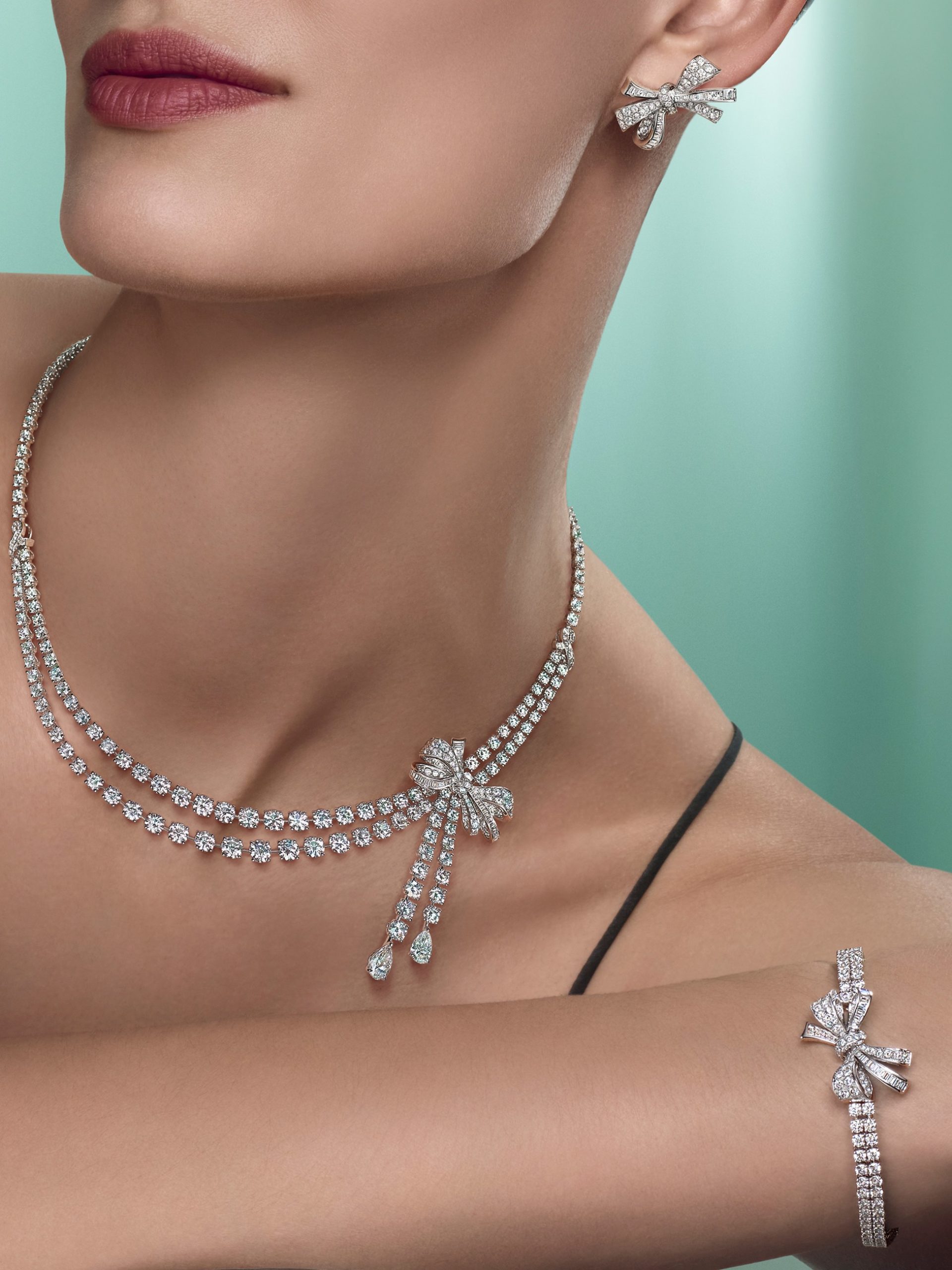
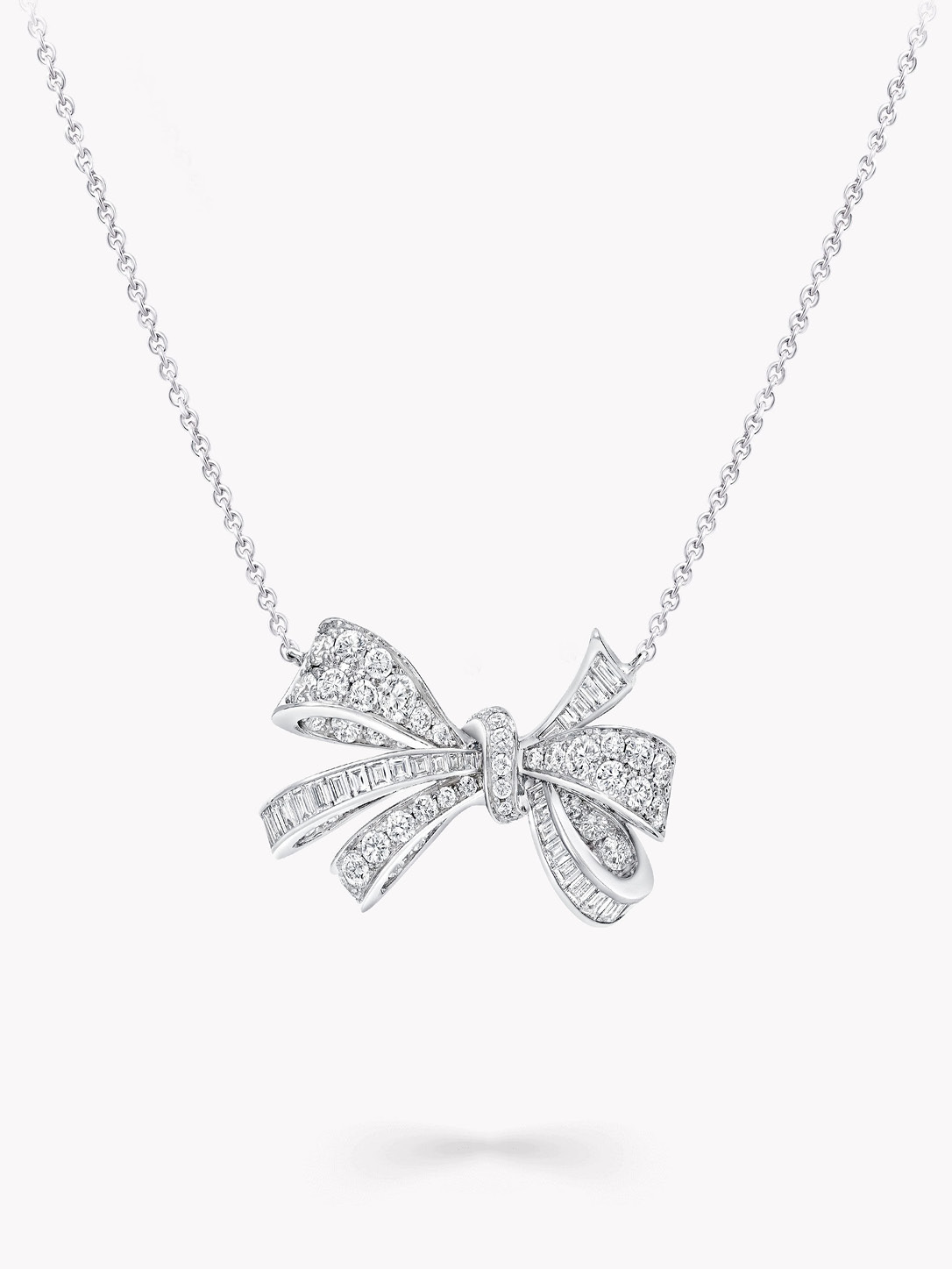
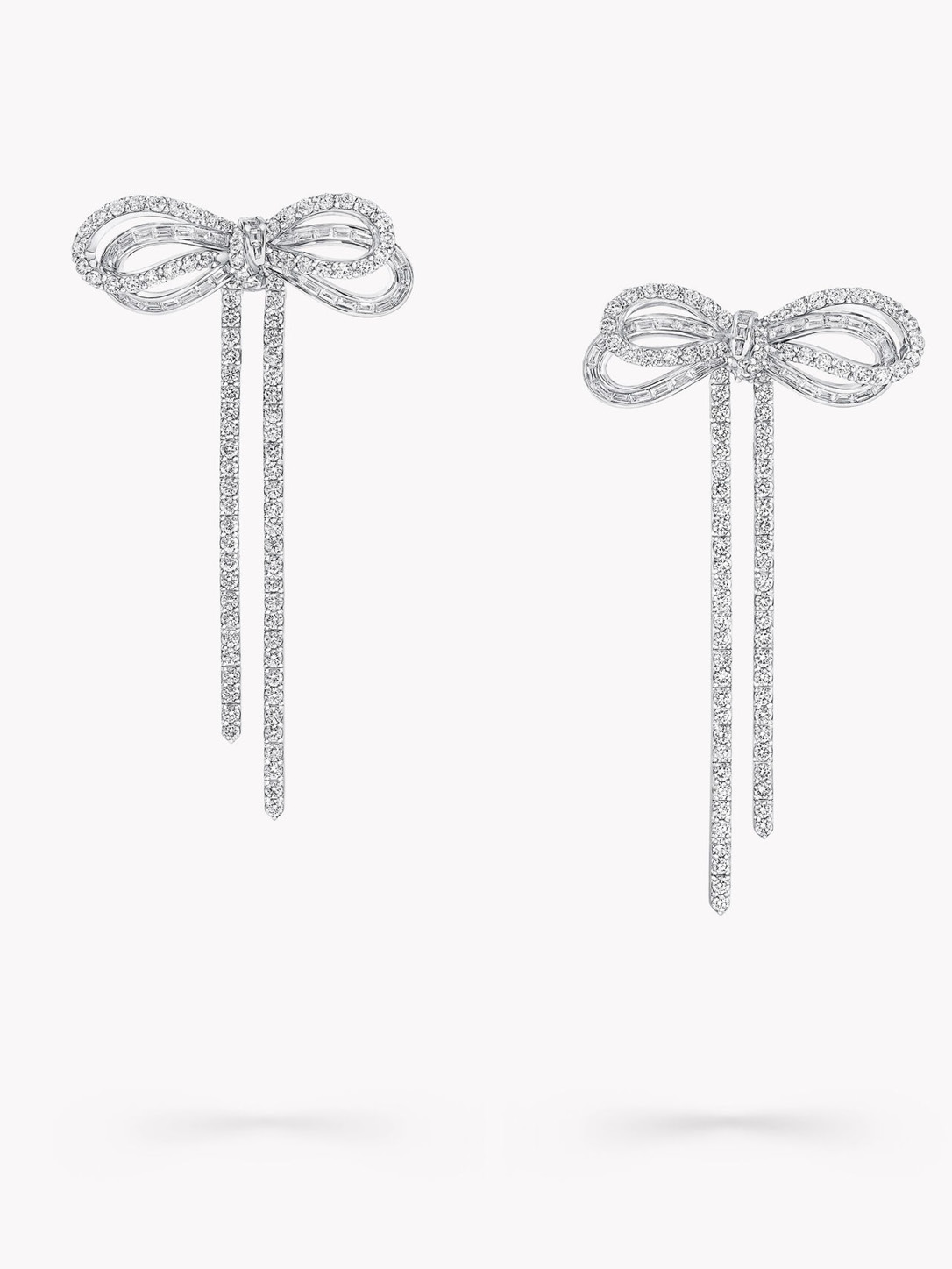
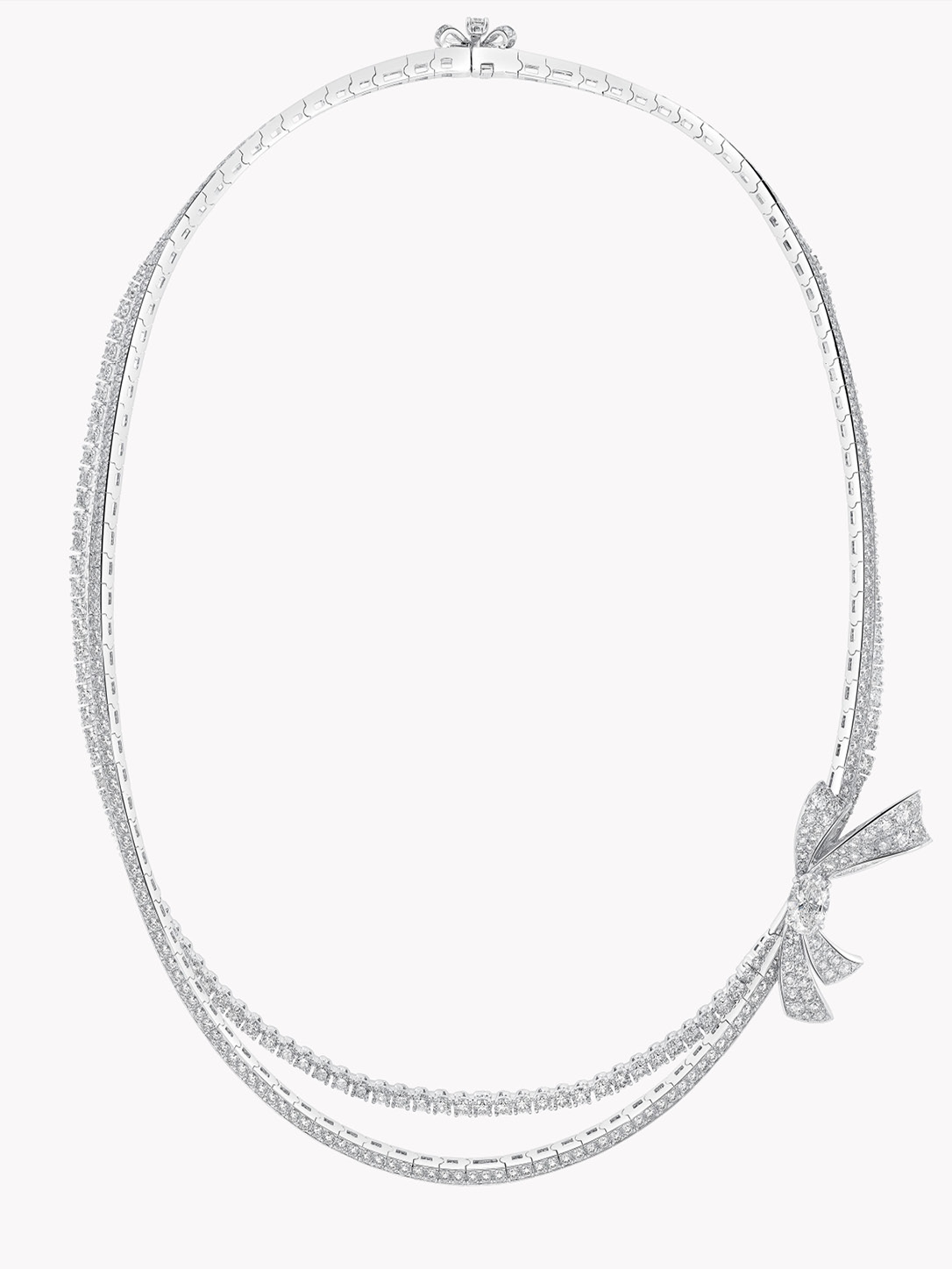
In the language of jewellery, few motifs are as quietly powerful as the bow. It suggests a moment of intention. A ribbon drawn tight, a gift sealed, a gesture made with care. With its Tilda’s Bow collection, Graff captures that fleeting instant in diamonds, transforming the softness of silk into sculptural brilliance.
The collection takes its cue from the precise moment a ribbon is tied. Loops arc gracefully, ribbons cascade, and each curve is articulated through exceptional stones that lend the designs both movement and light. Necklaces sweep across the collarbone in flowing forms, earrings echo the delicate symmetry of folded silk, while rings and bracelets trace elegant bows around the wrist and finger. Each piece feels fluid and organic, yet unmistakably Graff in its precision.
Tilda’s Bow Double Knot Ruby and Diamond Ring from Graff
Crafted by the house’s master artisans, Tilda’s Bow balances delicacy with drama. One striking interpretation reveals layered ribbons of white gold set with more than 22 carats of Graff diamonds, their scintillation giving the illusion of fabric caught mid-movement. Elsewhere, the motif becomes more architectural. Bold knots are sculpted into necklaces and earrings, their cascading ends set with pear shape diamonds and anchored by commanding solitaire stones. For those drawn to colour, the collection reveals another flourish. A high jewellery suite centres on extraordinary oval Fancy Intense Yellow diamonds, their sunlit brilliance framed by hundreds of white diamonds that trace each ribbon edge in glowing contrast. The result is a composition that feels both joyful and refined, radiating warmth against Graff’s signature icy sparkle.
Yet beyond the technical virtuosity lies something more intimate. The inspiration for Tilda’s Bow rests in family connections, a sentiment woven into the very fabric of Graff itself. Founded in 1960 by Laurence Graff and now led by the next generation, the house remains one of the few great jewellery maisons still guided by family hands. In Tilda’s Bow, that spirit finds elegant expression. A diamond ribbon tied not merely with precision, but with meaning. A jewel designed not simply to dazzle today, but to be cherished and passed forward for generations.
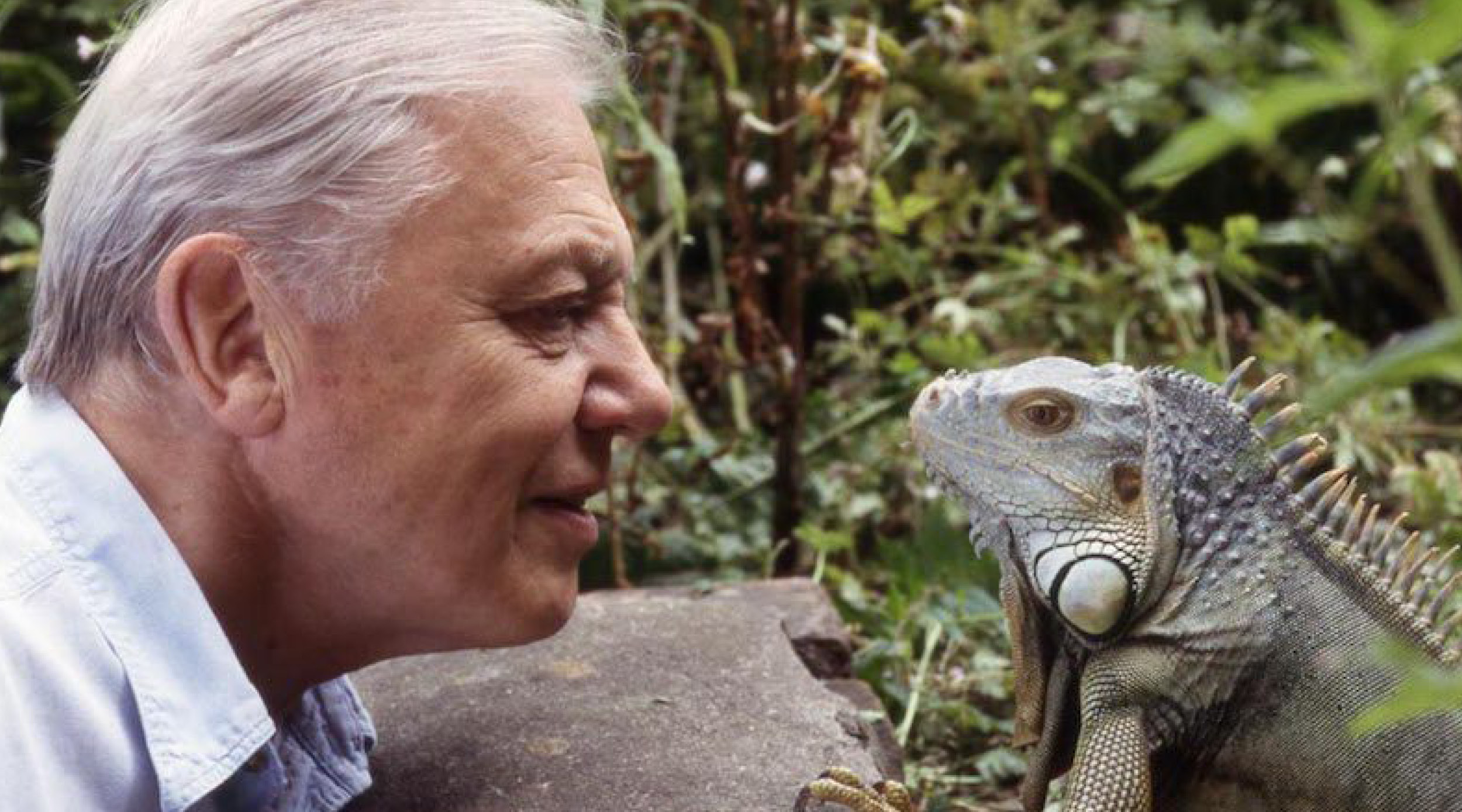
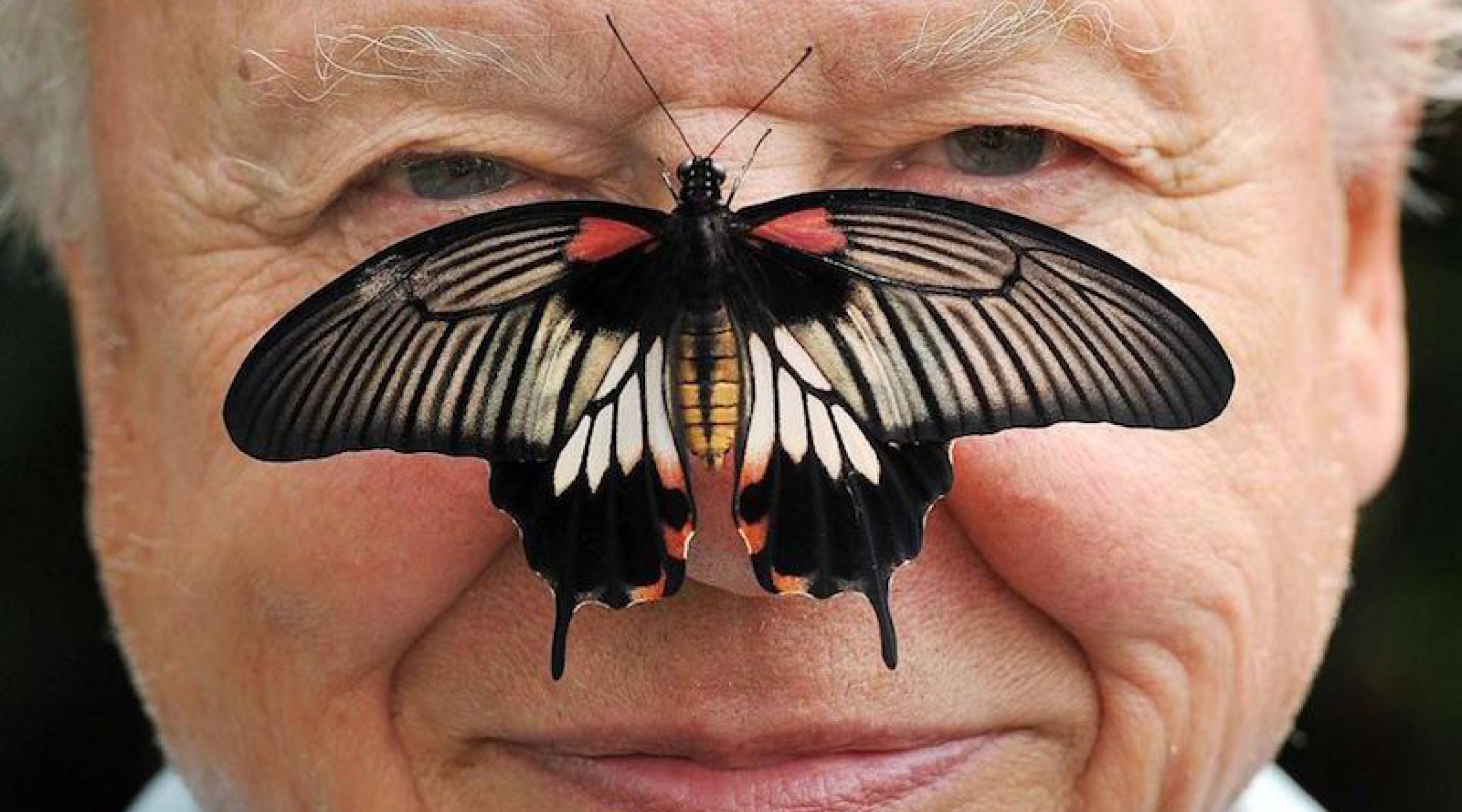
There are very few people today whom the entire human race, regardless of religion or political beliefs, can collectively hold in the highest regard than Sir David Attenborough, who celebrates his 100th birthday.
His unwavering commitment to highlighting planet Earth and all of its species, to ensure that humanity pays attention to the other species with which it shares this planet, is incomparable. Delivering his important message for more than 80 years, with his idiosyncratic warmth, wit, and immediately recognisable voice, Attenborough is attached to our hearts as a champion for all that is beautiful, while quietly serving as a fierce advocate for humans to wake up to the breadth and depth of our planet.
Attenborough started his interest in wildlife when his father gave him a fire salamander when he was eight. By eleven, he was selling newts to the zoology department at Leicester University for three pence each. That early instinct, the compulsion to find creatures and then make other people care about them, became the architecture of his entire life. Life on Earth, his landmark 1979 series, has been watched by an estimated 500 million people worldwide, and its most famous sequence, in which young mountain gorillas in Rwanda clambered onto him and tugged at his shoes while he whispered to the camera, was never scripted. He described it simply as “bliss.”
David Attenborough is also very funny. During the filming of The Life of Mammals in 2002, to scare his camera crew, he delivered a wolf howl so convincing that an entire pack of wolves assembled within view of the crew, prompting Attenborough to break into uncontrollable laughter at their shock. In 2013, he was filmed on his hands and knees in a Kenyan conservancy, squeaking back at a blind baby rhino named Nicky as though the two were having a perfectly reasonable conversation. He is also, despite a lifetime spent face to face with gorillas, snakes and the full spectrum of the planet’s more confronting inhabitants, utterly terrified of rats, a fear he cheerfully attributes to one unforgettable night in the Solomon Islands when they ran across his bed in a tropical storm.
At 100, Attenborough no longer traverses the world’s jungles and deserts, but earlier this year, he presented Wild London, discovering canal-dwelling snakes and pigeons riding the Tube with the same attention and admiration he gives all life on earth.
Today, we celebrate the man who has ignited our curiosity and love for our planet and all of its inhabitants. We are immensely grateful for his curiosity and unwavering commitment to sharing the truth about all life on Earth.
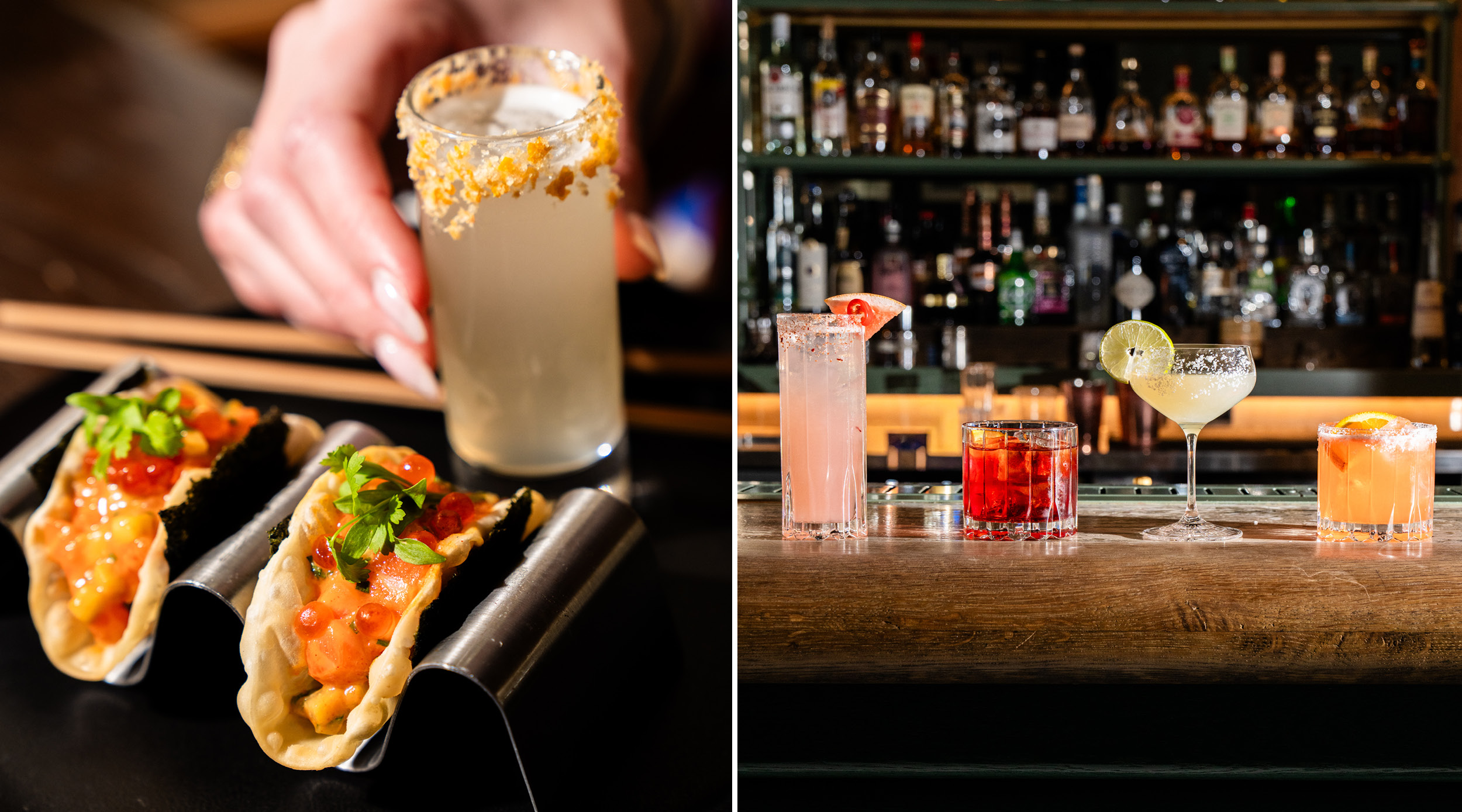
Who doesn’t love Mexico in May? Forget the flights, Savor Group has brought la vida loca to Auckland. Viva Espolón sees Espolón Tequila cocktails served at Bivacco, Bar Ziti, Flush, Non Solo Pizza, Ebisu andAzabu’s Mission Bay and Ponsonby outposts, with every eatery creating a delicious cocktail list, with each drink only $18 a serve. Pair your cocktail of choice with the specialty dish to transport yourself elsewhere.
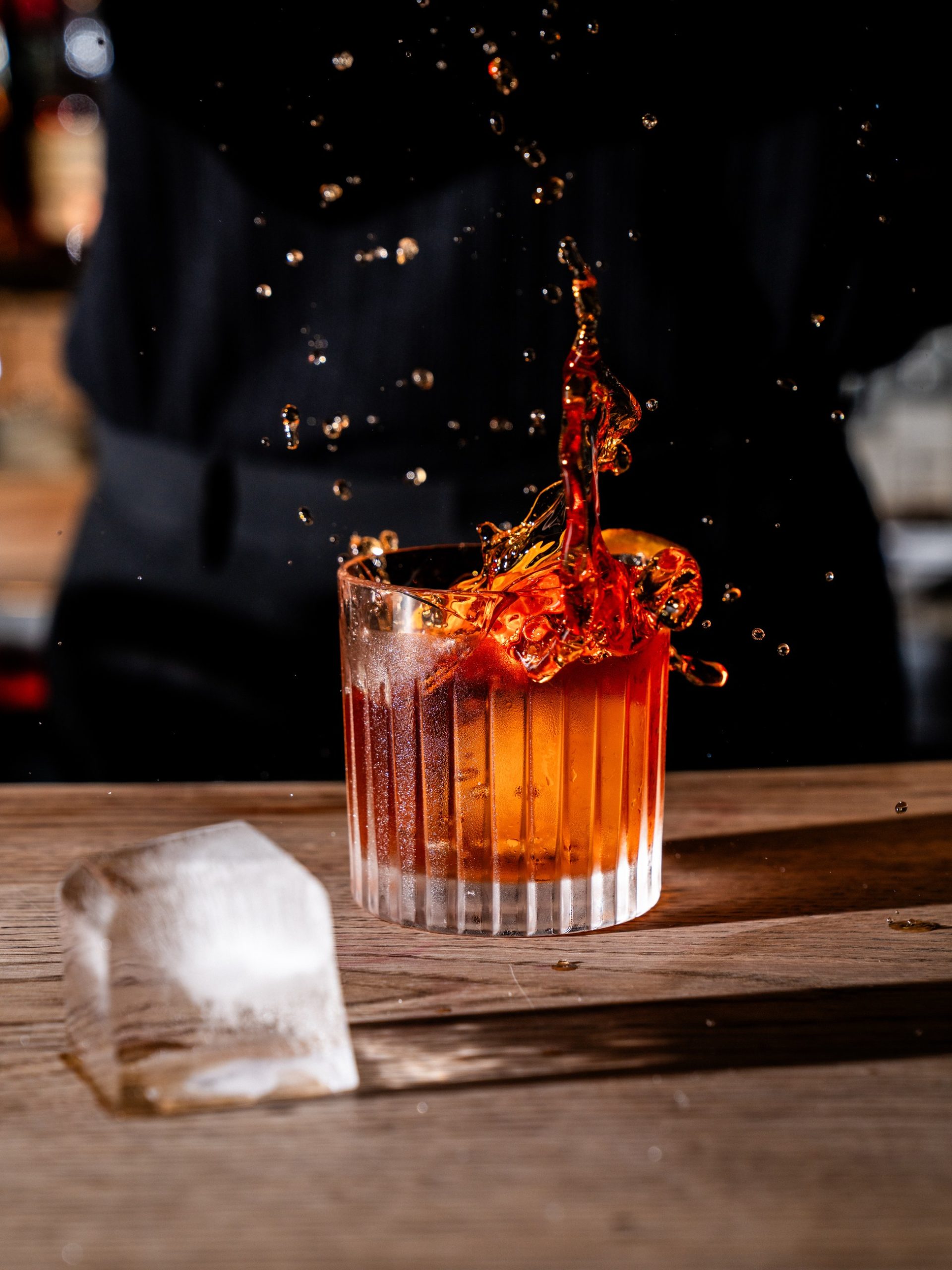
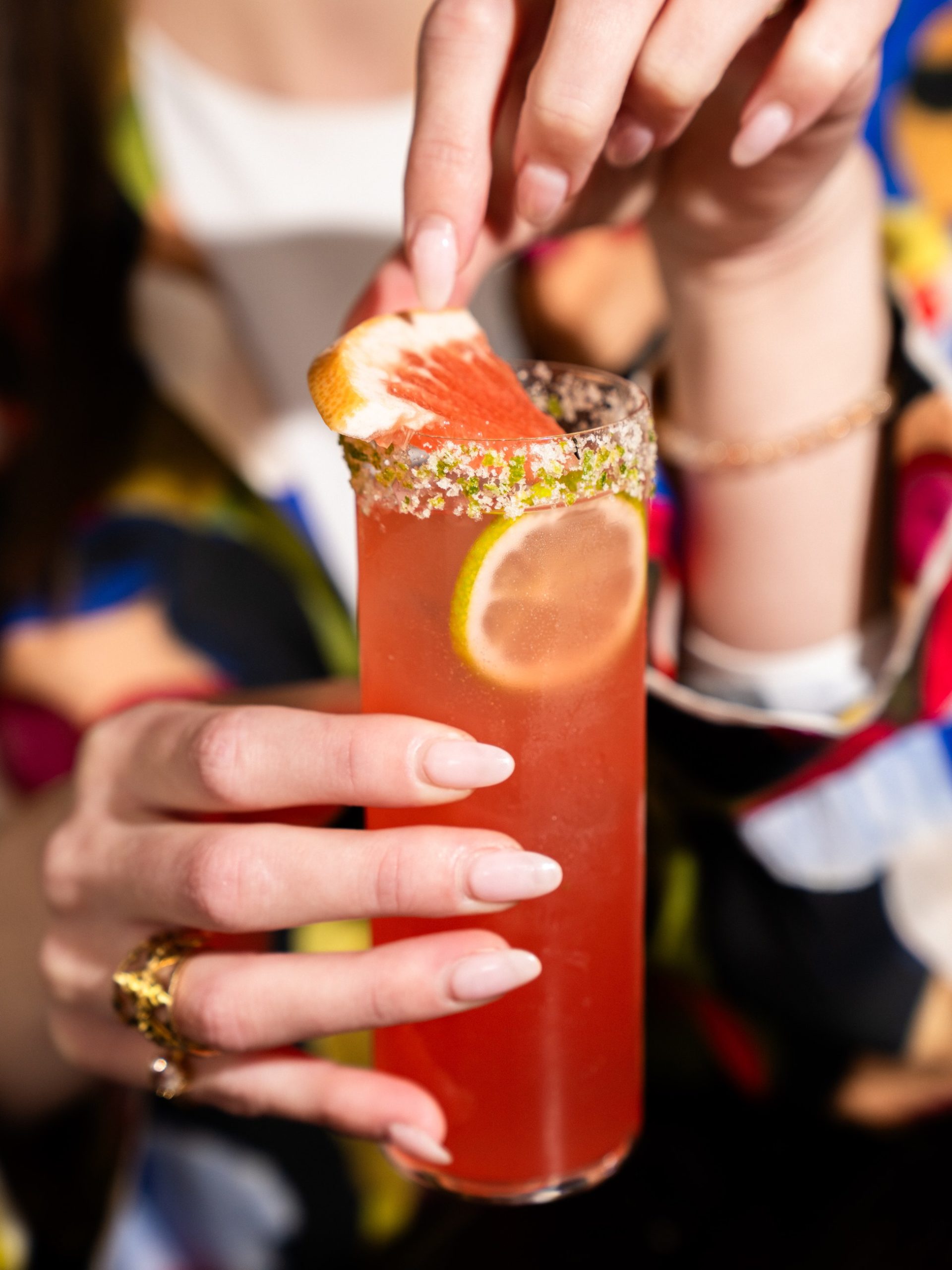
With a cocktail lineup that includes margarita and paloma variations, ranch water, tequila negronis, and mezcal-led twists that lean into bright citrus, gentle heat, and the grassy backbone of agave, this is a rare chance to taste how a single spirit reshapes itself across six different eateries.
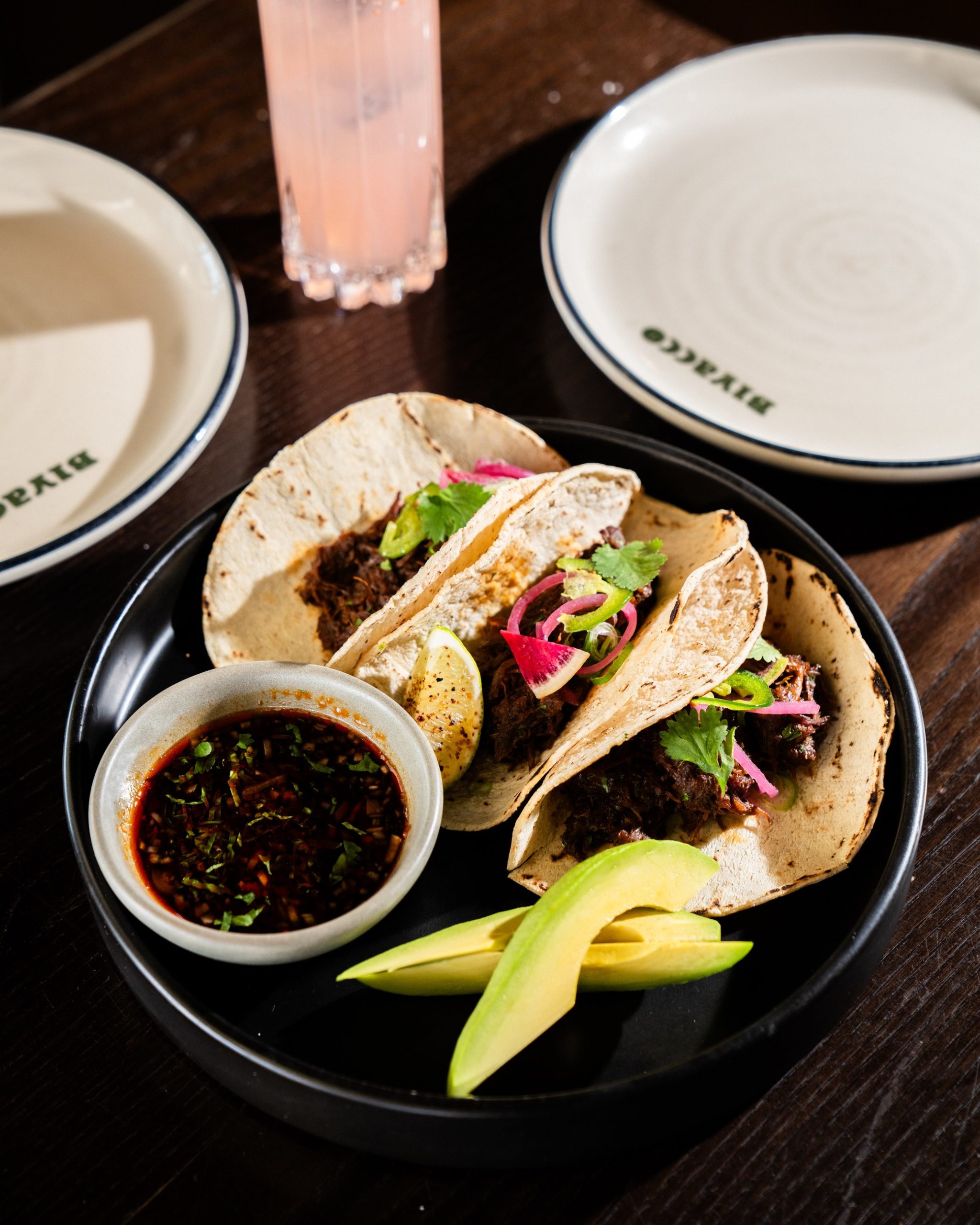
Bivacco’s Braised Short Rib With Pickled Onion, Avocado, Lime, Beef Sugo On Grilled Corn Tortilla and Spicy Paloma
At Bivacco, the bar is pouring the classic margarita alongside a spicy paloma, the latter built for diners who like a bit of friction with their citrus. Pair it with the fried prawn taco, dressed with salsa verde and campechana, or the braised short rib taco with pickled onion, avocado, lime and beef sugo on a grilled corn tortilla.
Bar Ziti’s Ranch Water
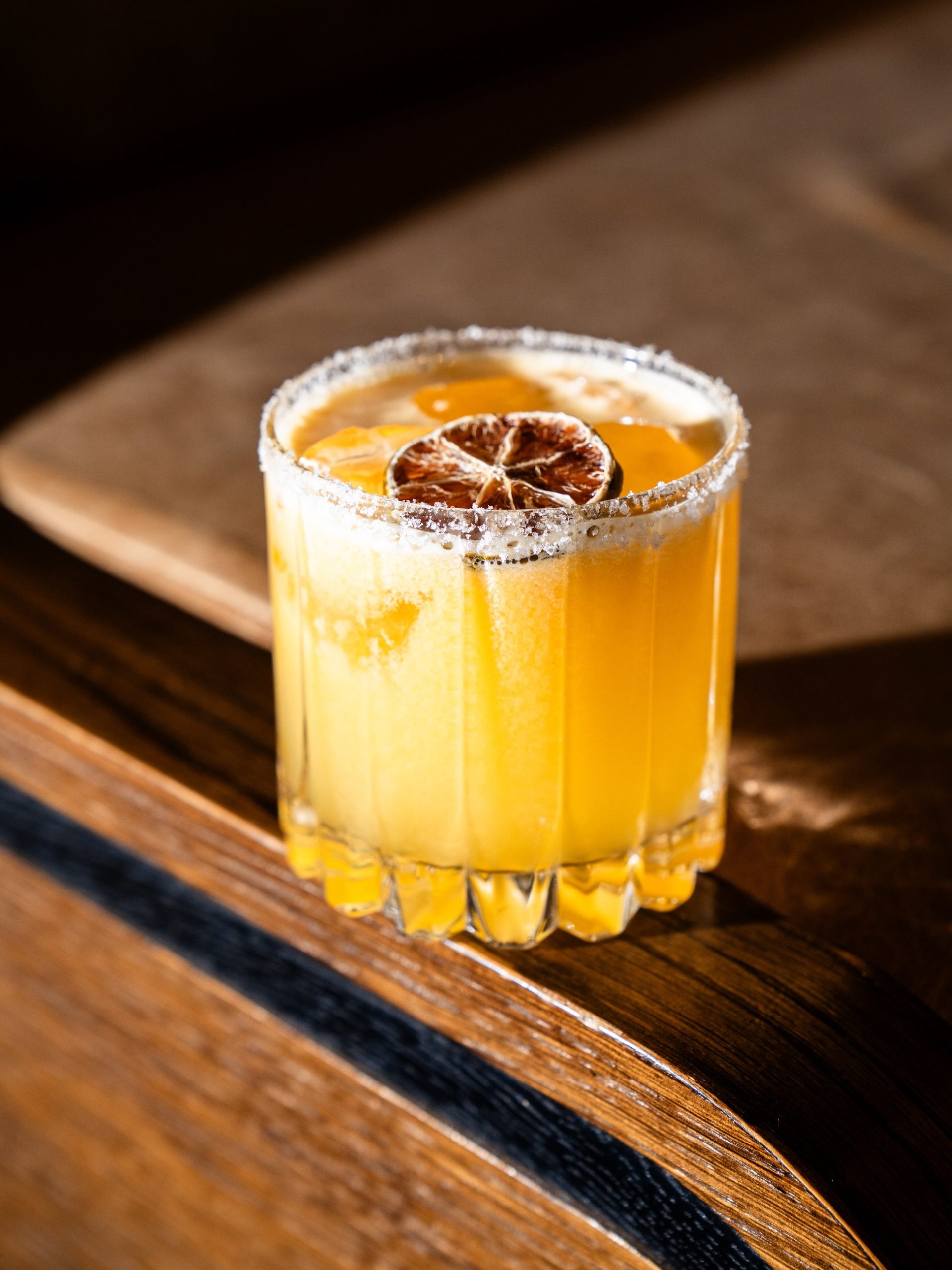
Bar Ziti’s Passionfruit Margarita
Meanwhile, Bar Ziti leans into stone-fruit territory with a passionfruit margarita that drinks like a late summer refusing to leave. The Ranch Water sits beside it for anyone after something cleaner and more linear, all lime, salt and the quiet hum of tequila.
Non Solo Pizza’s Rosita
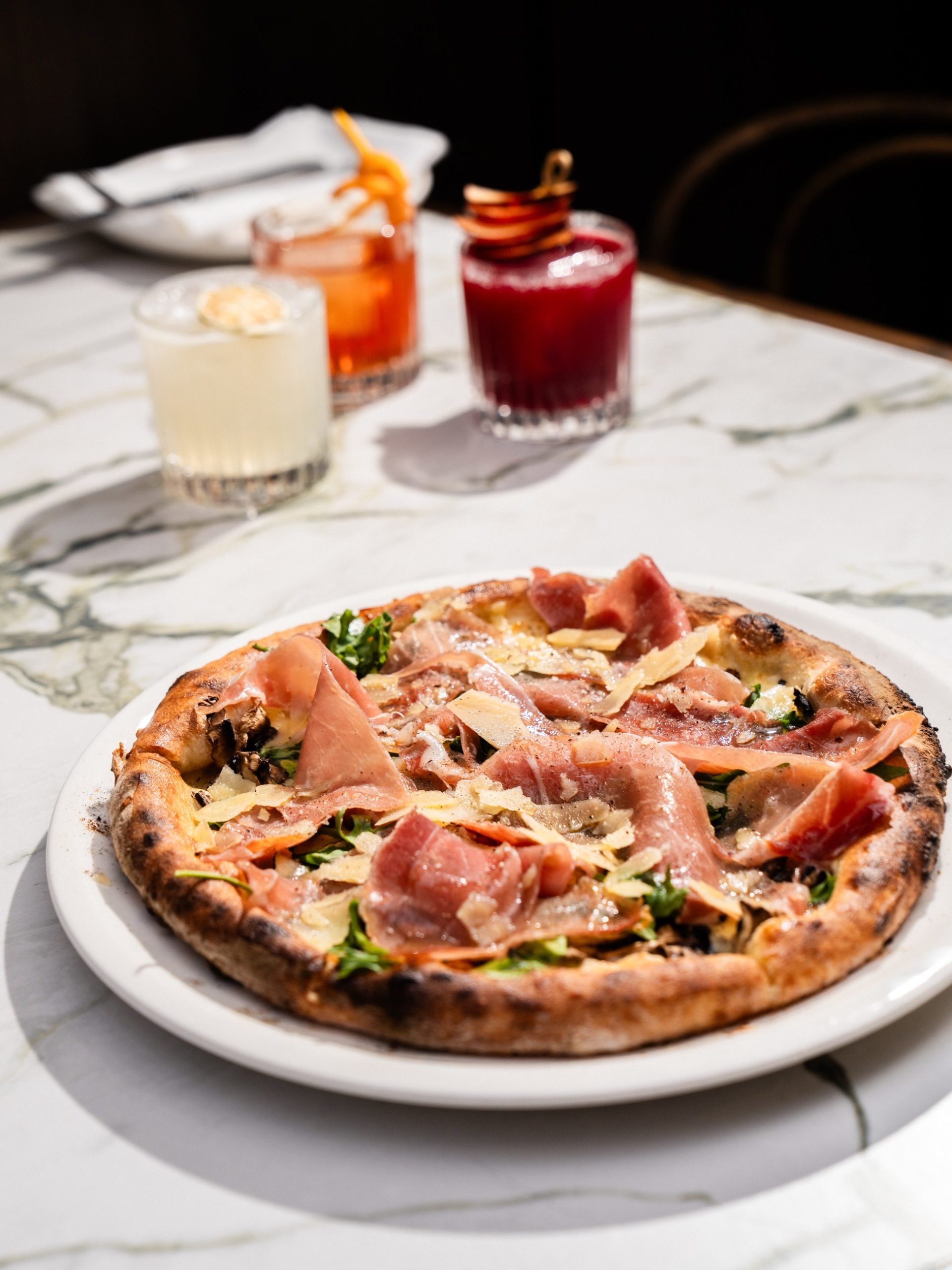
Non Solo Pizza’s Osteria Pizza
Non Solo Pizza’s contribution is the Rosita, a tequila negroni that swaps gin’s botanical edge for something warmer and rounder, designed to drink alongside the Osteria pizza. It’s an unlikely pairing on paper that makes complete sense when you try it.
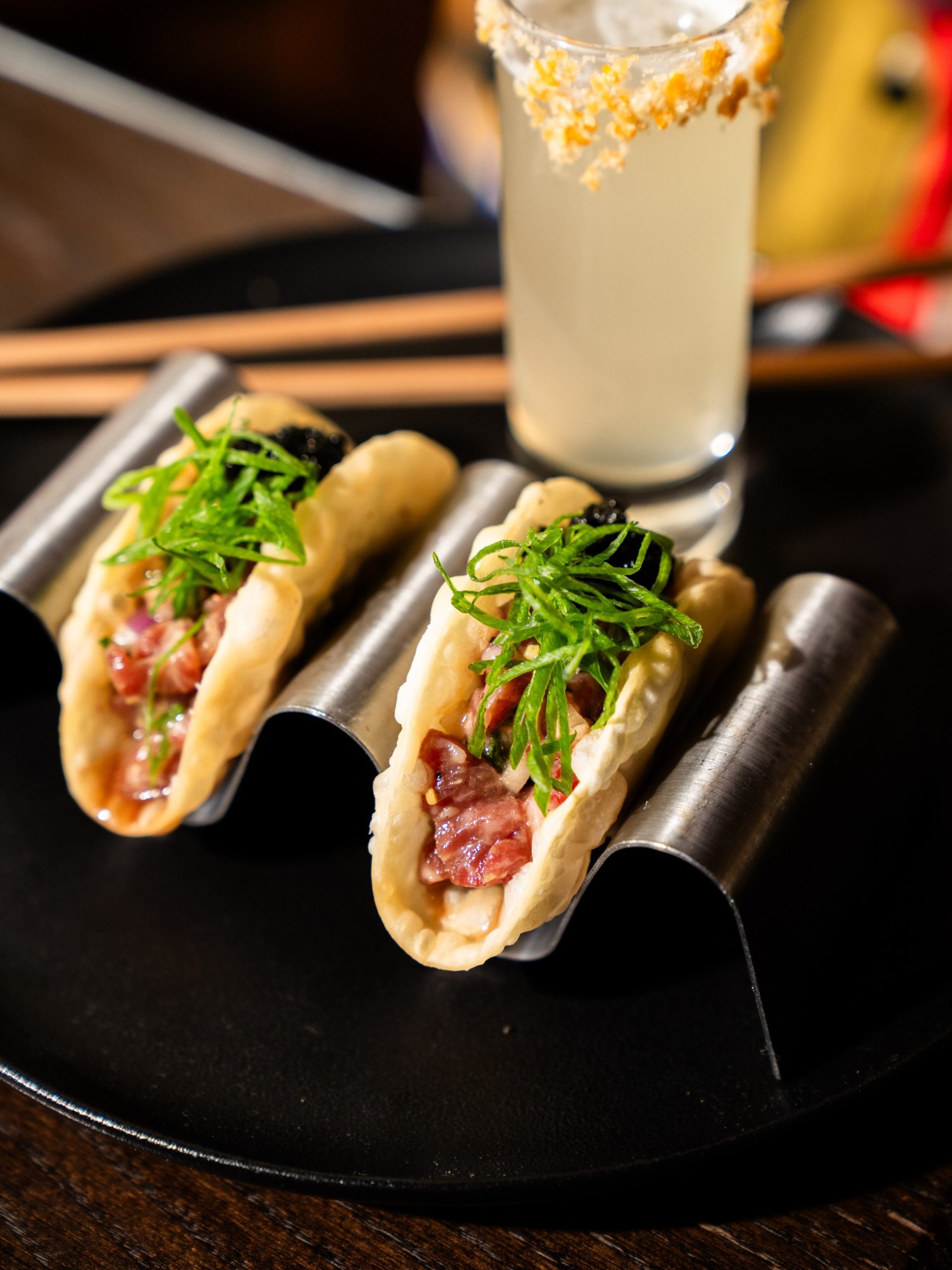
Ebisu and Azabu Mission Bay (and Ponsonby) share a menu, that might be the most ambitious of the lot. The ESPaloma anchors the drinks list, while the kitchen sends out poached prawn tostadas and wagyu tartare tacos that play the group’s Japanese sensibility against Mexican brightness. Expect rotating taco specials throughout the month, so a return visit is definitely required.
Azabu And Ebisu’s Espaloma
Azabu And Ebisu’s Wagyu Tartare Taco
Viva Espolón runs for the entire month of May across the participating Savor venues, with $18 cocktails the entire month. We suggest working your way through the list for a true slice of la vida loca.
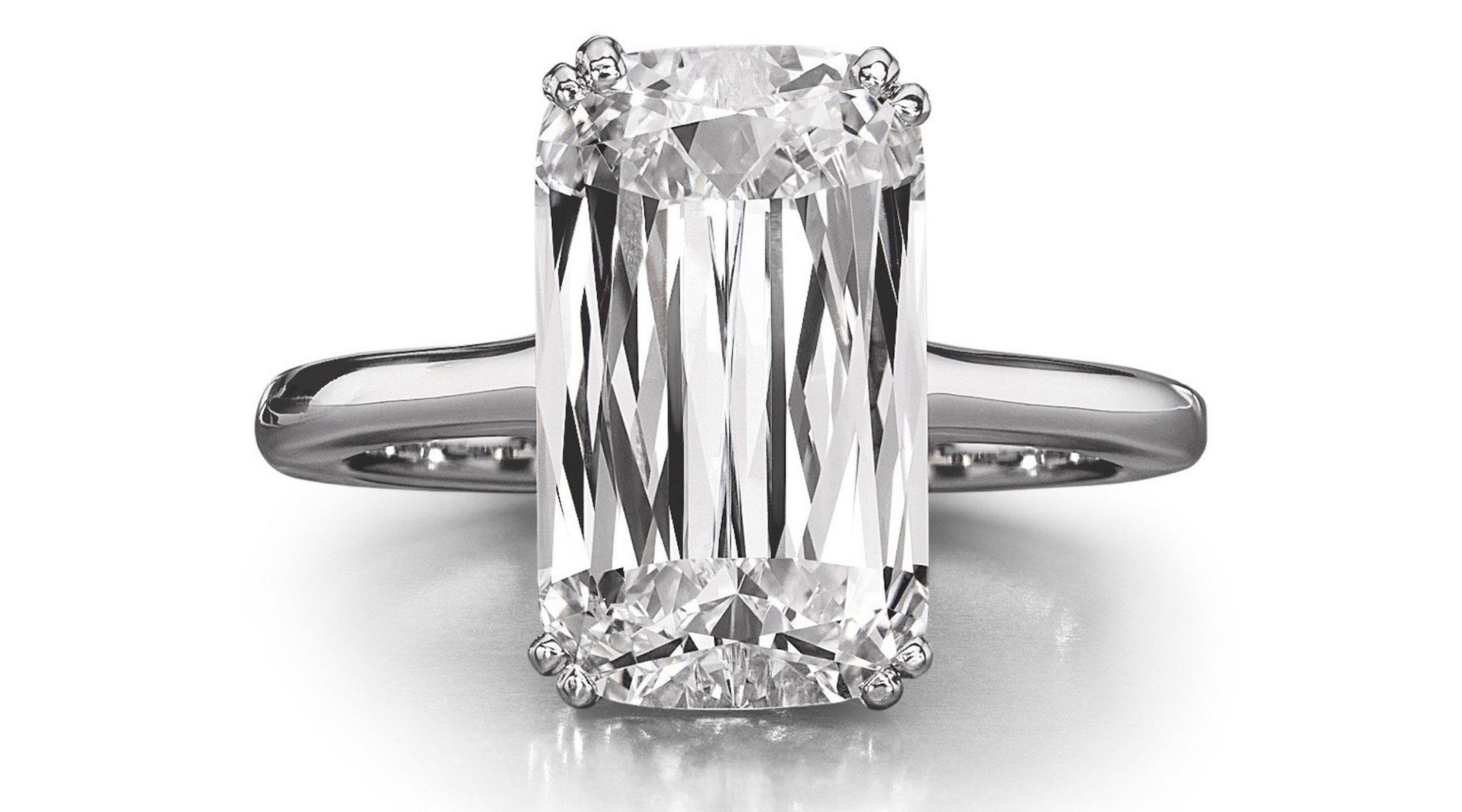
Among the countless ways a diamond can be cut, only a handful achieve true distinction. The Ashoka is one of them. Instantly recognisable to those fluent in fine jewellery, this elongated diamond with its softly rounded corners possesses a poise that feels both modern and timeless. Elegant without being austere, it offers the crisp geometry collectors admire in emerald cuts, but with a brilliance that feels far more alive.
That brilliance is no accident. The Ashoka cut features 62 meticulously arranged facets, engineered to amplify light in a way that traditional step cuts rarely achieve. While an emerald-cut diamond is celebrated for its clean architectural lines, it is not typically known for sparkle. The Ashoka changes that equation entirely. Its additional facets create a vibrant play of light, producing a brightness and scintillation that feels noticeably more radiant on the hand.
Achieving that effect is neither quick nor easy. Each Ashoka diamond can take up to six months to cut and polish, a painstaking process requiring extraordinary precision. The stone must be carefully shaped to achieve the cut’s exact proportions, ensuring the facets align perfectly to maximise both brilliance and balance.
Before that process even begins, the odds are already narrow. Fewer than one per cent of rough diamonds possess the clarity, size and elongated crystal structure required to become an Ashoka. The material must be exceptional from the outset. Only then can the cutter begin the long and highly specialised journey toward the finished stone.
The result is a diamond that appears larger than many others of the same carat weight, thanks to its elongated silhouette and distinctive faceting. On the finger, it has a luminous, almost floating quality, the light moving through the stone with a softness and energy that sets it apart from more familiar cuts.
Today, the Ashoka remains one of the few proprietary diamond cuts. Developed by the renowned William Goldberg Diamond House in New York, after years of research and experimentation, it is produced exclusively by the brand and a tightly controlled group of authorised partners worldwide.
For those who value individuality in fine jewellery, the appeal is obvious. The Ashoka is not simply another diamond cut. It is a connoisseur’s diamond; rare, exacting, and unmistakably brilliant.
ASHOKA® diamonds are available at Partridge Jewellers in New Zealand.
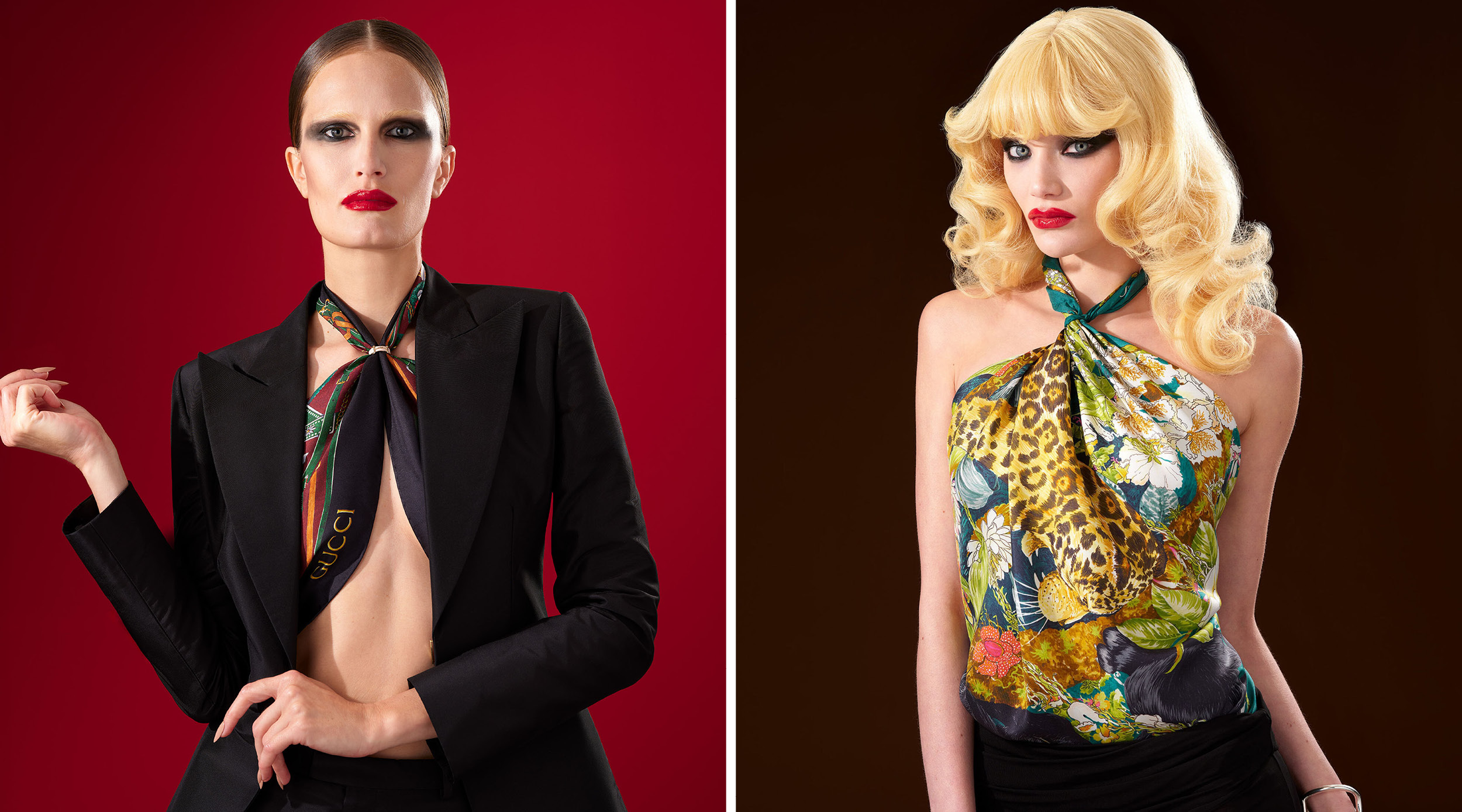
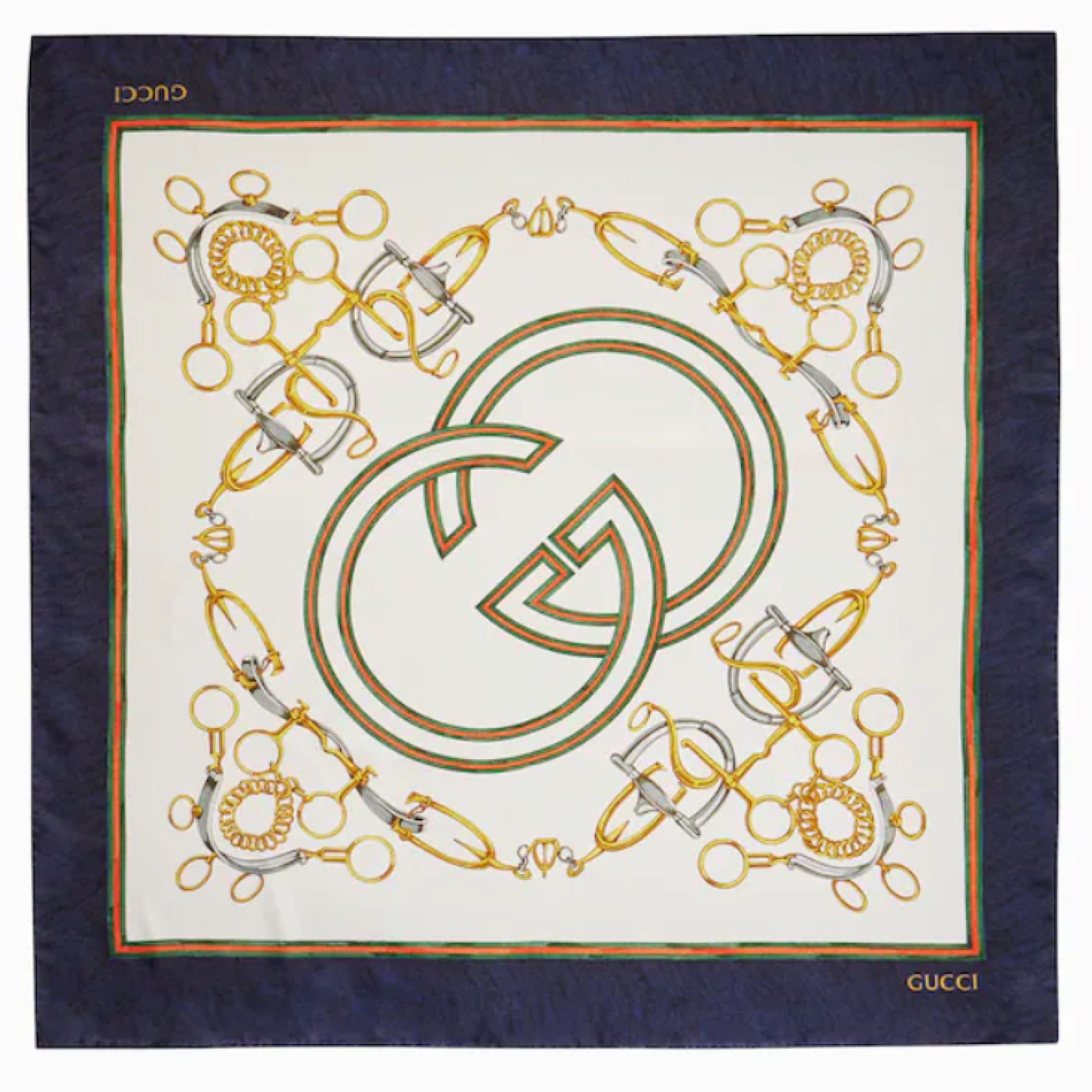
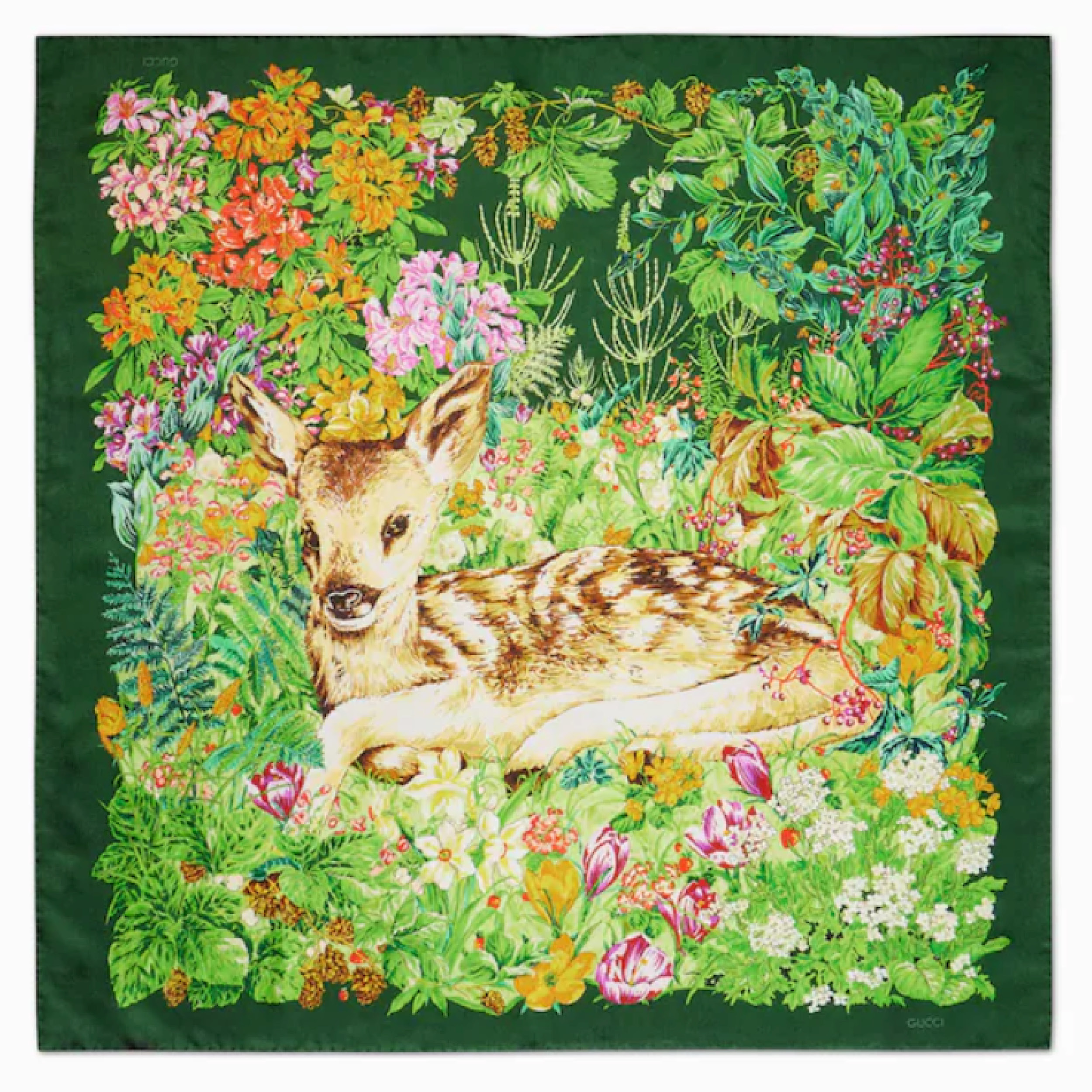
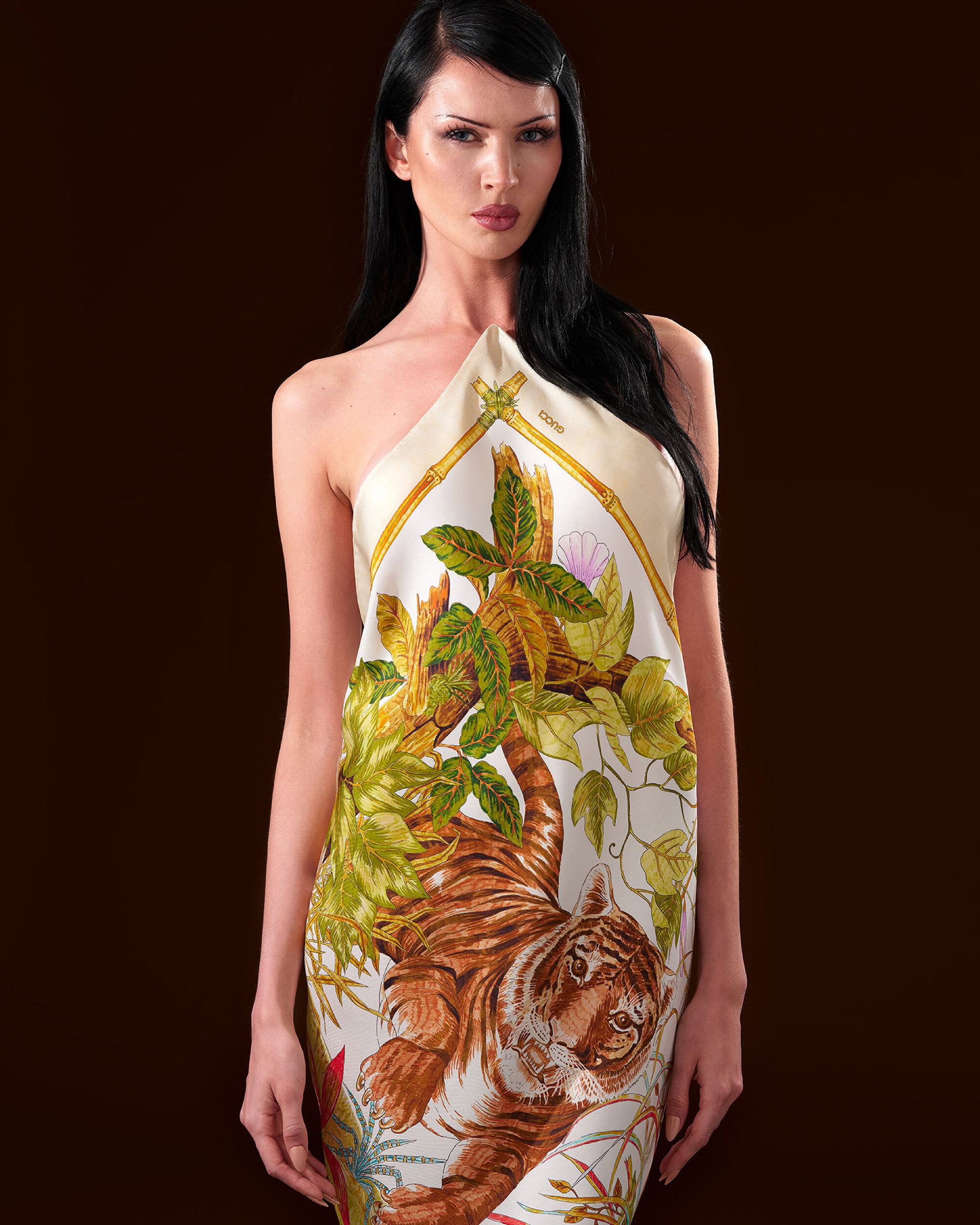
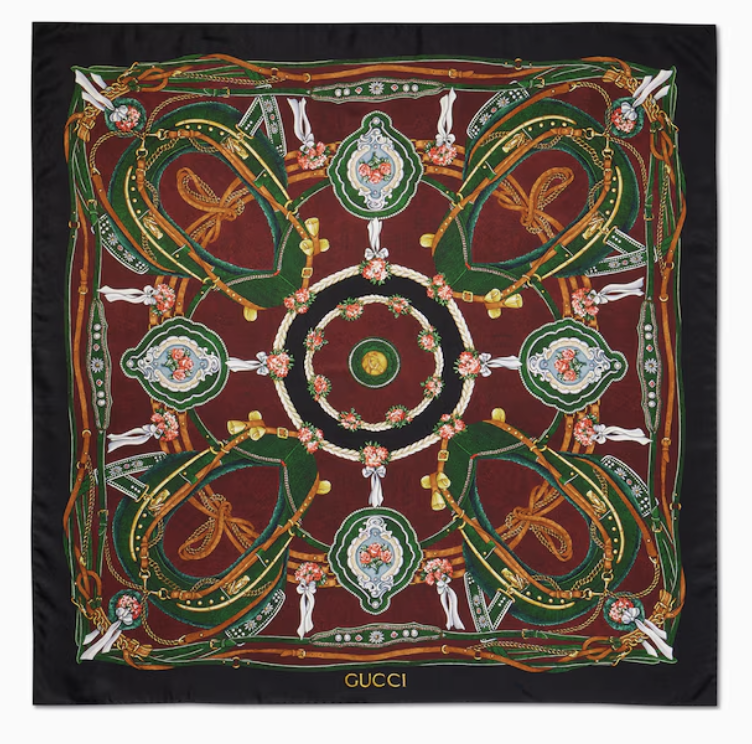
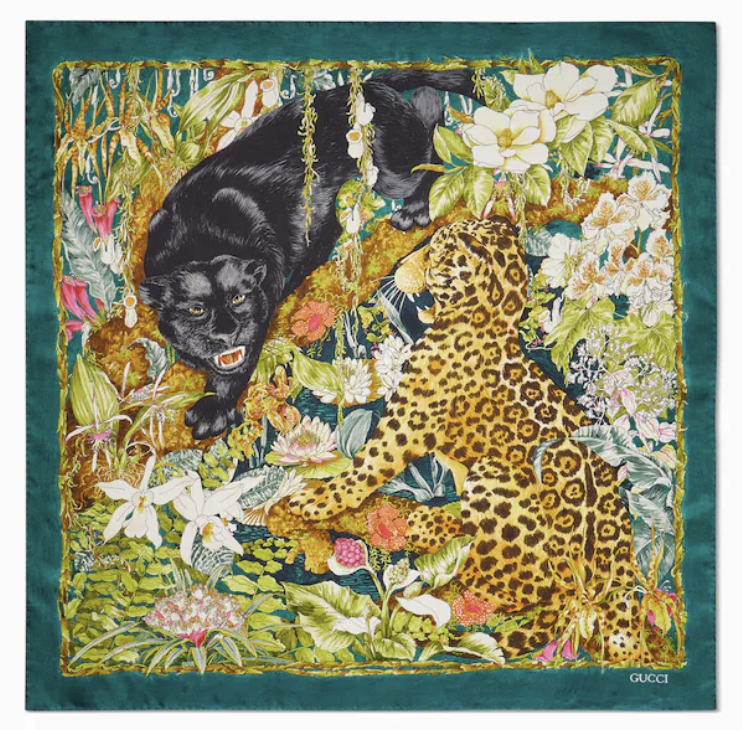
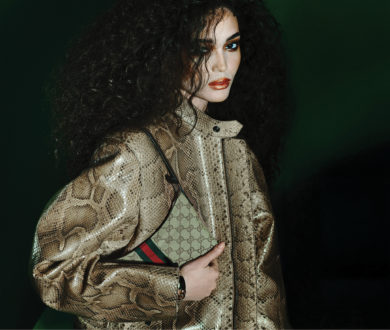
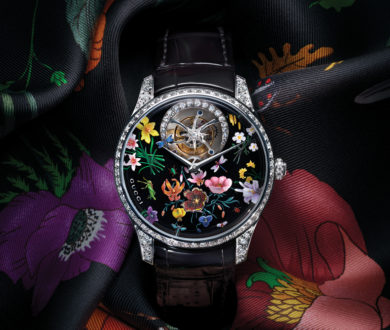
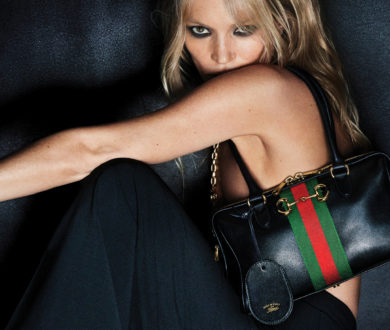
Ten scarves from the Gucci archives, each selected by Demna. A Calabrian silk production chain resurrected from abandoned mulberry groves. Students from Florence’s Accademia delle Belle Arti are transforming archival prints into contemporary paintings. This is how heritage brands stay relevant in 2026: by reaching backwards and forwards simultaneously.
The Art of Silk “Your Majesty” printed silk carré from Gucci
The Art of Silk “Giardino di Seta” printed silk carré from Gucci
The collection spans Gucci’s visual vocabulary with considered restraint. Your Majesty and Double Trouble sit alongside the inevitable Flora iterations. Each design carries its original character while speaking Demna’s quieter language. The silk itself tells its own story: sourced through Nido di Seta and Ongetta’s revival project in southern Italy, where renewable energy powers looms and rural economies find new life.
The Art of Silk “Salon Privé” printed silk carré from Gucci
The Art of Silk “Double Trouble” printed silk carré from Gucci
The accompanying campaign positions scarves as fluid accessories rather than precious relics. Movement shots capture silk in motion, styled as everything but what you’d expect. Meanwhile, the student paintings now inhabit the Rodeo Drive flagship, bridging archival craft and contemporary interpretation.
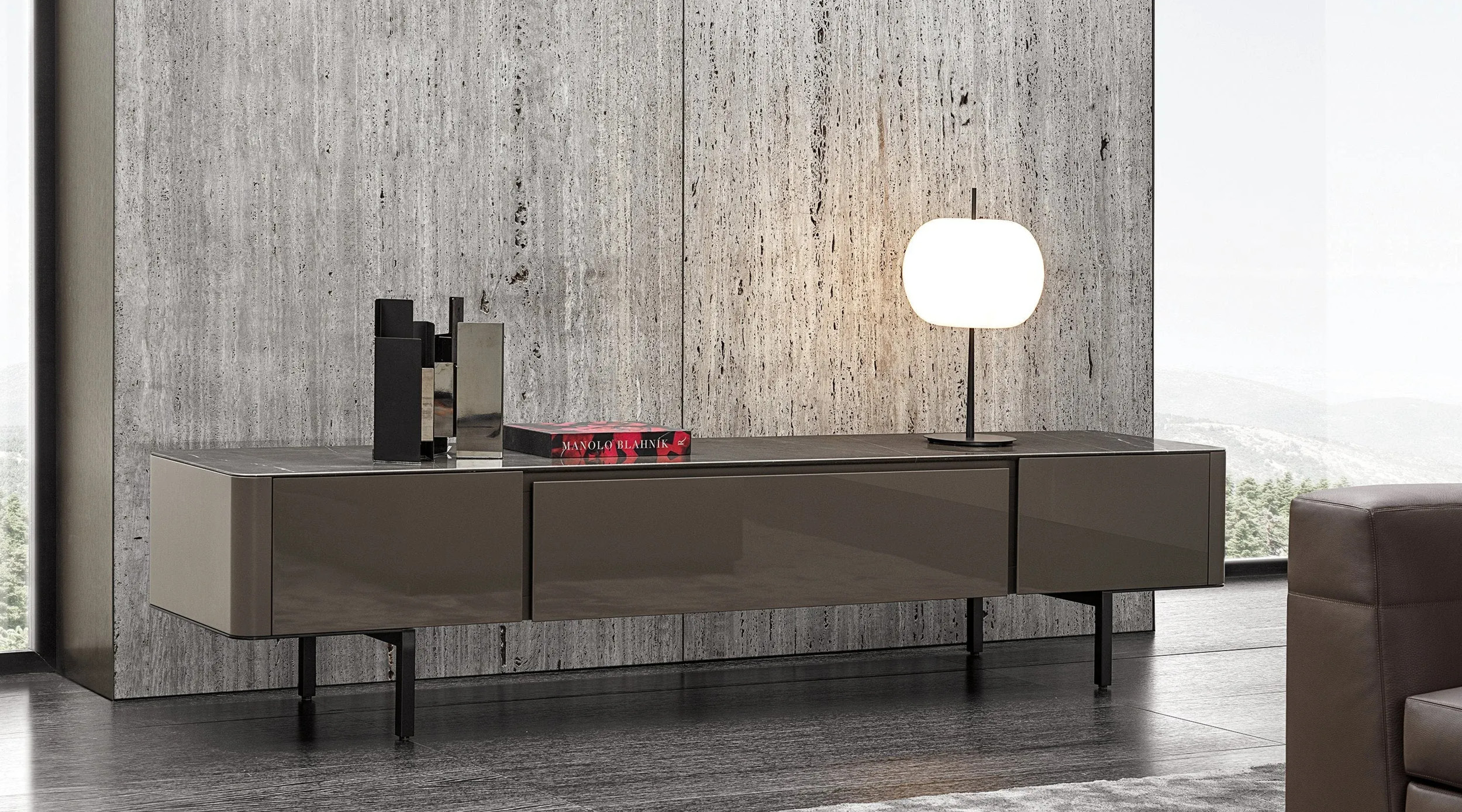
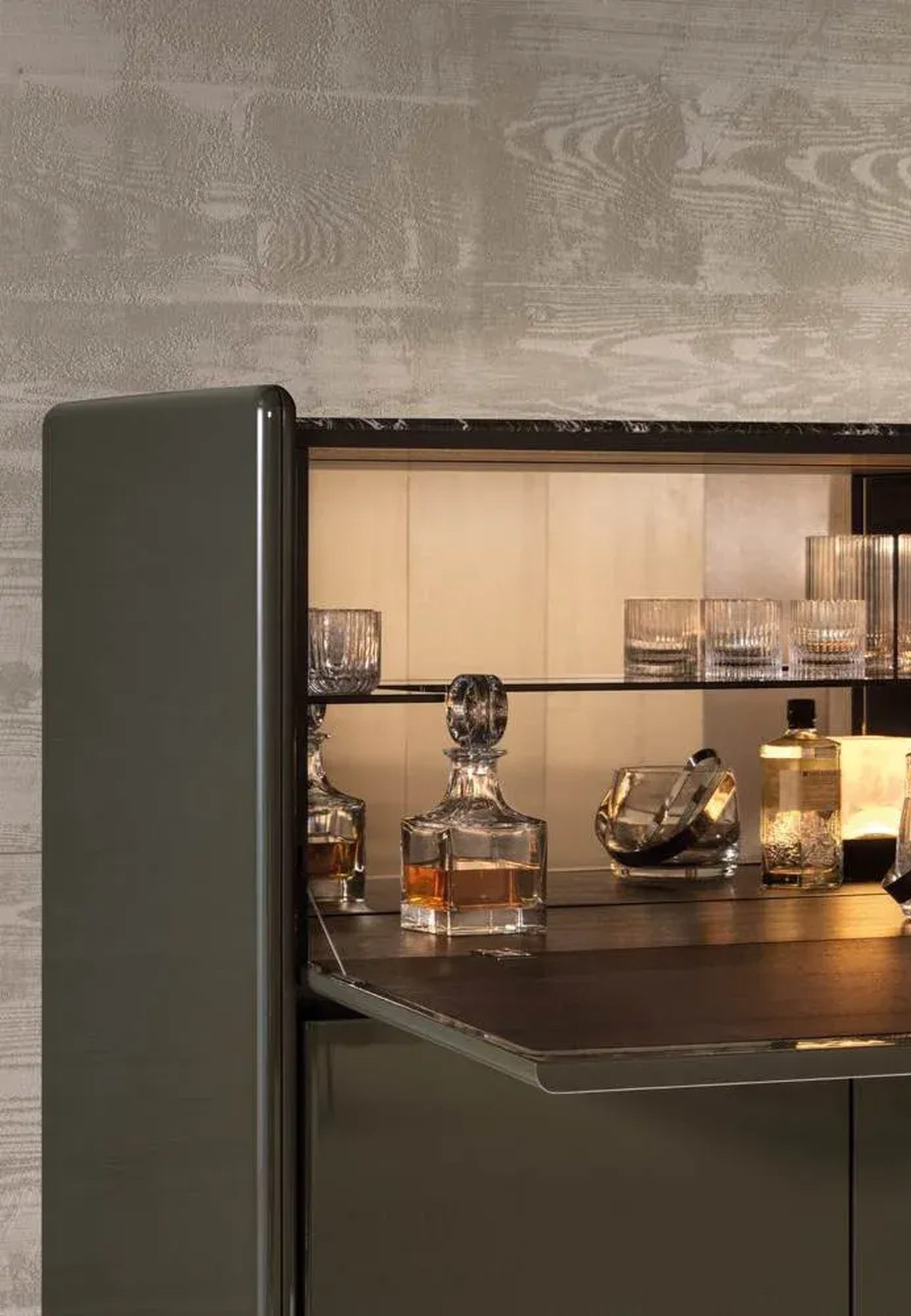
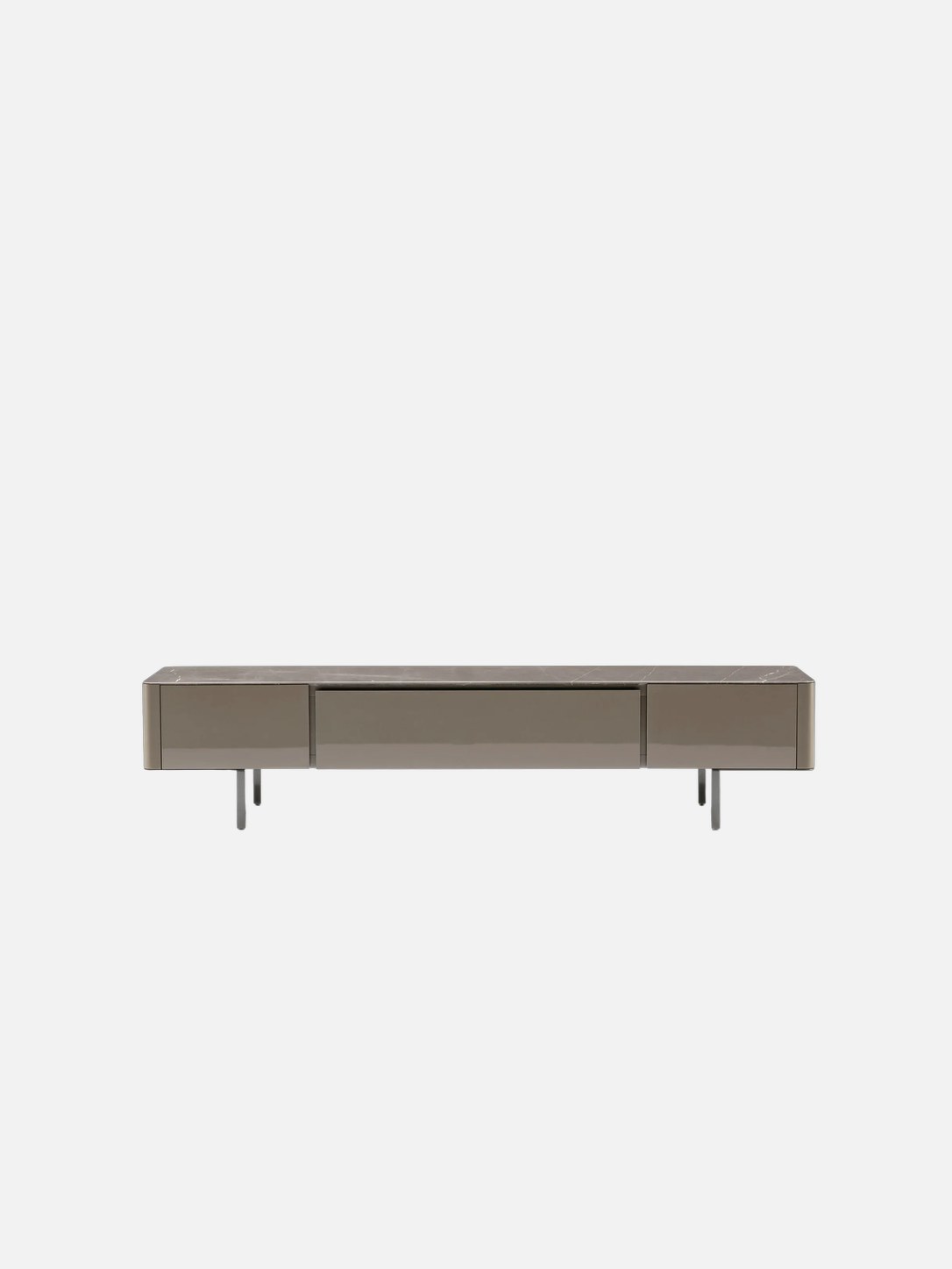
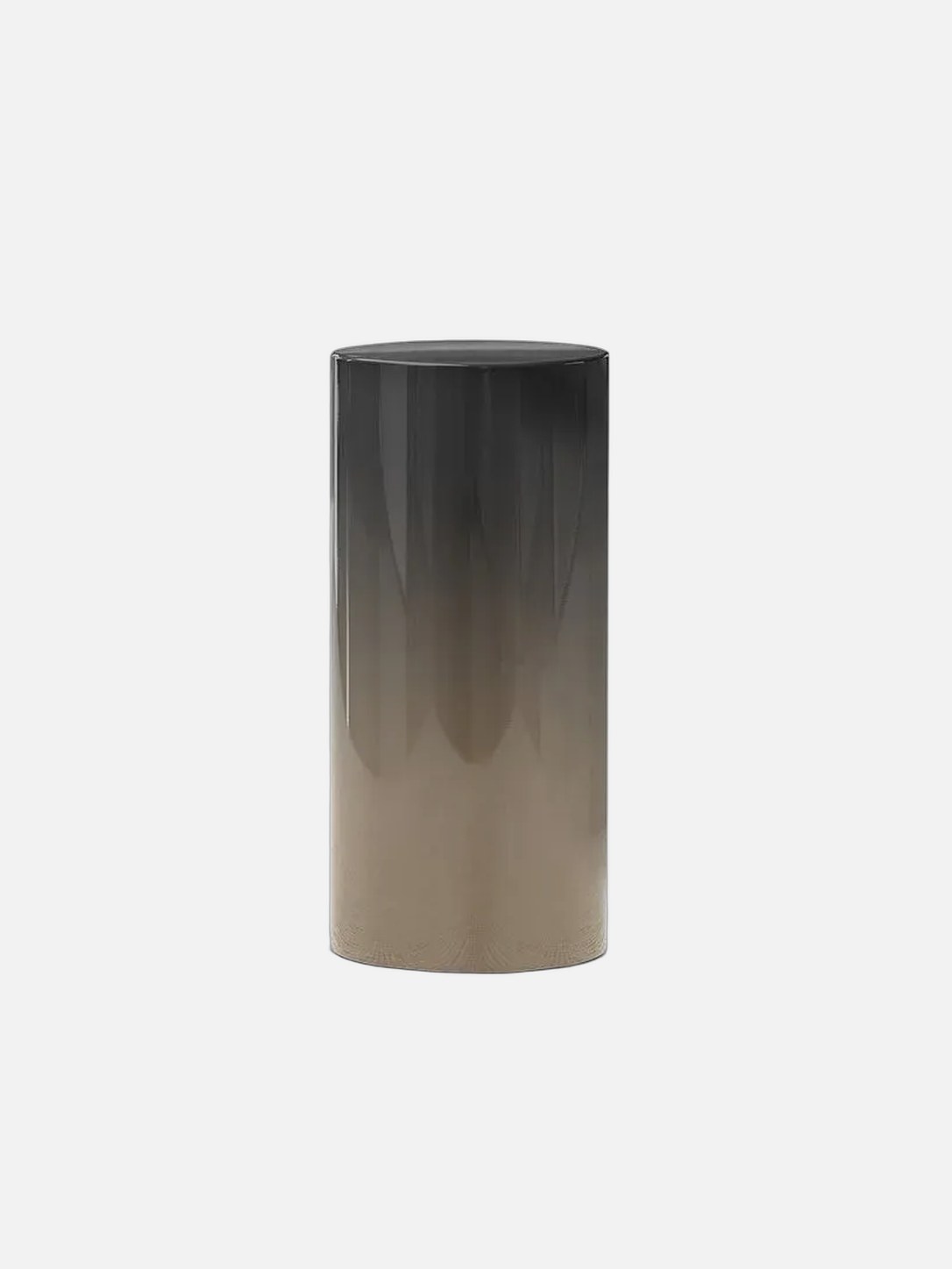
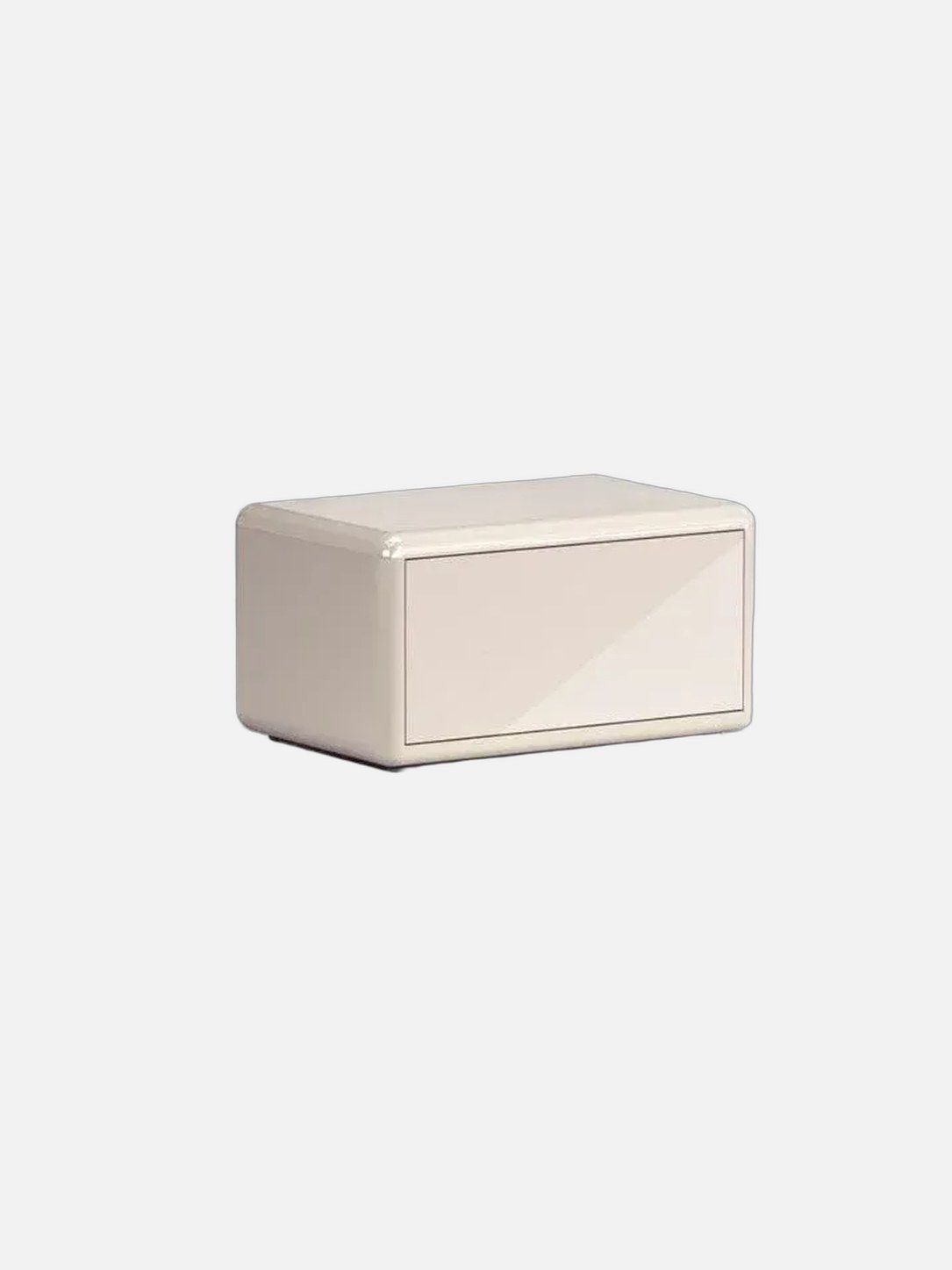
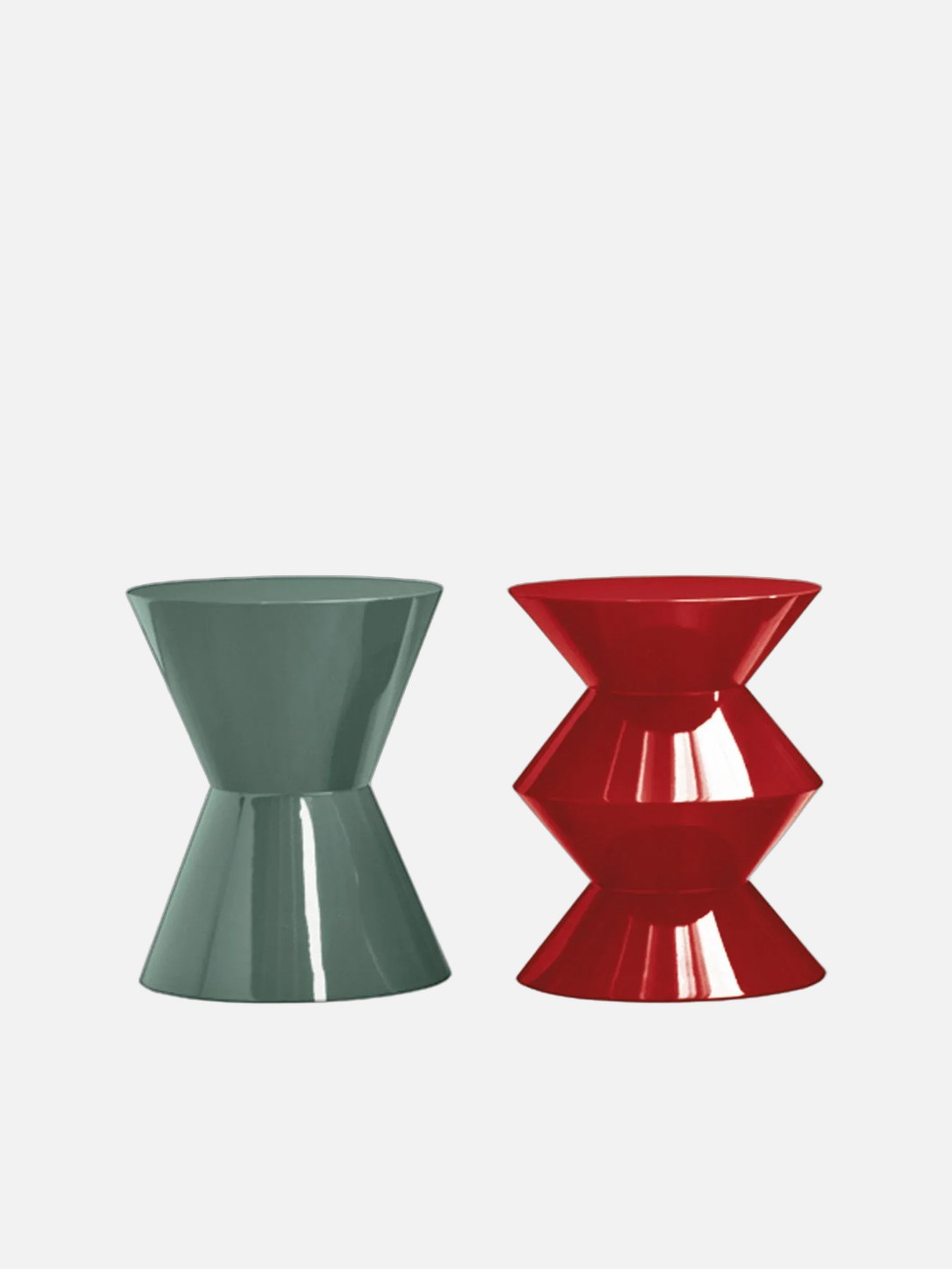
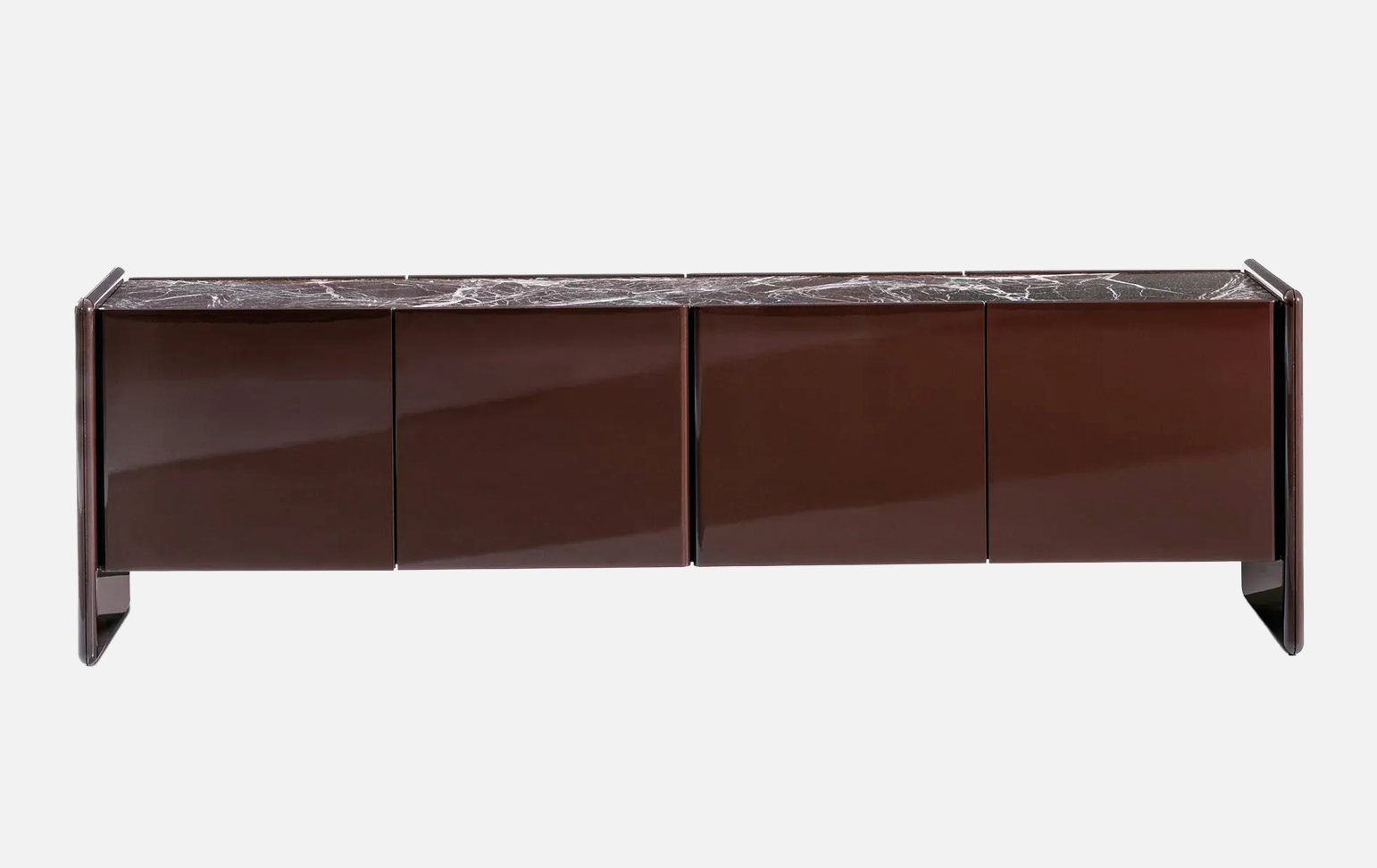
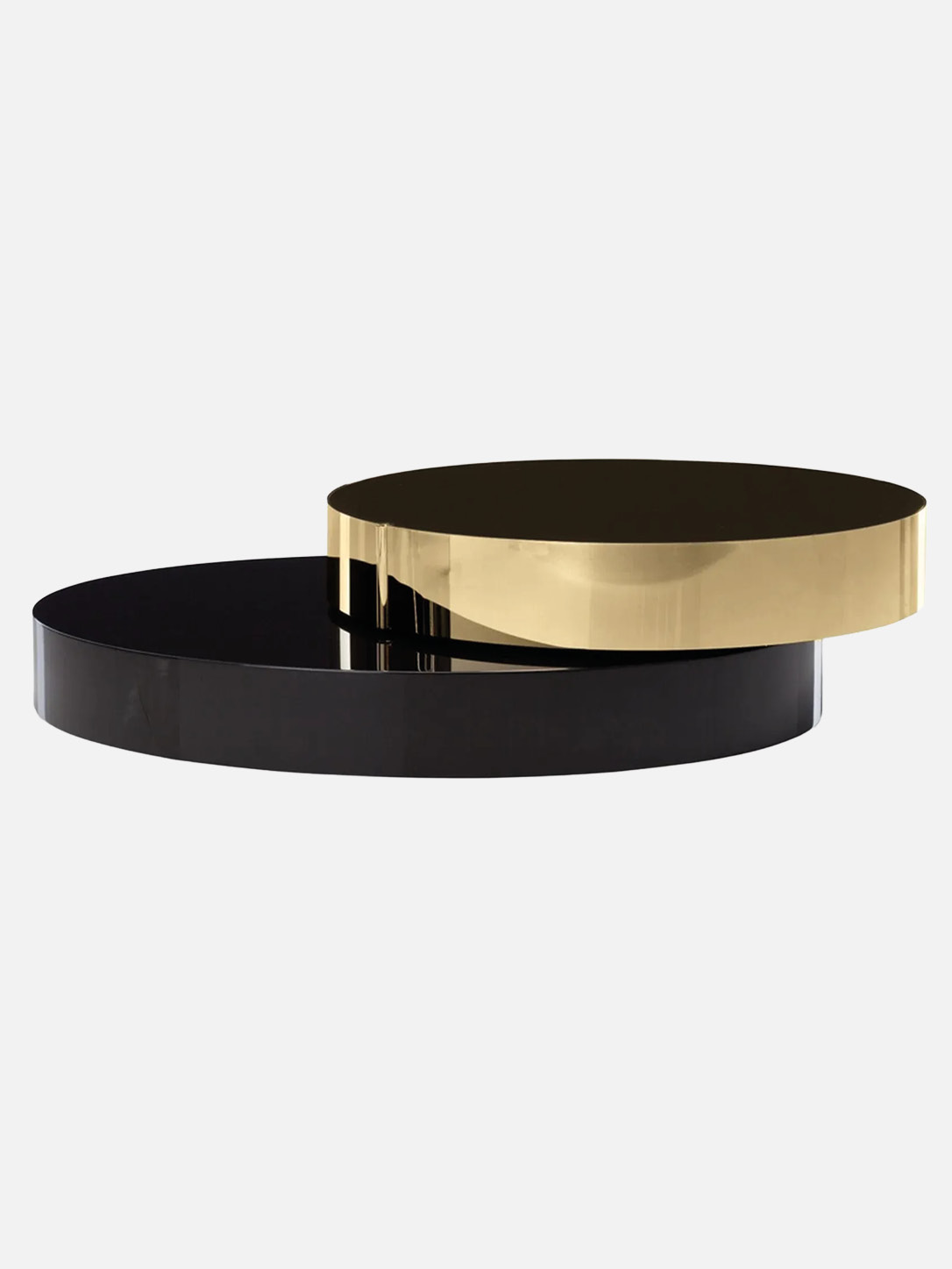
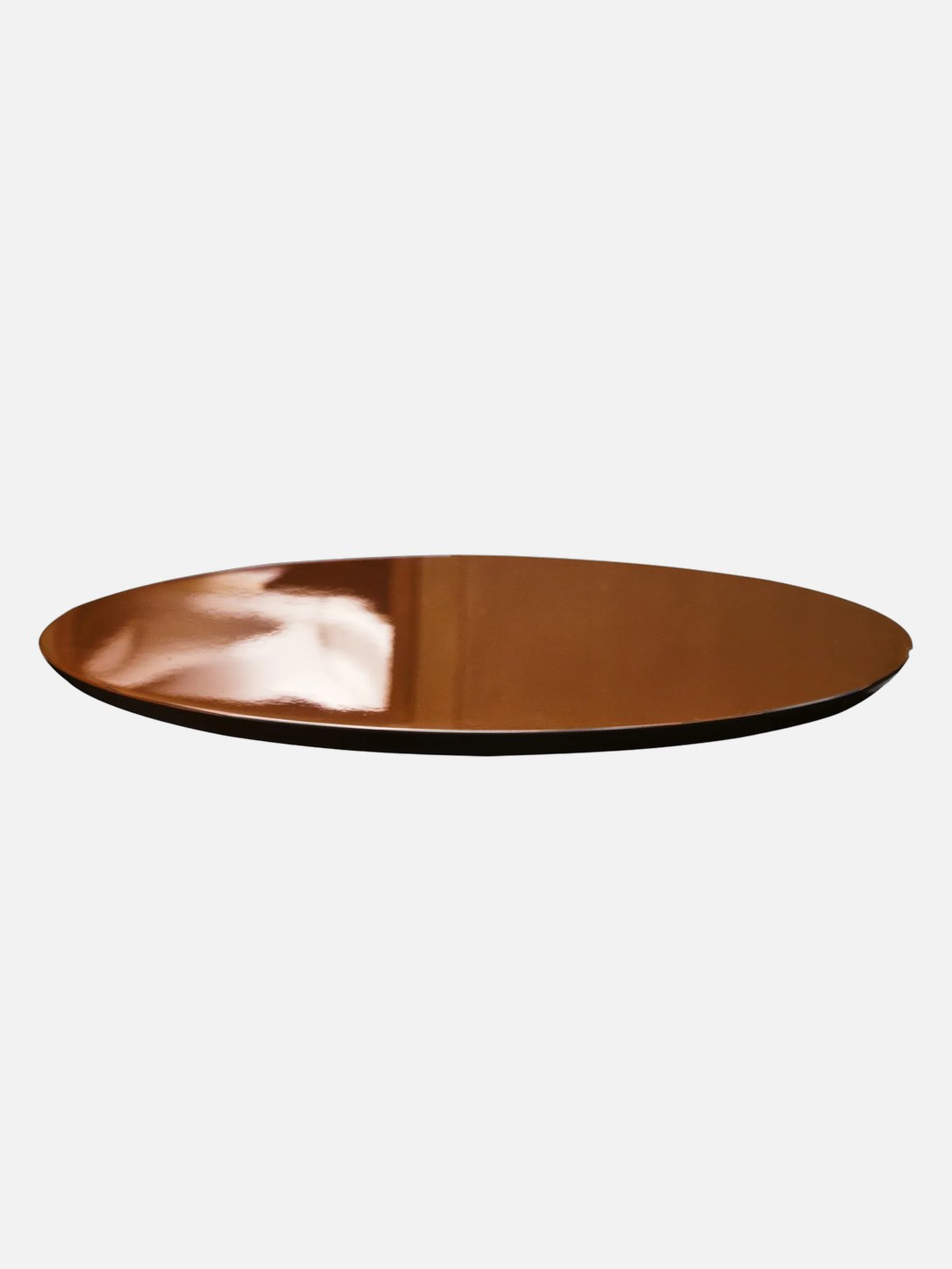
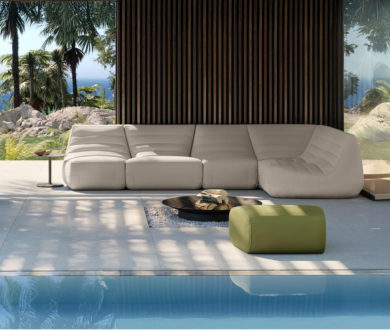
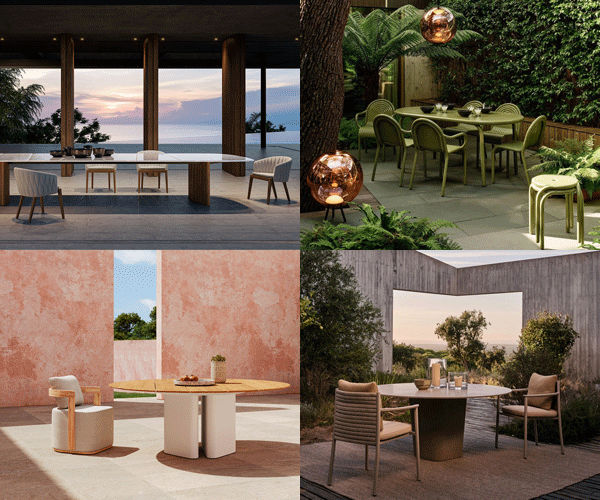
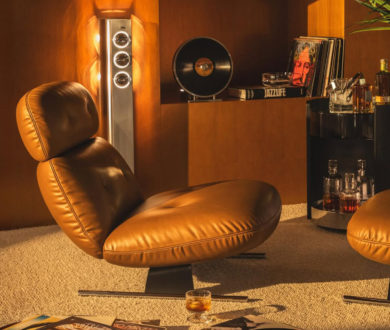
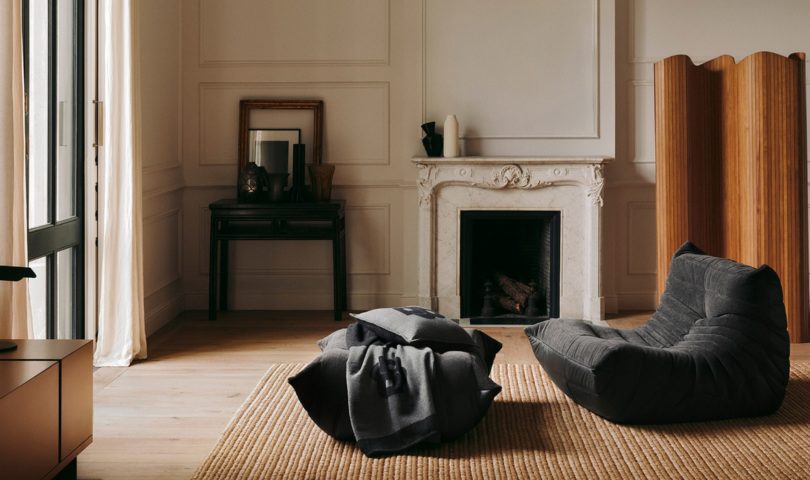
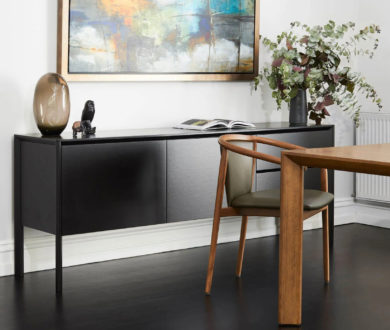
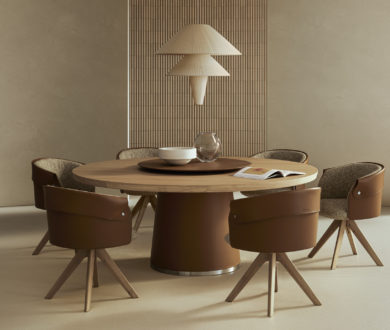
After years of matte restraint, gloss returns with conviction. Lacquered cabinetry, polished veneers and resin finishes catch the light and amplify a room’s drama, and no one is doing it with more assurance than Minotti. The Italian house has long understood that a surface is never just a surface; it’s an invitation to look closer. Their latest pieces lean into high-gloss lacquer with the confidence of a brand that built its reputation on quiet material intelligence. Think deep, inky finishes on streamlined cabinetry and console forms that seem to hold the room’s light within them. High gloss works particularly well in darker palettes, adding depth and a subtle glamour that feels intentional rather than nostalgic. Used strategically, it sharpens contemporary interiors and elevates simple forms. The key, as ever, is balance. Pairing Minotti’s reflective surfaces with tactile textiles, natural stone and warm timber avoids tipping into excess. This is not gloss for gloss’s sake. It’s a polished restraint that only works when the form beneath it is worth reflecting.
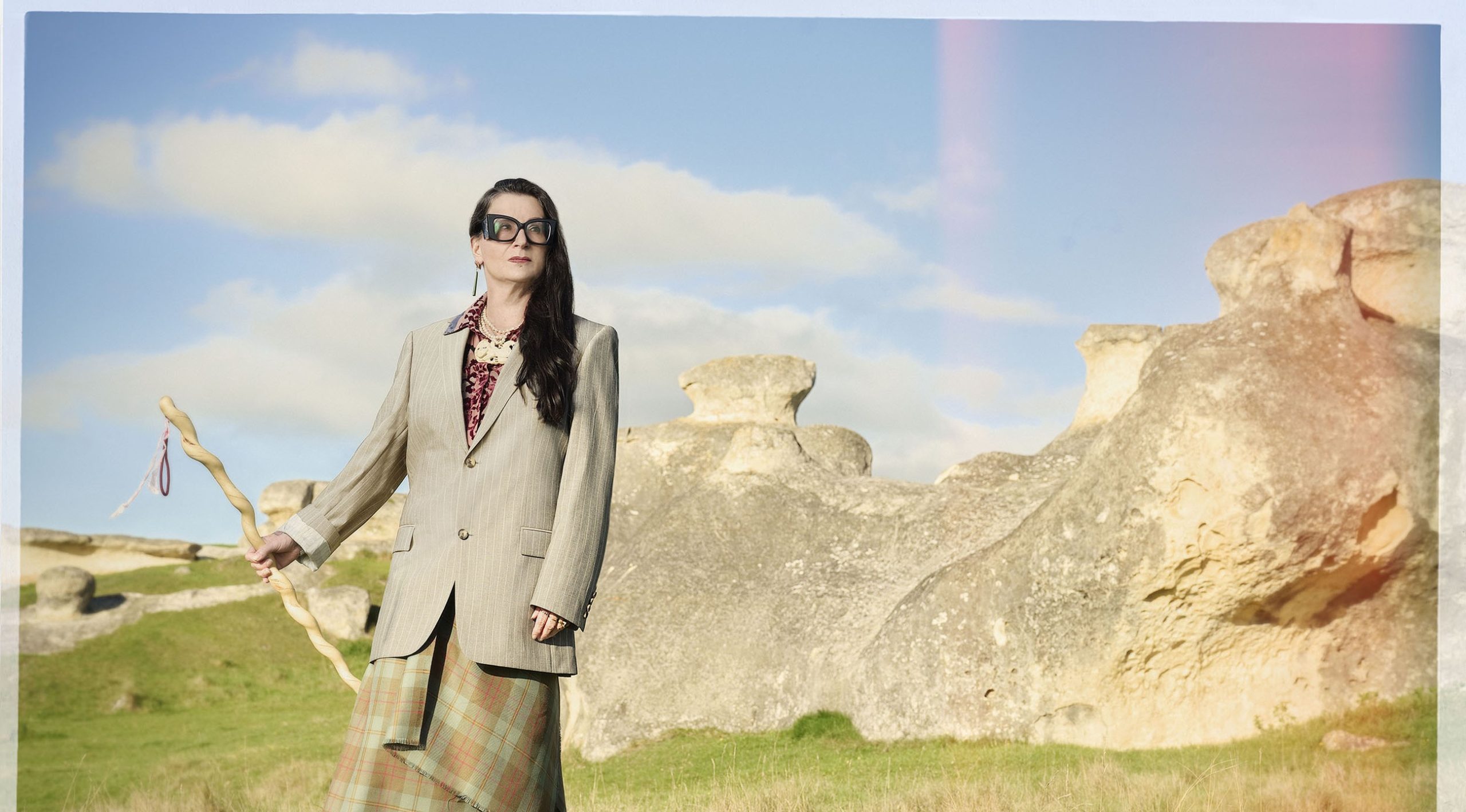
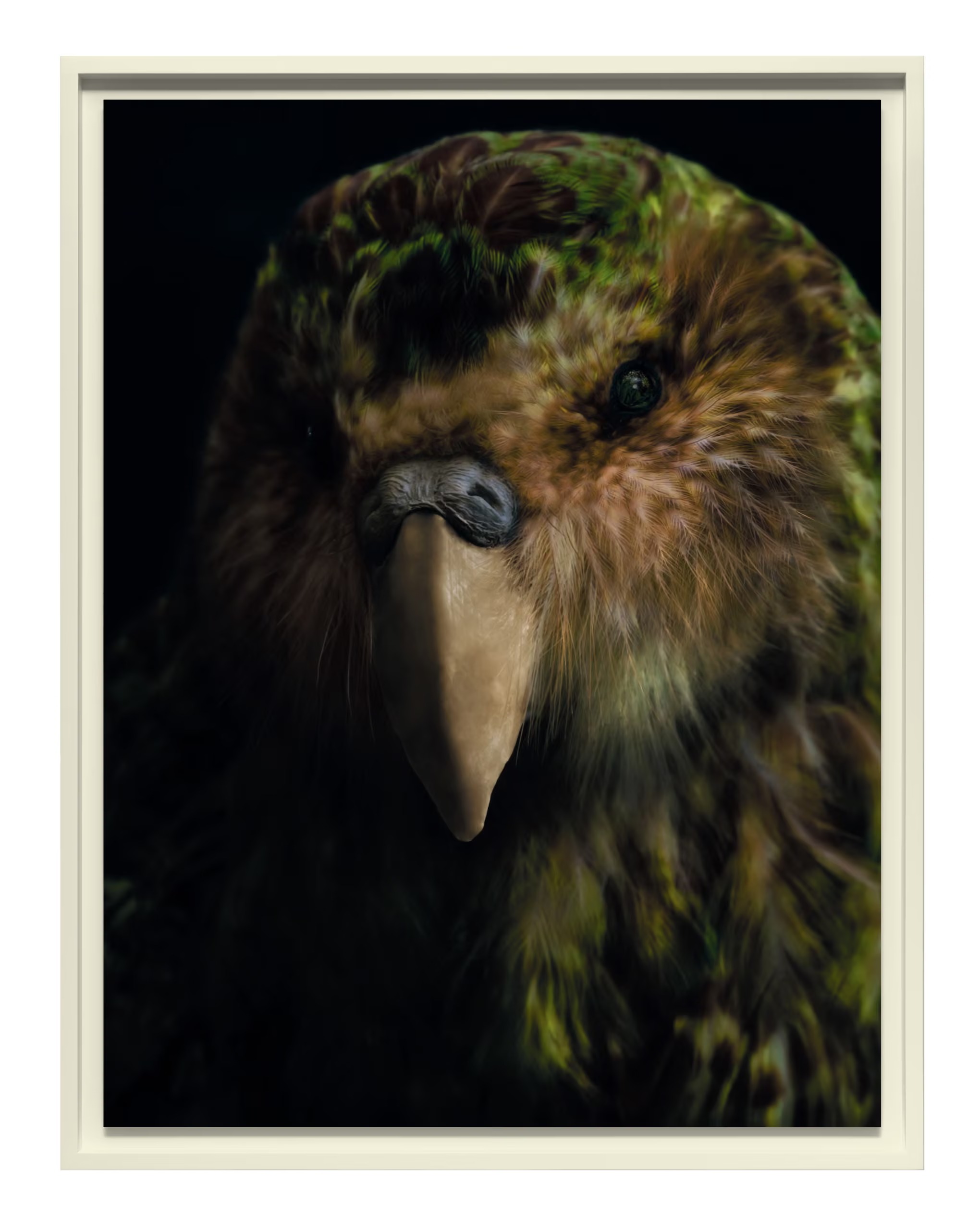
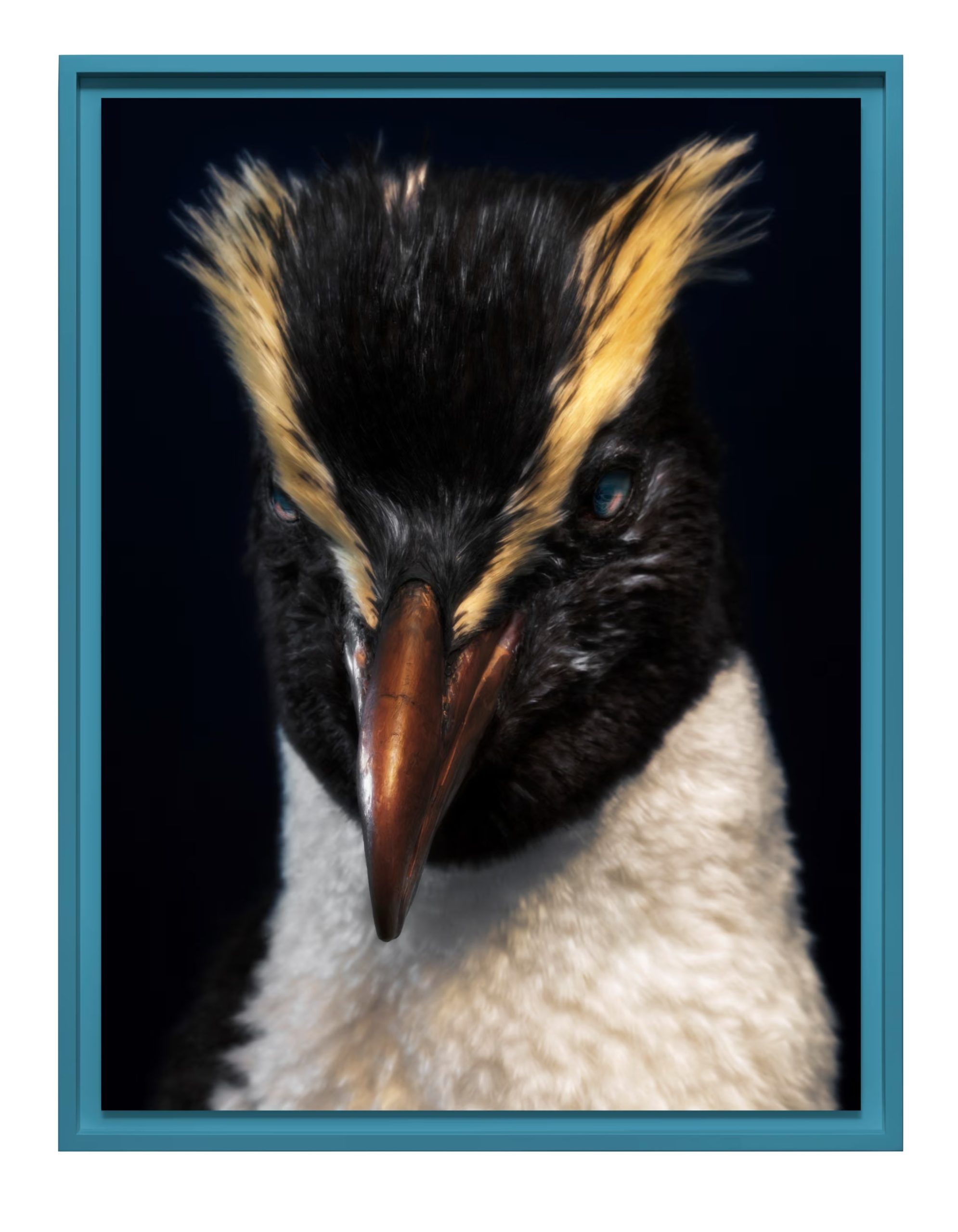
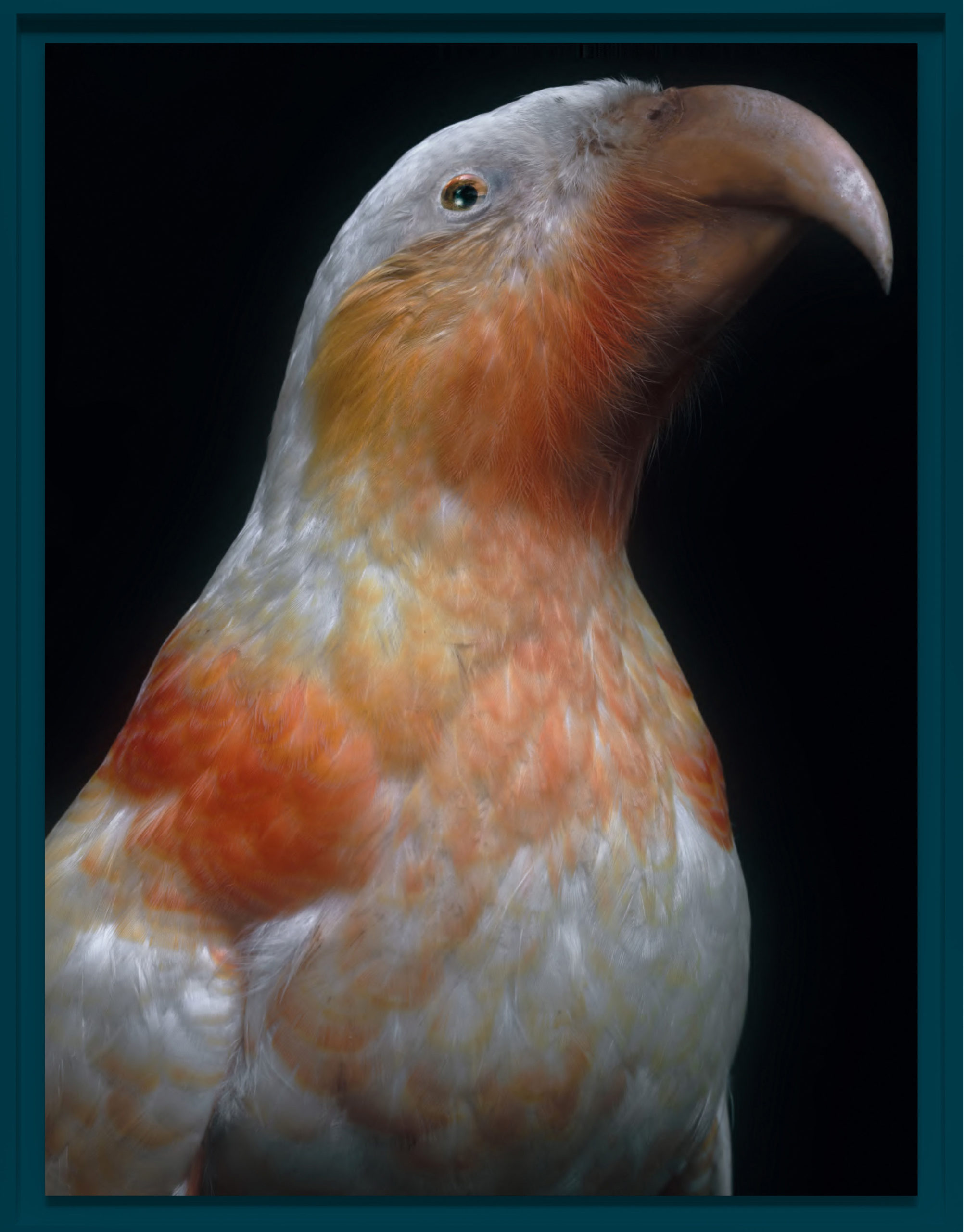
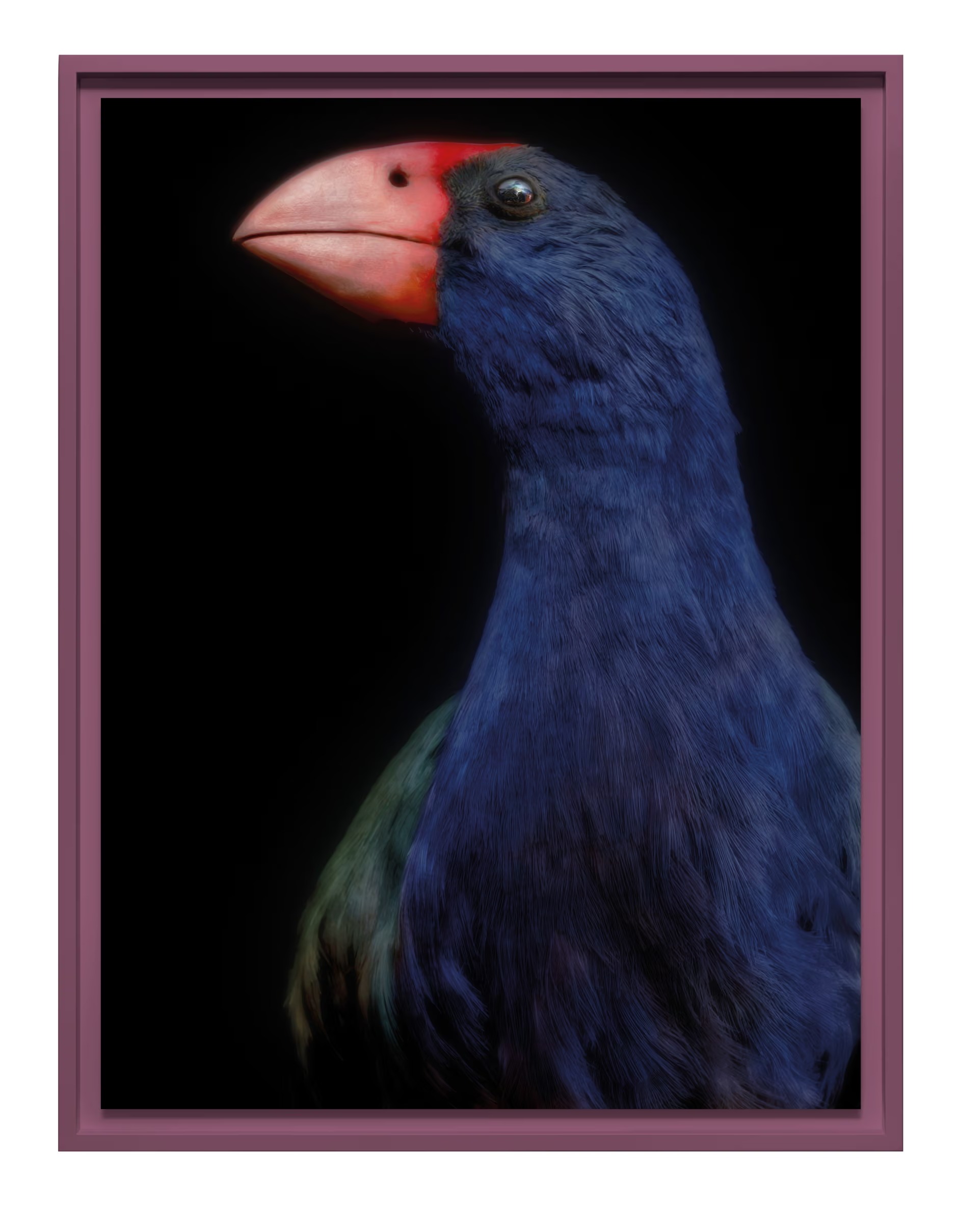
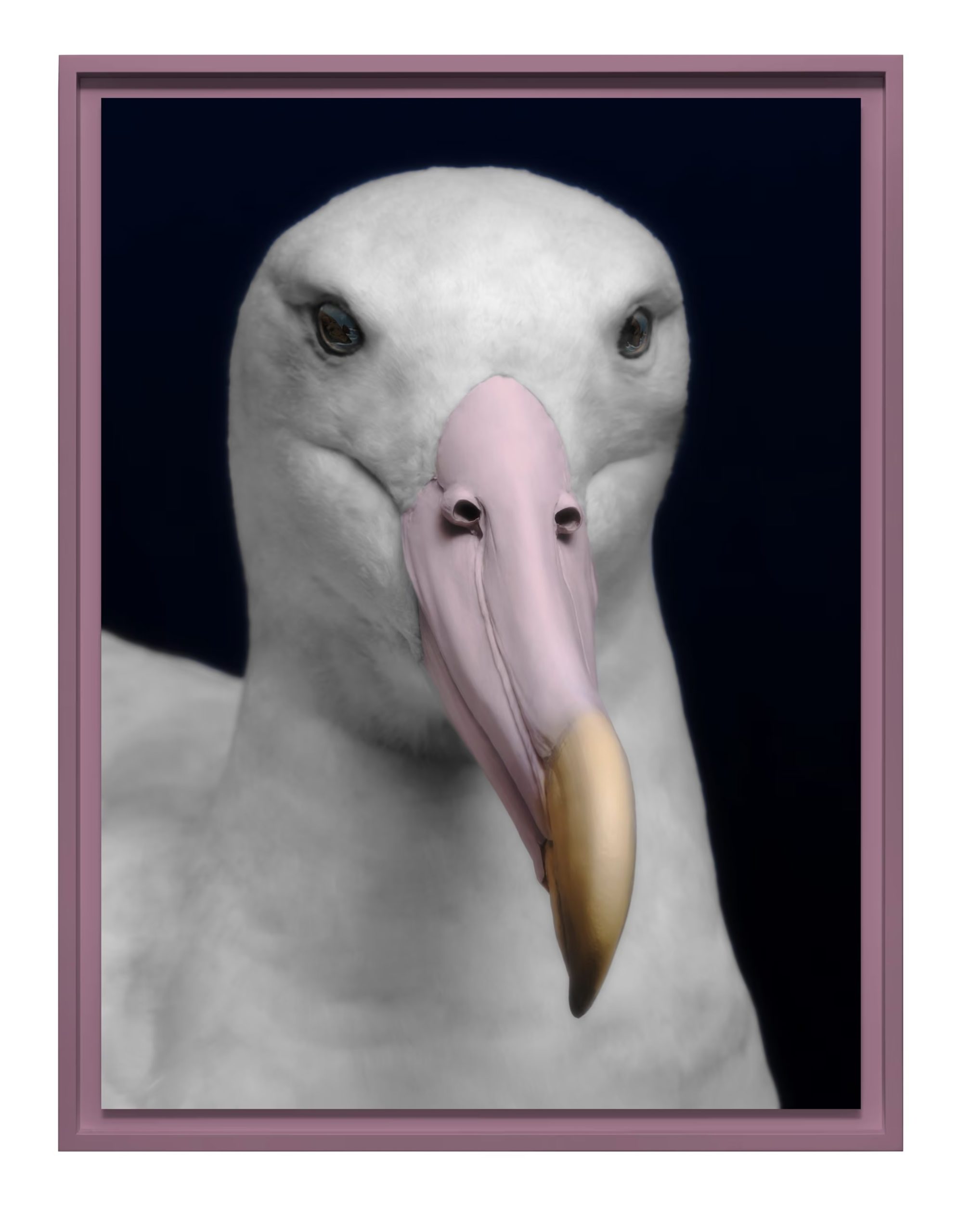
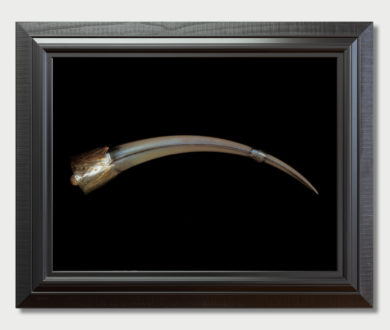
There is a spectral quality to Fiona Pardington’s photographs of birds. The specimens she trains her lens on are real — held in natural history collections across Aotearoa and Australia — but they are no longer living, and some no longer exist at all. For Pardington (Kāi Tahu, Kāti Māmoe, Ngāti Kahungunu, Clan Cameron of Erracht) ONZM, these taxidermied manu offer a meditation on presence and absence, and the resulting series, Taharaki Skyside, will represent Aotearoa New Zealand at the 61st Venice Biennale.
Kākāpō (Rhys) by Fiona Pardington, Strigops habroptilus (2025), Museum of New Zealand Te Papa Tongarewa
Tawaki by Fiona Pardington, Fiordland crested penguin, Eudyptes pachyrhynchus (2024). South Canterbury Museum
Kākā kura by Fiona Pardington, Nestor meridionalis septentrionalis, colour morph, Rangataua, Tongariro, 2025
The large-scale portraits introduce viewers to the kākā kura, a vivid colour morph of the North Island kākā; the moho, or South Island takahē, presumed lost before its rediscovery in 1948; and the delicate kōmiromiro (tomtit), among others. Each image works to restore something of its subject’s mauri — an act closer to reclamation than portraiture — while quietly interrogating the colonial legacies of museum collecting and the question of who decides what is preserved, and how.
Moho by Fiona Pardington, South Island takahē, Porphyrio hochstetteri (2025). Museum of New Zealand Te Papa Tongarewa
Toroa by Fiona Pardington, southern royal albatross, Diomedea epomophora (2024). South Canterbury Museum
The series also draws on Dante, whose Divine Comedy situates Purgatory on an island-mountain in the Southern Hemisphere; that idea of crossing between realms finds an echo in creatures suspended behind glass. “Birds can symbolise familial love, romantic attachment, and ecological warnings,” Pardington says. “They can be intimations of mortality, and in my work, they can also represent individual people in my life.” Taharaki Skyside previews on 6th May, with the Venice Biennale open to the public from 9th May to 22nd November, 2026, before the exhibition travels home to Christchurch Art Gallery Te Puna o Waiwhetū from mid-2027.
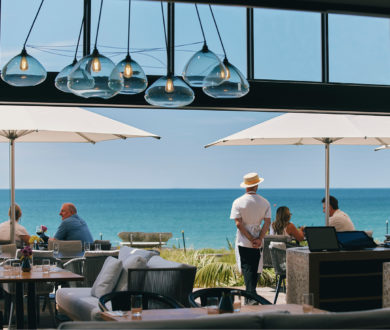
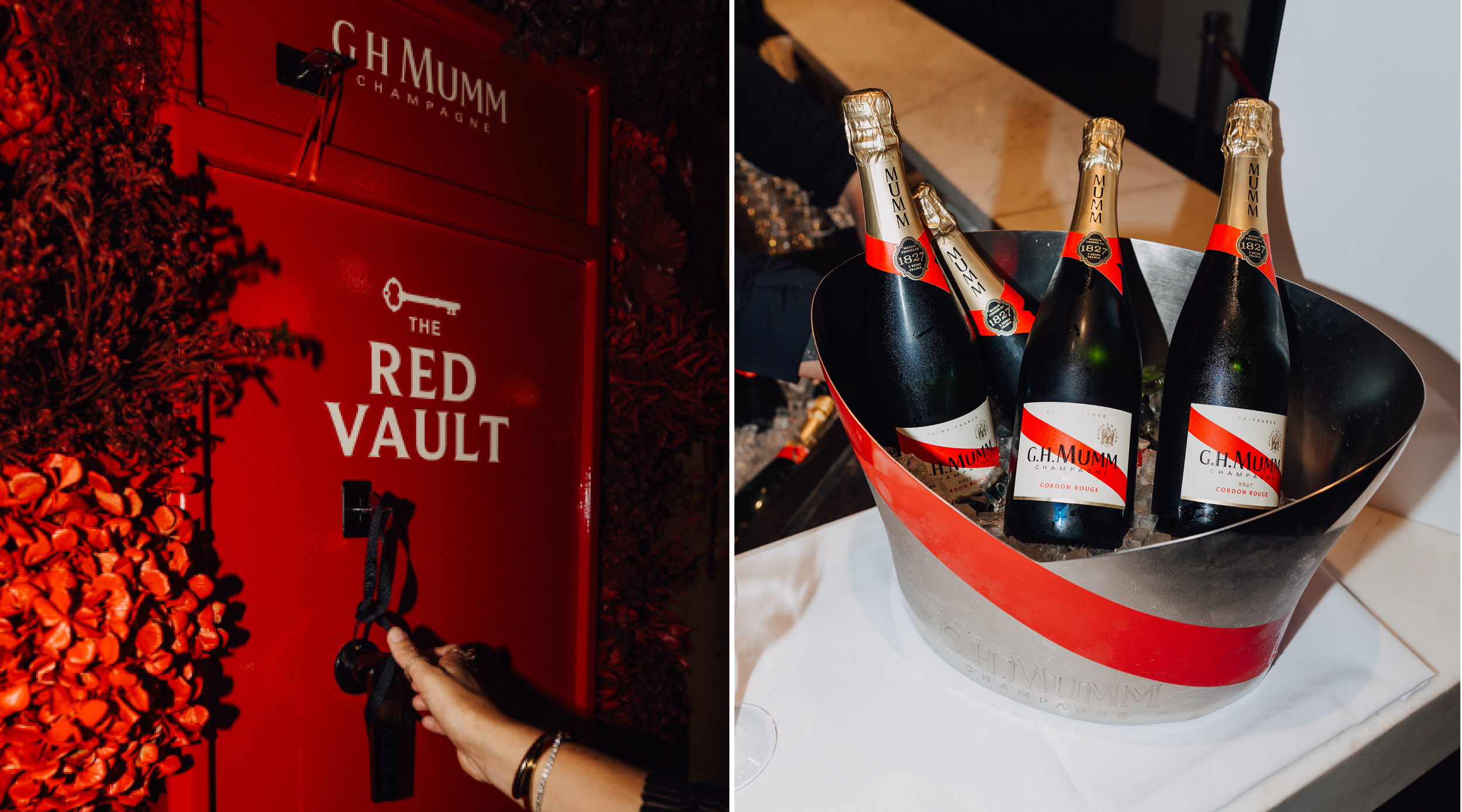
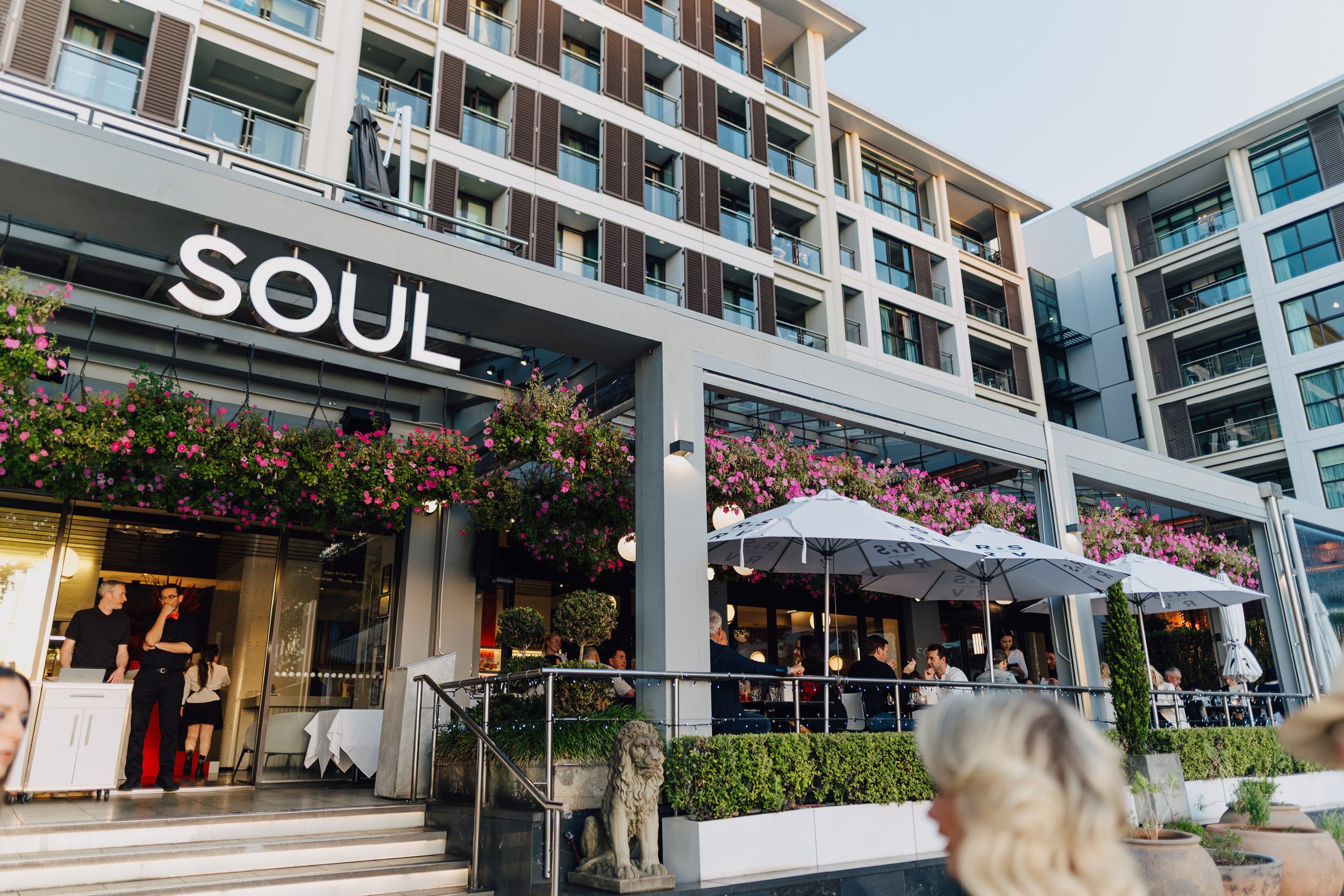
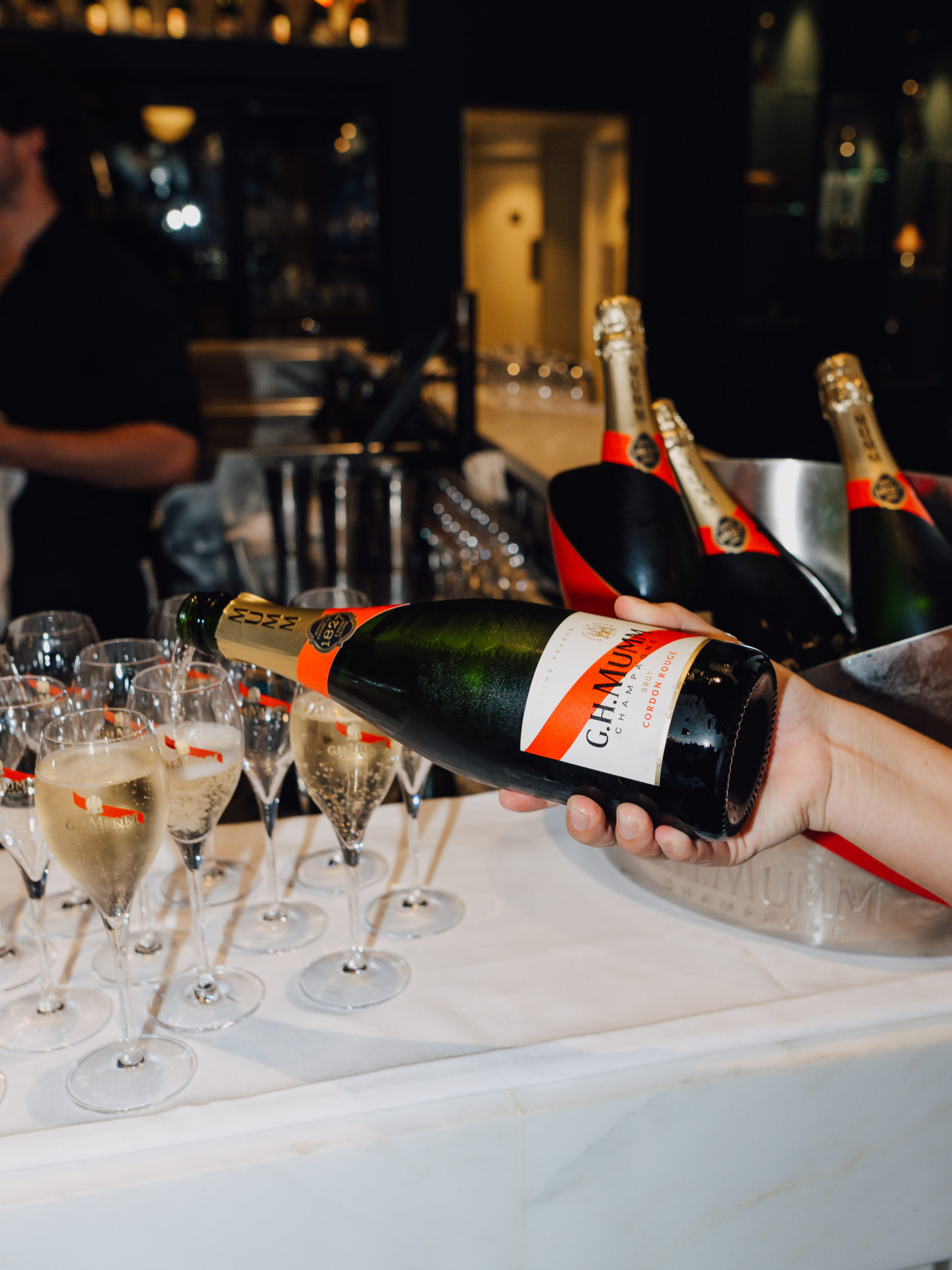
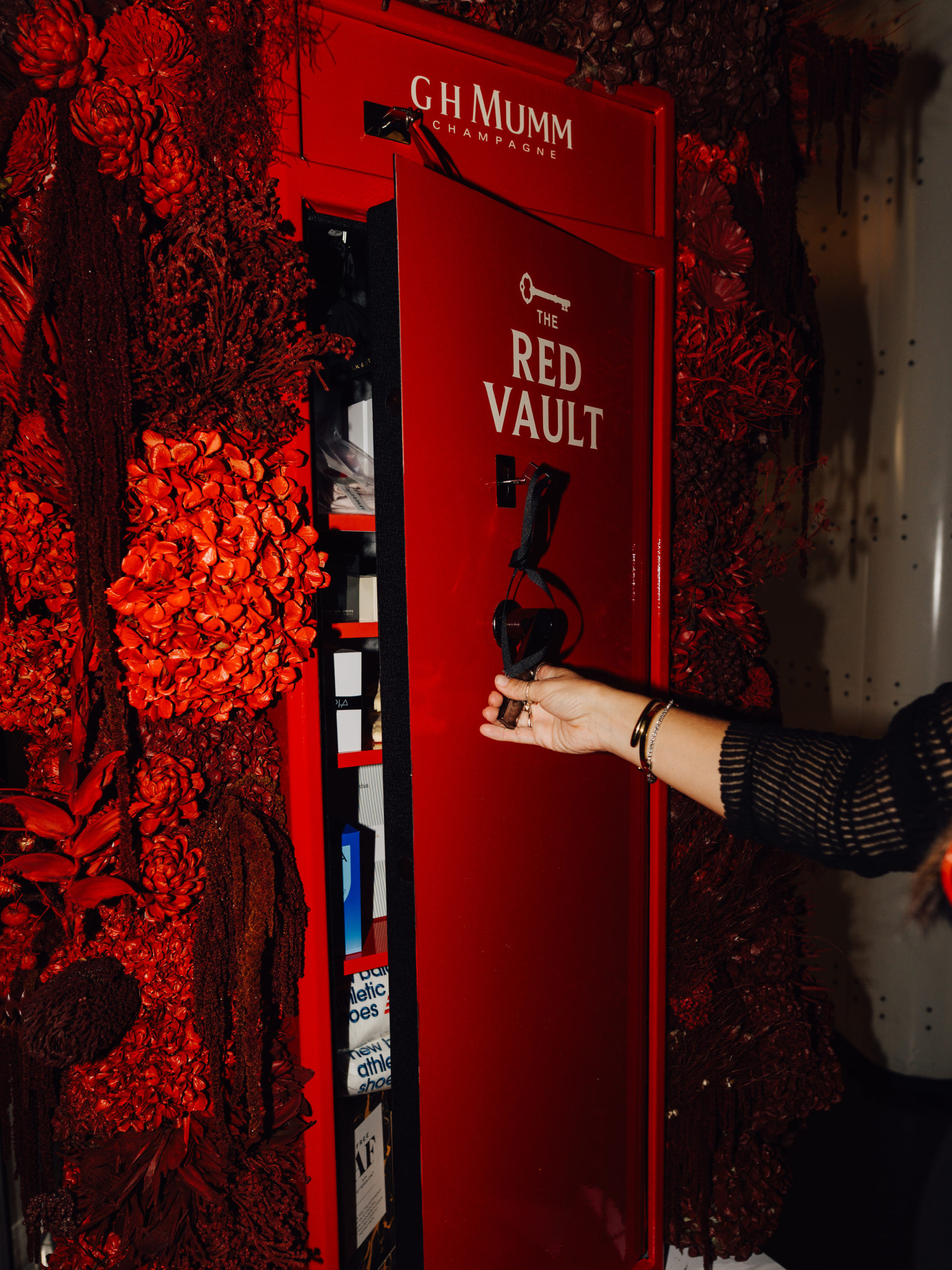
This May, SOUL Bar & Bistro opens The Red Vault, a month-long Champagne celebration with G.H. Mumm, designed to make every visit a little more memorable.
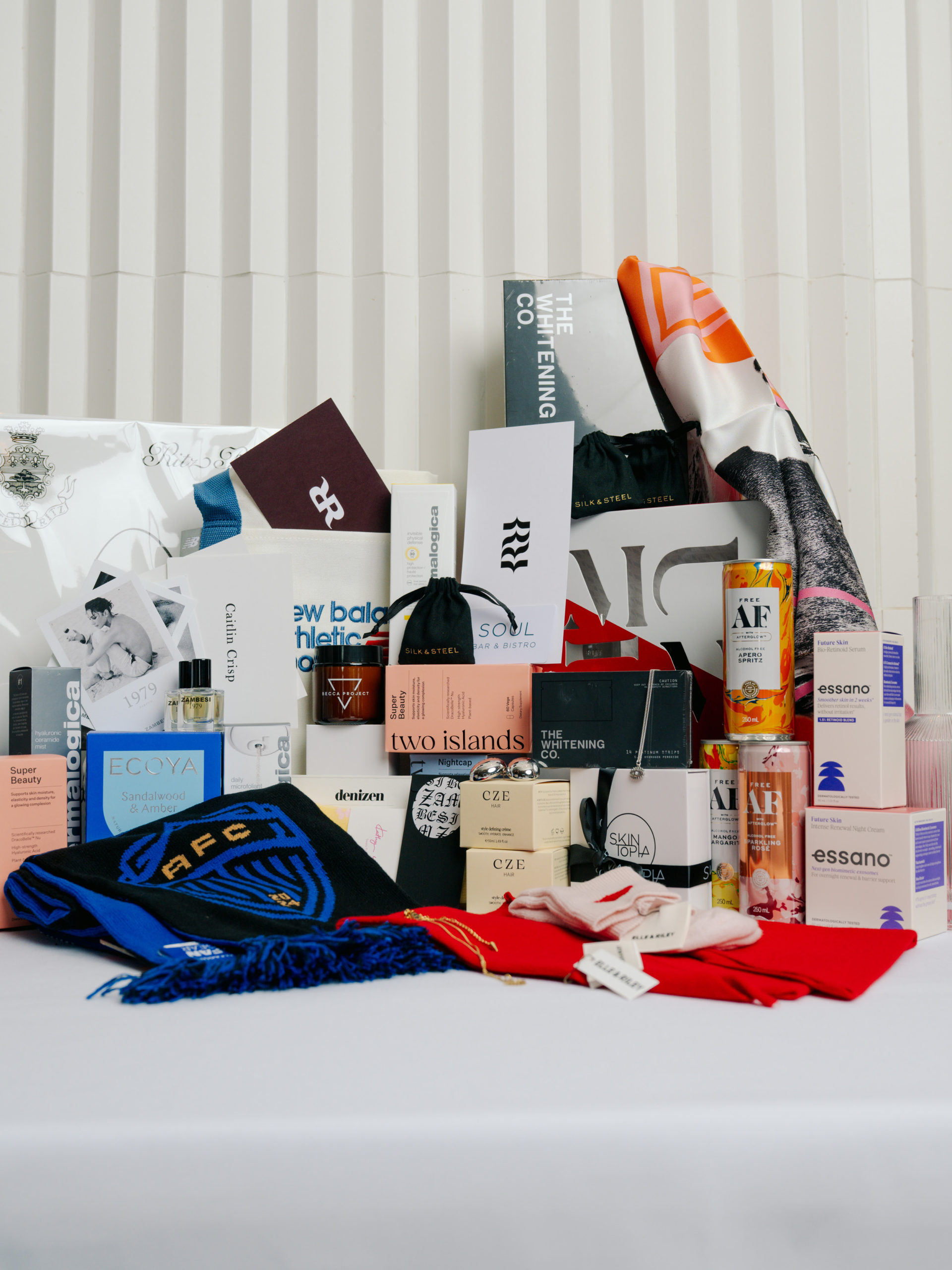
Order a flute of G.H. Mumm at any point throughout May, and you’ll have the chance to discover what’s waiting inside the infamous Red Vault, stocked with over 600 suprises from some of the country’s most covetable names. Think CZE Hair products, Rebe vouchers, Red Room vouchers, a highly coveted Denizen magazine subscription, G.H. Mumm Champagne, and plenty more. Every flute is another reason to see what the Vault has in store.
Whether it’s a harbourside lunch that stretches just a little longer than it should, a golden-hour glass of G.H. Mumm with someone who deserves your undivided attention, or a midweek dinner that quietly upgrades an otherwise ordinary Tuesday, SOUL is making the case that May is a month worth heading out for. Because good things happen to those who wine and dine.
And if you needed one more nudge: Mother’s Day falls on Sunday, 10th May. A Viaduct Harbour table, a flute of Champagne, and the possibility of a Red Vault surprise is the kind of gesture that requires minimal effort and delivers maximum returns. Book now, before your siblings beat you to it.The Red Vault runs for the entire month of May, all day, every day. To secure a table for lunch or dinner, book online here.
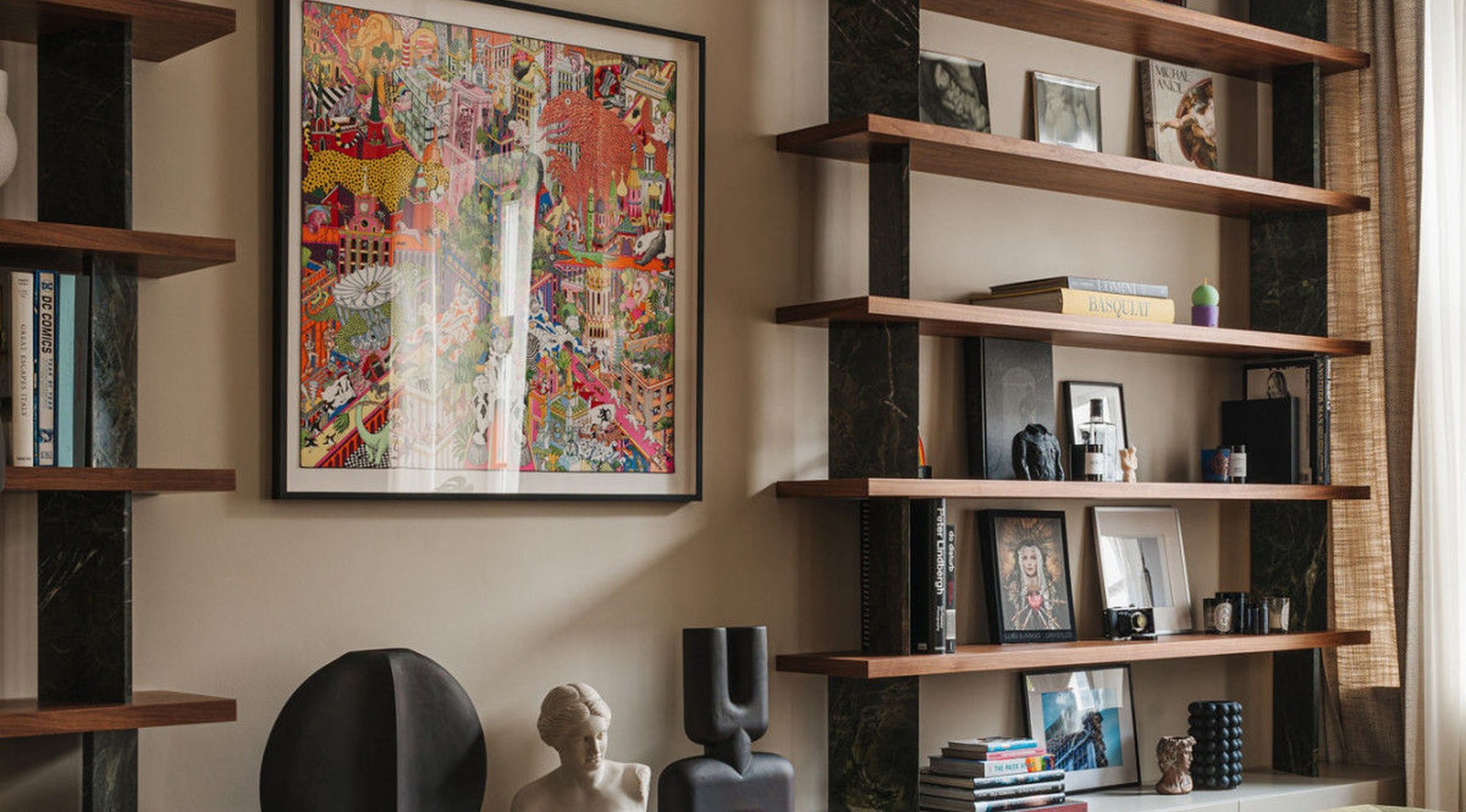
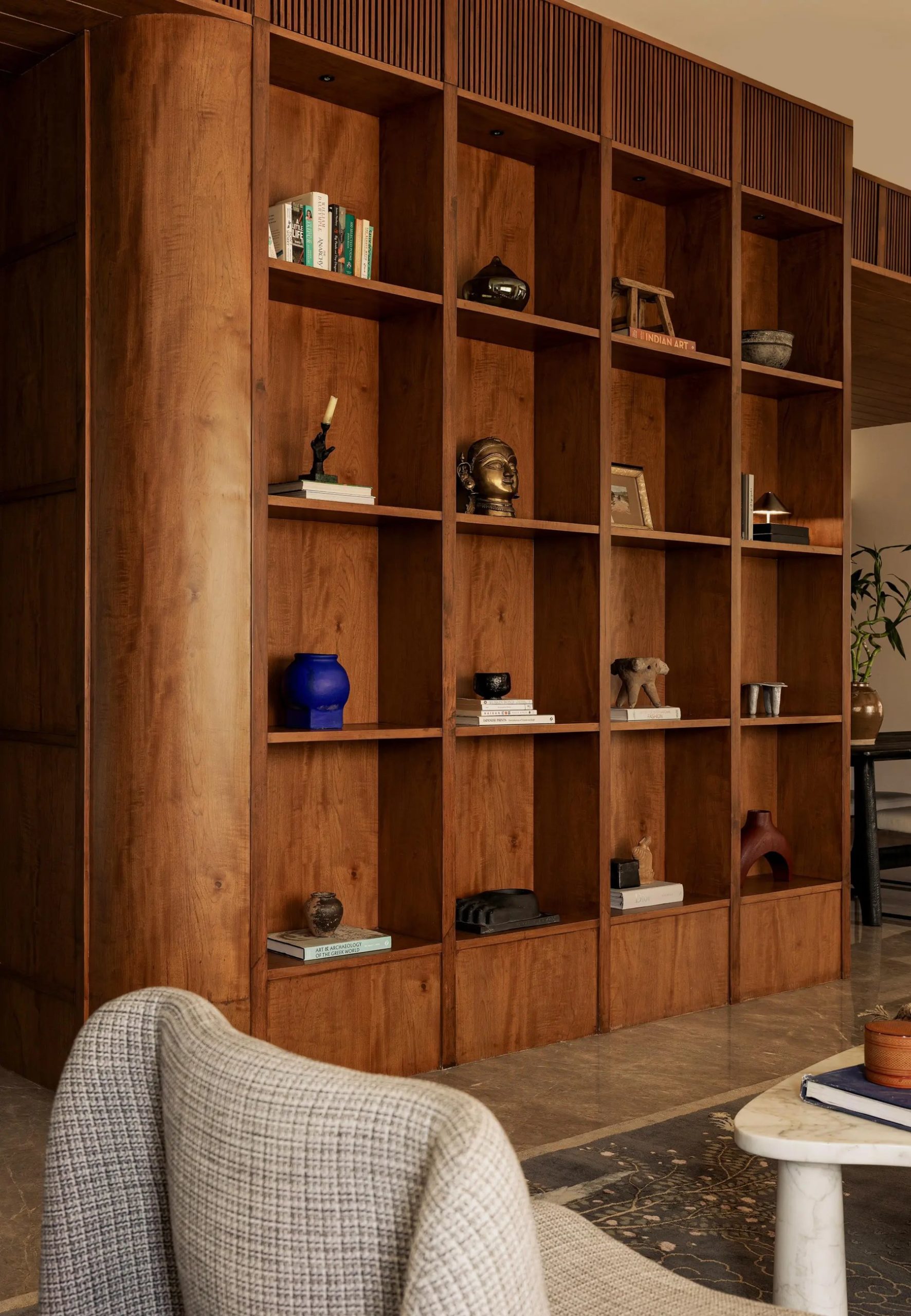
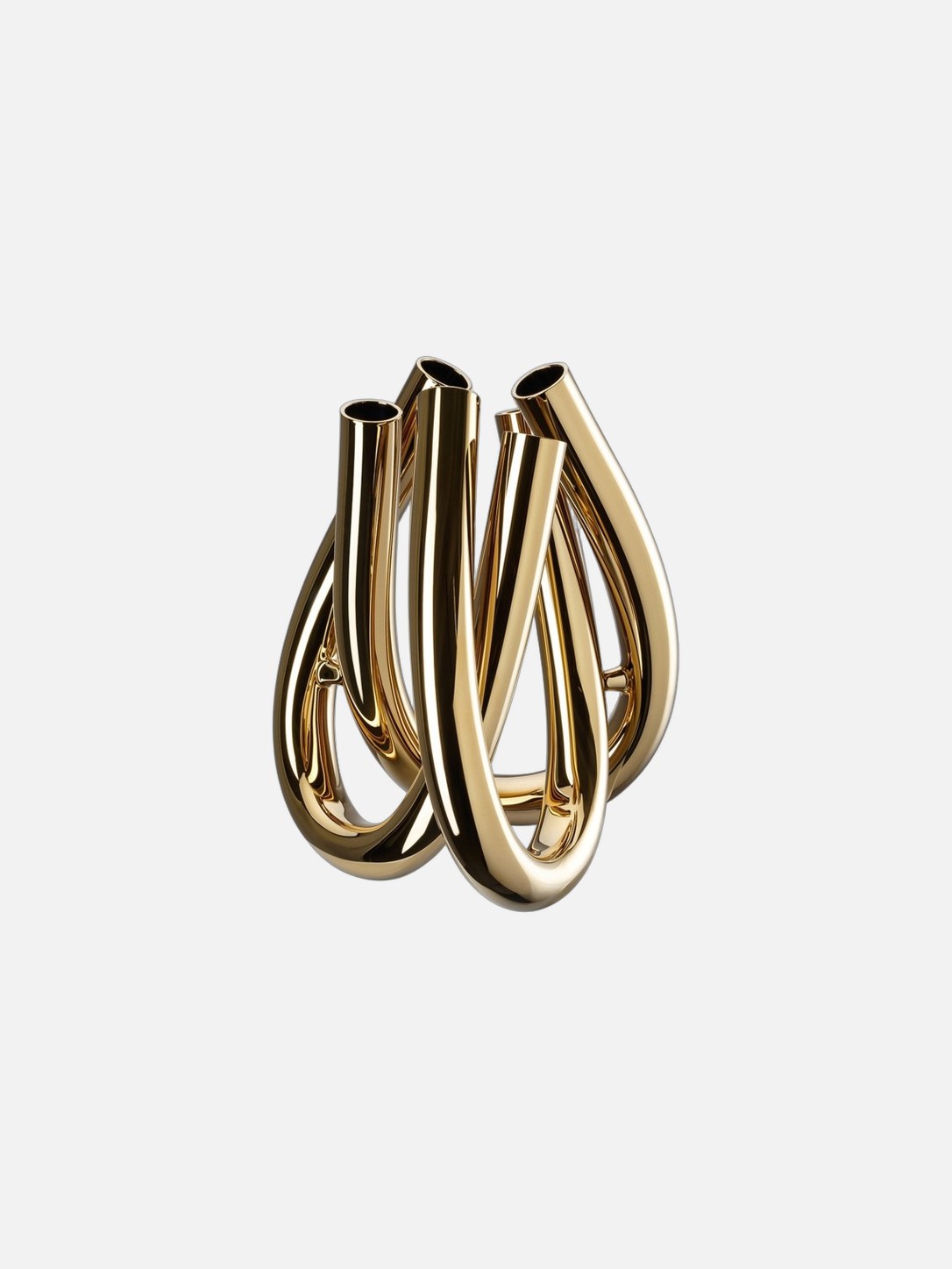
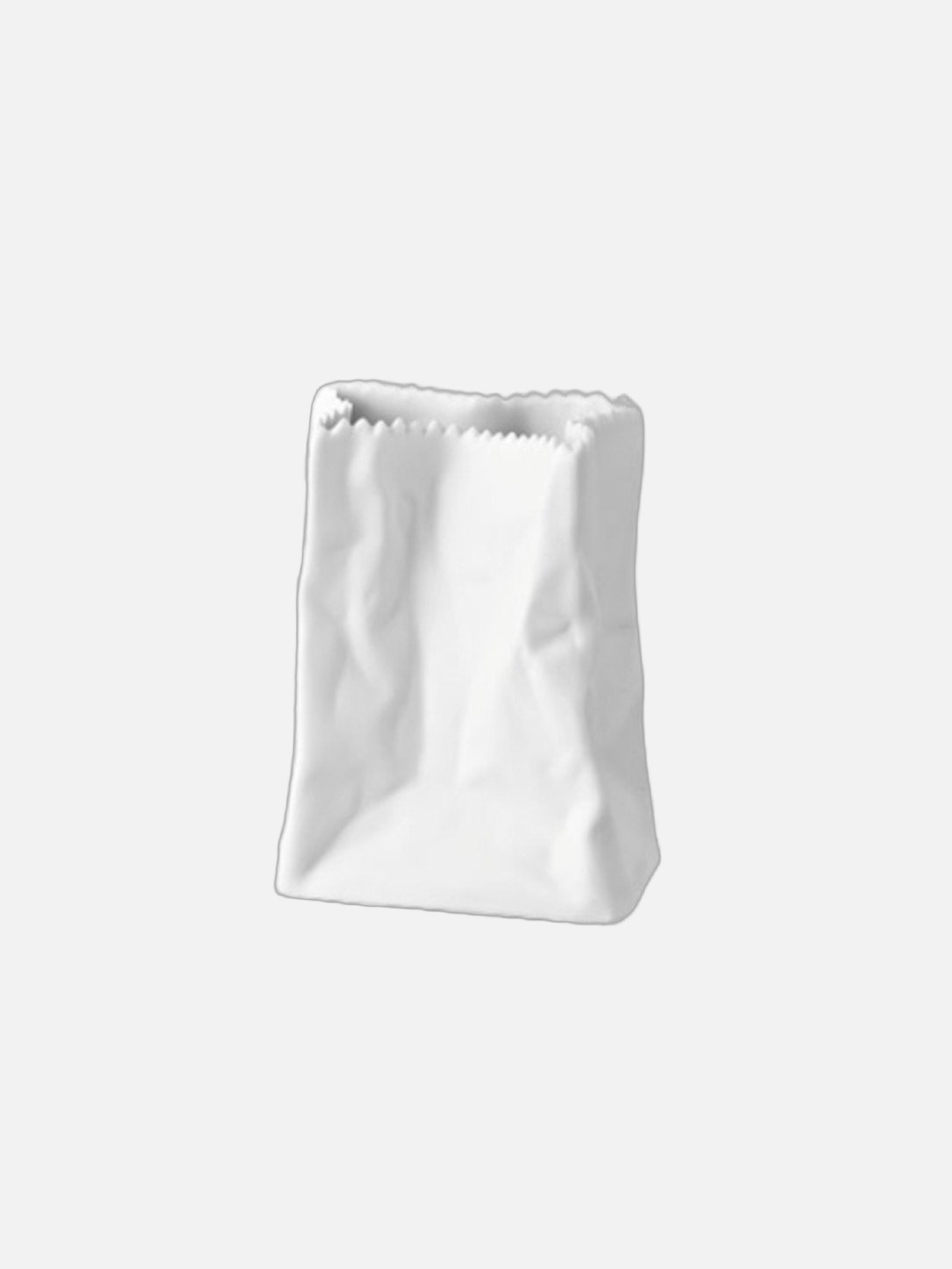
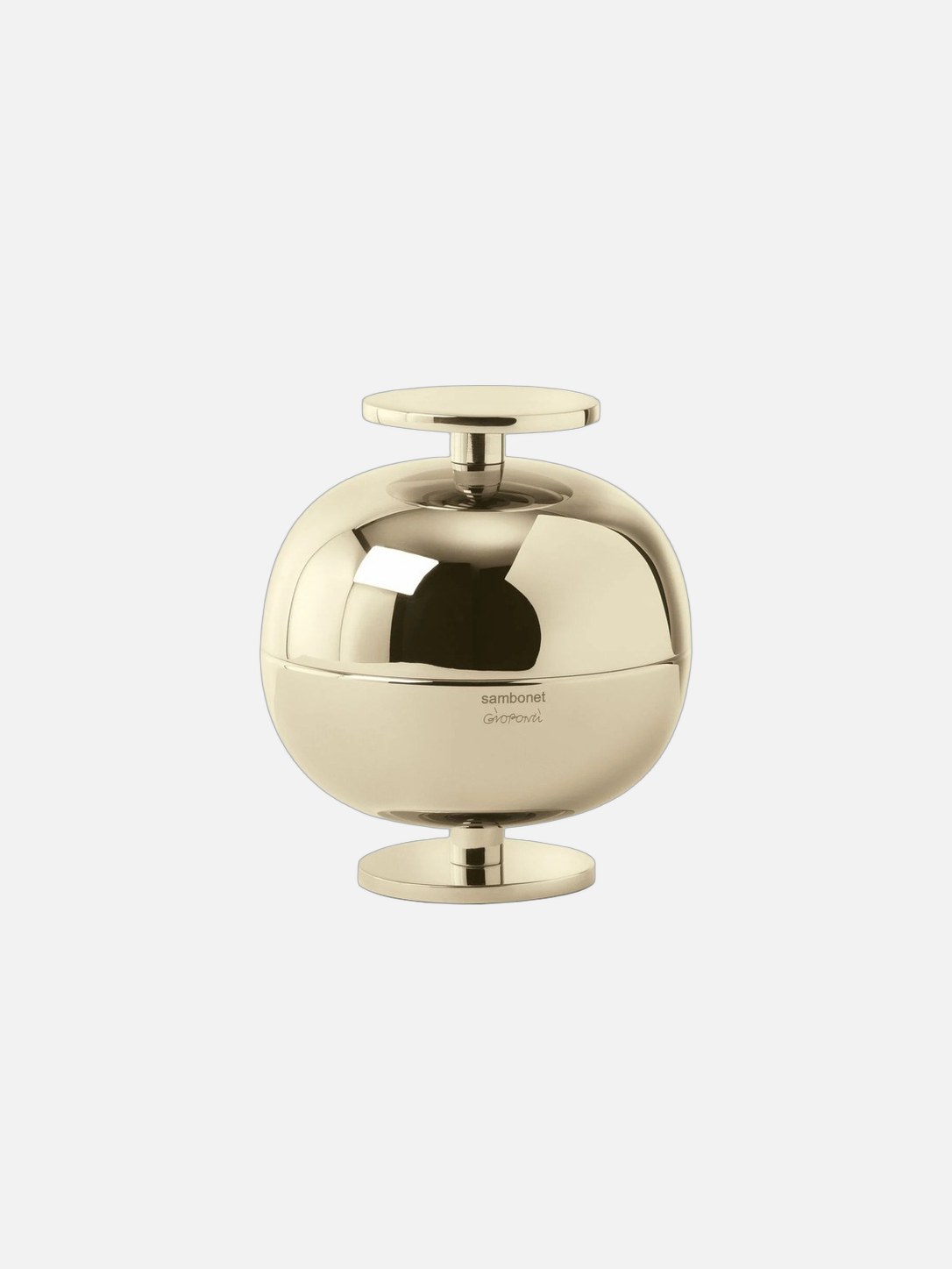
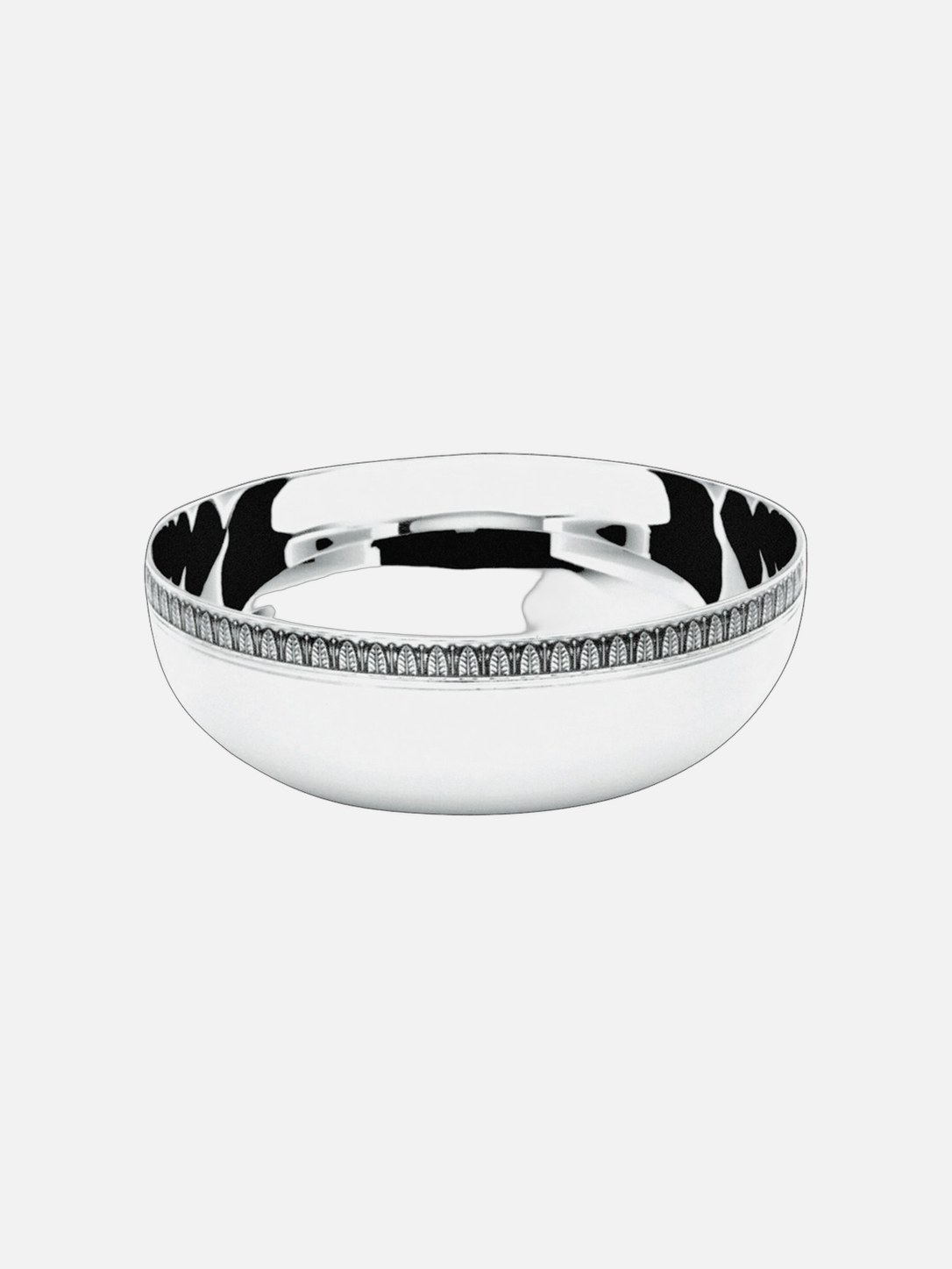
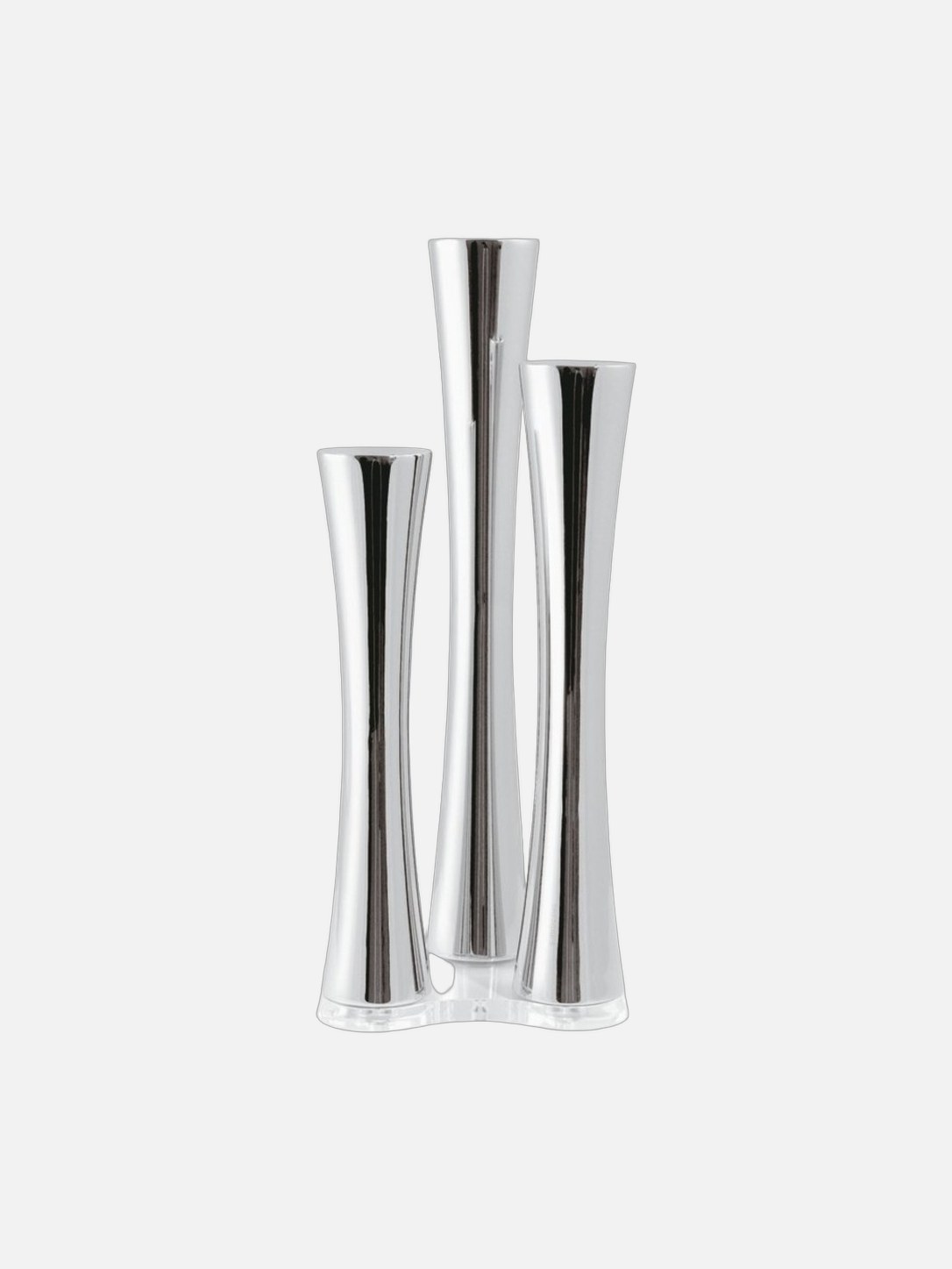
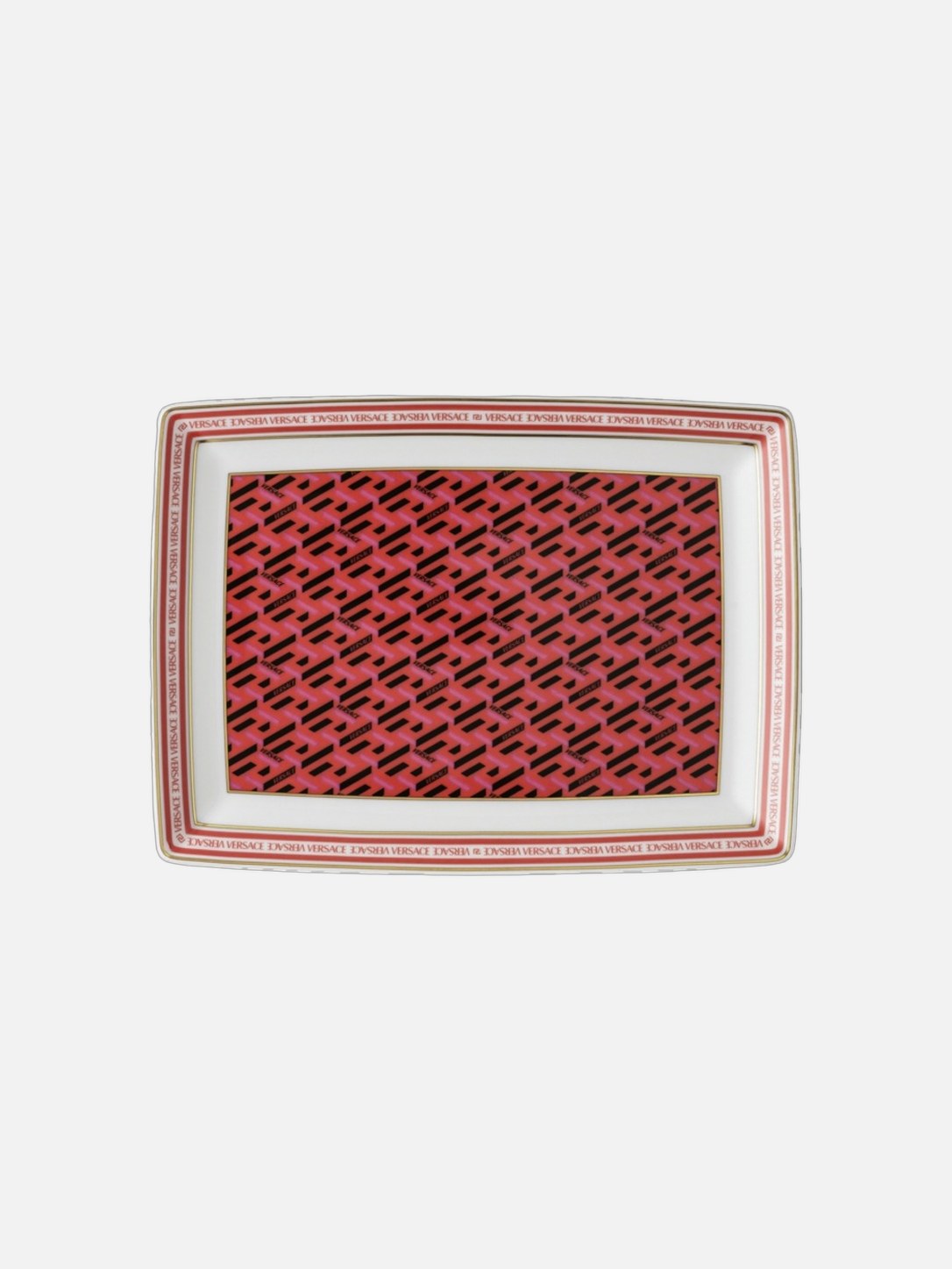
Treat shelving as a gallery rather than storage. Layer sculptural ceramics, organic vessels, art books and personal curios in varying scale and texture, letting the contrasts do the talking — a paper-bag porcelain vase from Rosenthal beside a hammered silver bowl, a Giò Ponti sphere catching light next to a stack of well-thumbed monographs. The trick is restraint with a point of view: every object earns its place, and the arrangement reads as instinct rather than inventory.
For more exclusive access to what the city has to offer, engaging content, excellent imagery and thought provoking commentary on the life that surrounds you, subscribe to Denizen magazine now.