Whether you’re relaxing or on the go, tuning into a podcast is always a pleasant pastime, particularly if you’re in the mood for some entertainment, education, or a fresh and interesting viewpoint that challenges your perspective on the world.
We’ve rounded up the highly-anticipated and best new podcasts to listen to this September, so have your headphones at the ready, and be prepared for some excellent playlist inspiration that will have you coming back for more.
Borderline Salty In this new, weekly call-in podcast, hosts Carla Lalli and Rick Martinez talk all things food. From their latest ingredient obsessions to their thoughts on trends, this is a show for anyone with an interest in food, whether you’re a professional, an amateur or simply love to eat.
Mother Country Radicals Offering a deep-dive into The Weather Underground (a radical activist group from the 1960s) and its role in America’s cultural and social revolution, this podcast is a personal, politically charged exploration of those who wanted change, by any means necessary.
Look at Moi Marking 20 years since foxy morons Kath and Kim burst onto our screens, this fun new podcast sees host Rowie Walden joined by various special acquaintances on a nostalgic trip back to Fountain Lakes to unpack one of the most iconic Australian television shows of all time.
Griftonomics An exploration of the various online trends, metaverse start-ups, cryptocurrencies, get-rich-quick schemes and more defining the landscape of our digital age, this podcast looks to provide some necessarily real conversations that cut through the ‘dizzying, unending roster of 2020-era rackets.’
First Person This new podcast from The New York Times, offers intimate, personal conversations with people living the realities behind our headlines. From a gay Ukrainian solider who must suppress his sexuality to fight for his country, to a woman’s reconciliation with abortion, this podcast is thoughtful and moving.
The classic scone is about as British as the Union Jack, no matter which side of the ’cream or jam first’ debate you fall on. (Queen Elizabeth II would always put the jam on first, by the way.) In fact, scones have apparently been served in cream teas since the 11th Century, their origins often credited to Scotland and Wales.
Technically considered more of a pastry, the humble scone has become a savoury mainstay in any high tea worth its salt — and while today, the cheese scone is arguably the most popular iteration of this dish (certainly the most common found in cafes across Auckland), it is the plain version, speckled with sultanas and topped with cream and jam that is the most traditional (and Crown approved).
So this weekend, as we all take an extra day off to honour the memory of Britain’s longest-serving monarch, why not take some time to whip up a batch of these fluffy, delicious scones at home? A bakery staple so important to the late Queen that, in 1960, she famously sent her very own recipe to President Eisenhower on a series of handwritten notes.
So, without further ado, we present the Queen’s own recipe for decidedly royal scones. Enjoy!
Ingredients 500g plain flour 28g baking powder 94g butter 86g sugar 2 whole eggs 140ml buttermilk 100g sultanas (optional, cover in hot water and leave to soak for 30 minutes)
Method 1. Preheat oven to 180C. 2. Mix the flour, baking powder, butter and sugar together in a bowl until a crumb is formed. 3. In a separate bowl, whisk the eggs and buttermilk together. 4. Add the liquid to the crumb mixture. Leave a small amount to egg wash later. 5. Continue to mix the dough until it is smooth. 6. Add the sultanas and mix until evenly distributed (optional). 7. Remove the dough from the bowl, flatten the dough and cover. 8. Leave to rest for approximately 30 minutes. 9. Roll out the dough to a thickness of 2.5 cm and cut to desired shape. 10. Rest the scones for another 20 minutes. 11. Gently egg wash the top of the scones. 12. Bake in the oven for 10-12 minutes until golden brown. 13. Cool before serving with jam and clotted cream.
As much as one’s jewellery collection should include conversation-starting pieces, it should also be curated with daily wear in mind. After all, most of us want to keep our special pieces close. So, when a brand creates head-turning jewellery that also feels inherently wearable, we sit up and take notice.
For local purveyors of iconic jewellery Naveya & Sloane, this idea is something that has long been at the forefront of its coveted collections — exquisite and timeless jewellery with enduring quality. Nowhere is this more clear than in the brand’s beautiful new collection, Romeo Flower, a line-up that captures ‘the essence of life’s breathtaking experiences that words can’t describe’, inspired by simple, organic forms, like a flower in bloom.
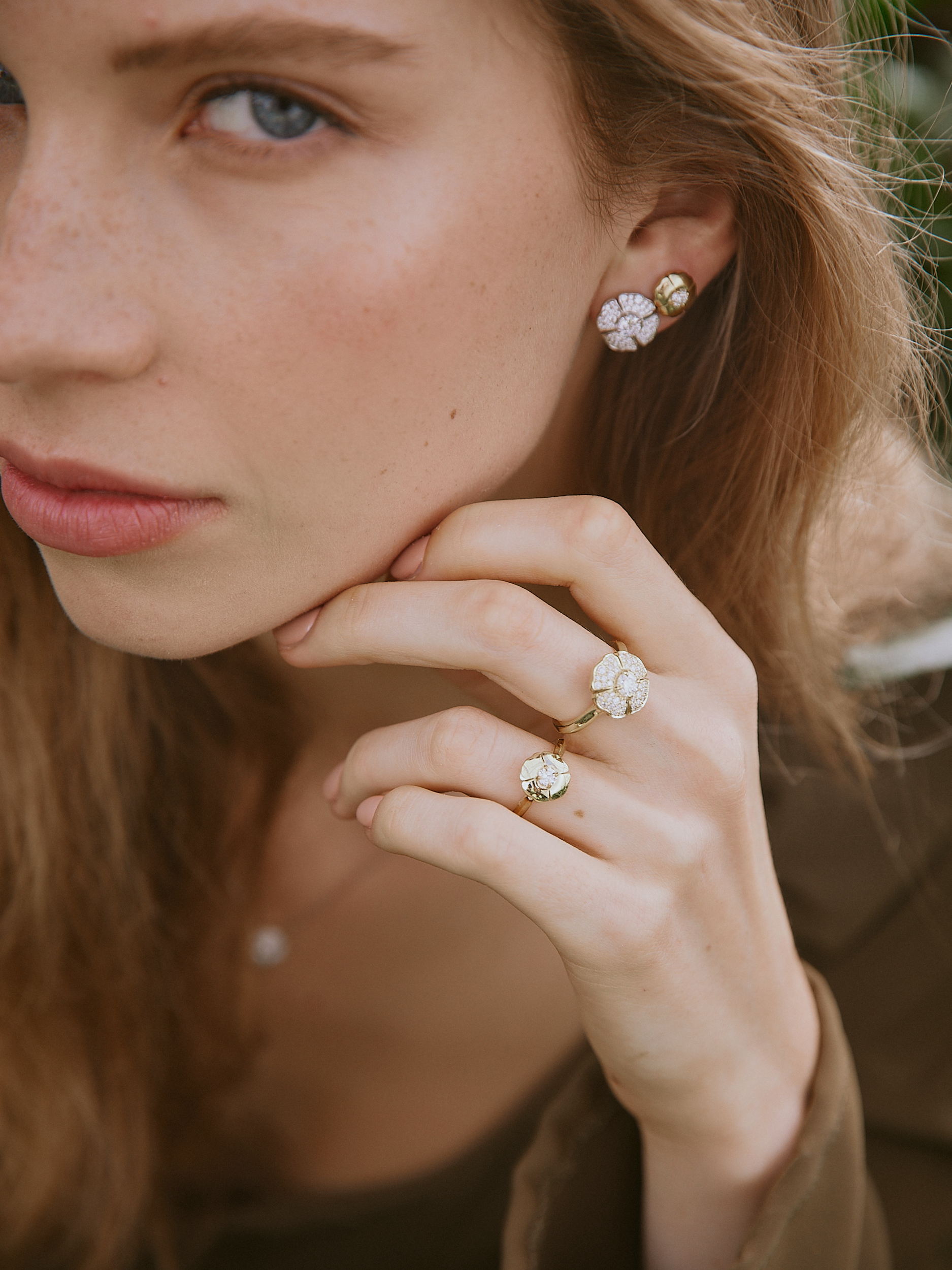
Grand Pave Ring in 18K Yellow Gold, with Petit Solid Ring in 18K Yellow Gold. Grand Pave Earrings in 18K White Gold, with Petit Solid Earrings in 18K Yellow Gold.
Conceived in lockdown 2020 while the brand’s Co-Founder and Creative Director, Rachel Sloane was dreaming of blooming spring days and the arrival of her firstborn, Romeo Flower grew from ideas of floral forms like the Winter Rose, a flower gifted by her mother when her daughter Amelie was born.
“I wanted to create a collection that was so beautiful, it would stop people in their tracks,” Sloane explains. “Similar to the feeling of coming across a beautiful flower in nature. A simple moment of pure magic and divine beauty — where time stands still and the moment takes your breath away.”
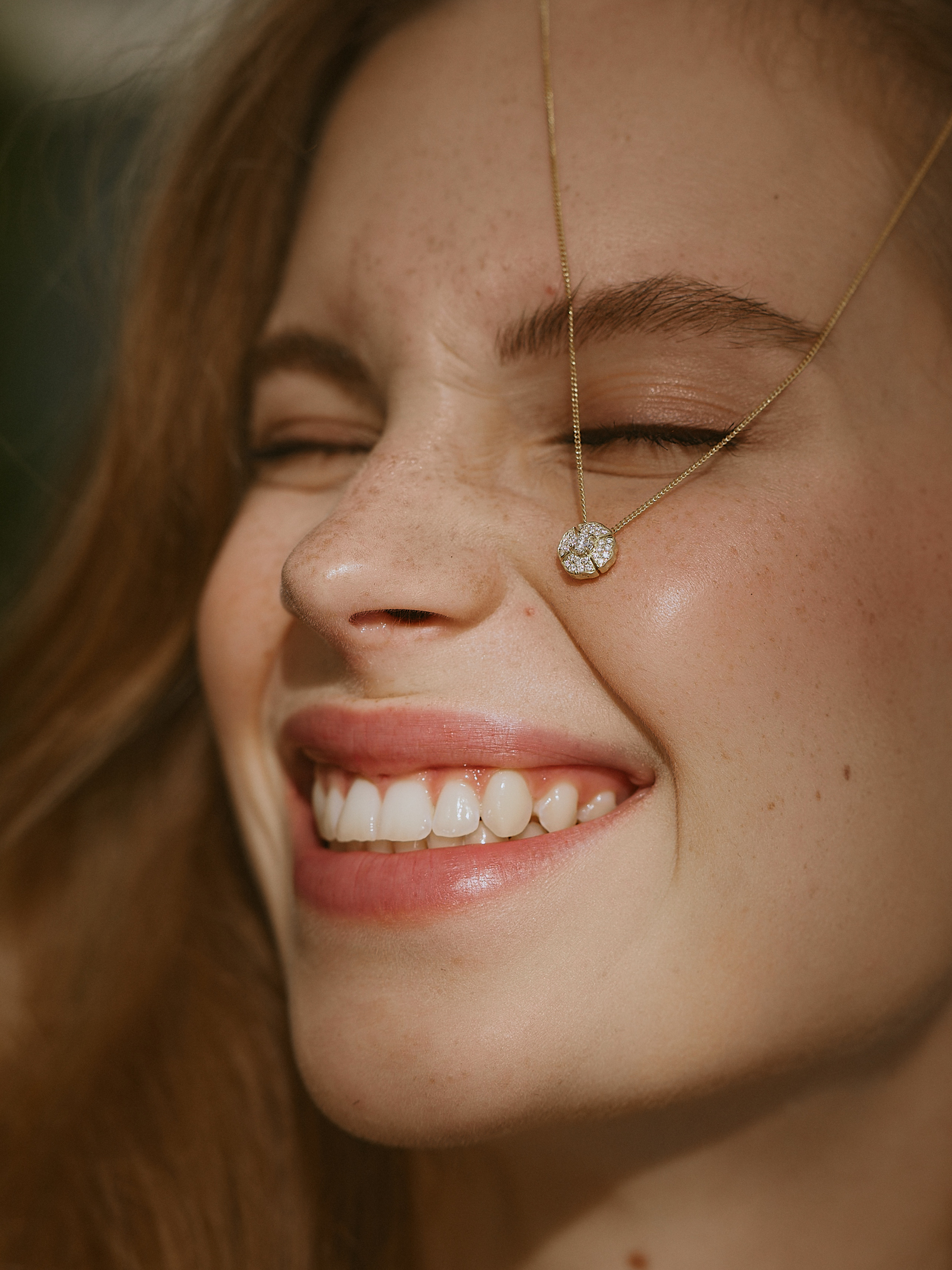
Petit Pave Necklace in 18K Yellow Gold.
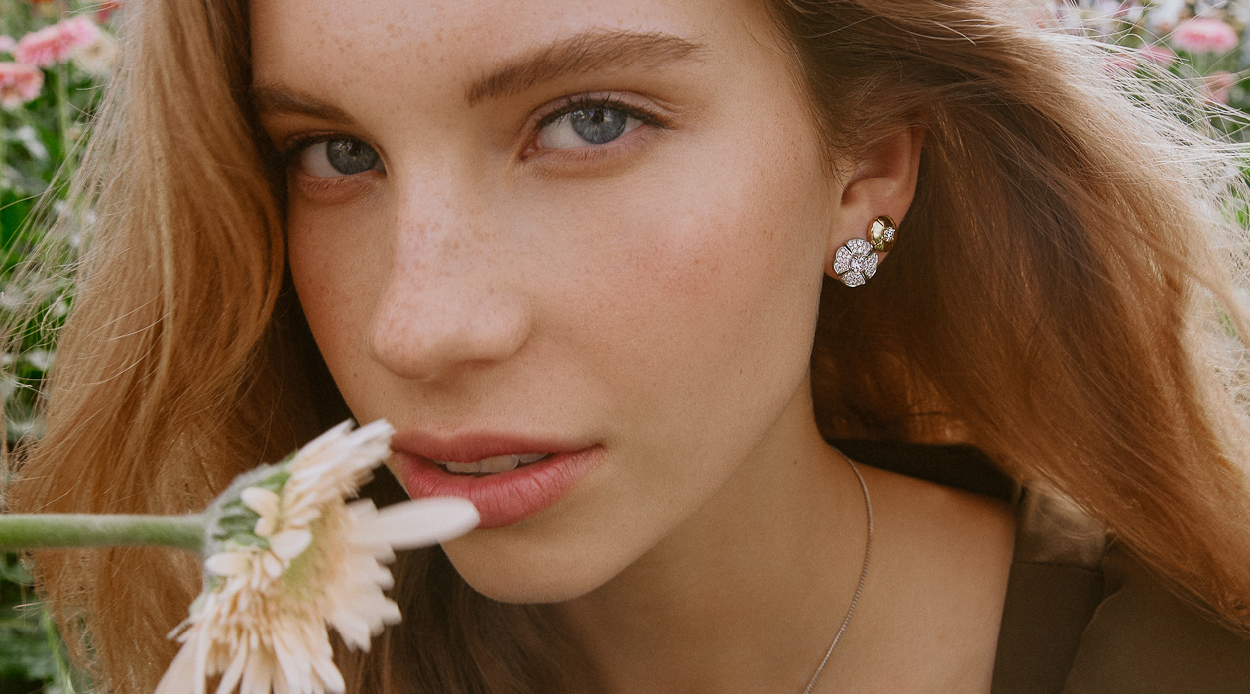
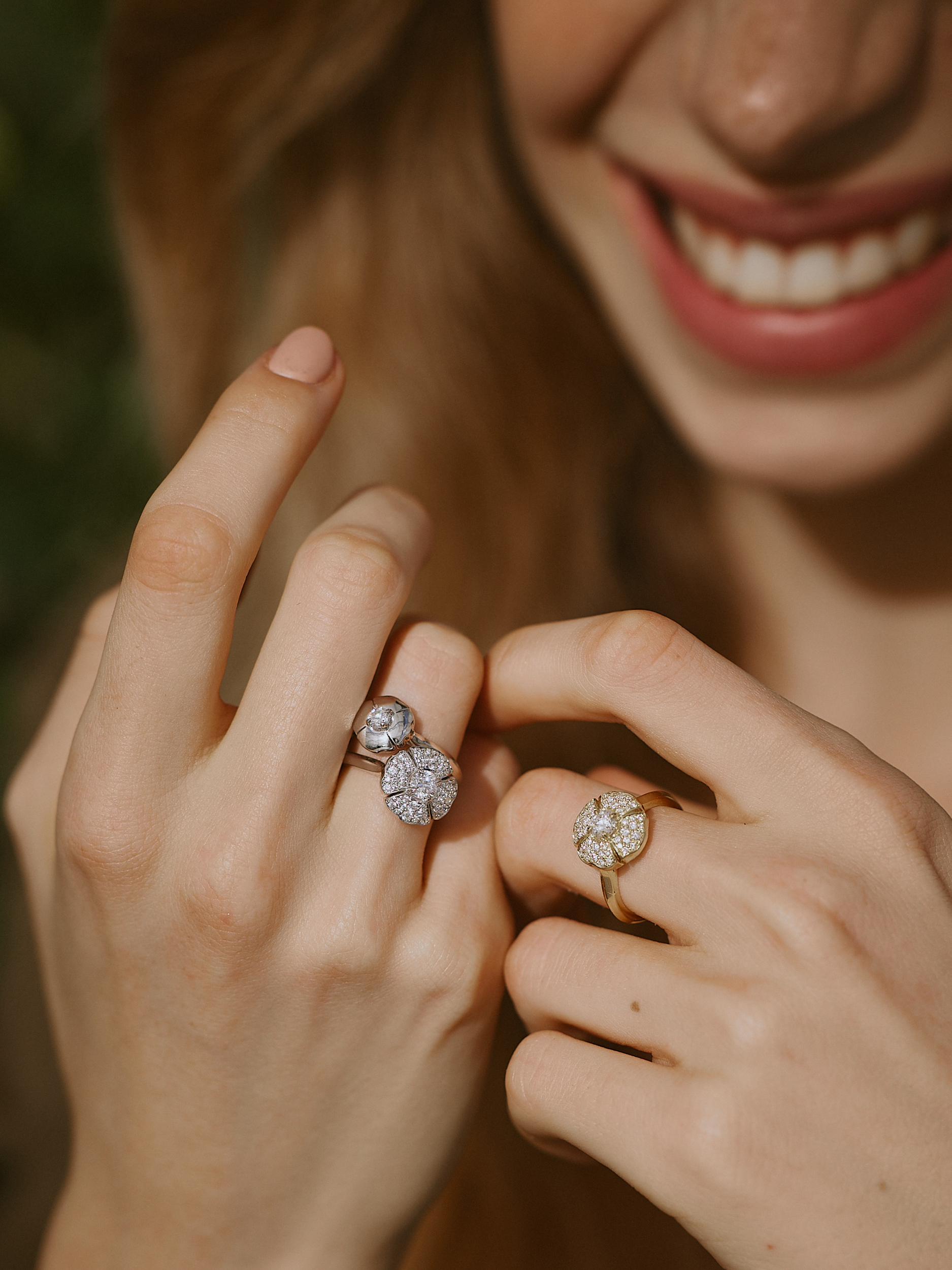
Launching with 12 pieces, Naveya & Sloane’s new collection reimagines the classic floral jewellery trope with its domed flower motif, in which four structured Matisse petals are connected by a sparkling, central diamond and rendered in either 18 karat yellow or white gold or, for some selected pieces, entirely encrusted in diamonds. Here, the pieces offer a subtle nod to old-world glamour while still feeling aligned with the contemporary luxury that has become so synonymous with the brand’s designs, balancing ornamental details and modern finishes with skilful finesse.
Grand Pave Ring in 18K Yellow Gold, Grand Pave Ring in 18K White Gold, Petit Solid Ring in 18K White Gold.
By its very nature, Romeo Flower is a fine collection with wearability at its heart, where dainty pendants, intricately detailed, diamond-adorned rings (as perfect for stacking as they are on their own) and understated earrings stand as the kinds of pieces you could wear for days without taking off.
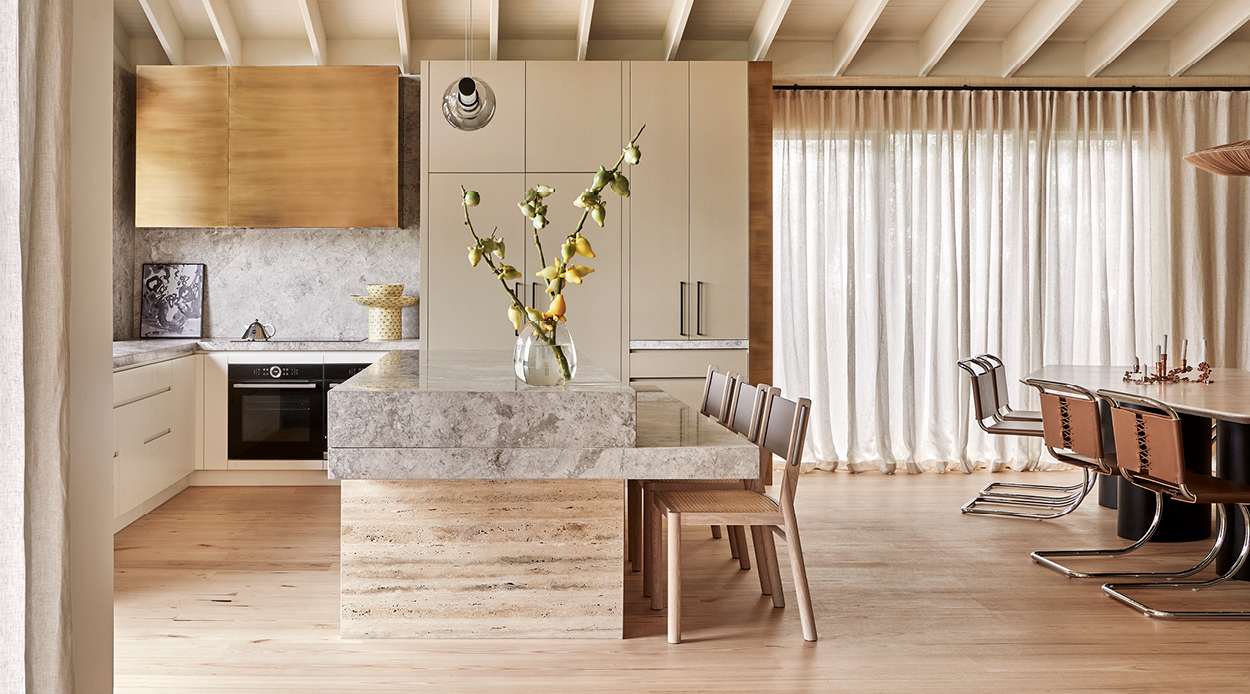
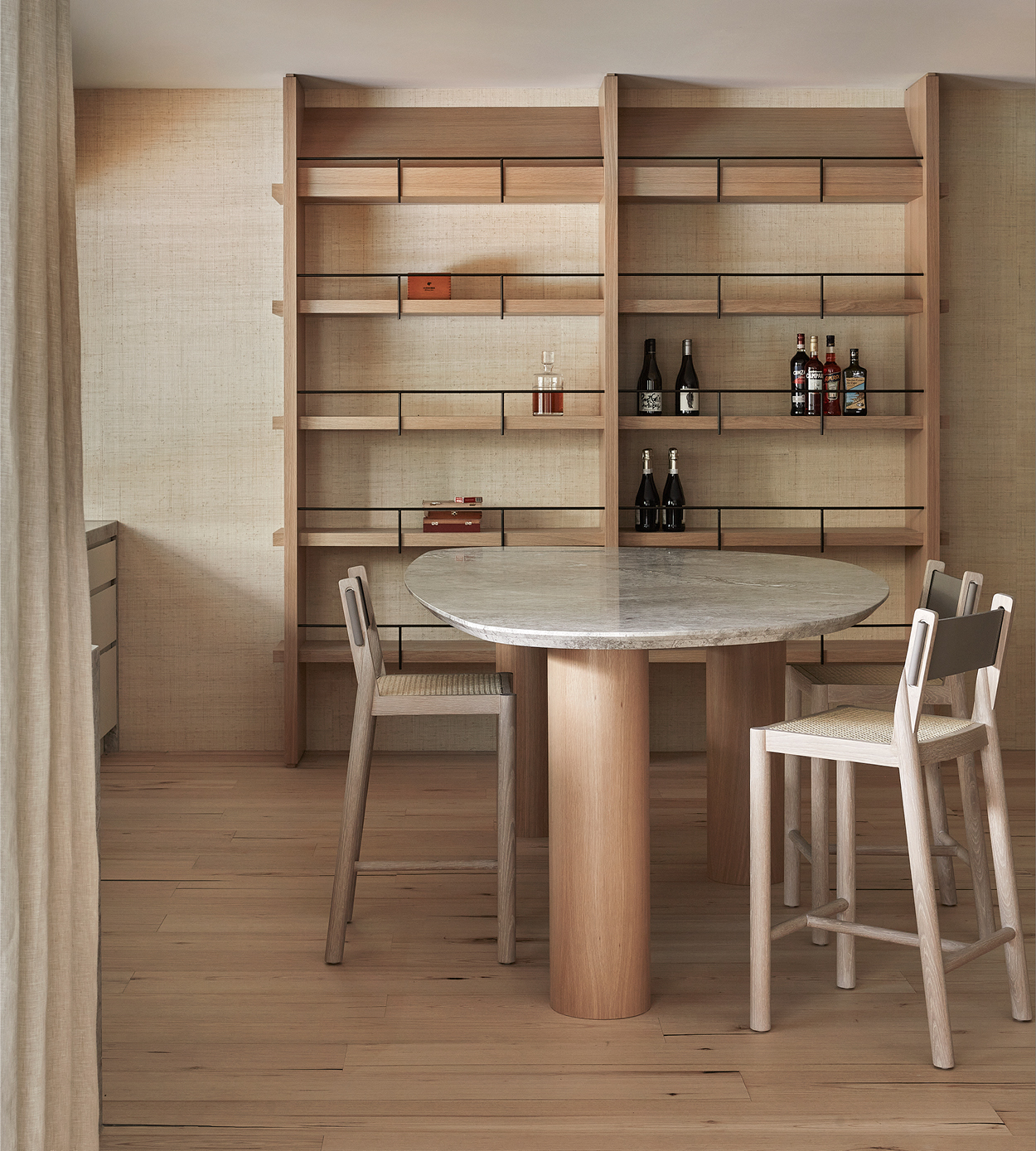
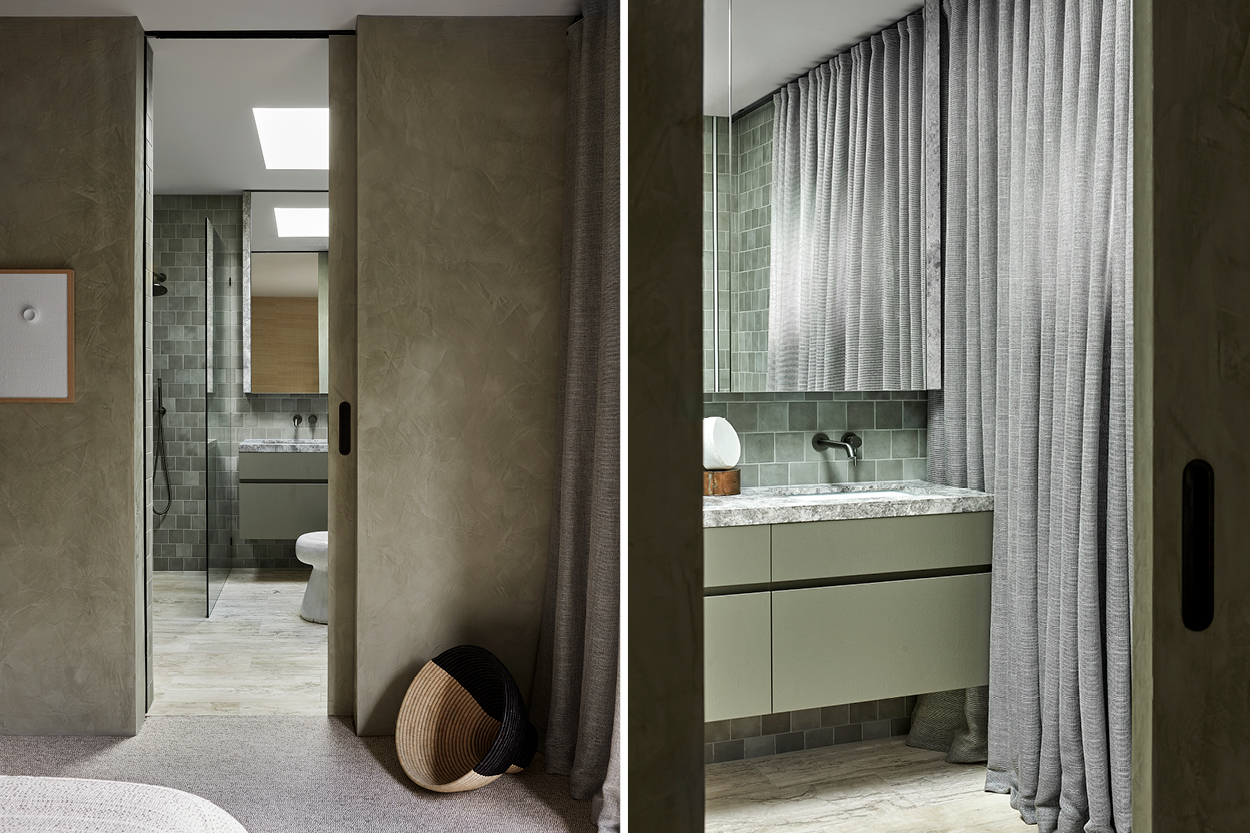
In reimagining the interiors of this residence in Sorrento, Fiona Lynch used the calm, coastal surrounds to inform her design. Taking the bones of this two-storey Merchant Builder-style home (originally constructed in the 1980s) and treating them to an extensive re-fitting, not only did the lauded designer create a sumptuous retreat to fit the client’s brief of pared-back, private sophistication, but she delivered a masterclass in modern minimalism.
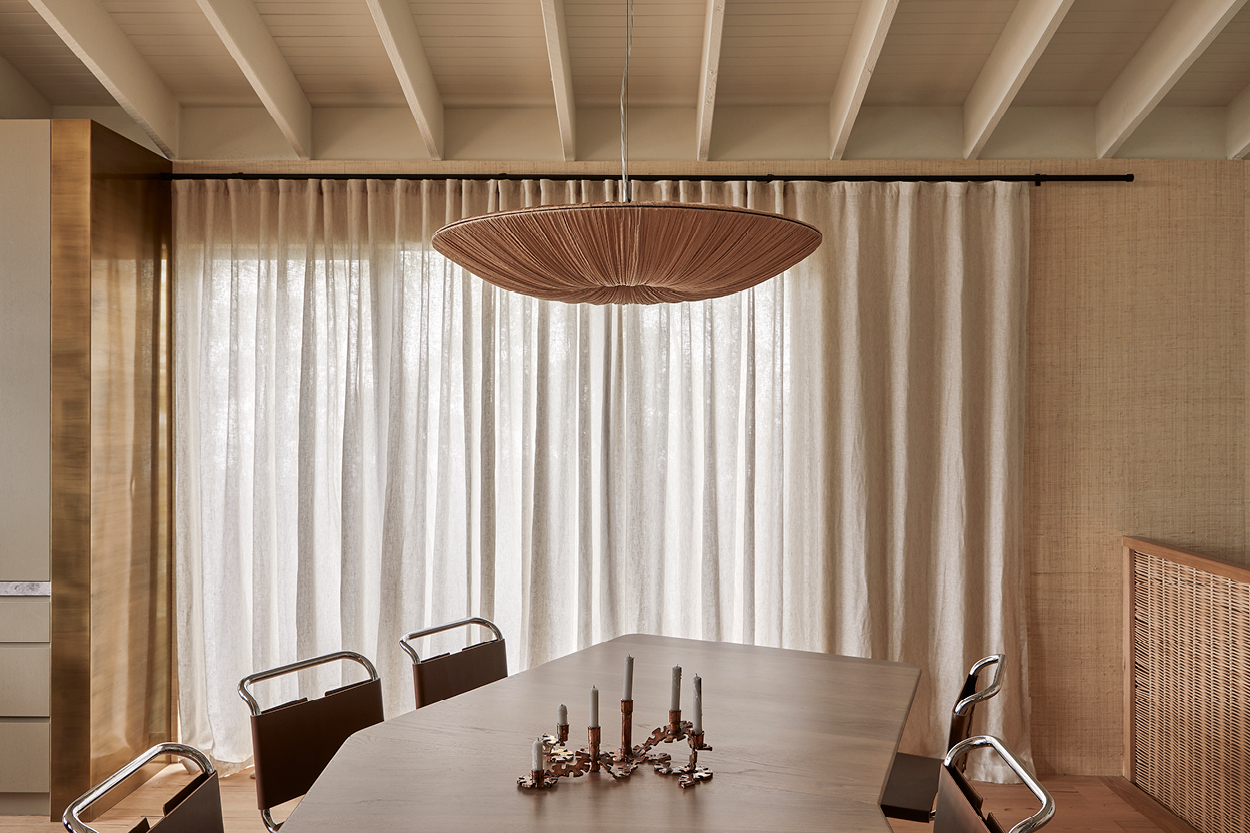
Luna Chandelier 1 Tier pendant by Gabriel Scott from ECC.
Seeking to change the feel of the existing space without altering much of its structure, Fiona Lynch ensured the home was fit for the needs of its residents by removing a dated former renovation and making small changes via clever spatial planning and expert material layering. Proving how a little can go a long way, the designer’s use of textural wall treatments, organic and porous materials and impactful artworks in key positions created tranquil spaces that feel strong and inviting, all while evoking a sense of sumptuous luxury.
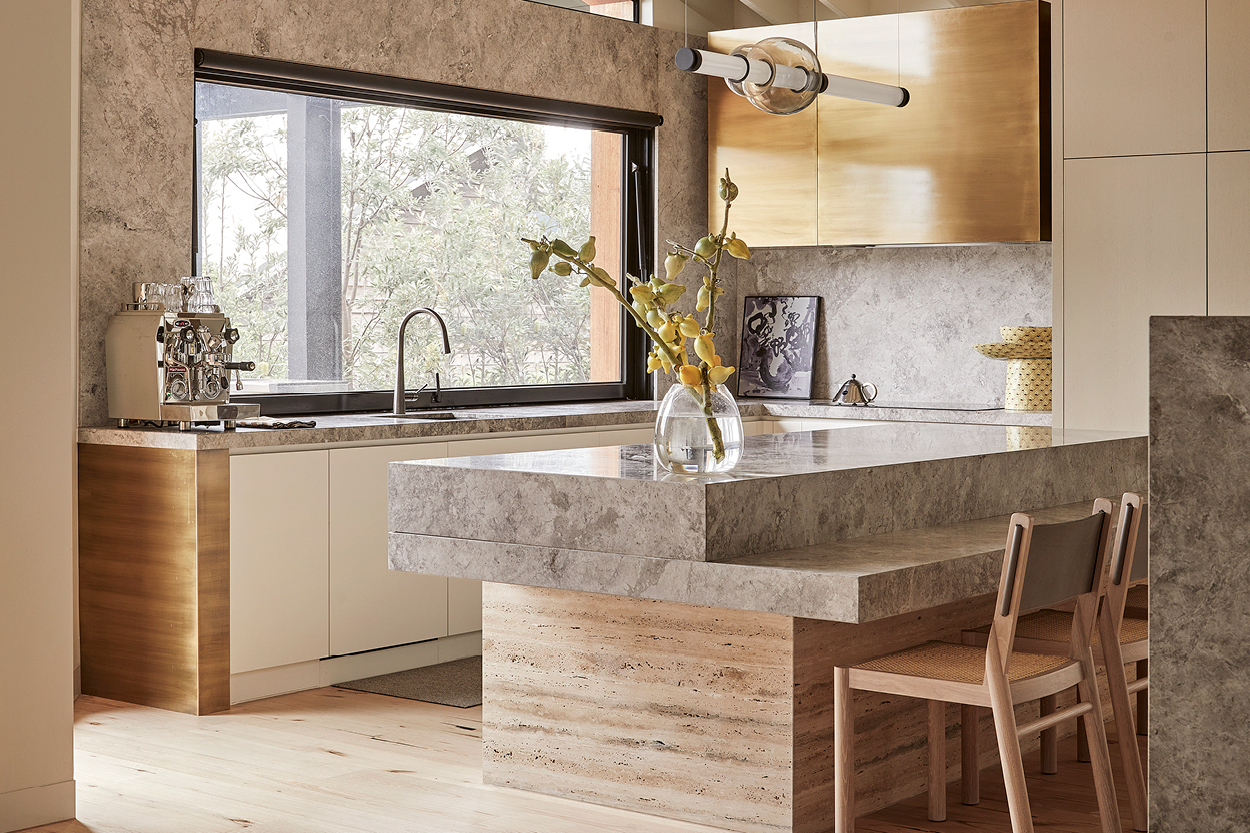
In the kitchen, for instance, a central island with a mottled limestone top and stoic travertine base is positioned to allow those enjoying a morning coffee to take in the view through the large window opposite. Careful not to sacrifice form to function, the designer conceived the kitchen as a space both befitting of family time and socialising as well as somewhere that would be practical for everyday pursuits. Here, polished brass joinery is used to deliver a golden warmth that one can only imagine would come to life when bathed in natural sunlight.
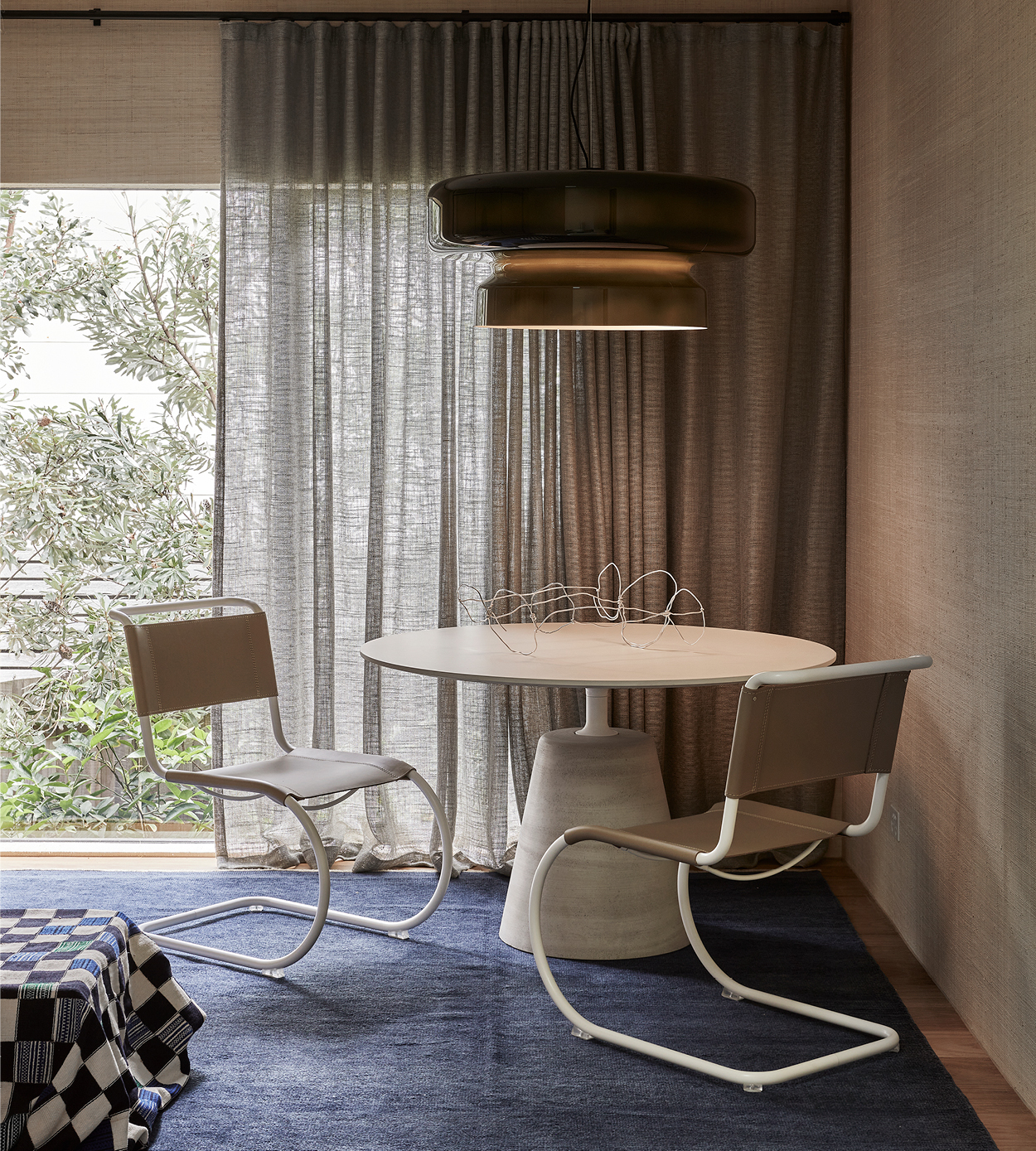
Mr Chair by Mies van der Rohe for Knoll available from Studio Italia.
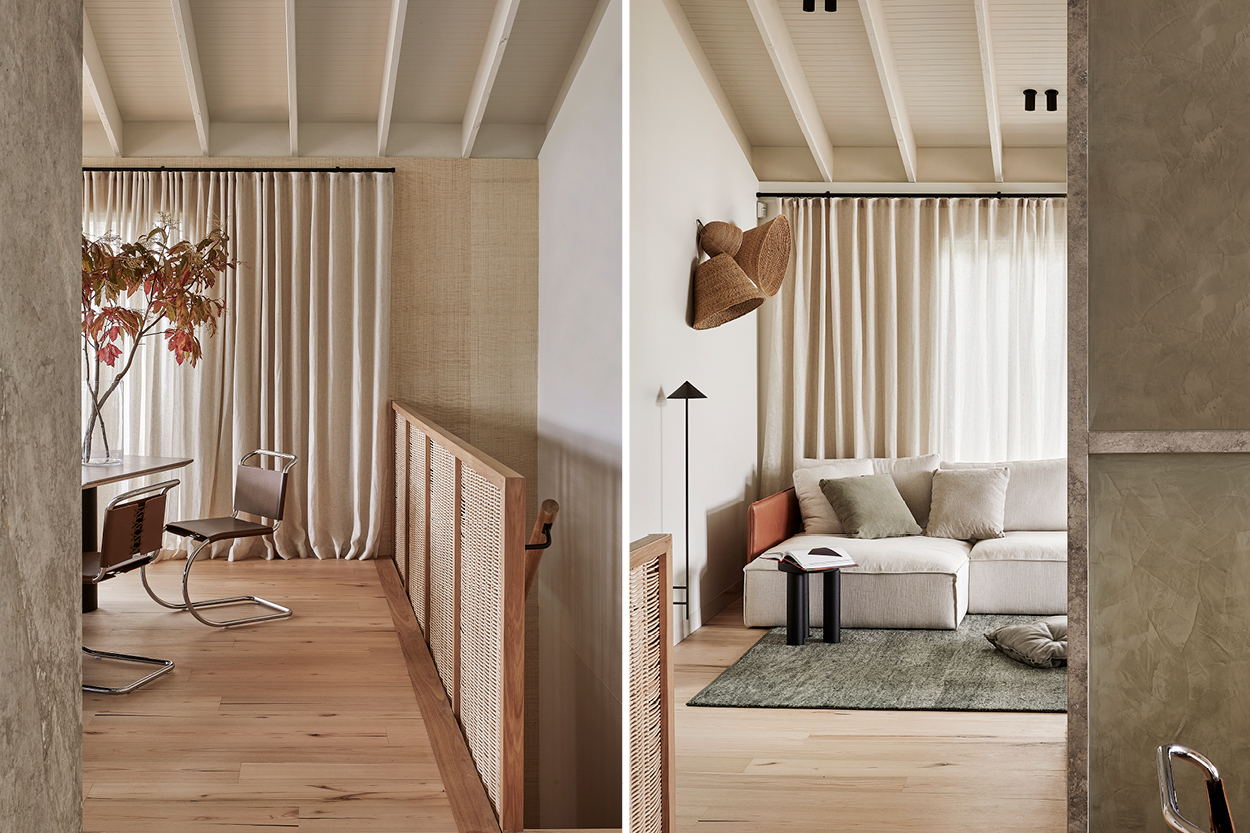
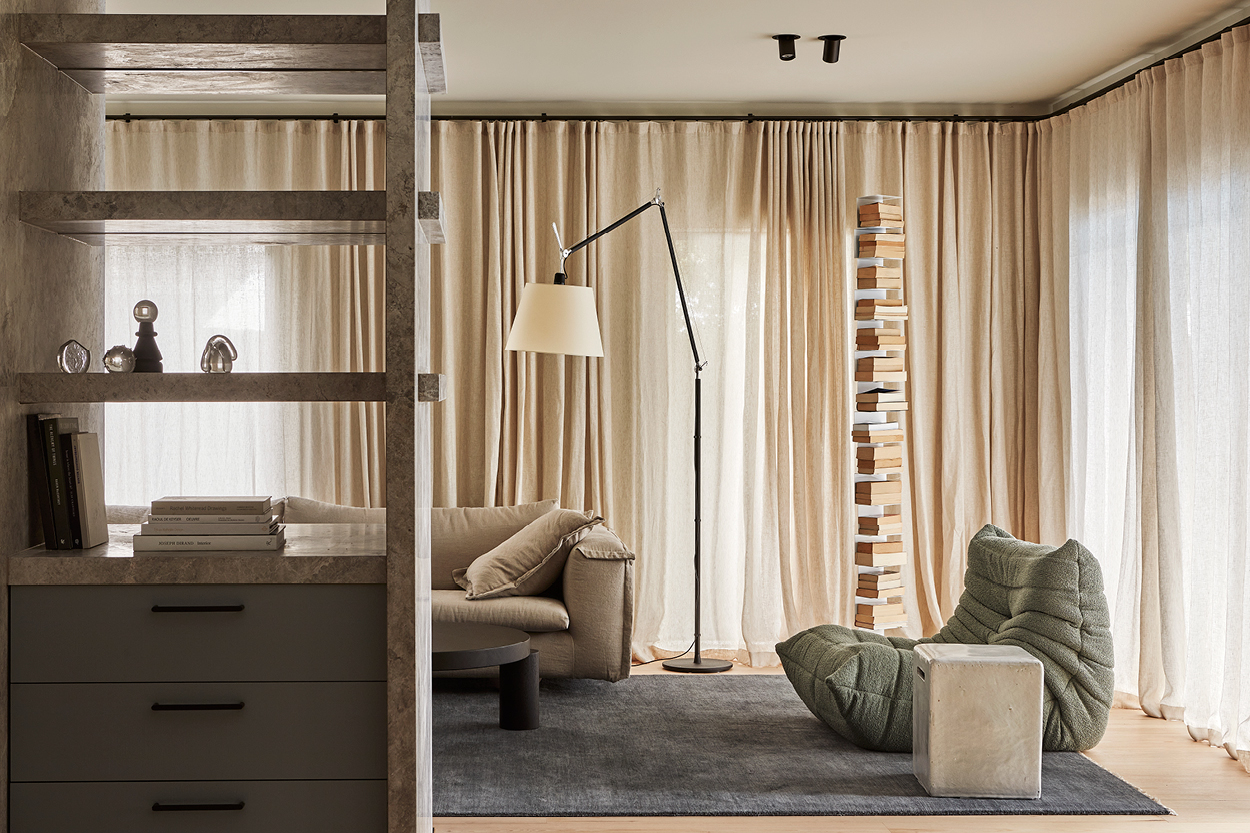
Tolomeo Mega Terra floor lamp by Artemide from ECC, Togo Fireside chair by Michel Ducaroy for Ligne Roset, Offset coffee table by Resident from Simon James, Inout side table by Gervasoni from ECC.
Elsewhere, the living areas present as the perfect places to spend days reclined on a lounge or curled in a favourite chair, where softly-draped, open-weave linen curtains diffuse the daytime light and offer privacy and warmth, while furnishings like Ligne Roset’s Togo (upholstered in an earthy green that reflects the natural exterior landscape) invite rest and relaxation. Original details like raking ceiling beams and a fireplace have been retained and given new life; the former a coat of fresh paint, the latter ensconced in stone and polished plaster.
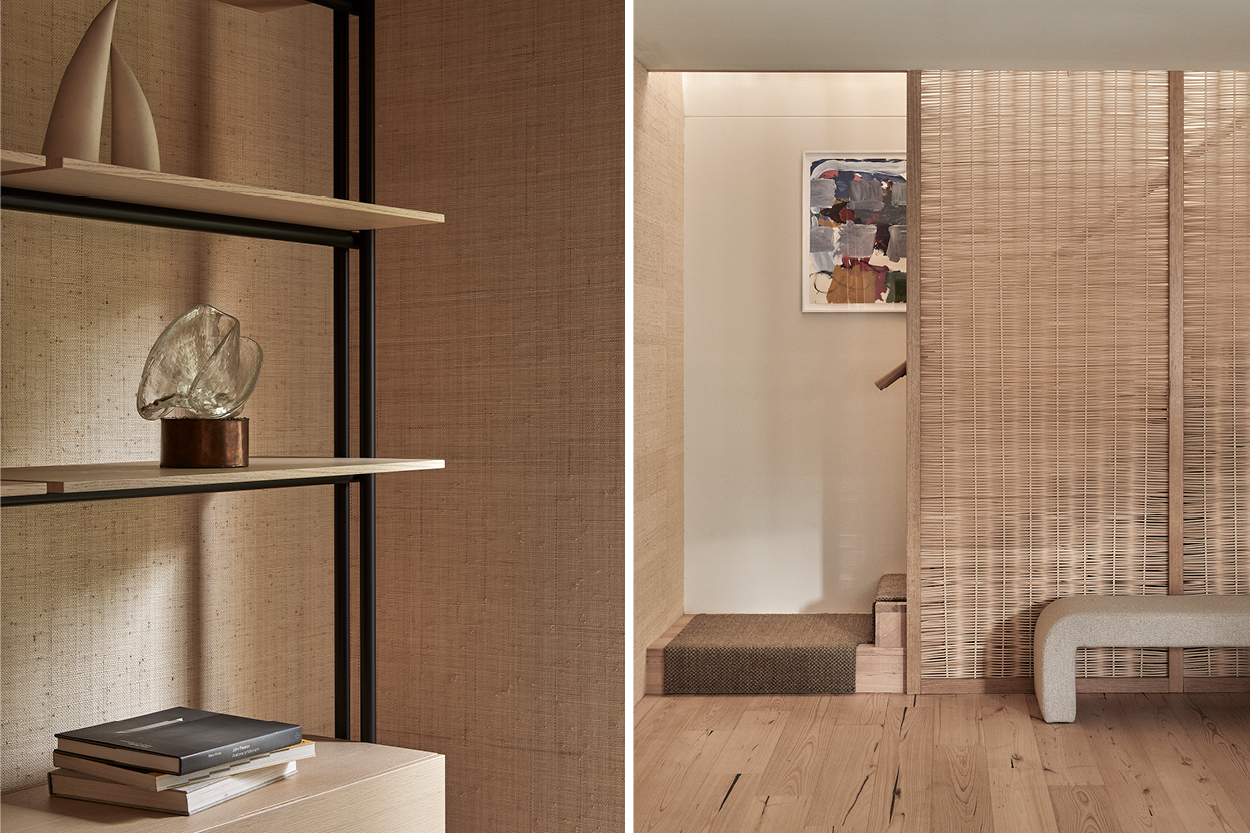
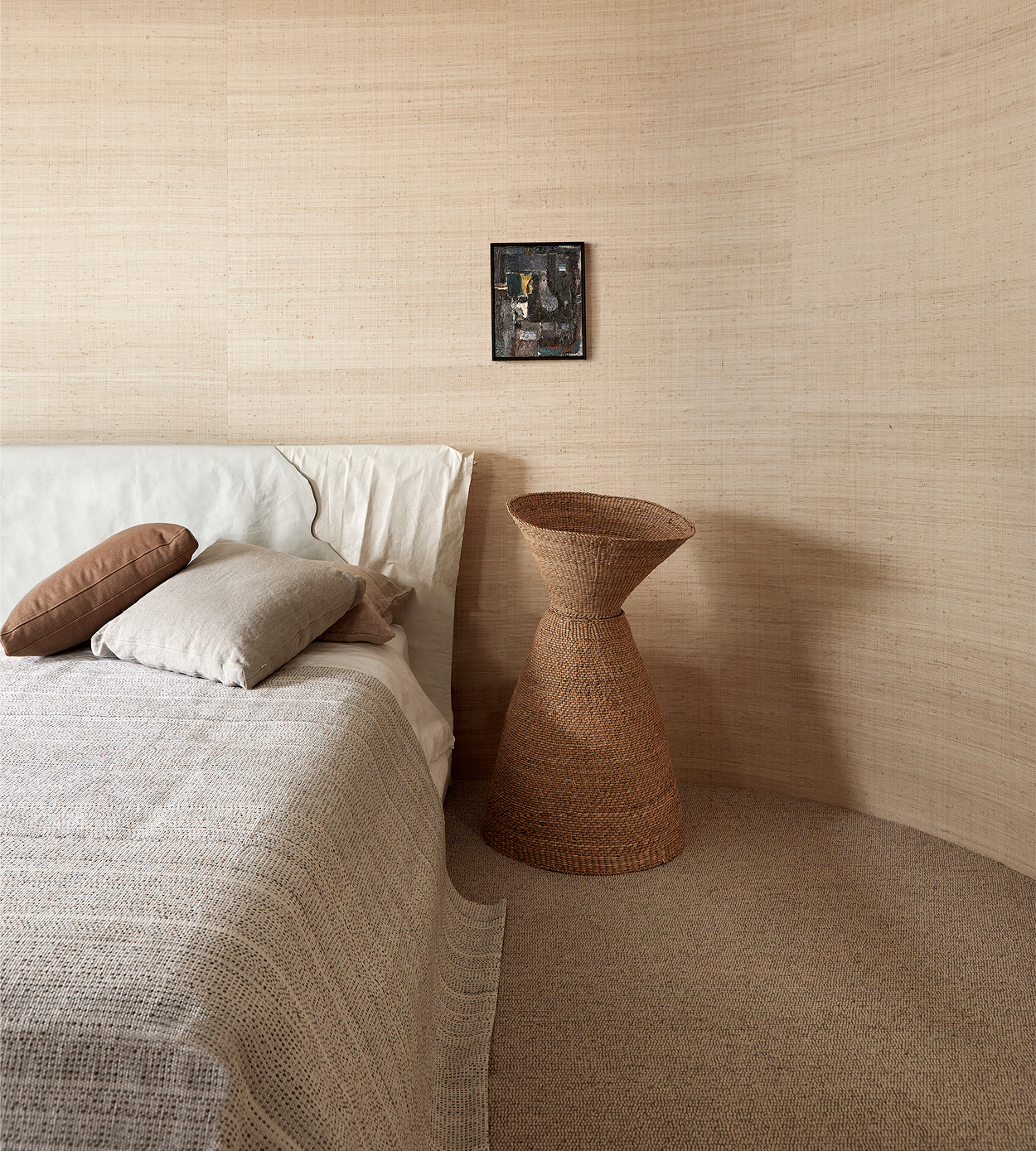
In fact, polished plaster is one of the materials that Fiona Lynch uses generously to lend depth and dimension throughout this home, an effect that is only bolstered when combined with woven wicker screens, pale timber, textured raffia wallpaper and a palette of calming pebble hues, sandy tones and chalky greens. In the bedrooms and bathrooms these tones and textures are used to calming effect, where subtle design statements are the ideal foundations against which injections of art and key furniture are showcased. And despite there being an overall sense of luxury, nothing feels ostentatious or attention-grabbing, which is what makes this residence so appealing.
Fiona Lynch has done an exceptional job at marrying hard materials with soft finishes, offsetting angular, sharp lines with rounded walls and using elements like solid timber and natural stone in an understated way. The Sorrento House is, as a result, an alluring example of restrained design. It embodies modern minimalism because it is warm and simple; layered but ultimately pared back. And while it’s a hard line to walk, Fiona Lynch does so with an expert hand and clever eye, creating a home on the coast to covet.
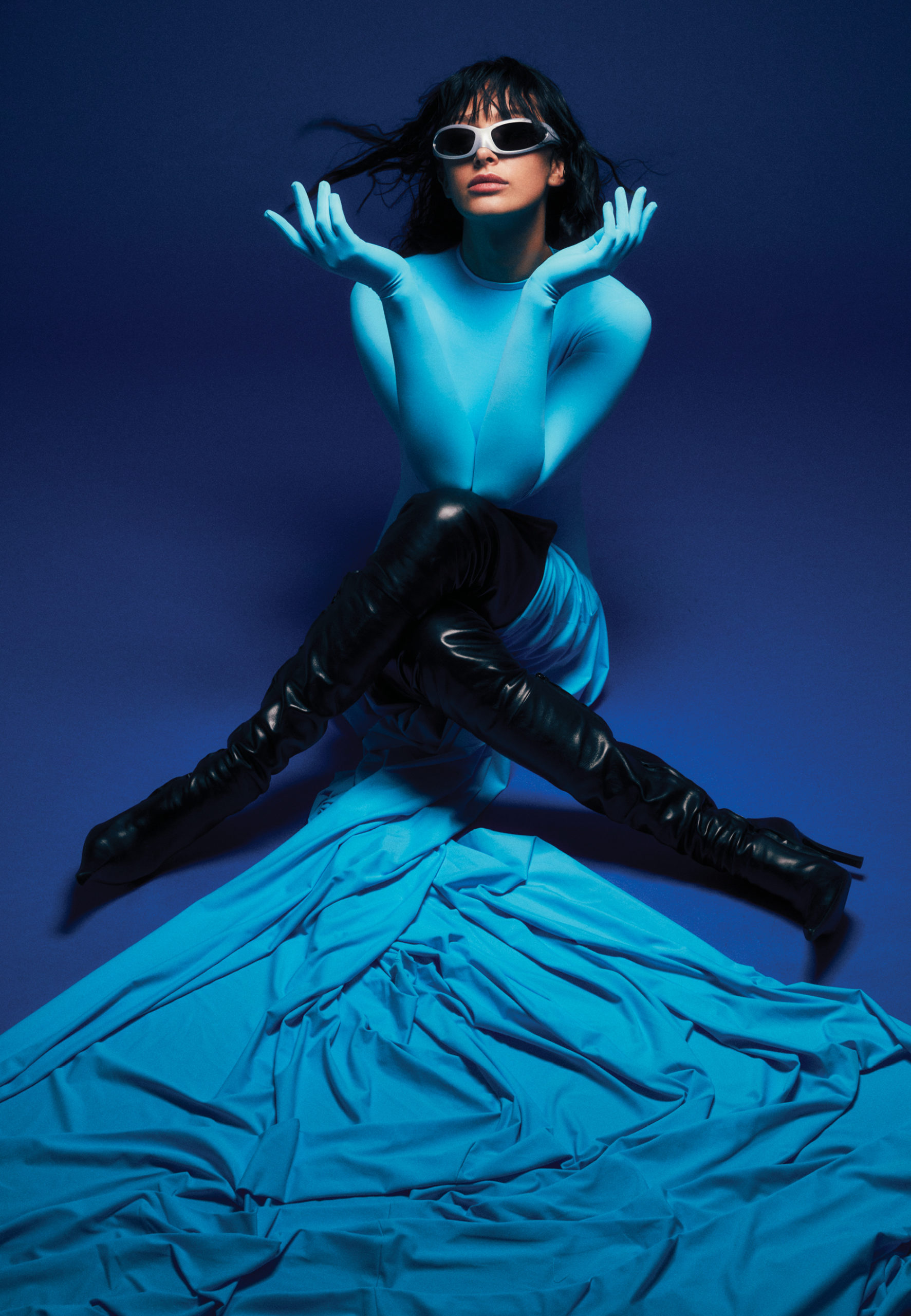
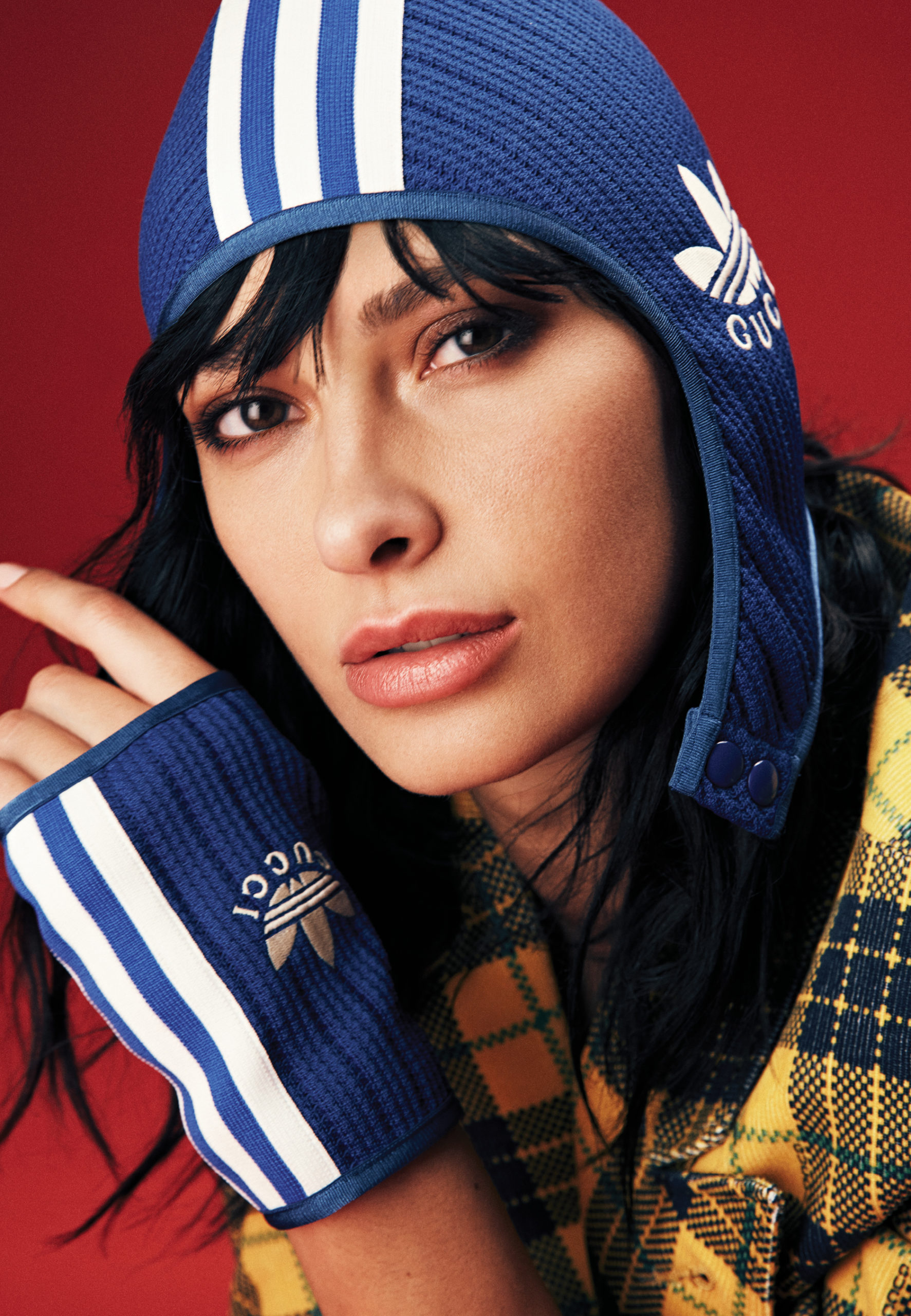
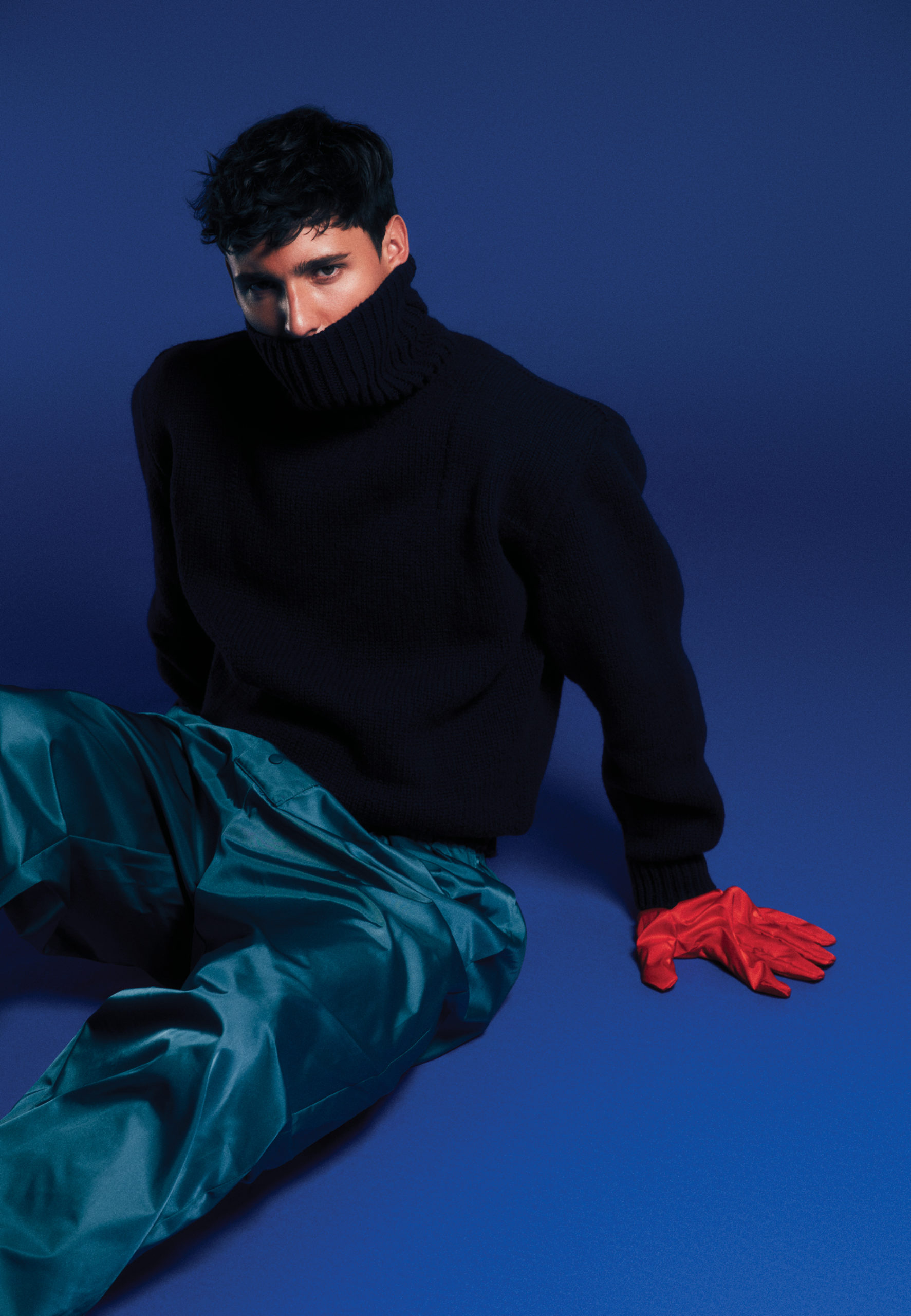
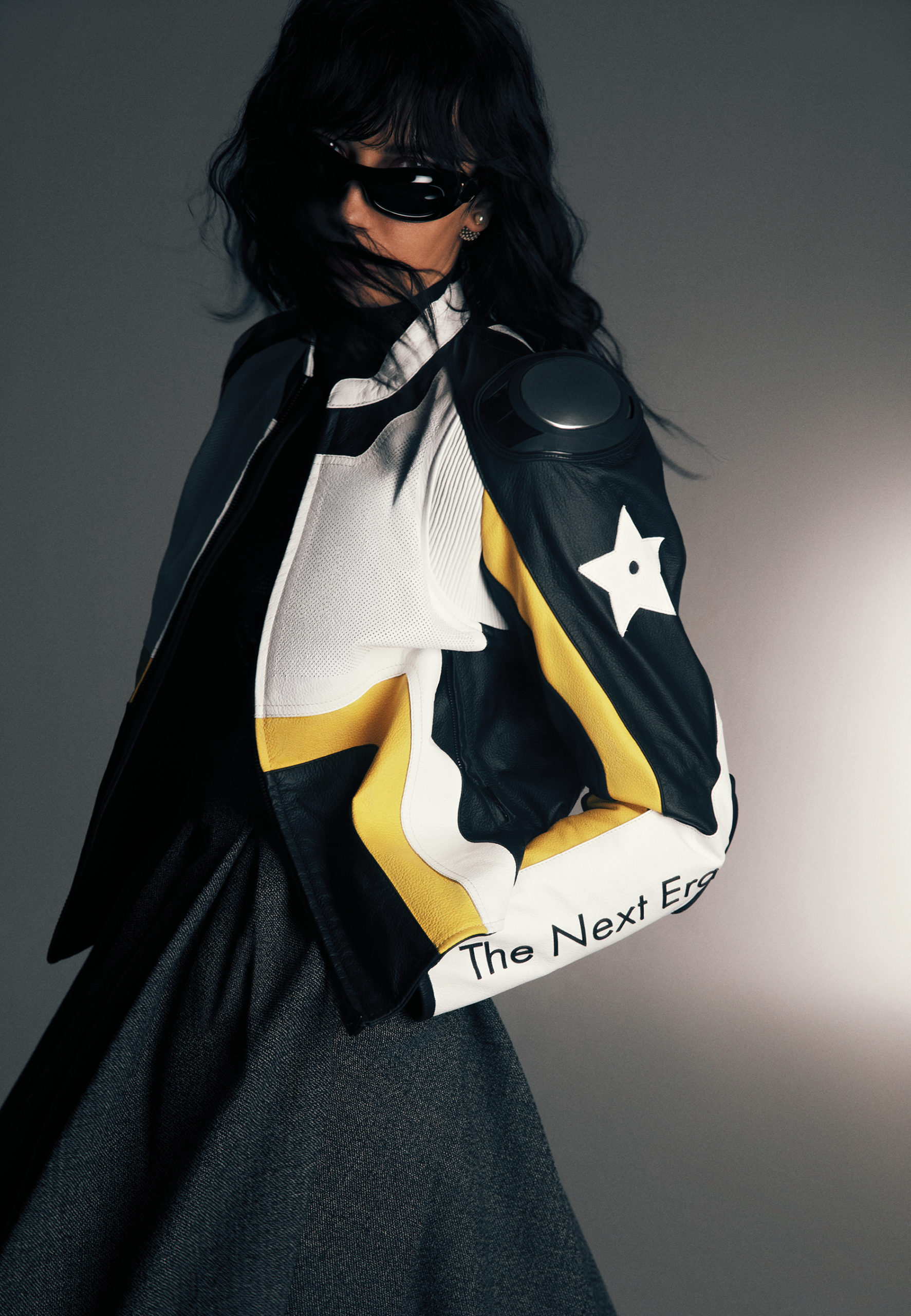
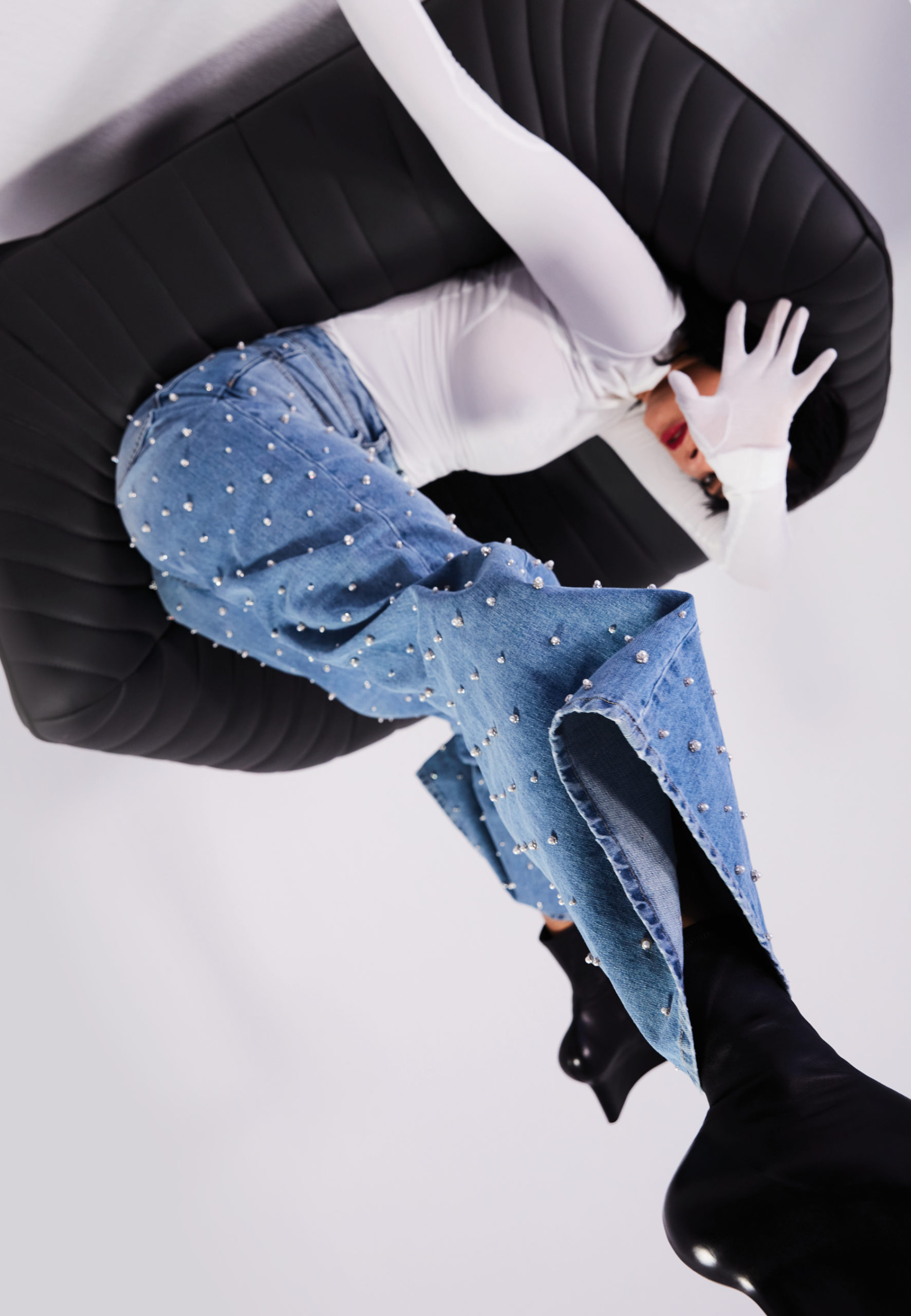
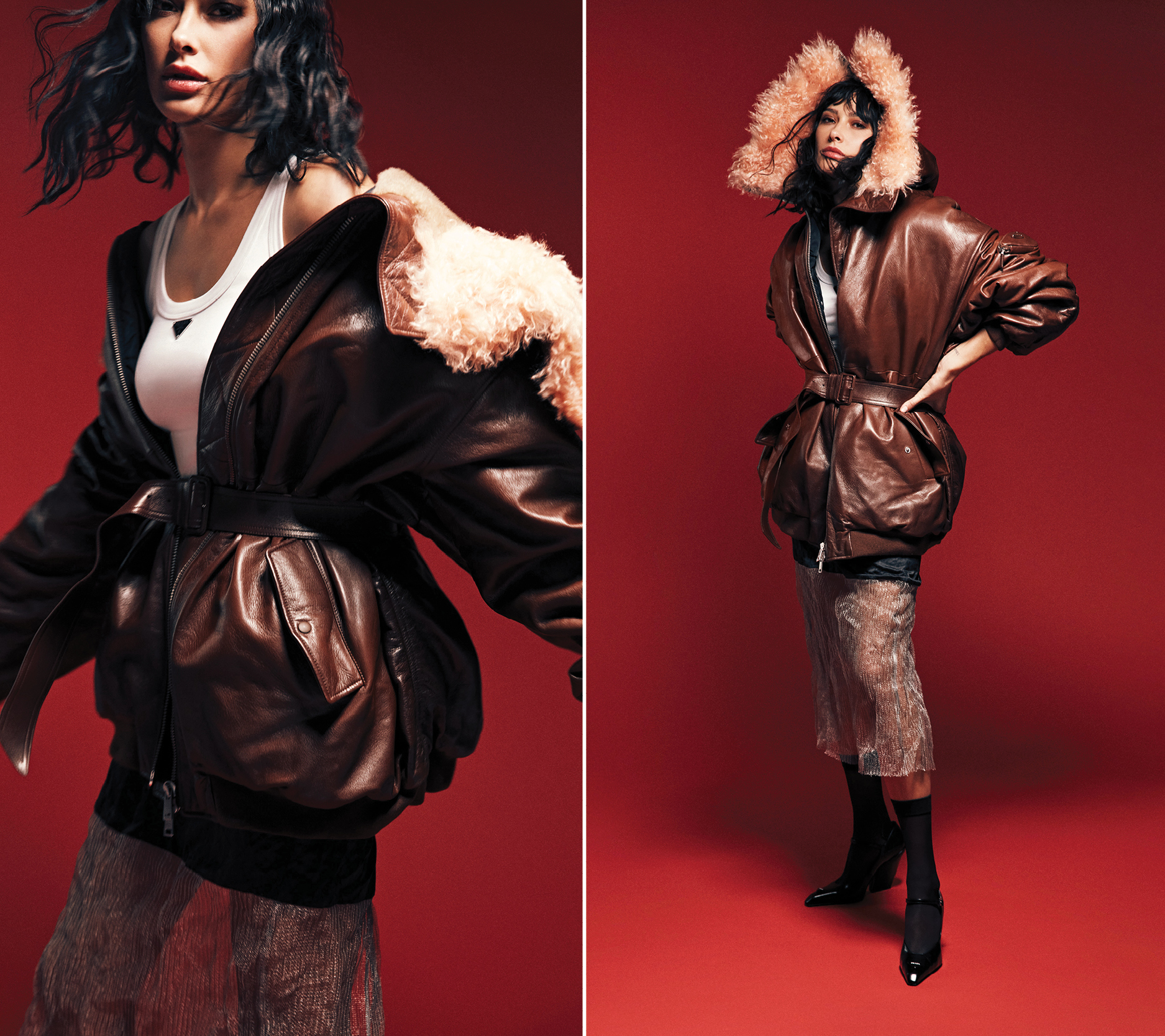
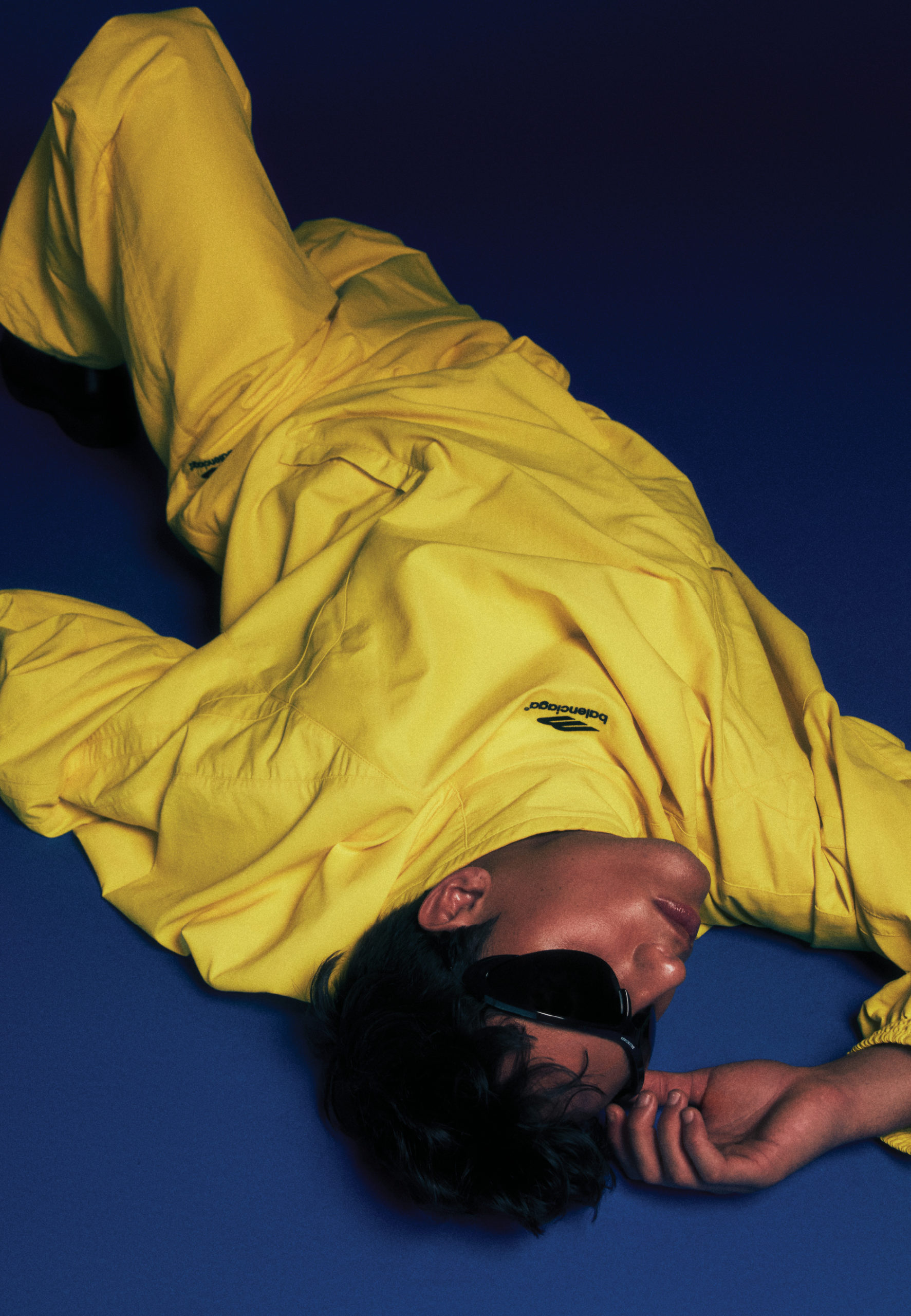
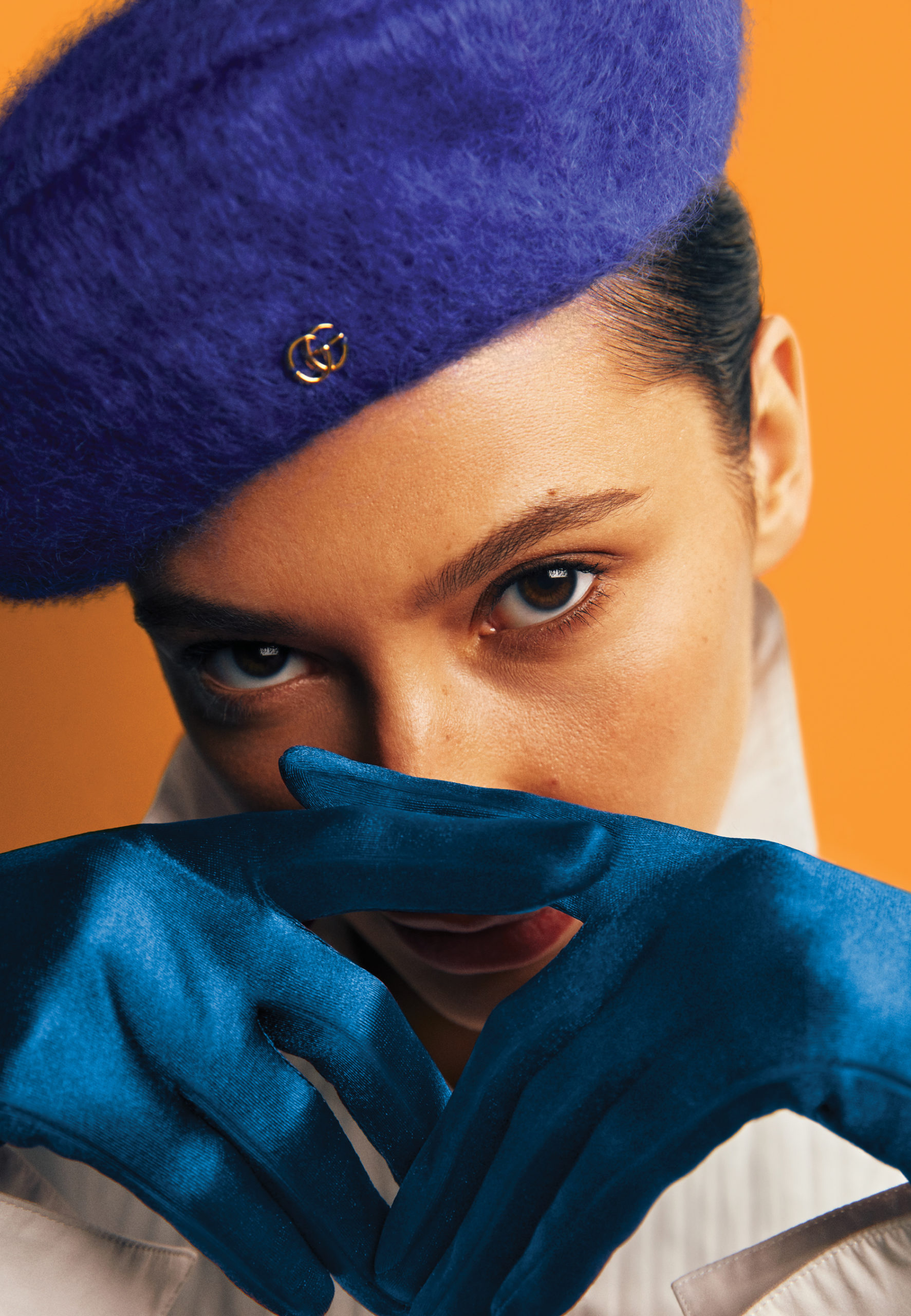
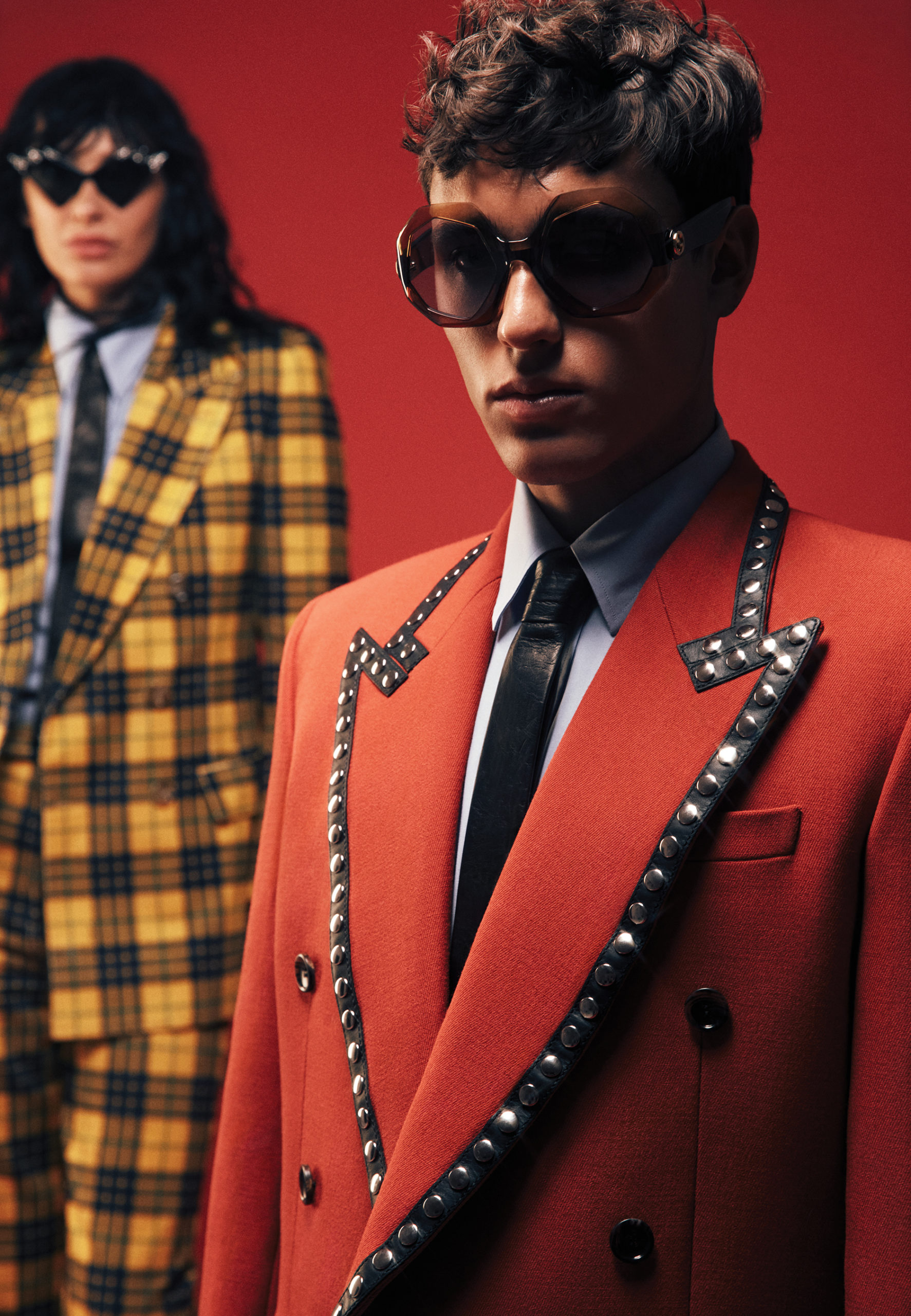
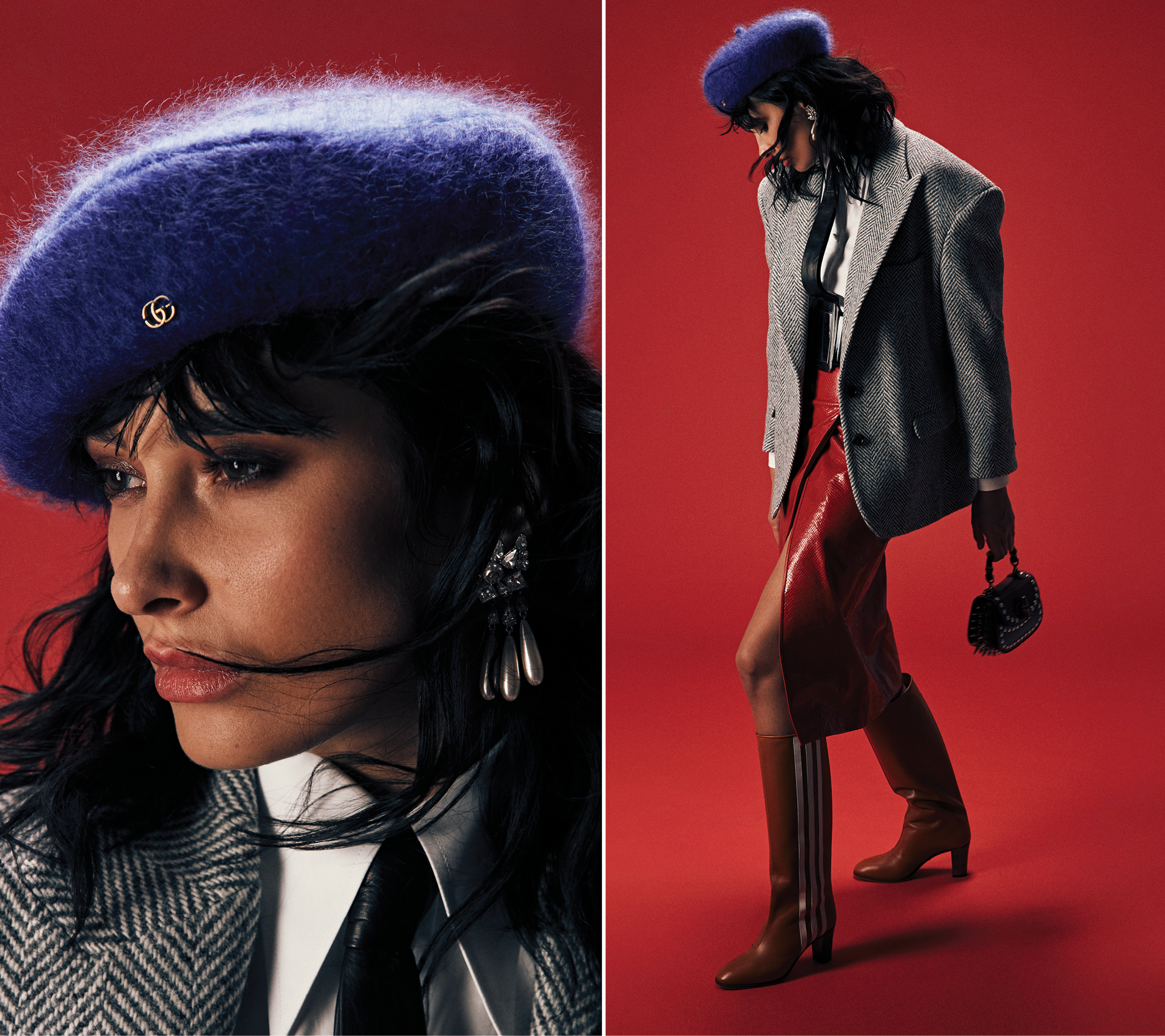
In a bid to capture the boldness and bravery that underpinned the rest of Denizen’s Spring issue, it was to high-octane hues and showstopping silhouettes that we turned in our fashion editorial. From Balenciaga’s unmistakable block colours and Gucci’s unique detailing to Prada’s polished touches, the mood of the season was audacious and the clothes a confident step away from minimalism. They do say that fortune favours the brave, after all.
Makeup & Hair: Ivan Kuz using La Bouche Rouge makeup, available from Faradays. Talent: Vita from MMG Models. Thiago from Bareface Models. Fashion Assistant: Christina Arrighi. Video: Klaudia Adamski.
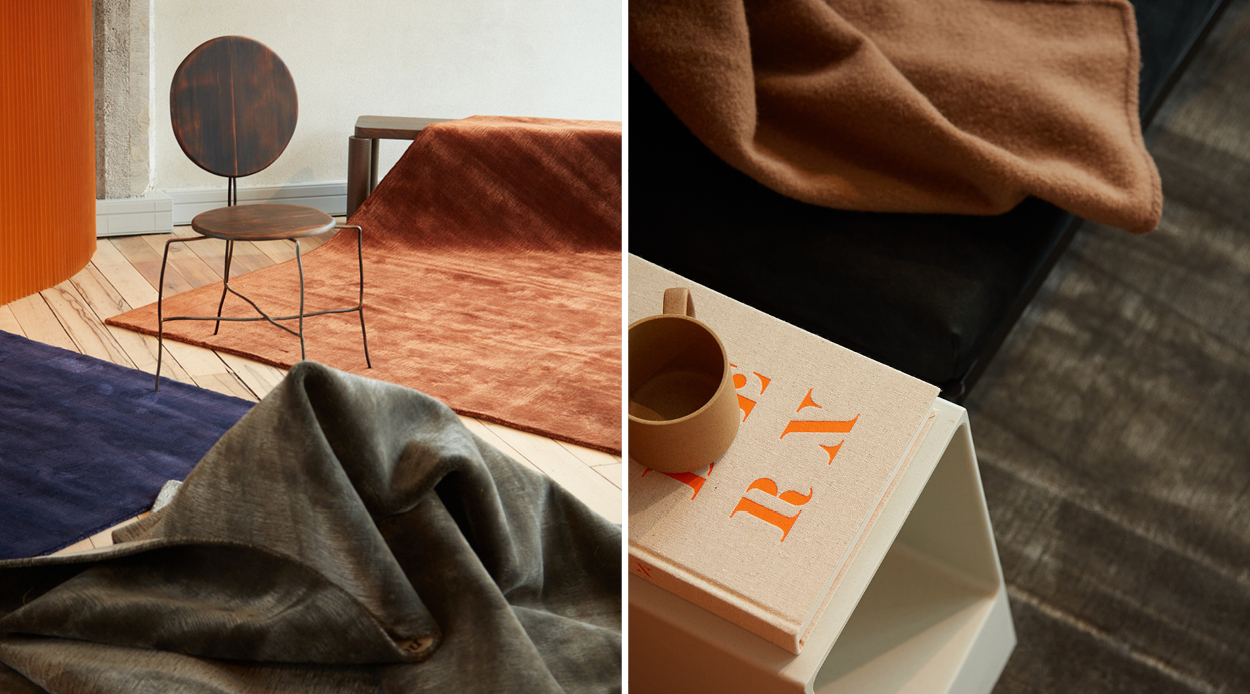
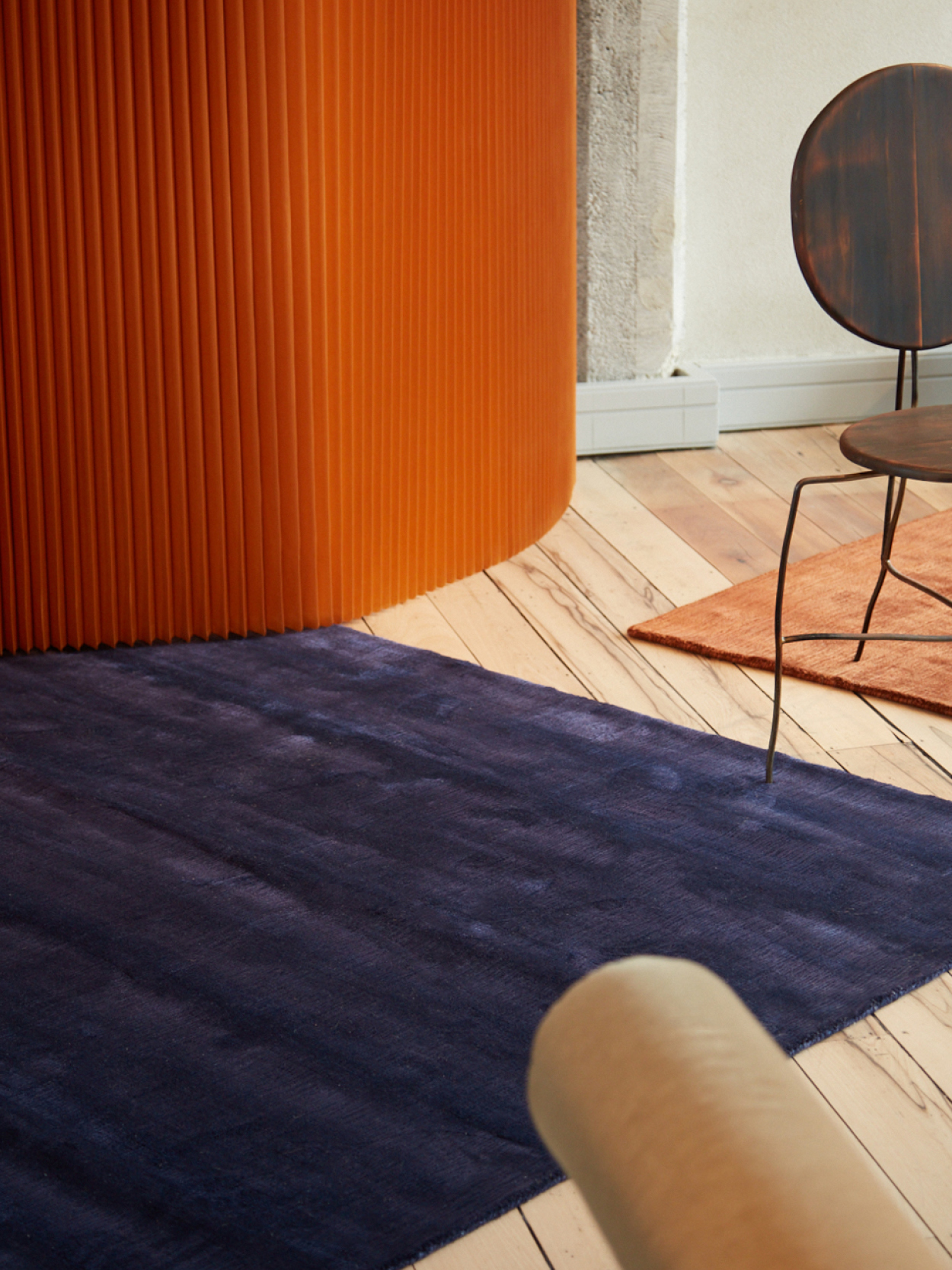
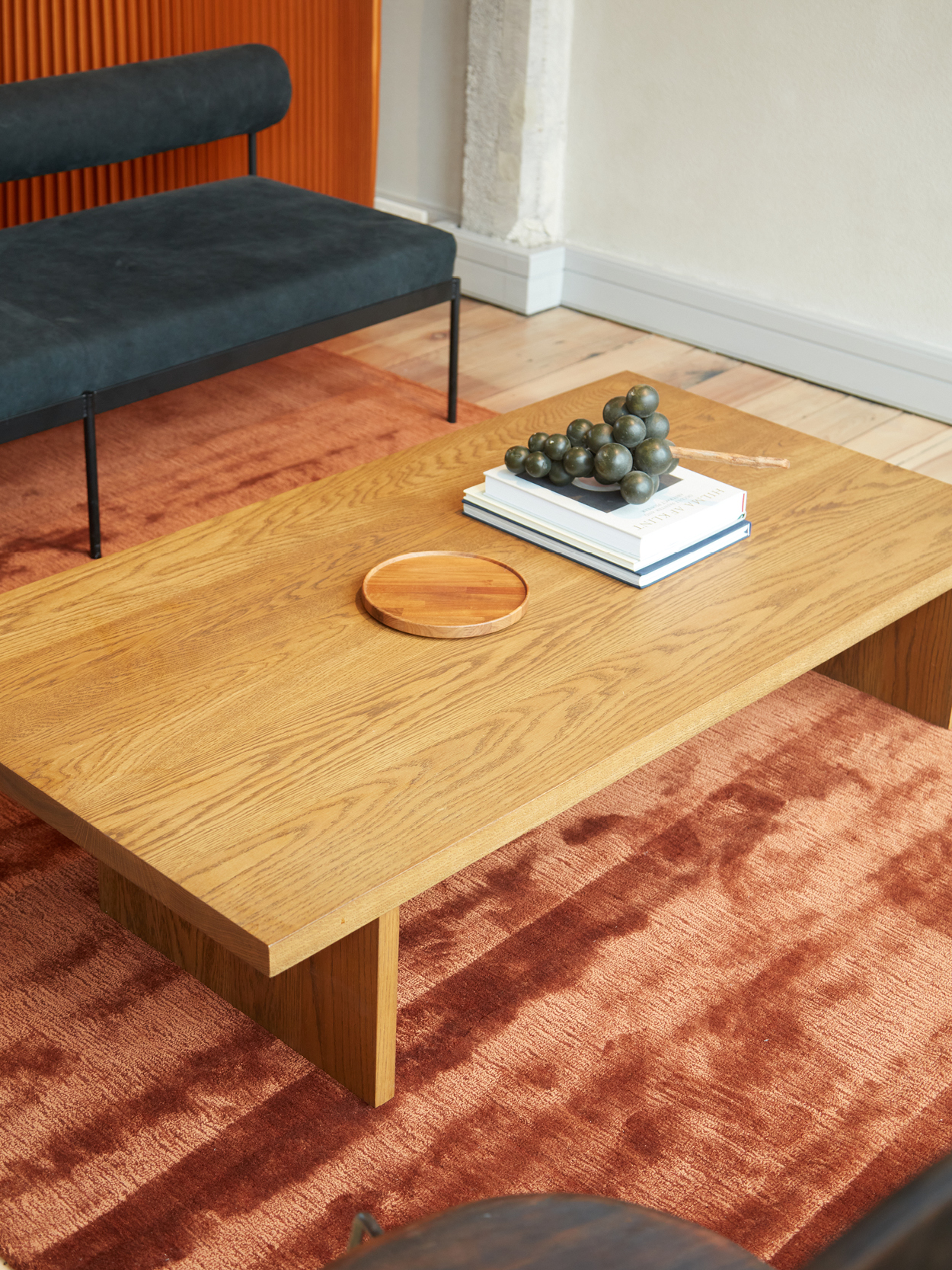
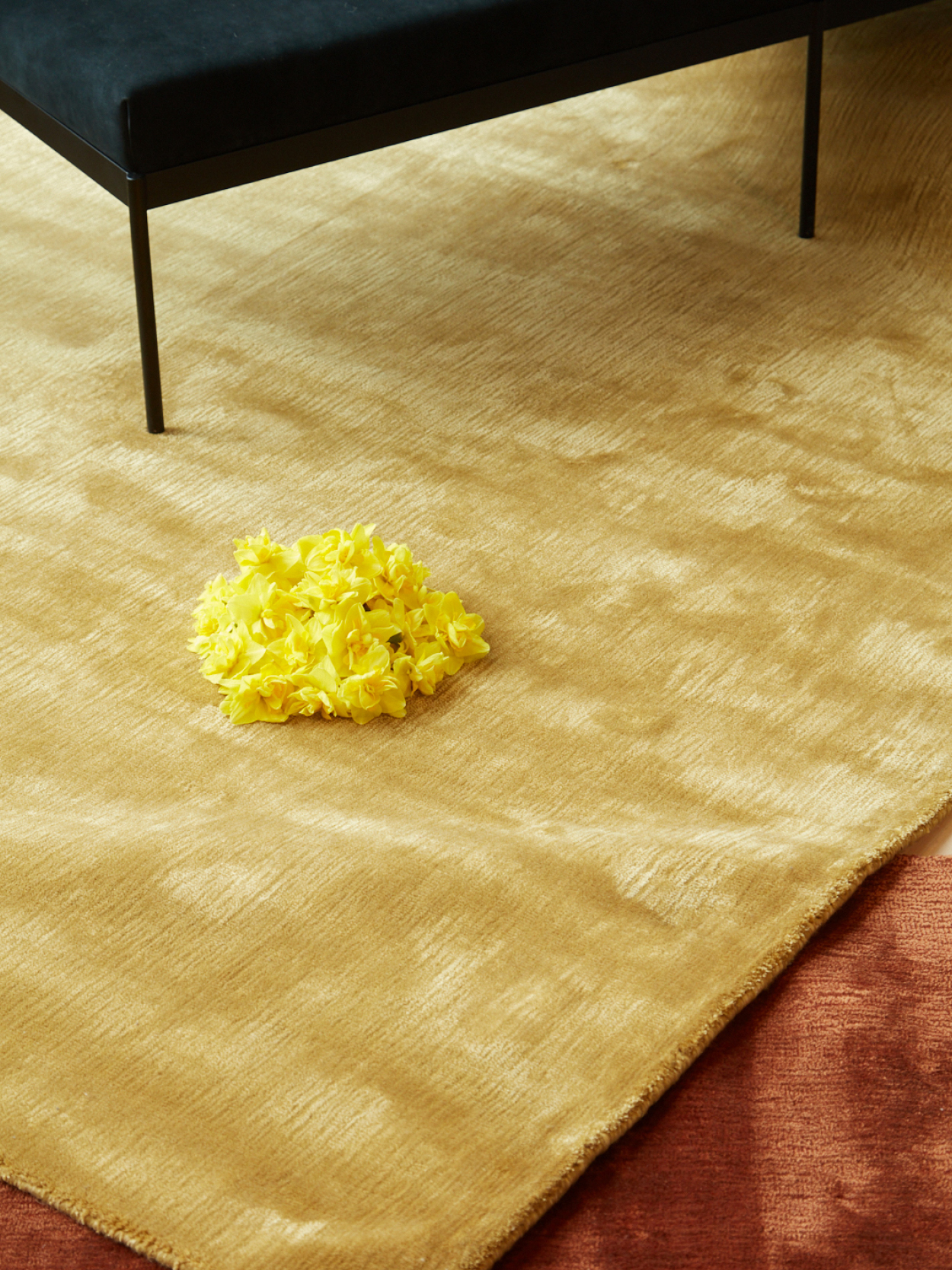
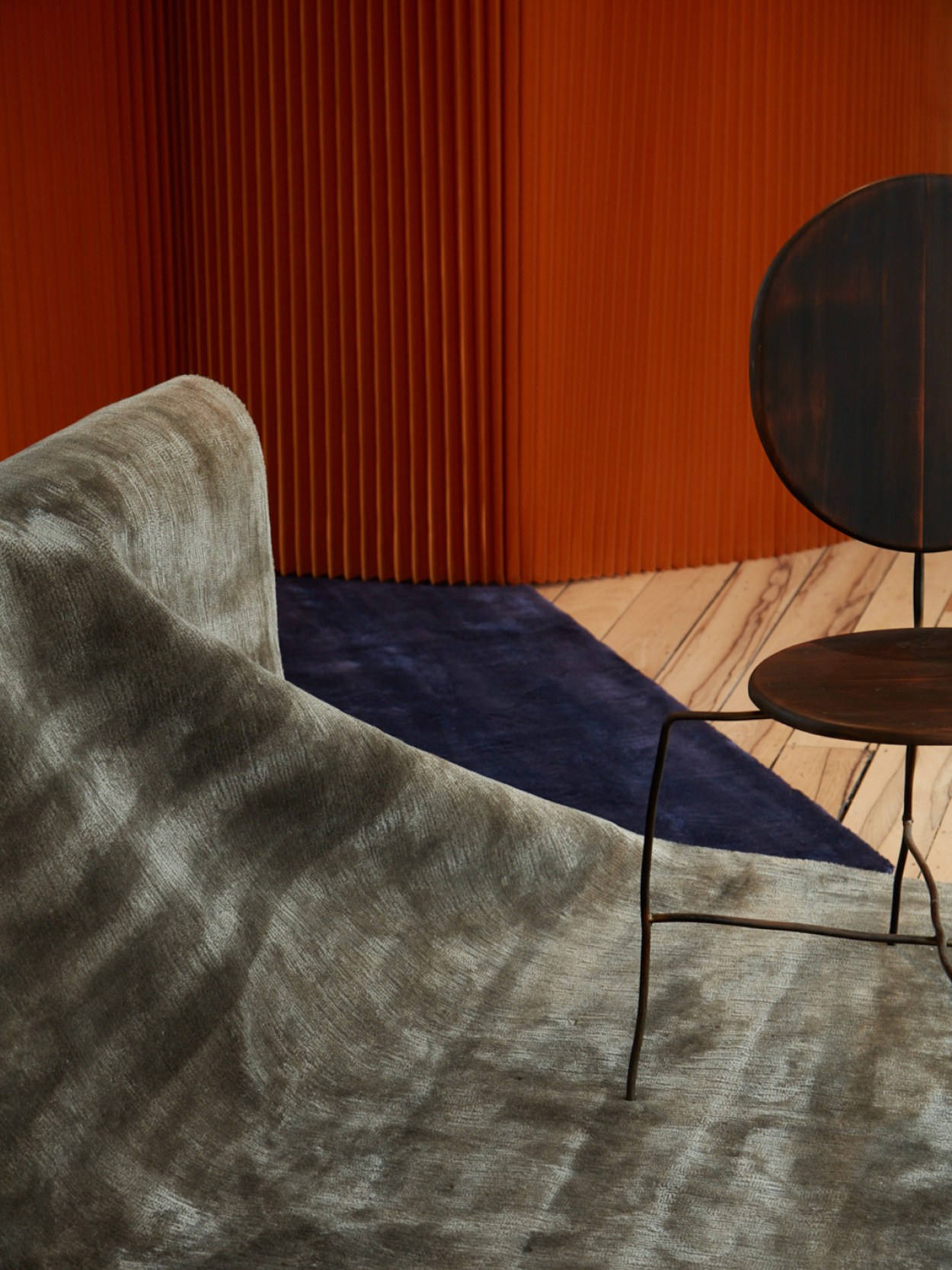
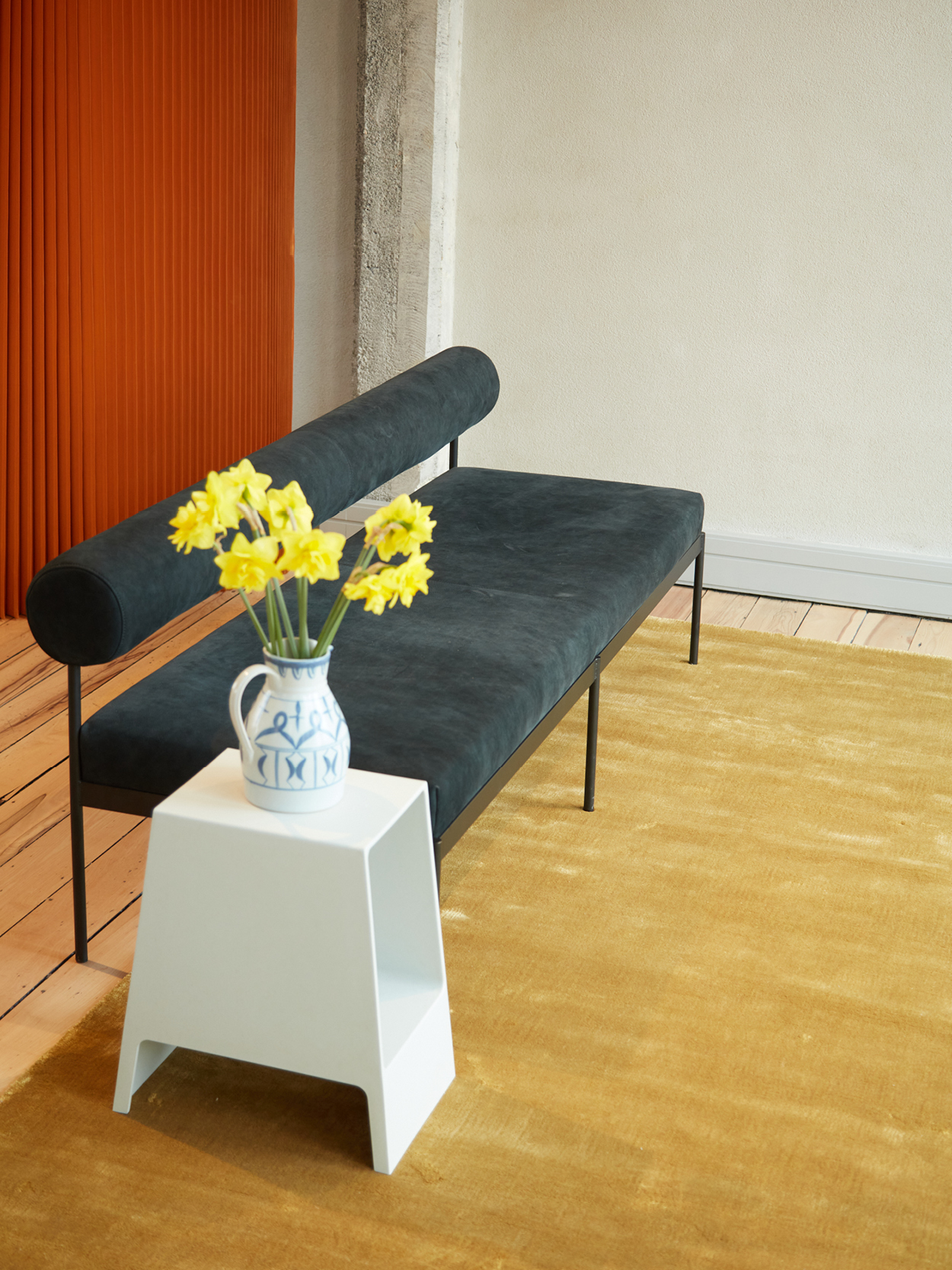
Thanks to the local purveyors of some of the finest rugs around, a new wave of vibrant hues is set to take over our interiors, suggesting that colour in the home should be employed on every surface, starting from the ground up.
Nodi (known for creating collections that reimagine the classic rug in a bold, luxuirous way) has recently expanded its highly-coveted Bamboo Silk Wool Blend collection by adding tones like Brick, Indigo and Charcoal to the line-up, and making a strong case for colour in any living or bedroom space. Forever inspired by nature and our connection to mother earth, Nodi introduced these hues to echo the natural world while still offering the kind of cool, cosy, contemporary luxury that has made this brand so widely sought-after — and the results really speak for themselves.
For Nodi, the rug is an essential centrepiece, and a detail that (although often underestimated) has the ability to pull together an interior like nothing else. And while the brand’s collections comprise a variety of weaves, it is its handmade, 100 percent bamboo silk combined with pure New Zealand wool additions that offer the perfect combination of modernity and luxury, thanks to their sustainable materials, sumptuous silky texture and luminescent, sheen-like finish.
The expansion of Nodi’s Bamboo Silk Wool Blend range reflects not only on the popularity of the texture, but offers tangible proof that people are willing to embrace colour in their homes once more — moving away from stark monochrome as the only harbinger of a sleek, contemporary aesthetic.
So, for anyone seeking a seasonal refresh, look no further than Nodi’s newest Bamboo Silk Wool Blend colours. After all, the simple act of adding or swapping a rug is the most effective way to give any interior space a new lease on life, requiring barely any effort at all.
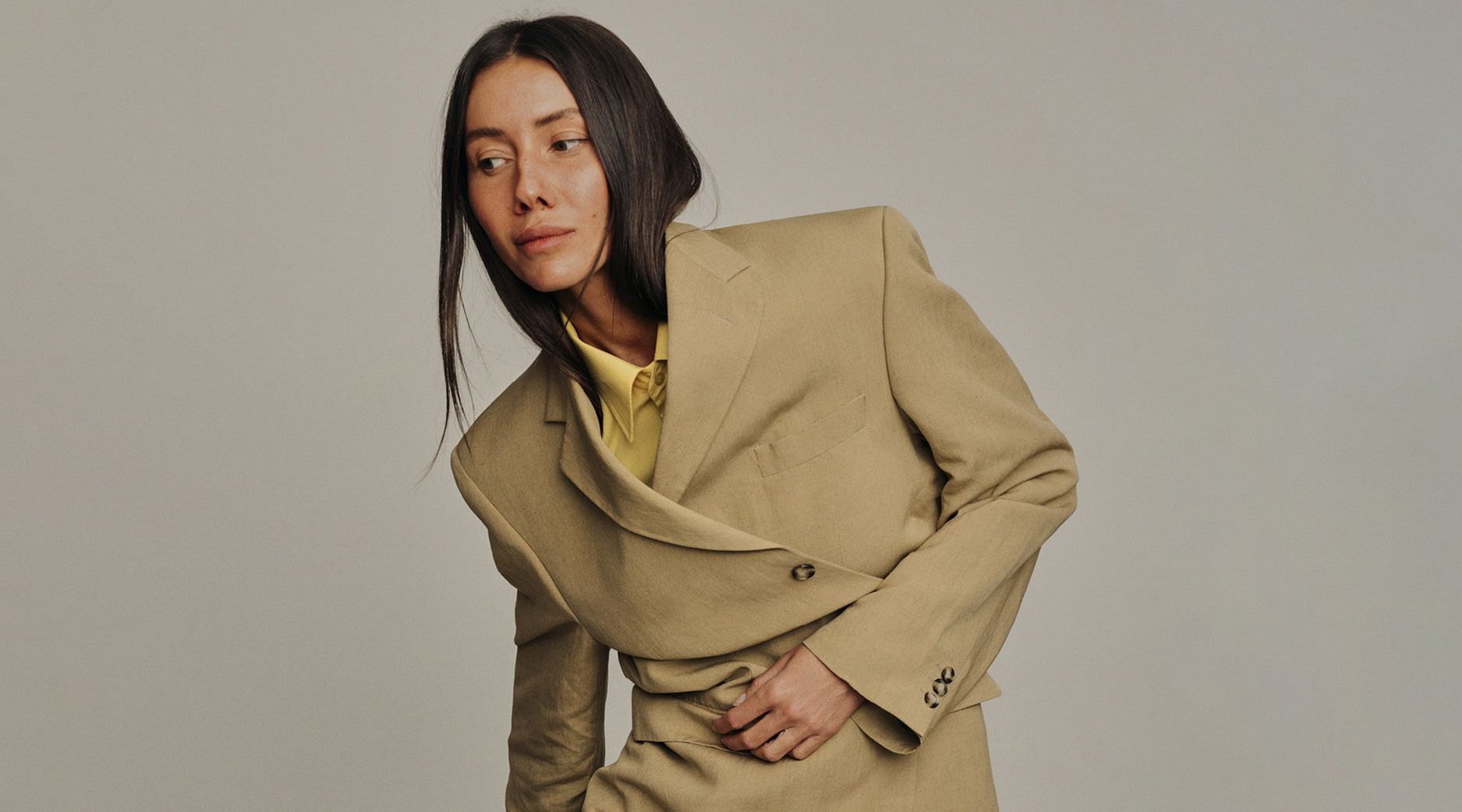
Julie Pelipas is talking to me from London, but it’s not her home. And while home is only a three-and-a-half hour flight from London, returning right now is not an option. Pelipas, the former fashion director of Vogue Ukraine and founder of upcycled clothing platform, Bettter, is one of the roughly 12 million Ukrainians who have been forced to flee their country since its invasion by Russian forces in February, with millions more displaced within Ukraine, and hundreds of thousands left without any home at all. Considering the circumstances, Pelipas is one of the lucky ones, but talking to her, it’s clear that the emotional toll of war has weighed heavy.
“I’m safe but I feel enormously tired,” Pelipas says when we first speak, “it’s not easy to work normally and live life while trying to handle the huge mental pressure of everything we see happening in our country every day… particularly now that the media has stopped covering Ukraine as much.” For Pelipas, London is a haven, but it will never feel the same as the dream home she had meticulously designed and only recently moved into, set in the heart of Kyiv and surrounded by beautiful gardens and a sparkling river. If anything, the rushed relocation of her and her family has only made her appreciate her country more. “I love my country, I love my people,” she tells me, explaining how she recently went back for a visit, surprised to find that the people there were choosing to continue on as normally as they could. It’s a testament to the incredible resilience that has defined the Ukrainians’ retaliatory fight and utter refusal to back down. “Being back in Ukraine was a very surreal experience,” Pelipas explains, “there are parts that feel so normal but you can be killed at any moment… when we were shooting for Bettter’s MRIYA project with Dover Street Market, rockets hit the city centre, about two-kilometres from our studio.” This comes as Russia is reportedly ramping up its attacks on Ukrainian civilians, a result of what Pelipas says, is an attempt to break their spirit. “There’s no military logic anymore,” she tells me, “they’re trying to lower our bravery, they want us to be scared.” But, fear, I learn, is not in Julie Pelipas’ vocabulary.
For those of you who haven’t heard of Julie Pelipas, there is a high chance you’ll have seen a photo of her on Instagram, probably at fashion week, probably surrounded by photographers. Tall and slender, with a strong, memorable face and a particularly elegant way of dressing (usually in a suit), Pelipas has long been the subject of ardour from those in the fashion industry — as much for her personal style as for the globally-renowned work she has produced over her decades-long career. An integral part of the teams that set-up both Harpers Bazaar and Vogue in Ukraine, Pelipas has, since her earliest days in fashion, been an advocate for creatives in her country — magnanimously giving them a platform in print to publish their work, opening doors for them internationally and encouraging them to push the envelope and to rewrite the traditional editorial rules. It is something that has underpinned much of her work, and now, she tells me, is more important than ever.
“At Vogue, we really didn’t have any budgets,” Pelipas explains, “so we used to pay young, local creatives with the freedom to do whatever they wanted, which saw most of them take incredible risks to produce these beautiful shoots and covers for us.” Indeed, the covers released under Pelipas’ tenure at Vogue Ukraine redefined the style for publications the world over. They were pared-back and artistic, often anchored by an overarching or esoteric theme that lent them the kind of depth and gravitas that other fashion titles were sorely lacking. Importantly, they also thrust Ukraine into the international fashion spotlight, showcasing the country’s burgeoning industry, and giving it an impetus for growth.
Vogue Covers by Julie Pelipas.
Through her experiences building Vogue Ukraine into the visually-renowned and globally-replicated magazine it now is, Pelipas was able to hone a unique ability to create greatness out of virtually nothing, explaining how in the early days of Vogue, not only was there no local industry (aside from models, of course) but no international brands or creatives were interested in working with them. It was only due to some scrappy determination, as well as a clear vision and the decision to never take ‘no’ for an answer, that Pelipas and her team were able to build Vogue’s reputation and bring Ukraine’s talented pool of designers to the world. “A lot of people didn’t even know what Ukraine was in the beginning,” she says, with a laugh, “but when we started producing all this different content and changed our covers, I remember being in Paris at a dinner for International Condé Nast editors and Jonathan Newhouse said to everyone in his speech, ‘have you all seen the amazing work that Vogue Ukraine is doing with their artistic covers?’ It was such a proud moment because we had worked so hard for so long and we were finally getting recognition.”
Because far from the glamorous world that ‘Vogue’ might conjure, those years, Pelipas explains, were marred by a level of dedication and grit that really eclipsed anything else in her life. “When you are working with no budgets, no connections, no system behind you, you dedicate yourself completely to your work… you have to put in extraordinary hours to get extraordinary results,” she reveals, “I was sleeping in the office some nights… I lost a lot, and I missed a lot of things in my life but it really turned me into a person who wasn’t afraid of anything. After that, anything felt possible.”
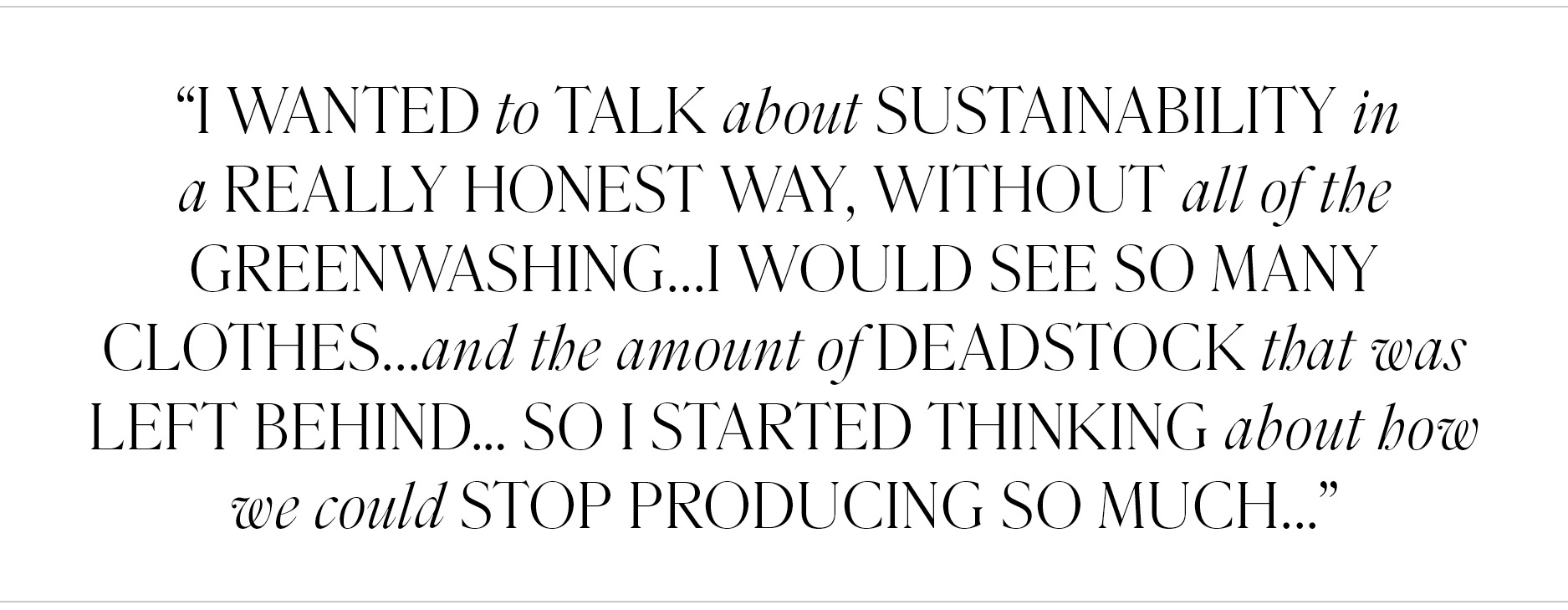
For Pelipas, who I discover is deeply empathetic, with a disarming authenticity and a particularly strong moral compass, the work at Vogue started to feel like it no longer aligned with her values. “I realised that I couldn’t serve this classic system anymore,” she explains, “I wasn’t bringing happiness to people but really, just the opposite, because at its core it was all about telling people that they weren’t good enough or skinny enough or trendy enough… and I felt a responsibility around the messages we were sending.” Sustainability was one issue that Pelipas tells me she pushed to cover more consistently at Vogue, despite it often being shut down for fear that raising the idea on a cover would do nothing for magazine sales. “I wanted to talk about sustainability in a really honest way, without all of the greenwashing,” she says, “because when I would travel for fashion weeks, and go to the trunk shows and the showrooms, I would see so many clothes and how similar they all were and the amount of deadstock that was left behind… so I started thinking about how we could stop producing so much while still creating beautiful clothes with that timeless quality that our parents’ generation had… that was where my idea for an upcycling system began, and it was in my head for three years before I decided to quit Vogue and do my own thing.”
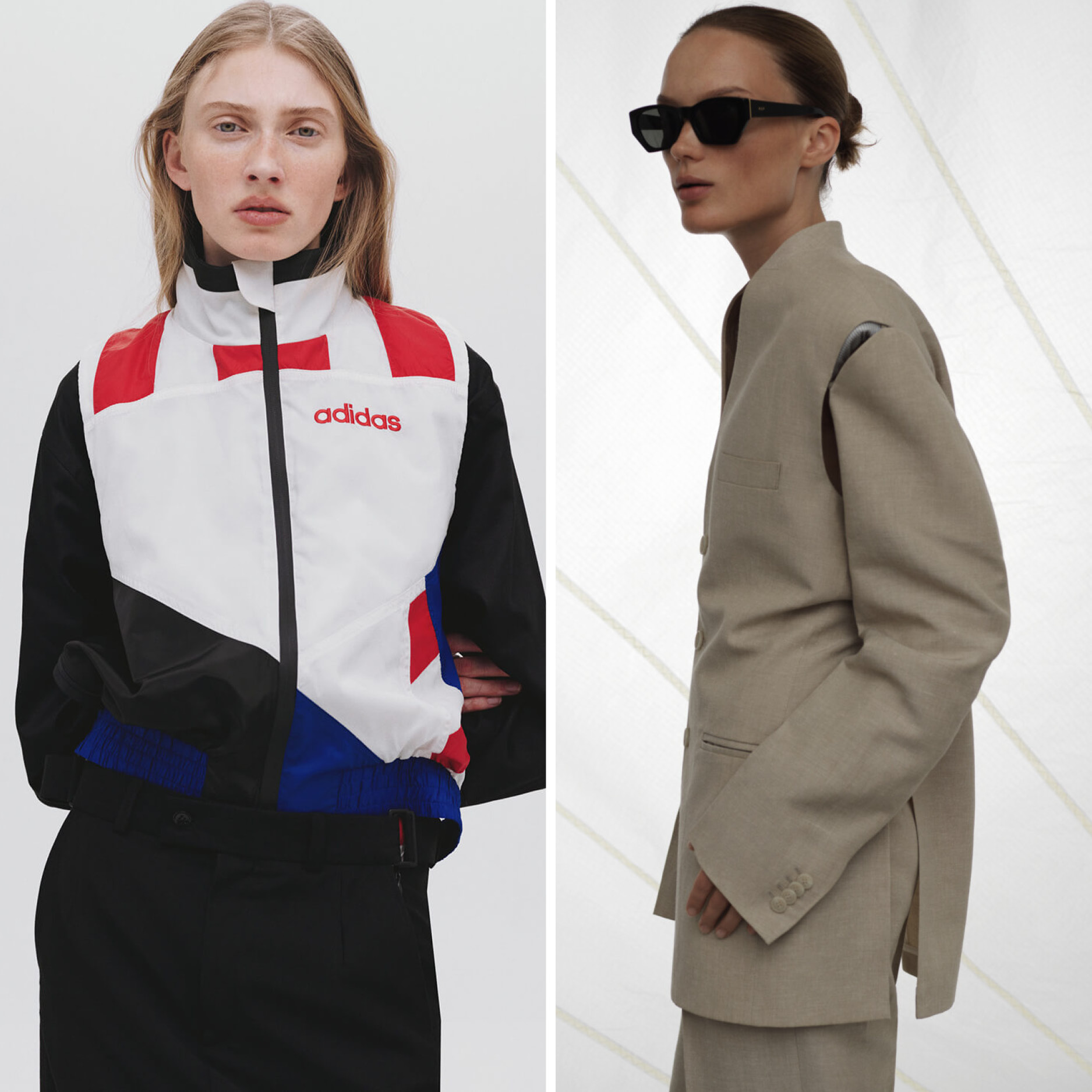
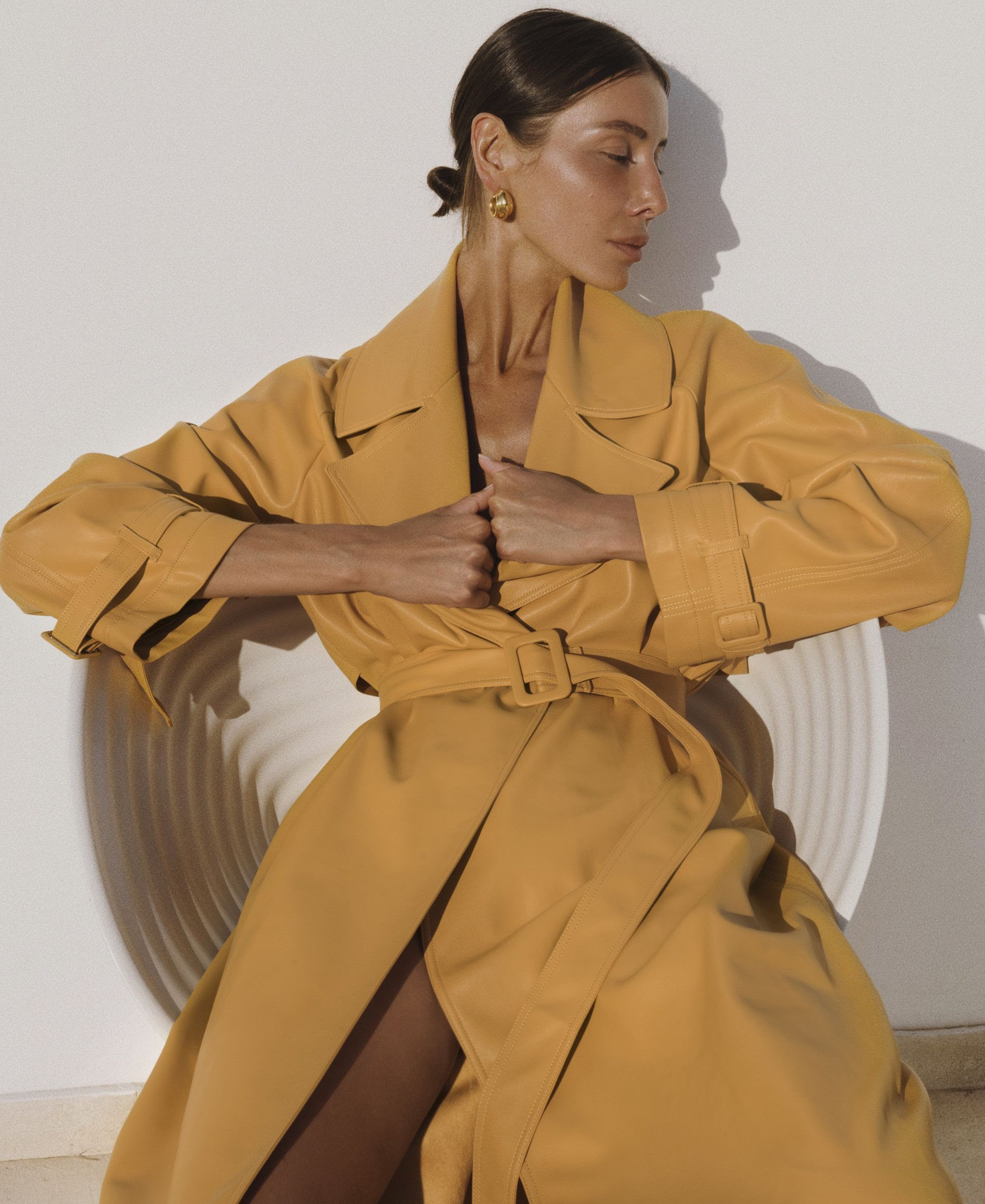
That thing was Bettter, a company reimagining our current fashion system and now, Pelipas’ main focus. Bettter identifies itself, not as a fashion brand, but is a multifaceted platform based around the idea of upcycling. For Pelipas, it was the only feasible way to combat the rampant over production she had witnessed over her years in publishing — years that instilled in her a belief that all the clothing we need has already been produced. So, she founded Bettter as a way to take deadstock and vintage textiles — including men’s suiting, old athletic-wear and even beach towels — and repurpose them into sleek, beautifully-made contemporary clothing with quality, cut and fabrication at the forefront. “I hope that Bettter will become a system that can change global production,” Pelipas tells me, “upcycling is transparent and truly a green technology…and the idea behind it is actually very old, much like mending or patching clothes.”
To look at Bettter’s collections is to see Pelipas’ unmistakable aesthetic stamp. The suits have that Phoebe Philo-esque androgenous quality (perfectly proportioned and effortlessly chic) while the more casual pieces are all made with a tailored edge. Crucially, Bettter stands apart from its ‘sustainable fashion’ contemporaries for the way in which it eschews catchy marketing lines or shouting about its ‘green’ goals. Instead, as with most things Pelipas does, the work speaks for itself. “We are all about sustainability but we don’t scream about it,” she tells me, “we have never used PR or influencer marketing, it has all been organic… At the beginning, I wanted to prove that the product was actually something people needed, and now we have such high return rates from our customers, which makes me really happy.” She continues, “One hundred percent of our products are upcycled and we are fully transparent about every step in the process, from where we source fabrics to exactly how a piece was produced… because beyond the clothes, we want to communicate our vision to our clients and we want them to buy into it too.”
Unsurprisingly, Pelipas has big dreams for Bettter. Her “north star,” she revealed, would see Bettter open a number of R&D facilities around the world, each of which would source, produce and sell their collections locally. “If the platform I build now is around much longer than I am, and inspires people to shift the way they produce and consume and the way they think, that would be amazing. But we need to grow more before we get there,” she clarifies.
I wonder how Bettter has fared in the face of the ongoing conflict. “Seventy percent of the team left Ukraine,” Pelipas says, “and the thirty percent who remained, absolutely refused to leave.” For Pelipas, not only did the start of the war mean the necessary shut-down of Bettter’s ability to produce and sell, it also meant a fracturing of her team, as she shifted to putting their wellbeing as her first priority and thinking about how the platform she had worked so hard to build could become useful in other ways. “My team is like my family,” she explains, “and even when we didn’t have any sales, I continued to pay full salaries.” It was during the early days of the war that Pelipas realised the critical importance of creative work, not only for the sense of purpose it offered, but because, as she says, it was healing.
“I just realised that we had to keep moving forward… once you stop, you’re lost” she tells me, with a hint of that steely determination that has long underpinned her success. “So we did this pivot at Bettter and we created Bettter.Community as a way to support creatives in Ukraine.” Tapping into her vast, global network of brands, designers and publishers, Pelipas transformed Bettter’s platform into a database of talented, Ukrainian creatives in a bid to get them work and money. “When I was in Paris for fashion week I had all these people from my old life asking how they could help and I realised that we needed a very clear, transparent structure that would help them direct their support into something meaningful,” she says. “I know so many young, talented creatives and it’s so easy for them to get lost in the system, especially during wartime… So this way, not only were they able to be financially supported but I think the process of being on a shoot or creating again allowed them… allowed all of us… to temporarily forget about all the horrible things that were happening.”
Now, Bettter.Community has merged with Given Name (who will take on more of the administrative responsibilities of artist management), to become more of an official agency and continue in its quest of supporting and uplifting Ukrainian creatives globally, while Bettter resumes its original work.
Photo: Haris Farsarakis
“I had relocated most of the Bettter team to Portugal, where we had set up an R&D facility and found some great production locally,” Pelipas explains, “but a few weeks ago, we actually made the unexpected decision to reopen our facility in Kyiv, with most of my team telling me how, in spite of everything, they just want to go home.” Having recently undertaken a collaborative pop-up in Paris’ Dover Street Market (in which Bettter’s MRIYA collection was unveiled via an immersive VR experience) and with Pelipas revealing a number of new collaborations in the works, it would seem that Bettter is on the brink of big things. “This is just a new chapter for Bettter,” she says, “it’s becoming more about collaborating with other brands and doing drops together… it feels new and exciting, and while there are so many challenges at the moment, I feel optimistic… I’m a very optimistic person.”
Indeed, the fact that Pelipas manages to hold onto her positivity even in the face of such gruelling circumstances is a testament to her spirit — what she would call “the mystery of the Ukrainian soul.” And while it’s obvious that she is incredibly hard-working and clearly cares about her country and countrymen, what strikes me most about her is her deep authenticity. It is rare to encounter someone with such a strong sense of self and an intuition that seems to have never led her astray. Her creative inspiration, she tells me, comes from a place within her that she can’t quite pinpoint (“my father told me once that I have a connection with the universe,” she says laughing) and when she was working her way up the ranks at Harpers Bazaar, on the brink of a big promotion, she fell pregnant and took two years off to live in Bali and enjoy time with her baby. “It was the smartest decision I ever made,” she says. “My advice to anyone is that if you’re talented, if you have brains, you will always be able to come back and build your career at any time… but it’s only a few times in your life that you have babies… to me it was very important.”
Pelipas has a track record of doing what she knows in herself to be right. Recently, she was involved in styling Ukrainian first lady Olena Zelenska for Vogue’s October digital cover — a powerful portrait of wartime leadership, shot by Annie Leibowitz. The photographs sparked a backlash, with some claiming they glamorised war and others bristling at the juxtaposition of Vogue (and its elitist connotations and past editorial missteps) with the realities that so many are facing in Ukraine right now. That said, most critics missed the crucial nuance of the shoot; the powerful image it portrayed of strength and leadership in the face of conflict, and the platform it gave the Ukrainian designers that Zelenska was wearing, their names listed simply below each image. More than any of that, it lent the war a human face and thrust Ukraine back into the international conversation, just as mainstream coverage seemed to be dwindling. As Vanessa Fridman wrote for The New York Times, “is the magazine romanticising war, or is the first lady weaponising glossies?”
“Spreading the word really works,” Pelipas tells me, “it’s the only benefit of social media… use it to talk about the truth, because if there is silence then nothing will change.” With Ukraine’s economy predicted to shrink by 45.1 percent this year and Russian forces having already damaged an estimated $105.5 billion worth of infrastructure, both those still living in Ukraine and those supporting from afar are painfully aware of the difficult road ahead. As Pelipas explains, this war is more than just a territorial or ideological conflict. It is a battle for the soul of Ukraine and for its independence from a neighbour who wants to rewrite history. “I do have hope that something extraordinary can come out of this,” Pelipas says, “but we have to win the war… a Ukrainian victory will be a win for humanity, for light over darkness.” As far as what the rest of us can do to help, Pelipas points to the significant impact just a small donation can make. “Every day we wake up and donate what money we can, and in the end, that becomes an important part of the Ukrainian effort… it literally saves lives.”
Having recently stepped back from her social media after months of relentlessly posting about the hardships being faced by the country she loves so much, Pelipas is finally taking some time for herself. Time, I hope, she uses to recharge her creative battery and return with the kind of purpose that has long been a driving force in her life.
Whatever she does next, Pelipas’ career proves the power of fashion far beyond its glossy facade. Scratch the surface and it is about community, people and creating a path for the future. A future that, to those like Julie Pelipas, is full of hope and potential.
It’s rather widely agreed that, unless you’re a certain kind of person, cleaning up the house is nothing short of a drag. Quite honestly, there are more enjoyable ways to spend our days, so we’re all about celebrating solutions that make this tedious task all the more enjoyable.
We know that Denizens have an affinity for interior design trends, and with emerging research from Ecovacs Robotics suggesting that more than 82% of New Zealanders are embracing home robots and smart technology, this recent discovery of ours is poised to be a game-changer for homes across the country.
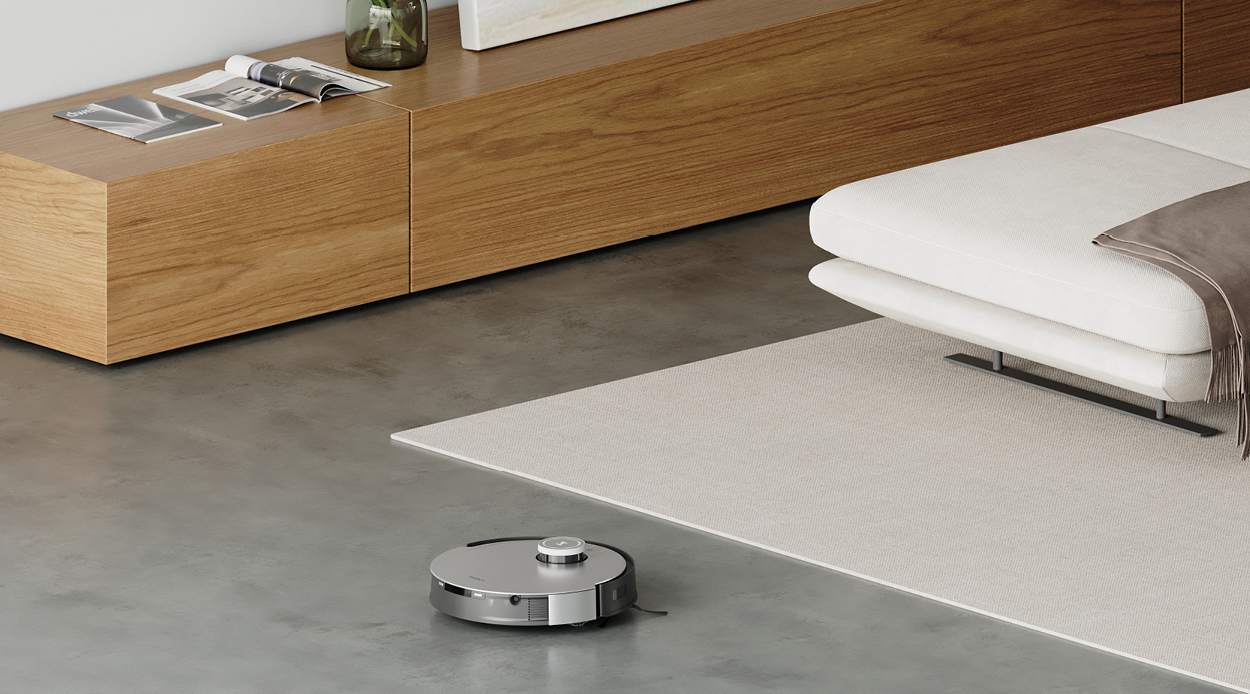
Despite only recently entering the local market, Ecovacs has been a global pioneer in robotic home solutions for two decades. It makes sense then that the newest iteration of the Ecovacs range is design-led, the brand combining forces with the European prowess of Jacob Jensen Design. The result is a beautiful design that doesn’t compromise on output, fulfilled in the recent release of the Deebot X1 Plus.
Sure, we could wow you with the Deebot X1 Plus’ technical details of horsepower and speed (in case you were wondering, it offers an impressive industry advancement of 5,000pa of suction, literally double the power of what suction used to be). Yet where competitors’ designs have been woefully lacking, this model embraces the philosophy of no detail left unconsidered.
Functioning as a vacuum and mop, the Deebot X1 Plus is powered by AI, 3D and mapping technologies, and a YIKO interactive voice assistant for the times you need it most. The voice assistant is another industry first for the model, offering a realm of possibilities never seen before on the market (and something that Ecovacs’ engineers are extremely proud of), where you can speak directly to the robot and it will follow your every command. With this innovation, you can direct it to collect the crumbs under the sofa or mop up muddy footprints on fresh floors.
Adding to the Deebot X1 Plus’ capabilities is an intuitive air freshener (the first and only robot vacuum with this feature included), and it leaves behind no trace of a mess. Of course, when the job is done, Deebot X1 Plus returns to its home base — a docking station that automatically empties waste, seals dust and allergens, and in doing so, holds up to 60 days of everyday household mess before it requires refreshing.
Where the Deebot X1 Plus excites us most (aside from a pretty exterior) is the realm of possibilities that open up with an addition like this at home; a new mode of housekeeping that adapts to the needs of modern living. Be those in-the-moment commands, like a kitchen mishap, or the daily purge that busy lives need, the Deebot X1 Plus has proven itself capable of taking care of everything.
Ultimately, Ecovacs’ commitment to a vacuum that integrates seamlessly into everyday life is a detail that shouldn’t have to be sacrificed when living in the age of innovation.
Ecovacs’ Deebox X1 Plus is available locally from Godfreys, JB Hi-Fi and Robomate.
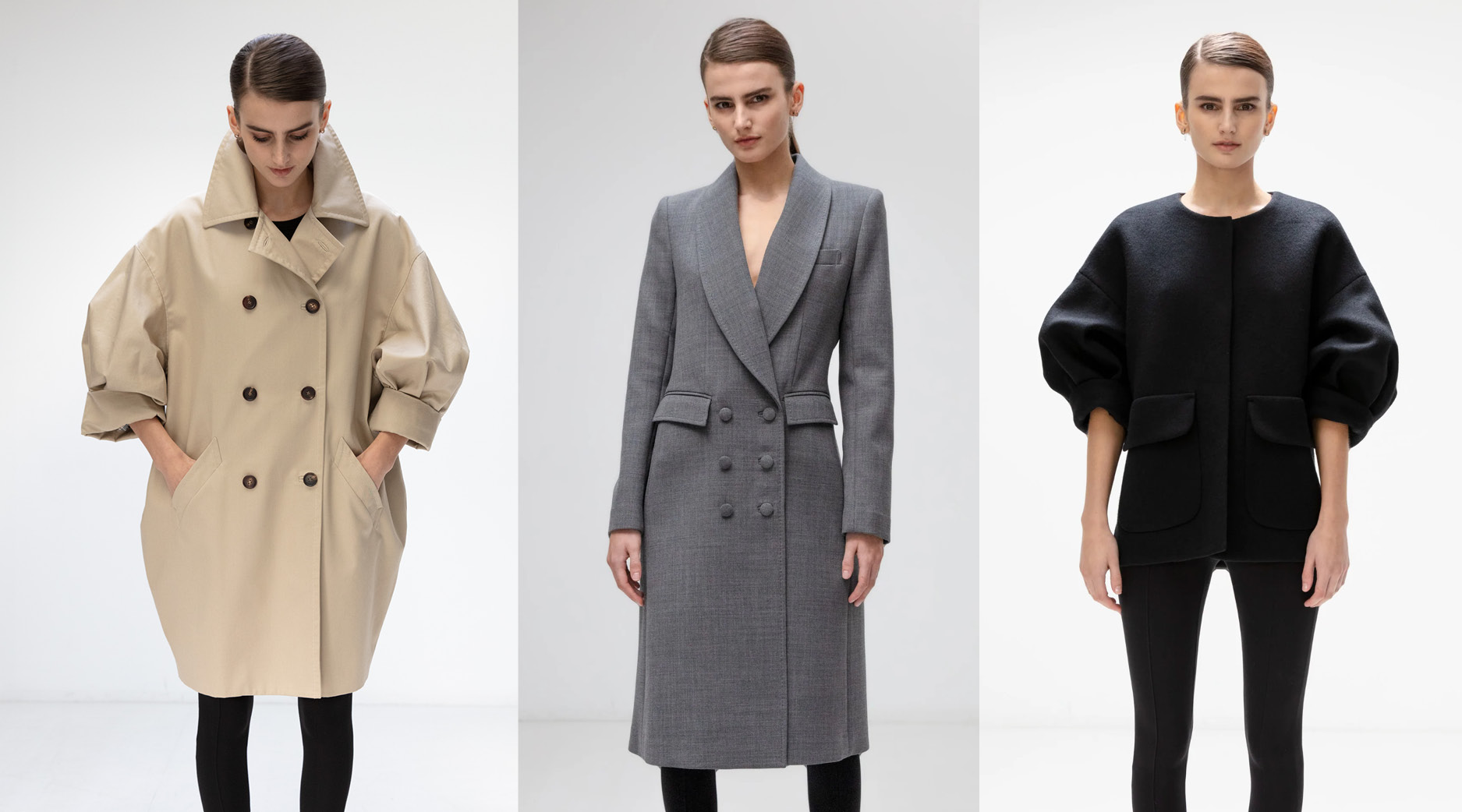
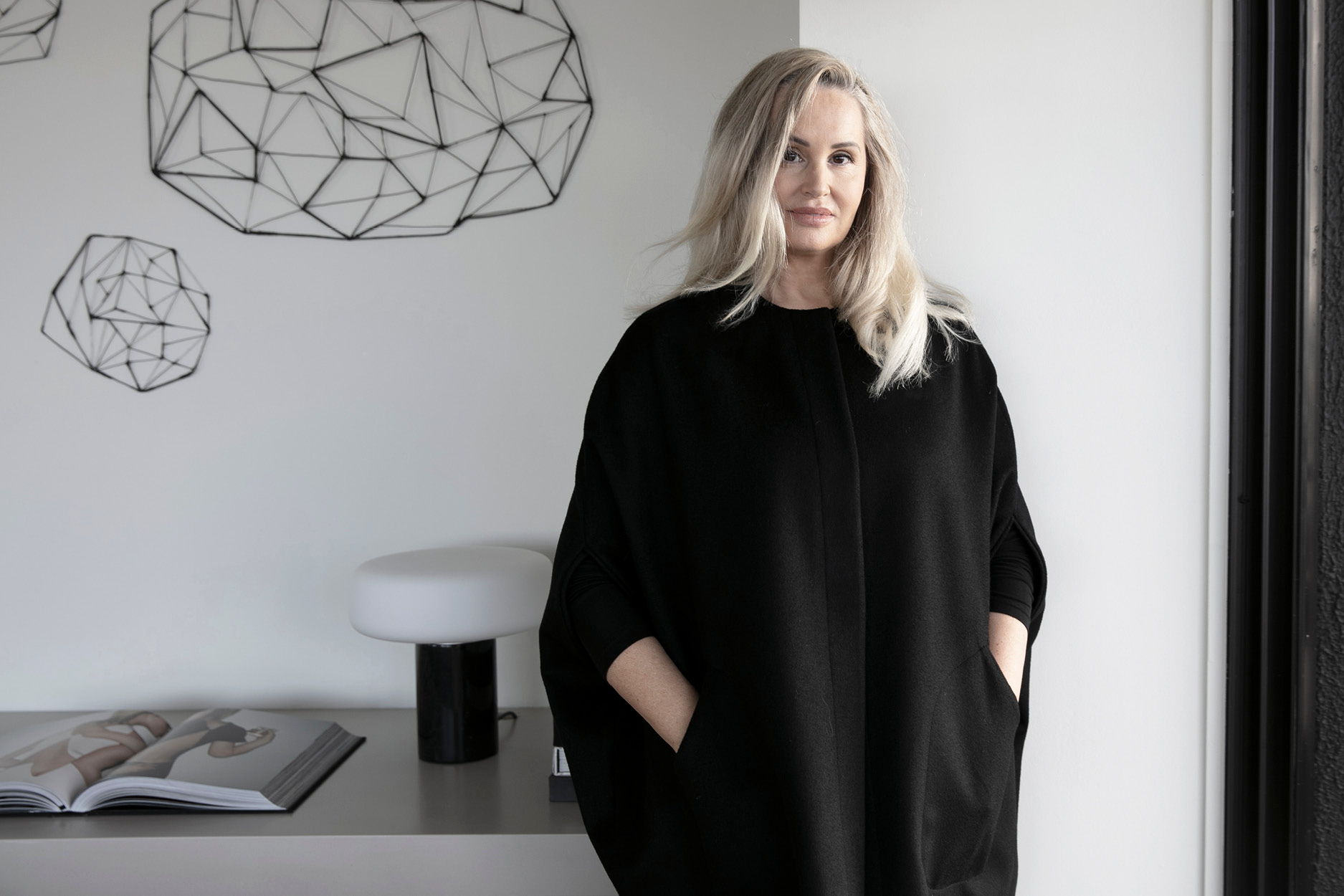
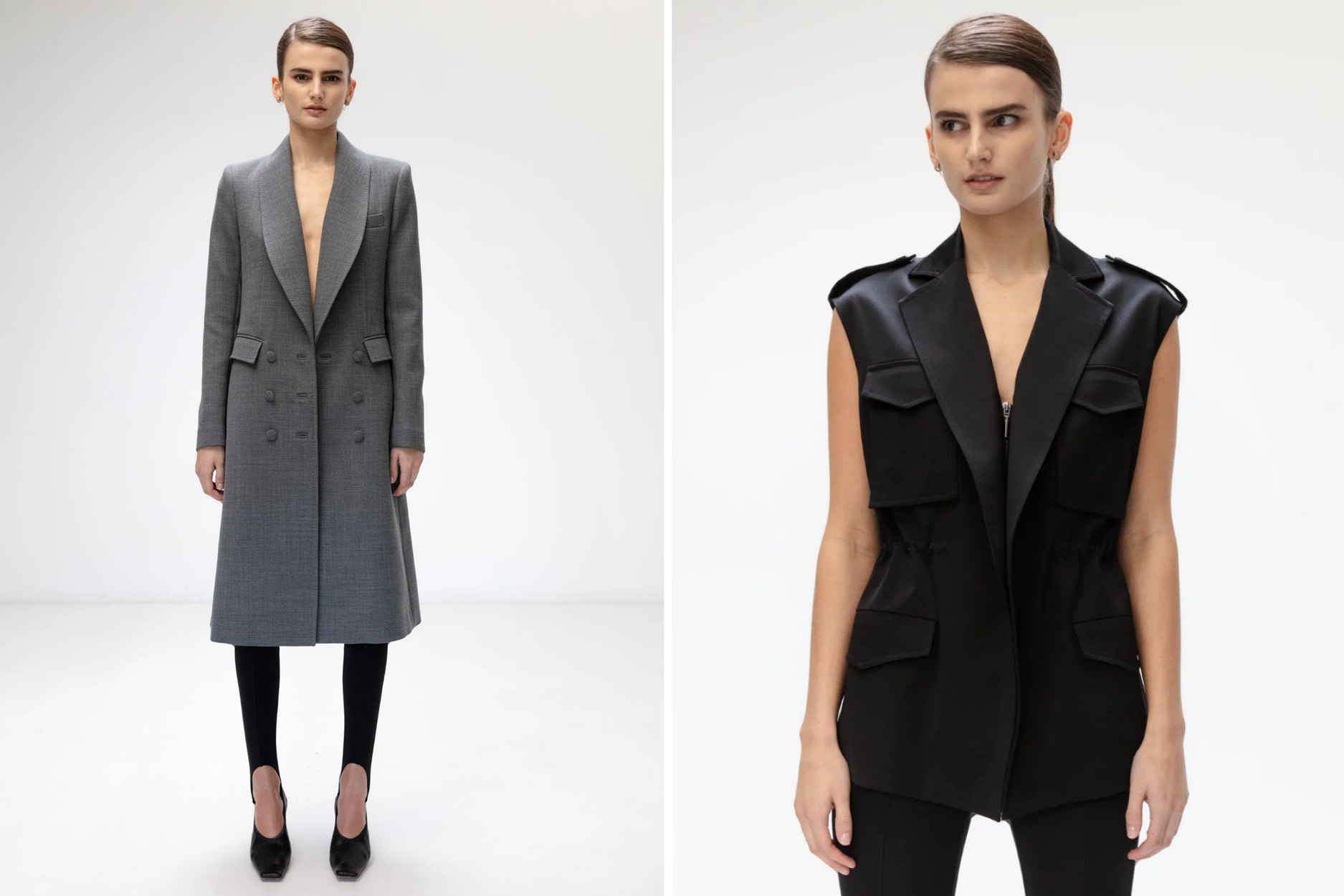
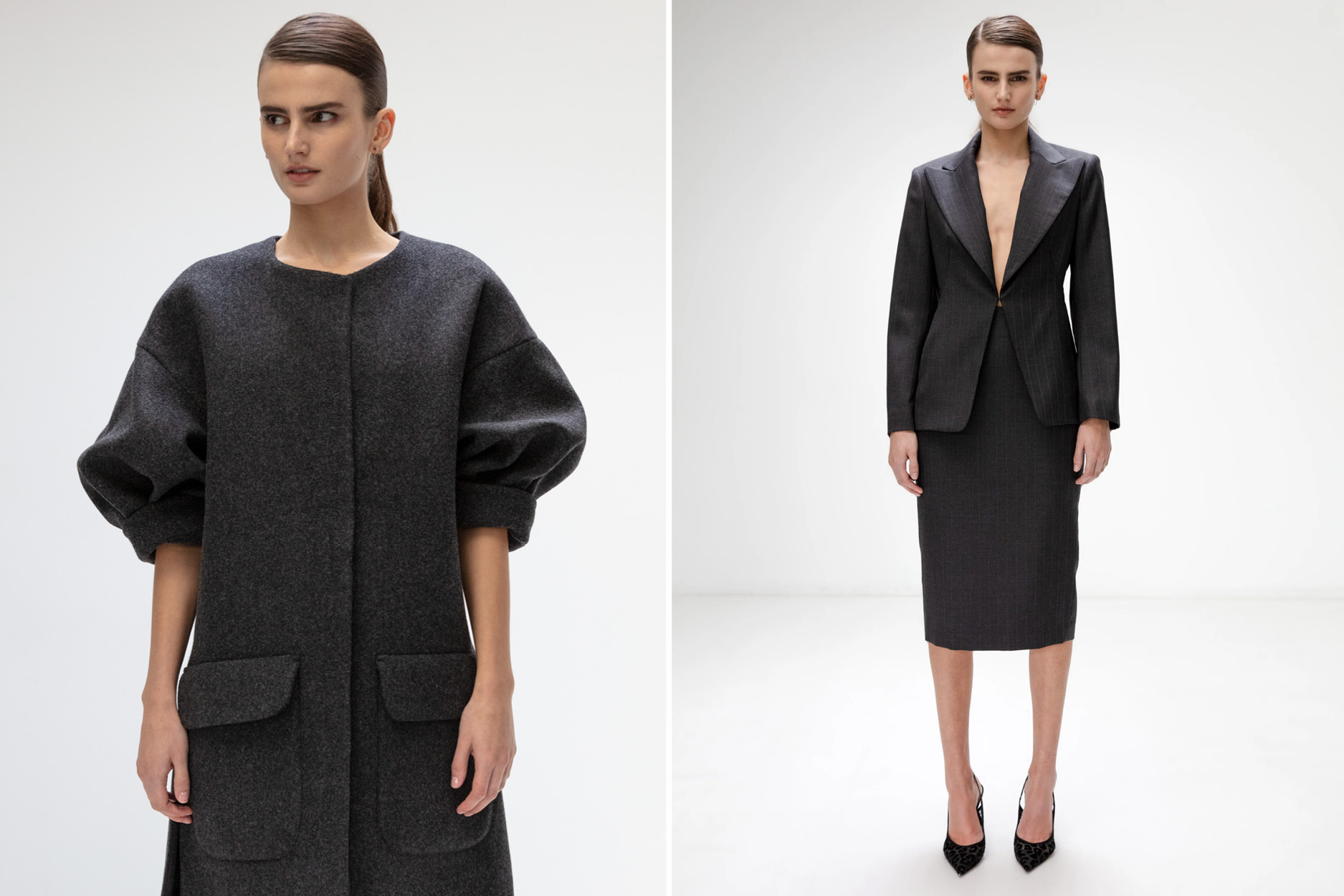
There’s always room in our wardrobes for chic and classic tailoring, especially if it’s custom made. Auckland-based fashion label, Reine, is offering a tight edit of refined garments handcrafted from premium textiles in the brand’s Herne Bay workroom. With limited collections and bespoke tailoring at the core of Reine’s approach, and an aesthetic driven by founder Fleur Clarke’s 12 years of pattern making in international couture and luxury fashion houses, this exceptional new label is creating pieces grounded in timeless, elegant design, destined to be on rotation in your wardrobe forevermore.
Founder, Fleur Clarke.
Playing into the trends of the moment, which conveniently ground themselves in an enduring sense of style, Reine’s designs embrace the elevated minimalism that so many seek. Clarke takes classic cuts like trenches and blazers, all as timeless as ever, imbuing them with her signature elegant appeal. The result is a refined curation of wardrobe essentials our editors can’t get enough of for the days, months and even the years ahead.
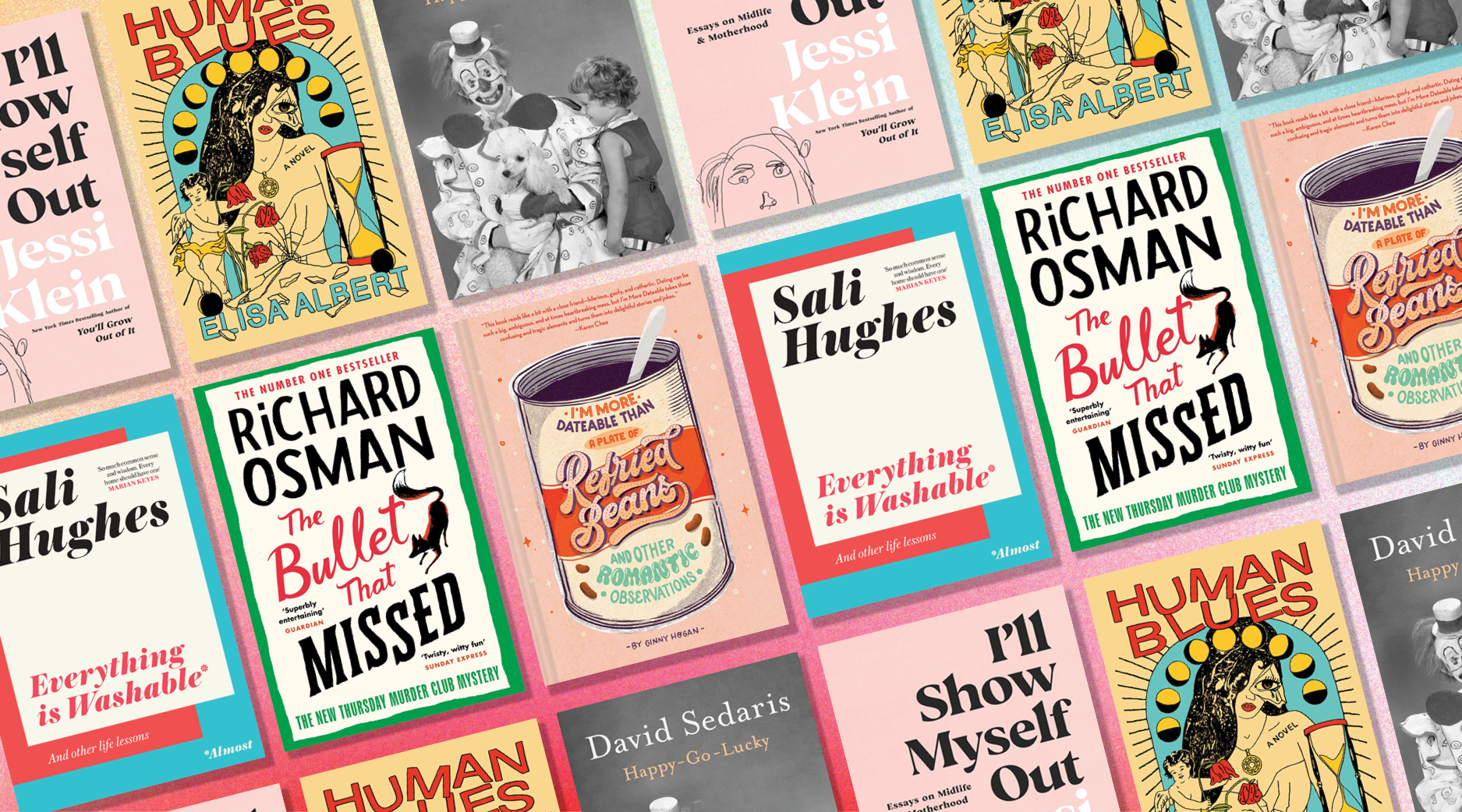
When it comes to rediscovering your reading spark, nothing is quite as enticing as a book that makes you laugh. And while there are a plethora of new titles emerging from great literary minds and formative thinkers, these hilarious new books are offering the kind of brevity, dry wit and warm humour that remind us of the joy to be found in reading. Trust us, these books will make you forget about your phone for an afternoon — and what a relief that will be.
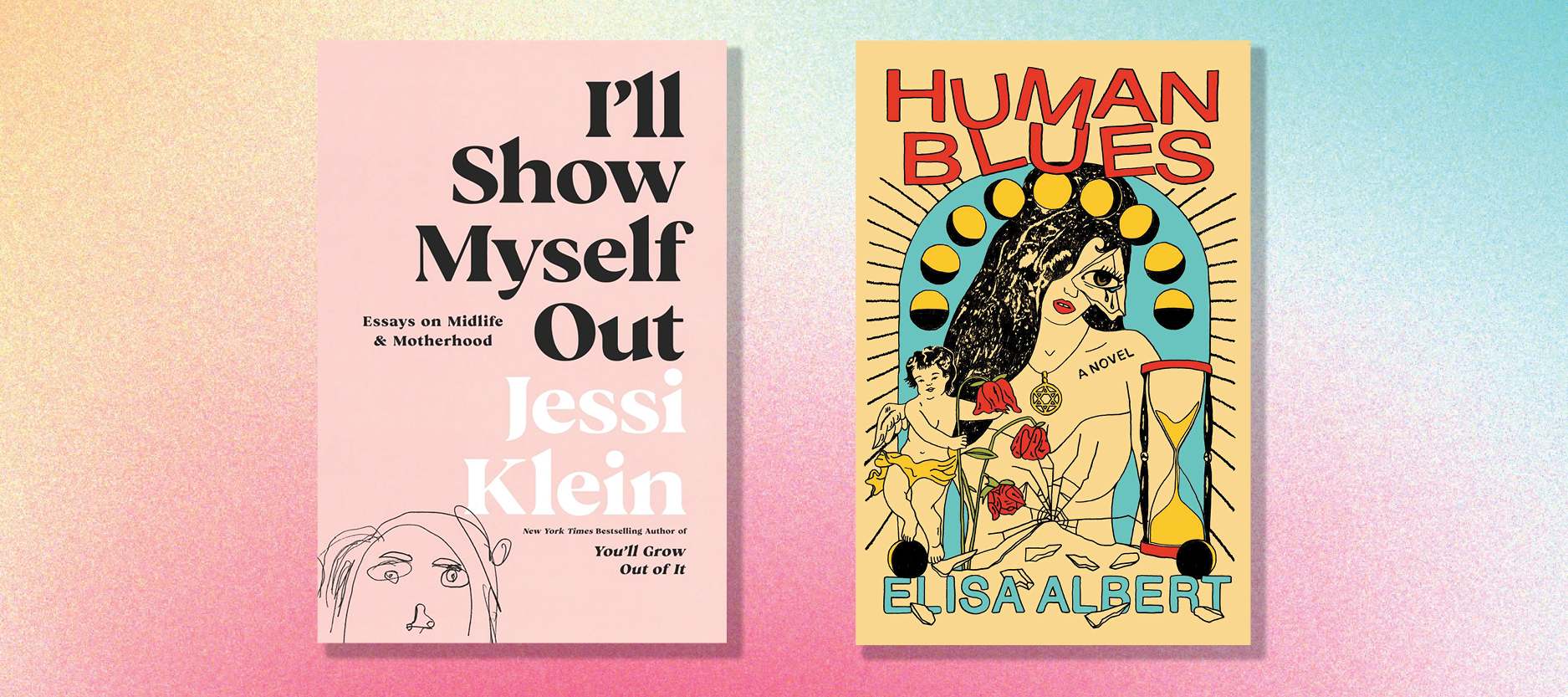
I’ll Show Myself Out by Jessi Klein Penned by the former head writer of Inside Amy Schumer, this book takes a self-deprecating look at life for a woman in her 40s, and mines the various absurdities of midlife motherhood to find nuggets of comedy gold. Marrying candour and humanity with her award-winning wit, Klein writes essays that include, ‘Listening to Beyoncé in the Parking Lot of Party City,’ and ‘Your Husband Will Remarry Five Minutes After You Die,’ that will have you laughing from start to finish.
Human Blues by Elisa Albert In this hilarious, provocative novel (told over the course of nine fertility cycles) the story of singer-songwriter Aviva Rosner and her struggles with infertility plays out in bold, fearless fashion. Touching on femininity, fame, art, commerce and autonomy in a brilliant and utterly original way, this funny and heartfelt book looks at our cultural obsession with childbearing in a searing new light.
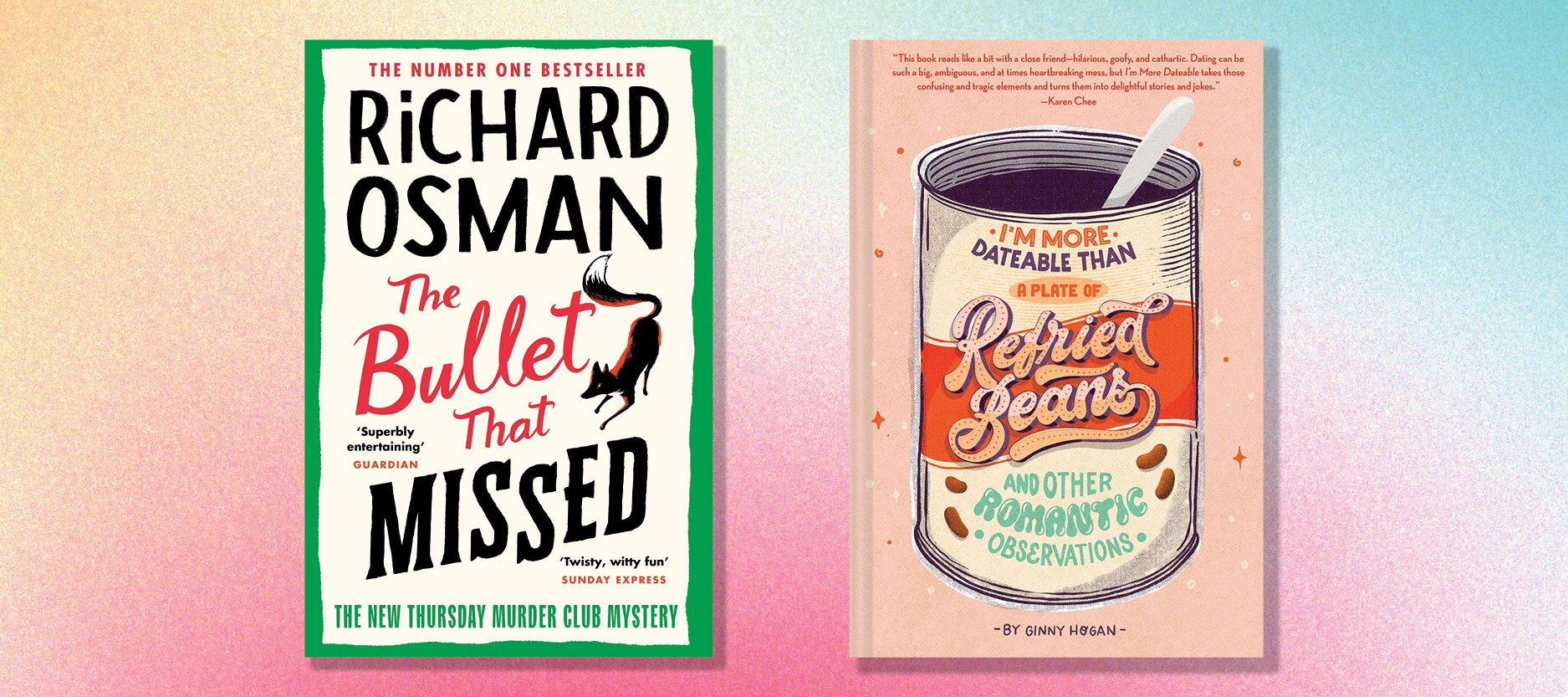
I’m More Dateable Than a Plate of Refried Beans: And Other Romantic Observations by Ginny Hogan Expect to laugh out loud at this humorous collection of observations of the peaks and troughs of modern romance. Comprising a series of absurd yet relatable stories in which comedian Ginny Hogan sends-up the arbitrary rules of modern dating, this book is perfect for anyone who needs a giggle.
The Bullet That Missed by Richard Osman In this thoroughly entertaining read, beloved British author Richard Osman returns with the third iteration of his Thursday Murder Club series, this time involving a decade-old cold case, a local news legend and a murder with no body and no answers. Told with Osman’s signature wit, this thrilling mystery will draw you in for its story and keep you there for its humour and heart.
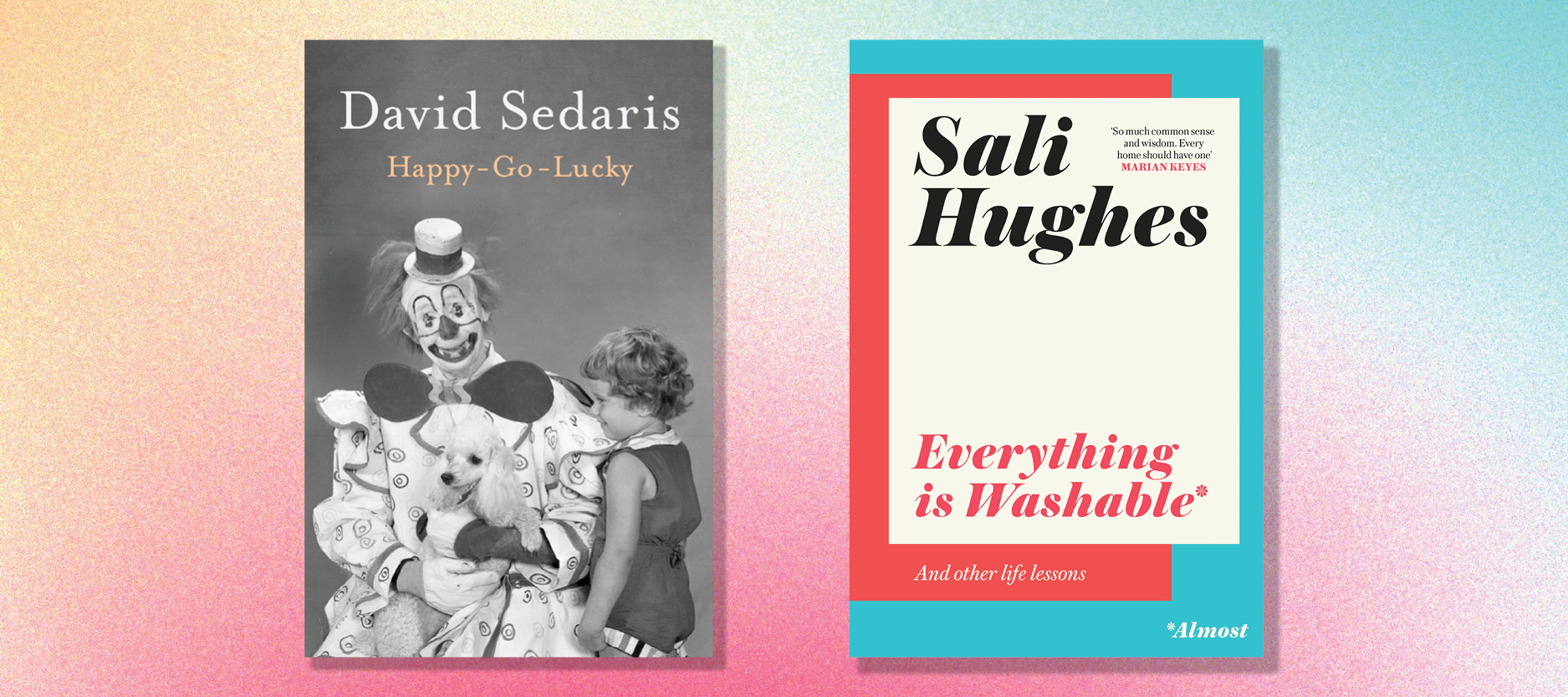
Happy-Go-Lucky by David Sedaris Having long set the standard to which other humour essayists can only aspire, renowned writer and storyteller David Sedaris is back with a new collection of personal essays. Here, Sedaris offers a moving, deeply personal and undeniably funny analysis of his complex relationship with his father, through 18 stories set in the lead up to, and just following his death.
Everything is Washable by Sali Hughes Offering the advice you need, but none you ever seek, journalist Sali Hughes has curated everything she has learned thus far that has carried her in good stead. From her signature martini recipe and 37 things to have in your cupboard to how to support a friend going through IVF, it is humourous, with only an iota of seriousness, and is utterly relatable for everyone at some level. Everything is Washable is a forever bible that makes a superb gift to friends, or even your own library as a guilty pleasure. Released next month, you’ll want to pre-order a copy, stat.
For more exclusive access to what the city has to offer, engaging content, excellent imagery and thought provoking commentary on the life that surrounds you, subscribe to Denizen magazine now.