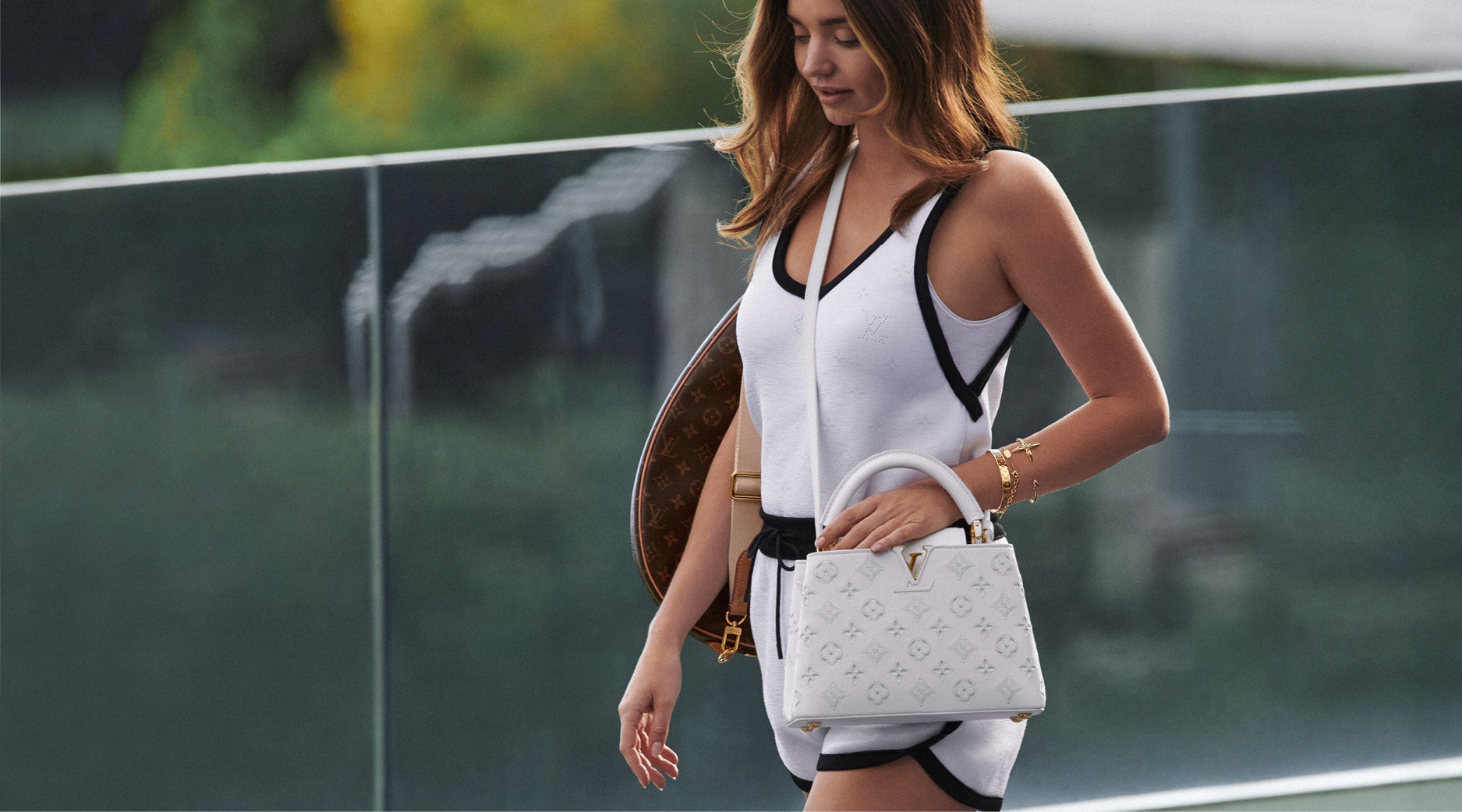
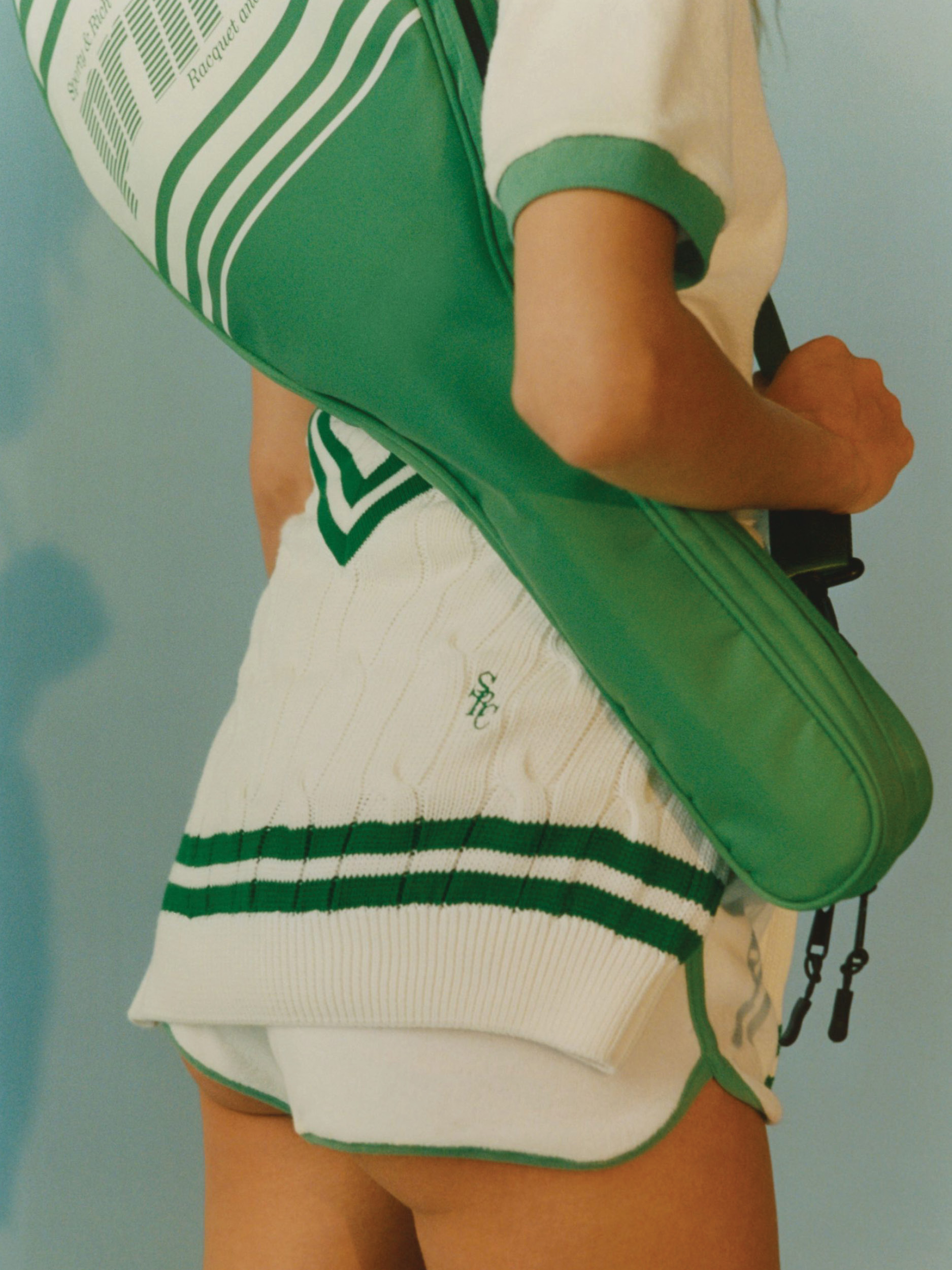
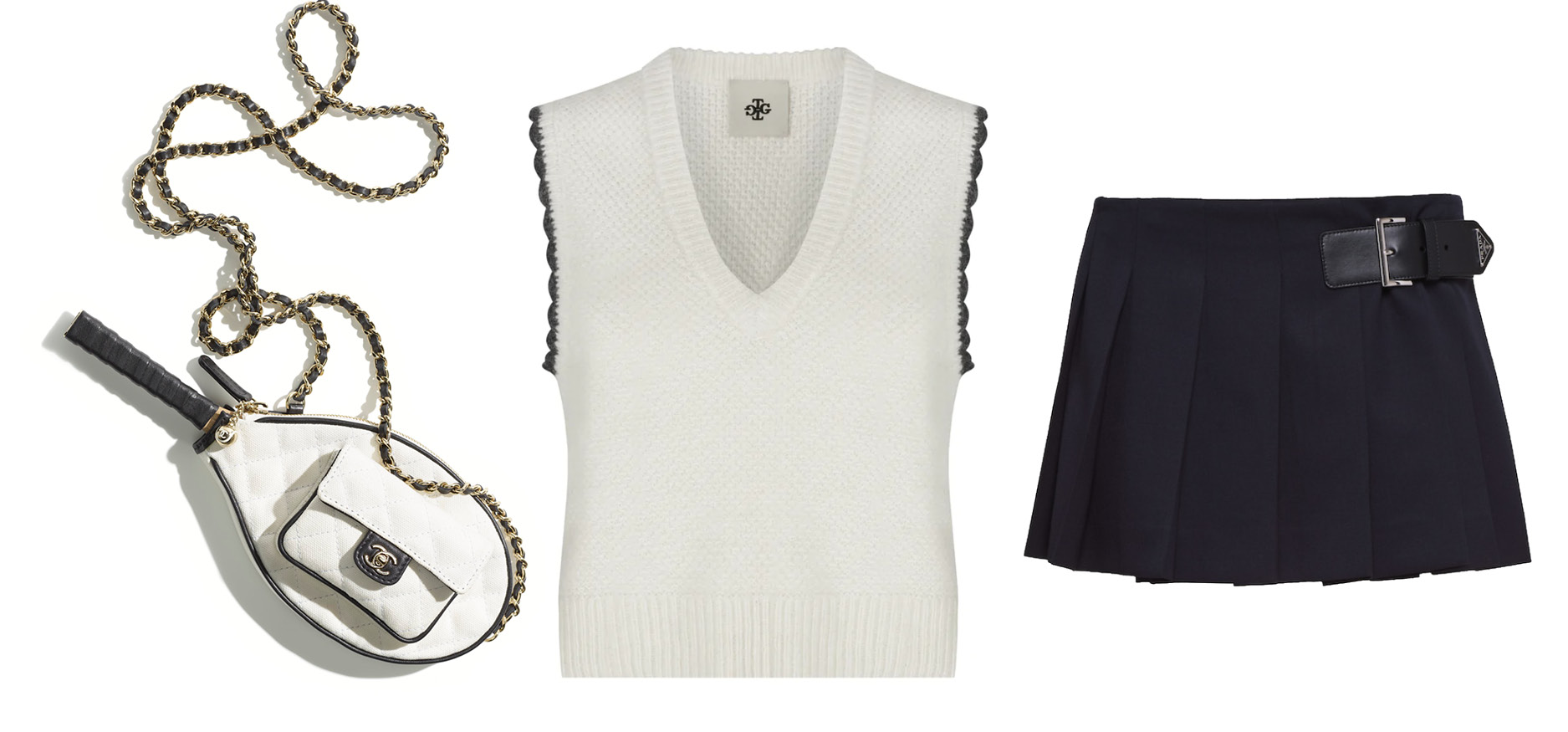
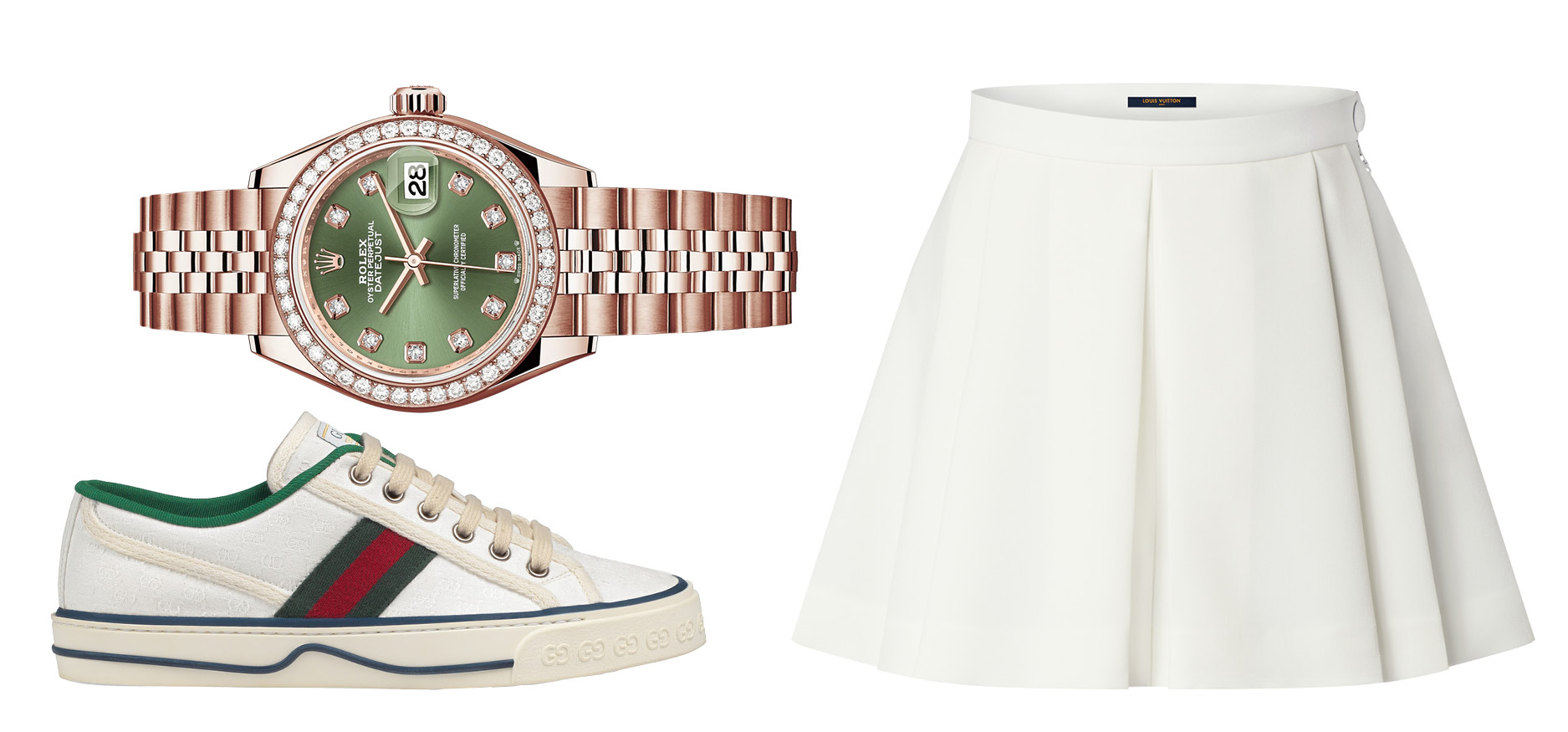
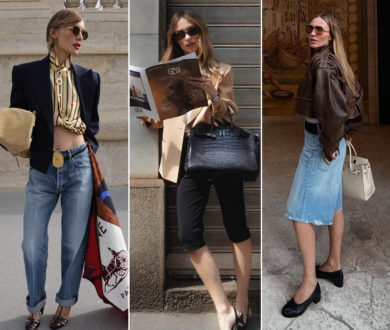
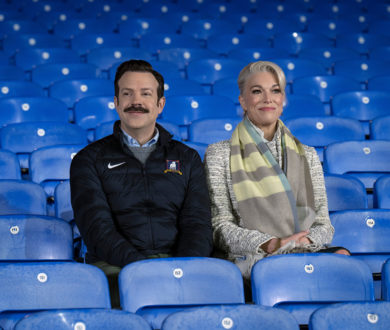
As much as we love watching tennis, there is a reason other than athleticism that has us glued to the Australian Open. ‘Tennis core’. It would seem that the players’ sporty match-day styles have inspired more than a few designers recently, who seem to have taken their cues straight from Centre Court.
From pleated mini skirts to tennis whites to chunky trainers and even a few designer racquets, ‘tennis core’ is the trend encouraging us to give the wardrobe a Wimbledon-worthy reimagining.
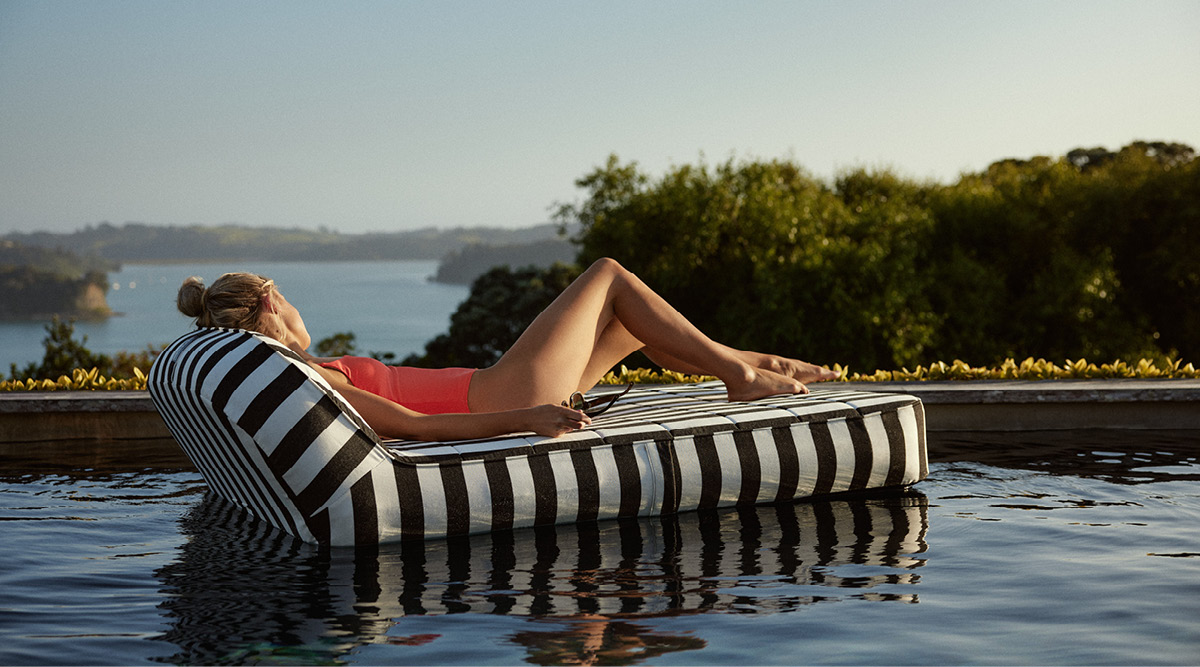
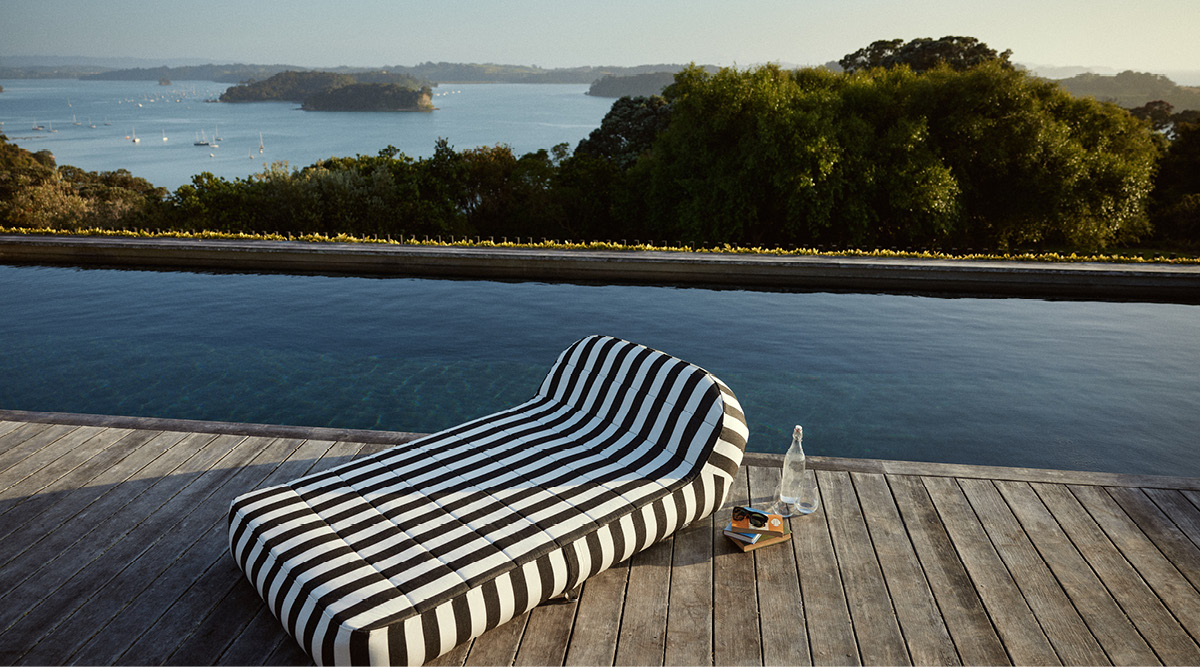
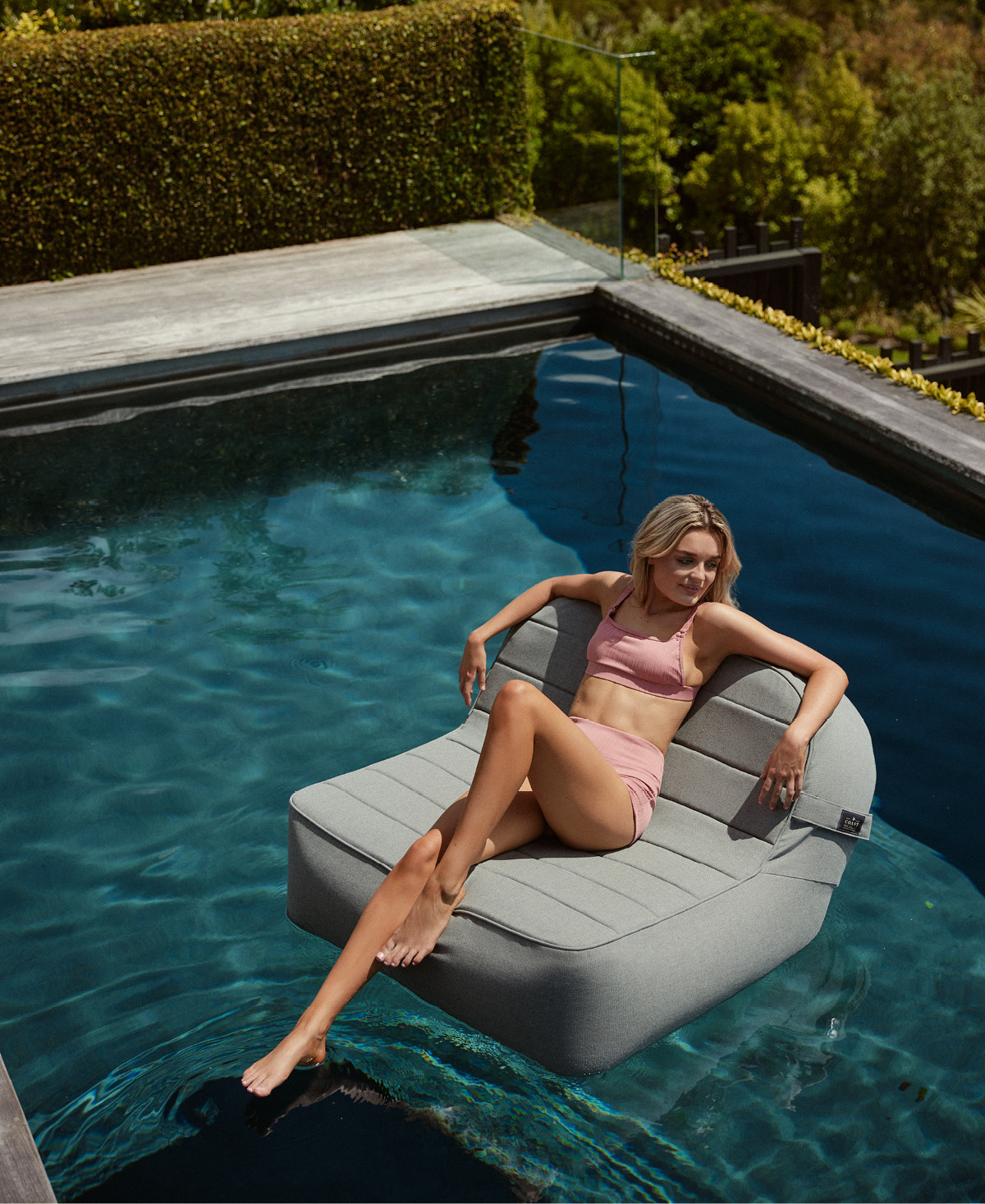
Coast’s utterly chic new Nimbus Collection is taking poolside afternoons to a whole new level. Signalling a bold new era for the coveted brand, the collection is the first that has been purpose-made for floating in the pool as well as lounging beside it. We’re celebrating the launch by offering one lucky Denizen reader the chance to win two Nimbus Loungers — the crown jewel of the collection.
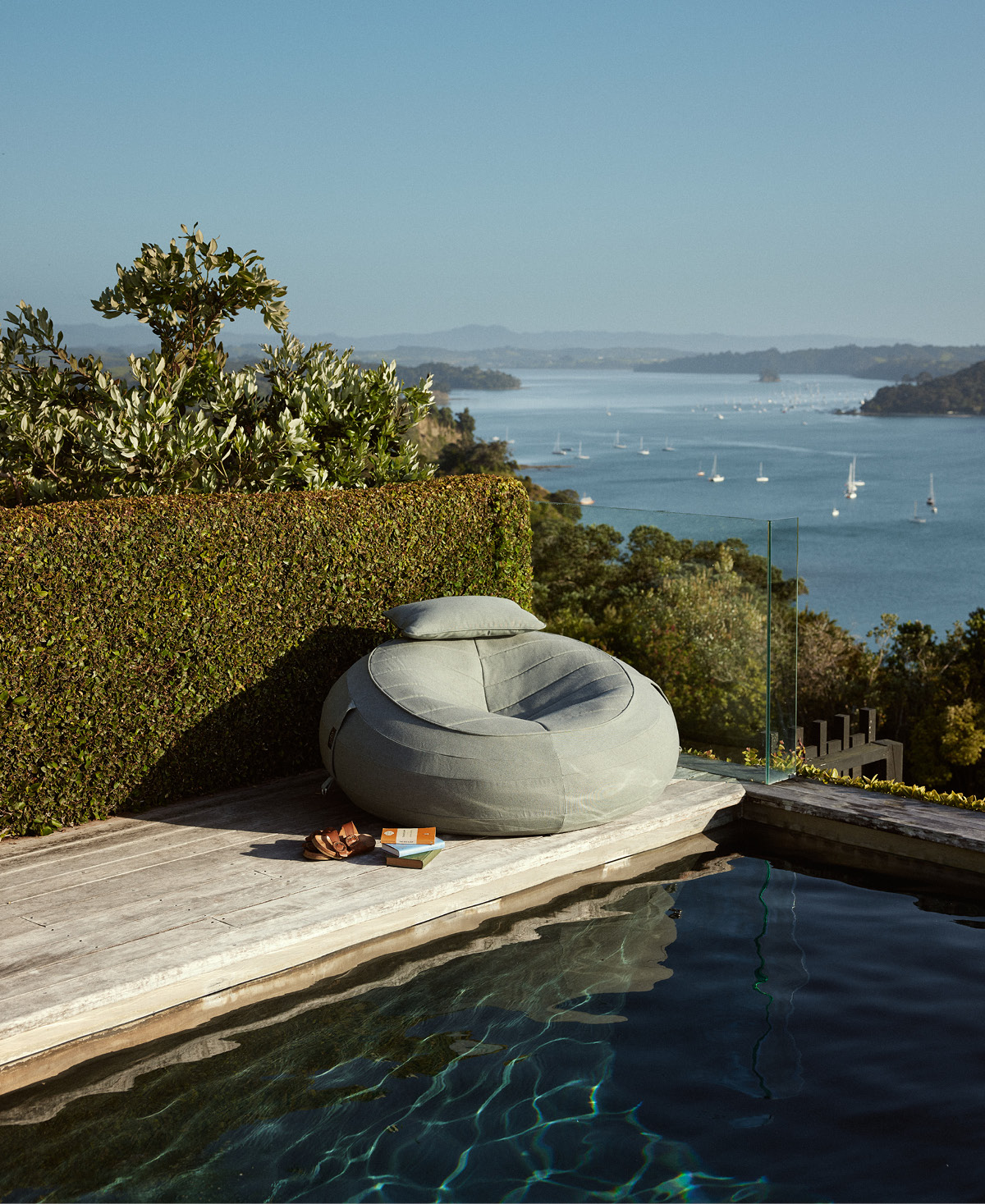
Nimbus Orbit.
The Coast Nimbus Collection is a series of beanbag-inspired furniture comprising three pieces, the orbit, air chair and lounger. It presents a new dimension in comfort with its cloud-filled technology. This technology seamlessly blends style, convenience and portability. The covers, crafted from New Zealand-made, highly robust Sunbrella fabrics, boast a quilted texture with fast-drying foam for practical daily use and unparalleled comfort. The ease of removal for cleaning and storage only adds to the collection’s allure.
Nimbus Lounger.
As far as style is concerned, Nimbus is unmatched — a testament to the adage that style is eternal. The curvaceous shapes, inspired by some of Coast’s most sought-after signature designs, exude timeless elegance. The range is available in nine different colourways (there is also a made-to-order service using Sunbrella colours to match specific schemes) and is a study in simple sophistication. Among the offerings, the yacht-stripe trio evokes the carefree spirit of summer days, making it a stylish choice for any season.
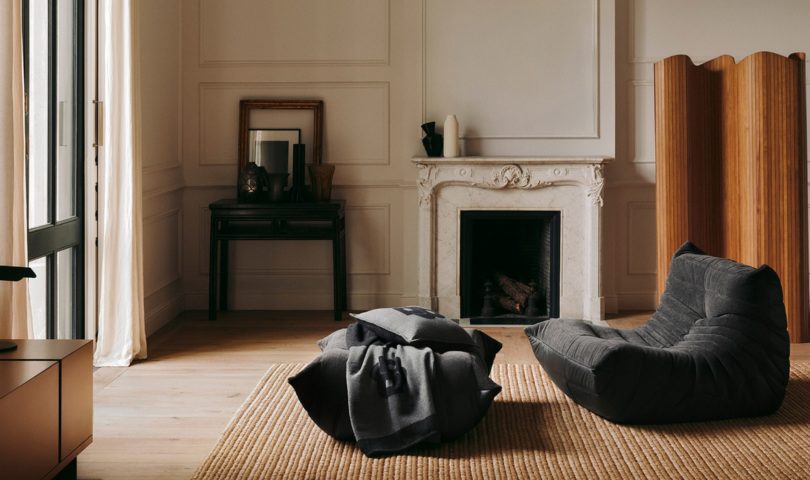
Nimbus Air Chair.
Each of the piece’s air-filled liners (a patent-pending innovation) ups the comfort level significantly. They have been constructed with heavy-duty PVC drop-stitch fabrics — akin to those found in stand-up paddle boards — and reinforced with heat-welded seams for strength and longevity. This means that they’ll accommodate the activities of boisterous children as much as they will sun-lounging adults. Rising above anything else on the market, Coast’s new collection considers quality and longevity as highly as it does style. It offers something completely unique. Ultimately, this new collection is essential for avid seafarers and those to relish any day spent by the pool.
Sometimes, there is nothing quite like losing yourself in a good movie or television series. And right now, there are plenty out there to enjoy. From Margot Robbie and Brad Pitt in 1920s romp Babylon, to a brilliant Christian Bale in the historical murder mystery The Pale Blue Eye, these are all the best new films to add to your weekend watch list.
Babylon
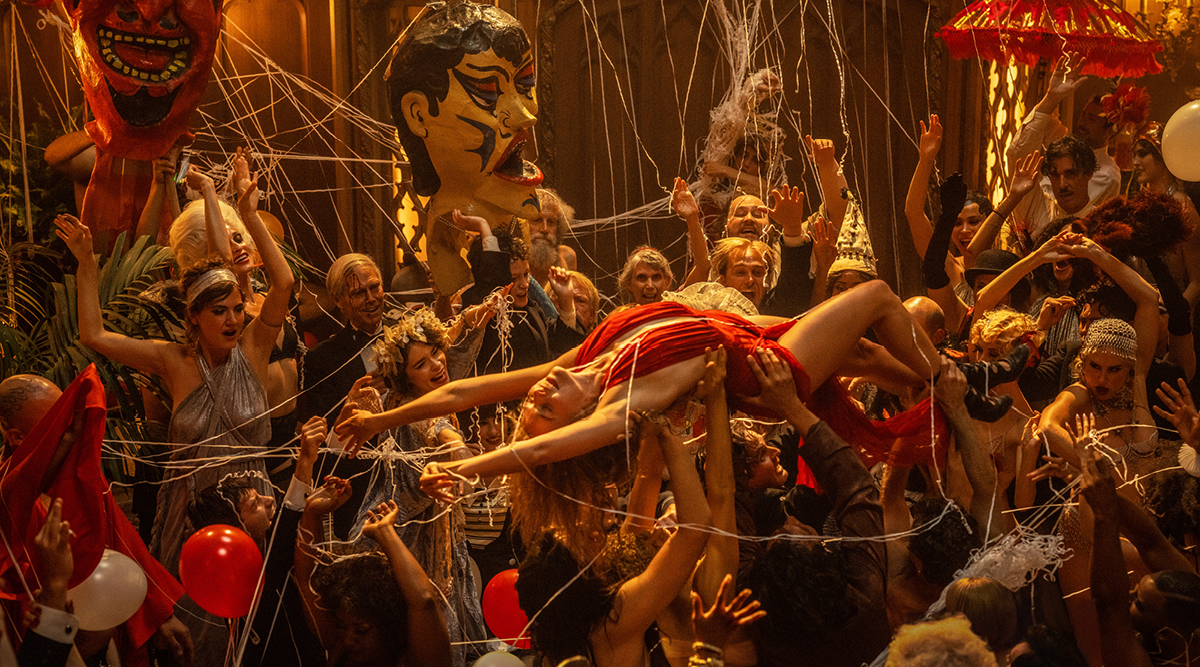
Transporting audiences back to Hollywood’s hedonistic ‘golden age’, Babylon is set in the late 1920s, during the transition from silent films to ‘talkies’. Starring Brad Pitt as a silent film star and Margot Robbie as a ‘Roaring ’20s’ icon, the story follows its protagonists as they party with the kind of wild abandon characteristic of society at the time, all while trying to navigate their new roles in an evolving industry.
The Fabelmans
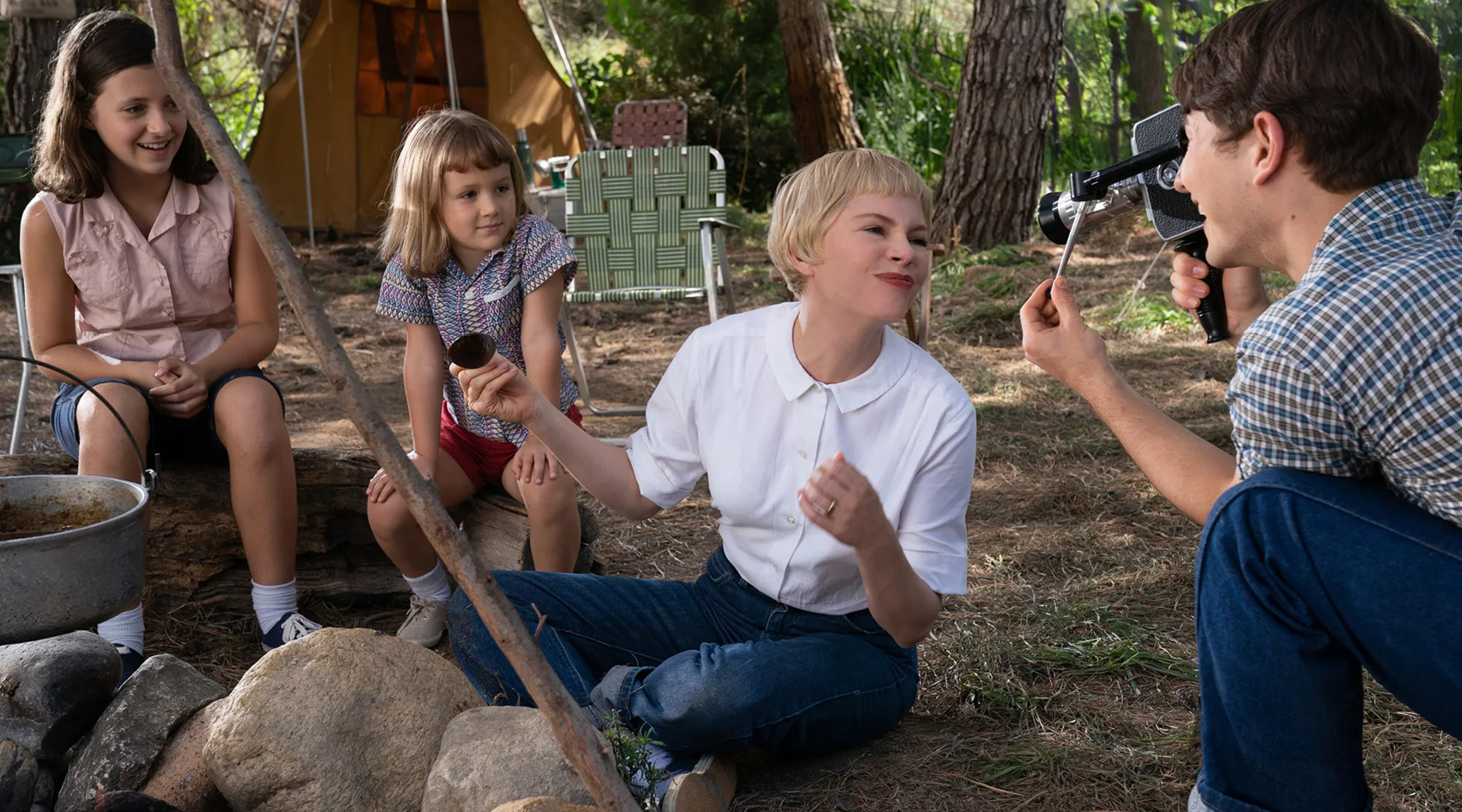
Directed by the great Steven Spielberg and based on his childhood and family growing up, this exceptional new semi-autobiographical work is one of the best new films of the year. The Fabelmans follows the story of young Sammy Fabelman who dreams of becoming a filmmaker after his parents take him to see ‘The Greatest Show on Earth.’ While his mother (played by Michelle Williams) supports his aspirations, it is only after he discovers a shattering family secret that he truly comes to understand the power of film to cut to the truth.
Operation Fortune
In what can only be described as a classic Guy Ritchie line-up, the renowned filmmaker joins forces (once again) with Jason Statham and Hugh Grant, who star alongside Aubrey Plaza in an epic new spy thriller, Operation Fortune. Tasked with stopping the sale of deadly new weapons technology by a nefarious billionaire (Grant), super spy Orson Fortune (Statham) must team up with some of the world’s best operatives and recruit Hollywood’s biggest movie star (played by Josh Hartnett) to help them save the world.
Tár
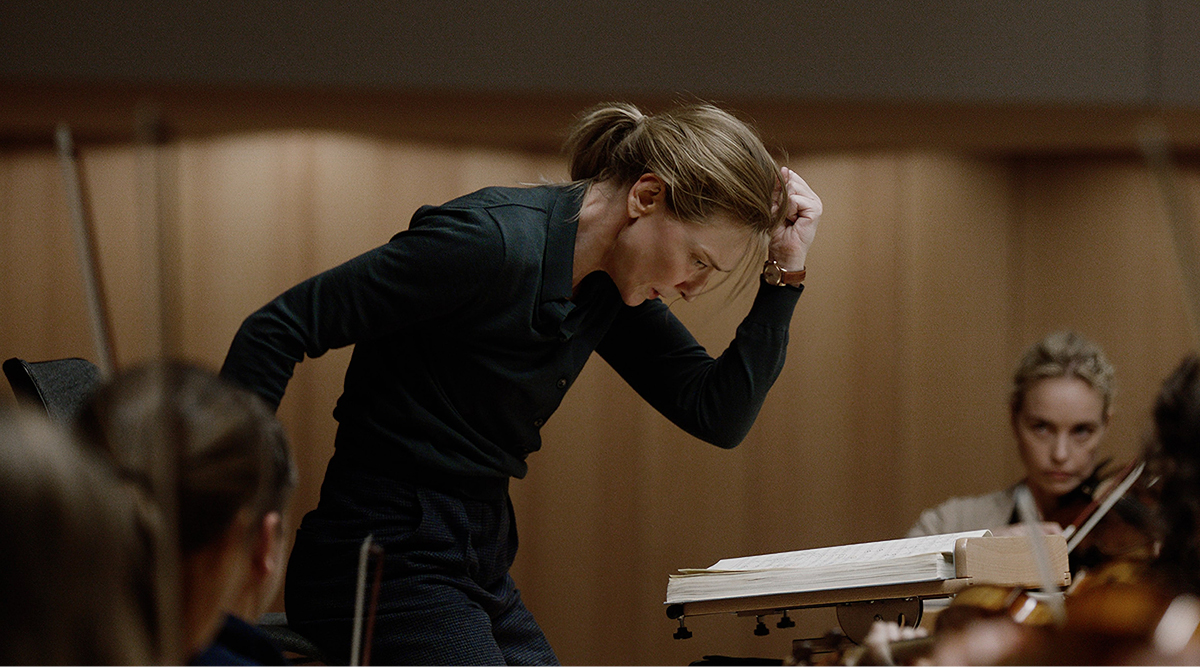
This new psychological thriller by Todd Field stars the inimitable Cate Blanchett as Lydia Tár, a world-famous composer and the chief conductor of the Berlin Philharmonic. Complex, bold, wildly-ambitious and completely captivating, this movie is undoubtedly one of the best new films of the year, and sees Blanchett at the height of her dramatic power.
The Banshees of Inisherin
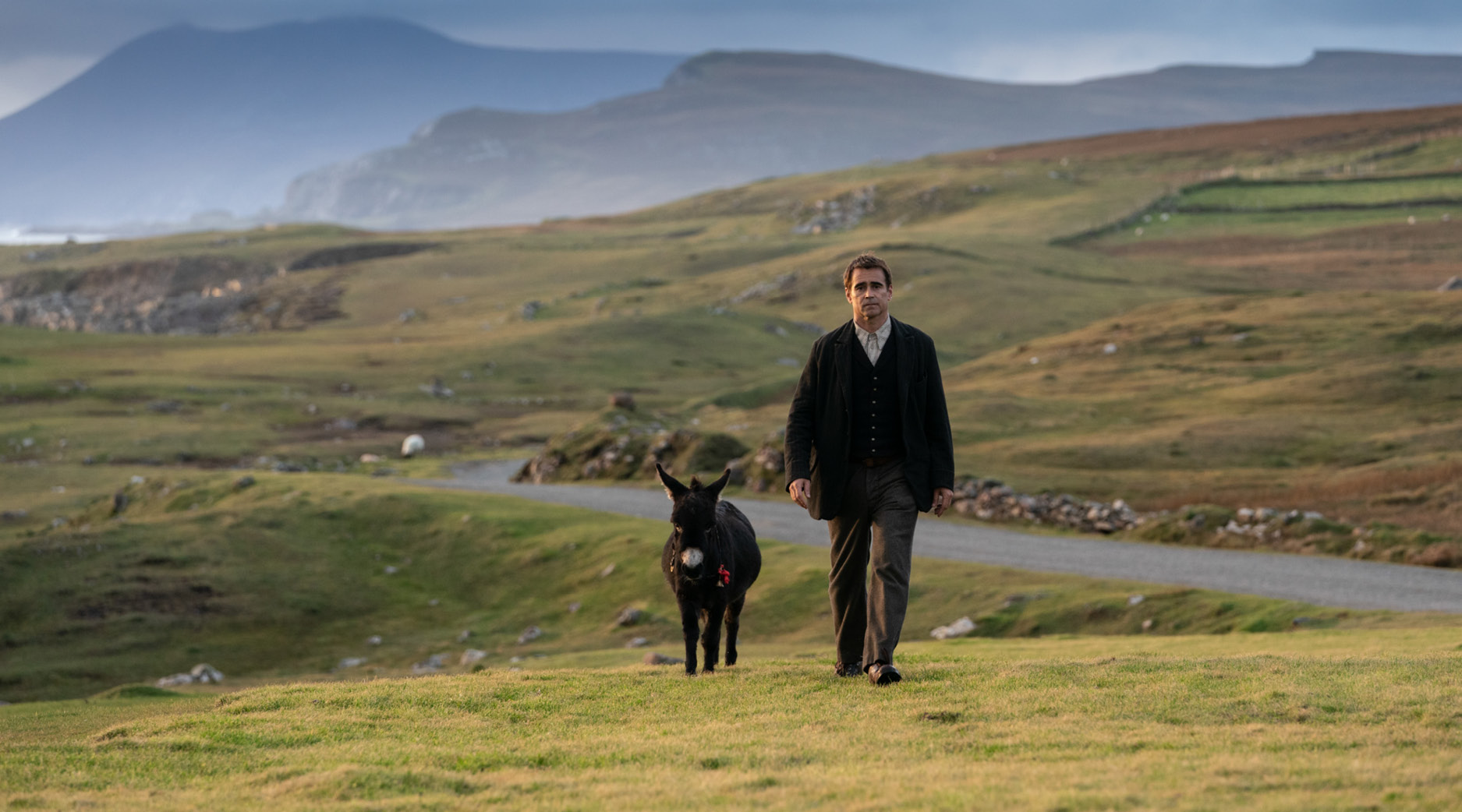
Set on a remote island off the coast of Ireland, this award-winning film stars Colin Farrell as Pádraic Súilleabháin and Brendan Gleeson as Colm Doherty, two lifelong friends who find themselves at an impasse when one (Doherty) decides to suddenly cut off the relationship. With the help of his sister Súilleabháin sets about trying to mend the rift, which leads to a few unexpected twists and turns, and a surprising ultimatum. Widely lauded as some of Farrell’s best work, this excellent tragicomedy is considered one of the best new films of the year. (It also just happened to win three major Golden Globes for Best Comedy or Musical Film, Best Screenplay and Best Actor for Farrell’s performance.)
Emily
Emma Mackey stars as one of the most iconic figures in literature, Emily Brontë, who died at only 30. Charting her exhilarating journey into womanhood, the film looks at Brontë’s short life as a rebel and a misfit and looks at how the oeuvre of someone so young made such a lasting impact on our culture.
The Menu
In this darkly-comic, foodie thriller, Anja Taylor-Joy and Nicholas Hoult take the lead. The couple travels to the Pacific to eat at an exclusive restaurant, where a celebrated chef (Ralph Fiennes) has prepared a lavish tasting menu. Joined on their culinary journey by a cast of interesting characters, the couple soon find themselves part of something much more sinister, as tensions mount and secrets are revealed.
The Wonder
Part mystery and part psychological thriller, The Wonder is based on the acclaimed novel by Emma Donoghue. It is inspired by the Victorian-era phenomenon of ‘fasting girls’ who claimed to have miraculous powers. The intriguing film stars Academy Award nominee Florence Pugh as English nurse Lib Wright, who is brought to a tiny Irish village to observe a young girl who is said to have survived without food for months.
Vengeance
The directorial debut of B.J.Novak (who also wrote the script and plays the lead) this dark comedy follows the story of a journalist and podcaster from New York City who travels to West Texas to investigate the death of an ex — well, kind of. It is a fascinating satire on the state of modern America, (with a bit of action thrown in for good measure) and is entertaining and though-provoking in equal measure.
Matilda The Musical
Remember the Roald Dahl classic about a young, intelligent girl who dares to take a stand against her oppressive parents and head teacher (with extraordinary results)? Here it is given fresh life in a new, musical film. Starring Emma Thomas as Miss Trunchbull, this film will delight anyone who remembers and loves this timeless story.
A Man Called Otto
In the American remake of the Oscar-nominated Swedish film A Man Called Ove, Tom Hanks plays a grumpy widower whose strict routines and staunch principles see him give everyone in his neighbourhood a hard time. However, just as it seems like he has truly given up on life, an unlikely friendship blooms with some new neighbours.
Marcel The Shell with Shoes On
Based on the 2010 short film directed by Dean Fleischer-Camp, this hilarious, full-length mockumentary is one of the best new films of the year. In it, big-hearted Marcel the Shell (cleverly voiced by Jenny Slate) must use the power of the Internet to find his long-lost family.
The Pale Blue Eye
In this dramatic, American thriller, Christian Bale stars as veteran detective Augustus Landor in director Scott Cooper’s adaptation ofLouis Bayard’s historical crime mystery novel. Set in 1830, Landor is called on to investigate the murder of a cadet with the assistance of a young Edgar Allan Poe in a bloody mystery that has a disturbing final twist.
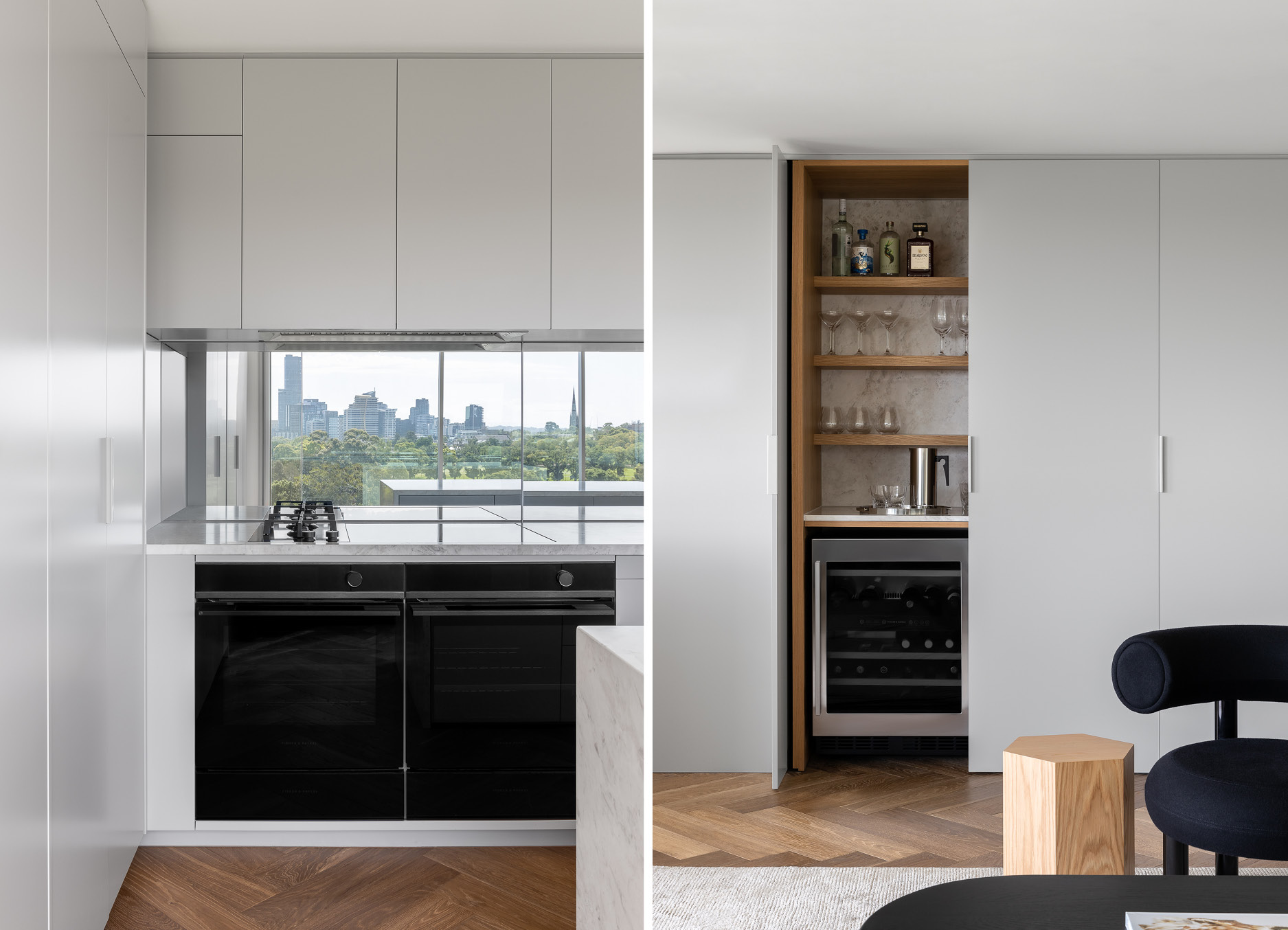
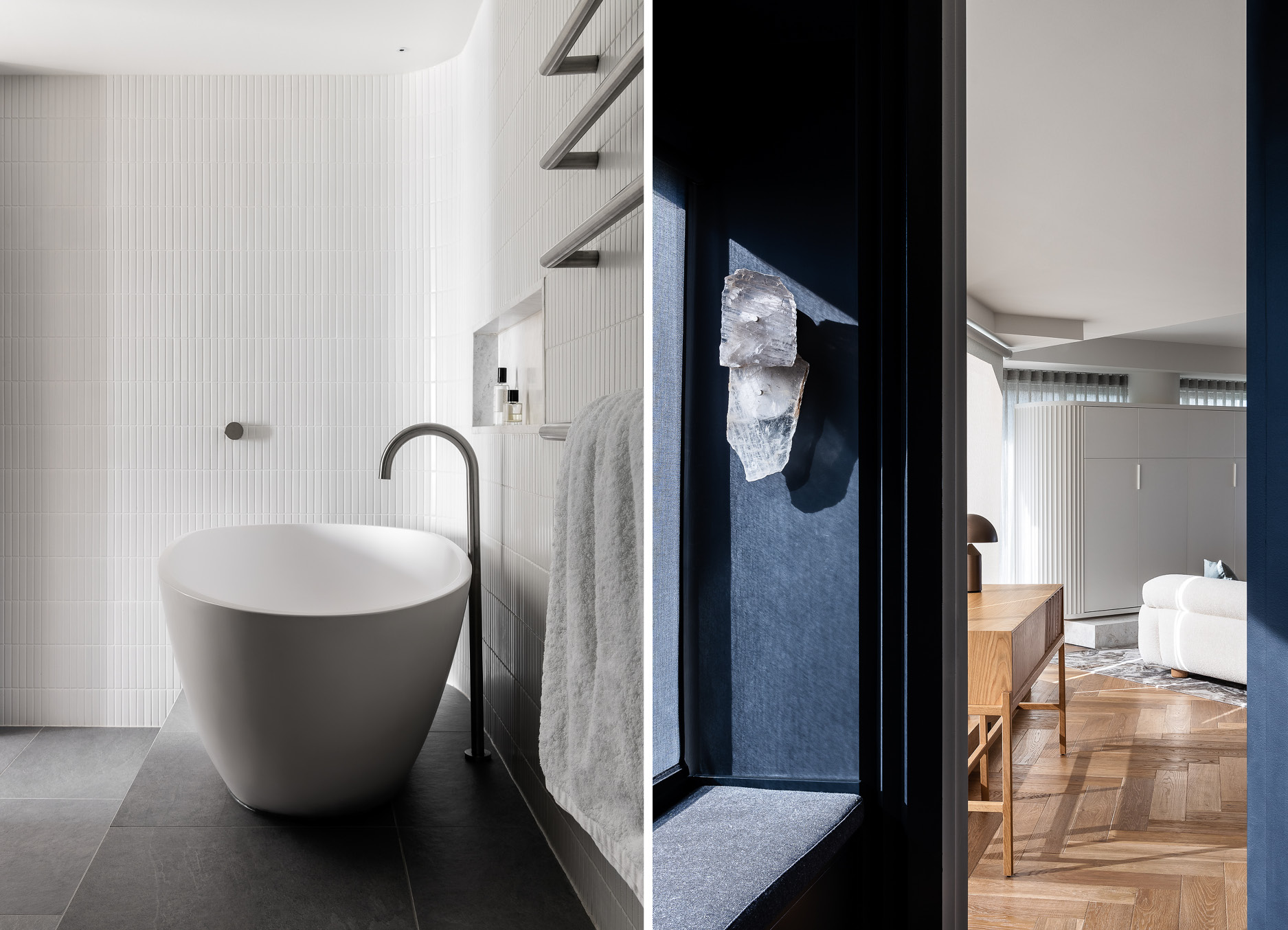
Considerations of space and dimension become all the more important when tackling something like an apartment. And often, a return to the idea of ‘less is more’ is called for to create a finish that is striking while still feeling simple and practical (not an easy balance to master). That said, it is something that architect Will Smart of Wolveridge has managed deftly here, redesigning a three-bedroom Melbourne apartment through a more sleek, contemporary lens and using brands like Fisher & Paykel to create spaces that are not only fit for purpose but that have been designed for liveability and comfort.
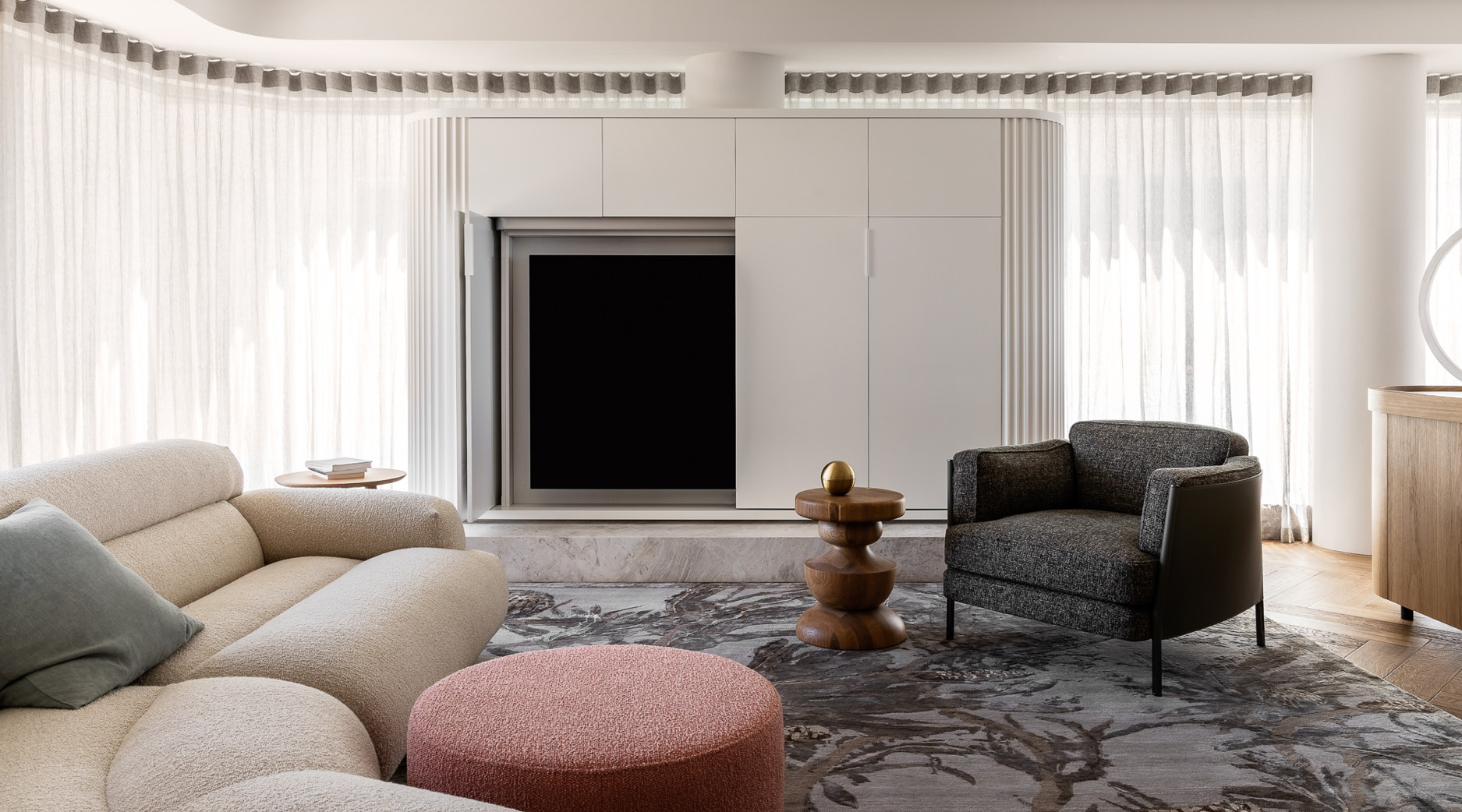
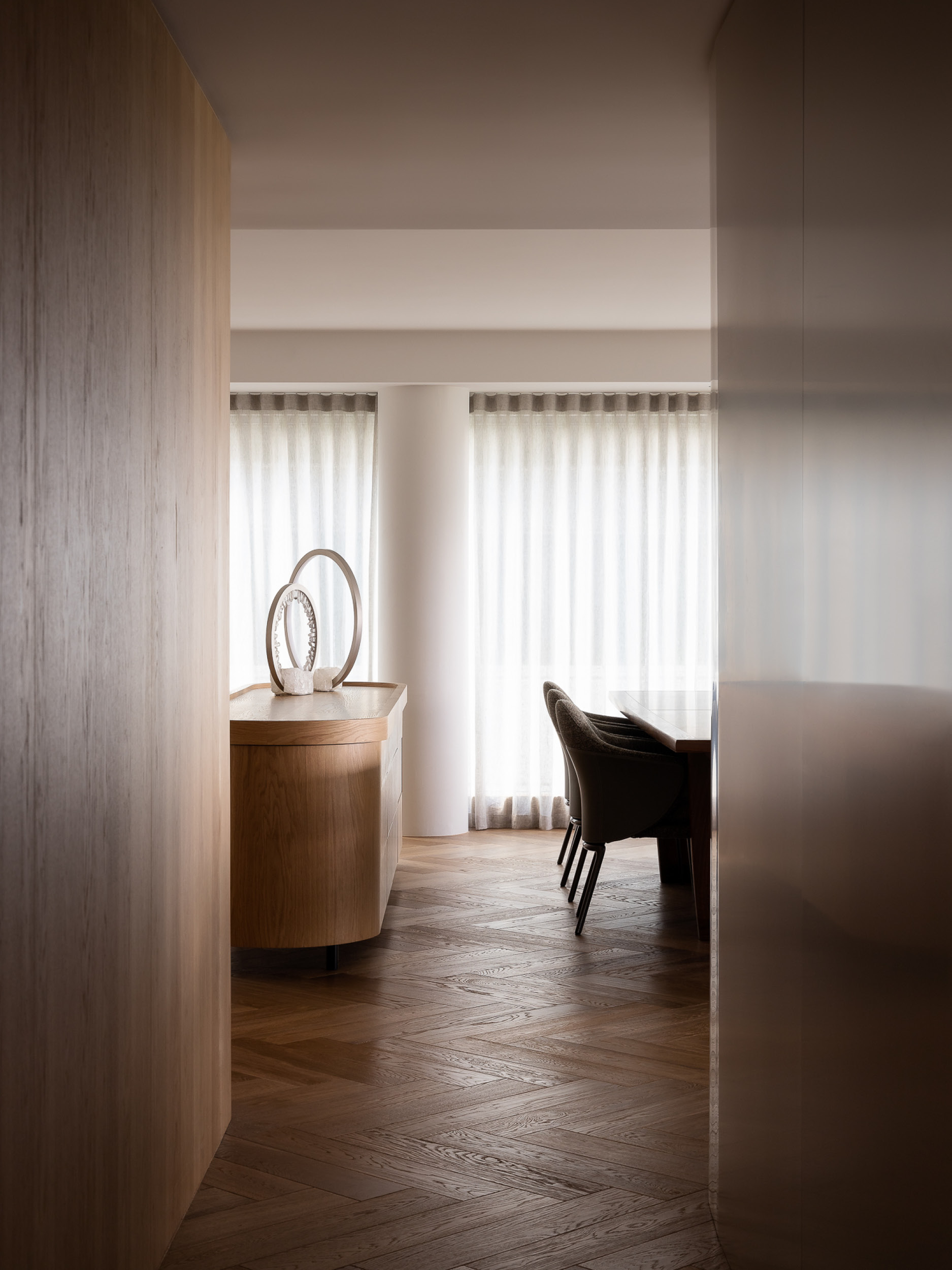
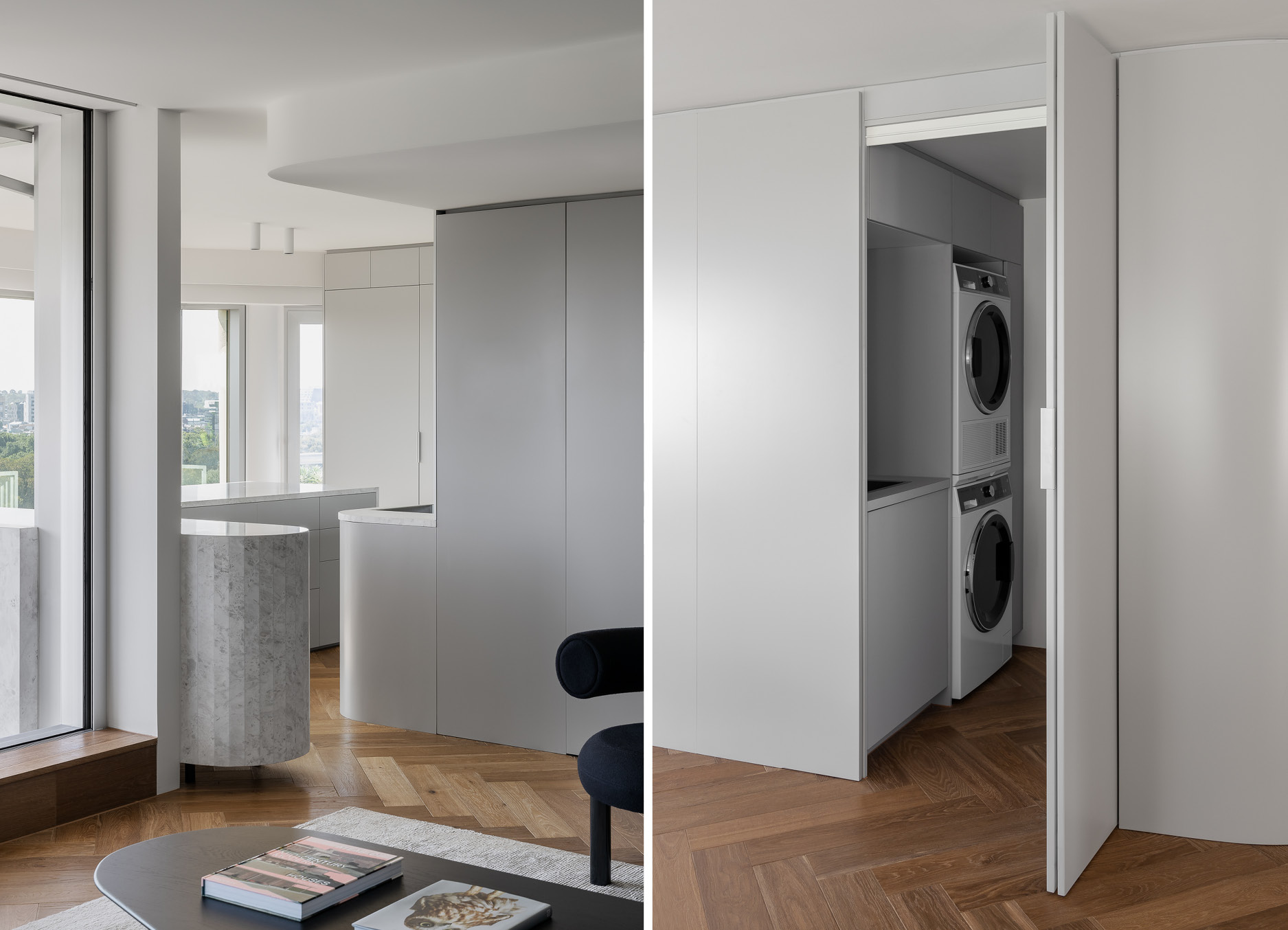
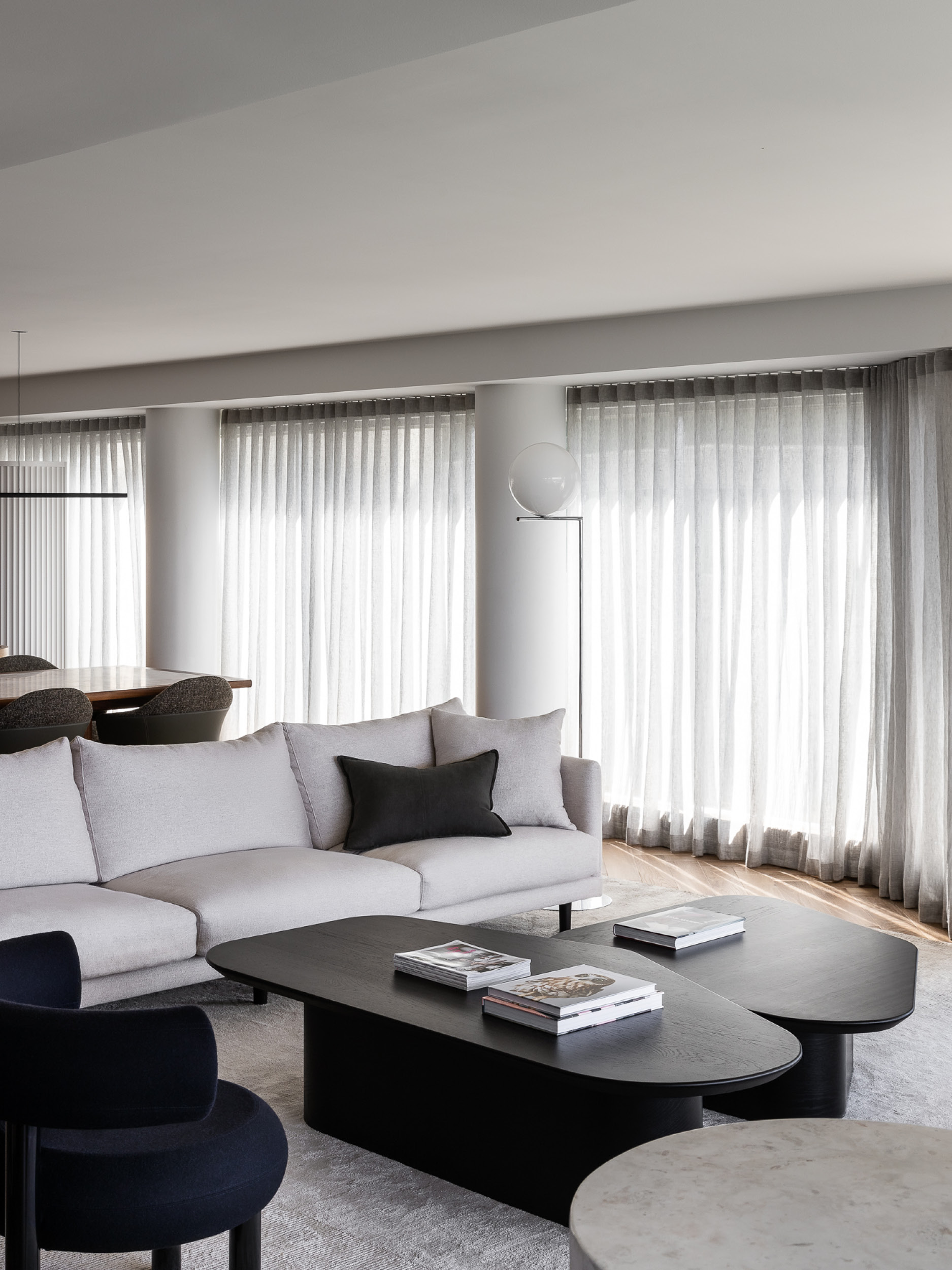
Set in Melbourne’s leafy St Kilda, and boasting incredible views over Fawkner Park, the Parkside apartment is a study in opulent minimalism. Here, the architects were driven by a desire to open the interiors up to maximise light and views while focusing on strengthening the connections between spaces and optimising their flow. All of the rooms here are connected by a soft grey ‘spine’ of joinery, which moves throughout to accommodate a new bar, walk-in laundry and extra storage. On one side of the spine are the apartment’s shared spaces, on the other are the bedrooms, and the way it has been built immediately draws the eye to the home’s ample windows and extraordinary park views beyond.
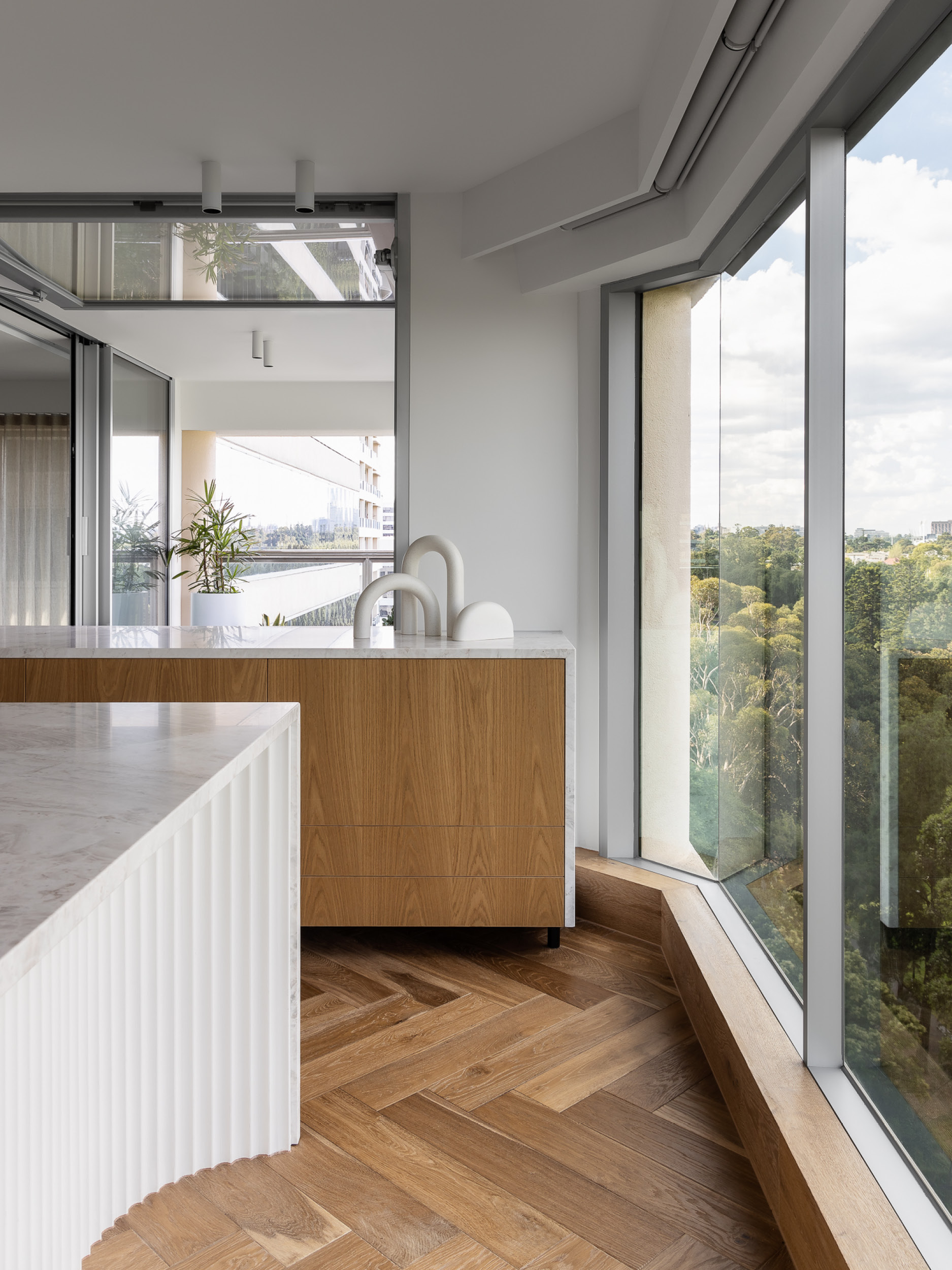
Bespoke cabinetry introduces the idea of gentle curvature, with similar shapes repeated in the apartment’s carefully-curated furnishings, art pieces and other significant details like fluted timber and a curved marble kitchen bench. Here, between the undulating marble in the kitchen, the neutral colour palette, lime-washed walls and blonde herringbone flooring, the apartment offers a warm, textural experience, and an overarching sense of calmness that one can only imagine would be heavenly to return home to after a long day.
This idea carries over from the apartment’s aesthetic and into its more practical spaces too, where a sense of simplicity and minimalism dictated which appliances would be best suited to the space. “We’ve been working with Fisher & Paykel for a number of years now,” says Smart. “One of the things we’ve enjoyed as the appliance ranges have evolved, is the ability to be flexible with what we place, where we place it, how we integrate it, and how we group things.” It is thanks to Fisher & Paykel’s innovative approach to appliances (one that considers the look and feel of a space as much as its long-term use) that made this brand the obvious choice for an apartment of this calibre.
Ultimately, the Parkside apartment kitchen offers a masterclass in clever design, where the appliances make it as equipped for serious cooking as it is for easy entertaining. Here, the designers have ensured that a compact footprint needn’t require compromise on style or usability by flooding the kitchen with natural light, tucking practical tools and appliances behind cabinets and creating an automated window that opens the serving bench out to the balcony directly.
Elsewhere, Fisher & Paykel appliances have been used in the apartment’s walk-in laundry, where a front loader washing machine and heat pump dryer create an easy-to-use set-up. Hidden behind subtle doors, the laundry was the result of some deft spatial Tetris by the architects, who wanted to ensure that it was its own, separate space without impacting the apartment’s uninterrupted lines. It also boasts a sustainable edge. “In terms of the dryer, we were able to put forward some options to the client around the benefits of the heat pump,” Smart explains, “sustainability and not needing to connect to ducting or an exhaust fan to vent the space made [the Fisher & Paykel dryer] an easy choice.”
The Parkside apartment is an example of thoughtful architecture and the way in which carefully-chosen appliances can be used to maximise the potential of the space. It is an exceptional expression of layered minimalism. It’s easy to see why Smart and the architects at Wolveridge opted for Fisher & Paykel when considering how best to elevate both the apartment’s look and its workflow, too.
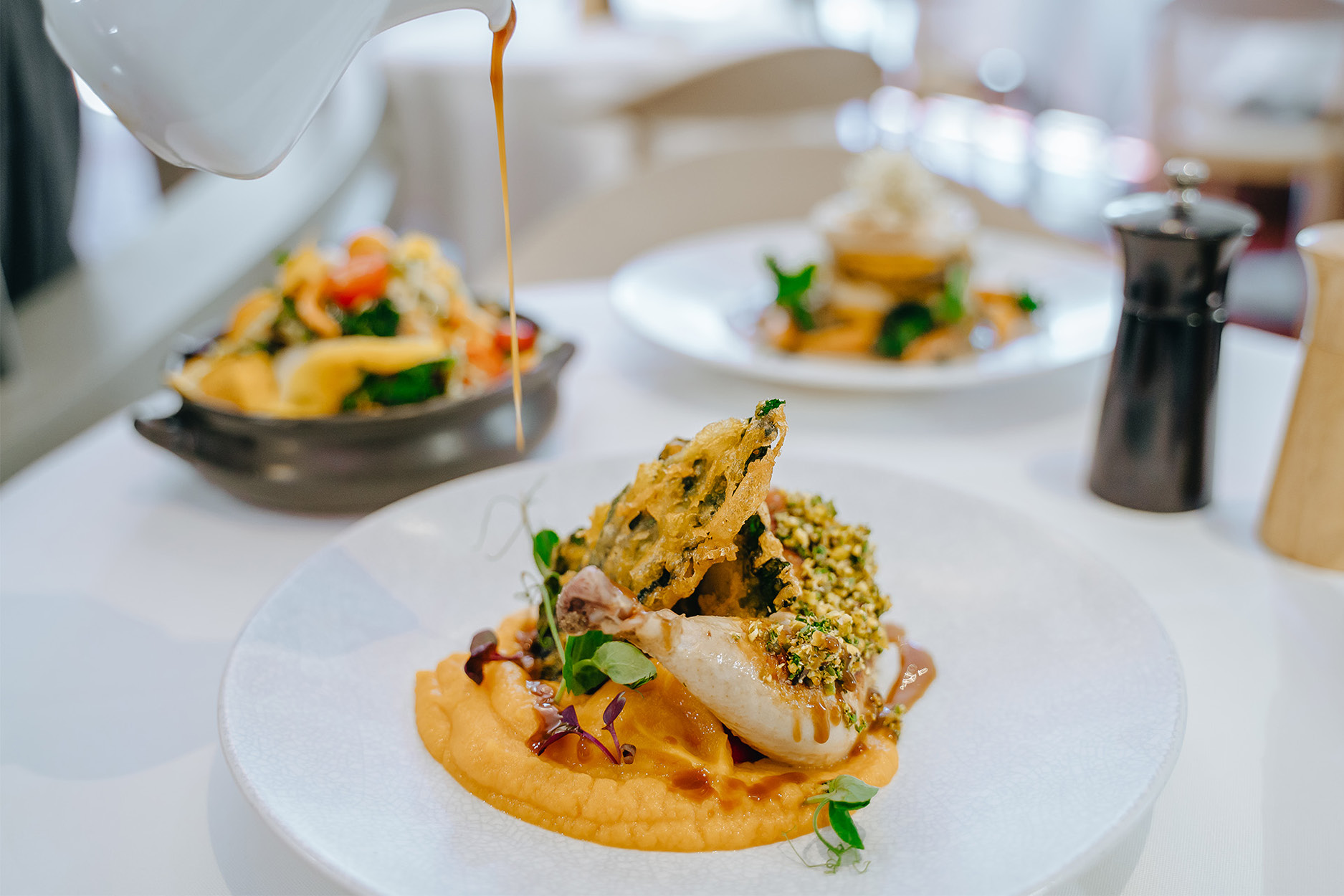
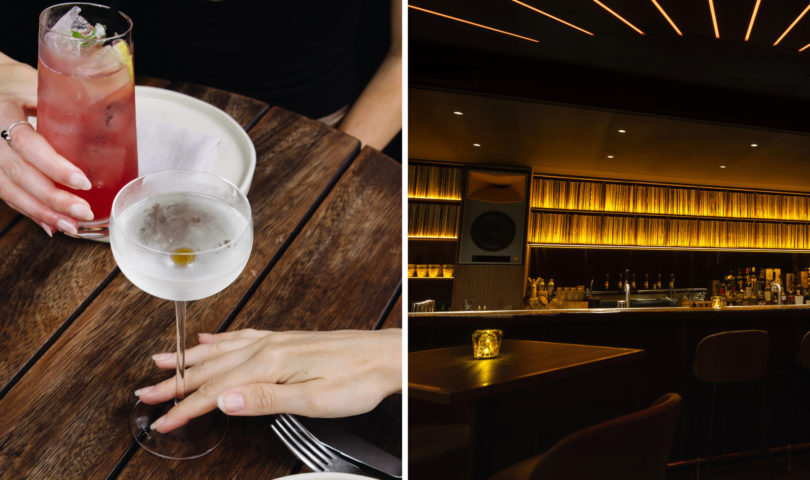
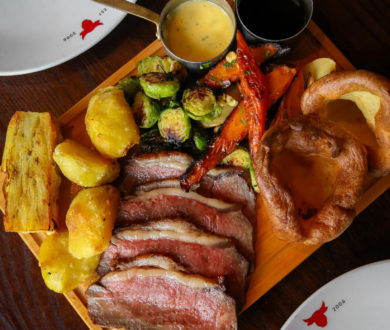
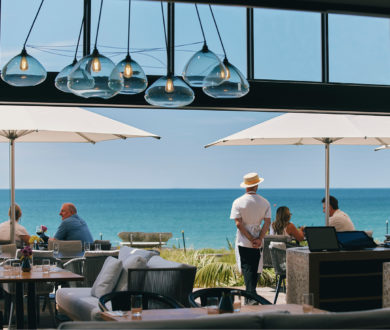
While we all readjust to our daily routines after a few weeks off, there is plenty to get excited about in Auckland with our January dining guide, particularly when it comes to our always-inspiring dining scene.
For those of us who have returned to the City, a raft of our most talented chefs have ensured we’re well and truly taken care of, with a line-up of food festivals, pop-ups and new menu items to add a little something to the rest of our January days. From taco residencies to rooftop Sunday sessions, here is everything you need to check out this month.
Broke Boy Taco Residency at Ante Social Club If you missed out on Broke Boy Taco’s sought-after morsels at last year’s East Street Hall Residency, this six-month-long pop-up at Ponsonby’s Ante Social Club will give you plenty of time to indulge. Known for creating Mexican-inspired street food inspired by his days in San Francisco’s Mission District, Sean Yarborough is quickly making a name for himself as the purveyor of some of the tastiest tacos in town. Starting January 26th, Thursday to Saturday, 5pm — 9pm
Broke Boy Taco.
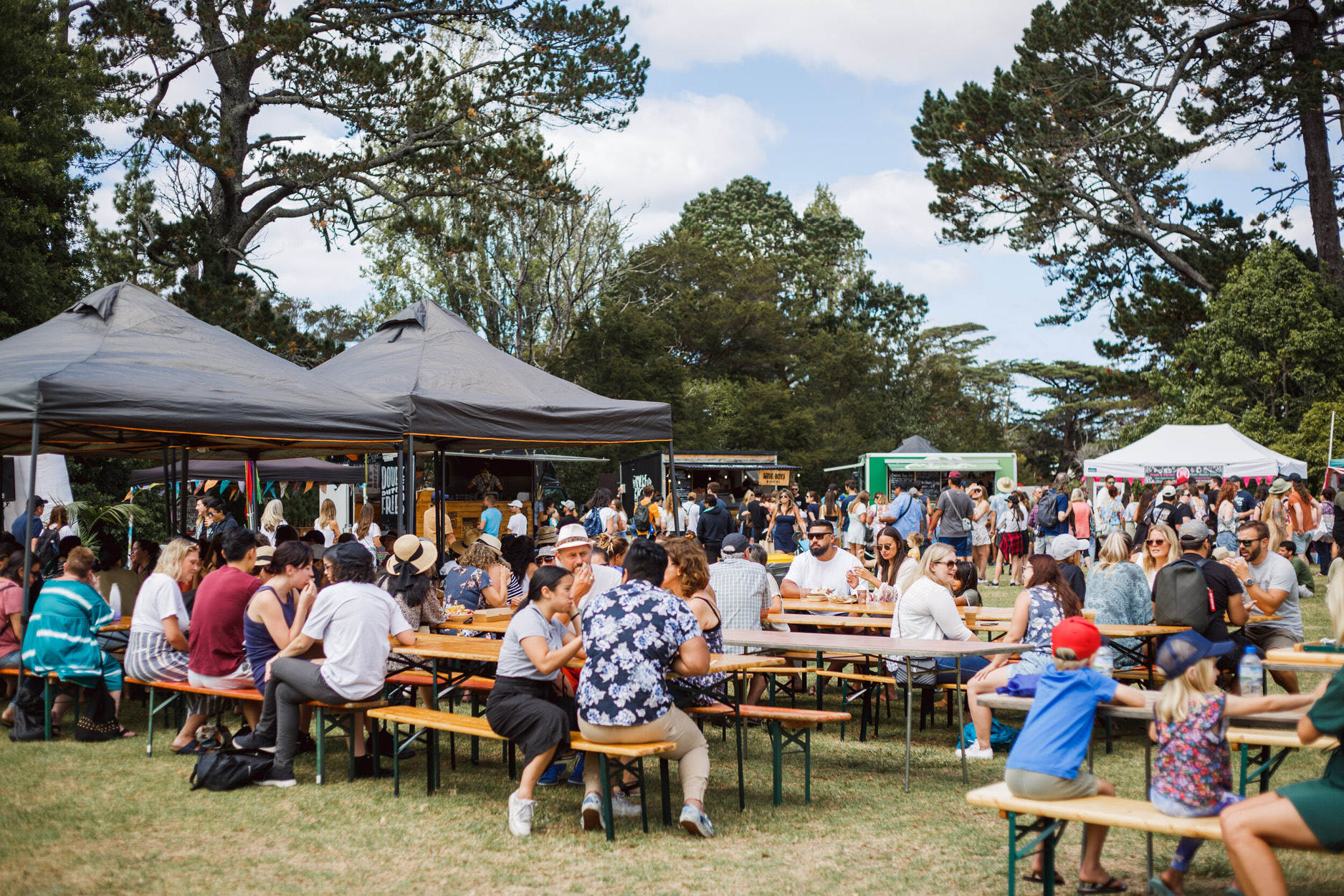
Matakana Food & Beer Festival Those in the know are the first to advocate that this Northland-bordering town is home to some of the region’s best beers. In this one-day, not-to-be-missed affair, some of the best craft brewers will join forces with the Food Truck Collective for a day of food, beer and local live music — what summer is all about. Saturday, January 28th, 2pm — 9pm. Tickets are available here.
Matakana Food & Beer Festival.
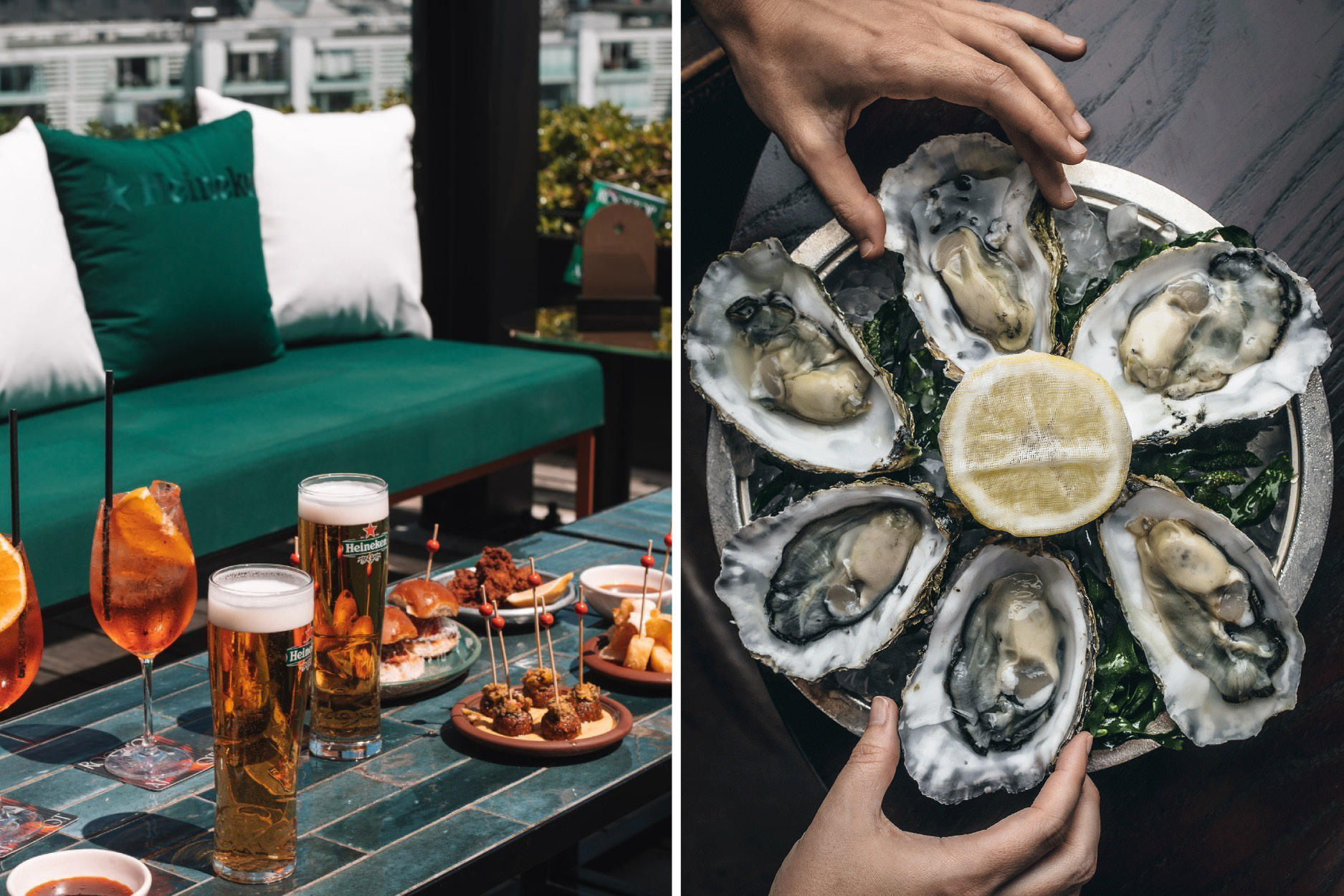
Rooftop at QT’s The Sunday Club Helping us make the most of every hour of our summer weekends is Rooftop at QT with its new Sunday Club. Launched in partnership with Heineken, the Sunday Club is an ongoing summer series designed to offer the ultimate Sunday sesh. Think $2 oysters (and other delicious tapas), icy-cold beers and an often necessary Bloody Mary on the menu, and resident DJs serenading us until sunset. Sundays, 2pm — 8pm
The Sunday Club at Rooftop at QT.
Date Night Dinners Auckland Zoo If you are looking for something different to do for date night, why not consider spending the evening in the company of exotic animals? Every Thursday for the foreseeable future, the iconic Old Elephant House restaurant at Auckland Zoo will be offering an exquisite two-course menu, featuring confit chicken, tempura eggplant, and a sumptuous selection of desserts. Diners can also enjoy complimentary entry to late night at the zoo. Thursdays, 5pm until late. Bookings are essential here.
Zoo Late Night Date Nights.
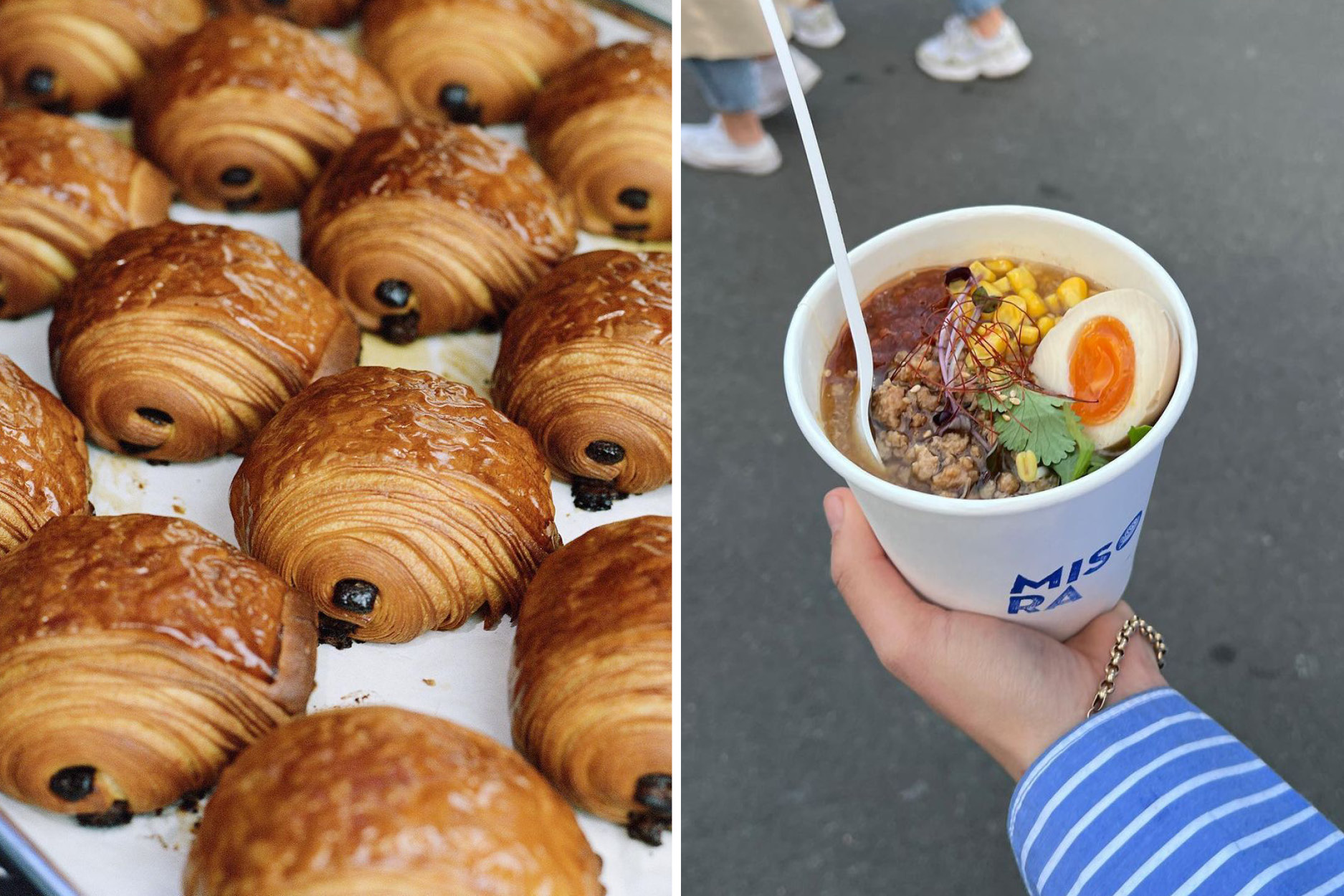
Mor Bakery’s Ozone Pastry Residency After their sell-out sessions at this Grey Lynn institution last year, micro-patisserie masters Mor Bakery are filling Ozone’s cabinets once again. Every Saturday until sold out, you can get your hands on some of Mor’s coveted croissants, danishes, and other delicious seasonal viennoiseries. Our advice? Get a few to take away, too. Saturdays, 8am until sold out
Balmoral Street Food Market Mount Eden locals are no strangers to these now-famous food markets. And with the organisers heading off to Europe in the autumn, this final series of six markets will see some of the best street food vendors in Auckland unite under one banner. Think delicious woodfired pizzas, biscoff-loaded doughnuts and everything in between— a foodie affair not to be missed. Friday, January 27th, 5:30pm — 9pm
Left: Mor Bakery. Right: Balmoral Street Food Markets.
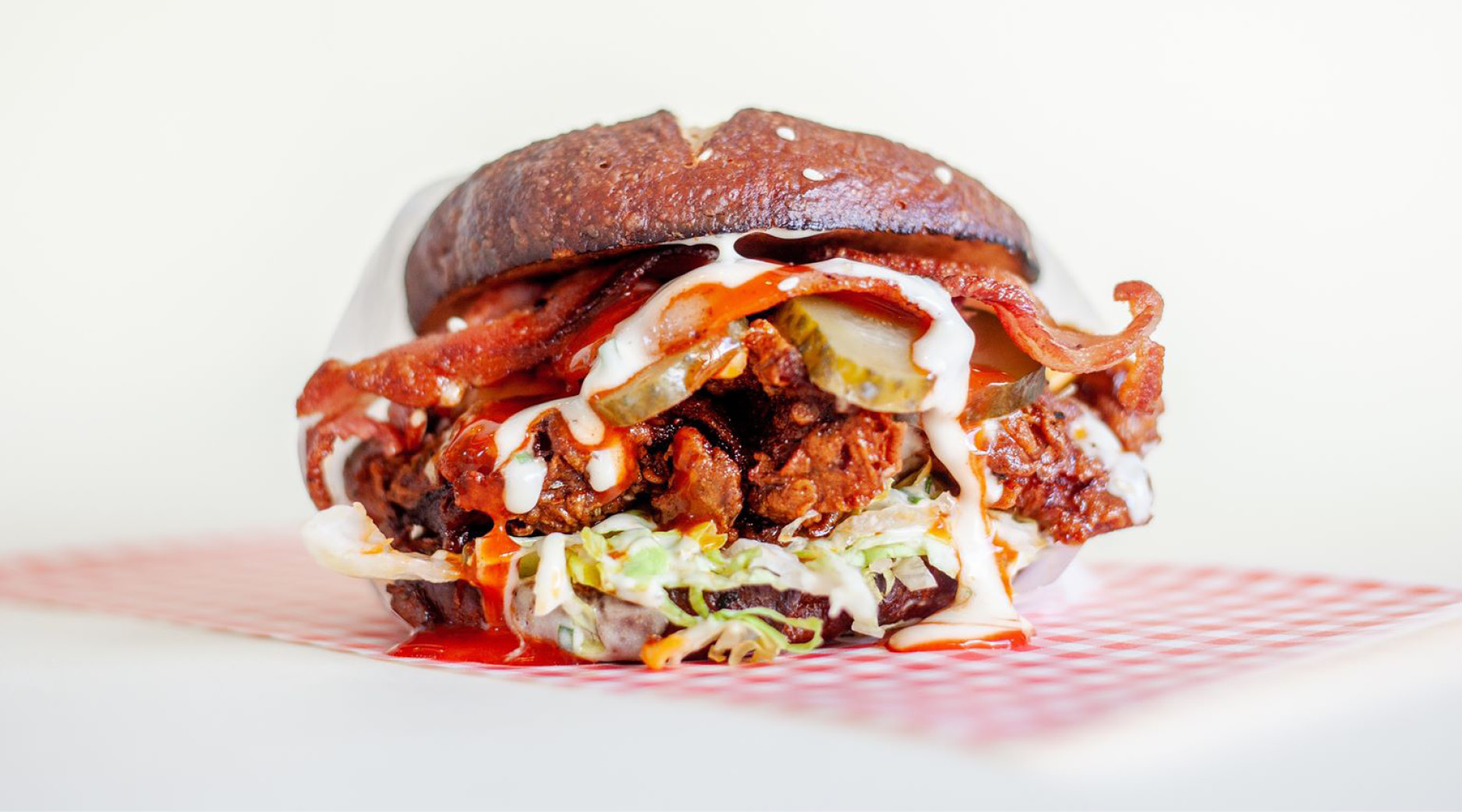
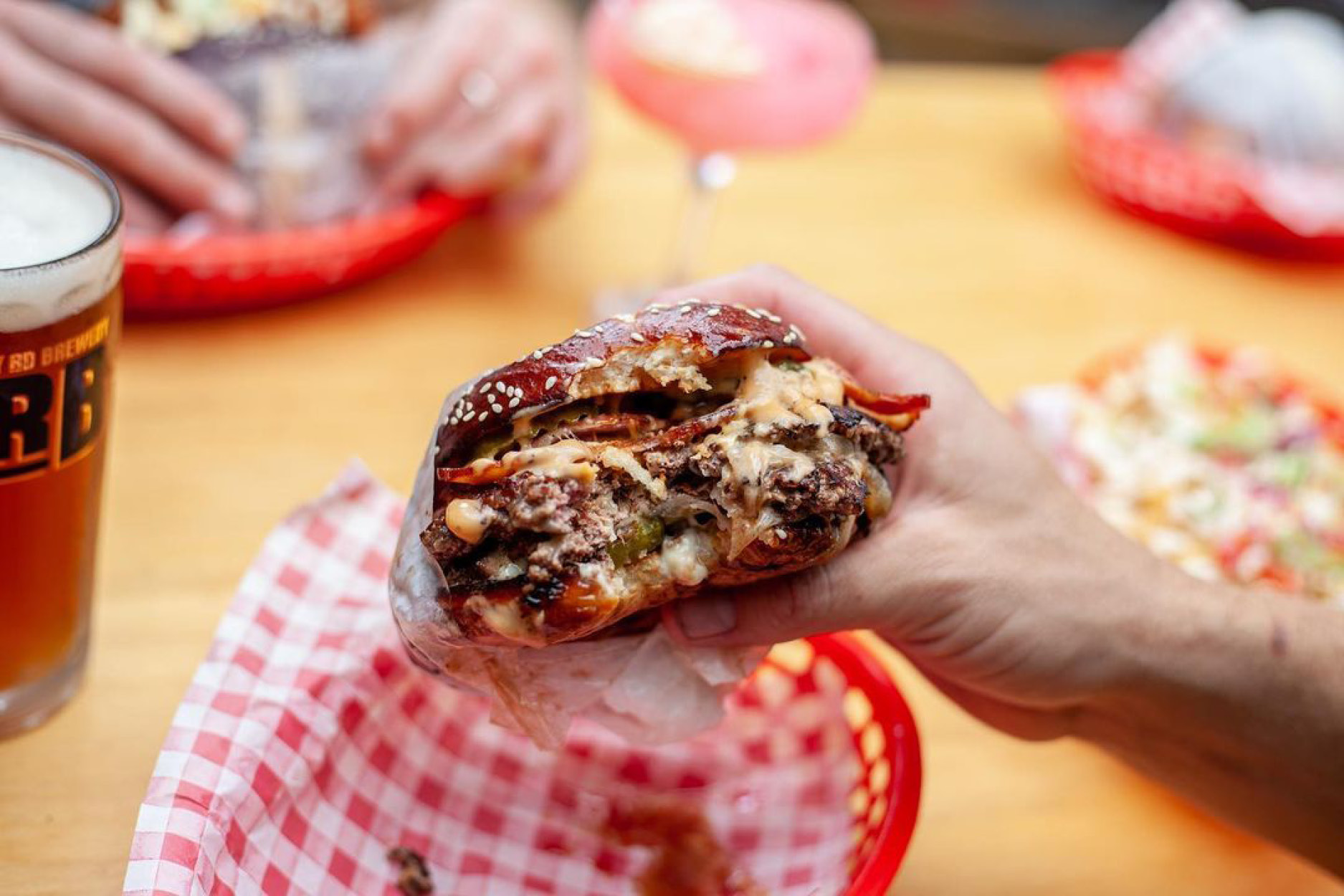
Parade’s New Burger Menu When we’re craving a decidedly decadent dinner, Parade always takes precedence. Since re-opening after the summer break, the burger masters have introduced some new additions to their hugely popular menu. We’re itching to try the Nashville Hot Chicken — a tasty collision of fried chicken thigh, hot Nashville rub, double cheese, and ranch dressing sandwiched into one of their famed pretzel buns. Pair this with a side of fried kumara and mozzarella balls.
New Burger Menu at Parade.
Tacoteca Lunches at La Fuente You’ll likely know inner-city haunt La Fuente for its impressive mescal offering and pared-back but flavoursome Mexican food. The recent introduction of Tacoteca, the bar’s tasty taco pop-up, on from lunchtime on weekdays, is another totally tempting take that we can’t wait to sink our teeth into. We think it’s the perfect way to ease yourself back into office work — a lunchtime reward if you will. Monday through Friday, from 12pm
Fried Chicken Pop-Up at Ragtag Although best known for their handmade tacos that amassed a cult-like following in the last year, this weekend Dan Freeman’s new Westmere outpost will host a fried chicken sandwich affair. Fans of Ragtag know the sandwich I’m talking about. It sold out in an unprecedented record at one of Freeman’s pop-ups last year, and we anticipate this Sunday will elicit the same result. Sunday, January 22nd, 12pm until sold out
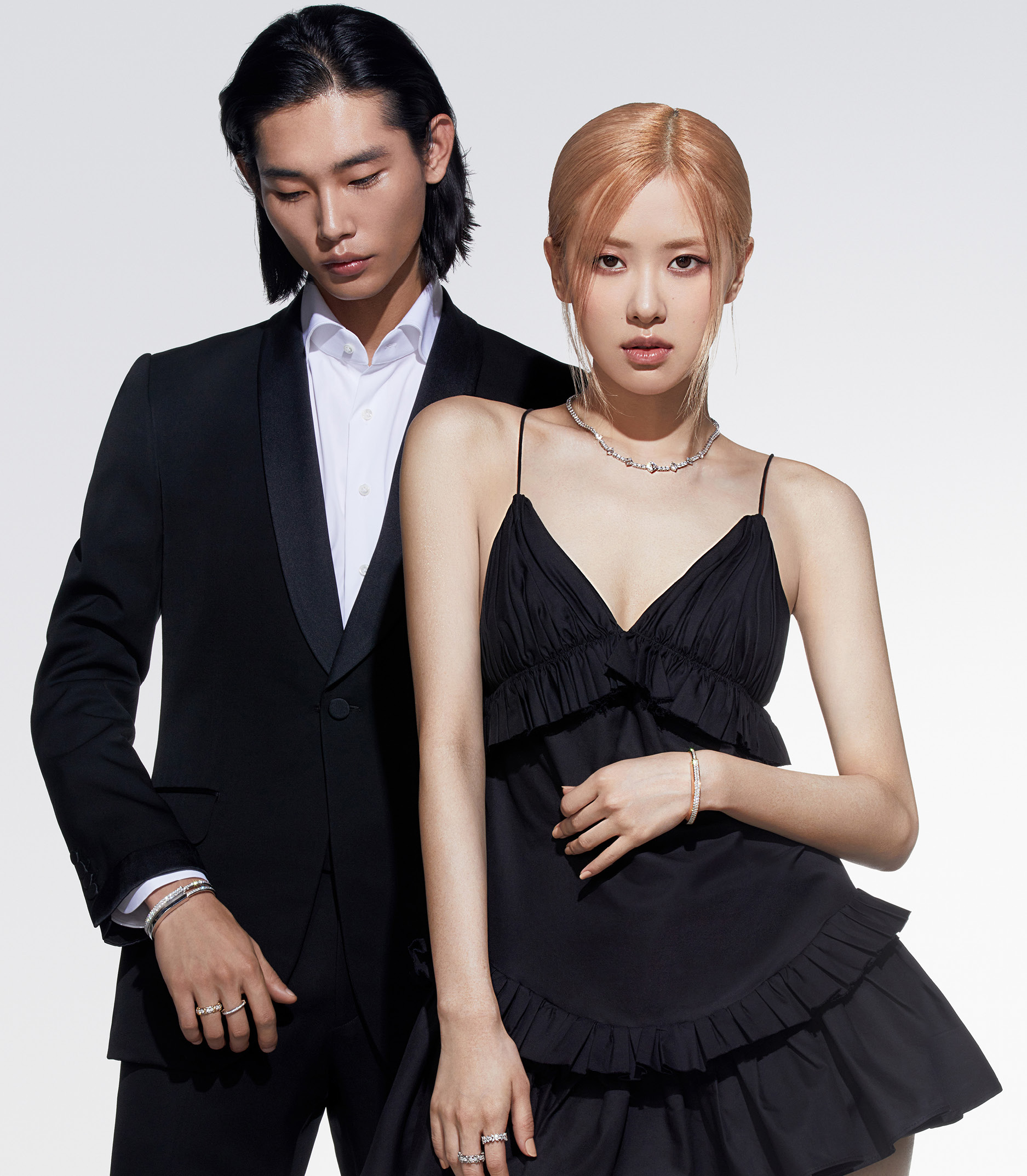
You don’t have to be a jewellery collector to understand the significance of Tiffany & Co. As much a cultural icon as it is a leader in its own industry, this heritage brand enjoys the kind of recognition that has allowed it to be identified by nothing more than a distinct shade of blue. And in recent years, Tiffany & Co. has masterfully captured a whole new demographic of loyal fans. Its clever designs speak to its historic prestige while reimagining its motifs to feel modern, relevant and inherently wearable. Now, the brand is taking this idea one step further with its bold and inclusive new Tiffany & Co. Lock collection which, according to the company’s Executive Vice President Alexandre Arnault, is “an elegant interpretation of archival functional design,” and “an exciting new pillar to [Tiffany & Co.’s] diamond and gold jewellery offering.”
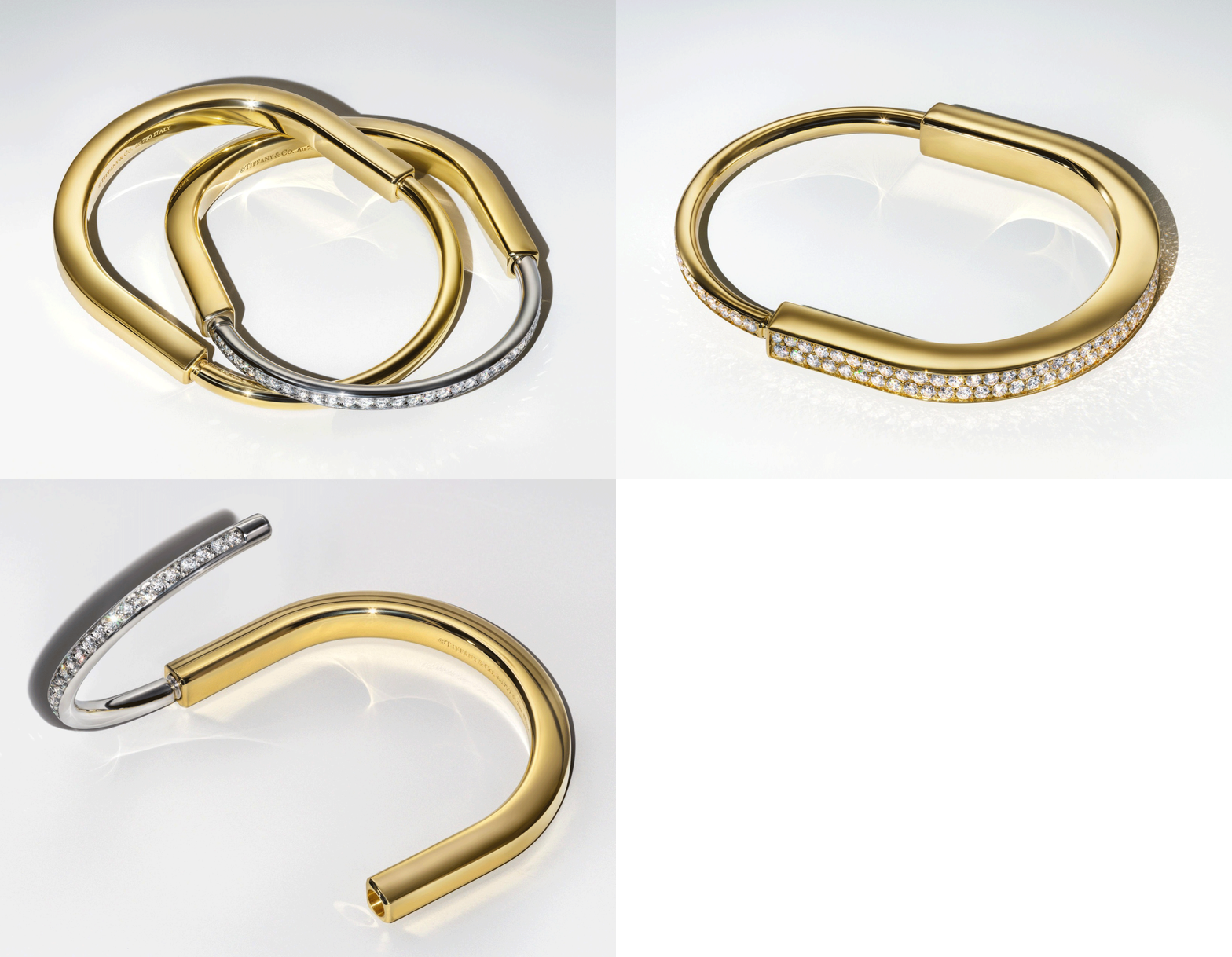
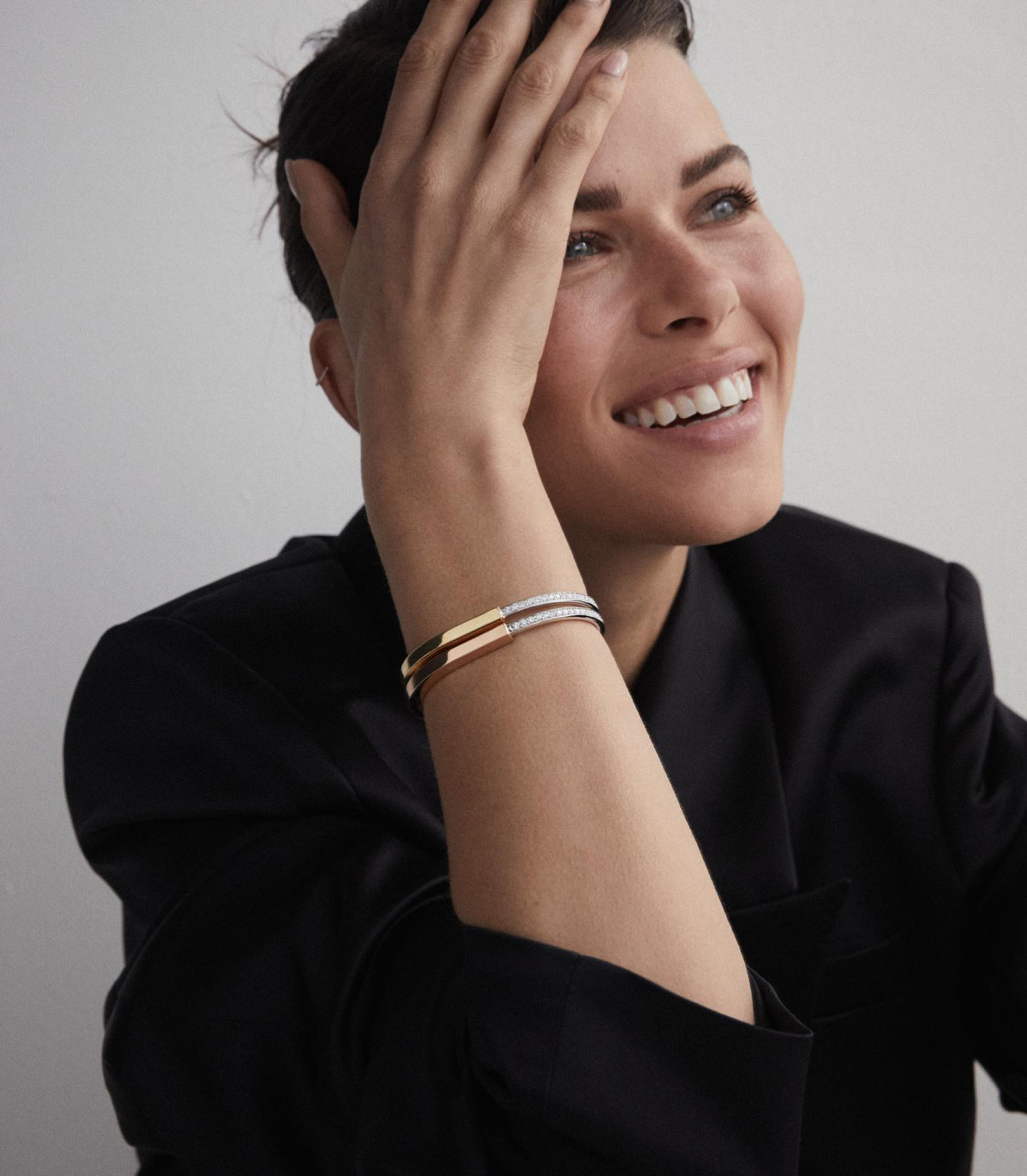
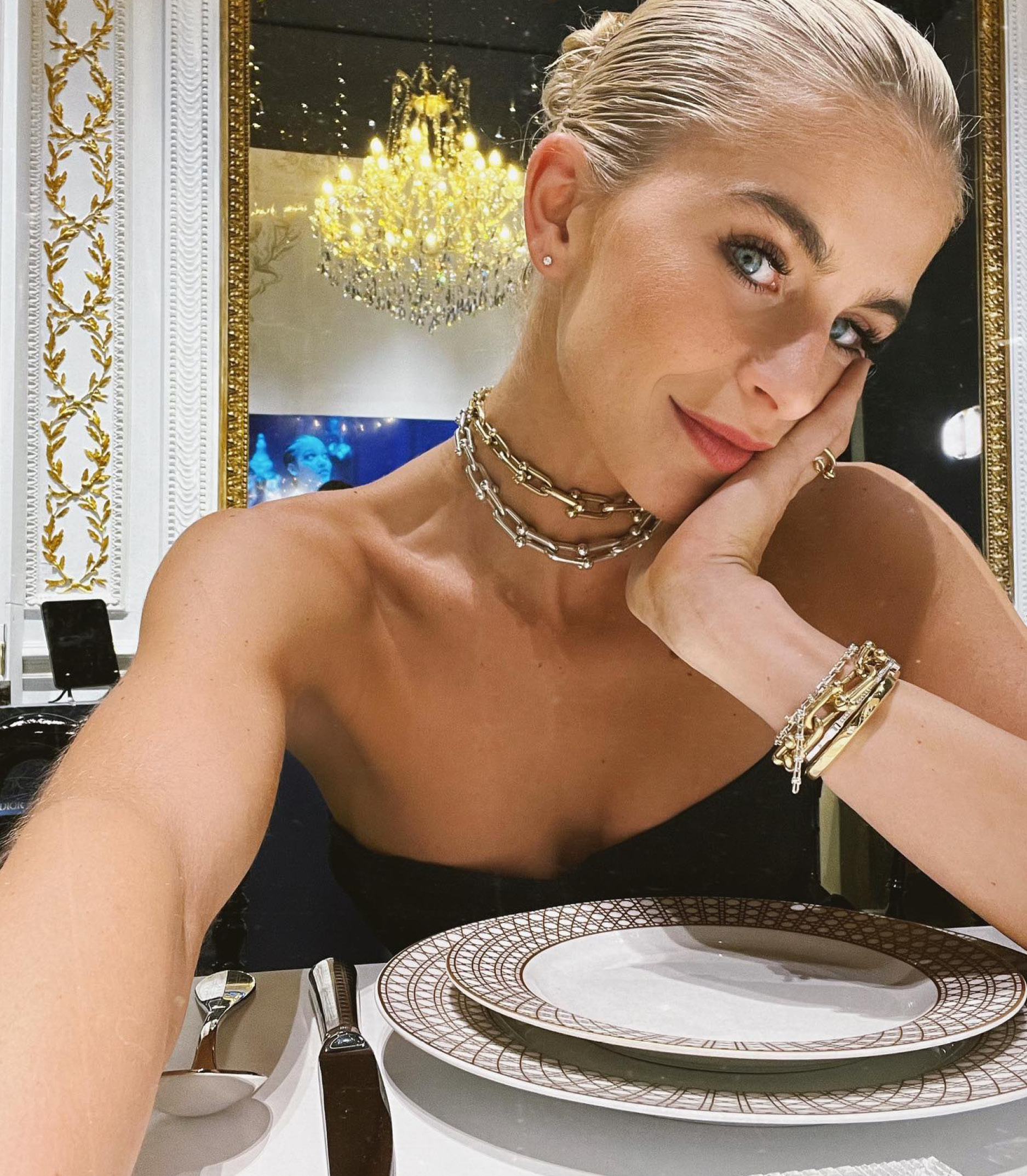
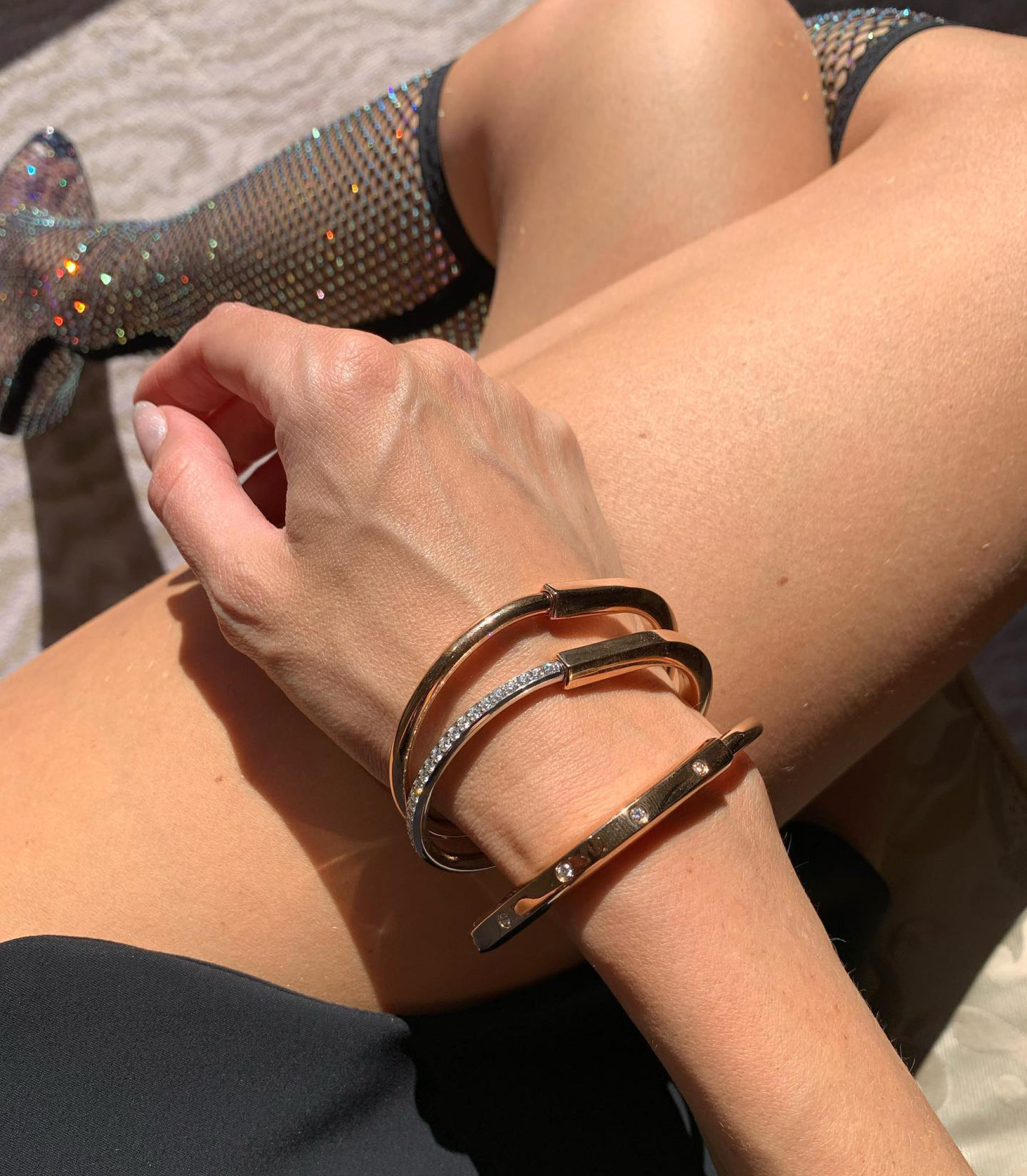
Tiffany & Co.’s Lock collection is modern and innovative, effortlessly balancing form and function and capturing the essence of simple, elegant luxury. Comprising a selection of sleek bracelets, designed as bold visual statements on the importance of our personal bonds with others, the collection boasts white gold and 18k yellow gold pieces, many set with exceptional diamonds.
The contemporary shape of the Lock Bangle feels like a departure for the brand, a design that works for both women and men. In fact, the core idea of the Lock collection is one of ‘togetherness’, with Tiffany & Co. encouraging its fans to wear matching bangles with their paramour. Each bracelet also features a hidden closing mechanism that echoes that of a classic padlock — one of Tiffany & Co.’s most iconic motifs.
Proving its evolutionary power, Tiffany & Co. has once again redefined its own visual codes to exquisite effect. And if its Lock campaign (featuring BLACKPINK’s Rosé) is anything to go by, it’s clear that the brand is entering an exciting new chapter.
Georgia Fowler, Hailey Bieber, Caro Daur, Gilda Ambrosio and Giorgia Tordini and Leonie Hanne all wear the new Tiffany & Co. Lock Bangle.
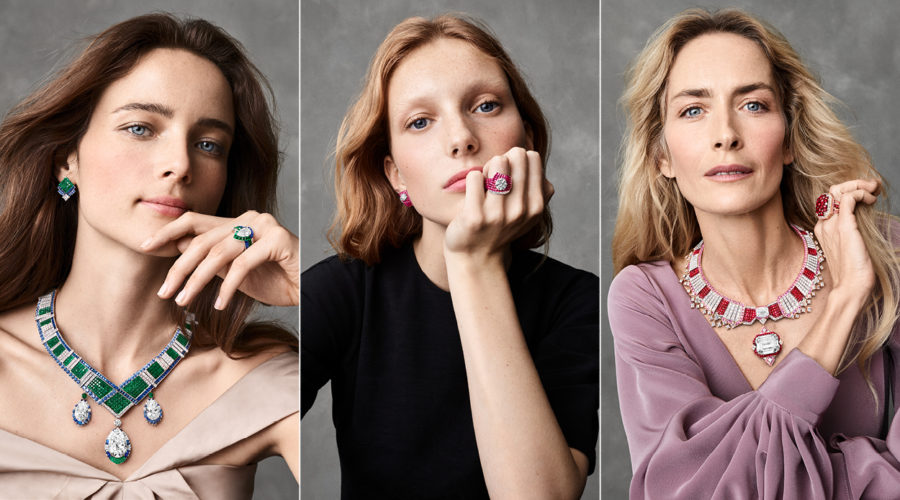
In his first visit to New Zealand, CEO and Creative Director of Van Cleef & Arpels, Nicolas Bos, spoke to us about his role in the evolution of such an iconic Maison, and what we can expect to see more of in the brand’s recently-opened New Zealand flagship.
CEO and Creative Director of Van Cleef & Arpels, Nicolas Bos.
As both CEO and Creative Director of Van Cleef & Arpels, how do you balance the demands of these different roles in your work? Well they are actually very connected. Historically, when you look at something like Van Cleef & Arpels, which started as a family run company, family members and founders have always had to manage a similar balance — the business with the creative. Companies that were only creative but with no sense of business don’t exist anymore. Similarly, the ones that were only business-driven but didn’t bring any creativity lost their appeal. I have more of a business background, but I started at Van Cleef & Arpels in a creative role so I can switch easily between the two. The idea of understanding both sides is something I try to maintain with the wider Van Cleef & Arpels team — so making sure that the designers in the studio know how the company is run from a practical perspective. And in the same way, ensuring that those in the office go to the workshops and meet the experts and see the jewellery as it is being made, so that everyone understands the vision. I feel very lucky to have the opportunity to do both, from the creative to the financial, to oversee it all.
Where do you start when creating a new collection? Tell me about your creative process. The first thing that’s very important for us is continuity and staying true to our identity. It’s not a matter of starting with a blank page and creating something that feels different every time. The collections are usually inspired by the Van Cleef & Arpels archive or from past designers or from the long history of the Maison. My role is to decide on the themes and inspirations, but it never comes from just one place. Often, we look at creating collections as though they were a curated exhibition, designed to a theme or an idea (usually from the arts or literature) that speaks to the essence of Van Cleef & Arpels. And while we might explore different ideas, even when we do something entirely new (like when we introduced our poetic watches) all of our collections are deeply connected to the same values and history.
“We look at creating collections as though they were a curated exhibition, designed to a theme or an idea (usually from the arts or literature) that speaks to the essence of Van Cleef & Arpels.”
Tell me about the incredible Legends of Diamonds collection. Was the creative process different considering the starting point was an incredible rough diamond rather than an idea or theme? We have done a series of collections in the past that were based on stones like rubies or emeralds, designed to showcase the diversity in origin, shape and colour of these stones. But diamonds are different because the highest quality demands that you can’t see any differences at all. We had been looking for an excuse to do a collection around white diamonds for a while, so when the diamond dealers told us about the exceptional rough that was mined in Lesotho, South Africa, they actually said that they wanted us to tell a story about it. And because we acquired the diamond in its original form, it was the first time we had the opportunity to create our stones from scratch, which was very different. There was an infinity of possibilities for carving up the rough, and we had experts in Antwerp help us come up with the most spectacular cuts. For us, the point was not only to show the most expensive or the most rare cuts, or to even create the biggest stones, but to forge elegant jewellery that felt connected to the poetic, romantic history of Van Cleef & Arpels. Working from the rough also brought us closer to the source which, as ideas of traceability and sustainability continue to become more and more important, will inevitably change the way we work in the future.
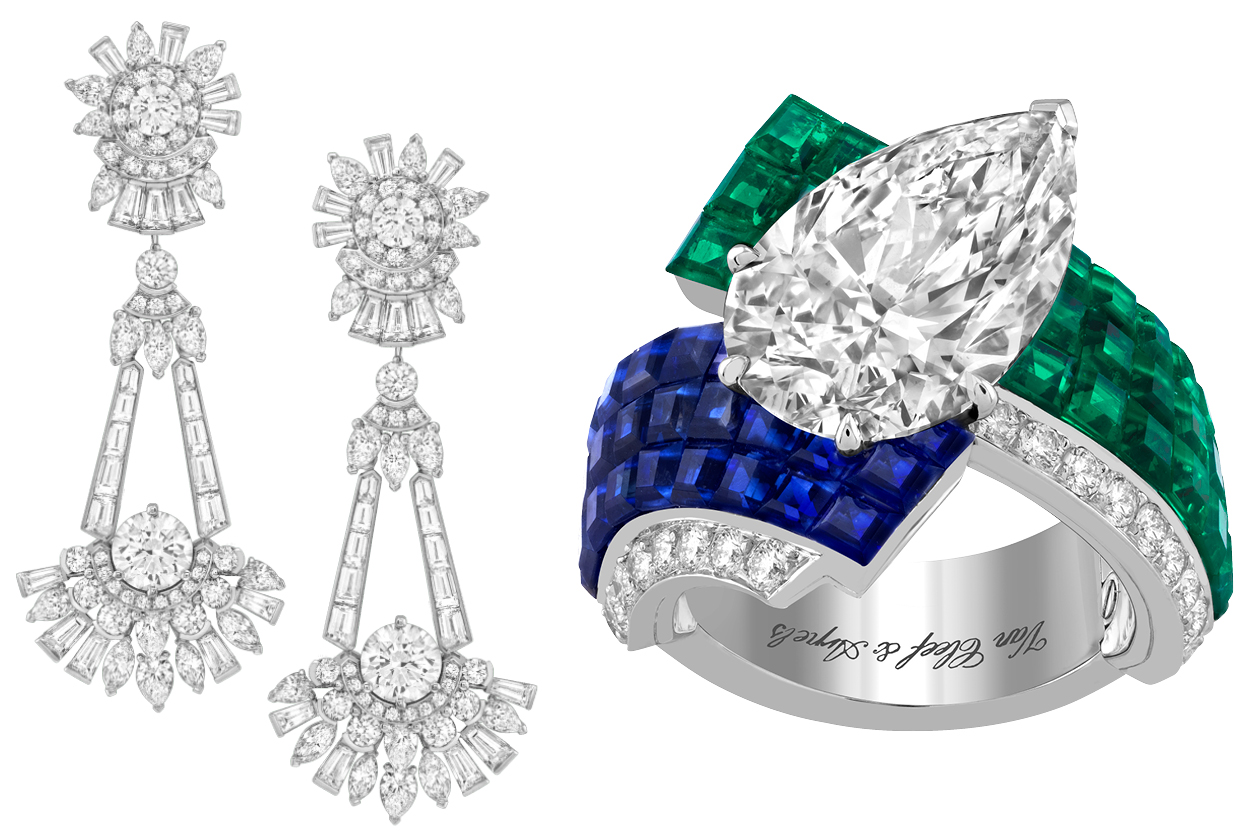
Left: Van Cleef & Arpels Diamond chandelier earrings, which can be transformed into a clip. Right: Van Cleef & Arpels Écho Mystérieux ring.
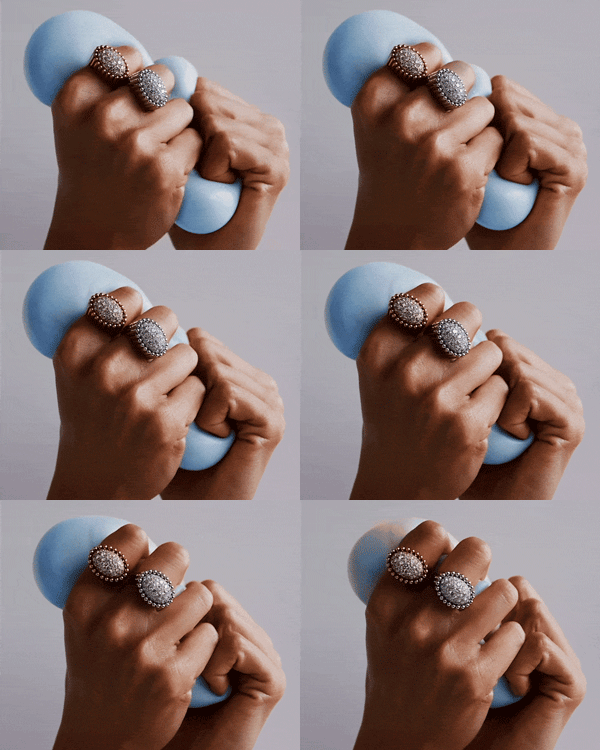
Speaking of the future, what is coming up for Van Cleef & Arpels? Particularly now you have opened your first store in New Zealand. We have a few beautiful new collections we’re making right now at different stages, both in high jewellery and essential pieces. For us, collections like Alhambra or Perlée that are more associated with everyday wear but still bring an element of preciousness are important for us to keep developing. We’re also starting to work on exceptional mechanical objects automata which is an expansion of our poetic complications but on a larger scale. It takes around five or six years to create just one of these pieces but they are very nice (we just unveiled three in April in Geneva). It’s also exciting to revive traditional craftsmanship like that.
Beyond that, we’re just focusing on our new markets like New Zealand, as well as growing our work in the wider fields of art and culture. We run a number of educational programmes for young designers in craftsmanship and decorative arts via a luxury arts initiative we developed 10 years ago at the school we started in Paris. We also have a lot of collaborative projects in the world of dance and choreography.
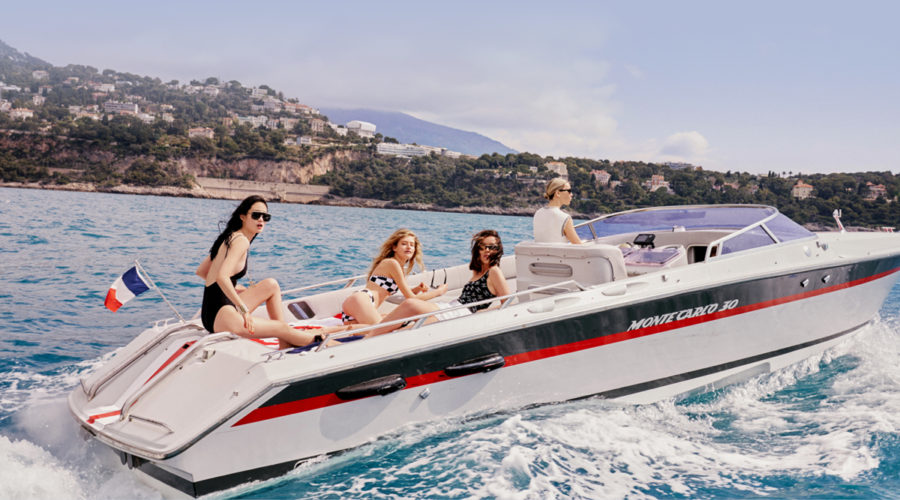
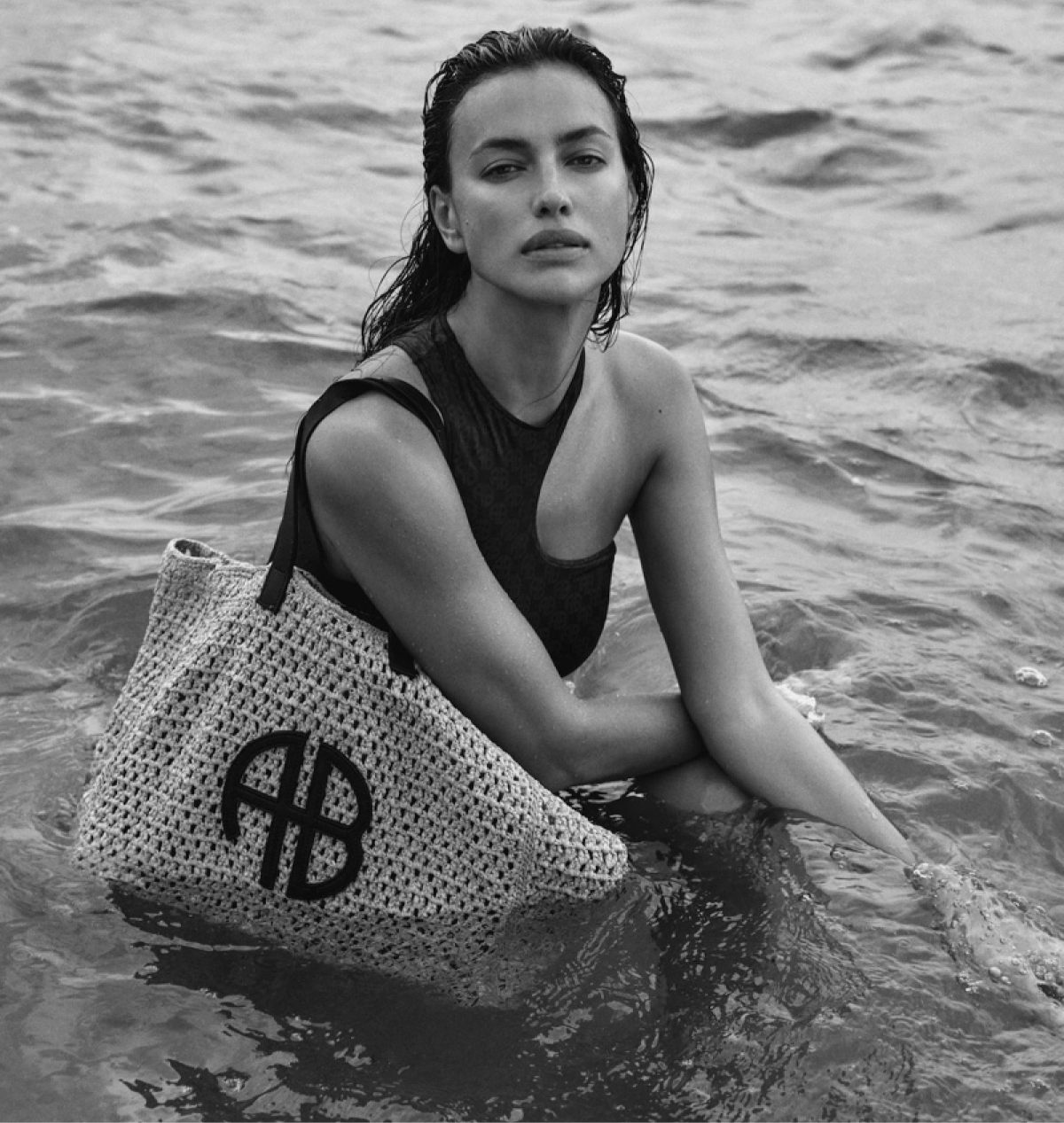
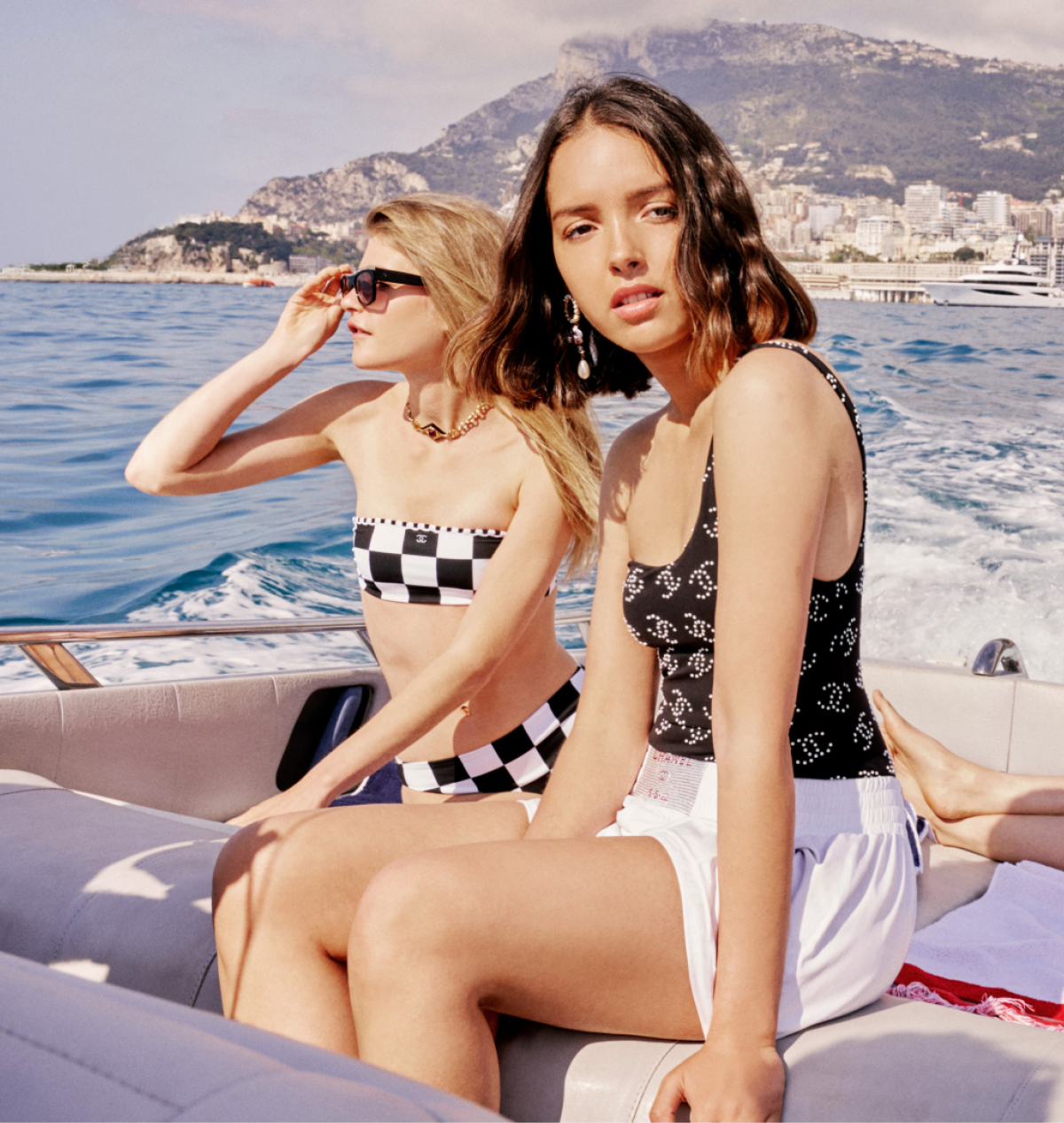
Despite this mixed weather, there is still plenty of time left this summer for long, languid afternoons spent on or near the water, which means that (I you haven’t already) now is the best time to ensure you have all the right beach essentials on hand to make any seafaring outing a style triumph.
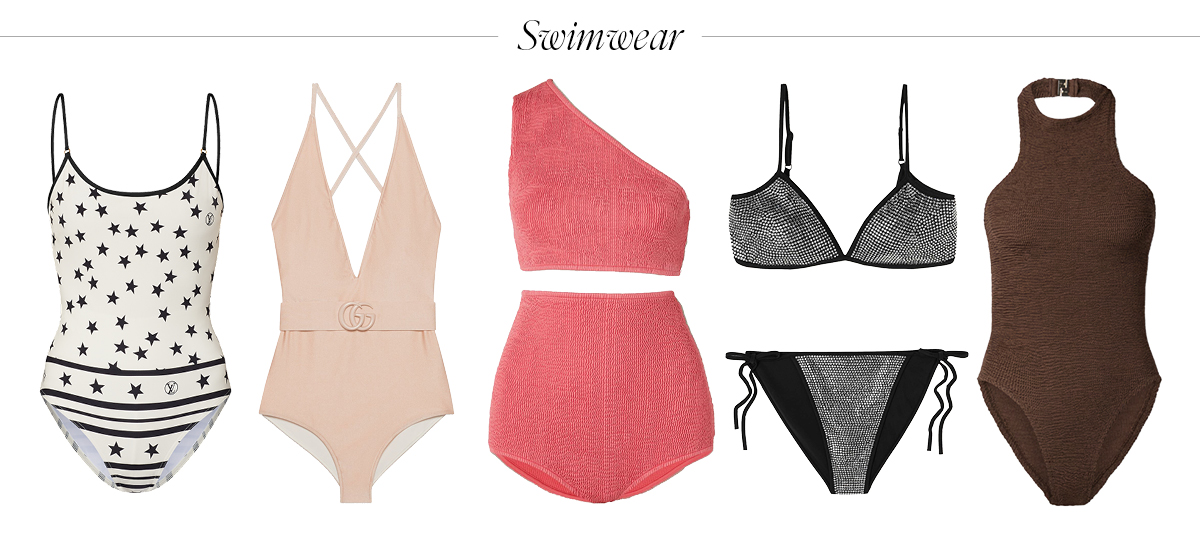
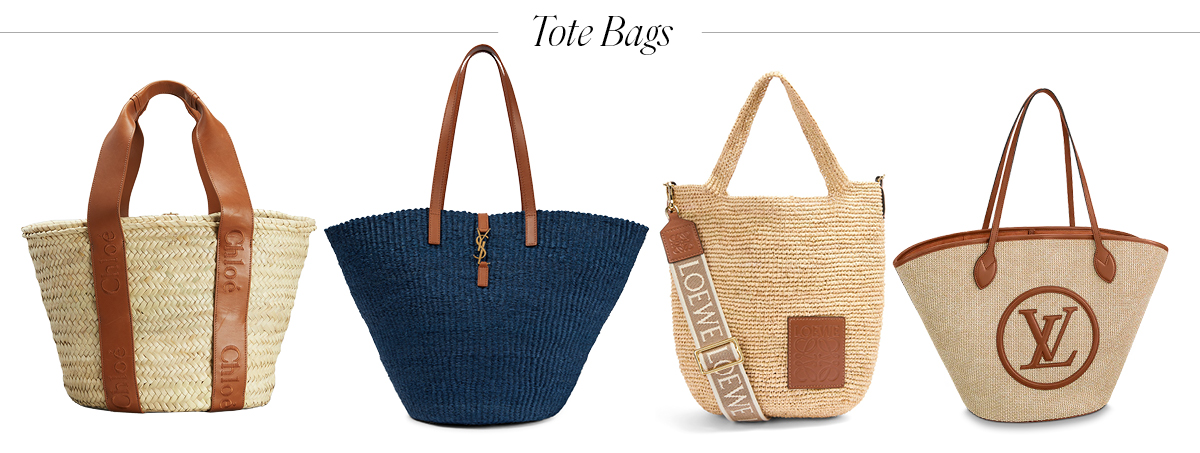
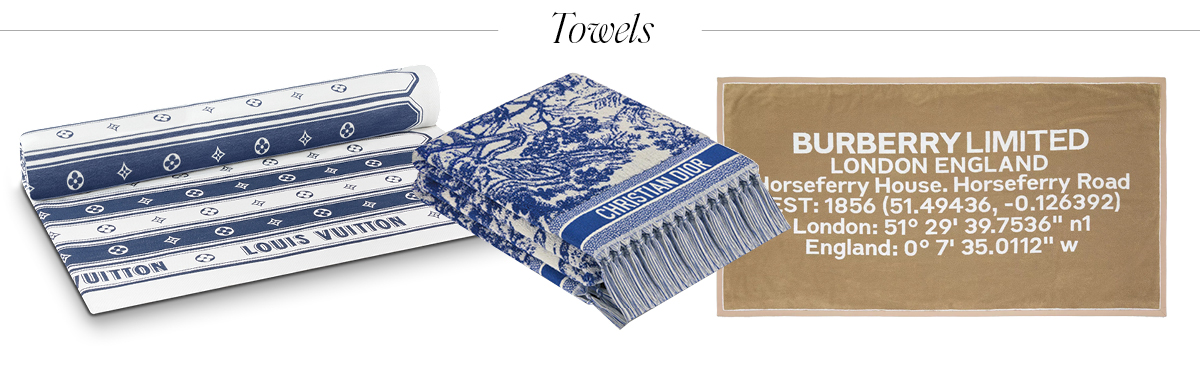
Those seeking some sleek swimwear (whether a bikini or a one-piece) look no further than our covetable line-up of flattering styles and designer pieces. Or, if it’s a practical tote bag you’re after — something in which to transport all the key accoutrements for a successful day of lounging in the sun — we have you covered. These bags are as useful for a day by the water as they are for everyday necessities. We have even rounded up a selection of chic towels that will not only offer a comfortable place to sprawl, but can be used as a wrap or sarong (given you opt for one with the right print). Without further ado, these are the beach essentials will see any avid sun-seeker through the warm season in style.
From left: Summer Stardust swimsuit from Louis Vuitton. Sparkling jersey swimsuit from Gucci. Bottega VenetaOne-shoulder seersucker bikini from Net-a-porter. Minimal Bikini set from Balenciaga. HUNZA G seersucker halterneck swimsuit from Net-a-porter.
From left: Chloésense basket bag from Workshop. Panier Souple tote bag from Mytheresa. LoeweMini Slit bag from Faradays. Saint jacques bag from Louis vuitton.
Chanel cruise 23
From left: Summer Stardust blanket from Louis Vuitton. TOILE DE JOUY SAUVAGE towel from Christian Dior. Location Cotton Jacquard Towel from Burberry.
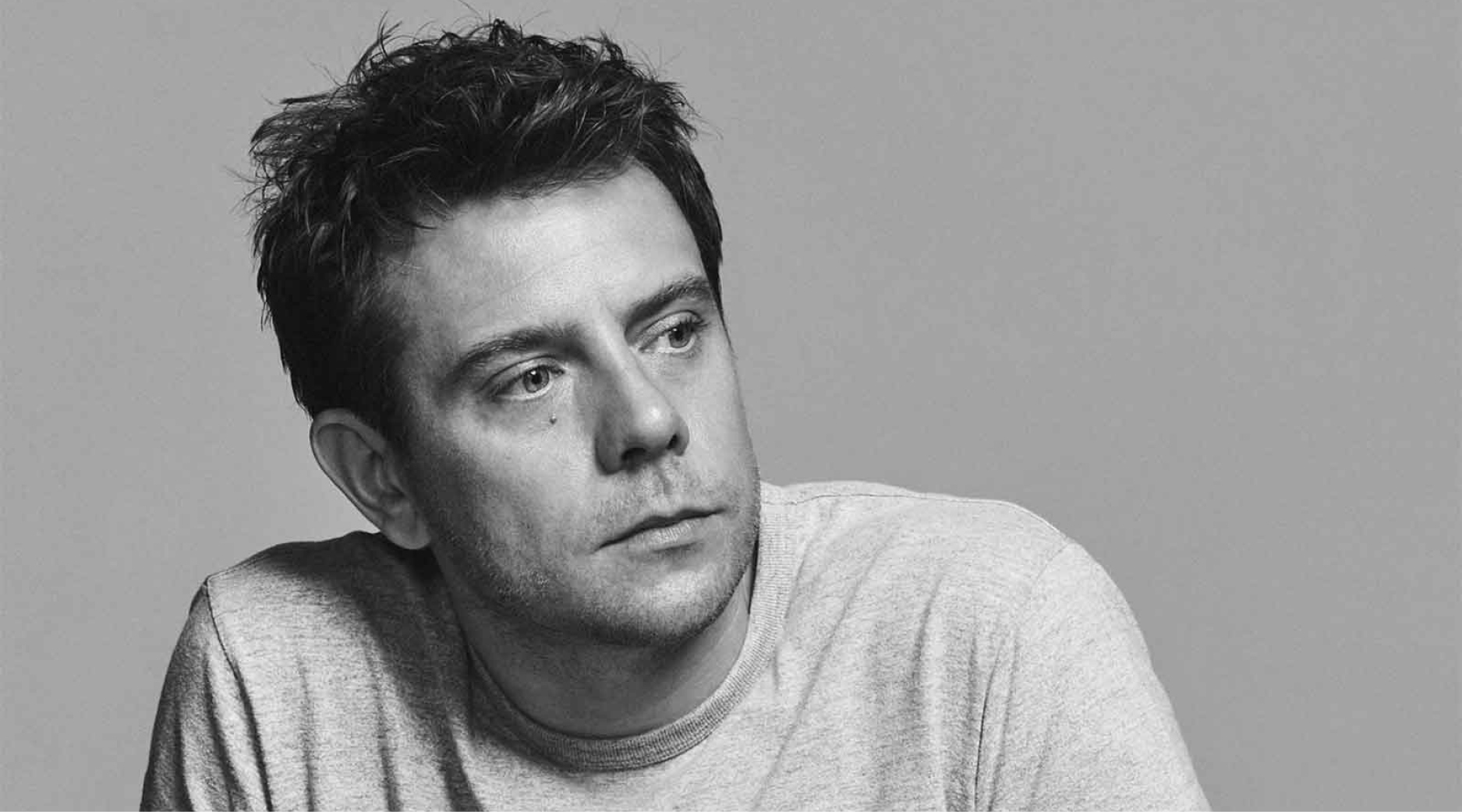
Initially regarded as an ‘outsider’ (by fashion-industry standards), designer Jonathan Anderson is something of an anomaly in his field. But it’s exactly this thinking that has ignited the visibility of Loewe under his creative leadership. Through his thought-provoking, artistic and creatively-layered collections, Anderson demonstrates an uncanny ability to effortlessly tap into the mood of the moment, with prominent fashion commentators exalting him as a designer at the height of his powers. In fact, where Anderson really shines is in the way that he can speak to the prevailing culture while still creating objectively beautiful but unexpected clothes. Clothes that feel urgent, exciting and memorable. That he can engage with ideas like surrealism while still ensuring his collections never feel overtly cartoonish or gratuitous is a testament to his particular perspective — but to understand that, we have to go back to the beginning.
Jonathan William Anderson was born into a middle-class family in Northern Ireland, his father a professional rugby player, his mother an English teacher. With his parents supportive of him finding a career he loved, Anderson spent time pursuing acting in America before returning home and eventually taking up a sales job in the men’s section of Dublin department store, Brown Thomas. It was this seemingly innocuous role that sparked in the young creative a passion for design, as he realised the visceral effect that something as simple as wearing a good suit could have on how he felt about himself. And, having sent his (sparse) portfolio to a raft of respected fashion colleges — including Central Saint Martins — he eventually found himself in a pilot course for menswear at the London College of Fashion. It wasn’t exactly what he expected. “I don’t think I learned anything there,” Anderson told The Cut earlier this year about his time at LCF. “I think I learned how to make a shirt.”
loewefall/winter 22
At the time (the early noughties), menswear was so insignificant that it didn’t even have its own place on the global fashion week circuit, and in the industry at large, those who had found success were generally womenswear designers and Central Saint Martins alumni like John Galliano and Alexander McQueen. For Anderson, this sense of being an outsider materialised as a determination to succeed in the face of a system that wasn’t inherently designed to support him in that pursuit — and while it didn’t earn him many friends initially, it certainly laid the foundations for his future.
In many ways, Anderson was an early proponent of the modern ‘Creative Director’ as we understand it today. Not a designer who cuts and drapes, or produces patterns, or stitches with his own hand; Anderson has always been driven by concepts, mining unique ideas from his passion for culture and craftsmanship and presenting them to his design team or his longtime collaborator Benjamin Bruno in raw, esoteric form. In 2008, Anderson launched J.W. Anderson with a collection of androgynous menswear — think sheer shorts, billowing shirts and large chunky necklaces — that transcended gender norms in a way that had never been done before. (Despite being dismissed by the industry at the time, it is now considered a pioneering collection.) A few years later, he added womenswear to his eponymous brand’s offering, and a few years after that, in 2013 (off the back of a high-profile collaboration with Topshop), LVMH bought a stake in the company and named Anderson the Creative Director of its floundering heritage label, Loewe — the designer was then only 29 years old.
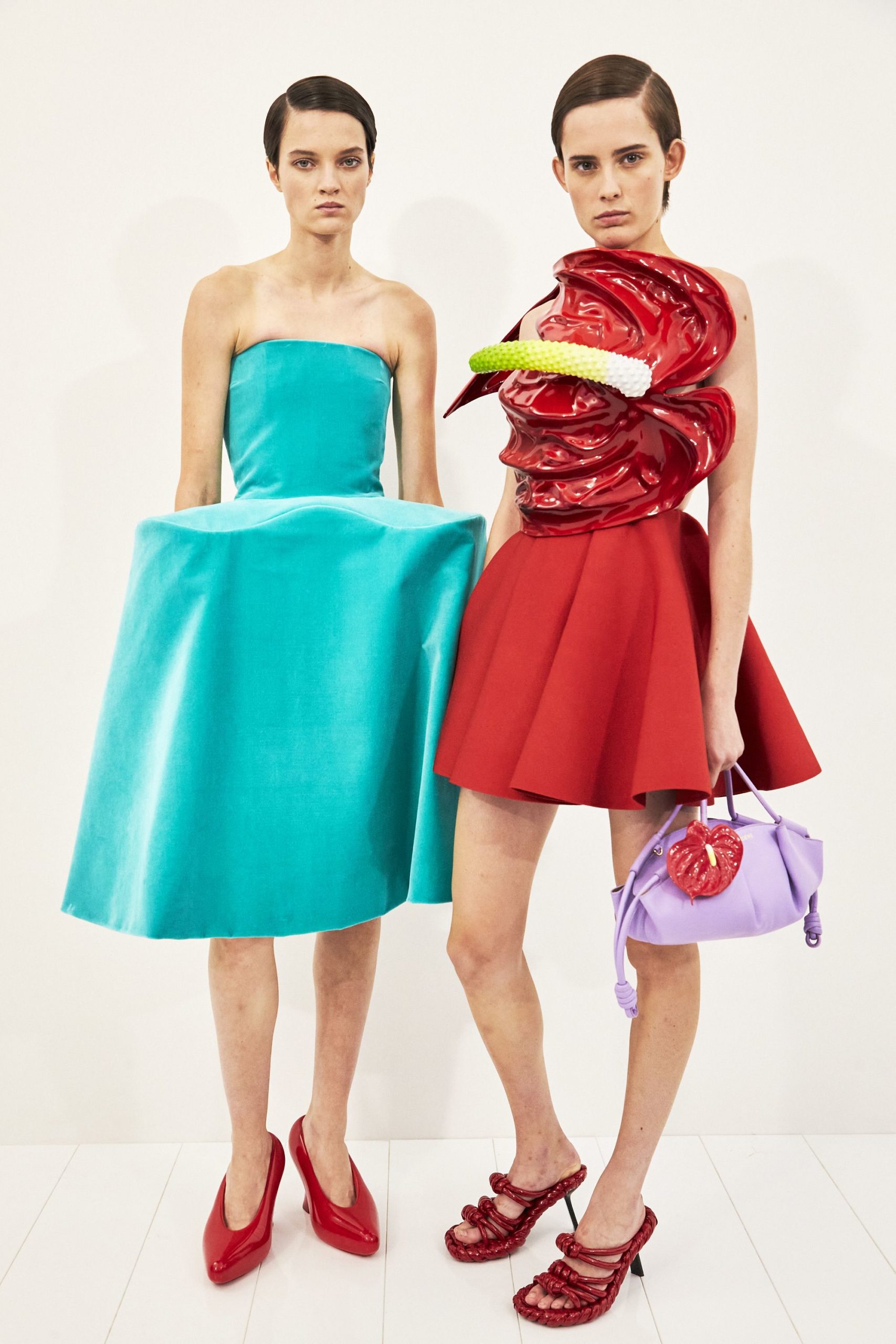
loewespring 23
Now, after nearly a decade at Loewe, Anderson has not only revived the historic Spanish house but has made it one of the most fascinating brands in fashion today. The collections coming out of Loewe possess, as Nancy Hass wrote for The New York Times in 2019, “both a couture level of craftsmanship and a distinctively raw, handmade energy,” and each has propelled the brand’s growth significantly — as much in cultural influence as in commercial prowess. It now brings in around a billion dollars of sales globally, per year.
In transforming what was largely considered a ‘dormant vessel’ into a name that remains perpetually at the forefront of one of the world’s most fickle industries, Anderson has grappled with the tradition of heritage-based craftsmanship to unite art and design and champion creativity. His approach with Loewe has been almost reductive, built on returning to basic elements which, in the context of fashion, has manifested as an obsession with craft. It is this focus on textiles, construction, innovative production methods and the marriage of handmade details with forward-looking ideas that has set Loewe very much apart from its rivals, and has made each of Anderson’s collections for the house so genuinely interesting. As he said recently to The Cut, “sometimes fashion is not about selling: it’s about introducing ideas.”
Loewe spring 23
That said, Anderson’s competitive nature and broad perspective has afforded him (even at his young age) an understanding of how to achieve longevity in this business — a skill that some of the most lauded fashion designers still struggle to master. “No designer today can be completely detached from the realities of business,” Anderson said to The New York Times a few years ago. “It’s about surviving, or staying around long enough to say all the things you want to say.”
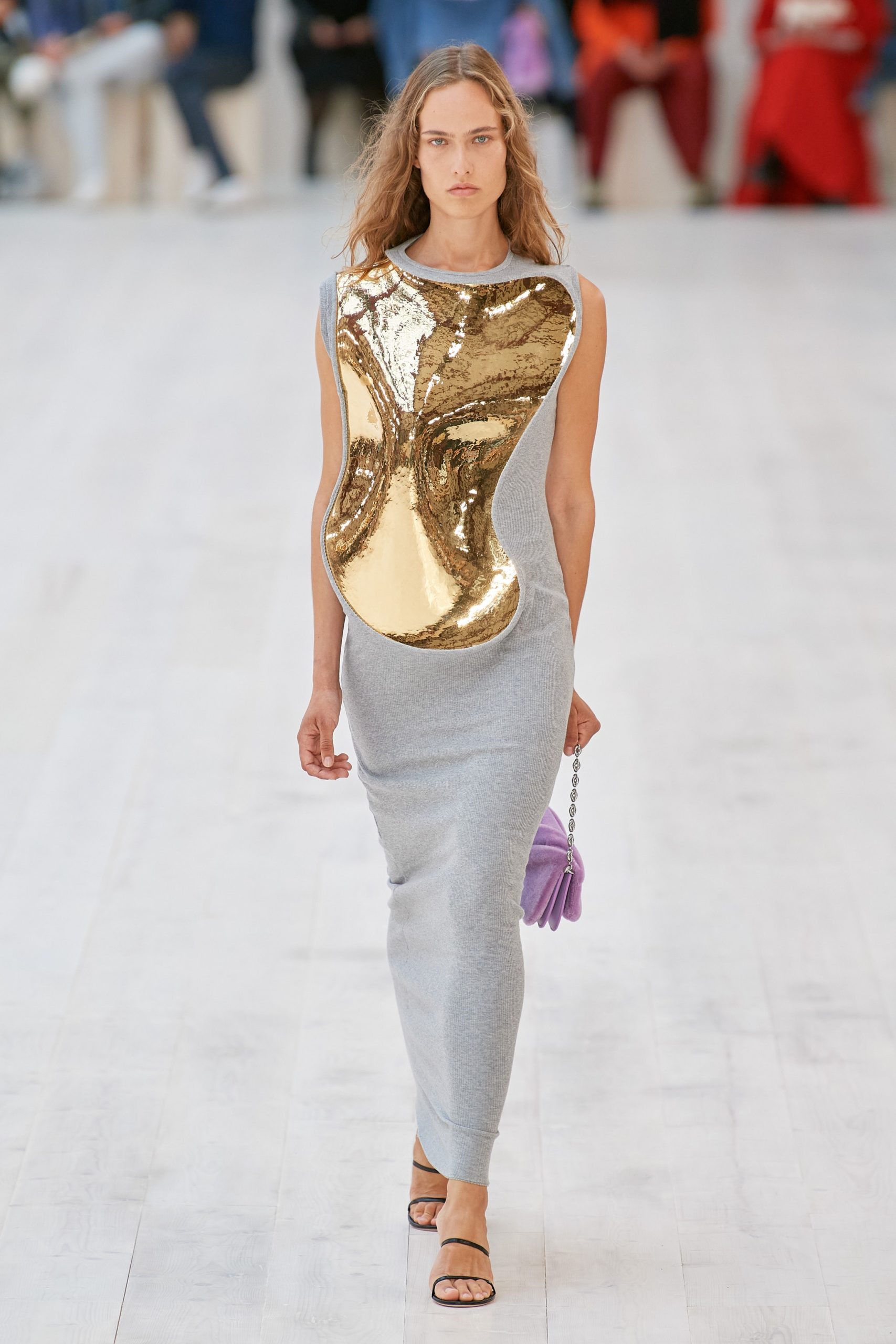
So what is Anderson trying to say now? Anyone who saw Loewe’s groundbreaking Spring 2022 runway show will have noted an unmistakable shift in the designer’s approach. A move propelled by a desire to do things differently after Covid, Anderson created a collection inspired by surrealism in which a new focus on the body saw breastplates wrought in metal, exaggerated silhouettes and leather moulded to look like silk. And who could have missed the high heels fashioned after nail polish, broken eggs, birthday candles and short-stemmed roses? It was artistic and impactful and brazen — like funhouse mirror reflections given three-dimensional form — and something that commentators like Suzy Menkes called “a shockwave of body shapes not seen since Comme des Garçons made fashion history 25 years ago,” and Vogue’s Sarah Mower called a “massive creative change,” praising Anderson for echoing our surreal times on the runway. Miles Socha wrote for WWD that watching the show felt “akin to strolling through a contemporary art fair — your eyes and brain tickled with new forms, concepts and compositions,” while Anderson himself said, “I feel like the idea of doing a show now is… a surrealist act,” going on to clarify that “now is a moment to try to chart new territory of where we can go, how craft can be reinterpreted.”
loewespring 22
loewespring 22
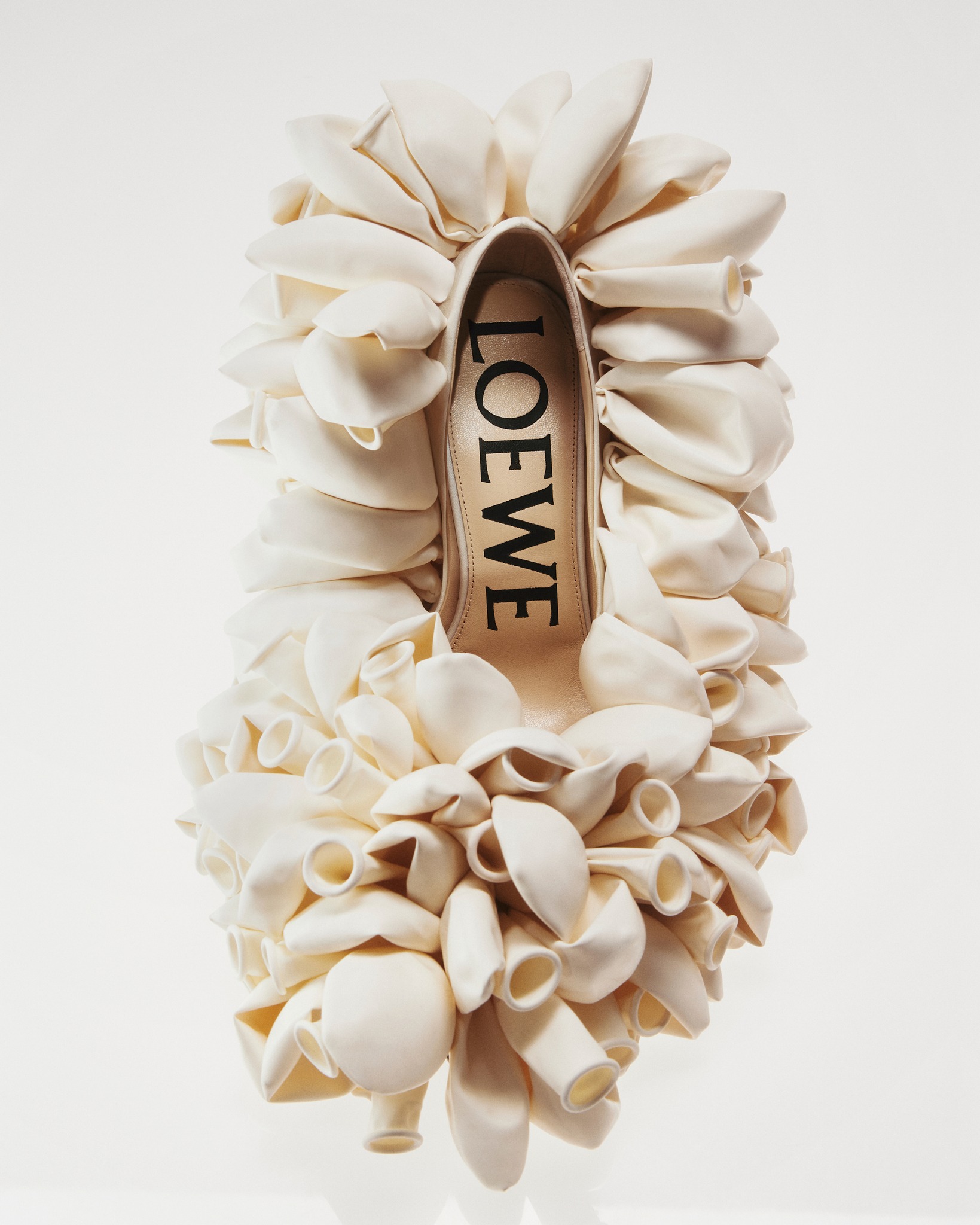
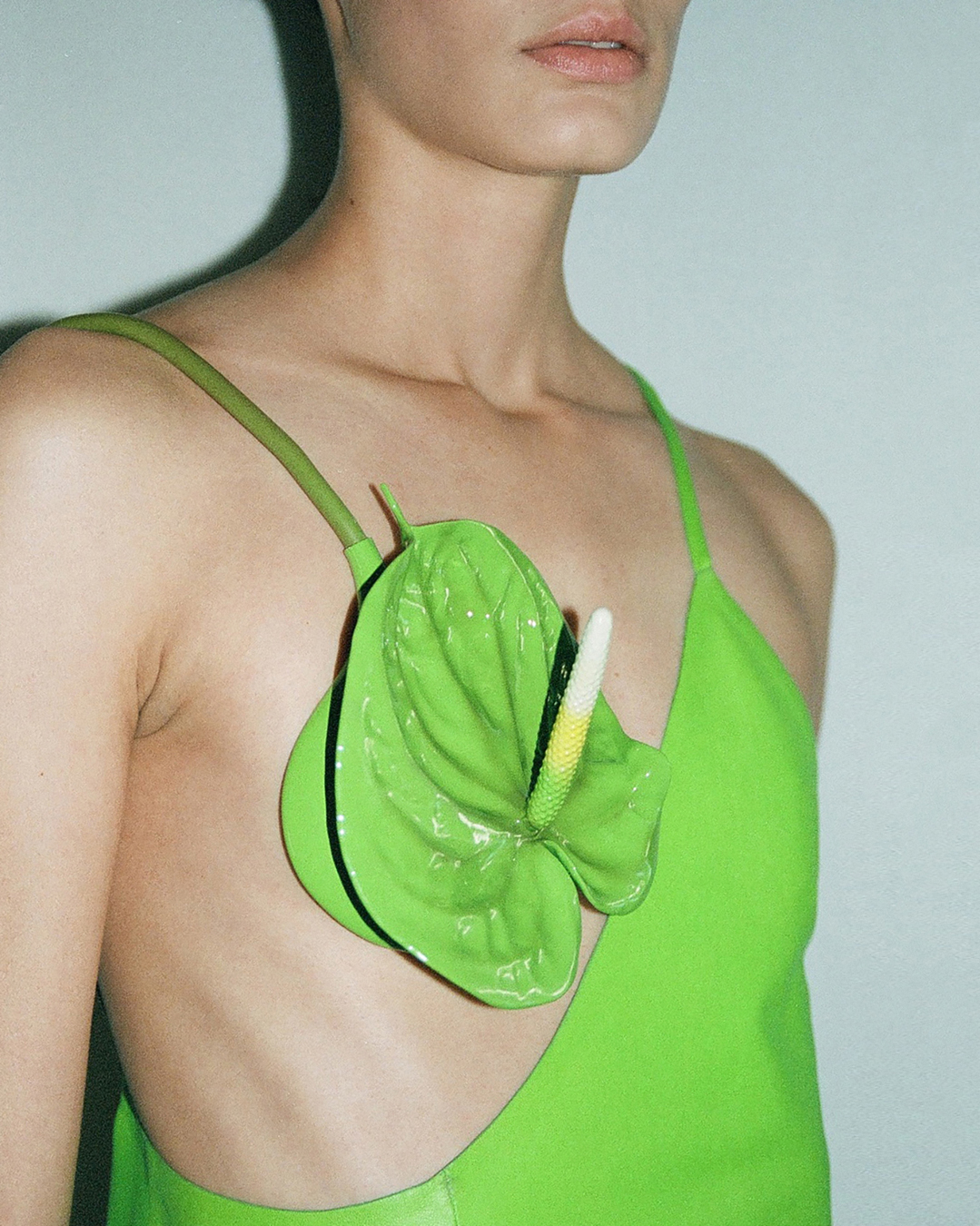
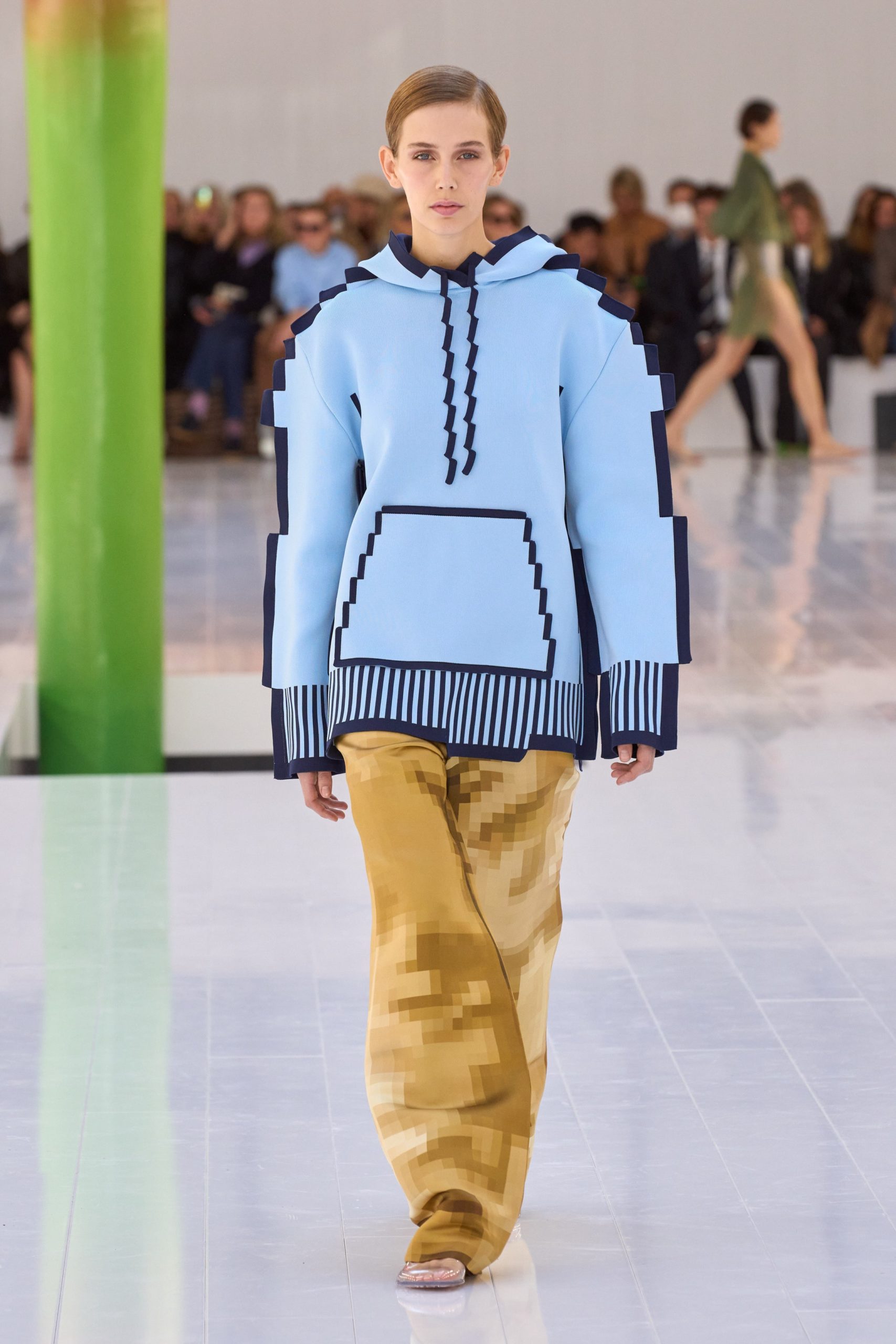
These ideas were also present in his recent unveiling of Loewe’s Spring 2023 collection in Paris, in which the designer delved into the concept of artifice, tackling the dichotomy of ‘real’ and ‘fake’ to comment on our inability to discern what is counterfeit anymore (and asking whether that actually matters). The runway was staged around a huge anthurium sculpture — with the same floral motif running through the collection as sculptural bodices and head-turning heels. It was a continuation of the surrealist story that Anderson started in Spring 2022, and an evolution of the themes that were keeping those in the fashion world so captivated. Balloon detailing, for instance, prominent in Loewe’s Fall 2022 collection was referenced here as shoes fashioned from bunches of deflated balloons. Similarly, the focus on female form continued via uber-mini dresses, modern pannier silhouettes and striking metal corsetry. Part of what makes Anderson’s recent work so compelling is the way in which he remains in constant conversation with himself — indicative of his thoughtful, meticulous approach and refusal to let his designs ebb and flow with the tides of prevailing trends. And while there is an undeniable beauty to his creations, there is also something sinister that underlies them — be it a comment on the dangers of the virtual world or a note on climate change. Here, bold ideas are presented with bluntness, designed to shock the onlooker, instigate a paradigm shift and deliver the kind of intrigue and relevance that luxury fashion can sometimes lack. As Anderson himself has said of his collections, “there always has to be something for me that is slightly knife-edge… an uncomfortableness.”
loewe spring 23
loewe spring 23
Indeed, there is a provocation and analytic intelligence to Anderson’s work, both at his eponymous label (J.W. Anderson) and at Loewe, that connects his clothes to something more significant than fashion alone. Even if you don’t buy into his surrealist vision, you cannot deny the important conversations his collections are inciting within the industry and beyond.
In a world where the idea of luxury has generally been whittled down to simple cuts in sumptuous fabrics and a focus on transeasonal, versatile pieces (blame the pandemic), there is something exciting and daring about a designer who continues to push boundaries — like the fashion vanguards of old. And from Loewe’s continuing success, the market clearly agrees. Writing for Harper’s Bazaar earlier this year, Rachel Tashjian said, “whether you like what Jonathan Anderson is doing at Loewe or not, it’s probably the most important thing happening in luxury fashion right now.”
Designing interior spaces for large-scale projects like luxury hotels is a fine art. It requires a meticulous eye and a practical mind, and demands that those who take on the challenge are as creative as they are adept at problem-solving — a rare combination. As such, the designers working in this space are masters of their craft, able to take sprawling plans on paper and mould them into private and shared spaces that will suit a high volume of guests, while still feeling comfortable, inviting and sumptuous. Like we said — a fine art.
So when we encountered the work of Yvette Adams, a New Zealand interior architect responsible for the design of some of the most exquisite, luxury hotels around the world (and happily flying under the radar in the process) we had to know more.
Yvette Adams
For more than 20 years, Yvette Adams has cultivated an international career that has seen her take on a raft of impressive projects. From designing interiors for world-renowned Aman resorts in Tokyo, Kyoto, Shanghai, Cambodia and Jordan as well as for the Sheraton in Calcutta and The Chedi in Chiang Mai, to conceiving luxury spas at the likes of Claridges in London and Dedica Hotels globally, to being hired by Anne Bass (one of the world’s wealthiest women, a prolific philanthropist and art collector with a passion for architecture and gardens — she sadly passed away in 2020) to design private homes and businesses in Sri Lanka, the United States and the Caribbean, Adams’ experience has been vast, and has enabled her to cultivate a uniquely international perspective. The spaces she creates are simple but sophisticated and perfectly-appointed, balancing clean, contemporary lines with luxurious finishes and careful, fastidious details. Some would call her work ‘essential,’ Adams herself calls it ‘restrained,’ but I hazard a guess that anyone who experiences it in person would call it ‘perfection’.
“The spaces she creates are simple but sophisticated and perfectly-appointed, balancing clean, contemporary lines with luxurious finishes and careful,fastidious details.”
It is a testament to Adams’ skill that she can breathe life into blueprints — masking complex spaces with simple, elegant façades — but a testament to her personally that she would rather let her work speak for itself. Having operated at such a high level for so many years, it is surprising that Adams isn’t a more widely-known designer in New Zealand, although I get the impression that keeping things quietly excellent is as much Adams’ personal brand as it is her professional one.
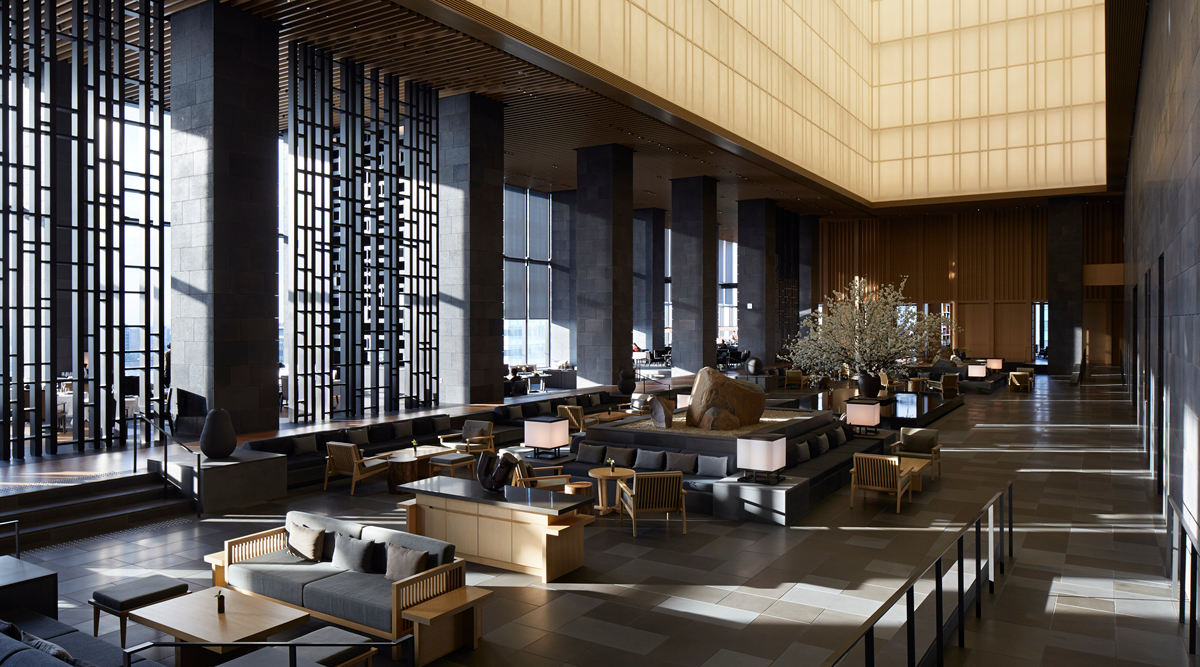
Aman Tokyo Lobby
“I wouldn’t say that I have a style per se, because I don’t come at everything in the same way,” the designer tells me. “I also don’t feel the need to leave a distinct mark… I just like to get under the skin of something,” she continues, “to bring it to life in a way that feels authentic and inevitable… and in a way that doesn’t feel too ‘designed.’”
For Adams, balancing the analytical with the creative was something she learned when working as an architect early on in her career, but something she honed in her 14-year tenure at Kerry Hill Architects in Singapore (a role that saw her cut her teeth on major projects like the Aman Tokyo).I have to wonder how, exactly, one approaches a project of that budget and scale. How, I ask, armed with nothing more than an empty site, some one-dimensional plans and a rough concept, does Adams go about carving out such precise interior spaces? “I worked on that project [Aman Tokyo] for seven years,” she tells me, “we were involved very early on when the building was in its earliest phase and were able to help determine the building’s structure to suit its purpose. The footprint of the guest room was established at the beginning rather than being squeezed into a predetermined space. That is what I enjoy, the push and pull process between architecture and interiors.”
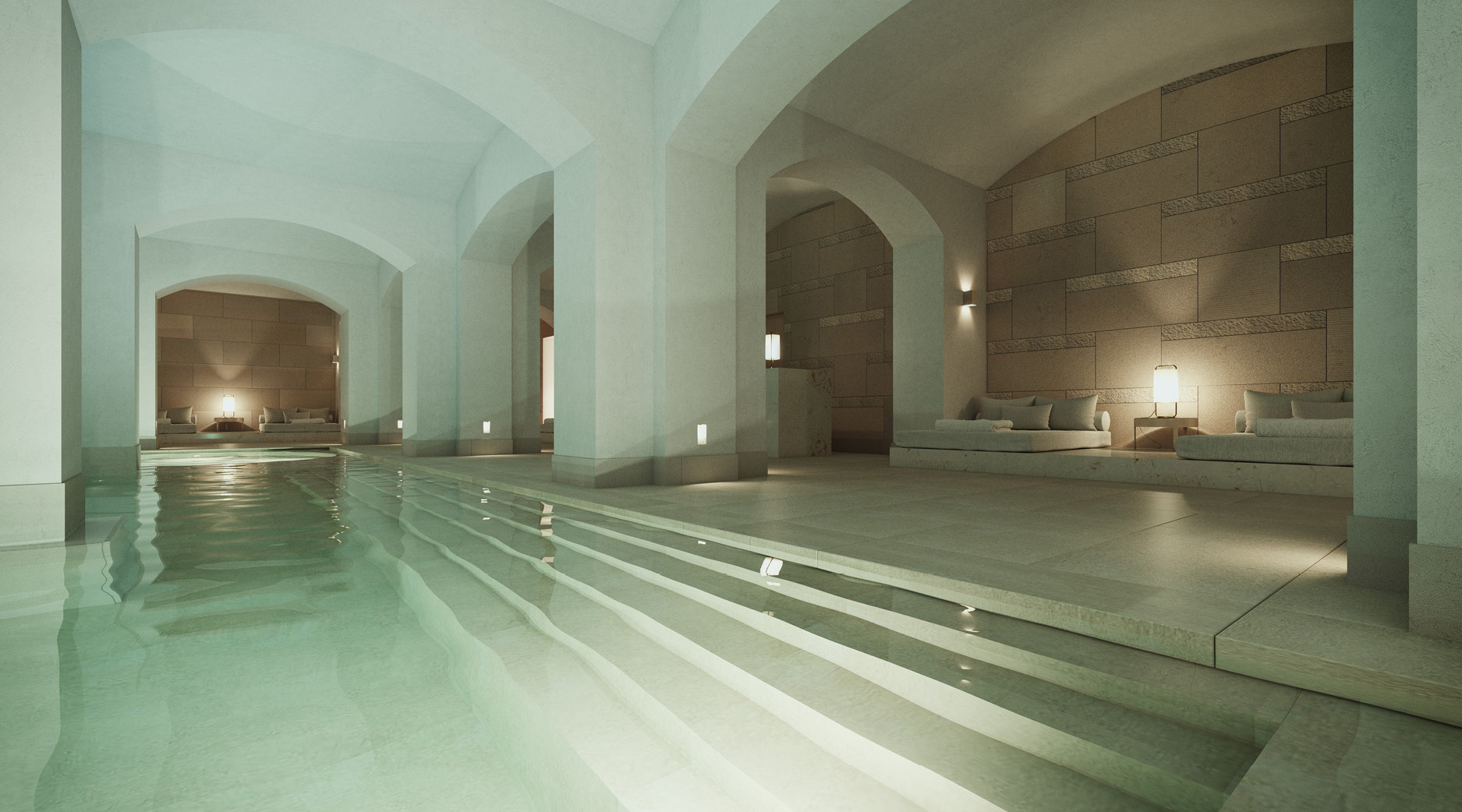
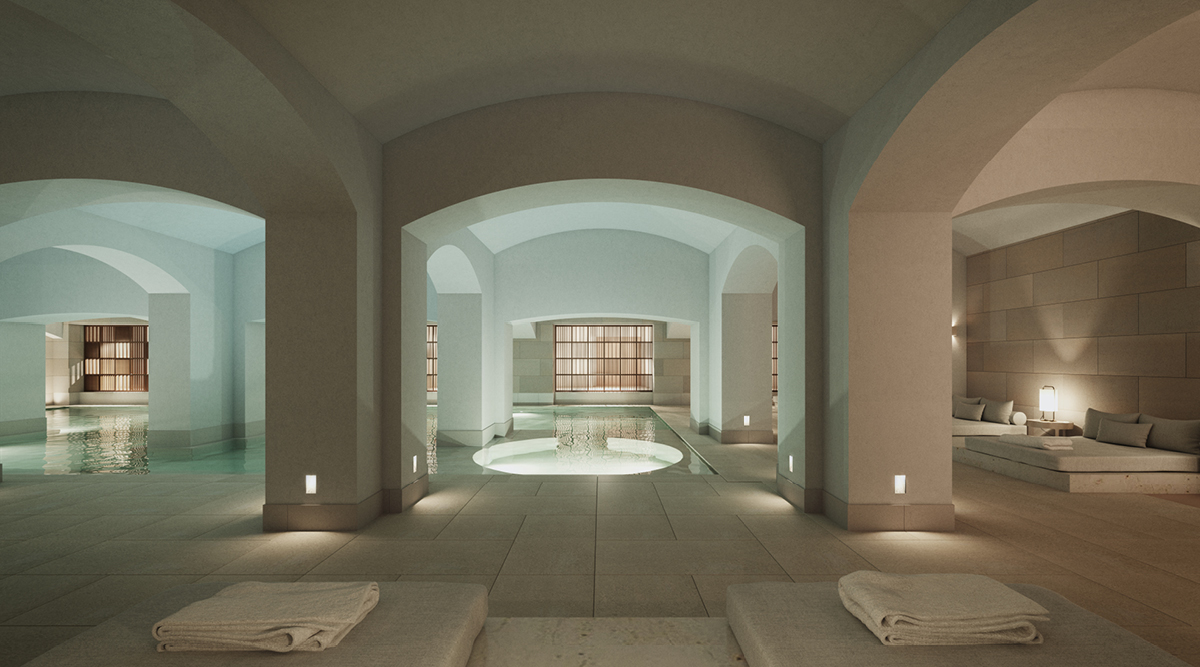
Prague Spa
The result is spectacular. Offering a calm, sanctuary-like escape in the heart of Tokyo’s bustling metropolis, Aman Tokyo comprises 84 luxury suites across the top six floors of the Otemachi Tower overlooking the Imperial Palace. Aesthetically, its sense of place is clear, with a strong Japanese influence woven through a minimalistic material palette and purposeful, pared-back spaces filled with everything a guest might need (and nothing more).
According to Adams, success in working with hotels always comes back to the plans. “I refer to the plans constantly,” Adams tells me, “I get a bit obsessed with them, they’re like a puzzle to me.” From there, she explains, she likes to imagine how a space will work according to the behaviour of those who occupy it, a process that strikes me as inherently anthropological — as much a study of people as it is of dimension and form. “I think about how people would mingle and separate themselves within a space,” Adams explains, “where they might want privacy or, on the other hand, where they might want to socialise… and how to make them feel as comfortable as possible in those pursuits.”
Comfort, Adams says, is always front of mind. “I never want anyone to walk into a lobby and not feel happy. There is nothing worse, after a long journey, to have to stand in a line of people to check in. The combination of design and hotel operations is crucial,” she continues, “there is also nothing worse than an uncomfortable chair… what’s the point?” As such, in many of the hotels she designs, Adams will create bespoke furniture to fit the requirements of the spaces as well as engaging local artisans to create details that anchor the design in its location. It’s a similar story in residential projects (all of the furniture in the sprawling private home she is still currently finishing in the Caribbean is bespoke), although she will also often consider pieces from brands that are comfortable and timeless (think the likes of Flexform or Vincent Van Duysen for Molteni&C). “I think we’re moving away from the uber-designed Italian vibe,” Adams tells me, “and there are just so many beautiful options out there at the moment.” She continues, “I love everything from Cassina… in fact I have the Cab chairs in my own home, I just don’t see how you could have a better chair.”
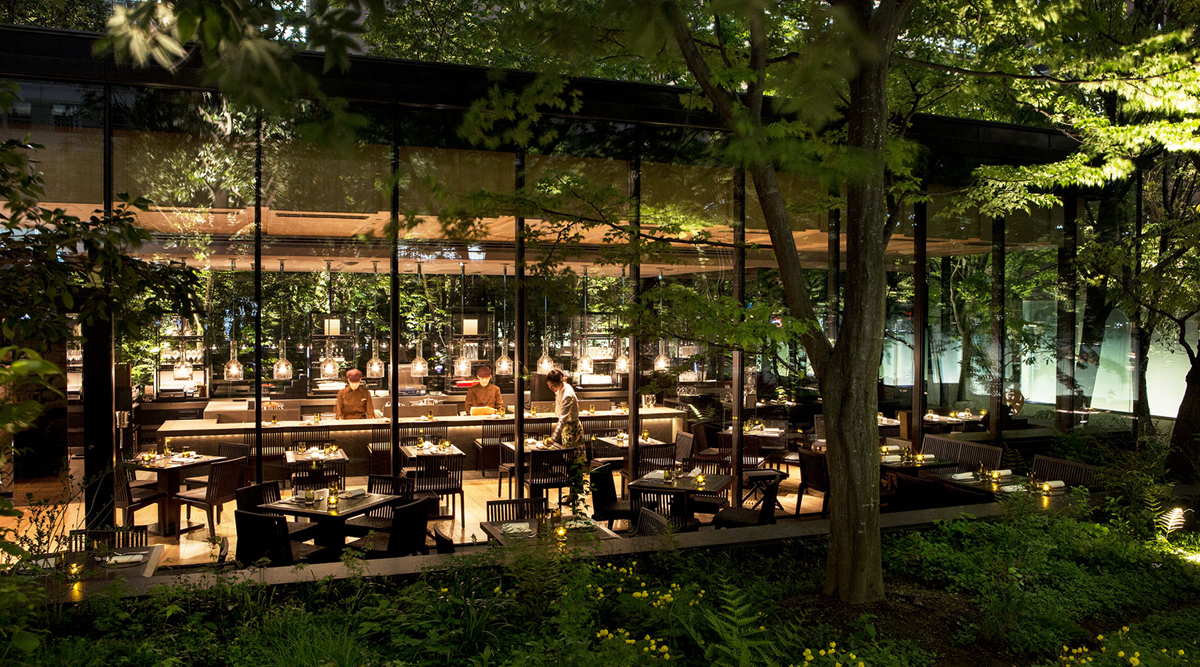
Cafe by Aman Tokyo
Adams’ ability to operate on both a macro and micro level, is what I find most fascinating about the way she works. That her scope of consideration goes from designing individual chairs to the look and feel of huge shared spaces, offers insight into her uniquely creative mind. Although for her, it’s all part of the process. “On the one hand you really have to have that big vision befitting of a multi-million dollar project,” Adams explains, “but you also have to be able to pull it right back to the idea of a ‘bricks-and-mortar’ space, the bare bones, the basics… and then continuously think about both sides of that coin at once.” She continues, “a hotel is a bit like a house, there still needs to be that underlying theme and strong narrative to tie everything together, it’s just on a different scale.”
“For Adams, balancing the analytical with the creative was something she learned when working as an architect early on in her career, but something she honed in her 14-year tenure at Kerry Hill Architects in Singapore.”
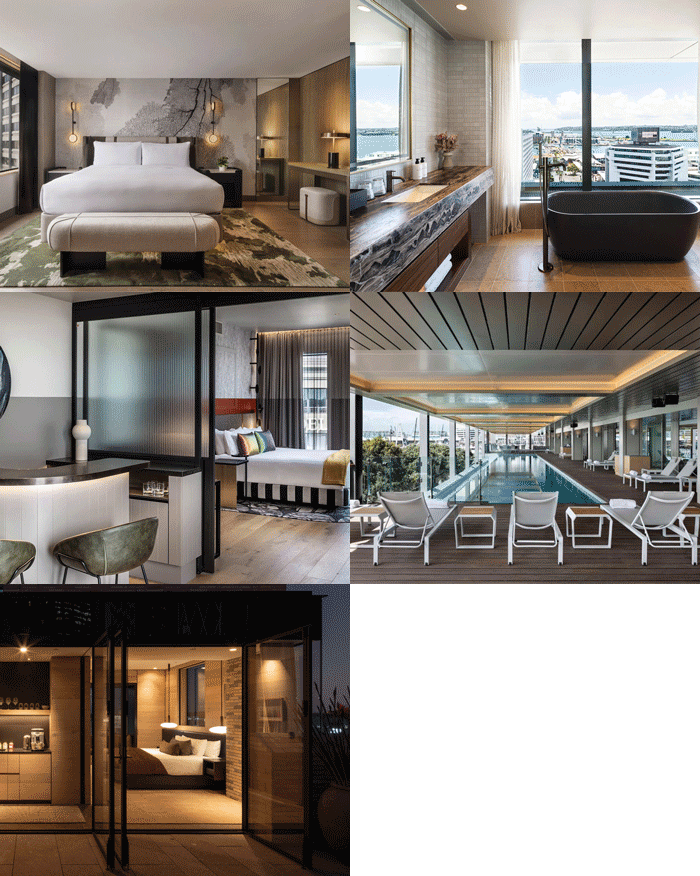
Really, the scale is eye-watering. Not only in square-footage or in the millions of dollars being directed into the build, but in the time taken to go from concept to completion — with most hotel projects requiring years of full-time dedication. “They are very all-encompassing,” the designer admits, “and block out huge chunks of my schedule at a time.” And there are inevitable challenges, of course. One of Adams’ more recent projects was a new hotel in Tokyo, which she worked on for two years. Taking cues from the hotel’s proposed facade (designed by Kengo Kuma and taking the form of a twisting tree) Adams dreamt up a spectacular interior that married contemporary lines and a restrained palette with elements of the natural world, and brought traditional Japanese touches from the Meji period into contact with subtle, Victorian-era nods. But despite the work already done, The Tokyo Hotel was eventually put on hold, and still has no opening date in sight. “It can be challenging,” Adams says, “and sometimes you put in an extraordinary amount of time and then the process comes to a halt, but I think I would rather have a few big projects than 20 small ones.”
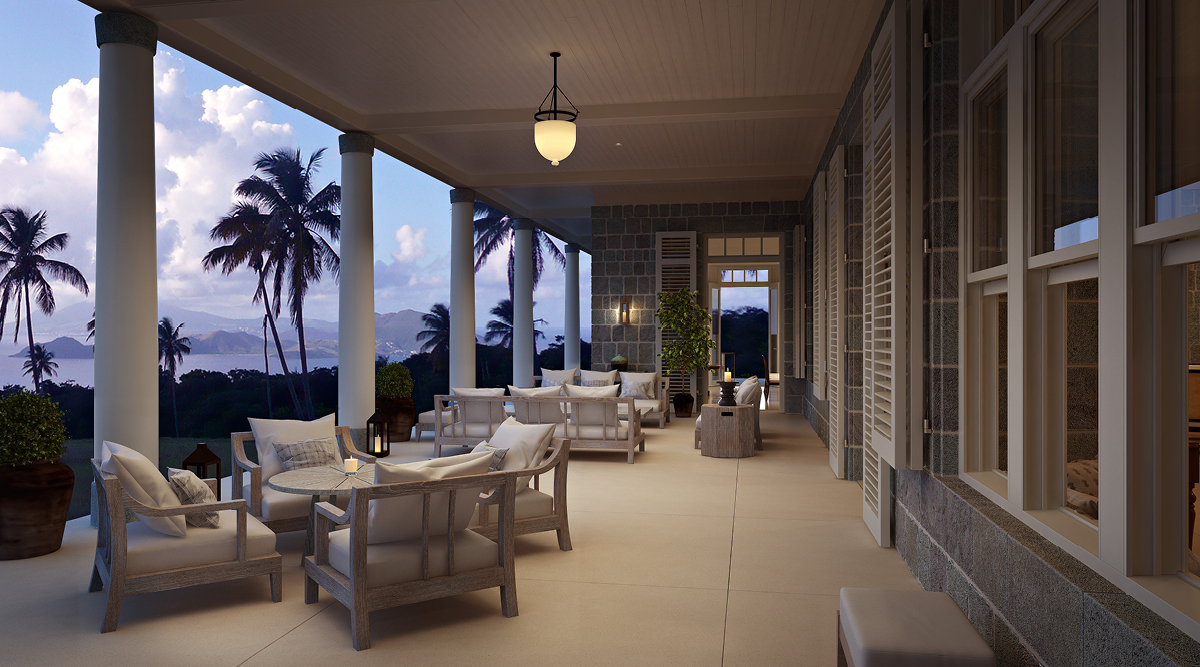
Nevis Tower Hill
At the moment, it is still only a small team that makes up Adams’ eponymous studio, with the designer still heavily involved in all of her projects. In fact, Adams tells me that she actually enjoys being more hands-on, explaining how her understanding of every aspect of a project is crucial to determining its outcome. “I love the process of evolution in a project,” she says “and chipping away at things to create beautiful spaces.” (Although, she also emphasises that it is never just a one-woman show.) “There are architects and creatives that I collaborate with all over the world,” she explains, “from New York to Asia to Europe… and right now, although my home is in New Zealand, I have a number of clients and partners overseas who just really trust me and trust my vision.” She also travels — a lot.
In fact, she recently returned from a trip to the Saudi Arabian desert where she has been called on as the design lead for an exciting new hotel — the details of which are strictly under wraps. On the same trip, she also managed to stop in the Caribbean to check on the progress of the exquisite, private residence she designed in Nevis — a truly spectacular property.
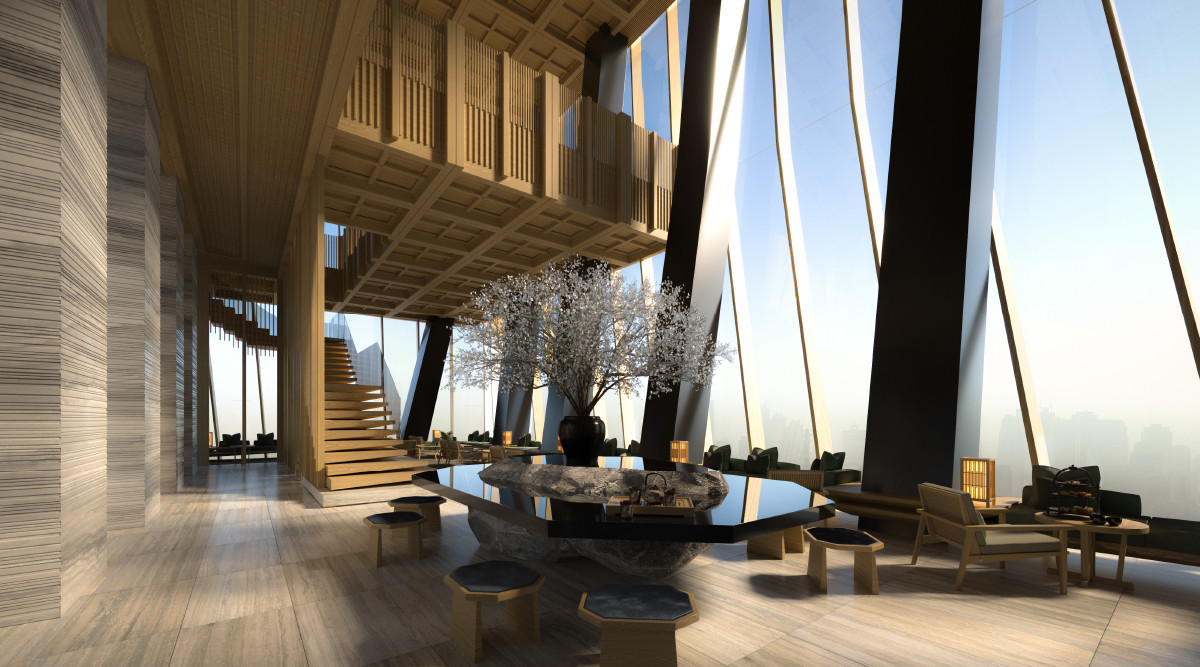
Concept for The Tokyo Hotel
As for the future, Adams divulges that she has recently sent off proposals for projects in Seattle, Colorado and China, and has been involved in early discussions around something happening in Tanzania. For a designer based in New Zealand, maintaining such an international roster of work must certainly take its toll. “I am open to my team growing a bit but it has to be for the right reasons,” Adams tells me. “And I’d definitely like to do a few more projects at home but they have to be the right ones.”
From my perspective, Adams’ experience is such that she is in a position to pick and choose the projects that most interest her. But for her, it has always come down to whether she fits a particular job. Getting her brand out there in any conventional sense has certainly never been a driving force for this designer, who would rather her work (and not her name) be the determining factor for winning a brief.
For now, Adams tells me that she is happy being back in New Zealand after years living as an expat in Asia. “This is my place now,” she says, and while home is certainly where the heart is, we have no doubt that Adams’ work will continue to impress those far beyond our borders.
For more exclusive access to what the city has to offer, engaging content, excellent imagery and thought provoking commentary on the life that surrounds you, subscribe to Denizen magazine now.