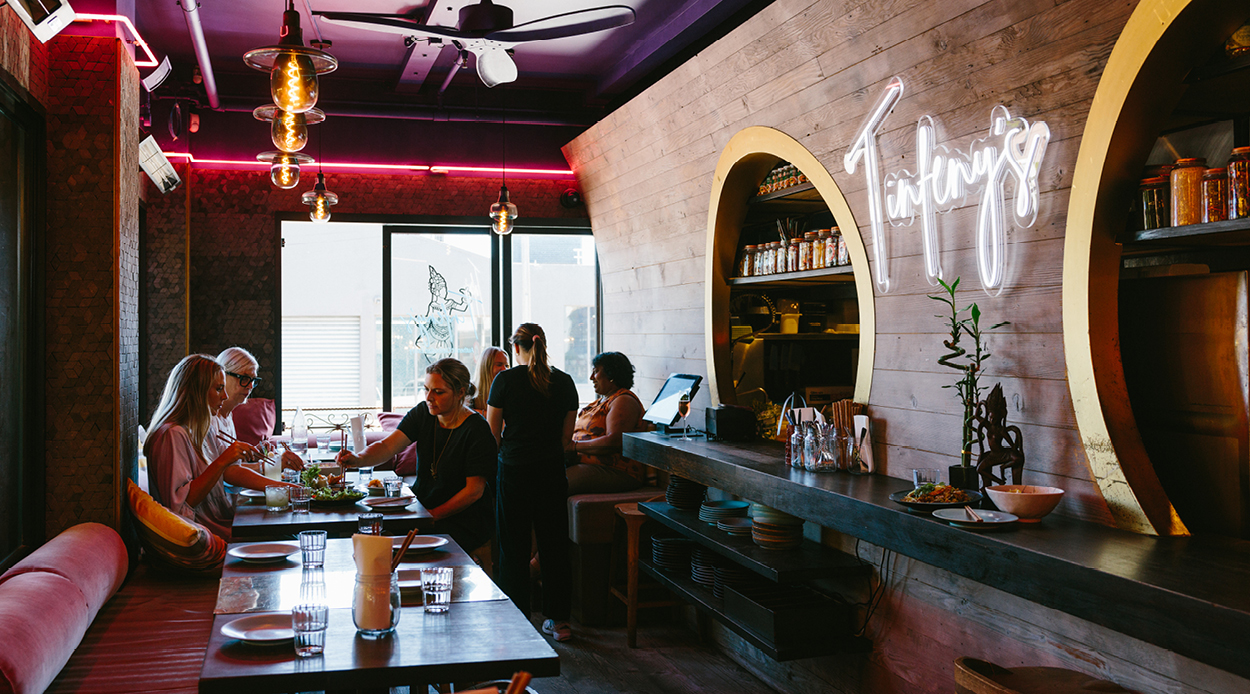
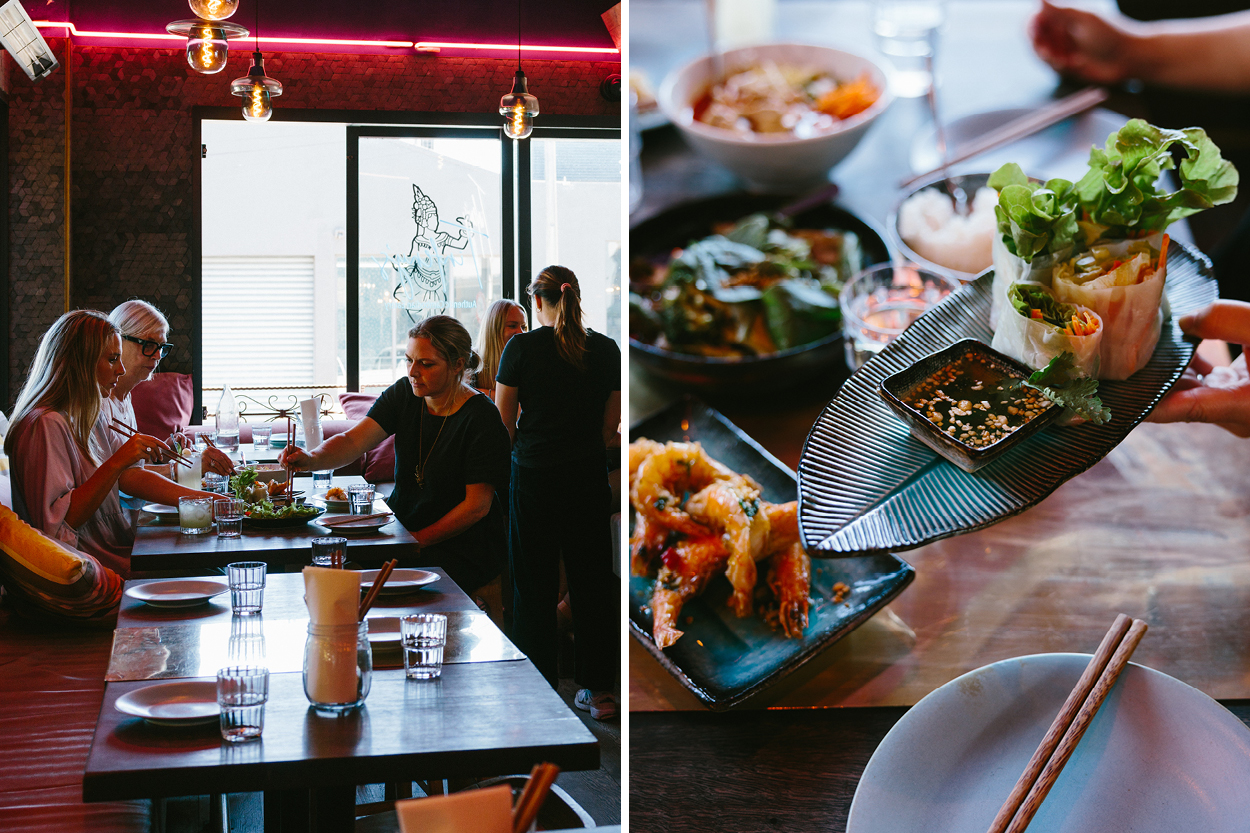
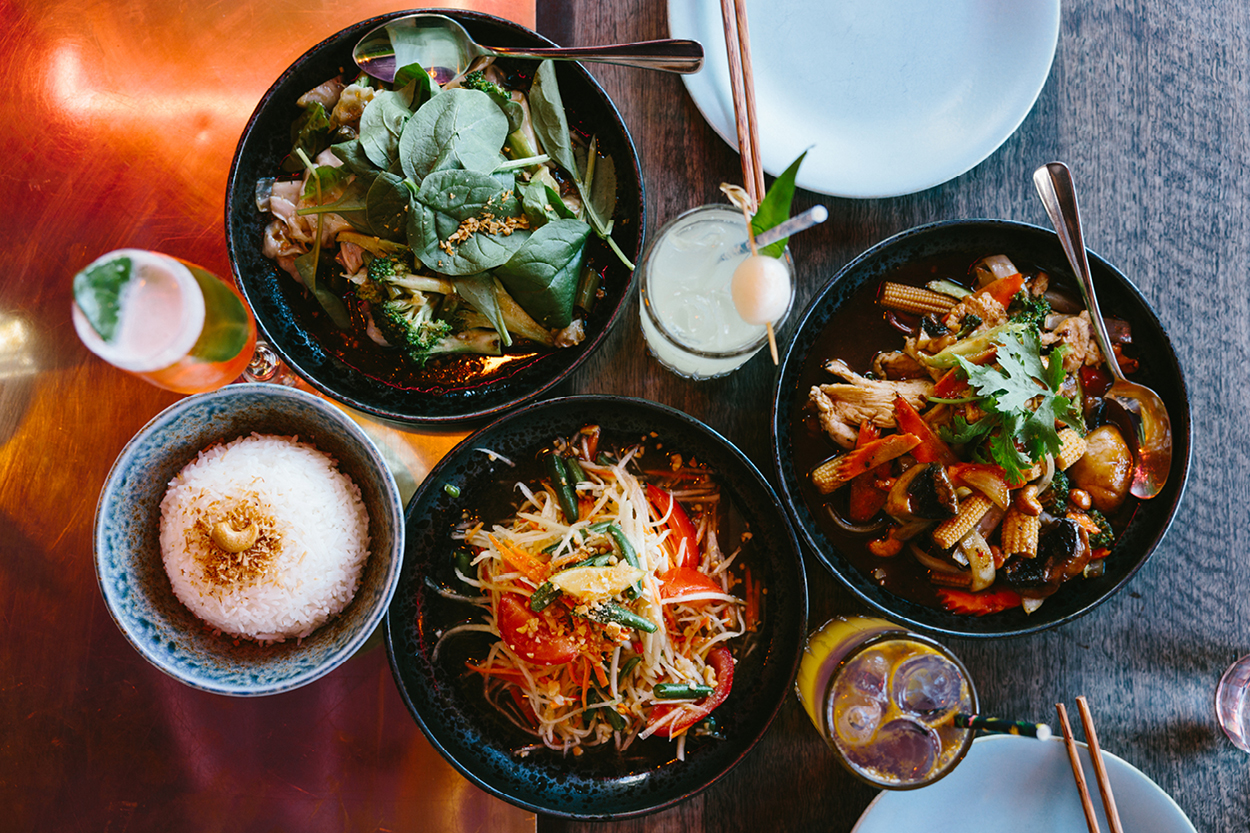
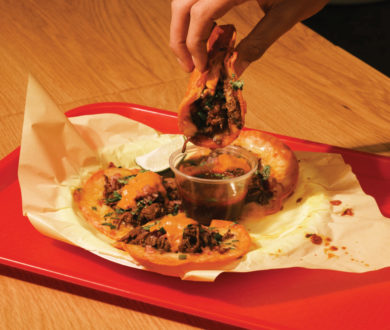
Tinfeny’s, a delicious new Cambodian restaurant set in the bustling heart of Ponsonby Central, is the work of a mother-daughter duo who wanted to bring the food they loved cooking at home to discerning Auckland diners. Inspired by their shared passion for Cambodian cuisine and their dream to open a restaurant together, Richny Hy and Felicity Keolay embarked on a journey to create Tinfeny’s — and it’s somewhere that should definitely be on your dining radar.
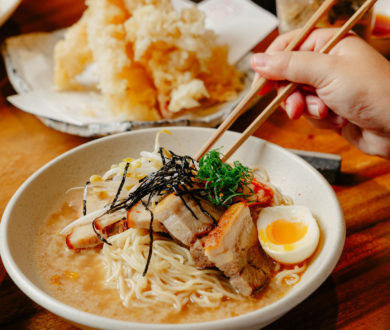
At Tinfeny’s, the menu is a celebration of Cambodian cuisine, offering a taste of traditional, home-cooked meals that reflect the rich culinary heritage of the country. Richny and Felicity meticulously drew on traditional recipes passed down through generations to create their dishes, marrying mouthwatering, unique flavours with authentic ingredients. Highlights include the Amok Trei, a delicately steamed fish infused with coconut custard and fragrant spices, and the Beef Lok Lak, a savoury stir-fry featuring tender eye fillet beef and Kampot pepper (sourced from Kampot province in Cambodia).
Creating an authentic Cambodian dining experience required attention to detail and time, from sourcing the right ingredients to perfecting the flavours. Since opening, Tinfeny’s has fast become a haven for Cambodian expatriates longing for the taste of home, as well as adventurous diners eager to explore the vibrant tapestry of Southeast Asian cuisine.
“We really just want to offer an authentic Cambodian experience, and to make Cambodian food more well-known in Auckland,” Felicity tells me. “Our restaurant has already brought in a lot of friendly Cambodian people that just miss the dishes they grew up with.”
In addition to its tantalising menu, Tinfeny’s boasts an impressive array of signature cocktails, expertly crafted in-house. Here, the selection is fresh, tasty and perfectly-curated to accompany the flavours of the food, from the Lychee Mule (a mix of vodka, lychee, lemongrass, lime and ginger beer) to the Coco Pandan Marg (marrying coconut tequila with pandan, Cointreau and lime).
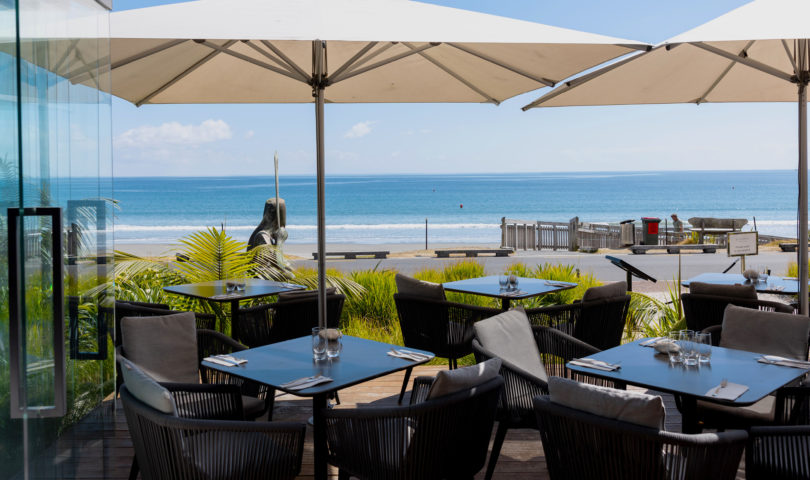
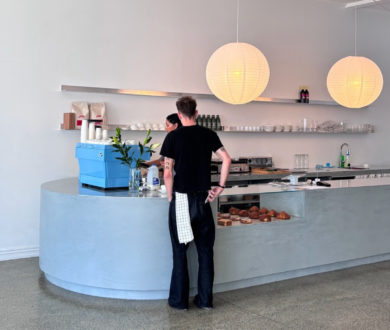
The restaurant’s ambience, designed to reflect the warmth and hospitality of Cambodia, is relaxed and inviting with cosy seating arrangements and vibrant decor. A striking mural of Angkor Wat even adorns the walls, serving as a reminder of the rich cultural heritage that inspired Tinfenys’ culinary journey.
Whether you’re a seasoned food enthusiast or a curious newcomer, Tinfeny’s is inviting everyone to embrace the culinary traditions of Cambodia. At this new restaurant, expect good vibes, friendly staff, delicious food and tasty drinks — the perfect combination for any kind of lunch or dinner out.
Opening hours: Monday to Thursday, 12pm — 3pm and 5pm — 9pm Friday to Sunday, 12pm — 9pm
Tinfeny's
Shop 15
Ponsonby Central
4 Brown Street, Ponsonby
Auckland
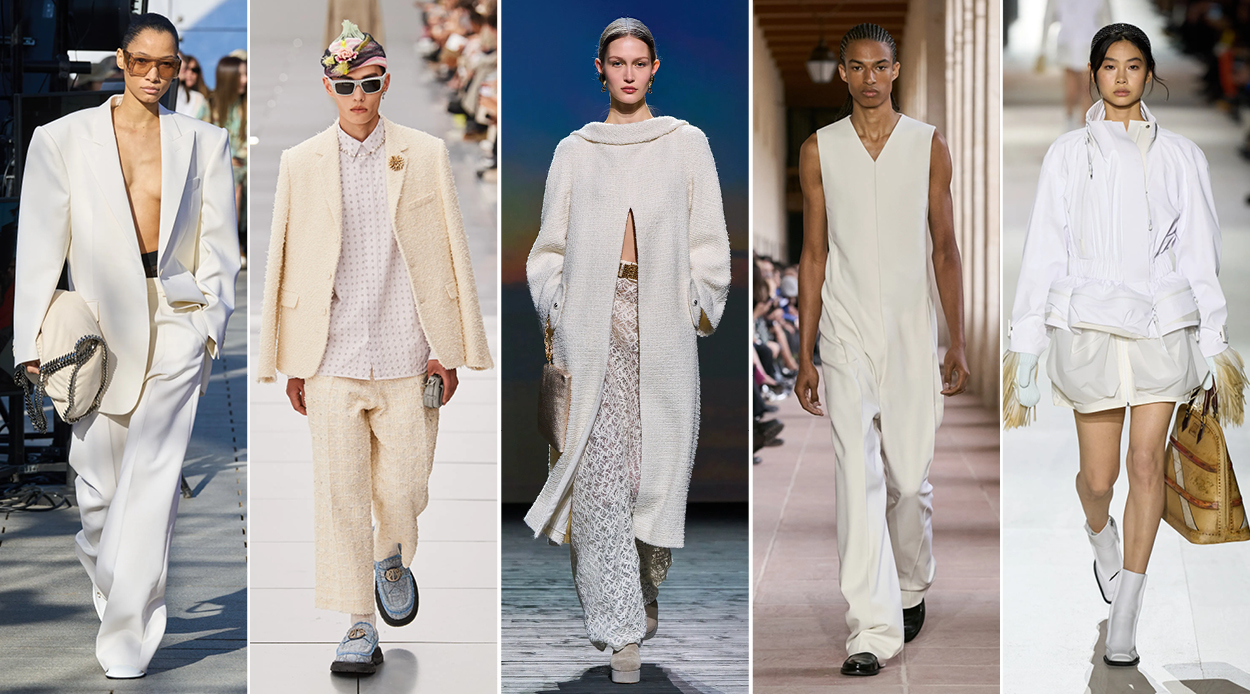
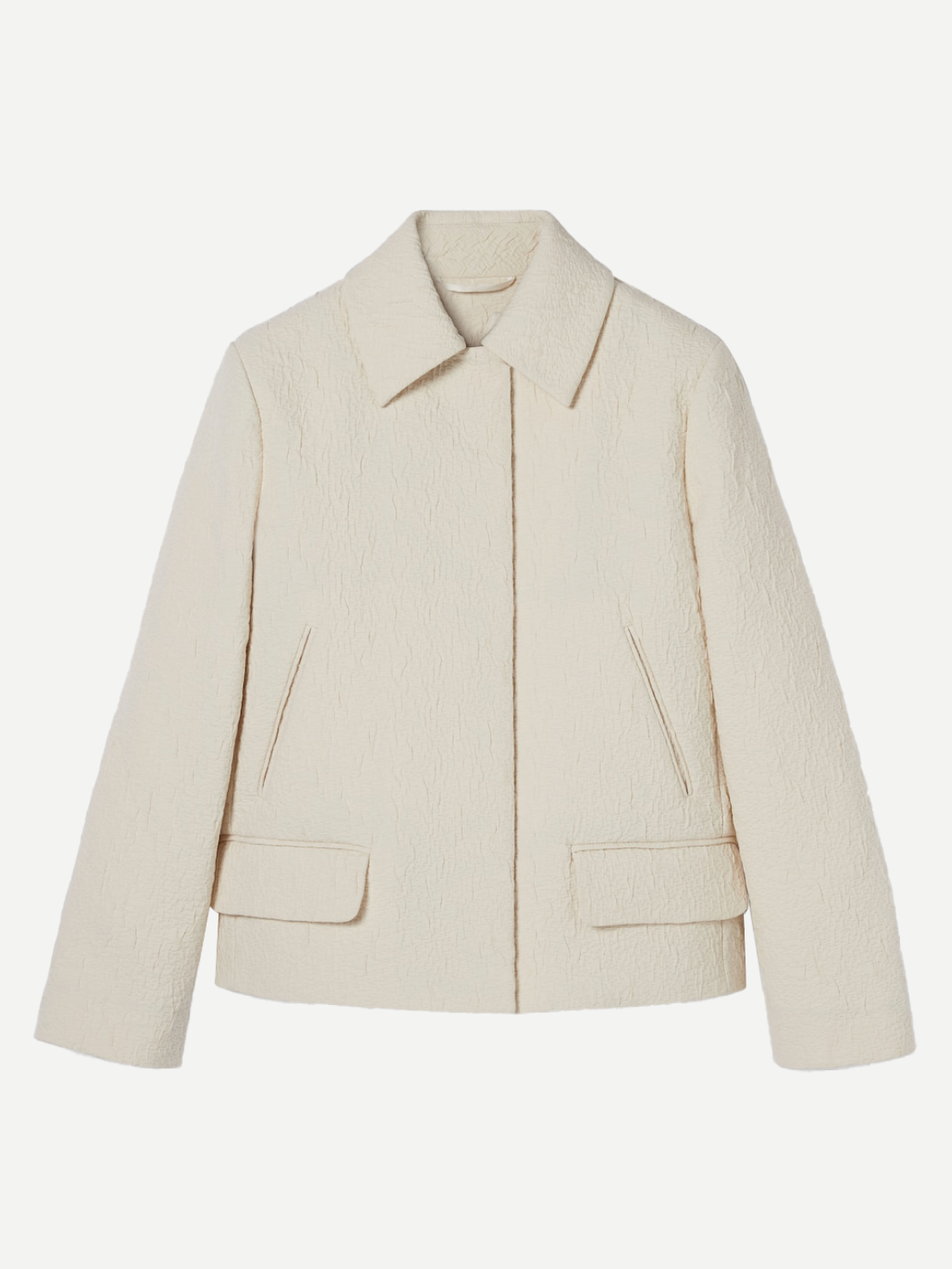
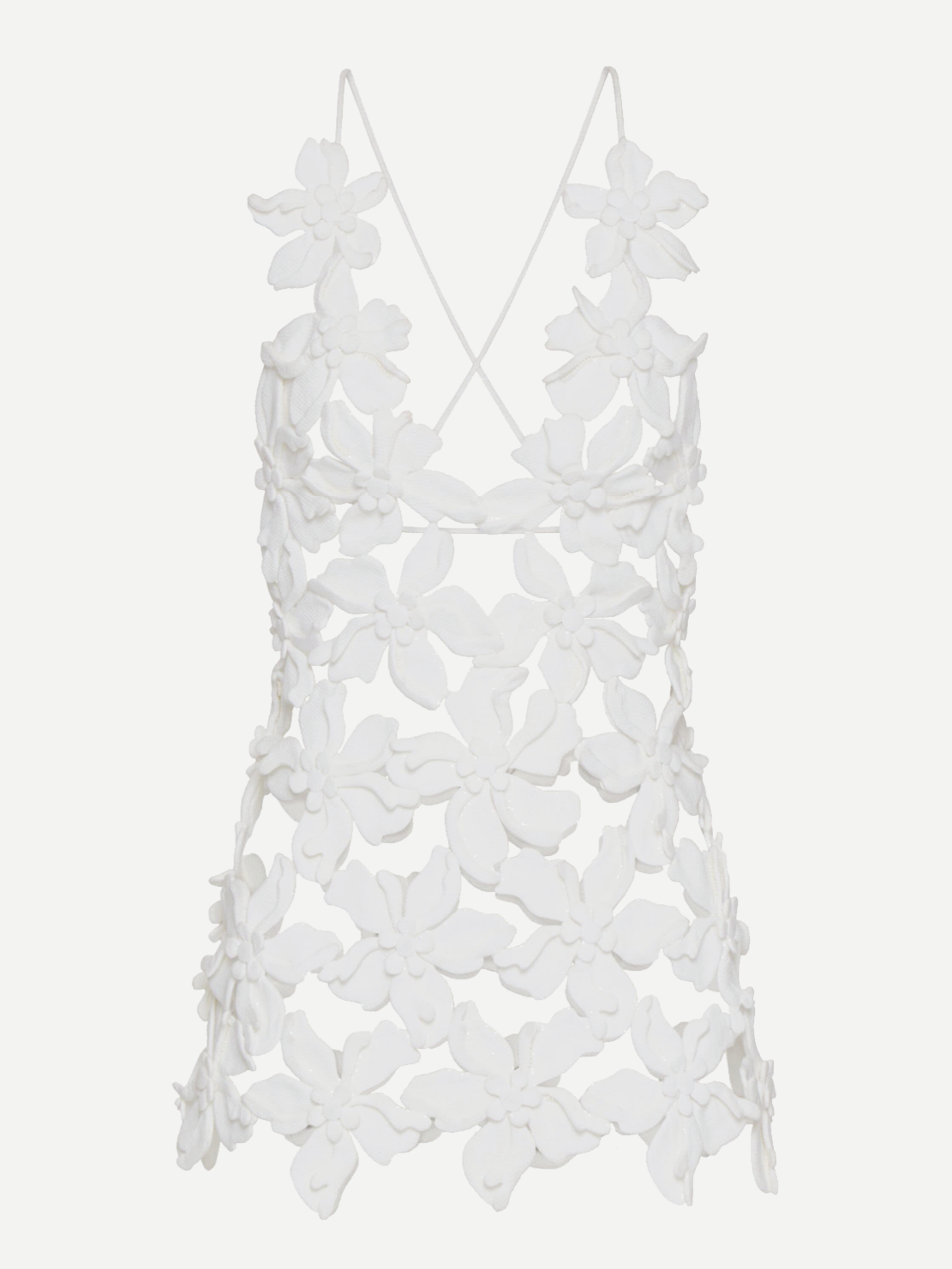
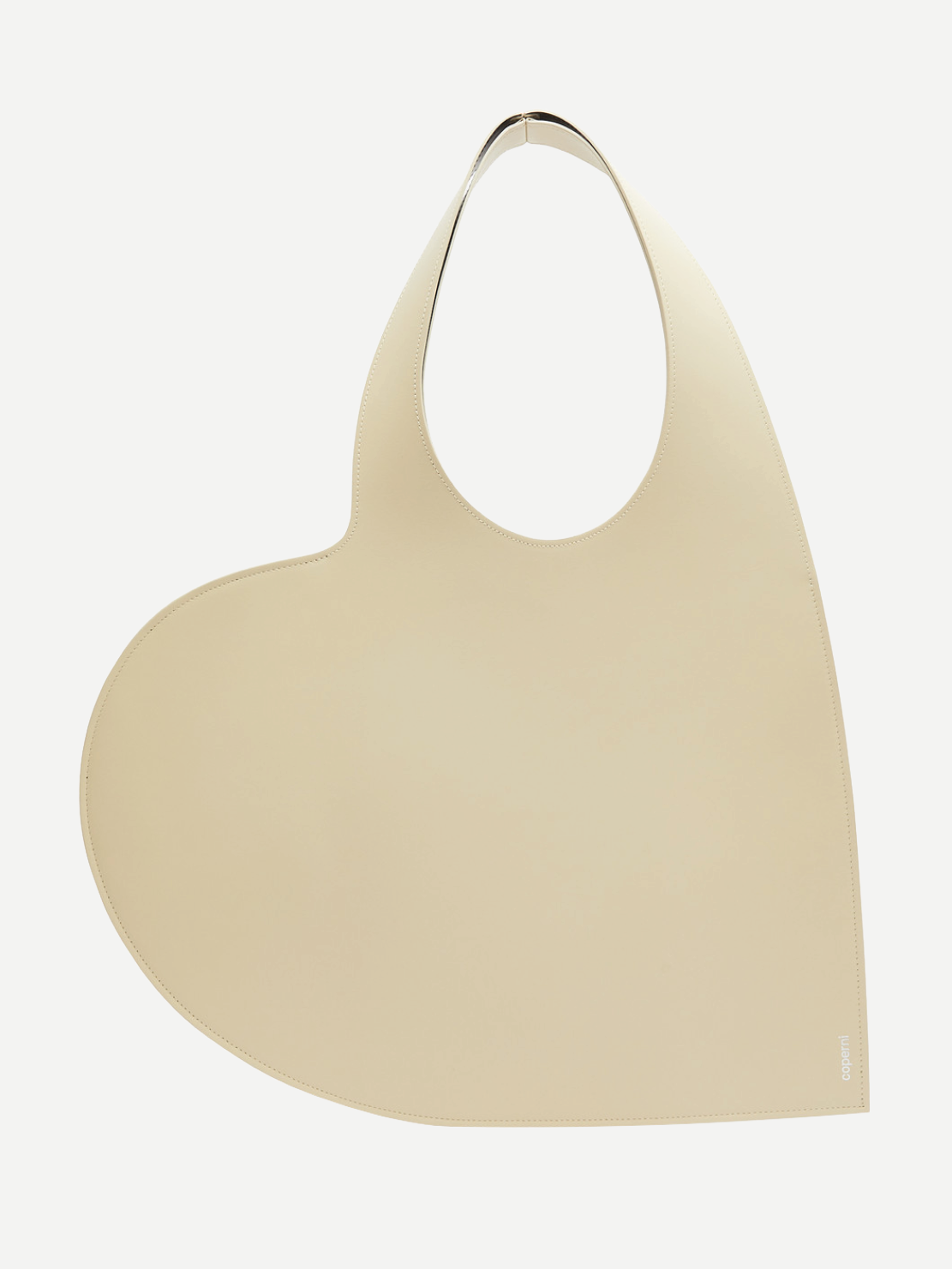
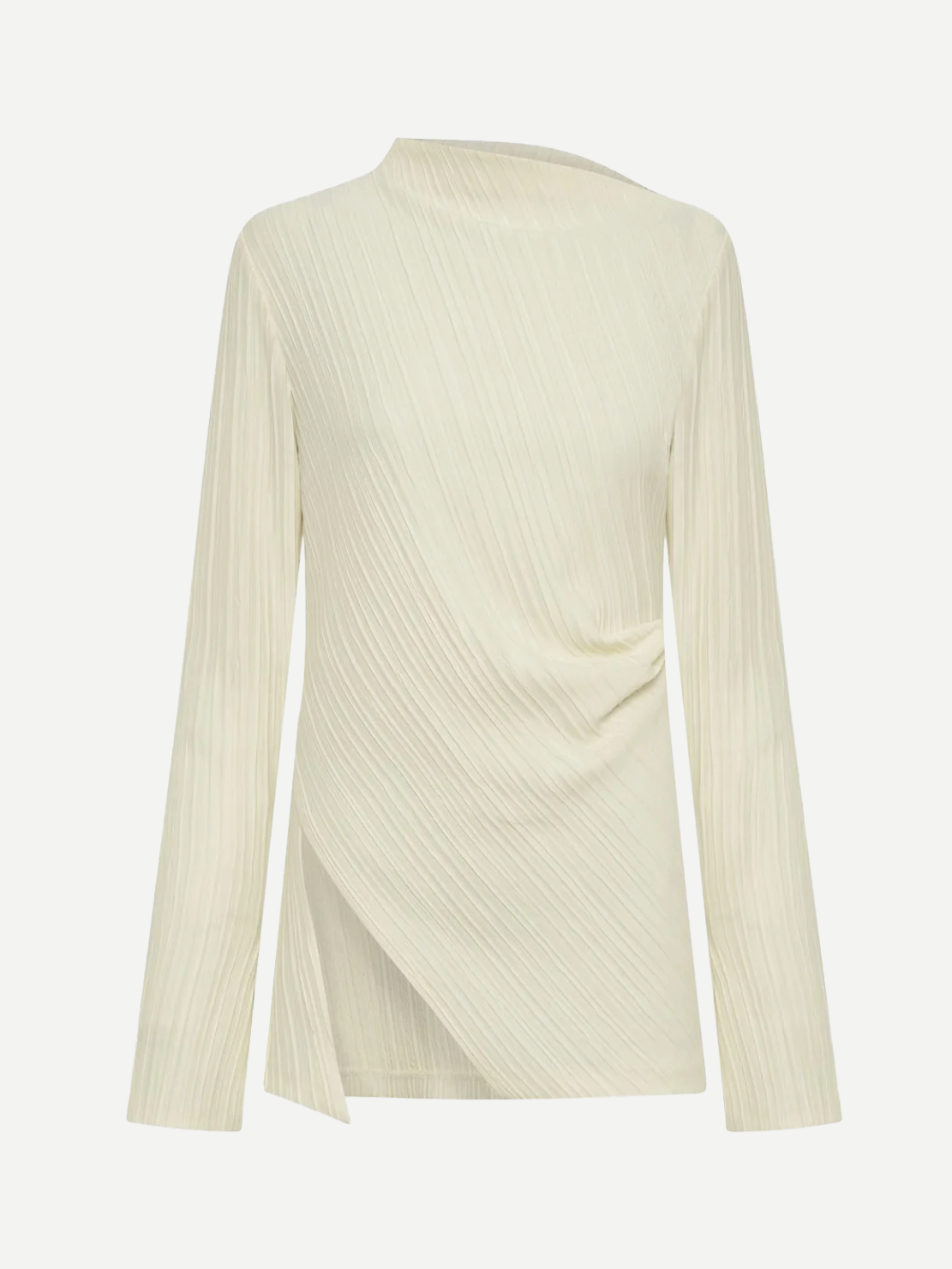
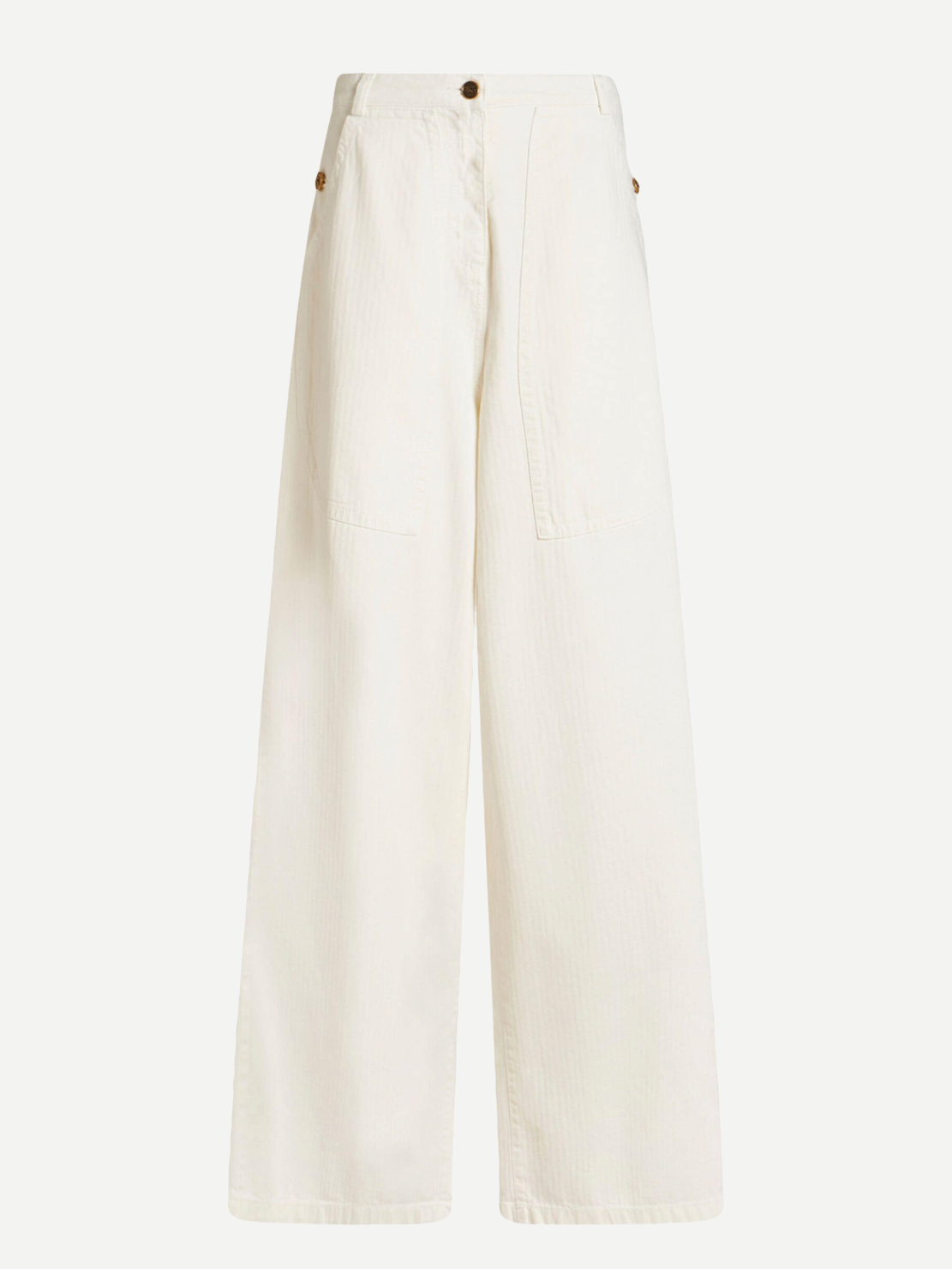
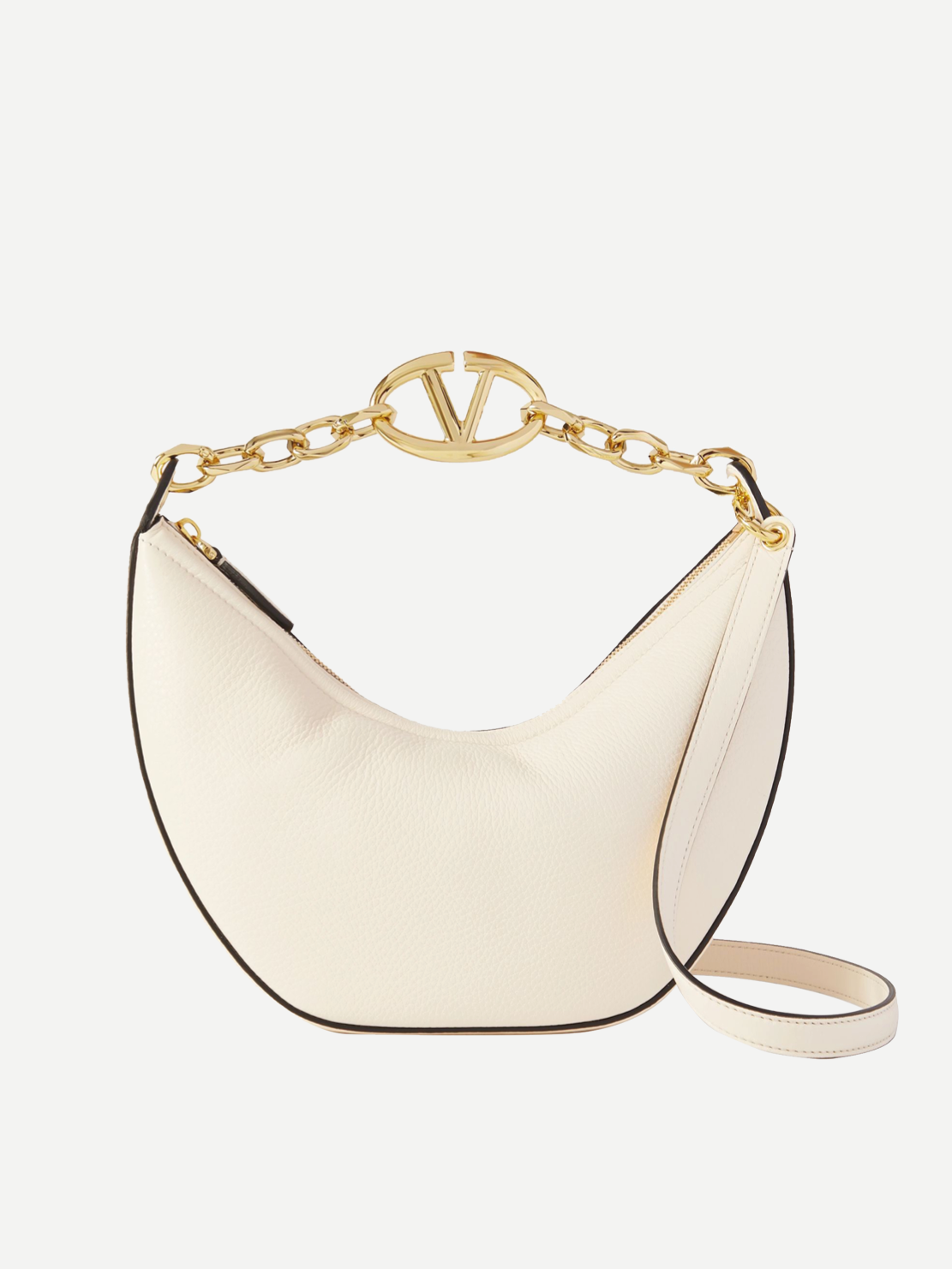
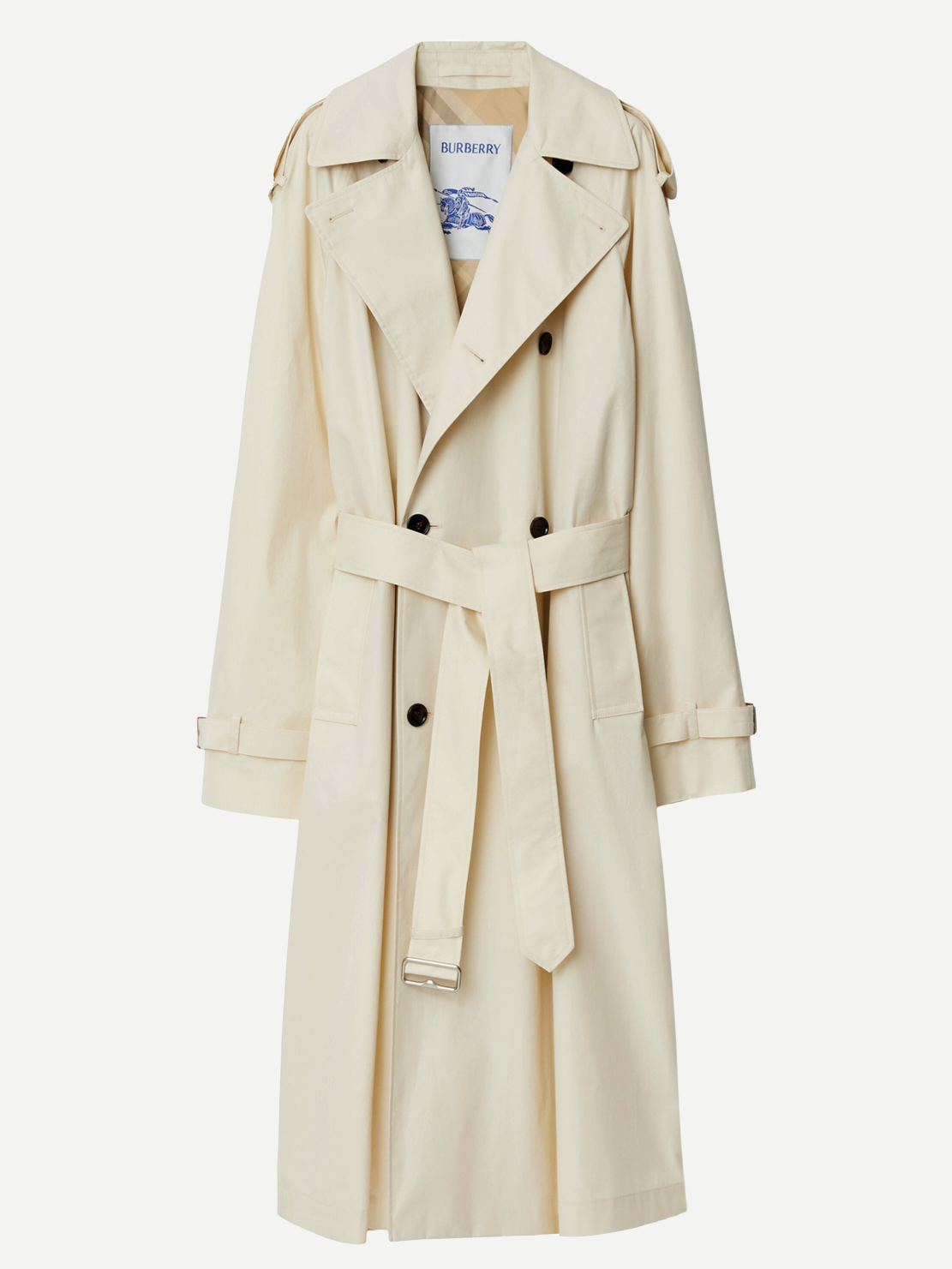
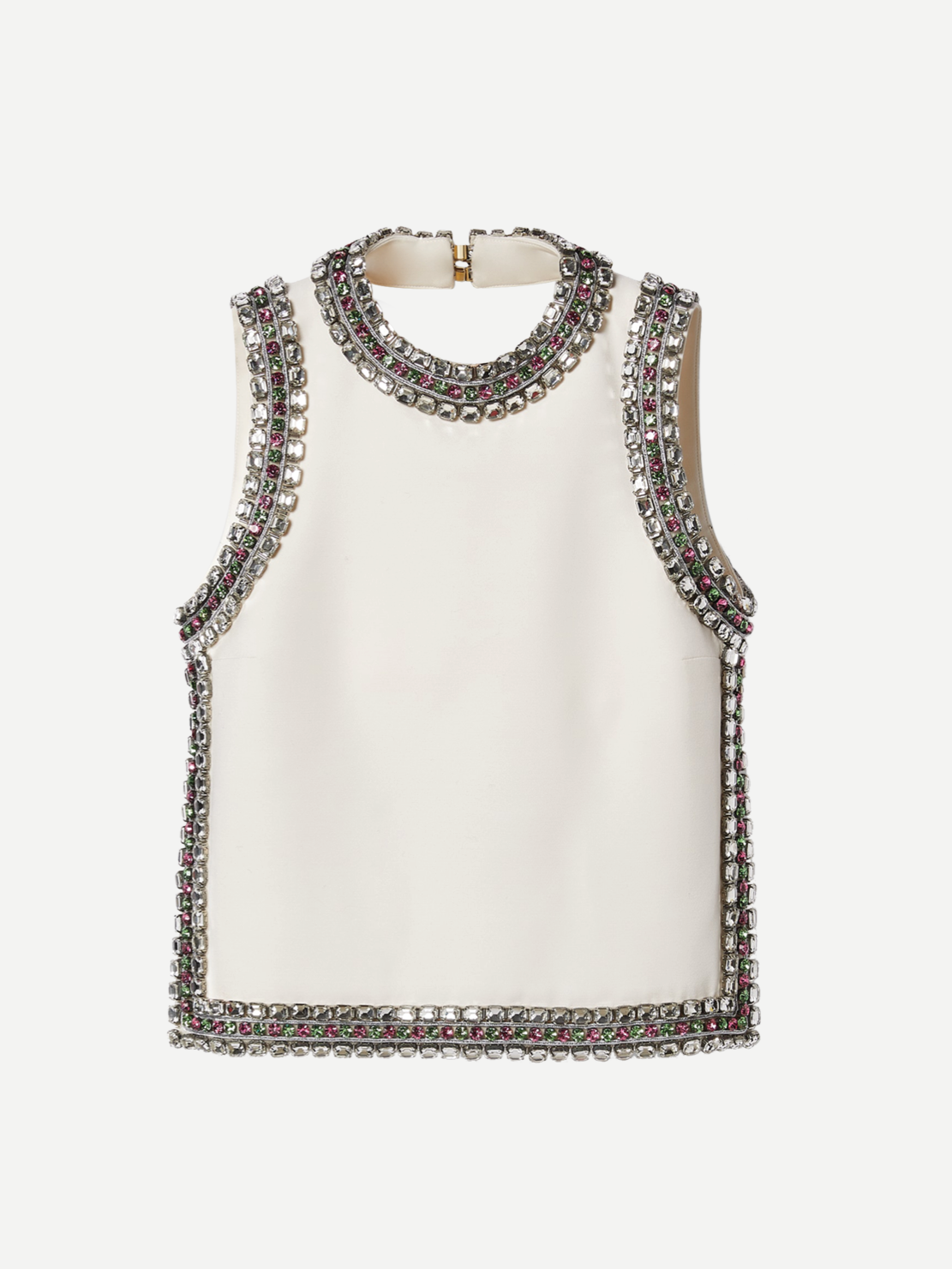
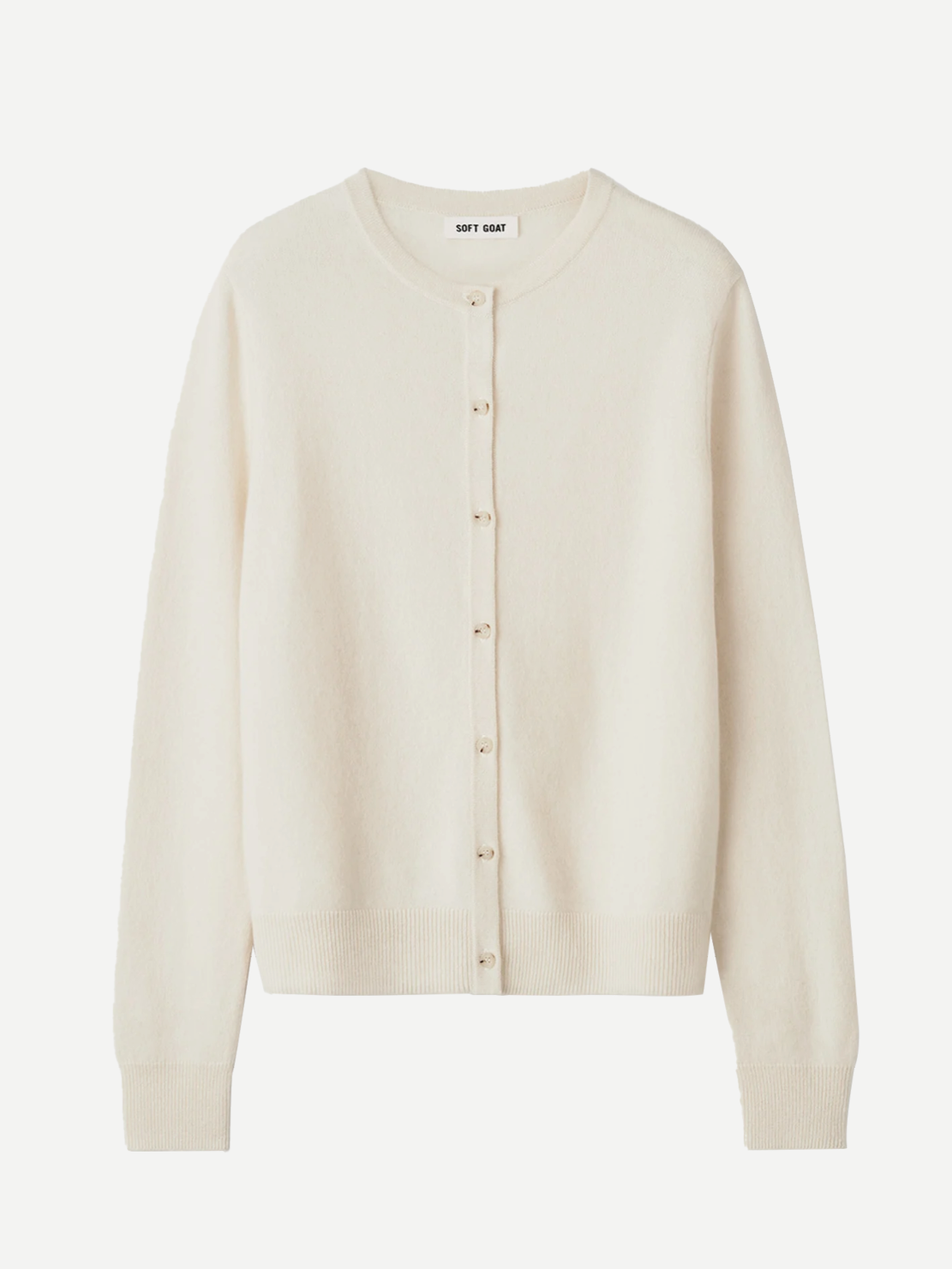
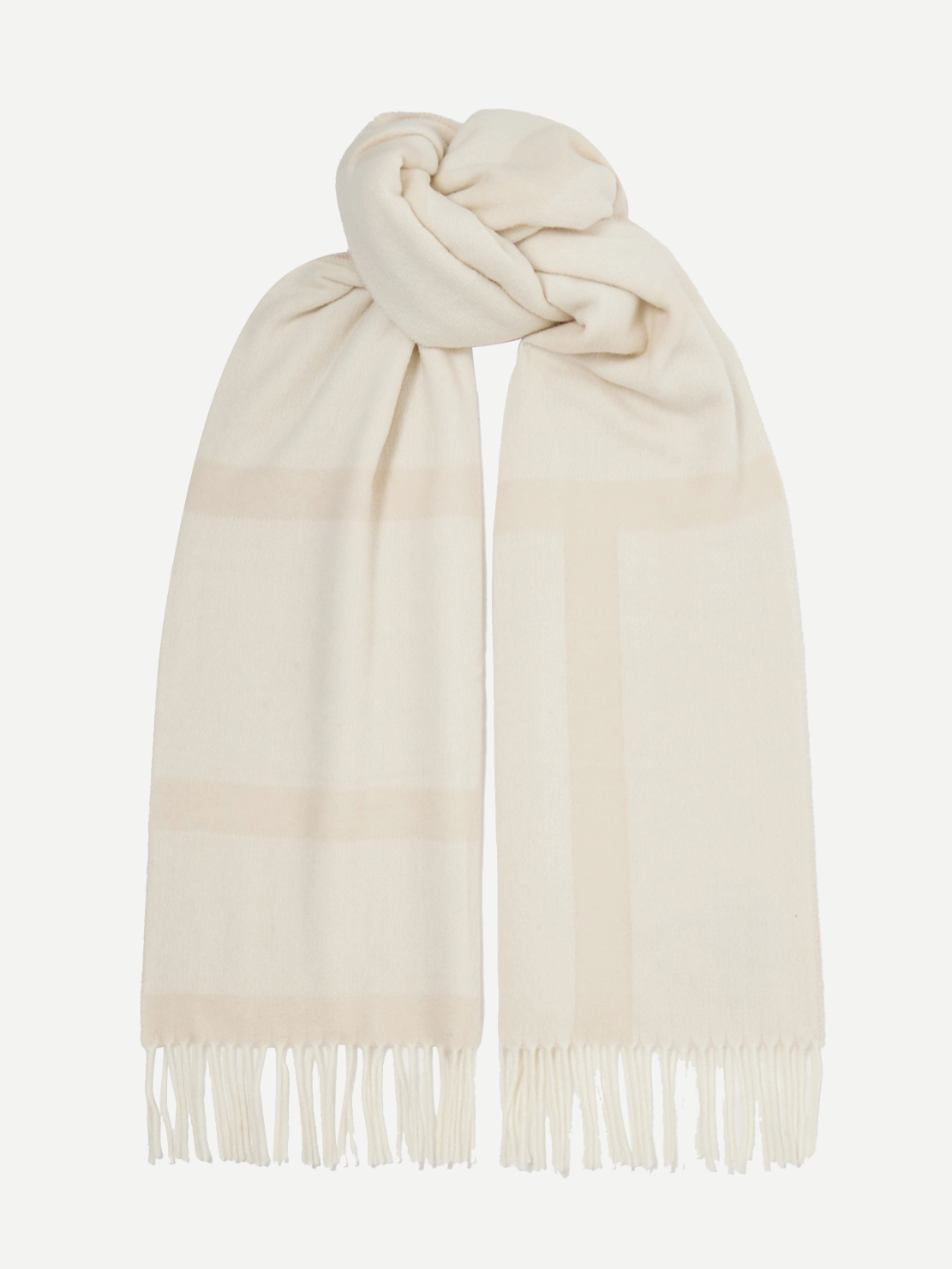
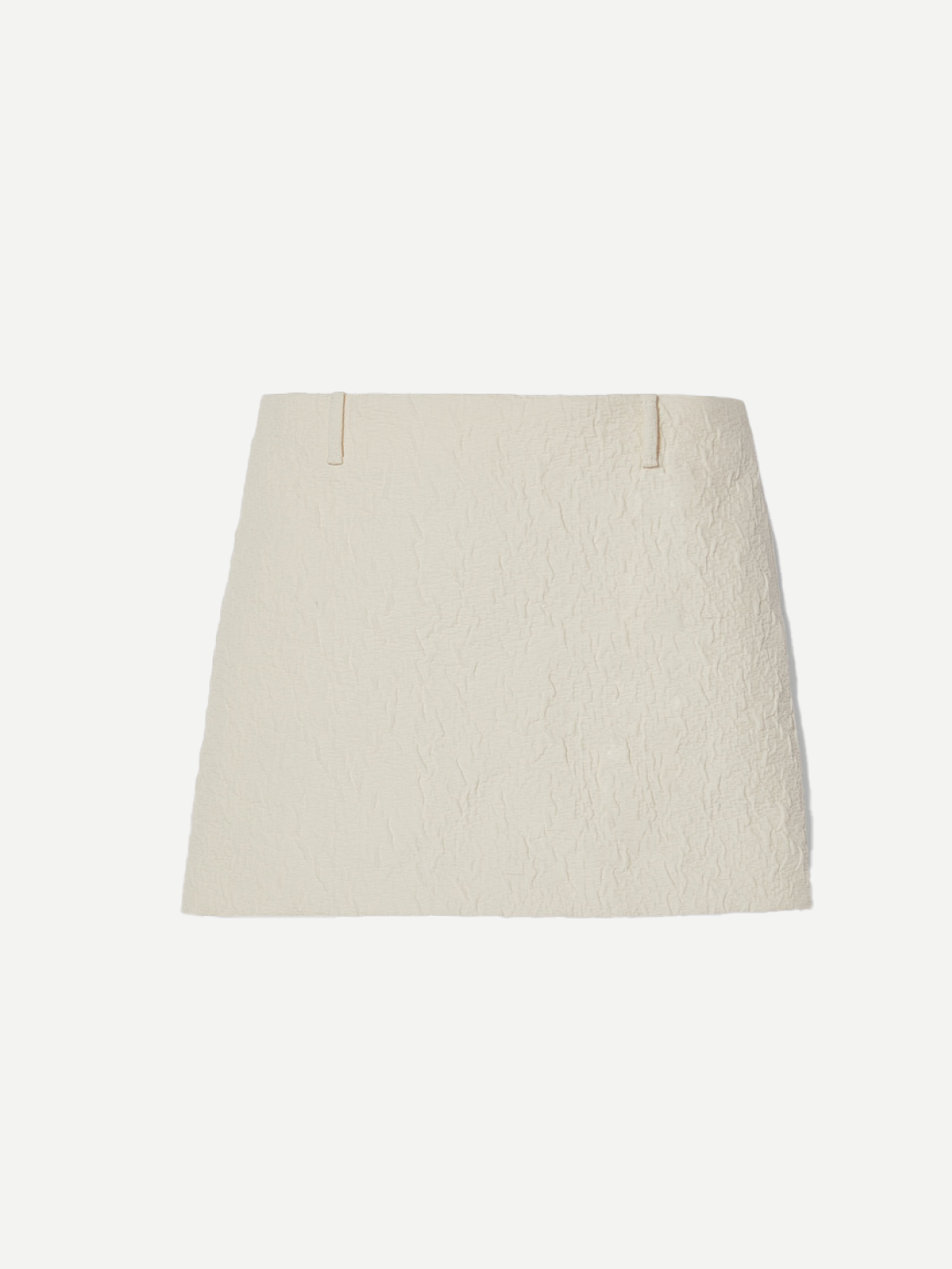
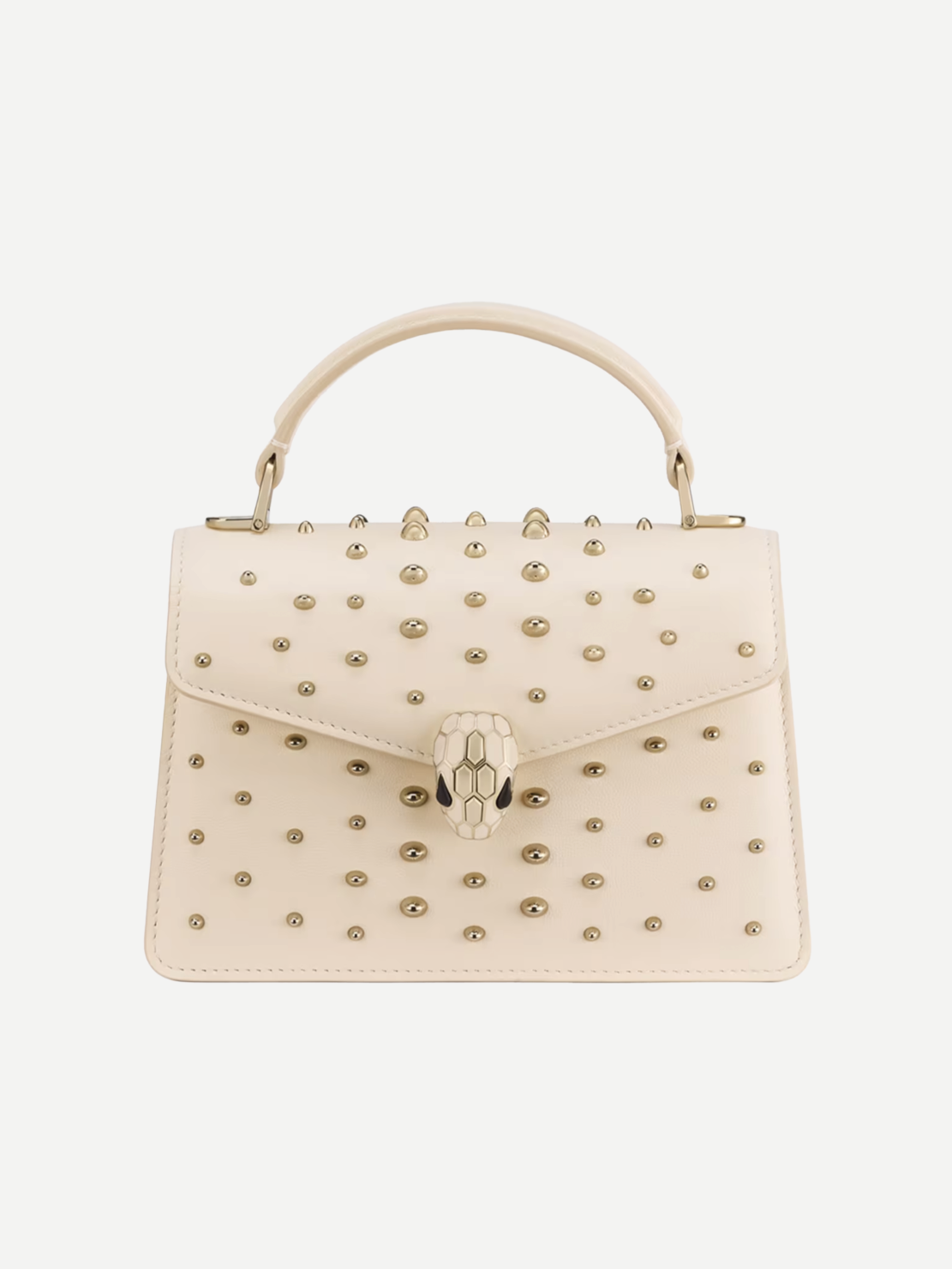
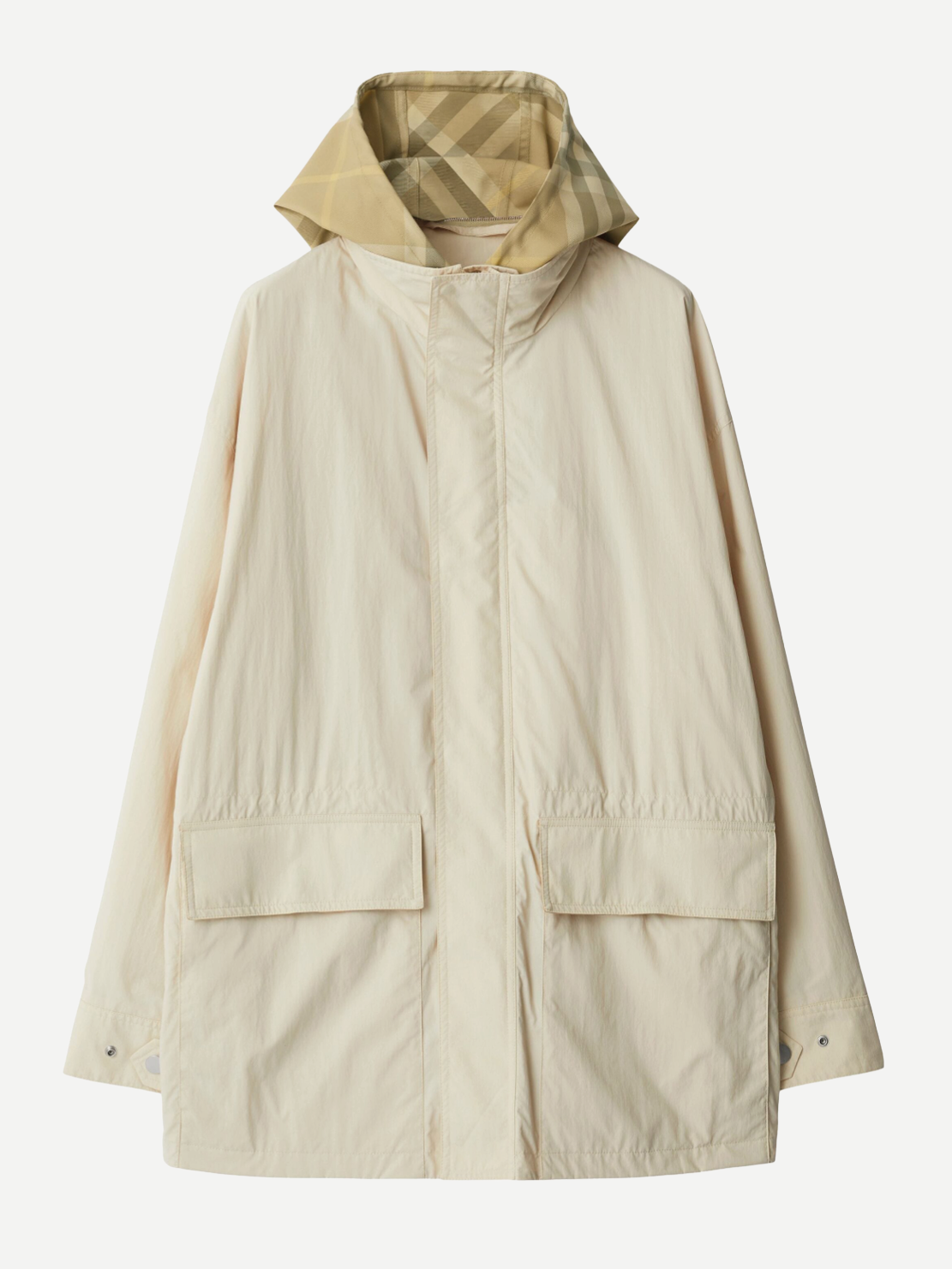
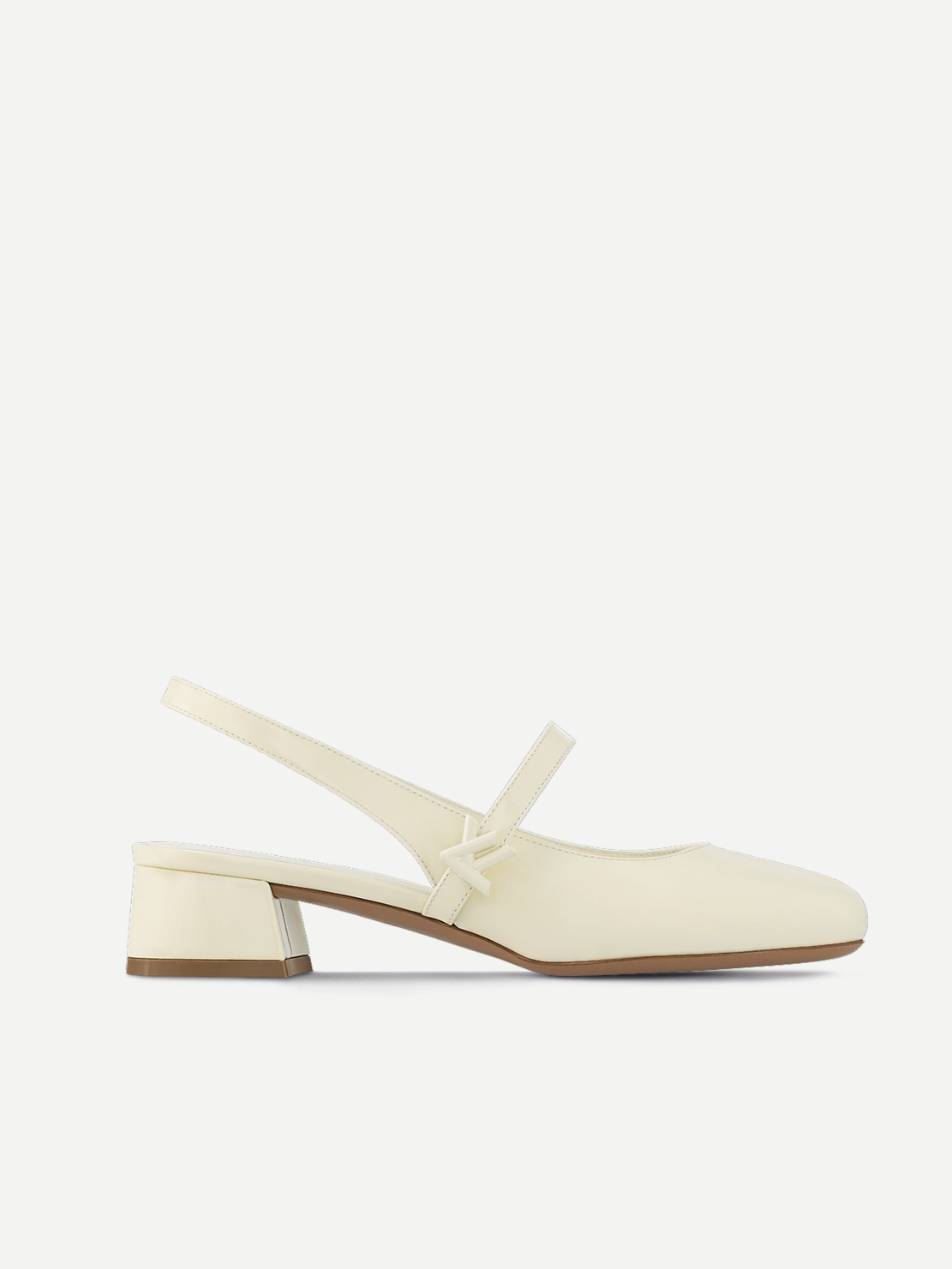
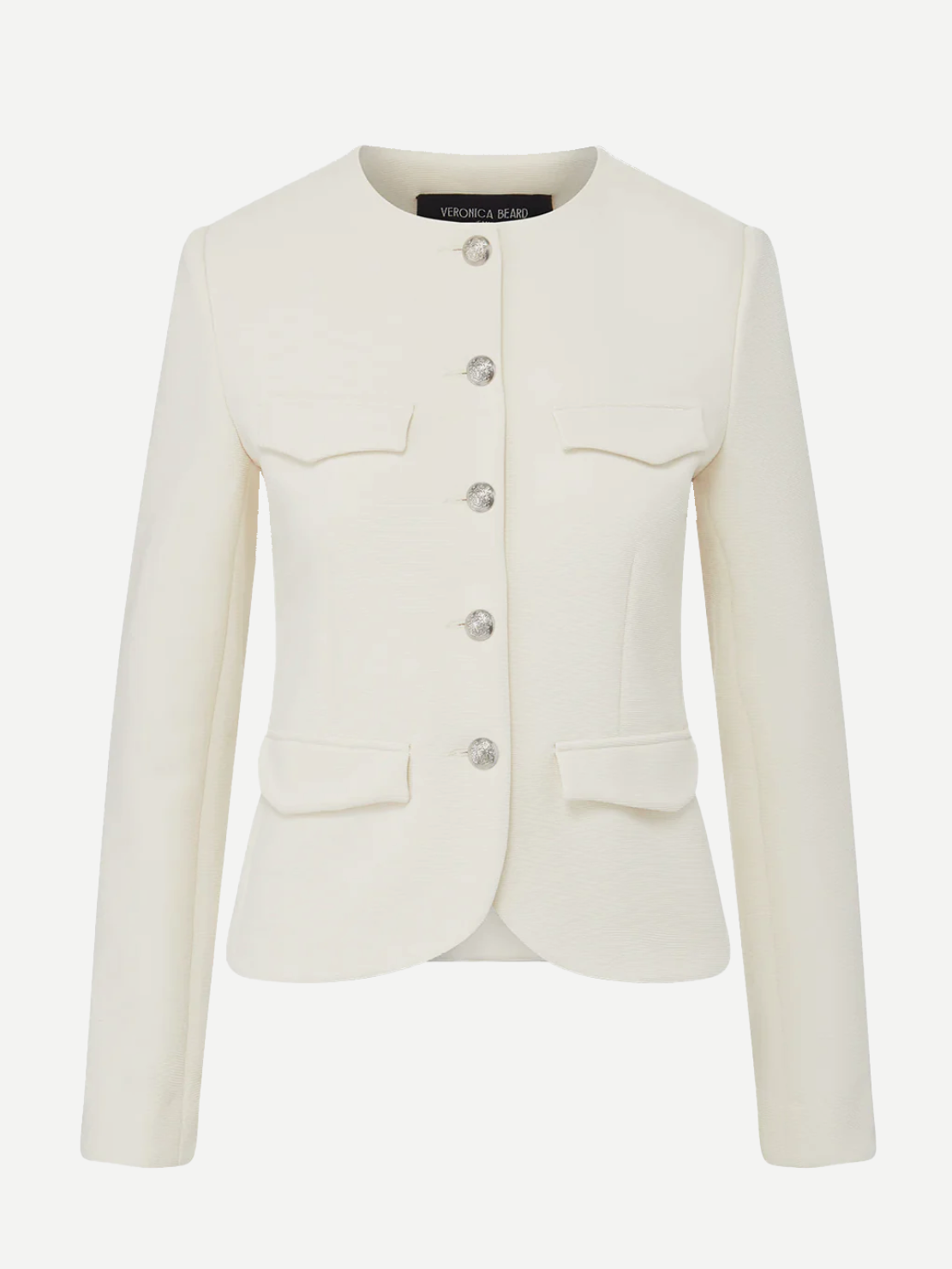
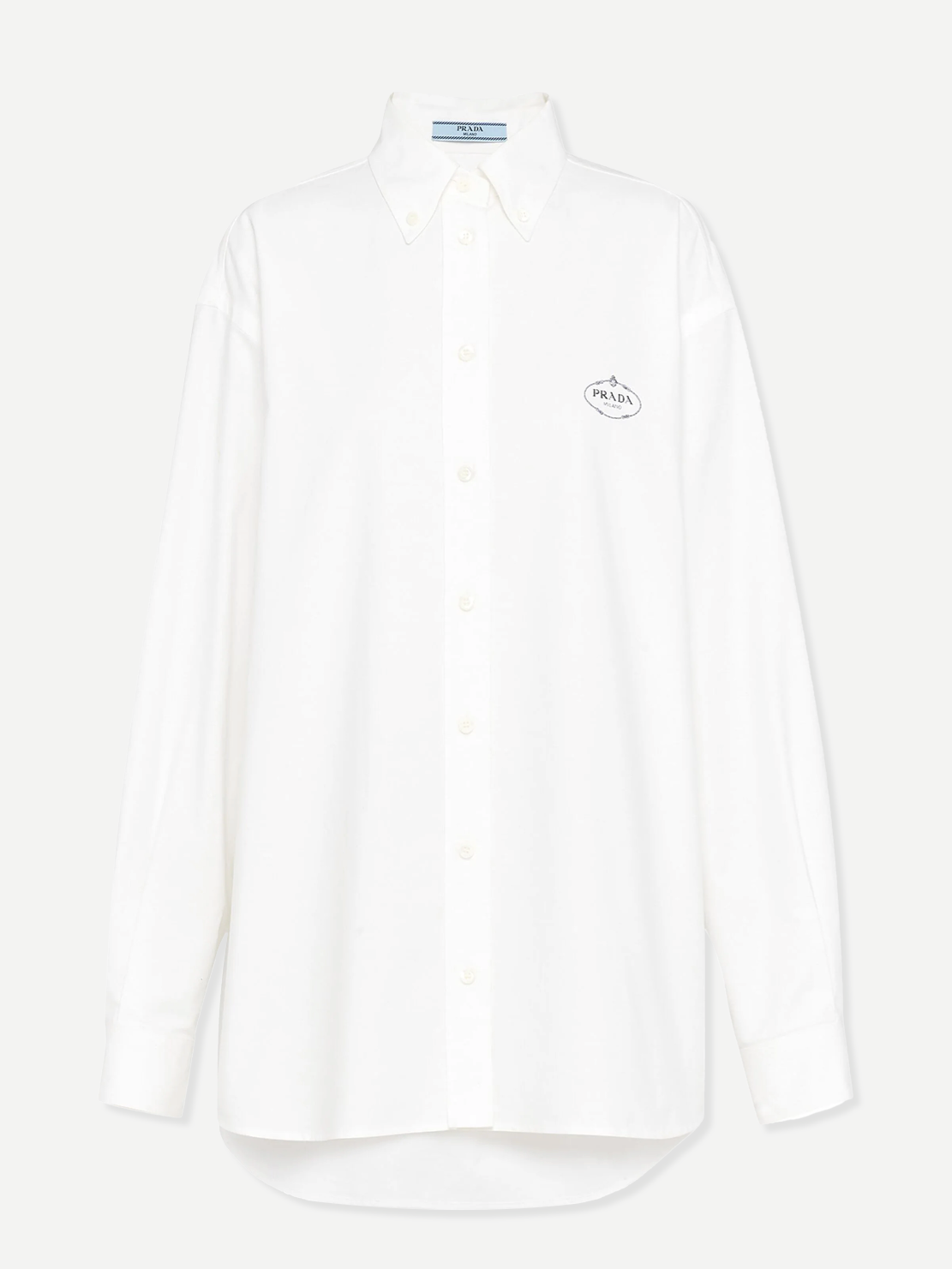
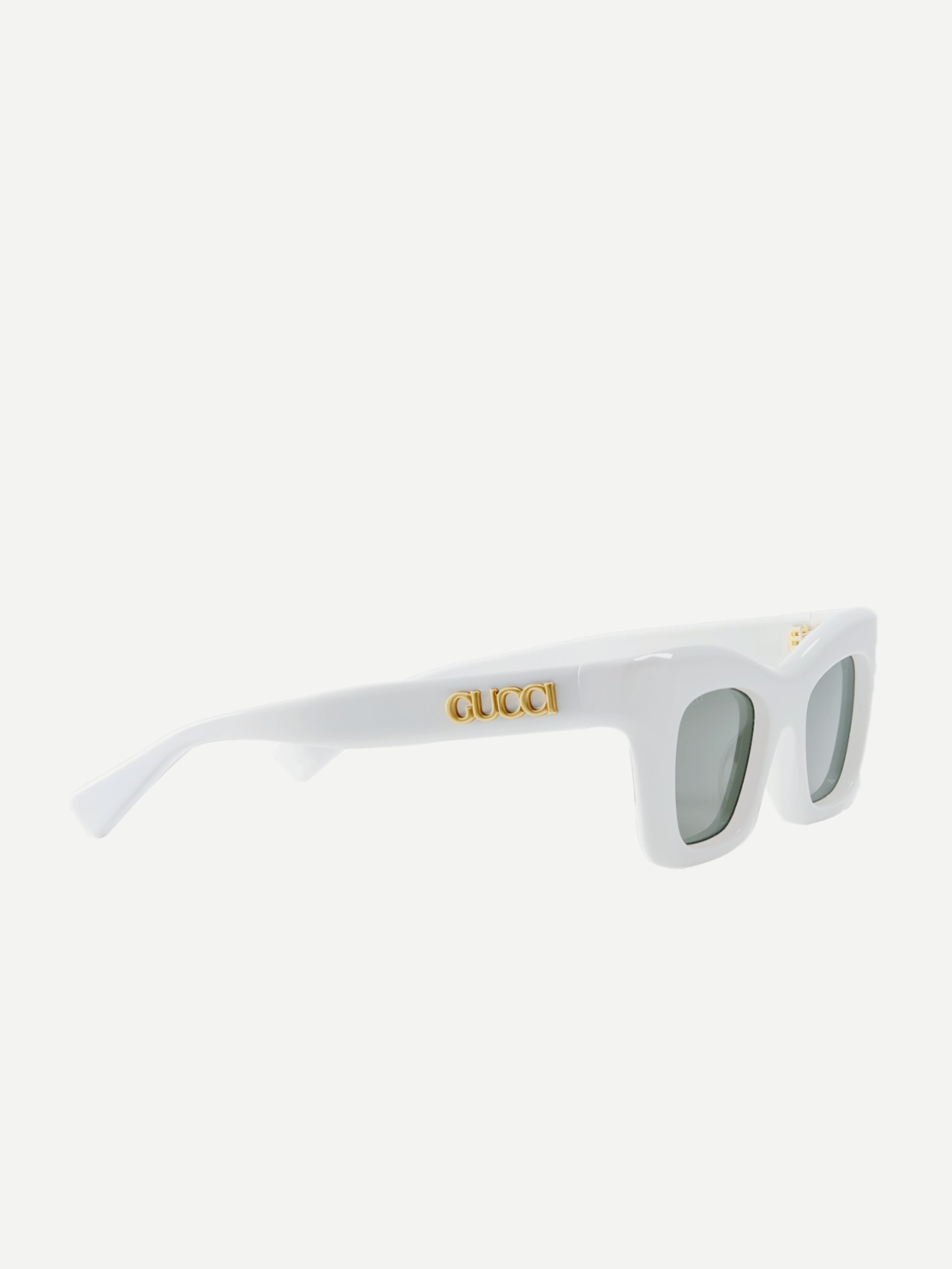
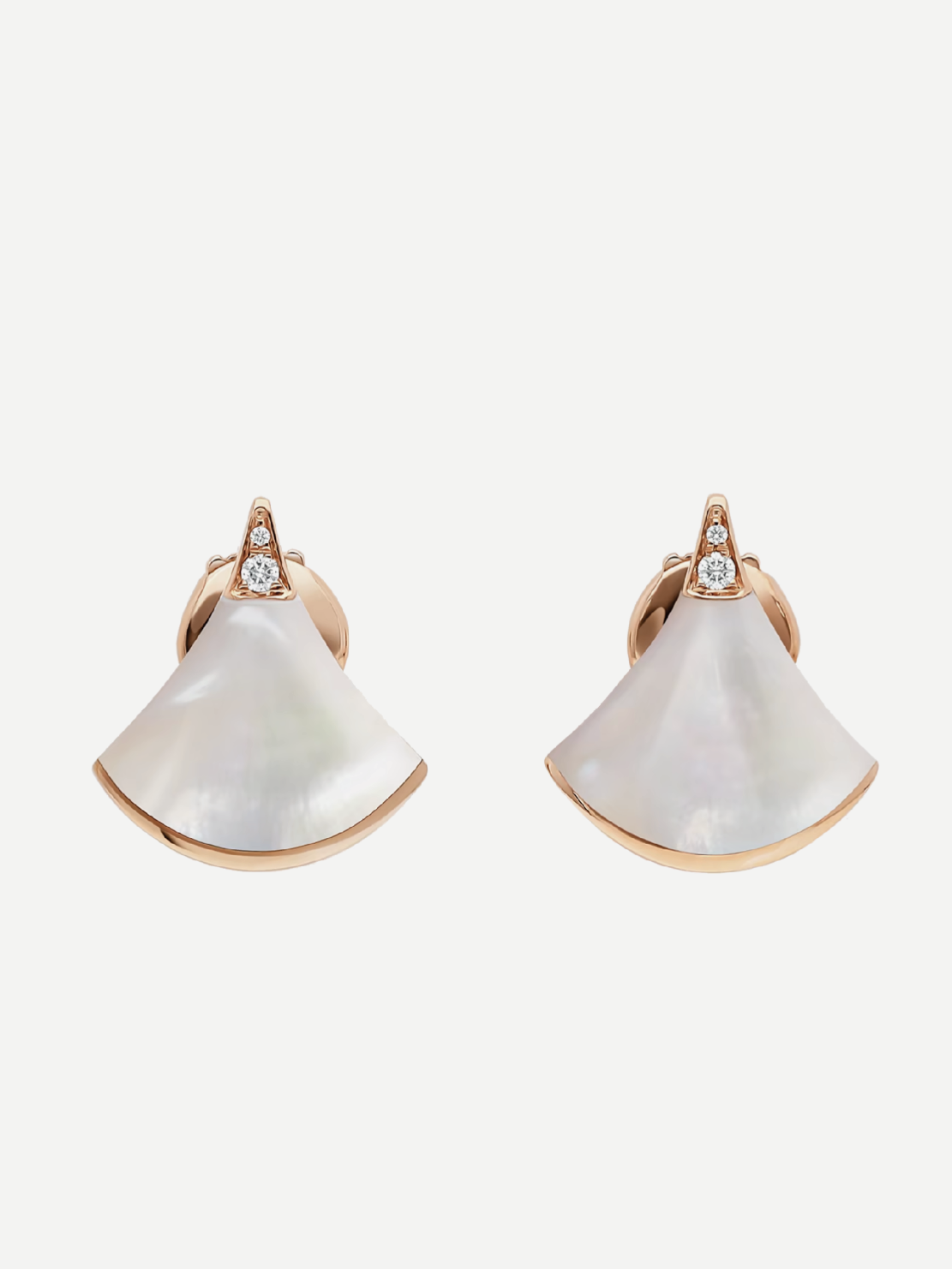
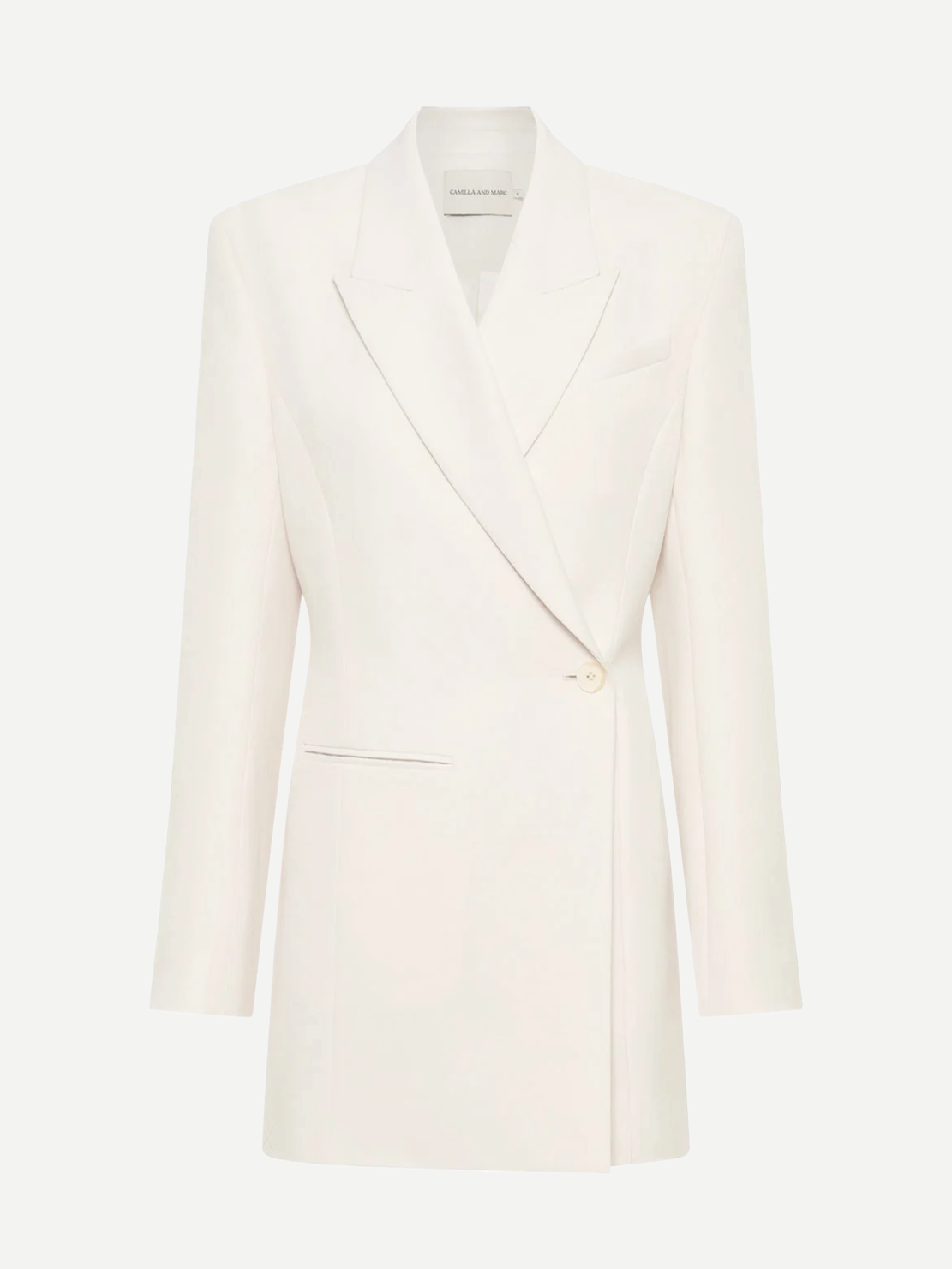
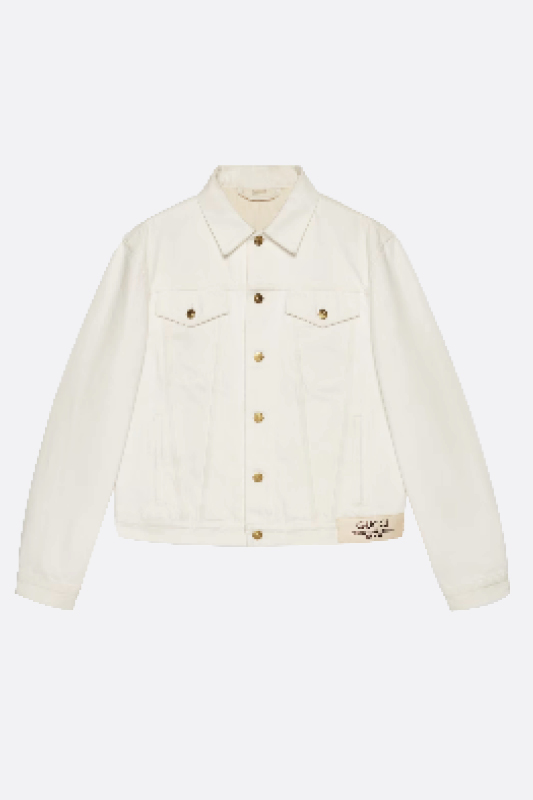
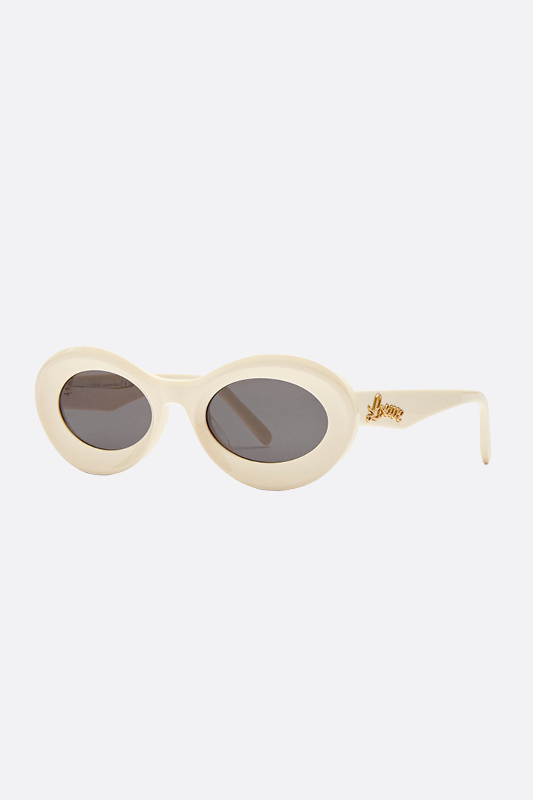
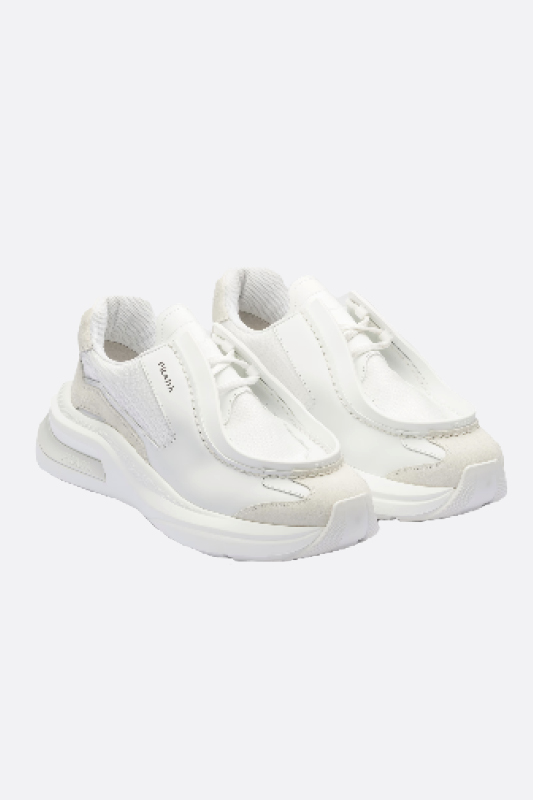
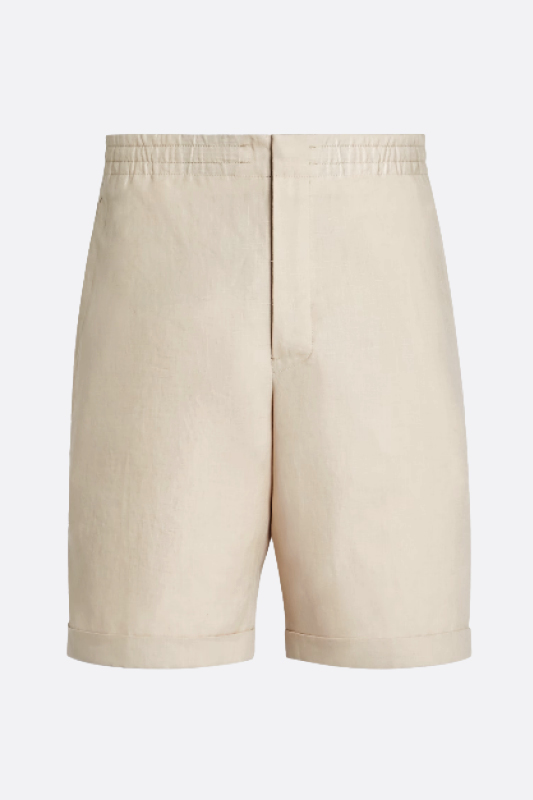
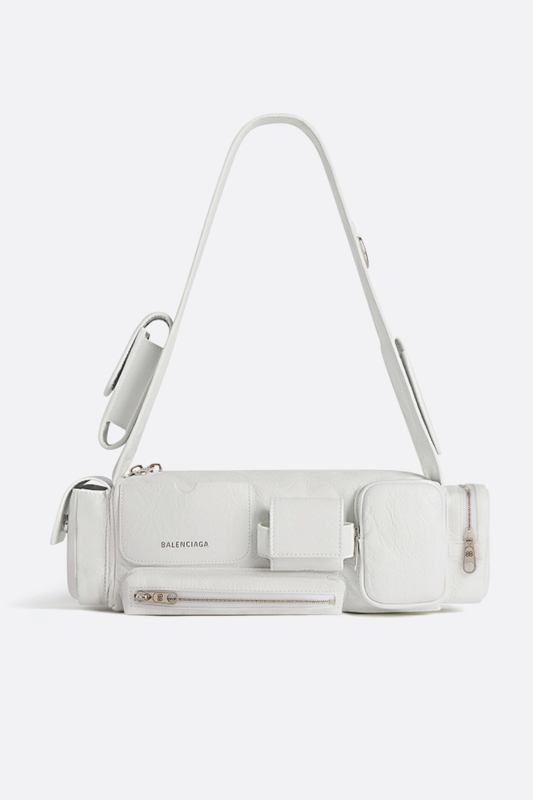
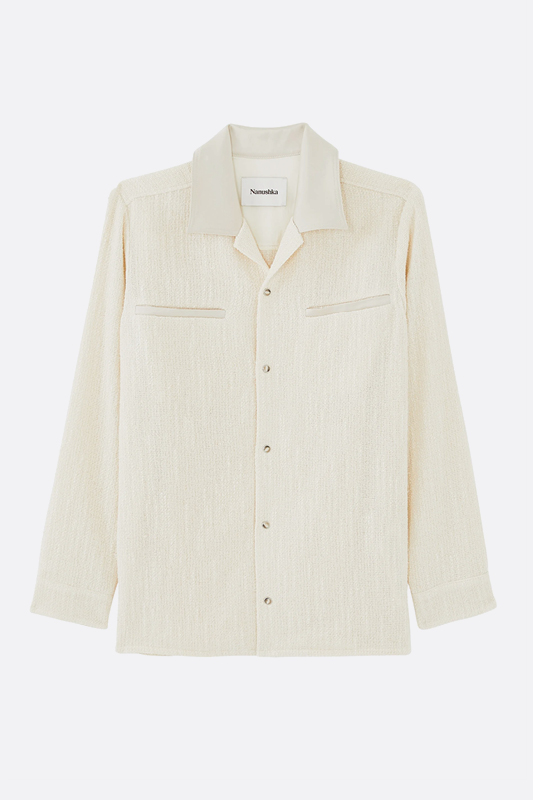
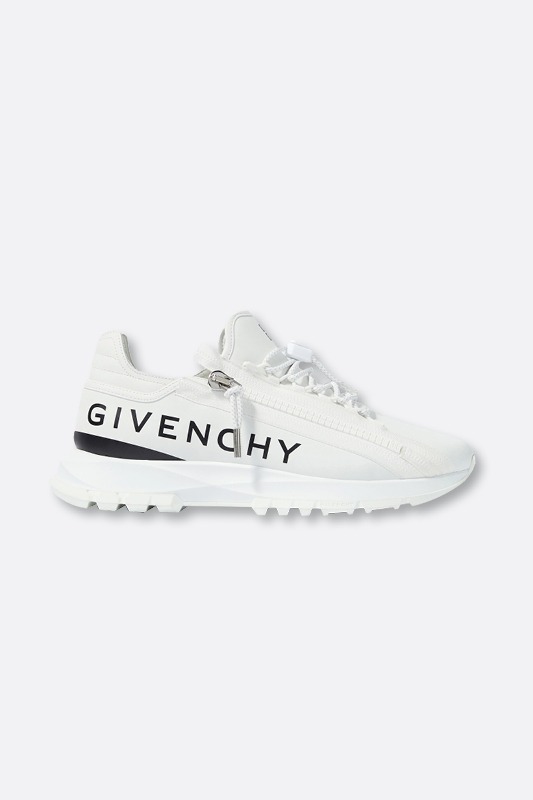
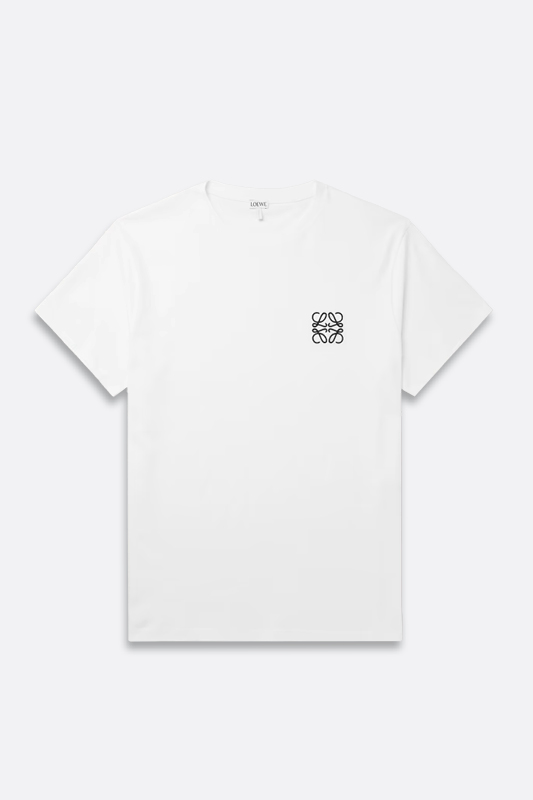
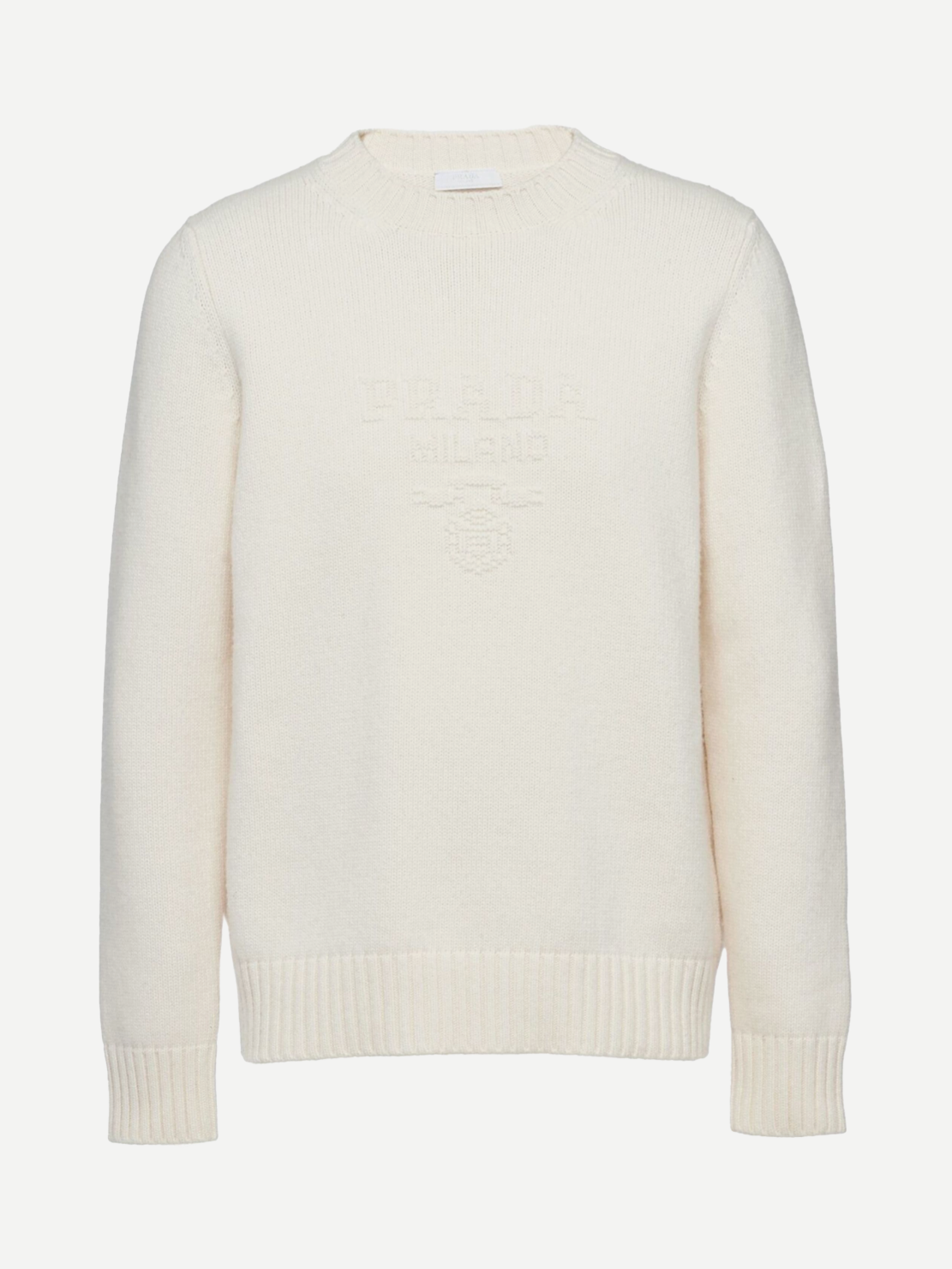
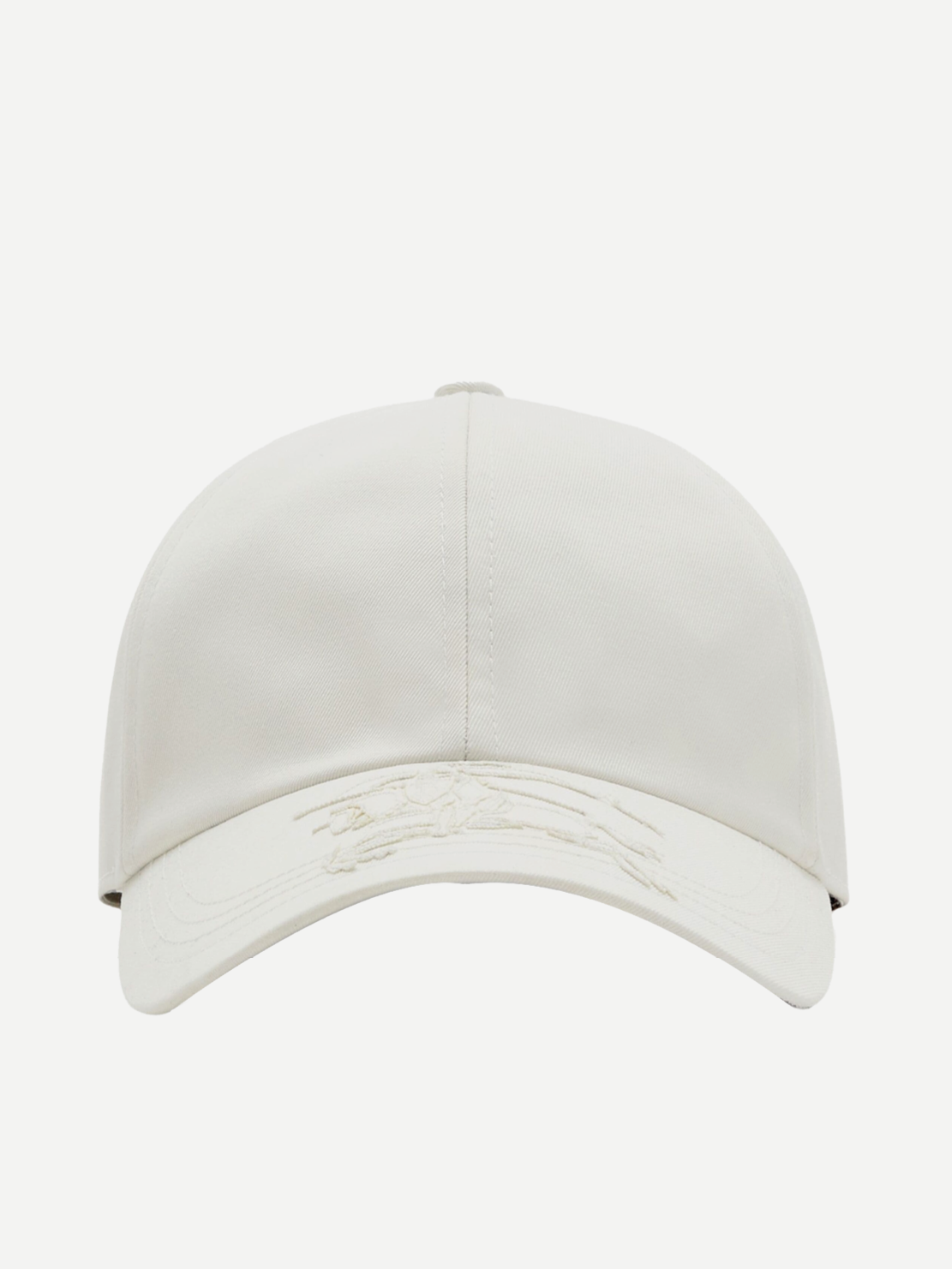
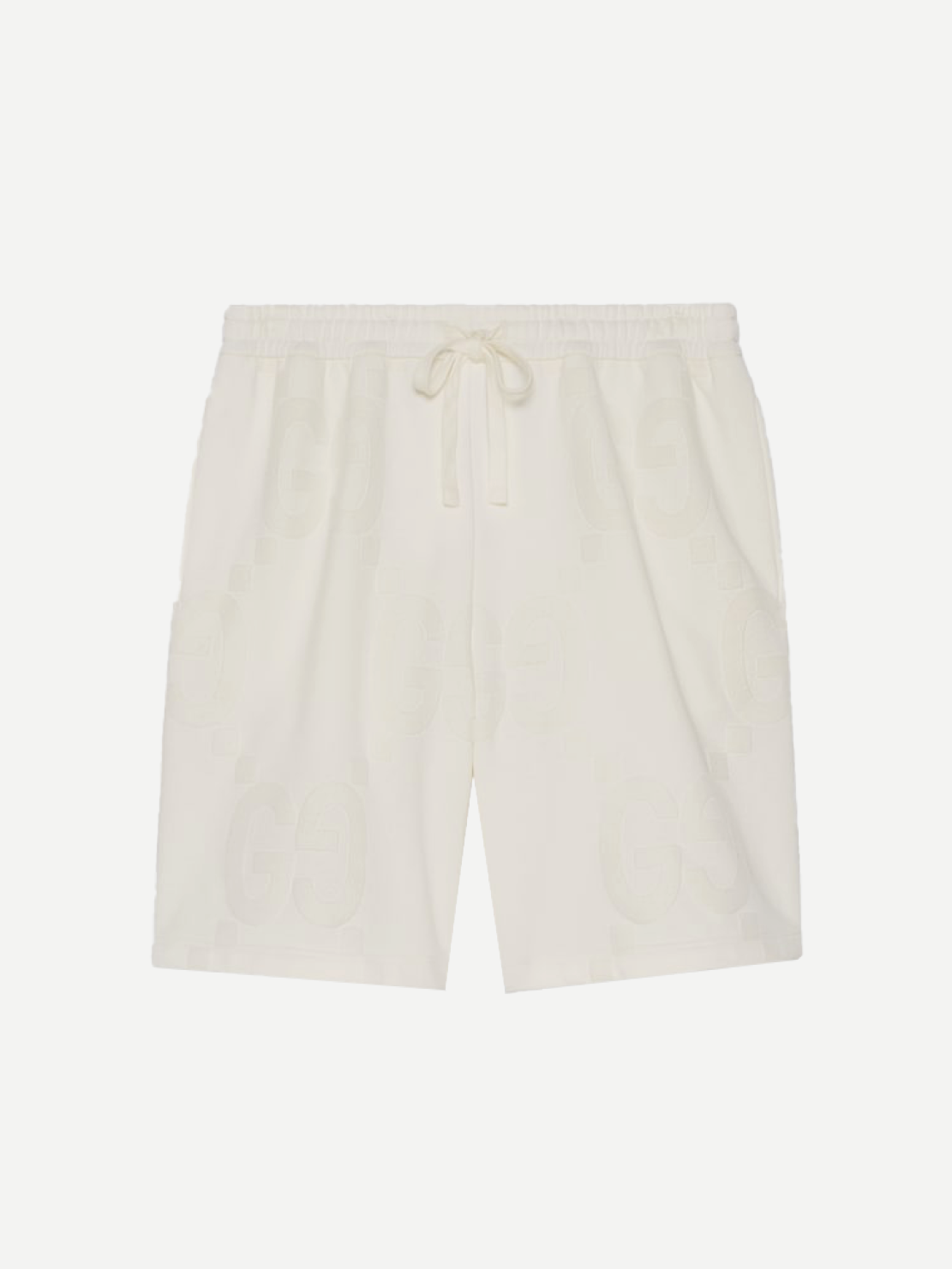
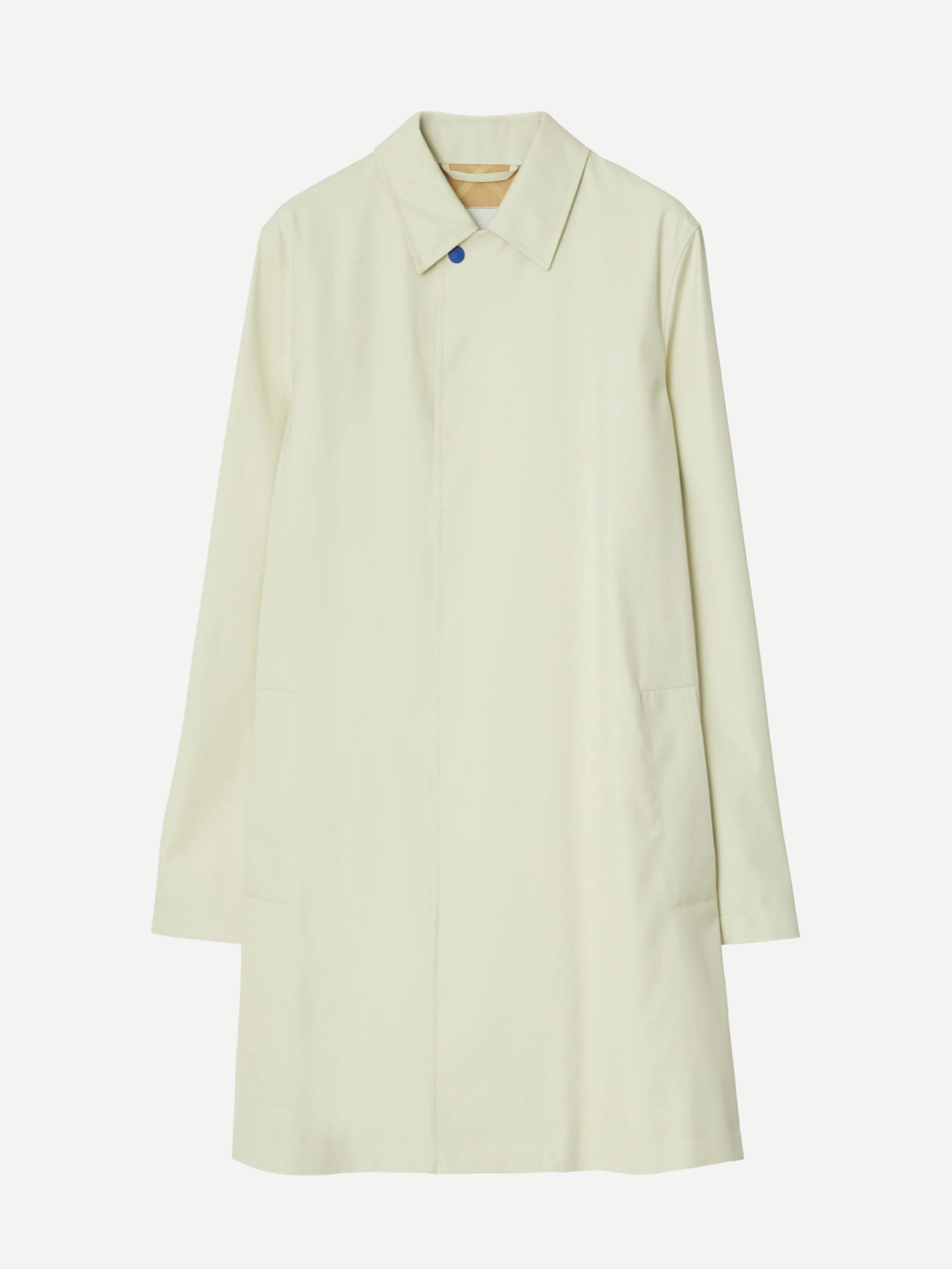
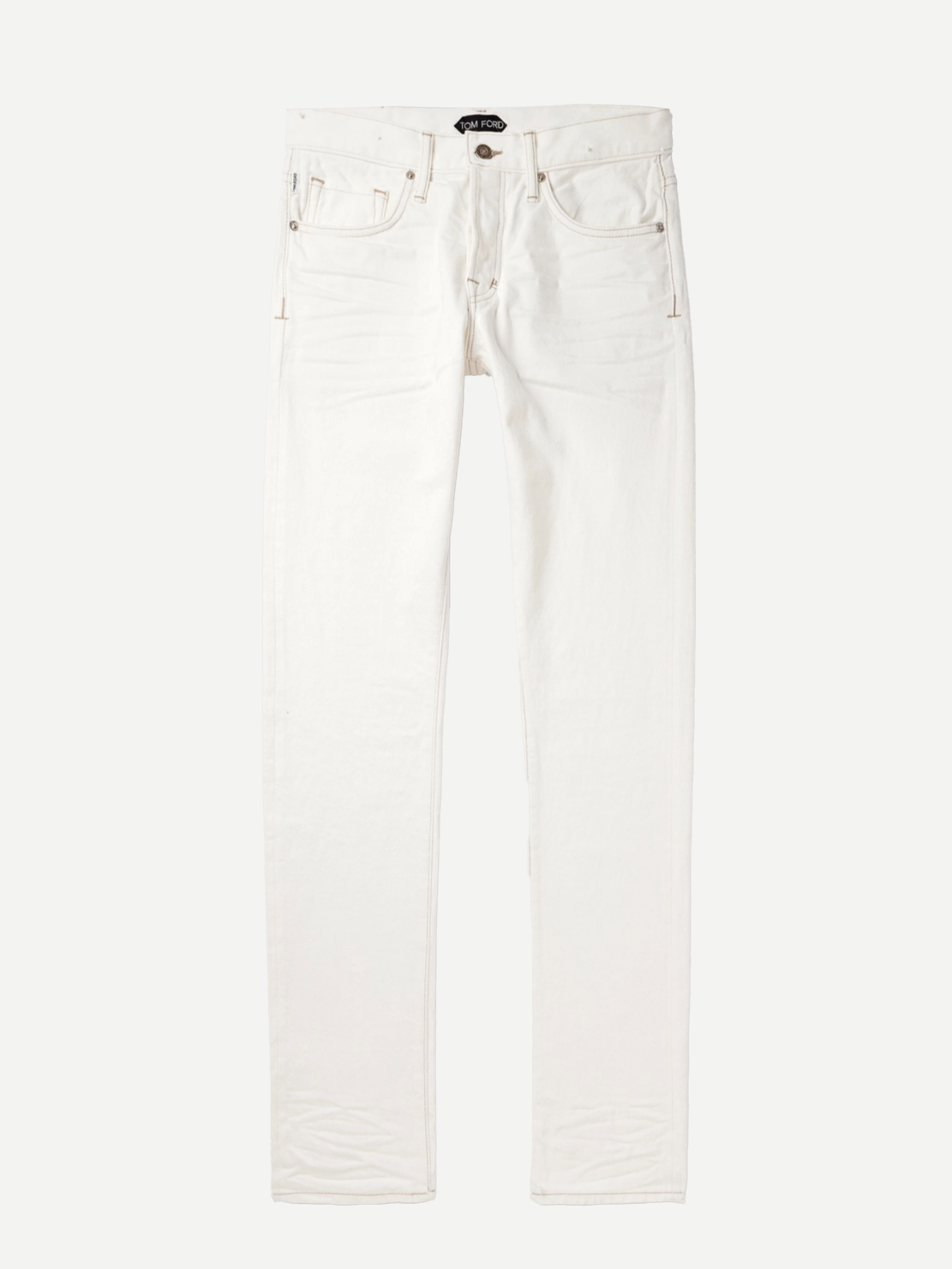
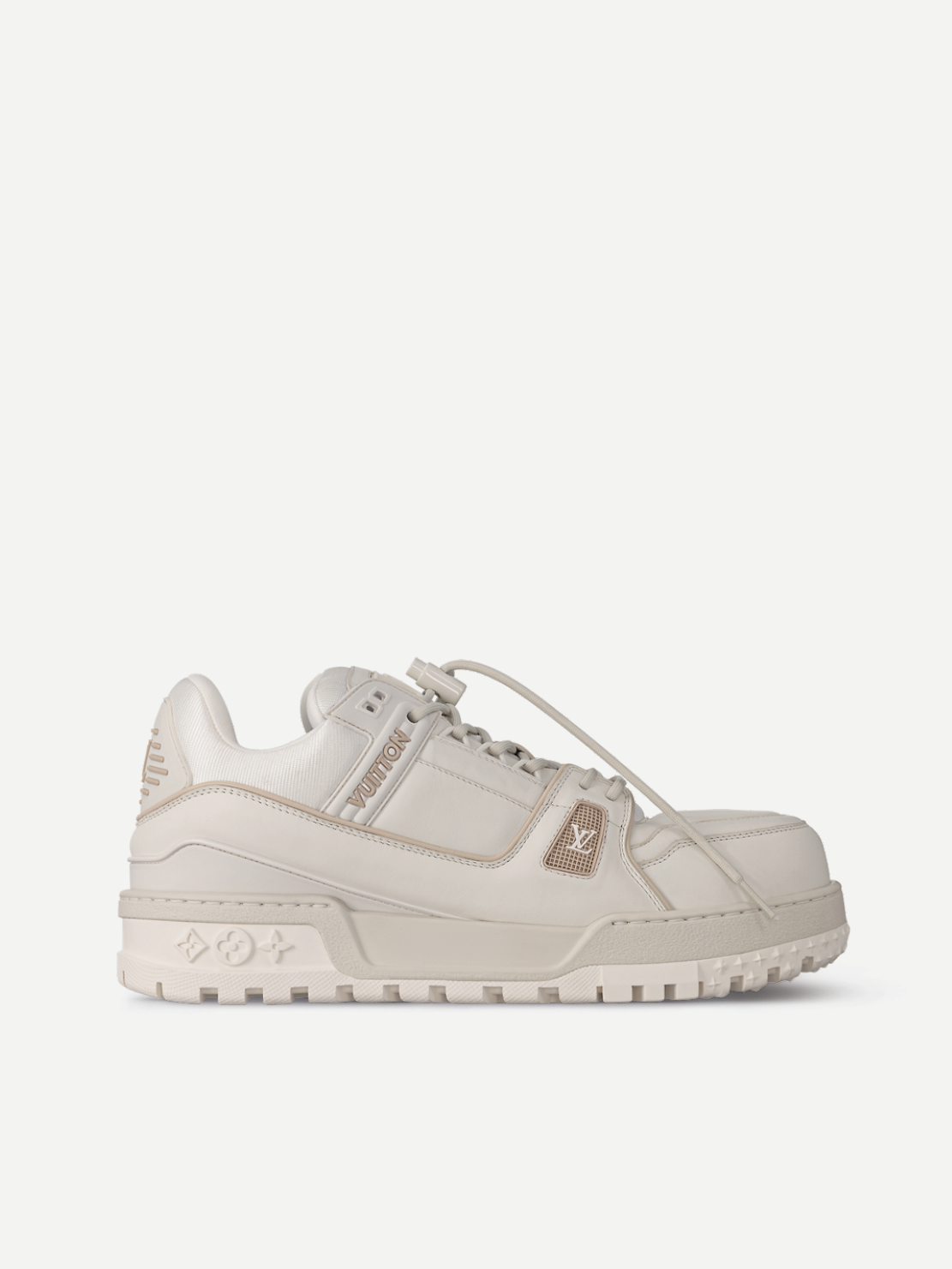
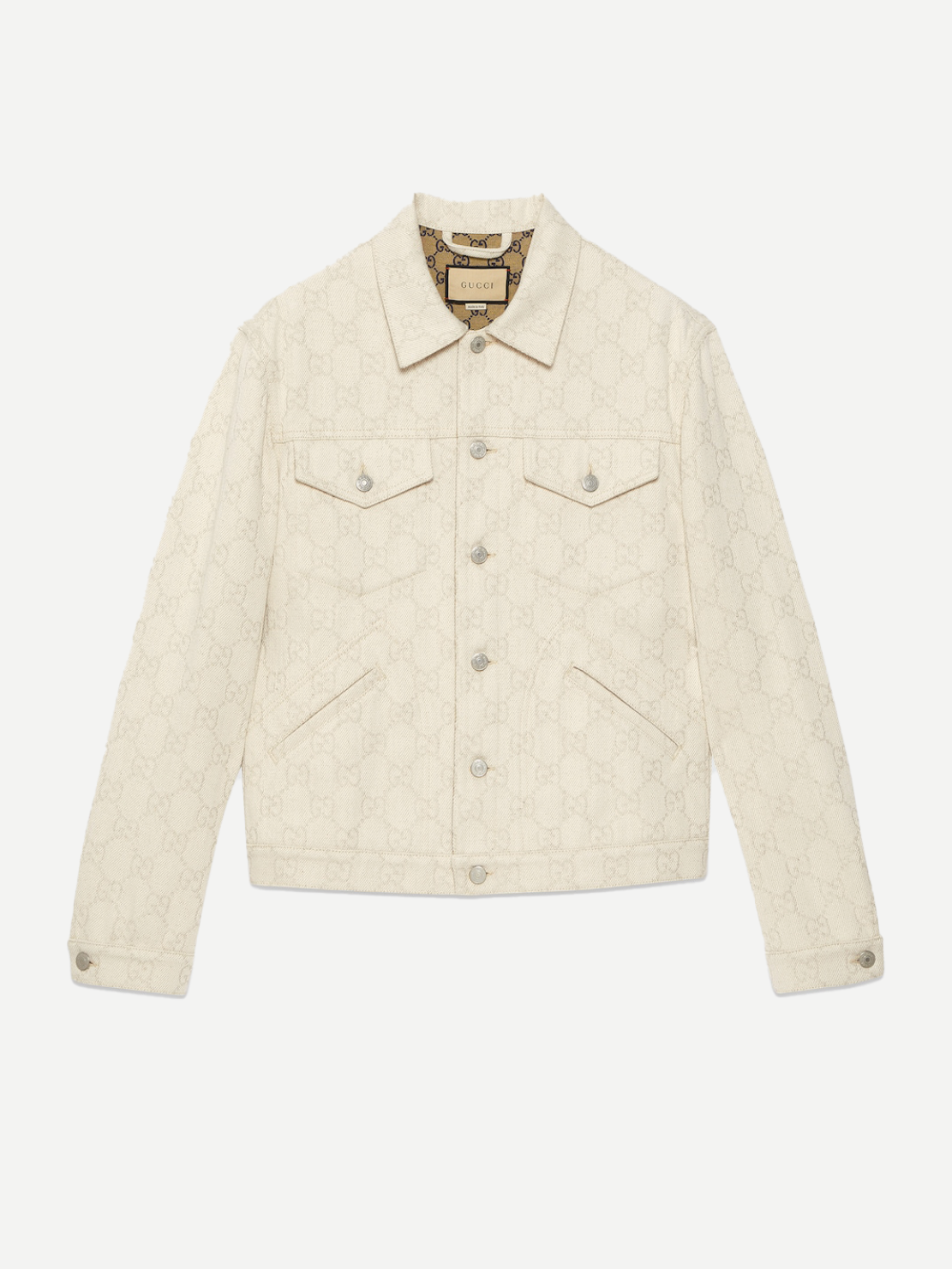
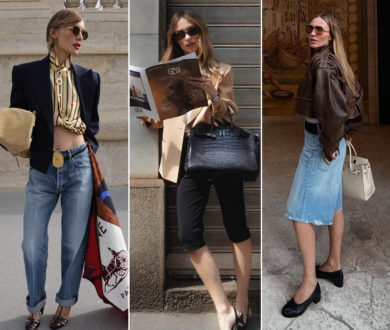
Head-to-toe, monochrome tones of white and cream will not only create crisp, confident looks but will add a touch of lightness to your style as we head into the cooler months. Here, we have rounded up a curation of ready-to-wear, shoes and accessories that will have you mastering this season’s modern monochrome, and promise to give your autumn wardrobe a necessary lift.
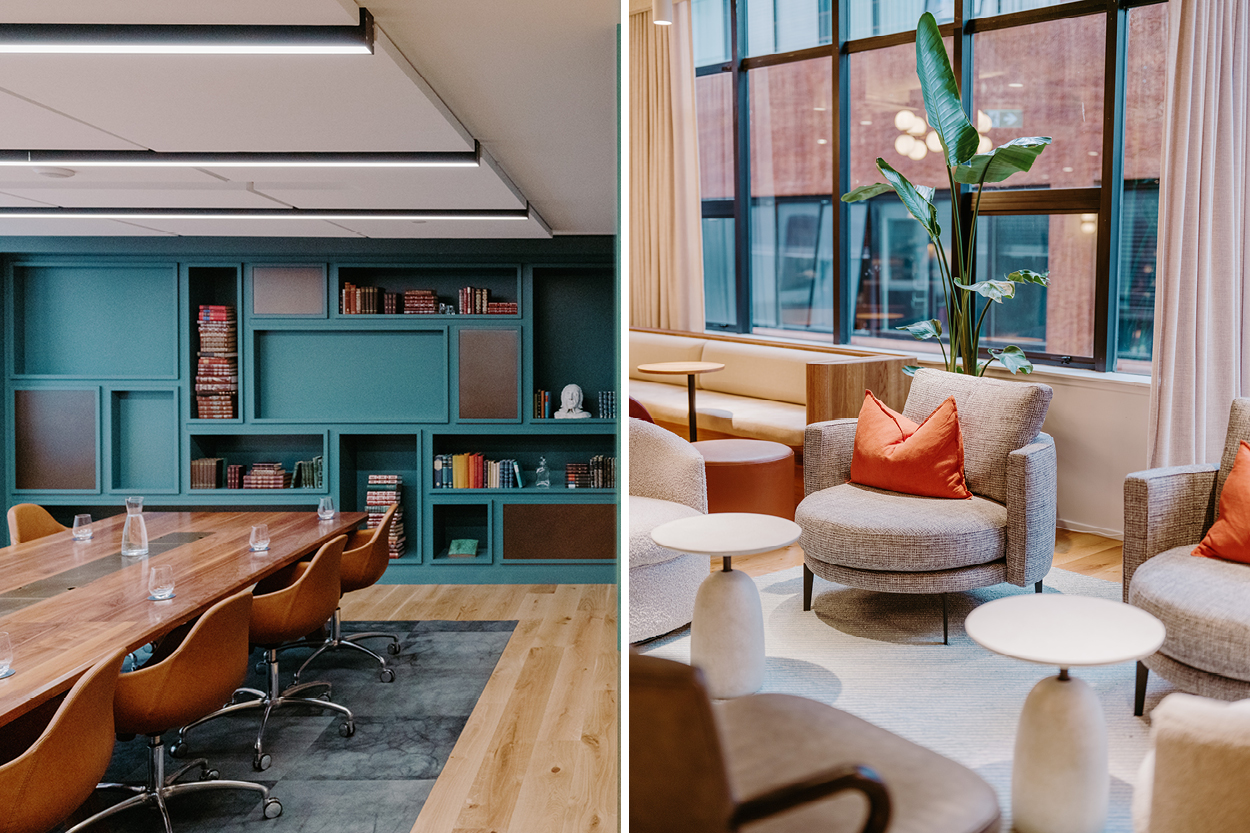
Taking the idea of a shared workspace and revolutionising it via careful, considered design and clever planning, Formery is emerging as a new hub of business in the heart of Auckland’s up-and-coming Midtown Precinct. A testament to modern office space redefined, Formery has been painstakingly developed by the team at Alberts (renowned for their transformative work on 1 Albert Street) and represents a $150 million endeavour to revolutionise the workplace experience for culture-led businesses seeking something that fits a range of requirements.
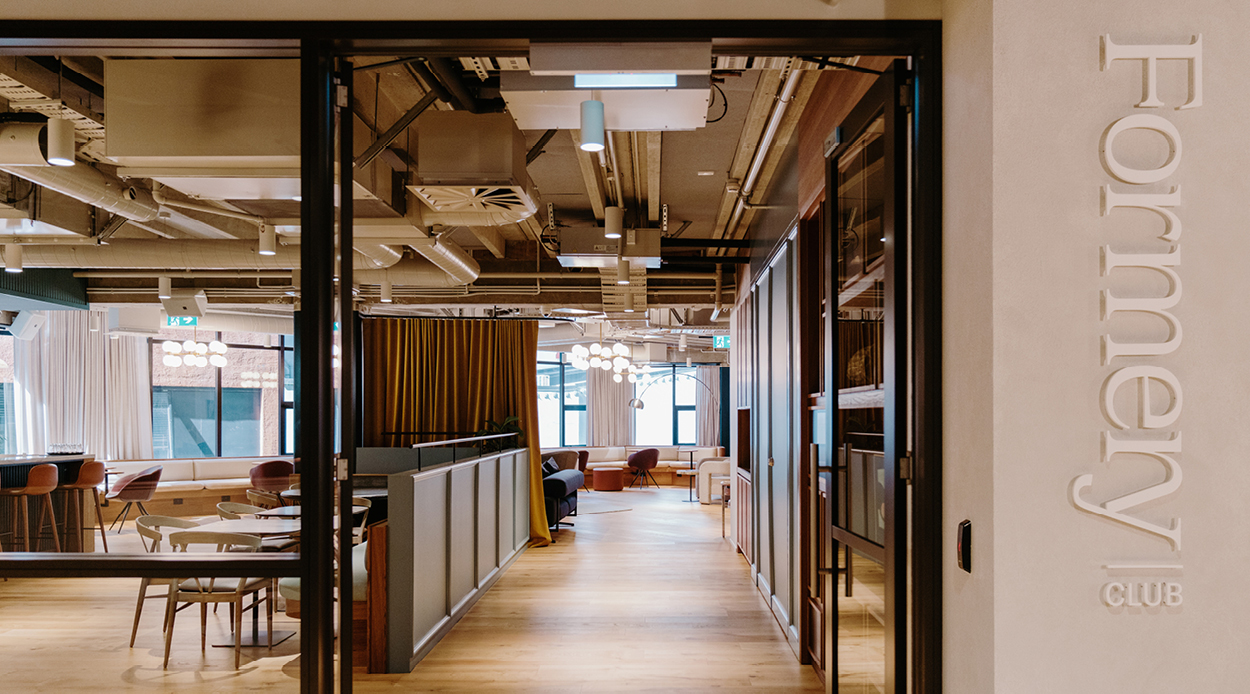
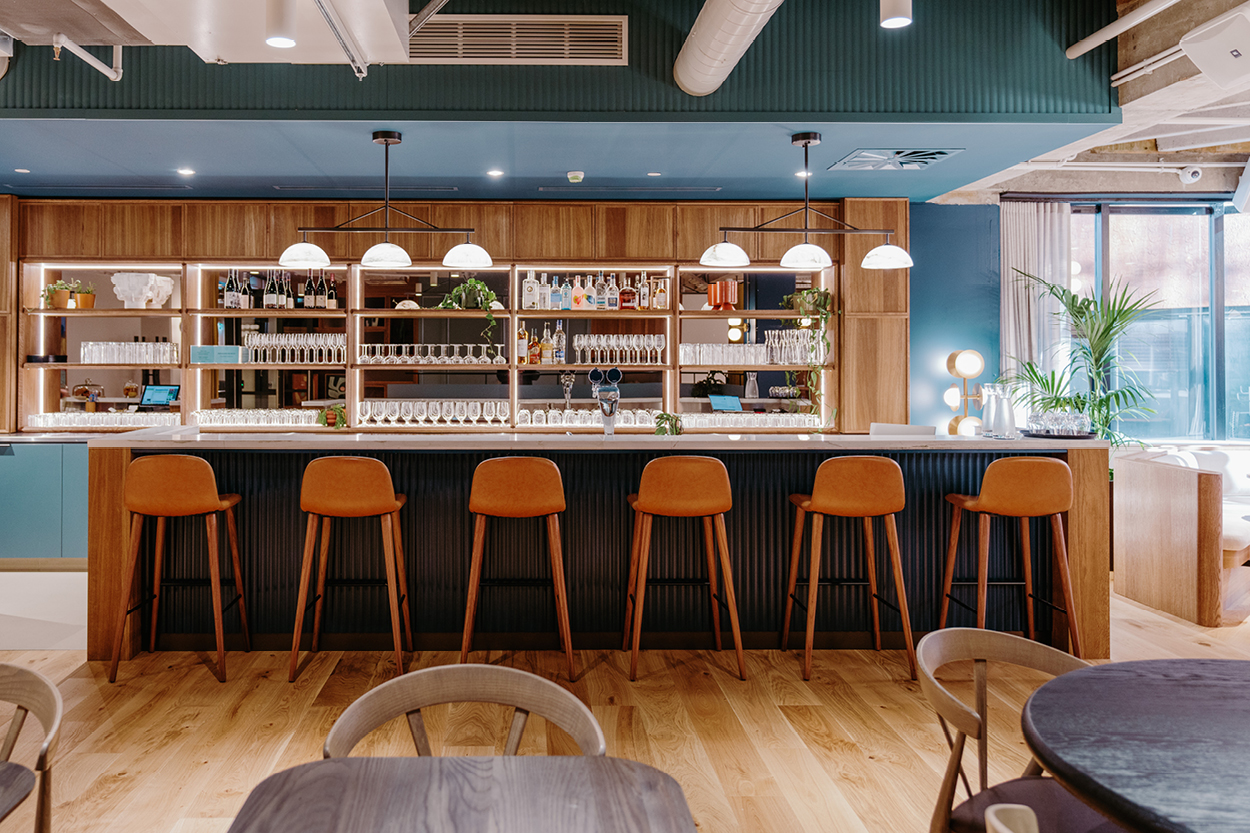
Comprising three, meticulously renovated buildings 87 Albert Street and spanning an impressive 14,500 square metres, Formery epitomises sustainable upcycling and eloquent redesign (where much of the existing fabric of the building has been utilised to exquisite effect). And while the development taps into the architectural heritage of Auckland, it is also uniquely positioned to fulfil the demands of contemporary businesses via its varied workspaces, high-tech meeting rooms, exclusive members’ Club lounge and plethora of food and hospitality offerings.
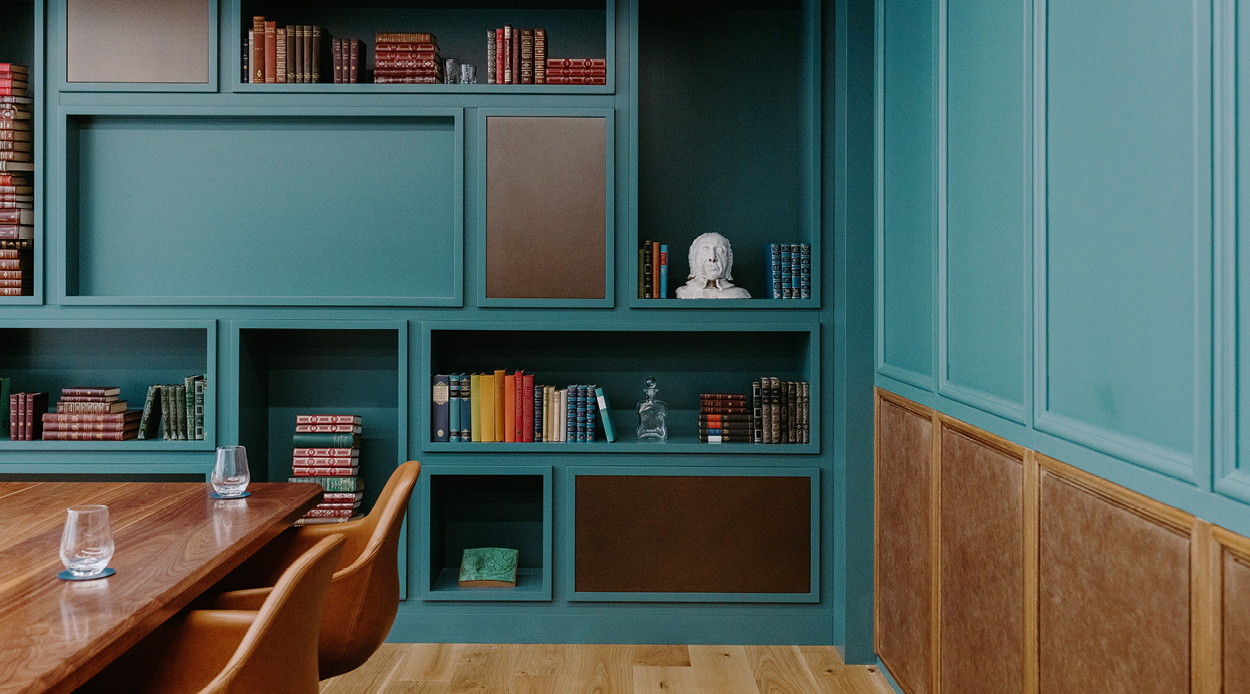
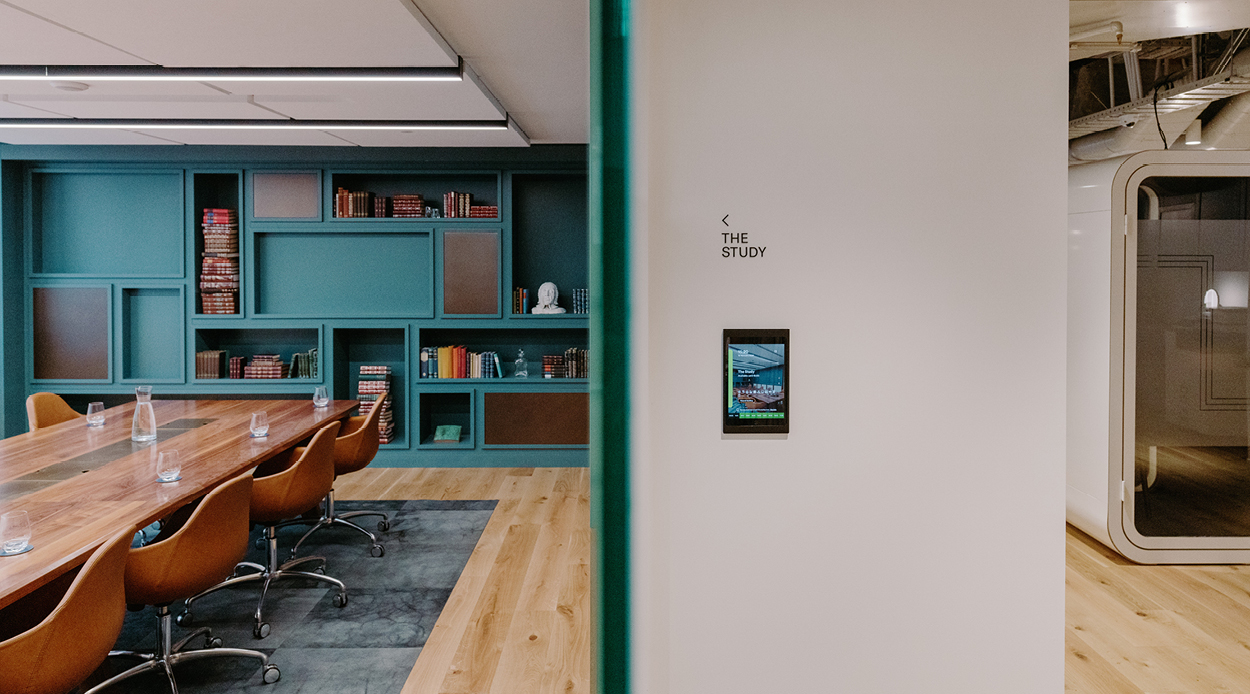
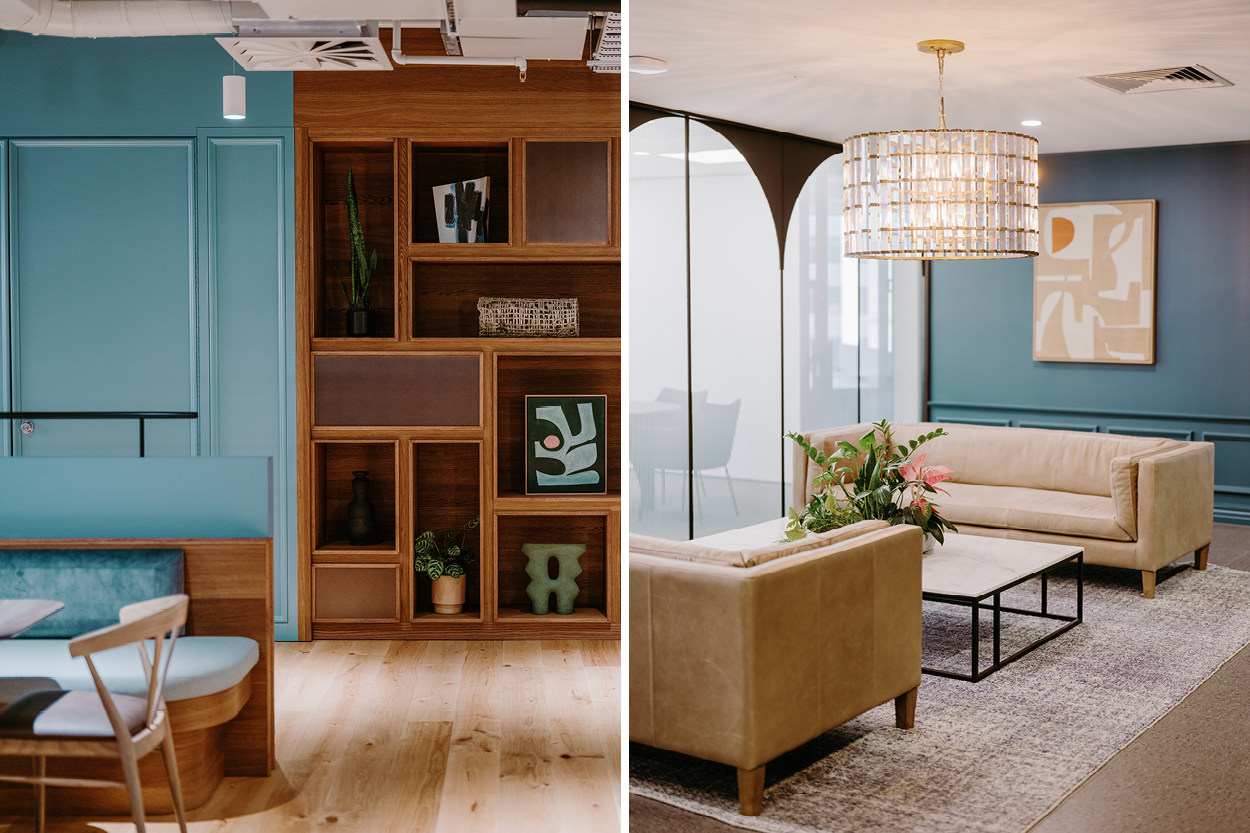
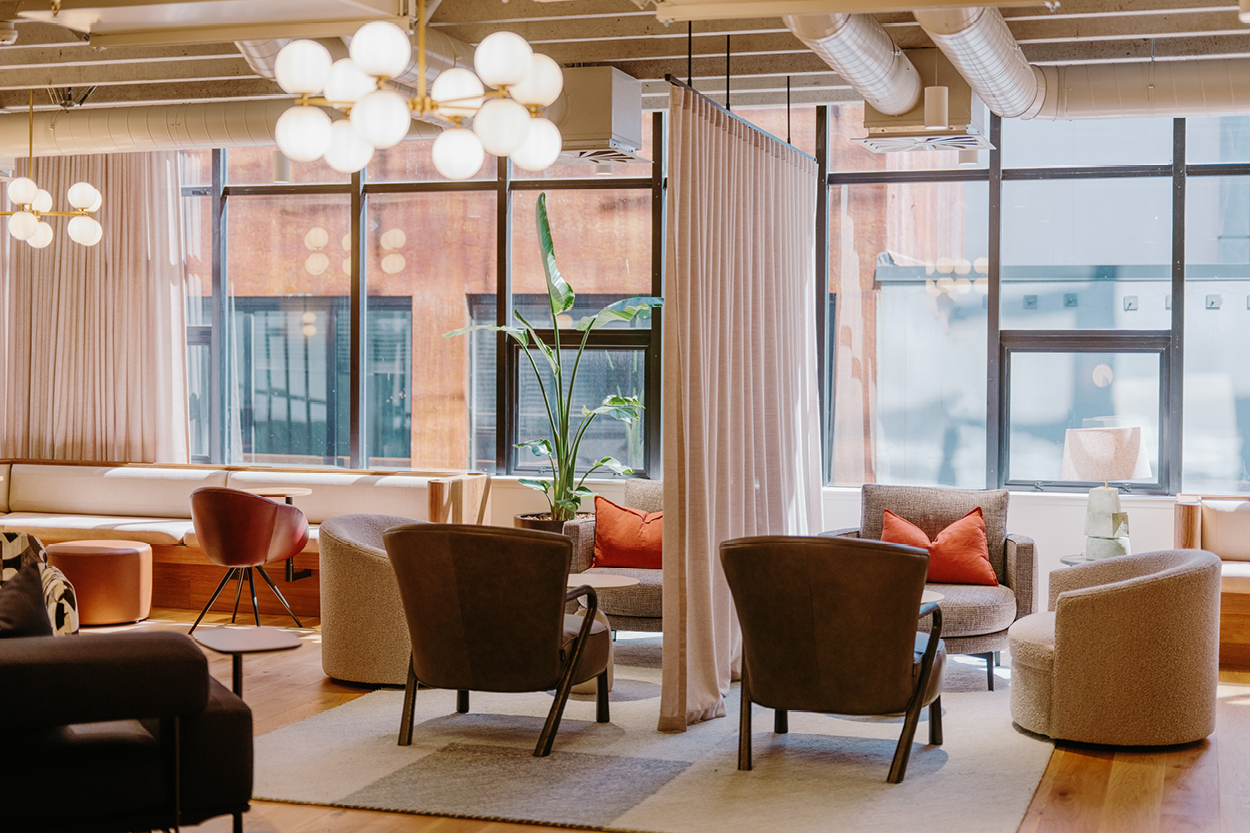
Inside, Formery is a seamless fusion of elegance and functionality. Led by local firm CTRL Space, the spaces here exude an inviting ambience where rich teal-blue panelling, warm oak flooring, and sumptuous leather accents are set against the raw industrial elements like stripped-back concrete and exposed ceilings, creating a harmonious blend of old-world charm and contemporary flair.
Coco Republic, renowned for their expertise in curated furnishings, was called on to bring Formery’s interior identity to life. With a focus on sophistication and character, the brand’s Senior Interior Designer, Georgina Holmes infused each space with eclectic charm, seamlessly transitioning between vintage-inspired pieces and modern accents. The result is an environment that transcends the traditional confines of corporate offices, inviting occupants to embrace creativity, collaboration and comfort.
This is in line with a central ethos of Formery — a commitment to fostering culture and connectivity. In fact, Founder of Alberts, Andrew Saunders envisions Formery as more than just a place of work but as a vibrant community hub where businesses of all sizes can thrive. Building upon the success of Auckland’s first private business members club at 1 Albert Street, Formery extends its offerings to cater to the evolving needs of modern enterprises.
“Auckland is well on its way to becoming a world-class international city, with masterful urban planning that will see it transform in the years to come,” he says. “Along with all the member benefits of 1 Albert — concierge, member’s lounge, hosted event spaces — we’ve designed Formery to give businesses smart solutions to foster culture and community, the bedrock of any hybrid working model.”
Alongside its impressive design and connected approach, what truly sets Formery apart is its unwavering dedication to sustainability. With a Net Building Score (NBS) of 100 percent and a sought-after NABERS rating target of 4.5, this development exemplifies eco-conscious design and operation. By repurposing existing infrastructure and implementing innovative sustainability measures, Alberts has ensured that tenants not only benefit from state-of-the-art facilities but also contribute to a greener future.
Ultimately, as Auckland’s Midtown district undergoes a renaissance, Formery stands as a beacon of progress and innovation. From its exceptional location in the heart of Midtown Auckland’s soon-to-be-complete Aotea Quarter, Formery will be within walking distance of The Green Link (a linear park connecting Victoria Park with Albert Park), as well as SkyCity, and Aotea Station (where, upon completion, up to 54,000 commuters are predicted to pass through per hour). Poised to become the epicentre of Auckland’s cultural and commercial resurgence and offer unparalleled accessibility and connectivity, Formery is already attracting forward-thinking businesses and professionals alike.
With spaces and memberships now available, Formery is encouraging entrepreneurs, innovators, and visionaries to join its ranks. Whether seeking a collaborative workspace or a sanctuary for focused productivity, this exceptional new development offers a haven where ambition meets opportunity.
Auckland’s dining landscape has just welcomed two exciting additions to its vibrant scene with the unveiling of Ember bistro and The Aviary cocktail bar. Taking up coveted positions within the Grand Millennium Auckland Hotel on Mayoral Drive, these venues promise an elevated experience for both food enthusiasts and cocktail connoisseurs alike, and are the perfect spots at which to park up for a pre-theatre drink or bite.
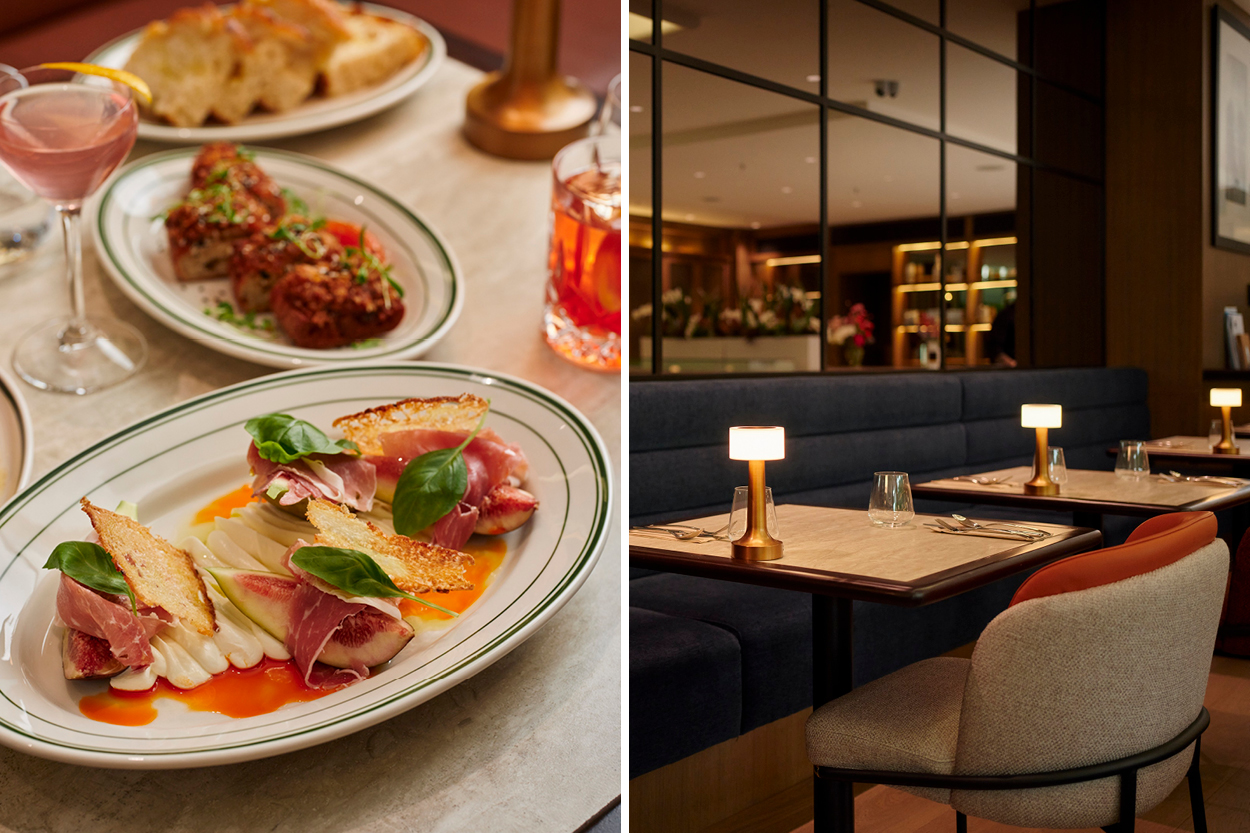
Left: Fig, labne & prosciutto
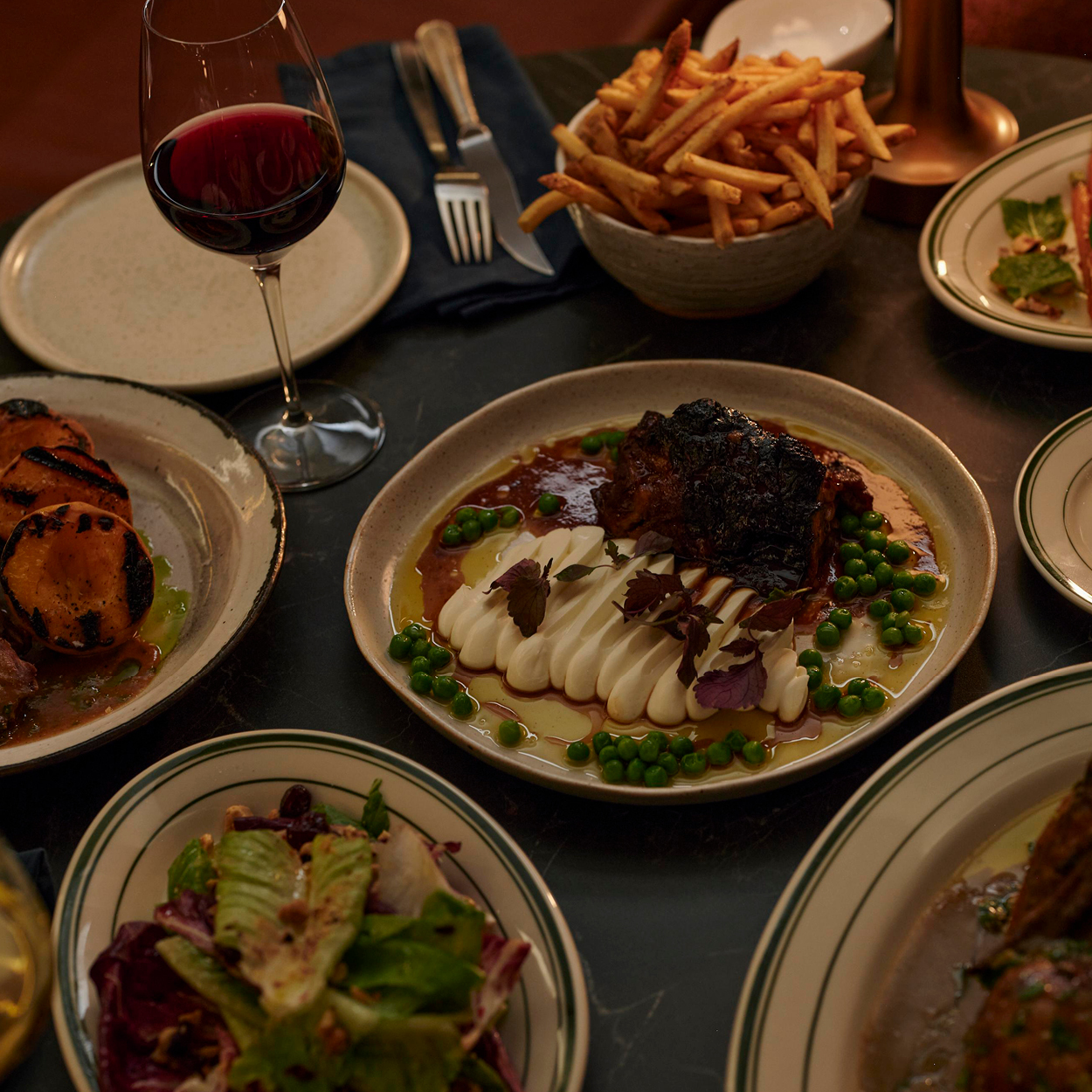
Ember sets the stage as a relaxed and welcoming bistro, drawing inspiration from an array of culinary influences designed to celebrate the spirit of travel that is so inherently tied to its setting. Spearheaded by esteemed New Zealand Chef James Kenny, Ember’s menu is a testament to his diverse culinary experience spanning from Paris to Greece to London (where he worked at Gordon Ramsay’s The Boxwood) to Copenhagen (which included a stint at the legendary Noma) and beyond. Here, Kenny and his team, led by Head Chef Aaron Hyett, aim to captivate diners with a fusion of technique, indulgence and flavour.
Standout small dishes include a scampi toast topped with pineapple hot sauce, a fried potato terrine with salt and vinegar kiwi onion dip, some ricotta and spinach dumplings with goats cheese and some corn ribs served with kombu salt and lime. Those seeking something more substantial, however, will be hard-pressed to pass up the Matangi beef with green peppercorn and beef-fat chimichurri, or the half spatchcock chicken served with chicken gravy and jalapeno cornbread, or the shoulder of lamb covered in a delectable burnt honey glaze.
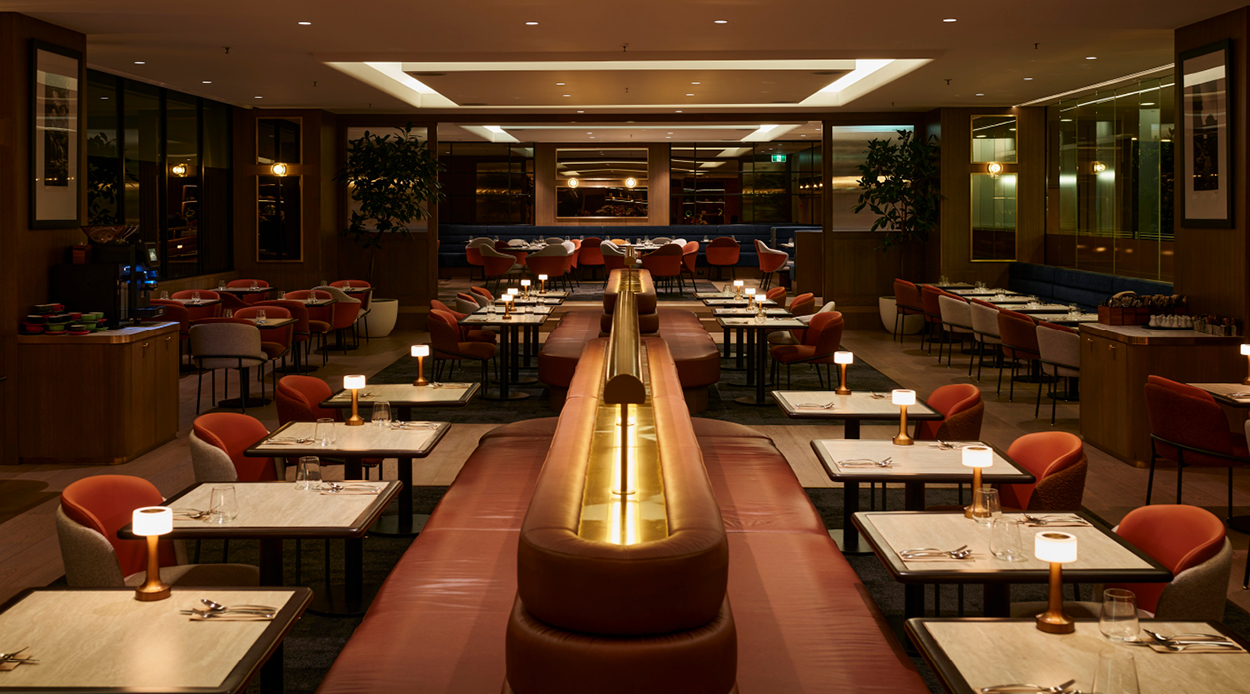
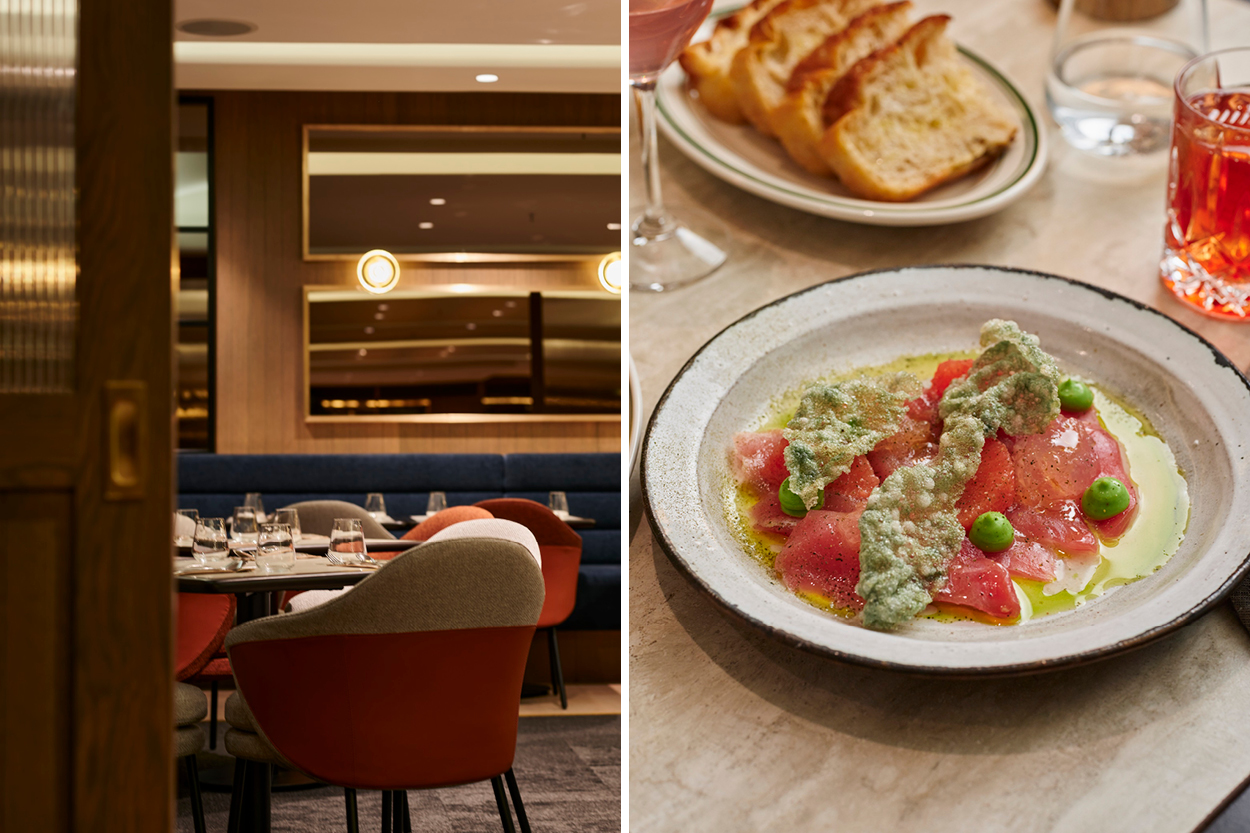
Conveniently located just a five-minute stroll from Auckland’s theatre district, Ember offers theatre- and movie-goers an ideal spot for pre or post-show food and drinks. Designed by the renowned Izzard Design, the bistro boasts a spacious 144-seat setting, perfect for all-day dining experiences, whether indulging in a leisurely breakfast, a long lunch, or savouring some pre-show delights. True to its name, Ember exudes an ambience of warmth and conviviality, and has quickly established itself as an inviting place where all are welcome to bask in the glow of shared meals and animated conversations. It is the kind of venue one might imagine creating many happy memories with loved ones or friends over some seriously delicious food.
Right: Crudo fish
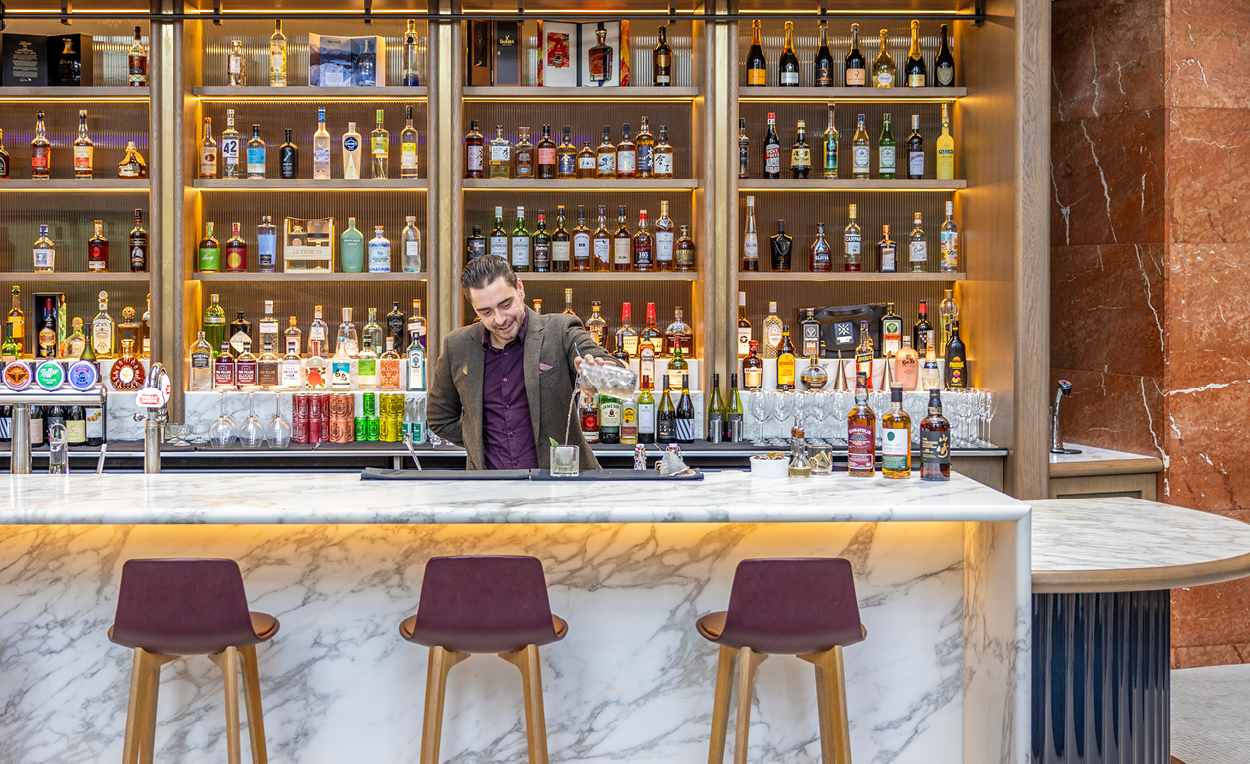
Adjacent to Ember sits The Aviary Cocktail Bar, which invites patrons into a world of elegance and sophistication. Set within the Grand Millenium’s atrium, this lobby bar (also designed by Izzard Design), offers a relaxed setting for solo sippers and groups alike. With an array of creative cocktails featuring ingredients like butterfly pea tea, The Aviary is more than your typical cocktail bar; it offers a sensory journey through the art of mixology. Noteworthy libations include the Me’n’u cocktail, a finalist at the 2023 Campari Red Hands competition, which tantalises the palate with coffee and white chocolate, the Furesshu Fizi, where cucumber and mint are presented in an effervescent melange that was inspired by Japanese zen gardens, and the Rosalita, a bold and invigorating cocktail that combines chilli and zesty elements with sweet mango.
The Aviary Cocktail Bar
Helmed by an Irish bartender, Thomas Shortt, The Aviary also offers a touch of Celtic charm with Guinness on tap and a line-up of Irish dessert-style cocktails (like the Caife Atha Cliath, a rich combination of whiskey with vanilla, salt and coffee).
Now that Ember and The Aviary have joined the esteemed culinary offerings within The Grand Millennium Auckland Hotel, (alongside Katsura Japanese Cuisine and sensory dining experience Dans le Noir), Auckland’s discerning diners would do well to pay this Mayoral Drive gem a visit. There, discover impeccable design, great service, creative and sophisticated menus and an unwavering commitment to hospitality.
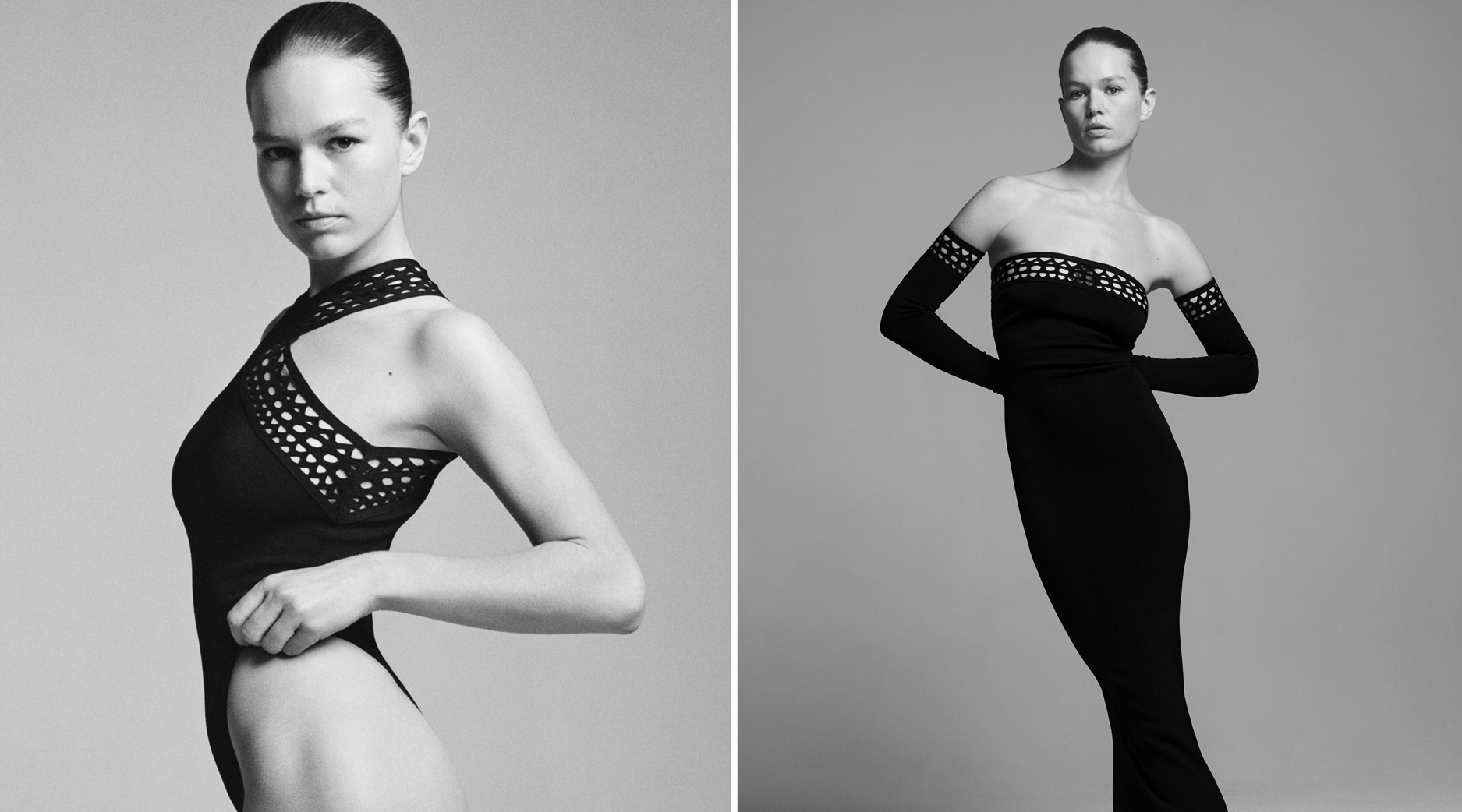
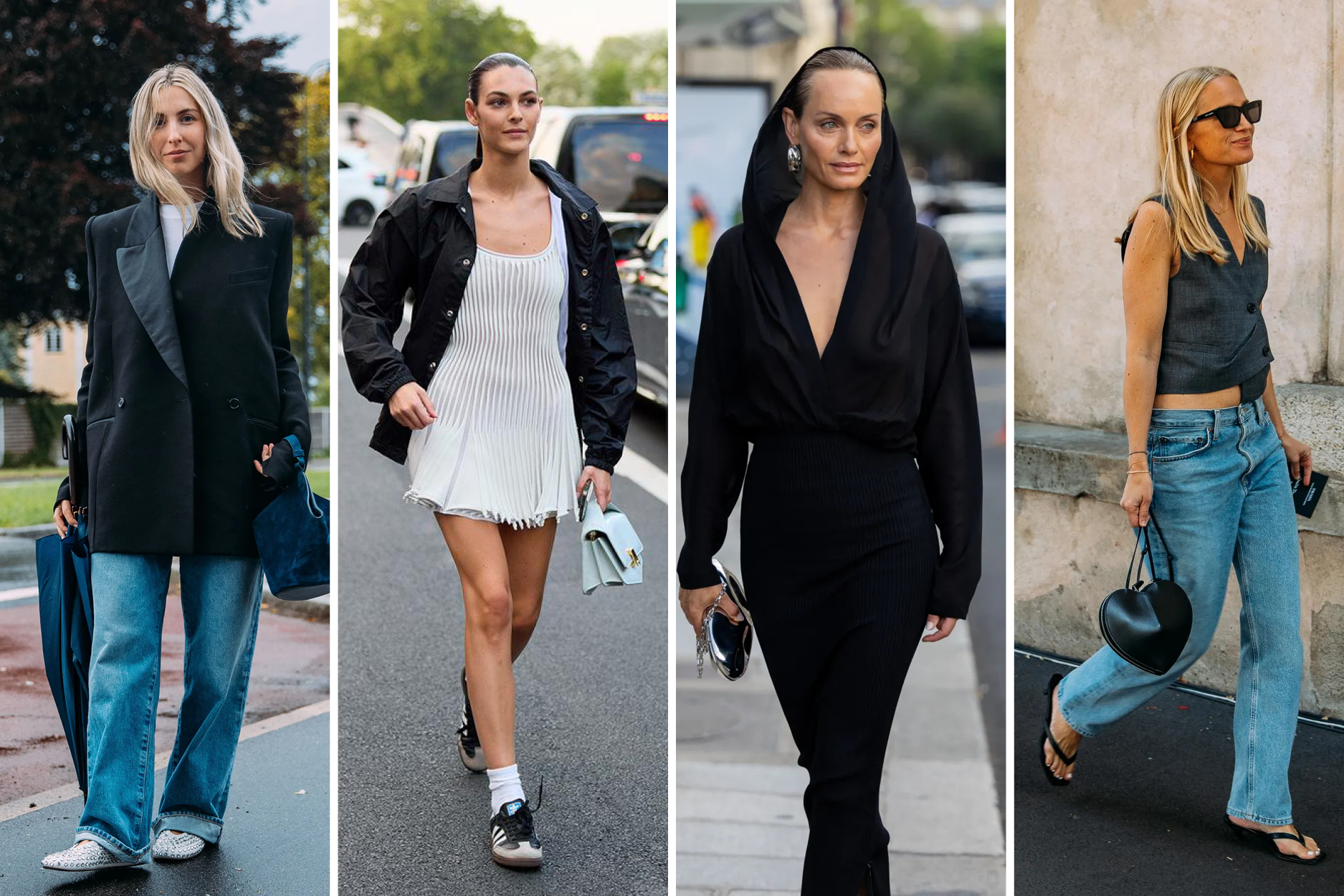
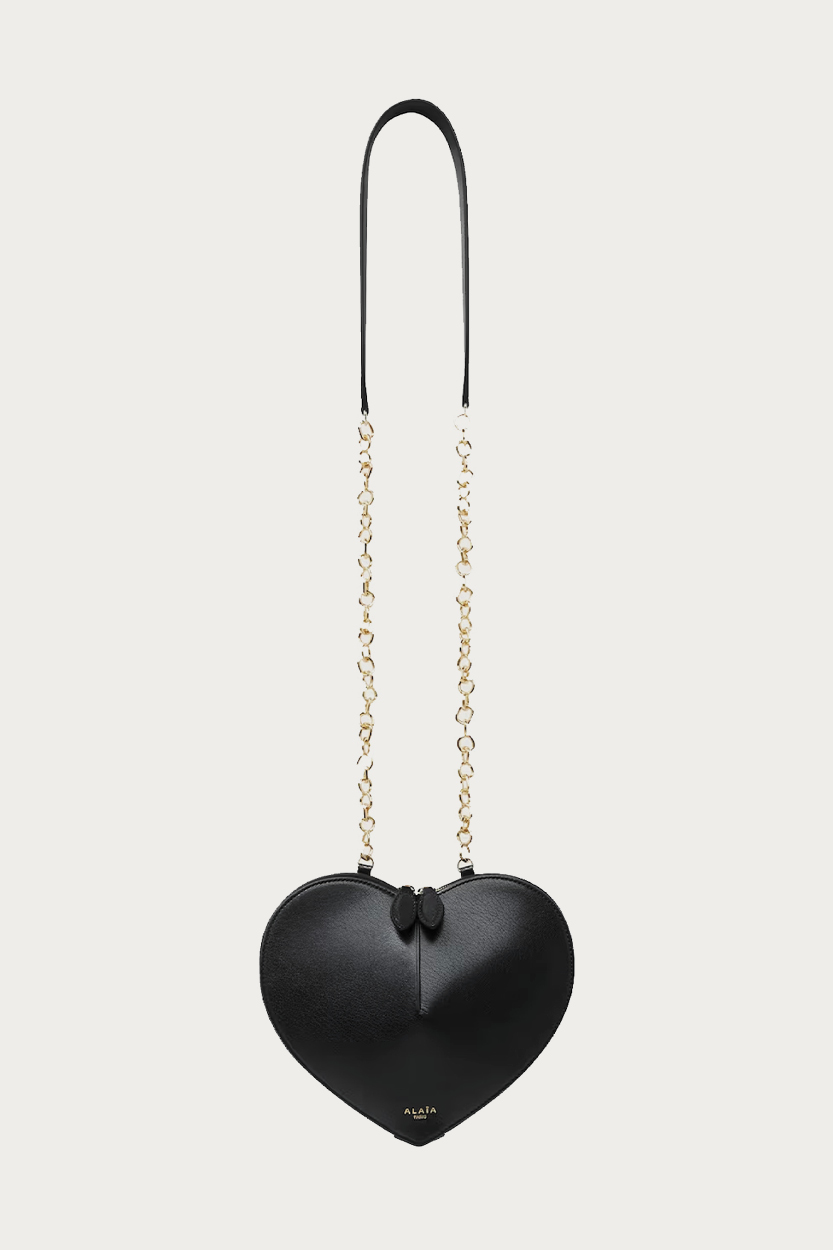
Even if you aren’t familiar with Alaïa, or the story behind it, you’d have to have been living under a rock to have not encountered someone wearing the brand’s viral fishnet or studded ballet flats, or its heart-shaped ‘Le Cœur’ crossbody bag. So prolific have these pieces become that demand has caused world-wide wait-lists, as fashion’s most discerning collectors clamber over one another to get their hands on the pieces that have sparked such a frenzy, pieces favoured by fashion week’s most followed street style doyennes.
For Faradays’ Creative Director Constance von Dadelszen, her passion for Alaïa has been a long-time love affair. “I never feel more beautiful or confident than when I wear Alaïa,” she tells me, “the attention to detail, the incredible cuts, the inimitable fabrics… we feel so privileged to have the brand’s full offering at Faradays, as its exclusive New Zealand stockist.” It’s an obsession that von Dadelszen explains she now sees in her customers too. “Many of our clients purchase Alaïa pieces with the intention of passing them down to their daughters one day,” she says, “which speaks volumes about its quality and iconic designs.” Because Alaïa is far more than its recently viral moments (despite those things thrusting the brand more into the mainstream than ever before), it is (and has been for a long time) an iconic house, its cultural and reputational power almost unparalleled and its pivotal role in the evolution of luxury fashion as we know it today, crucial. And while the brand itself has produced era-shifting collections, its importance has much to do with its famous founder, Azzedine Alaïa and what he stood for, as it does with the clothes themselves.
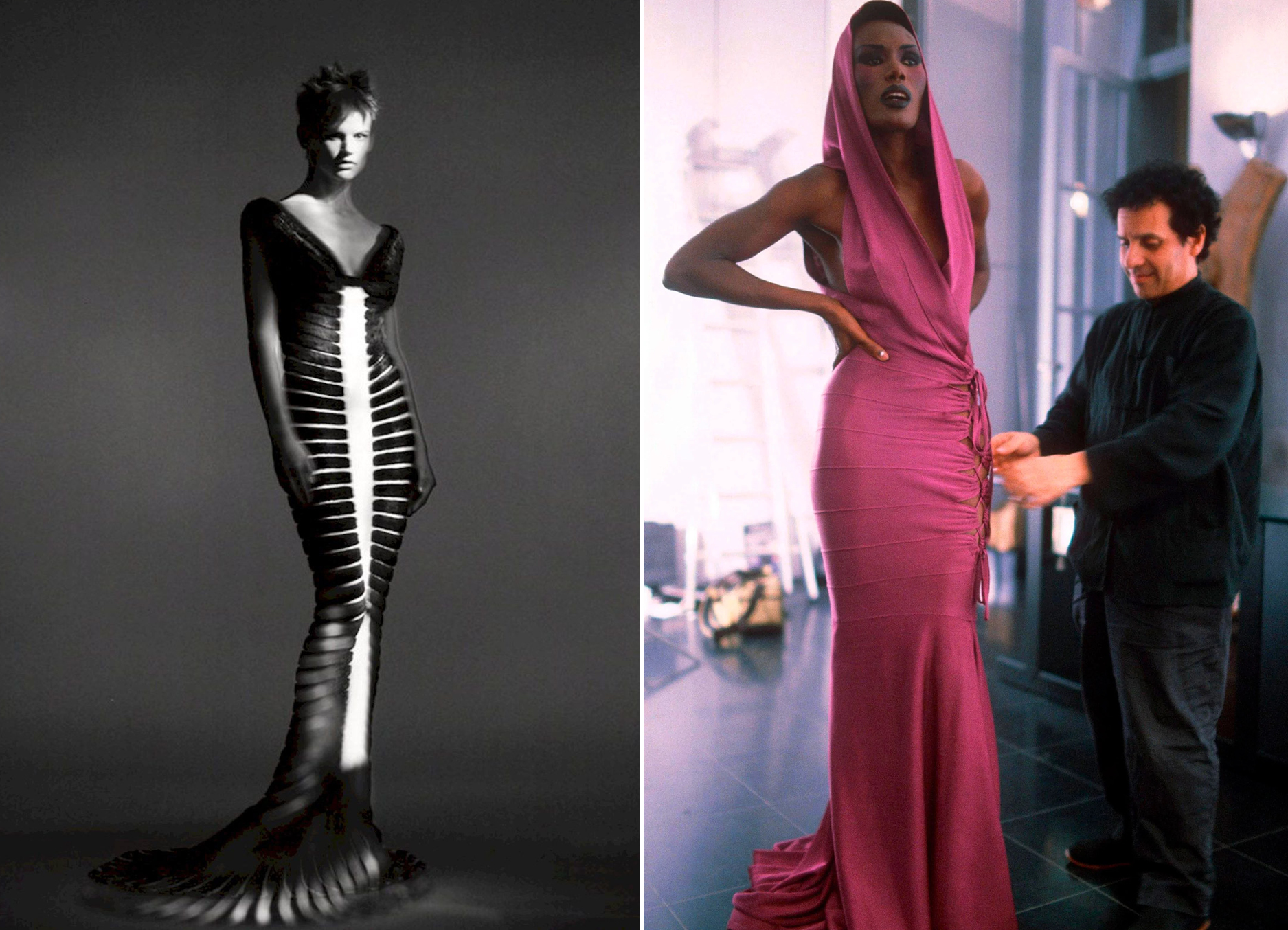
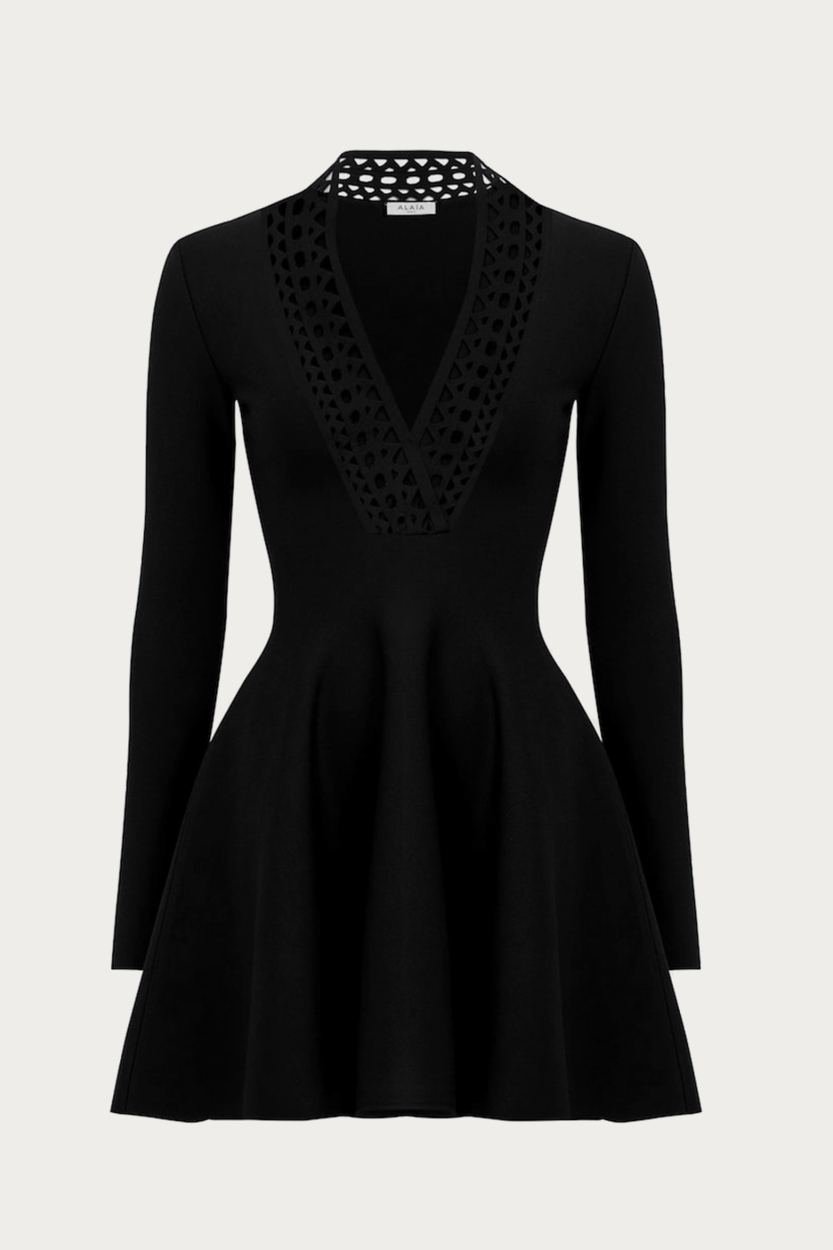
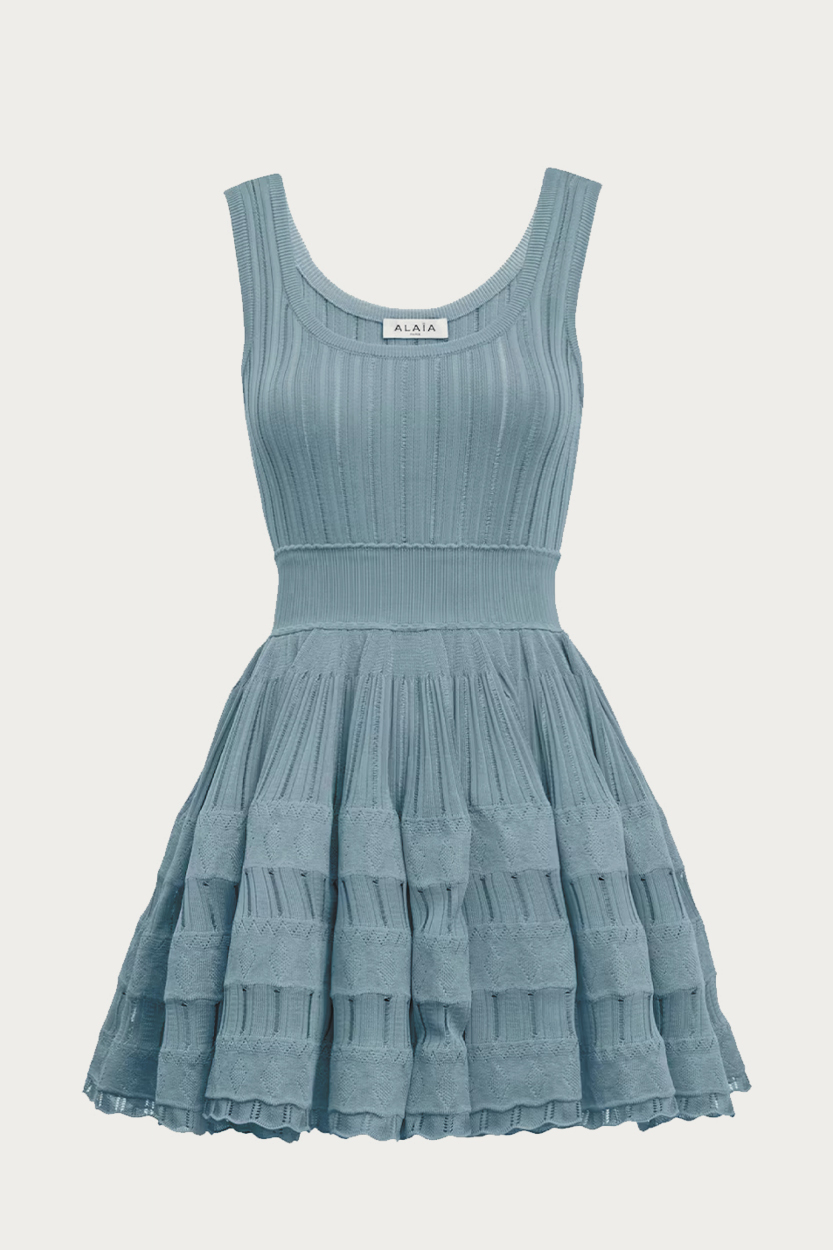
Left: Alaïa Houpette dress. Right: Grace Jones dress designed by Azzedine Alaïa for A View To Kill film, 1985
Alaia was born in 1935 in Tunisia and started out studying sculpture before moving into the industry in which he was destined to make such a significant impact. “When I was in Tunis, I went to the École des Beaux Arts and I decided to study sculpture because of my fascination with the curves of the body,” Alaïa said. “Then I discovered fashion.” Credited as being one of the most gifted designers of his generation, Alaïa started his career working for the likes of Christian Dior, Guy Laroche and Thierry Mugler before setting up his own eponymous studio in Paris in 1964. The young designer quickly established himself among the City’s elite as a virtuoso in cutting a garment to a woman’s body, designing for a private clientele that included the likes of Greta Garbo and Cécile de Rothschild.
It was after showing his first ready-to-wear collection in 1981 that Alaïa started making waves in the industry at large. Designing with a mandate to accentuate the beauty and natural curvature of the women who would be wearing his pieces, Alaïa’s early introduction of ‘body-con’ styles earned him the nickname, ‘King of Cling,’ and saw him create some utterly iconic designs, including dresses like the ‘Houpette’, the ‘Skater’, the ‘Blandettes’ and the ‘Ribbon’.
From the 80s onwards, Alaïa was a major player in fashion, not for the volume of looks or collections his house produced, mind you (he was never one to follow the conventional fashion calendar), but for the central role that his clothes held in the culture. The designer dressed Tina Turner and Grace Jones (he notably did Jones’ costumes for the 1985 Bond film, A View To Kill, in which she wore a hooded Alaïa bandage dress to play the role of villain, May Day), and was largely responsible for propelling fledgling models Naomi Campbell, Stephanie Seymour and Cindy Crawford to supermodel status.
For nearly 40 years, Alaïa was held as a master of his craft, creating clothes that transcended trends long before the idea of ‘seasonless’ or ‘slow’ fashion was a movement. “My obsession is to make women beautiful,” he said. “When you create with that in mind, things can’t go out of fashion.” Indeed, almost all of Alaïa’s creations and collections have enjoyed the kind of staying power not often seen in this notoriously fickle industry, and even when his business went through significant changes (from the sale of a stakeholding to Prada in 2000, to Alaïa himself deciding to buy one hundred percent of the business back, to the arrival of luxury conglomerate Richemont, who acquired the brand in 2007) the true essence of Alaïa was never lost.
It wasn’t until his death in 2017 that the future of the house that Alaïa had so carefully built was called into question. After all, what would the brand be without the iconoclastic man who had given it his name, and filled it with his passion? The answer to that came three years after Alaïa’s passing, when an industry veteran who had worked for more than two decades at the heart of fashion but who (by his own admission) was done with all of it, got the call up. Antwerp-based designer Pieter Mulier had spent most of his career at the side of Raf Simons, and had just emerged from a tenure at Calvin Klein when Richemont approached him with the offer of Alaïa. Speaking with Jo Ellison for the Financial Times, earlier this year, Mulier explained that his new role as Creative Director came with no targets or KPIs or merchandisers, only the simple request that he maintain the brand’s already-high reputation and work on making it more well-known.
The beauty of what Mulier has done at Alaïa is anchored in his careful approach. Acknowledging that the company was more like a family than any profit-driven modern fashion house, Mulier executed his role with respect for both the atelier, its longstanding employees, and the history that underpinned the whole operation. His vision was to simplify the clothing and redefine the brand, dipping into the extensive Alaïa archive to reimagine the clothes and the codes for a contemporary customer, while honouring the legacy of the man whose presence still looms large.
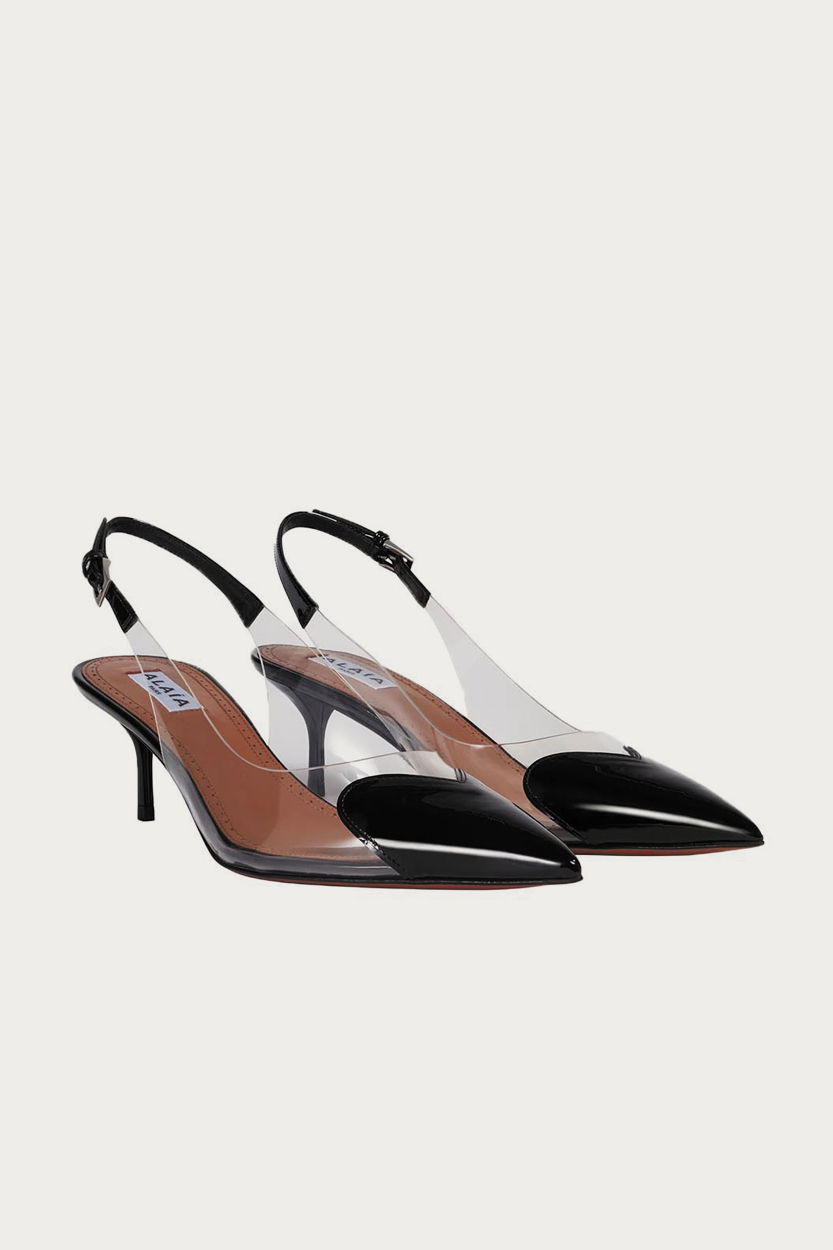
As von Dadelszen says, “Alaïa is one of the few brands that gives me hope that some companies create collections to continue the legacy of the founder, rather than it just being purely about money.” Mulier has kept the focus on Alaïa’s signature hourglass silhouette, maintained the brand’s penchant for unapologetic glamour and merely tweaked a few of its timeless styles. But, he has also pushed the brand forward, introducing new categories like denim, and a range of accessories, like the aforementioned shoes and bags. Cleverly, he has considered how women want to dress everyday, and has transformed Alaïa’s collections into a more holistic offering without ever compromising the heart of the brand — not an easy balance to strike.
“The brand has had such a successful rise with Pieter Mulier,” von Dadelszen tells me, “with his clever reinterpretation of the brand codes, there’s a youth and vitality that the brand has now that speaks to a new generation of customers, while maintaining the interest of their loyal, life-long clients.” She continues, “I see such passion for this brand, passion that isn’t based on resale value or wanting the latest trend, on investing in pieces that are timeless, that will stay in the wardrobe forever… you could never be a fashion victim while wearing Alaïa.”
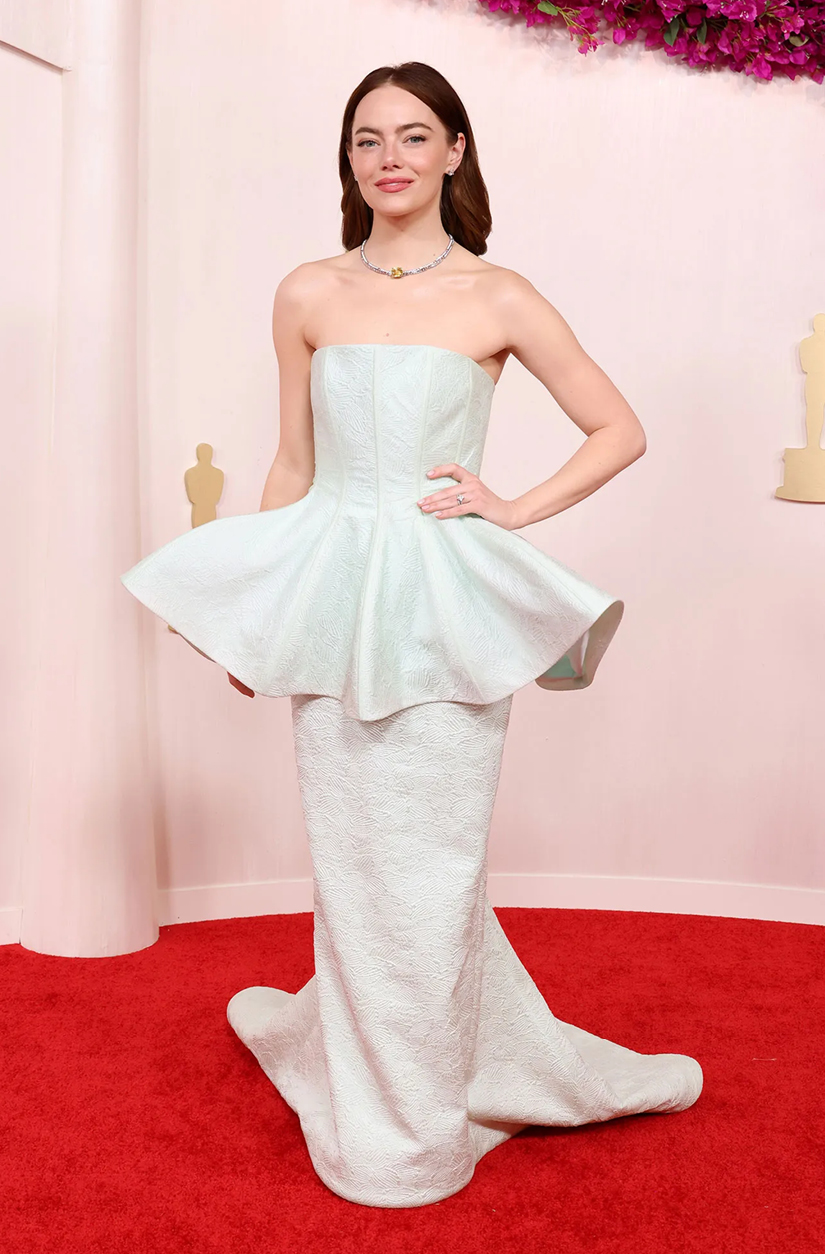
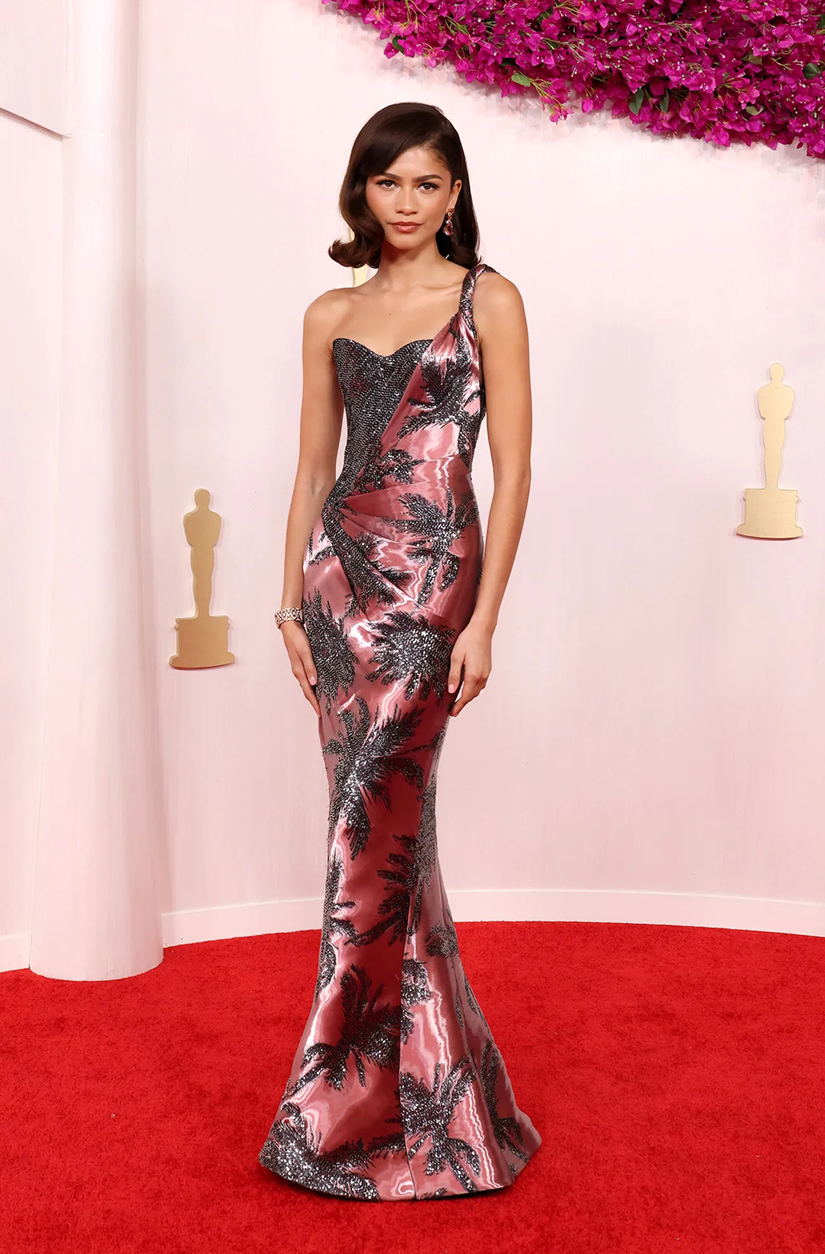
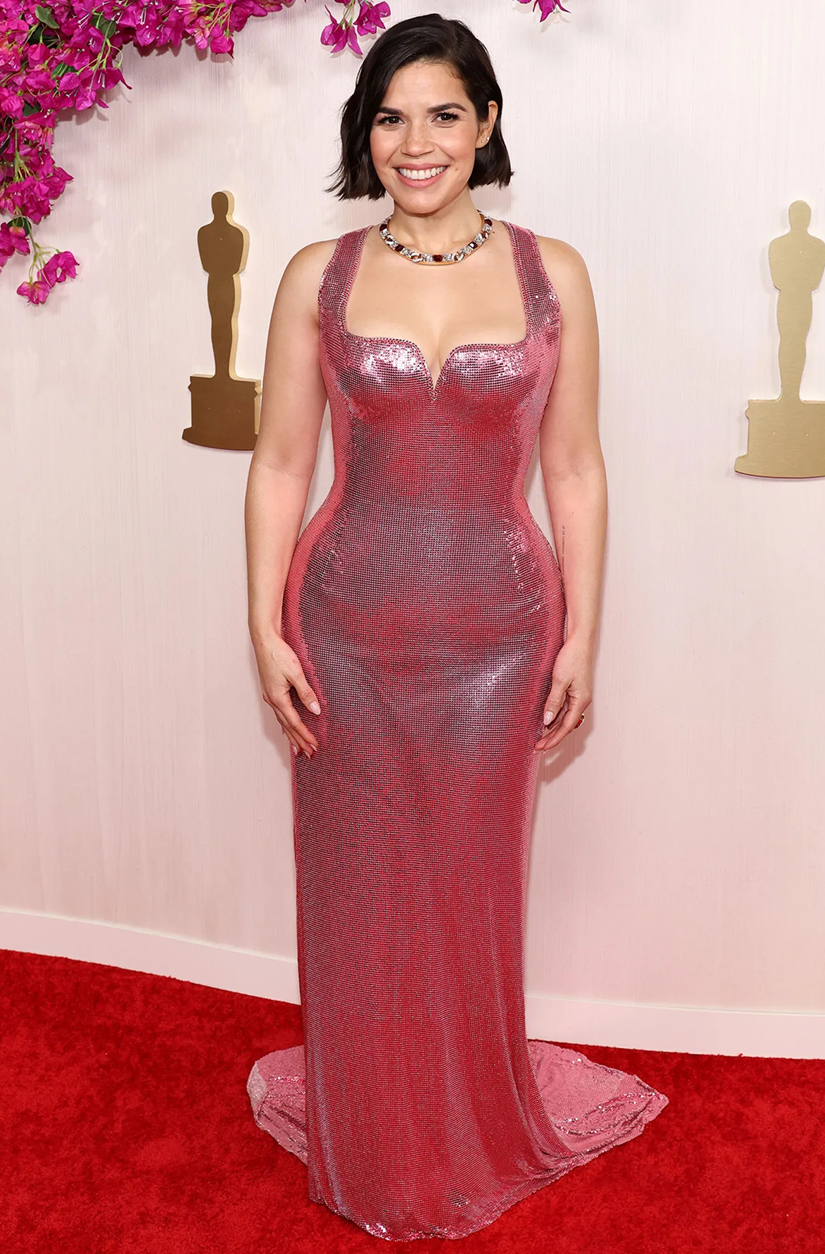
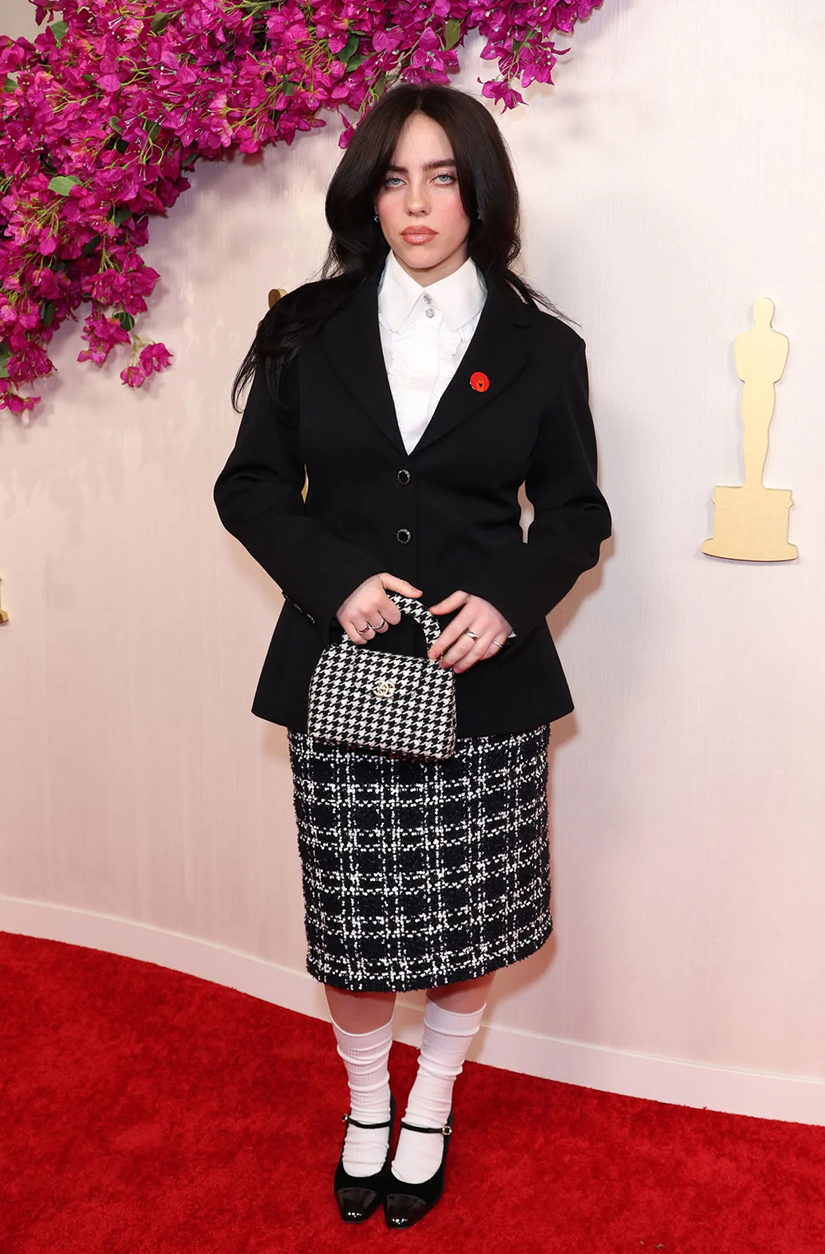
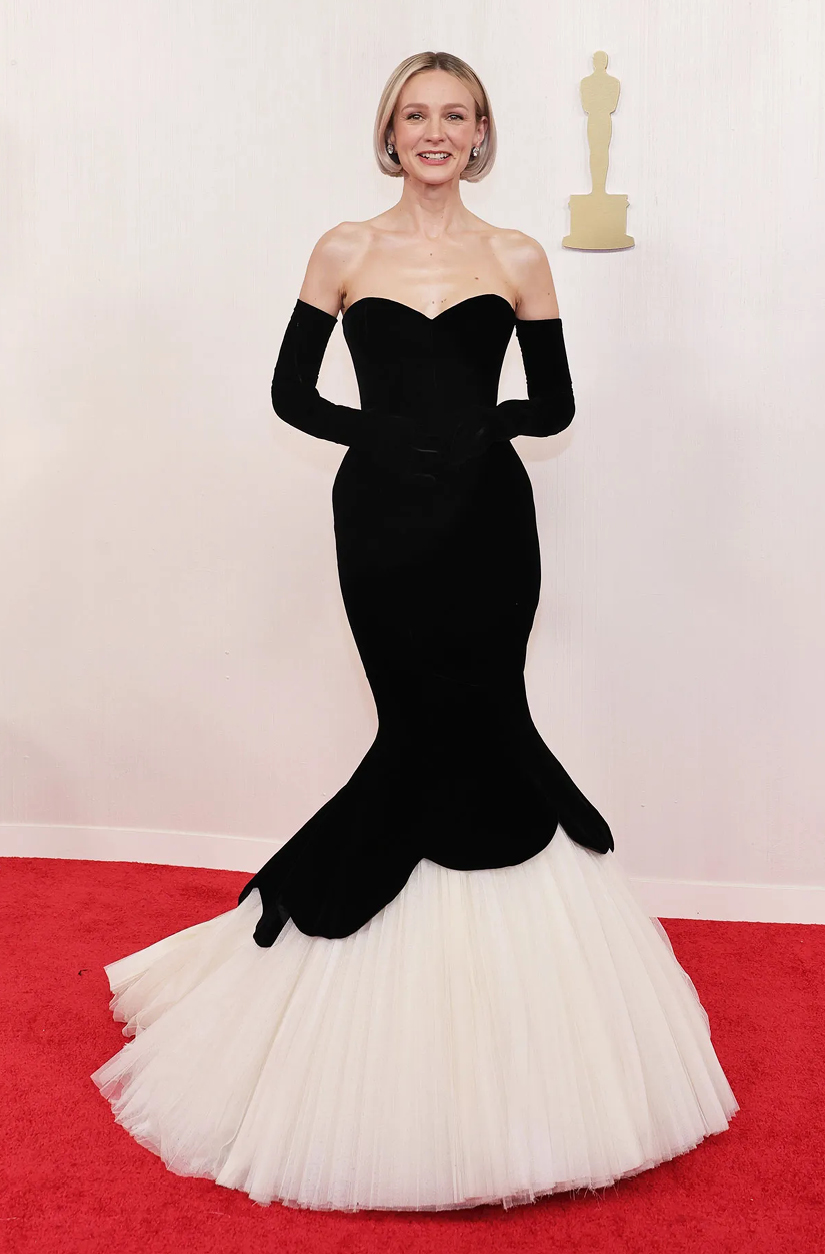
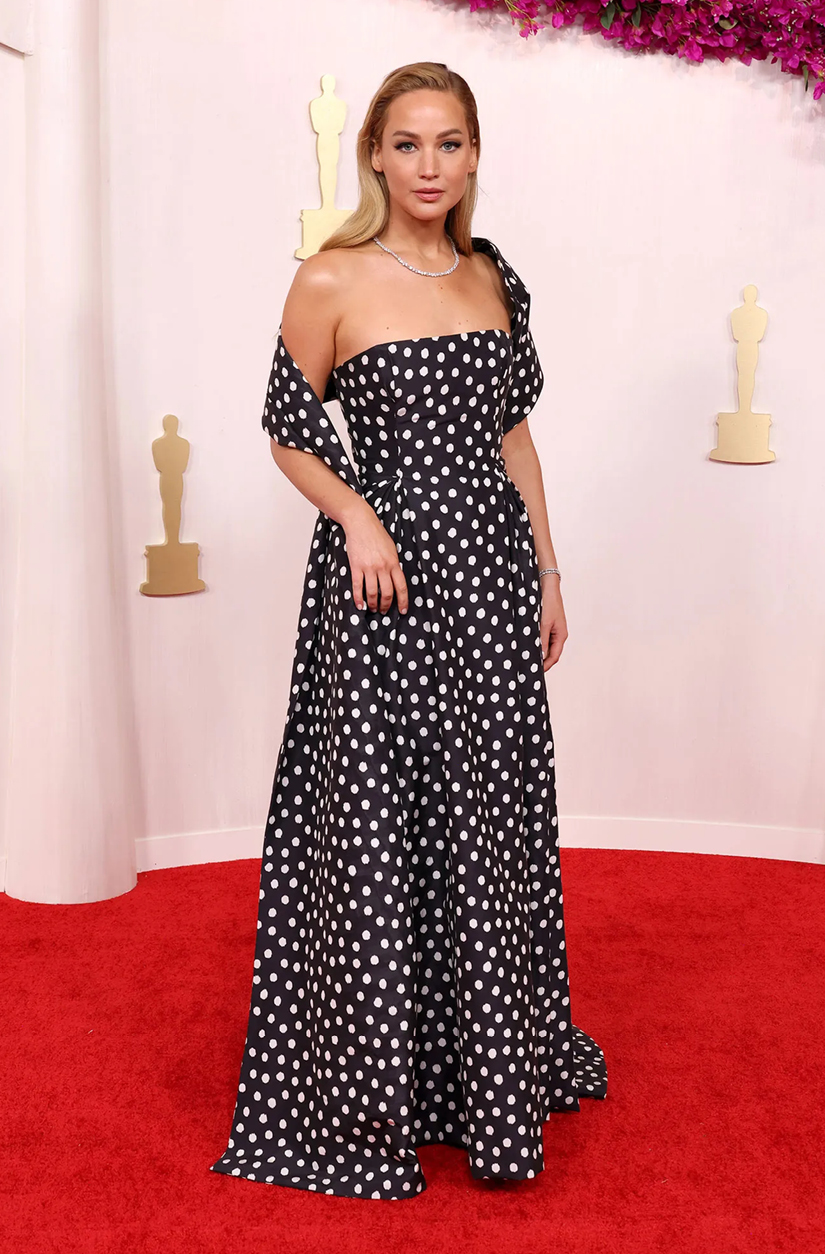
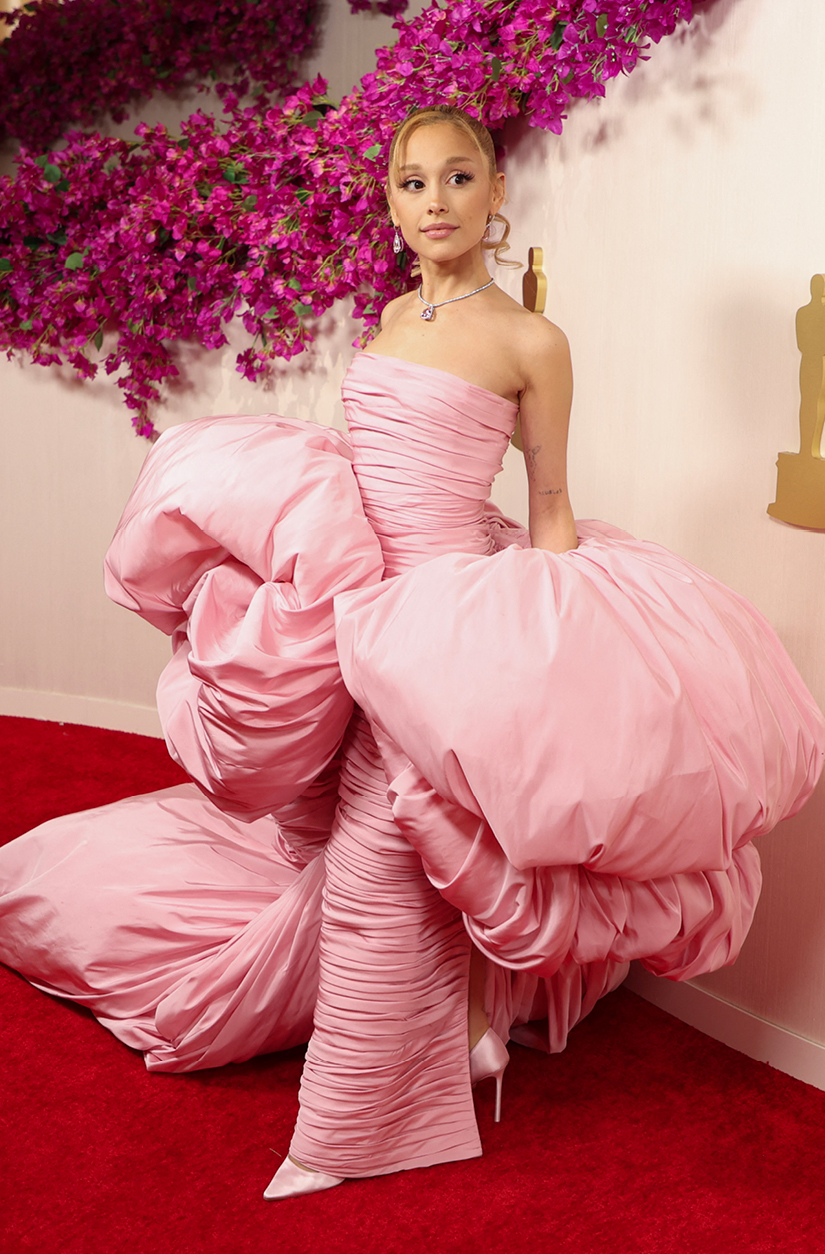
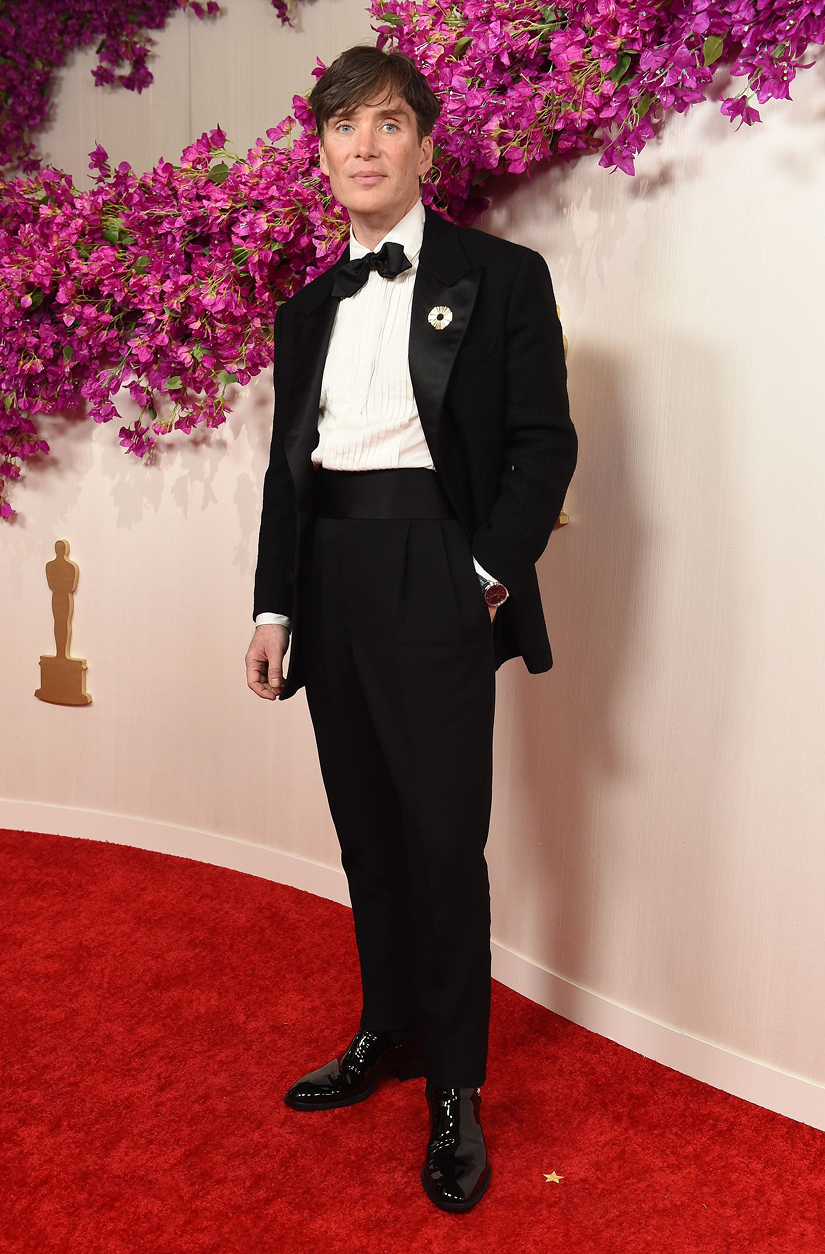
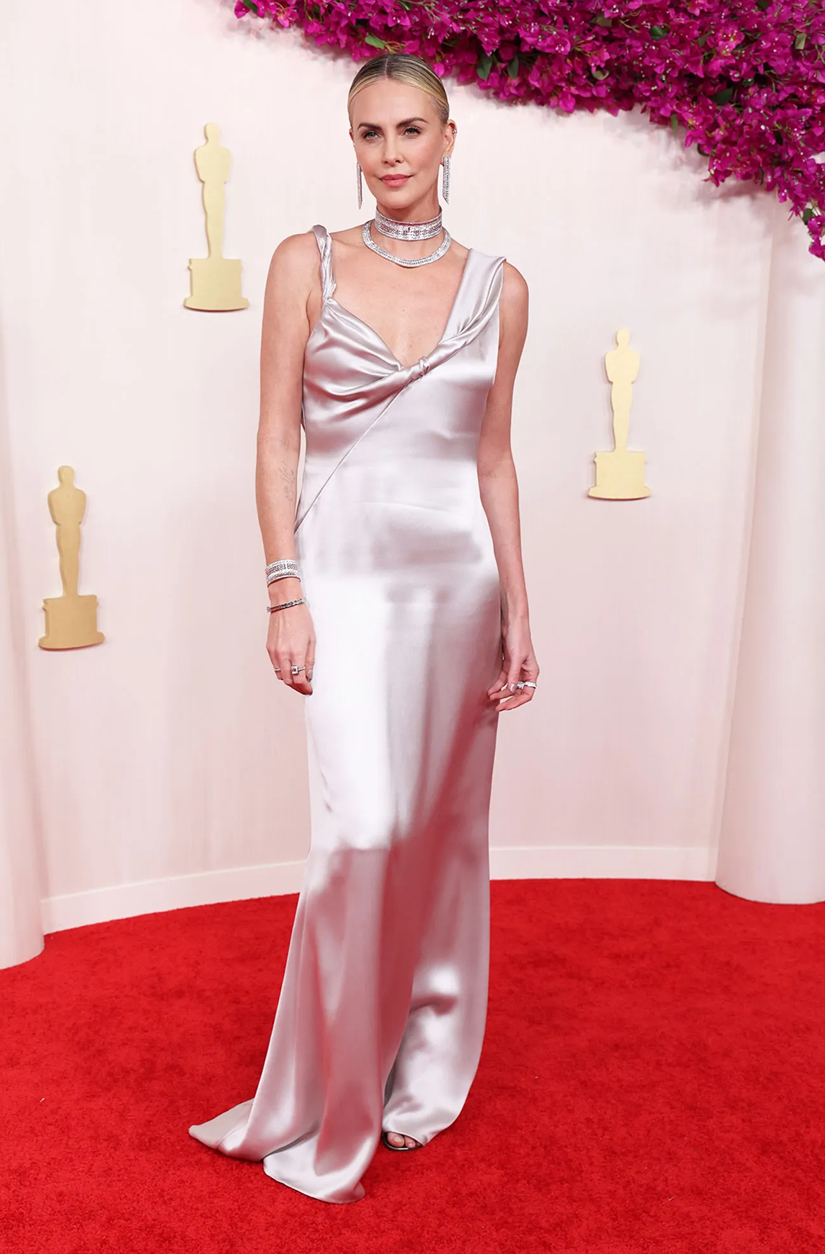
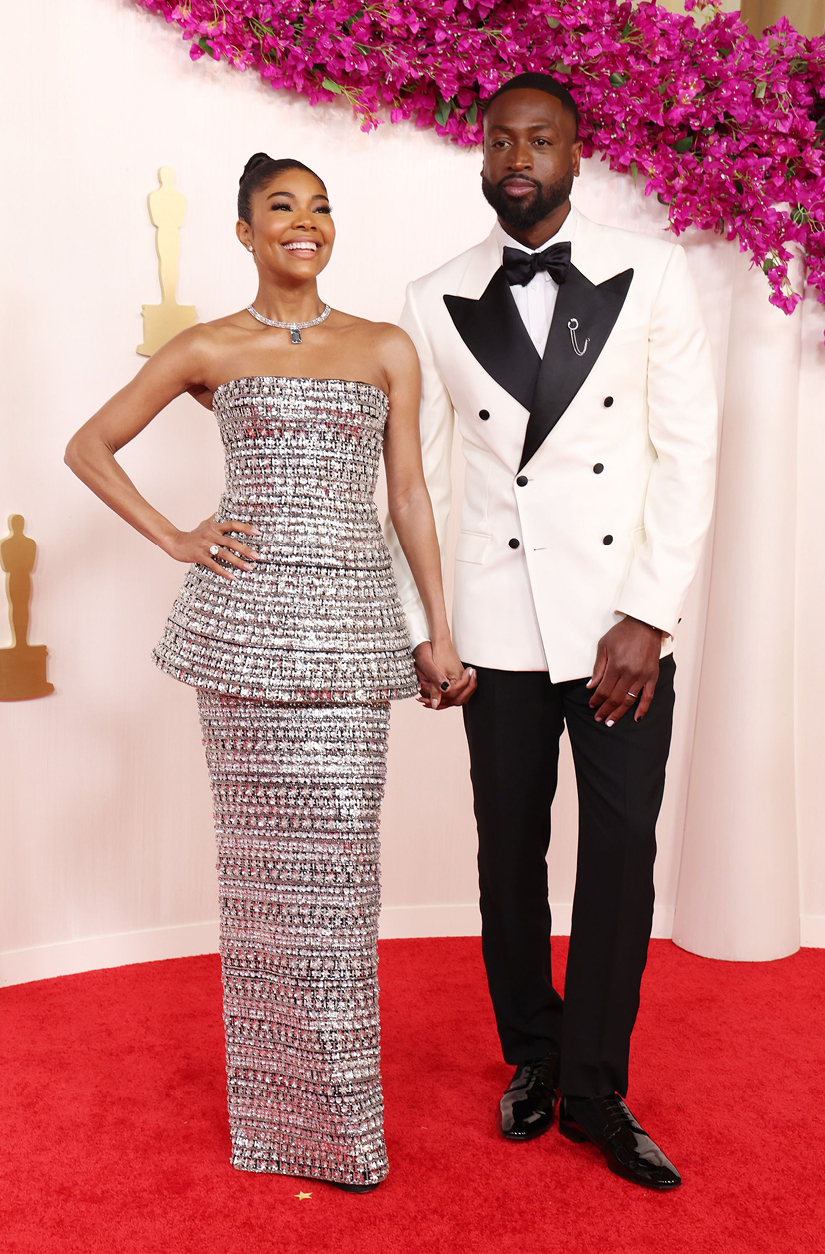
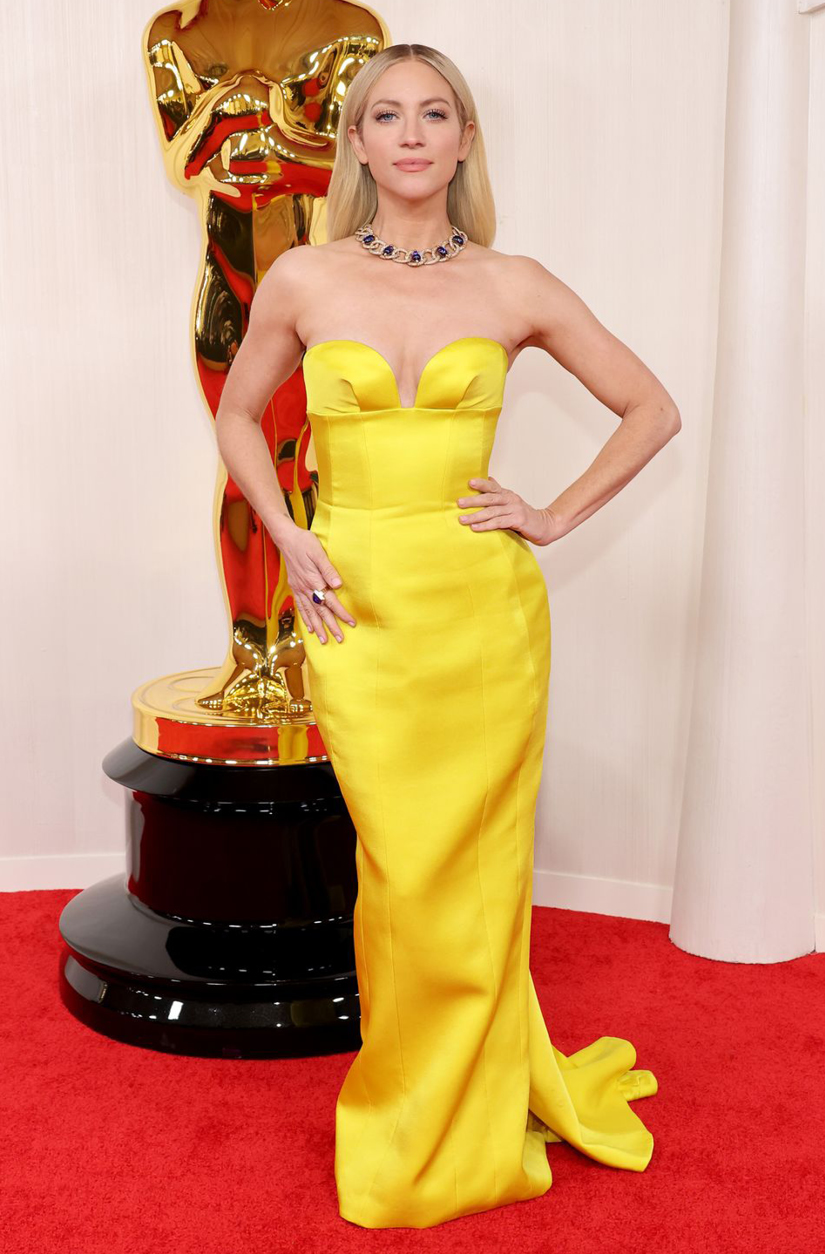
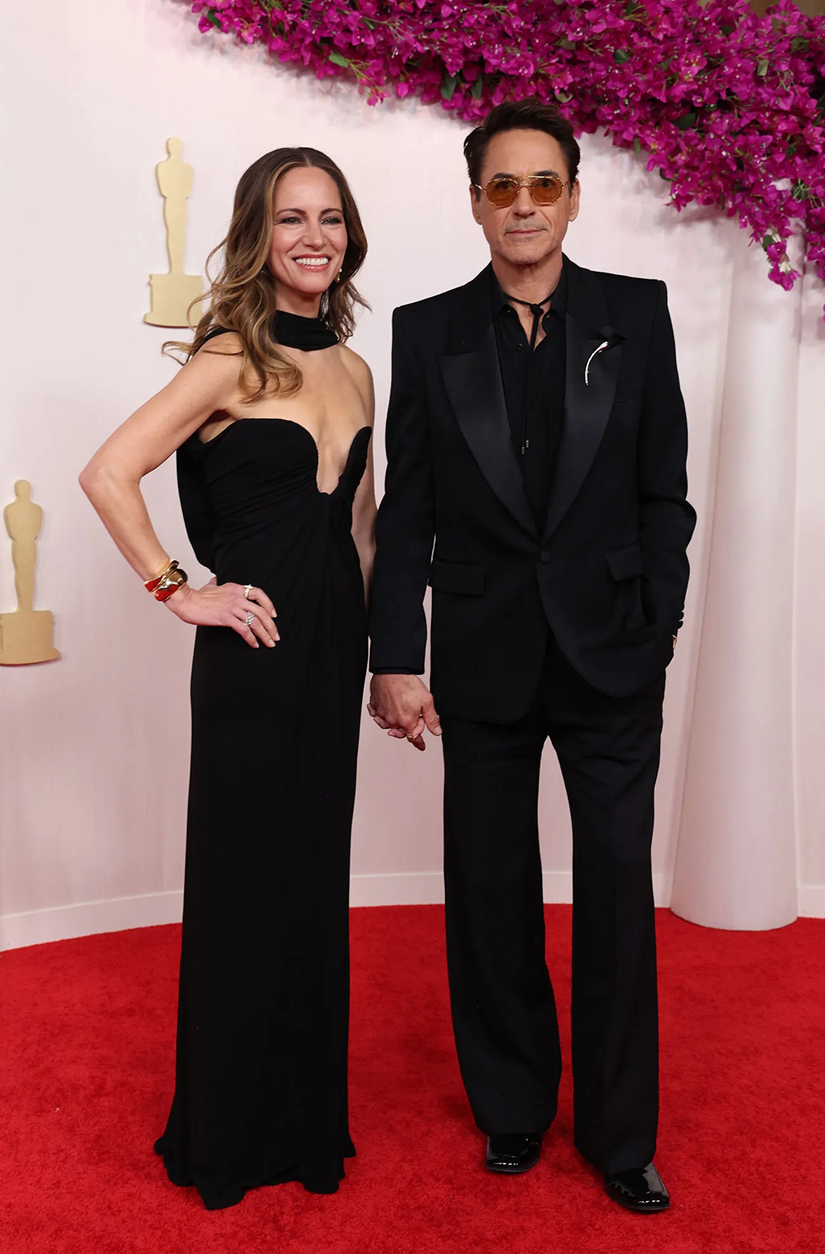
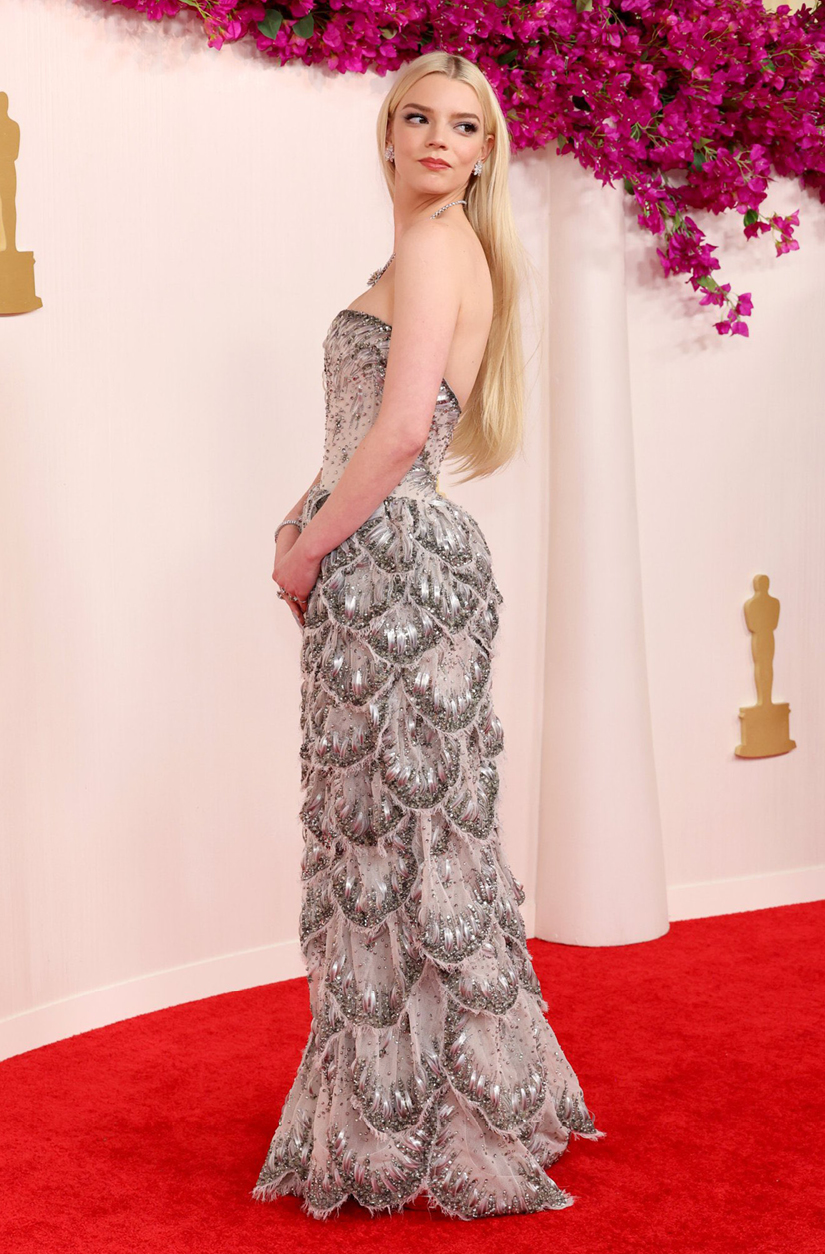
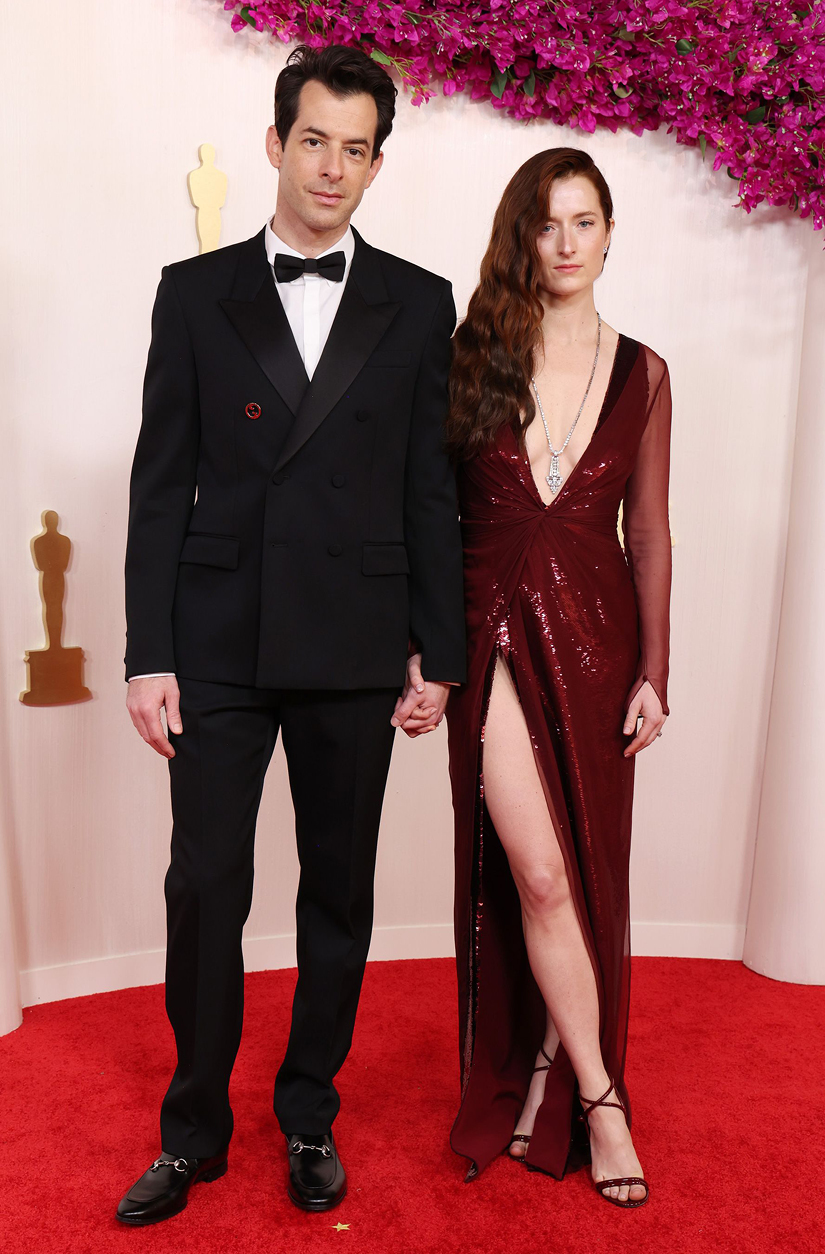
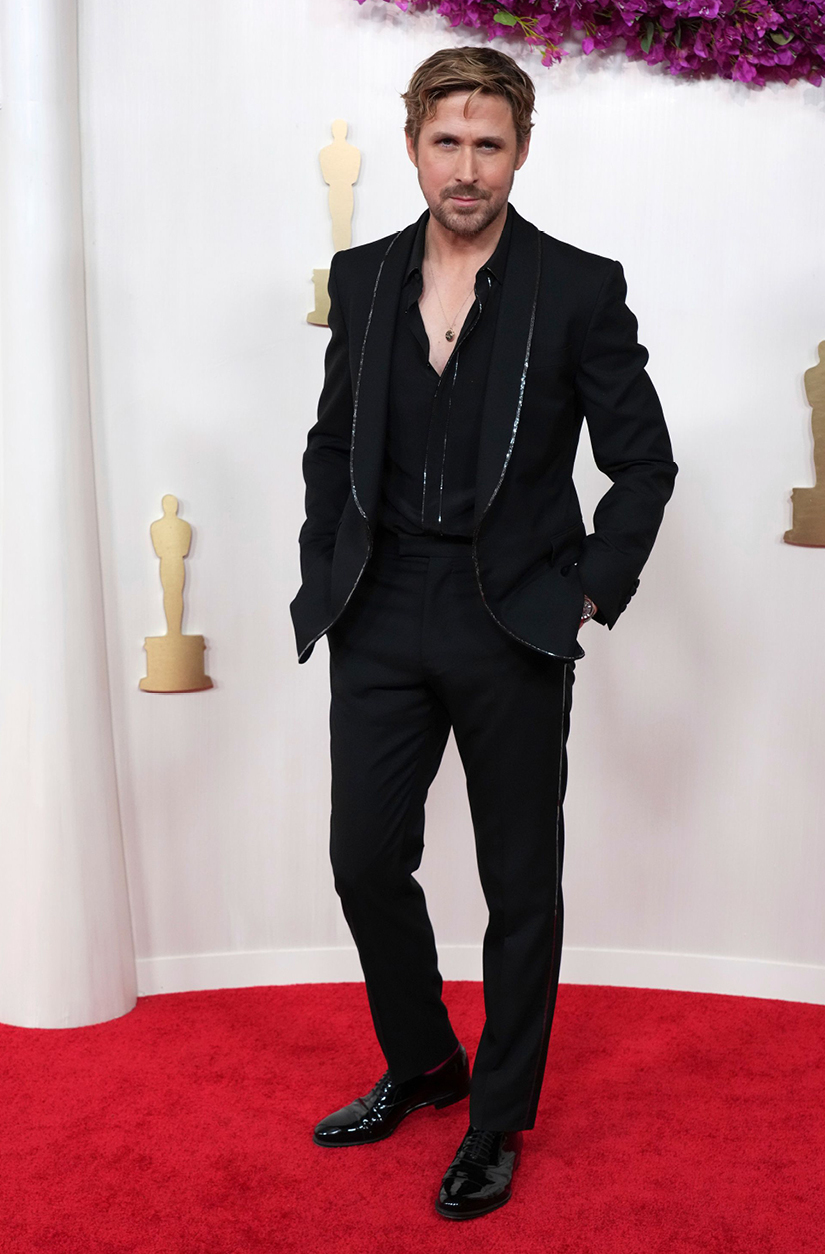
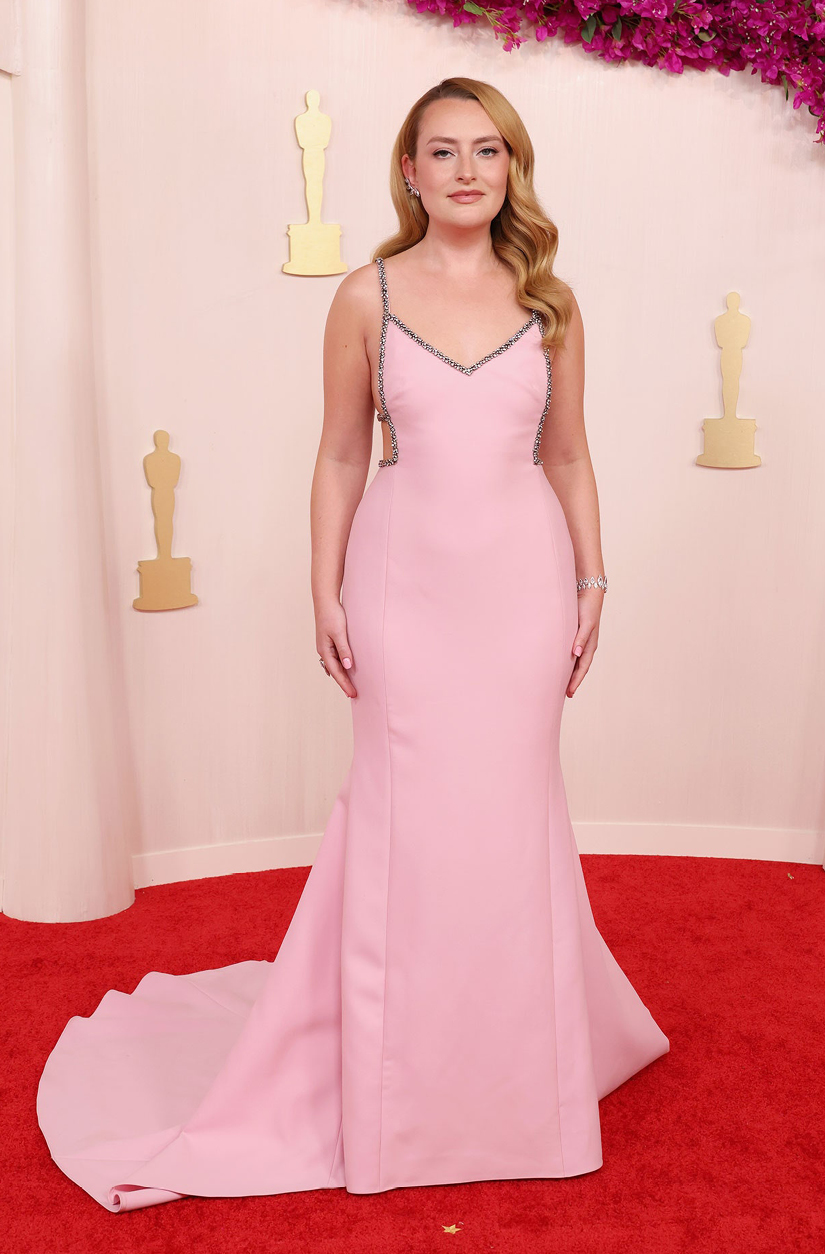
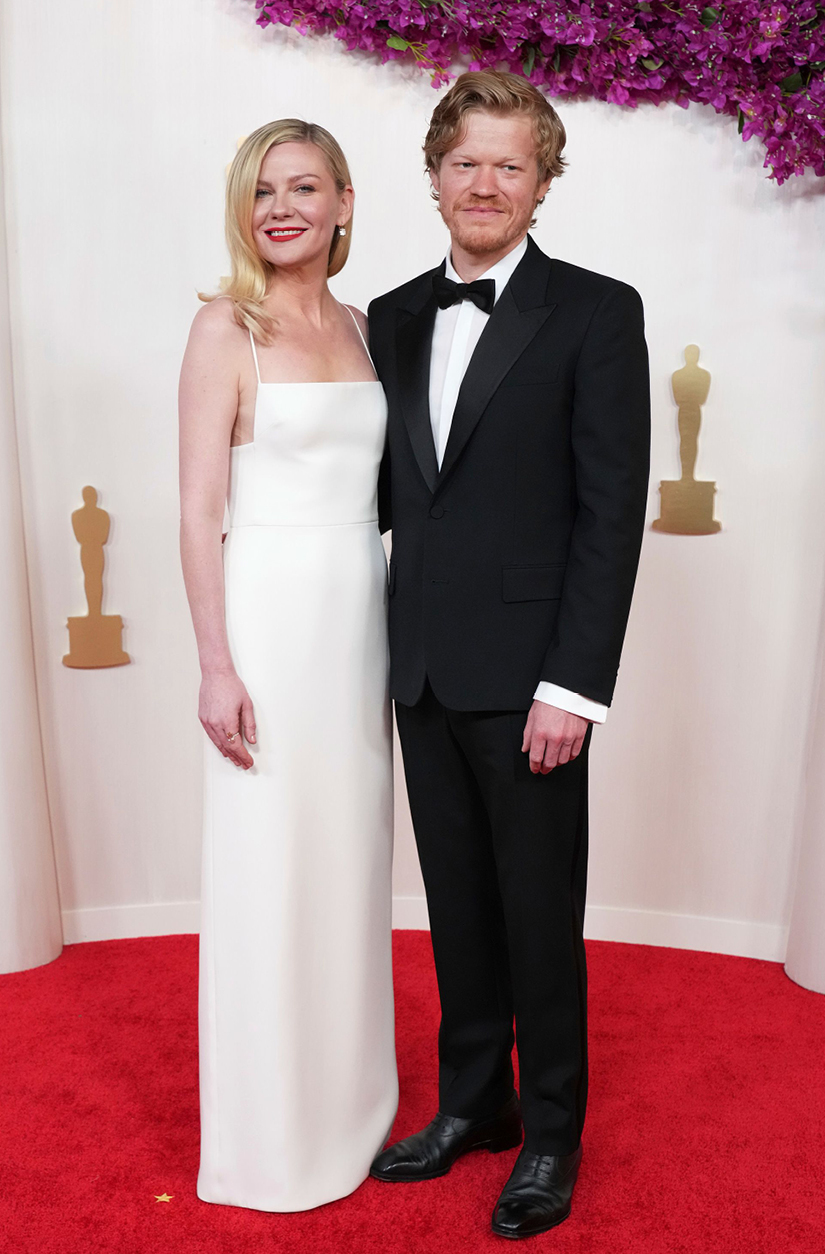
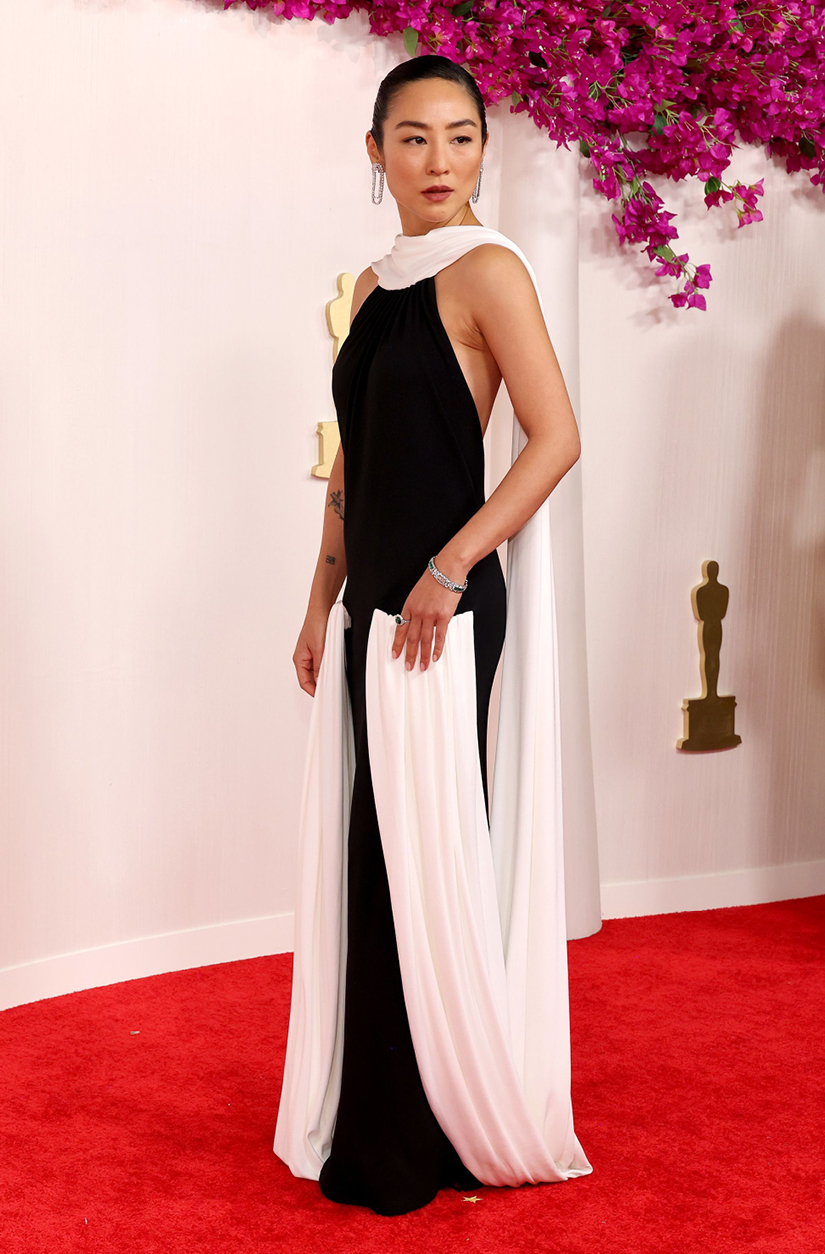
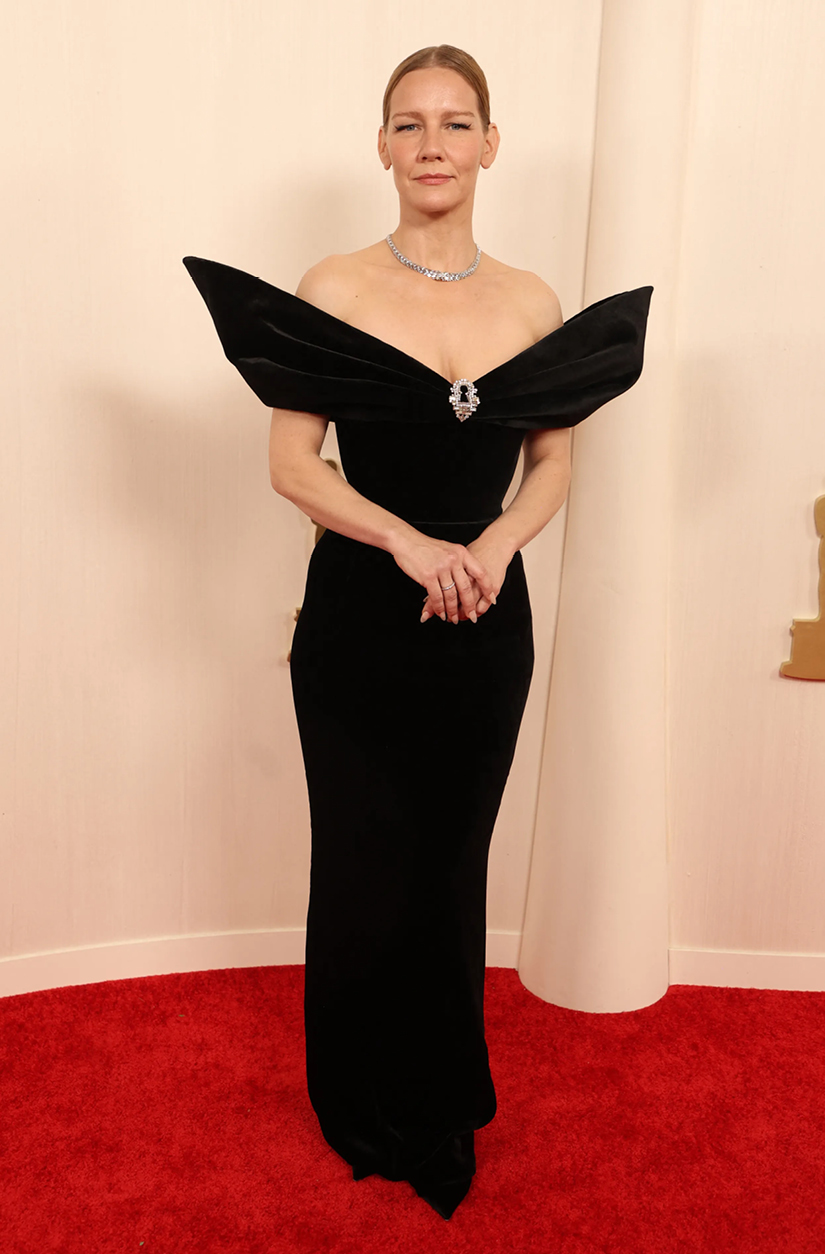
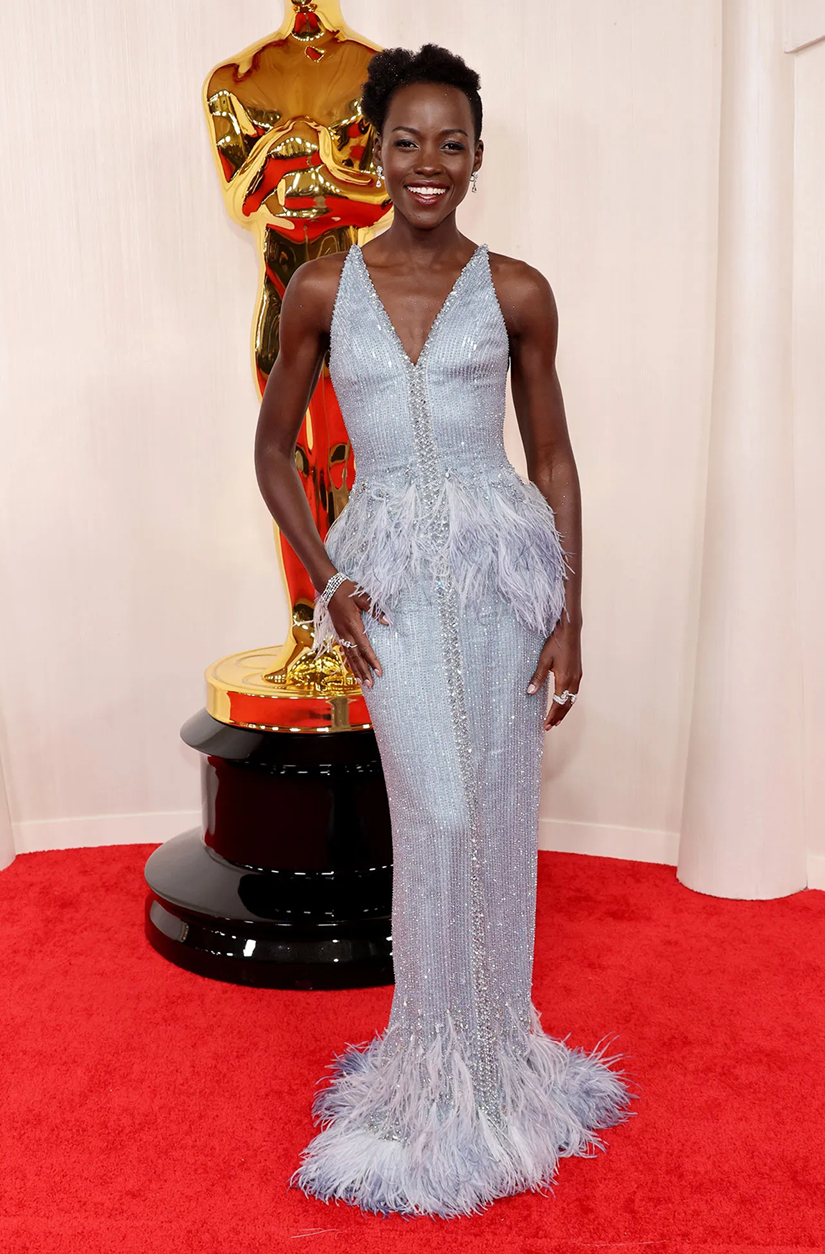
The most significant night in cinema has been and gone for another year, leaving us with plenty of unforgettable fashion moments to mull over. As the biggest stars in the world lined up on the Oscars’ red carpet, it was clear that the style code for the event was old Hollywood elegance with a modern and ever-so-slightly undone edge. Silhouettes were figure-hugging, colours were used to striking effect, hair was sleek and understated, opera gloves were back in a big way, and black-and-white, it seemed, was the colour-combination du jour.
From Emma Stone’s flattering, ice-blue peplum dress by Louis Vuitton, to Emily Blunt’s striking Schiaparelli gown with surreal, floating shoulder straps, to Carey Mulligan’s custom, couture Balenciaga (a recreation of an iconic 1951 design by Cristobal Balenciaga himself), the looks at this year’s Oscars were thoughtful, glamorous, statement-making and bold. These were our favourites.
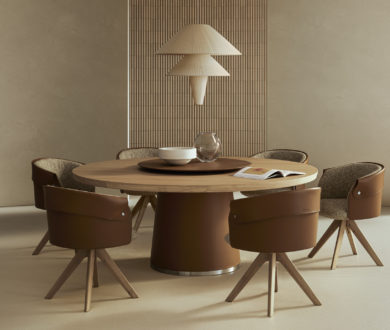
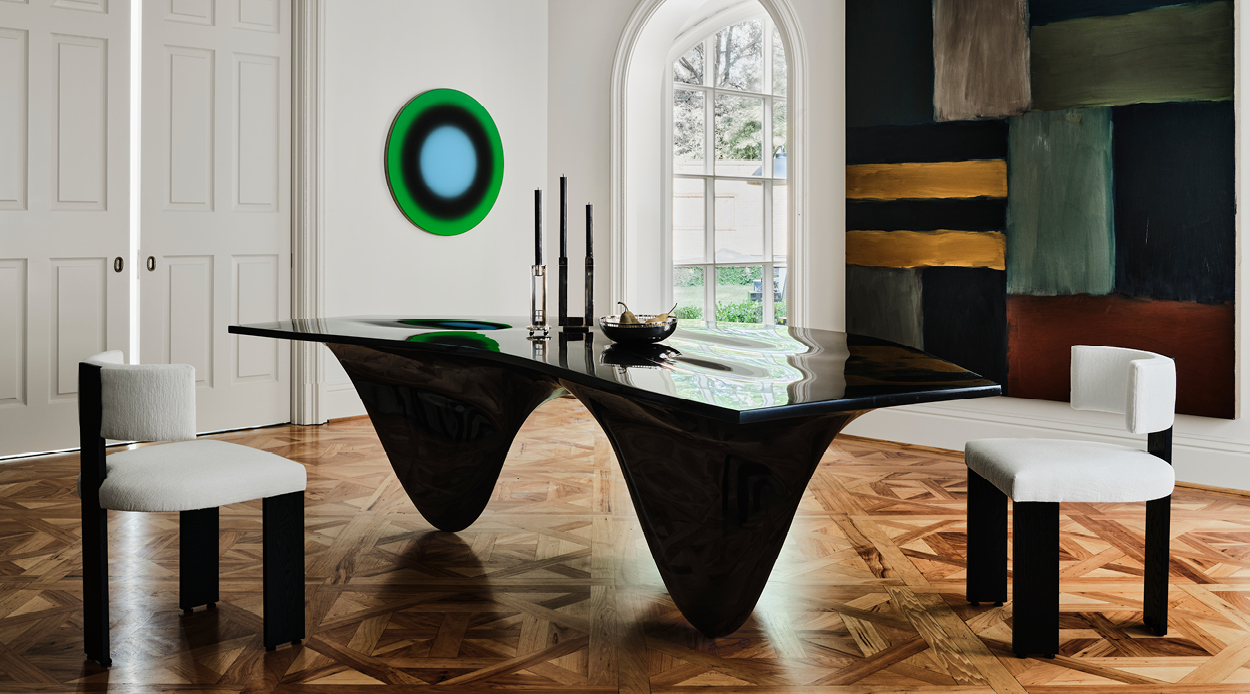
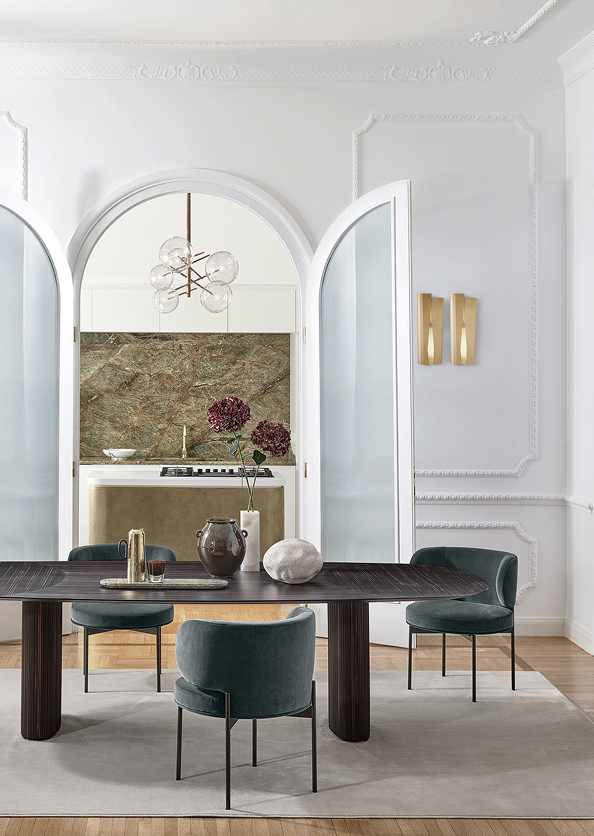
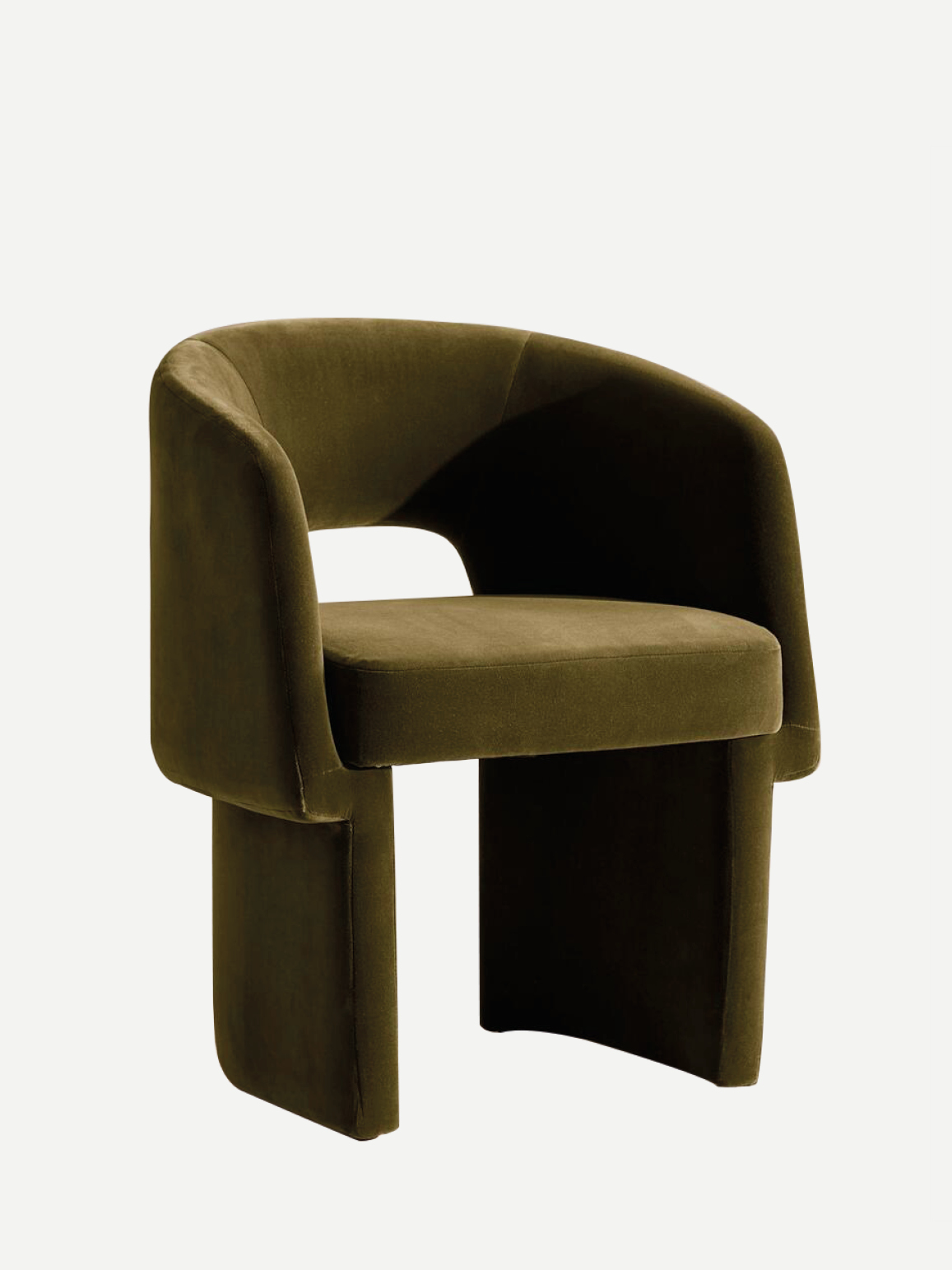
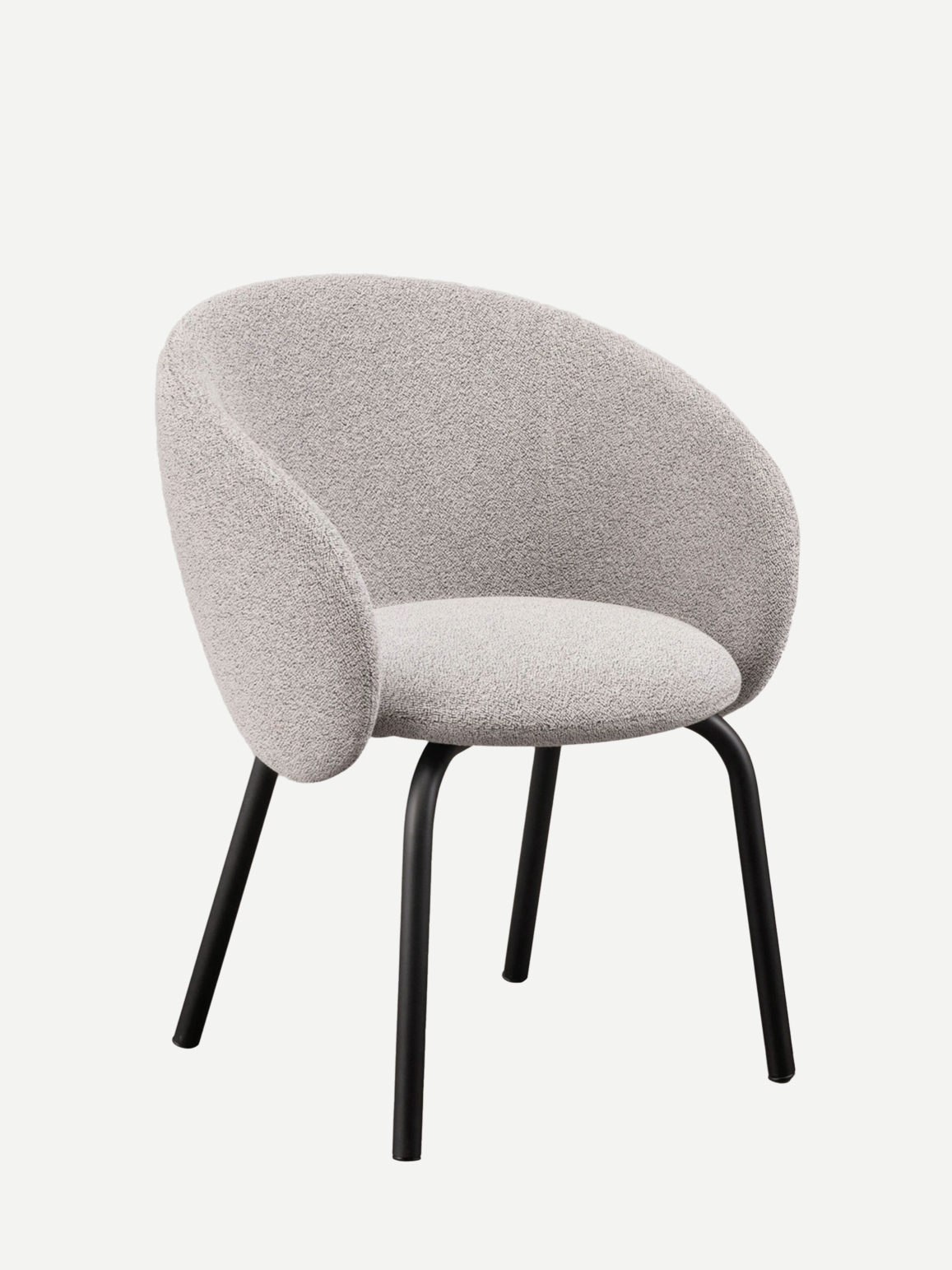
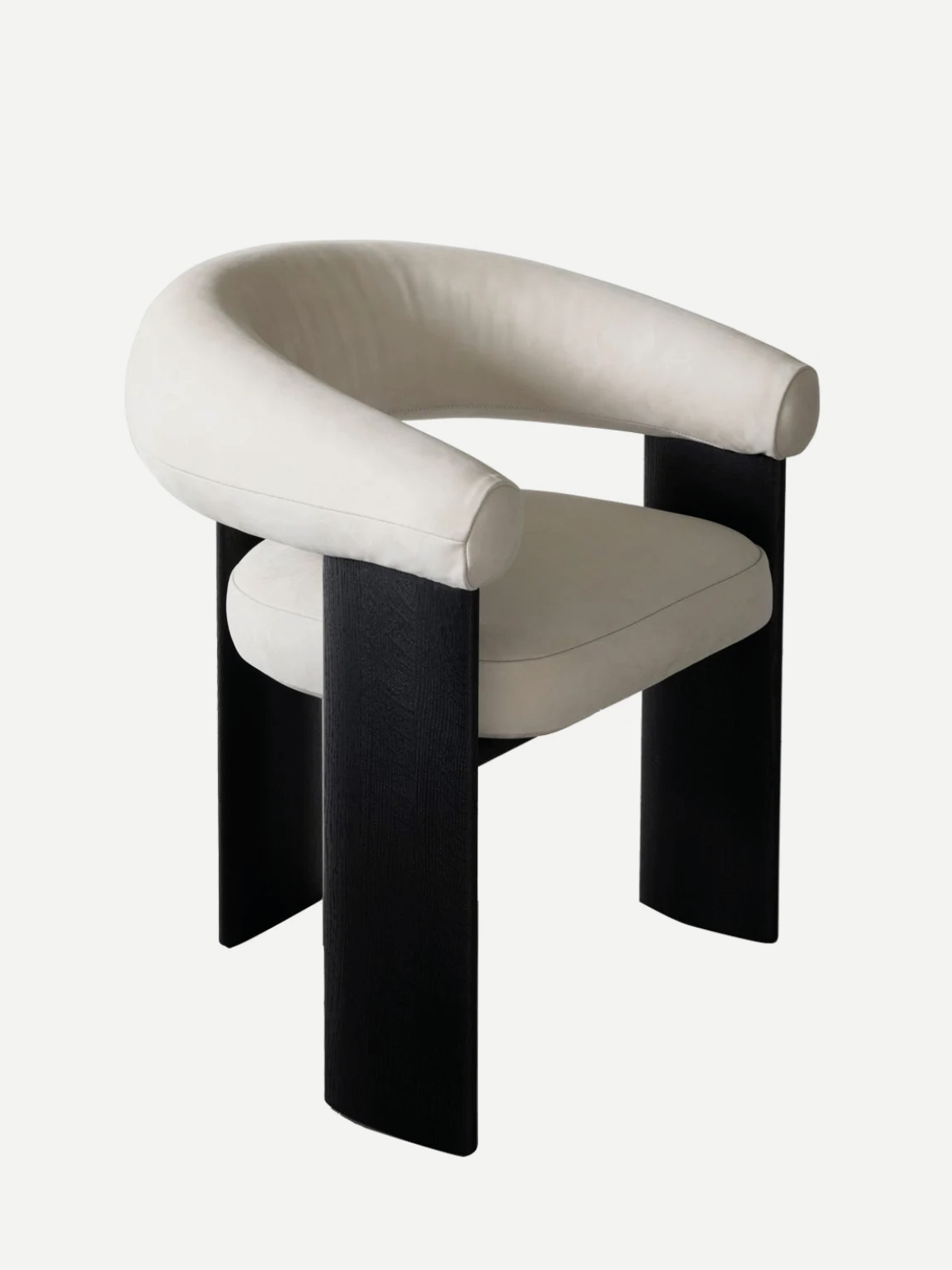
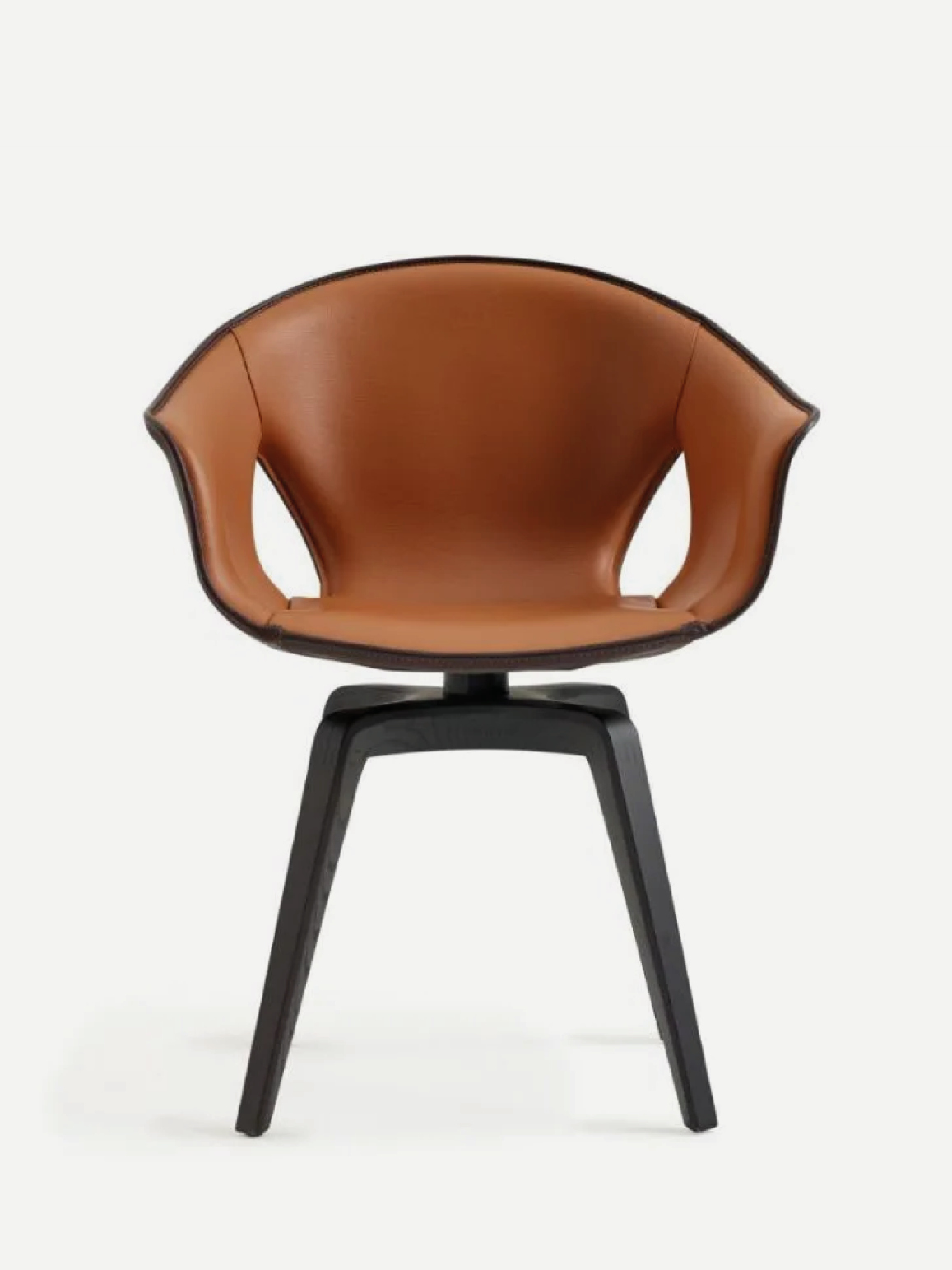
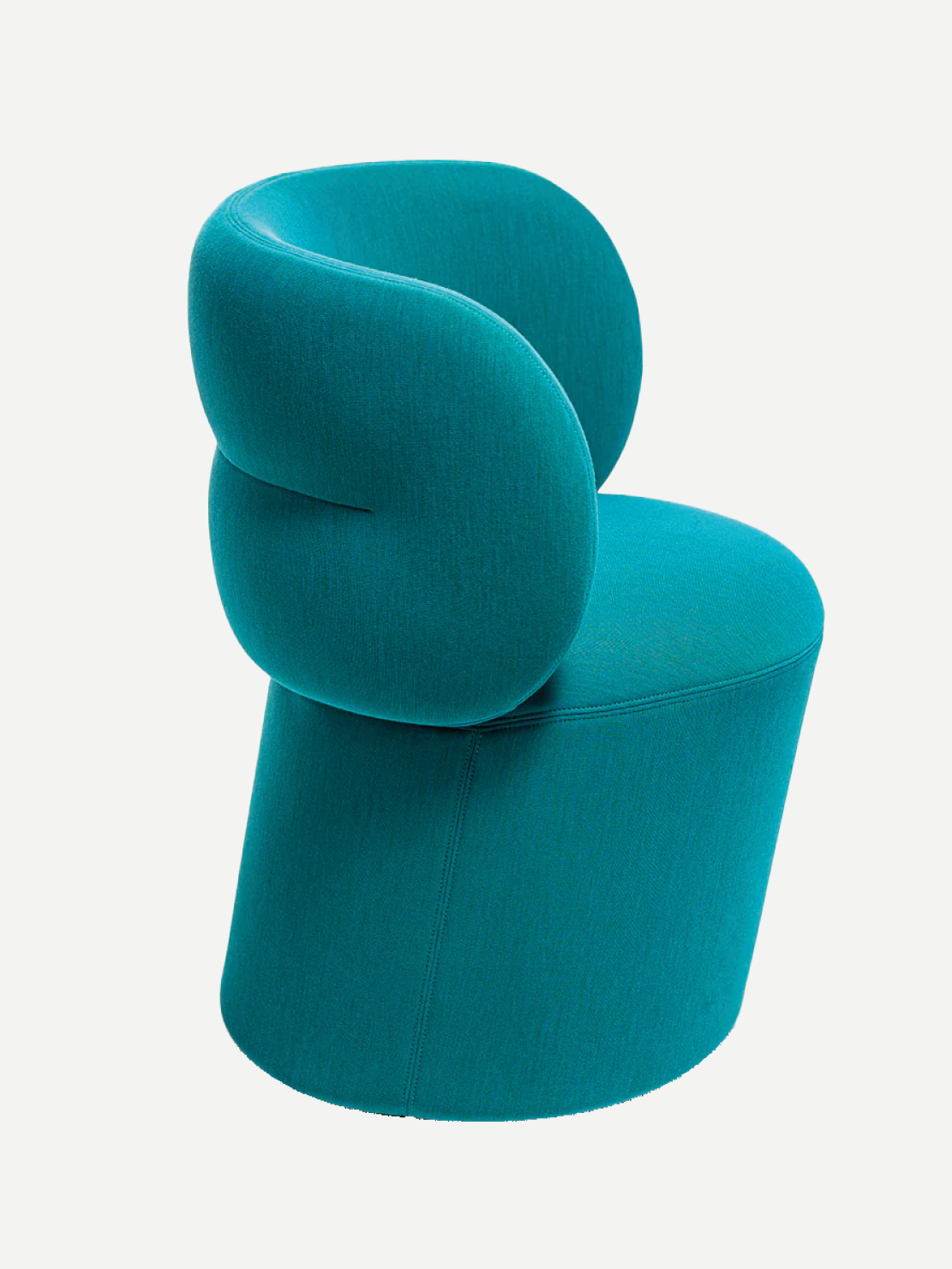
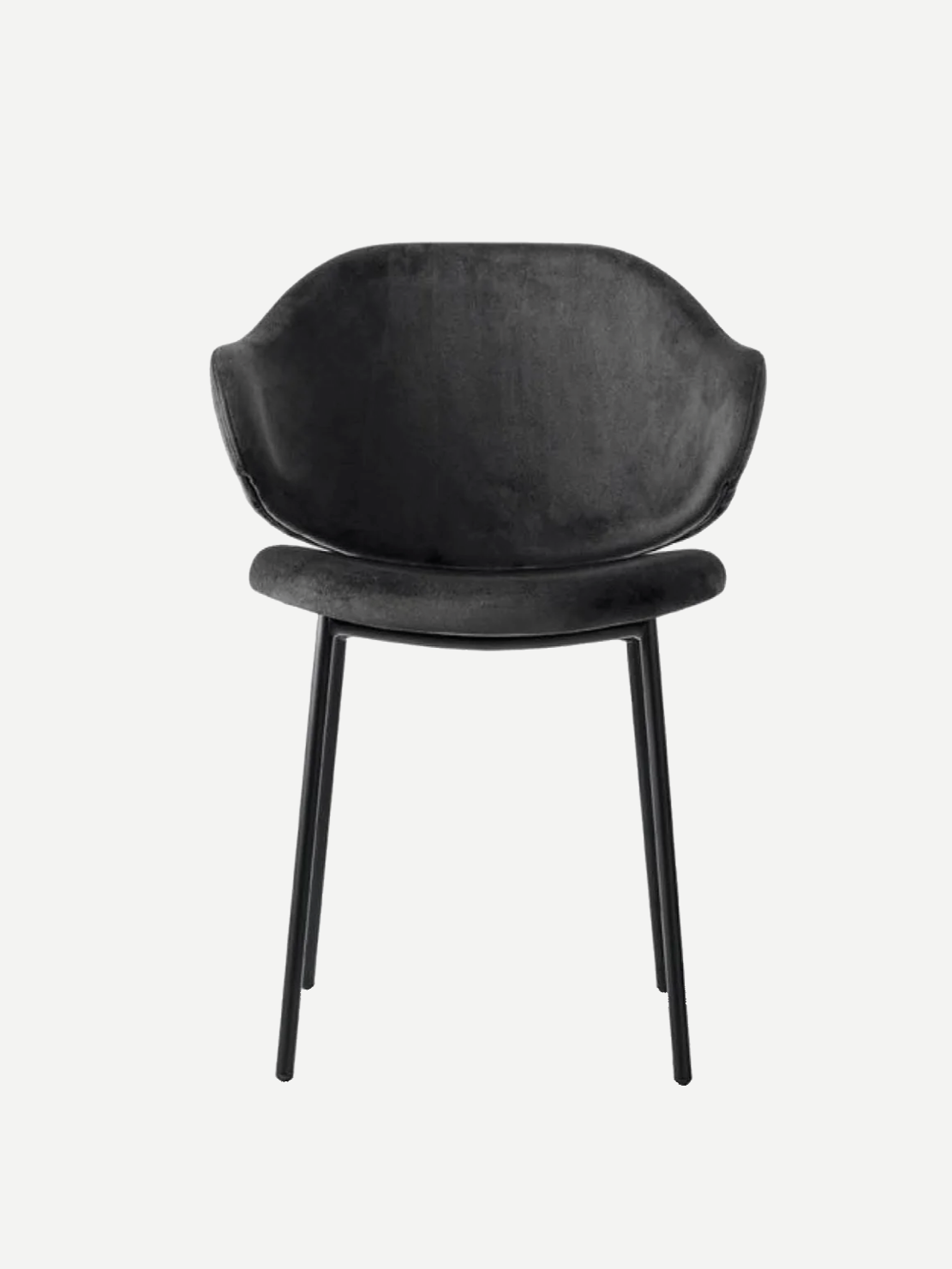
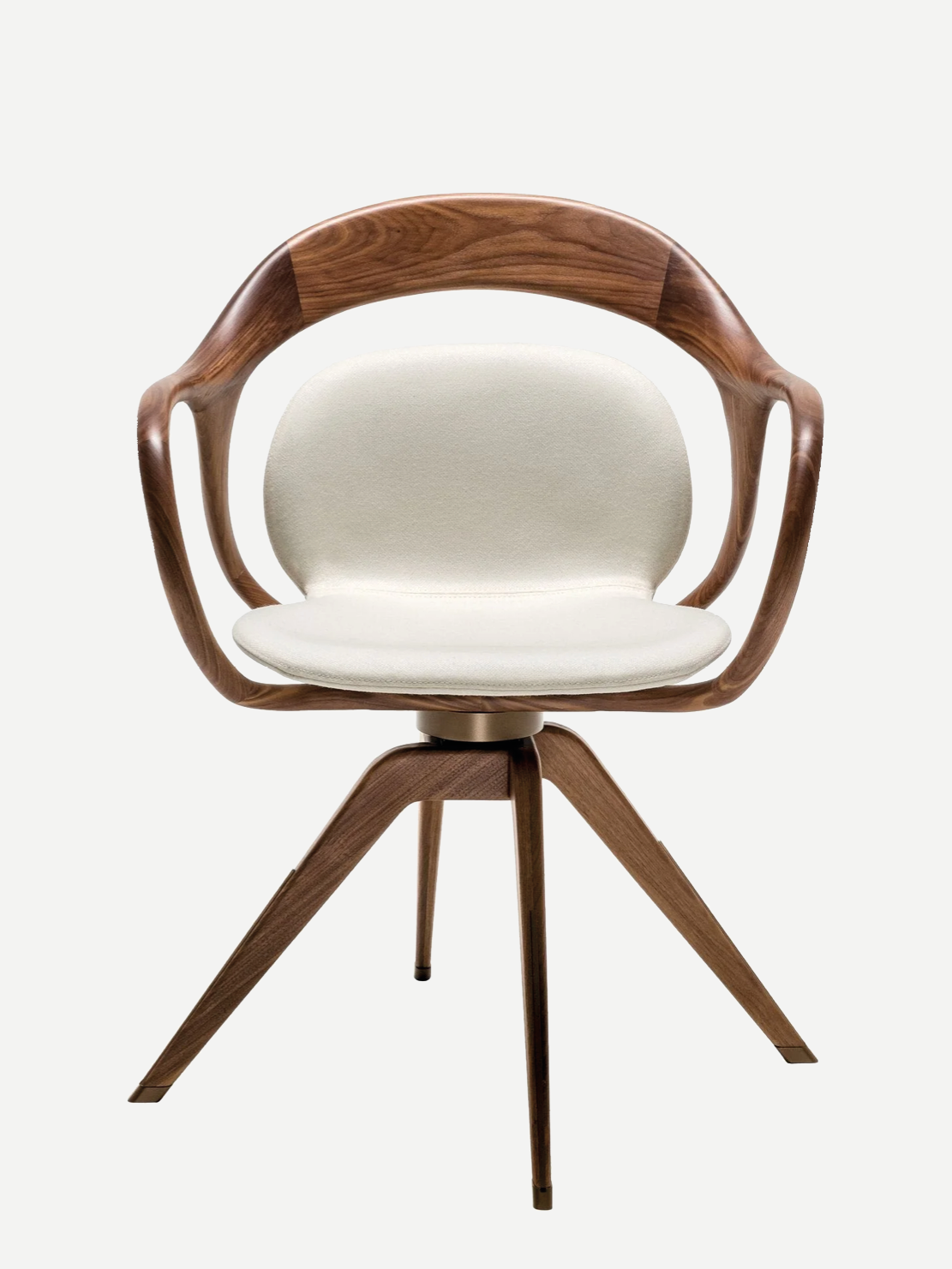
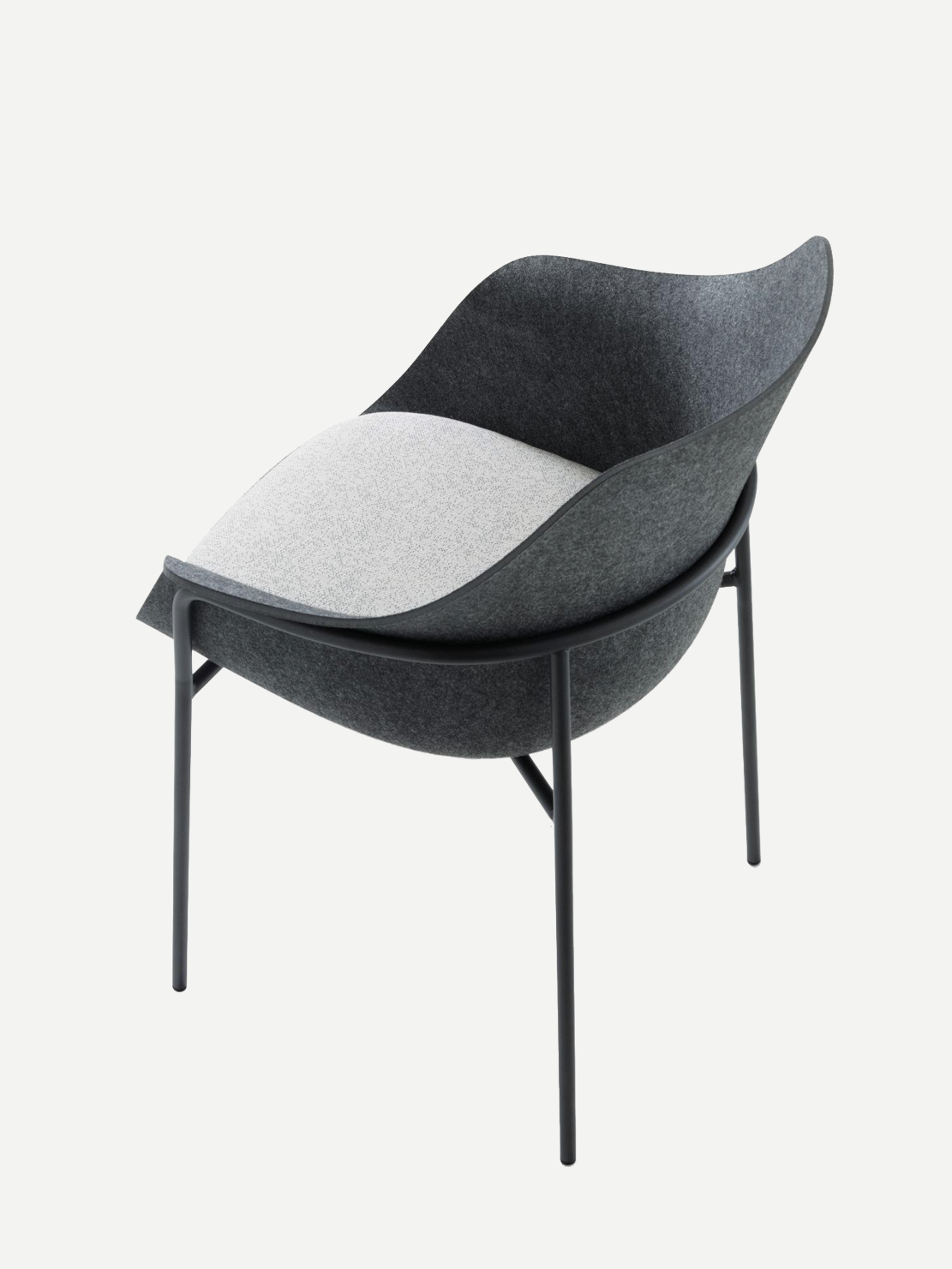
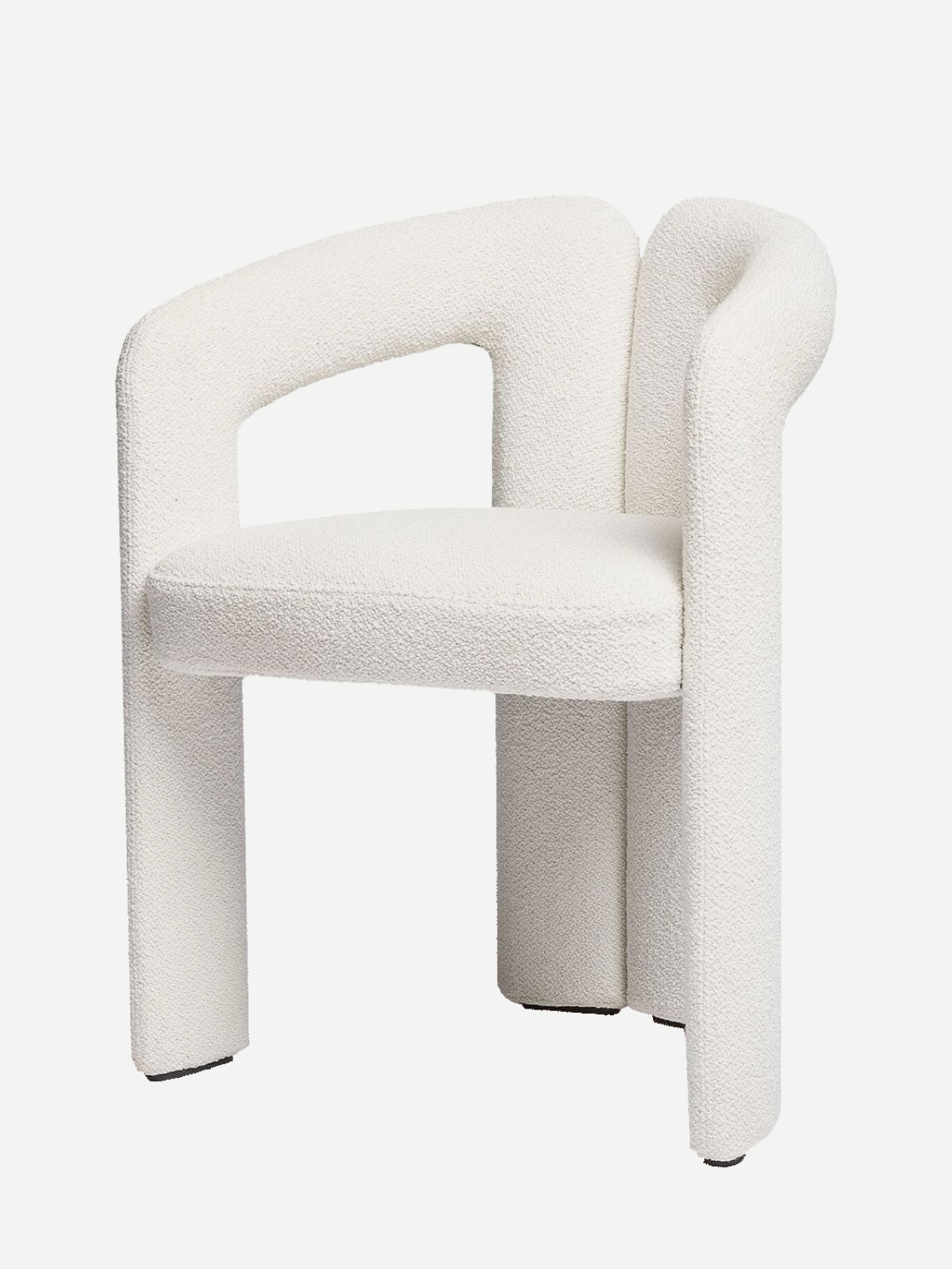
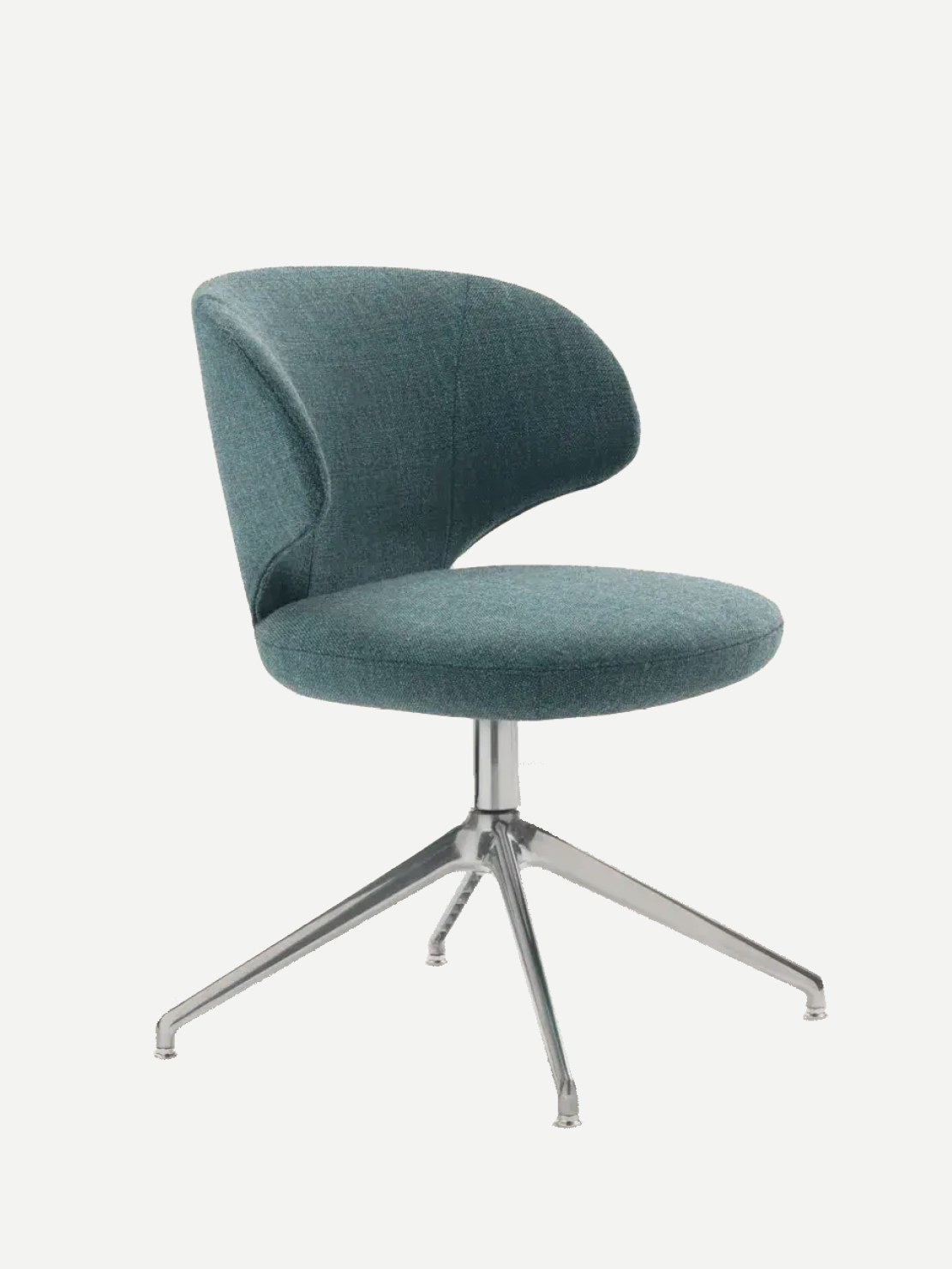
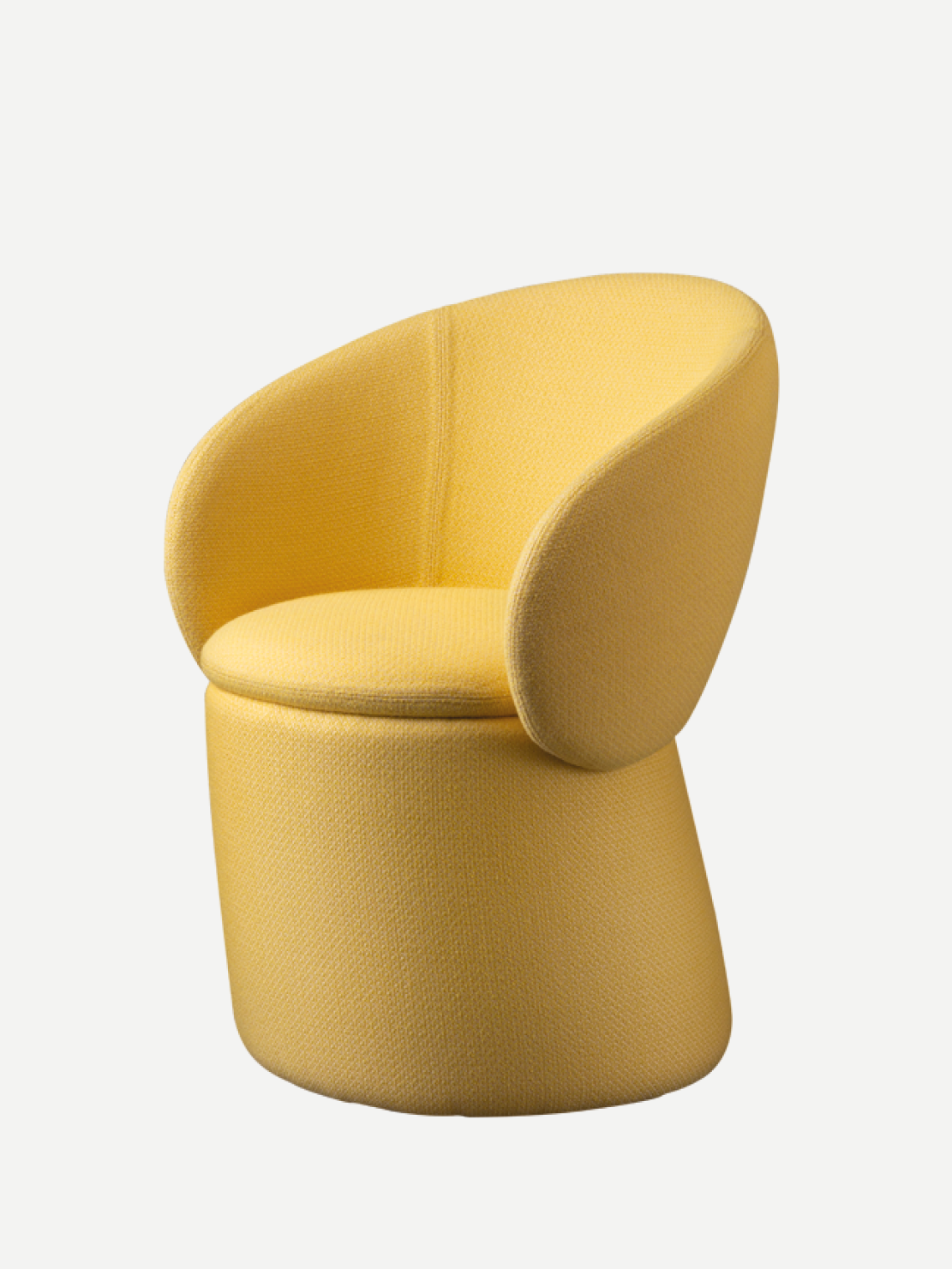
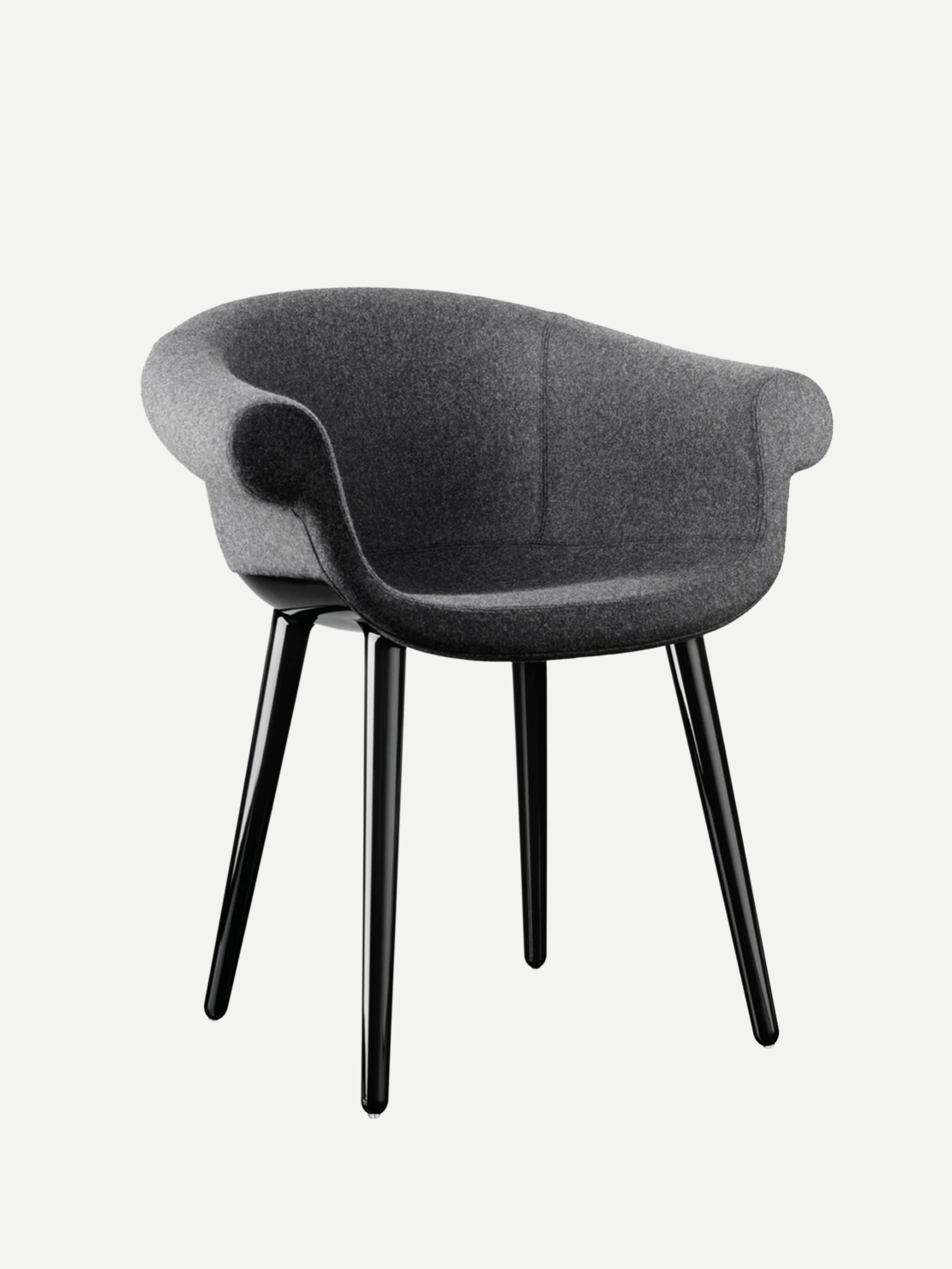
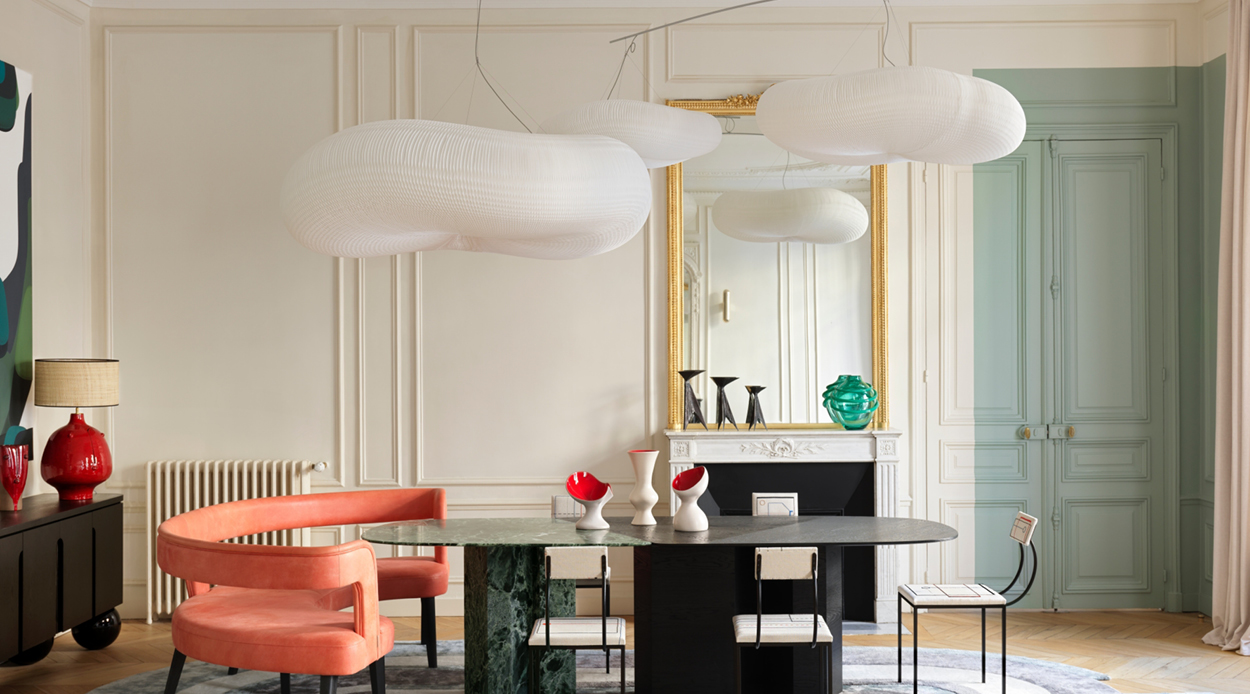
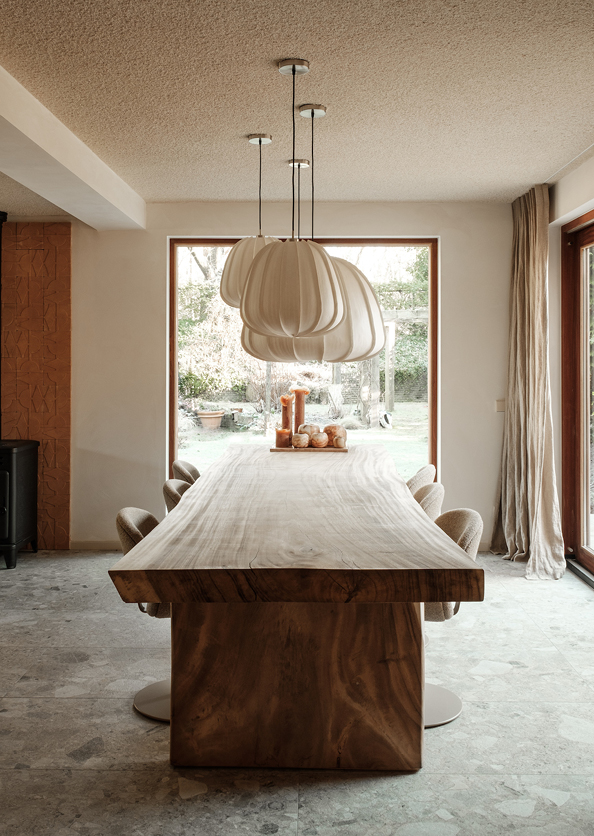
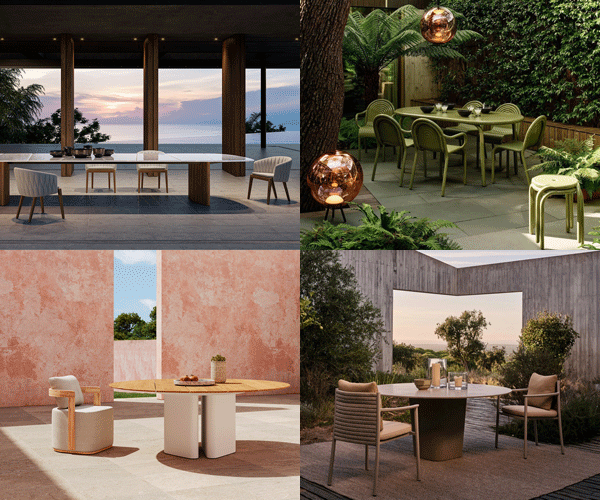
While there are plenty of ways to update your interior space, from pendant lighting to soft textiles, one of the easiest ways is with some strategically-applied furnishings. Here, we delve into the trend of curved dining chairs, a style that promises to bring an air of soft serenity to any kind of space. Whether finished in a minimalist or modernist, or even wonderfully eclectic style, not only do these chairs look good but their rounded backs are so comfortable, you’ll want to linger long after the last plates have been cleared. Discover our essential edit of curved dining chairs below.
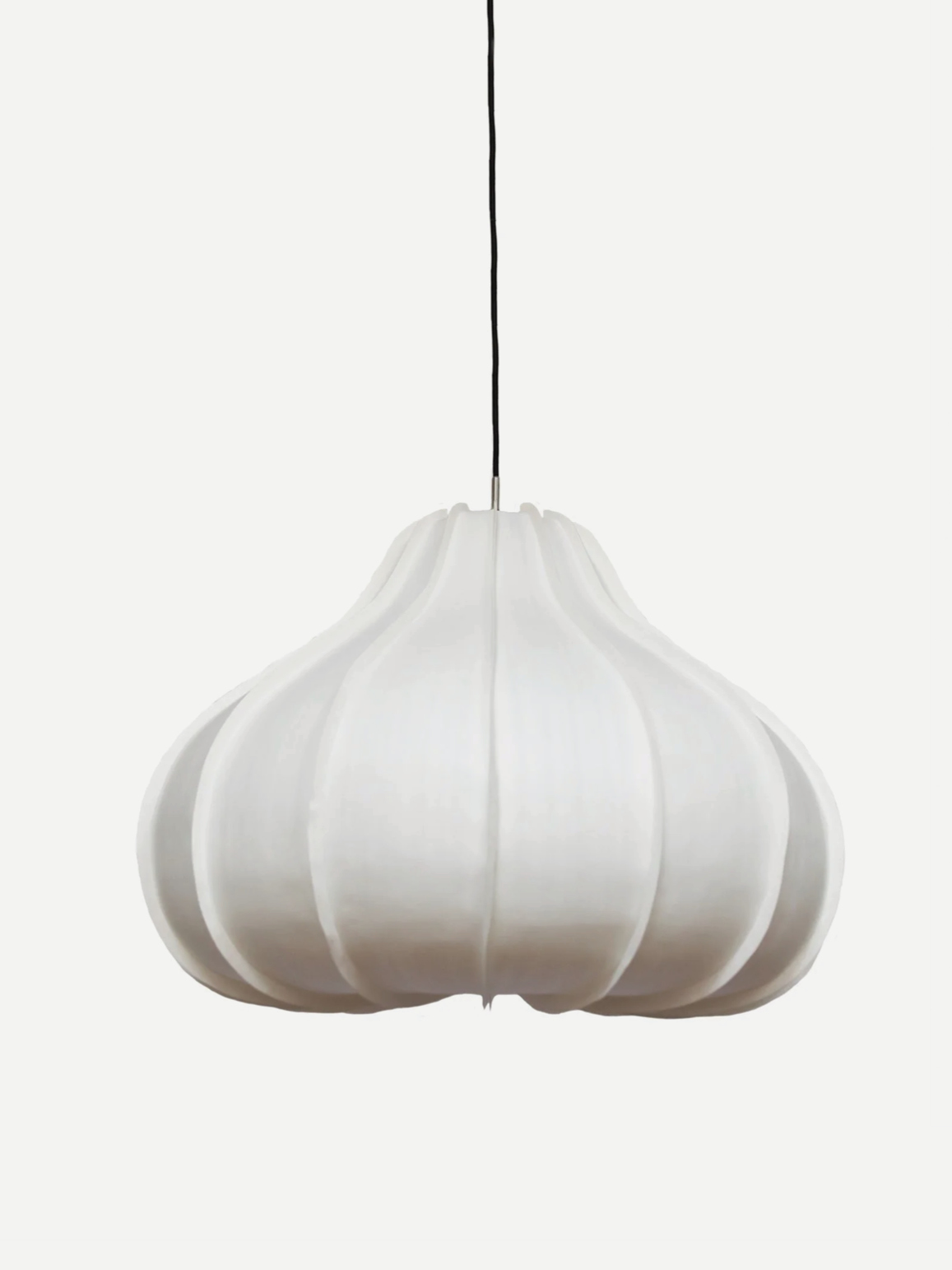
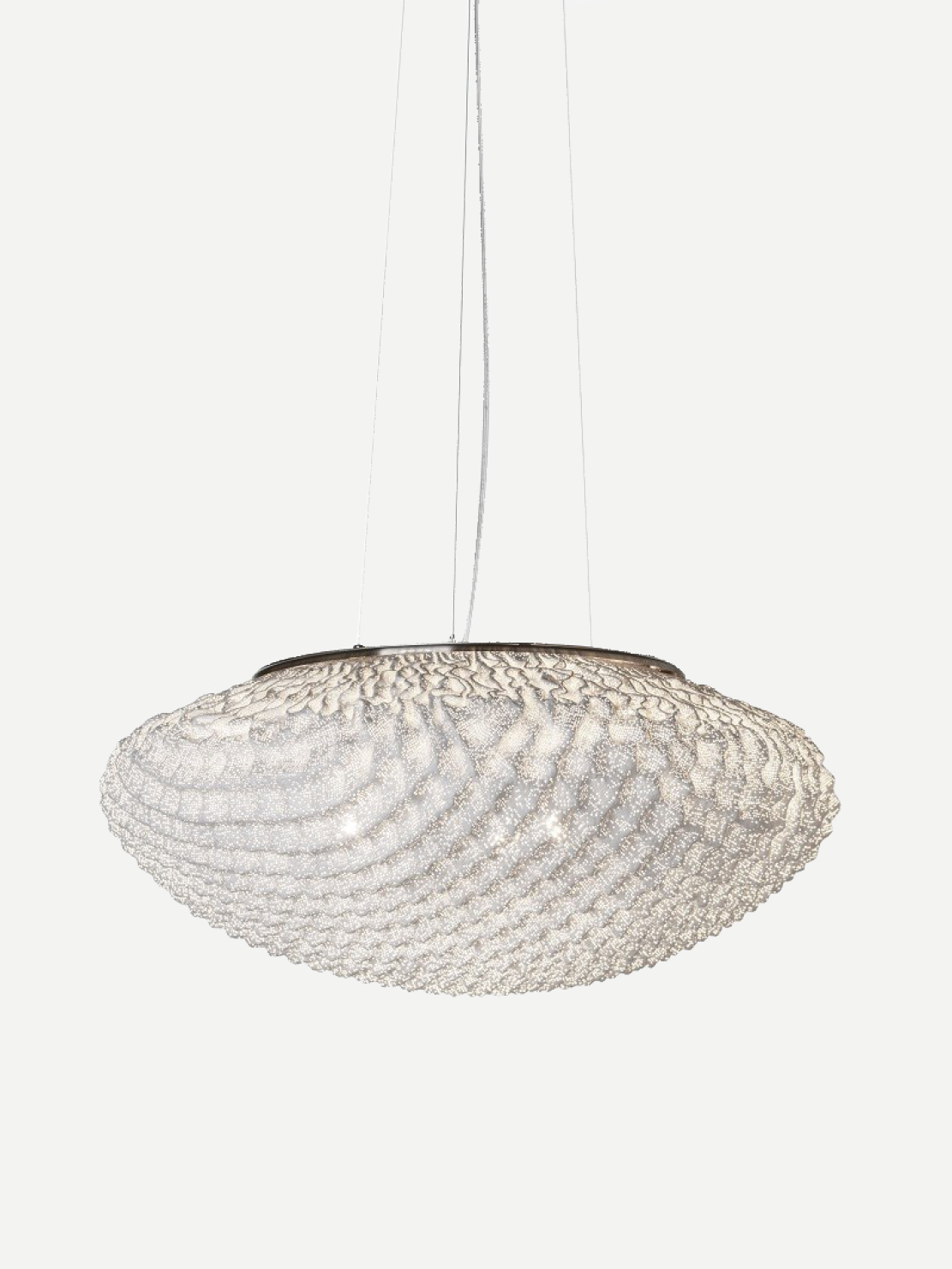
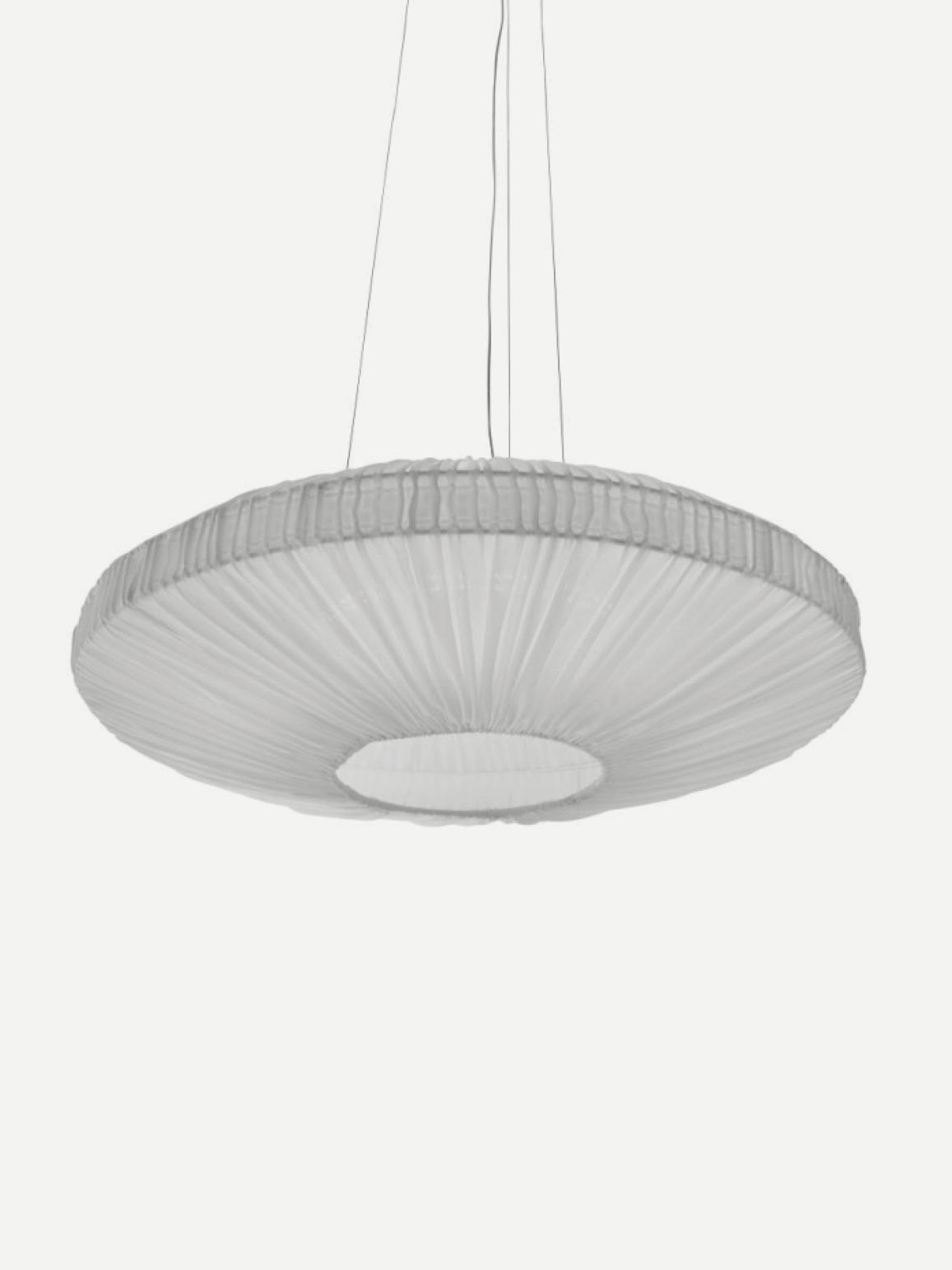
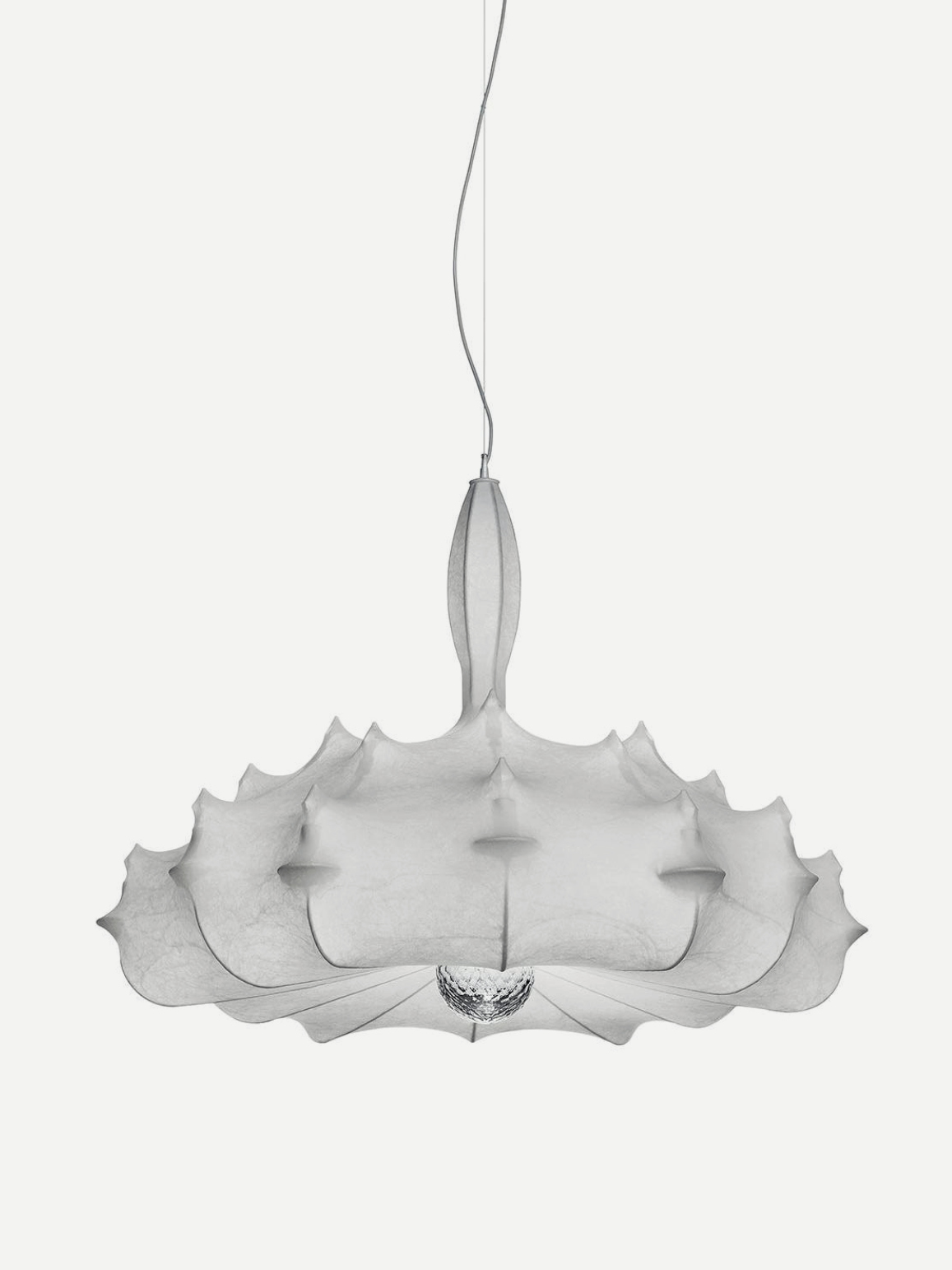
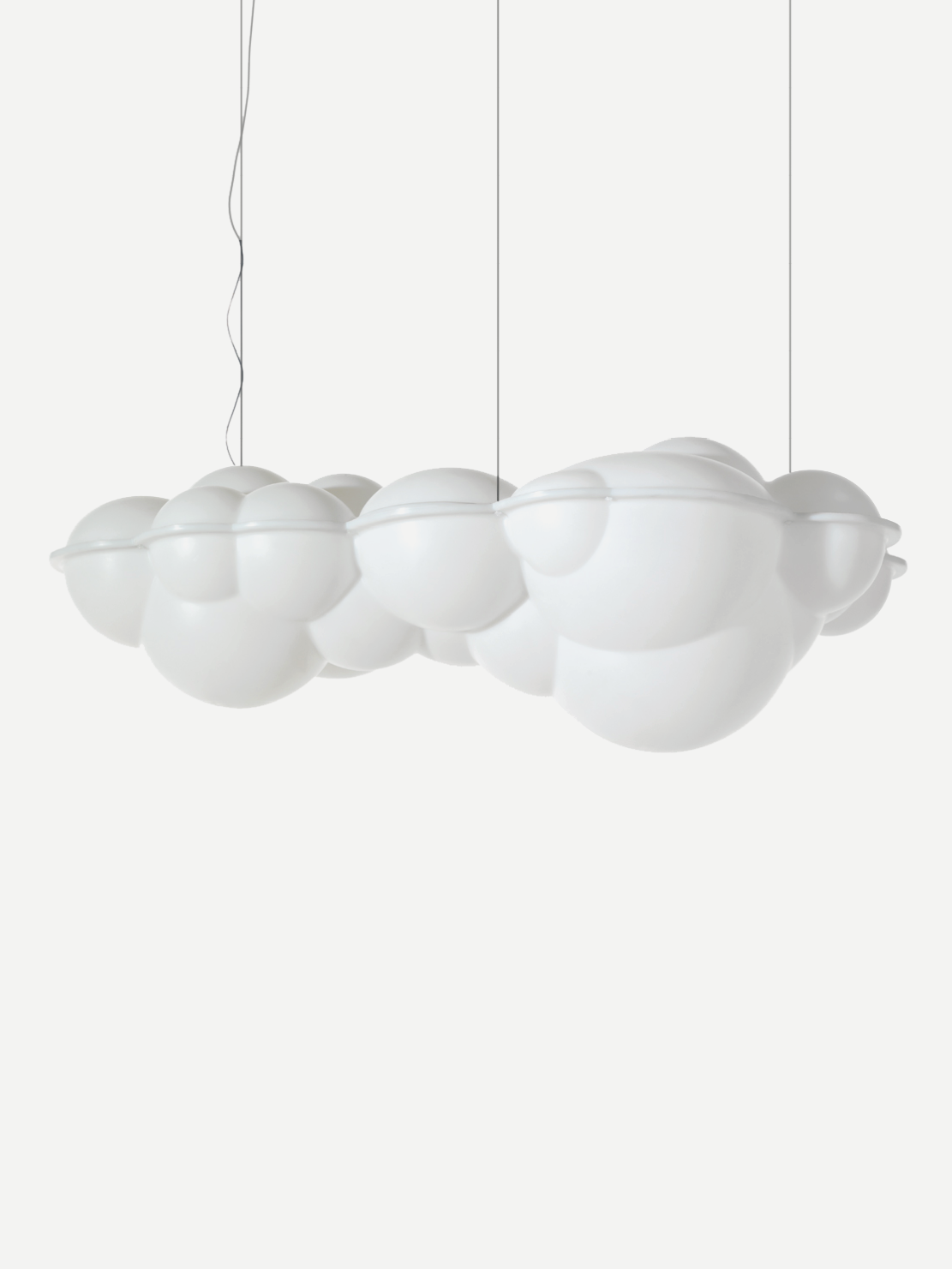
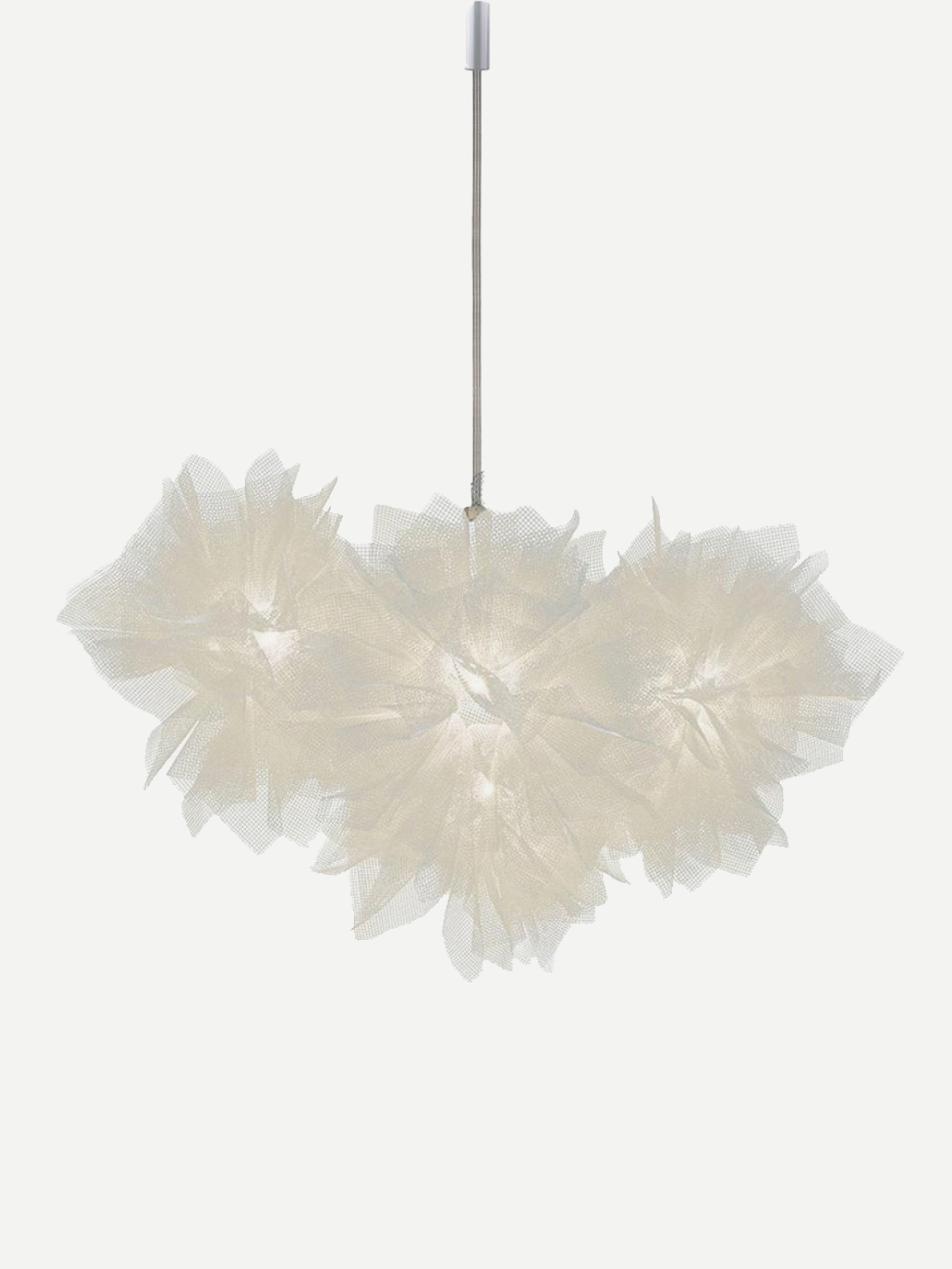
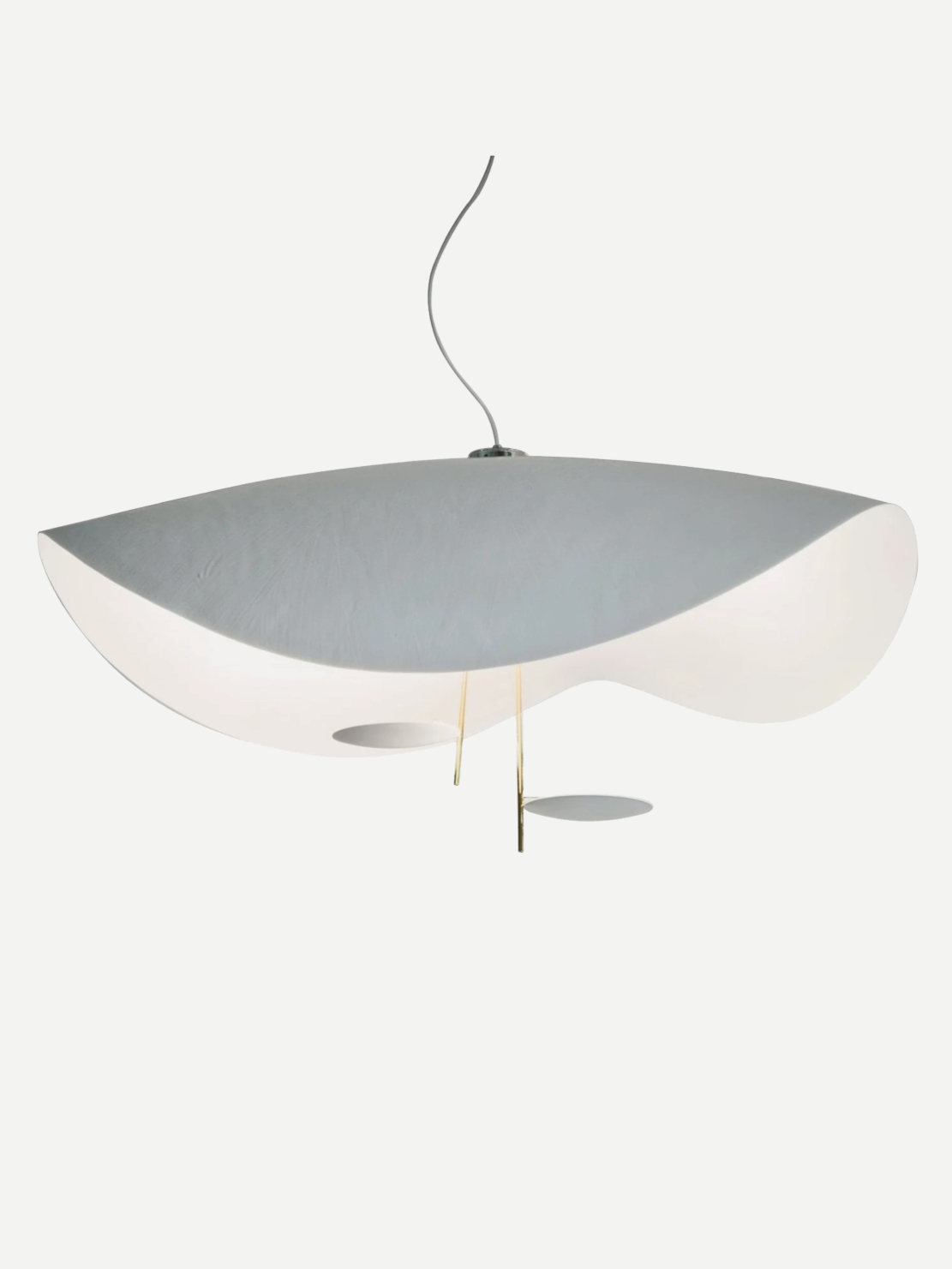
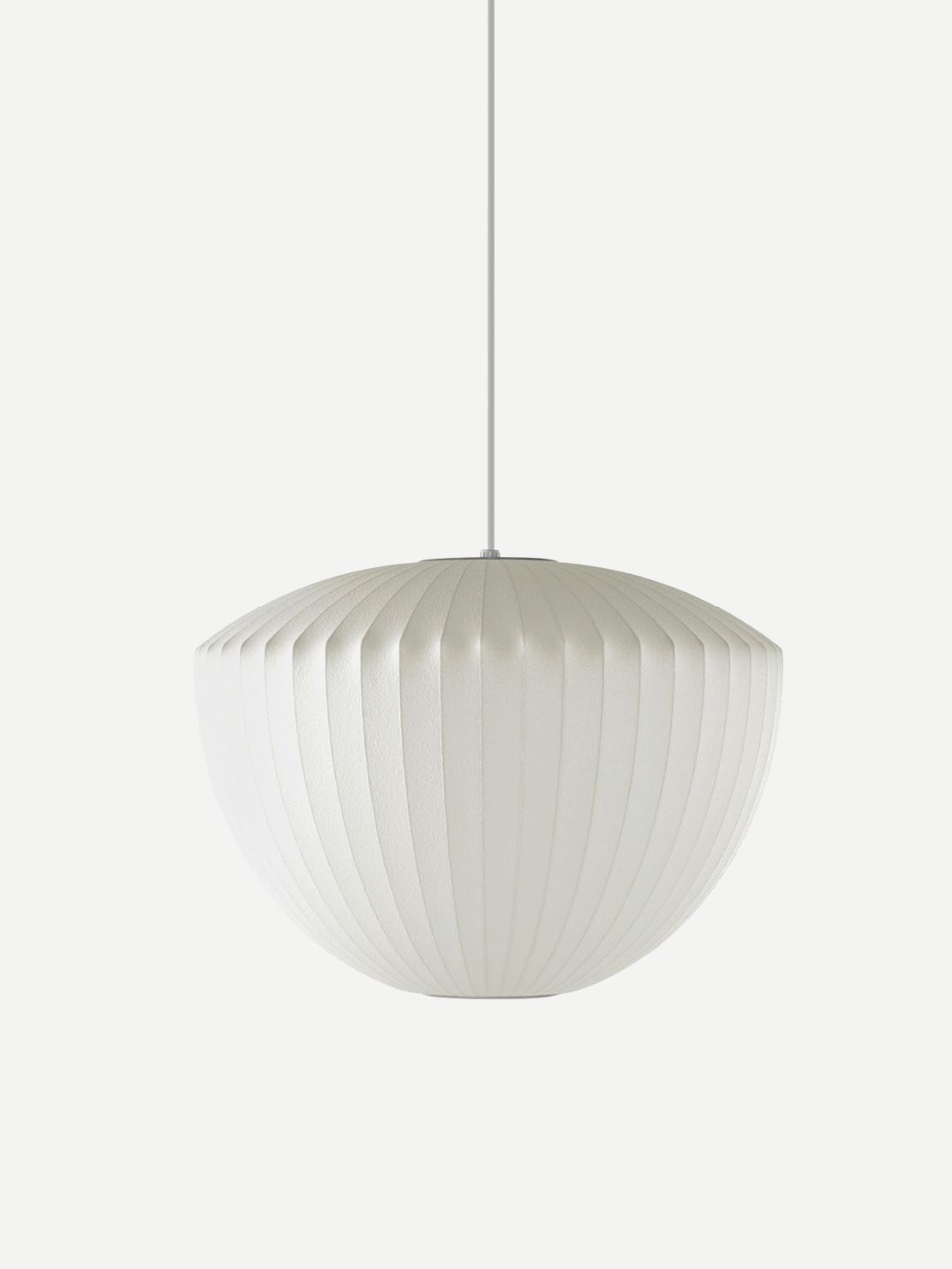
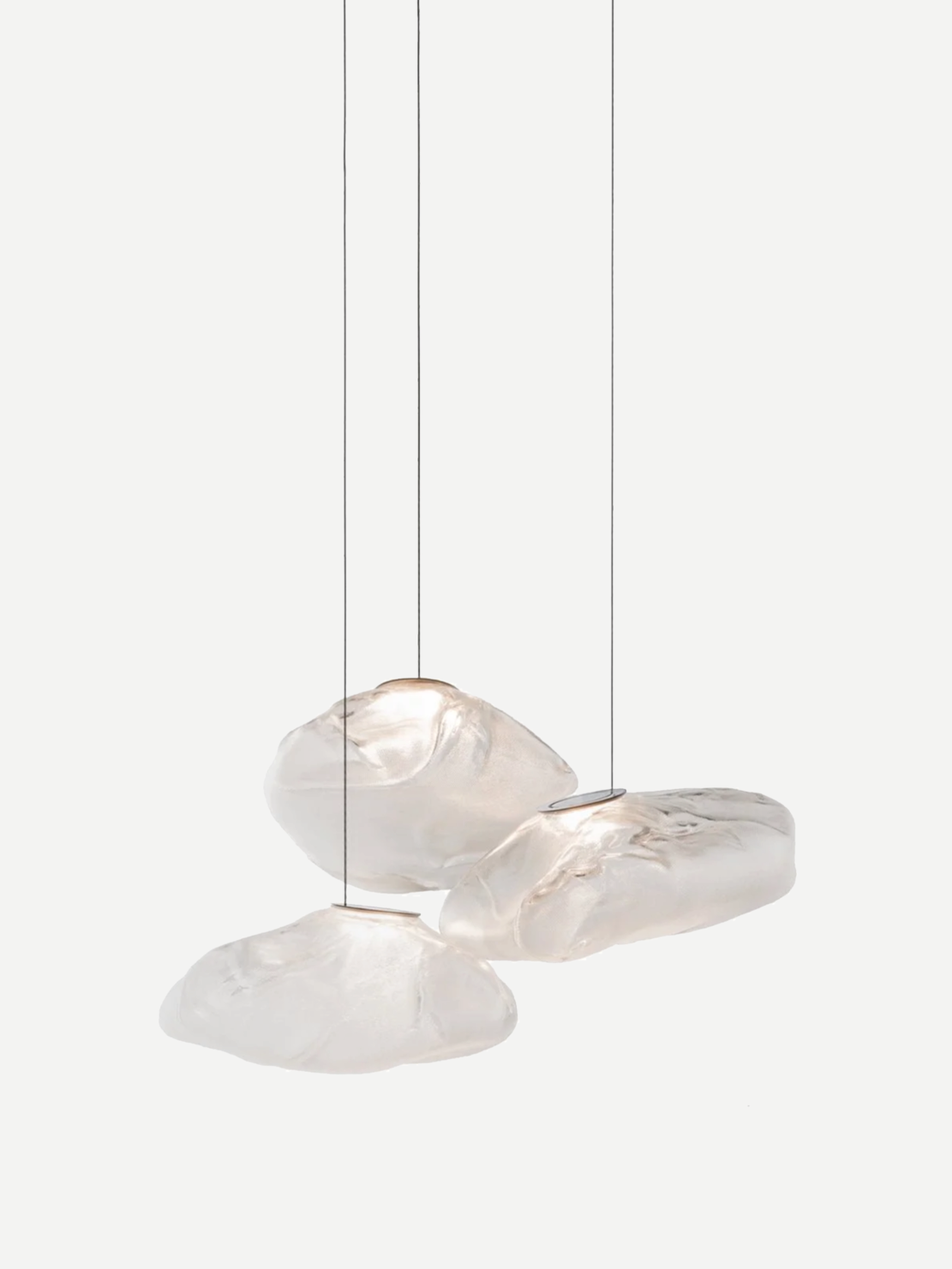
Introduce an element of whimsy into your space with an ethereal, cloud-like pendant. Carefully made with near-translucent materials cleverly shaped over metal frames, these eye-catching lights promise to cast your home in an otherworldly glow.
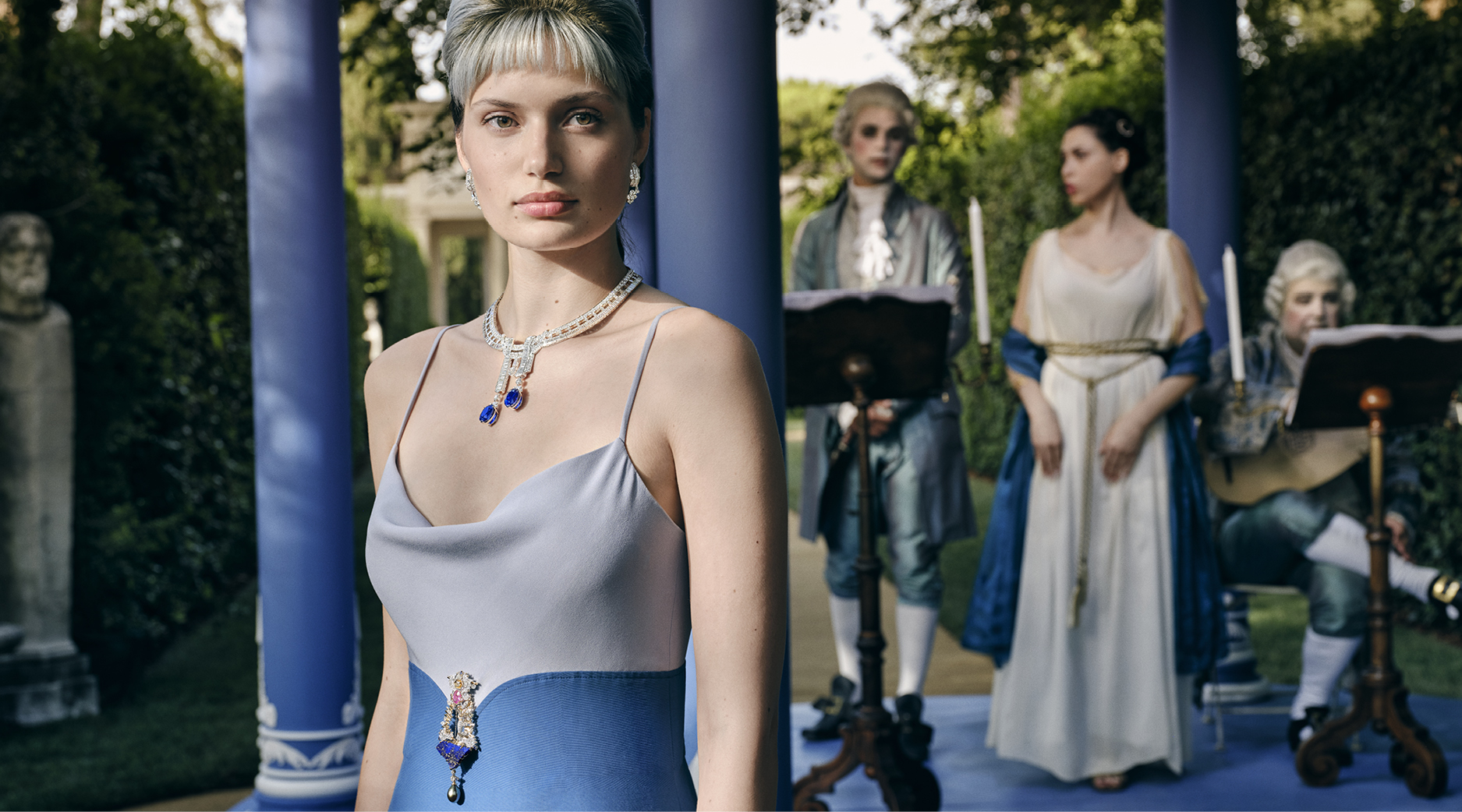
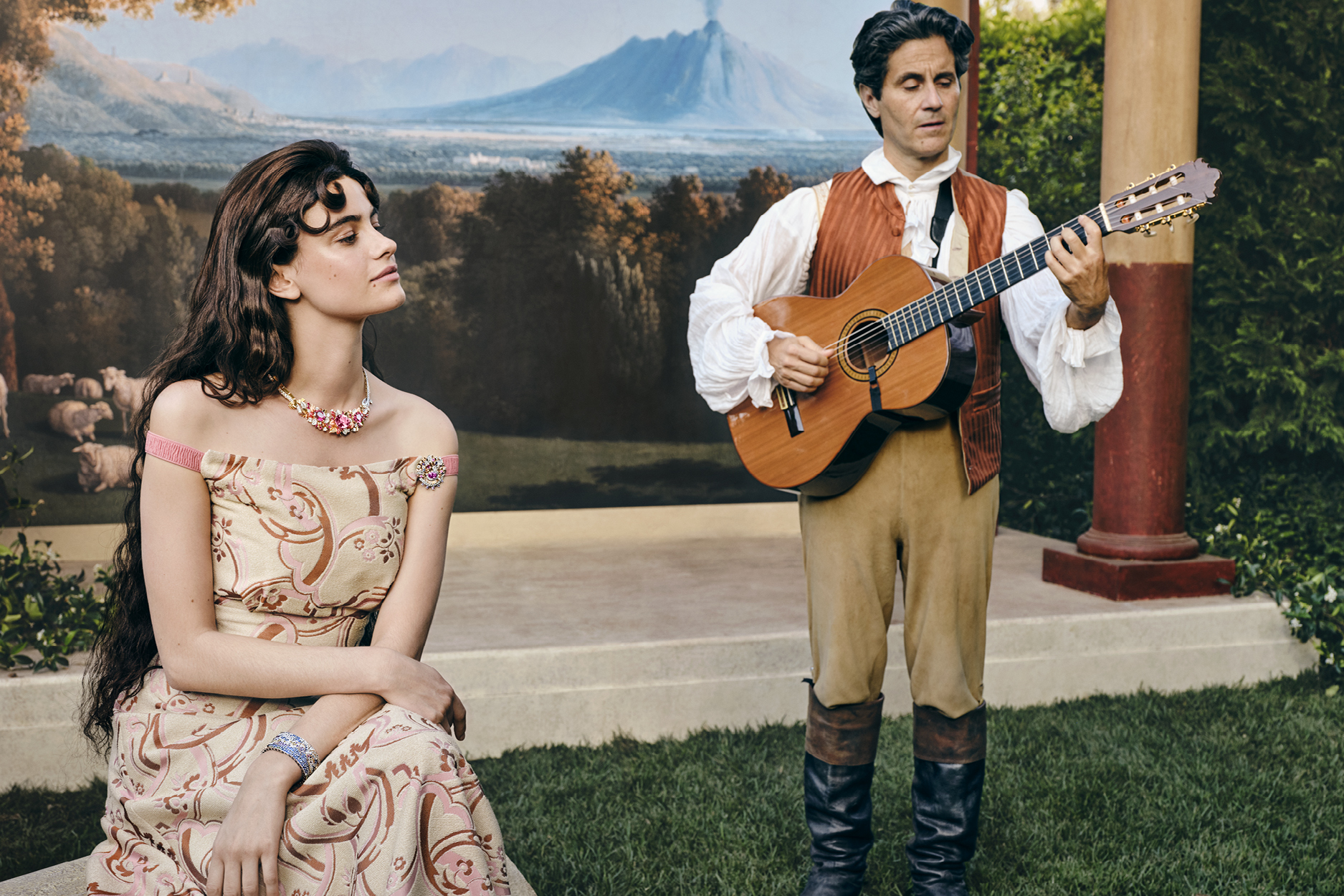
Inspired by The Grand Tour, a historical odyssey through the major cultural centres of Europe, Van Cleef & Arpels’ latest high jewellery collection takes us on an incredible, sweeping journey where history, geography and gemstones collide.
London
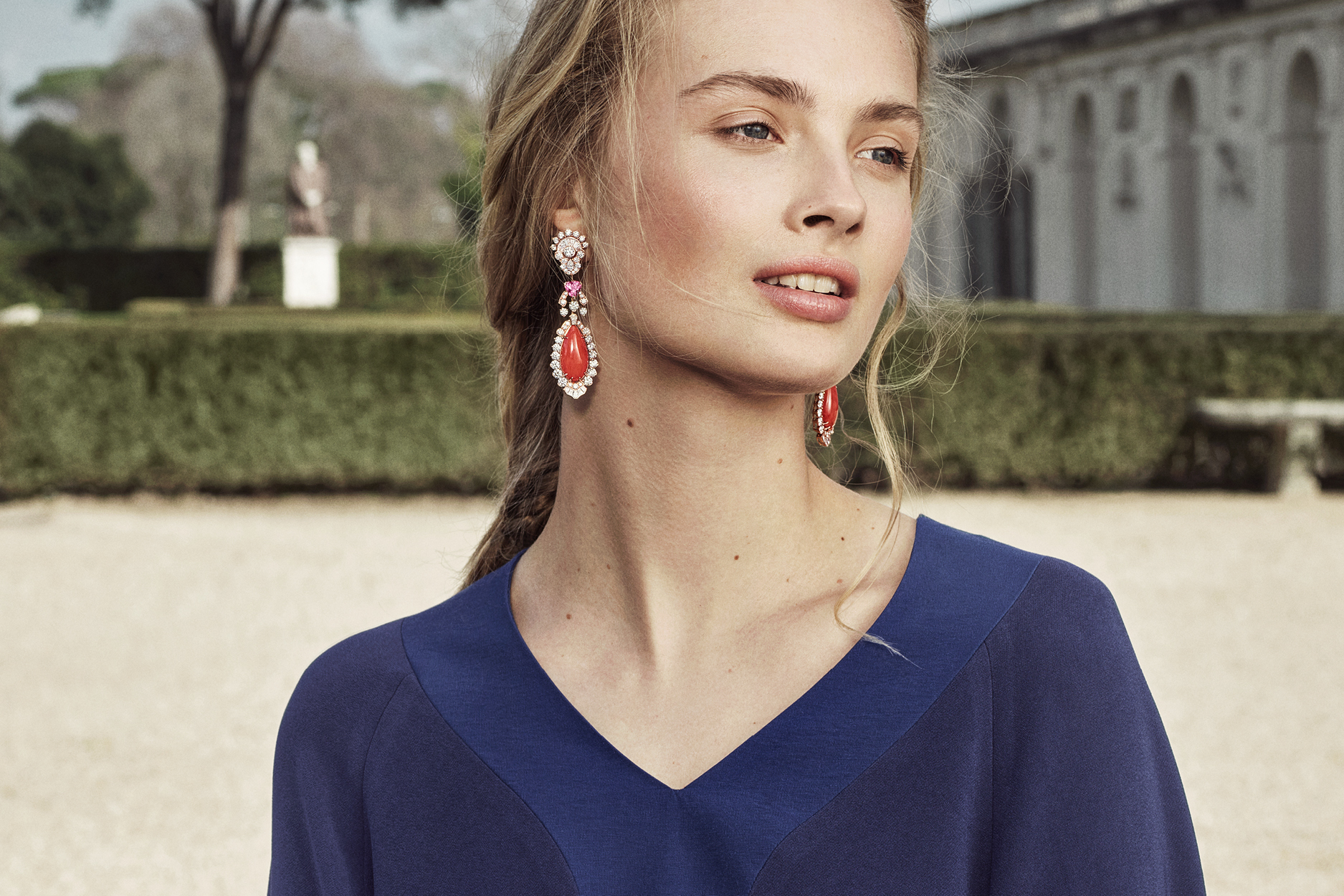
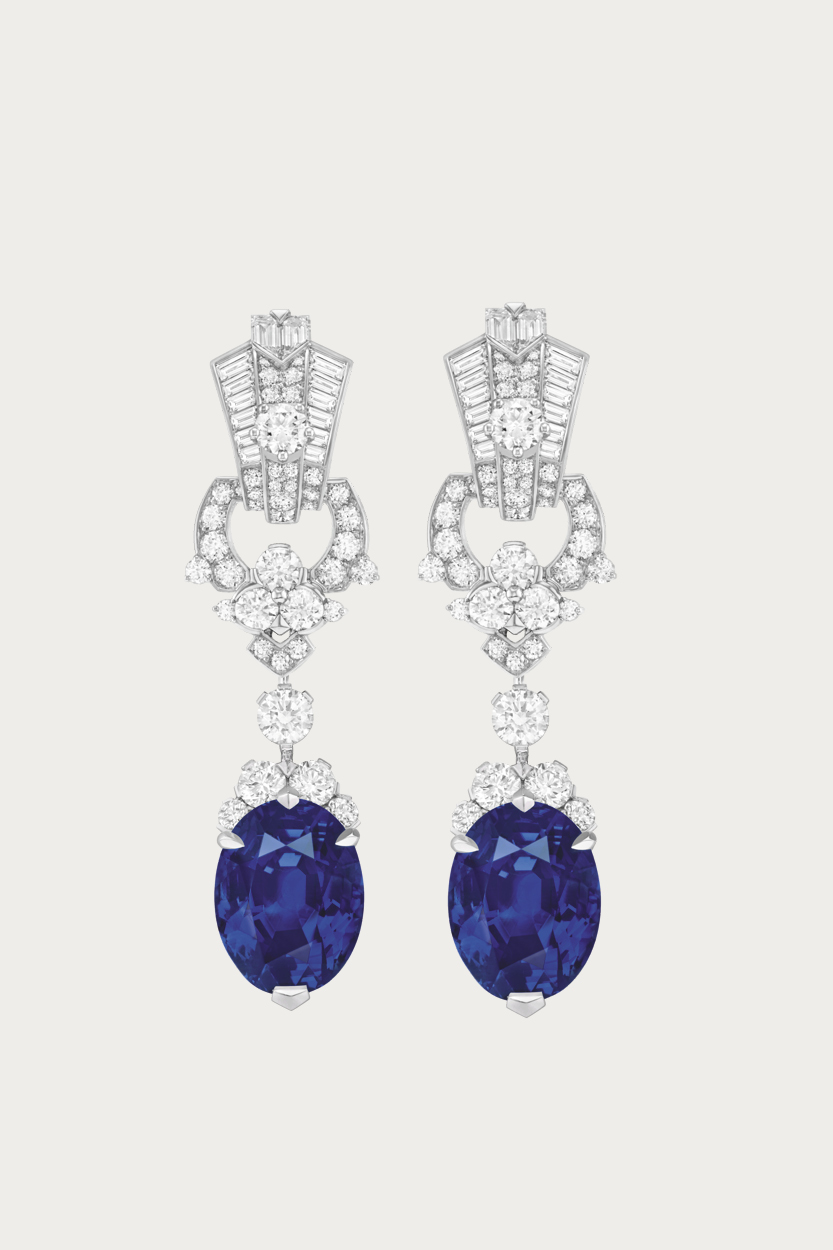
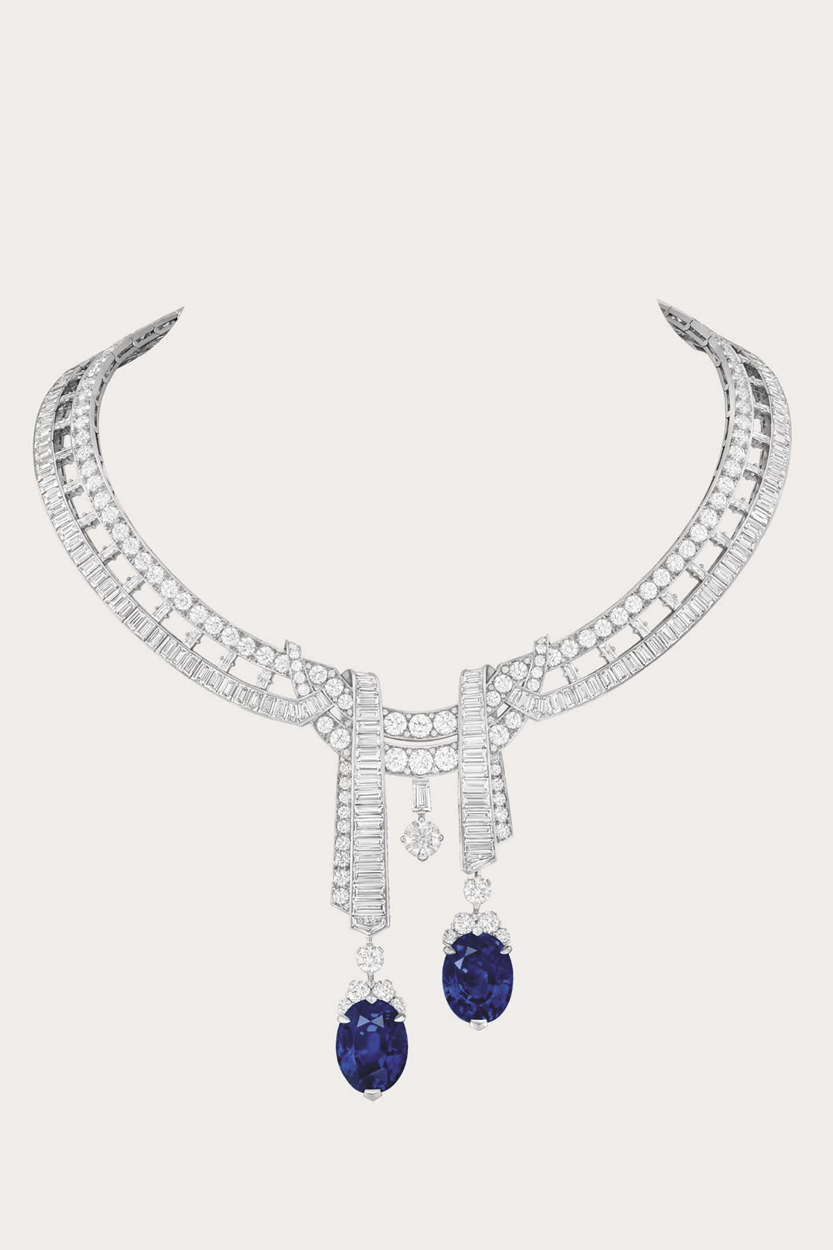
The journey of Van Cleef & Arpels’ Le Grand Tour begins in London, where Canova’s statue at the sumptuous Chatsworth House inspired the Dea Eterna Clip, boasting an oval-cut 3.47-carat pink sapphire, blue sapphires, lapis lazuli, a grey cultured pearl and diamonds. The Josiah Necklace and Earrings were inspired by the heart of London, where baguette and round-cut diamonds drape around the neck or hang elegantly from the ears, culminating in remarkable oval-cut sapphires. Elsewhere, the rose gold Elizabeth Earrings (their name derived from the iconic monarch) with detachable pendants, feature two triangle-cut pink spinels, alongside coral and sparkling diamonds.
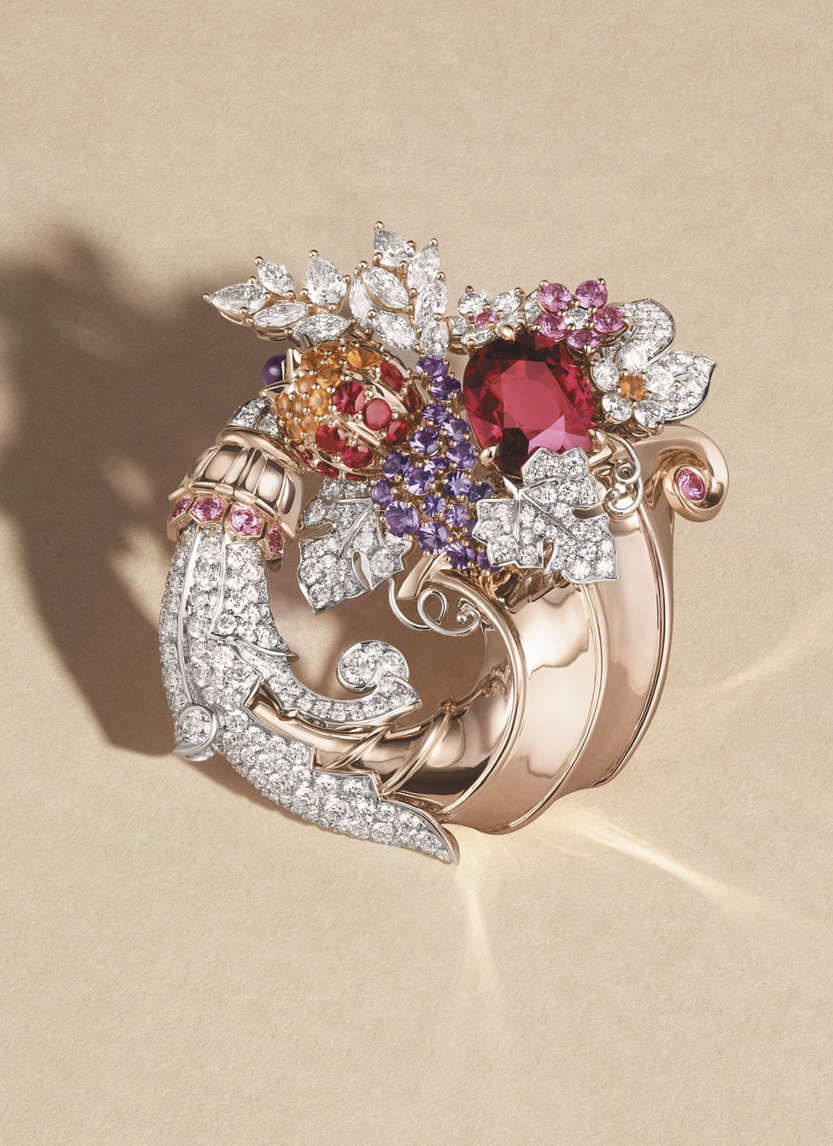
Elizabeth earrings with detachable pendants, Cornucopia clip & Schäppel ring from Van Cleef & Arpels
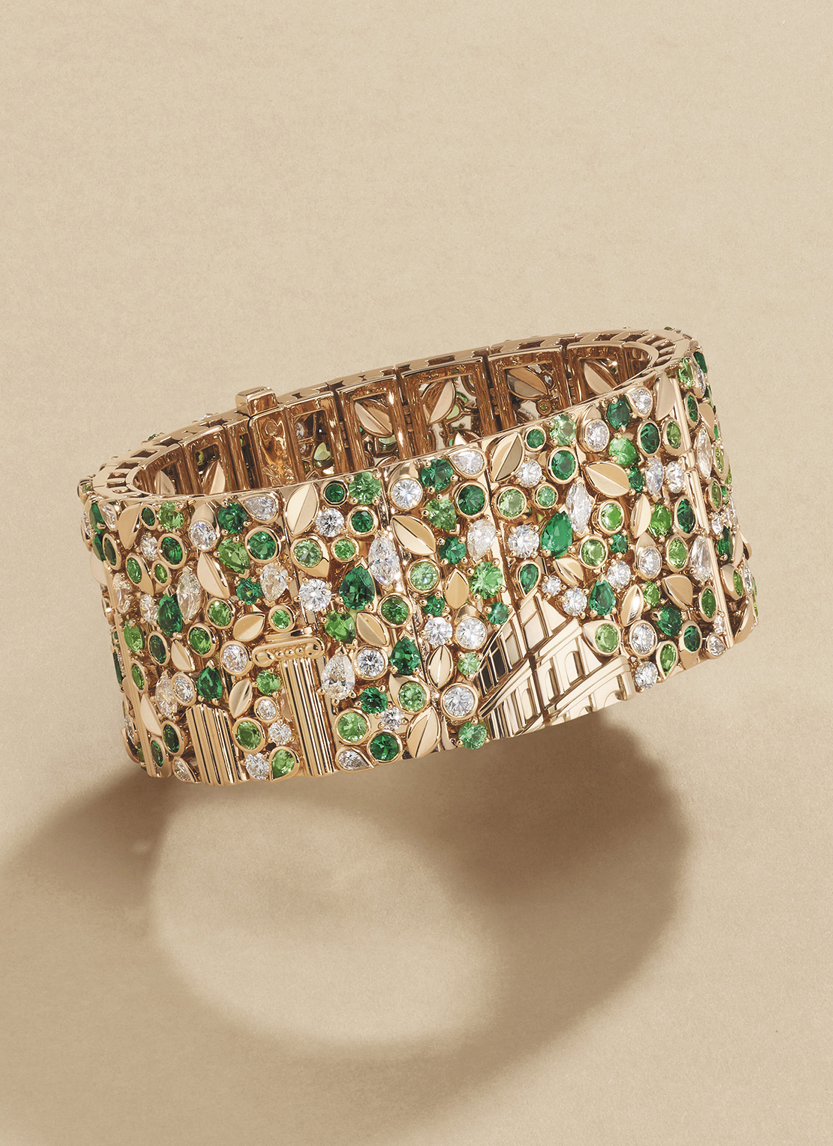
The mythological horn of plenty inspired Van Cleef & Arpels to create the Cornucopia Clip where a rubellite immediately attracts the gaze, surrounded by diamond leaves, amethysts, rubies and spessartite garnets and finished with bouqiets of sapphire flowers, spessartite garnets and diamonds. The Escale Antique bracelet is another marvel inspired by Rome, fashioned from rose gold, it boasts emeralds, tsavorite garnets and diamonds in an intricate, botanical pattern.
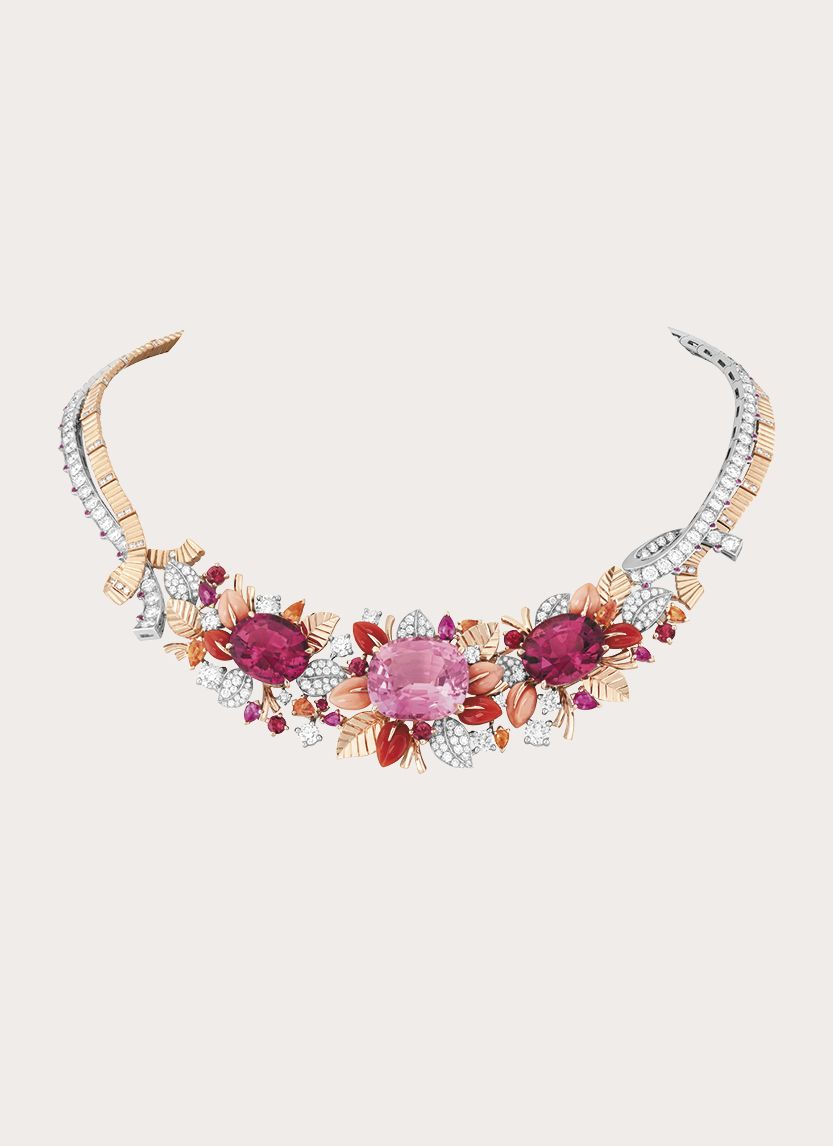
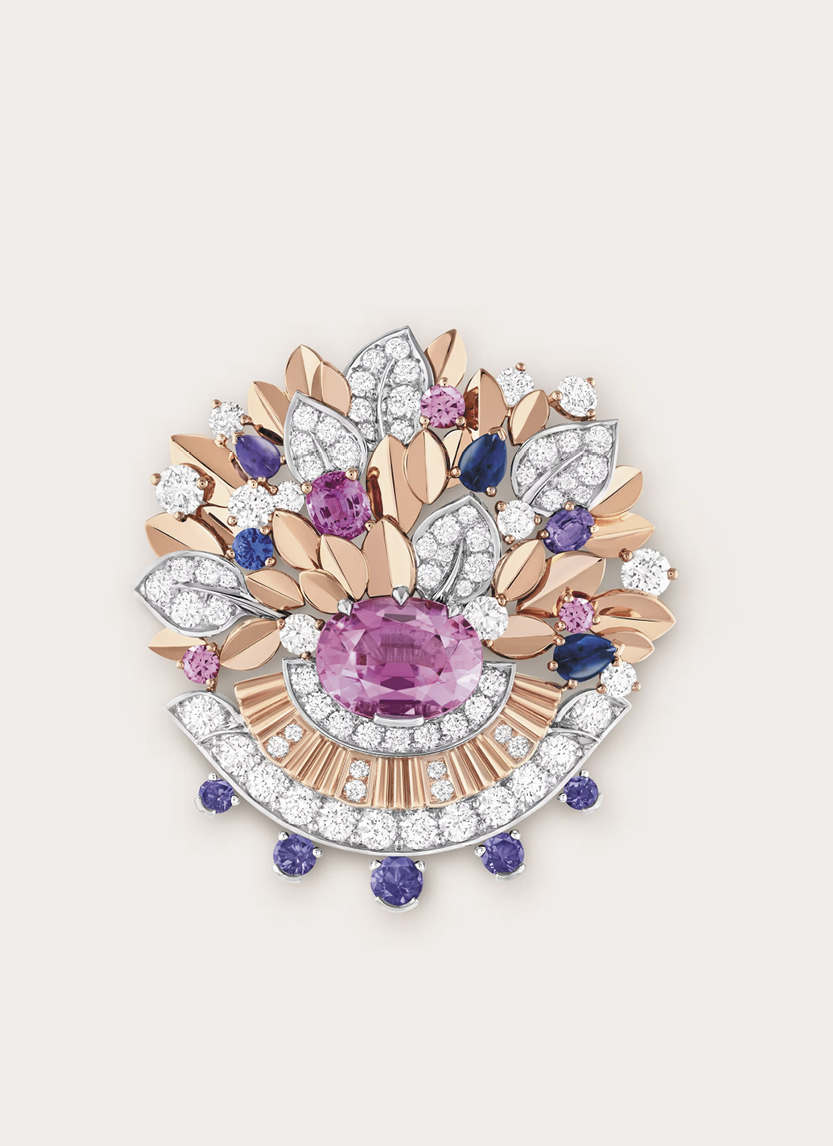
Over to Naples where Van Cleef & Arpels’ Ninfe Necklace depicts a floral crown, like those in the mosaics of the ruined Nymphaeum in Herculaneum. Comprising links of gadrooned rose gold, diamonds and pink sapphires, the centre of the creation is a composition of leaves in rose and white gold, diamonds and red and pink ‘angel-skin’ coral. These surround a striking cushion-cut rubellite, subtly accentuated by two oval-cut rubellites. The Symphonie Florale Clip, was inspired by the hanging gardens of Ravello, and boasts white and rose gold, a breathtaking collection of spessartite and tsavorite garnets, a pink, mauve sapphire and diamonds.
Ninfe necklace, Symphonie végétale clip & Escale sur la baie bracelet from Van Cleef & Arpels
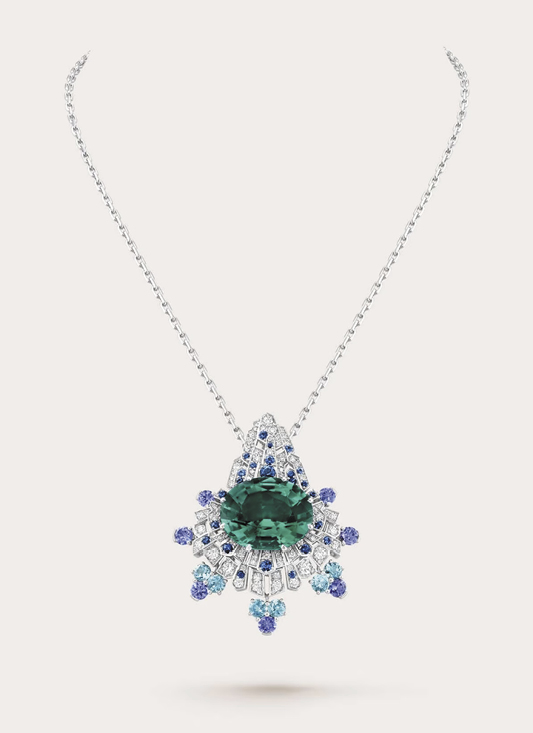
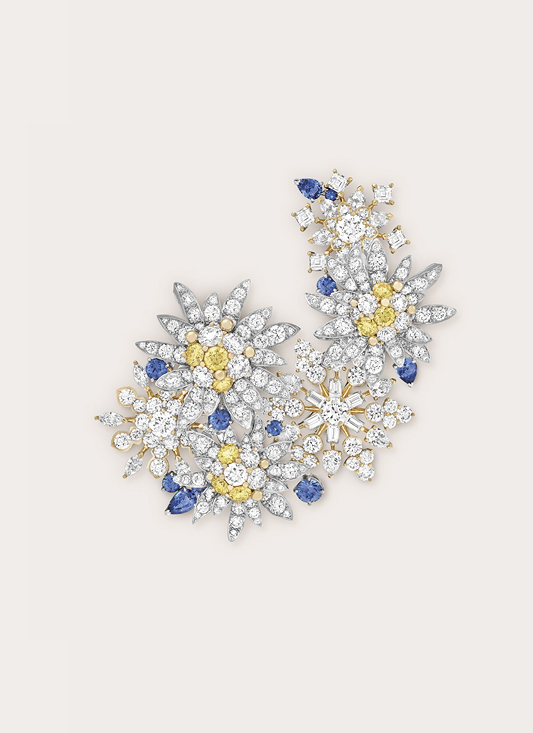
Transporting us to The Alps as winter ends, the blossoms come into bloom and Edelweiss gently awakens, Van Cleef & Arpels’ Etoile des Glaciers Clip features a stunning cluster of sapphires, white and yellow diamonds, designed to represent a rare and protected plant species that only thrives in high-altitude environments.
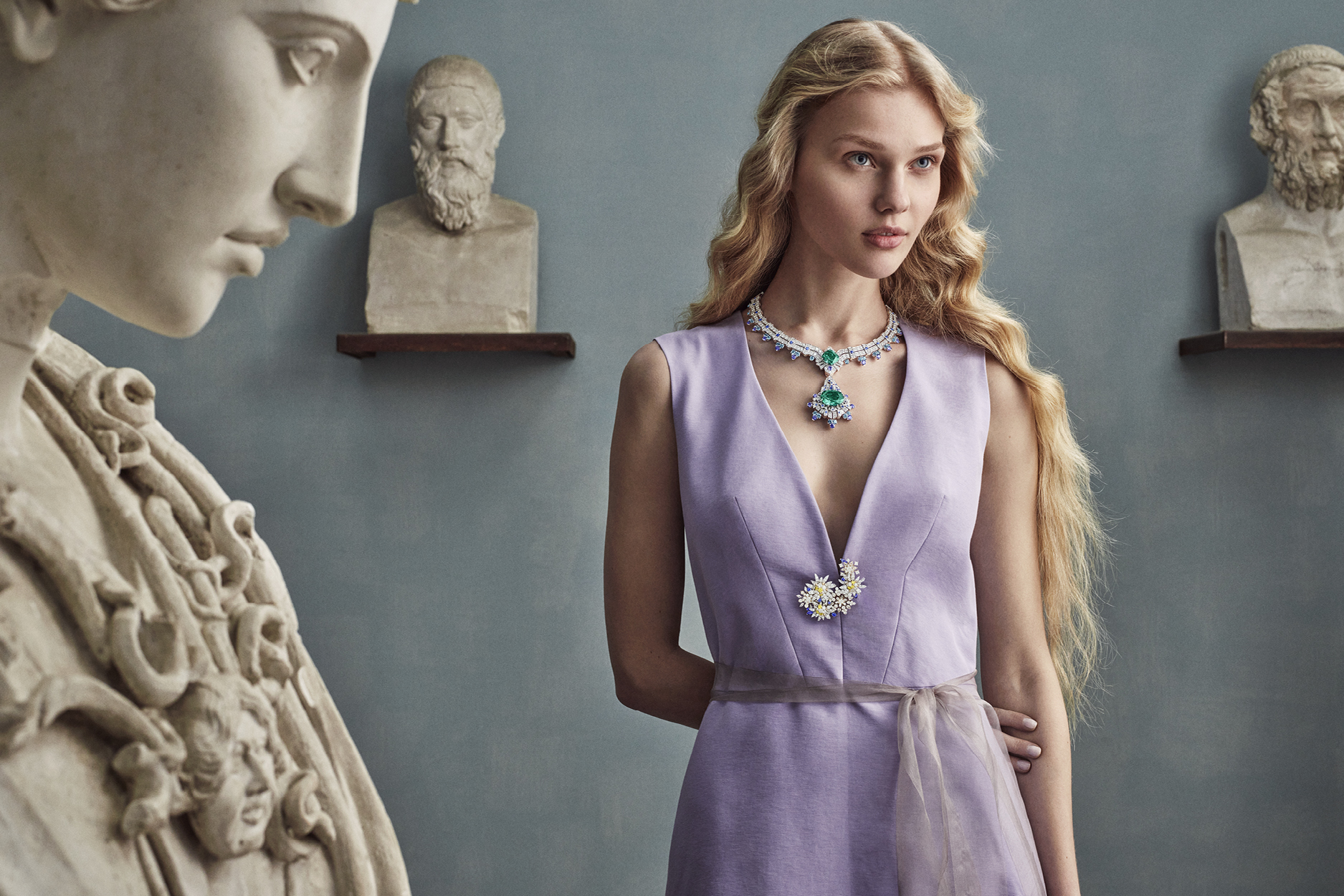
Regina Montium necklace with detachable pendant & Etoile des glaciers clip from Van Cleef & Arpels
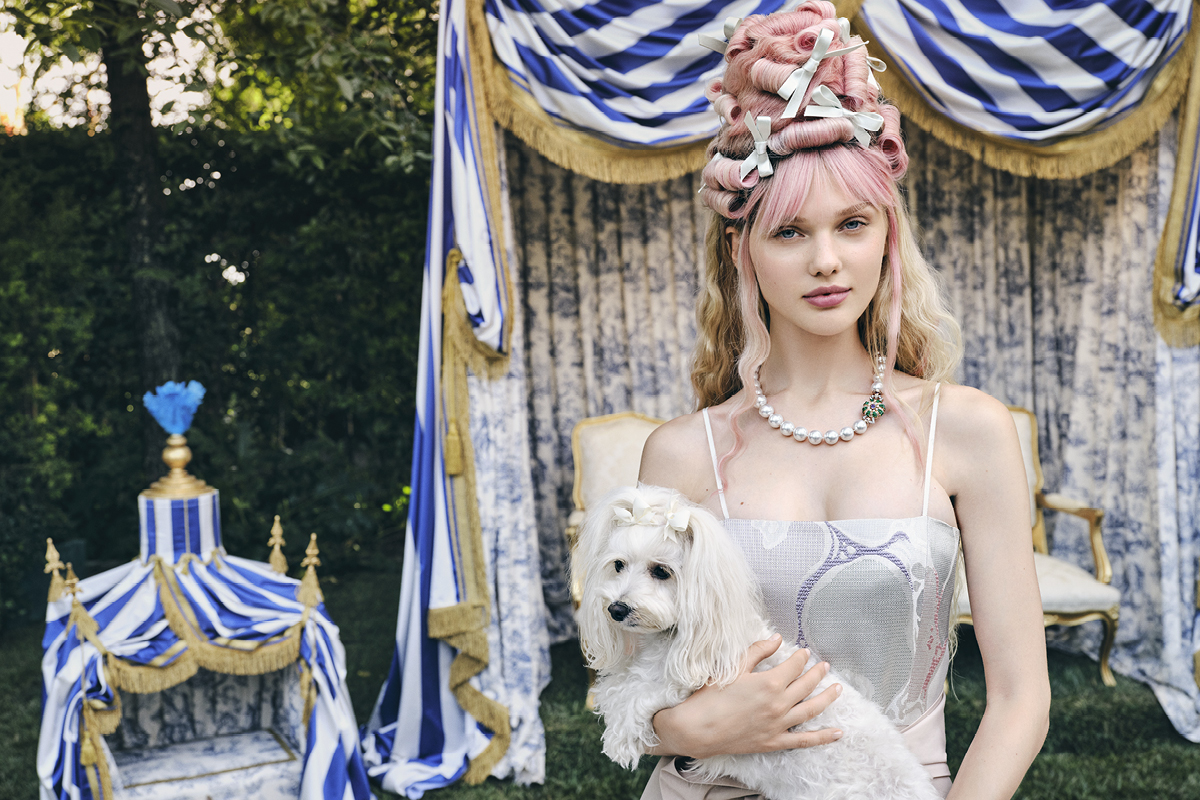
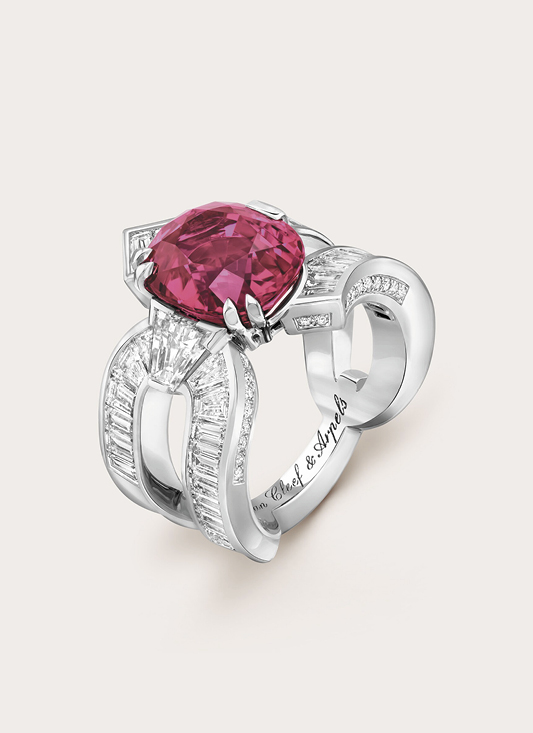
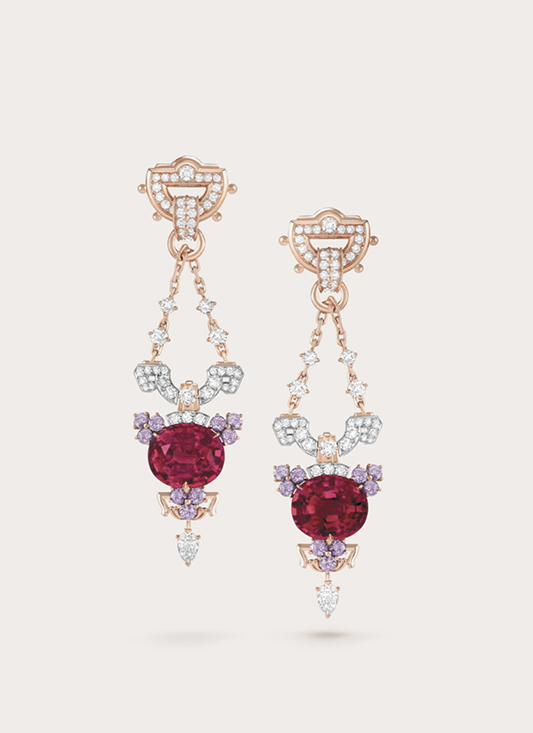
Inspired by the refined ladies-in-waiting of the court of Louis XV, Van Cleef & Arpels created the Eclat Mystérieux Necklace with Traditional Mystery Set emeralds, mauve sapphires white cultured pearls and diamonds. While its Lucendi Earrings suggest an elaborate, 18th Century chandelier and are rendered in rose and white gold with two oval-cut rubellites, mauve sapphires and diamonds. Elsewhere, its jaw-dropping Noeud Royal Ring heroes a cushion-cut pink sapphire set in white gold and surrounded by diamonds.
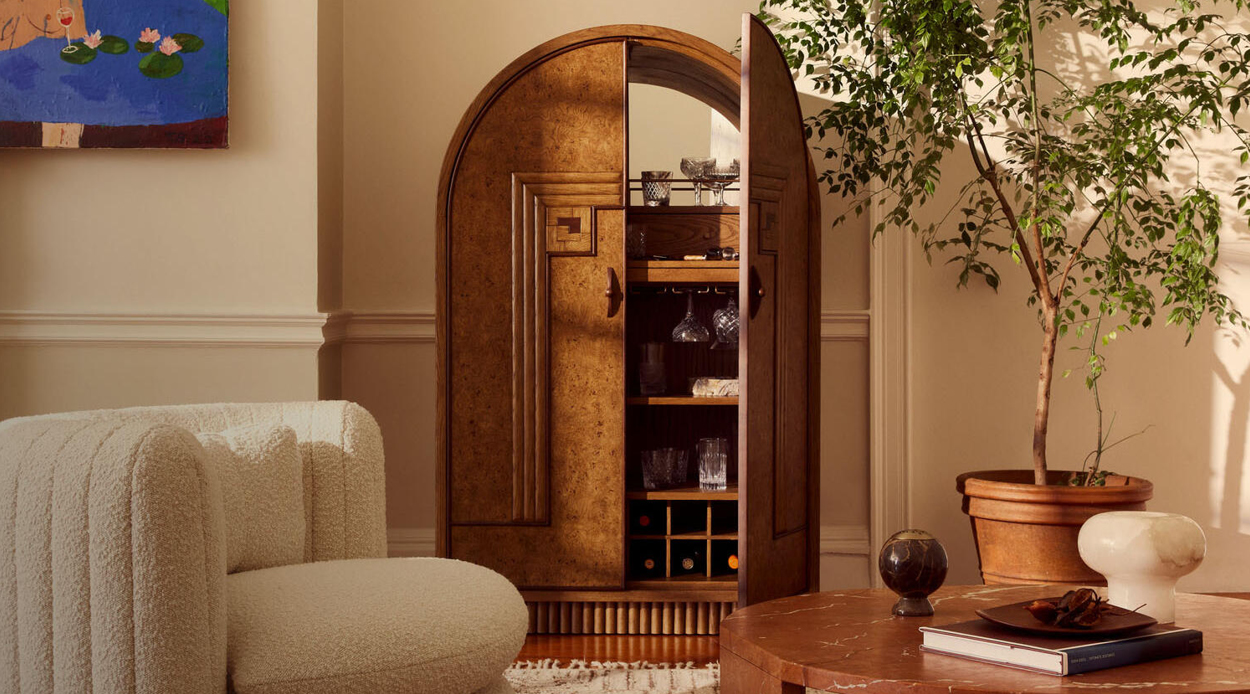
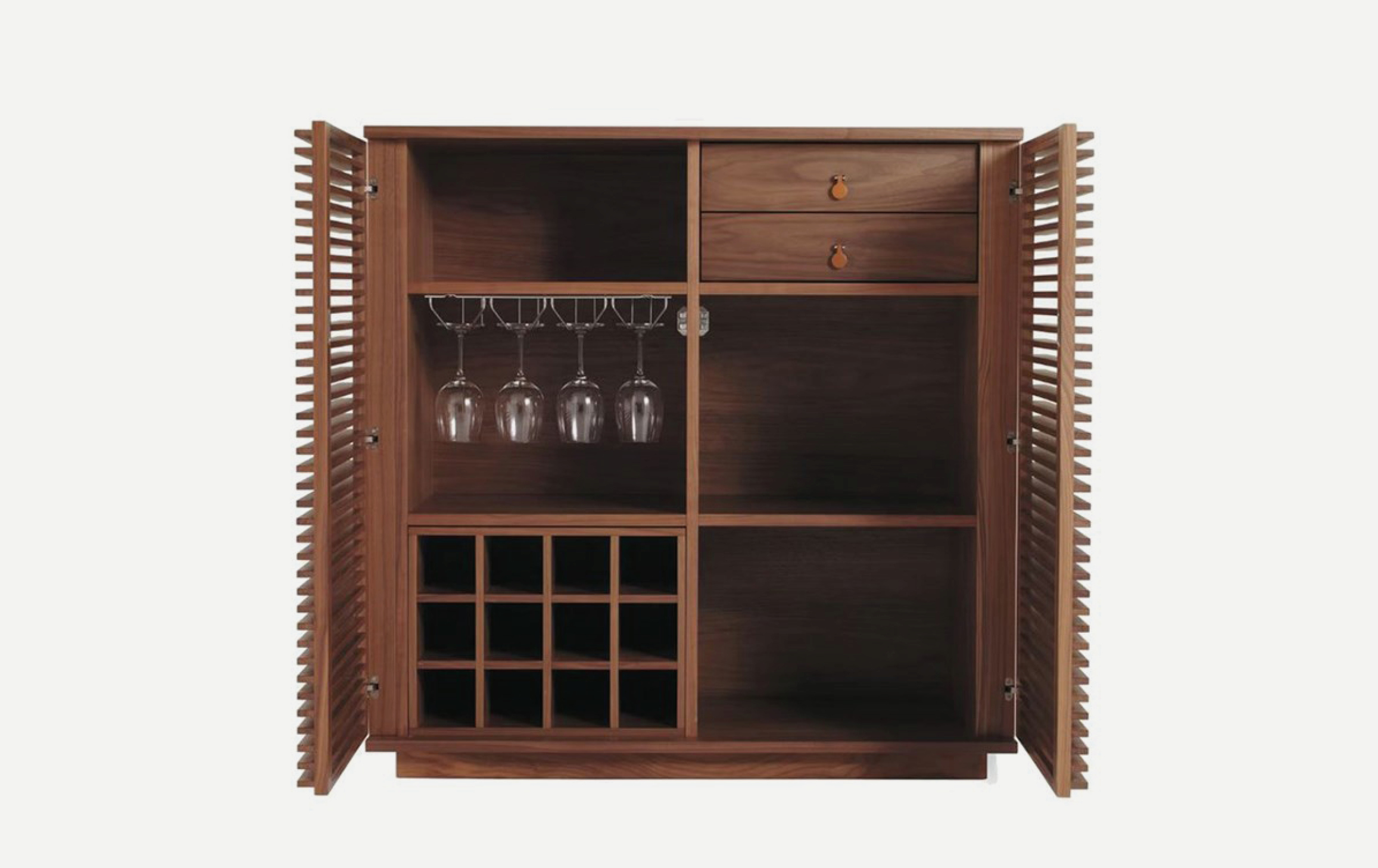
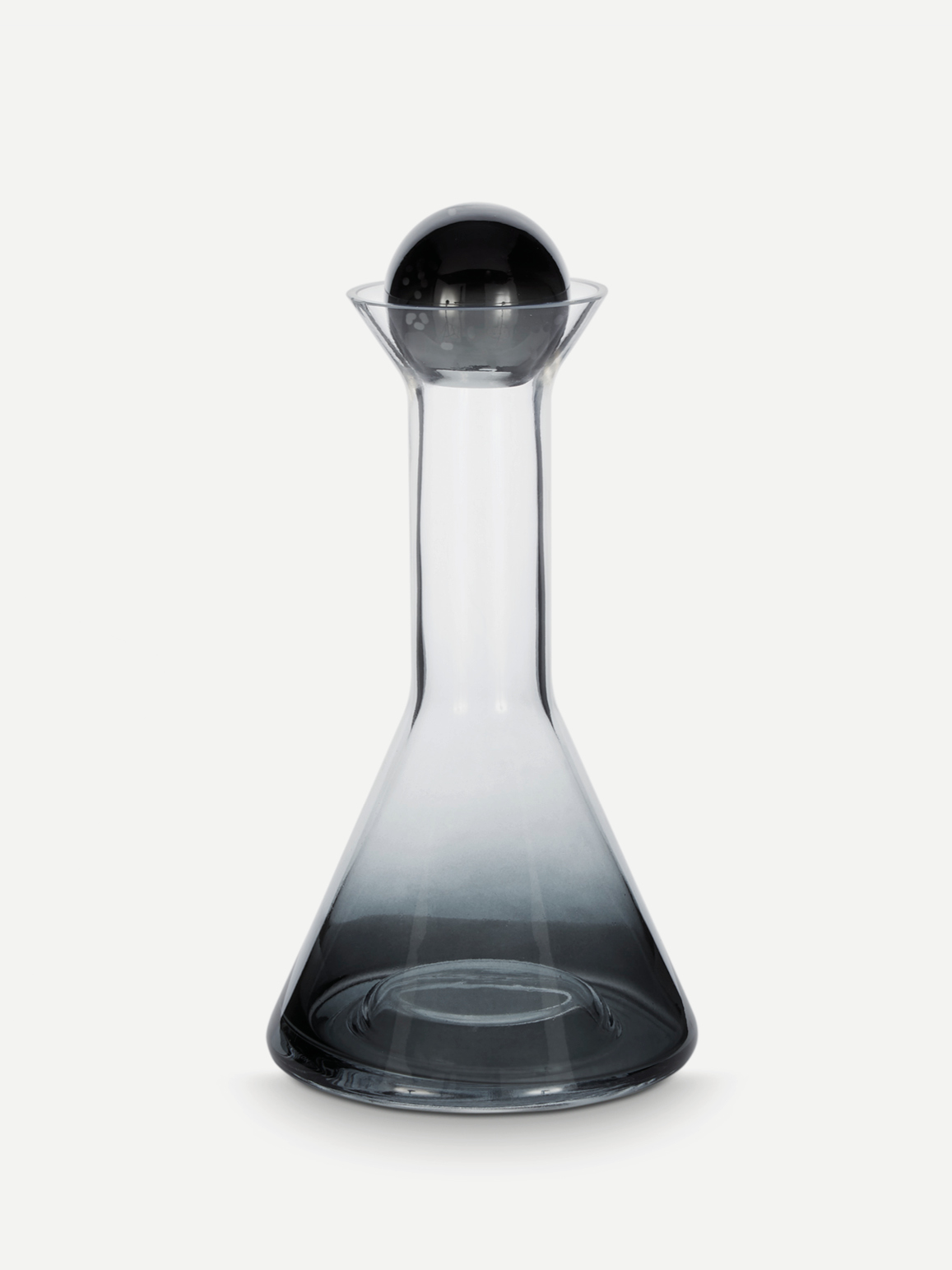
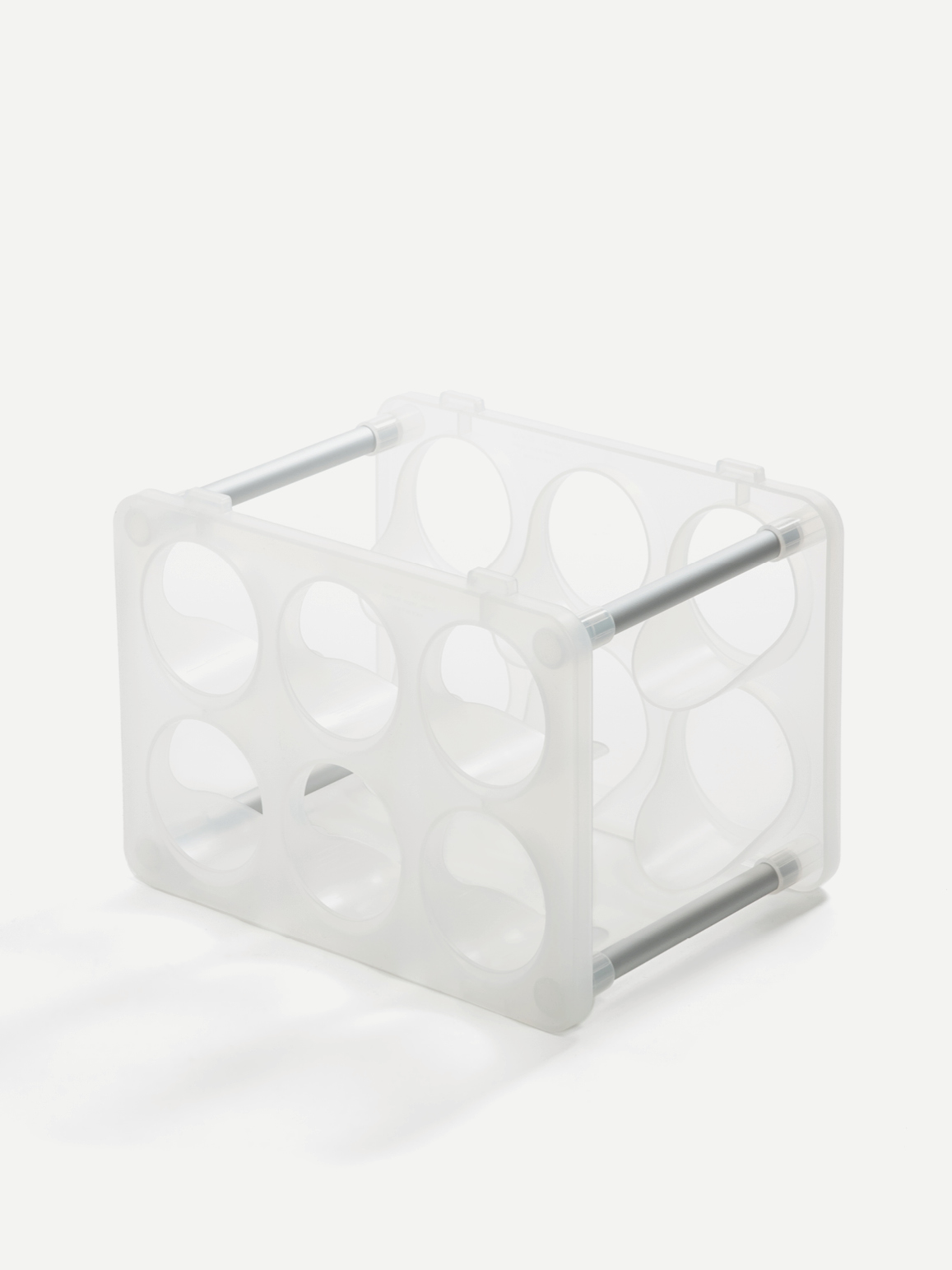
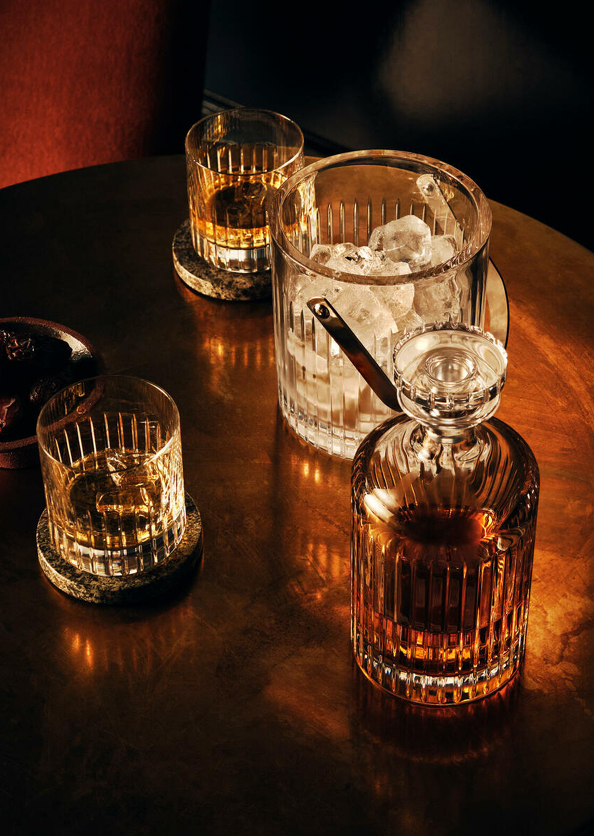
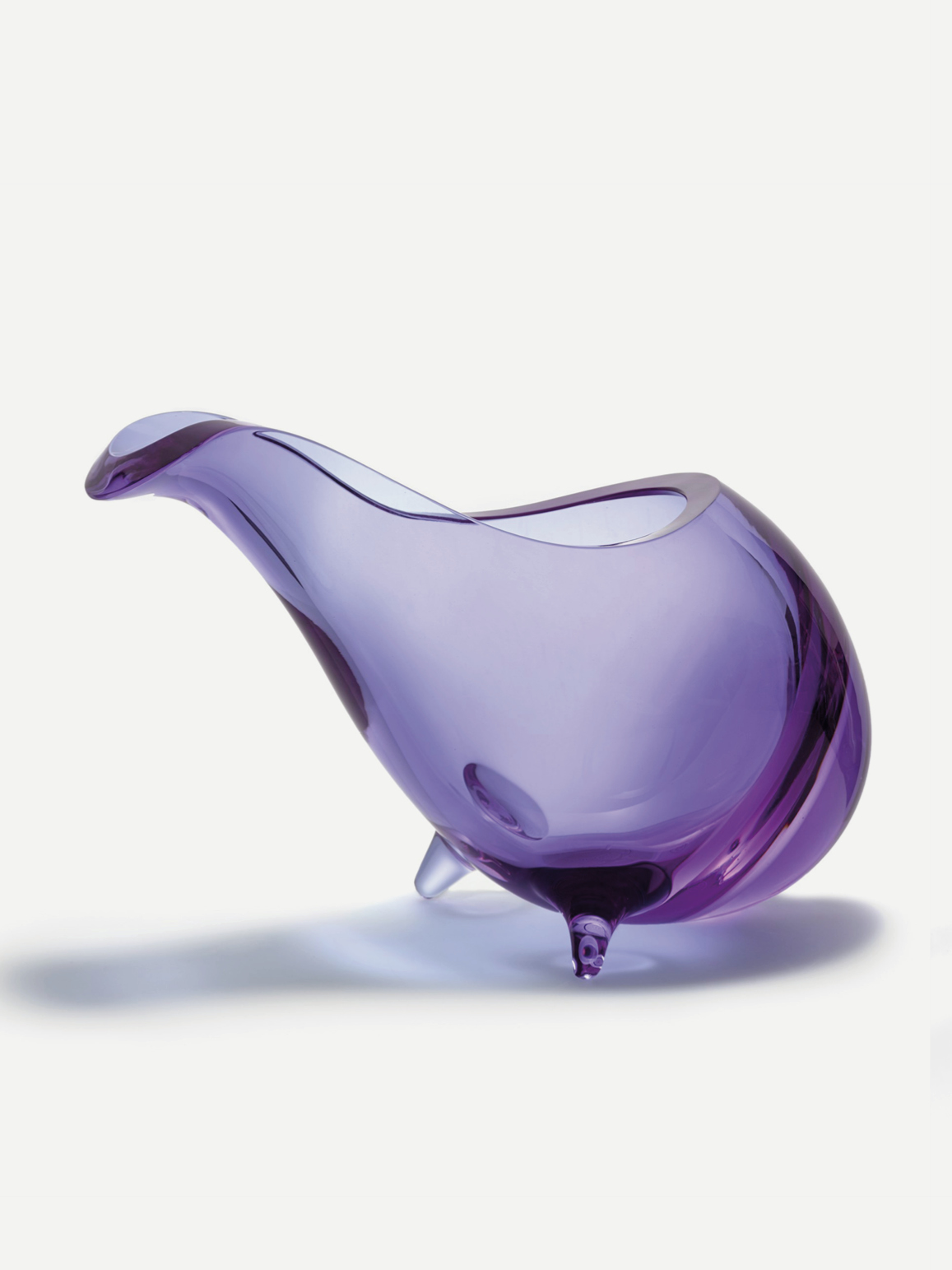
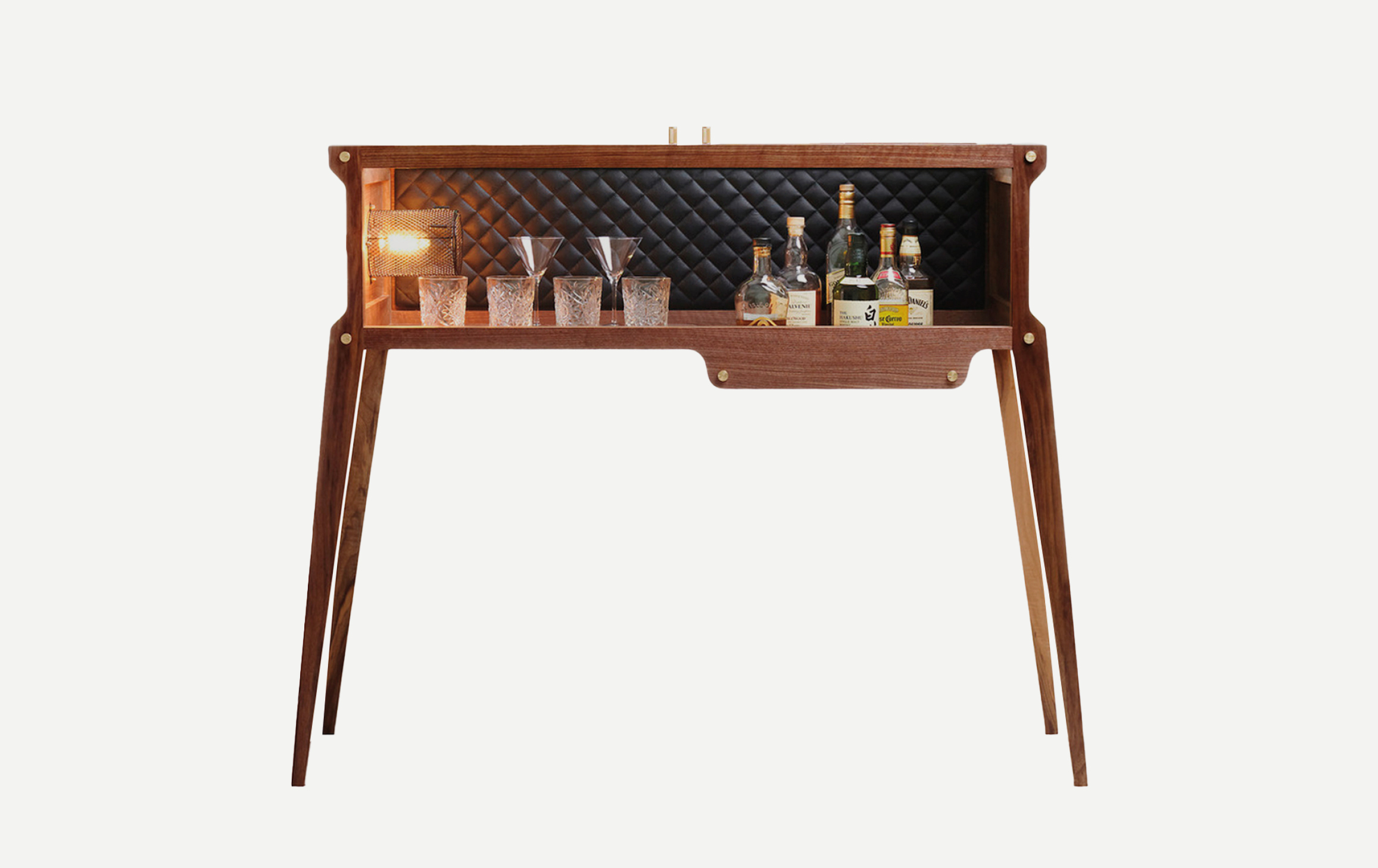
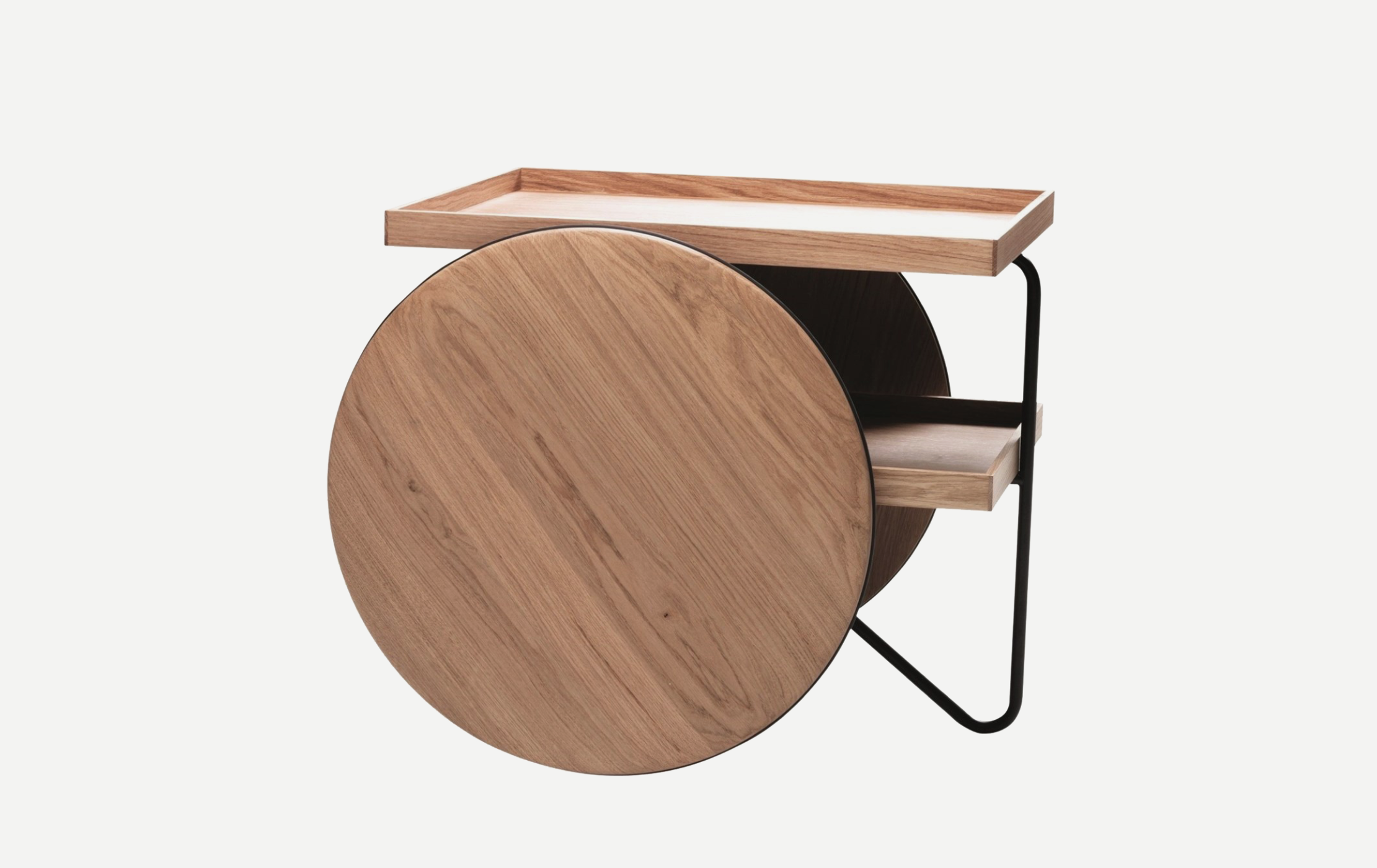
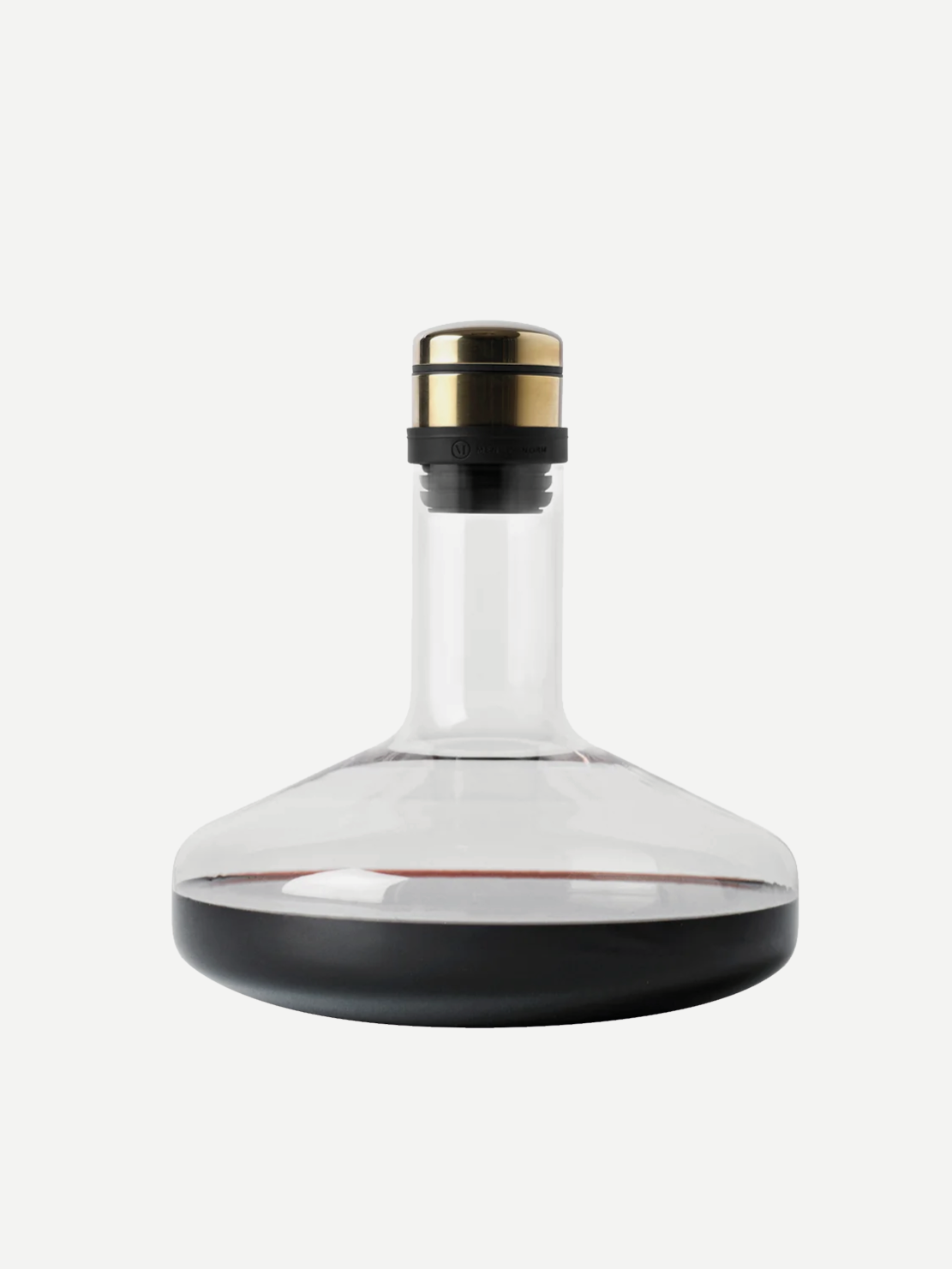
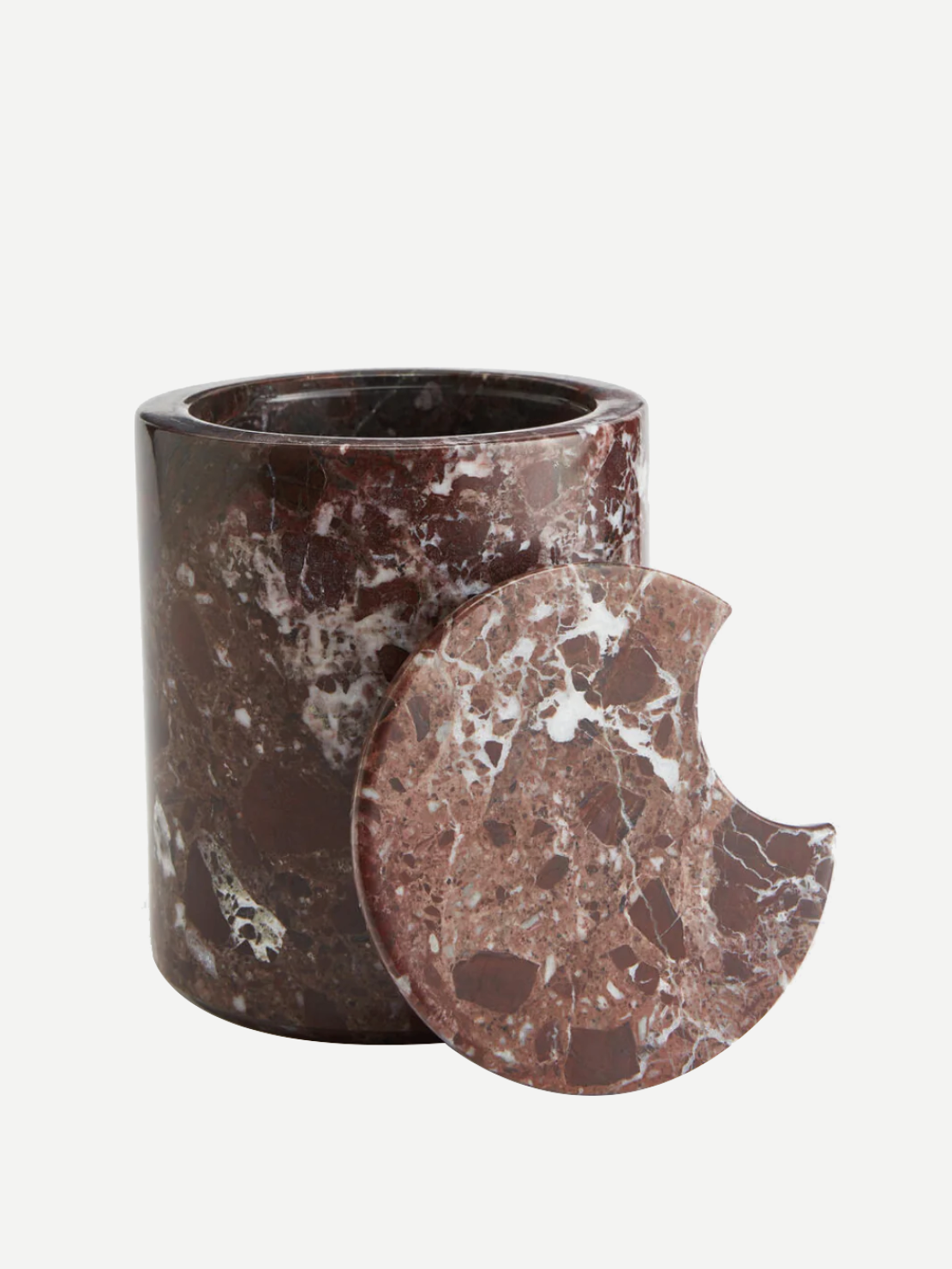
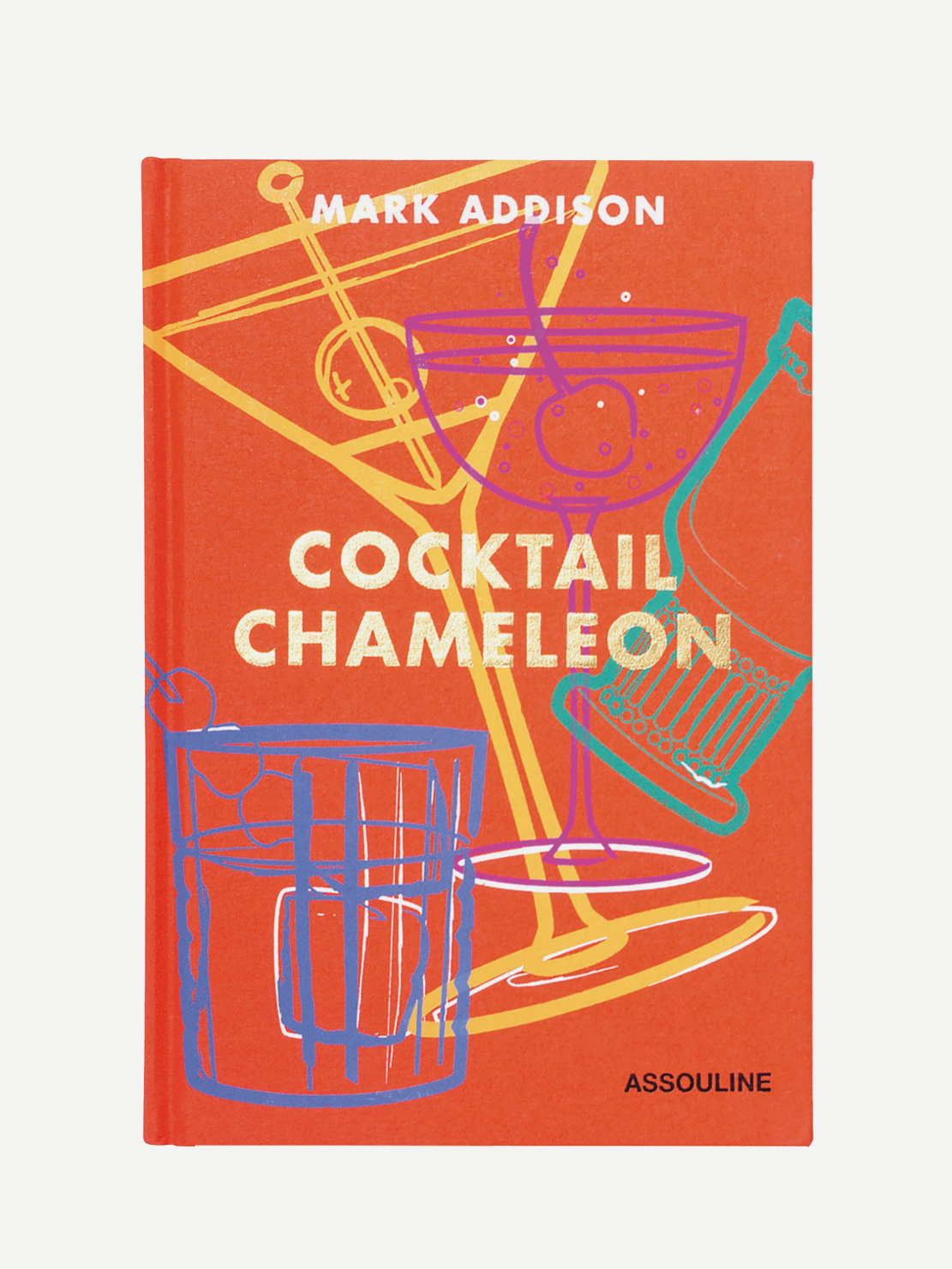
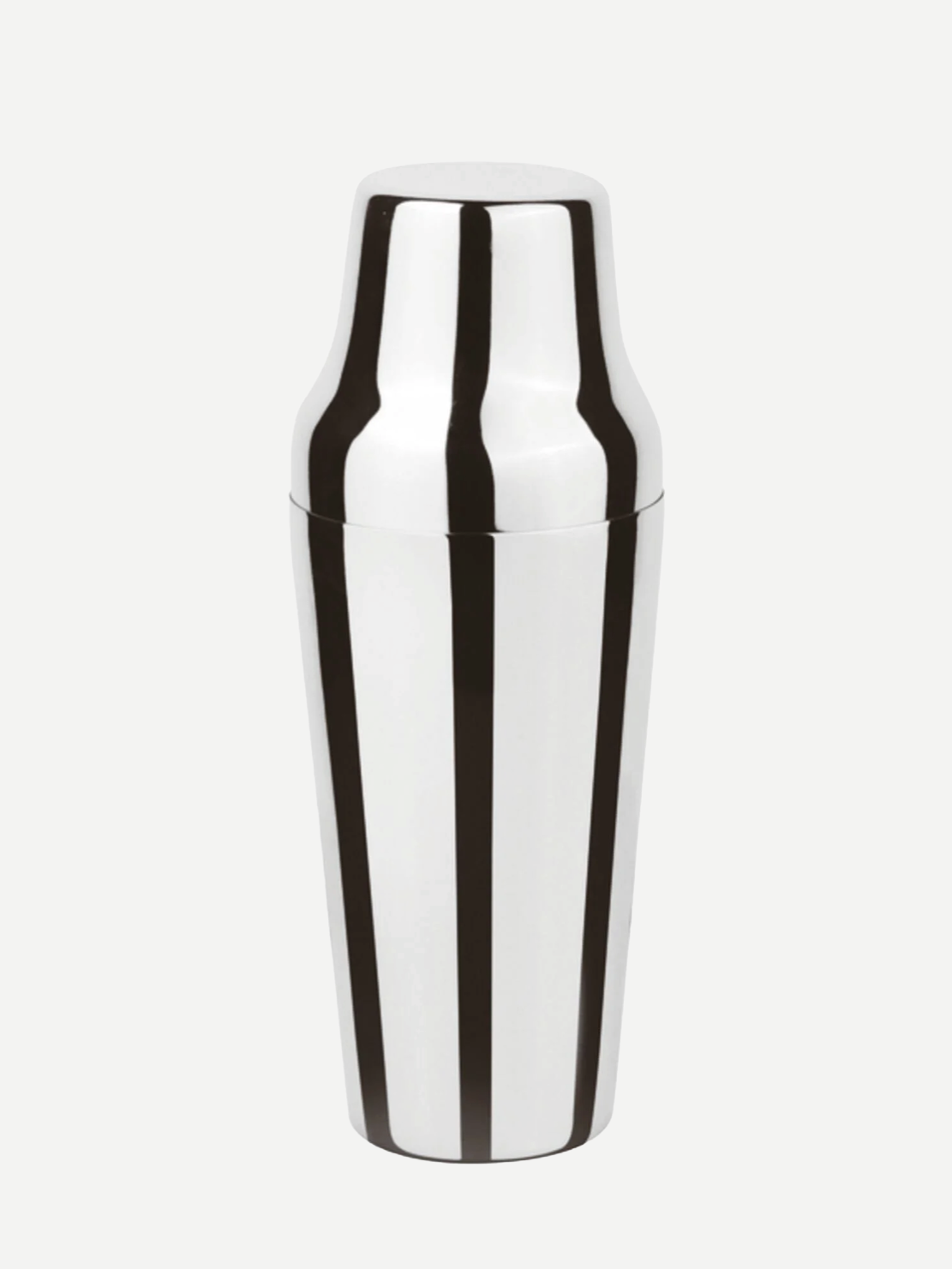
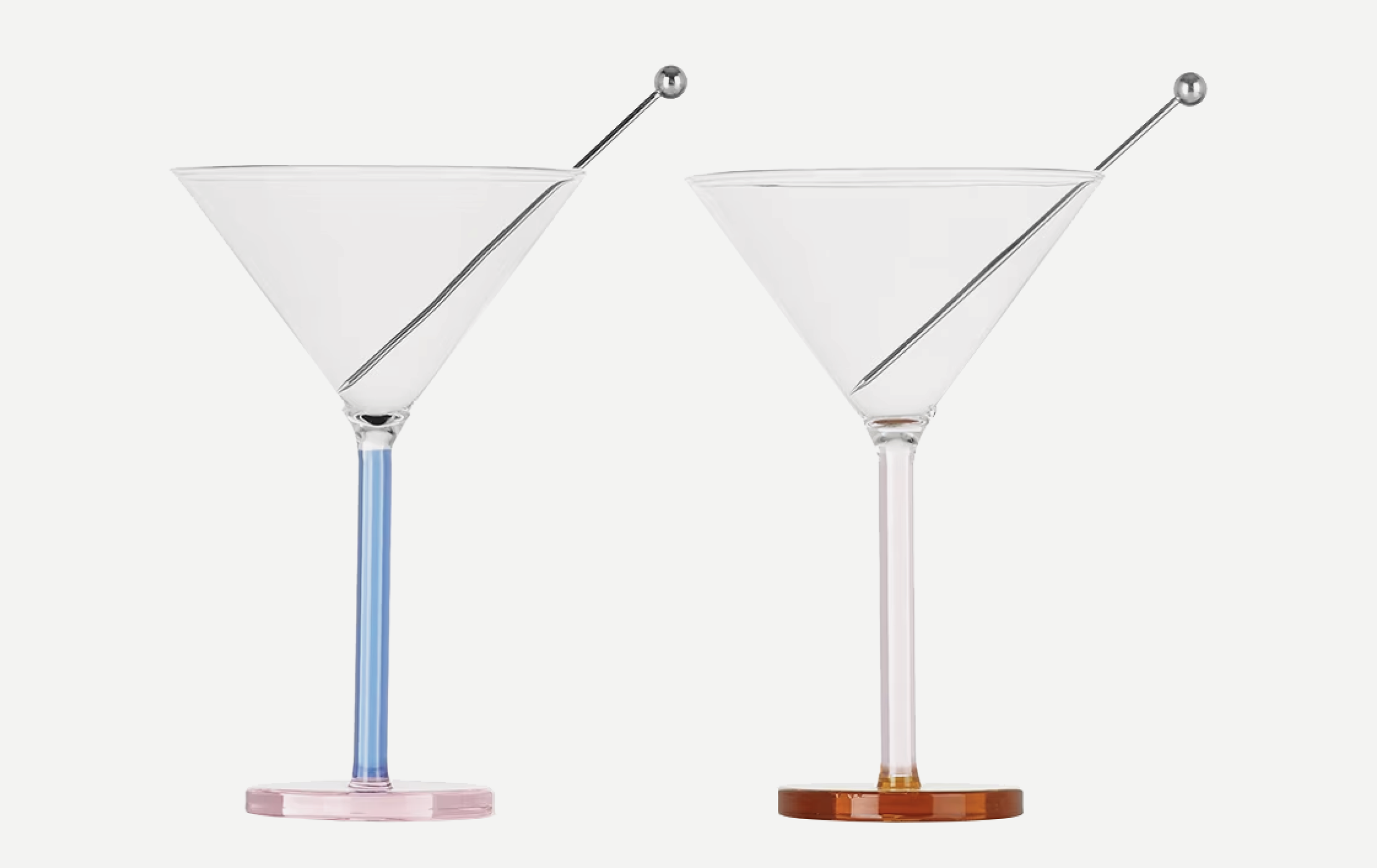
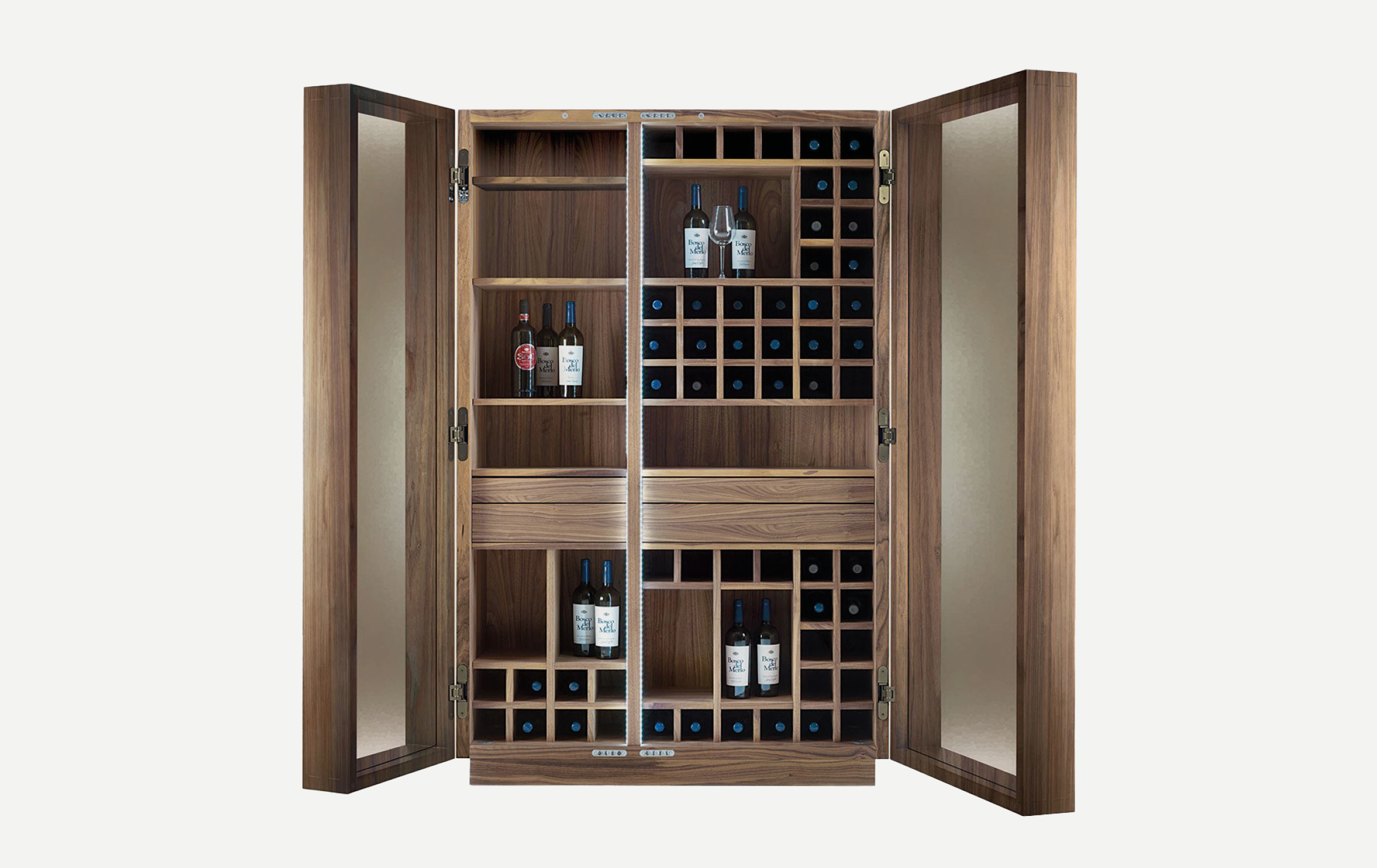
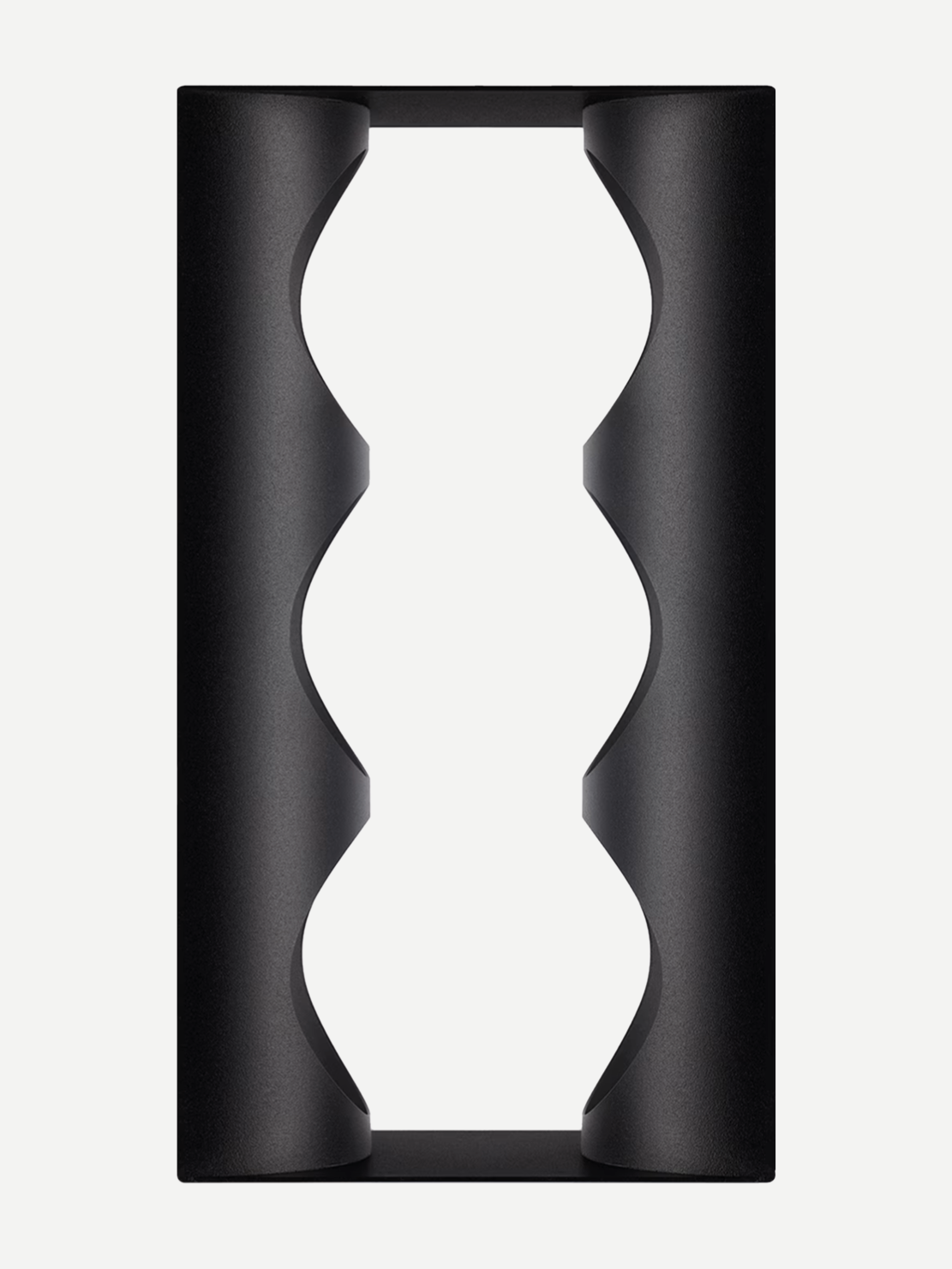
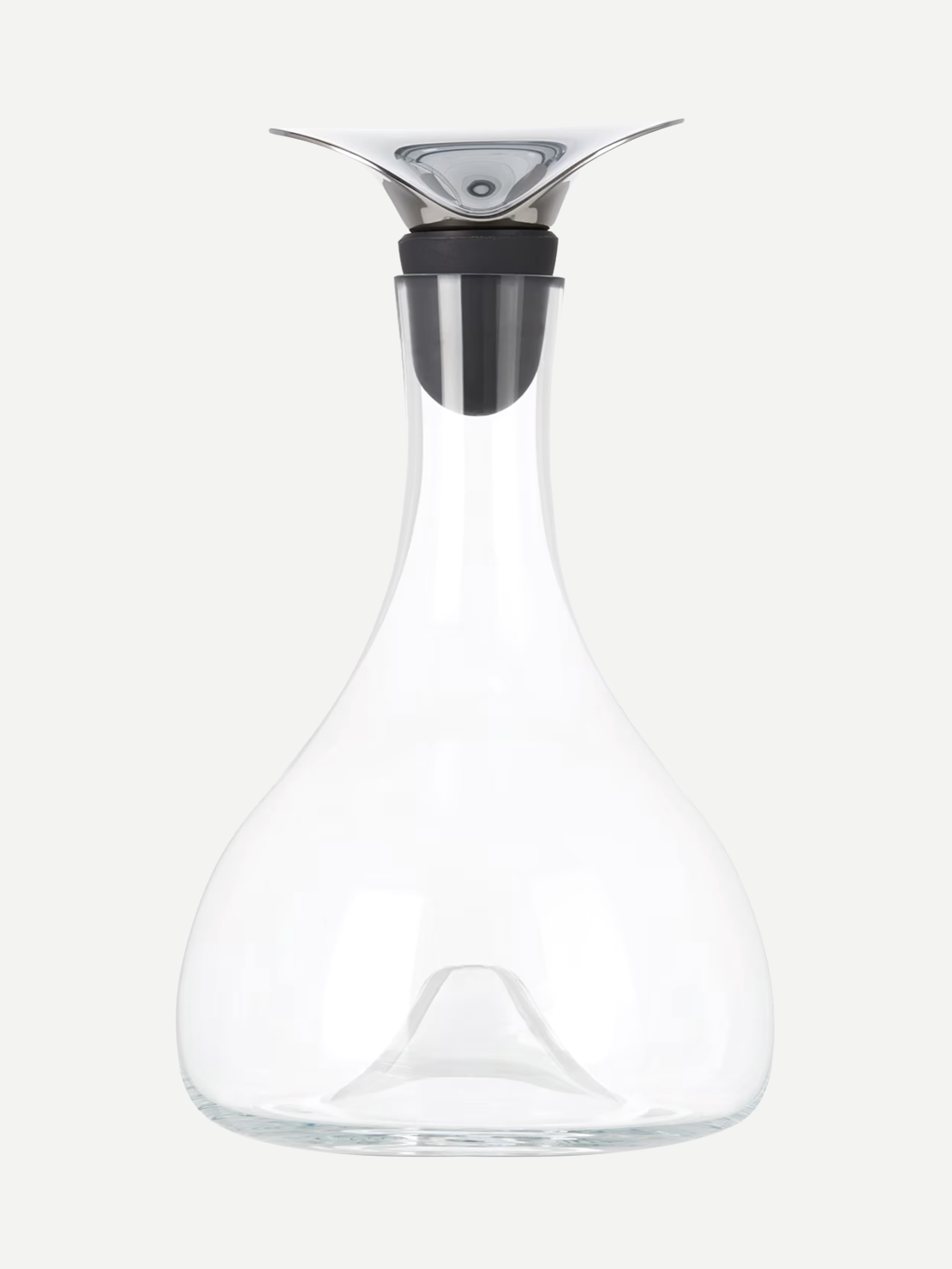
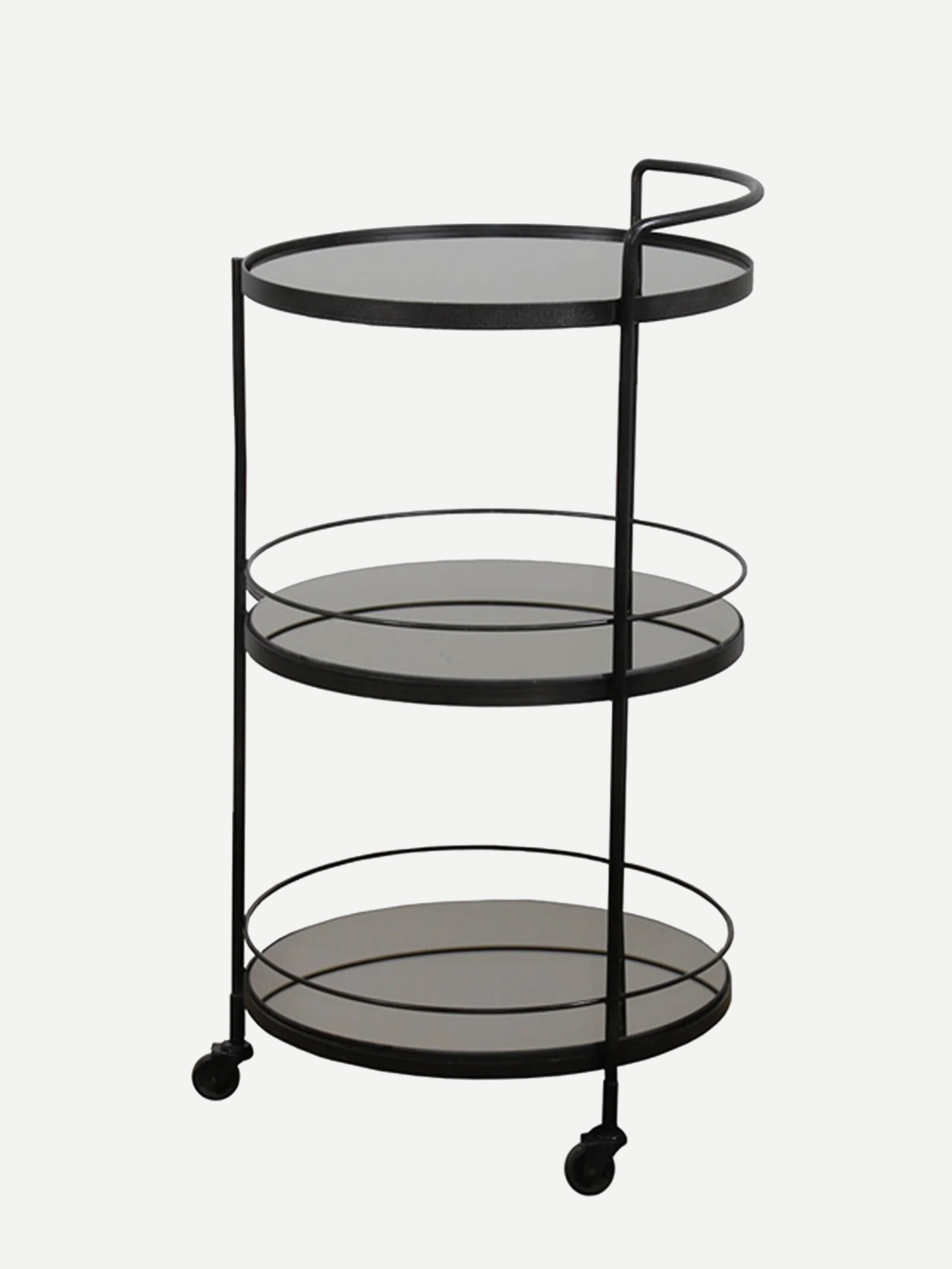
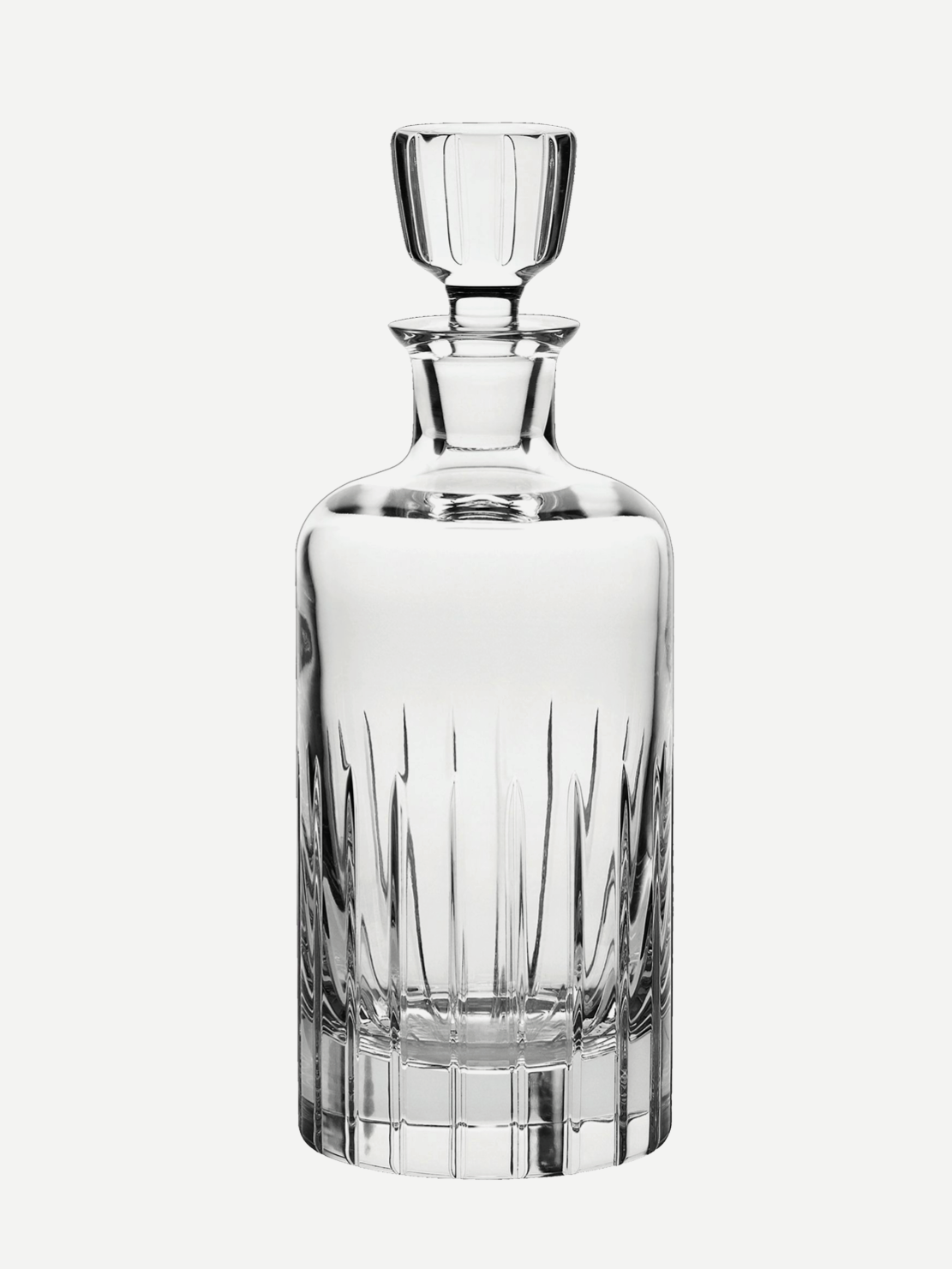
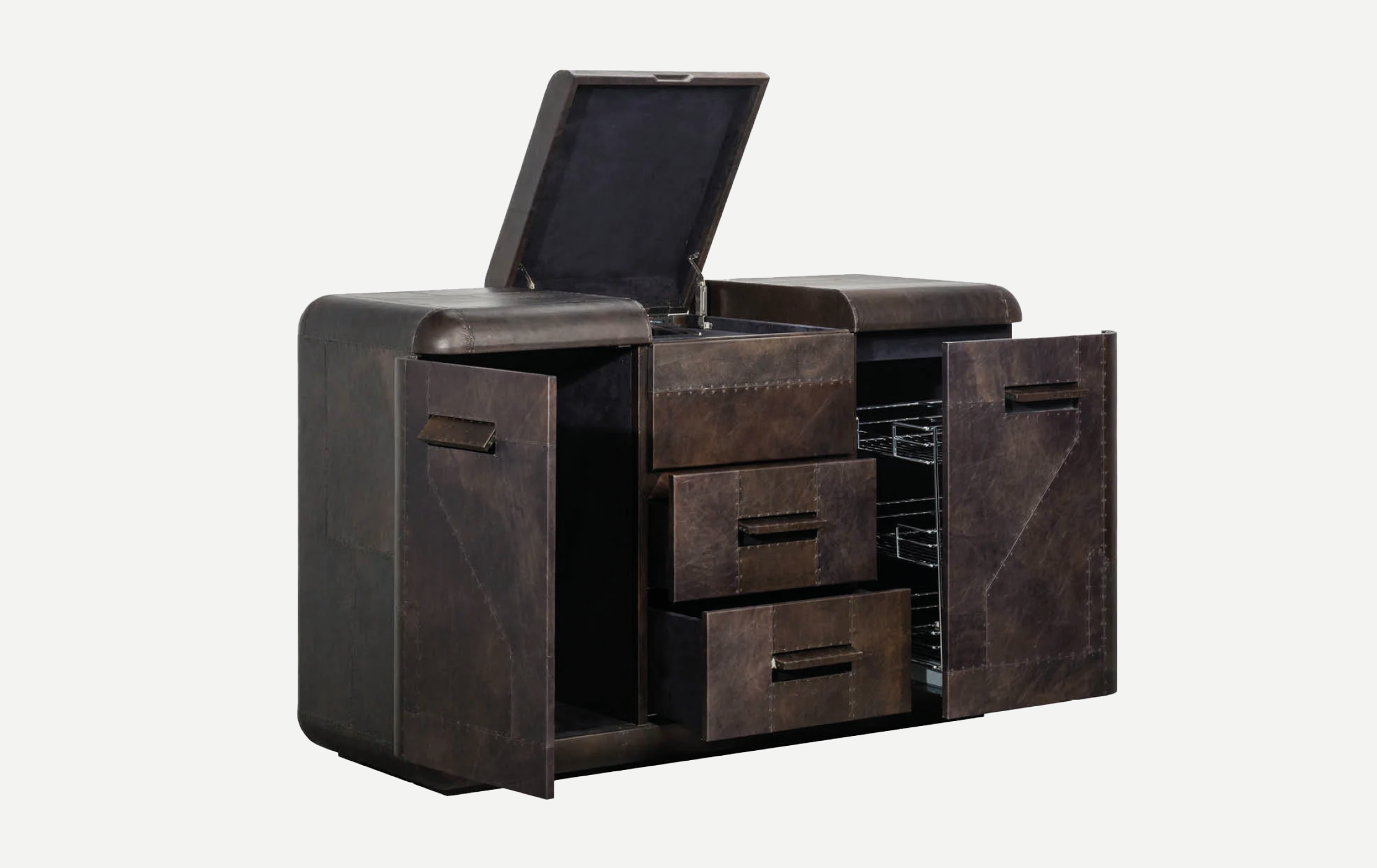
Any entertainer knows the crucial importance of a well-stocked bar for hosting success. Whether you opt for something that is tucked tidily behind sleek doors or installed as a focal point in the corner of a room, these home bar options (and accoutrements) are sure to keep the good times rolling, no matter the occasion.
For more exclusive access to what the city has to offer, engaging content, excellent imagery and thought provoking commentary on the life that surrounds you, subscribe to Denizen magazine now.