The long weekend is the rare gift of time that requires no negotiation with your calendar. Four days, no flights, no packing anxiety, no luggage carousel. Just you, a room key, and the quiet thrill of sleeping somewhere that isn’t your own bed. Auckland’s best hotel suites make a persuasive case for staying exactly where you are this Easter. The city empties a little, the pace drops, the autumn light does something very flattering to the harbour. It’s the ideal moment to check into a suite you’ve been eyeing all year and give yourself the kind of reset that a long-haul flight merely promises.
These are the rooms worth booking for the Easter weekend and beyond.
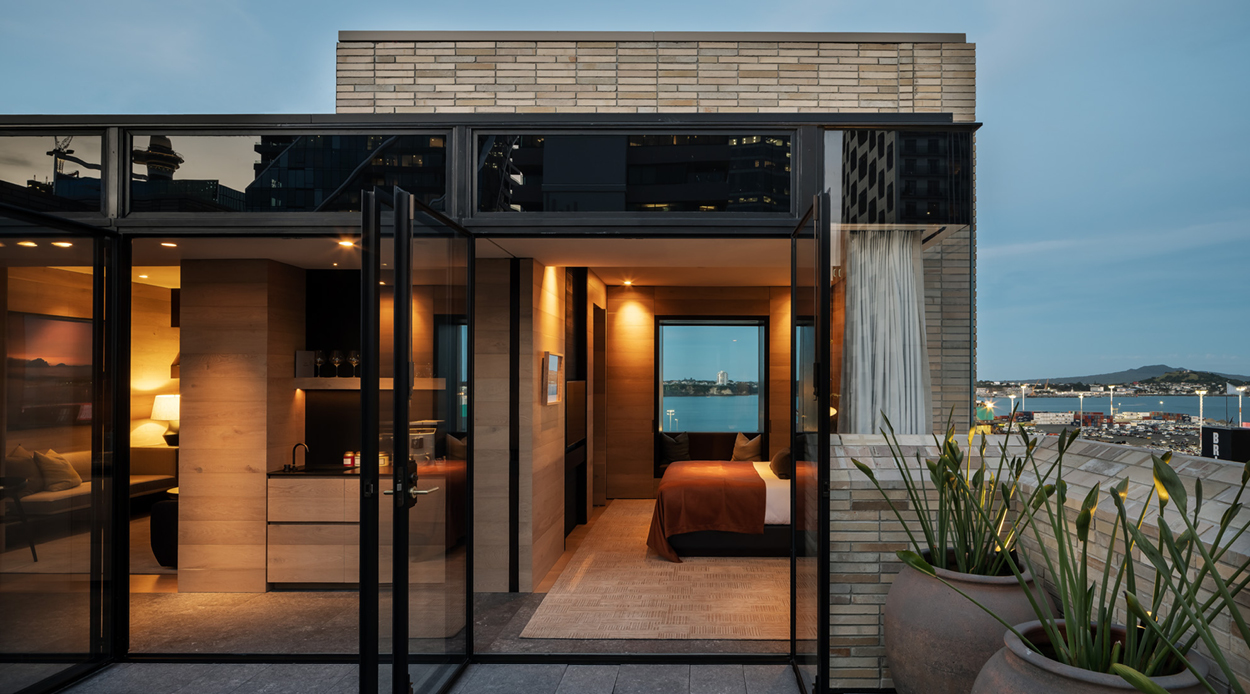
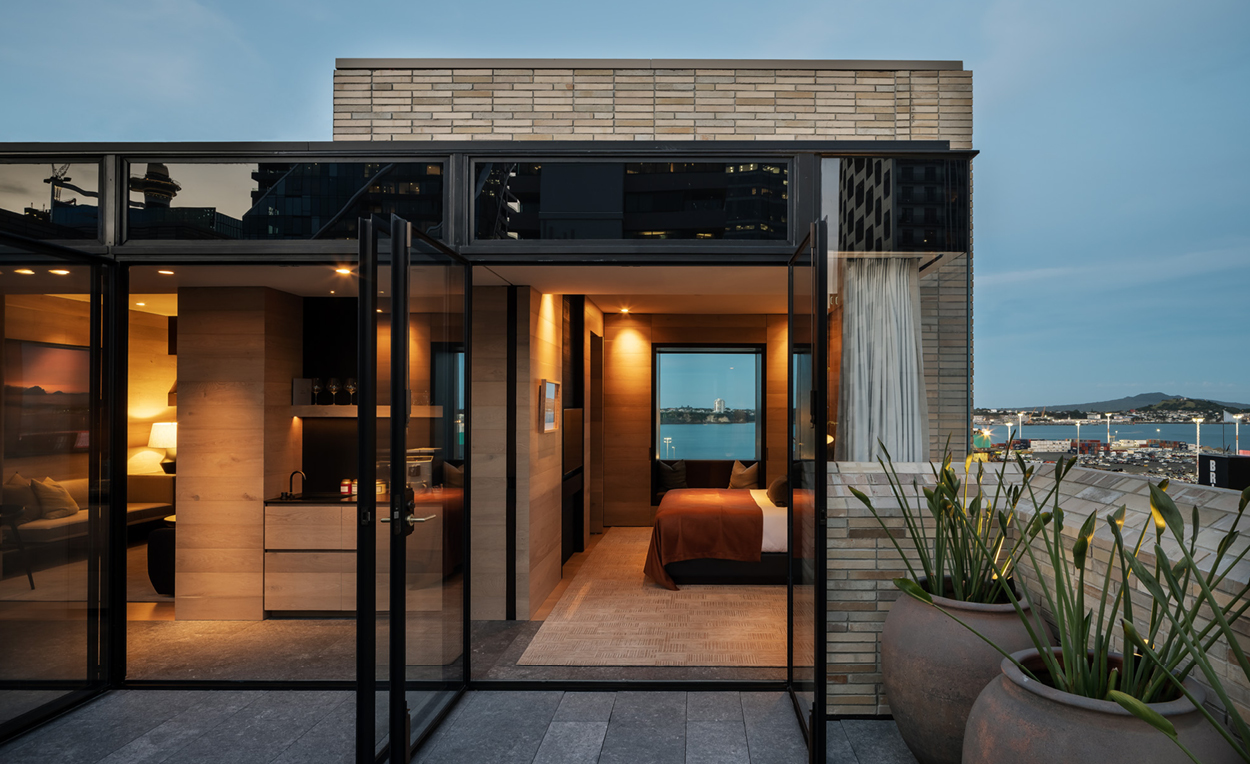
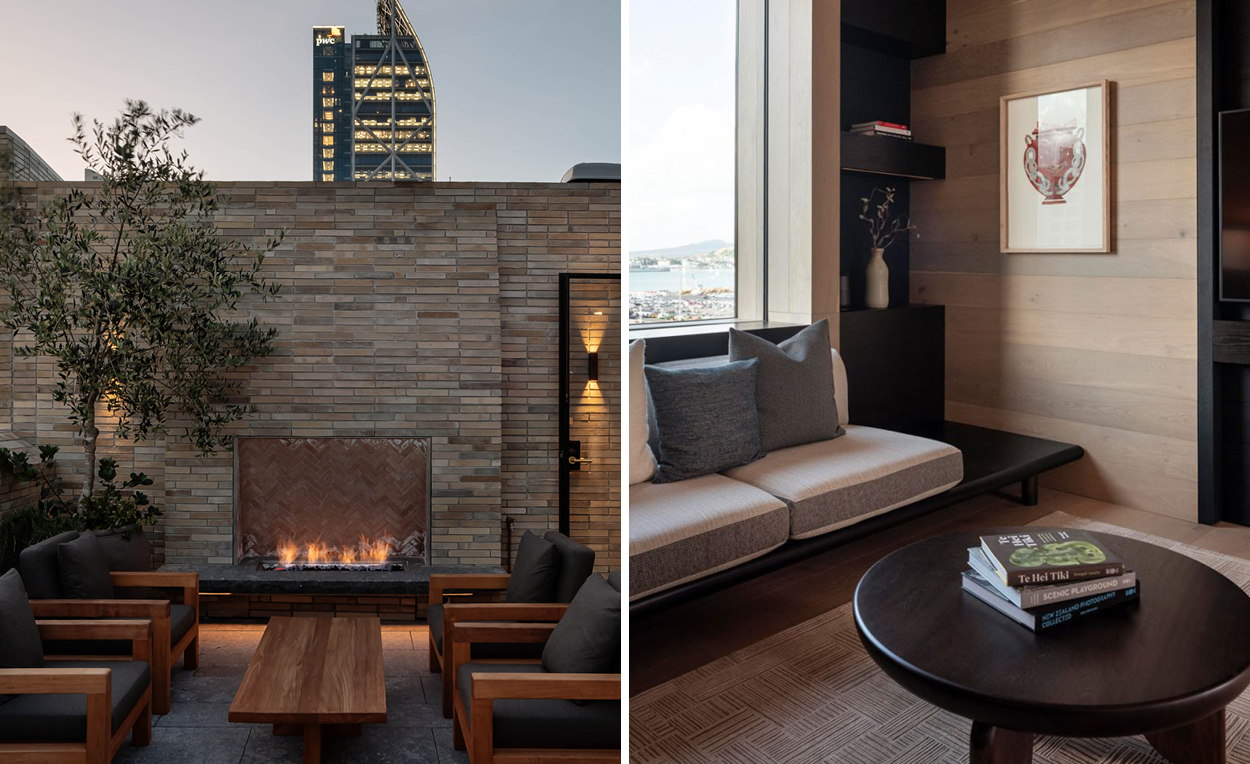
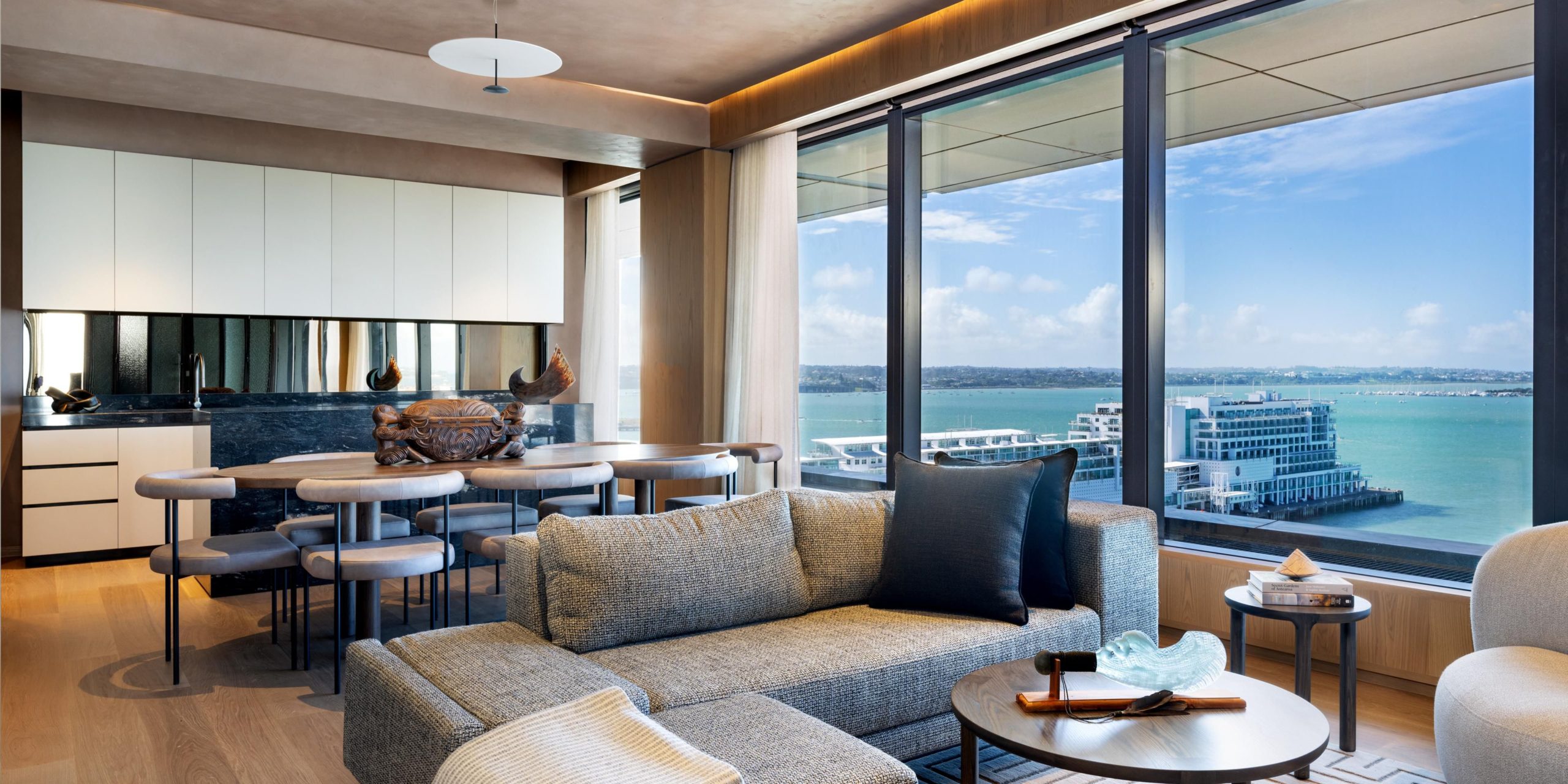
The Rangihoua Suite sits on the top floor of The Hotel Britomart, 65 square metres of north-facing calm with views across the Waitematā, its own terrace, and an outdoor fireplace that earns its keep on an April evening. The interiors are warm and modern without trying too hard, and there’s a curated library in the living space that rewards the kind of morning where you don’t set an alarm. The deep standalone bath is reason enough to extend the stay, and room service comes courtesy of Kingi, which remains one of the best restaurants in the precinct. Britomart’s cobbled laneways are at their most enjoyable when you’re walking them with no agenda.
Best for:a harbourside retreat that doesn’t feel like a hotel
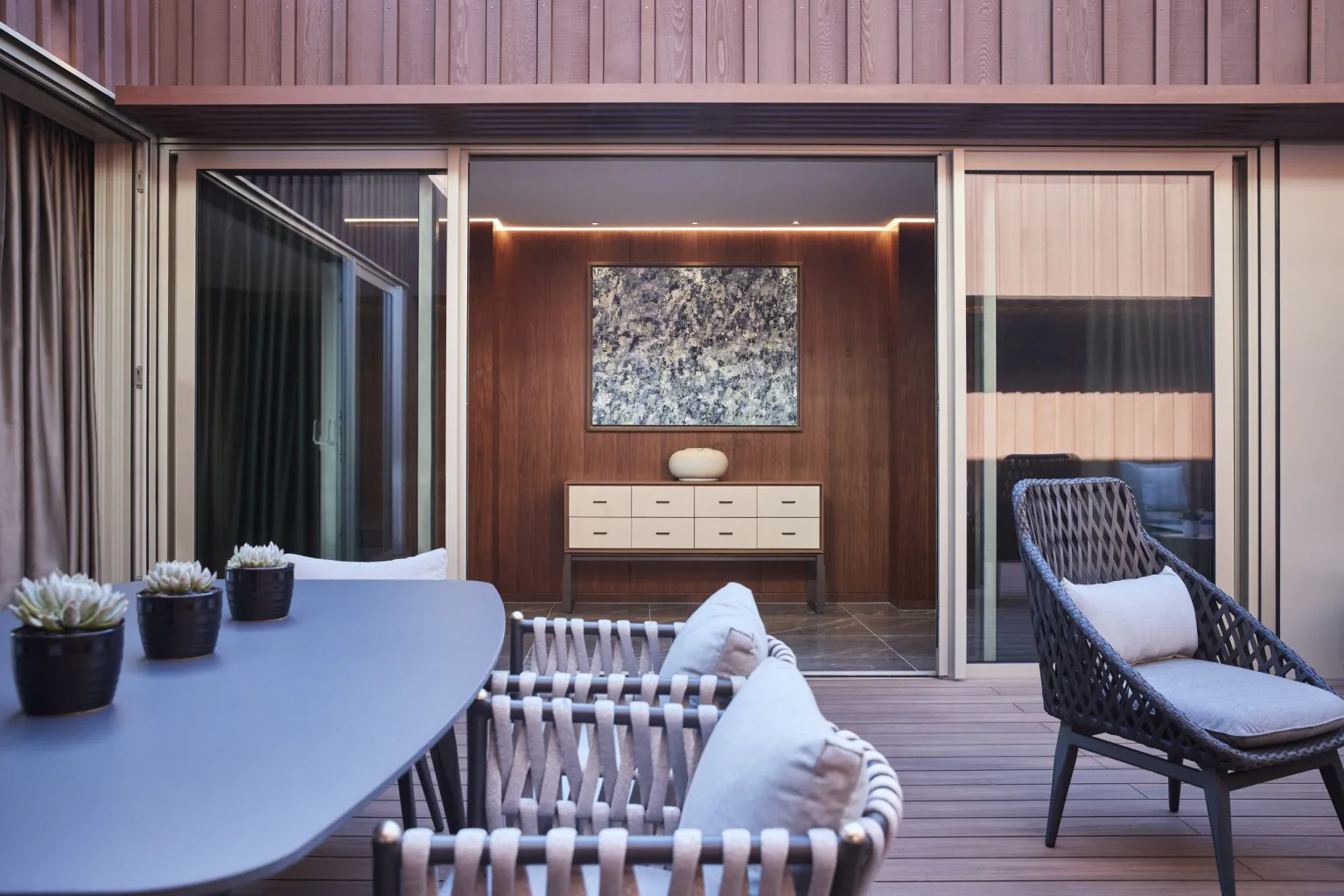
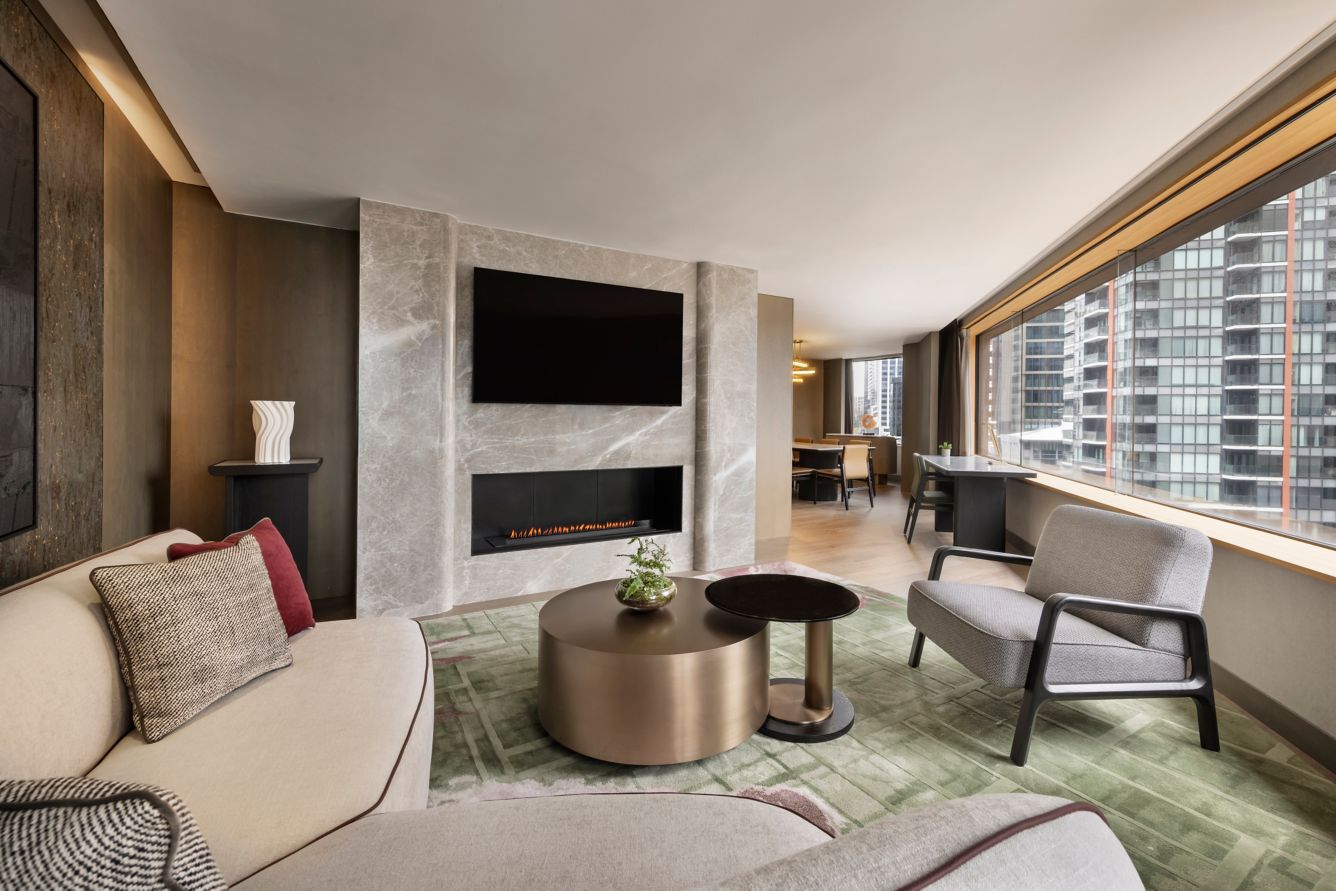
At 245 square metres, the Presidential Suite operates on a different scale entirely. Separate living and dining areas, a full kitchen, a private outdoor garden, and a personal gym if you’re inclined. The waterfront position gives you the harbour in every direction, and the suite’s proportions make it feel more like a very well-appointed apartment than a hotel room. Onemata, the Park Hyatt’s restaurant, does a meal worth dressing for. The Chairman’s Suite and Executive Suite offer the same bones at a slightly smaller footprint for those who prefer their indulgence one notch more contained.
Best for:a wellness-led escape in the heart of the city
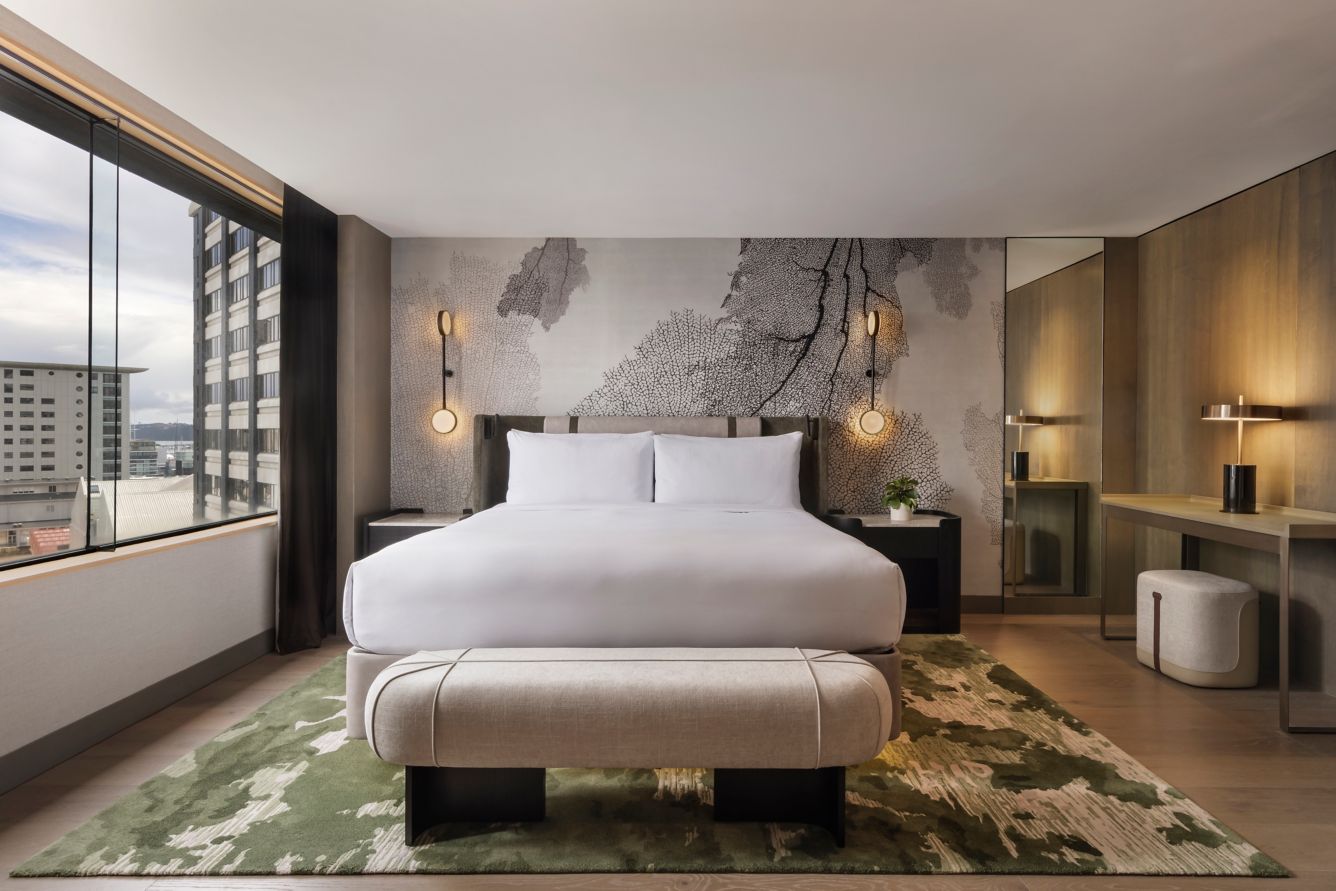
JW Marriott’s arrival in Auckland brought a different register to the city’s hotel scene. The design, by Singaporean firm O37, draws its palette from the surrounding landscape: deep greens and earthy tones inspired by the Waitākere Ranges, sun-bleached sandstone and driftwood hues from the harbour. The suites come equipped with Technogym accessories, in-room yoga mats, and a Refuel Bar stocked with post-workout shakes and kombucha. A Wellness Concierge connects with guests before arrival to set the tone for the stay. Downstairs, Trivet serves a sharing-style menu of New Zealand produce through a Polynesian lens, with Head Chef Wallace Mua at the helm. Forum, the lobby bar, transitions from artisan coffee by day to cocktails infused with smoked woodchips by night. The Presidential Suite spans 133 square metres with sweeping city views for those who want the full experience.
Best for:harbour views and a long dinner at Advieh
Perched above Commercial Bay on the 6th to 11th floors, the InterContinental’s suites start at 54 square metres and look directly across the Waitematā. The design weaves stone, timber, and woven Whariki panels into something that feels distinctly of this place, and the deep soaking bathtubs positioned against floor-to-ceiling windows are precisely the kind of detail that justifies a staycation. Byredo amenities in the bathroom are a quiet luxury. The real anchor here is Advieh, where partner chef Gareth Stewart’s menu threads Middle Eastern flavours through New Zealand produce with genuine conviction. Book a window table overlooking the harbour for dinner, and you’ll understand why people keep coming back. Club InterContinental access adds a private lounge with its own breakfast and evening offerings for those who prefer not to leave the building at all.
Best for:a weekend with friends that starts on Friday and doesn’t look back
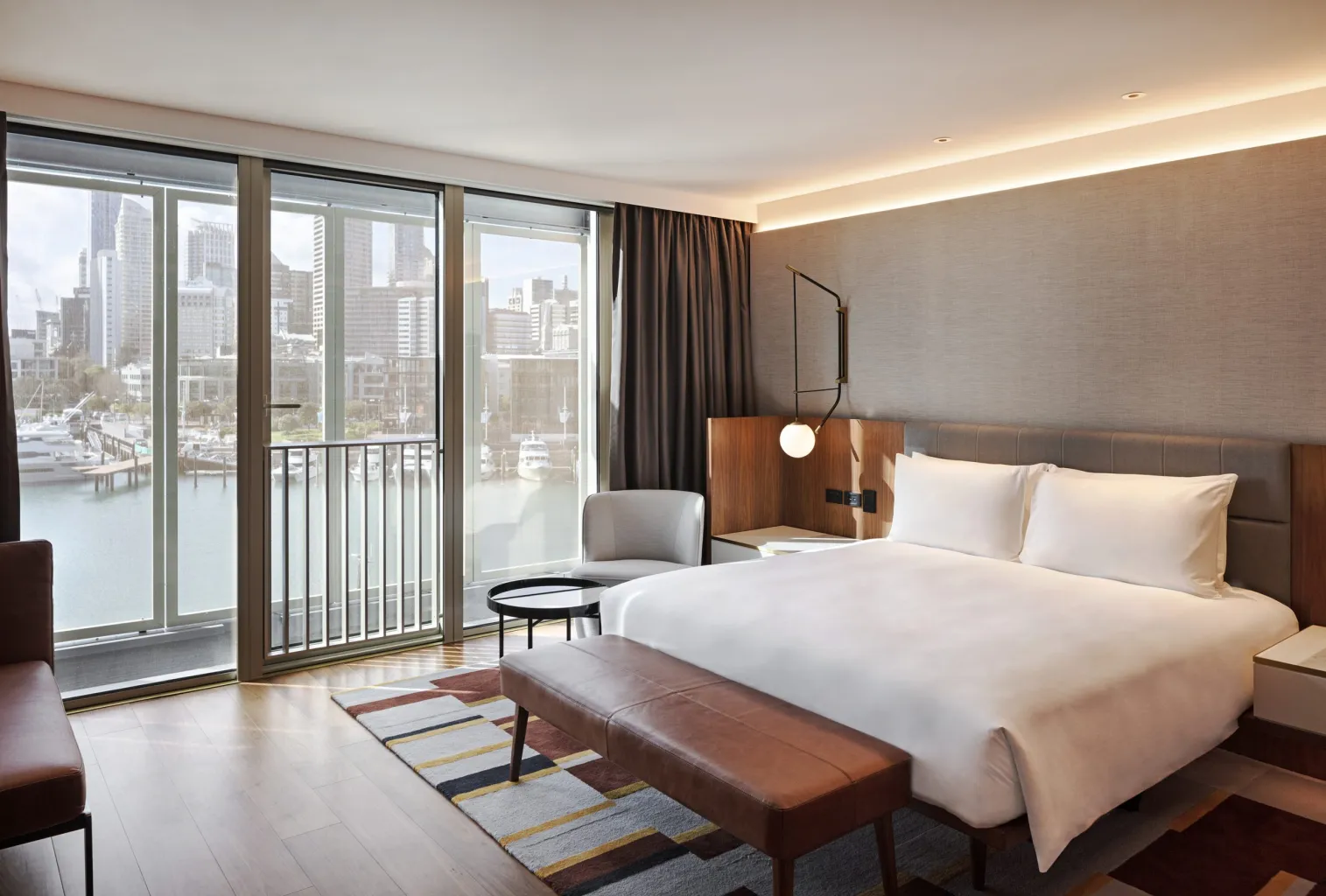
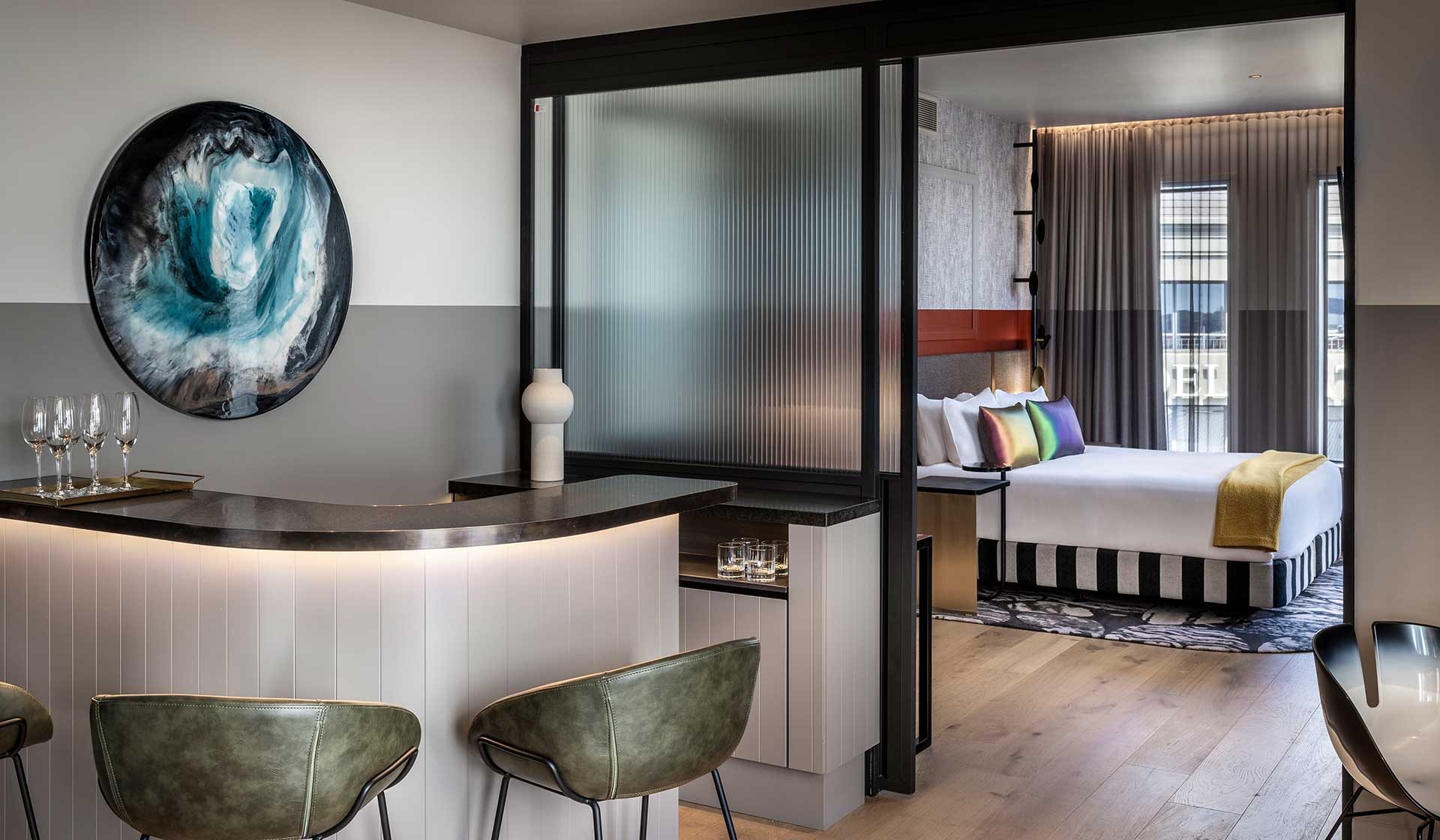
QT has always understood that a hotel stay should feel like a minor occasion, not a transaction. The Viaduct Harbour outpost delivers this with the kind of fit-out that makes you want to photograph the light fittings: warm textures, considered design, a Super King bed that justifies a late checkout. The Premier Harbour Suite offers expansive harbour views, a standalone bath, a rainfall shower, and your own in-room bar, which is the sort of detail that turns a Friday arrival into an excellent evening without anyone having to put shoes on. Downstairs, Sean Connolly’s Esther handles dinner, and the Viaduct’s constellation of bars means the night has options.
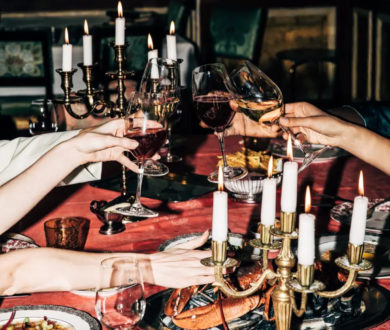
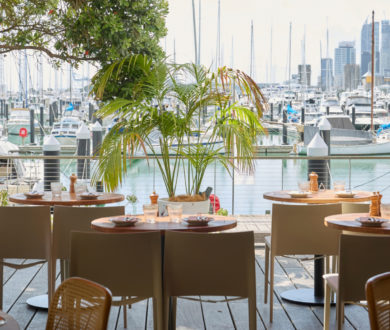
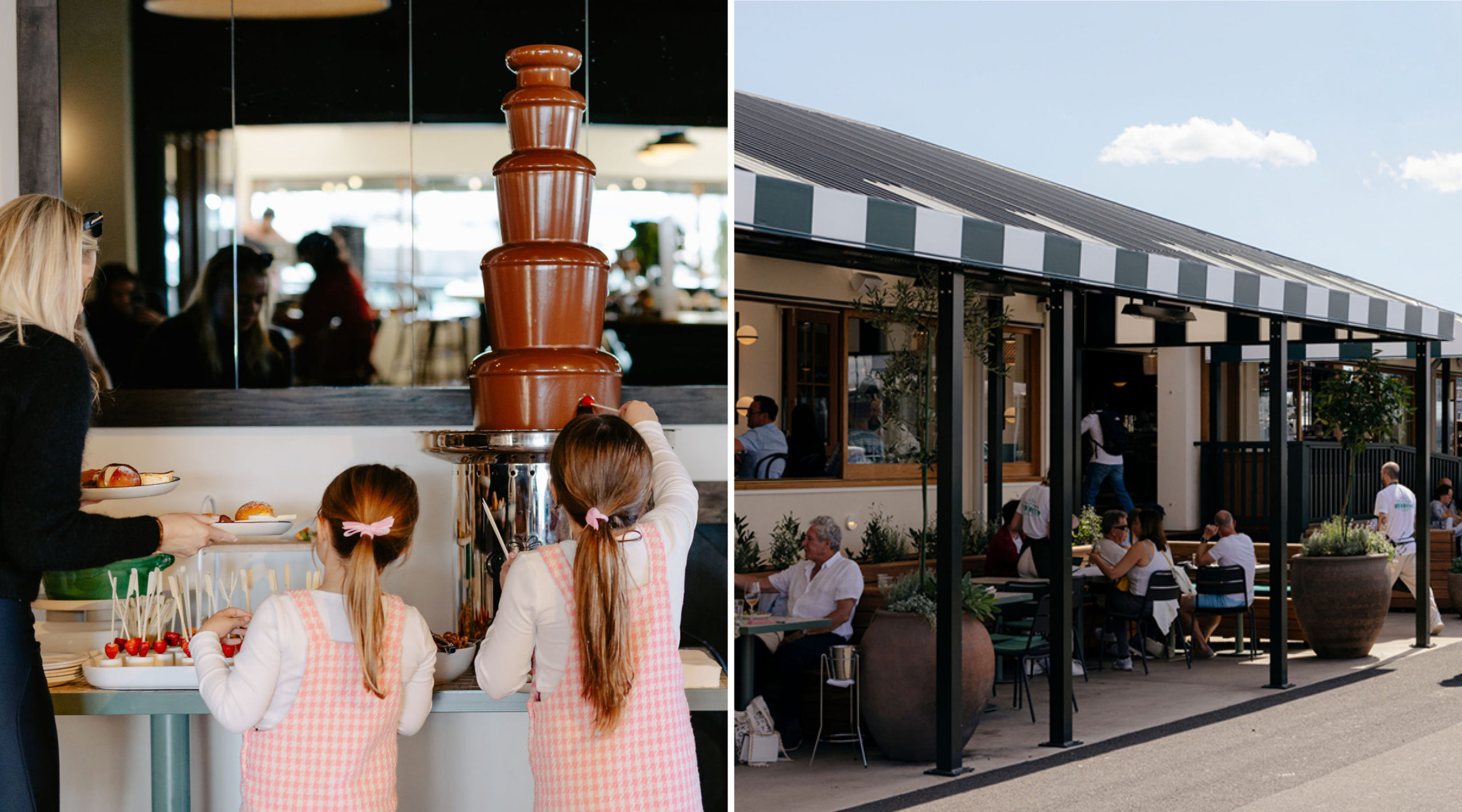
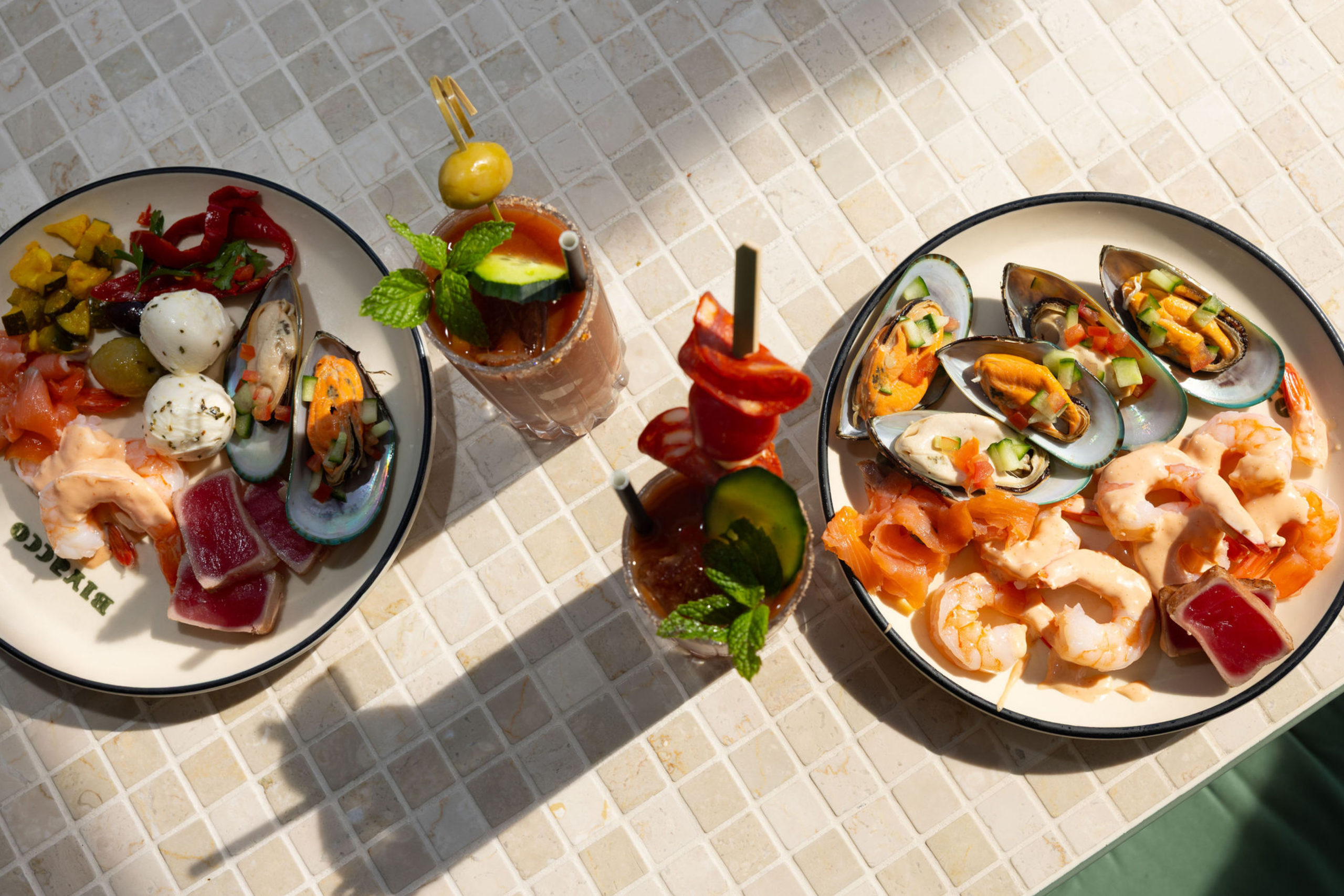
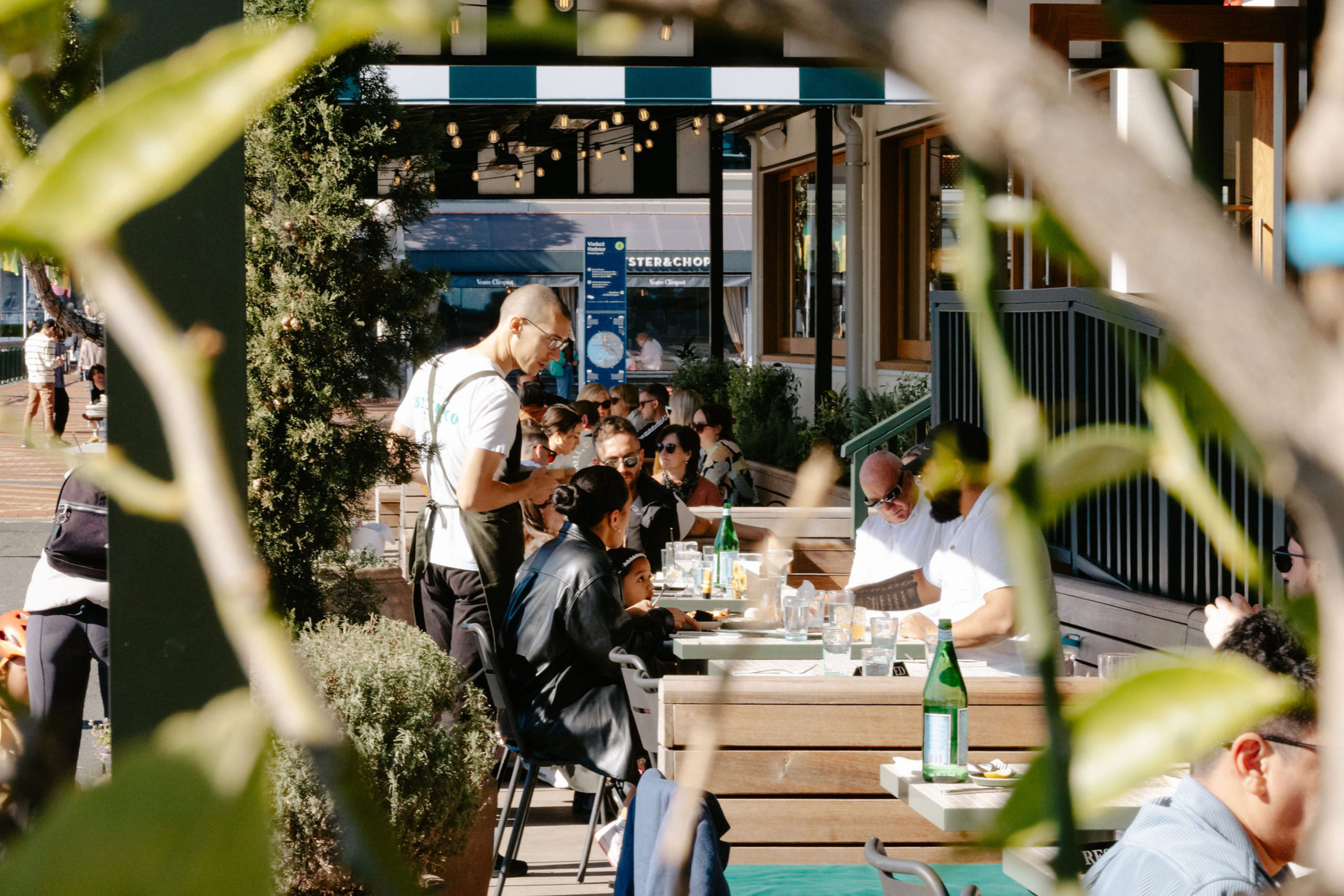
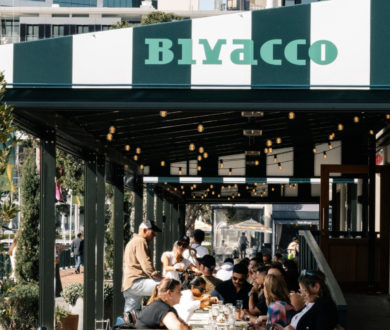
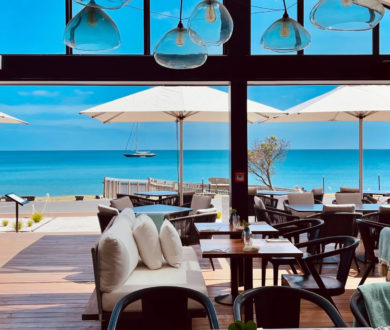
There’s a reason Bivacco’s Sunday Feast has become one of Auckland’s most reliable weekend rituals. The waterfront setting, the sprawling Italian-inspired spread, the unhurried pace of an afternoon that refuses to end too soon. On Easter Sunday, the 5th of April, that ritual gets a seasonal twist, with the kitchen turning its weekly feast into a dedicated Easter celebration designed to bring the whole family to the table.
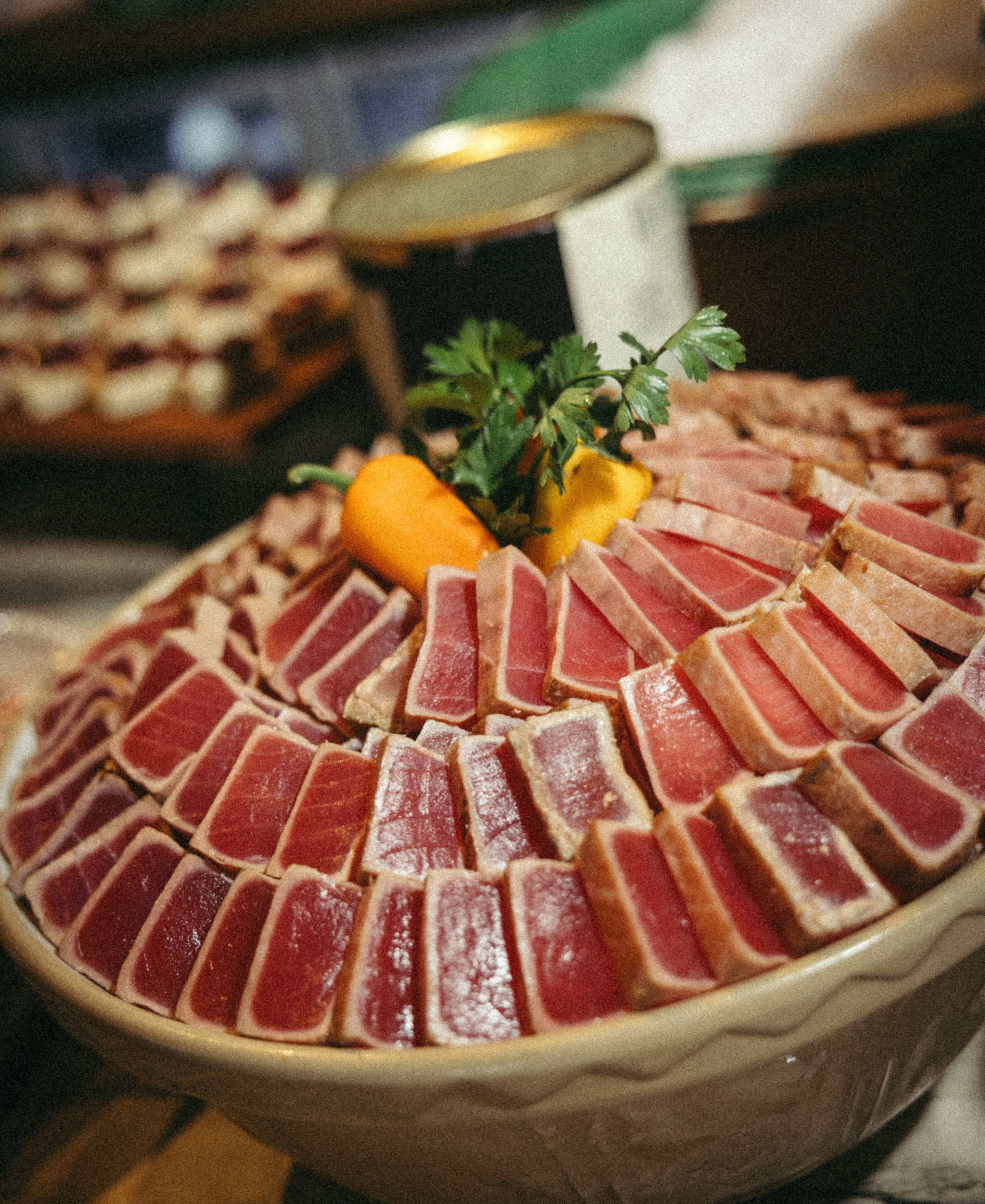
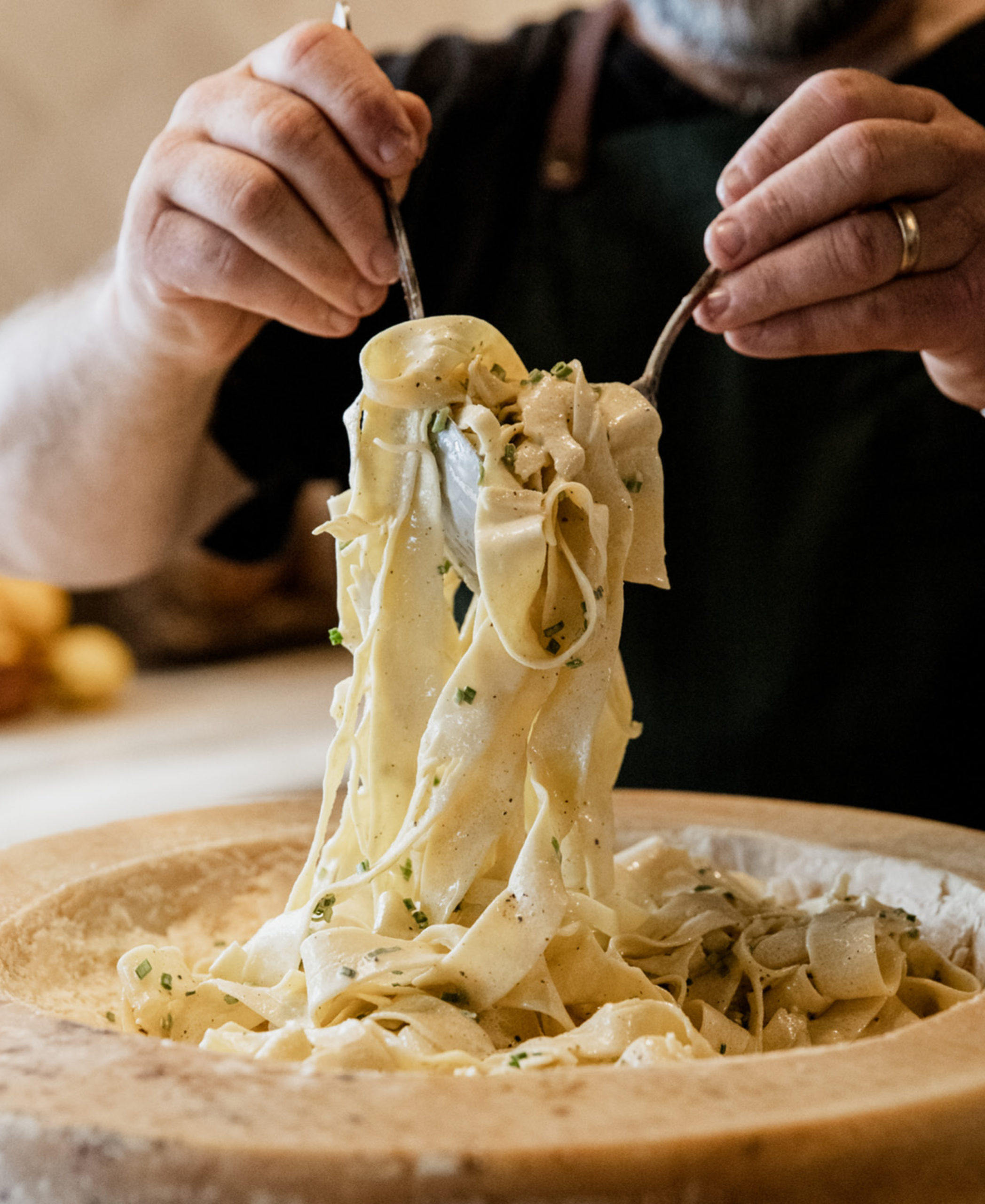
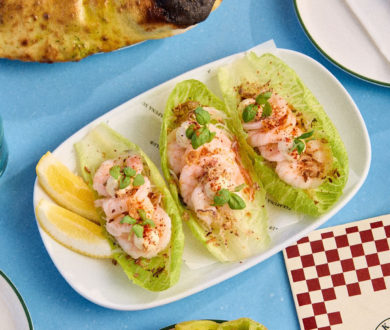
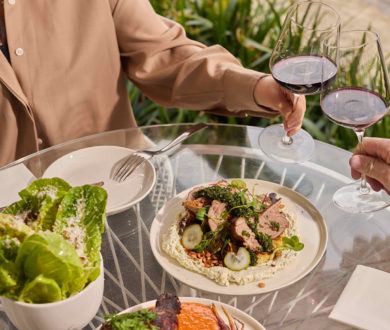
The format will be familiar to Feast regulars: an expansive buffet running from 11am to 4pm, anchored by Bivacco’s carvery, seafood station, woodfired pizzas, and the much-loved pasta wheel, where pipe rigate alla vodka is served to order from an aged parmesan wheel, a moment of theatre that alone justifies the trip to the Viaduct. Alongside these, expect the kind of antipasti spread that rewards multiple visits to the table. Cured meats, bocconcini, marinated artichokes, seasonal bruschetta. And a dessert station that leans hard into indulgence, from tiramisu and pavlova to a chocolate fountain with all the trimmings.
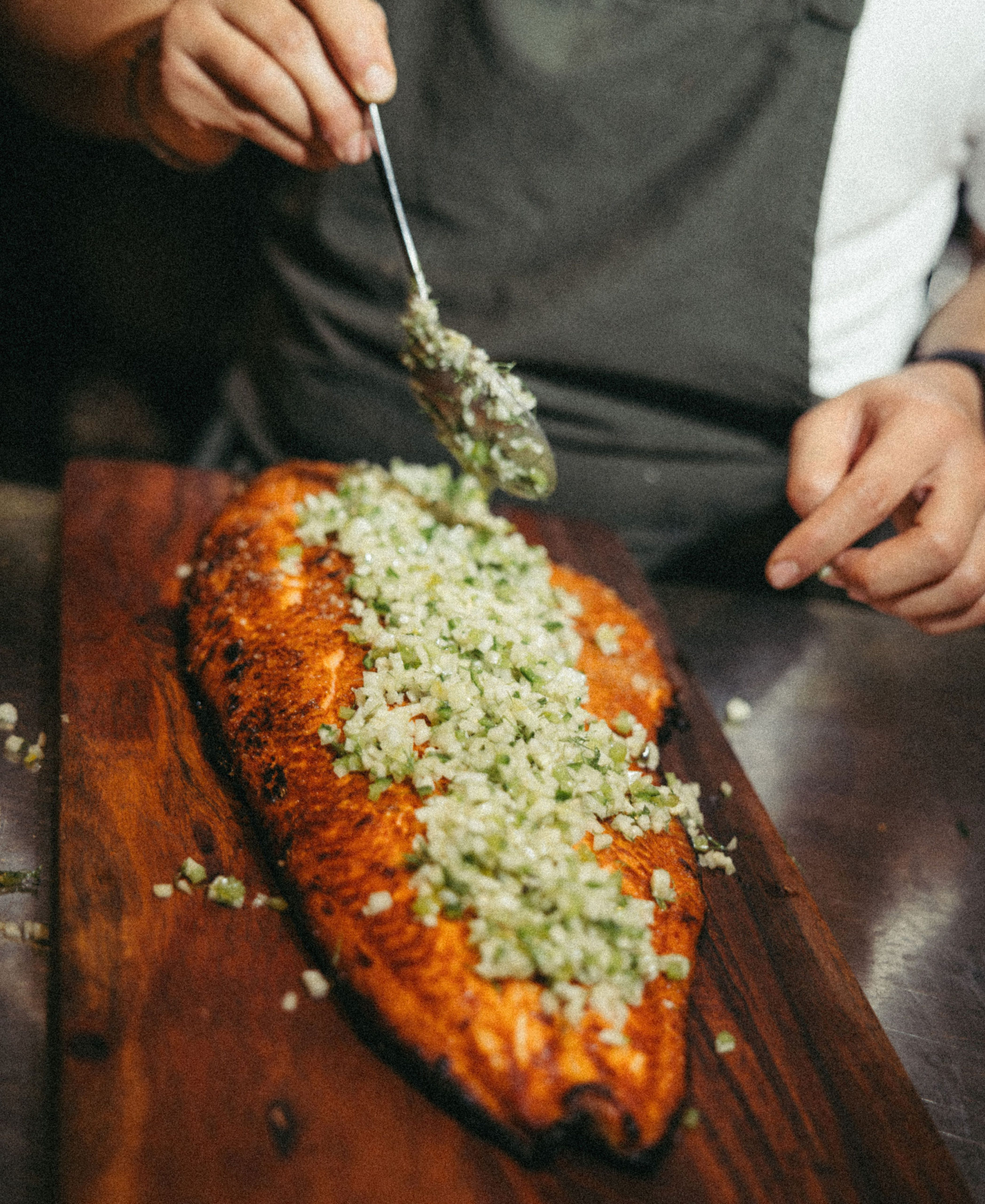
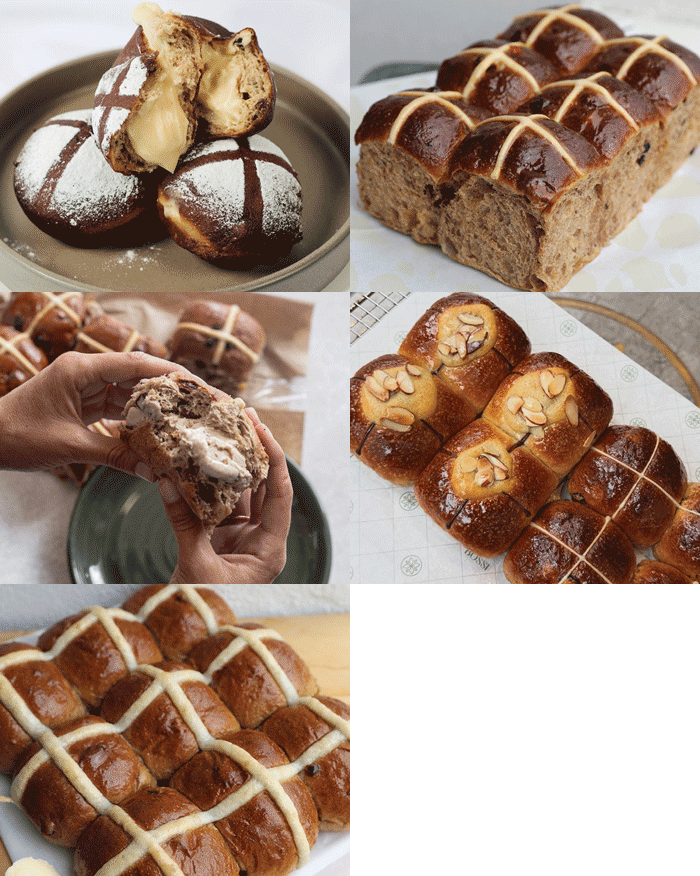
For Easter, the kitchen is adding a few seasonal highlights to the spread. A slow-cooked lamb shoulder with mint salsa verde and ricotta salata joins the carvery, alongside roasted Akaroa salmon at the seafood station. Freshly baked hot cross buns will be warm and ready throughout the afternoon, a new selection of cocktails has been crafted for the occasion, and Easter eggs will be scattered across the dessert offering for good measure.
What makes the Easter edition worth a special booking is what’s happening beyond the plates. While the adults settle into a long, unhurried lunch, ideally with one of Bivacco’s seasonal cocktails in hand, the younger members of the party can burn off energy with a dedicated Easter egg hunt, turning the afternoon into the kind of occasion that keeps everyone happy, from the five-year-olds to the grandparents.
At $85 per adult and $35 for under-12s, it’s priced for a proper family gathering. And with Bivacco’s DJs providing the soundtrack and the harbour as the backdrop, this is Easter Sunday lunch without the kitchen chaos or the coordination it usually demands. Easter Sunday sittings are limited, so gather the family and secure your spot sooner rather than later.
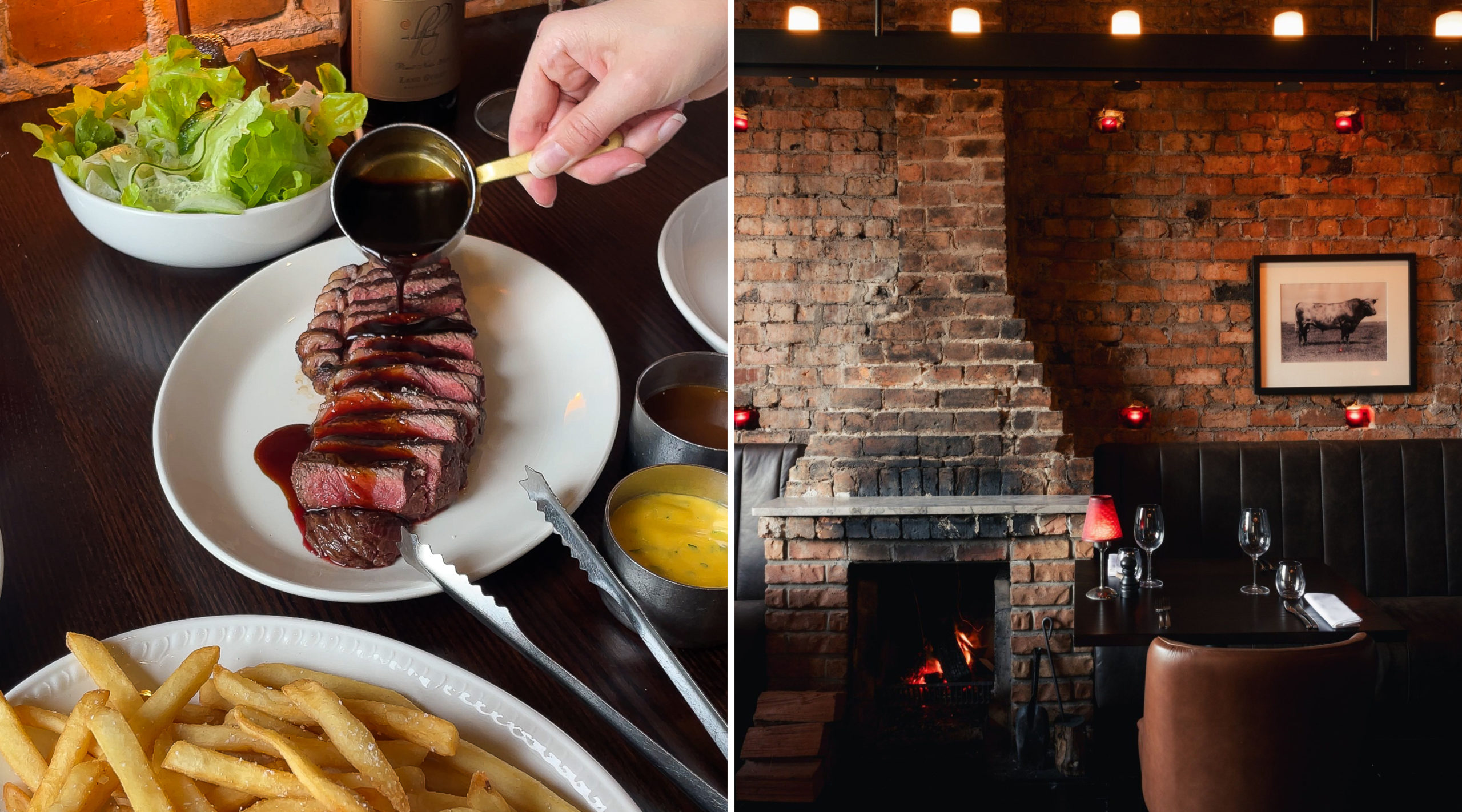
Jervois Steak House has built its reputation on knowing exactly what to do with a prime cut. So when JSH announces a lunch dedicated entirely to endless Lake Ōhau Wagyu, it warrants attention.
On Thursday, the 2nd of April, the Herne Bay stalwart is hosting a one-afternoon-only Endless Wagyu Lunch. For $100 per person across a 1.5-hour sitting, diners will be served plate after plate of wagyu, accompanied by golden French fries, crisp green leaf salad, and JSH’s signature sauces. For those wanting to make an afternoon of it, specially priced wines will be available to pair alongside.
Three sittings are on offer: 11.30am, 1pm, and 2.30pm. Given what’s on the table and the fact that this is a single-day event, we’d recommend securing a reservation promptly. Book here.
Endless Wagyu Lunch When: Thursday, 2nd April Sittings: 11:30am, 1pm & 2:30pm Price: $100pp* for 1.5 hours
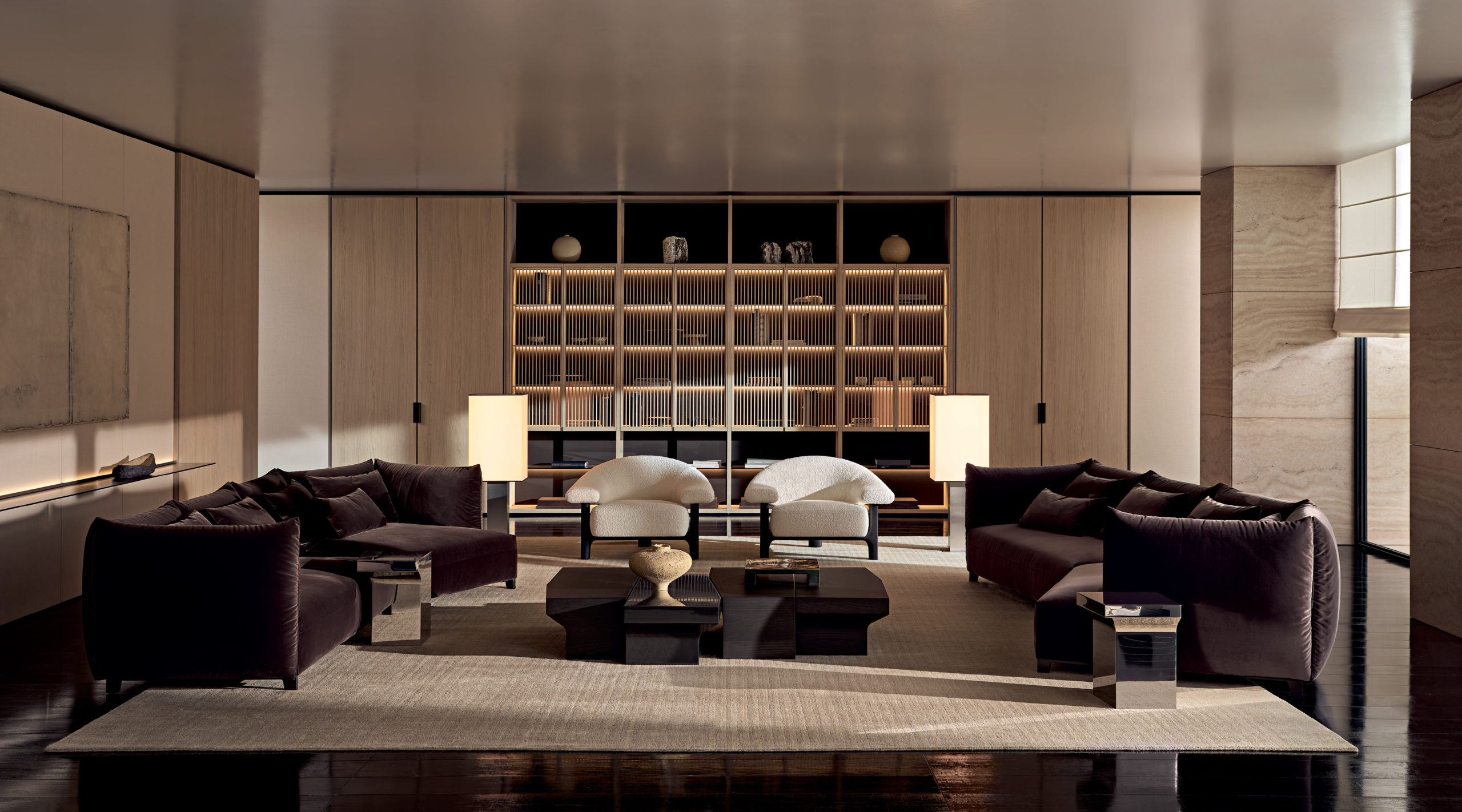
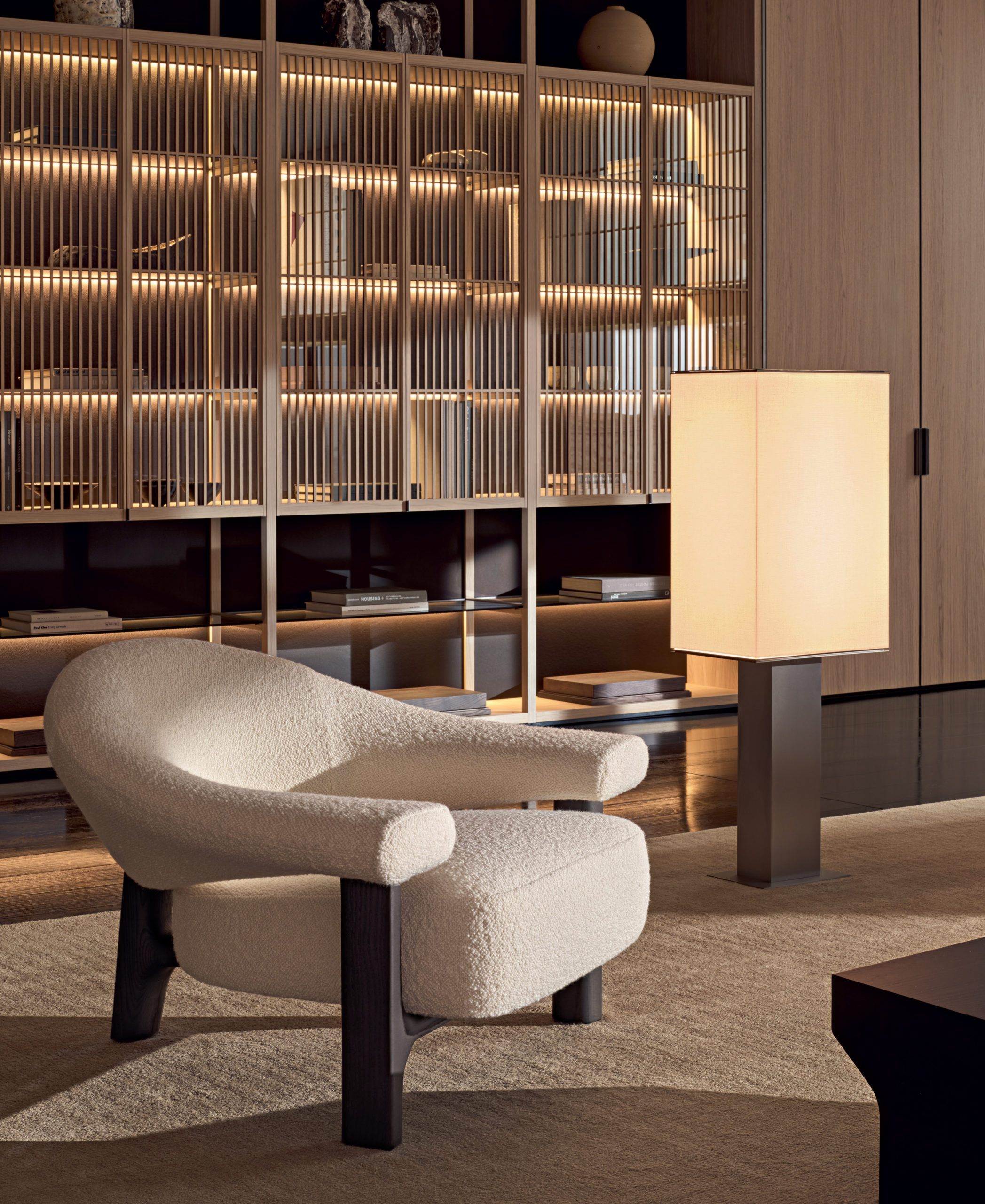
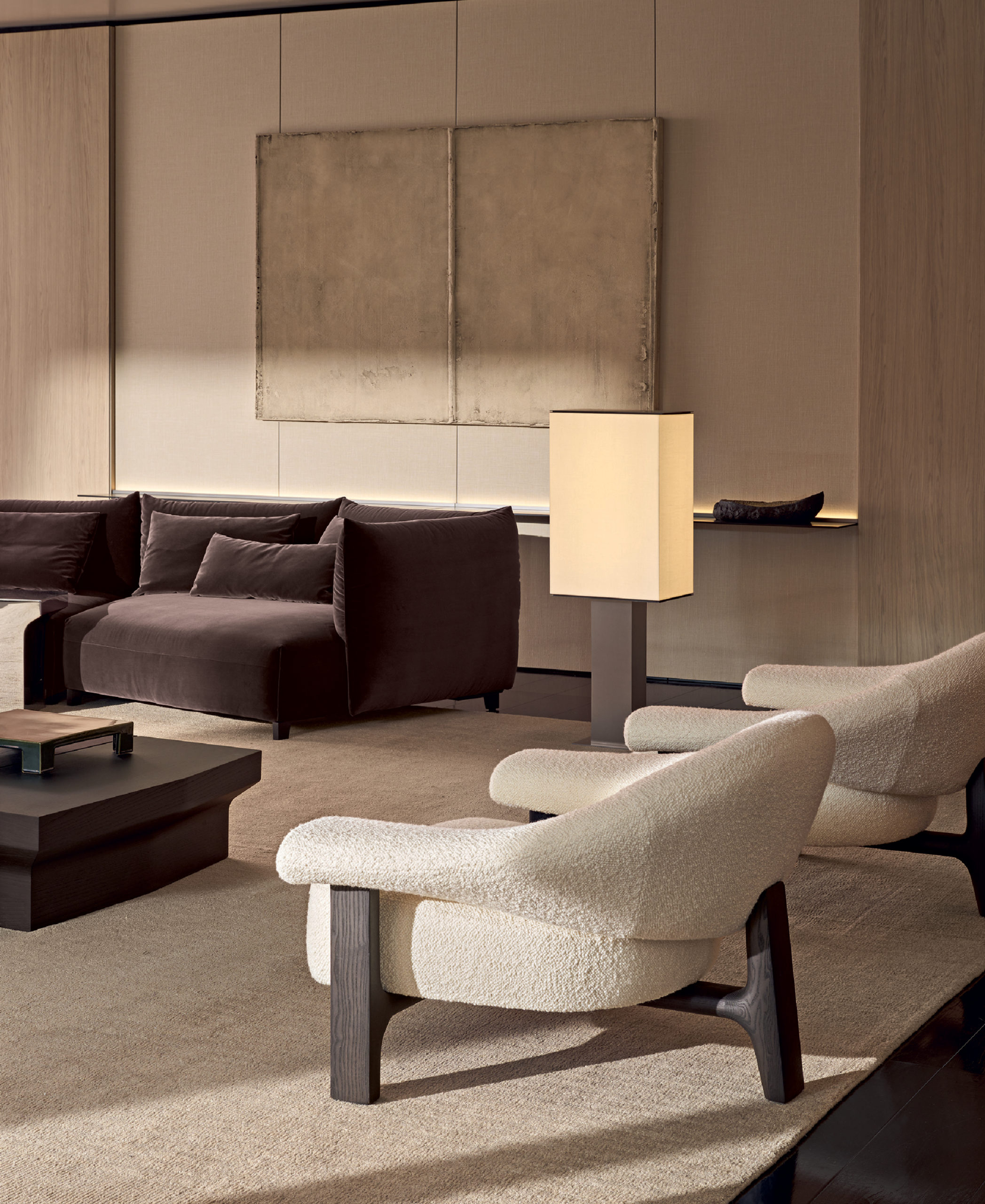
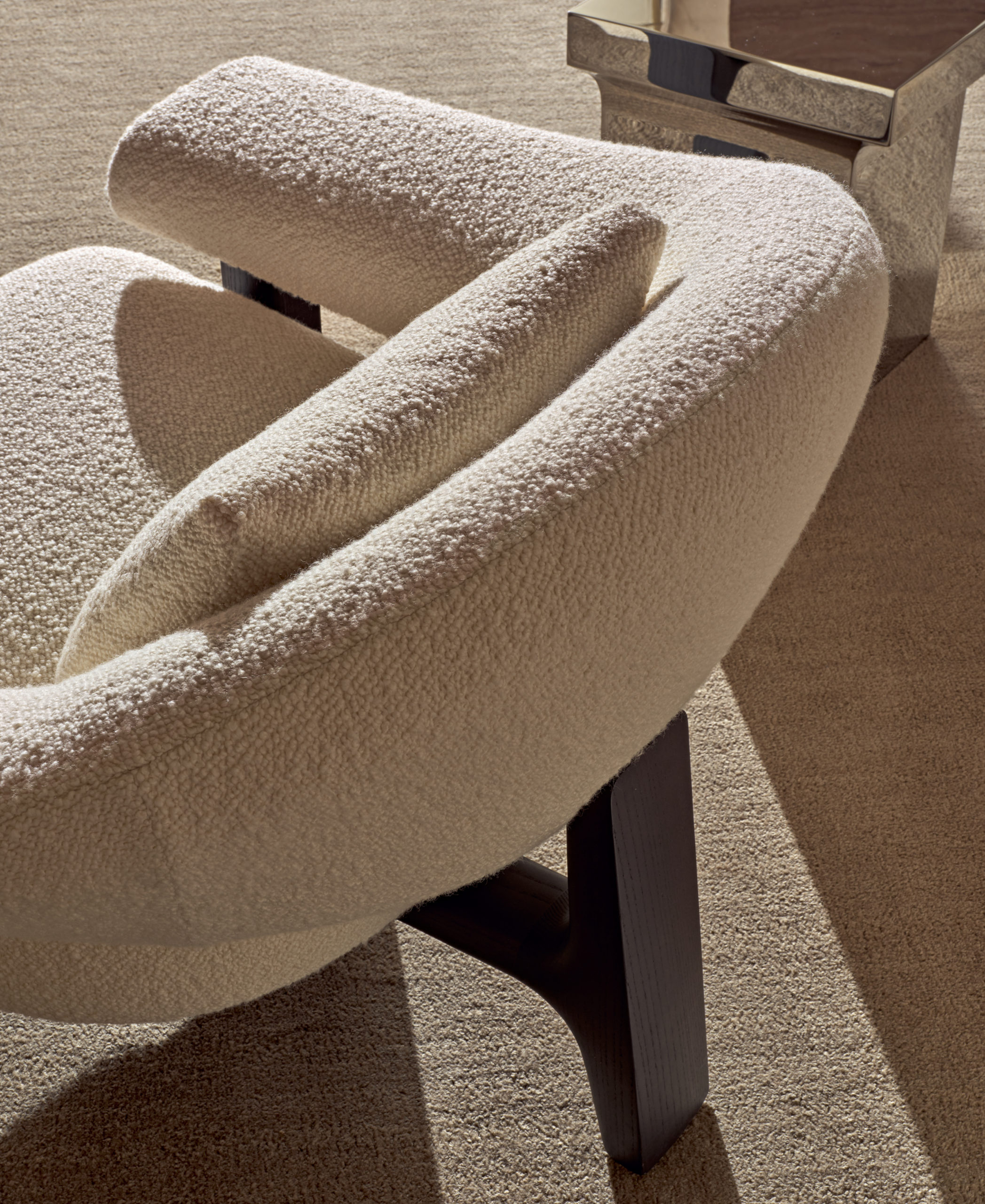
There is a quiet confidence to Jean-Marie Massaud’s new Owen collection for Poliform, and it is particularly apparent in the armchair. Resting on a refined timber base, its architectural foundation grounds a composition of fluid, cocooning curves. The low-slung form is beautifully presented in bouclé, though equally compelling in supple leather that accentuates its sculptural clarity.
Mid-century references are evident in the disciplined proportions and honest expression of structure, while a subtle Brazilian inflection emerges in the softened silhouette and tactile warmth of the materials. The backrest folds gently into the arm, creating a continuous line that feels both resolved and instinctive. Across the broader collection, the timber base elevates each piece, lending a sense of air and intention while reinforcing the dialogue between craft and contemporary production.
This is seating that does not rely on excess to impress. Instead, it offers considered detail, material integrity and an elegance that deepens over time. In a living room, Owen is both a statement and a sanctuary, inviting long conversations, unhurried evenings and a daily appreciation of form meeting function at its most refined.
The full Owen collection is now available in New Zealand at Studio Italia.
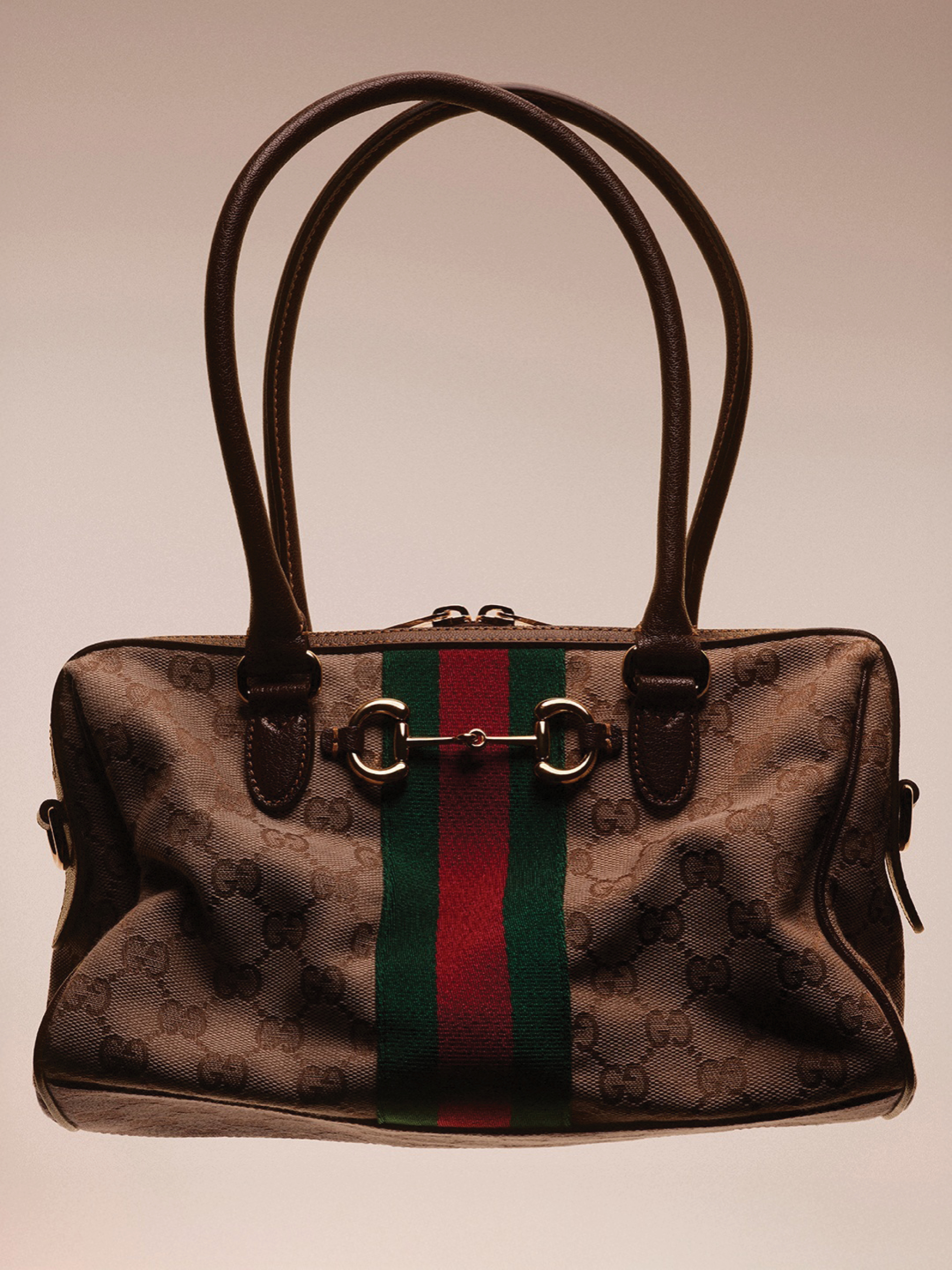
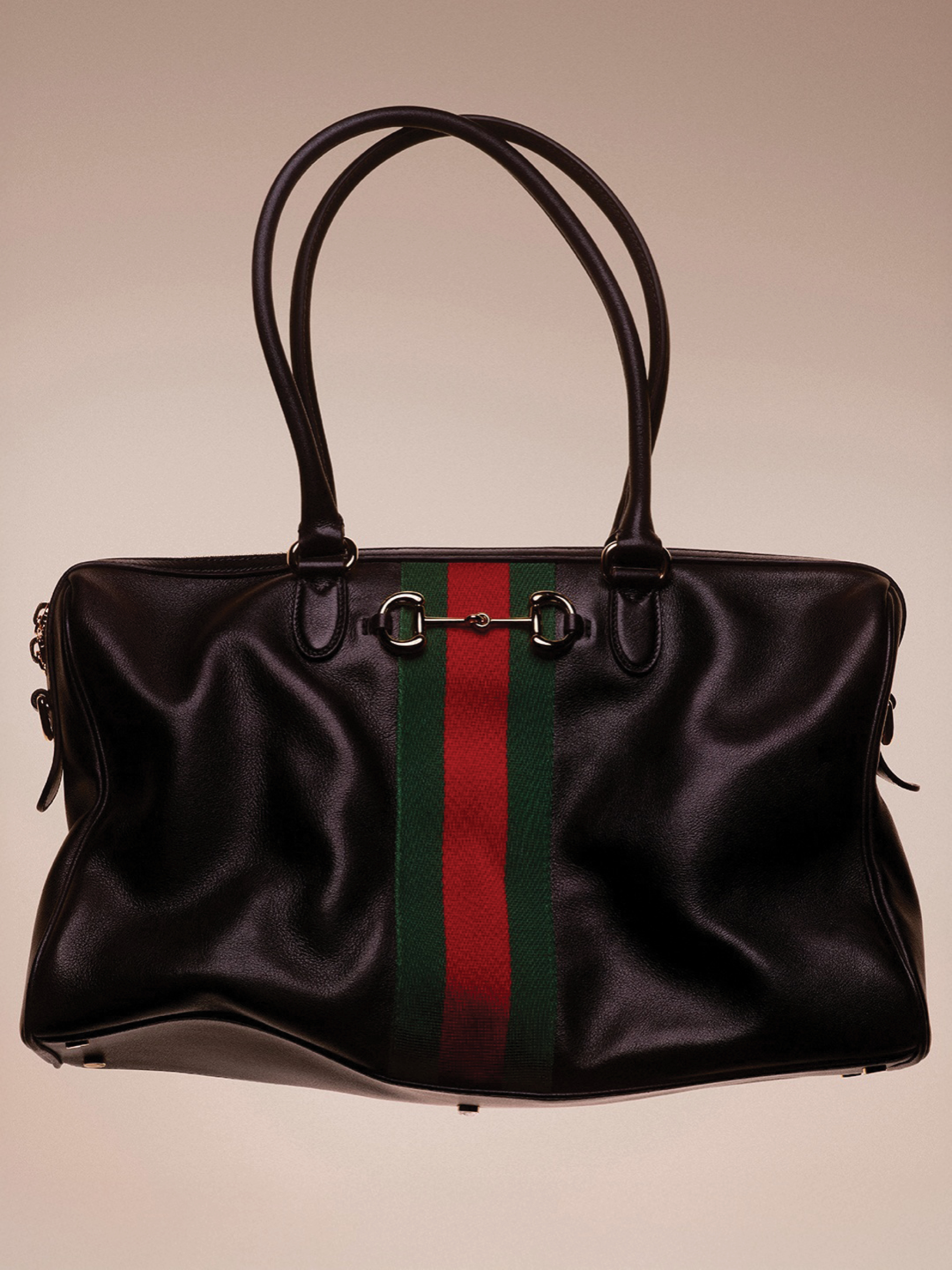
Under Demna’s direction, Gucci’s latest handbag releases signal recalibration rather than reinvention. The Giglio and the Borsetto do not attempt to eclipse the archive. Instead, they mine it with precision, extracting emblem, proportion and attitude, then returning them to the present with sharpened intent.
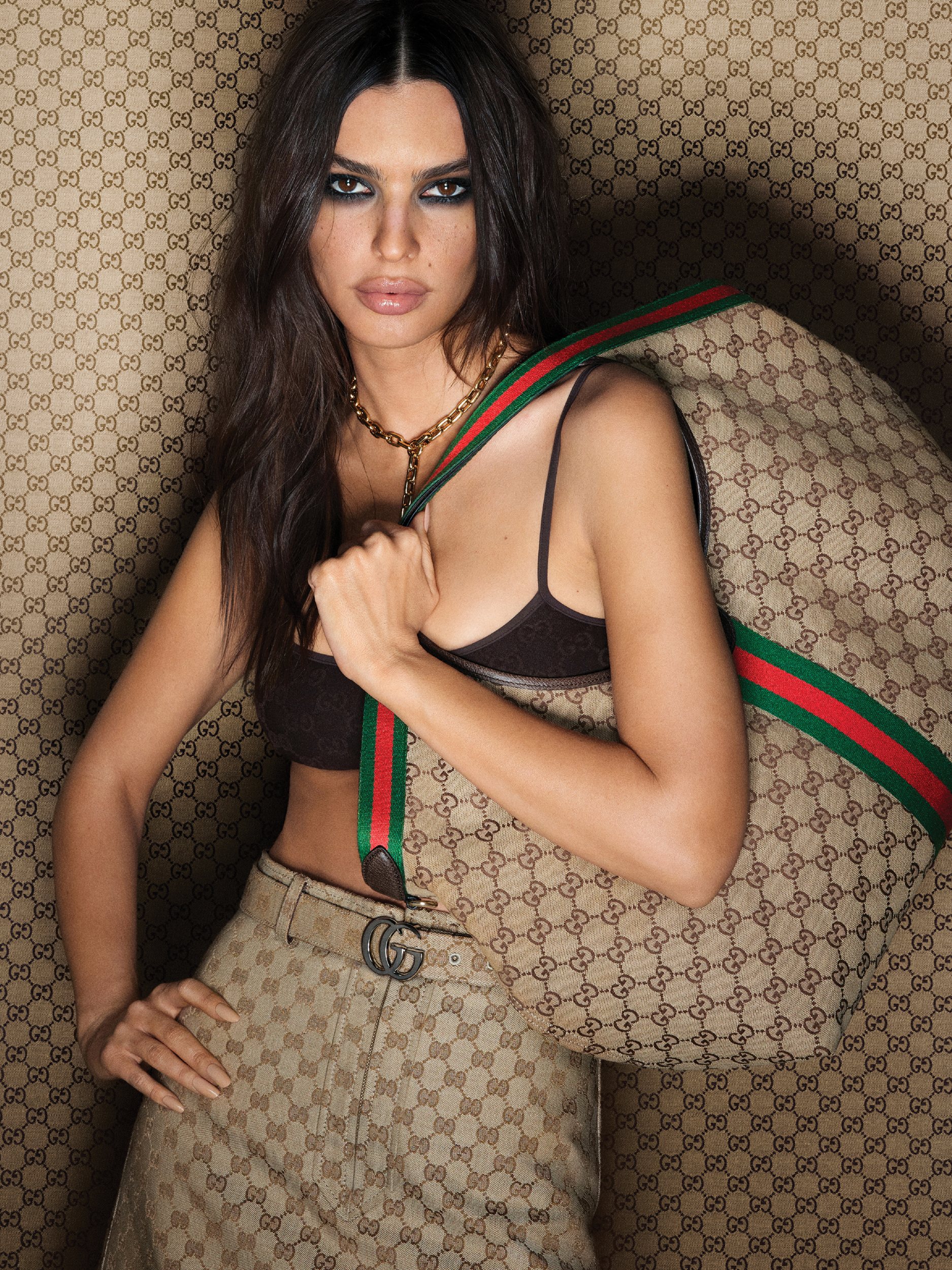
Emily Ratajkowski wears Giglio large tote bag from Gucci
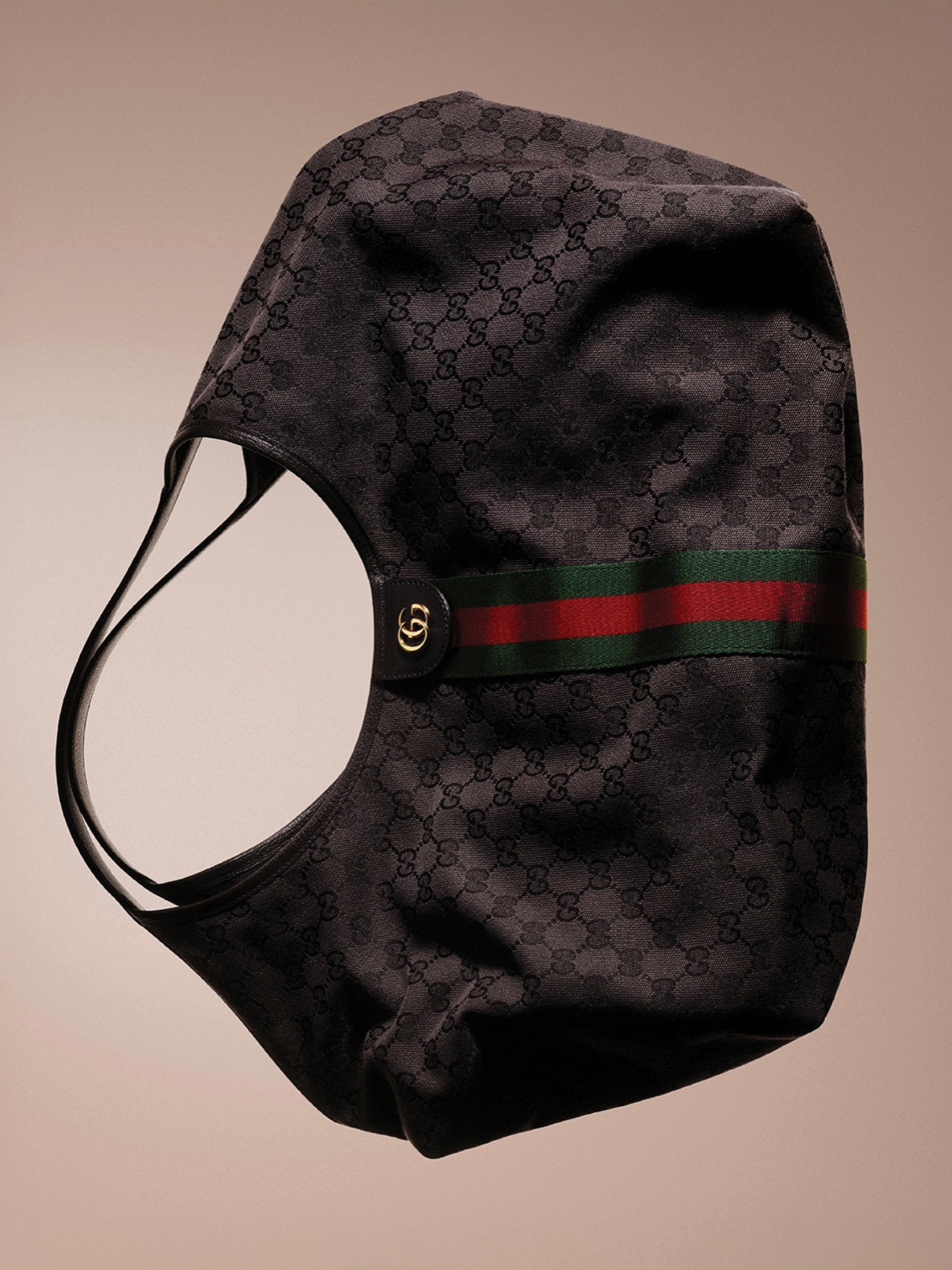
The Gucci Giglio takes its name from the Florentine lily, a direct invocation of origin. Its tote inspired silhouette feels deceptively simple, but the balance of volume and structure is deliberate. Spacious enough for the choreography of daily life, it retains a composed elegance that resists slouch. Crafted in GG Monogram canvas, suede and leather, the materials carry historic weight, yet they feel cleaner, more assertive. The Giglio reads as a bag for women who move between roles without announcing the shift.
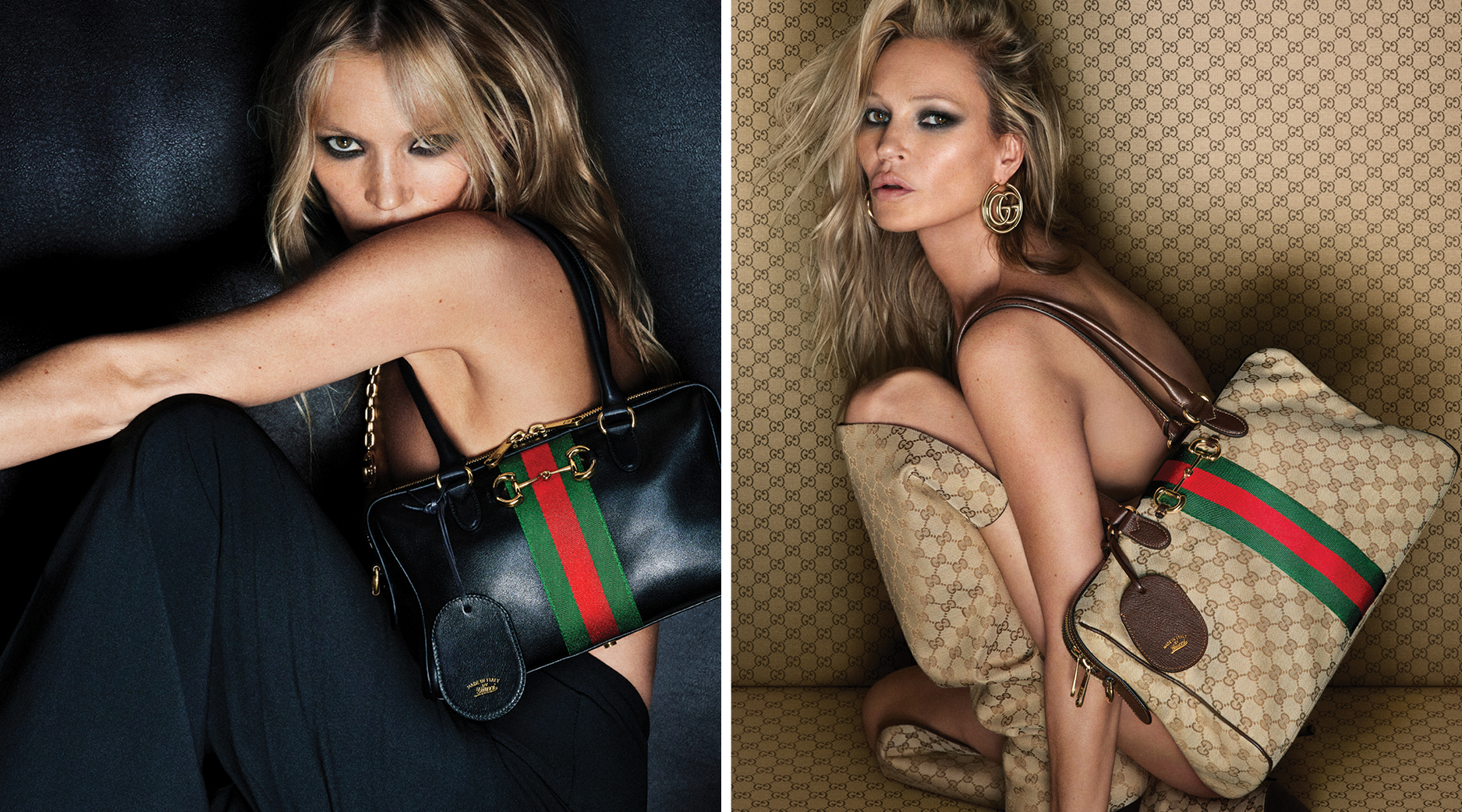
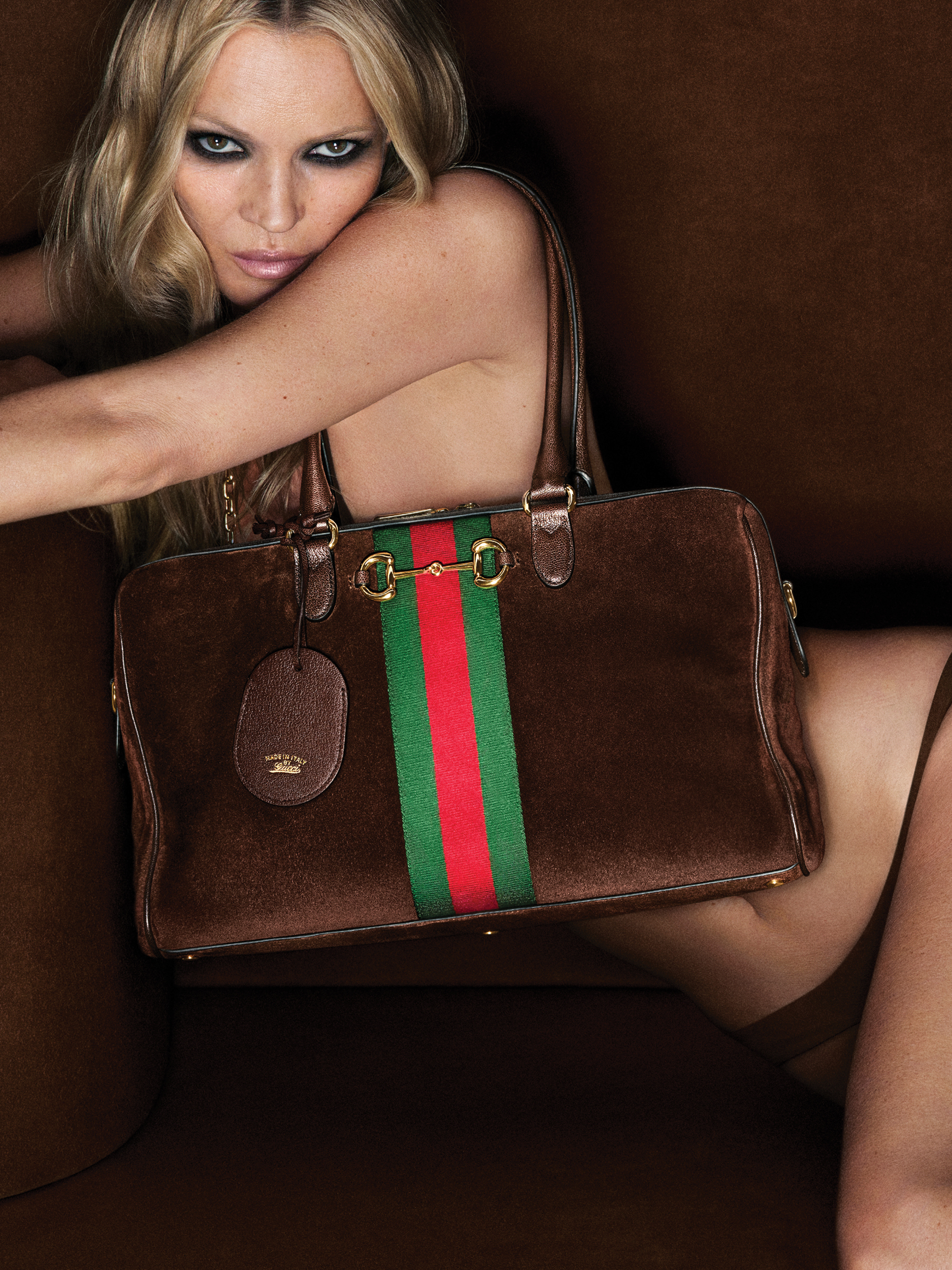
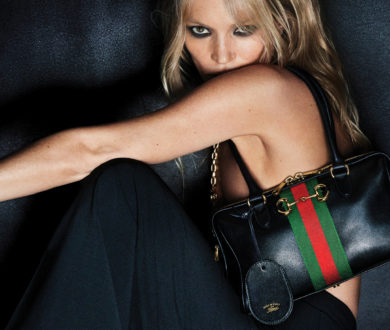
The Borsetto offers a different register. A rectangular shoulder bag scaled closer to a tote, it merges borsa and morsetto, placing the horsebit front and centre as both hardware and statement. The tri stripe motif and bold overlay lend graphic clarity, while its generous proportions make it more than decorative. Available in GG canvas, black leather and brown suede, it leans into retro chic without lapsing into nostalgia.
Kate Moss wears Borsetto medium boston bag from Gucci
Already adopted by Vittoria Ceretti, the Borsetto channels a Milanese polish that feels instinctively cinematic. Together, these silhouettes mark a Gucci in transition, confident enough to revisit its codes and disciplined enough to redefine them with intention.
Kate Moss wears Borsetto large boston bag from Gucci
What distinguishes both designs is their refusal to over explain themselves. There is no heavy handed branding exercise here, no attempt to manufacture instant cult status. Instead, Demna relies on proportion, material and cultural memory to do the work. The effect is subtle but strategic, positioning these bags as future classics rather than fleeting It pieces.
In an industry addicted to disruption, this feels almost radical. By refining rather than rebelling, Demna proposes a Gucci that values longevity over noise. The Giglio and Borsetto do not shout for attention. They assume it. The Borsetto embodies the kind of old world glamour Demna is intent on reframing. Together, these two silhouettes suggest a Gucci confident enough to honour its past while asserting a newly defined present.
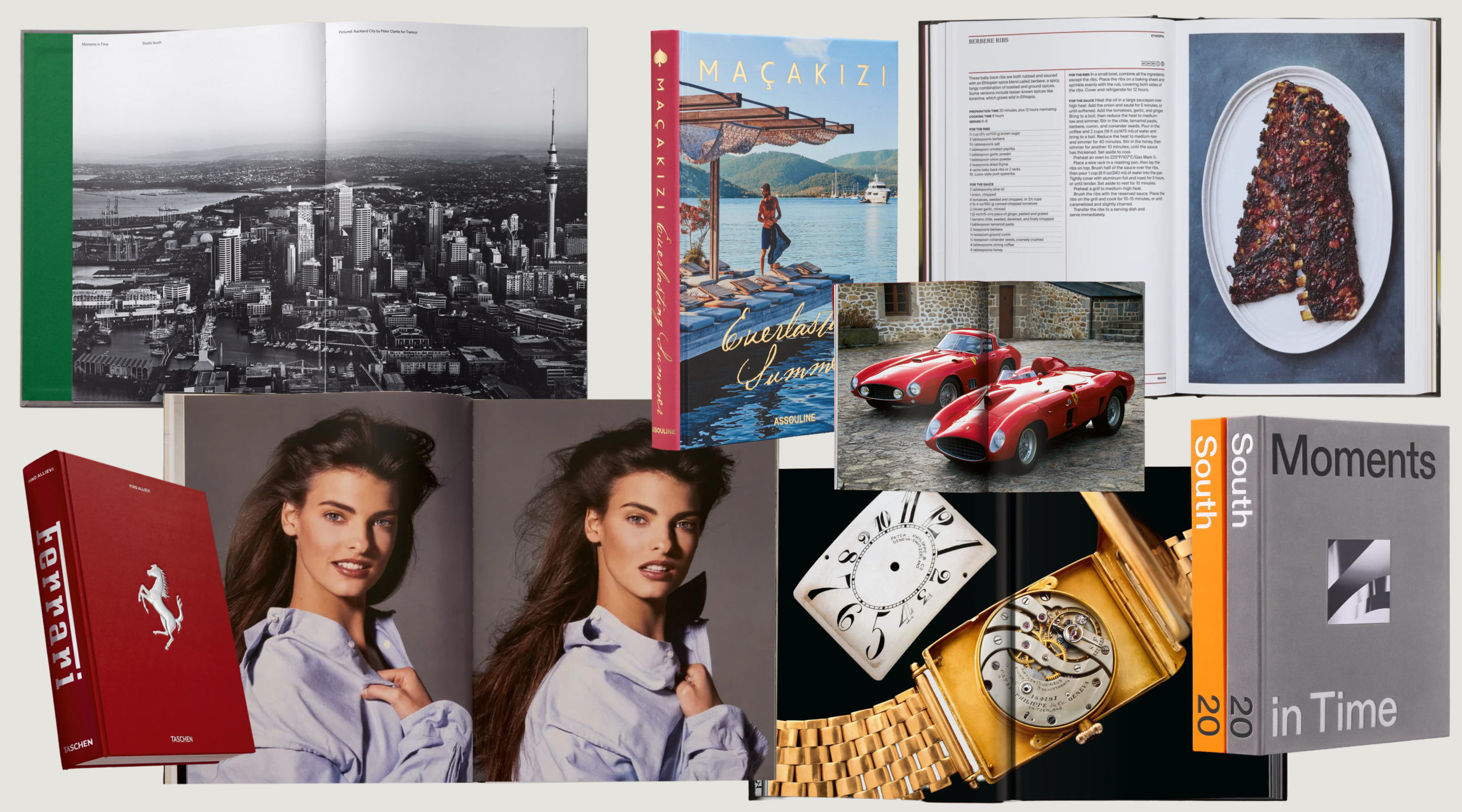
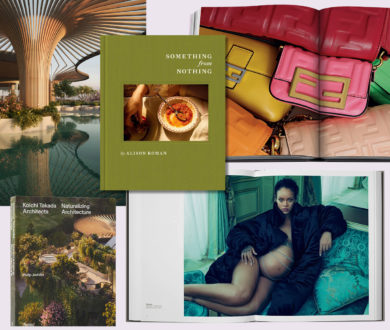
The best coffee table books strike a balance between form and function, offering something to return to while elevating the spaces they inhabit. Equal parts inspiration and everyday indulgence, these beautifully made volumes are designed to be lived with, picked up, shared and returned to over time. From sun-soaked escapes and iconic fashion imagery to horology, photography and the art of cooking over fire, this selection spans subjects that feel both aspirational and deeply personal.
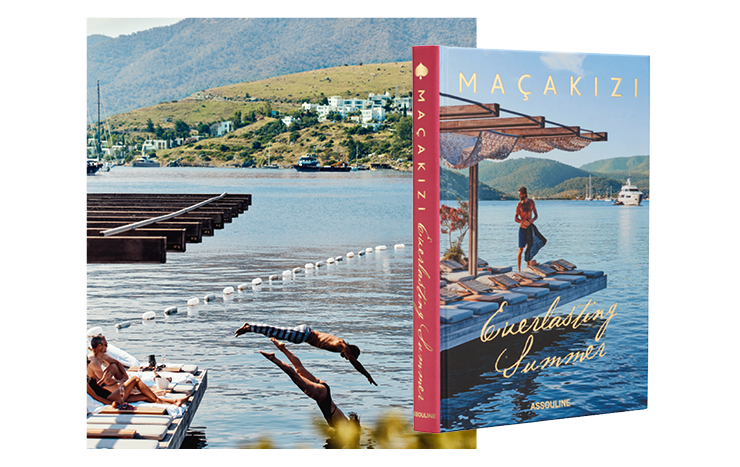
Few hotels capture the spirit of a place quite like Maçakizi, the fabled hideaway on Bodrum’s turquoise coast that has quietly become a pilgrimage for the global gypset. In Maçakizi: Everlasting Summer, Assouline chronicles the world of founder Sahir Erozan and his singular vision of Mediterranean hospitality. Through evocative photography and intimate storytelling, the book reveals a hotel shaped by sun, sea, music, art and exceptional food. This is an enduring portrait of a destination where effortless glamour meets soulful simplicity.
Few photographer-muse pairings have shaped fashion imagery as profoundly as Steven Meisel and Linda Evangelista. This sumptuous monograph features more than 180 images shot over the course of their twenty-five years of collaborating. From high drama to quiet elegance, Meisel’s endlessly inventive lens captures Evangelista in a kaleidoscope of characters, each image reinforcing their rare creative alchemy and the enduring influence they still have on the fashion industry today.
A love letter to haute horlogerie, Ultimate Collector Watches surveys a century of the world’s most extraordinary timepieces with the eye of a true connoisseur. Across two lavish volumes, one hundred grail watches are examined in exquisite detail, from rare early minute repeaters to legendary vintage chronographs by Patek Philippe, Rolex and Vacheron Constantin, alongside masterpieces by independent greats such as Philippe Dufour and F.P. Journe. Rich photography, archival material and expert commentary reveal the artistry, precision and obsession that define the highest echelon of watchmaking.
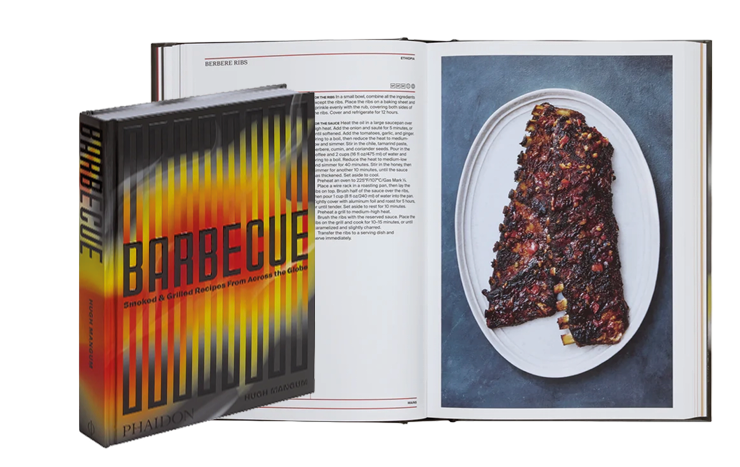
Fire, smoke and a world of flavour converge in this globe-spanning ode to barbecue. Pitmaster Hugh Mangum gathers 280 recipes from more than 80 countries, charting the rich traditions of live-fire cooking from American brisket to Mexican barbacoa and Indonesian satay. With vivid photography and clear guidance, it is both a travelogue of taste and a masterclass in cooking over flame.
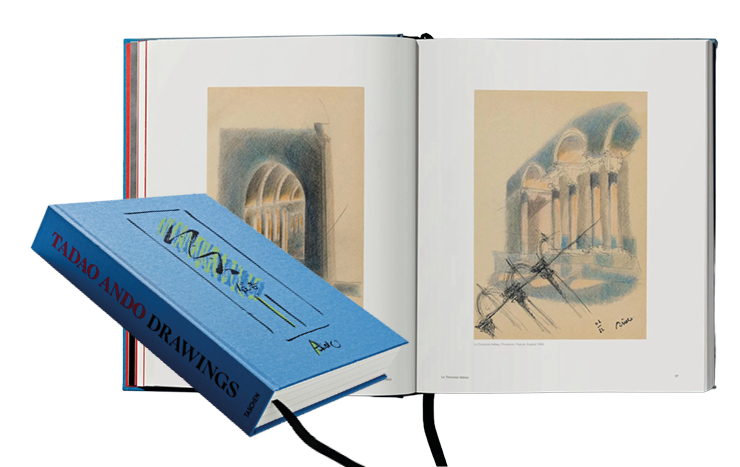
Few architects have pursued the poetry of space with the discipline of Tadao Ando. This extraordinary volume gathers more than 750 sketches, models and technical drawings, offering a rare glimpse into the quiet process behind his most celebrated works. From early pencil studies to fully realised architectural plans, the book traces five decades of creativity, revealing how memory, travel, light and landscape shaped the concrete-and-glass masterpieces that define Ando’s enduring architectural language.
When Carl Barks took Donald Duck from the screen to the comic page in 1942, he quietly reshaped popular culture. This meticulously restored first volume gathers the duck’s globe-trotting adventures, where humour, mischief and remarkable craftsmanship transformed the famously hot-headed duck into a literary icon. Limited to 1,000 numbered collector’s editions, the book is handsomely produced with an aluminium print cover, leatherette spine, foil embossing and slipcase — a serious object for serious Disney devotees.
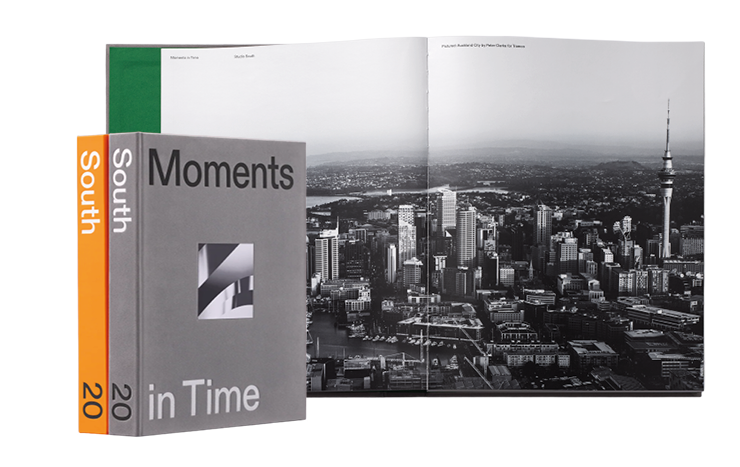
Marking two decades of design excellence, Moments in Time: Limited Edition, charts the creative evolution of Auckland studio Studio South, tracing twenty years of work produced for some of New Zealand’s most recognisable brands. Structured across twenty chapters, one for each year, the book reflects not only the studio’s output but the culture, collaboration and curiosity that have shaped its practice. The limited edition is lavishly presented in fluoro-orange cloth with de-bossed detailing, chrome and black foiling, Swiss-bound exposed binding and a striking chrome die-cut dust jacket. A collector’s piece for design obsessives everywhere.
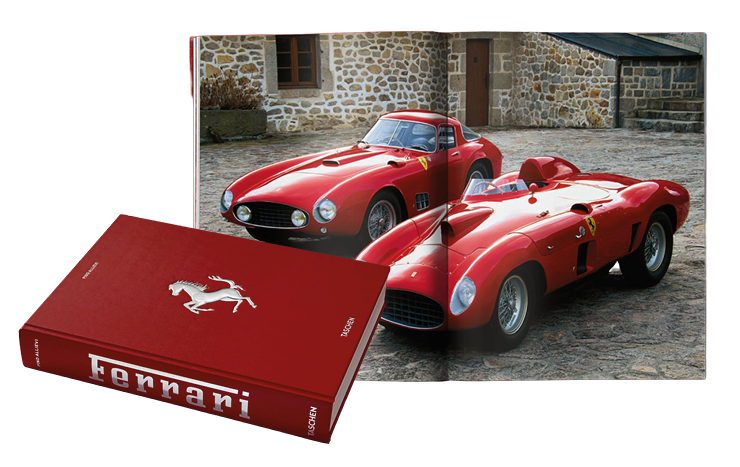
Few marques command the same reverence as Ferrari. Produced with rare access to the Ferrari Archives and private collections, this monumental volume chronicles the marque’s extraordinary story from Enzo Ferrari’s founding vision in 1947 to its modern-day dominance. Edited by renowned motorsport journalist Pino Allievi, it brings together unseen photographs, sketches and archival documents alongside a complete record of every Ferrari victory. A fitting tribute to the Cavallino Rampante’s enduring myth and mechanical brilliance.
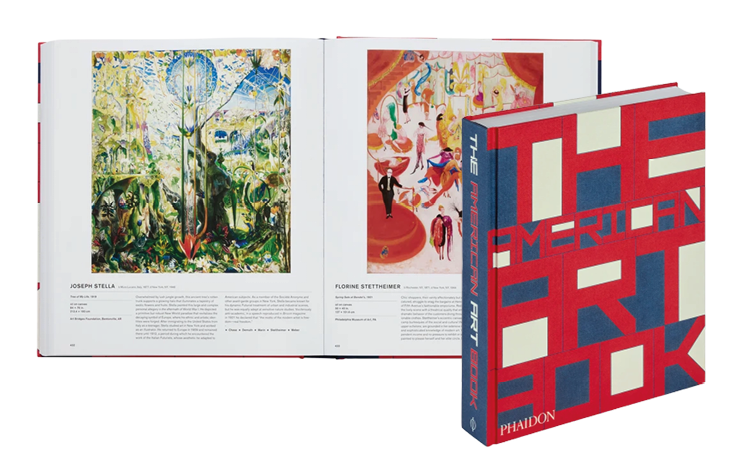
Ambitious in scope and beautifully democratic in spirit, The American Art Book surveys more than three centuries of artistic expression through the work of 500 influential artists. Fully revised and updated, this landmark volume moves fluidly from early colonial portraiture to the seismic shifts of Modernism and the provocations of contemporary art. Each artist is represented by a defining work and expert commentary, creating a vivid, cross-referenced portrait of America’s restless and ever-evolving creative imagination.
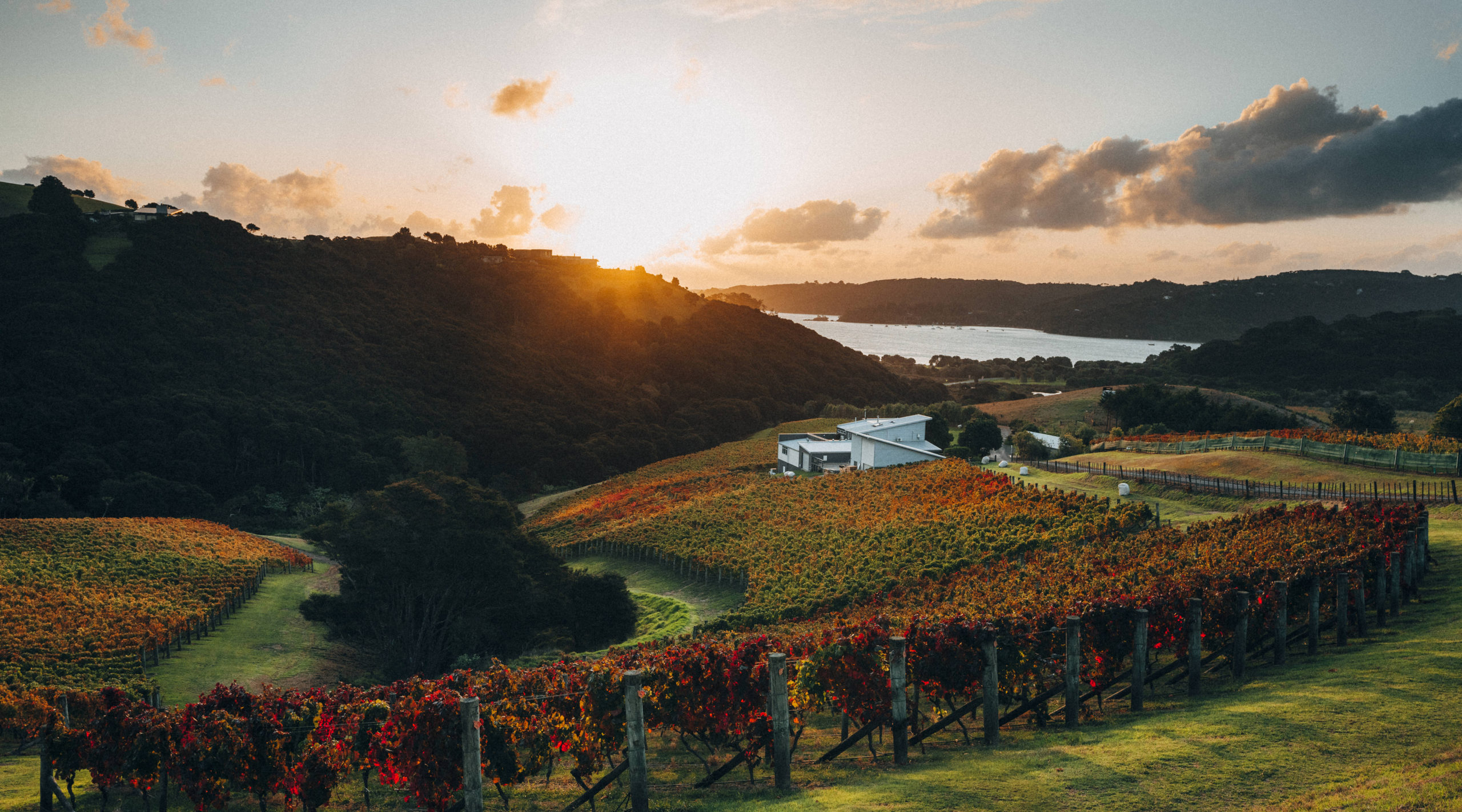
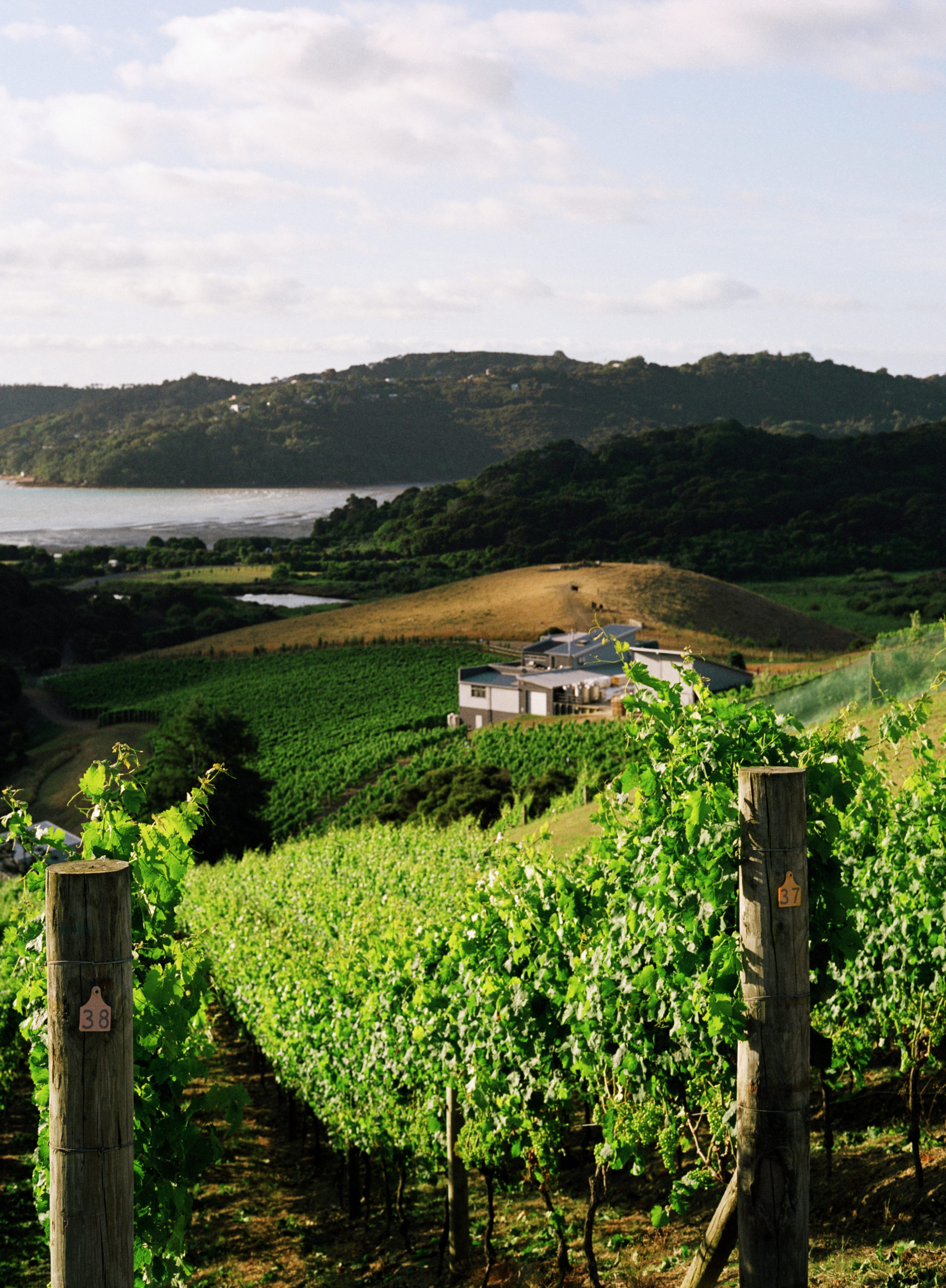
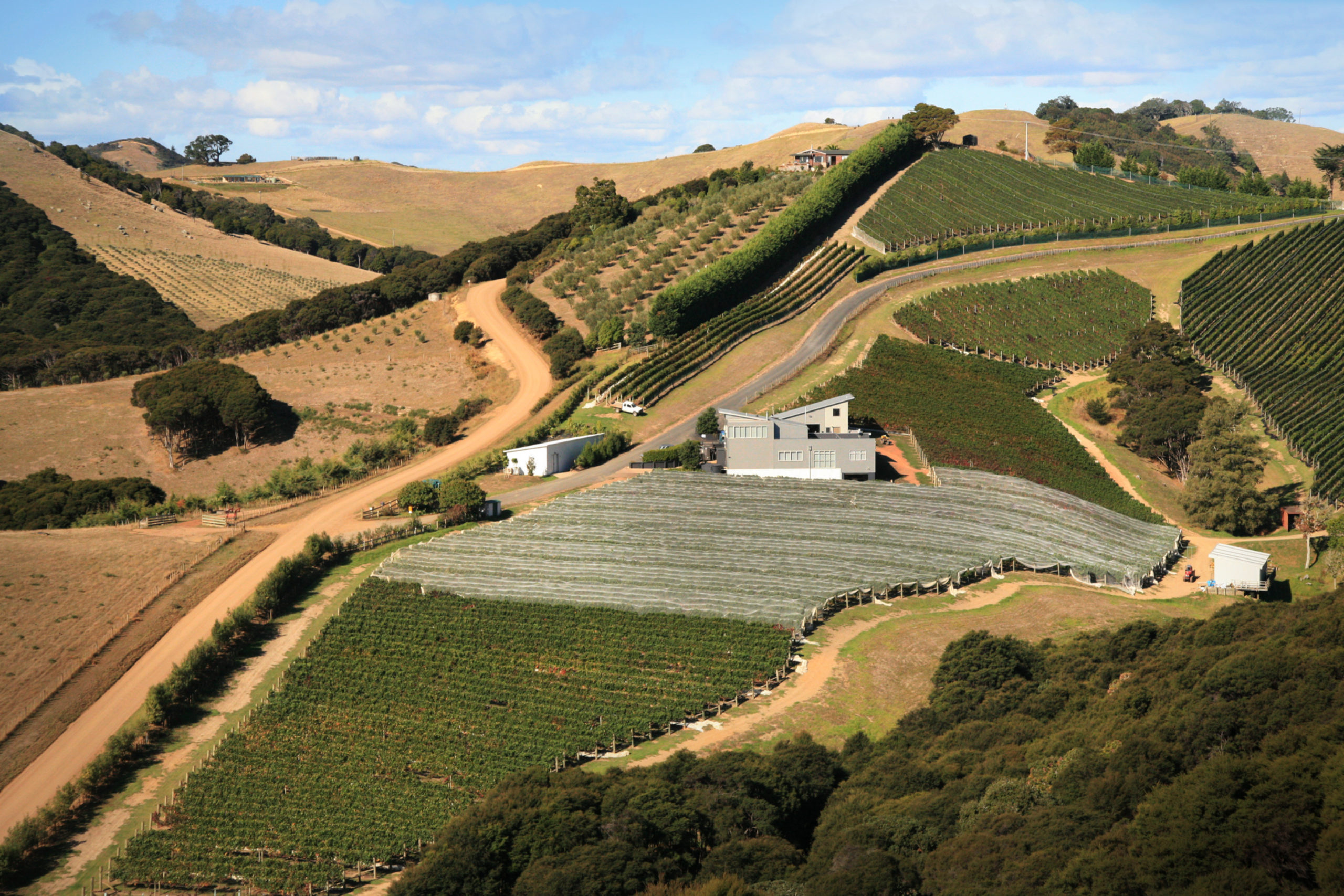
Stand at the crest of Destiny Bay’s vineyard, and the logic of the place reveals itself slowly. The valley curves inward in a north-facing amphitheatre, a natural bowl that gathers heat and holds it. Vines run down slopes too steep for comfort, let alone convenience. Beyond them, the Hauraki Gulf catches the light. Nothing about it feels accidental. It is beautiful, certainly, but beauty is incidental, as Mike Spratt describes it: “When we say this little valley is distinctive, that’s a factual statement, not a marketing statement,” he says. “It’s basically a geological miracle.”
New Zealand’s global wine identity was built on Sauvignon Blanc and Pinot Noir. Cabernet Sauvignon was never meant to be the headline act. Yet here, on five hectares of sloping Waiheke terrain, sits a producer whose Cabernet-led blends have quietly entered the upper echelon of the world’s fine wines. In the Real Review rankings, Destiny Bay was named New Zealand’s top winery in 2021 and has held second place every year since. Mike Spratt notes the consistency with a hint of competitive pride. “If the past five years were a regatta, we’d be sitting in first place on nine points, with Felton Road second on thirteen and Craggy Range third on twenty-two.” It is the sort of statistic that says as much about sustained excellence as it does about ambition. The wines have also found their way into the cellars of serious collectors around the world, including Hollywood devotees such as Tommy Lee Jones, Eva Longoria and Matthew Fox. This is not a cellar door curiosity. It is a serious house of wine.
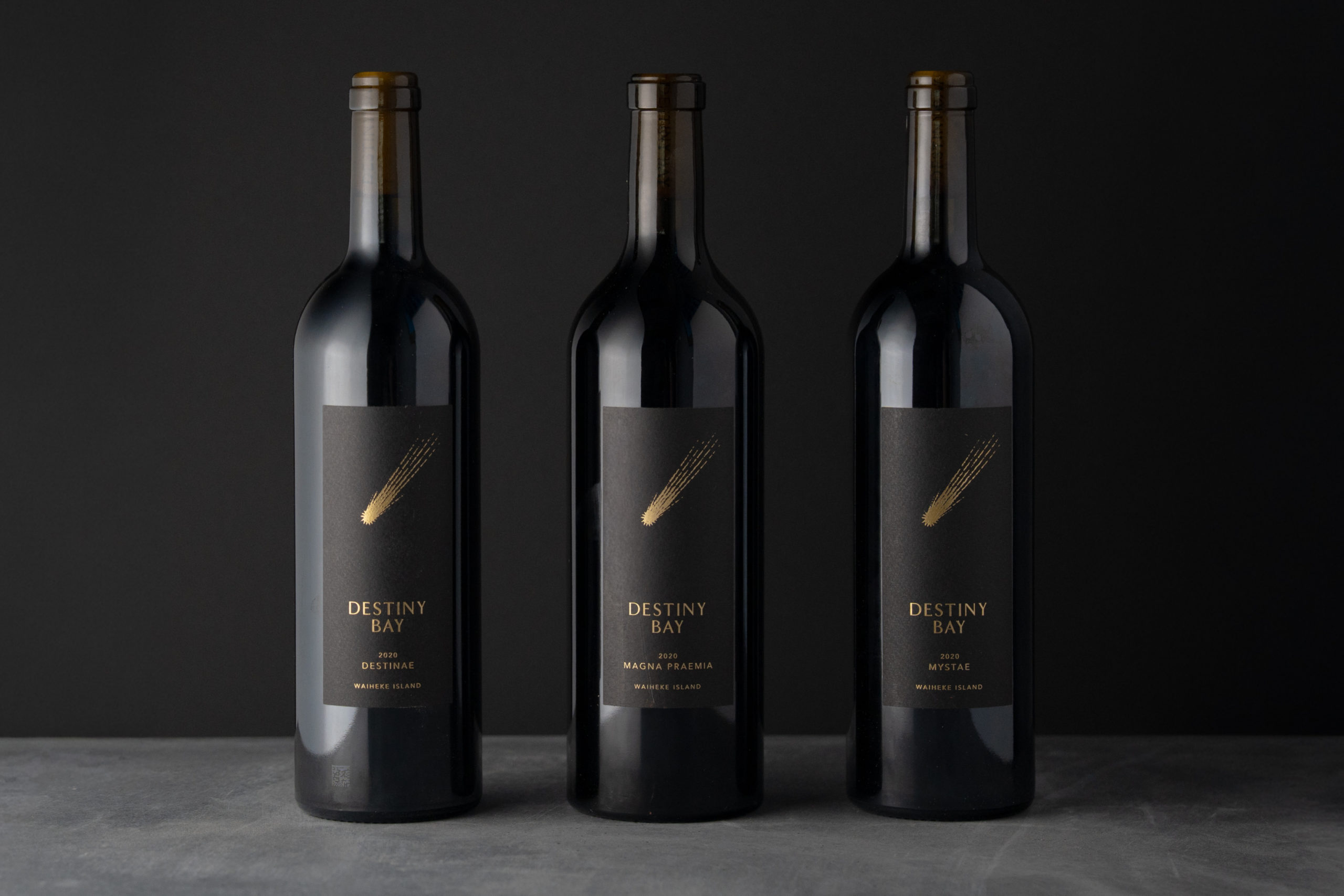
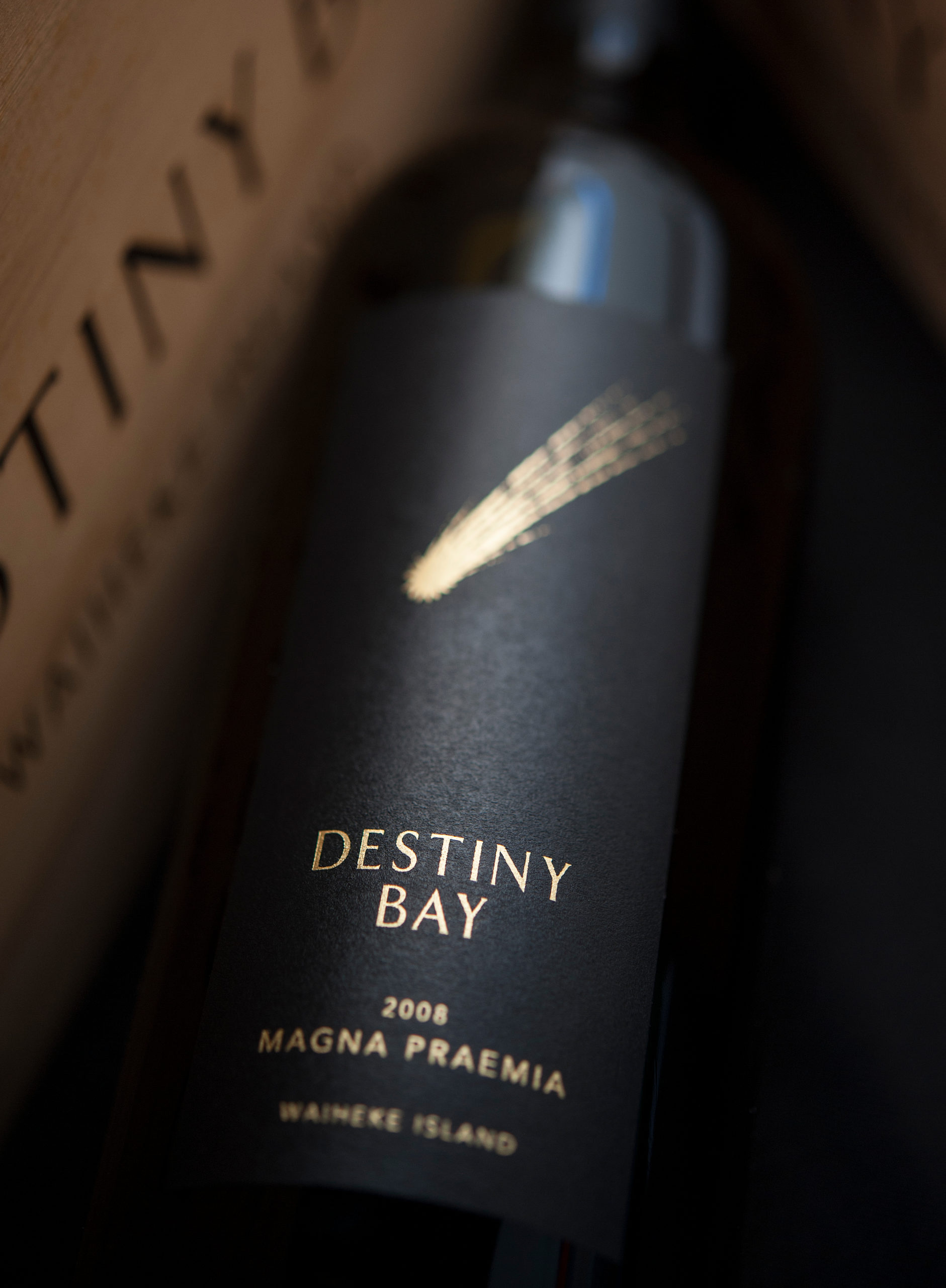
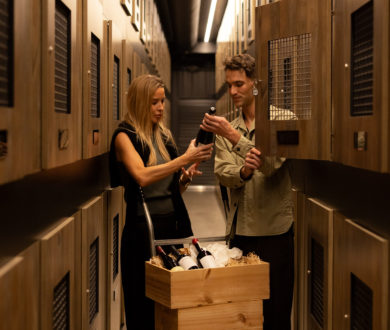
If there were any doubt about positioning, the events of 2023 provided an unexpected footnote. A high-end heist at a prominent Auckland wine shop saw 56 bottles stolen, many of them international icons. Only one New Zealand wine made the cut: Destiny Bay’s Magna Praemia 2015. “Whoever commissioned that theft knew exactly what they wanted,” Mike says. “They were stealing extremely valuable, expensive wines, to order.” In a single detail, the winery’s standing was reframed. This was not provincial pride. It was a highly valuable global currency.
The Spratts did not arrive on Waiheke with an ambition to rewrite New Zealand’s red wine narrative. Mike and his wife Ann had effectively retired when they first visited the island in the late 1990s. The plan was to build a house. The land below was grazing country. The idea of planting vines was closer to a hobby than a vocation. A consultation with viticulturist Dr David Jordan shifted the tone. The verdict was decisive. The site was not merely suitable. It was exceptional.
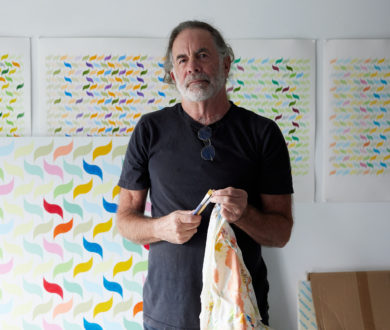
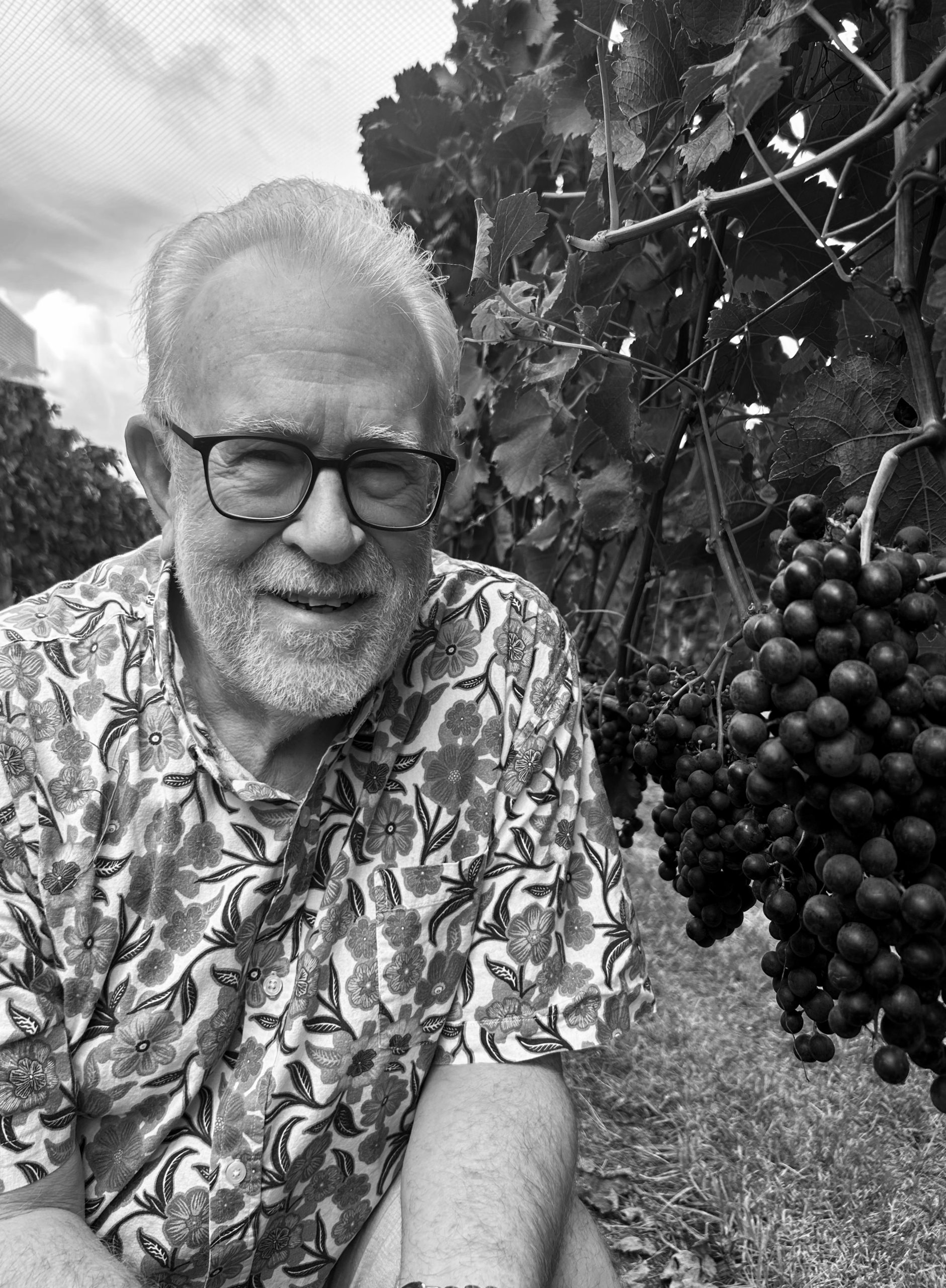
Mike Spratt
“The role that fate or destiny played was really 25 years ago,” Mike says. “It is an impossible place that meets improbable people.” He does not romanticise their credentials. He is a psychologist by training. Sean, his son and now the estate’s winemaker and managing director, brings an analytical mind and, as Mike calls it, “an extraordinary palate.” Ann anchors the operation. “We were not vintners,” Mike says. “We were completely improbable as people who would do this.” The name Destiny Bay was less a branding exercise than an acknowledgement. They had found something rare without setting out to do so.
Waiheke, he points out, is not an extension of Marlborough or Central Otago. “Waiheke Island, it turns out, is not at all like the rest of New Zealand when it comes to a viticulture region,” he says. “The two rarest wine varieties produced on the island are Sauvignon Blanc and Pinot Noir.” The island’s maritime climate is warmer and drier, almost a separate country in viticultural terms. But it’s Destiny Bay’s valley that stands out most within that context.
“This one valley that we discovered quite accidentally, had both the soil, site and climate… that had the potential to do something that couldn’t be done anywhere else… in the world.”
Many assume Waiheke’s success is rooted in volcanic romance. Mike is quick to dismantle that notion. “Most of Waiheke is not volcanic soil,” he explains. Instead, the island sits largely on sedimentary clay derived from greywacke and argillite, soils that are notably poor in nutrients. For vines, that apparent disadvantage is precisely the point. “It’s basically sedimentary clay with topsoil on top,” he says. The scarcity forces the vines to struggle, concentrating flavour and structure in the fruit rather than encouraging easy abundance. The island’s geological story traces back to the ancient formation of Zealandia, but within that wider narrative, this particular amphitheatre presents an unusual convergence of soil composition, orientation and microclimate. “It just happens that this one valley that we discovered quite accidentally has both the soil, site and climate,” Mike reflects, “that had the potential to do something that couldn’t be done anywhere else on Waiheke and, more impressively, anywhere in the world.”
The decision to focus on Bordeaux varietals in a country celebrated for aromatic whites was not contrarian for its own sake. It was logical. The site favoured Cabernet Sauvignon and its classical companions. Destiny Bay grows the five traditional Bordeaux varieties, with Cabernet dominant. Three blends are produced, stylistically distinct yet all drawn from the same vineyard fruit. “They all come from the exact same fruit,” Mike explains. He reaches for a metaphor that feels apt. “You can have a beautiful piece of music by a single instrument, but it’s not going to sound the same as a symphony.” Destiny Bay’s wines are built like an orchestration, layered and deliberate, Cabernet-led but shaped by Merlot, Cabernet Franc, Malbec and Petit Verdot.
For all the science underpinning the process, what’s more important is the sensory aspect. “The most important decisions we make are when we pick, how long we macerate and which fractions go into each blend,” he says, “those are all driven by taste.” Science ensures consistency and eliminates fault. The palate determines the final form.
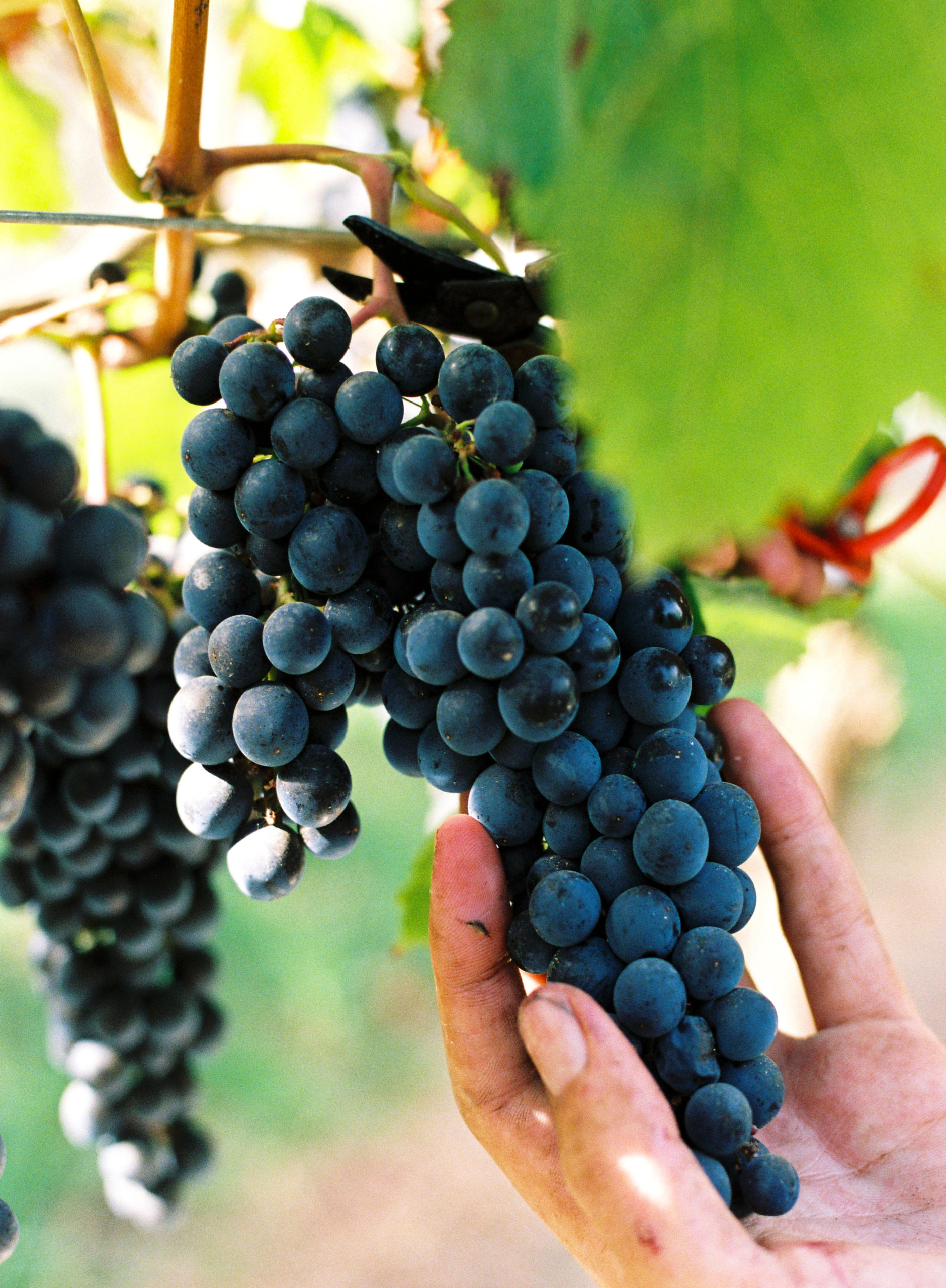
The intellectual backbone of Destiny Bay lies in its understanding of grape maturity. Around their fifth or sixth vintage, before they had sold a single bottle, Mike, Ann and Sean began questioning the unusually advanced fruit development they were seeing. “We were like, how come we’re able to get these levels?” he recalls. What many people think of simply as ripeness, he explains, is far more complex than sugar. “A grape probably has over a thousand different chemical compounds in it, and they don’t all mature at the same rate.” Sugar converts to alcohol, but the compounds that shape aroma, structure, tannin and texture must reach harmony as well. The aim is phenolic ripeness, the moment when every element of the grape has come into balance, and the fruit is capable of producing a wine of depth, structure and longevity.
Climate change has complicated that alignment across the world’s established wine-growing regions. Late-season heat drives sugar accumulation while other compounds lag, forcing winemakers into compromise. “It’s very hard to do that in the world right now,” Mike says. Destiny Bay’s amphitheatre appears to mitigate that tension. “We stumbled into this site that allows us to get the fruit completely right.” Then he distils their philosophy to its essence. “Our mission is basically not to mess that up.”
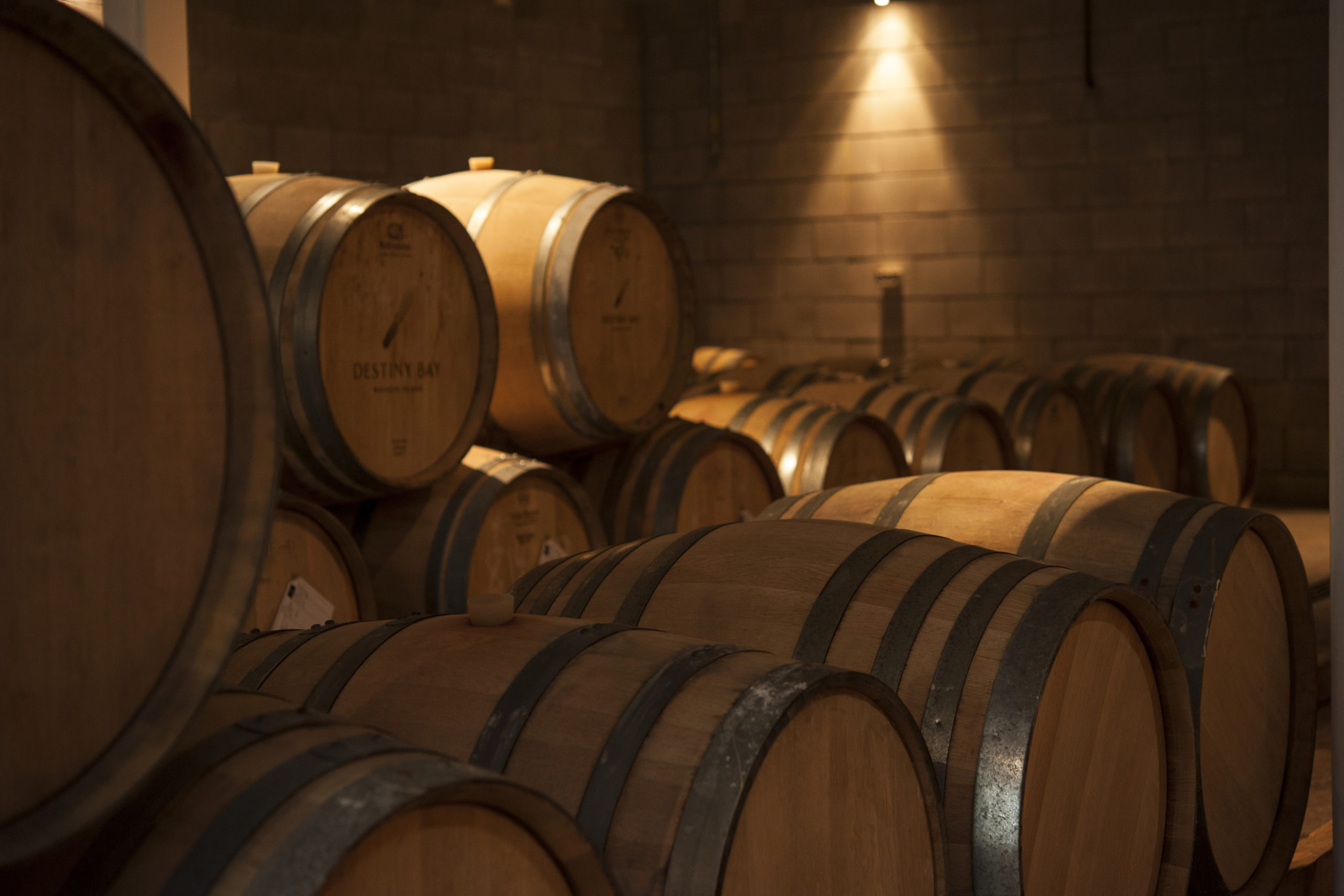
The vineyard itself demands labour and precision. There is no truly flat ground. Slopes reach angles that challenge machinery and reward careful tending. Harvesting is done by hand. Blocks and sub-blocks are picked at different moments as each reaches maturity. By the time the fruit arrives in the barrel hall, it has been separated into numerous components. Free run, first press, second press, third press, each offering nuance. Blending is not guesswork; it is a deliberate composition informed by palate and experience. Science ensures cleanliness and consistency. “The most important decisions you make in a vineyard are when you harvest the fruit,” Mike says, “and how long you let it macerate.” Those calls are driven by taste, not science.
Scarcity in the case of Destiny is not marketing theatrics; it’s reality: the average yearly production hovers around 18,000 bottles, roughly 1,500 cases. In both 2017 and 2023, production was abandoned altogether. “Mother nature didn’t just rain on us,” Mike says of those seasons. “She tried to drown us.” In a category where reputation depends on restraint, the willingness to forgo release reinforces credibility and scarcity even further.
Destiny Bay’s commercial model aligns with its positioning. Much of its allocation flows through an exclusive Patron Club, offering access to current releases and a library of past vintages. Mike refers to the estate as a Veblen good, a term from economic theory describing luxury products for which demand increases with price. “Sometimes its lack of broad awareness adds to its mystique and its attractiveness,” he says. In this context, obscurity is not failure. It is filtration.
Despite their significant international recognition, Mike insists New Zealand remains central to their following. “More than half of our patrons are New Zealanders,” he says. The estate’s reputation among well-connected collectors has grown organically. Word travels efficiently within that world. The absence of broad marketing has not impeded demand.
Their integrity and values also extend beyond viticulture. Destiny Bay’s decision to remove foil capsules from its bottles is emblematic of its refusal to indulge unnecessary ornamentation. “A capsule serves no purpose other than for cosmetic appeal,” Mike says. Tin mining, particularly in parts of Indonesia, carries environmental and labour costs that the Spratts found untenable. “There are children as young as 12 years old doing this.” For a purely decorative addition, the justification did not hold. The bottles now remain unadorned at the neck, a quiet signal that ethics can coexist with prestige.
Throughout our conversation, what resonates most is the Spratt family’s sense of stewardship rather than ownership. Mike ponders the estate’s future in centuries rather than vintages, imagines it two hundred years hence, and thinks about who will carry it forward. “We’re the founders,” he says, “but there’s a legacy here that will continue.” In wine terms, twenty-five years is infancy. Yet Destiny Bay has already entered a global dialogue typically reserved for estates with far longer histories.
When I mention how proud he must feel, Mike resists the urge to be grandiose. “I’d really like to say we’re brilliant winemakers,” he says, “the fact is, we’re not.” What they are, he insists, is meticulous, intelligent enough to recognise what the land offers and disciplined enough not to compromise it. They discovered a site capable of producing fruit of unusual completeness. Their task has been to honour it.
What stands out is the beauty of how some of the most compelling luxury stories can, in fact, materialise organically. They are unforced by commerce, evolve quietly, are shaped by geology, and are guarded by people who understand restraint. And when they happen on a tiny island in a tiny country like New Zealand, the argument feels even more resolved. Destiny Bay did not set out to challenge Bordeaux or Napa. It set out to respect a valley that favoured the grape as nowhere had done prior. The global acclaim that followed is something to be proud of, and we are grateful to the Spratts as custodians of this geological paradise. The future, if Mike is correct, will belong to those who continue to listen to the land.
To join Destiny Bay’s exclusive Patron Club, apply via the link here.
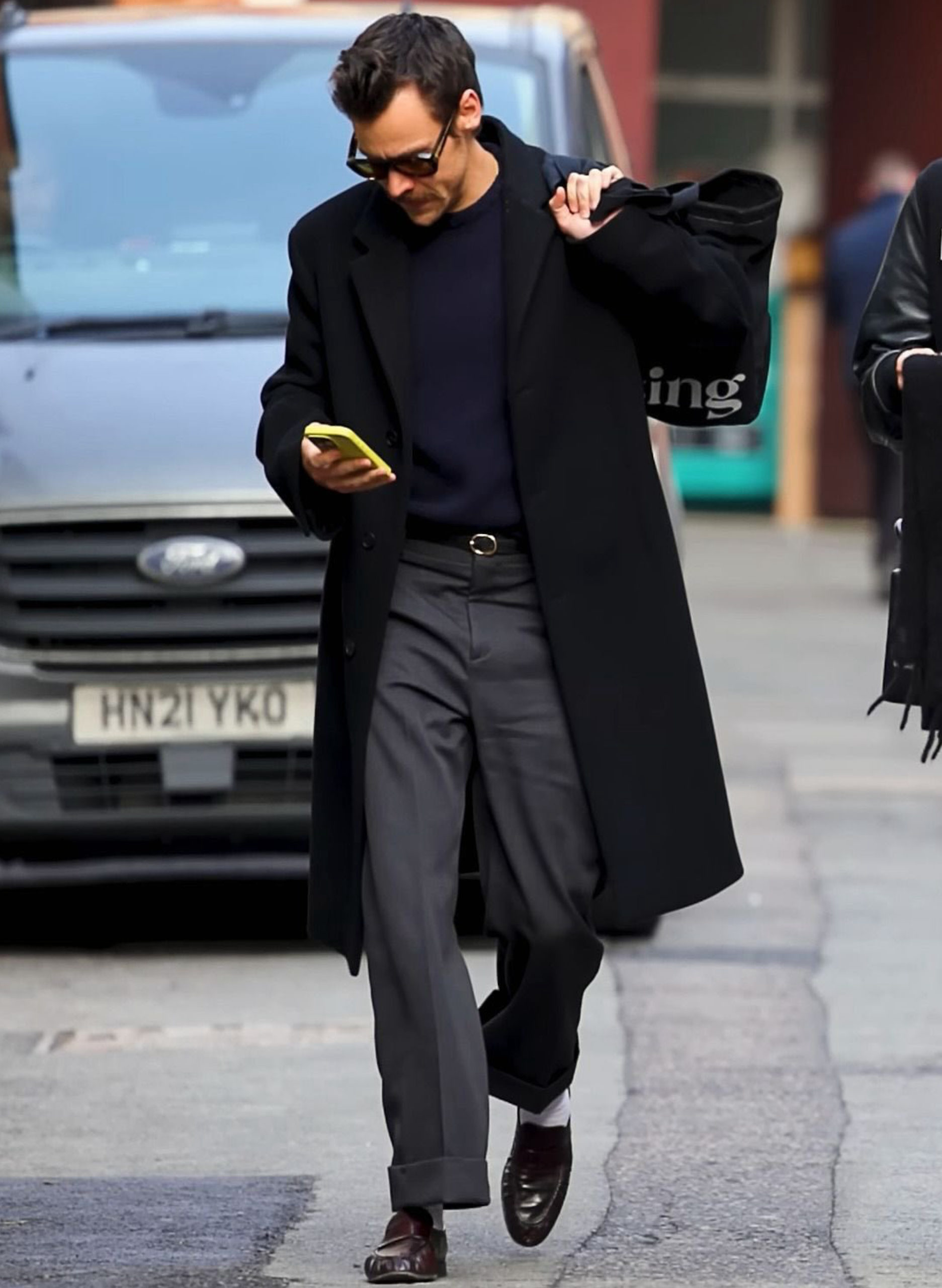
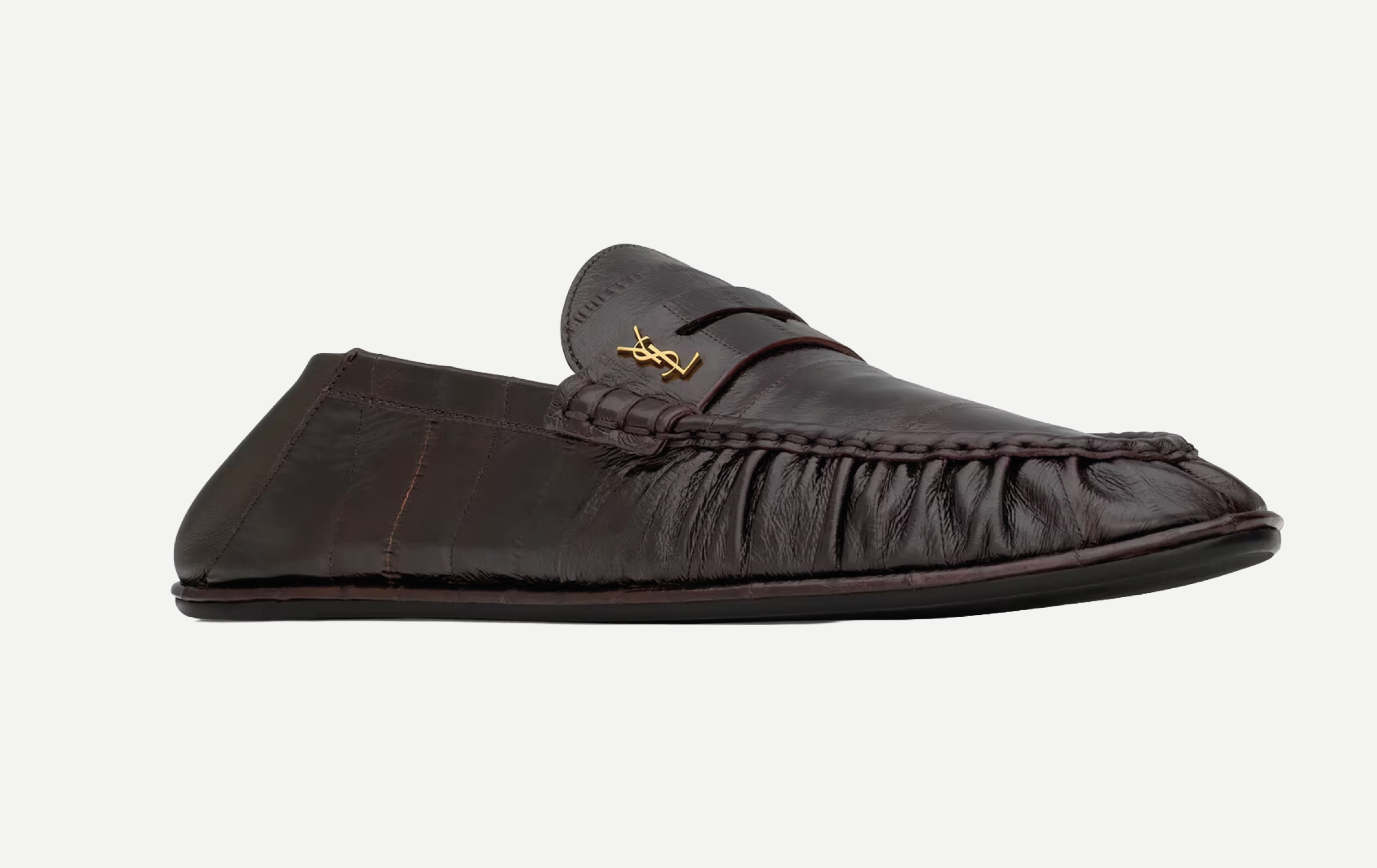
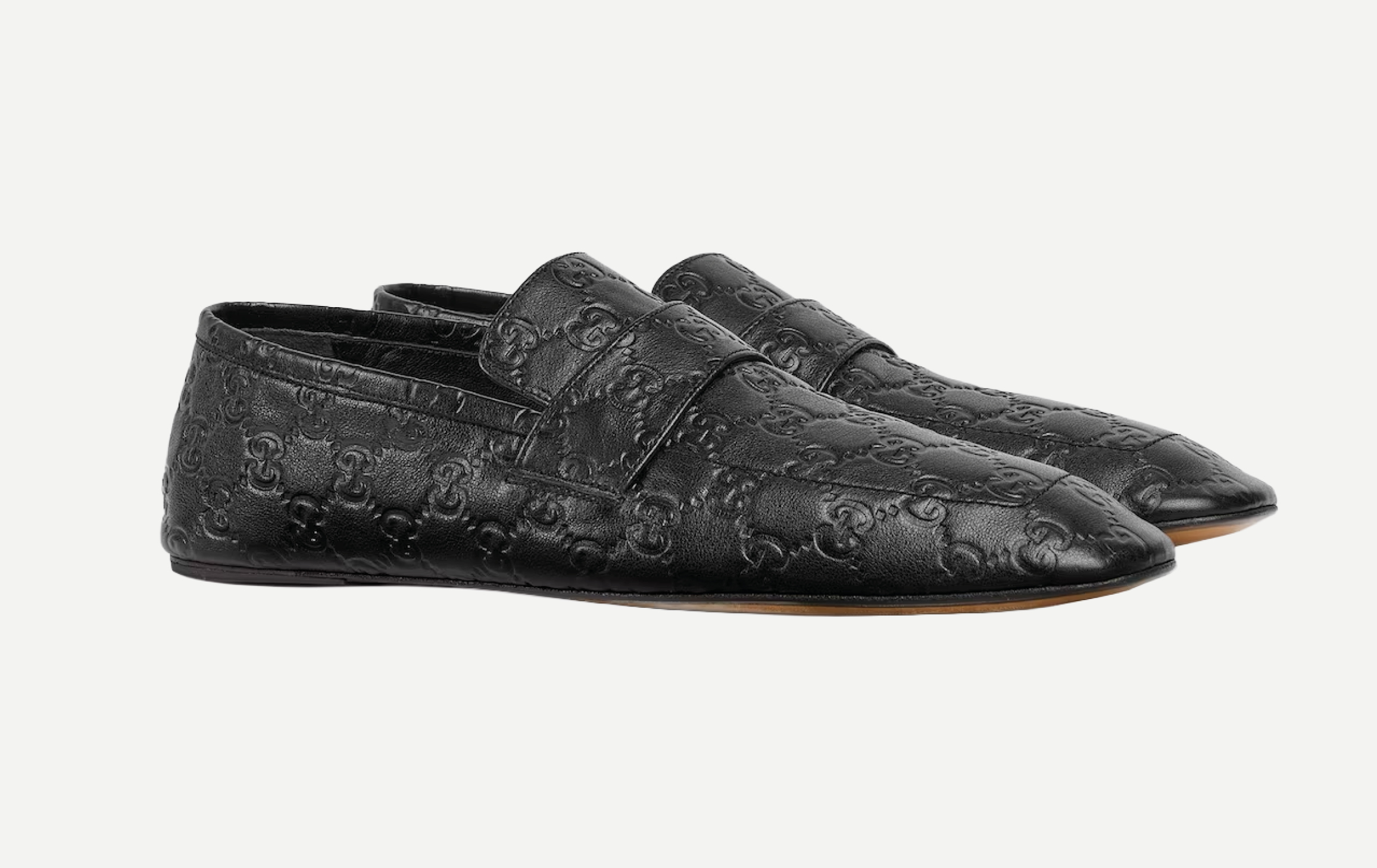
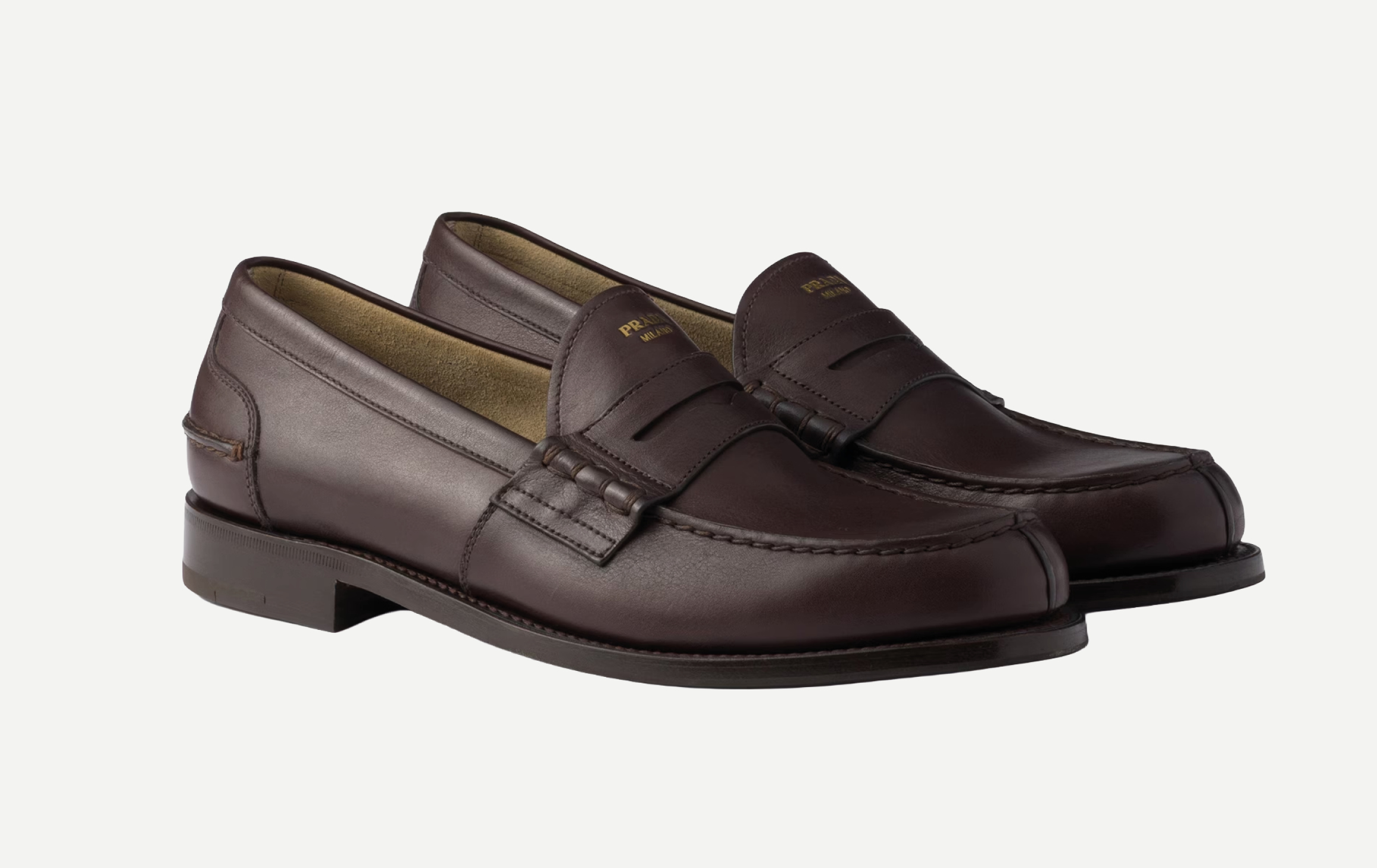
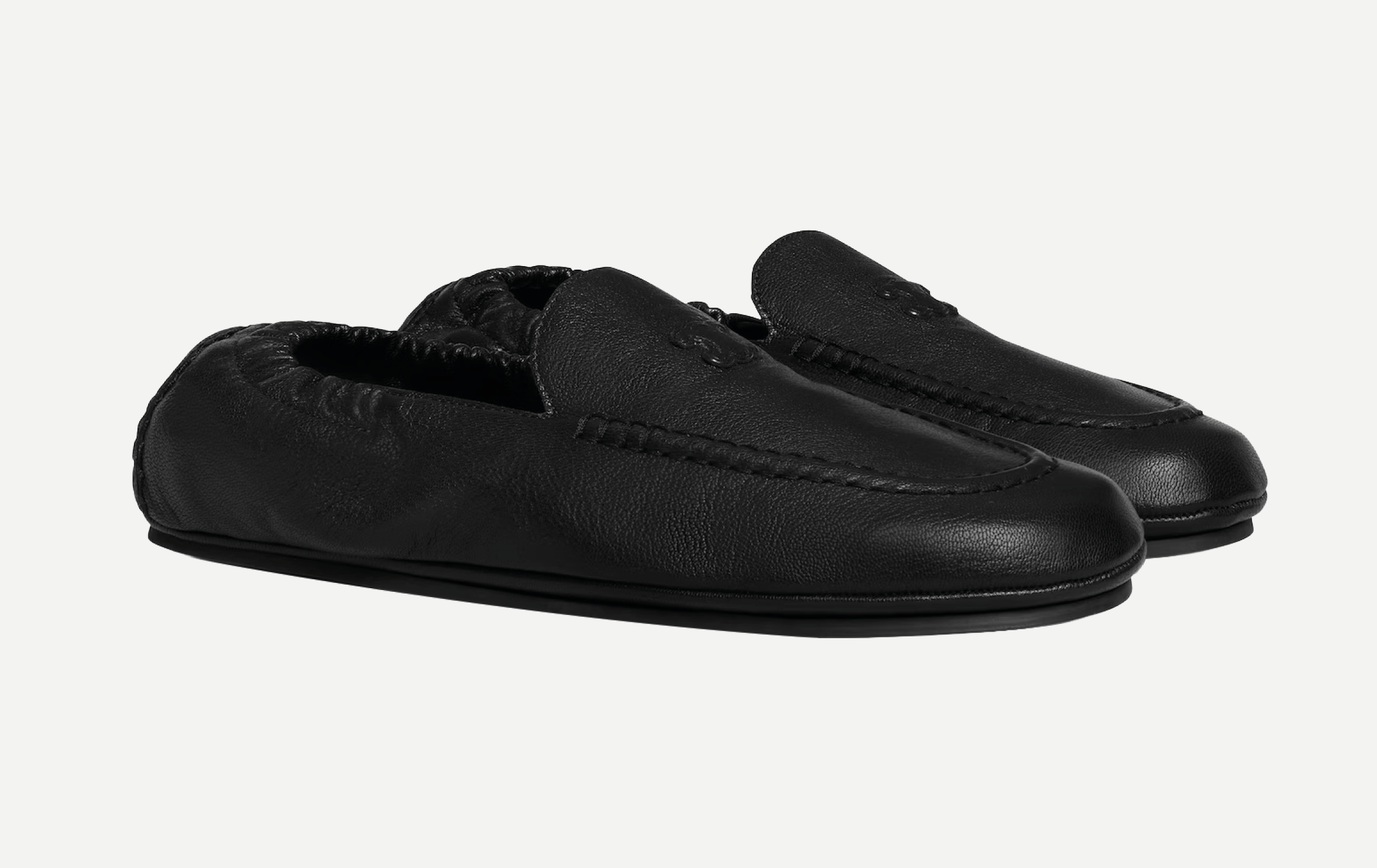
Men’s loafers have moved well beyond preppy predictability, emerging instead as a considered finishing touch. Their appeal now lies in their range, shifting easily from polished to more relaxed expressions through changes in material and detail. This season, texture takes focus, with woven finishes and softer constructions bringing a fresh dimension while maintaining a sense of quiet refinement. The right pair doesn’t just complete an outfit, it defines it.
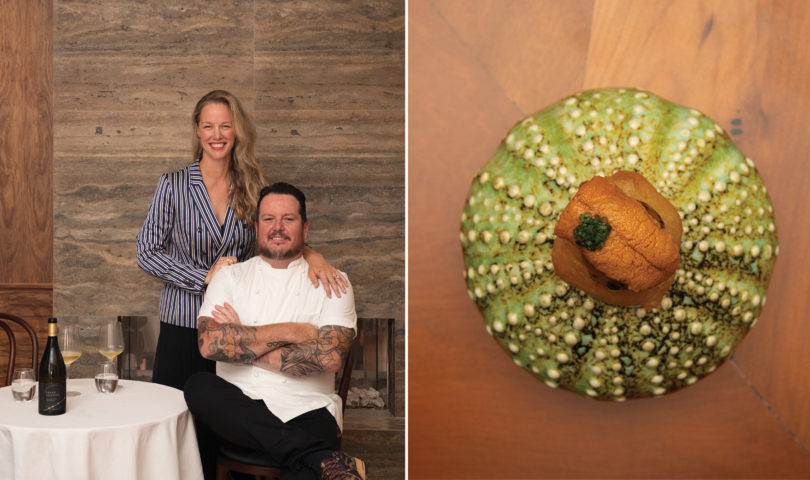
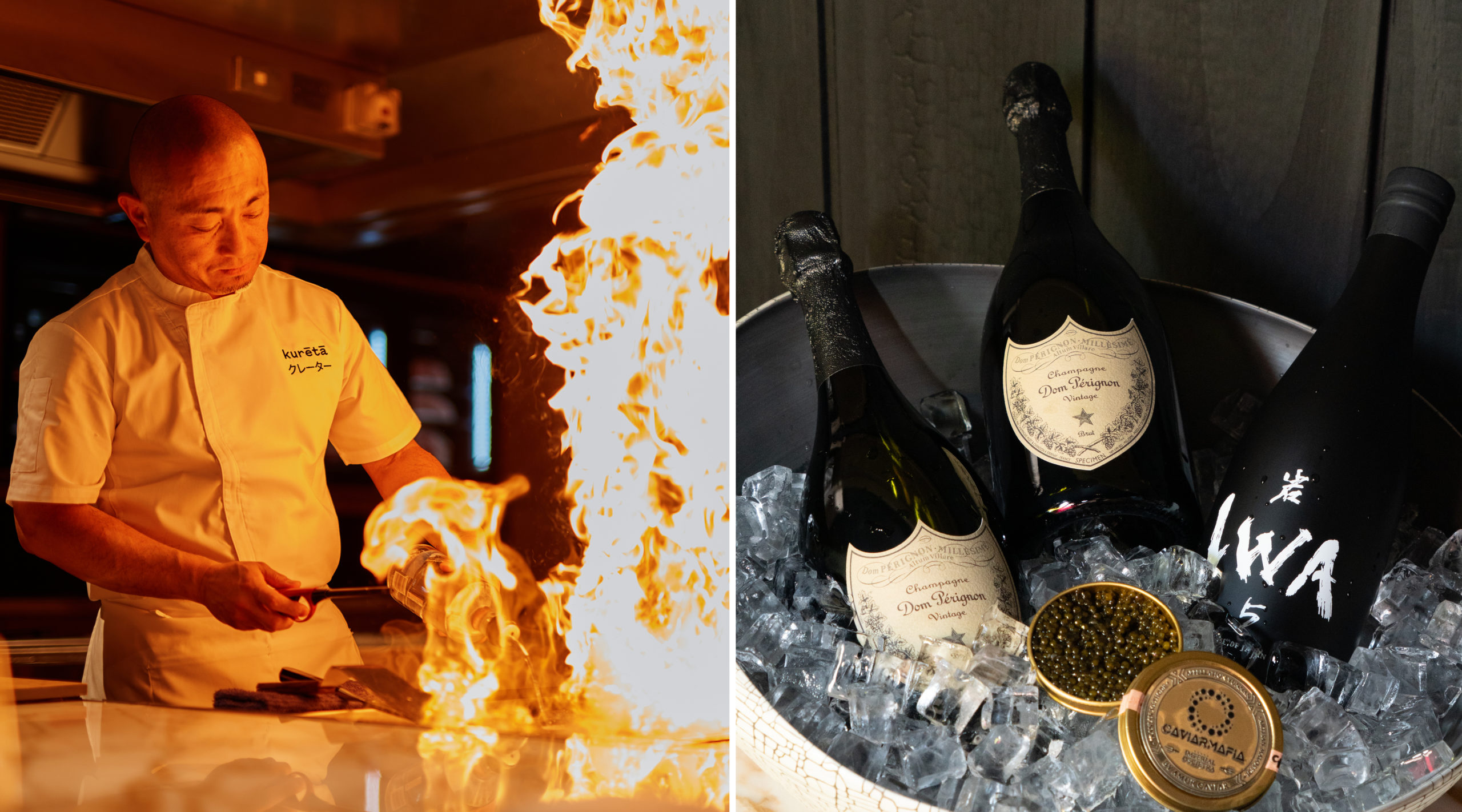
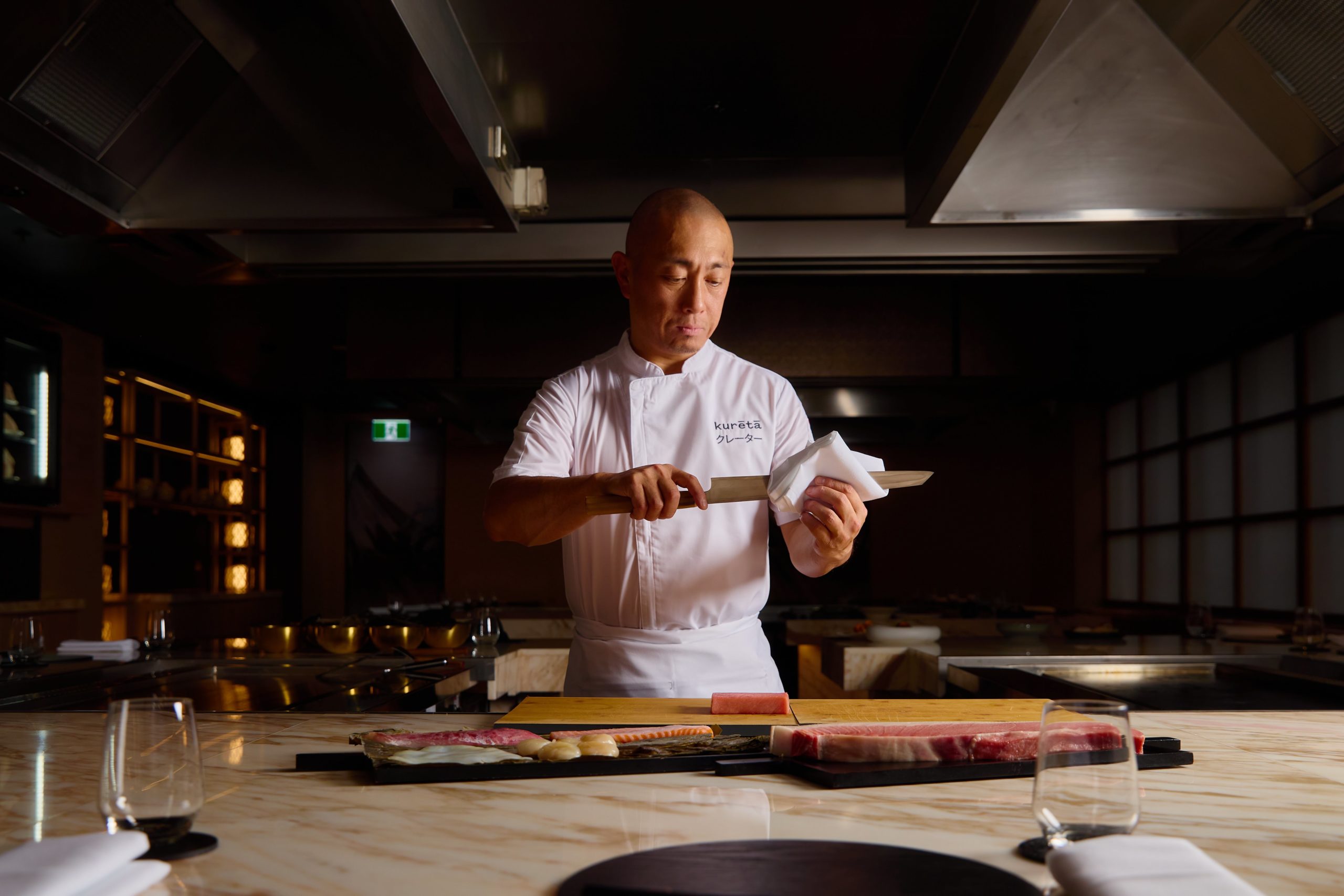
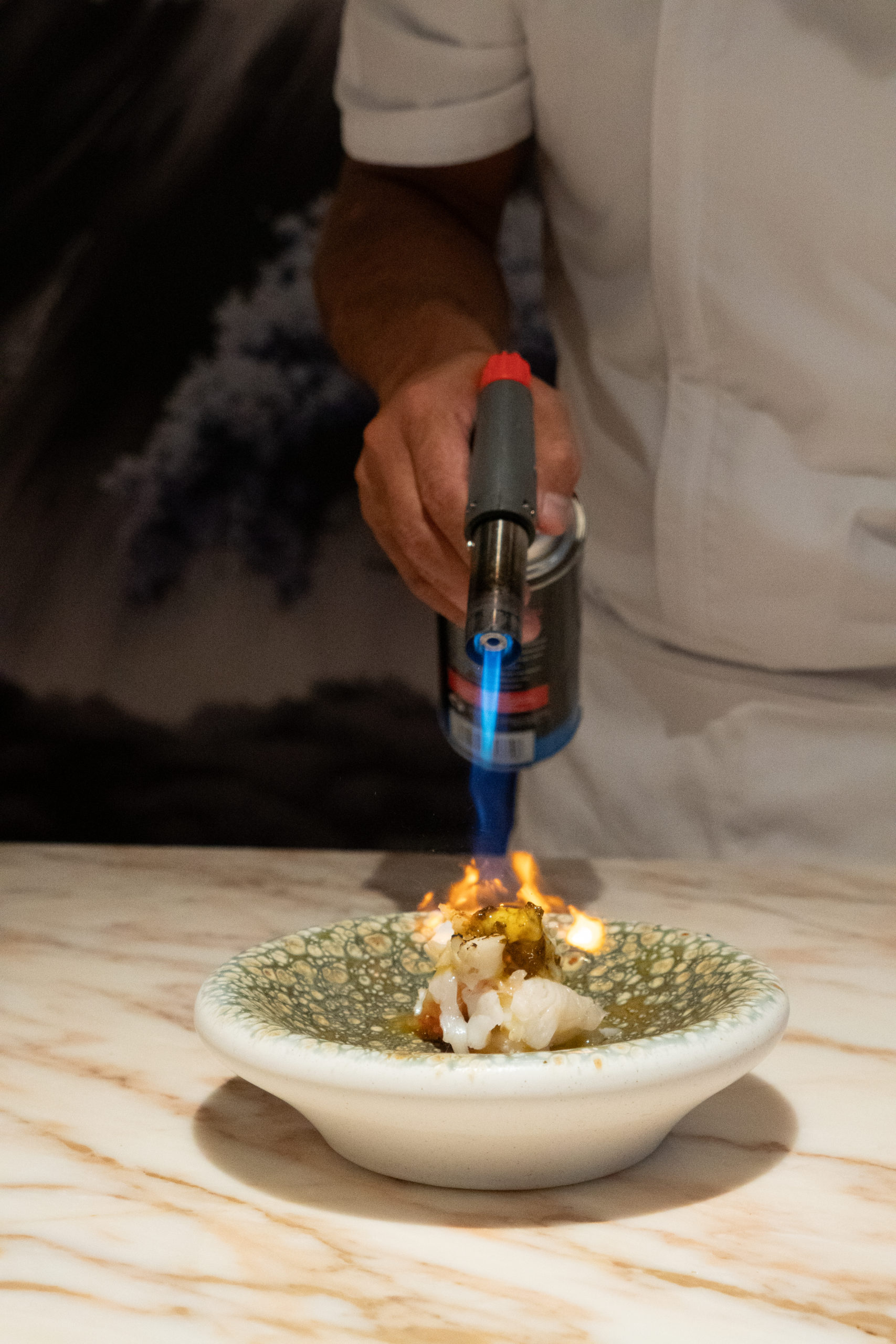
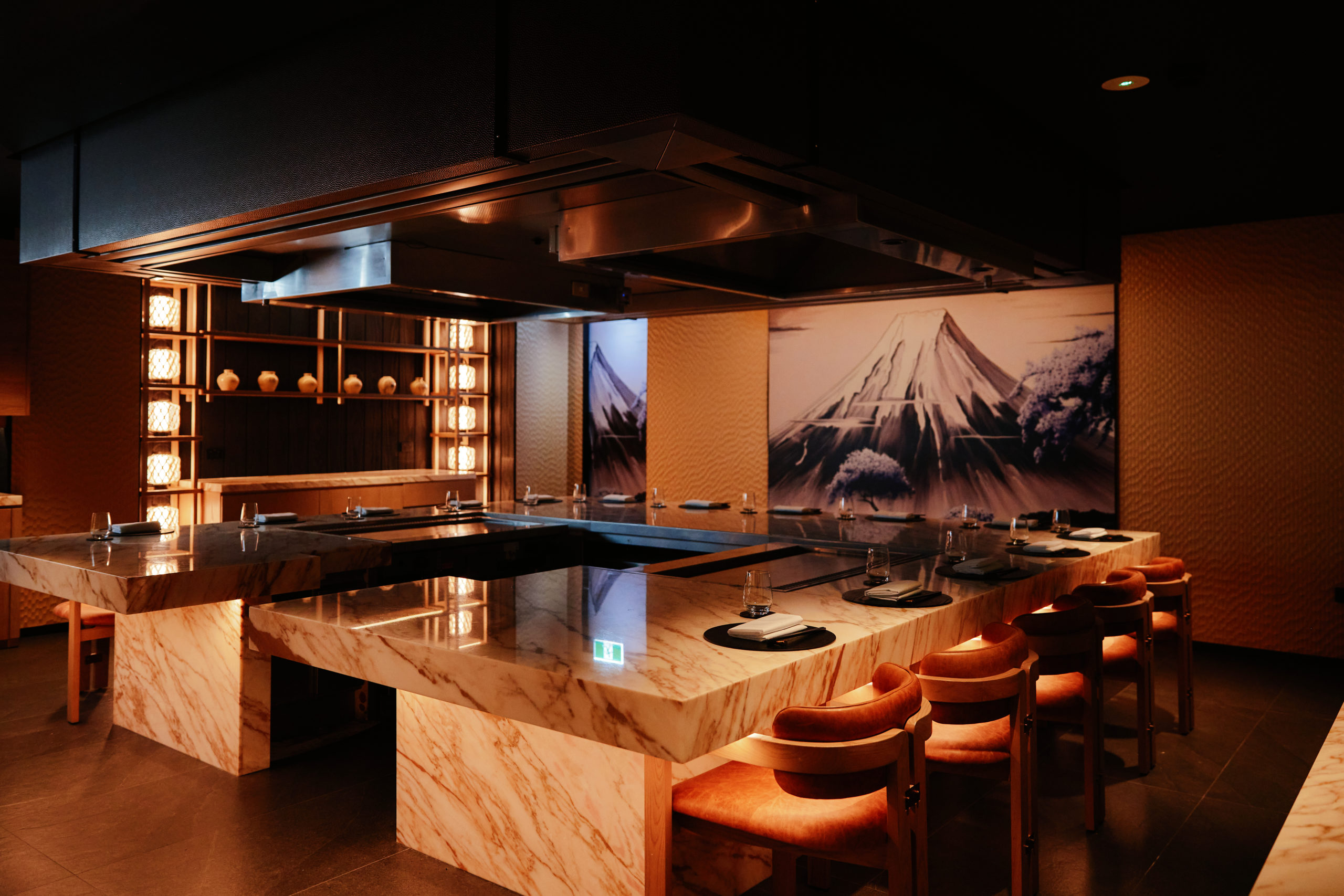
Since opening at the JW Marriott Auckland, Kureta has quietly established itself as the city’s most elevated teppan house. Far from the theatrics many associate with the format, this is omakase-driven cooking of real precision, led by Chef de Cuisine Akihiro Nakamura, whose two decades of training in Japanese culinary discipline shape every course that leaves the grill.
Chef Akihiro Nakamura
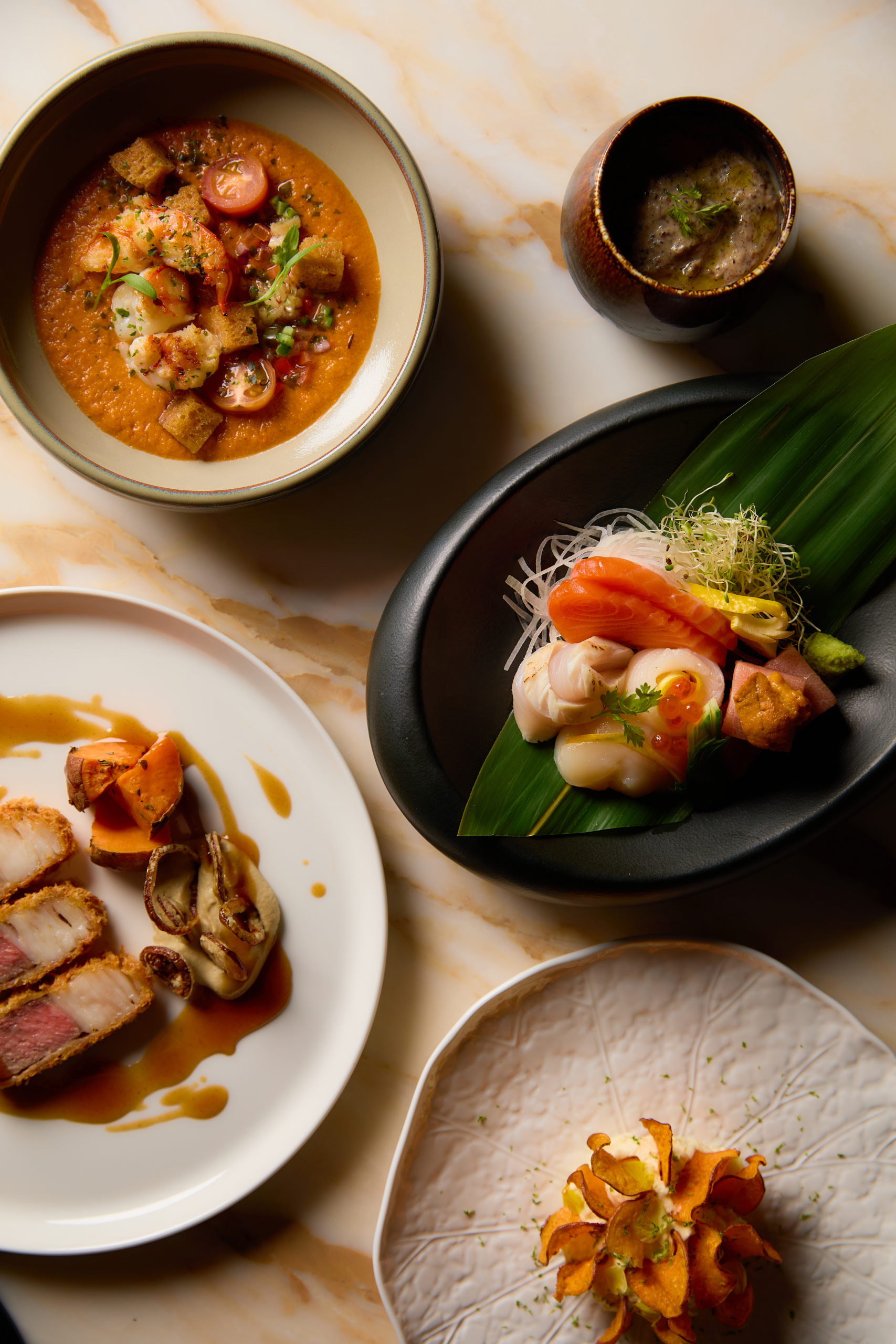
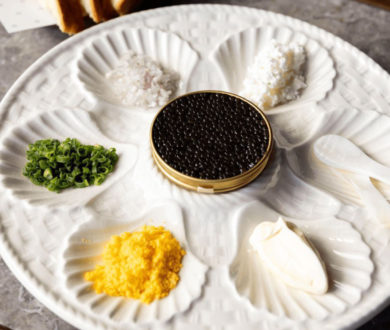
On Tuesday, 31st March, Kureta takes things further with a Night with Dom Pérignon, IWA Sake and Caviar Mafia, an exclusive collaboration bringing three globally recognised luxury brands together for a single, unrepeatable evening. The 10-course omakase journey features Imperial Oscietra Caviar atop Te Matuku oysters, A5 Japanese Wagyu Yakishabu finished with smoked Siberian ossetra caviar and kina sauce, dive-caught wild crayfish with nori butter, and a showstopping A5 Wagyu Katsu paired with Hibachi-grilled rice. Each course is matched with rare Dom Pérignon vintages and premium IWA Sake.
Adding to the evening’s significance, Charles-Antoine Picart, Co-Founder of IWA Sake, will be in attendance to share insights into the brand’s pioneering approach to sake blending, alongside Dean O’Reilly, Dom Pérignon’s Ambassador. With only two intimate seatings available and spaces nearly sold out, this is one of the most exclusive dining propositions Auckland has seen this year. At $495 per guest, it is an invitation into something genuinely rare.
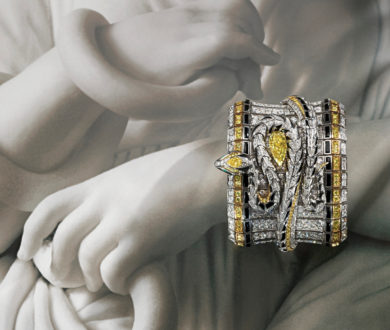
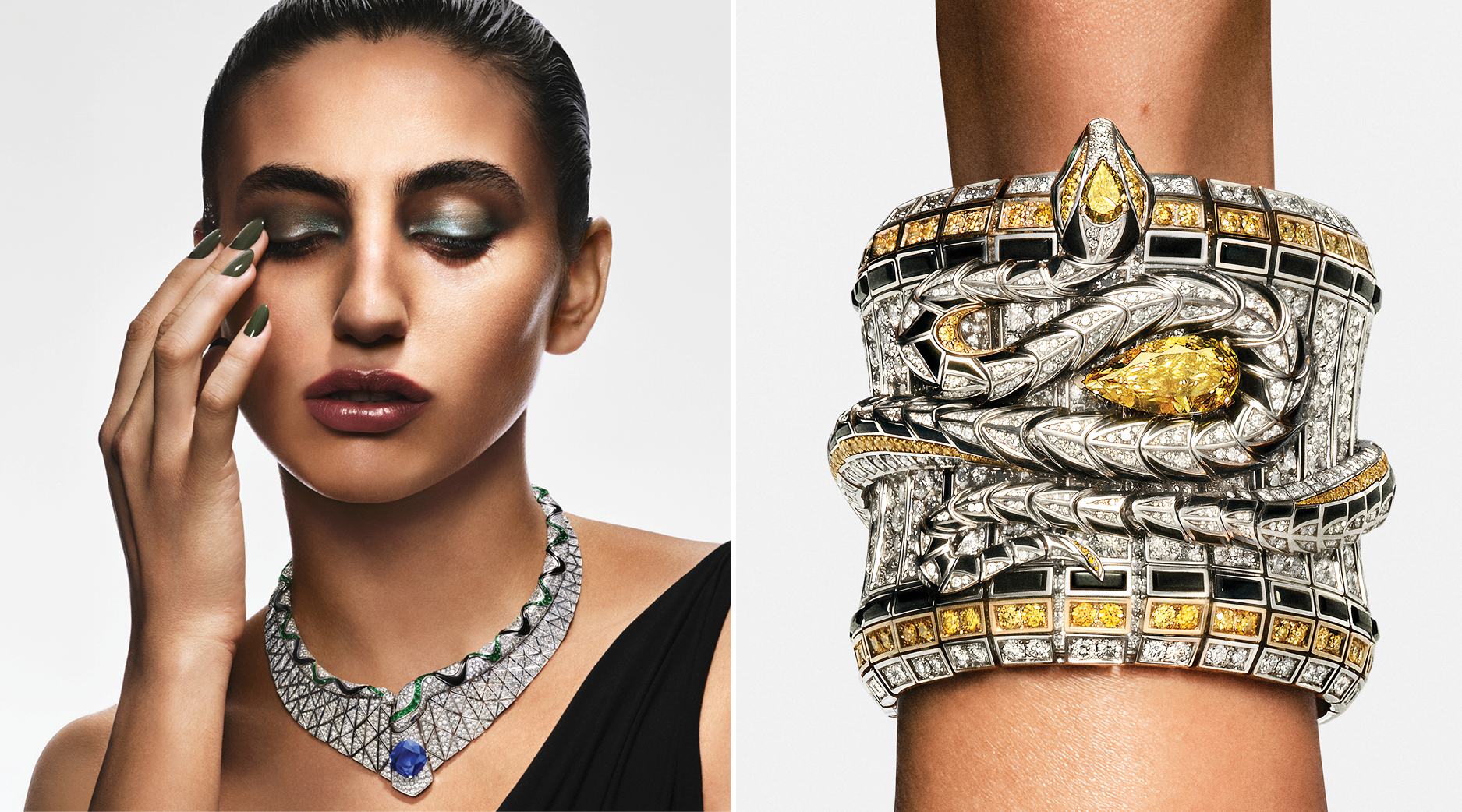
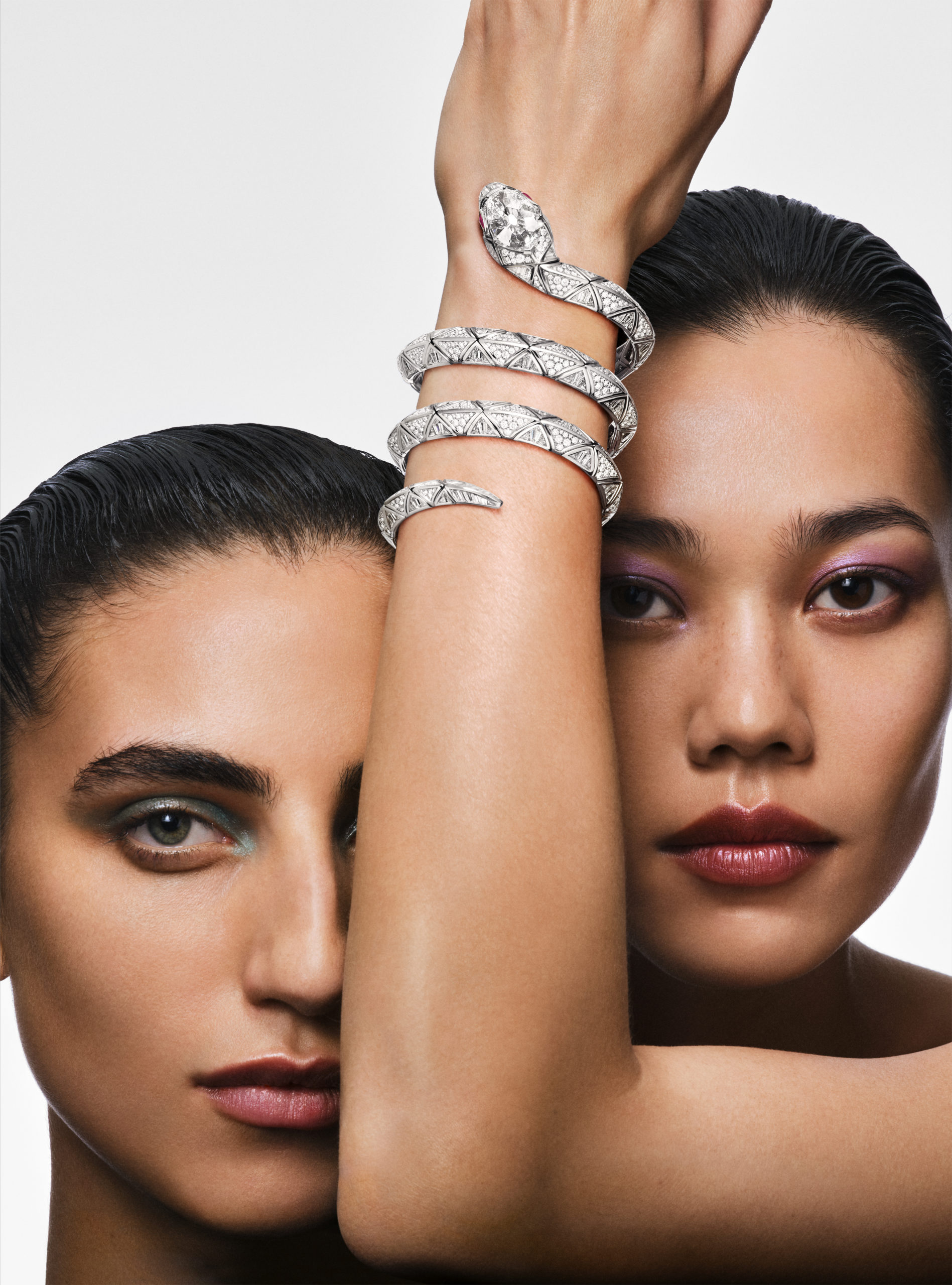
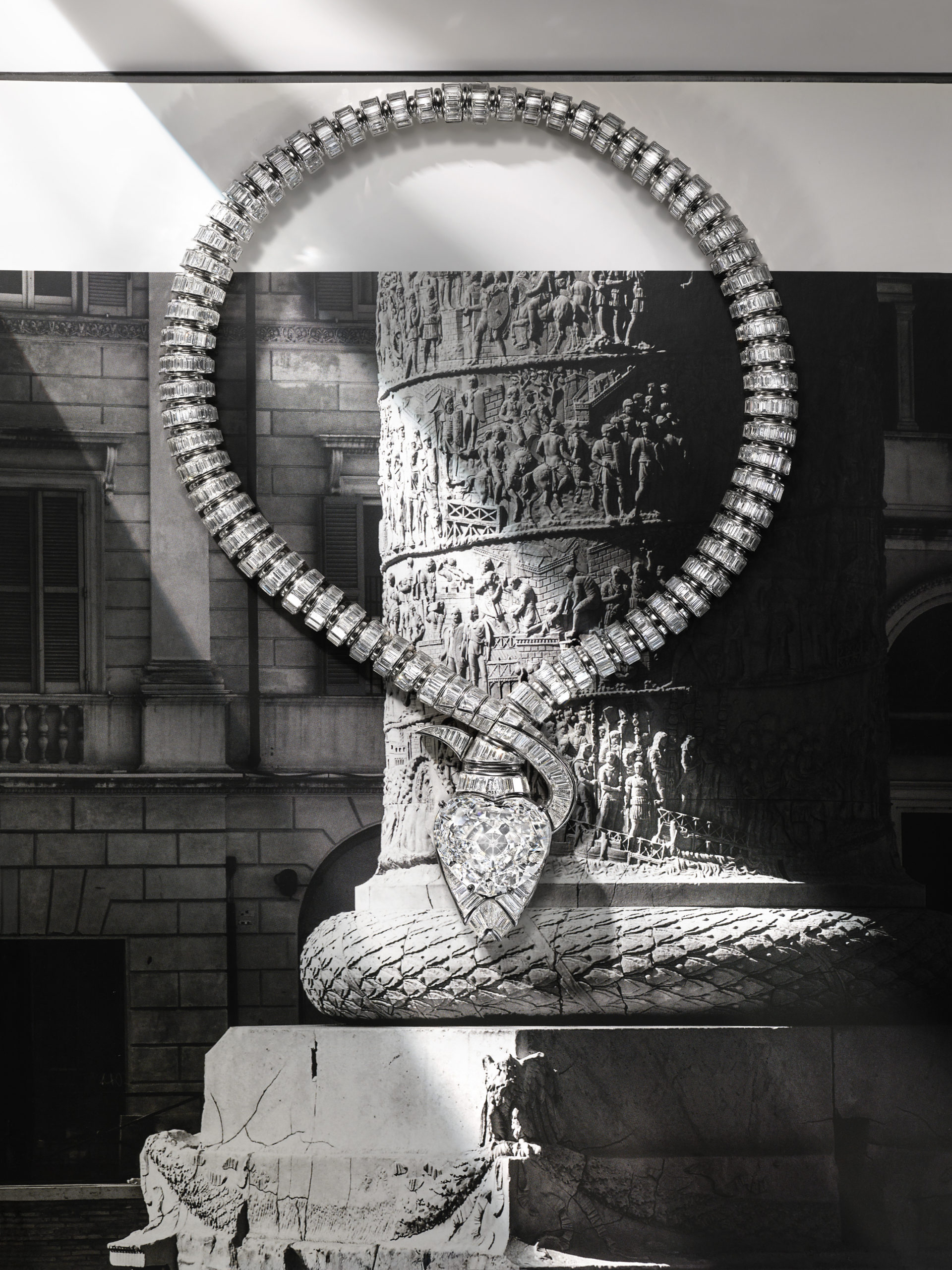
Bvlgari has never been one for restraint. With its latest high jewellery collection, Eclettica, the Roman house leans fully into its most instinctive trait: an unapologetic appetite for contrast, excess and imagination. The result is a collection that reads less like jewellery and more like a manifesto, positioning adornment as a form of living, breathing art.
At its core, Eclettica is about transformation. Not just in the technical sense, though there is plenty of that, but in the way Bvlgari continues to stretch the definition of what high jewellery can be. Sculpture, painting and architecture are not mere references here. They are the framework. Gemstones behave like brushstrokes, structures echo Roman geometry, and pieces move with a fluidity that feels almost improbable.
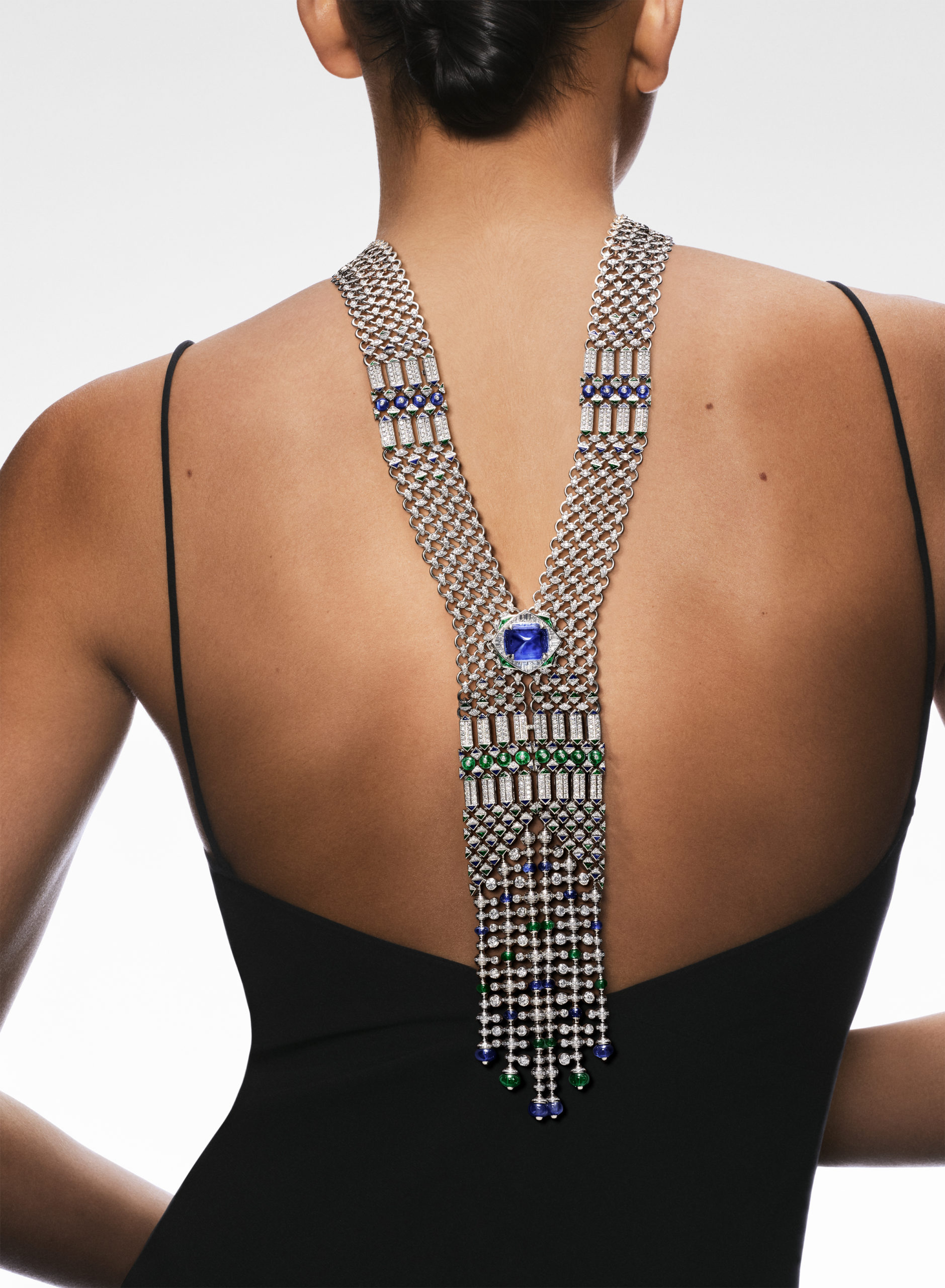
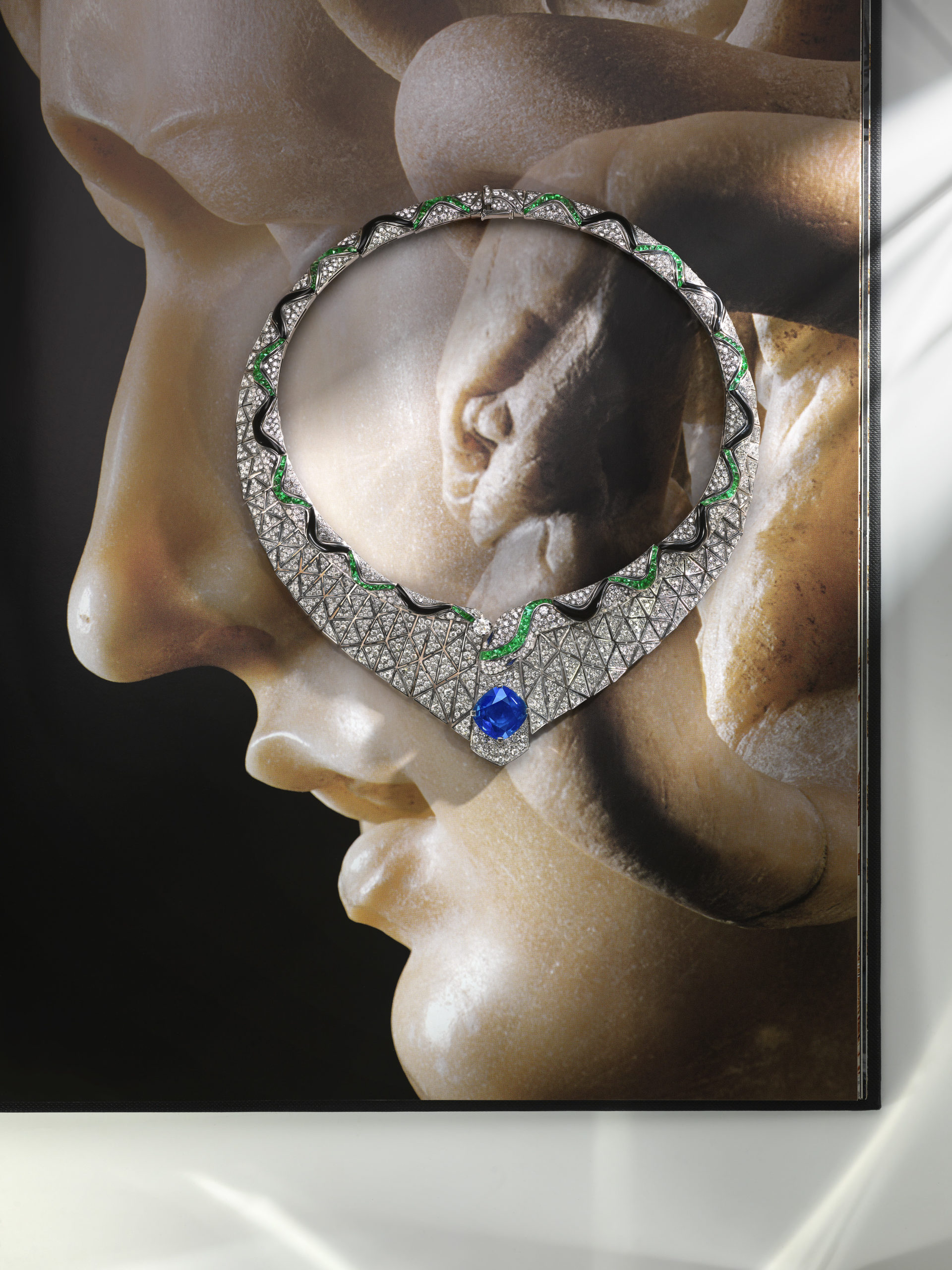
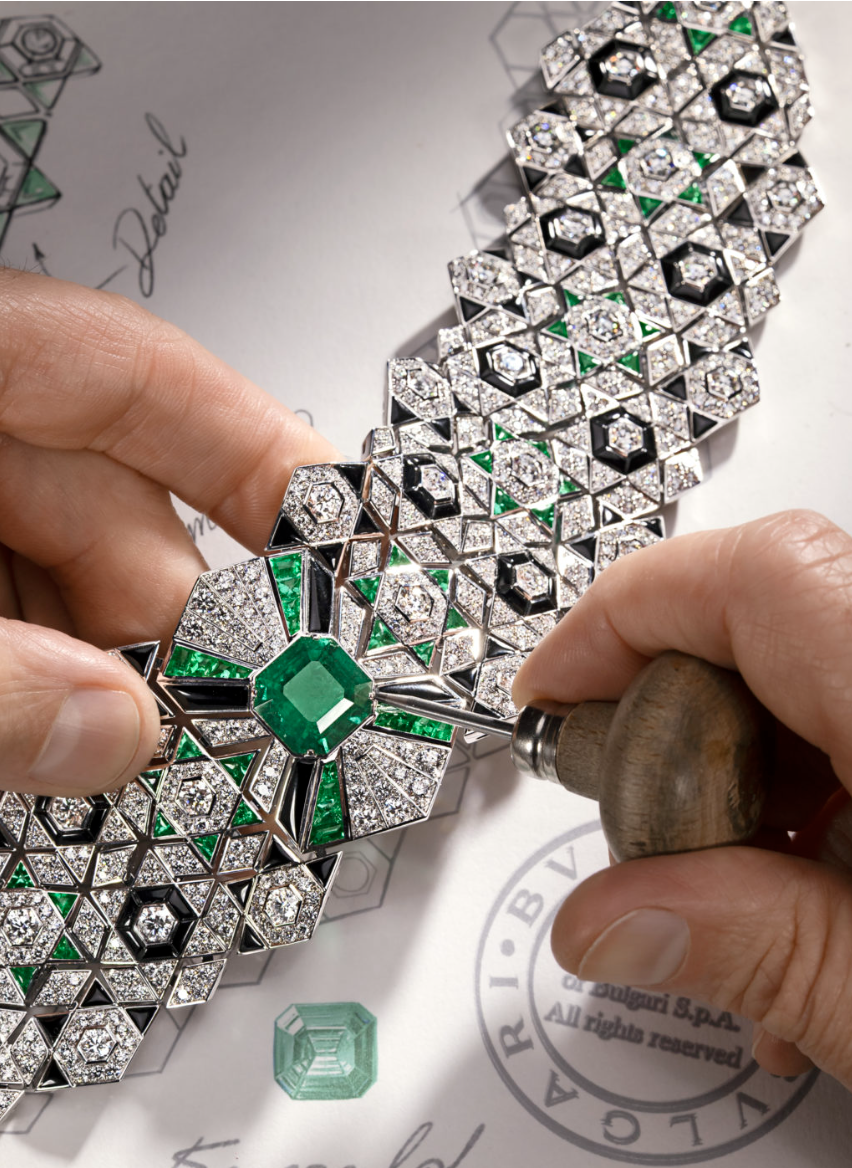
Some of the most compelling creations are found in the collection’s Capolavori, or masterpieces. Chief among them is the Seres Scarf necklace, a piece that borders on the surreal. Crafted from over a thousand individual elements and requiring more than 1,600 hours of workmanship, it drapes and folds like fabric, yet is entirely composed of diamonds, emeralds and sapphires. It is, quite literally, a jewellery scarf. Not an illusion, not a suggestion. The real thing.
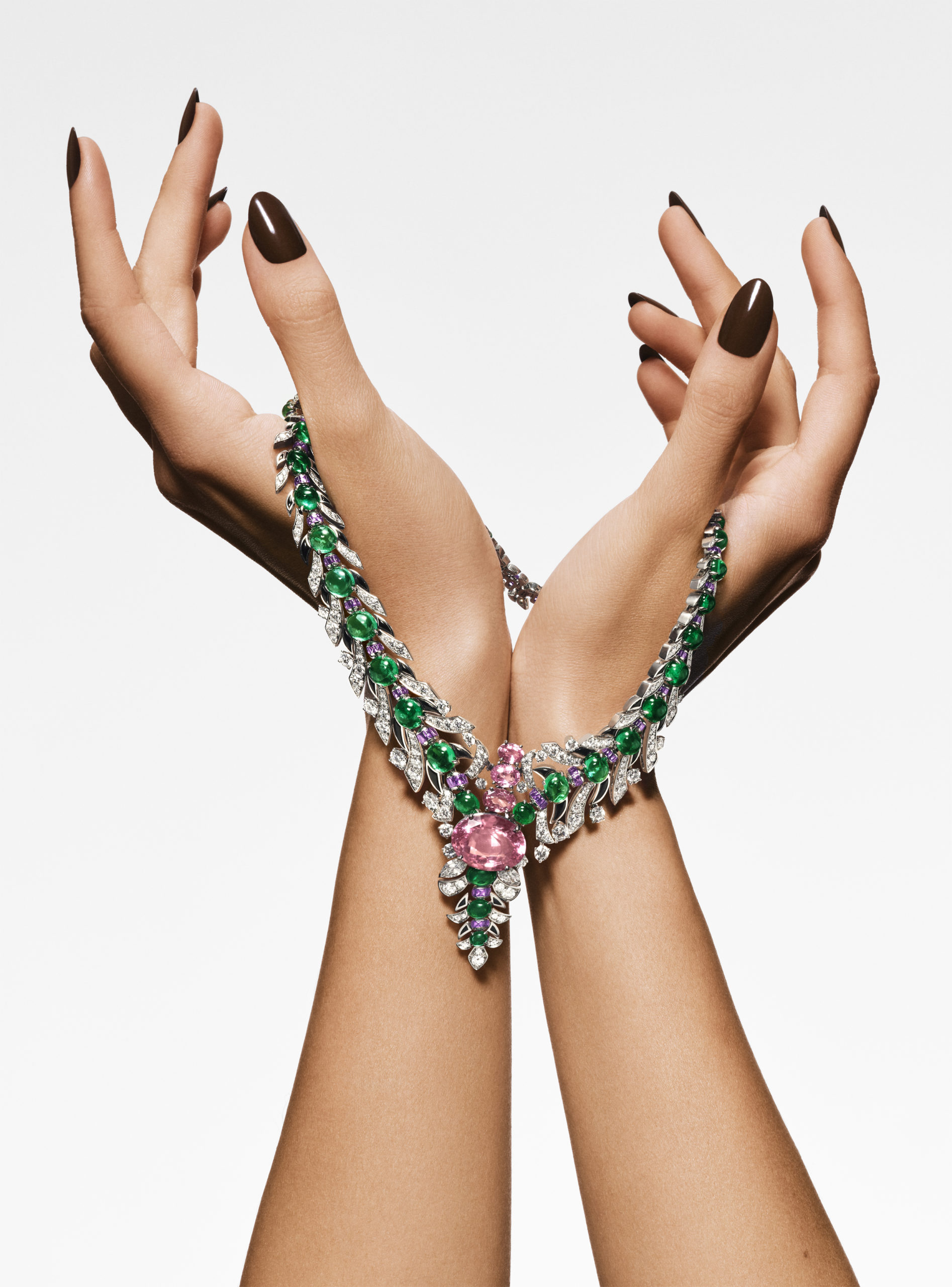
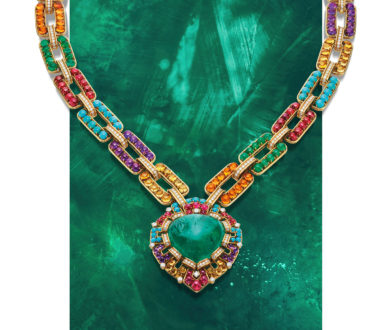
Then there is the Secret Garden necklace, anchored by a Padparadscha sapphire of rare pedigree. Known as the “King of Sapphires”, this elusive stone sits in that fleeting space between pink and orange, a colour so precise it feels almost fictional. At 26.65 carats, the example sourced here is exceptional, the kind of gemstone collectors spend lifetimes chasing. Its presence dictates everything around it, from the calibrated diamond cuts to the interplay of emeralds and onyx that frame its glow.
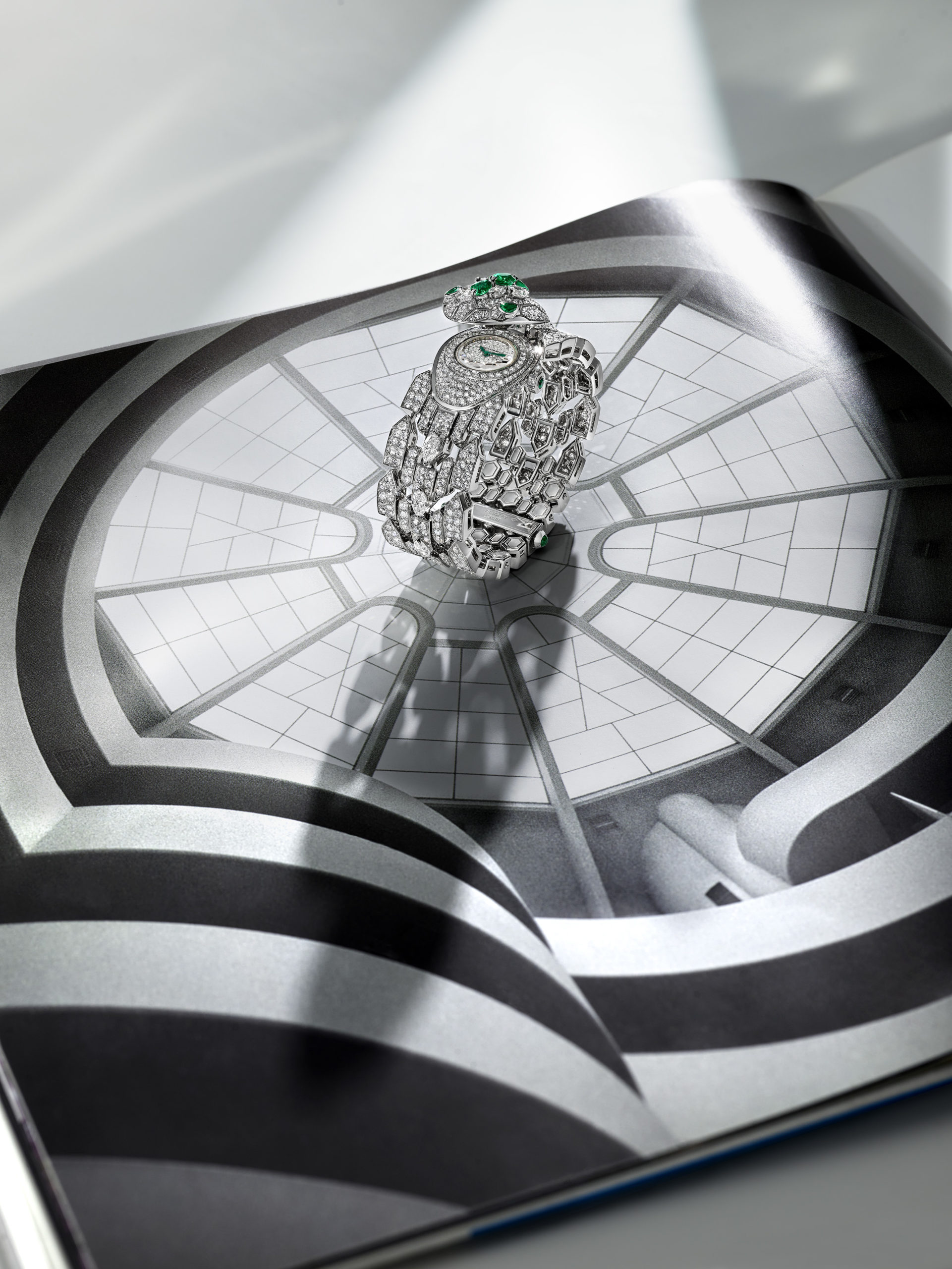
Elsewhere, the collection continues its exploration of movement and illusion. Serpenti forms dissolve into negative space, necklaces mimic architectural precision while remaining improbably supple, and transformable elements allow pieces to shift identity entirely. This is jewellery that refuses to sit still, either physically or conceptually.
This bold new chapter for Bvlgari high jewellery sees art, architecture and audacity collide. What Eclettica ultimately delivers is a reminder that high jewellery, at its best, should surprise. Not politely, but completely.
For more exclusive access to what the city has to offer, engaging content, excellent imagery and thought provoking commentary on the life that surrounds you, subscribe to Denizen magazine now.