


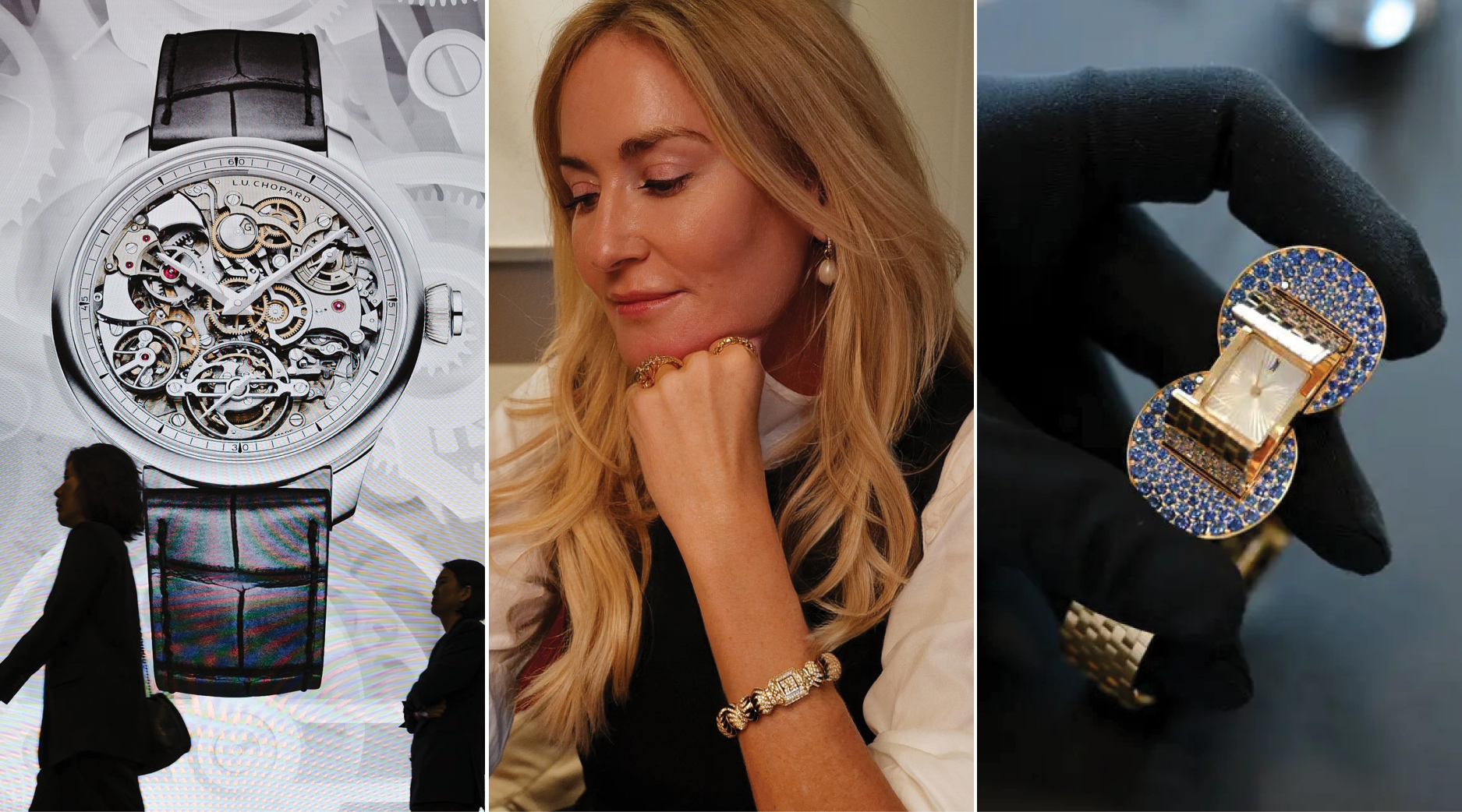
Excuse the pun, but given these times, we once again find ourselves in a situation where attending this year’s Watches and Wonders event in Geneva was, for me at least, all about timing. In the 11th hour, I decided not to let the machinations of the world get in the way of telling a good story. Especially if it was to be a story as old as time.
The first thing that grabs me about Geneva is the light. Low and bright across the lake, Mont Blanc fills the horizon in a way that makes everything below it feel precisely located and, at the same time, very small. It is an appropriate backdrop for an industry that has spent centuries insisting that time is not something to be measured carelessly.
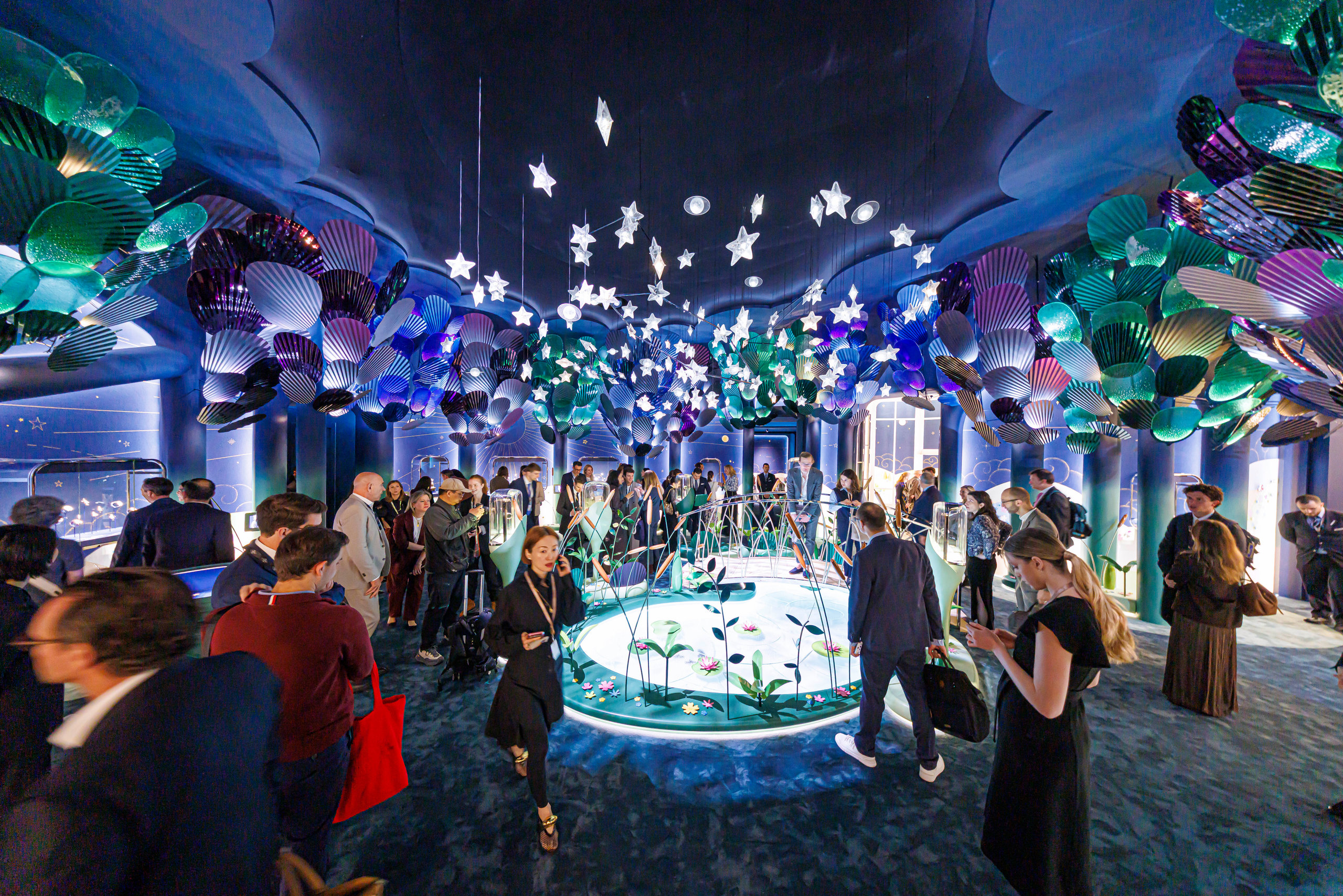
I have followed fine watchmaking for years from a comfortable editorial distance, admiring the craft, understanding the codes, writing about the pieces. But there is a difference between knowing about something and standing inside it, and at Watches and Wonders 2026, surrounded by sixty-six of the world’s most significant watchmakers presenting their newest work with the kind of conviction that borders on devotion, that difference became very clear.
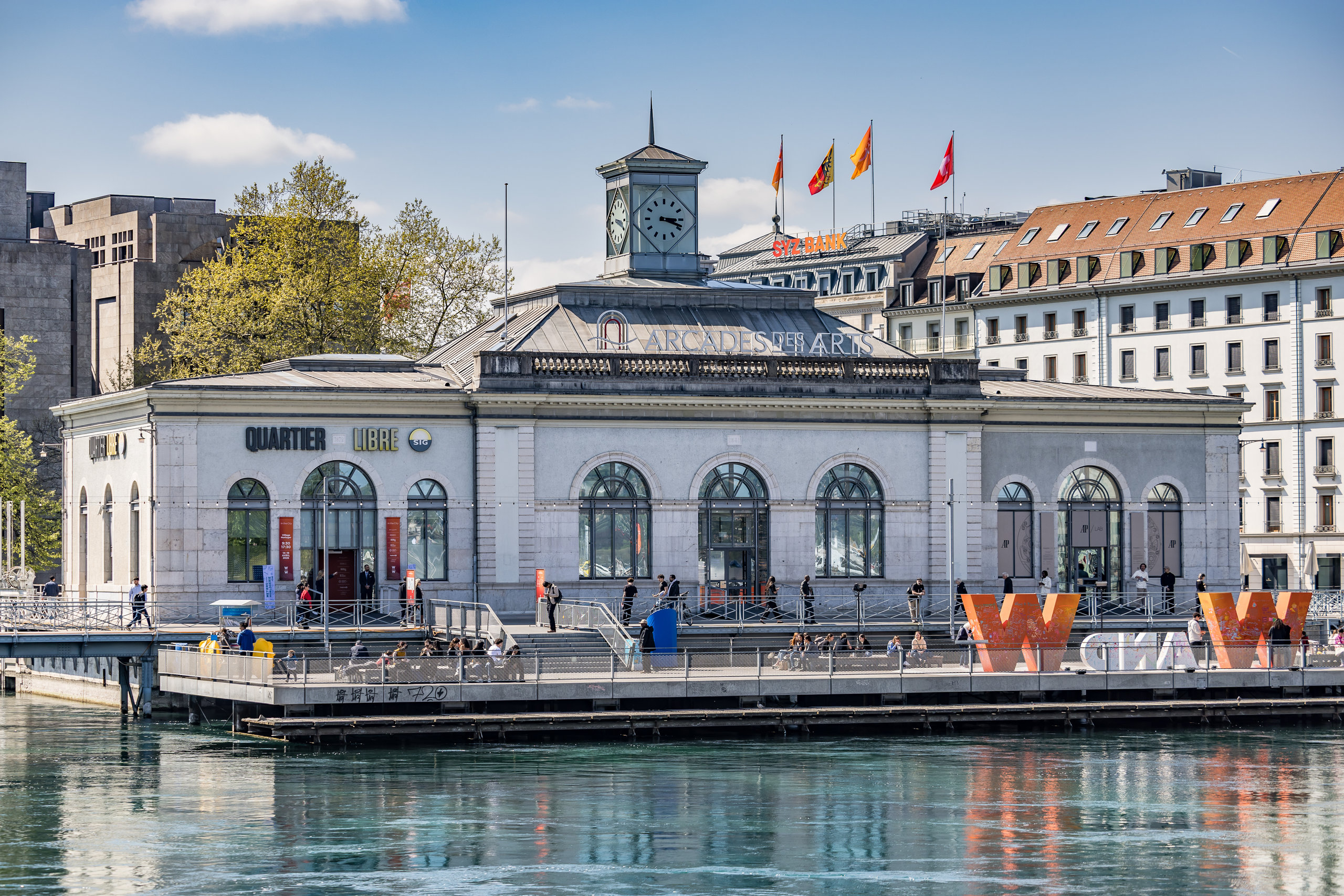
The fair takes place at Palexpo, a sprawling convention centre on the edge of the city, but the city itself is the context. Geneva has been the centre of the watchmaking world for centuries. Its expertise was shaped, in part, by the arrival of Protestant craftsmen from France who brought their skills in miniature mechanics and found, in this particular city on this particular lake, the conditions to become, over the following generations, synonymous with time measurement. Walk the old town now, and the watchmakers’ quarter still exists in its original geography. The workshops are there. The knowledge is still being passed hand to hand. Switzerland’s watch industry is the country’s third-largest export sector, behind chemicals and machinery, worth CHF 25.5 billion (roughly $55 billion NZD) in 2025. This is not heritage. It is a functioning, significant economy.
What Watches and Wonders has become is, in some ways, a reflection of that seriousness. Once a deliberately closed event for the trade, it now sells public tickets, and last year more than 23,000 people attended the public days, a 21 per cent increase on the year before. There is a conversation to be had about what opens and closes when the doors open wider, but having attended for the first time, I found myself firmly on the side of accessibility. What is on display here is too remarkable to be kept behind a trade badge.
Sixty-six brands. Hundreds of new timepieces. The task of making sense of it is genuinely formidable, and the first day is largely an exercise in recalibrating your sense of scale. The attendees themselves are a study in quiet authority: collectors who travel for this alone, independent watchmakers in conversation with the heads of maisons they admire, journalists who have been doing this for thirty years, standing next to a new generation of enthusiasts who arrived via Instagram and stayed for the movements. The enthusiasm, on all sides, is real.
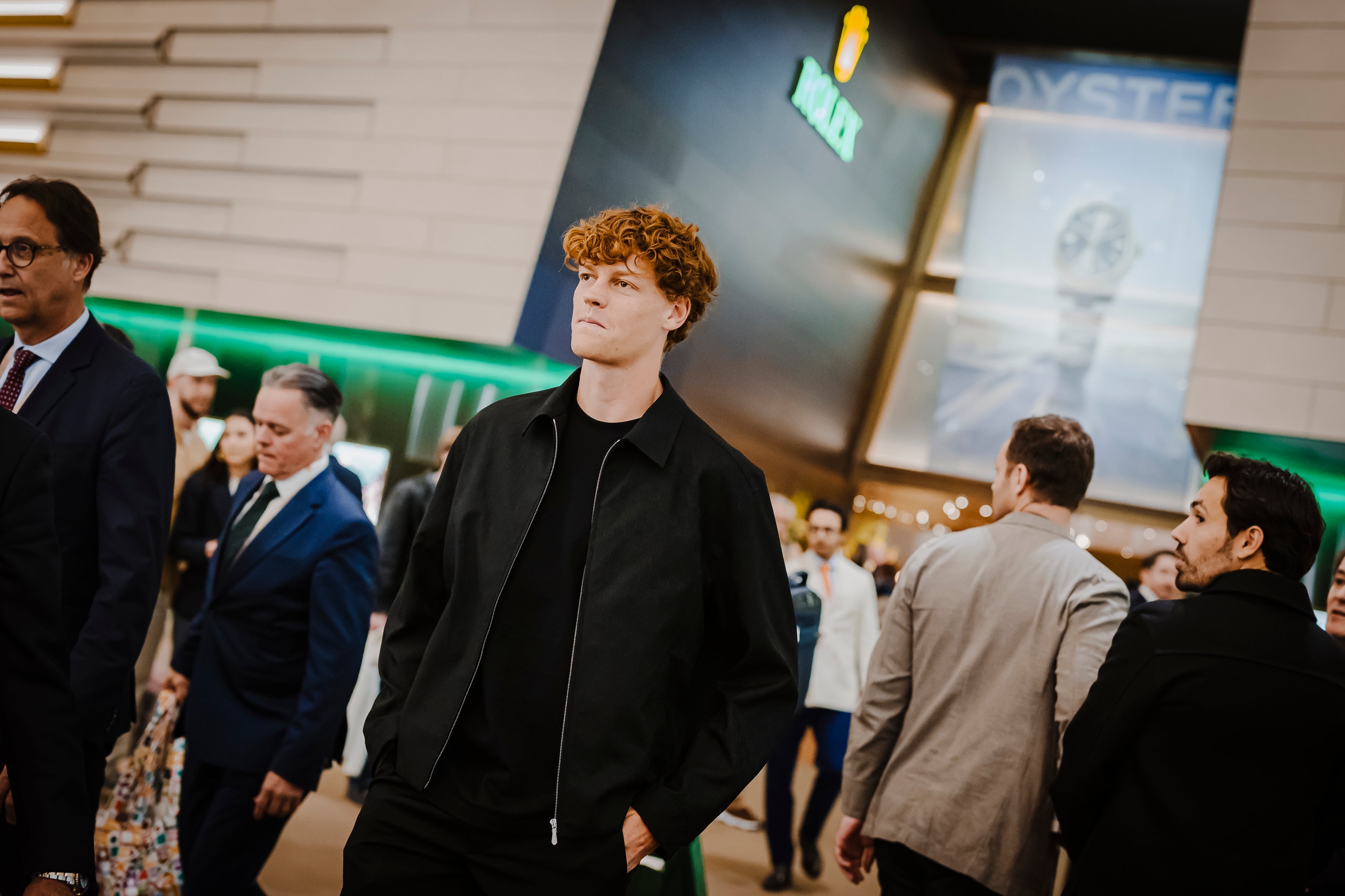
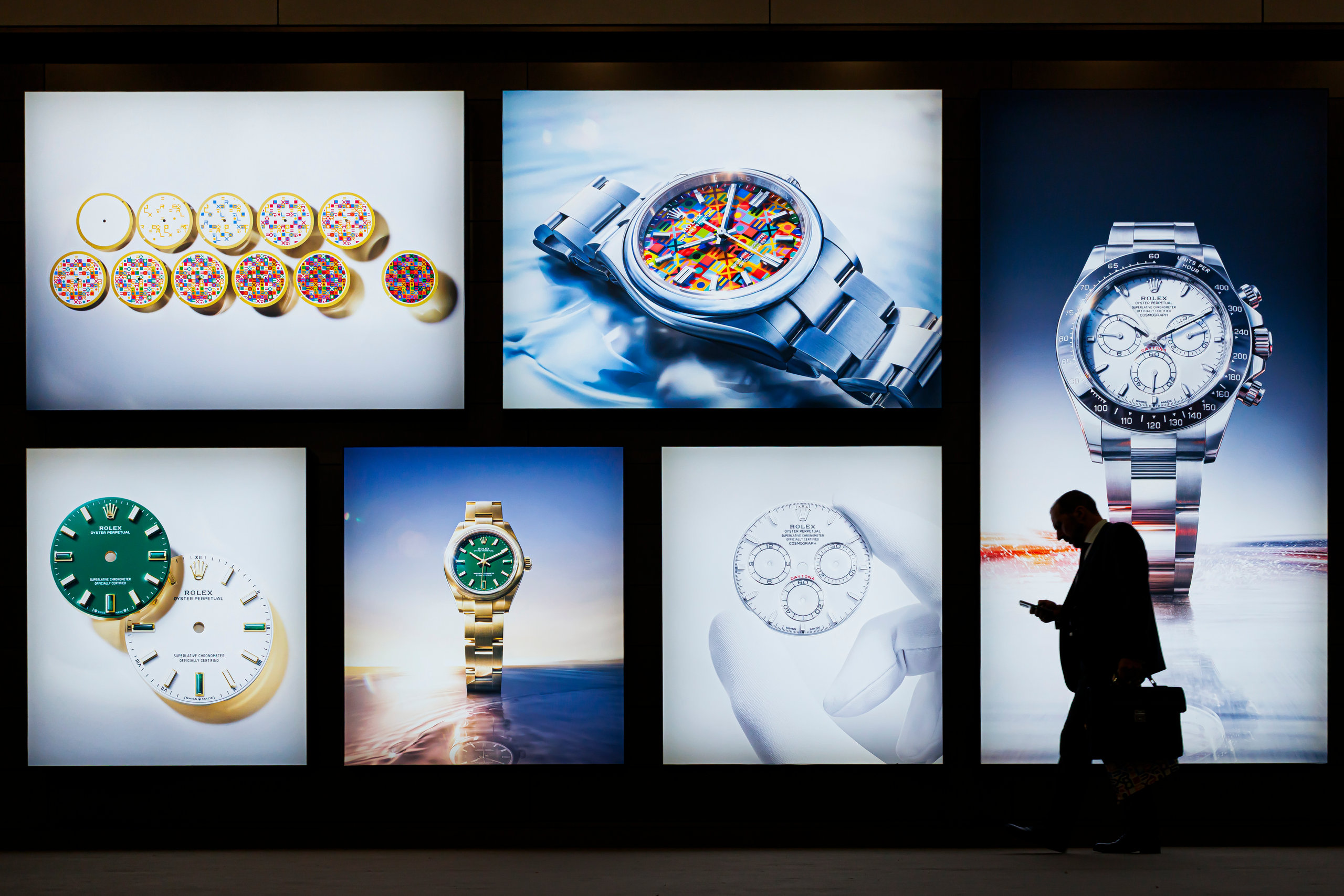
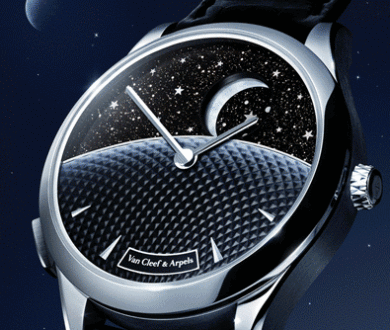
Rolex arrives with centenary authority. One hundred years of the Oyster, marked not with nostalgia but with two off-catalogue Exceptional Watches and a new proprietary gold alloy that sits between yellow and rose and commits to neither, the kind of material problem the industry has been circling for years. Van Cleef & Arpels brings a moonphase four years in development, a dual-timezone watch with an enamel dial that shifts colour with the light depending on the angle of the sun, and a pair of miniature-painted watches telling a celestial love story that dates back to the Han dynasty. Sitting with Rainer Bernard, the maison’s watchmaking research and development director, the word “poetry” resolves itself from metaphor into technical instruction.
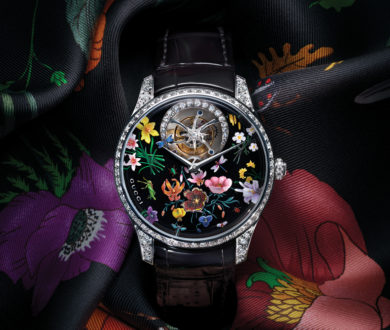
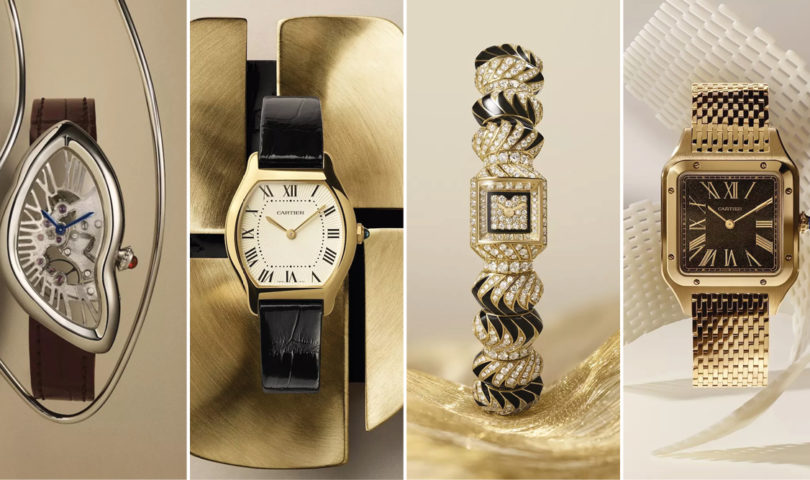
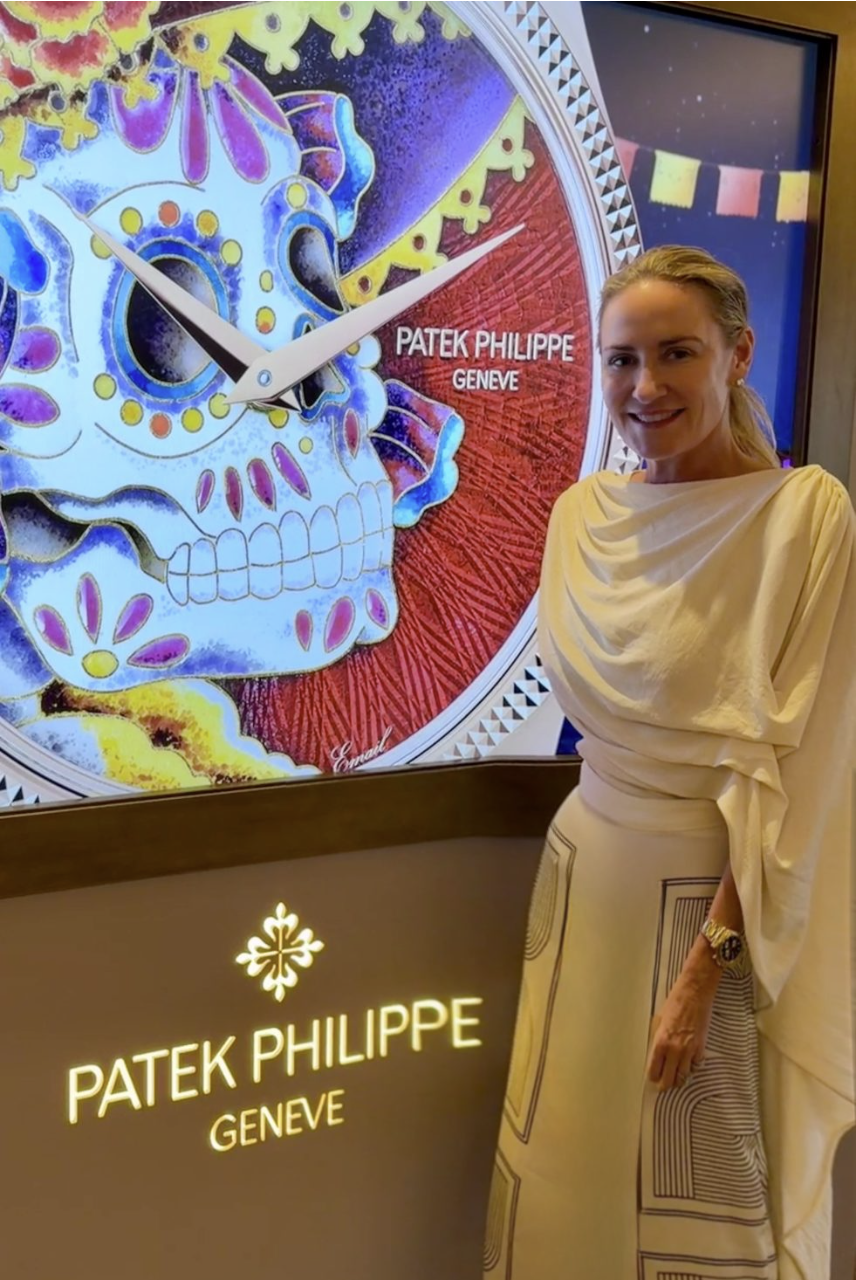
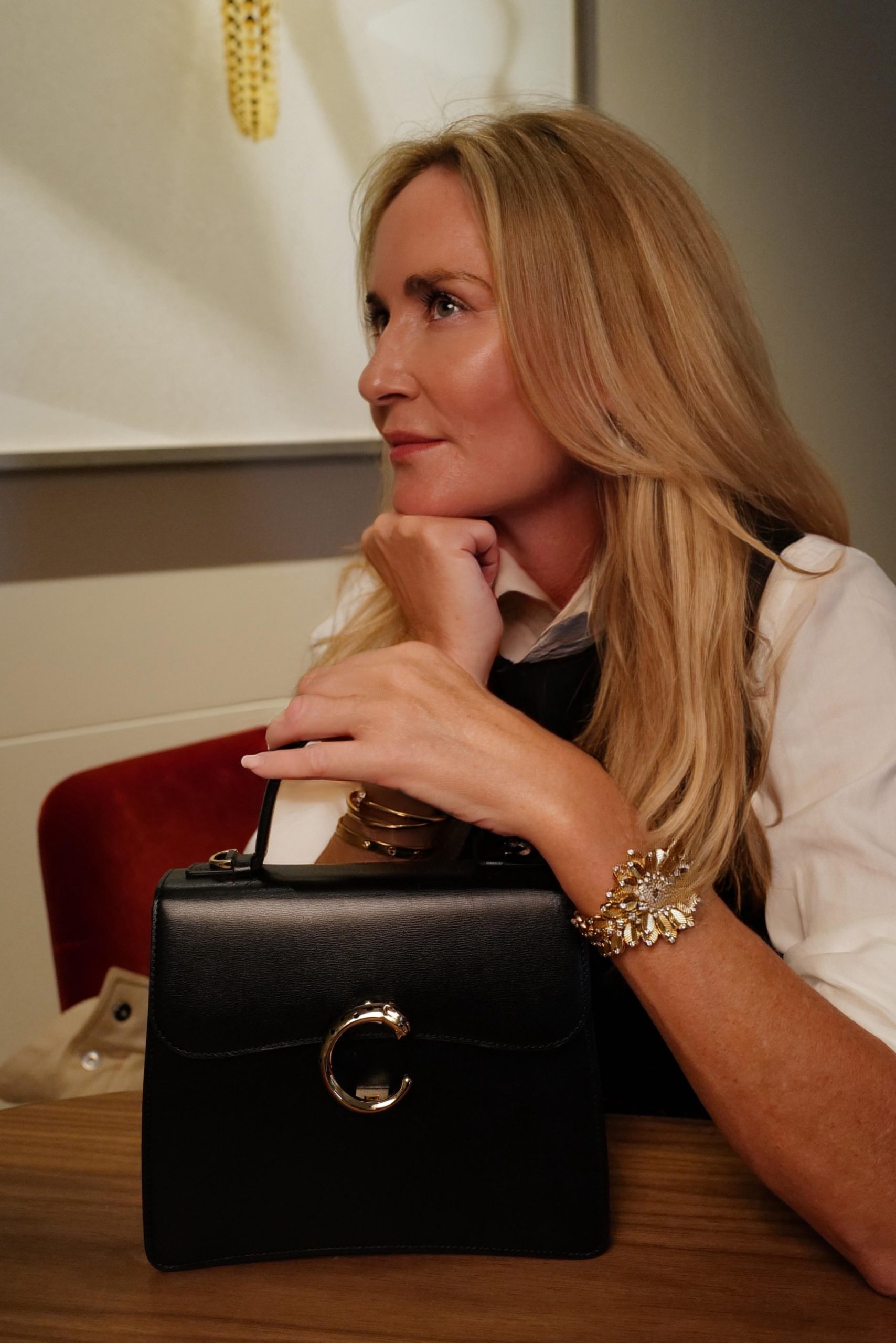
Patek Philippe presents twenty new models and, for the first time in the brand’s modern history, an automaton wristwatch: a La Fontaine fable animated on demand beneath a rose gold case, drawn from a 1958 pocket watch held in the Patek museum. Cartier skeletonises the Crash, brings the Roadster back after two decades, and presents a Santos-Dumont with a dial of volcanic obsidian, sliced to 0.3mm, no two pieces identical. Bvlgari reduces the Octo Finissimo to 37mm, which required building an entirely new movement from scratch, every component reconsidered from the beginning, except two. Gucci brings feather artist Nelly Saunier to four tourbillons built from archival scarf prints, and the result stops conversation. Piaget sculpts pendant watches from single blocks of tiger’s eye, verdite, and pietersite, resolving horology and jewellery, as Piaget has always maintained they should be, into a single object.
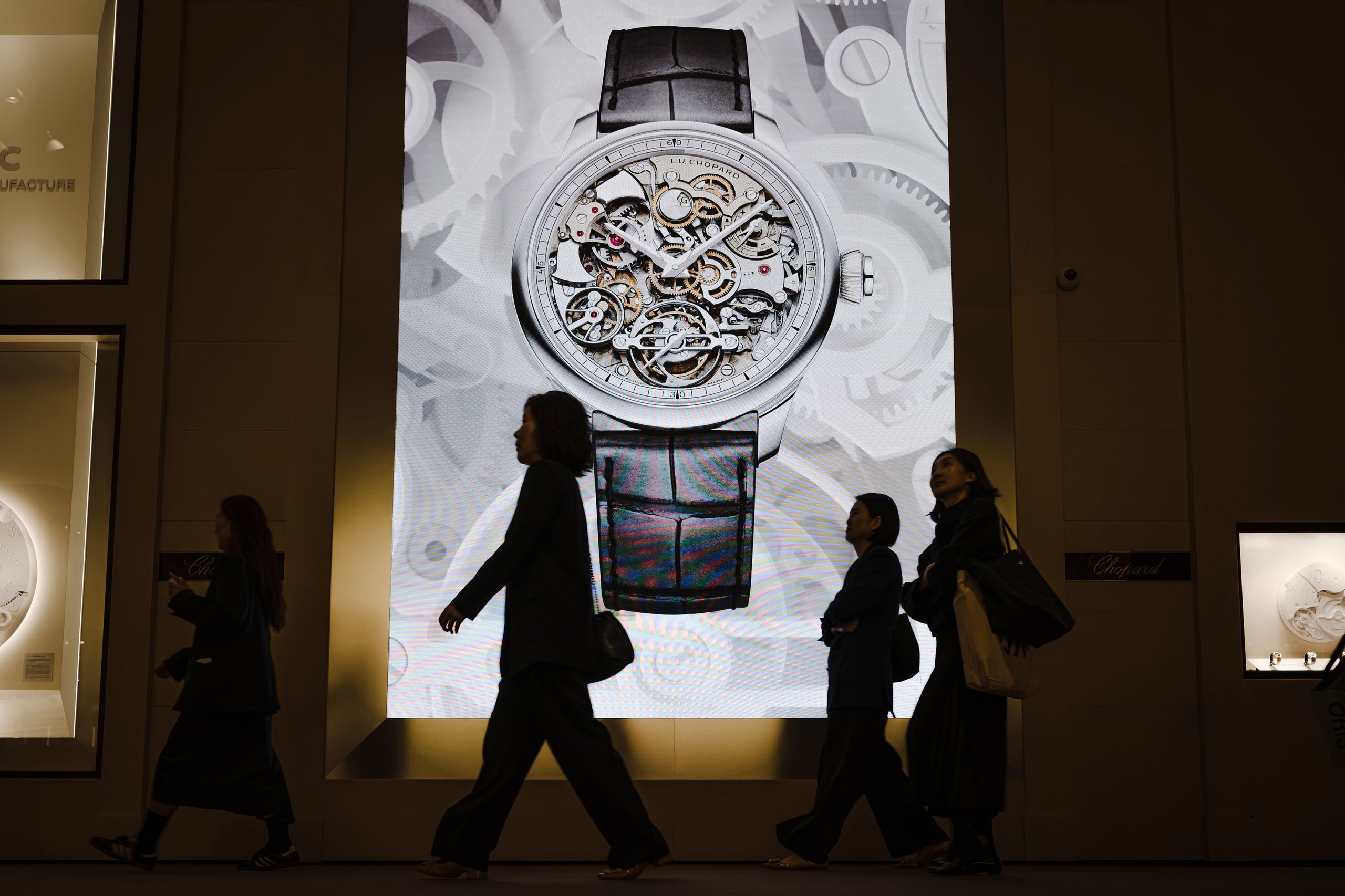
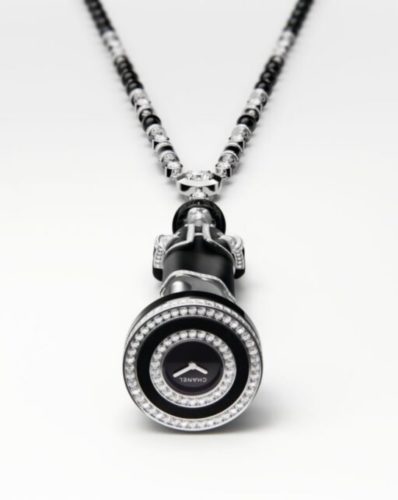
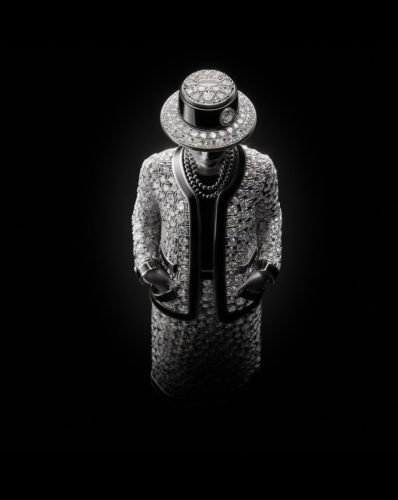
Beyond the headline names, the fair rewards attention and patience. Audemars Piguet, in the context of Geneva, carries a particular gravity. The Royal Oak’s architectural language continues to evolve, justifying its status as one of the most consequential watch designs of the last century. Vacheron Constantin, founded in 1755 and in unbroken production ever since, brings work that wears its technical depth lightly. The pieces are beautiful in the way that centuries of accumulated knowledge produce: not decoratively beautiful, but correctly so. IWC brings a Portugieser that demonstrates, without fanfare, why the clean dial’s rigorous proportions remain one of watchmaking’s most durable propositions. Hermès does what Hermès does. The pieces are witty, specific, and unmistakably themselves, a kind of confidence that requires no announcement. Panerai occupies its own distinct territory, Italian design sensibility in conversation with Swiss movement-making, large and legible and purposeful, a different argument entirely for what a watch should be and for whom. Tudor continues building a compelling case that serious horology need not carry a serious premium. And Chanel, which the traditionalists have never quite known what to do with, brings pieces that make the category argument more interesting than many of its heritage competitors.
What the fair clarifies, across the whole, is not what a watch costs or what it can do. It is what watchmaking means, specifically here, in this city, in this country, where the craft is not a niche pursuit but an integrated part of how Switzerland understands itself. The 60,000 people employed in the Swiss watch industry are not producing souvenirs. They are maintaining a body of knowledge that, in the era of the smartwatch, has chosen to define itself by everything a smartwatch cannot do. The hand-finish. The mechanical memory. The object that asks nothing of you except your attention, and that offers in return a kind of permanence that belongs to a category all its own.
In a world where time is displayed in the corner of every screen, the sustained conviction required to track a lunar cycle to 29 hours, 16 minutes and 27 seconds, or to animate a 17th-century fable in a case 40mm across, or to develop a new gold alloy from the ground up because the existing ones are not quite right, is not an anachronism. It is a refusal to accept that convenience is the only metric worth optimising for.
Watches and Wonders is, in the end, a fair for people who believe that some things are worth doing slowly, with great care, and with full awareness that the person who buys the finished object will eventually pass it to someone who was not yet born when the movement was designed. Having seen it in its rightful home, with the Alps on the horizon and centuries of craft in every cabinet, I find it not only admirable but quietly necessary.