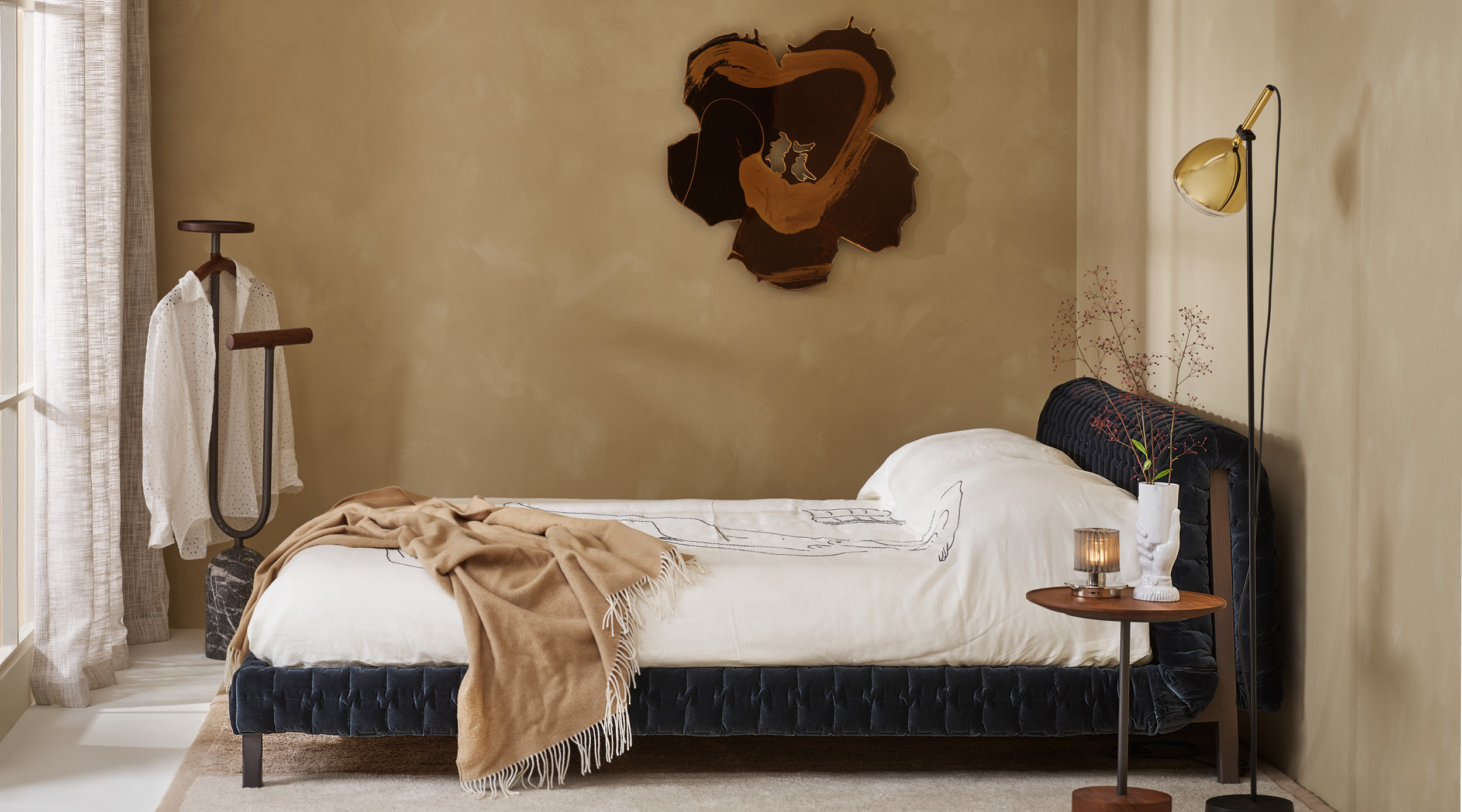
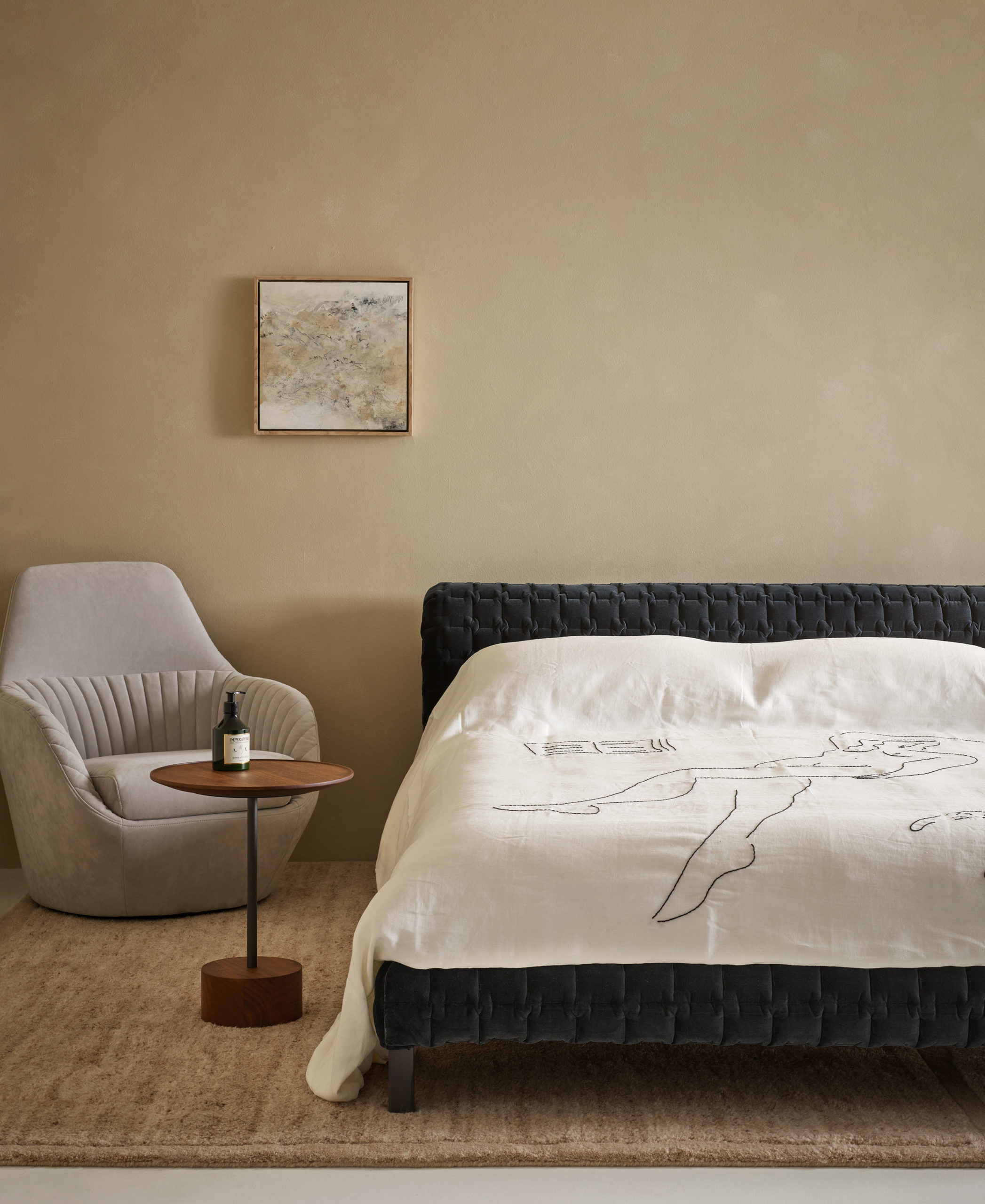
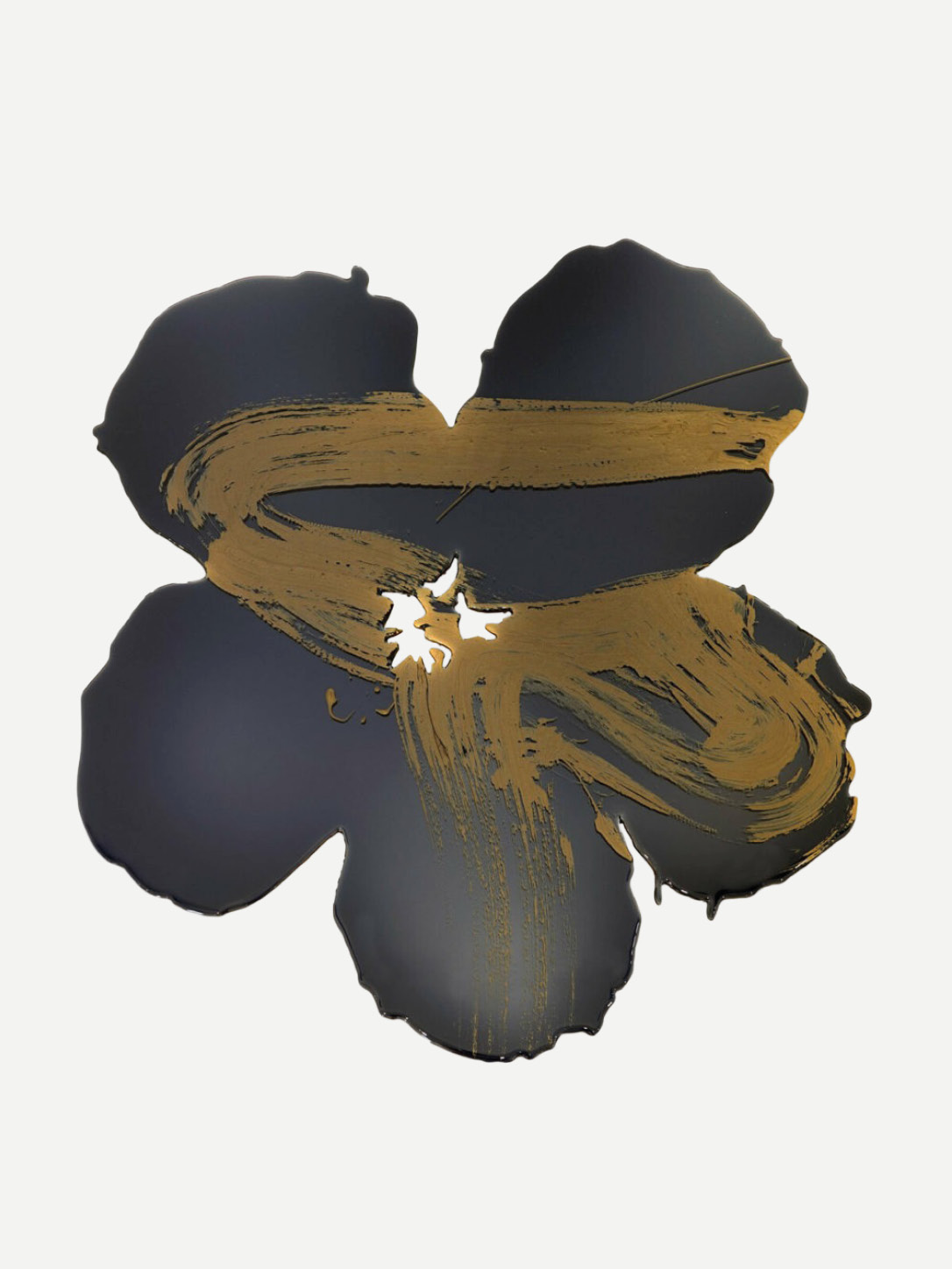
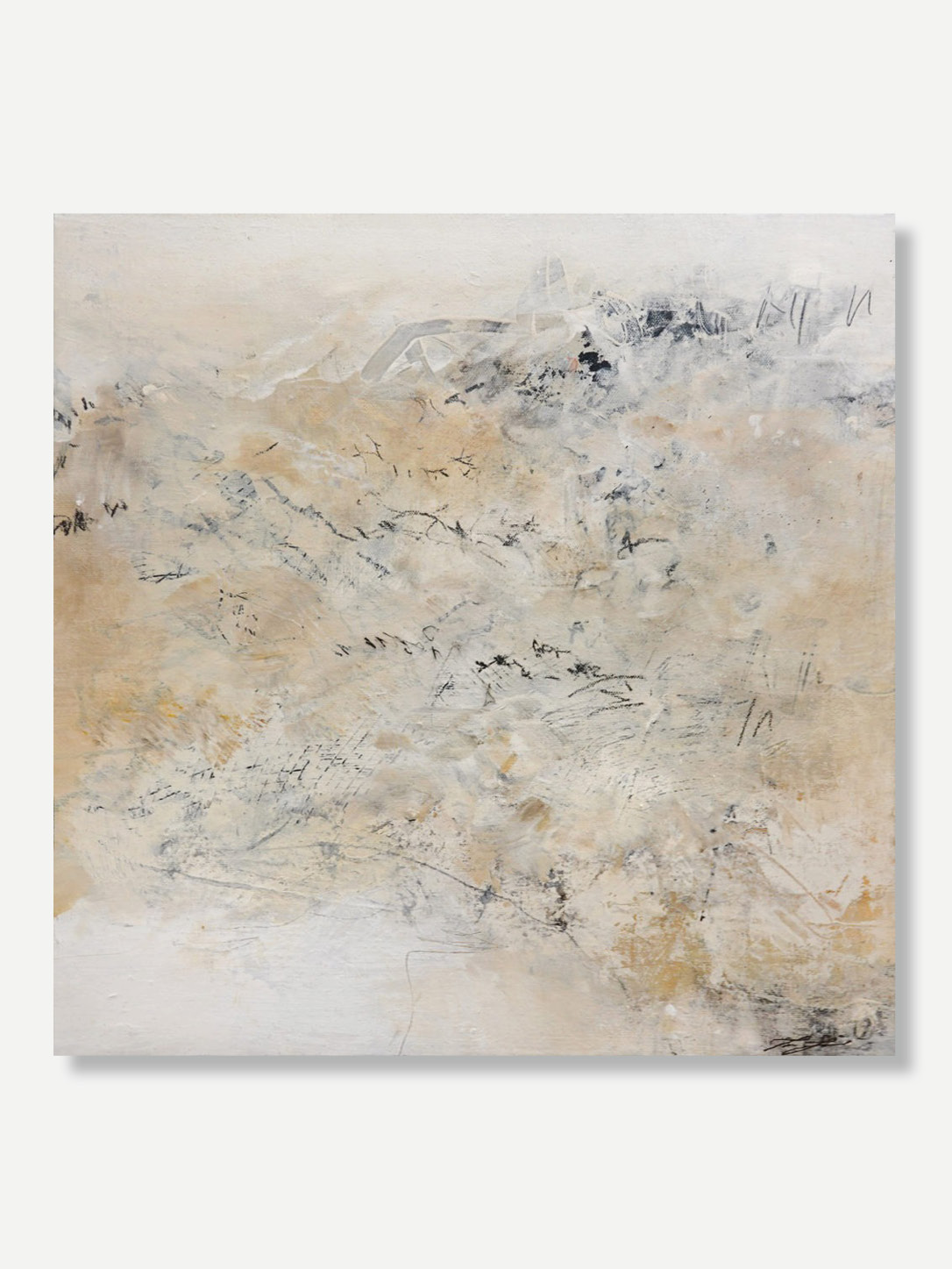
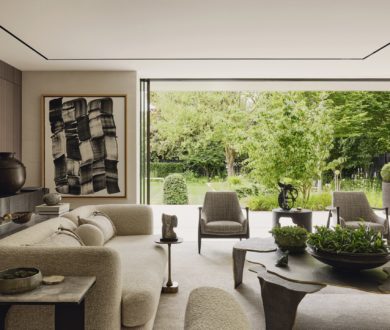
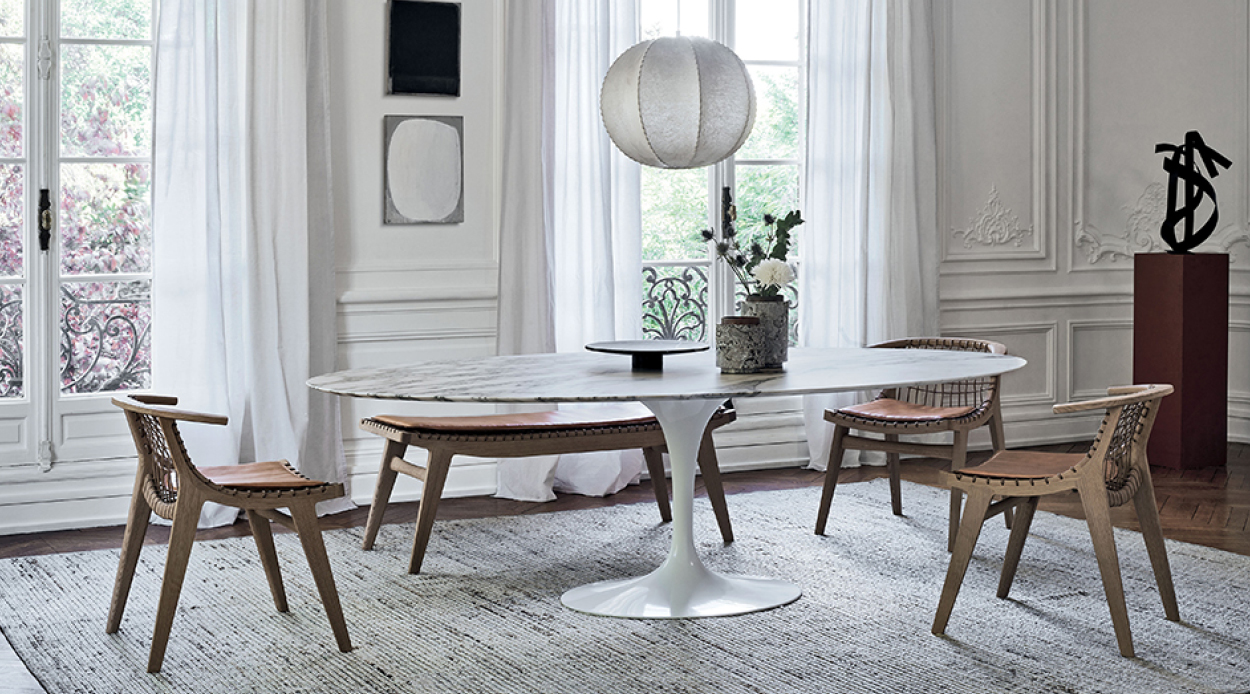
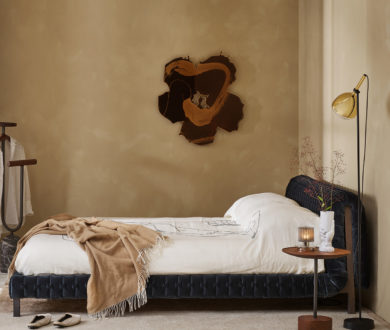
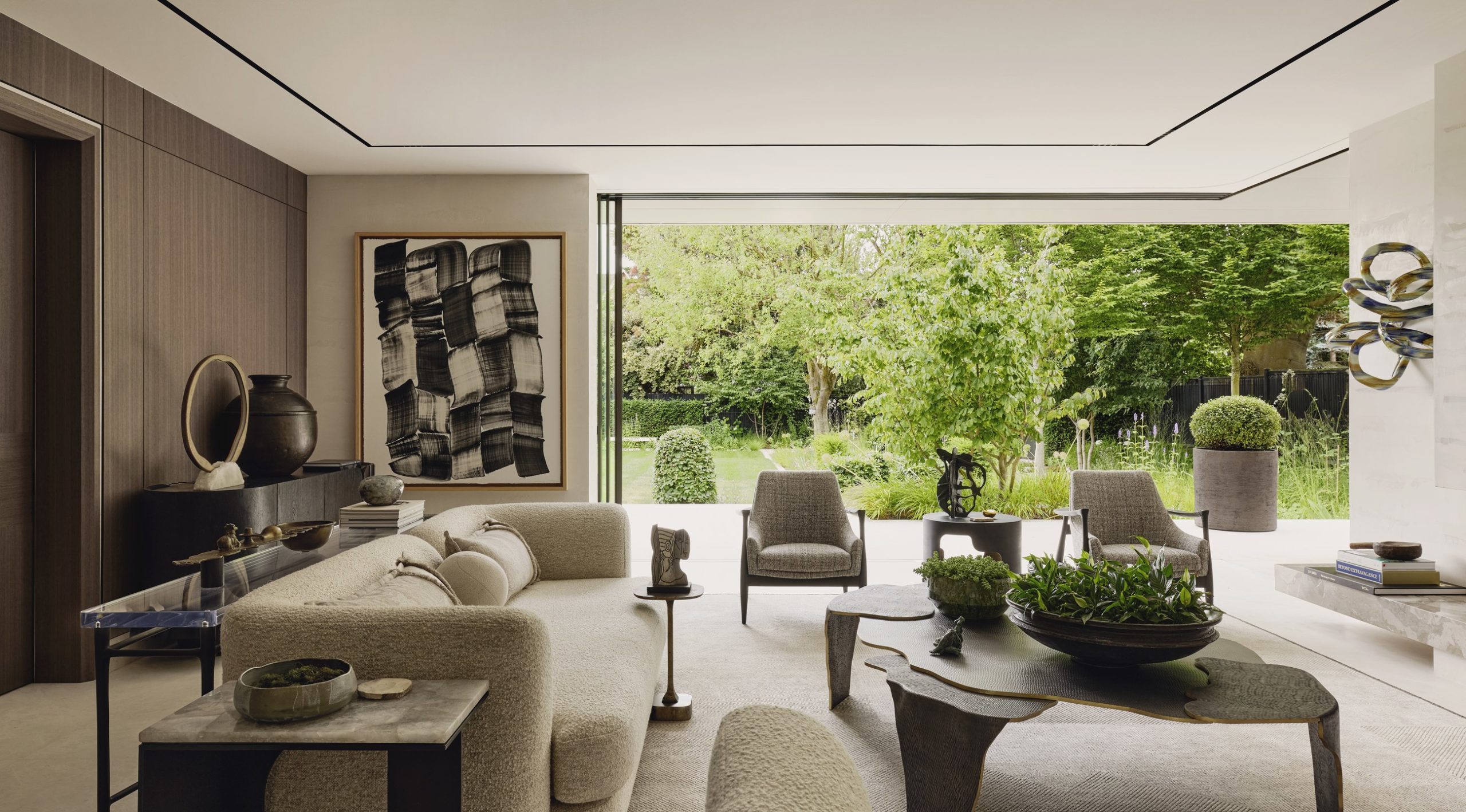
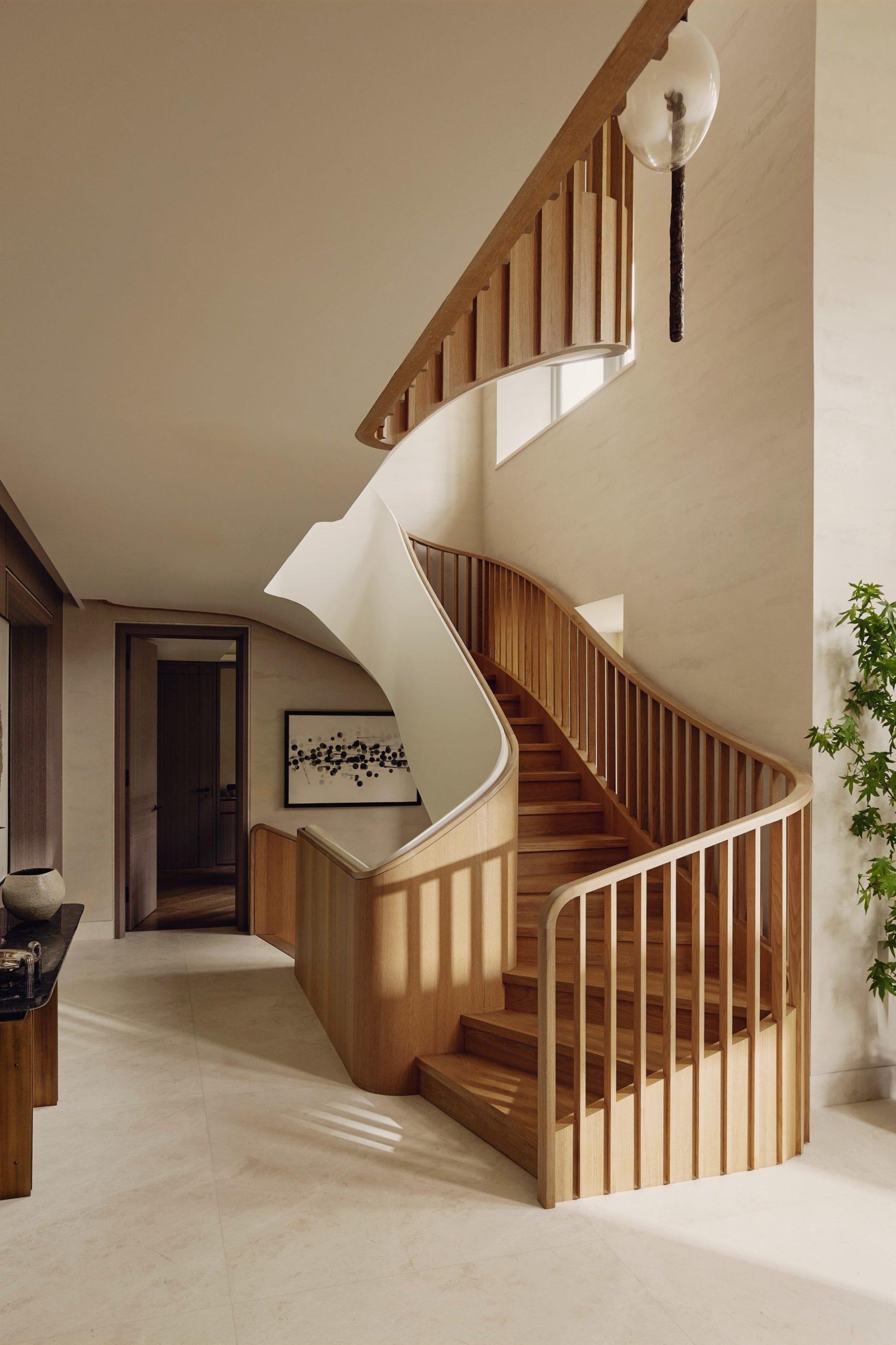
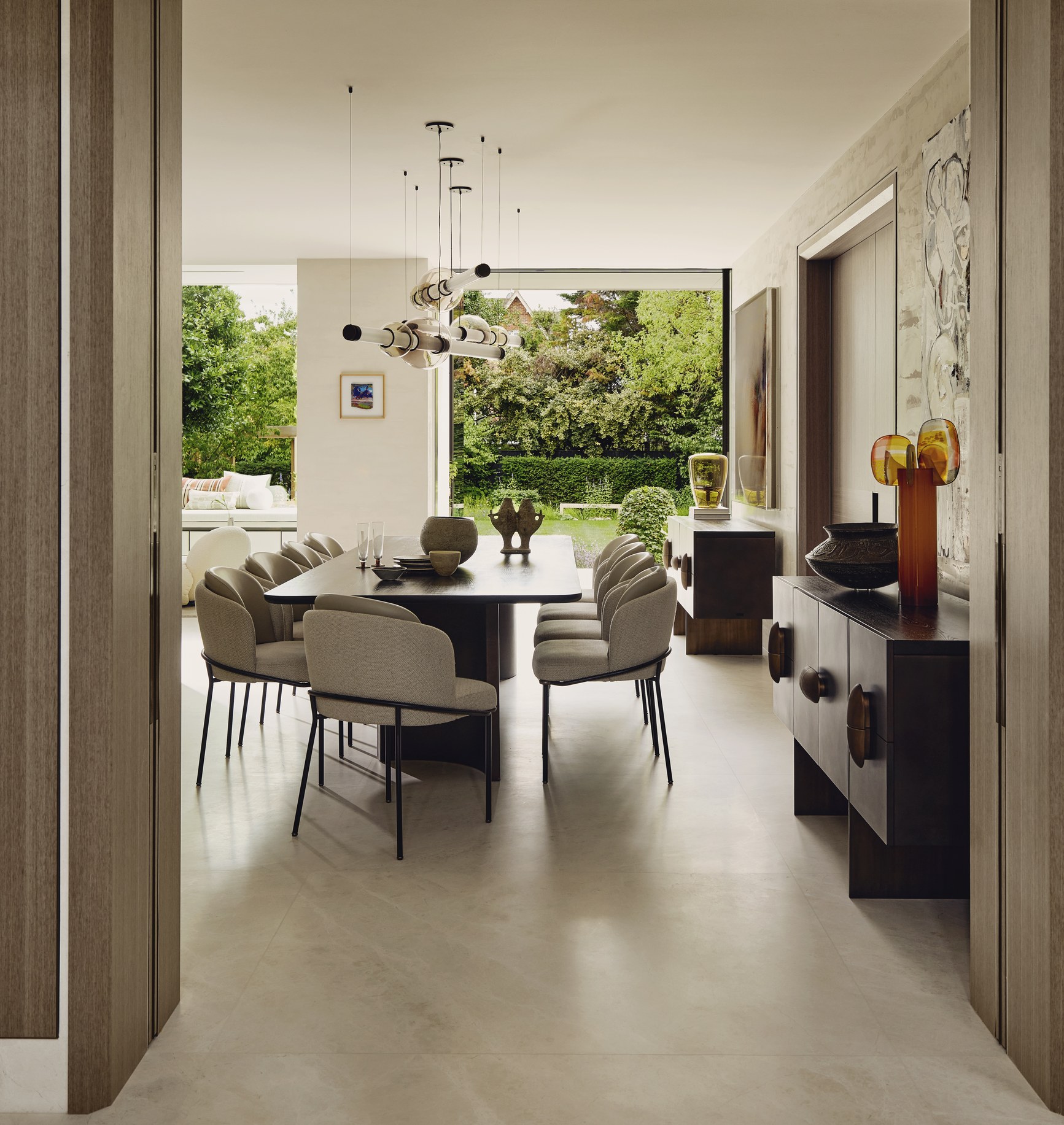
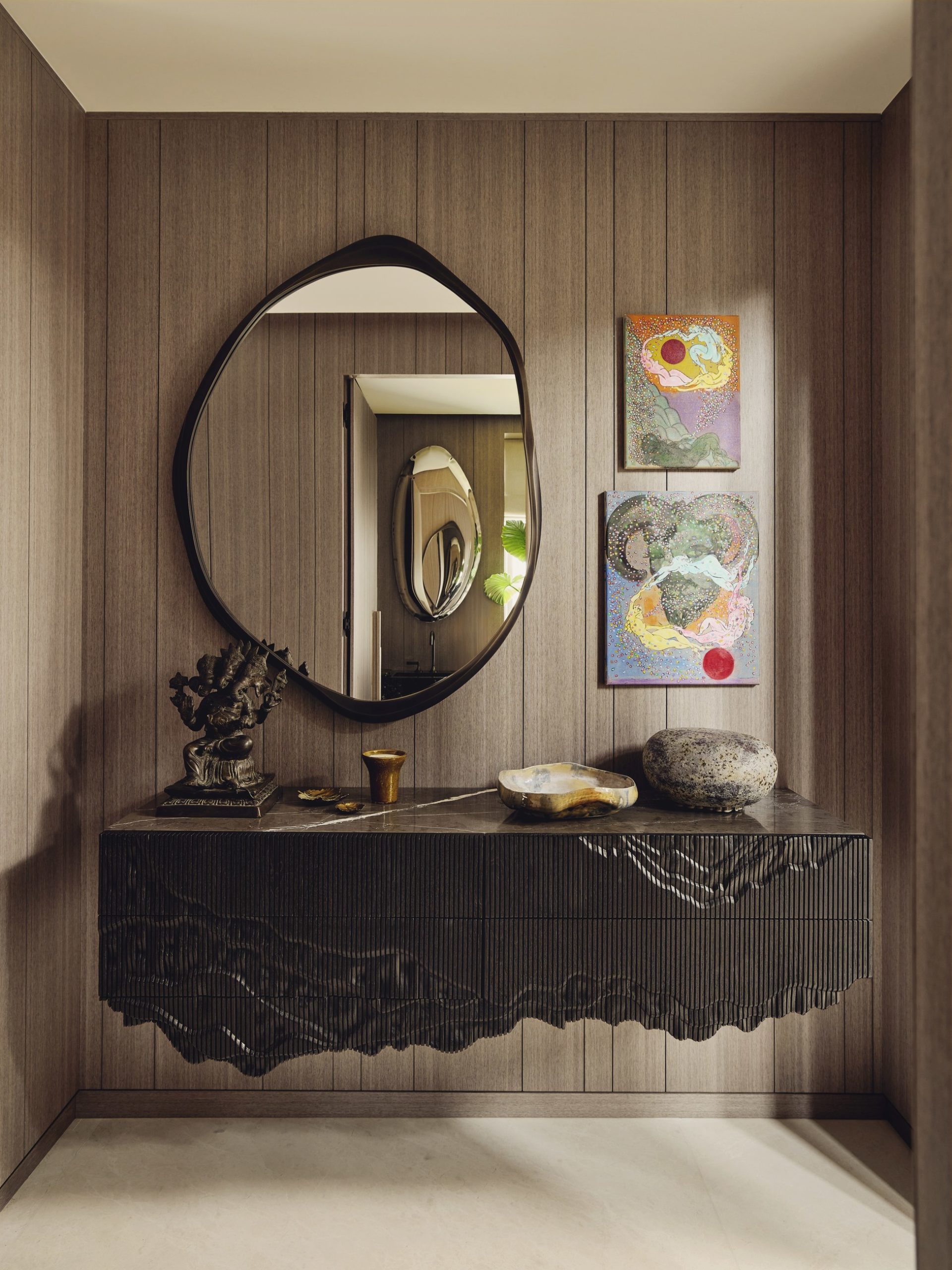
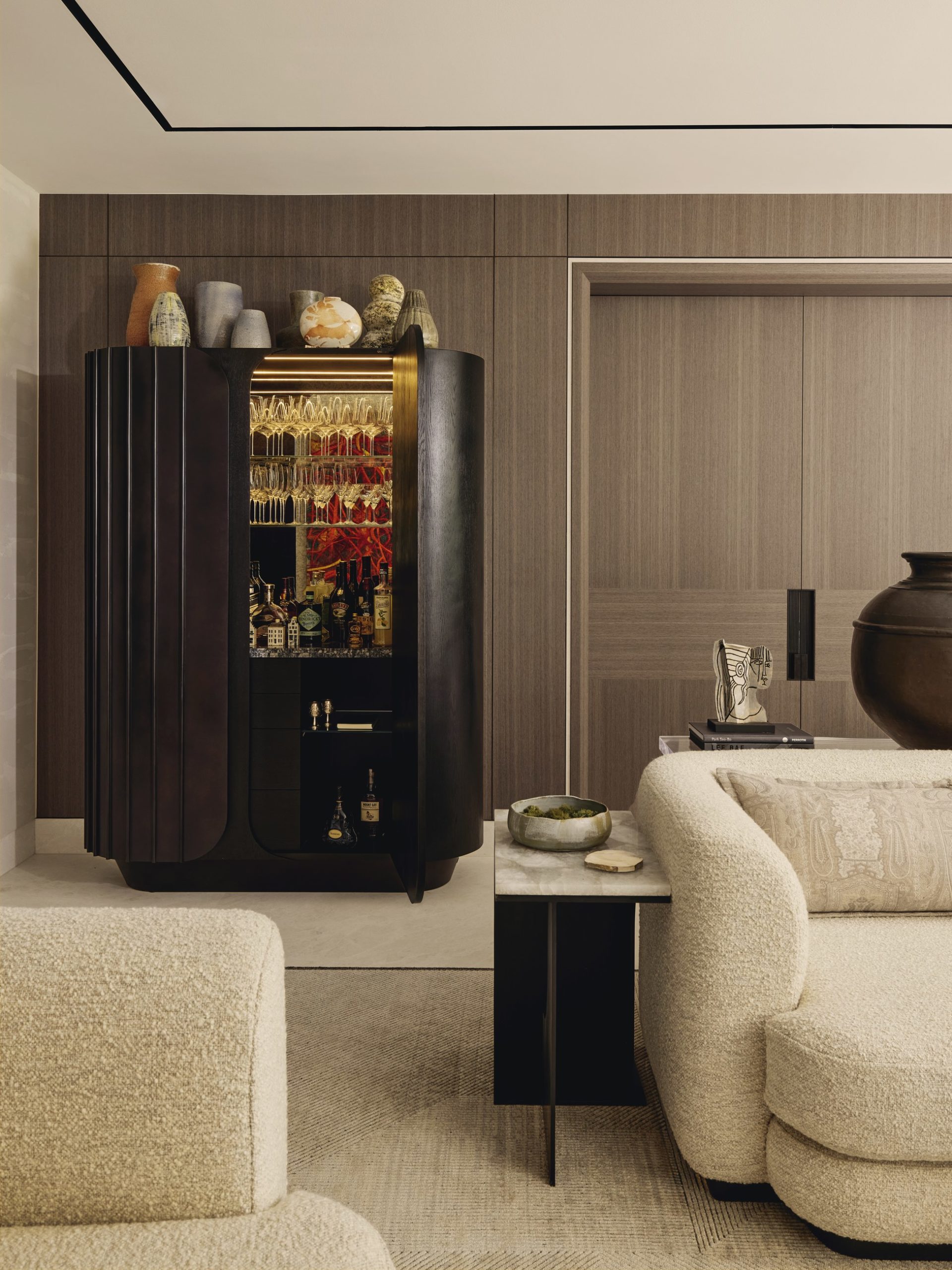
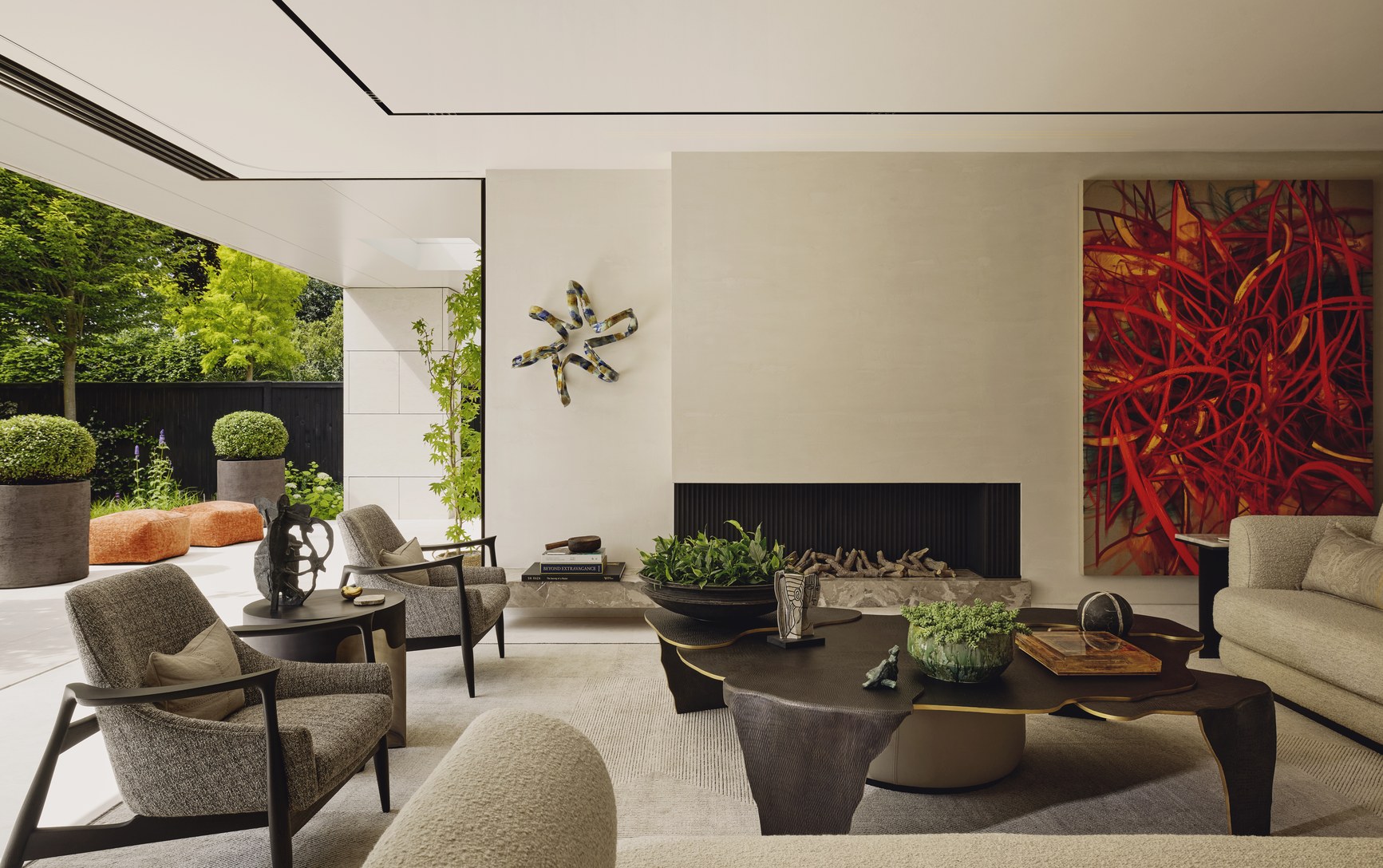
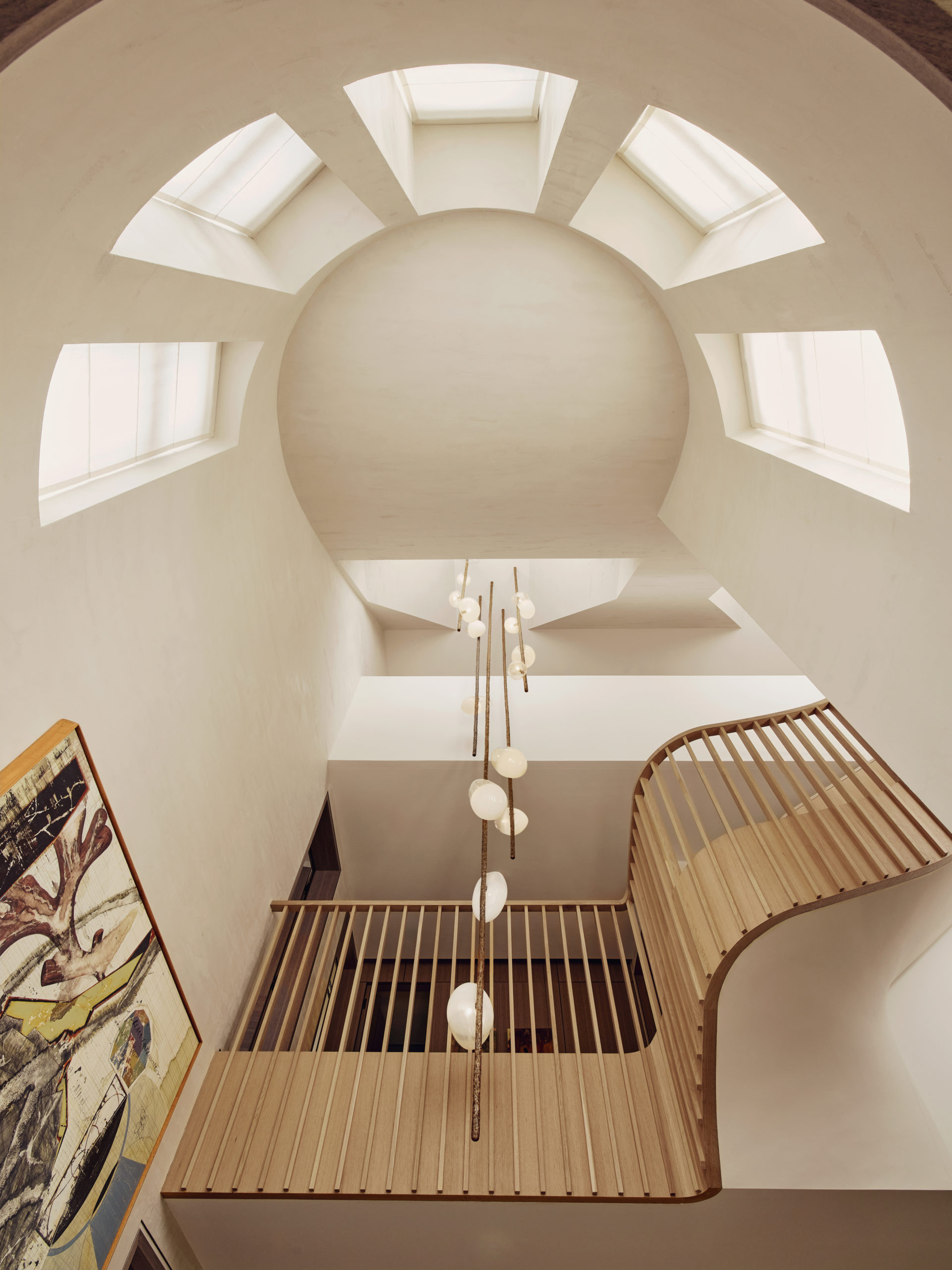
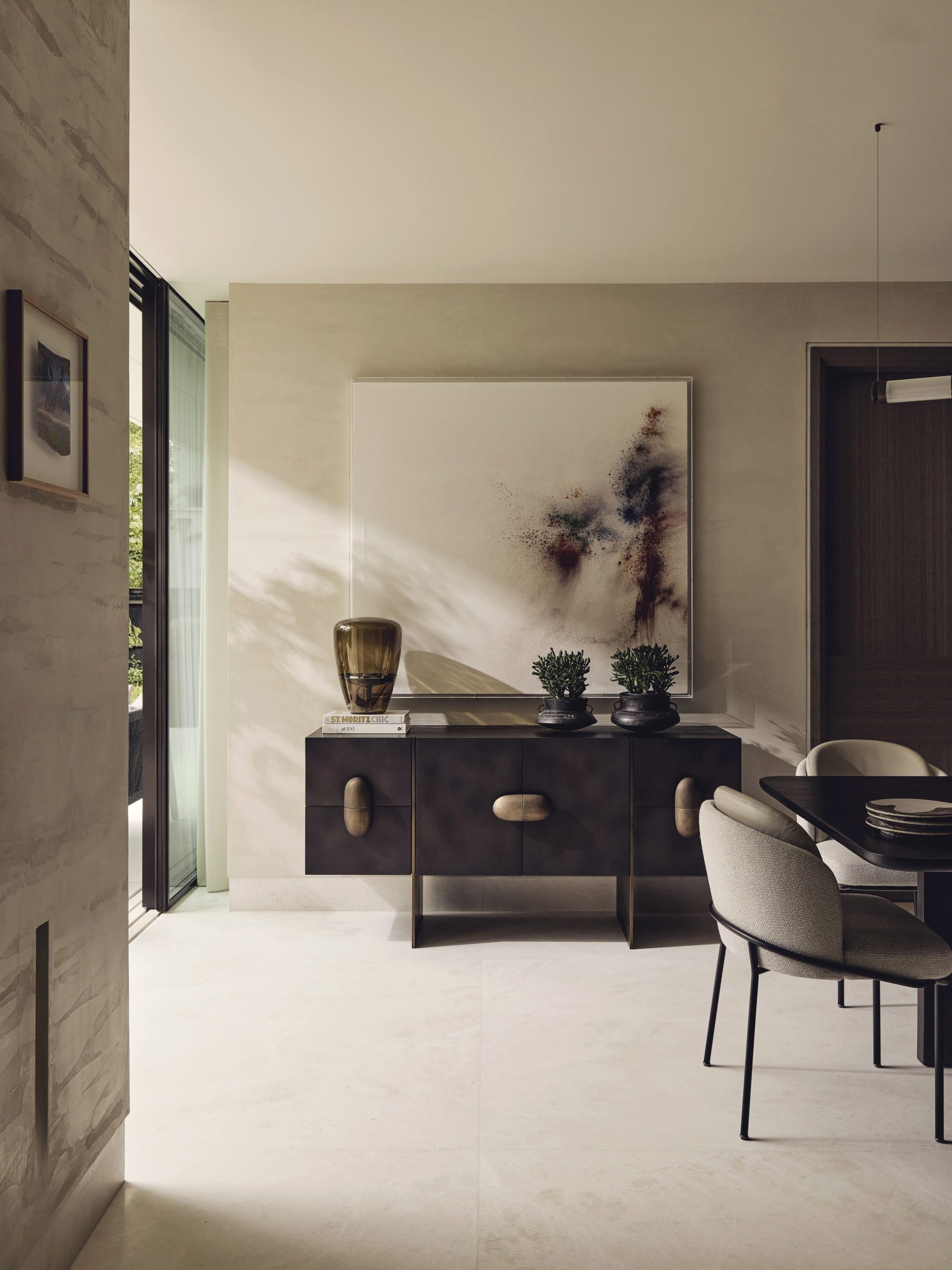
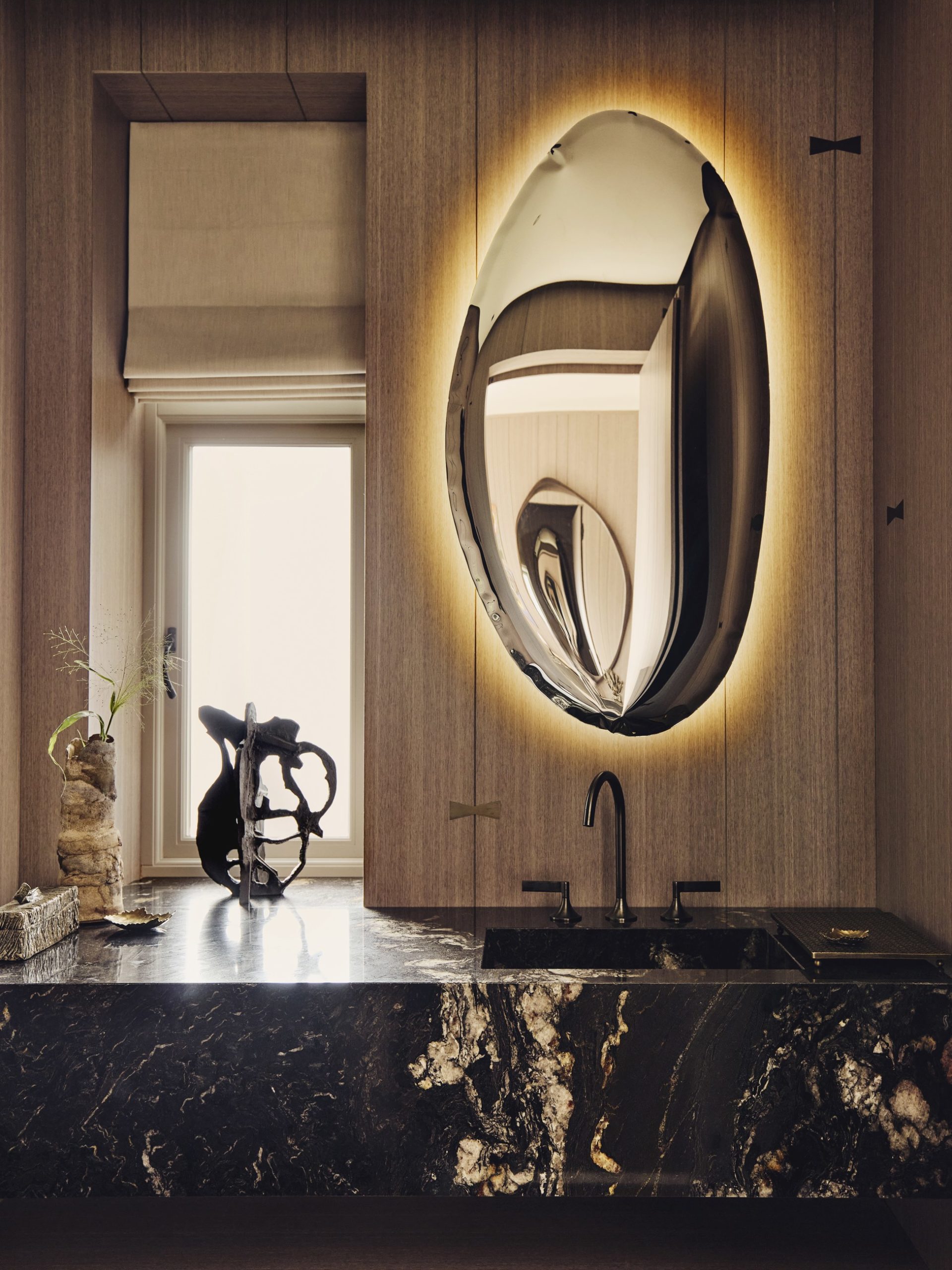
Walls painted in Resene SpaceCote Flat in Resene Sisal with Resene FX Paint Effects tinted to Resene Double Sisal over the top. Single Stem in Truffle in Epoxy Glass & Metallic by Sally Bulling from Parnell Gallery
Art Direction — Amber Armitage Photography — Melanie Jenkins
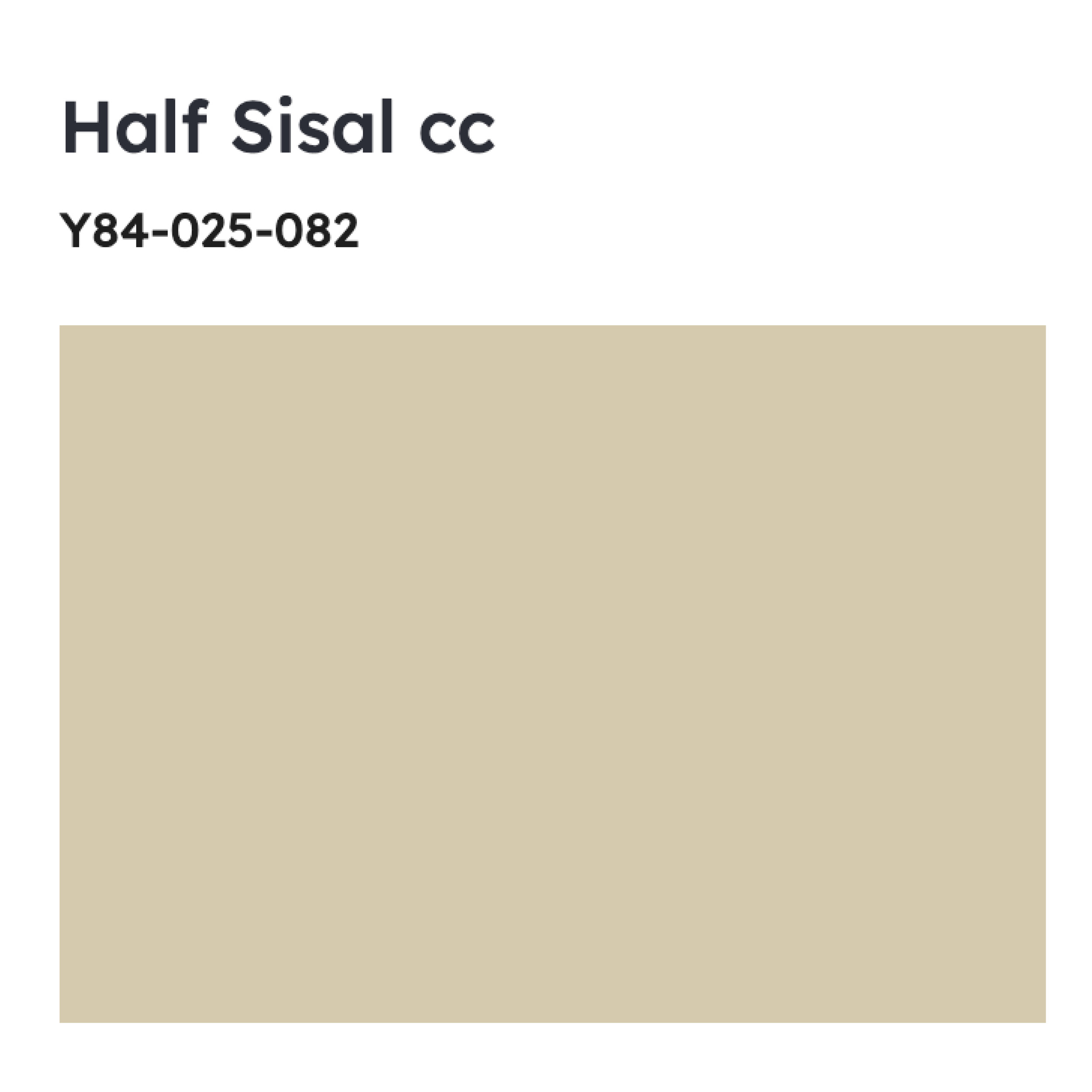
Texture has moved beyond plasterwork and into the paint finish itself. Resene SpaceCote Flat in Resene Sisal creates calm, grounding base coats, that can be layered with Resene FX Paint Effects, and tinted with Resene Double Sisal to achieve a subtle tone that shifts gently with the light. The result is nuanced and atmospheric, introducing a hand-worked quality without heaviness. Subtle movement across the surface gives the walls dimension, allowing colour to feel enveloping rather than flat.
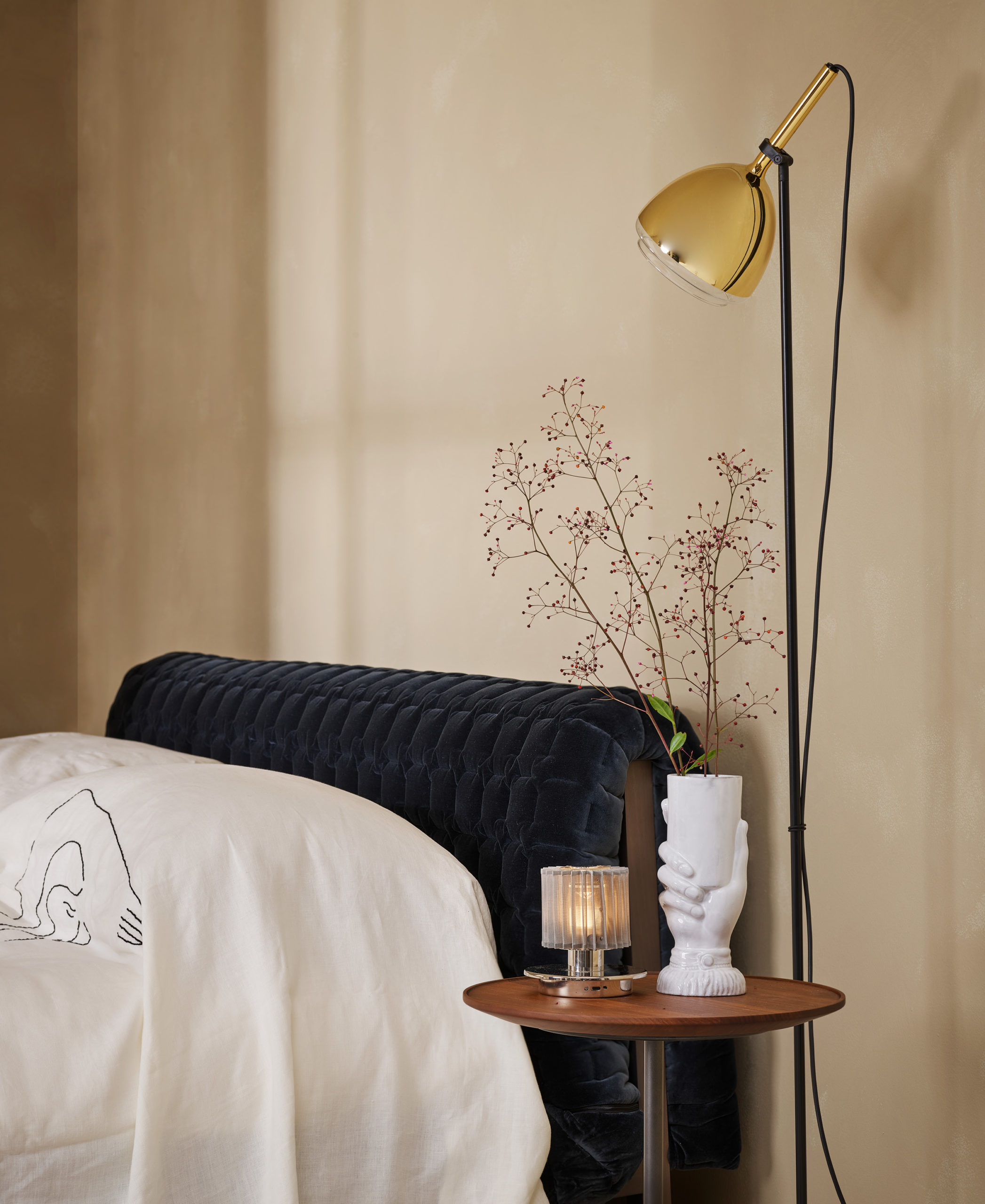
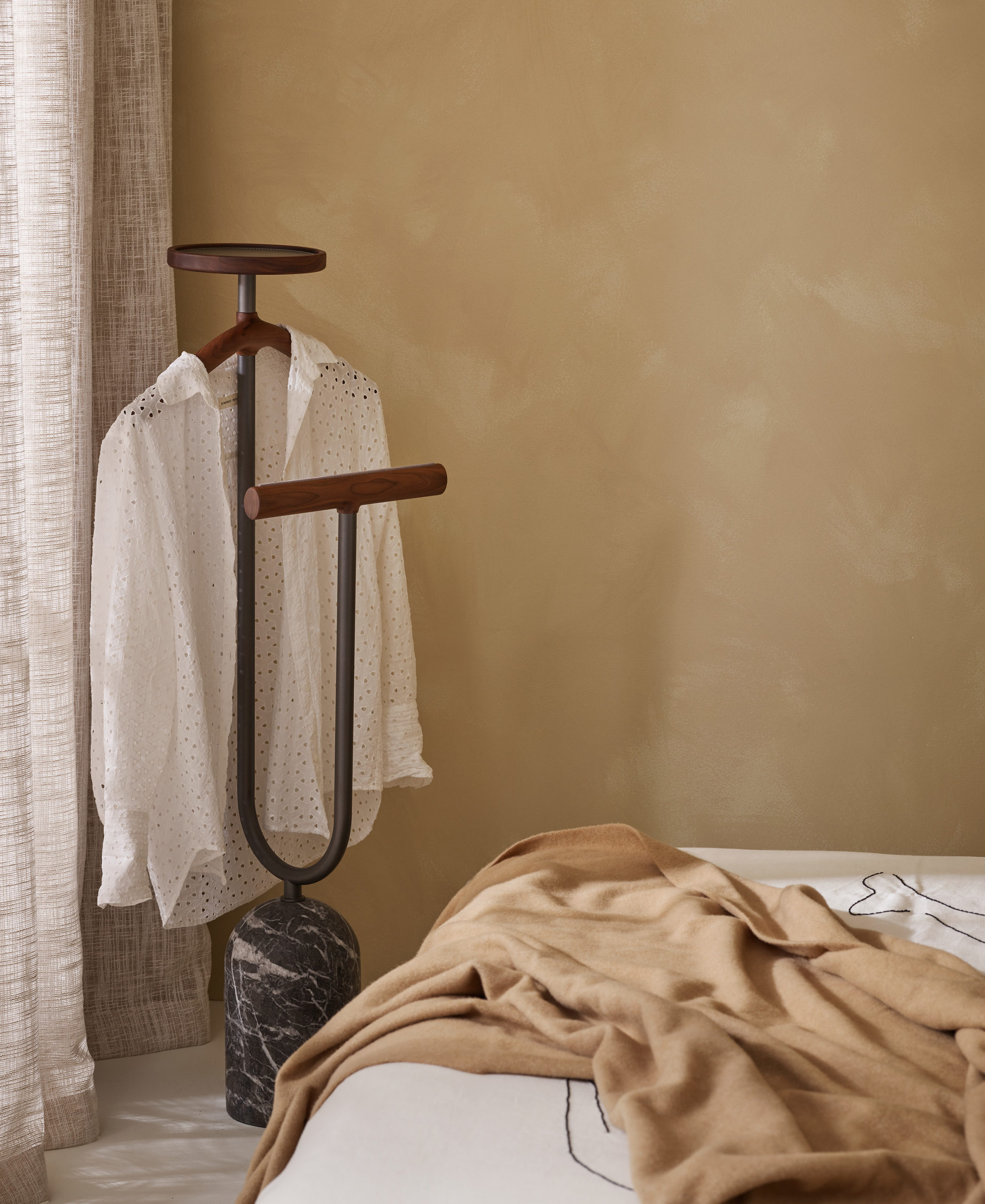
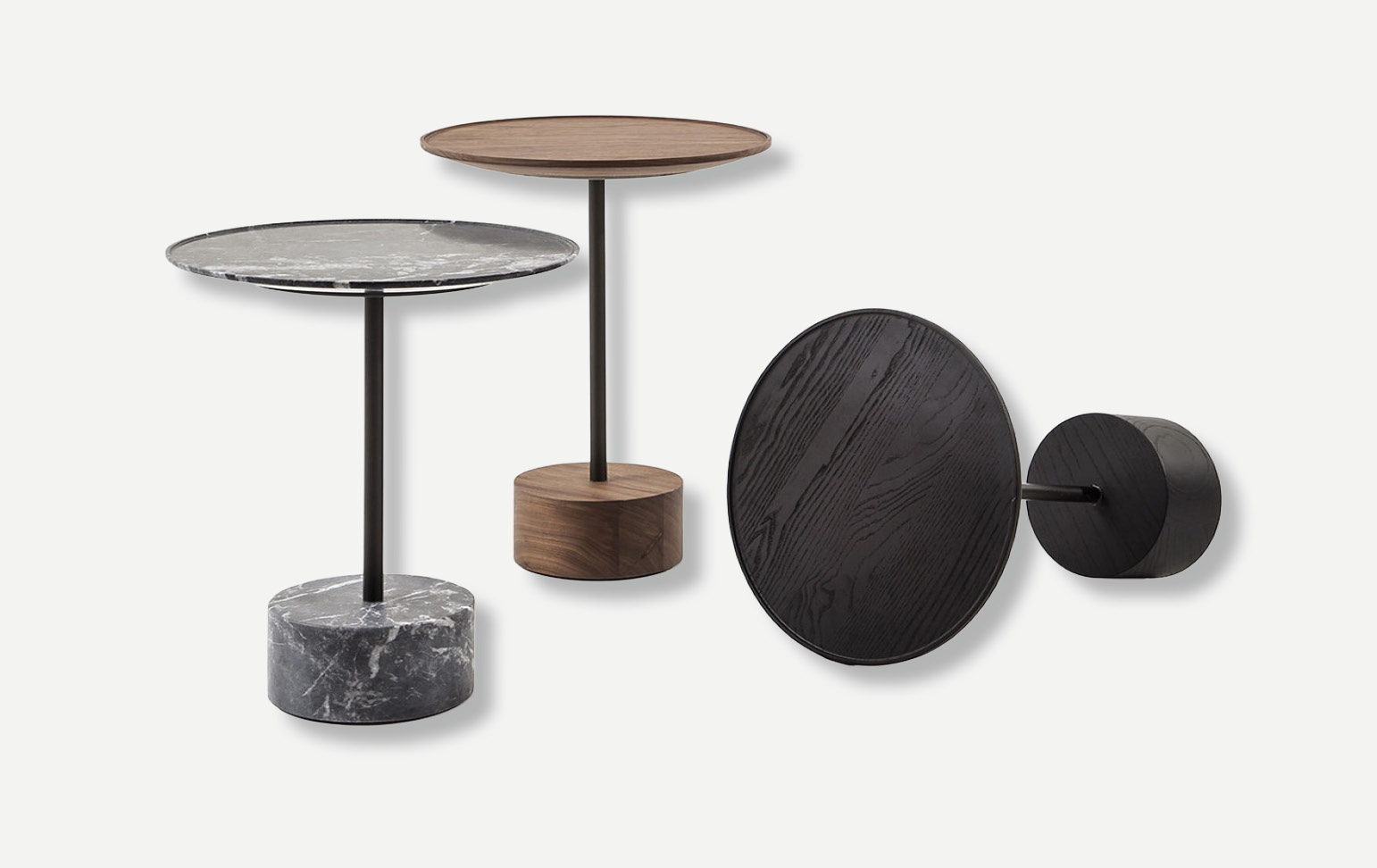
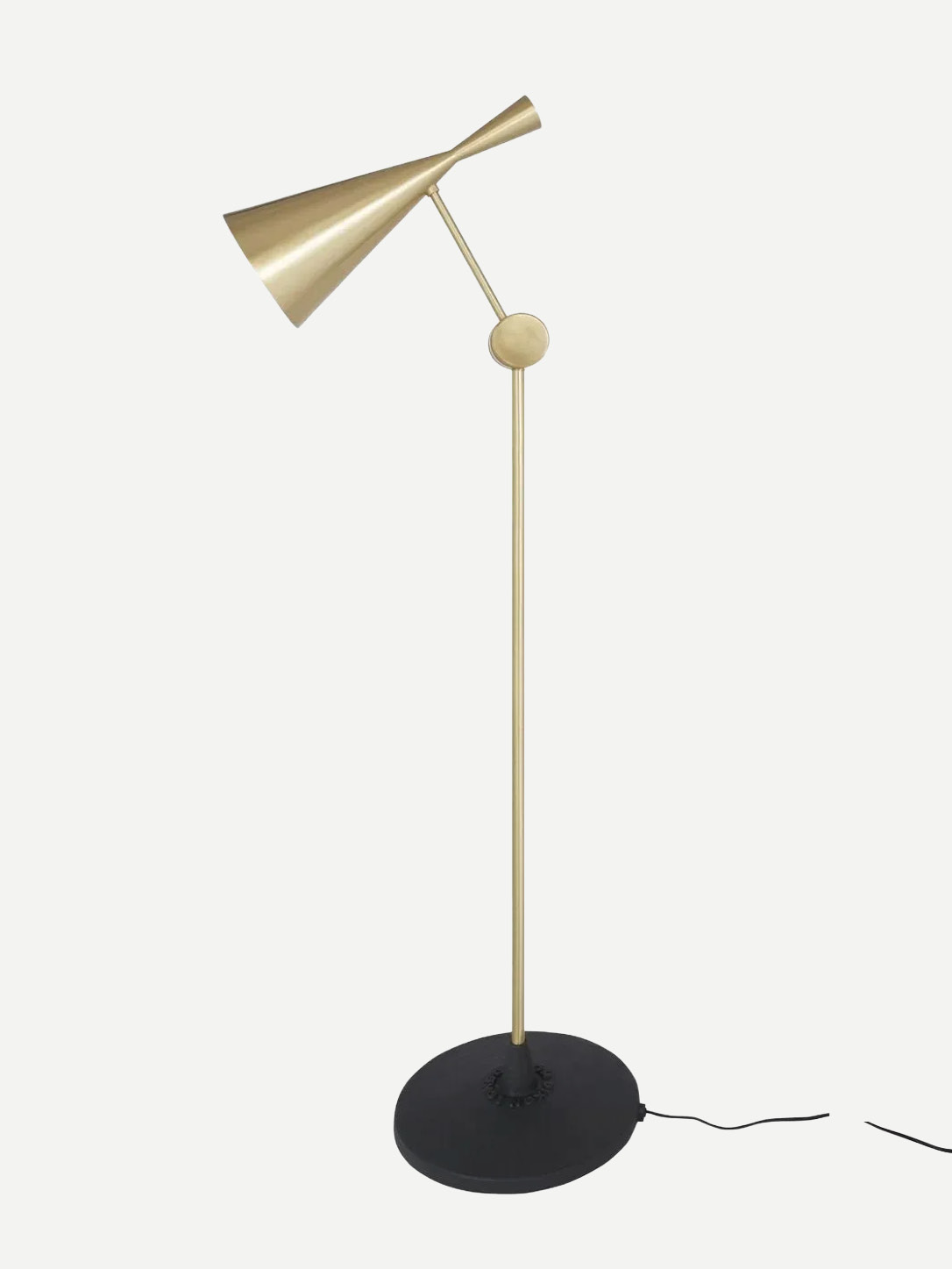
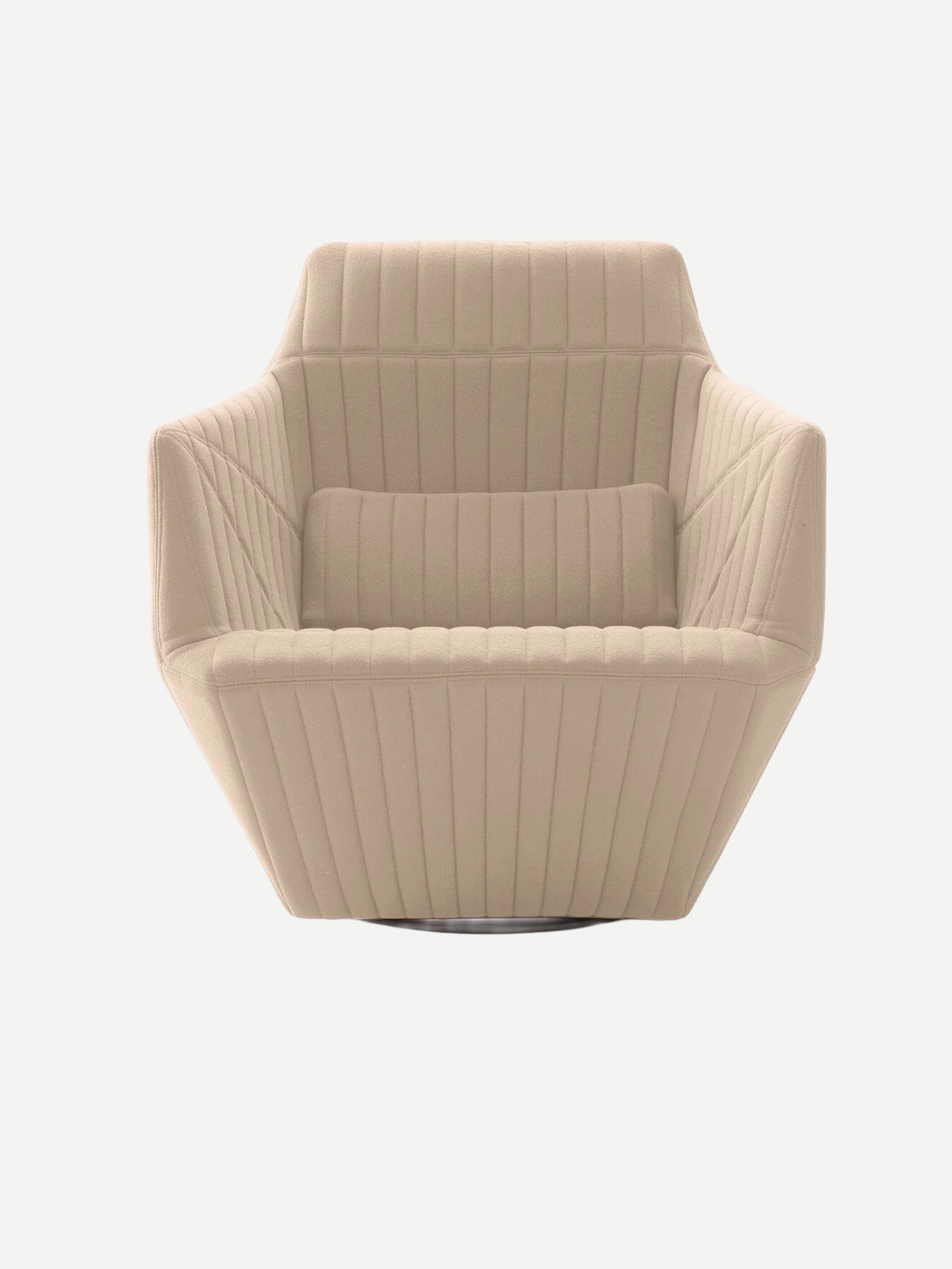
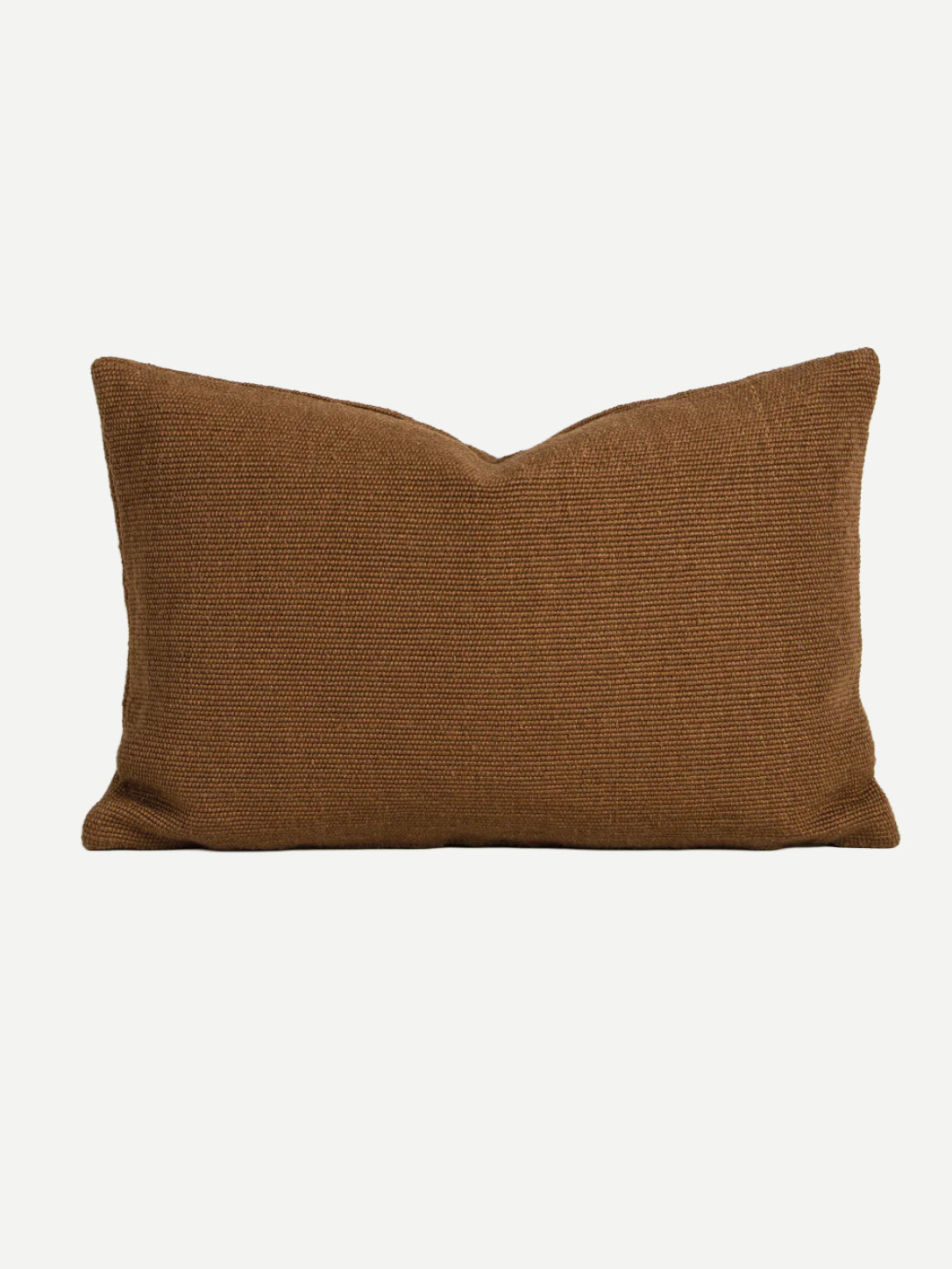
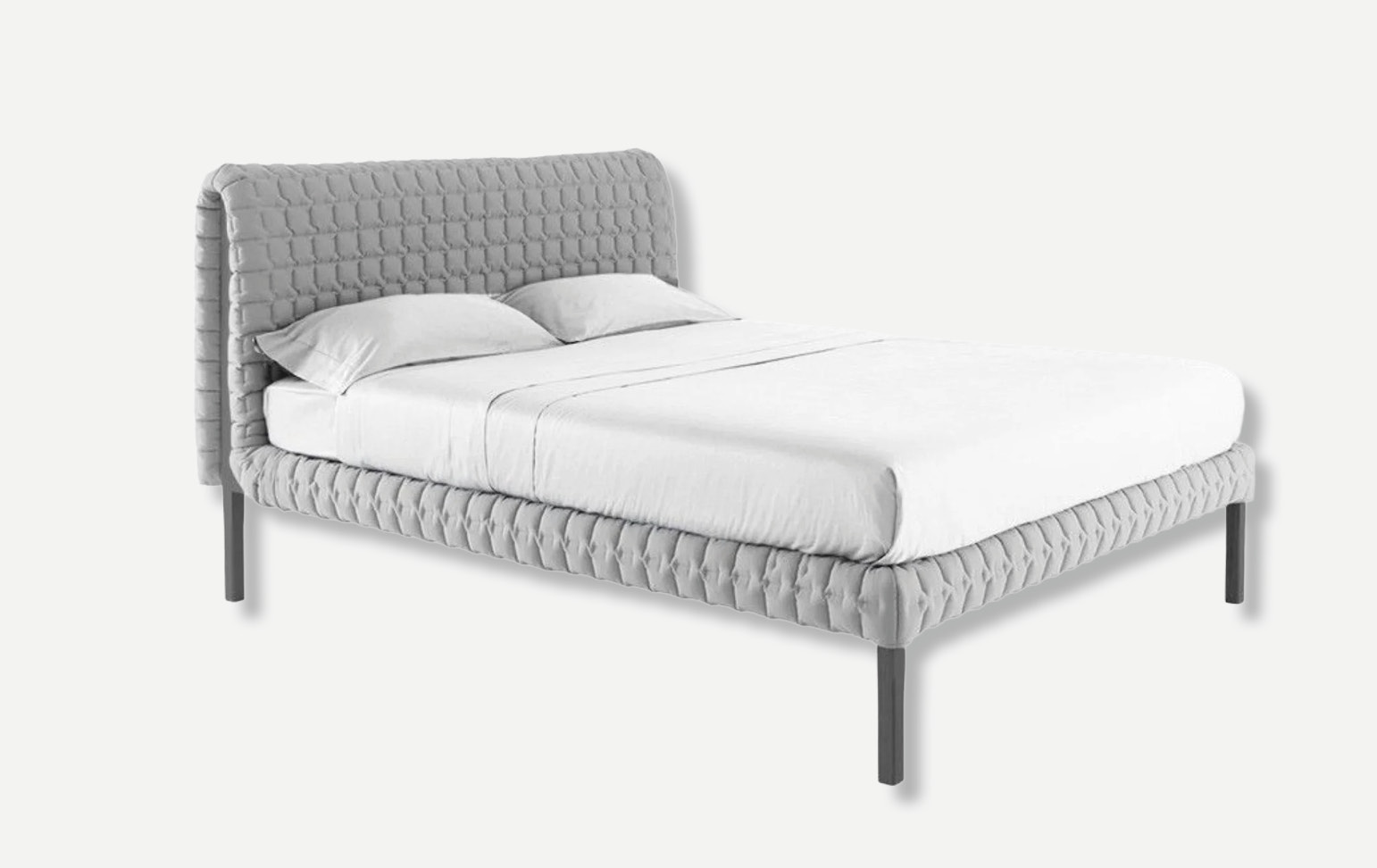
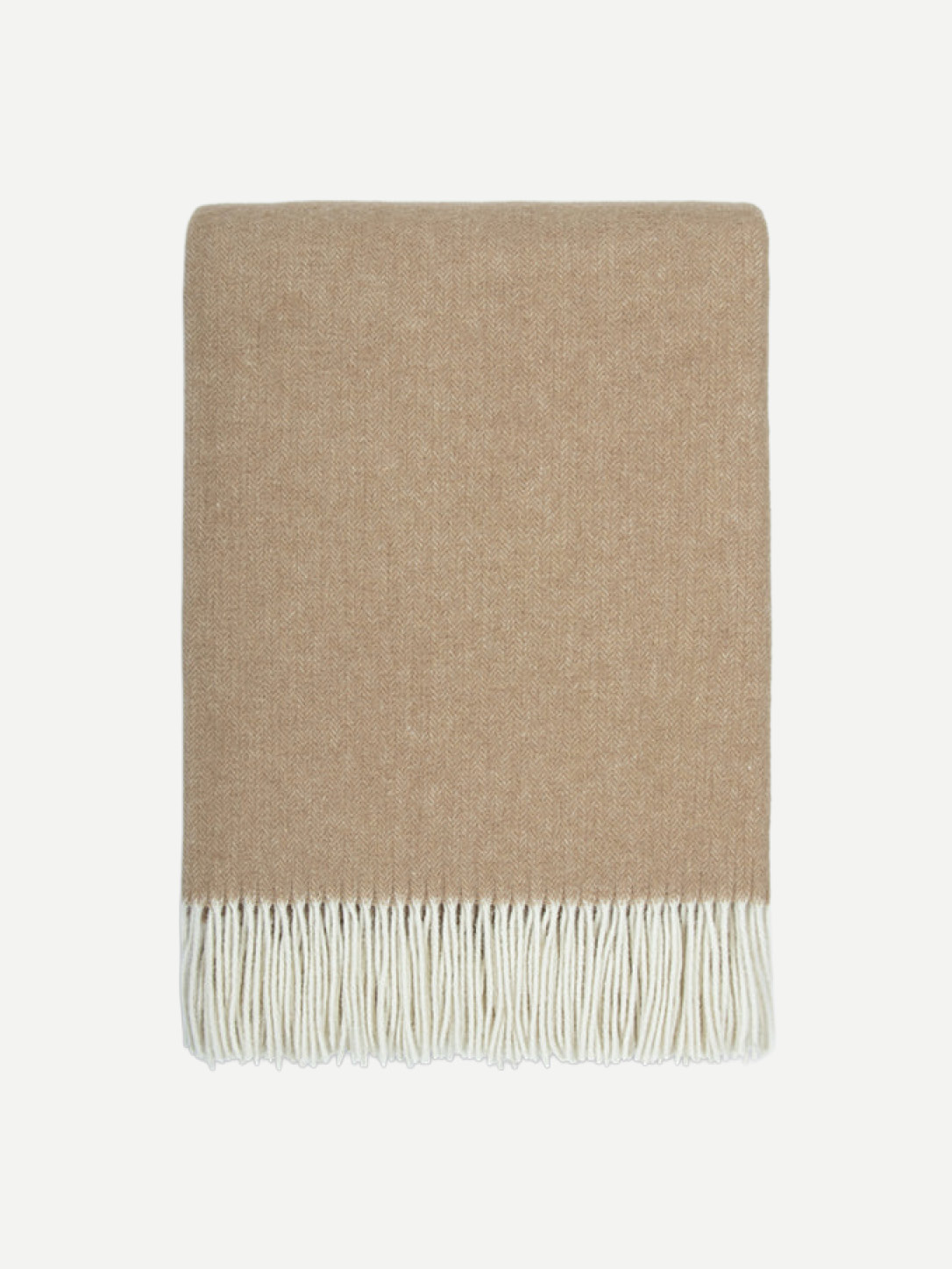
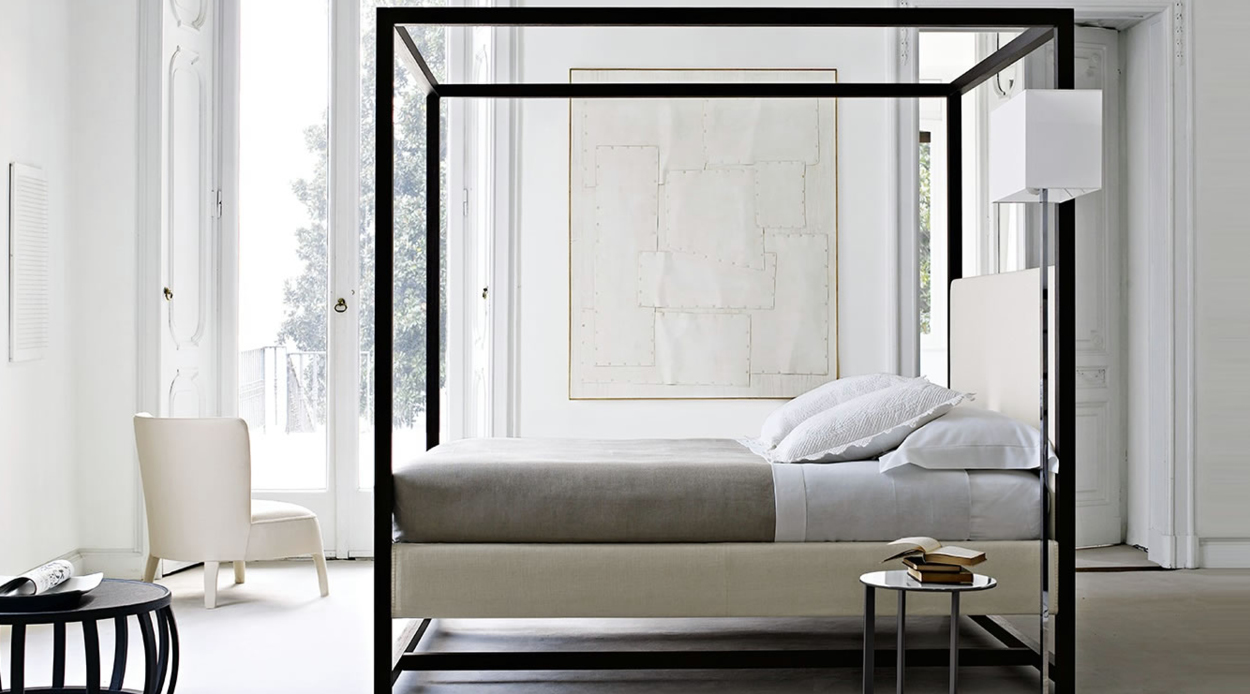
Ambience by Tim Jones from Parnell Gallery, Ruche bed, Amedee armchair and Brass Bell lamp all from Ligne Roset, 9 Low table by Cassina, Ekero Rack by Porada from Matisse, Tessera rug from Designer Rugs, La Belle Endormie bed cover by Oeuvres Sensibles from Tessuti
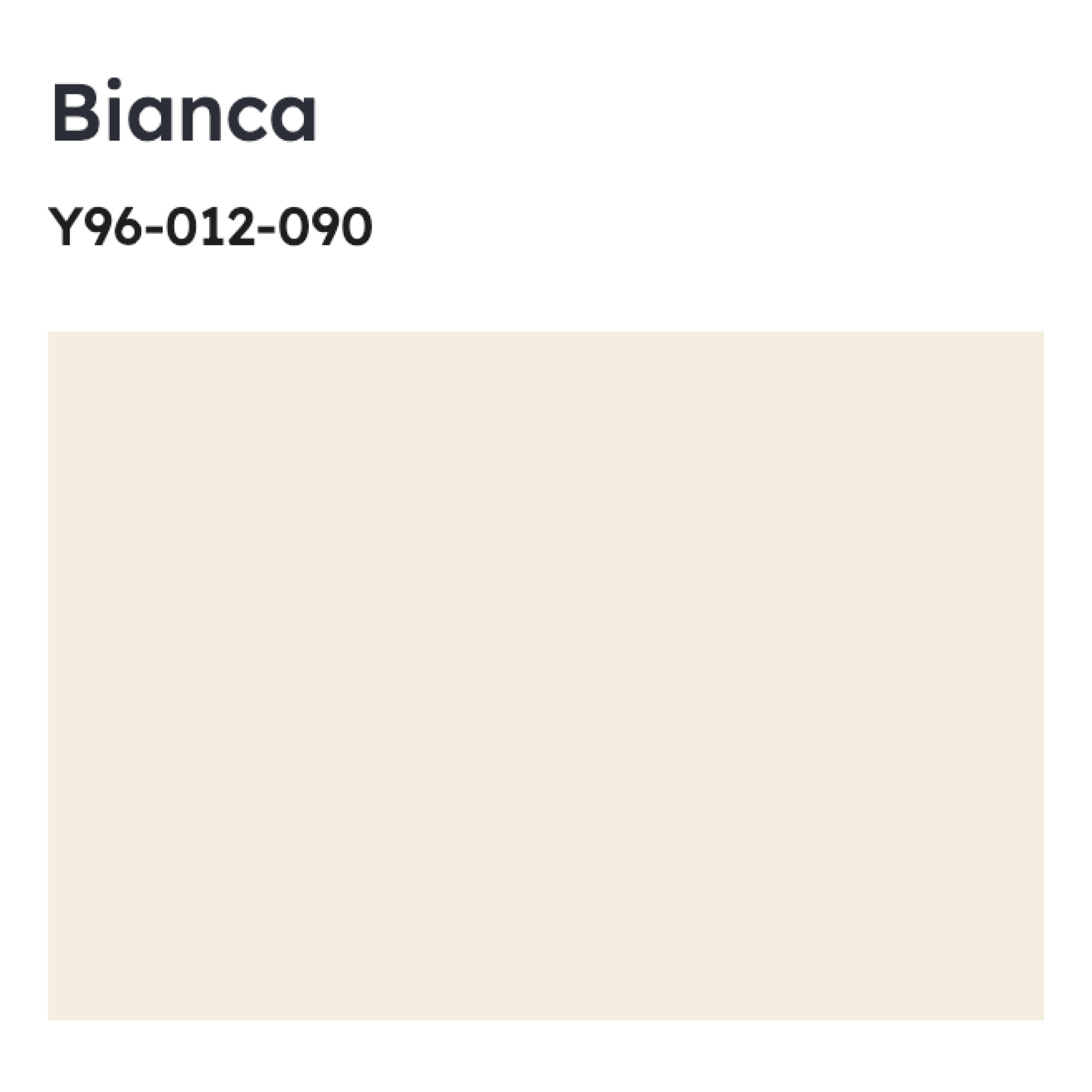
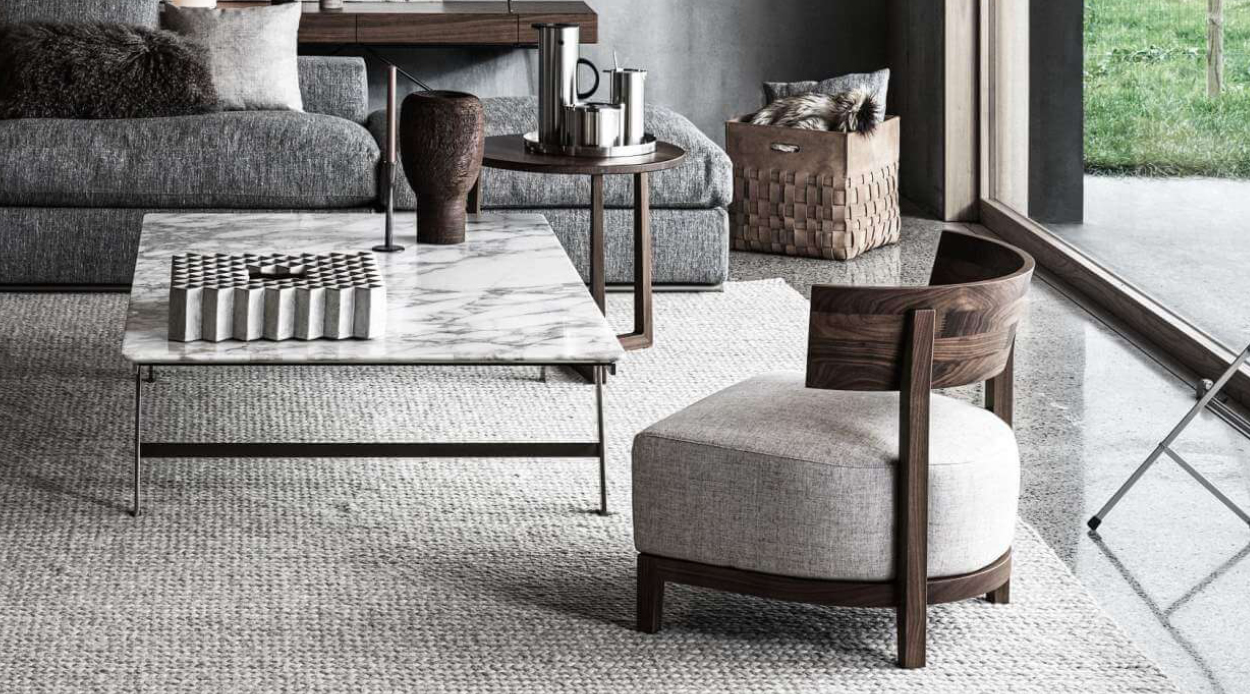
This layered approach reflects a broader seasonal shift toward warmth and tactility. By working within one colour family and building depth through technique, Resene’s finishes create interest without visual noise. Add a floor painted in Resene Walk-On or Resene Bianca which anchors the space with quiet durability, while a ceiling in Resene Half Sisal lifts and softens the overall composition.
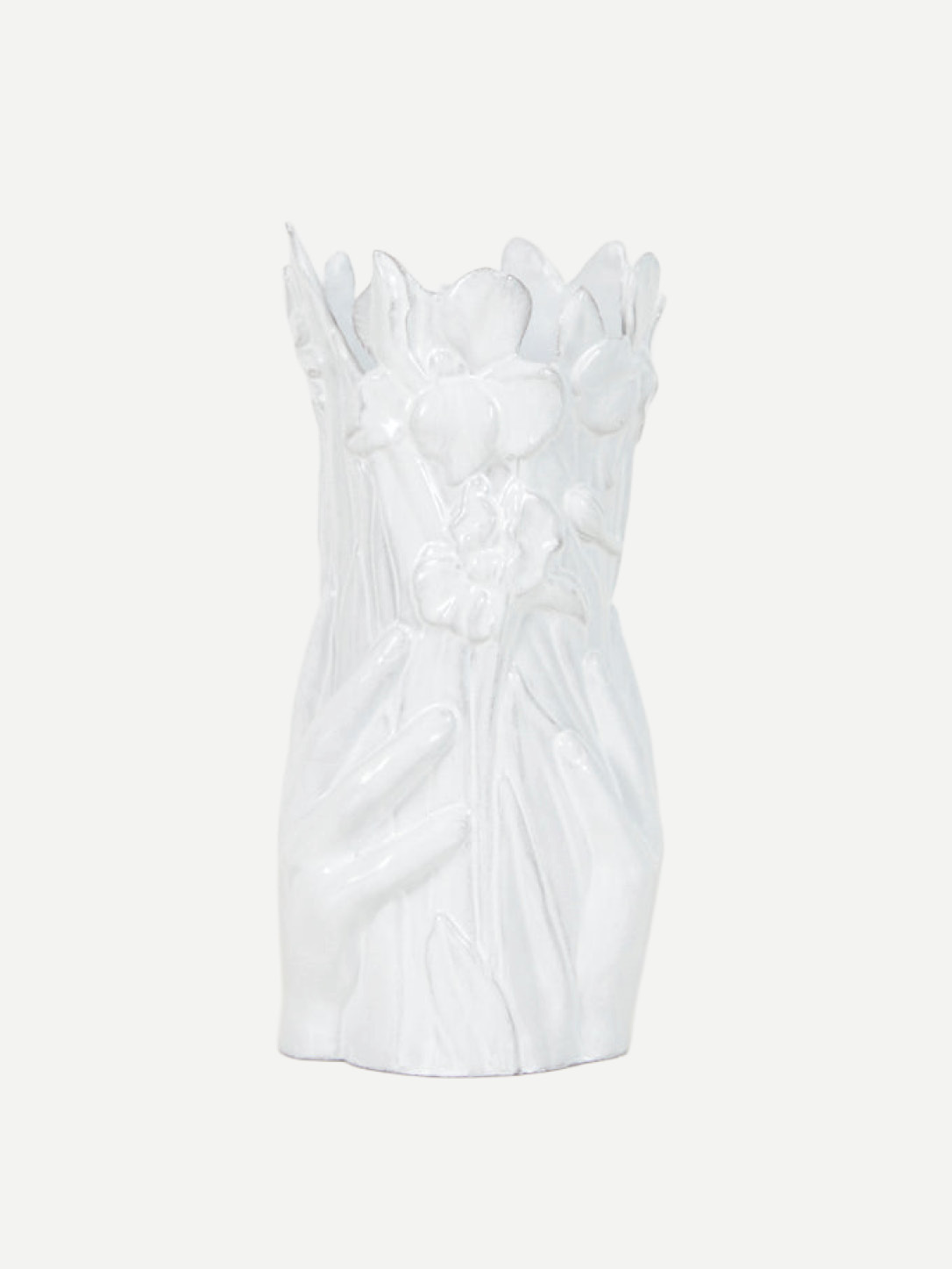
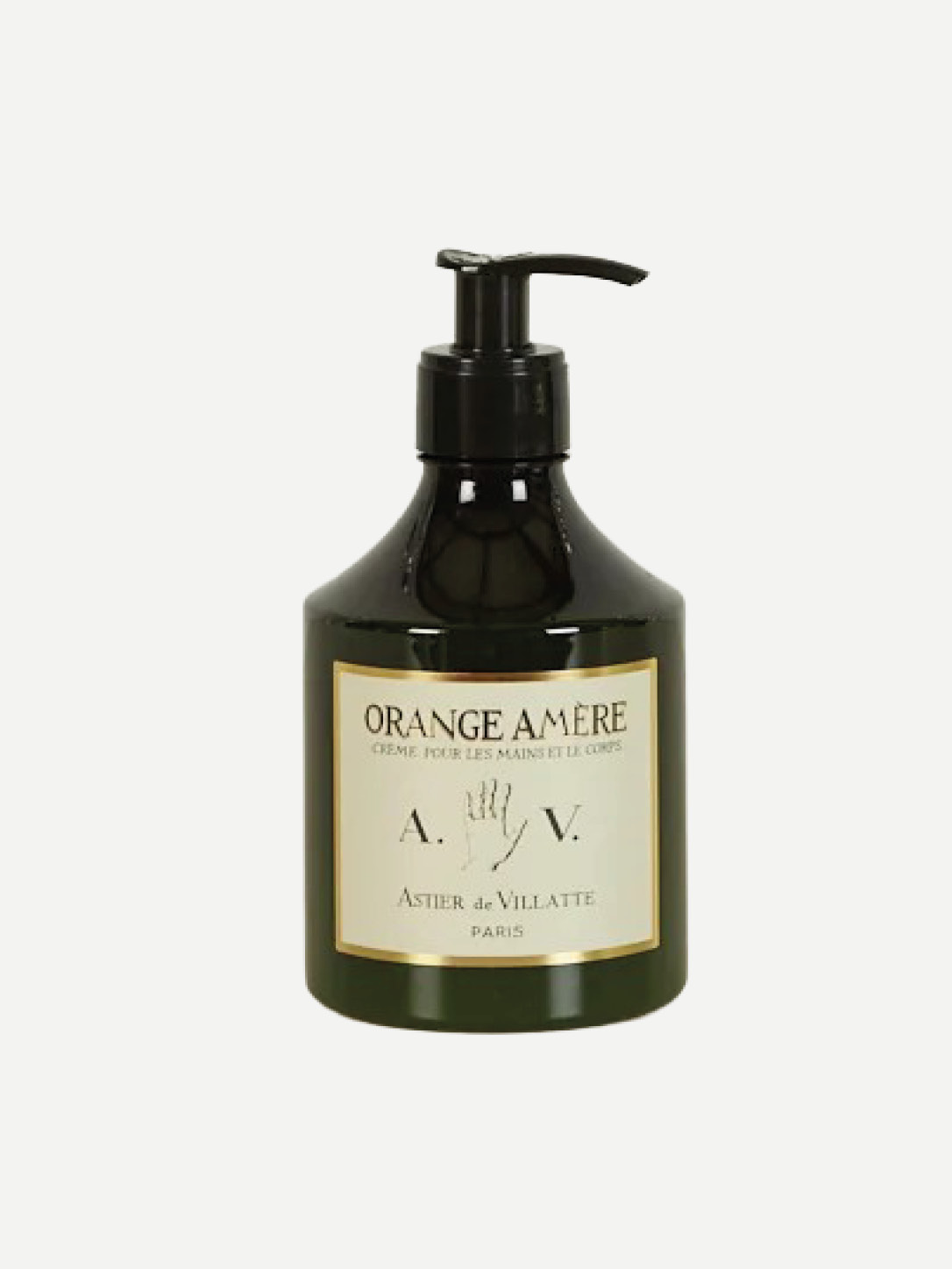
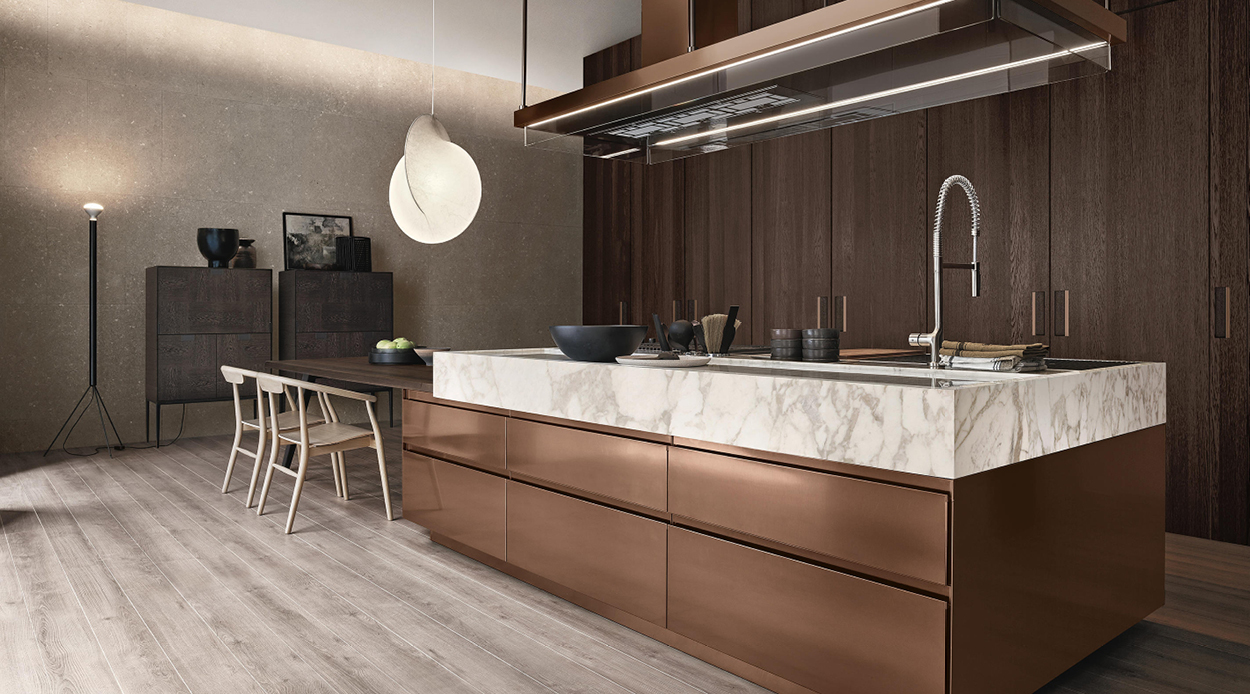
Main vase by Astier De Villatte from Tessuti, In The Sun table lamp from Tessuti
The effect is a study in how texture can add warmth yet still be quietly restrained. Instead of relying on overt pattern, the design draws its character from surface and light. As interiors transition into autumn, these tonal, textural applications demonstrate how paint alone can transform a room into something richer, warmer and resolutely a place to feel at home.
With each new year comes an inundation of claims about the ultimate wellness panacea, including some which veer off into the wackier side of health hacks. But it would appear that a simple therapy has been under our noses, or rather our feet, all along.
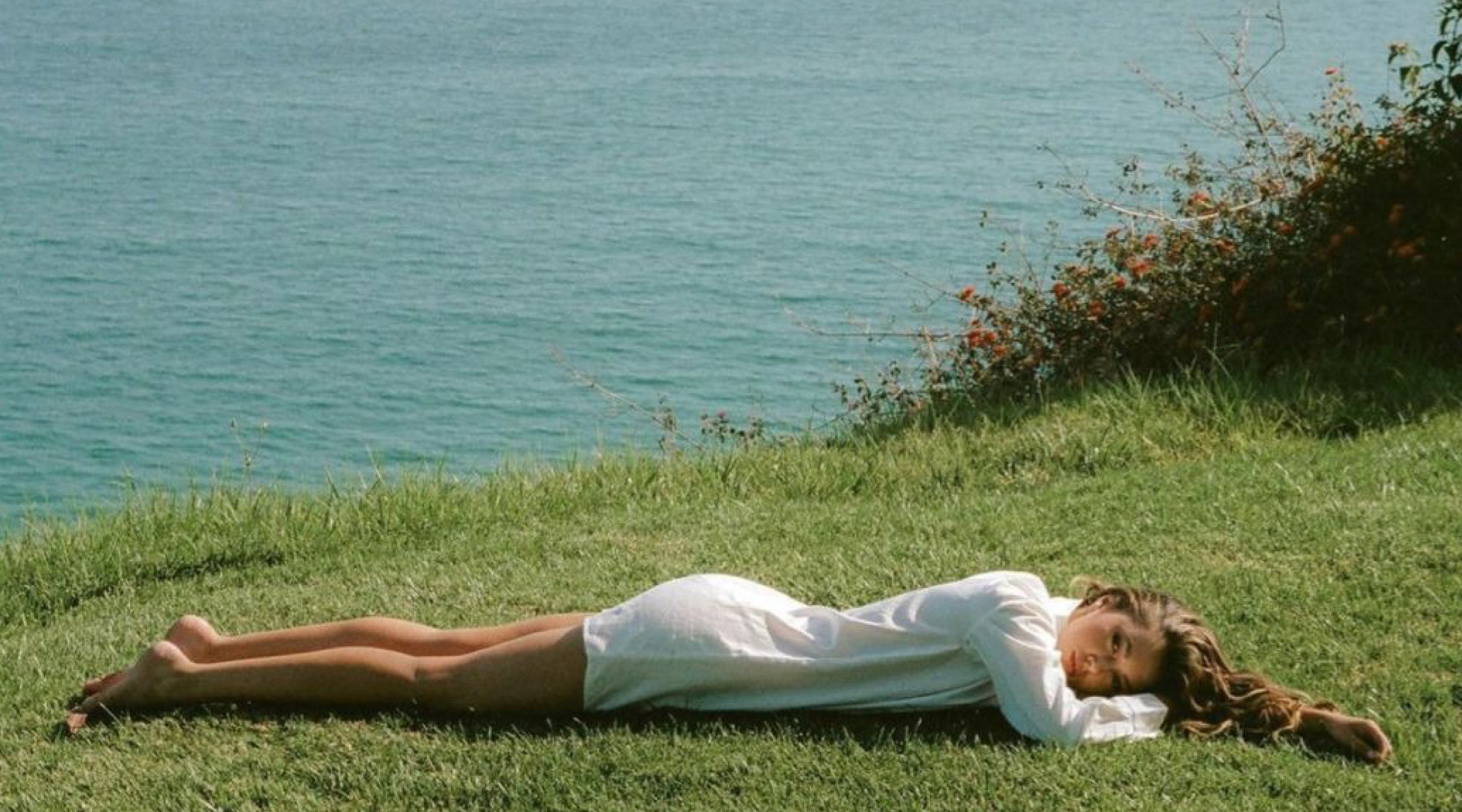
The Japanese have been extolling the virtues of forest bathing for years, but it’s only now that the movement is gaining momentum in the Western world. Hailing from the Japanese practice of Shinrin Yoku, which literally translates to ‘forest bathing’, this practice is based on the premise that nature has a profound effect on our overall wellbeing, and offers us numerous rewards, both mentally and physically.
But this is no jog in the bush, and neither is it a focused hike. Instead, the idea is to disconnect, by leaving all technological devices at home, and replace the map with a horizon-opening wander, aimlessly allowing your body to naturally guide you through the forest as you take in every sight, smell and sound that you can sense. Eventually you may be able to so fully immerse yourself in nature that you become capable of noticing even the different shades and tones of the flourishing greenery. Certainly, you’ll become attuned to the songs of birds overhead, and you may start to savour the earthy, pure scents of damp soil, while feeling the soft grass between your toes, or stopping to admire the roughness of the tree bark as you calmly navigate the surrounds.
This isn’t just hippy-dippy nonsense: phytoncides, the chemicals released by trees and plants, have been proven to have powerful immune-boosting properties. Studies show that regular exposure to nature can reduce blood pressure, aid sleep and improve concentration and memory. There’s also a big mindfulness aspect, a bit like a meditation on foot, which implicates forest bathing in the reduction of depression and anxiety.
In Japan itself, much effort has gone into researching the benefits of Shinrin Yoku and, faced with clear evidence of the profound benefits, the Japanese government has incorporated the practice into the country’s health programmes. Now, the concept is gaining traction around the world. In the States, it’s possible to sign up to the national Forest Bathing Club and even become a certified Forest Therapy Guide. In 2019, the Woodland Trust — the United Kingdom’s largest woodland conservation charity — promoted the idea that forest bathing should be one of many non-medical therapies that doctors can recommend to enhance their patients’ wellbeing.
Requiring nothing more than a mass of trees, and a spare hour or so, forest bathing is the wellness hack that we’ll be calmly cultivating long after the fads have come and gone.
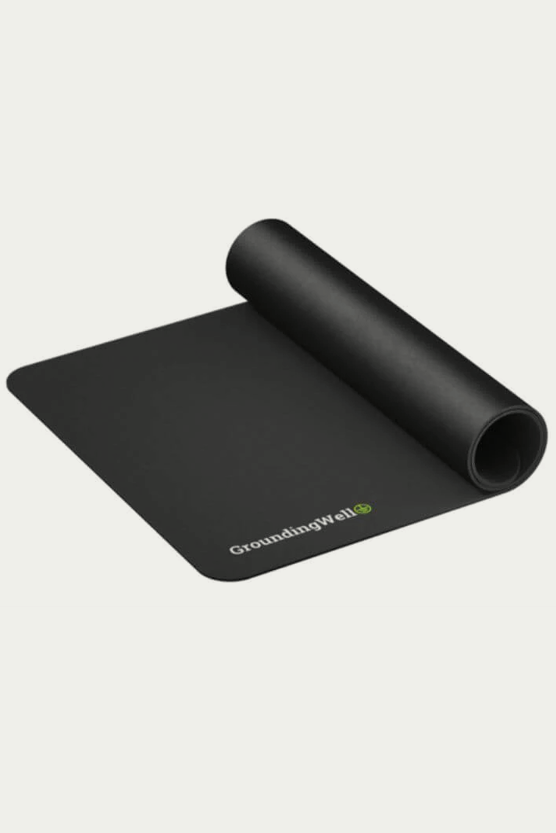
And, if you can’t find the time to regularly make it outdoors, grounding mats (or earthing mats as they’re often referred to) are gaining momentum, enhancing sleep and reducing aches, pains and inflammation by grounding you directly into the earth via your home’s power source.
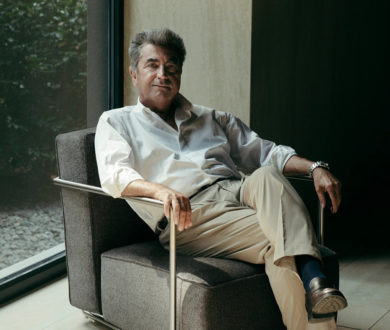
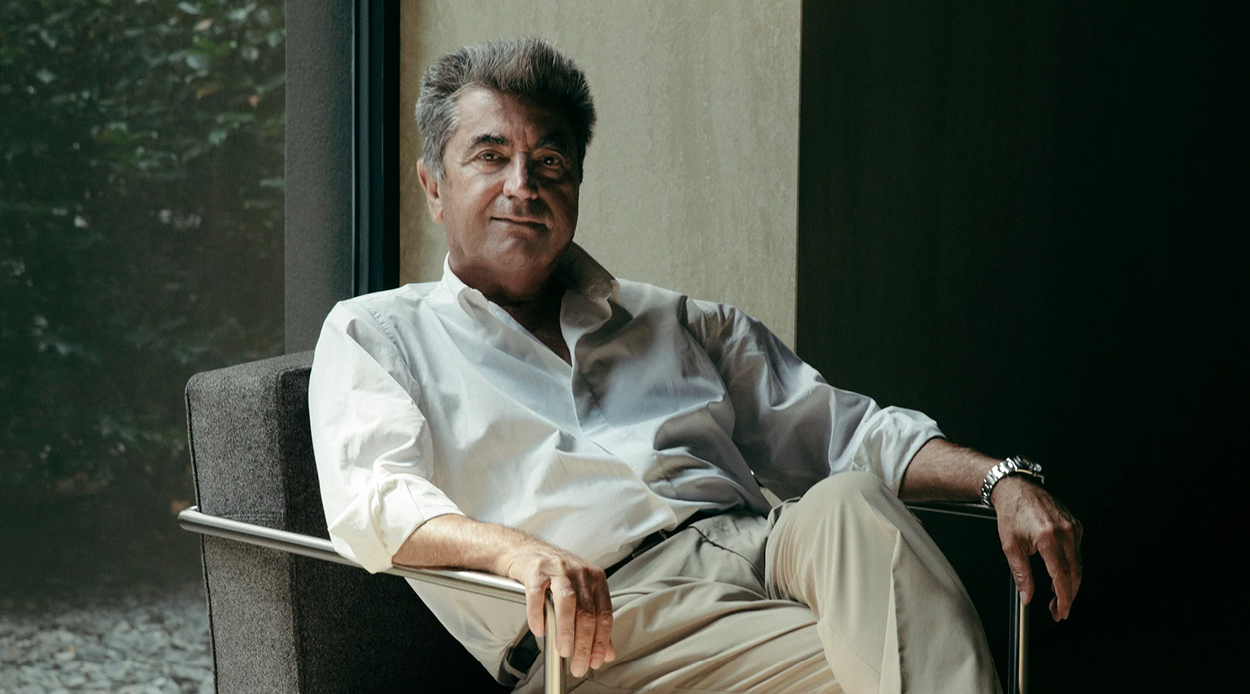
Captivating the world with his timeless creations, Antonio Citterio is an iconic figure in the realm of furniture and interior design. From his work with Terry Dwan between 1987 and 1996 that saw him conceive awe-inspiring buildings in Europe and Japan, to his partnership with Patricia Viel that grew into the now lauded, cross-disciplinary international design studio, APV Architects, to the collaborations he has undertaken over the years with the likes of B&B Italia, Flos, Flexform, Knoll and more, Citterio is a multi hyphenate with a keen eye for detail, an innovative approach and an unparalleled vision. Here, in honour of the designer’s lifelong dedication to creating groundbreaking, industry-defining pieces, we have rounded up some of his most renowned designs — pieces that showcase why the name Antonio Citterio will be cemented in the wider design vernacular for years to come.
Antonio Citterio
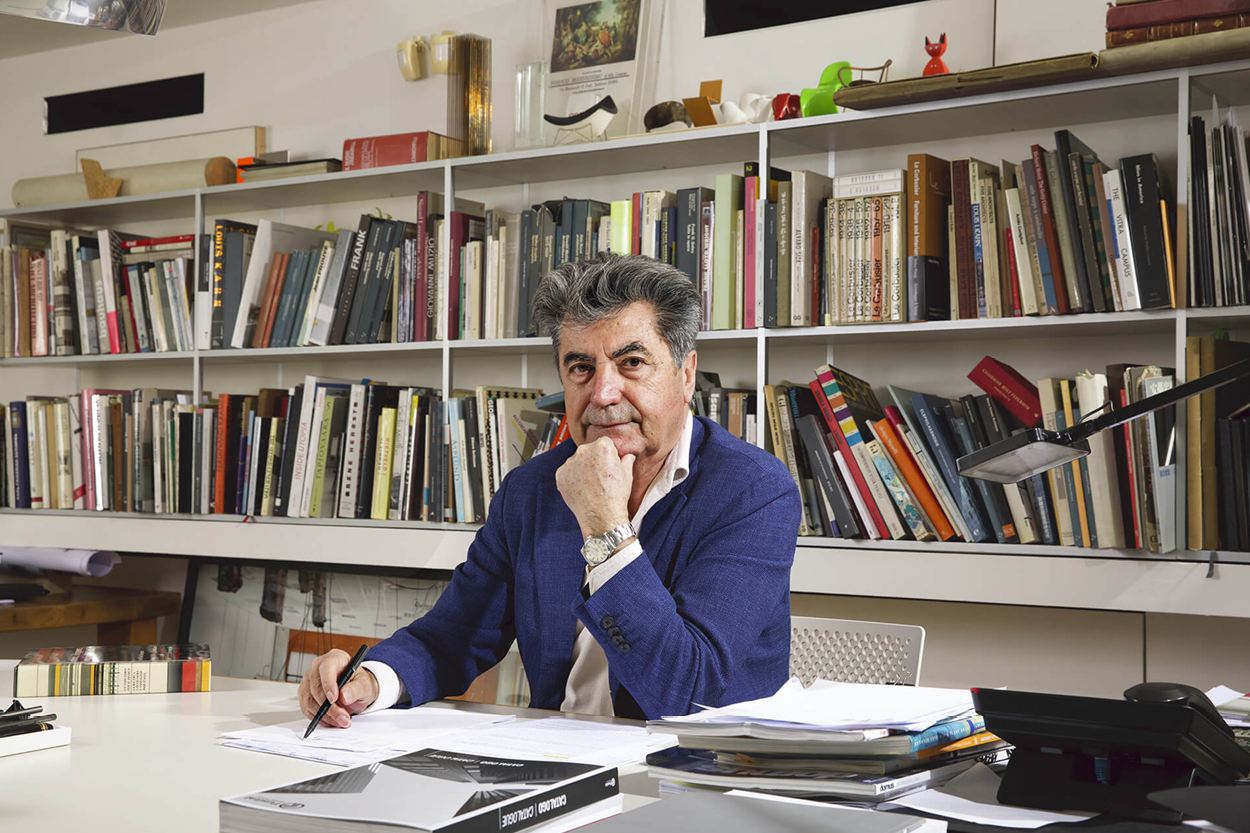
Born in the Italian town of Meda in 1950, Antonio Citterio’s journey to success began when he established his own design studio in 1972 while still a student. After graduating from the renowned Politecnico di Milano in 1975, he embarked on a remarkable career that has shaped the way we perceive and interact with furniture to this day and has seen Citterio dubbed the ‘Gentleman of Design.’
It is an apt nickname considering the legacy of timeless refinement and elegance that Citterio has cultivated throughout his storied career. Clean lines and a minimalist aesthetic define the designer’s approach, where he focuses on tempering functionality with a distinctly human touch. His vast portfolio spans (in addition to furniture and architecture) lighting, kitchens, glassware, home products and bathroom fixtures, and the brands with which he has collaborated are just as far-reaching.
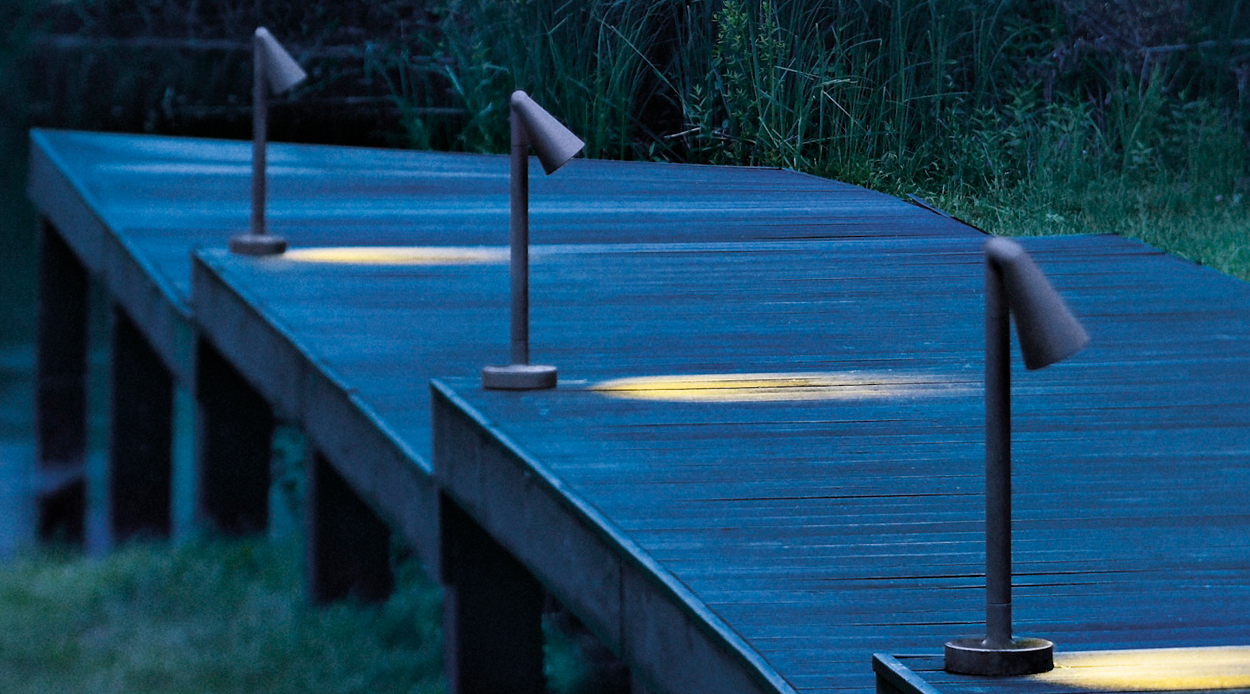
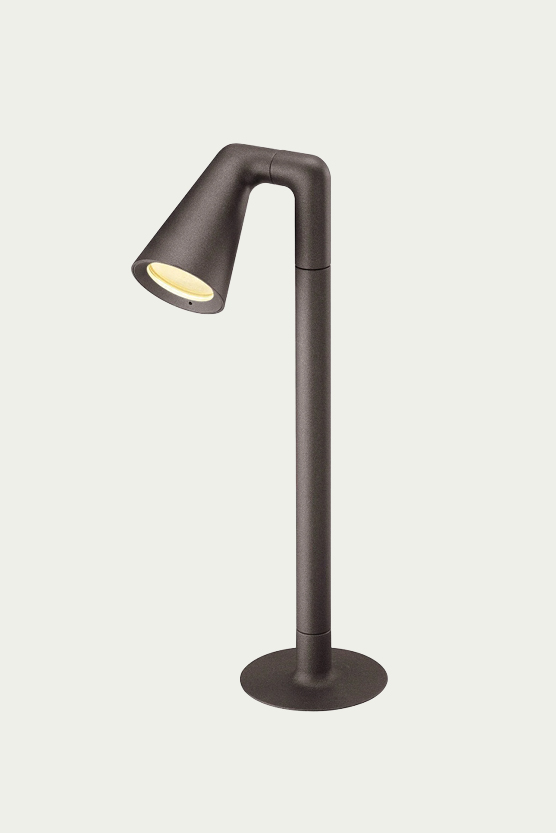
“This Belvedere Spot Single F2 outdoor light exemplifies Citterio’s ability to marry high functionality with elegant form.”
B&B Italia, for instance, has been working with Citterio since the 70s, when both entities found solidarity in their shared ideals of creativity, experimentation, timeless modern design and unsurpassed quality. In fact, these are qualities that Citterio applies to all of his work, with notable projects including B&B Italia’s flagship store in Milan and the luxurious Bulgari Hotels in Bali and Milan (alongside specific pieces like the Mart chair and the Groundpiece sofa, which we speak to on the following pages).
Ultimately, Citterio’s meticulous approach and his international body of work have shaped the canon of Italian design like no one else. Here, we invite you to immerse yourself in the sleek world of this lauded designer, and to understand the true importance of his work.
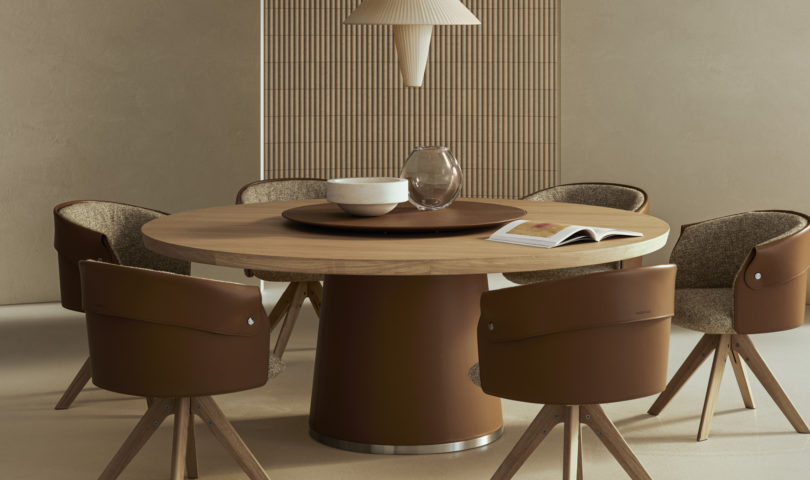
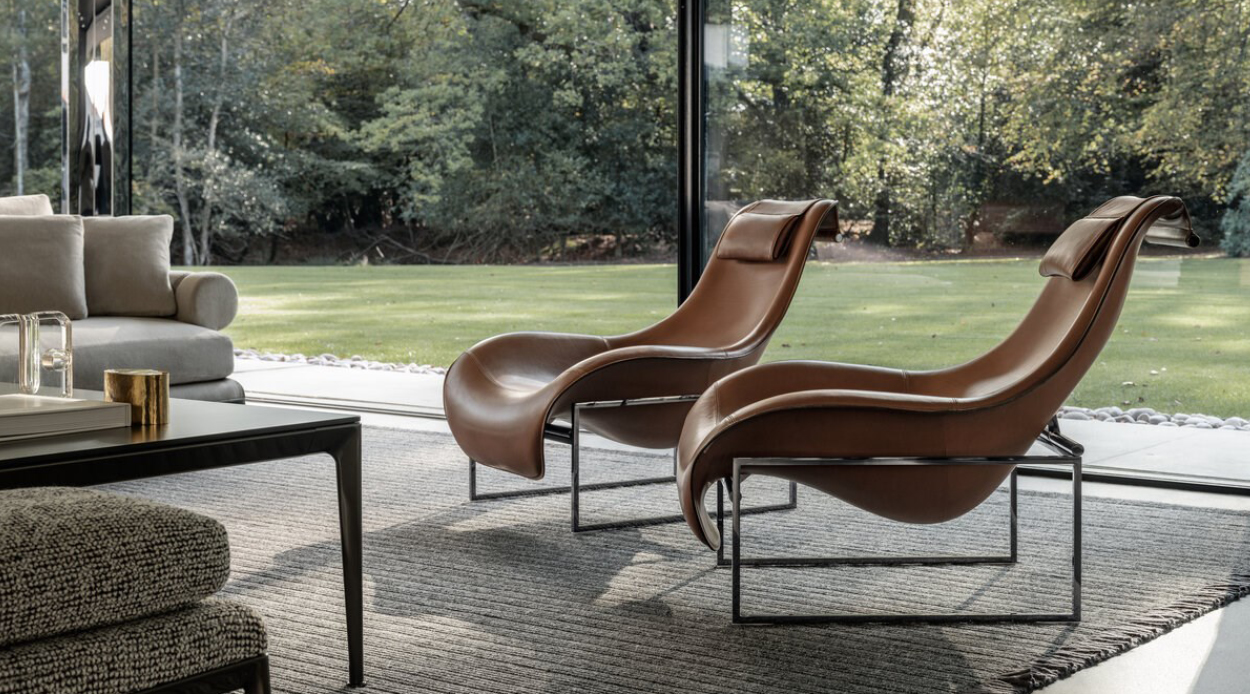
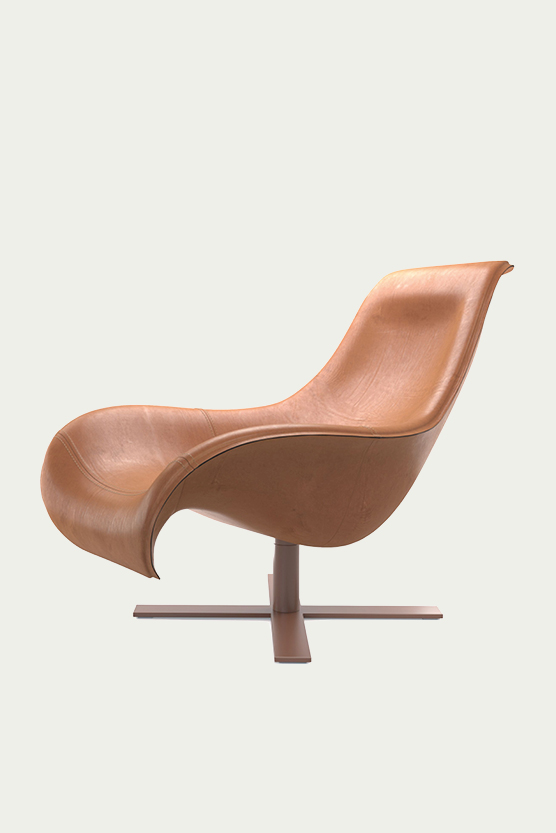
Embodying the perfect balance of form and function, this remarkable chair has captivated design enthusiasts since it was first unveiled in 2003. From its unique shape and exquisite craftsmanship to the fact that it is available in two sizes, the Mart chair will effortlessly adapt to any space, making a bold statement with its sculptural, aesthetic presence. Made via an innovative production process, rooted in meticulous experimentation, this chair has been crafted from thermoformed leather and cold foaming of polyurethane — a combination that creates a harmonious blend of elasticity and comfort, and a luxurious lounging experience. With its exceptional attention to detail and timeless design, this chair stands as a testament to Citterio’s mastery of contemporary craftsmanship and is destined to elevate any interior.
Part of a wider family of exterior lighting devices that Antonio Citterio created to redefine the boundaries of illumination, this Belvedere Spot Single F2 outdoor light exemplifies Citterio’s ability to marry high functionality with elegant form. Versatile and sturdy, the design features adjustable projectors with double rotation capabilities along vertical and horizontal axes, and offers unparalleled flexibility. Offering options for various heights and lighting sources and remarkable technical features such as a remote power box and factory-sealed components, this light is as durable and practical as it is beguiling to look at — a testament to the innovative mind of its designer.
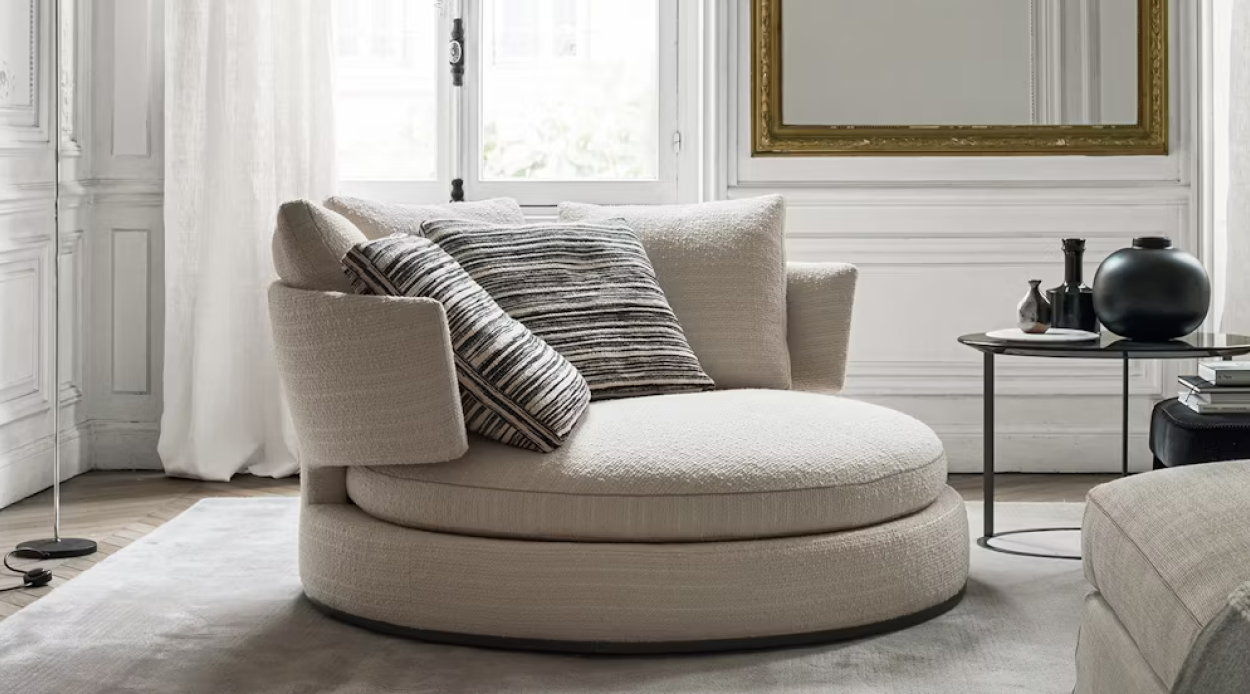
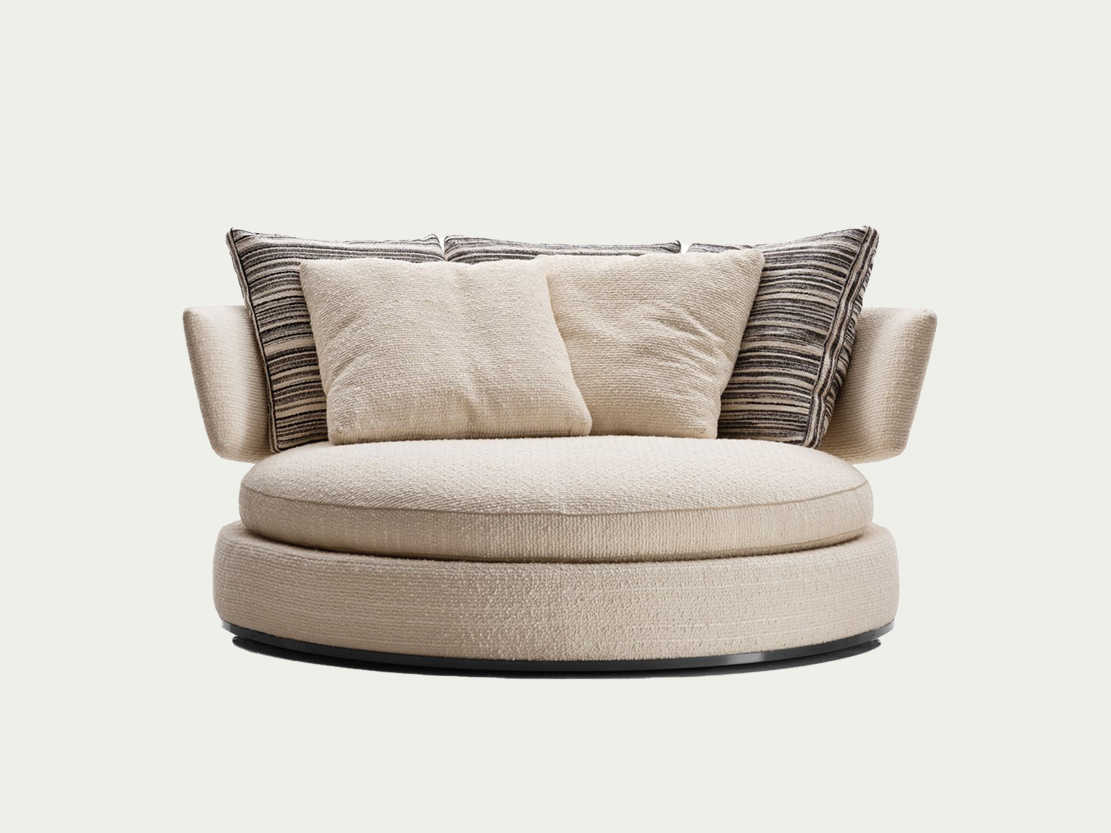
The allure of Antonio Citterio’s Amoenus Soft swivel sofa for Maxalto lies in its supreme elegance and comfort. Promising a luxurious lounging experience like no other, the generous, curved profile and deep seat, padded with down, lends itself to moments of rest and relaxation. The curved back adds a refined edge, while the chair’s ability to swivel provides a sense of freedom and versatility. Crafted with careful attention to detail, this armchair is a symbol of refined taste and an invitation to unwind in style.
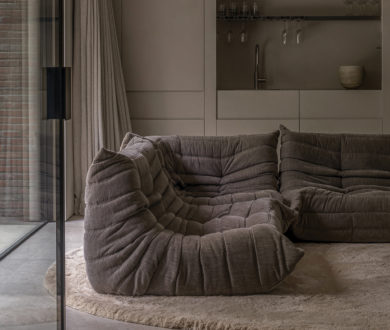
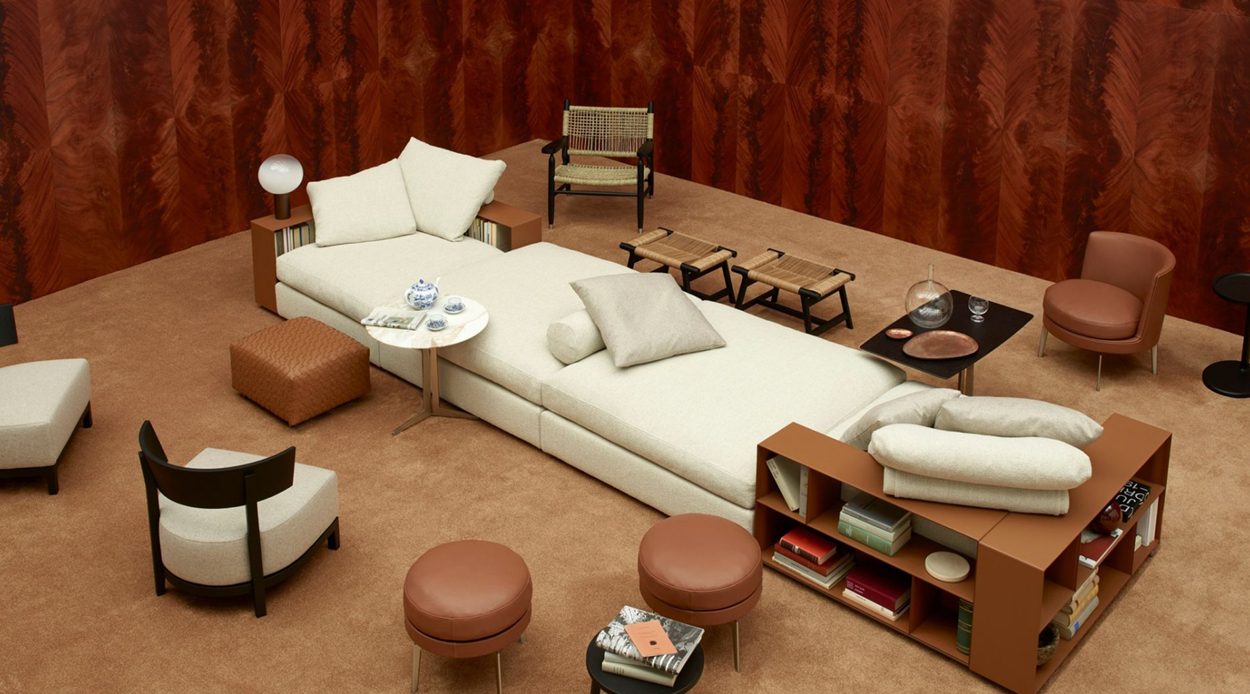
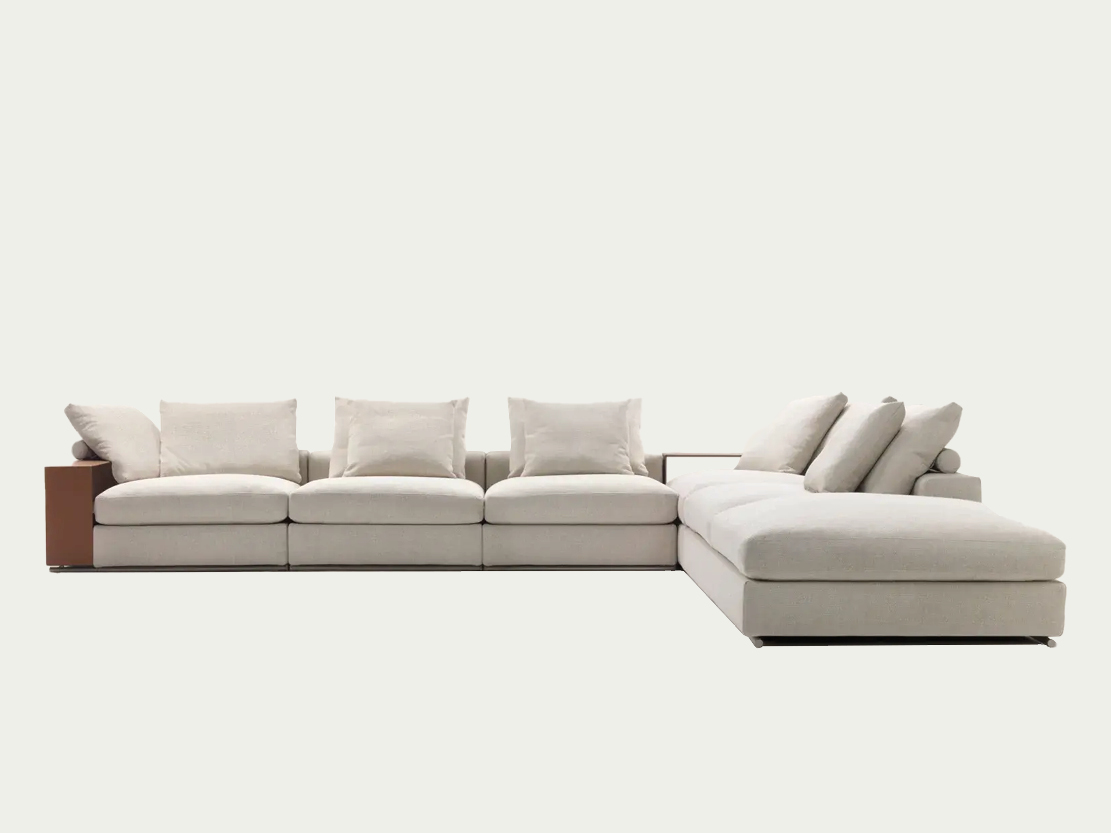
Set to elevate any living space, the iconic Groundpiece sofa by Antonio Citterio for Flexform is a true masterpiece of Italian design and craftsmanship. Renowned for its unparalleled comfort and timeless shape, this modern classic has garnered widespread acclaim (for good reason). The Groundpiece’s versatility knows no bounds, thanks to a modular system that allows for personalised configurations. Its most distinctive feature is its removable arms, available in upholstery or as a steel bookcase, and showcases a consideration by Citterio that went beyond function alone. From the sumptuous cushions, filled with a poly-dacron core wrapped in down, to the removable upholstery cover, this sofa is as visually striking as it is utterly practical, where unrivalled comfort meets refined design — Citterio’s signature approach.
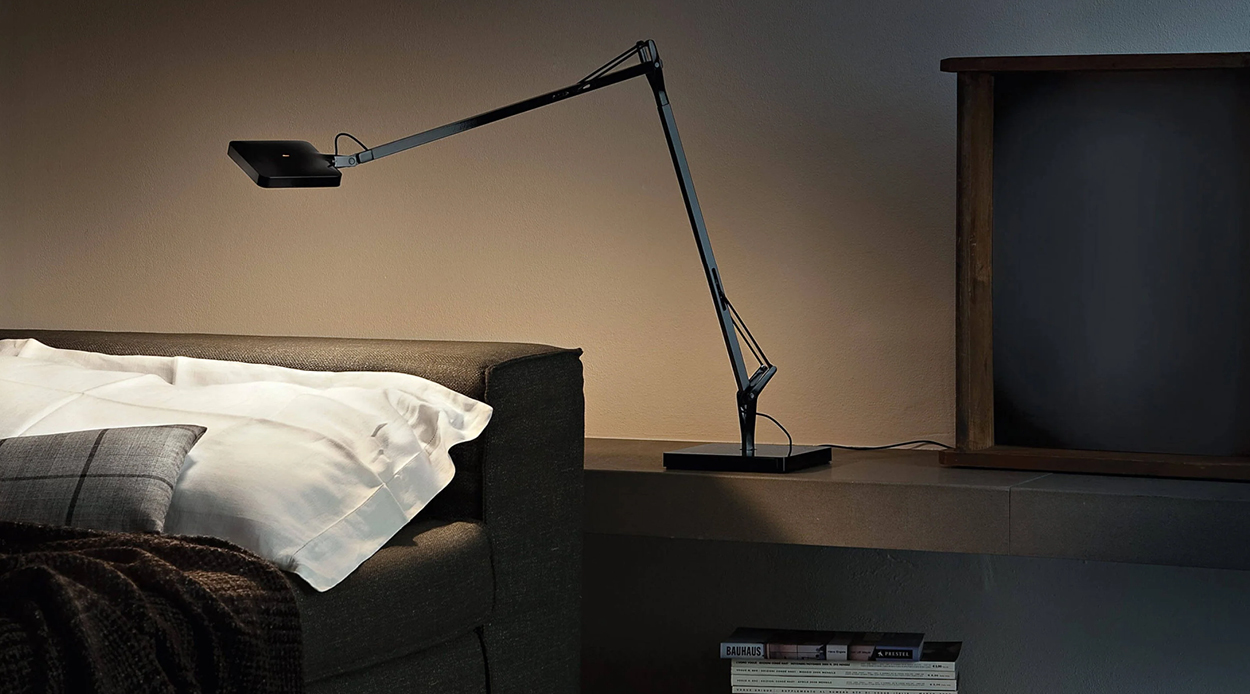
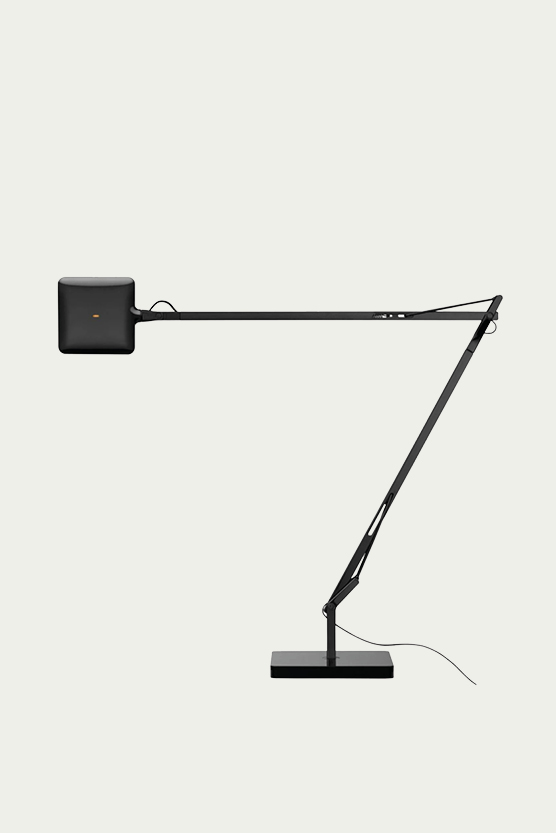
The Kelvin Edge Base table lamp is a striking creation that serves a purely practical purpose but carried with an air of sophistication. Available in sleek aluminium paint or a chrome finish and with a photoengraved diffuser and edge lighting technology that emanates a gentle yet powerful direct light, the Kelvin Edge lamp is the perfect addition to any side table or desk. Featuring an optical switch sensor for easy dimming as well as a colour temperature adjustment, this exquisite piece seamlessly combines aesthetics and innovation.
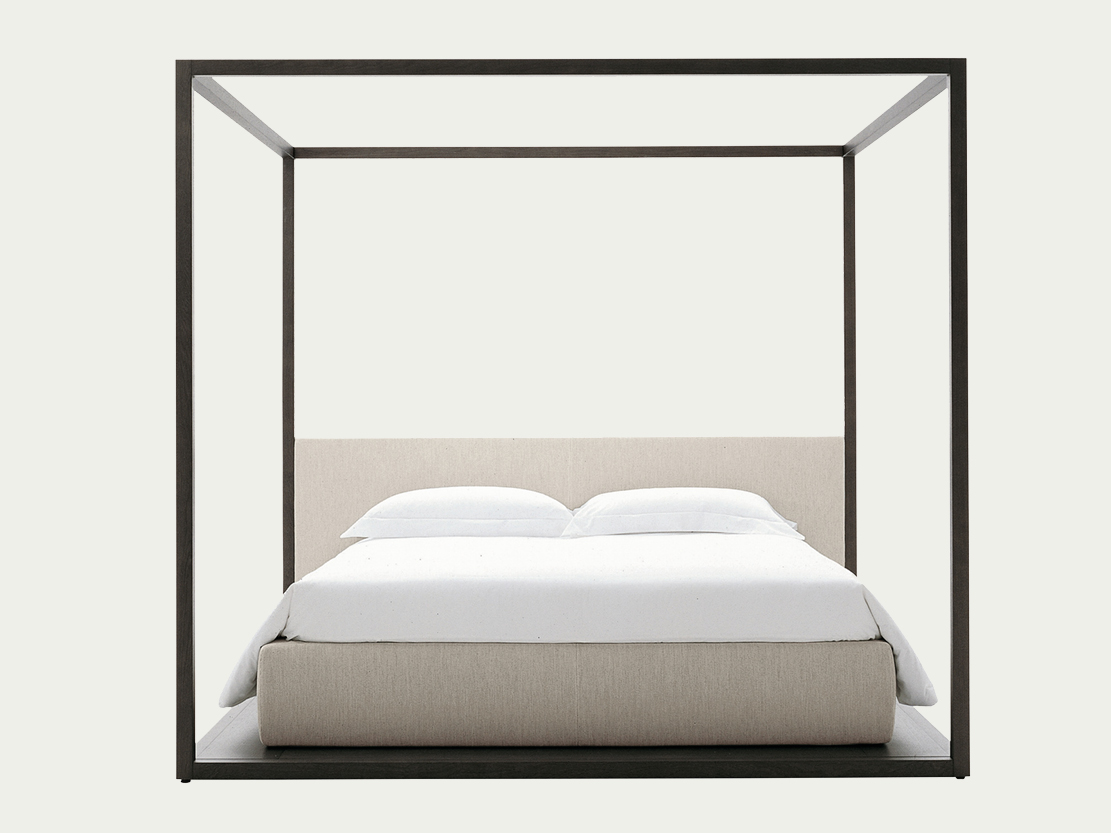
Offering a modern rendition of the classical canopy bed, Antonio Citterio’s Alcova bed for Maxalto is a striking design. Exuding opulence and sophistication, with bed sides and headboard available in leather or fabric, this bed creates a focal point that commands attention. The platform on which it rests offers functionality, providing ample space for a service element with an open compartment at the foot of the bed. Promising to transform any bedroom into a sanctuary of refined luxury, this bed encourages us to rethink the aesthetic of even our most functional pieces.
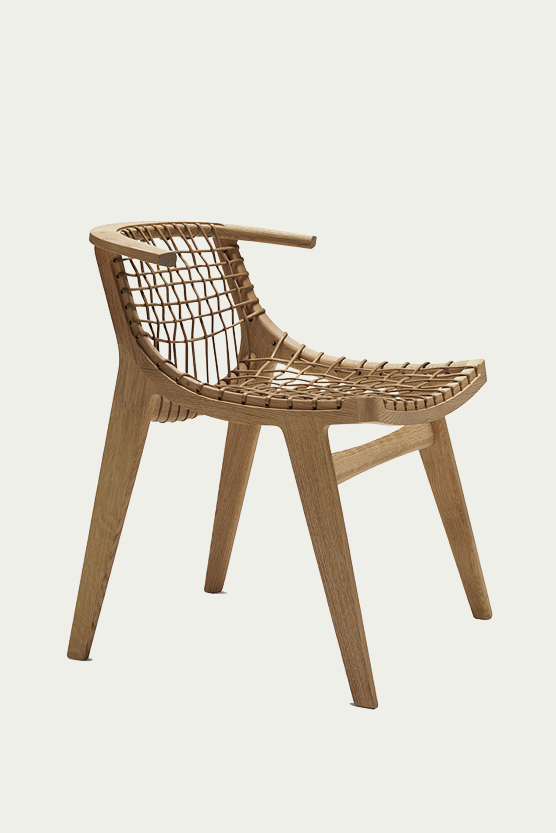
In designing this chair, Antonio Citterio paid homage to Knoll’s design heritage. Crafted with a strong emphasis on sustainability, this beautifully-constructed piece showcases the beauty of natural timber. Its majestic, solid wood frame exudes timeless elegance, while its seat, made from an intricate cotton cord weave and its curved back add an artisanal touch. For enhanced comfort, the Klismos chair is available with optional leather cushions in sleek black or natural brown. Embodying the perfect harmony of quality, aesthetics and sustainability, this chair will be an exquisite addition to any living or dining space.
Masterfully designed by Antonio Citterio, the Convivium kitchen for Arclinea transcends the boundaries of tradition. Here, the design is centred around an open, agile space that transforms daily routines into cherished rituals. In fact, the clever way in which Citterio conveived this space promises to take the user on a sensory journey, as well as being a thoroughly practical design. This visionary kitchen unfolds from a large built-in wooden table which is surrounded by canopy shelves that lend warmth and functionality. Designed to seamlessly blend with the living room, Convivium encapsulates the essence of shared moments, evoking the inherent function of the kitchen where cooking is a catalyst for connection and conviviality. Boasting innovative solutions catering to modern needs, including hidden units behind New Pocket System doors, Convivium is a haven of harmonious design perfect for the heart of any home.
The Thomas armchair has remained an icon of design since its inception in 2000. Its allure lies in its inherent sophistication, drawing the admiration of discerning connoisseurs the world over. Crafted with meticulous attention to detail, the Thomas features a sumptuous padded seat, a refined, curved wooden base and a semi-circular seat back, available in exquisite Canaletto walnut or ash (stained in various shades) or in a glossy lacquer finish. Versatile and showcasing the importance of considered craftsmanship, the Thomas armchair is a testament to Antionio Citterio’s commitment to creating luxurious and timeless furnishings.
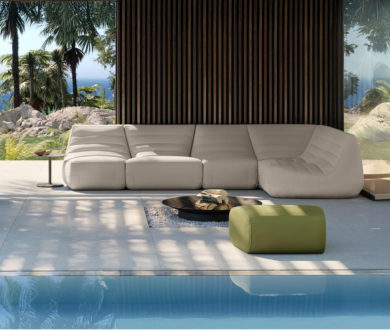
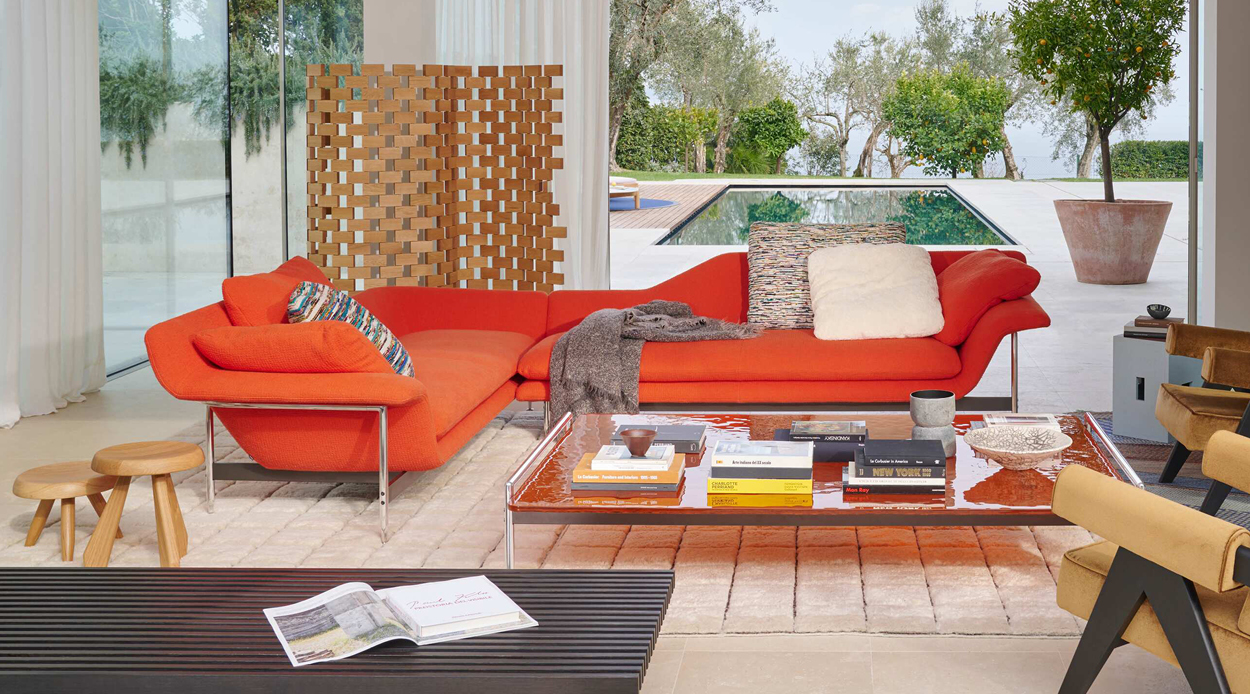
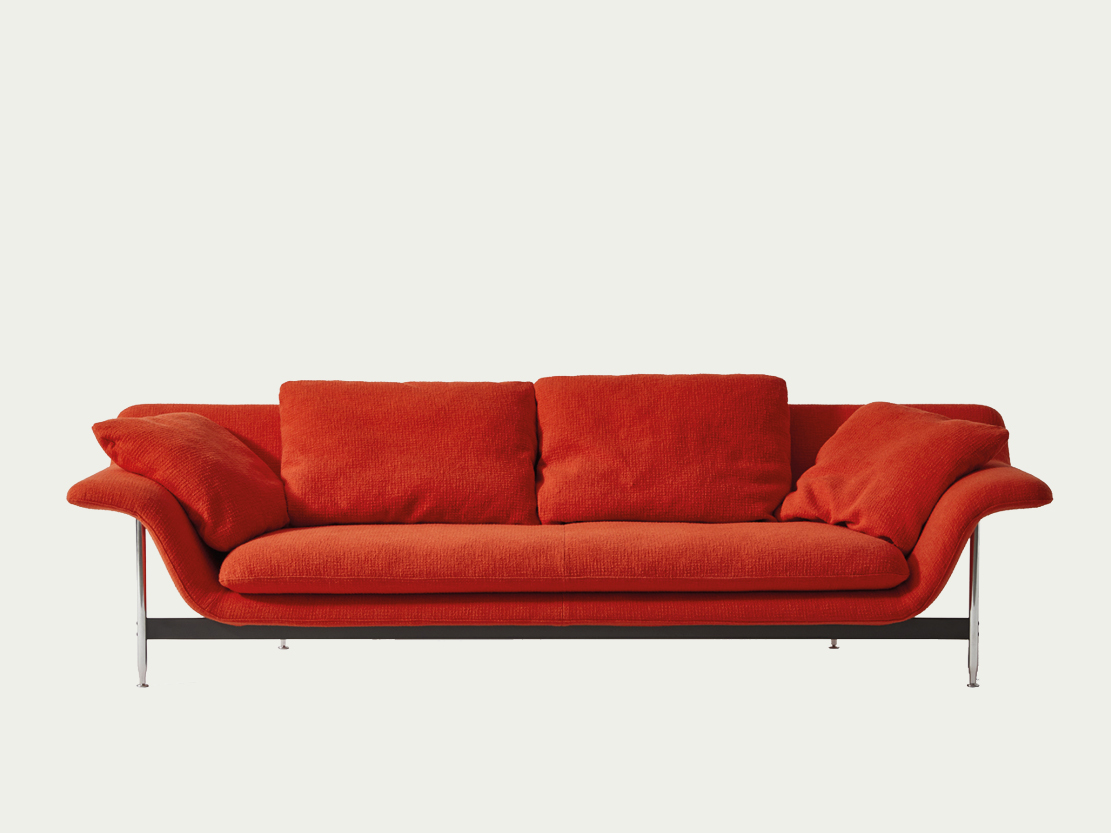
Crafted with an aluminium exoskeleton and an organic-shaped shell, the Ecosoft sofa by Antonio Citterio exudes casual elegance and an aesthetic reminiscent of the 1960s era. Plush cushions rest upon its fluid silhouette, inviting anyone seeking a place to unwind and relax. Part of the wider Ecosoft collection, which offers eight versatile modules that allow for customisable configurations, this sofa has been designed to effortlessly adapt to any living space.
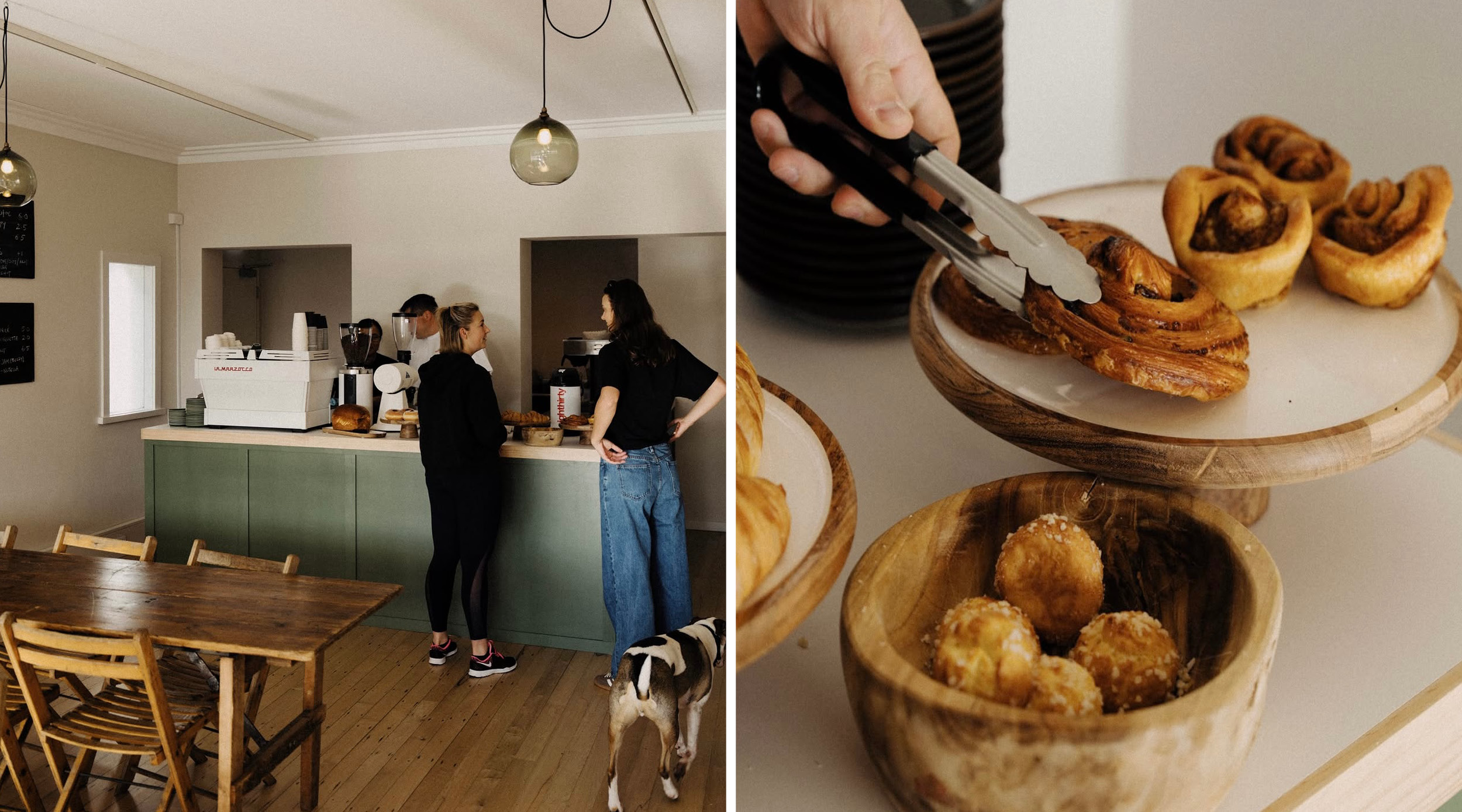
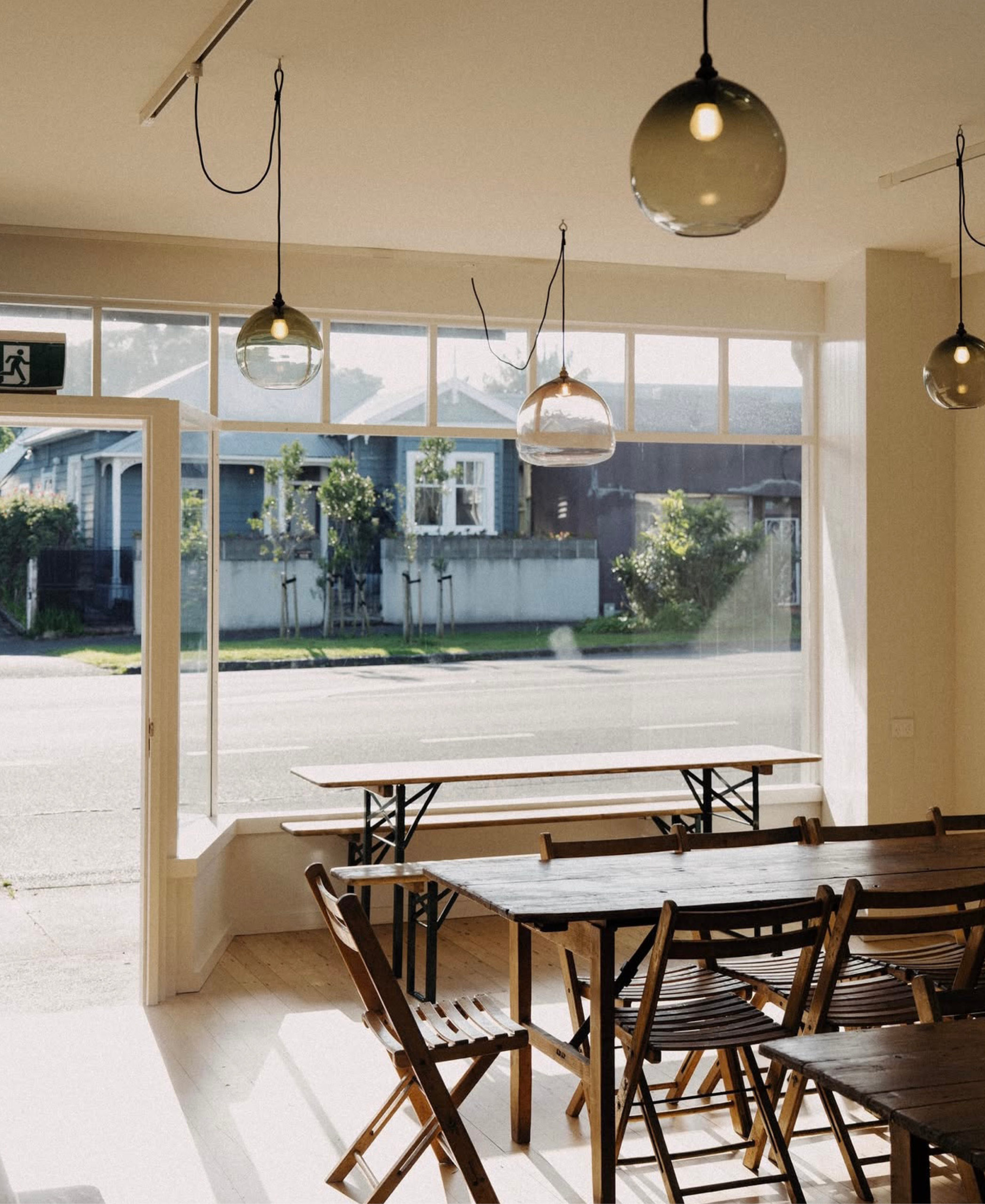
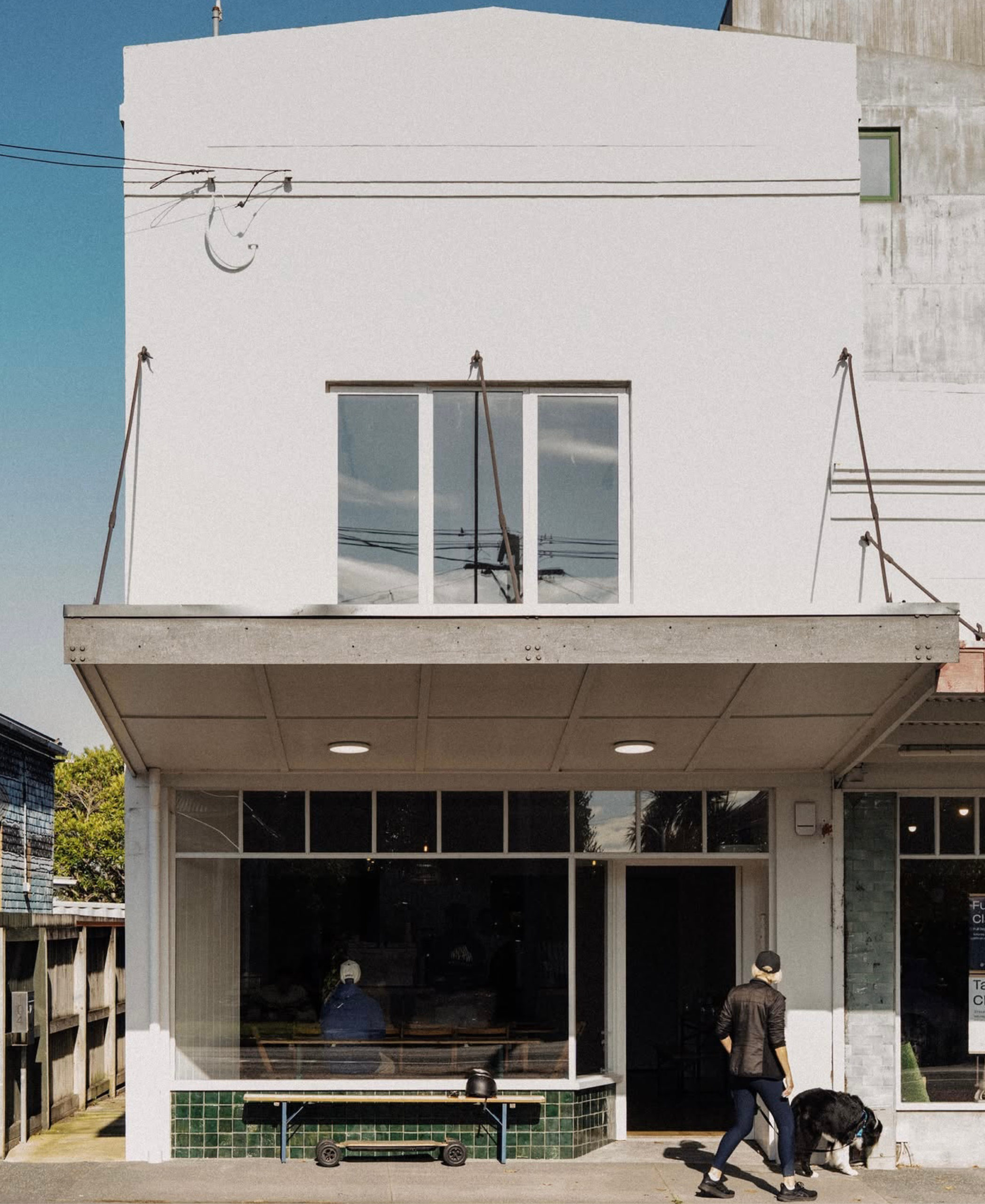
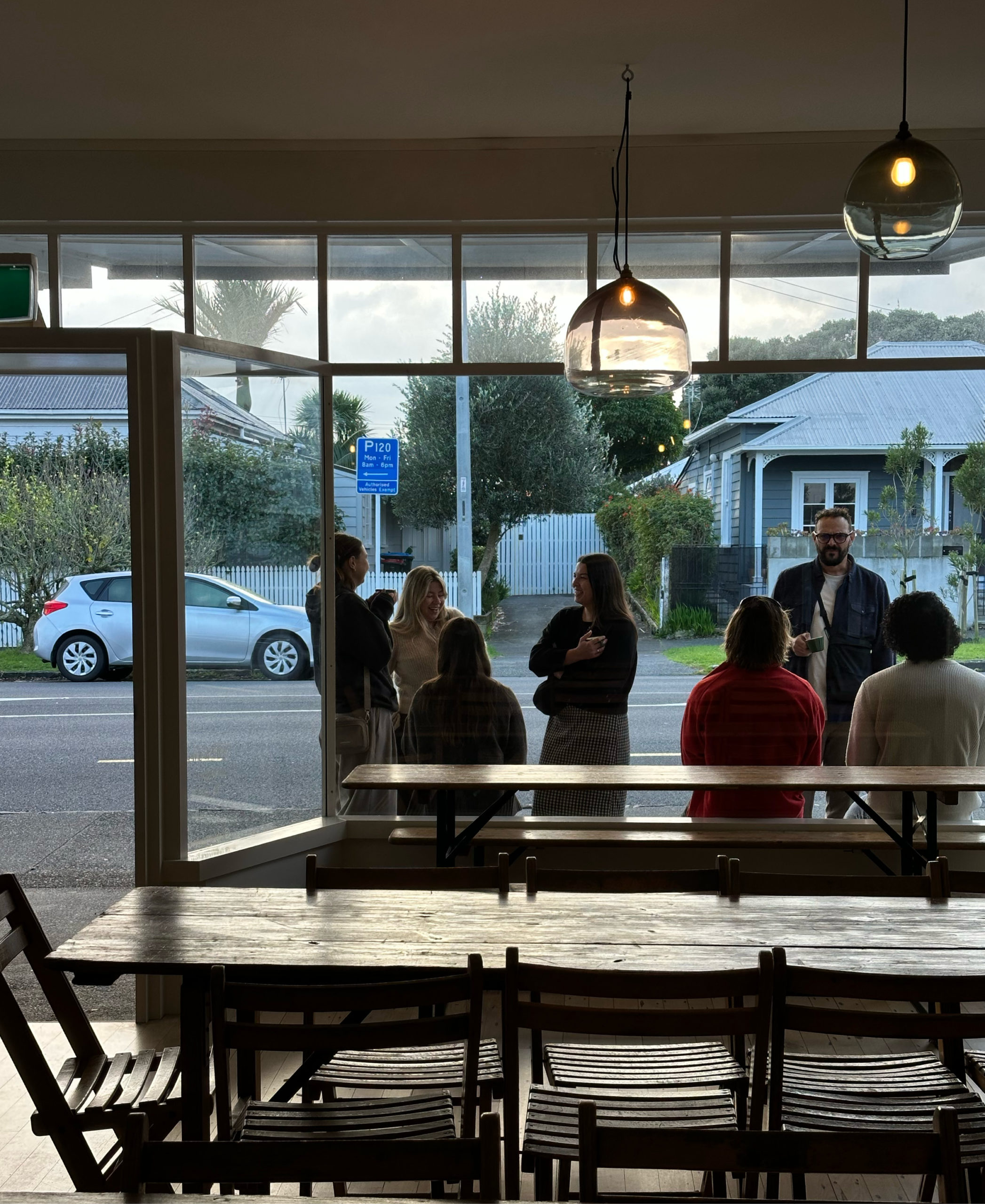
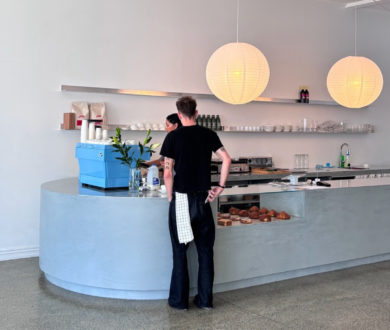
Grey Lynn has never been short on good coffee spots, but few new openings arrive with the kind of easy confidence that makes a place feel settled from the outset, as though it has always belonged there. La Buvette, the new café and future wine bar from the team behind Bare Wine, has now opened at 104 Richmond Road, bringing with it the same thoughtful approach that turned the original Ponsonby venture into a favourite among those who prefer their hospitality relaxed, personal and quietly considered.
Bare Wine began as a small online wine business between friends Bertrand and Romain before evolving into a wine shop and bar on Brown Street in Ponsonby, where over the past four years it built a loyal following around natural and biodynamic wines, good conversation and an atmosphere that never felt overly formal. That chapter will officially come to an end in mid-July, with La Buvette set to become the new home for Bare Wine once its on-licence is approved, although the foundations of the space already feel closely aligned with what made the original so appealing in the first place.
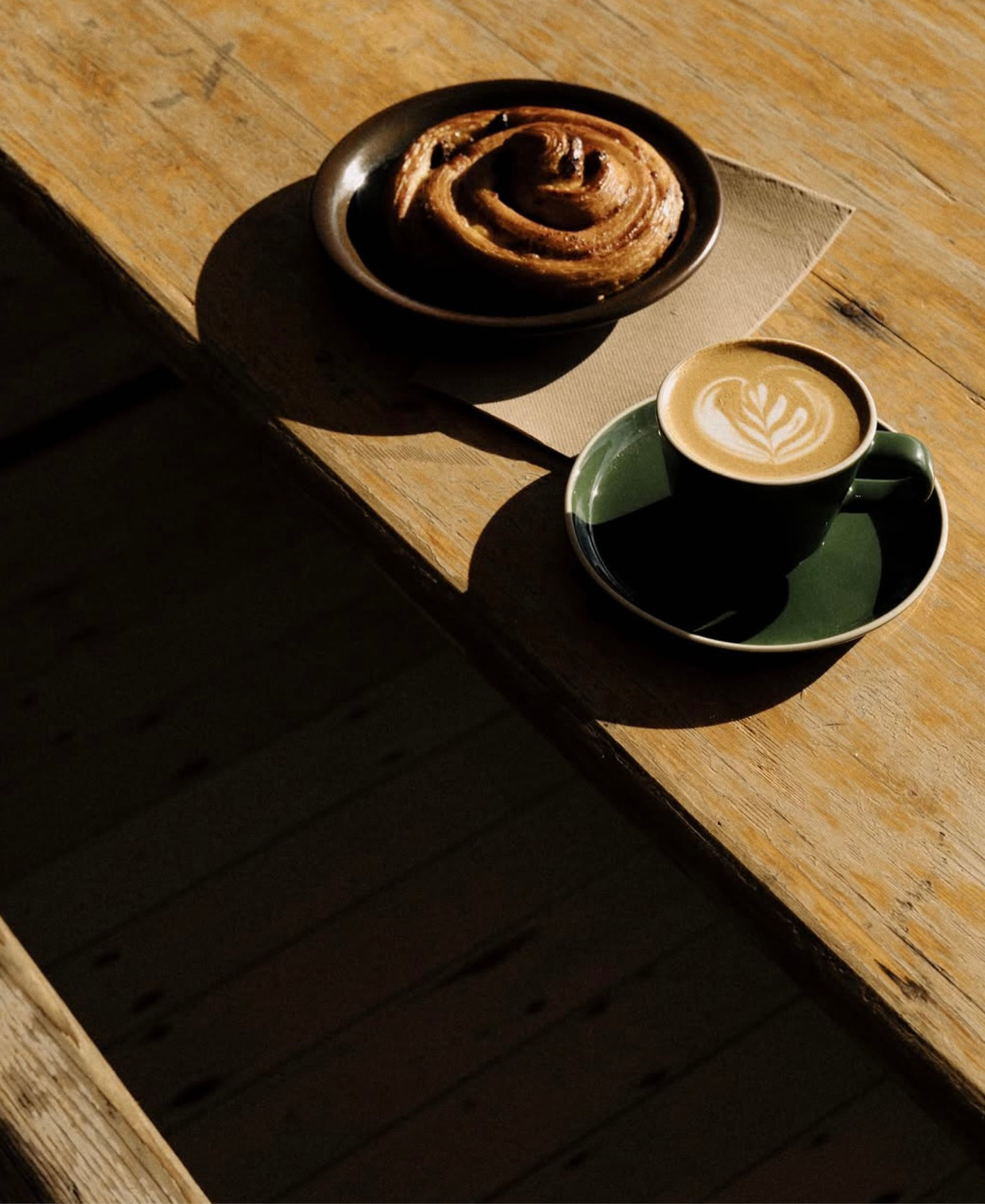
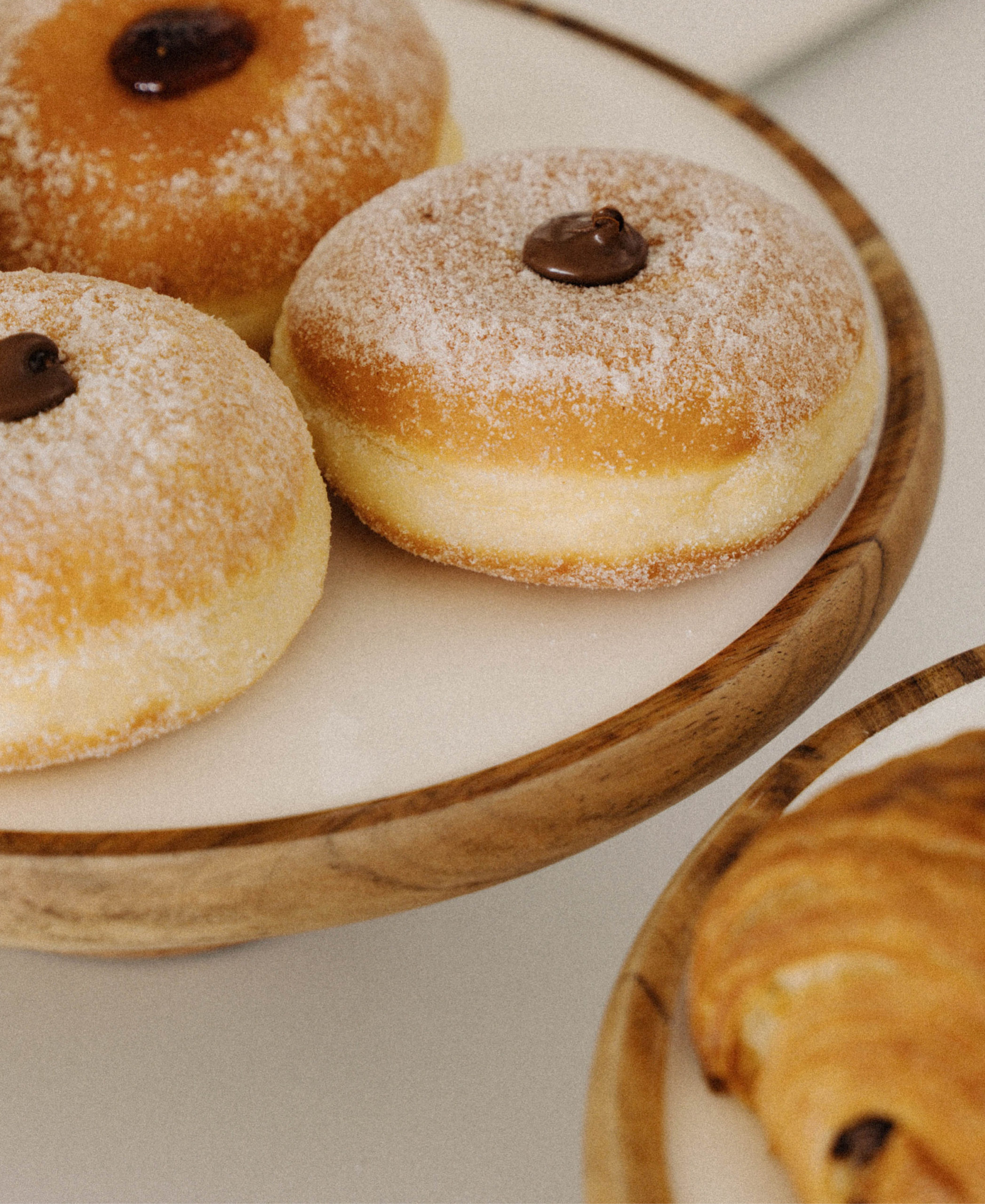
Named after the French term for a small neighbourhood spot where people gather for a drink, something to eat and a sense of community, La Buvette has been designed with exactly that spirit in mind. The space currently operates as a café from Wednesday through Saturday, serving single-origin coffee from Eighthirty alongside fresh French pastries from Copain, with the offering intentionally simple while the concept settles into the rhythm of the neighbourhood.
There is a warmth to the space that feels genuine rather than overly styled, reflecting the personalities behind it as much as the hospitality itself. The Bare team, which has grown considerably since the business first began, speaks openly about wanting the café to feel like an extension of their own living rooms, somewhere locals can drop in for a quick morning coffee, linger over a pastry, or eventually return for a glass of wine once the licence comes through. Outside work, the team spends much of their time surfing, climbing, mountain biking and running, and that sense of ease carries naturally into the atmosphere they are creating here.
Once La Buvette begins pouring wine, the focus will shift towards the same growers and producers Bare Wine has championed over the years, with a fun and thoughtful selection of natural and biodynamic bottles expected to sit alongside the daytime café offering. For now, though, there is something refreshing about the fact that the space has opened in a more understated form, allowing it to evolve gradually and organically rather than arriving overdesigned or overcomplicated from day one.
At its core, La Buvette feels less concerned with being the city’s next big opening and more interested in becoming a genuine local fixture, the kind of place people return to out of habit as much as intention. In a neighbourhood like Grey Lynn, that approach tends to matter most.
Opening hours:Wednesday – Saturday, 7 am – 2:30 pm
Naturally, immunity becomes top of mind as the temperatures drop. With winter comes a fresh wave of seasonal bugs, and now more than ever, supporting your body’s natural defences feels essential.
Ultimately, immunity comes back to the foods you eat. What’s on your plate at breakfast, lunch, and dinner, or your go-to snacks throughout the day… these are all opportunities to strengthen your immune system. With a regular dose of nutrient-rich foods, you’re not just nourishing yourself for the season ahead, but making winter wellness a daily ritual to feel good about.
Camu Camu Berries
Not to be missed on any immunity list is the coveted vitamin C — a winter staple that has been in family medicine cabinets for as long as we can remember. Although typically speaking, most would reach for a glass of cold pressed OJ for a daily vitamin hit, some studies have shown one of the highest fruit sources is the camu camu berry, which comes as a powder form that can be added to a morning smoothie for an extra hit of goodness. You can also get this vitamin powerhouse in capsule form, making a daily dose even simpler.
Fresh Oysters
As if we needed another excuse to overindulge on oysters, but nonetheless, here it is. Oysters are known to be a rich source of mineral zinc, as well as a number of other important nutrients like iron and vitamin D (which play a key role in immunity too). Zinc acts as a barrier in the body, which prevents pathogens and viruses from entering the cells that surround your organs. It’s a lot of science-speak, but the key takeaway here is that there’s no such thing as too many oysters.
Turmeric
This root is golden in more ways than one. Praised by the wellness community for decades, turmeric has truly made a name for itself in recent years. If you haven’t tried a turmeric latte, it’s a vibrant alternative to a chai or your daily coffee, and it brings the powerful nutritional benefits of turmeric to the table. The spice is known for its anti-inflammatory properties, which can relieve chronic pressure on the body’s immune system. Turmeric is one of those remedies that is both preventative, and offers longevity — win, win.
Mānuka Honey
One of our country’s greatest resources, mānuka honey oozes with health benefits that you’re hard pressed to find anywhere else. Like turmeric, the delicious honey offers preventative and protective benefits, all the way from its antimicrobial properties to the simple way it soothes a sore throat like nothing else.
Medicinal Mushrooms
Medicinal mushrooms are another superfood to add to your radar, if they haven’t been there for some time already. These aren’t the kind of mushrooms that will produce any psychoactive effects, but rather the immune-supporting benefits that we’re all craving right now. Shiitake mushrooms can be enjoyed in a broth and ramen, or reach for powdered reishi which can be blended into a smoothie or a superfood latte.
Probiotics
There are so many beautiful benefits that come with a daily dose of probiotics; a healthy gut, effervescent glowing skin, enhanced immunity… And they’re so easy to work into any meal. What makes probiotics truly unique is that each food introduces a different culture of healthy bacteria to your system. So have some kefir or yoghurt with breakfast, kombucha for morning tea, sauerkraut on your salad and a side of kimchi with your next dinner out to reap the myriad benefits.
Sardines
These tiny fish punch well above their weight on the health front. Rich in omega-3 fatty acids, vitamin D, calcium, and selenium, sardines can help to reduce inflammation, support immune function, and strengthen the body’s natural defences — crucial during the colder months when viruses tend to thrive. They’re also one of the best dietary sources of vitamin B12, which plays a key role in energy production and keeping your nervous system resilient. Sustainable, shelf-stable, and deeply nourishing (not to mention delicious), sardines are a smart staple for winter immunity.
Chlorella
This vibrant blue-green algae is a cold season secret weapon. Packed with immune-supporting nutrients like vitamin C, iron, zinc, and chlorophyll, chlorella helps the body fend off winter bugs while supporting detoxification at a cellular level. Its antiviral and antioxidant properties make it especially valuable during winter, and it’s also rich in plant-based protein and B vitamins to help maintain energy when the days are short and our levels are waning. Whether taken as a powder or tablet, chlorella is a potent, natural boost.
The owners of Gunter & Co’s London Home, an artist and her financier husband, knew from the outset that this was to be more than just a renovation. Having recently completed a project in India, they brought both experience and vision to the process, entrusting Irene Gunter and her team with the freedom to create something extraordinary. What began as a modest plan to relocate the staircase evolved into a complete transformation, with the façade braced and the rest of the structure rebuilt. The result is a three-storey residence more reminiscent of a contemporary gallery than a conventional London home.
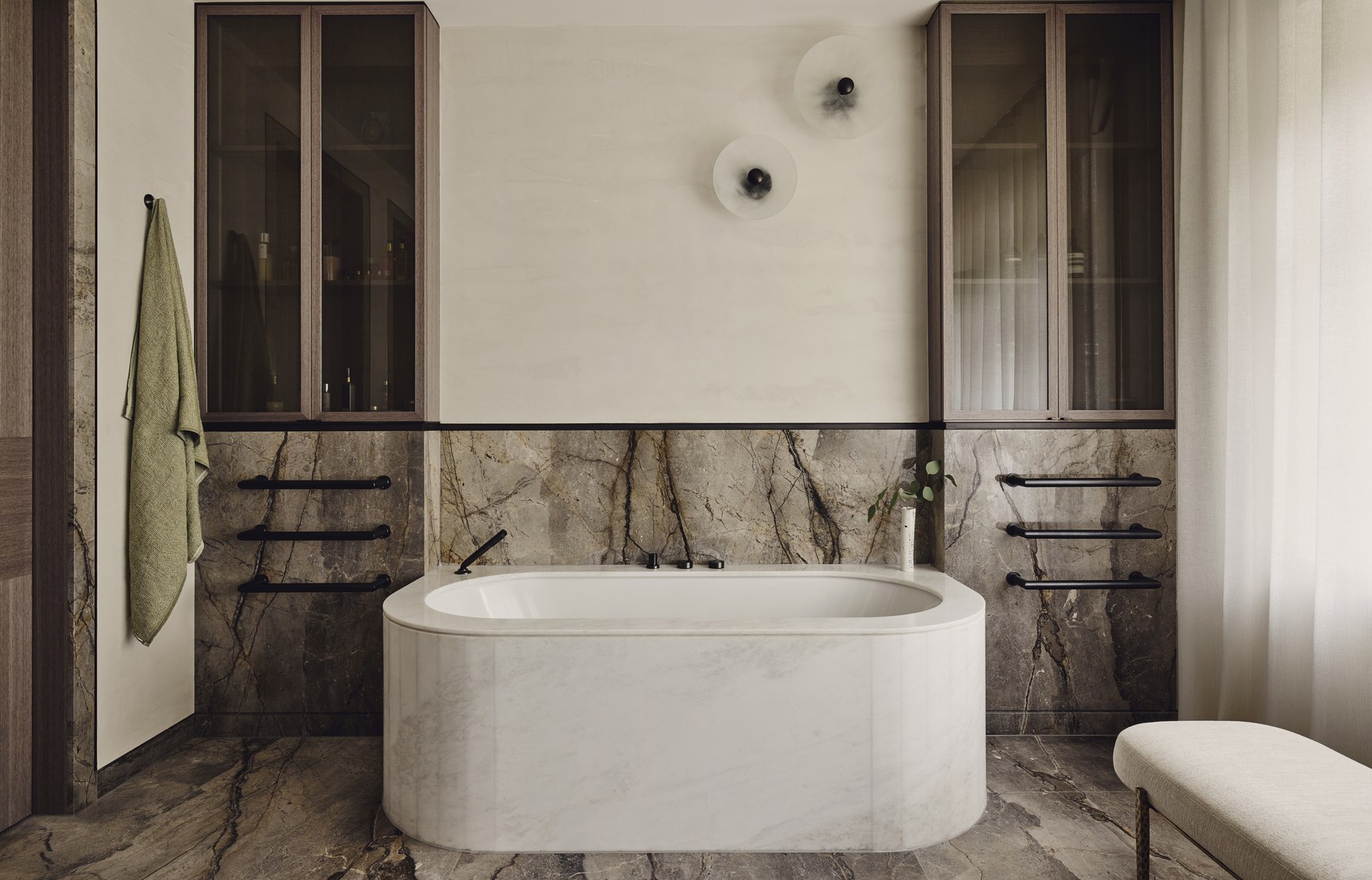
Light quickly became the home’s defining ingredient. Rare in the British capital, it floods the interiors, drenching polished plaster walls and spilling across expanses of natural stone. Spaces are layered in calm, neutral shades — oak, bronze, Emperador marble, Taj Mahal quartzite — forming a quiet canvas upon which the family’s vibrant art collection takes centre stage. Colour is reserved for moments of punctuation, from a dramatic cinema to moody bathrooms and rich textiles that echo the tones of international works sourced in Paris, London, and beyond.
“Colour is reserved for moments of punctuation, from a dramatic cinema to moody bathrooms and rich textiles that echo the tones of international works sourced in Paris, London, and beyond.”
Collaboration lies at the heart of the design. Gunter & Co worked closely with skilled artisans in India to craft bespoke furniture throughout, a narrative enriched by the clients’ heritage and their passion for craftsmanship. A sculptural spiral staircase, designed with Harper Latter Architects, anchors the house, its organic curves echoed in custom seating, cabinetry, and lighting. The pièce de résistance, a three-storey pendant installation by Charles Burnand, hangs in the entrance void, its hand-blown glass forms refracting light in a collision of artistry and engineering.
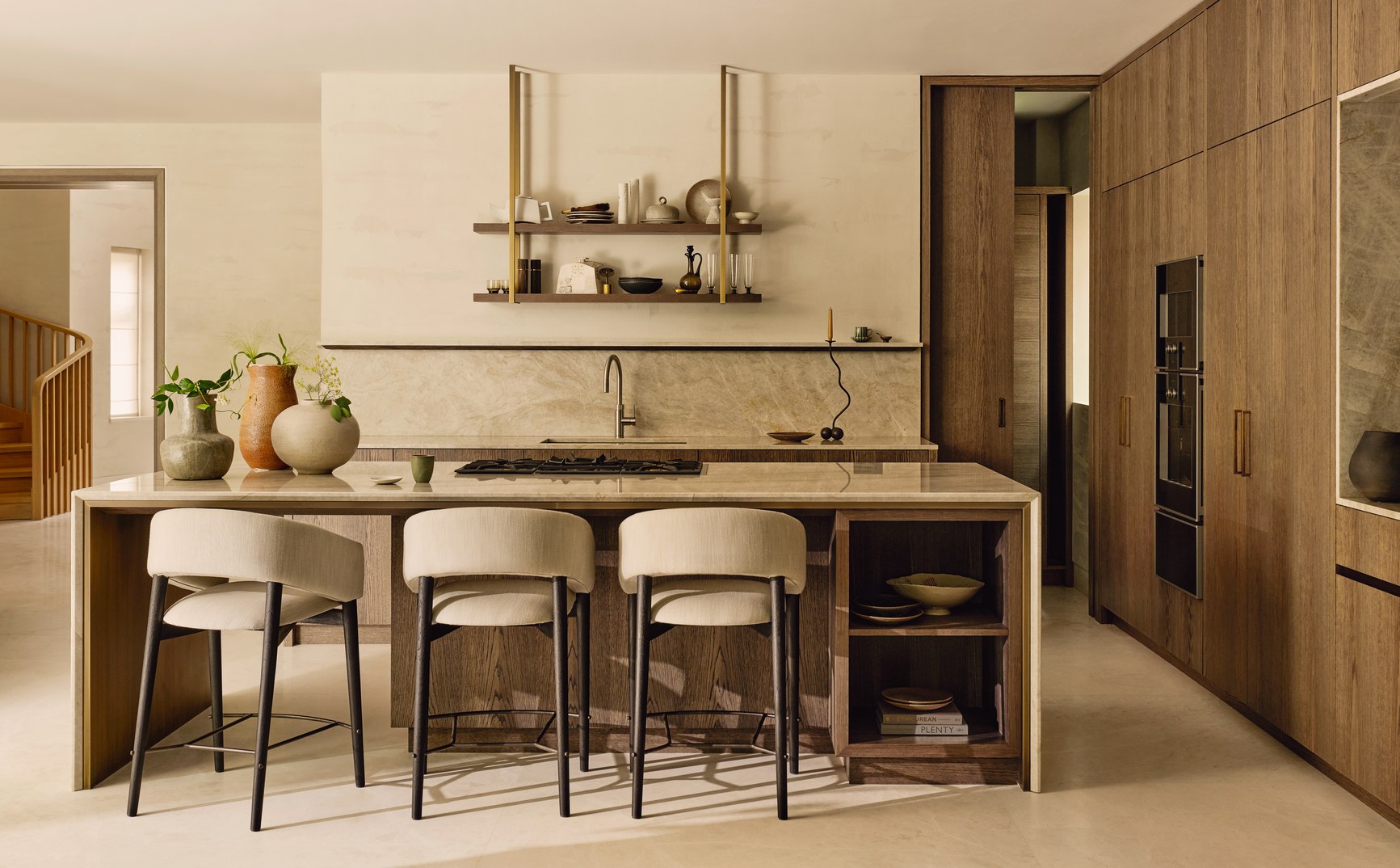
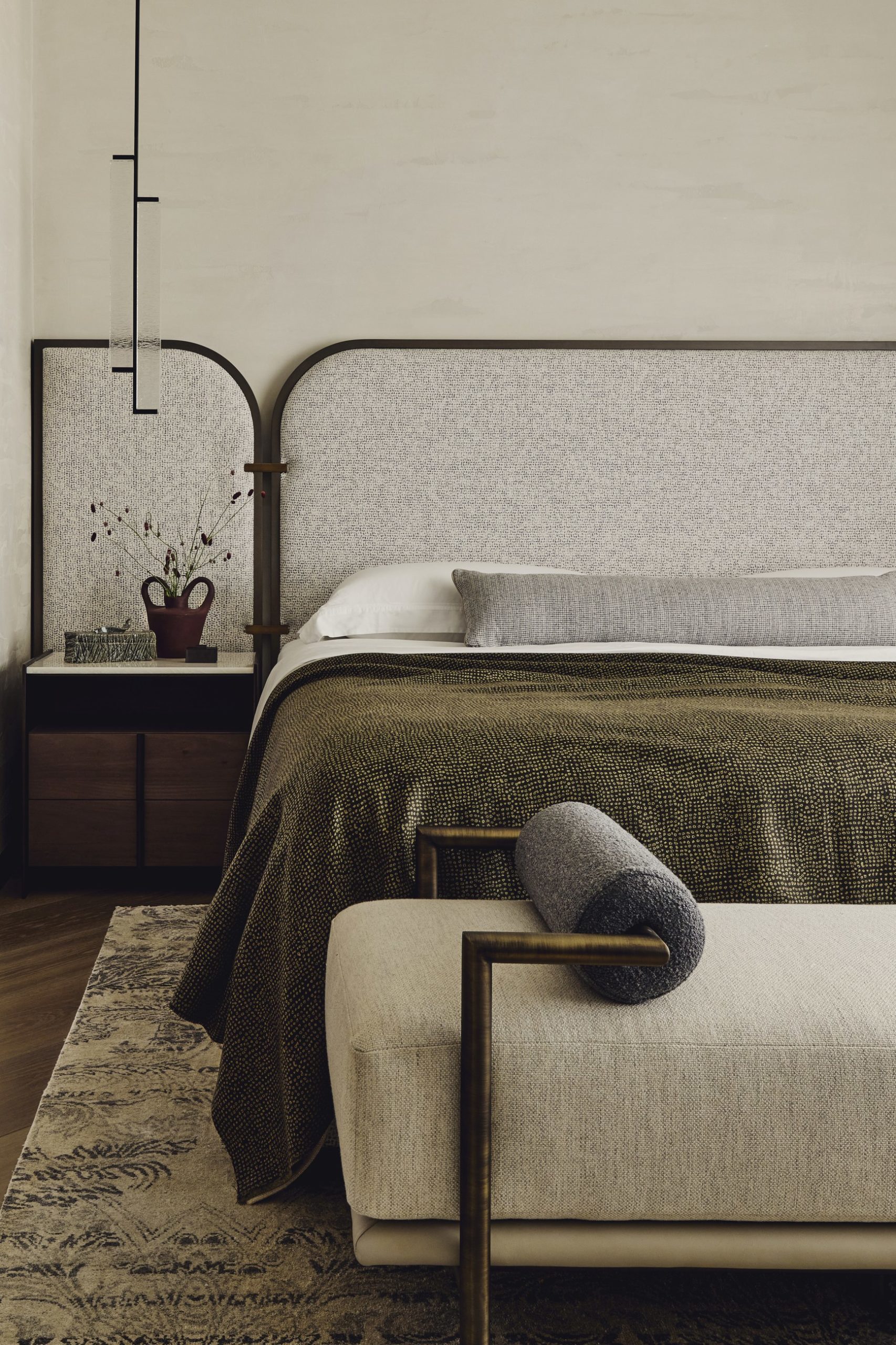
Despite the scale and precision of its detailing, the house remains deeply personal. The artist-homeowner’s handmade pottery sits proudly alongside contemporary canvases and curated objects. Shopping trips through London and art journeys to Paris expanded the collection, layering character and intimacy into the clean-lined spaces. Every room tells its own story — the family living room warmed by oak and natural light; the kitchen, designed in collaboration with Lanserring, honed from Taj Mahal quartzite; the bedrooms cocooned in texture and craftsmanship, from bespoke headboards to heavy cashmere drapery.
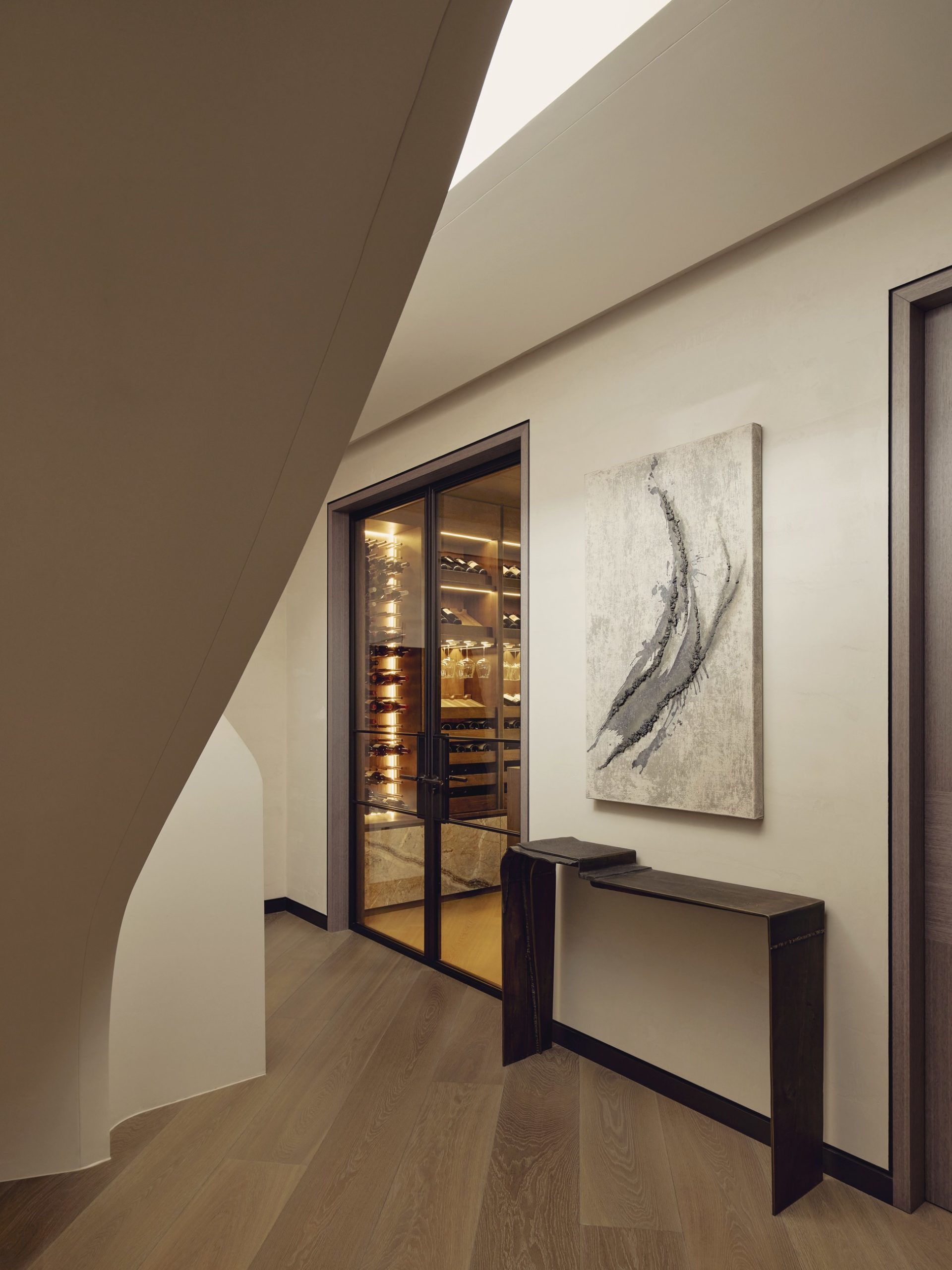
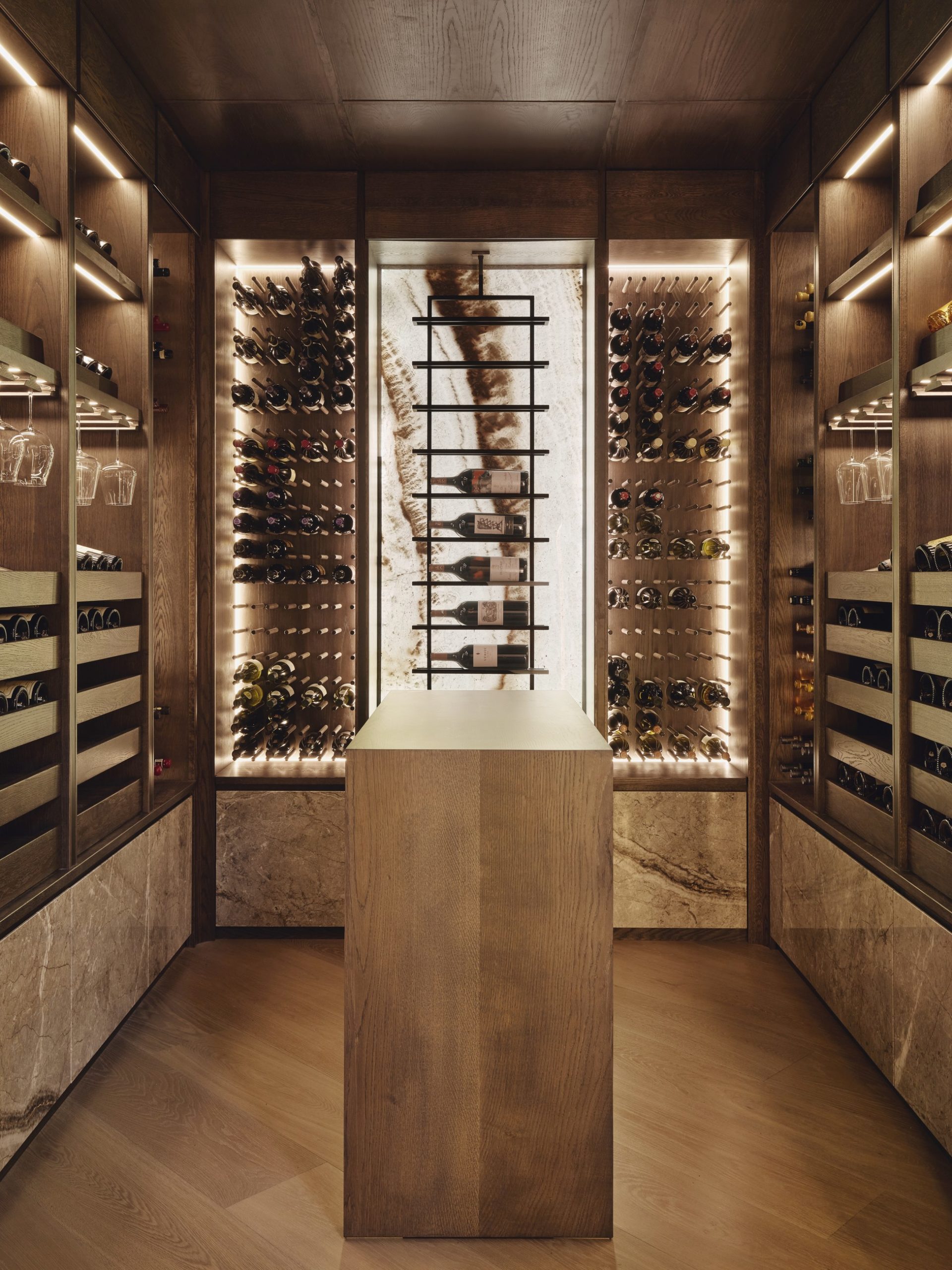
The footprint is generous, spanning five bedrooms, en suites, a cinema, a gym, an artist’s studio, a prayer room, and a wine cellar, yet the flow is seamless, with each space bound by a sense of cohesion and tranquillity. Cornices are absent, skirtings flush, and walls are rendered in soft plaster that absorbs and reflects light in equal measure. The effect is contemporary, but never cold; restrained, but never austere.
Ultimately, this South West London home by Gunter & Co is a meditation on light and craft — and sits at the intersection of both. It is a gallery and a refuge, and a family house that honours heritage while embracing modern living. Above all, this residence is a quietly luminous sanctuary, conceived to stand the test of time for years to come.
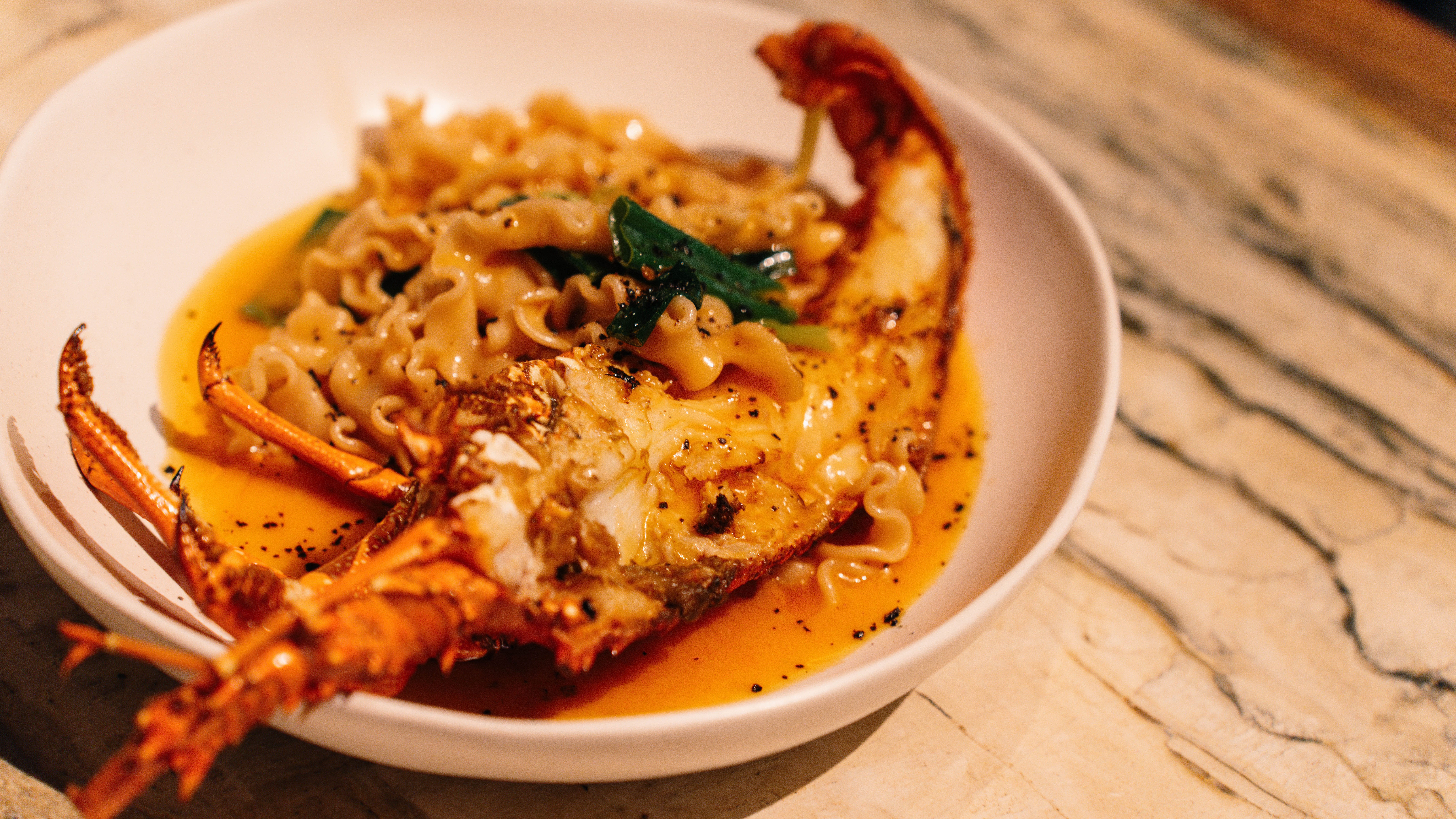
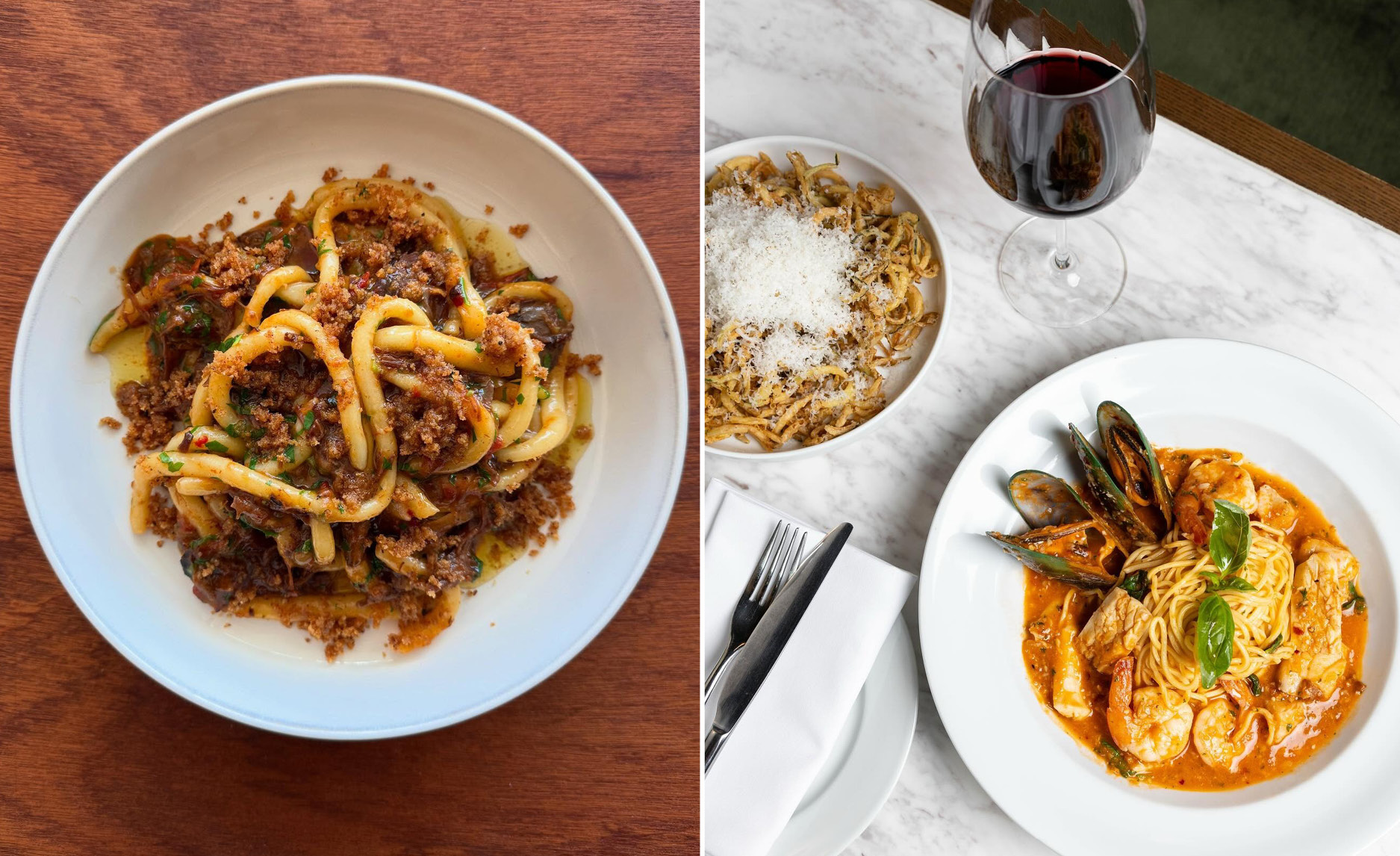
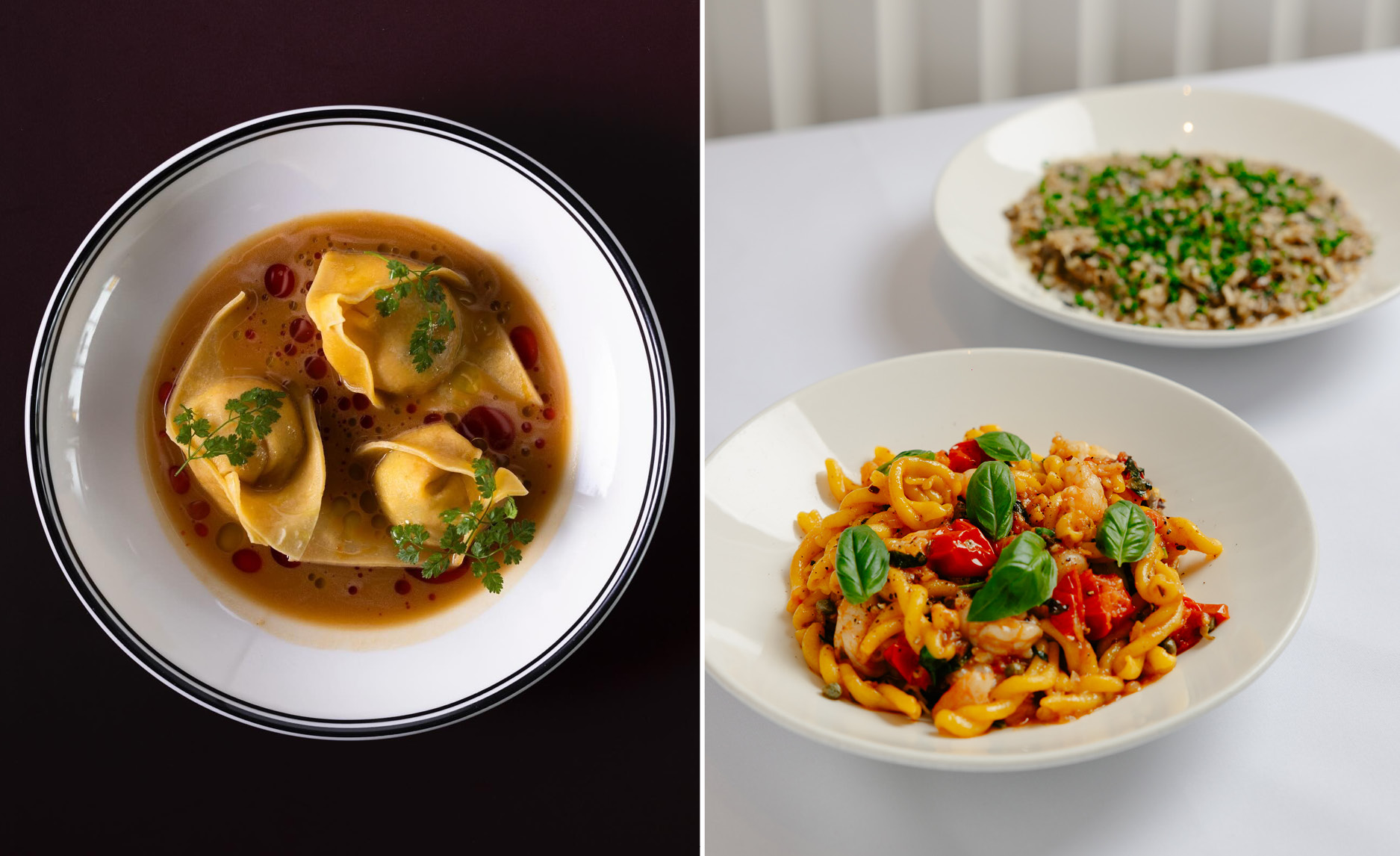
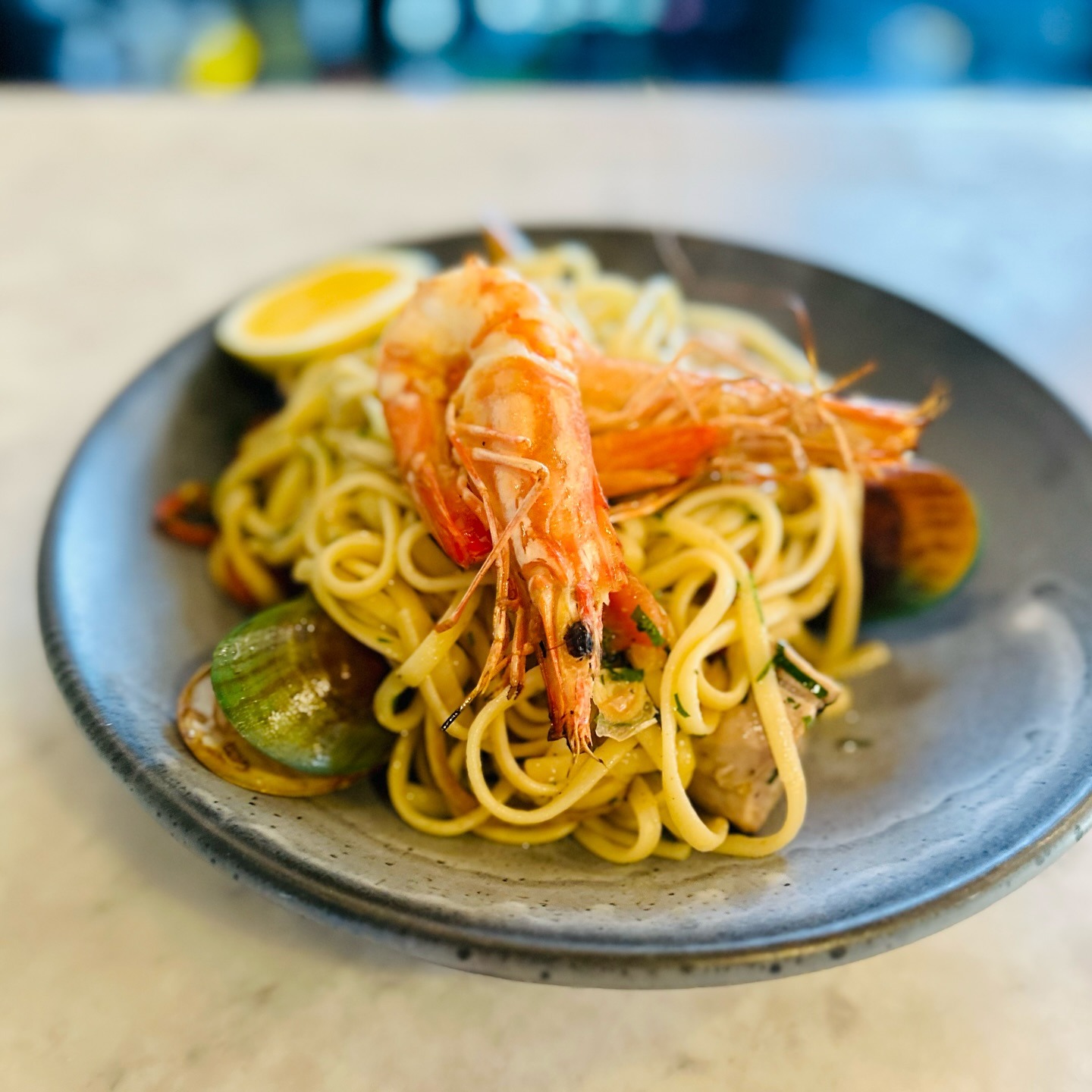
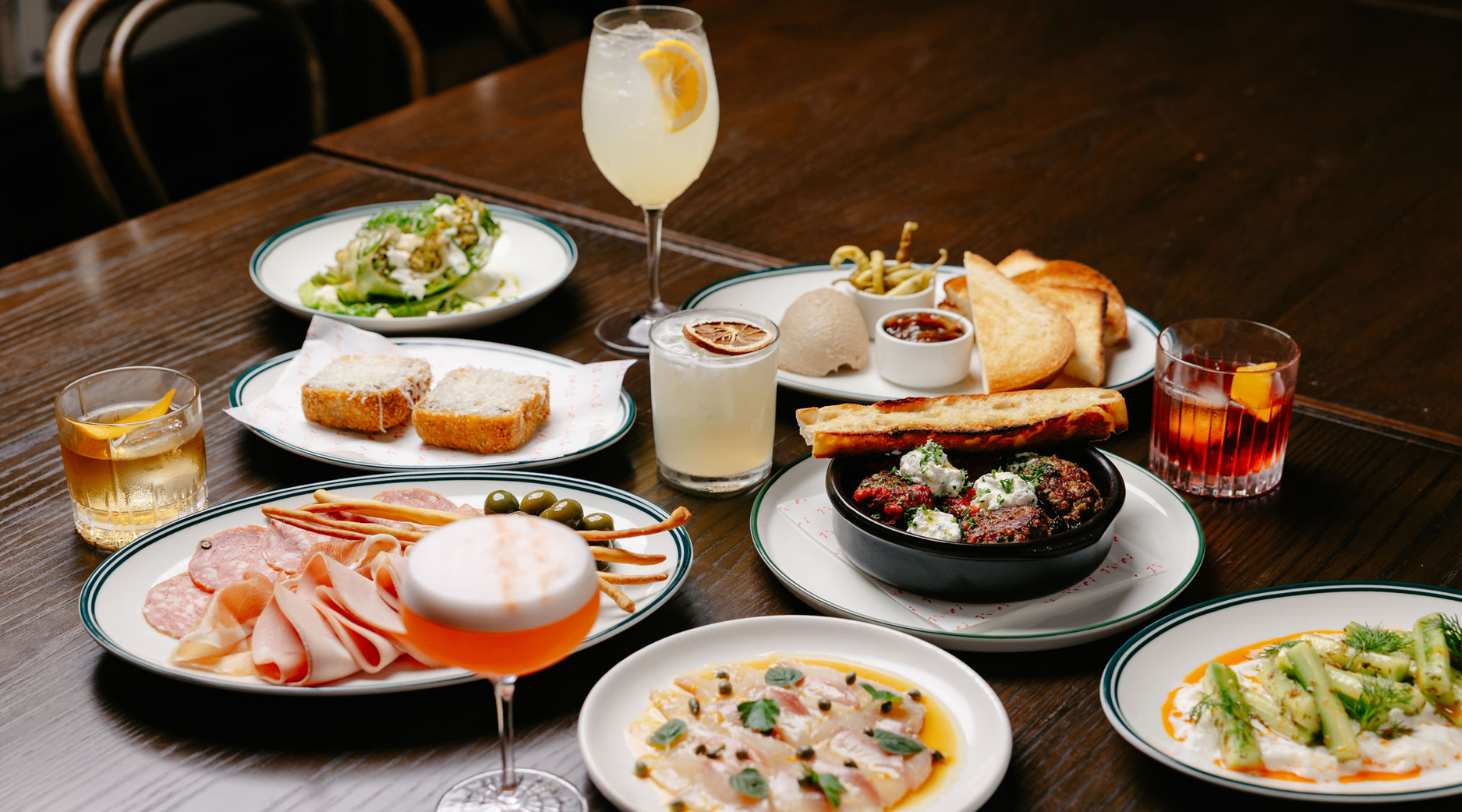
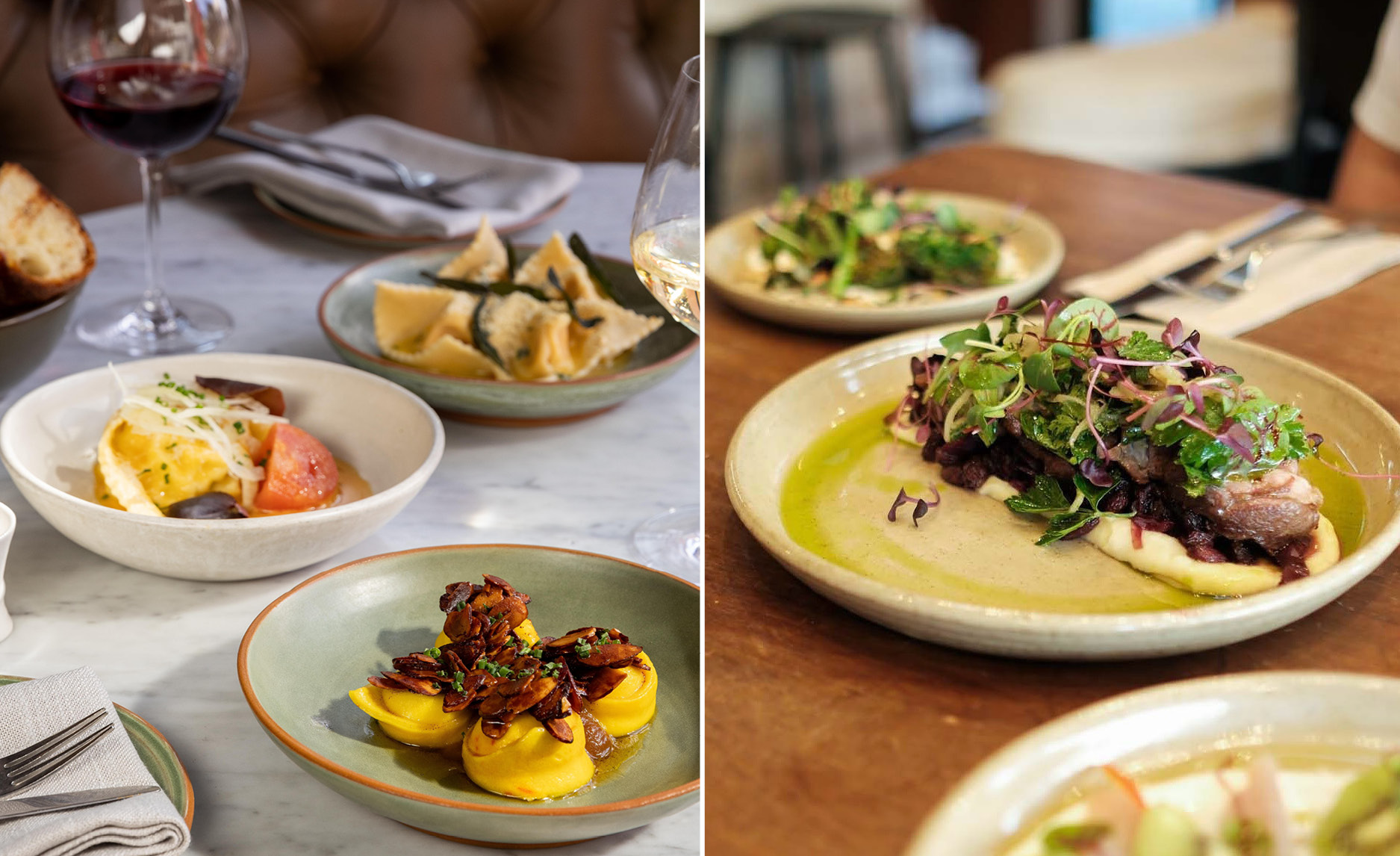
Auckland is known for its eclectic mix of cuisines from different cultures but Italian restaurants are undoubtedly one of the most popular. Now, delectable pasta and pizza have become staple foods in our diets and as such, we think it is crucial to know exactly where to find the best Italian cuisine in Auckland. Numerous eateries have come and gone but there are a few that have secured their place in our competitive restaurant scene. Here we round up the best of the best. Buon appetito!
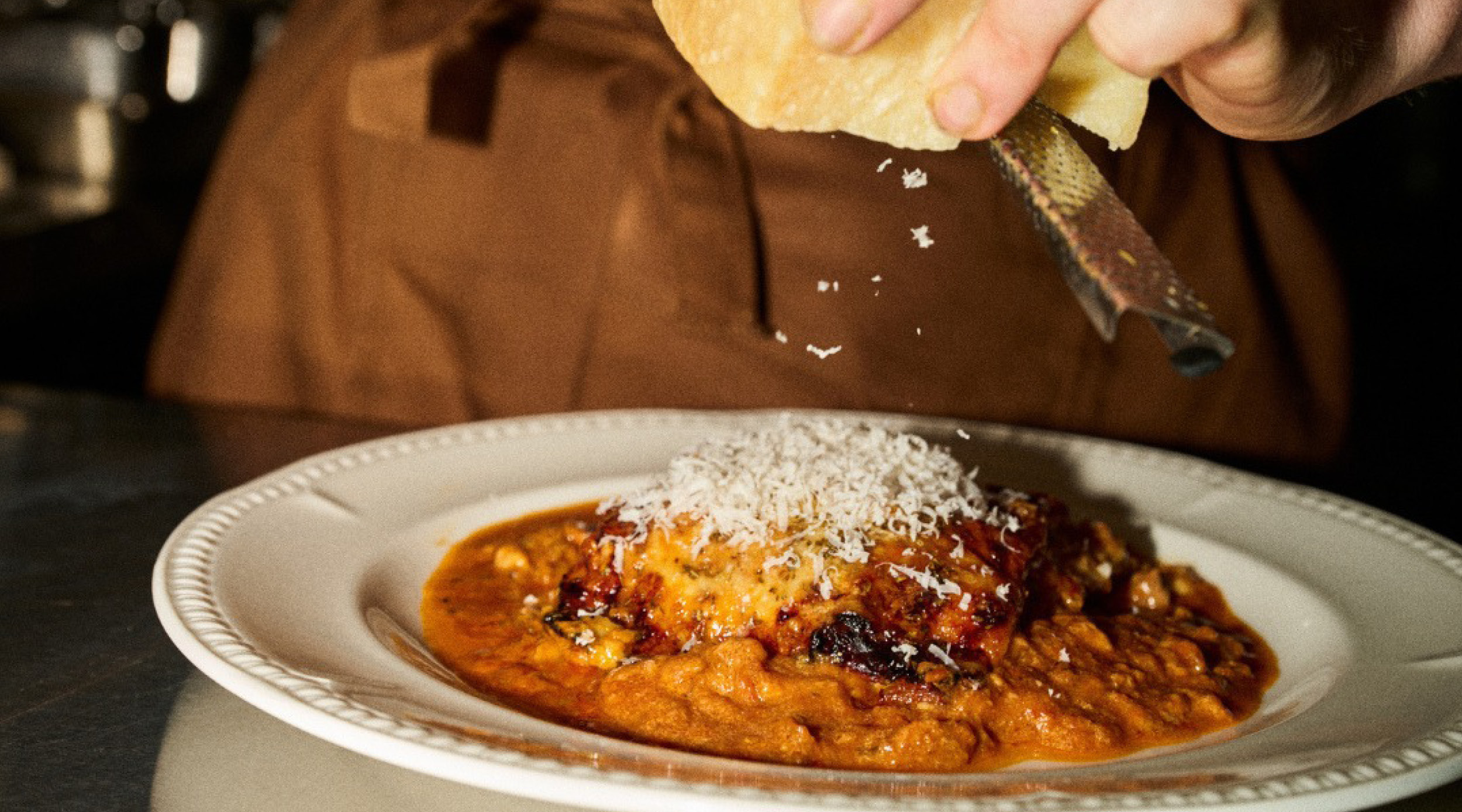
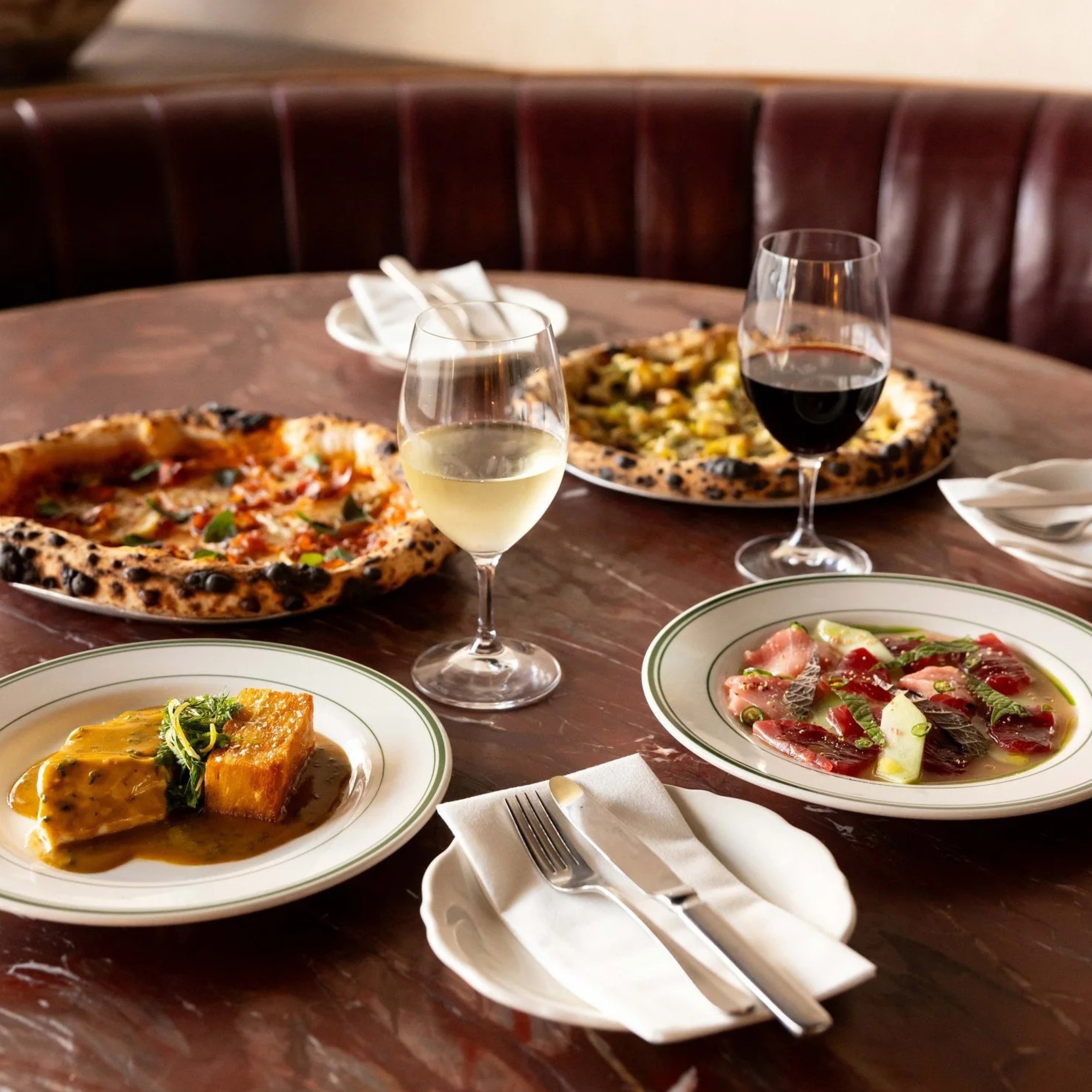
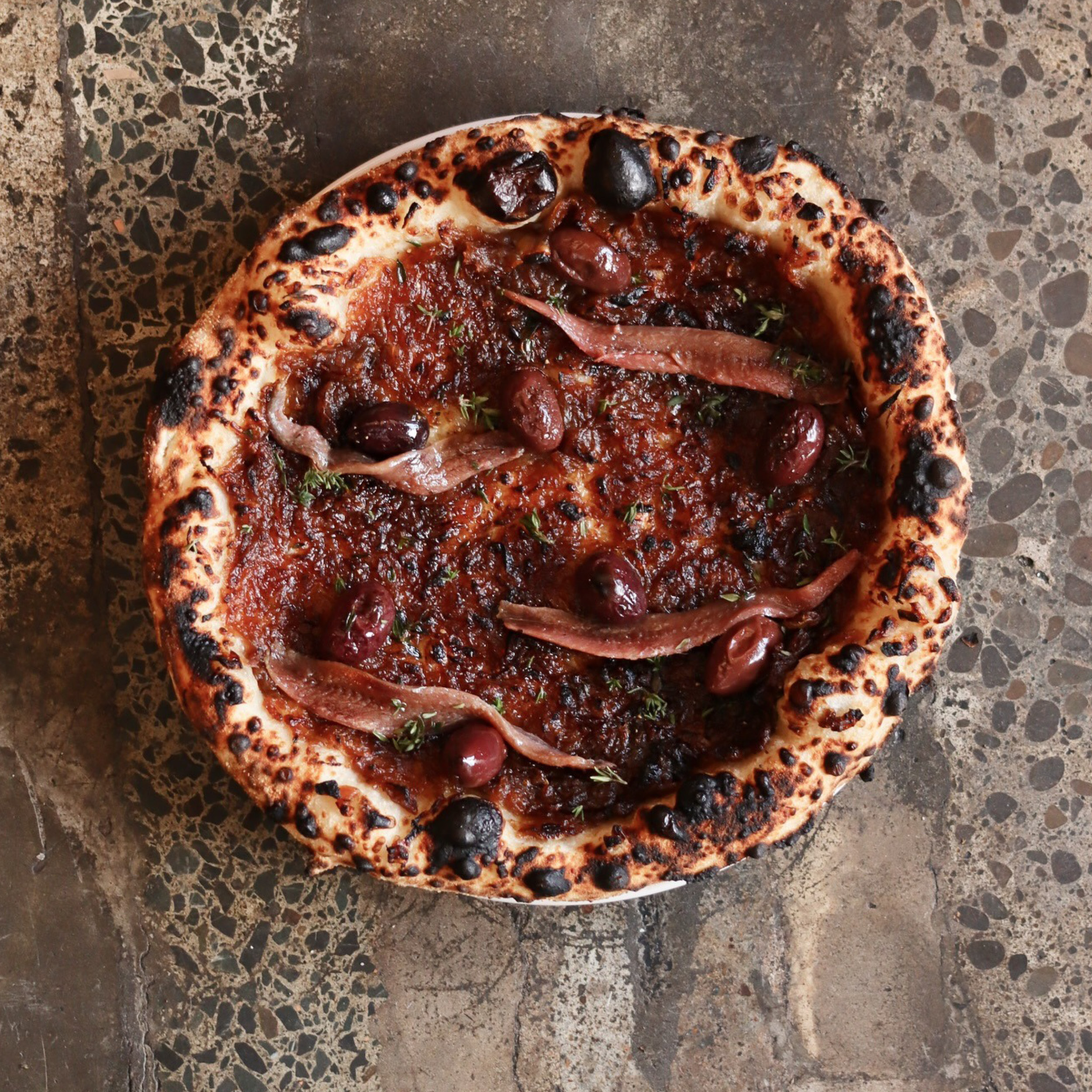
Neighbourhood favourite Lilian’s menu draws from many European influences but it’s the Italian-inspirations that are almost impossible to overlook, with the wood-fired pizzas threatening to steal the entire show. The bases are cooked perfectly in a speciality pizza oven imported all the way from Italy. The toppings come in several different variations, ranging from the simple tomato, mozzarella and basil to the cult favourite potato, caramelised onion, parmesan, ricotta, and basil iteration that steals the show every time. 472 Richmond Road, Grey Lynn
Long established as one of the most popular eateries in town, Amano is a stalwart that exudes grandeur. With its marble fit-out, sky-high ceilings and floral hangings. Here, the menu is ever-changing depending on seasonal availability but the burrata is one item that has been there since the beginning — and we can’t see it disappearing any time soon. The dish is modified depending on the produce that is in-season but the perfectly-made ball of creamy mozzarella paired with housemade sourdough never fails to impress. 68 Tyler Street, Britomart
This neighbourhood gem is not just a favourite among the locals of Herne Bay, but also attracts people from all over Auckland. When Foley Hospitality resurrected the Italian institution, it saw the return of Andiamo bigger and better than ever before. The menu features a wide selection of Italian cuisine from pizzas, pasta dishes and antipasti but the stand-out at this eatery is the meatballs. Whether made with grass-fed beef, or cod and crayfish, each delicious morsel is guaranteed to be juicy and full of flavour. The option of adding spaghetti as a way of soaking up the sauce is the real game changer as it elevates the appetiser to a full, indulgent main. 194 Jervois Road, Herne Bay
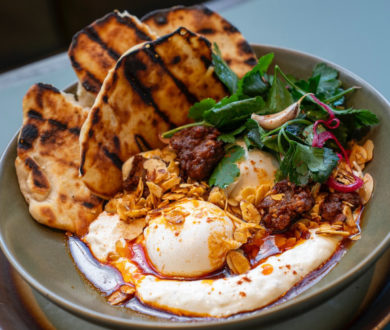
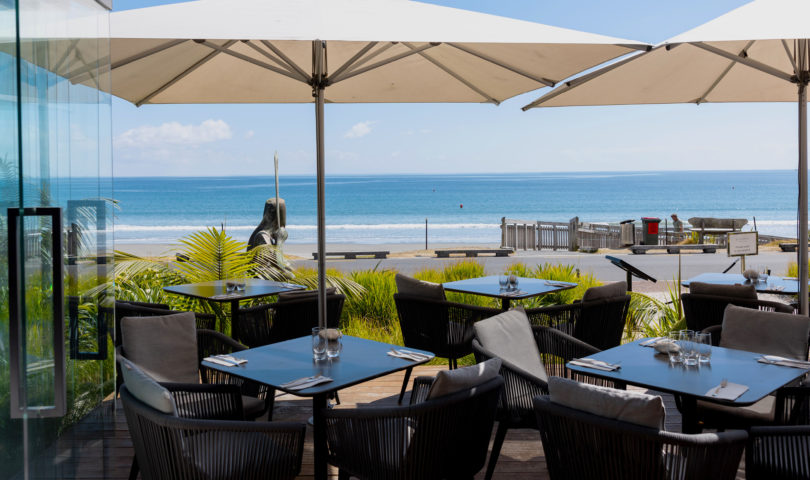
Sfera is a modern Italian eatery in Northcote Point, bringing fresh energy to the seaside strip with sea views and a warm neighbourhood feel. From the team behind Clarence Road Eatery, the restaurant serves generous, refined Italian fare spanning handmade pastas, wood-fired pizzas and seasonal seafood, all paired with a tight Italian-leaning wine list. It is a welcome addition to Auckland’s dining scene and an easy excuse to cross the bridge for a long, leisurely meal. 124 Queen Street, Northcote Point
Since opening with great aplomb at the end of 2022, Bivacco has become a go-to destination for a delicious long Italian lunch. Here, the food here is unparalleled, and is made even more perfect when enjoyed overlooking the sparkling waters of Viaduct Harbour with one of Bivacco’s delicious cocktails in hand. And while you really can’t beat the margherita pizza here, those craving something more lavish will find it in the goats cheese ravioli, adorned with endive, burnt honey and pistachio. Perfecto. 115 Customs Street West, Auckland CBD
In the heart of Ellerslie, Bianca brings a fresh, modern take to the Italian dining experience, blending the ease of a neighbourhood spot with the precision of fine cooking. The space hums with the sound of pasta being rolled by hand, the air rich with the promise of something both familiar and new. Warm, unfussy, and quietly confident, it’s the kind of place that turns a simple night out into a lingering, memorable occasion. 4/2 Robert Street, Ellerslie
At this chic inner-city spot, the Italian energy is dialled all the way up — think sleek yet laid-back interiors, and a menu that’s equal parts classic and contemporary, not to mention the wonderfully warm team both in front of and behind the pass. At Bossi, house-made pasta, glossy sauces and beautifully plated antipasti set the tone, while cocktails arrive crisp and considered. It’s a buzzy slice of Milan in the middle of the city — perfect for a little theatre-night indulgence. 10 Commerce Street, Auckland CBD
Nestled in Birkenhead’s charming main strip, Osteria Uno feels like a softly glowing Italian hideaway where heritage character meets modern ease. The moment you step inside its old-but-loved tiled walls and rich, banquette-lined interior, you sense that every detail — old stained glass, marble bar, warm lighting — has been chosen to make you linger. Behind the scenes, hospitality veterans Sarah and Jordan Macdonald have brought serious Italian passion and pedigree to the North Shore, with a kitchen led by a chef who has worked at Disfrutar, Lilian, Amano and Depot. The result is an inviting, unpretentious trattoria that delivers warmth, craftsmanship, and a convivial buzz that keeps locals and visitors coming back for more. 140 Hinemoa Street, Birkenhead
While never endeavouring to be the most authentic Italian joint in town, it would be remiss not to mention the pasta on offer at Soul Bar & Bistro. With more traditional dishes cementing themselves as classics, we always find ourselves gravitating towards Executive Chef Gavin Doyle’s pasta out of a sheer craving for comfort. Corner of Lower Hobson Street and Customs Street West, Auckland CBD
Serving its much loved take on Italian fare since 1986, Prego isn’t about to slow down any time soon. Over the many years, the Ponsonby institution has captured the hearts of locals. Forming a loyal base of patrons and a tight-knit community, ultimately making it one of the best family restaurants this town has to offer. 226 Ponsonby Road, Ponsonby
While it’s rude to talk about a lady’s age, you have to admit that the much-loved NSP is looking remarkably good considering it originally opened its doors some 25+ years ago. The menu here is as versatile as the spaces within. From the bustling upfront bar to the cosy courtyard and main dining area. Our first order is always the calamari. The batter is light and tossed in fresh lemon juice to cut the richness of the fried coating. A melange of salt, cracked pepper and parsley are utilised to season the dish and is served with decadent aioli to offer a creamy balance. From there let your stomach guide you towards your favourite pizza, or just default to the classic NSP margherita. Whatever you choose here, you can’t go wrong. 1052/259 Parnell Road, Parnell
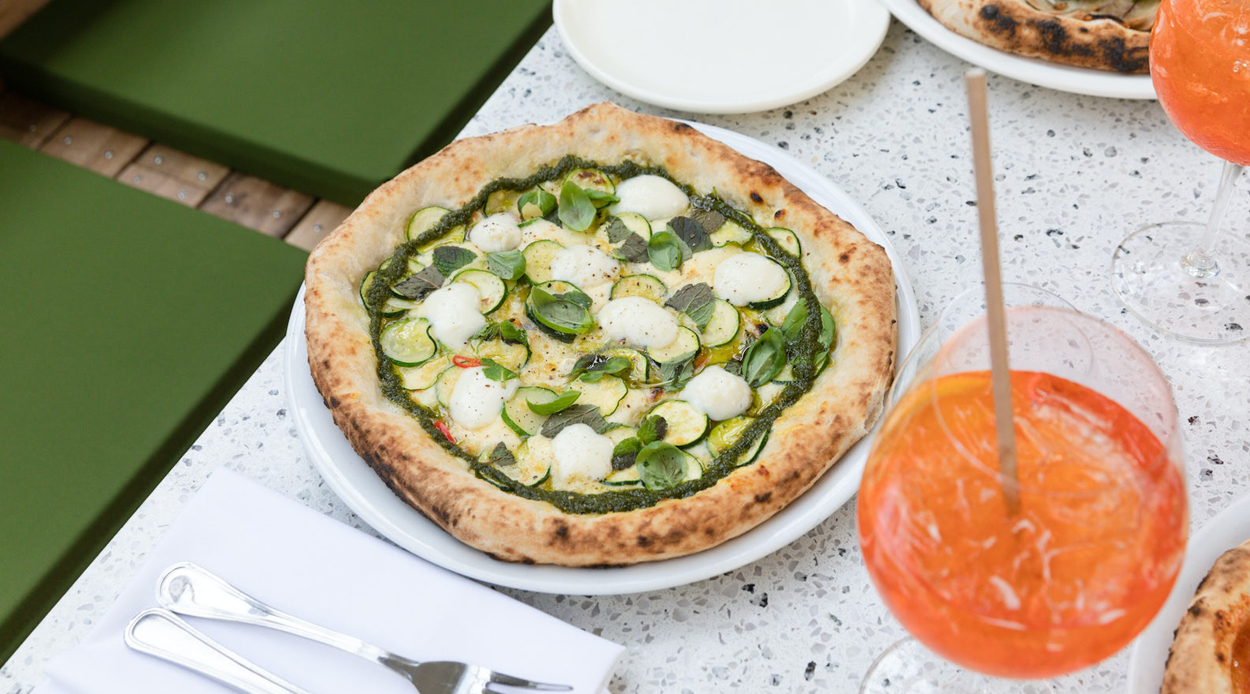
With its beautifully curved archways, rustic wall details and soaring, glass-roofed atrium, the dining space at Ada is striking yet welcoming, and the interior is just the beginning of all things marvellous. Ada’s menu comprises sharing plates that embrace the foolproof philosophy of simplicity done well, with a menu of seasonal, Italian-influenced dishes and approachable natural wine. Our recommendation is the pizza fritta, always, but we think the seasonal pastas are most definitely worth trying too. 454 Great North Road, Grey Lynn
Sergio Maglione came to New Zealand more than 20 years ago, straight from Italy where he was working as a pizza chef. Farina, on Ponsonby Road, shows the versatility of Napoli cuisine all while nailing the classics. The pizza and pasta dishes are renowned for being the gold standard in Italian comfort food. Authentic and divine. but it’s the way Maglione works his magic with octopus that blows us away every time. 244 Ponsonby Road, Ponsonby
Cornelia is a polished Italian restaurant and intimate wine bar tucked down a laneway off Parnell Road in Auckland’s stylish Parnell neighbourhood. Housed in a cosy, welcoming space, the kitchen, led by owner-chef Fabio Buonomo with support from his partner, turns out simple, quality Italian-inspired dishes made with fine local and imported ingredients, alongside a carefully curated list of Italian wines that brings an aperitivo spirit to every evening. A warm neighbourhood favourite with standout pasta, antipasti and dessert, it’s become one of Auckland’s most talked-about destinations for relaxed yet refined Italian fare.
Chef Fabrizio Napolitano grew up in his grandmother’s kitchen, in both the north and south of Italy. With a passion for artisanal products that are steeped in history and respect, Fabrizio and his wife Taryne opened Spiga in the 1050 development at the back of the Remuera shops. Their contemporary classic starters, pizza and pasta are some of the best we’ve tried, although we also recommend always sampling the seasonal specials. The food is made all the better with Spiga’s comprehensive wine list that will take you on a tour of some of the finest Italian vineyards and spirits. Shop 1/E/415 Remuera Road, Remuera
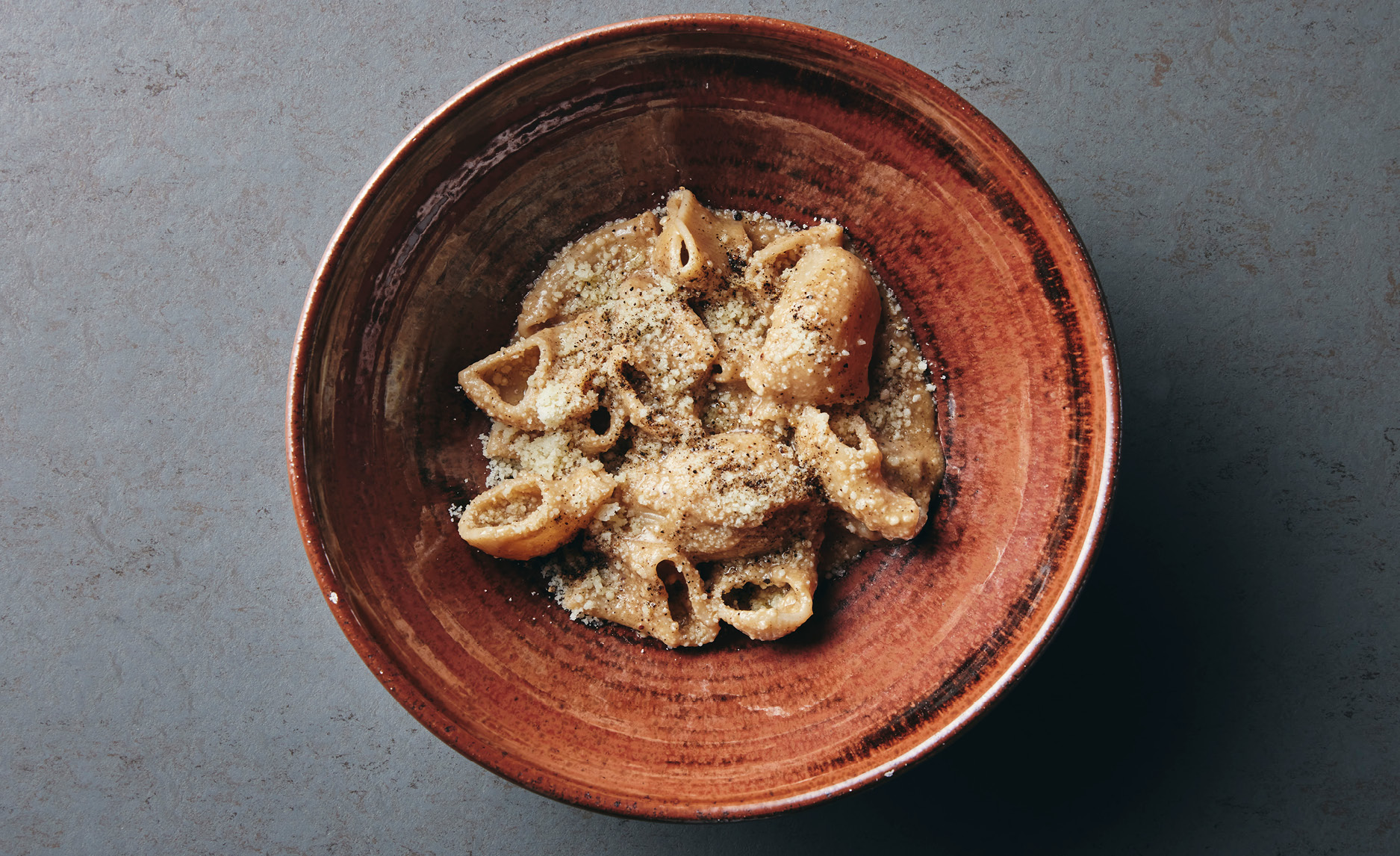
The humble yet incredibly delicious meals that can be found at the most unassuming neighbourhood trattorias were what originally inspired Karangahape Road favourite. Pici, from its intimate dining room to its mouthwatering menu which is designed to share. Here, you simply cannot pass up the cacio e pepe. Although the fettuccine vongole is also popular; full of flavour yet light and fresh with juicy local clams, chilli and herbs. While tables are limited, those lucky enough to dine here have nothing bad to say about this beloved spot. St Kevin’s Arcade, 183 Karangahape Rd, Auckland CBD
Don’t let the “spaghetti bolognese does not exist,” on the back of the waiters’ shirts put you off. Pasta & Cuore is an all-inclusive, welcoming restaurant with a friendly and warm ambience. The menu offers such a wide variety of handmade pastas and sauces, it’s almost overwhelming. When in doubt, go for the Spaghetti Gorgonzola. The thick pasta is cooked al dente which leaves it with a soft exterior and slightly firm centre to achieve a chewy bite. The sauce is a reduction of creamy gorgonzola cheese with crunchy walnuts scattered around the bowl to lend a beautifully nutty taste. 409 Mount Eden Road, Mount Eden
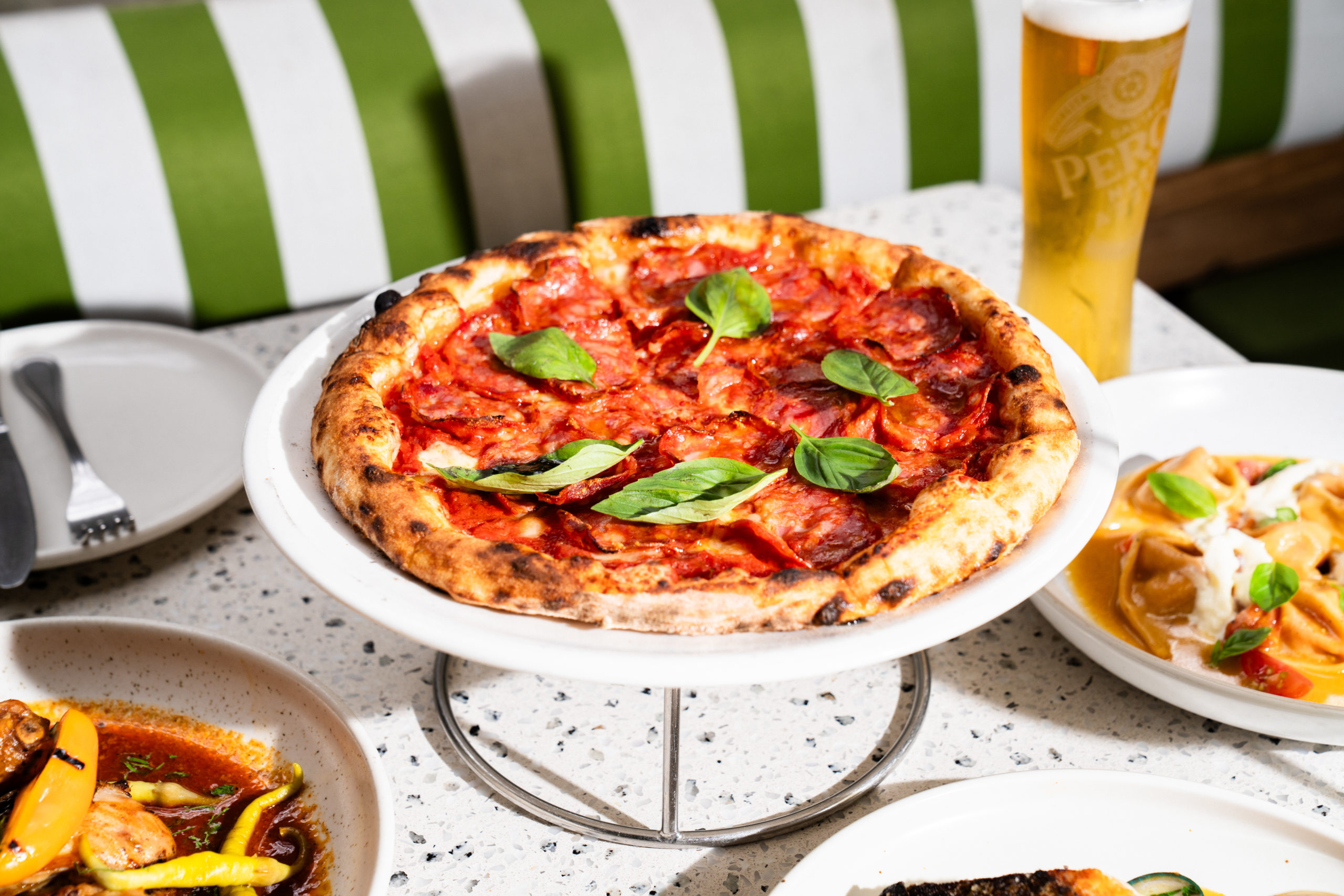
Bar Ziti is serving up casual, produce-led fare sure to satisfy. Small plates take centre stage, with the likes of pizzas, hand-rolled pastas and perfectly crisp calamari available from lunch ‘til late. The menu leans into Italian classics with a modern edge — think brisket lasagne croquettes finished with Parmesan, prawn spaghetti rich with lobster bisque and nduja butter, and a comforting lamb shank ragù pie. For something to share, the cured meat plate or a round of garlic pizza bread makes the perfect start. It’s generous, flavour-packed food designed to mix, match, and linger over. Drinks-wise, ice-cold Peroni pours straight from the tap, cocktails are playful with a polished edge, and the wine list balances local drops with international intrigue. 48 Custom Street East, Auckland
With its warm and inviting space, adorned with surprising tones of peach and vibrant blue, Herne Bay’s Squisito Trattoria offers more than just simple and delicious Italian cuisine. The menu here is a fusion of culinary influences from all corners of the Mediterranean. Anchored in al dente pasta, perfectly-cooked meats, and wood-fired pizza. Notably, Squisito leaves out a wine list and encourages guests to choose their own by selecting from the extensive wine racks. 170A Jervois Road, Herne Bay
At this beloved eatery, Italian-inspired food and wines fill the menu. You’ll find the likes of delicious beef short ribs, Karitane crayfish meatballs (there’s a whole section in the menu dedicated to the eatery’s hand-crafted meatballs), and countless handmade pastas amongst Baduzzi’s must-try dishes. Washed down with a glass of Italian Bianchi, of course. 10/26 Jellicoe Street, North Wharf
This iconic restaurant is small but mighty. Offering a curated and concise menu, and an intimate, calm setting, Ortolana is one spot to which we always find ourselves returning for dinner in the Britomart precinct. With a pre-show dinner menu, the service is swift (if needed), and the fresh pasta is always divine. 33 Tyler Street, Auckland CBD
In Parnell, Napoli Contemporanea brings a slice of Naples to Auckland, led by owner Rocco Pezzullo, whose approach is grounded in authenticity and craft. The pizzas are the clear draw, with soft, airy dough and thoughtfully sourced ingredients coming together in a way that feels both traditional and quietly elevated. It’s a casual, convivial space where the focus stays firmly on the food, delivering the kind of pizza that keeps people coming back, not for novelty, but because it’s simply done very well. 297 Parnell Road, Parnell
Tucked away at the end of Ponsonby Road is another humble Italian restaurant, Gusto Italiano. If you couldn’t already tell by its name, this restaurant prides itself on delivering authentic Italian cuisine. In terms of pasta, it’s the Ravioli Verdi which steals the show. The housemade green parcels are stuffed with chicken and fresh spinach, before being are pan-sautéed with aromatic herbs and vine-ripened tomatoes, and topped with a decent helping of parmesan. 263 Ponsonby Road, Ponsonby
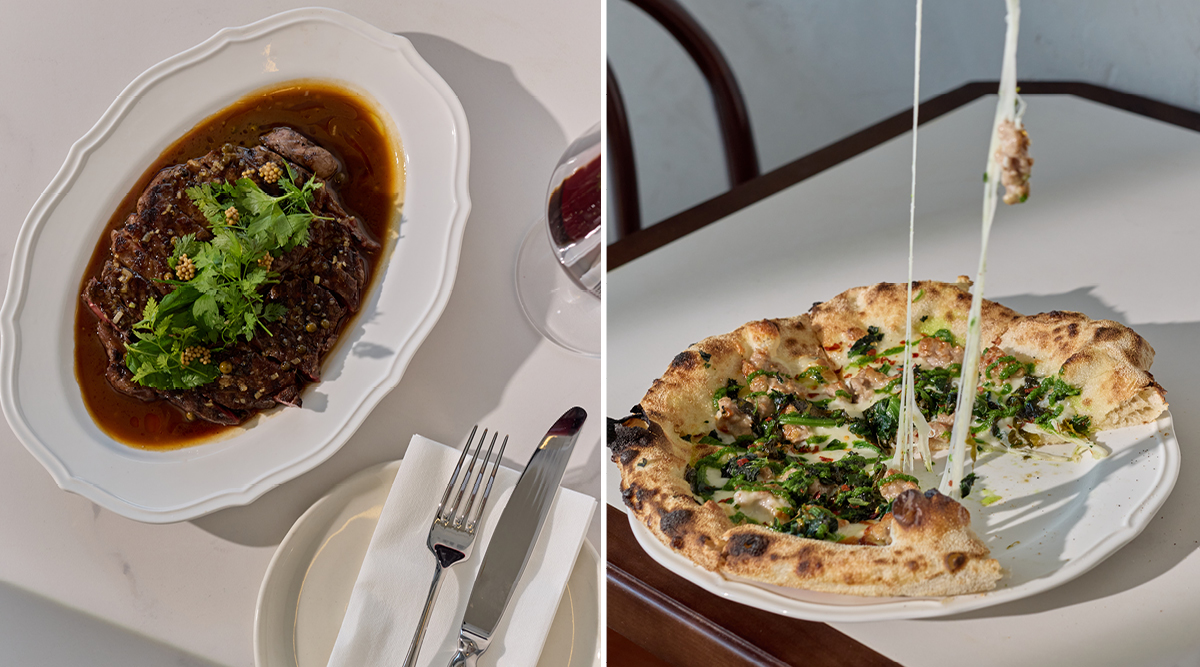
Despite opening back in 2022, you’d still be hard-pressed to find a table at this Dominion Road spot, which is a testament to it’s divine offering. Here, the traditional wood fire is the predominant method of cooking almost every dish, including (of course) Ooh-Fa’s delicious pizzas. Ideal for sharing, but the perfect size to keep to yourself. Our favourites are the tomato, garlic and oregano (with the essential added stracciatella), and the oyster mushroom, parsley butter, mozzarella and cavolo nero. Be sure not to look past the famed woodfired carrots, served with ricotta and pistachios — a totally moreish addition. We’d eat them every day if we could. 357 Dominion Road, Mount Eden
Photography by Manolo Campion | Videography by James Anderson | Styling by Patrick Zaczkiewicz | Production byClaire Sullivan–Kraus | Creative Direction by Anna Saveleva
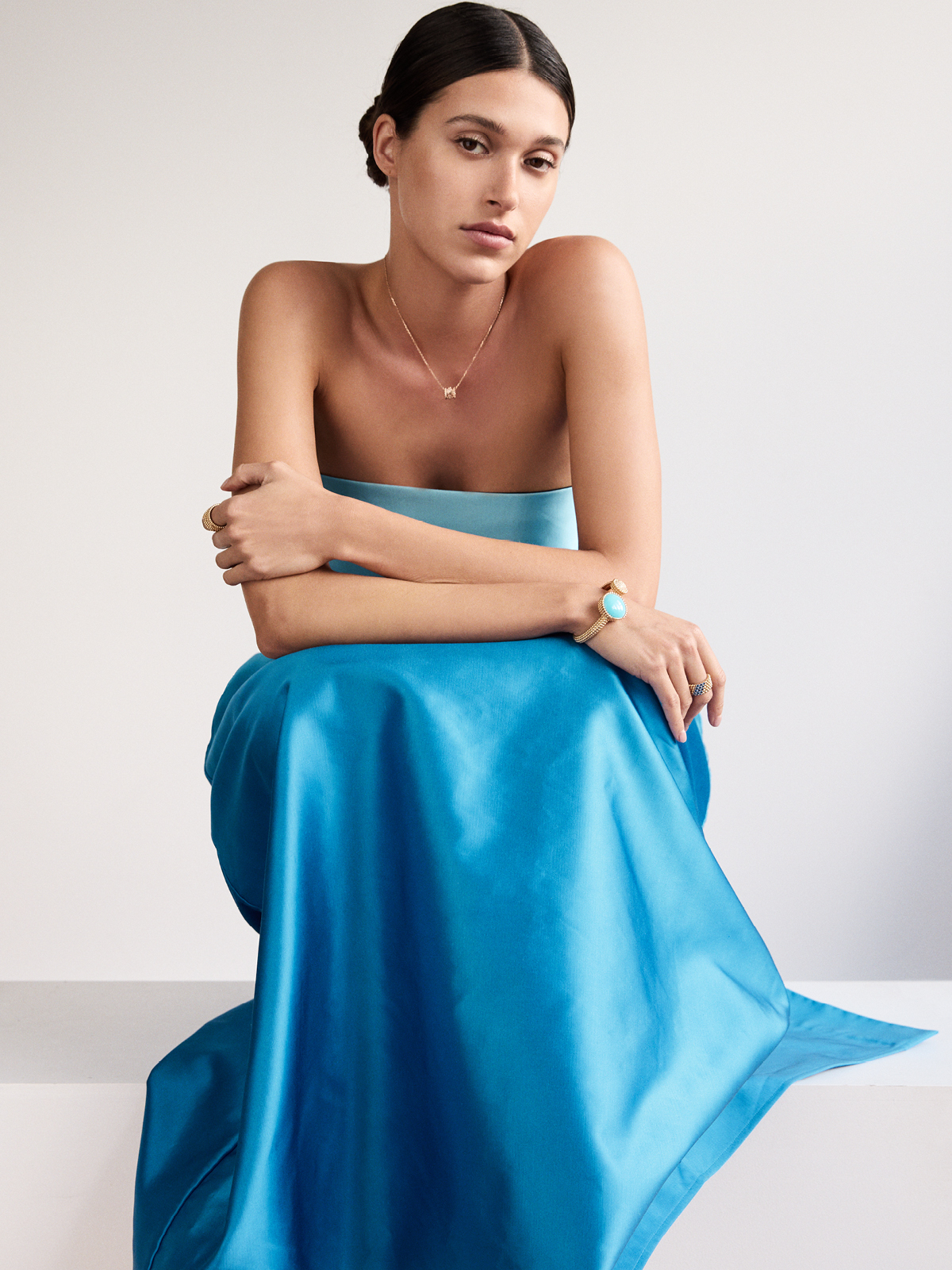
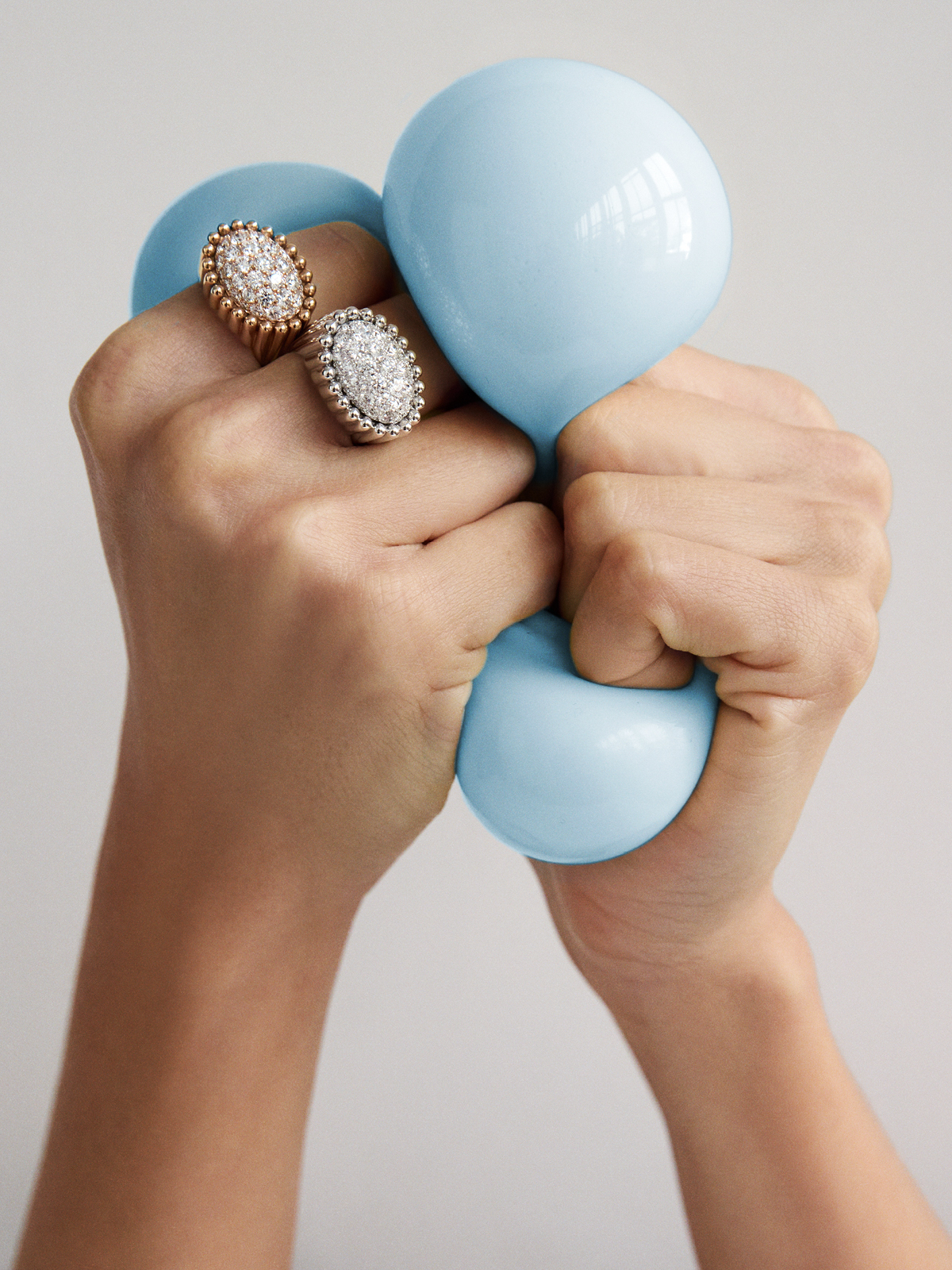
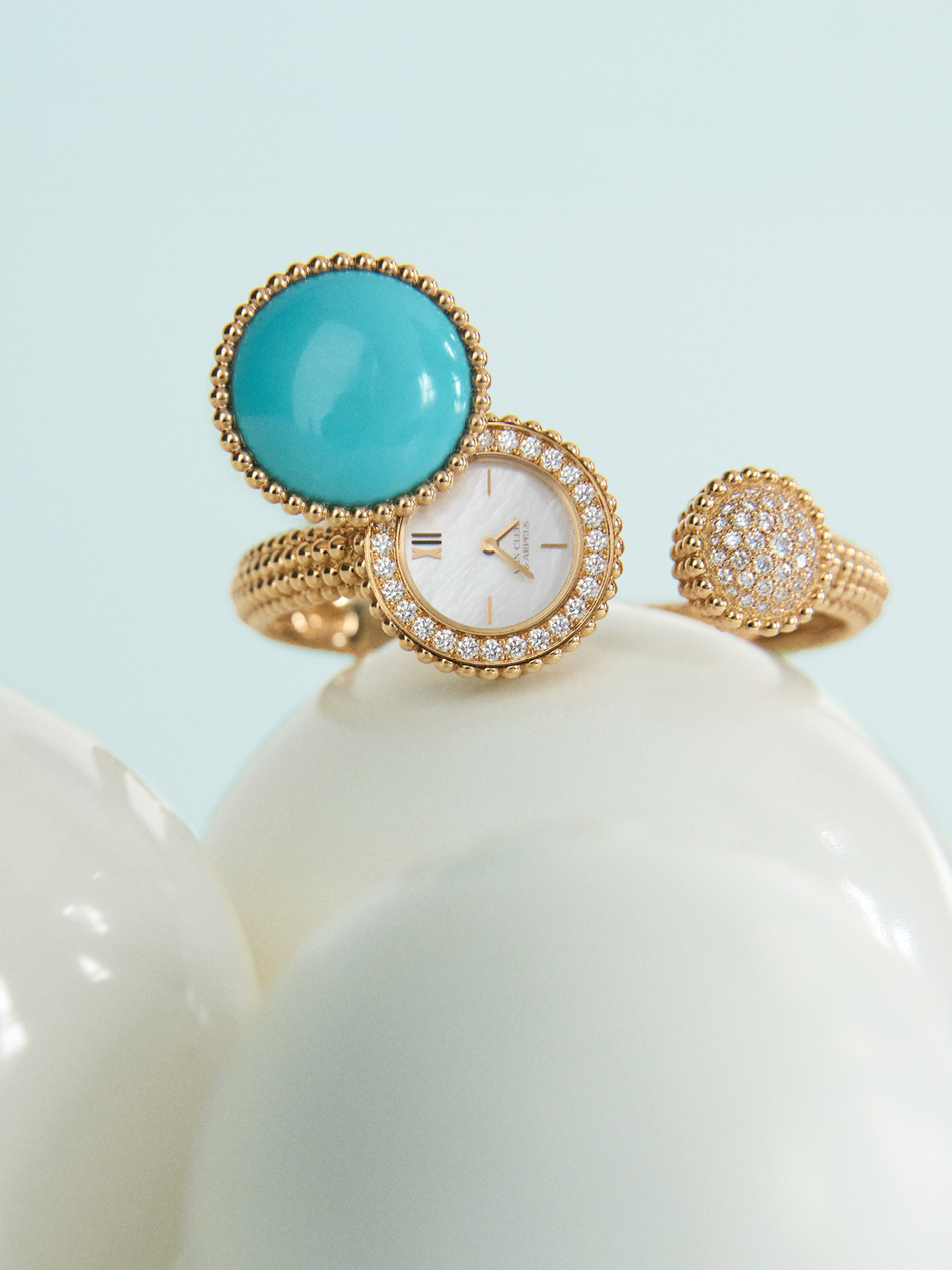
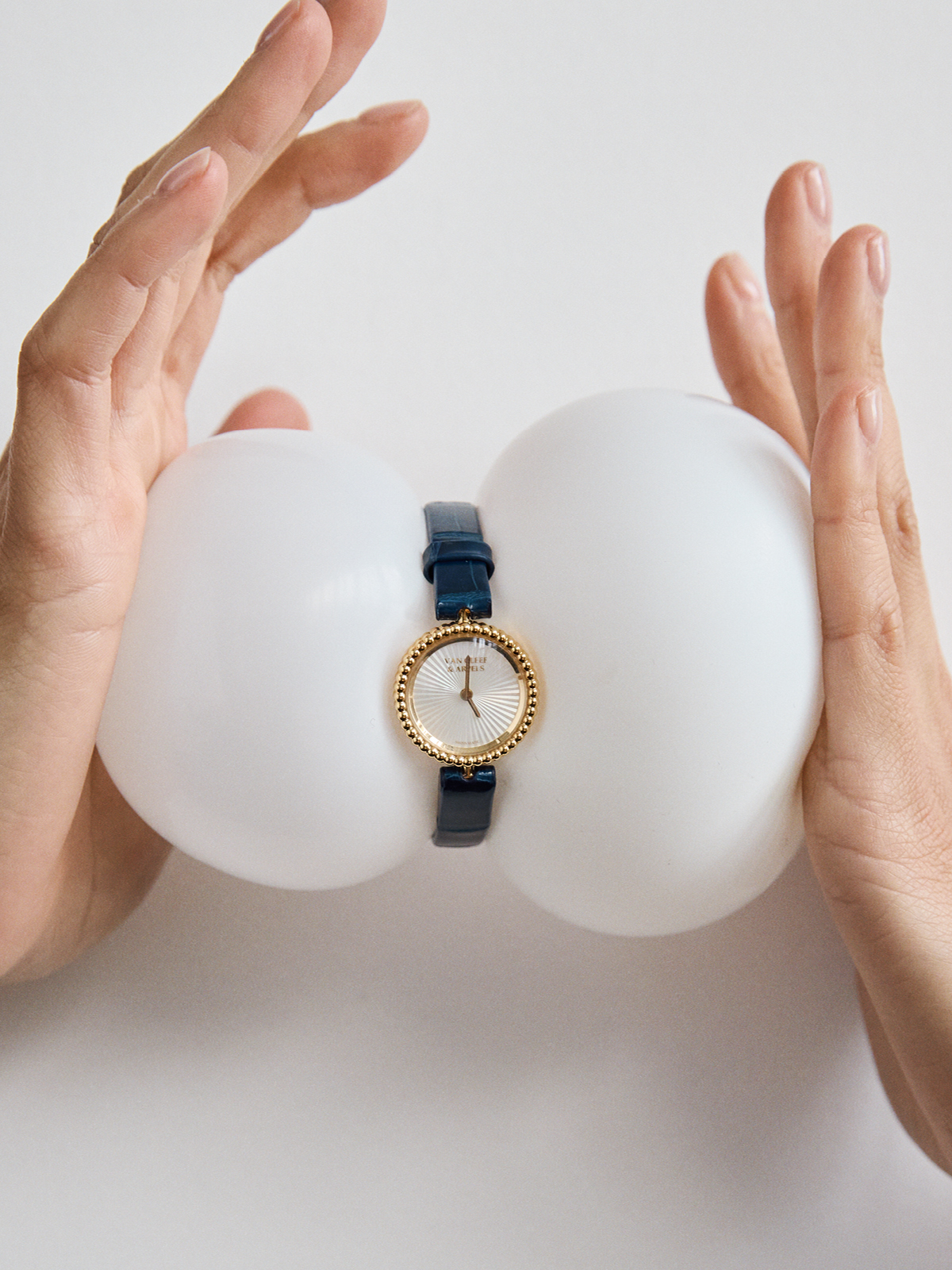
Designed as a celebration of delicate golden beads, Van Cleef & Arpels’ Perlée collection takes the spotlight in our Winter Issue fashion editorial, paired with a line-up of looks from the newest collections.
A joyful expression of individual style, the Perlée collection centres on creations with harmonious and radiant curves — with golden beads gently illuminating jewels that sit at the intersection of simplicity and sophistication.
Van Cleef & Arpels Perlée clovers pendant, Perlée pearls of gold ring, Perlée diamonds ring, Perlée diamonds ring, Perlée Toi & Moi secret watch, Perlée couleurs ring. Entourage Gown from Common Hours.
Van Cleef & Arpels Perlée diamonds pavé rose gold ring, Perlée diamonds pavé white gold ring.
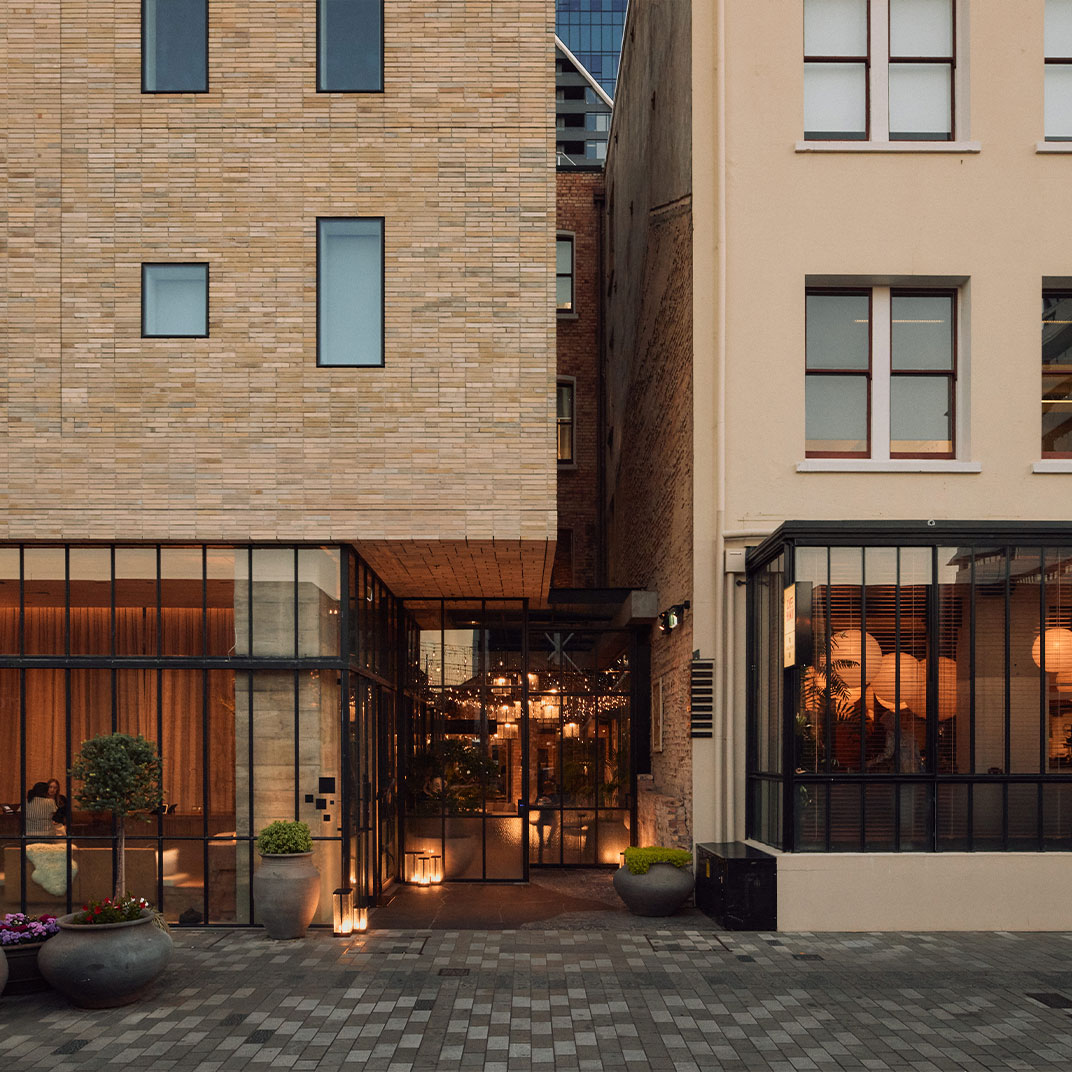
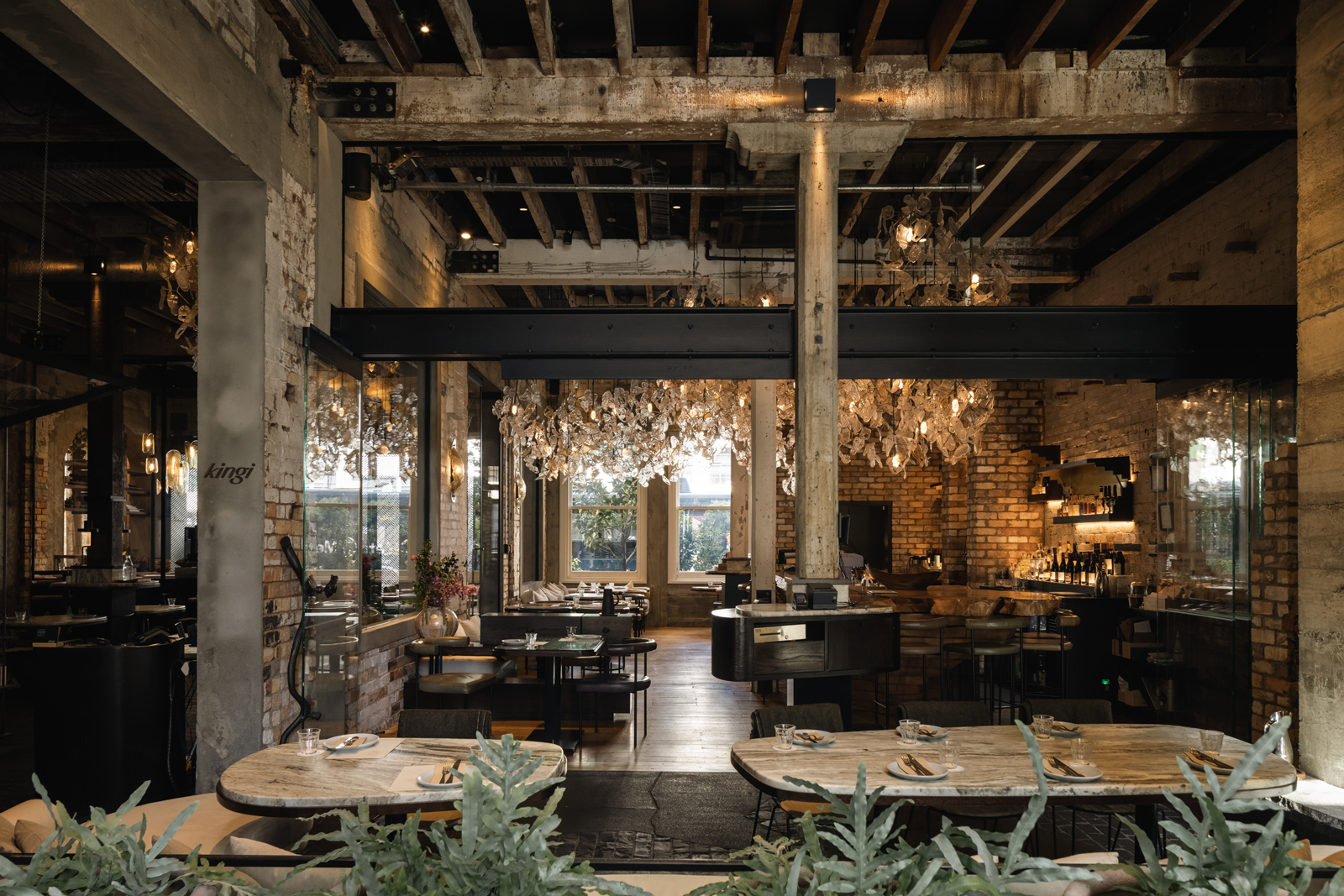
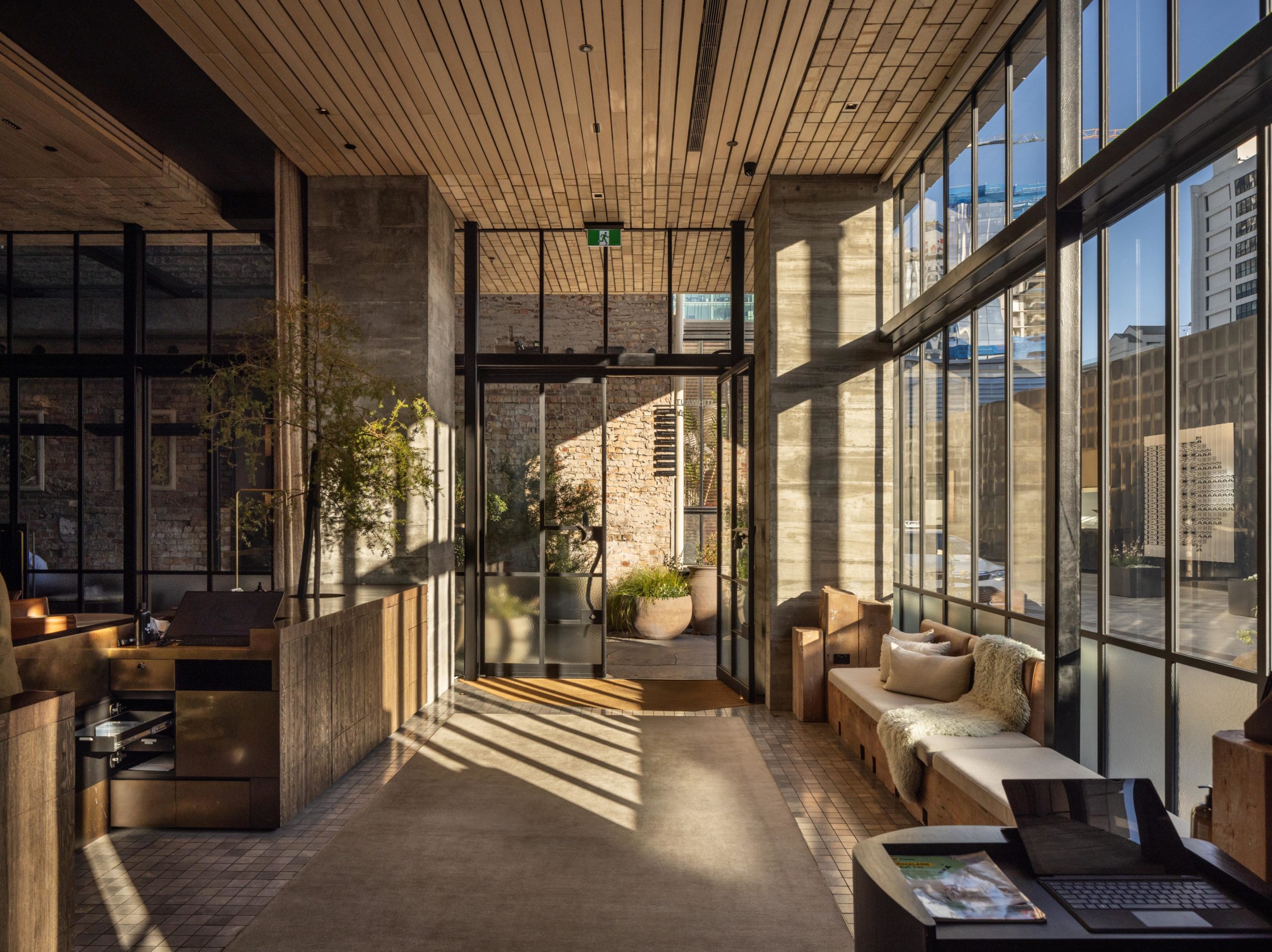
From the beginning, The Hotel Britomart has always been an intelligent expression of sustainable luxury, where the hotel’s environmental responsibility informs the architecture, operations and guest experience without diminishing the pleasure of staying somewhere genuinely beautiful.
Set within Auckland’s Britomart neighbourhood, the hotel’s 5 Green Star rating and Toitū carbonreduce certification are more than reassuring credentials. They reflect a deeper position, one in which every aspect of the hotel, from its initial construction, its waste and energy systems, and every aspect of the guest experience, is all upheld with the same underlying commitment to delivering sustainable luxury. The result is a hotel that is warm and unmistakably luxurious, and where sustainability is never reduced to a mere acknowledgement.
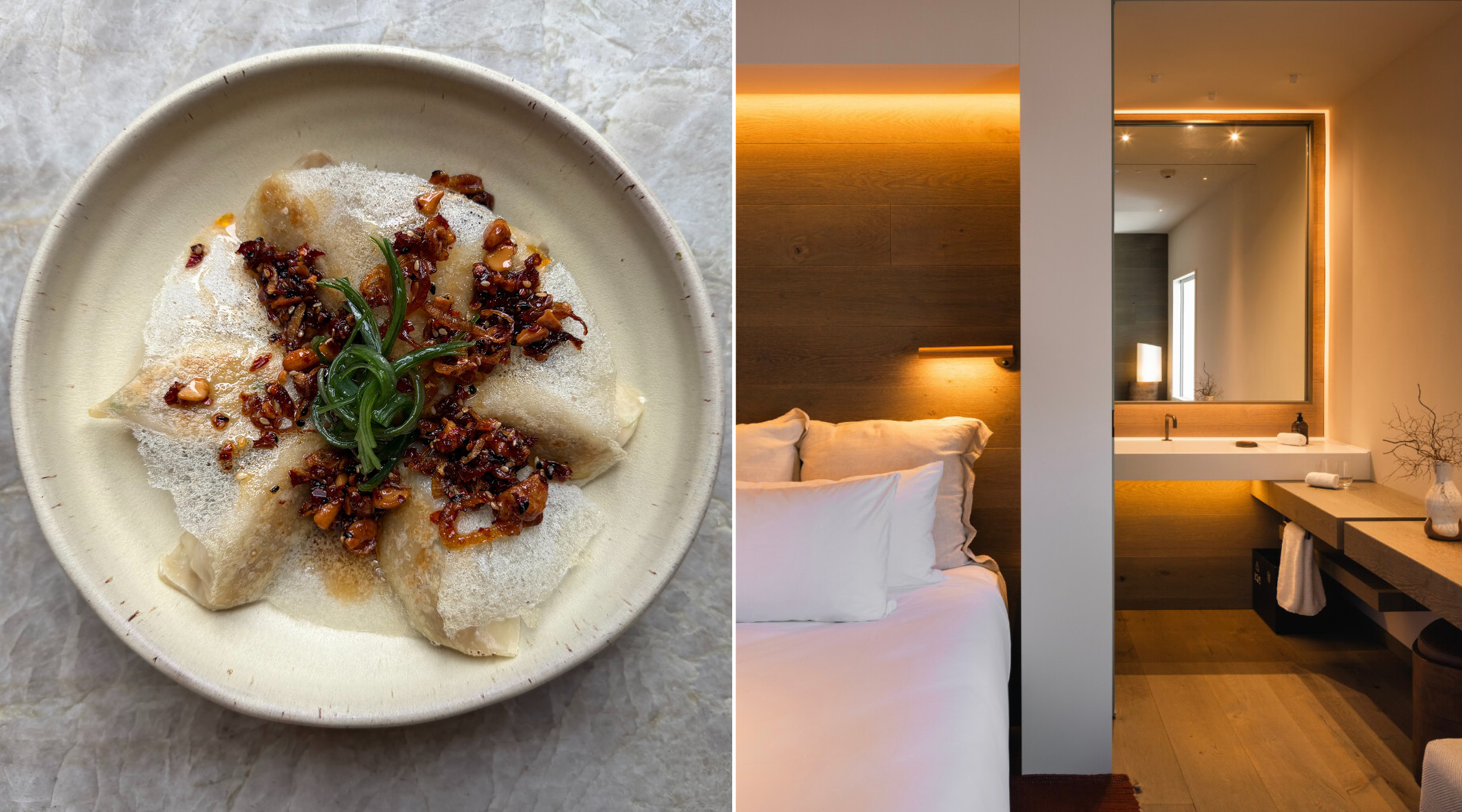
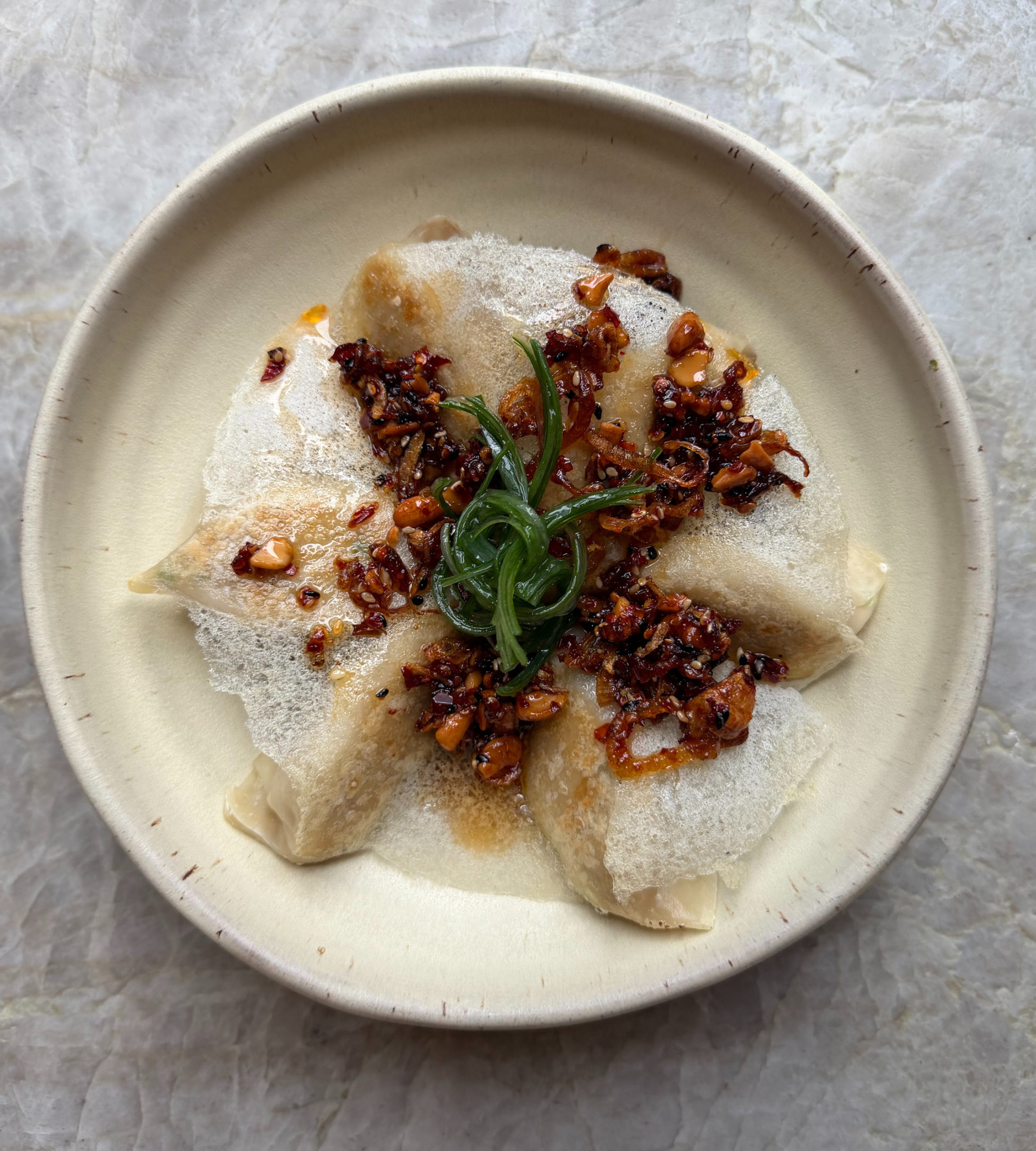
kingi’s zero waste dish: Tuna belly gyoza, black vinegar, sweet soy, cashew chilli crunch
From Friday, 22nd May, that same philosophy extends to Kingi, with the launch of the Zero-Waste Dish of the Week. Every Friday, dinner service will showcase a new dish conceived in response to what is abundant, overlooked, or too good to waste. In the hands of Kingi’s chefs, ingredients that might otherwise be discarded are reimagined into thoughtful seasonal dishes, delicately crafted into tuna dumplings one week, and something entirely different the next. Rather than making sustainability feel like an obligation, Kingi is making it both delicious and compelling. Adding yet another reason to admire The Hotel Britomart and Kingi’s continued commitment to sustainability.
To celebrate the launch of Kingi’s new Zero Waste Dish of the Week, Denizen is giving away the chance to experience The Hotel Britomart’s sustainable luxury philosophy with a one-night stay for two in a Galway View Room, plus breakfast and a $100 dining credit at kingi.
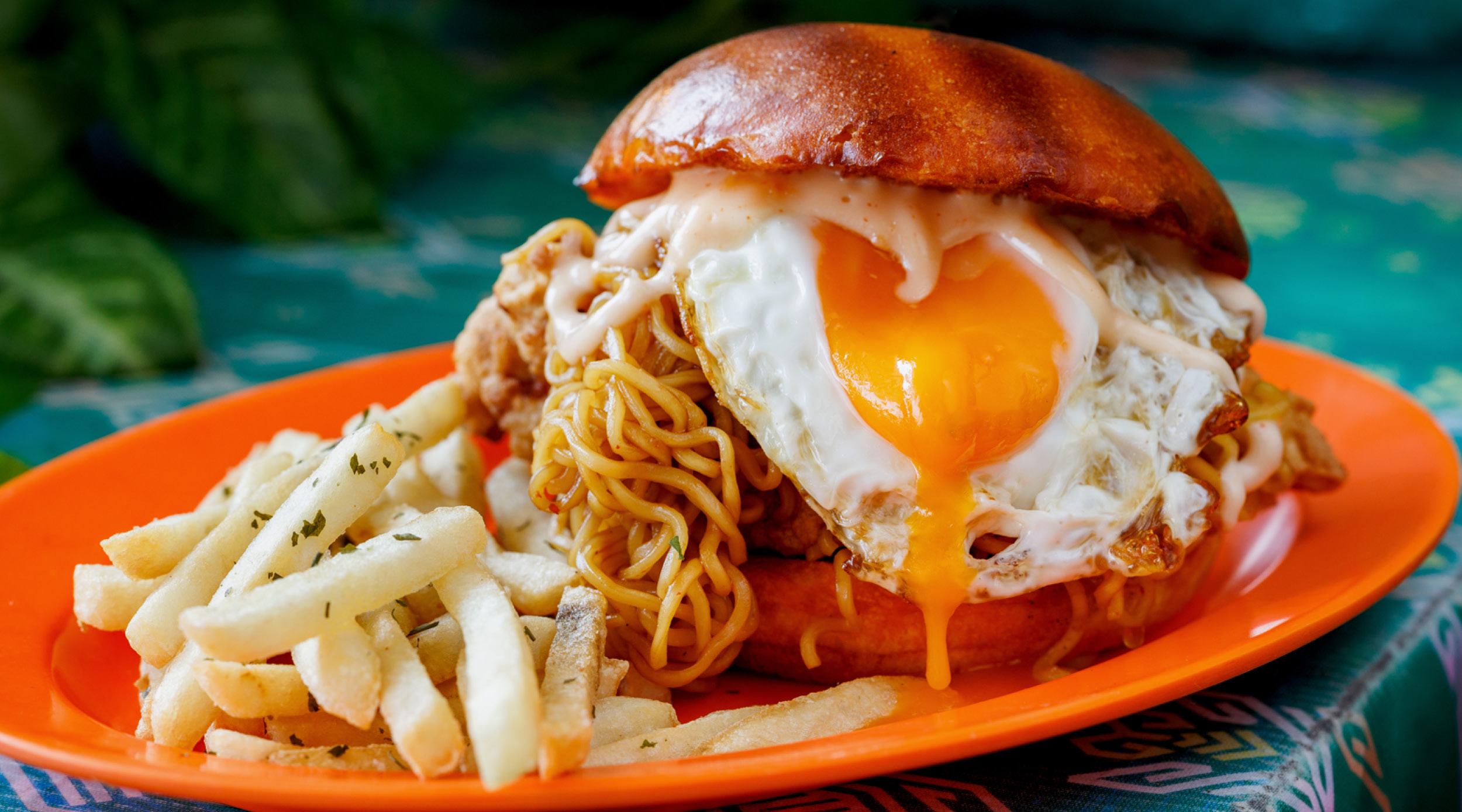
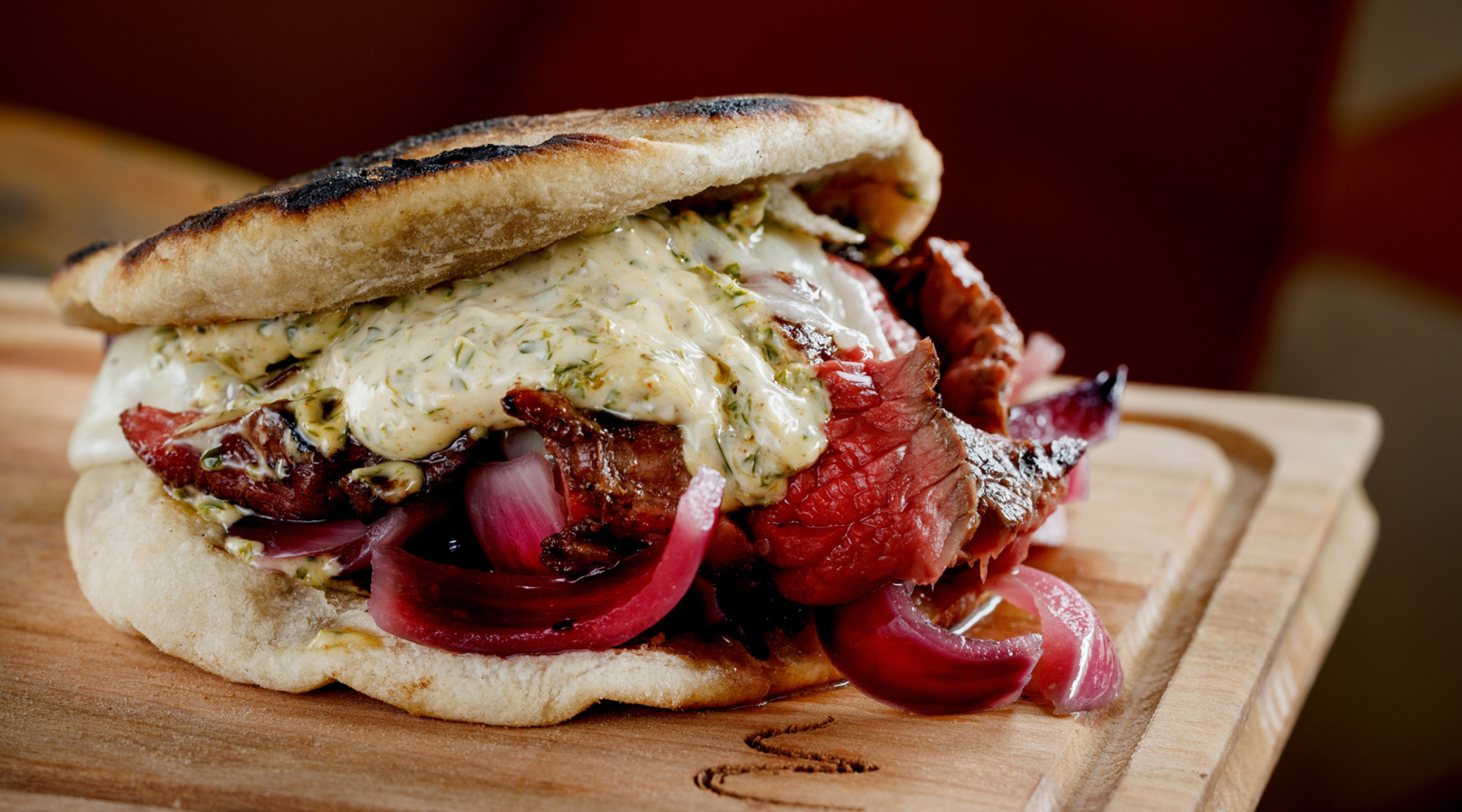
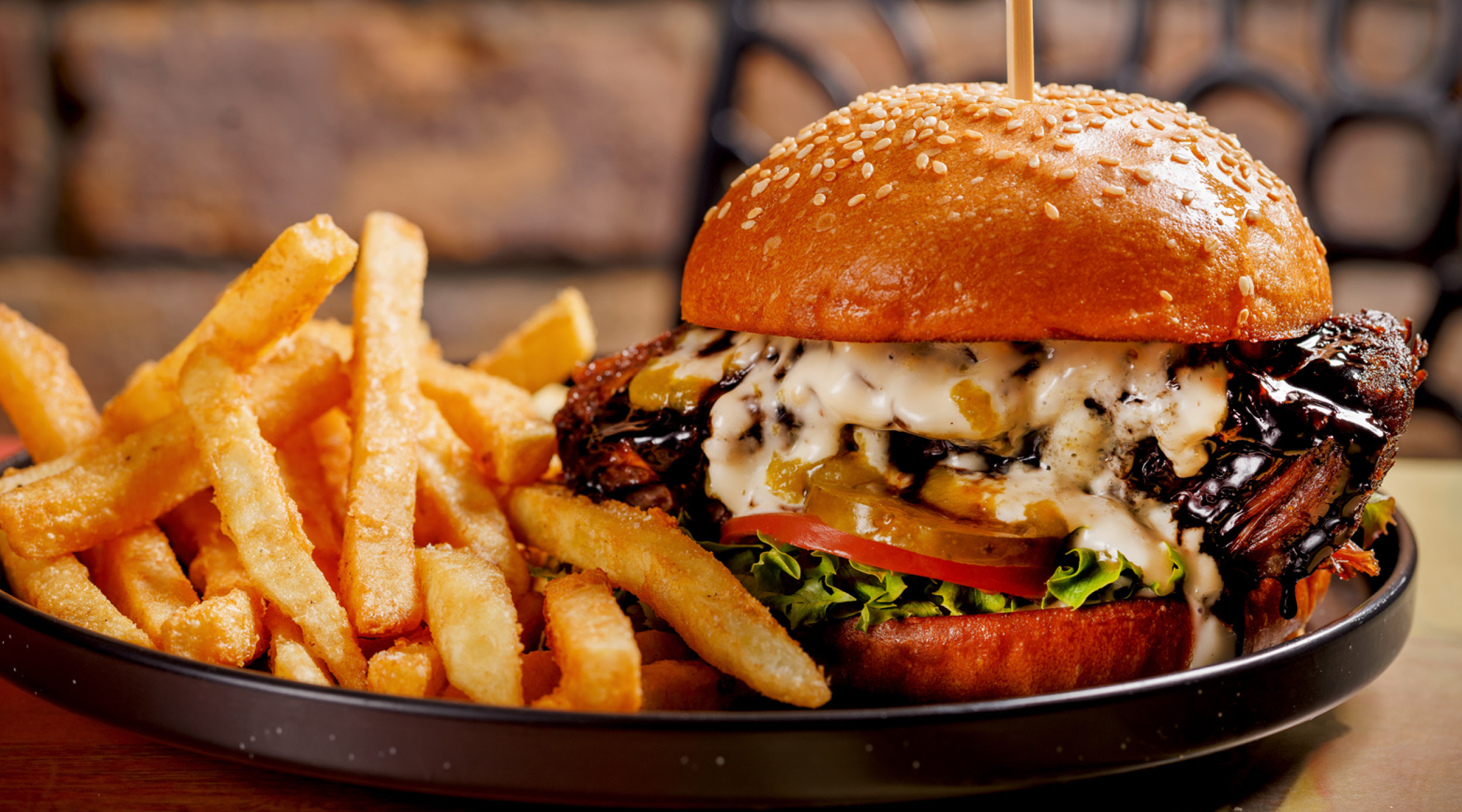
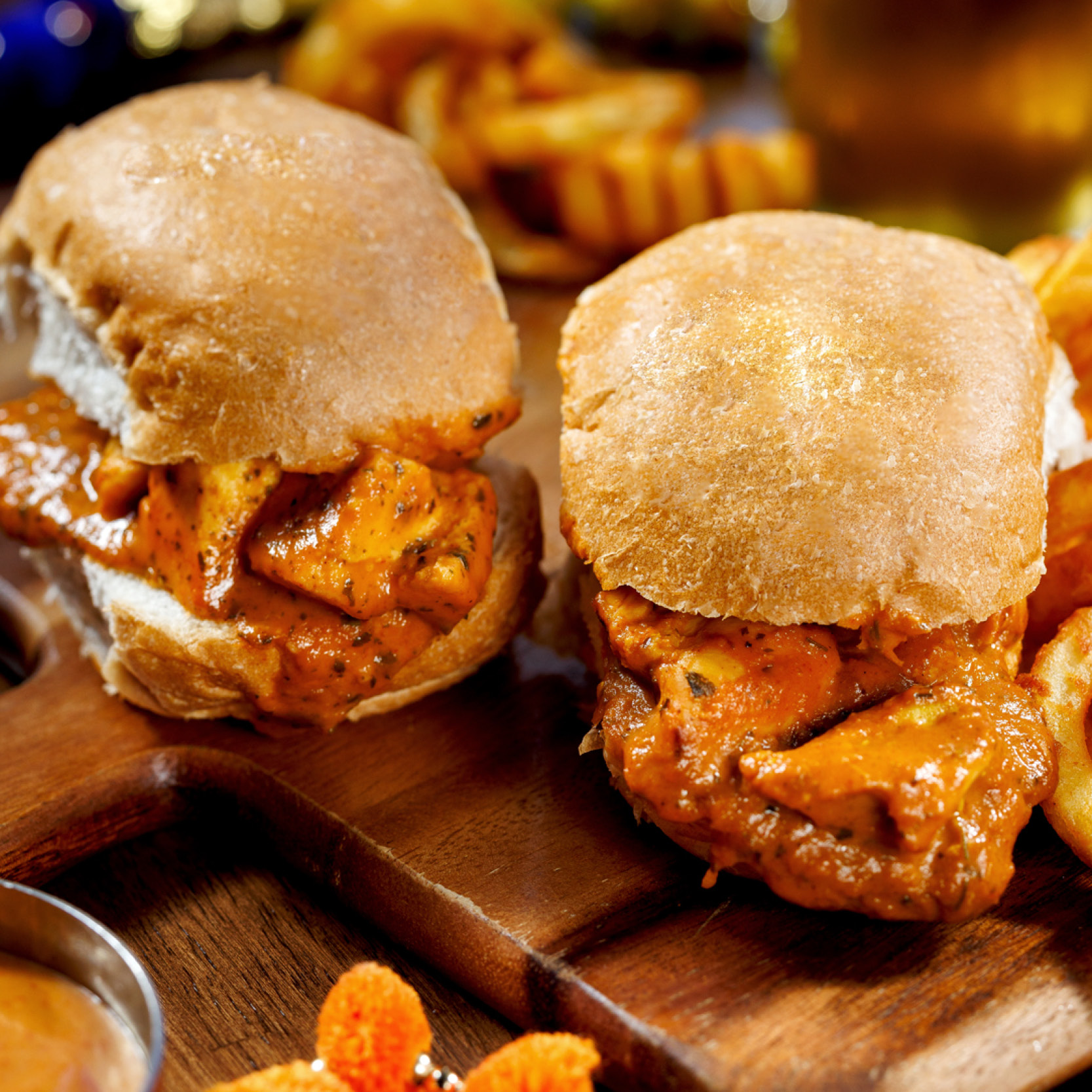
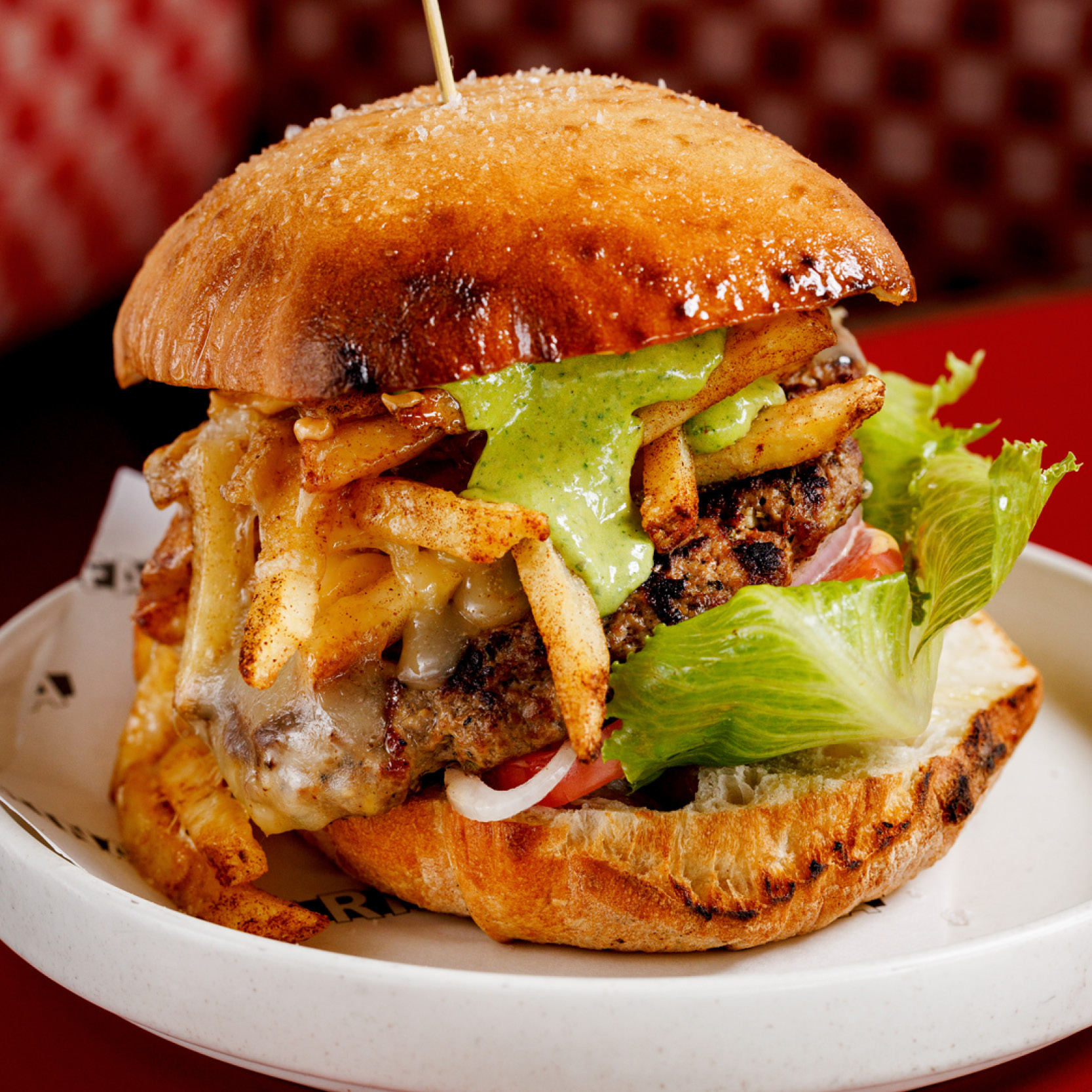
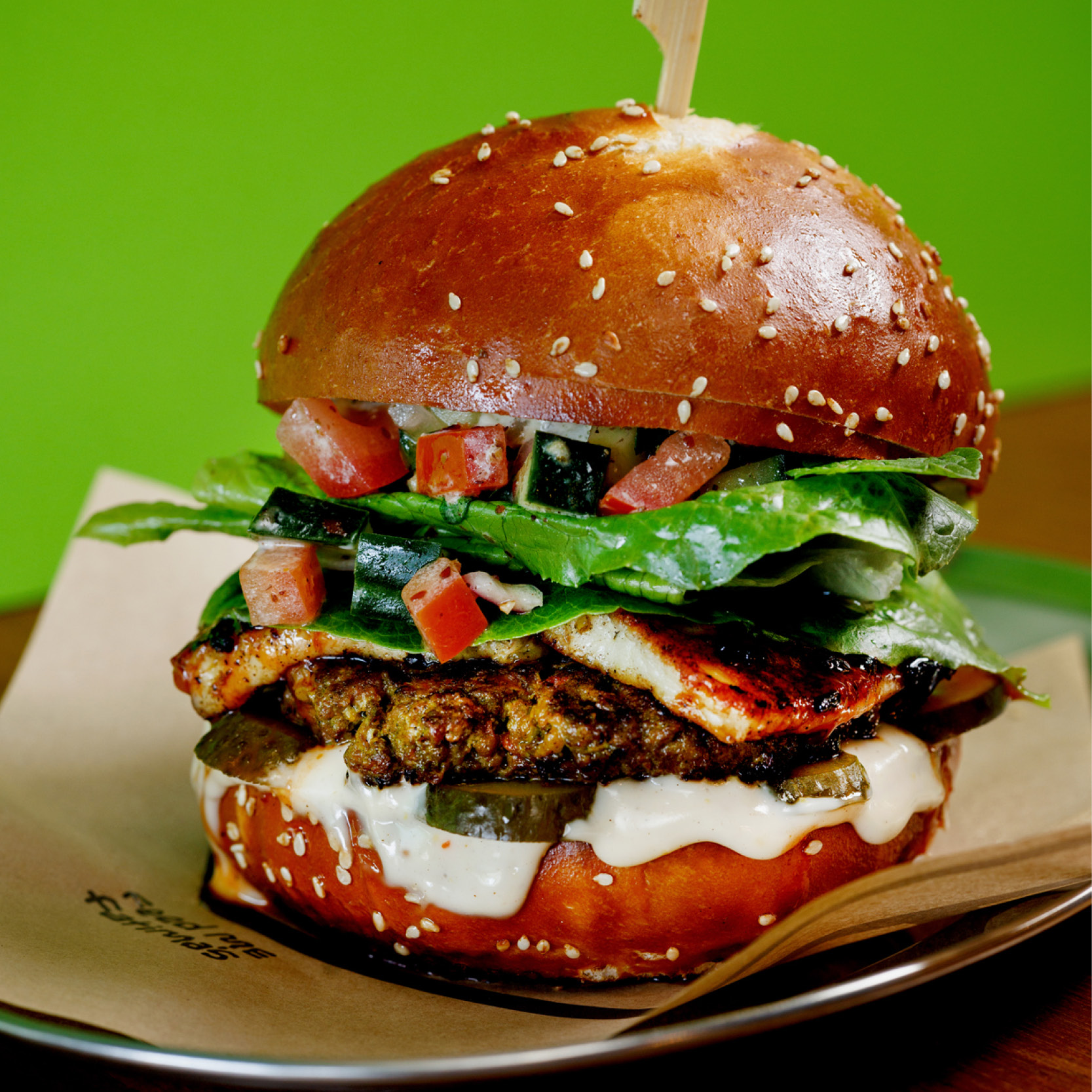
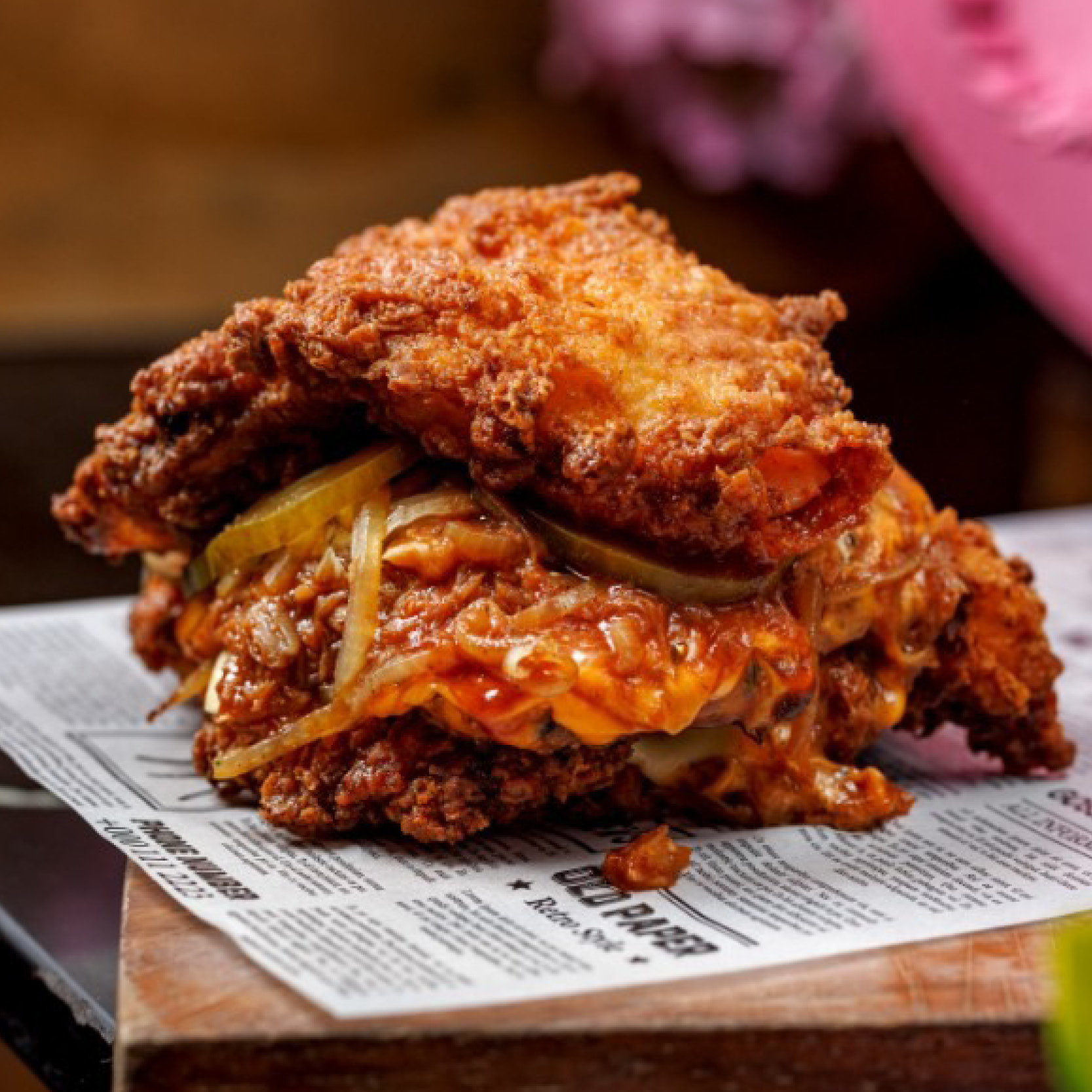
PonsonBurger is returning to Ponsonby from Monday, 25th May to Sunday, 7th June, marking International Burger Day on Thursday, 28th May with a fortnight dedicated to the city’s favourite handheld indulgence. More than 35 eateries will take part this year, serving everything from elevated takes on the classics to wildly creative specials, ensuring there’s something to satisfy every kind of burger craving.
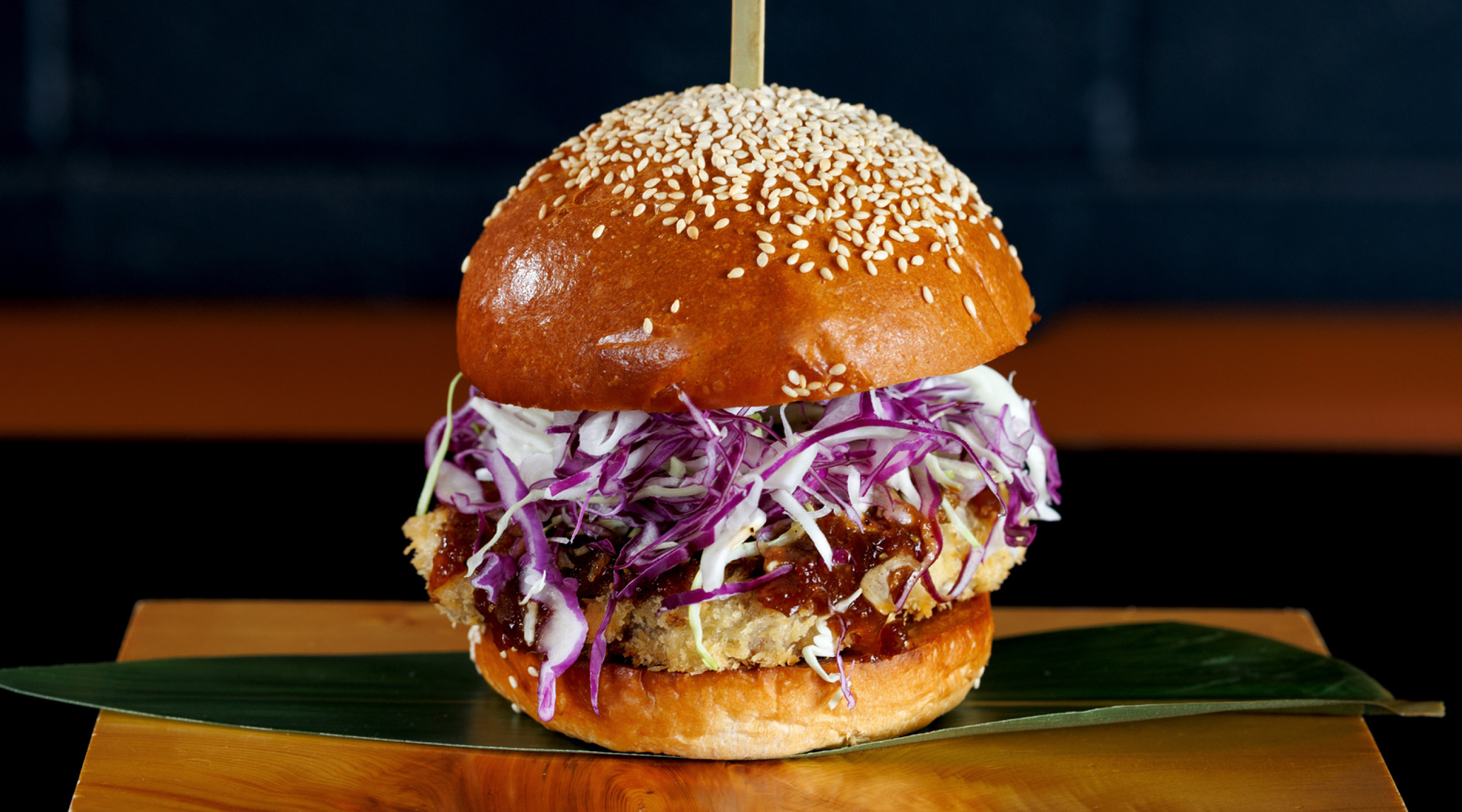
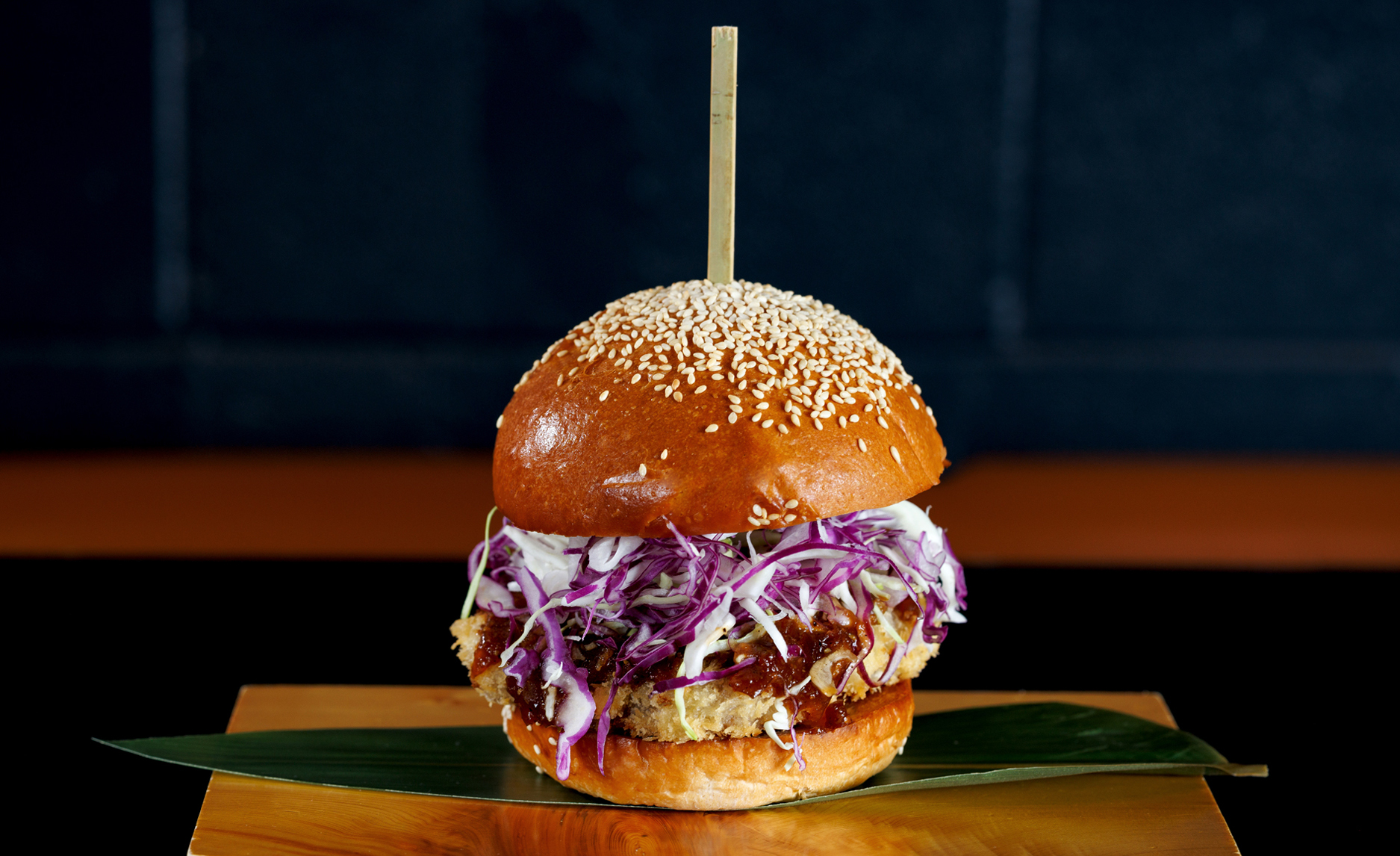
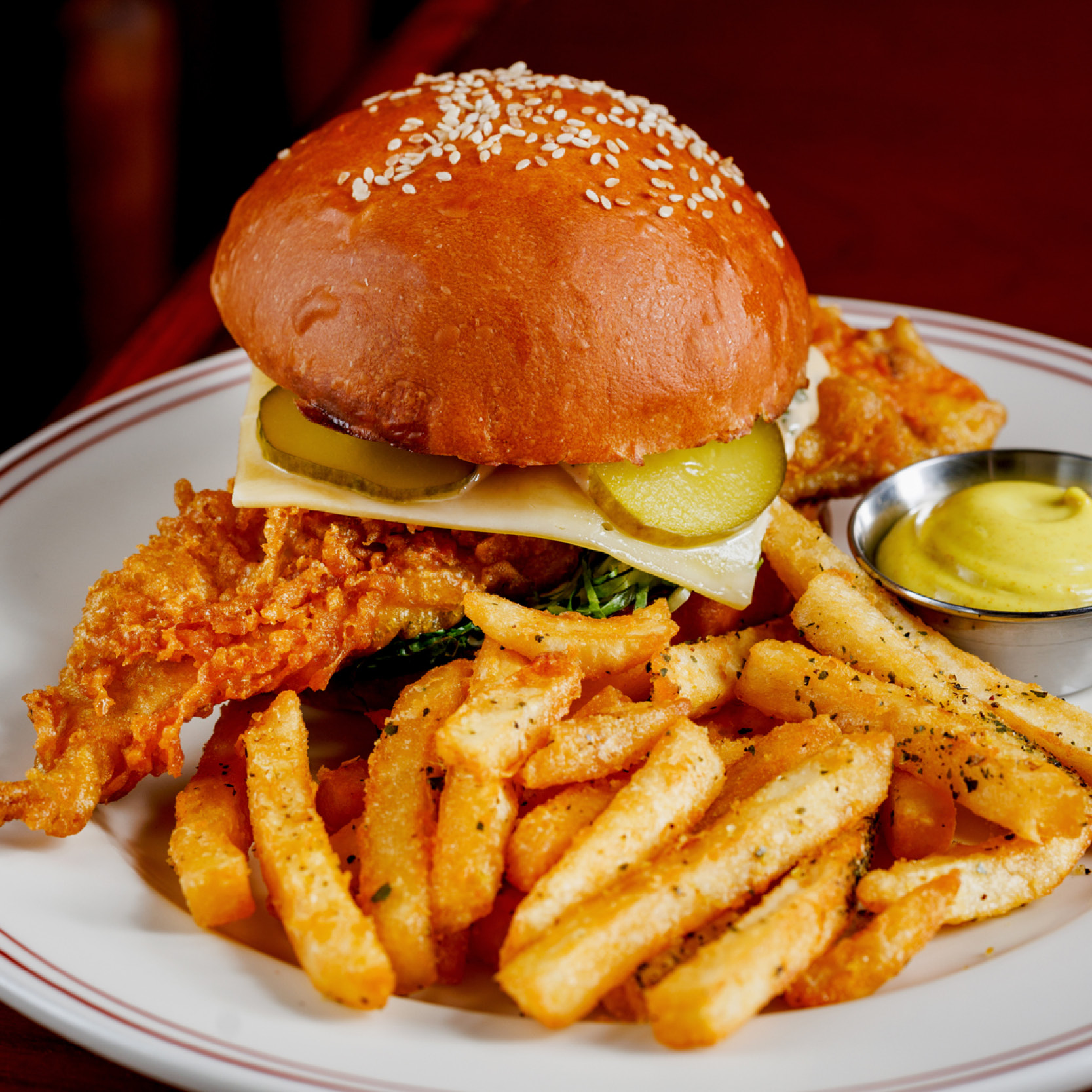
If it’s Asian flavours that appeal, Azabu is serving up a refined wagyu katsu number on a brioche bun with Tokyo katsu sauce, cabbage, and Japanese mayo, while, over at The Grey Lynn Firehouse, the Kaimoana Burger offers a distinctly elevated take on the fish burger, pairing a crisp whole snapper fillet with kina mayo, housemade hot sauce and all the classic fixings, served alongside fries.
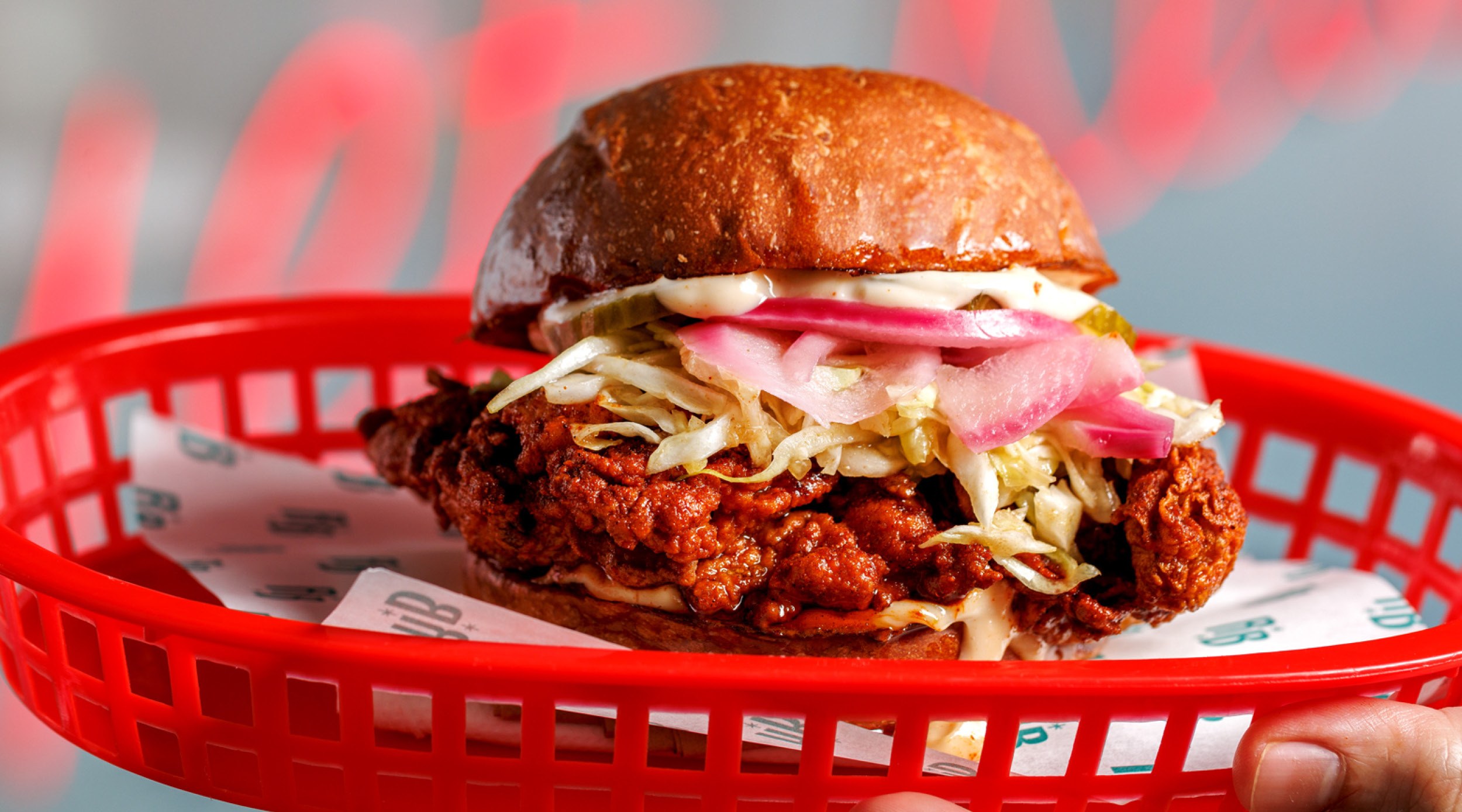
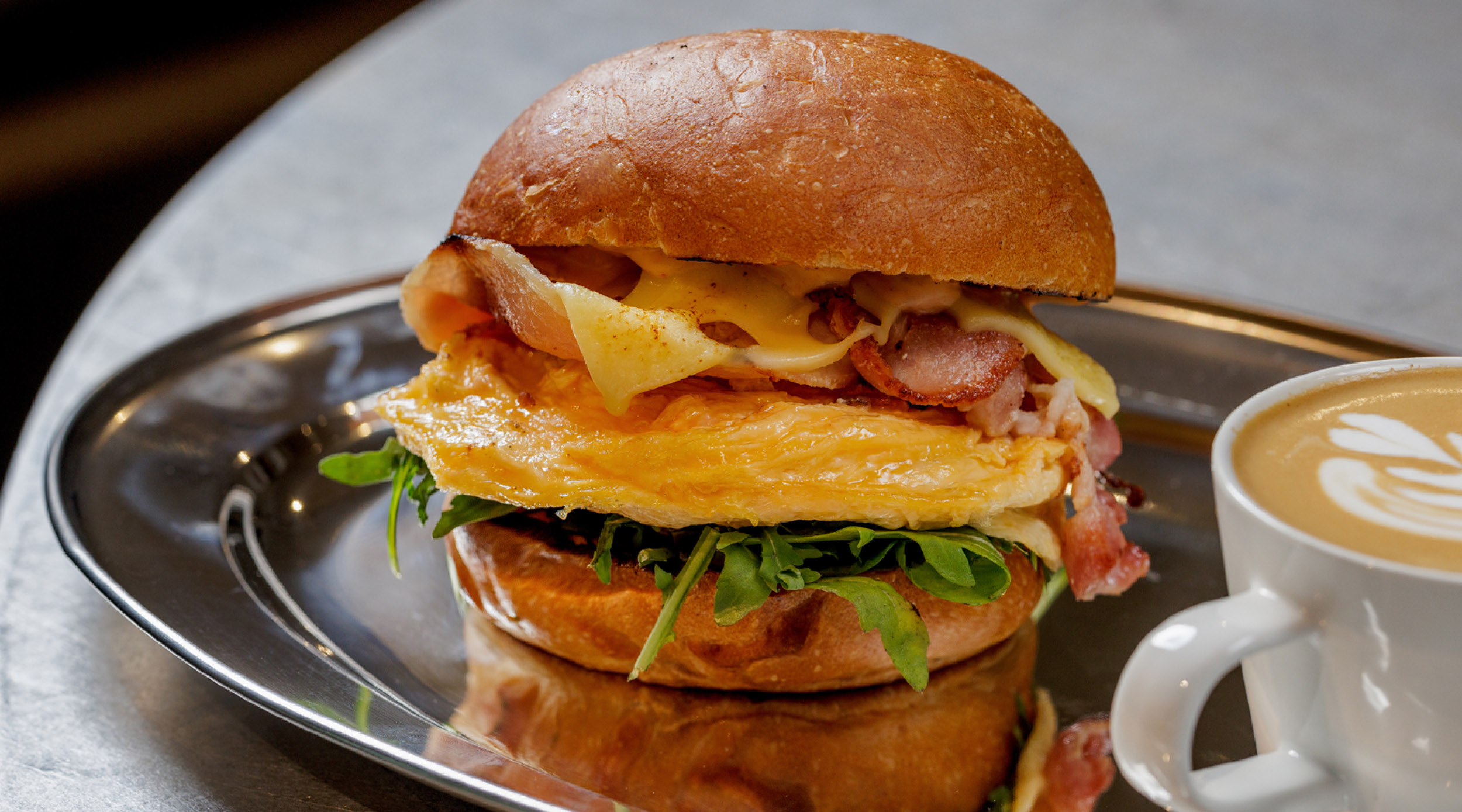
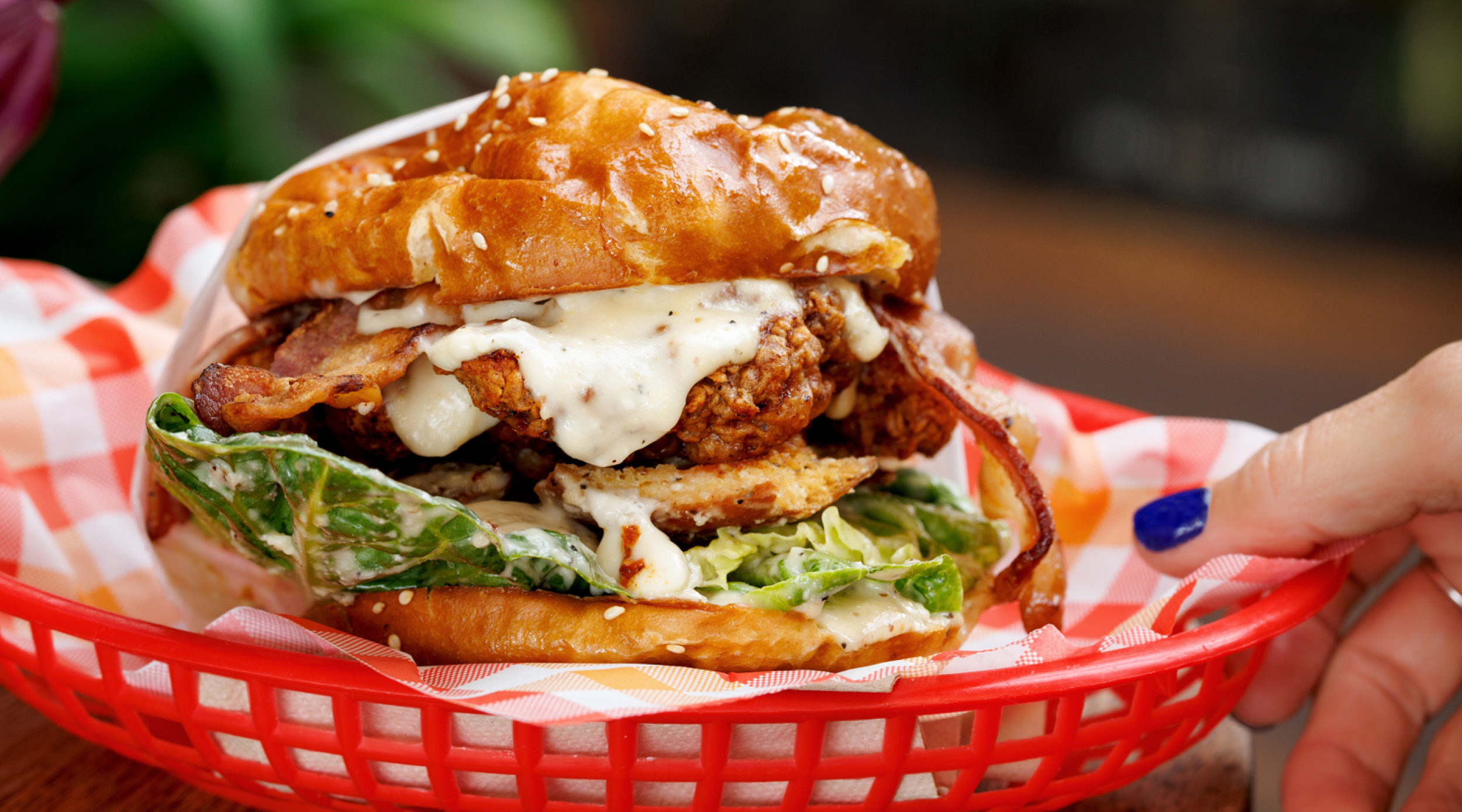
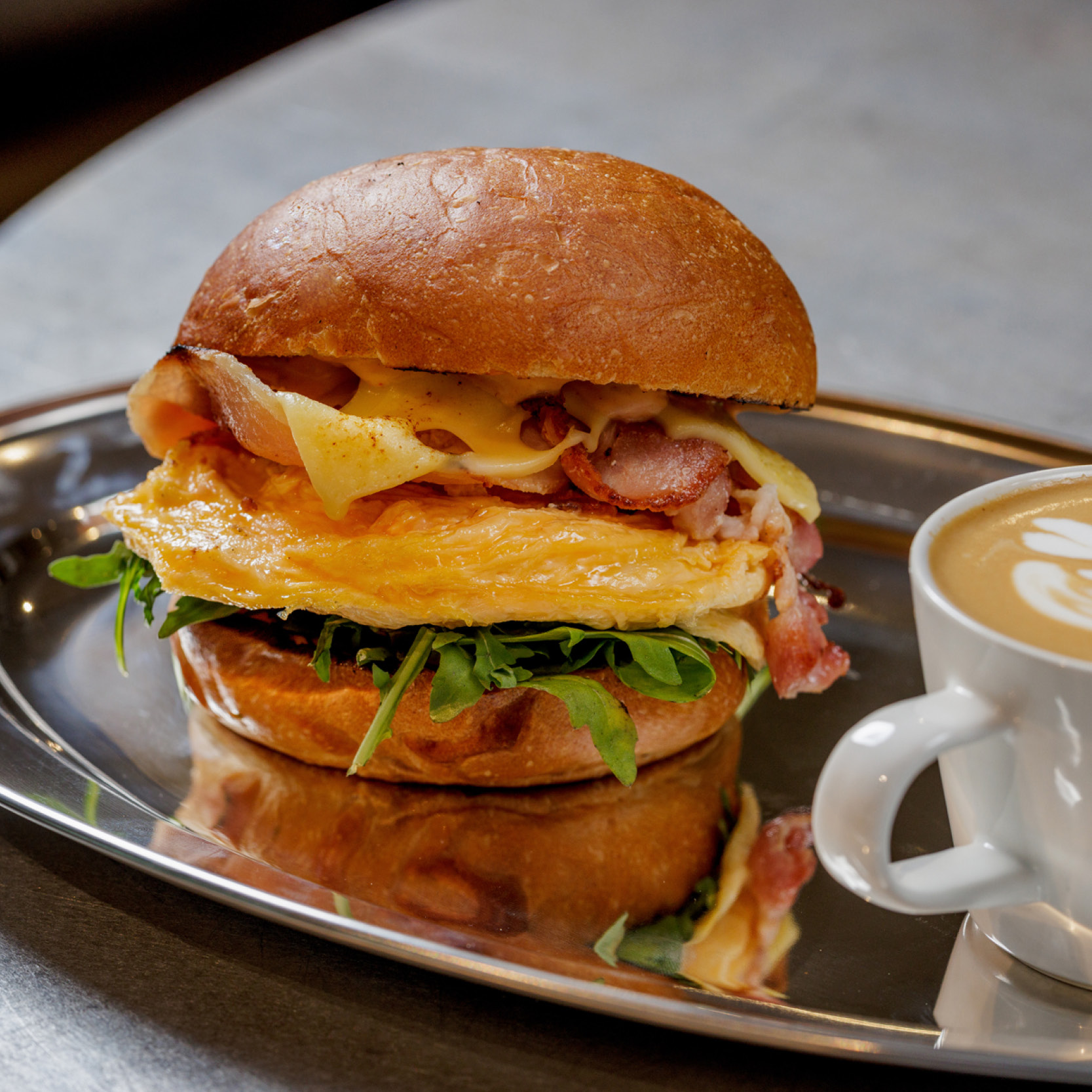
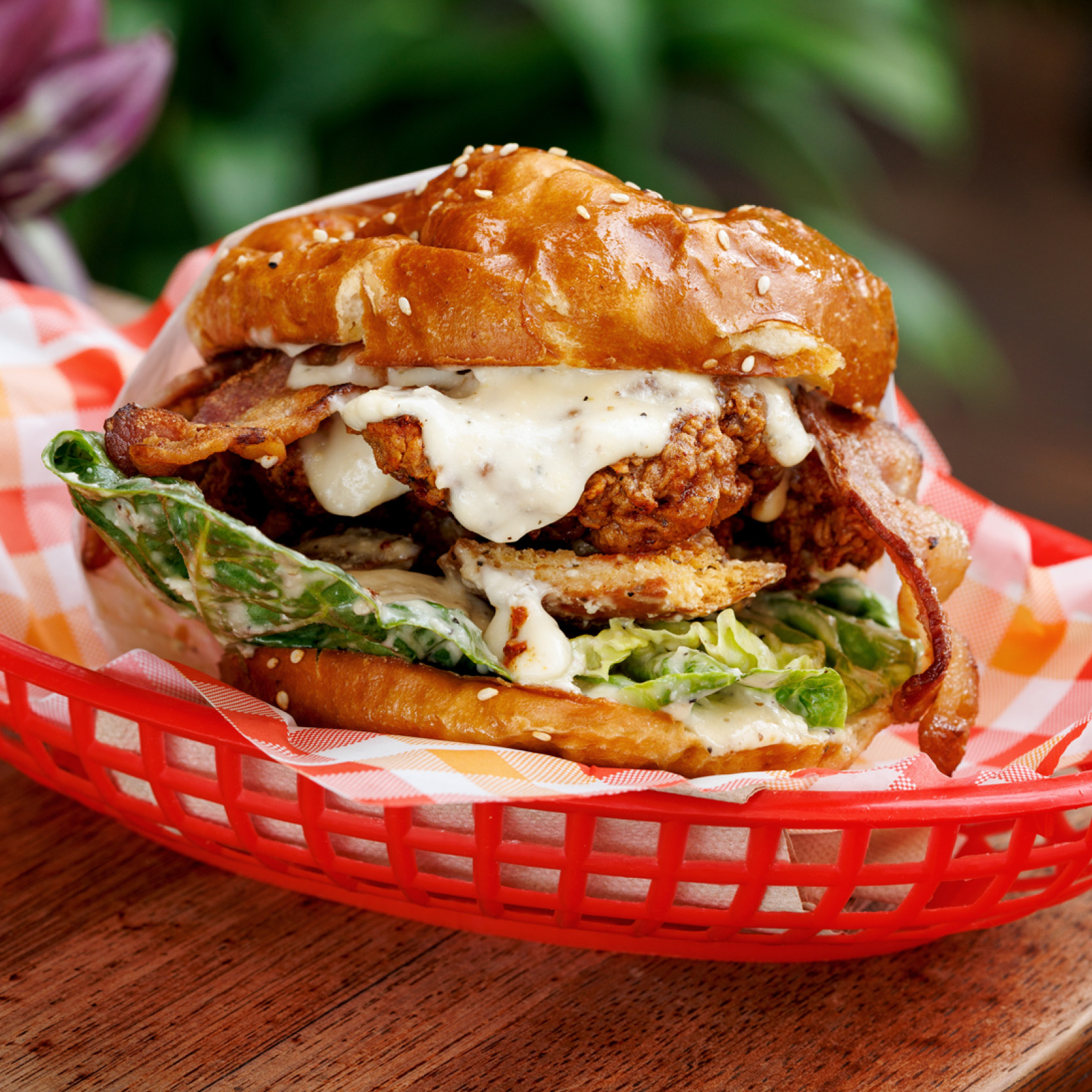
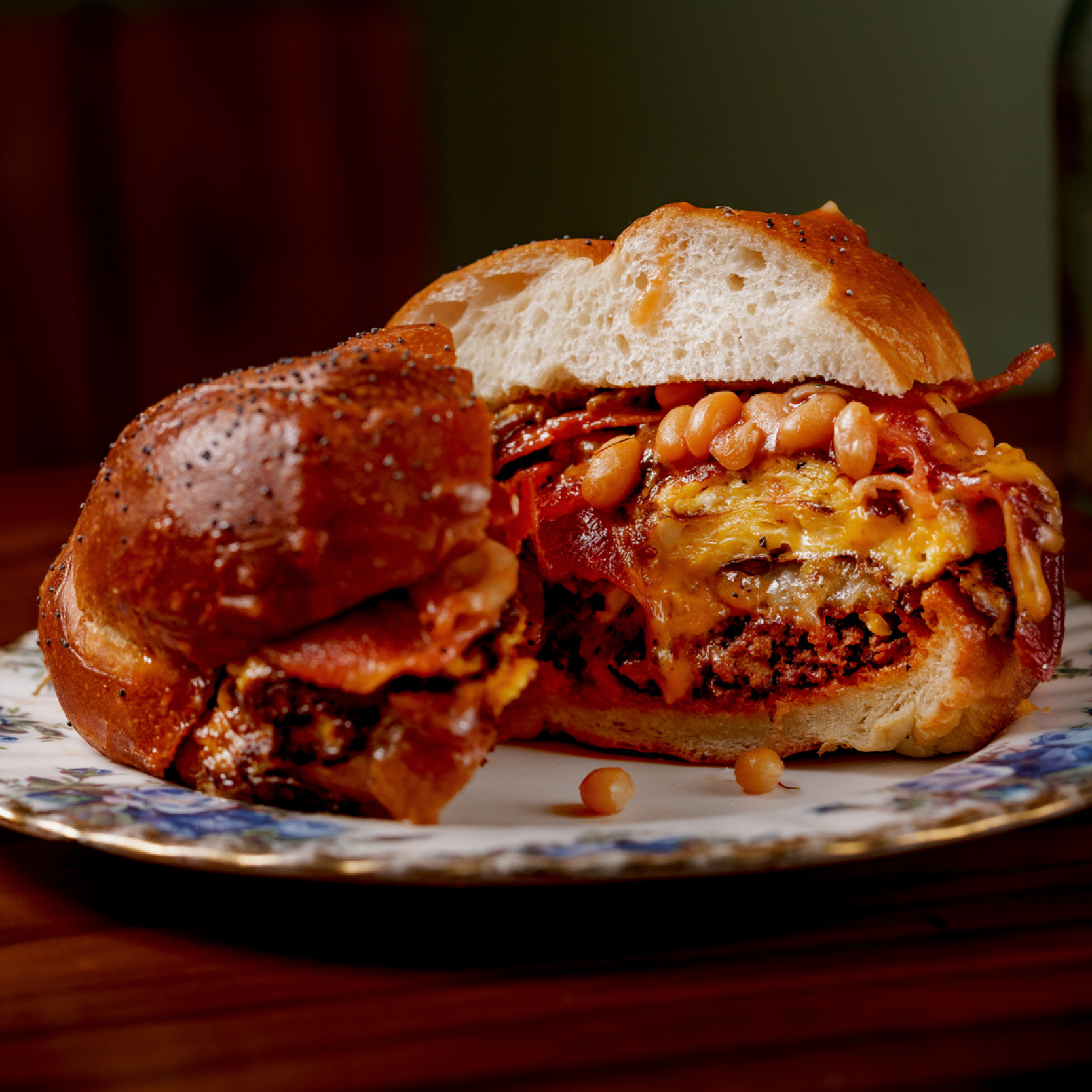
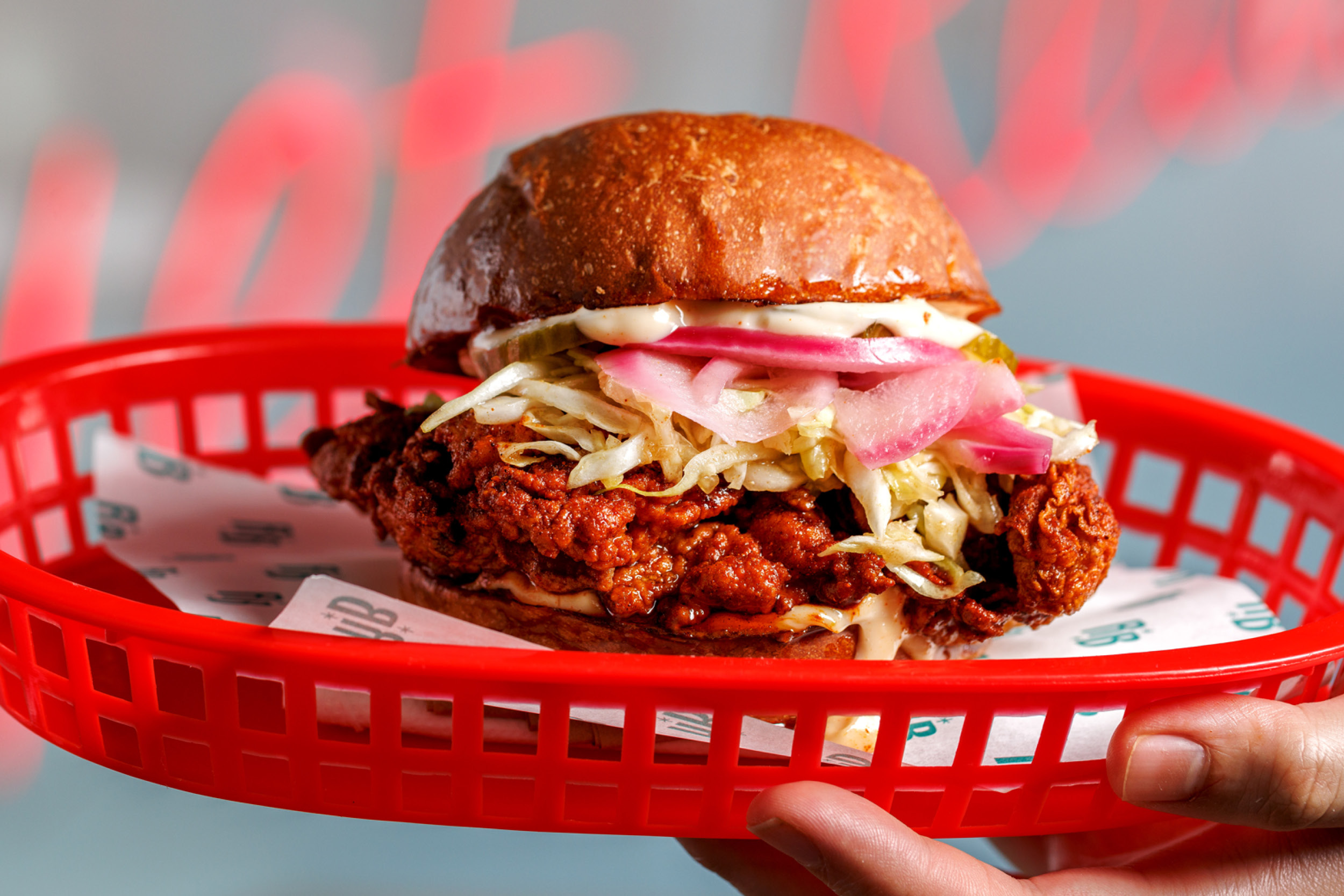
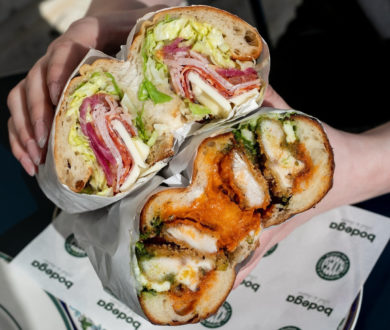
Elsewhere, newly opened Real Burger is bringing the heat with its Nashville Chicken burger, pairing a buttermilk double-coated chicken thigh with crunchy slaw, house pickles and a secret sauce tucked into the brand’s signature potato bun. Beau Deli takes things in a brunch direction with its Breakfast Bun, layering scrambled eggs, rocket, chutney and optional bacon into a warm Wild Wheat bun alongside an Allpress coffee. Over at Parade, the Fried Chicken Caesar transforms the classic salad into burger form, complete with smoky maple bacon, Parmesan and house-made croutons on a pretzel bun, while Bodega’s Full English leans unapologetically indulgent, stacking breakfast sausage, baked beans, bacon and griddled eggs into a house-made Kaiser roll.
While the full line-up looks delectable, we’ve rounded up our top picks below. The countdown begins…
For more exclusive access to what the city has to offer, engaging content, excellent imagery and thought provoking commentary on the life that surrounds you, subscribe to Denizen magazine now.