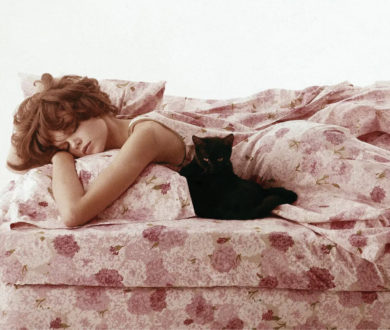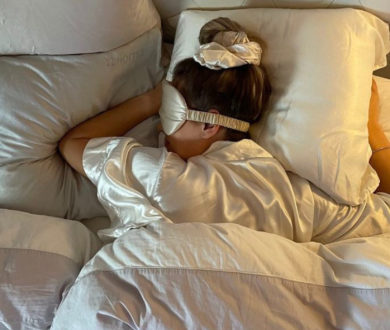




There’s a relatively good chance that you, or someone you know, slept in the spare room last night. There’s also a good chance that it had nothing to do with being in the dogbox.
‘Sleep divorces’ are trending in the wellness world, and the concept is (unsurprisingly) proving divisive. I think the name is largely to blame, positioning the arrangement as a negative when, in actual fact, the research says it’s often nothing of the sort.
A recent study revealed that around one third of adults in America have slept separately from their partner. Another study puts it at roughly one in six couples sleeping apart at least one night every week. Australia’s stats sit even higher, with almost 40 percent having tried sleeping separately. Anecdotally, plenty of my friends frequently sleep in the spare room, and I’ve done the same.
Dig into why, and the reasons are—more often than not—prosaic. Snoring, mismatched schedules, insomnia, and pregnancy all rank highly. Kids obviously have a part to play, too. In fact, very few cite anything resembling a relationship problem. It also doesn’t come as a surprise that those most likely to sleep apart are aged 35 to 44, reflecting the years of small children and conflicting schedules. Really, it’s a logical decision that society still insists on treating as a moral one.
But if you can move past the judgement and fear of what a separate room says about the state of your marriage, the payoff is actually quite amazing. Thirty-seven glorious minutes is the average nightly gain for couples who move to separate rooms, and over half say the quality of their sleep improved, not just the quantity. Thirty-seven minutes may sound relatively modest, until you compound it. Over a week, that’s more than four hours. Over a fortnight, it’s close to an entire extra night’s sleep, without an expensive supplement or tracker in sight.
In 2026, we’re living through the most heavily monetised period in the history of sleep. Search interest in the Oura ring is up 110 percent, Whoop is up 83 percent. There is now a word (sleepmaxxing) for ‘stacking’ the likes of magnesium, mouth tape, blackout blinds, cooling mattresses and wearable trackers in pursuit of a better night’s rest. ‘Sleepcations’ are trending, with people booking stays at hotels and resorts for the sole purpose of sleeping.
The irony is that the single most effective sleep fix is free, but we’re all too wrapped up in what other people think to do the thing that will shift the dial — get some space. (You can just hear the pearl clutching, “Have you heard? They sleep in separate beds!”)
The stigma is dissolving, though, and it’s happening generationally. Among millennials, 43 percent have tried separate sleep spaces. Gen X sits at 33 percent. Boomers sit at 22 percent. Younger couples appear to have decided that where you sleep is not a referendum on whether you’re in love, and we’re all the better for it. There’s also a gender split nobody has fully explained, but is fascinating all the same: 45 percent of men report sleeping in a separate room, versus 25 percent of women. Read into that what you will.
The clinicians, for their part, are on the whole in favour. Dr Seema Khosla of the American Academy of Sleep Medicine frames it as a question of respecting each other’s sleep, rather than a symptom of a relationship in trouble. New Zealand sleep psychologist Dan Ford has argued for dropping the term altogether in favour of a ‘sleep sanctuary’. Researchers at RAND have floated the term ‘sleep alliance’ to position the choice as collaborative and mutually beneficial. Despite the terminology, everyone working in the field seems to agree that the practice is fine, and the terminology is the issue.
It’s also worth noting that, unlike a real divorce, the choice doesn’t mean permanence if you don’t want it to. About one quarter of couples who separate their sleep eventually move back in together, once they’ve caught up, or their circumstances have changed.
A ‘sleep divorce’ may just be the key to not only a better night’s sleep, but avoiding the real thing. After all, lying awake at 3am resenting the person next to you for breathing too loudly is likely doing more damage to your marriage than a spare bed ever could.