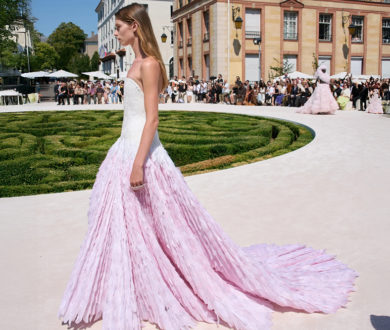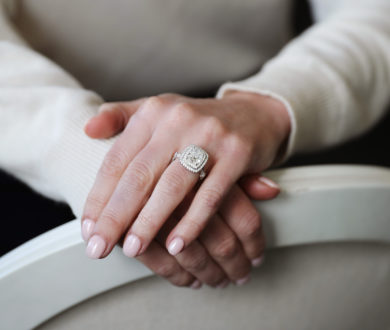




Paris Fashion Week Spring 2027 was less about chasing a single idea than watching fashion’s most influential houses sharpen their identities. A year after a wave of creative-director appointments reshaped the industry, many of those new chapters now feel considerably more assured. Heritage was loosened rather than erased, everyday clothes were given couture-level attention, and glamour returned with conviction. From Alaïa’s first studio collection without Pieter Mulier to Matthieu Blazy’s increasingly confident Chanel, here are the collections worth knowing.
Alaïa


Alaïa’s first runway collection since Pieter Mulier’s departure placed the focus firmly back on the house itself. Designed by the studio, it revisited Azzedine Alaïa’s enduring fascination with the body through tightly twisted jersey, exacting drapery, sculpted leather and dresses cut to reveal flashes of leg as they moved. Deep black and burgundy added weight, while abbreviated minidresses provided the collection’s more provocative counterpoint. It was less an attempt to announce a new era than a reminder of just how potent Alaïa’s original vocabulary remains.
Balenciaga


Pierpaolo Piccioli’s Balenciaga is beginning to find its centre. For Spring 2027, the designer continued negotiating the distance between Cristóbal Balenciaga’s architectural couture and the street-informed irreverence of the Demna years, this time with greater ease. Couture-minded construction appeared alongside denim and everyday separates, while cocooned volumes and flashes of saturated colour brought Piccioli’s own romantic instincts into the conversation. The result felt less like a designer navigating inherited codes and more like the beginnings of a genuinely personal Balenciaga.
Celine


Michael Rider described his Spring 2027 Celine collection as “emotional dressing”, and the phrase neatly captured its appeal. An uncomplicated black dress opened proceedings, followed by sharp leather, strong-shouldered tailoring, trousers that moved from narrow to voluminous, eccentric prints and increasingly confident eveningwear. Rather than constructing a rigid Celine uniform, Rider offered the components of a wardrobe and allowed personality to do the rest. It was polished without becoming precious, and further evidence that his most persuasive proposition for the house may simply be very good clothes people want to wear.
Chanel


One year into his tenure, Matthieu Blazy appears increasingly comfortable letting Chanel’s history work for him rather than against him. Spring opened with an ethereal white dress paired with Gabrielle Chanel’s own 2.55 handbag, before moving through softened tweeds, drop-waist skirts, tulle, embroidery and exposed underpinnings. Above it all, illuminated birds swept across the Grand Palais, reinforcing the collection’s preoccupation with movement and freedom. Blazy did not dismantle Chanel’s signatures. He made them feel unexpectedly light, youthful and alive.
Chloé
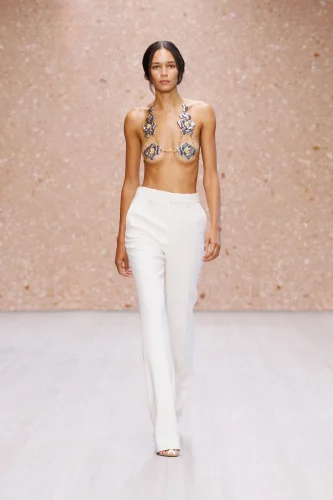


Chemena Kamali distilled her Chloé vocabulary to its most recognisable elements, particularly the romanticism that has become central to her tenure. Broderie anglaise appeared across dresses and lingerie-like separates, guipure lace became flirtatious babydoll silhouettes, and high-waisted tailoring offered a sharper counterpoint. Even enormous fisherman coats and conceptual rainwear retained the collection’s feminine charge. Rather than searching for novelty, Kamali leaned confidently into the things Chloé has always done exceptionally well: sensuality, softness and a certain distinctly French nonchalance.
Christian Dior
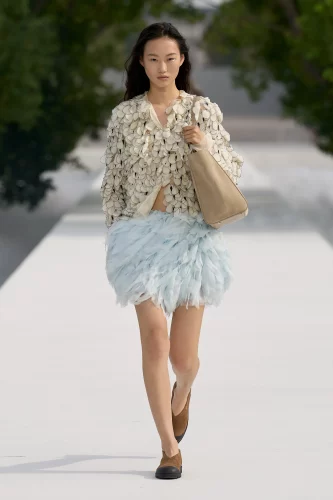


Jonathan Anderson’s Dior became noticeably lighter for Spring 2027. The house’s historic Bar jacket and full-skirted silhouette were translated into chiffon and semi-transparent tailoring, removing much of their traditional structure without losing their identity. Flyaway ribbons, delicate layering and dimensional pastel florals introduced a romantic softness, while the collection’s fluidity suggested Anderson is becoming increasingly willing to treat the Dior archive as material to manipulate rather than something to preserve untouched. It was heritage without heaviness, and one of his most convincing statements for the house yet.
Givenchy


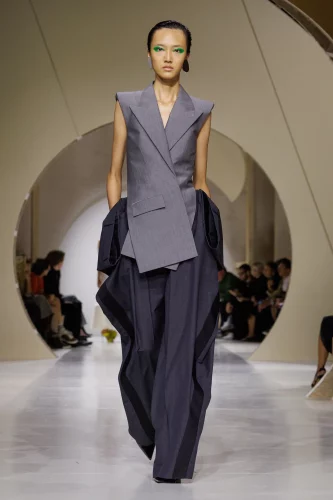


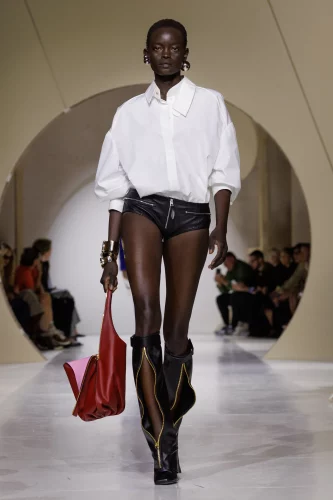
Sarah Burton continued to push Givenchy’s silhouette into more intriguing territory. Coats were deliberately oversized, dresses sculpted away from the body, pinstripe suits twisted through unexpected construction, and leather pieces brought a harder edge to the femininity underneath. Burton spoke of balance and clarity, but the collection was at its strongest when things became slightly stranger, particularly in the tension between rigorous tailoring and exaggerated form. Givenchy under Burton is becoming less about obvious glamour and more about the power of shape.
Loewe


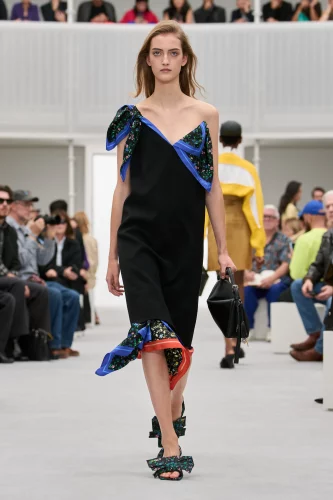

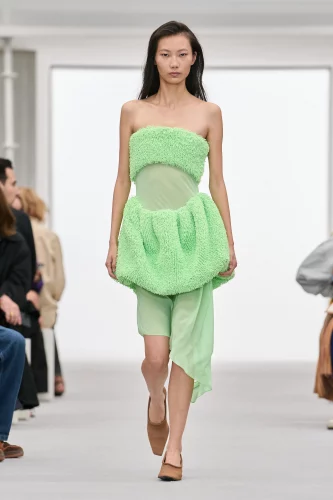
Jack McCollough and Lazaro Hernandez are steadily building a Loewe that looks increasingly distinct from the chapter that preceded it. Spring 2027 continued their dialogue between American sportswear and Spanish craft, taking familiar pieces and complicating them through fabrication and proportion. Basketball jerseys, prep references and utilitarian separates sat alongside oversized bows, substantial buckles and sculptural resin collars. The intelligence lay in that collision of the recognisable and the unusual, proving that Loewe’s formidable craft credentials can accommodate a wardrobe that feels far more casual.
Miu Miu


Miuccia Prada once again found fashion in the things people already wear. Sports bras, track pants, performance tops and technical sneakers were placed against tailoring, embroidered evening pieces and polished separates, collapsing the distinction between athleticwear and getting dressed properly. Gigi Hadid closed the show in a sports bra, crystal-covered skirt and brightly coloured sneakers, perhaps the neatest distillation of the idea. Miu Miu’s talent lies in making combinations that initially appear wrong become almost immediately influential. Spring 2027 delivered plenty of them.
Saint Laurent


Anthony Vaccarello covered Saint Laurent in gold. Beneath vast chandeliers with the Eiffel Tower beyond, metallic sahariennes, trenches, brocades, lace cocktail dresses and gilded tailoring turned the runway into an exercise in unapologetic glamour. A final passage of black offered a dramatic reversal, while Charlotte Gainsbourg’s performance added an emotional charge amid widespread speculation surrounding Vaccarello’s future at the house. Whatever comes next, Spring 2027 demonstrated the extraordinary clarity with which he has defined the Saint Laurent woman over the past decade.
Tom Ford


At Tom Ford, Haider Ackermann pursued seduction with considerably less restraint. Models moved through a dark, mirrored space in sharp tailoring, cut-away eveningwear and pieces designed to expose as much as they concealed. There were impeccable suits, flashes of saturated colour and gowns engineered around the body, all amplified by the reflections surrounding the runway. Ackermann has not attempted to sanitise Tom Ford’s reputation for sex. Instead, he has made that sensuality more cerebral, creating clothes that feel provocative without losing their precision.
Victoria Beckham


Victoria Beckham approached Spring 2027 from the perspective of ease. The silhouette moved away from the body, with fluid dresses, relaxed tailoring and oversized outerwear bringing looseness to the precision for which the designer is known. Yet nothing felt careless. Sheer dresses and streamlined suiting retained Beckham’s exacting eye, while the vivid House Red lipstick worn across the runway provided the collection with its sharpest punctuation. It was an assured reminder that ease and elegance need not be opposing ideas.