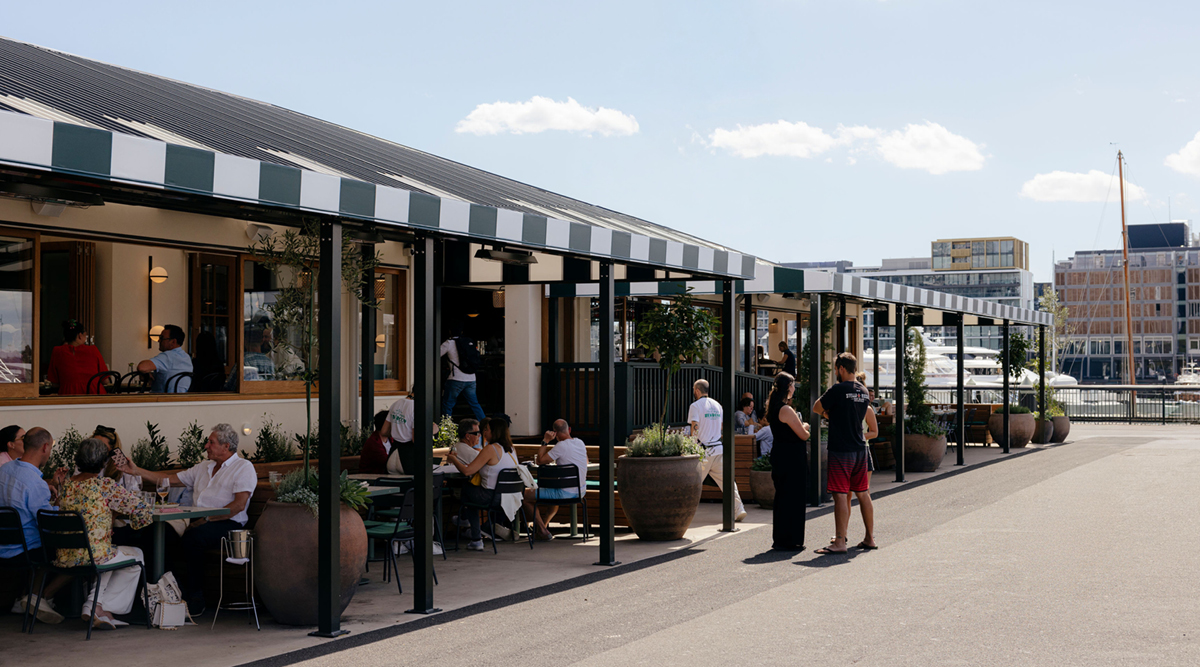
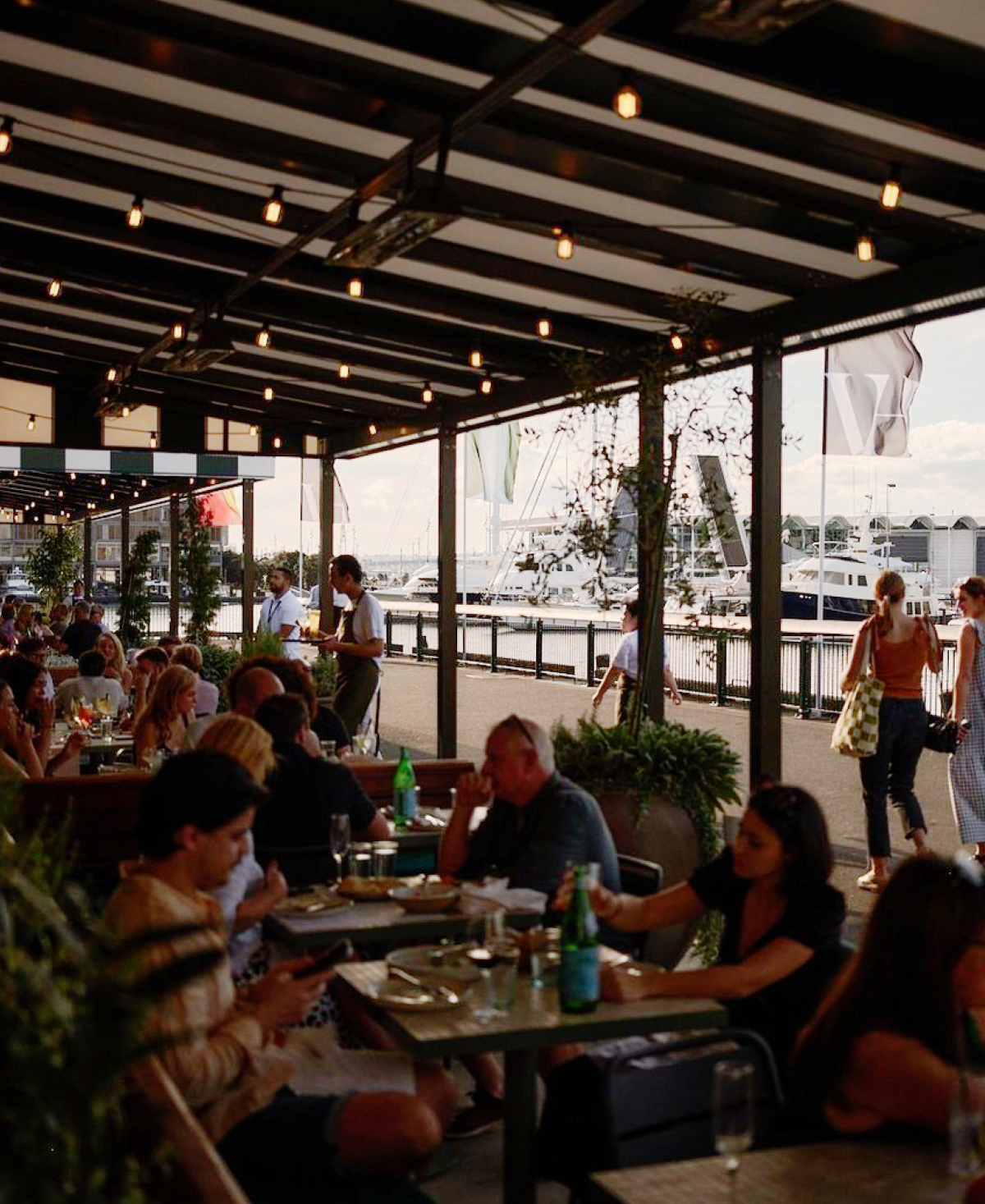
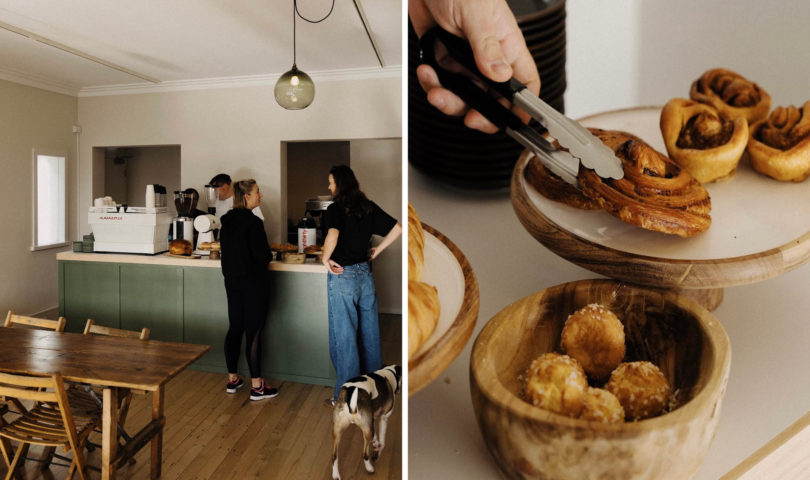
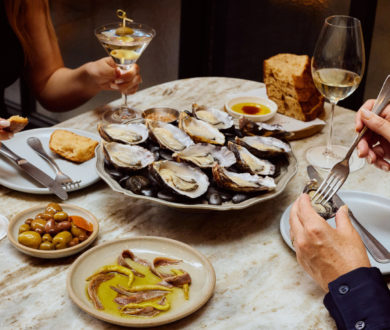
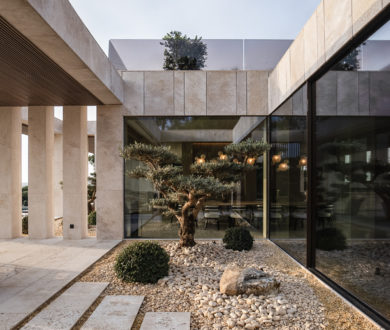
With settled weather and the harbour at its best, Bivacco remains one of the city’s most reliable choices for a relaxed weekend by the water. From long lunches to late afternoons that drift into evening, here are four reasons it deserves a place in your plans.
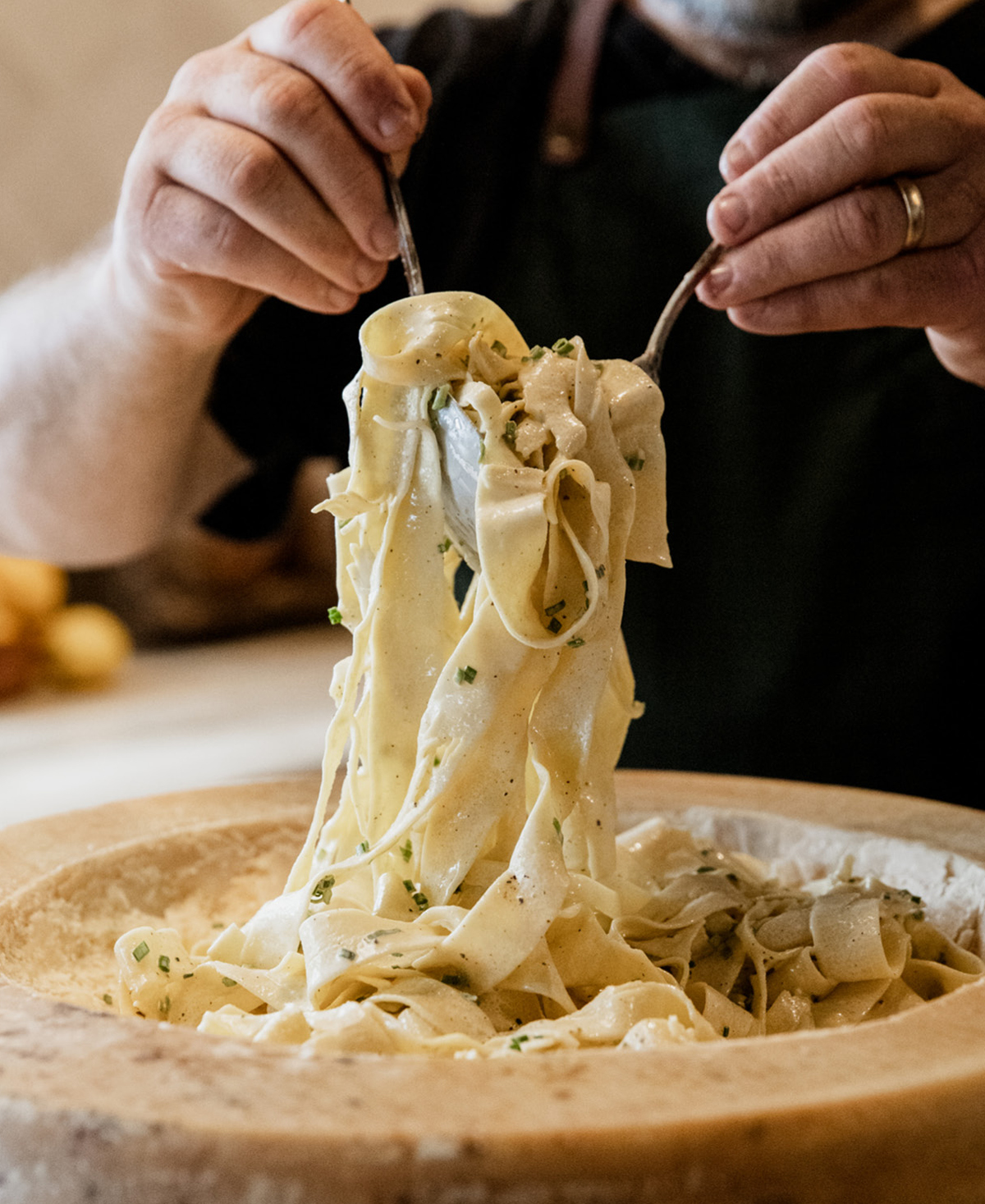
Fresh Linguine with Lemon, garlic, parsley, chives and Parmigiano Reggiano
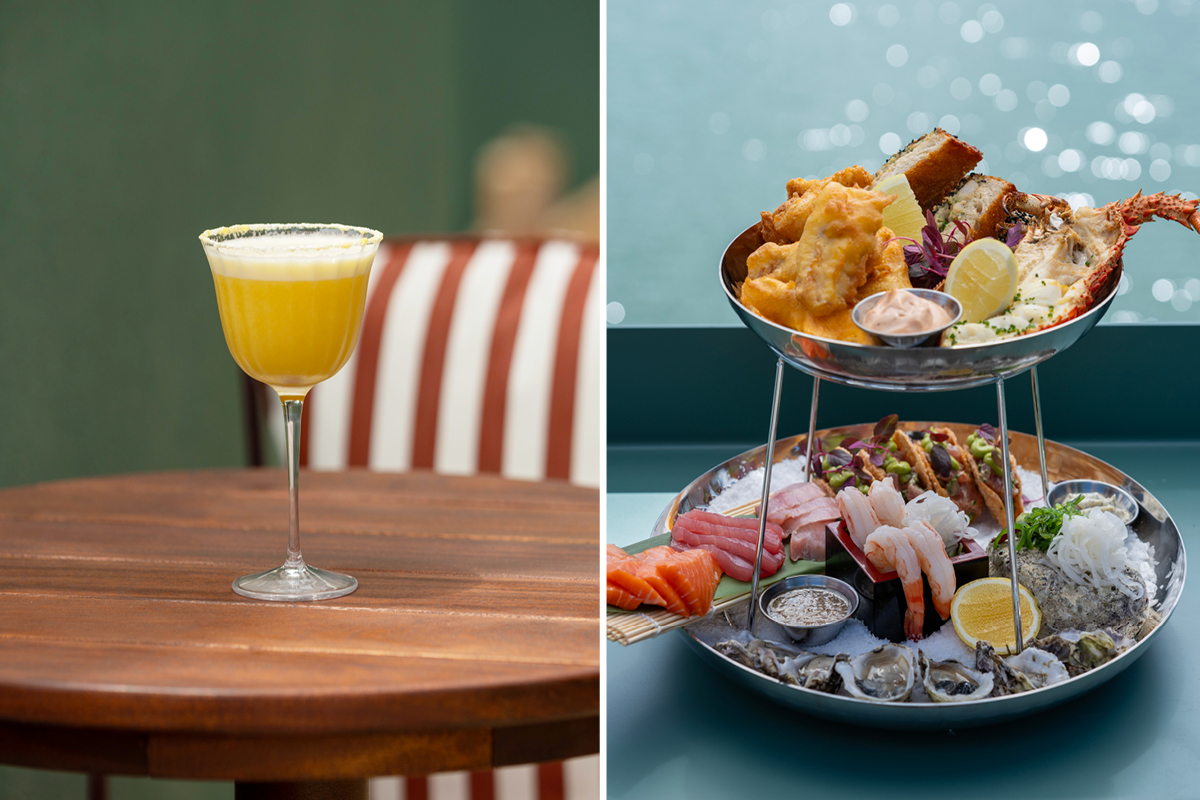
Bivacco’s Ladies Lunch continues to anchor Saturdays with a three-course Italian-style menu and a drink included for $49pp. New additions include Fresh Linguine and Grilled Snapper, joining a line-up designed to feel light, seasonal and considered. Pair it with your choice of Prosecco, a Limoncello Spritz or a classic Margarita, and settle in from 11am to 3pm for an unhurried afternoon by the water.
From 4pm on Fridays and Saturdays, DJs add a gentle lift as the day turns to night, encouraging after-work drinks to stretch into dinner or a Ladies Lunch to linger a little longer.
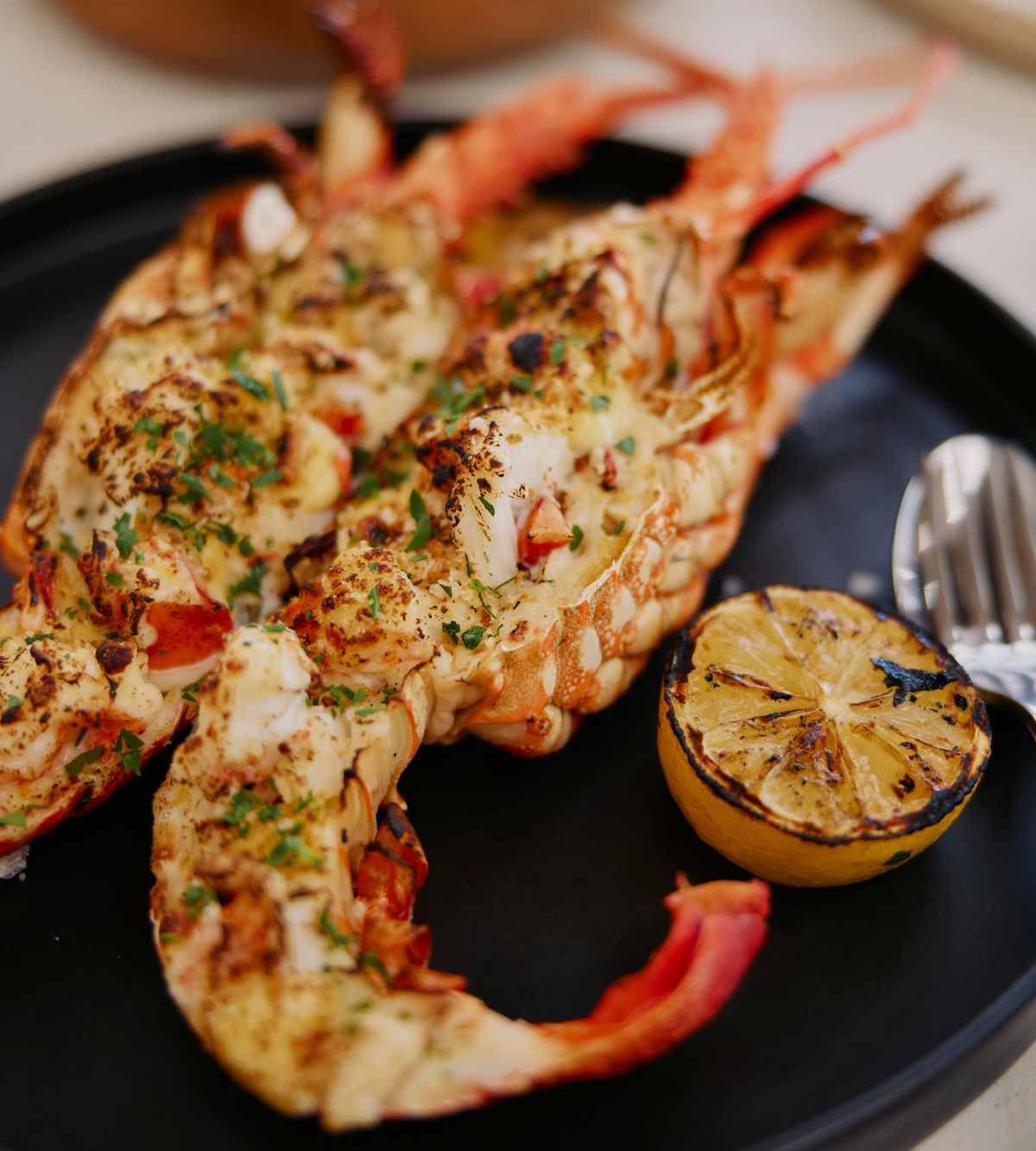
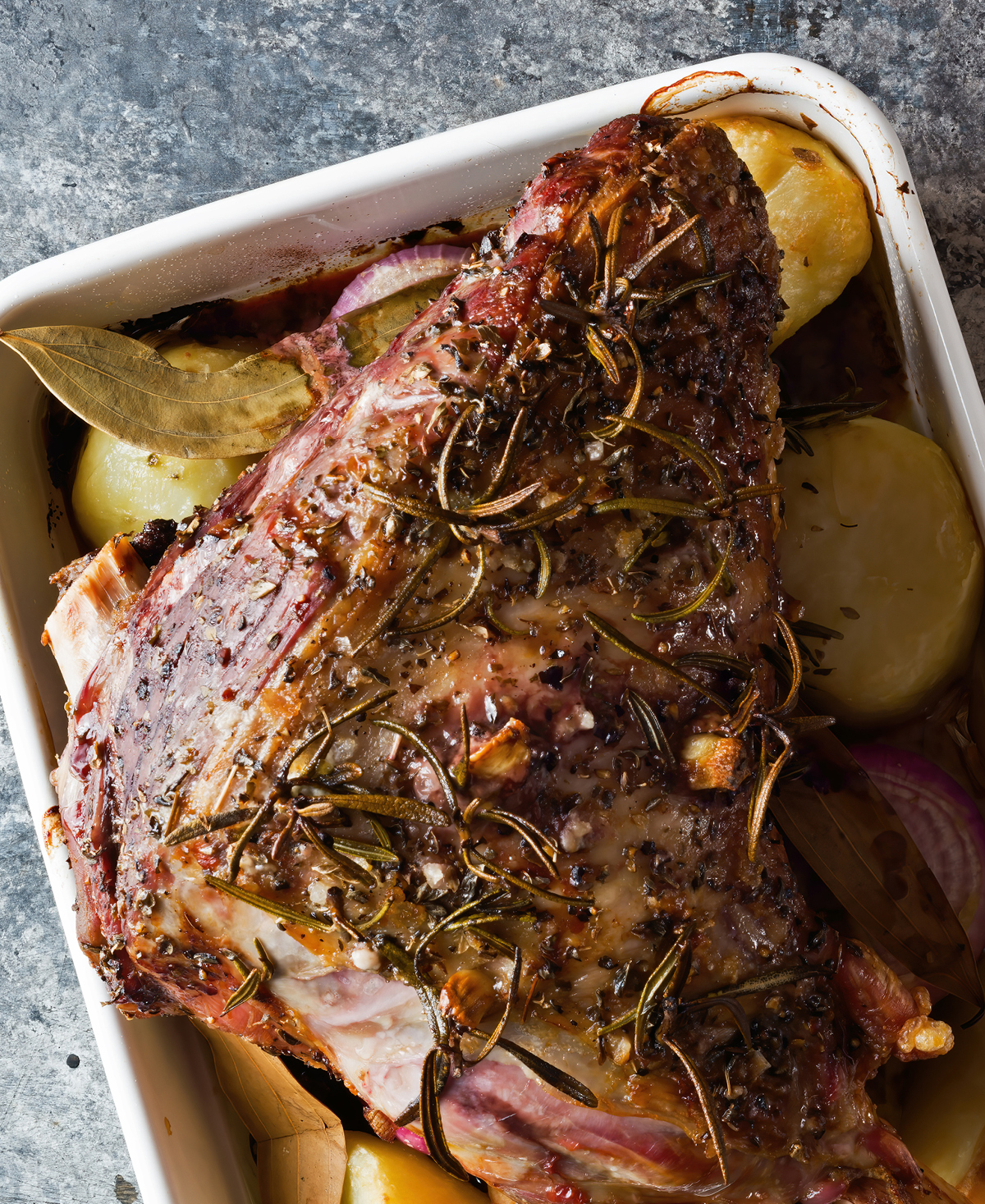
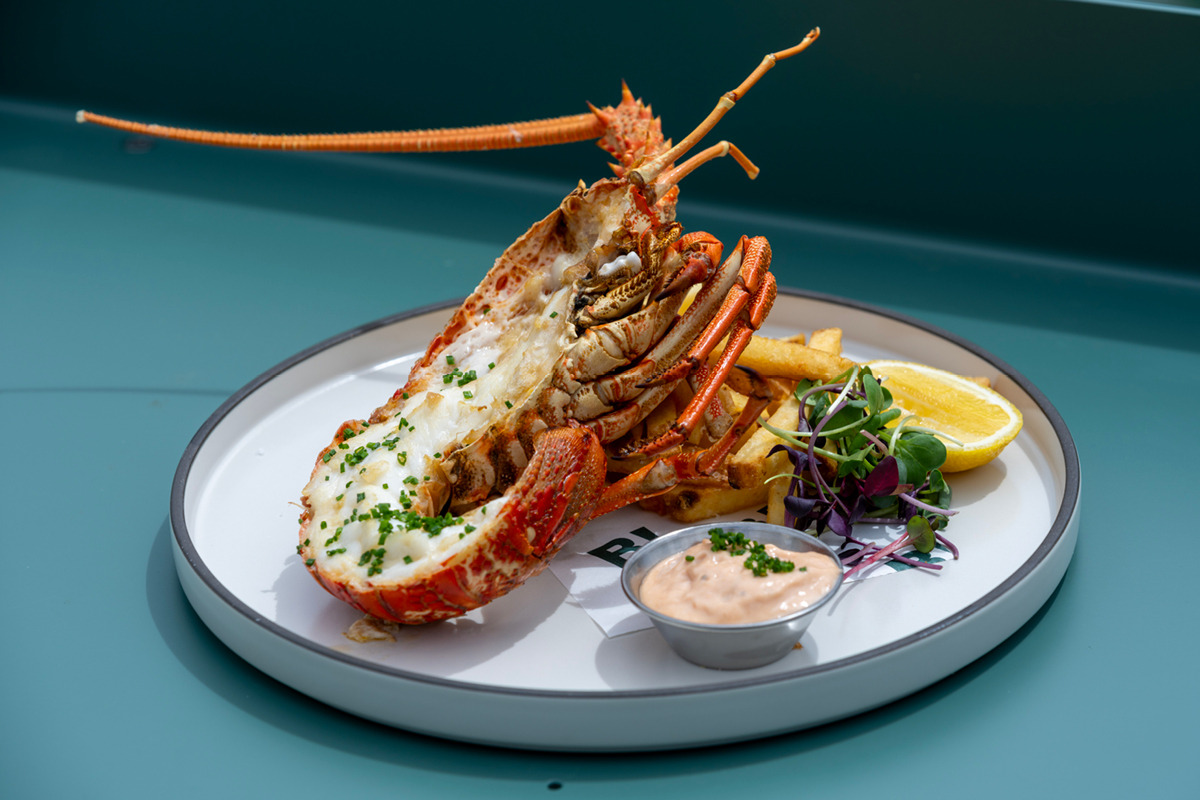
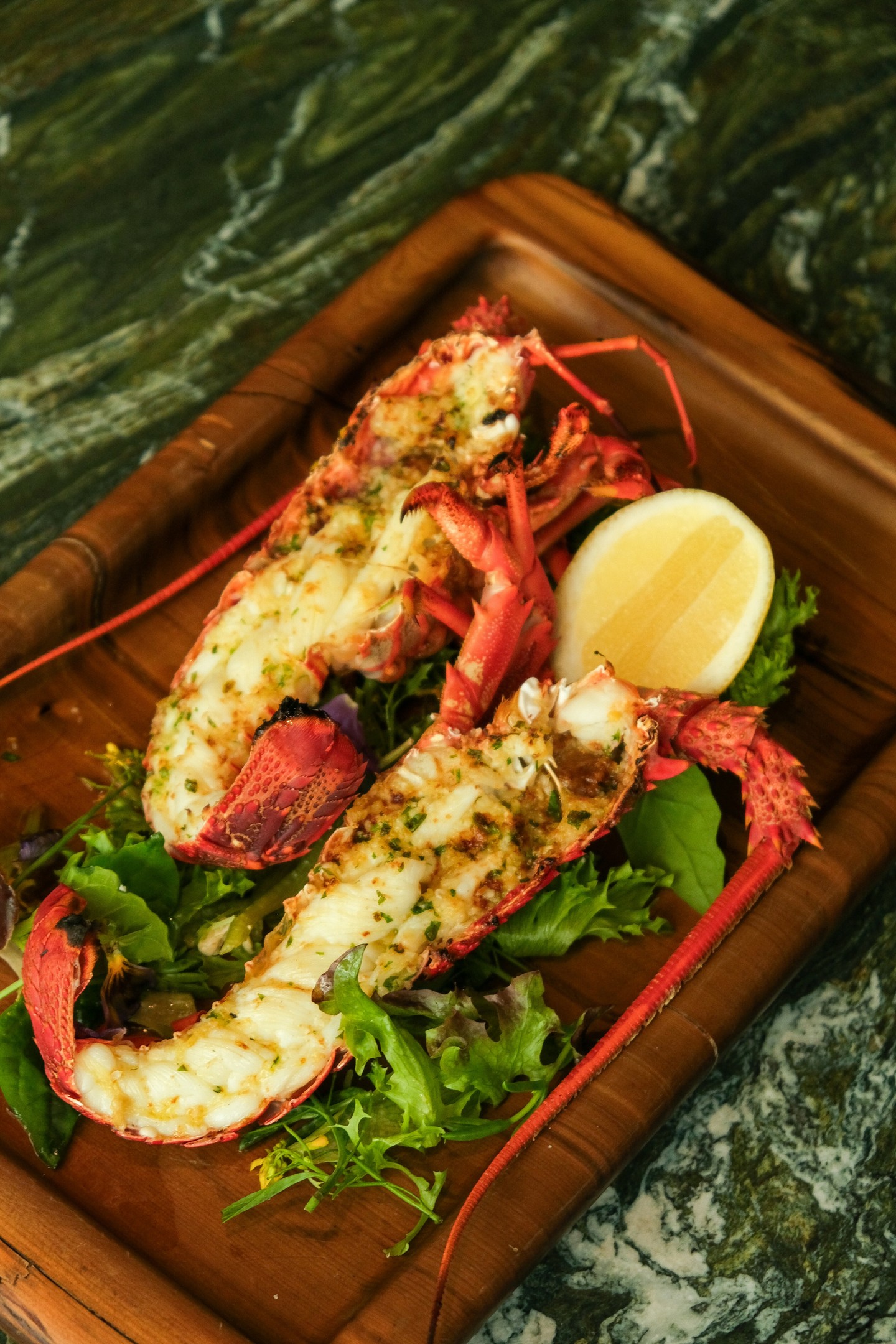
Crayfish (half or whole), Roasted over the fire, finished with seaweed butter
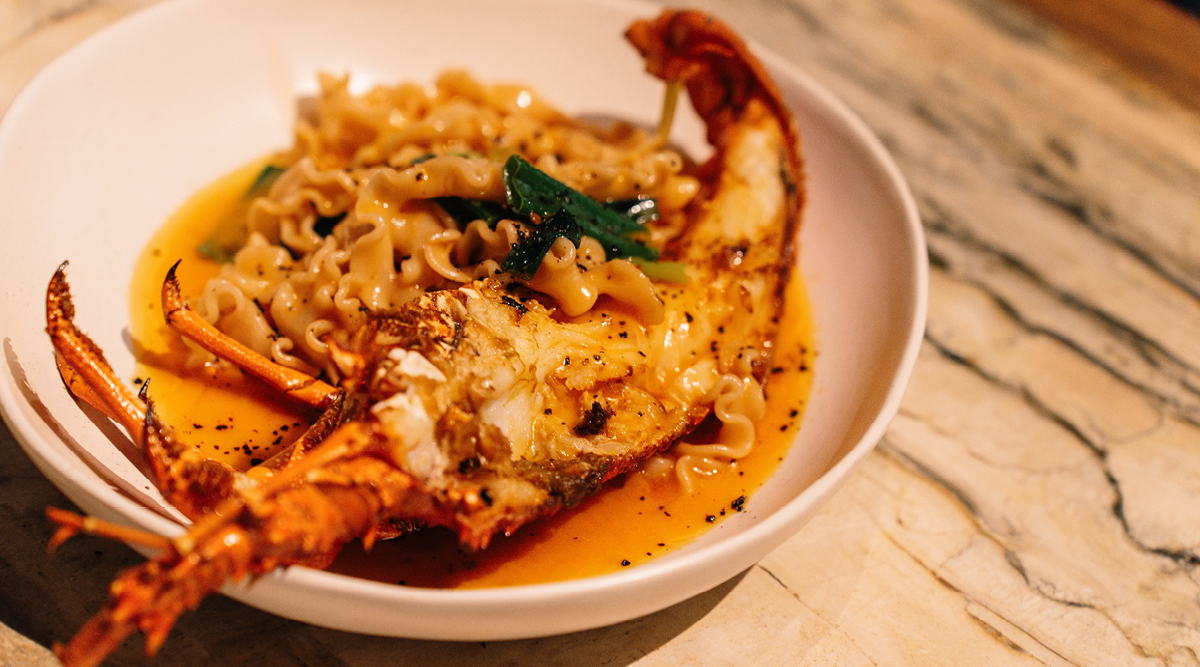
To close out summer, Bivacco is offering two special crayfish dishes as part of its Lunar New Year celebrations. The Crayfish Mafaldine folds chilli, cherry tomato, shellfish bisque and pangrattato through delicate ribbons of pasta, rich yet balanced. Alongside it, roasted crayfish served half or whole is cooked over the fire and finished with seaweed butter, allowing the sweetness of the shellfish to take centre stage. Available while they last, they are a fleeting reason to book now rather than later.
Running from 11 am to 4 pm, the Bivacco Sunday Feast offers an elevated buffet spanning seafood, roasted meats, pizza and desserts, with the selection changing weekly based on seasonality. With two-hour sittings and a mere $85 per adult and $35 per child under 12, it’s indulgent without feeling excessive and well-suited to families or group gatherings.
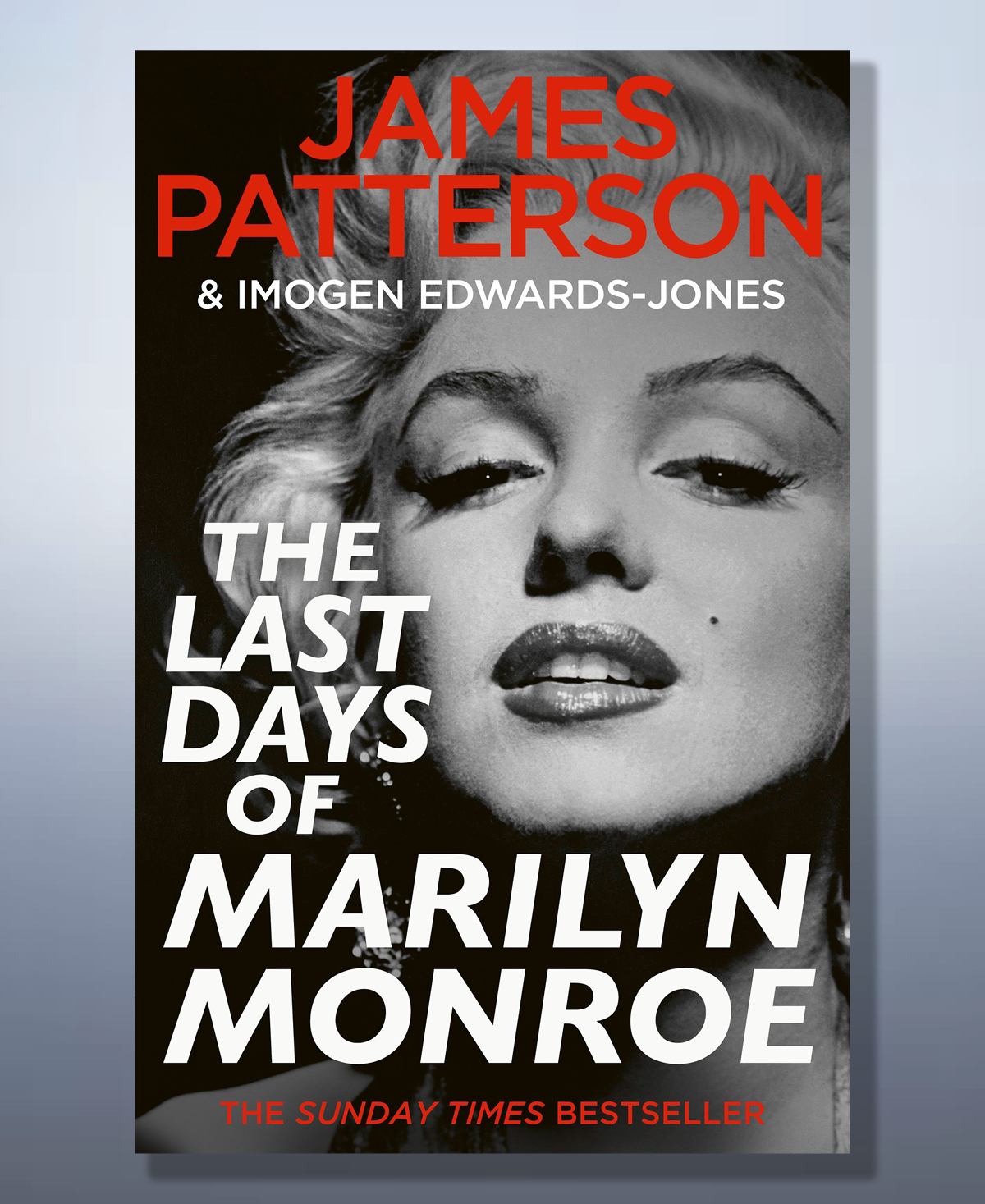
Marilyn Monroe lived under the world’s gaze but carried burdens few ever saw. Here, James Patterson and Imogen Edwards-Jones chart her transformation from Norma Jeane to Hollywood icon, while probing the unsettling questions surrounding her final hours.
When a young mother walks out on her family, what starts as ten days of freedom stretches into years of reckoning. Fierce, funny, and written in lyrical prose, The White Hot is a tender letter of abandonment and awakening, and an exploration of the messy pursuit of selfhood.
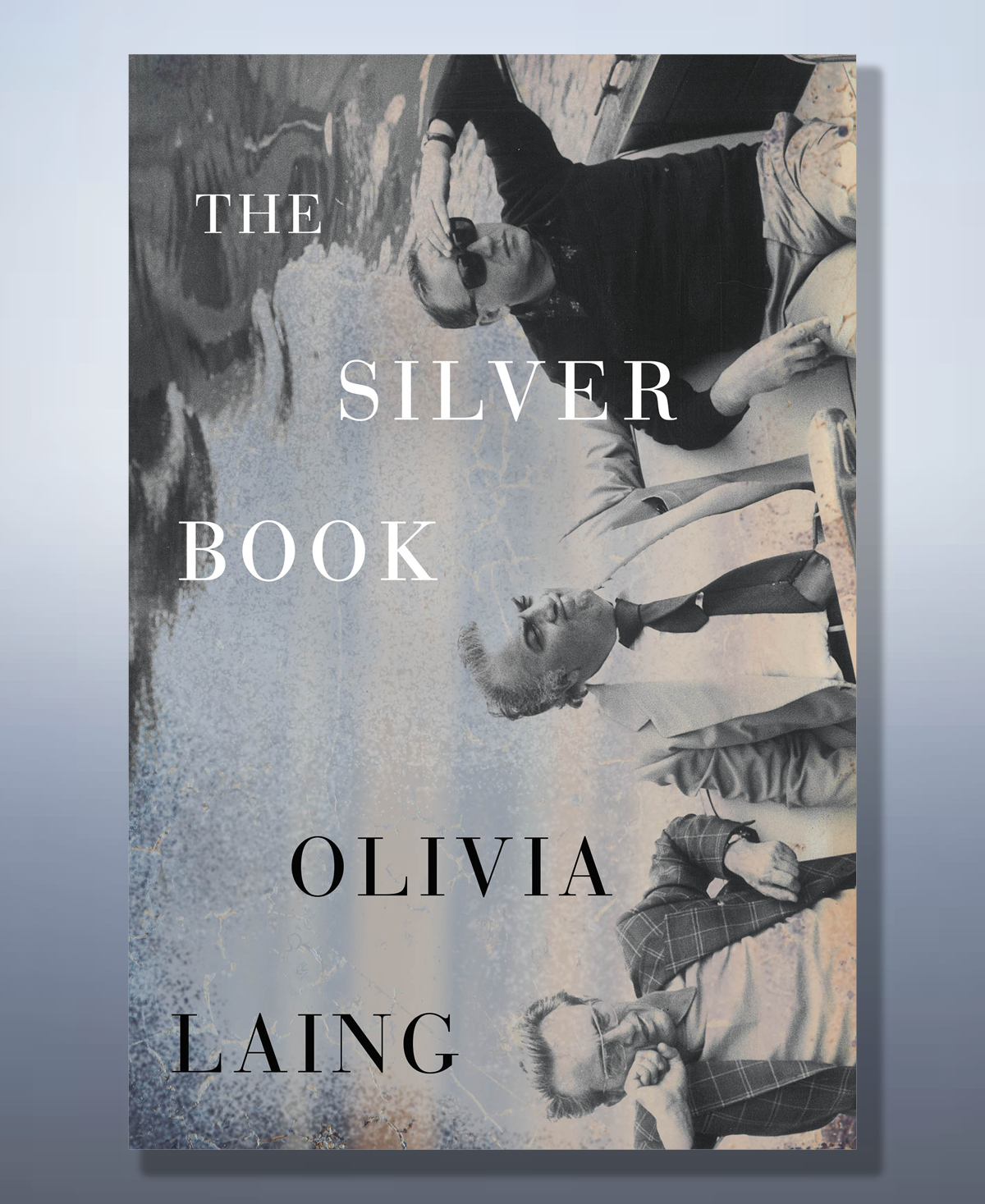
In 1974 Venice, a young English artist is drawn into Danilo Donati’s dazzling world of Fellini and Pasolini. A love story and noir thriller in one, The Silver Book explores desire, illusion, and the sometimes dangerous intersection of art and life.
In this sweeping novel, a century-old shipwreck exposes a family secret that reshapes everything a journalist thought she knew about her past. Spanning the Canary Islands, Cuba, and New York, Deeper than the Ocean is a luminous story of love, loss, and maternal devotion.
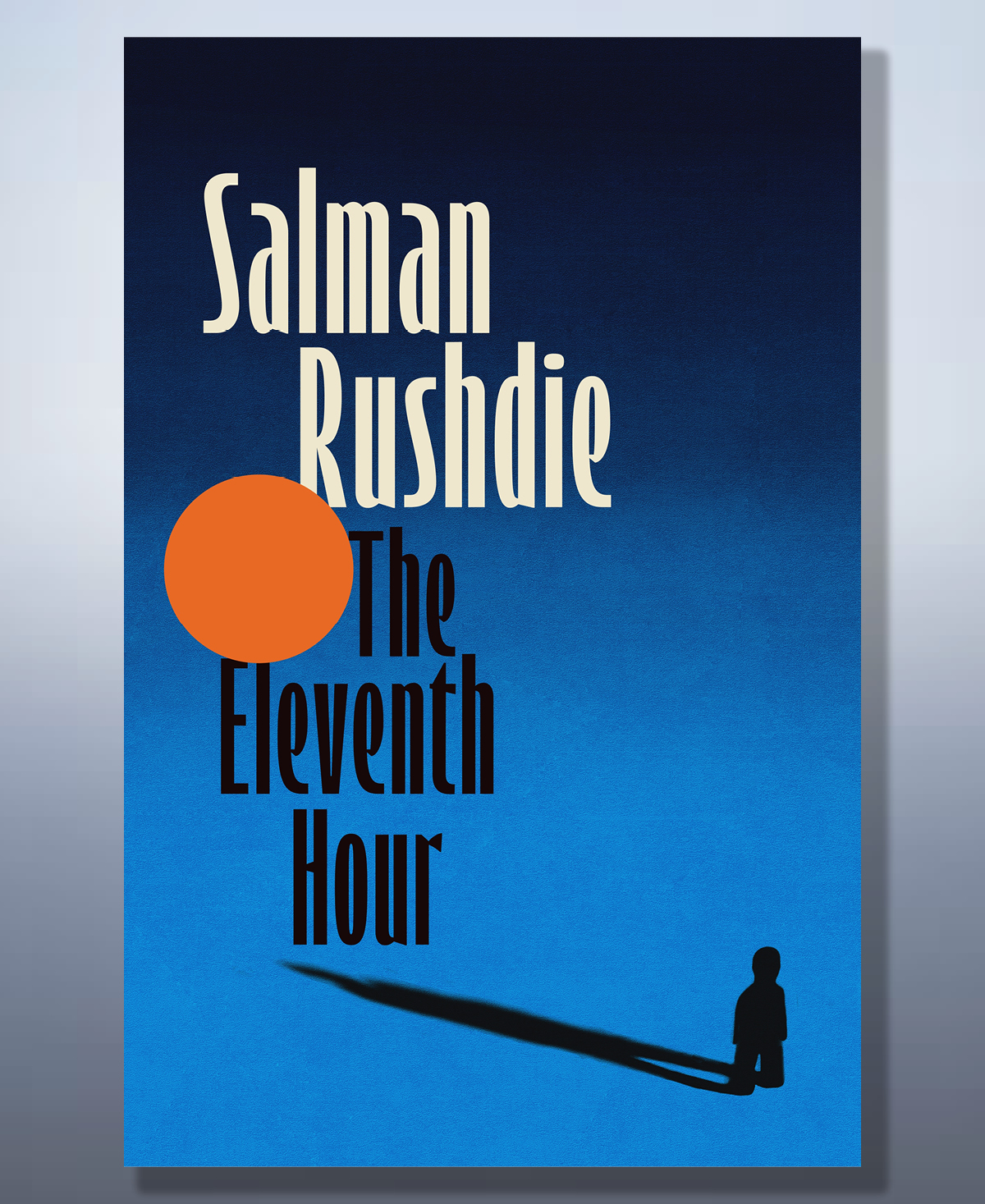
From Bombay neighbourhoods to English universities, Salman Rushdie’s dazzling new stories confront love, mortality, and legacy with wit and imagination. At once elegiac and exuberant, The Eleventh Hour ponders how we say farewell to the people and places that shape us.
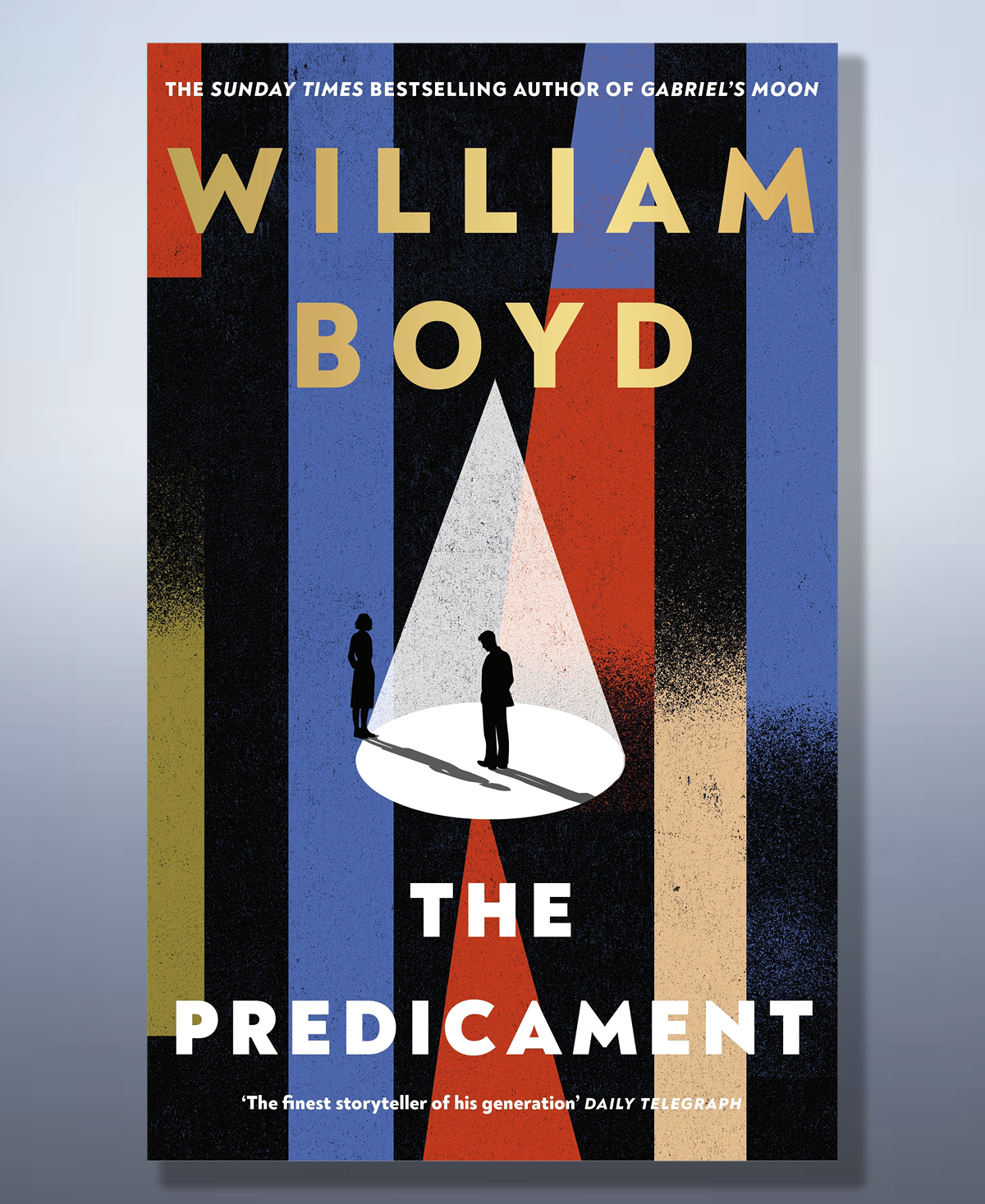
Drawn back into espionage, Gabriel Dax uncovers a conspiracy reaching from Guatemala to Berlin — and a chilling plot to assassinate JFK. Boyd’s The Predicament is an elegant, twisting novel of betrayal, obsession, and dark temptations that can upend a life.
What shapes a writer’s life? From wild Quebec forests to The Handmaid’s Tale, Margaret Atwood traces the path of her imagination. Witty, candid, and expansive (like the woman herself), Book of Lives links lived experience with the worlds she’s conjured on the page.
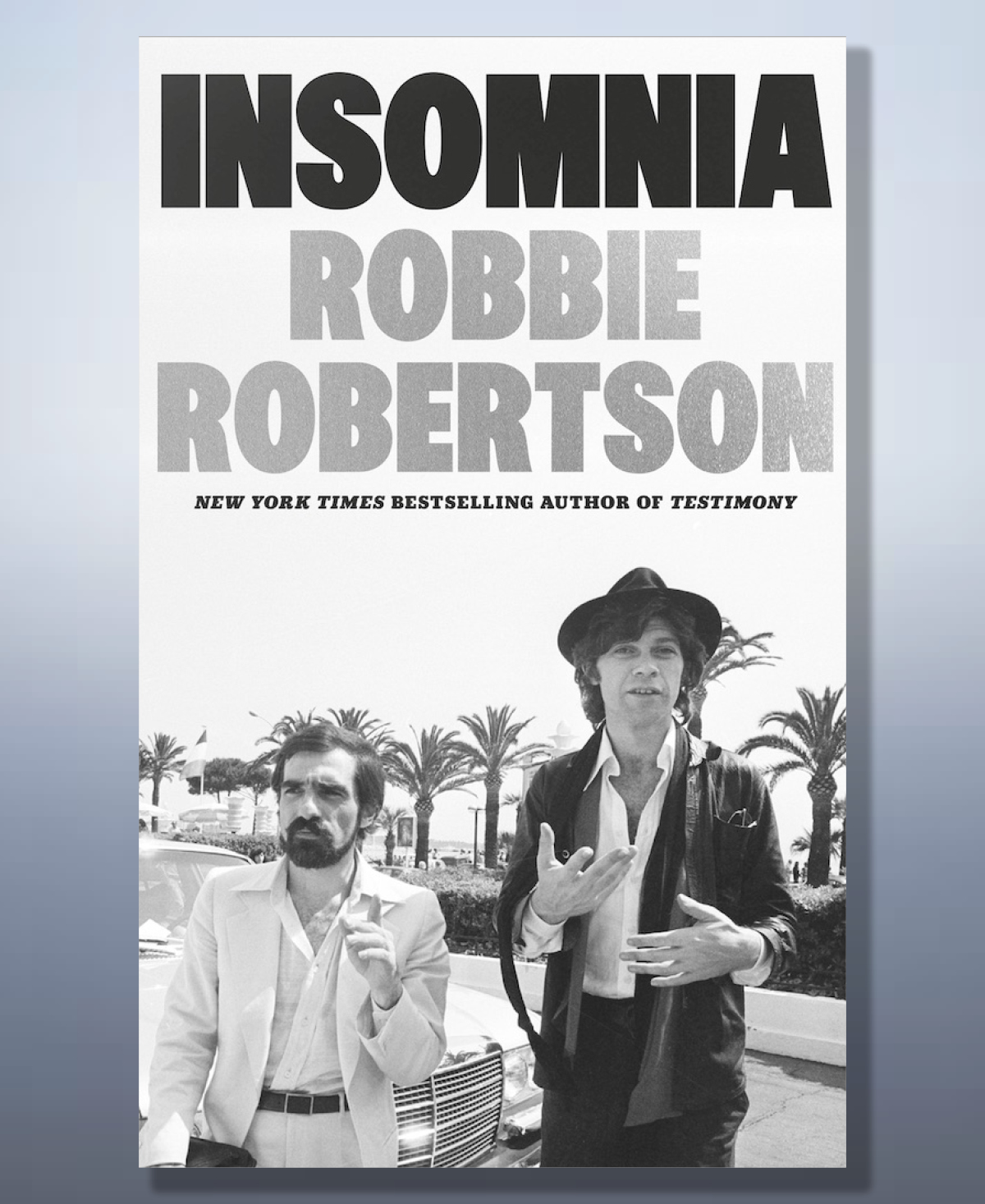
After The Last Waltz, Robbie Robertson found himself on Martin Scorsese’s doorstep. What followed was four decades of friendship, excess, and transformative art. Insomnia captures their remarkable collaboration and the soundtrack it gave to American cinema.
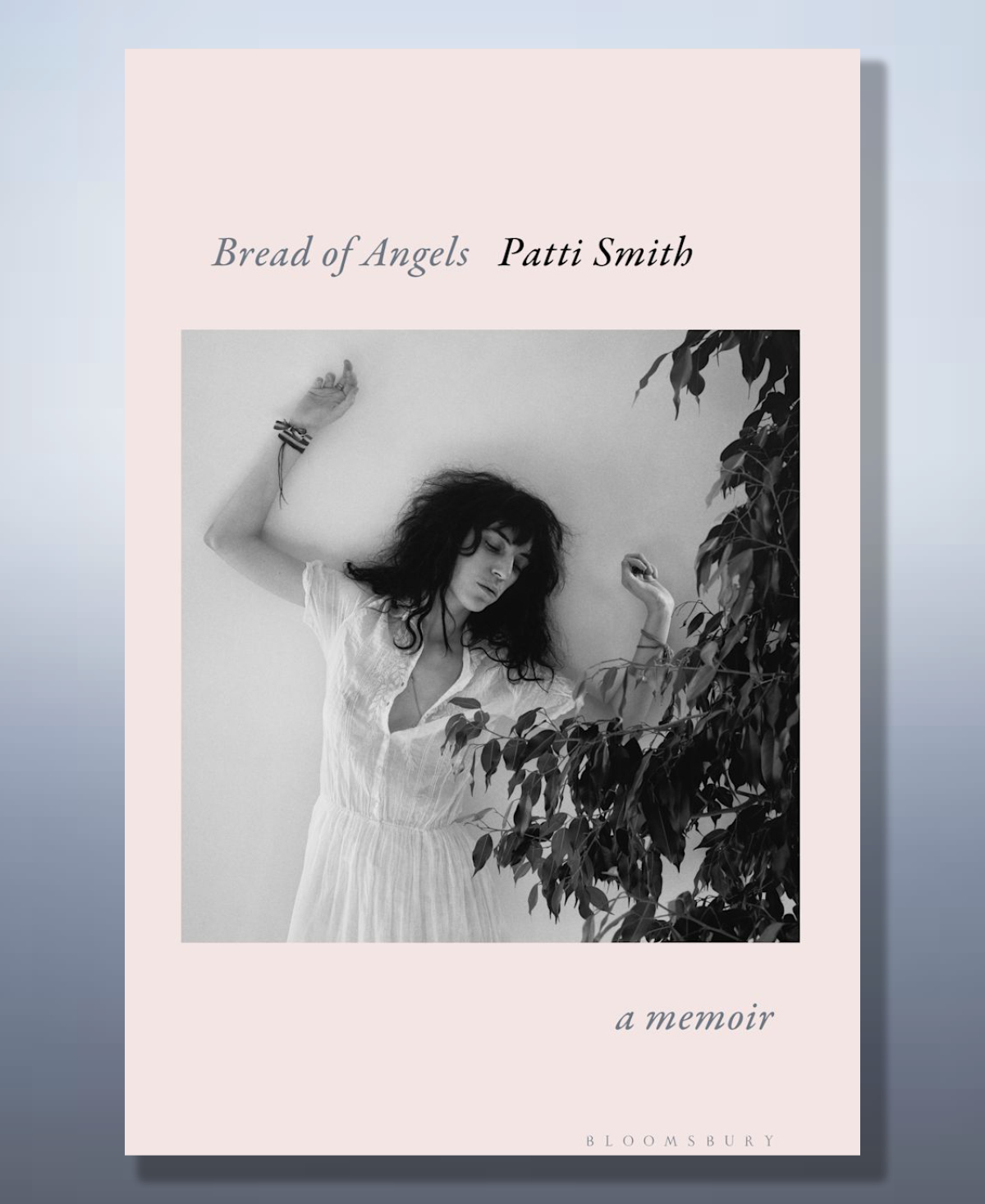
From condemned housing to the canals of Michigan, Patti Smith charts a life shaped by love, grief, and, above all, art. Bread of Angels is her most intimate memoir yet — a luminous testament to the potent power of memory, devotion, and imagination.
Inspired by the author’s own uncertain celebrity paternity, this daring debut follows a son returning to his dying mother, still searching for the truth of her romance with Bob Dylan. A moving portrait of identity, inheritance, and a mother’s love.
As Tagore’s death brings 1940s Calcutta to a halt, lives entwine inside the Great Eastern Hotel. Spies, soldiers, artists, and fugitives alike come together in Ruchir Joshi’s exuberant, atmospheric, suspenseful novel centred on survival in a world on the brink.
In 1950s suburbia, Lulu Mayfield strives to be the perfect housewife, until the birth of her second child shatters her carefully constructed façade. When a mysterious new neighbour moves in, Lulu’s fixation unravels dark truths that threaten her sanity, and survival.
Architecture — KA Design Studio Interior Design — Decus Photography — Anson Smart
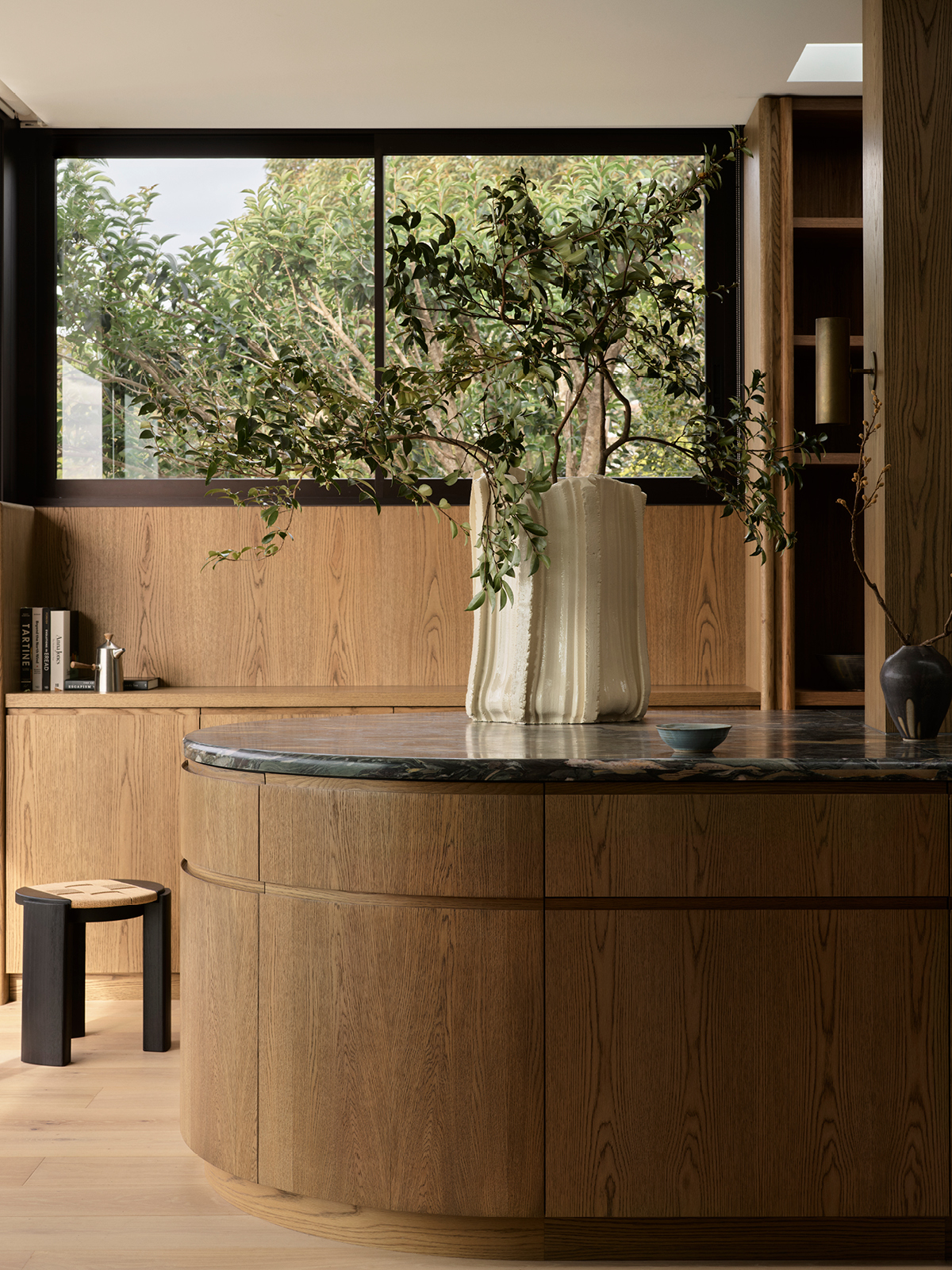
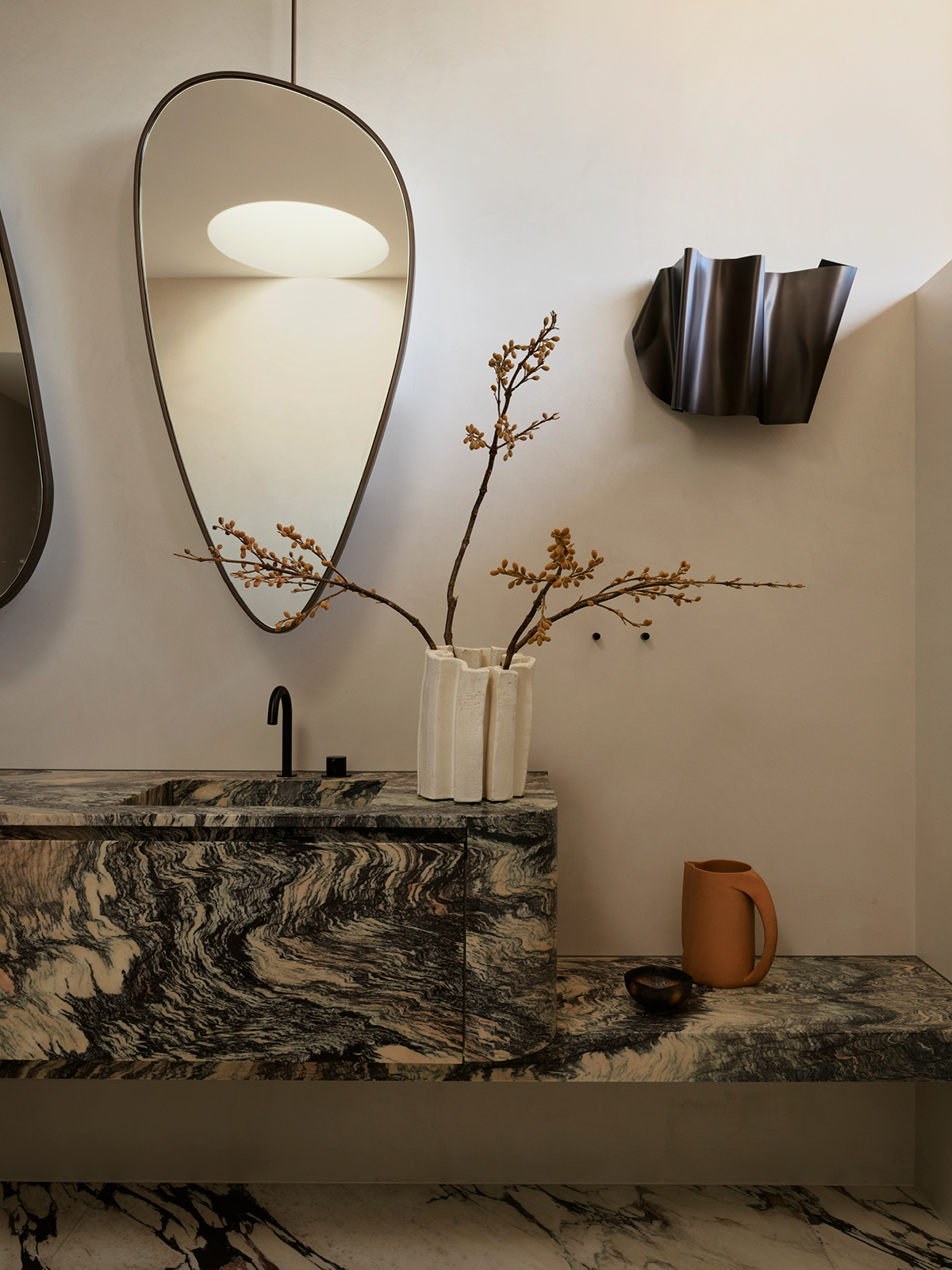
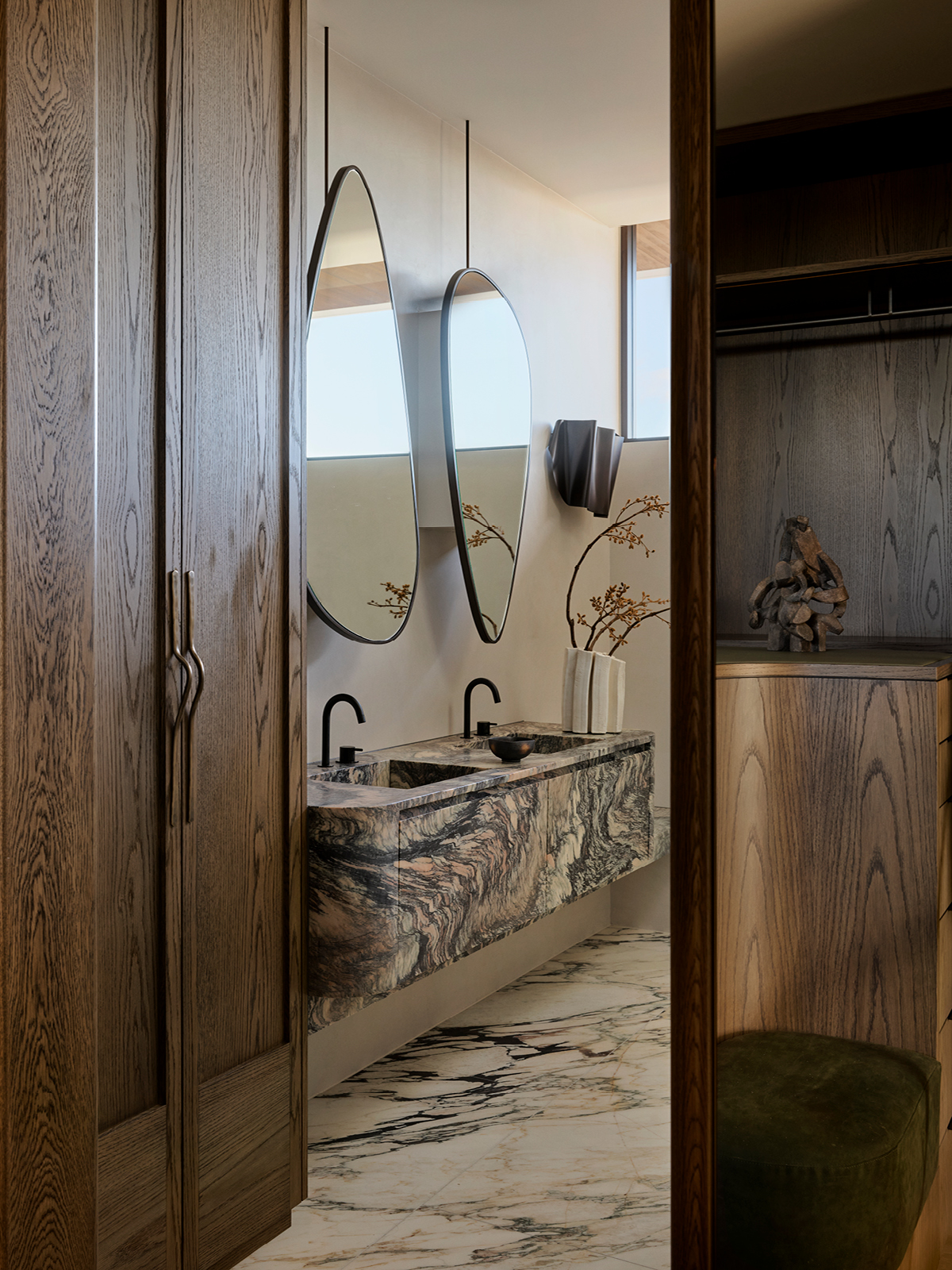
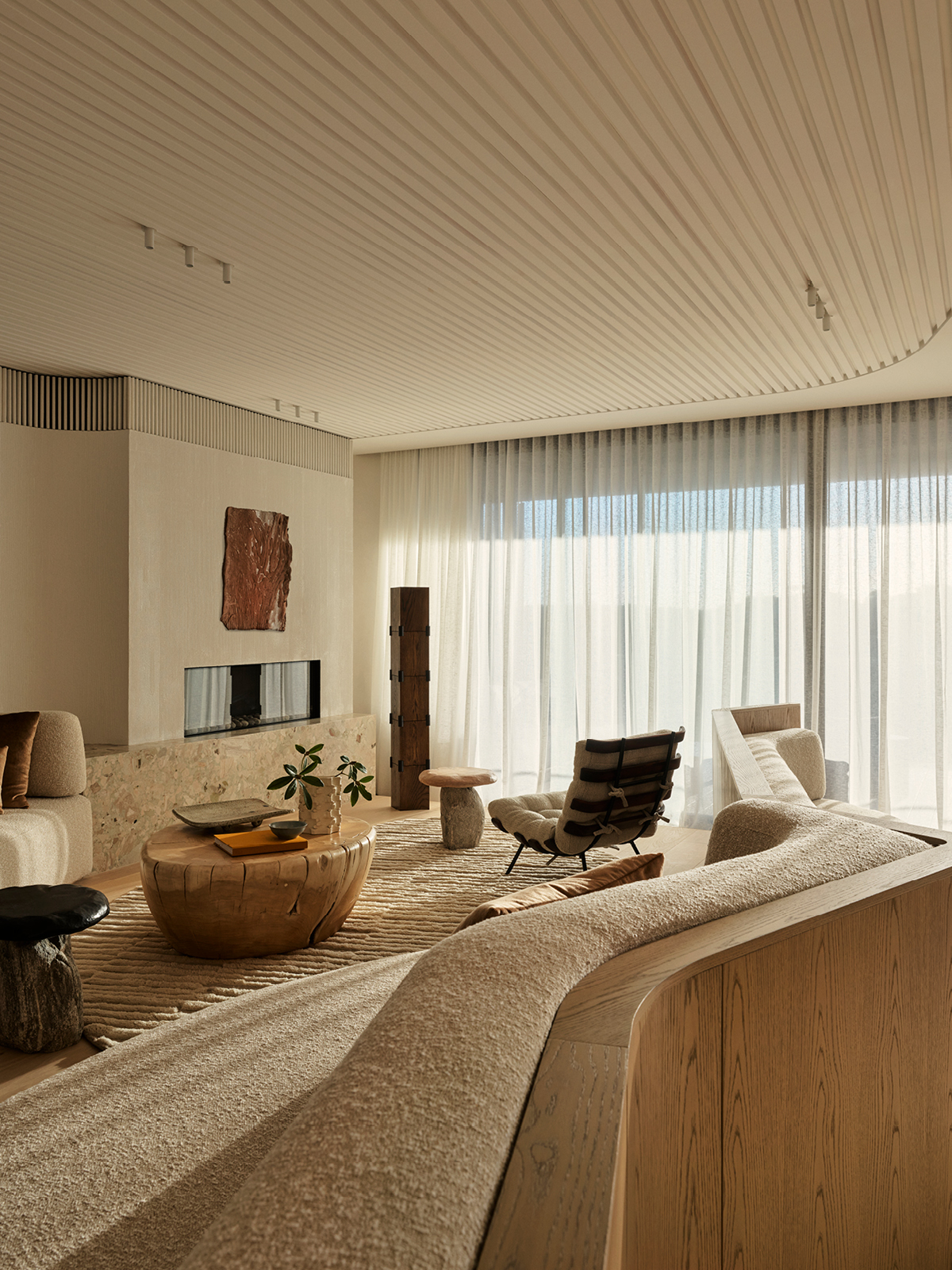
After a considered architectural reimagining by KA Design Studio — including the addition of an upper level — this once-modest residence now rises across three storeys, redefined as a multi-generational retreat with sweeping views over Sydney’s Vaucluse and Watson’s Bay.
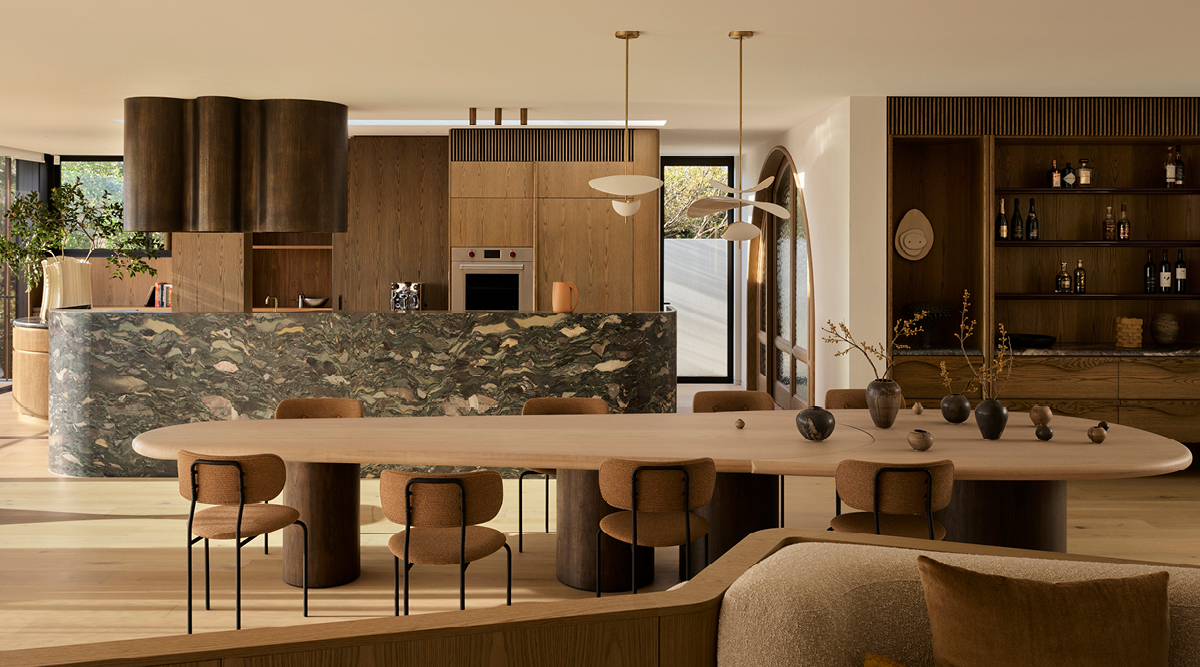
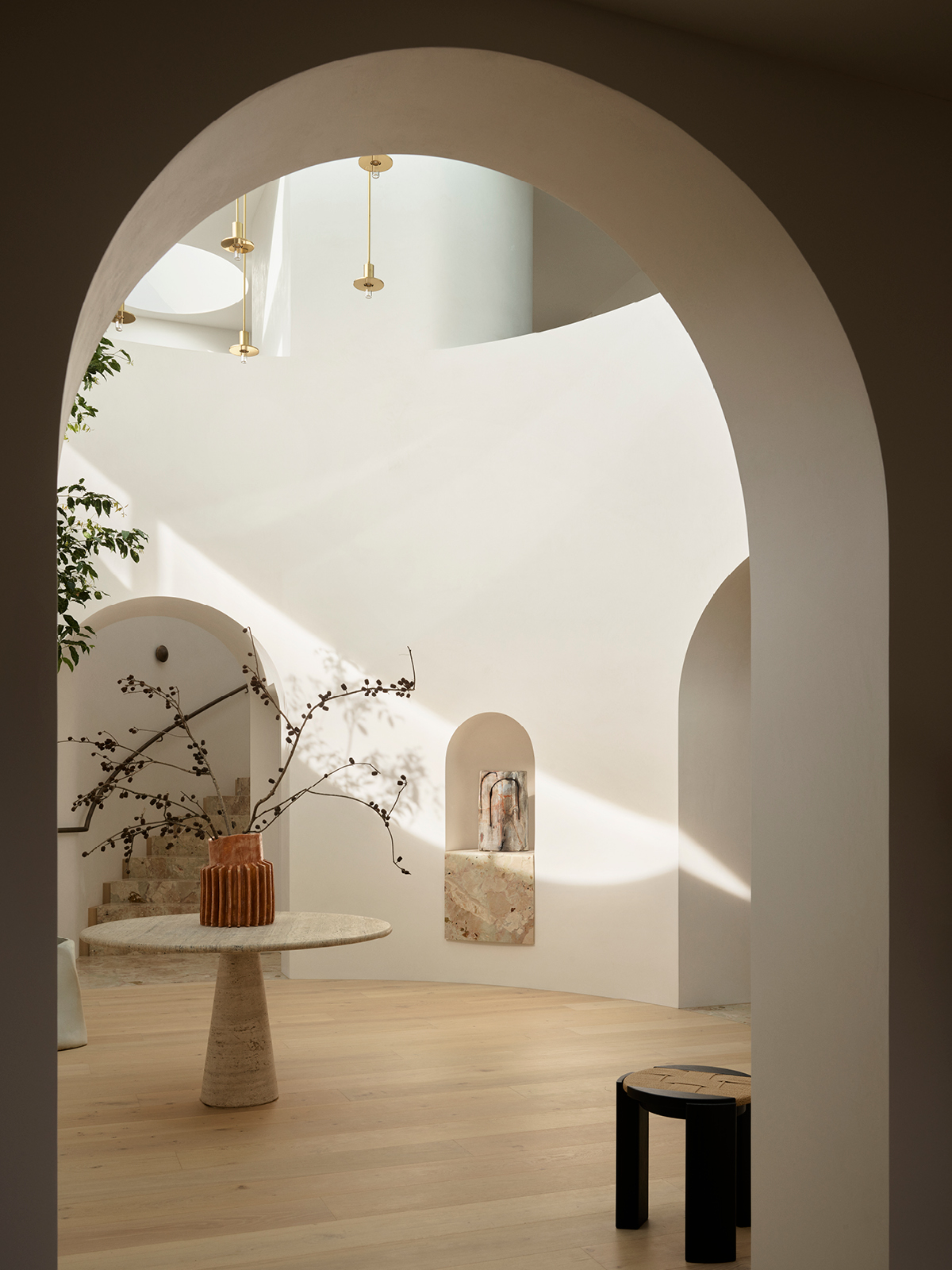
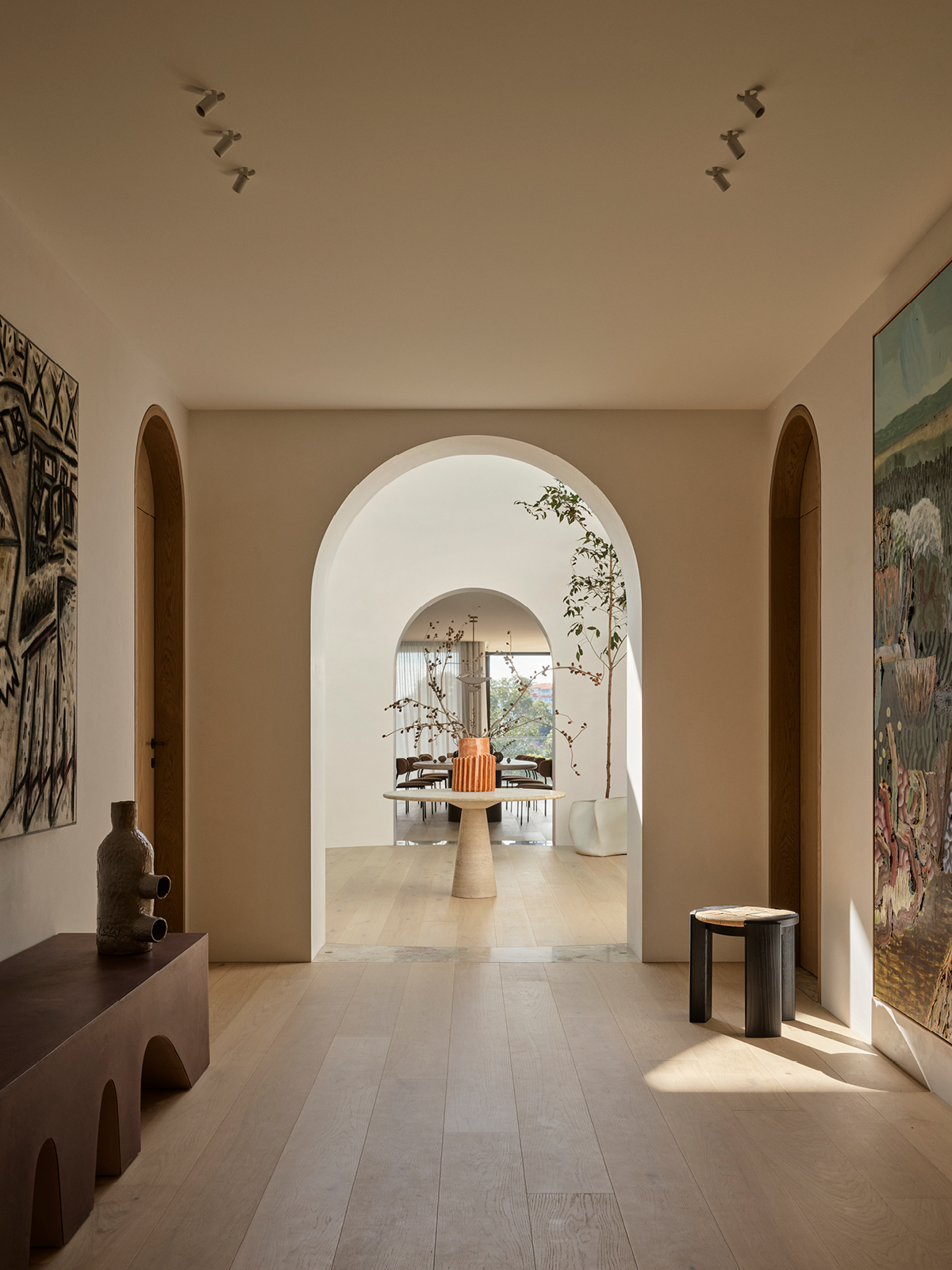
Stepping across the threshold, the eye is immediately drawn upward. At the home’s heart, a soaring double-height cupola not only invites in an abundance of natural light, but sets the tone for the spatial rhythm throughout — a careful balance of grandeur and restraint. This central gesture floods light into the adjacent library and living spaces, and guides movement up a sweeping staircase to the family’s private quarters above.
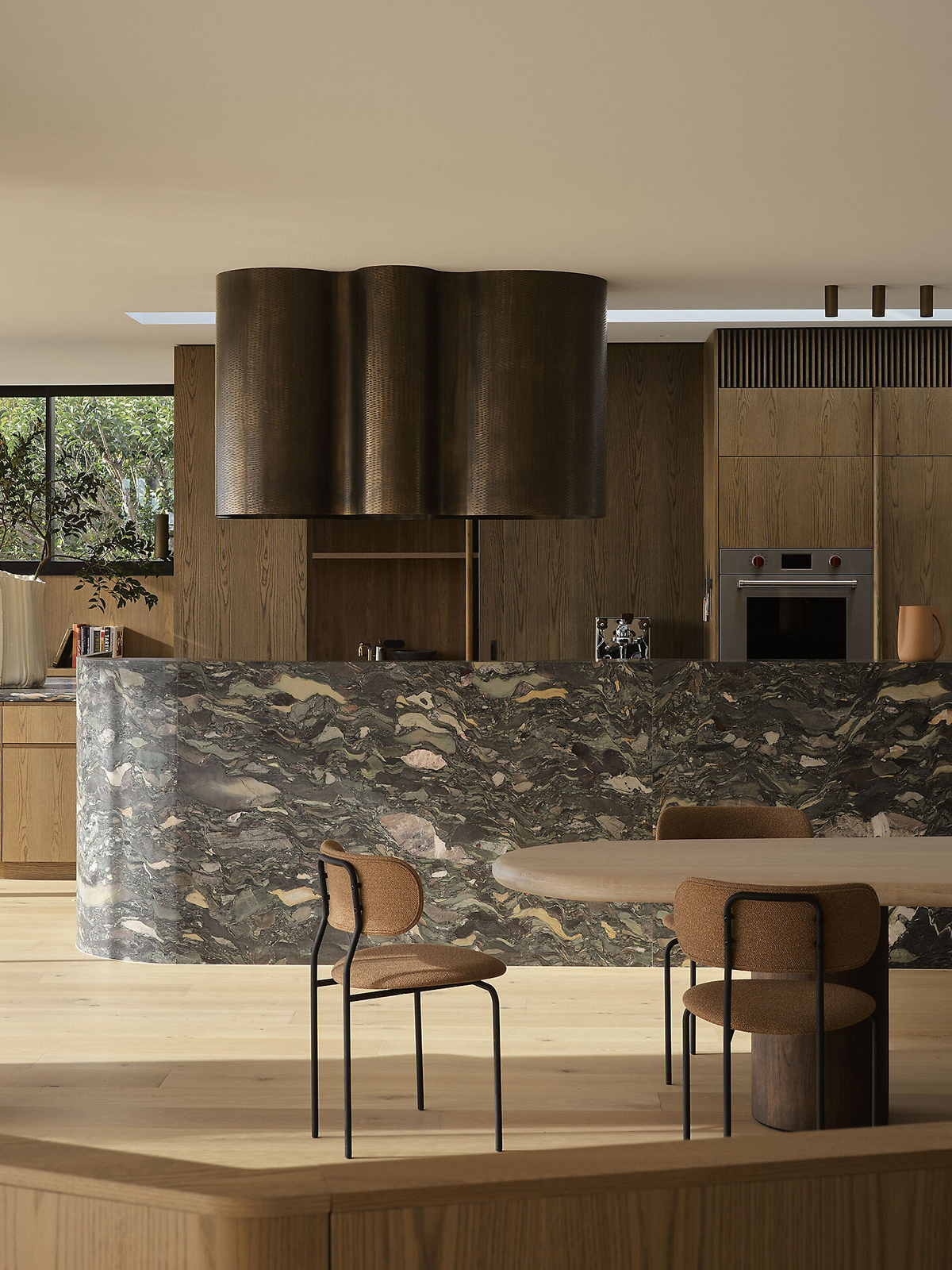
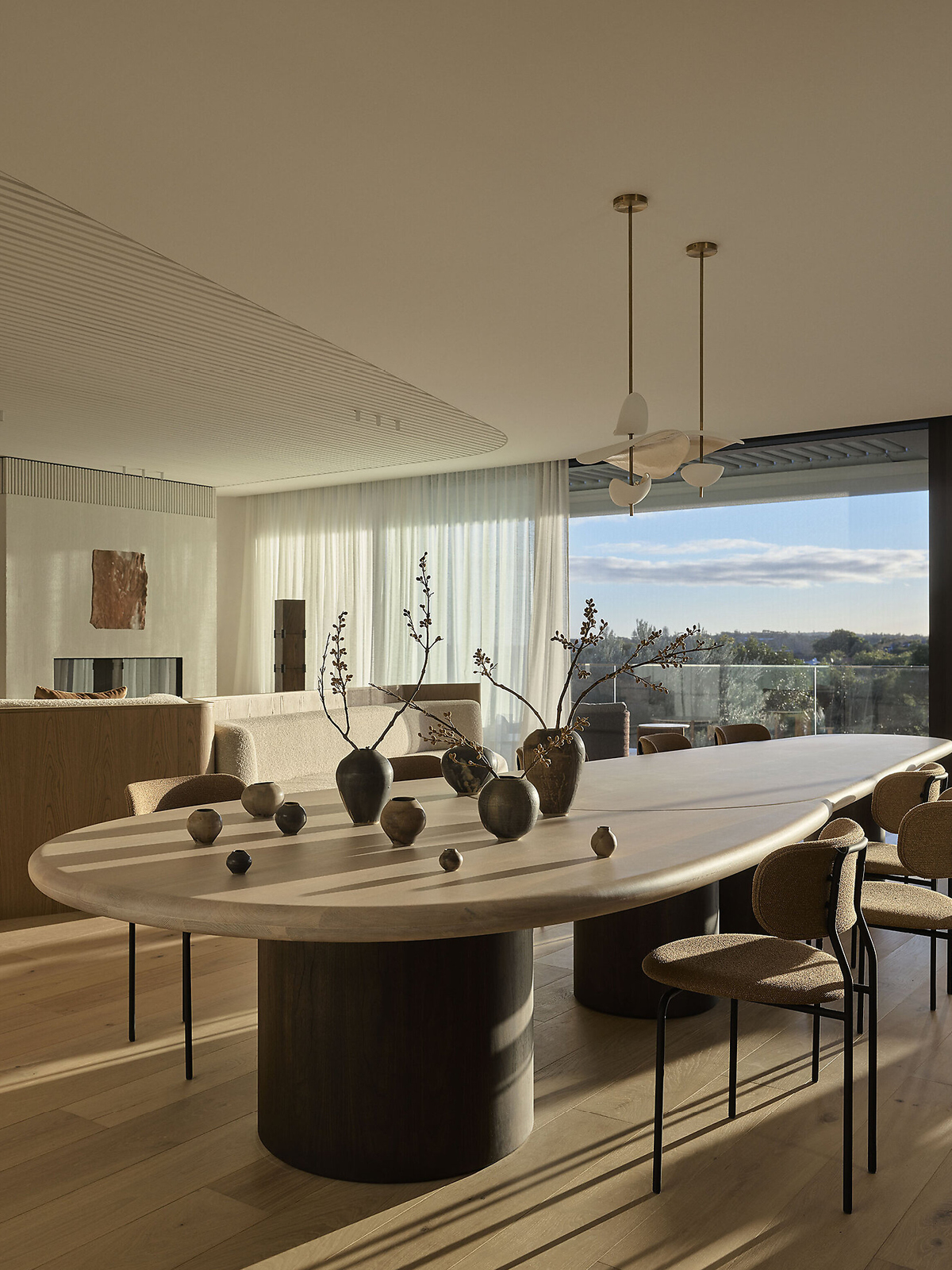
This sense of quiet drama is matched by a meticulous commitment to detail. Beyond the atrium, a sculptural 20-seat dining table and bespoke bronze rangehood anchor the home’s convivial kitchen and dining zone — a space equally fit for family meals and lively gatherings. Elevation and nuance are everywhere, from oak-lined cabinetry to tiered custom seating, and a layered materiality that nods to the home’s unapologetically 80s origins, while rewriting them in Decus’ characteristically refined dialect.
Founder and Managing Director Alexandra Donohoe Church leaned into the home’s original spirit with gumption, weaving in global architectural cues, from Brazilian and Mexican screening to richly coloured accents in burgundy, mauve and ink, lending rhythm, depth, and a distinction that makes the home stand out for its uniqueness while not being overly ‘loud’.
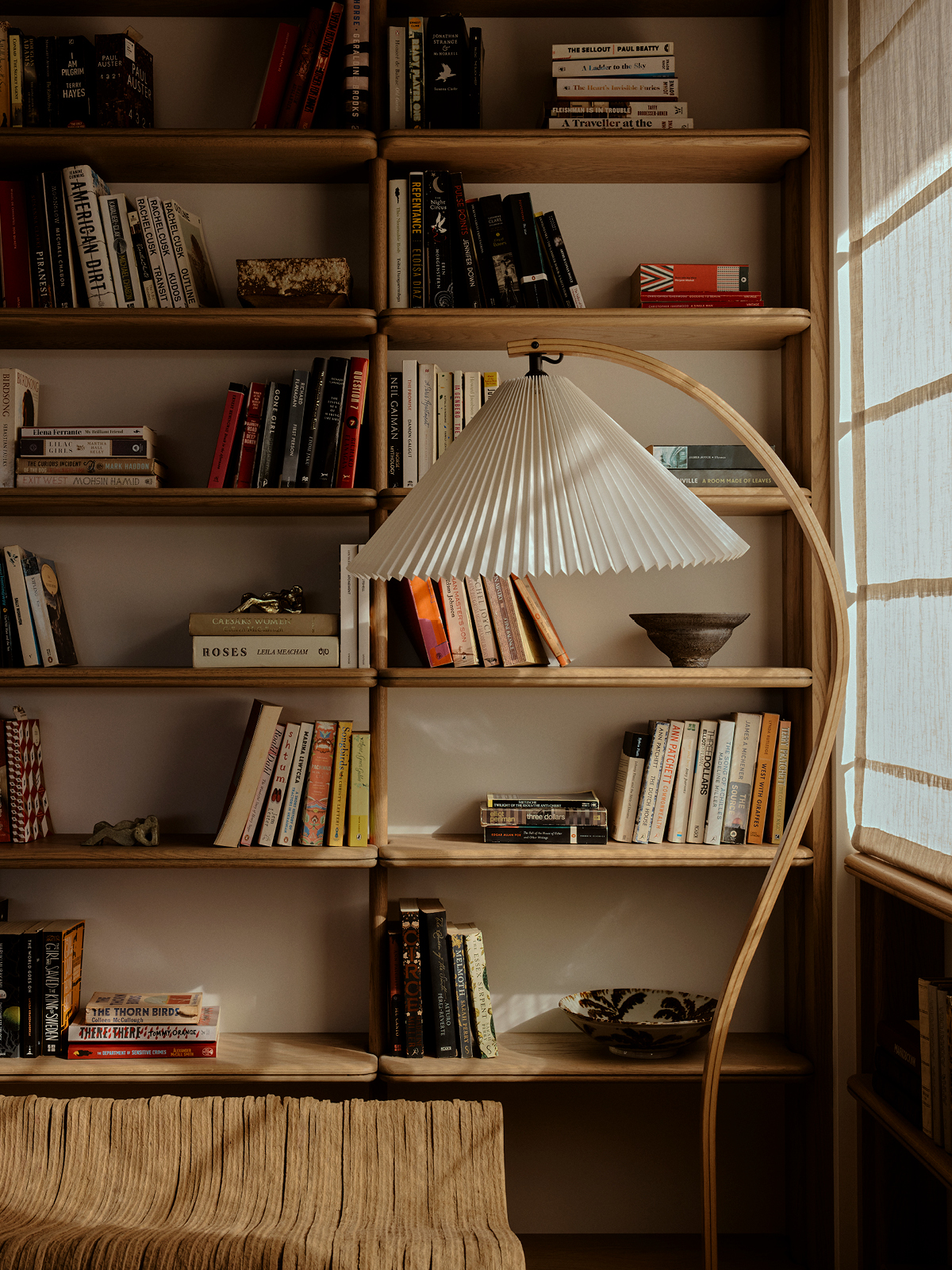
This philosophy echoes in more intimate zones, too. An arched, Flemish-glass aperture reveals a snug library lined floor-to-ceiling with books, where a hidden staircase leads to a self-contained lower level housing a games room, wine cellar, gym, sauna, and cinema room — all of which come together to create a spirited, self-contained hub that contrasts the calm composure of the upper floors. Here, the tone is playful and generous, with tactile finishes and bespoke detailing that invite both engagement and retreat.
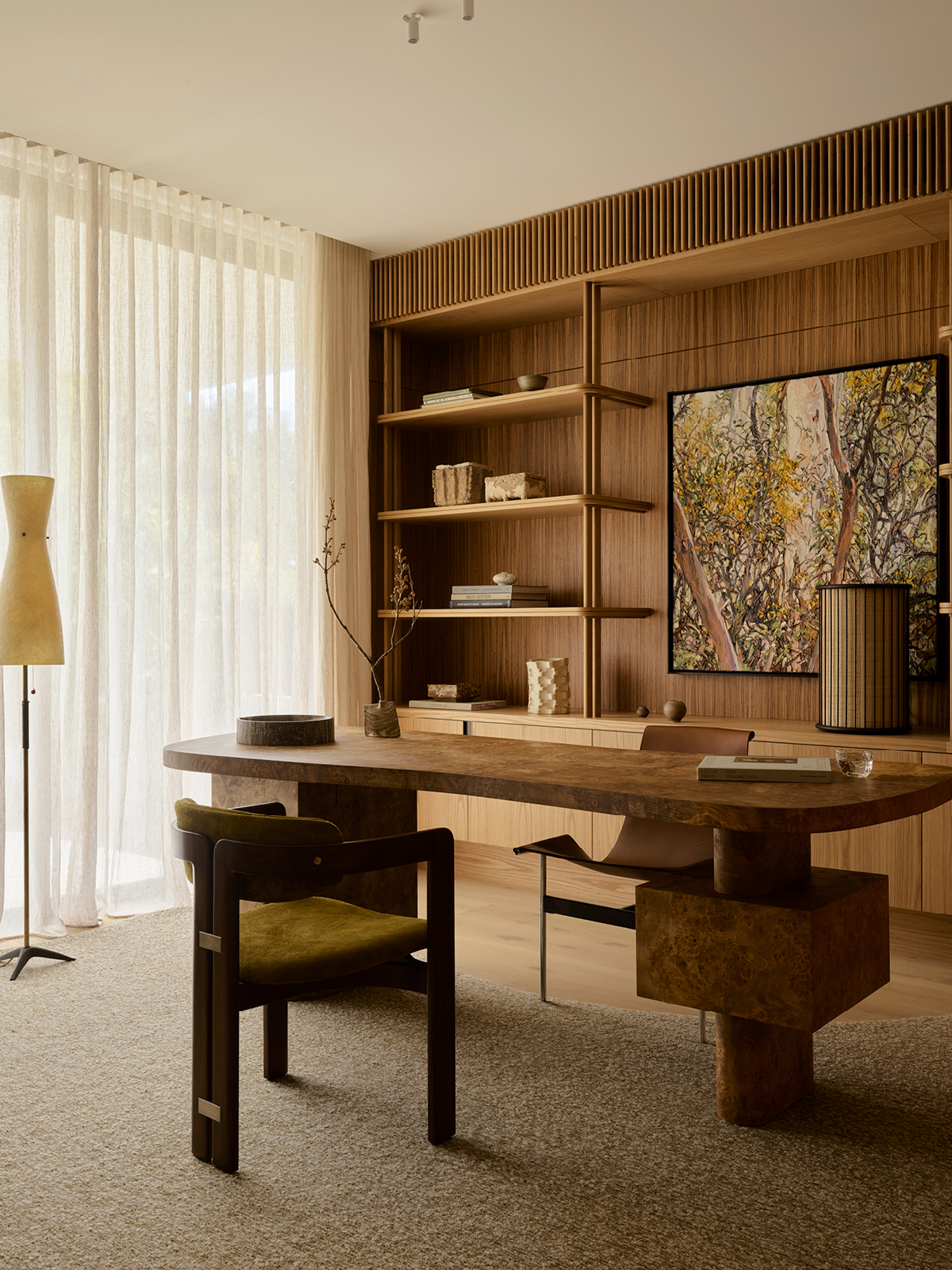
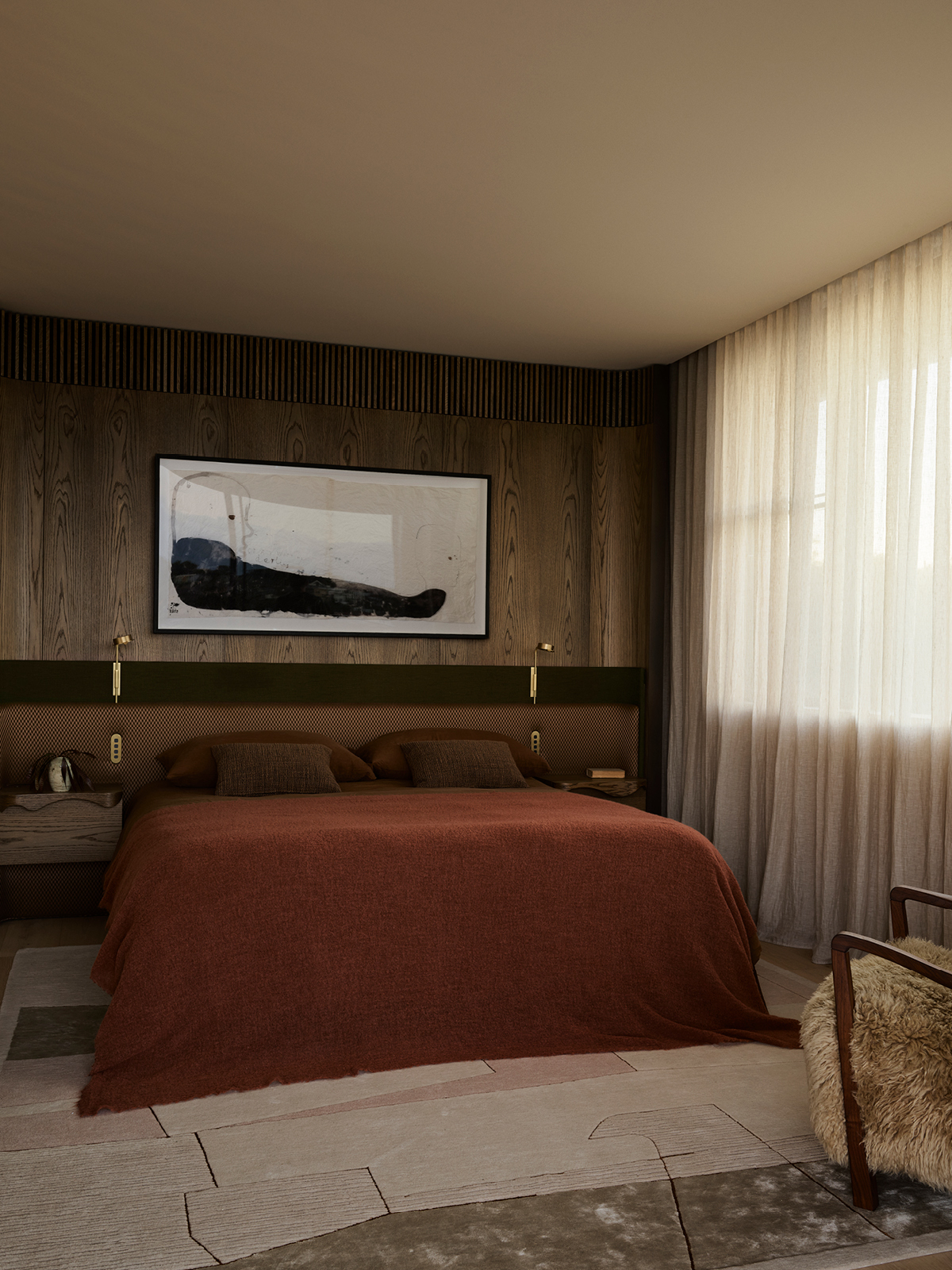
The top storey (a new addition) is dedicated to the family’s sleeping quarters, including a timber-lined main suite that spills out to a north-facing terrace with views across the bay. The children’s bedrooms, each with ensuites and built-in nooks, create moments of independence within the home’s broader interconnectedness. A shared study and reading space encourages quiet focus, rounding out the upper floor’s thoughtful planning.
Throughout, Decus has embraced contrast; light and shadow, polish and texture, structure and softness. Their bespoke pieces, crafted in collaboration with Atelier Furniture and a constellation of Australian makers, further underscore the home’s identity which, at its core, is unapologetically bold yet supremely considered. Venetian plaster, hand-trowelled accents, and richly veined stone heighten the sensory experience while remaining grounded in the studio’s ethos of elegance, ease, and wit.
At once a sanctuary and a stage, Patchwork House captures the dualities that define its residents in a home that is lively yet inward-looking; sophisticated yet unafraid of fun. It’s both a home for hosting and an introvert’s paradise. And just like its name, it wears its layered influences with confidence in a playful, poetic celebration of family, place, and personality.
Patchwork House is built on the lands of the Gadigal and Birrabirragal people.
Awards season is officially underway, and the spotlight is firmly on the films shaping the 2026 Oscars conversation. From ambitious blockbusters to intimate, character-driven stories, this year’s Best Picture contenders span a wide spectrum of contemporary cinema. Whether you’re curating a considered watchlist or simply want to stay ahead of what everyone will be talking about, these are the films worth seeing before the awards are handed out.
A quirky, imaginative story that threads dark humour through an unlikely survival tale. With striking visuals and eccentric energy, Bugonia invites audiences into a world that feels both familiar and curiously off-centre, combining inventive filmmaking with unexpected laughs.
High-octane and grand in scale, F1 puts you in the driver’s seat of the world of Formula 1 racing. It captures both the thrilling speed of the sport and the personal journeys behind the helmets, making for an immersive ride whether you love racing or just great cinema.
Frankenstein
Watch on:Netflix Director: Guillermo del Toro Cast: Oscar Isaac, Jacob Elordi, Mia Goth
Guillermo del Toro’s take on the classic tale balances monstrous spectacle with beautiful emotional depth. This version brings fresh heart to a well-known story, using breathtaking visuals and rich performances to explore what it means to be more than the sum of your parts.
Hamnet
Watch on:In cinemas, pre-order on AppleTV Director: Chloé Zhao Cast: Jessie Buckley, Paul Mescal, Emily Watson
Grounded and moving, Hamnet reimagines the life around one of history’s most famous names. With naturalistic storytelling and intimate performances, it offers a quiet but powerful look at grief, love and legacy.
Rough, energetic and unapologetically bold, Marty Supreme brings a gritty edge to its sports-driven narrative. Expect real heart under its tough exterior and a story that grips you through both character and conflict.
One Battle After Another
Watch on:Neon Director: Paul Thomas Anderson Cast:Leonardo DiCaprio, Teyana Taylor, Sean Penn
Epic in scope and rich in detail, this film blends action with emotional heft. It brings complex characters into a story that feels timeless and intense, cutting deep into themes that linger long
The Secret Agent
Watch on:In Cinema’s, pre-order on AppleTV Director: Kleber Mendonça Filho Cast: Wagner Moura, Udo Kier
A sleek political thriller that keeps tension high and stakes real. With compelling performances and smart storytelling, this film keeps you guessing while also grounding its narrative in vivid character work.
Sentimental Value
Watch on:Neon Director: Joachim Trier Cast: Stellan Skarsgård, Renate Reinsve, Elle Fanning
Warm yet sharp, Sentimental Value is a family drama that explores memory and connection with tenderness and authenticity. It’s a film that celebrates the moments that shape us and leaves you thinking about your own.
Sinners
Watch on:Neon Director: Ryan Coogler Cast: Michael B. Jordan (in dual roles), Miles Caton
Blending genre with social commentary, Sinners makes a vivid impact. Its mix of historical setting, blues-infused atmosphere and provocative storytelling has made it one of this year’s most talked about films.
A poetic journey through time and memory, Train Dreams stands out for its thoughtful pace and emotional resonance. It’s a film that unfolds with a quiet power, rooted in character and reflective storytelling.
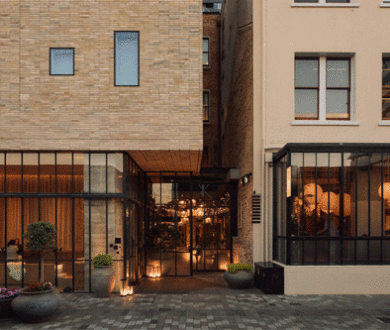
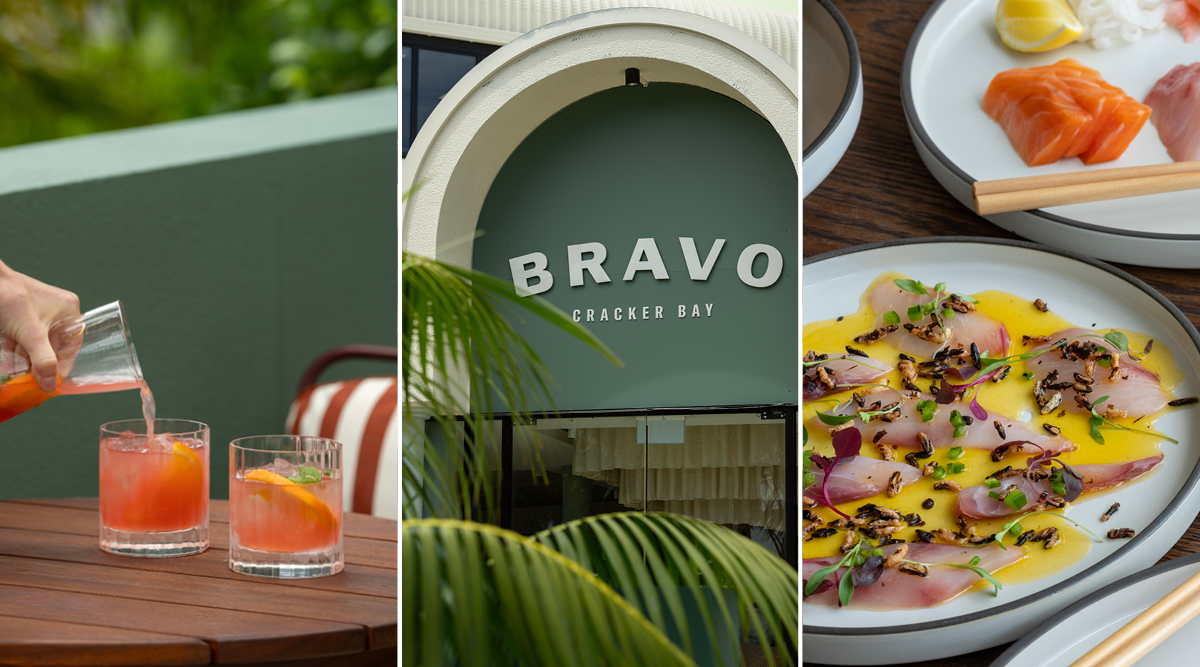
Winton does not do things by halves. After redefining destination hospitality with Ayrburn in Queenstown, the developer’s Auckland debut was always going to arrive with intent. Bravo Cracker Bay is staking its claim on a north-facing stretch of Westhaven Marina. With a strong sense of permanence and the enduring design excellence Winton is renowned for, Bravo feels effortlessly at home.
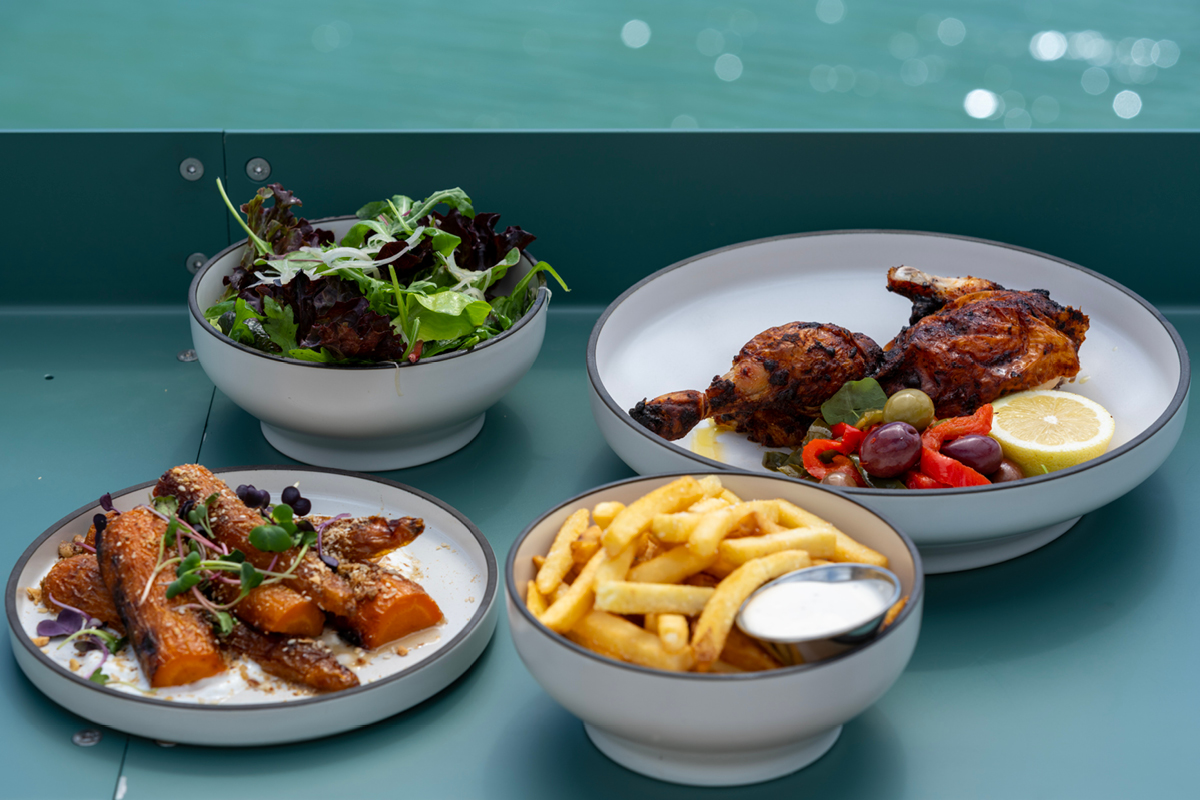
Positioned on the corner of Westhaven Drive and Halsey Street, Bravo is designed to move with the rhythm of the day. From 8am, the Westhaven Drive entrance hums as a sharp all-day eatery. Expect excellent coffee, cabinet fare, breakfast and lunch to eat in or take away, plus rotisserie chickens roasted fresh daily, seasonal salads and bakery staples. With easy parking and marina access, it is primed for provisioning the boat, packing a picnic, or simply upgrading the morning routine.
As the day unfolds, Bravo shifts gears without ever losing its composure. A handsome long bar anchors a generous dining room layered with high and low seating, spilling out to a covered terrace and further beyond to relaxed waterfront benches made for long afternoons and taking in the sunset. Bravo’s multifaceted offering makes it equally suited to a long lunch with a bottle of Ayrburn’s celebrated wine as to a spontaneous weeknight dinner that stretches into the night. Two glass conservatories offer private rooms for birthdays, milestone celebrations and corporate gatherings, all bathed in natural light and still connected to the buzz of the restaurant.
Then there’s the asset that’s sure to cement Bravo as a genuine game-changer. Beyond the outdoor terrace, next to a small playground, sits a dedicated games room featuring enough arcade games, from Pac-Man and pinball to basketball hoops and claw machines, to rival Time Zone. This genius addition is the sort of space where children disappear willingly, while the adults rediscover the freedom of socialising without disruption. It is clever thinking, and the sort that will likely turn Bravo into a weekly ritual for the entire family.
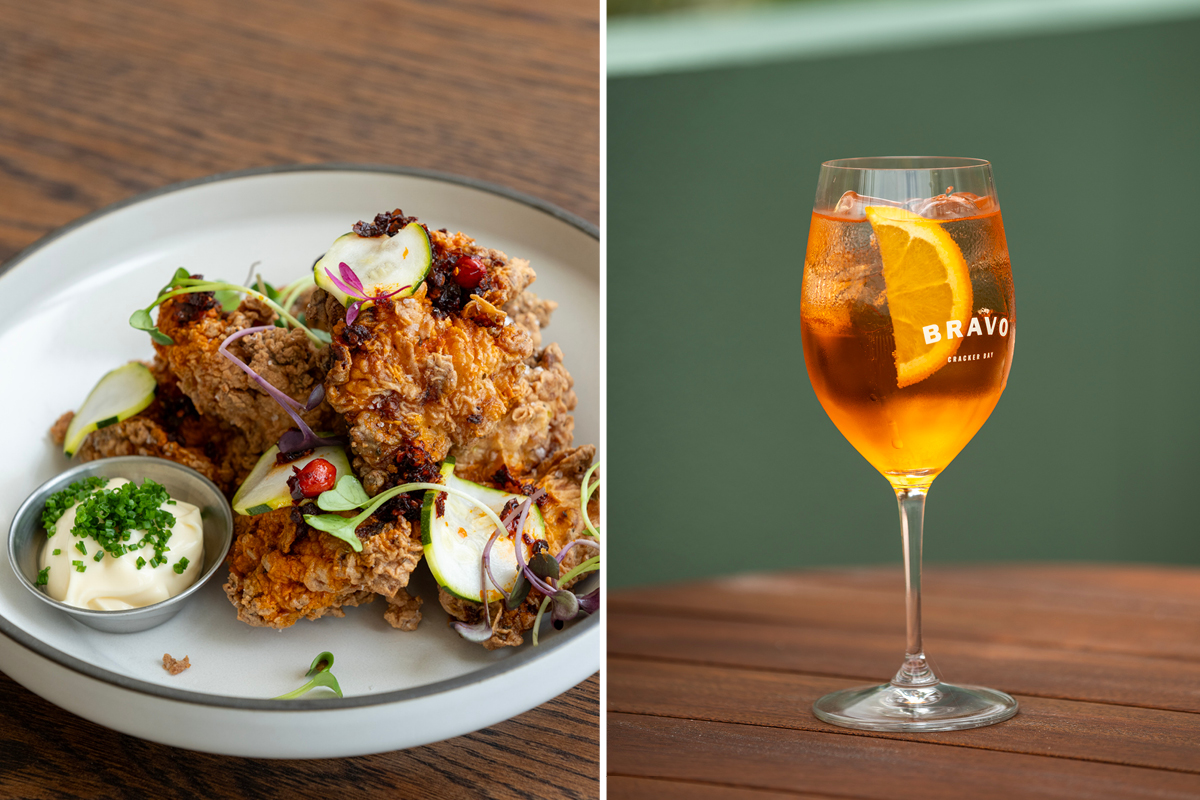
The menu leans into the best of New Zealand produce, with local seafood, elevated classics and a considered wine list that proudly pours Ayrburn’s own label. Arrive by car or secure a bookable berth and step ashore in style. Coffee at dawn, rosé at dusk, dinner that drifts into the night.
Opening hours: Sunday–Wednesday, 8 am – 9 pm Thursday – Saturday, 8 am – 11 pm
When the Rolex Daytona was introduced in 1963, it was conceived with a singular focus. This was a watch built for speed. Named after the Daytona 24 Hours, it was designed to meet the needs of professional racing drivers, with a tachymeter bezel for measuring average speeds and sub-dials precise enough to record elapsed time at a glance. It was robust, legible and purposeful, a serious instrument for serious men. Fashion was not part of the brief.
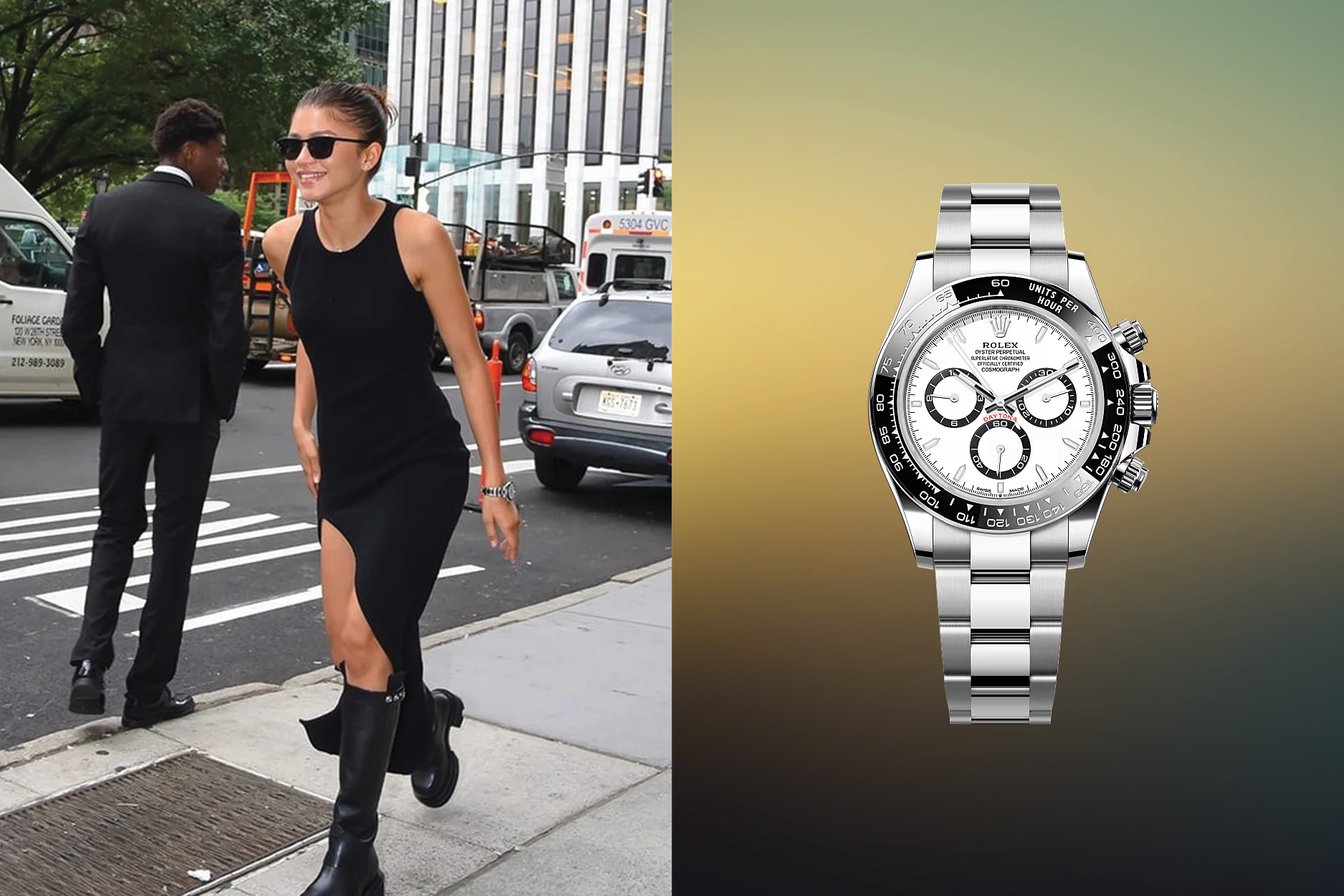
Zendaya wears Rolex Cosmograph Daytona 40mm Stainless Steel White Panda Index Dial
Carlos Alcaraz wears Rolex Cosmograph DaytonaYellow Gold Tiffany Dial on Oysterflex
In its early years, the Daytona enjoyed respect but not hysteria. That shifted decisively when Paul Newman began wearing his own distinctive dial variant, now immortalised as the “Paul Newman” Daytona. Newman’s off-screen life as a racing enthusiast lent the watch credibility, while his cinematic cool gave it cultural charge. When his personal example achieved record-breaking auction results decades later, it confirmed what collectors already knew: the Daytona had transcended its utilitarian origins and entered the realm of myth.
Rosie Huntington-Whiteley wears Rolex Cosmograph Daytona in 18k yellow gold with a golden and black dial.
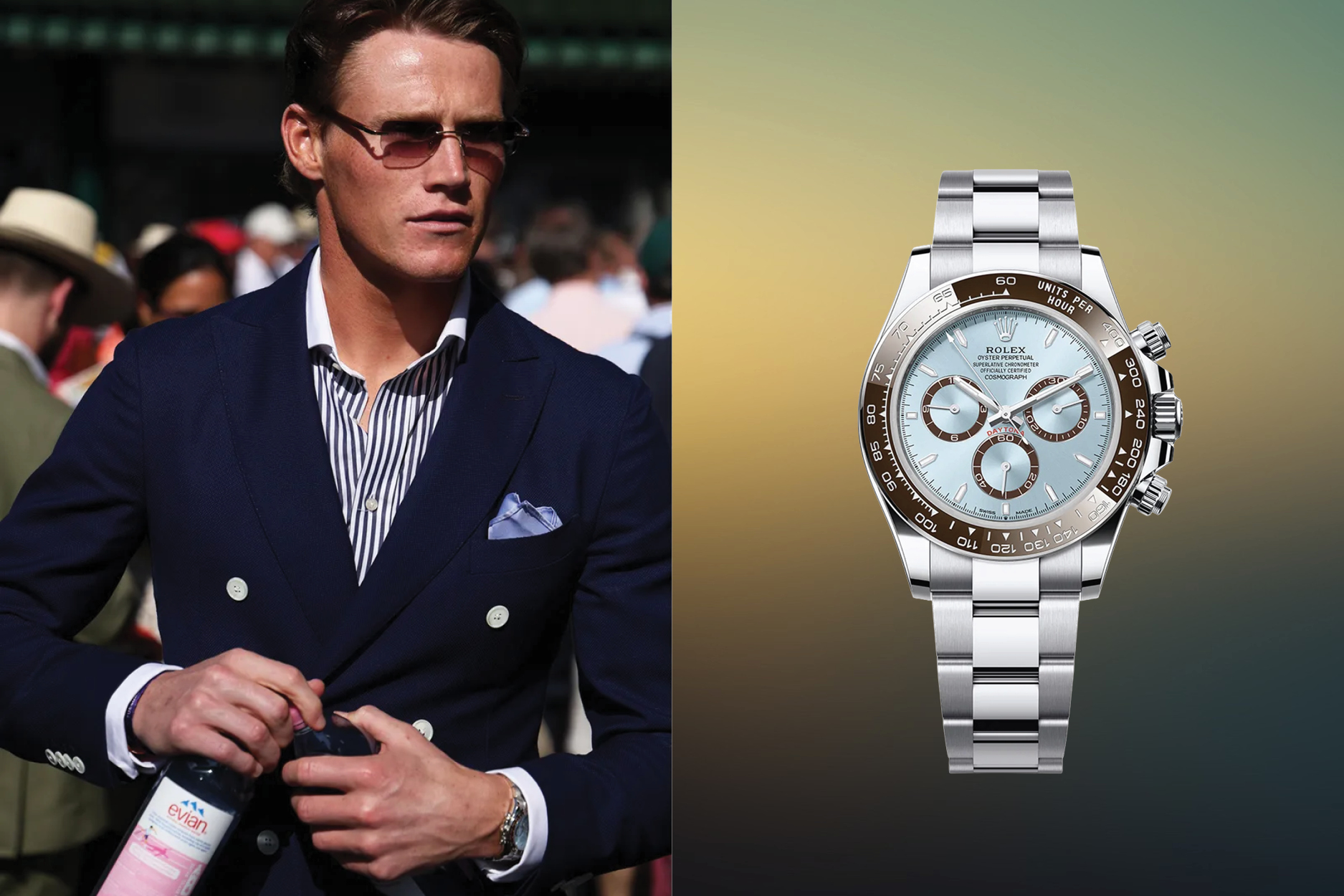
Yet the watch’s transformation into a modern style icon is about more than celebrity provenance. The design itself has proved remarkably enduring. This continuity is precisely why the Daytona has been embraced by tastemakers across industries. It has long been favoured by actors, athletes and business leaders who prefer their signals subtle. Increasingly, women have claimed it as their own, wearing it slightly oversized against tailoring or pared-back eveningwear. On a female wrist, the Daytona feels assertive and deliberate, a rejection of the notion that fine watches must be delicate to be elegant.
Scott McTominay wears Rolex Cosmograph Daytona 40 126506 Ice Blue Dial
Roger Federer wears Rolex Cosmograph Daytona126599TSA White Gold Silver Sheen Obsidian Dial Sapphire
Today, demand far outstrips supply, and waiting lists only add to its mystique. But scarcity alone does not create cultural longevity. The Daytona endures because it stands for something rarer: authenticity. It was born of function, refined by history and adopted by those who recognise that true style is rarely manufactured. From pit lane to front row, it has retained its integrity and, in doing so, become one of the most recognisable and respected watches in the world.
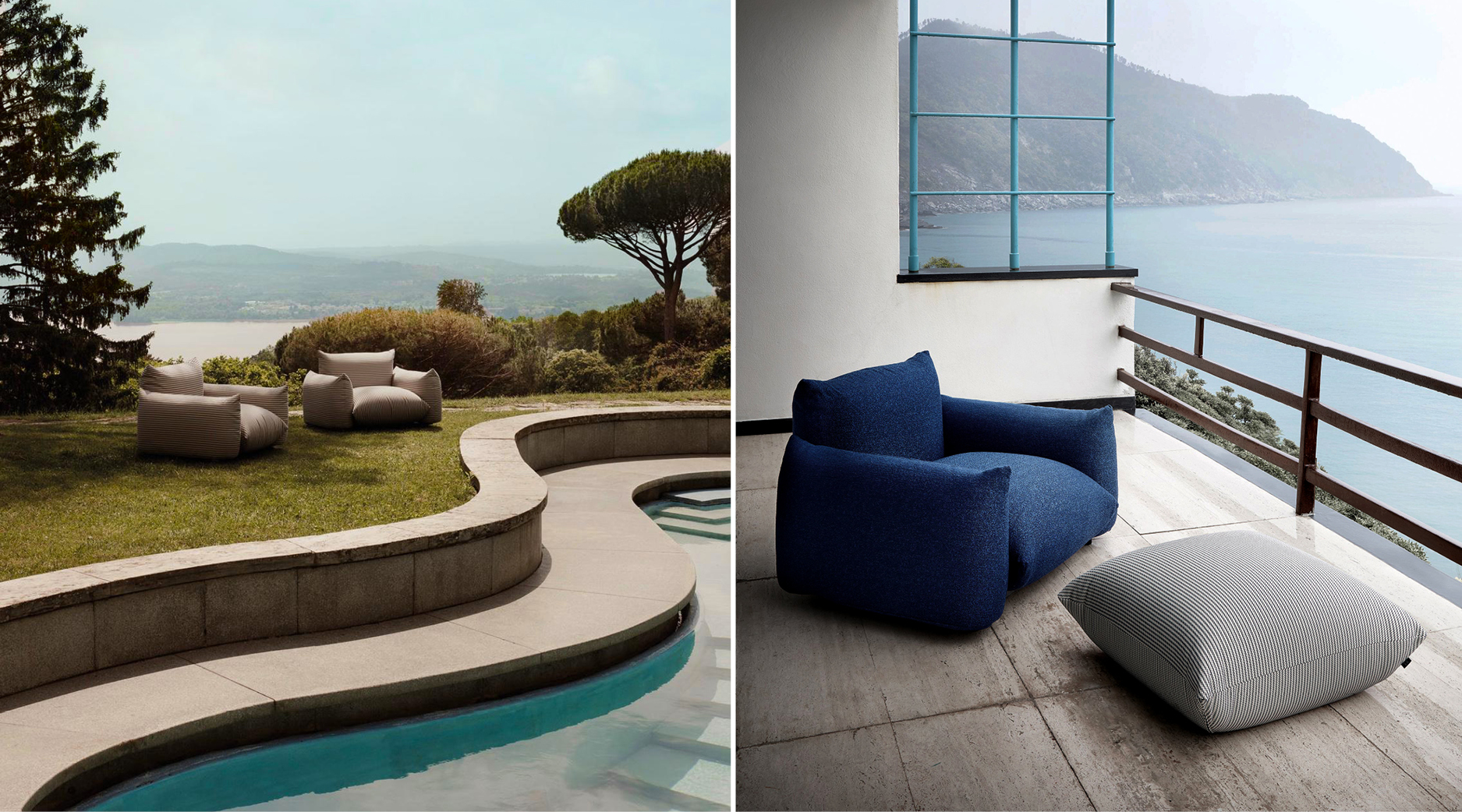
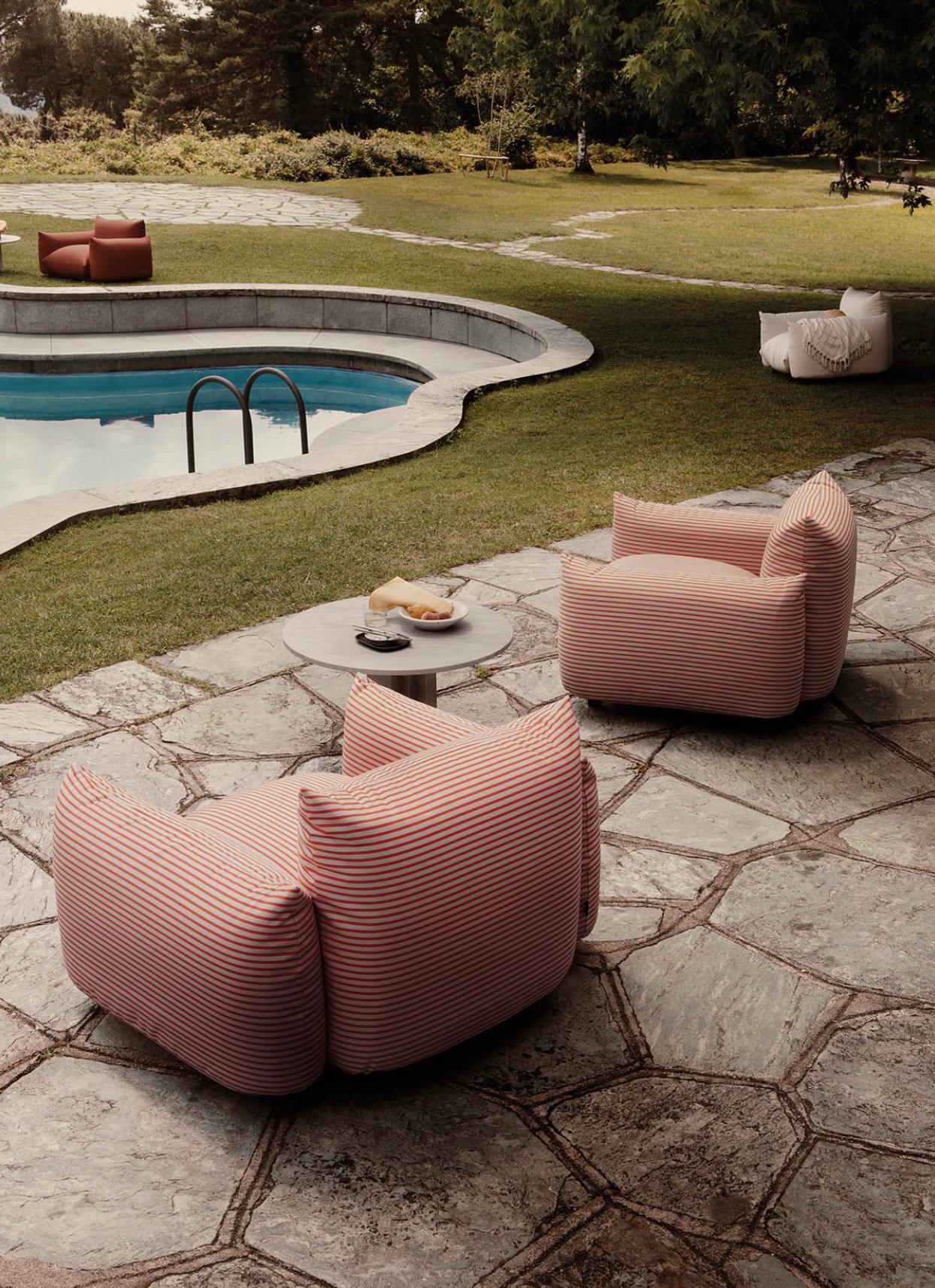
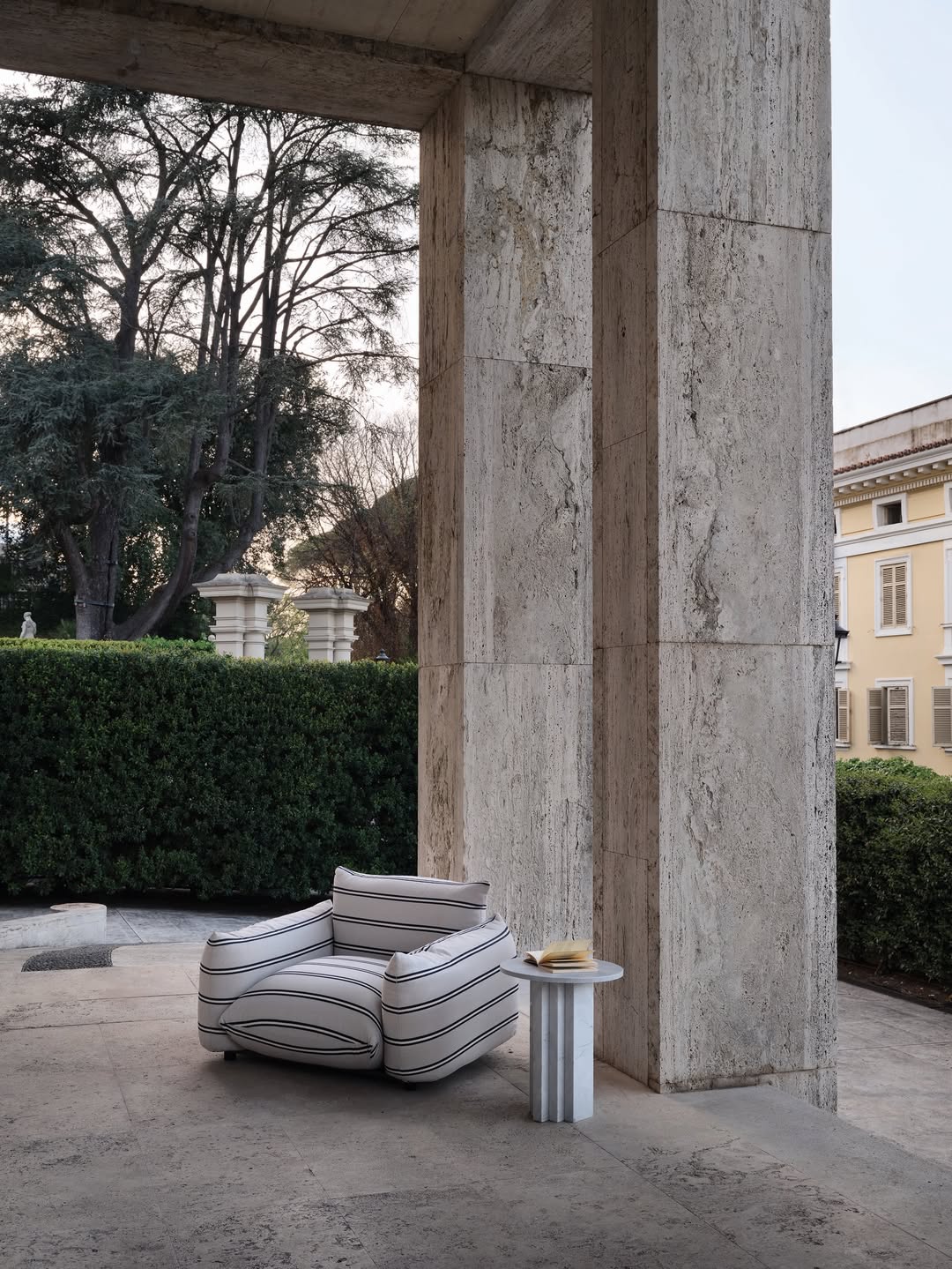
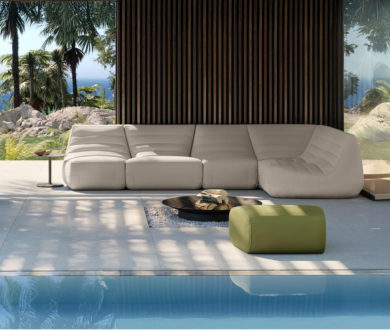
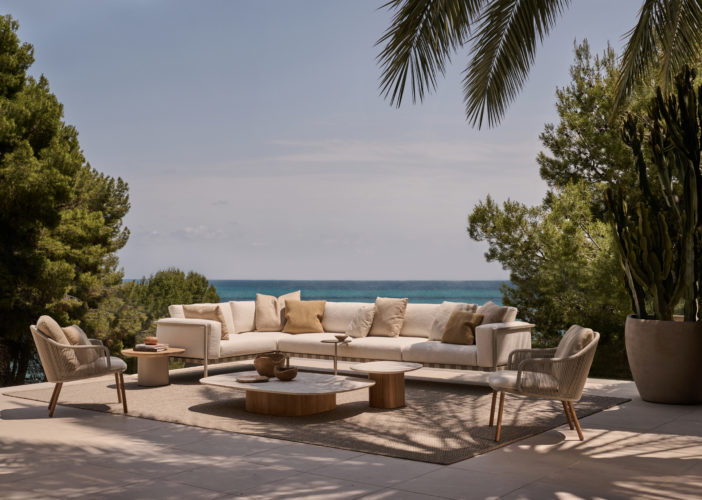
The Arflex Marenco Outdoor Armchair brings Italian elegance to outdoor living. In 1970, Italian architect Mario Marenco created a chair that quietly rewrote the rules of comfort. The Marenco for Arflex was unapologetically plush, built from a visible metal frame and oversized cushions that seemed to hover in place. It was rational design wrapped in softness.
More than fifty years later, the Marenco remains one of Arflex’s most recognisable pieces. It has appeared in architectural homes across Europe and the United States, favoured by designers who understand that true luxury is comfort resolved with discipline. Now, that same design intelligence moves outdoors.
The Arflex Marenco outdoor armchair is not a diluted version of an icon. It has been carefully re-engineered to withstand the elements, with technical outdoor fabrics and a structure designed for durability without compromising the generous proportions that made it famous.
The result is a piece that blurs boundaries. It carries the ease of an indoor lounge chair but belongs just as confidently beside a pool, under a loggia, or on a sculpted urban terrace.
Pressed for time but unwilling to compromise on flavour? Commercial Bay has your lunch plans sorted. From vibrant, ready-to-go fare and generously filled bowls to comforting takeaway staples worth stepping out for, this downtown dining hub makes a swift lunch feel considered. When the clock is ticking, but your appetite calls for something satisfying, these are the spots that deliver quickly and exceptionally well.
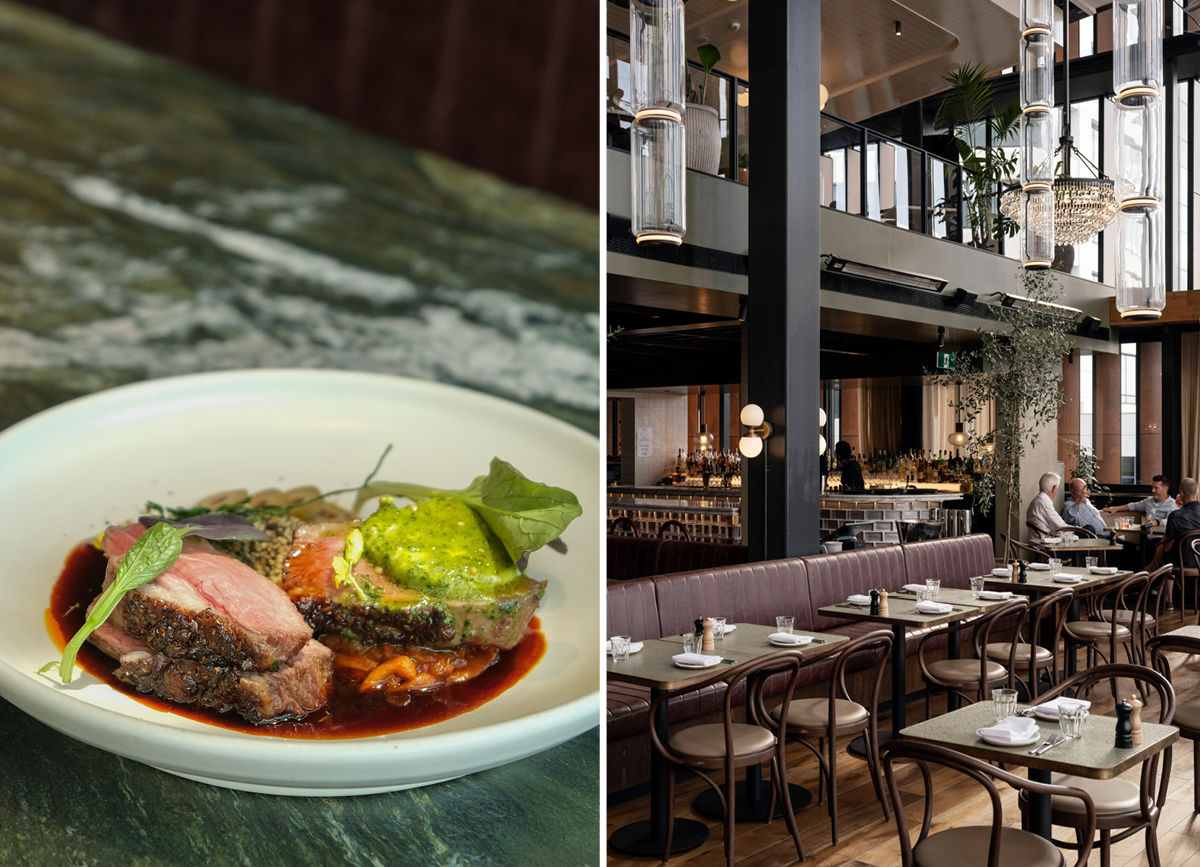
Origine’s Summer Express Menu is designed for relaxed lunches that still feel considered. A three-course shared dining experience, it highlights seasonal favourites including duck liver parfait, Lumina lamb rump and a Clevedon strawberry soufflé, with freshly shucked Pacific oysters available as an optional addition. A refined option for midweek catch-ups or an elevated lunch break at Commercial Bay.
Cāntīng’s cult favourites are now available to take away, bringing Nic Watt’s refined take on Chinese flavours to your midday routine. From plump, flavour-laden dumplings to much-loved signature dishes, each lunch box is thoughtfully assembled for ease without sacrificing depth or quality. Priced at $28, these generously packed offerings make a compelling case for upgrading your desk lunch, delivering comfort and bold flavour in equal measure.
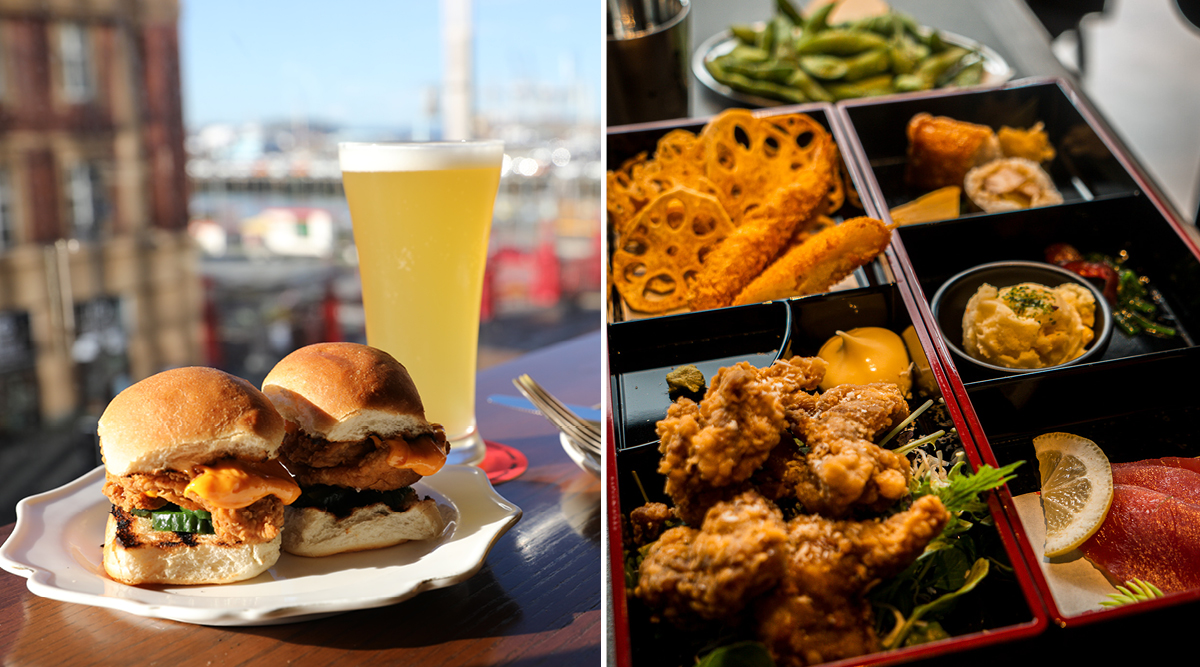
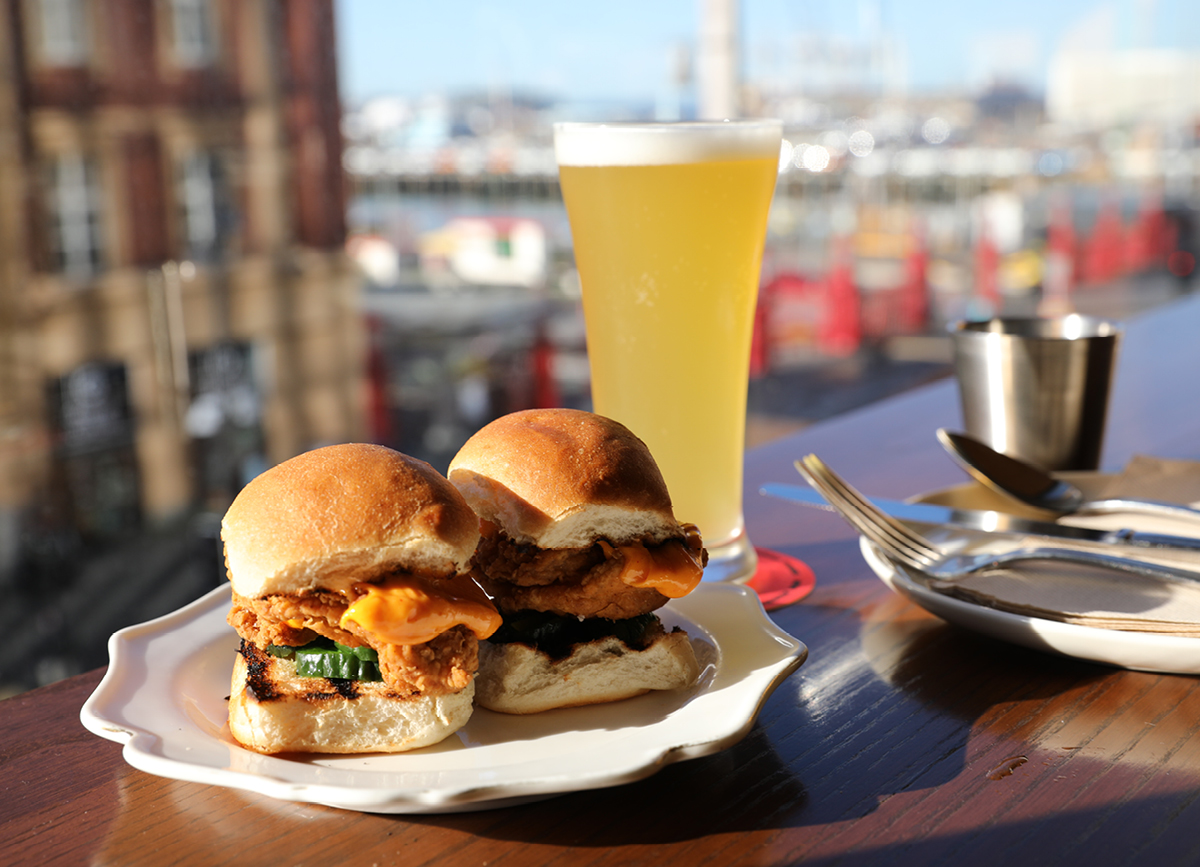
Gochu’s express lunch delivers bold, Korean-inspired flavours in a format that fits neatly into the workday. Expect a well-balanced spread of sliders, tuna crudo, charred chicken, rice and salad, designed to be satisfying without feeling heavy. A lively option for when you want something fun, fast and full of flavour at Commercial Bay.
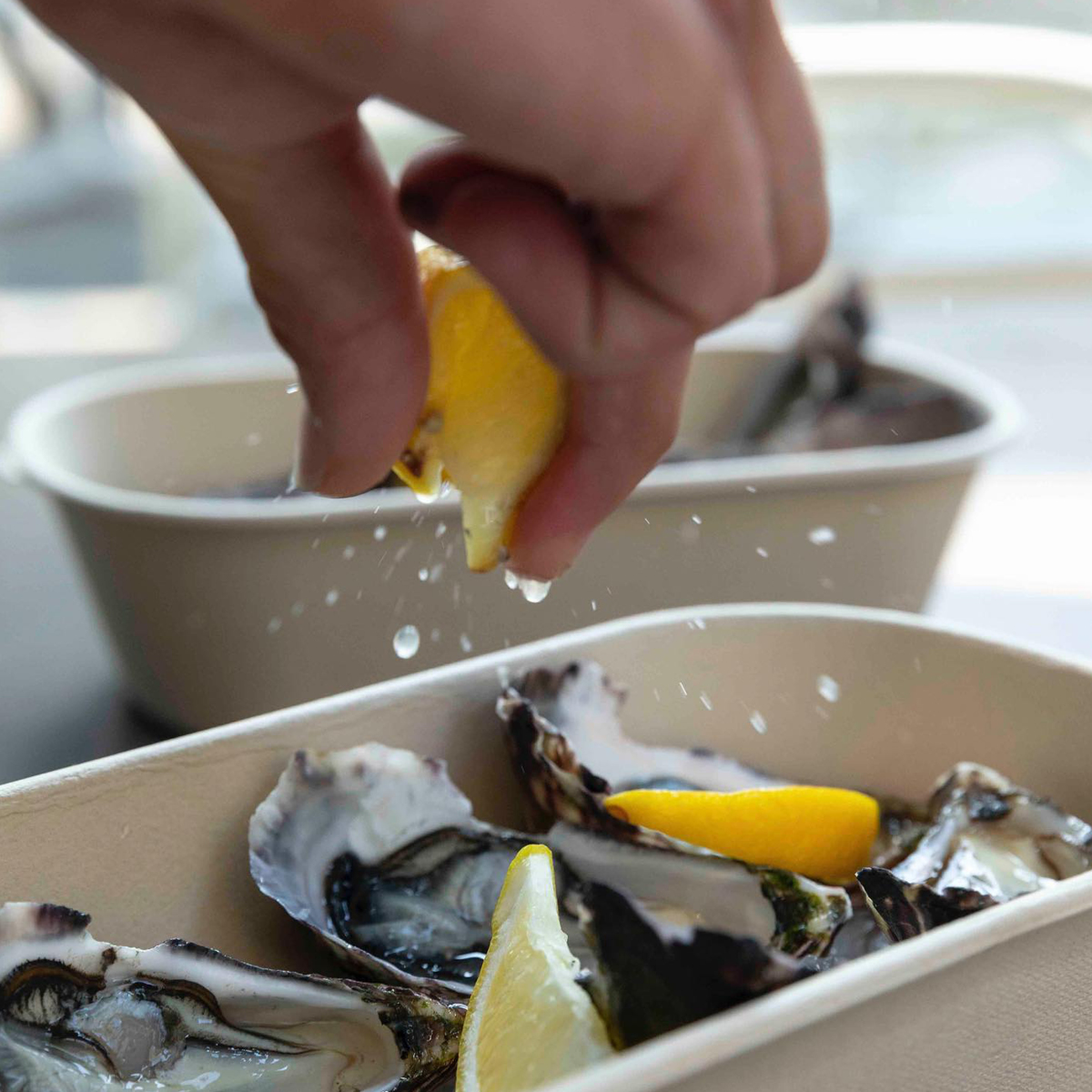
BillyPot is an easy go-to when you’re craving something fresh, light and full of flavour. With seafood at the heart of the menu, it’s a great spot to grab a quick lunch that still feels considered, whether that’s oysters, prawns or a simple seafood plate done well. Ideal for when time is short but standards are not.
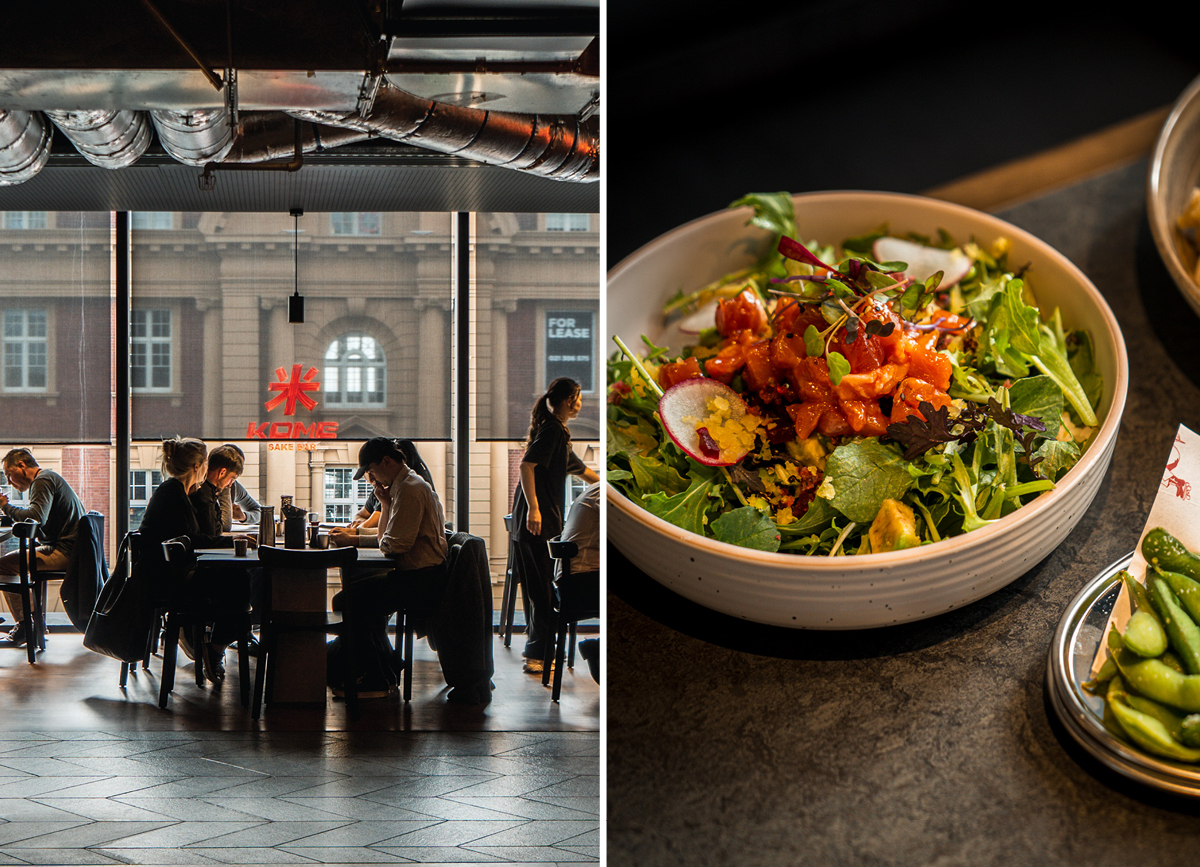
For a lunch that feels both efficient and elevated, Kome strikes the balance with ease. Expect pristine sashimi platters and vibrant poke bowls layered with fresh seafood and seasonal accompaniments, alongside warming bowls of udon, crisp karaage chicken and neatly composed bento boxes. It is Japanese dining designed for pace, generous in flavour and beautifully presented, making it ideal for a midday stop that does not compromise on quality.
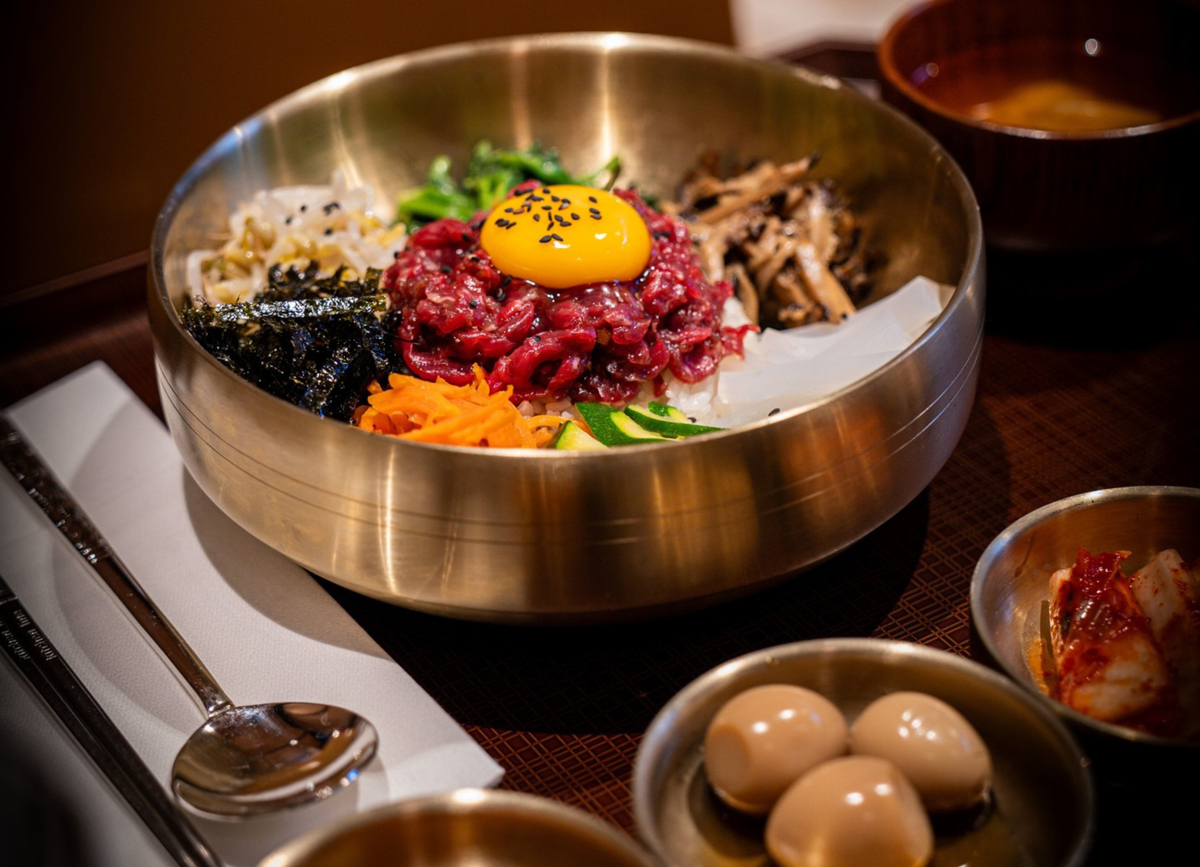
Chul’s brings the heart of Korean comfort food to Commercial Bay with bold, flavour-packed dishes that are ready when you are. From freshly rolled kimbap to steaming bowls of soulful classics, it’s a perfect spot for a quick lunch that still feels satisfying and full of character.
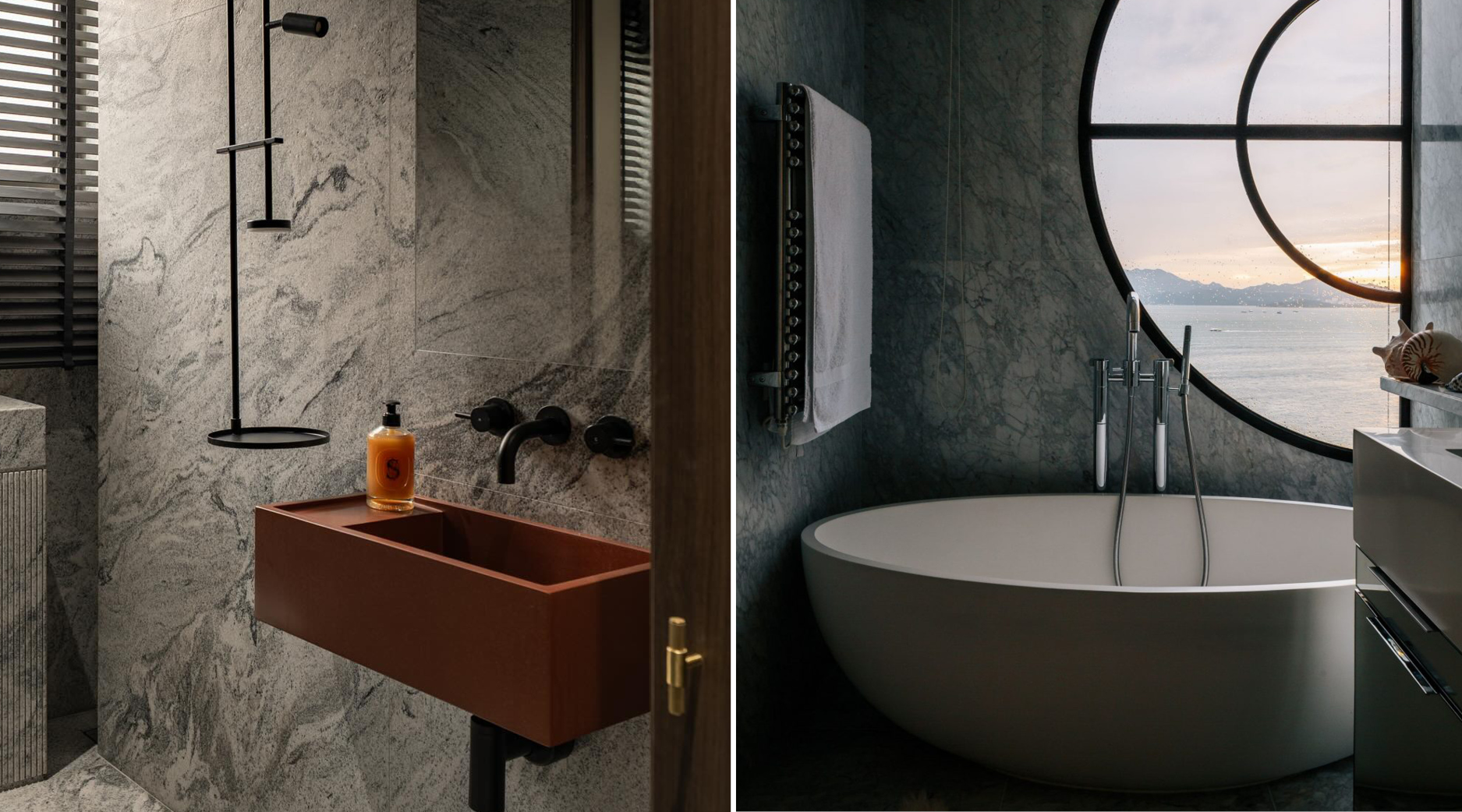
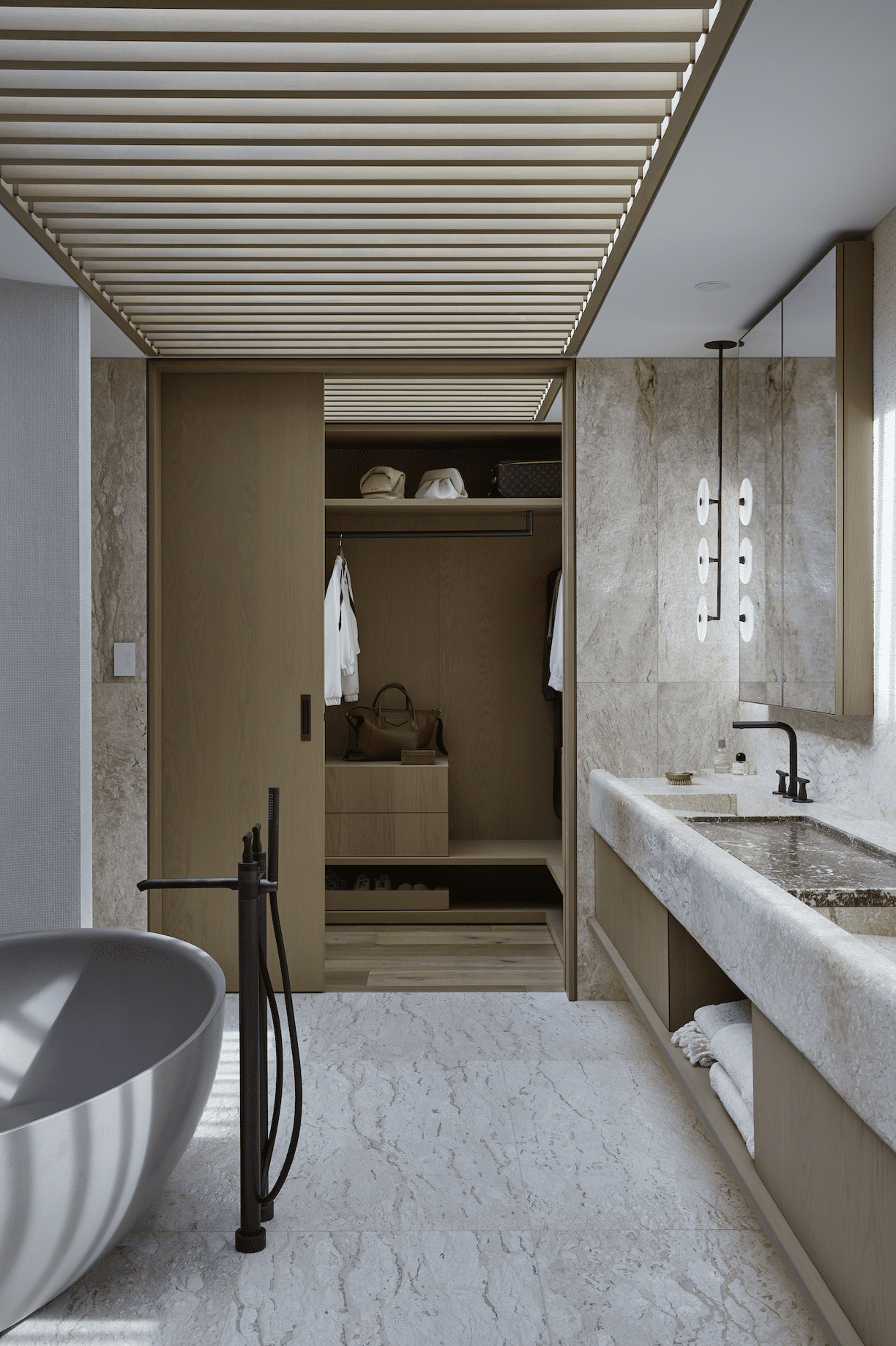
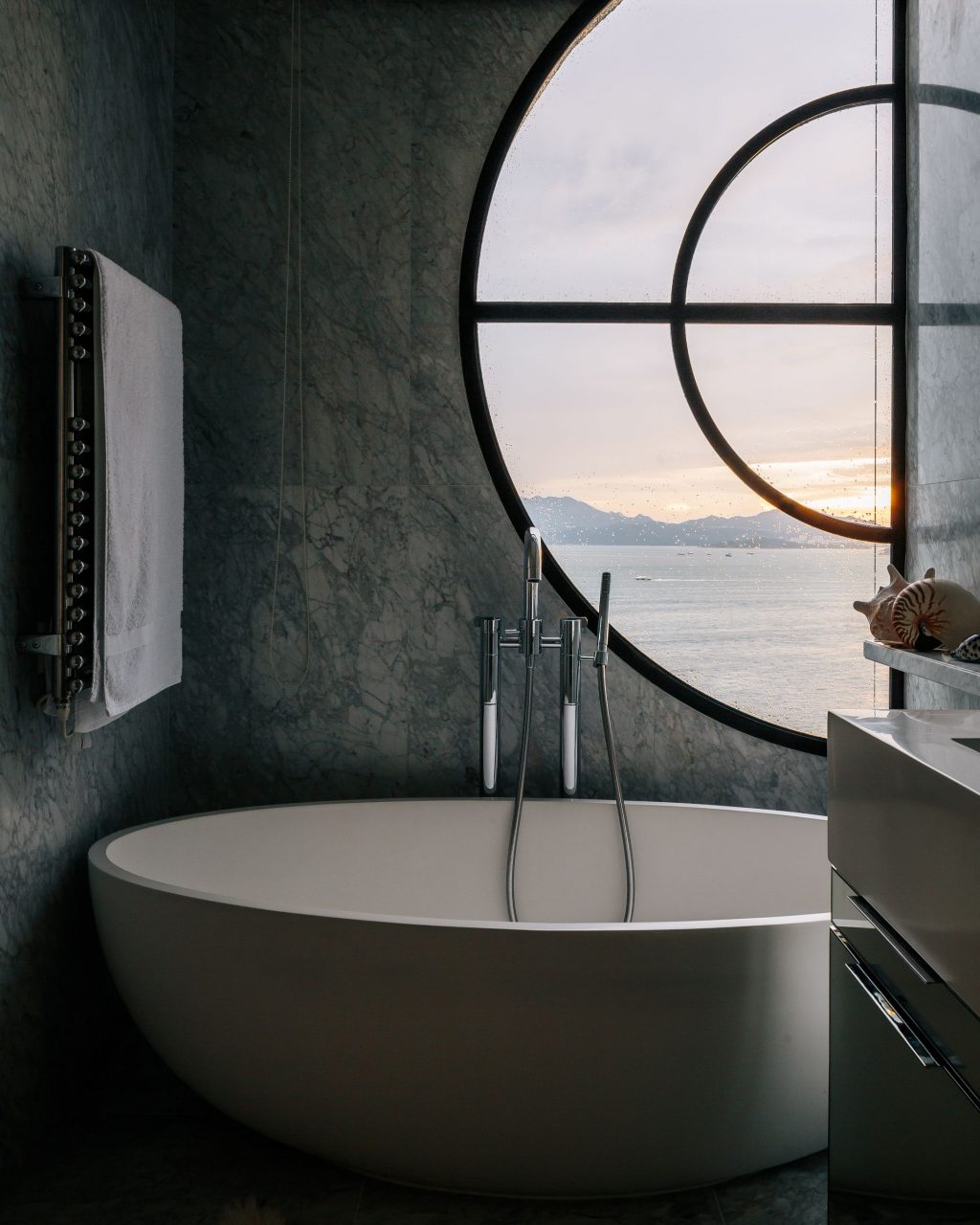
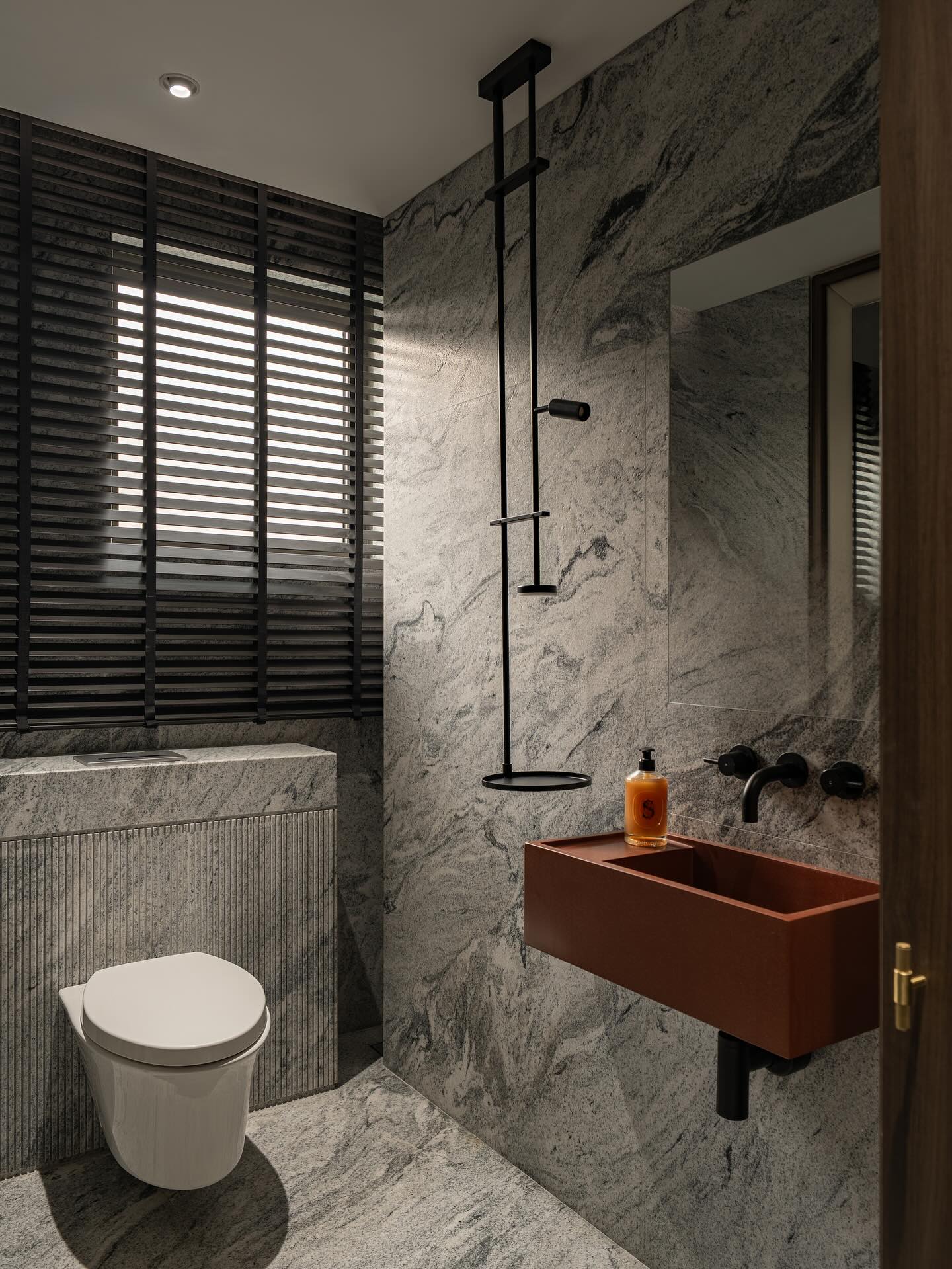
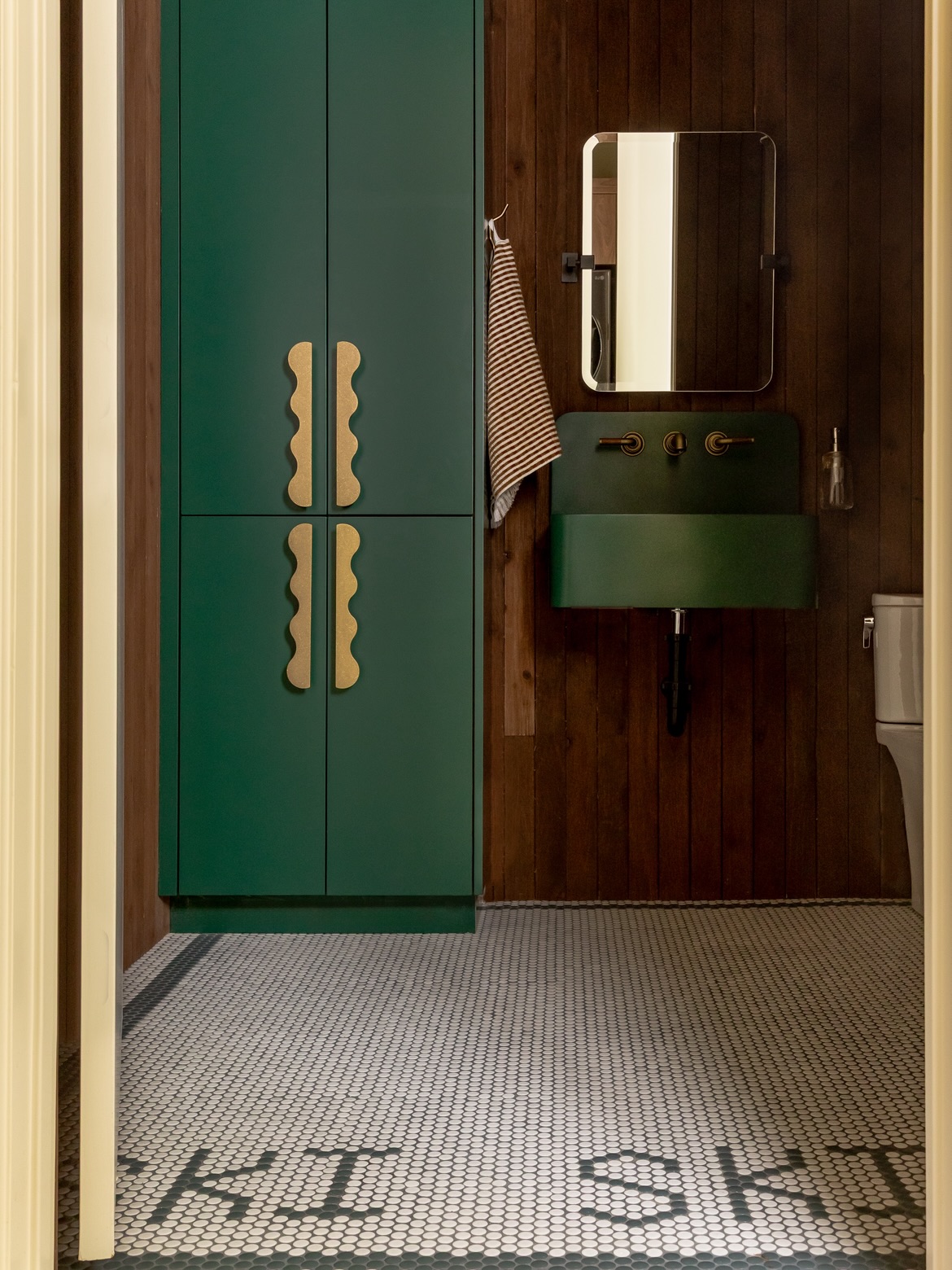
In a well-designed home, the bathroom is never just an afterthought. It is a study in proportion, tactility and restraint. Every element must justify its presence. For a design-literate audience, that standard is non-negotiable.
Omaha Retreat by Sonya Cotter Design. Photos: Jackie Meiring
It is precisely why the work of Claybrook continues to appear in some of the country’s most architecturally accomplished residences. Their basins possess a sculptural clarity that feels deliberate rather than decorative. Edges are refined. Silhouettes are balanced. The materiality carries weight without visual heaviness. Placed against stone, timber or polished plaster, these pieces anchor a space with quiet confidence.
This is design that understands permanence. Claybrook products are engineered for remarkable durability and resistance to staining, maintaining their integrity in daily use. Exceptional heat retention enhances the bathing experience in a way that feels subtle but deeply considered. And in an era when true luxury increasingly aligns with longevity, the ability to repair surfaces rather than replace them speaks to an intelligent, future-focused approach.
Claybrook’s emphasis on clean forms, composed proportions, and finishes that complement architectural intent rather than compete with it results in bathrooms where the effect is seamless. Nothing clamours for attention, yet everything is noticed.
For those commissioning homes, the distinction lies in choosing pieces that hold their relevance long after trends have dissolved. Sculptural, durable and inherently architectural, Claybrook’s basins and bathtubs continue to set that benchmark. Available nationwide through Pumbline.
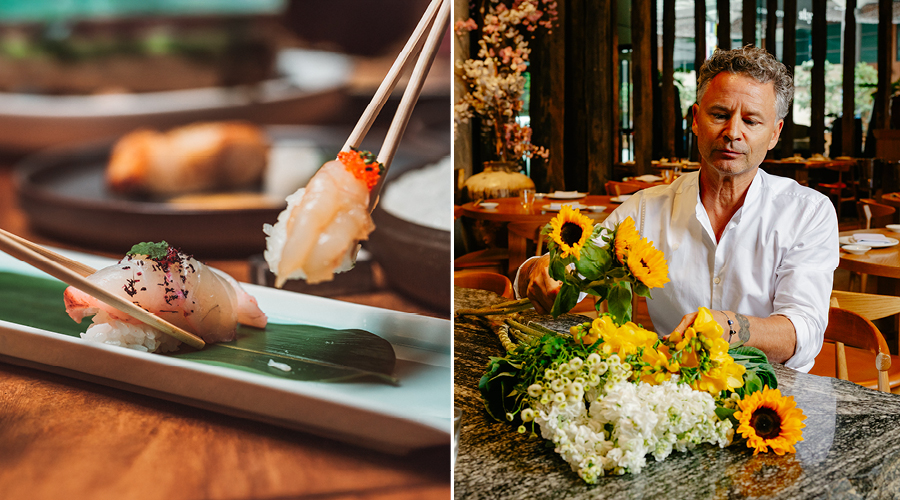
Each year in Japan, cherry blossom season, or sakura, signals a fleeting moment of beauty. Parks fill, petals fall, and the country collectively pauses to honour the transience of nature. Here in Auckland, Masu by Nic Watt is marking that same spirit of renewal with a Ladies Lunch that feels both reverent and refined.
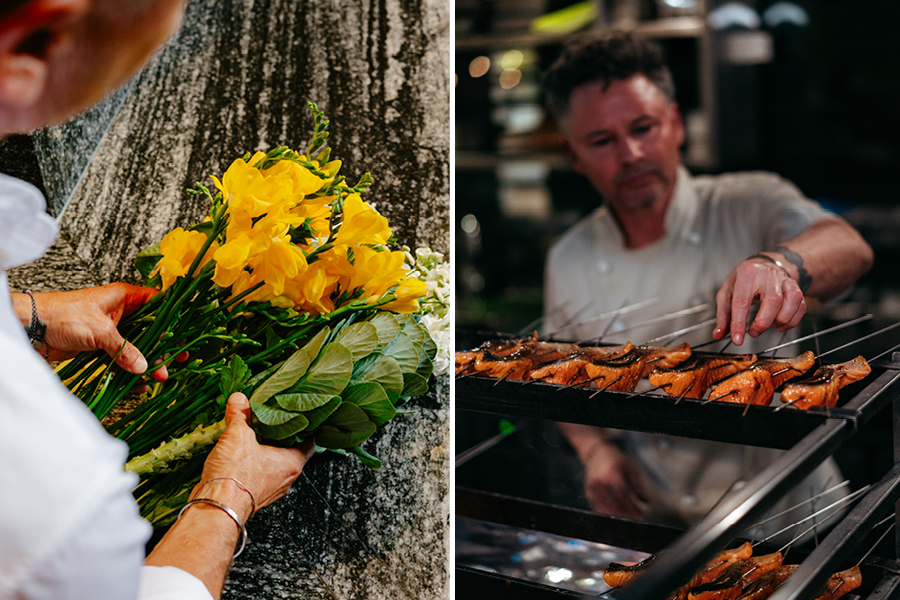
Taking place on Friday 27 February from 12–2pm, this intimate gathering pays tribute to Japan’s most poetic season through cuisine and craft. Hosted by Chef Nic Watt alongside celebrated florist Chikako, the afternoon centres on ikebana, the centuries-old Japanese art of flower arranging.
Ikebana is not simply about assembling blooms. It is a disciplined practice rooted in harmony, asymmetry and negative space. Each stem is positioned with intention, reflecting the rhythms of nature and the beauty of impermanence that the cherry blossom season so elegantly represents.
Guests will be welcomed with a glass of Nautilus Cuvée Brut before settling in for a refined three-course lunch, showcasing Masu’s contemporary Japanese approach. Between courses, Chikako will guide attendees through a hands-on ikebana workshop, offering insight into the philosophy behind the form. Each guest will leave with their own sculptural arrangement, a quiet nod to sakura season brought to life on our shores.
At $95 per person, including lunch, bubbles and your ikebana creation to take home, it is an elegant way to honour a centuries-old Japanese tradition without leaving the city.
With only a few spots remaining, consider this your cue to book.
Masu Ikebana Ladies Lunch Friday 27 February, 12 pm – 2 pm $95 per person Includes three-course lunch, glass of Nautilus Cuvée Brut on arrival, and an ikebana arrangement to take home.
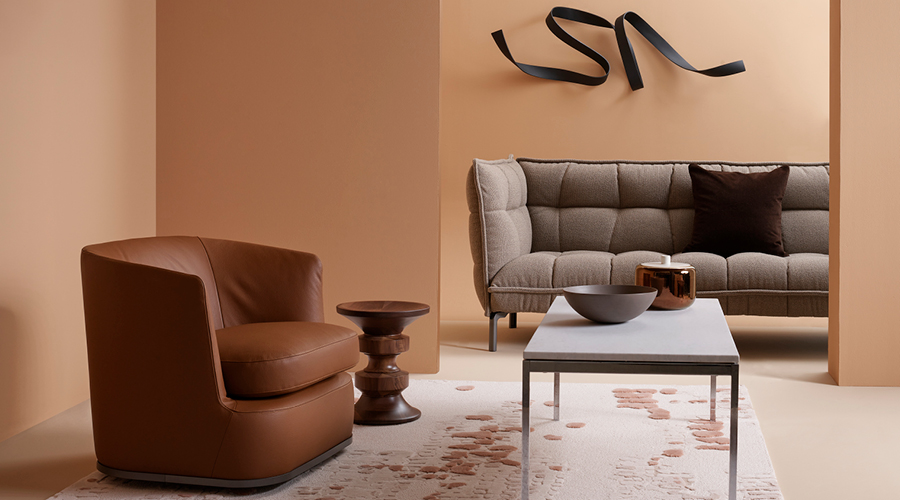
Avery rug from Designer Rugs, Marble coffee table by Florence Knoll from Mr. Bigglesworthy, Apollo armchair by Maxalto, Husk Sofa by B&B Italia, 26h Bronze vase by Bitossi, Eames Turned Stool D by Herman Miller from Matisse, Flex VI by Ray Haydon, 2025, from Sanderson, Alpaca Velvet in Cacoa by Mokum made up as cushion from James Dunlop Textiles, Cenciara Pendant Brass from Lighting Direct
Art direction — Amber Armitage/ Marigold Photography — Melanie Jenkins/ Flash Studios
All designers, regardless of style, are tasked with the often-impossible job of balancing the yin and the yang. When a space leans too heavily in one particular direction, all equilibrium is lost, and the space is left energetically confused. This season, we’re gravitating towards warmth, from caramel colourways to toffee-toned walls, natural wood, brass accents and copper finishes. Interiors that stay energetically grounded — think a return to baseline in a bid to mitigate the chaos of the season ahead.
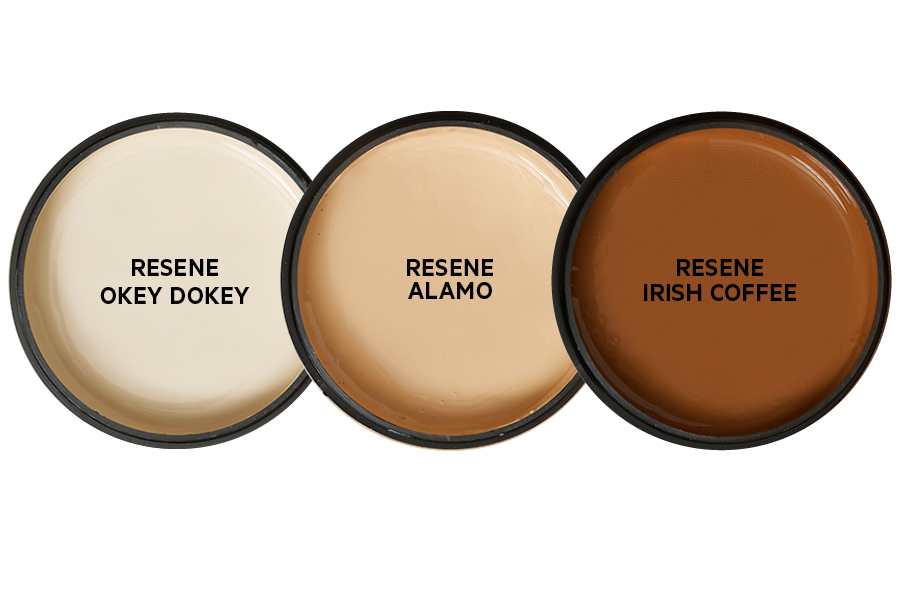
Naturally, we look to grounding hues like Resene Okey Dokey and Irish Coffee to start, to evoke a sense of softness and generate calm wherever incorporated. Consider anchoring primary living spaces with colours like Okey Dokey, and outfit them with natural leather heroes that gracefully patina over time, creating a relaxing and inviting atmosphere.
Resene’s Alamo, an endlessly versatile, salmon-hued beige, works in harmony with chrome accents, providing an earthly base for mixing molten metals. The balance in Resene’s palette, cocooned in warmth yet refreshingly refined, creates harmony and sophistication wherever it is incorporated.
There are certain signatures at Bvlgari that need no introduction. Serpenti coils with unmistakable sensuality. B.zero1 stands as a sculptural ode to Rome’s Colosseum. Monete transforms ancient currency into wearable history. Now, with the debut of Vimini, the Roman maison proves that its archives remain as fertile as ever.
Vimini marks the inaugural chapter of Bvlgari Eternal, a visionary initiative that revisits foundational designs from the house’s past and reinterprets them for a contemporary audience. Its point of origin is a 1942 bracelet discovered in the archives, created during the material and social constraints of wartime Italy. In an era defined by limitation, the piece stood as an act of creative defiance. Crafted in yellow and rose gold, its woven geometry drew inspiration from the wicker baskets of ancient Greece and Rome, humble, utilitarian objects elevated through rhythm, repetition and hand-shaped dexterity.
The name Vimini, meaning wicker, feels instinctive. Its structure is built from undulating rhomboid elements, stacked and interlocked to create a supple, woven effect. There is an architectural clarity to the design, an echo of Italian Rationalism’s essential forms, yet the overall impression is fluid rather than rigid. The bracelet remains faithful to its precursor, while benefiting from the elevated craftsmanship made possible by Bvlgari’s state-of-the-art Valenza manufacture. The collection extends to a necklace, ring and two earring styles, each piece designed to move naturally with the body, tactile and rhythmic in its articulation.
Bvlgari Eternal debuts in Los Angeles. The Vimini collection, unveiled on Rodeo Drive’s new flagship store
In its high jewellery expressions, Vimini ventures further. Yellow gold meets black Diamond-Like Carbon, a high-tech coating more commonly associated with watchmaking. The interplay of light and shadow creates a striking bi-colour dialogue that feels both ancient and futuristic. Diamonds are set into this darkened architecture, amplifying contrast and lending the collection an avant-garde edge. On the global stage, the Eternal Vimini High Jewellery necklace has already found its moment, worn by global ambassador Lisa Manobal in a powerful display of modern Roman glamour.
“With Bulgari Eternal, we open a new chapter in our creative story,” noted Jean-Christophe Babin. It is a sentiment embodied in Vimini’s weave, heritage threaded through innovation. By drawing from a wartime bracelet shaped by constraint and reimagining it with contemporary mastery, Bvlgari demonstrates that true icons are not invented overnight. They are rediscovered, reworked and reborn.
Vimini is not simply a revival. It is proof that the house’s past remains an inexhaustible source of modernity, and that in Rome, history is always in motion.
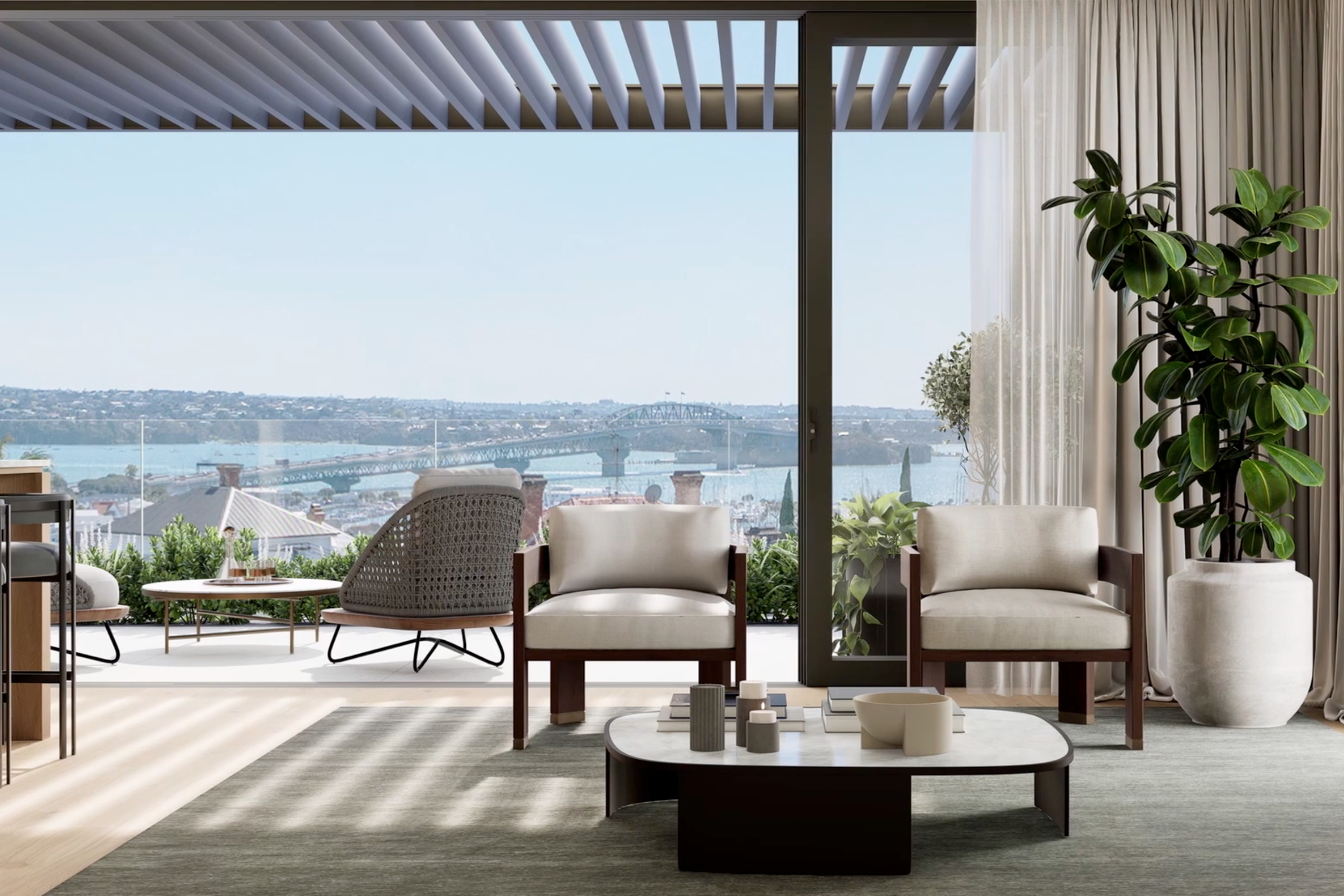
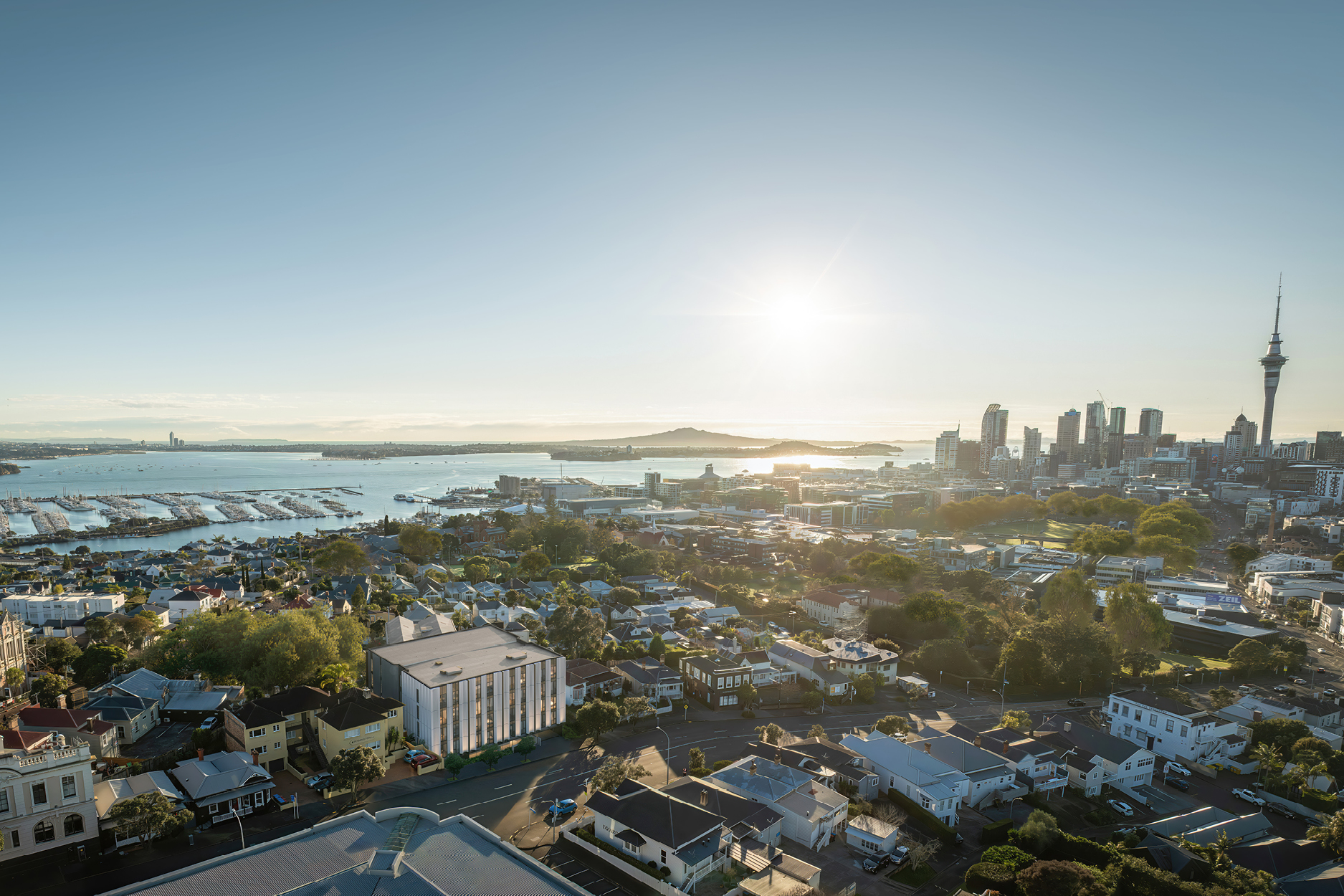
There are few ridgelines in Auckland as instantly recognisable as the one at the junction of Ponsonby and St Marys Bay. Thousands pass it daily, glancing up toward the elevated sweep across the city skyline. In recent months, there have been signs of a new development that have caught our attention. Pillars is set to sit confidently at the top of this iconic stretch. Promising an unmistakable presence and architectural façades, signalling that something both considered and enduring is soon to take shape.
Developed by Precinct and designed by Jasmax, Pillars is defined by proportion, restraint and permanence. Sculptural façades, fluted concrete detailing and carefully articulated forms give the building a strong civic presence while remaining respectful of its established setting. From its exterior, it reads as composed and assured. Step inside, and that architectural confidence gives way to a quieter, more intimate understanding of how people want to live.
That combination of prestigious, highly visible location and confident, design-led execution helps explain why Pillars has generated sustained interest since its unveiling. But the appeal runs deeper than architecture alone. Buyers are responding to what Pillars represents at this moment in time. Right-sizing, redefined.
Increasingly, Pillars is appealing to buyers transitioning into a new phase of urban living. People who want the ease of lock-and-leave security, yet refuse to compromise on space, privacy or quality. The appeal lies in homes that still feel substantial and complete, with the reassurance of thoughtful design, long-term build integrity and a setting that supports everyday life as much as it elevates it.
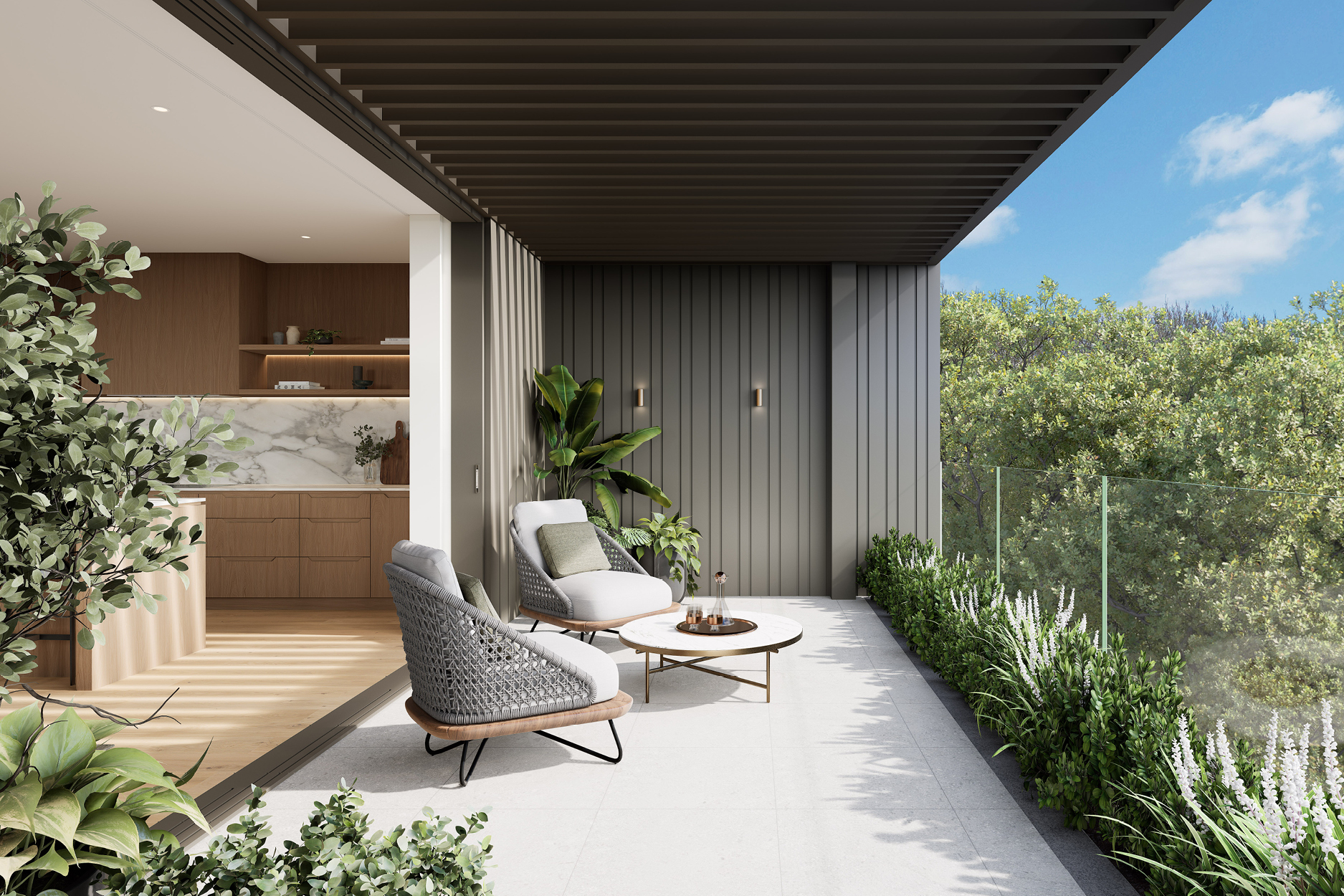
Across a limited collection of two and three-bedroom residences with additional media rooms, Pillars offers homes that feel expansive without excess. Full-floorplate sensibilities and dual-aspect layouts allow light to move naturally through the interiors, creating a sense of volume rarely associated with apartment living. Integrated storage is generous and purposeful, supporting daily life without visual clutter, while flexible layouts accommodate entertaining, working from home and evolving needs.
Private outdoor spaces are equally deliberate. Deep balconies extend the living experience outward, encouraging genuine indoor-outdoor flow, while select ground-floor homes open onto landscaped gardens that offer privacy and greenery rarely found in urban apartments. These are homes designed for people who still want space, but no longer want waste.
The location reinforces that philosophy. Positioned between the energy of Ponsonby and the established residential calm of St Marys Bay and Freemans Bay, Pillars offers immediate access to the city’s best while maintaining a strong sense of neighbourhood. Cafés, restaurants, galleries and waterfront walks are moments away, yet the address retains the reassurance of long-held community and character. It is urban living with depth, connected without feeling transient.
Underpinning the development is the long-term thinking of Precinct Properties. Best known for shaping Auckland’s commercial centre, Precinct brings the same rigour and placemaking mindset to Pillars. Sustainability features that enhance comfort and efficiency, secure parking with EV infrastructure, private lift access and robust construction speak to a development conceived for longevity rather than trend.
As availability becomes increasingly limited, Pillars prompts a broader reflection on what right-sizing truly means. It is not about giving something up. It is about choosing better. Better design. Better location. Better use of space. And a home that aligns with how life is lived now.
Recognised instinctively and increasingly understood for what it offers, Pillars will become more than an iconic landmark. It’s set to be a confident expression of modern urban luxury, defined by clarity, quality and living well without compromise.
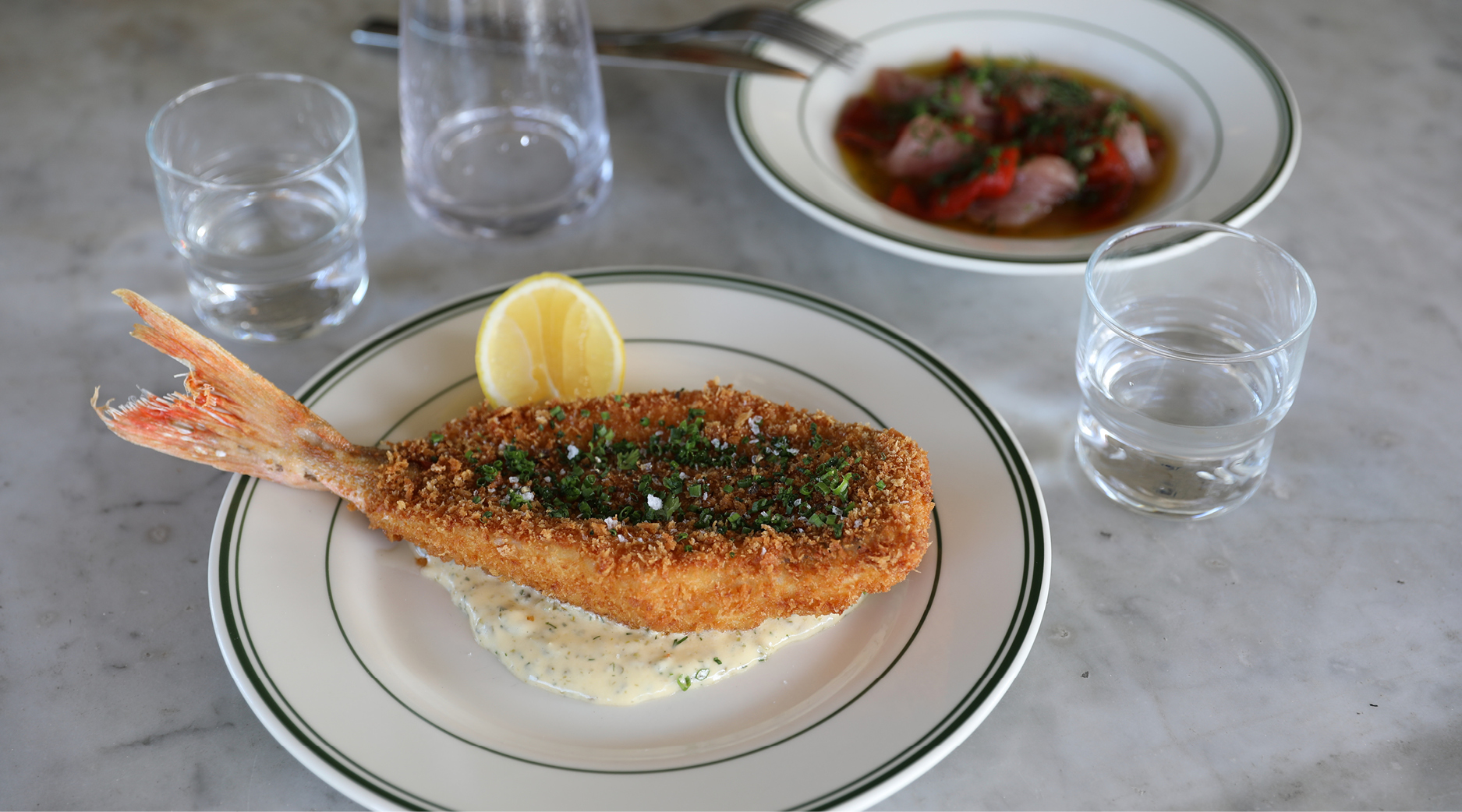
There’s something deeply reassuring about a restaurant that knows exactly what it is.
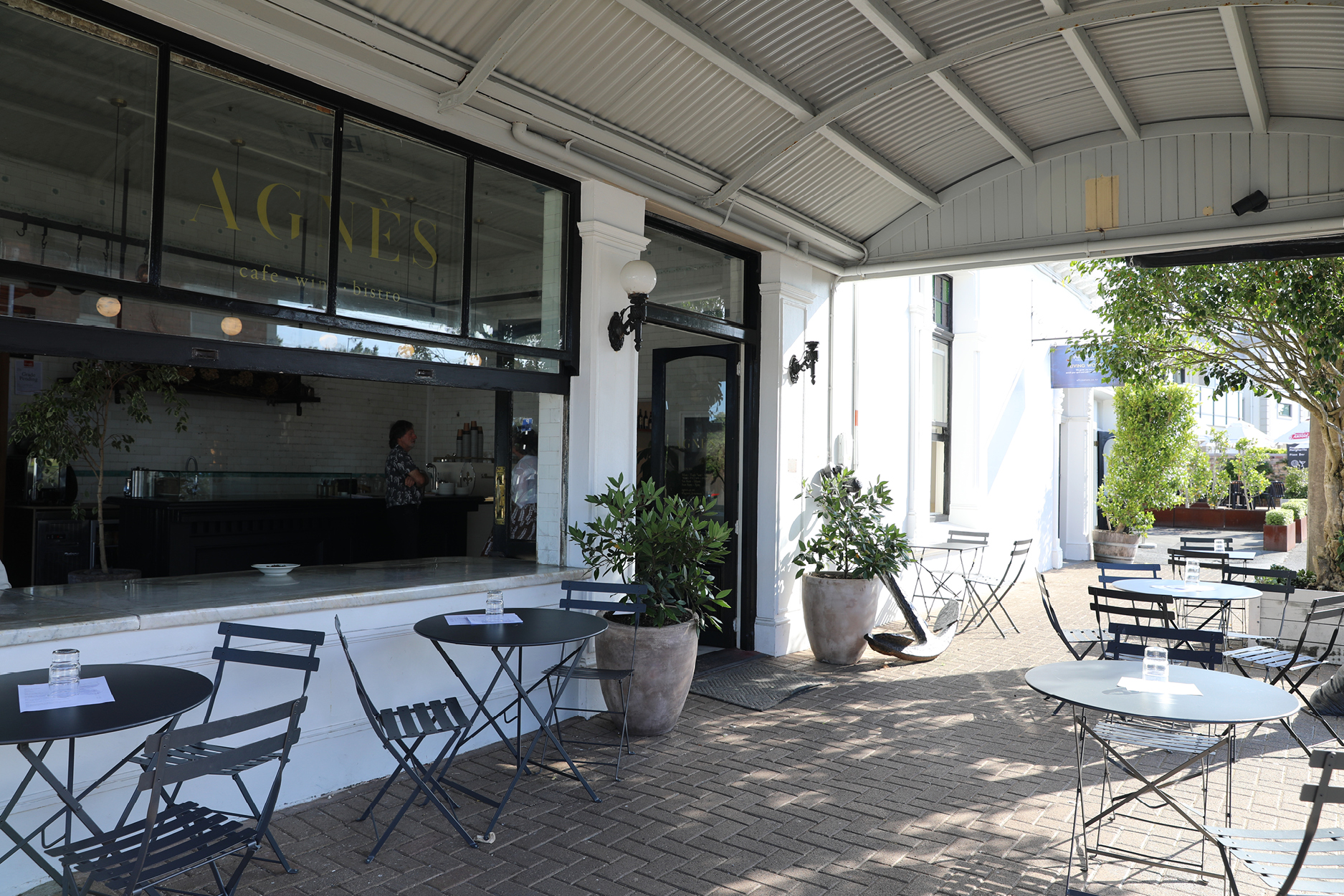
Agnes, newly opened in Birkenhead, does not shout for attention. It doesn’t need to. Housed in a former Hellaby’s butchery, the building’s original tiles, marble and even the reinstated counter remain proudly intact, lending the space a quiet gravitas that feels increasingly rare.
Behind the project are hospitality veterans Fran and Aaron Mazza-Carson, whose 15-year track record includes Hello Friends & Allies, Winona Forever, Sugar at Chelsea Bay, Queenies, ADA and Pie Rolla’s. With Fran’s background in patisserie and Aaron’s roots in marketing and music, the pairing has always been complementary. For Agnes, they’ve partnered with head chef Alfie Ingham, whose experience spans New Zealand, Australia, the UK and France, but whose heart lies in traditional European bistros.
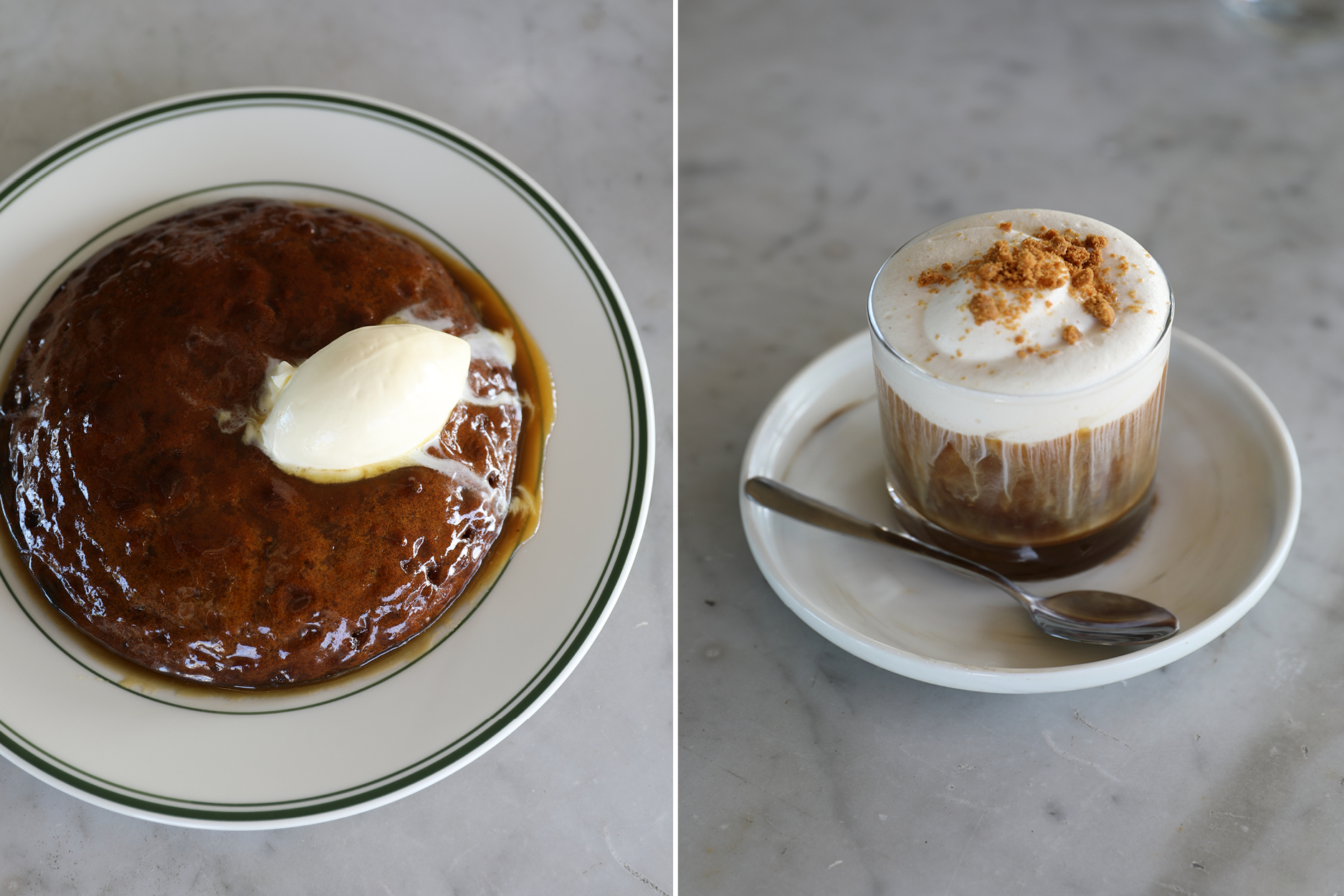
left: Sticky Toffee pancake with dates, caramel and Crème fraîche. right: Biscoff Mont Blanc
“We share a real appreciation for uncomplicated food that is of excellent quality but not pretentious or too flowery,” they explain. The result is a menu that reads like a love letter to simplicity done properly.
Sausage with mashed potato and jus
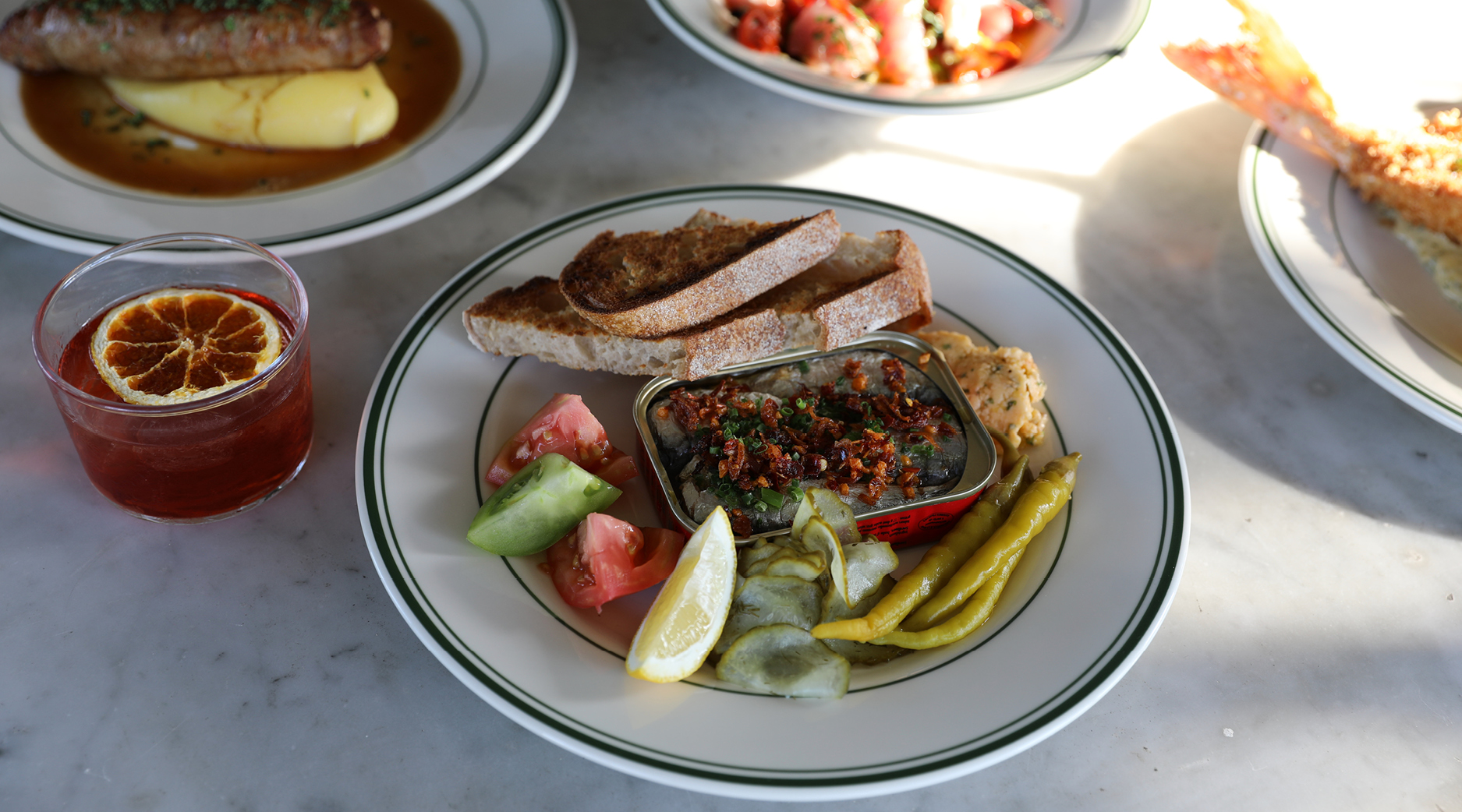
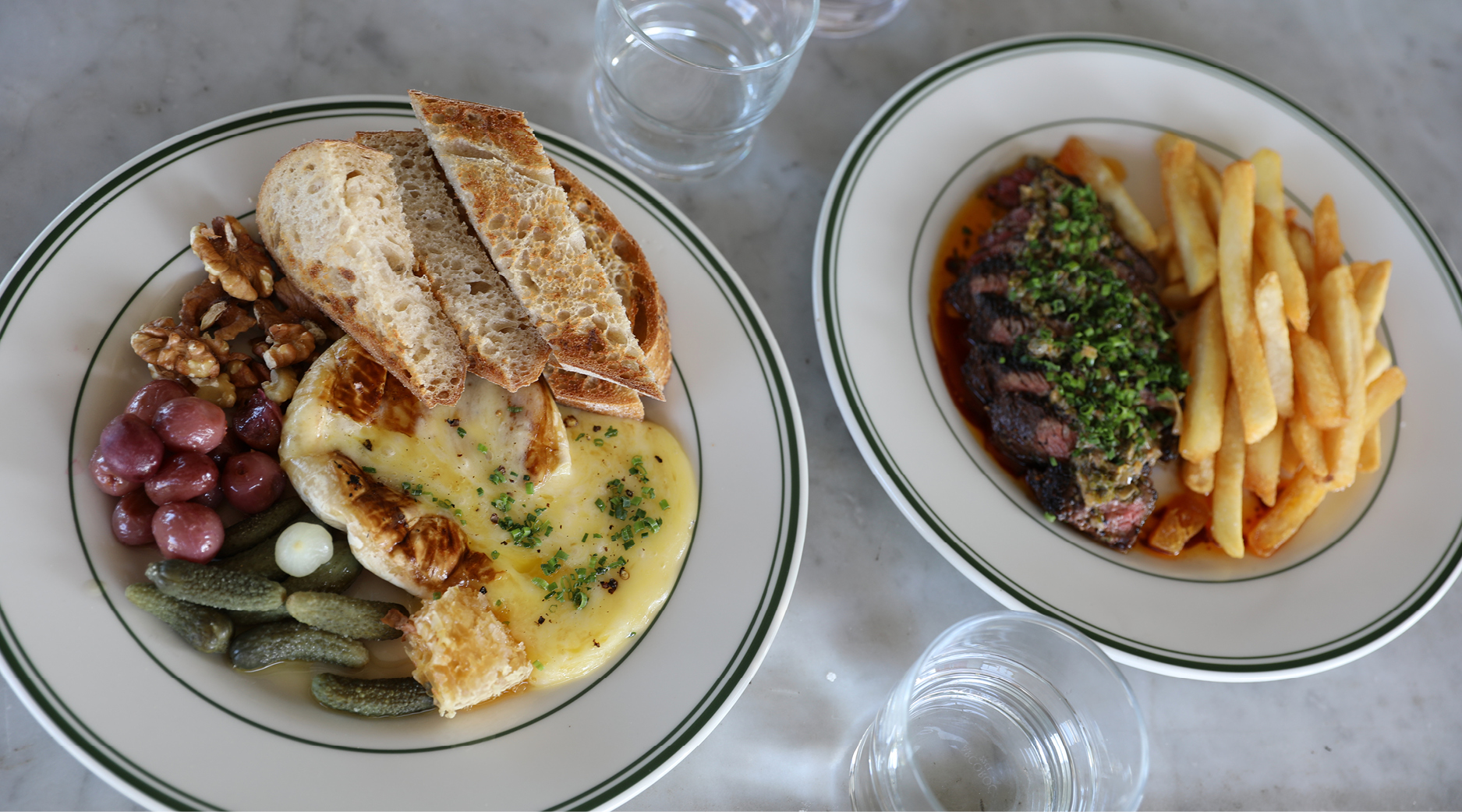
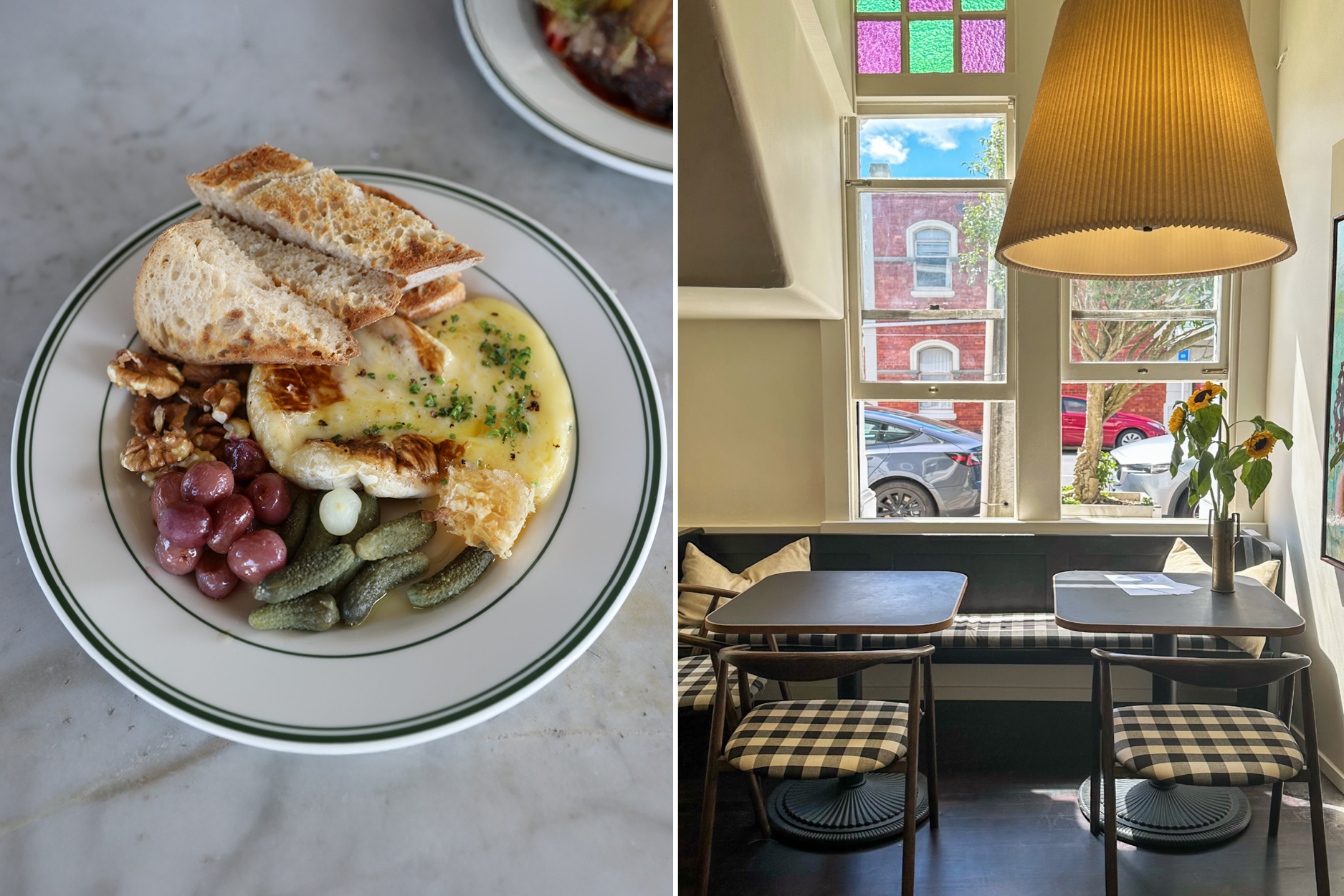
There’s a house-made sausage that already feels like a signature: pork shoulder, seasoned traditionally, served by day or at night with mash and jus. Brunch swings between sticky toffee pancakes with dates, caramel and crème fraîche, and sardines on toast with tomato-chilli butter and pickles. Come evening, baked Camembert with roasted grapes, cornichons and walnuts is the kind of dish you order for the table without hesitation.
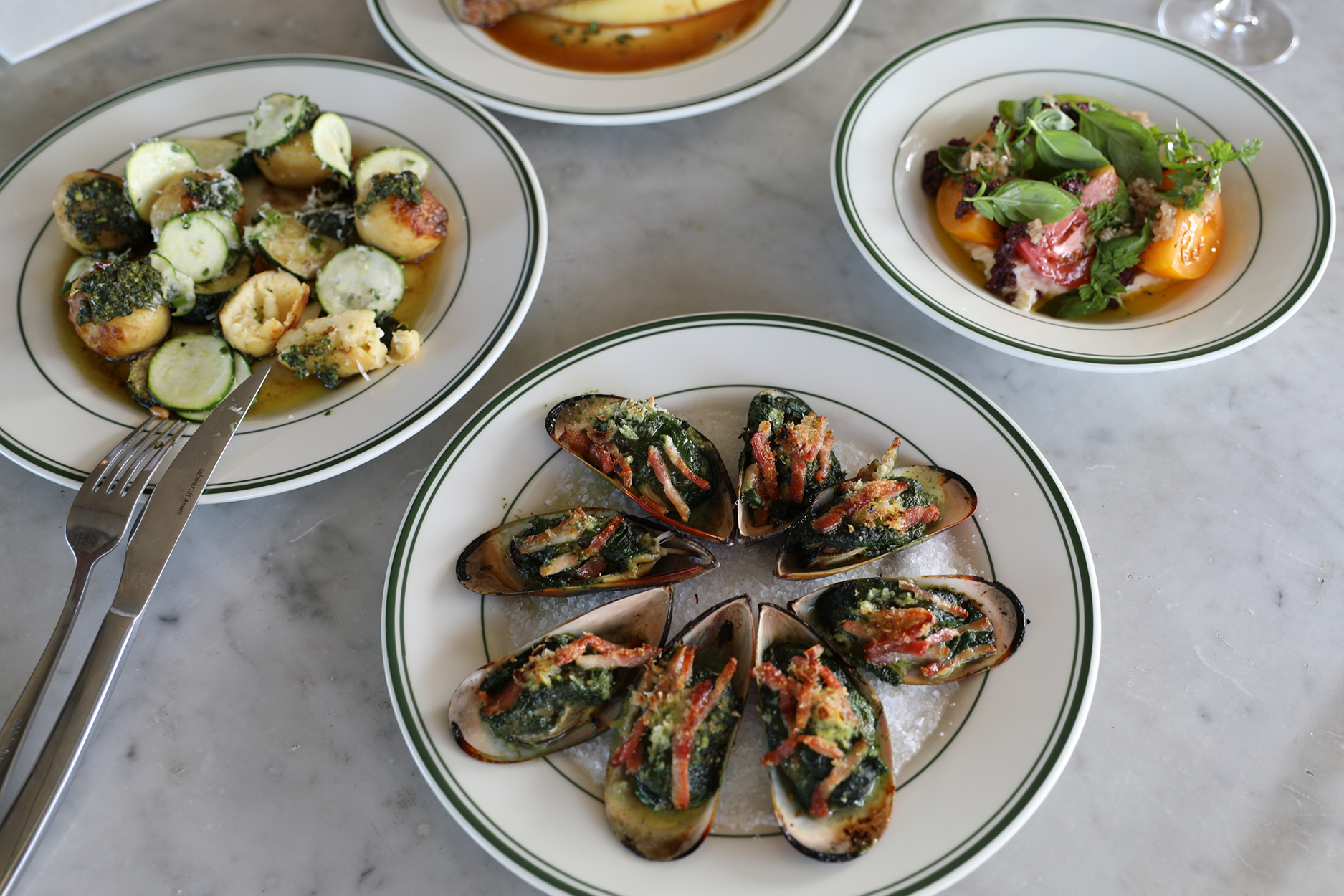
left to right: Ricotta dumplings with brown butter and pesto. Mussel Gratin with Rockefeller sauce and bacon. Heirloom tomatoes with black olive tapenade and buffalo
The wine list follows suit. Tightly edited rather than encyclopaedic, it oscillates between familiar favourites and intriguing alternatives, each chosen to work seamlessly with the food or stand confidently alone. The marble counter is primed for aperitifs and people watching.
Baked Camembert with roasted grapes, cornichons, walnuts and toast
Fran has designed the interiors herself and drawn on her Italian heritage for inspiration. The front room is relaxed and family-friendly; the back bistro is more intimate and softly lit.
More than anything, Agnes is built for its neighbourhood. The ambition is not occasion dining, but somewhere you return to weekly, even daily. A place where owners are present, the welcome is genuine, and the food is unfussy but good.
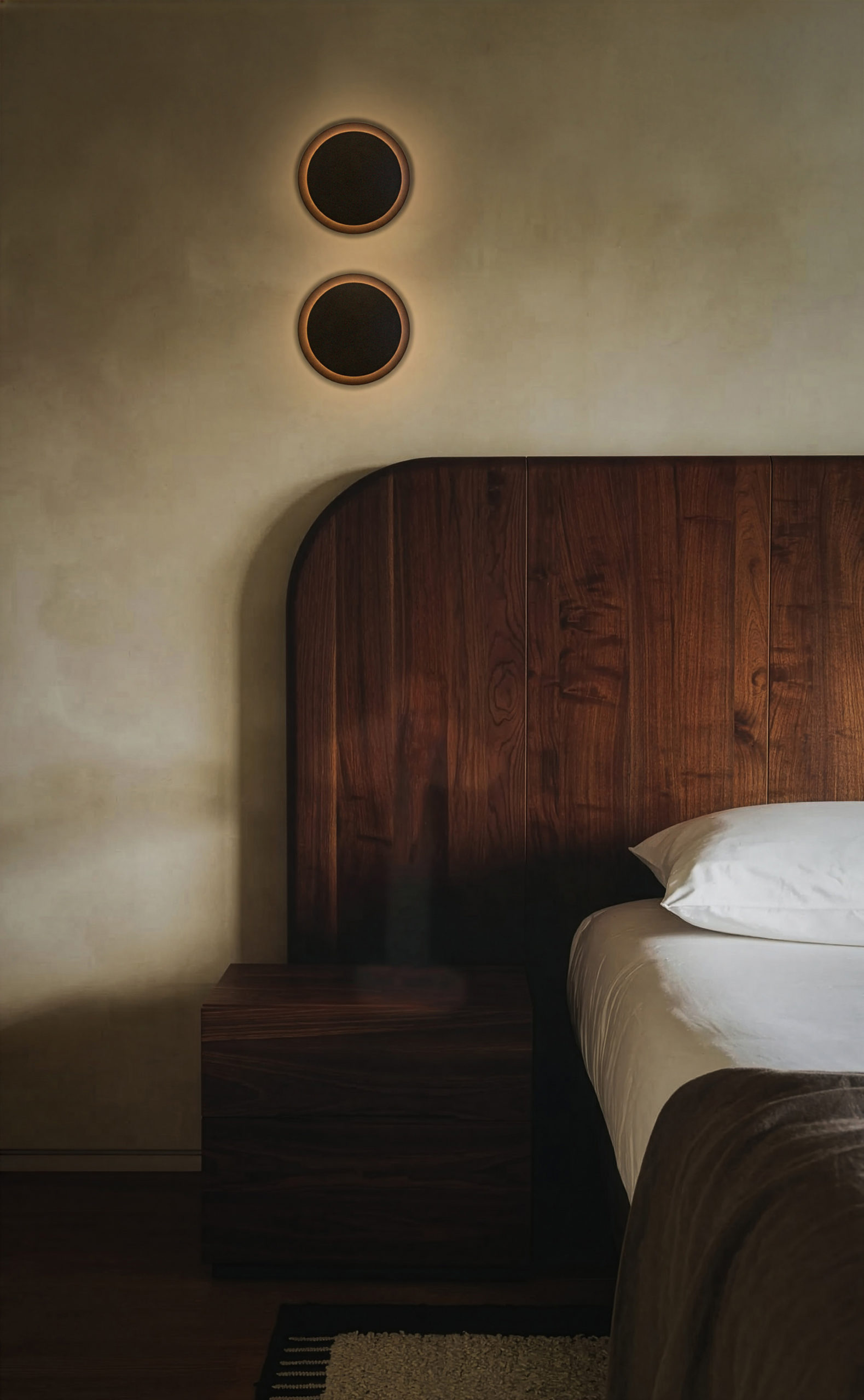
There is something quietly compelling about the way lighting can change the mood of a room. With the introduction of the Luna Wall Light, Powersurge distils that idea into a sculptural piece inspired by the timeless silhouette of a lunar eclipse.
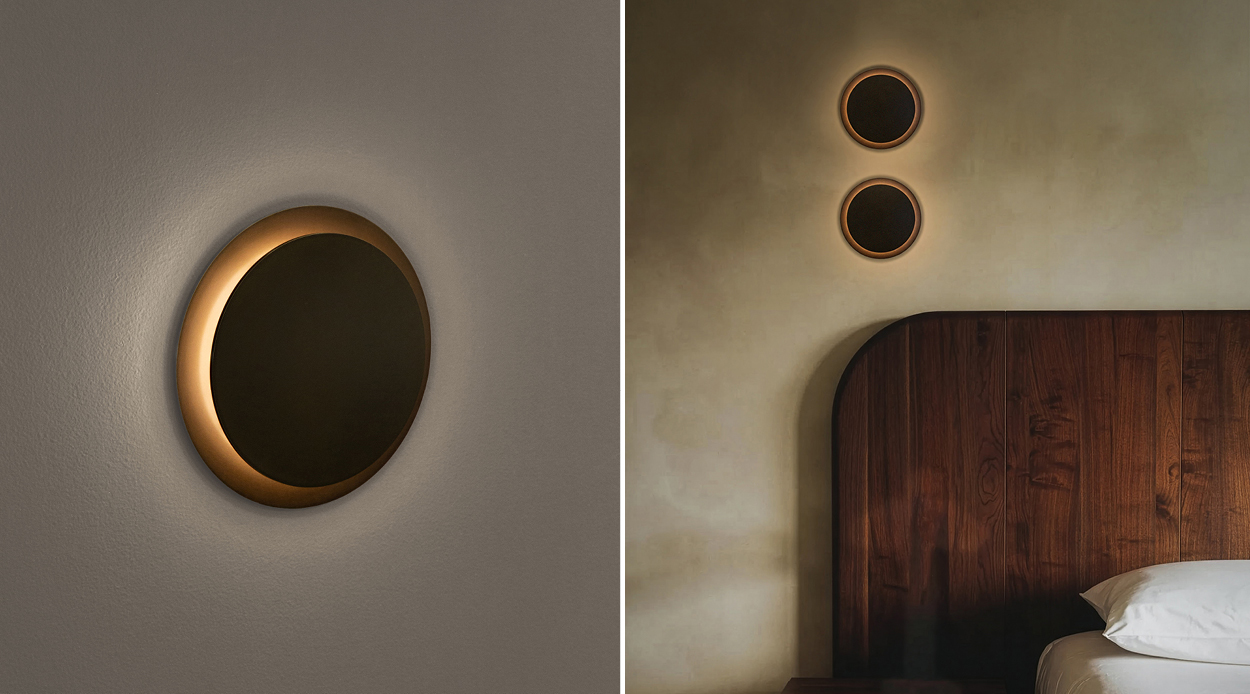
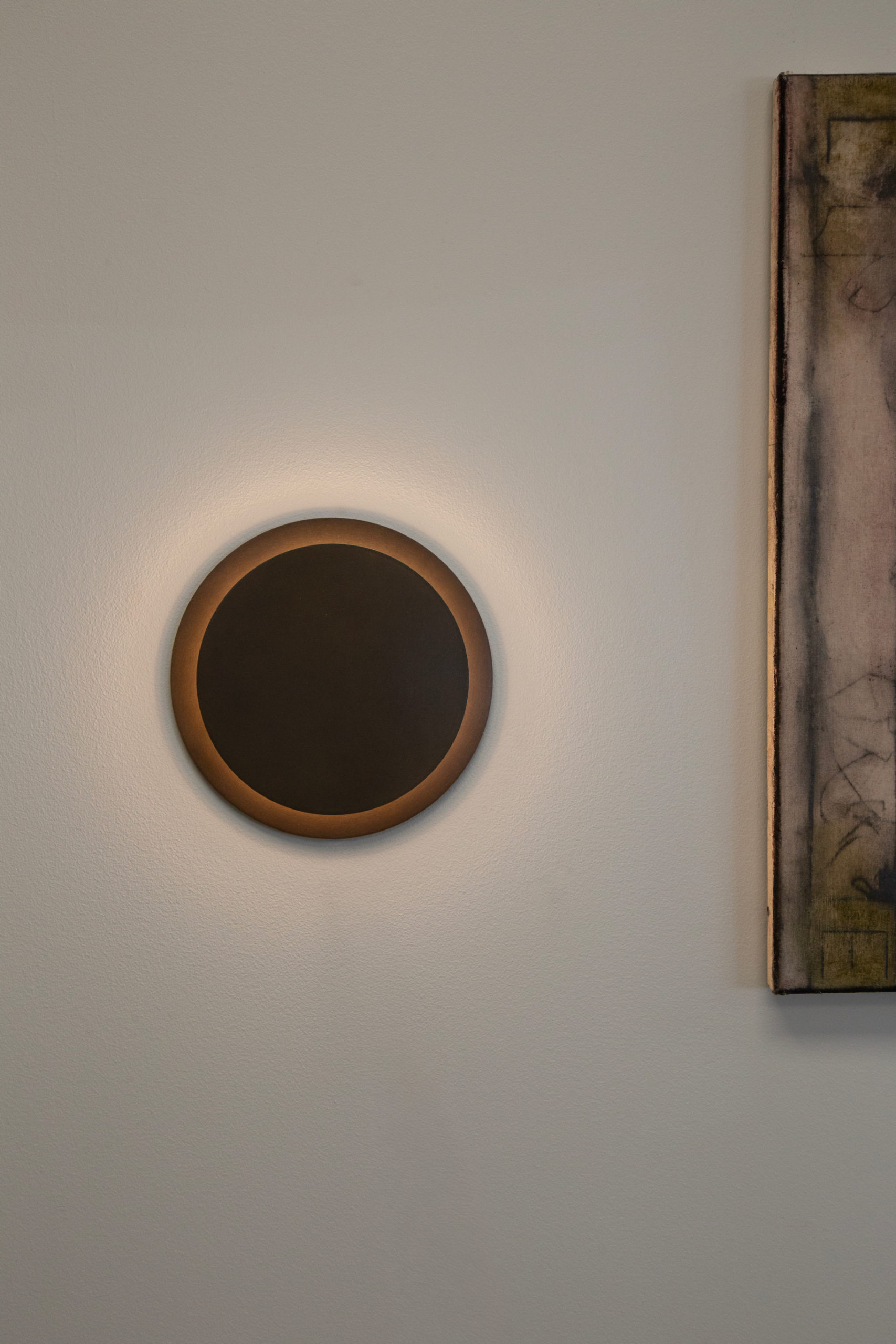
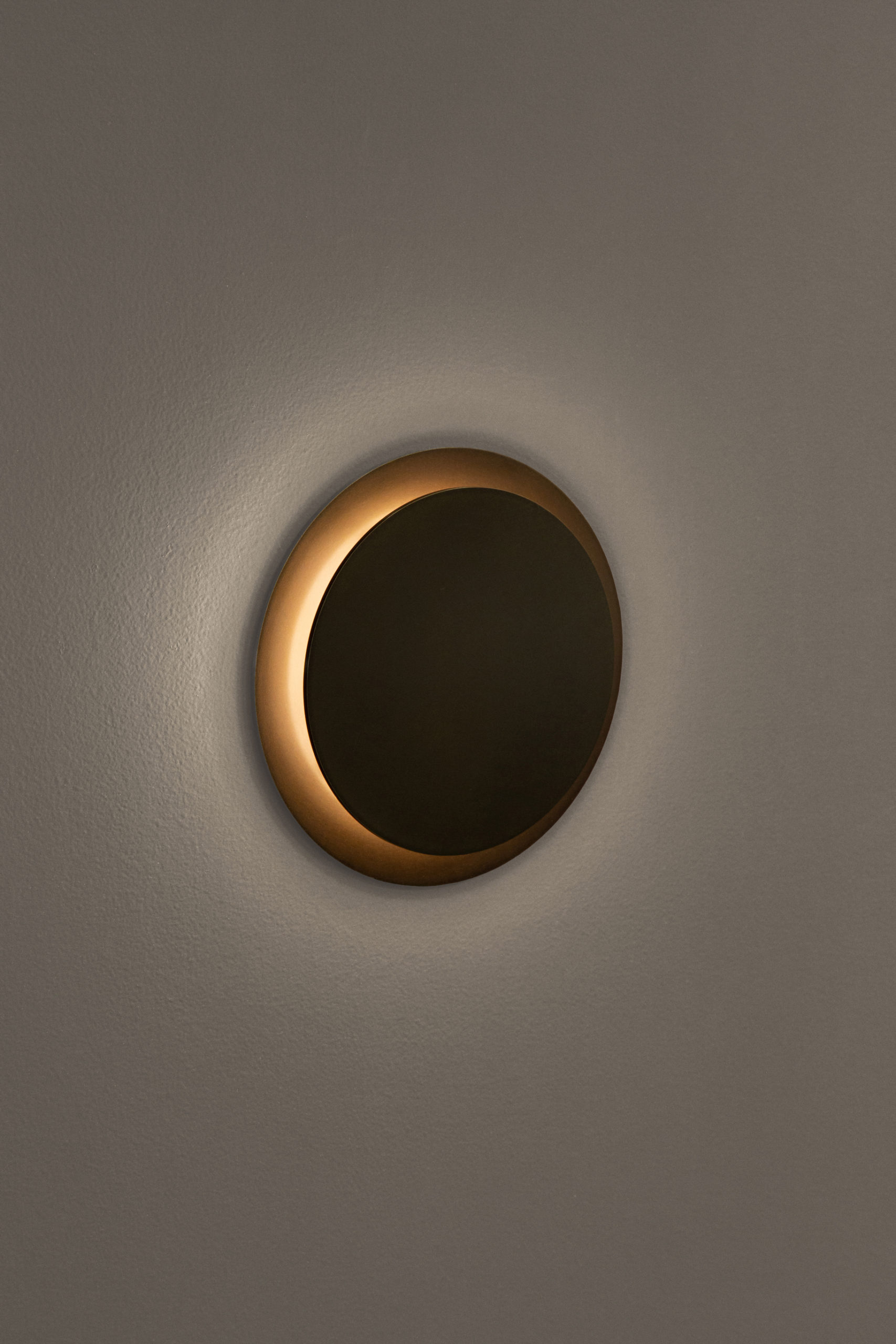
Composed of two solid brass discs, Luna diffuses light while casting a soft halo that gently illuminates surrounding surfaces. The effect is calm and atmospheric, more like a presence than a fixture, bringing a sense of serenity to contemporary interiors without demanding attention.
Distilled into a classical geometric form, Luna is designed to sit effortlessly within a range of settings, from softly lit corridors to living spaces where ambience matters most. Encasing a dimmable LED light source, it allows the glow of a space to be subtly adjusted to suit the mood and moment.
“I wanted the piece to feel calm and celestial, as though the light is gently hovering rather than fixed in place. The solid brass grounds it, while the halo softens the space, creating an atmosphere that feels intimate, timeless, and quietly transformative,” says designer Todd Stevenson.
Available in two sizes and finished in aged, dark antique or blackened brass, each Luna Wall Light is meticulously handcrafted in Aotearoa at Powersurge’s Tāmaki Makaurau studio. Understated, considered, and quietly transformative, it is the kind of design detail that makes a home feel more composed.
If you find yourself stuck in a streaming slump, let our handpicked list spark your next obsession. From must-see new shows and limited series already making waves, discover what deserves a spot on your watchlist.
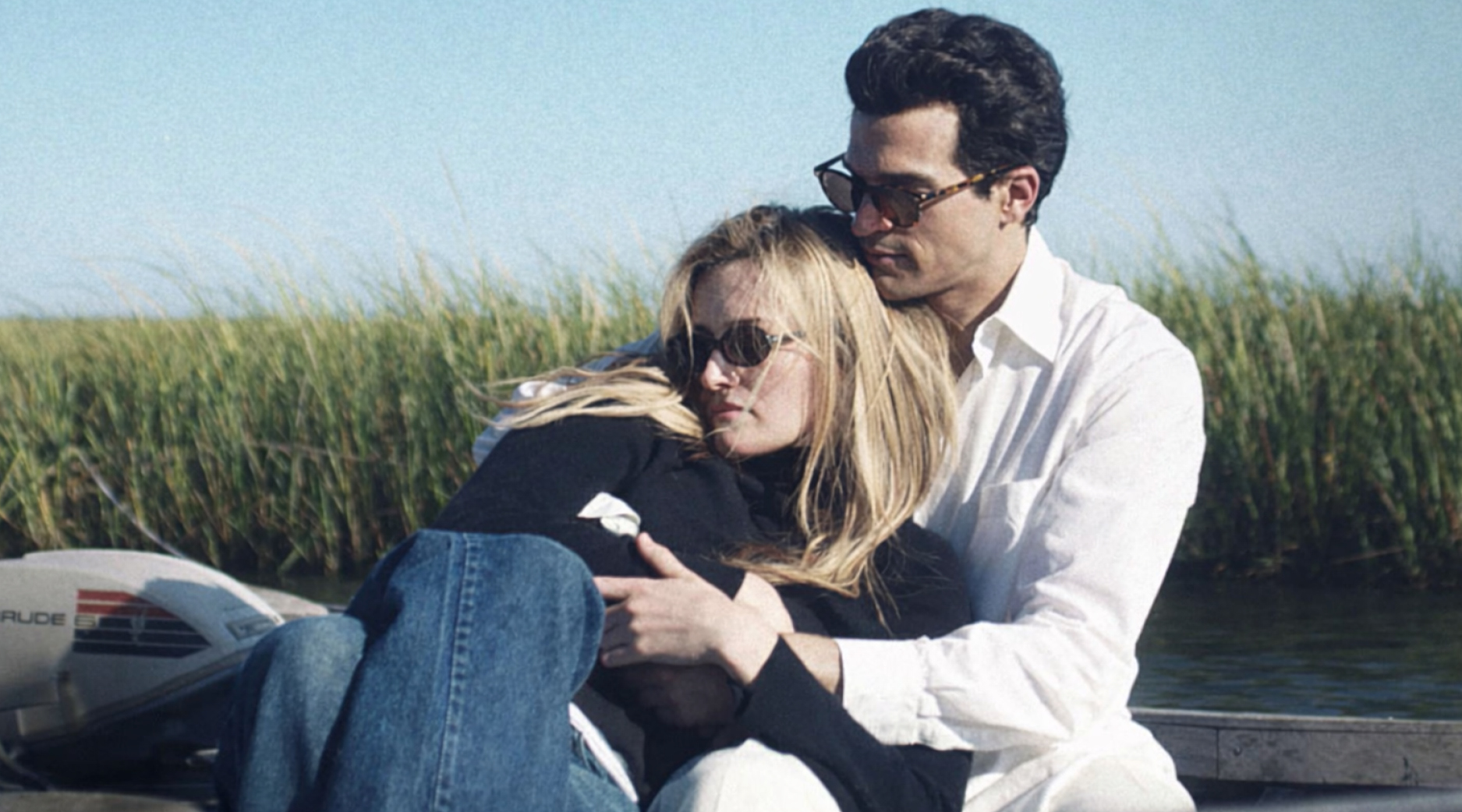
Love Story: John F. Kennedy Jr. & Carolyn Bessette
When & Where to Watch: Out now, Disney+ Starring: Sarah Pidgeon, Paul Anthony Kelly, Naomi Watts
The original ‘90s It-couple returns to the cultural spotlight in this glossy new anthology drama from Ryan Murphy. Chronicling the magnetic, ill-fated romance between JFK Jr. and Carolyn Bessette, the series delves into love under the glare of paparazzi flashbulbs — equal parts fairy tale and slow-burn tragedy. For those still referencing Carolyn’s minimalist wardrobe as a mood board, this is essential viewing.
How to Get to Heaven from Belfast
When & Where to Watch: Out now, Netflix Starring: Emmet J. Scanlan, Roisin Gallagher, Sinead Keenan
If you loved Derry Girls, this sharp, chaotic new comedy-mystery is your perfect next binge. Written by Derry Girls creator Lisa McGee, it follows three old friends re-uniting after one of their group dies under mysterious circumstances — what starts as a quirky road trip becomes a surreal detective caper full of laughs, sharp banter and real heart. Critics are tipping this one as one of the top must-see shows of 2026 so far thanks to its blend of humour and mystery.
The Night Agent (Season 3)
When & Where to Watch: Out now, Netflix Starring: Gabriel Basso, Jennifer Morrison, Stephen Moyer
The high-stakes spy thriller that turned into one of Netflix’s big 2020s hits returns for a third season, think political rabbit holes, globe-trotting conspiracies and a relentless pace that makes you watch “just one more episode.” This season digs deeper into hidden intel networks and buried secrets, perfect for fans of slick, bingeable suspense.
Tehran (Season 3)
When & Where to Watch: Apple TV+ (streaming) Starring: Niv Sultan, Shaun Toub, Hugh Laurie
One of the most talked-about spy dramas of the last decade is finally back. Tehran returns with its third season in early 2026, exclusively on Apple TV+. The Israeli espionage thriller follows Mossad hacker-agent Tamar Rabinyan as she tries to survive and reinvent herself after going rogue at the end of season 2, navigating a labyrinth of political dangers and fractured alliances that expand far beyond a typical spy story. This season also introduces multi-Emmy nominee Hugh Laurie into the mix, upping the stakes as new players bring fresh threats and uneasy partnerships into Tamar’s world. If you love slow-burn tension, morally grey characters and high-stakes international intrigue, Tehran is exactly the kind of smart, binge-worthy series that deserves a place on your 2026 watchlist
Steal
When & Where to Watch: Out now, Prime Video Starring: Sophie Turner, Jacob Fortune-Lloyd
A British crime thriller that’s earned strong reviews for its tense plotting and commanding performances, especially from Sophie Turner, Steal is more than just a heist series. Critics praise its provocative look at conspiracy, class and chaos beneath the polished surface of the financial world, making it a standout among 2026 dramas.
Vladimir
When & Where to Watch: March 5th, Netflix Starring: Rachel Weisz, Leo Woodall, John Slattery
If your watchlist is craving something that’s equal parts dangerous, clever and unashamedly adult, Vladimir is the limited series everyone’s talking about this year. Based on the bestselling Julia May Jonas novel and packed with razor‑sharp dark humour, it knits together obsession, desire and self‑discovery in a way that feels both provocative and deeply human. Rachel Weisz gives one of her boldest performances yet as a professor whose life begins to unravel when she becomes dangerously fixated on a charismatic new colleague, a slippery boundary between fantasy and reality that invites you into her inner world with every beat. It’s stylish, daring and just unpredictable enough to make you question who’s really in control.
Ponies
When & Where to Watch: Out now, TVNZ+ Starring: Emilia Clarke, Haley Lu Richardson, Adrian Lester
Think Mad Men meets spycraft with a twist. Set in 1977 Moscow, Ponies flips the Cold War genre on its head by following two American widows — women who should be “persons of no interest” — as they’re thrust into CIA work to uncover why their operative husbands died under mysterious circumstances. Equal parts intelligent espionage and character drama, the series excels because of its layered lead performances and the unlikely friendship at its core.
Tell Me Lies (Season 3)
When & Where to Watch: Out now, Disney+ Starring: Grace Van Patten, Jackson White, Catherine Missal
College lives, tangled romance and the kind of emotional chaos that actually keeps you up at night. Tell Me Lies returned this January 2026 with its third and final season, and it’s everything critics and fans have been buzzing about. Centred on Lucy and Stephen’s toxic, twisty relationship, splashed across dual timelines from campus days to the consequences that follow, this season ups the stakes with scandal, betrayal and secrets that touch every corner of their friend group.
After 48 years shaping the way New Zealanders live through design, Dawson & Co. is entering a bold new chapter and inviting its loyal audience to be part of the transition.
As its long-standing Rosedale chapter comes to a close, Dawson & Co. is marking the moment with a rare opportunity to acquire ex-showroom pieces from one of the most respected design portfolios in the country. This is not surplus stock or seasonal filler. These are considered floor-tested designs that reflect how far the business has come, and are now available at 30 to 50 per cent off.
Included are pieces from Molteni&C, Tribú, Dedon, Timothy Oulton, Tolv, Natadora, Cove Outdoor, Jardinico, Audo and Weave, each designed for longevity, restraint and relevance.
But the sale is just the beginning of a new era of expansion. In Parnell, Dawson & Co. is furthering its footprint, creating a bold destination for design. A dedicated home for Kett. A flagship Molteni&C gallery next door, this new precinct is designed to give each brand the space, clarity and context it deserves, and offer clients a more immersive, design-led experience.
Timothy Oulton Cortado modular sofa and Frozen Pendant Chandelier from Dawson & Co.
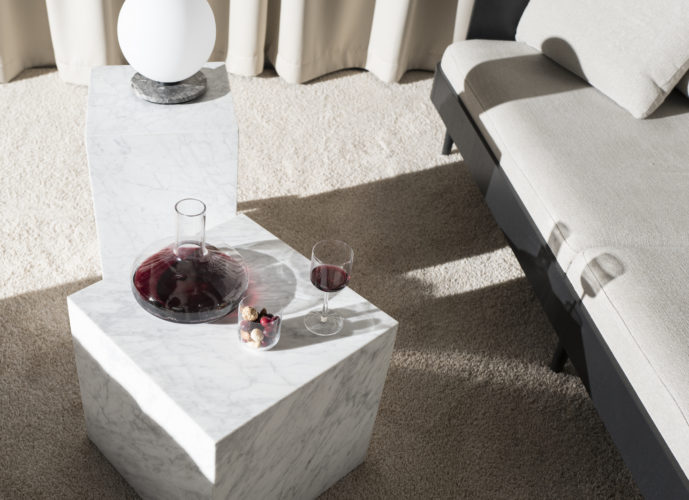
Audo Copenhagen Wine breather carafe from Dawson & Co.
Don’t miss this chance to capitalise on the legacy of Dawson & Co design brands at heavily discounted prices, before the future opens its doors at a bigger Parnell precinct later
The Year of the Fire Horse has arrived in a blaze of optimism and forward momentum. Lunar New Year is the moment to gather properly, order generously and lean into dishes that symbolise abundance and prosperity. Across Auckland, dining rooms are marking the occasion with seafood towers, prosperity tosses, wood-fired showpieces and cocktails designed for toasting new beginnings. Here, in alphabetical order, are the restaurants worth booking.
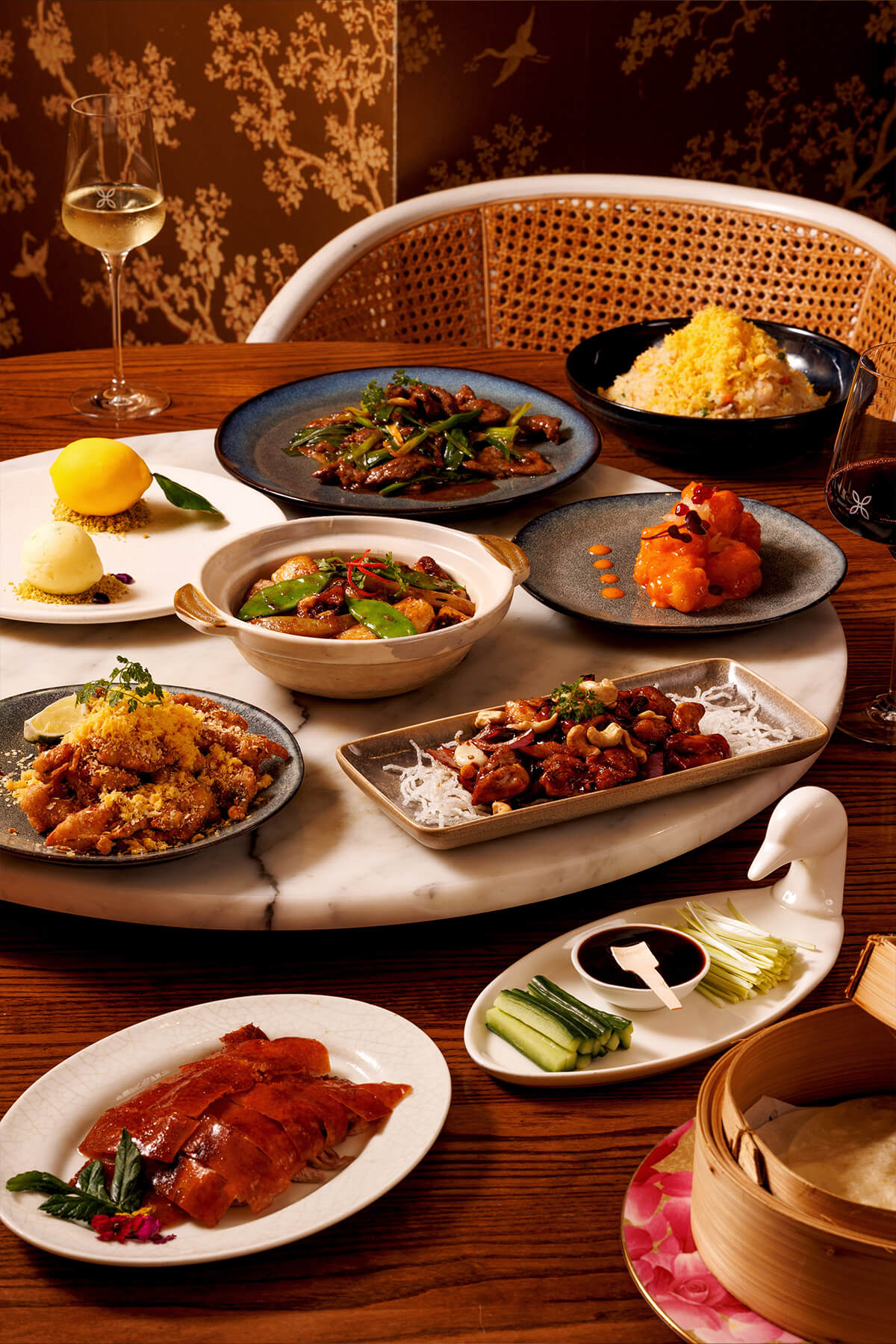
Huami’s Lunar New Year menus are designed for proper reunion dining. The Nectar Menu at $129 per person offers a procession of premium Chinese dishes that honour tradition while presenting them with modern elegance. For larger family gatherings, festive banquet menus for five to twelve guests deliver abundance in format and flavour. It is ceremonial, considered and ideal for a long, lingering evening.
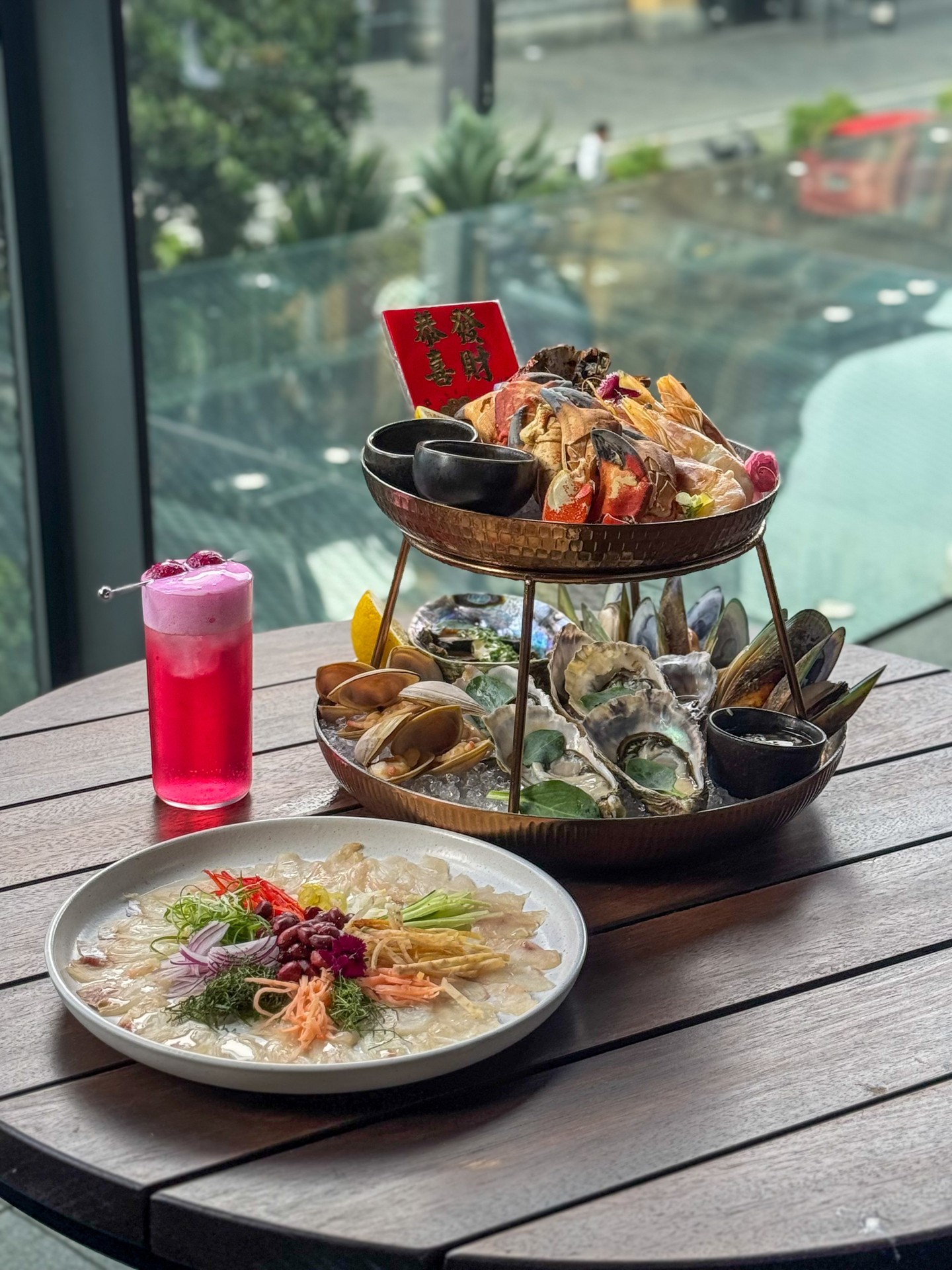
At Commercial Bay, Advieh brings drama to the table with its Limited Edition Seafood Tower, priced from $179 to $289. This is a celebration in vertical form. Crayfish, pāua and shellfish are layered generously alongside Turkish pide and Lou Sang sashimi, nodding to tradition while staying unmistakably true to Advieh’s bold Middle Eastern sensibility. It is lavish, abundant and designed to anchor the table. Pair it with the aptly named Miracle Fortune cocktail, and you have a Fire Horse feast that feels both symbolic and indulgent.
Bivacco approaches Lunar New Year with woodfire confidence. From 16 to 28 February, Crayfish Mafaldine brings sweet lobster together with garlic, chilli and bisque, brightened by cherry tomato and finished with pangrattato for texture. For those wanting a true centrepiece, whole or half crayfish roasted over flame and finished with seaweed butter delivers drama and depth. It is bold, generous and entirely aligned with Fire Horse energy.
Ebisu joins the festivities with its own vibrant Prosperity Salad, bringing sashimi, shredded vegetables and golden crackers together in a dish that feels bright and celebratory from first glance. Finished with honey ume dressing and tossed high at the table, it captures the essence of Lunar New Year in one generous bowl.
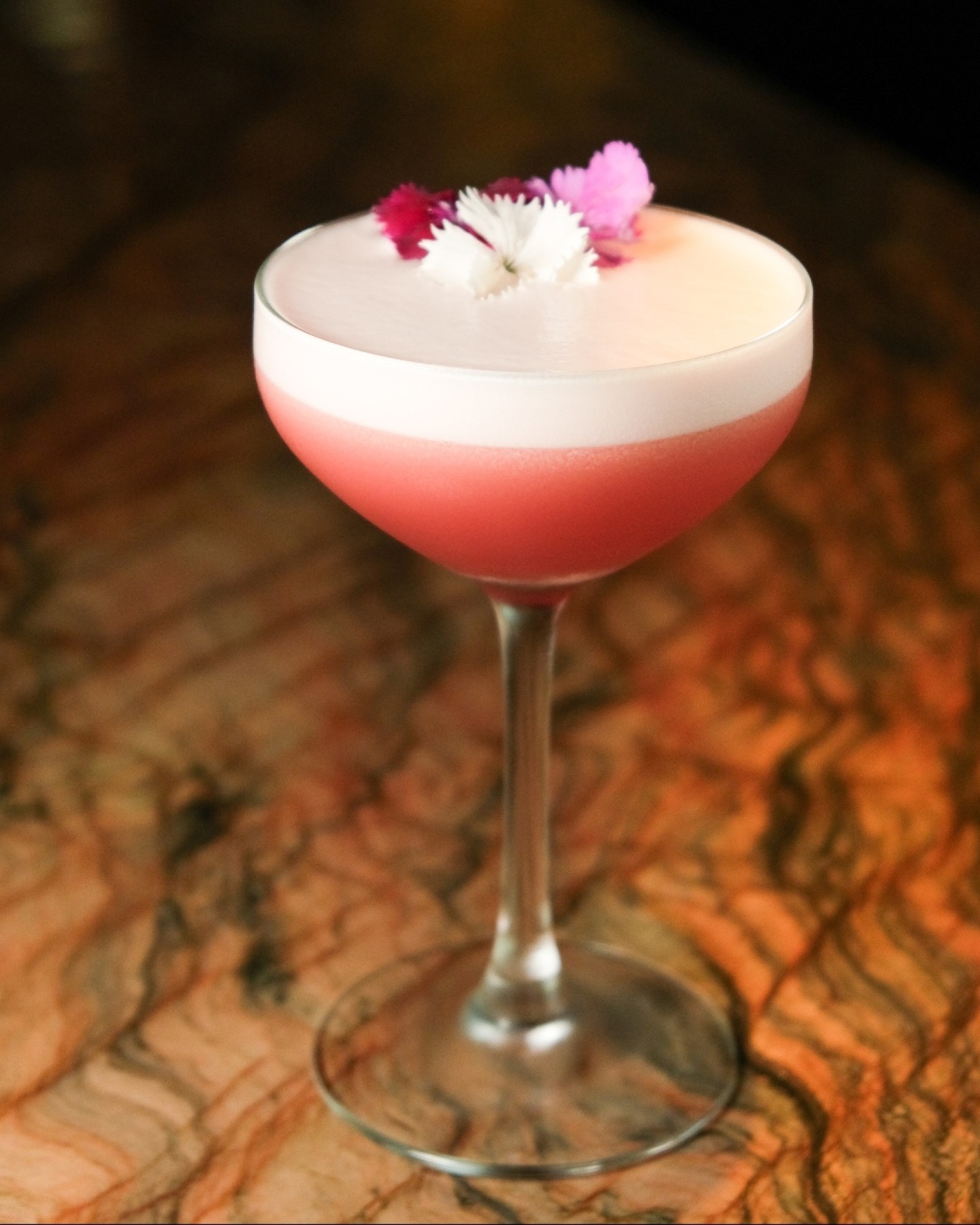
Also at Commercial Bay, Ahi is marking Lunar New Year with a cocktail that feels refined rather than theatrical. Vodka is layered with rose fen chui and strawberry hibiscus, sharpened with fresh lemon and softened with faba for a silky finish. The result is light, floral and quietly celebratory, a subtle nod to the restaurant’s Shanghai pop-up and a polished way to toast the year ahead.
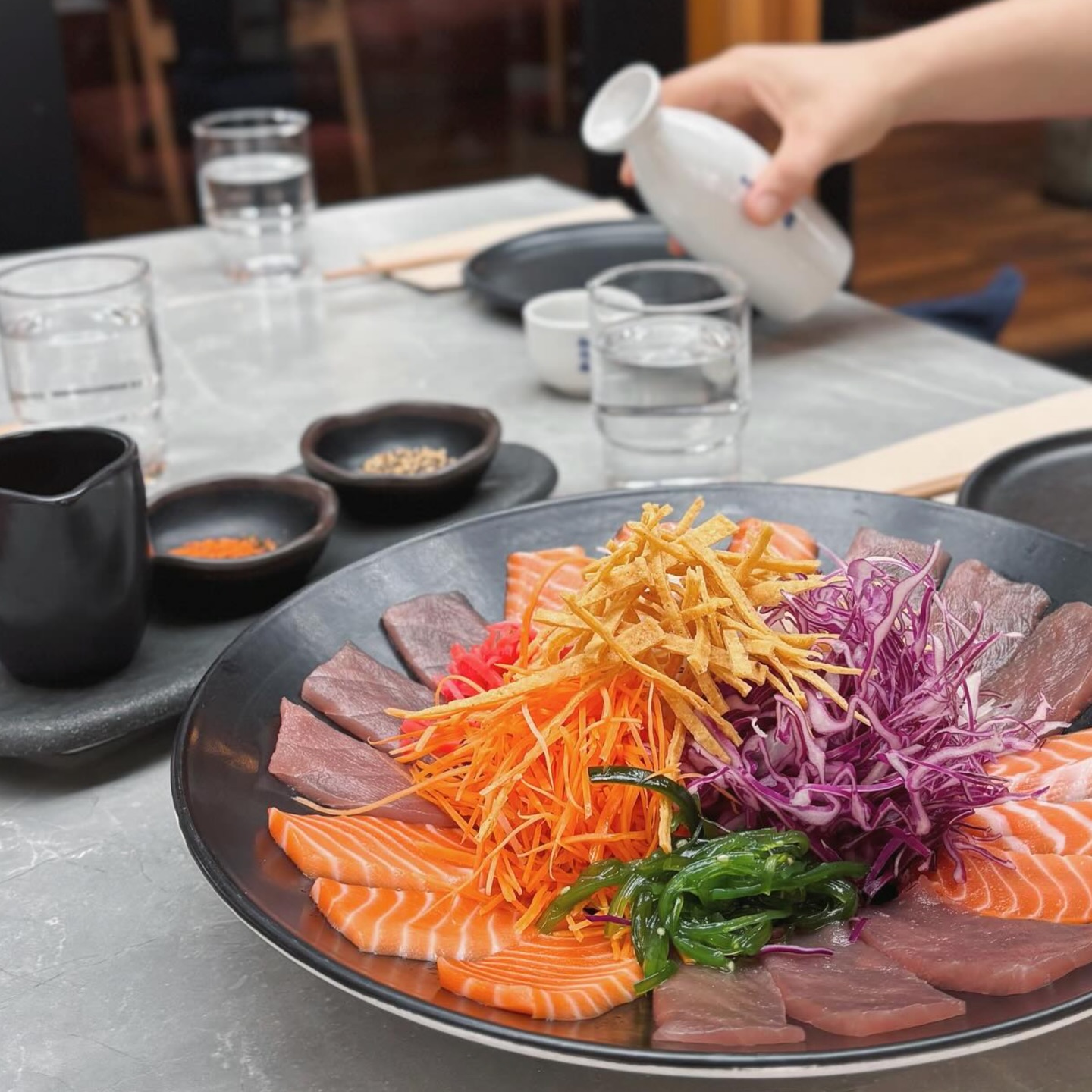
At Azabu Mission Bay, the Prosperity Salad returns as both a ritual and crowd-pleaser. Premium tuna and salmon sashimi are woven with shredded carrot, red cabbage, pickled ginger, daikon and wakame, finished with sesame, golden crackers and ume-honey dressing. The theatre comes with the traditional toss. Lift it high and invite abundance into the year ahead, preferably with a table full of friends leaning in enthusiastically.
Cāntīng’s Lucky Set Menu at $88 per person and Prosper Set Menu at $138 per person deliver a classic Lunar New Year experience done properly. Dumplings arrive first, followed by the essential yusheng prosperity toss, a joyful and symbolic ritual that invites good fortune with every enthusiastic lift of chopsticks. Cantonese favourites round out the menu, while BBQ duck and black cod appear for those choosing the more opulent Prosper option. It is festive, flavour-driven and built for communal celebration.
High above the city, The Lookout is pouring a limited-time Lunar New Year cocktail and mocktail menu through February. The Xin Xiang combines Chivas 12-year-old whisky with ginger syrup, citrus and grenadine for warmth and brightness, while the Shi Cheng layers orange apple juice, mango syrup, lemon and cranberry for a vibrant alcohol-free option. With Auckland glittering below, it is a celebratory toast served with perspective.
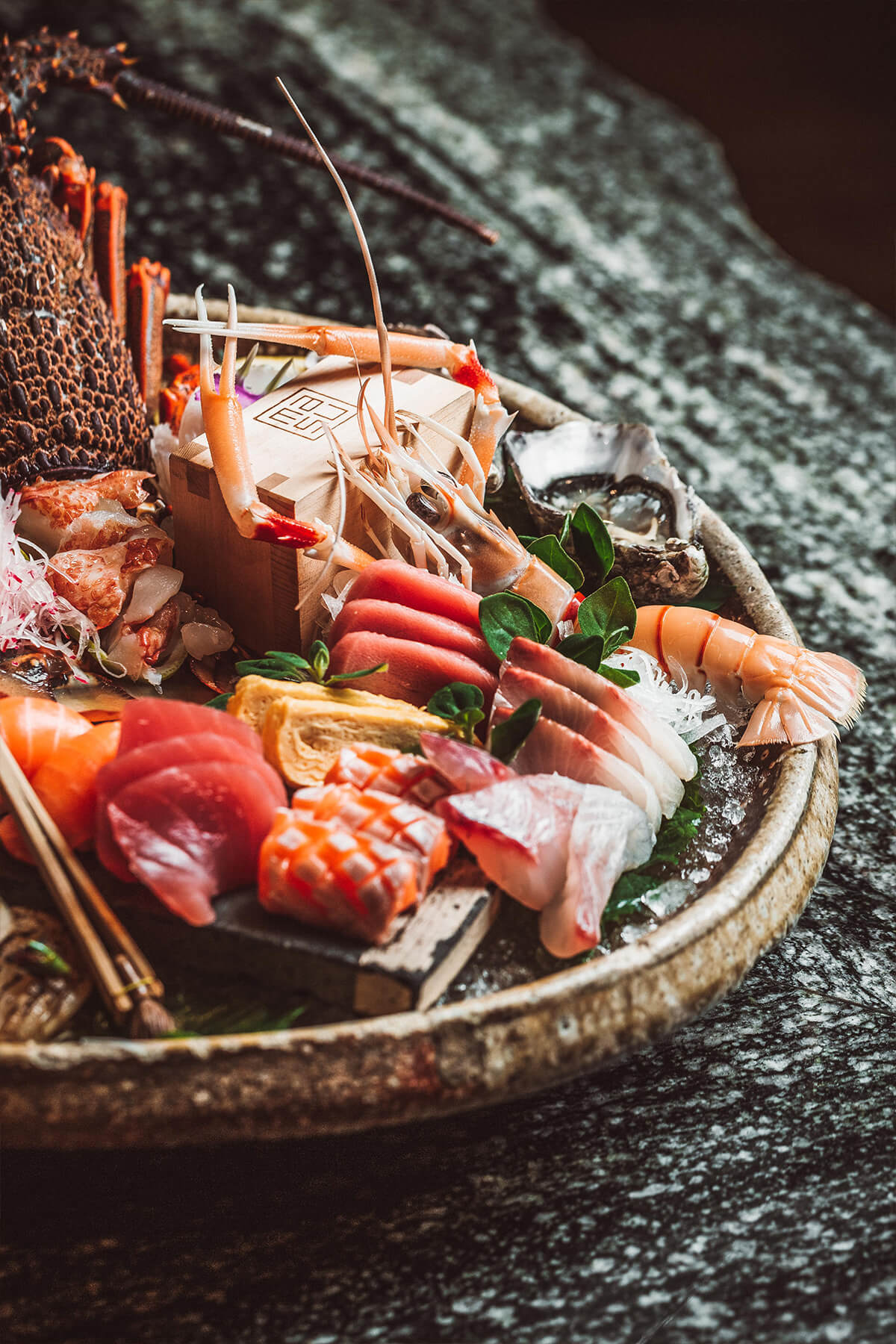
At MASU, the celebration unfolds with Japanese precision and robata fire. The Tokyo Platter, laden with crayfish, oysters and sashimi, arrives as a sculptural centrepiece that immediately elevates the table. Alongside the broader seafood and robata menu, it offers a refined and quietly indulgent way to mark the New Year.
Sìso’s celebratory Seafood Platter reads like a greatest hits of the ocean. Grilled scampi, fresh oysters, smoked mussels, Southland clams, poached prawns and market fish crudo arrive together in a spread designed for convivial dining. Guests can add half a crayfish for an extra flourish. It is generous, social and perfectly suited to a table that plans to linger.
Origine keeps things elemental and impressive with its Whole Wild Legend Fiordland Lobster, priced at $99. Wood-fired and made for sharing, it is simple in concept yet rich in impact. Crack, pass and savour. It is exactly the kind of centre-of-table dish that signals abundance without excess.
Azabu Ponsonby serves the same vibrant Prosperity Salad, and it lands perfectly in a room that thrives on sociable energy. Rich sashimi meets crisp vegetables and fragrant dressing, balanced by the crunch of golden crackers. It is celebratory without being heavy and interactive without being forced. Order it early in the evening and let the mood build from there.
However you choose to welcome the Year of the Fire Horse, the message is clear. Gather widely, order generously and lean into the symbolism. This is a year to move forward with confidence, and preferably with something delicious in hand.
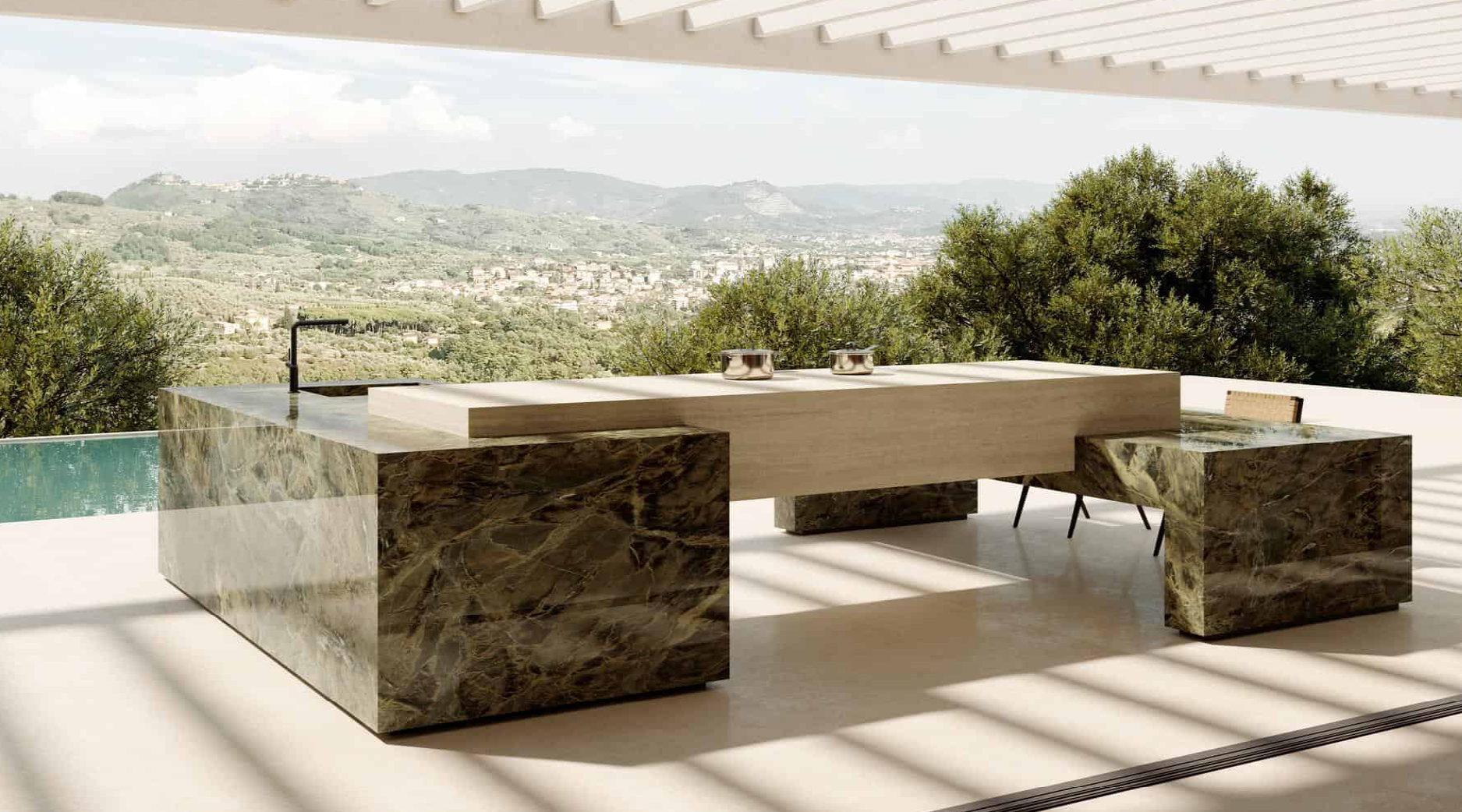
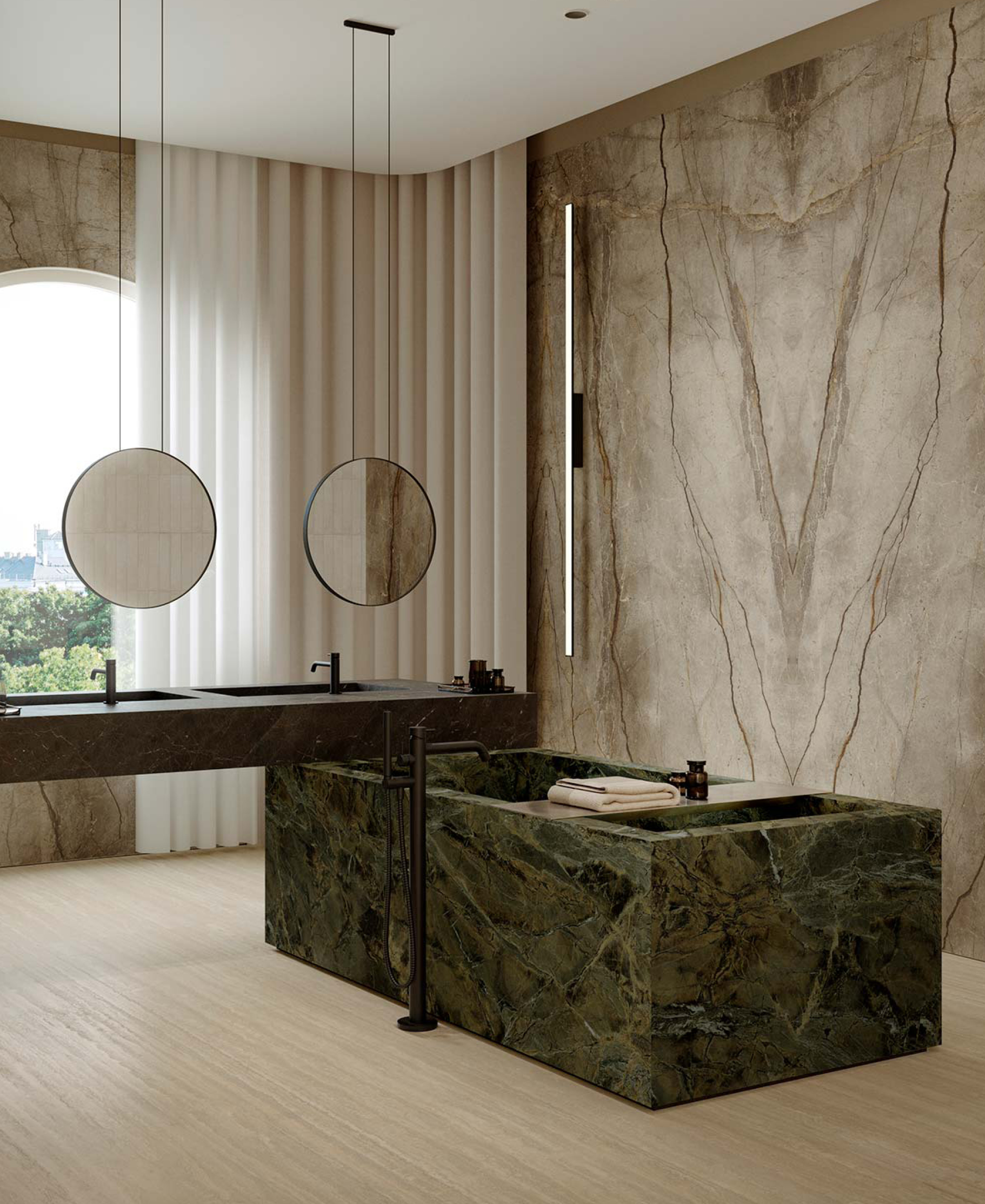
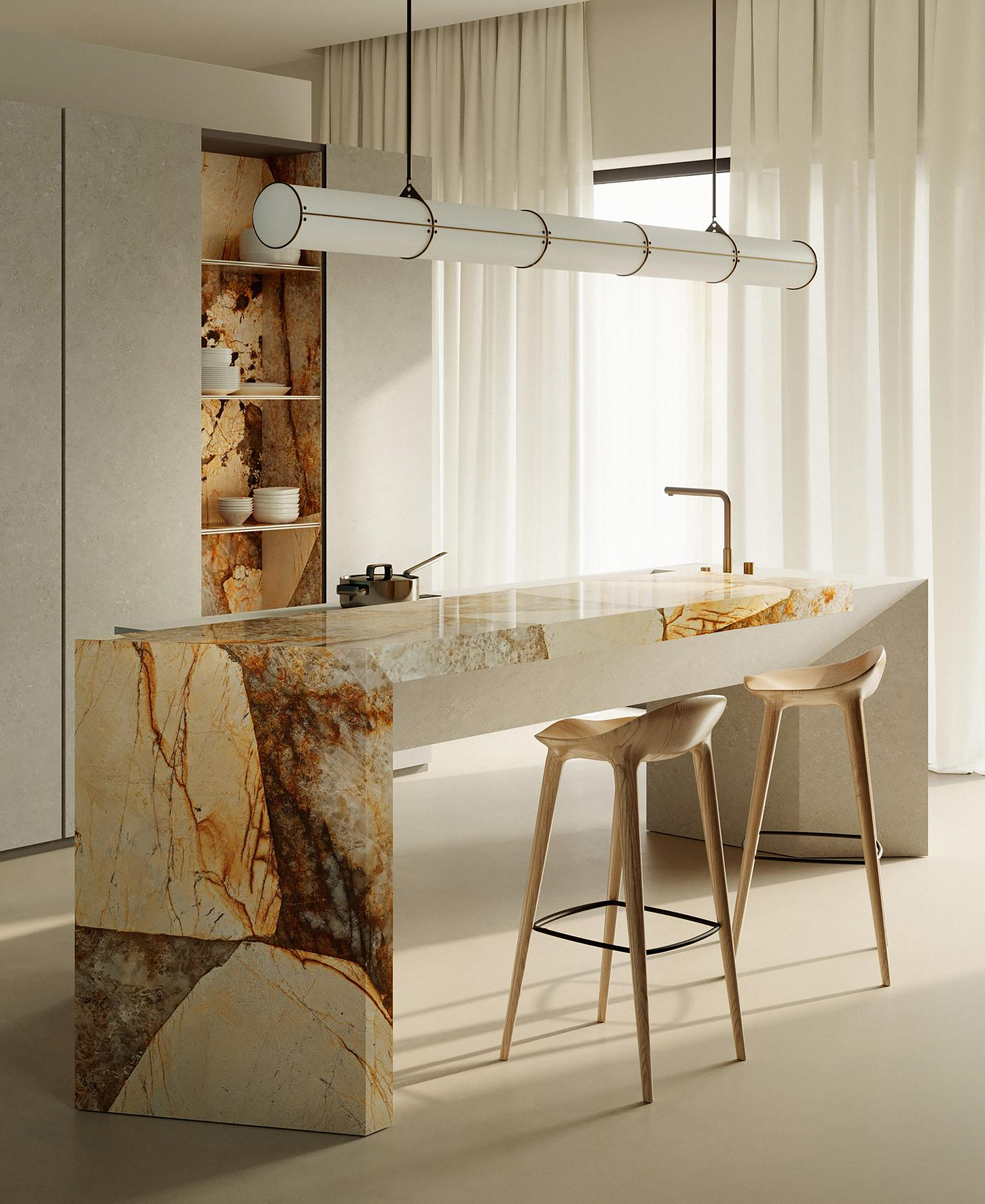
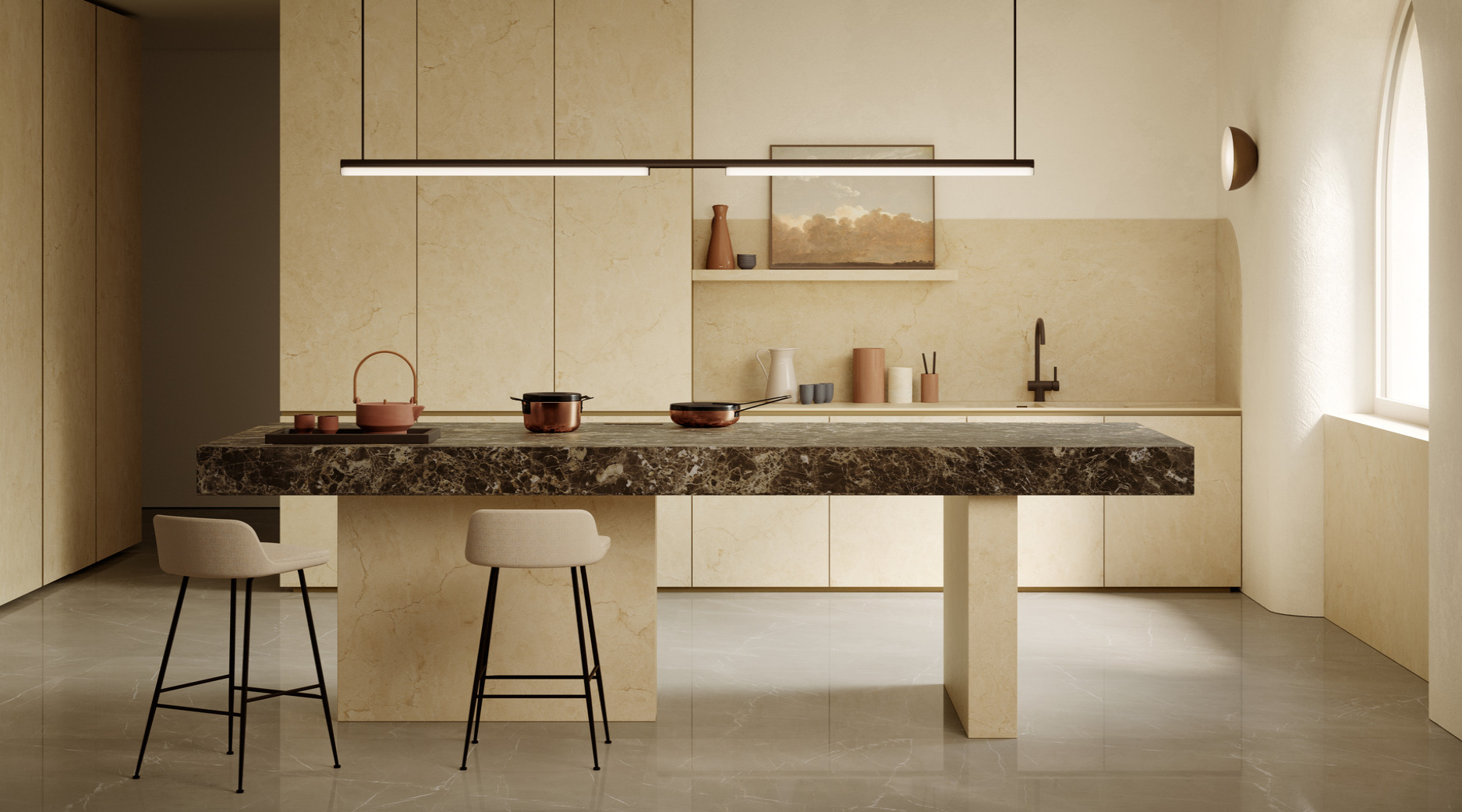
Designed for the creation of tops, backsplashes, tables, doors, and infinite tailor-made furnishings, Marazzi’s ‘The Top’ offers a sophisticated and endlessly versatile selection of large-size porcelain stoneware slabs with the power to transform a space. Given the material’s innate versatility and incredible durability, it lends itself to endless uses and visions, from striking benchtops to furnishings and surfaces, both inside and outside the home. The marble-look variation is particularly alluring, offering the appearance and tactility of marble without the distinct cut lines and parameters of natural stone.
For more exclusive access to what the city has to offer, engaging content, excellent imagery and thought provoking commentary on the life that surrounds you, subscribe to Denizen magazine now.