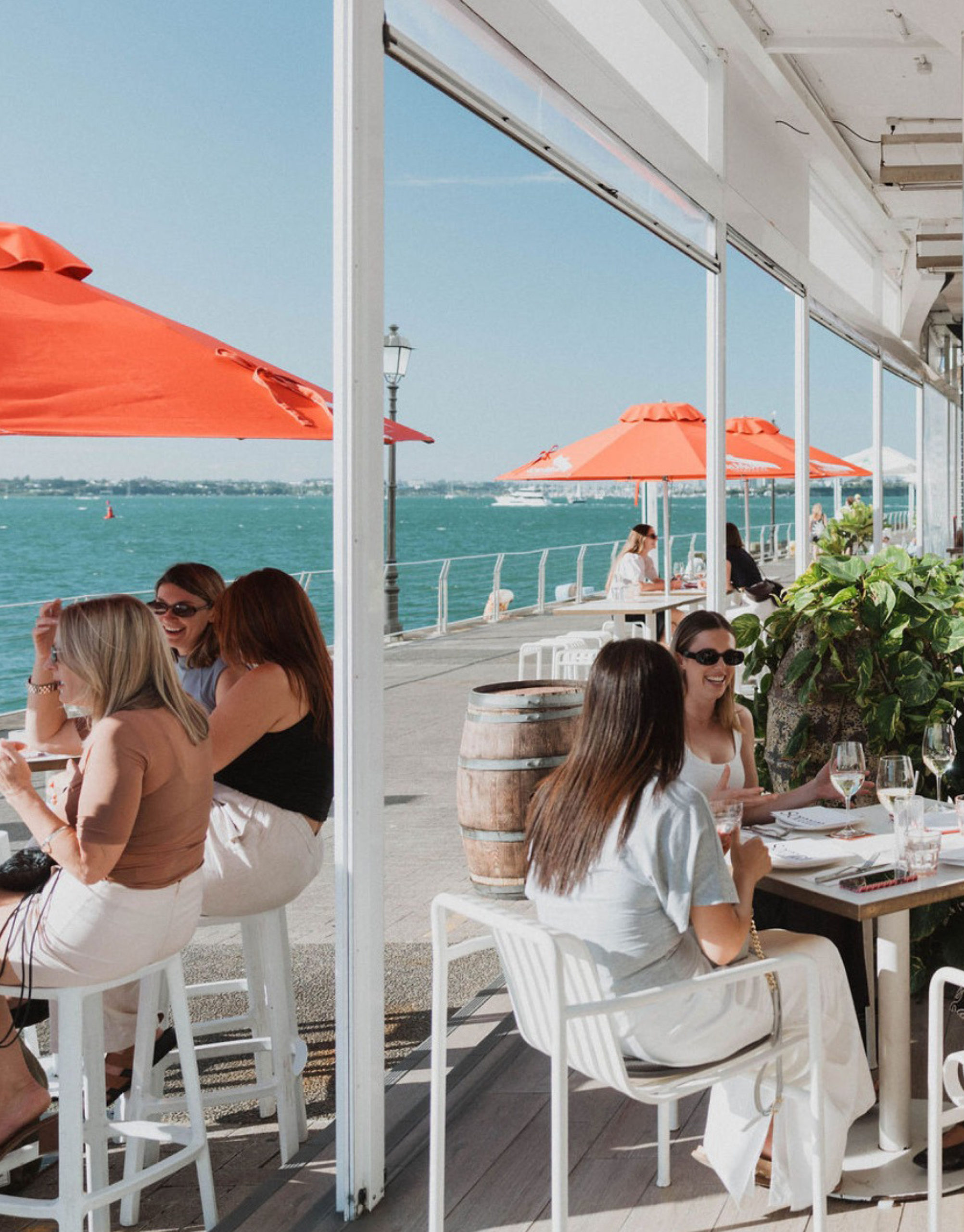
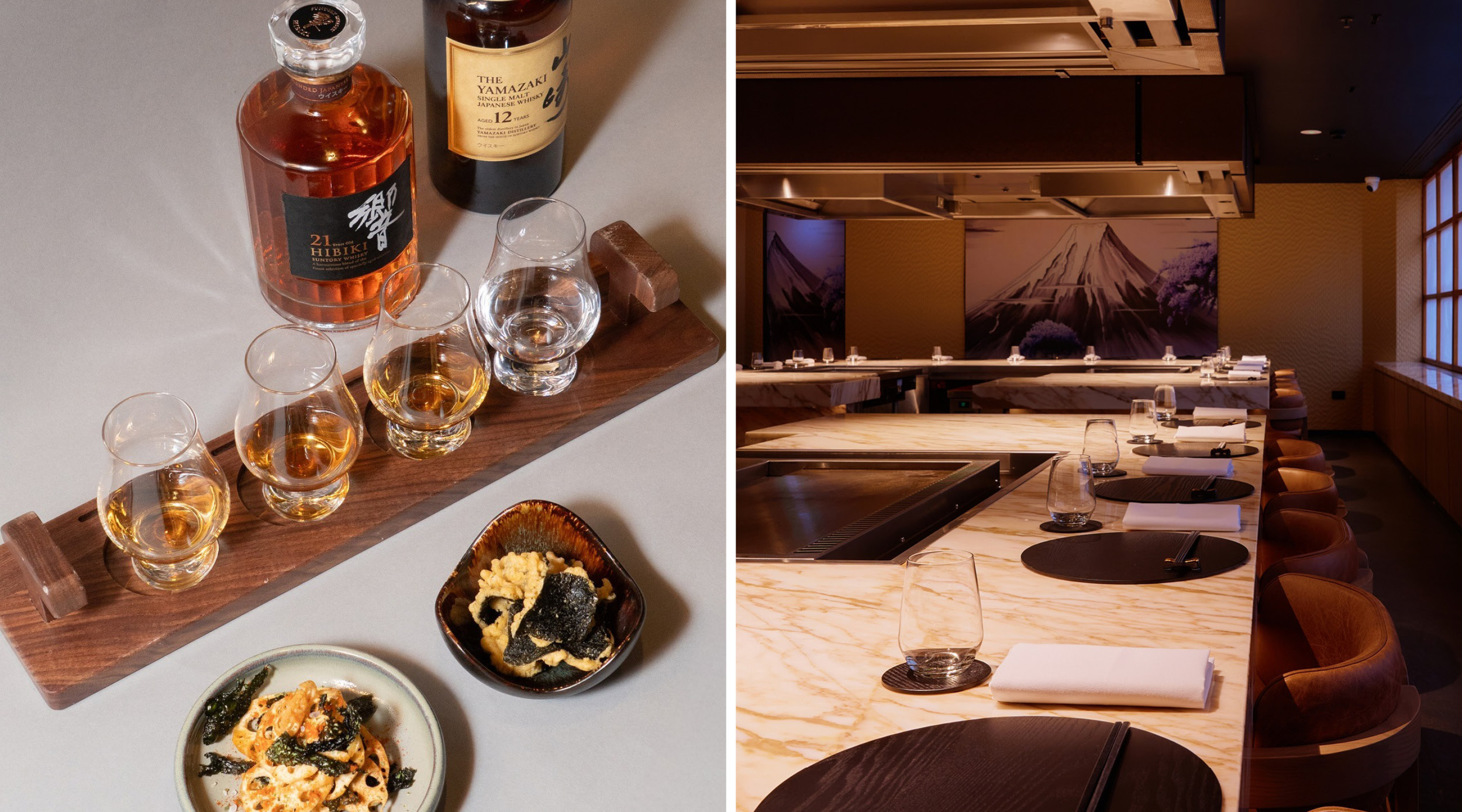
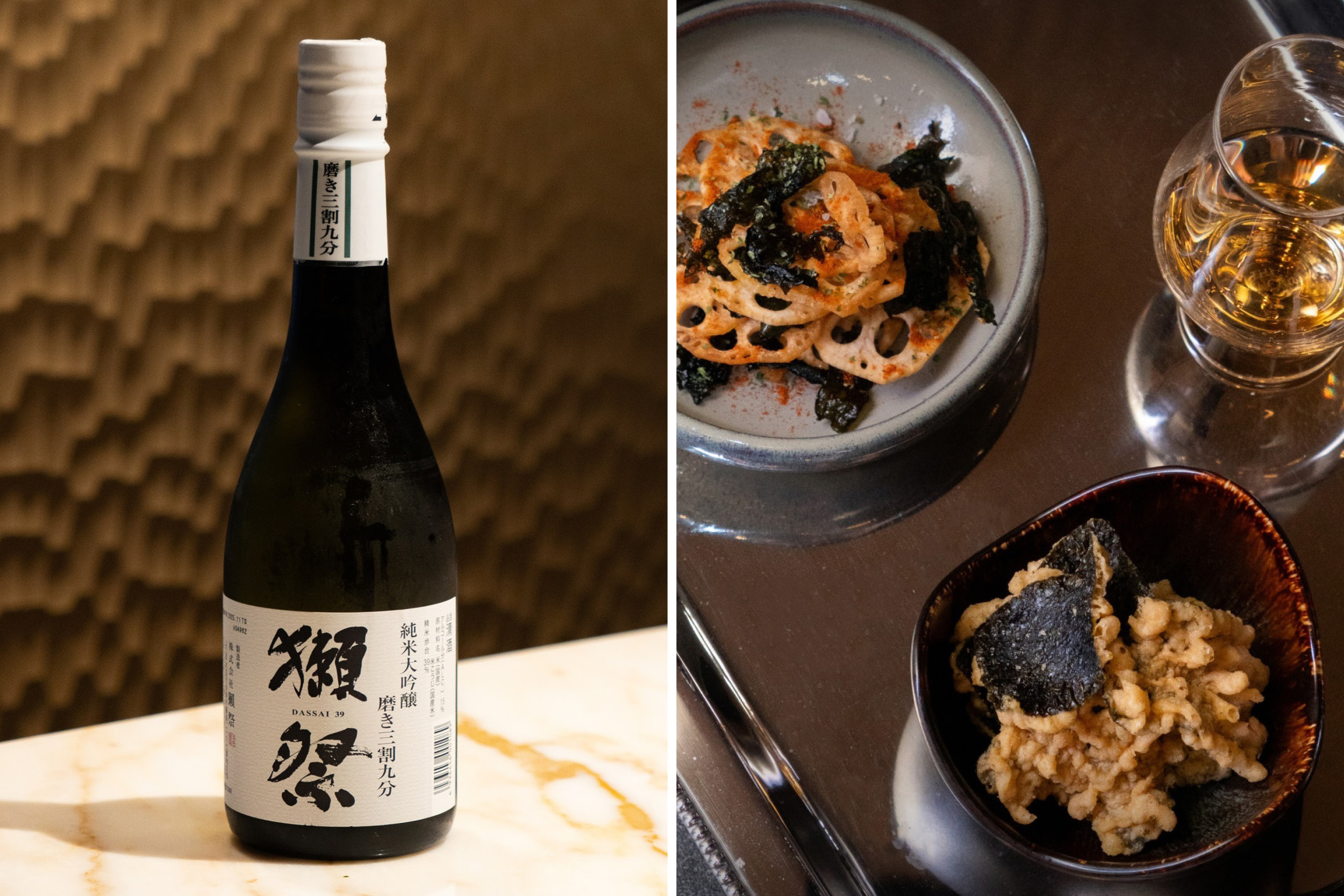
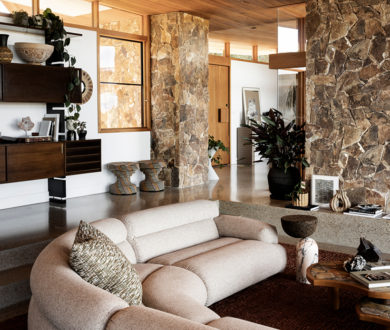
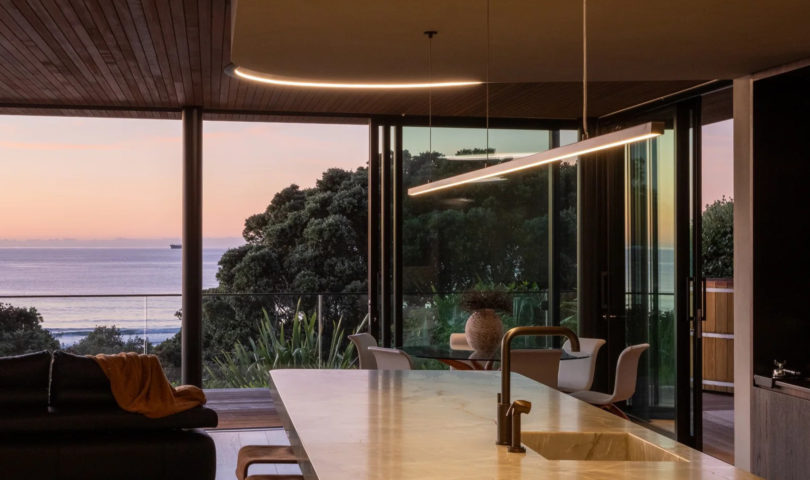
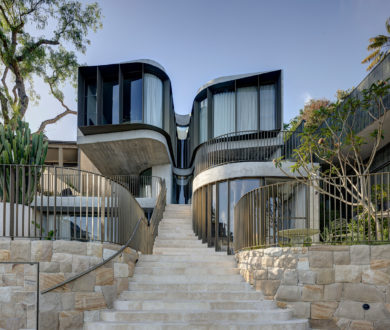
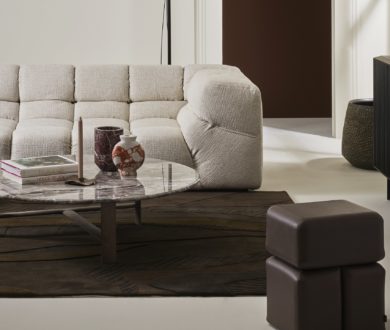
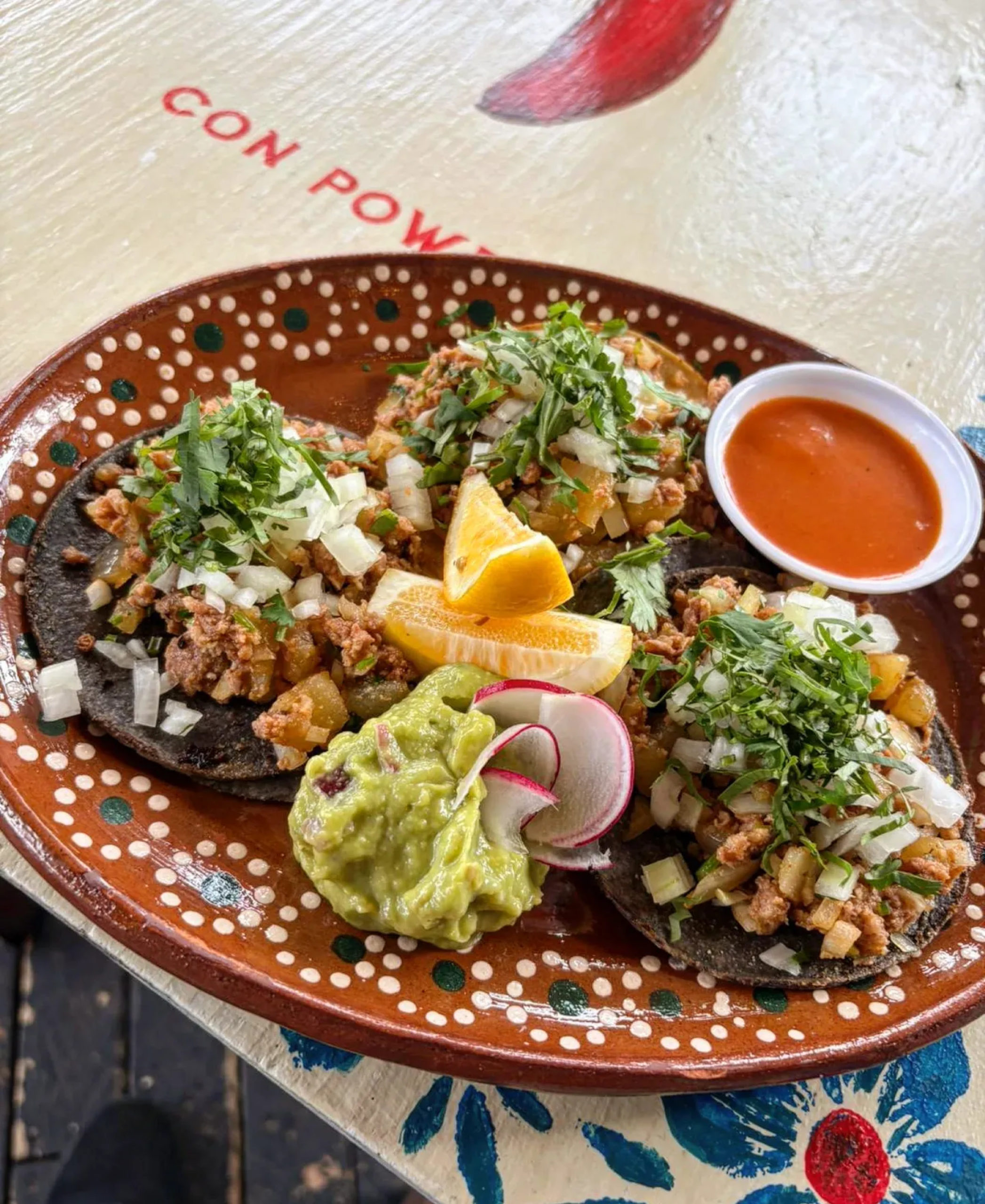
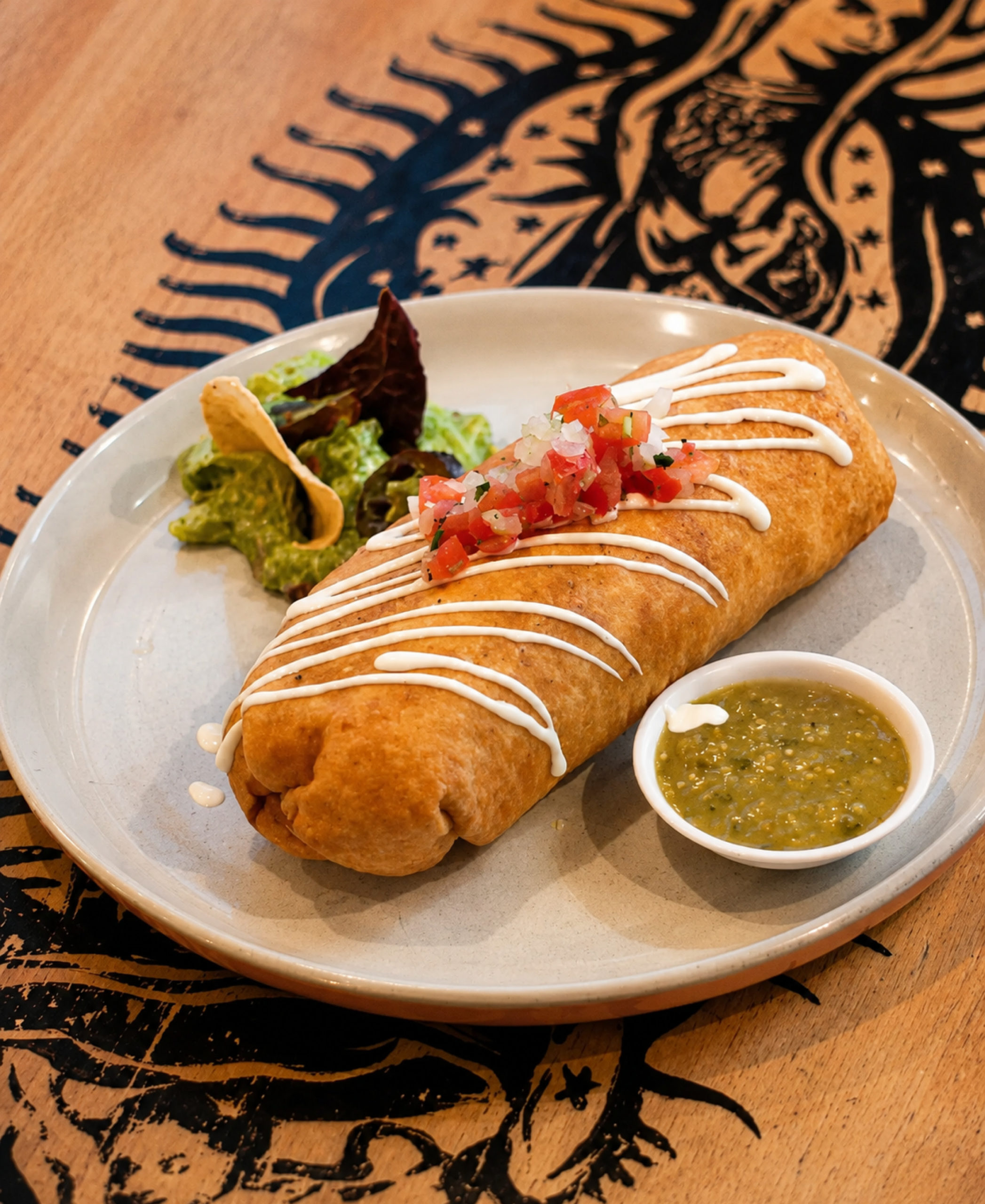
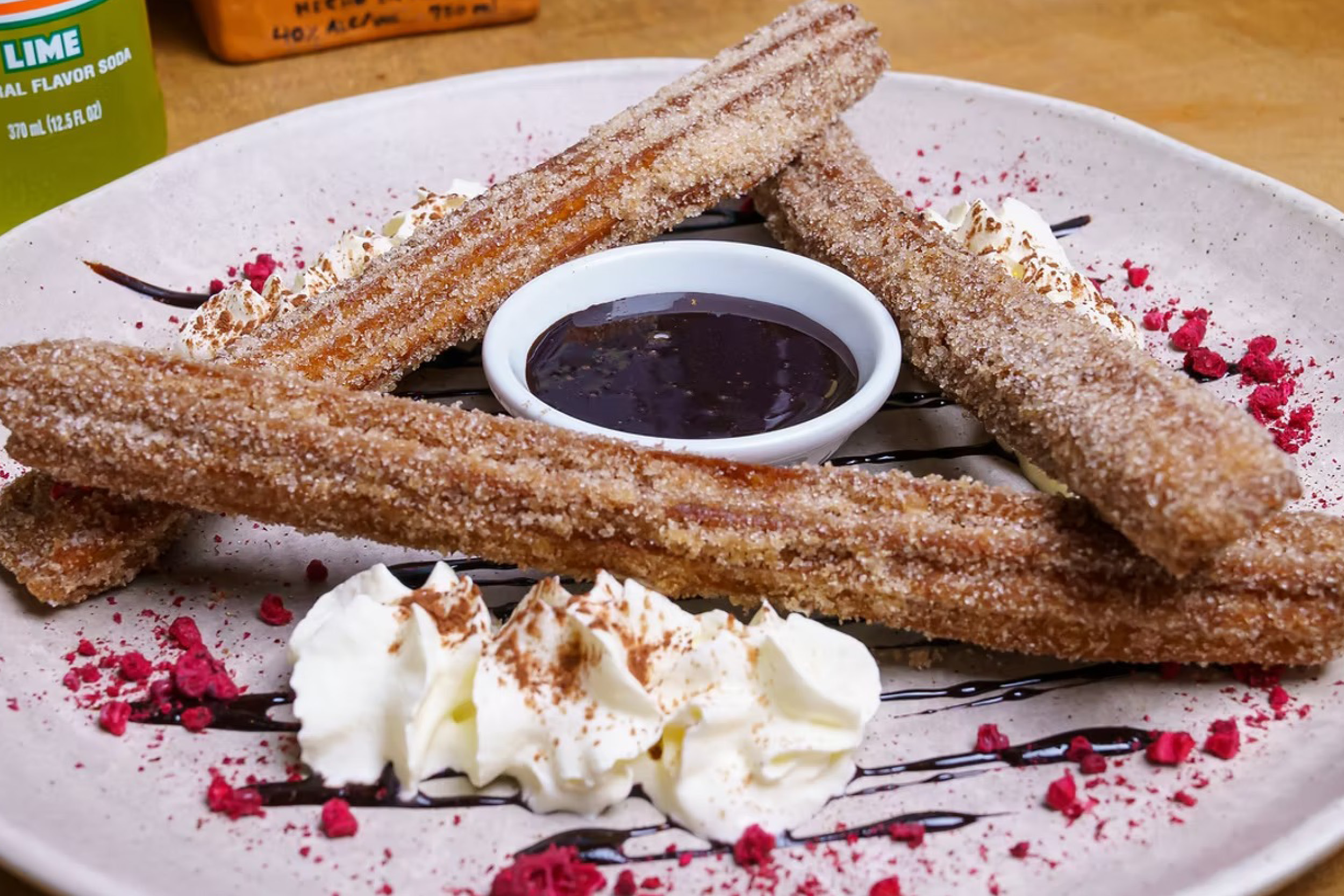
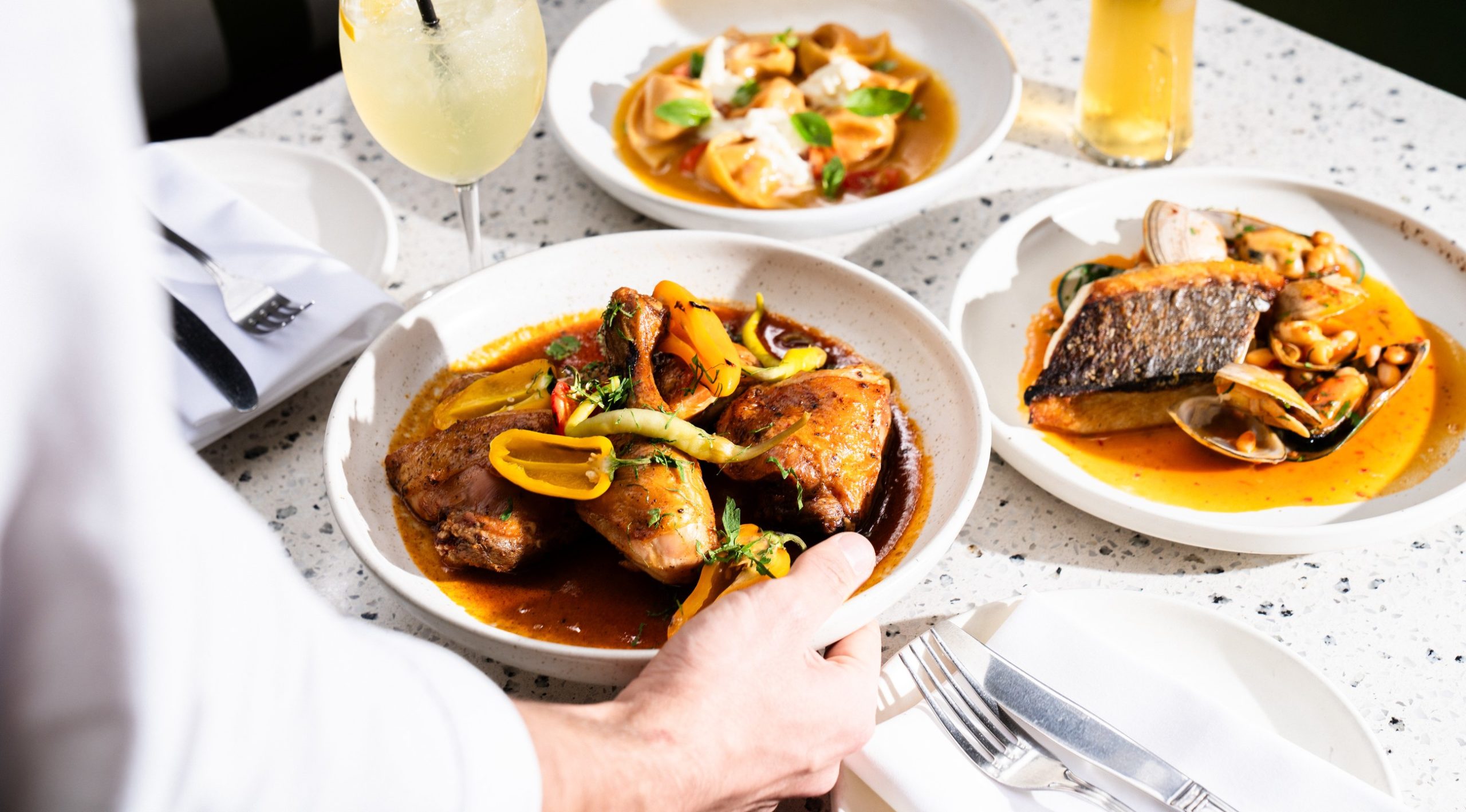
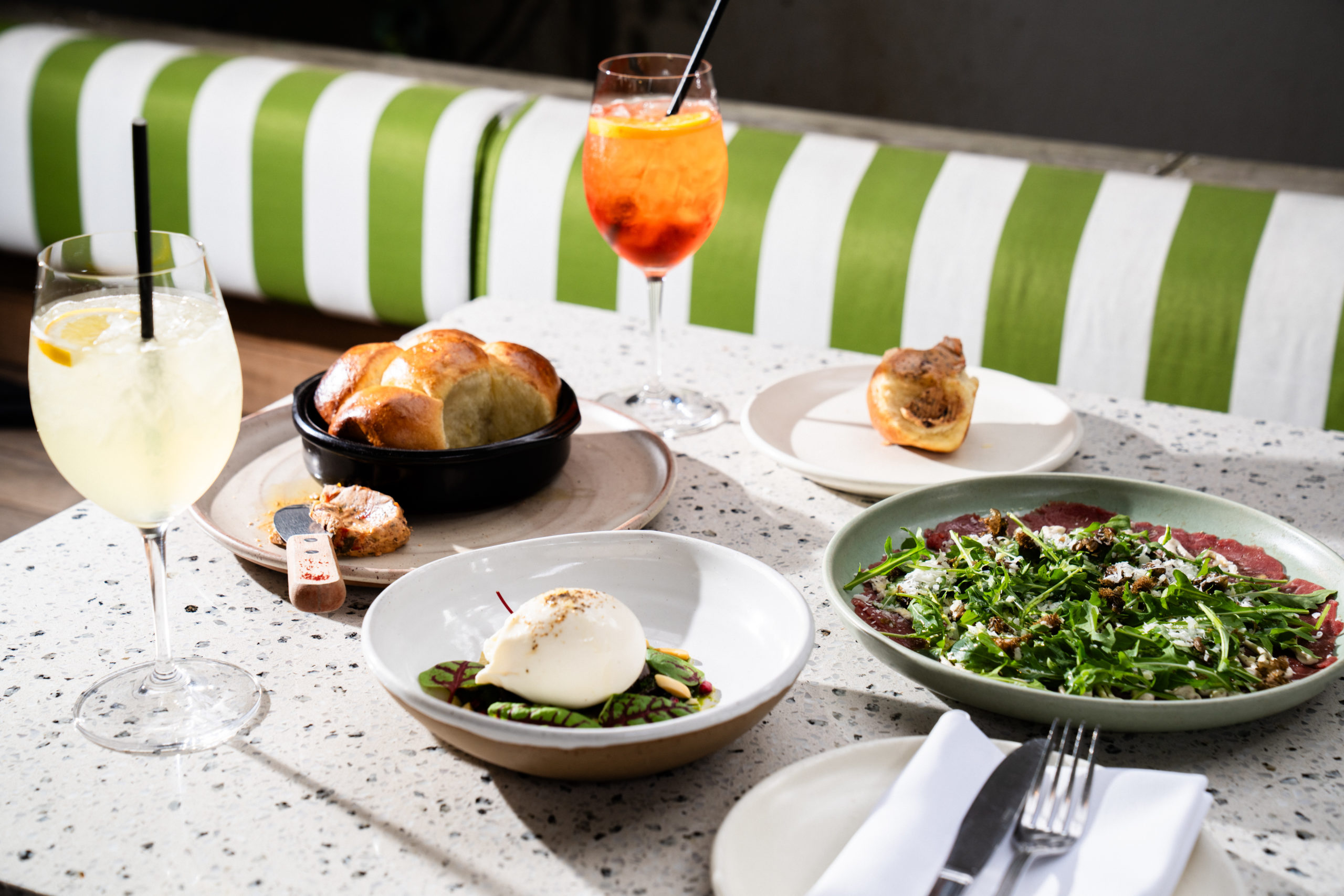
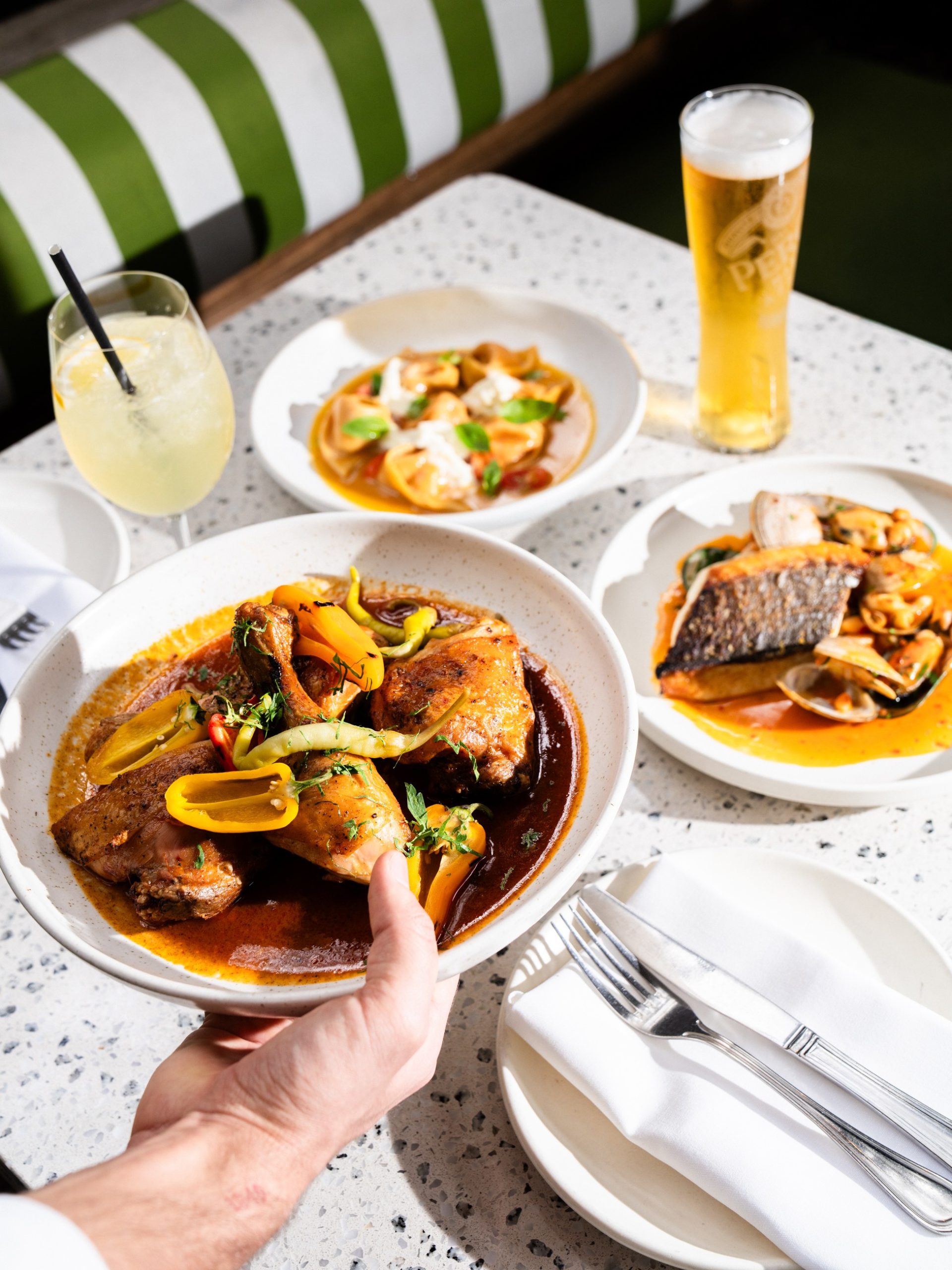
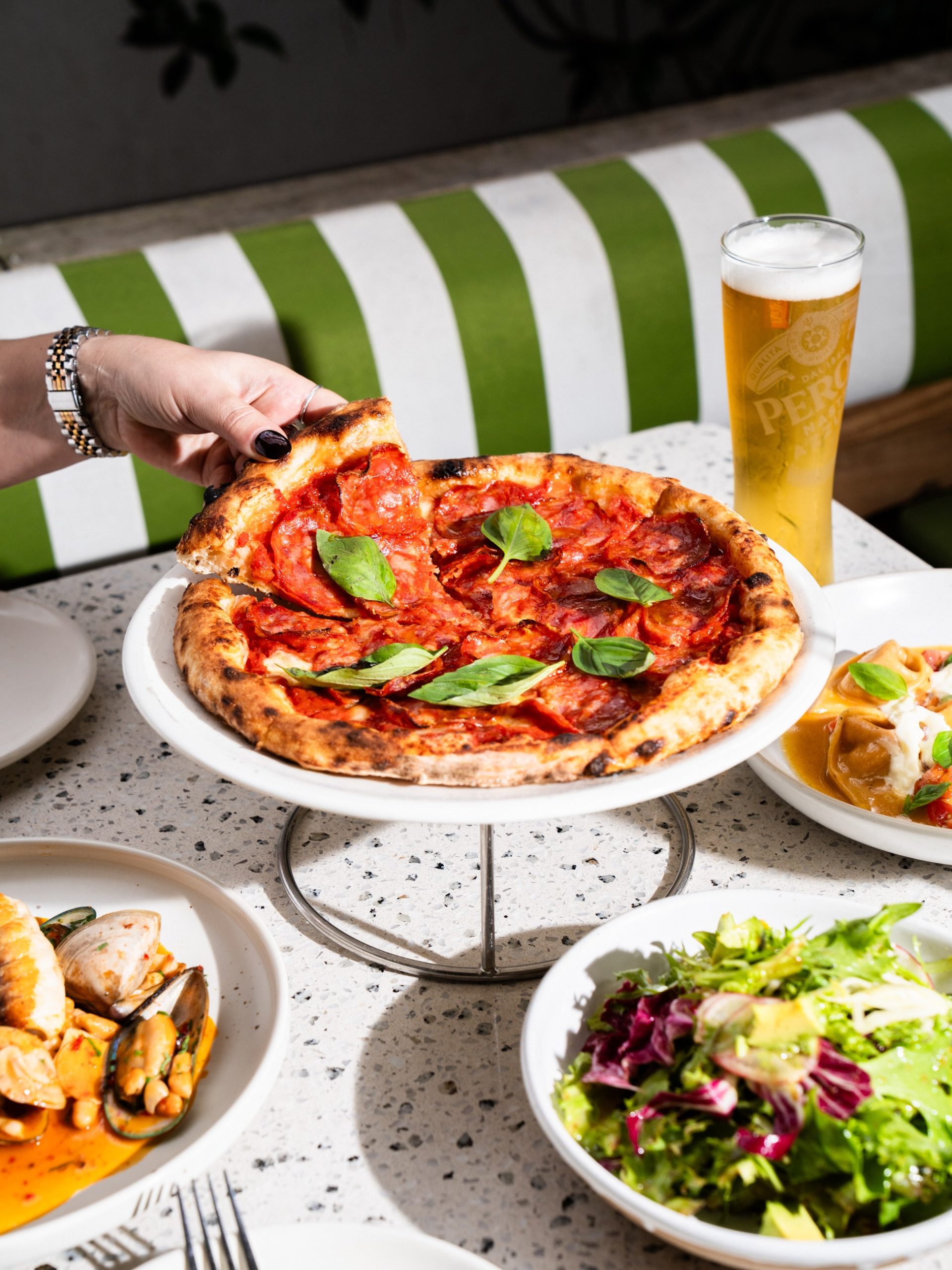
Last Thursday, Bravo did not simply open its doors. It arrived to a standing ovation. As the sun set across Westhaven Marina, Winton’s Chris and Michaela Meehan hosted more than 400 guests to experience their bold new venture, Bravo. With champagne in hand and the sun setting across Westhaven Marina, the sense of Winton’s arrival in Auckland’s hospitality scene was strong.
The weather, obligingly cinematic, revealed the venue at its very best. The northern light poured through the main dining room, spilled across the covered terrace and settled over the umbrella-lined seating overlooking the marina. It was the sort of evening that made you understand Bravo’s intent from the outset.
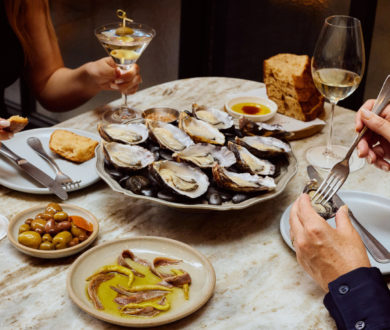
Guests grazed on canapés and local seafood, expertly crafted by the Bravo kitchen, while the bar flowed and conversations gathered momentum. The venue’s scale, capable of hosting up to 400, felt animated rather than overwhelming.
On the terrace, Peter Urlich set the tone, his DJ set carrying across the waterfront as supporters from around the country celebrated Winton’s first hospitality venture in Auckland. There was a sense of momentum in the air, of something considered and long-planned finally taking shape.
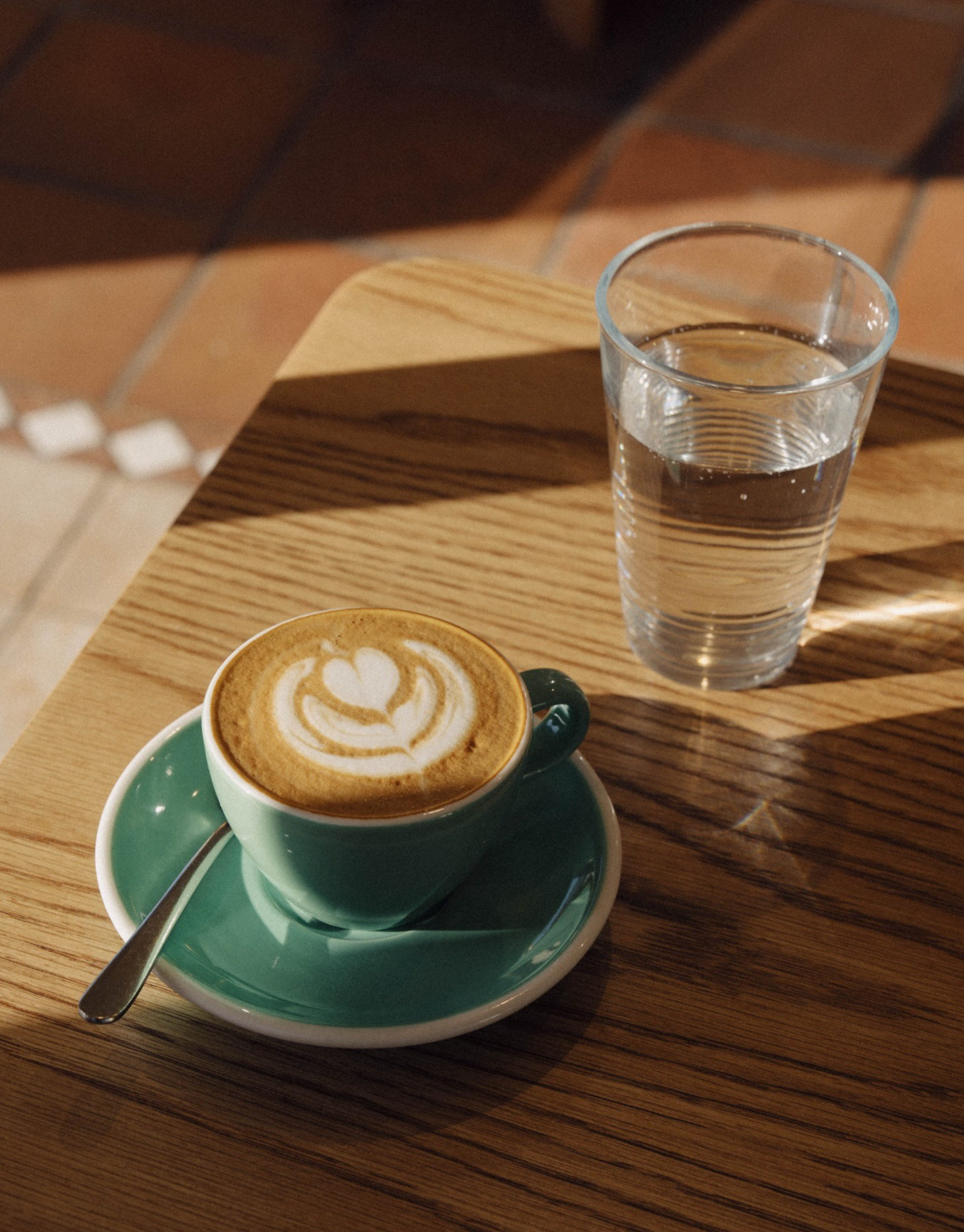
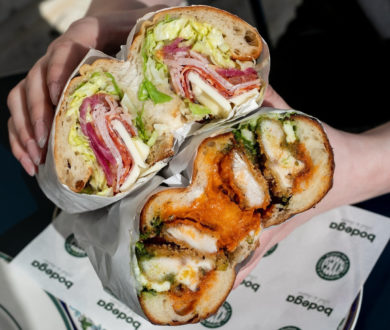
For those yet to visit, Bravo is more than an opening night spectacle. From morning coffee and rotisserie chickens ready for boat provisions, to long lunches, sunset dinners and book-a-berth arrivals by sea, it has been conceived as a true all-day address. The Ayrburn wine range threads through the offering, linking this new waterfront chapter to Winton’s now celebrated South Island success at Ayrburn.
Long before dashboards and diesel, Peugeot was perfecting the grind. The brand synonymous with sleek engineering began by working with steel, producing saw blades, springs for watchmakers and industrial components before designing its first coffee grinder in 1840. Pepper soon followed, and quietly, a culinary icon was born.
While bicycles and automobiles would go on to define its public image, Peugeot never stopped refining its mills. They are still manufactured at the historic family factory in the Doubs region of France, where everything is done on site. Wood is turned, varnished and painted by hand. Mechanisms are stamped, calibrated and assembled with the precision of fine instrument-making. Engineering, after all, is engineering, whether it powers an engine or perfects a grind.
The 18cm aluminium line salt mill exemplifies this marriage of heritage and modernity. Graphite-finished wood meets brushed aluminium in a contemporary silhouette that feels more like an architectural object than a kitchen tool. The polished metal button, engraved with the lion head, adjusts the grind with exacting control. The tighter the screw, the finer the salt. Simple. Precise. Satisfying.
The now-iconic Paris mill, introduced in 1987, remains Peugeot’s best-seller, evolving over the decades into a range of finishes, materials, and even dramatic oversized formats. Yet the philosophy remains unchanged. Performance first. Longevity always.
A story from the 1930s captures the brand’s quiet confidence. During a visit to American car factories, Jean Pierre Peugeot attended a grand banquet where he was told everything in the room was American. He picked up the pepper mill, turned it over and gently corrected the claim. Not everything, he noted. The mill was French. And Peugeot too.
It is this duality that makes the mills so compelling today. They are not novelty offshoots of an automotive empire. They are, in many ways, its origin story. Instruments of daily ritual, engineered with the same insistence on durability, calibration and elegance that defines the marque at large.
A twist of the wrist. Freshly cracked pepper. A reminder that true craftsmanship travels seamlessly from road to table.
March is shaping up as one of the most culture-packed months of the year in Auckland, with festivals, exhibitions and live performances filling the calendar. From large-scale arts and music events to theatre, design and days by the water, the city offers plenty of reasons to step out and explore. Whether you’re planning a night at the ballet, a weekend festival or a relaxed afternoon soaking up creativity, these are the events setting the tone for March.
Lexus Urban Polo returns to Auckland Domain for a day where high-octane sport meets polished socialising. Set against one of the city’s most picturesque backdrops, the event brings fast-paced polo action together with a relaxed, fashion-forward atmosphere, complete with flowing drinks, live music and a crowd that knows how to dress for the occasion. Whether you’re watching the match unfold from the sidelines or settling in with friends on the grass, it’s less about knowing the rules and more about soaking up the spectacle. A fixture on Auckland’s March calendar, Urban Polo is a chance to spend a summer afternoon outdoors, enjoying sport, style and a very good excuse for a long lunch.
Briana Jamieson, Rain Lilies (Gold), 2026 Oil on canvas, beech frame 1200 x 1000mm
Rooted in quiet observation and repeated gesture, Garden Day sees Wellington-based painter Briana Jamieson translate a year spent tending a community garden into a series of luminous works. Inspired by the rhythm of planting, growing and returning to the same blooms, the exhibition reflects Jamieson’s attraction to repetition as both a visual and emotional language. Fields of clustered flowers glow with calm intensity, shaped by memories of sunlight, shade, shared stories and moments of stillness among the garden beds. It’s a gentle, immersive body of work that speaks to care, patience and the restorative pull of nature, offering viewers a sense of pause within the everyday.
Where: Auckland Town Hall When: 9th March –15th March
Set beneath Luke Jerram’s radiant Helios installation, a series of early morning wellness sessions invites Aucklanders to slow down and start the day with intention. Hosted in the Concert Chamber at Auckland Town Hall and led by The Art of Living, the free programme spans yoga, meditation, breathwork and sound-led practices, each offering a different way to connect with stillness beneath the glowing sun artwork. Sessions are gentle, inclusive and suitable for all experience levels, with options designed for adults as well as younger participants. Mats are provided, and the atmosphere is calm, welcoming and quietly restorative. A rare opportunity to experience art and wellbeing together, this is a serene counterpoint to the usual pace of the city and a beautiful way to greet the morning.
Tom Dixon will be one of the headline speakers at NZDW 2026 Design Circuit
Where: Various locations city-wide When: 2nd –10th March
Across nine days in early March, the city turns its focus to creativity, innovation and the ideas shaping how we live now and into the future. Design Week brings together exhibitions, talks, workshops and installations across galleries, studios and pop-up spaces, spotlighting both emerging and established voices in the design world. From product and spatial design to conversations around sustainability and new ways of thinking, it’s a chance to dip into the creative community and see what’s happening behind the scenes. Whether you’re deeply embedded in the industry or simply appreciate considered design, this is a week worth weaving into your calendar.
Where: Various locations Auckland-wide When: 5th –22nd March
March marks the return of the Auckland Arts Festival, when the city becomes a stage for world-class theatre, dance, music and visual art. Spanning venues across Tāmaki Makaurau, the festival brings together bold international productions and exceptional local talent, with performances unfolding in theatres, public spaces and unexpected corners of the city. From thought-provoking plays to immersive installations and live music that carries long into the night, this is Auckland at its most creatively charged. Whether you dip in for one show or build your calendar around it, the Arts Festival is a reminder of just how vibrant the city feels when art takes centre stage.
Where: Auckland Art Gallery When: Now till the 15th March
An unmissable highlight at Auckland Art Gallery, Pop to Present brings iconic American art from the Virginia Museum of Fine Arts to the city. Spanning pop art classics and bold contemporary works, the exhibition charts how artists have shaped visual culture over decades. It’s a chance to take in familiar favourites alongside thought-provoking pieces that speak to now, all within the gallery’s stunning spaces. Perfect for a cultured afternoon, this show offers fresh perspectives and plenty of conversation starters.
Where: Kiri Te Kanawa Theatre, Aotea Centre When: 4th –7th March
Royal New Zealand Ballet brings Macbeth to life in a gripping performance at the Kiri Te Kanawa Theatre. This powerful interpretation of Shakespeare’s classic weaves dramatic choreography with a striking score to deliver a dark, mesmerising evening of dance. Expect commanding performances, intense storytelling and the company’s signature precision on stage. It’s a standout cultural moment in March, ideal for anyone who loves ballet that feels cinematic, bold and deeply expressive.
One of the biggest dates on Auckland’s live music calendar returns with the Mānuka Phuel SYNTHONY Festival, a full-day experience combining electronic dance music with a live orchestra and world-class production. Expect an expansive line-up of local and international acts across two stages, where iconic dance and pop tracks are reimagined with sweeping orchestral arrangements alongside DJs and live performers. With immersive visuals, food and drink villages and crowds gathering in the Domain through the afternoon and into the night, it’s an open-air celebration of sound that’s both epic and accessible. Whether you’re there for the beats, the spectacle or the atmosphere, SYNTHONY delivers a music-filled day worth marking in your March plans.
Where: Viaduct Event Centre, Jellicoe Harbour, Wynyard Wharf When: 5th – 8th March
Auckland’s waterways take centre stage at the annual Boat Show, a showcase of the latest in boating lifestyle and marine innovation. From sleek yachts and tenders to kayaks, water toys and gear, it’s a hands-on look at everything that makes life on the water great. Alongside displays from top brands, there’s expert advice, demonstrations and activities for everyone from seasoned skippers to curious newcomers. With the harbour as your backdrop and plenty of sun on offer, it’s the perfect event to plan your next summer adventure or simply soak up the buzz of all things nautic.
Get ready for a wild night out with The Rocky Horror Show at The Civic Theatre. This cult musical classic delivers all the fun, camp energy and audience participation you’d expect, with a high-octane cast and costumes to match. Expect big tunes, bold characters and plenty of moments that’ll have you singing along. It’s perfect for anyone after theatrical entertainment with attitude, whether you’re revisiting a favourite or experiencing it live for the first time. A standout choice for a memorable evening on the March calendar.
After a year of strategically dropping breadcrumbs of what was to come, limited capsules, carefully cast ambassadors and a cinematic teaser designed to stoke anticipation, Demna’s first full-scale statement for Gucci arrived on the penultimate day of Milan Fashion Week. By the time the lights dimmed, it was clear this was less a debut and more a detonation.
For Fall 2026, Demna framed Gucci as a living cultural organism rather than a heritage relic. The show unfolded in a vast neoclassical setting, heavy with marble figures, a pointed reminder that sensuality, proportion and spectacle have always been part of Italy’s artistic DNA. Against that backdrop, he proposed recalibrating the silhouette. Gone was the protective armour of excess fabric. In its place, clothes that followed the body with deliberate precision.
Second-skin dresses in technical hosiery fabric set the tone, clinging rather than concealing. Tailoring skimmed the torso and hip, cut in fluid cloth that moved like liquid. Jackets were styled with skirts, slim trousers and hybrid leggings-pants, suggesting wardrobes built on adaptability rather than costume. Even sportswear codes were refined into something sleeker, morphing into track-inspired dresses and sharply engineered separates.
left to right: Alessandro Michele, Donatella Versace, Romeo Beckham
Demi Moore
left: Andrea Kimi Antonelli. Right: Aryna Sabalenka
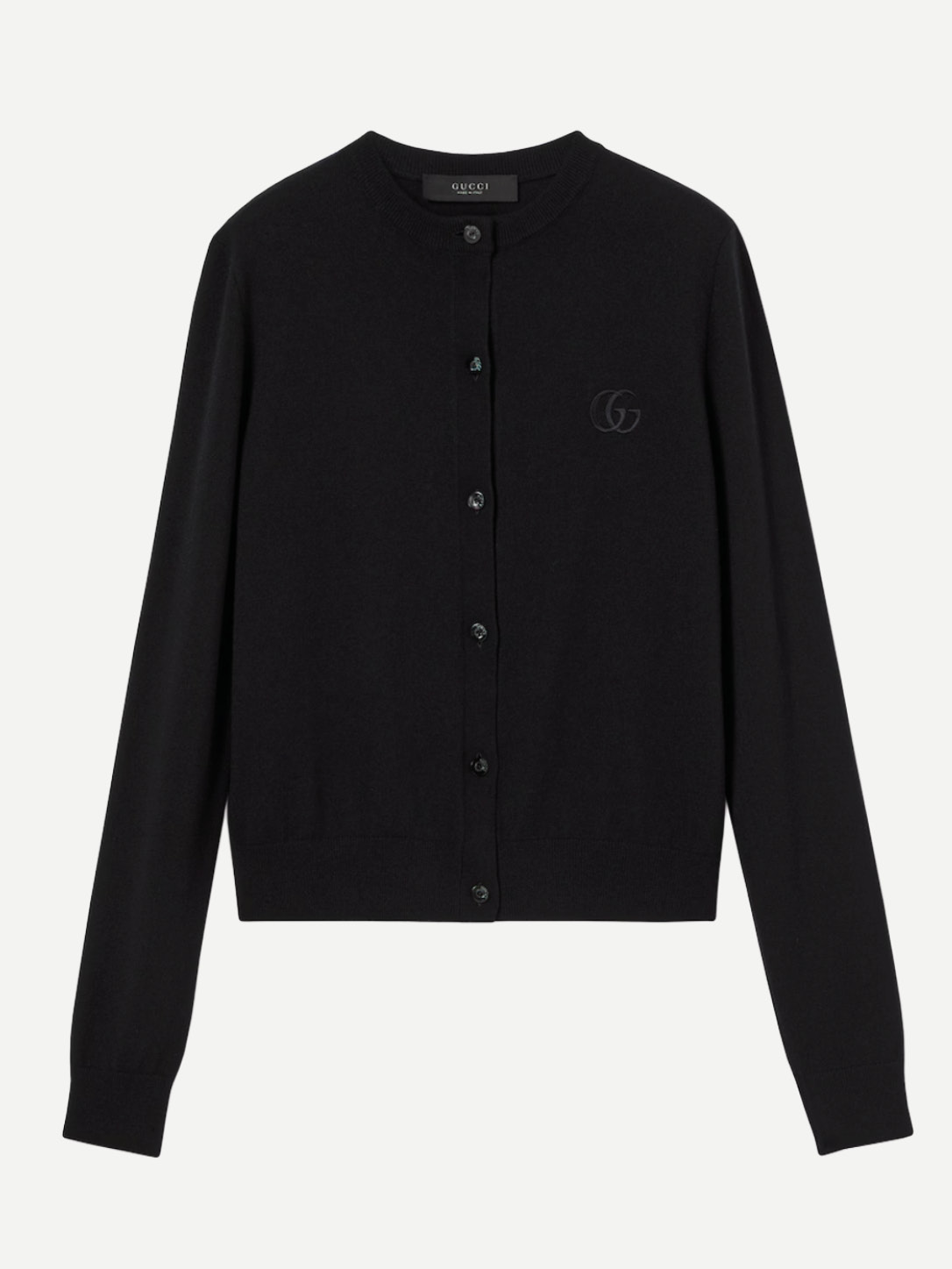
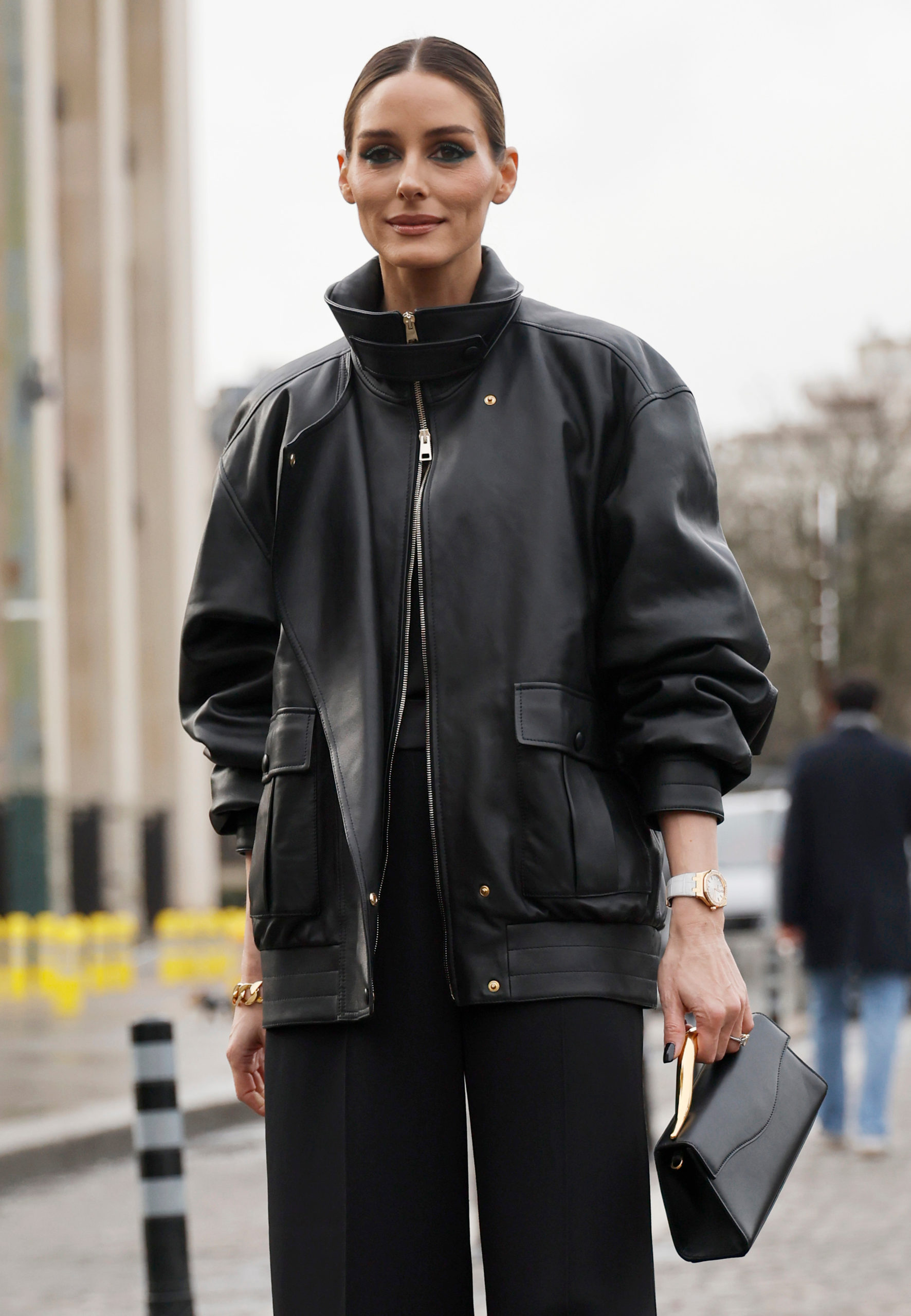
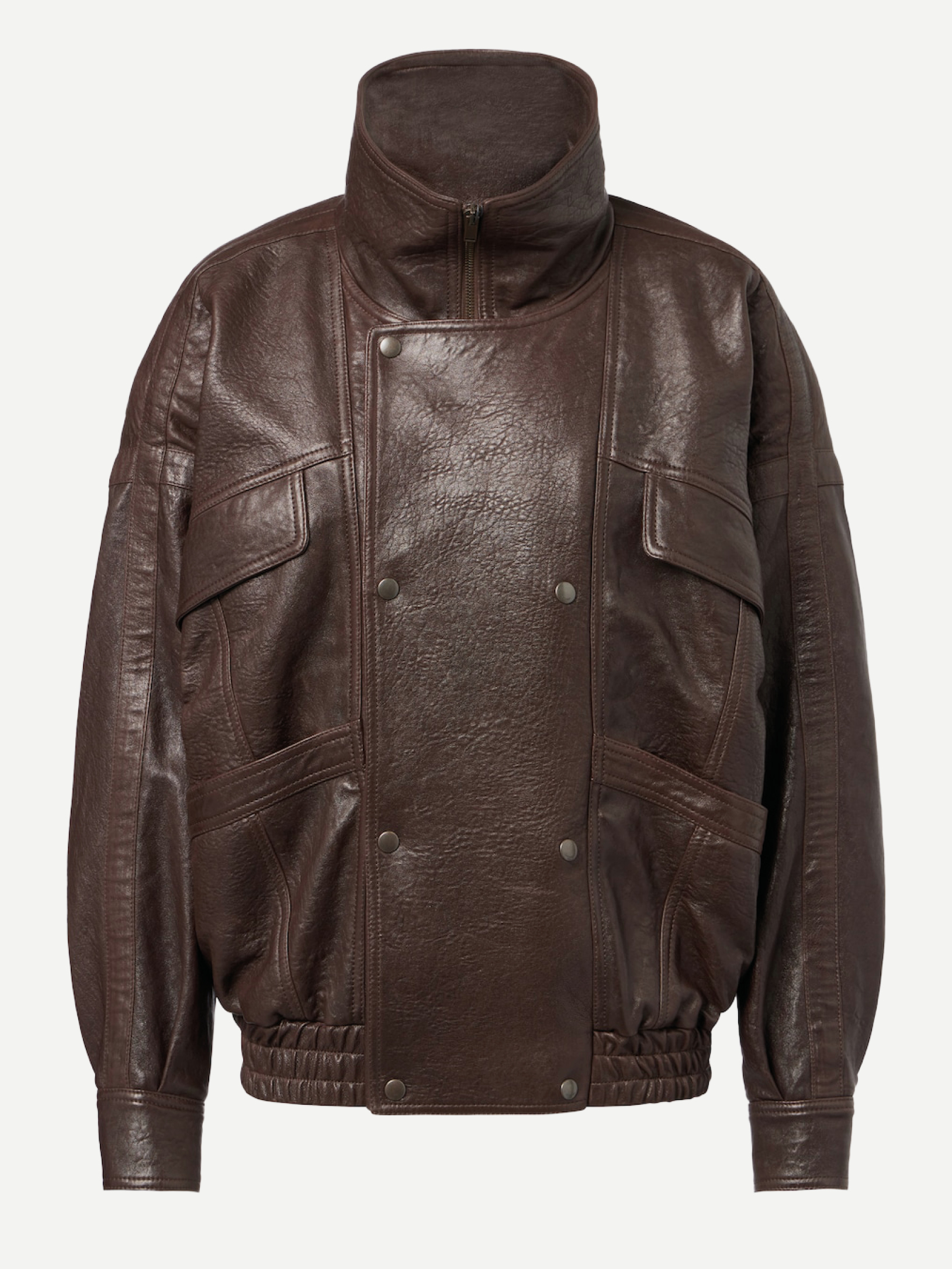
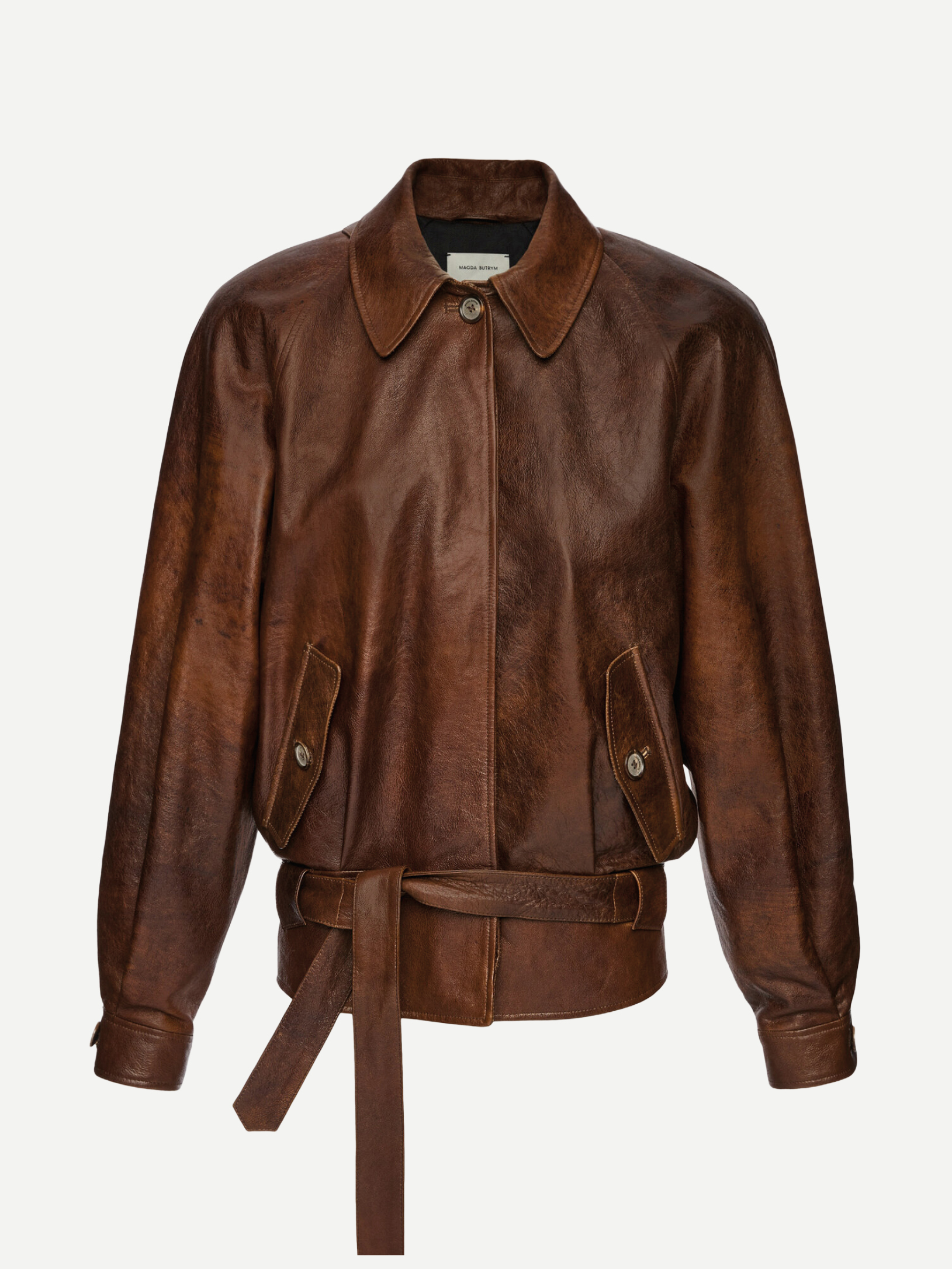
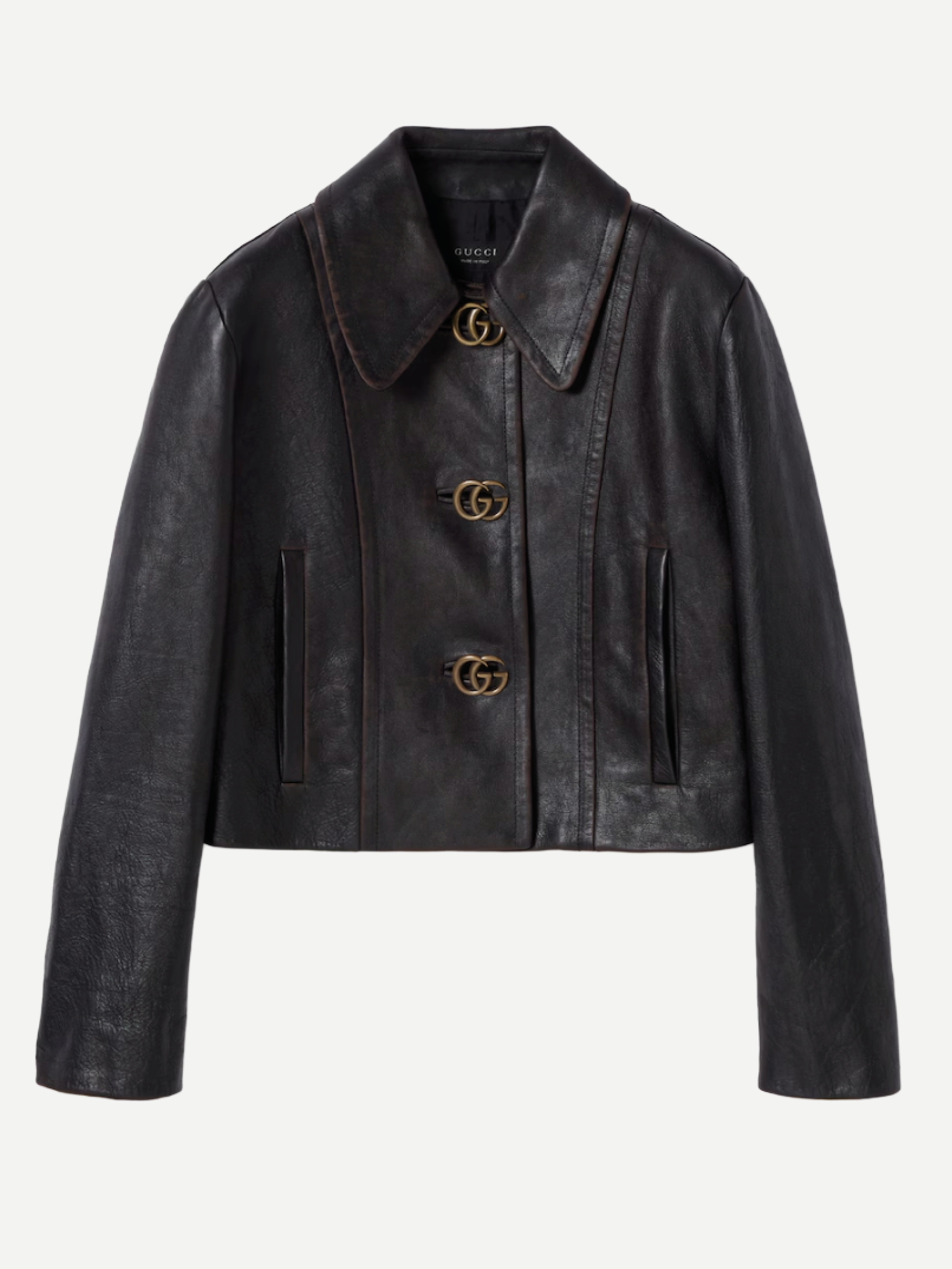
The craftsmanship was exacting. Edges are bonded to disappear. Hems curved to contour. Leather chosen for suppleness rather than stiffness, shaping bikers and trousers that felt lived in rather than lacquered. Volume appeared in flashes of feathered embellishment and plush outerwear, framing the face with theatrical flourish.
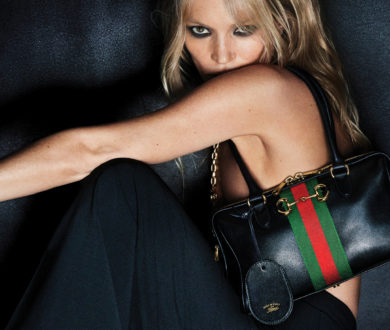
Accessories sharpened the message. The Bamboo 1947 was streamlined, its handle reworked for a more contemporary grip. Archival evening pieces were subtly reimagined for modern essentials. Footwear balanced minimal athletic references with the ease of classic Italian loafers.
And then, the closing moment. As Kate Moss stepped onto the runway wearing a white-gold iteration of the infamous Gucci G-string introduced by Tom Ford in 1997, the room understood the provocation. Within minutes, the digital echo chamber was in overdrive. Praise, pearl clutching, think pieces. Exactly as intended.
Demna has made no secret of his desire to design from instinct rather than theory. Fall 2026 reads as a study in confidence. Not quiet luxury, not stealth wealth, but clothes that declare their presence and invite reaction. In a cautious market, that kind of emotional clarity feels radical.
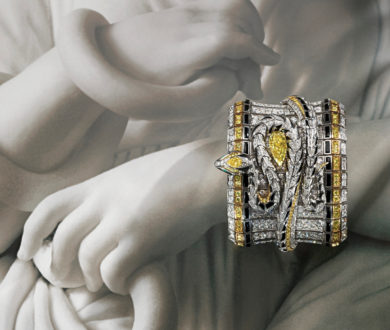
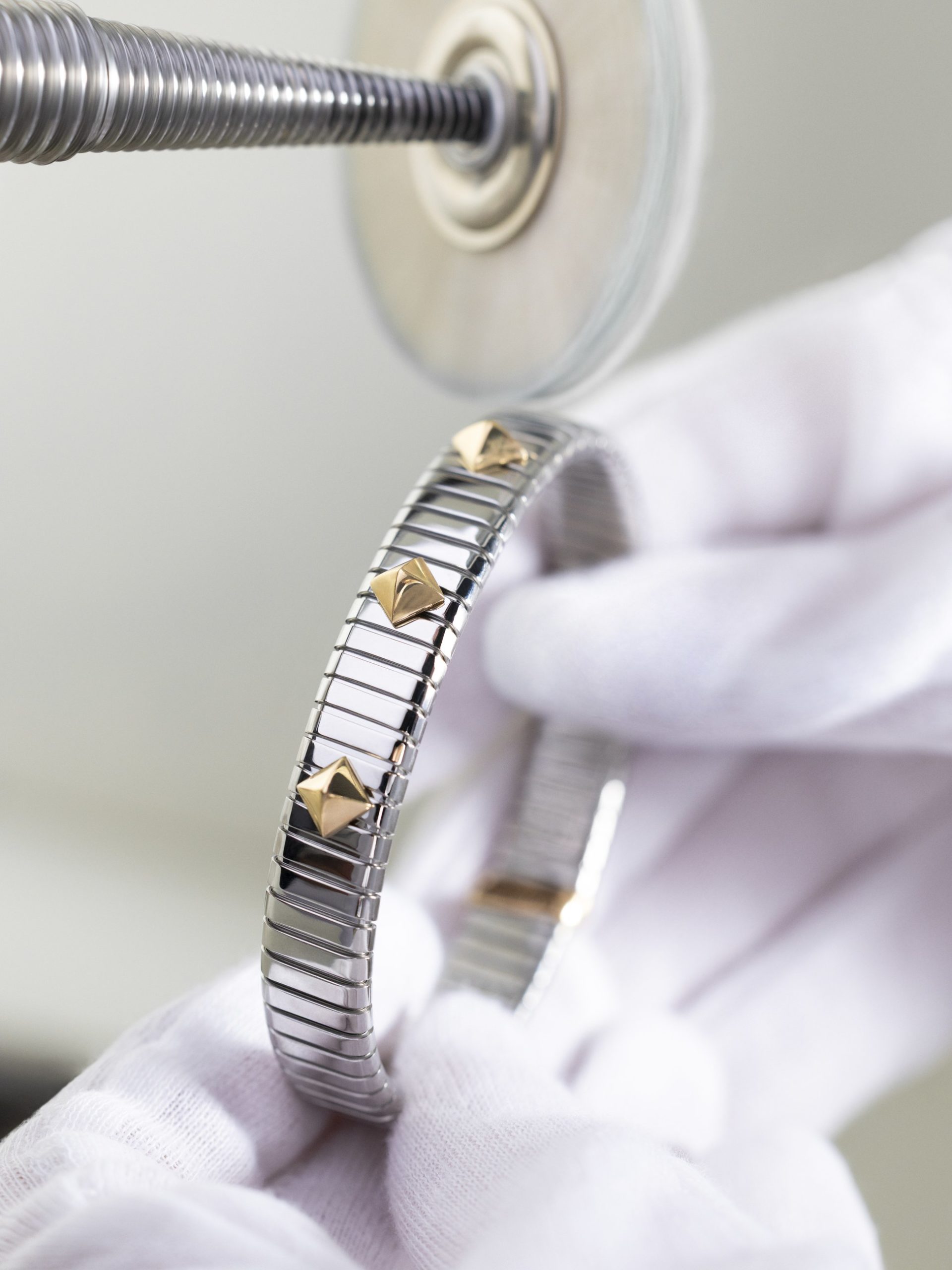
Few High Jewellery creations are as instantly recognisable as the Zip necklace by Van Cleef & Arpels. Conceived in the late 1930s at the suggestion of the Duchess of Windsor and realised in 1950, the design transformed an everyday fastener into a feat of technical and artistic mastery.
Functioning exactly like a real zipper, the articulated gold-and-diamond construction slides closed to form a necklace and fully fastens into a bracelet. It is ingenuity disguised as elegance, engineered with extraordinary precision by the Maison’s Mains d’Or to ensure fluidity, drape and seamless movement.
Van Cleef & Arpels Lapis Lazuli, Sapphire and Diamond necklace transformable into a bracelet, Zip Collection
Over the decades, the Zip has been reinterpreted in monochromatic gemstones, archival reproductions and elongated couture iterations, yet its core identity remains intact. Equal parts wit and virtuosity, it occupies rarefied territory as both technical marvel and collector’s trophy.
More than jewellery, the Zip is proof that true innovation never dates.
If you’ve ever woken up horizontal, with the dread and moral certainty that you wish you’d made more sobering choices the night before, then someone, somewhere in history, made a drink for you. Somewhat disturbingly known as the ‘Corpse Reviver’ this Victorian-era medicinal cocktail is designed not so much to cure the hangover as to negotiate a temporary ceasefire with it. Hair of the dog, but make it civilised. Make it French. Make it slightly dangerous.
Of all the historical drinks in the Reviver family, the No. 2 is the one worth knowing. Harry Craddock, the great American barman who fled the Prohibition era in the US and reinvented himself behind London’s infamous Savoy bar, included the recipe in his 1930 Savoy Cocktail Book with a serving note that remains the most descriptive of drinks writing ever committed to paper: “Four of these taken in swift succession will revive the corpse again.” Gin, Cointreau, Lillet Blanc, lemon juice, and a rinse of absinthe. Elegant, citrus-bright, and quietly lethal. Craddock also warned that drinking too many would have the opposite effect.
After fading into obscurity, the Corpse Reviver No. 2 was championed by classic cocktail enthusiasts during the craft cocktail revival of the early 21st century. And since then, modern mixologists have fine-tuned the recipe.
Now New Zealand batch cocktail producers Bariletto have used their expertise, reinterpreting the 1930s formula, by adding a new level of handcrafted refinement, rest it in charred oak barrels. The gin, cointreau, aromatised wine and absinthe linger longer, which results in a sophisticated sublime take on the classic Corpse Reviver No. 2. The result delivers more of an elegant tickle up, than a sucker punch.
Combine it with fresh lemon juice, shaken over ice, strained into a chilled coupe and served with a twist of lemon for a refined, discrete pick-me-up that absolves any lingering indiscretions or guilt of nights past. Consider your soul saved.
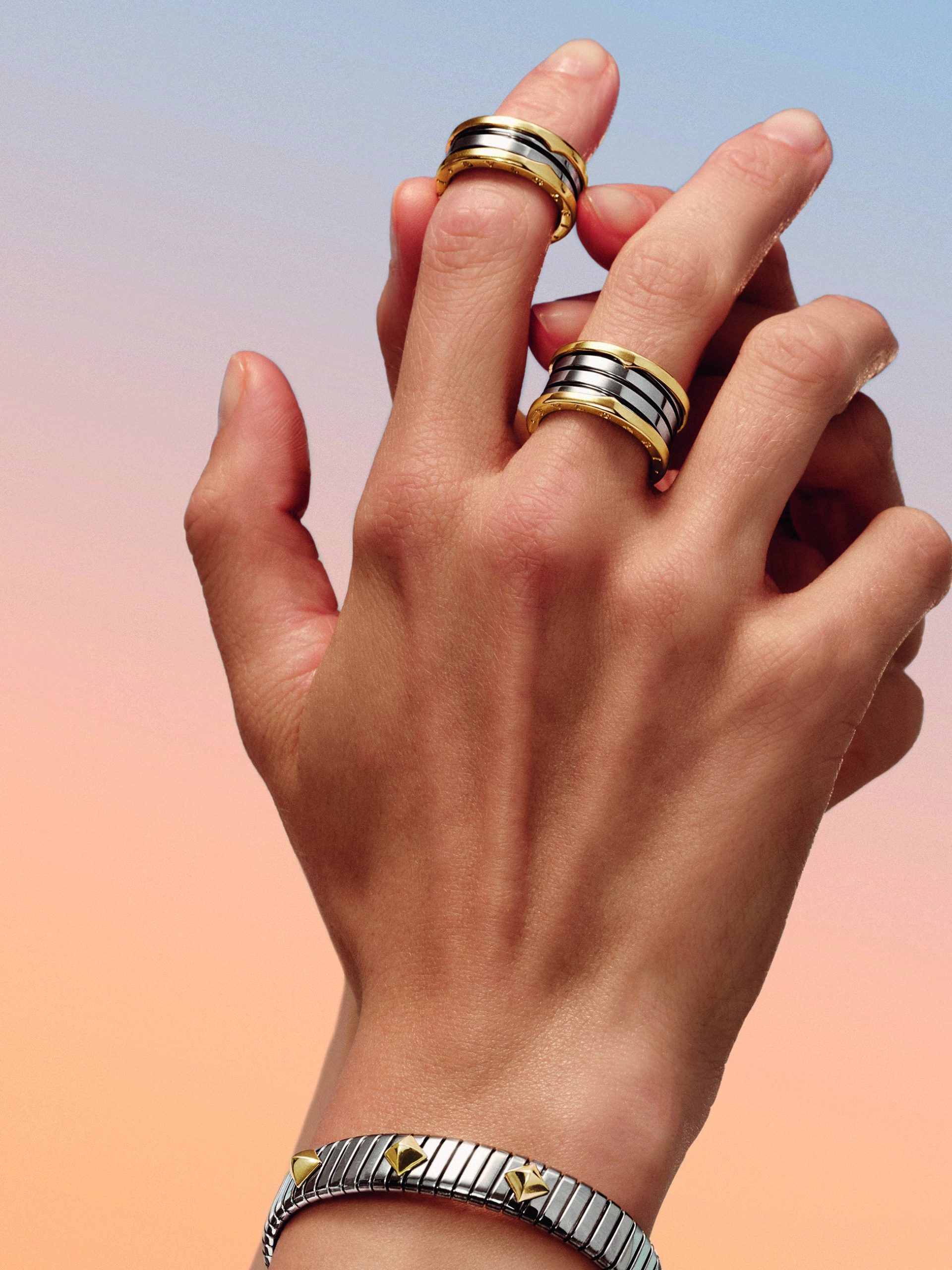
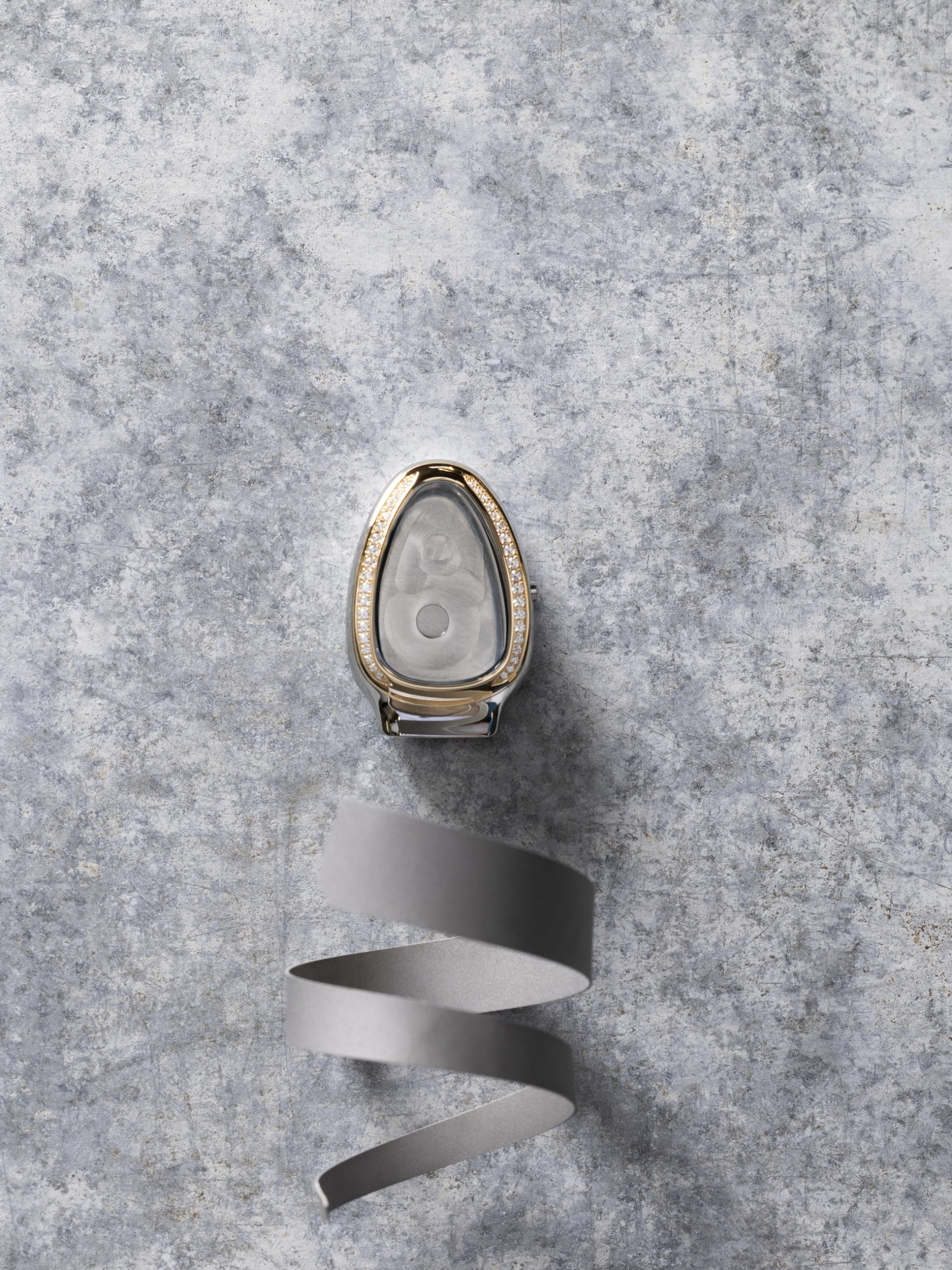
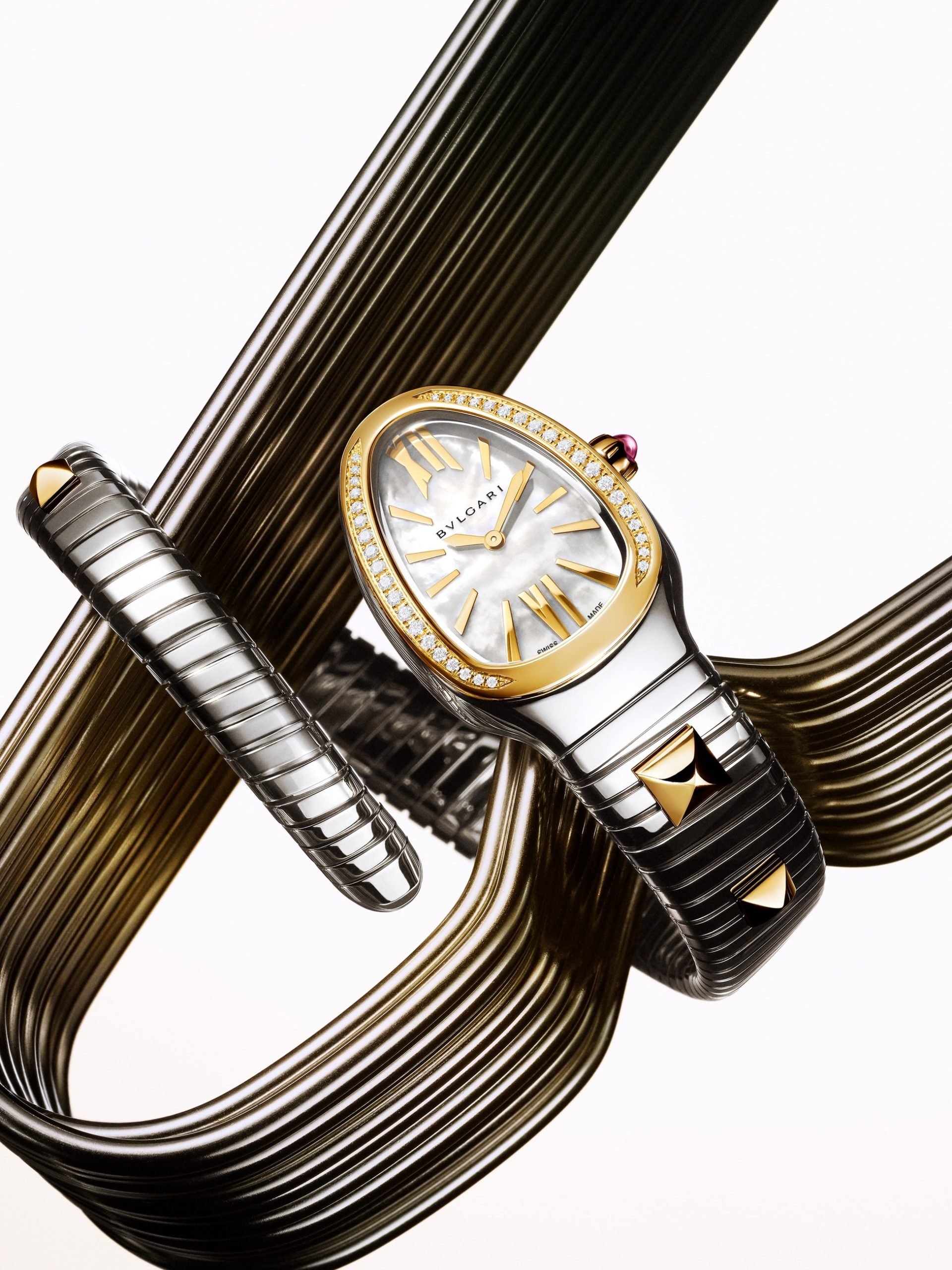
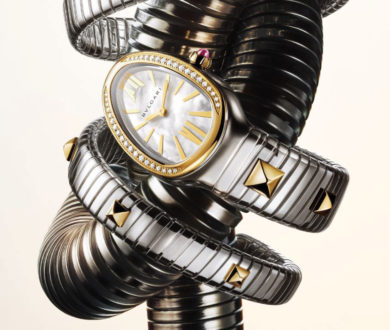
When a house built on Roman audacity selects its muse, it does so with intent. Bvlgari has announced Dua Lipa as its new Global Brand Ambassador, aligning one of Italy’s most storied jewellery maisons with one of Britain’s most commanding cultural forces.
It is a pairing that feels less transactional and more inevitable. Dua Lipa’s ascent has been marked by artistic autonomy and an unapologetic sense of self. Three Grammy Awards, multiple BRITs and billions of streams later, she stands as a defining voice of her generation. Not simply a pop star, but a global figure who understands the theatre of image and the currency of confidence.
For Bvlgari, whose heritage is rooted in Roman grandeur and sensual modernity, the decision underscores a continued commitment to strength expressed through style. Laura Burdese, Bvlgari Deputy CEO and incoming CEO as of July 1, 2026, describes the singer as embodying a contemporary vision of empowerment and freedom that aligns with the house’s values. The message is clear. Bvlgari does not merely adorn women. It frames them.
Dua Lipa wears High Jewellery Serpenti necklace in white gold 18kt with 2 pear brilliant cut diamonds (1.07 ct), and pavé-set diamond (68.46 ct)
Dua Lipa wears High Jewellery Serpenti ring in yellow and white gold 18kt with 28 marquise diamonds (2.75 ct), 8 round and pear rubies (0.28 ct), and pavé-set diamonds (1.37 ct)
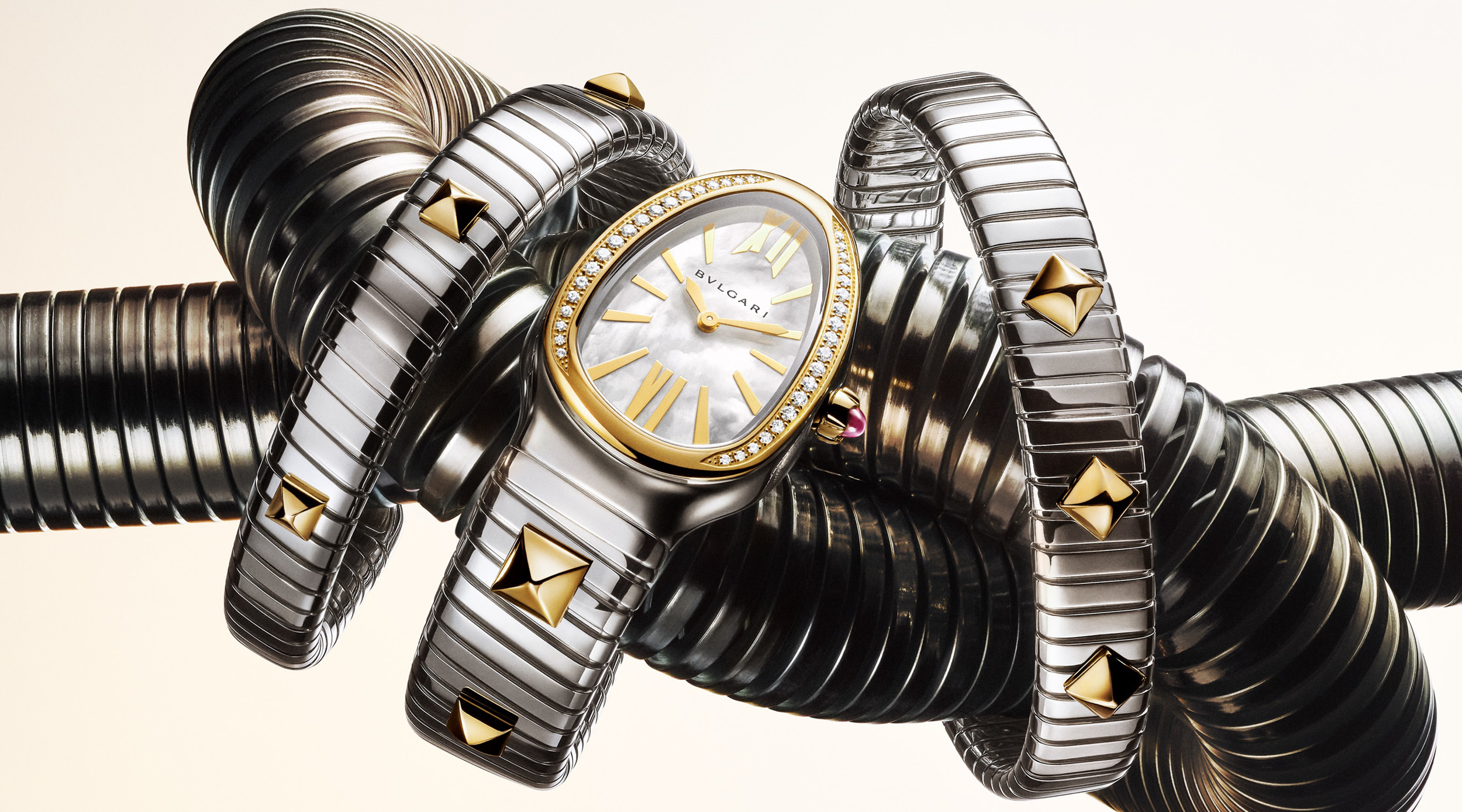
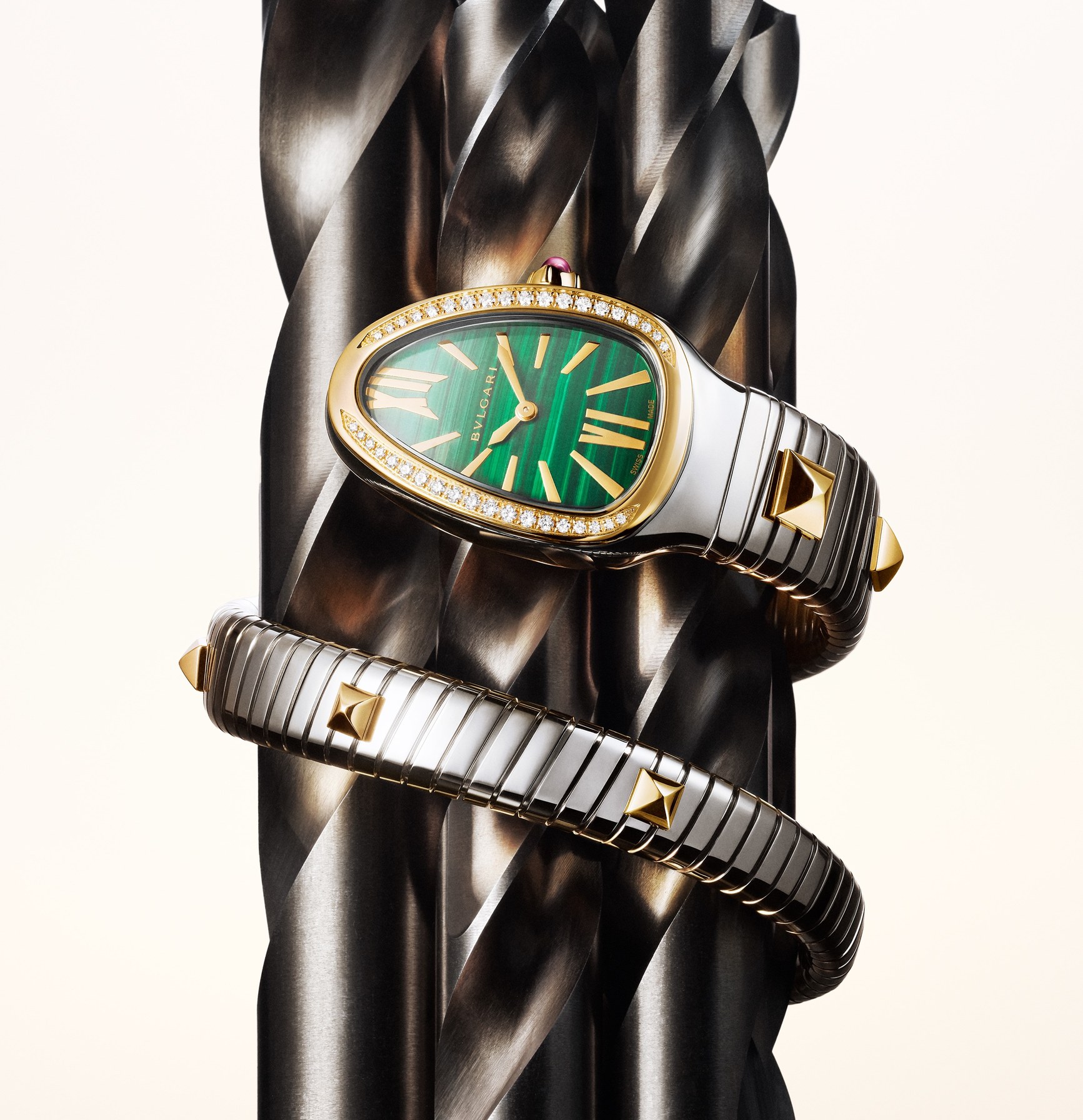
Dua Lipa herself has spoken of the collaboration as special, noting the way Bvlgari’s pieces complete a look and elevate it into a moment. It is a sentiment that resonates. High jewellery, at its best, is not decorative. It is declarative. A Serpenti coiled at the wrist or a cascade of coloured gemstones at the collarbone does not whisper. It asserts.
The British artist has long demonstrated a fluency in fashion, moving seamlessly between couture ateliers and stadium stages. Her personal style oscillates between sharp minimalism and unabashed glamour, making her a natural conduit for a house that revels in bold silhouettes and unapologetic sparkle. In many ways, she represents the modern Bvlgari woman. International, self-assured and entirely comfortable occupying centre stage.
Dua Lipa wearing BVLGARI while performing at the Brit Awards 2026
This appointment signals more than a campaign. It marks a convergence of music, fashion and cultural influence at a time when brand ambassadors are expected to do more than pose. They must personify. Dua Lipa does precisely that. She is modern femininity in motion.
From the moment it opened, it was clear that Cora Studio was not simply another Pilates studio; rather, it was a considered expression of founder Mibella Villafana’s philosophy. One grounded in technical excellence, psychological insight and a deep understanding of how modern women actually want to feel. As a result of this philosophy, Cora has fast become one of Auckland’s most respected studios for intelligent movement and refined recovery.
With fifteen years of training across contemporary and classical Pilates disciplines, and formal study in psychology, Mibella’s approach has always been about more than choreography. Her Signature Burn has quickly earned its reputation not for intensity alone, but for its precision. Movements are layered intelligently. Corrections are nuanced. The room feels focused rather than frantic. Sessions are built on muscular precision rather than momentum. Instructors correct in real time. Posture is refined. Breath is considered. You are challenged, certainly, but never abandoned to flailing reps or theatrical fatigue.
It is this level of instruction that quietly distinguishes Cora. Instructors are carefully selected and mentored to uphold a consistent standard. Clients are seen, adjusted and supported. There is rigour in the programming, yet warmth in the delivery of each class.
Beyond the reformer, Cora’s commitment to intelligent recovery has further cemented its position as a fully integrated wellness hub. The contrast therapy zone, complete with Finnish saunas and twin cold plunges, is integrated seamlessly into the experience. Members move from reformer to heat, from heat to cold, allowing the nervous system to recalibrate as deliberately as the muscles have been engaged, understanding that resilience is built as much in recovery as it is in repetition.
Cora has built a community that appreciates that both the physical and emotional effects of this are cumulative, and over time, the energy becomes sustainable, and the nervous system is revived. It is the seamless integration of strength and recovery as a single philosophy.
Yet for all its polish, Cora remains deeply approachable thanks to an atmosphere that is elevated yet warm and inviting. Newcomers are welcomed with care, sharing space with regulars who linger in the lounge after class, tea in hand, as conversations unfold naturally between sauna rounds. There is a sense of shared commitment and community that can be rare to find. And a sense of collective momentum rather than competitive display.
As our interest in longevity and nervous system health continues to evolve, Cora feels entirely ahead of the game in meeting modern wellbeing demands. This is also why forward-thinking corporates have begun using Cora for team resets and leadership days. Strategy sessions follow movement. Reflection follows recovery. People leave clearer than they arrived.
Cora has achieved what many promise but few execute: intelligent instruction, considered recovery and a community that feels as good as it performs.
With settled weather and the harbour at its best, Bivacco remains one of the city’s most reliable choices for a relaxed weekend by the water. From long lunches to late afternoons that drift into evening, here are four reasons it deserves a place in your plans.
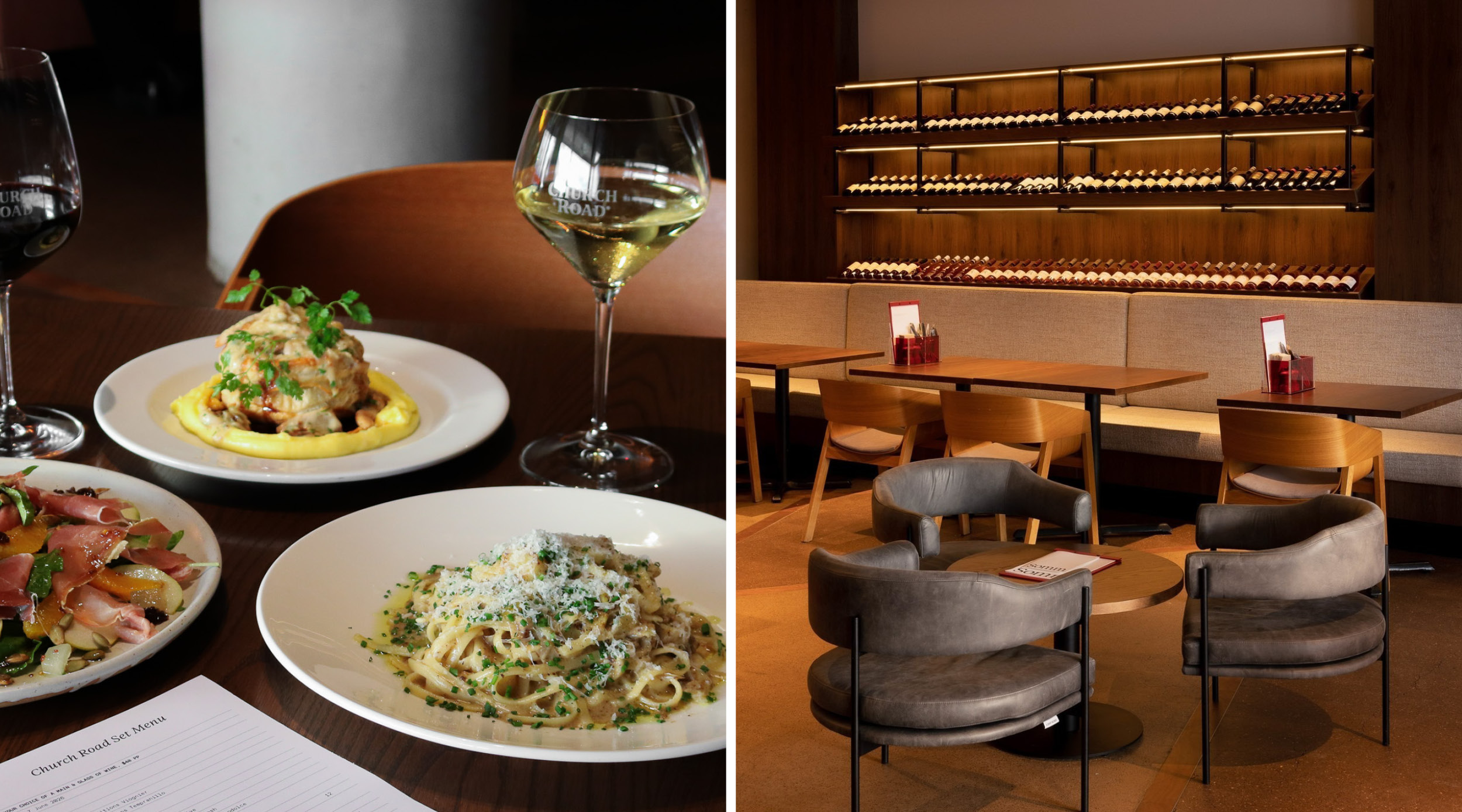
Fresh Linguine with Lemon, garlic, parsley, chives and Parmigiano Reggiano
Bivacco’s Ladies Lunch continues to anchor Saturdays with a three-course Italian-style menu and a drink included for $49pp. New additions include Fresh Linguine and Grilled Snapper, joining a line-up designed to feel light, seasonal and considered. Pair it with your choice of Prosecco, a Limoncello Spritz or a classic Margarita, and settle in from 11am to 3pm for an unhurried afternoon by the water.
From 4pm on Fridays and Saturdays, DJs add a gentle lift as the day turns to night, encouraging after-work drinks to stretch into dinner or a Ladies Lunch to linger a little longer.
Crayfish (half or whole), Roasted over the fire, finished with seaweed butter
To close out summer, Bivacco is offering two special crayfish dishes as part of its Lunar New Year celebrations. The Crayfish Mafaldine folds chilli, cherry tomato, shellfish bisque and pangrattato through delicate ribbons of pasta, rich yet balanced. Alongside it, roasted crayfish served half or whole is cooked over the fire and finished with seaweed butter, allowing the sweetness of the shellfish to take centre stage. Available while they last, they are a fleeting reason to book now rather than later.
Running from 11 am to 4 pm, the Bivacco Sunday Feast offers an elevated buffet spanning seafood, roasted meats, pizza and desserts, with the selection changing weekly based on seasonality. With two-hour sittings and a mere $85 per adult and $35 per child under 12, it’s indulgent without feeling excessive and well-suited to families or group gatherings.
Marilyn Monroe lived under the world’s gaze but carried burdens few ever saw. Here, James Patterson and Imogen Edwards-Jones chart her transformation from Norma Jeane to Hollywood icon, while probing the unsettling questions surrounding her final hours.
When a young mother walks out on her family, what starts as ten days of freedom stretches into years of reckoning. Fierce, funny, and written in lyrical prose, The White Hot is a tender letter of abandonment and awakening, and an exploration of the messy pursuit of selfhood.
In 1974 Venice, a young English artist is drawn into Danilo Donati’s dazzling world of Fellini and Pasolini. A love story and noir thriller in one, The Silver Book explores desire, illusion, and the sometimes dangerous intersection of art and life.
In this sweeping novel, a century-old shipwreck exposes a family secret that reshapes everything a journalist thought she knew about her past. Spanning the Canary Islands, Cuba, and New York, Deeper than the Ocean is a luminous story of love, loss, and maternal devotion.
From Bombay neighbourhoods to English universities, Salman Rushdie’s dazzling new stories confront love, mortality, and legacy with wit and imagination. At once elegiac and exuberant, The Eleventh Hour ponders how we say farewell to the people and places that shape us.
Drawn back into espionage, Gabriel Dax uncovers a conspiracy reaching from Guatemala to Berlin — and a chilling plot to assassinate JFK. Boyd’s The Predicament is an elegant, twisting novel of betrayal, obsession, and dark temptations that can upend a life.
What shapes a writer’s life? From wild Quebec forests to The Handmaid’s Tale, Margaret Atwood traces the path of her imagination. Witty, candid, and expansive (like the woman herself), Book of Lives links lived experience with the worlds she’s conjured on the page.
After The Last Waltz, Robbie Robertson found himself on Martin Scorsese’s doorstep. What followed was four decades of friendship, excess, and transformative art. Insomnia captures their remarkable collaboration and the soundtrack it gave to American cinema.
From condemned housing to the canals of Michigan, Patti Smith charts a life shaped by love, grief, and, above all, art. Bread of Angels is her most intimate memoir yet — a luminous testament to the potent power of memory, devotion, and imagination.
Inspired by the author’s own uncertain celebrity paternity, this daring debut follows a son returning to his dying mother, still searching for the truth of her romance with Bob Dylan. A moving portrait of identity, inheritance, and a mother’s love.
As Tagore’s death brings 1940s Calcutta to a halt, lives entwine inside the Great Eastern Hotel. Spies, soldiers, artists, and fugitives alike come together in Ruchir Joshi’s exuberant, atmospheric, suspenseful novel centred on survival in a world on the brink.
In 1950s suburbia, Lulu Mayfield strives to be the perfect housewife, until the birth of her second child shatters her carefully constructed façade. When a mysterious new neighbour moves in, Lulu’s fixation unravels dark truths that threaten her sanity, and survival.
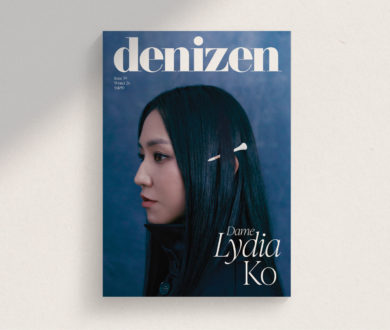
For more exclusive access to what the city has to offer, engaging content, excellent imagery and thought provoking commentary on the life that surrounds you, subscribe to Denizen magazine now.