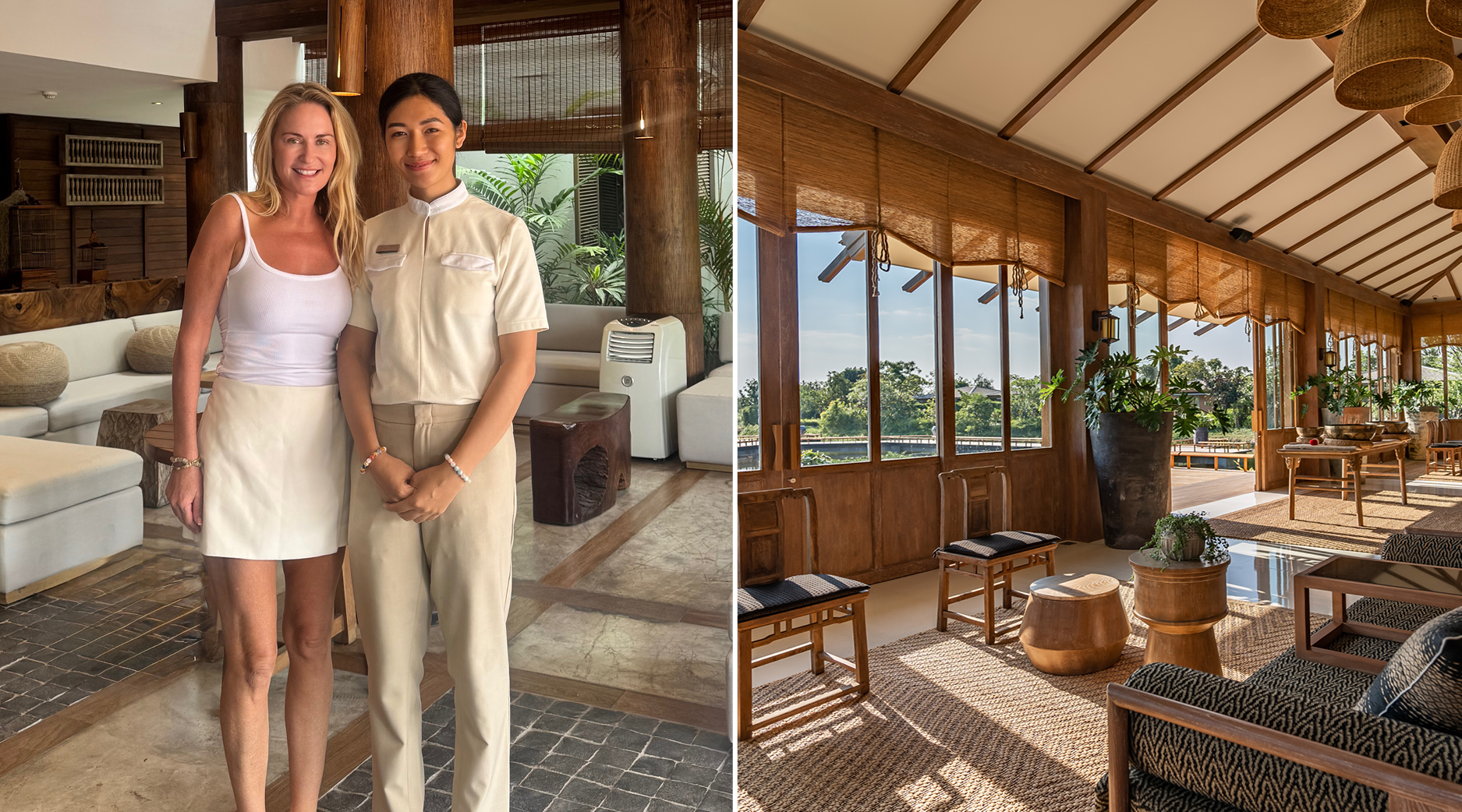
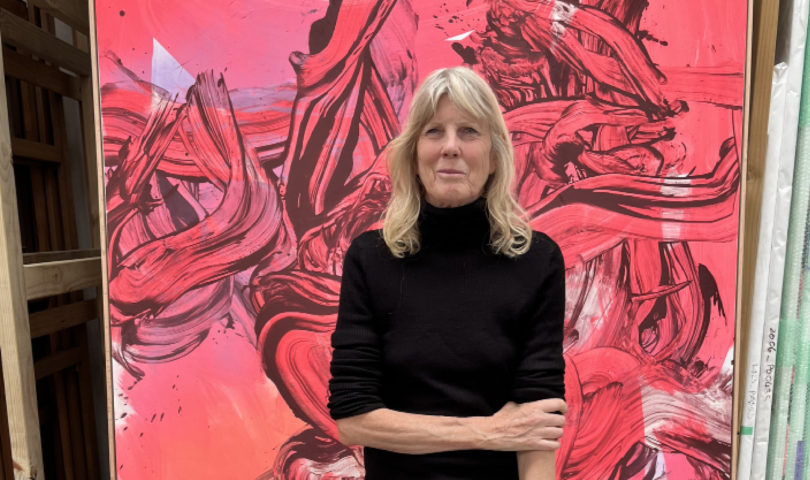
Having published and edited some of the most influential lifestyle magazines both in New Zealand and in New York, it’s little wonder Claire has an excellent ability to create inspiring editorial content. As Denizen’s Editor-in-chief, she is firmly placed at New Zealand’s authority on the art of living well. In addition to The Denizen (website and magazine), Claire also publishes and edits New Zealand’s leading design magazine and website Design Folio, and is widely regarded as an authoritative figure in the design community.
There is something slightly confronting about watching an era you actually lived through being reissued as mythology. When a film or television series suddenly declares the late nineties and early 2000s the pinnacle of enduring style, I feel both nostalgic and faintly amused. At the time, it was not iconic. It was simply our uniform.
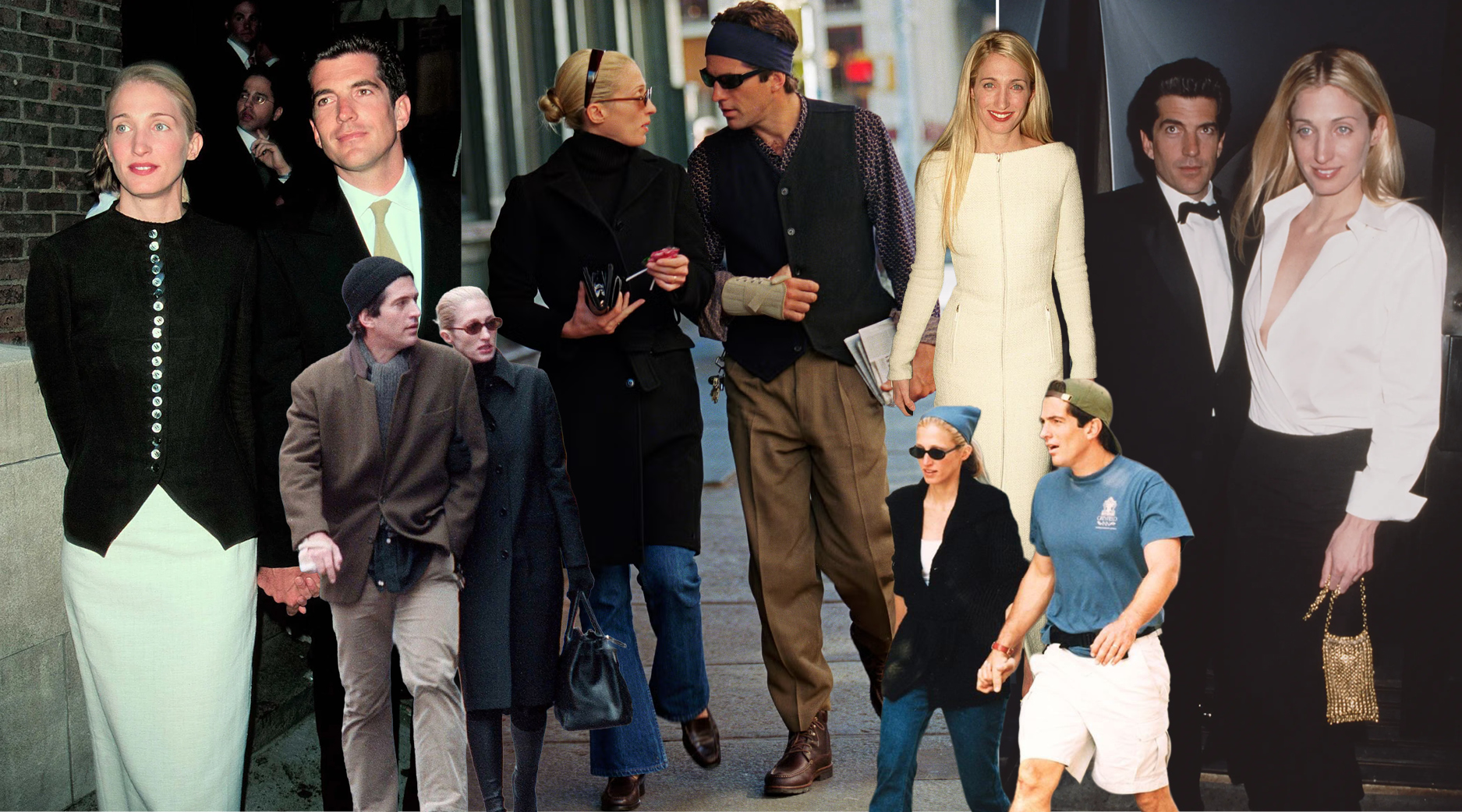
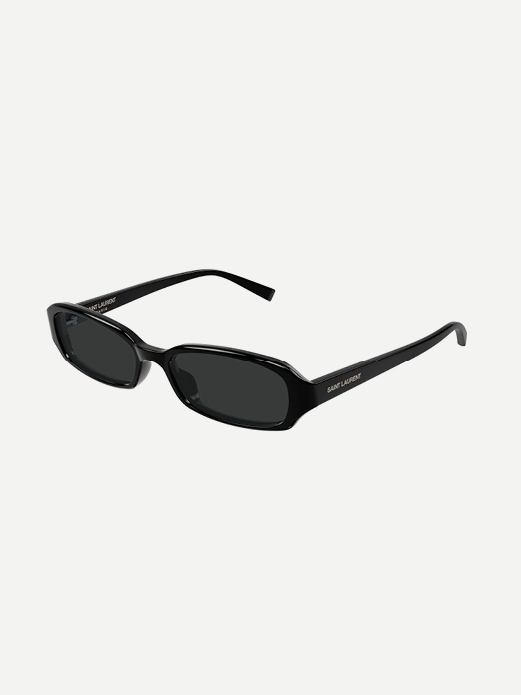
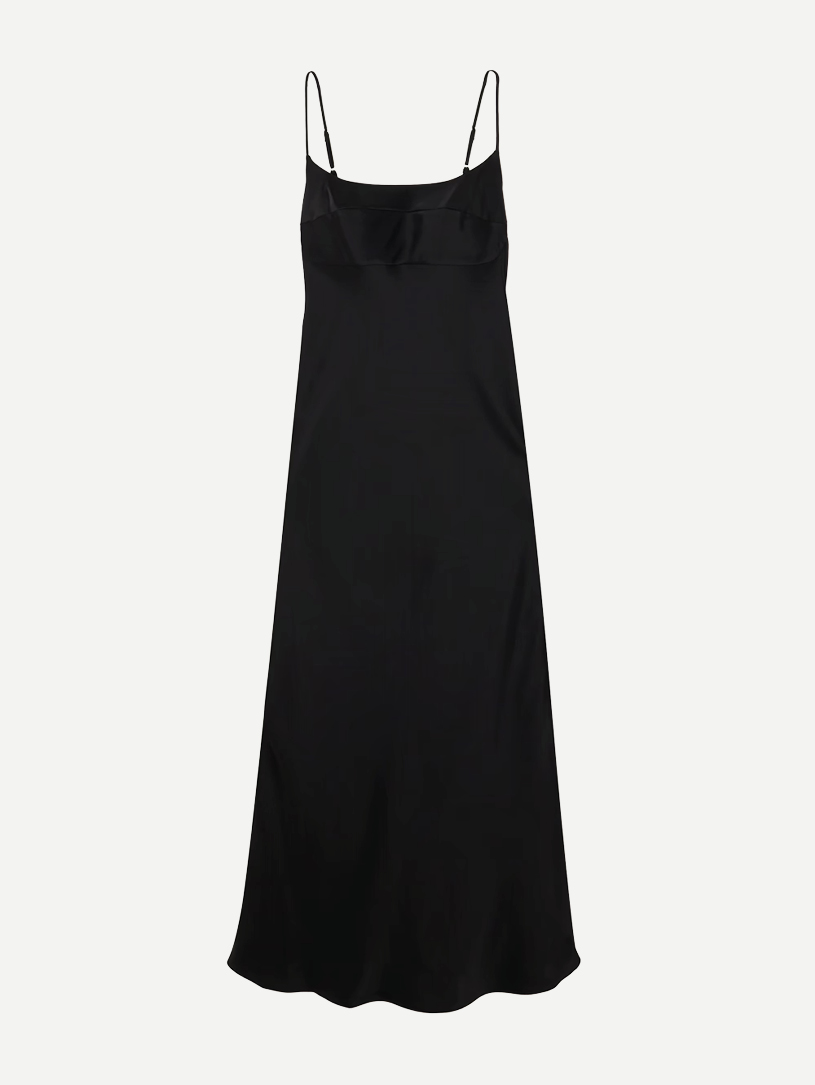
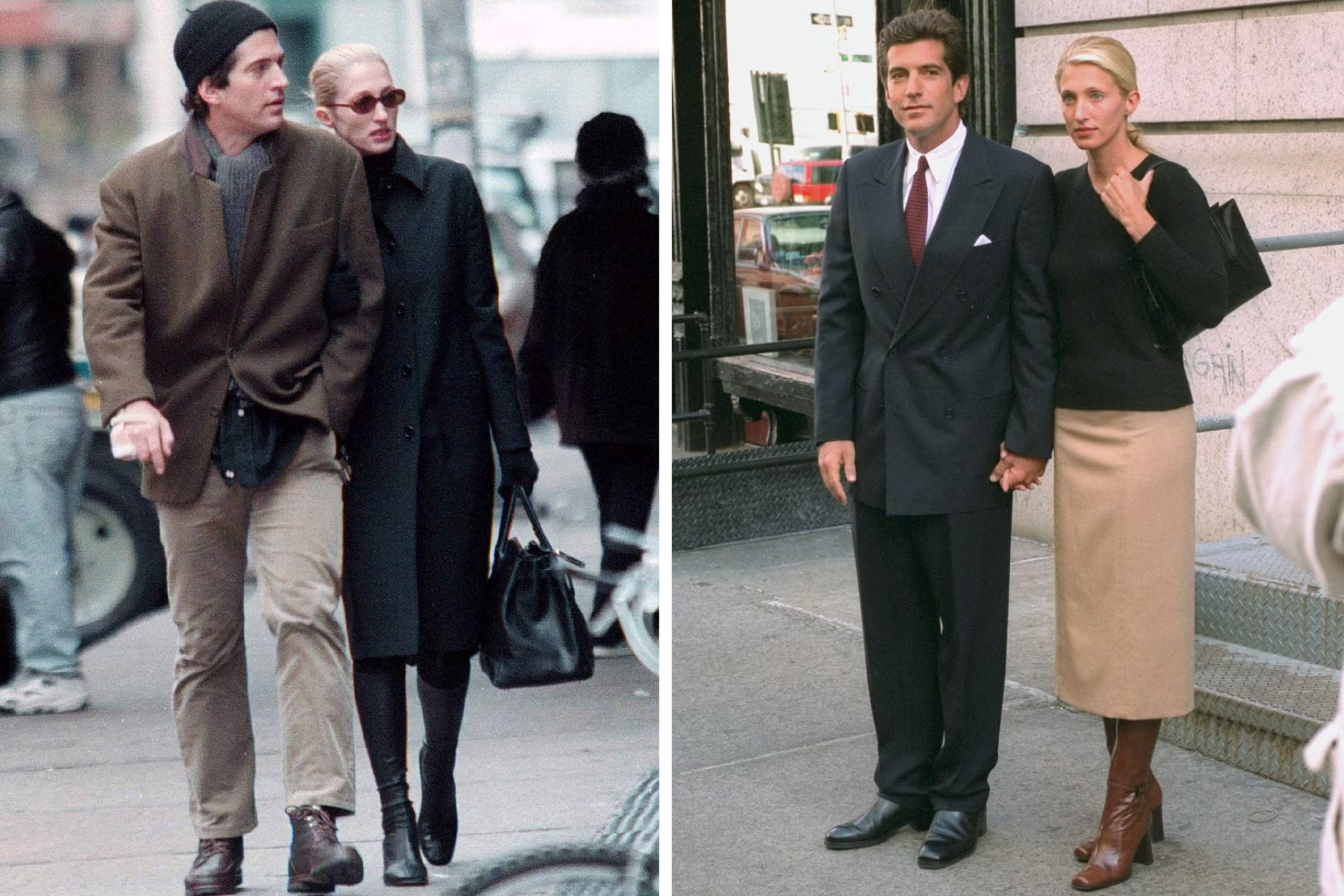
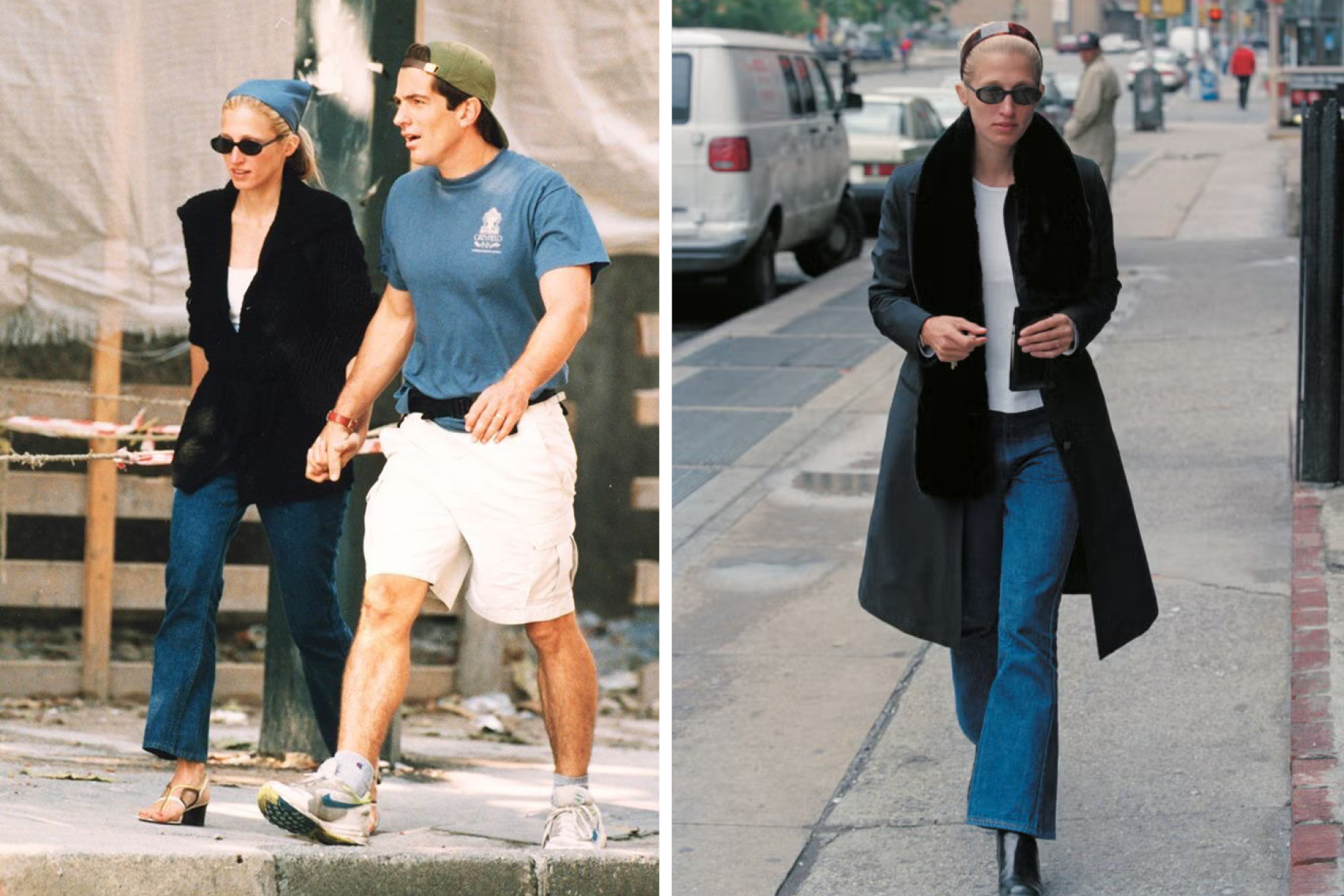
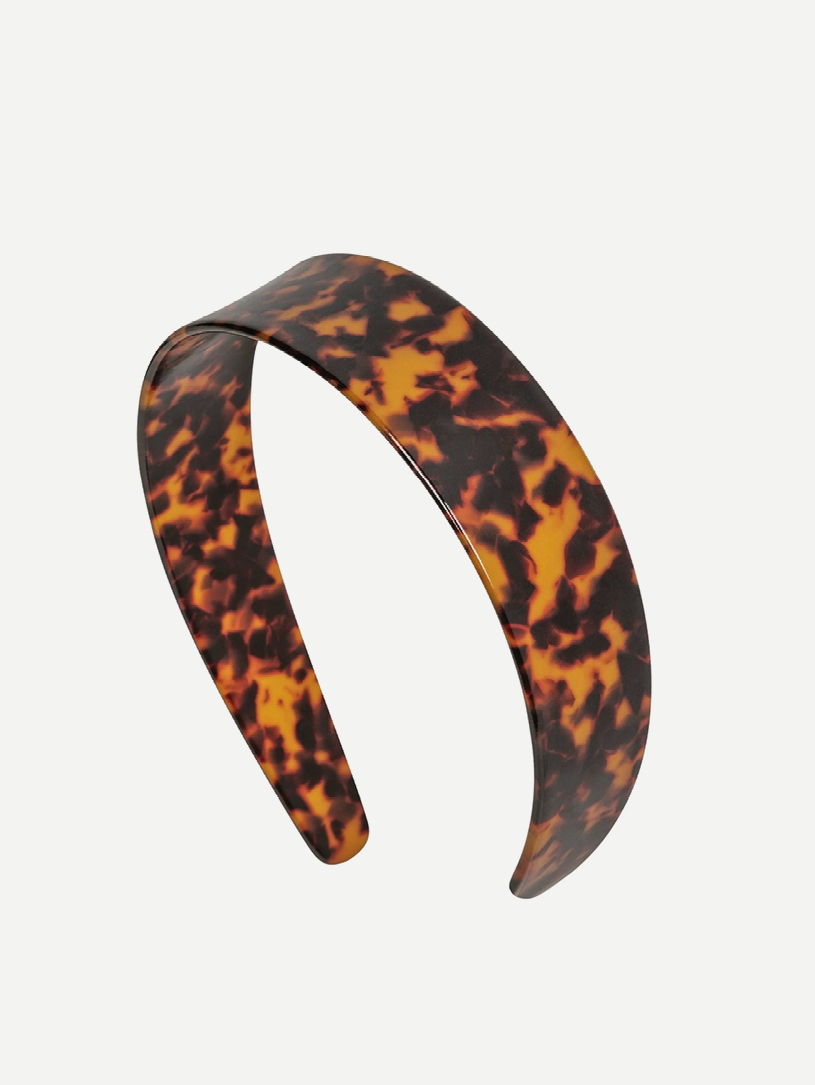
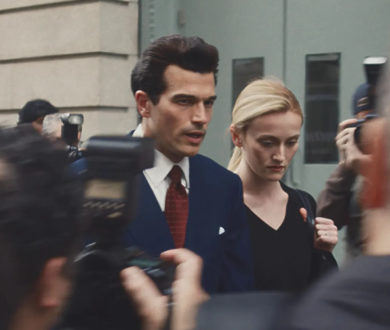
With the release of Ryan Murphy’s new series Love Story, revisiting the romance and tragedy of John F. Kennedy Jr. and Carolyn Bessette-Kennedy, a new generation is discovering what many of us witnessed in real time. Grainy paparazzi images are now treated as sacred fashion artefacts. Silk slips are selling out again. Headbands are back. The mood boards are relentless.
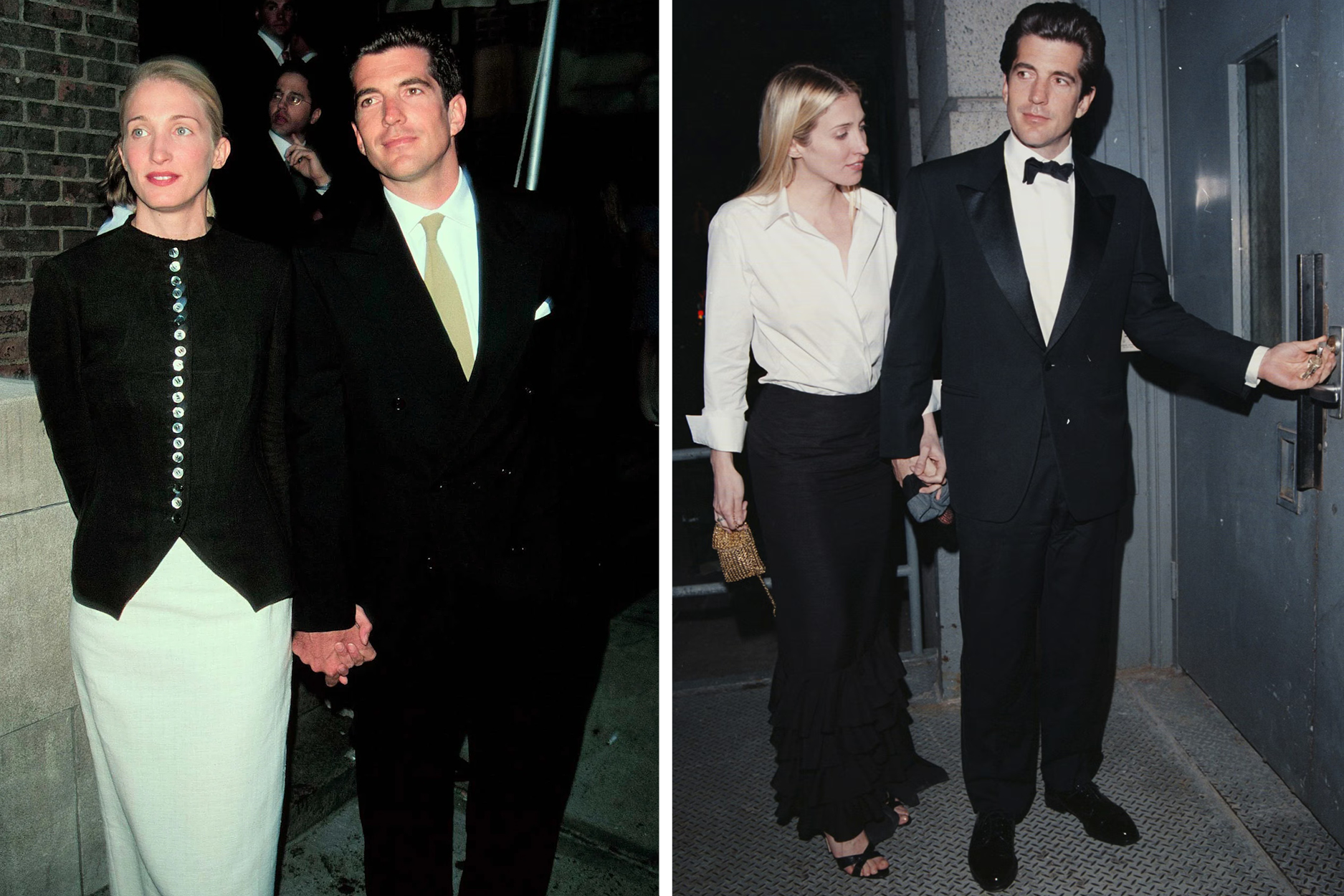
Carolyn remains perhaps the most mysterious modern style muse. There exists less than a minute of her voice on tape, yet she has become almost deified within fashion circles. Thrust into the spotlight when she married JFK Jr, despite her clear preference for privacy, she was photographed endlessly until their tragic deaths in 1999. Those images, walking through Tribeca in loafers, stepping out in a bias-cut slip, hair pulled back, now circulate as shorthand for cool.
As a young woman, I was living in New York during that exact period. I moved within the fashion and magazine world that orbited downtown Manhattan, and they were simply part of the city’s rhythm. Carolyn’s role in PR at Calvin Klein placed her closer to my professional periphery than John, though he was a magazine publisher. But she was in the industry. Which somehow made her influence more potent.
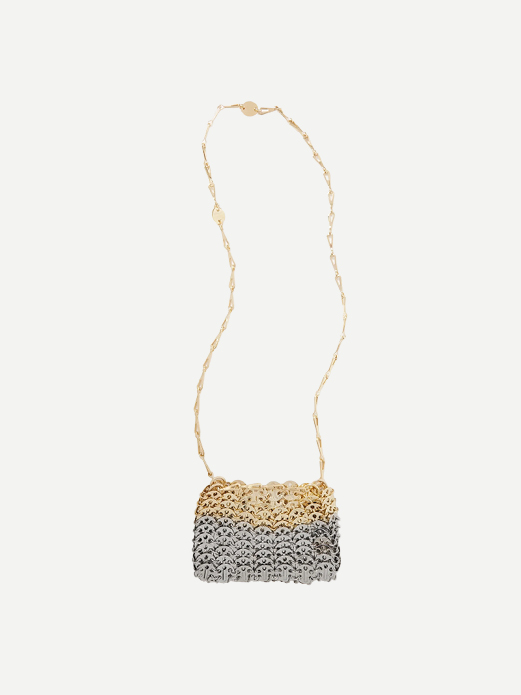
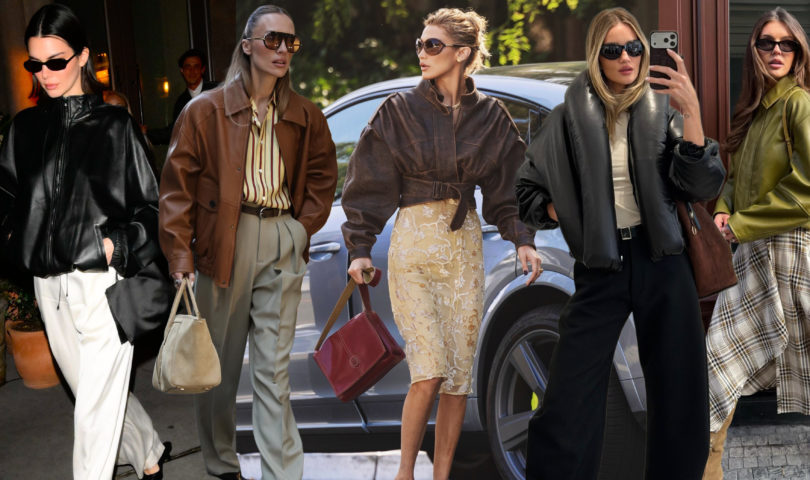
1969 Skyline Nano chainmail shoulder bag from RABANNE
There was awe around her, yes. But also sympathy. She had not auditioned for global fascination. She had fallen in love with an American icon and found herself under an unforgiving lens.
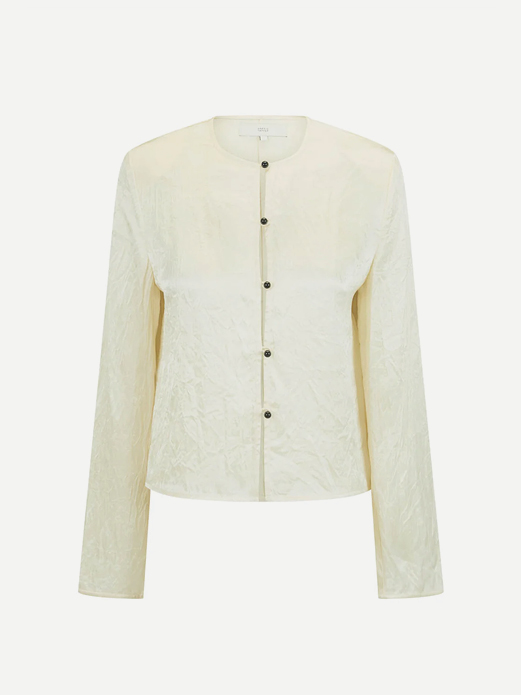
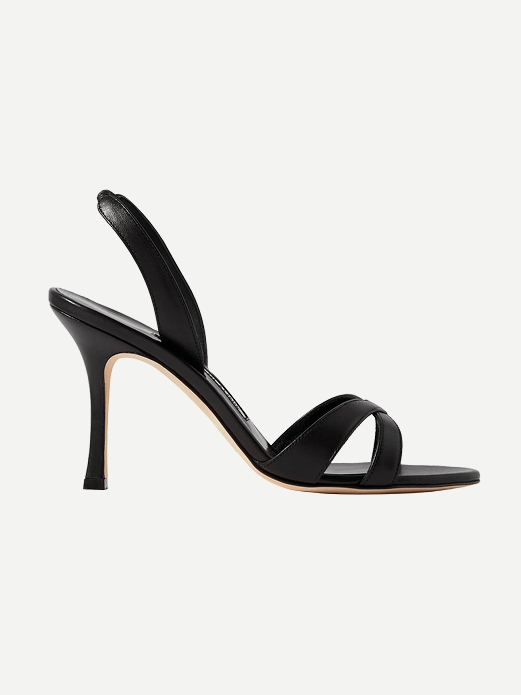
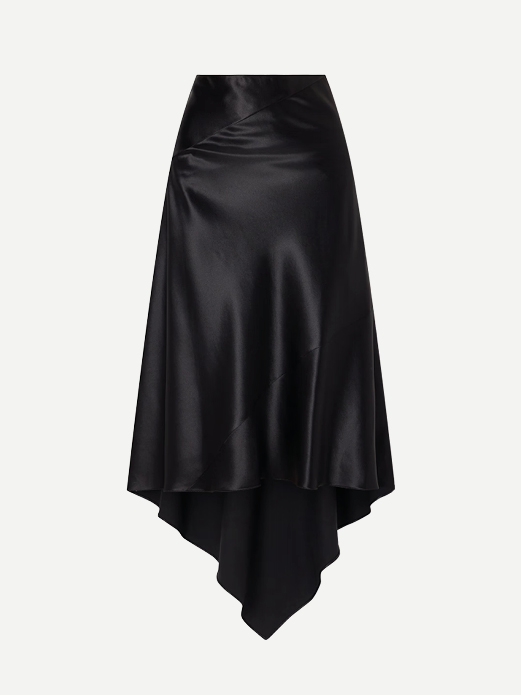
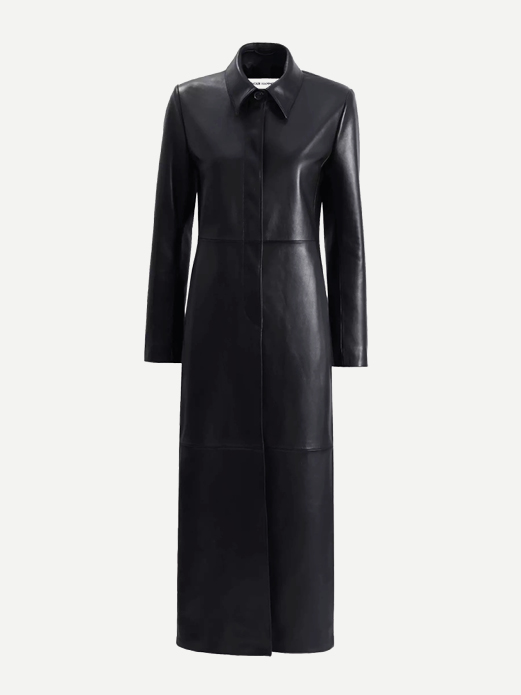
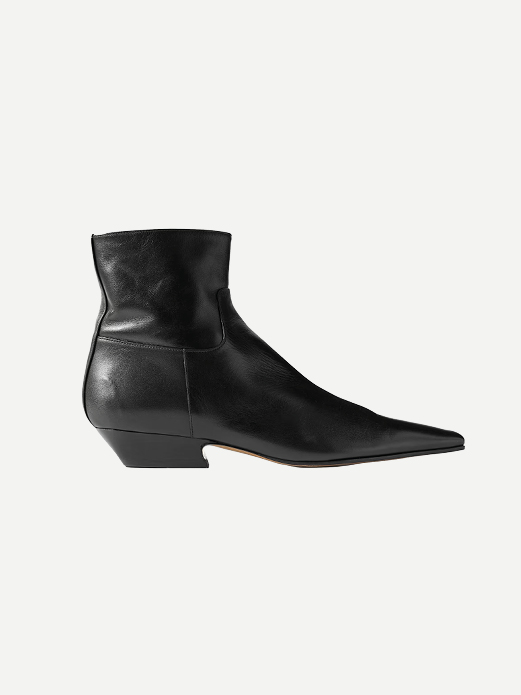
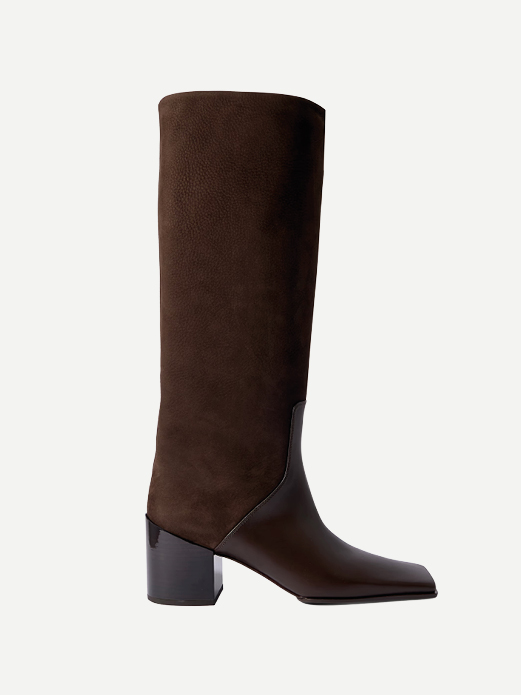
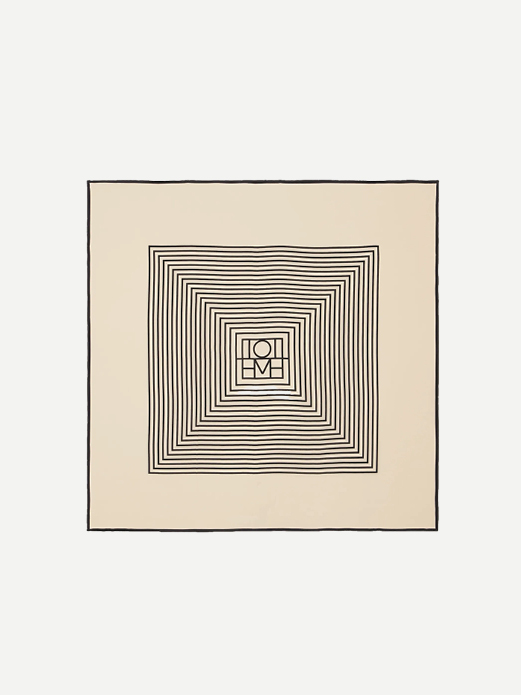
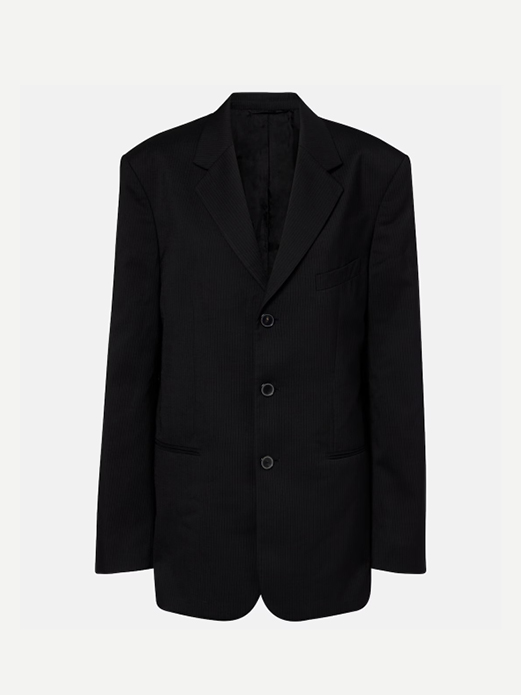
The truth is, her wardrobe was not dramatically different from ours. Straight-leg jeans. A crisp knit. Chanel ballet flats. Prada loafers. Silk slips cut on the bias. Clean coats. Neutral palettes. It was not revolutionary in a theatrical sense. But it marked a shift. A progression from early nineties heroin chic into something more refined and grounded. Less fragility, more polish. Minimalism with confidence.
Today, commentators call it quiet luxury. Some even suggest she invented it. And while names like Audrey Hepburn or Jacqueline Kennedy Onassis may have longer historical arcs, Carolyn’s influence feels startlingly modern. Her tailoring, her proportions, her refusal to overwork a look, it all reads as relevant in 2026. Perhaps that is why it has endured.
I still own pieces from that era. They still work. Because when style is anchored in quality, proportion and restraint, it does not expire.
I remember with painful clarity the days after their plane disappeared. The waiting. The collective hope that they had simply diverted to escape the weather. The slow, devastating acceptance when they had not.
The tragedy cemented their place in cultural memory. But what truly lingers is the restraint. The fact that they did not try too hard. They did not need to.
Their looks were unfussy, consistent, and assured. And that, more than any trend cycle, is what defines enduring class. For those of us who lived it, it was never a costume. It was simply New York.
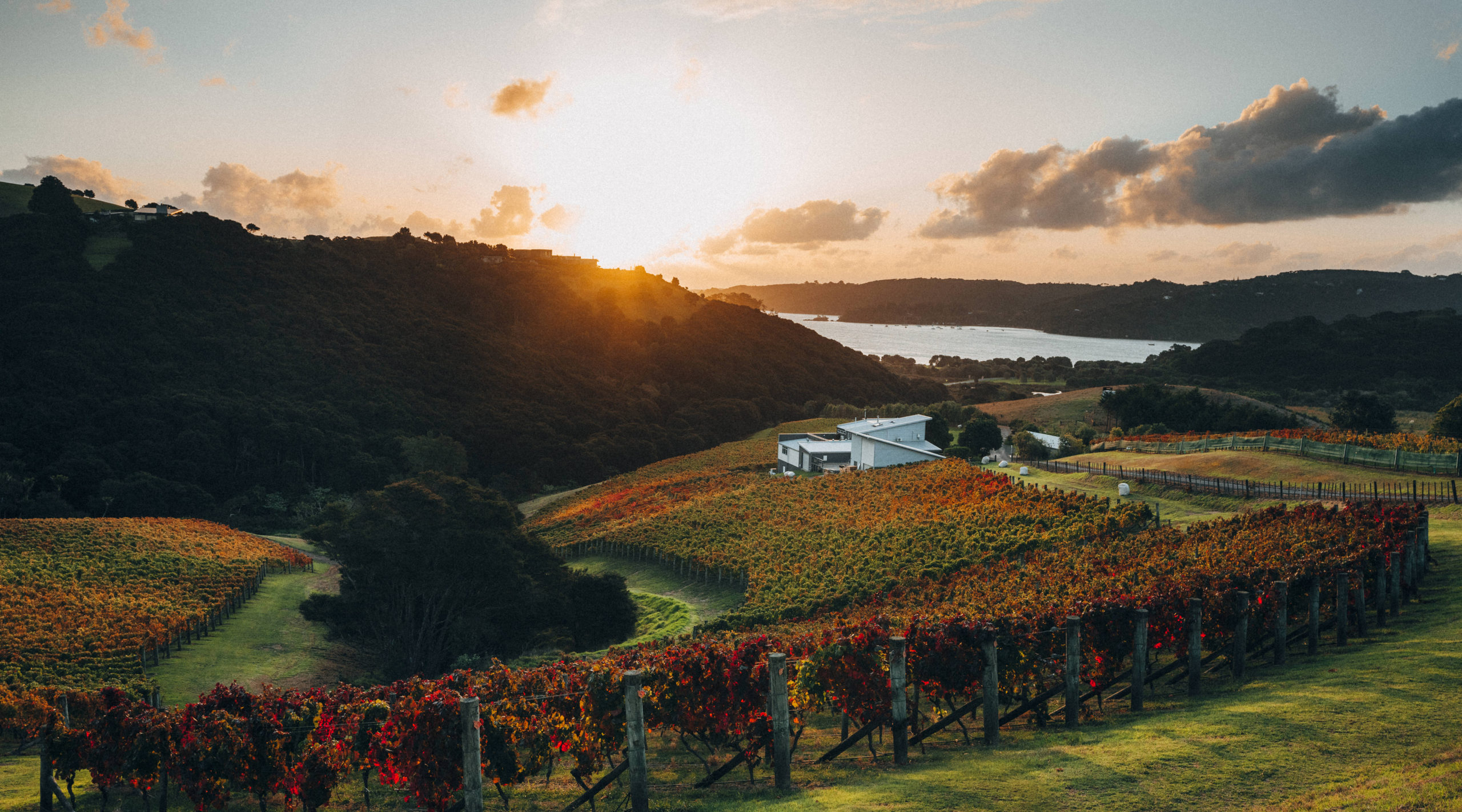
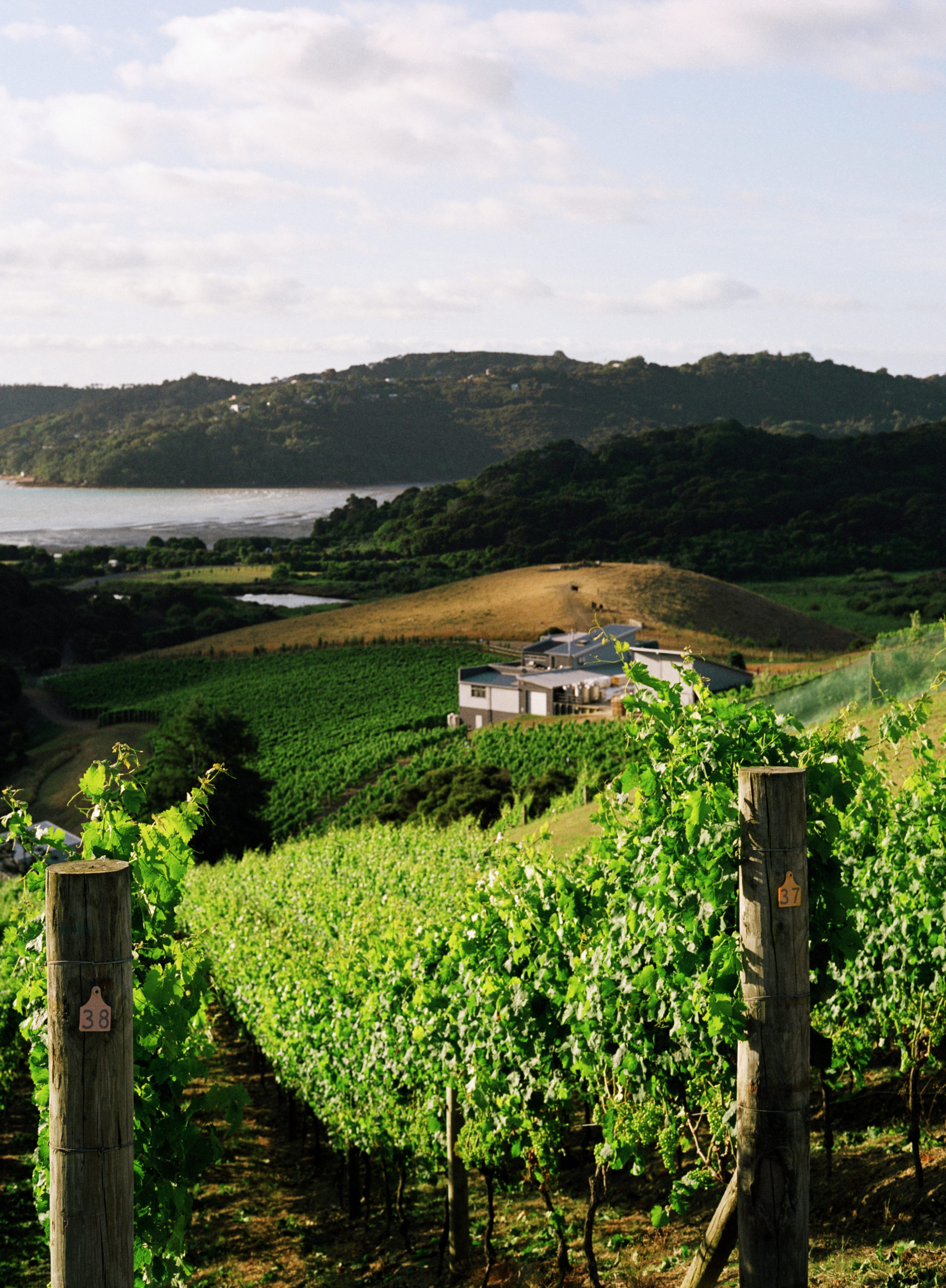
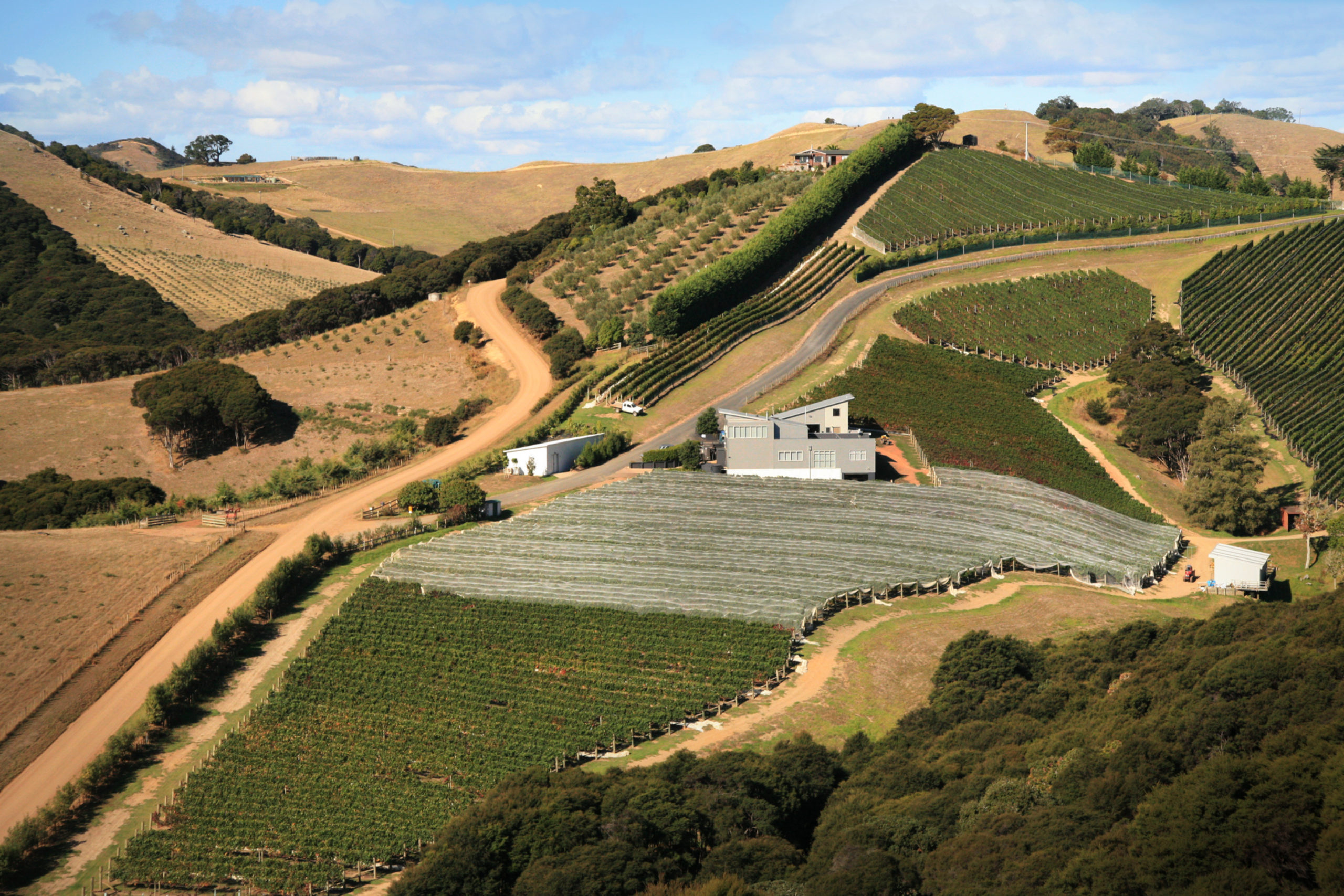
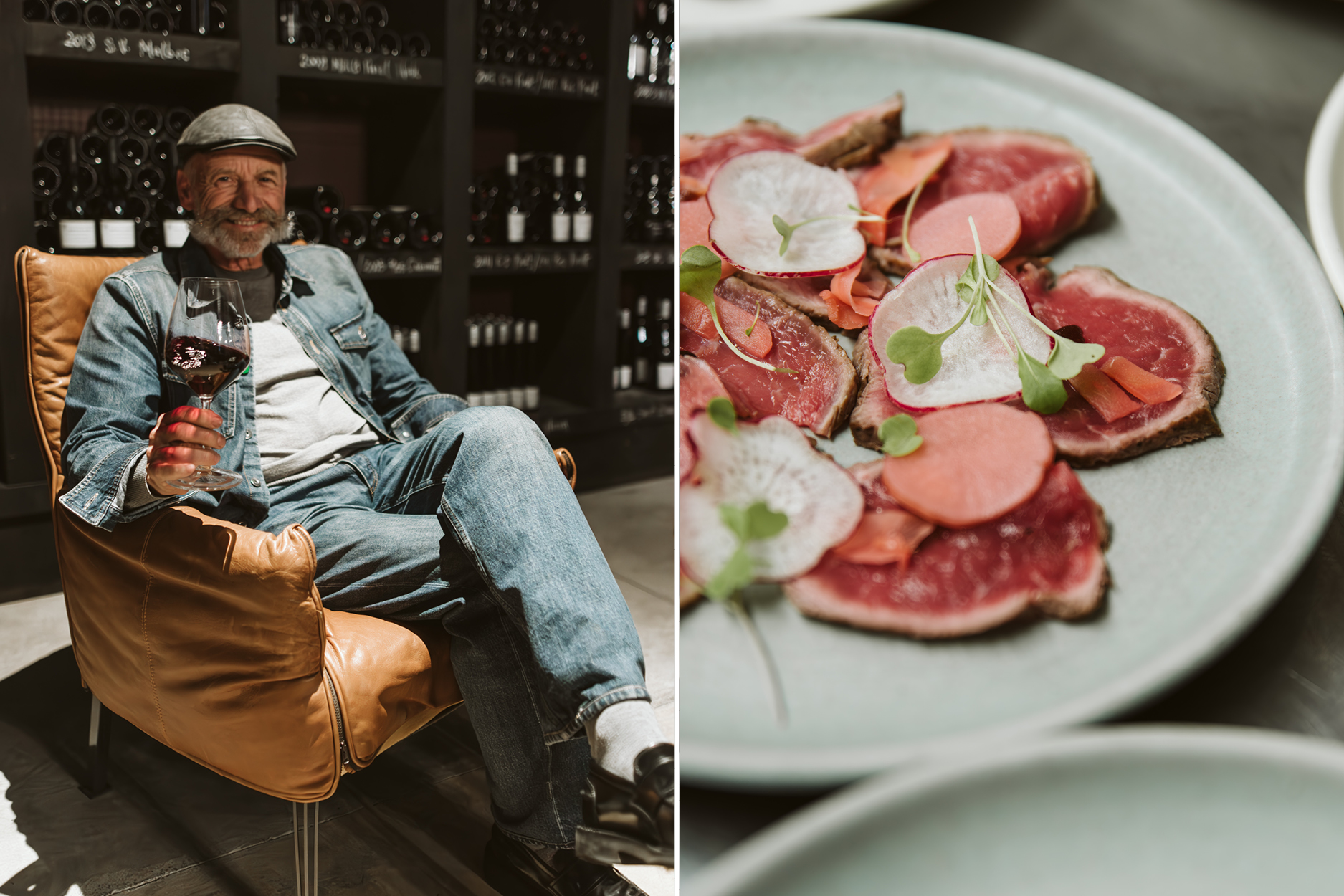
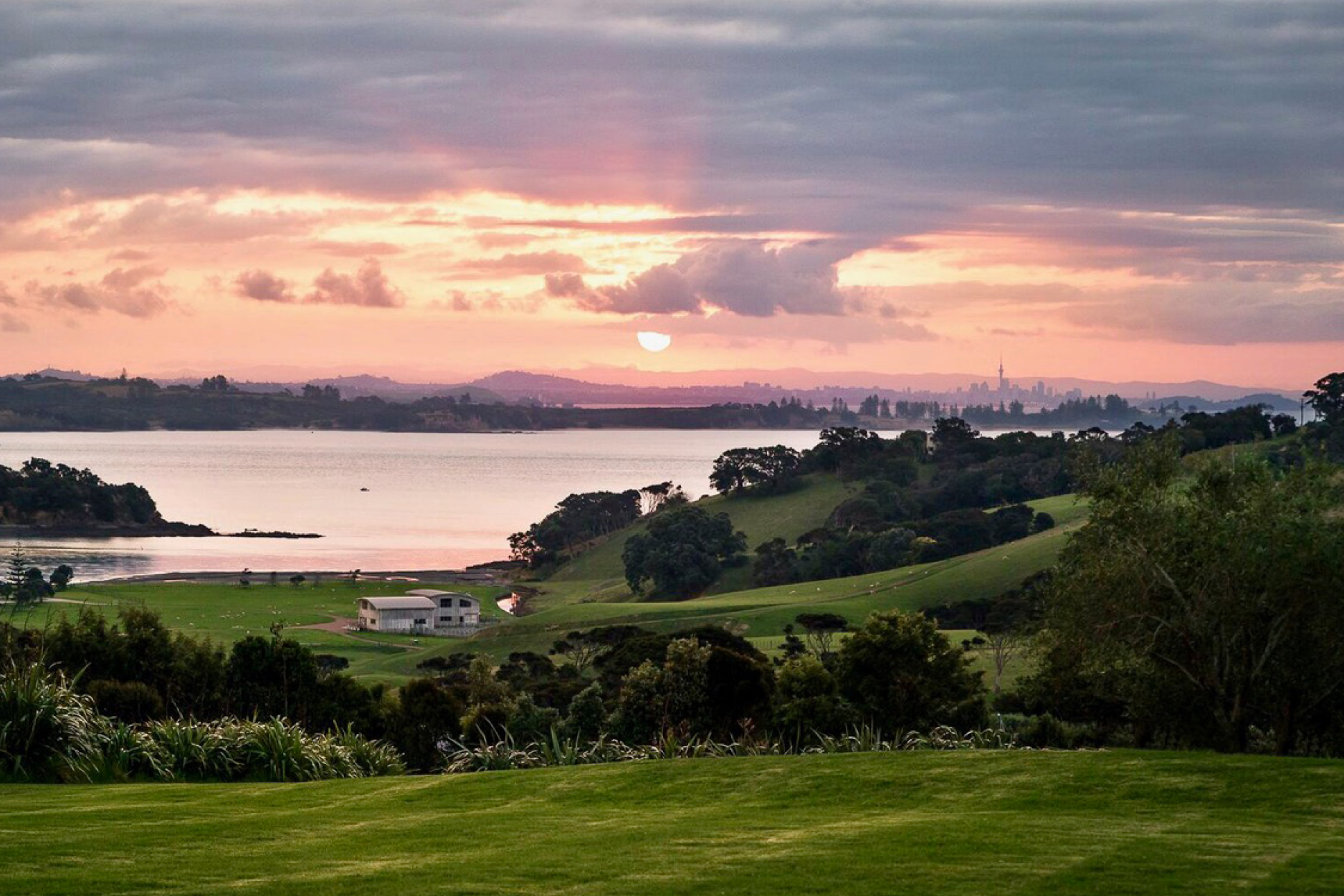
Stand at the crest of Destiny Bay’s vineyard, and the logic of the place reveals itself slowly. The valley curves inward in a north-facing amphitheatre, a natural bowl that gathers heat and holds it. Vines run down slopes too steep for comfort, let alone convenience. Beyond them, the Hauraki Gulf catches the light. Nothing about it feels accidental. It is beautiful, certainly, but beauty is incidental, as Mike Spratt describes it: “When we say this little valley is distinctive, that’s a factual statement, not a marketing statement,” he says. “It’s basically a geological miracle.”
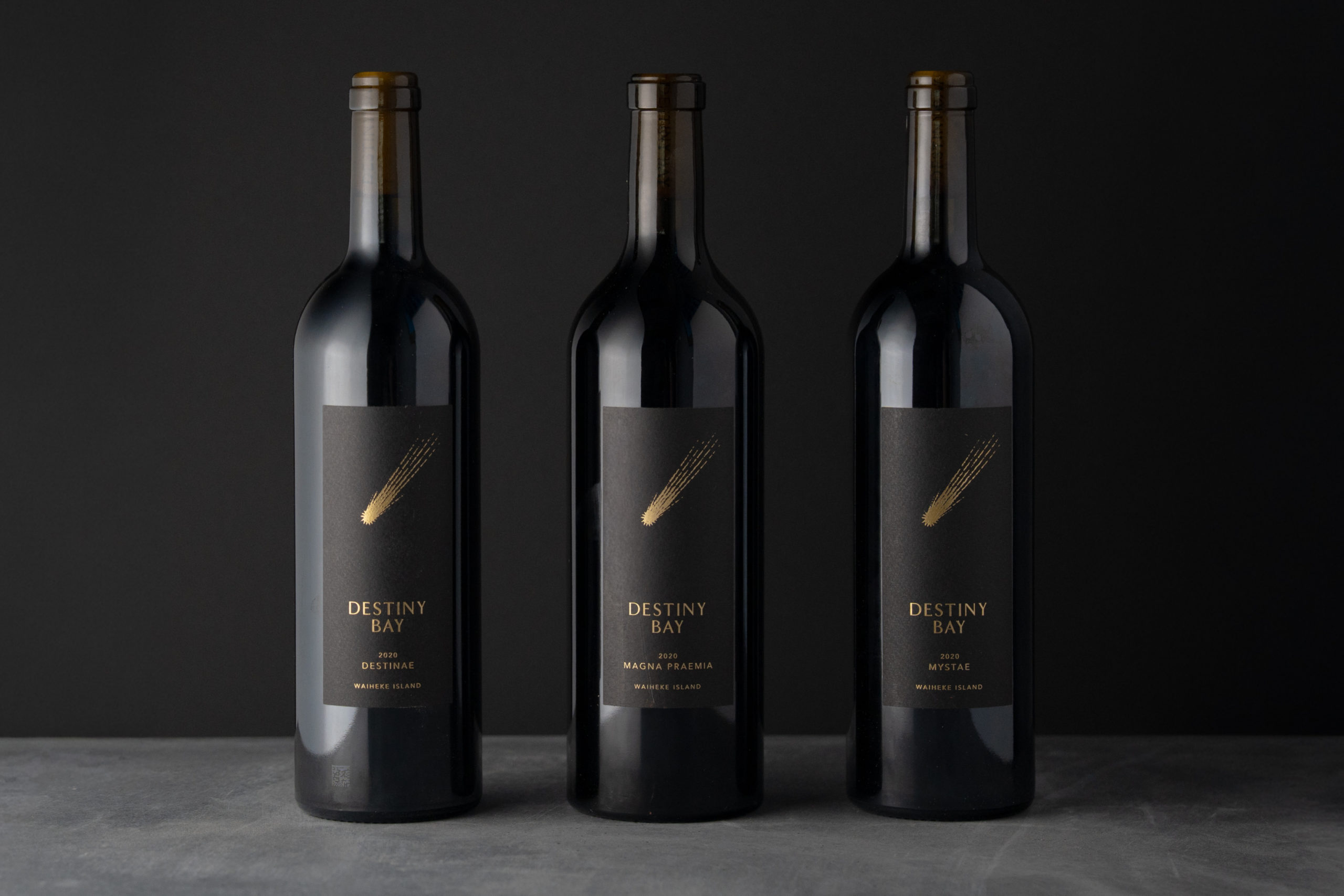
New Zealand’s global wine identity was built on Sauvignon Blanc and Pinot Noir. Cabernet Sauvignon was never meant to be the headline act. Yet here, on five hectares of sloping Waiheke terrain, sits a producer whose Cabernet-led blends have quietly entered the upper echelon of the world’s fine wines. In the Real Review rankings, Destiny Bay was named New Zealand’s top winery in 2021 and has held second place every year since. Mike Spratt notes the consistency with a hint of competitive pride. “If the past five years were a regatta, we’d be sitting in first place on nine points, with Felton Road second on thirteen and Craggy Range third on twenty-two.” It is the sort of statistic that says as much about sustained excellence as it does about ambition. The wines have also found their way into the cellars of serious collectors around the world, including Hollywood devotees such as Tommy Lee Jones, Eva Longoria and Matthew Fox. This is not a cellar door curiosity. It is a serious house of wine.
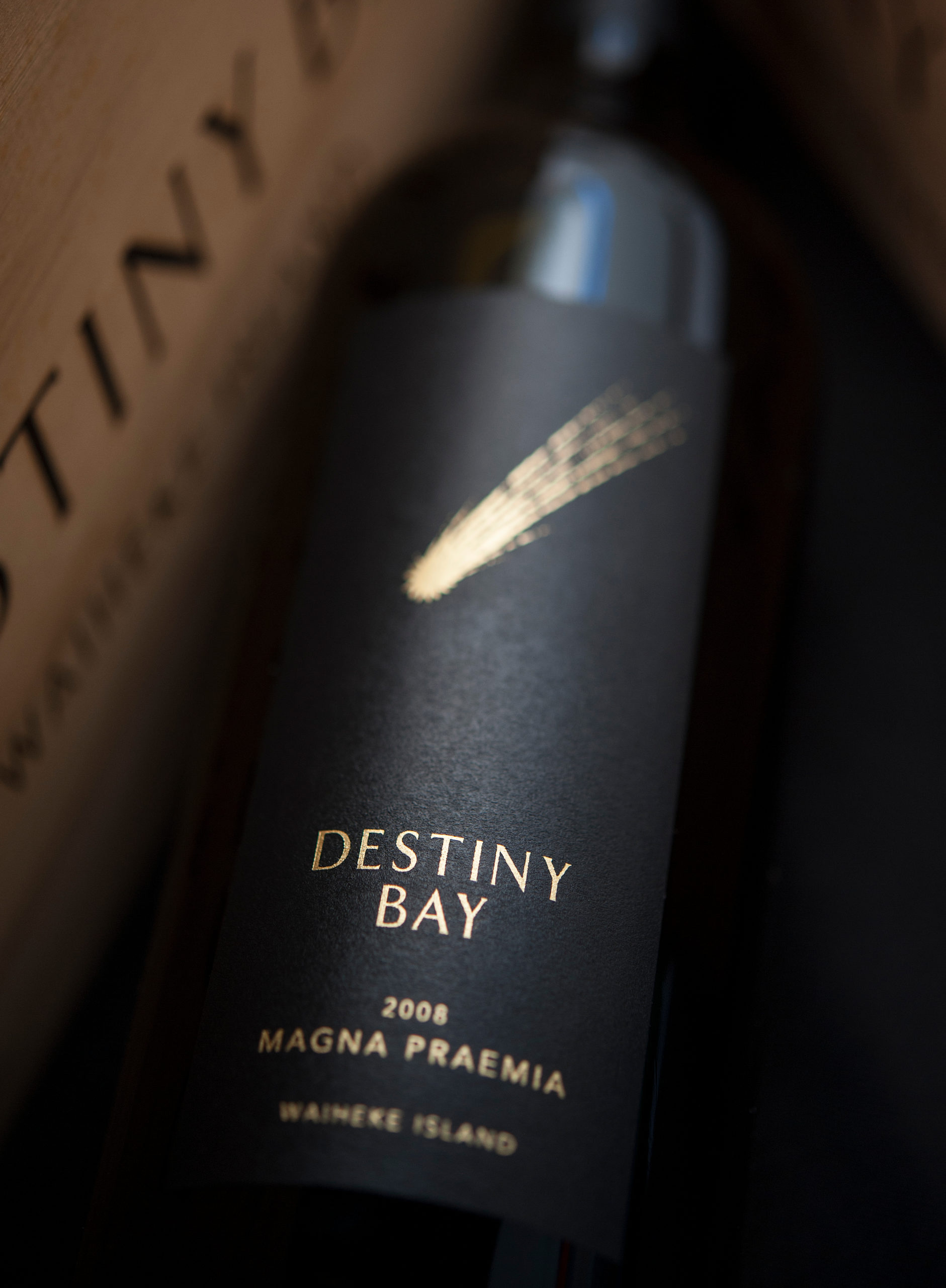
If there were any doubt about positioning, the events of 2023 provided an unexpected footnote. A high-end heist at a prominent Auckland wine shop saw 56 bottles stolen, many of them international icons. Only one New Zealand wine made the cut: Destiny Bay’s Magna Praemia 2015. “Whoever commissioned that theft knew exactly what they wanted,” Mike says. “They were stealing extremely valuable, expensive wines, to order.” In a single detail, the winery’s standing was reframed. This was not provincial pride. It was a highly valuable global currency.
The Spratts did not arrive on Waiheke with an ambition to rewrite New Zealand’s red wine narrative. Mike and his wife Ann had effectively retired when they first visited the island in the late 1990s. The plan was to build a house. The land below was grazing country. The idea of planting vines was closer to a hobby than a vocation. A consultation with viticulturist Dr David Jordan shifted the tone. The verdict was decisive. The site was not merely suitable. It was exceptional.
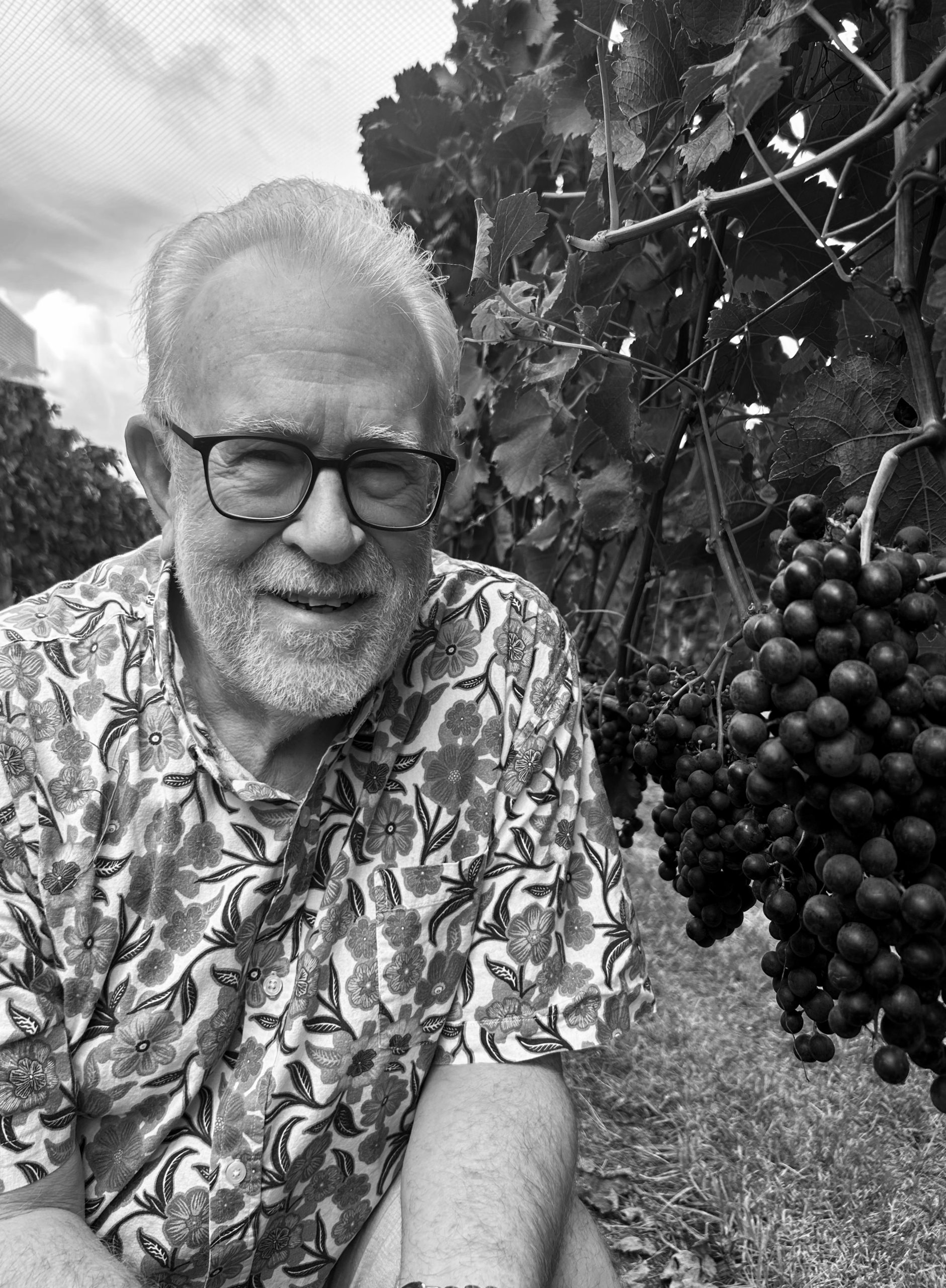
Mike Spratt
“The role that fate or destiny played was really 25 years ago,” Mike says. “It is an impossible place that meets improbable people.” He does not romanticise their credentials. He is a psychologist by training. Sean, his son and now the estate’s winemaker and managing director, brings an analytical mind and, as Mike calls it, “an extraordinary palate.” Ann anchors the operation. “We were not vintners,” Mike says. “We were completely improbable as people who would do this.” The name Destiny Bay was less a branding exercise than an acknowledgement. They had found something rare without setting out to do so.
Waiheke, he points out, is not an extension of Marlborough or Central Otago. “Waiheke Island, it turns out, is not at all like the rest of New Zealand when it comes to a viticulture region,” he says. “The two rarest wine varieties produced on the island are Sauvignon Blanc and Pinot Noir.” The island’s maritime climate is warmer and drier, almost a separate country in viticultural terms. But it’s Destiny Bay’s valley that stands out most within that context.
“This one valley that we discovered quite accidentally, had both the soil, site and climate… that had the potential to do something that couldn’t be done anywhere else… in the world.”
Many assume Waiheke’s success is rooted in volcanic romance. Mike is quick to dismantle that notion. “Most of Waiheke is not volcanic soil,” he explains. Instead, the island sits largely on sedimentary clay derived from greywacke and argillite, soils that are notably poor in nutrients. For vines, that apparent disadvantage is precisely the point. “It’s basically sedimentary clay with topsoil on top,” he says. The scarcity forces the vines to struggle, concentrating flavour and structure in the fruit rather than encouraging easy abundance. The island’s geological story traces back to the ancient formation of Zealandia, but within that wider narrative, this particular amphitheatre presents an unusual convergence of soil composition, orientation and microclimate. “It just happens that this one valley that we discovered quite accidentally has both the soil, site and climate,” Mike reflects, “that had the potential to do something that couldn’t be done anywhere else on Waiheke and, more impressively, anywhere in the world.”
The decision to focus on Bordeaux varietals in a country celebrated for aromatic whites was not contrarian for its own sake. It was logical. The site favoured Cabernet Sauvignon and its classical companions. Destiny Bay grows the five traditional Bordeaux varieties, with Cabernet dominant. Three blends are produced, stylistically distinct yet all drawn from the same vineyard fruit. “They all come from the exact same fruit,” Mike explains. He reaches for a metaphor that feels apt. “You can have a beautiful piece of music by a single instrument, but it’s not going to sound the same as a symphony.” Destiny Bay’s wines are built like an orchestration, layered and deliberate, Cabernet-led but shaped by Merlot, Cabernet Franc, Malbec and Petit Verdot.
For all the science underpinning the process, what’s more important is the sensory aspect. “The most important decisions we make are when we pick, how long we macerate and which fractions go into each blend,” he says, “those are all driven by taste.” Science ensures consistency and eliminates fault. The palate determines the final form.
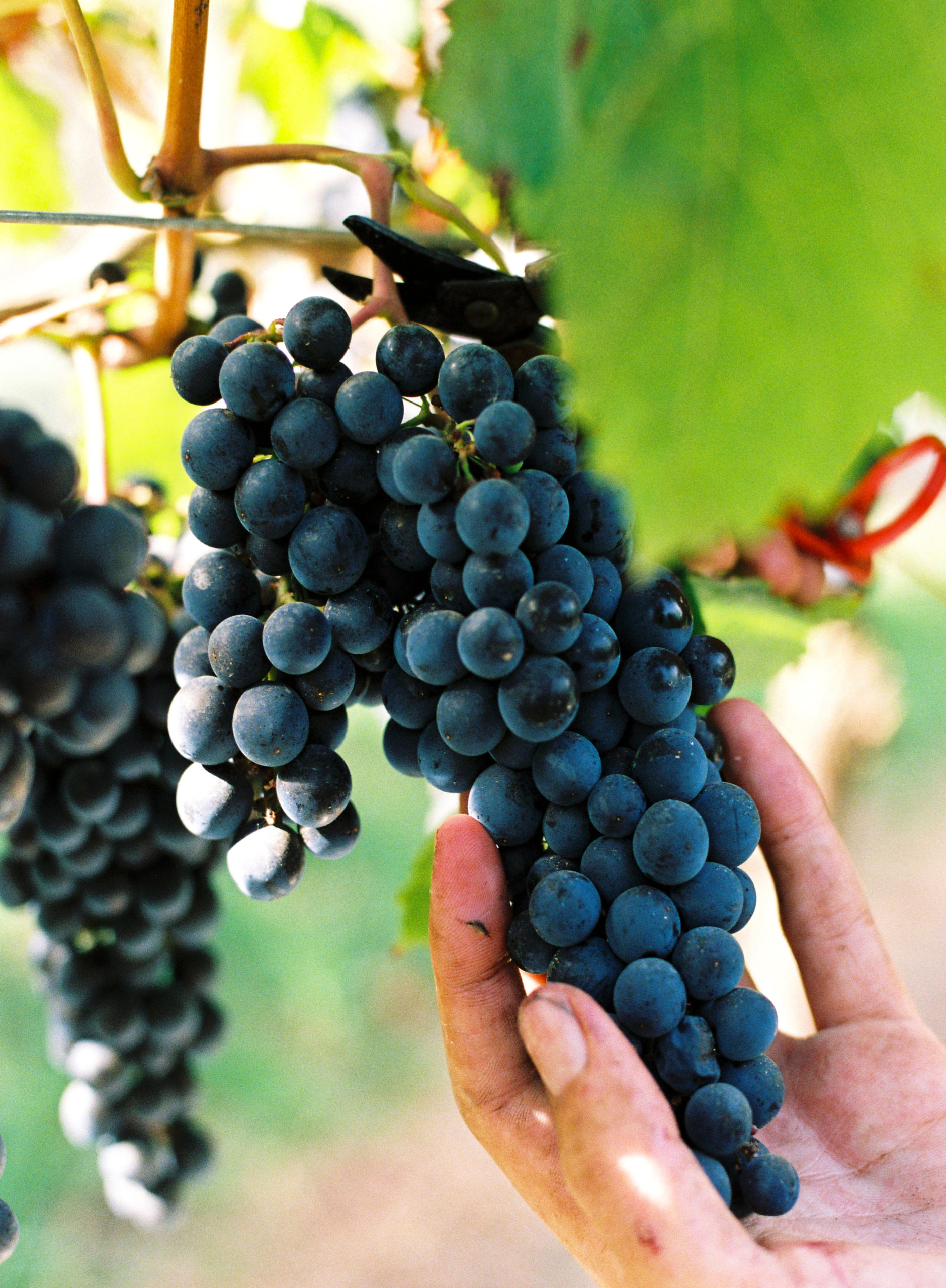
The intellectual backbone of Destiny Bay lies in its understanding of grape maturity. Around their fifth or sixth vintage, before they had sold a single bottle, Mike, Ann and Sean began questioning the unusually advanced fruit development they were seeing. “We were like, how come we’re able to get these levels?” he recalls. What many people think of simply as ripeness, he explains, is far more complex than sugar. “A grape probably has over a thousand different chemical compounds in it, and they don’t all mature at the same rate.” Sugar converts to alcohol, but the compounds that shape aroma, structure, tannin and texture must reach harmony as well. The aim is phenolic ripeness, the moment when every element of the grape has come into balance, and the fruit is capable of producing a wine of depth, structure and longevity.
Climate change has complicated that alignment across the world’s established wine-growing regions. Late-season heat drives sugar accumulation while other compounds lag, forcing winemakers into compromise. “It’s very hard to do that in the world right now,” Mike says. Destiny Bay’s amphitheatre appears to mitigate that tension. “We stumbled into this site that allows us to get the fruit completely right.” Then he distils their philosophy to its essence. “Our mission is basically not to mess that up.”
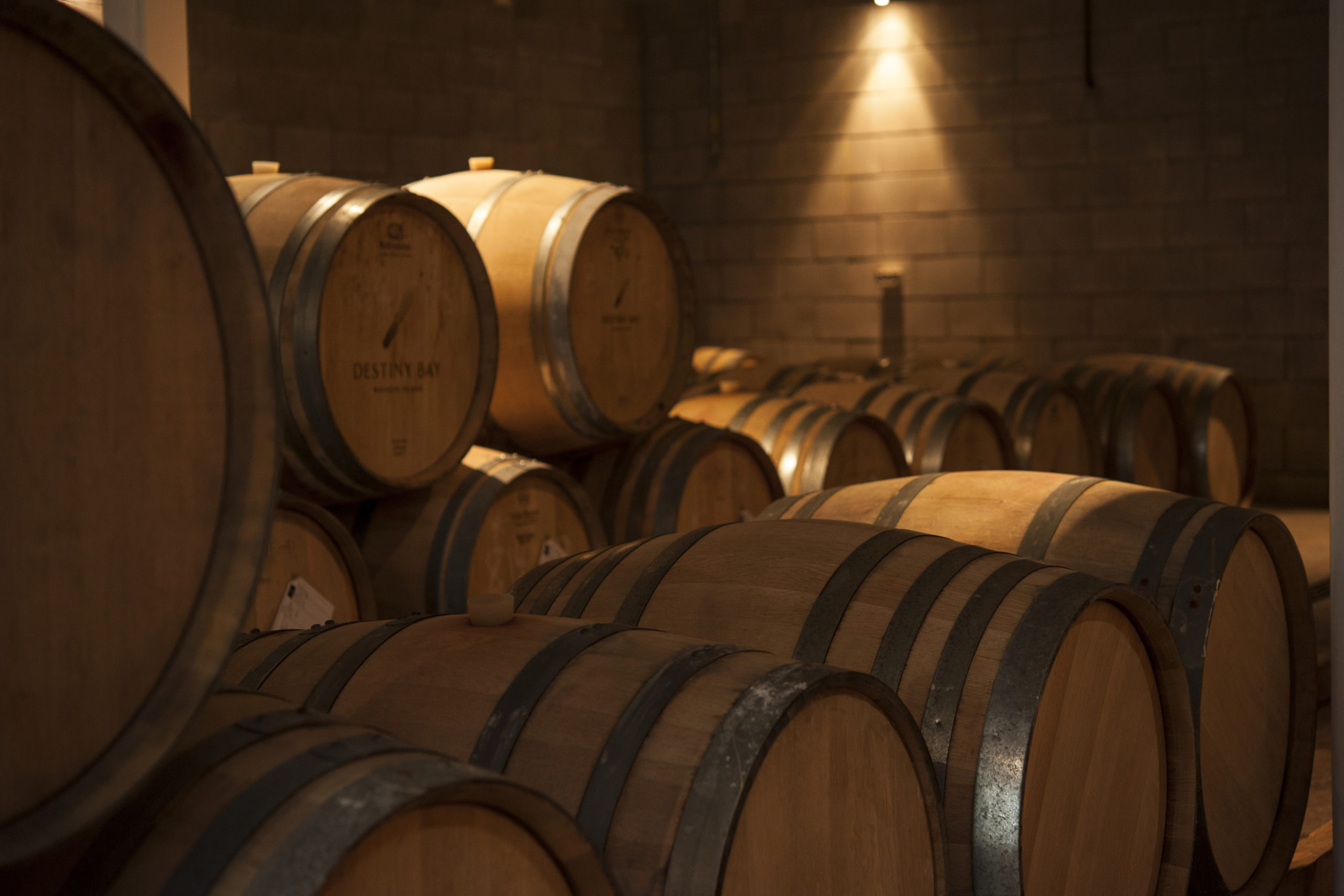
The vineyard itself demands labour and precision. There is no truly flat ground. Slopes reach angles that challenge machinery and reward careful tending. Harvesting is done by hand. Blocks and sub-blocks are picked at different moments as each reaches maturity. By the time the fruit arrives in the barrel hall, it has been separated into numerous components. Free run, first press, second press, third press, each offering nuance. Blending is not guesswork; it is a deliberate composition informed by palate and experience. Science ensures cleanliness and consistency. “The most important decisions you make in a vineyard are when you harvest the fruit,” Mike says, “and how long you let it macerate.” Those calls are driven by taste, not science.
Scarcity in the case of Destiny is not marketing theatrics; it’s reality: the average yearly production hovers around 18,000 bottles, roughly 1,500 cases. In both 2017 and 2023, production was abandoned altogether. “Mother nature didn’t just rain on us,” Mike says of those seasons. “She tried to drown us.” In a category where reputation depends on restraint, the willingness to forgo release reinforces credibility and scarcity even further.
Destiny Bay’s commercial model aligns with its positioning. Much of its allocation flows through an exclusive Patron Club, offering access to current releases and a library of past vintages. Mike refers to the estate as a Veblen good, a term from economic theory describing luxury products for which demand increases with price. “Sometimes its lack of broad awareness adds to its mystique and its attractiveness,” he says. In this context, obscurity is not failure. It is filtration.
Despite their significant international recognition, Mike insists New Zealand remains central to their following. “More than half of our patrons are New Zealanders,” he says. The estate’s reputation among well-connected collectors has grown organically. Word travels efficiently within that world. The absence of broad marketing has not impeded demand.
Their integrity and values also extend beyond viticulture. Destiny Bay’s decision to remove foil capsules from its bottles is emblematic of its refusal to indulge unnecessary ornamentation. “A capsule serves no purpose other than for cosmetic appeal,” Mike says. Tin mining, particularly in parts of Indonesia, carries environmental and labour costs that the Spratts found untenable. “There are children as young as 12 years old doing this.” For a purely decorative addition, the justification did not hold. The bottles now remain unadorned at the neck, a quiet signal that ethics can coexist with prestige.
Throughout our conversation, what resonates most is the Spratt family’s sense of stewardship rather than ownership. Mike ponders the estate’s future in centuries rather than vintages, imagines it two hundred years hence, and thinks about who will carry it forward. “We’re the founders,” he says, “but there’s a legacy here that will continue.” In wine terms, twenty-five years is infancy. Yet Destiny Bay has already entered a global dialogue typically reserved for estates with far longer histories.
When I mention how proud he must feel, Mike resists the urge to be grandiose. “I’d really like to say we’re brilliant winemakers,” he says, “the fact is, we’re not.” What they are, he insists, is meticulous, intelligent enough to recognise what the land offers and disciplined enough not to compromise it. They discovered a site capable of producing fruit of unusual completeness. Their task has been to honour it.
What stands out is the beauty of how some of the most compelling luxury stories can, in fact, materialise organically. They are unforced by commerce, evolve quietly, are shaped by geology, and are guarded by people who understand restraint. And when they happen on a tiny island in a tiny country like New Zealand, the argument feels even more resolved. Destiny Bay did not set out to challenge Bordeaux or Napa. It set out to respect a valley that favoured the grape as nowhere had done prior. The global acclaim that followed is something to be proud of, and we are grateful to the Spratts as custodians of this geological paradise. The future, if Mike is correct, will belong to those who continue to listen to the land.
To join Destiny Bay’s exclusive Patron Club, apply via the link here.
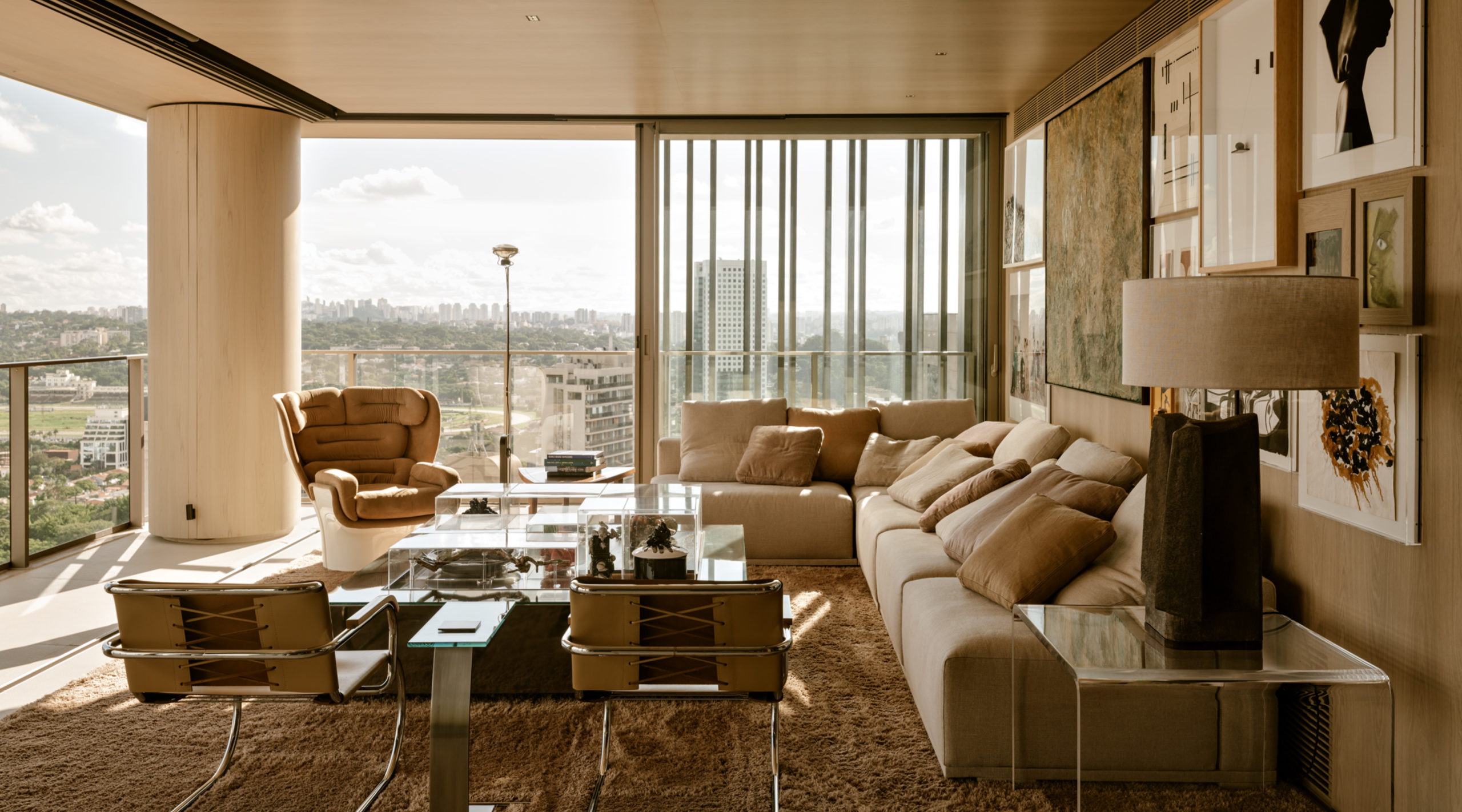
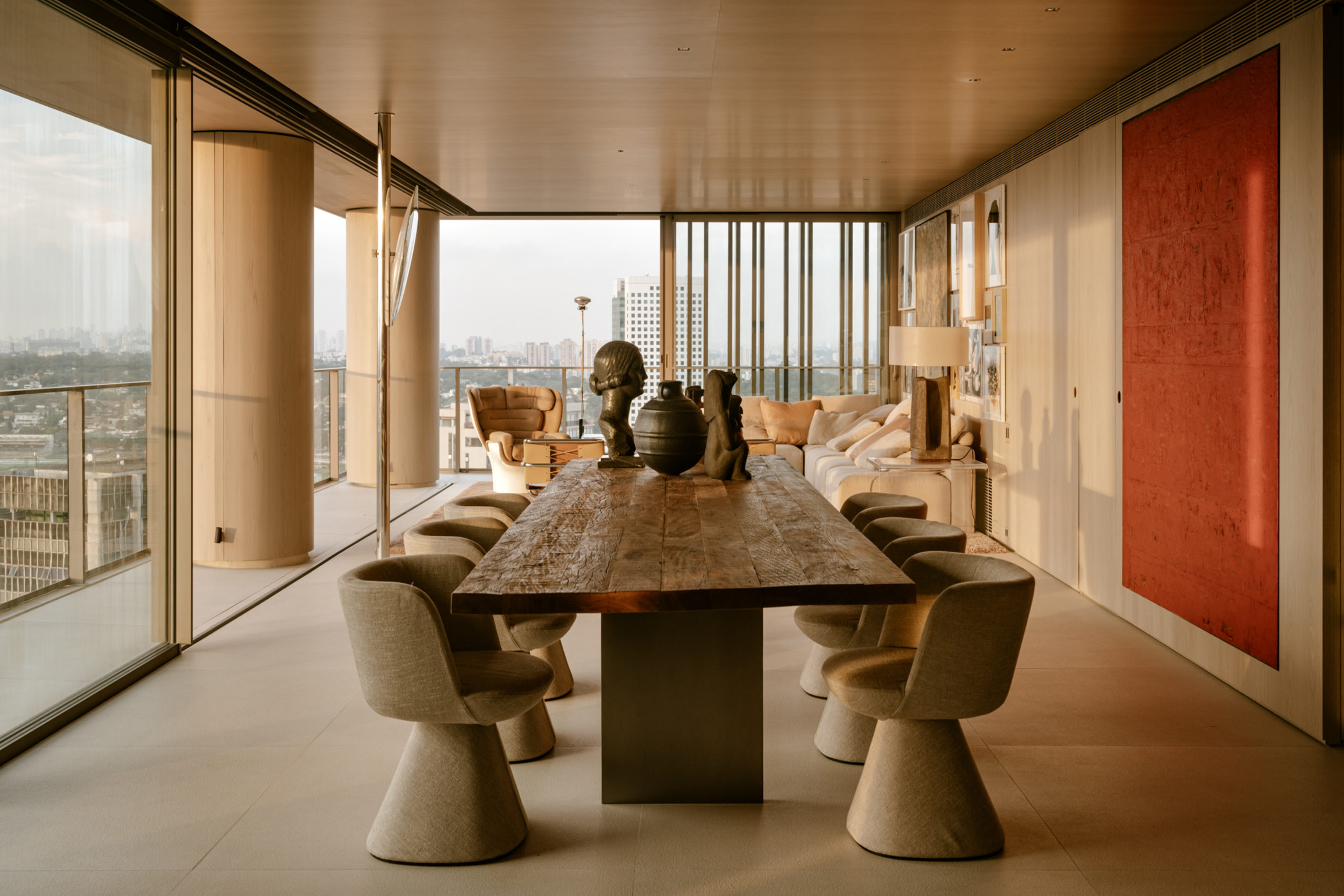
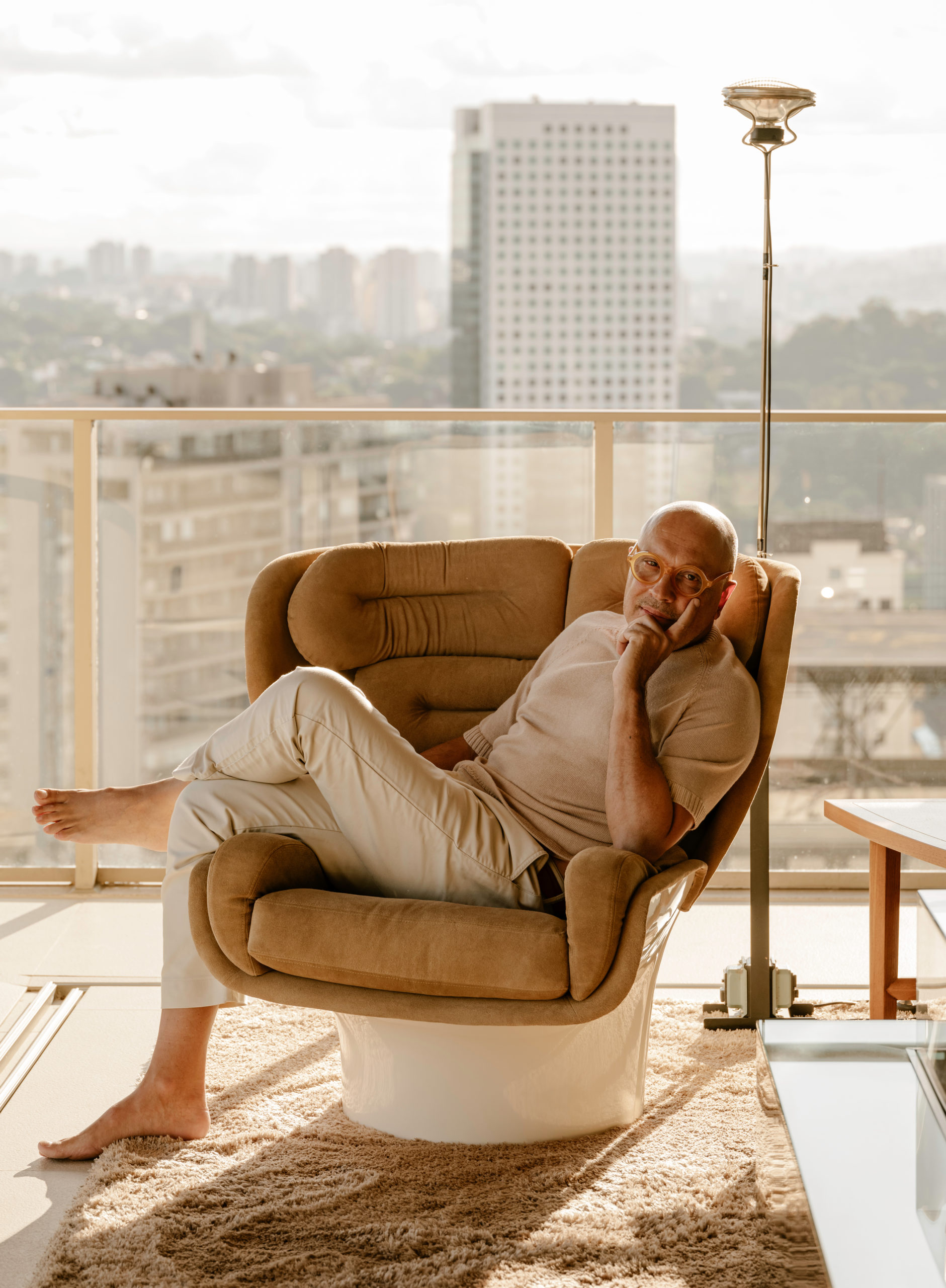
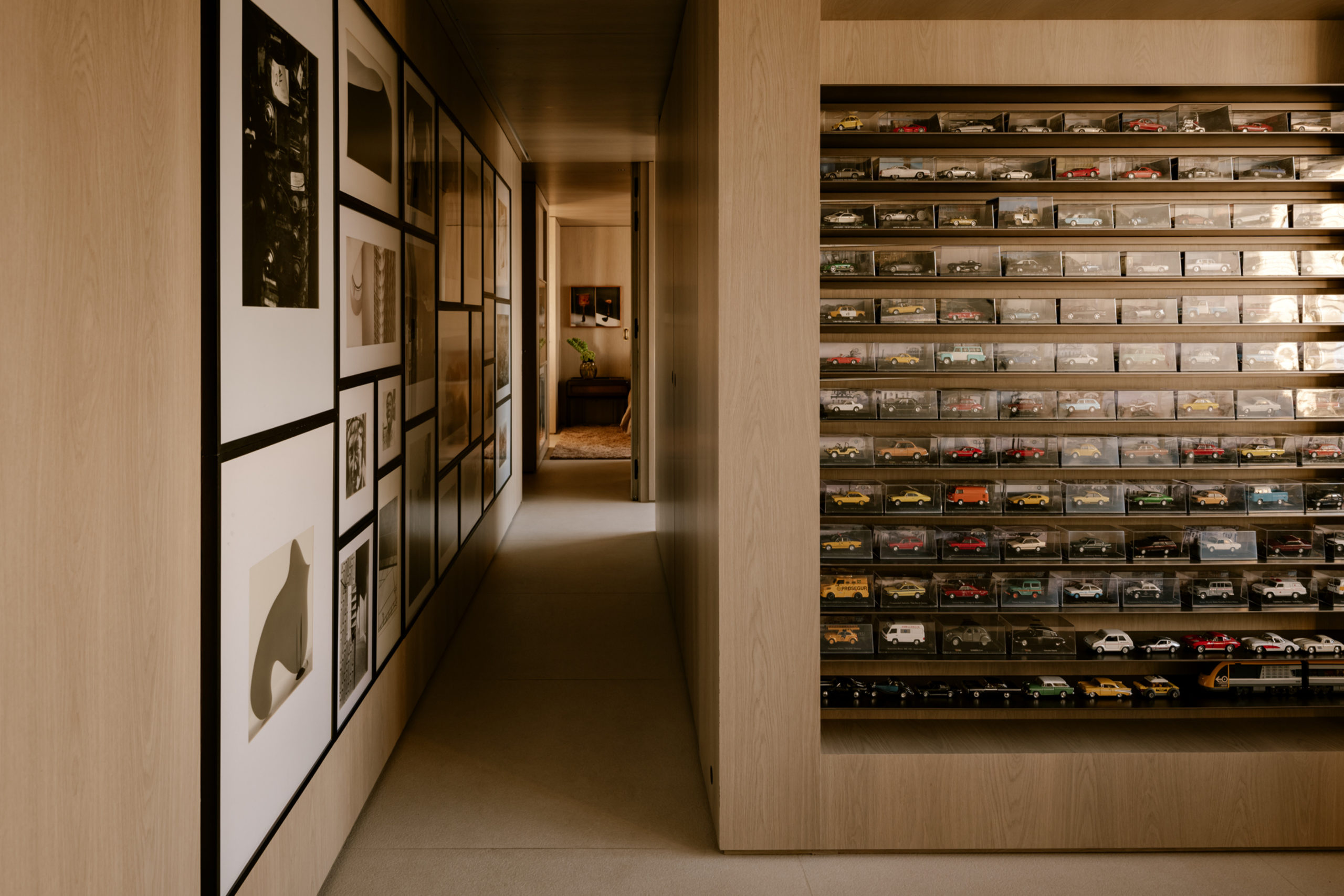
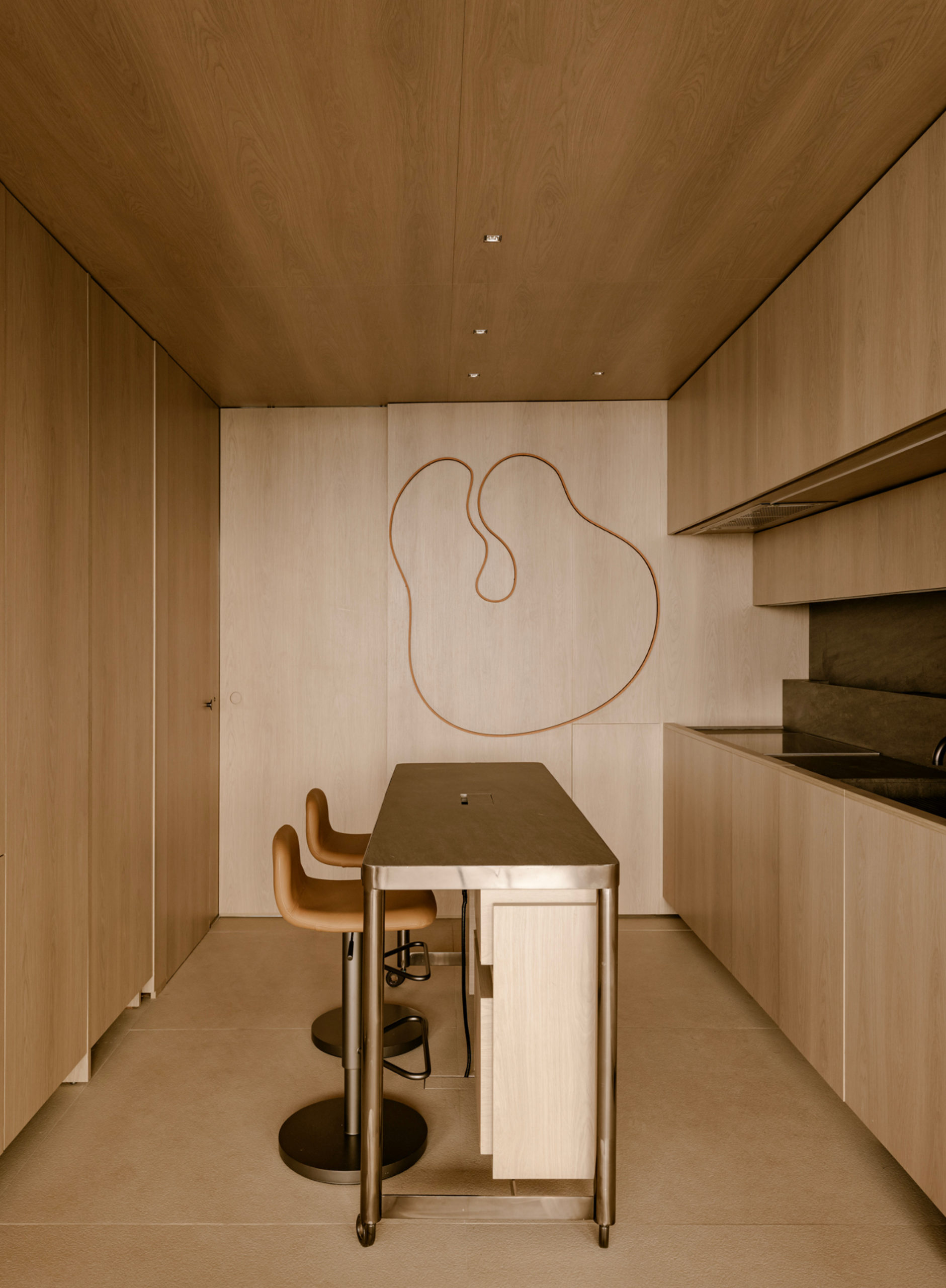
There’s a particular clarity that emerges when an architect of Arthur Casas’ calibre turns the lens inward. For nearly 35 years, the São Paulo-based designer lived in a 1940s house in the Pacaembu neighbourhood, originally designed by the revered Brazilian modernist Vilanova Artigas. Leaving that behind for a 300-square-metre apartment of his own making wasn’t simply a change of address. It was a philosophical shift, a deliberate move toward a more urban, contemporary mode of living.
Casas is no stranger to ambition. His body of work spans residential, hospitality, and commercial projects across the globe, each distinguished by spatial generosity, material honesty, and a quiet rigour that resists trend. But the Praça Henrique Monteiro project in São Paulo, a mixed-use complex he designed to house a hotel, restaurant, boulangerie, jazz club, and residences, represents something altogether more personal. It’s an entire urban organism conceived under a single architectural language, and Casas lives at its heart.
Arthur Casas
“I couldn’t design my apartment without also designing the other components of the building, including the tower, restaurant, and bar,” he explains. “For me, it’s essential to maintain this unified language.” It’s a statement that reveals much about his approach. Where many architects compartmentalise, Casas insists on coherence. The idea that a building’s lobby, its dining room, and its most private bedroom should all speak the same language.
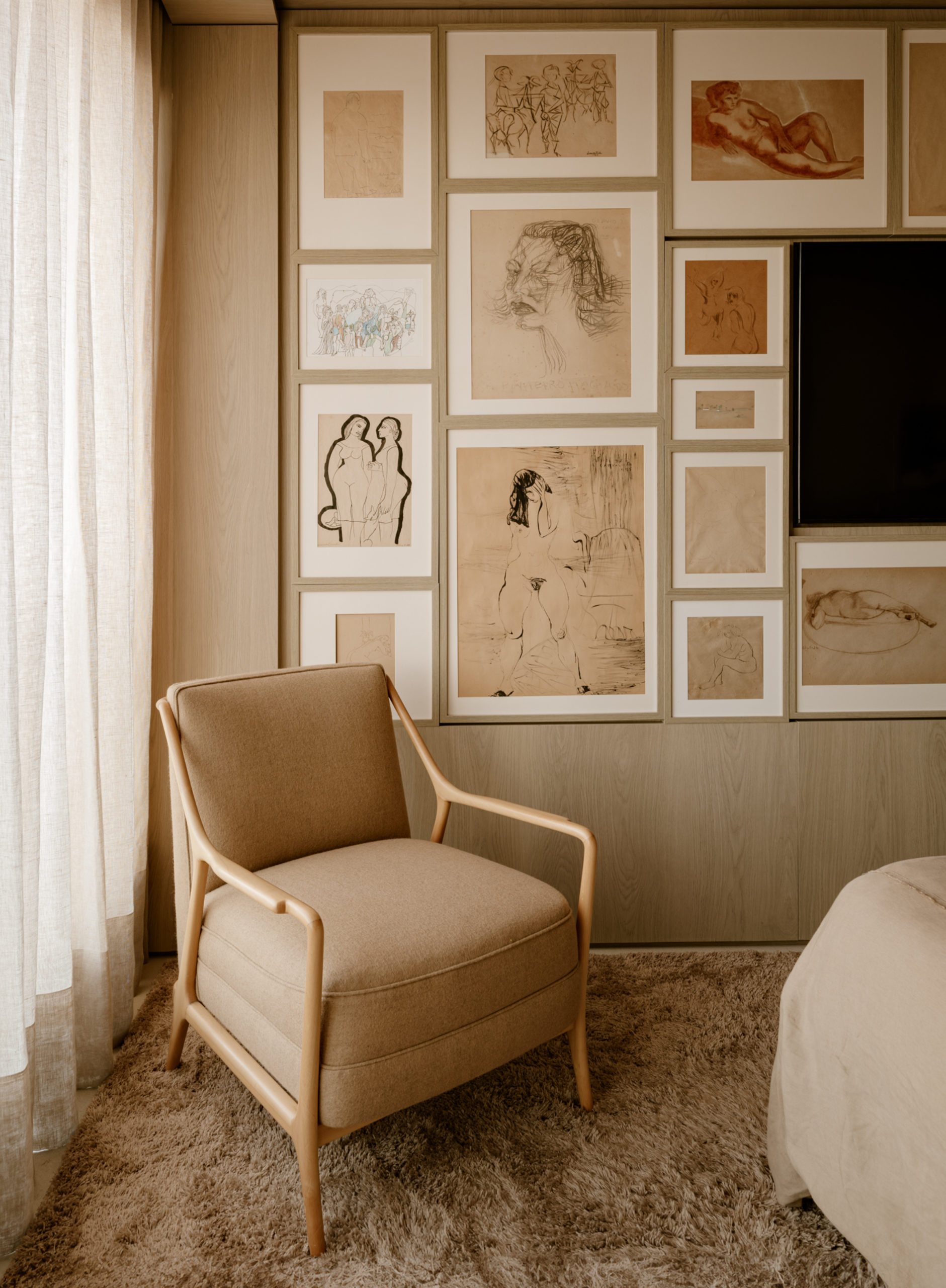
His own apartment, then, functions less as a showpiece and more as a proof of concept. The layout eliminates redundancy in favour of fluid circulation. Natural materials and visual neutrality provide a restrained backdrop for a deeply personal collection of art and design, with works by Mira Schendel, Carlito Carvalhosa, and Anna Maria Maiolino sitting alongside his own furniture designs and ceramics featuring collaborations with Ai Weiwei. “Designing for myself is very easy,” he says. “I’m the best client for myself because I know what I like and how I live.”
What makes the project so compelling isn’t the specifics of the floorplan but the rare opportunity it affords: an architect inhabiting his own work at full scale, testing his convictions daily. For Casas, the Praça isn’t a finished object. It’s a living experiment, one in constant adaptation, in how architecture conceived holistically can shape not just a single home but an entire way of life.
Contrary to what many might assume, I had never stayed at a health retreat until recently. Not because I was avoiding introspection or terrified of lying still while someone read my aura. If anything, the idea has always appealed. The truth is, time has always been my rarest currency. Between the demands of running a business and raising a family, I simply couldn’t justify taking a week purely for myself. The guilt would have been overwhelming.
I’ve always maintained a fairly robust wellness routine. I exercise regularly, eat well, practice contrast therapy, and consume my fair share of supplements that promise everything from improved sleep to enhanced emotional resilience. And yet, the fatigue has begun to take hold. My mind never truly switches off, even when my body begs for it. My spirit, once resilient, feels weighed down by the relentlessness of modern life. I needed a reset. Not a holiday, not a pool lounger with a margarita, but something more profound.
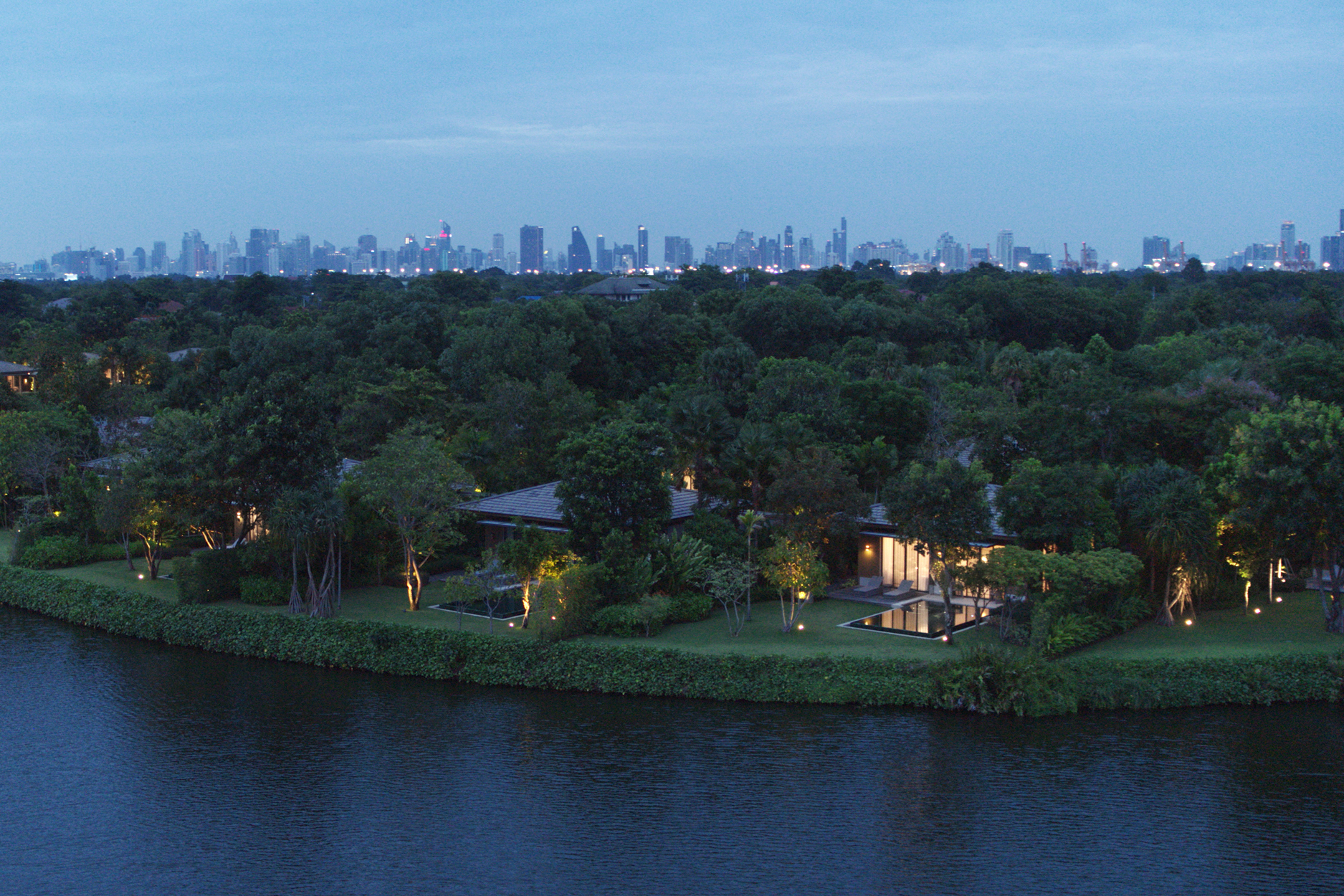
Rakxa is located in Bangkok’s serene ‘green lung’
A business trip to Bangkok created the opening. If I were already travelling, perhaps I could take five days for myself without the familiar wave of guilt. I had heard murmurs about Rakxa Wellness, a retreat combining medical precision with traditional healing in an environment designed to restore rather than merely distract. It sounded like exactly the intervention I needed.
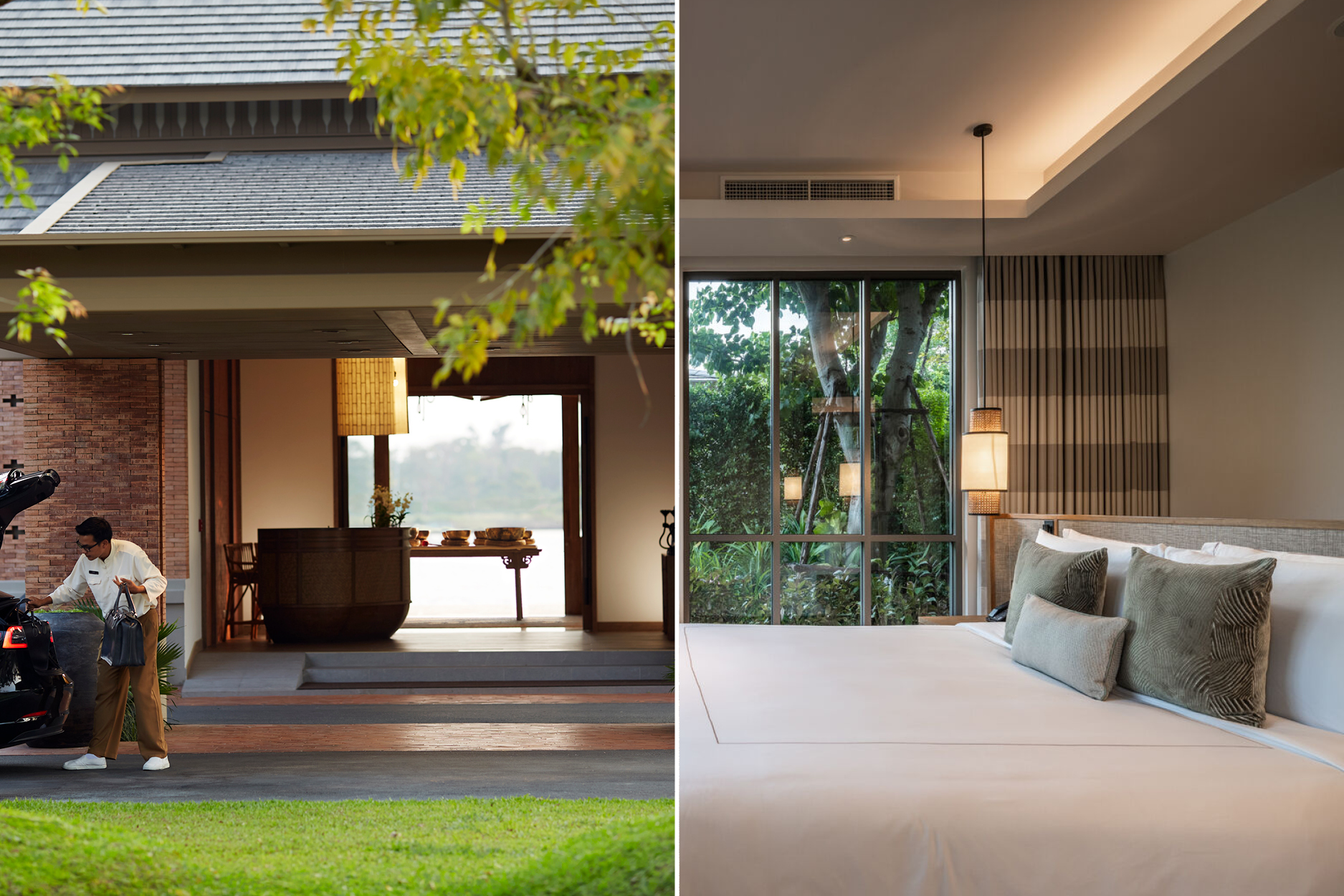
Rakxa is set within Bang Krachao, Bangkok’s famed green lung. Only a short drive from the city, yet worlds removed. The retreat sits among lush vegetation where the loudest sounds are birdsong and the occasional hum of longtail boats on the river. Arriving feels like stepping into a softer dimension. At the entrance pavilion, a singing bowl chimes to mark the start of my stay. It is subtle but symbolic, a cue to exhale.
My villa, framed by leafy palms, created a sense of quiet luxury that felt restorative from the outset. It took only a few moments to realise how long I had been operating at a pace that left no room for stillness.
My first meeting was with my Wellness Advisor, who asked me quite bravely about my lifestyle, stress levels, sleep patterns, and emotional state. The sort of questions that make you realise you cannot remember, or just refuse to acknowledge the current state of your wellbeing. After a series of medical tests, including blood tests and body-composition scans, I was given a personalised programme that combined traditional healing with modern longevity medicine. The findings were insightful, but what impressed me most was the integrative approach. Rakxa treats the whole person, not the isolated symptoms, and every practitioner works collaboratively to create a programme that addresses both the physical and the emotional.
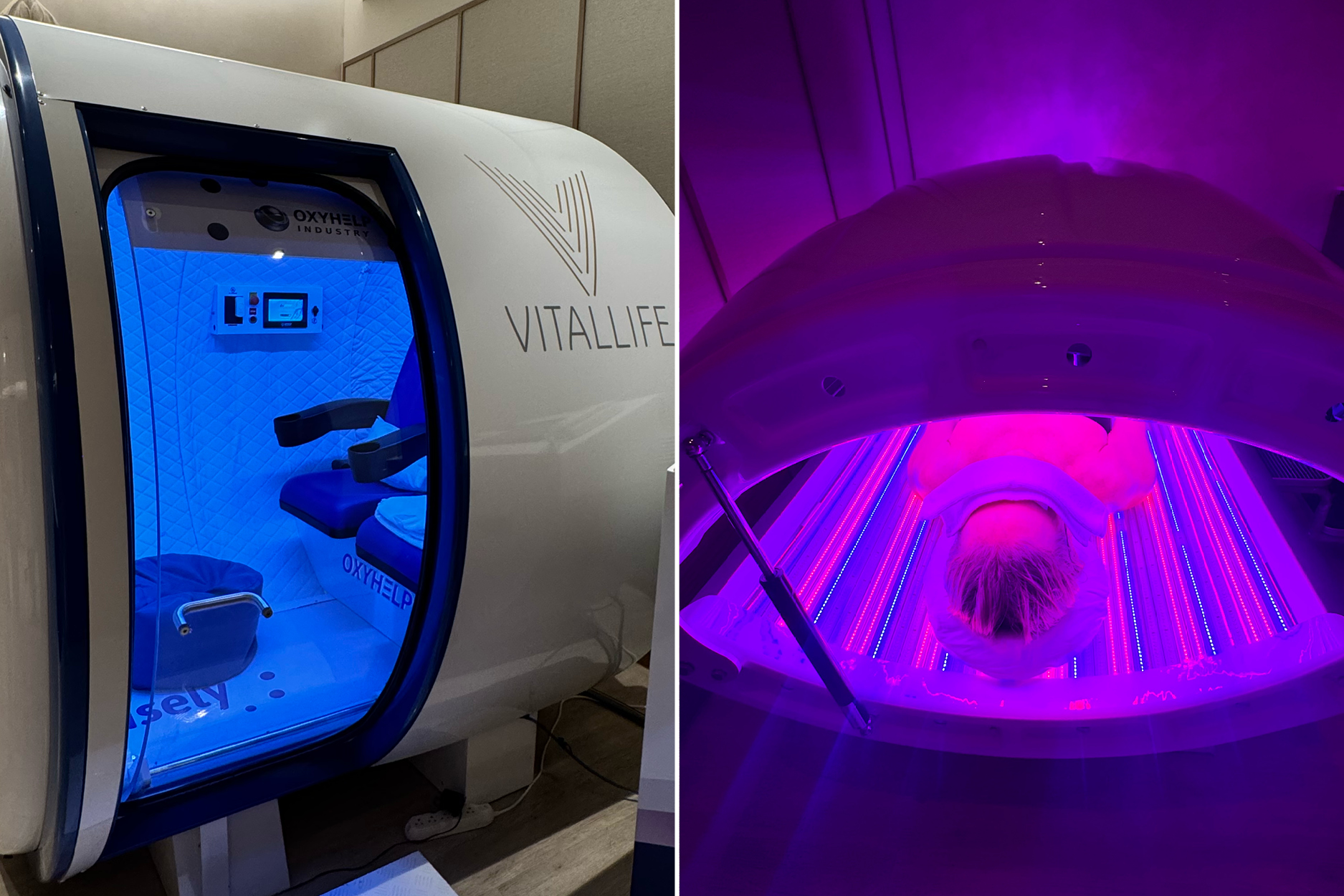
Modern longevity practices, including hyperbaric and red light therapy, are available
My schedule for the week was full, but each treatment had a distinct purpose. Appointments with Thai, Ayurvedic and Chinese medicine doctors, fitness assessments, holistic treatments, massages, cryotherapy, infrared light sessions and sound therapy. It sounds busy, but the pace left no time to think about anything outside myself or to be present, which quickly became something I leaned into. I’m used to busy schedules, focusing on everything and everyone else; this time, the schedule was to focus inward, on me.
The first major emotional breakthrough arrived courtesy of Rakxa’s Ayurvedic doctor. A serene woman with a disarming intuition, she began our pranayama session with simple breathwork. Her presence alone was grounding. As she guided me through breathwork, she spoke gently about how emotions become lodged in the body. The simplicity of her observation struck something deep. Tears came before I had time to resist them. It was unexpected but hugely relieving. It felt as though someone had finally tapped a valve I had held tightly shut.
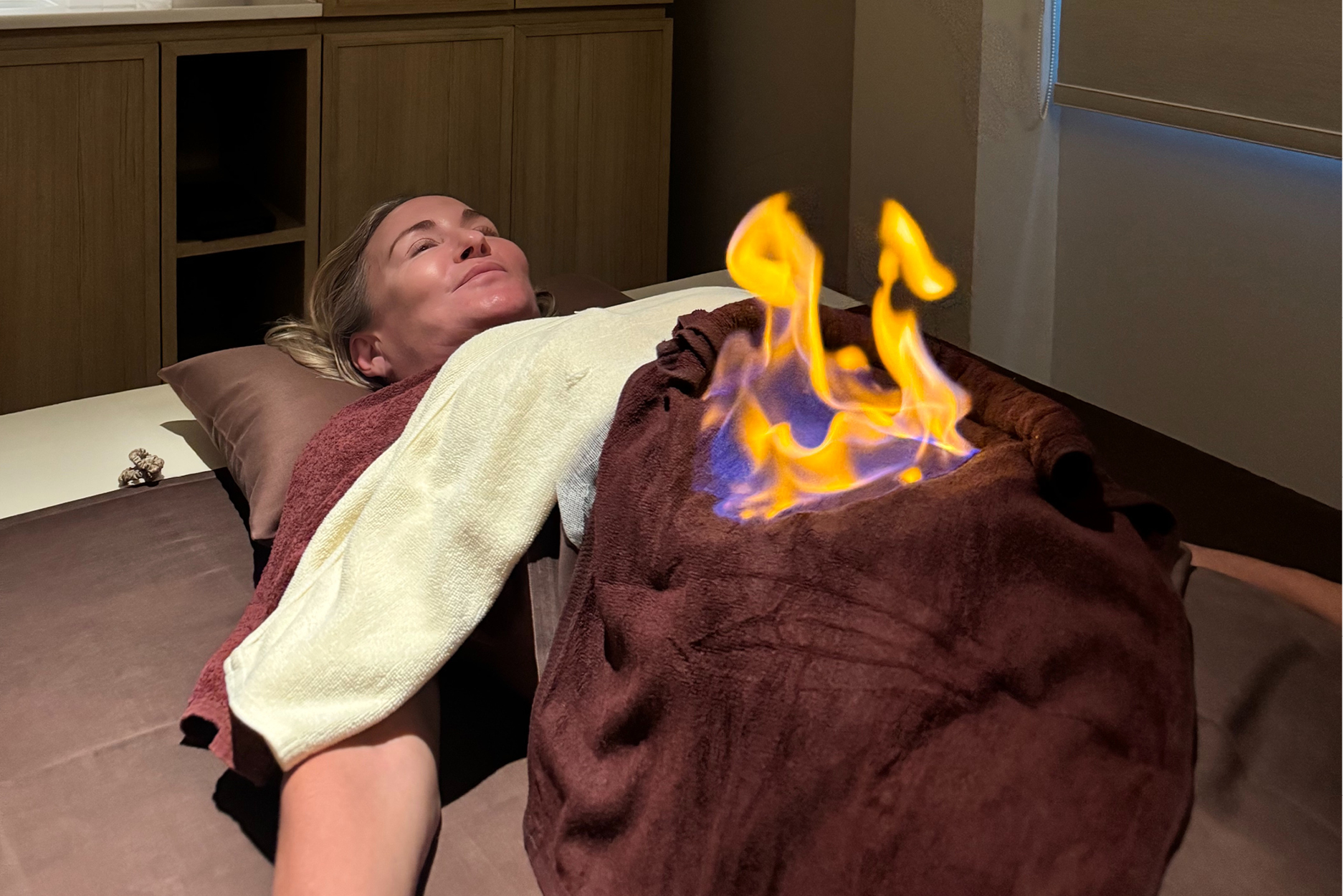
Traditional Thai therapy Ya Pao
The next day, the Thai doctor introduced me to Ya Pao. In this traditional therapy, a herbal paste is applied to the abdomen and briefly ignited to stimulate circulation and support digestion. Flames flickered in the dim room as she worked with calm precision. It sounds dramatic, yet the sensation was warm and comforting. My stomach gurgled approvingly, as if releasing something long held. I immediately booked a second session.
“Rakxa reminded me that healing does not mean escaping your life… It requires an appreciation for the nervous system that carries us through the world.”
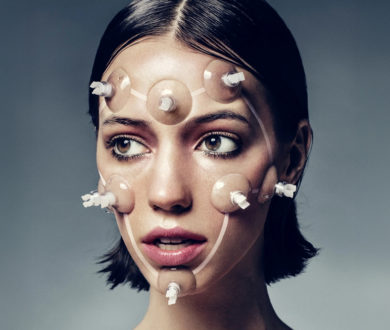
The Chinese medicine doctor examined my tongue before performing acupuncture, using moxibustion to heat the needles and strengthen my energy. At the Gaya fitness centre, I underwent a functional assessment that revealed an unexpected imbalance in the strength of my right and left legs. It was a small discovery that I will take back home to my Pilates instructor.
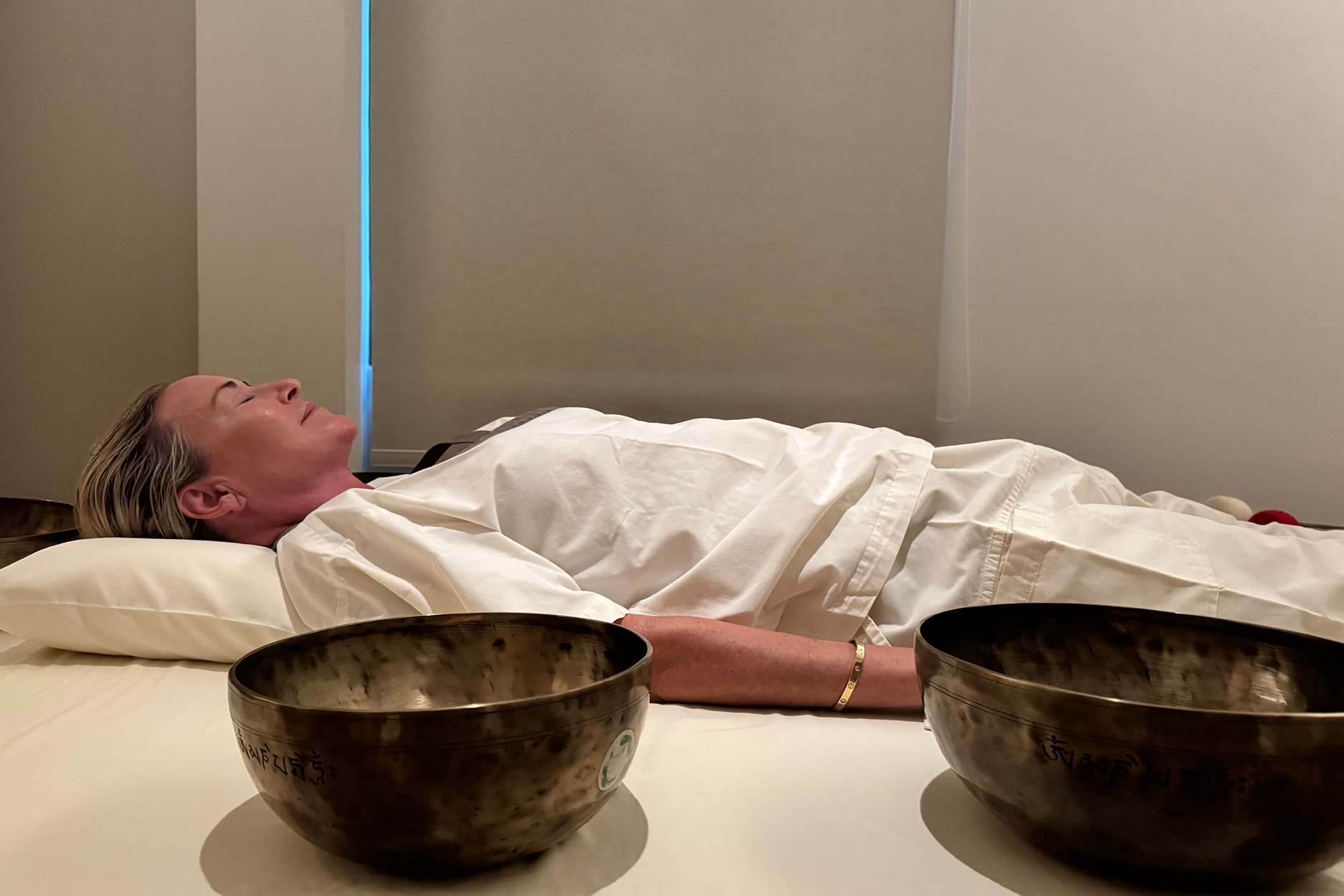
Sound bowl therapy
Sound bowl therapy quickly became a highlight of my week. In the first session, the vibrations felt intrusive, as though every layer of tension was resisting the invitation to soften. By the fifth session, the sounds were almost silent, as they resonated more deeply. Finally I had learned to settle into the calmness, and in turn had let the vibrations work their magic within me.
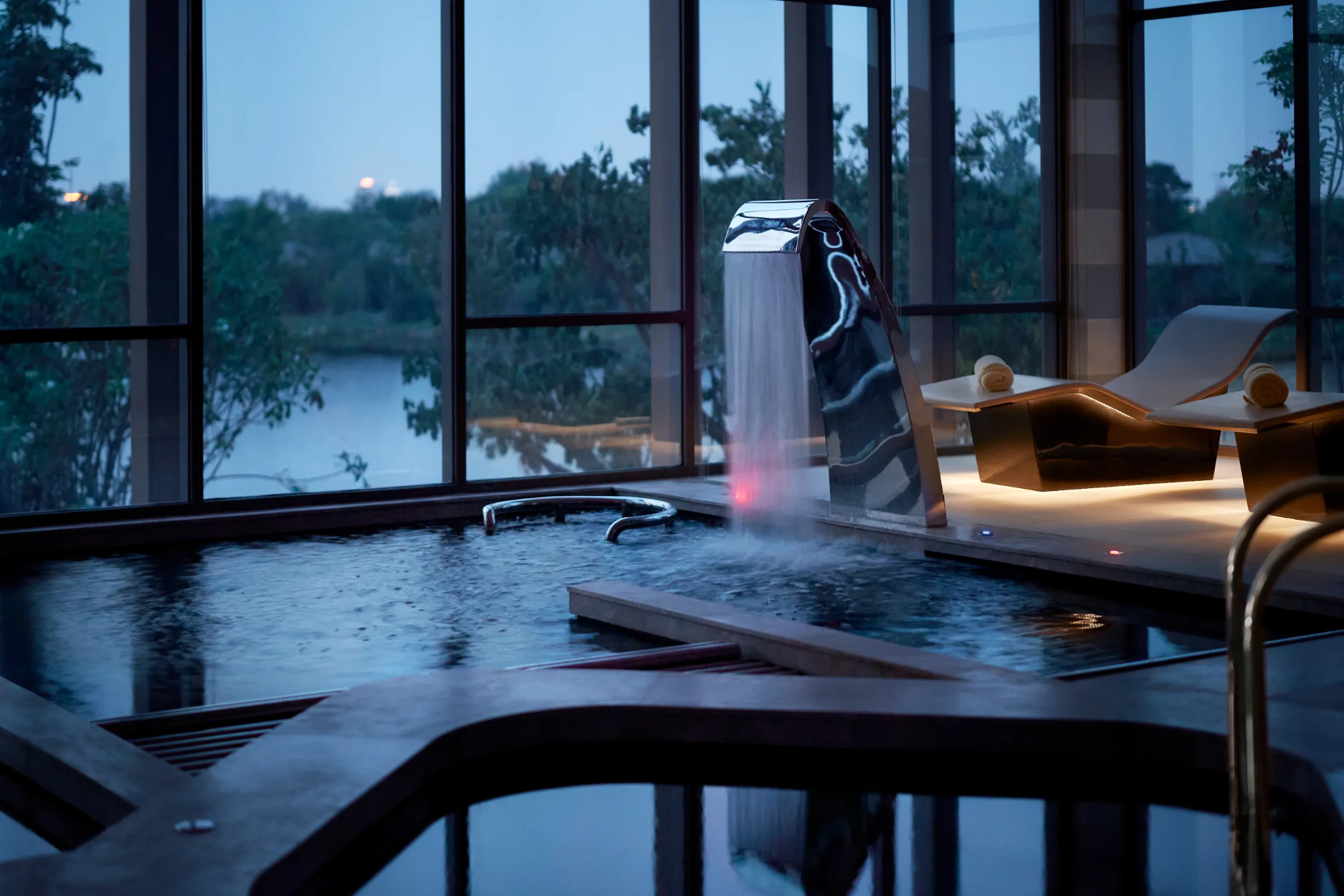
Hydrotherapy facilities
Between treatments, I travelled by bicycle along shaded paths through the property. Rakxa’s three wellness zones each hold a distinct energy. Jai is a serene retreat offering traditional therapies and hydrothermal facilities. Gaya is a modern fitness facility that focuses on movement and rehabilitation. VitalLife offers longevity-focused medicine in partnership with Bumrungrad International Hospital. Together, they create a seamless ecosystem of care where every practitioner communicates, shares notes, and updates your schedule to accommodate new or to repeat treatment protocols.
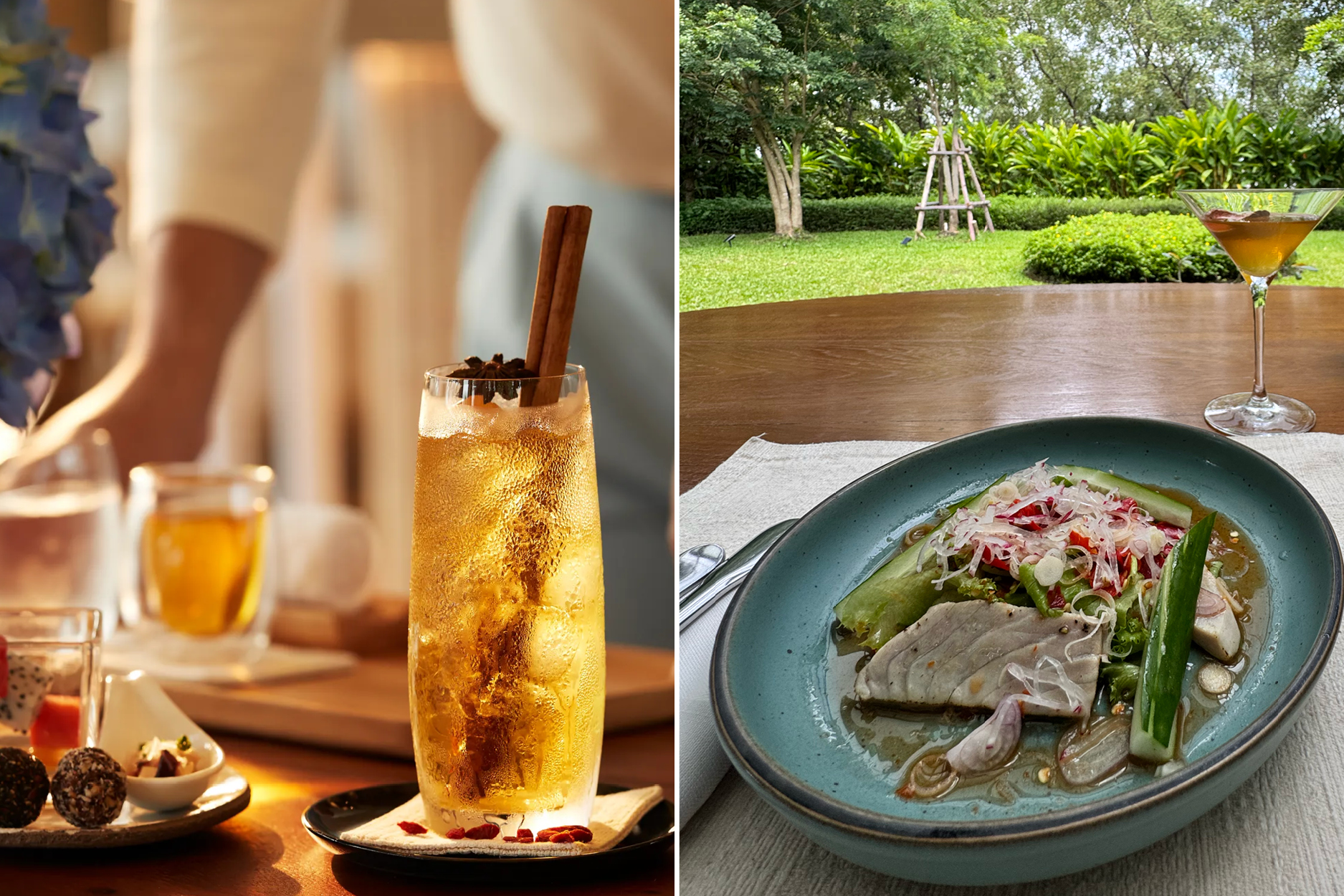
The gastromonic offerings were delicious
The cuisine is a pivotal part of the experience. Guided by both doctors and the chef nutritionist, the menu is tailored to support your needs. I requested only Thai dishes, and the kitchen exceeded every expectation. Each meal was a beautifully composed three-course sequence, free from sugar and dairy yet full of vibrancy and flavour. Prebiotic kombucha arrived before every meal, a signature ritual that became something I looked forward to.
By the third day, something shifted. My sleep deepened. My mind quietened. The constant background buzz of tension began to loosen. I felt a lightness I had not realised I was missing. It wasn’t dramatic, but quietly powerful.
One afternoon, after acupuncture, I sat beside the lake while the sun moved across the sky. For the first time in months, I wasn’t thinking ahead or problem-solving. I was simply present. It was such a gentle feeling, and yet one that felt revolutionary.
Rakxa reminded me that healing does not require escaping your life. It requires returning to it differently with more compassion, more boundaries, and an appreciation for the nervous system that carries us through the world. Strength, I realised, is not found in constantly pushing forward. Sometimes it is found in stepping back.
When I left, I knew I would return. Not as an indulgence, but as maintenance. A way to recalibrate each year before life becomes too loud again.
I arrived depleted and left restored. Lighter, clearer, more anchored. Five days at Rakxa did what I had not managed to do for myself in years. It reminded me how to begin again.
As a child, I would religiously consult the daily newspaper before school to find my horoscope. It was a ritual I relied upon to keep me grounded. Astrology, even then, offered a symbolic language rather than a scientific one, a way of making sense of life’s contradictions, patterns, and moods. By linking human experience to a broader cosmic rhythm, it suggested we were part of something larger, more connected, and perhaps a little more considered.
That fascination never really goes away. It simply matures. Astrology has always been there, quietly advising from the courts of Roman emperors through to our Instagram feeds today. Its modern resurgence feels less about prediction and more about reflection. A framework people increasingly use to understand emotional patterns, relationship dynamics, career instincts, and personal psychology, often alongside therapy rather than instead of it.
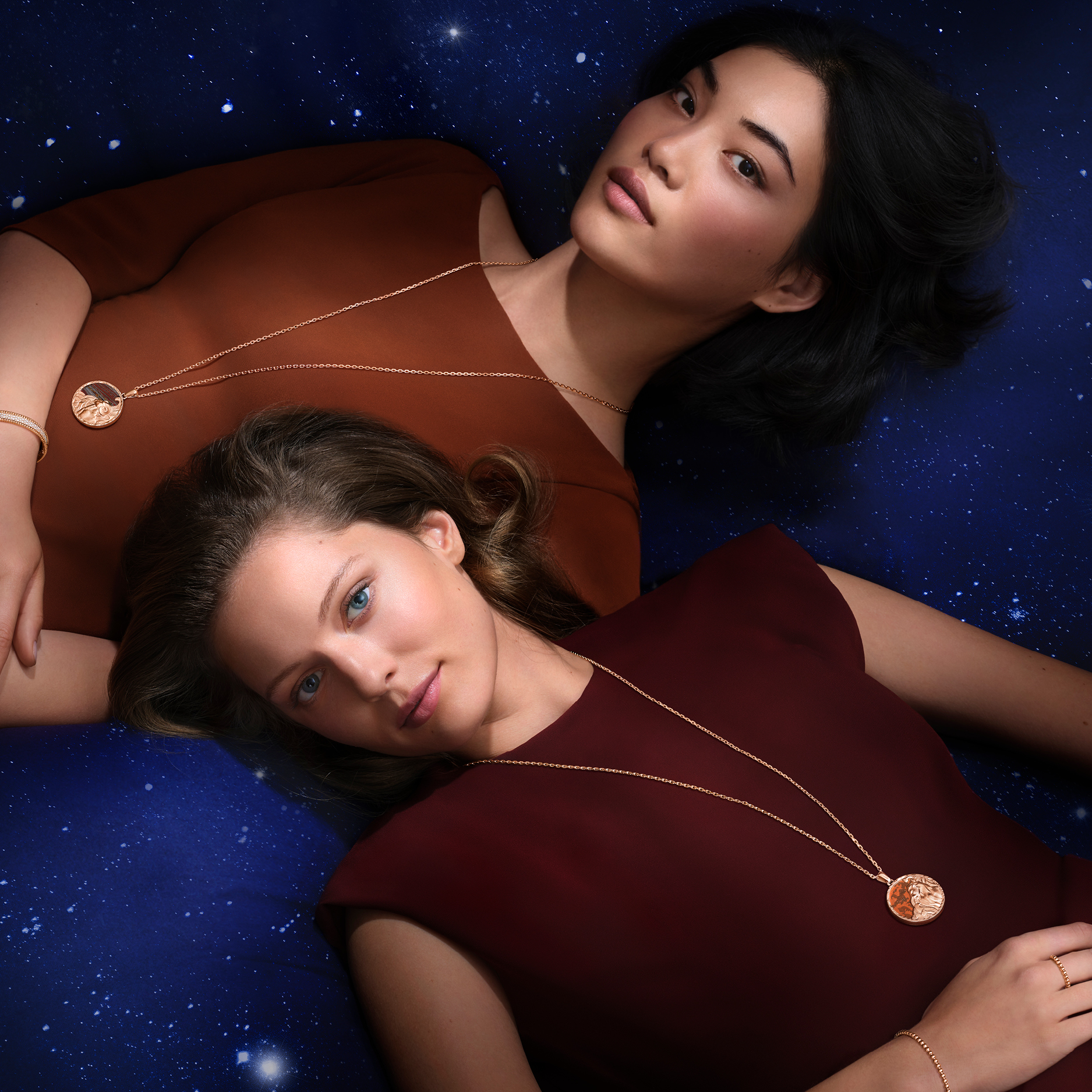
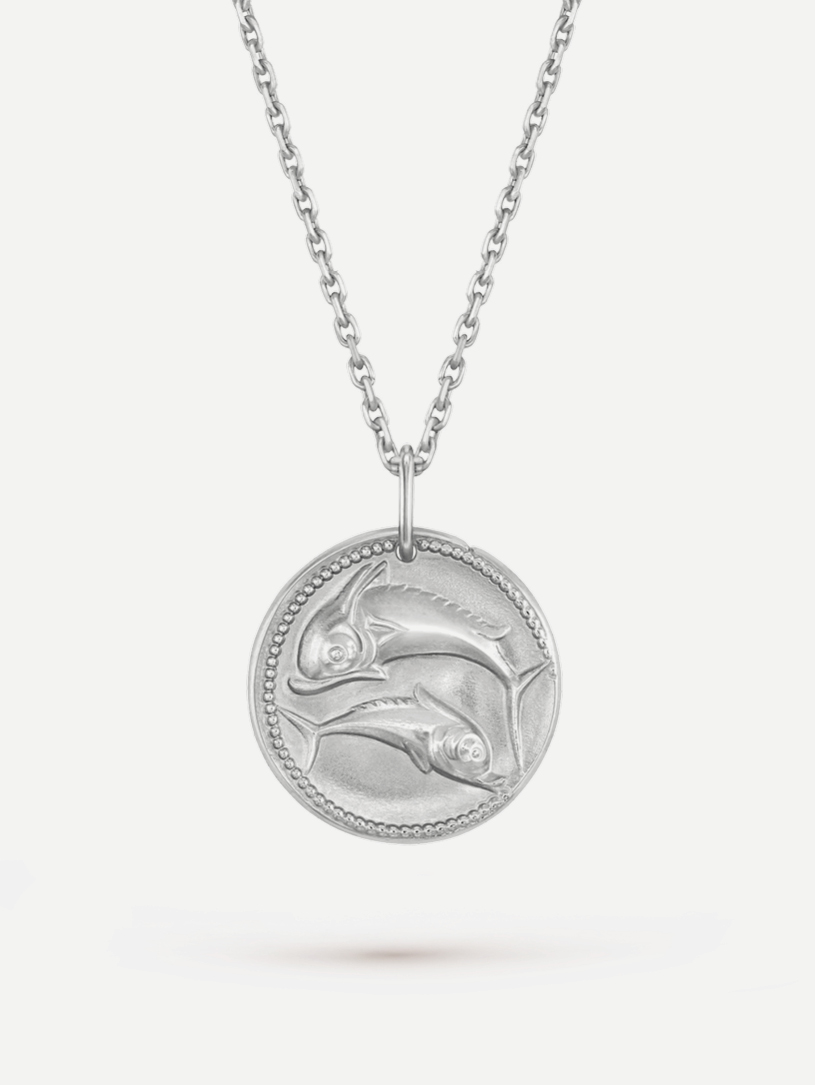
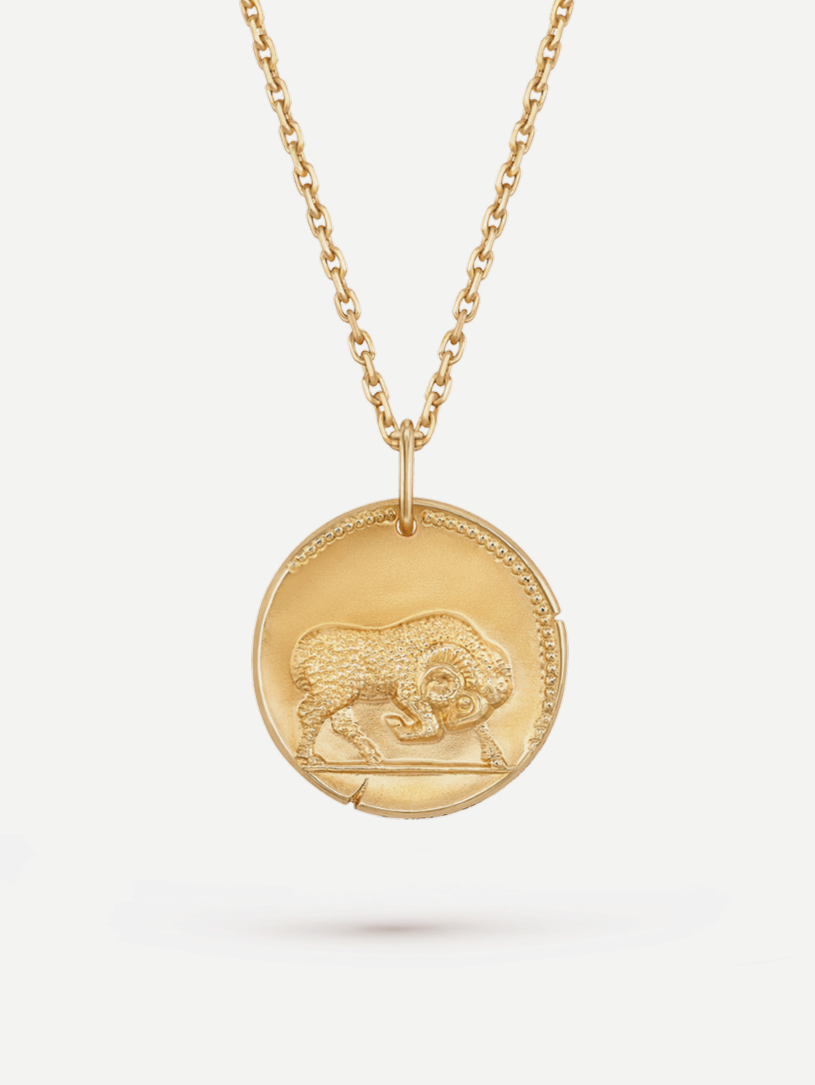
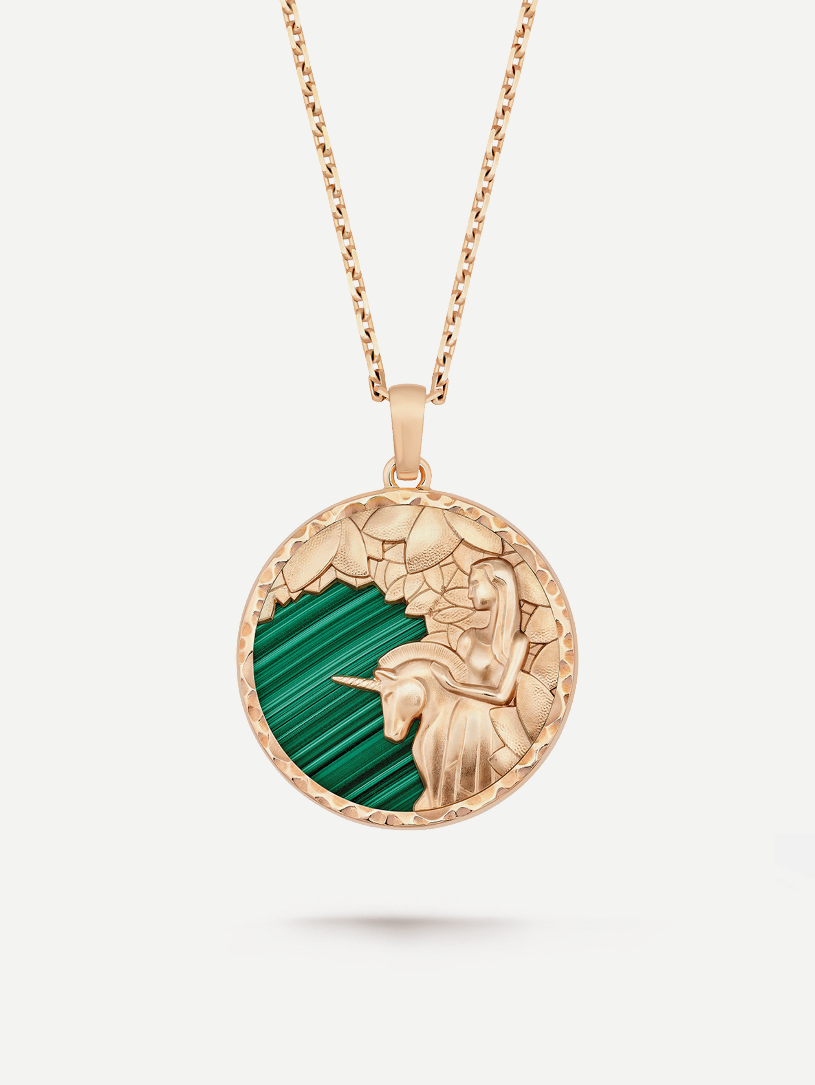
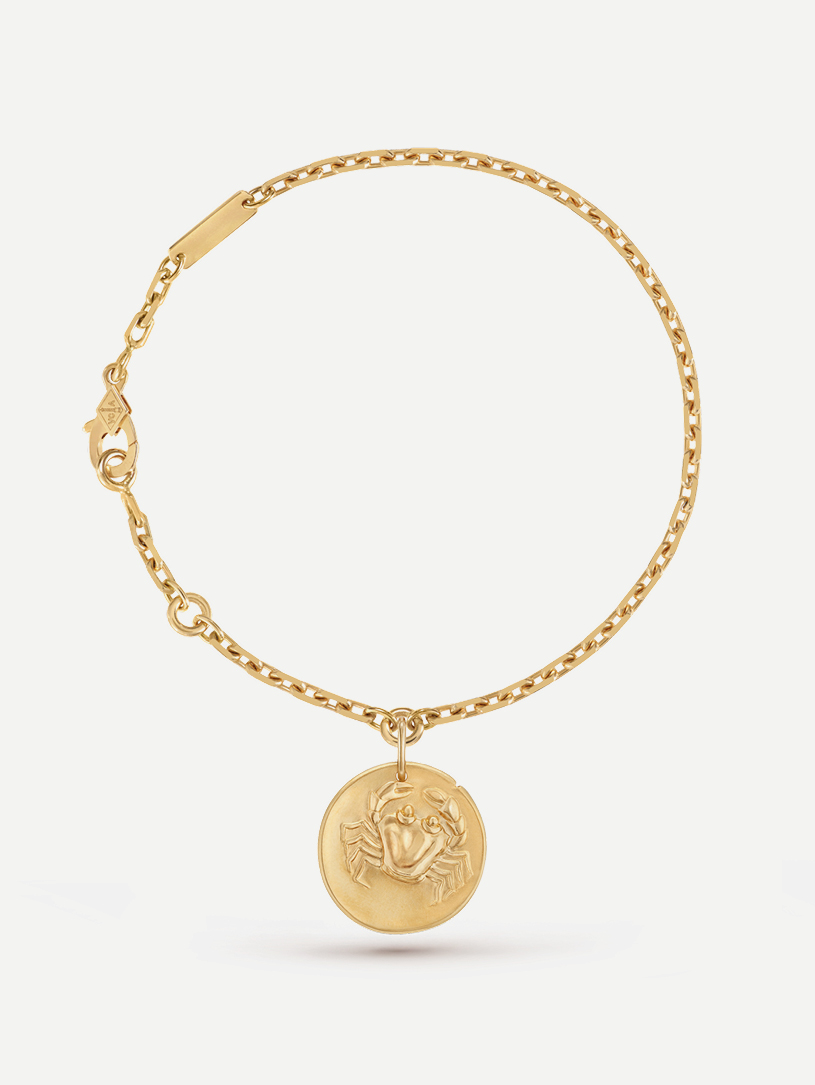
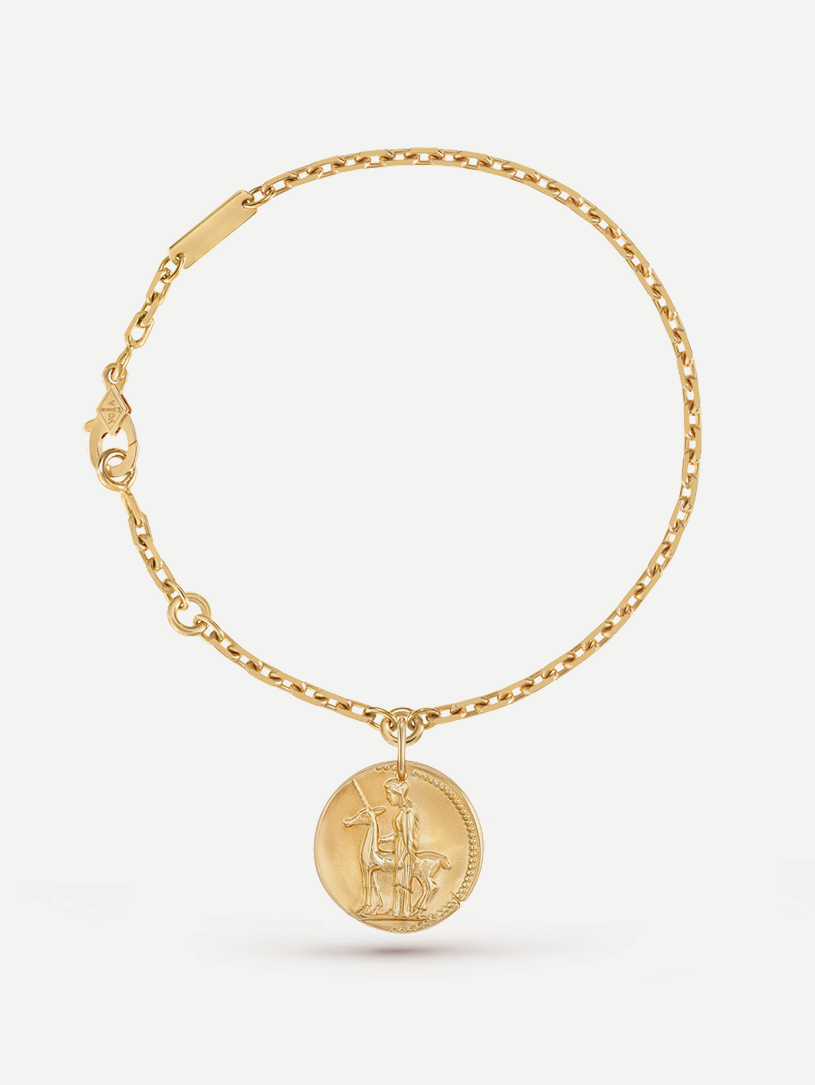
Which is why the return of Zodiaque at Van Cleef & Arpels bracelets and necklaces taps directly into this moment, offering jewellery that feels intimate rather than ornamental. These are not trend pieces, but subtle expressions of identity, worn close to the skin. Astrology has slipped from niche fascination to cultural shorthand. Birth charts are dinner table conversation, zodiac signs a language of self-understanding. These are not pieces designed to declare belief. They sit firmly in the realm of personal codes, jewellery chosen with intention, worn quietly, noticed only by those who understand, translating astrology into modern heirlooms designed to be worn every day.
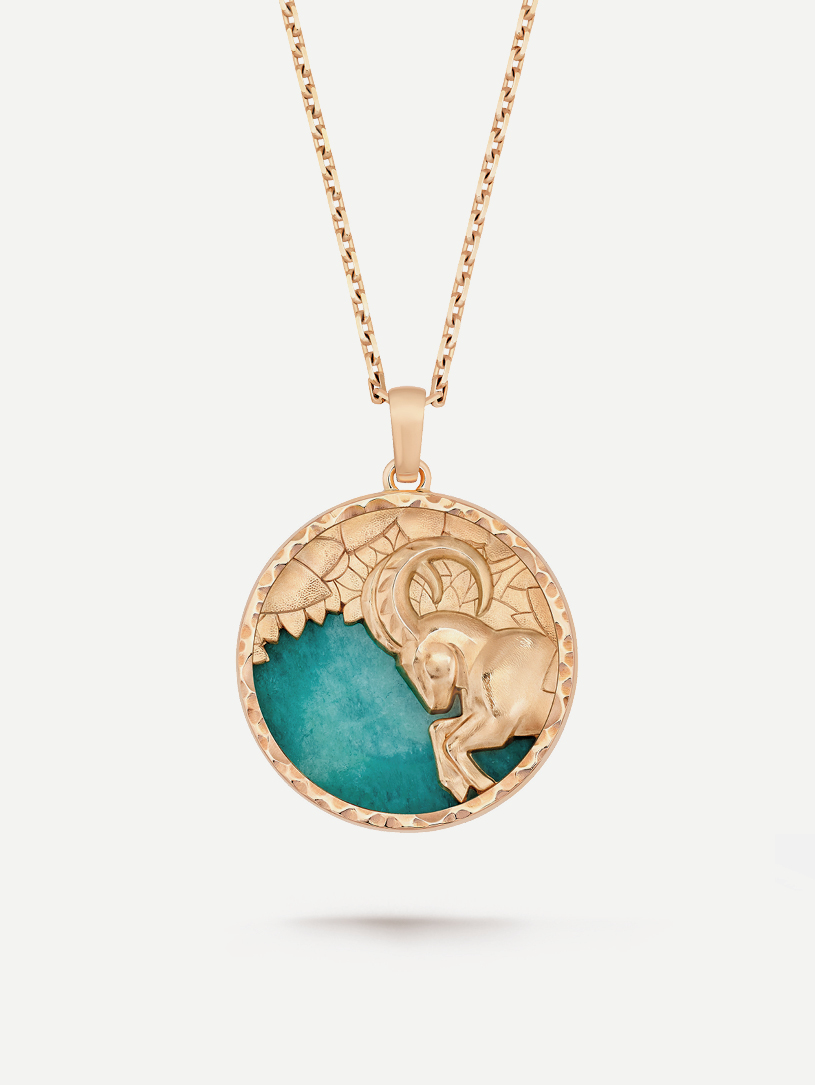
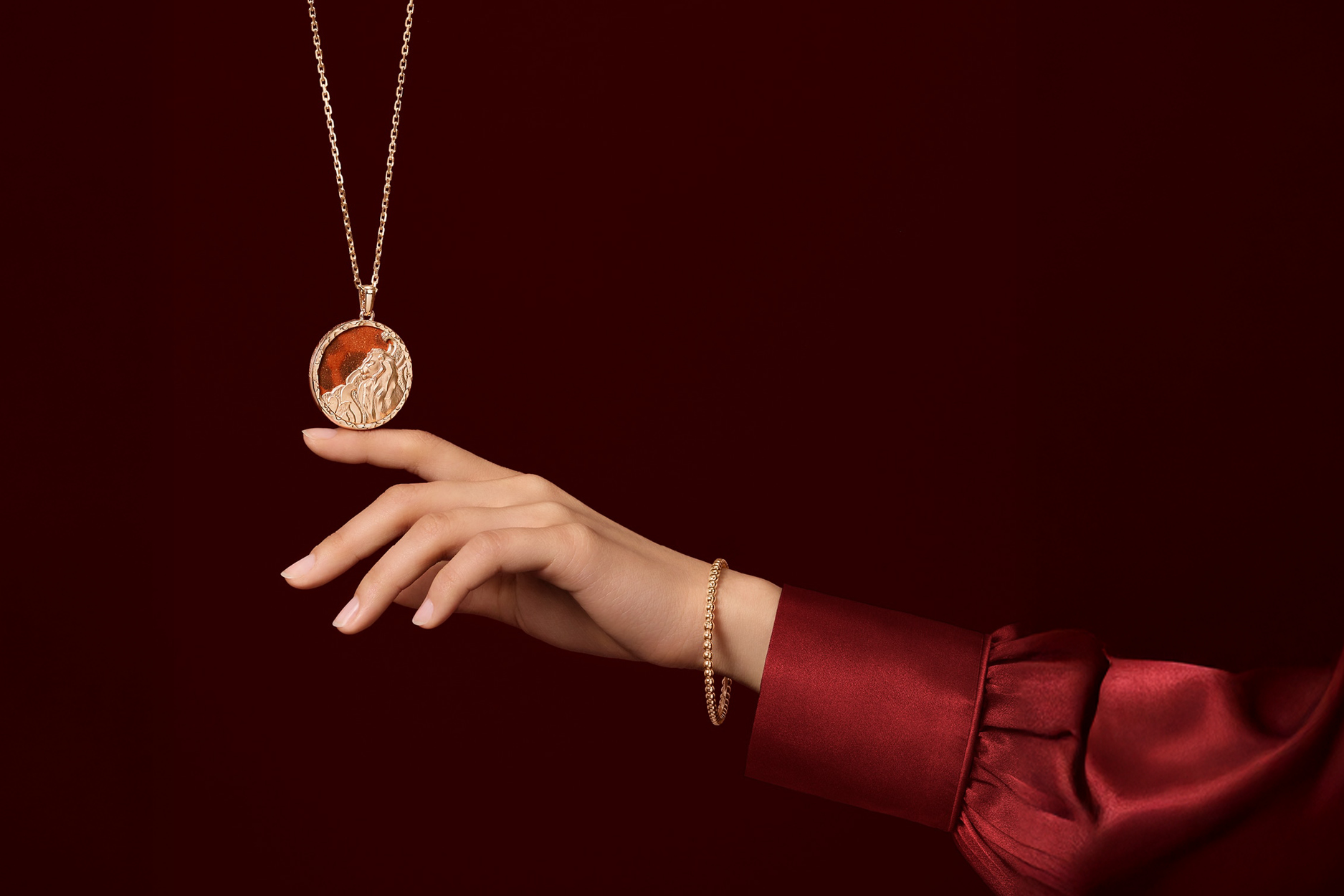
What makes these pieces feel so relevant now is their restraint. Crafted in a variety of golds, some featuring unique stones, each is refined and quietly luminous. One side depicts the Western zodiac sign in sculptural relief; the other shows its symbol and dates in Roman numerals. Decorative yet discreet, symbolic without being overt, they speak to a desire for jewellery that feels considered rather than performative.
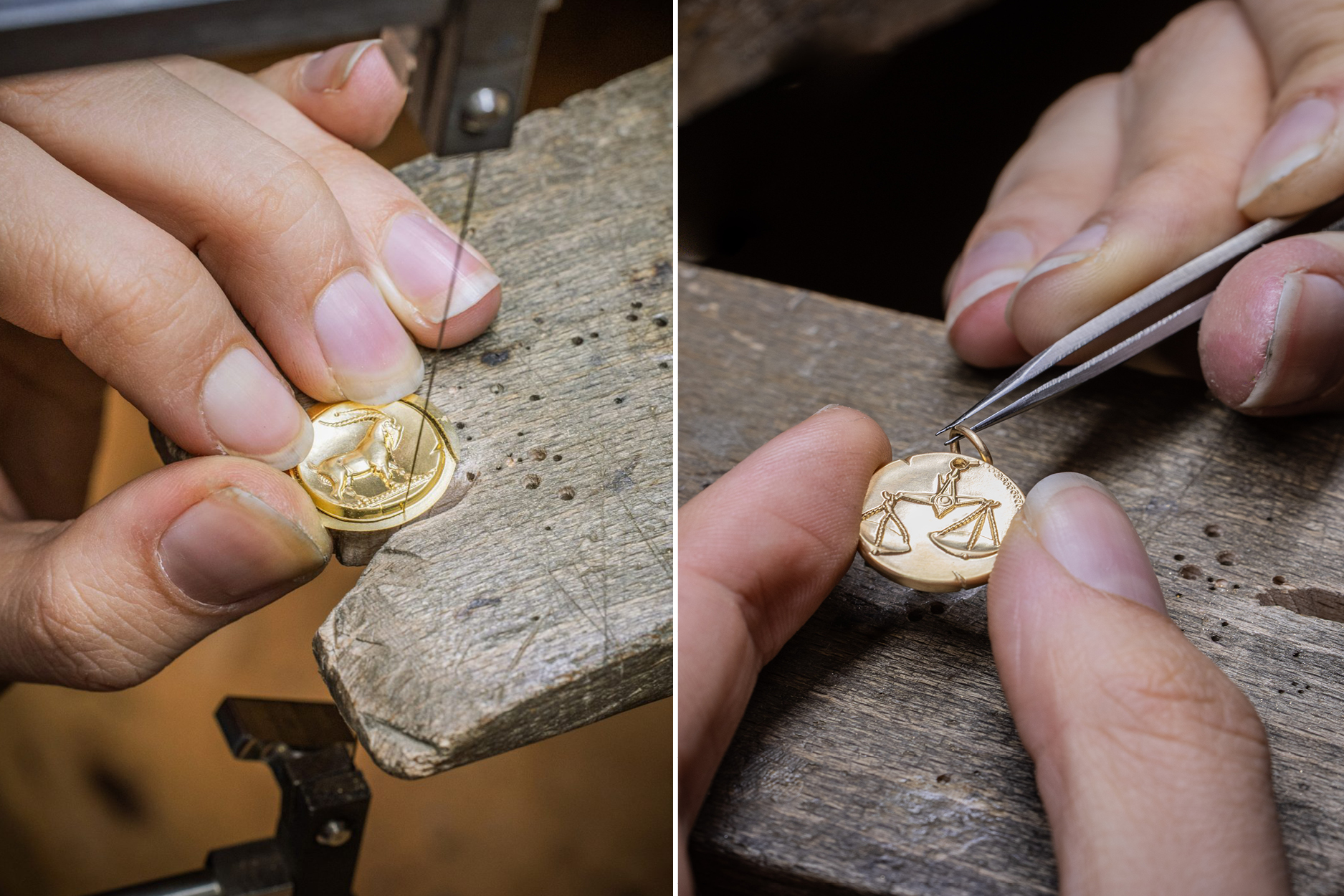
The craftsmanship only deepens that appeal. Each medal is produced using the age-old technique of stamping, requiring up to eight strikes depending on the complexity of the sign. After shaping, the gold is meticulously reworked by hand to achieve a delicate patina, allowing polished three-dimensional motifs to glow against a subtly textured surface. It is a reminder that true luxury is rarely loud. Instead, it reveals itself through touch, movement, and the quiet assurance of something exceptionally well crafted.
Layered beneath it all is history. Zodiac jewellery has appeared in the Maison’s collections since the 1950s, first as gold medals and charms designed to bring good fortune. Over the decades, these celestial symbols have evolved through jewellery and watchmaking, from the bold silhouettes of the 1970s to the poetic astronomy timepieces of more recent years. The new Zodiaque collection feels like a distillation of that lineage, refined for modern life, wearable, personal, and timeless.
Seen through that lens, the Zodiaque pieces become more than jewellery. They feel like a curated lifestyle signal; thoughtful, personal, quietly expressive. If the stars really do shape who we are, could a zodiac medal be the most elegant way to honour that story, and perhaps the most subtle personal endorsement of your own unique personality?
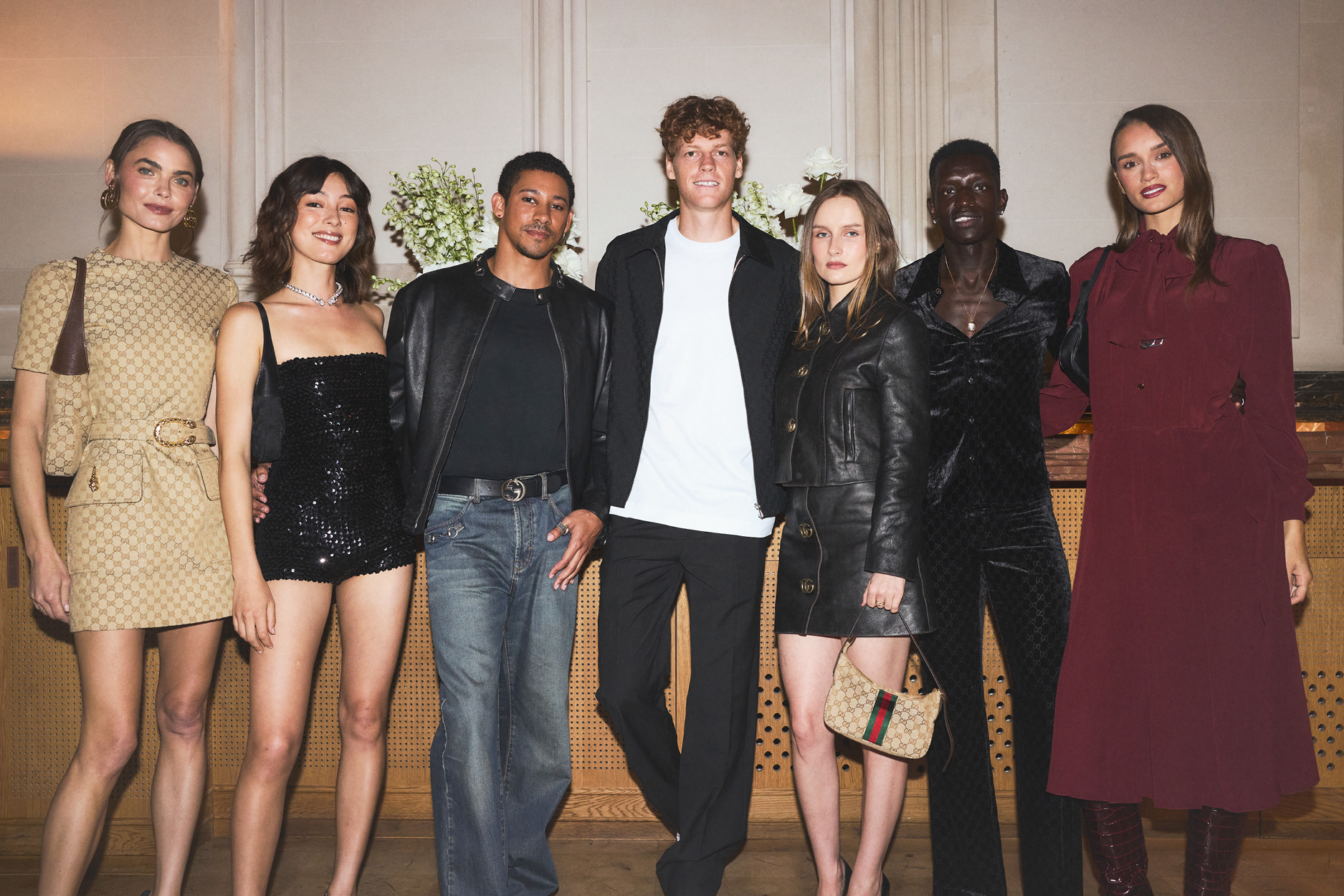
My husband is a rare human; it takes a lot for me to rattle him, but somehow, this year, I’ve already managed to annoy him just a little. In the middle of our summer family holiday, an invitation arrived from Gucci to an intimate dinner in Melbourne with their Global Brand Ambassador and World No. 2 tennis player, Jannik Sinner, on the eve of the Australian Open. My husband’s love for tennis runs deep, and his admiration for the ‘new guard’ is even deeper, so negotiating my extraction from the family holiday was likely to provoke some hostility.
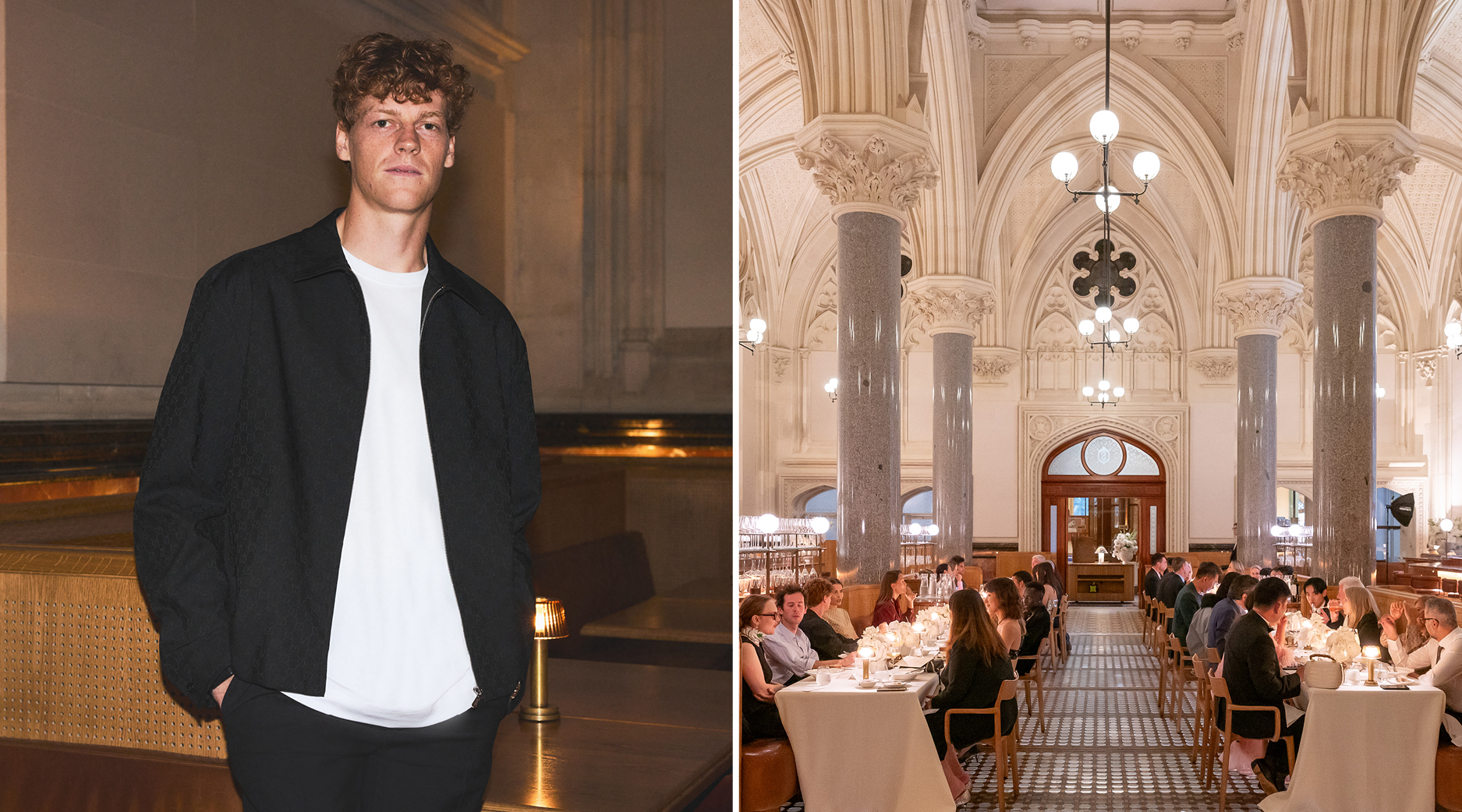
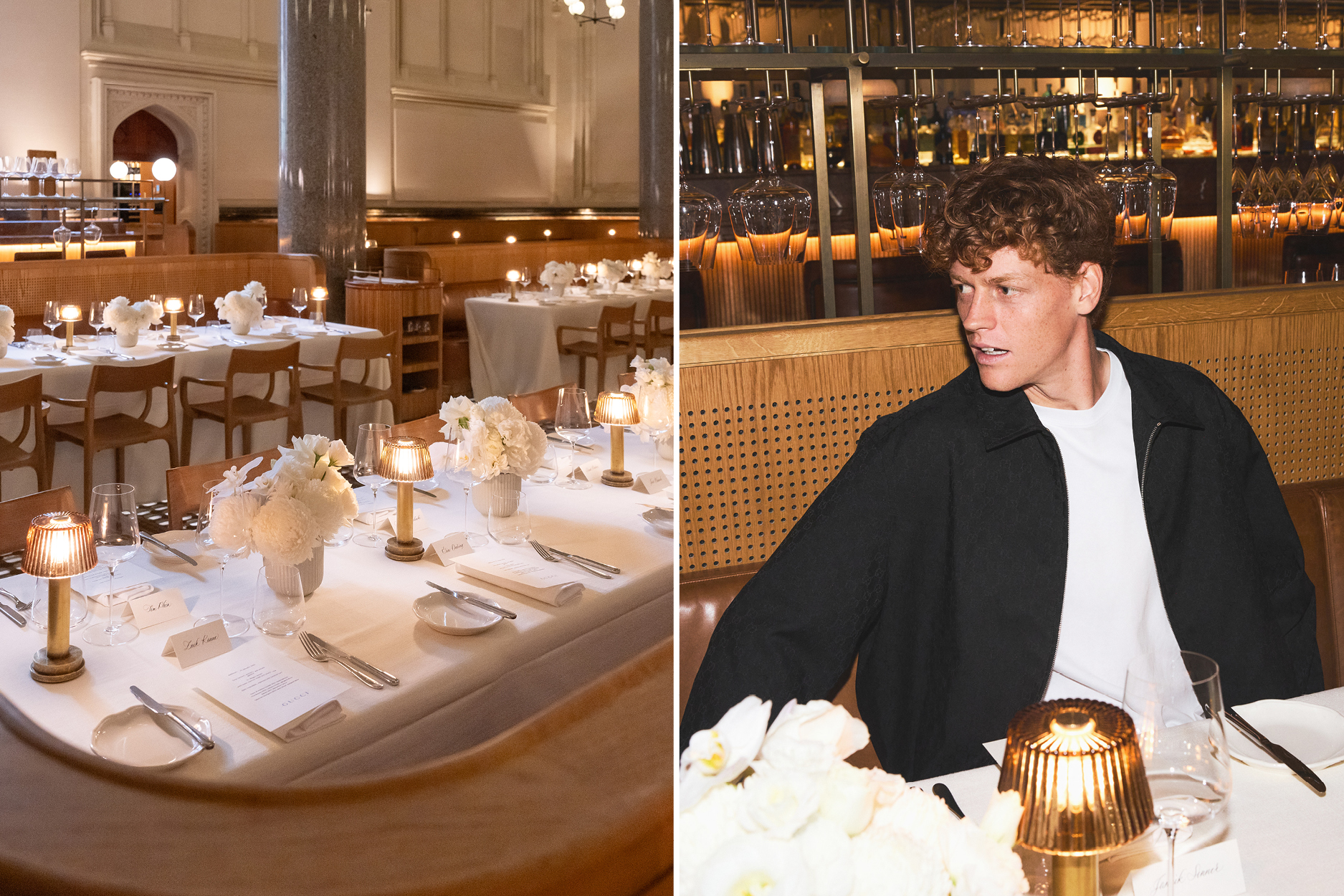
After a series of logistical gymnastics and marital promises, I arrived in Melbourne, still very much in a holiday state of mind. An hour later, walking into the beautiful heritage building that houses the bar and eatery, Reine & La Rue, on Melbourne’s Collins Street, I was quickly reminded of how lucky I am to be afforded such incredible opportunities.
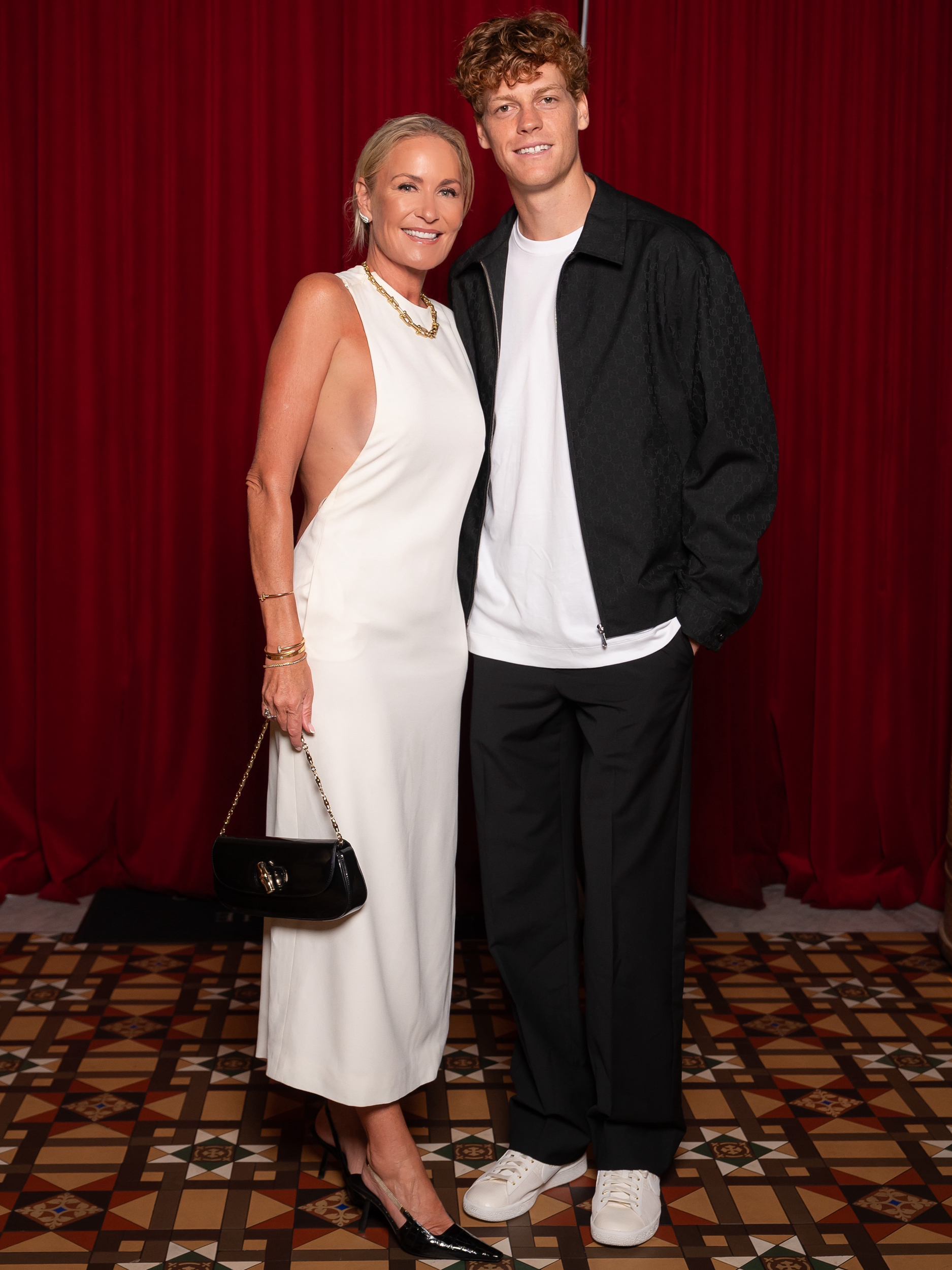
Claire Sullivan-Kraus and Jannik Sinner
Within 10 minutes of arriving, I was introduced to the man of the evening. Sinner is tall, though not quite as towering as he appears on court, smooth and utterly charming. For a 24-year-old, he’s incredibly comfortable conversing; our discussions went far and wide, from his tennis rivalries and his friendship with World No. 1, c. Rivalries and respect, and how the two coexist. Carlos, he said, is absolutely still an opponent, friendship notwithstanding. It has to be that way. Having just got off a long-haul flight from the northern hemisphere, we moved on to travel, the universal misery of airports, regardless of where you are sitting on the plane, and, for Sinner, his increasing recognisability, creating chaos with eager fans. The upside, it turns out, is that when tournament schedules overlap, he and Carlos now share a private jet. A practical solution, if ever there was one.
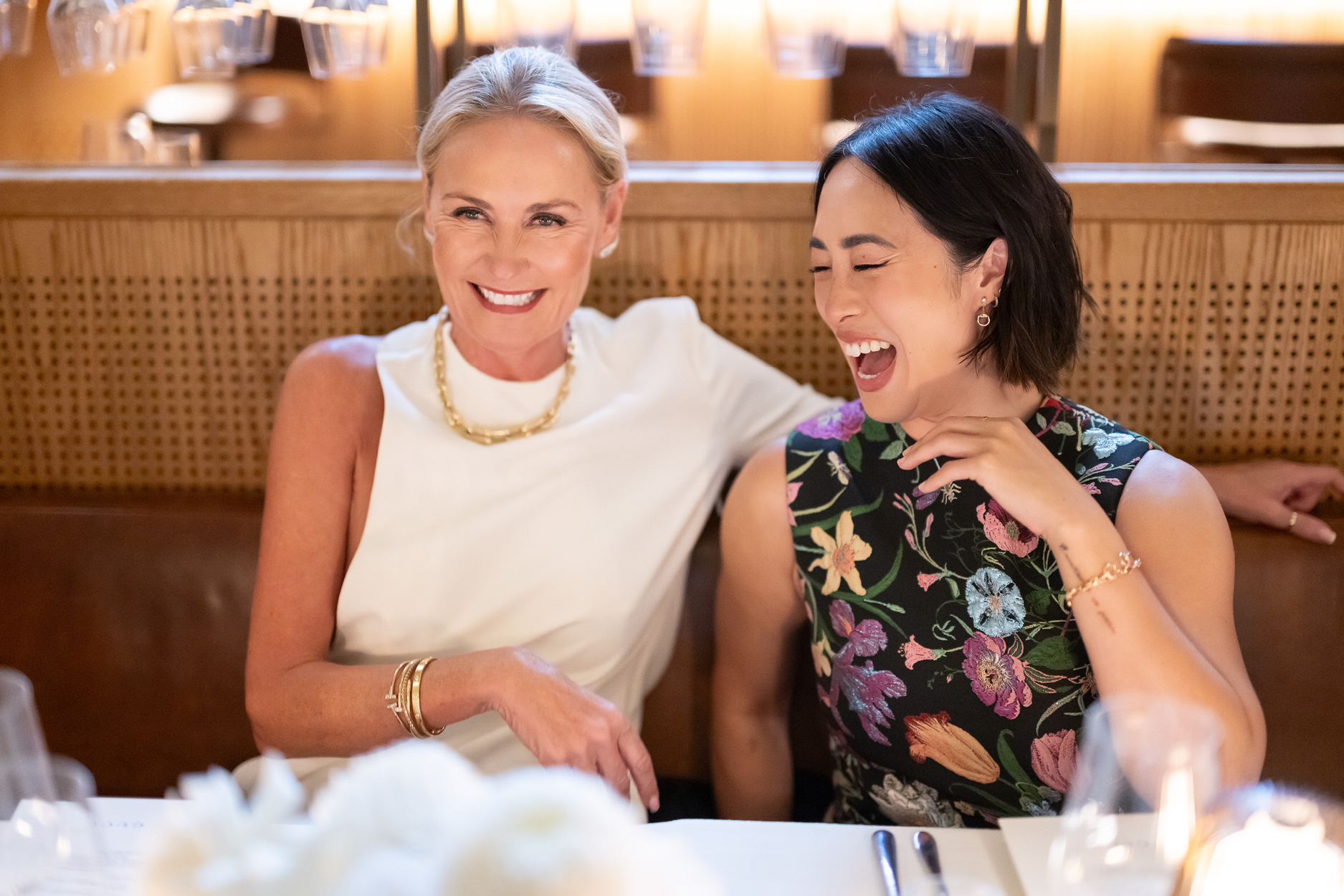
Claire Sullivan-Kraus and Melissa Leong
With a life of constant travel, I was curious whether he had a girlfriend — yes, he does — but he admitted to the challenges of maintaining a relationship while competing at his level of tennis. I offered some unsolicited advice about relationships being all about timing, and him having plenty of time on his side.
We then discussed the uniqueness of tennis, the mental load of the sport, and how much of it is about reading people rather than simply hitting balls. Patterns, habits, instincts. “It’s like chess,” I said. He agreed.
The draw for the Australian Open was being announced the following morning, so I asked if he felt nervous. In what I was beginning to recognise as classic Sinner behaviour, he shrugged it off. “It’s not nerves”, he said, “it’s information”. Once you know who you’re playing, you can work out your strategy. Each opponent brings a different style, a different nuance. The key is outsmarting them while staying true to your own game. I asked about the risk of an early exit, because tennis has a habit of humbling even the best. He laughed. “No problemo.” And with only the semi-finals remaining, things are looking great for an Australian Open final match against his friend and foe, Carlos Alcaraz.
For dinner, Sinner had swapped his tournament uniform for a head-to-toe Gucci look that felt perfectly aligned with him: crisp, controlled, and quietly bold. The kind of elegance that doesn’t announce itself. Fashion is its own discipline, after all; another form of preparation. And this season, Gucci’s mood is unmistakably shifting under Demna, sharper, more referential, more charged, as was apparent upon the bright talent that also joined us for dinner; all wearing the newly released La Familia Collection, now available in boutiques. It’s most definitely a bright new chapter for Gucci, and seeing Sinner wear it, you could feel the point being made: performance and style don’t have to live in different rooms.
Then came the delicious postscript. The announcement that World No. 1 women’s tennis player Aryna Sabalenka, too, is joining the Gucci family is a power move that’s a perfect alignment. Gucci has officially arrived at centre court.
Words Claire Sullivan | PHOTOS Mili Villamil | 7 Jan 2026
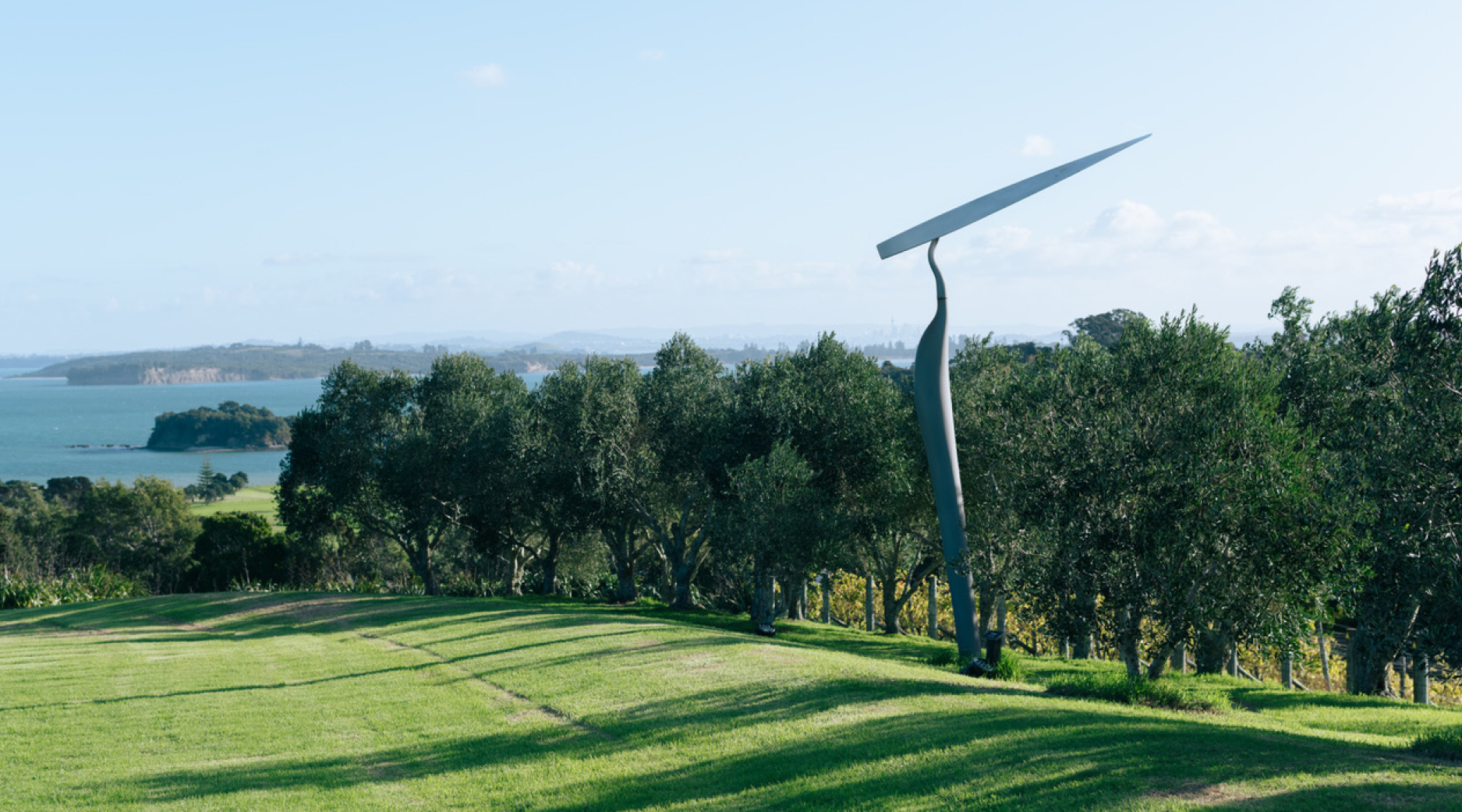
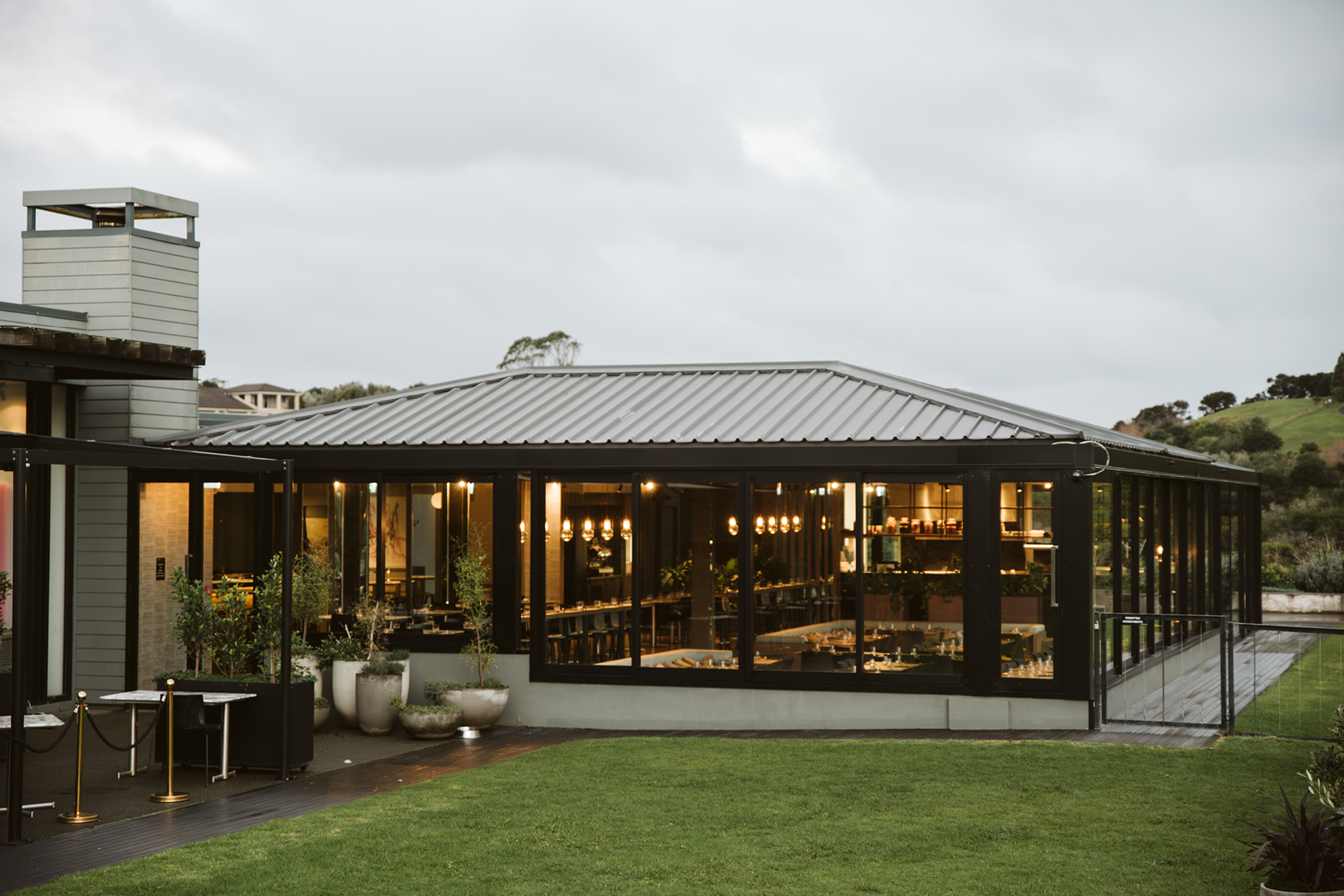
There’s a certain magic to arriving at Cable Bay Vineyards. As the ferry glides into Waiheke Island and the city slips from view, the air softens, the pace slows, and the horizon stretches wide to meet the endless blue of the Hauraki Gulf. A short, scenic walk from the terminal brings you to a place where wine, food, art and architecture come together in perfect harmony. This is where moments are meant to be savoured.
Cable Bay Vineyard’s award-winning architecture, designed by Fearon Hay Architects
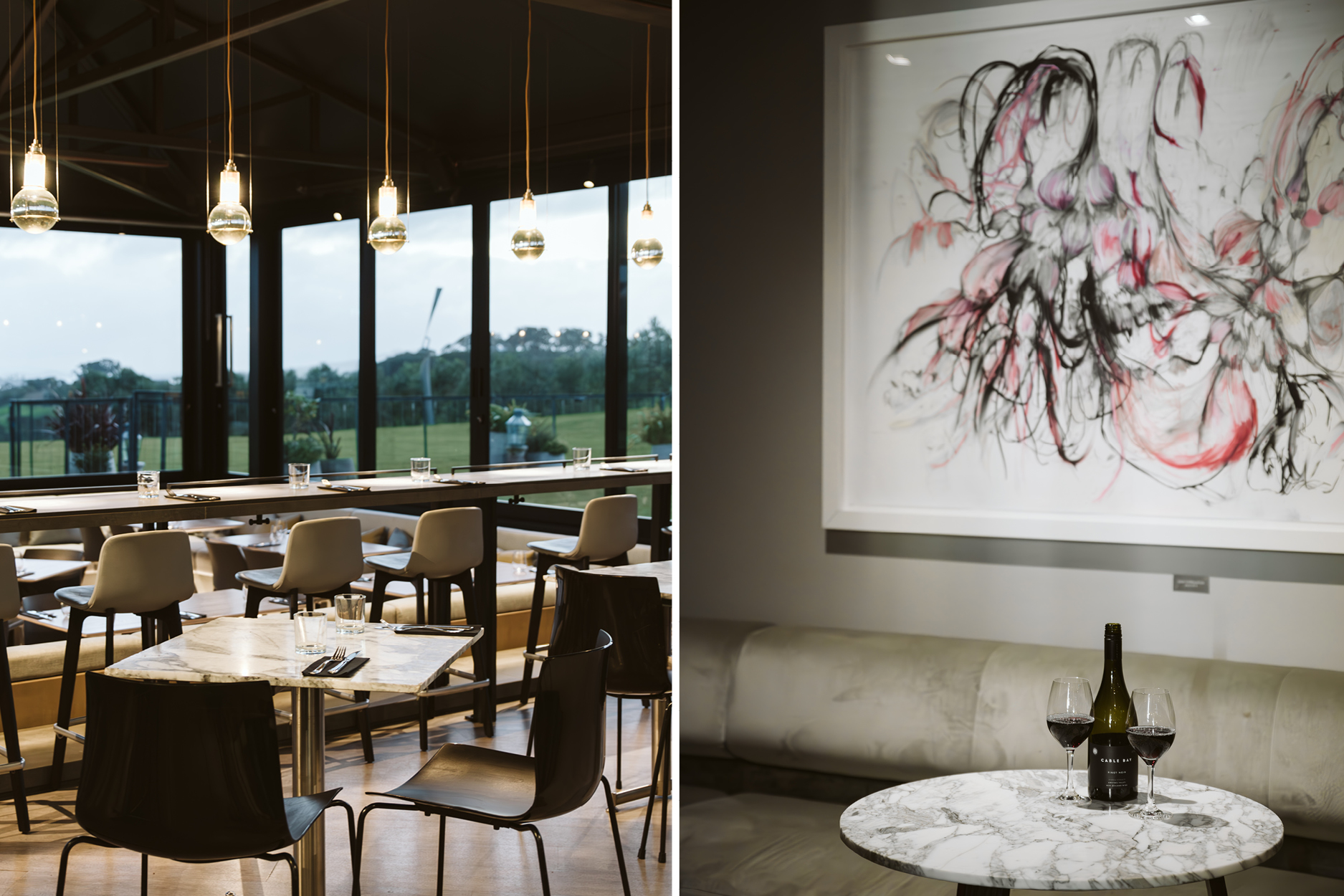
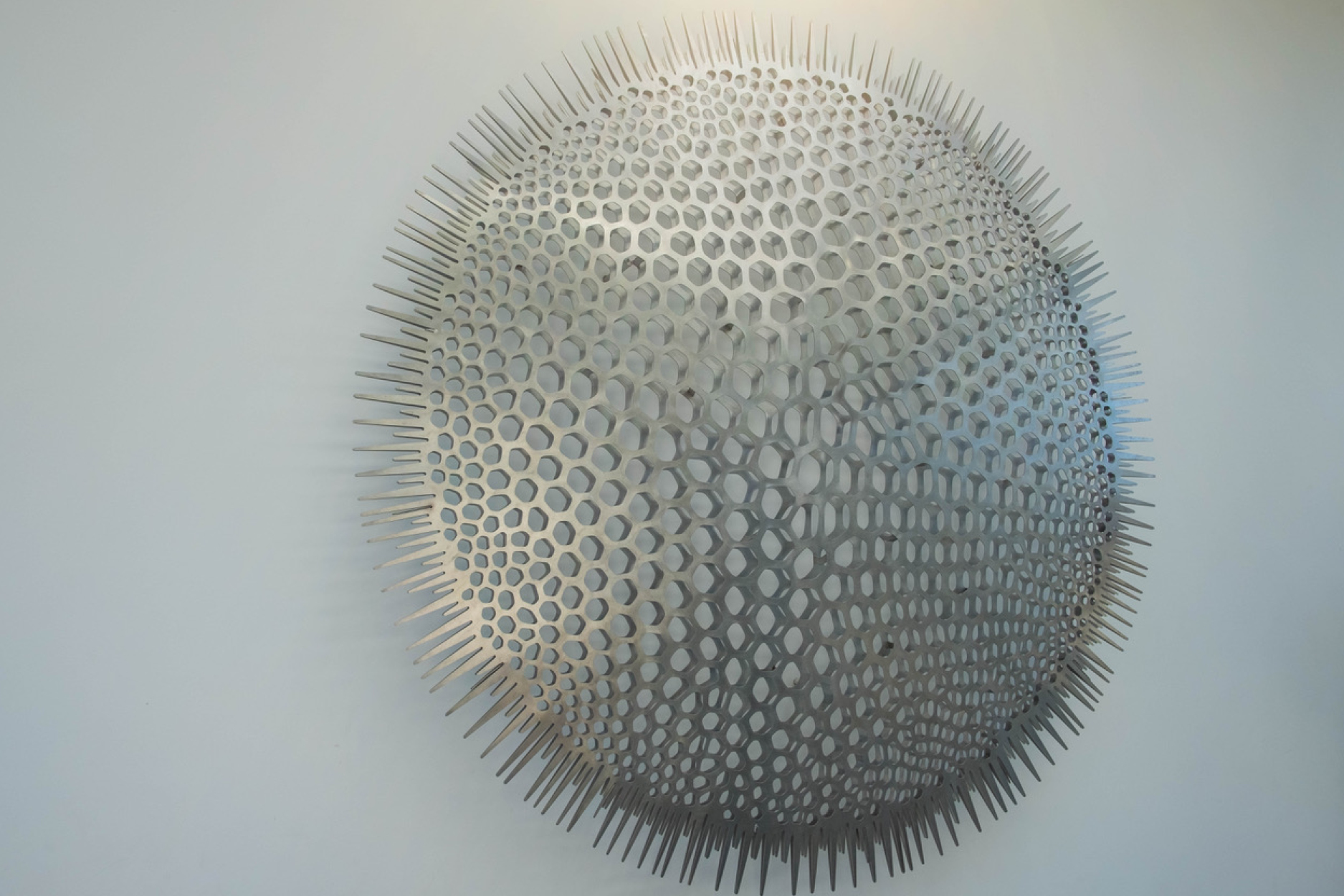
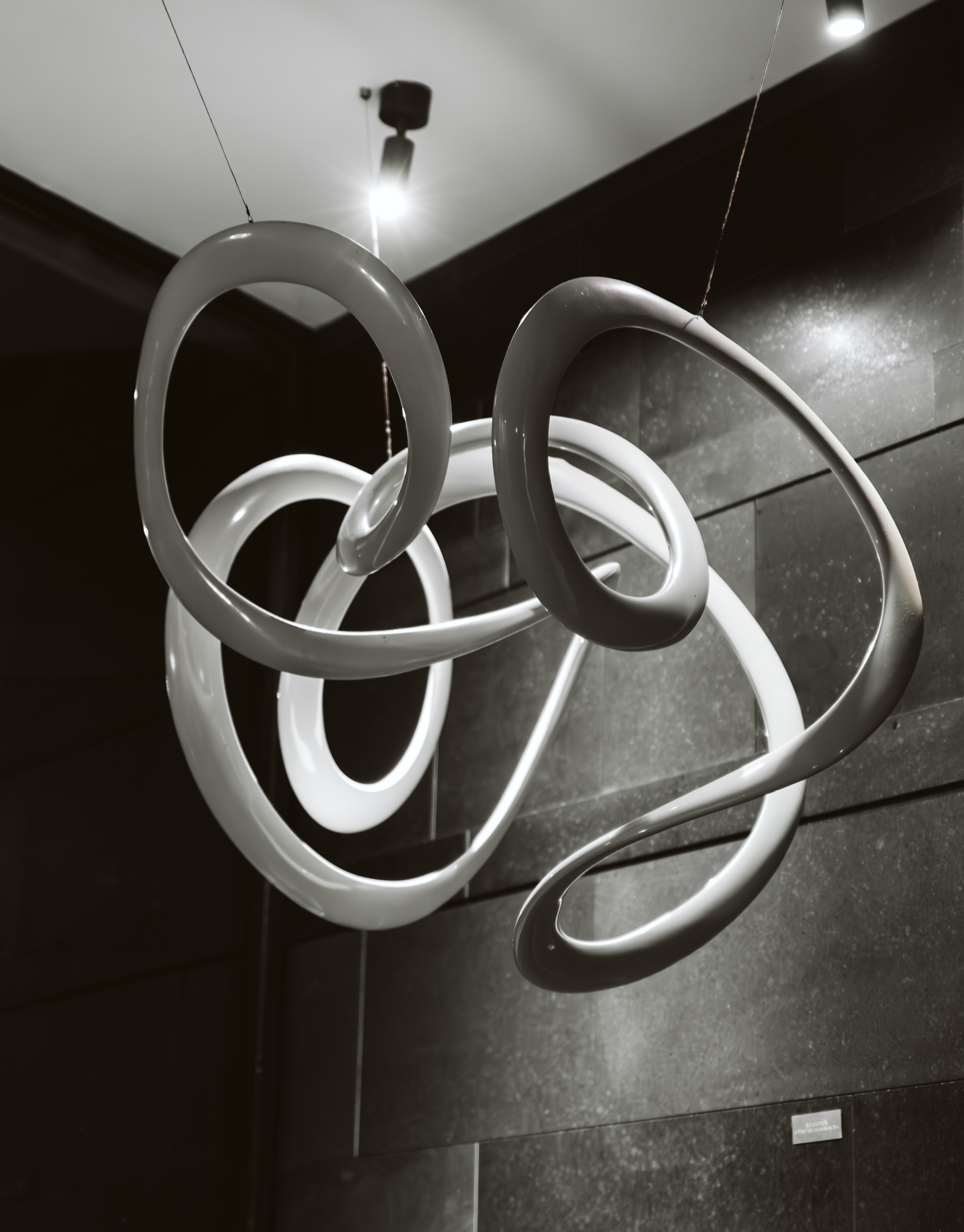
Cable Bay’s modernist glass-fronted pavilion — a celebrated design by Fearon Hay Architects — offers sweeping, uninterrupted views across the water. Light floods through the space, blurring the line between indoors and out, creating an atmosphere that feels open, elegant, and free. Step outside and the experience unfolds across rolling lawns, sculptural installations, and the surrounding vineyards. Works by leading New Zealand artists, including Phil Price, Virginia King, Anton Forde, and Konstantin Dimopoulos, are thoughtfully placed throughout the estate. As you wander with a glass in hand, these pieces reveal themselves one by one, turning a simple walk into a quiet discovery.
Left: Rope by SIAN TORRINGTON (2013)
Pacific Radiolaria by Virginia King (2011)
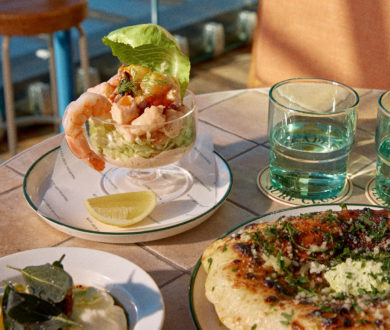
Inside, the Verandah restaurant carries an effortless warmth. Here, conversation flows easily, glasses catch the light, and long lunches unfold slowly as the afternoon drifts by. The menu celebrates the estate’s gardens and its connection to the land — fresh ingredients gathered daily, honey from the onsite hives, and produce from trusted local growers. Each dish is crafted with seasonality at its heart and designed to be shared, creating an experience that is at once refined and relaxed.
Untitled by Ray Haydon (volume series)
The wines are at the centre of it all. From Waiheke Island’s elegant Syrah and Chardonnay to the crisp Sauvignon Blanc of the Awatere Valley, each vintage reflects a commitment to low yields, sustainable practices and minimal intervention. These are wines of character and place — expressive, balanced, and beautifully suited to lingering afternoons. Whether it’s a single glass or a full tasting flight, every pour carries with it the essence of the land. What truly sets Cable Bay apart is the way it holds space for connection.
Cable Bay owner and passionate patron of the arts, Loukas Petrou
A spontaneous day trip with friends, a birthday celebration, a romantic escape or a languid afternoon in the sun — whatever the reason, the estate has a way of making ordinary moments feel special. Guests relax into the rhythm of the day, often staying to watch the sun set over the gulf, a final glass of Syrah in hand. This is the vision of Loukas Petrou, who has brought together art, architecture, wine, and food in a way that feels both considered and deeply accessible.
Cable Bay isn’t just a destination. It’s an experience — one that invites you to pause, to connect, and to delight in the beauty of the moment.
Opening hours:
Cellar Door: Monday to Sunday: 10 am – 5 pm Verandah: Monday – Thursday, 12 pm – 7 pm Friday, 12 pm – late Saturday, 11 am – late Sunday, 11 am – 5 pm
I’ve never been one for health trackers. As someone who lives life at a frenetic pace and wrestles with insomnia, waking at 2 am only to lie there until 5 am replaying tomorrow’s to-do list, I’ve always avoided anything that confirms what I already know: I’m not sleeping enough. My husband, by contrast, monitors his life with the precision of a NASA engineer. He tracks his sleep, workouts, glucose levels, and even his snoring. Since this recent monitoring app was introduced, it presents me with ‘conclusive evidence’ each morning that “the snoring wasn’t that bad last night,” despite my sleepless glare suggesting otherwise.
So when asked to trial their new Ultrahuman Ring AIR, I hesitated. The last thing I wanted was a device telling me how badly I was failing at rest. But as I’ve begun taking a deeper interest in understanding my own biology, I realised that perhaps data could do what discipline hadn’t: help me make sense of my body, rather than fight against it.
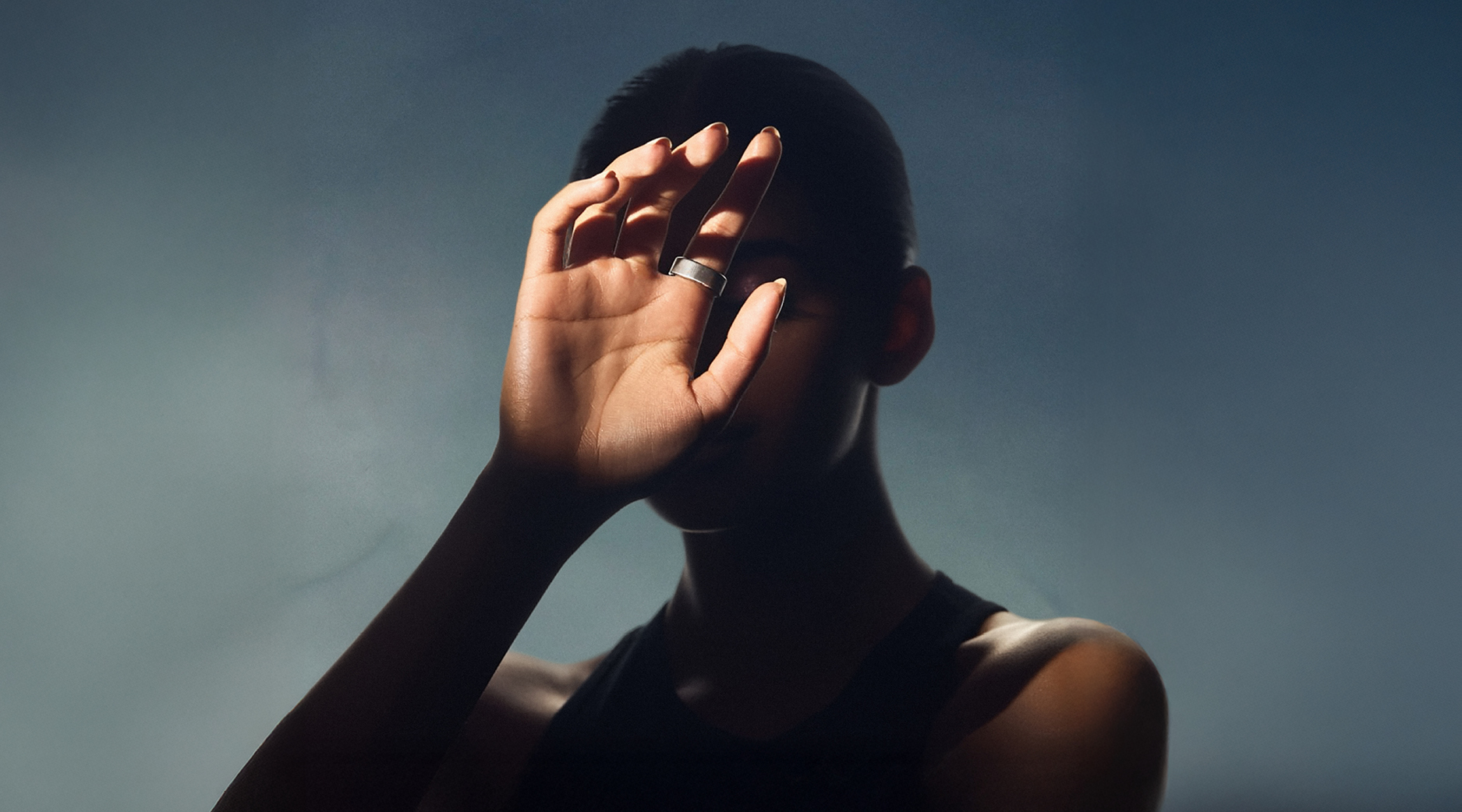
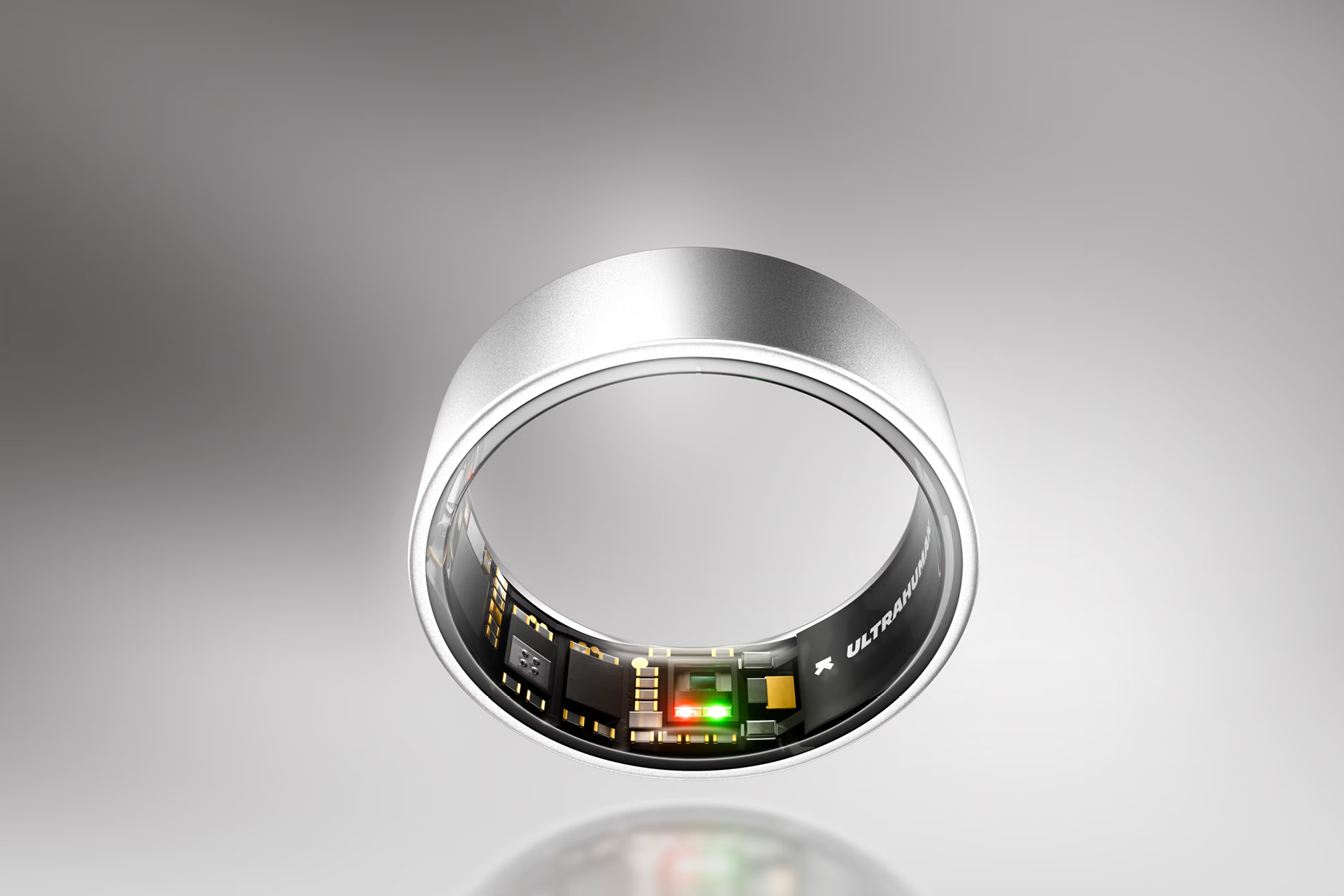
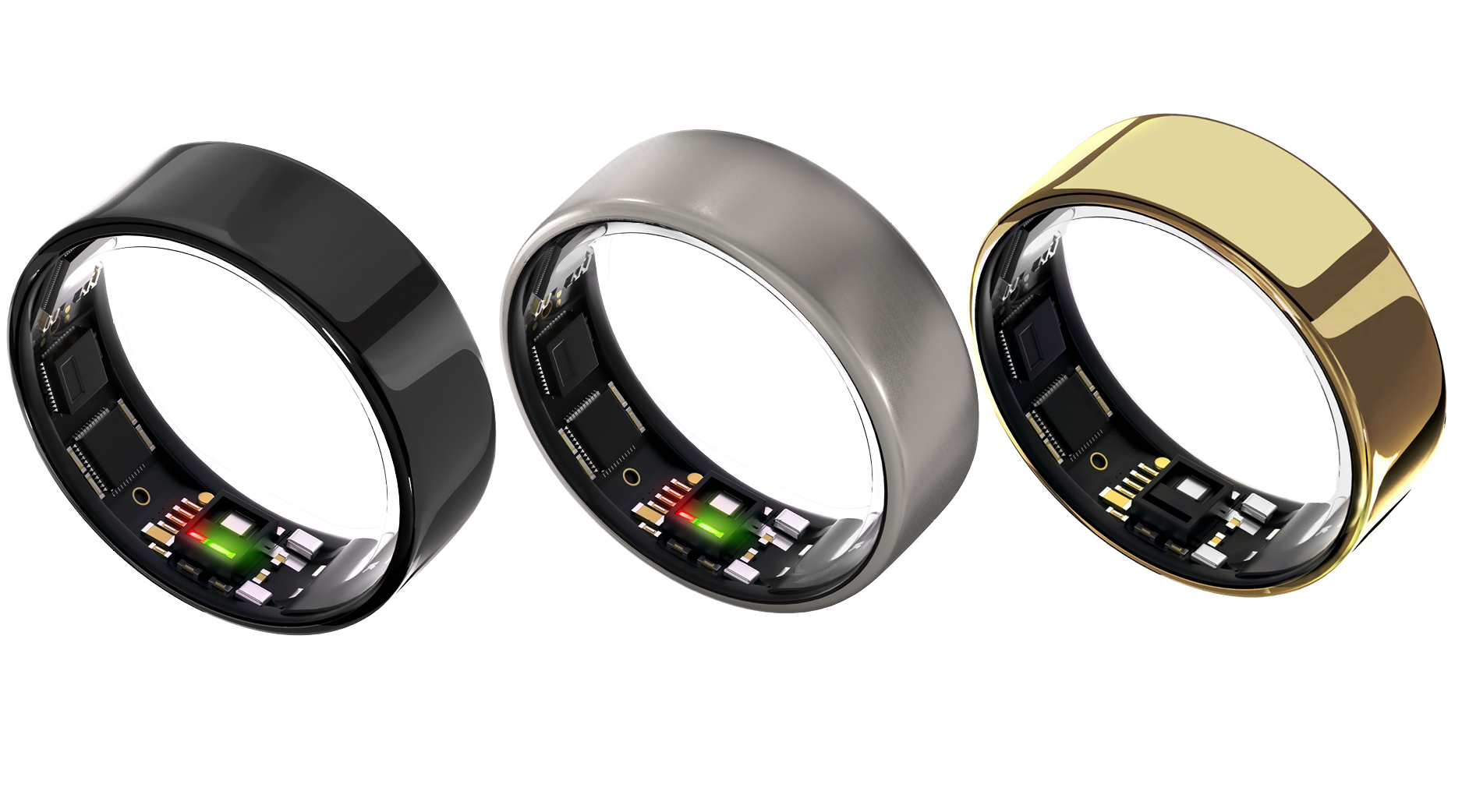
The Ultrahuman Ring AIR looks and feels nothing like the typical clunky wearable. Mine, in platinum, sits flush against my finger, feather-light at just 2.4 grams, and surprisingly elegant. It looks more like jewellery than a fitness gadget and is comfortable enough to wear all day and night, which is ideal because that’s the point. It works best when you barely notice it.
“It’s like having a calm, slightly smug wellness coach on your finger, but one that actually knows what it’s talking about.”
Once synced with the app, the ring quietly logs almost every physiological detail imaginable: heart rate variability, body temperature, stress levels, recovery metrics, activity, even caffeine timing and menstrual cycles. The sleep tracking, however, is its most impressive feature. Each morning, it assigns a Sleep Score, then breaks it down into granular metrics such as efficiency, consistency, heart-rate drop, temperature variation, and even how well my brain’s glymphatic system — the network that clears toxins while we sleep — has done its nightly work.
Unlike other devices, Ultrahuman offers Powerplugs, optional add-ons that enrich the data. I’ve added Vitamin D monitoring, a must for someone who spends too much time indoors, along with menstrual tracking, caffeine optimisation, and a screentime plug-in that politely reminds me that scrolling before bed isn’t rest. It’s a modular approach to health that evolves as science advances, clever, practical, and refreshingly forward-thinking.
What I love most is its focus on circadian alignment. The app provides daily, science-backed suggestions for syncing my internal clock, including reminders to step outside in the morning light, cues to reduce caffeine intake, and gentle prompts to wind down for the night. It’s like having a calm, slightly smug wellness coach on your finger, but one that actually knows what it’s talking about.
After a few weeks, I found myself making minor, conscious adjustments. Going to bed just 30 minutes earlier. Cutting coffee by mid-afternoon. Taking five minutes to breathe when my stress markers spiked. These aren’t dramatic changes, but cumulatively, they’ve shifted how I feel. My sleep still isn’t perfect, but I understand why, and that’s oddly comforting. It’s no longer a mystery, just data I can act on.
Battery life is five days, and charging takes under an hour. The app requires no subscription. You pay once, and you own your insights. At around NZD $650, it’s an investment, but a one-time one. And for the visibility it offers, the insight into what’s really driving your energy, mood and recovery, it feels worth every dollar. For the first time, I’m not just reacting to fatigue, I’m learning from it.
It’s not about perfection or performance. It’s about awareness, understanding the rhythms that make you who you are. The Ultrahuman Ring AIR isn’t just another gadget; it’s a mirror that reflects how your body moves through modern life. And in a world that constantly demands more of us, that kind of understanding feels like a kind of self-love and respect for our own biology that we could all benefit from.
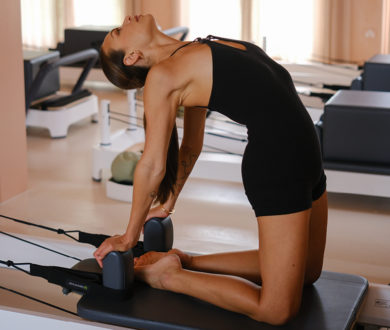
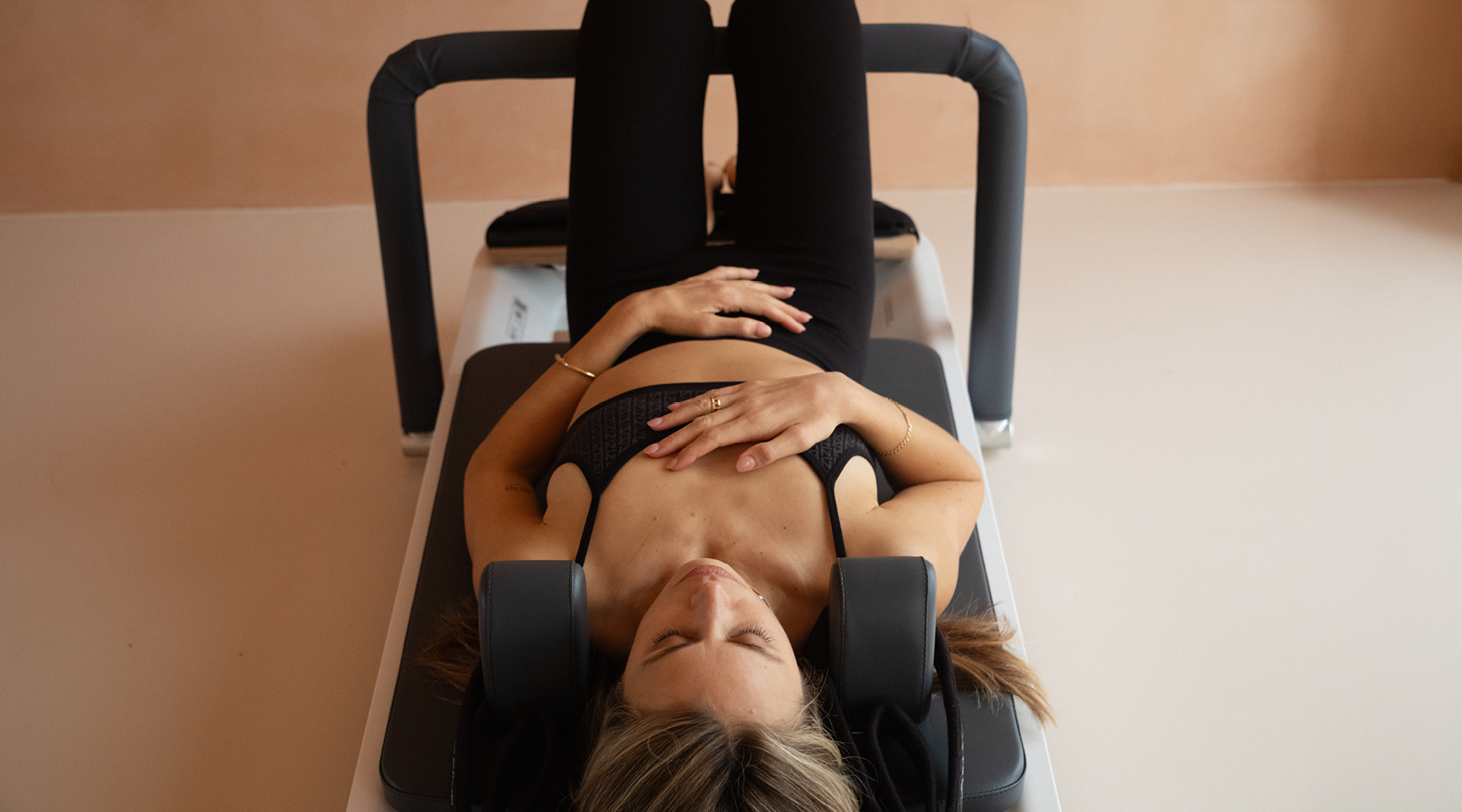
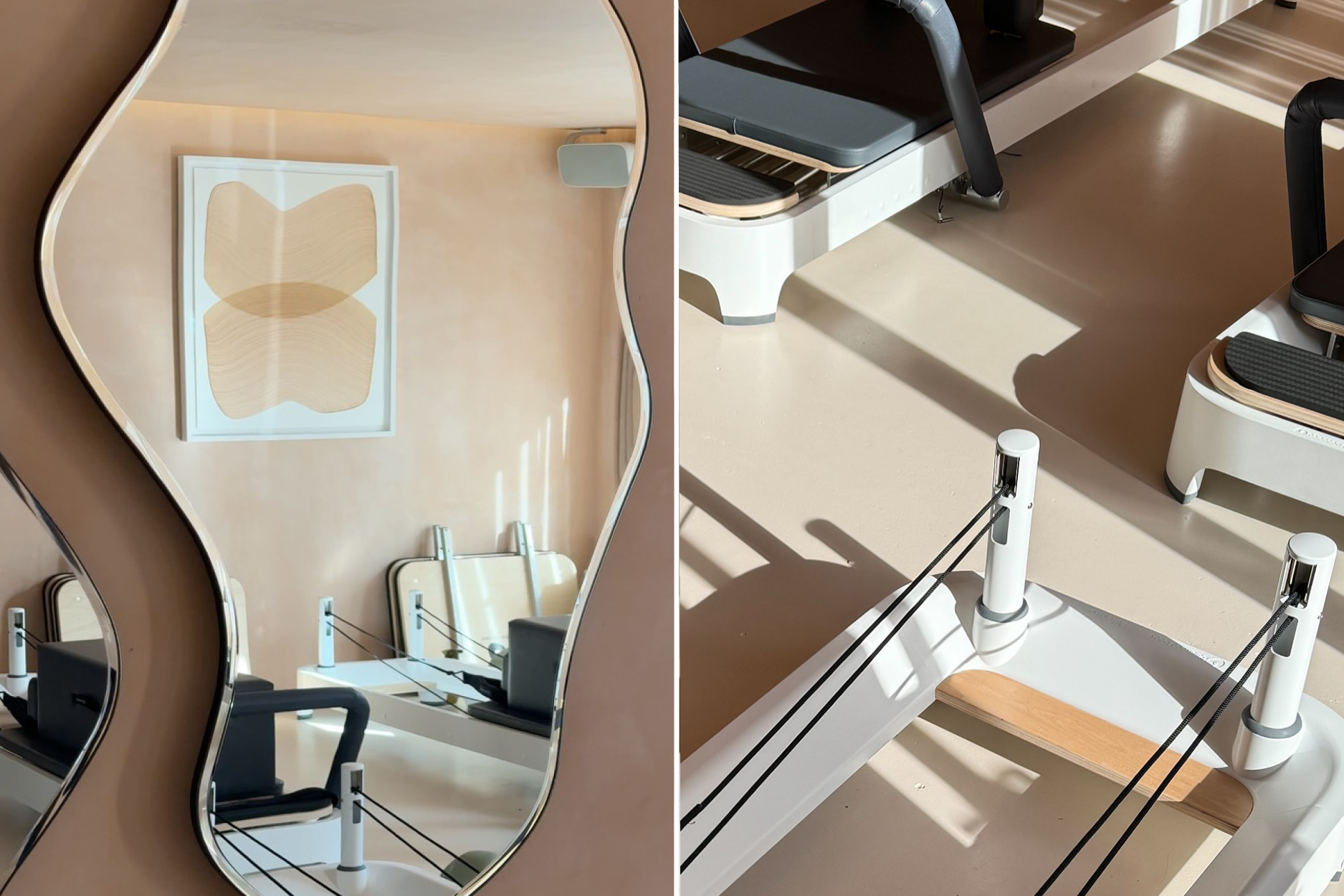
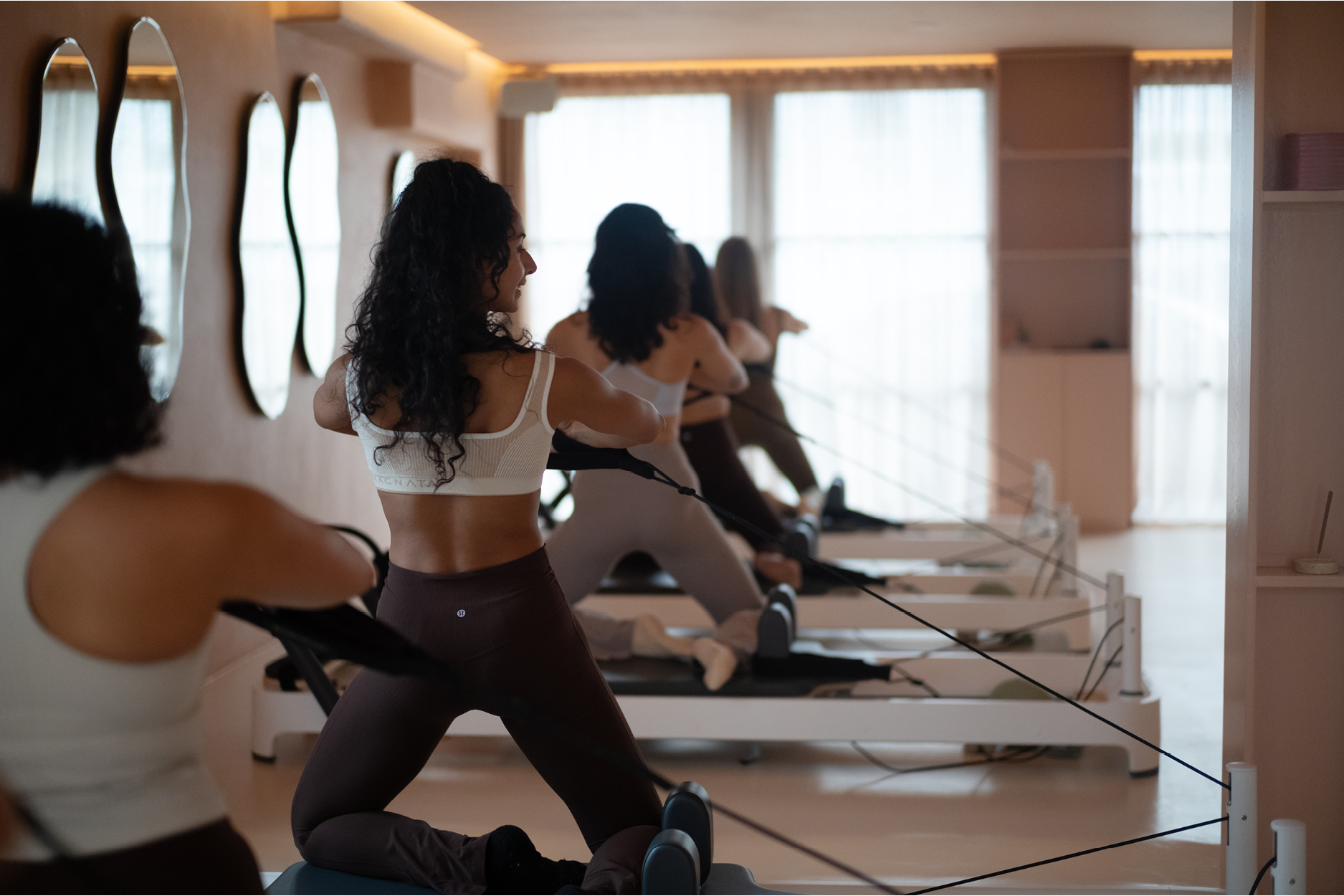
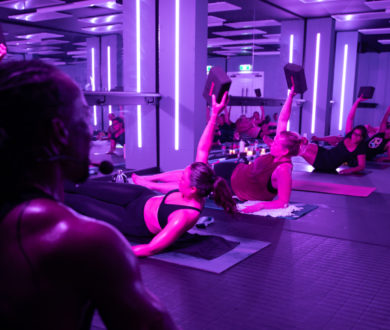
Auckland’s wellness landscape is shifting, and at the forefront is Cora Studio, a refined, design-led space that blends world-class Pilates with the power of community and collective restoration. At a time when wellness has become increasingly solitary, Cora brings people back together through movement, connection and shared ritual.
At the centre of the studio is founder Mibella Villafana, whose unique global perspective shapes everything that happens within its walls. Her philosophy is simple: movement is most transformative when shared.
Growing up between San Diego and Mexico, Mibella’s approach to movement is informed by culture, psychology and years of experience. With formal study in psychology and 15 years of extensive training across contemporary and classical Pilates disciplines, she brings a rare balance of intuitive insight and technical mastery to Cora. Her somatic, intelligent style has already positioned her as one of Auckland’s leading voices in movement and modern wellbeing.
It’s why Cora has quickly become regarded as the best Pilates studio in Auckland. Classes here are led by a handpicked team of the city’s most skilled instructors, chosen and mentored by Mibella for their deep technical understanding and their ability to create an atmosphere where people feel both supported and challenged. The coaching is intelligent, intuitive and deliberately human.
Yet what makes Cora truly unique is the atmosphere within the space. It is elevated but not exclusive, calm but energising, polished yet deeply warm. It is the kind of studio people walk into and feel instantly part of, a place where the collective experience becomes as important as the individual one.
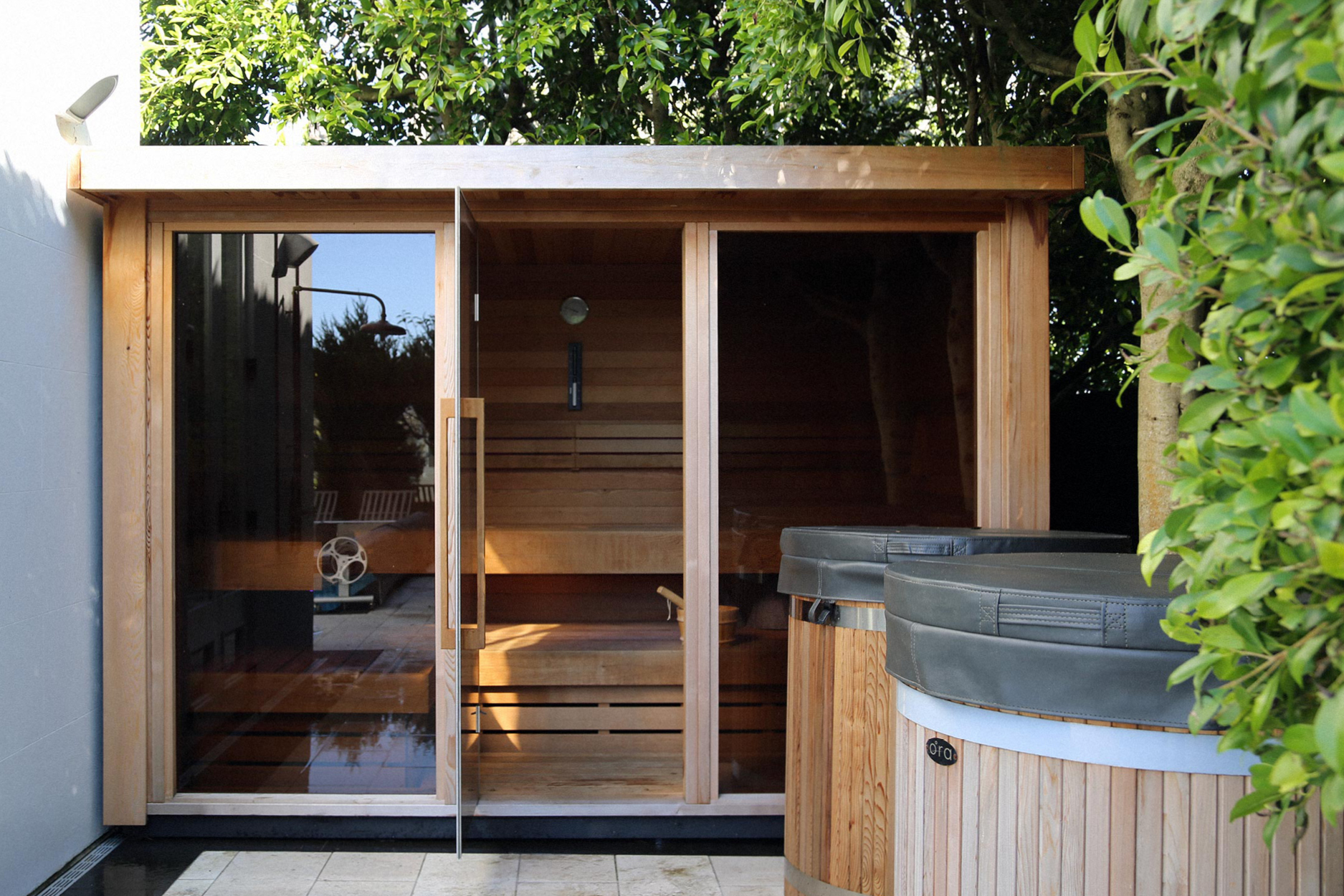
Pilates remains the cornerstone of the studio, but Cora’s philosophy extends beyond the reformer. The contrast therapy zone, featuring Finnish saunas and twin cold plunges, serves as both a communal ritual and a recovery tool. Clients move between movement and heat and cold, sharing conversations, resets and moments of quiet reflection. The result is a space that embraces community and serves as a timely antidote to the hyper-individualism in our tech-obsessed lives.
This sense of collective care has also caught the attention of forward-thinking workplaces. Cora’s holistic model has become a blueprint for corporate wellness retreats, offering companies a way to bring their teams together through physical reset rather than boardroom bonding. Teams spend the day moving, breathing, sweating and reflecting together, a welcome antidote to digital fatigue and endless deadlines. For teams integrating strategy or leadership development, Cora provides a fully equipped boardroom and AV setup, ideal for presentations, workshops, and collaborative planning. The feedback, the founders say, has been extraordinary. In a day, people who arrived wired and distracted leave realigned, connected and clear.
Cora feels like the next movement in wellness: a return to community care, shared commitment, and embodied presence. A place where strength is built collectively, where recovery becomes ritual and where people come not only to move, but to feel part of something.
With Mibella’s leadership, a world-class team and a philosophy grounded in connection, Cora is quietly establishing itself as the future of Auckland wellbeing. A studio that understands that true transformation happens together.
Words Claire Sullivan | PHOTOS Christopher Quyen | 7 Nov 2025
While Lexus captivated the world at the Japan Mobility Show with its bold vision for future mobility, another side of the brand unfolds just a short drive across Tokyo — one that speaks to creativity, connection and culture.
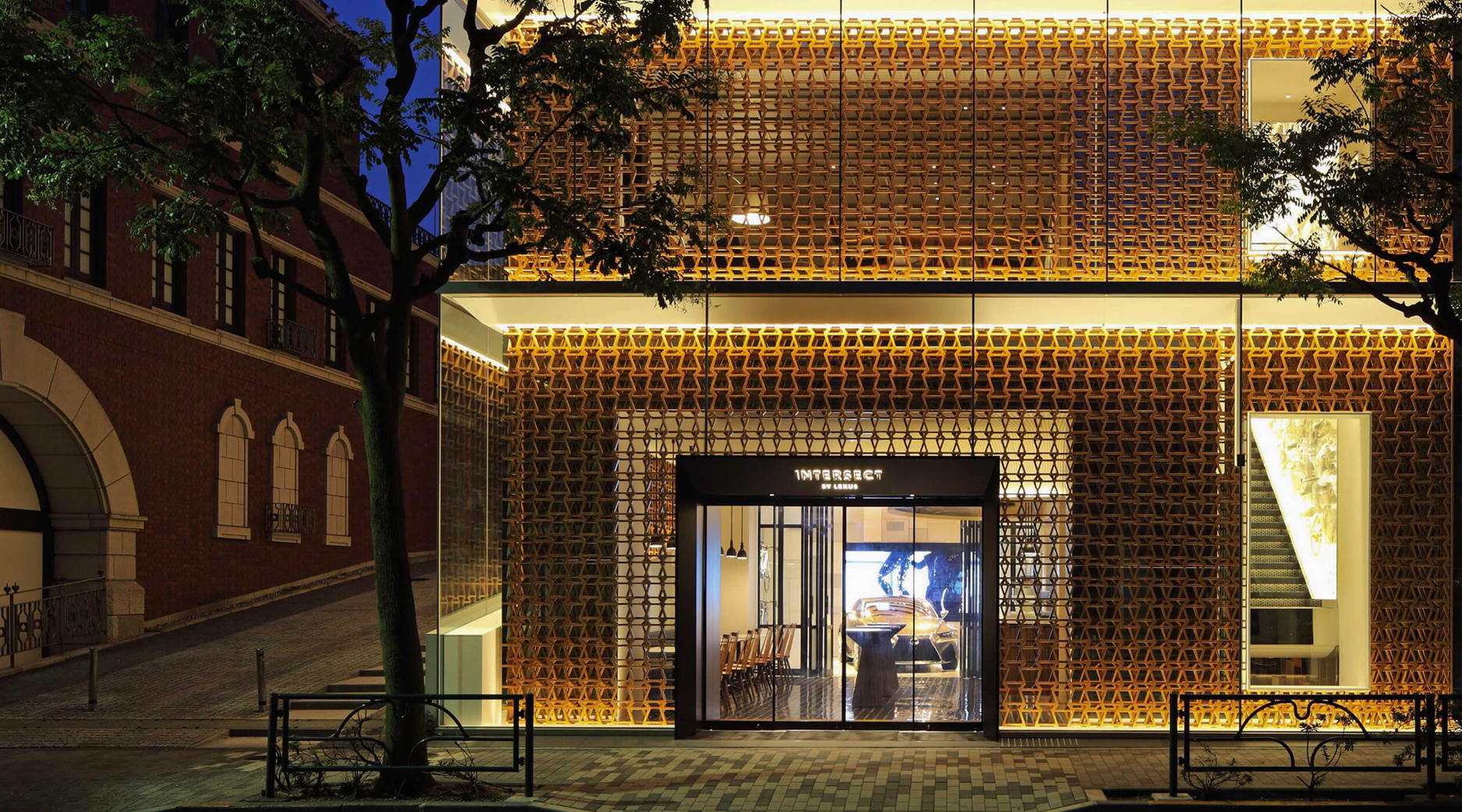
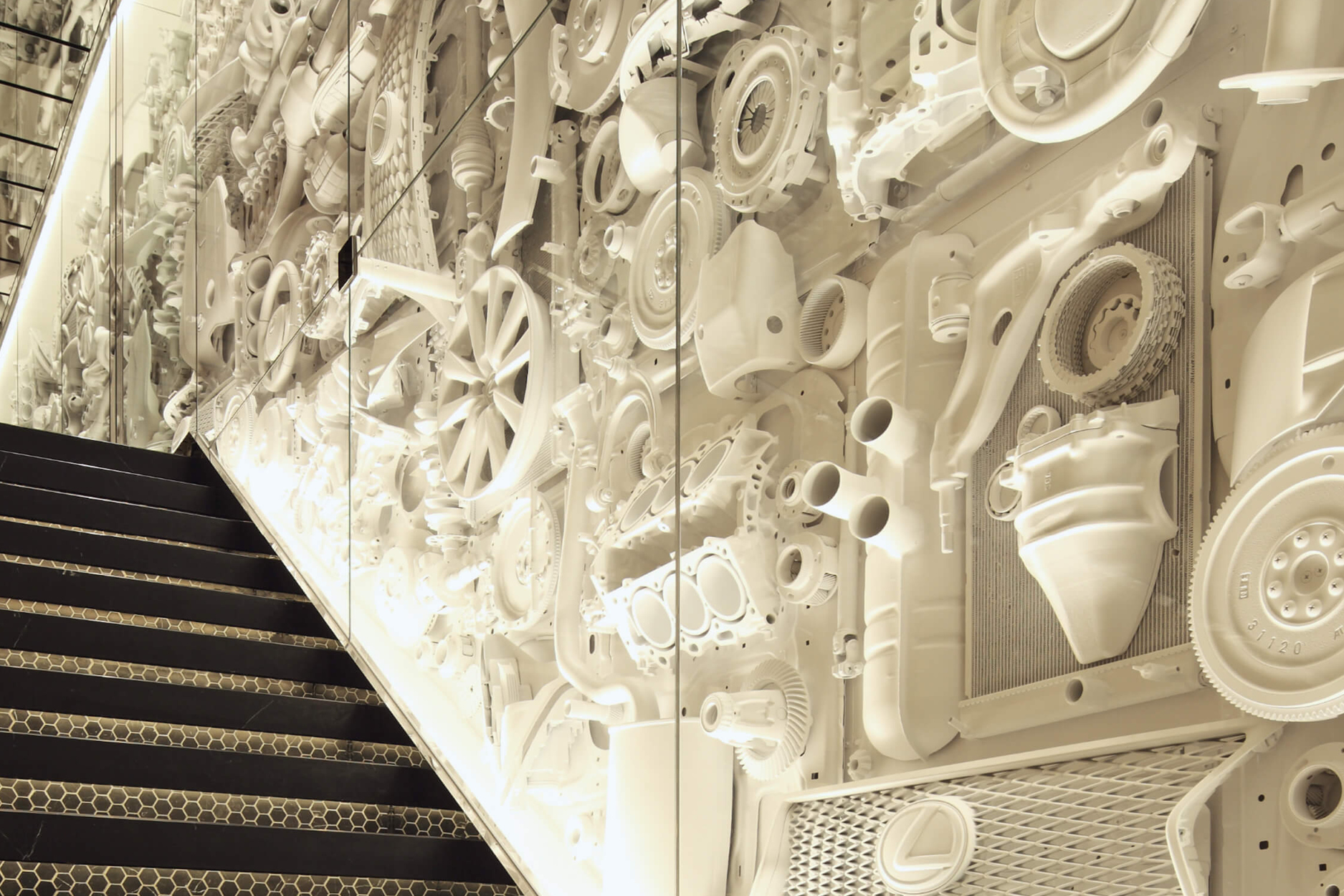
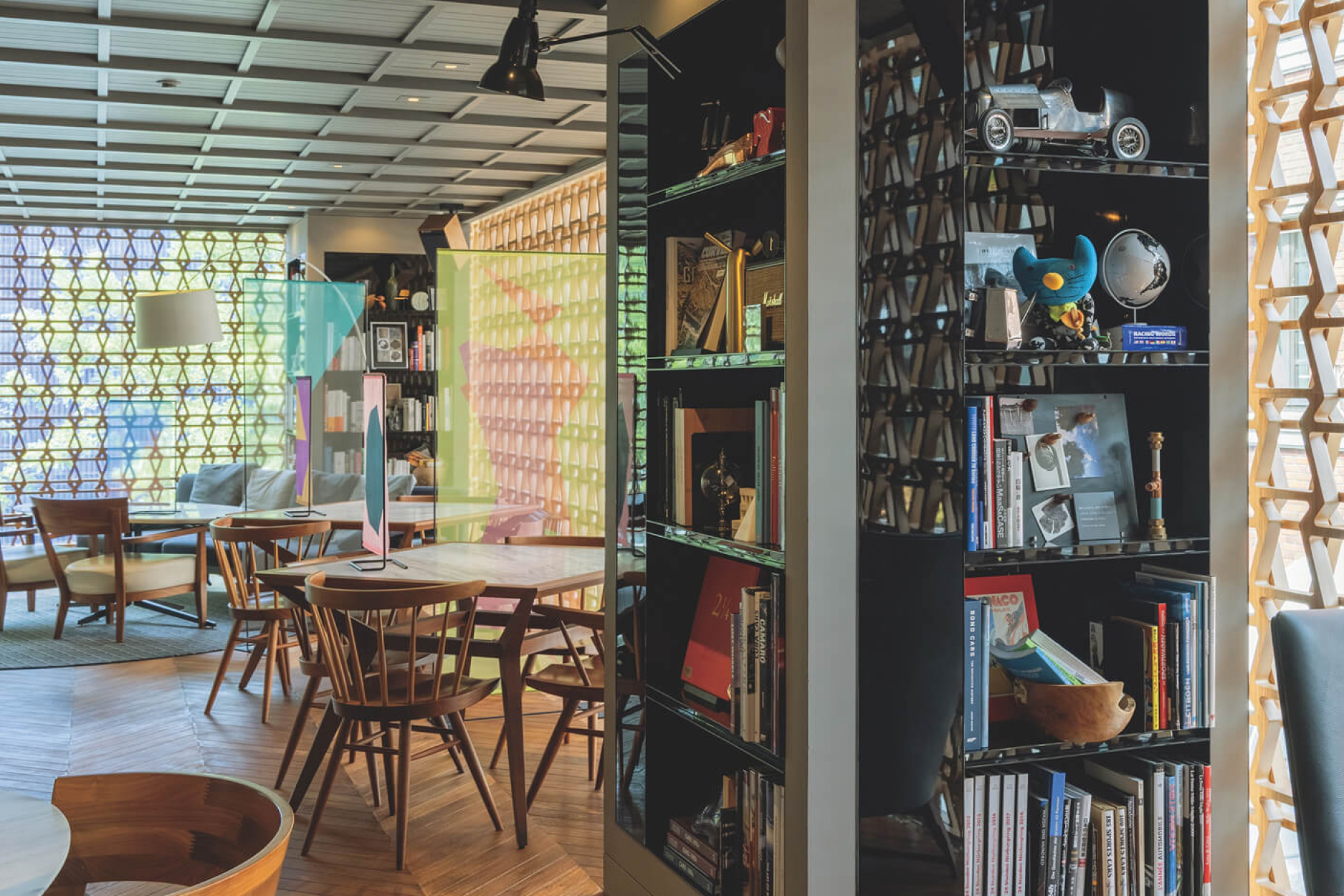
INTERSECT by Lexus, located in the design-forward district of Aoyama, is where the Lexus lifestyle comes to life. This beautifully conceived space invites guests to experience the brand through design, gastronomy, fashion and innovation, all without ever getting behind the wheel. It is a destination where people, ideas and artistry intersect — a reflection of Lexus’ belief that true luxury extends far beyond mobility.
Every detail embodies omotenashi, the Japanese principle of thoughtful hospitality. From the minimalist architecture to the scent of freshly ground coffee in the café, the space engages all the senses. The gallery, or more commonly known as the garage, showcases global collaborations in art, design and technology, while the lounge spanning across two floors becomes a haven for creative minds to gather, share ideas and experience craftsmanship in new forms.
“INTERSECT symbolises our challenge to go beyond the automobile,” says Andrew Davis, Vice President of Lexus New Zealand. “It’s about connecting people through design, ideas and innovation — an extension of the Lexus experience.”
For design-conscious New Zealanders visiting Tokyo, INTERSECT offers a glimpse into a world that feels both familiar and aspirational. It mirrors the evolving values of those who seek experiences that inspire, create connection and celebrate craftsmanship in every form.
For more exclusive access to what the city has to offer, engaging content, excellent imagery and thought provoking commentary on the life that surrounds you, subscribe to Denizen magazine now.