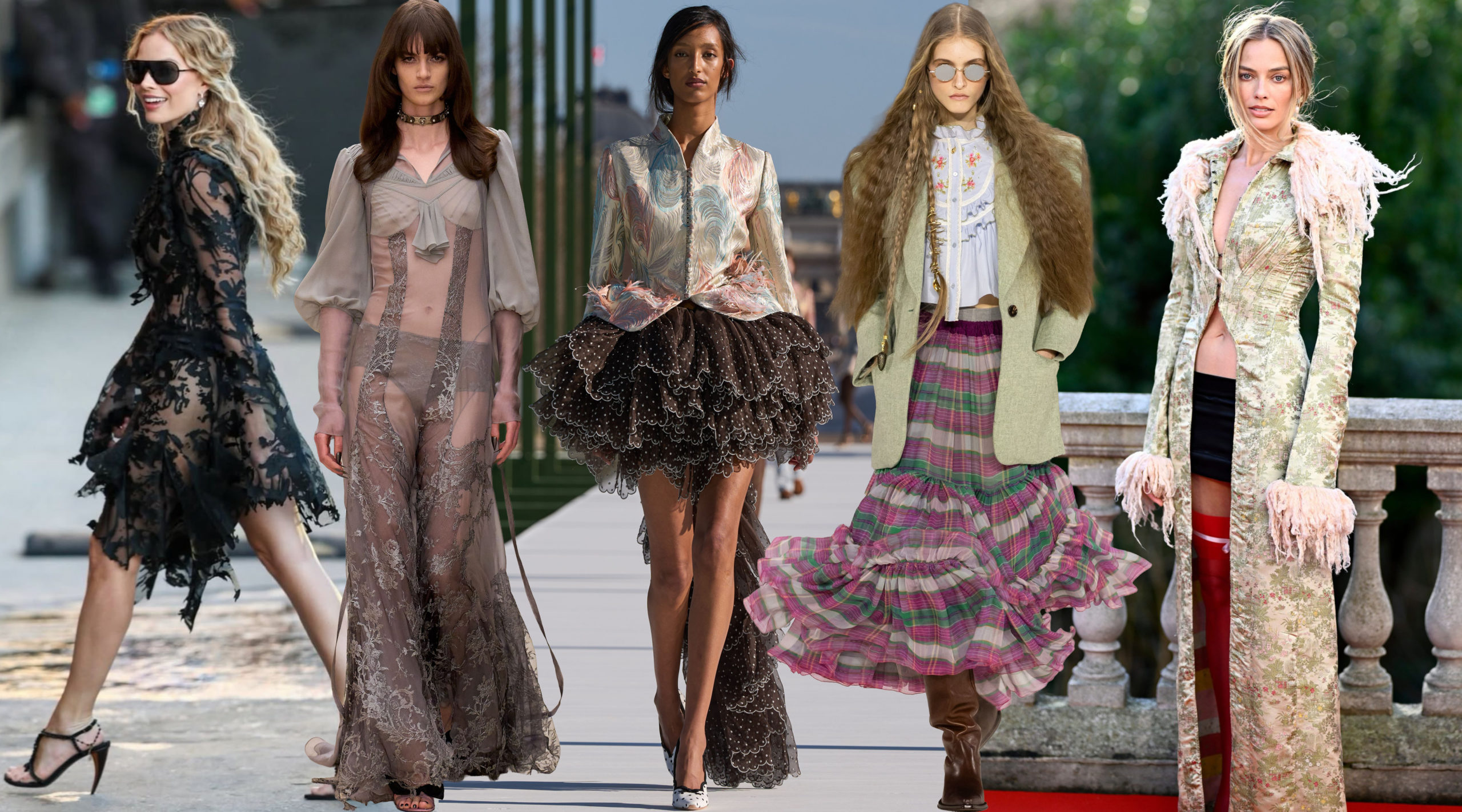
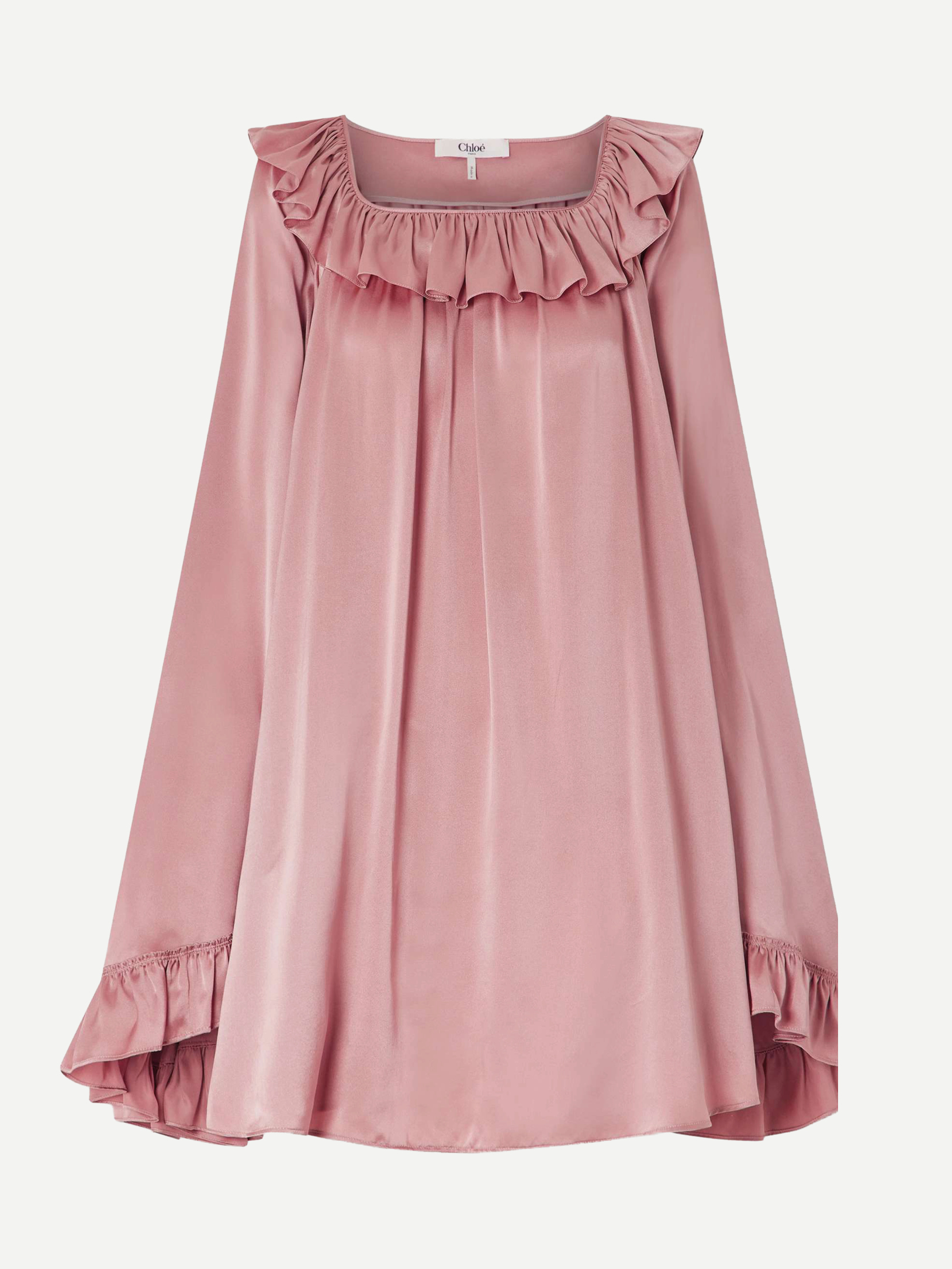
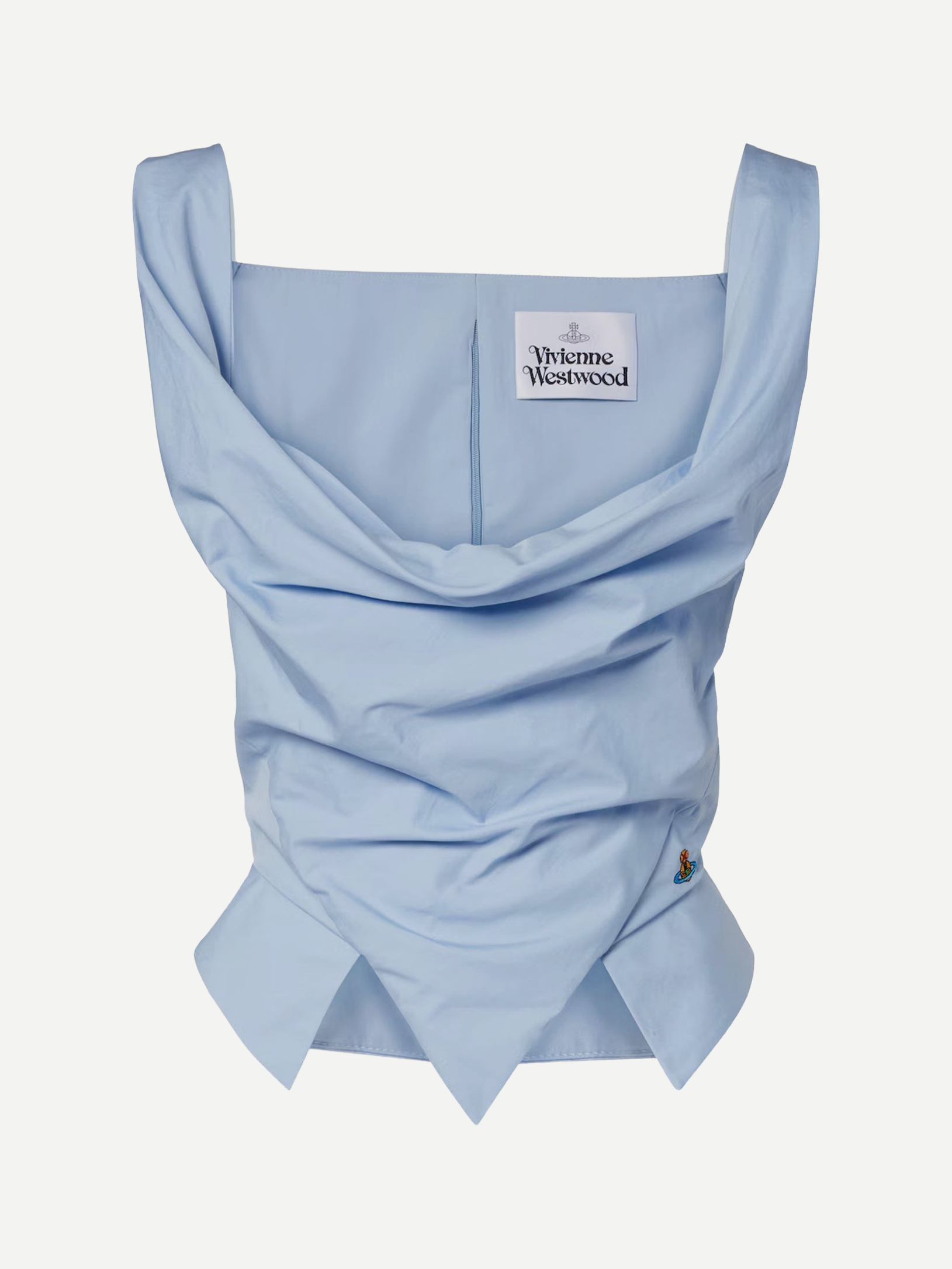
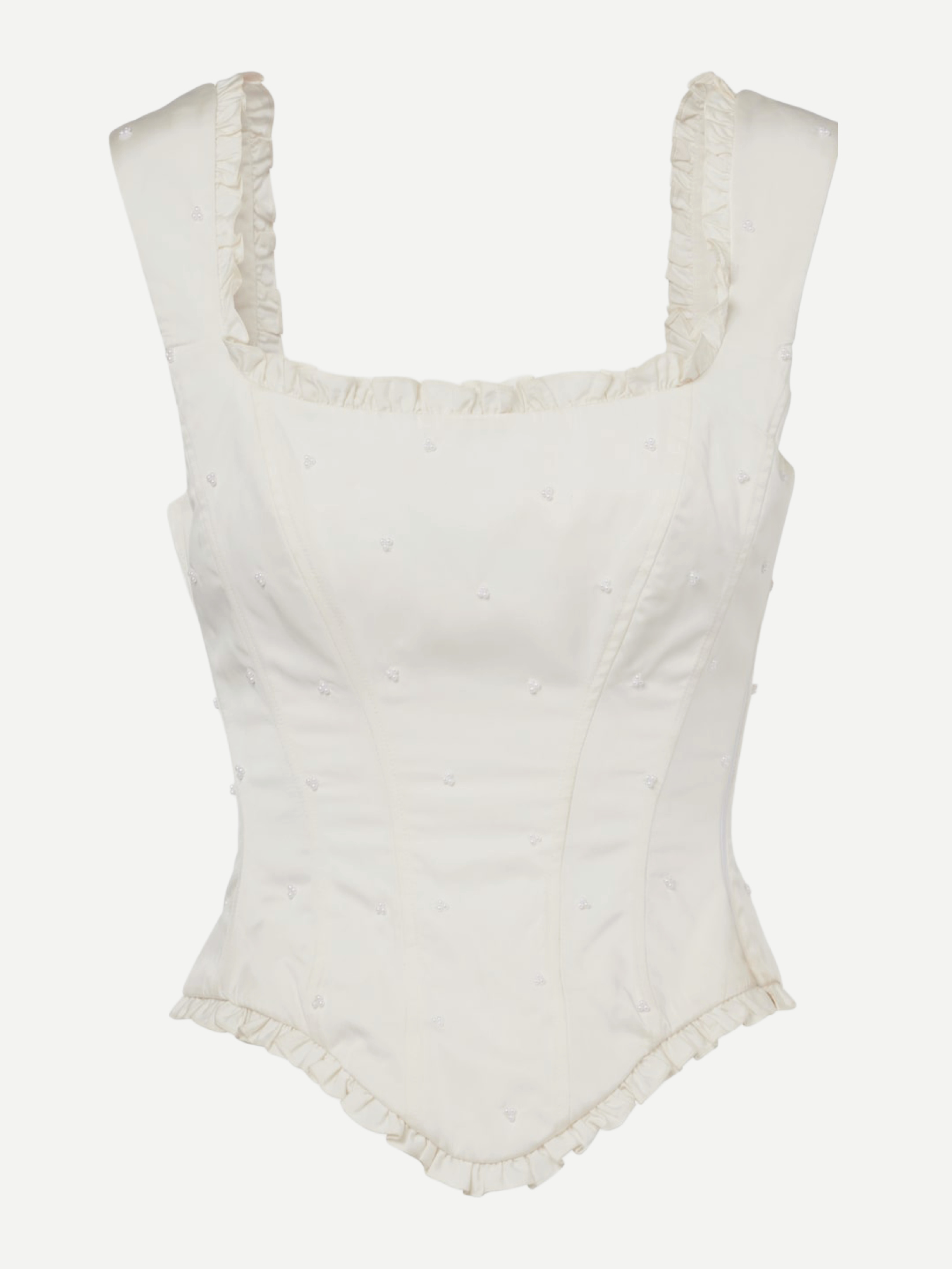
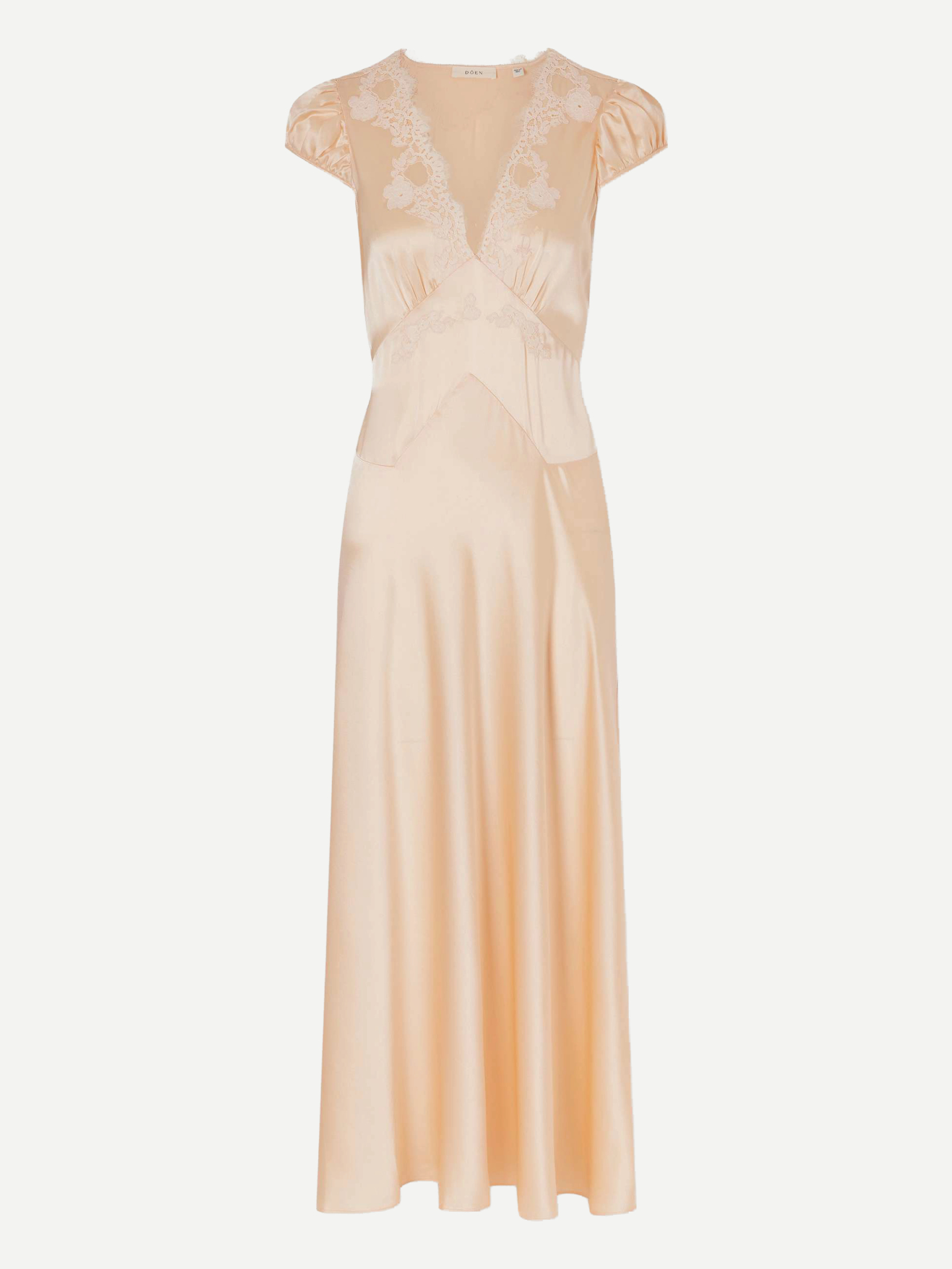
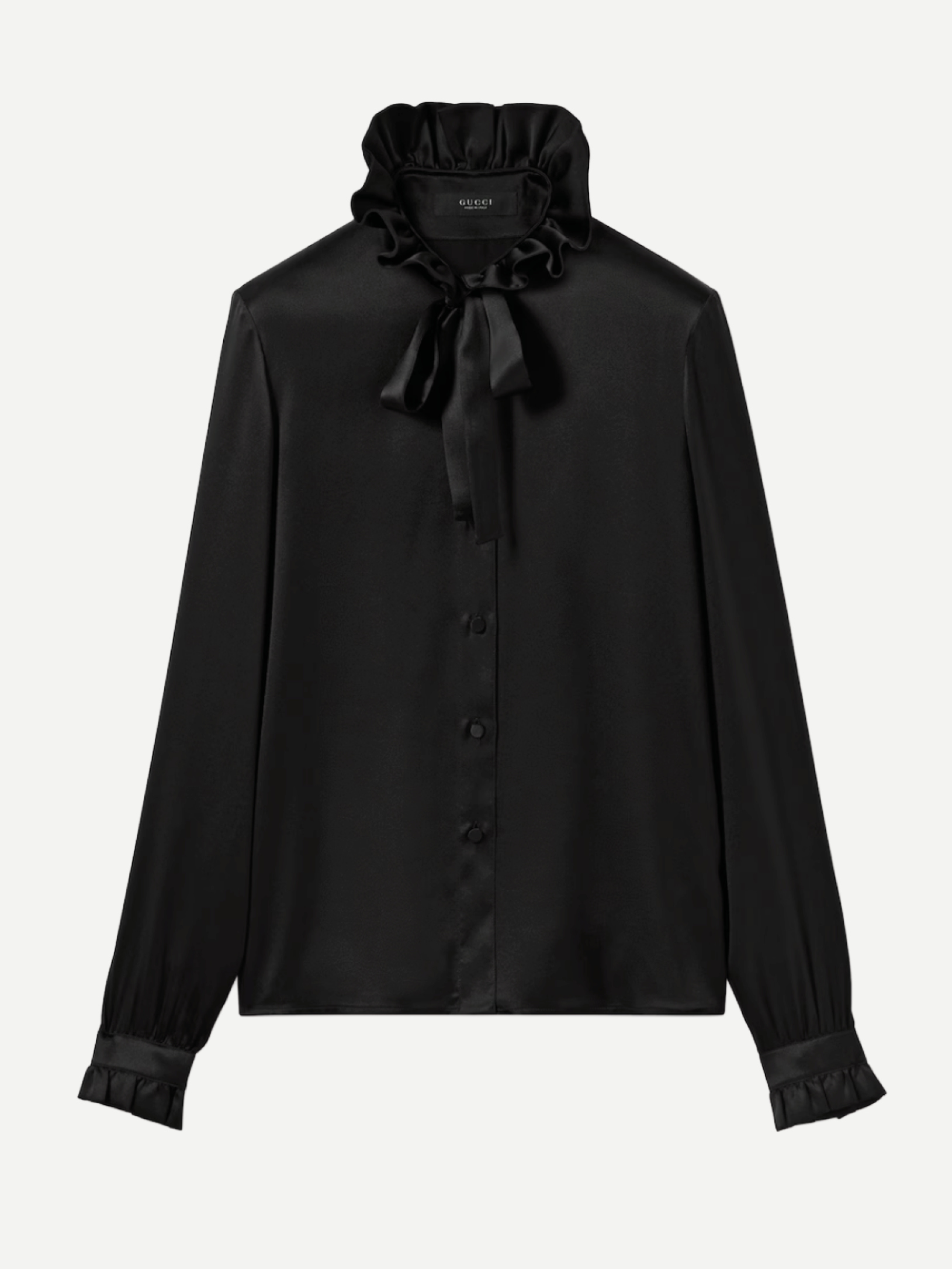
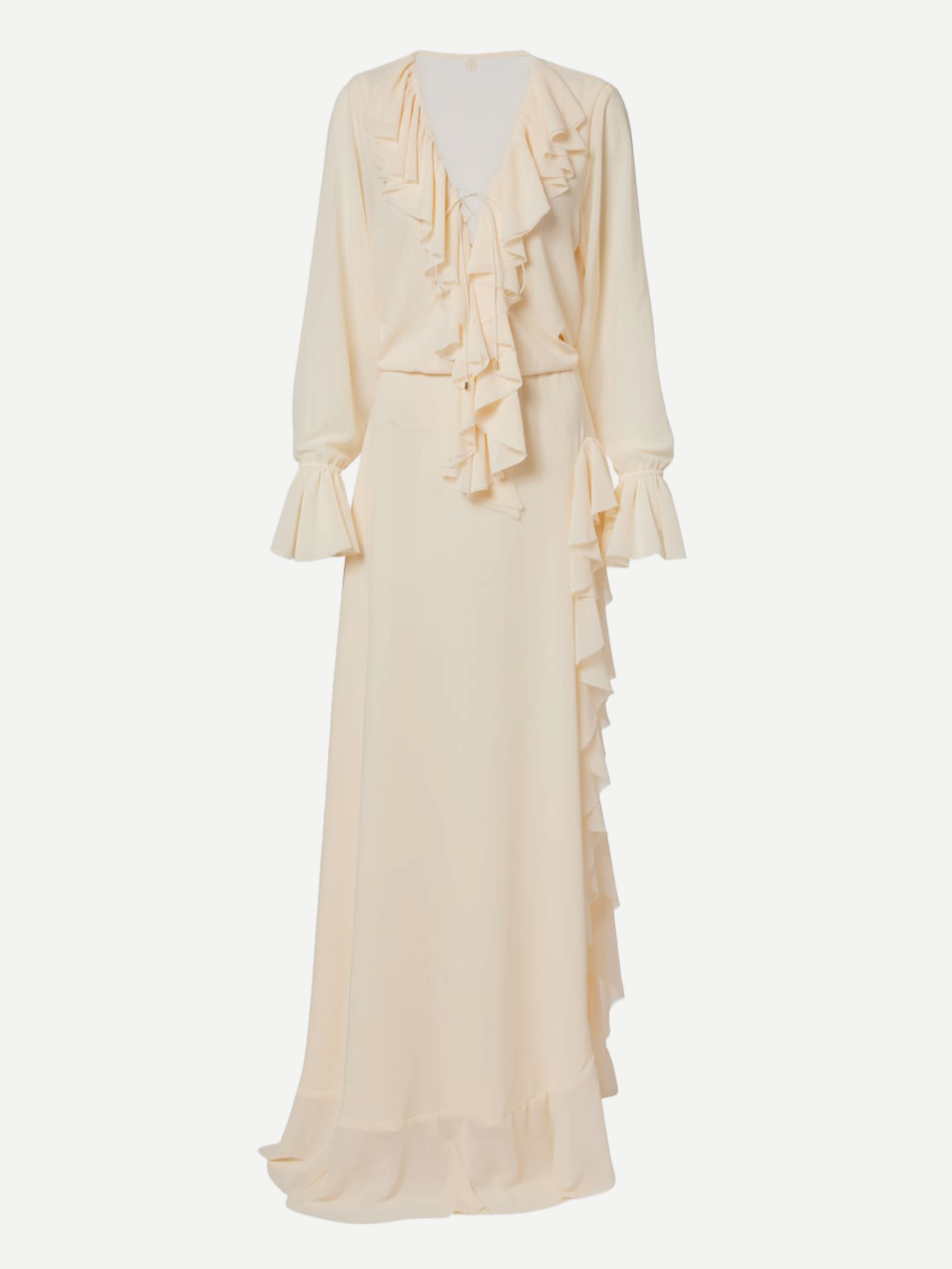
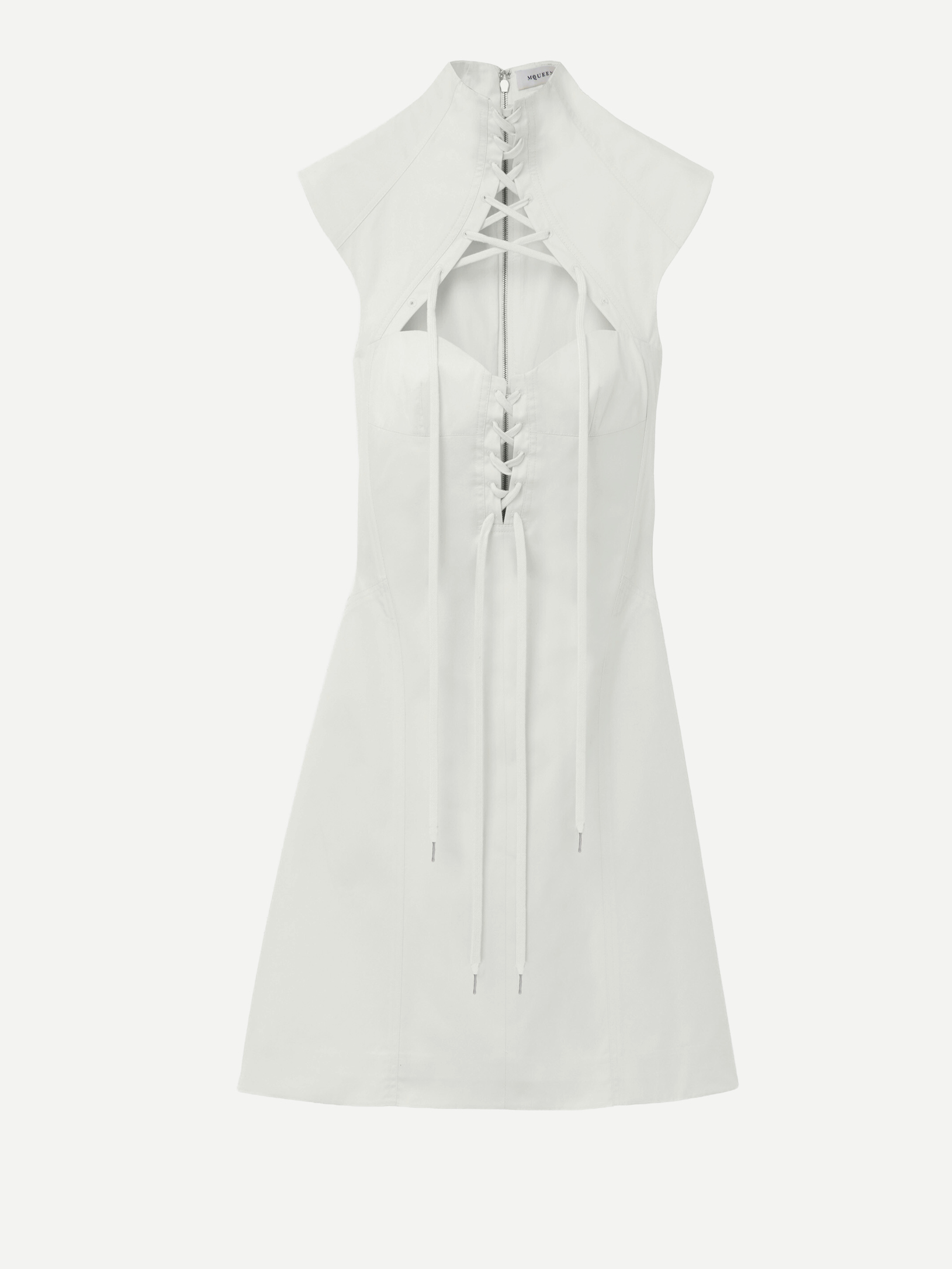
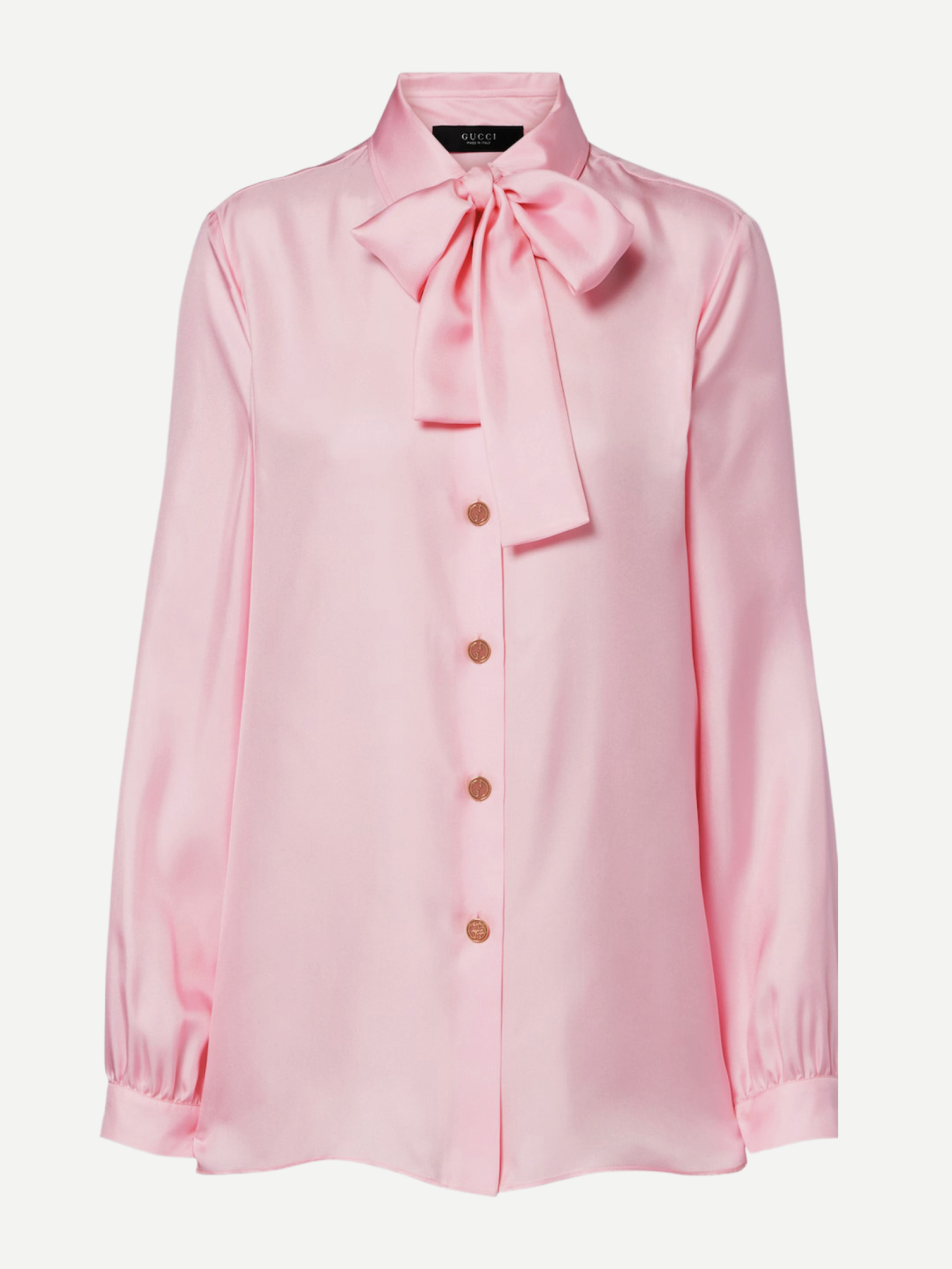
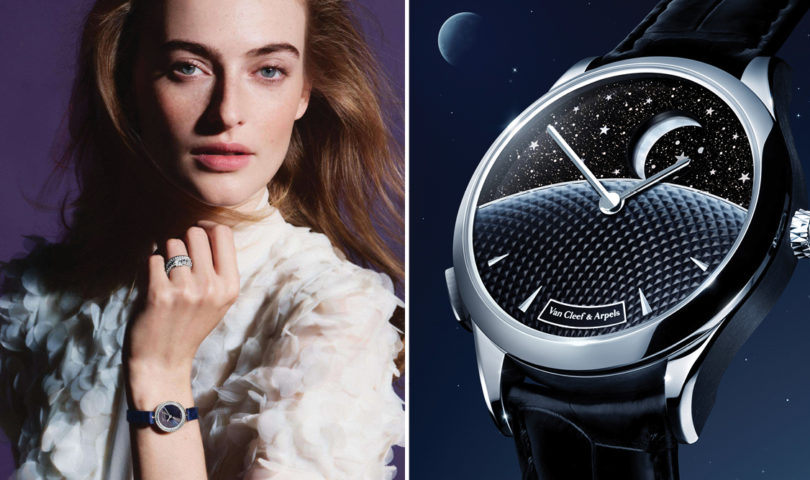
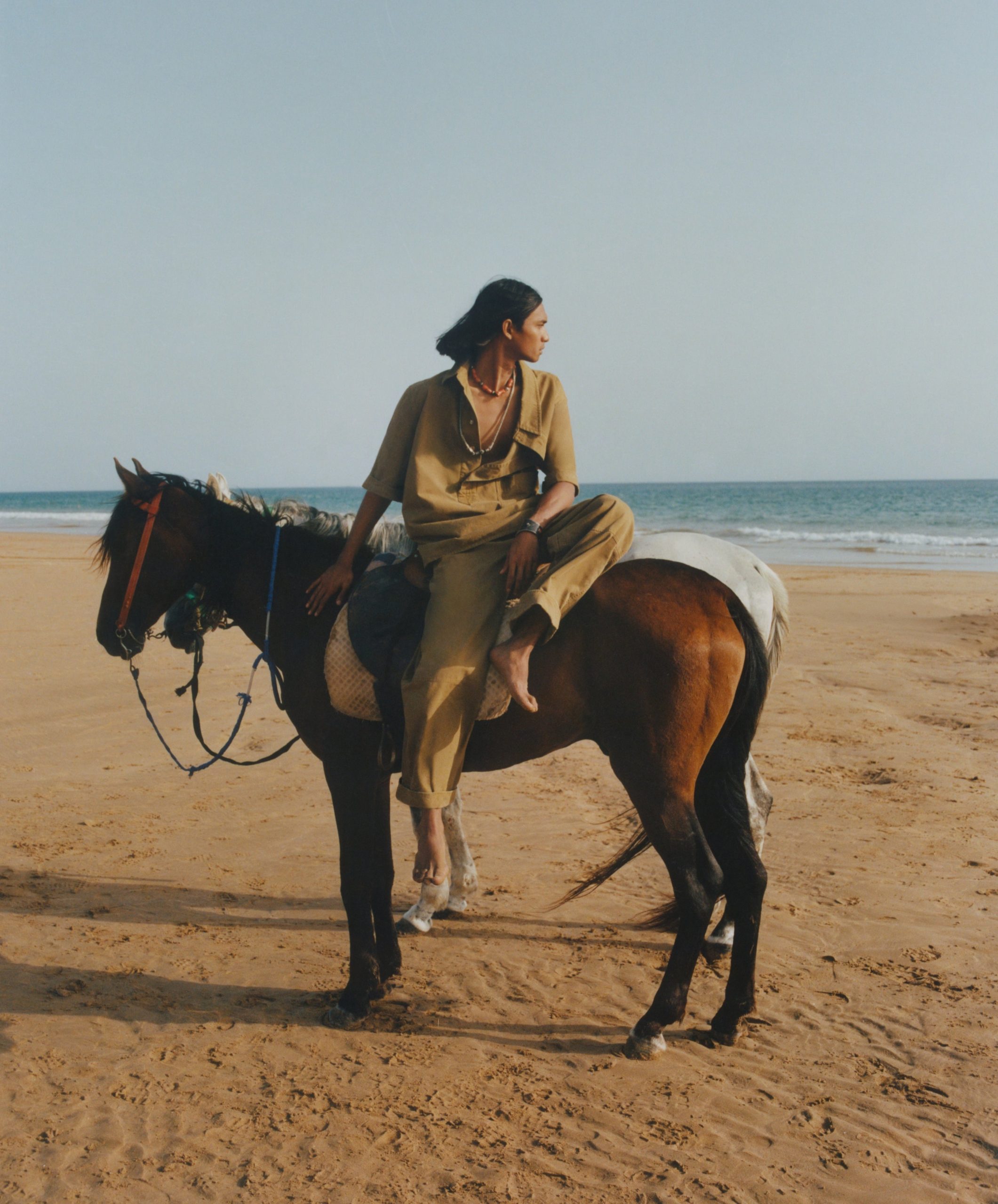
A revolution is emerging across runways and new-season collections. Designers are leaning into a softer, more expressive femininity, embracing elements long associated with the Victorian era, such as lace, high collars, ruffled sleeves and fluid silhouettes. What connects these varied interpretations is a renewed appetite for emotion and craftsmanship, with delicate fabrics, intricate detailing and airy movement lending collections a sense of poetry and restraint.
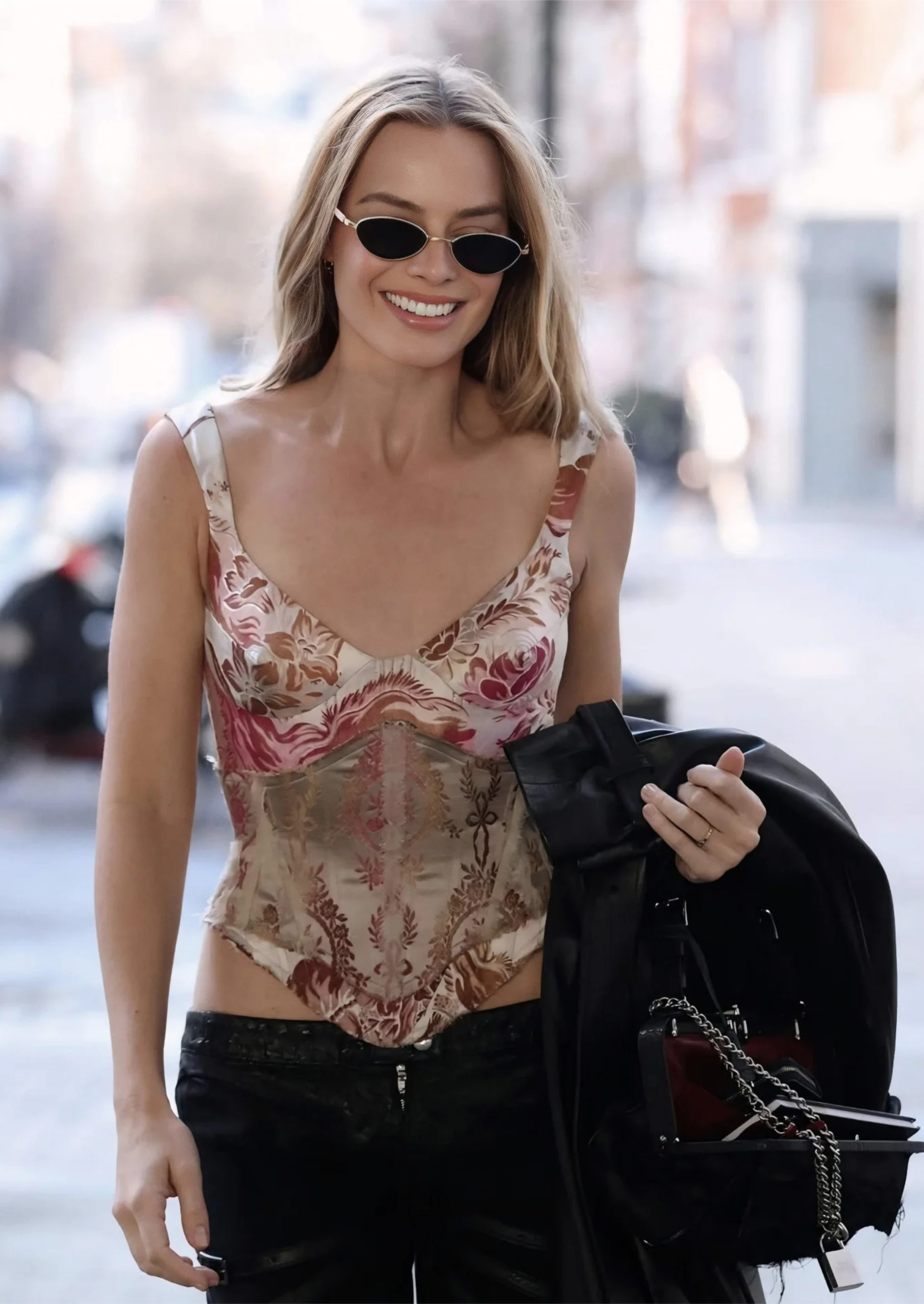
The mood has carried seamlessly onto the red carpet, most notably through Margot Robbie during the press tour for Wuthering Heights. Robbie’s wardrobe has subtly echoed the film’s gothic romance, appearing in lace-trimmed dresses, corseted silhouettes, and rich jewel-toned fabrics that recall the windswept moors of the Brontë novel. Styled with chokers, sheer layers and dramatic sleeves, these Victorian-inspired looks translate the era’s melancholic elegance into a contemporary language, proving that romance is always in fashion.
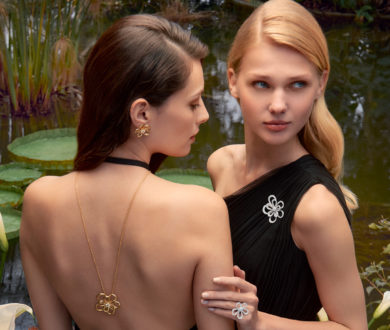
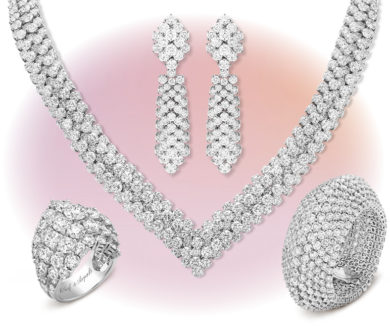
Few motifs capture the romance of Paris quite like the bow. Introduced into the High Jewellery Solitaires collection in 2014, the Boucle creation by Van Cleef & Arpels quickly established itself as a signature. Now joining the permanent collection, it returns with renewed presence, reaffirming the Maison’s enduring dialogue between couture and jewellery.
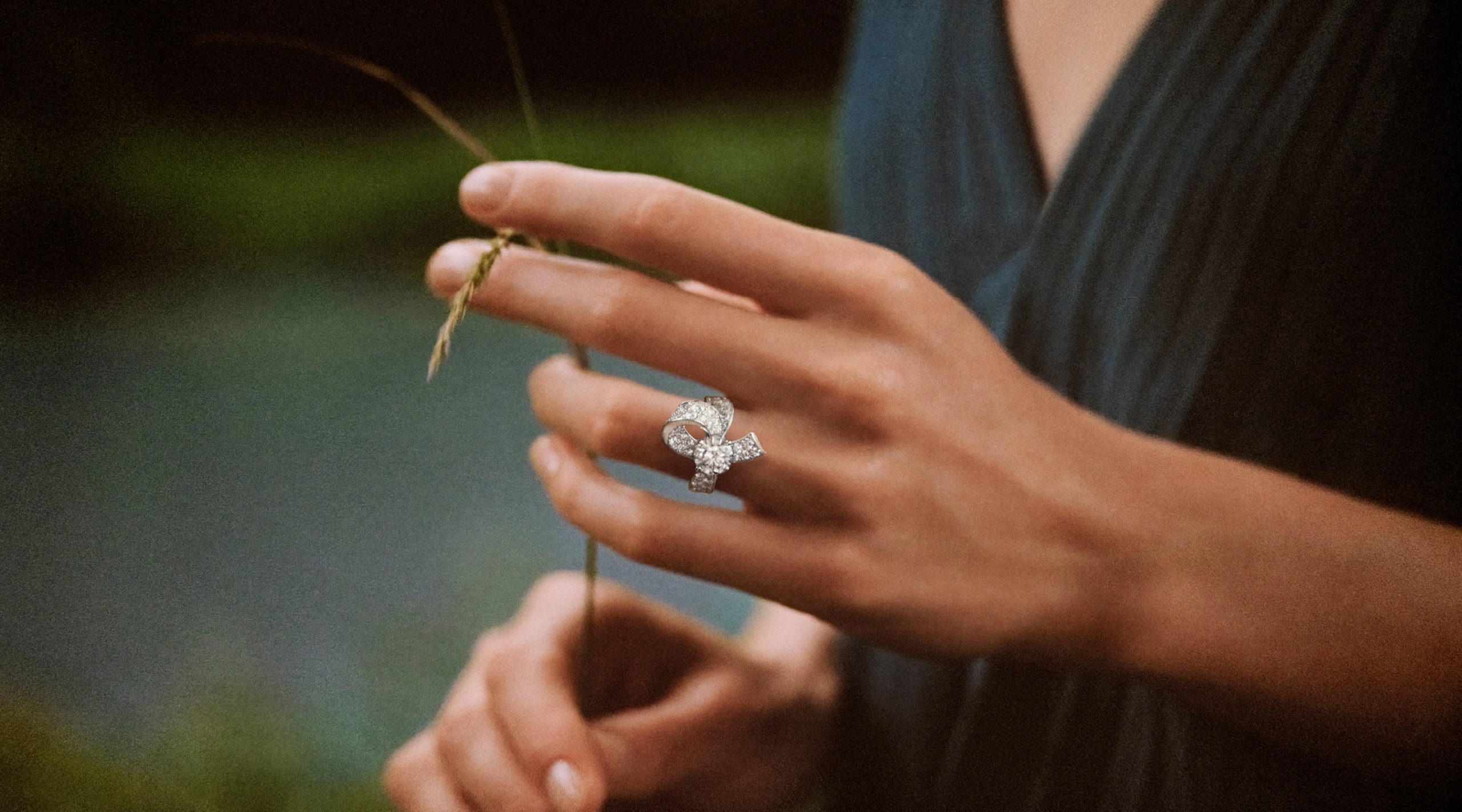
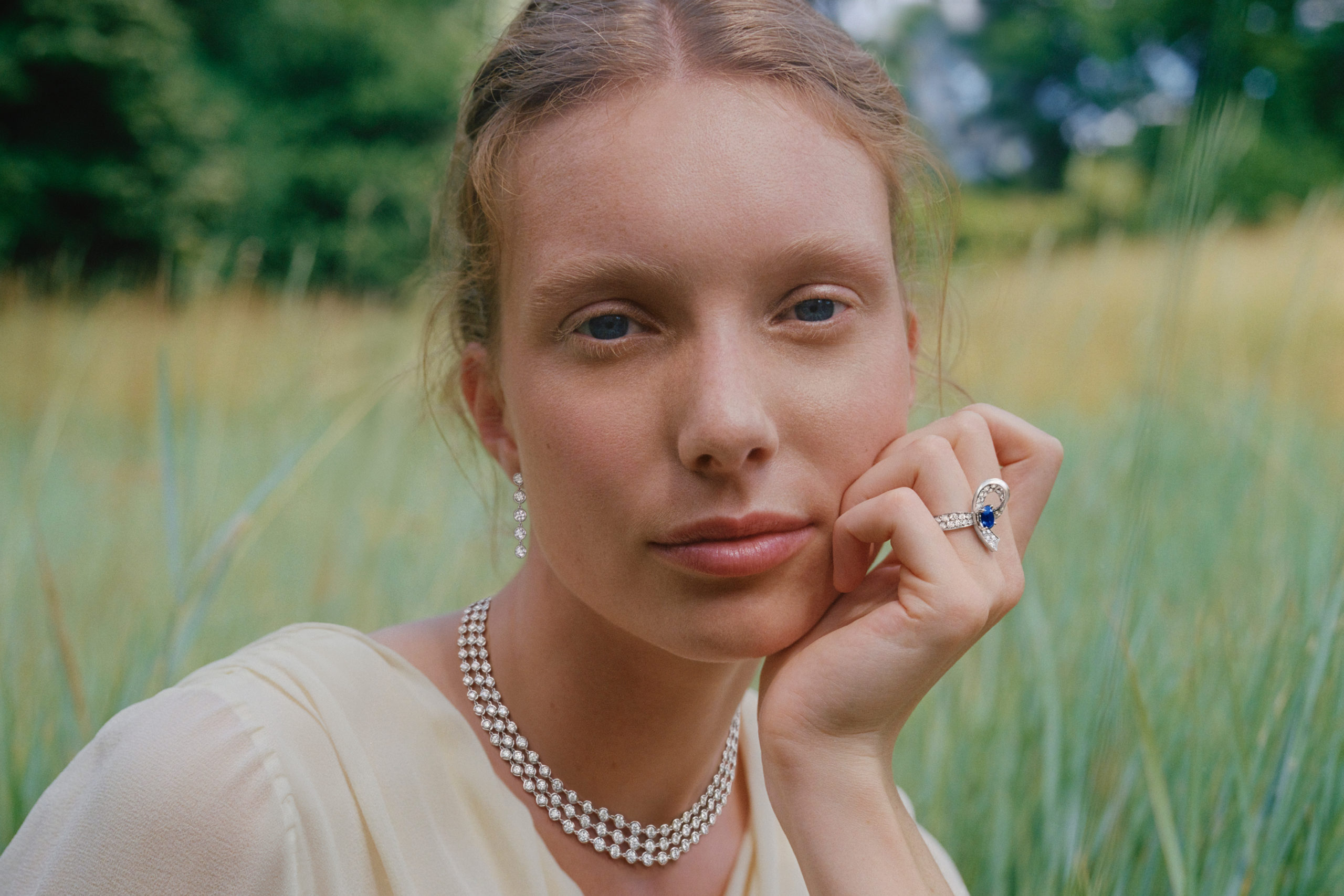
The Boucle solitaire forms a ribbon of light, its asymmetrical curves evoking the suppleness of fabric freshly tied. Pavé diamonds trace a fluid swirl around the finger, creating a delicate interplay of brilliance and shadow. Negative space is used with intention, enhancing movement and allowing light to travel through the setting. At its centre, a diamond secured by four prongs appears anchored beneath a sculpted bow, its radiance intensified by meticulous openwork.
Behind this poetic lightness lies formidable savoir-faire. In the Maison’s ateliers, gold is shaped, polished and refined through a symphony of precise gestures. Each pavé stone is set by hand, while a custom-crafted bezel discreetly elevates the centre diamond, maximising brilliance.
Guided by over a century of expertise, the Stone Department selects only diamonds meeting the highest standards of colour, clarity and cut. Beyond the 4Cs, each gem is assessed by eye to ensure it aligns with the Maison’s distinctive aesthetic.
Within Van Cleef & Arpels’ universe of solitaires and wedding bands, the Boucle occupies a singular place. It is not merely a ring, but a gesture that transforms the fluid grace of ribbon into enduring light.
Few gifts are as enduring as a stunning wine when it comes to honouring life’s defining moments. Whether it’s a milestone birthday, a wedding, or the arrival of a new baby, wine offers something rare: a gift that grows in sentiment and significance over time.
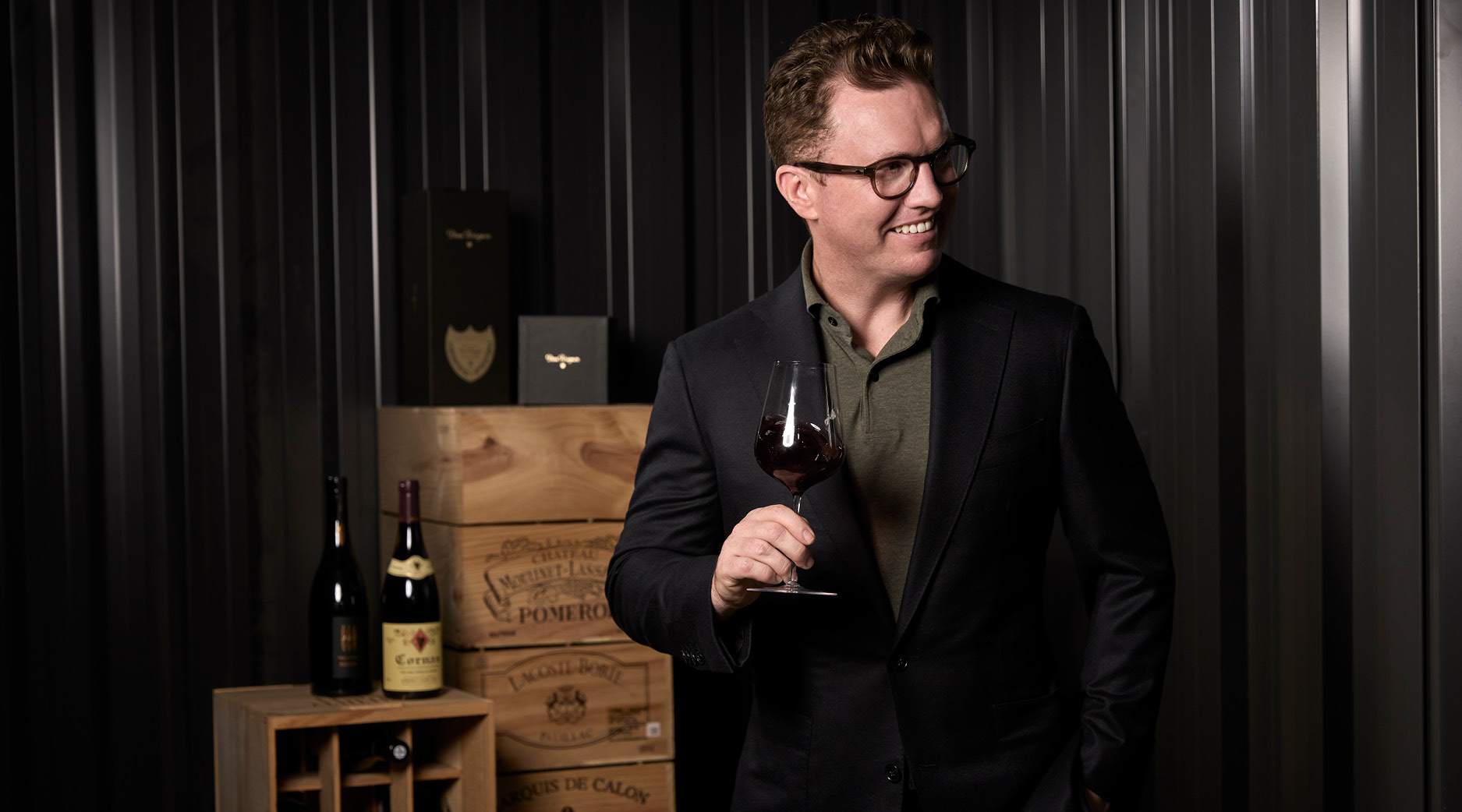
According to David Nash, founder of The Wine Room, wine is not just something to be consumed; it’s something to be remembered. “Wine is a fantastic time capsule,” Nash explains. “If chosen well, it can mirror a moment in time, and years later, bring that memory flooding back with a single sip.”
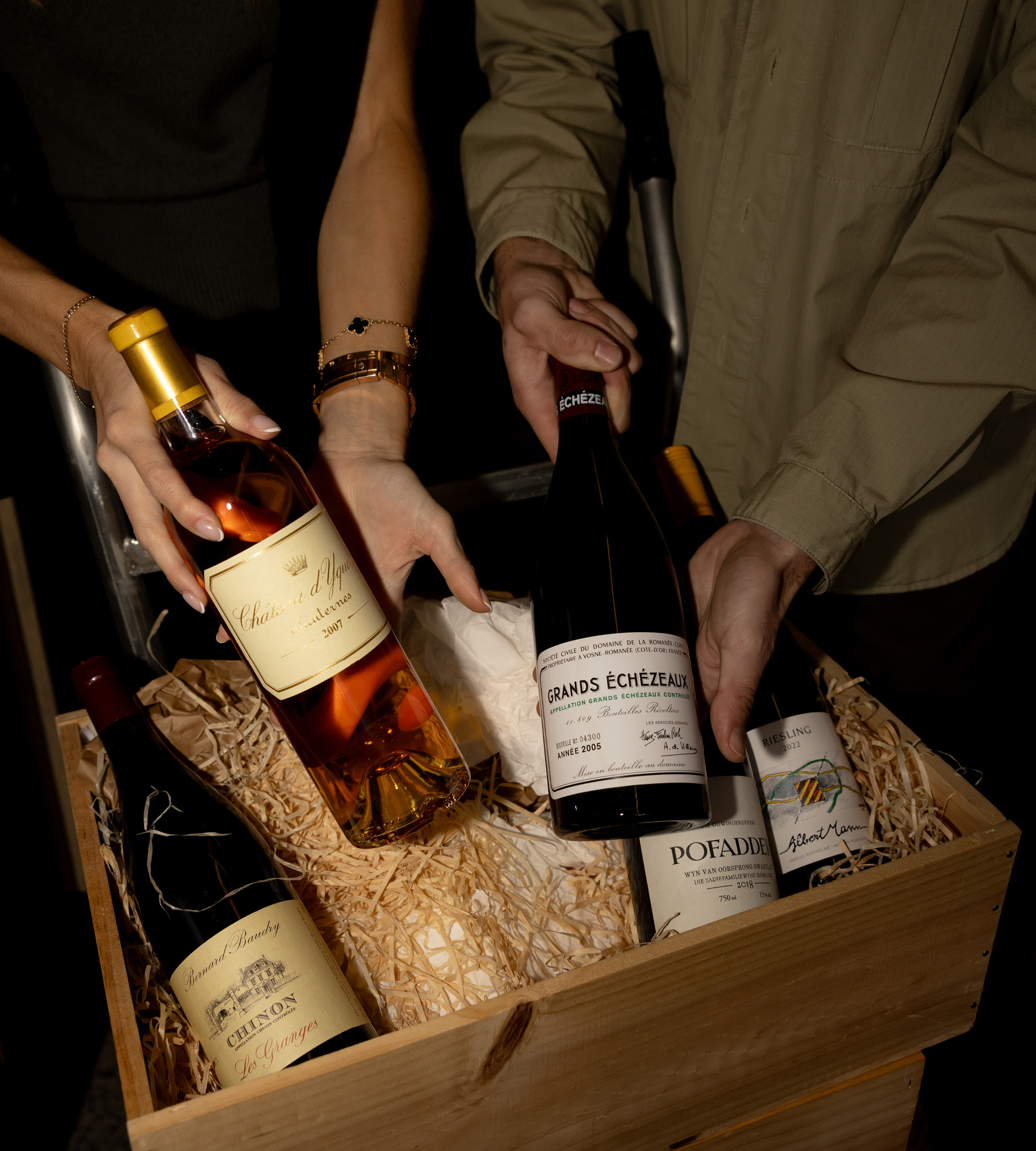
For Nash, gifting wine is far more than the label or the vintage. It’s about the story it tells and the moment it preserves. “There’s something deeply human about opening a bottle that’s been waiting patiently for the right occasion. It becomes part of your narrative,” he says. When selecting a wine to mark a significant moment, Nash recommends choosing something age-worthy. “Great Bordeaux, vintage Champagne, Sauternes, these styles can comfortably age for 20 or 30 years or more,” he says. “And larger formats like magnums are ideal if you’re buying for the long term. They not only look impressive but also age more slowly and gracefully.”
One of Nash’s most sentimental gift ideas is wedding wine. “Assuming the couple married in a strong vintage year, you could gift a collection of wines from that year to be opened on milestone anniversaries; the fifth, the tenth, the twentieth. It’s the kind of gift that becomes more meaningful over time.”
Nash points to Dom Pérignon’s Plénitude Collection for those seeking something extra special, available exclusively through The Wine Room. These rare vintages — known as P1, P2 and P3 — are released after being perfectly aged at the Maison in Épernay for up to two decades. “They’re an extraordinary option for marking a birth year, a wedding, or a major achievement,” says Nash. “By the time they’re opened, the wine has already evolved into something truly profound.”
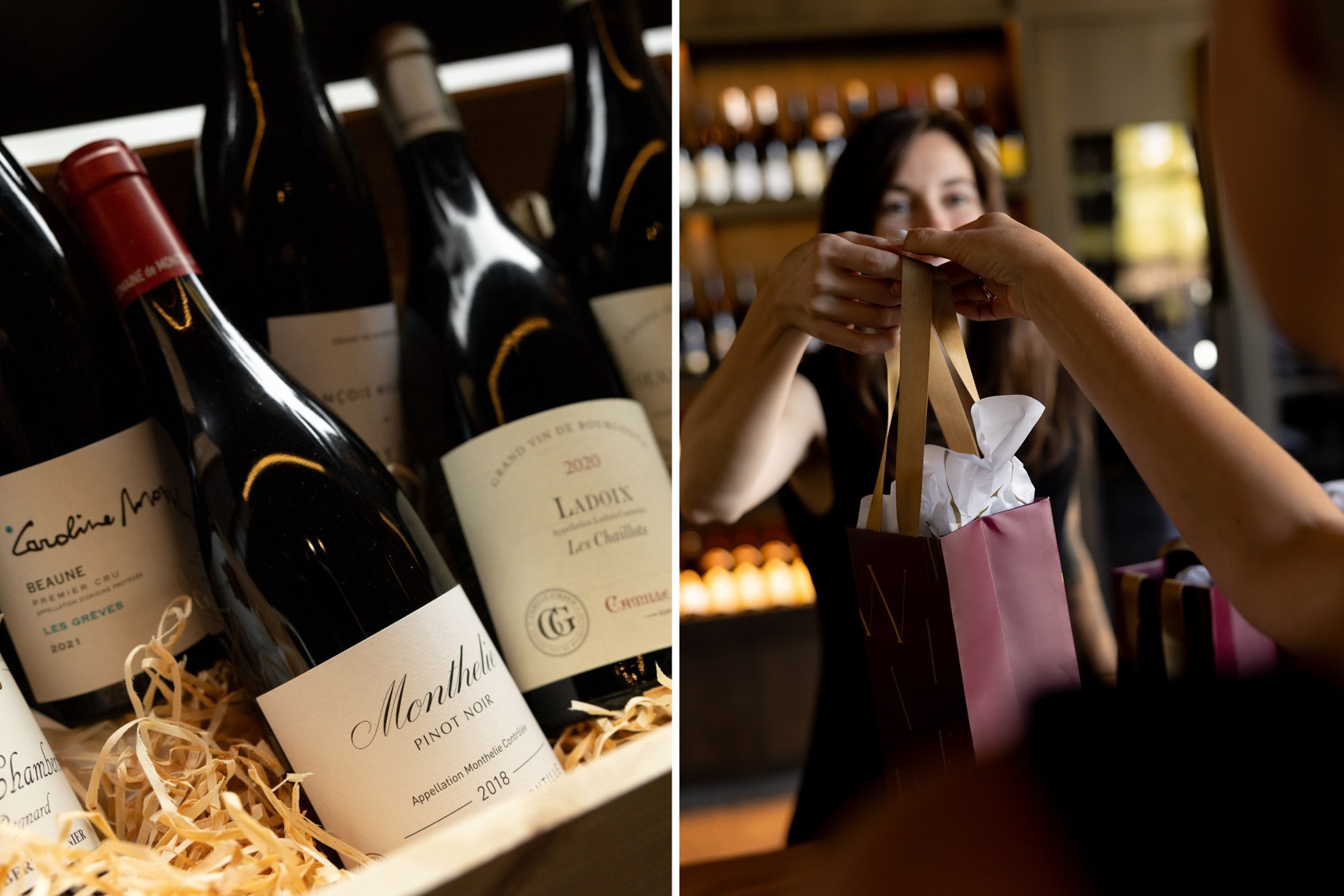
While the emotional value is undeniable, proper storage is crucial in protecting the wine’s integrity and future potential. At The Wine Room, clients can store their bottles in climate-controlled conditions for approximately $1 per bottle per month. “Storage is everything,” says Nash. “Even the best wine in the world will suffer if not kept properly. With certified cellaring, you can ensure the wine matures exactly as it should.”
Gifting a full case is also wise, allowing the recipient to enjoy one bottle now and revisit the wine over time. “It becomes a thread through their life. Tasting how the wine evolves as they do is a really beautiful experience,” Nash says.
Ultimately, he believes the best gifts are the ones that reflect thoughtfulness and imagination, and wine ticks both boxes. “There’s a sweet spot between passion and practicality,” he says. “You’re giving something that can be appreciated immediately, or held onto for a special moment. It might sit untouched for years, but when it’s finally opened, it brings with it not just flavour, but memory, emotion and meaning.” And that, Nash says, is the true value of wine as a gift. “It’s not just what’s in the bottle, it’s what it represents. A great bottle is more than just a drink. It’s a story waiting to be told.”
Shop here for The Wine Room’s curated wine selection or to gift an incredible tasting experience.
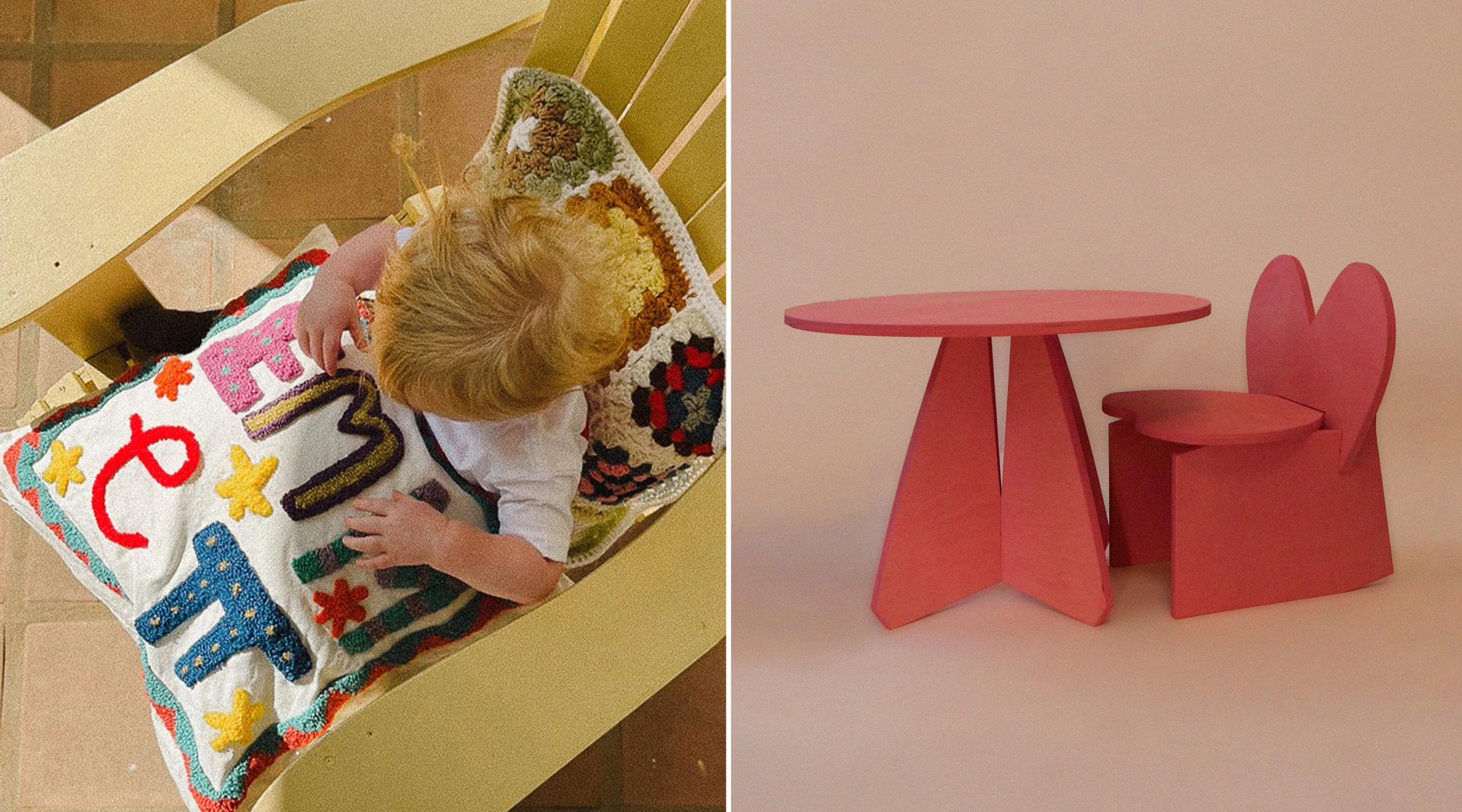
In a market saturated with fast fashion and fleeting nursery trends, Marmalade offers something rarer. Depth. Story. Permanence.
Conceived by Aucklander Lara Springhall after her frustration at not being able to source children’s pieces that felt genuinely creative and beautifully considered, Marmalade is a deliberate departure from the disposable. Everything she encountered felt either excessively cute or devoid of imagination. So she created a destination that prioritises craftsmanship and longevity over novelty.
Marmalade curates handcrafted homeware and children’s design that feels collected rather than consumed. Each piece is made by skilled artisans around the world. Nothing is mass-produced. Every object carries the imprint of its maker and the intention behind it.
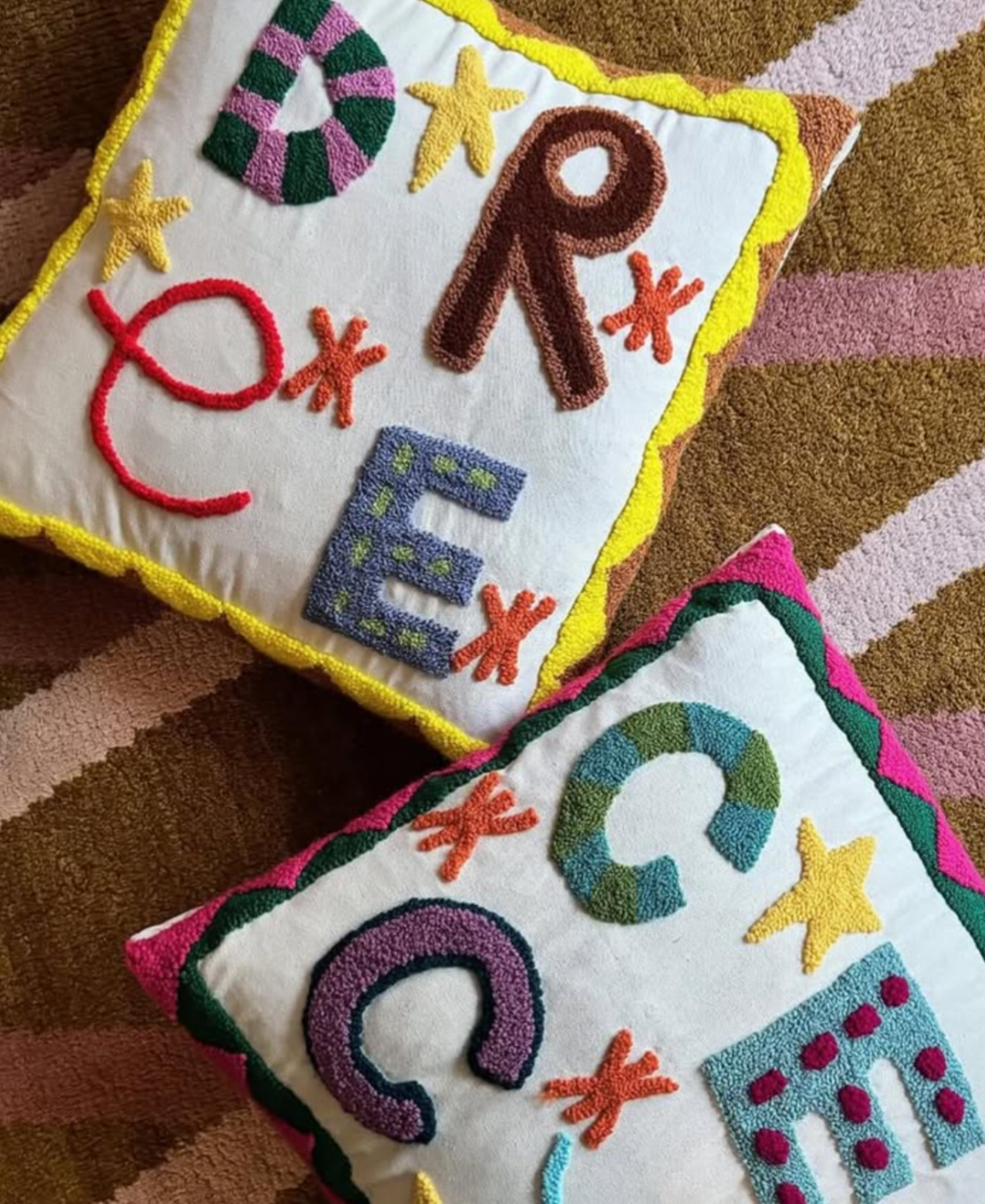
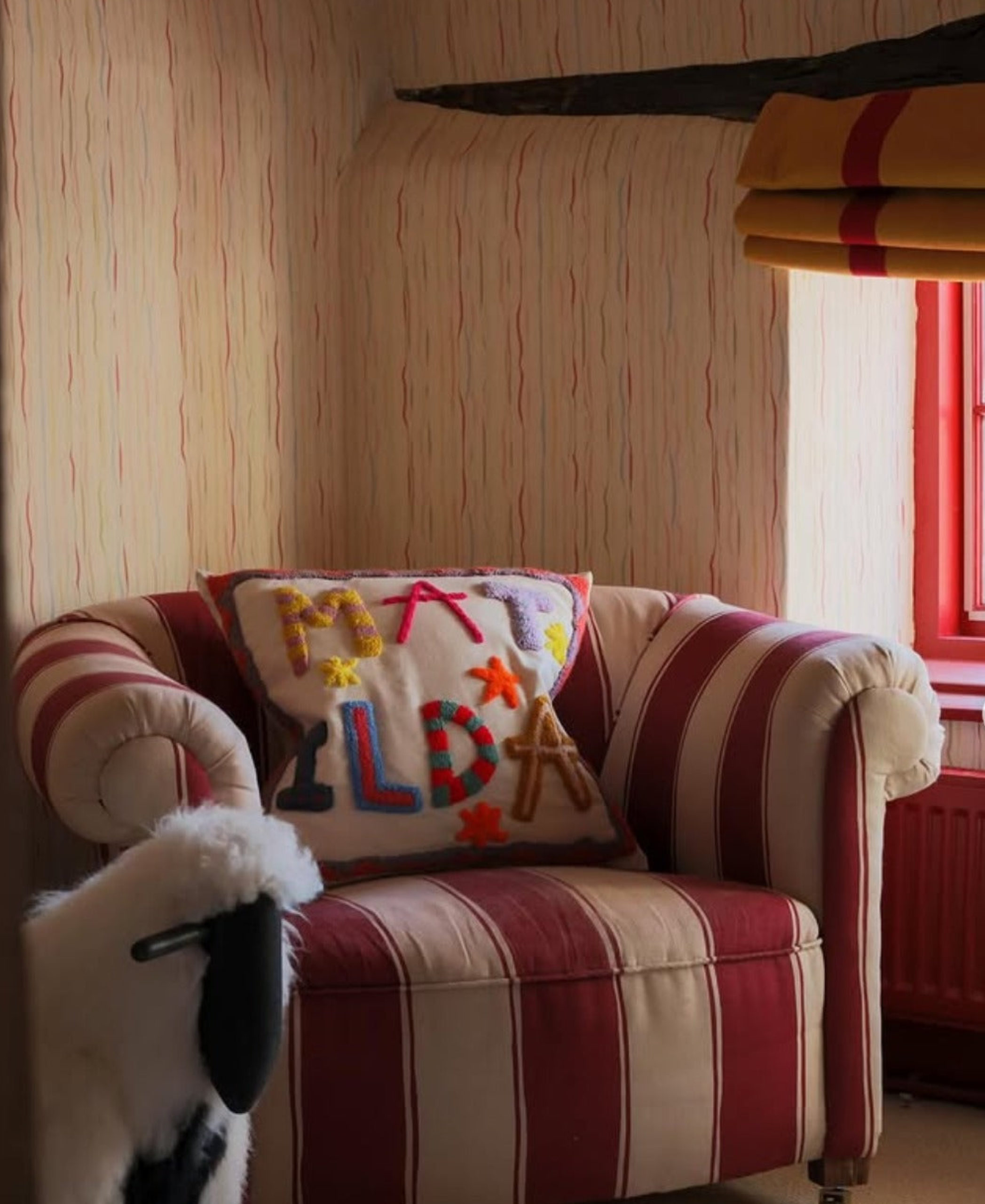
Among the most poignant offerings are the personalised cushions by Big Little Store in collaboration with Julie Baby Punch Club. Founded during lockdown in Pretoria by Andel Olivier, each cushion is individually hand-punched and customised with a child’s name. Not printed. Not machine-embroidered. Crafted slowly and intentionally. As demand grew, Olivier brought women from her community into the Punch Club, creating employment that has funded education, housing and independence. The beauty of the cushions is inseparable from the impact behind them.
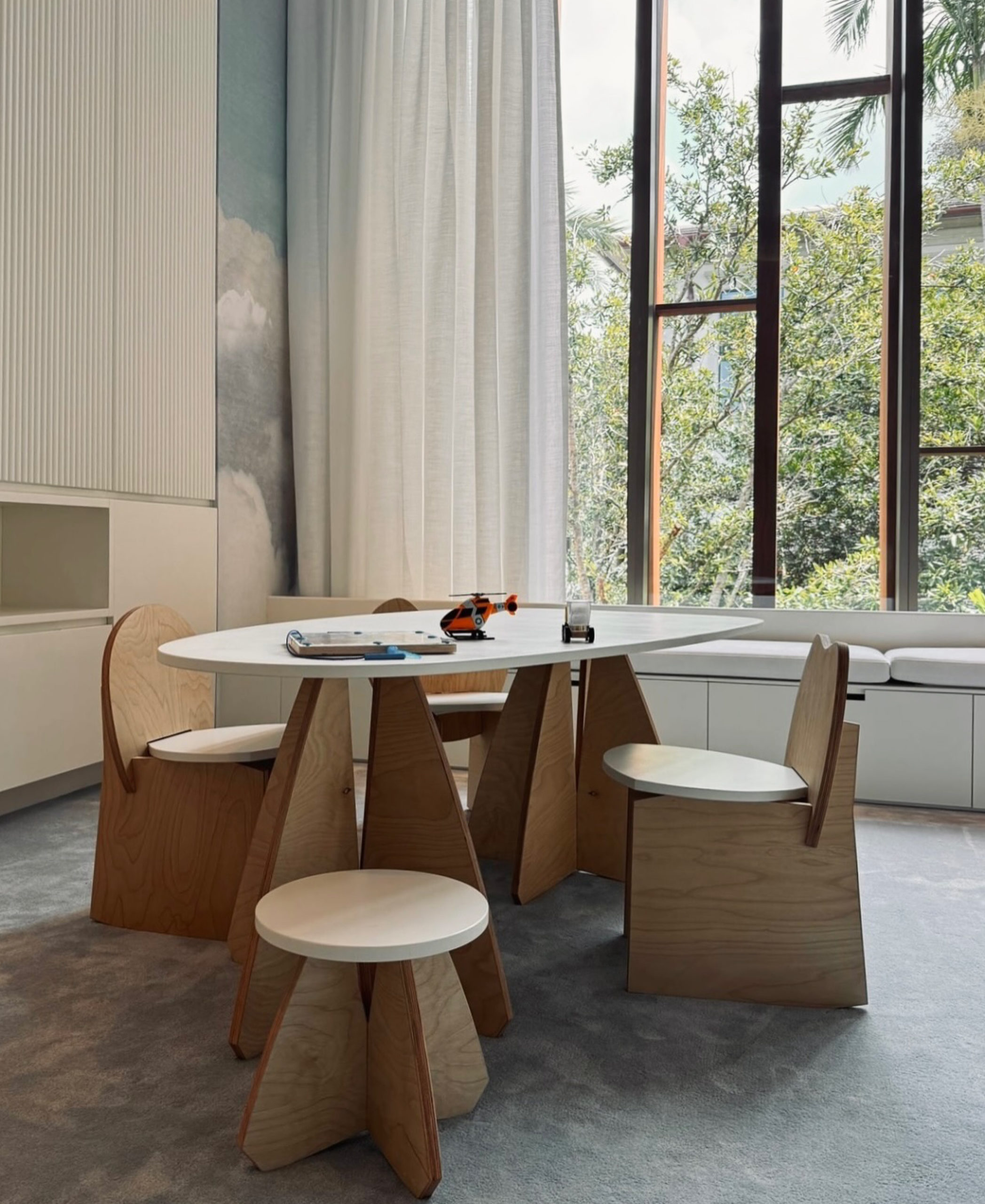
Another cornerstone label is House of Roro, founded by Belgian interior designer Anne Sophie Rosseel. Frustrated by juvenile design that underestimated children, she began creating furniture that invites interaction and independence. Named after her son’s teddy bear, the collection balances playfulness with restraint, producing pieces designed to evolve rather than be replaced.
This is Marmalade’s ethos. Craft over convenience. Story over spectacle. Design that respects childhood while honouring the home it inhabits.
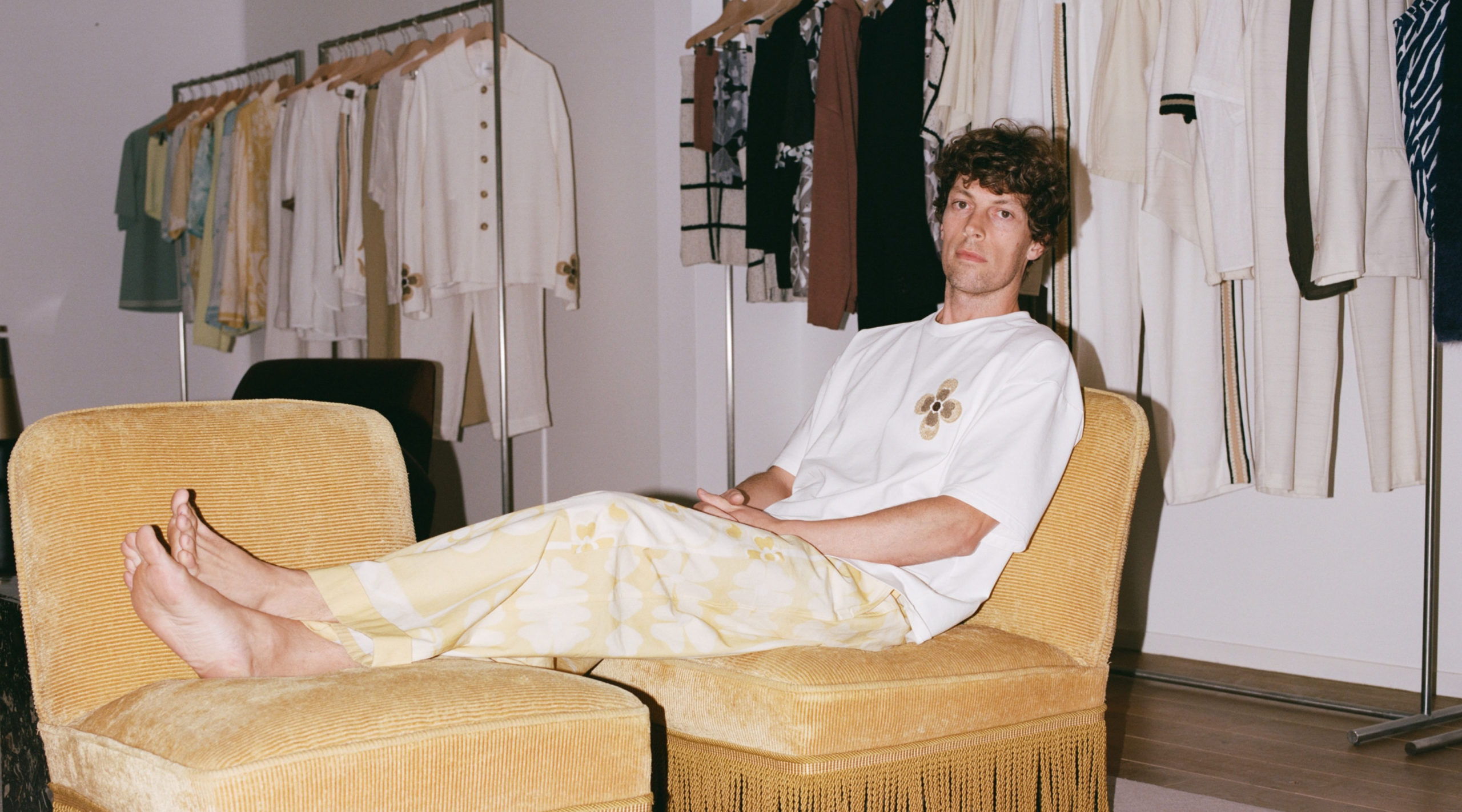
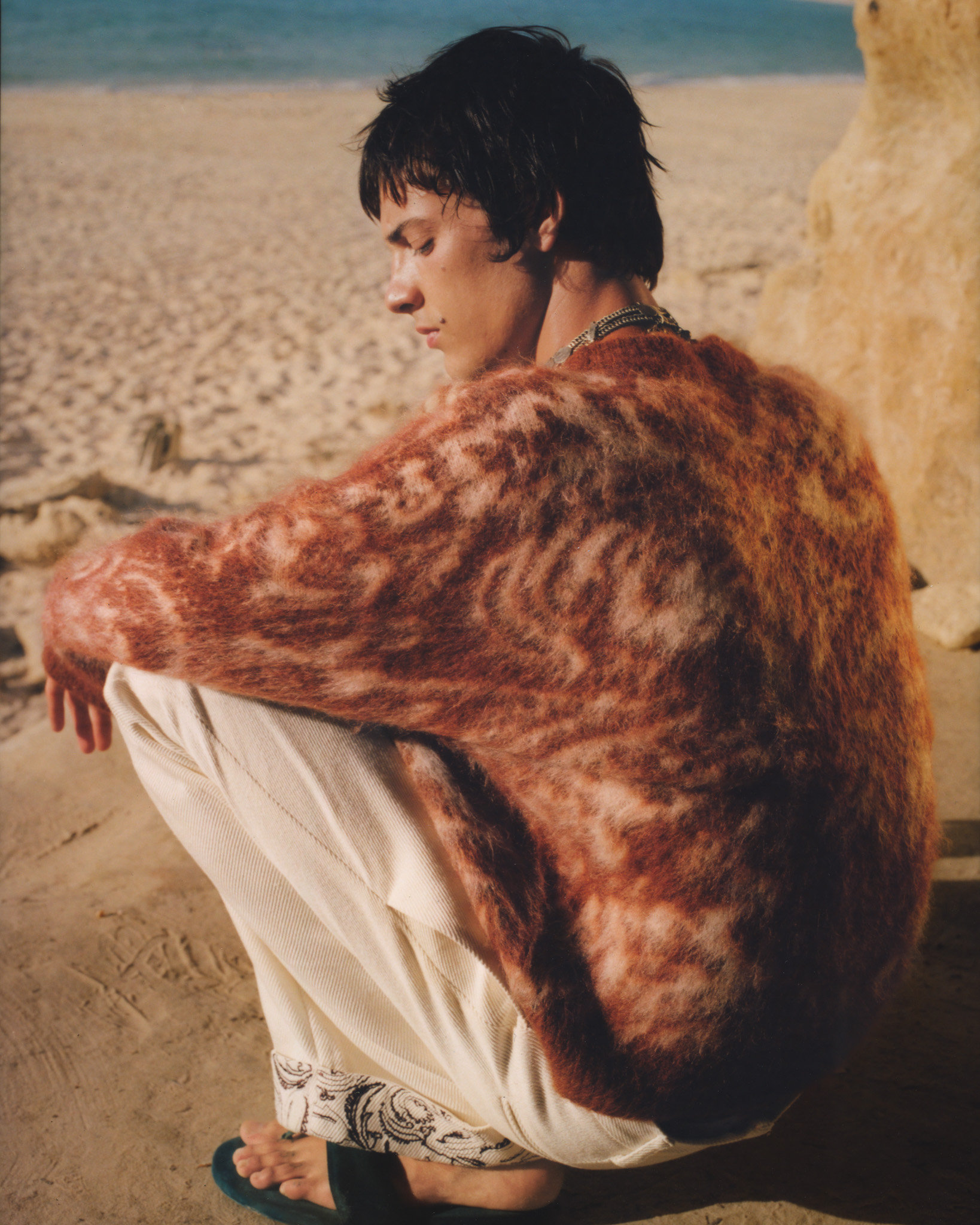
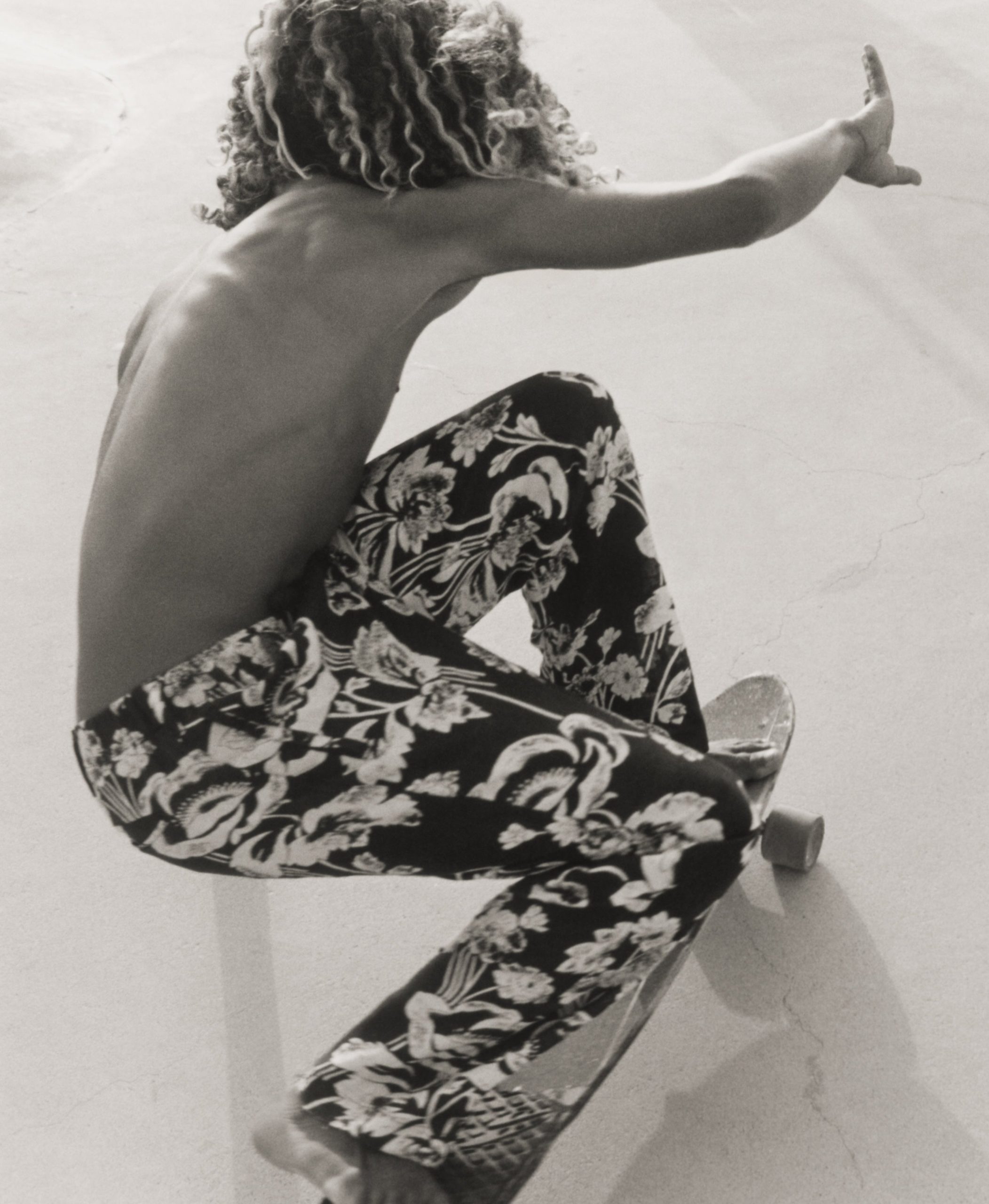
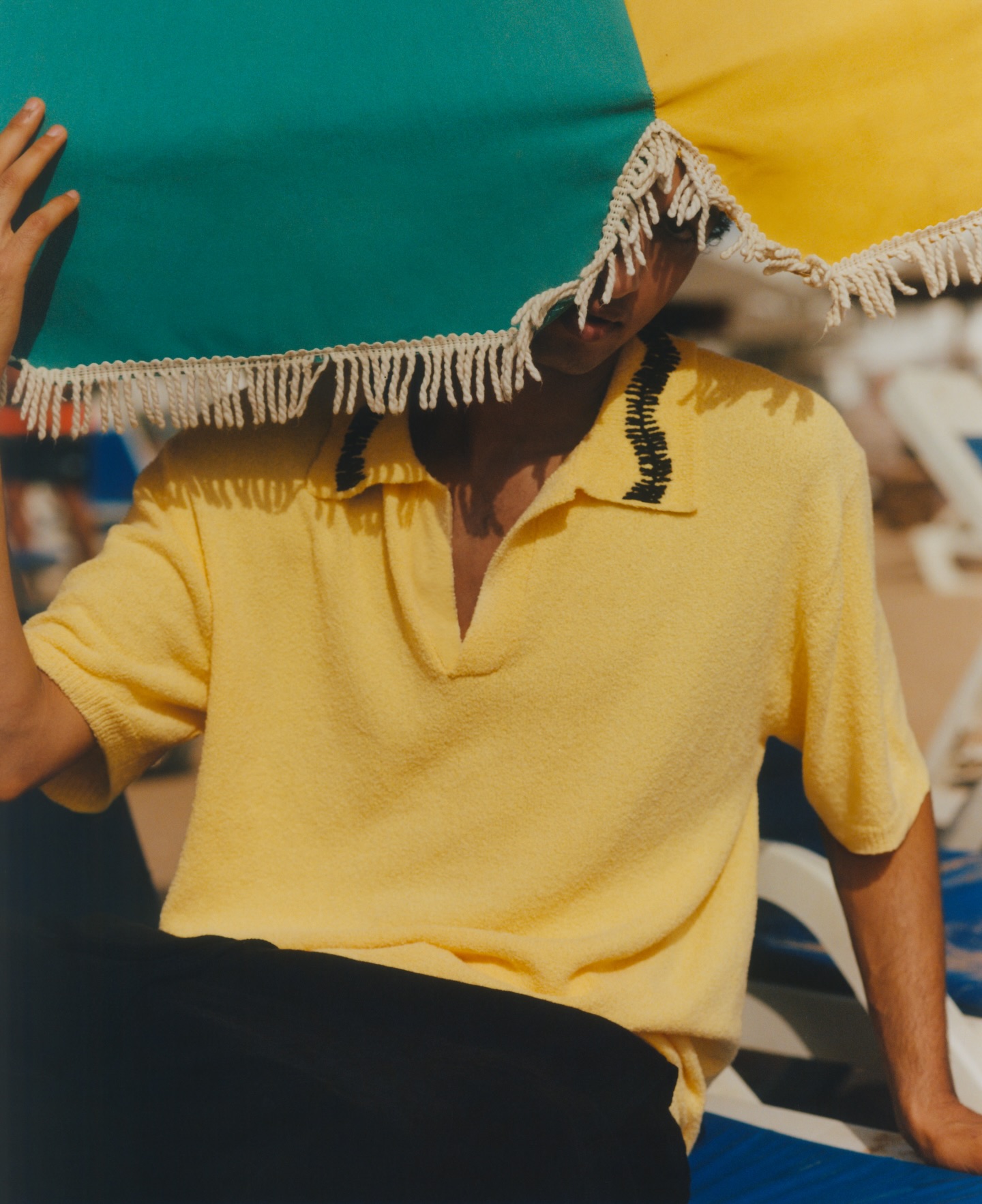
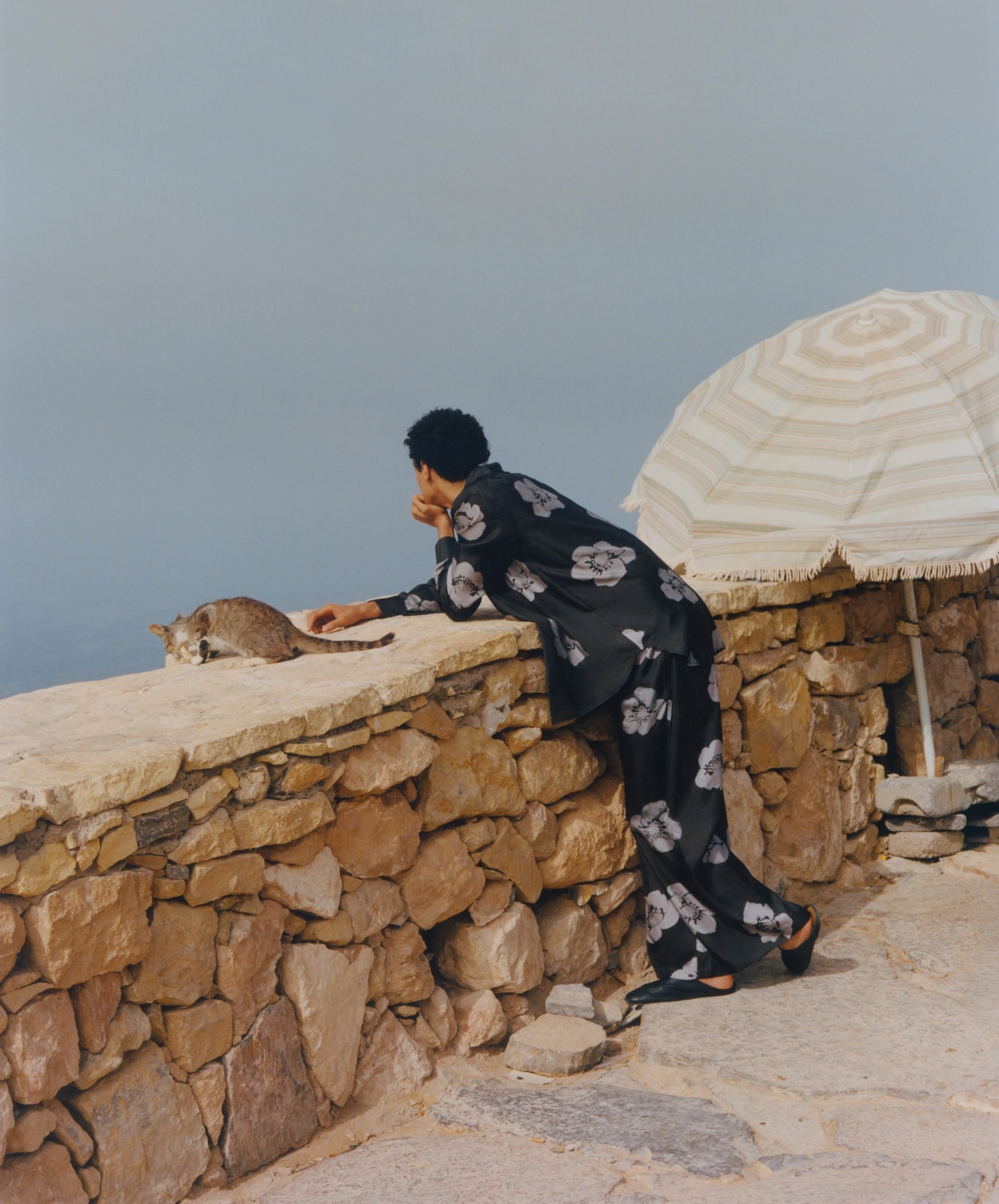
From the outset, Australian native Richard Jarman’s brand, Commas, has marched to the beat of its own drum. The label’s DNA is woven with an authenticity that feels both rare and necessary. For Jarman, Commas was never about chasing trends or disrupting fashion calendars; its inception was an exercise in bringing personal inspiration to life. “We’re not a brand that’s doing something avant-garde or provocative,” he tells me, “But we have a really authentic inspiration.” That inspiration, rooted in Australian beach culture, is elevated into something elegant and universally resonant at the deft creative hand of Jarman.
Much of the brand’s distinctiveness stems from its founder’s unbridled creativity — a guiding force that threads through every collection, shoot, and experience Commas curates. It’s a creativity that feels pure and authentic in a world of sameness, and stands out for its undeniable clarity. “Selfishly,” Jarman admits, “I love that I get to pull all of my inspirations together. Everything I’m captivated by — art, film, nature, books, even a specific print or fabric — comes together to form the basis of a collection.” In a world that often demands specialisation, Jarman’s wide-eyed curiosity is his secret weapon, allowing him to build a brand that evolves as organically as his own, ever-expanding passions.
Jarman’s path to a career in fashion was far from preordained, however, his path to a creative pursuit certainly was. Growing up in Cronulla, a beachside suburb south of Sydney, he was immersed in a household that valued the arts. His father, once an art teacher who later ran an engineering business, exemplified the dualities that would later define Jarman’s own approach: the interplay between creativity and structure, art and practicality.
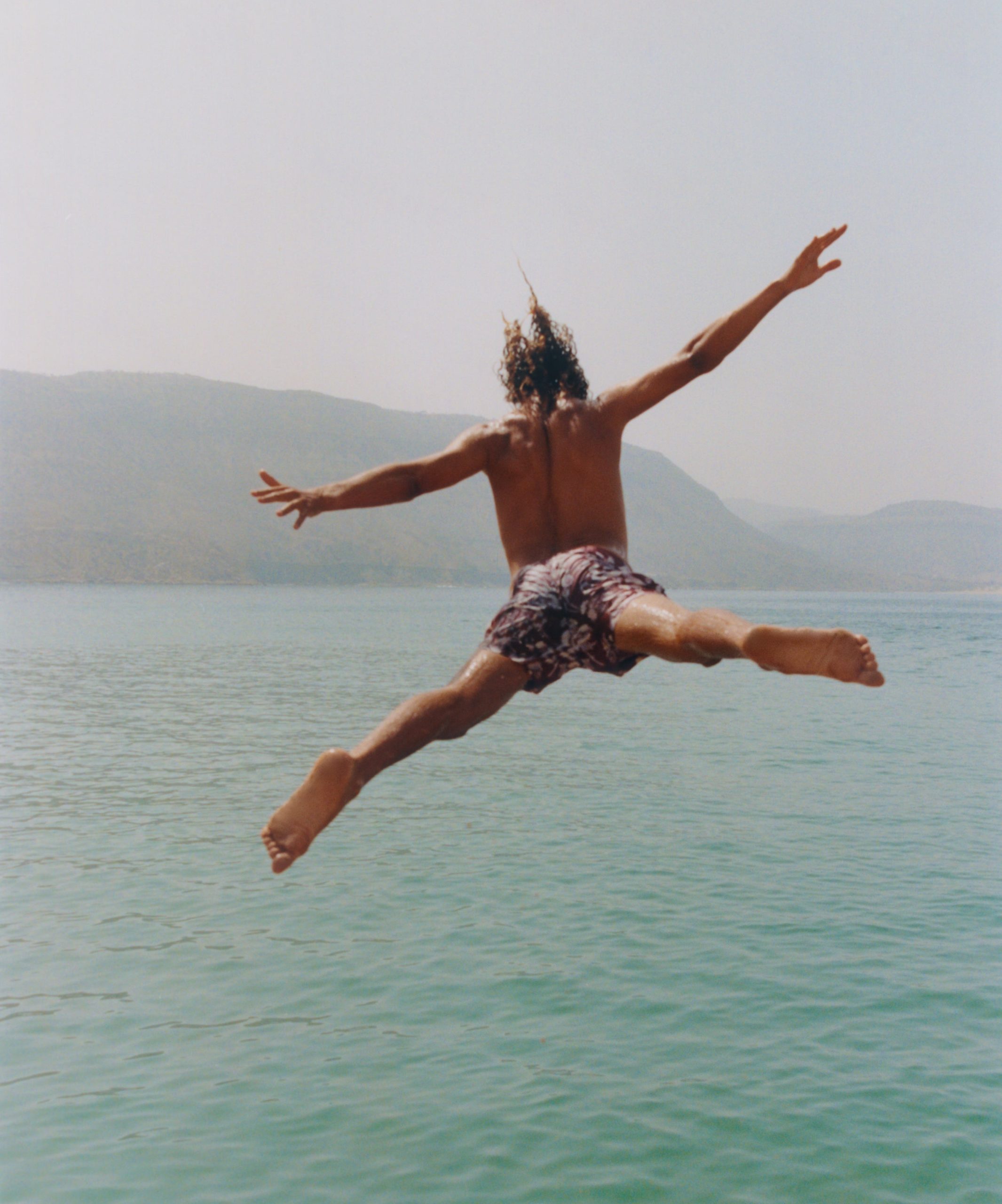
Yet, despite this nurturing and inspiring environment, he admits he didn’t have a clear blueprint to follow when it came to his brand’s inception. “At the start, I really didn’t know what or who to look to for inspiration,” he admits. Instead, he learned by doing, by figuring things out on the fly, drawing inspiration from both the past and present, “I come from a family of swimmers,” he tells me, “And all I wanted to do with Commas at the start, the singular vision, was to create the perfect pair of swim shorts.”
So, the brand began humbly, with Jarman crafting a single pair of shorts based on his own personal needs. With the ocean having long played a pivotal role in his day-to-day life, he had spotted what he felt was a clear gap in the market for a pair of swim shorts that not only looked good and reflected his own personal style — something he says was sorely lacking — but performed well too. “I just thought that the swimwear my friends and I had access to felt so disconnected from the rest of our wardrobes — it was almost like, at the time, you had to be a completely different person at the beach.”
But, with no formal training in fashion or design (Jarman’s background was in property at the time, having just obtained his masters and taken on his first corporate job), it wasn’t as simple as whipping up a pattern and sourcing fabrics. “I negotiated a work from home agreement, so I would start work at 5am in the morning, get my inspections for the day done, and then go back to type reports at a factory where I was making Commas in Sydney. And then in my lunch break and as soon as I could finish work, I would just jump on the machines and start to cut patterns, and I somehow convinced the factory owner to help me. So, for the first 12 months, that’s how it went — I was just situated in the factory trying to figure everything out.”
When Jarman first conceived Commas, he kept it close to his chest. A piece of advice he received early on shaped this: “Don’t be someone who talks too much before you’ve actually done anything.” That discipline — the refusal to seek validation before the work was real — formed the foundation of a brand that now speaks volumes without ever feeling loud.
But even in those early days, he was meticulous, determined to get every detail right. Jarman tested the product locally before landing in a few stores in Sydney where Commas resonated well, and soon the brand had been picked up by Matches Fashion. The rest, as they say, is history.
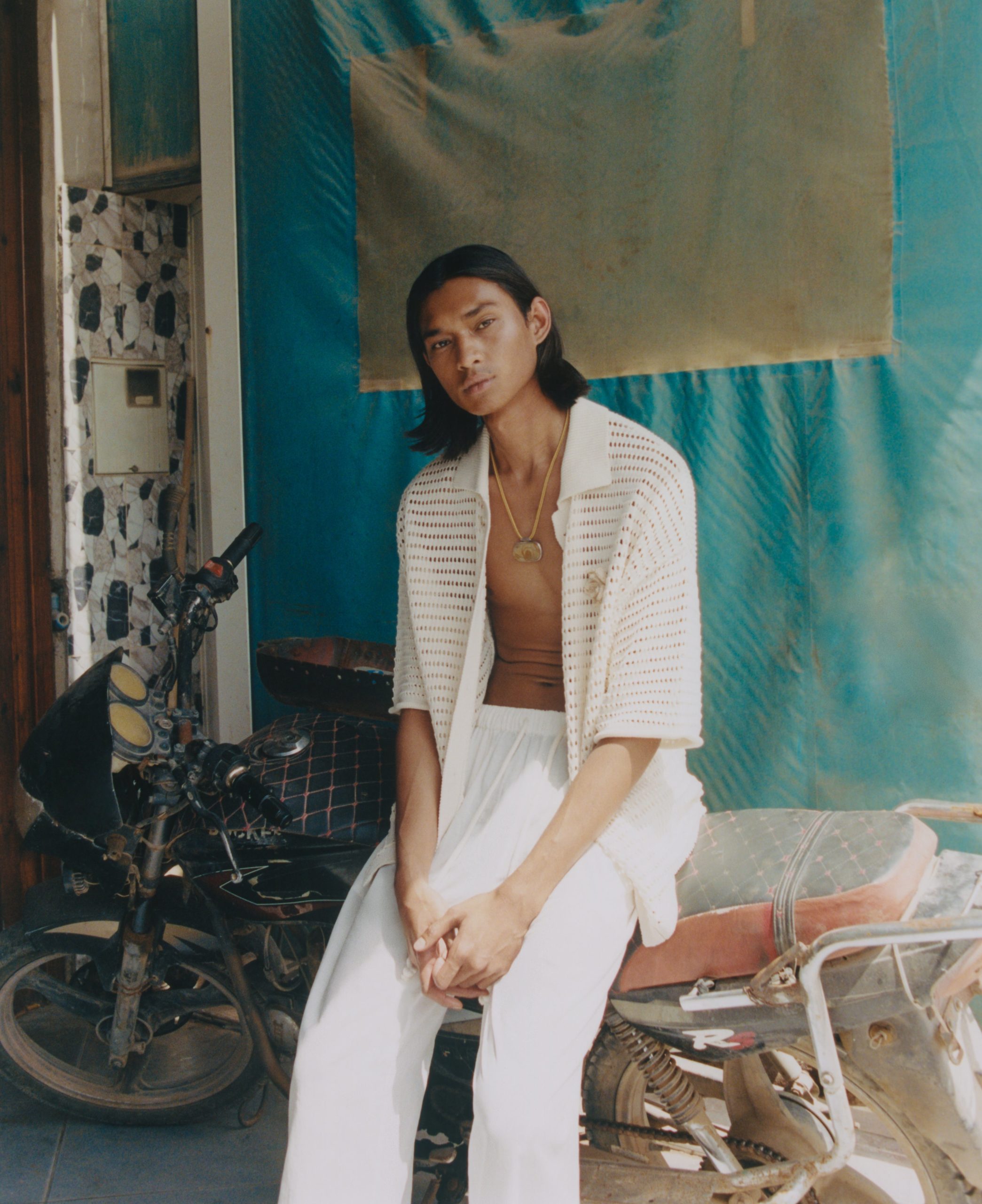
Over time, Commas grew into a full lifestyle offering, celebrated for its considered approach to luxury and its evocative storytelling through striking imagery.
Social media, often a chaotic and noisy space, became an unexpectedly powerful tool for Jarman early on. Living in Australia, it provided a bridge to the global creative community. “It kind of takes a lot of formality out of being able to reach out to someone,” he explains. Through Instagram, Commas connected with stylists, stores, and collaborators, finding a place on the international stage without sacrificing the brand’s inherently Australian soul.
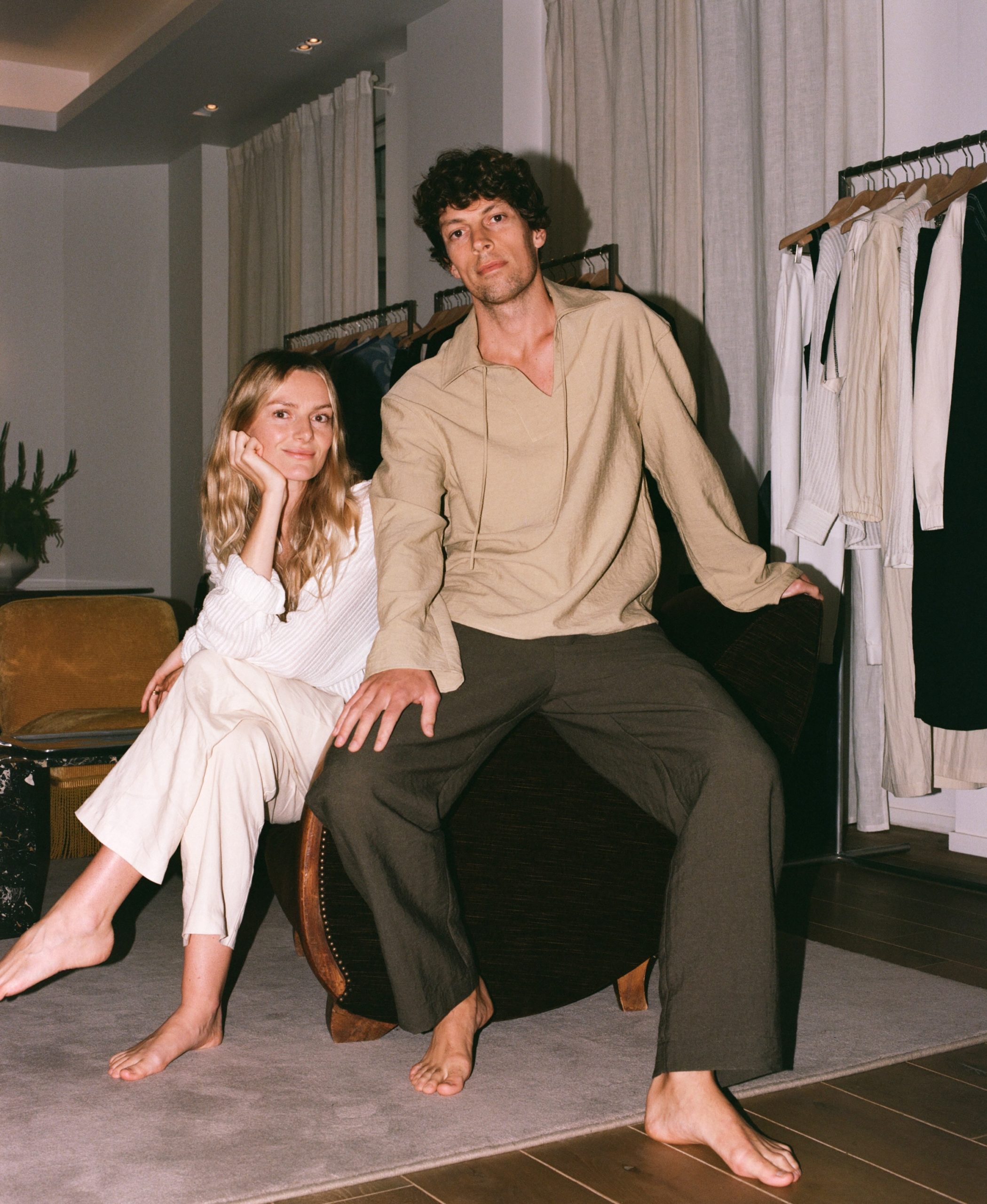
Emma and Richard Jarman
Part of what sets Commas apart is the way in which Jarman and his team build a universe around the brand. Events are far from an afterthought or obligatory marketing exercise; they are extensions of the Commas story and essence, which speaks so beautifully to connection and community. When Commas staged a sunrise fashion show on Tamarama Beach — where Jarman and his wife, Emma, once lived and swam every morning — he invited the fashion world to step directly into his creative mind and, by proxy, witness the direct inspiration for the collection. “I didn’t have to give this big spiel to explain the concept,” he says. “I could just bring people into what actually inspired me, and let it speak for itself.” It was a risk: few believed anyone would attend a 7am show. But they showed up, and witnessed his unbridled vision first-hand.
Other occasions, like a dinner on a secluded beach in a national park, followed the same philosophy. Friends of the brand gathered in a dramatic, untouched landscape, from emerging creatives to a septuagenarian artisan who had once lived with Salvador Dalí. It’s the kind of guest list that speaks volumes about Jarman’s values: authenticity over celebrity, substance over style.
Today, Commas feels less like a solo vision, and more like a family endeavour. Emma, Jarman’s partner in life and business, is deeply entwined with the brand’s story, acting as a Director at Commas’. Their young son, George, has also quietly reshaped Jarman’s worldview. Parenthood, he says, has deepened his appreciation for presence — the very ethos at the heart of Commas. Each morning, the family swim together, a daily ritual that acts as a grounding force. “It’s almost our meditation to start the day,” he says. Watching George experience the ocean with such joy and abandon has been a vivid reminder of what matters. “George has probably spent more time in the ocean this summer than most kids’ do in a lifetime,” Jarman laughs. But behind the humour is a profound awareness: life moves quickly, and the moments that anchor us are fleeting if we don’t consciously hold onto them.
While Commas remains deeply rooted in its Australian identity, its vision is global. Jarman and his team travel to Paris multiple times a year for showroom presentations, hosting small, meaningful gatherings that mirror the authenticity they’ve cultivated at home.
There are also plans to open flagship stores, expanding Commas’ physical footprint in key markets while maintaining the brand’s intimate spirit. Recent forays into the Middle East have proven exciting, bringing together unexpected communities and fostering a new wave of creativity. Through it all, Jarman remains committed to growing at a pace that feels authentic. Not dictated by fashion week calendars or industry churn, but by the internal rhythms of creativity and community.
Another aspect of the brand that feels entirely authentic is the prioritisation of sustainability. For Jarman, this has always naturally sat front and centre, and an emphasis on the quality of garments and well-made fabrics that don’t just feel incredible to wear, but last, is evident across collections since day one. “I think the most sustainable thing you can do, that people don’t talk about enough, is to simply design clothes that will stand the test of time. That’s always been our priority at Commas.”
Ask Jarman what he’s learned through building his brand, and his answer is characteristically humble. “Just how much I have to learn,” he says with a smile. Over time, he’s come to embrace the power of seeking advice and collaboration, leaning on mentors who have walked paths he admires — not necessarily in fashion, but in life. “I think you can look at and draw inspiration from people who you admire, even when it’s not directly related to business,” he reflects. “Their relationships, their health. It’s about making sure you listen to the right people — not just those who speak the loudest.”
It’s a principle that’s quietly evident in the way Commas has grown: with steady, thoughtful resonance.
In the next five years, Jarman envisions Commas continuing to expand its international presence while deepening its core values. The dream is not just about bigger numbers or wider reach, but about crafting a global community that shares in the brand’s philosophy of presence and authenticity. “We just want to keep growing this brand that represents an elegant version of Australian beach culture internationally,” he says. “A really exciting aspect of the brand is that Commas is usually discovered by people going on a holiday, where they’re creating memories, feeling great, and surrounded by loved ones. And I think just being a part of that moment where people feel their best, look their best, and have such a special, memorable time is incredible.”
At its heart, Commas — like the punctuation mark it’s named for — is about taking pause. A moment to catch your breath amid the rush of life. It’s an ethos that feels increasingly urgent in today’s world, and one that Jarman not only preaches, but embodies wholeheartedly. “So often we go through life, and it only gets faster and faster,” he says. “More responsibility, more distractions. But if you can stop and be present, the ride is so much more enjoyable.”
For Jarman, the ocean — the tenet for the beginning of Commas — remains his ultimate anchor. Each morning, swimming with Emma and George is a catalyst for creativity, inspiration, joy — they all begin when we allow ourselves to be fully in the moment.
In a world spinning ever faster, Richard Jarman, through Commas, invites us to step into the stillness — and there, find something infinitely more enduring.
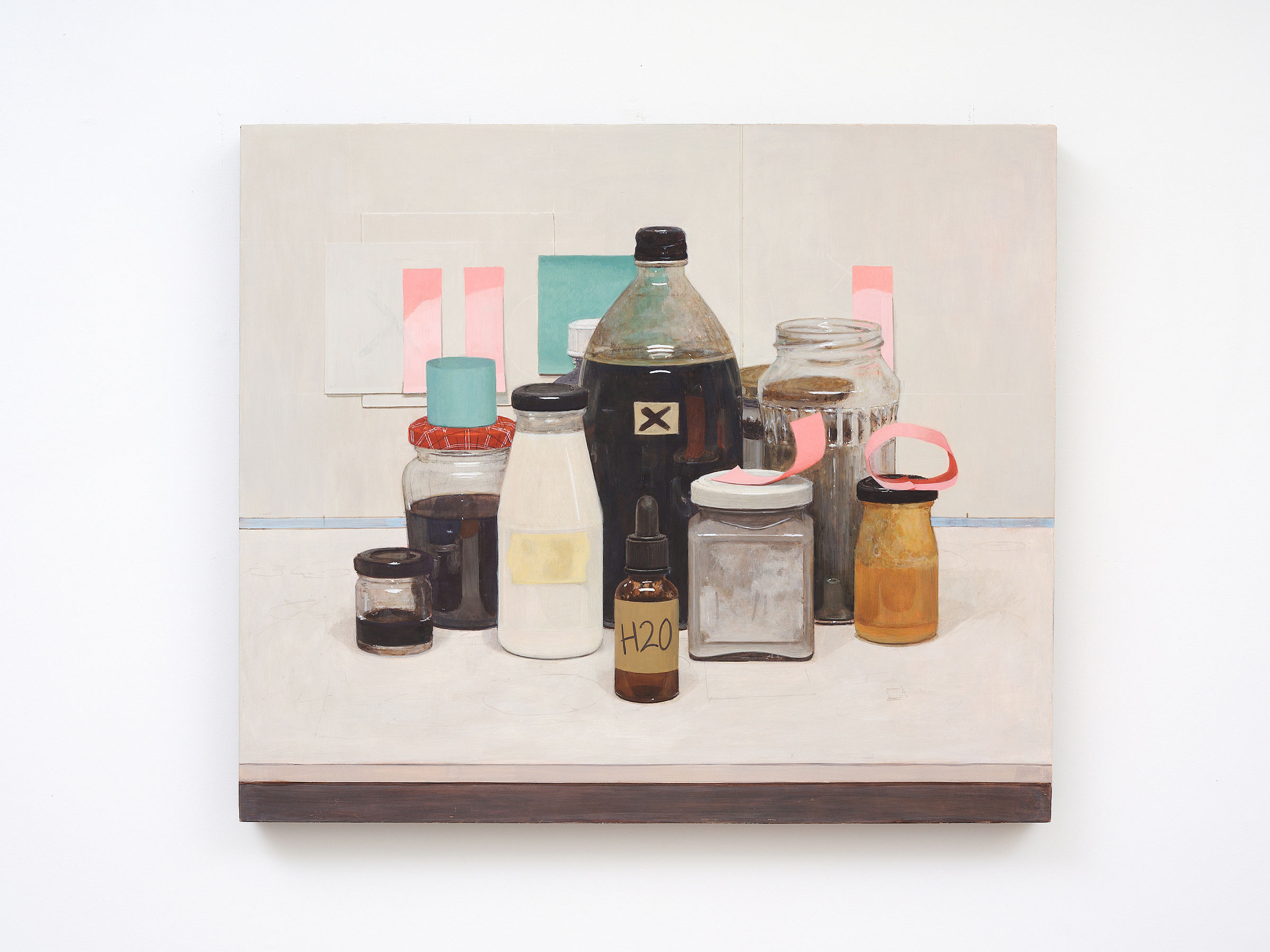
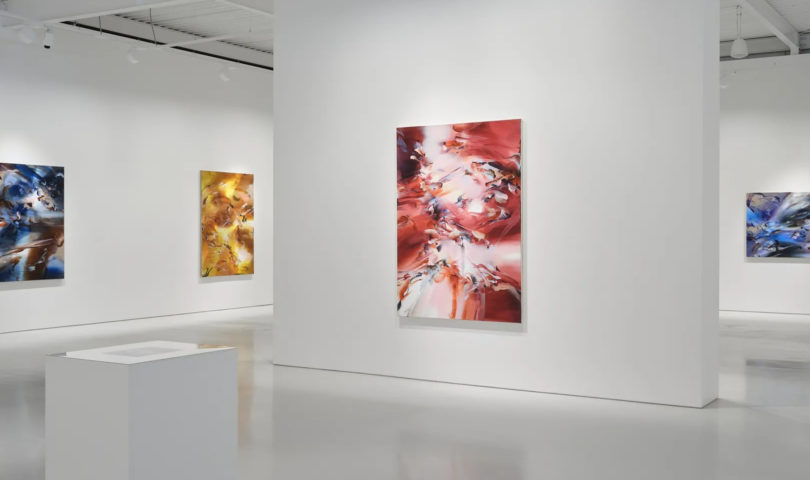
Sanderson presents Murmur, a new exhibition by Damien Kurth that continues the artist’s exploration of philosophical concerns within the still life tradition. In this latest body of work, Kurth examines the concept of haecceity, a philosophical term describing the qualities that make something uniquely what it is.
Damien Kurth, Murmur II, 2026 Egg tempera, traditional gesso on board500 x 600 mm
Through carefully arranged compositions, Kurth captures the quiet presence of everyday objects. Mundane materials are delicately lit and positioned so their individual qualities become more apparent. Removed from their usual context, these objects are presented in new configurations that allow their characteristics and relationships to emerge.
Damien Kurth, Murmur XI, 2026 Egg tempera, traditional gesso on board 150 x 150 mm
Damien Kurth, Murmur VII, 2026 Egg tempera, traditional gesso on board 245 x 185 mm
Kurth works with traditional ground gesso and the historic medium of egg tempera, gradually building the surface of each painting through layered brushwork. Elements such as painted sheets of paper and masking tape subtly divide the picture plane, creating depth, while fluorescent post-it notes and crumpled foil punctuate the compositions and guide the viewer’s eye across the canvas.
Damien Kurth, Murmur IV, 2026 Egg tempera, traditional gesso on board 600 x 700 mm
Kurth’s work is held in collections across Aotearoa and internationally. He is the recipient of the Otago Polytechnic Painting Award and the Derivan Painting Award, and was Highly Commended at the Cleveland Art Awards. He has also been a finalist in the Adam Portraiture Award.
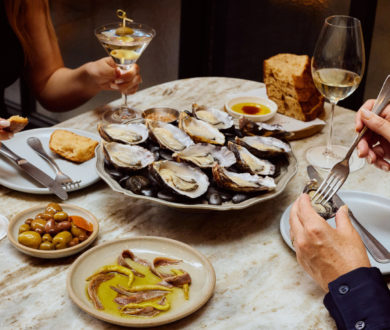
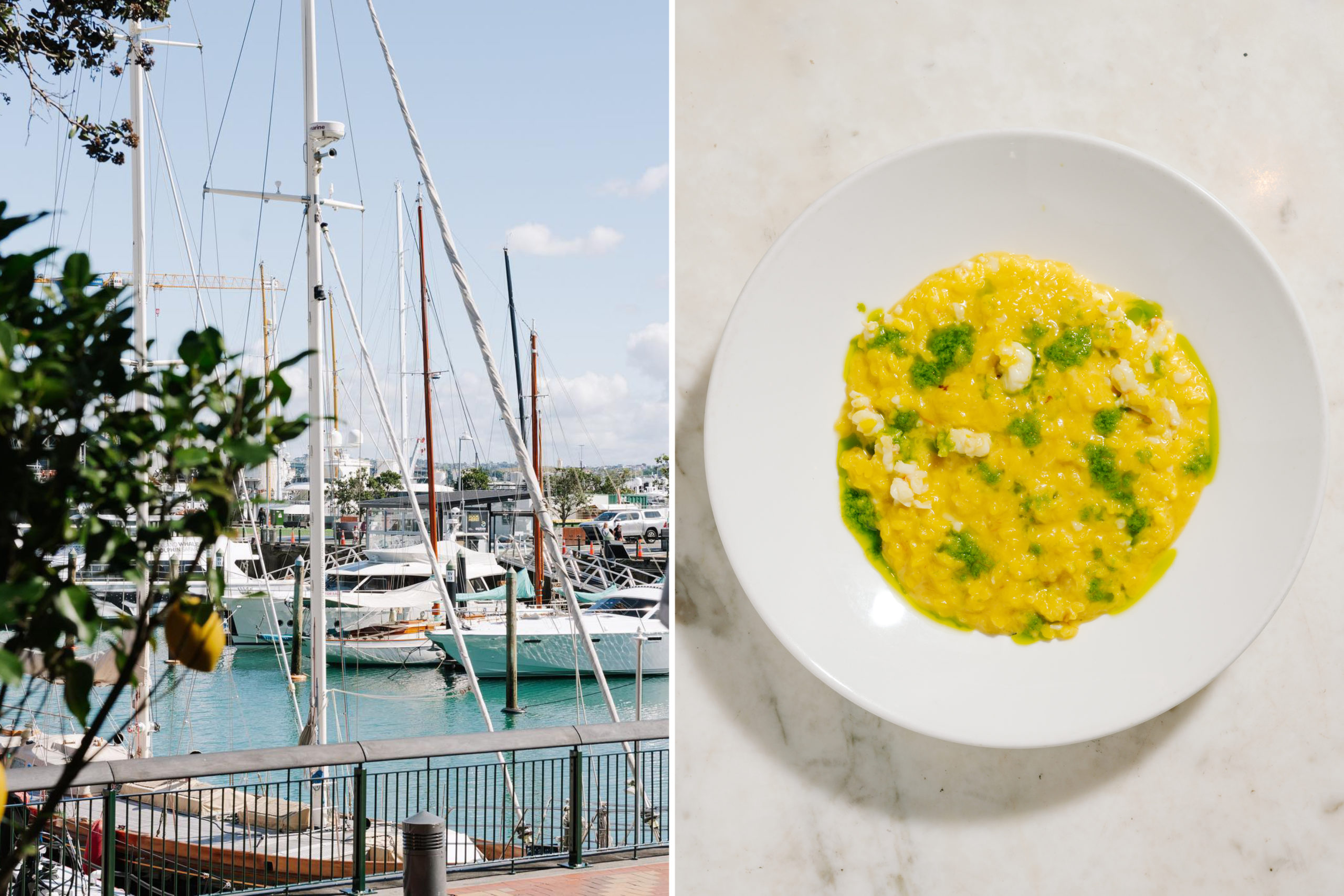
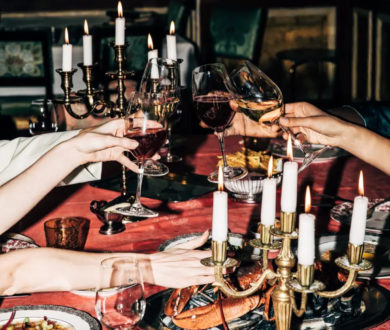
For nearly twenty years, Soul Bar & Bistro has treated the Bluff oyster season as a civic responsibility. Their annual lunch dedicated to the beloved southern gem is less a meal and more a ritual, a gathering of the city’s well-heeled and well-fed, united by brine, Champagne and enthusiasm.
This year, Soul has resisted the temptation to simply repeat itself. With its legendary oyster shuckers taking a well-earned pause, the team has chosen evolution over nostalgia. The result is The SOUL Summer Catch, a five-course seafood celebration that feels more considered, more composed and, somehow, even more indulgent.
Seafood risotto
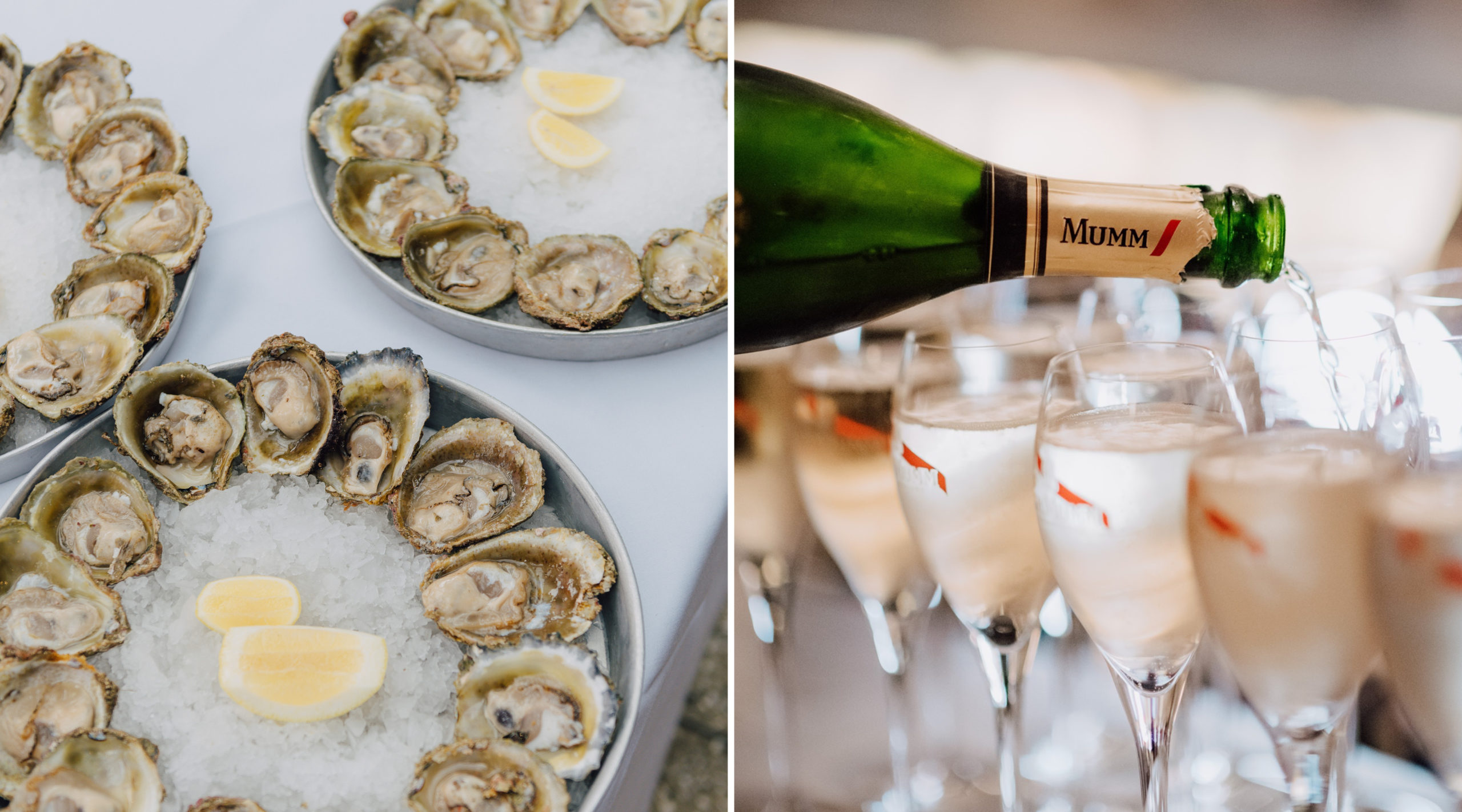
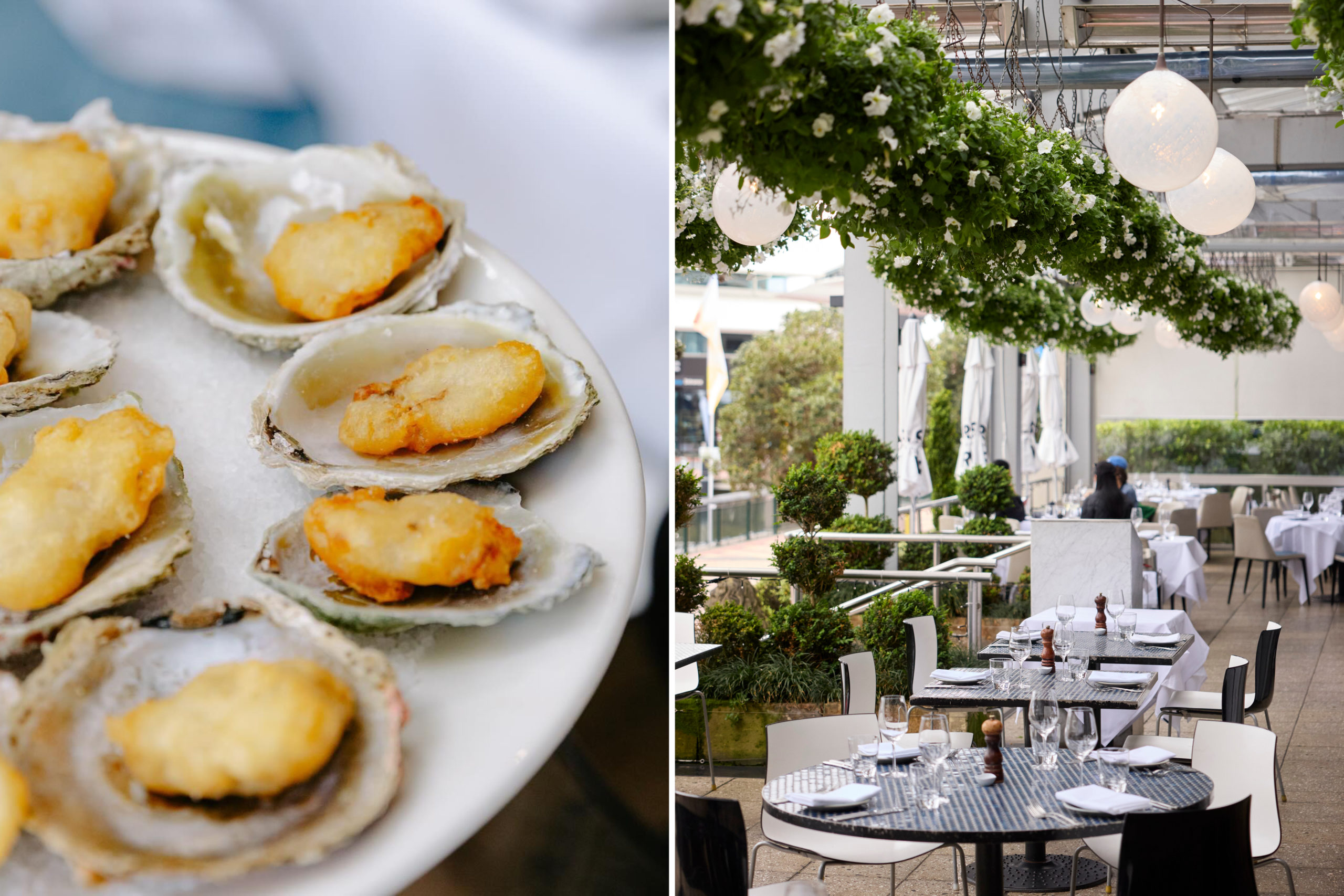
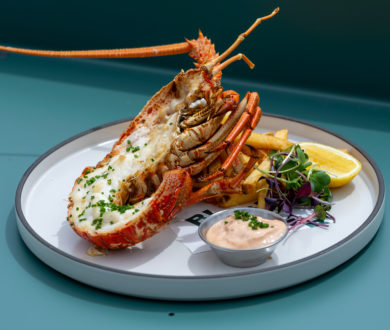
The lunch order begins as it should, with two dozen Bluff oysters, served both natural and battered. A seasonal crudo follows, showcasing the freshest catch of the day with brightness and precision. Then comes crayfish, handled simply, allowing its sweetness to take centre stage without unnecessary fuss. A rich seafood risotto anchors the afternoon, luxurious and unapologetic, before a final sweet course ushers guests gently back to shore.
Each guest is welcomed with a flute of G.H. Mumm Champagne, because at Sou Bar & Bistro, this is how it’s done.
The event takes place on Thursday, 19th March from 12 pm to 3 pm, and is priced at $265 per person. With tickets selling fast, we suggest you gather your favourites for an afternoon to remember.
Battered bluff oysters
Denizen is giving one lucky reader the chance to win a table for four at this exclusive lunch, valued at over $1000. This is your chance to win one of Auckland’s most coveted tables.
To enter, head to Denizen’s Instagram post below and follow the instructions on our Summer Catch giveaway post. Choose your dining companions wisely. The best long lunches are built on sharp wit, generous pours and friends who understand that a Thursday can, occasionally, be gloriously unproductive. This giveaway is now closed.
In a city that prides itself on knowing where to dine, Soul Bar & Bistro remains one of our surest bets. This time, you might not even have to pick up the bill.
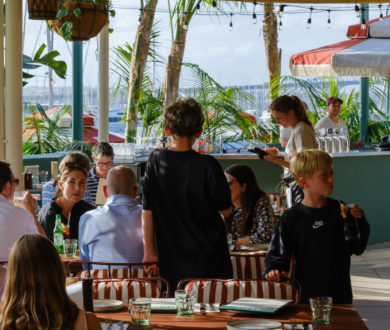
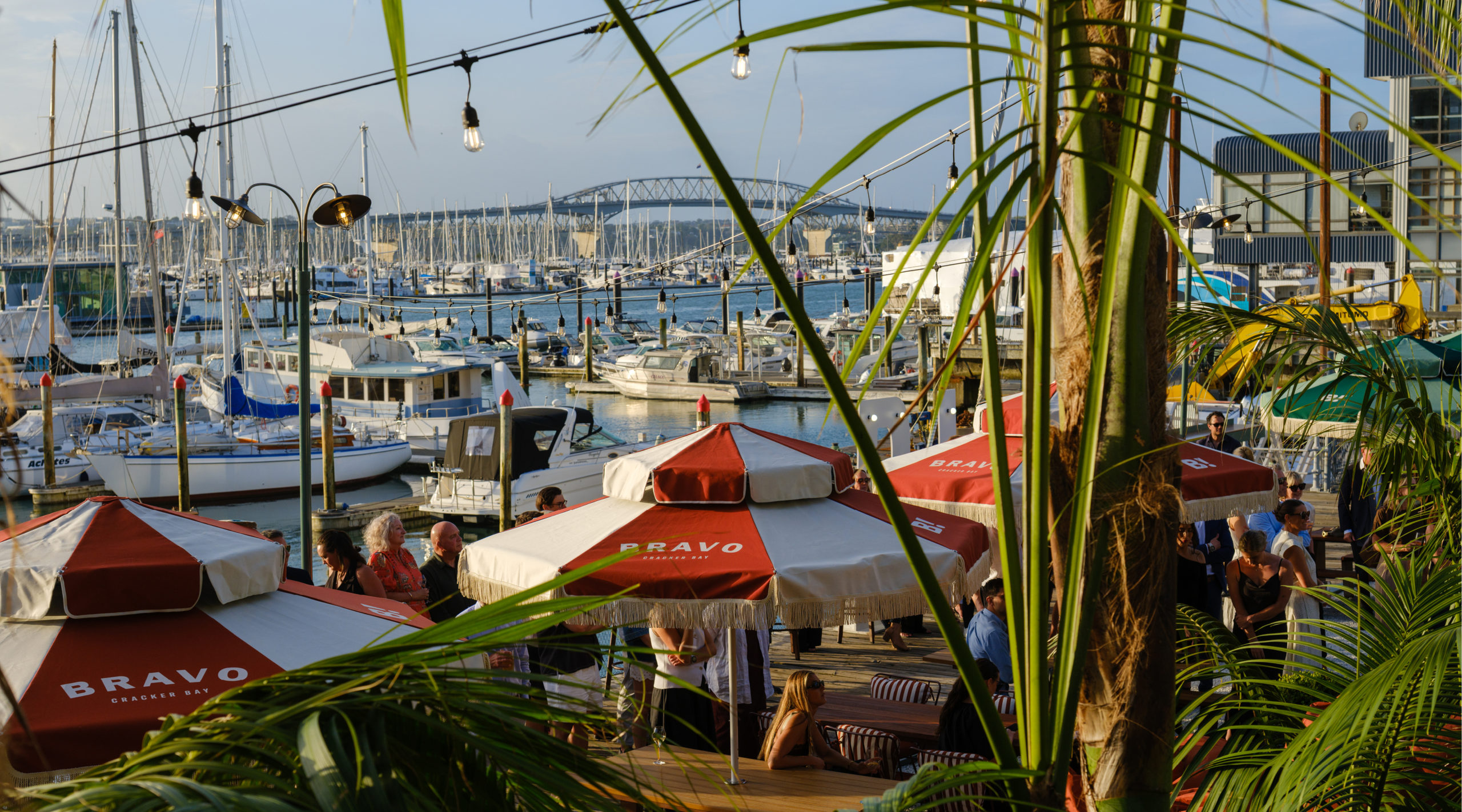
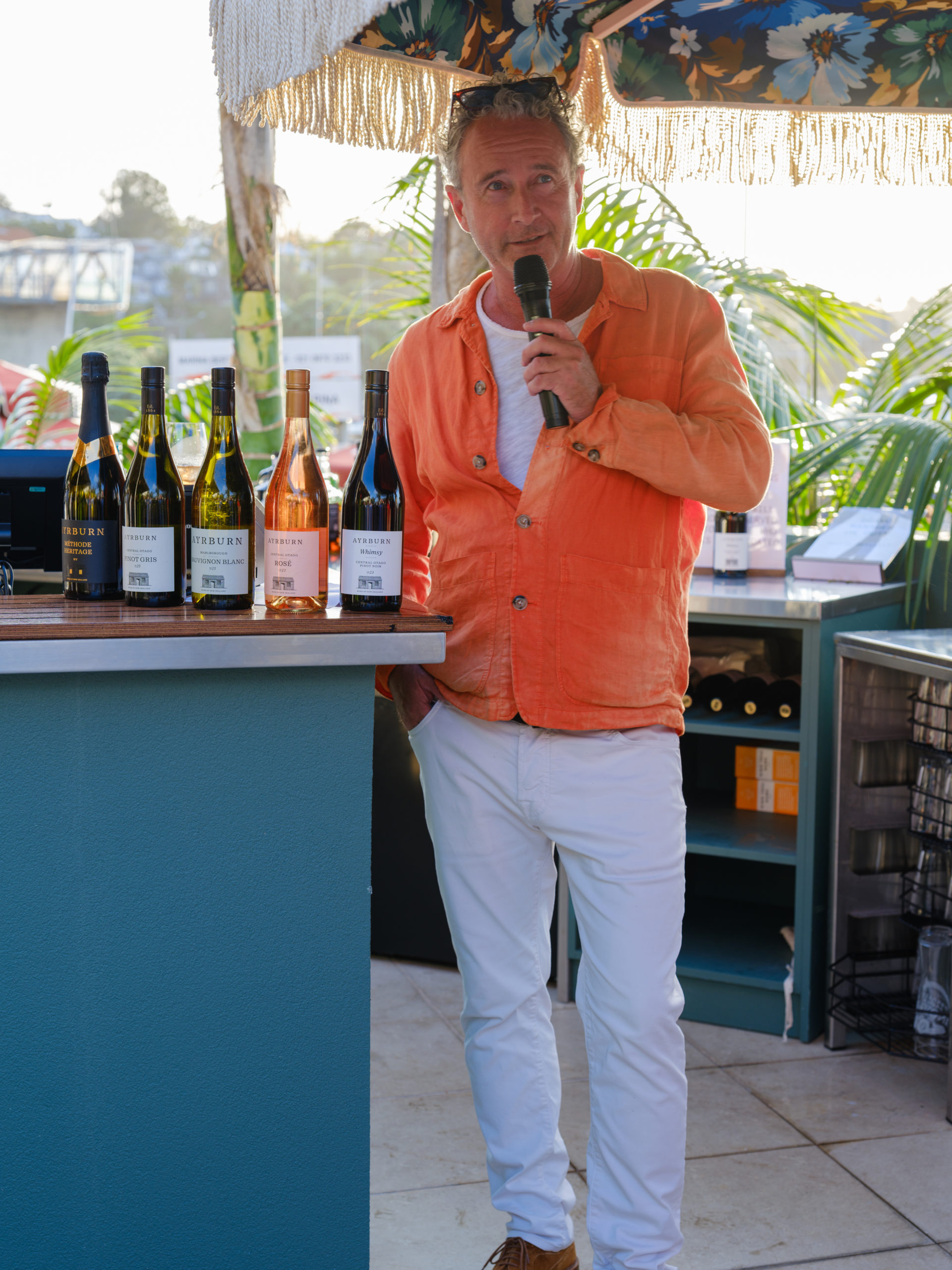
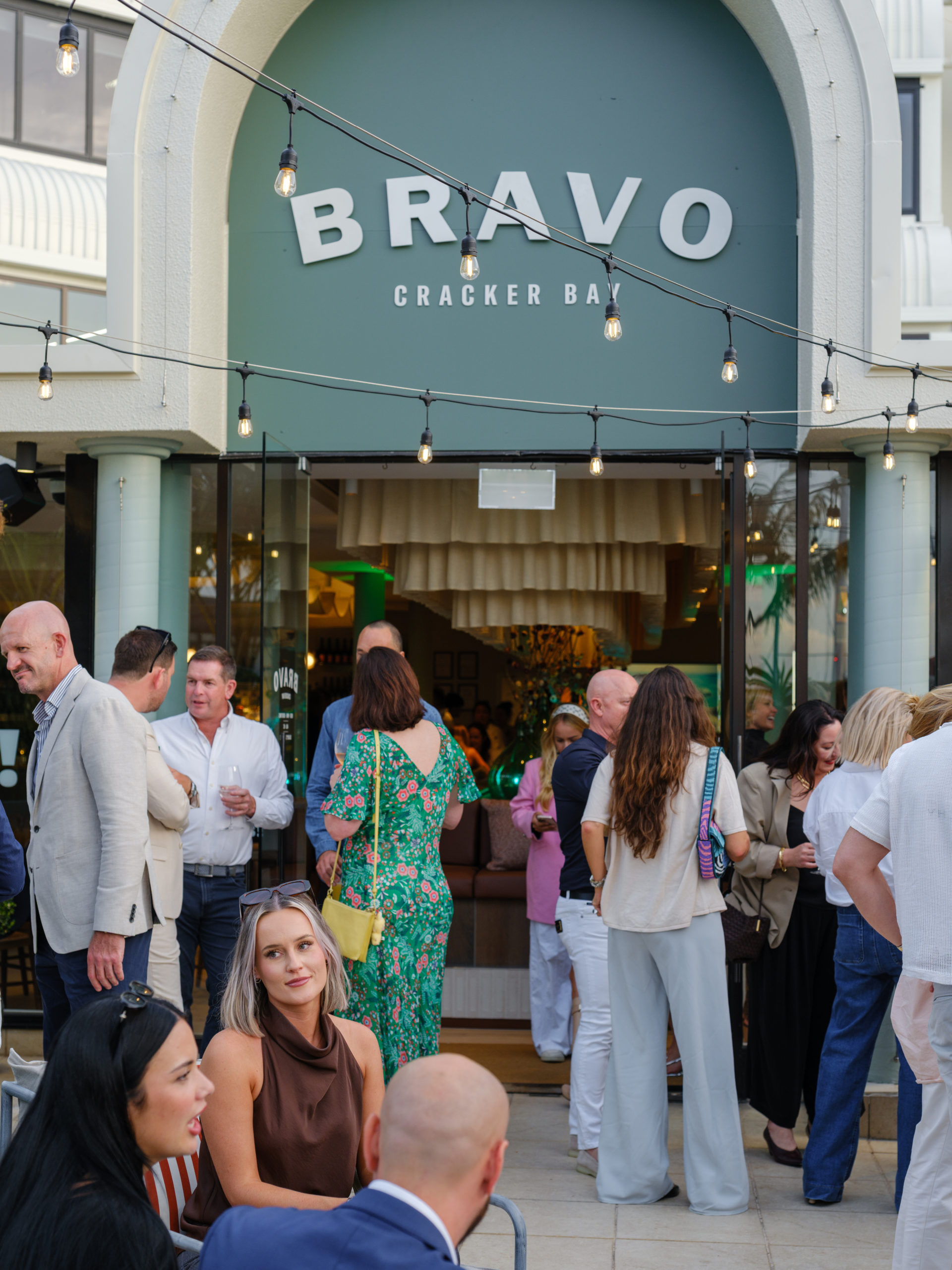
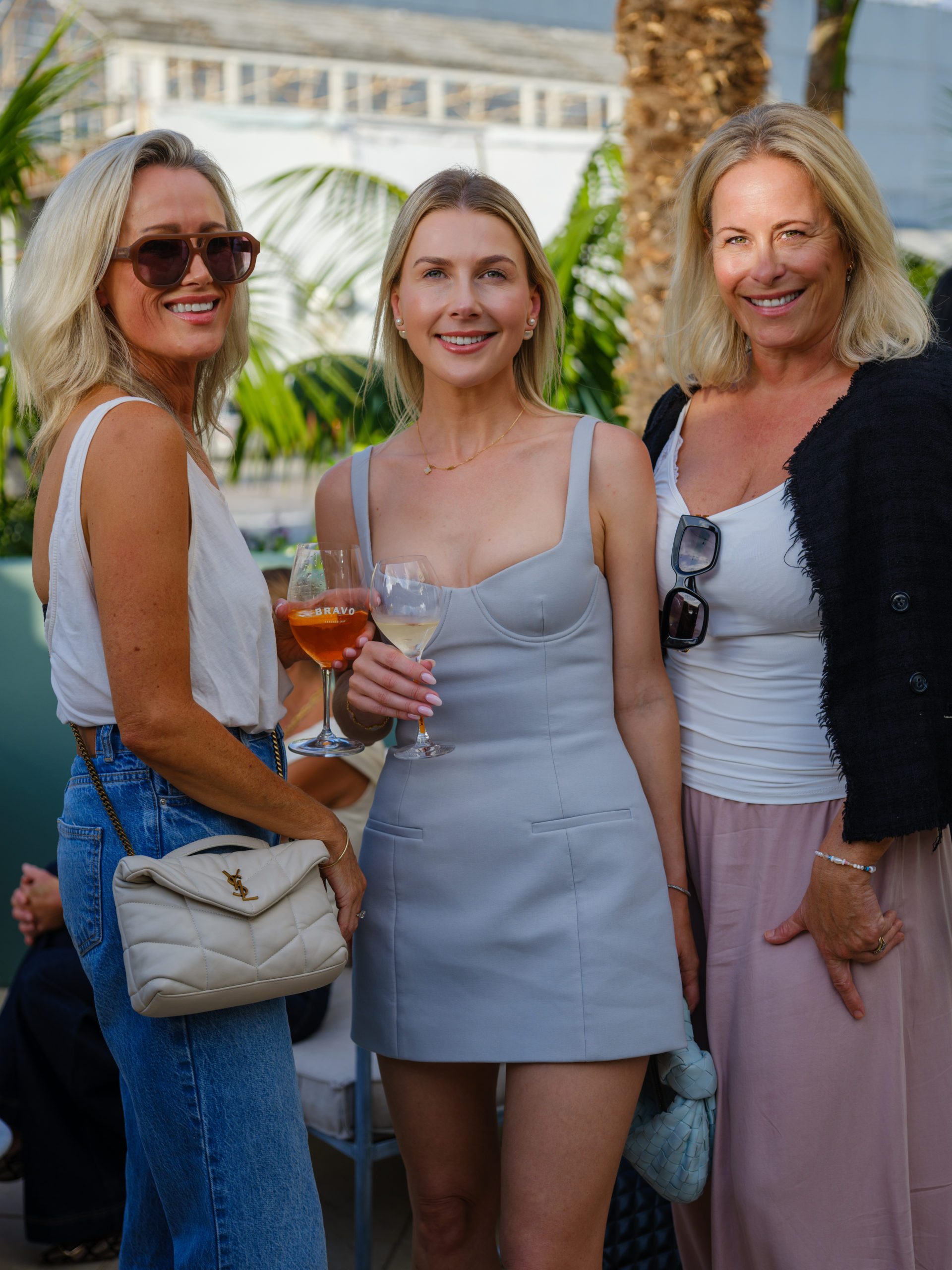
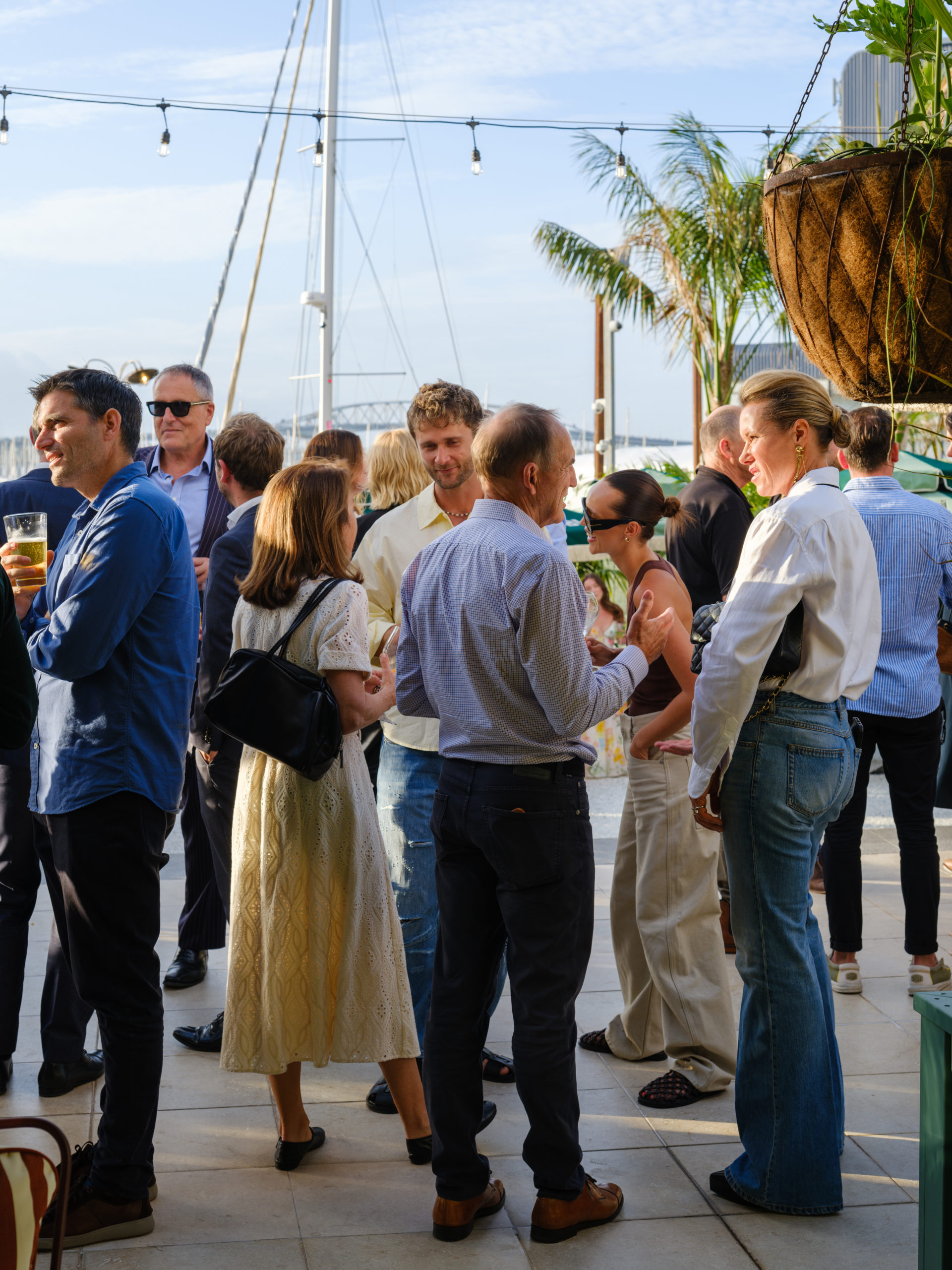
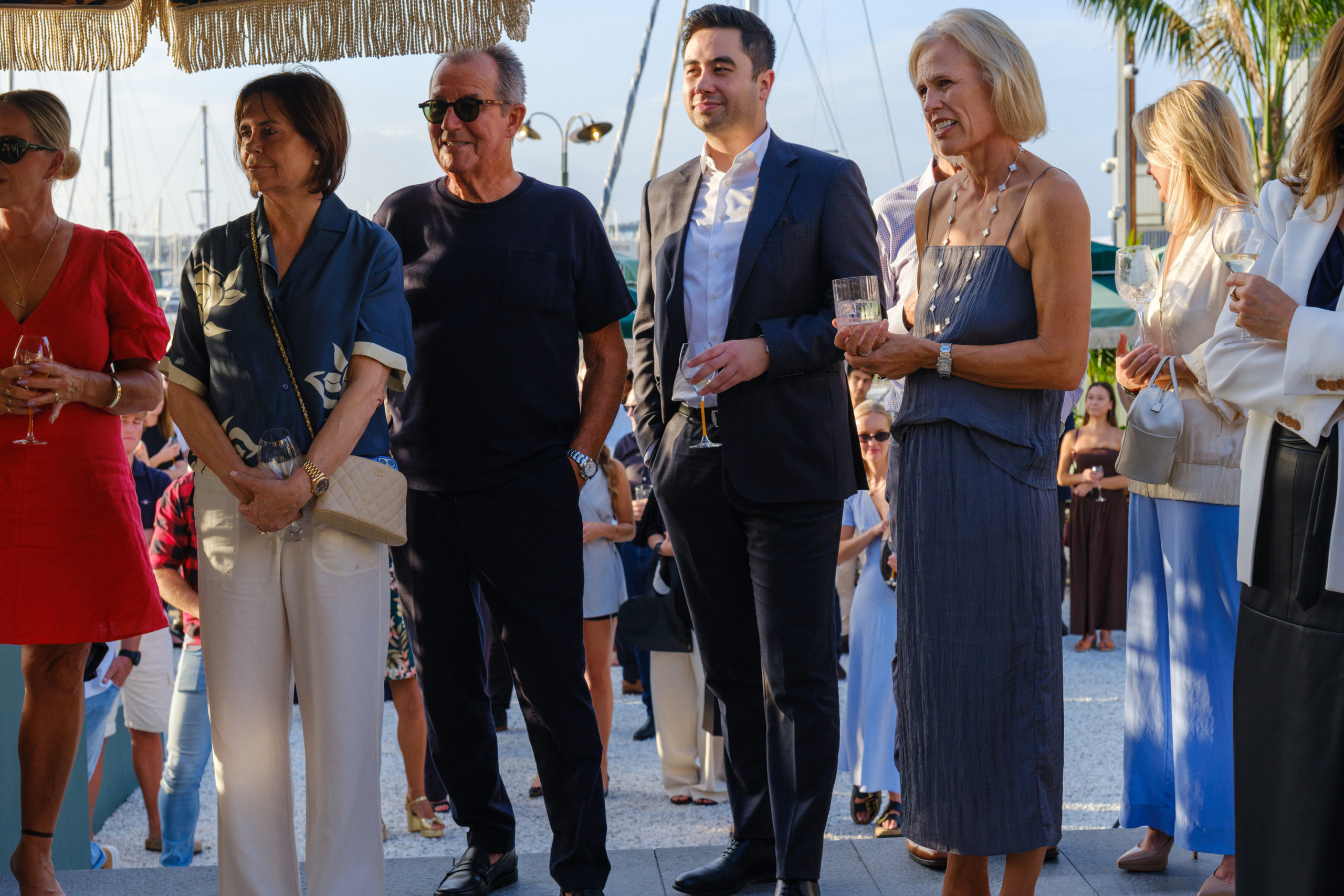
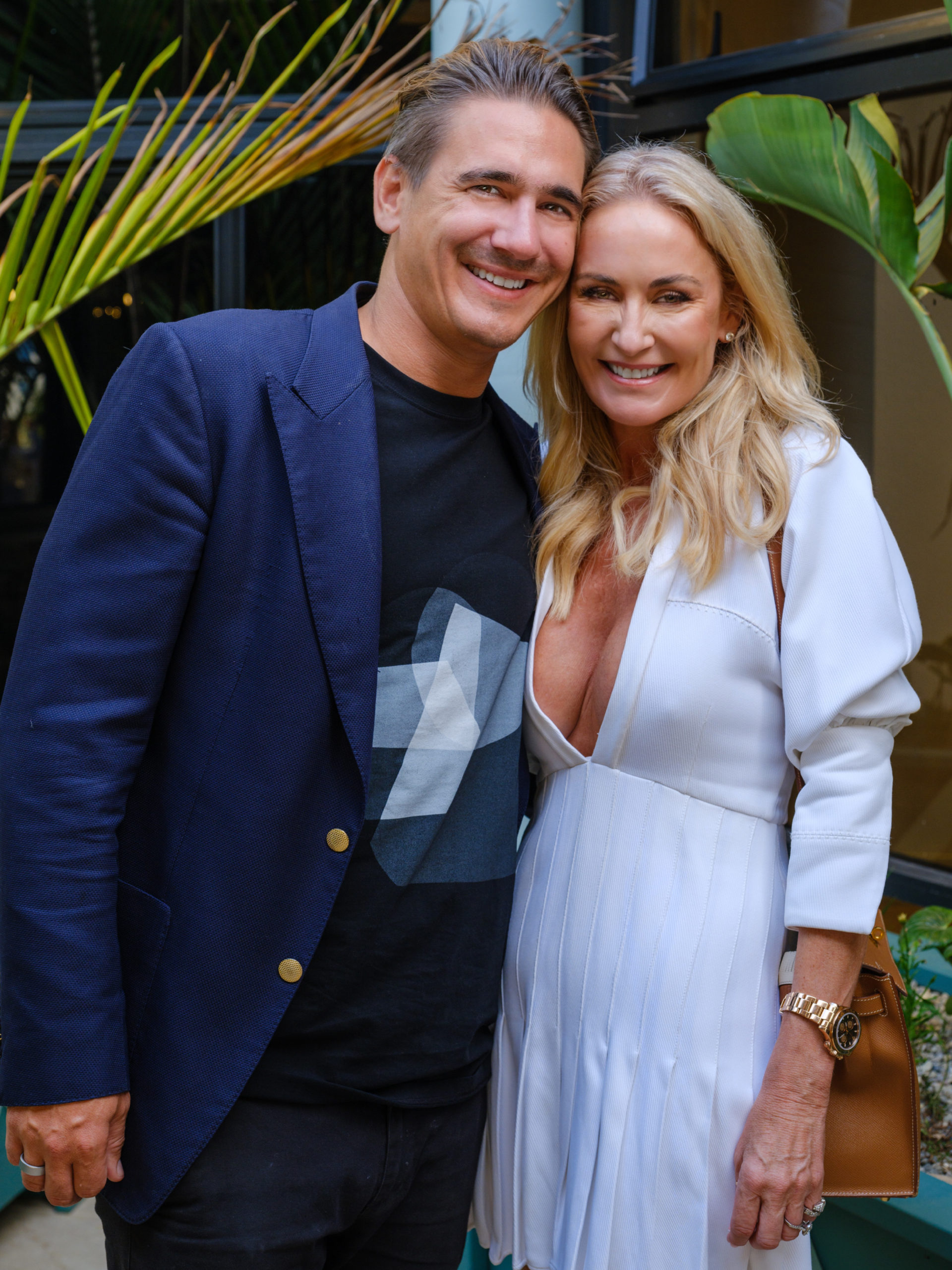
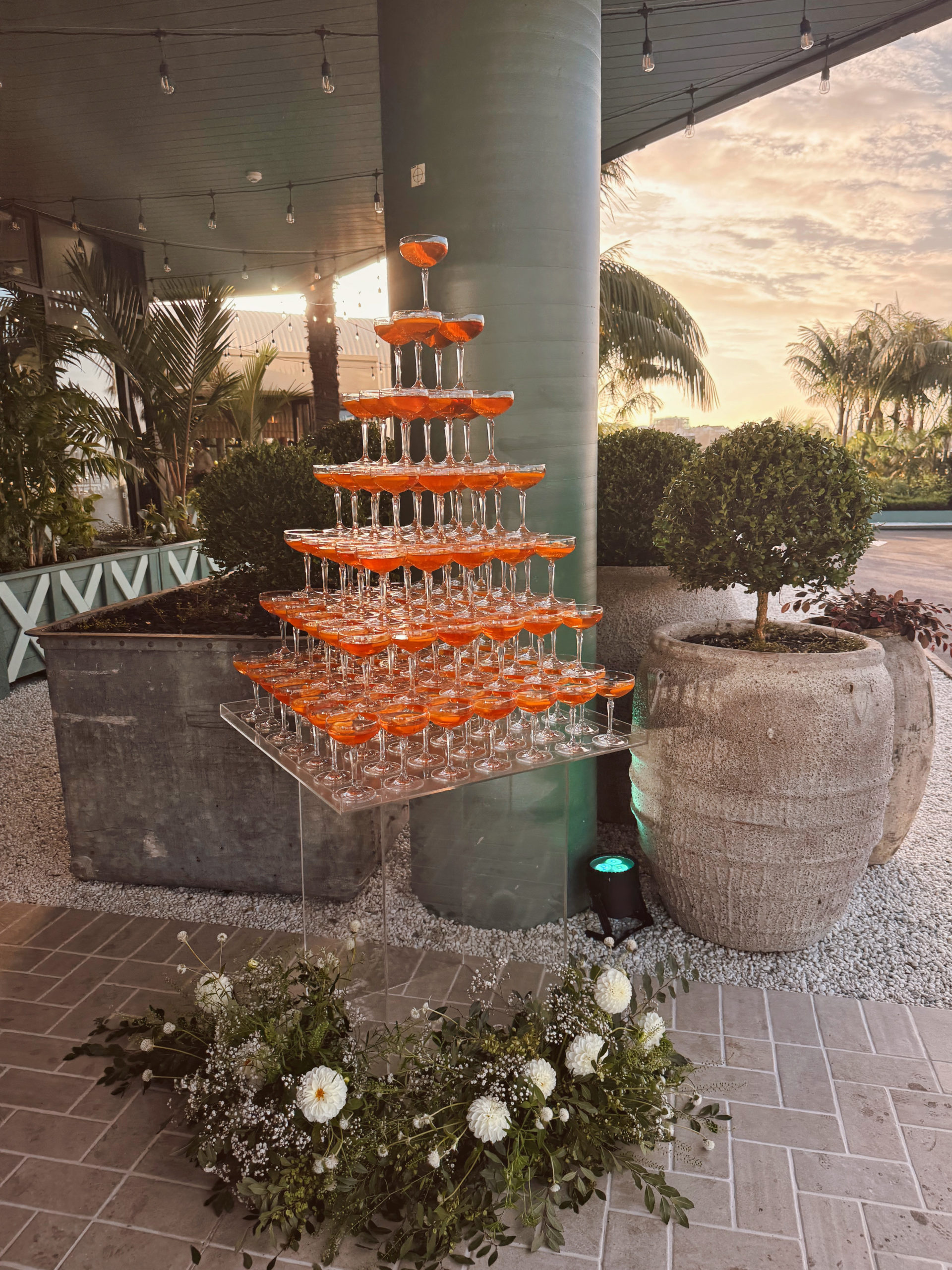
Last Thursday, Bravo did not simply open its doors. It arrived to a standing ovation. As the sun set across Westhaven Marina, Winton’s Chris and Michaela Meehan hosted more than 400 guests to experience their bold new venture, Bravo. With champagne in hand and the sun setting across Westhaven Marina, the sense of Winton’s arrival in Auckland’s hospitality scene was strong.
The weather, obligingly cinematic, revealed the venue at its very best. The northern light poured through the main dining room, spilled across the covered terrace and settled over the umbrella-lined seating overlooking the marina. It was the sort of evening that made you understand Bravo’s intent from the outset.
Guests grazed on canapés and local seafood, expertly crafted by the Bravo kitchen, while the bar flowed and conversations gathered momentum. The venue’s scale, capable of hosting up to 400, felt animated rather than overwhelming.
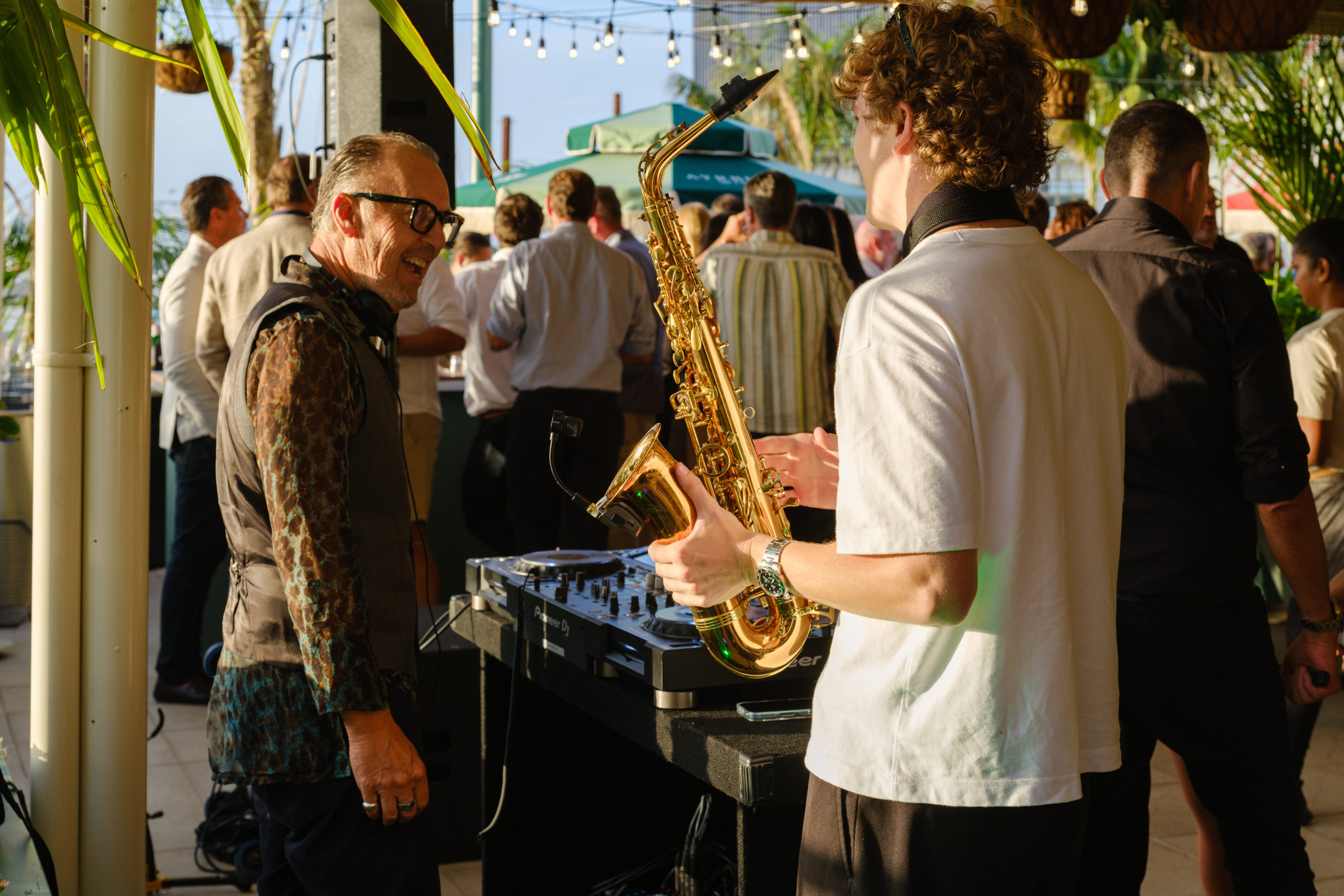
On the terrace, Peter Urlich set the tone, his DJ set carrying across the waterfront as supporters from around the country celebrated Winton’s first hospitality venture in Auckland. There was a sense of momentum in the air, of something considered and long-planned finally taking shape.
For those yet to visit, Bravo is more than an opening night spectacle. From morning coffee and rotisserie chickens ready for boat provisions, to long lunches, sunset dinners and book-a-berth arrivals by sea, it has been conceived as a true all-day address. The Ayrburn wine range threads through the offering, linking this new waterfront chapter to Winton’s now celebrated South Island success at Ayrburn.
Long before dashboards and diesel, Peugeot was perfecting the grind. The brand synonymous with sleek engineering began by working with steel, producing saw blades, springs for watchmakers and industrial components before designing its first coffee grinder in 1840. Pepper soon followed, and quietly, a culinary icon was born.
While bicycles and automobiles would go on to define its public image, Peugeot never stopped refining its mills. They are still manufactured at the historic family factory in the Doubs region of France, where everything is done on site. Wood is turned, varnished and painted by hand. Mechanisms are stamped, calibrated and assembled with the precision of fine instrument-making. Engineering, after all, is engineering, whether it powers an engine or perfects a grind.
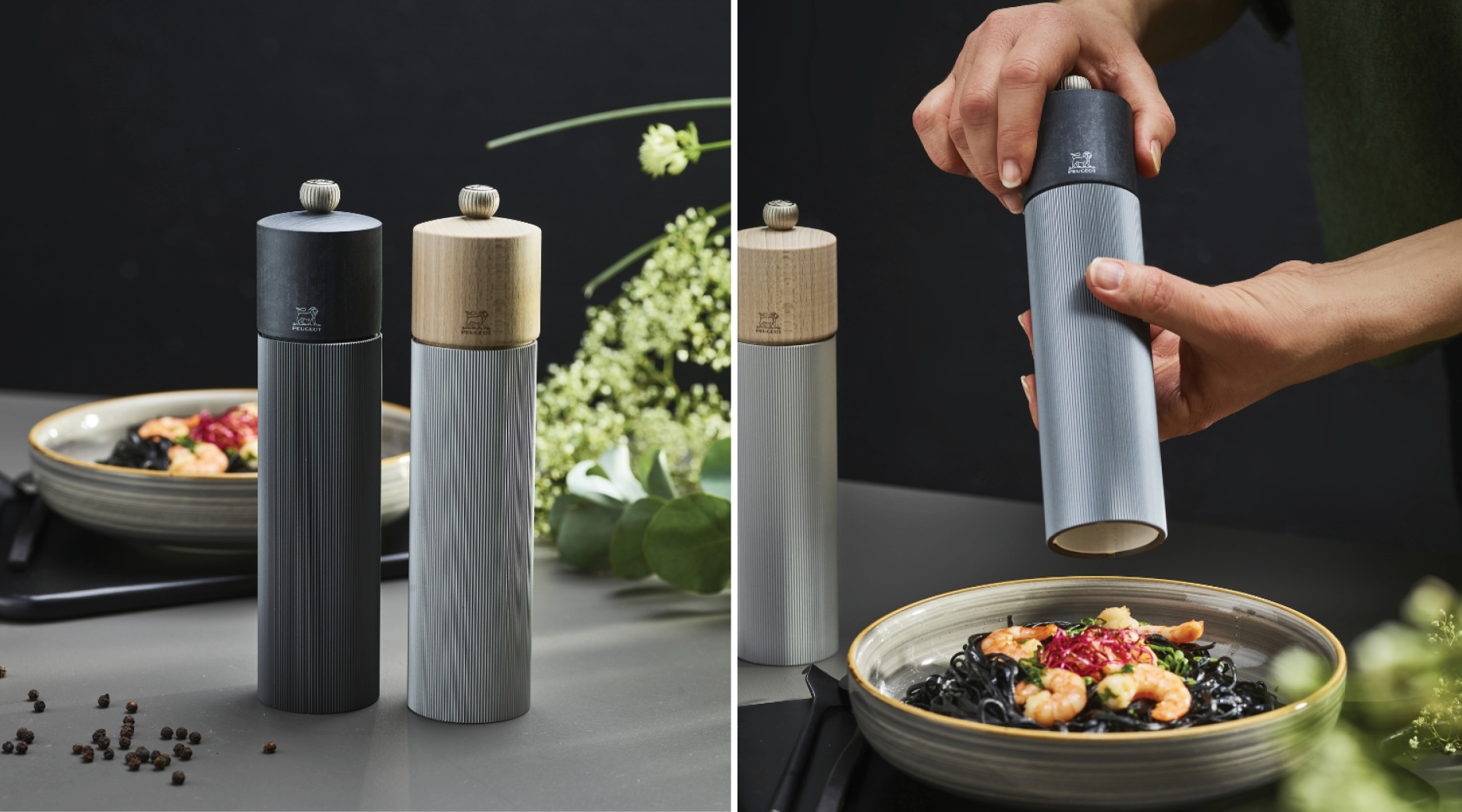
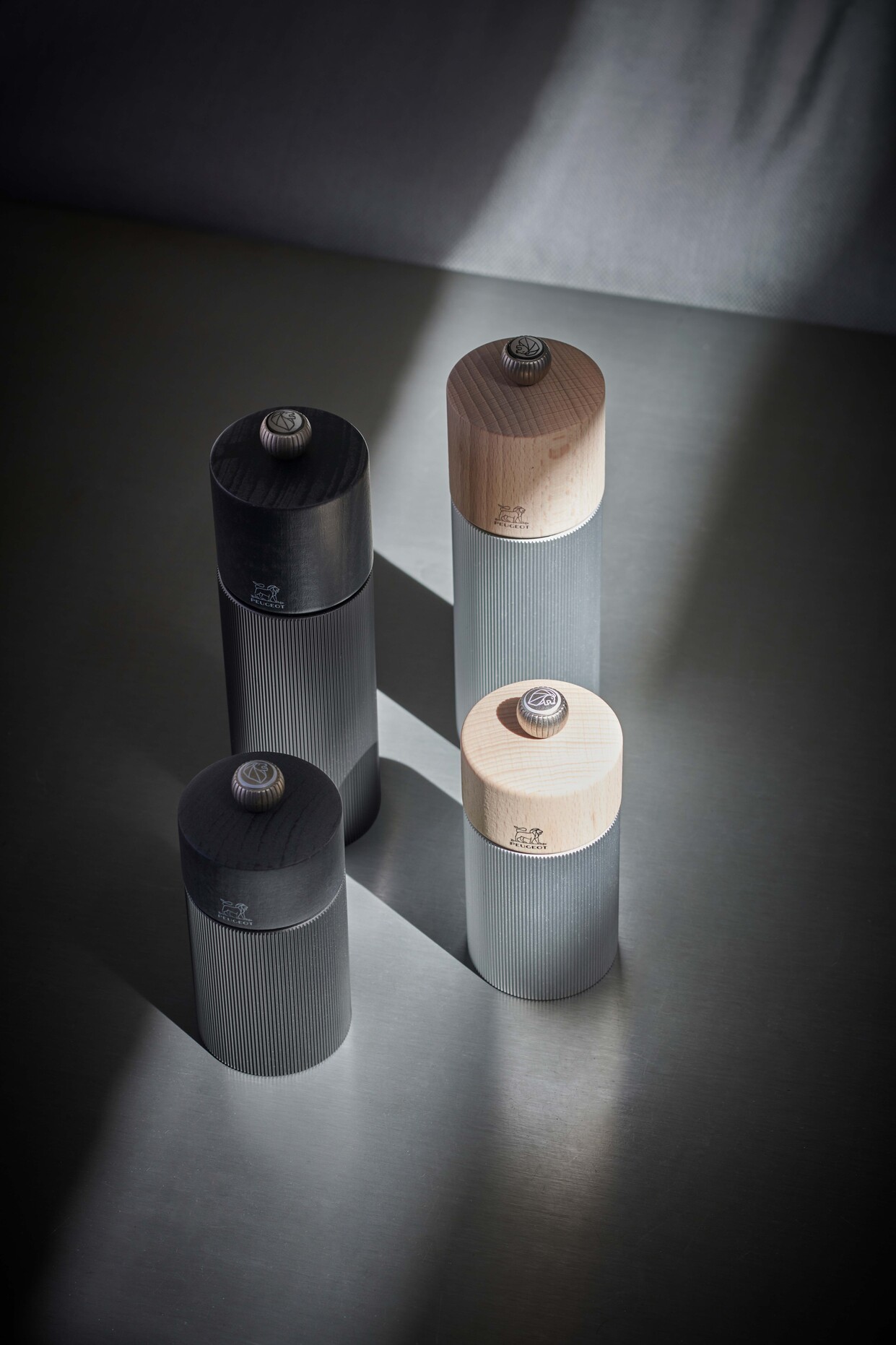
The 18cm aluminium line salt mill exemplifies this marriage of heritage and modernity. Graphite-finished wood meets brushed aluminium in a contemporary silhouette that feels more like an architectural object than a kitchen tool. The polished metal button, engraved with the lion head, adjusts the grind with exacting control. The tighter the screw, the finer the salt. Simple. Precise. Satisfying.
The now-iconic Paris mill, introduced in 1987, remains Peugeot’s best-seller, evolving over the decades into a range of finishes, materials, and even dramatic oversized formats. Yet the philosophy remains unchanged. Performance first. Longevity always.
A story from the 1930s captures the brand’s quiet confidence. During a visit to American car factories, Jean Pierre Peugeot attended a grand banquet where he was told everything in the room was American. He picked up the pepper mill, turned it over and gently corrected the claim. Not everything, he noted. The mill was French. And Peugeot too.
It is this duality that makes the mills so compelling today. They are not novelty offshoots of an automotive empire. They are, in many ways, its origin story. Instruments of daily ritual, engineered with the same insistence on durability, calibration and elegance that defines the marque at large.
A twist of the wrist. Freshly cracked pepper. A reminder that true craftsmanship travels seamlessly from road to table.
March is shaping up as one of the most culture-packed months of the year in Auckland, with festivals, exhibitions and live performances filling the calendar. From large-scale arts and music events to theatre, design and days by the water, the city offers plenty of reasons to step out and explore. Whether you’re planning a night at the ballet, a weekend festival or a relaxed afternoon soaking up creativity, these are the events setting the tone for March.
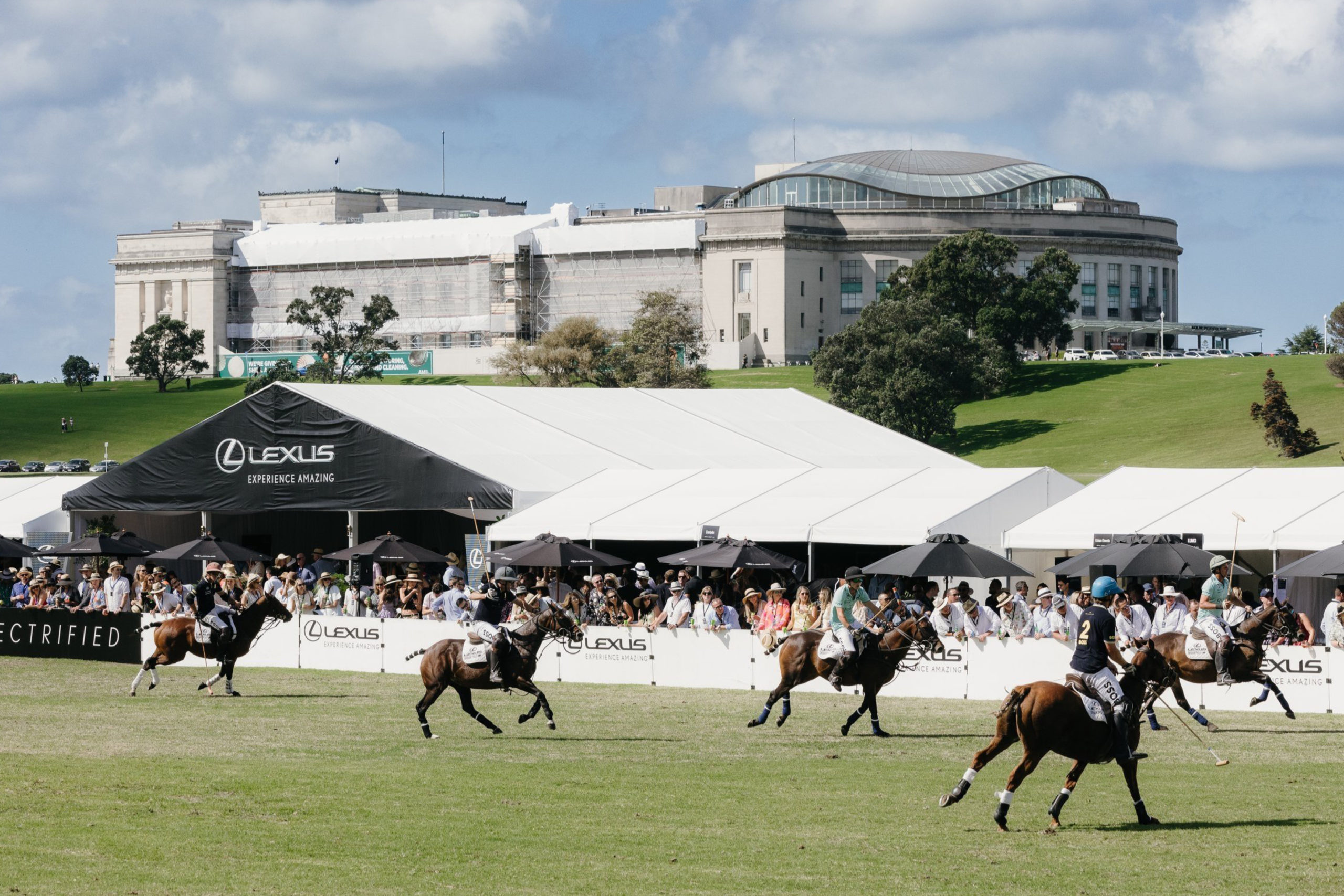
Lexus Urban Polo returns to Auckland Domain for a day where high-octane sport meets polished socialising. Set against one of the city’s most picturesque backdrops, the event brings fast-paced polo action together with a relaxed, fashion-forward atmosphere, complete with flowing drinks, live music and a crowd that knows how to dress for the occasion. Whether you’re watching the match unfold from the sidelines or settling in with friends on the grass, it’s less about knowing the rules and more about soaking up the spectacle. A fixture on Auckland’s March calendar, Urban Polo is a chance to spend a summer afternoon outdoors, enjoying sport, style and a very good excuse for a long lunch.
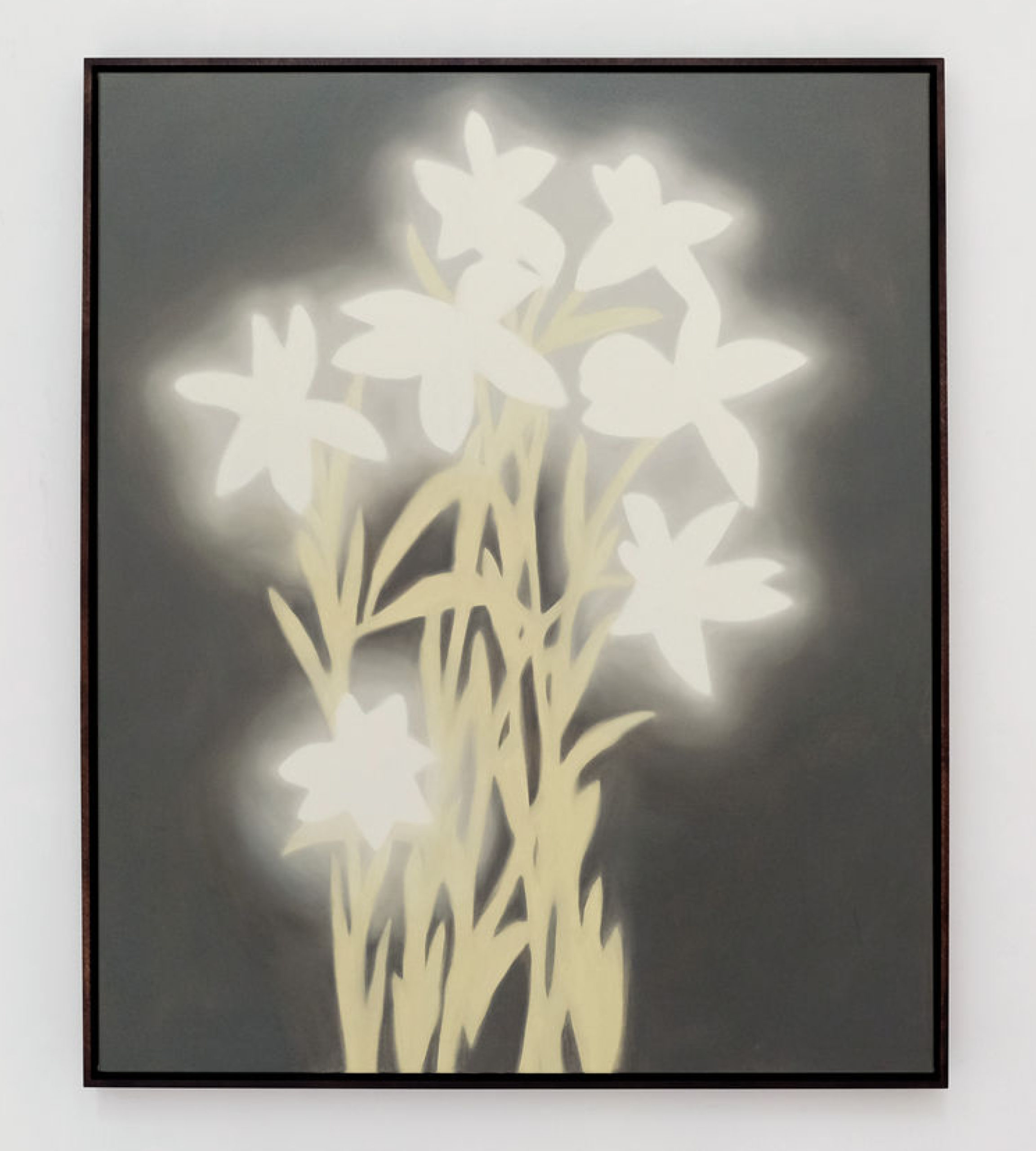
Briana Jamieson, Rain Lilies (Gold), 2026 Oil on canvas, beech frame 1200 x 1000mm
Rooted in quiet observation and repeated gesture, Garden Day sees Wellington-based painter Briana Jamieson translate a year spent tending a community garden into a series of luminous works. Inspired by the rhythm of planting, growing and returning to the same blooms, the exhibition reflects Jamieson’s attraction to repetition as both a visual and emotional language. Fields of clustered flowers glow with calm intensity, shaped by memories of sunlight, shade, shared stories and moments of stillness among the garden beds. It’s a gentle, immersive body of work that speaks to care, patience and the restorative pull of nature, offering viewers a sense of pause within the everyday.
Where: Auckland Town Hall When: 9th March –15th March
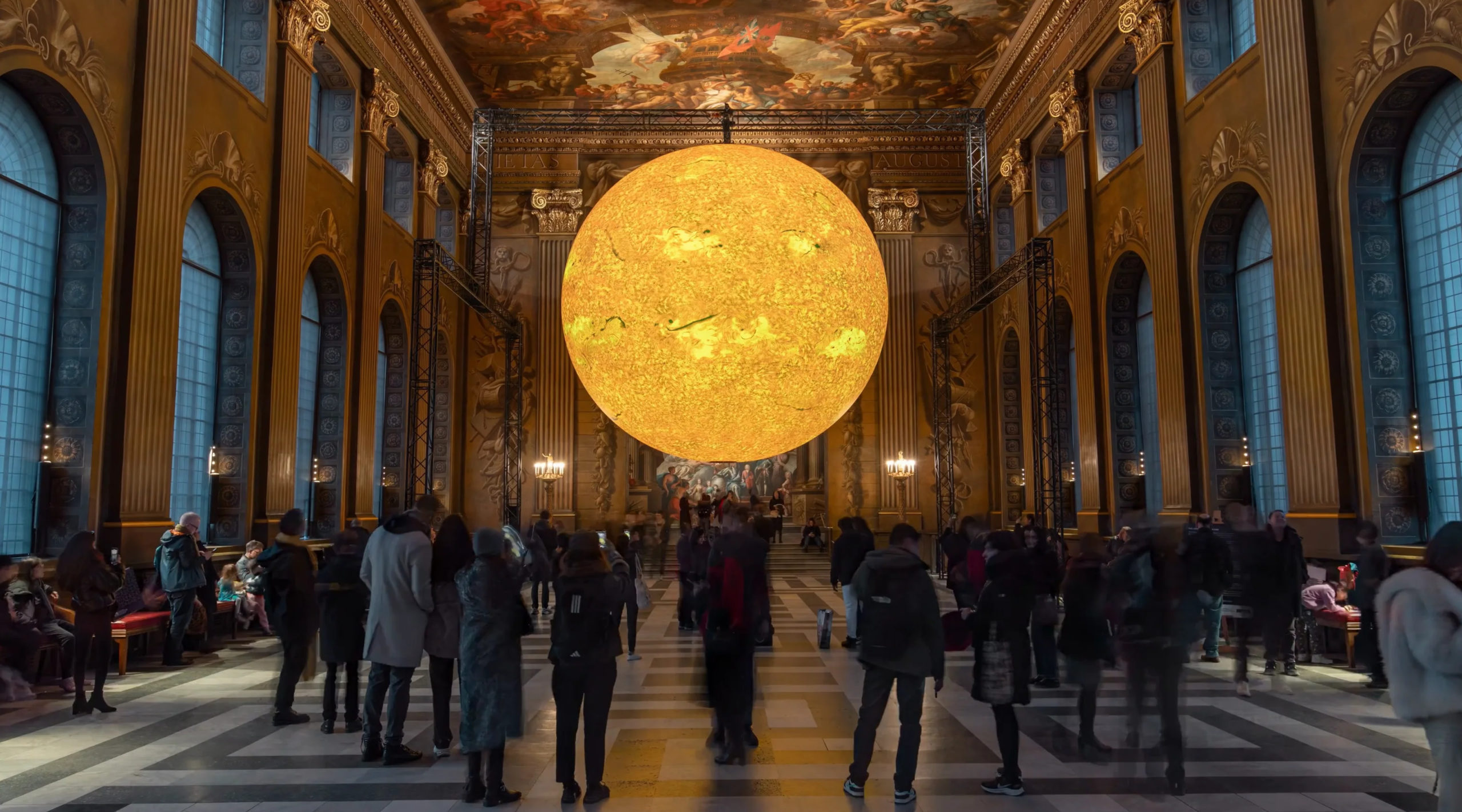
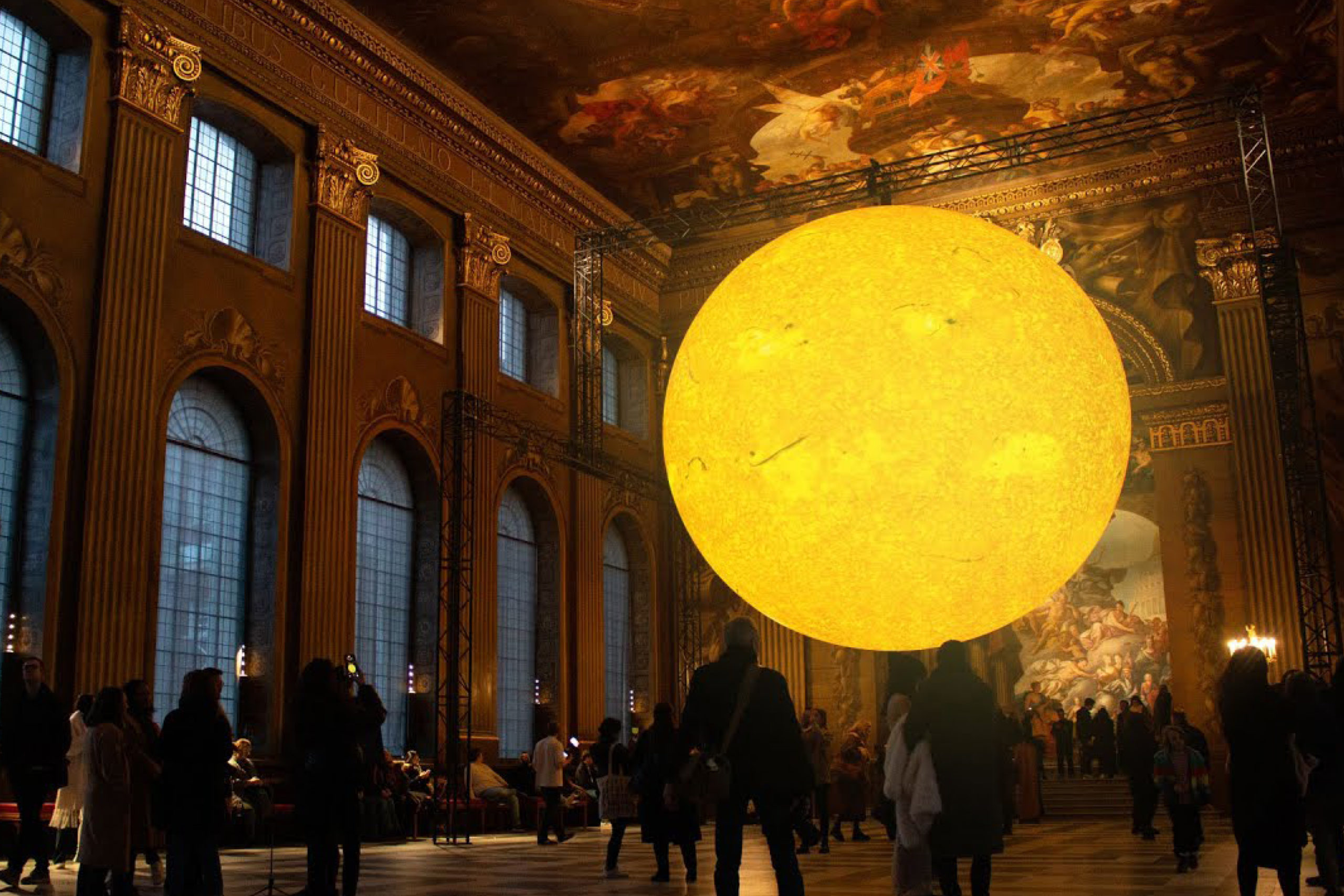
Set beneath Luke Jerram’s radiant Helios installation, a series of early morning wellness sessions invites Aucklanders to slow down and start the day with intention. Hosted in the Concert Chamber at Auckland Town Hall and led by The Art of Living, the free programme spans yoga, meditation, breathwork and sound-led practices, each offering a different way to connect with stillness beneath the glowing sun artwork. Sessions are gentle, inclusive and suitable for all experience levels, with options designed for adults as well as younger participants. Mats are provided, and the atmosphere is calm, welcoming and quietly restorative. A rare opportunity to experience art and wellbeing together, this is a serene counterpoint to the usual pace of the city and a beautiful way to greet the morning.
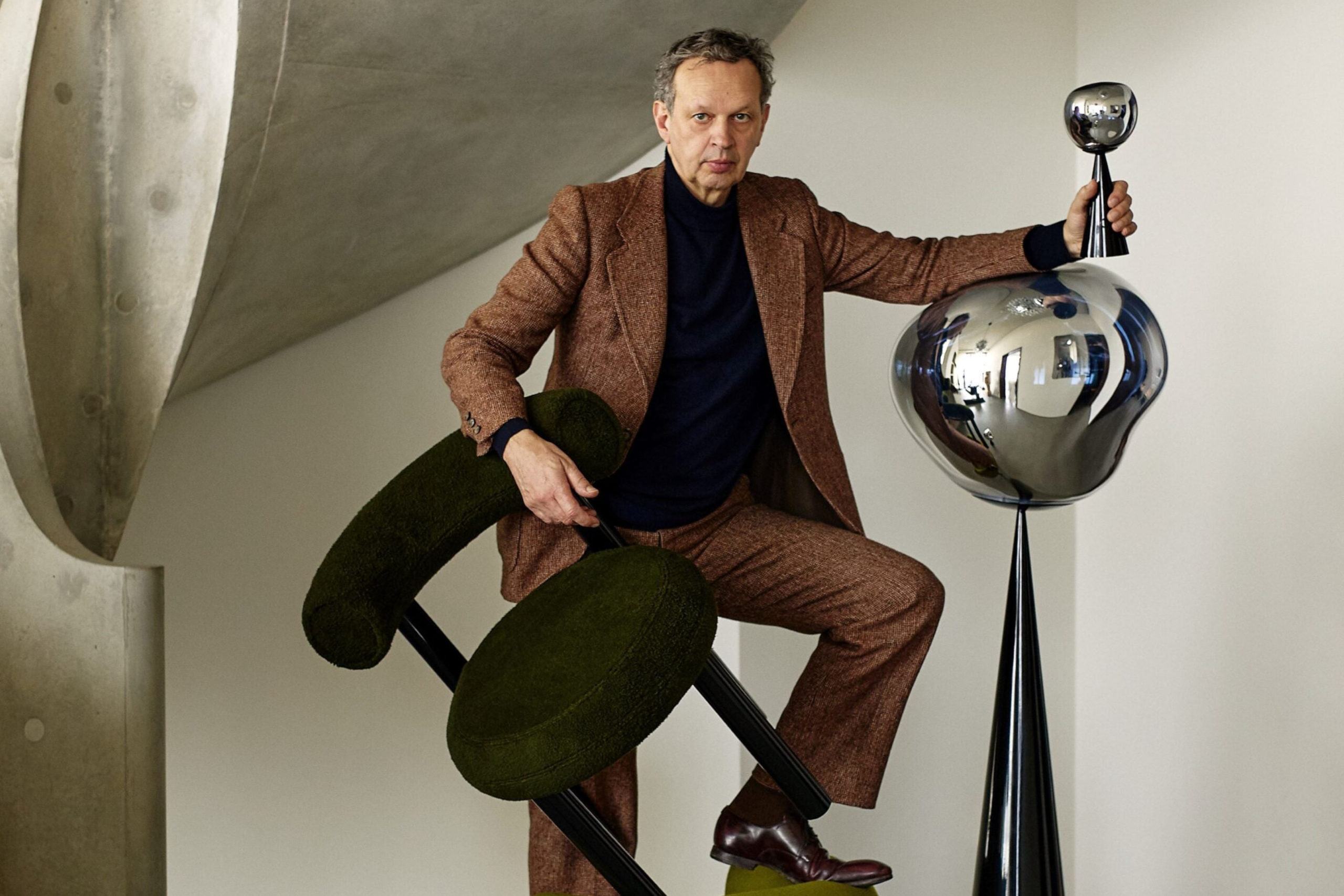
Tom Dixon will be one of the headline speakers at NZDW 2026 Design Circuit
Where: Various locations city-wide When: 2nd –10th March
Across nine days in early March, the city turns its focus to creativity, innovation and the ideas shaping how we live now and into the future. Design Week brings together exhibitions, talks, workshops and installations across galleries, studios and pop-up spaces, spotlighting both emerging and established voices in the design world. From product and spatial design to conversations around sustainability and new ways of thinking, it’s a chance to dip into the creative community and see what’s happening behind the scenes. Whether you’re deeply embedded in the industry or simply appreciate considered design, this is a week worth weaving into your calendar.
Where: Various locations Auckland-wide When: 5th –22nd March
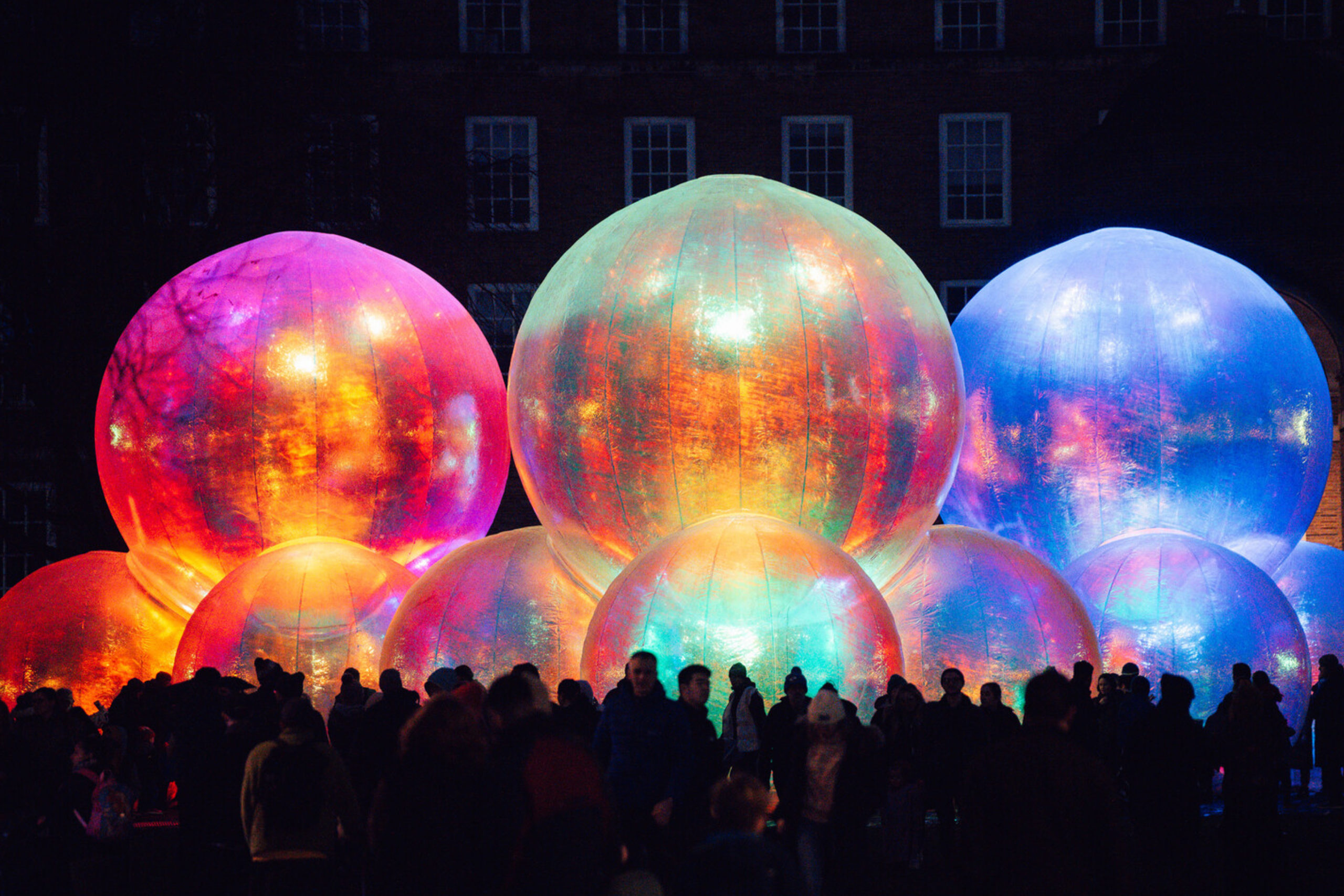
March marks the return of the Auckland Arts Festival, when the city becomes a stage for world-class theatre, dance, music and visual art. Spanning venues across Tāmaki Makaurau, the festival brings together bold international productions and exceptional local talent, with performances unfolding in theatres, public spaces and unexpected corners of the city. From thought-provoking plays to immersive installations and live music that carries long into the night, this is Auckland at its most creatively charged. Whether you dip in for one show or build your calendar around it, the Arts Festival is a reminder of just how vibrant the city feels when art takes centre stage.
Where: Auckland Art Gallery When: Now till the 15th March
An unmissable highlight at Auckland Art Gallery, Pop to Present brings iconic American art from the Virginia Museum of Fine Arts to the city. Spanning pop art classics and bold contemporary works, the exhibition charts how artists have shaped visual culture over decades. It’s a chance to take in familiar favourites alongside thought-provoking pieces that speak to now, all within the gallery’s stunning spaces. Perfect for a cultured afternoon, this show offers fresh perspectives and plenty of conversation starters.
Where: Kiri Te Kanawa Theatre, Aotea Centre When: 4th –7th March
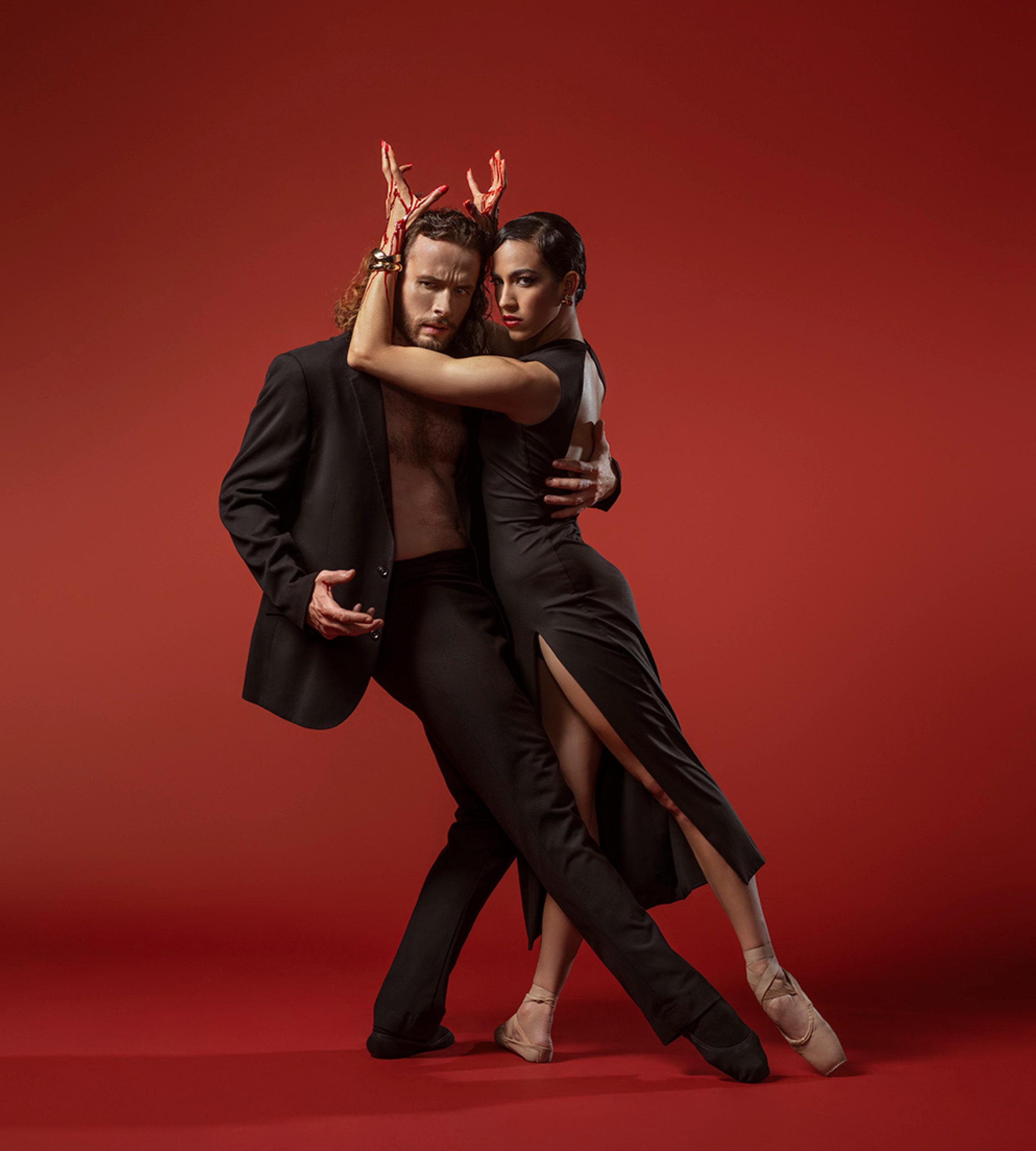
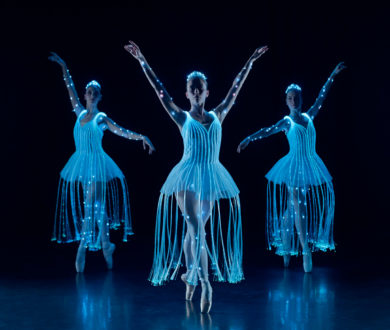
Royal New Zealand Ballet brings Macbeth to life in a gripping performance at the Kiri Te Kanawa Theatre. This powerful interpretation of Shakespeare’s classic weaves dramatic choreography with a striking score to deliver a dark, mesmerising evening of dance. Expect commanding performances, intense storytelling and the company’s signature precision on stage. It’s a standout cultural moment in March, ideal for anyone who loves ballet that feels cinematic, bold and deeply expressive.
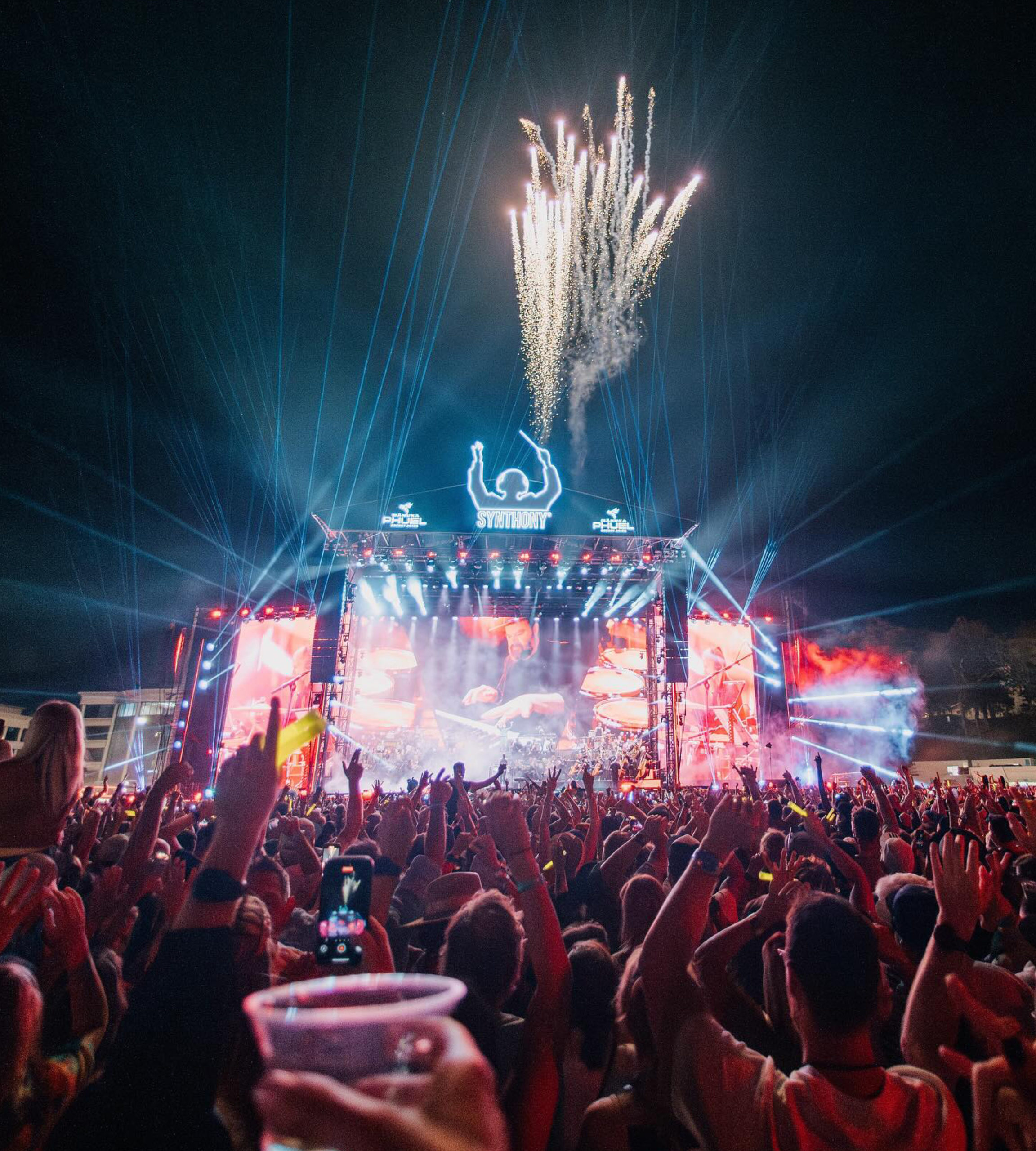
One of the biggest dates on Auckland’s live music calendar returns with the Mānuka Phuel SYNTHONY Festival, a full-day experience combining electronic dance music with a live orchestra and world-class production. Expect an expansive line-up of local and international acts across two stages, where iconic dance and pop tracks are reimagined with sweeping orchestral arrangements alongside DJs and live performers. With immersive visuals, food and drink villages and crowds gathering in the Domain through the afternoon and into the night, it’s an open-air celebration of sound that’s both epic and accessible. Whether you’re there for the beats, the spectacle or the atmosphere, SYNTHONY delivers a music-filled day worth marking in your March plans.
Where: Viaduct Event Centre, Jellicoe Harbour, Wynyard Wharf When: 5th – 8th March
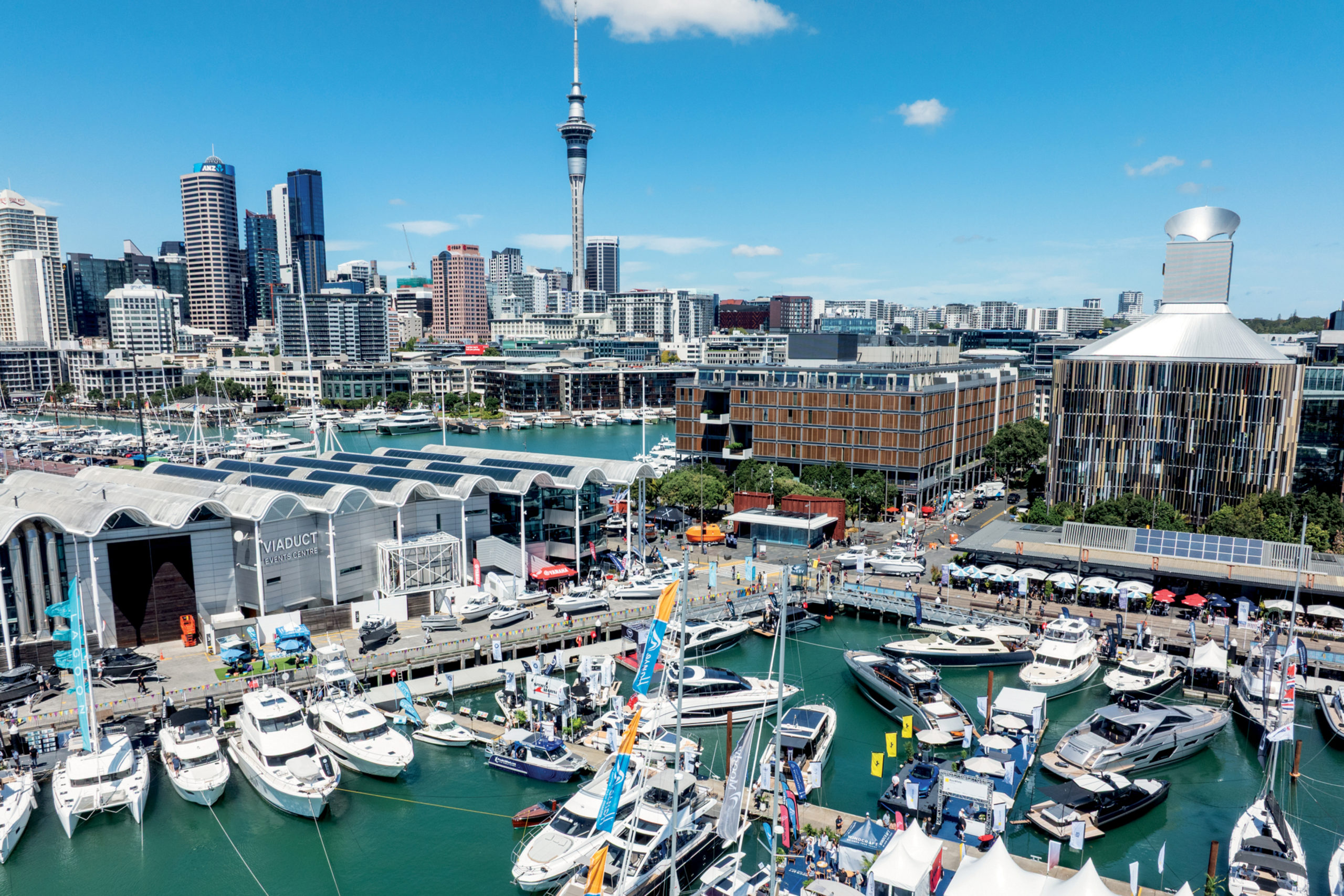
Auckland’s waterways take centre stage at the annual Boat Show, a showcase of the latest in boating lifestyle and marine innovation. From sleek yachts and tenders to kayaks, water toys and gear, it’s a hands-on look at everything that makes life on the water great. Alongside displays from top brands, there’s expert advice, demonstrations and activities for everyone from seasoned skippers to curious newcomers. With the harbour as your backdrop and plenty of sun on offer, it’s the perfect event to plan your next summer adventure or simply soak up the buzz of all things nautic.
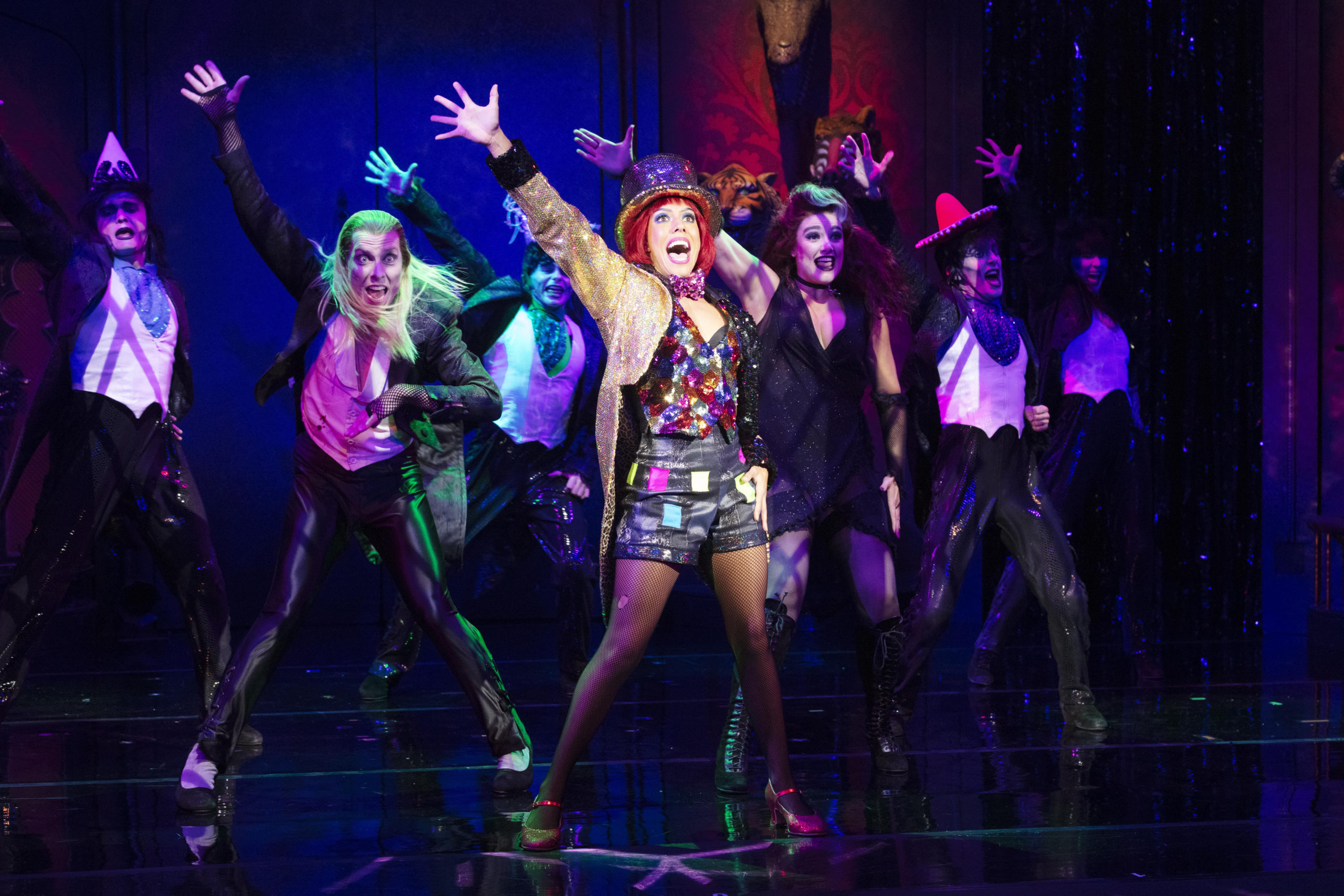
Get ready for a wild night out with The Rocky Horror Show at The Civic Theatre. This cult musical classic delivers all the fun, camp energy and audience participation you’d expect, with a high-octane cast and costumes to match. Expect big tunes, bold characters and plenty of moments that’ll have you singing along. It’s perfect for anyone after theatrical entertainment with attitude, whether you’re revisiting a favourite or experiencing it live for the first time. A standout choice for a memorable evening on the March calendar.
For more exclusive access to what the city has to offer, engaging content, excellent imagery and thought provoking commentary on the life that surrounds you, subscribe to Denizen magazine now.