

Denizen Exclusive: Introducing Lucas Jones, whose poems will make you cry

Lucas Jones is a big thinker. A deep feeler. An artist in the truest sense of the word. He creates from his heart and seems entirely unburdened by vulnerability, but his magic goes beyond that. He possesses a unique ability to tap into the zeitgeist; the cultural consciousness; the depths of the human experience. He distils feelings that, to most, are impossible to quantify, into a universally-understood language — delivering those words via his myriad creative outlets (poetry, film, music). Lucas Jones is the moment. But not in a romanticised, online way. In the real world. He embodies the moment, he gives it a voice; making it mean something.

In a world full of dissociating, avoidance, and farce, his words are a vessel; a mirror he holds up to society, showing us what we often fail to see for ourselves: that all we have is now.

Popping up on my screen at 8.30pm on a Wednesday night, despite the two dimensions, Lucas Jones’ presence is enormous. Taking in his background, I’m met with a familiar sight: Jones, wearing what has become his signature loose-cut blazer, white singlet, and silver chain, curls in tight rings atop his head. He’s sitting in front of a weathered wooden piano. It’s a scene I’ve taken in countless times on his Instagram, and I’m hit with a comforting wave of déjà vu. At one point during our conversation, he reaches out of frame for a book of poetry to quote a specific work, and I’m overwhelmed by the desire to see what’s beyond the screen’s view. But that’s the thing about Jones. He always leaves you wanting more.

Growing up, predominantly, in Huntingdon — a small town in Cambridgeshire, north of London, Jones’ childhood was one of perpetual movement. He’d lived in seven houses by the time he was 14, “I don’t really know why we moved so much,” he admits. “I think my mum just loved newness.” That restlessness shaped him in both obvious and unexpected ways — he learned to integrate, to adapt, and, perhaps most notably, to observe. “I had this fear of people when I was growing up, but I was good at figuring out how to fit in.”

Huntingdon, Jones tells me, was a dichotomic place, and he spent time on both sides of the tracks. “There was a stark difference in how people were living where I grew up. Some were at home baking apple crumble, while, just one street over, teenagers were getting stabbed on the side of the road.” A lot of the boys he grew up with, “sweet natured boys,” never quite made it to the right side of town. 

School was a difficult period for the natural-born creative, who felt he never fit into the binary box the system was so desperate to squeeze him into. “I remember being five and thinking, ‘I have to do this forever?’” He laughs, but the sentiment lingers. “I couldn’t wait to be 19. I thought then, surely, I’d have some kind of agency.” School, he tells me in his prosaic way, felt like a gaping void. “It’s kind of like this swirling black hole in my timeline,” he says, pausing before returning from wherever his memories had taken him.

At school, he felt restless, bored, and fundamentally underutilised. I point out the ways in which I feel the schooling system has long been failing young boys, and he seems liberated, “I had too much energy and too little focus. Sitting in a chair all day felt like going against my basic human nature… and the frustration from that definitely led to some push back.”

Just as things were starting to look bleak, a glimmer of hope came in the form of an English teacher who recognised Jones’ talent for words, sparking his first flicker of creative purpose. “We had this assignment to write a headline for a fake news story about a terror attack in Paris. I wrote, ‘Eiffel Terror.’” He pauses. “And the teacher went, ‘You’re good at this, you’re good with words’” It was the first time he can recall someone in the schooling system validating his belonging, and Jones (ever the big feeler) tells me how that moment lit a thousand fires within him. 

Next came poetry, “We had this little anthology in class, and you were meant to study five poems. I read the whole book front to back. Even the ones I didn’t like — I just thought, ‘This feels like it means something.’” His mind has been ablaze with the quiet poetry of life ever since. One of the anthology’s poems in particular, a sardonic work by Simon Armitage (Poem, Poem) has stayed with him all this time, and informed much of his own creative work.

Soon after he discovered creative expression, drama provided a similar escape, “It was a break from school for me. A chance to just… play.” When he finally left formal education, Jones enrolled in a performing arts course, where, for the first time, learning didn’t feel like an obligation. “I never missed a day. I was completely lit up by it.”

After college, he hit a bump in the road. Many of his contemporaries were continuing on to art school, but the confines of institutionalised schooling in that capacity didn’t feel right for him. But if not that, then what? He decided to go all-in with acting, “A Will Smith quote I heard when I was 14 came into my mind: ‘Never make a plan B because it distracts from plan A’, and I just quit my part-time job and dove into it head-first.” It happened slowly, bit-by-bit (as it almost always does). Jobs as extras turned into commercials, small parts in TV shows turned into bigger roles, and his profile, along with his confidence, grew. 

Acting, far from a route to fame and fortune, was simply another outlet of creative expression for Jones — a way to become more deeply immersed in the cinematic world (an altar at which he worships). “[Film is] almost a religious thing. For me, the reason people congregate at church is the same reason people congregate to watch films — to share something meaningful. I honestly think storytelling and film making is a God thing.”

While on the topic of religion, Jones — who possesses a faith — tells me of a quote that has informed much of his work. I haven’t stopped thinking about it since. “Even if the Bible isn’t fact, that doesn’t mean it isn’t real.” The sentiment and principles of the pentecostal doctrine he grew up around have long lingered in his mind; moved and inspired him, as much of what he consumes does.
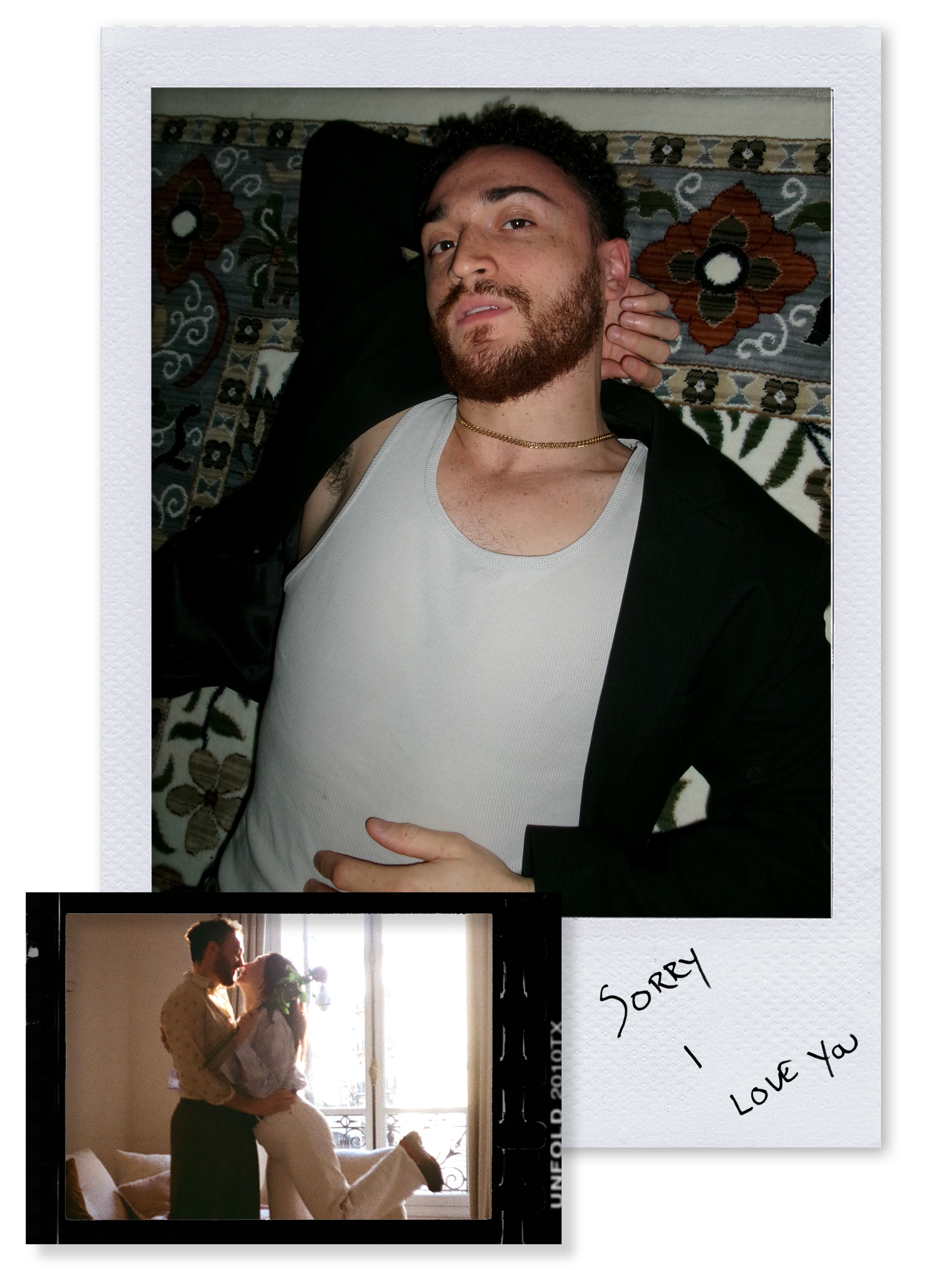
The multi-faceted creative has long been aware of his sensitivity to art, “I saw The Wizard of Oz when I was four, and I remember crying out in absolute terror. Dorothy wasn’t going to make it home, and I thought, ‘How will I survive if she doesn’t?’ I was just so absorbed in the world that was being created, I couldn’t separate it from reality.” 

Growing up, Jones developed a number of unique practices around film that, in hindsight, hinted strongly at his future. He and a friend were given cinema cards, granting them unlimited access to films, and at the age of 14 — instead of seeking out action epics and the latest blockbuster, they’d find the most moving, soul-stirring cinematic work they could, and sit together in the experience and cry. He laughs, “It became this weird ritual.” When he wasn’t baring his soul at the theatre, Jones was engaging with similar films at home, where he would get into character and write monologues in the protagonist’s voices. “I think I just wanted to absorb the films entirely. I wanted to burn every little neuron of it out of my experience, I needed to take in every last inch. I still do.”

That ability to sit with art, to let it pervade and shape him, is perhaps why his poetry is so widely resonant. His work is raw, unembellished, direct — almost confrontational in its emotional clarity. But his writing process — given the enormity of his eventual work’s impact and the depth and surety with which he writes — is surprisingly relaxed. “I write most of my poems in the shower,” he says. “Some start and finish in one.”

I Will Teach My Boys To Be Dangerous Men — one of his most well-known and widely revered works, was written in that way. “It was 30 minutes, and I didn’t allow time to overthink it. I just trusted my first instinct.” That instinct, sharpened by years of consuming and creating art, is what makes his words land with such resonance.

Jones began sharing his poetry on Instagram in 2023 as a way of putting more of his art (and himself) out into the world, pushing himself to be more vulnerable. But the initial cost of expression was high, and the hate was relentless, “People were in my DMs telling me to kill myself.” 

The internet, for all its connective power, can be brutal. But Jones refused to be deterred, “Fear, to me, is a direct indicator of growth,” and art, he’s certain, is there to challenge people. “I think if people aren’t a little agitated or confused by what you’re creating, you’re likely not pushing hard enough or being honest enough.”

And over time, as it always does, the tide shifted. His reels started reaching more people; resonating more deeply. “One day, I got a message from a man who said he was about to jump off a bridge. He was sitting on the side, waiting for cars to pass before he jumped. He had his phone out, scrolling to look casual and not attract attention, and my poem popped up. Because of the words, he didn’t jump.” He exhales, “That. That’s the point of it all.” 

When it comes to social media as an outlet for creativity, he believes it’s a double-edged sword. “It’s changed my reality,” he tells me, but carefully adds that he’s one of the lucky ones.
“I think [social media] is net good at the end of the day. At the very last minute of the day, it’s good.” But, to get to that place, Jones emphasises, you have to wade through a treacherous sea of over stimulation and toxicity. “If you don’t have people in the real world who love you, and you confuse social media for reality, you’re done.” 

Social media, and the poetry which has amassed him nearly half a million followers and reached millions more, is just one part of a broader creative ecosystem for Jones. “Film is my true love. Poetry has given me autonomy, but everything I do is ultimately leading me back to storytelling in film.” He recently released a project he’s deeply passionate about, his directorial debut — Winner Fights the Moon — an award-winning short film centred on a man trying to turn the tides after incarceration, held back by the past. And when we talk, he’s in the throes of writing his first feature. It’s evident how much this work means to him in how he lights up when discussing it, “I want to tell stories about people the world forgets — boys who had potential but no direction, the ones who just needed someone to tell them they were good at something.”

He tells me he’s constantly advocating for them (the lost boys), “It’s fine to get mad when someone fucks up, but then we need to ask why. Someone’s gotta go back for the boys, someone’s gotta say there’s a better life, by the way, there’s a nicer life out there.”

That people across genders, races, classes and oceans can see themselves in Jones’ work speaks to his unique capacity to distil the beauty and brutality of being human into words.

The complexity of the human condition is a recurring theme across the breadth of Jones’ creative canon — specifically, exploring gender and bias, tapping into his unique upbringing and the learned wisdom that belies his 28 years, “I grew up around strong women,” Jones tells me, before recounting that until the age of 10, he thought women ran the world. “Growing up, dad was often away working in London. I always felt his presence, and he was a super active, loving, and supportive dad who always found time to foster my talents, but he wasn’t always physically present, so I saw my mum managing the world around me. I just thought the world was run by kind, capable, intelligent women who brought out the best in everyone around them.”

His father, a former diversity trainer for the Metropolitan Police, modelled a deep respect for others, and has undoubtedly been a catalyst for Jones’ capacity for kindness. “He trained over 30,000 officers in how to interact without bias,” and he brought those same lessons into the home.  

That upbringing shaped his world view. “I was always baffled by overt misogyny. It’s like, ‘What world do you live in?’” His poetry, often labelled as feminist, is really just an extension of that perspective. “It’s not radical. It’s just… people matter. Women matter.”
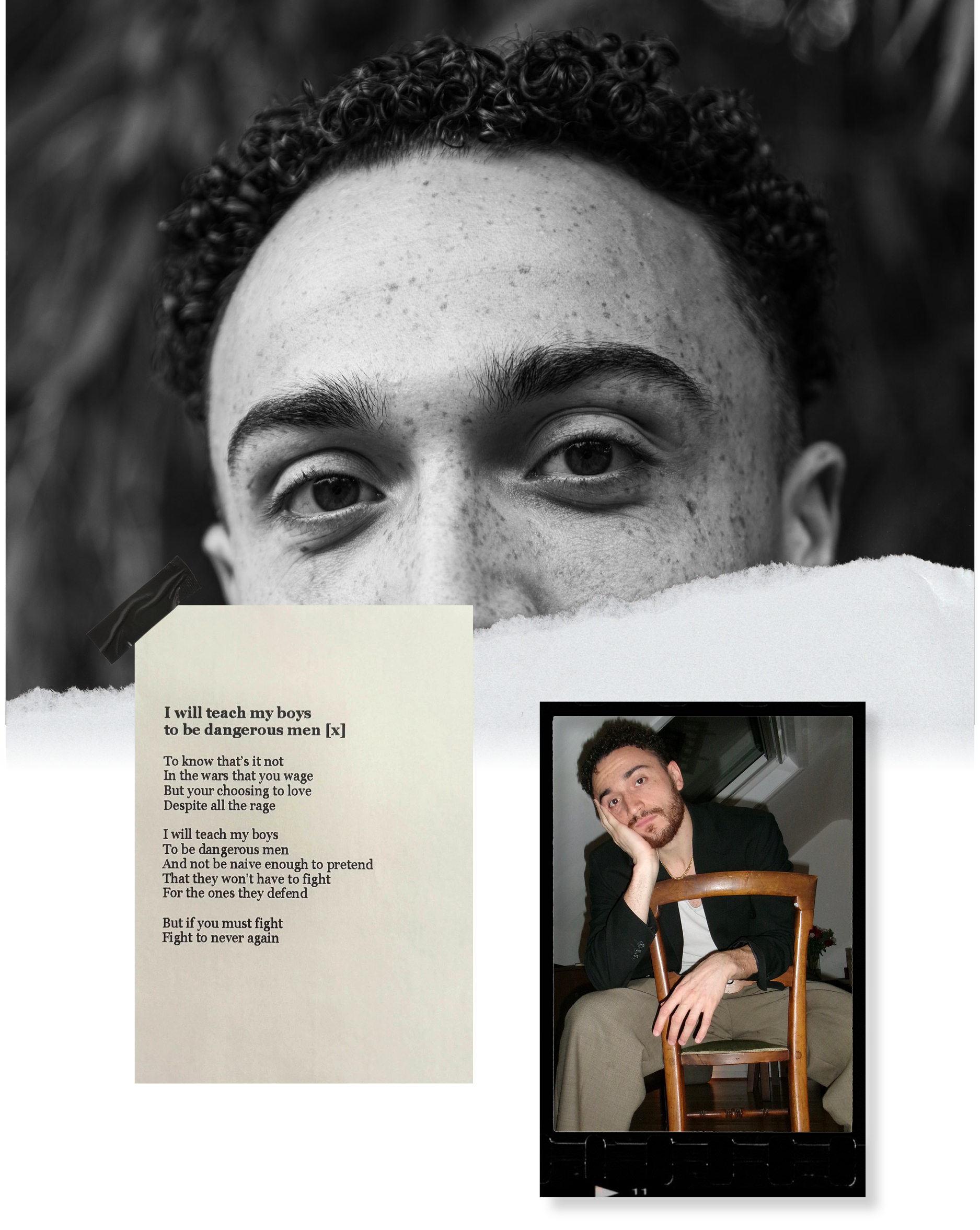
But his exploration of masculinity extends beyond advocacy for women. His poetry and cinematic work seeks to unravel the complexities of what it means to be a man in today’s world — the expectations, the fears, the learned behaviour. He writes beautifully and poignantly about the ramifications of generational trauma — the cyclical nature of anger, fear, and the complexities of emotion, and how those things can break or make lives. 

His piece I Will Teach My Boys To Be Dangerous Men is a quiet manifesto. “It came out in a rush, like so many of my poems do. It’s about breaking cycles — letting boys be whole, not just tough.” The reaction was immediate. “Men messaged me saying no one had ever told them it was OK to feel before.”

In this respect, Jones doesn’t just challenge traditional masculinity, he reimagines it. His poetry, stripped of ego, leans into honesty, his voice vibrating with emotion as he speaks to what clearly means so much to him, “I want men to know they don’t have to inherit the worst parts of what came before them. They can choose something better.” 

This begs the question, are his poems personal? He thinks on it for a minute. “It’s more something I’ve sensed someone else feeling, and I can relate to. I find it hard to think about how I’m feeling in the moment, but easier to think about other people’s experiences.”

But while his work is not autobiographical, he certainly draws on experience. Perhaps the experience is just more universal than personal. In fact, one of the most fascinating aspects of Jones’ work is that, while much of his writing is centred on young men, the diversity of his audience is immense. A new mother in South London grappling with identity finds the same level of personal resonance in his work as a seventeen year old boy in Birmingham struggling with mental health. His fecund words — both timely and prophetic — build a bridge for others to cross.

Brick by brick, word by word, he articulates the ineffable; gives shape to the formless, “I think words are a way to take something overwhelming and make it less so.” 

When it comes to what’s next, Jones refreshingly tells me more of the same. He’s living out his dream, spending his days creating and making art he believes in. For a person wholly devoted to expression, there’s nothing more or less than that.

Culture

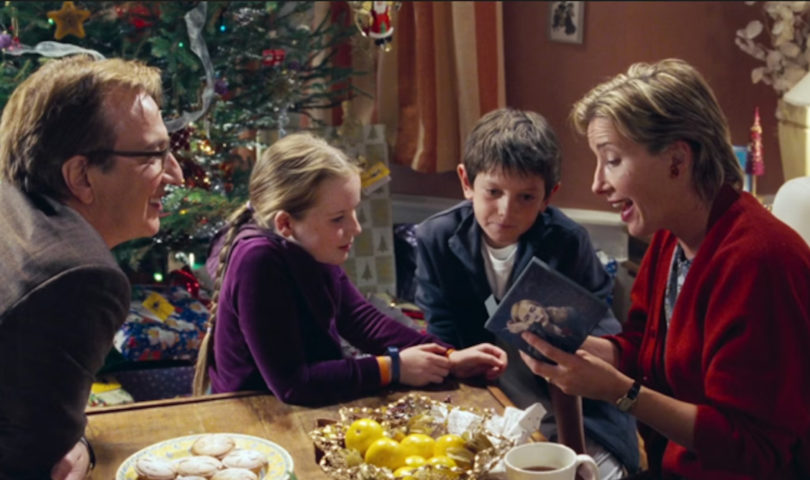
How To: Fake joy when you receive a bad gift
From the driveway to the bach: How to tackle the summer roads with ease
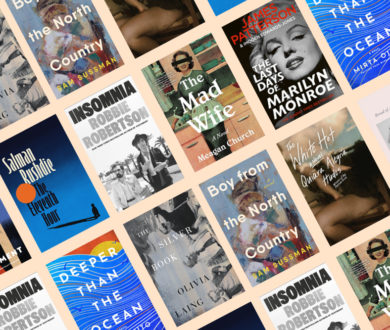
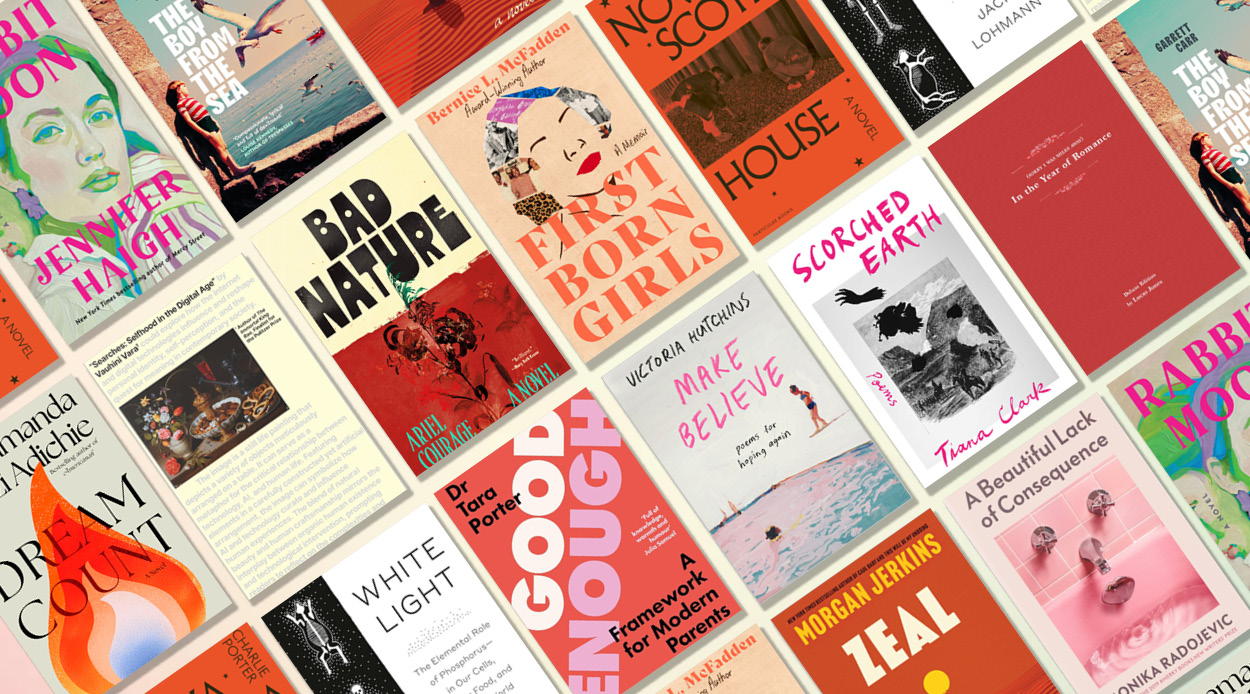
From captivating novels to moving memoirs and alluring anthologies, these are the new releases worthy of a place in your beach bag this summer

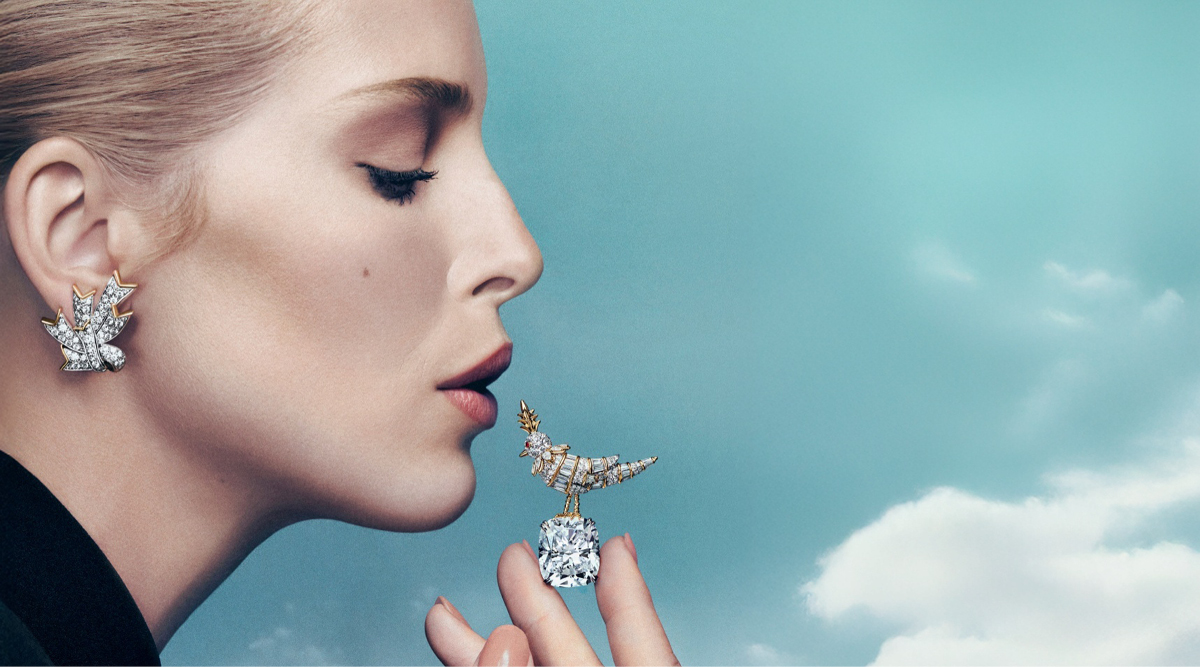
Tiffany & Co. Celebrates Timeless Design in Latest High Jewellery Campaign

Tiffany & Co. has once again redefined the essence of luxury with its latest high jewellery campaign, a celebration of its enduring design legacy. Under the title “The Shape of Things to Come,” the iconic American jeweller showcases an elevated collection that spans beyond mere adornment—blurring the lines between art and timeless craftsmanship.

This collection draws inspiration from Tiffany’s storied past and is a nod to the future, bringing fresh perspectives on classic elegance. A true celebration of luxury, the pieces featured combine groundbreaking artistry with expert craftsmanship, making them as much a symbol of innovation as they are of tradition.

Each creation embodies Tiffany’s distinctive approach to design, from bold, modern silhouettes to timelessly refined pieces that capture the light and radiance of the wearer. The campaign itself, which features the stunning Anok Yai and Daria Strokous, is set against minimalist backdrops that allow the jewels to take centre stage. It’s a rare fusion of heritage and modernity that only Tiffany & Co. can execute with such precision.

But this collection isn’t just about aesthetics—it’s a statement on the enduring quality and craftsmanship that Tiffany & Co. has built its reputation on for over 180 years. The jewellery here speaks to the future, designed to be cherished for generations. Tiffany’s continued commitment to sustainability is evident, with each piece crafted with responsibly sourced stones and metals—a reflection of the brand’s forward-thinking ethos.

Whether you’re a connoisseur of fine jewellery or simply drawn to the captivating beauty of the collection, Tiffany & Co.’s latest high jewellery campaign invites you to experience not just pieces of exceptional beauty, but tangible pieces of legacy, where the art of design meets the art of living.

tiffany.com

Coveted

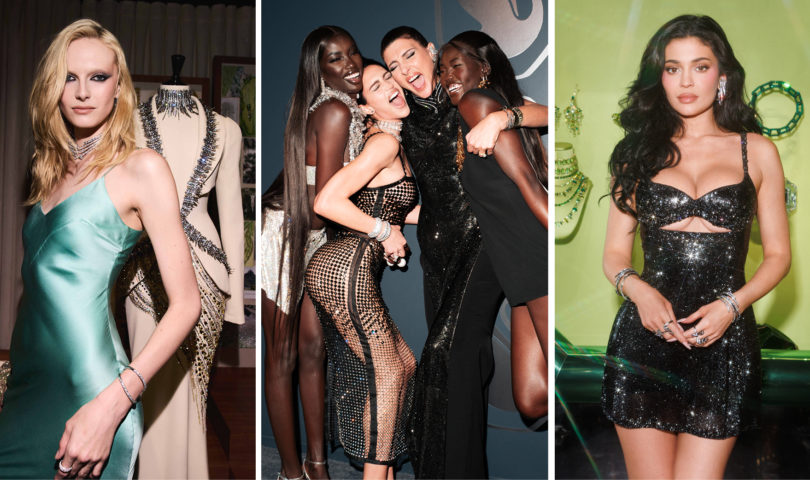
Swarovski Turns 130: Inside the Star-Studded Masters of Light Hollywood Celebration
We sit down with Lydia Peckham to talk Hollywood, homeschooling, honouring her dad, and how she navigates the highs and lows of life on screen.
From one-pieces to swim shorts: The swimwear edit defining the season
Darling on Drake

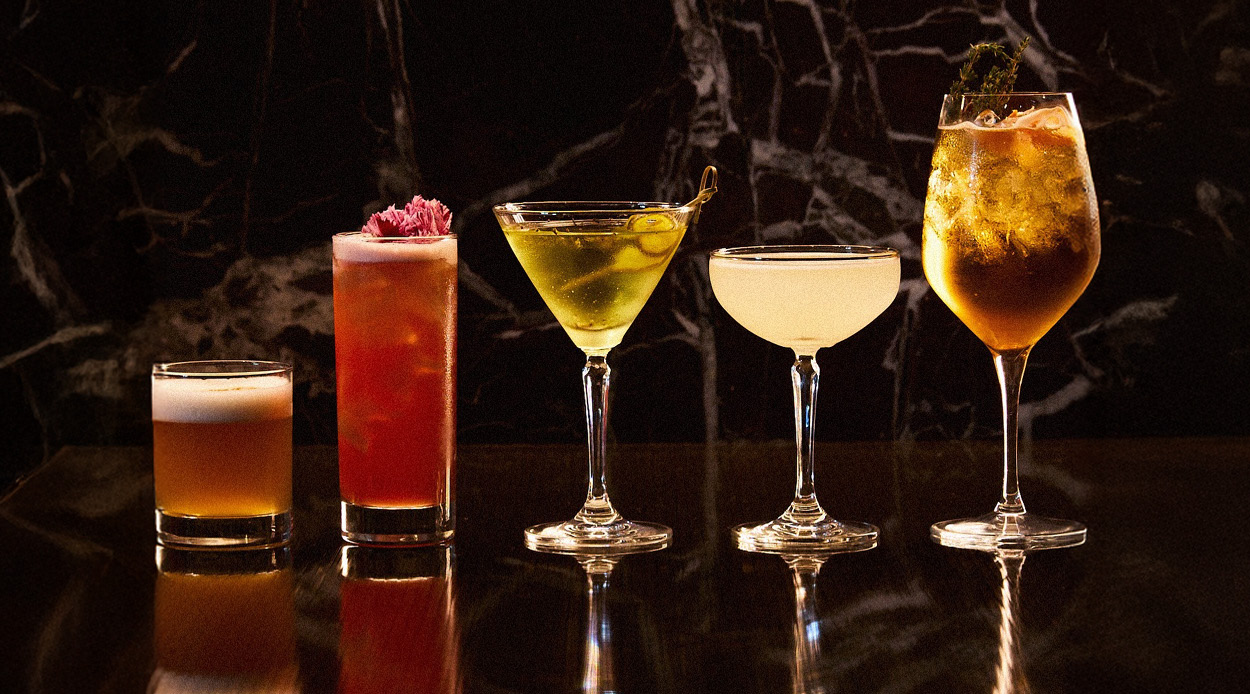
Denizen’s definitive guide to the city’s best happy hours

Auckland’s hospo scene knows how to serve up a good time, and there’s no better way to toast the evening than with a well-priced pour. From sleek rooftop bars to cosy neighbourhood eateries, the city’s best happy hours serve up top-tier tipples and tempting bites without breaking the bank. Whether you’re after a crisp glass of champagne or a perfectly mixed martini, these spots guarantee golden-hour indulgence at its finest. Here’s where to sip and savour for less.

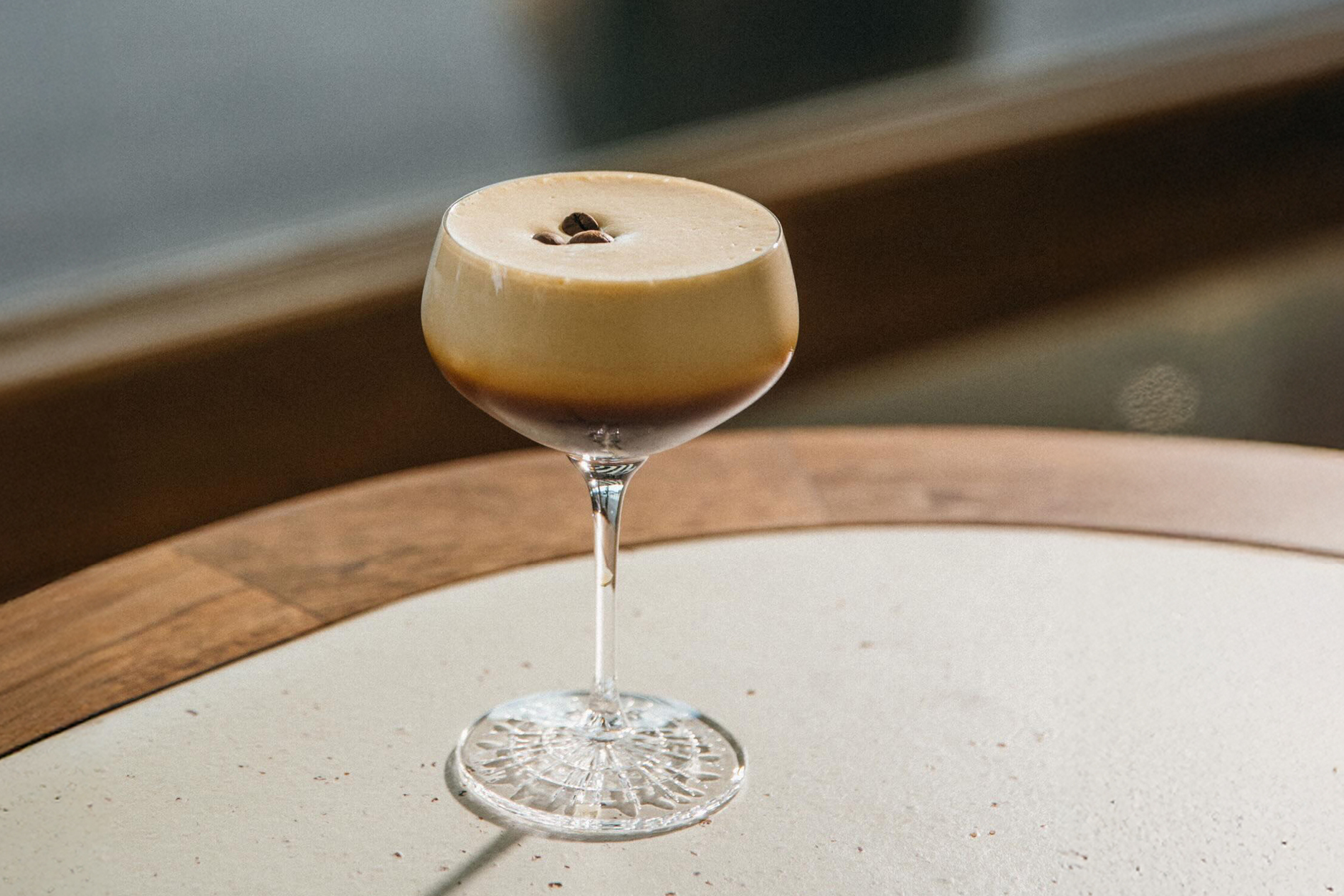
Bivacco’s espresso martini

Bivacco’s Aperitivo Hour

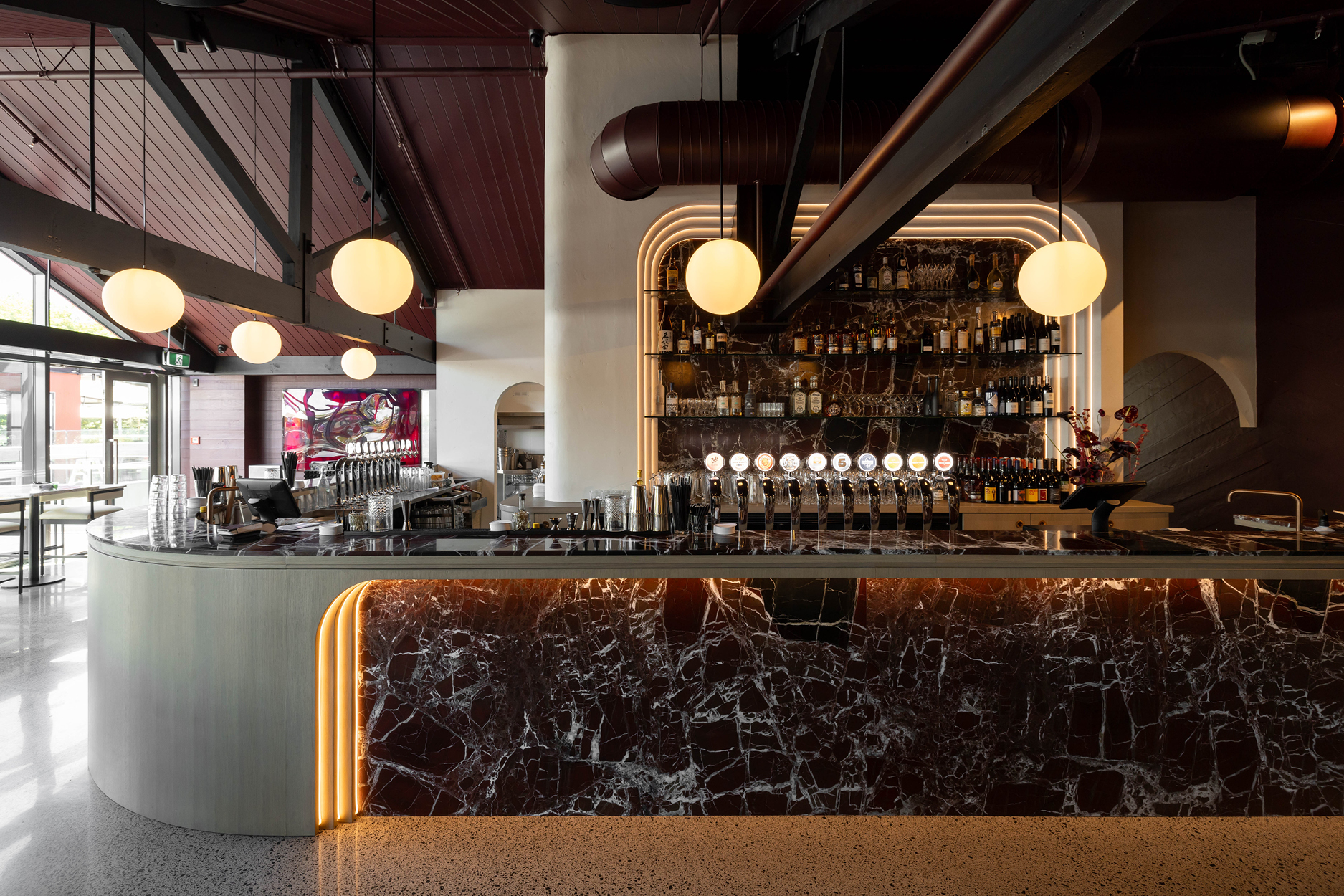
Bivacco’s Aperitivo Hour (Monday to Friday, 4–6pm) is the perfect post-work escape. As the sun sets, the volume rises, with flowing champagne, expertly crafted cocktails, and complimentary bites. With seasonal drinks, tasty food, and often a DJ spinning lively tunes, it’s an ideal spot to unwind and savour golden hour.

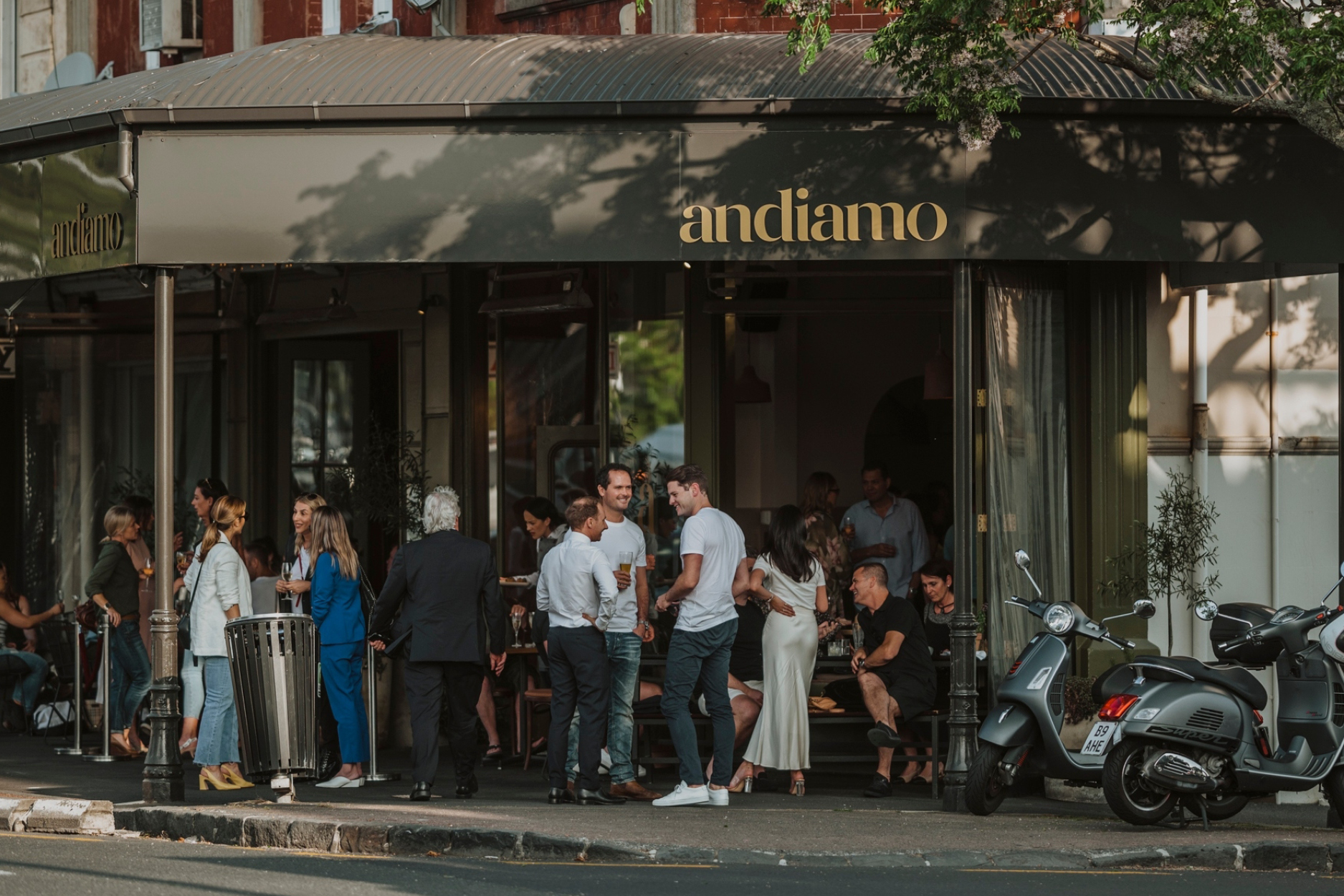
Andiamo’s Otto Hour

Andiamo’s Otto Hour

Otto hour is a must at Andiamo — you’d be hard-pressed to find a better way to spend an afternoon. Between 4—5pm daily, revellers can enjoy an elevated selection of drinks priced at a modest $8 (Otto means eight in Italian). We encourage you to perch at one of Andiamo’s highly sought-after outdoor tables surrounding the Jervois Road post and live la dolce vita.

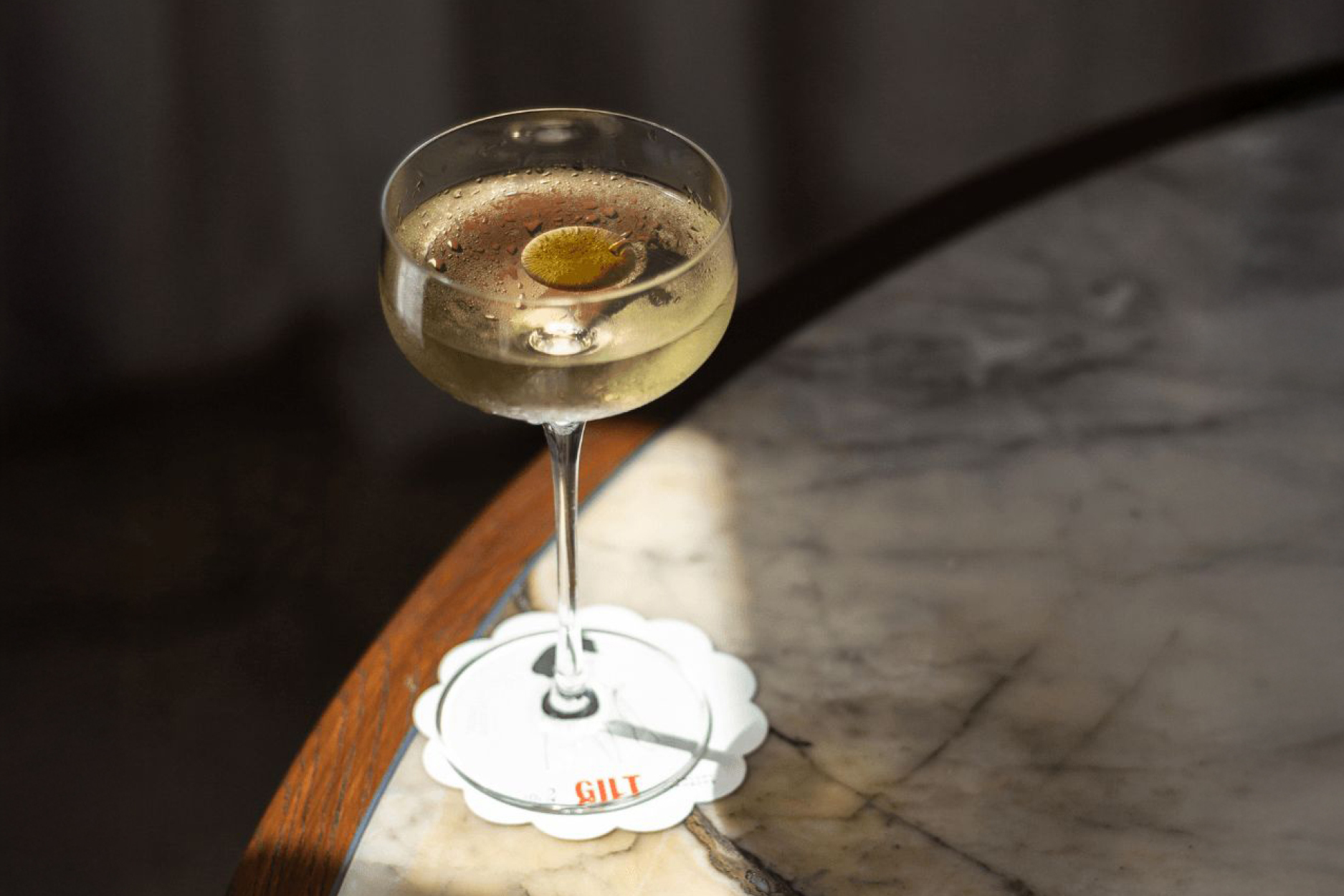
Gilt’s Martini Mondays

Gilt’s Martini Mondays

With its decidedly European slant, convivial vibe no matter the day, and delicious menu, Gilt is the perfect spot to while away an autumn evening. Adding to our long list of reasons to visit are the elevated establishment’s Martini Mondays, where, from 11.30am ’til late, thirsty patrons can enjoy $15 martinis. Vesper, Gibson, French, Dirty — whatever your proclivity, Gilt has you well-satiated, ensuring every week is started in style.

The Bakehouse at Ayrburn’s Happy Hour

Ayrburn’s Bakehouse Happy Hour (4—6pm daily) is a ritual worth savouring. Settle in with a $12 house wine, $10 tap beer, or a $15 Aperol Spritz as the sun dips behind the mountains. Whether it’s a casual catch-up or a pre-dinner stop, this charming spot offers the perfect pause before the day is done.

Darling on Drake

Darling on Drake’s Happy Hour

Daily from 3—6pm, Darling on Drake runs an epic happy hour with deals on house wines, house beers, jugs, and delicious cocktails. The vibes here are always great, the food is inventive and tasty, and the cocktails are amongst some of the best in town.

Non Solo Pizza’s Aperitivo Hour

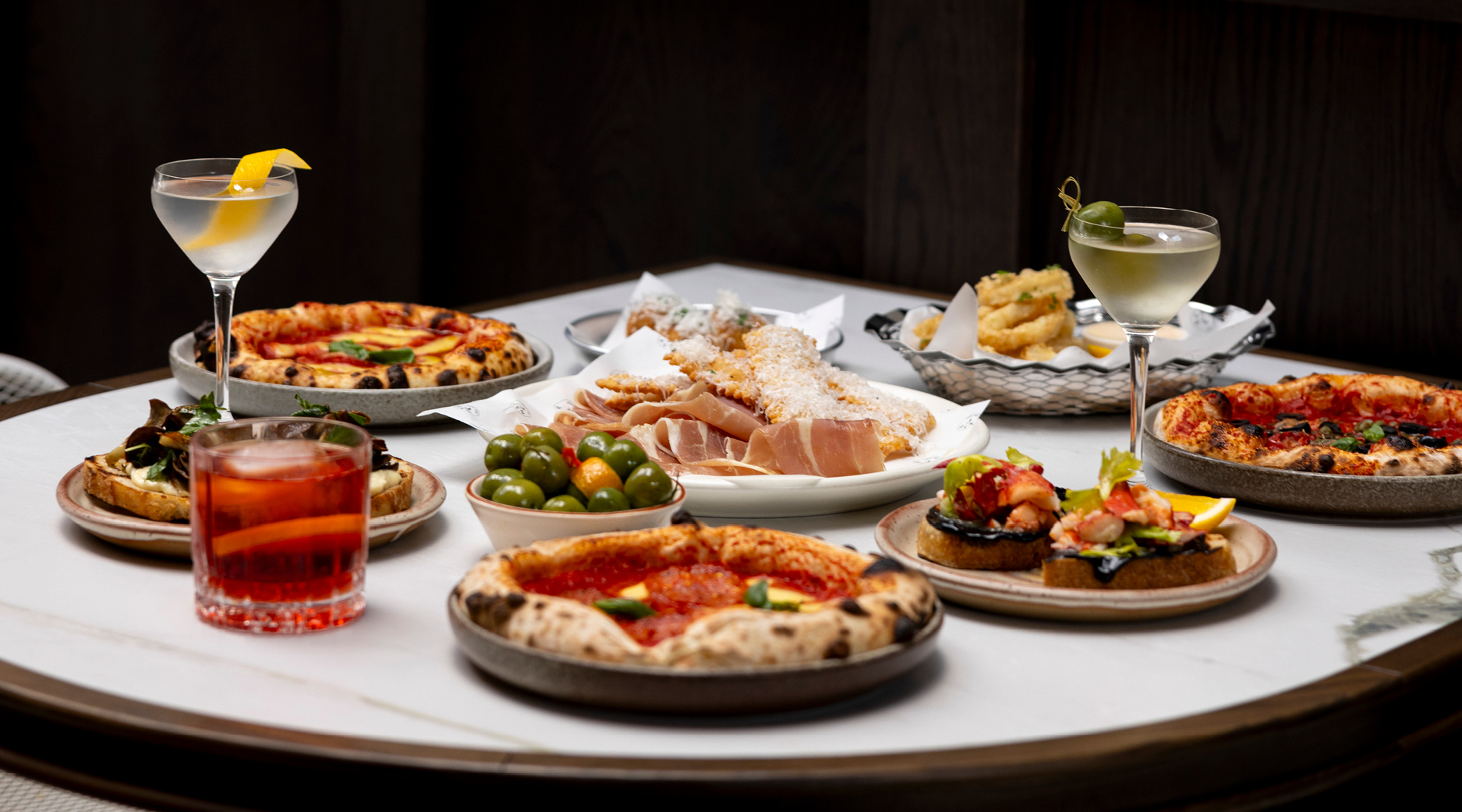
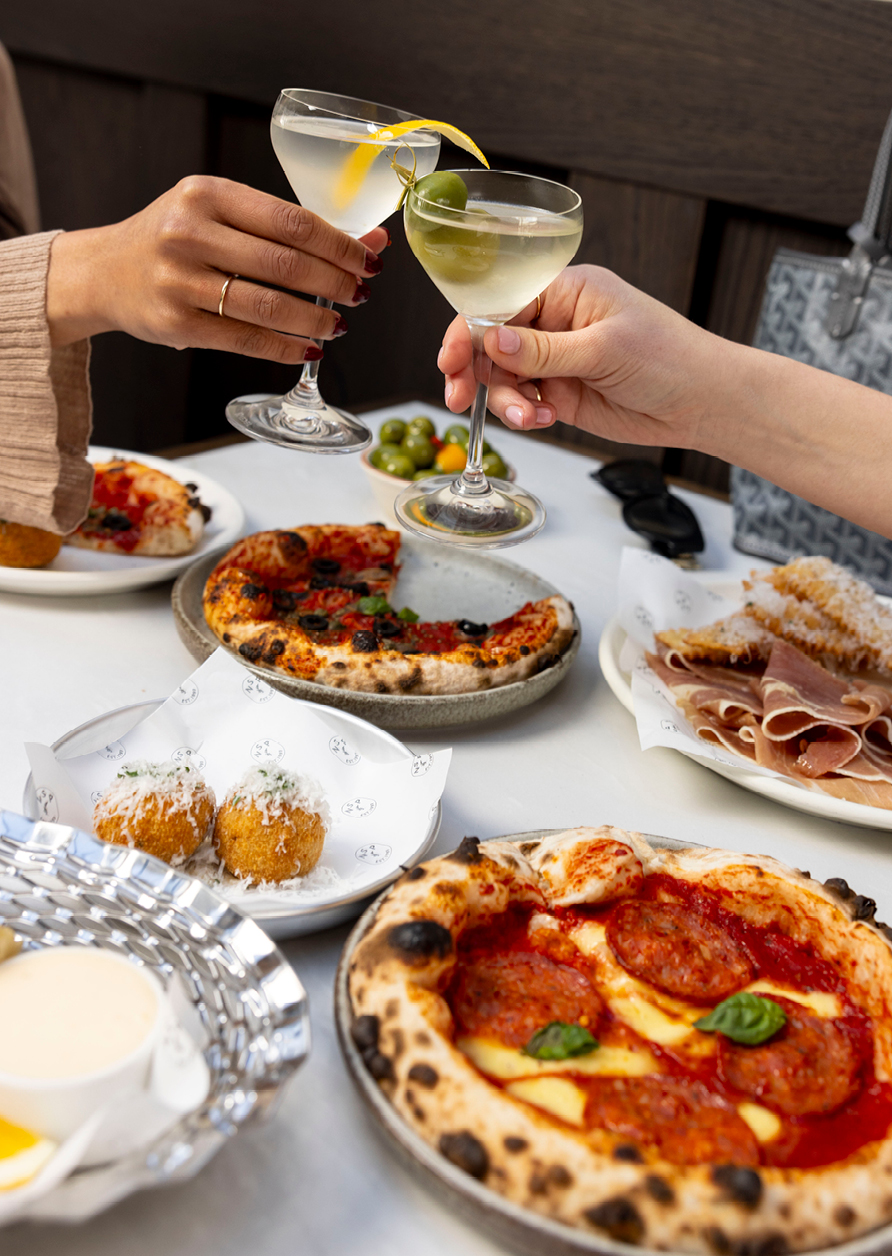
NSP’s aperitivo hour has us regularly spending late afternoons in its famed courtyard, enjoying a delicious drink and a selection of complimentary finger foods to satisfy our appetites.

Somm’s Summer Passion Cocktail

Somm’s Sundowners

For those seeking an afternoon escape, paradise is found at Somm, with a delicious happy hour running from 4—6pm daily. Know off work a little early to sip, savour and soak in the sunshine with a number of $8 drinks to choose from, as well as $11 cocktails. A considered selection of local wines is available, spanning all of the usual varietals (they are the experts, after all), alongside ice-cold Little Creatures larger, and the infamous Somm Spritz.

Saint Alice’s Martini Hour

Adored by many for its live music offerings, this Viaduct Harbour mainstay is the perfect blend of sea views, great drinks, live entertainment, and a mouthwatering, locally inspired menu — everything we crave when it comes to the end of the day. And if you’re in for a big night, Martini Hour (Thursday to Saturday, 9—11pm) serves up expertly crafted, $16 cocktails to set the mood.

HI/SO’s Sundowners

HI-SO Rooftop Bar’s Sundowner menu takes happy hour to new heights. Available weekdays from 3—6pm, it offers expertly crafted drinks at irresistible prices — think $15 Tommy’s Margaritas, $12 Prosecco, and premium wines for $14. Pair your pour with refined bar snacks like truffle arancini or crispy gochujang chicken, all set against stunning skyline views.

Metita

Metita’s Afi Afi Hours

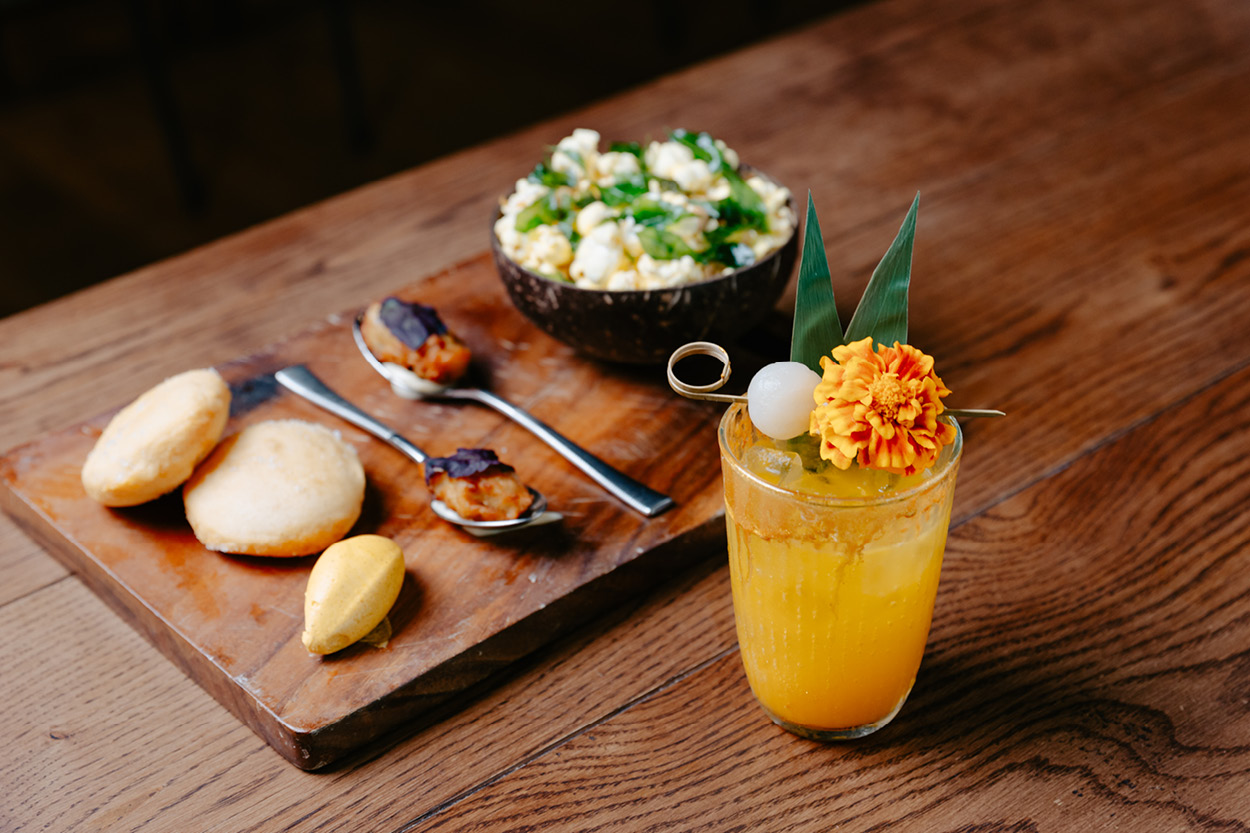
Afi Afi hours (‘evening’ in Samoan) at Metita offers a refined take on aperitivo, blending Pacific-inspired cocktails with complimentary bites. From 5—7pm, Tuesday to Saturday, sip on island-inspired cocktail creations paired with tasty bites, from tempura mussels to kingfish tartar and Parāoa Parai. Live entertainment on Tuesdays and Thursdays adds to the ambience, making it an essential stop for CBD professionals seeking inventive drinks and a modern taste of tradition.

Oyster & Chop Happy Hour

Enjoy the freshest oysters in Auckland at Oyster Happy Hour, daily from 3—5pm. Indulge in the chef’s selection of rock oysters for just $2 each, alongside great drink specials and stunning Viaduct Harbour views. Available exclusively in the Oyster Bar and Terrace — perfect for a laid-back afternoon treat.
Huami’s Golden Hour Menu

SkyCity’s Golden Hour

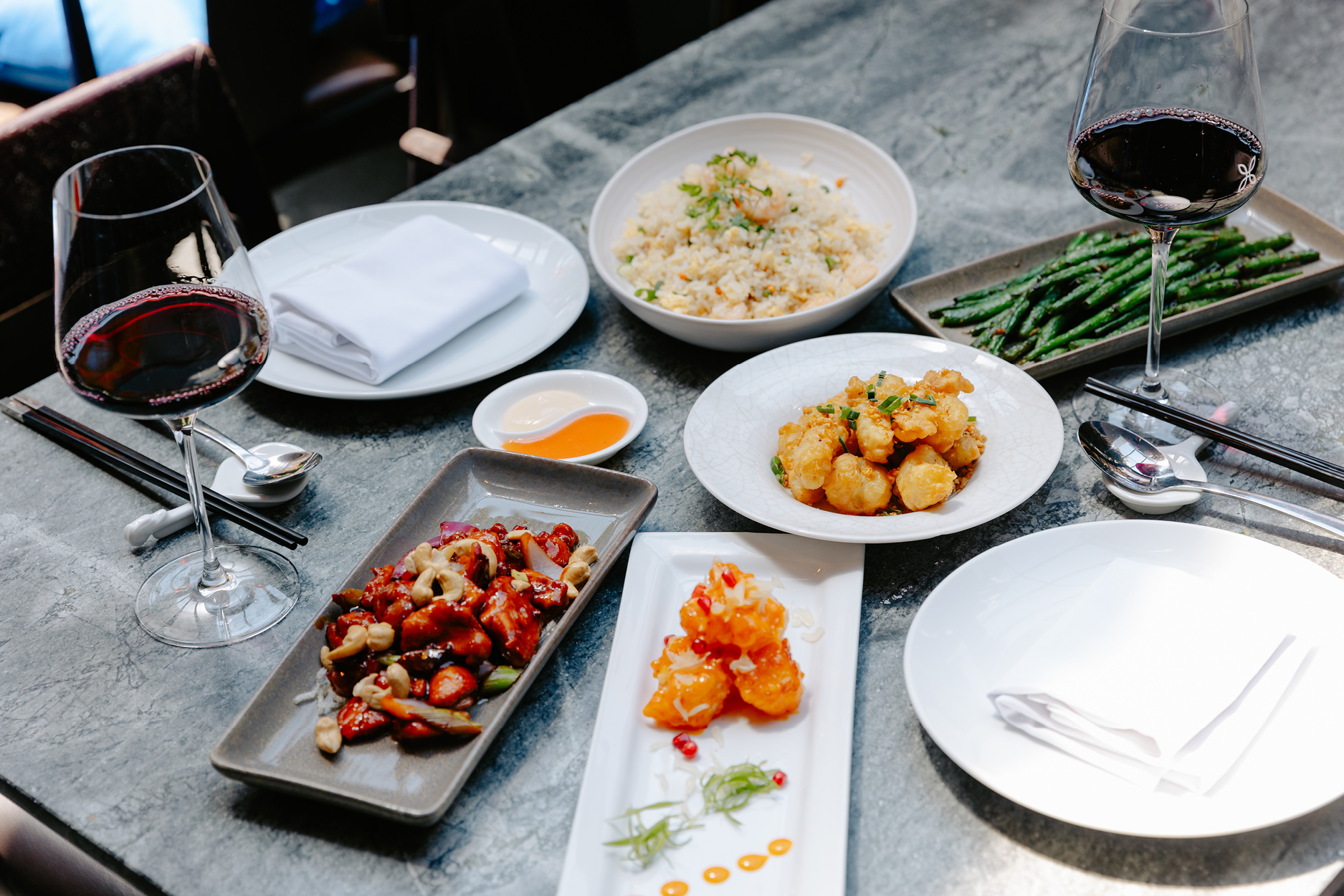
SkyCity’s Golden Hour offering is a feast for the senses. Delight in a series of curated sharing menus from the precinct’s most beloved eateries, for the first sitting of the evening. Huami’s menu features signature dishes like Yangzhou fried rice, kong bao chicken, and crispy Tabasco prawns, all paired with a glass of Church Road McDonald Series Syrah.

Gastronomy

Staying in Auckland this New Year’s? Secure your spot at these unmissable events and see out the year in style
Ayrburn is the place to be this summer, here’s every event you need on your radar
The Denizen’s ultimate guide to the best restaurants, wine bars and all day eateries that opened in 2025

No matter the event, Bar Magda’s private dining room should be your next booking

Nestled just behind bustling Karangahape Road, Bar Magda has long been synonymous with culinary mastery, providing a cosy ambience that transports guests away from the busy city streets. Its intimate setting coupled with its unique menu that explores Aotearoa’s seasonal produce through a Filipino lens has made Bar Magda one of our favourite dining destinations, and with an exquisite new private dining menu on the table, the experience here has just become a whole lot better.

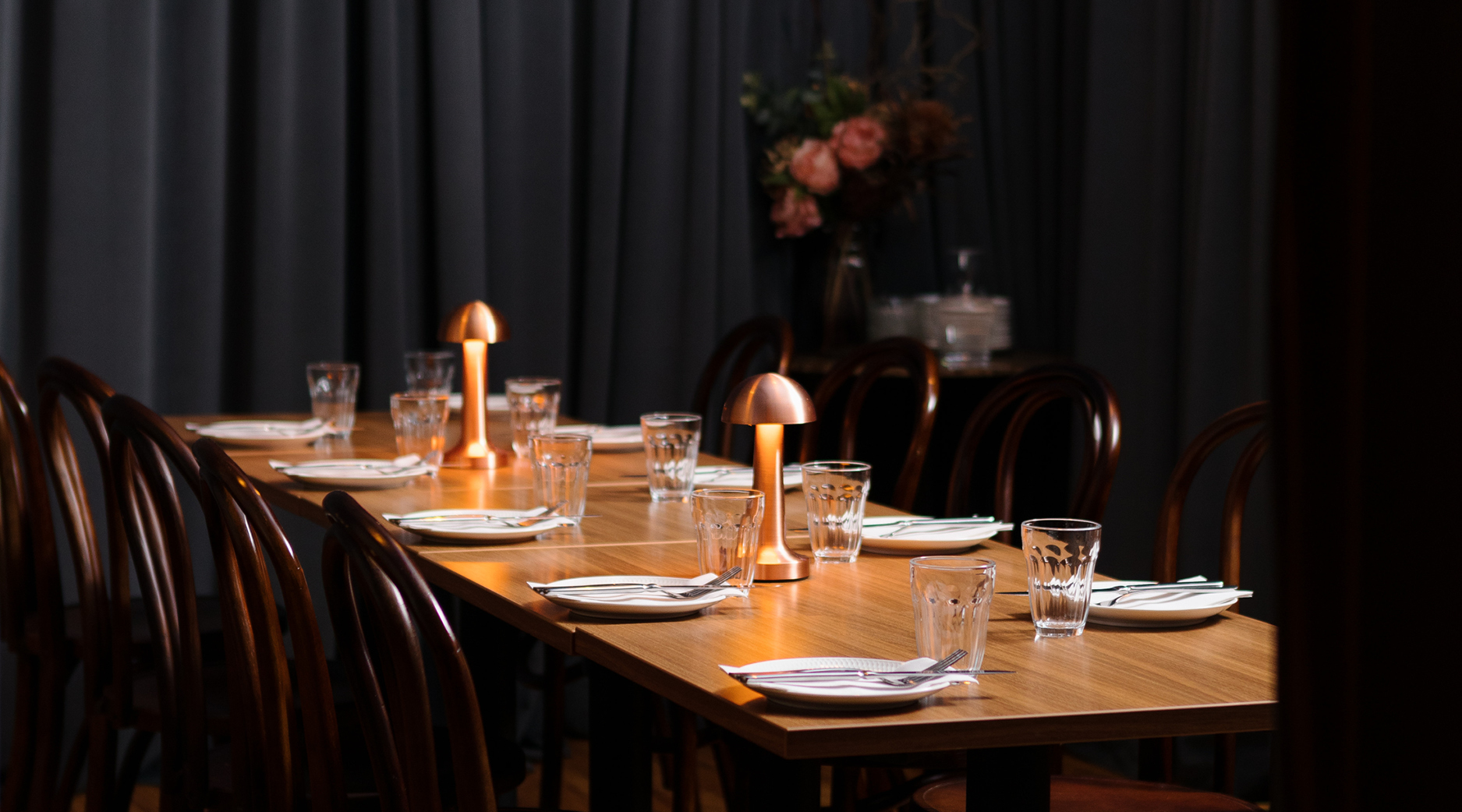
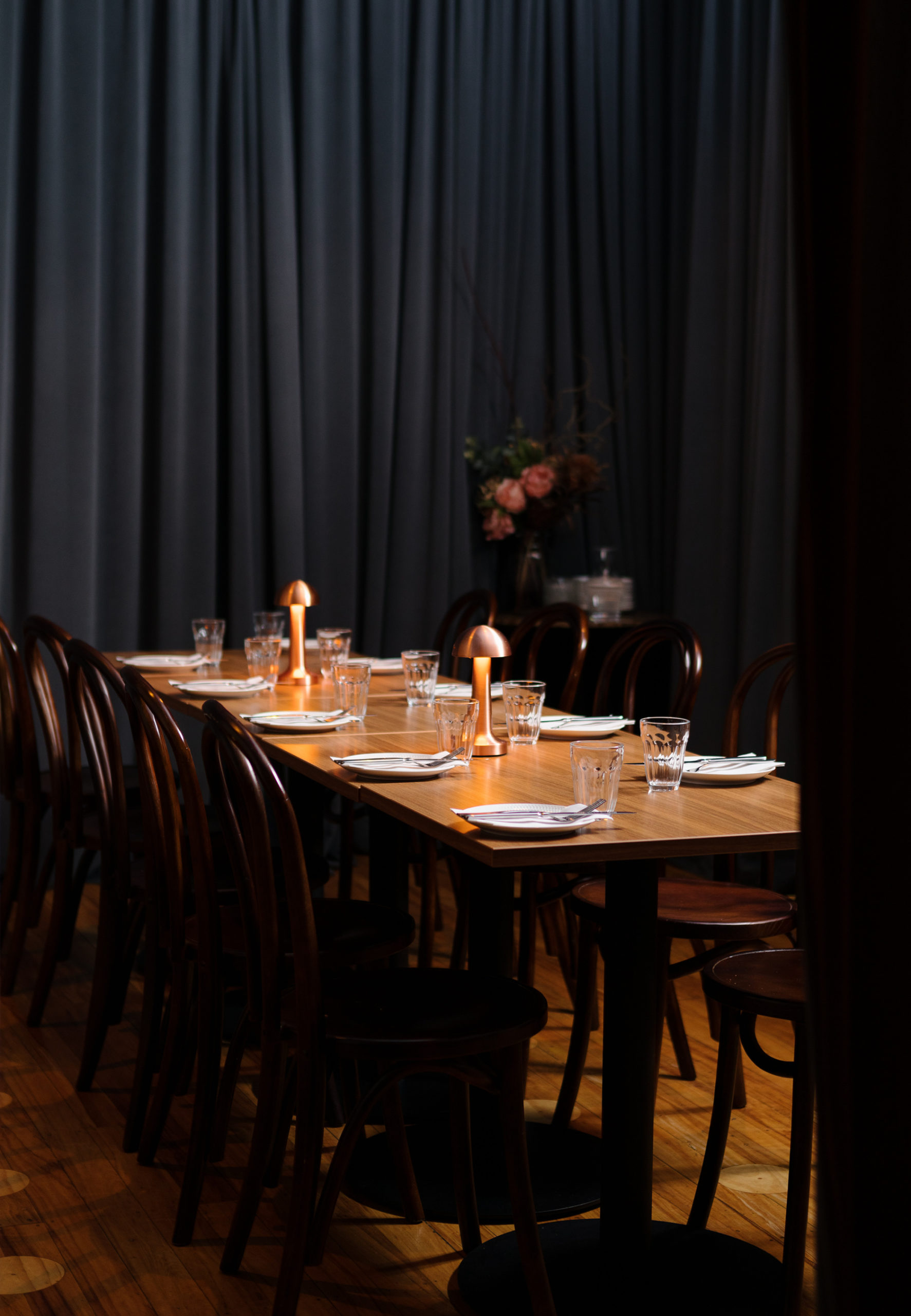
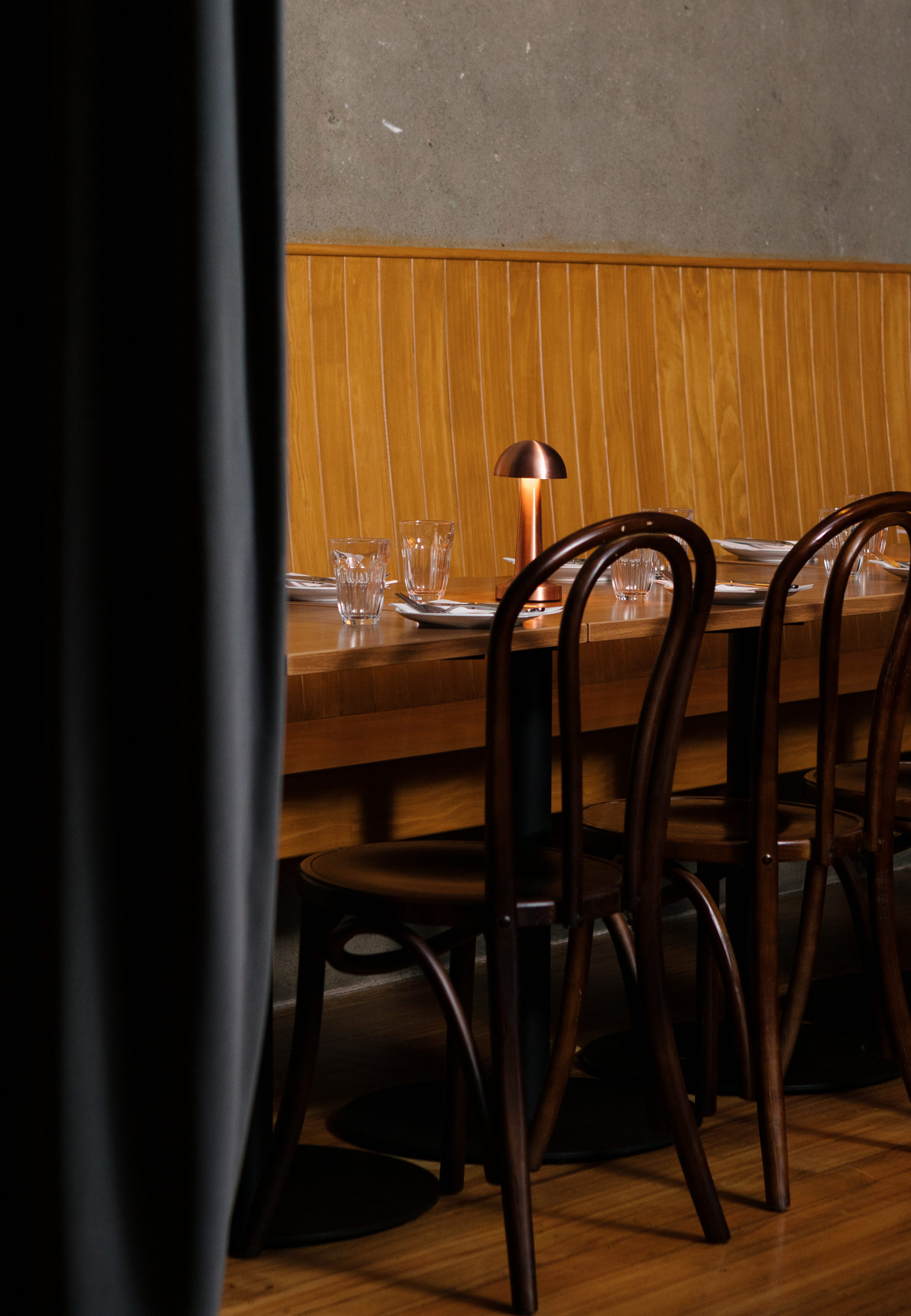
Bar Magda’s exclusive private dining room is a sanctuary of elegance capable of accommodating up to 25 seated guests (or if extended into the bistro, 30-50 guests, depending on the type of event). Thoughtfully and comfortably furnished, this secluded enclave is the perfect choice for corporate soirées or special celebrations like birthdays, where guests can enjoy Bar Magda’s impeccable service and indulge in the finest cuisine, knowing that every detail has been meticulously curated to to meet expectations.

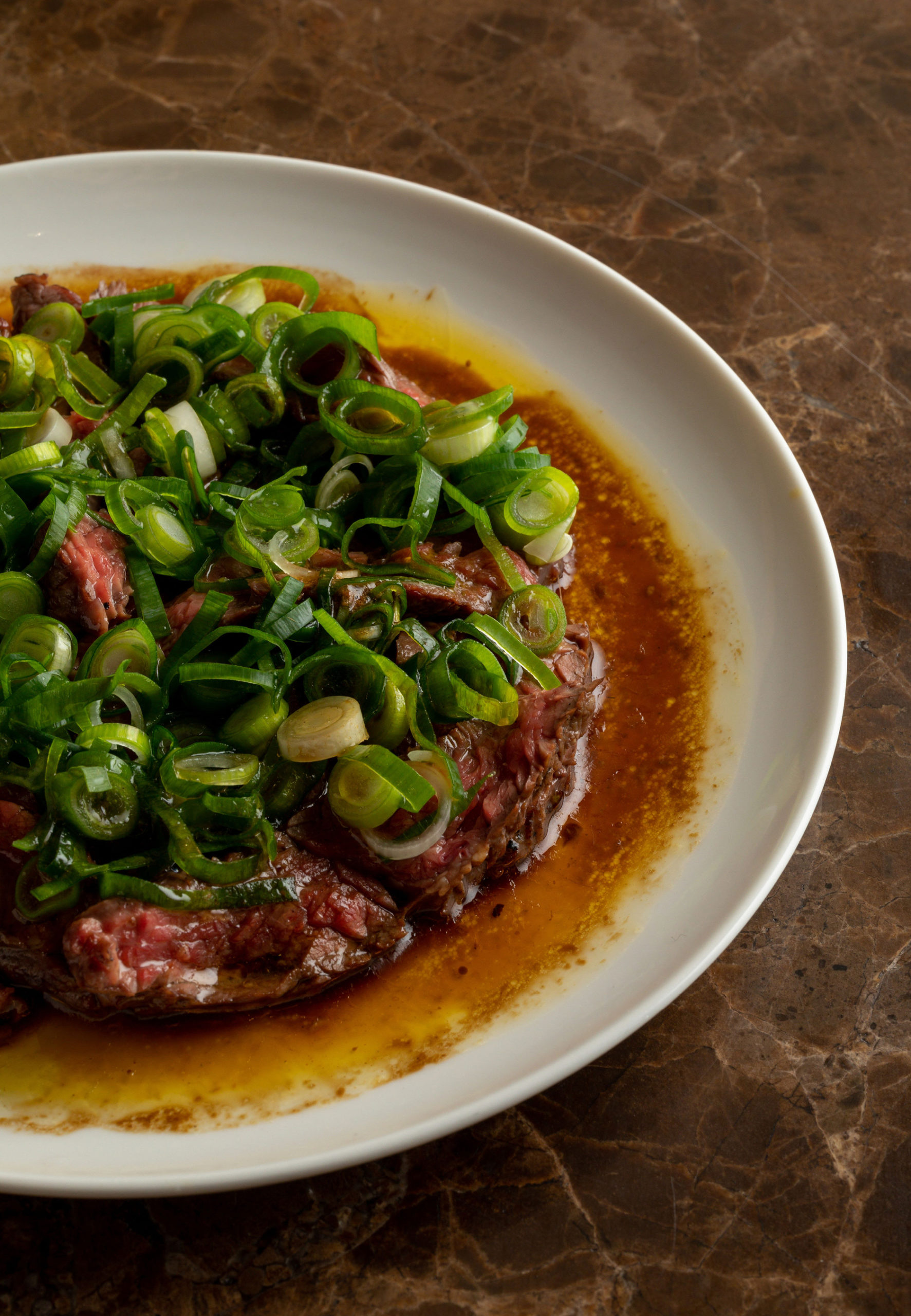
The Charcoal steak with soy butter

Alongside the exclusivity of the private dining room, Bar Magda also offers a range of versatile spaces for larger gatherings. The bar dining area, for instance, exudes an atmosphere of semi-private intimacy and comfortably fits up to 30 guests for a seated dinner. Meanwhile, the bar area is ideal for casual drinks and delectable snacks and can accommodate up to 40 guests seated, or 60 for a standing cocktail party. Combined, the venue can host up to 65 guests seated, and 120 people standing, ensuring a delightful balance between elegance, exclusivity and conviviality. The eatery is also now offering AVP with a separate speaker for more corporate-style work dinners, or events with digitalised programs intended.

Of course, larger groups of 10 to 20 can still book big tables at Bar Magda (perfect for events that don’t require an entirely private space) for which they can choose from the restaurant’s myriad set menus. The very reasonably priced $85 four-course sharing style menu with dessert is a great option, or add welcome bubbles to the four-course feast for just $100 per person. There is also a $75 three-course sharing style menu without dessert, and a $90 three-course set menu with welcome bubbles.

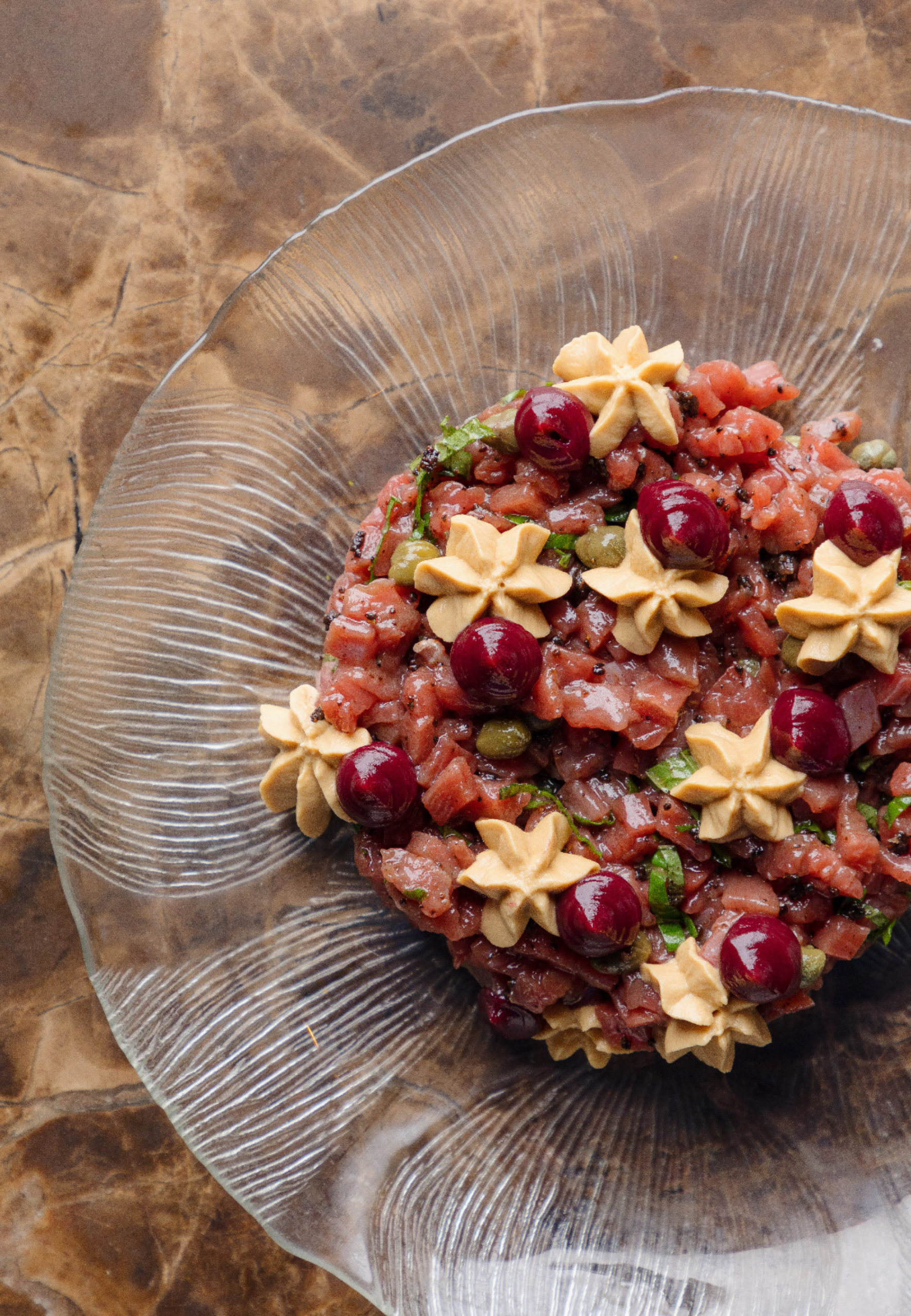
The Tartare of wild venison

When it comes to the food, Bar Magda unsurprisingly shines. Here, the large-format sharing menus promise a tantalising journey for the senses, with familiar Magda favourites on offer such as the tartare of wild venison, the famed Magda Salad, charcoal steak with soy butter, and raw tuna and grilled pork with soured cream and nashi pear.

So, whether it’s an intimate gathering in the private dining room, a corporate affair in one of the versatile spaces, or a leisurely experience with a group of friends, Bar Magda will transport its diners to another world. From its exceptional cuisine to its intimate setting to its meticulous attention to detail, Bar Magda is truly a hidden gem in Auckland’s dining scene, and continues to exceed expectations, every time.

barmagda.co.nz

Gastronomy

Staying in Auckland this New Year’s? Secure your spot at these unmissable events and see out the year in style
Ayrburn is the place to be this summer, here’s every event you need on your radar
The Denizen’s ultimate guide to the best restaurants, wine bars and all day eateries that opened in 2025
Poliform Adrien dining table and Leopold dining chairs from Studio Italia

Two covetable pieces from Poliform have just landed at Studio Italia

Poliform — a brand synonymous with luxury modern, functional design — has been crafting high-end Italian furnishings since the 70s, when it was founded by Alberto Spinelli, Aldo Spinelli, and Giovanni Anzani. With emphasis placed on quality, craftsmanship, and a cohesive design philosophy, Poliform has long-been a go-to for chic, contemporary interiors and the two new pieces now available at Studio Italia don’t deviate.

The Adrien Table

Designed by Jean-Marie Massaud for Poliform, the Adrien table possesses a magnetic presence, designed to slot seamlessly into convivial settings.

With a timeless silhouette reimagined through asymmetrical, sculptural legs, this table balances classic form with contemporary artistry. Its refined finishes enhance its versatility, making it a striking yet adaptable statement piece — equally at home in minimalist spaces or bold, design-forward interiors. An icon of elegance with a modern, architectural edge.

Shop the Adrien Table

The Leopold Chair

Also designed by internationally-renowned French architect, designer, and inventor, Jean-Marie Massaud, the Leopold Chair reimagines the traditional dining chair through an innovative lens.

The Leopold chair merges armchair-level comfort with sleek design, featuring an enveloping cushion cradled within a minimalist wooden frame. Effortlessly balancing elegance and ease, it enhances moments of conviviality with its inviting form — offering both support and style in a refined yet welcoming silhouette. A graceful fusion of comfort and sophistication.

Shop the Leopold Chair

studioitalia.co.nz

Design

The art of giving well starts with arriving well
In a fitting end to the year that was, Pantone’s colour of the year is… nothing
Savour balmy evenings and sunlit days with our refined outdoor furniture edit

Elevate your beauty routine with the season’s simplest but most impactful trend — bold eyeliner

Bare-faced beauty is a distant summer memory; bold brilliance is back, and eyeliner is taking centre stage. A cat eye remains a fail-safe way to jazz up any look, but this season, double down on the weight and length of the line for a look that commands attention.

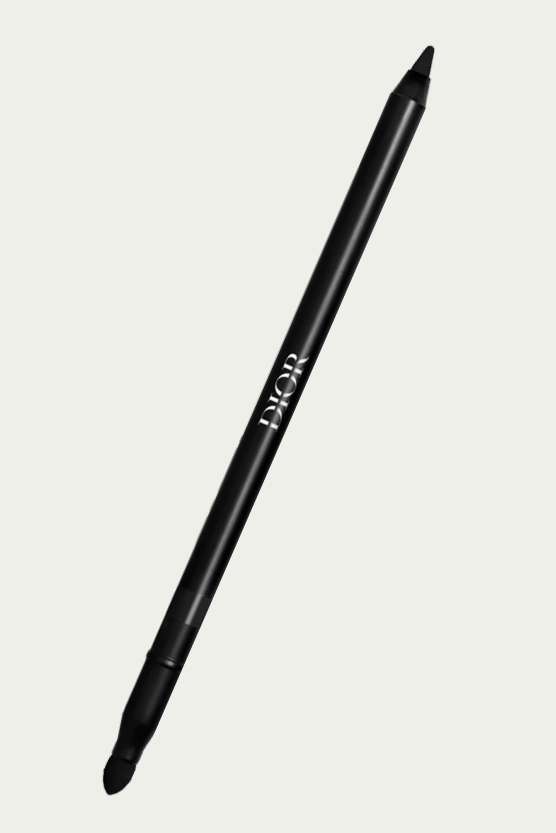
Dior Diorshow On Stage Crayon kohl pencil from Sephora
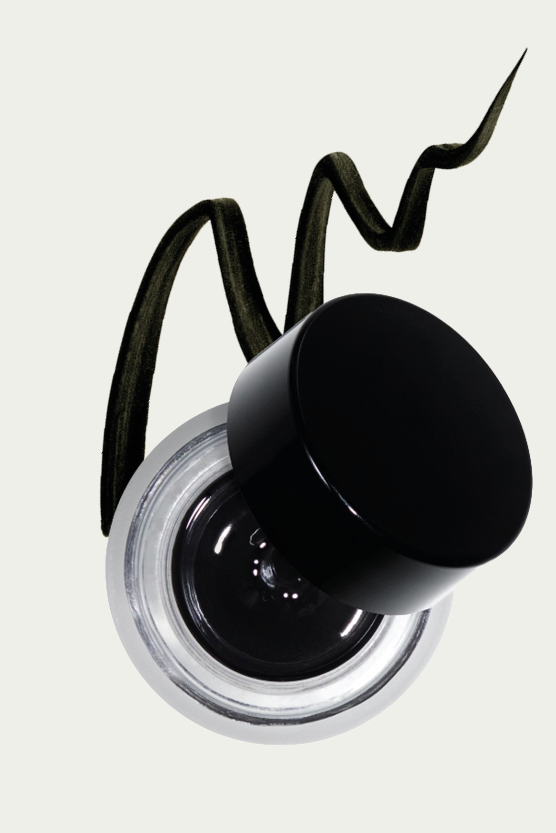
Napoleon Perdis Sketch Pot gel eyeliner from Adore Beauty
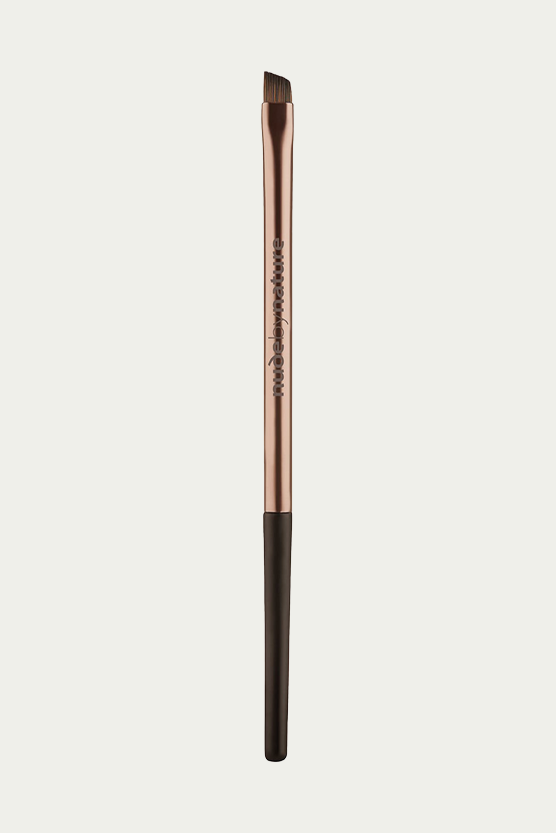
Nude by Nature angled eyeliner brush from Adore Beauty
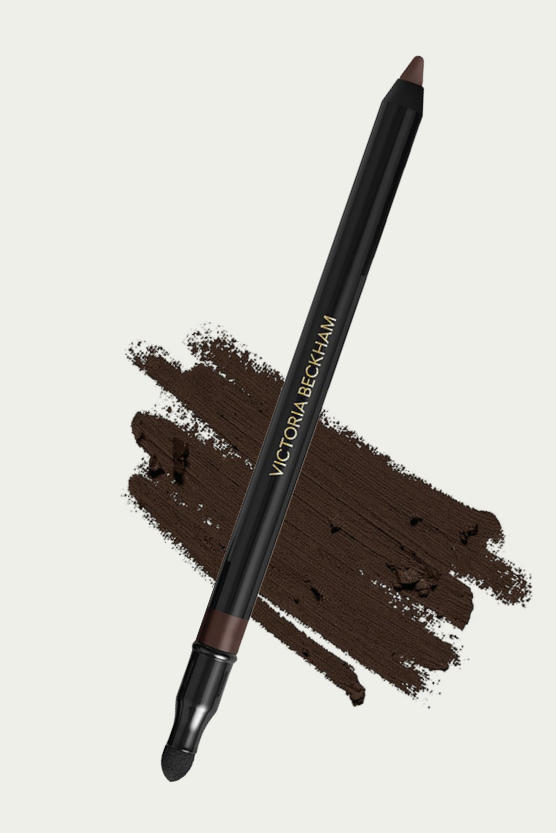
Victoria Beckham Satin Kajal liner from FWRD
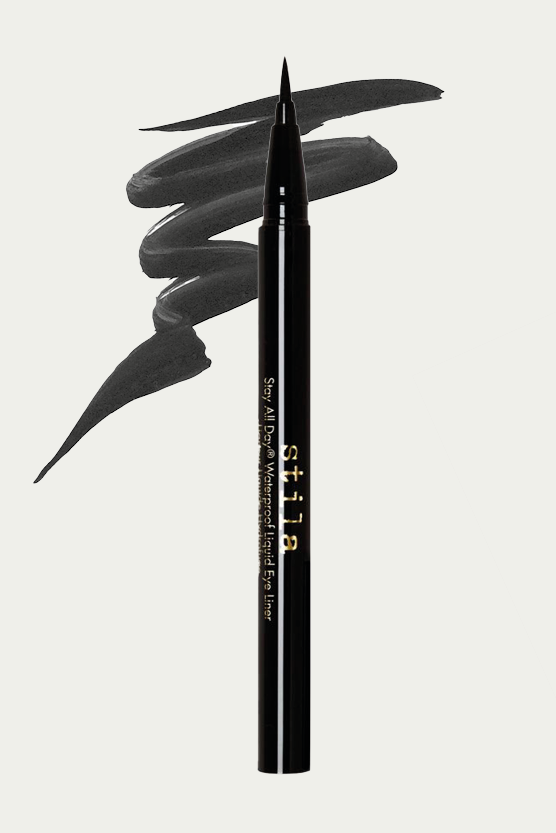
Stila Stay All Day waterproof liquid eyeliner from Mecca 
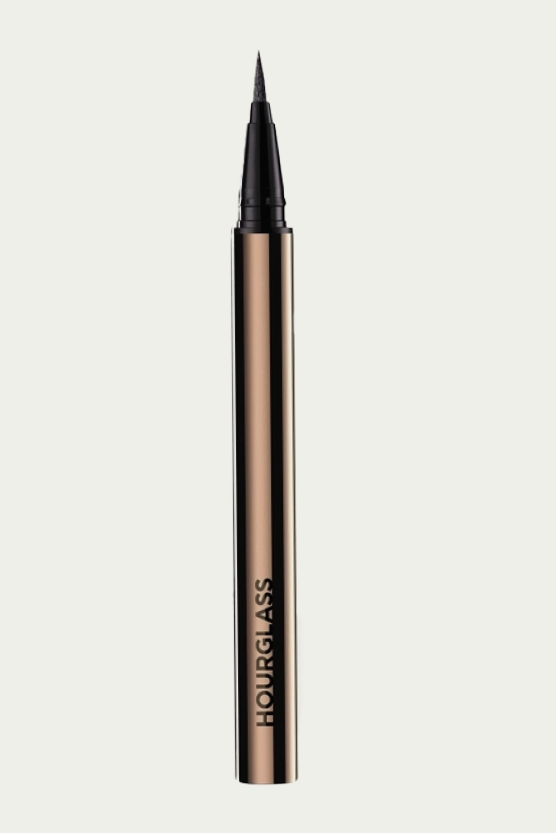
Hourglass Voyeur waterproof liquid liner from Mecca 
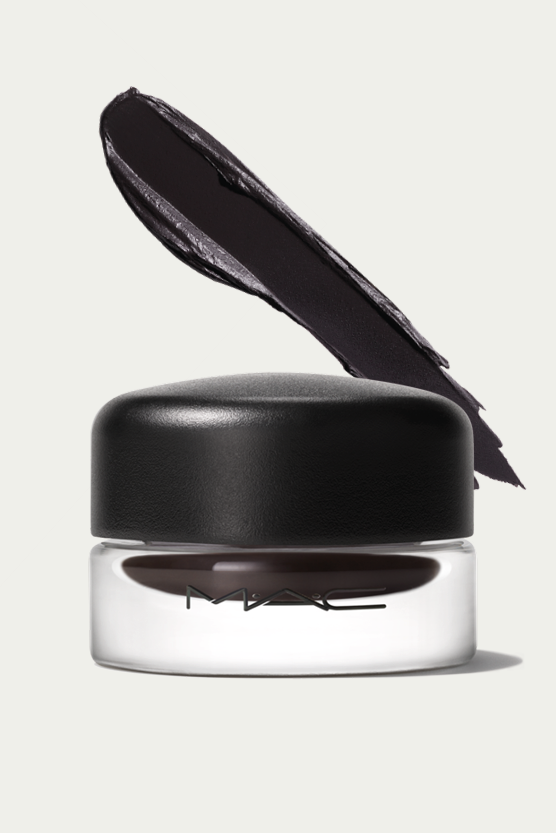
Pro Longwear Fluidline eyeliner from MAC Cosmetics
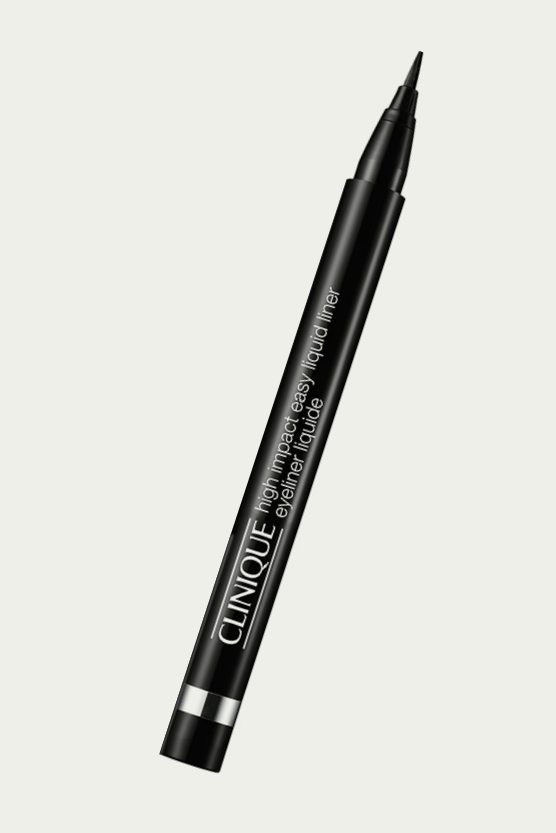
Clinique High Impact Easy liquid liner from Sephora

Wellbeing

Nail your New Year’s Eve makeup with these easy-to-do party looks
The best face, body, and hair SPFs that deserve a place in your beach bag
Denizen’s Summer Issue is here! Dive in for fresh starts, fine dining, next-level wellness, and the ultimate gift guide

The season for cosying up with a good book is here — this is our guide on what to read this autumn

As the cooler weather sets in, we’re more inclined than ever to cosy up with a captivating book to while away the evenings. This season, there’s a raft of new releases that are keeping our minds engaged and wanderlust at an all-time high. From textural memoirs to thrilling novels and alluring anthologies, debut authors to prize-winning doyens, these are the books we’re reading this autumn. Enjoy.

What to read
Escapist Reads

The Boy from the Sea 
by Garrett Carr 

Set against the rugged west coast of Ireland in the 1970s and 80s, The Boy from the Sea is a moving, comedic, and lyrical debut that follows the enigmatic Brendan — a baby discovered on the shore and adopted by a fishing family. As Brendan grows, his mystery captivates a close-knit community navigating the tides of change in an era of transformation.

Rabbit Moon
by Jennifer Haigh

Set against the vibrant backdrop of Shanghai, this gripping family drama follows the Litvaks as they reunite after a devastating accident involving their estranged daughter. In the hospital, they confront unsettling questions about her life in a rapidly evolving city — where nothing, and no one, is quite as it seems.

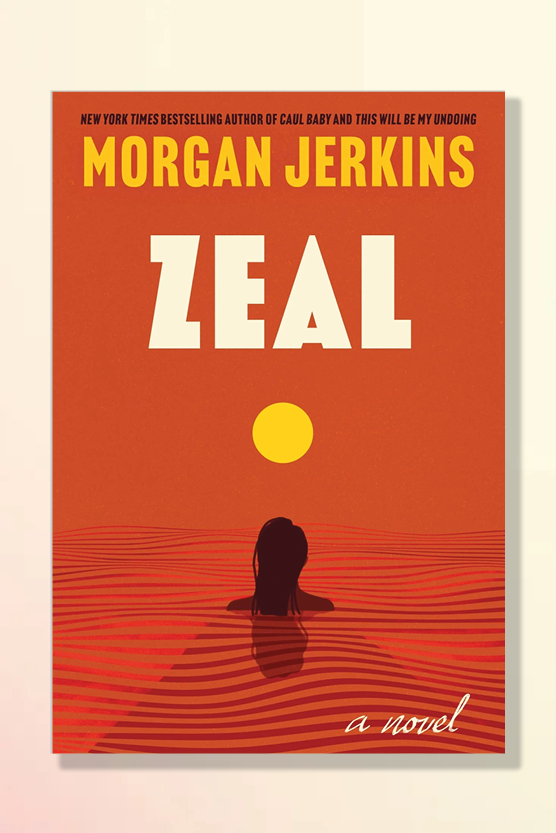
Zeal 
by Morgan Jerkins 

Spanning 150 years, Zeal intertwines the fates of star-crossed lovers, Harrison and Tirzah, with the lives of their descendants. From the aftermath of the Civil War to Harlem in 2019, Jerkins crafts a sweeping, multi-generational saga of love, legacy, and the lasting echoes of one generation’s choices.

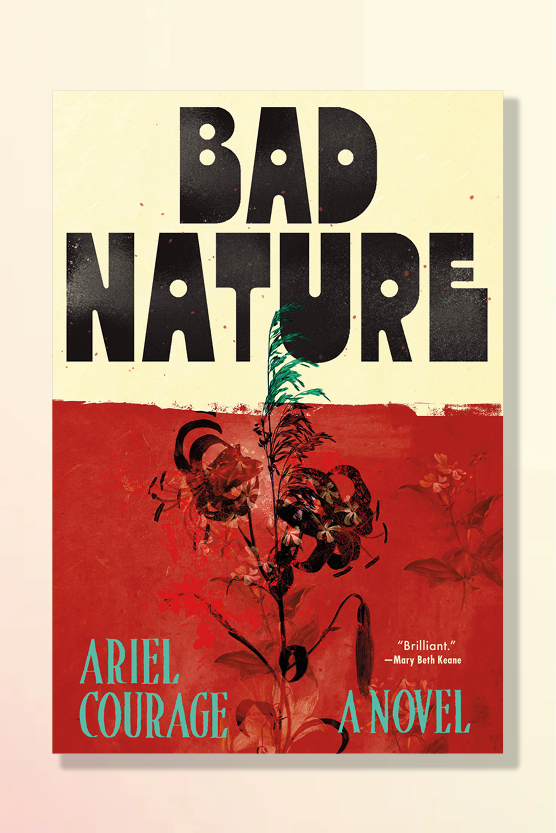
Bad Nature 
by Ariel Courage

In Bad Nature, Hester — armed with a terminal diagnosis and a vendetta — embarks on a darkly comedic road trip to kill her estranged father. Joined by a hitchhiking environmentalist, their journey takes unexpected turns, blending revenge, redemption, and ecological musings in a subversive, sharp, and surprisingly heartfelt narrative.

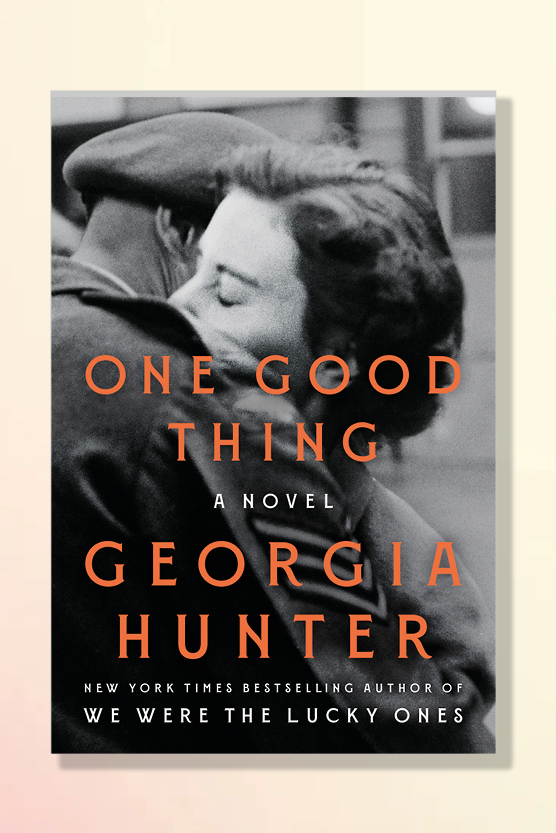
One Good Thing 
by Georgia Hunter

Set in war-torn Italy, One Good Thing follows Lili, a young Jewish woman who risks everything to protect her best friend’s son during the Nazi occupation. With evocative prose and heart-stopping twists, this unforgettable novel is a profound meditation on the unyielding bonds of love and the extraordinary courage found in the unlikeliest of circumstances.

Open, Heaven 
by Seán Hewitt

Laurel Prize-winning author Seán Hewitt weaves a luminous tale of first love and its lasting scars. Set in a remote northern English village, the novel follows James, a shy teenager, whose encounter with the magnetic Luke reshapes his understanding of boyhood, sensuality, and love in all its messy, beautiful forms.

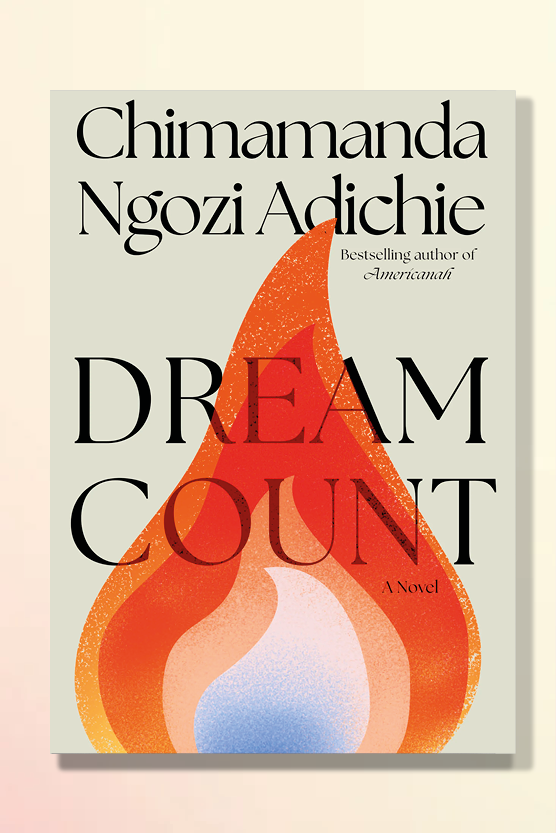
Dream Count 
by Chimamanda Ngozi Adichie

From the award-winning author of Americanah comes a captivating tale of love and longing. In Dream Count, Chimamanda Ngozi Adichie interweaves the lives of four women navigating heartbreak and hardship, offering a profound meditation on happiness, identity, and the intricate bonds of womanhood.

Nova Scotia House 
by Charlie Porter

A relationship, a community, an era — protagonist Johnny Grant reflects on his life with Jerry Field, their self-determined lives and love shaped by joy, loss, and the devastation of the AIDS crisis. Both a love story and a lament, Porter’s captivating and heartfelt debut is a tender exploration of how memories of the past can shape the future. 

What to read
Real-Life Reads

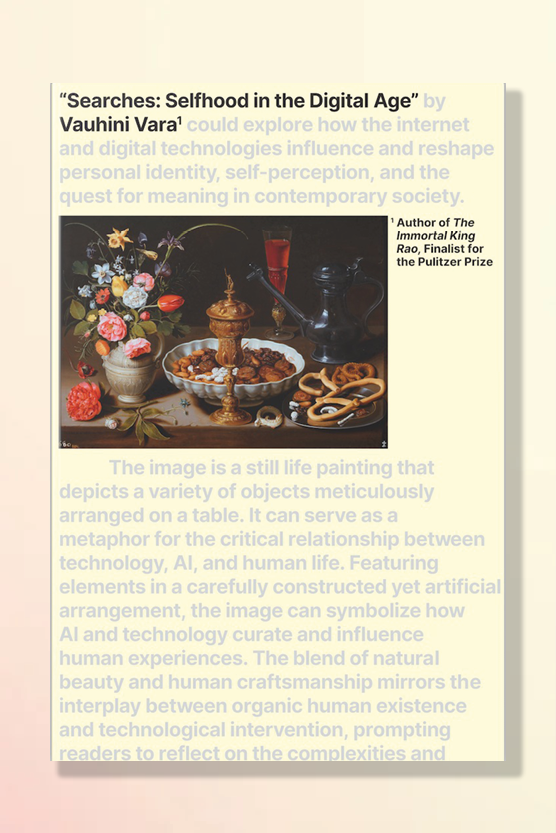
Searches: Selfhood in the Digital Age 
by Vauhini Vara

From Pulitzer finalist Vauhini Vara comes a provocative exploration of how Big Tech has reshaped language. Blending personal narrative with investigative insight, Vara examines the allure and risks of AI-powered communication — questioning whether these tools will liberate us or further exploit our voices.

Firstborn Girls 
by Bernice McFadden

In this richly textured memoir, American author Bernice McFadden delves into her family’s complex legacy, beginning with her own near-death experience as a toddler in 1967. Through the lens of her remarkable life and the stories of her ancestors, this deeply intimate work uncovers the interwoven threads of trauma, resilience, and the enduring power of love.

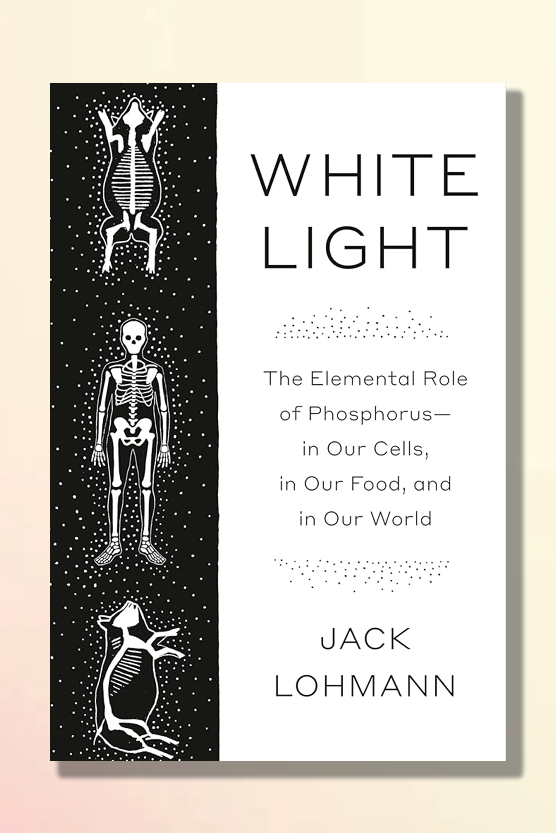
White Light 
by Jack Lohmann

A sweeping exploration of life’s cycles through the lens of phosphate — the essential element that bridges life and death. White Light weaves ecology, history, and investigative reporting to unravel humanity’s exploitation of Earth’s resources, revealing its profound consequences and urging a renewed connection to nature’s rhythms.

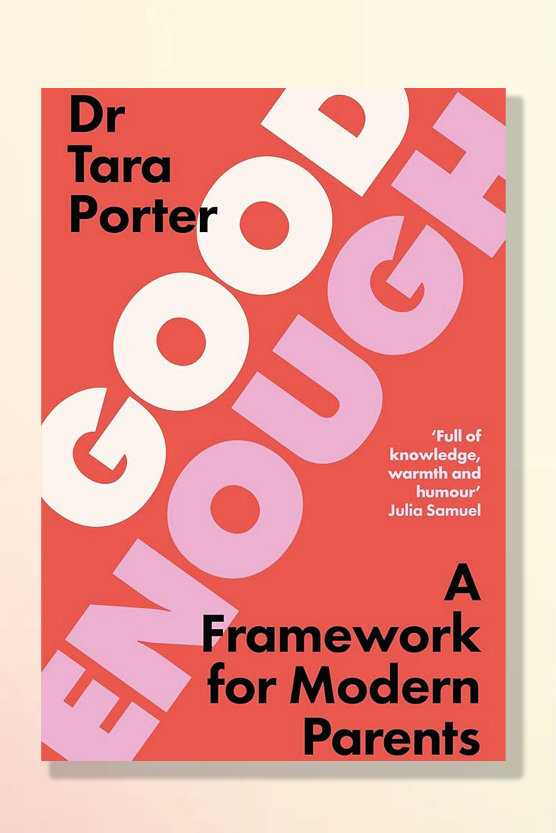
Good Enough 
by Dr Tara Porter

Psychologist and mother Dr Tara Porter empowers parents to embrace imperfection in raising resilient, self-reliant children. Drawing on over 25 years of expertise, she offers a refreshing, relatable approach to parenting — helping families navigate modern pressures with confidence and the liberating reminder that ‘good enough’ really is good enough.

What to read
Anthologies

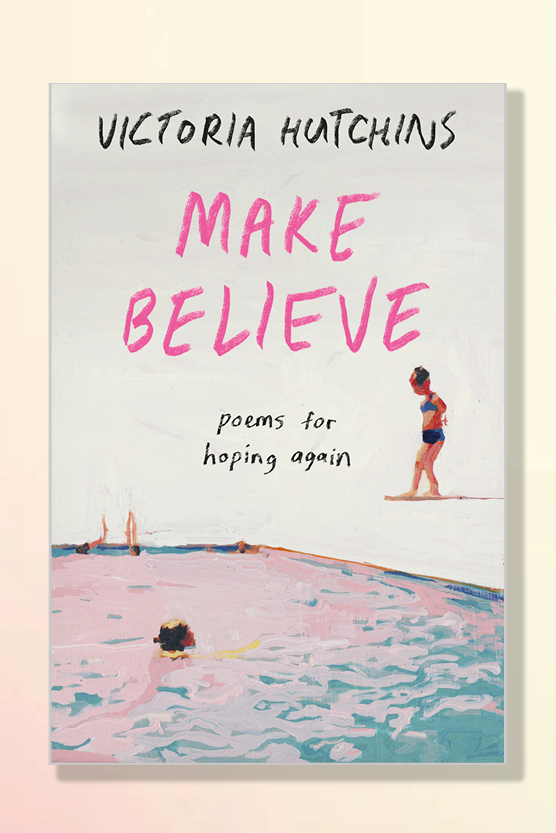
Make Believe
by Victoria Hutchins

In Make Believe, poet Victoria Hutchins invites readers on a journey of rediscovery, blending nostalgia and wonder with healing and hope. Through evocative verse, this debut collection inspires us to reimagine struggles as strengths, and rekindle belief in joy, miracles, and ourselves.

Scorched Earth
by Tiana Clark

A bold and lyrical poetry collection, Scorched Earth traverses the landscapes of heartbreak, joy, and identity. From historical reckonings to everyday mundanity, this striking work marries reverence with irreverence — offering a transcendent exploration of radical love, sensuality, and resilience.

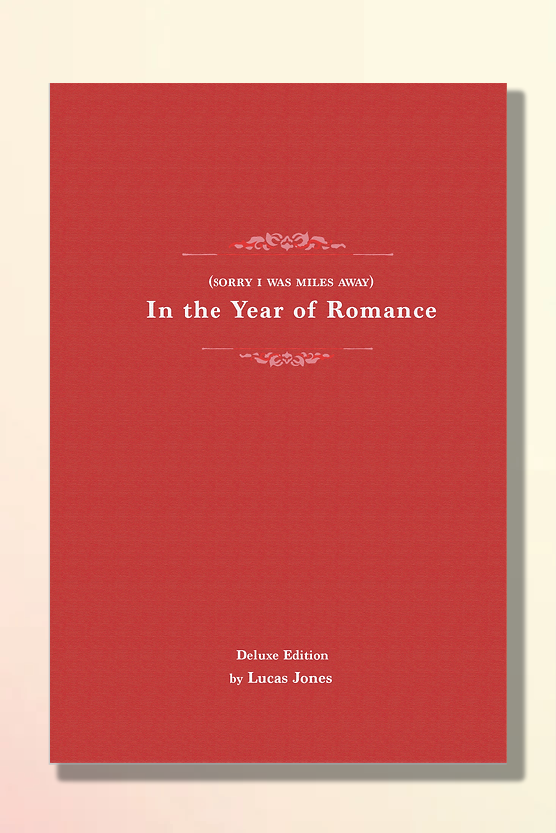
(Sorry I Was Miles Away) In the Year of Romance
by Lucas Jones

Actor, writer, director, musician, and beloved poet Lucas Jones delivers a striking and deeply moving meditation on love, loss, and life’s many lessons. This captivating anthology brims with hope, humanity, and heart — exploring the emotions that shape us.

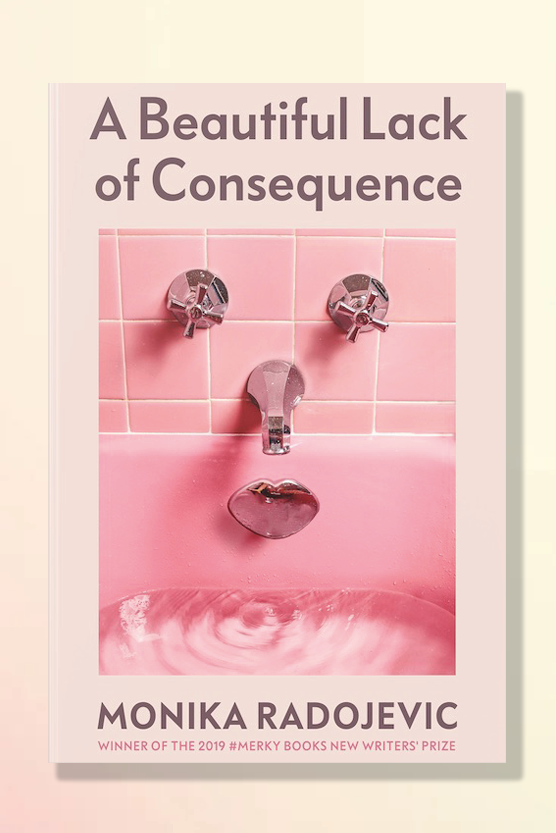
A Beautiful Lack of Consequence 
by Monika Radojevic

This searing work blurs the lines between the surreal and the everyday. With tender ferocity and dark humour, Radojevic captures contemporary womanhood — rage, love, and quiet resistance, exploring what happens when world-weathered women finally fight back.

Culture

How To: Fake joy when you receive a bad gift
From the driveway to the bach: How to tackle the summer roads with ease
From captivating novels to moving memoirs and alluring anthologies, these are the new releases worthy of a place in your beach bag this summer
Photo by Jonny Valiant

Meet Bistro Saine — a refined yet relaxed all-day bistro in the heart of the city

“We want to take people on a food journey that is fresh, seasonal, and accessible — not fine dining, but classic dishes at their best,” says Yutak Son, Executive Chef at French-inspired eatery Bistro Saine — opening this Friday in the heart of the city.

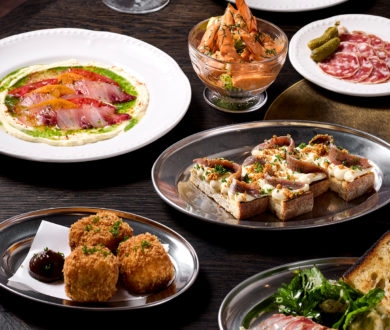
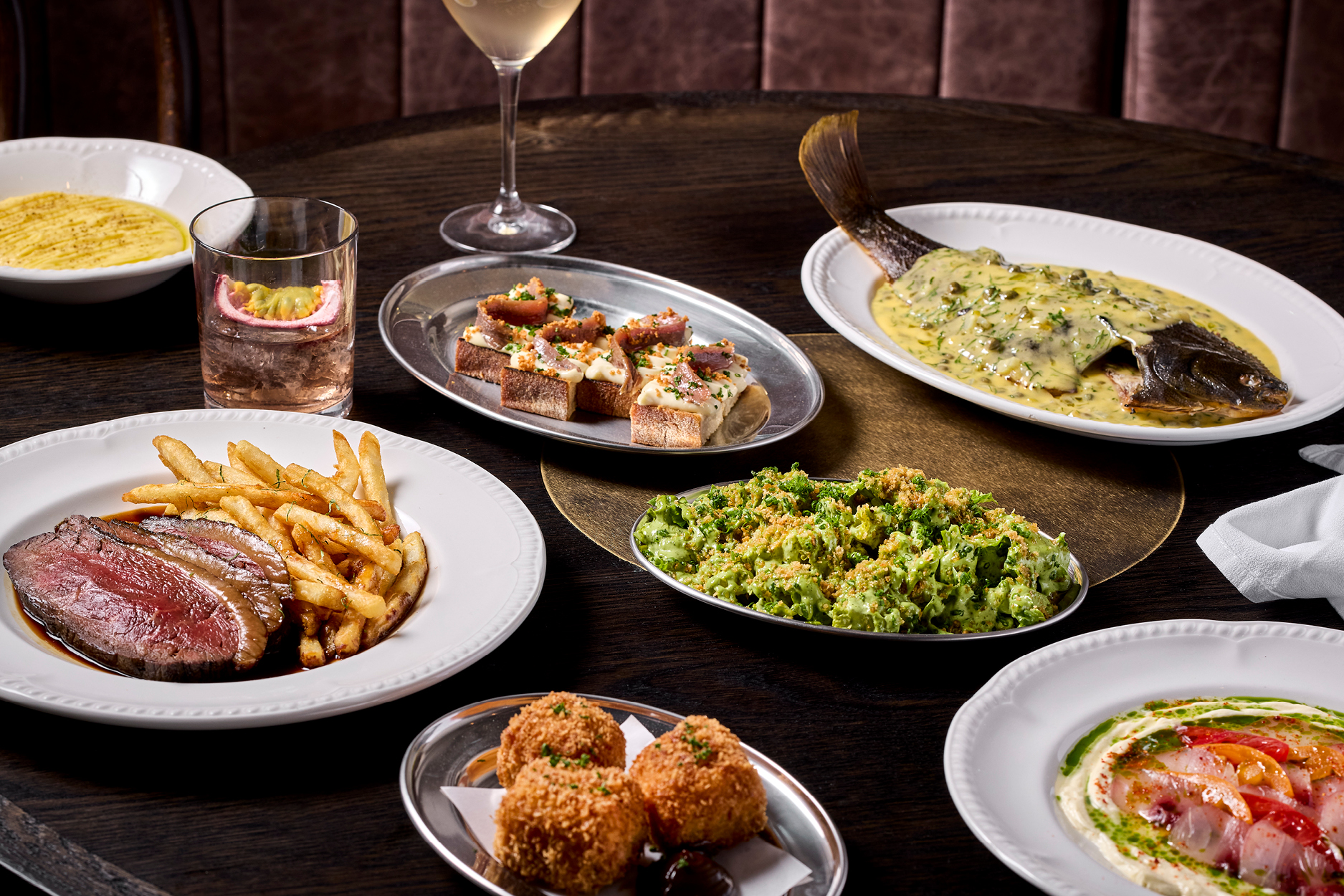
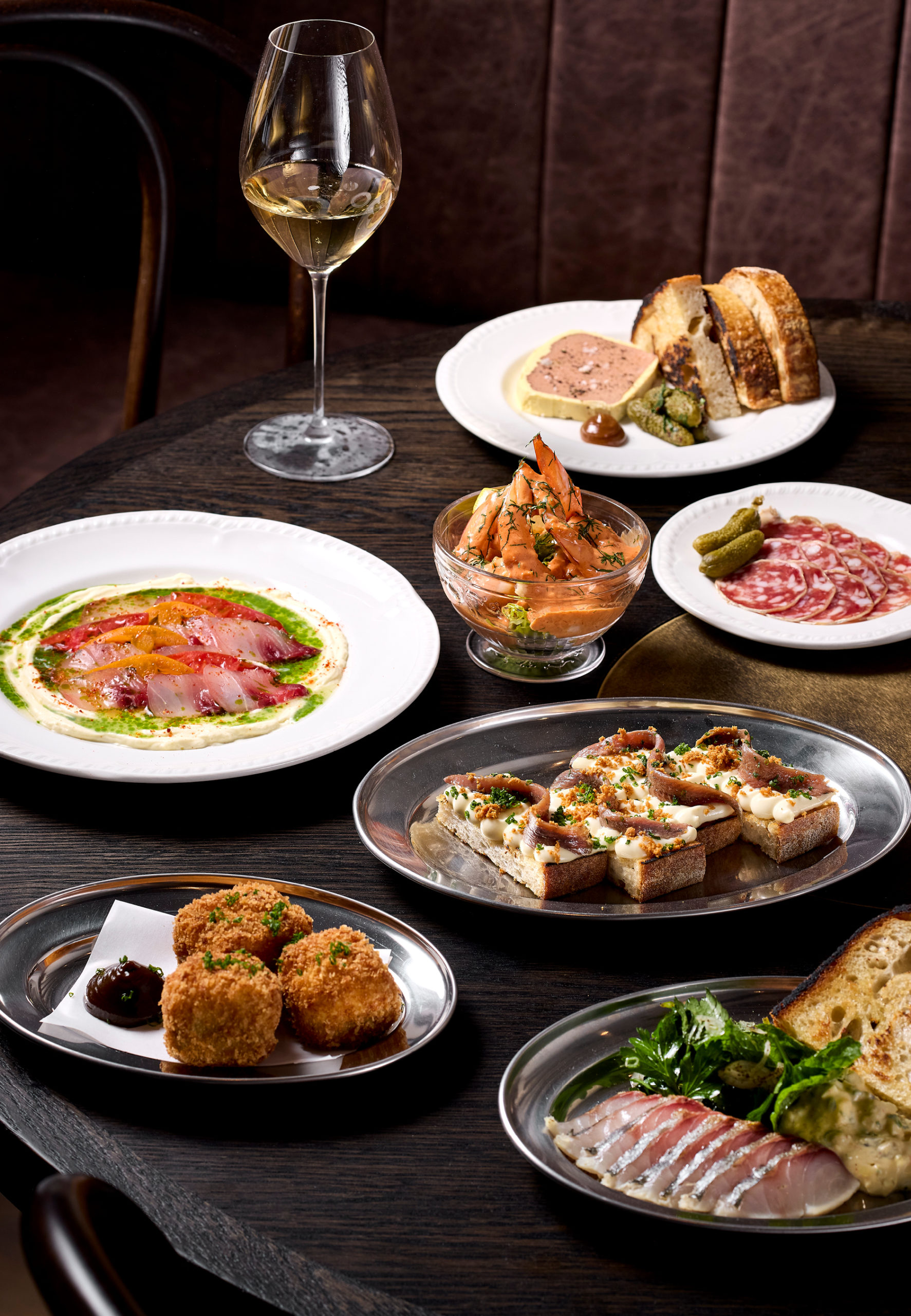
Dishes left to right: Pomme puree, Steak Frites, Anchovy en croute, Cos Heart Salad, Braised Pork Croquettes, Market fish with Beurre blanc & ‘Ruakaka’ Kingfish Crudo

Nestled on Albert Street, Bistro Saine is poised to redefine neighbourhood dining with a French-meets-Mediterranean menu that balances elegance with ease. The bistro draws inspiration from Europe’s grand brasseries and the lively energy of New York, blending time-honoured techniques with contemporary creativity. Behind the concept is James Ingram, a leading Australian hospitality design consultant. Known for working with Merivale on iconic venues like Queen Chow, Fred’s and Charlie Parkers, to Hawke’s Brewing The Lucky Prawn, and his own Sydney establishment, The Dry Dock.
At the heart of the eatery’s allure is Executive Chef Yutak Son, whose culinary pedigree includes Orphans Kitchen, Sidart, Black Estate, Te Motu, and Daily Bread. A Korean-born, French-trained chef, Yutak has cultivated a deep respect for local produce, working closely with single-origin suppliers to craft a menu that is both familiar and subtly surprising. “Great produce should be respected, celebrated, and transformed into dishes that feel both timeless and familiar,” he shares of the offering.

Dishes top to bottom: Chicken Liver Parfait, House cured Saucisson Sec, Prawn cocktail, ‘Ruakaka’ Kingfish Crudo, Anchovy en croute, Braised Pork Croquettes & Pickled Mackerel

The menu is built around seasonality and thoughtful execution. Whole Northland pigs are butchered in-house and cured into saucisson sec, while Farmgate pork croquettes are elevated with wakame ketchup. Indulgent, buttery pastas sit alongside classic steak frites, with seafood and crisp salads providing balance. The approach is generous, designed for sharing, yet grounded in refinement.

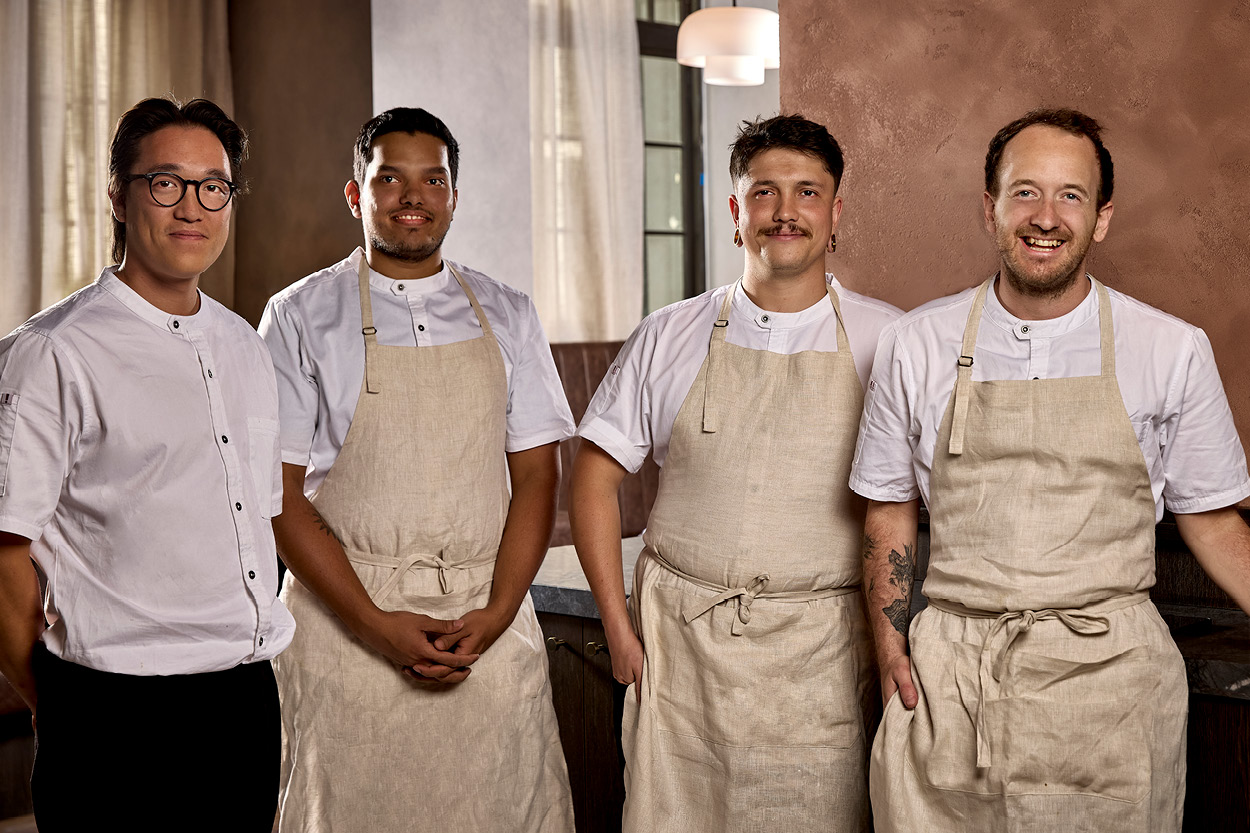
Left to right: Yutak Son, Aditya Medon, Zach Duxfield, Stevan Bailey

Behind the pass, Yutak leads a formidable team: Head Chef Stevan Bailey, who has cooked across 45 countries; award-winning Sous Chef Zach Duxfield of Paris Butter; and seasoned talent Aditya Medon of The Grove fame. Front-of-house, hospitality veterans General Manager Joey Hickman, Restaurant Manager (The Grove alum) Pierre Guillot, world-class Sommelier Pierre Bernardeau, and Bar Manager Harry Huxley ensure impeccable service and a creative, curated beverage program.

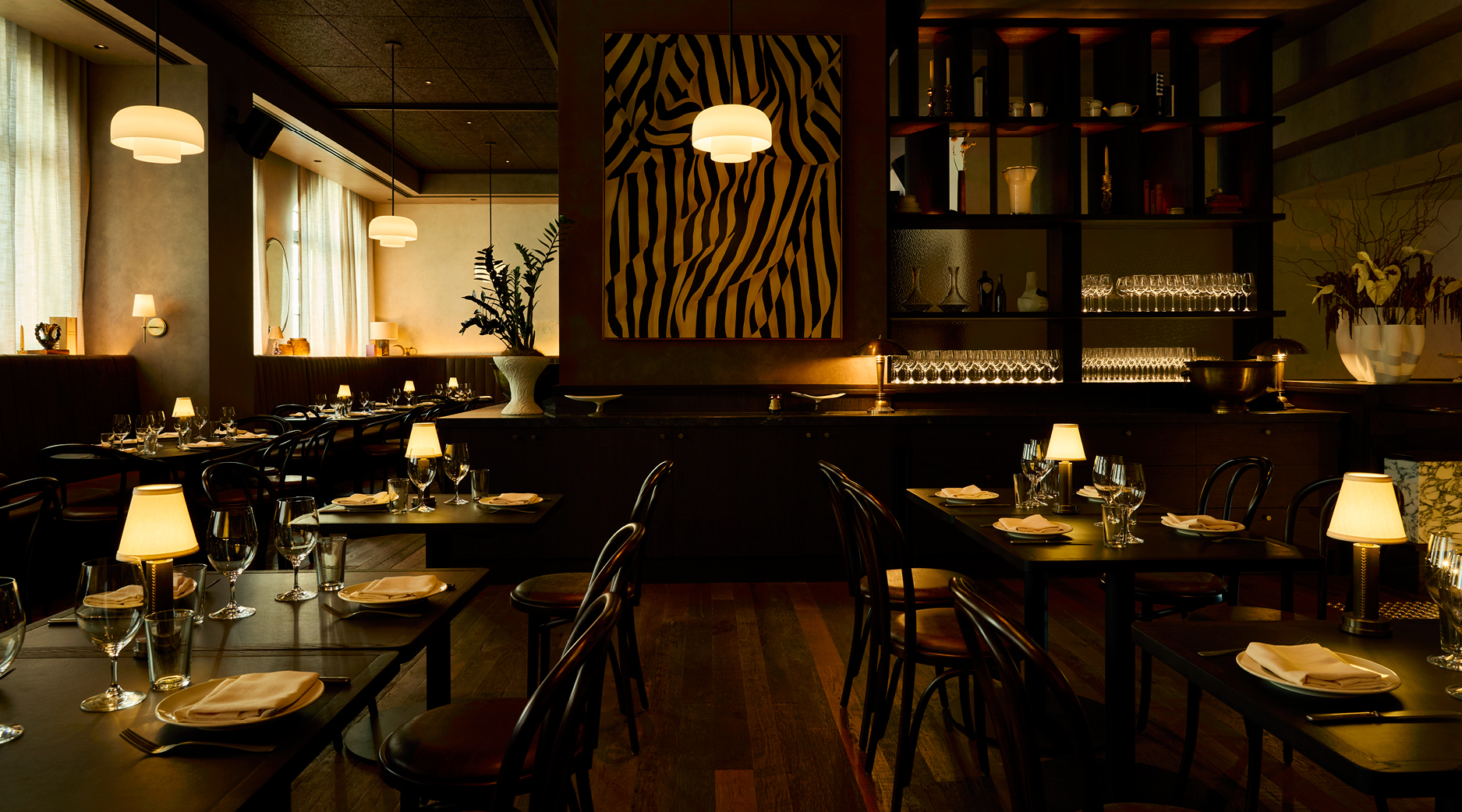
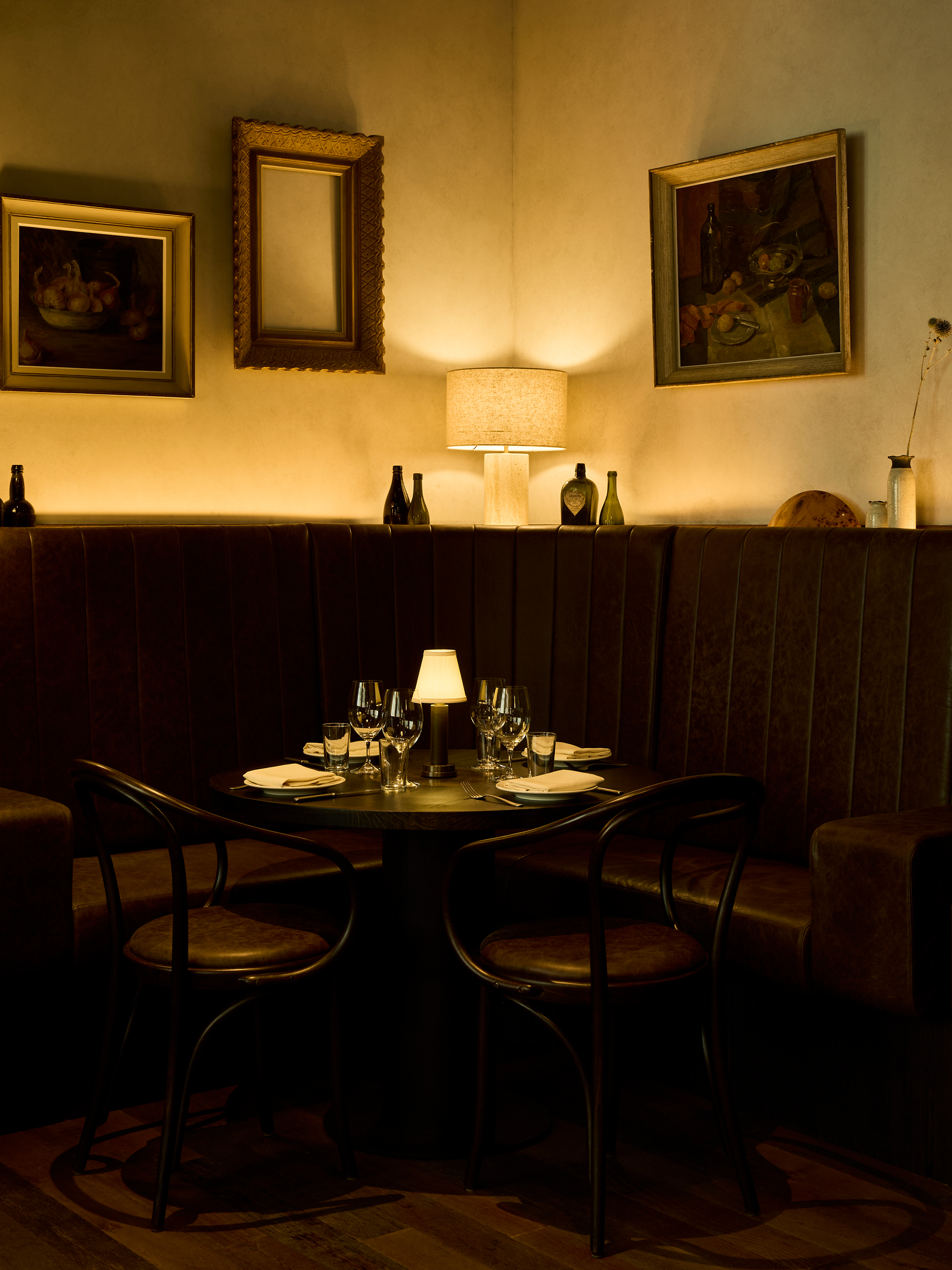
Set within a beautifully restored heritage building, Bistro Saine’s interiors reflect its culinary ethos: warm, layered, and sophisticated. Dark timber, marble, leather-bound menus, and soft, dimmable lighting create an inviting atmosphere where detail is everything.

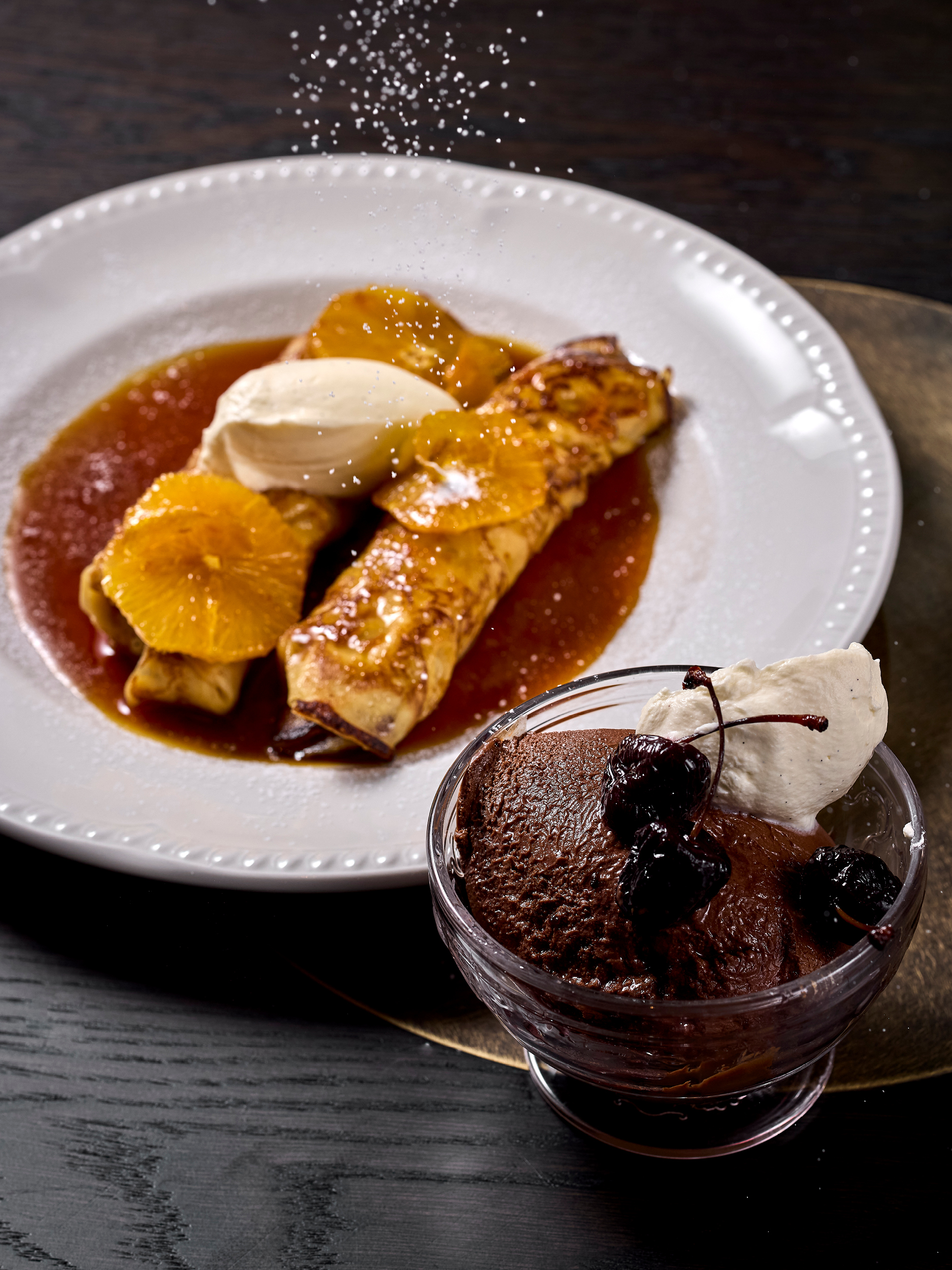
Left: Crepe Suzette. Right: 70% Dark chocolate & Thomson whisky mousse

Now taking bookings, from morning coffee to post-dinner negronis, and every occasion in between, Bistro Saine is set to become Auckland’s new central city go-to. Secure your table today.

Bistro Saine is the first of three venues debuting at 51 Albert Street. Café Etiquette — a café and wine bar, will soon open its doors, alongside The Henry, a sophisticated cocktail lounge in the same precinct.

Opening:
Friday 4th April

bistrosaine.co.nz

Bistro Saine
Level 1, 51 Albert Street
Auckland CBD

Gastronomy

Staying in Auckland this New Year’s? Secure your spot at these unmissable events and see out the year in style
Ayrburn is the place to be this summer, here’s every event you need on your radar
The Denizen’s ultimate guide to the best restaurants, wine bars and all day eateries that opened in 2025
Non Solo Pizza

A Taste of Things to Come — 2025’s prevailing trends in the world of hospitality, according to industry insiders

Diners are increasingly opting for dishes designed for sharing. Whether it’s a selection of small plates or large dishes, the emphasis is on connection and communal experiences and it also helps with the economics of the evening. 

Meanwhile, provenance has become more important than ever. Guests want to know where their food comes from, who produced it, and how it made its way onto the plate. Expect to see more menus proudly showcasing locally sourced ingredients, reinforcing New Zealand’s reputation for world-class produce.


Shared plates go beyond a trend — they bring people together, and no one does it better than the Italians, or NSP.

Justyna White, Operations Manager, Non Solo Pizza


Our locally sourced menu connects diners to the community, supporting local farmers and reducing environmental impact.
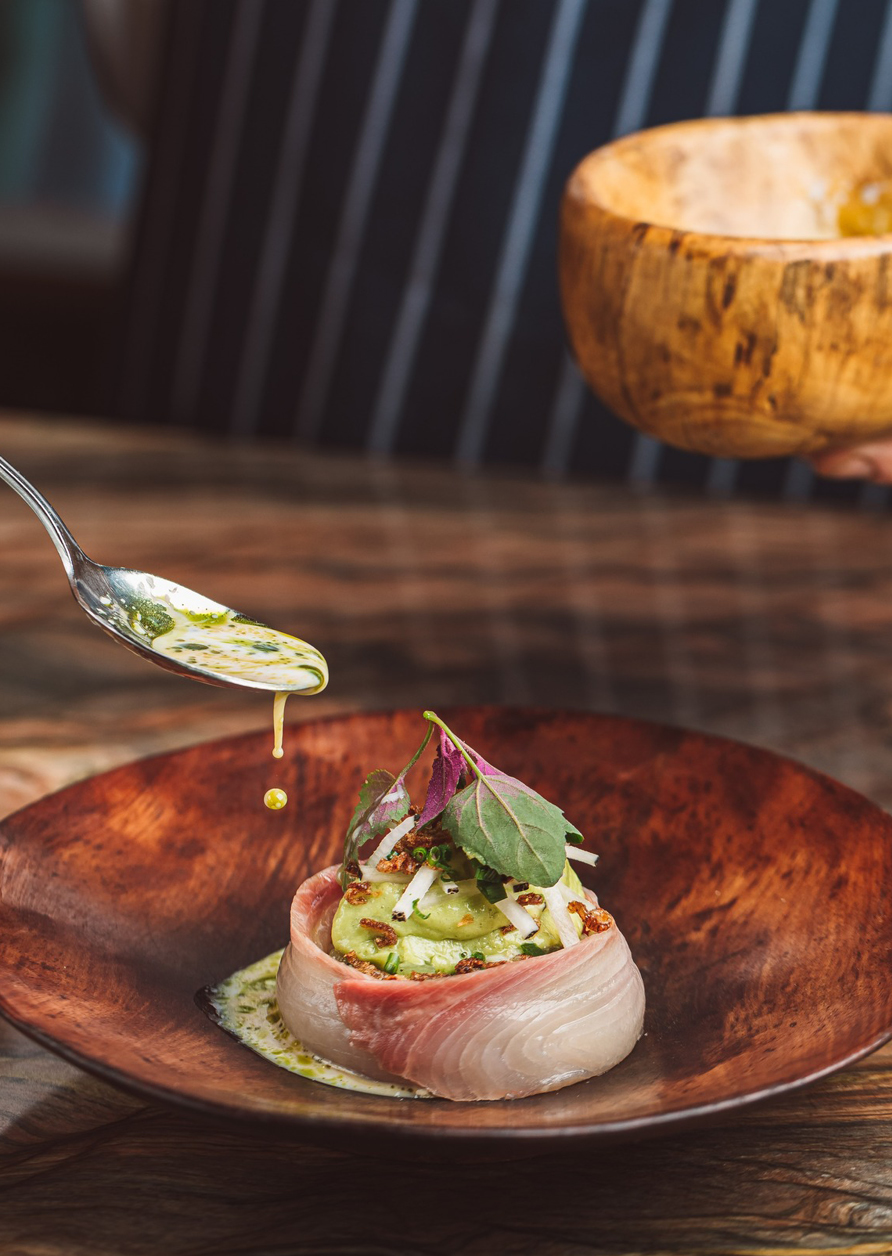
We believe food tastes better when you know where it comes from, so we make a concerted effort to engage and inform our guests about the fishing techniques, methods, and locations of the anglers and farmers sourcing our produce. Our fish is line-caught from surrounding waters, ensuring the future abundance of fish stocks.

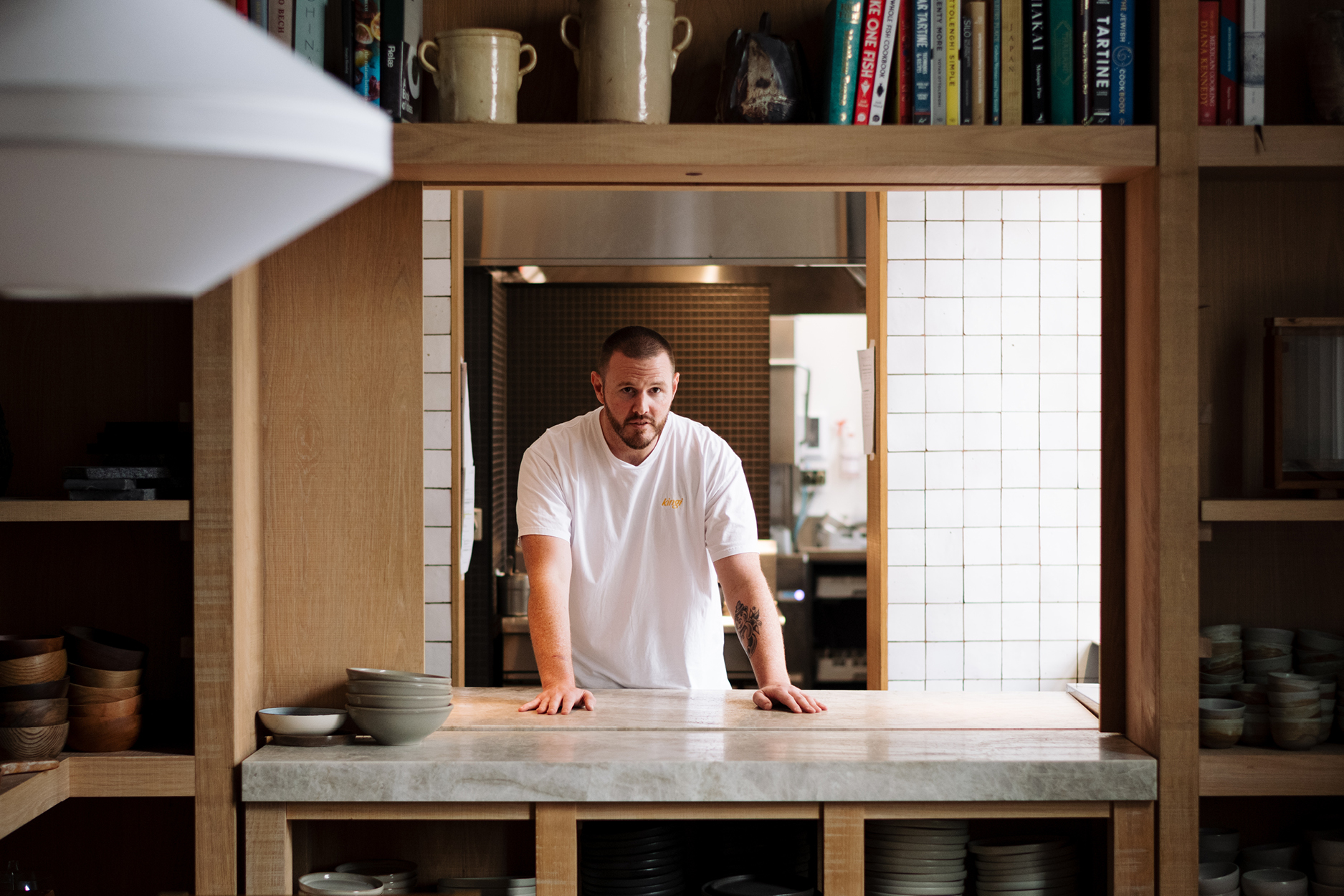
Andrew Lautenbach, Executive Chef, The Hotel Britomart / Kingi


The most exciting part is experimenting and sharing the best that New Zealand has to offer. We have the ability to become world-renowned, thanks to the quality and diversity of our local ingredients.

Ben Bayly, Executive Chef, Ahi

AI in hospitality:  A friend, not a foe

While AI has sparked plenty of debate across industries, Auckland’s hospitality professionals are embracing it — not as a replacement for human talent, but as a powerful tool to drive cost efficiencies and minimise food waste. With rising costs continuing to challenge restaurants, AI is being leveraged to streamline processes, optimise inventory, and reduce unnecessary waste — a crucial shift in an industry where margins are notoriously tight. From predictive ordering systems that ensure kitchens are stocked just right to thoughtful menu planning that adjusts based on seasonality and availability, technology is proving to be a silent but powerful force in keeping restaurants running smarter. This integration is largely invisible to diners, but its impact is tangible. Tighter cost control means restaurants can continue offering value-driven menus without compromising quality, while more intelligent ingredient management means fresher, more sustainable dining experiences.

Gastronomy

Staying in Auckland this New Year’s? Secure your spot at these unmissable events and see out the year in style
Ayrburn is the place to be this summer, here’s every event you need on your radar
The Denizen’s ultimate guide to the best restaurants, wine bars and all day eateries that opened in 2025

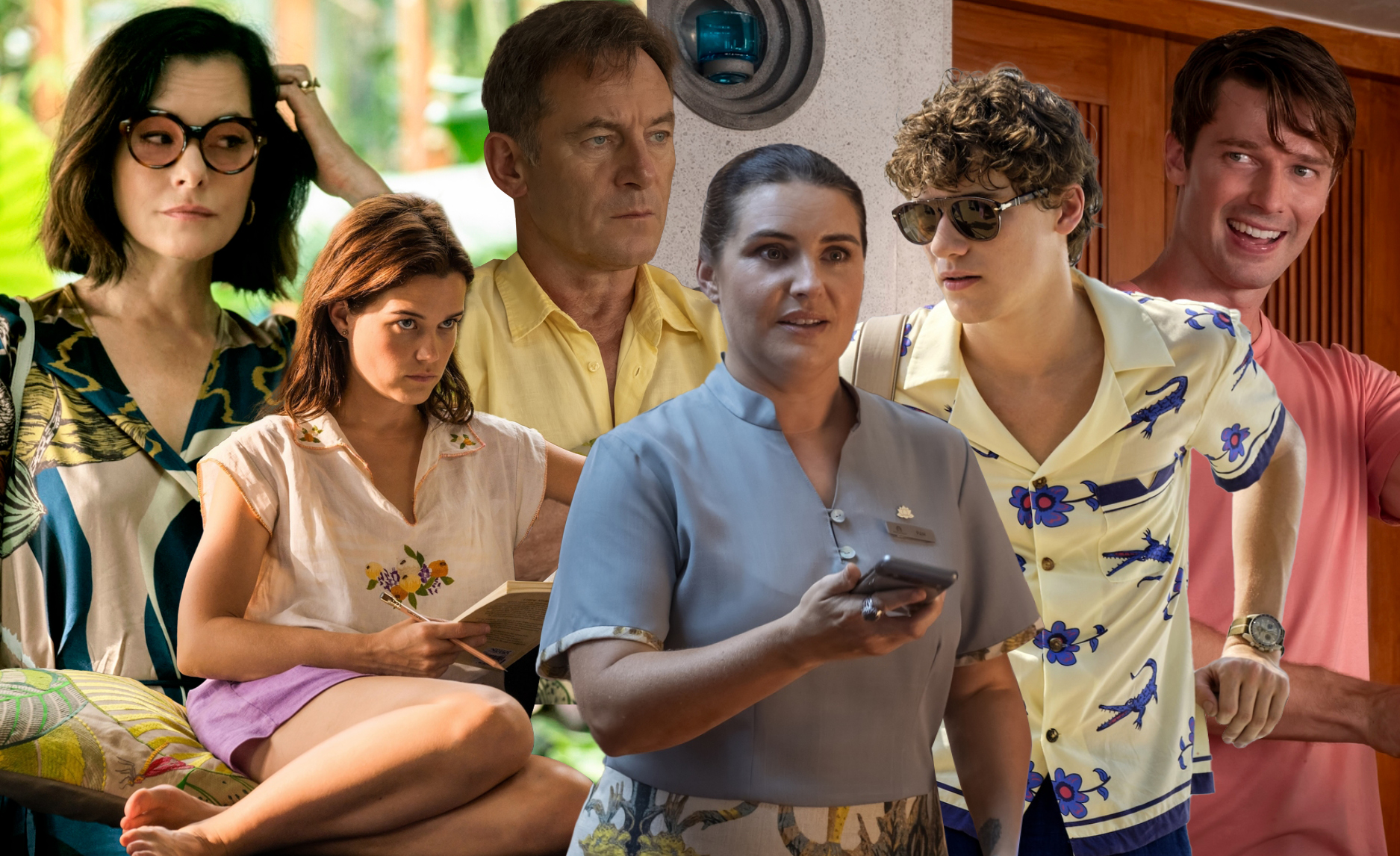
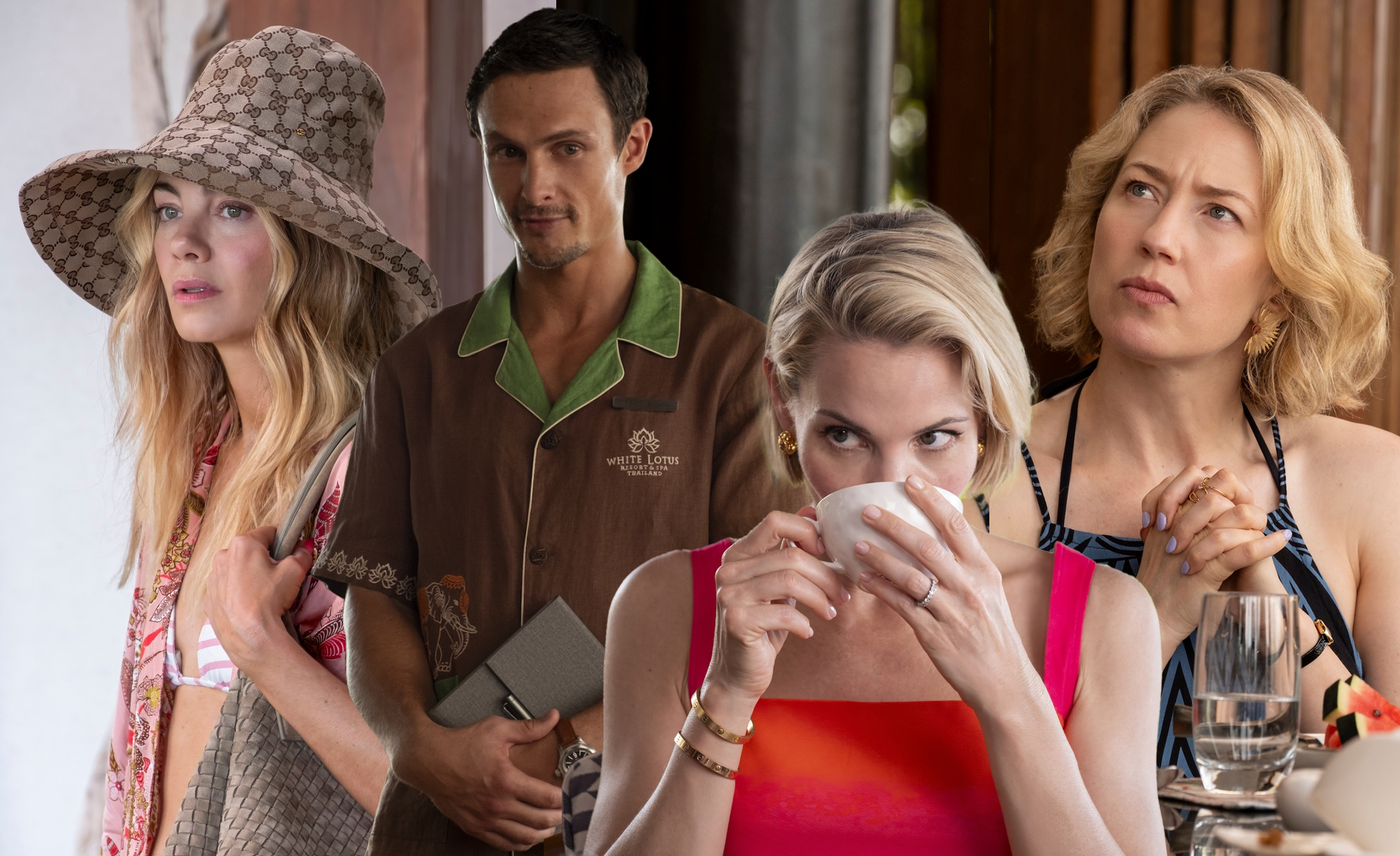
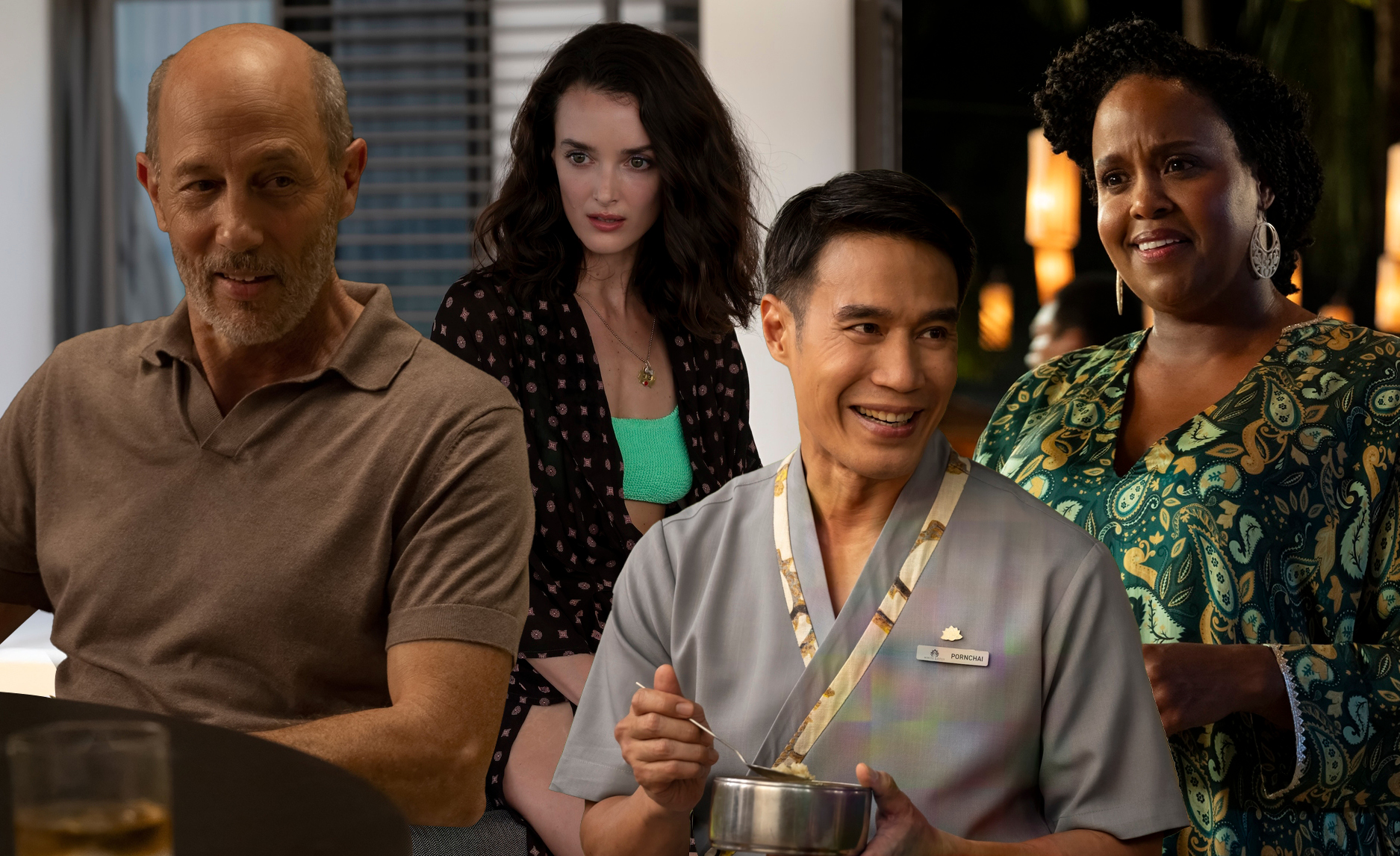
With The White Lotus finale next week, we share our final theories on who won’t make it to the end credits

So far, at the end of episode seven, we know that Gaitok is the only person within the resort currently in possession of a gun, Valentin and his friends are behind the robbery (Laurie knows their secret, as does Gaitok), Greg/Gary (or Gregary as he’s fondly referred to in the office) is trying to pay off Belinda to keep quiet about Tanya’s murder, and Rick has well and truly rocked the boat with the hotel owners. Also, this season is running with a very strong theme of threes, which we’re certain will filter through into the concluding episode. So, with all of this information, where does that leave us? We map out our best (and final) theories below. But really, quite literally anyone could be face down in that water come next week, and anyone from this complex cast is capable of murder.

*Contains spoilers.

Gaitok, Valentin, Vlad, Aleksei, Fabian & Mook

As tensions peak at The White Lotus, Gaitok knows too much. After uncovering that Valentin and his friends / accomplices Vlad and Aleksei were behind the robbery, where does he go from here? Desperate to prove himself, especially to Mook, who has made clear the type of man she’s seeking, he faces a choice: expose the thieves to Fabian, confront the trio, or take matters into his own hands with the gun meant to protect the resort. But Valentin and his friends won’t go down without a fight. If he finds the courage to confront them, will Mook be caught in the crossfire? Our bet is on yes. One thing is certain, if Fabian survives, he’ll be writing a song about it.

The Ratliff Family & Pam

As secrets unravel, is it finally time for the poisonous fruit Pam (aka our Autumn Issue cover star) pointed out early on in the season to shine? You may recall that Kate remembered Victoria early on in the season from a mutual friend’s party…. what if she checks out early, fed up with her friends, and regains her phone, stumbling upon the FBI investigation into Tim — unwittingly revealing his downfall to Victoria? Following which, is it Victoria, not Tim, who sees only one way out, taking her family with her to escape ‘poverty’? Does Pam discover them, or does she prepare a final smoothie, laced with the fruit from their villa’s tree? Tim always seemed like the obvious suspect — but was that too easy? The real tragedy may come from where we least expect it, and there always has been something amiss with the enigmatic Victoria Ratliff.

Kate, Jaclyn, Laurie & Valentin

The jealous trio — Kate, Jaclyn, and Laurie — thrive on gossip, but this time, it could get them killed. We know that Laurie, eager to prove herself, hooked up with one of Valentin’s shady friends — only to discover stolen goods from the resort robbery in his bedroom. And, of course, she won’t keep it to herself. As the robbers realise their secret is out, does Valentin come for Laurie? Do her so-called friends finally stand by her, or does someone unexpected take the fall? Gunshots ring out in the finale — but who ends up in the crosshairs?

Chelsea, Rick, Frank & Sritala + Jim

Ah, sweet, complicated Rick — finally free from his lifelong burden after confronting Sritala’s husband Jim Hollinger, his father’s killer. But in his quest for justice, did he ever consider Chelsea, left alone at the villa while he’s out painting the town red in Bangkok with Frank? The owners won’t take his invasion and threats lightly (they are powerful people capable of murder, after all), and as Chelsea ominously warned, bad things come in threes — she’s still one shy. Her ‘stay gold’ necklace also has been rumoured to hint at Robert Frost’s poem Nothing Gold Can Stay. Eek. Could Rick, the love of her life, unwittingly be behind her demise? The season has dropped hints all along… was Chelsea’s fate sealed the moment Rick sought revenge?

Belinda + Pornchai & Gary + Chloe

Sometimes the obvious answer is the right one. Will Gary/Greg continue his killing streak, murdering Belinda after she rejects his generous payoff, determined to do the ‘right thing’ (classic Belinda move). Could Chloe, who was more than willing to play along with Gary’s twisted fantasy in episode seven, help him pull it off? And could sweet-natured Pornchai, trying to protect Belinda, be caught in the crossfire? Last season, a returning character met their watery demise — will this season follow suit? We certainly can’t rule it out.

Culture

How To: Fake joy when you receive a bad gift
From the driveway to the bach: How to tackle the summer roads with ease
From captivating novels to moving memoirs and alluring anthologies, these are the new releases worthy of a place in your beach bag this summer