


Each year, Van Cleef & Arpels extends an invitation that I have come to regard as one of the genuine privileges of my work: a full immersion into a new Thematic High Jewellery collection, constructed around a week of experiences that illuminate the creative thinking behind it. This year, the setting was Paris, the Maison’s home since 1906, and the subject was Egypt, one of the most persistently fascinating civilisations in human history and a reference point that has never ceased to generate new creative responses.
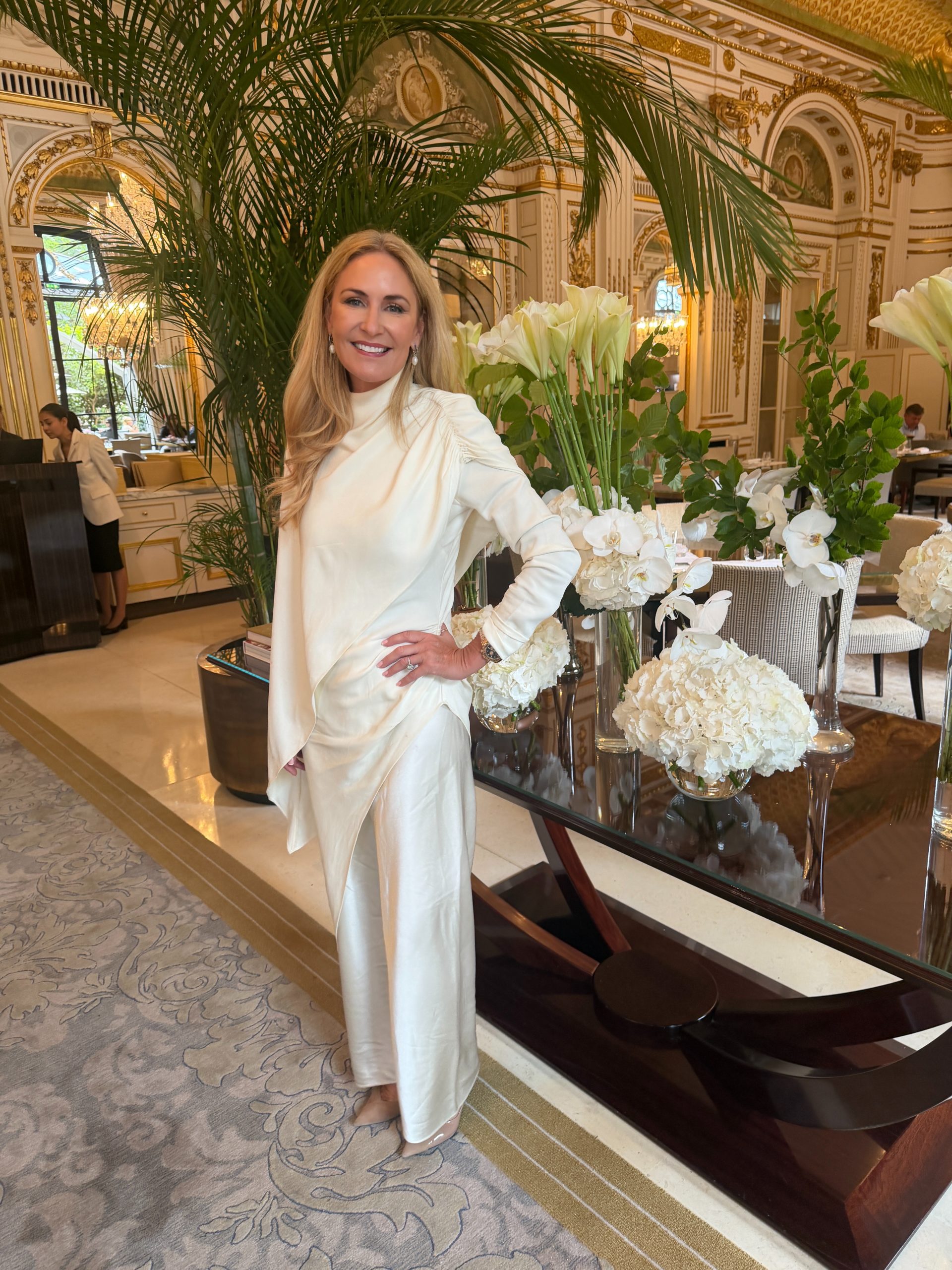
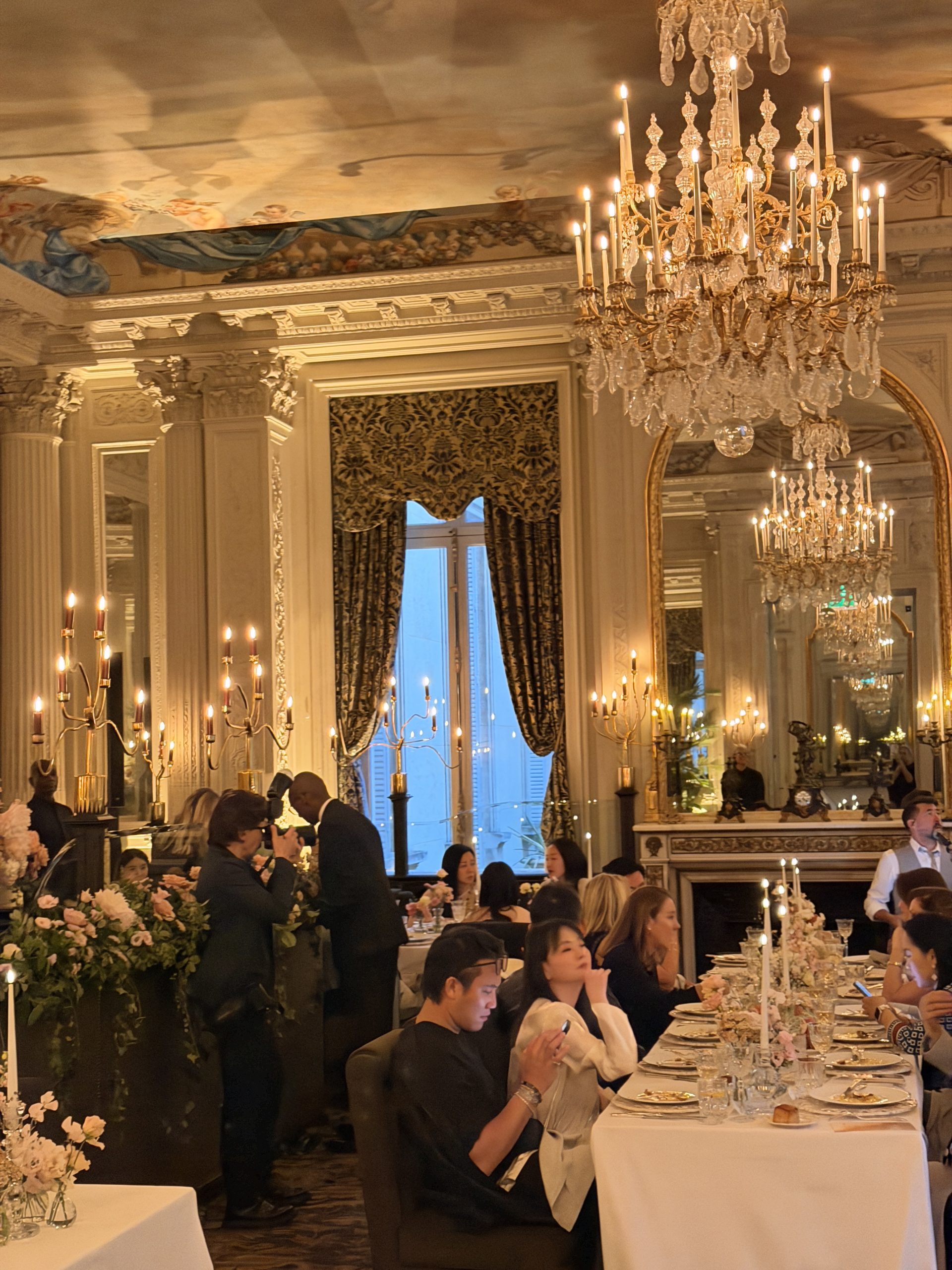
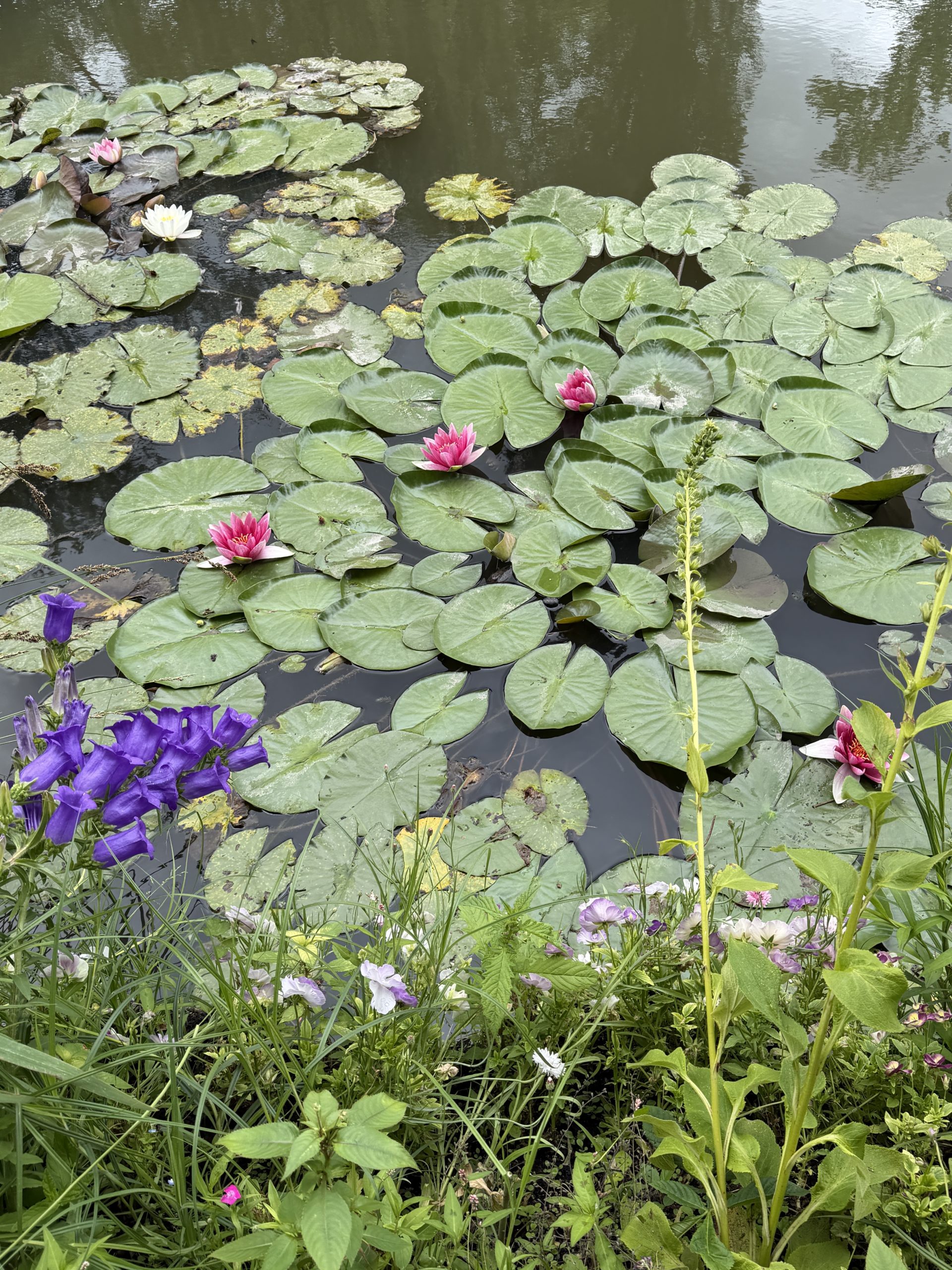
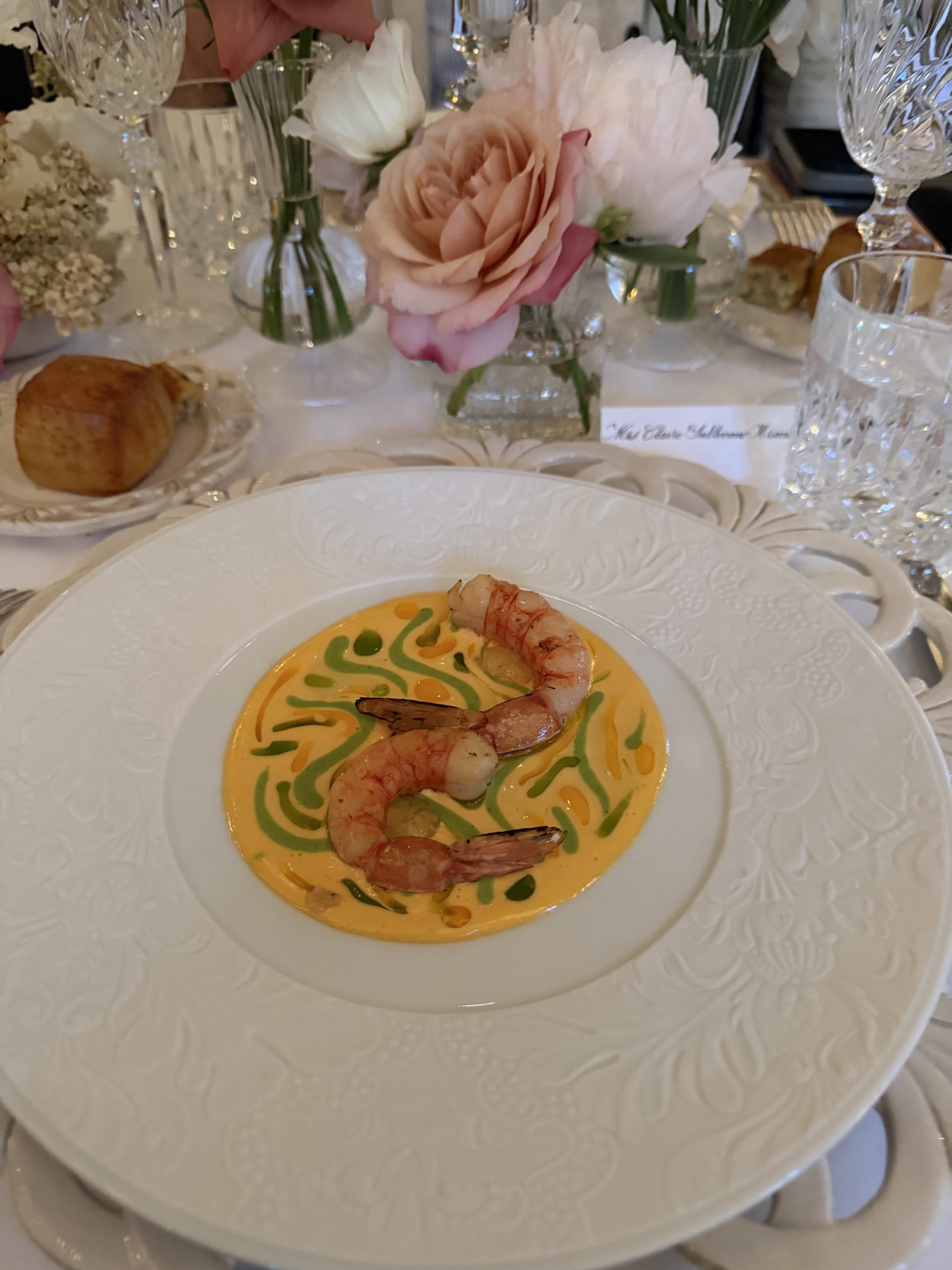
The week Van Cleef & Arpels built around the reveal was, as always, precisely calibrated. It opened with dinner at L’Oiseau Blanc, the two-Michelin-starred rooftop restaurant at the Peninsula Paris, with the Eiffel Tower in the near distance. The following day was a visit to Giverny, where Claude Monet’s lily ponds still hum with the life he observed and painted, and where, standing inside his original home, works hung casually on every wall. Witnessing the relationship between the subject and the art feels almost approachable. Until you consider that Monet’s Water Lilies canvases now fetch between USD $54 and $85 million at auction. In the rooms where they began, that number feels almost beside the point. It is the kind of encounter that sits at the heart of what Van Cleef & Arpels does: honouring the relationship between an artist and their obsession. That evening, dinner at Baronne inside the historic Hôtel Salomon de Rothschild, with a menu curated for the Maison by two-Michelin-starred chef Tom Meyer, felt like a natural extension of the same idea. French cultural authority is expressed through accumulated, unhurried excellence.
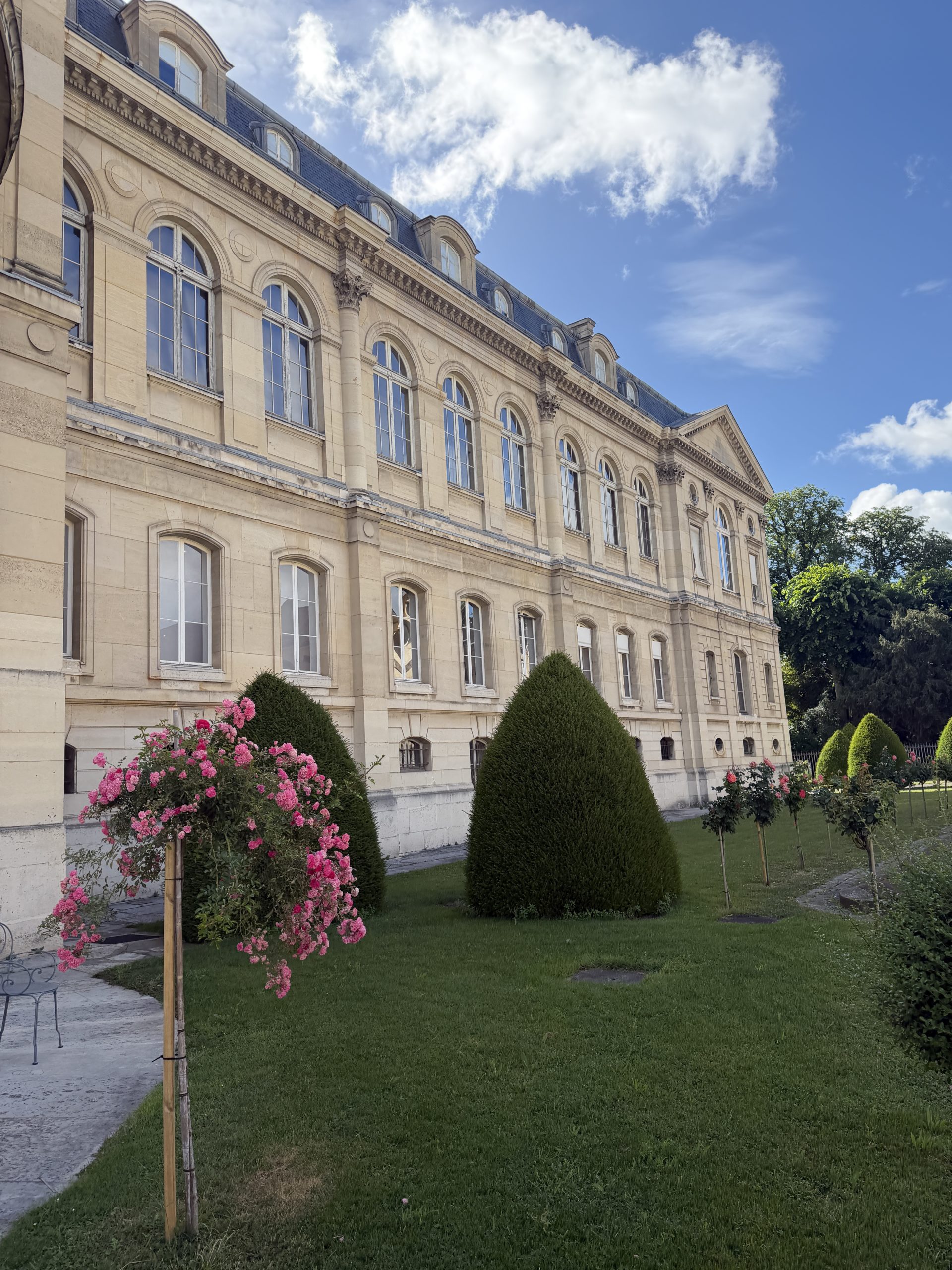
Tuesday opened at the Manufacture de Sèvres, the royal porcelain factory in continuous operation since the eighteenth century, where a workshop visit made visible what the jewellery would later confirm: that patient material intelligence, applied across generations, produces objects that outlast their moment. The Sèvres connection to Egypt is direct. The factory produced Egyptian-motif dinner services for Napoleon’s First Empire, among the earliest European translations of a civilisation that would preoccupy the decorative arts for the next two hundred years. Lunch at Monsieur Bleu on the Palais de Tokyo terrace, Seine and Eiffel Tower stretching out below, then across to the Hôtel Mona Bismarck for the collection to reveal itself.
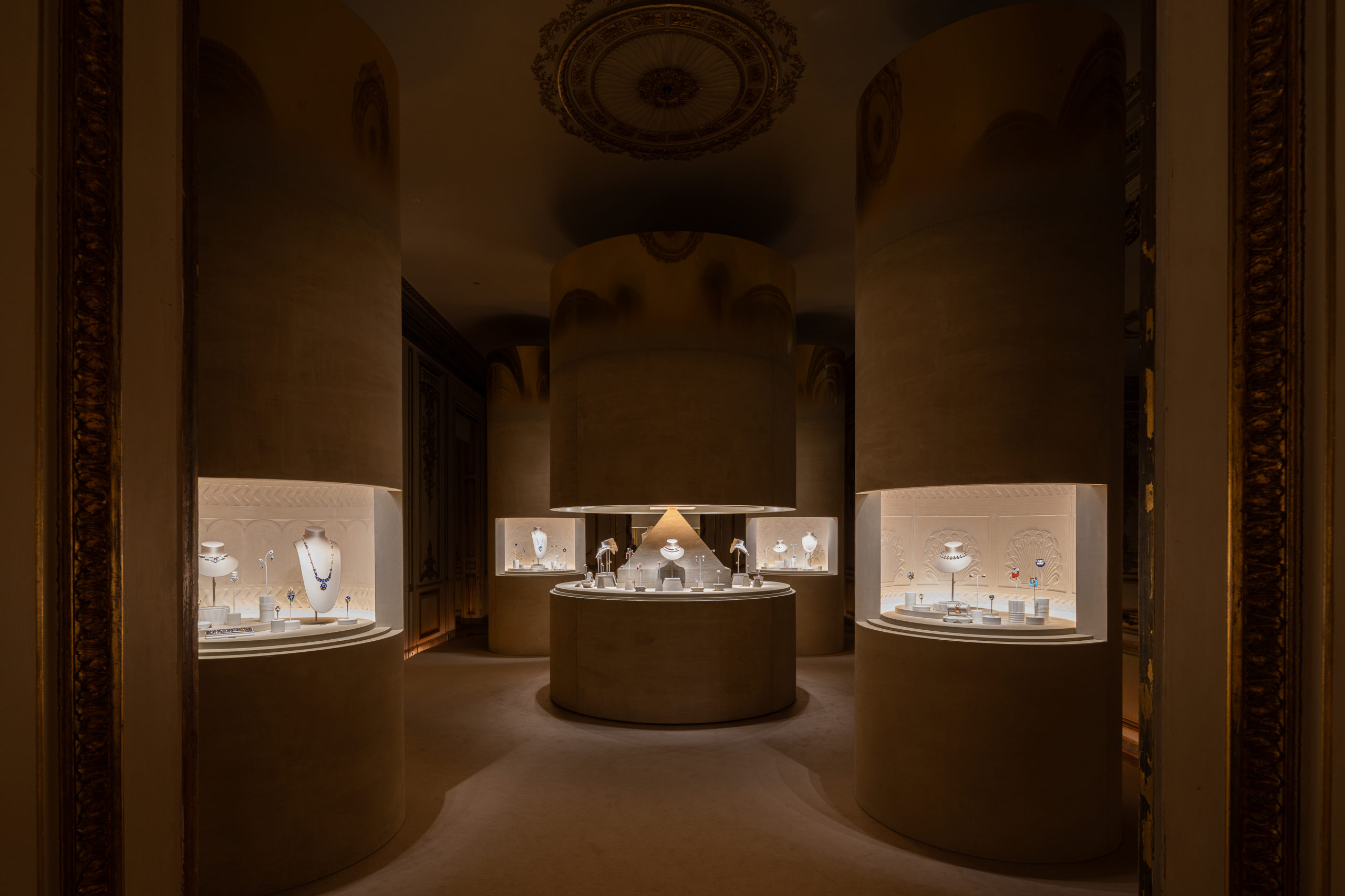
The L’ÉCOLE, School of Jewelry Arts talks on ancient Egypt, and Egyptomania provided the frame. Egypt’s hold on the Western imagination is not nostalgia. It is something more structural. When Napoleon’s campaigns concluded at the turn of the nineteenth century, the flood of images and objects they released into European consciousness proved impossible to contain. The 1909 Ballets Russes production of Cleopatra at the Théâtre du Châtelet plunged Parisian audiences into a vivid vision of ancient Egypt that reverberated through the decorative arts. Howard Carter’s discovery of Tutankhamun’s tomb in 1922 ignited a full Egyptomania, extending from Art Deco design to Hollywood, from haute couture to high jewellery. What L’ÉCOLE made clear is that the fascination has never fully abated, because Egypt’s visual language remains immediately legible across every cultural context and every century. The sun, the scarab, the eye, the winged deity: symbols that lose nothing in translation.
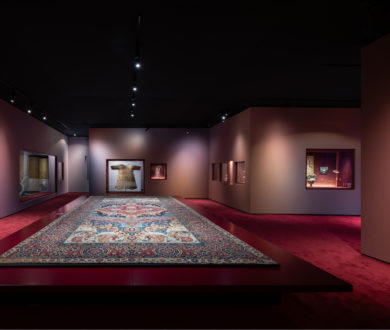
Van Cleef & Arpels was founded on the Place Vendôme in 1906, at a time already thick with Egyptian references. The tomb’s discovery in 1922 only accelerated the Maison’s interest. The Egyptian Pattern bracelet from 1924, in platinum, emeralds, rubies, and sapphires, shows exactly how quickly that influence moved. By the late 1930s, the connection had become royal: a 1929 Collaret in platinum, emeralds and diamonds was acquired by Princess Faiza of Egypt; a 1937 Peony clip in Mystery Set rubies passed to the same family; the 1939 Collaret in platinum and diamonds was made for Queen Nazli herself. Presented alongside the new collection, these pieces are proof of Van Cleef & Arpels’ longstanding fascination and intrigue with Egypt.
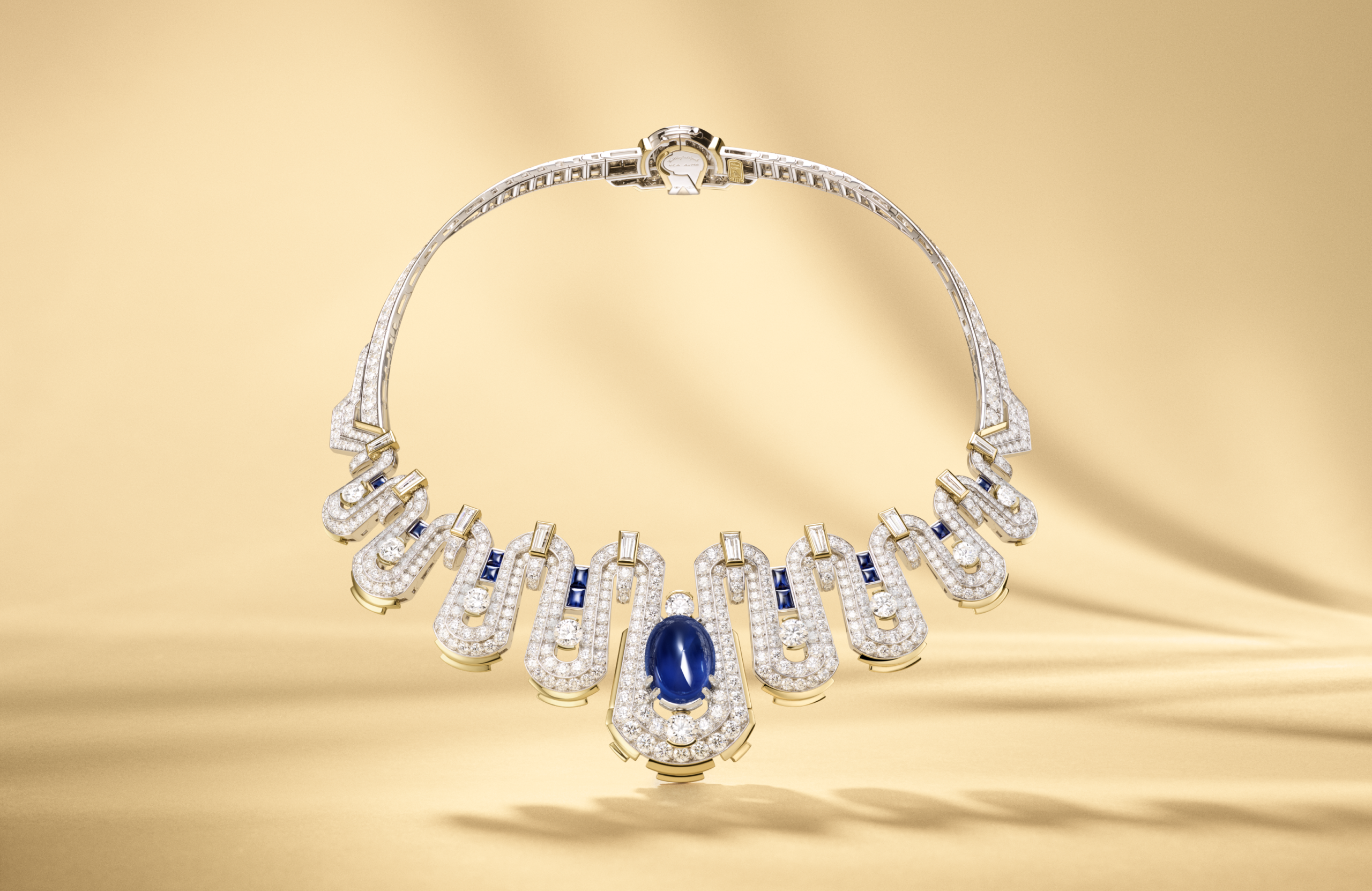
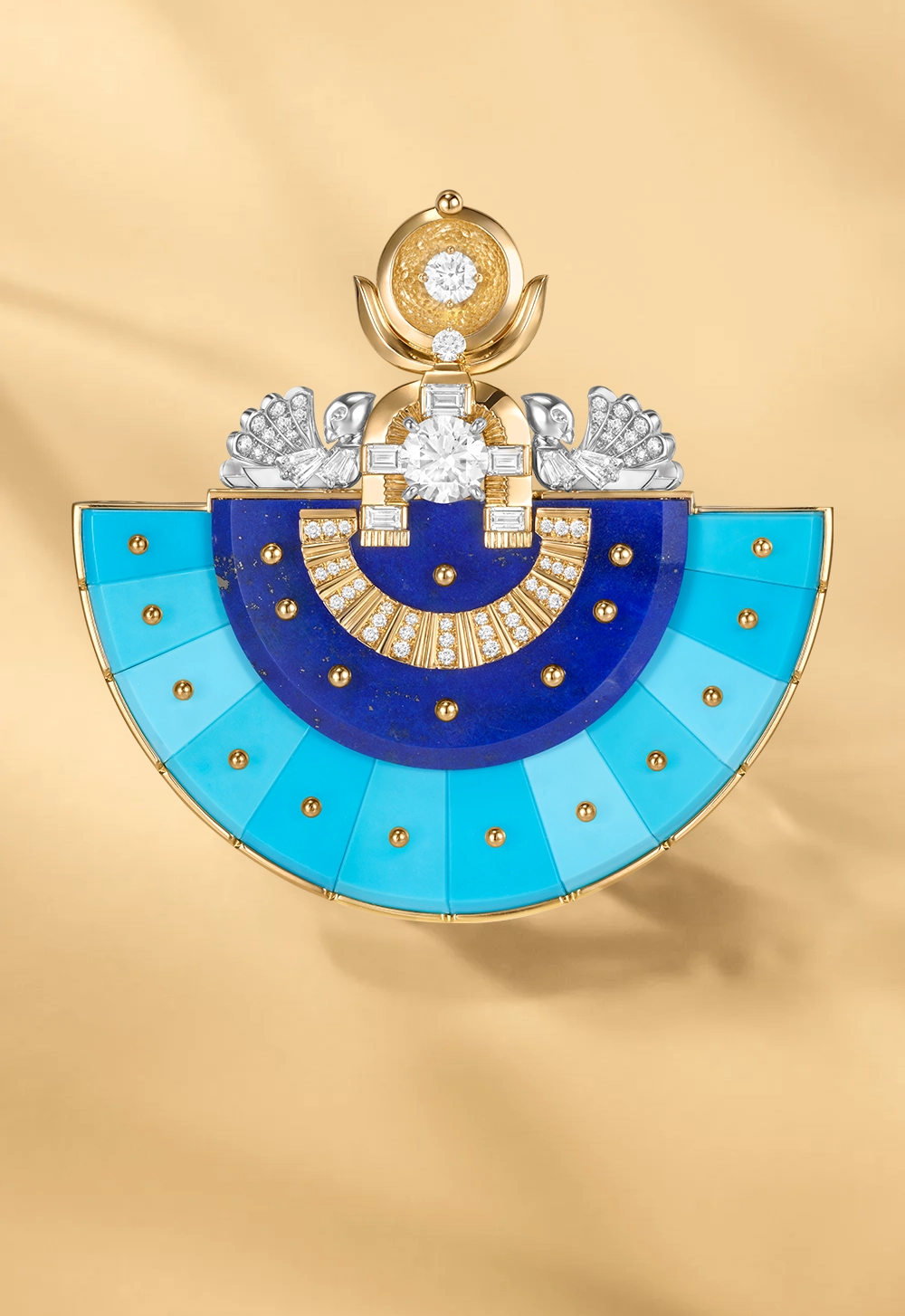
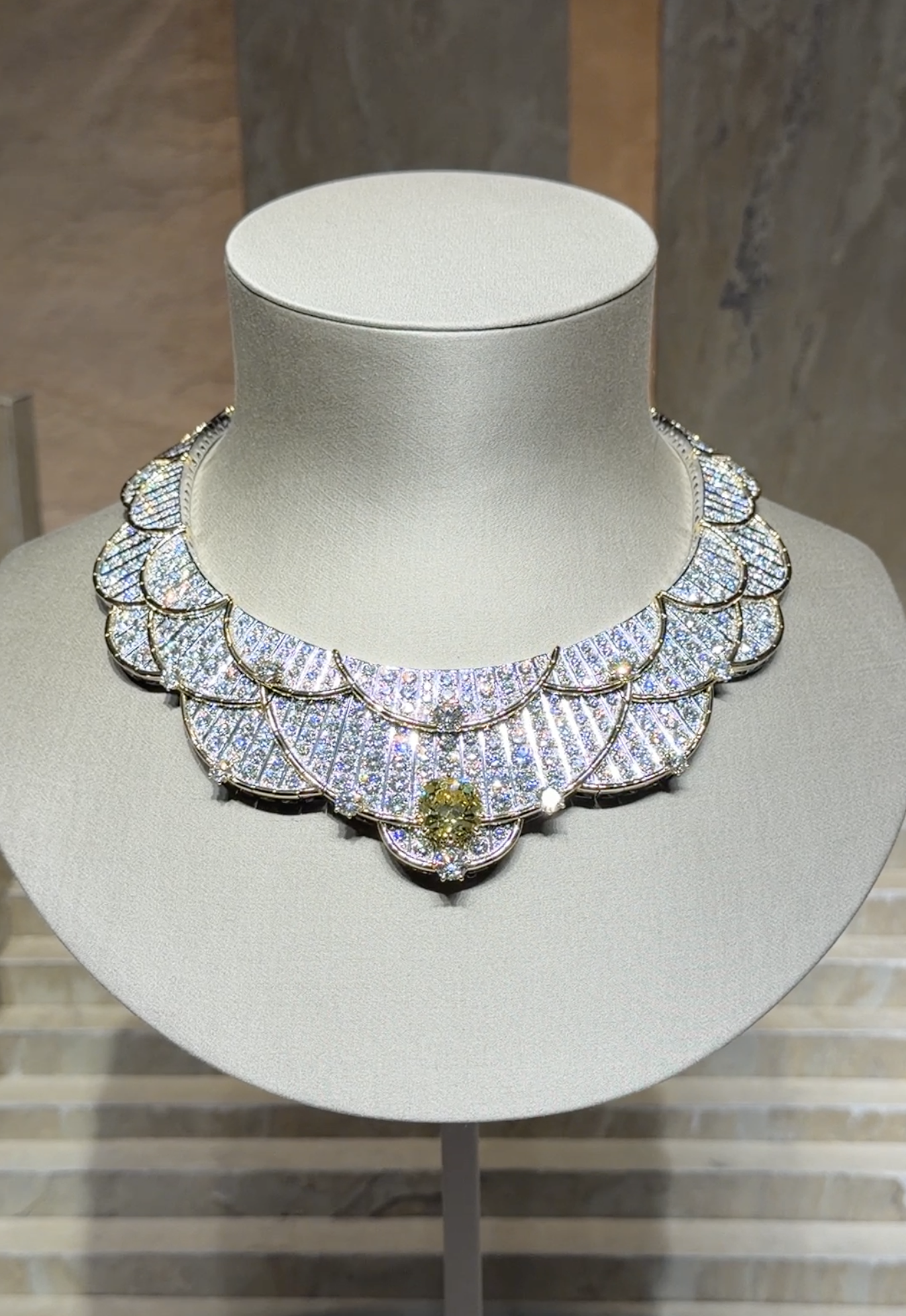
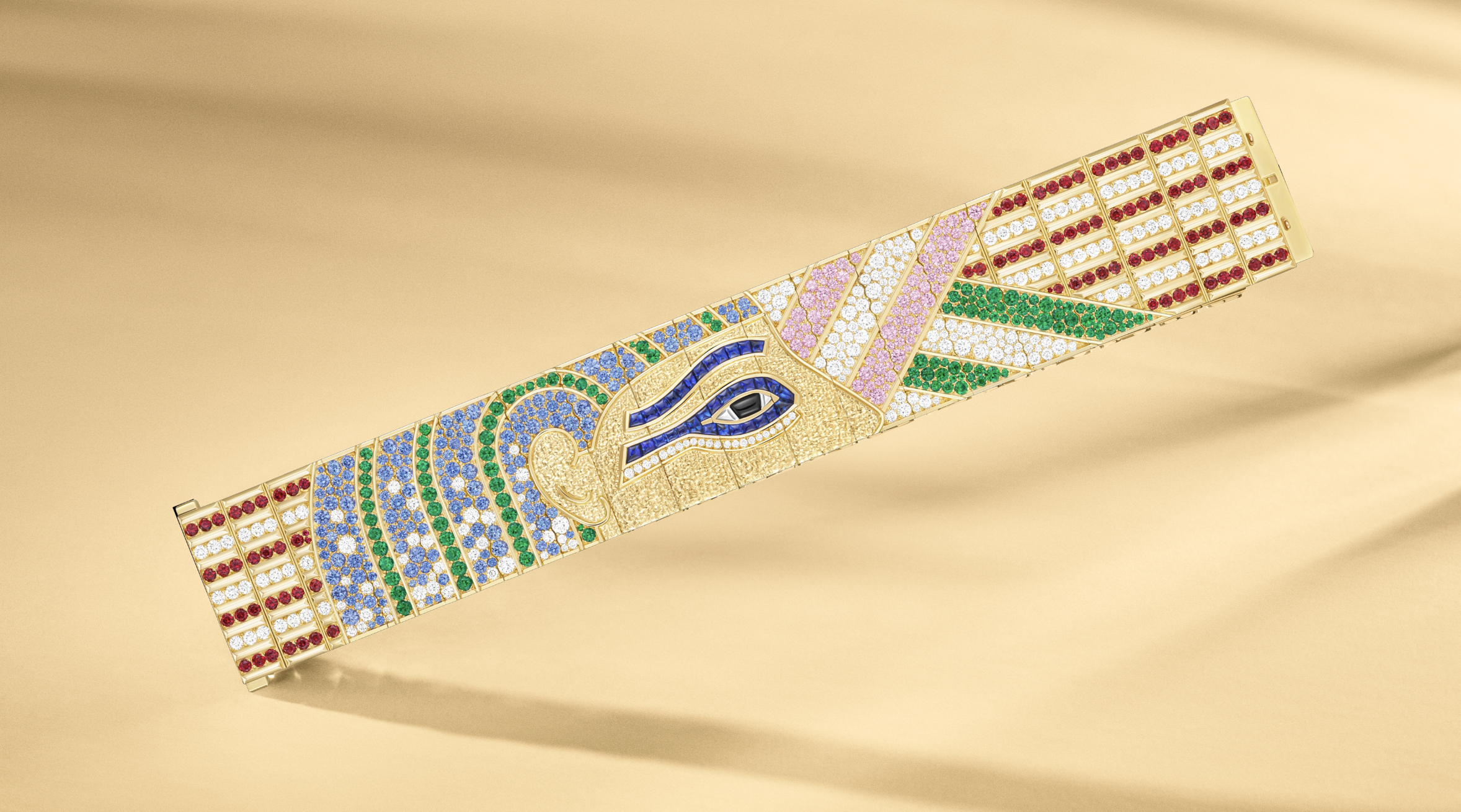
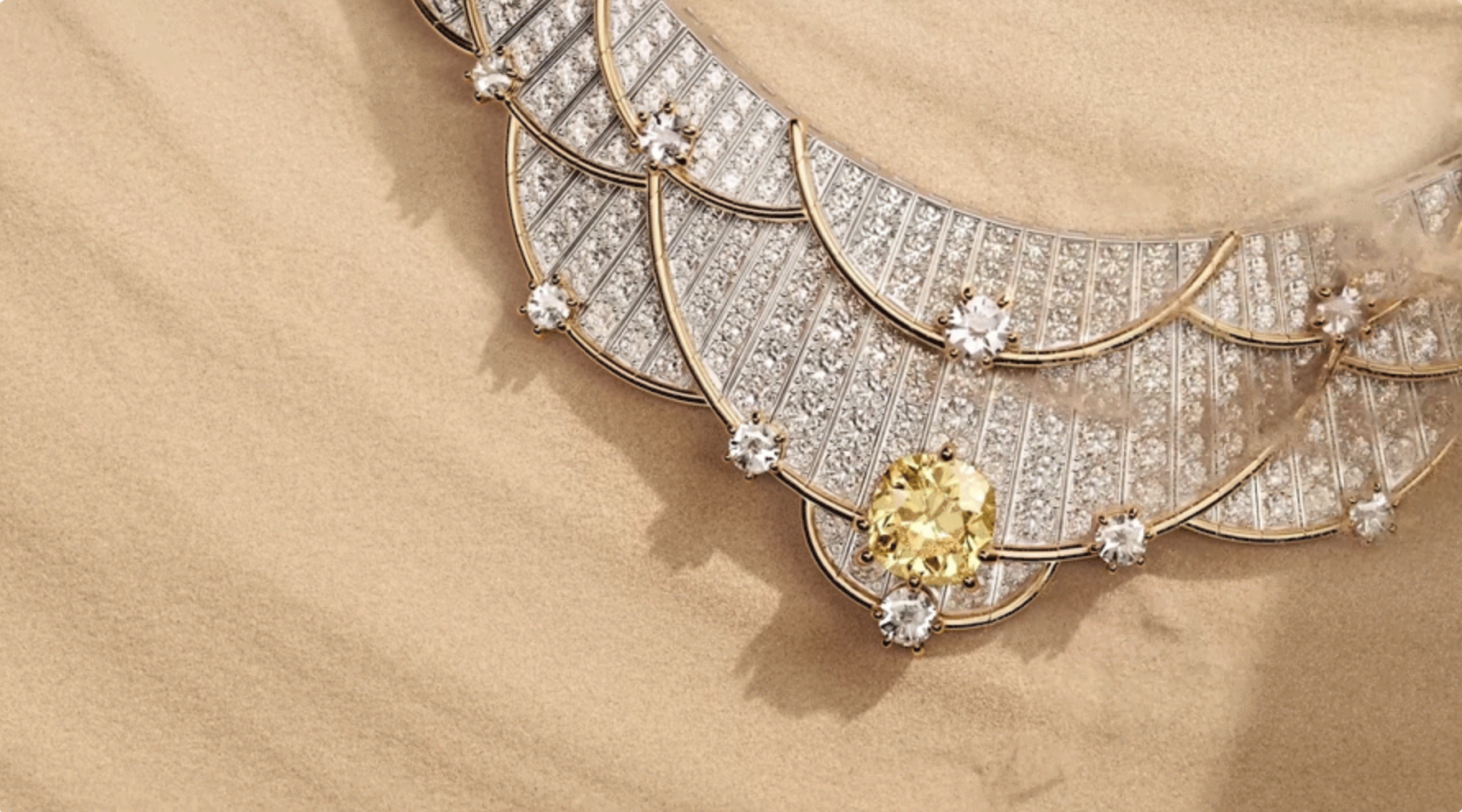
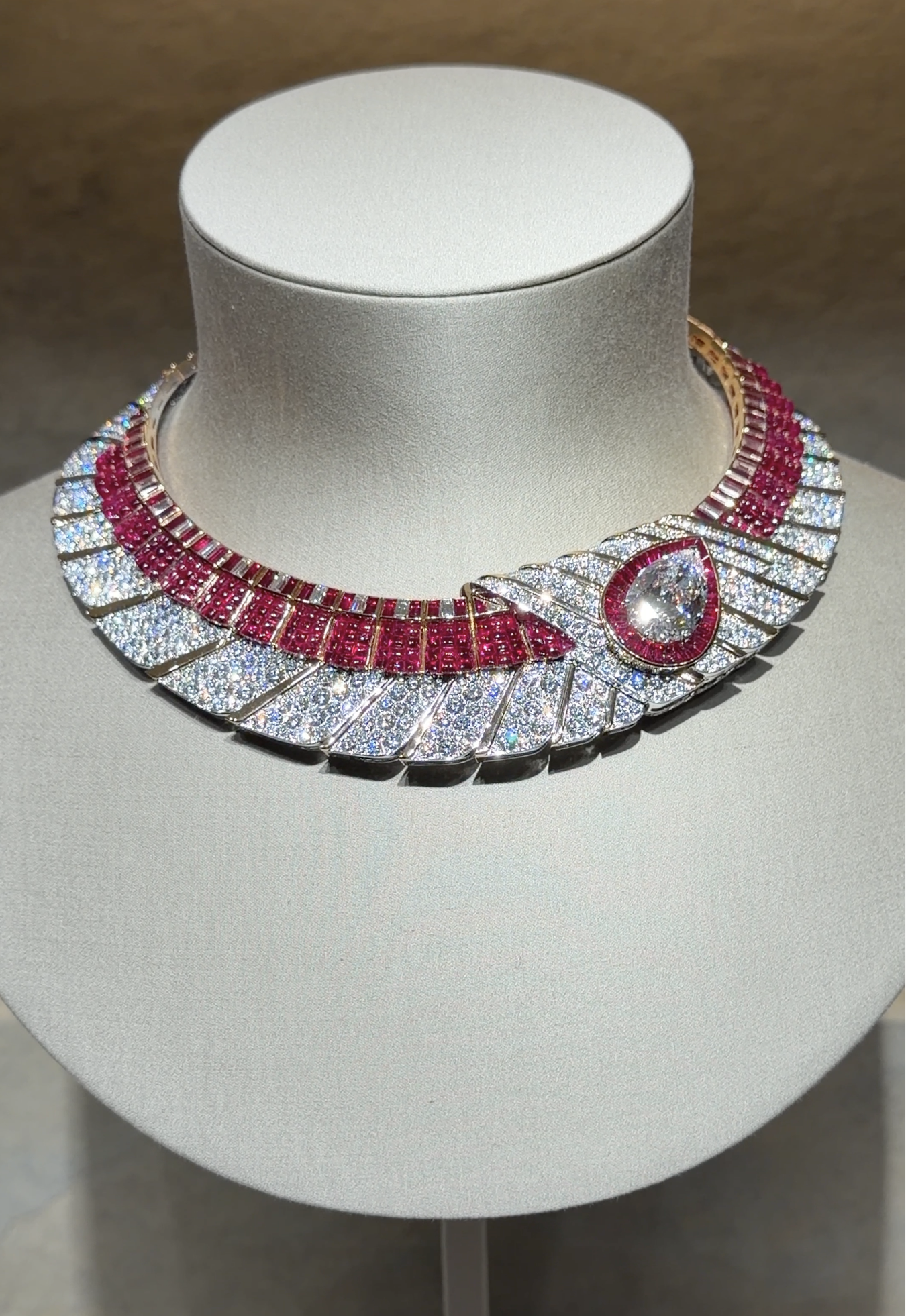
Fascinating Egypt comprises approximately 180 pieces, most of which were claimed by collectors before our viewing. Among the standouts: the Vénus égyptienne clip evokes Hathor, Egyptian goddess of love, beauty and music, through lapis lazuli and turquoise marquetry. Each section is hand-cut to fit with perfect precision, each dotted with a golden sun stud, crowned with white gold falcons set with diamonds, and centred on a 1.51-carat round diamond. It is exacting, mythologically specific and quietly extraordinary. The Beauté légendaire necklace centres a cushion-cut Fancy Vivid Yellow diamond of 10.02 carats within a fully articulated diamond breastplate, its garland lines in polished yellow gold referencing the chest jewels of ancient royalty, the lotus flower clasp hidden at the back as a private gesture toward Egypt. The Paysage royal bracelet is a wrist-length fresco of emeralds, rubies, sapphires, onyx and diamonds so densely set that the metal beneath disappears. And the Déesse ailée Mystérieuse necklace and ring, stylised wings in Traditional Mystery Set rubies and snow-set diamonds built around a pear-shaped DFL Type 2A diamond of 14.05 carats, carries the complexity of its articulation system completely invisibly. It moves like something that was always going to look exactly this way.
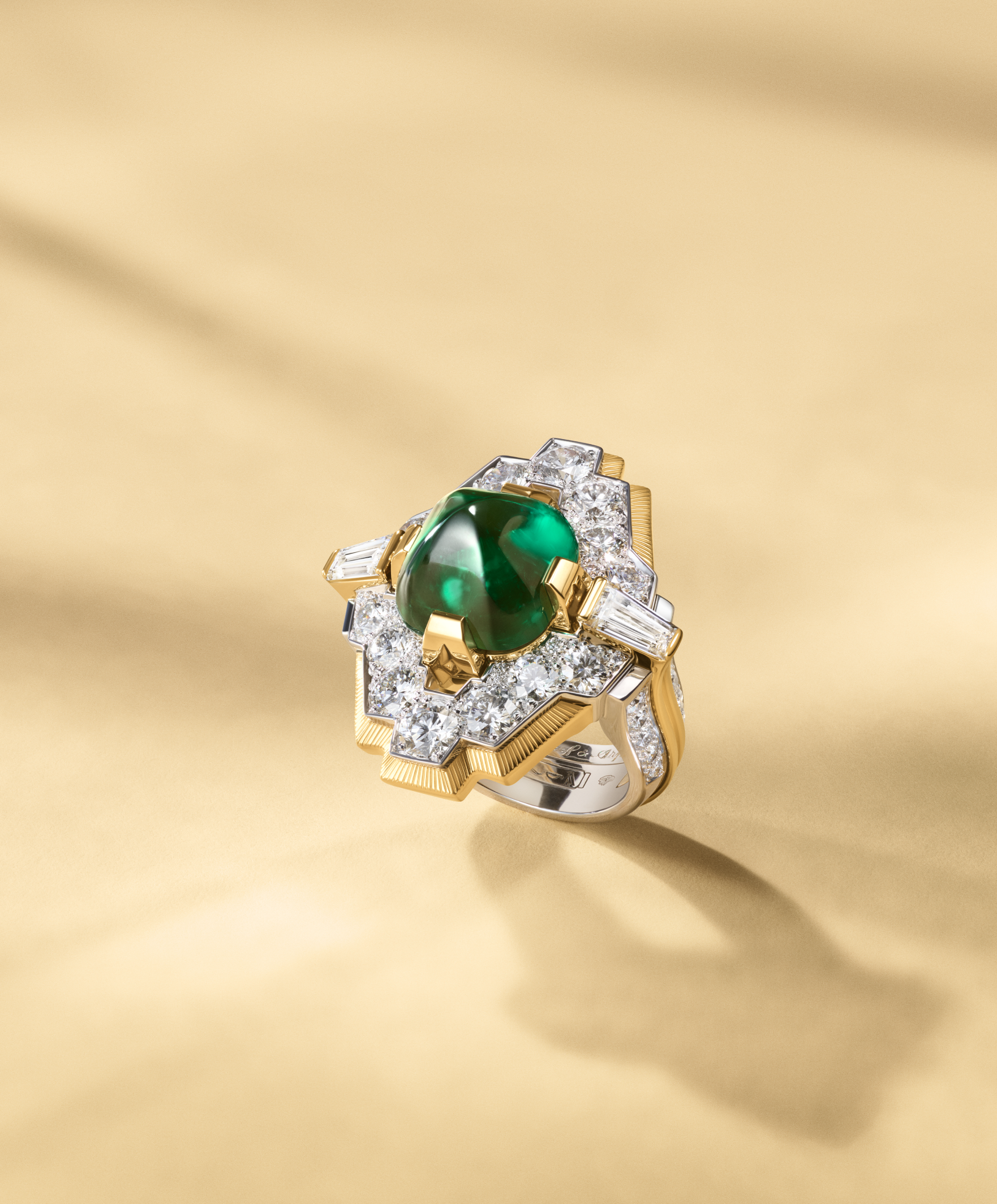
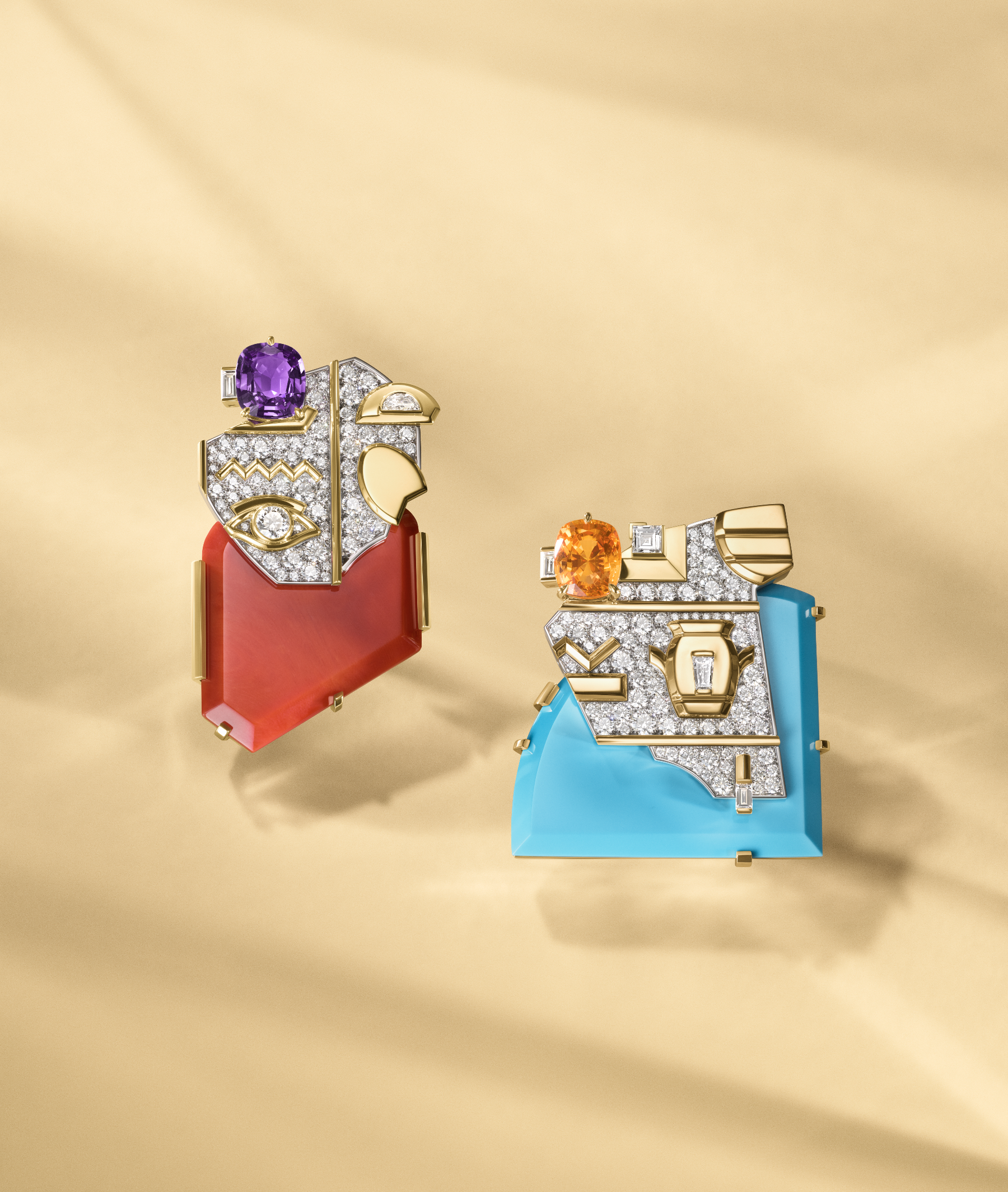
The week concluded with a gala dinner at Palais de Chaillot, the Eiffel Tower framed across the Trocadéro gardens in the long June light. An immersive journey through Egyptian dance and music unfolded across the evening, as models wearing each piece moved through the room, bringing the jewels to life in a way only the body can. These experiences with Van Cleef & Arpels continue to teach me something new. The Maison’s respectful appreciation for ancient cultures expressed through modernity and respect for humanity leaves me both in awe and truly grateful for the experience.