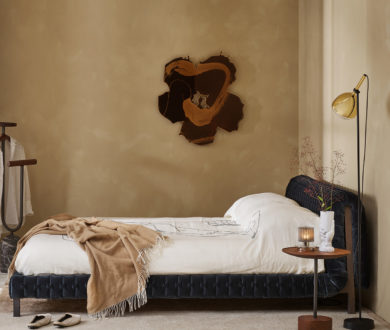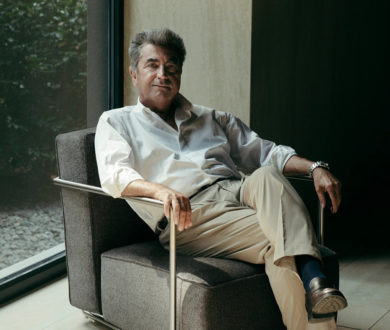



Salone may still belong to design, but the fashion houses have made themselves entirely at home, and this year it felt less like a takeover and more like a quiet recalibration of how they show up. The excess of mismatched collaborations has eased, replaced by a more confident return to core identity, where those with credible home lines refined their language, and those without leaned into experience rather than product.
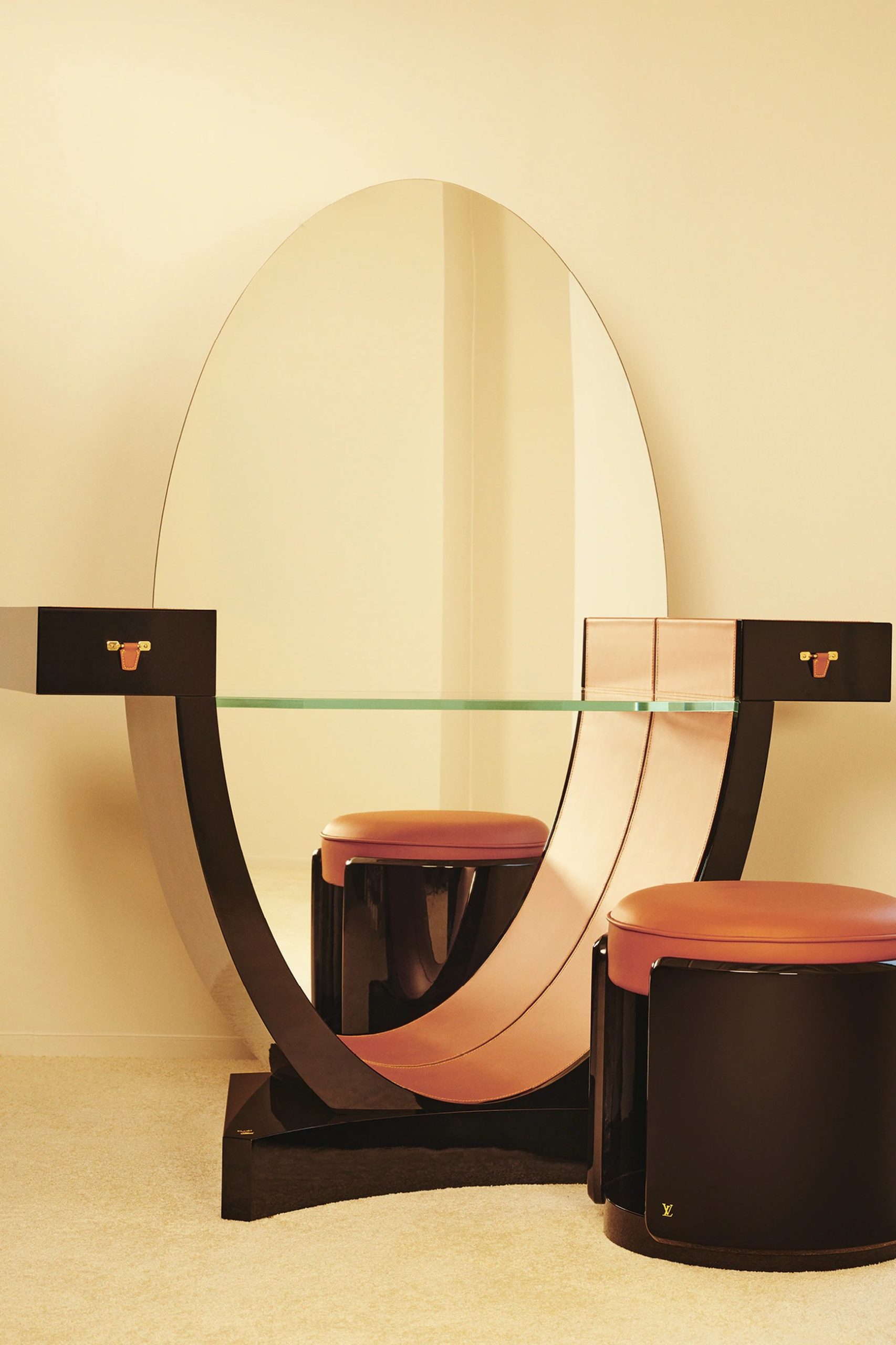
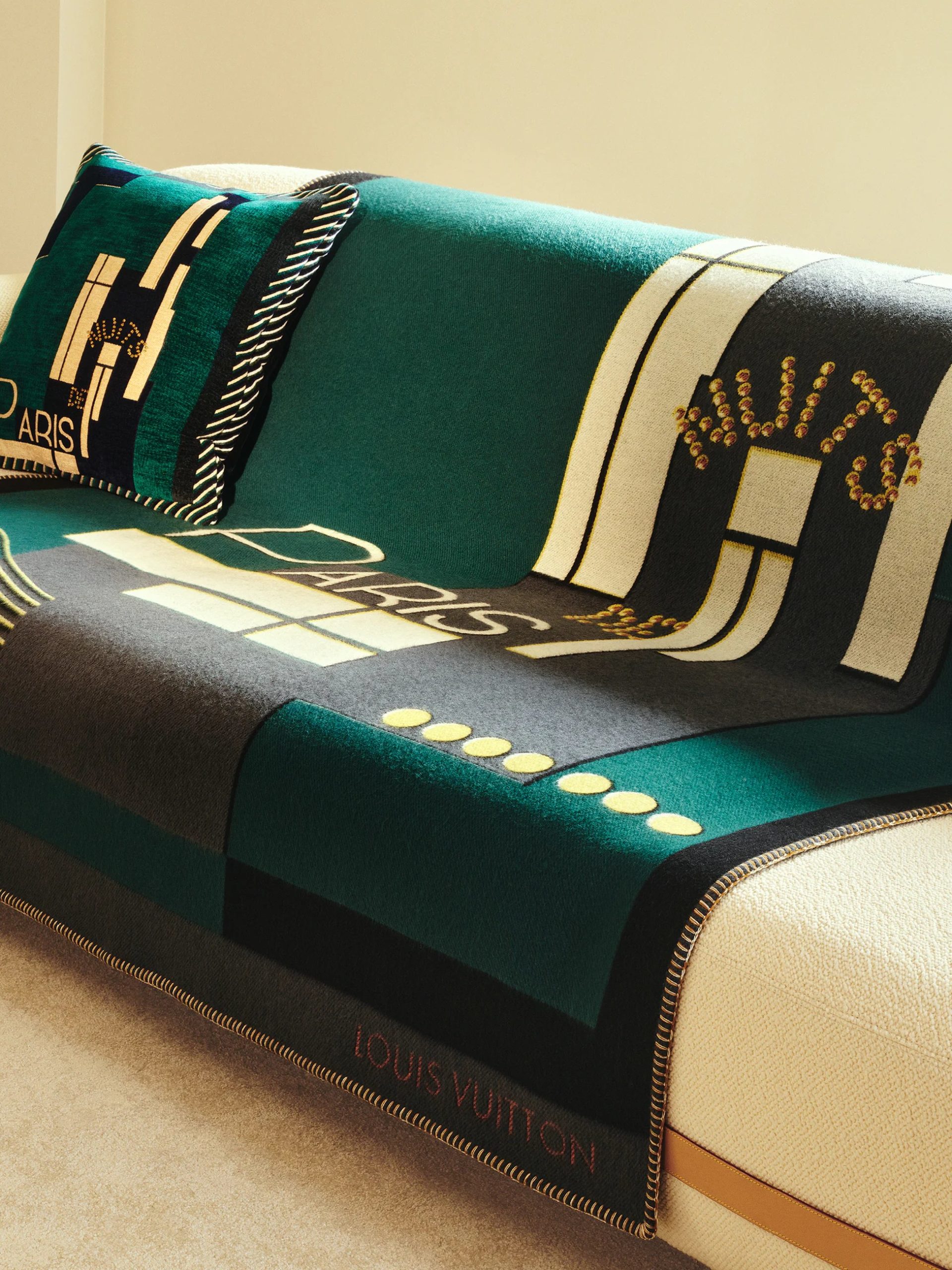
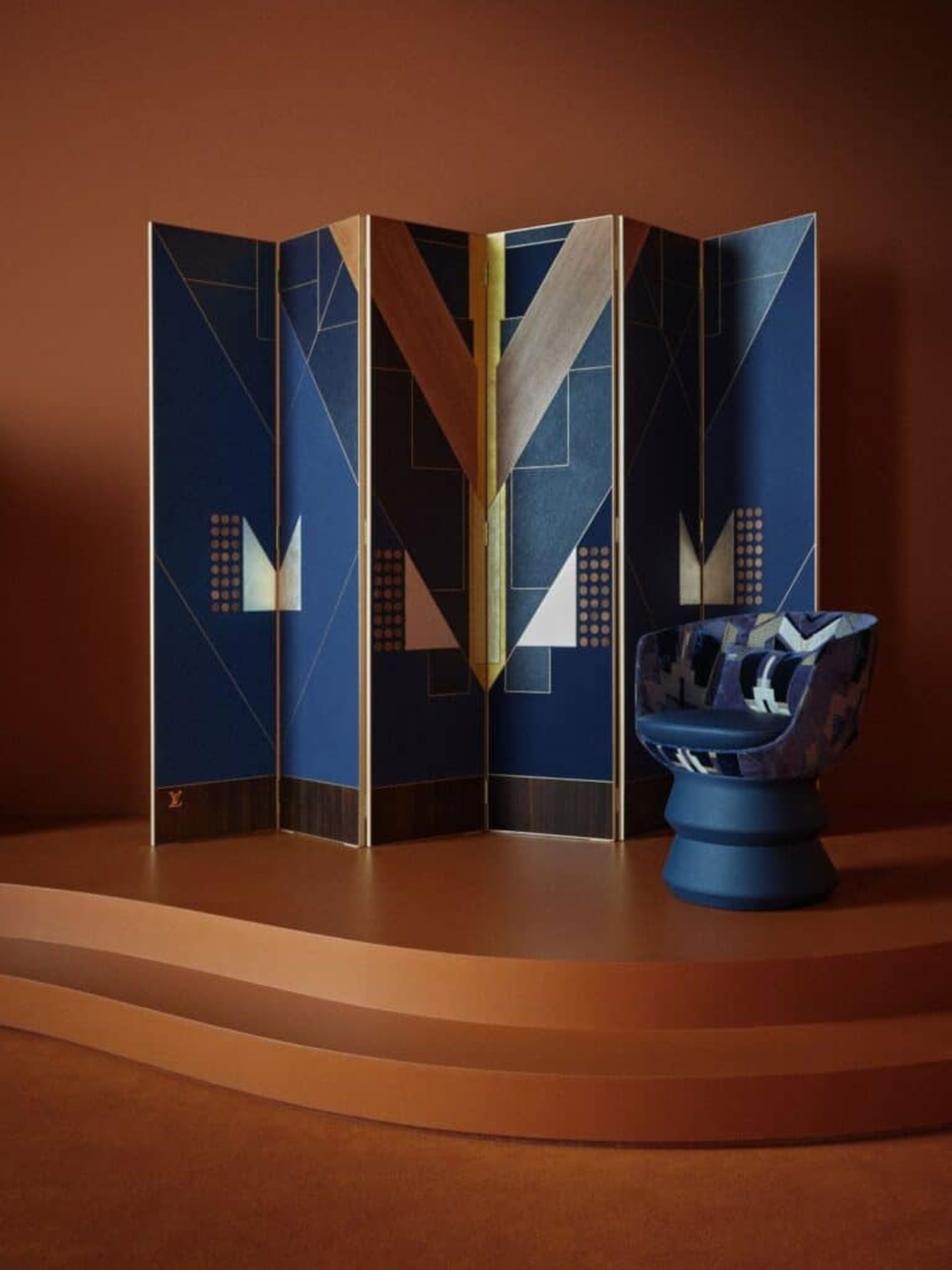
Beneath the frescoes of Palazzo Serbelloni, Louis Vuitton returned to Objets Nomades with a considered nod to Pierre Legrain, reissuing his Celeste Coiffeuse alongside a series of pieces that balanced craft with theatre.
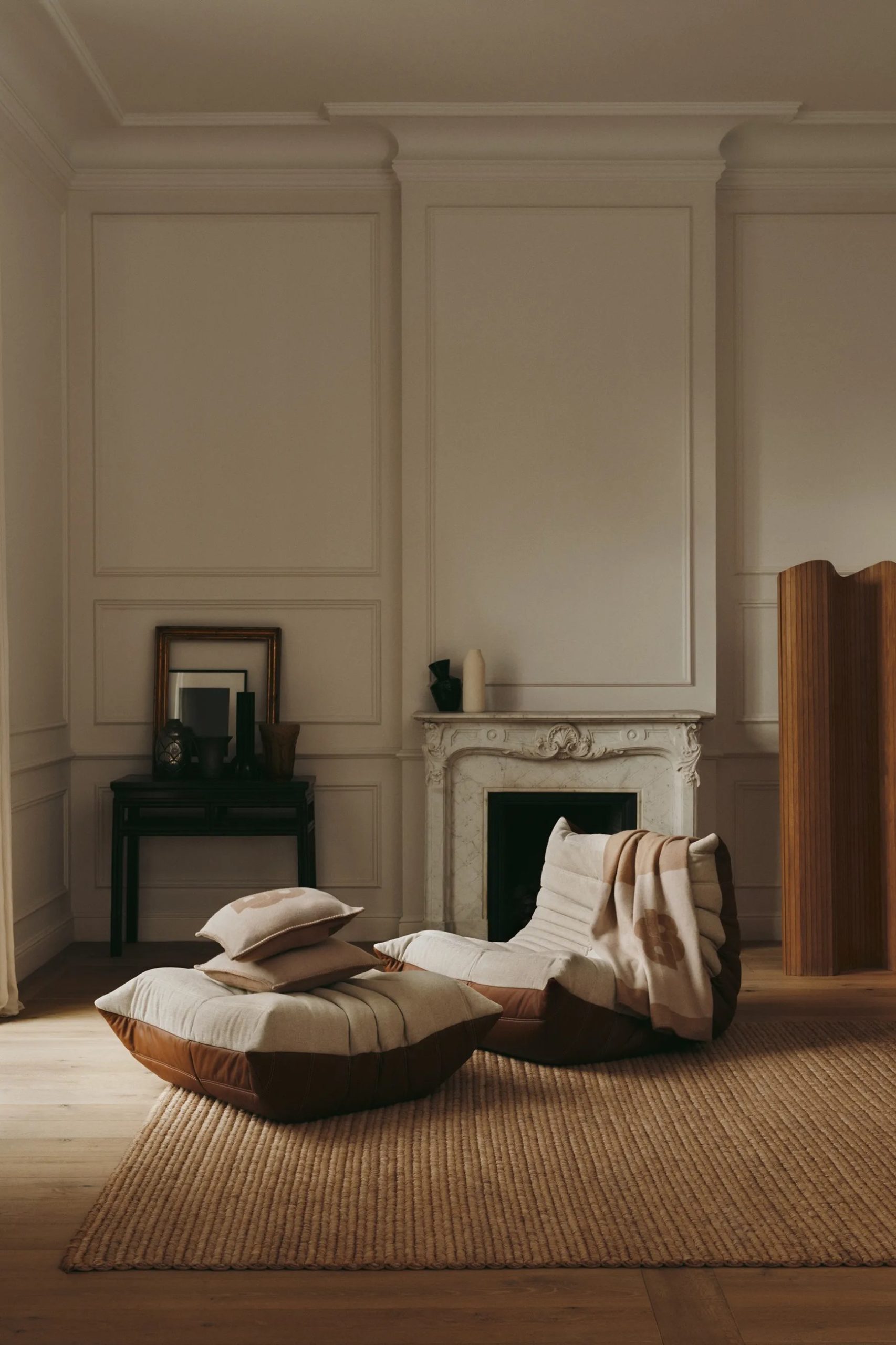
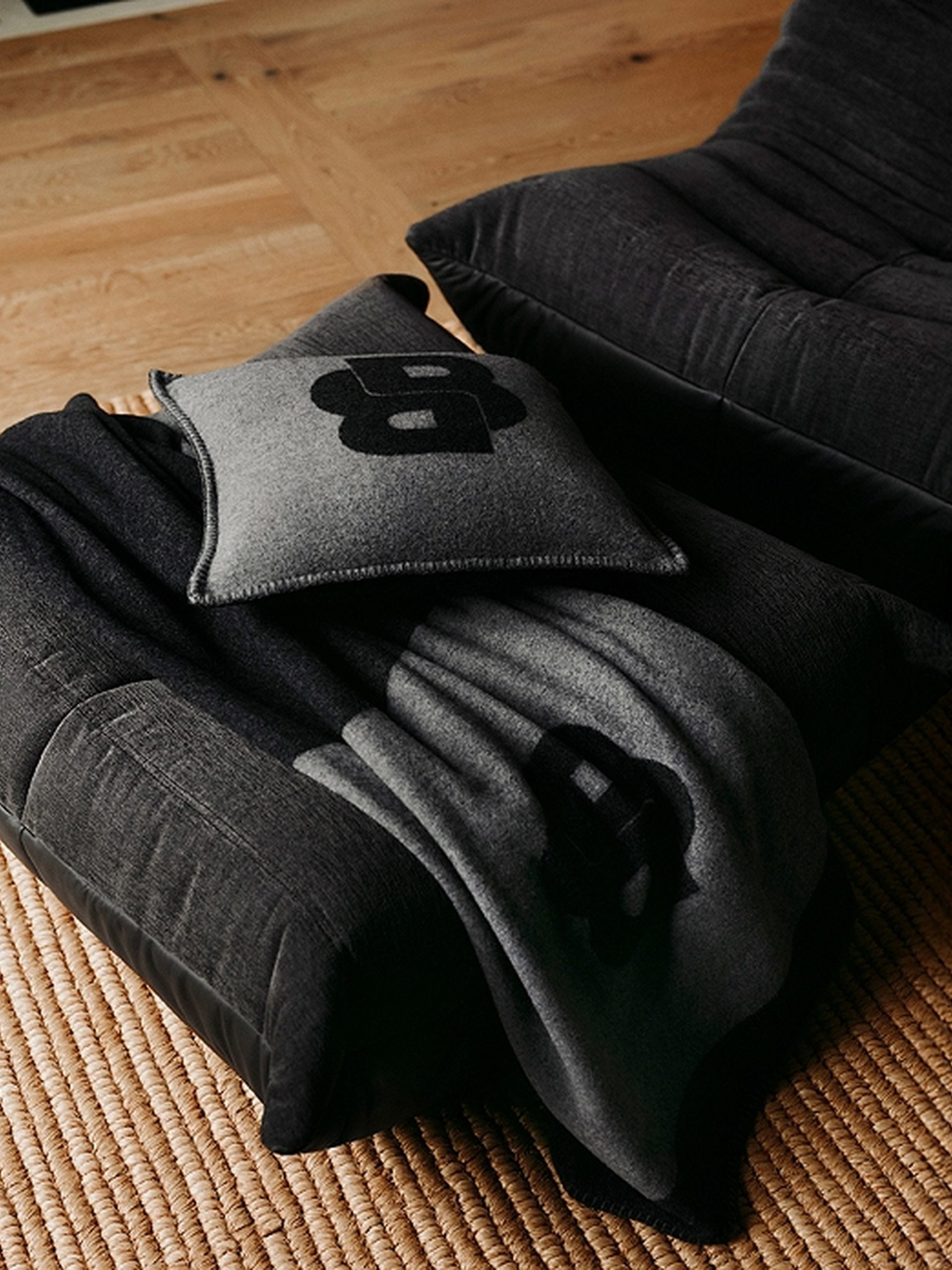
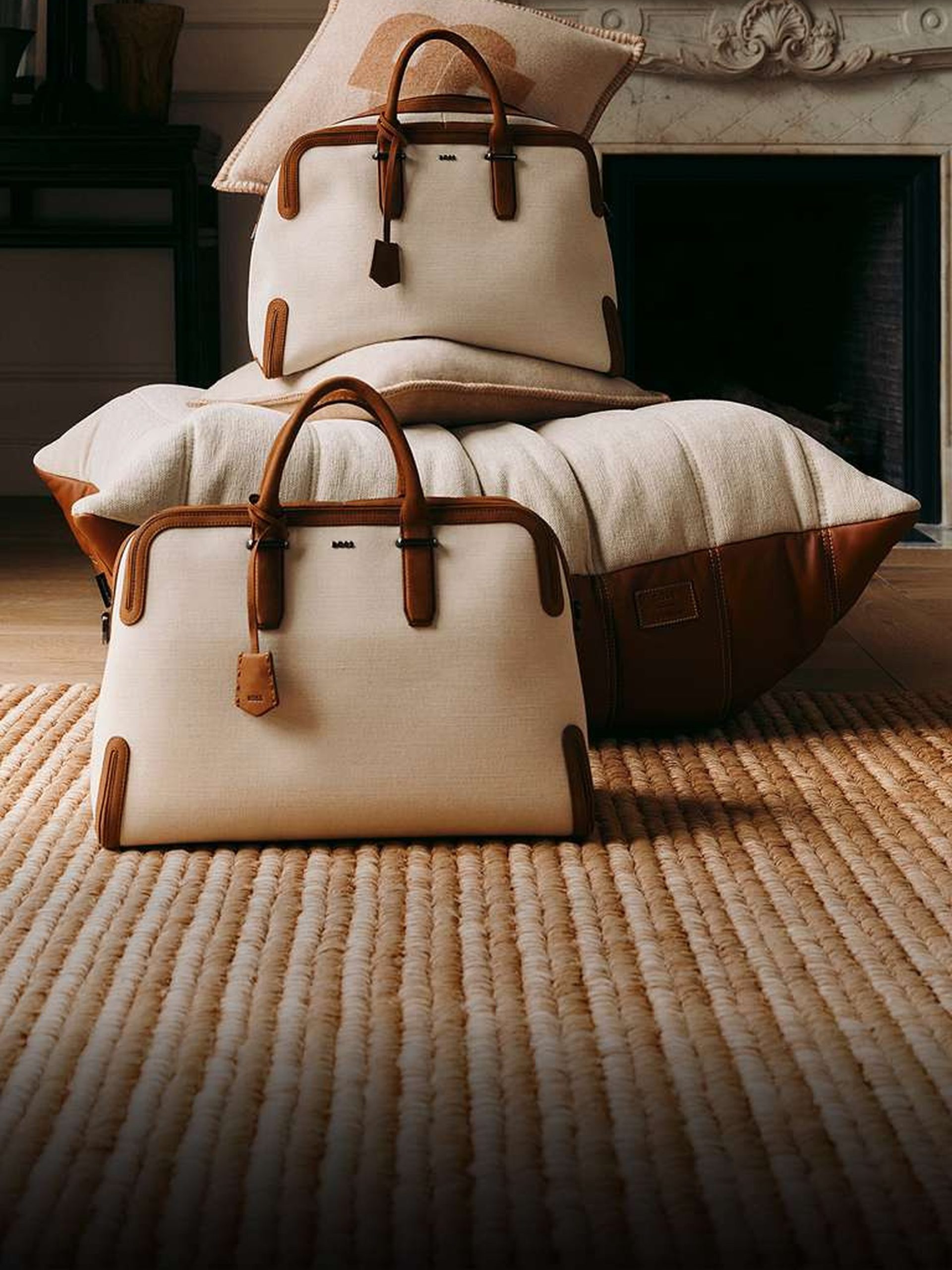
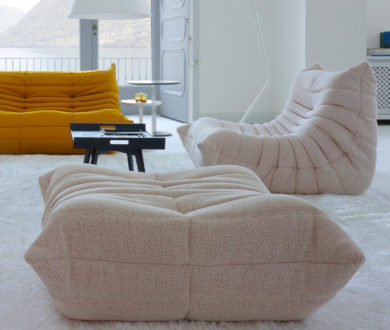
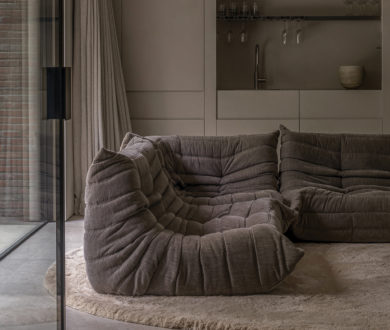
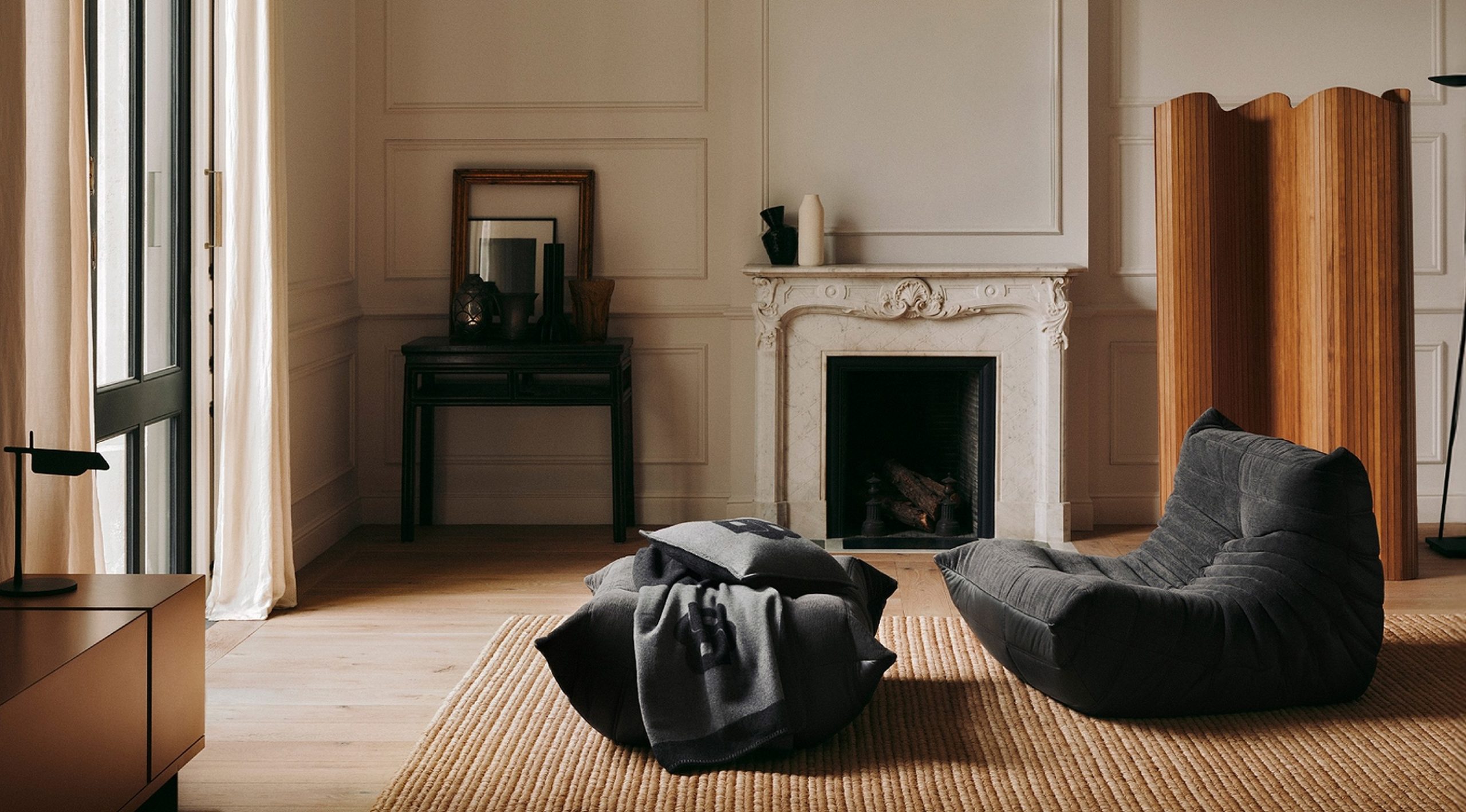
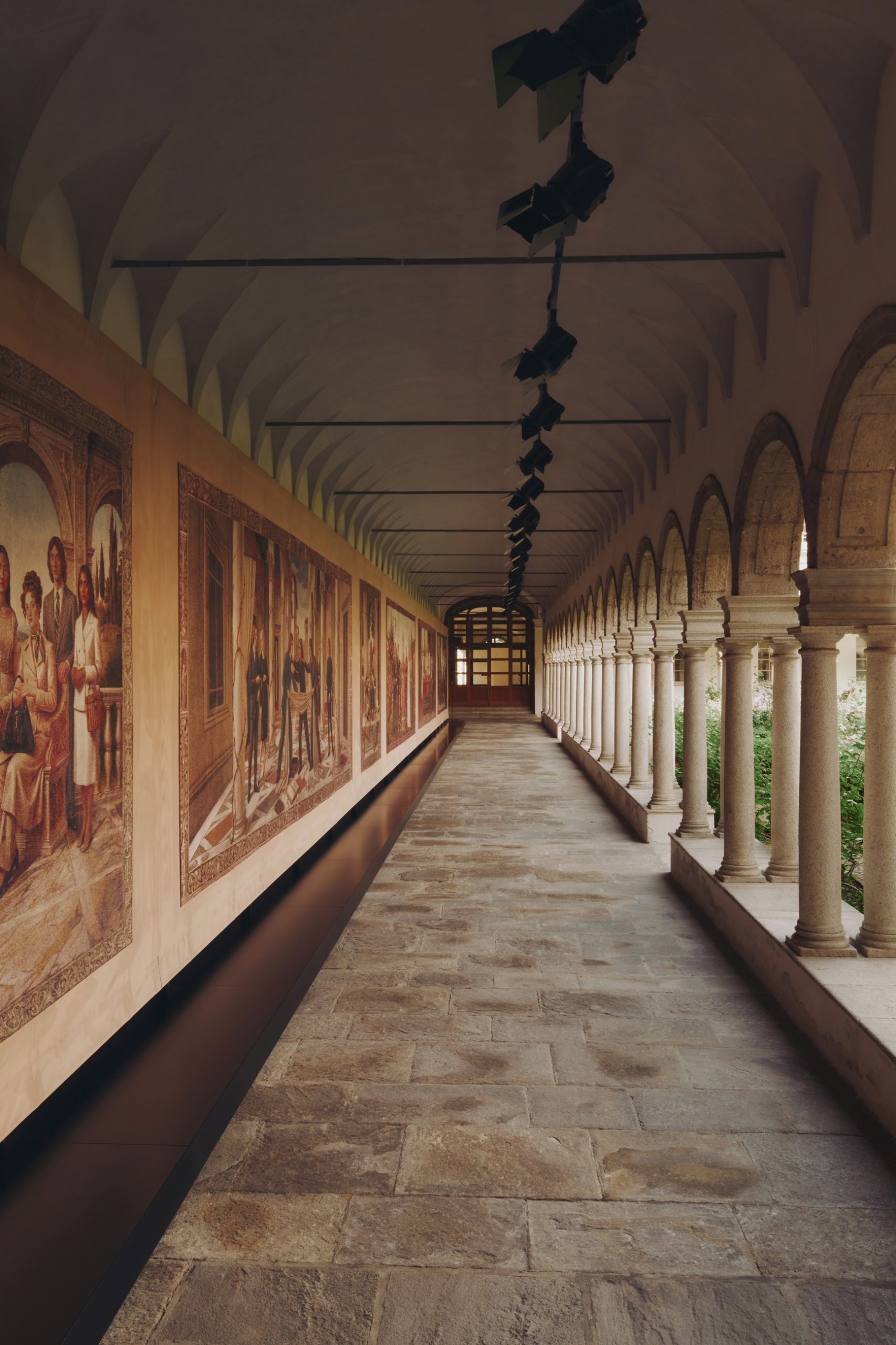
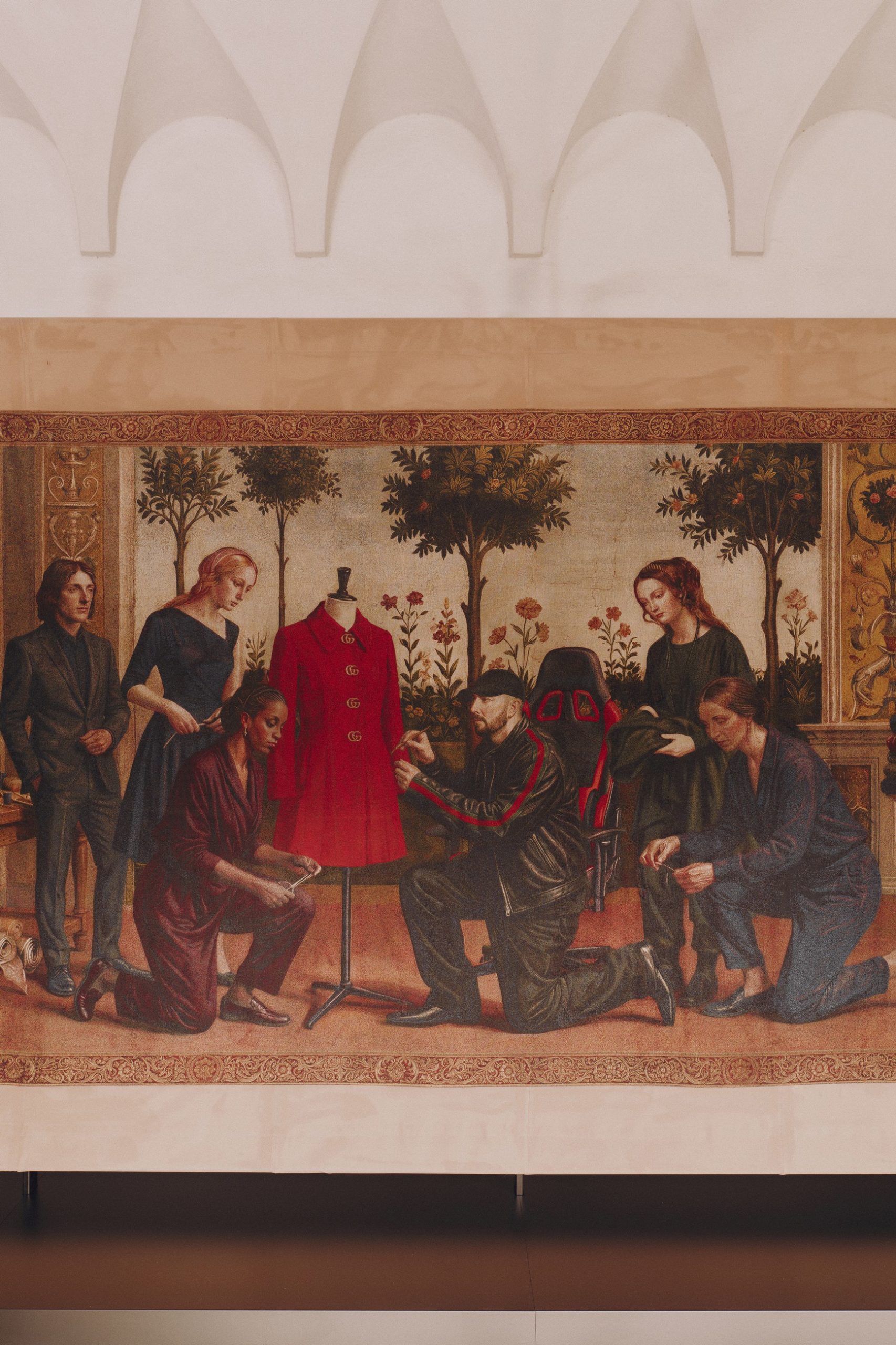
Hugo Boss translated its tailoring language into Ligne Roset’s famed Togo, bringing the precision and softness of suiting to contemporary living, while the Gucci Memoria exhibition, curated by Demna at the Chiostri di San Simpliciano, reinterpreted the house’s history through theatrical installations, tapestries, and interactive displays.
Dior leaned into the atmosphere at Palazzo Landriani, where Noé Duchaufour-Lawrance’s light pieces echoed the silhouette of the Corolle skirt within a raffia-lined setting that felt both nostalgic and precise.
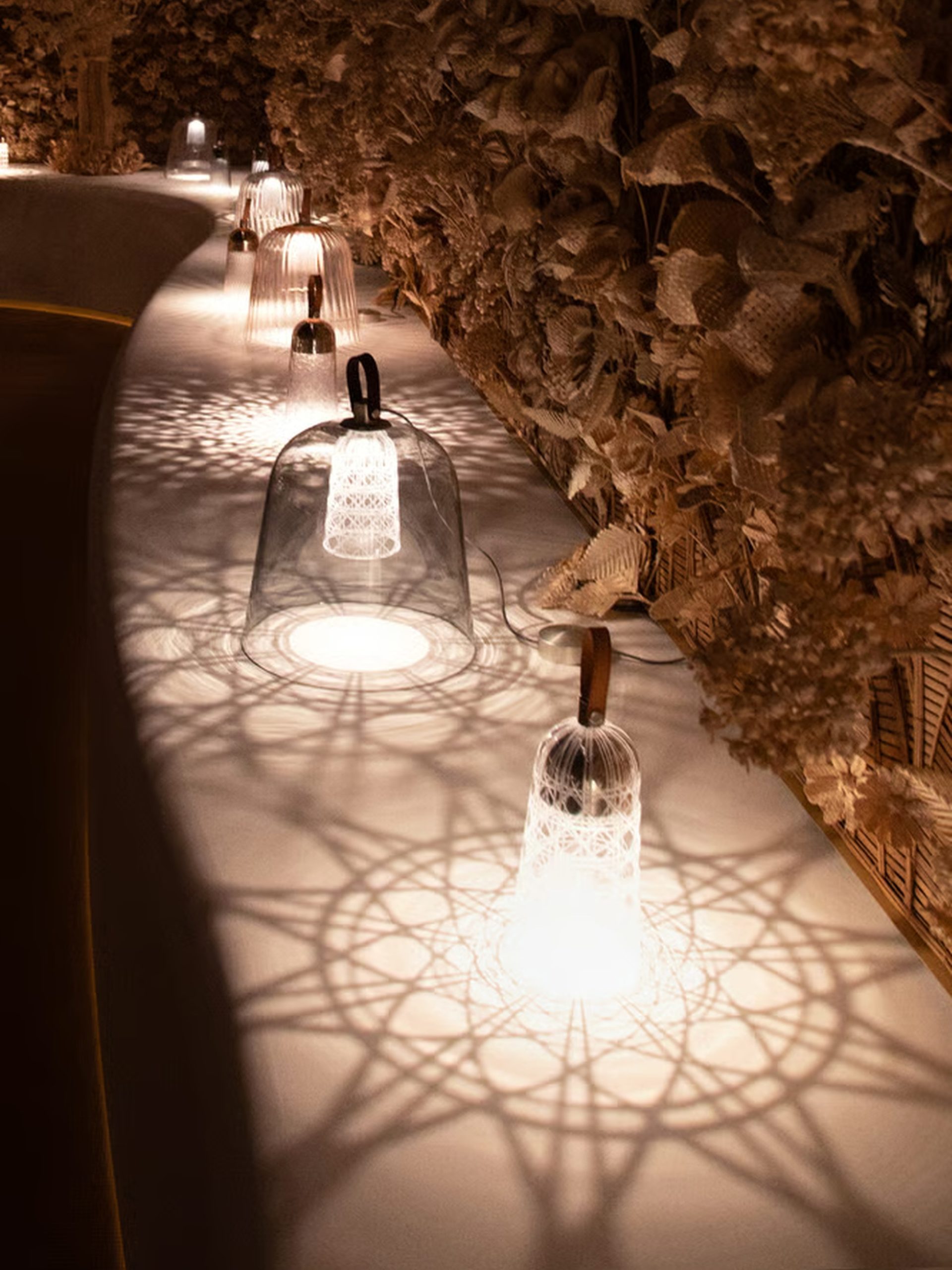
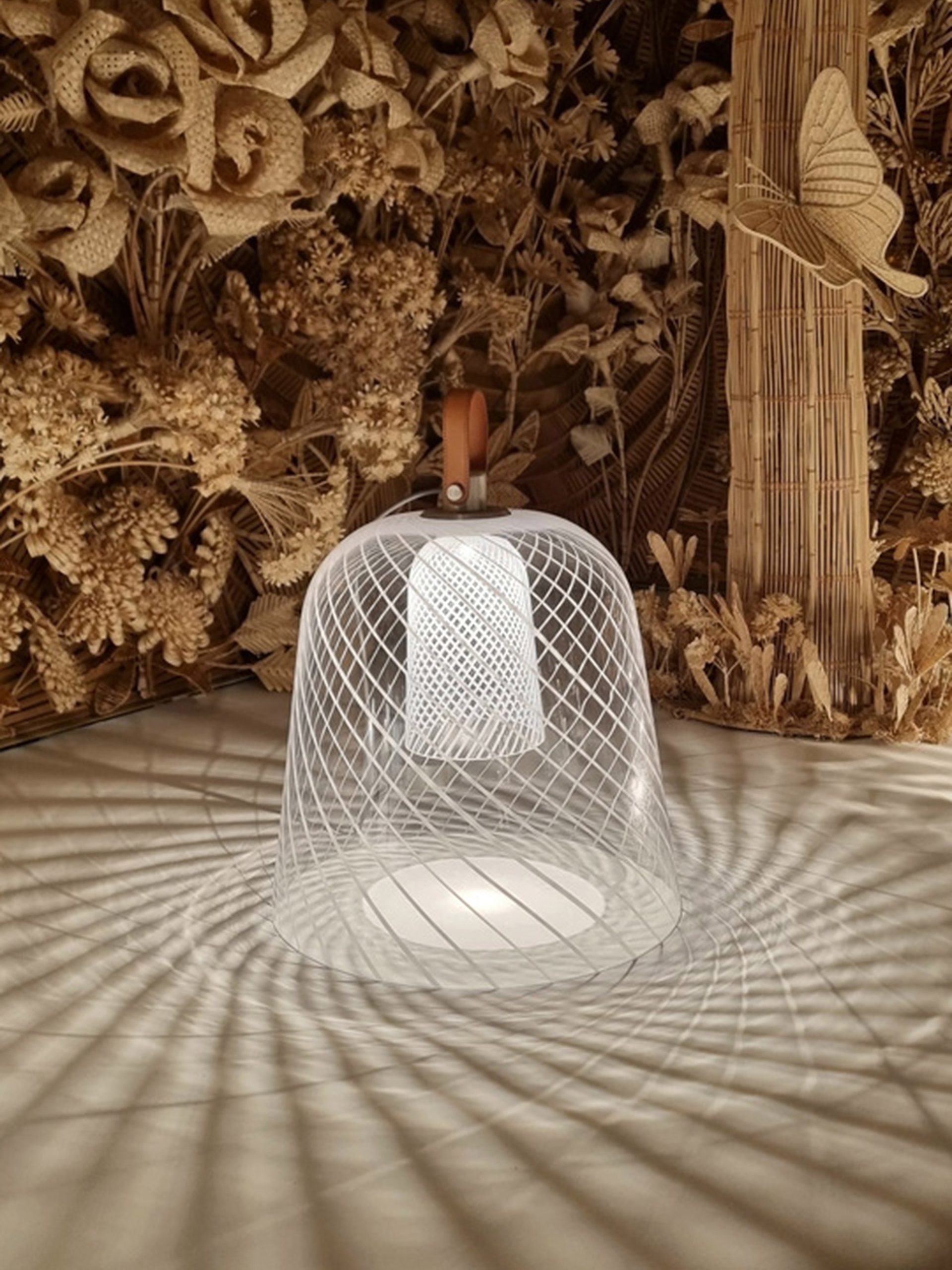
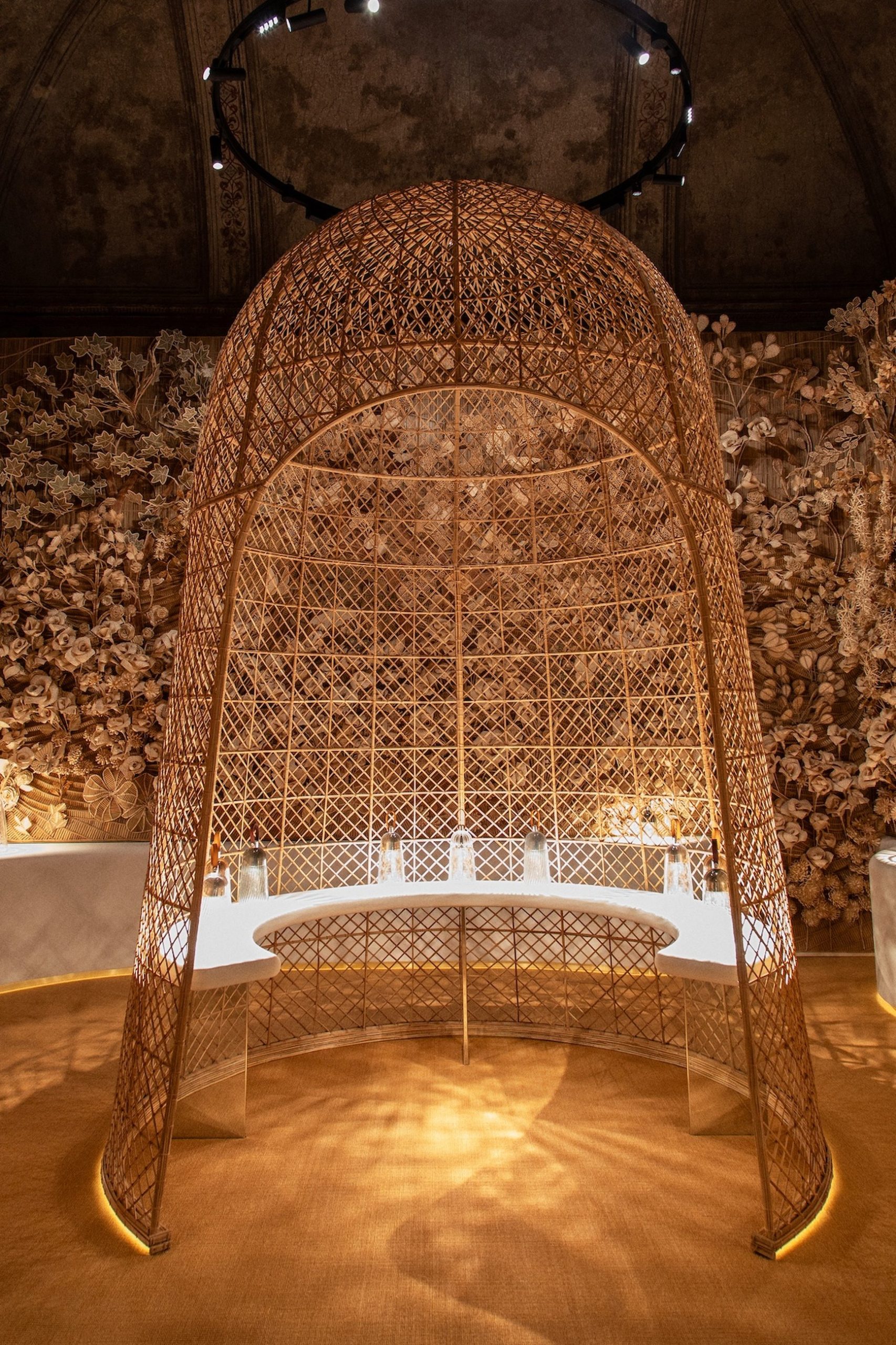
Meanwhile, at 10 Corso Como, Moncler opted for spectacle, installing an enormous octopus across the façade and into the interior, which was impossible to ignore and, predictably, very effective.
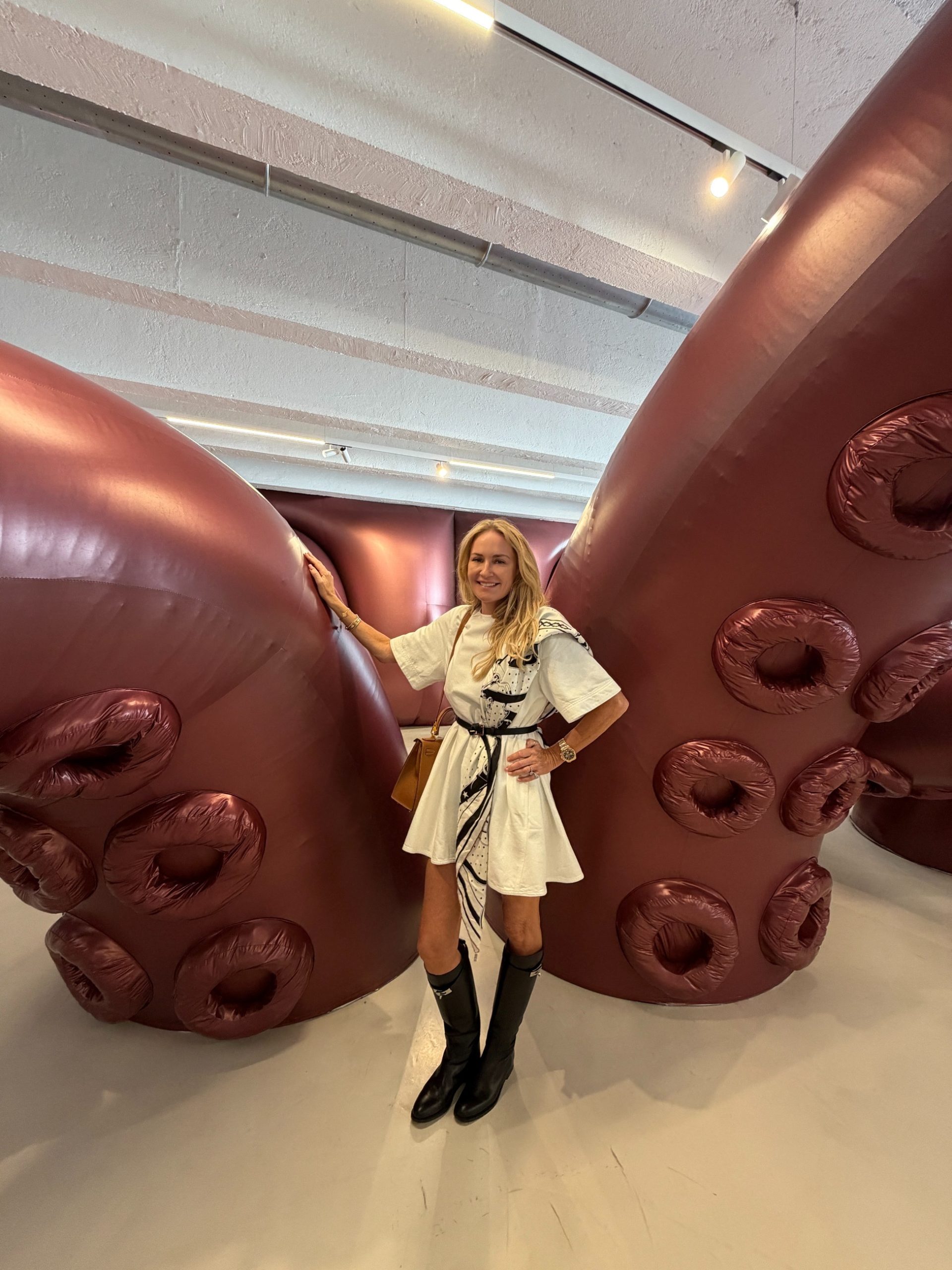
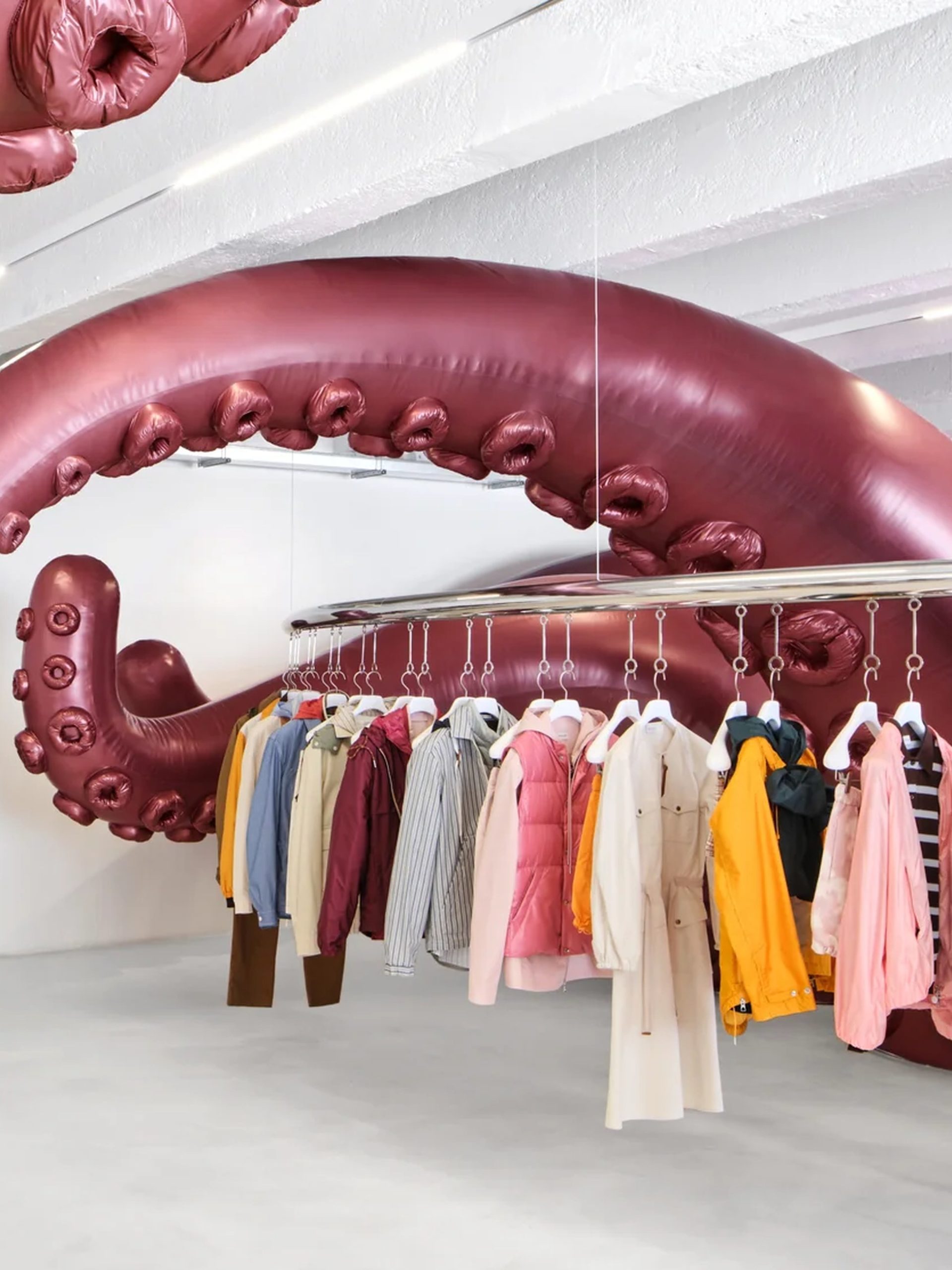
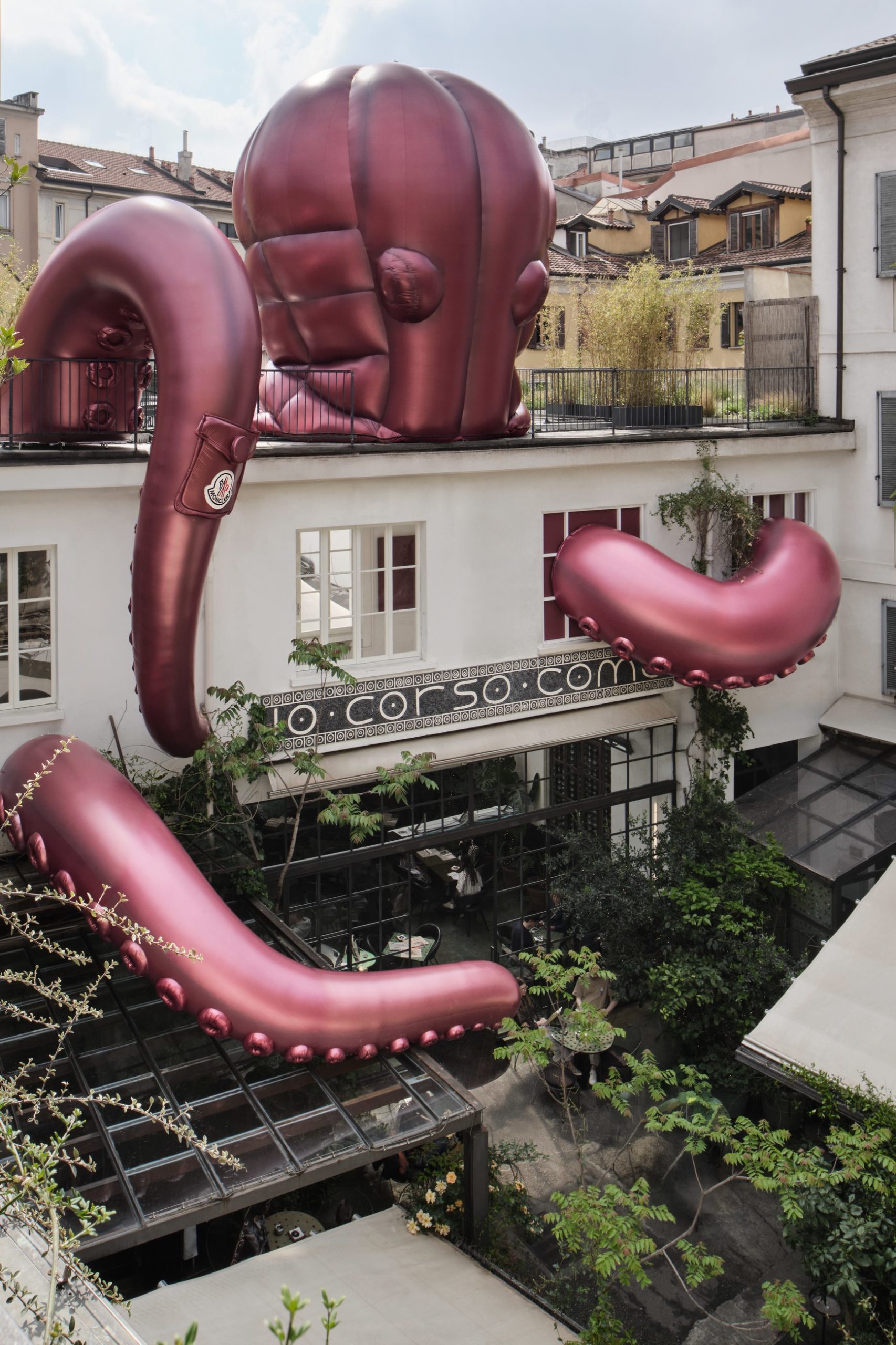
Together, the week suggested that fashion’s relationship with design is finally maturing, though, as Moncler’s octopus reminded us, a little theatre still goes a long way.